JULY 2025 | VOL 45 | ISSUE NO. 2

INSIDE
▶ Changing Gears
▶ SmartShip Training
▶ Obituary: Neil Cantrick
BLUFF FOCUS ON:
▶ The Union Steam Ship Company
PROFILE:
▶ Nanjing Tanker Corporation PUBLISHED BY

JULY 2025 | VOL 45 | ISSUE NO. 2
▶ Changing Gears
▶ SmartShip Training
▶ Obituary: Neil Cantrick
BLUFF FOCUS ON:
▶ The Union Steam Ship Company
PROFILE:
▶ Nanjing Tanker Corporation PUBLISHED BY
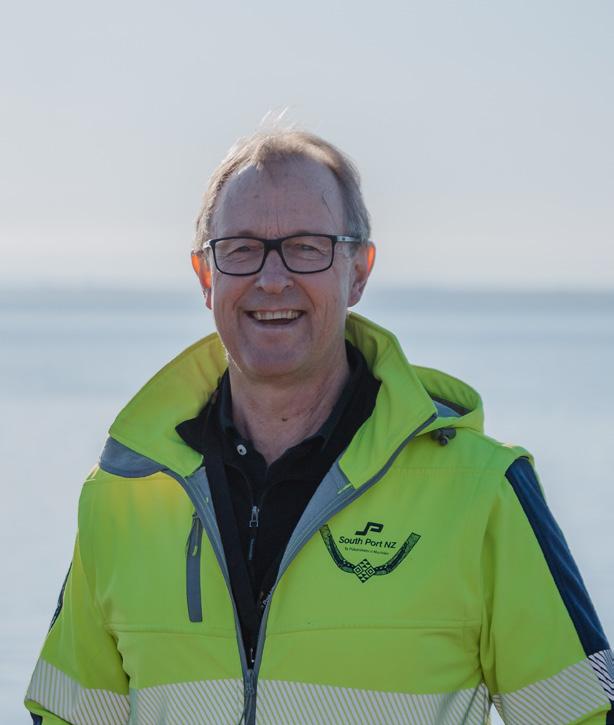
Tēnā koutou katoa,
It has been a particularly busy time leading up to the end of our financial year on 30 June 2025.
Notably, increased vessel calls handling both bulk and containerised cargo volumes at the Port during this last quarter.
This level of activity is typically above what we have seen in the past for this time of year, and is especially pleasing considering the lower volumes of cargo being handled at the Tiwai wharf due to a demand response call, agreed to between Meridian Energy and the New Zealand Aluminium Smelter.
This increased volume has led to the Port issuing an updated profit guidance on 25 June, as follows:
At the date of releasing our interim result in February 2025, South Port New Zealand provided guidance that its full year earnings for FY25 should be above the upper end of the previous forecast range, $9.3M to $10.3M, indicated at the Annual Shareholders Meeting in October 2024.
Due to higher than expected bulk and containerised volumes handled late in the last quarter, the Company now expects its full year earnings for FY25 to exceed $12.5M.
It is pleasing to see a recovery in volumes after a particularly difficult trading period in FY24.
It is important that these trade volumes continue to remain buoyant for the region, as this will help to fund future infrastructure developments that are in the pipeline for the Port.
Many of these future developments will be focused on new cargoes expected to be handled through Bluff, such as project cargo for energy developments and aquaculture, in addition to maintaining capacity to service our existing customer base.
When reflecting on land, one of the areas that we have seen a noticeable change is the amount of spare capacity we have remaining on the Island Harbour. The western end of the Island Harbour is approximately 8 hectares. Over time the spare capacity available in this area has evaporated through the development of warehouses and log storage areas. The remaining 2.5 hectares of unutilised land is now being developed into a sealed storage area to be used predominantly for project cargo (refer to story later in this edition).
Finally, it is with great sadness we note the passing of Neil Cantrick, a previous CEO/Managing Director of South Port.
Neil, a ‘Bluffy’, worked at the Port for 26 years, leading the business through changes from the Southland Harbour Board to the formation of South Port and then to the listing on the NZX before retirement. He was not only recognised for the work and development of the Port locally (and in the Bluff community), but by his peers for the work he achieved for the port industry nationwide. Our thoughts and sympathies go out to Noreen, Tracey, John and Paula during this sad time (more on Neil contained within this edition).
Ngā mihi nui, Nigel Gear
Chief Executive
COVER IMAGE:
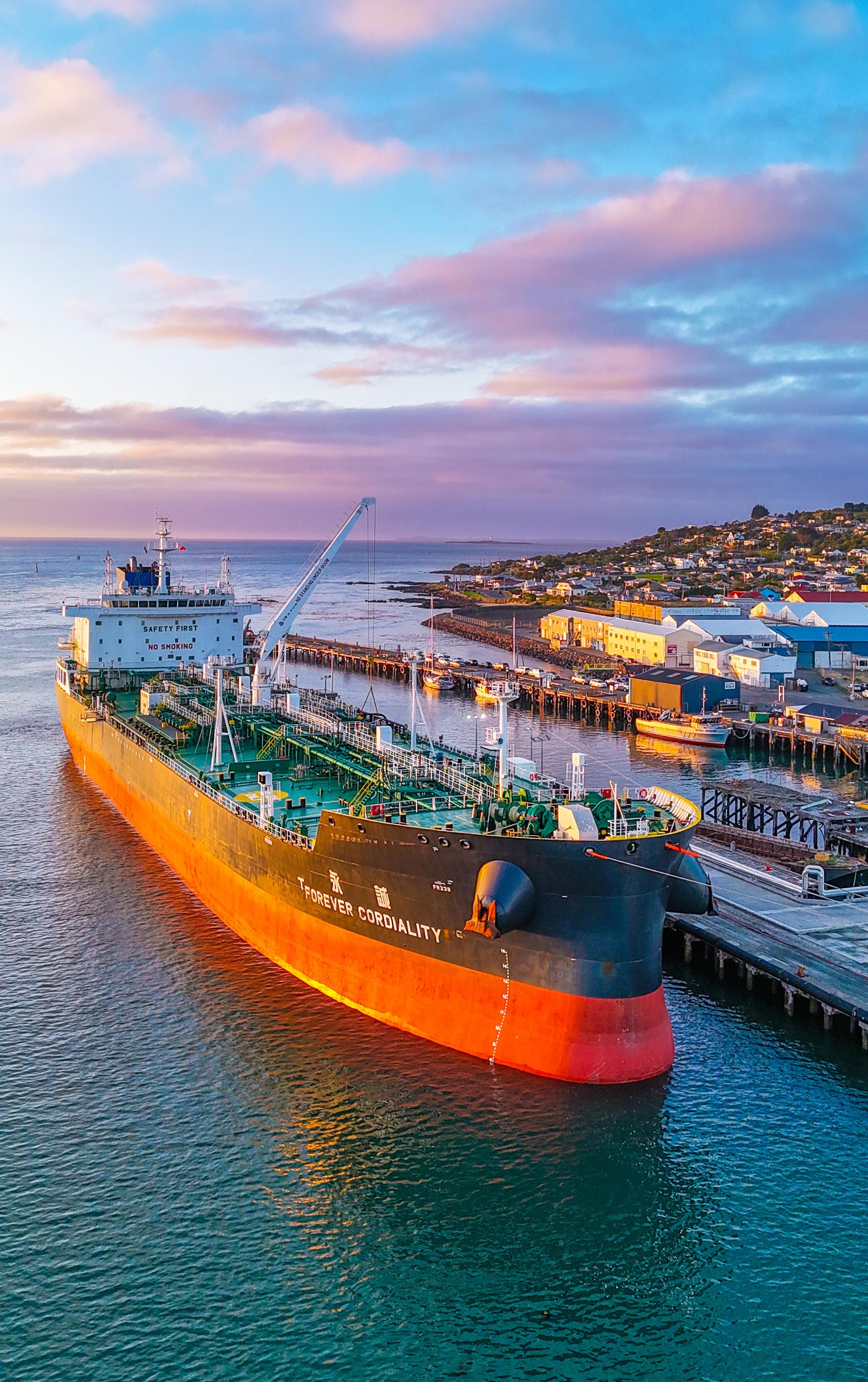
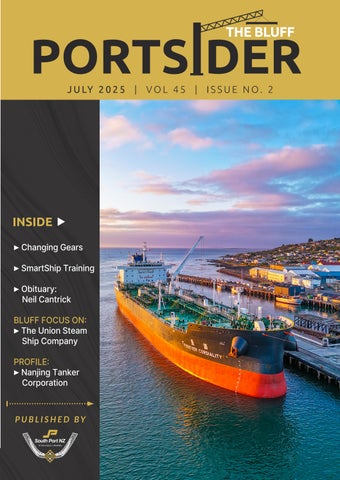
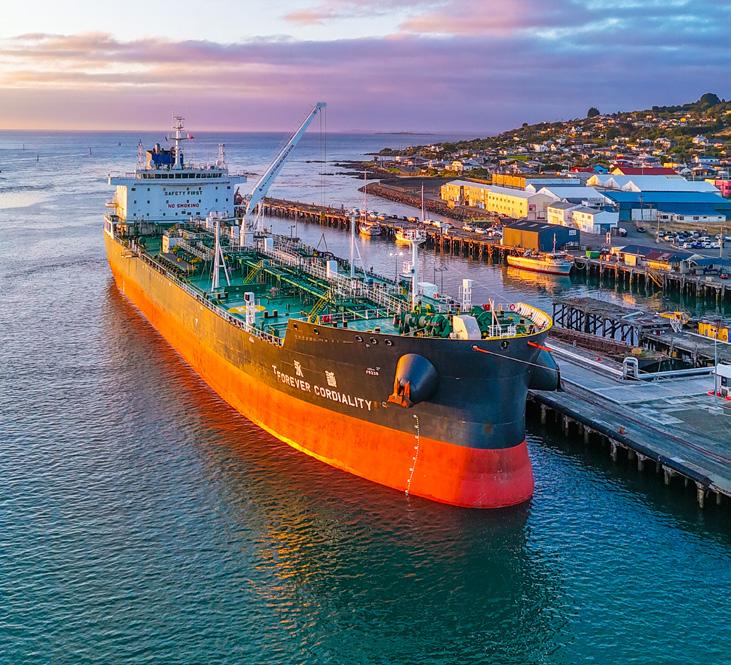
“Forever Cordiality” delivering fuel to Bluff.
Photo by Tammi Topi.
The Bluff Portsider is compiled by: South Port NZ Ltd PO Box 1, Bluff 9842 (03) 212 8159
reception@southport.co.nz www.southport.co.nz
Chief Executive: Nigel Gear
Produced and edited by: Hollie Cooper
Contributors: Dave Edge
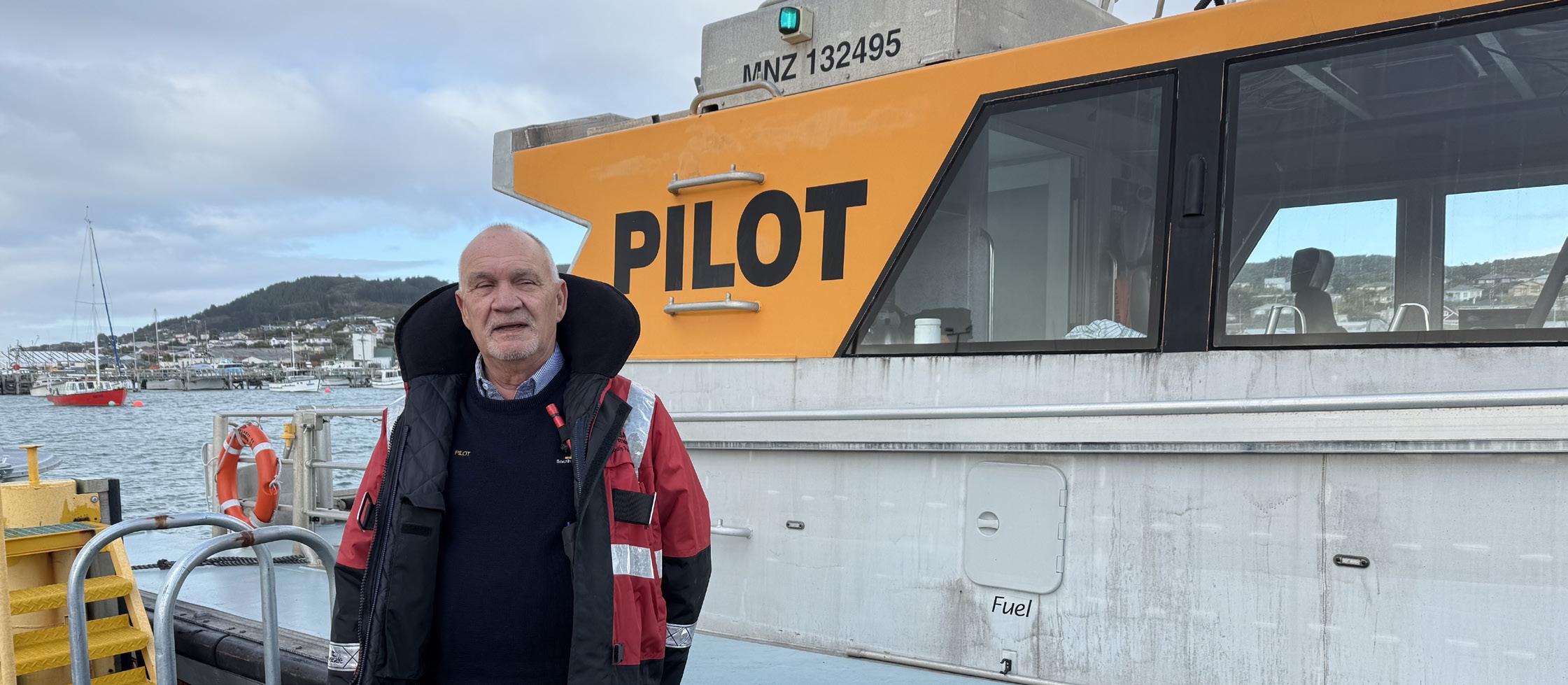
Captain Robert (Bob) Coote will celebrate 30 years of service at South Port in July 2025.
Bob grew up in Bluff, and started his maritime career on fishing boats before joining the New Zealand Shipping Corporation in 1976. He progressed from a Deck Officer Apprentice to Master Foreign Going following years spent navigating global waters, from long voyages on “meat boats” between New Zealand and the UK, to commanding vessels in the South China Sea, Persian Gulf, and Papua New Guinea.
In 1995 Bob joined South Port as a Pilot, and his local knowledge and understanding of the harbour quickly made him an asset to the Port.
Bob recalls during his early days at South Port, when four pilots managed not only the piloting but also tug operations, labour organisation, and compliance duties.
“We learned our craft from reference books, experience, and each other, now we have personal pilot units, electronic data, and specialised teams to support every aspect of the role. The changes have been profound.” Bob said.
“It’s enjoyable work — always interesting, always changing. I get real satisfaction from doing the job well,” he said.
A large part of Bob’s role at South Port has been mentoring new pilots and watching them grow.
“Seeing trainees transform from self-confident master mariners to competent, thinking pilots is incredibly rewarding,” he said.
To those just beginning their maritime careers, Bob’s advice is to “watch the harbour on a good day in order that you can visualise what is happening on a bad day or at night. And on the job, get in the habit of always thinking a few steps ahead.”
“Don’t become complacent. Expect the unexpected and always cogitate a few steps ahead.” Bob said.
Thank you Bob for 30 years of dedicated service.
Penny Hostetler ▶ HR Coordinator
Graham Vincent ▶ HR Projects Manager
Awatea Nicholas ▶ General Cargo Operator
Arama Jones ▶ Terminal Operator
Zachary Lietze ▶ Depot Operator
Bronson Ryan ▶ Trainee Deckhand
Luisa Ospina ▶ Cold Stores Operator
Dubertney Beusaquillo Castañeda ▶ Cold Stores Operator

It is with great sadness that we acknowledge the passing of Neil Charles Cantrick, aged 80, on Wednesday, May 21, 2025. Neil was a beloved husband, father, and brother whose life was marked by dedication, leadership, and a deep commitment to his community.
Neil was born in Bluff in 1945, the younger of Bill and Grace Cantrick’s two sons. He grew up in Bluff with his brother Ross and attended Bluff Primary School from 1950 to 1957 before moving on to Southland Boys’ High School in Invercargill. Neil’s academic journey continued at the University of Otago, where he graduated with a Bachelor of Commerce degree in 1968.
Neil’s professional career was closely tied to the Port of Bluff, where he worked as an accountant for the Southland Harbour Board in 1968. Over the next 26 years, Neil held various positions, including Treasurer, Secretary/Treasurer and Industrial Officer.
In 1978, at age 33, he was appointed General Manager, the youngest person (at the time) to be appointed to such a position in the New Zealand port industry. In 1989, he became the CEO/Managing Director of South Port New Zealand Ltd, a position he held until his retirement in 1994.
Neil played a pivotal role in transforming the Port of Bluff; over that time, many changes took place in the port/ waterfront industry in New Zealand.
Alongside his work at Bluff, he held a number of positions within the Port industry, including President of the Executive Officers Association in the Harbour’s Association of New
Zealand, Councilor representing Regional Ports in the New Zealand Association of Waterfront Employers, Chairman of the New Zealand Association of Waterfront Employers, National Industrial Assessor NZ Harbour Board Employers’ Association, National Industrial Assessor and Regional Ports Advocate for Waterfront Restructuring and new Waterside Workers’ Award Negotiations.
Neil was largely responsible for initiating reforms within the New Zealand Port Industry, and his contribution to privatising the ports was readily acknowledged by his peers.
This process started in the late 1980s when the Labour Government began reforming the waterfront industry. This resulted in the passing of the Port Companies Act in 1988 and the establishment of South Port New Zealand Ltd on October 3, 1988. In Bluff, Neil was appointed to the local ‘Establishment Unit’, and a port plan was prepared and approved by the New Zealand Government.
As a result, South Port NZ Ltd purchased the port assets, and the process was settled by the issue of fully paid ordinary shares to the Southland Harbour Board. The subsequent reform of local government abolished all harbour boards on November 1, 1989, with the shares in South Port held by the Harbour Board passing to the Southland Regional Council along with all residual statutory responsibilities.
During the transition from local government ownership to public company ownership, Neil led South Port through these significant changes and growth. Under his leadership, South Port became a successful business, ranked amongst New Zealand’s top 200 companies.
The base business of port operations also provided a platform for South Port to expand beyond Bluff and invest in the rural service sector. As a result, Neil held directorships with Southland Farmers Co-op Ltd, Taranaki Farmers’ Co-op Ltd and Invercargill Wool Dumpers.
One of the many major undertakings during Neil’s time at the helm included Stage 2 of the Island Harbour development. This encompassed the construction of berth 8 and adjacent hard standing for the marshalling of cargoes; the construction of large palletised cold storage facilities; the installation of a Syncrolift ship-lifting facility and the reclamation of further hard standing for sawn log and woodchip storage.
Neil was also deeply involved in the Southland community. He served as a Director of the Southland Business Development Board and Southland Promotions. He was
actively engaged with the local rugby club and golf community. Neil’s commitment to his community extended to his role as Secretary/Treasurer of the Bluff Rugby Football Club and Secretary of the Bluff Businessmen’s Association.
Neil’s legacy is one of dedication, leadership, and community service. He will be remembered for his professional achievements, contributions to the port industry, and commitment to his community. Neil is survived by his wife, Noreen, and children, Tracey, John, and Paula.
Credits. In writing this short history of Neil, thanks goes out to the family, Joan Sutherland, Ross Cantrick and his book
South Port has appointed Sam Grant to its Board of Directors for a term of 18 months as an Intern Director. Sam will be an observer only and is not considered to be a “director”.
Sam is currently an Investment Advisor with Craigs Investment Partners, and is also a trustee for Community Trust South.
This internship is aligned with the Southland Corporate Governance Intern Programme, which aims to build governance capability in Southland and provide opportunities for aspiring directors to advance their governance careers.
“South Port is Southland’s only NZX listed company and a key player in the southern logistics supply chain. This internship offers a unique opportunity to delve into the realm of corporate governance alongside experienced directors with expertise across various sectors and industries” said Philip Cory-Wright, South Port’s Board Chair.
“Sam is Southland born and bred, based in Gore where he is employed as an Investment Advisor. He has a background in finance and risk management, and his skills will transition well to the governance setting. This appointment gives him first-hand practical experience in a commercial board setting where he can bring a fresh perspective and new ideas to the table,” says Mr Cory-Wright.
Sam Grant commented “I am honoured to join South Port as an Intern Director. This opportunity allows me to gain invaluable insights into corporate governance and contribute to the strategic direction of Southland’s only listed company. I look forward to learning from the experienced board members and bringing my skills in finance and risk management to the boardroom. Being a proud Southlander, I am excited to give back to the community and help drive its growth and success.”
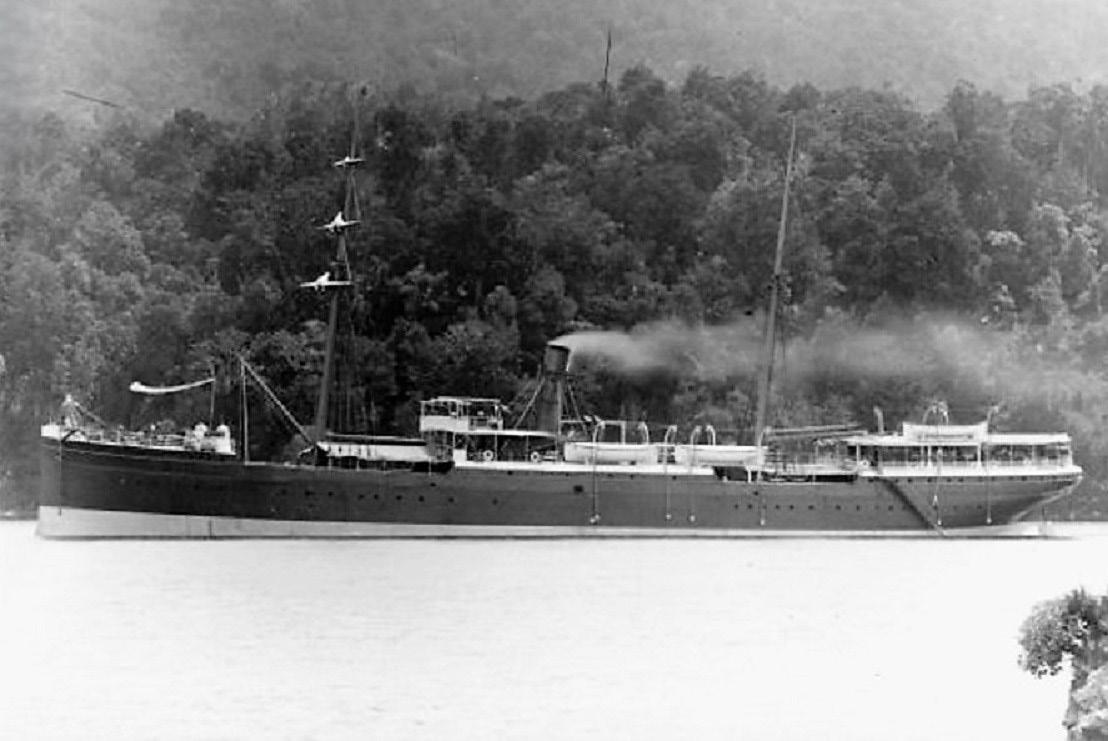
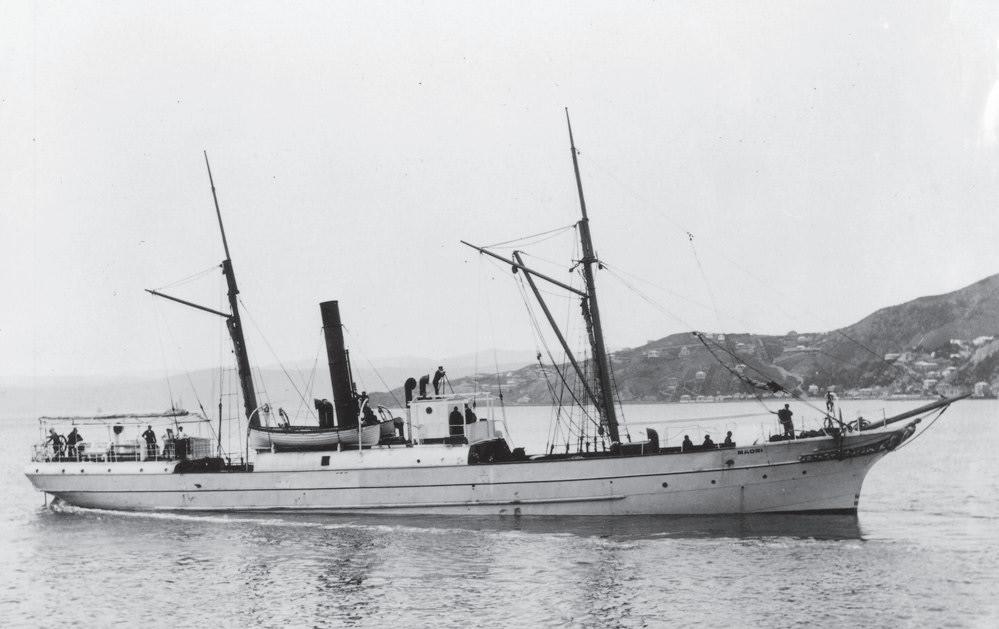
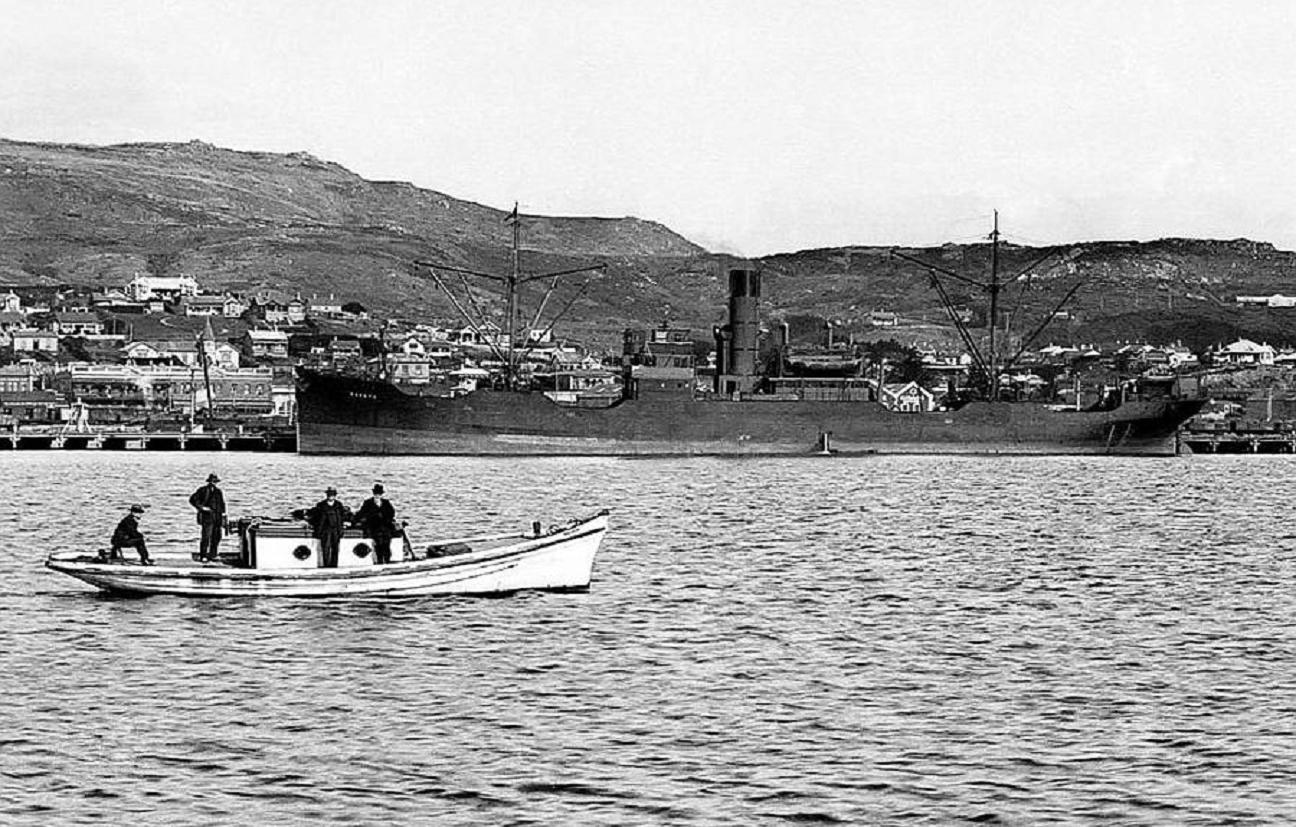
On 31 May 1875, a meeting was held in New Zealand’s largest and wealthiest city, Dunedin, to consolidate proposals to establish a coastal shipping company, which would be known as the Union Steam Ship Company of New Zealand Limited. The driving force behind the company’s formation was James Mills, who gained his early shipping acumen in the employ of former whaler John Jones. Having settled in Dunedin in 1854, Jones acquired control of the Harbour Steam Company, to which he appointed 21-yearold James Mills as General Manager in 1868. Mills set about expanding the company to operate beyond the confines of Otago Harbour. In 1869, the “Maori” was purchased, followed by the “Beautiful Star” and the “Bruce”, with services extending as far north as Lyttelton and south, at least as far as Bluff, where the “Maori” first arrived on 27 June 1871.
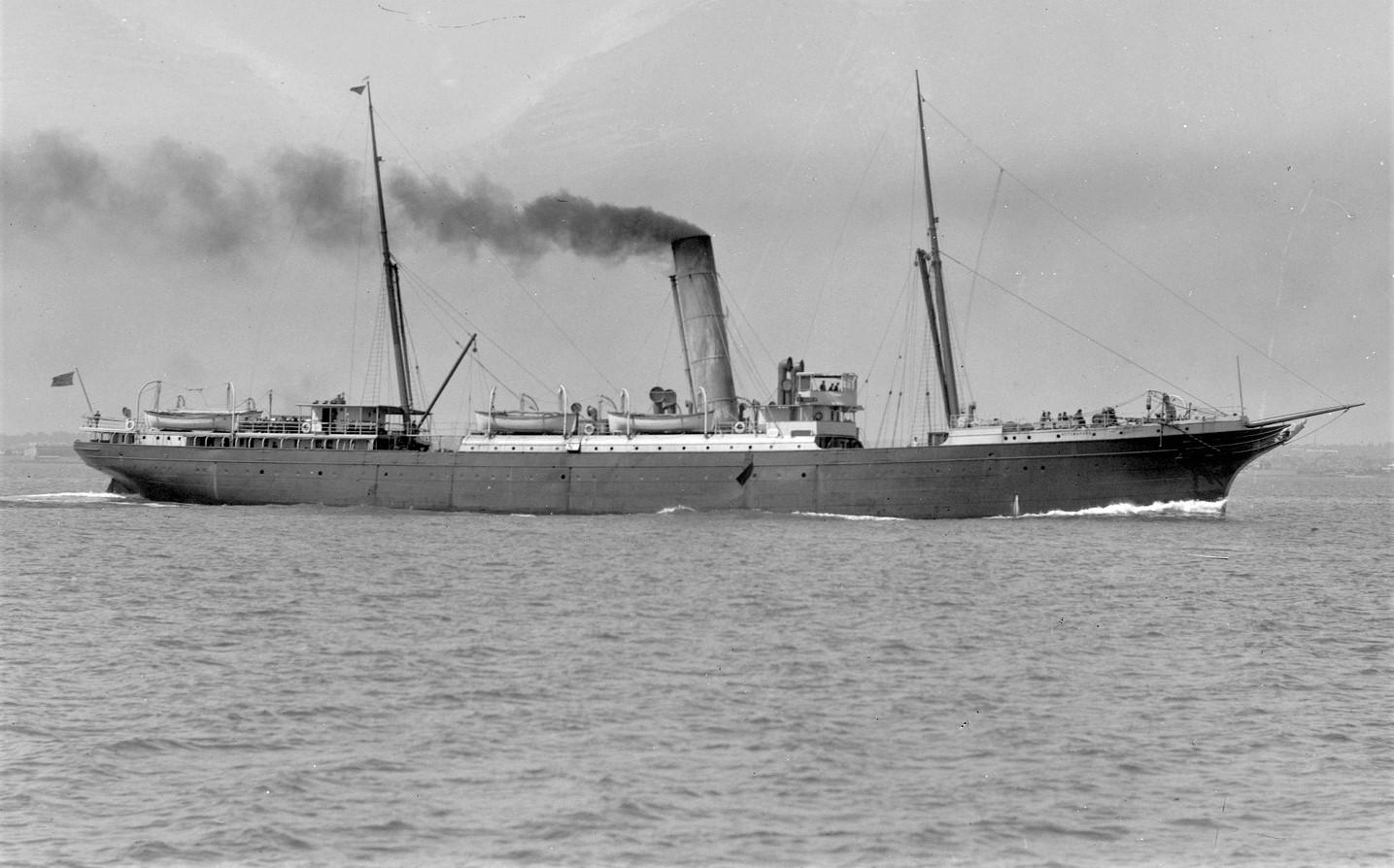
In 1873, Mills issued his first prospectus for the Union Steam Ship Company but was unable to raise sufficient money in New Zealand, so he travelled to Scotland, where he met Peter Denny of the famous Dumbarton shipyard, who agreed to assist in financing what became the steamers “Hawea” and “Taupo”. With the construction of the new ships underway, Mills returned to New Zealand, where his proposals were accepted at the meeting of 31 May. On 1 July 1875, the Union Steam Ship Company of New Zealand opened for business - and what a business it became. Under Mills’ astute leadership, it evolved into the largest maritime enterprise based in the Southern Hemisphere and was the country’s second-biggest employer after the government. It was also innovative. The “Rotomahana” of 1879 was the first ocean-going ship in the world built of mild steel and the first fitted with bilge keels to reduce rolling, while three years later, the “Manapouri” became the first
in the world to have incandescent electric lights installed throughout. Steam turbine propulsion was introduced by the “Loongana” in 1904 on the Melbourne - Launceston service, the first turbine-powered ship in the Southern Hemisphere. In 1922, the cargo liner “Hauraki” became the company’s first motor ship, followed in 1924 by the “Aorangi,” the first large passenger ship in the world to be powered by diesel engines.
In 1935, the nation’s largest shipping company formed its largest airline with the establishment of Union Airways of New Zealand Limited. In January 1936, the country’s first daily scheduled air service commenced. 1936 also saw the trans-Tasman passenger liner “Awatea” enter service. Considered the finest ship ever built for the company, she established records for the Tasman Crossing that lasted into the 1960s. During its lifetime, the Union SS Company owned over 300 ships, and at its peak in the 1920s, it owned 81 ships of 268,000 gross tons.
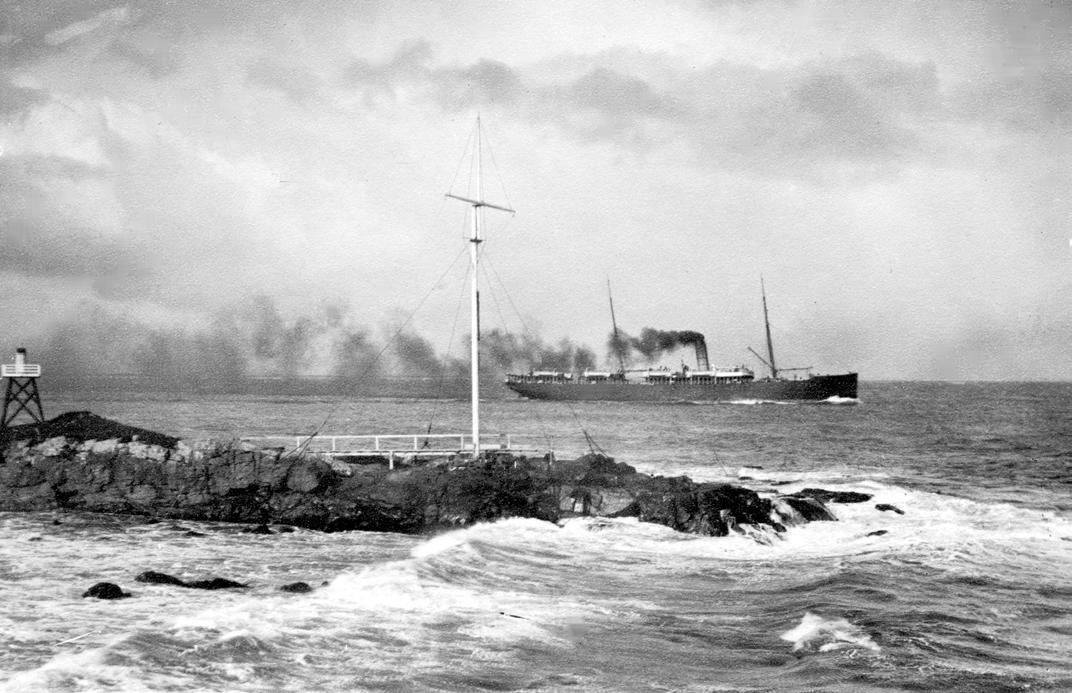
However, these events were for the future as the initial fleet went to work. The first ship in the Union Company’s fleet list was the “Maori”, which returned to Bluff as the first Union Company ship to visit, arriving on 26 July 1875. The newlybuilt “Hawea” and “Taupo” sailed between Port Chalmers and Onehunga, and in January 1877, the “Wanaka” made the first summer excursion to Fiordland, which became an annual event. Trans-Tasman services began in October 1876 with the departure of the “Wakatipu” from Port Chalmers for Sydney, and Union Company came to be so dominant in the Inter-Colonial trade to Australia that the Tasman Sea became known as the ‘Union Company’s Lake’. Best known of its routes was the ‘Horse-shoe Service’ commencing in 1882 from Wellington to Lyttelton, Dunedin and Bluff, thence to Hobart and Melbourne, before returning via the same ports.
Because of the way it took over its competitors and absorbed their ships into its fleet, Union Company became
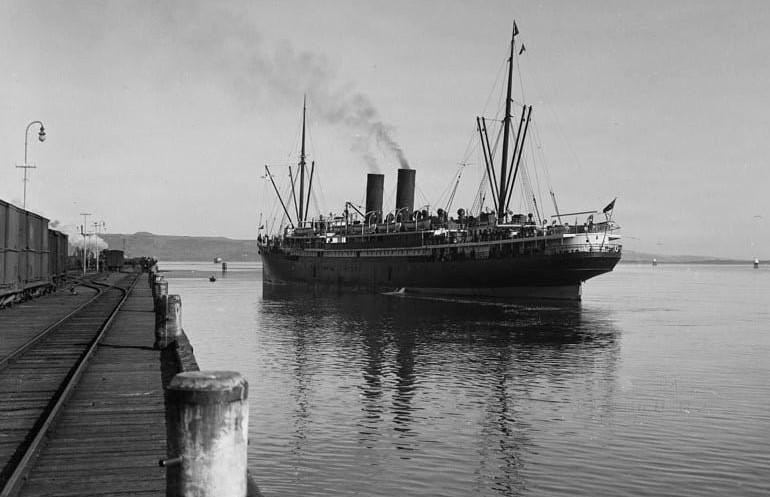
known as ‘The Southern Octopus’, and if it didn’t buy companies outright, it would take a substantial shareholding, sufficient to direct the other’s course in the desired direction. The purchase of the Auckland Steam Ship Company in 1881 was a case in point, giving the Union Company entry to the Fijian trade, a Government subsidy to support the service and the addition of the steamer “Southern Cross” to its fleet. Cruises to the Pacific islands followed, and in December 1885, the “Mararoa” sailed for San Francisco on the first trans-Pacific voyage by a Union Company ship. Two years later, a service to India via south-east Asia began when the “Tekapo” sailed for Calcutta.
By the end of the century, Union Company was firmly established as the country’s premier shipping line with a network of coastal services, including the ‘Steamer Express’ between Wellington and Lyttelton, many trans-Tasman routes, many of them to Tasmania, where it also operated coastal services, and mainland ports as far north as Sydney.
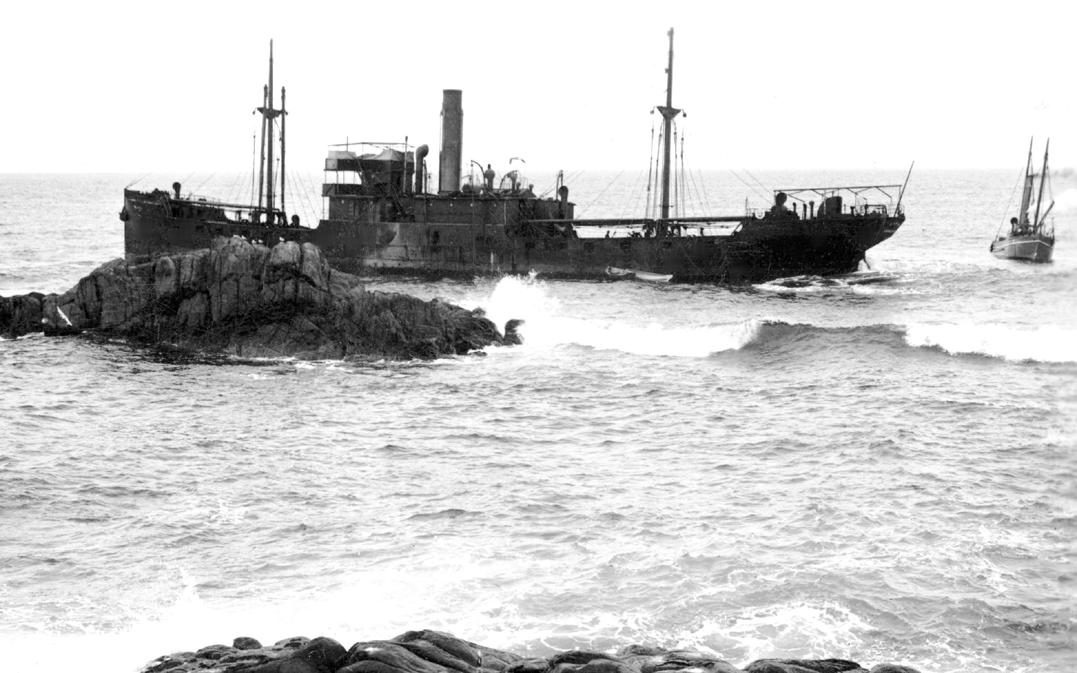
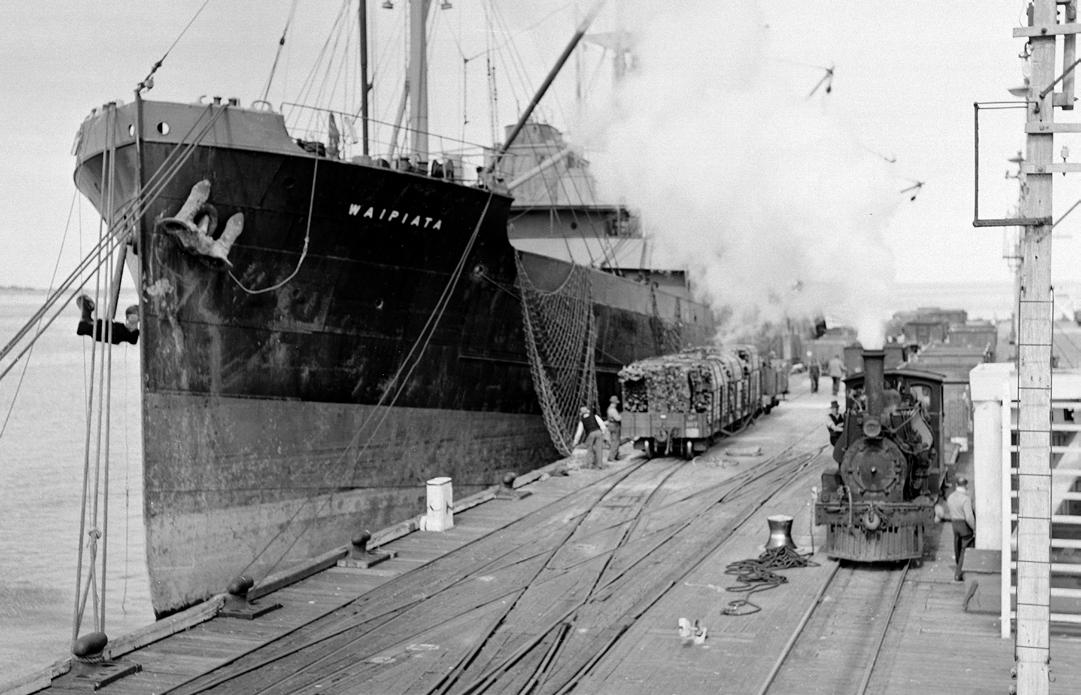
Dedicated regular services traded to the South Pacific island groups as far as Tahiti with passengers and cargo, while more distant locations were visited by ships on the North American services. In 1901, the company took over management of, and later bought, the Canadian Australian Royal Mail Line, which operated between Sydney and Vancouver. A route which must have been much coveted was that to Britain in 1912 and it took over four ships already in the service, these were renamed “Limerick”, “Roscommon, “Tyrone” and “Westmeath”, later being joined by the newly built “Armagh”, “Leitrim” and, in 1925, the “Limerick” (2). The “Westmeath” was broken up after 13 years with the company while “Armagh” and “Tyrone” were both wrecked. “Aotearoa”, building as a sister to “Niagara” but completed as the Armed Merchant Cruiser “Avenger” was torpedoed and sunk. “Roscommon” and “Limerick” were war losses, as were the “Aparima”, “Waihemo” and “Waikawa” while the “Wairuna” was captured by the German raider “Wolf”.
An important day for the company was 1 January 1922, when the Head Office shifted from Dunedin to Wellington. However, the registered office and the repair facilities at Port Chalmers remained in situ. Coal was king in those days, and Union Company owned or had shares in several coal mining companies and, while owning many colliers, recognised that oil was the fuel of the future - as early as 1912, the company had taken delivery of the oil-fired passenger liner
“Niagara” for the Vancouver route. Post-war, the company invested in an oil depot in Sydney, bought a similar facility in Wellington, converted the liner “Makura” to oil fuel and in 1921 took delivery of the tanker “Orowaiti”. Over the next few years, three large motor ships were delivered: the “Hauraki”, “Aorangi”, and “Limerick”. Bluff Harbour Board, incidentally, was one of the first port operators in New Zealand to provide oil storage and bunkering facilities, which opened in 1926.
(Part two of the Union Steam Ship Company’s history will feature in the November edition of The Bluff Portsider.)
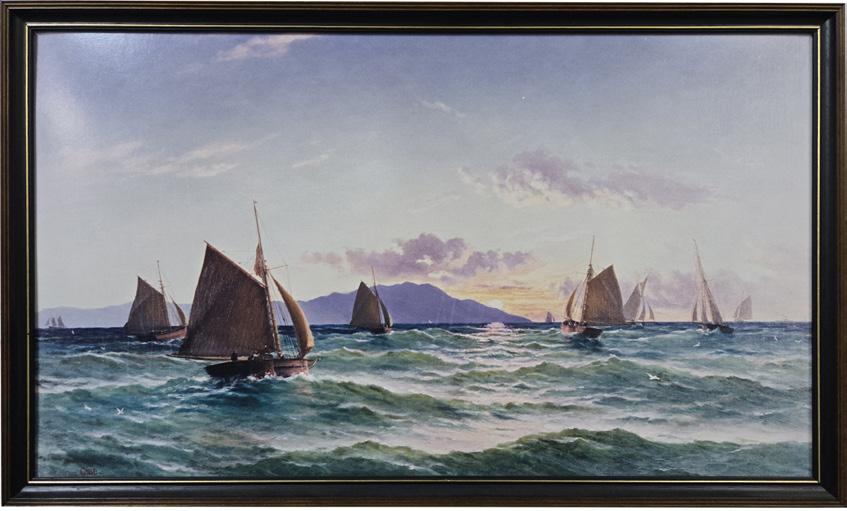
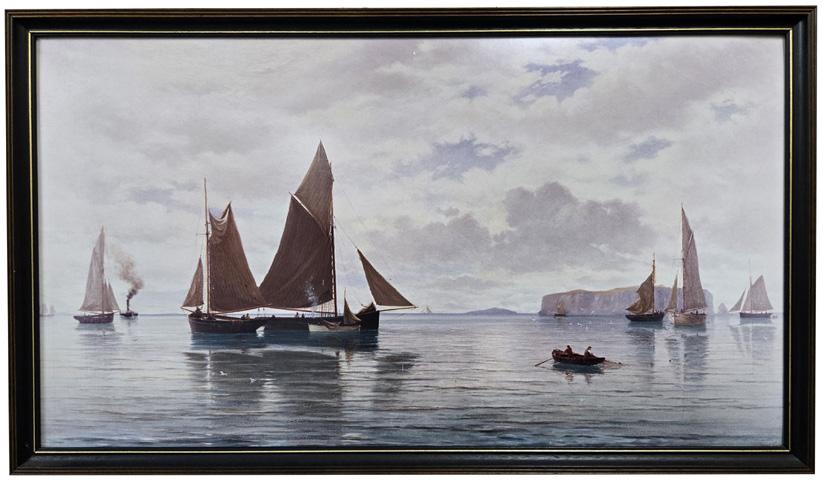
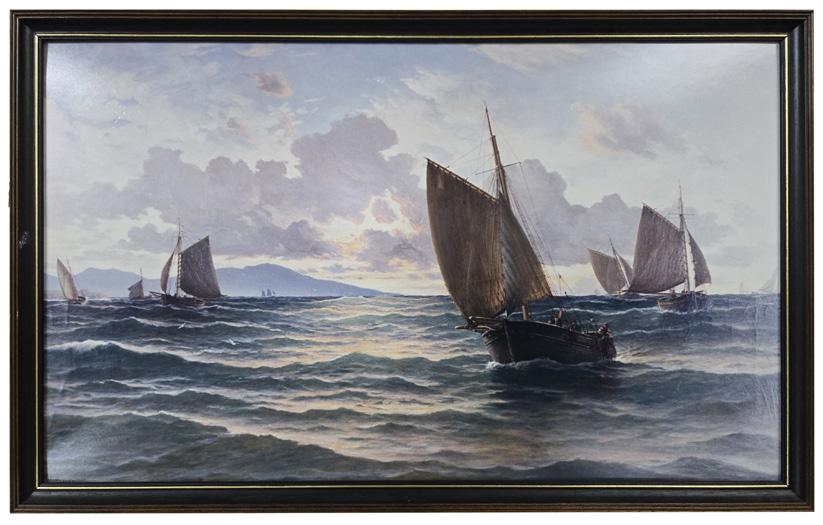
John Gibb was born in Dumbartonshire, Scotland in 1831. He showed an early love of drawing and his interest was stimulated by regular visits to art exhibitions in Edinburgh, Glasgow and Greenock. Here he learned to appreciate the work of other artists and to set standards of his own.
Gibb later settled on the Firth of Clyde where he had the opportunity to study the sea, the sky, the land and the shipping. In time he achieved a fair measure of success as an exhibitor in the leading Scottish Art Society exhibitions.
Gibb and his family emigrated to New Zealand in 1876. He travelled the country painting under the partronage of various Harbour Boards, as was the custom of the time.
The originals of these prints are owned by South Port, and are stored at Anderson Park Art Gallery in Invercargill.
The Bluff
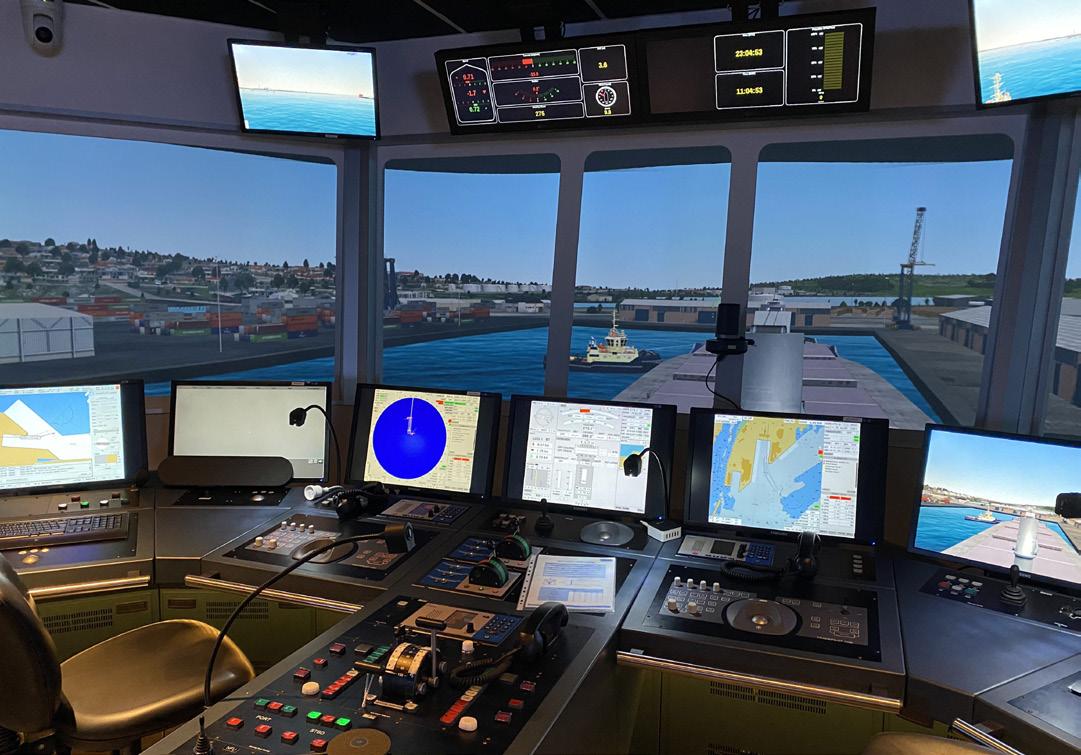
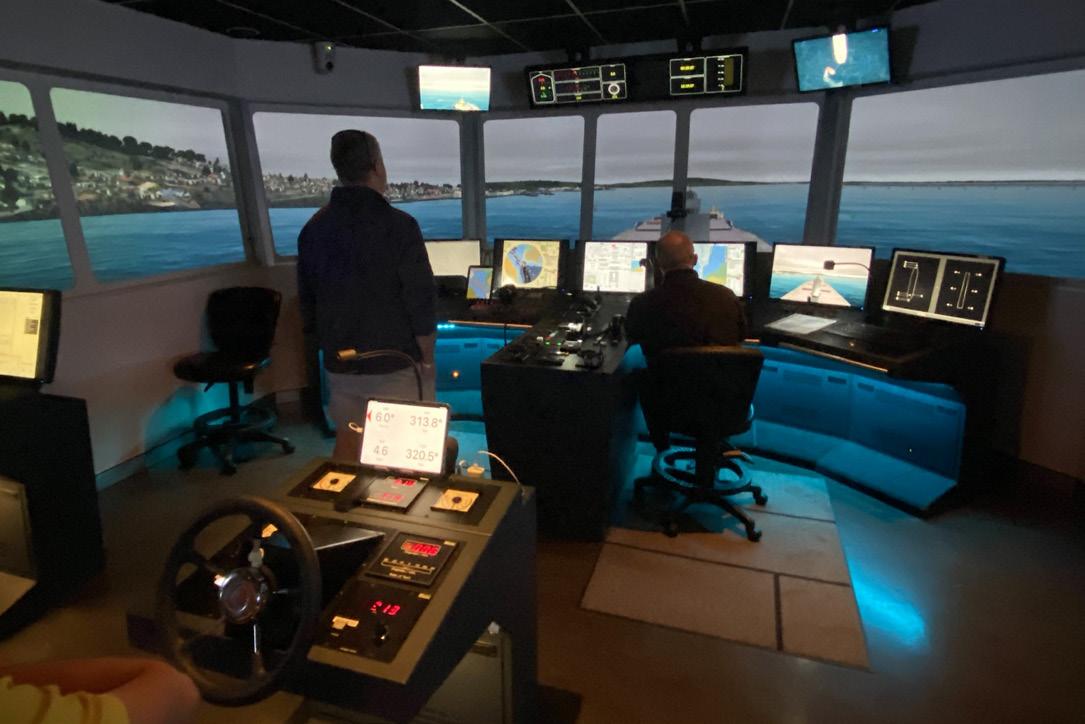
SmartShip is a state-of-the-art simulator centre providing world-class training for Pilots and Tug Masters in Brisbane, Australia.
actively engaged with the local rugby club and golf community. Neil’s commitment to his community extended to his role as Secretary/Treasurer of the Bluff Rugby Football Club and Secretary of the Bluff Businessmen’s Association.
As part of their continual training, three Pilots from South Port attended SmartShip and ran 28 different simulations over three days. Not all of these were successful; some of the events were rerun numerous times to test different scenarios and outcomes.
Neil’s legacy is one of dedication, leadership, and community service. He will be remembered for his professional achievements, contributions to the port industry, and commitment to his community. Neil is survived by his wife, Noreen, and children, Tracey, John, and Paula.
South Port has appointed Sam Grant to its Board of Directors for a term of 18 months as an Intern Director. Sam will be an observer only and is not considered to be a “director”.
running through all the emergencies. Learning from what the other Pilots were doing in their scenarios too, it was good to experience bigger ships and higher winds, just pushing your comfort zone. And then the failures, and it just gets you thinking of what to do quickly,” said Brad.
Sam is currently an Investment Advisor with Craigs Investment Partners, and is also a trustee for Community Trust South.
Pilot licence classes are C, B, A and Unlimited, and it is a competency-based assessment to progress through the licences.
The SmartShip simulated models are constantly being updated and tweaked using photos and sounding data to be as accurate as possible for the pilots.
Credits. In writing this short history of Neil, thanks goes out to the family, Joan Sutherland, Ross Cantrick and his book ‘Back To The Bluff’.
“You’ve got the Eagle Hotel and the Four Square, you can see them to the side, quite clearly marked. Some of the murals, even though they’re not the same mural, they’re still depicted on the walls, which is a good touch. And Tiwai looks exactly like Tiwai looks, really,” said Ray Tull, South Port Pilot.
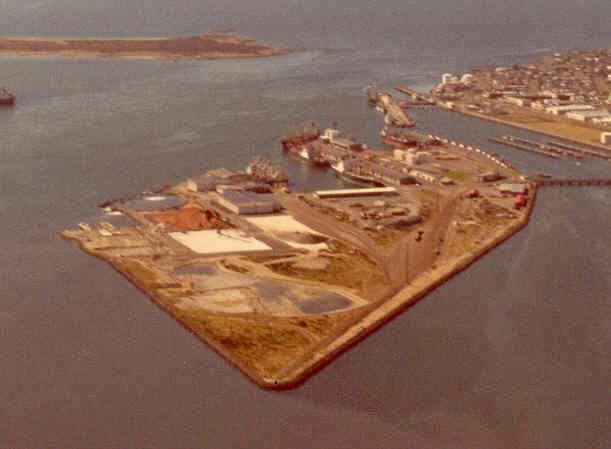
South Port, Bluff 1980’s
Ray has been a Pilot for South Port for five years and holds an Unlimited licence, the highest class you can achieve as a Pilot, which allows him to manage all sizes of ships. Ray has spent more than 20 years at sea working toward this goal after being inspired by his grandfather, who was a tug master in Bluff.
The Pilots can send details to SmartShip of scenarios they would like to run before they attend. These simulations are sometimes based on previous events or incidents and give the Pilots the opportunity to run different scenarios.
“With the simulators we can push the wind limits on ships, because we have limits for safety, obviously, and for control. We push the boundaries far beyond what we would do with the ship in reality, because we can in a safe environment. And we can practice failures on the ships, the training will give us an idea of what we can do in an emergency scenario,” said Ray.
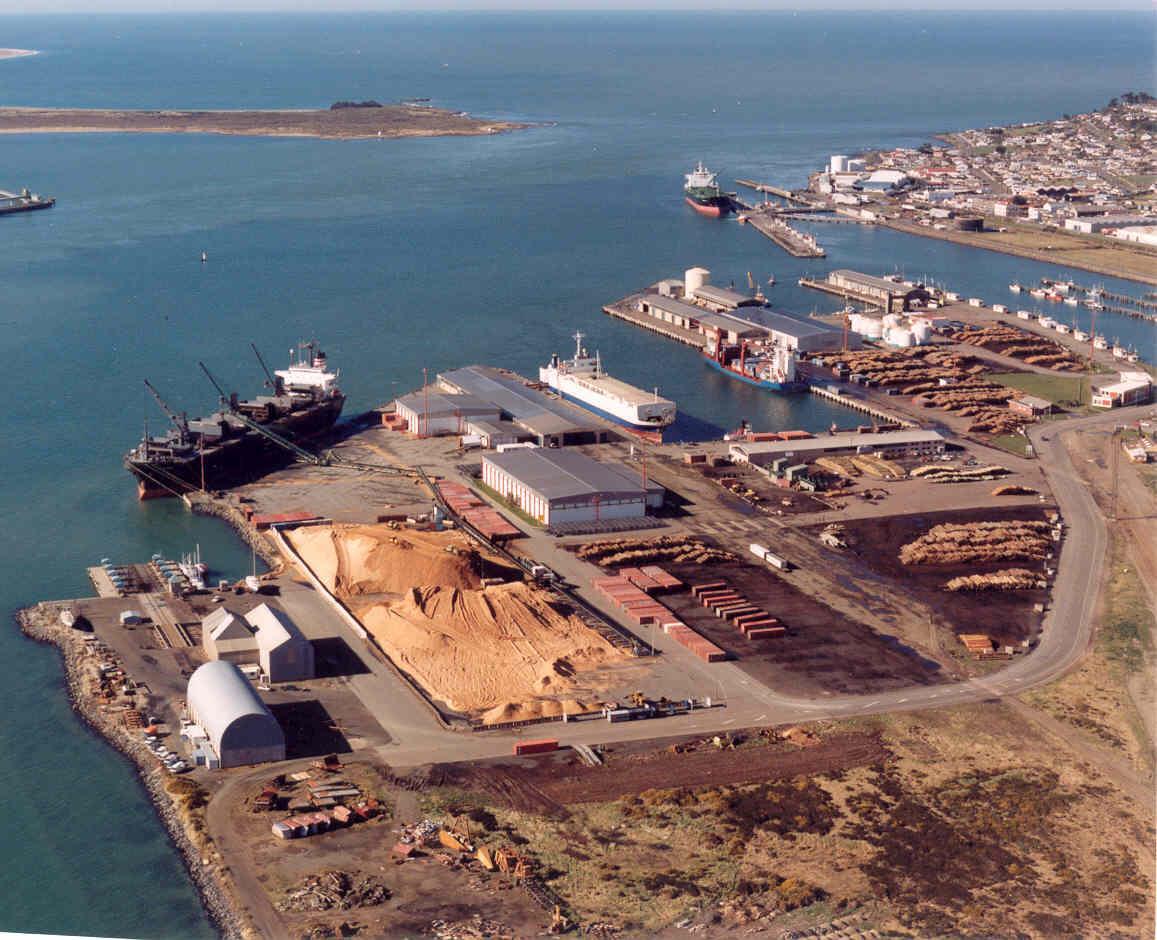
South Port, Bluff 1990’s
For a less-experienced Pilot, the simulators offer the opportunity to experience different-sized ships, gain insights from feedback as a group, and examine what worked and what didn’t.
Brad Goldsworthy has been a Pilot at South Port for just over a year and holds a C-class licence. Brad’s father was a Pilot Launch Skipper and Relief Tug Master in Bluff for several years, and after spending time with him as a child, becoming a Pilot became his goal.
This internship is aligned with the Southland Corporate Governance Intern Programme, which aims to build governance capability in Southland and provide opportunities for aspiring directors to advance their governance careers.
In addition to the simulator training, Pilots are required to attend conferences with shared learning on any developments in the world of pilotage (this can include airline pilots), complete tabletop drills and peer assessments as well as firefighting, first aid and survival at sea training.
SmartShip also runs tug simulations where the Tug Master can drive the tug while the ship is being piloted, allowing them to work together as happens in reality.
“South Port is Southland’s only NZX listed company and a key player in the southern logistics supply chain. This internship offers a unique opportunity to delve into the realm of corporate governance alongside experienced directors with expertise across various sectors and industries” said Philip Cory-Wright, South Port’s Board Chair.
As well as training, the simulators can be used for assessment, operating procedures, and port development.
“Sam is Southland born and bred, based in Gore where he is employed as an Investment Advisor. He has a background in finance and risk management, and his skills will transition well to the governance setting. This appointment gives him first-hand practical experience in a commercial board setting where he can bring a fresh perspective and new ideas to the table,” says Mr Cory-Wright.
Sam Grant commented “I am honoured to join South Port as an Intern Director. This opportunity allows me to gain invaluable insights into corporate governance and contribute to the strategic direction of Southland’s only listed company. I look forward to learning from the experienced board members and bringing my skills in finance and risk management to the boardroom. Being a proud Southlander, I am excited to give back to the community and help drive its growth and success.”
Significant changes took place at the Port in the 1980’s and early 1990’s while Neil was at the helm.
“For me, on a C-class license, trialling all sorts of things is probably the biggest benefit of the simulators, and then
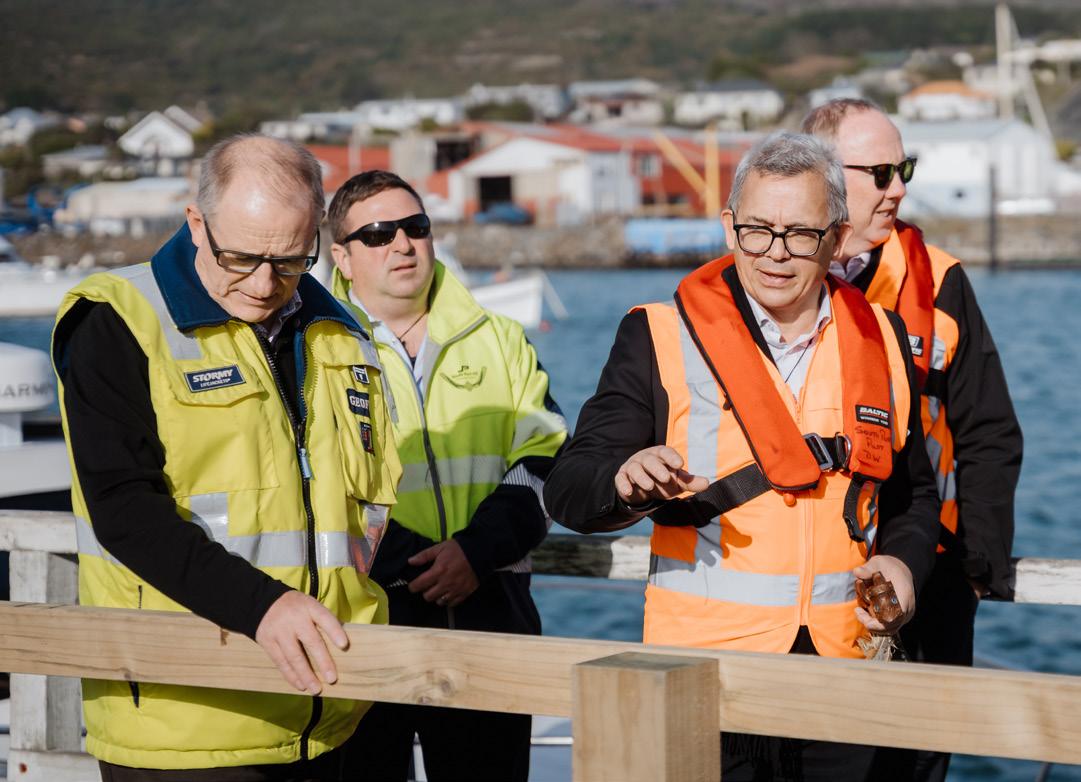
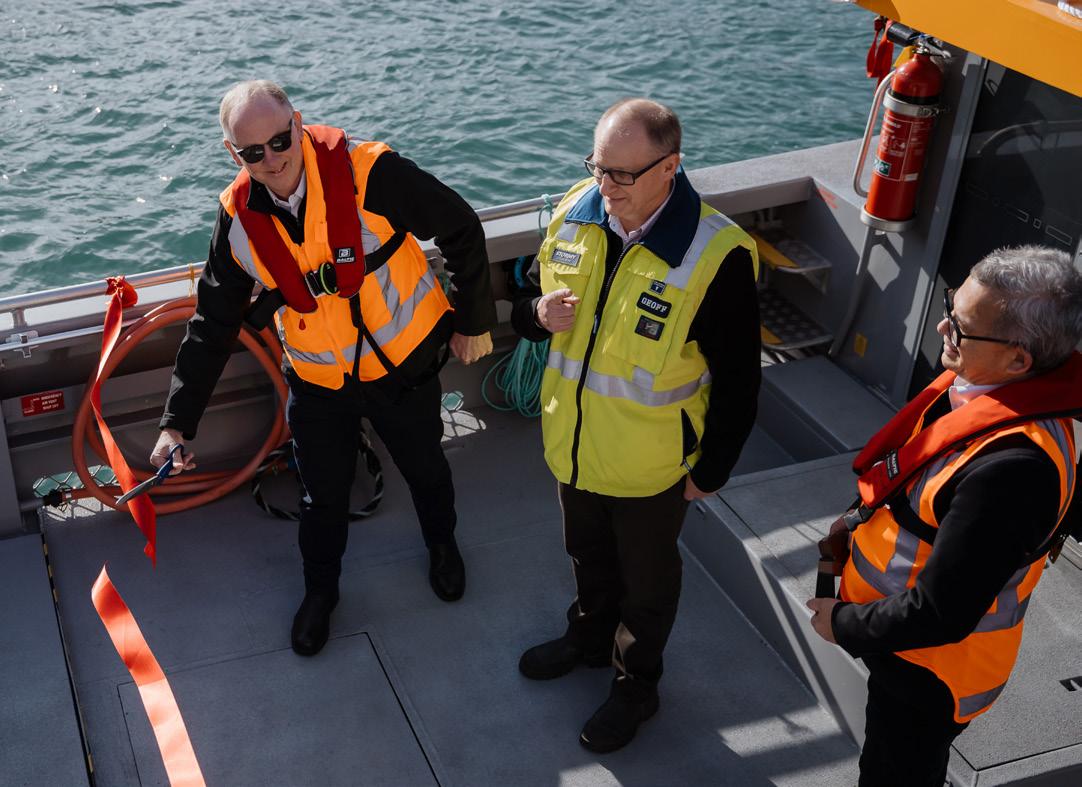
A break in the weather saw the sun shine down on the blessing of the new pilot vessel, Murihiku, in late May.
The proceedings were led by Dean Whaanga, Kaupapa Taiao Kaiwhakahaere, Te Ao Mārama (TAMI), accompanied by Philip Cory-Wright, Board Chair, and Geoff Finnerty, Port General Manager, South Port, asking our tīpuna/ancestors and Tangaroa to protect the vessel and crew when they are at sea, to help ensure our people safely return home and back to land.
Following the blessing, and cutting of the ribbon, South Port Board of Directors and Leadership Team led the waiata ‘Te Pūkorokoro o Murihiku’.
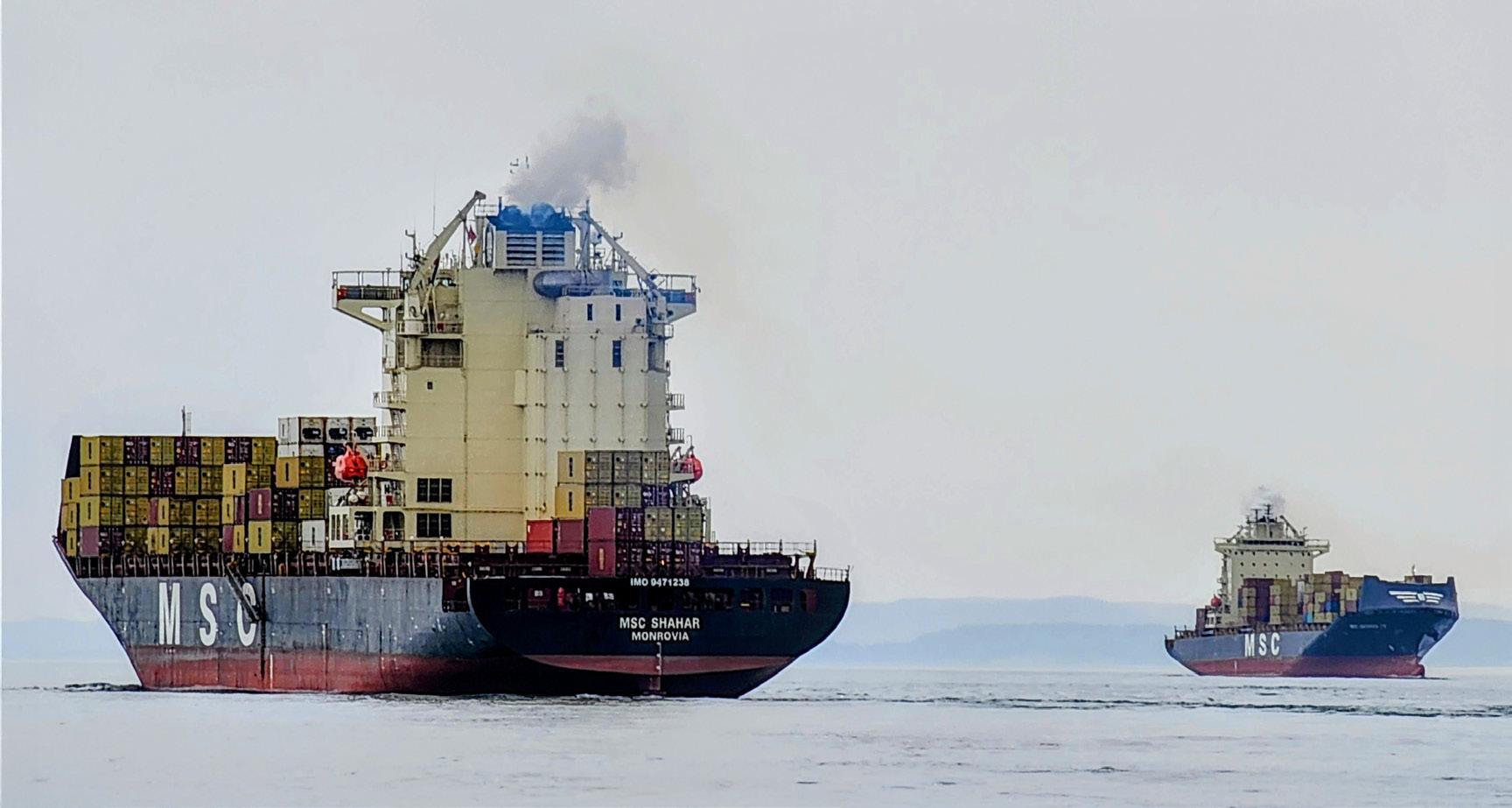
Anyone watching Bluff Harbour on a Sunday afternoon in early March could be excused for thinking they were seeing double, with the rare occurrence of MSC Shahar departing, and MSC Nassau IV arriving, on the same tide.
Thanks to Graham Brown, Terminal Supervisor, South Port, for the picture.
Murihiku will be used for a variety of tasks outside of transporting pilots, including survey and inspection work.
The Murihiku underwent sea trials in February 2025, following extensive modifications to meet Maritime New Zealand requirements for a pilot vessel, and subsequently gained the required certification for operation.
The vessel previously known as ‘Reel Deep’ arrived at Bluff from Hobart in March 2024, where the vessel was renamed Murihiku, a name gifted by Tā Tipene O’Regan, Upoko of Te Rūnaka o Awarua.
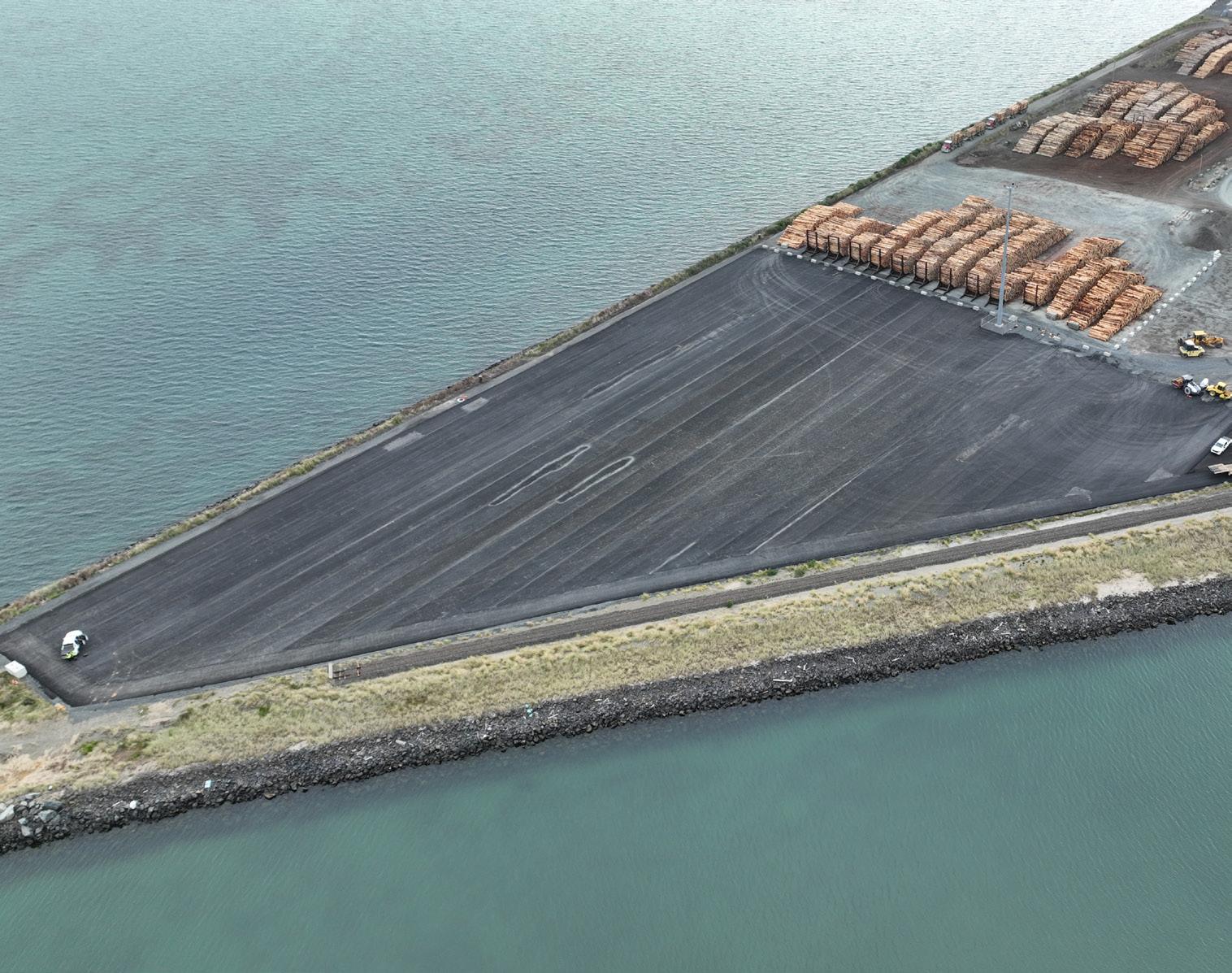
During 2023 South Port developed a gravel hardstand at the western end of the Island Harbour to cater for the Kaiwera Downs Wind Farm (Stage 1).
This year we have expanded this area and constructed an asphalt surfacing layer to the pavement, and included other key infrastructure components including drainage systems and light towers.
This area is now fully equipped to handle a wide range of cargo demands.
The first planned operational use will be as a laydown area for Kaiwera Downs Wind Farm (Stage 2), supporting the unloading of components directly from incoming vessels later in the year.
This milestone marks a significant step forward in enhancing the region’s logistical capabilities and supporting renewable energy projects.
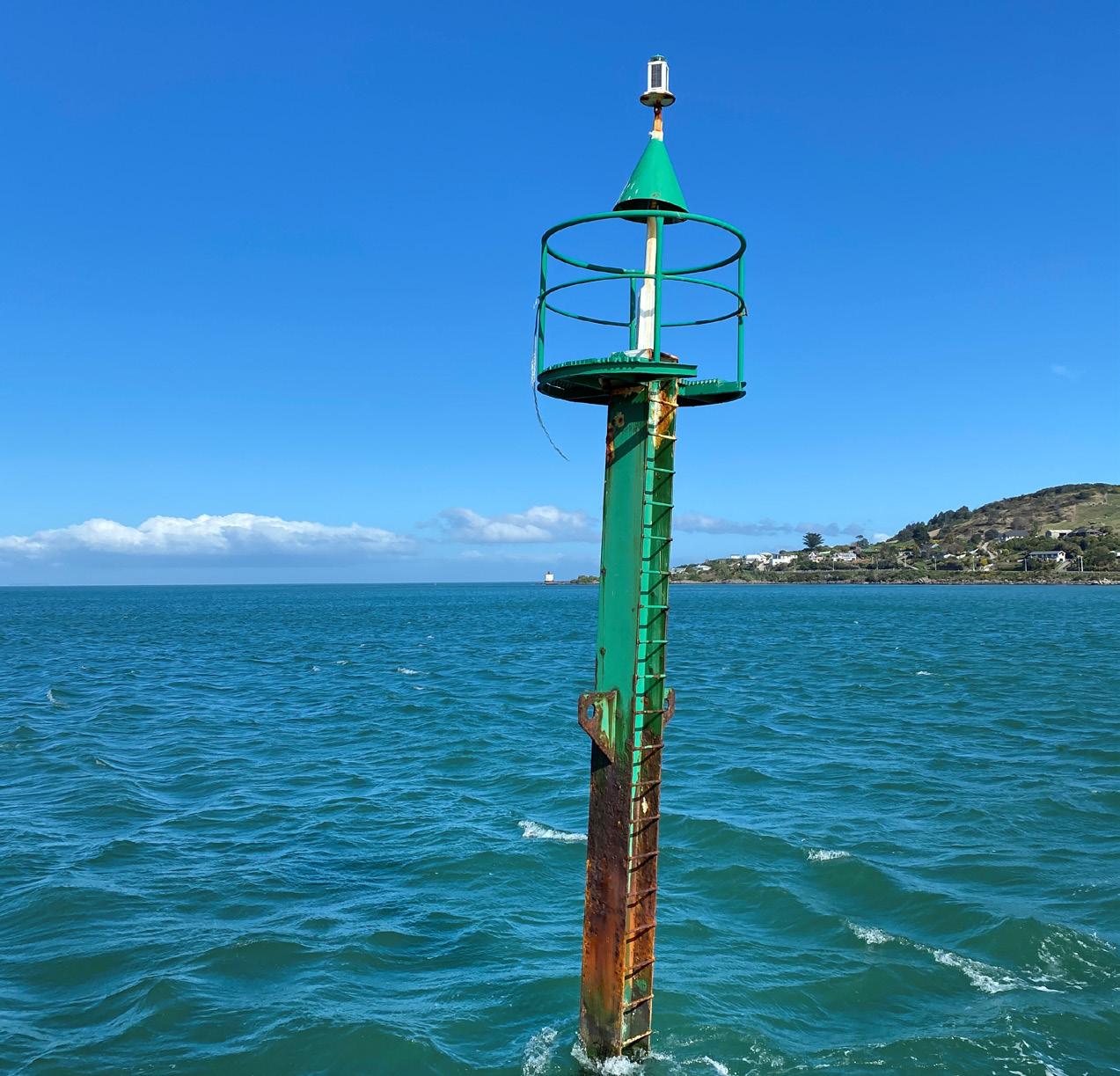
AtoNs play a crucial role in ensuring safe navigation within a port. They delineate the boundaries of the entrance channel, mark the perimeter of the swing basin, and indicate specific hazards such as rocks.
Over the next four years, the South Port infrastructure team will implement a comprehensive maintenance program on these structures to maintain their reliability, and ensure the continued safe passage for all vessels through the Port.
In addition to the structural maintenance, the infrastructure team will look to introduce technological advancements to the AtoNs, such as enabling remote monitoring and providing realtime data to pilots, the marine department, and the infrastructure department.
These modifications will aid our response times to failures, and reduce the number of manual inspections needed.
With the closure of the Marsden Point Oil Refinery, the distribution of refined petroleum products in New Zealand has reverted to the situation prevailing in pre-refinery days, overseas-owned tankers deliver refined products directly to storage facilities at the country’s major ports. Among the most frequent visitors to Bluff engaged in this trade have been ships of the Nanjing Tanker Corporation.
Founded in 1993 and listed on the share market in 1997, Nanjing Tanker Corporation is a comparatively new company, its immediate parent being Changjiang National Shipping, established in 1984 with both companies being part of the China Merchants Group, which dates from 1872 and so brings wisdom from the distant past to this modern shipping company.
China Merchants Group was the pioneer Chinese shipping venture, which, in recent years, has grown exponentially with the Chinese economy. Today, it is the fourth-biggest energy transportation company in the world and the second-largest shipping company. To use its full title, China Merchants Nanjing Oil Transportation Company Limited is the largest Chinese shipping company specialising in transporting oil products, chemicals and gas. It is one of the largest operators of product tankers in the Far East. It manages a fleet of seventy-four ships in four divisions, twenty-one crude oil carriers comprising two Panamax tankers of 74,000 tonnes and nineteen in the 45,000-50,000 tonne range, twenty-eight product tankers of 45,500 to 50,000 tonnes range, twelve chemical carriers ranging from 3,500 tonnes to 25,600 tonnes and three gas (ethylene) tankers from 5,750 to 8,630 tonnes.
While the ethylene carriers trade domestically and to Japan and South Korea, the crude oil ships are of a size that is suitable for other trades when not required for their
designated purpose and could easily be incorporated into the product tanker role. The chemical and product tankers range further afield and trade through North-East and South East-Asia, India, Africa, the Pacific North-West, Australia, New Zealand, the Pacific Islands and other destinations as required to transport refined petroleum products. Ships of around 50,000 tonnes deadweight are the ‘handy-size’ tankers of the current era and all the product tankers operated by Nanjing sit comfortably into this bracket. In pre-Marsden Point days, the tankers that filled this role were generally less than half the size of the current ships.
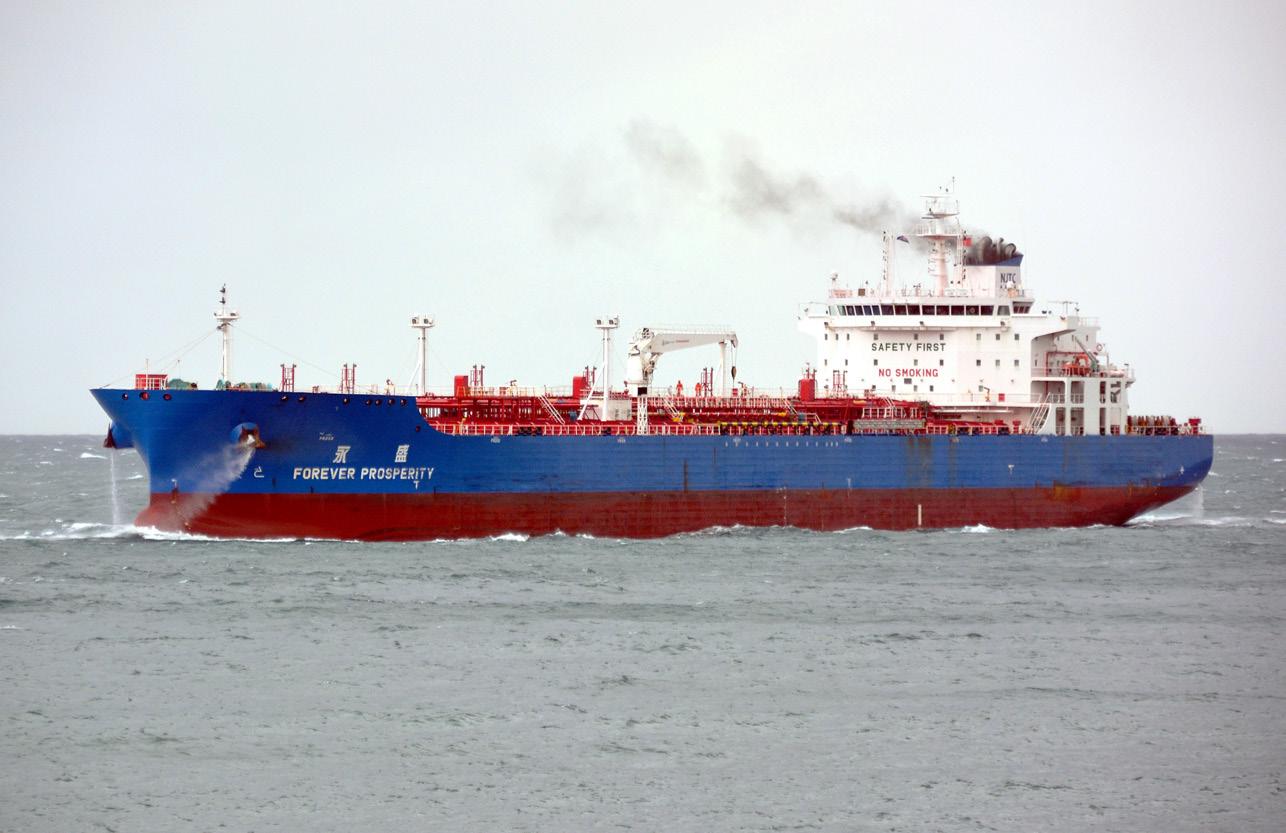
Nanjing Tanker Corporation’s product tanker fleet comprises twenty-eight ships, but the vessels calling in New Zealand ports seem to be the six ships whose names have the prefix “Forever”, suffixes being “Assurance”, “Brilliancy”, “Confidence”, “Conviviality”, “Cordiality” (pictured on the front cover), and “Delight”, all of them being completed by Guangzhou Shipyard between 2020 and 2023.
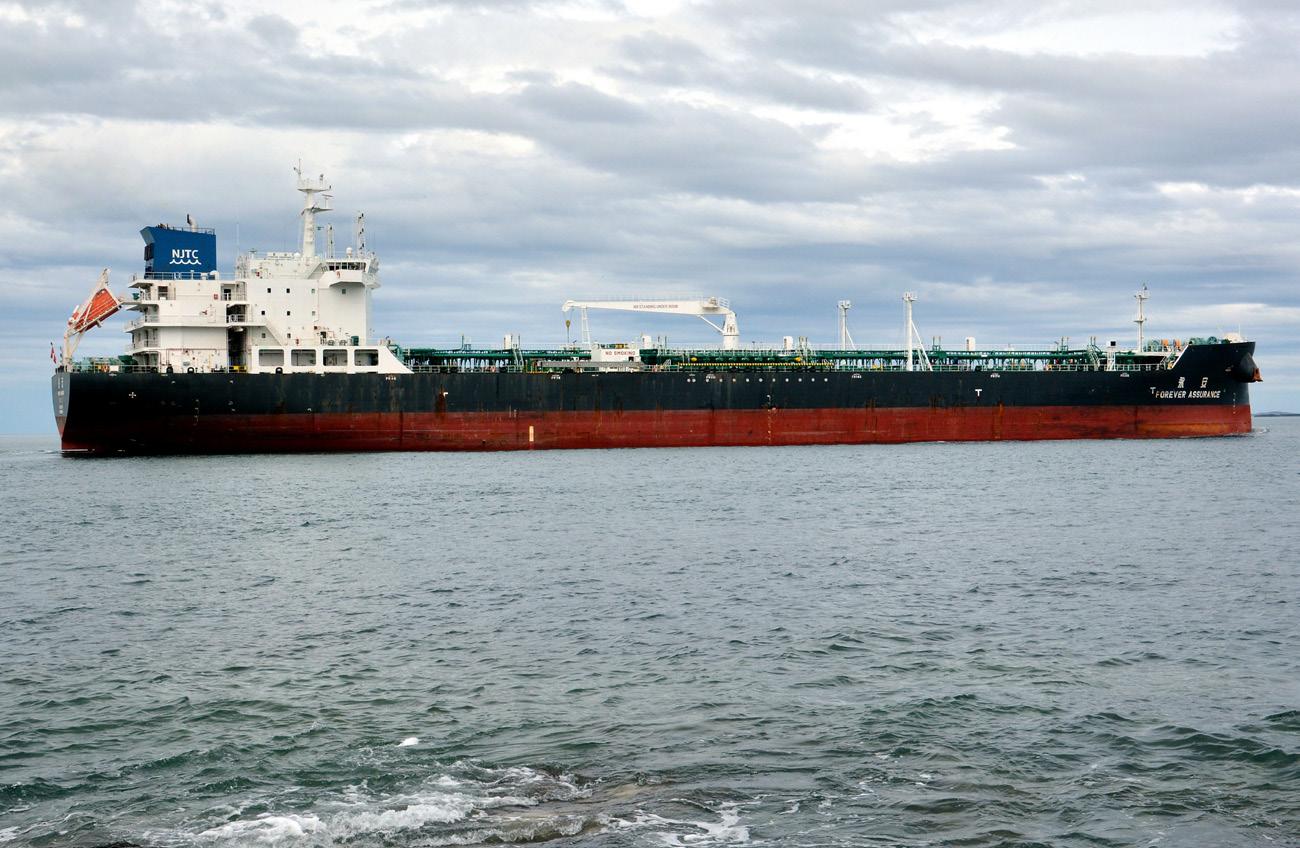
They all have the same dimensions, 183x32 metres, and the standard product tankers have twelve cargo tanks plus a slops tank for oily water residue when tank cleaning. Two of them are described as chemical/product tankers however. These are the “Forever Conviviality” and “Forever Delight” and they differ in having sixteen cargo tanks and two slop tanks, with the additional steelwork, etc. required giving them a slightly lower carrying capacity. Chemicals are generally carried in smaller ‘parcels’ than oil products which accounts for these tankers having more, but smaller, cargo tanks.
In an age when most product tankers make peas in a pod look like individualists, the ‘Forever’ ships have a quite distinctive appearance - long may they continue to brighten our waterfront.