PORTSIDER The Bluff
JULY 2024 | VOL 44 NO. 2
PUBLISHED BY SOUTH PORT NZ
INSIDE
Changing Gears
Environmental Update
Bluff Focus on:
PILOT BOATS - PART ONE
Chipolbrok
JULY 2024 | VOL 44 NO. 2
PUBLISHED BY SOUTH PORT NZ
INSIDE
Changing Gears
Environmental Update
Bluff Focus on:
PILOT BOATS - PART ONE
Chipolbrok
Tēnā koutou katoa,
The announcement by the New Zealand Aluminium Smelter (NZAS) on Friday, 31 May 2024, stating an energy supply agreement from three generators (Meridian Energy, Contact Energy and Mercury) until at least 2044 was welcomed news.
There has been a fair amount of conjecture as to the long-term viability of NZAS, however the Company was always positive that there was a good business case for the smelter to keep operating into
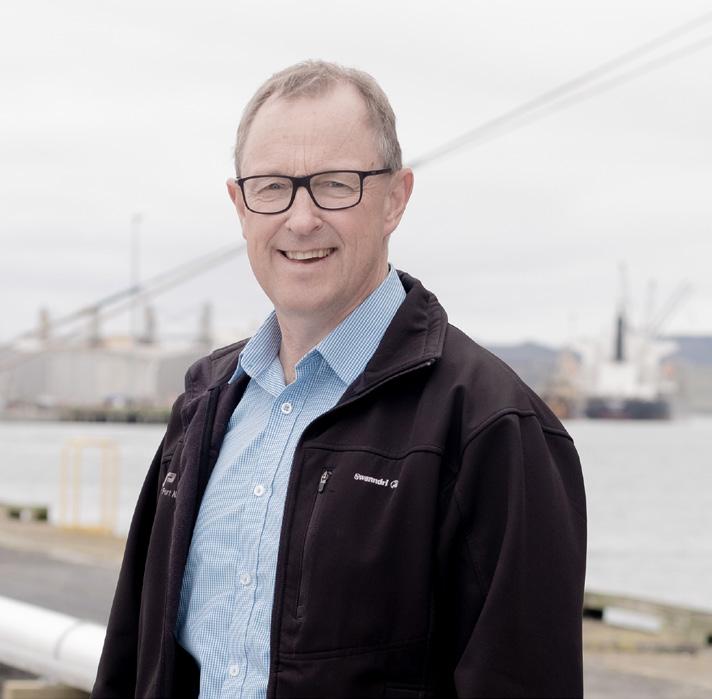
the future at Tiwai Point. So, our congratulations go out to Chris and his Team at NZAS for reaching this significant milestone.
As readers will be aware NZAS is an important part of South Port’s operation and has been for the past 53 years. Looking at the numbers NZAS represents:
• 30% of our total cargo throughput
• 20% approximately, of our Net Profit After Tax
• 20% of our bulk vessel calls into the Port
• 27% of containers handled through the Port (majority of which are packed on the wharf)
There is also a 35-year licence agreement for the Tiwai wharf between NZAS and South Port which currently ends in 2043.
Reviewing the numbers, it is obvious that this activity helps to secure jobs in the marine, container packing and the container terminal operations. There will also be flow-on benefits to the Port and the region from this decision. Importantly it will provide the confidence for generators to invest in additional renewable electricity generation in the Southland province, most likely wind farms.
In other topics, there are several good articles within this edition, with one of the personal highlights taking readers on a journey into the inner workings of the Bluff Rugby Club. Also, South Port has had some significant acomplishments within the ranks, with operational training being undertaken on the Syncrolift by three talented team members, as well as Jonothan Daintith being awarded an engineering qualification (below).
Ngā
mihi nui, Nigel Gear Chief Executive Officer
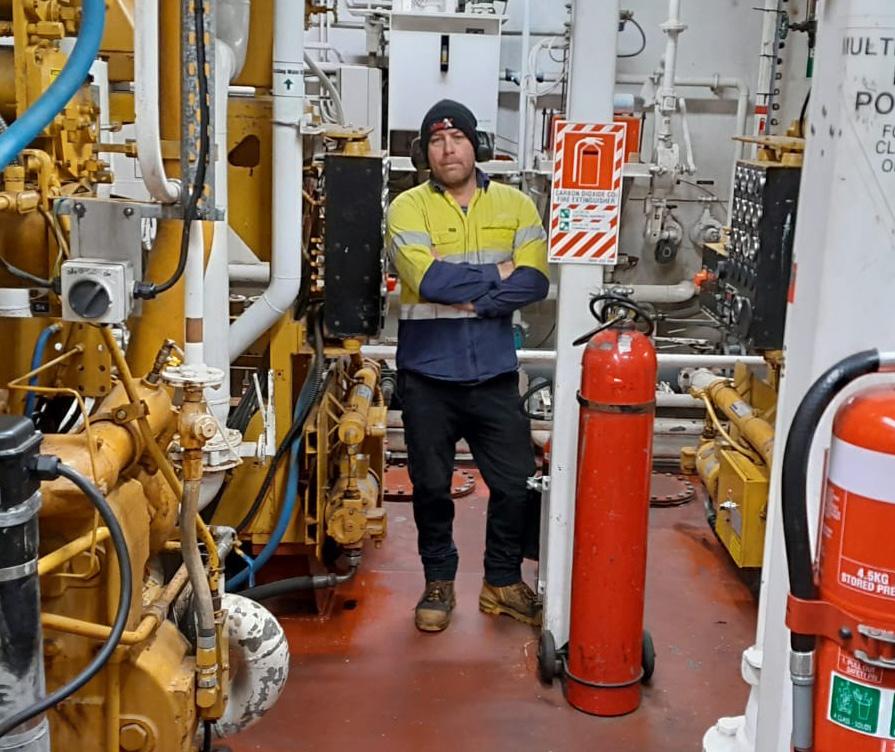
Congratulations to Jonathan (Jono) Daintith, Marine OperatorTugs, on obtaining his MEC 6 Marine Engineering qualification. Jono’s demonstrated the drive for self-improvement, and the Company supported this in a field that also provided benefits for the marine operation. He was signed off on the Te Matua on 18 June and has since commenced his first roster as an Engineer.
Ngā mihi, Jono!
The Bluff Portsider is compiled by: South Port NZ Ltd PO Box 1, Bluff 9842 (03) 212 8159 reception@southport.co.nz www.southport.co.nz

and
and

Jade Hira - Port Services Operator
Denzel Kohi - Port Services Operator
Paige Gilbert - Depot Operator
Brad Goldsworthy - Tug Master/Pilot
Darcy Kerr - General Cargo Operator
Megan Taylor - People and Safety Advisor
Monique Ackerman - Administrator
Sharon Jennings - Executive Assistant
Charlotte Melvin - Health and Safety Manager
Sian Tarrant - Container Services Manager
Hayden Mikkelsen - Container Operations Manager
It’s a new era for South Port’s Container and Warehousing Operations, as the two divisions will now be overseen by Hayden Mikkelsen, supported by Sian (Si) Tarrant in the new roles of Container Operations Manager and Container Services Manager respectively.
Hayden has kept a watchful eye over South Port’s Container Division for the past decade, ensuring operations run smoothly through any challenges posed to domestic and international shipping. In his new position Hayden will be taking a step back from the day-to-day running of things, shifting his focus to implementing strategic advancements in the Company’s container operations and providing the best outcomes for customers.
“Our customers are at the heart of all that we do, and this investment into our people will allow us to focus on creating the best long-term outlook for ourselves and customers,” said Hayden. “By future-proofing our own operations, we are ensuring we remain in position to continue providing Southland with the best freight solutions possible.”
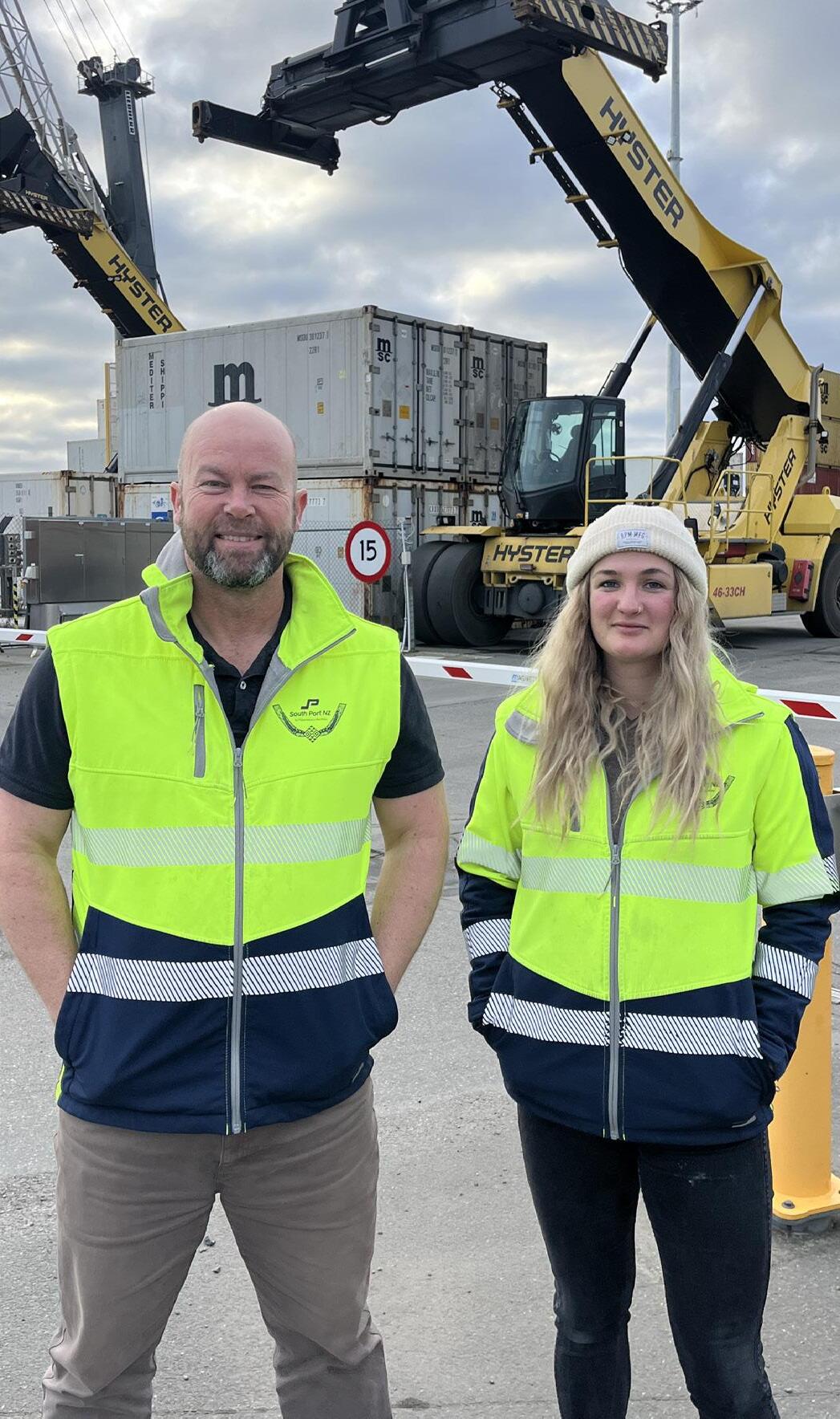
Sian is back at South Port after nine months working for Southland Help, an Invercargillbased support service for victims of abuse. Prior to this, Sian spent seven years in Dairy Warehousing, originally as an Administrator, before progressing to Supervisor in 2019. In the newly created role of Container Services Manager, Sian will be providing high level operational assistance to the Supervisory team and bring a fresh perspective to a number of systems and processes across the departments.
“I’m looking forward to getting in on the ground level and seeing how we can continue streamlining processes and procedures across the business” said Si, after being asked about her return. “Being able to implement improvements that originate at operational level provides the best outcomes for our staff and the Company.”
Hayden and Sian have a wealth of operational expertise and are looking forward to utilising their different styles of leadership to continue providing great logistics outcomes for the southern region.
Dredging of the channel in Bluff Harbour was completed in September 2023. During the execution of the works, various measures were implemented to mitigate the operation’s impacts, including continuous environmental monitoring of the most sensitive areas, ensuring compliance within the resource consent conditions.
Post-dredging monitoring, an essential part of our environmental protection strategy, began immediately after the dredging was completed. This early start allowed for the swift identification of any potential impacts on sensitive areas. The first surveys, conducted in seagrass areas and at the soft sediment disposal site one month after dredging ended, showed satisfactory results, with no evidence of impacts observed (as expected).
Post-dredging monitoring will continue until 2028, with results reported periodically to Environment Southland.

Shark Experience, a local Bluff business, is committed to promoting an environmentally safe approach to clean seas. To achieve this, the company collaborated with South Port to purchase and install fishing line bins on the Town Wharf and the old wharf near the ferry wharf.
These bins are in use in many places throughout New Zealand and the world, where communities and coastal landowners have committed to reducing fishing litter. The bins also provide an opportunity for the education of local and tourist fisherpersons to see Bluff’s commitment to keeping our special place and marine animals safer.
Fish, birds, and other marine life can become entangled or ingest discarded or lost line. Some birds find fishing line attractive for making nests; when this happens, their young are able to become entangled in the nest, often resulting in death or the loss of limbs.
Nikki Ladd, from Shark Experience, said, “when we do our rubbish collection, we find a significant amount of used line at the fishing areas, along with a heap of sinkers, hooks, and bait—more often found on the Town Wharf. This is also where we have found two dead gulls with lines in them.”
The bins, which South Port installed in May, are designed to be a disposal place for just that—fishing lines, hooks, sinkers, or any recreational fishing items no longer needed. They will help prevent injury to wildlife and people, as well as reduce litter that would otherwise end up in the ocean.
The bins will be emptied and cleaned by the team at Shark Experience, where waste will be sorted and, where possible, recycled.
In December 2023, Bryony Miller, Technical Director, e3 Scientific, forwarded us a research proposal from Stephanie Shaw, a Southern Institute of Technology (SIT) student, who is studying toward a Bachelor of Environmental Management. Her proposal was to identify and map seagrass beds in the subtidal zone of Bluff Harbour.
Seagrass is an important ecosystem with diverse ecological functions, including:
• Occupying 0.1% of the seafloor, but storing a whopping 12% of ocean carbon
• Trapping and transforming nutrients (1ha absorbs 1.2kg of nitrogen per year)
• Pumping oxygen into water and sediments (1m2 releases 10L of oxygen per day)
• Stabilising the seabed with an extensive network of roots and rhizomes
• Is a foraging and feeding ground, and refuge for marine life
• Contributes to biodiversity by being the only marine-flowering plant
Recognising its importance, South Port decided to support the research and paid for the hiring of the boat for field work, a fundamental part of the project’s methodology. Stephanie completed her research in June 2024 and is now working on writing the final report to meet the course requirements. Below are the results of the mapping, which she kindly shared. We wish Stephanie success with her project and look forward to reading it upon completion.
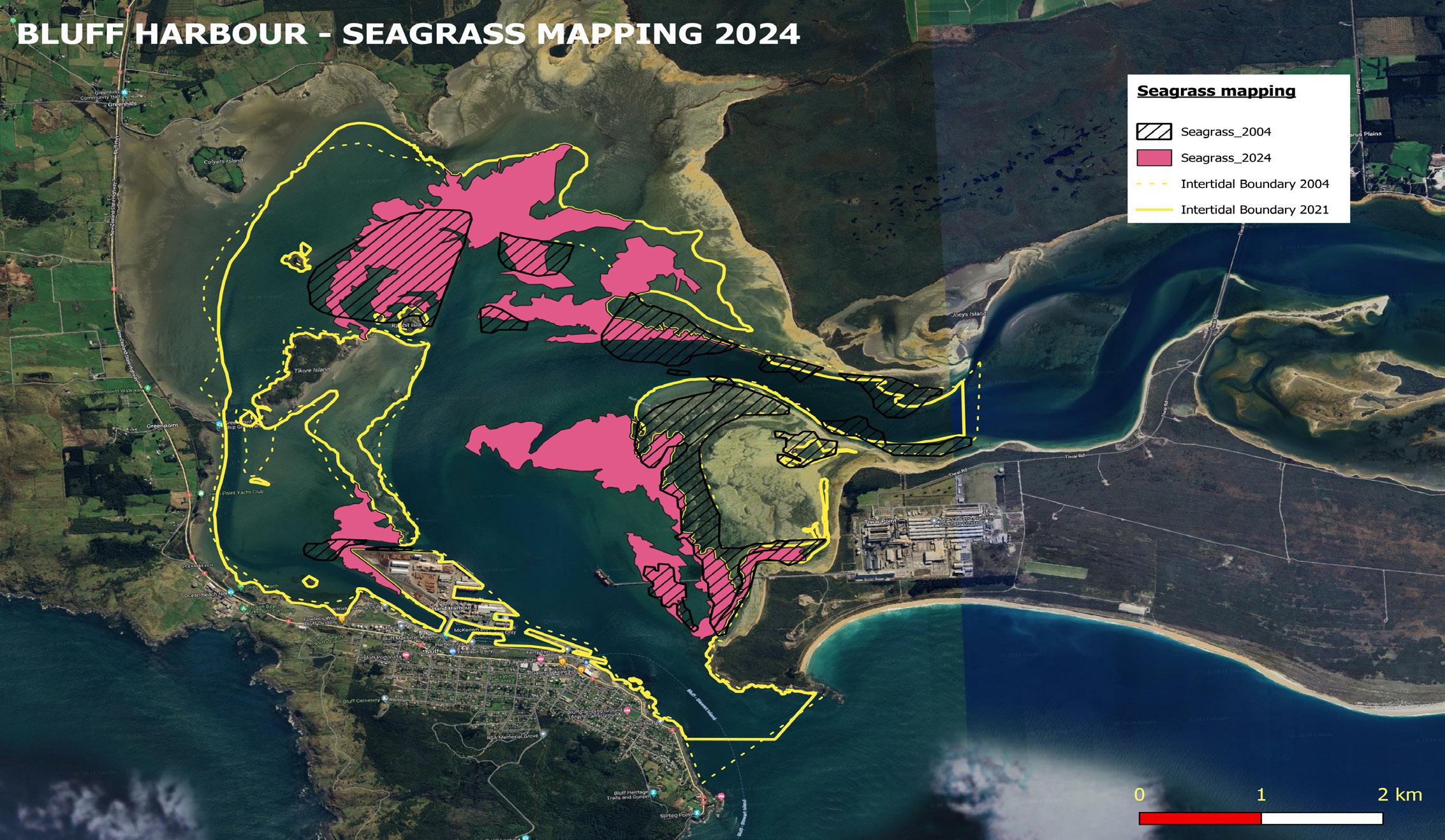
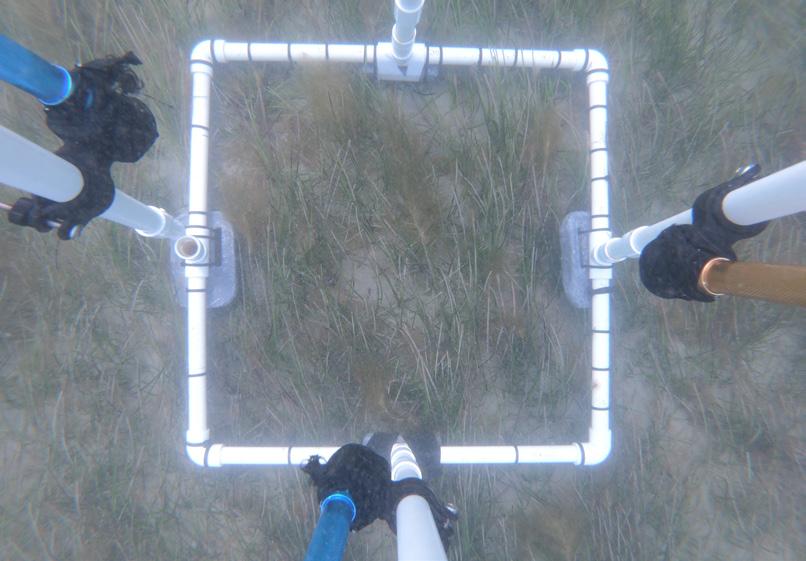

Image 1: The completed seagrass location map, indicating:
• Seagrass locations in 2004
• Seagrass locations in 2024
• Changes in tidal boundaries from 2004 to 2021
Image 2 and 3: Underwater images of the Bluff Harbour seabed, showing the seagrass cover in two different areas.
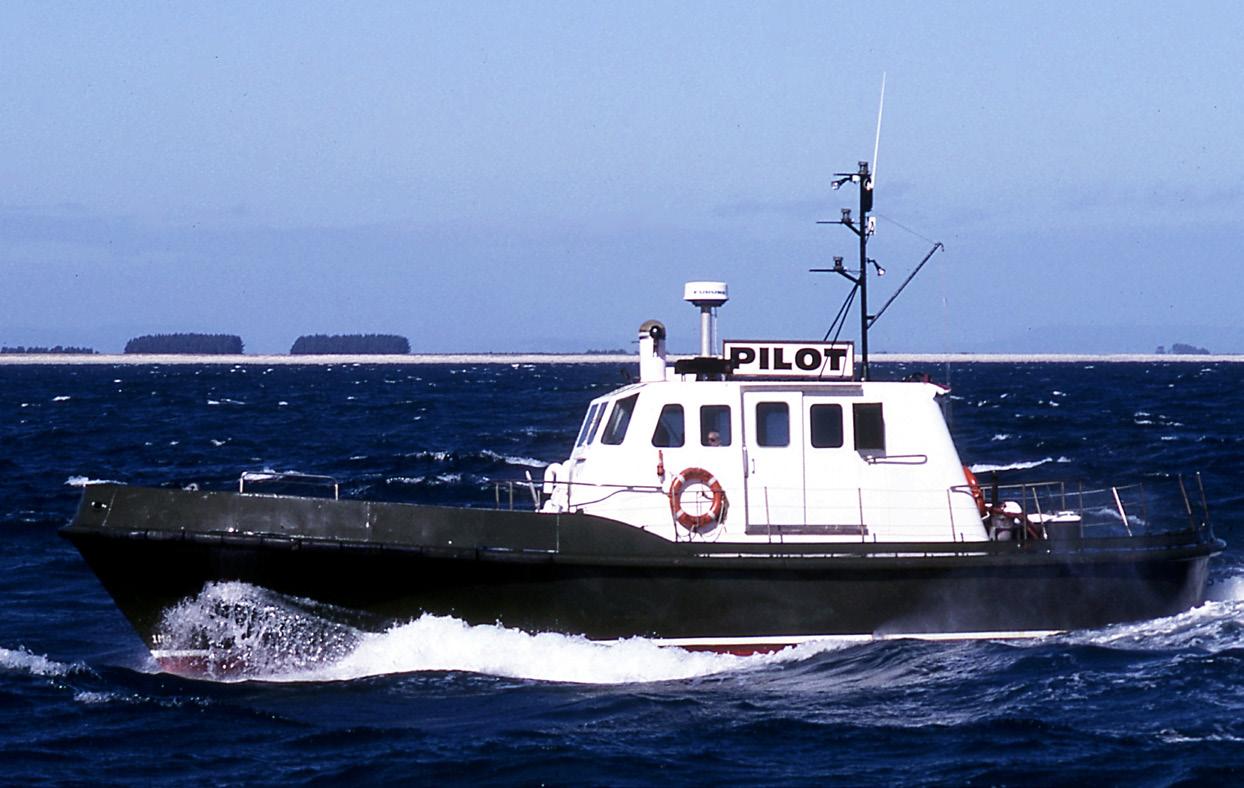
Even the staunchest of Bluffies will concede that Foveaux Strait can become a tad choppy at times and the wind has even been known to exceed a gentle zephyr. It is, therefore, imperative that a staunch, seaworthy vessel is available to take pilots to and from vessels requiring their services.
Neither staunch, seaworthy vessels nor pilots were available in 1822 when the first vessel seeking cargo entered the Port. This was the 29 ton sloop “Snapper” and the cargo sought was flax. In this endeavour her master, Captain Edwardson, was successful, establishing good relations with local Māori and also surveying the Port, complementing the work done in 1813 by Robert Williams, leading to the first chart of the region being promulgated and bringing more vessels in their wake.
William Stirling established a whaling station in 1836 at Bluff, in a sheltered cove near the point which now bears his name. When the survey ship “Acheron” twice visited Bluff around 1850 to chart the harbour, William Stirling was employed as pilot on each occasion and probably used a whale boat to get to and from the “Acheron” and such other ships as he may have piloted.
If he may be considered the Port’s first pilot, it was an unofficial role, the first appointed pilot being James Smith in 1856. By that time, whaling had ceased so the site was adapted as the pilot station, and a whale boat became the first official pilot cutter.
Open boats continued to be used into the 1920s, when a local boat builder was commissioned to build a launch to serve as a pilot and work boat, which was named “Awarua.”
She was sold when the new steam tug, also named “Awarua,” arrived in 1932. The most powerful tug in New Zealand, she also acted as a pilot mother ship, carrying two double-ended boats that would be launched into Foveaux Strait and transport the pilot to or from the vessel requiring pilotage. Initially, four stalwart oarsmen would row the boats, but they were later fitted with engines.
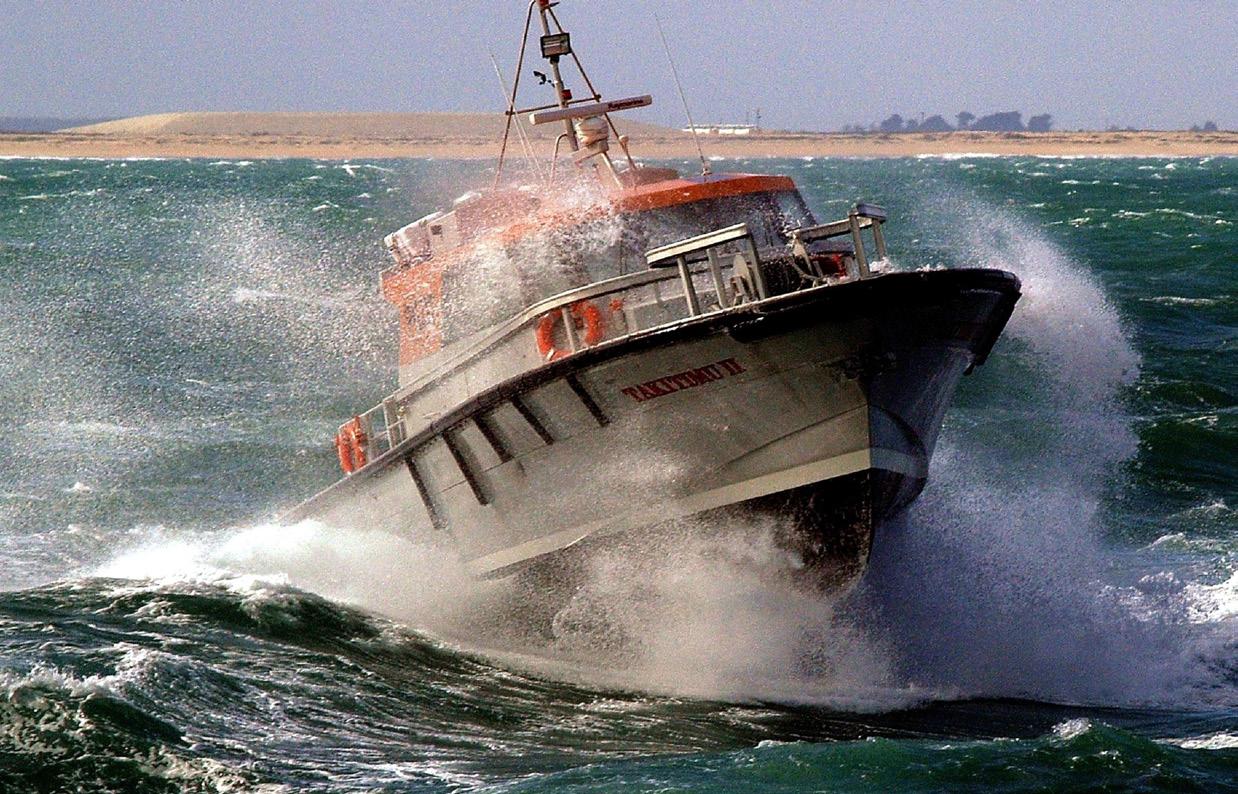
This situation prevailed until 27 February 1937, when the pilot boat “Takitumu” arrived from her Picton builders. She served as the Bluff pilot vessel for fiftyone years. Her replacement was yet another “Awarua,” built in Whanganui in 1976. Successful if somewhat sedate, the “Awarua” lacked sufficient speed to safely transfer pilots to and from some modern ships and was replaced by the “Takitimu II.”
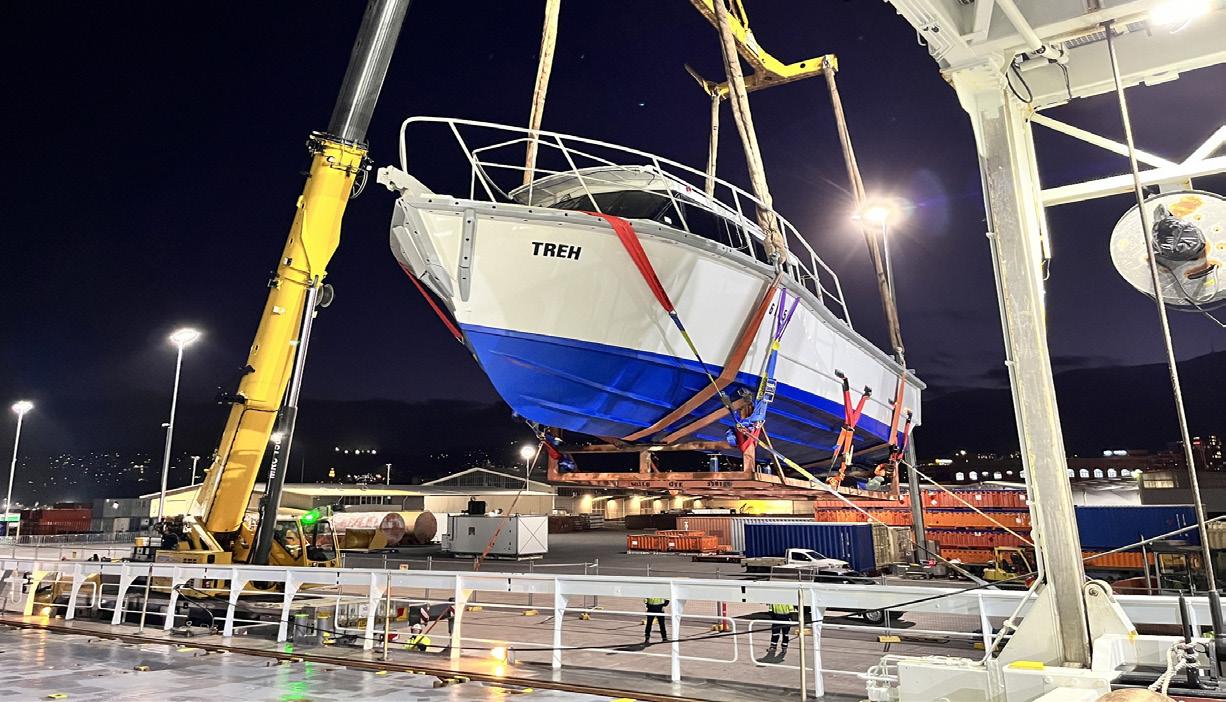
Locally built for local conditions, she was delivered by Gough Brothers, Invercargill in 2006, and being capable of 24 knots, speed was no longer a problem. After the “Awarua” was sold, however, the lack of a backup pilot boat created difficulties, which should be resolved when a boat sourced in Australia enters service “Murihiku” after a refit by Gough Brothers.
More about her in our November issue.
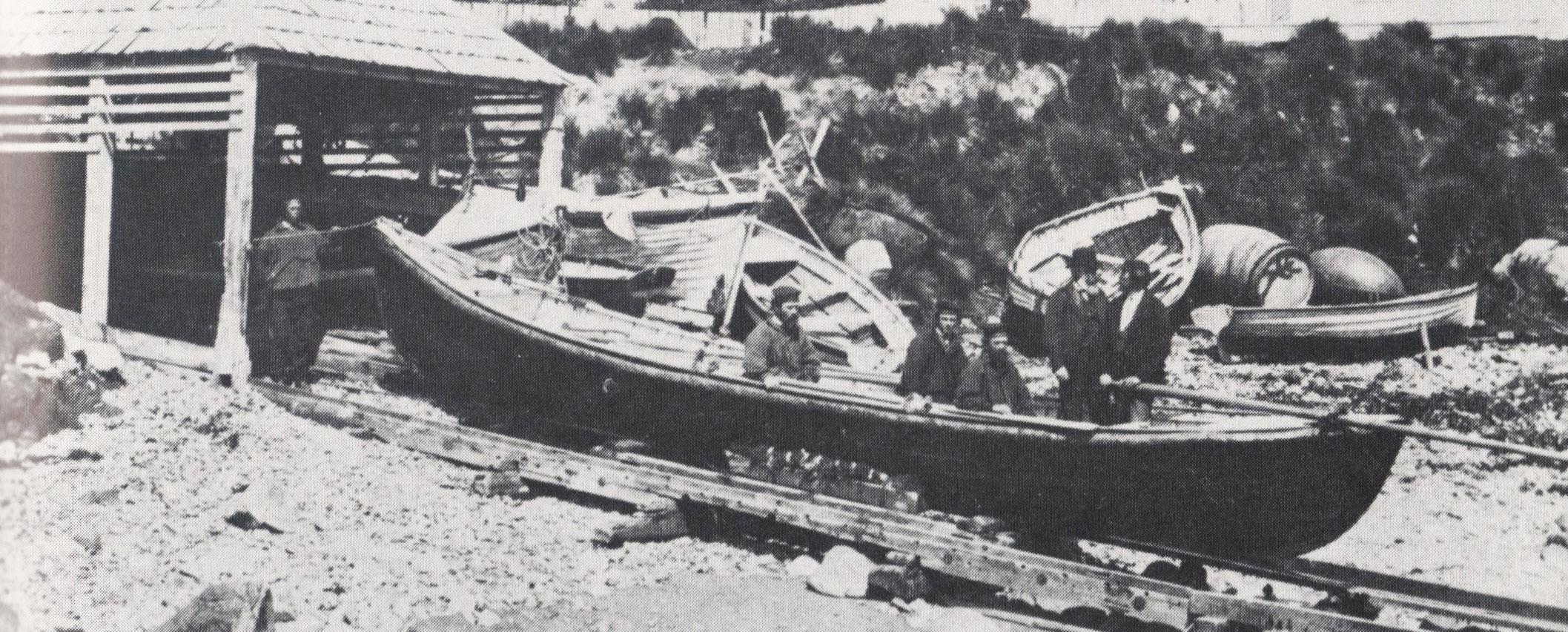
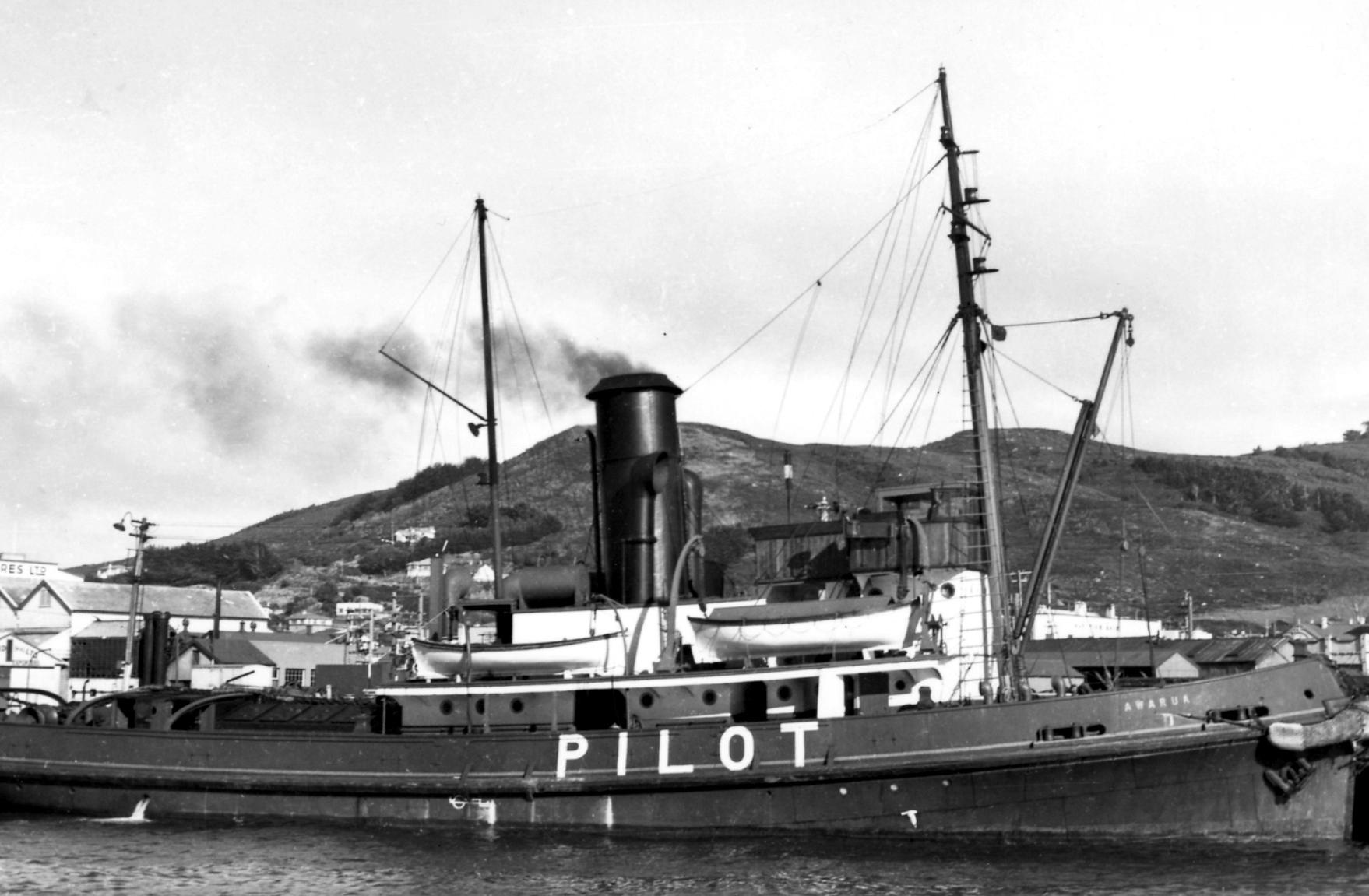
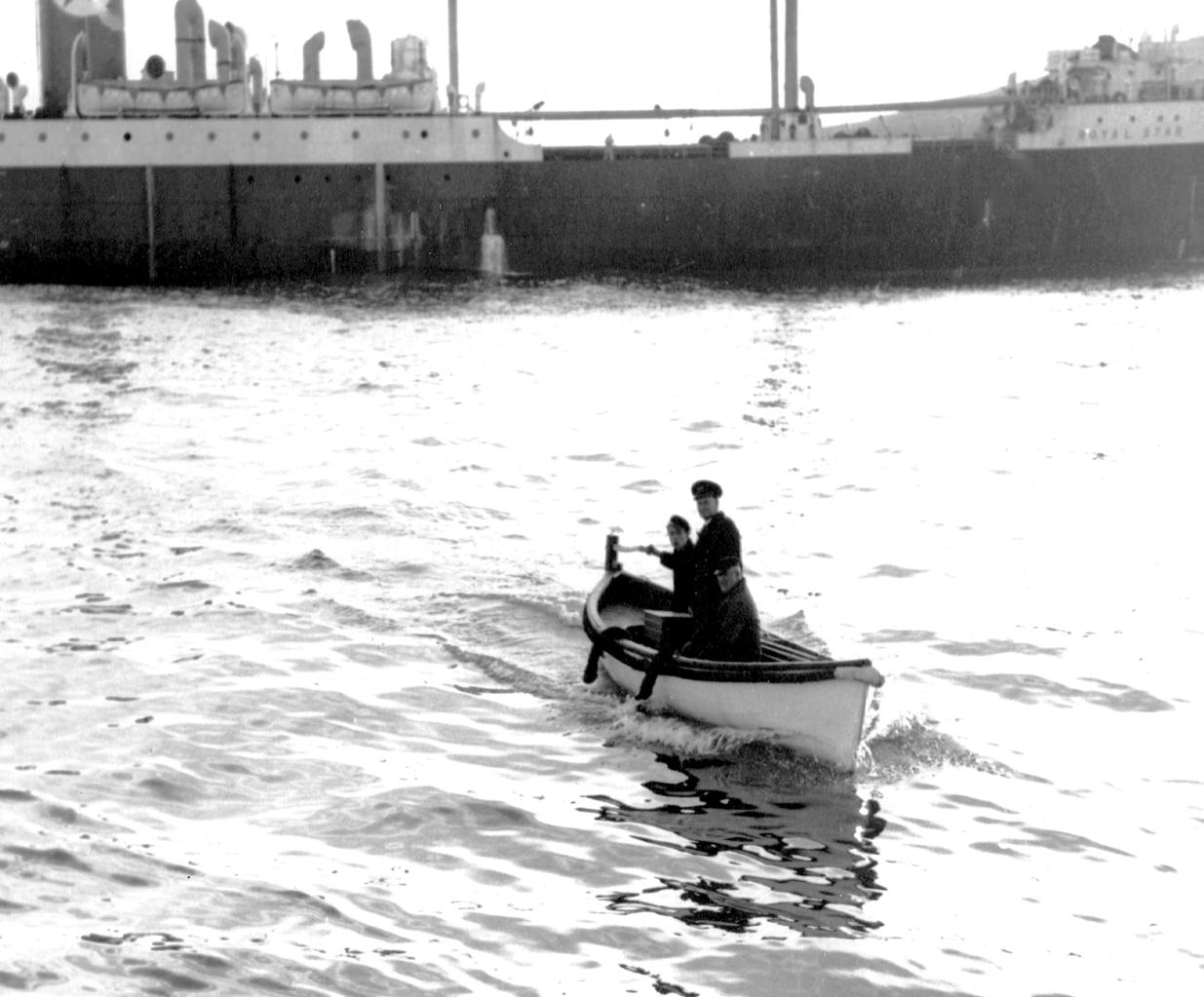
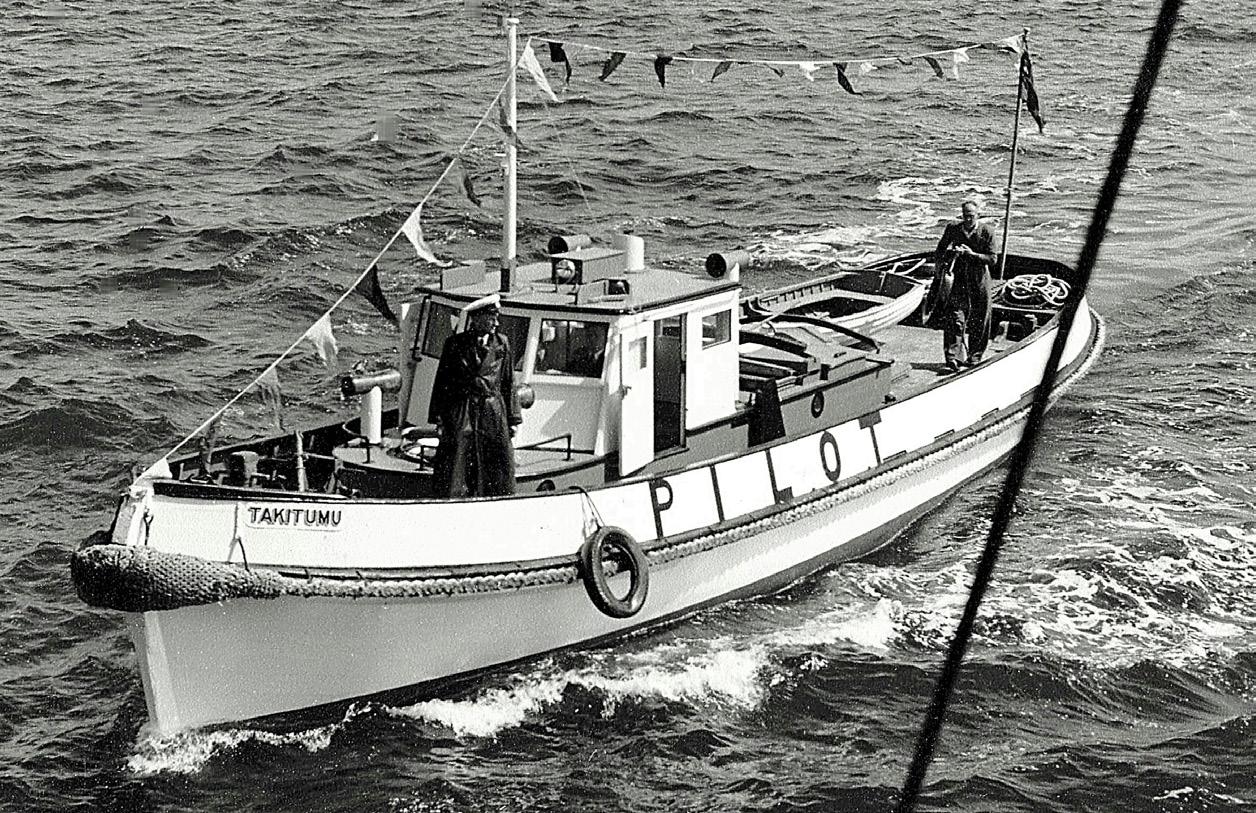
Photo 1: Manning the boat at the Stirling Point Pilot Station about 1870. Standing in the stern are Captains Thomas Thomson (Harbourmaster with beard) and James Smith (Pilot). Seated are W. Gifford, A. Sinclair and L. Garrick, with J. Edwards standing by the bow.
Photo 2: New Zealand’s biggest pilot boat, the “Awarua,” in her dual role days.
Photo 3: The motor-boat returns the pilot from the outbound “Royal Star.”
Photo 4: Pilot about to board the acting Royal Yacht “Gothic” from the “Takitumu” in 1954.
Photo 5: The “Awarua” inbound from pilotage duties.
Photo 6: Perhaps a tad more than a gentle zephyr, the “Takatimu II” in a bit of a chop.
Photo 7: The future “Murihiku” being lifted ashore from the “Eidsvaag Omega.”
Bluff Rugby Club - it’s home of the red-and-white hoops, and is loyally flanked by several South Port employees. The Editor spoke to Jayleel Fa’amoe Ioane, South Port’s Coordinator - Shipping and Mooring Services, about his time in the club, and what it means to the community.
“Family - it’s about family” is the first thing that comes to Jayleel’s mind. He’s played for Bluff for four, coming up five seasons now, having played back in 2013/14 when the team won Division 1 in the club’s 125th Jubilee Year, and in 2023/24. “I came back to play last season as my younger brother Kyah wanted us to play together. It was really cool being alongside him when we won last season; it was his first first competition win.”
The family element doesn’t stop there. Jayleel’s older brother, Javaan Fa’amoe Ioane, is a former Southland Stags outside back; and, this season, he has stepped up to coach the Bluff Seniors. On 8 June, the three brothers - Jayleel, Kyan, and Javann, lined up in the Bluff colours, and played alongside one another against Woodlands. “It was pretty special, the fact all three of us got to play together for the first time,” Jayleel said.
The family vibe within the club doesn’t just stop with blood relatives, with the club making a strong effort to engage and encourage at every level, all the way down to Rippa Rugby.
“Our team this year has a wealth of experience, with quite a few players having been around for the last ten years and playing over 100 games. One guy even clocked up his 300th game this year” Jayleel said. “We’ve added in new blood and kept our strong culture and form from last season. We’re having a strong season so far and are looking to take out the Premier B competition with finals coming around next month.”
“With four South Port employees in the team, we’re very proud to be informally called “South Port Bluff” and represent the Company on the front of our playing strip and training kit. The Port’s vision for achieving excellence is something we align with and we’re constantly trying to find improvement where we can.”
At the time of writing, the team is preparing for the Division 1 finals this coming weekend, on Saturday, 13 July - against Invercargill Blues. They have had ten wins, one loss, and one draw - bringing them to a total of 15 points clear of second place.
Best of luck, haere kaha!

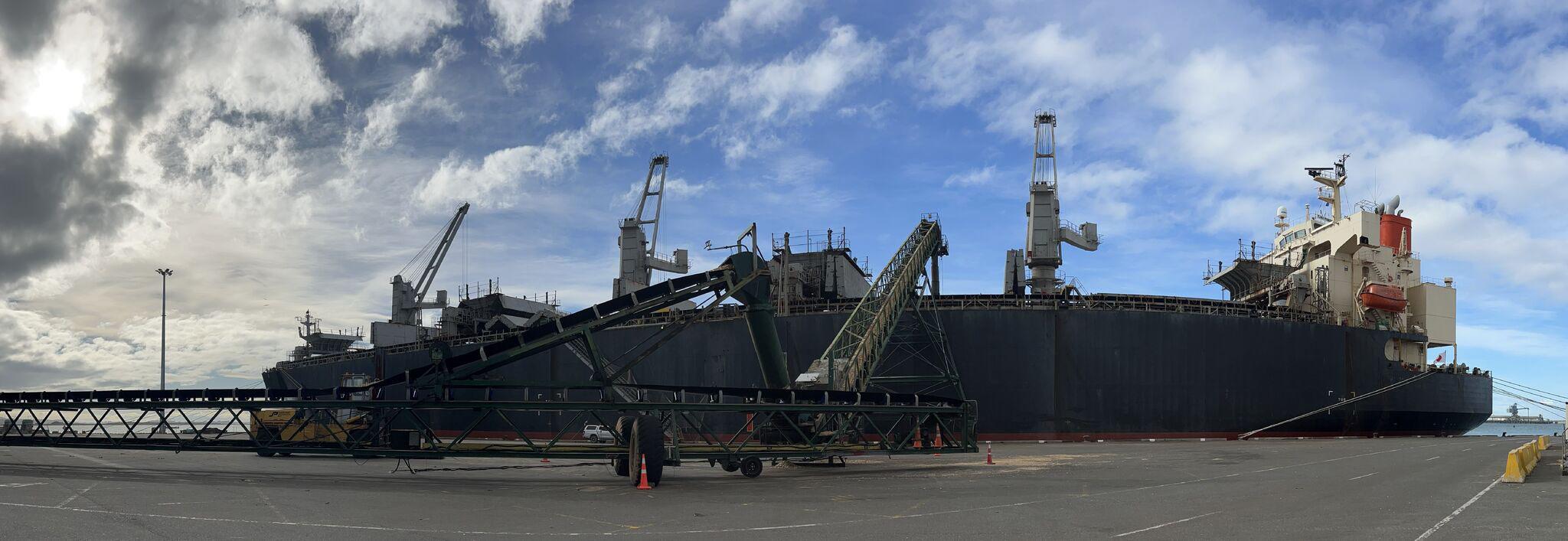
On 22 April, the woodchip carrier “Flora Pioneer” departed Bluff, laden with 39,000 tonnes of woodchips. This was a record shipment of woodchips for South Port. The Company is taking a staged approach to the new draft available in the channel by declaring an interim operating draft of 10.3m at high tide. This is to assess the handling of deeper draft vessels before moving to the full 10.7m available.
“Flora Pioneer,” pictured right during loading, left the Port at 10.3m, using the additional draft obtained as part of the recently completed Kia Whakaū dredging project. This highlights the project’s benefits for cargo handled in the region.
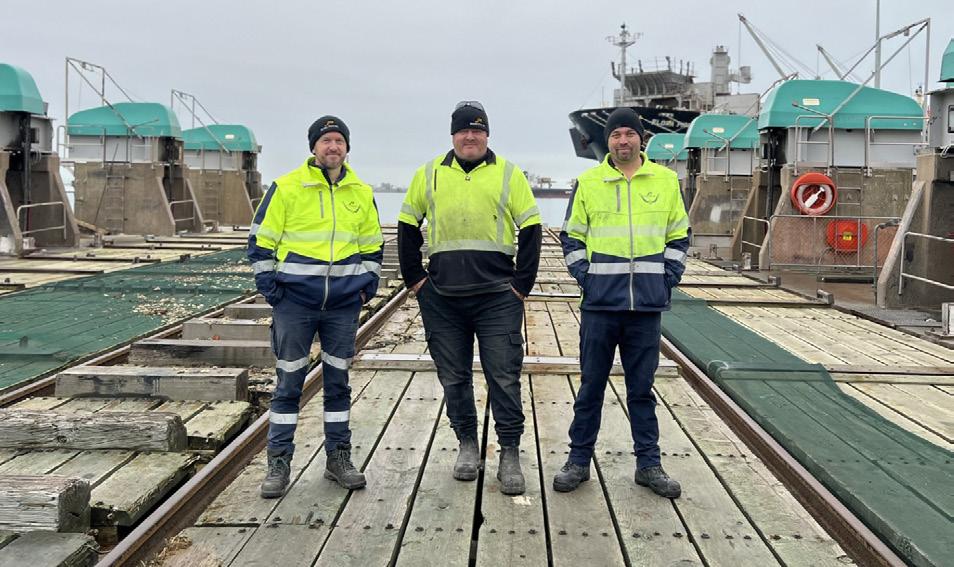
Massive congratulations to Karl Frahm, Co-ordinatorShipping and Mooring Services, Shaun McKellar, Syncrolift Operator, and Rob Dixon, Syncrolift Co-ordinator.
The trio, pictured from left to right, have just completed a fresh set of qualifications including Operational Training for the Syncrolift/Shiplift System. Mahi nui.
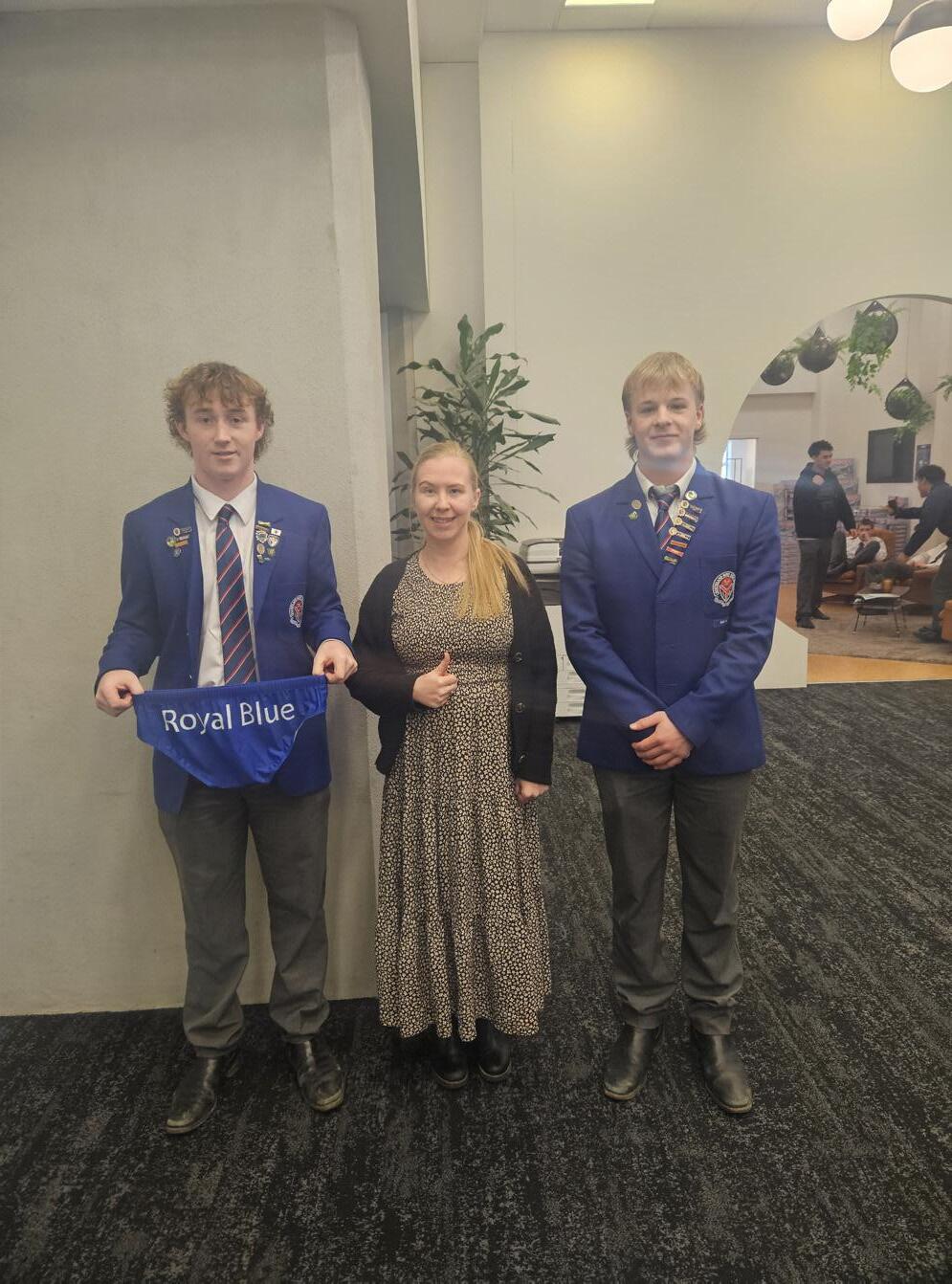
The Young Enterprise Scheme, also known as Y.E.S. inspires the next generation of business leaders, disruptors, and changemakers, helping to create a generation of business savvy and financially competent Kiwis. Senior secondary students set up and run their own businesses, operating with real profit and loss.
As part of South Port’s sponsorship of the initiative, this year, Renee Nyhon, South Port’s Commercial Property Advisor, has been mentoring students and judging pitches. “I find it so rewarding, following these students through their journey, from concept right through to execution” she said. “There were some great pitches in the last round of judging; the region is very lucky with the level of talent coming through.”
In addition to starting a business, Y.E.S. companies are also part of a regional and national competition. There are 21 Y.E.S. regions across the country, with teams annually competing to become the Regional Champion.
Every year, South Port invests a portion of profits into dozens of local community and sports groups.
Three of these sport teams are on the national stage; with all three teams currently in play at present, we thought it only fitting to give them a fist-pump in this edition of The Bluff Portsider.

Southern Steel is the face of southern netball in New Zealand, competing in the ANZ Premiership netball league, representing both Otago and Southland.
South Port teamed up with Southern Steel for the first time in 2022, making this season the third year in a sponsorship partnership.
Player Kate Heffernan, pictured, has the South Port logo on the back of her uniform.

The Southland Sharks are a New Zealand basketball team based in Invercargill. The Sharks compete in the National Basketball League and play their home games at Stadium Southland.
South Port is a proud, longstanding Southland Sharks basketball team supporter.
Our staff enjoy the tickets we receive as part of our sponsorship for every game, where we also host customers courtside.
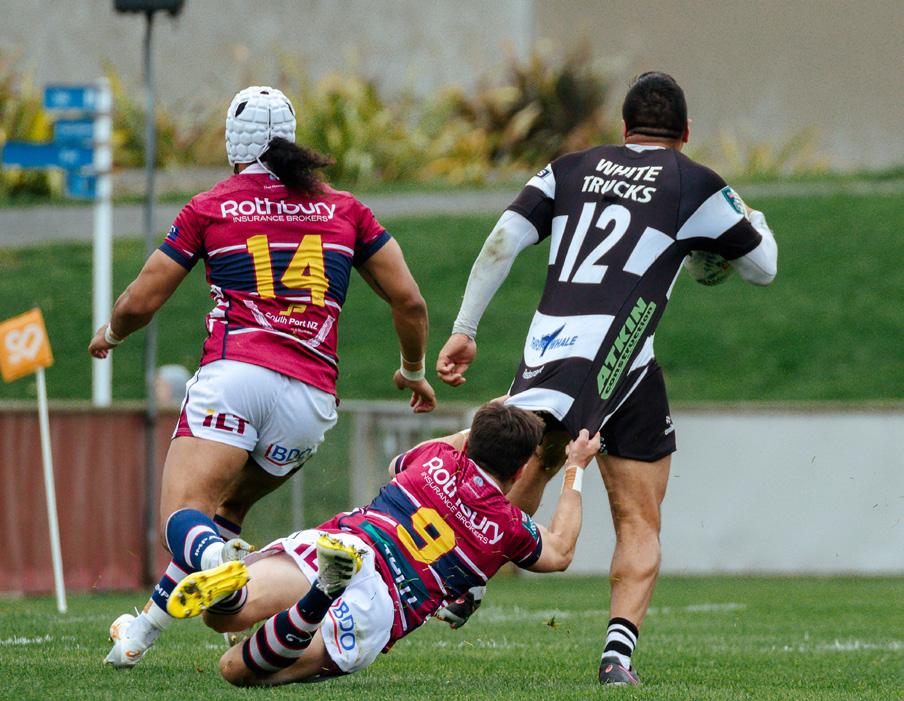

The Southland Stags are a New Zealand professional rugby union team based in Invercargill. They play in the reformed National Provincial Championship competition.
After several years of sponsorship, the relationship between the Southland Stags and South Port remains very strong. South Port utilises one home game each season, hosting upwards of 60 customers and team members at the event.
South Port’s logo is also featured on the back of one of the jerseys, which was number 14 last season, and 13 this season.

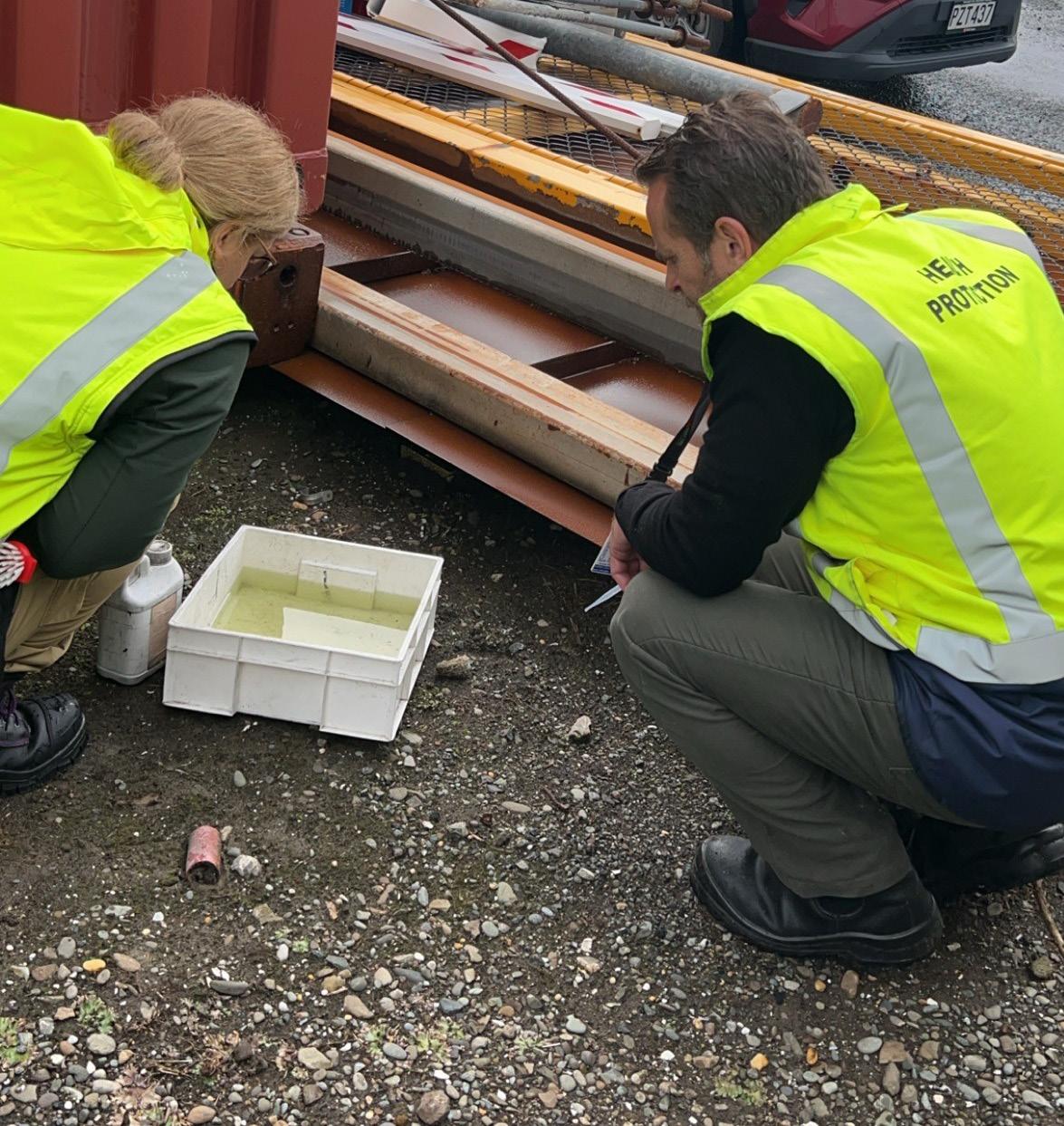
When the Editor spotted Matthew Costar, Compliance Coordinator, peeking out from around the side of a building, she naturally pressed him for more information. As it turned out, he was performing a frequent ritual that is vitally important — not only to protect our border but also to protect the community from any potential exposure to exotic mosquitoes spreading various illnesses, such as Ross River Virus and Dengue Fever.
New Zealand is an appealing environment for exotic mosquitoes, and it is possible that they could become established in the South Island and even Bluff, despite the cooler temperatures. Introduced species are challenging and expensive to get rid of once established; however, it has been achieved twice before; the eradication of the exotic Southern Saltmarsh mosquito took place between 1998 and 2010, with the eradication programme costing around $70 million, followed by the eradication of the Saltmarsh Cultex mosquito between 2018 and 2020, at a cost unknown.
Ports are busy spaces that receive tonnes of high-risk cargo from many foreign origins, such as Asia, and shipping containers make for a perfect container-breeding ground when paired with tires, machinery, or cars. And, as the Editor learned, the process taken to protect the border with a proactive approach is rather interesting, involving Te Whatu Ora | Community and Public Health New Zealand.
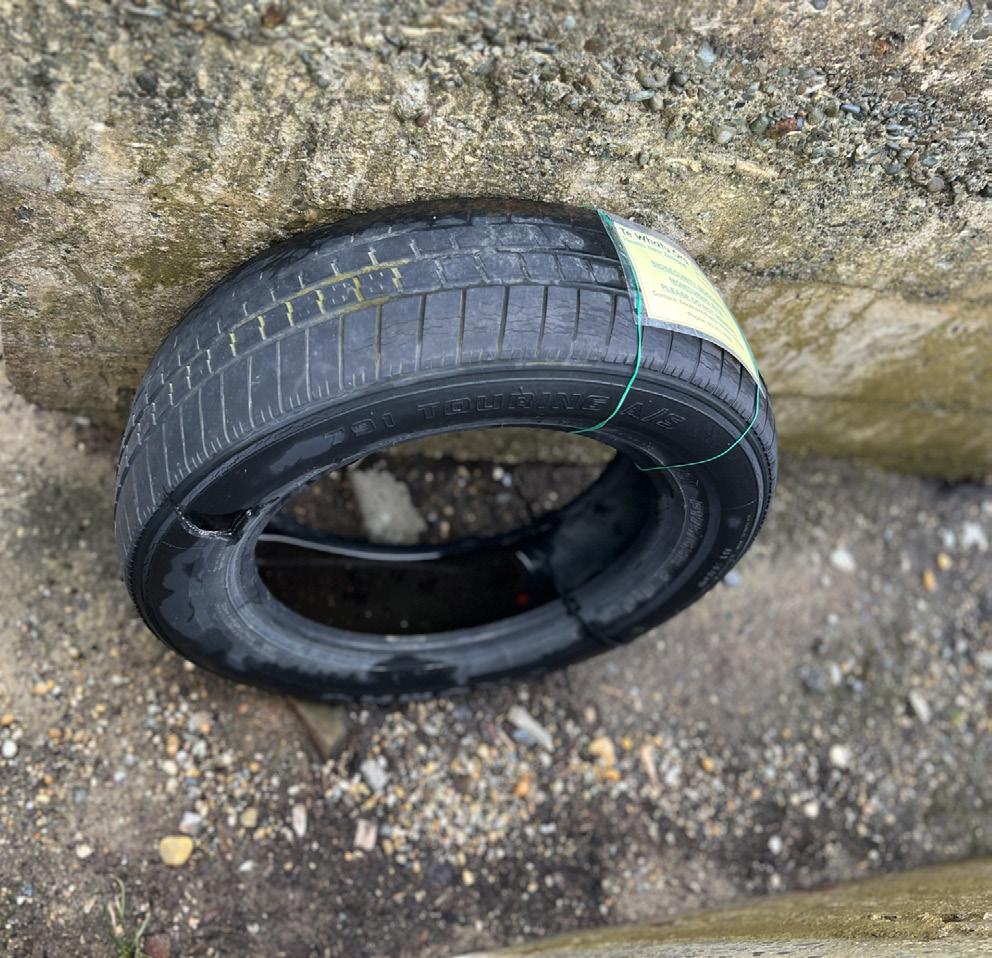
South Port has 11 mosquito traps around the Port. All but two are simply made from tires; when the tyres have water in them, they make a perfect breeding ground for mosquitoes as they are warm and sheltered. Every time a trap is checked, the water is poured into a white tray, and visual observations are made.
The Southern District has four Health Protection Officers (HPO) who take turns checking these traps, with Matthew in tow. These checks are vital so that foreign mosquitoes that make it to New Zealand are detected early and eradicated before they can spread. Traps get checked weekly for most of the year and every two weeks in winter. Every year, an average of 14 foreign mosquitoes make it to New Zealand, and 10 are found at ports. South Port has not had a foreign mosquito found to date; Bluff is considered low risk, mainly because of the cooler climate.
Ministry for Primary Industries (MPI) also has requirements for ships and cargo to prevent mosquitos from making it to New Zealand in the first place, but we are the last line of defense should one make it through.


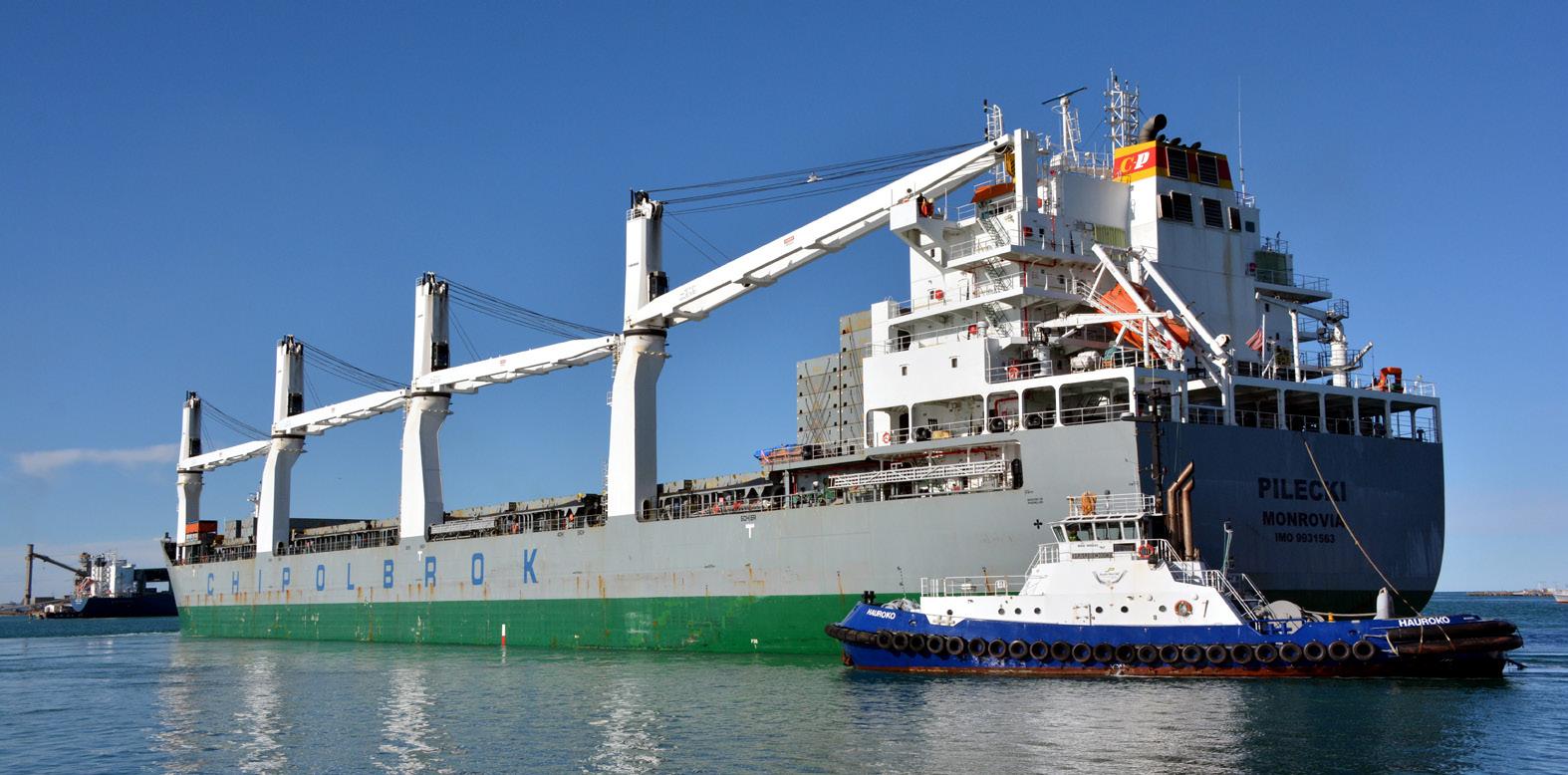
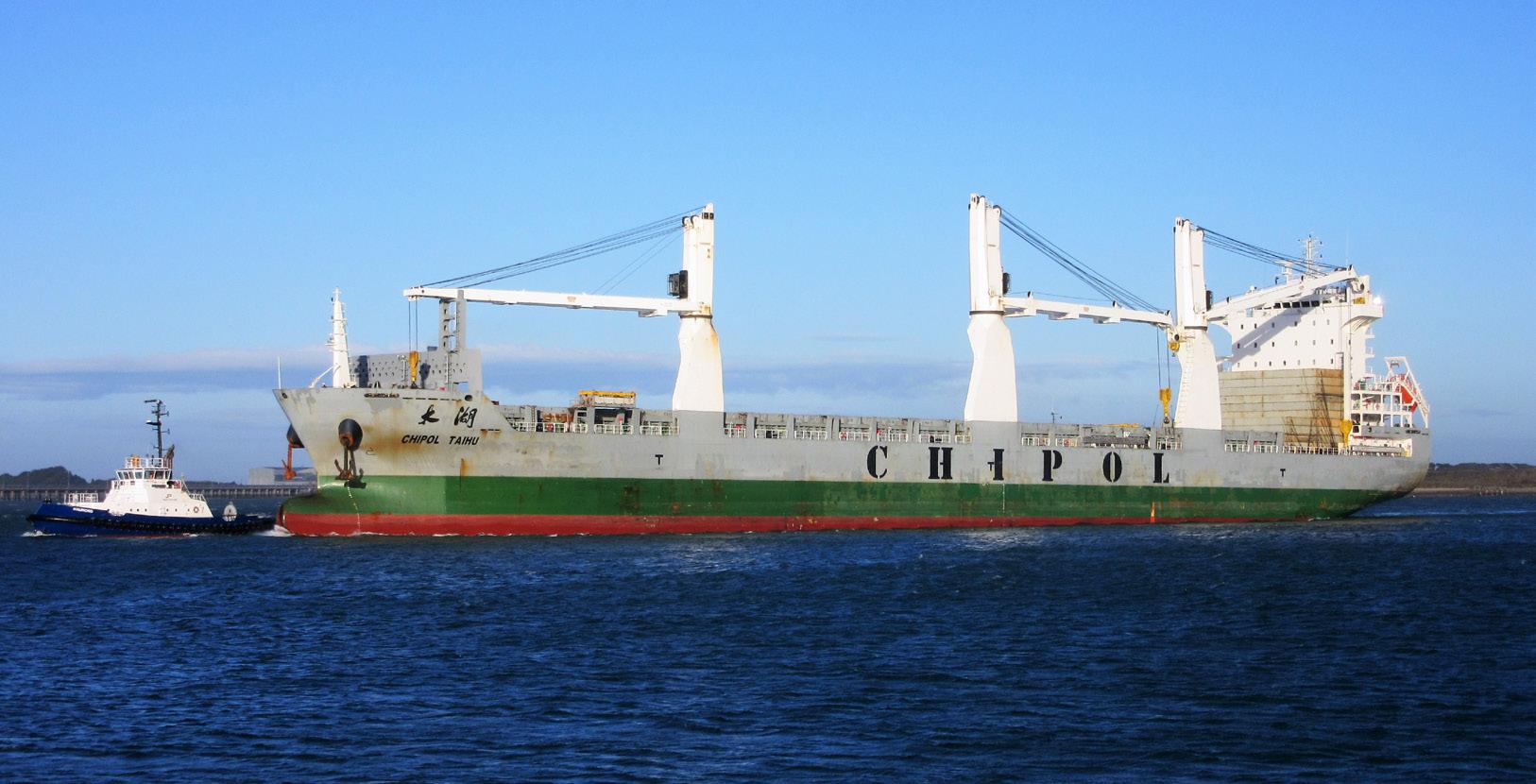
China is, by a considerable margin, New Zealand’s major trading partner and since New Zealand lacks any vessels regularly trading internationally, it is scarcely surprising that Chinese-owned ships are frequent visitors to Bluff and other New Zealand ports. Among these ships is a group of heavy-lift carriers operated by Chinese-Polish Joint Stock Shipping Company - the Chipolbrok of our title.
The aftermath of World War II was traumatic throughout much of the world, especially in Asia and Europe. China had been wracked by civil war between the Chinese Communist Party (CCP) and the Nationalist Government before and after the Japanese invasion of 1937, the CCP eventually proving victorious. In 1949, Mao Zedong proclaimed the People’s Republic of China and the Nationalists under Chiang Kai-Shek retreated to Taiwan. A year later, the Korean war began while across Europe Churchill’s ‘Iron Curtain’ had descended and Poland was under Soviet control. Despite the chaotic situation, China and Poland agreed to establish a joint venture shipping company, the first such venture China had ever entered into, and on 15 June 1951, the Chinese-Polish Joint Stock Shipping Company was formed.
The first vessel assigned to the new company was the Polish coal-burning steamer “Pulaski” which had been built in 1927 as the “Leuna.” Acquired by Poland in 1945 and renamed “Pulaski,” she was initially owned by GdyniaAmerica Line but transferred to Chipolbrok in 1951. As if the tumultuous conditions in Europe and Asia were not problematic enough, for those manning the “Pulaski” she had a mixed crew of Chinese and Polish
seafarers adding a linguistic challenge to their difficulties. By the end of 1951 ten ships had been allocated to the new service, all of them Polish as China had few ships capable of operating on such a long route. Although a fairly eclectic group most were under ten years old and many had been built for liner service.
Tension in the Taiwan Strait isn’t new and in the 1950s, Republic of China (ROC) warships illegally detained several merchant ships going about their lawful occasions. On 12 May 1954, three ROC destroyers seized the Chipolbrok vessel “Prezydent Gottwald,” laden with machinery and medical supplies, and escorted her to Taiwan where the 33 Polish and 19 Chinese crew members were detained and the ship, renamed “Tien Chu,” was absorbed into the Taiwanese fleet.
The company’s head office was established in Shanghai with a Chinese Chief Executive and a Polish deputy, while the branch office opened in Gdynia saw the roles reversed
with a Polish Chief Executive and Chinese deputy. In 1965, the first Chinese flag ships joined the service when the “Jia Ding” and “Chong Ming” transferred from Polish to Chinese registry followed by the first Chinese-built ship, the “Zhan Cheng,” delivered by Shanghai Dockyard in 1978.
From the initial service which linked Shanghai and Gdynia via Singapore, India, Meditteranean ports and Europe the company has expanded its network of routes to include Far East to North and Central America with some continuing on to Europe, services linking Europe with the Middle East, India and the Far East and from Shanghai to Australasia. Vastly more sophisticated ships have also been deployed which are able to handle breakbulk, containers and heavy lifts up to 700 tonnes, making them ideal for project cargoes. It was project cargoes into Australia that brought ships of the fleet across the Tasman to load back to China.
In a complete reversal from the early days of the company when the ships were all built in Europe or Scandinavia, every ship built this century for Chipolbrok has come from a Chinese shipyard.
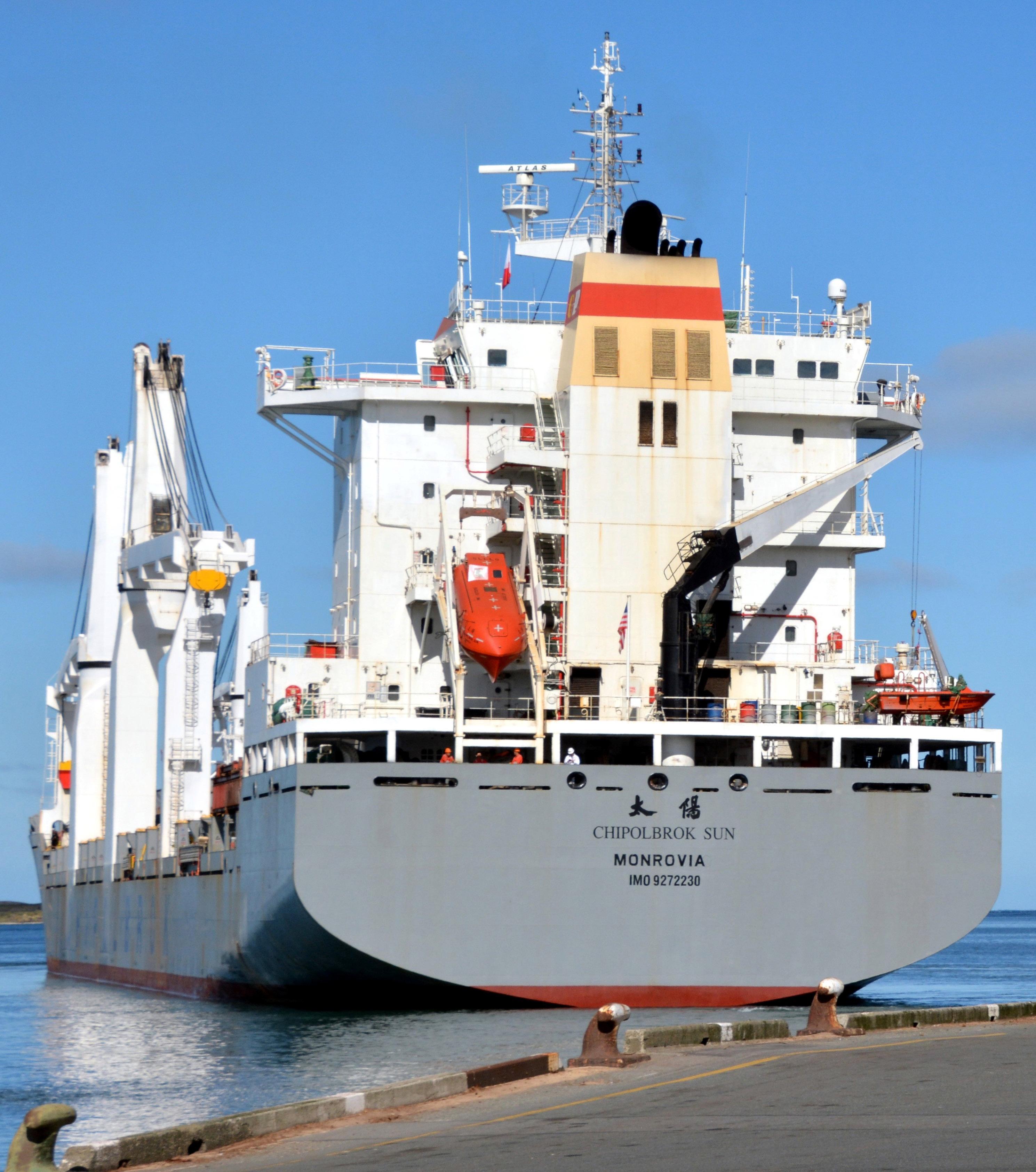
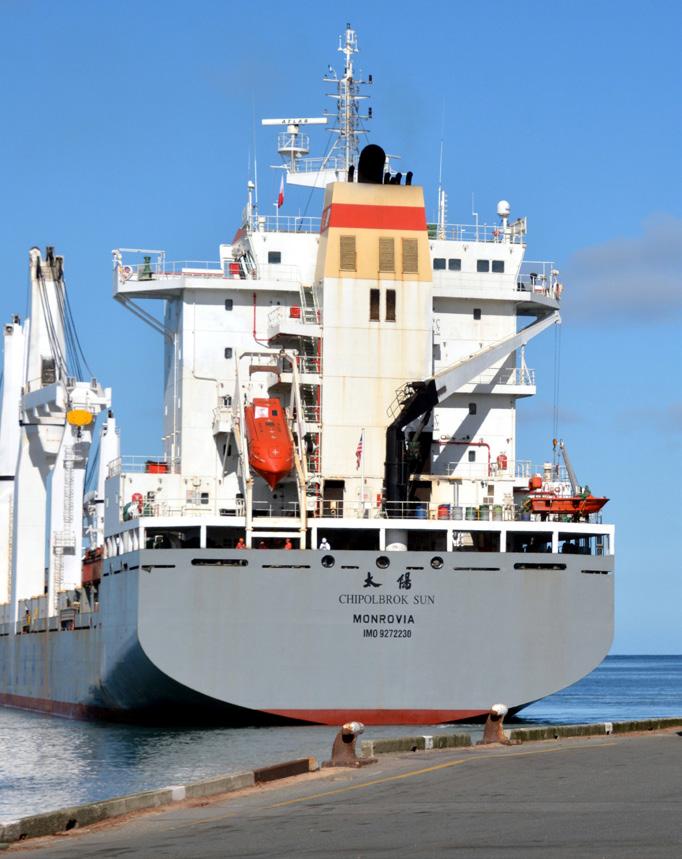
Our cover photograph shows the “Chipolbrok Sun” departing on 28 February, after loading logs in Bluff. She is one of ten ships comprising the ‘Superflex 1800’ class in the Chipolbrok fleet. Like all Chipolbrok ships, this class is designed to carry project cargoes and is fitted with 2 x 320 tonne cranes capable of lifting 640 tonnes in tandem plus two comparative minnows of a mere 50 tonnes capacity.