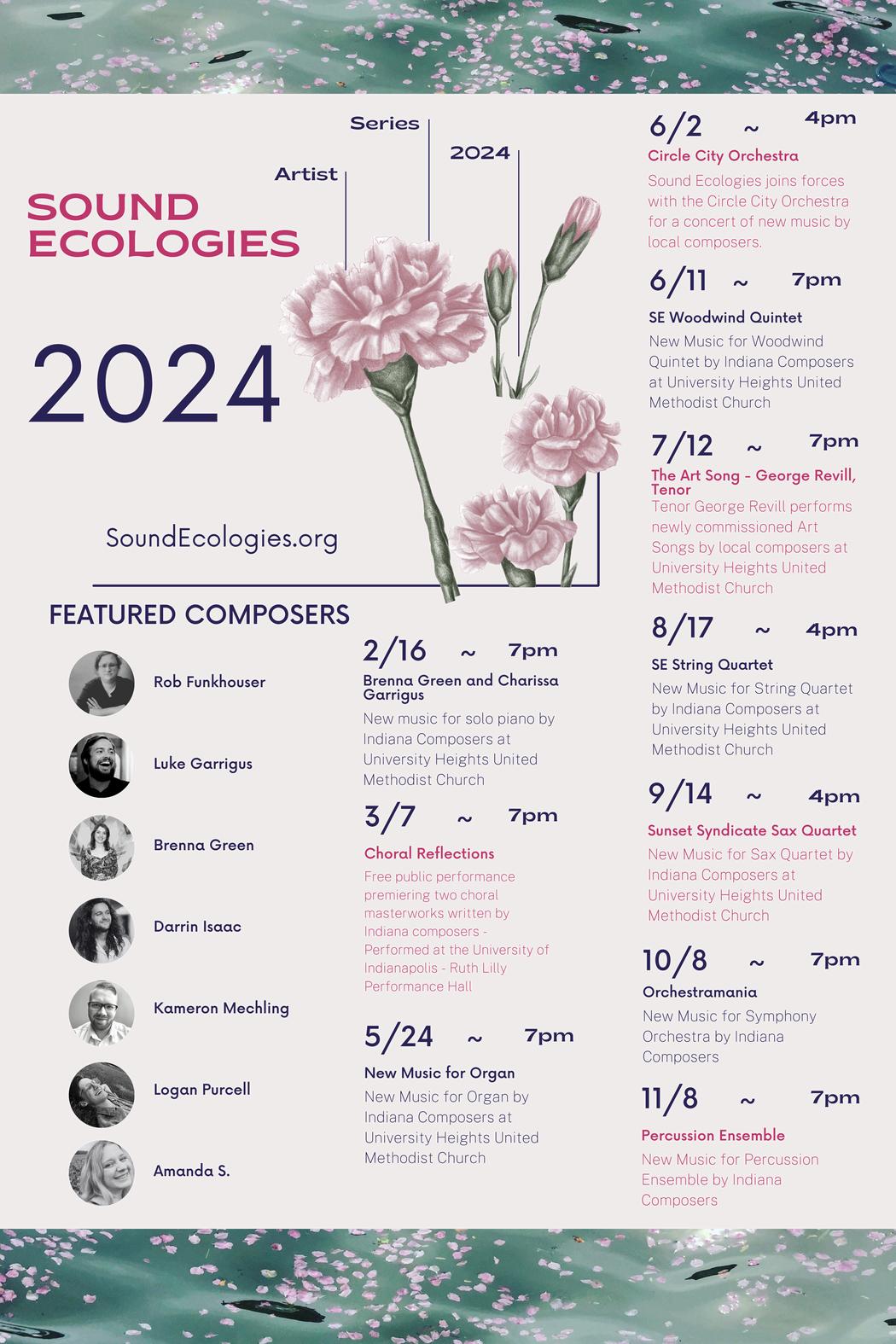
AUGUST 2024

LOCAL ARTIST SPOTLIGHT: ROB FUNKHOUSER
SCORE SAMPLER: MEZZANINE ECHOES ISSUE NUMBER 1
HIDDEN COMPOSERS: THE MUSIC OF EZRA POUND

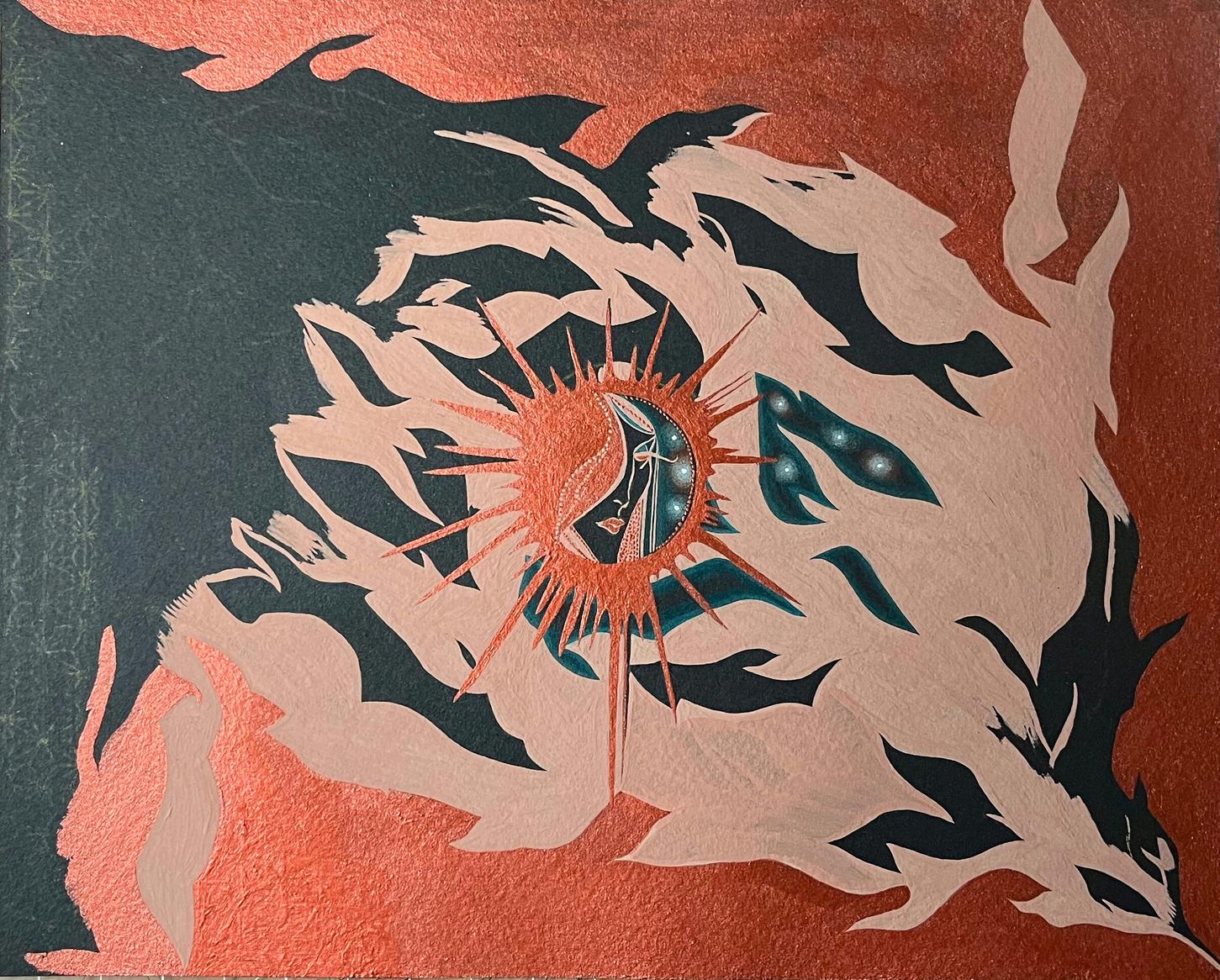
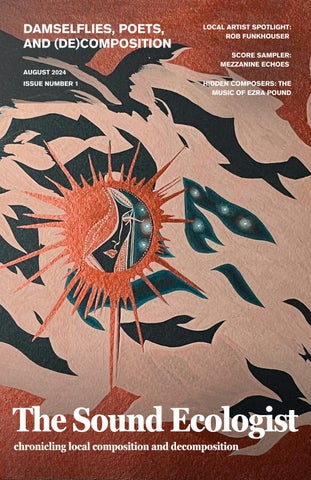
AUGUST 2024
LOCAL ARTIST SPOTLIGHT: ROB FUNKHOUSER
SCORE SAMPLER: MEZZANINE ECHOES ISSUE NUMBER 1
HIDDEN COMPOSERS: THE MUSIC OF EZRA POUND
EDITOR-IN-CHIEF
BRENNA GREEN
MANAGING EDITOR
CHARISSA GARRIGUS
CONTENT DIRECTOR
LUKE GARRIGUS
PHOTOGRAPHERS
GEORGE REVILL
LUKE GARRIGUS
BRENNA GREEN
CONTRIBUTING WRITERS
BETHANY CATLIN-JOHNSON
BRENNA GREEN
CHARISSA GARRIGUS
GRACE CATLIN
LUKE GARRIGUS
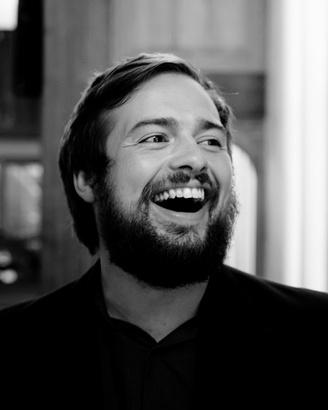
ROB FUNKHOUSER
OUR CONTRIBUTORS

THE SOUND ECOLOGIST MAGAZINE
IS A PUBLICATION OF SOUND
ECOLOGIES, INC
WWWSOUNDECOLOGIESORG
LUKE GARRIGUS
Composer, pro-wrestling fan, President of Sound Ecologies
CHARISSA GARRIGUS
Pianist, deathnomusicologist, Vice President of Sound Ecologies

BRENNA GREEN
Pianist, composer, educator, houseplant rehabilitation hopeful
Rob Funkhouser
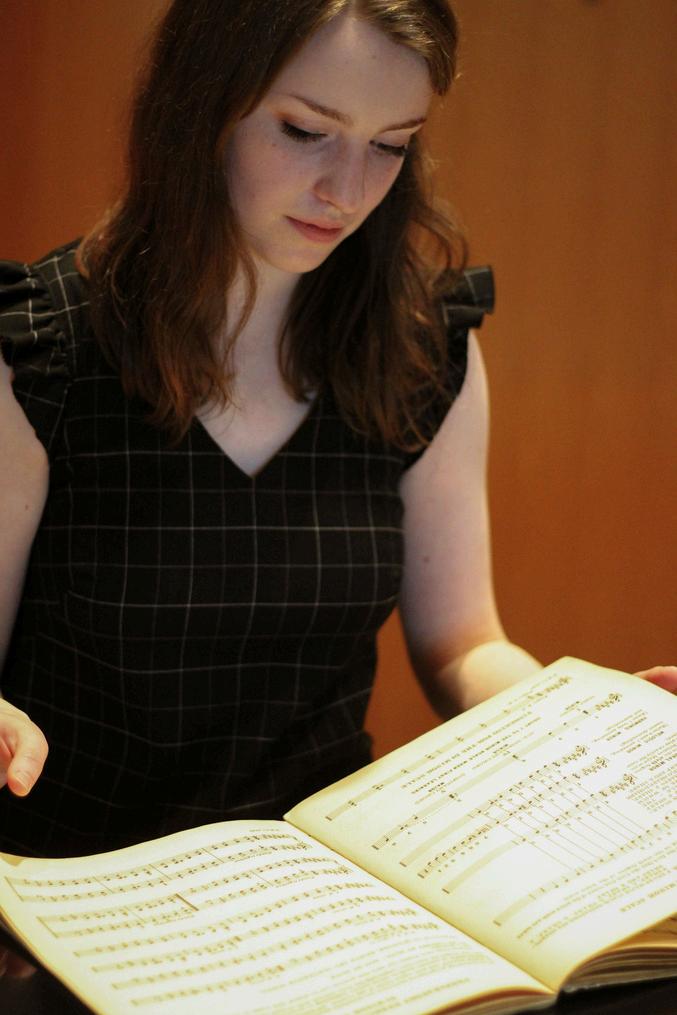
Mezzanine Echoes - Brenna Green
SPECIES COUNTERPOINT 18 highlights of native v invasive species
Vorticist poet Ezra Pound: Composer of troubadour songs, operas 20 POEMS BY FRIENDS
Bethany Caitlin-Johnson, Grace Catlin

DearReader,
WhatastrokeoffortunethatTheSoundEcologist hassnaggedyoureyeandyou’rewillingtoread more
SoundEcologies,asanon-profitorganization,has utilizedmusicandtheartstospecificallybenefit environmentalconservationandsocialcauses. In thesamevein,TheSoundEcologistmagazine endeavorstobringtogetherallthecyclical componentsoflocalmusicandnature.
Inadditiontoourconcerts,wehavecreatedthis publicationtofurtherasenseofmusical communitywithlike-mindedcreativesand conservationistsinIndianapolis Youcanviewthe calendarforourupcoming2024seasonatthe backpageofthisissue;feelfreetodetachitand postituponyourrefrigerator,onalocalstreet corner,orifyoufeeltheimpendingdoomof environmentaldisasterweighingdownonusall liketheswordofDamoclesandwanttodo somethinggoodwiththisbitofpaperoncethese concertsareathingofthepast hotwater,salt, andgluewillbeyourguideintoawonderful afternoonofpapier-macheart
BRENNA GREEN, EDITOR-IN-CHIEF

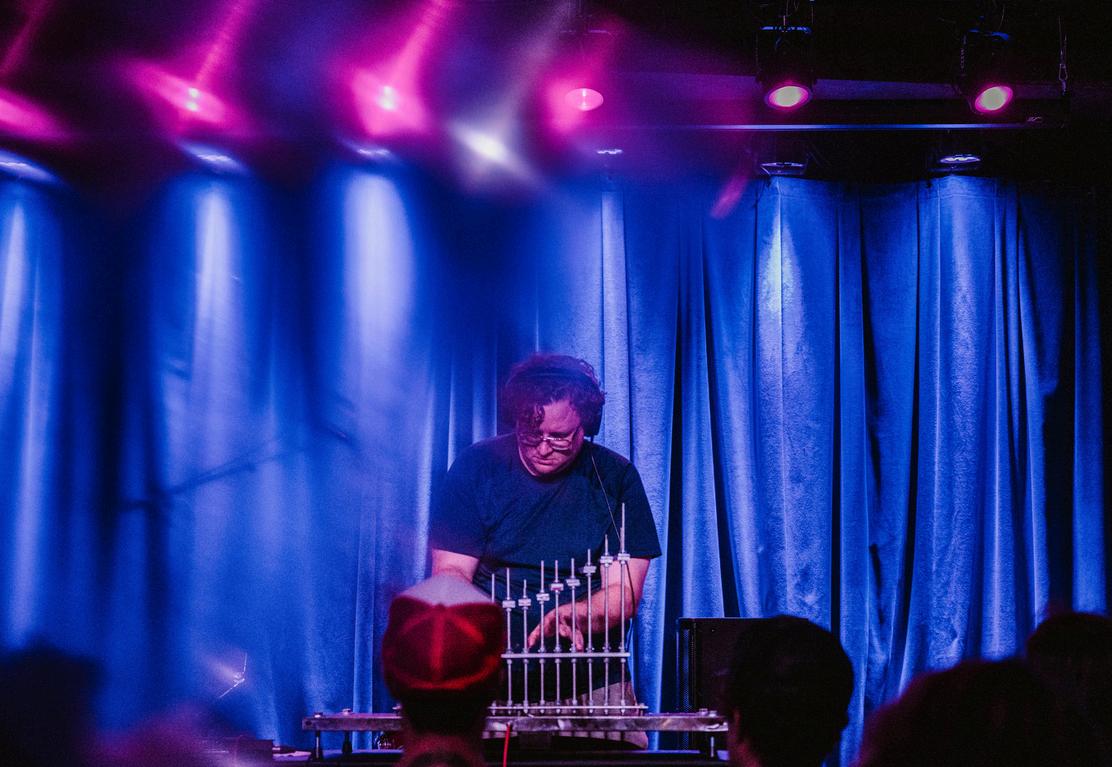
SoundEcologiespresidentLukeGarrigusengagesina discussionwithlocalartistandmadscientistofsound, RobFunkhouser
LukeGarrigus:Whereareyoufrom?Whereareyou currentlylocated?
RobFunkhouser:IgrewupinRichmond,IN,andcurrently resideintheGarfieldParkneighborhoodofIndianapolis
LG:Howdoyouapproachcreatingart?Whatisyour processlike?
RF:Myprocesstendstobeequalpartsquietreflection, andchaoticbaggrabbing Onceapieceisindevelopment, ittendstobealotofpatientchippingawayatthingsand gettingridofunnecessaryelements Butupuntilthatpart starts,everypiecetendstostartasaseriesofscribbles, randomstreamsofmidinotes,ageneralideaofa"vibe" andaseriesofprayers,reflections,and"Ican'tbelieveI'm thisLATE"s.Iamatruebelieverthattheblankpageisthe devil'splaygroundandanythingyoucandotoavoiditwill keepyouonthestraightandnarrow Tothisend,Iliketo composeonmusicboxes,insynthesizerprograms,andin textbeforeIevertouchthenotationprogram
BY LUKE GARRIGUS PHOTOGRAPHY BY TED SOMERVILLE
LG:Whataresomeofyourprominentmusicalinfluences?
RF:Iwasamusicalomnivorefromhighschoolonward.Some oftheinfluencesthatcometomindrightnowareGeorge Crumb,MilesDavis,TheDrift,MaxRoach,JavaneseGamelan Music,Tarentel,OlivierMessiaen,SarahDavachi,Aphex Twin,AnAlbatross,Refused,Wilco,TimHecker,andSteve Reich.
LG:Describeyourmusicinthreewords?
RF:Composedunderduress(I'moftenaterrible procrastinator.)
LG:Wheredoyoufindinspiration?
RF:Ifindinspirationinlearning,building,andinthework itself.WhiletheremightbemanymotivationsforwhyI mightsetouttocreateaphysicalworkorwriteanewpiece ofmusic,thesingledeepestwellofinspirationand motivationisinthecreationofmusicitself.EachtimeIsit downtoworkonanewpiece,Ifindsomethingnewtofallin lovewith,evenwhenagivenworkmightbelimitedby time/circumstance/skilllevel,thepossibilitiesareendless. ThisisdoublytruewhenI'mworkingonpiecesbuiltarounda uniquethreadofmyperformancepracticesuchastheglass organ,orelectrictuningforks,wheretheperformative gesturesthatcomefromlearningthoseinstrumentswill influencecompositionalideas,andviceversa.
LG:Isthereaparticularfavoritepieceorpiecethatmeansa lottoyou?
RF:Theworldofmusicissowideandvariedandvibrant thatitisnexttoimpossibleformetopickafavorite,buta fewworksthatmademethink"youcanmakemusiclike THIS?!?!?!"areTimHecker'sRavedeath1972,George Crumb'sBlackAngels,Tarentel'sGhettoBeatsonthe SurfaceoftheSun,HollyHerndon'sPlatform,Dan Trueman'sNeitherAnvilnorPulley,PaulaMatthusen'sOld FiresBurnOldBuildings,andCatherineLamb'sPrisma
LG:Pieceofadviceforyoungercomposers?
RF:Ifyouwantthistobeaprimaryactivityinyourlife,then doyourbesttomakeyourownsacredspace.Whatthat mightlooklikecanvaryfrompersontoperson,itcanbe pencilandpaperandpiano,itcanbeacrowdedcoffeeshop andatoo-smalltable,itcanbeapark,itcanbeanairport, butthemainthingistofinditandmakesureyouallow yourselftobedevoted.Trytofindthepartofyourselfthat wantstodiveintocreativework,andsubmittoitregularly andwithoutreservation.Also,makesureyougiveyourself breaksfrombeingtheboss.Setagoalandaccomplishit, whiletakingavacationfromaskingwhy. Alsotakeevery opportunityyoucanaffordtohearnew(toyou)musicand learnmoreabouttheworld.GETGOODEARPLUGSAND WEARTHEMREGULARLY.
LG:Whydoyouwritemusic?
RF:IfI'mbeingtotallyhonest,Iwritemusicbecauseitfeels likethethingIwascalledtodo.Where,eveninthemost disorientingstruggleboundmoments,Iamheadinginthe directionofself-discoveryandbecomingamoreopen, honest,generousversionofmyself.Ialsohopetohelp peopleexperiencetheperpetualbeautyoflifeinthewayI do.Especiallytoday,whenourearsareregularlyassaulted bydroll,thoughtlesssounds,Ifinditimperativetokeepthe windowtobeautyopenthroughmusic.Itisunlikeanyother artforminitsabilitytobothobliterateandreaffirmour deepestnotionsofselfandwhoweareasbeingsintime. It'sthisconnectiontothecoreofhumanitythatIfeelkeeps megoing,evenwhenitseemspointless.
LG:Whatiscurrentlyinspiringyou?
RF:RightnowIaminspiredbythefieldofprojectsthatI haveunderwayinafewdifferentcreativethreads.Iam writingalotofchambermusicthisyearwhilealsoworking onsomelargerinstallations,anditisforcingmetomaintain perspectivesbothlargeandsmallacrossmultipleprojects.I amreallydigginglong,unfoldinggestures,aswellastiny crinklyones.
LG:Bestmemoryofaperformance?
RF:MymastersrecitalandthepremierofReflectandRelease arebothupthereasfavorites,becausetheyendedupbringing peoplefromdifferentspheresofmylifetogetherinnewways. There'salwayssomethingspecialaboutcomingoutofalong periodofisolationandbringingsomethingoutintotheworld withyourlovedonescloseby.Bothofthoseperformances weresourcesofgreathopeandjoyforme.
LG:Worstmemoryofaperformance?
RF:OkIdon'twanttothrowanyoneunderthebusonthis,butI wasonastudyabroadtripsomewhereinEurope,andagroup ofusweresupposedtohaveourpiecesperformedbya woodwindquintet.Inthecourseofthefirstweek,aprofessor fromanotherschoolhadtoldthequintetthatourpieceswere onlyfora"casualreadingsession",andsotheydidn'trehearse thesepiecesthatwehadbeenworkingonallsemester.Now forme,Ihadwrittenafairlyeasypieceafterbeingburnedon someearlyperformances,butforothersitwasatotaldisaster. Ontopofthis,Iwasrecoveringfromanear-deathrespiratory infectionandcouldonlyspeakinasoftwhisperlikethree syllablesatatime.Iwasprettyfamiliarwiththeotherpieceson thesession,andhadidentifiedalotofpainpoints,butcouldn't workthroughthemwiththeensemblebecauseIcouldn't speak.SoIjusthadtositthereandhelplesslywatchtheseother composersgettheirpiecesbutchered.
Itendedupbeingalrightthough,afterthemisunderstanding wasclearedup,theensemblegaveeveryoneanicerecording afterthefestivaltouseontheirfutureapplications.
LG:Favoritepieceofmusicyou'vewritten?
RF:Ofthelastyearorso,IwouldsayeitherLunarLight PollutionorIrisField.

BUILDING MUSICAL CULTURE THROUGH SHARED EXPERIENCE
BY
Inmanyways,themythicaldescentofacomposerfromtheirivorytowerwithascorein-hand, documentingsomemusicalepiphany,iswaninginfavorofamorecollaborativemodelof musicalcreationthatbringsthestatusofcomposerbackdowntotheplaneofothermortal musicians.Inmanycases,commissionsarebeingtreatedmoreasawaytosupportintentional collaborativerelationshipsratherthanfundingatransactionofscoreformoney.Butevenwith thismodel,composerscanendupensnaredinanindividualisticcycle,island-hoppingbetween collaborativeprojects,fundingsources,andcommunities.Therehavebeentimesinmylife wheretalkingtomypeersseemslikeameetingofagroupofnationstatesonneutral bureaucraticgrounds,ratherthanaconversationbetweenartistsinthesamefield.Formany composers,theartformitselfcanfeellikehoppingfromonefieldtoanother,asweputona bevyofhatsinthenameofgettingworkmadeandfindingouraudiences.Thequestionsthat leadustocomposemusiccanalsoveryeasilyslipfromreflectiontorumination.
Inthisarticle,Iwilllayoutstrategies(someobvious,somemaybelessso)thatIhaveusedto remaingroundedincommunityasIhavedevelopedmypracticeasacomposerandperformer.
Perform with other people - This one may seem obvious, but it is worth saying out loud. For 99% of composers, performing with others in some fashion will keep you grounded in your community, and in the lived experience of playing music. Composition can be one of the most vulnerable experiences of self-discovery, especially when a given project allows you to get to the core of what you find beautiful and interesting in music. This process of inquiry can take us far afield from the reality of music-making, replacing it with a process of nail-biting as we wait to see how well the piece will do. Playing music with others, especially music that is not your own, can keep you more grounded and empathetic in your musical pursuits. Playing with others is also the easiest way to begin building a space for musical community and dialogue.
Take opportunities that de-center yourself - Classical composition is often a practice carried out in solitude, which can lead us to lose sight of the power music has outside of traditional concert presentation. Taking opportunities outside of this cycle will not only make you a better composer, but will open your perspective to different ways of working. If able, write for theater or dance productions, or anything where you are just one cog in a larger creative machine.
Go to a ton of concerts - Again, this one might be a bit obvious, but it bears saying. Take the time to go to concerts other than your own, and do so without a specific agenda. Keeping your ears open to other artists is essential for remaining humble, and feeling connected to the artistic community around you. Concerts are also an excellent place to network, but remember to let people have their moments. If you feel you have a connection that could lead to a project, follow up after the event.
Become a voracious listener - At this point, it might seem that I am just exercising my ability to list obvious things, this one is important. Overcoming the naive belief that listening to too much music will somehow pollute your own musical voice can be an important step in maturing as an artist. To be sure, fetishizing variety can have it’s own pitfalls, but, on the whole, listening to as much music as you can will often inspire more than it will limit. We stand on the shoulders of giants, but only if we look down and realize that boulder is a deltoid.
Seek places where resources are shared - I spent much of my twenties more or less diy-or-die in many aspects of my craft. This had the benefit of forcing me to learn a lot of skills both directly and indirectly related to getting projects across the finish line, but also spread my interests to wide at times. I reached a middle ground when I started working with other people that could bring resources to the table. Working with a group can allow you to expand your skills based on the needs of the project, while also staying free to concentrate on your specific role as a composer.
BY BRENNA GREEN
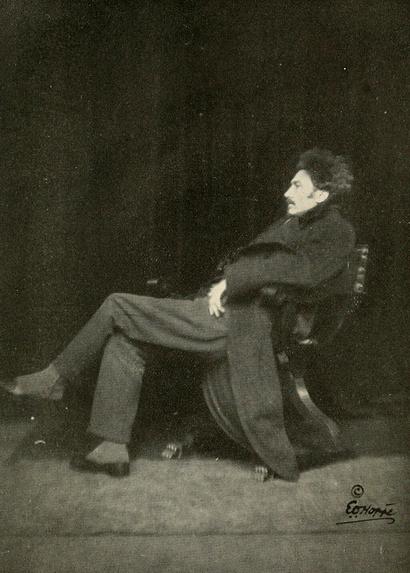
“Makeitnew”wastheadoptedsloganofEzra Pound-hedislikedthedecadent,flabby, repetitivepoetryemanatingfromEnglandatthe time- hisintentwastopareitalldownto everythingthatisspare,precise,anddry, propelledbyaclearimageryofwords Pound’s useofbrevitywasinfluencedbyhaikutraditions ofJapan Andasastudentofthetraditionsof Nohtheatre,heincorporatedtheausterestyle anddistinctivecharacterinhisworks
Poundwasoneoftheearliestproponentsofboth theImagismandVorticismmovements,yethe wasknowntooriginatemany“groups”and abandonthemwiththesamefrequency.His musicalcareerenmeshedintobothartistic movements.Pound’slifeleadsustoconsidertheroleofthepoetintheworld,andtheextenttowhich poetsareconsideredpoliticalfigures Certainlyhisownpoliticalbentalienatedhimfromthegeneral public’sgoodgraces
Poundpromotedhisfellowpoetsintheircareers,includingsuchforcesasGertrudeSteinandJames Joyce AsJoycewrotetopoetWilliamButlerYeats:"Icanneverthankyouenoughforhavingbroughtme intorelationwithyourfriendEzraPoundwhoisindeedamiracleworker"Hemingway,although opposinginpoliticalideals,maintainedthat“EzrawasthemostgenerouswriterIhaveeverknownand themostdisinterested Hehelpedpoets,painters,sculptorsandprosewritersthathebelievedinandhe wouldhelpanyonewhetherhebelievedinthemornotiftheywereintrouble”(Carpenter,226) In1908, PoundmovedtoEnglandtobaskintheglowofwhohethoughtwasthegreatestlivingpoet-Yeats. Whilethere,hesituatedhimselfintheLondonliteraryavant-gardecircles
Inimitationofvariousavant-gardemovements,Poundinventedtheterm“Imagisme”Thebasictenets ofthismovementincludedanemphasisonclarity,directness,andalackofunnecessaryverbiage.In poetry,Imagismfunctionslikeasuccessiveseriesofvignettestocreatealargerpicture Poundlaiddown threeImagistrulesinthe1913issueofPoetrymagazine;namely: 1.Directtreatmentofthe"thing",whethersubjectiveorobjective. 2 Touseabsolutelynowordthatdoesnotcontributetothepresentation
Poundlaterexpandedontheserulesbypublishingan Imagistmanifesto,structuredonwhattodoandwhat nottodo,forthosewantingtowriteintheImagiststyle
“An“Image”isthatwhichpresentsanintellectual andemotionalcomplexinaninstantoftime Iuse theterm“complex”ratherinthetechnicalsense employedbythenewerpsychologists,suchasHart, thoughwemaynotagreeabsolutelyinour application.
Itisthepresentationofsucha“complex”instantaneouslywhichgivesthatsenseofsuddenliberation; thatsenseoffreedomfromtimelimitsandspace limits;thatsenseofsuddengrowth,whichwe experienceinthepresenceofthegreatestworksof art.
ItisbettertopresentoneImageinalifetimethanto producevoluminousworks
Allthis,however,somemayconsideropentodebate TheimmediatenecessityistotabulateALISTOFDON’TS forthosebeginningtowriteverses Icannotputallof themintoMosaicnegative.
Tobeginwith,considerthethreepropositions(demandingdirecttreatment,economyofwords,and thesequenceofthemusicalphrase),notasdogma neverconsideranythingasdogma butastheresultof longcontemplation,which,evenifitissomeoneelse’s contemplation,maybeworthconsideration.”
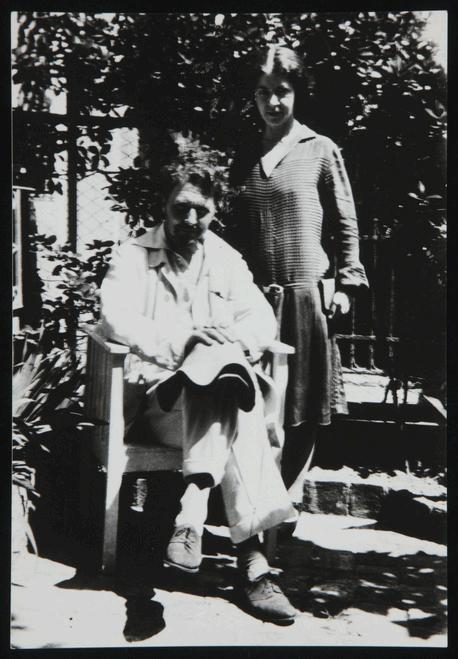
EzraPoundandviolinist/collaboratorOlgaRudge, Venice,1923 (OlgaRudgePapers YaleCollectionof AmericanLiterature,BeineckeRareBookand ManuscriptLibrary.)
“If you are using a symmetrical form, don’t putinwhatyouwanttosayandthenfillup the remaining vacuums with slush.“Pound‘sImagistmanifesto
ItwasduringtheseImagistyearsthat Poundpublishedhisstrikingpoemon thefleetingnatureofhumanlife, reminiscentofahaiku,“InAStationof theMetro”Ifyoucontrastthisbrief poemwithanotherofPound’spoetic works,thejuxtapositionisalmost comicalinregardstodifferenceofsize. Pound’slifelongprojectwastheCantos, havingworkedonitonandoffforover 50years Someconsiderittobethe mostcomplexandchallengingcollection ofpoemsofthe20thcentury At800 pages,itattemptedtobeacursory collageofallthepoetictraditionsinthe world-quitetheundertaking.While Pounddescribeditasanepicincluding history,TheTimescalleditagreat improvisationratherthanapoem
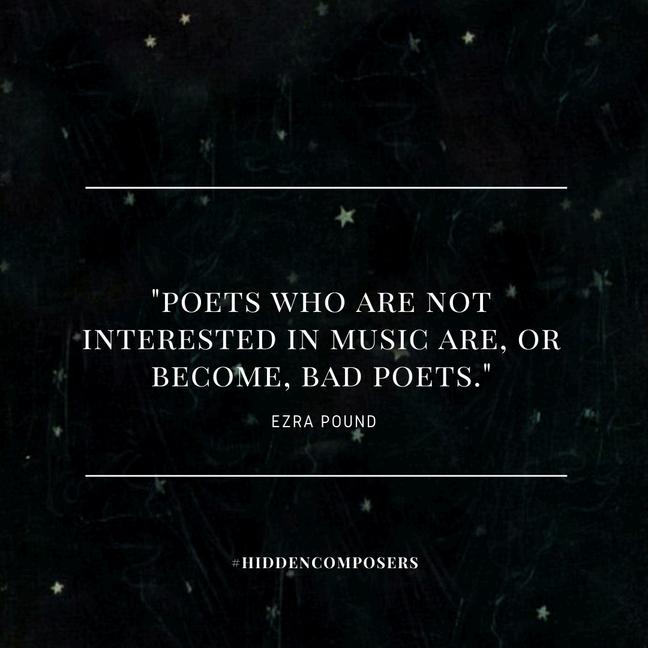
Pound unexpectedly broke from the Imagist movement and contrived a new set of artistic beliefs with his friend, the artist/writer/critic Wyndham Lewis. The movement was called Vorticism, and suffered a shortlived fate. In his 1913 essay on Vorticism, Pound quotes the 19th-century English literary critic Walter Pater: “[A]ll arts should approach the conditions of music.”
He coined the term Vorticism and effectively transformed his earlier imagism principles by adding a new emphasis on movement: “The image is not an idea. It is a radiant node or cluster; it is what I can, and must perforce, call a VORTEX, from which, and through which, and into which, ideas are constantly rushing.” Pound and Lewis collaborated on the first issue of the journal BLAST, published less than a month before the outbreak of the First World War.
1924 was an eventful music year for Pound: he wrote several essays on music, one centering on the composer George Antheil (his friend). Pound had a close collaborative relationship with Antheil. “Strawinsky's [sic] merit lies very largely in taking hard bits of rhythm, and noting them with great care. Antheil continues this.”
“Antheil is supremely sensitive to the existence of music in time-space.” Another treatise figured on a discussion on harmony (where he concentrates on the element of time combined with harmony, since he was a poet and had a natural concern and feeling for rhythm.) It is surprisingly entertaining to read, filled with quips about certain unquestioned traditions of music theory. I want to share a paragraph from it, about melody as it relates to harmony.
Theapparitionofthese facesinthecrowd; petals,onawetblack bough.- “InAStation oftheMetro,“Ezra Pound,1913
“When Harmony was alive it was merely a personal giveaway, it was a bundle of tricks of the trade, the fruit of personal experience, it was a way of getting over a difficulty or managing a turn of expression; it wasn't intended to cramp anyone's style: It was pragmatic, it worked, and each school worked its trade secrets to death with the magnificence of Bel Canto, of music up to Johann Sebastien. The mechanism was a plus thing, it worked in an open field. The mess came when it was set up as a fence, and everyone tried to walk on the rails or climb over it. They rotted their melodies by trying to find schemes which "harmonize" according to a concept of ‘harmony’ in which the tendency to lifelessness was inherent.” (On Harmony, pp 18-9)
W. W. Hoffa expounds on the musical collaboration of Ezra Pound and George Antheil through the lens of the Vorticism movement, as follows: “It is also true that T.S. Eliot’s success was secure by 1923 and Pound was probably looking elsewhere for someone in need of his polemical skills. Antheil’s experiments he saw, moreover, as a parallel to those he had himself been urging in poetry; a reaction against the listless “impressionism” of post-romantic “rhetoric.” In musical terms, this meant a rejection of both Wagner and Debussy: “Wagner, a great musician, in his manner of greatness, produced a sort of pea soup,... Debussy distilled it into a heavy mist, which the post-Debussians have desiccated into a diaphanous dust cloud.”
Another shared fascination that drew Pound and Antheil in sympatico is rhythm, of a complex; exact sort, the way in which time evolves an event. Going back to the aesthetic movements of Imagism and Vorticism: in 1917, Pound determined that the most salient facet of poetry was the “image,” it was only the “moving image” which, to him, could capture the pulse of life; thus the element of time must enter poetry if the long major philosophical poem was to be written. In Pound’s head, the Imagist poems had their parallel in the over-refined impressionism of the piano works of Debussy. Vorticism, according to Pound, was a “correlated aesthetic which carries you through all arts.” The relevant quality of music was rhythm, not the evocation and representation of a literary mood. Thus the “new music” he sought had to be rhythmically-based and had to have “edge” and “precision.”
MostofPound’smusicispredominantlymonophonicwithsparseharmonies Heseemstohave intertwinedhisdislikeofover-describingideasinhispoetry/prosewithhisrepugnanceofadependence onharmonytocarryamusicalwork Muchlikehispoeticideals,Poundbelievedthatmusicshouldnotbe sentimentalandthatmelodyaloneshouldnotbereliedupon,andspecifiedthat“theelementmost grosslyomittedfromtreatisesonharmonyuptothepresentistheelementofTIME.Thequestionofthe time-intervalthatmustelapsebetweenonesoundandanotherifthetwosoundsaretoproducea pleasingconsonanceoraninterestingrelation,hasbeenavoided”(Harmony,9)
In1923,ayearafterthepublicationofTheWasteLandandUlysses,andatthehighpointofthe modernistmovementthathedidsomuchtomoldintoitspresentstate,EzraPoundcompletedthestage versionofhisoperaLeTestamentdeVillon Thelifestoryofthe15th-centurypoetFrançoisVillon–alatemedievalrapscallion–appealedtoPoundduringhissearchforalibretto,andconvenientlyenoughVillon, inhis1461collectionLeTestament,offeredsufficientmaterialthroughwrittenconfessionsoftherun-ins hehadwiththeParispoliceandhistroubleswiththeChurch LeTestamentwasfinallyrestagedafterits 1920sBBCRadiopremiere,butonlyayearbeforePound’sdeath LeTestamentdeVillon,termedby RichardTaruskinas“amodernisttriumph,”solidifiedthepoet’s“claimtomusicalimmortality”Theuseof micro-rhythmsandirregularbarlengthsisanattempttocaptureVillon’sidiomaticOldFrench “Pound’s reasonsforcomposingmusicdifferfromtheusualreasonstocompose Hesoughttorevivethe troubadourartof‘motzelson’-‘wordandsound’-througharecombinationofwordsandmusicthat ld dt itth i h th d i d ftheauthoroverthevoiceofthecomposeror whetherPoundhassucceededhaveyettocome
Likelystemmingfromhiscollaborationwith OlgaRudge,Poundcomposedacollectionof shortviolinandfiddletunesthatshowa markedsimilaritytohispoeticrhyme schemes Pound’sfinalandmostmelodicallythoughtfulworkforsoloviolin,“AlPoco Giorno”,isbasedupontherhythmsandthe sestinastructureofDanteAlighieri’sAlpoco giorno[Totheshortday].Theviolinworkcan beinterpretedasaquasi-translation,withthe musicemanatinglooselyfromwordrhythms, whilestillbeingrecognizableasafreepartsettingofwordstomusic Theflighty,florid patternsinthislateworktakeadecided detourfromthecomposer’searlierpenchant ofassigningonesyllableperpitch.Pound drewacorrelationbetweentheindividual linesofthepoemanditsrespectivebarof music-indicatedthelinenumberstowhich themusiccorrespondsineachsestetinthe leftmarginofhisscore Hismusicalsestinais structuredbymeansofthe“melodicle,”a musicaldeviceabletobeutilizedforward, backward,andinretrograde
Ezra Pound (1968) “Literary Essays of Ezra Pound”, p 437, New Directions Publishing
Sources: Carpenter, Humphrey A Serious Character: The Life of Ezra Pound, 1988 Faber and Faber Fisher, Margaret “The Music of Ezra Pound” The Yale University Library Gazette 80, no 3/4 (2006): 139–60 http://www.jstor.org/stable/40859548.
Pound, Ezra Antheil and the Treatise on Harmony: With Supplementary Notes P Covici: 1927















ECOLOGICAL REPORT BY CHARISSA GARRIGUS

SkimmingBluet
Enallagmageminatum
Everseenagorgeous,bluedragonflythatseems ratherthin?Chancesare,you’veactuallyspotted adamselfly!Oftenmistakenfordragonflies, damselfliesexhibittwopairsofwingsandalmost twig-likeabdomens Theyareusuallyastriking shadeofblueoremerald,sometimescontrasting withdarkblackwings Thelifecycleofthese interestingcreaturespresentssomenotable points.Insteadofexperiencingathree-stage cycle,damselfliesmaturequickly Theybypassa pupalstageentirely,movingstraightfromlarva intoadults.Imaginegoingfromchildhoodto adulthood,withnoteenageyearsatall!
Justlikehumans,damselfliesgrowat differentrates Somespeciesareslowerto mature,andcantakeayearormoretofully reachtheiradultstate Otherspeciesgo throughthesechangeswithinthespanof weeks.Thesameistrueforemergenceand flight:dependingonspeciesandegg-laying tendencies,somevarietiesofdamselfly emergegraduallyduringaseasonandsome appearallatonce
Damselflies lay their eggs in water, often on plants growing either on the shoreline or shallows Indeed, many females will actually lay their eggs on the parts of the plants growing under the waterline. This can help keep the eggs warm over the wintertime, though many species of damselfly hatch fairly quickly Upon hatching the damselfly enters the nymph stage–a larval period wherein the baby damselfly stays bound to its aquatic environment
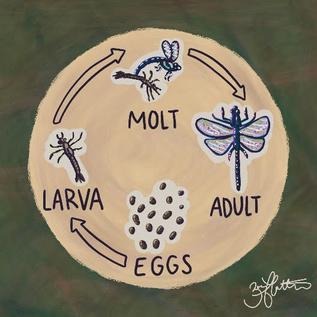
Thesenymphsliveatthebottom(or substrate)ofthepondorriverwherethey wereborn,keepingunderneathplants andsometimesstayingthewinterthere. Theydoeatothersmallcreaturesand capturefoodquicklybywayofan elongatedlowerjaw.Damselflynymphs areabletobothswimandbreathe throughtheirgills.Astheygrow,nymphs molt–sheddingtheirfirmerexoskeletons inaprocesscalledinstar.Thesenymphs willoftengothrough10-12instarsuntil theyarefullygrown.Whentheyarefinally fullydeveloped,thedamselflynymphwill exitthewaterinordertosheditsfinal exoskeletonandenergyasanadult.
Sources:
Purdue College of Agriculture: https://extensionentmpurdueedu/4h/defaultphp?page=46
The Field Museum: https://fieldguidesfieldmuseumorg/sites/default/files/rapid-color-guidespdfs/388 0pdf

POEM BY BETHANY CATLIN-JOHNSON
Thisonesuggests Iloveyoulikethis:spacedouttoyou duringsomepianosonata lastSunday alongone,Beethoven
Intheprogramnotes:“Beethoven (sonata-formedKant uptoanduntilthestar-studded vault)isprimarily aboutlove.”
Hereallysmashesthis onenotekeepstwisting hiswristuptoitbecausethatisall thatthisis:Iwroteinmynotebook: repetition(thereisapapercoming duesoononloveoritsforms)
Andthispoemisnot insonataformbecause ofthisstanza Because oftheonandonnotedidnotsaylove itsaidtime, moreandallofit,goingonmoving outyethere anhour,maybemore asonataorjustasong tokeeponbecause

PHOTOGRAPHY
BY
LUKE GARRIGUS
ITo the little beast squirming and fragile in my grip a human’s hands are a weapon They mean an end much bigger than death to a creature who can’t comprehend abstraction I washed my hands to protect him from sunscreen his skin is as delicate as his bones which, it strikes me, monstrously, I could break if I only closed my fingers There isn’t anything holy in the kindness that stays my hand it’s purely human
This frog can only glimpse a fraction of me all he sees is grasping hands He can’t see my eyes or understand that all I want is to hold him for a moment to rescue him from the inside of the house It would be so simple to crush him but I can treat him tenderly too and sometimes the harder thing gentleness is also the easier one
Frogs are such fragile beasts wet silk for skin, permeable to all our chemicals, vile and benign
But the capacity a frog holds for violence is incredible. To some frogs kindness is a foreigner A woman holds out her finger and a frog does his level best to rend and tear unfortunately he lacks teeth The failure of his gummy mouth to draw blood only further enrages him She stands there and takes it all and loves him builds him a home in her home checks the humidity and water quality and buys him a balanced variety of food My favorite thing about being human is the ability to set aside pain and carry on meticulous care for things that try and try to hurt us