
{St. Louis' Finest}


ylangylangfinejewelry


PUBLISHER
Craig
EDITOR
DIGITAL
COPY
April 8 + 9 10am-5pm thth
CONTRIBUTORS Writers

On October 15, 1964, I fell in love.
With baseball.
My father had allowed me to skip school (and a French test) to go with him to the seventh game of the World Series. Holding down a serious side gig at Saint Louis University, he’d wrangled tickets in the school’s section in the upper deck. I sat next to a young nun who had crossed her fingers before the first game and taped them in place. Putting aside the fact I concluded she should be appealing to a higher power for hope, she was fun and funny. (She was also in considerable pain when we removed the adhesive at the end of the game.)
As we all know, the Cardinals beat the New York Yankees 7 to 5. With only two days’ rest, Bob Gibson was back on the mound. Mickey Mantle, Whitey Ford and Ken Boyer all suited up for the Yankees.
For most of my childhood, I thought the National League consisted of the Cardinals, Cubs, Dodgers and the like. But the American League?
The Yankees. Only the Yankees.
While you might be shaking your head at my mistake, remember that from 1950, the men wearing pinstripes had gone to the Series every year except for 1954 and 1959. So when my team beat theirs? My team who hadn’t won a Series since 1946? I was literally over the moon (and as it turned out, that win ended the Yankees’ dynasty).
In the aftermath of that historic game, I felt such joy, such boundless elation and giddiness that I decided right then and there that baseball was worth loving. It won my heart. The air was electric. People were hugging. From the street, we could see players dousing (if not trying to drown) each other with bottles of champagne. Everyone was laughing and smiling and so, so very proud. I felt like I was walking on air. I remember wondering if life got much better than that?
Subsequent battles brought similar bliss. In 1985, I jumped up and down at the corner of Central Park West and 76th St. when Jack Clark hit the three-run homer in the top of the ninth against the Dodgers to take the pennant.
Once, a bum boyfriend I had (now long gone) and a very close friend (whom I still adore) decided to prank me one night by telling me the Cardinals had been sold and would be moving away. I was stunned. I felt tears welling up. I immediately left the restaurant to rush home and call my dad. It was midnight. He groggily answered the phone and when I asked him to confirm the disastrous news, he told me to find some new friends and hung up. For a few miserable moments, I knew exactly how historian Doris Kearns Goodwin felt when her beloved Brooklyn Dodgers departed for Los Angeles.
Teams become part of your identity. I proudly wore my Redbirds cap everywhere. The Mets fans at Shea would suggest I go home. Now. Geddouttahere, they yelled. I stood proud (if not a little nervous). In Chicago, I rooted for the White Sox rather than ever cheer for the Cubs.
But of course, as with any love affair, hearts will be broken. To be honest, it’s been a rough few years. Ownership by an individual has warped into corporate affairs. Players no longer spend their careers on a single roster. Fans seem to be a bit more fickle. Tickets and concessions are pricey. But hope springs eternal and the team is getting ready for its season opener at the Tampa Bay Rays on March 26th. For the first time since 2007, John Mozeliak is not the president of baseball operations. Chaim Bloom is. In this issue, we learn more about the man who most recently led the Red Sox (the team that beat us in the 2013 Series).
Maybe you’re wondering why I’m telling you all this? Why a lifestyle magazine editor is going on about baseball and broken hearts and championship dreams? Here’s the thing: the stories that stick with us, the ones we carry for 60 years, are rarely about logic. They’re about love. They’re about that moment when something clicks and you think, yes, this matters. This is mine.
That’s why we’re always searching for the people, places and passions that make people feel that way. The chef who knew at seven that she’d spend her life in kitchens. The retired architect who still sketches buildings on napkins. The runner who found herself at mile 23. The company that makes something so beautiful or useful or surprising that you want to tell everyone you know about it.
Sixty-one years later, I can still see that young nun’s taped fingers. I can still feel the October breeze and hear the roar when Dalton Jones caught the fly ball for the final out
Some loves last a lifetime.

Christy Marshall, Editor in Chief EditorSTL@slmag.net



Bloom,
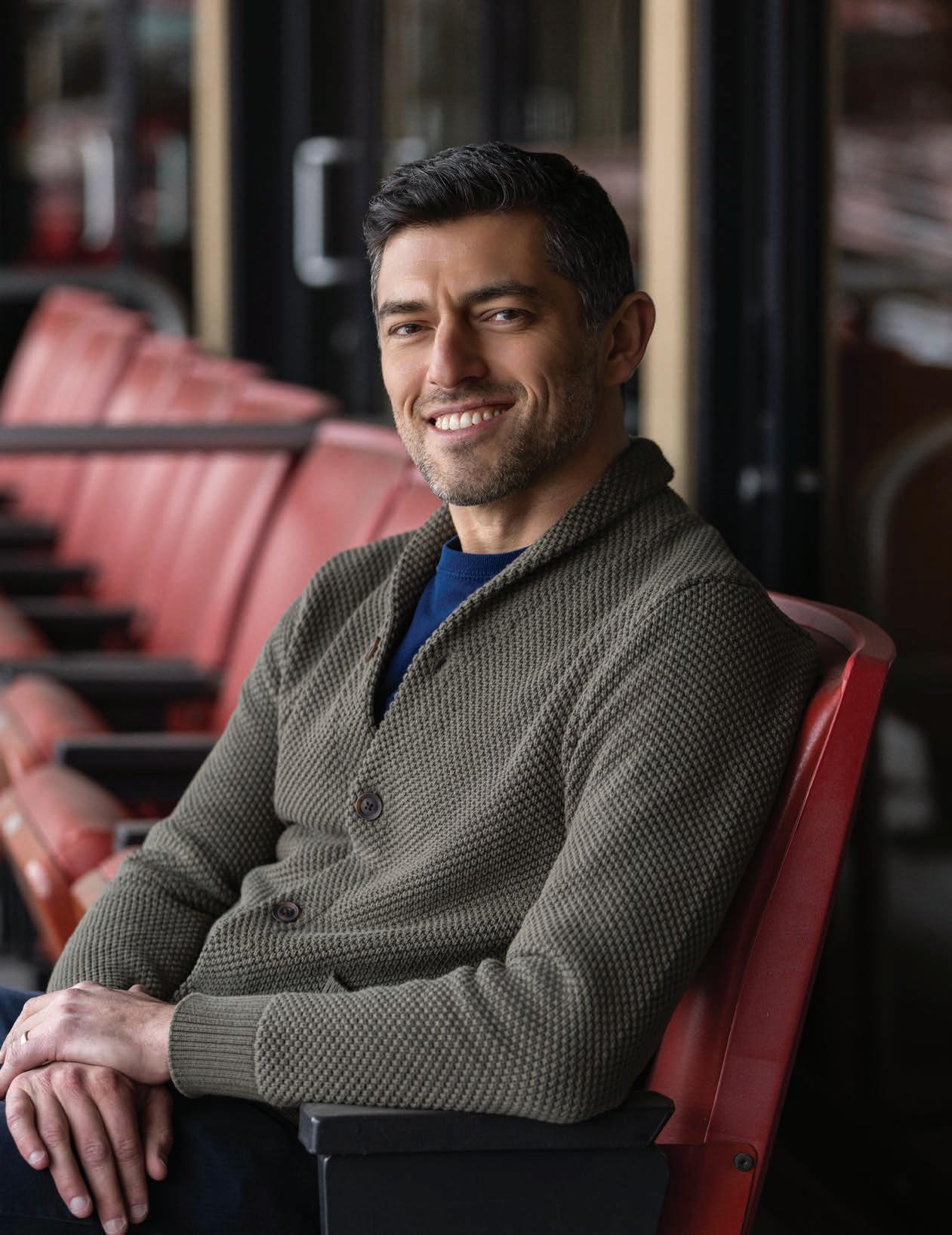
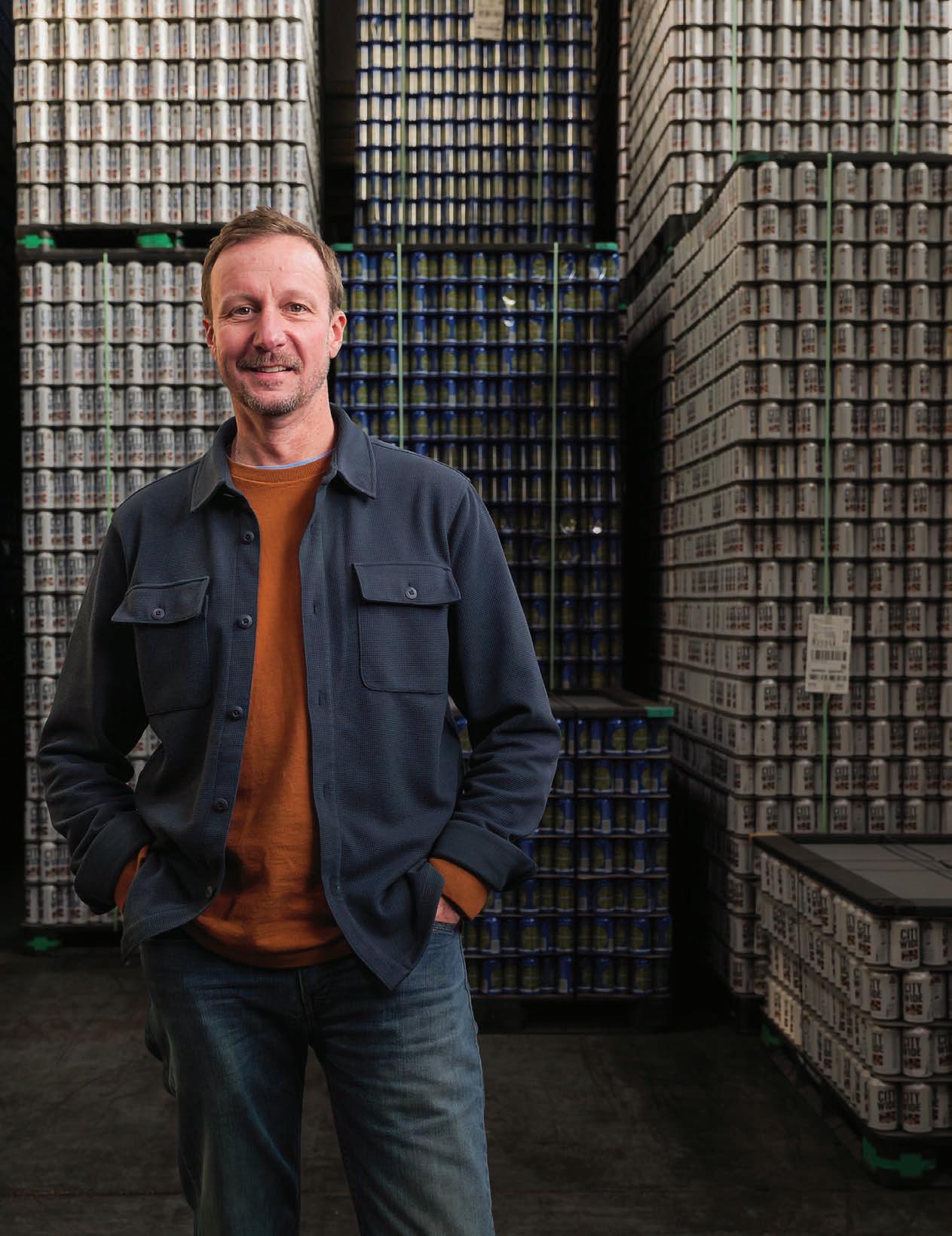
By Craig Kaminer / Photos and video by Zach Dalin
In St. Louis, baseball is not merely watched — it is studied, remembered, inherited. The Cardinals are less a franchise than a civic institution, and when Chaim Bloom arrived to lead baseball operations, he stepped into a role shaped by decades of expectations and a fan base fluent in both box scores and history.
Bloom understands this. He always has.
“Our expectations are sky high,” he says. “They should be. This is a baseball town. This is a historic franchise.”
It is a telling place to begin. Bloom’s reputation around the league was forged in long horizons — player development, system building, sustainability. But this is a city where the past is never past
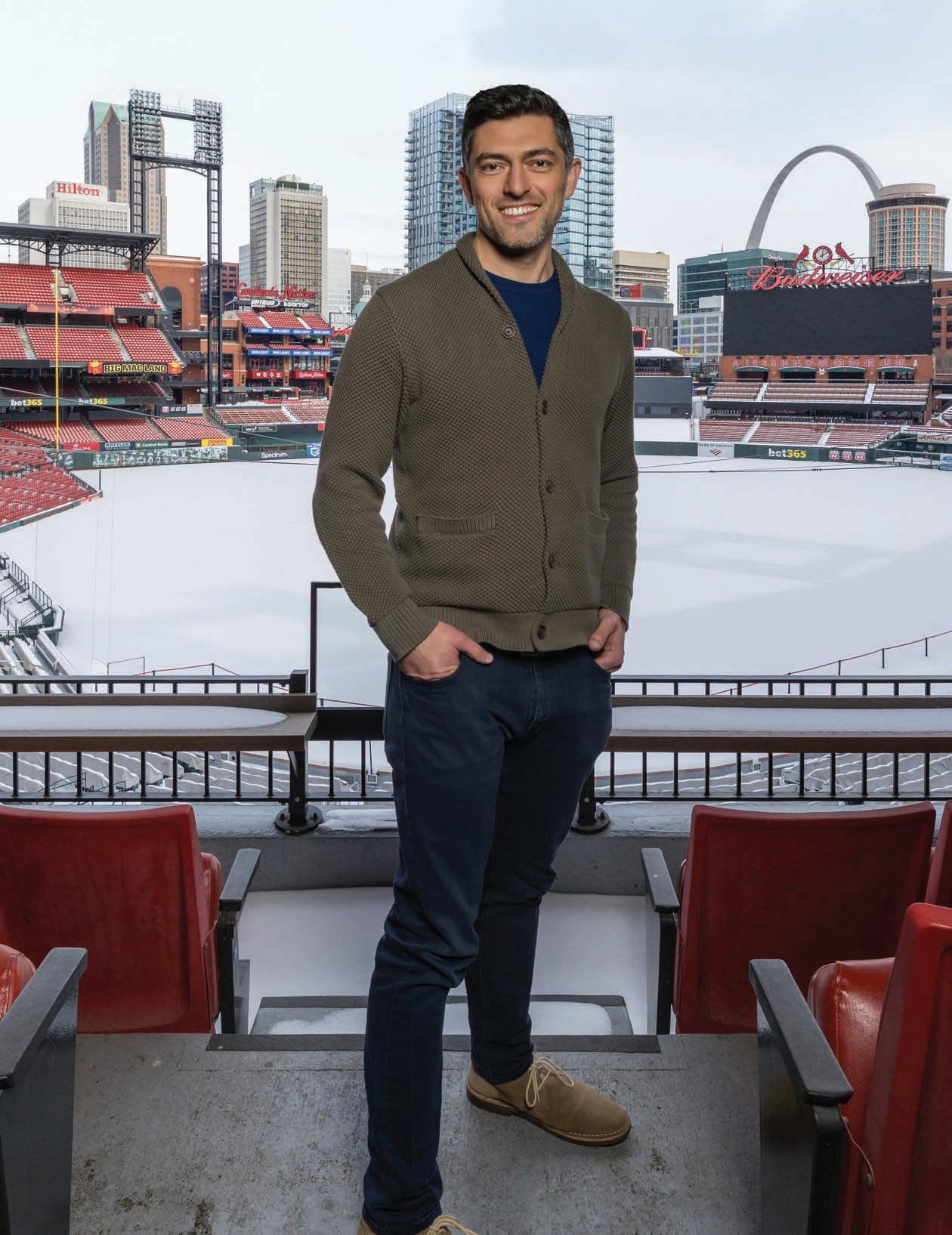
and success is not theoretical. The challenge, Bloom acknowledges, is learning to hold both truths at once.
“There’s a tension here,” he says, seated calmly, hands folded, the cadence of someone who measures words the same way he measures outcomes.
The tension, as Bloom sees it, isn’t between ambition and patience — it’s between urgency and strategy. The danger isn’t wanting to win quickly. It’s trying to win everywhere at once.
“If you try to take too many shortcuts,” he says, “that’s usually when you get off track. That’s when it actually takes longer than it should.”

Bloom is careful not to use rebuilding as an excuse. He doesn’t ask fans to lower standards. Instead, he asks them to understand sequencing. “We have to recognize the reality of where we are,” he says, “and then be smart and strategic about how we get where this organization should be.”
When Bloom arrived in St. Louis, he resisted the temptation to prescribe quickly. This was an organization with a century-long track record of success — and much of it recent.
“You do yourself a disservice if you don’t step back and say, what’s working?” he says.
“And what can I learn from what has gone on here for so long that as someone in this industry, I’ve admired from the outside,” admits Bloom. “So I was very mindful of that as well. To me a lot of what we’re trying to do right now is really more about getting back to our roots as an organization.”
What Bloom saw wasn’t a franchise in need of reinvention, but one in need of reconnection to its own legacy as an innovator.
“This organization has probably moved the industry forward more than any other,” he says. “The farm system was invented here. The Cardinals have repeatedly set the standard.”
Change, then, wasn’t about abandoning tradition. It’s about recommitting to it.
The Cardinals’ Way has always been more than branding. It’s an operating system built on pitching depth, defensive precision, internal development and continuity. Bloom didn’t arrive to dismantle that framework — but he also didn’t come to preserve it untouched.
Other parts, he admits, required evolution. Player acquisition had to become more flexible. Information flow had to improve. Development needed to reflect the modern player without losing the organizational voice that makes St. Louis distinct.
This balance — honoring tradition while modernizing execution — defines Bloom’s early tenure.
Bloom is known for analytics, but he bristles at the idea that data replaces judgment.
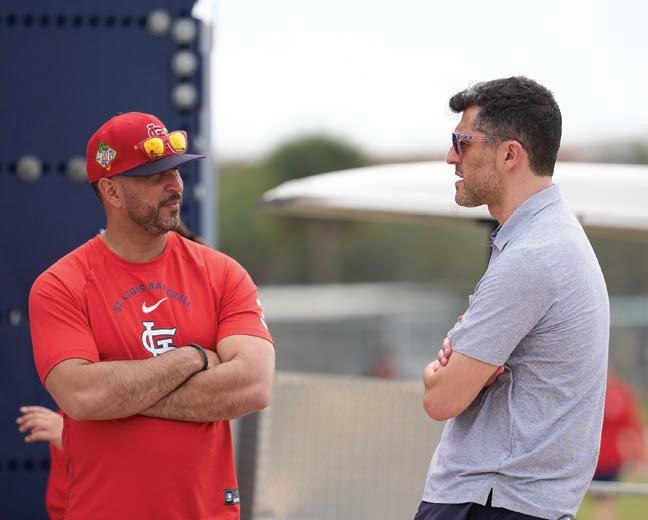

“If you’re prepared,” he says, borrowing a line he loves, “there are no gut decisions.”
Instinct, in Bloom’s view, isn’t the absence of information — it’s the synthesis of it. Judgment still matters. It always will.
That belief explains one of the most quietly important moves of Bloom’s time in St. Louis: bringing Yadier Molina back into the organization.
“Why now?” Bloom is asked.
“This guy’s one of the greatest catchers of all time and we’re fortunate that he spent his whole career wearing this uniform,” says Bloom with reverence. “And so for him now to be at a point where he is able to contribute to the organization differently, there are going to be many ways that we can leverage that in uniform and out of uniform.”
Molina’s return is not ceremonial. He works with young catchers, developing pitchers and emerging leaders — passing along a language of preparation and trust that once defined an era of Cardinals’ dominance.
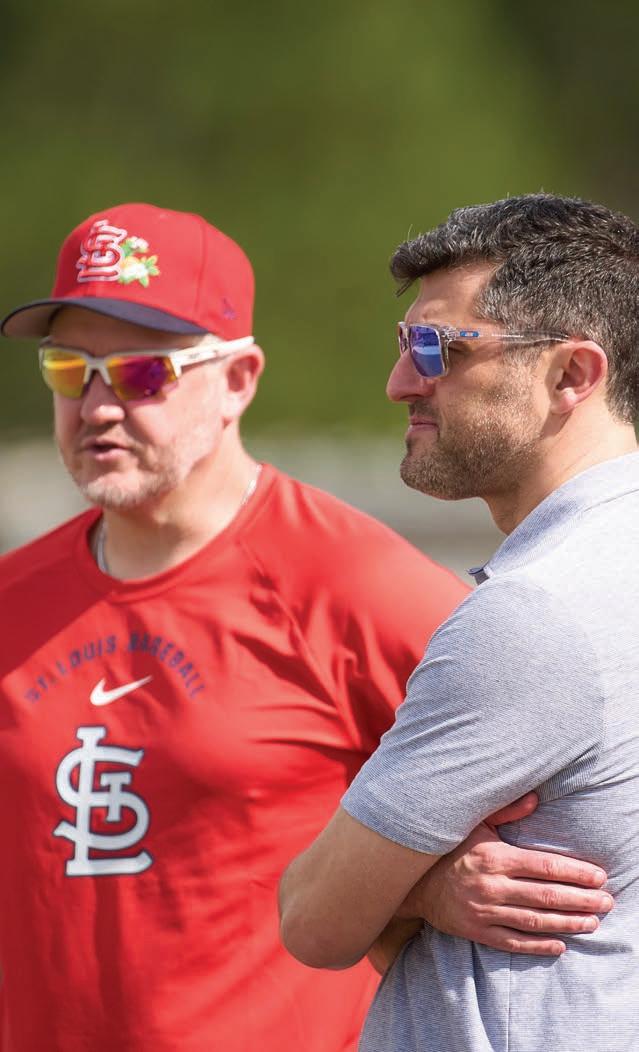
For Bloom, Molina is the bridge between eras: the living proof that instinct and intelligence are not opposites, but partners. His presence reinforces standards that don’t show up in spreadsheets: preparation, accountability, trust.
Bloom doesn’t ask players to think years ahead. That’s his job. “Our players should be focused on what’s on their plates today,” he says. “We need to attack every day like it’s Game Seven.”
Long-term success, Bloom insists, is built through daily urgency — not deferred ambition. Whether it’s scouting meetings in February or development plans in July, the mindset never changes.
“That’s the only way you accomplish big goals,” he says.
Modern players are conditioned to think in increments — this series, this month, this contract window. Bloom’s challenge is helping them see the horizon beyond it.
“You don’t ask players to stop caring about today,” he says. “But I want to show them how their daily efforts are what will shape our team’s tomorrow.”
That philosophy shapes everything from workload management to development timelines. Bloom’s Cardinals are built to peak in October, not May. The goal is not flash, but durability. And yet, he understands the emotional fabric of the city.
Bloom understands the passionate bond St. Louis has with homegrown players. In fact, he sees it as a competitive advantage.
“That’s how this organization has always won,” he says. “And it’s the model the rest of baseball copied.”
But history also brings hard truths. Not everyone stays forever. Tough decisions are part of sustaining success — something Branch Rickey understood long before modern analytics.
“Better a year early than a year late,” Bloom says, quoting the old axiom.
The goal isn’t sentimentality. It’s continuity. It’s also not something that overrides judgment. Bloom’s approach favors extensions where alignment exists — but avoids sentimentality that undermines sustainability.
Bloom credits much of his leadership style to his upbringing. Raised in a Jewish family that emphasized education, inquiry and responsibility, Bloom grew up in an environment where process mattered as much as outcome. Jewish tradition values stewardship and generational thinking — the belief that what you build should endure beyond you.
“How you treat people matters,” he says. “And having a connection to something bigger than yourself matters.”
Baseball, like faith, demands reverence. The sport existed long before him. It will endure long after. “We’re just passing through,” he says. “The game doesn’t owe us anything.”
That perspective keeps Bloom grounded — in success and struggle alike.
Bloom does not foreground his faith, but its imprint is evident. Decisions are weighed. Systems are stress tested. Shortterm discomfort is accepted in service of long-term viability.
“My Jewish roots emphasized learning, discipline and asking questions,” he says. “Not assuming you have the answers.”
That ethos shows up in his collaborative approach. Bloom listens carefully. He builds consensus. He values humility in an industry that rarely rewards it.
Bloom’s ability to articulate his future-oriented thinking with uncommon clarity raises an obvious question: How does a Yale graduate in Classics end up sounding like a seasoned architect of organizational strategy?
He laughs at the premise. “I definitely didn’t learn this in ‘The Odyssey,’” he says. But he does credit a liberal arts education with shaping how he thinks. “It teaches you how to learn. How to understand things. How to think.”
Bloom knew early that his path into baseball wouldn’t be linear so he chose to study something difficult — something he loved — and accepted that he’d have to fill in gaps later.
“It was going to take hustle and a little bit of luck,” he says. “At some point you need people to take a chance on you. And when they do, you have to be ready.”
That blend of preparation and humility runs through Bloom’s leadership style. He knows how rare breaks are. He doesn’t waste them.
As a husband and father, Bloom speaks privately about time horizons — how today’s choices echo years down the line. That sensibility resonates in St. Louis, a city that values continuity not as nostalgia but as identity.
It also explains his resistance to extremes.
“Across baseball, you see very different models,” he says. “We have to go about this a little differently. We may not be able to do it in a way that’s the same as certain other clubs. But we can’t ever let that enter our thought process or let that limit what we think we can accomplish. And we won’t.”
Bloom respects aspects of many approaches — but he chooses a middle path. The Cardinals won’t be reckless. They also won’t be passive.
Money matters, Bloom acknowledges. But it’s never an excuse.
“I spent 15 years with one of the lowest payrolls in the game,” he says. “And we won.”
Constraints shape strategy — but never ambition.
Asked who will surprise people in 2026, Bloom points to the pitching staff.
“There’s more ceiling there than the track records suggest,” he says. The rotation lacks long resumes — but not upside. Developing pitchers into long-term pillars is essential to restoring the Cardinals’ identity.
“That’s always been part of this organization,” Bloom says. “And we need to rebuild it.”
Bloom doesn’t sell certainty. He sells process. Bloom bristles at the idea of legacy — but not responsibility.
“The biggest way to have that impact, and the number one expectation that this community has of me and our baseball operations group, is to deliver a winner and to deliver championships, says Bloom with measured ambition. “I want the impact on the people that I got to work with to be such that they look back and say that they enjoyed working with me and that I helped them get better. And that doesn’t always mean pats on the back and smiles. Sometimes it can mean tough feedback or candor that’s delivered with care.”
“Those all matter. But, you know, at the end of the day, I think there’s two things you want to feel like you did,” says Bloom. “You want to feel like you won and you helped contribute to winning, and then also that you made the people around you better and you made a positive impact on those people.”
The Cardinals’ future under Chaim Bloom won’t be flashy for its own sake. It will be deliberate. Thoughtful. Built from the inside out. And in a city that understands architecture as well as it understands baseball, that approach feels exactly right. sl
To view this interview, watch SophisticatedTV here.

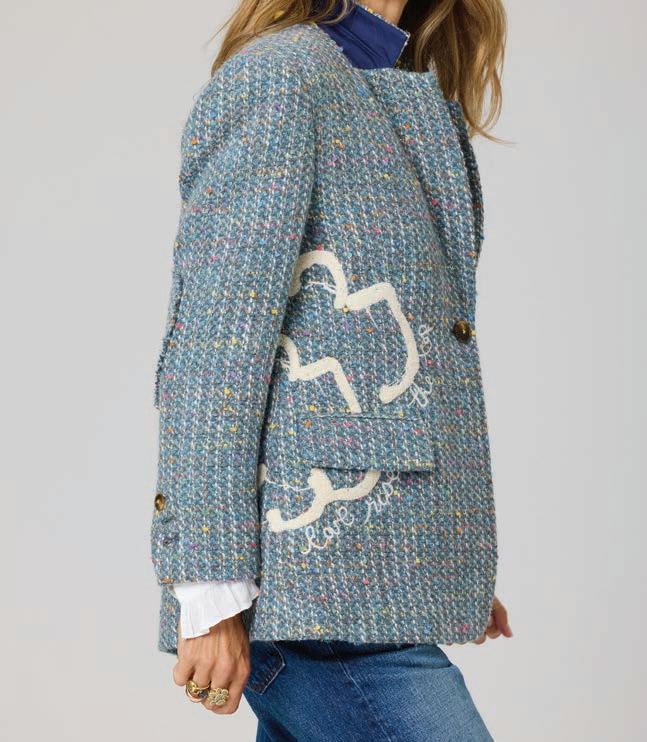
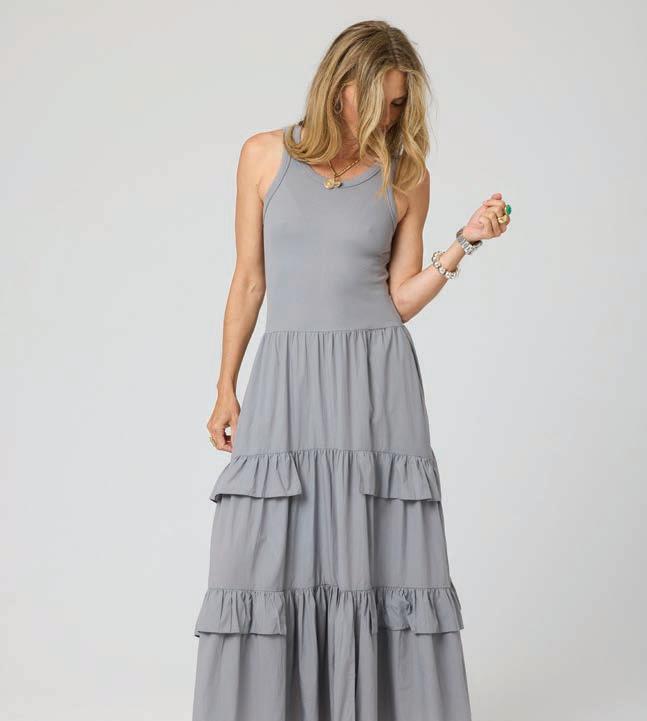

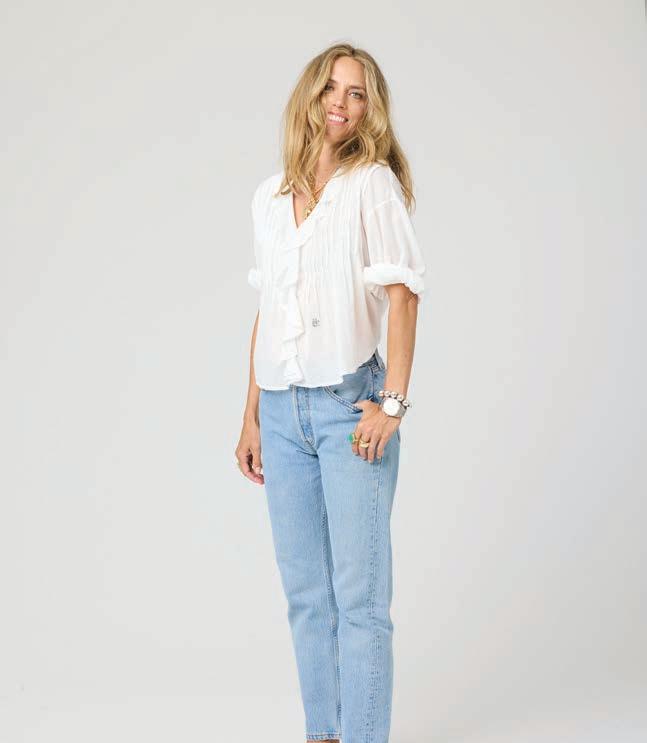
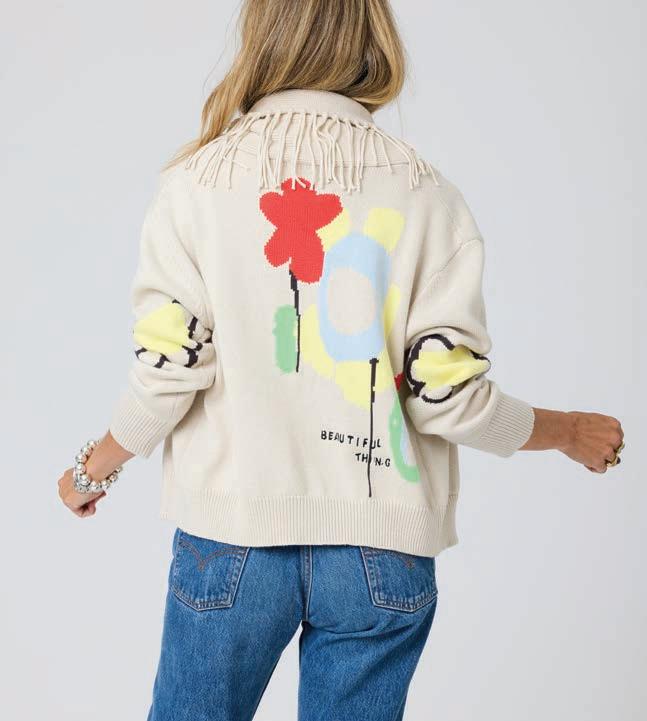
LET EVERY LAYER BE A LOVE LETTER TO YOURSELF!


Not a “Pop and Pop Shop,” Mainlander has moved and it’s better than ever.
By Alexa Beattie / Photos by Carmen Troesser
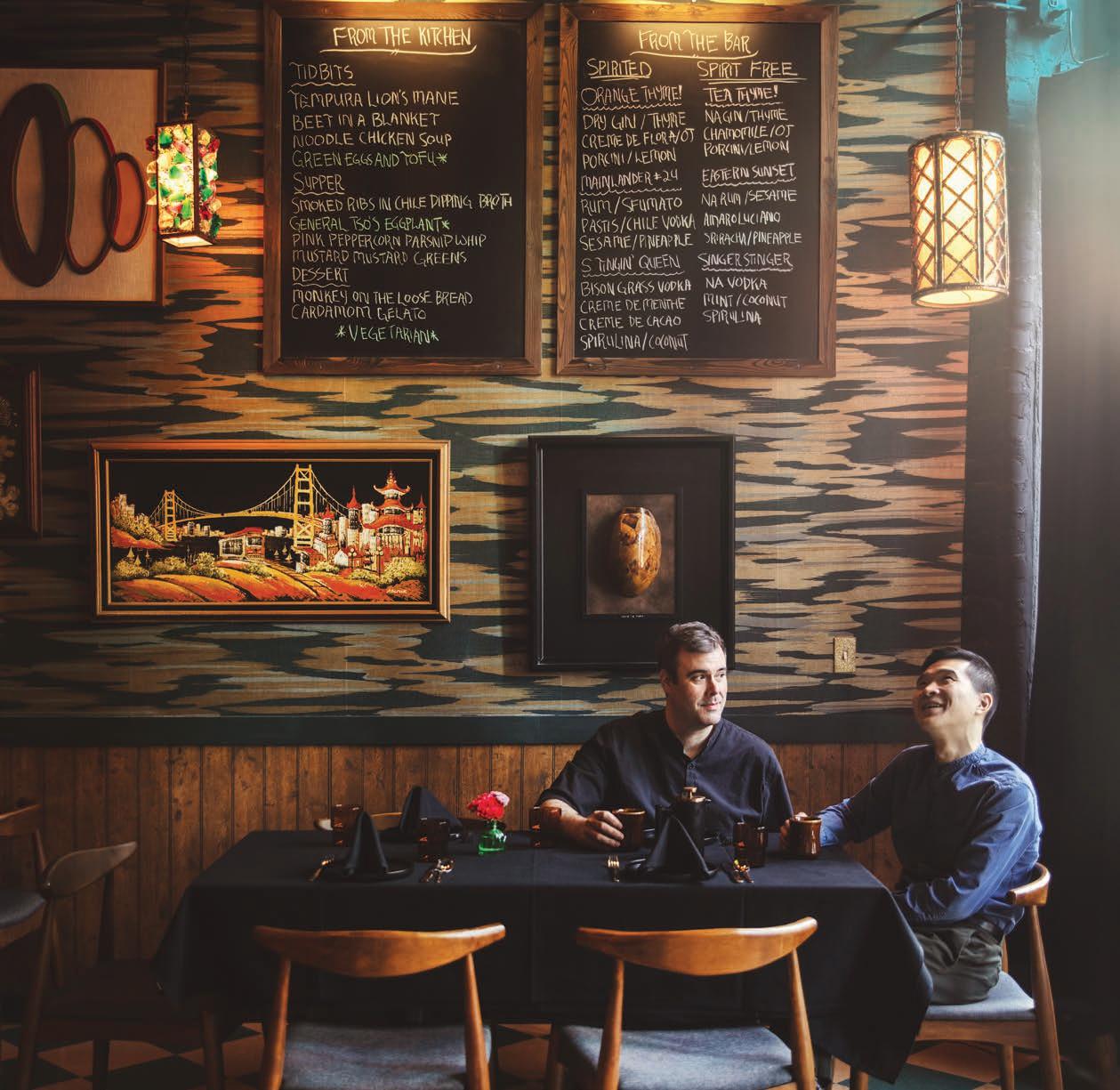
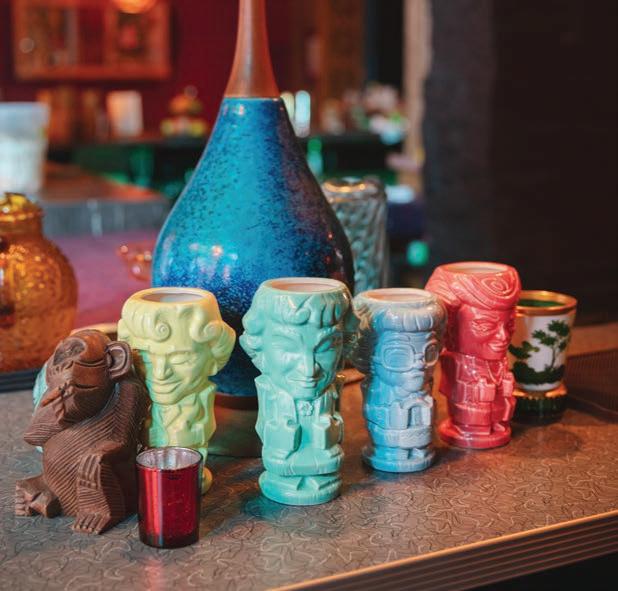
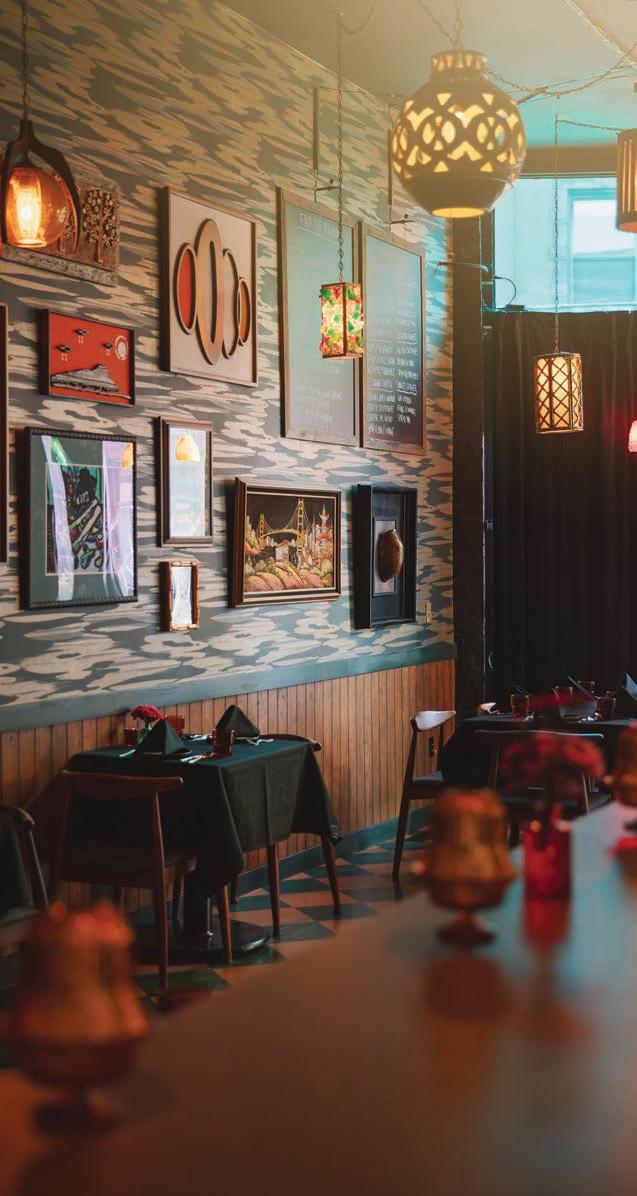
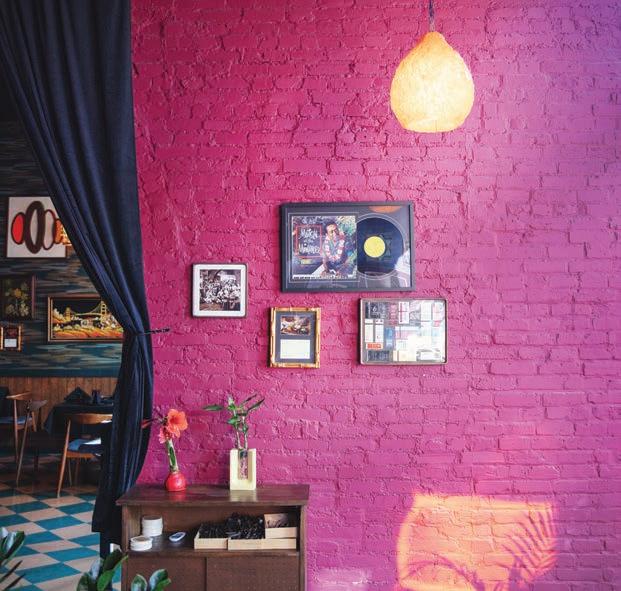
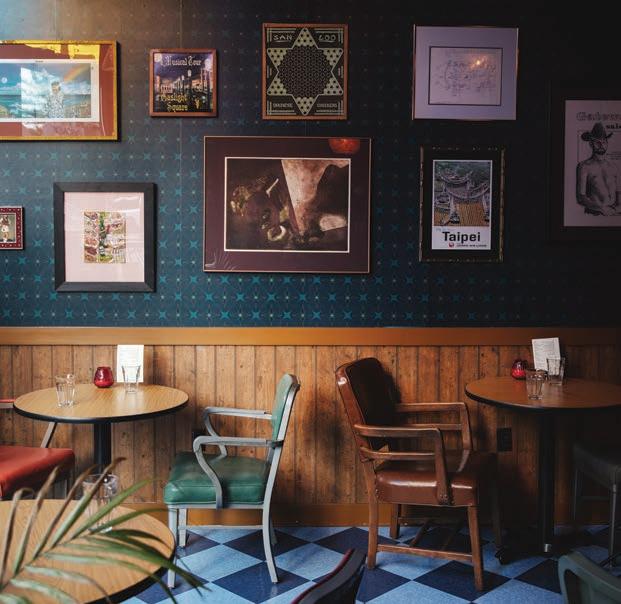
You loved it the first time. When Mainlander occupied its spot at 392 Euclid you already couldn’t get enough of that gorgeous time capsule, that unexpected trip you took when — hunching outside in January slush — you thought you were just going for supper. You had no idea, in other words, that you were in for so much more than supper and that behind those tinted windows, you wouldn’t know what to delight in more — the food (well, yes), the sunburst clock, the shag rug, the set of “Golden Girls” tiki mugs or the ugliest macramé lamp you had ever seen.
There is good news and good news: Mainlander has moved a few blocks north and now occupies the far bigger space left by Salt
& Smoke after it was gutted by fire in 2022. It has lost none of its charm. It is only more-so — more than double its original size, even more sexy and already so in its skin that after one or two deliriously heady sounding drinks you wonder if that is actually Alice in the kitchen, pulling a jelly mold from an avocado-colored fridge.
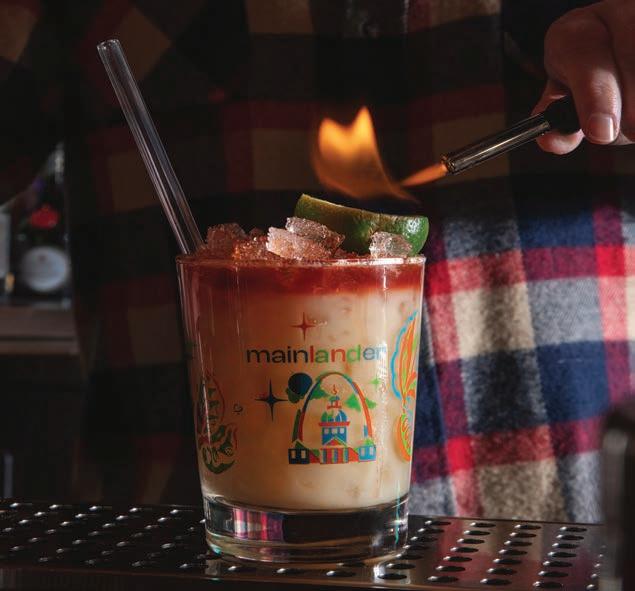
Yes, the vibe here is part Brady Bunch family room and part “Mad Men” slink. It’s dark, but what low light there is catches on a row of jewel-like candy dishes, winks off kitschy cocktails (with names like Breakfast Cigarette and 23 and Me) and beams down between the muscular macramé ropes of the aforenoted lamp. But you love it all. To say it’s moody is to say an Old Fashioned is wet.
“‘Someone else’s house’ was the goal,” says Gordon Chen who co-owns Mainlander with chef and business/life partner Blake Askew. “The last thing we want is the generic feel of a big company restaurant. We’re a ‘pop and pop shop.’” But “someone else’s house” can sometimes feel frowsty. This is a million miles from that. Chen and Askew had a dream, and still — apparently — are having it. Chen, who is a chiropractor by day, grins from ear to ear when he tells you how the pair set off on a coast-to-coast road trip during the pandemic to find the perfect spot to open their first restaurant. They started in San Francisco — that supremely prismatic food town — where Askew had been cutting his chops in kitchens like Dominique Crenn’s Petit Crenn and Casey
Thompson’s Aveline. He also spent formative years at Wolfgang Puck’s in Washington, D.C.
“We weren’t interested in a big city like Chicago. We loved St. Louis at once,” Gordon says. “People are friendly here, they are kind. For a city of its size, the dining here is incredible.” On the heels of San Francisco, they were definitely ready for something a little less intense. “St. Louis is relaxed, more supportive. There’s more chance of success. We could tell at once it was right.”
Success has come quickly. Mainlander was a James Beard Foundation semifinalist for Best New Restaurant in 2024 and now, with twice the footprint that has allowed for a walk-in cocktail bar (called the Jujube Inn), they are set to expand their
reach. “[For the Jujube] we’re doing drinks and light-hearted little bites for people who don’t want to commit to the full restaurant meal,” Chen says.
So, what is a supper club, anyway, and is it as exclusive as it sounds? Not anymore, according to Chen, who referred to a regretful, earlier era of socioeconomic or racial stipulations for meeting places such as this. But what “supper club” means at Mainlander is that everyone arrives at the same time for one of the night’s two seatings, there’s a flat, pre-paid fee (of $93) for a multiplate three-course dinner and three cocktails for an additional $43. “It’s like buying a ticket to dinner. When you’re done, you just get up and leave,” Askew explains.
More interesting, there’s also a no-tip policy. “We choose not to participate in the tipping culture,” Askew says. “We treat this like a retail business: We bring in wholesale foods, have labor in house to fix it up and then we send it out the door. We don’t complicate things by cutting the customer into the labor equation. All our employees receive an above-market wage and don’t have to rely on tips.”
This, adds Chen, contributes considerably to a healthy work environment. “We want this to be a happy place … to get to know our employees and keep them. Everyone does their best work because their lives aren’t unstable. It’s much more civilized.” Mainlander currently has a total of 11 employees. “And there is very little turnover,” Chen says.
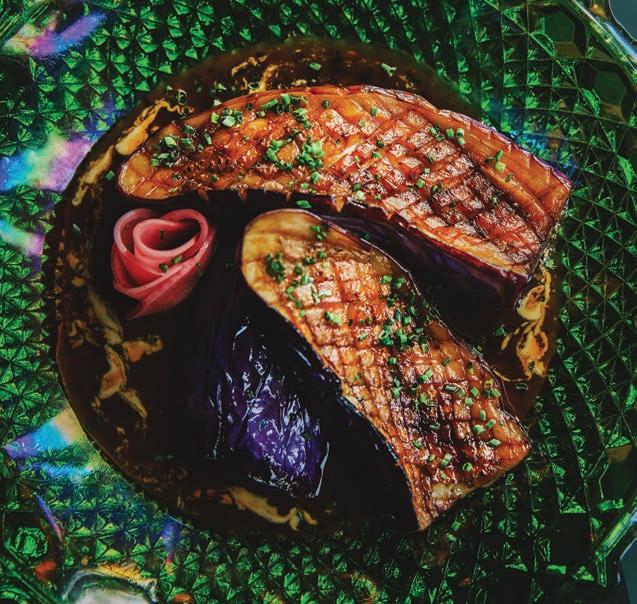
You were a little surprised when Chen told you he doubles as a chiropractor. No, it’s not what you were expecting to hear, but nor were you expecting to see a menu on the chalkboard on which words like kartoffelpuffer, okonomiyaki bao and mac and cheese merrily coexist. The menu, Askew explains, is full of surprises, changing all the time. “The seasons dictate.” And so does their place on the map.
“We have a lot of pride in where we live and what we have to offer,” Chen says, going on to mention the tofu made from Illinois soybeans, the jasmine rice that comes from Bernie, Missouri, and mushrooms from the Ozarks. In winter, Askew may focus on inland freshwater fish, “playing with” rainbow and brook trout, and the caviar of Mississippi River sturgeon. In spring, peas and ramps and garlic may take the stage. And in summer, ripened very specifically by the hot mainland sun, tomatoes come to bear. “I’ve had the best tomatoes of my life, right here in Missouri,” Chen
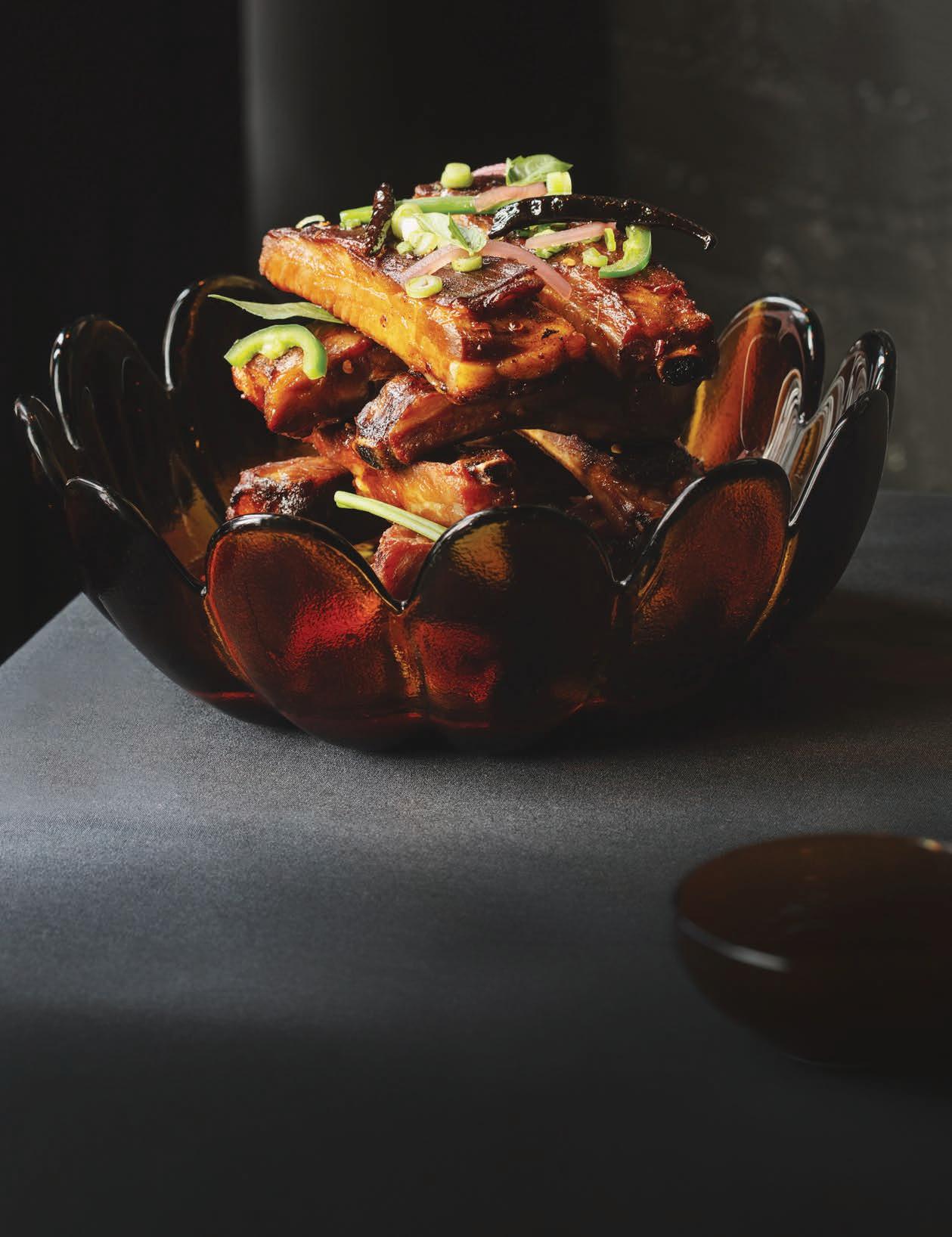
said. Even cocktails commit to one local ingredient: a passion fruit Hurricane subs in indigenous maypops; the house rum hails from three or so miles away — the StilL 630 Distillery downtown.
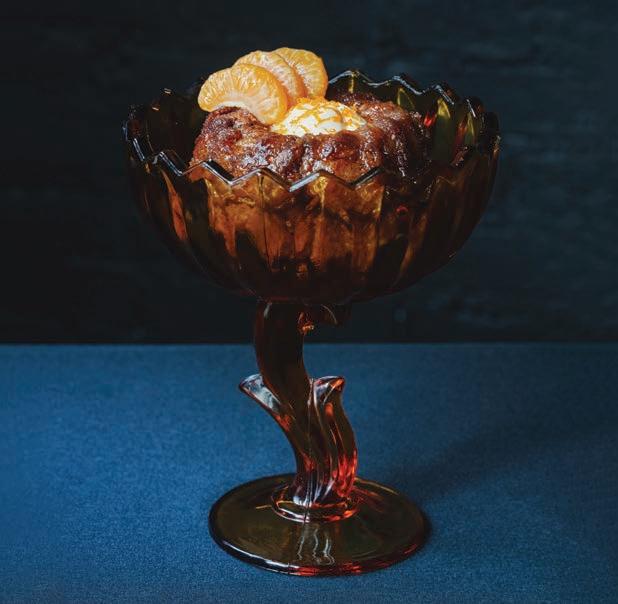
The glorious multifariousness of the food comes honestly to this menu: Chen (although born in Boston) did much of his growing up in Taiwan and Askew has German roots and deep knowledge of French culinary techniques. “It’s a melting pot situation. Everyone has a voice, if you like,” says Chen, still smiling. So… on one night’s line-up: sweet potato dumplings, Mai Tai squash flambé, “strange flavor bean curd” and a persimmon pâté de fruits. Or, on the Jujube menu: Fusion Slaw of “shredded local roughage” with fried wontons and a Missouri pecan pie with Kung Pow spice and miso butterscotch.
On this, Mainlander’s watch, it all just comes together. And it’s all just like being at “somebody else’s house.” sl

by Tony Montano

After decades in traditional Fair Oaks houses, Marlene and Jake Wilson moved to a four-year-old house in Huntleigh – then proceeded to make it entirely their own
By Christy Marshall / Photos by Alise O’Brien
Marlene Wilson saves ideas like some people save stamps. She spots a striking wallpaper pattern, an unusual light fixture, an unexpected piece of art and tucks the image away for safekeeping.
“There are so many things I use that I may have saved a picture from years ago,” she says. “I thought, ‘Someday I’m using that wallpaper. Someday I’m using this or that.’ I just hang on to things I love. Eventually you do find a place for it.”
For Wilson, a couple of those “eventuallys” arrived when she and husband Jake purchased a 12,000-sq.-ft. Huntleigh home in October 2024. Getting to that moment — and the transformation that followed — wasn’t exactly what she’d envisioned.
After Jake battled cancer and emerged on the other side cancer free, the couple entered a new chapter. Their youngest son was finishing high school and they were trying to convince Jake’s
father to move in with them. The must haves included a main-floor primary suite and a main-floor guest room. Fresh start, fresh house.
“It was tough,” Marlene admits. “Here I was getting ready to send my son to college and I was going to have to leave my home. But my husband fell in love with this house and with the setting in particular. I picked all of our other houses so it was his turn.”
The five-bedroom house is undeniably impressive. Designed by Schaub Projects and built just four years earlier, it boasted all the bells and whistles of modern construction. But for Marlene, who gravitates toward an eclectic style and the character of older homes, the pristine spaces fell short.
“This was a new house and there wasn’t anything wrong with it,” she says, “But making it my style was a challenge. How am I going to make this new house more like me?”
She turned to two trusted collaborators: designer April Jensen and architect Paul Fendler, both of whom had worked with the Wilsons on renovating their previous Fair Oaks homes. Marlene made Jake a deal.
“I said I would do it if I can change it to be my style and if you don’t mind living through construction,” she recalls with a laugh. “Holy moly, we lived through a lot of construction.”
Jake Wilson thought the renovation would be contained to the basement. Top of his wish list: a golf simulator where he and their son could practice together. Simple, right?
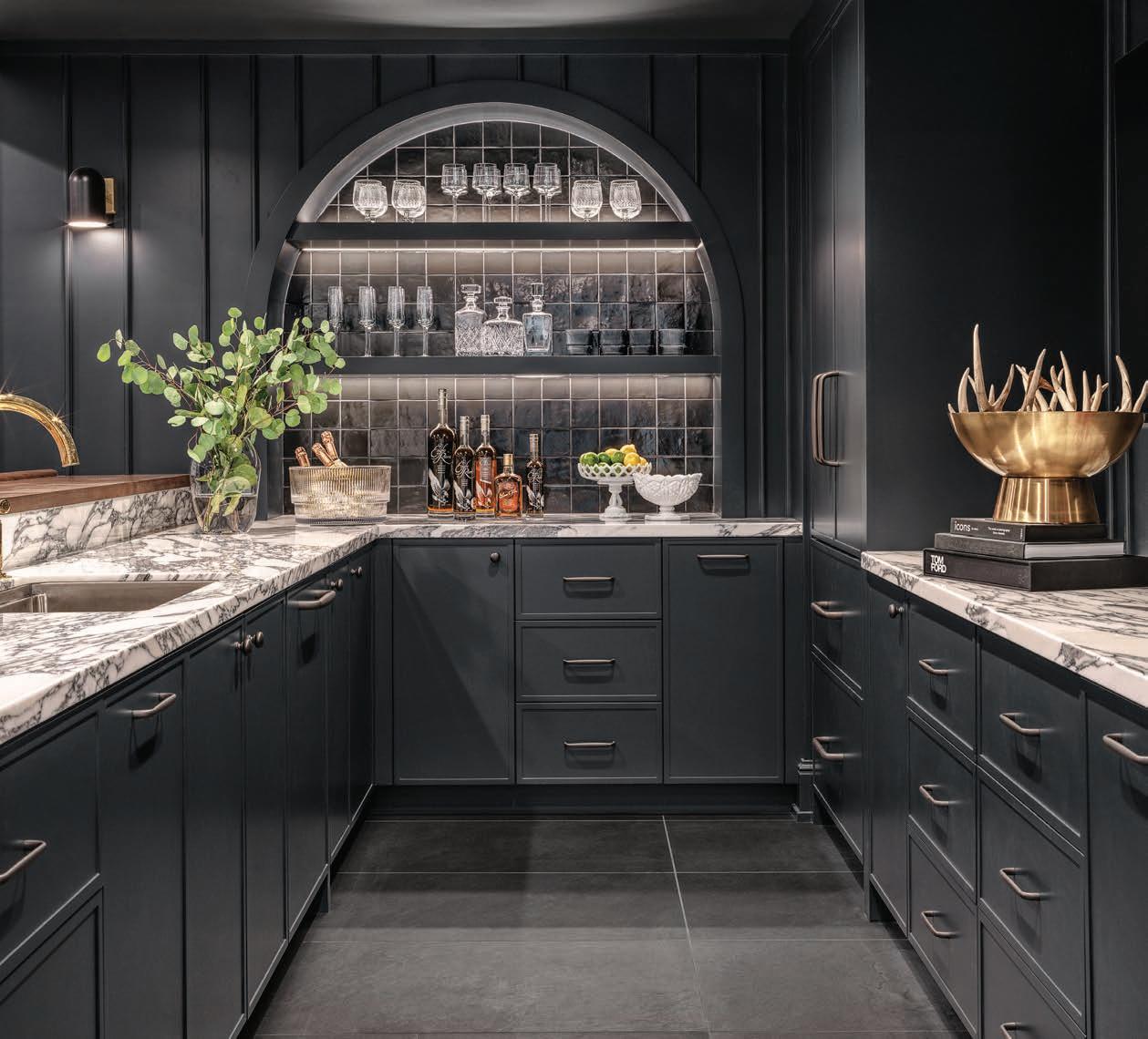
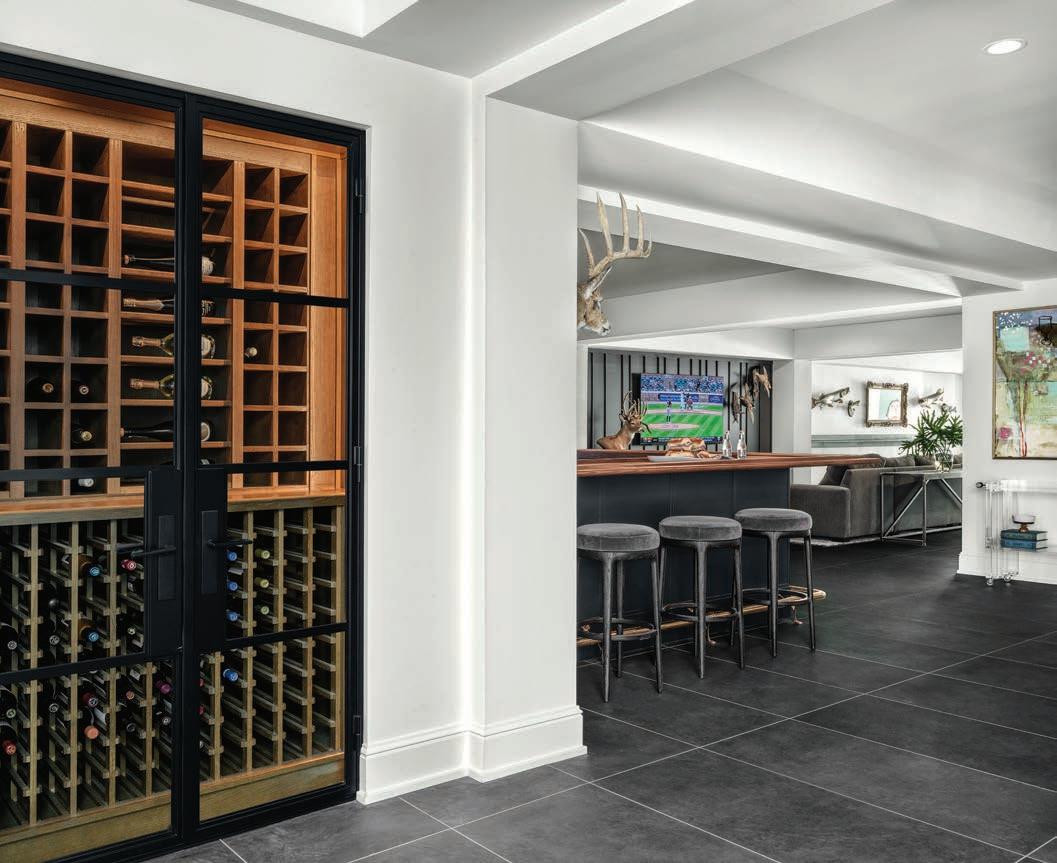
Not quite. The basement had to be excavated three feet deeper to accommodate the simulator, requiring new footings and new beams. While the construction team from Duggan Contracting was at it, the Wilsons decided to add a sauna, steam room, wine cellar, large bar, billiards table and two game tables.
“I was like, ‘If my husband gets the golf thing then I get the game tables,’” Marlene says. Those tables — one for mah jongg, one for canasta — are the site of games with her friends.
Wilson faced a particular challenge with the basement’s massive open layout. “When you have something that is so open and you’re
used to living in an older home, you stand in one spot and you can see six light fixtures from all different rooms at once,” Marlene explains. “I felt like it was too much.”
Fendler and Jensen’s solution was architectural. “We dropped headers, added pilasters, trying to create a little bit of definition in space so that it wasn’t just one big landing strip,” Jensen says. “And we wanted it to seem cozy, to give it kind of a little bit of a speakeasy feel.”
Duggan proved instrumental throughout the process, working at a pace that surprised even the homeowners. A month after purchasing the house, the Wilsons moved in. The basement was complete by March 2024 and by May, the construction team had completed the primary bedroom suite and had started on the main living room, kitchen, laundry, wet bar, office and the bathrooms on the second floor. Pool Tron built the pool in less than three months.
“Duggan was great to work with,” Marlene says. “They let me design as I went. April made that possible. She would turn out drawings fast and if we needed any architectural drawings for permits, Paul Fendler did that. All of that allowed us to keep the ball rolling.”
Duggan’s in-house cabinet company, Fixture Concepts, created the cabinetry.
As the basement transformation unfolded, Jake Wilson noticed the added transitions, the defined spaces, the thoughtful details that made a dramatic difference.
“When my husband started to see the difference little changes made, by adding transitions to a really open plan, then it was okay, ‘We will do the whole house,’” Marlene says.
“There isn’t a room in this house we didn’t redo,” Jensen confirms. The transformation started at the front door, where a stone wall with a double-sided fireplace once dominated the entry. Wilson wanted a proper foyer, a space that felt more intentional.
“We added archways,” Jensen says. “We added pilasters to kind of bring it in and create a little bit of delineation and spacing. The entry feels like an entry now. Before, it just kind of felt open.”
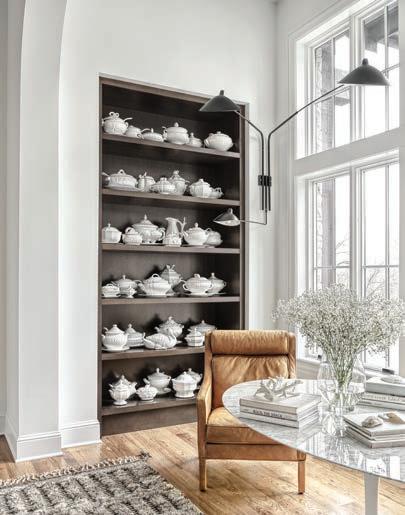
Off the foyer, a nook was built to house Wilson’s collection of vintage soup tureens — one of many personal touches that transformed the house from showplace to home.
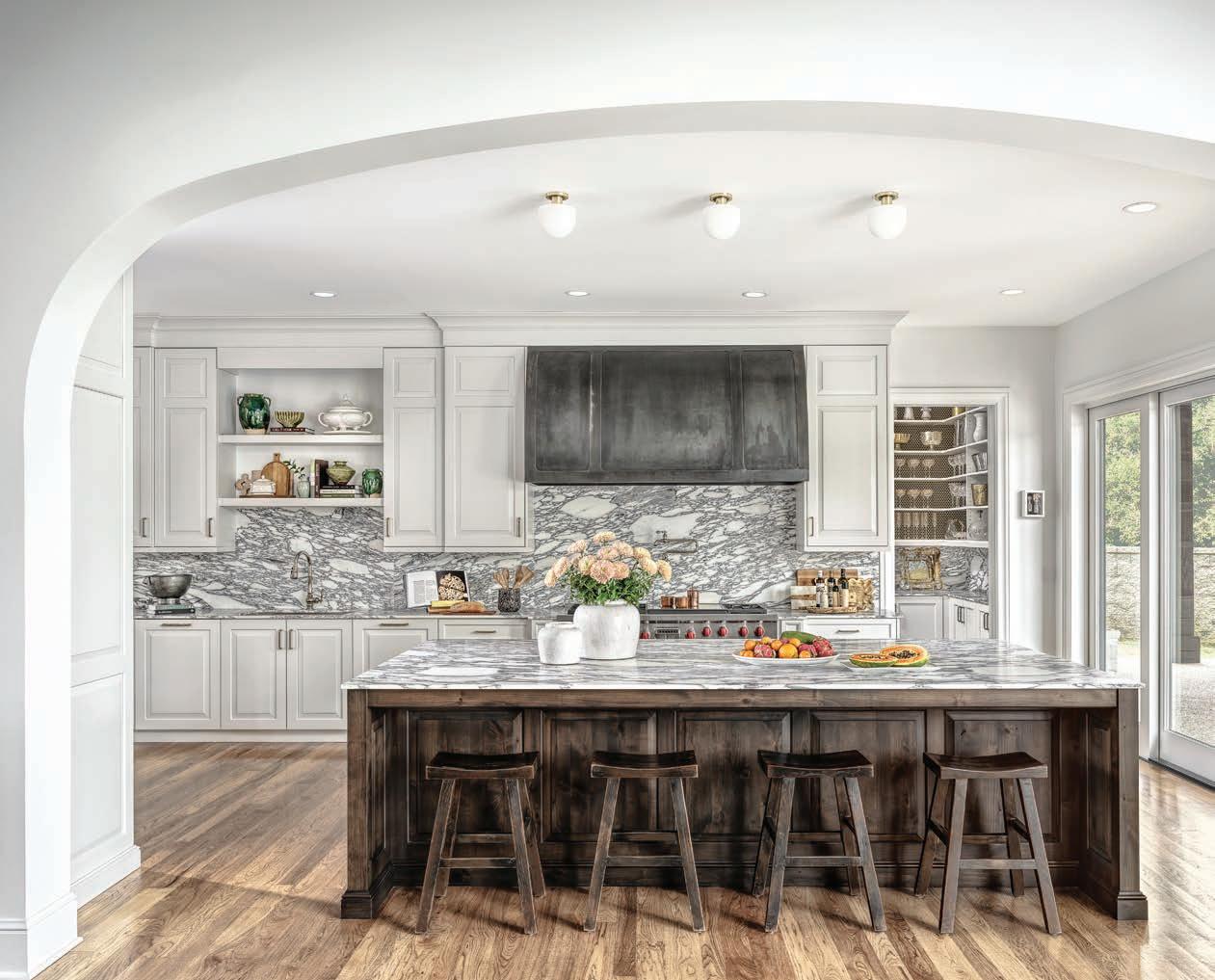
In the kitchen, the original cabinetry stayed (so the Wilsons could live in the house during construction), but nearly everything
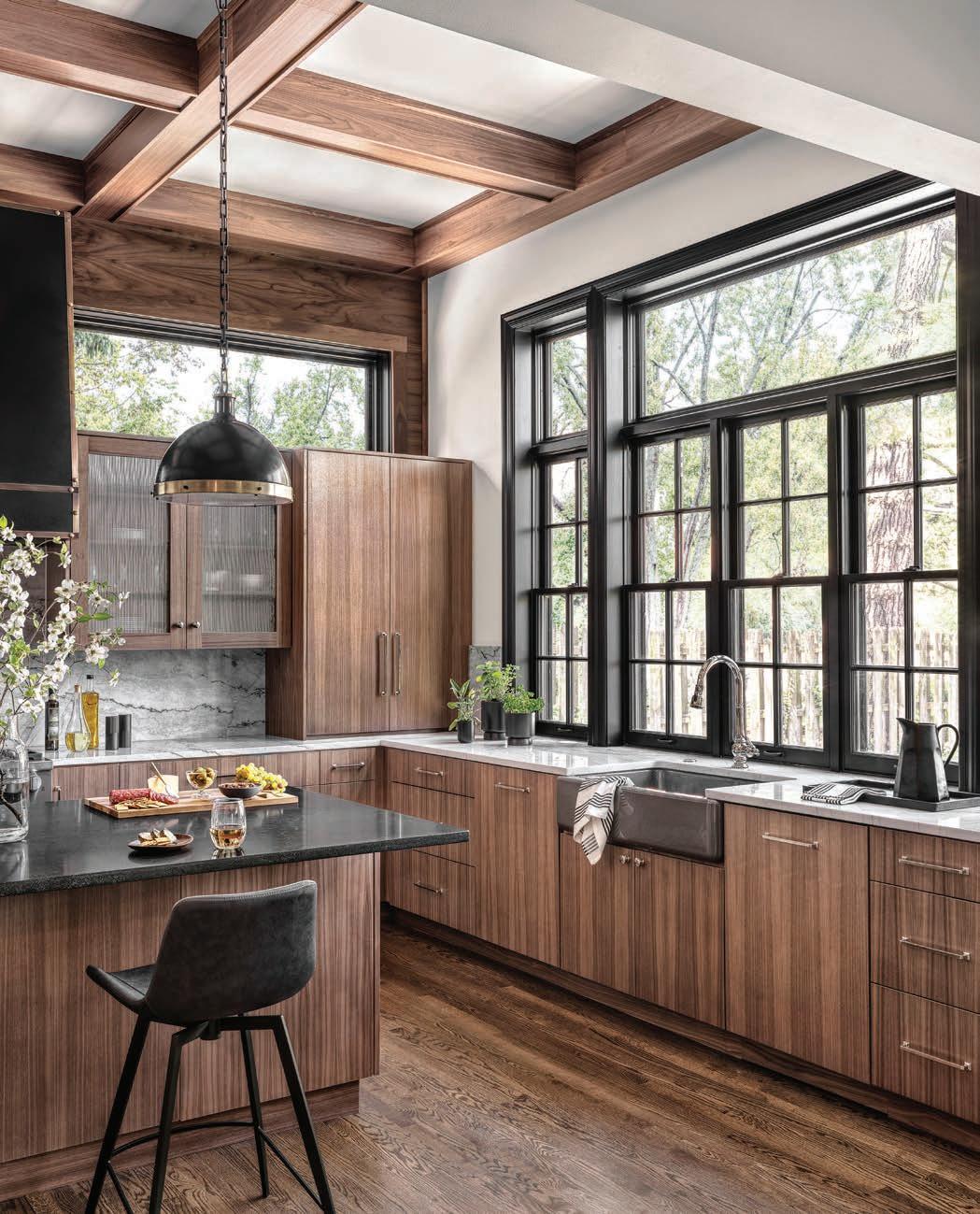
else changed. Wilson’s brother-in-law, John Beck — a steel artisan who used to co-own the downtown store Blend with Marlene — created a new range hood along with several light fixtures throughout the house and the drink rail in the billiards area. The backsplash, countertops, light fixtures and large farmhouse sink were all replaced.
“We put in a curved arch between the kitchen and dining room so we could define the two spaces,” Marlene says. “In the kitchen, we squared everything off to get a little cleaner.”
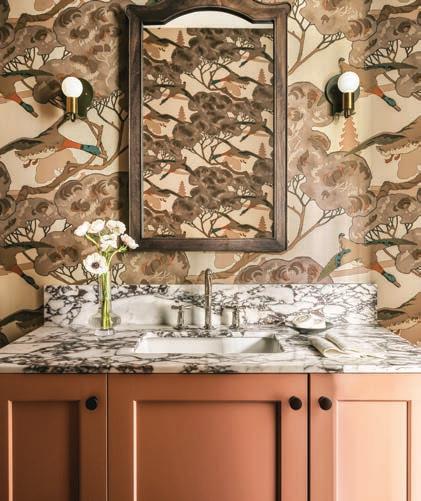
The former wine area was divided in half: one side became a wet bar for the main floor and the other a laundry room complete with whimsical wallpaper Wilson had been saving for years. “I was on some site and I thought, ‘I love this wallpaper, someday I am using it somewhere,’” she says. “It always works out and you find a place.”
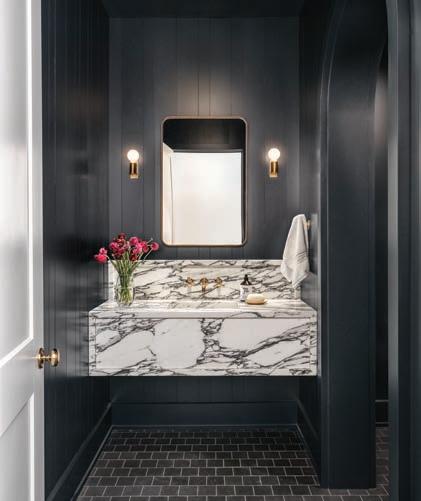
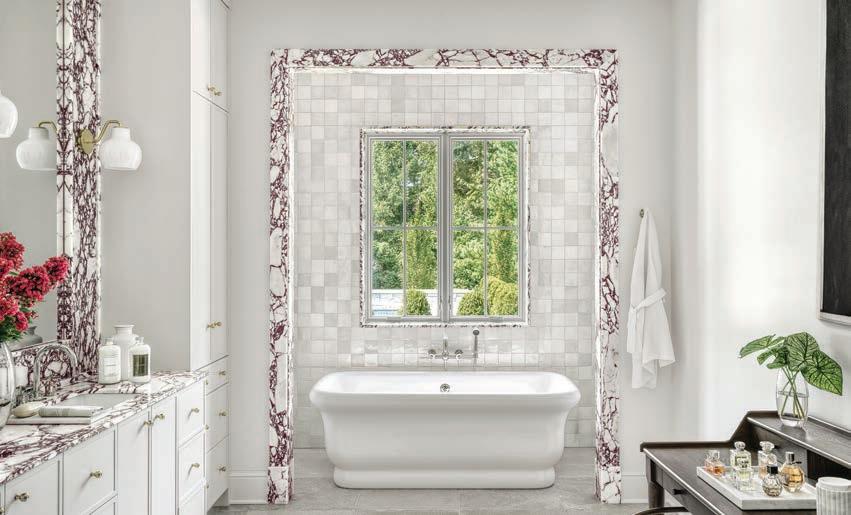
In the primary suite, a rock wall at the entry gave way to an entire wall of cabinetry by Fixture Concepts. The two-story bathroom was reconfigured, with two former closets and a laundry area consolidated into one large closet with a stackable washer and dryer, allowing the bathroom itself to expand.
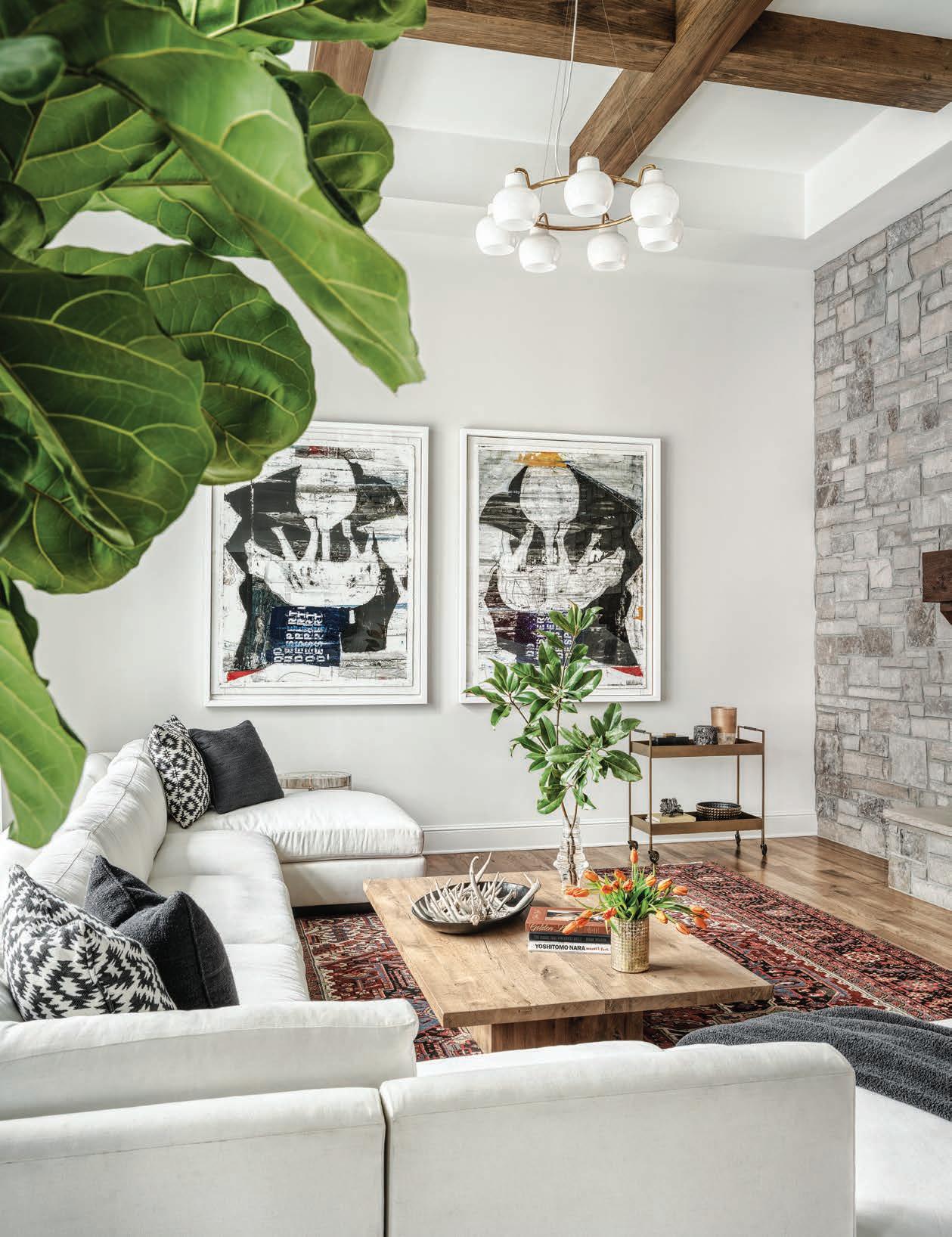
Throughout the renovation, Wilson focused on creating spaces for her art collection — an eclectic mix that ranges from $20 antique mall finds to works by local multimedia artist Peter Manion, among others.
“I love things that might be quirky but they make you smile,” she says. “You might not know why you like it but you do.”
An annual visitor to Art Basel, Wilson has developed an eye for emerging artists. Her collection includes significant pieces she’s invested thousands of dollars in, but her favorites often come with more humble price tags. “My favorite is the “Praying Man” in the gaming area. I got that for $20 at an antique mall and just reframed it,” she says. “I have lots of art that was like $20 which I just reframe.”
The changes extended outside as well, where the orange cypress wood exterior was painted a sophisticated dark color. Combined with the crisp white interior paint throughout, the difference was dramatic.
“I went through my whole emotional roller coaster with April until I could make it look like me,” Marlene says.
Jensen, who has been working with the Wilsons for years, understands her client’s aesthetic intimately. “She’s such a classic
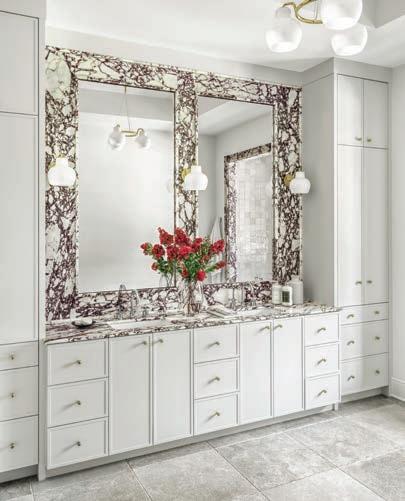
person,” Jensen says. “She takes chances with color and texture and accessories.”
The result is a home that successfully bridges Marlene’s love of old-world character with the modern conveniences and golf simulator Jake wanted. The couple hosts Thanksgiving for both sides of the family in their updated spaces. The lower level accommodates game nights and golf practice with equal ease. Every carefully chosen detail reflects Wilson’s patient collection of ideas over the years.
“My biggest goal was to make it feel modern, edgier, crisp and to make it feel more like me,” Marlene says.
From the first excavation in the basement to the final art installation, the Wilsons lived through plastic walls, construction dust and a seemingly endless parade of decisions. For Marlene, who finally found the perfect homes for wallpapers and light fixtures she’d been saving since college, it was worth it.
Sometimes the best things are worth the wait — and worth making a home entirely your own. sl


























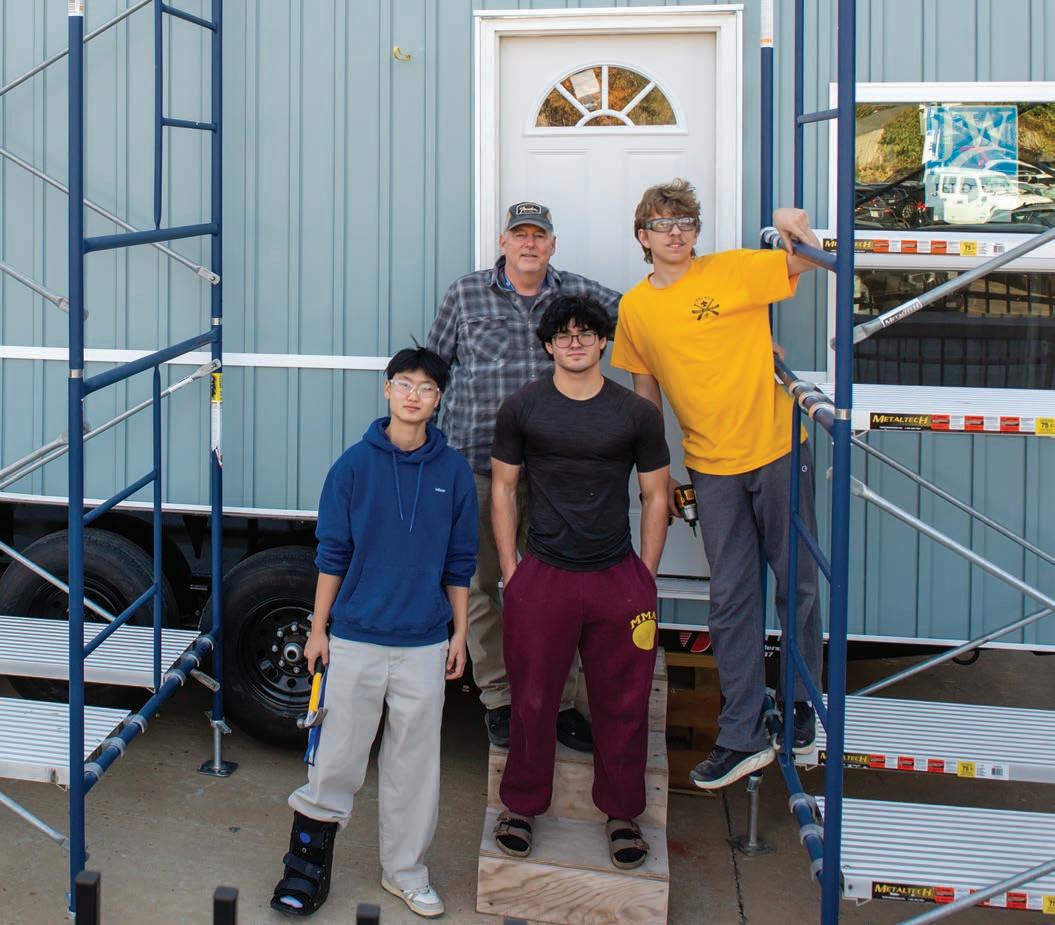
By Alexa Beattie / Photos by Kate Munsch
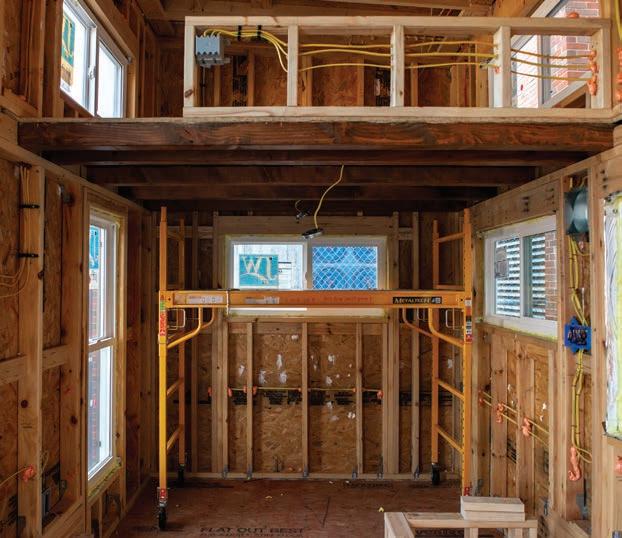
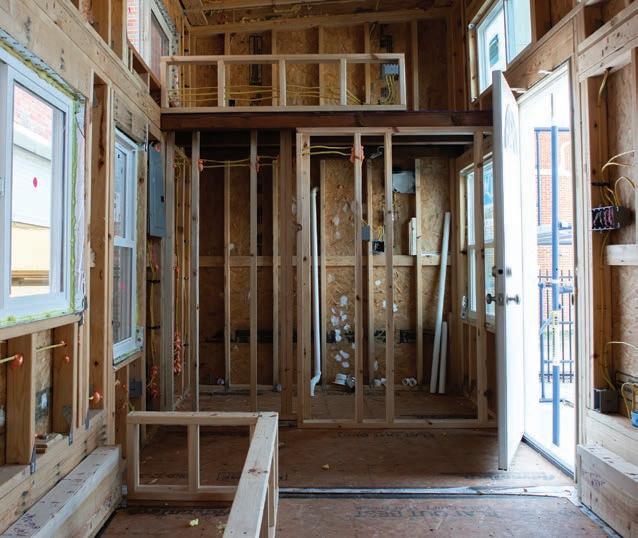
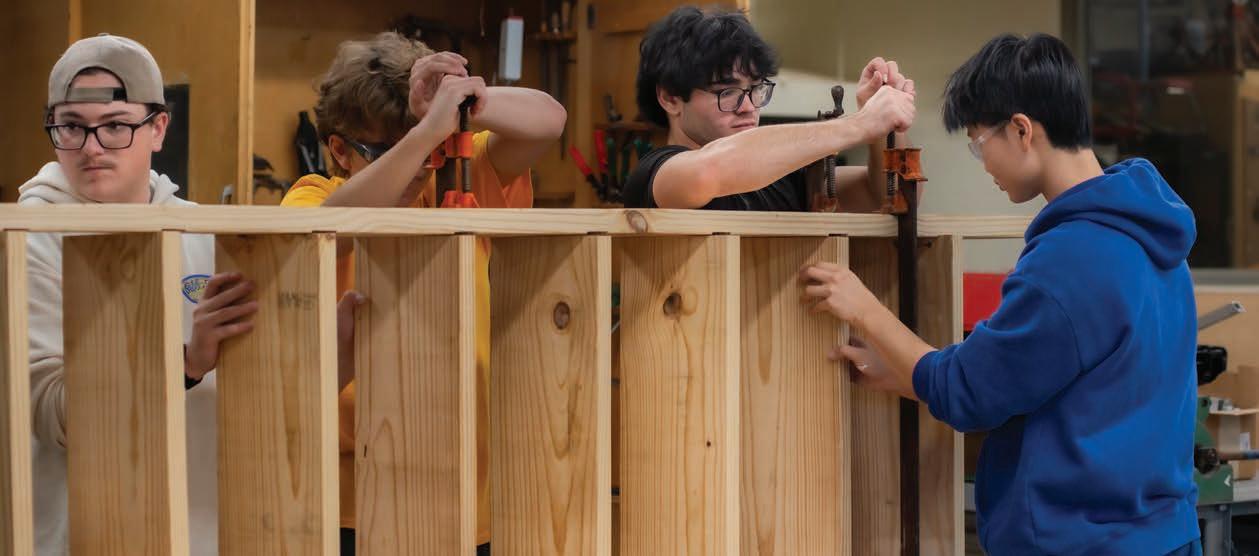
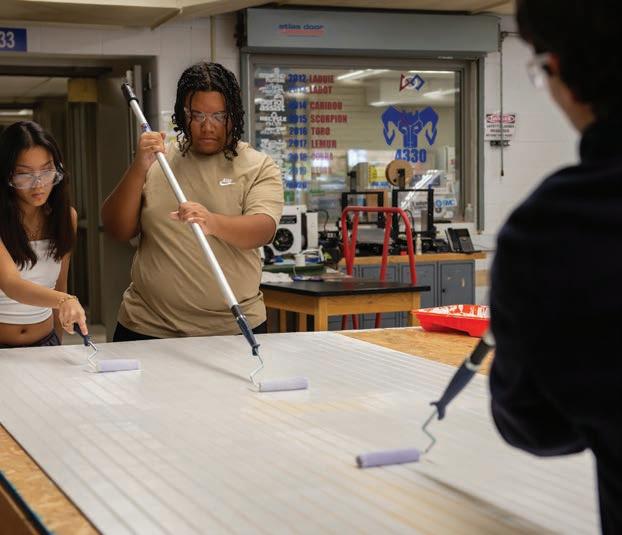
Mid-morning on a chilly Thursday, 15 or so students from Ladue Horton Watkins High School are hard at work. Somewhere, this would be a class known as “shop.” But here, under the tutelage of Bill Edwards — a civil engineer-turned-teacher — it is known as Industrial Technology Construction Innovations.
Sean Dixon, 15, is in a face shield; Marcus Goebel, 17, is in heavy-duty gloves. Sixteen-year-old Brody Stiens might be wearing fleecy pajama pants, but with a hard hat, eyewear and closed-toe shoes he is well within Edwards’ strict safety specifications.
“This is the tiny home factory.” Edwards waves a hand around the open, garage-style space which used to house the school’s old swimming pool. “I’ve a recipe for these things.” He means this is not his first rodeo; that after building others at Eureka High School in the Rockwood School District where he taught for five years, he can almost do it in his sleep.
Edwards and his students have been constructing this tiny home since last year. It is a two-year project to which Ladue Education Foundation has contributed $60,000. “We are the 501(c)(3) that
supports Ladue schools,” said Julie Maise Ferrie, who has served as executive director of the Foundation for the past seven years. “It is the Foundation’s sole mission to raise funds and award grants for extraordinary opportunities for students in the Ladue school system.”
One year, that meant a $50,000 Anatomage fully interactive, 3D, virtual dissection table for the high school’s science classes (including AP Anatomy); another, the grant money to establish a classroom veterinary clinic on campus where — alongside science teacher Dr. Allen Weltig — students learn to give hands-on wellness checks to faculty pets. Now, it has meant the financial wherewithal for a 20-ft. by 8-ft., 13,000-pound, two-loft dwelling complete with plumbing, electricity and HVAC.
Edwards and his class are on course for completion of the tiny home by the end of May 2026, Edwards said. At that point, Ladue Education Foundation will sell the structure and use the proceeds to continue the Construction Innovations program and fund other future grants for exemplary opportunities for students, Ferrie said.



While electrics and HVAC may be a piece of cake to Edwards; the more challenging aspect of his job, he seems to say, is the herding of teenagers – coaxing their critical thinking skills and their more collaborative natures. And indeed, watching him attend at once to the myriad tasks going on simultaneously, a symphony conductor comes to mind.
“Don’t step on the nails!” he half bellows when someone is about to do exactly that. Or: “No. Not around. Up and down,” when he spots Dixon and Stiens sanding a panel of beadboard against the grain. Or: “You need to relax,” when one of his students exhibits a moment of frustration with their morning’s assignment.
“There’s a lot of social and emotional development that goes on here,” said Edwards. “Emotional struggles like, ‘How am I going to handle this freedom I am given?’” He stressed that the class is “total inclusion” and all levels of needs are accommodated – highfunctioning students and lower-functioning students all have a place here. “In addition to everything else, this class teaches people skills and how to socially solve problems,” he said.
This is Goebel’s second year on the project. “It’s just so much bigger,” he said, eyes wide, through the roar of power tools; the rhythmic, and sometimes not so rhythmic, clunk of hammers on nails. But even though they have moved on to more elaborate projects, both he and Dixon think fondly of earlier “woods” classes and the fine work they produced: the coffee table which sits in Goebel’s living room to this day; the candy dispenser and soda-can lamp which, based on his smile and the misty look in his eye, still have a place in Dixon’s heart.
Ferrie, meanwhile, is uniquely positioned for her job as executive director since she, herself, is a product of the Ladue school system (as are her two daughters) and so grateful for the opportunities it afforded her.
“I love my work,” she said.
She also stresses the importance, now more than ever, of teaching young people practical skills. “AI can’t unplug a drain or fix your toilet or washing machine. [Jobs involving skills like these] can’t be taken away.” sl

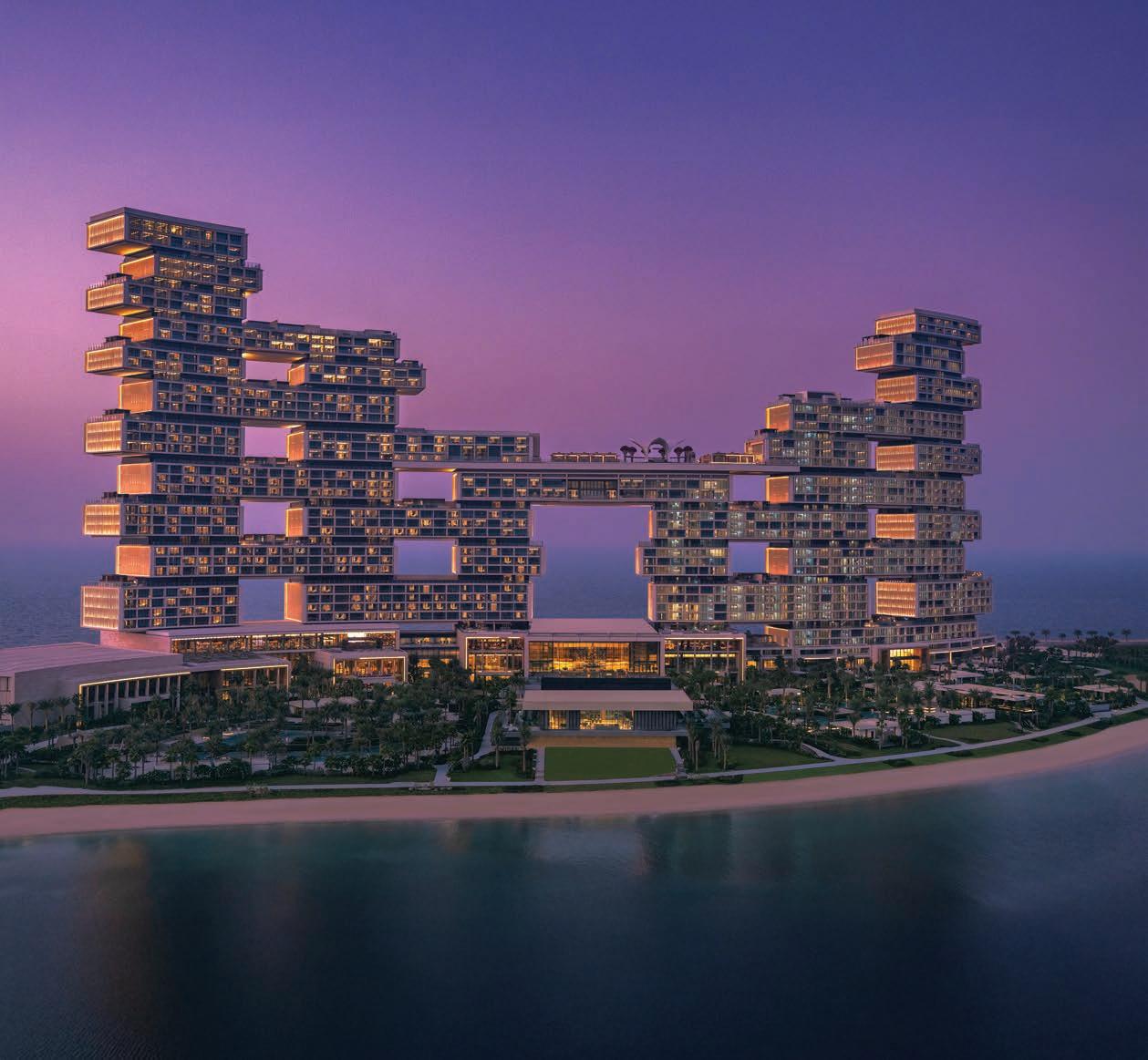
Atlantis, The Palm and Atlantis The Royal are leading the evolution of holistic travel in Dubai.
By Macey Phillips / Photos courtesy of Atlantis, The Palm, and Atlantis The Royal
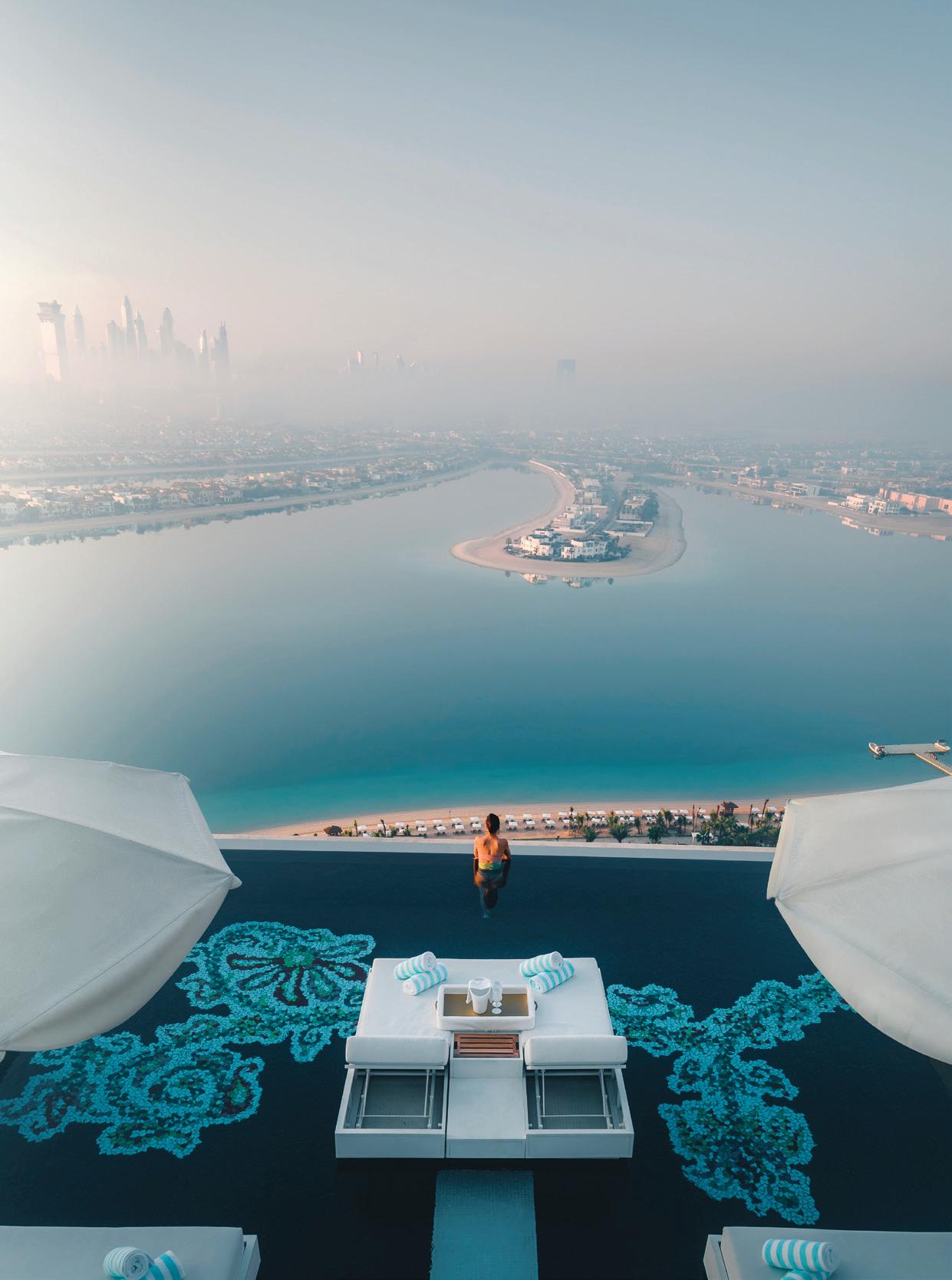
As I settle into a poolside cabana, stretching out my legs on the plush lounge chair after a long 12-hour flight, I’m surprised to discover that despite the soaring temperatures — well over 100 degrees — I feel nothing but relaxed, sipping an ice-cold spritz atop the Atlantis
The Royal’s sky pool on the 22nd floor as the sun sets over the city of Dubai. This is the kind of luxury one quickly becomes accustomed to in the city of gold. Known for its extravagance and decadence, Dubai inspires immediate awe and wonder, yet it is the city’s evolving wellness scene that offers a more restorative way to discover the destination.
Savvy travelers have long been drawn to one of the seven Emirates to indulge in a life of richness. A global hub, Dubai attracts a wide range of visitors — from those accustomed to a lavish lifestyle to international business leaders and adventure
seekers. Yet a new wave of interest is taking center stage, as wellness offerings become seamlessly woven into the city's luxury landscape, delivering a deeper kind of internal wealth. Hotels like Atlantis, The Palm, and Atlantis The Royal are enticing travelers to linger longer and look beyond the glitz and glamour.
Both Atlantis properties have established reputations as destinations in their own right, each with its own unique take on indulgence. Firmly planted on The Palm Jumeirah, an artificial island shaped like a palm tree, the resorts offer views of both the endless blue sea and cityscapes. Beyond the scenery, the hotels provide high-end shopping, fine dining, immersive activities, and spa and wellness offerings that will leave you wondering if you should extend your stay in this golden slice of paradise.
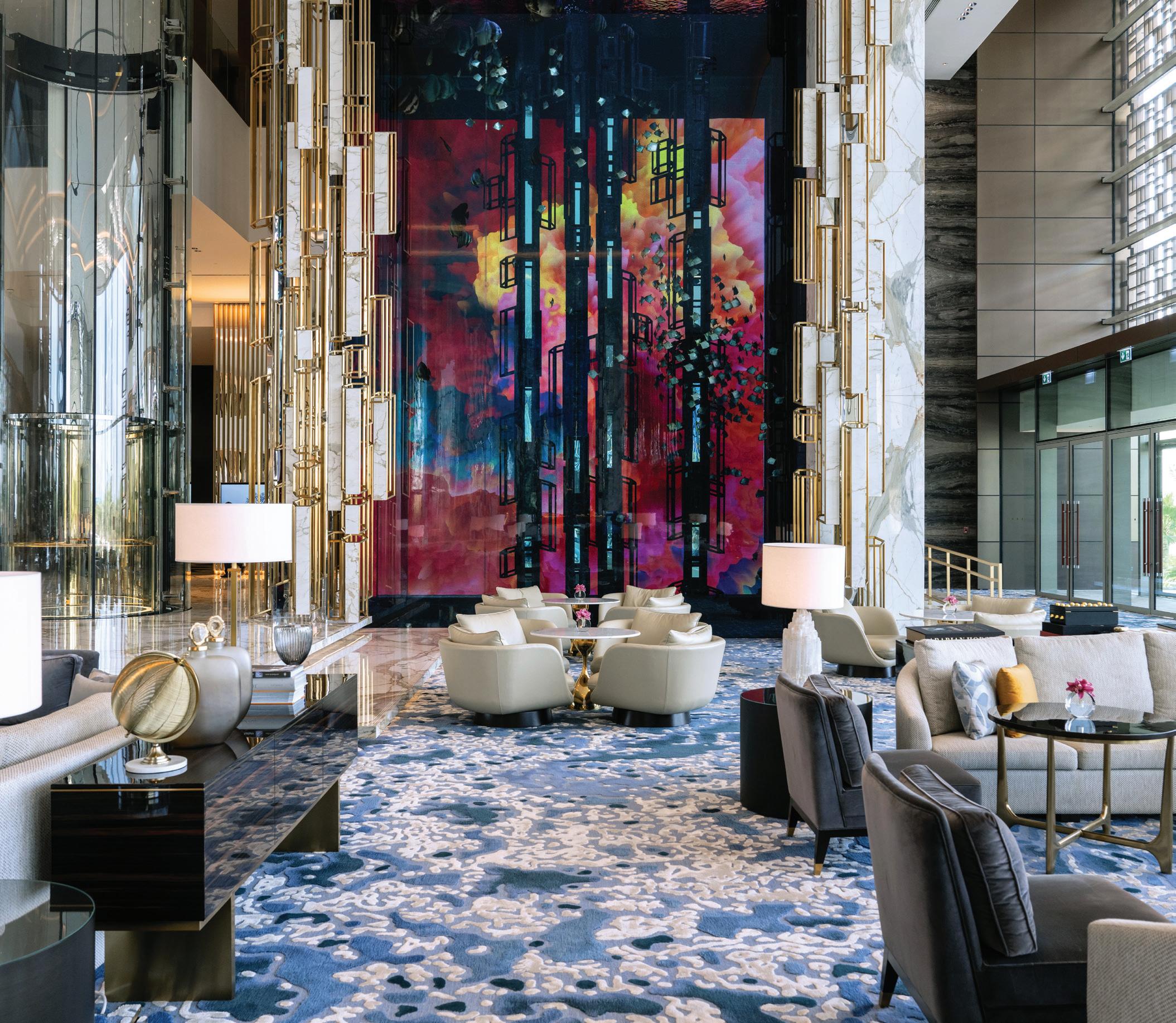
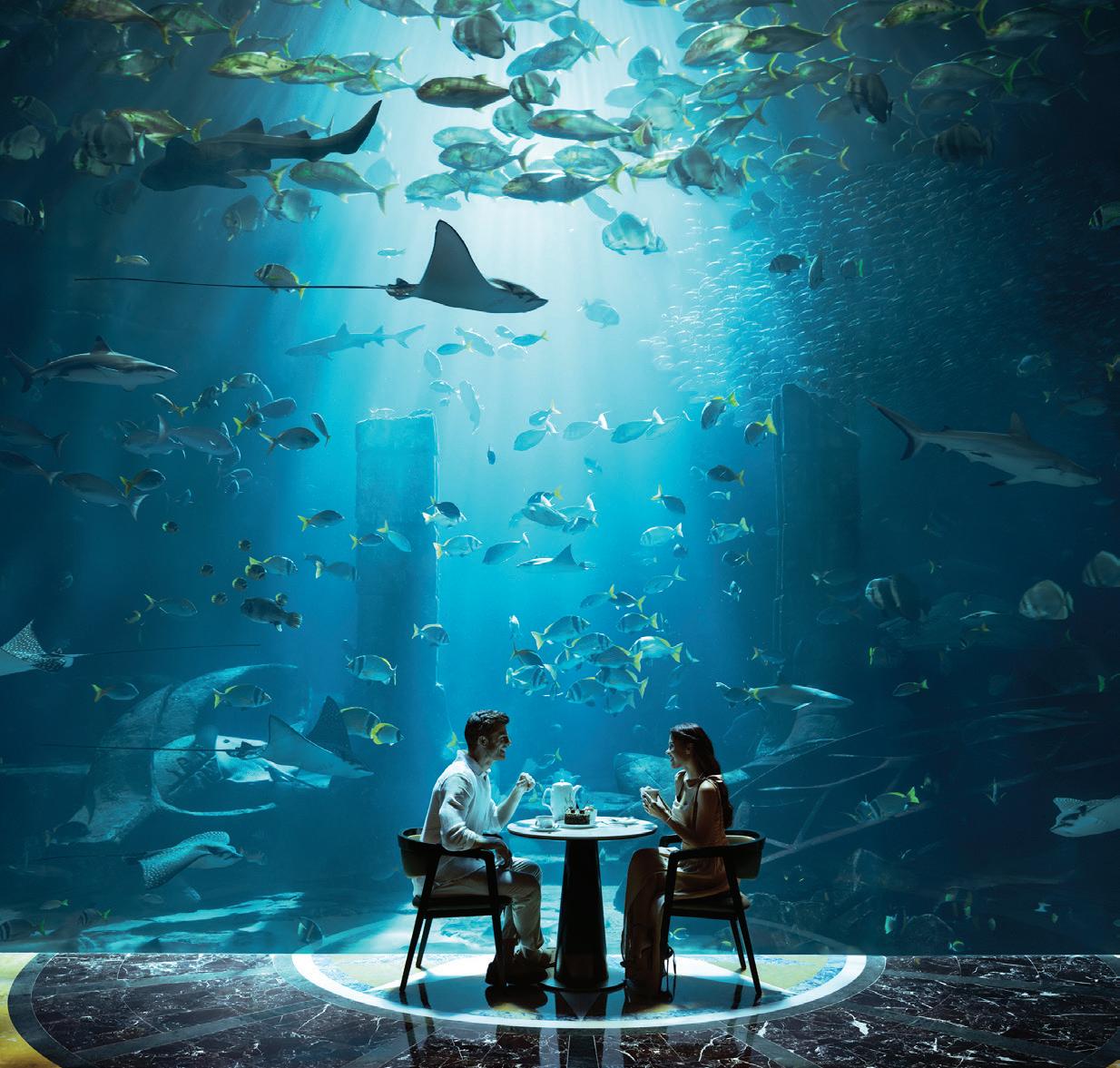
Stepping into the soaring lobby of Atlantis The Royal, with its dramatic glass windows and expansive ceilings, it’s immediately clear that five-star treatment is the baseline here. A space that has already welcomed A-list celebrities since opening three years ago, the atmosphere feels both grand and effortlessly chic. One of the first stops for guests seeking restoration is the AEON Clinic, which specializes in regenerative medicine and advanced wellness treatments. From ozone therapy with medical-grade O₃ to innovative stem cell treatments focused on biological age reversal, and customized IV drips designed for an immediate health boost, AEON offers a customizable and innovative experience.
After treatments, guests can retreat to their spacious suites, which feature walk-in closets and oversized soaking tubs. The standout in-room amenities, however, are inside the famous toiletry box. Complete with combs, toothbrushes, and razors all drenched in gold – a subtle reminder that luxury is woven into every detail.
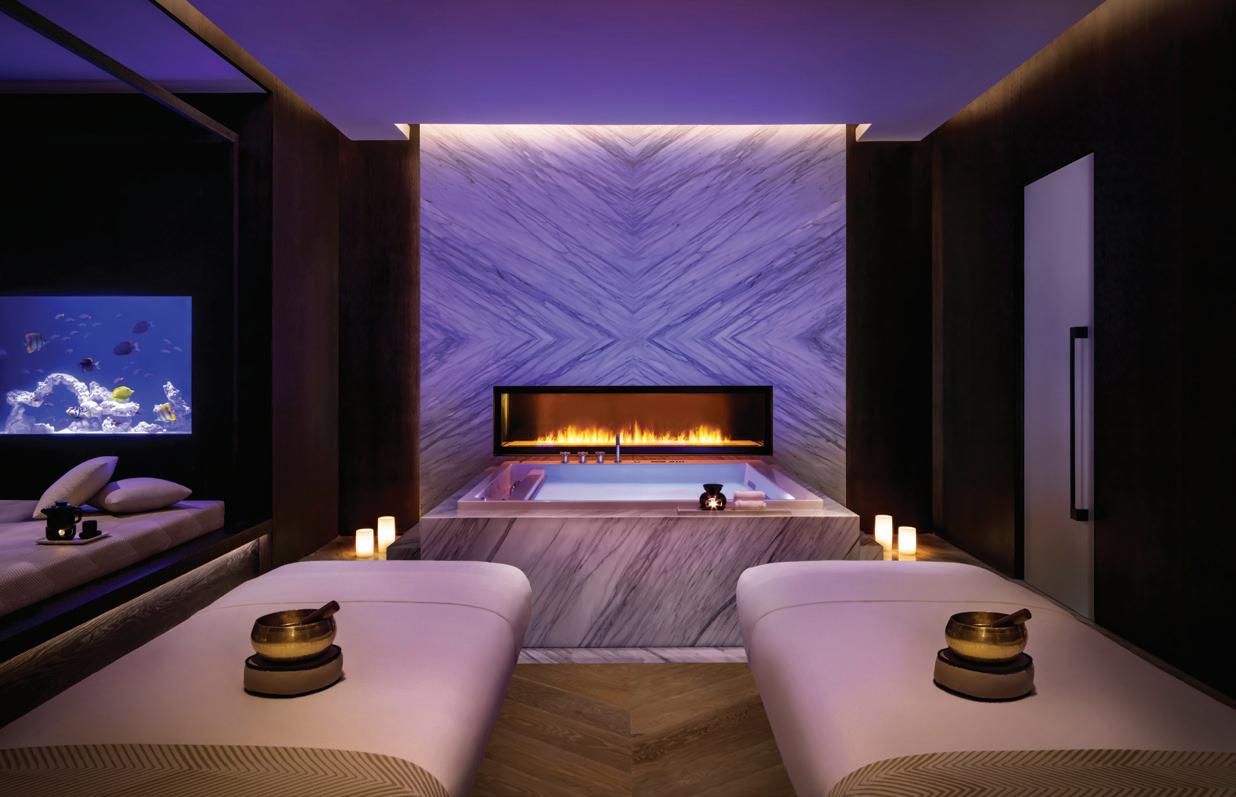
The AWAKEN Spa continues the journey with offerings such as the Golden Hour Massage, featuring hot volcanic stones handdipped in 24-karat gold, leaving you truly glowing the rest of the day. The indoor and outdoor facilities will keep you occupied for hours, from hydrotherapy pools and aromatherapy steam rooms to a snow fountain—a must in Dubai.
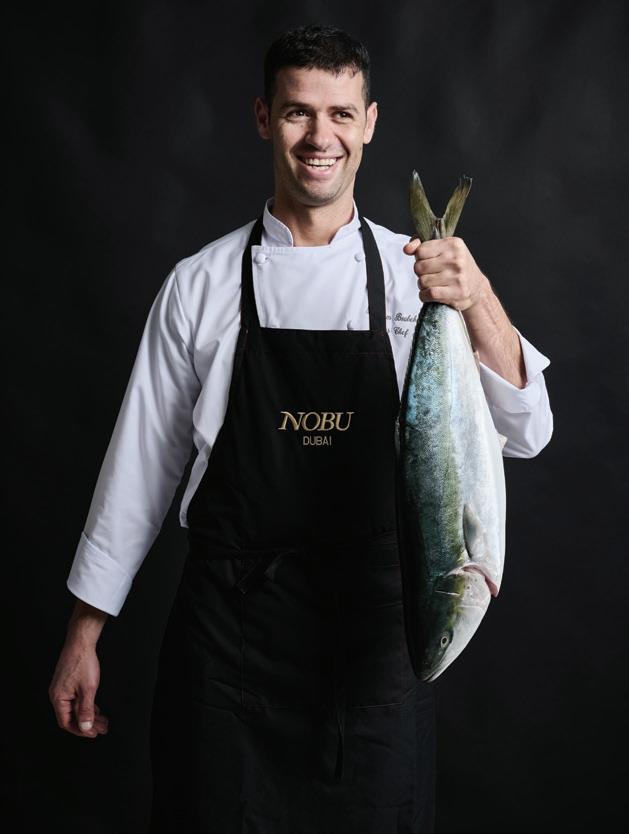
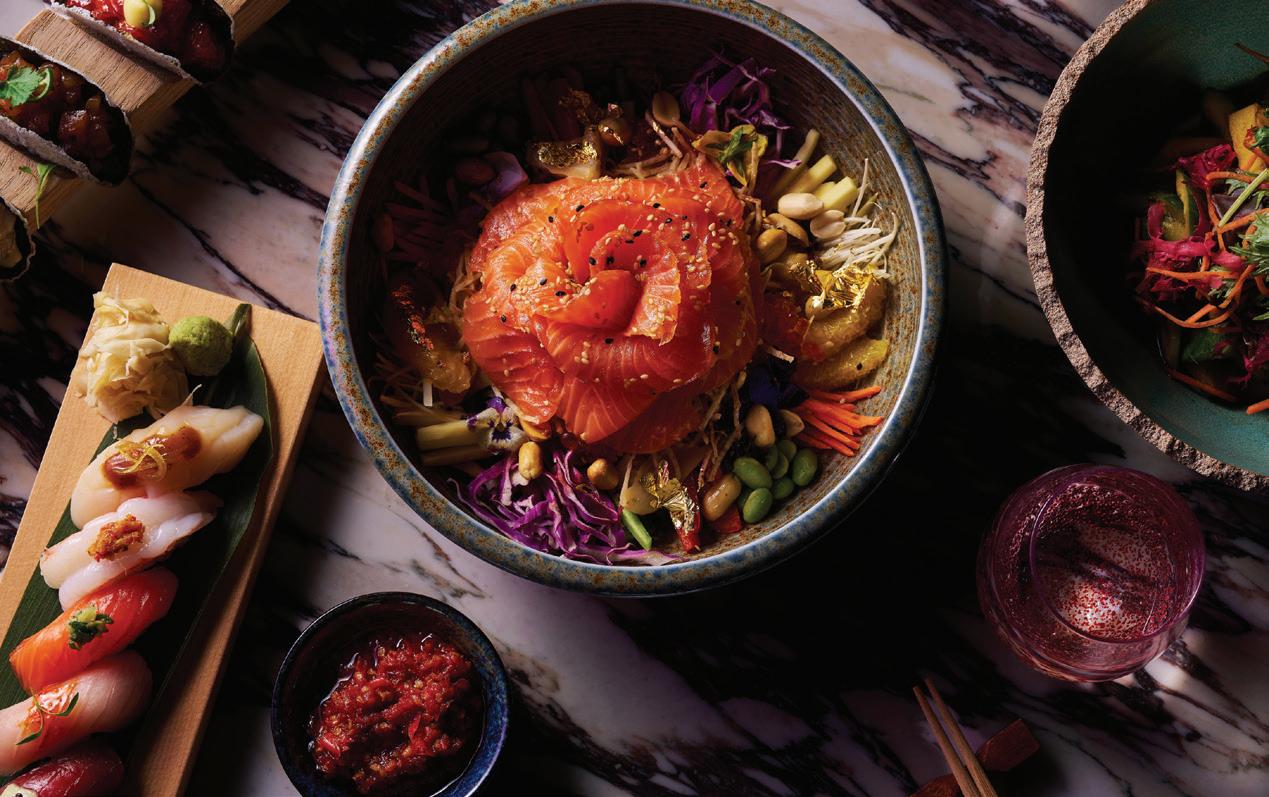
Dining plays a central role in the experience. Guests can reserve tables at Milos, by acclaimed Chef Costas Spiliadis, for Greek Island flavor; enjoy omakase in a cabana at Nobu by the Beach; or explore standout concepts like Carbone, whose recent arrival (late 2025) only enhanced the impressive list of dining options on property. For those seeking something a little more exciting and vibrant, Cloud 22 should be at the top of your list. The hotel’s iconic rooftop sky pool, currently in collaboration with Ounass x Dolce&Gabbana, which makes you feel dropped into an eternal Italian summer, offers sweeping views from cabanas and an infinity pool overlooking The Palm. One can catch a sunset and a live DJ while indulging in cocktails for the ultimate escape.
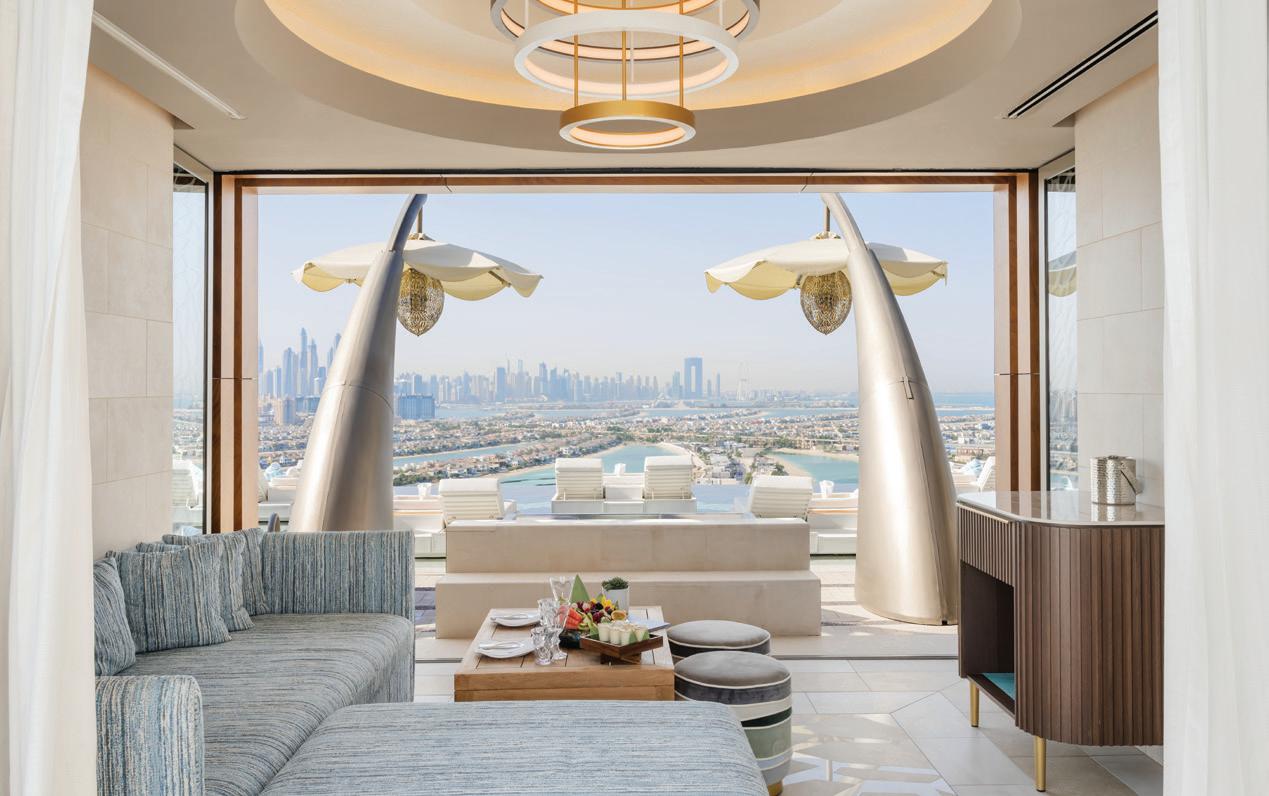
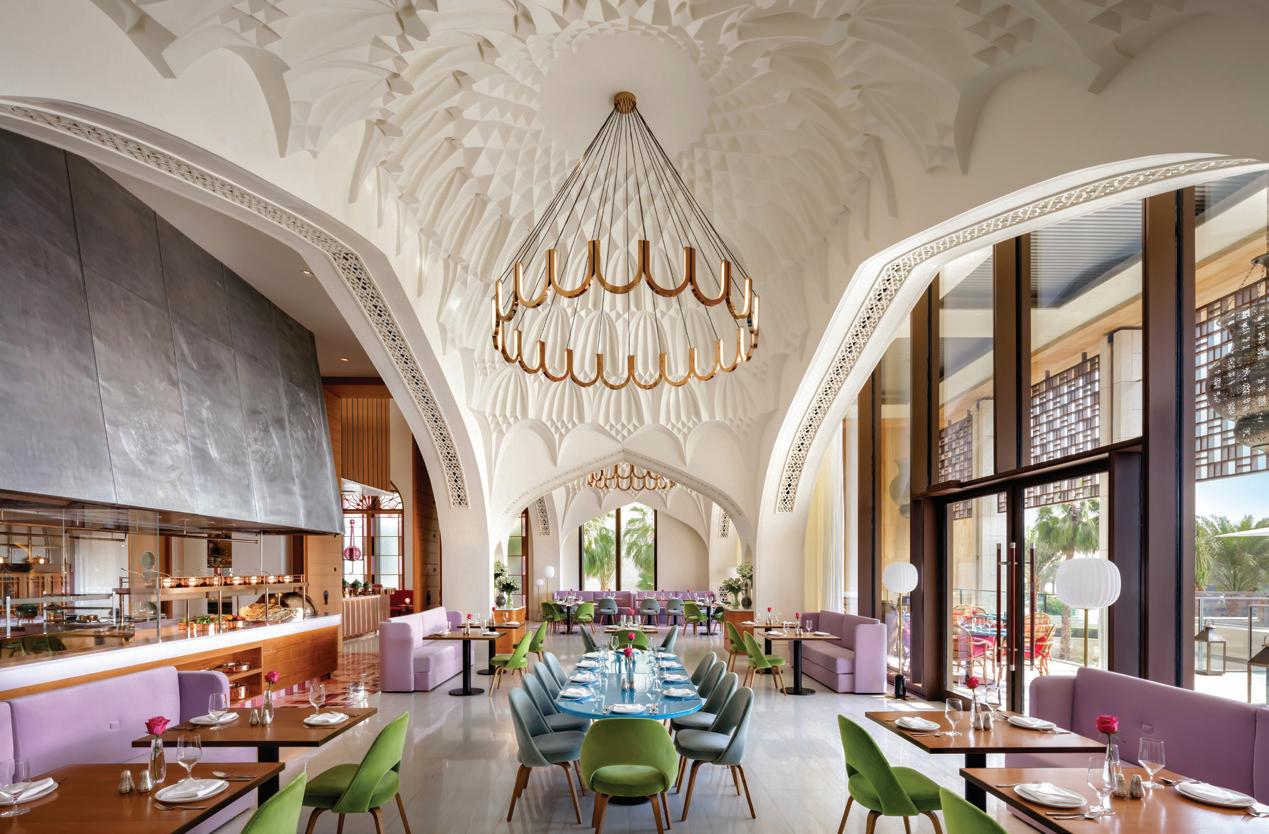
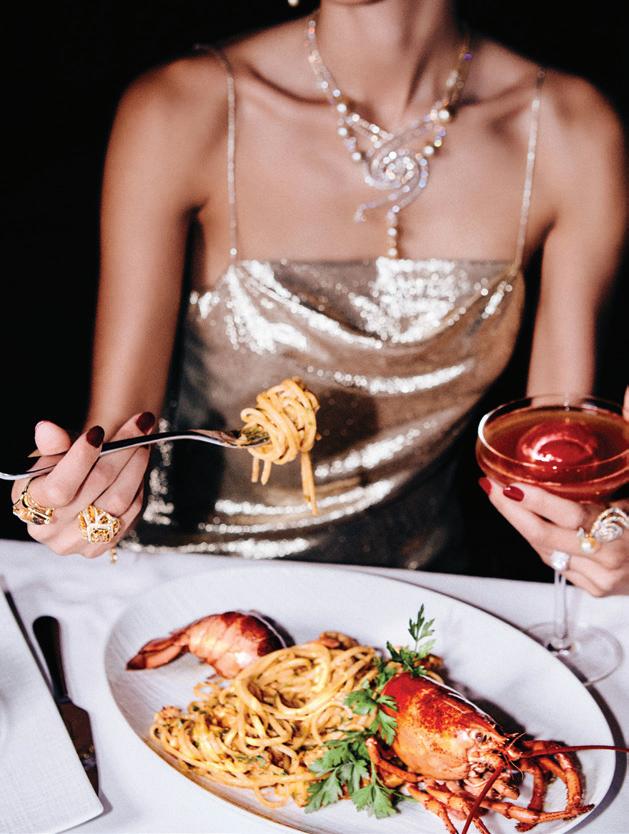
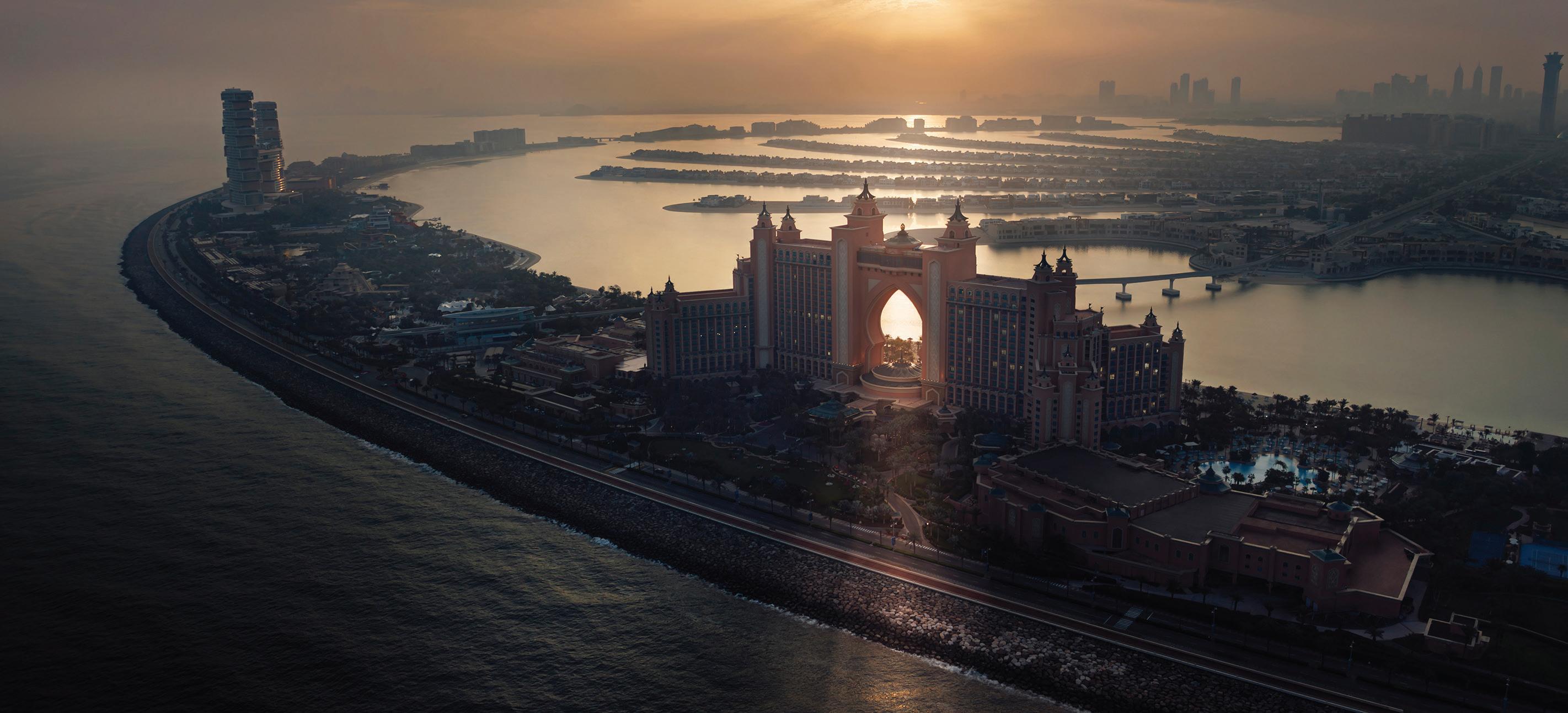
While Atlantis The Royal captivates with its scale, ultra-luxury offerings, and modernity, its sister property offers something equally compelling — a sense of familiarity, warmth, and pleasure that is just as enticing.
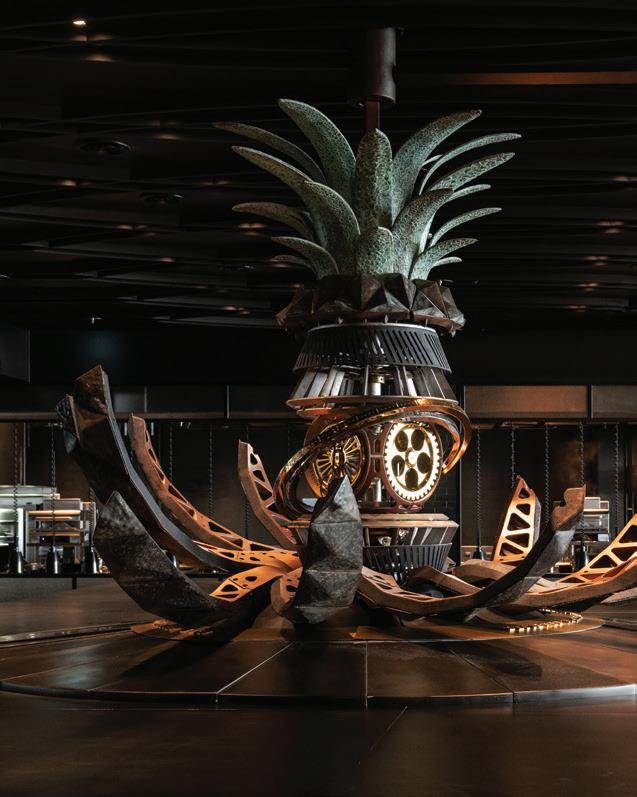
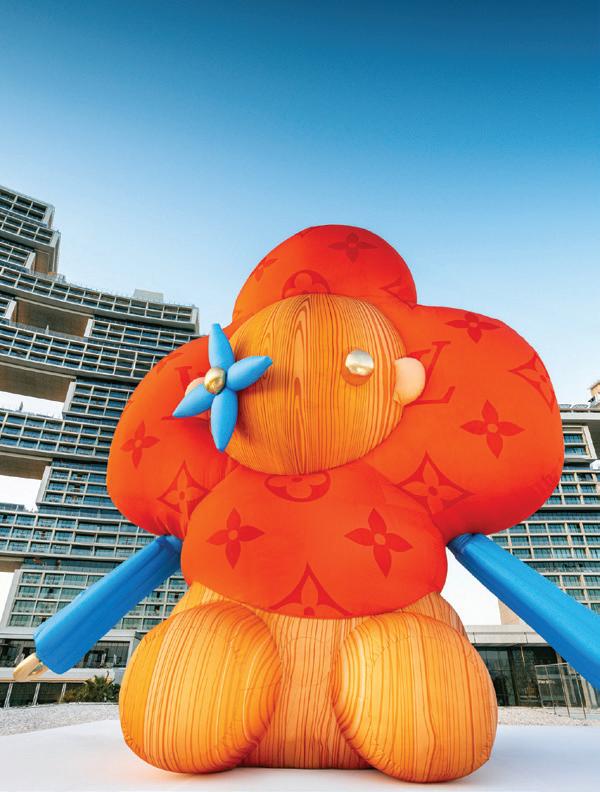
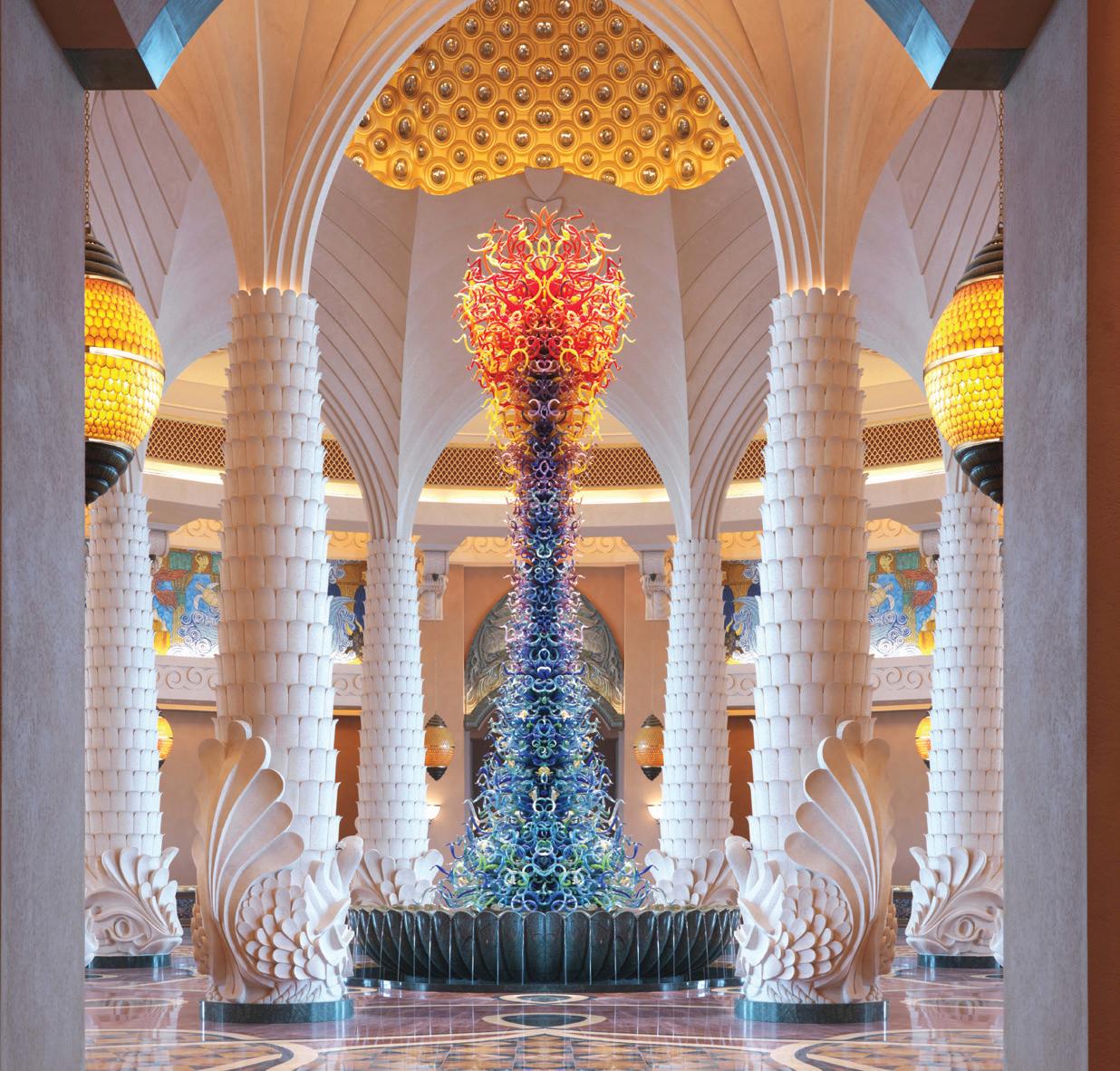
Situated next door, Atlantis, The Palm presents a more whimsical interpretation of luxury, one that feels far-reaching, playful, and deeply immersive. Upon arrival at the resort, guests are greeted by a mesmerizing 32-foot hand-blown glass sculpture by artist Dale Chihuly. This vibrant and eclectic piece sets the tone for what those checking in are bound to encounter — a unique, one-of-a-kind, and enchanting stay.
Rooms here take inspiration from the sea, with softer color palettes that mix blues and coral, inducing an immediate sense
of relaxation upon entering. Balconies offer views over the property, including the beach, where you will often find an early morning paddleboarder getting in some alone time before the heat takes shape. Twenty-four-hour room service came in handy as I adjusted to jet lag, which I enjoyed while wrapped up in a plush robe and slippers, a true moment of luxurious indulgence.
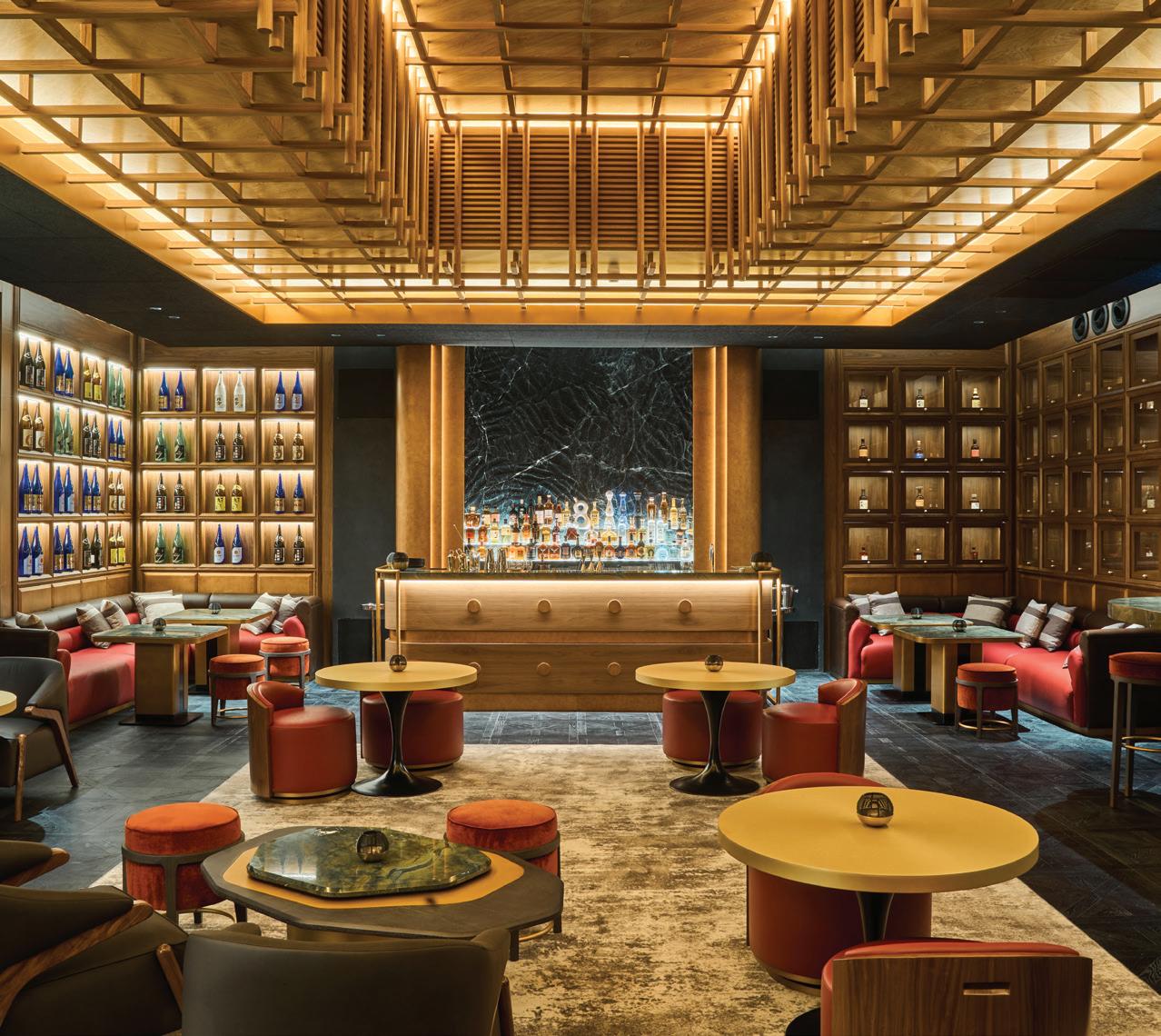
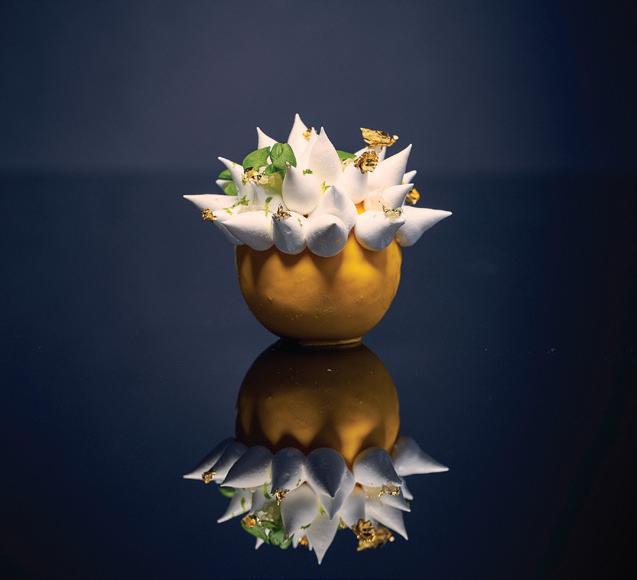
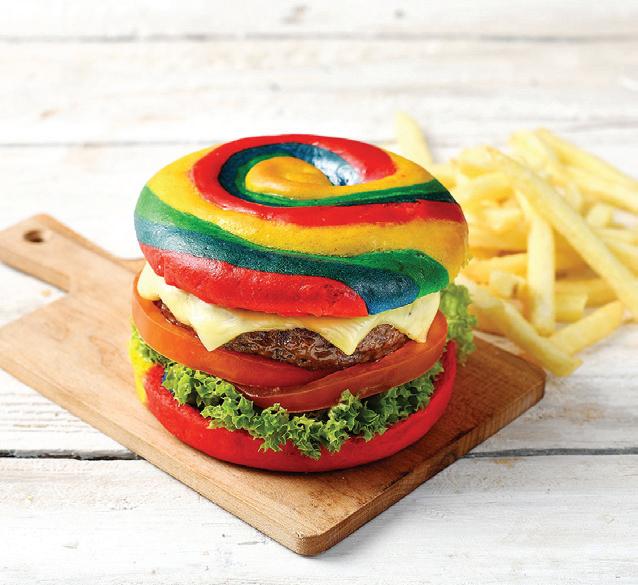
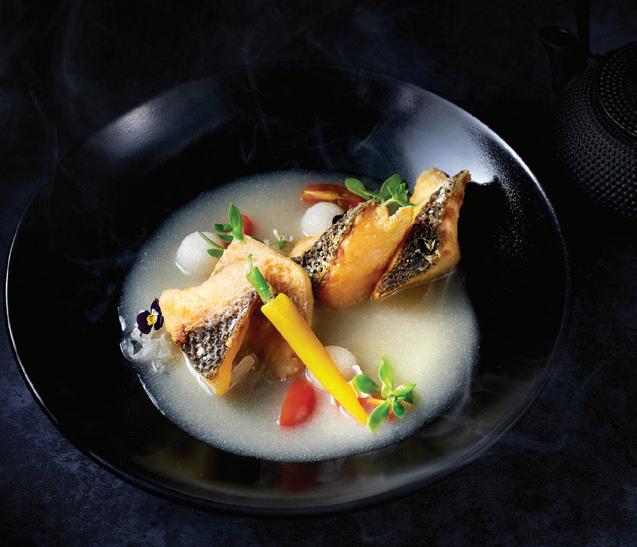
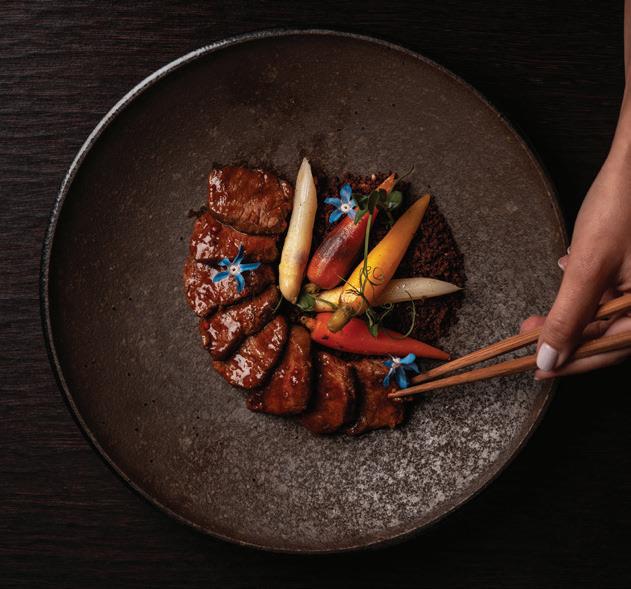
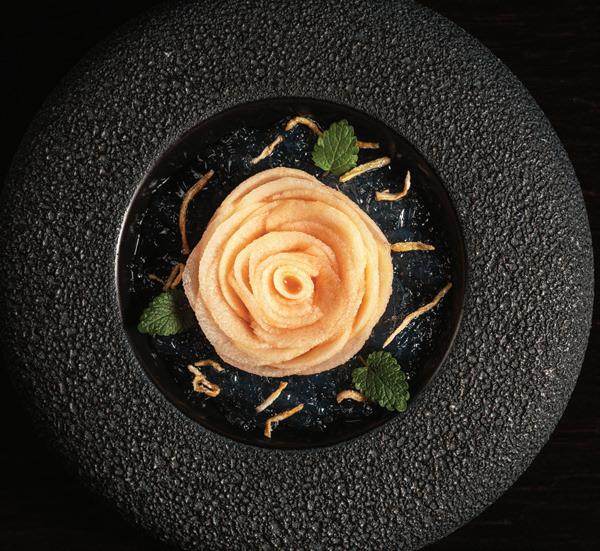
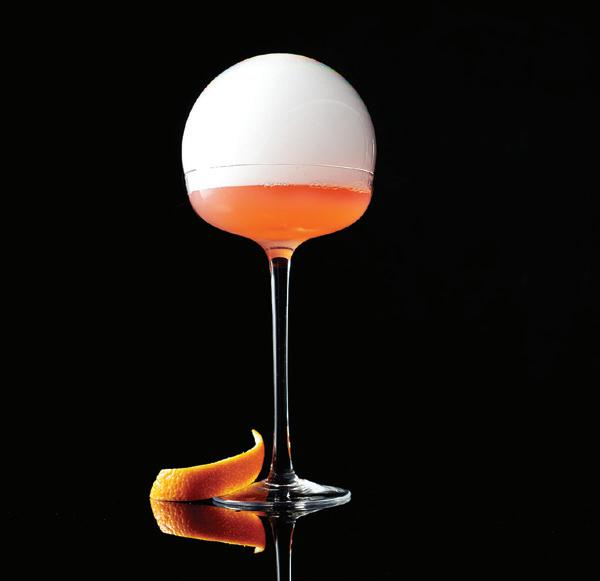
In the evening, you won’t find yourself short of dining options with buzzy spots like Nobu for decadent sushi, one Michelinstarred Hakkasan for innovative libations (the Lychee Martini is a must), and Brasserie Frantzén, a lively bistro with Frenchinspired cuisine melded with Asian flavors and Nordic influences by Michelin-starred chef Björn Frantzén, which has a candy shop inside for a unique and enveloping dessert option.
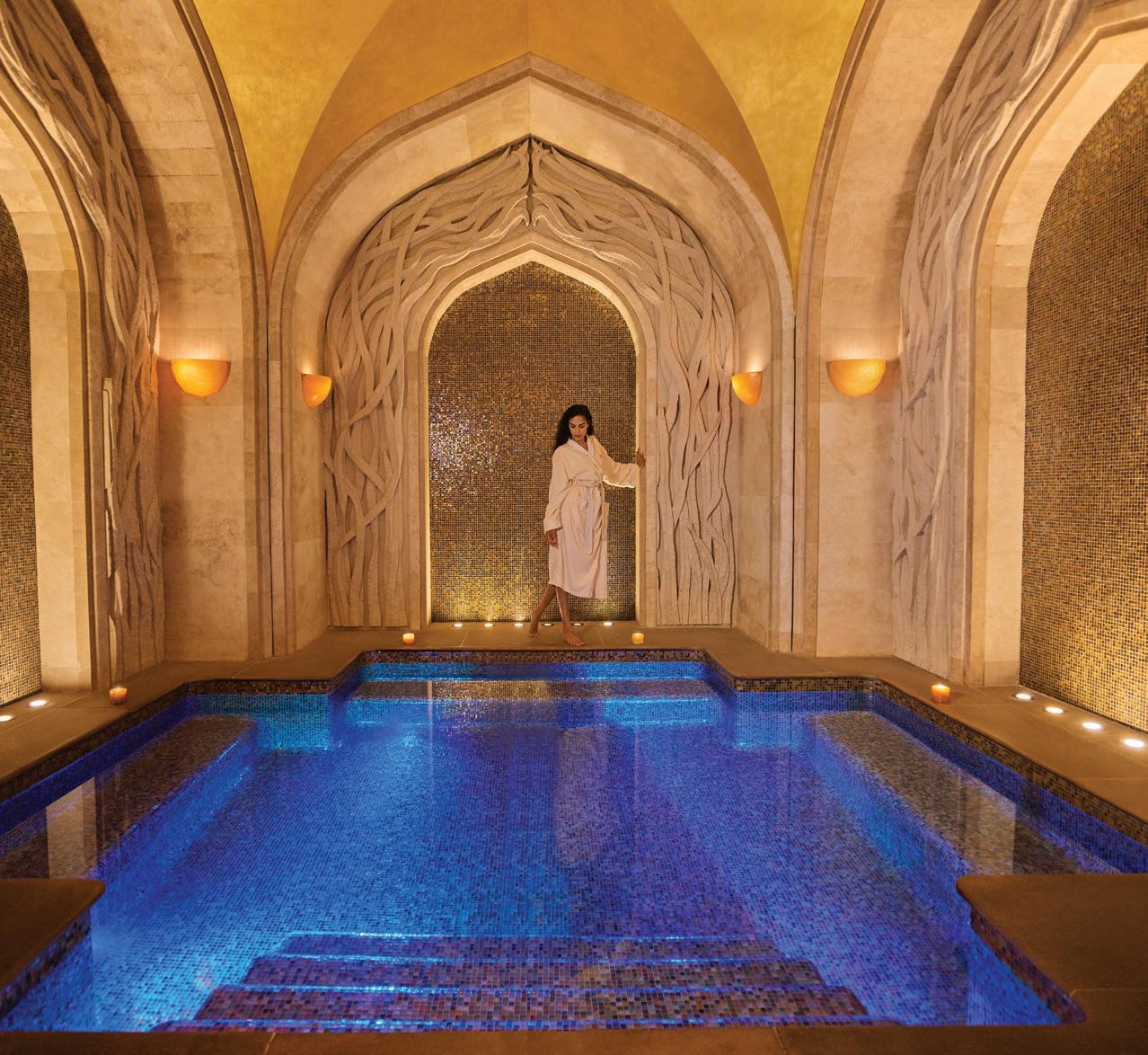
Wellness exists here not as a centerpiece, but as a natural extension of the lifestyle. At AWAKEN Spa, treatments draw inspiration from balance and sensory restoration, providing therapies that help guests recalibrate after long-haul travel or busy seasons of life.
Signature offerings include AWAKEN Hypno Healing, which provides a hypnotic experience that soothes the mind, and the Skin Firming Facial, which uses products from the world-renowned Augusts Bader line, leaving you with a radiant glow that lasts throughout your trip. Expansive amenities, such as cold plunges and saunas, allow relaxation to last well beyond the treatment room. After my session, I found myself lingering longer than expected, wrapped in a robe and in no hurry to be anywhere else — the clearest sign that the treatments had done exactly what they were meant to do.
With the ongoing list of indulgent offers at Atlantis, The Palm, the greatest might be the freedom to create and shape each day as you please, alternating between energy and ease, activity and stillness.
Combined, both properties reveal the span of what refined hospitality can look like. Atlantis The Royal offers a taste of grandeur and extravagance that some travelers seek in a getaway. At the same time, Atlantis, The Palm provides a dreamier, resortstyle retreat rooted in comfort and discovery. Neither stay eclipses the other; instead, they complement one another, allowing guests to choose the rhythm that best suits their preferences. Dubai is becoming more than just a city to stop over on your way to other destinations; it is becoming the destination for ultimate renewal and tranquility, a place for uncovering more than meets the eye. sl
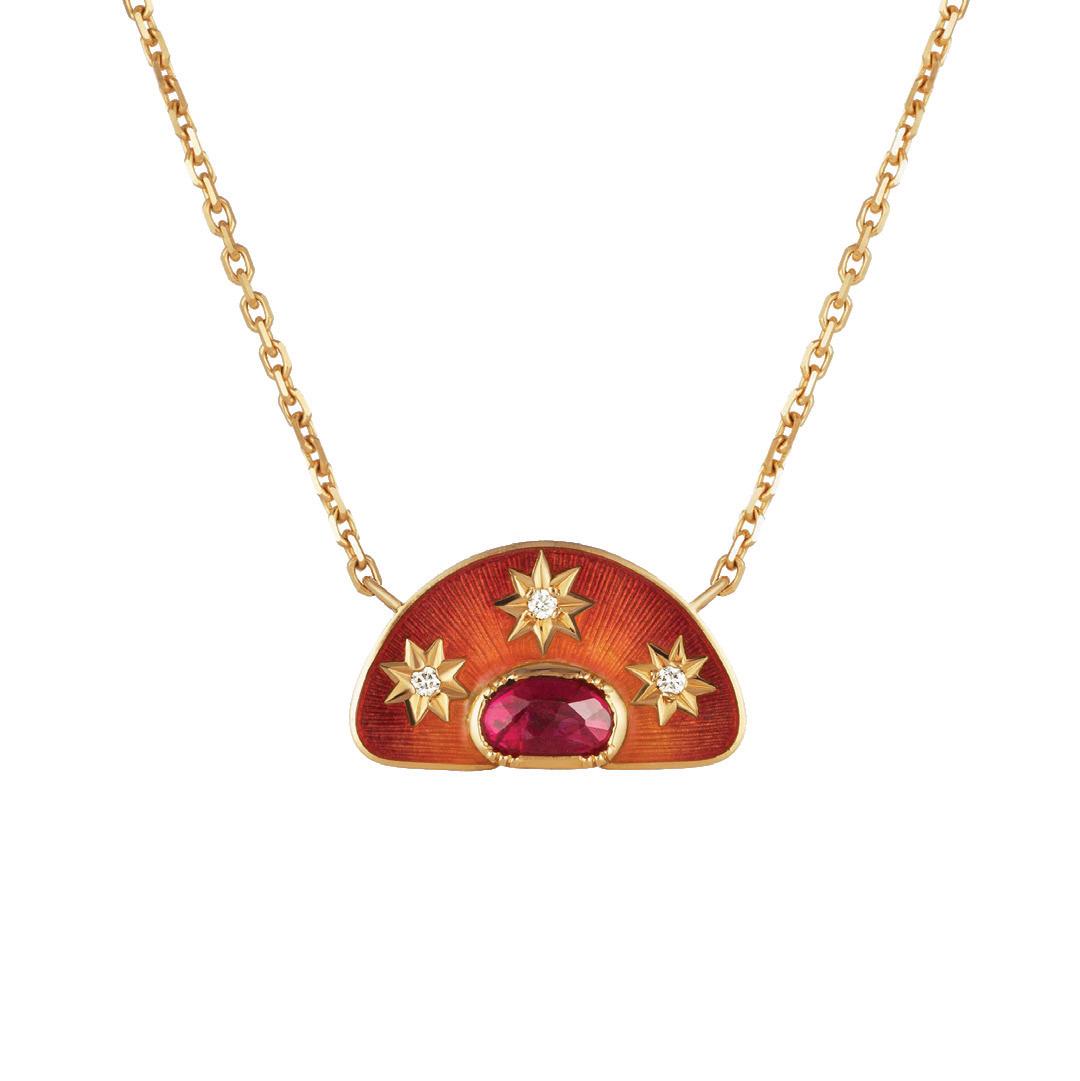
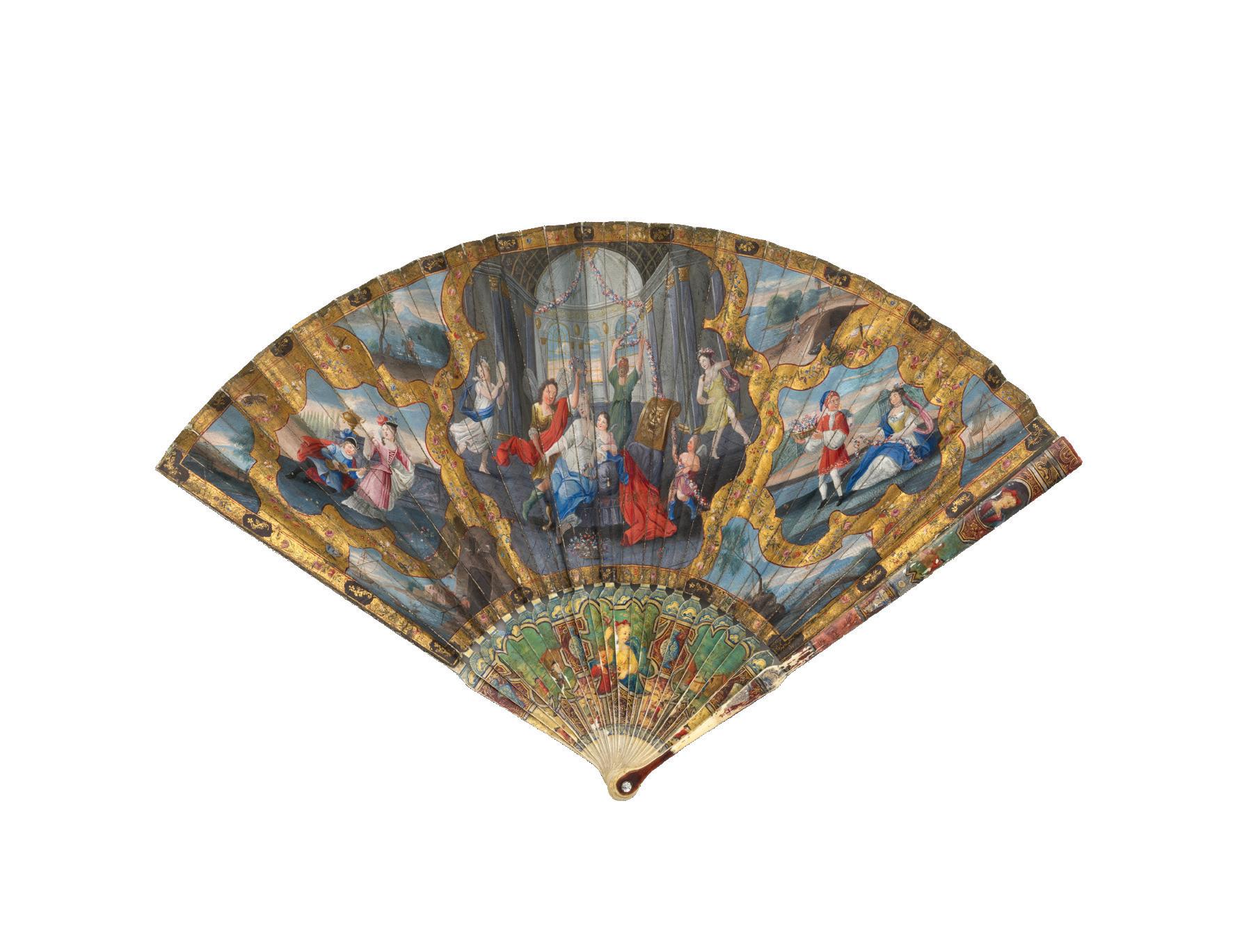
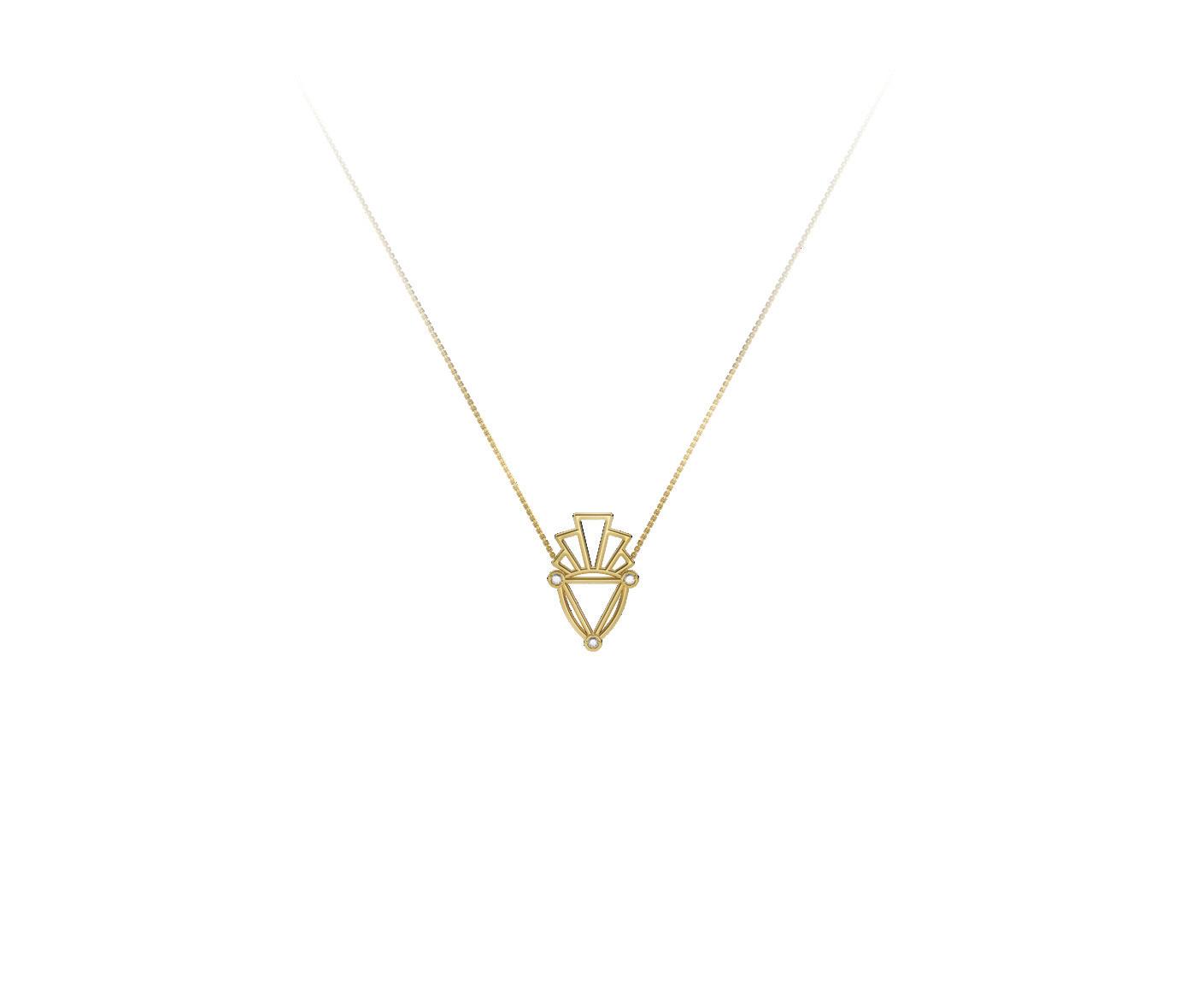
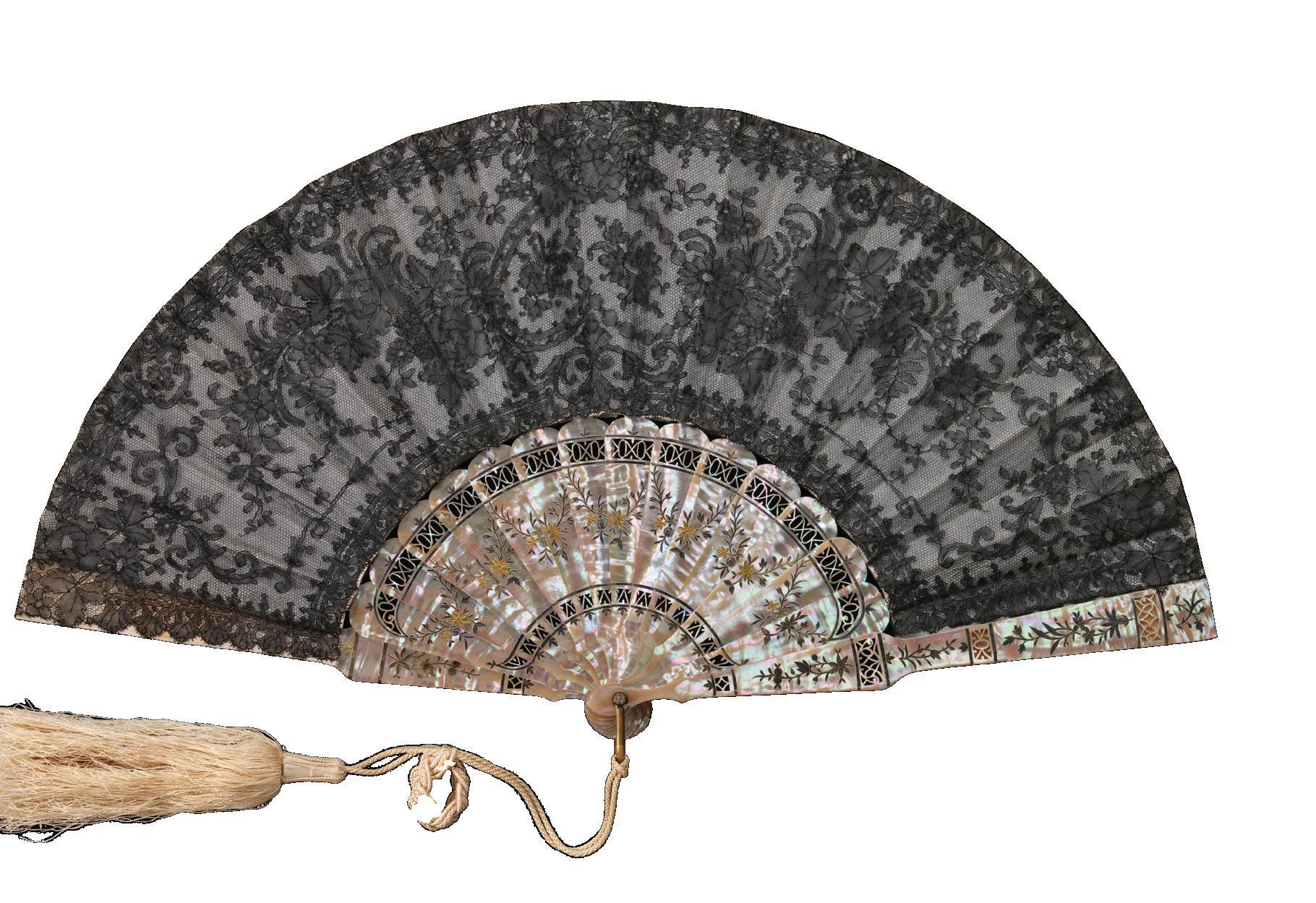
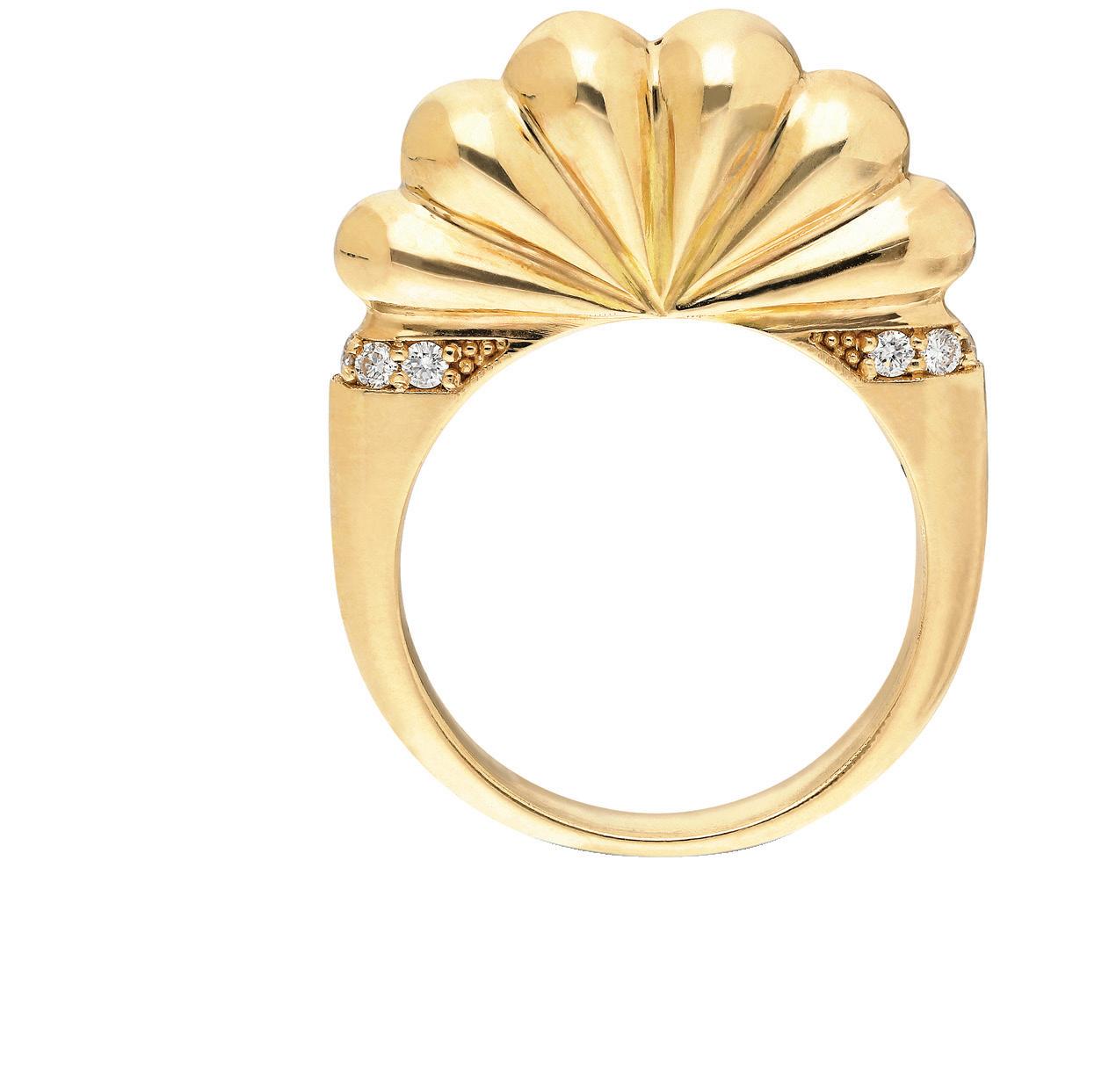
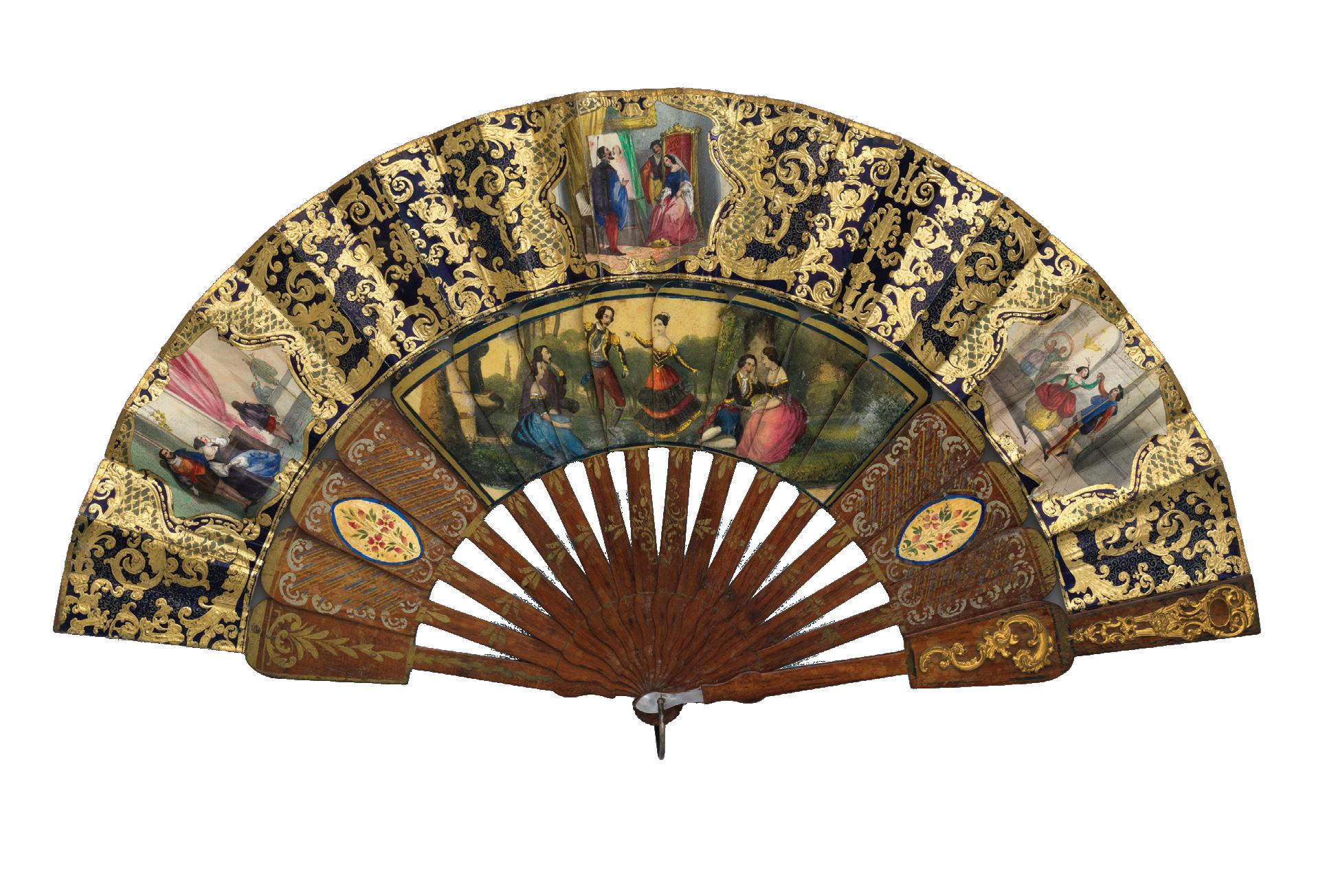

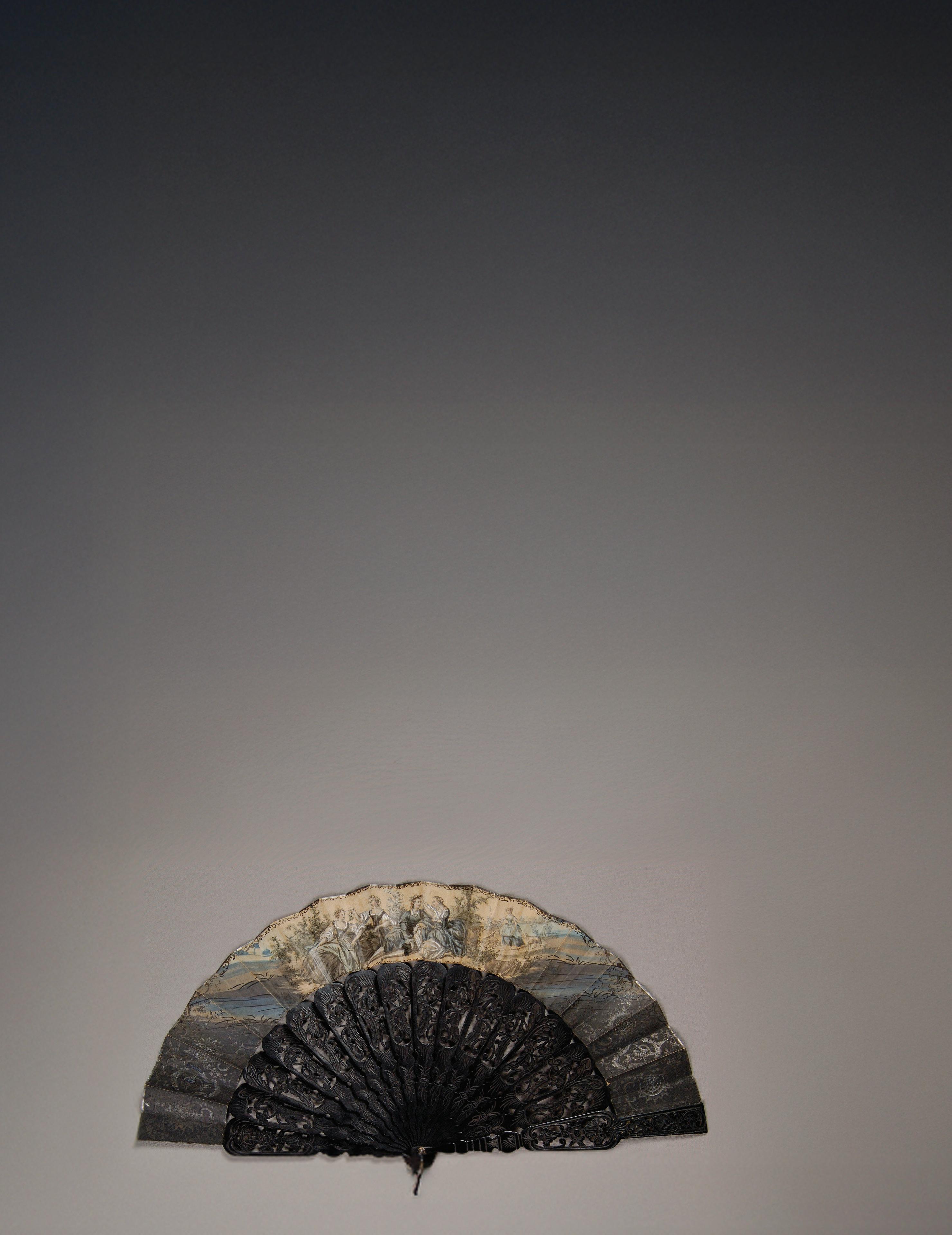
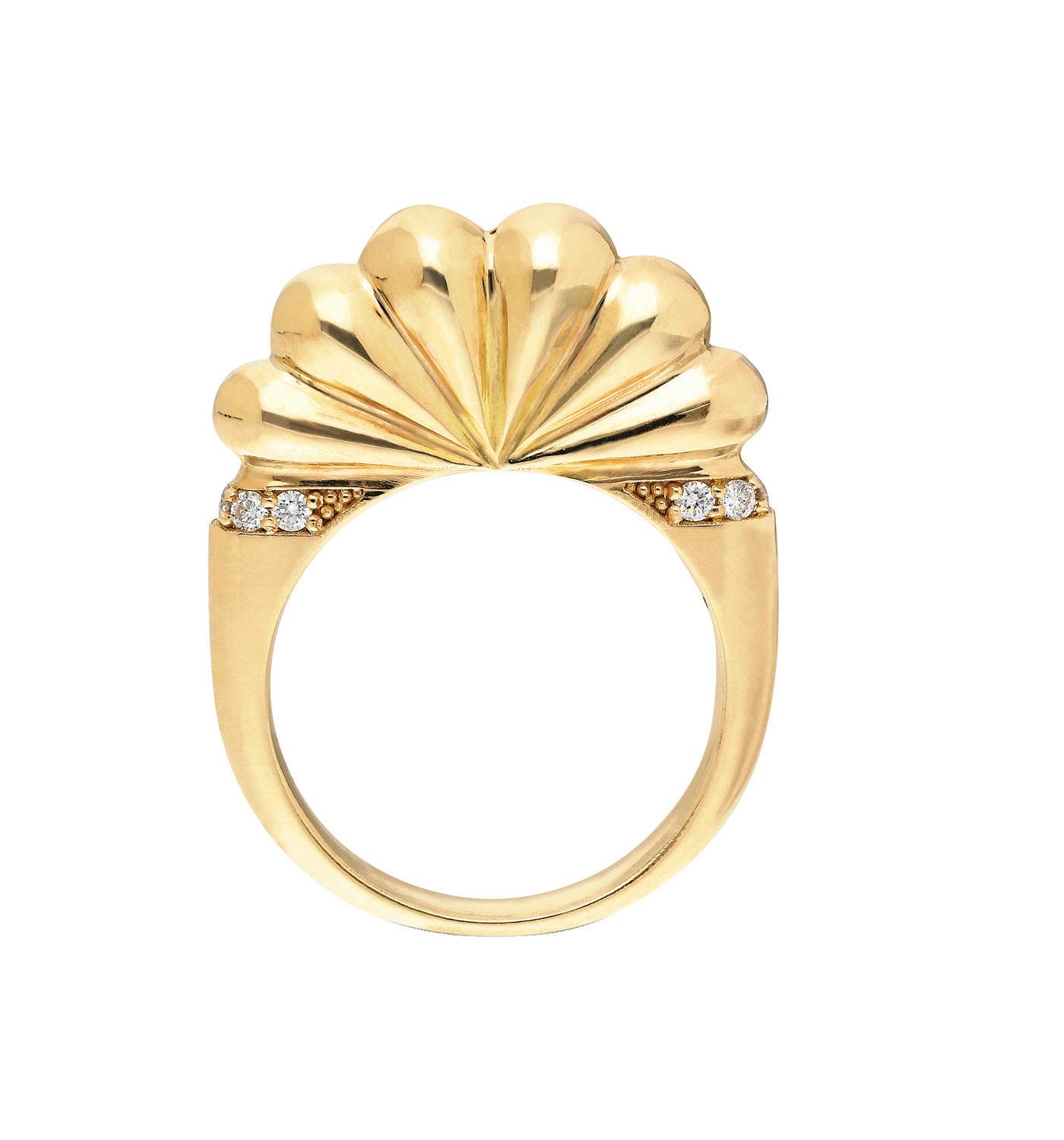
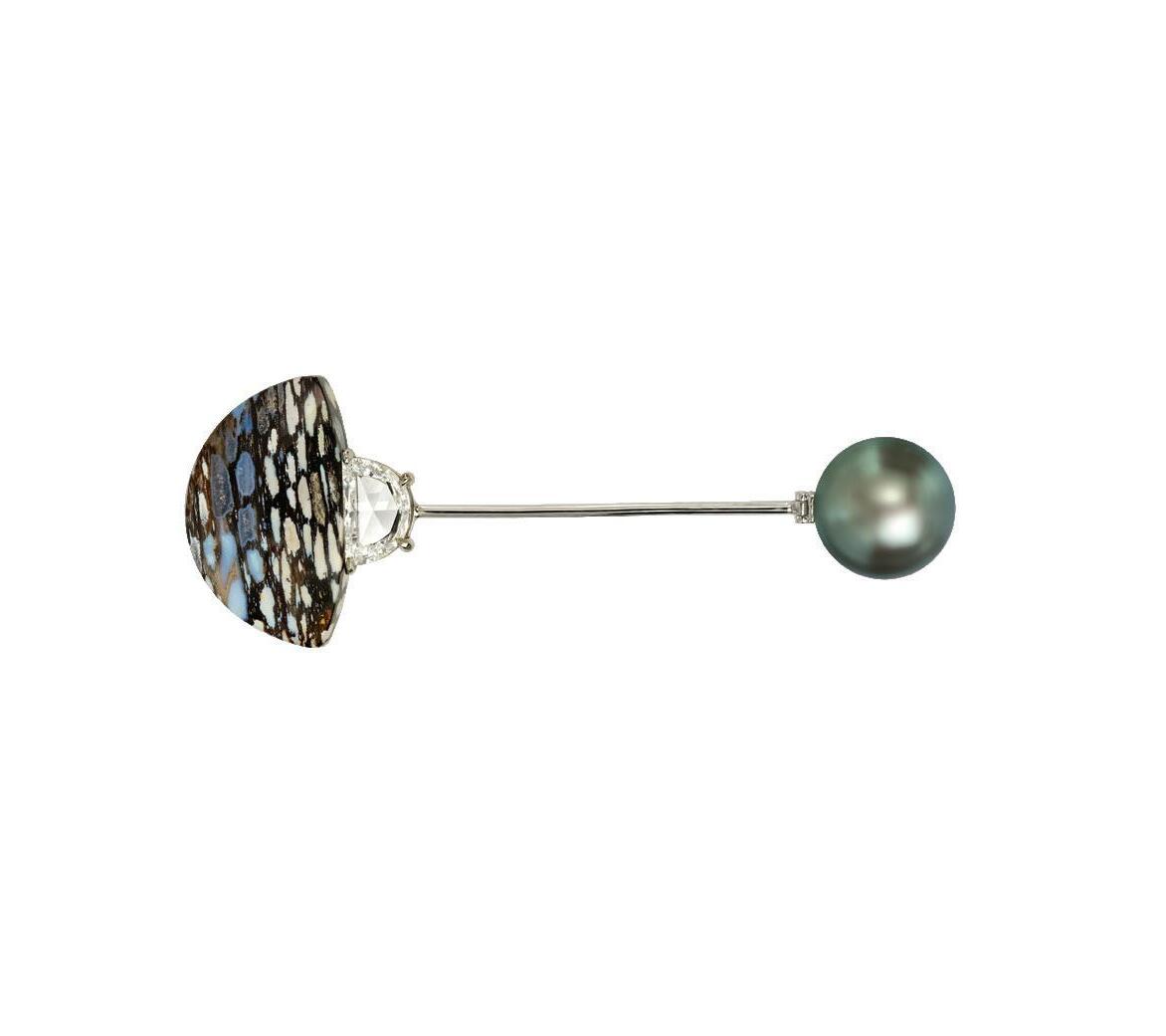
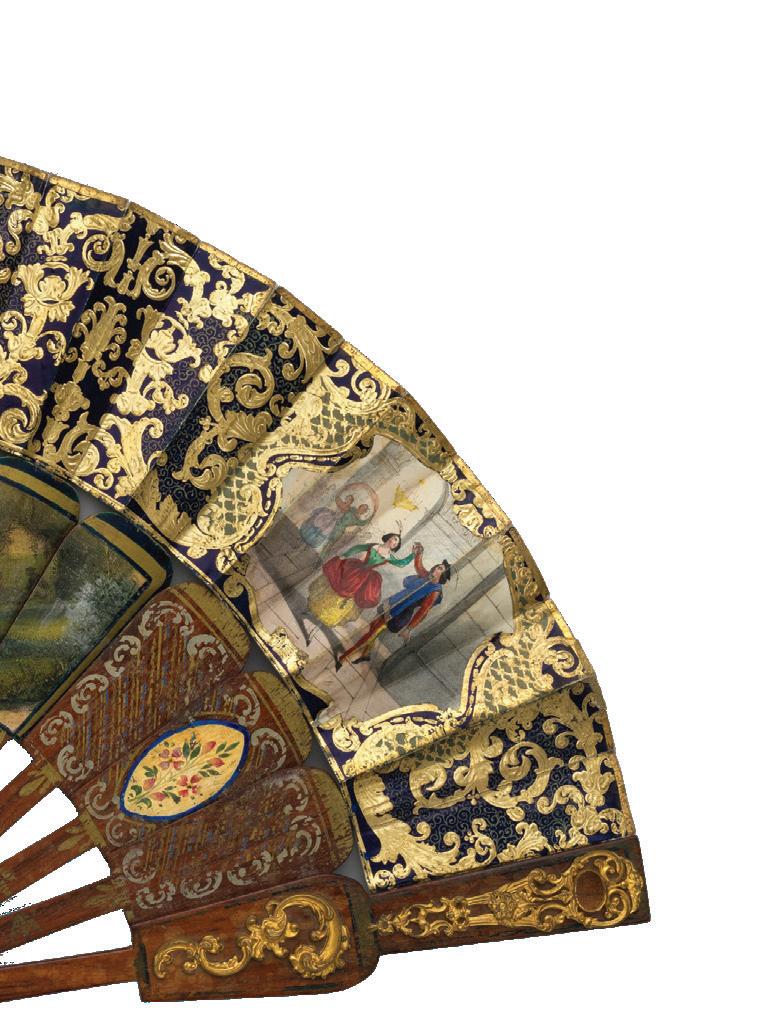

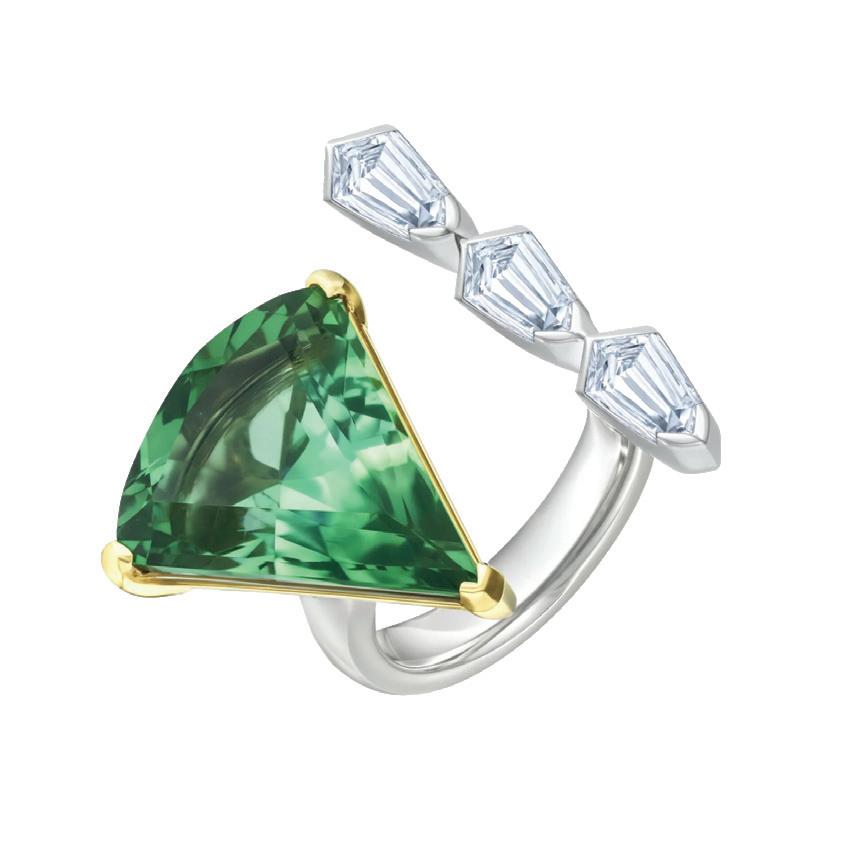

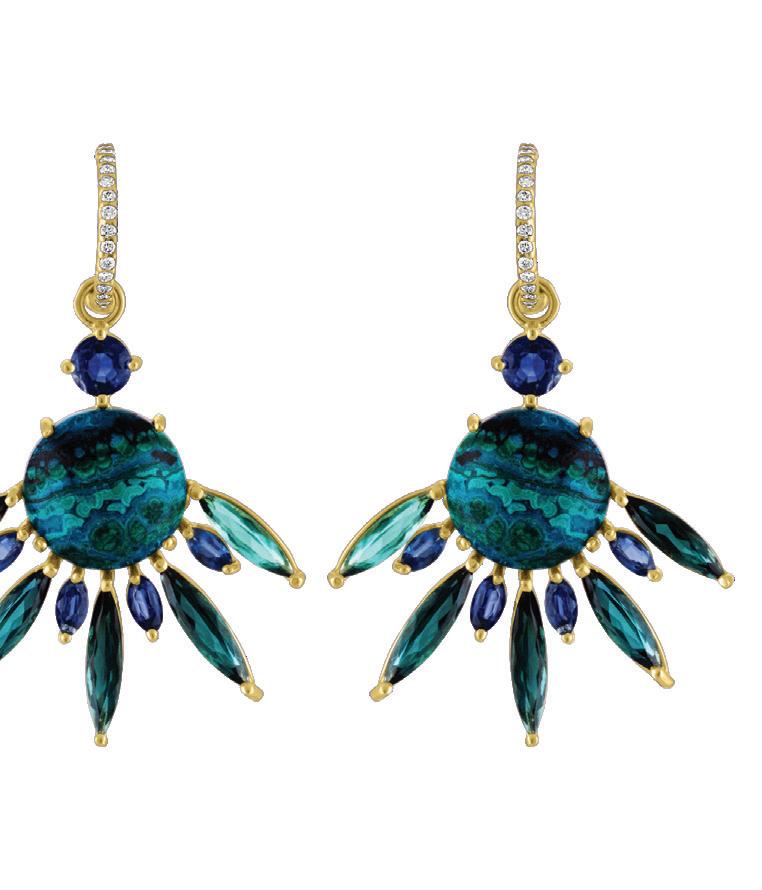
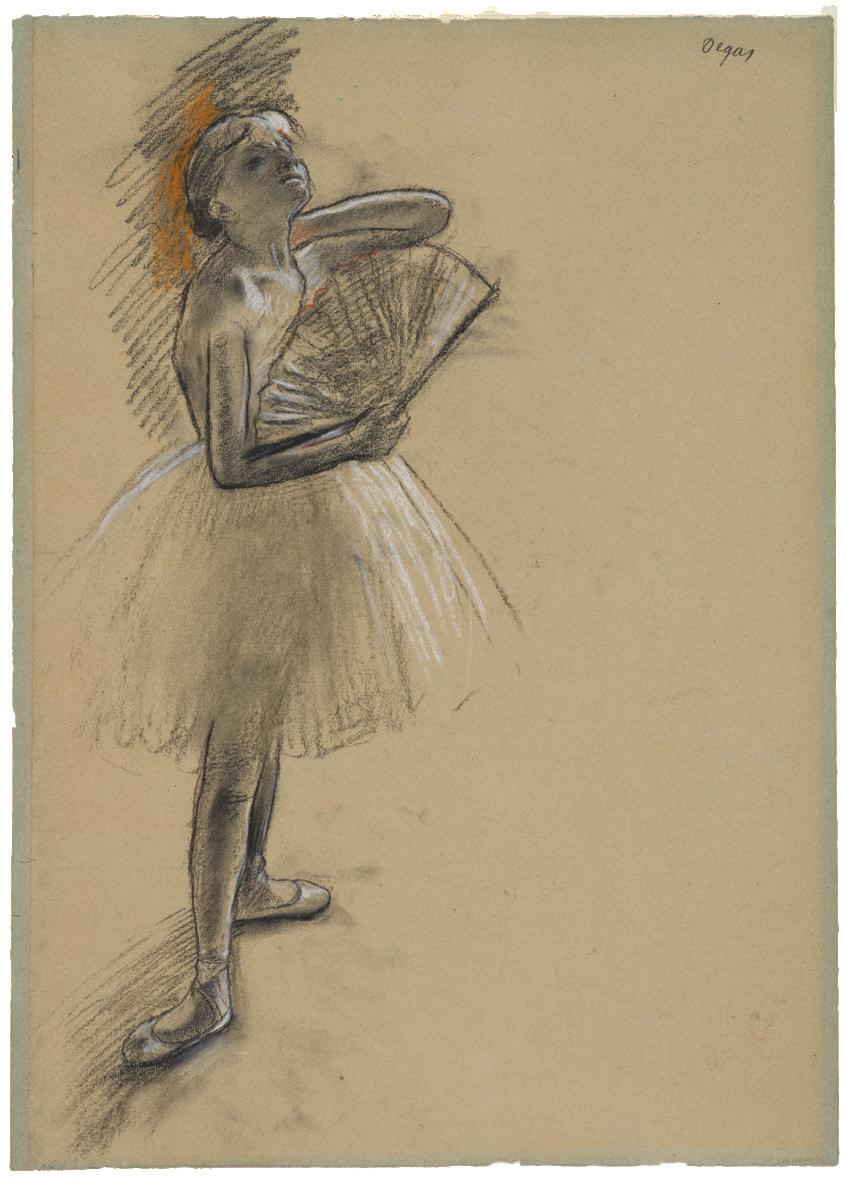

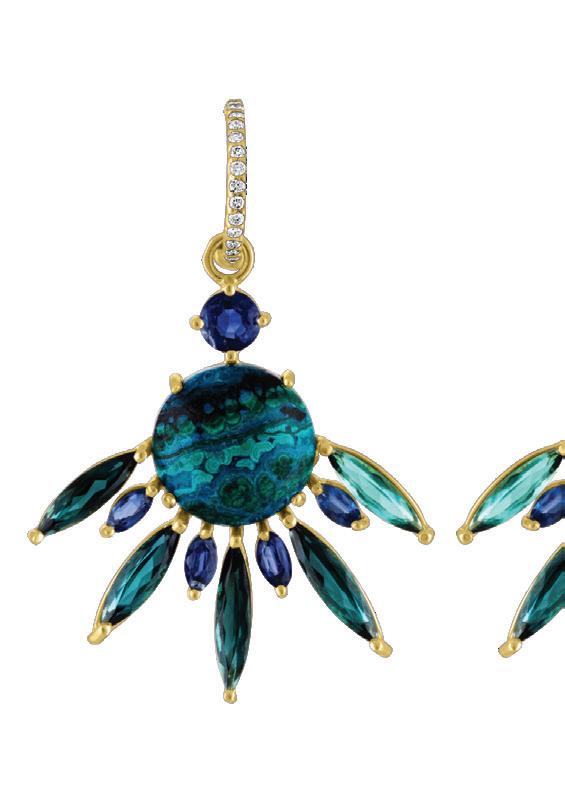
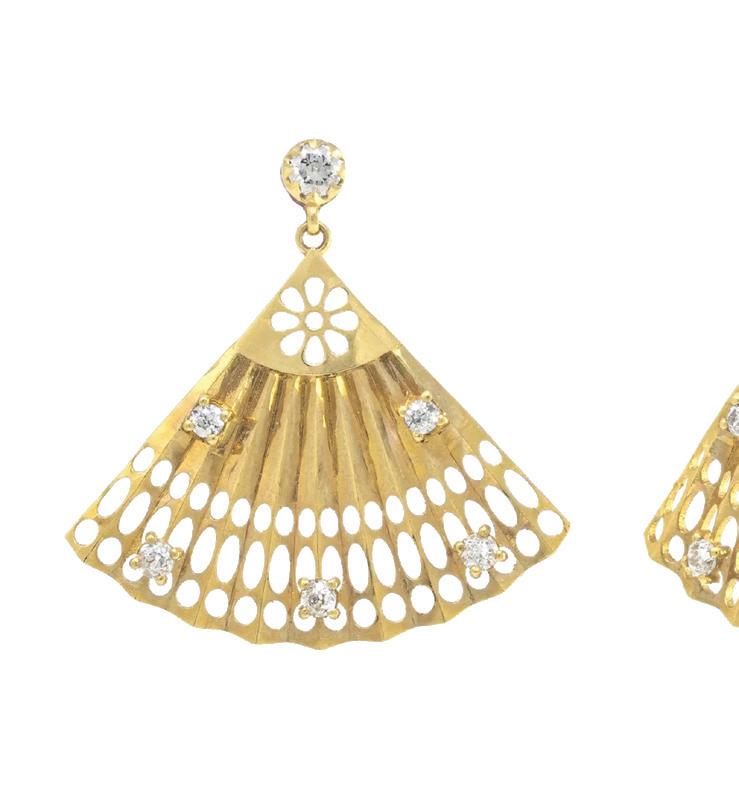
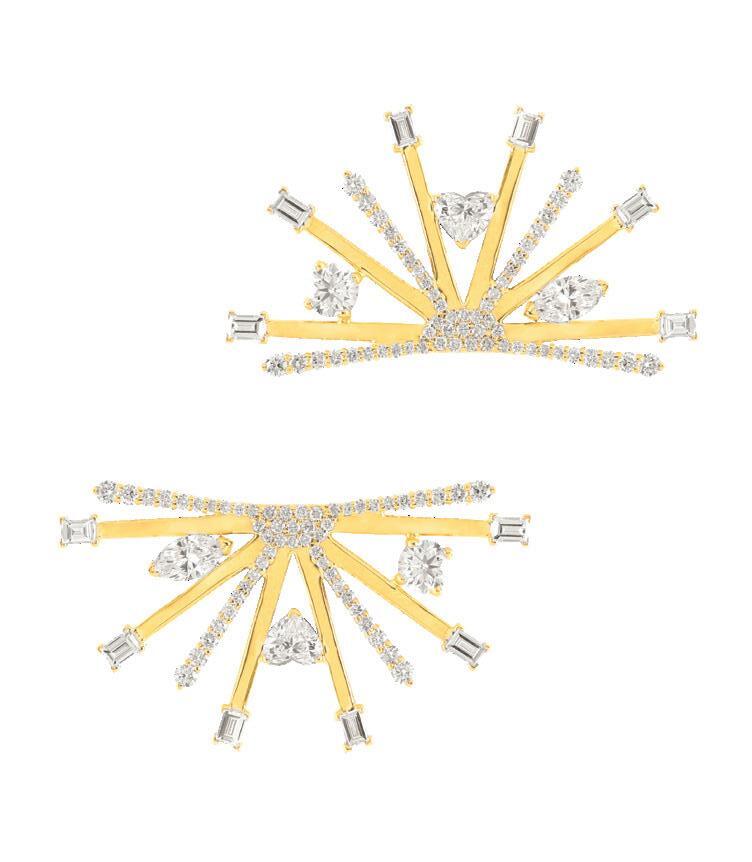

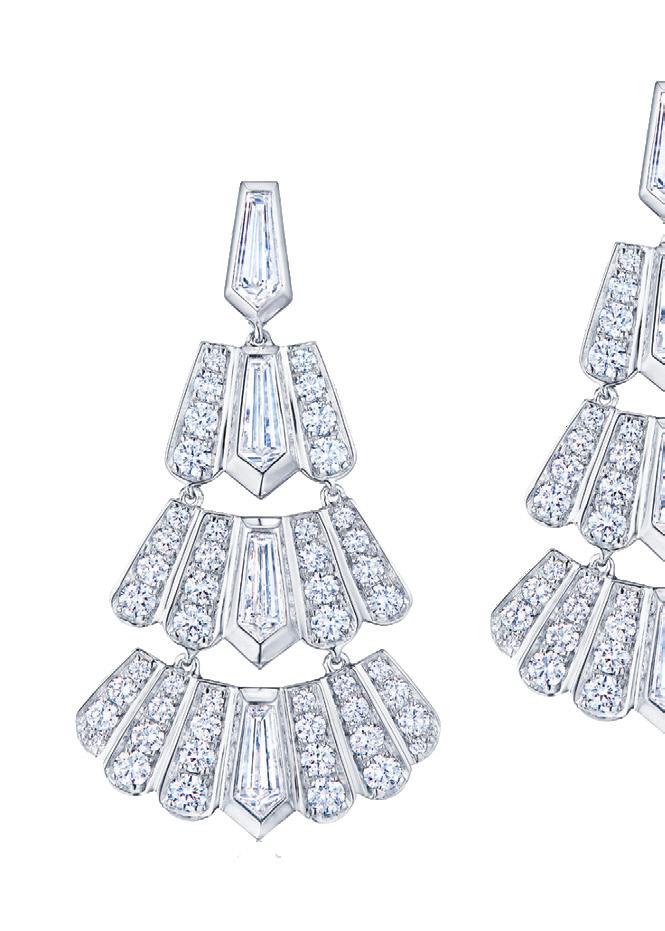
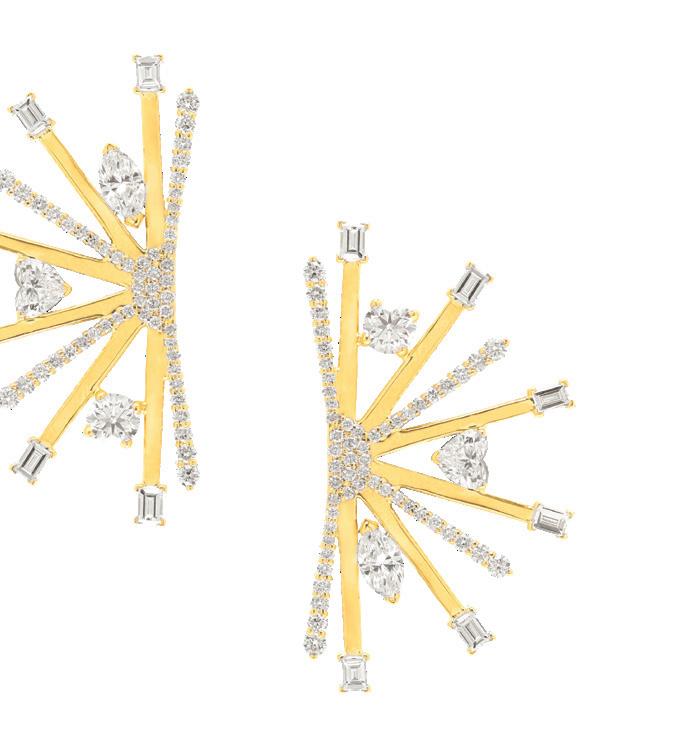


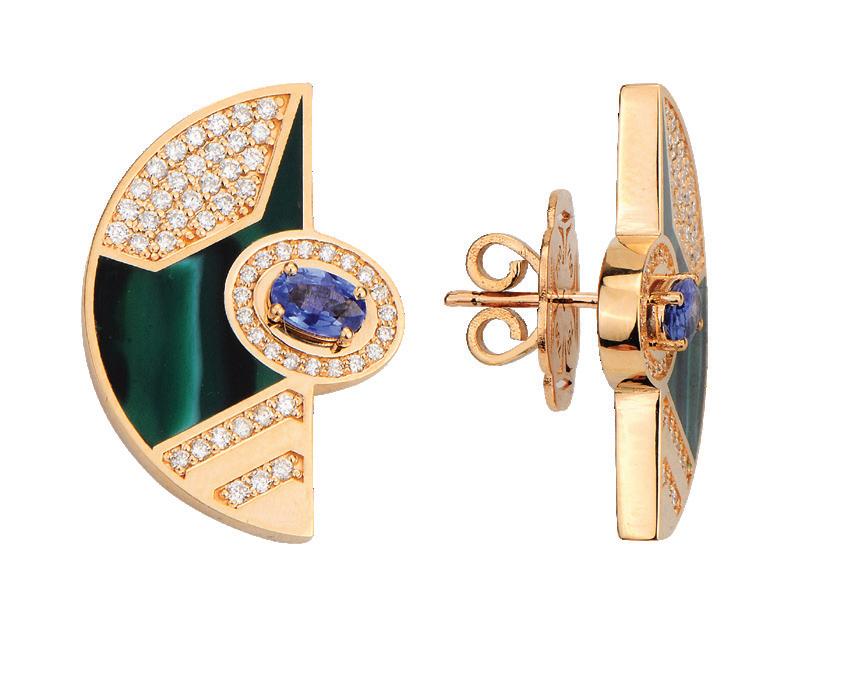

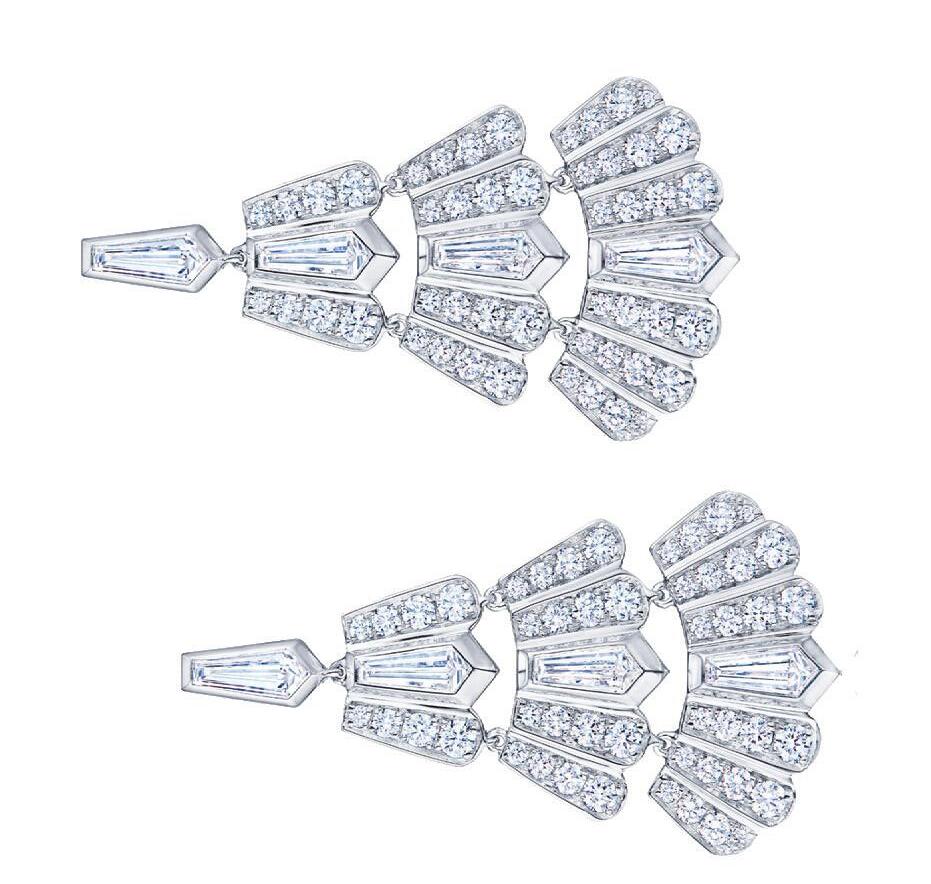
Clockwise from top left: İTÄ Bahia Ring (itajewelry.com). Assael NatureScapes Earrings. Available through Diamond Cellar in Nashville and assael.com. Asante Tourmaline & Diamond Ring from Maison H Jewels (maisonhjewels.com). Briony Raymond Aurora Earrings (brionyraymond.com). Swati Dhanak Floating Galaxy Fan Earrings (swatidhanak.com). Jenna Blake Fan Earrings. Available through Ylang Ylang in St. Louis and jennablake.com. Crisscut Diamond Earrings from Christopher Designs. Available through Richter & Phillips Jewelers in Cincinnati, Rivard Jewelers in Lexington, Simons Jewelers in St. Louis and christopherdesigns.com. Terzihan Epoca Earrings (terzihan.com). Kwiat Chandelier Earrings. Available through Reis-Nichols Jewelers in Indianapolis, Diamond Cellar in Nashville, and kwiat.com. Edgar Degas, , ca. 1880. Pastel on gray-green laid paper. Image courtesy of the Metropolitan Museum of Art. Eden Presley Azurmalachite & Tourmaline Fan Earrings. Available through Moyer Fine Jewelers in Indianapolis and edenpresley.com. Picchiotti Spessartite and Diamond Ring. Available through Moyer Fine Jewelers in Indianapolis and picchiotti.it. Opposite page clockwise from top left: Spanish or French fan, dated 1845; Fan with Poetic Verses, dated 1301 AH/1883–1884 CE; Fan, possibly Spanish, dated 1850–69; French fan, dated 1870-79; French or Dutch fan, dated late 17th–early 18th century. All fan images courtesy of the Metropolitan Museum of Art.
By Bridget Cottrell / Photos courtesy of Hotel Yellowstone and Teton Mountain Lodge and Spa
Powder hounds were certainly howling, and not for joy, as many of the West’s most storied ski areas suffered from historically low snowfall totals at the start of the 2025-2026 ski season. Numerous Colorado mountain towns, including Aspen, saw rain over Christmas. In Deer Valley, Utah, every mountain pushed back its opening date for the first time in its history. Bucking these trends, Jackson, Wyoming, received significant early snow, placing it among the top U.S. resorts for early-season accumulation. By midJanuary, Jackson Hole reported more than 130 inches of snowfall over Vail, Colorado, with 90 of its 130 trails open.
My advice to counter this unpredictability? Choose your accommodations wisely so you're not solely beholden to Mother Nature to make or break your holiday. As my ski skills are subpar at best, we split a recent trip to Jackson between two resorts: Hotel Yellowstone at Jackson Hole (HotelYellowstoneJH.com) and Teton Mountain Lodge & Spa at Jackson Hole Mountain Resort (tetonlodge. com), balancing outdoor adventures with indoor pampering.
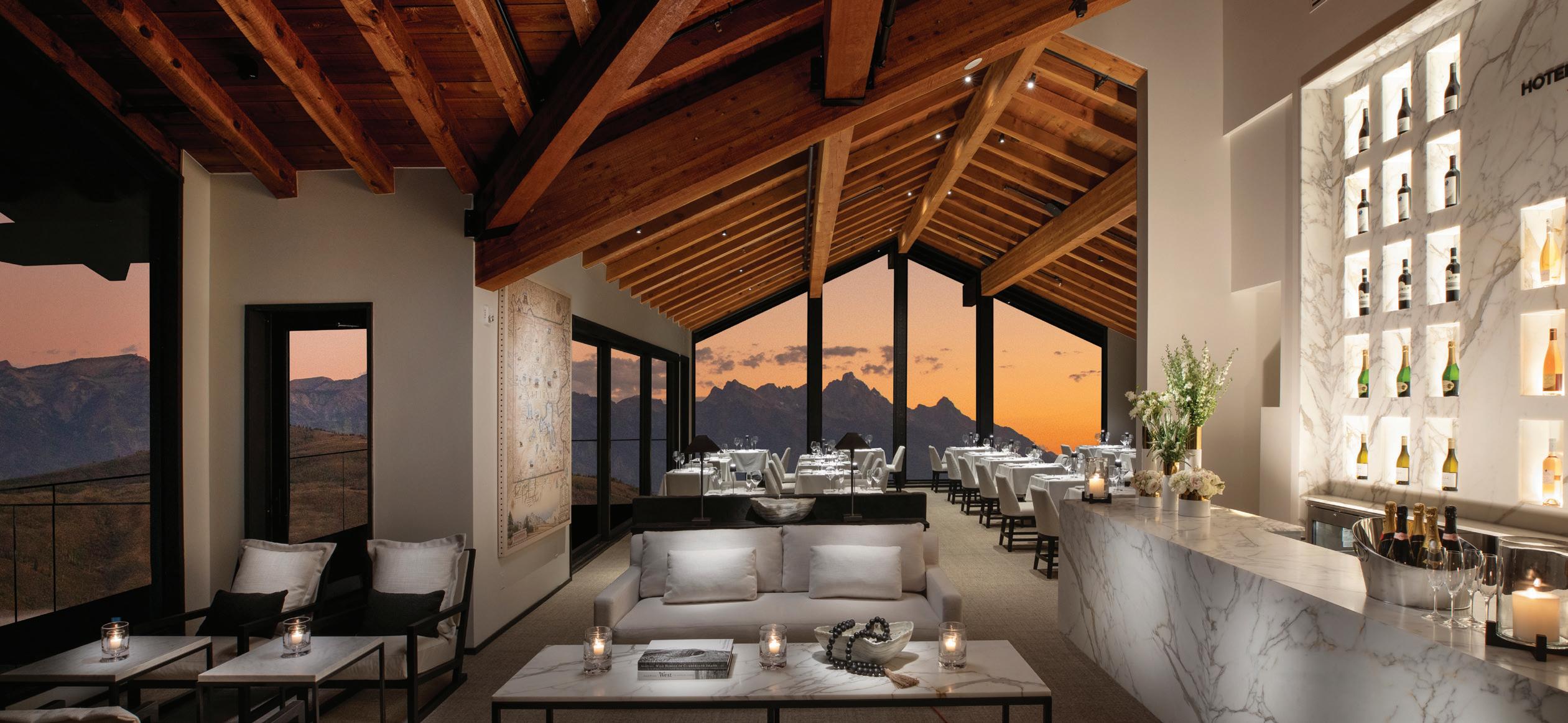
Occupying the coveted crest of East Gros Ventre Butte with next-door neighbor Amangani (currently closed for renovations), the adults-only Hotel Yellowstone, which opened in August 2024, transformed an existing property from rustic to mountain
modern, fully capitalizing on seemingly infinite views of the Teton Range with huge expanses of glass.
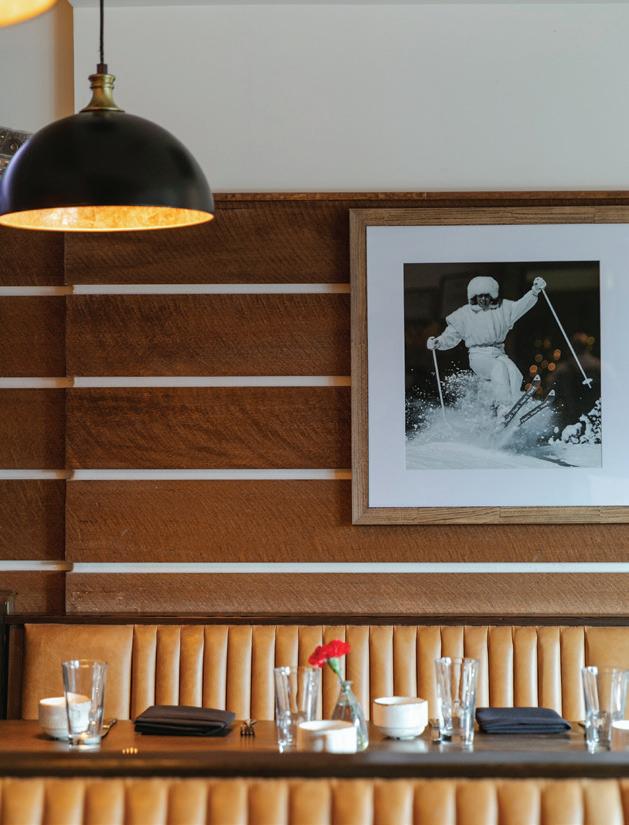
In lieu of a lobby, check-in takes place in the property’s communal living room (or the adjacent terrace), a welcoming space where an evolving menu of beverages and light bites is available from early morning through evening cocktail hour (there’s also a generous selection of complimentary snacks, sweets, and drinks in each suite). A wide staircase leads down to Olivia’s, an elegant all-day dining destination with décor that pays homage to the American West while seamlessly blending modern design influences.
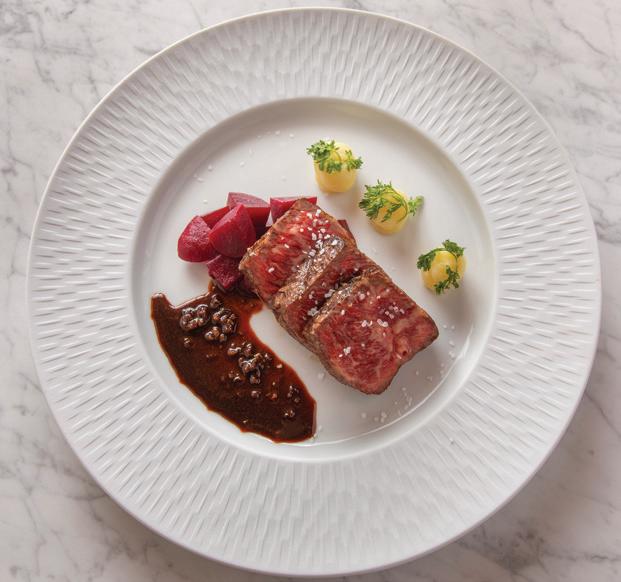
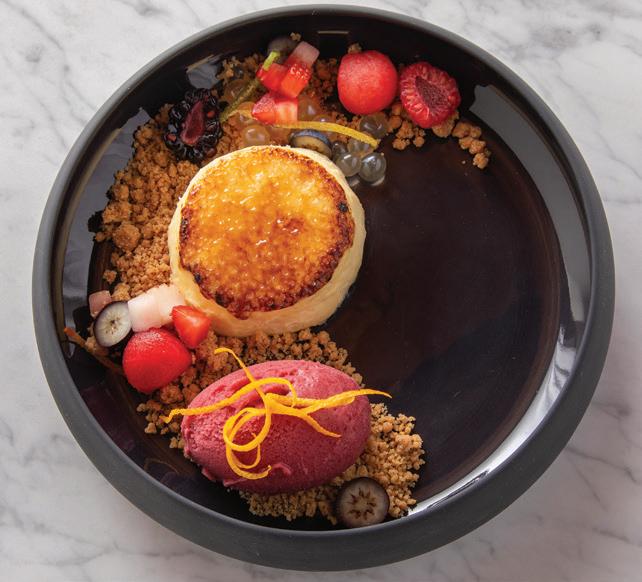
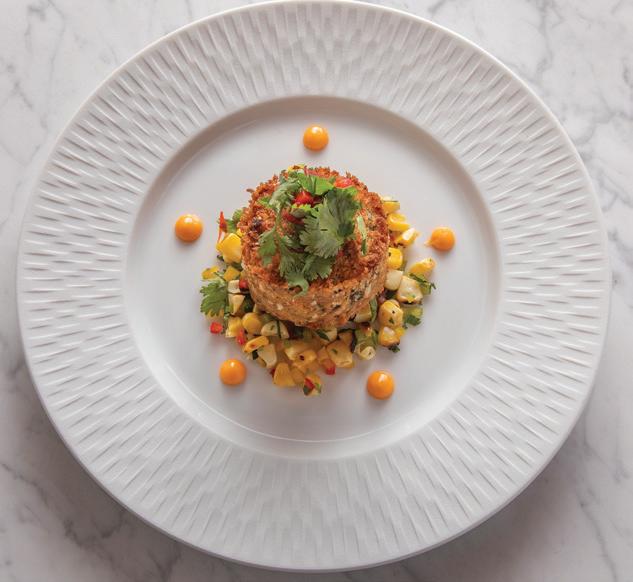
Walls of glass on two sides and mirrors on the others provide a rotating gallery on a monumental scale; the way the fog rolls across the valley and the mist conjures fleeting, floating rainbows is an Impressionist’s dream. Knowing active, adventure-filled days were in the offing, we had no qualms about going big at breakfast, including steak Benedict and stuffed French toast with blackberry syrup. Lunch offerings include elevated salads and sandwiches, while candlelit dinners are a more refined affair (beautifully plated, though no less hearty). Constant throughout all meals is the use of the best of what’s local and congenial service.
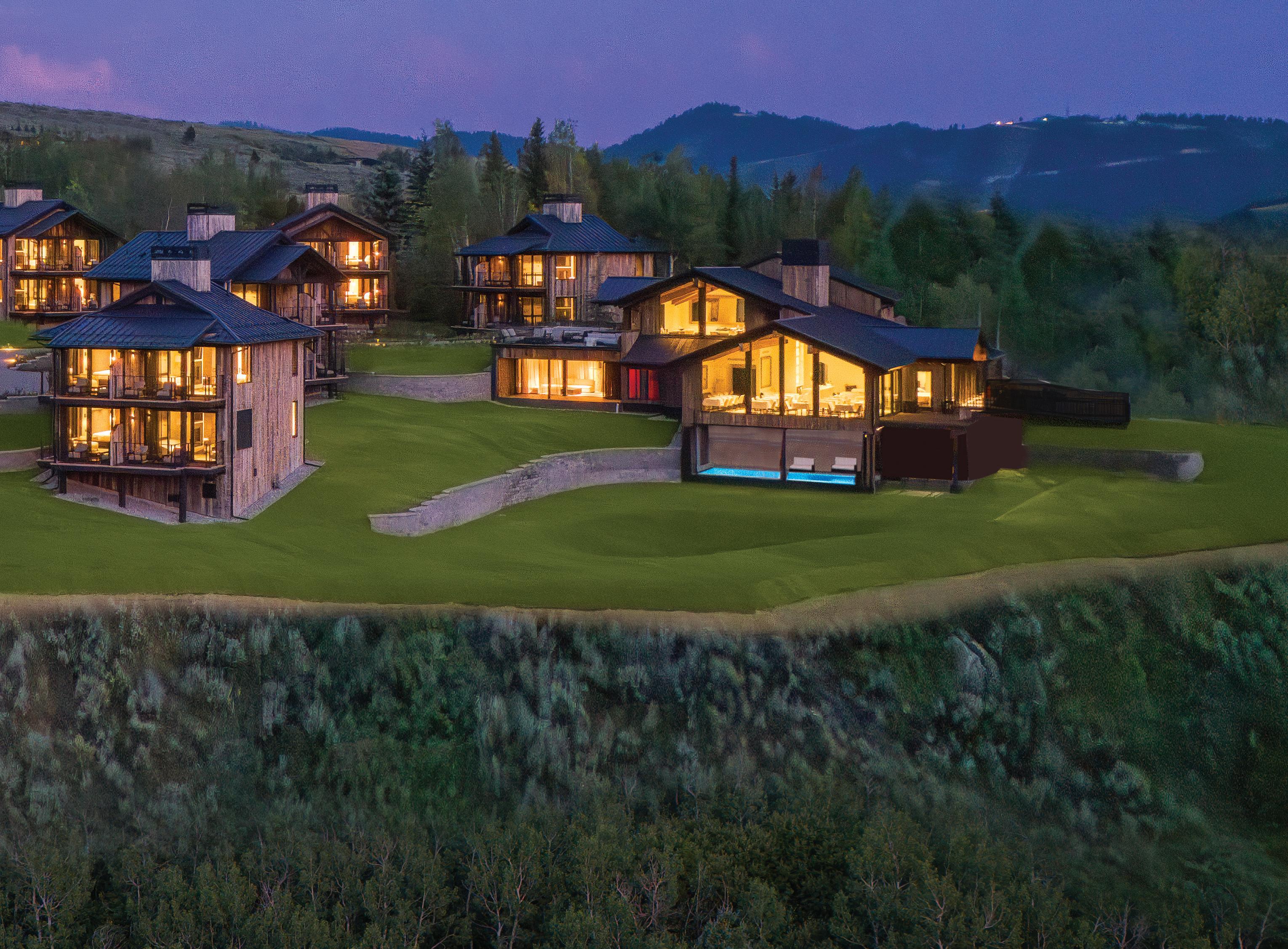
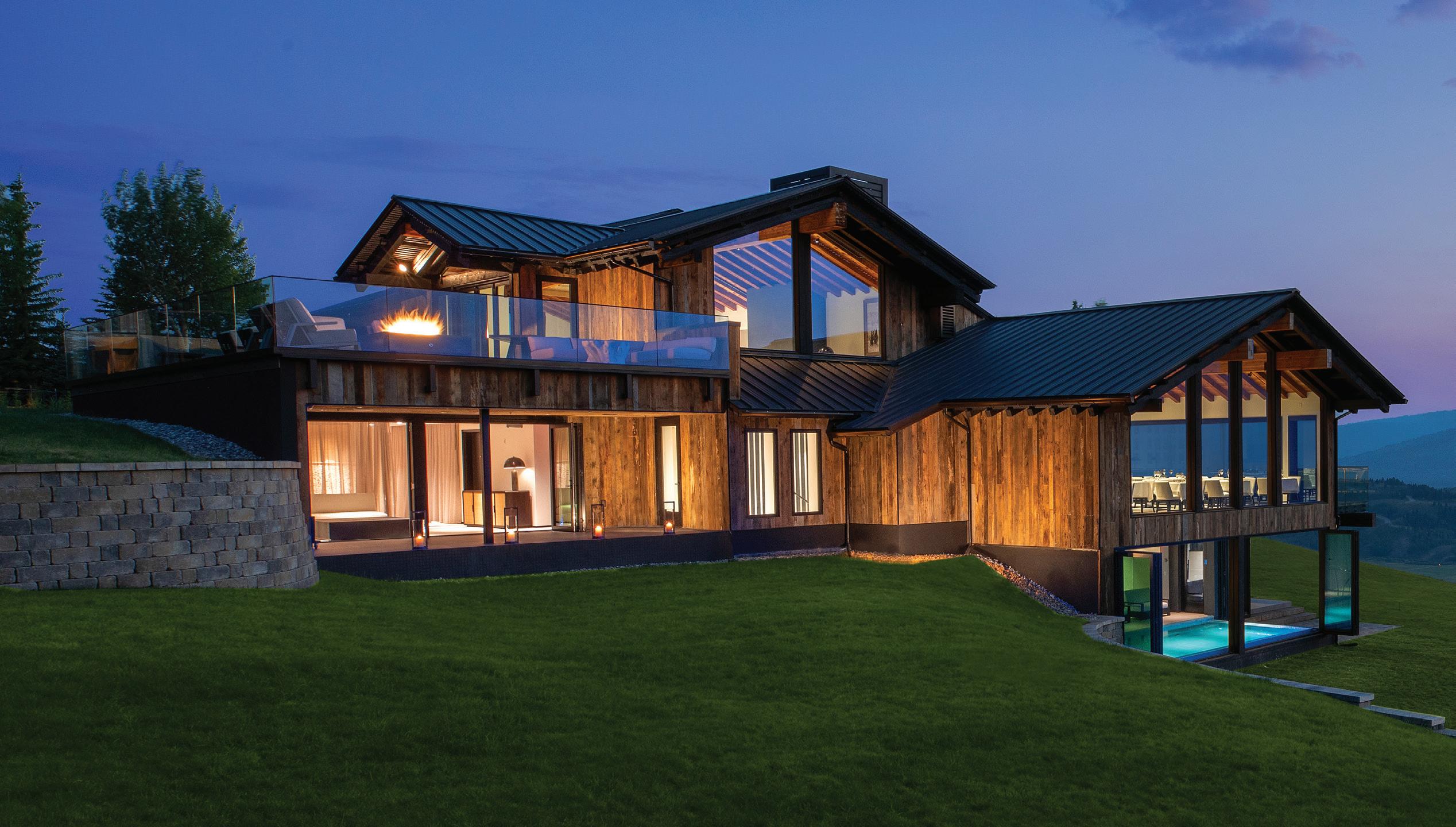
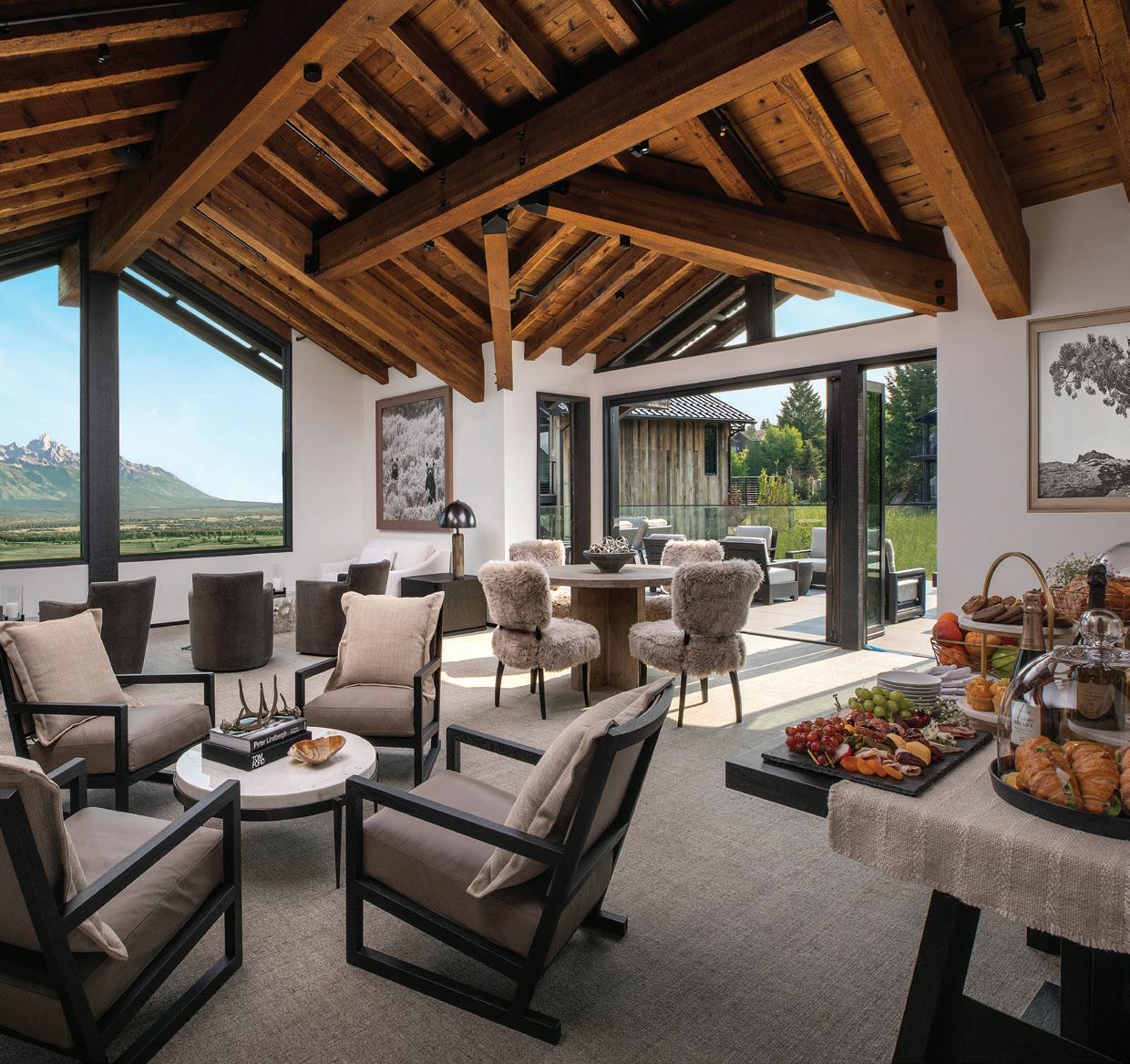
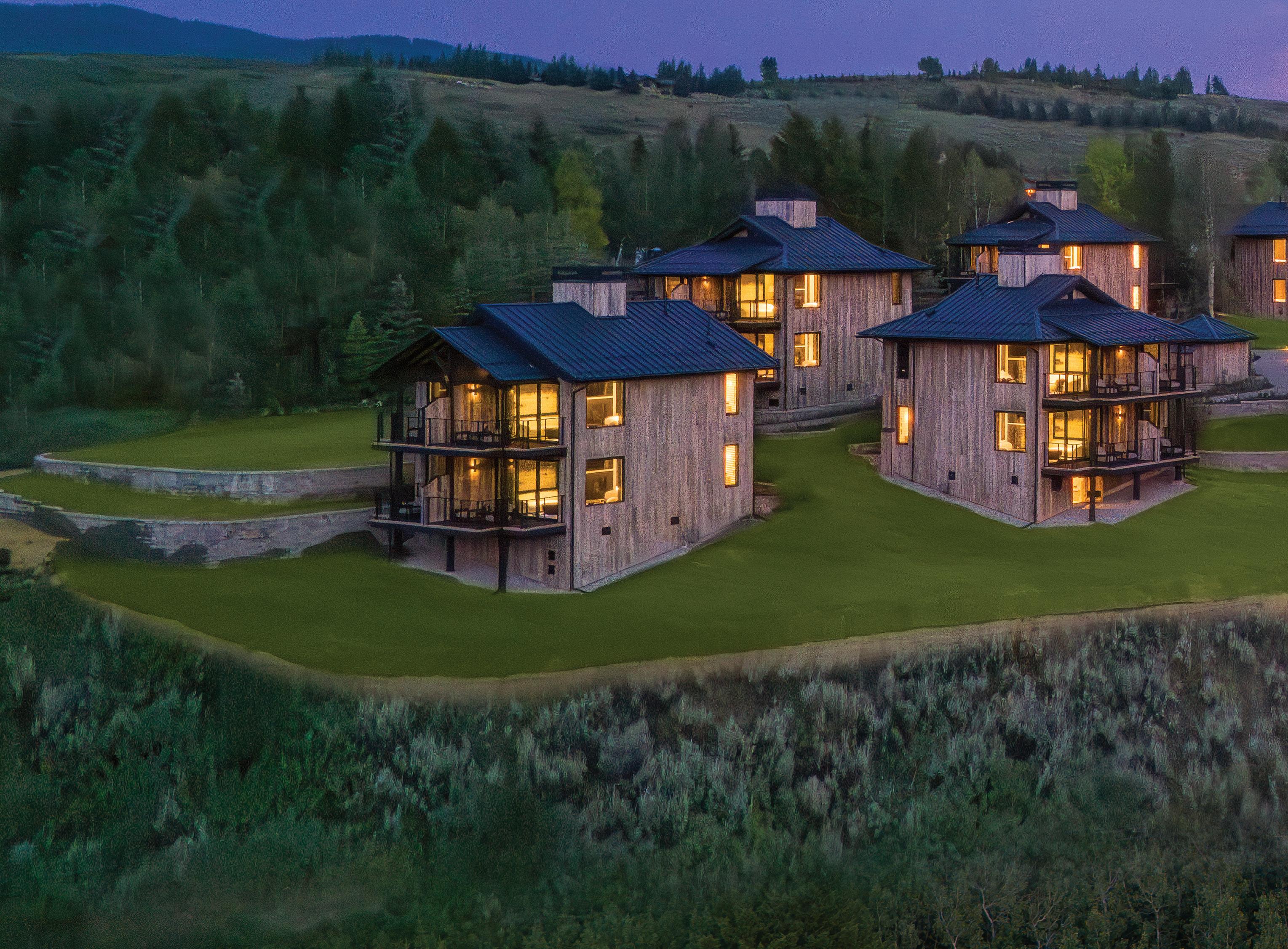
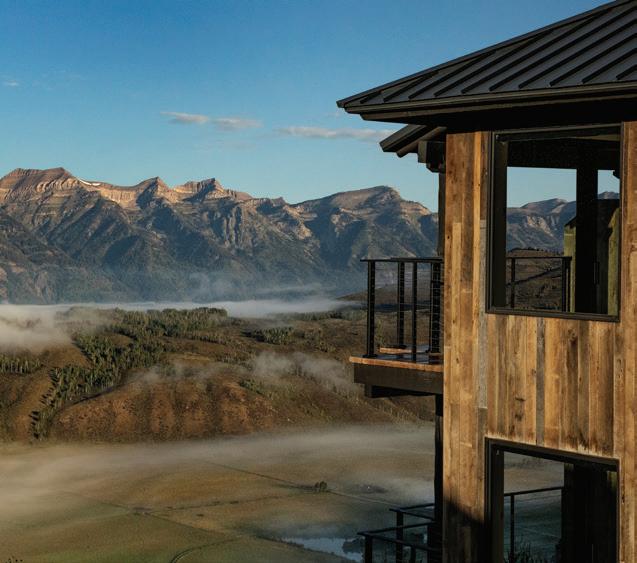
Hotel Yellowstone’s 36 lavishly appointed 600 square-foot guest suites are spread across the four-acre property in clusters of four within free-standing buildings that are either perched on the precipice of the butte or around a pond. The wood-sided structures with standing-seam roofs blend into the thoughtfully planned native plant landscape, which gives way to sagebrush-steppe and native grasses that create a transfixing ripple with the slightest breeze.
In public areas and guest suites, the color palette is muted, employing shades that mimic the seasonality of the landscape from spring’s green-gray to fall and winter’s tawny and straw-colored hues. This subtlety, particularly in guestrooms, allows layered texture to rise to the forefront, from fluffy sheepskin upholstery on armchairs to the nubby softness of bouclé upholstery on a half-moon sofa. The power of nature is captured in large-format black-and-white photography, from grizzly bear cubs in the lobby to an image of a fog-shrouded fly fisher mid-cast on display in our suite.
As beguiling as the rooms are, it’s the view that’s the real draw, and I spent a great deal of time on our generously proportioned, covered balcony, where, from our elevated vantage point, the red and green runway lights from the airport (the only commercial airport in the U.S. located entirely within a National Park) twinkled like Christmas lights and in the early morning light, and grazing ranch cows scattered amid the yellowed grasses
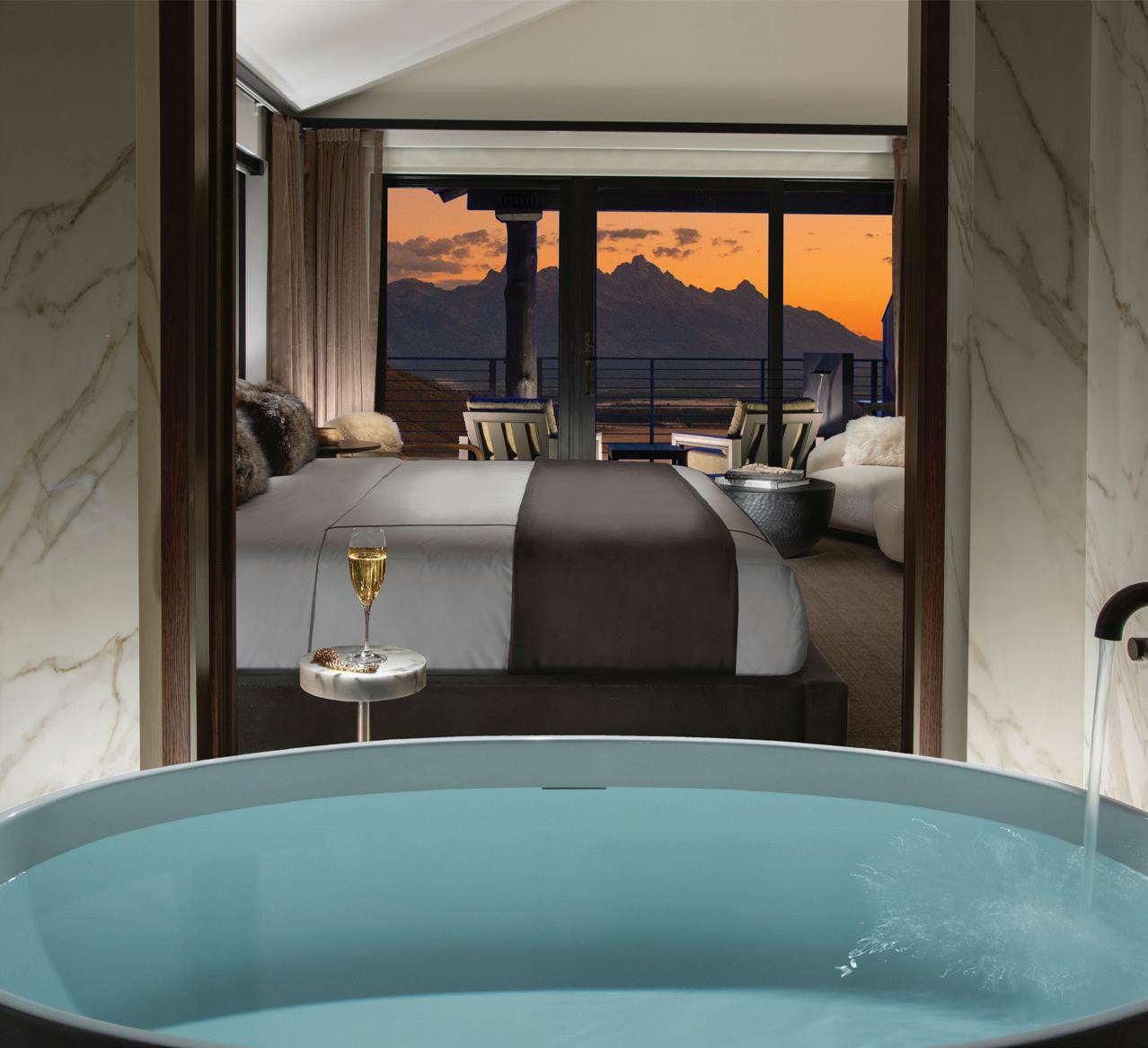
looked like pinpoints. An accordion door separates the floor-toceiling Calacatta marble bathroom, complete with a Toto Washlet Japanese-style toilet, from the bedroom, so you can literally bathe in the view from your oversized freestanding soaking tub.
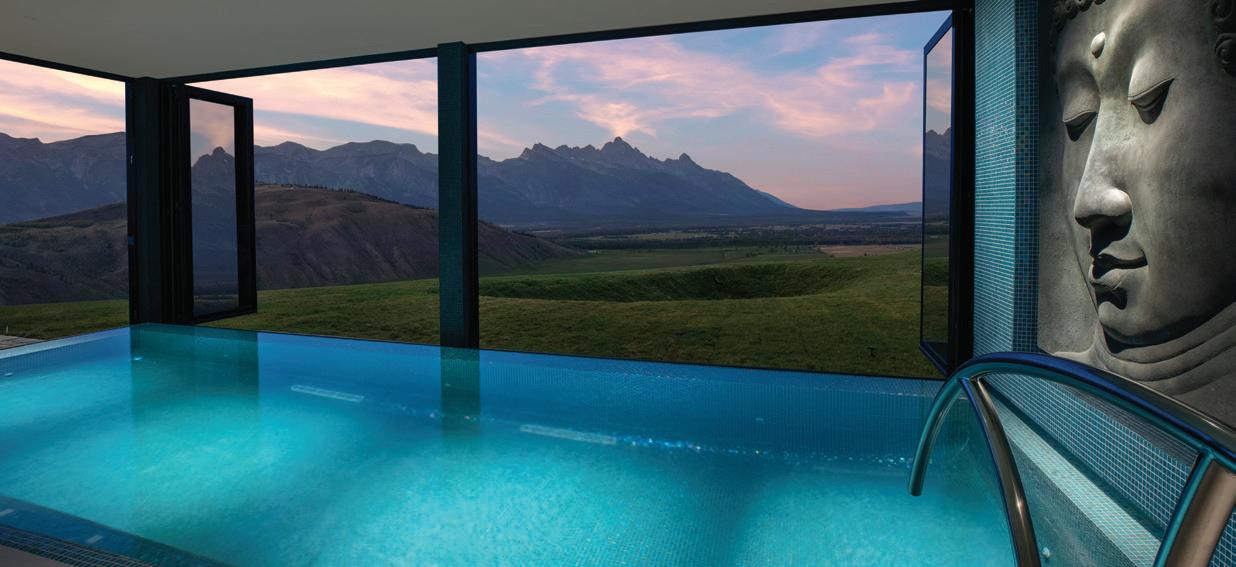
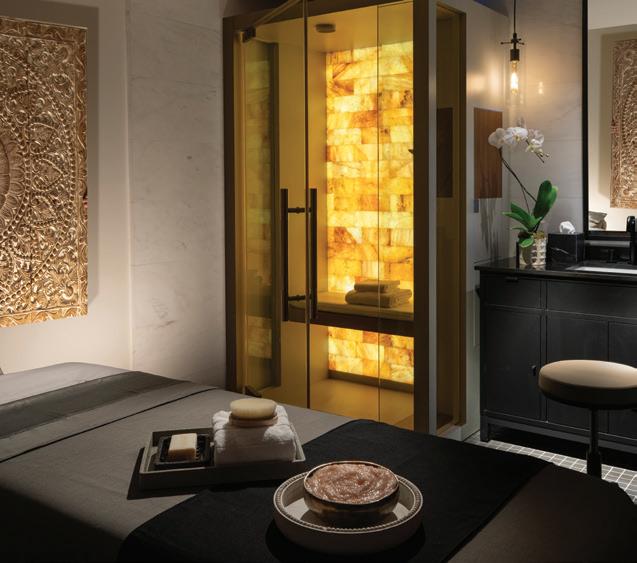
An intimate spa at Hotel Yellowstone offers an outsized menu of destination-derived treatments for a boutique property, including red light therapy, infrared sauna, cold water therapy showers, and two couples’ treatment rooms, each with a Himalayan salt treatment booth. Also well-equipped is a petite gym with TechnoGym Cardio equipment, free weights, and yoga mats. The pièce de resistance of the spa level is a heated negative-edge pool surrounded by retractable floor-to-ceiling glass windows that invite in refreshing mountain breezes.
Hotel Yellowstone is located less than five miles from the charming and historic Jackson Town Square; 15 miles from Grand Teton National Park’s Moose Junction Entrance; and 60 miles from Yellowstone National Park’s South Entrance. They’ve partnered with local outfitter Backcountry Safaris to offer curated destination experiences exclusively for guests, encompassing wildlife safaris, fly fishing, Snake River floats, UTV excursions, and sunrise or sunset toast outings. For winter fun, Hotel Yellowstone is nearby both Snow King Mountain, which recently opened Snow King Observatory and Planetarium
(snowkingmountain.com/mountain/snow-king-observatory), the only mountaintop observatory and planetarium in the United States, and Jackson Hole Mountain Resort (jacksonhole.com), which is celebrating its 60th anniversary in 2026.
A premier destination for powder enthusiasts, averaging 459 inches of snow each season, Jackson Hole Mountain Resort serves up some of the most challenging terrain in the West, including iconic runs like Corbet's Couloir, a double-black diamond. Nearby, the National Elk Refuge (fws.gov/refuge/national-elk) offers sleigh rides around the herd, North America's largest, with winter populations typically ranging from 6,000 to over 10,000 head. In warmer months, the resort’s Aerial Tram, which ascends 4,139 feet to an elevation of 10,450 feet in just 12 minutes, offers access to a vast trail network that links Jackson Hole Mountain Resort, Bridger-Teton National Forest and Grand Teton National Park.
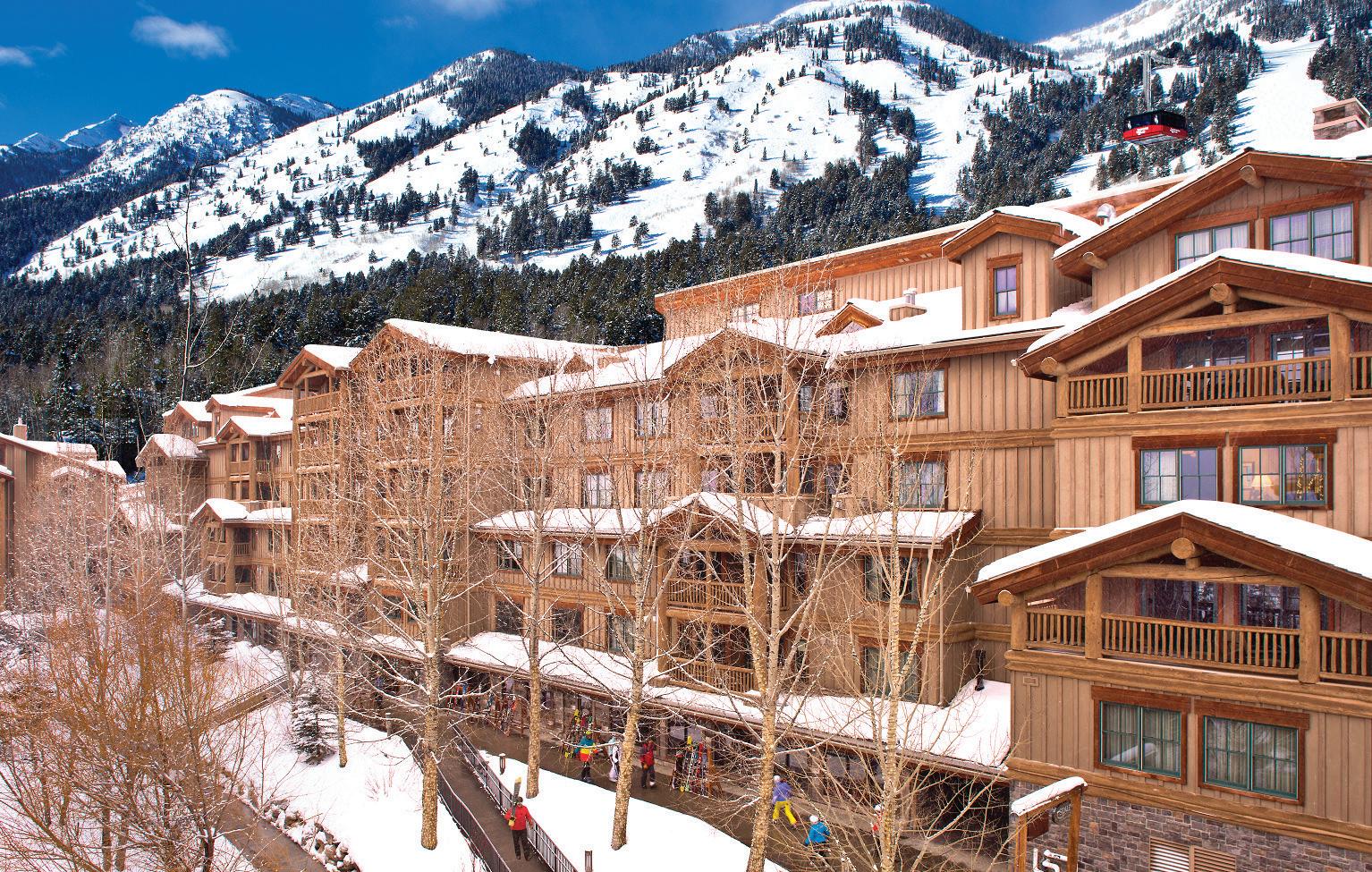
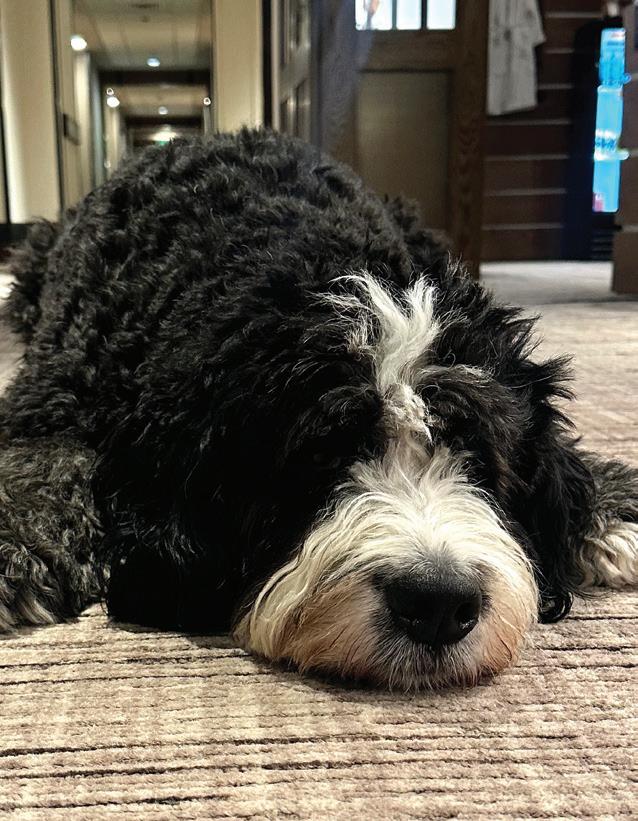
The slopeside Teton Mountain Lodge & Spa is situated in the heart of Jackson Hole Mountain Resort. It was love at first sight as soon as we entered the soaring lobby, when I was unable to notice anything else once I spied Scout, the GM’s cuddly Bernadoodle and the hotel’s unofficial mascot, positioned like a welcome mat at the front of the reception desk. After administering Scout’s obligatory belly rubs, I was able to survey the surroundings in the recently renovated space, which seamlessly blends modern aesthetics with
Hole's rich
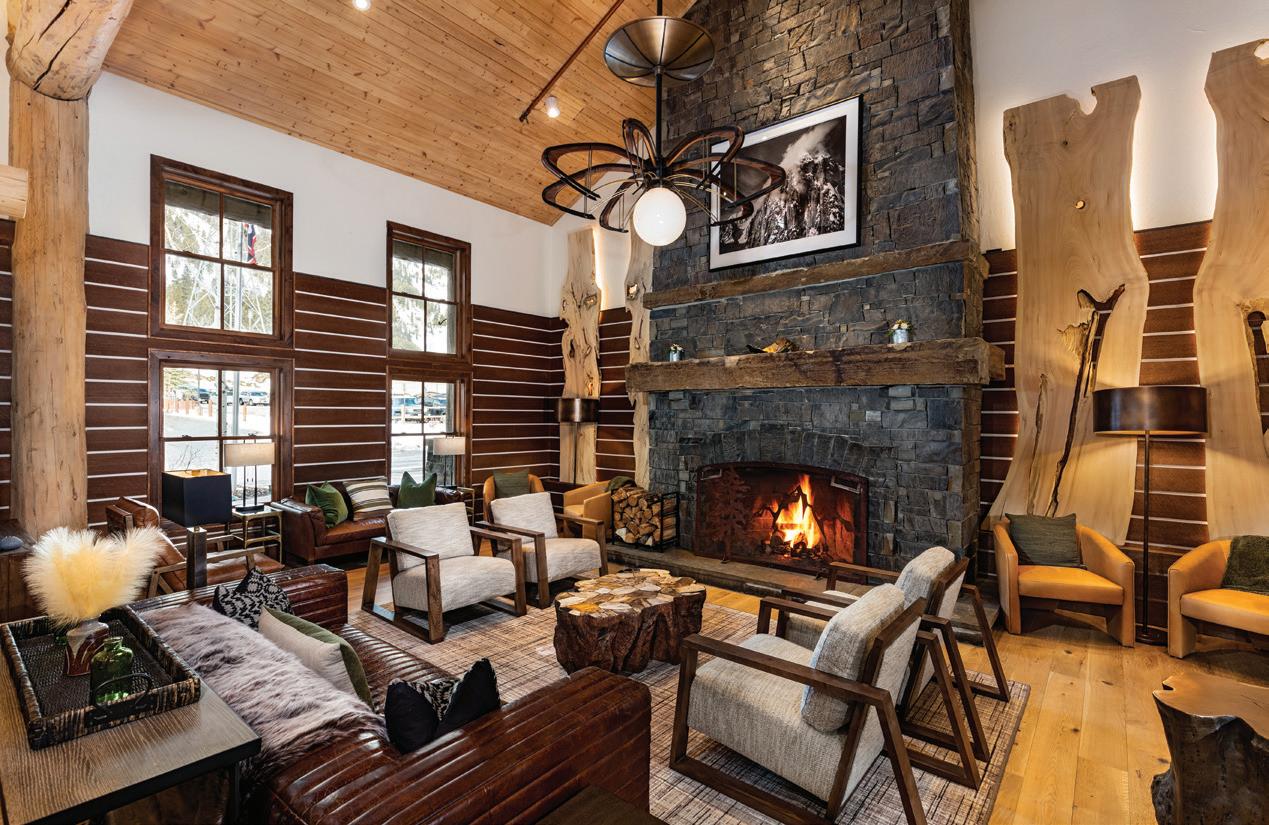
Rugged natural materials such as dark wood, timber beams, and large stone-faced fireplaces, which anchor multiple cozy seating areas with plush couches and throw blankets, are juxtaposed with custom chandeliers, blackened steel, and antique brass accents, and expansive windows that frame the natural beauty of the surrounding mountain landscape. The rustic alpine-style design continues in the guestrooms ranging in size from 350 to 1,580 square feet. Common among them is a stone-faced gas fireplace and built-in boot dryer, and most boast a fully equipped kitchen with a separate dining area. Spacious bathrooms offer a jetted tub or a double-headed rain shower.
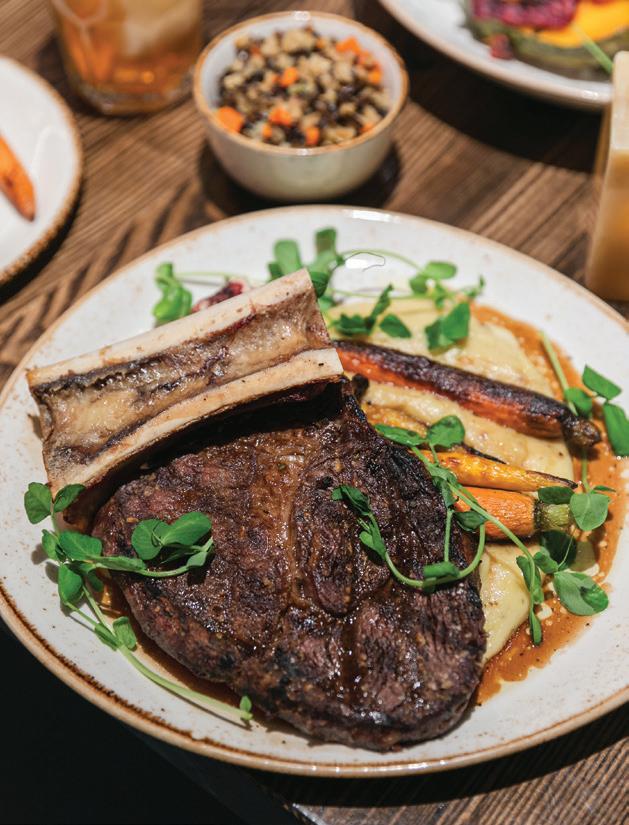
The hotel’s Spur Restaurant, consistently rated among the top restaurants in Teton Village, is one of a handful of year-round dining venues in the village and popular with the après-ski set. For a grab-and-go breakfast, pick up a Bear Claw 399, a delectable treat named to honor the late Grizzly 399, the oldest known reproducing female grizzly bear in the Greater Yellowstone Ecosystem when she was killed by a car in October 2024. You can indulge in the delectable treat guilt-free, knowing that proceeds support grizzly conservation in the area. The cuisine at Spur is elevated American West with heavy European alpine influence. All three meals at Spur feature hearty fare with plenty of locally sourced ingredients (including vegetarian options) to power active days.
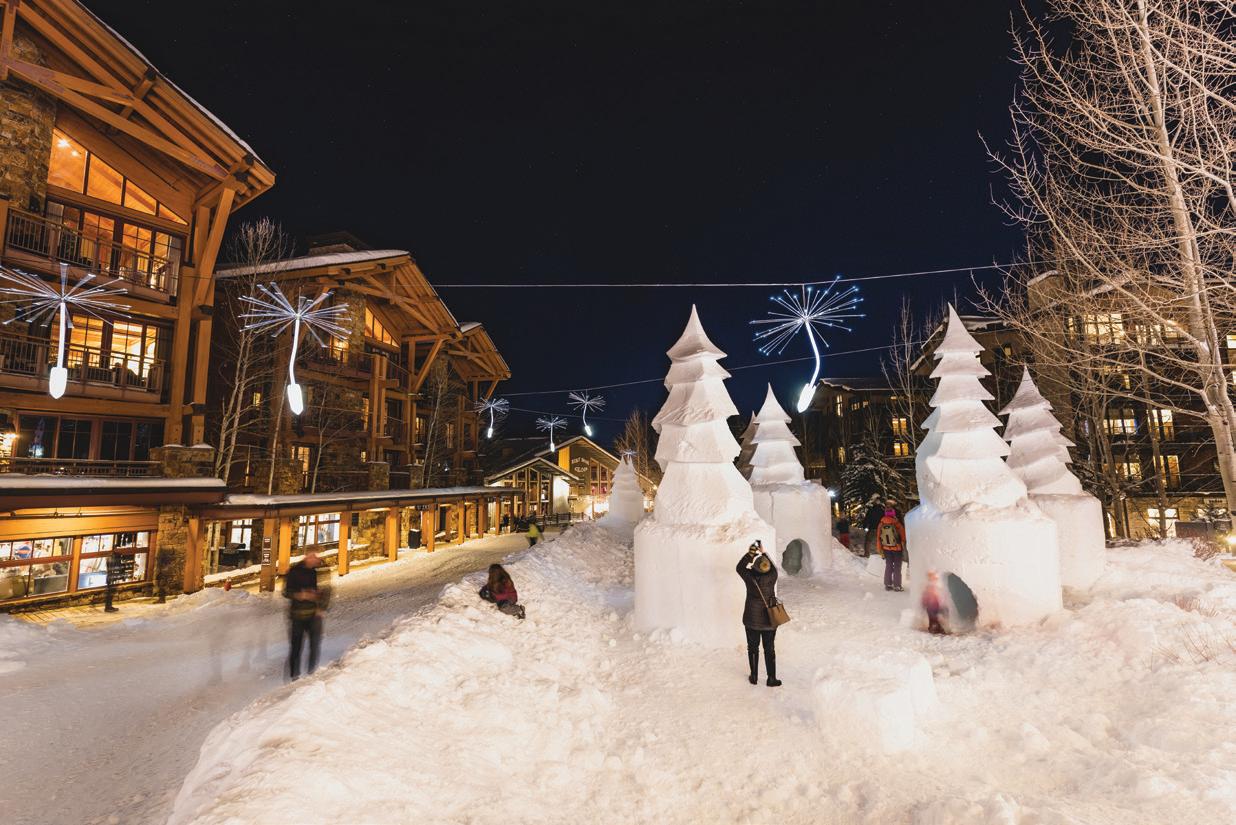

Next door, Teton Mountain Lodge’s sister property, Hotel Terra (hotelterrajacksonhole.com), offers another outstanding dining option Il Villaggio Osteria. The intimate space, with a prominent salumi bar and a wood-fired pizza oven, transports diners to the Italian countryside through its rustic, lively ambiance. The menu is designed for a multi-course, family-style dining experience, showcasing authentic, seasonal Italian fare, including a wide array of house-made pastas, pizzas, and fresh salads.
After a day of outdoor activities, Spa Terre at Teton Mountain Lodge offers a serene alpine escape, blending nature's healing power with luxurious amenities, including signature Thai

body rituals, a eucalyptus-infused steam room, an infrared sauna, an oxygen bar, and a salt chamber. If you need to finesse your fitness, there’s a sprawling gym adjacent to the indoor/outdoor pools and hot tubs.
The ski season at Jackson Hole Mountain Resort typically ends in early to mid-April, with spring skiing offering fewer crowds and “corn” snow that can transform steep bowls into soft, forgiving surfaces by afternoon. The resort will host the Rendezvous Music Festival, headlined by The Flaming Lips, on March 28, 2026. For snow reports, real-time on-mountain video feeds, and more information, visit jacksonhole.com. sl
Written & photographed by Jennifer Brian
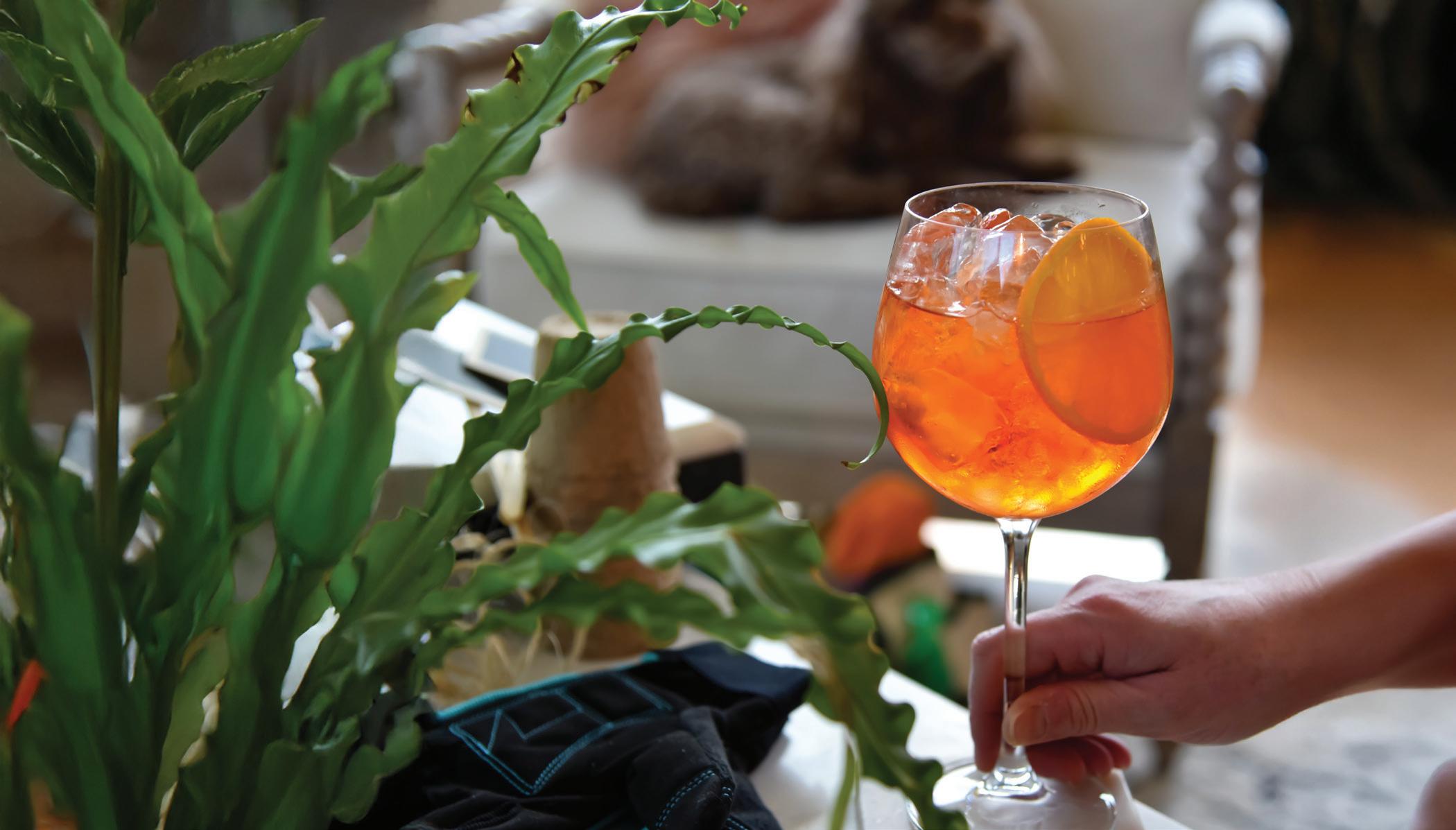
Oh, that glorious sunshine! The promise of warmer days is just around the corner, and I could not be more thrilled because that means Spring Cocktails. Hallelujah! This winter, I was inspired to explore fresh takes on mocktails and lower-ABV (alcohol by volume) cocktails, wanting something new that felt like a treat without being heavy or high-proof. It no longer feels like a trend, simply how we all want to move forward- thoughtful about what we are consuming, celebratory without being fussy, and damn tasty. Enter the spritz!
Spritzes have a long history, dating back to the 19th century in Veneto, Italy, when Austrian soldiers added a “splash” (German: “Spritz”) of water to the strong wines of Italy. This segued to adding prosecco or sparkling water, and then Italians began adding bitters to the mix in the early 1920’s. In the 1950’s, the traditional Aperol Spritz was born, soon to become Italy's national cocktail, where it still holds a place of distinction today.
The understated elegance of a spritz speaks to me. It is the quintessential Italian “il dolce far niente” (translated as “the sweetness of doing nothing”, which is more about the joy of unhurried moments and less about couch rotting). It is the stylish, simple art of “Oh, this? I just threw it together,” when you want WOW without all the work. The traditional recipe for a spritz is 3-2-1. Three parts prosecco, two parts liqueur or syrup, one part soda water. Using this simple formula, the possibilities are limitless and governed only by what you like in a cocktail.
With Easter and Mother’s Day just around the corner, setting up a spritz bar is a fun way to get folks involved and give your guests a sure-fire way to drink what they enjoy while being creative and interactive. Experiences involve your guests in the
best of ways, creating moments of connection and cementing the gathering into the “Best Time EVER!” type of event.
A spritz bar can be anything from a collection of a few liqueurs and bottles of prosecco to a crafted mixer station with pre-measured vials in ice, ready to pour. Some suggestions are listed below, but by all means, drink what you love! A few bottles of liqueurs and syrups, a bucket of ice-cold prosecco, and some gorgeous garnishes can turn any gathering into a party. It is also easy to turn a spritz bar into a spirit-free craft beverage bar. Juices or nonalcoholic mixers with any type of sparkling beverage, like flavored fizzy water or Italian sodas, are also a big hit. Let us know what your favorites are. Saluti! sl
Liqueur/Amaro/Syrup Suggestions
• Aperol or Campari (so traditional and delicious)
• Elderflower Liqueur (like St Germain)
• Limoncello (always a favorite)
• Ramazzotti Amaro (caramel, chocolate, dark fruits, plus warm baking spices and just enough bitterness)
• Cynar (bitter artichoke-based aperitivo with deep, earthy notes and enough sweetness to keep you taking another sip)
• Any Make & Muddle mixers (Honey Lavender Elixir and 3 Herb Gracious Grapefruit in particular are home runs)
Garnish Suggestions
• Orange wheels or peel
• Lemon wheels or peel
• Fresh herbs like mint, rosemary, or sage
• Edible flowers

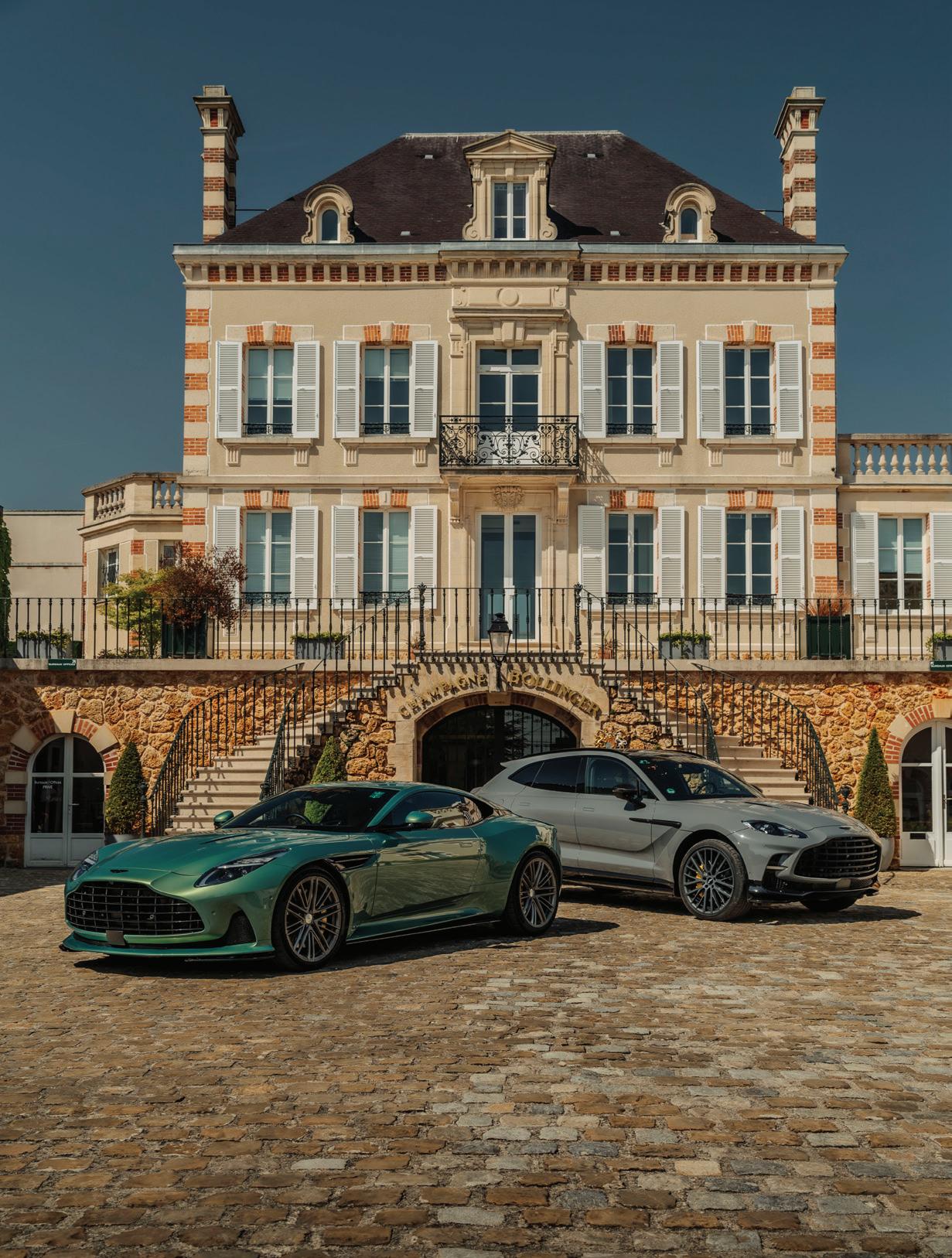
Aston Martin Experiences offers an immersive journey into luxury, performance and adventure.
Edited by Matthew Cottrell / Photos courtesy of Aston Martin
Kicking off in April, Aston Martin’s 2026 Experiences program offers enthusiasts a curated portfolio of exclusive lifestyle and adrenalinefocused track programs, designed to immerse participants in the ultra-luxury world of the iconic British brand.
Anchored by the flagship invitation-only ASCEND and UNLEASHED programs, customers and admirers of Aston Martin will have the opportunity to connect with the brand through lighter formats via its Supertours and Supercharged experiences.
At the pinnacle of the offerings, the ASCEND lifestyle driving programs are reserved for an elite group of up to 12 couples per 4to 5-night adventure. Combining breathtaking drive routes with unrivalled cultural immersion and privileged access to world-class events, highlights of the ASCEND calendar include:
24 Hours of Le Mans: France (June 11-15, 2026)
Explore the Loire Valley’s grandest Châteaux before diving into the thrill of Le Mans. Meet racing legends and gain behind-the-scenes insights from the Aston Martin THOR race team, whilst viewing the world’s biggest endurance motorsport event, in VIP hospitality from The House of Aston Martin.
The Ultimate James Bond Experience: Italy (September 2026)
To celebrate the 20th anniversary of Casino Royale, step into the thrilling world of James Bond. From unforgettable driving adventures to exclusive behind-the-scenes access, this immersive journey will put guests in the footsteps of the world’s most famous secret agent.
Formula 1® in Texas: Austin, USA (October 22-26, 2026)
Experience a stunning journey into Texas Hill Country combined with the sights and sounds of the United States Grand Prix in ultra-luxury style, with exclusive track access and driver meet-and-greets.
Exclusively for owners of Aston Martin limited-edition, trackfocused models, UNLEASHED provides the ultimate hypercar
experience, with access to iconic Formula 1® circuits, including Circuit Paul Ricard in France (April 2026), Red Bull Ring in Austria (May 2026), and Monza in Italy (September 2026). Participants will explore the full potential of their cars under the guidance of championship-winning drivers, with comprehensive technical support and motorsport physiotherapy. After the adrenaline-filled days on track, Aston Martin’s signature luxury takes center stage. Guests will unwind in five-star accommodations, enjoy gourmet dinners hosted by Aston Martin's special guests and connect with fellow track-focused car owners.
Under the Supertours umbrella, lifestyle events include a driving tour in Marrakesh in April, an immersive race weekend at the prestigious Monaco Grand Prix in May, and an ultimate Best of British experience at Goodwood Festival of Speed in July. Also on the agenda is a series of journeys showcasing China’s most breathtaking landscapes, from the coastal serenity of Hainan to the dramatic frontiers of Tibet and the cross-border Guangxi-Vietnam.
Supercharged immersive track events include a day of performance driving at Millbrook Proving Ground with Aston Martin’s elite instructors and track driving at Silverstone’s Stowe Circuit, the home of Aston Martin’s UK development. Other regional programs include a fantastic track day at Monticello, a private country club for automotive enthusiasts in Monticello, New York, in May.
“From the exclusivity of ASCEND to the adrenaline rush of UNLEASHED, each program reflects our unwavering commitment to creating unforgettable memories,” said Finbar McFall, Global Marketing Director at Aston Martin. “Whether it’s cultural discovery, track performance, or the thrill of a scenic drive, there’s something to captivate every Aston Martin aficionado.” sl
For further information on all Aston Martin Experiences, including booking details, available at astonmartin.com/experiences.



Compiled by Bridget Cottrell



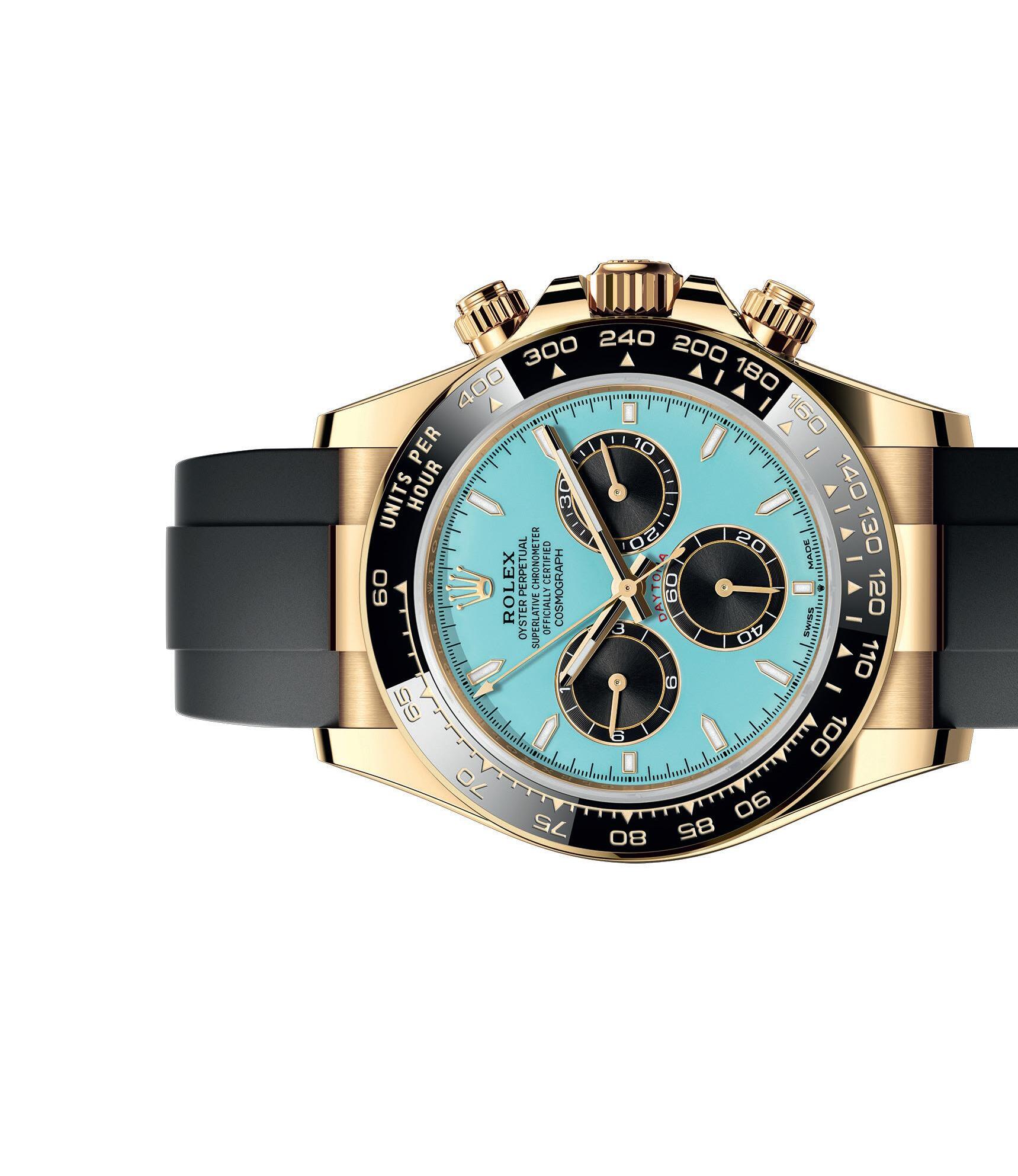
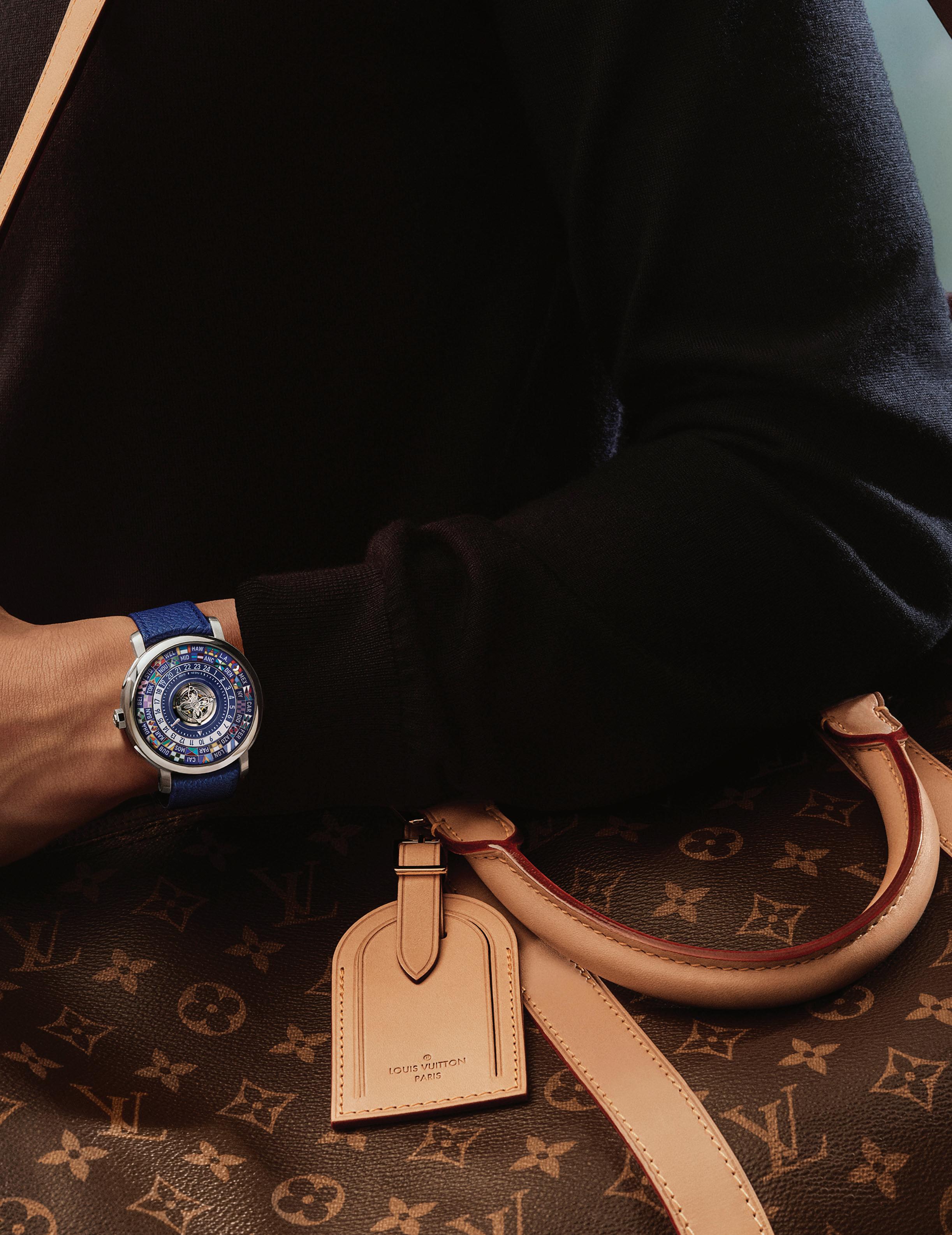
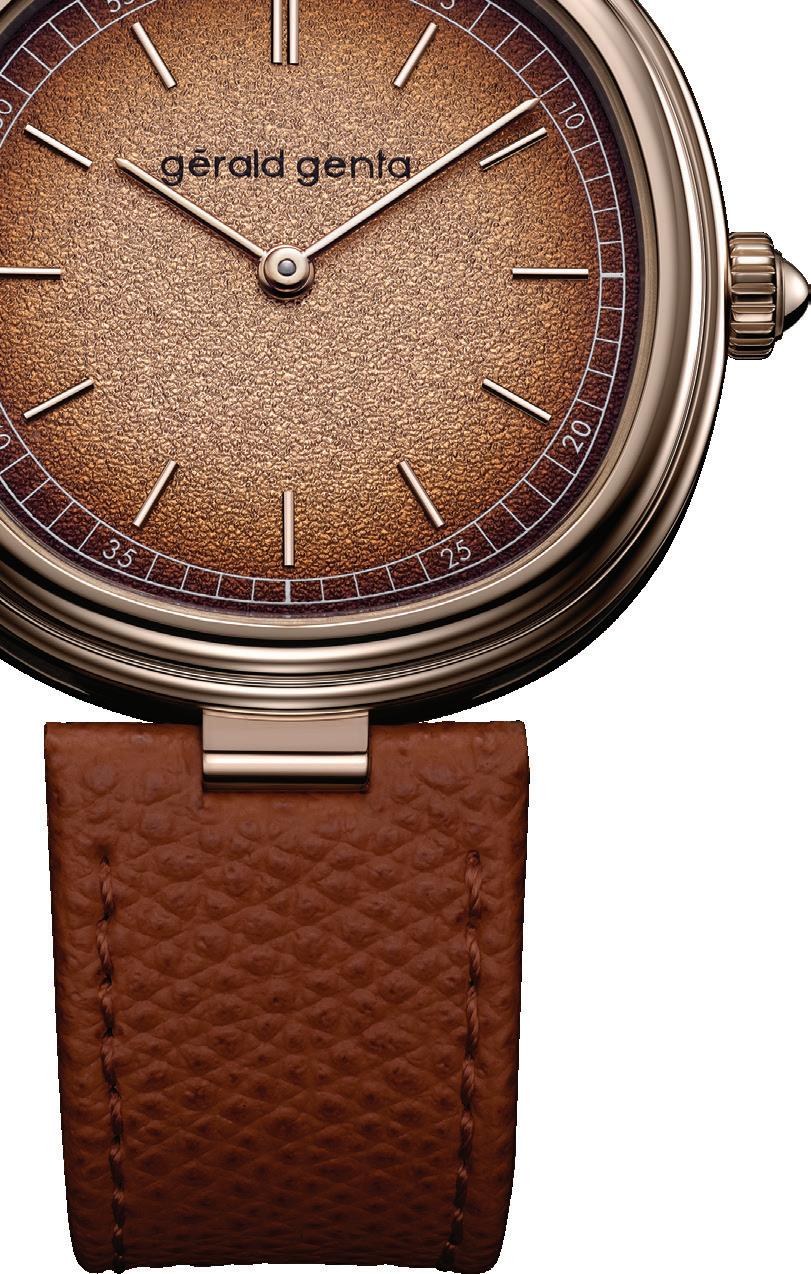

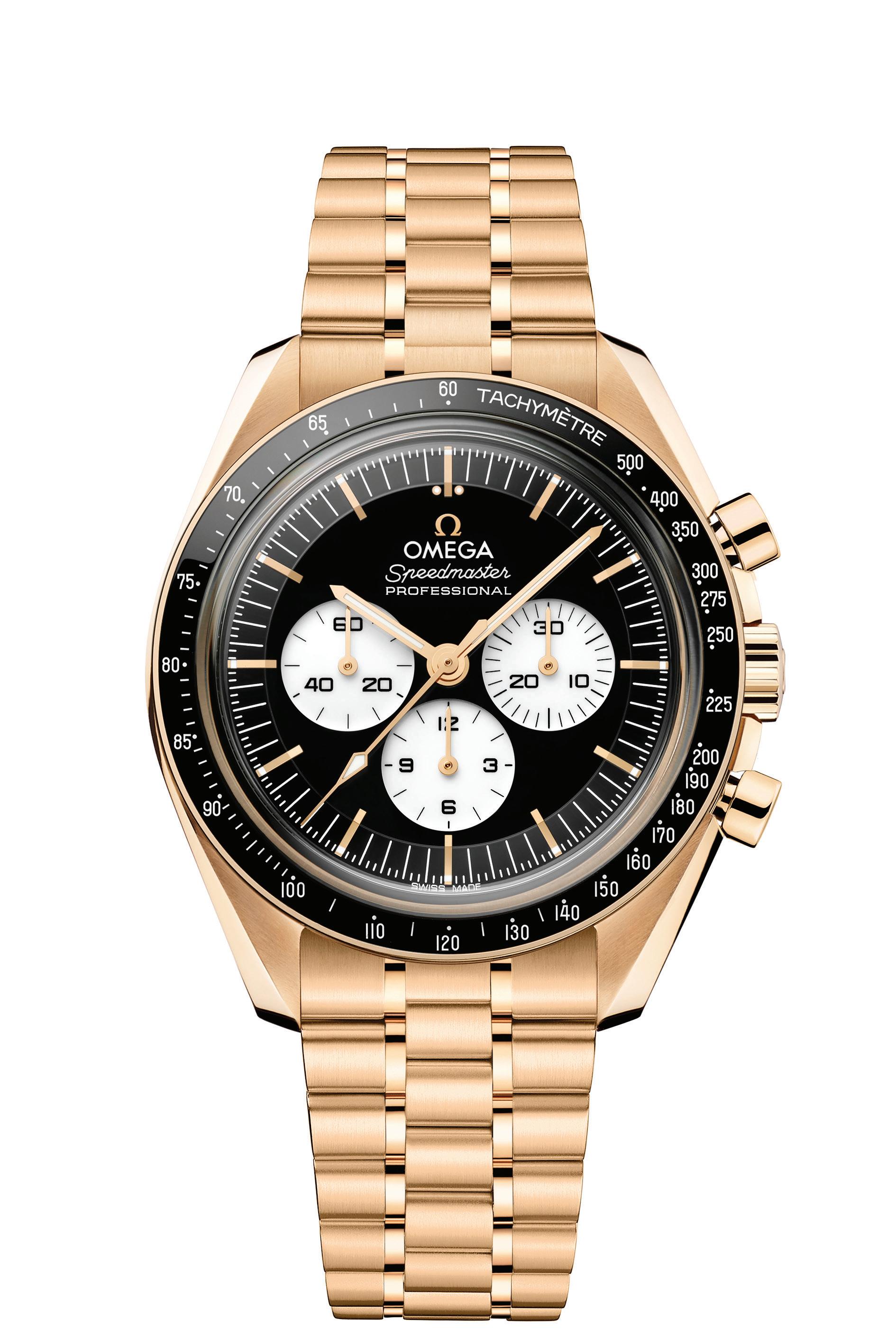
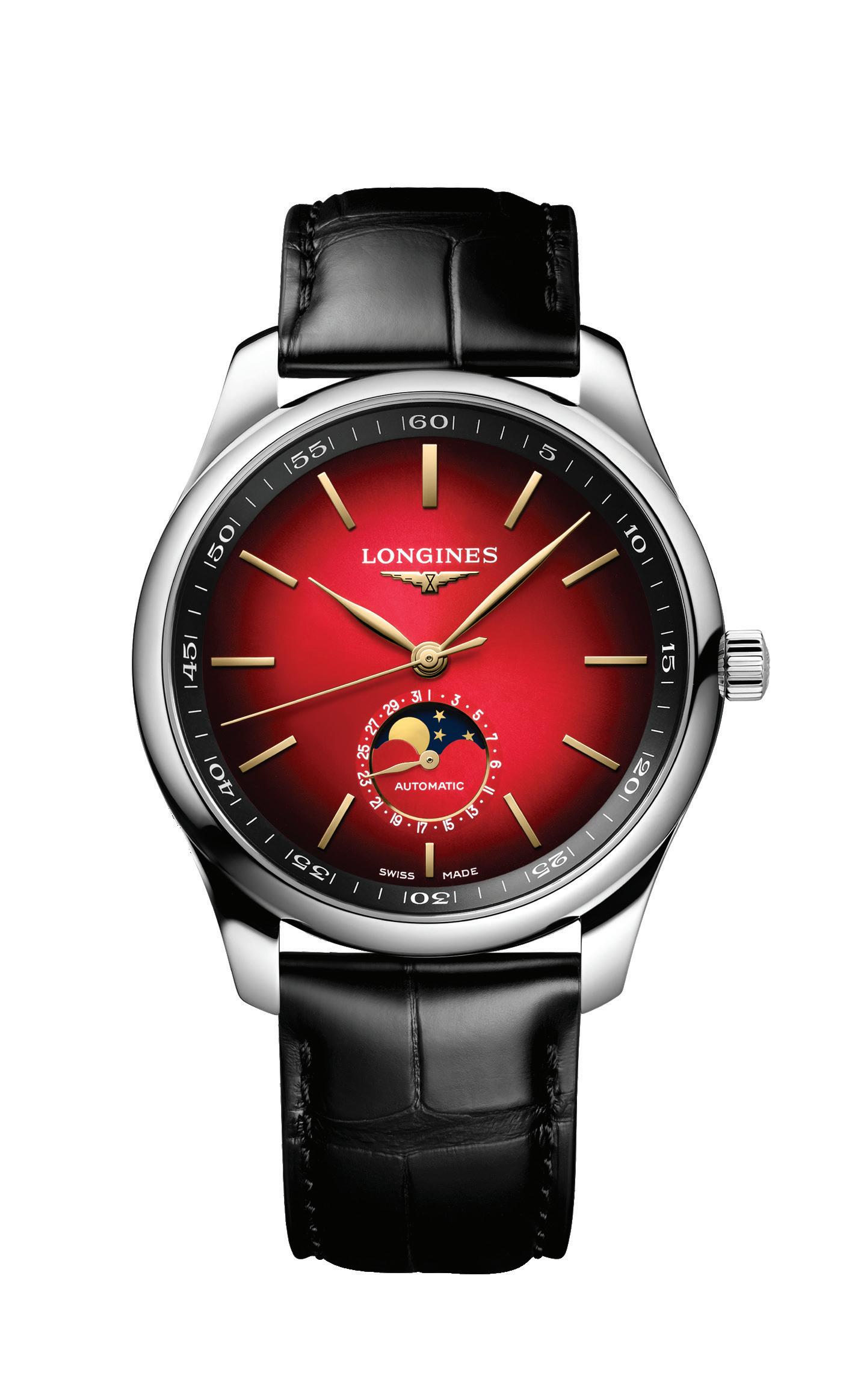
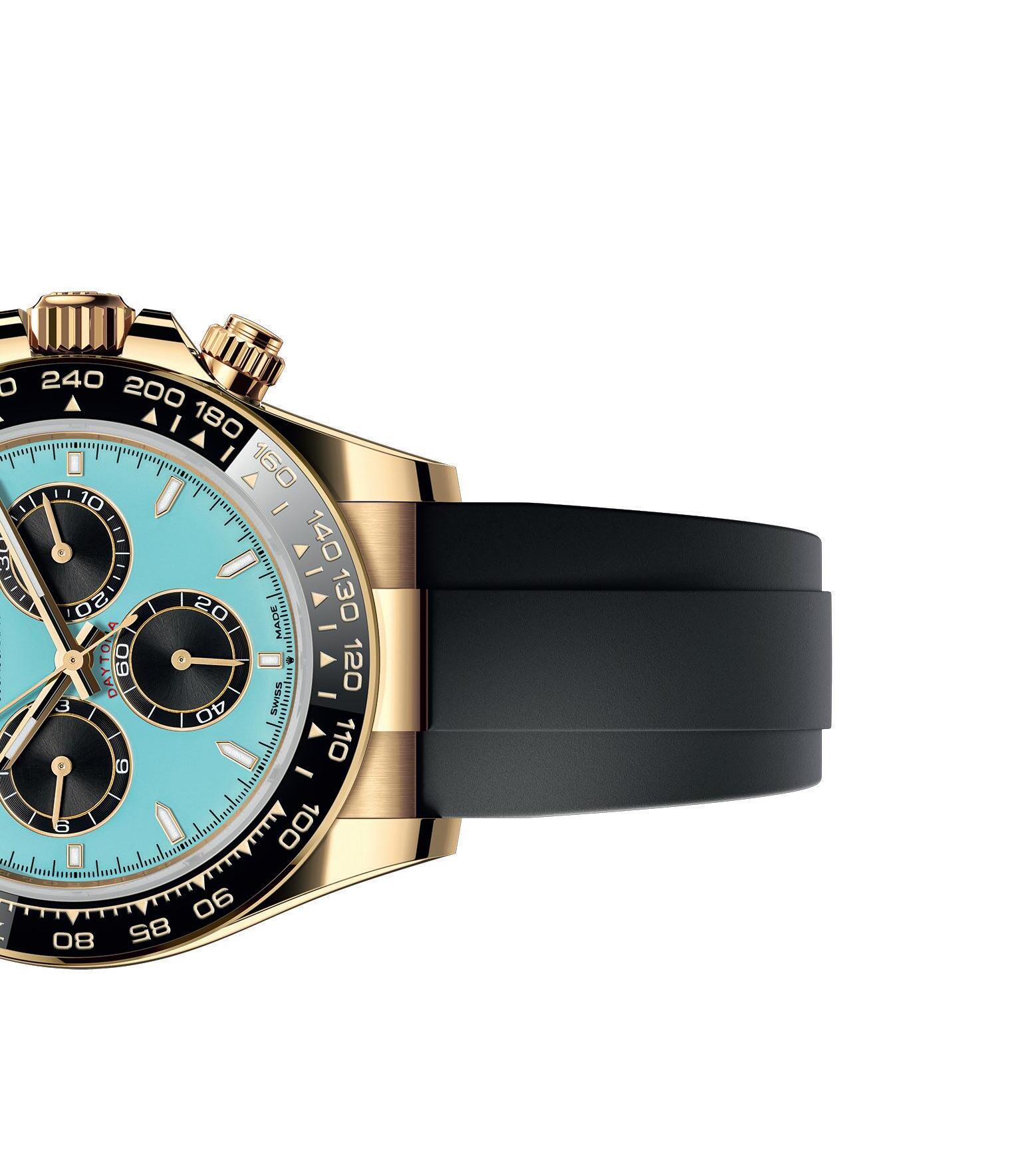

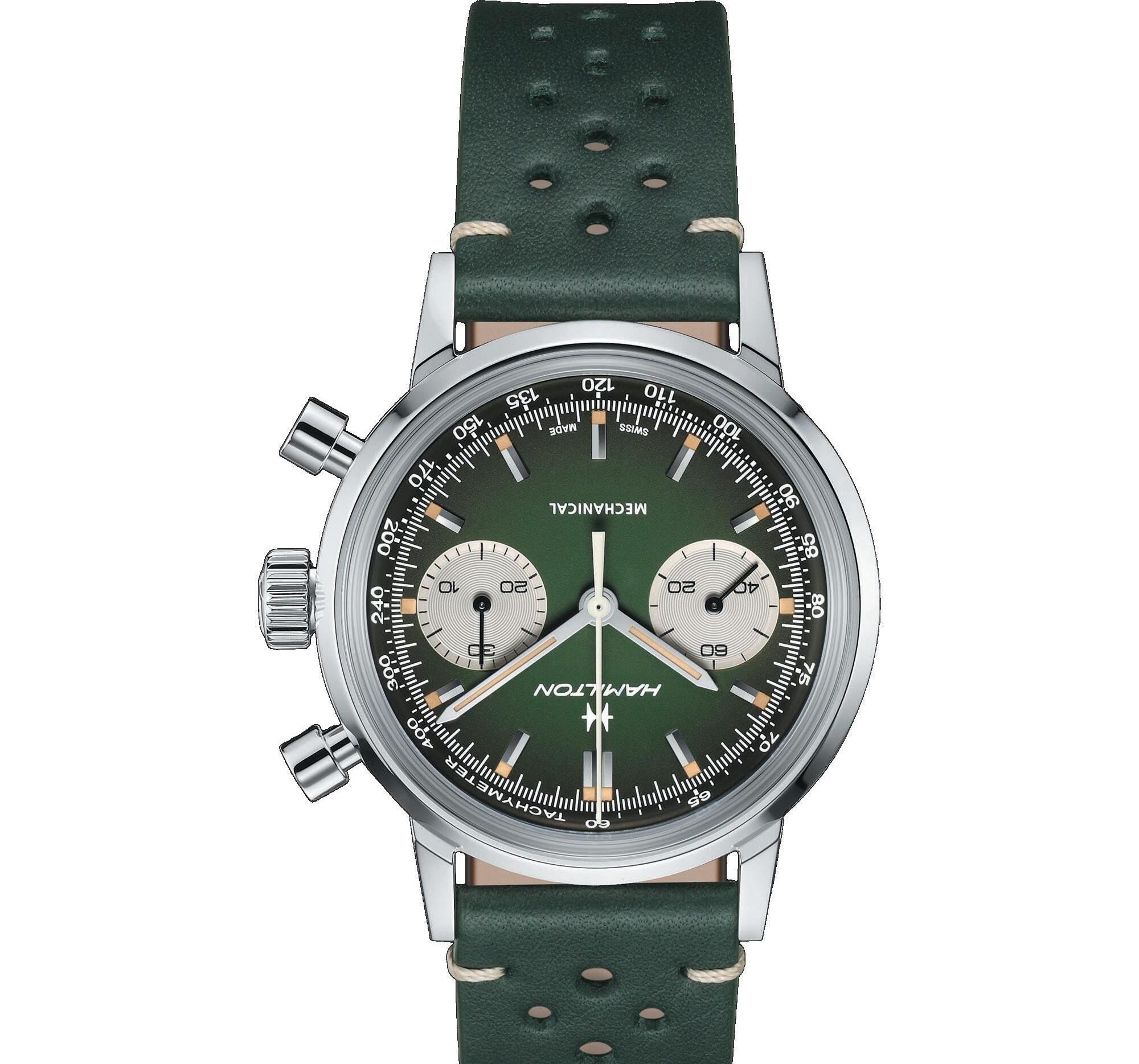
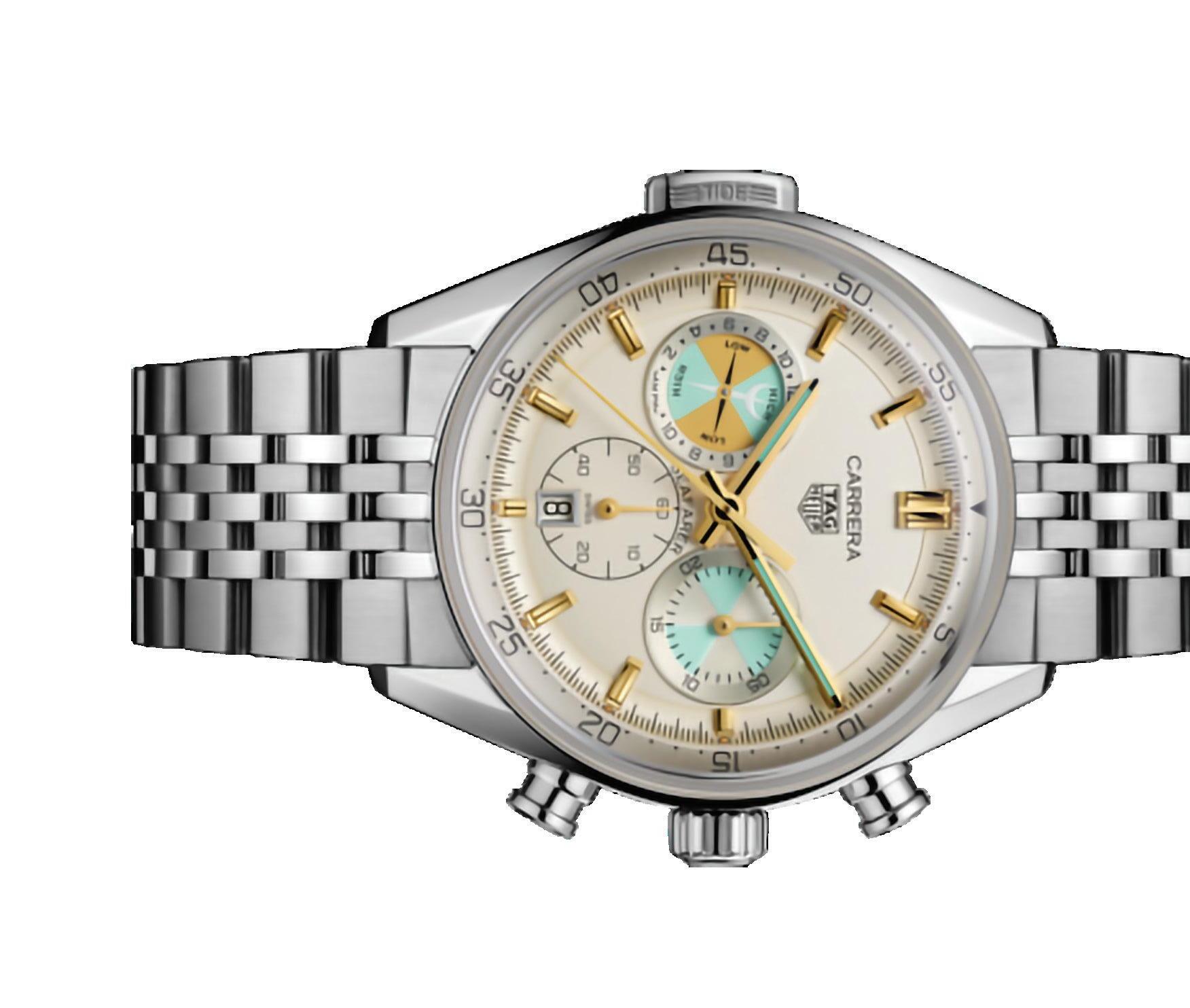
Clockwise from top left: Gérald Genta Geneva Time Only is a reimagining of a 1970s design, shown in rose gold with a grained brass dial with a gradient smoked effect. Under the dial is a Zenith Elite GG-005P automatic movement with 50-hour power reserve and a 4Hz frequency (geraldgenta.com). Hublot 43-mm Big Bang Unico Titanium Coal Blue Edition, powered by the Unico Manufacture chronograph flyback caliber, with a three-day power reserve. Available through Moyer Fine Jewelers in Indianapolis, and hublot.com. For its homage to the Year of the Horse, Longines launched a special edition of its Master Collection in collaboration with the Peon Art Museum in China, limited to 2,026 pieces worldwide. Available through Richter & Phillips Jewelers in Cincinnati, Moyer Fine Jewelers in Indianapolis, Davis Jewelers in Louisville, Schiffman's Jewelers in Lexington, and longines.com. DANIEL ROTH Extra Plat Rose Gold Skeleton with new manually wound calibre DR002SR with newly shaped bridges and plates designed to accommodate an openworked construction (danielroth.com). TAG Heuer Carrera Chronograph Seafarer with new in-house TH20-04 automatic movement, which has been specifically developed to incorporate the tide indicator function. Available through ReisNichols Jewelers in Indianapolis, Davis Jewelers in Louisville, Clarkson Jewelers in St. Louis and tagheuer.com. Hamilton’s new American Classic Intra-matic 40-mm Chronograph H in hunter green draws inspiration from the golden age of late 1960s and early 1970s motorsport. The piece is packaged with a second Milanese steel mesh bracelet with a folding clasp. Available through Richter & Phillips Jewelers in Cincinnati, Reis-Nichols Jewelers in Indianapolis, Schiffman’s Jewelers in Lexington, and hamiltonwatch.com. The Rolex Cosmograph Daytona with turquoise blue lacquer dial and bright black counters is fitted on an Oysterflex bracelet. Available through Richter & Phillips Jewelrs in Cincinnati, Reis-Nichols Jewelers in Indianapolis, Schiffman’s Jewelers in Lexington, Davis Jewelers in Louisville, Diamond Cellar in Nashville, Simon’s Jewelers in St. Louis and rolex.com. OMEGA Speedmaster Moonwatch in 18K Moonshine Gold, powered by the OMEGA Co-Axial Master Chronometer Calibre 3861. Available through Richter & Phillips Jewelers in Cincinnati, Moyer Fine Jewelers in Indianapolis, Schiffman’s Jewelers in Lexington, and omegawatches.com.
I’LL
A globetrotting oenophile shares five of her favorite recent pours.
Written
photographed by Vicki Denig
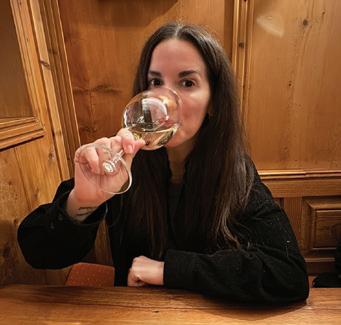
Hi there, Sophisticated Living! My name is Vicki Denig, and I’m a wine and travel journalist, as well as a Certified Specialist of Wine, based between New York and Paris. Over the past year, I’ve become SL’s unofficial wine correspondent, sharing my favorite bottle discoveries from around the globe. Recently, my winter travels took me through France, Switzerland, and northern Italy, where I delightfully indulged in a handful of local wines. I’m excited to share a few of them with you here, along with a few tried-and-true favorites popped (and produced) closer to home. Feel free to follow along on Instagram at @vickidenig or at www.vickidenig.com.
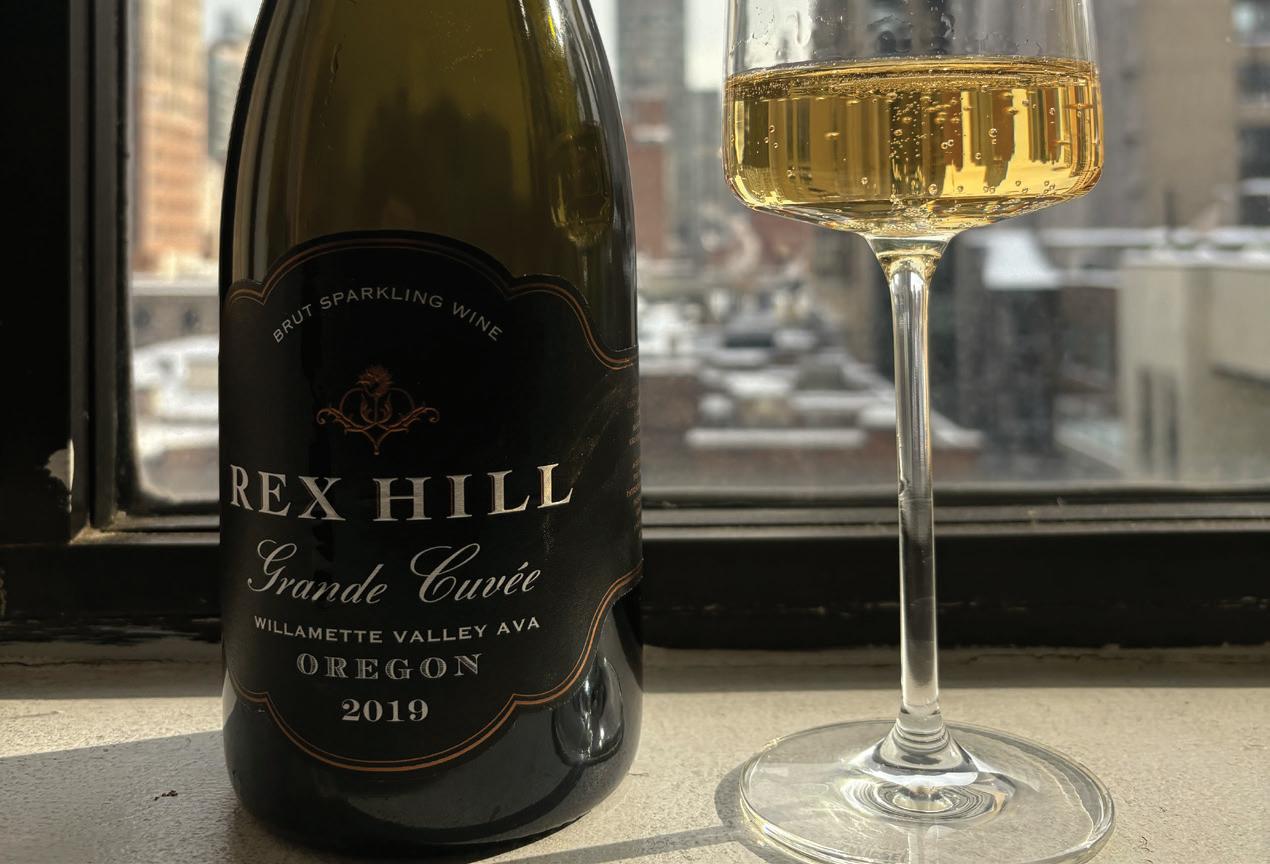
Rex Hill Grande Cuvée Brut 2019
(Willamette Valley, Oregon, USA – SRP: $60.00)
Great sparkling wine is produced right in our backyards here in the USA, and this vintage Grande Cuvée Brut from Rex Hill is one of them. This delicious wine is crafted from an organic/ biodynamic blend of Pinot Noir and Chardonnay and is vinified using the same method used in Champagne (called the méthode champenoise or traditional method), which involves aging the wine on its lees in bottle for an extended period. However, while the legal aging minimum in Champagne is 12 months, this world-class bottle spends an impressive five years aging before release, giving everyone’s favorite French region a serious run for its money. Expect notes of green apple, citrus, and marzipan to lead to a refreshing, saline-tinged finish. I personally popped a bottle without food
simply because the mood for bubbles hit me, but it’d be equally delicious with cheese boards, seafood, or salty potato chips.
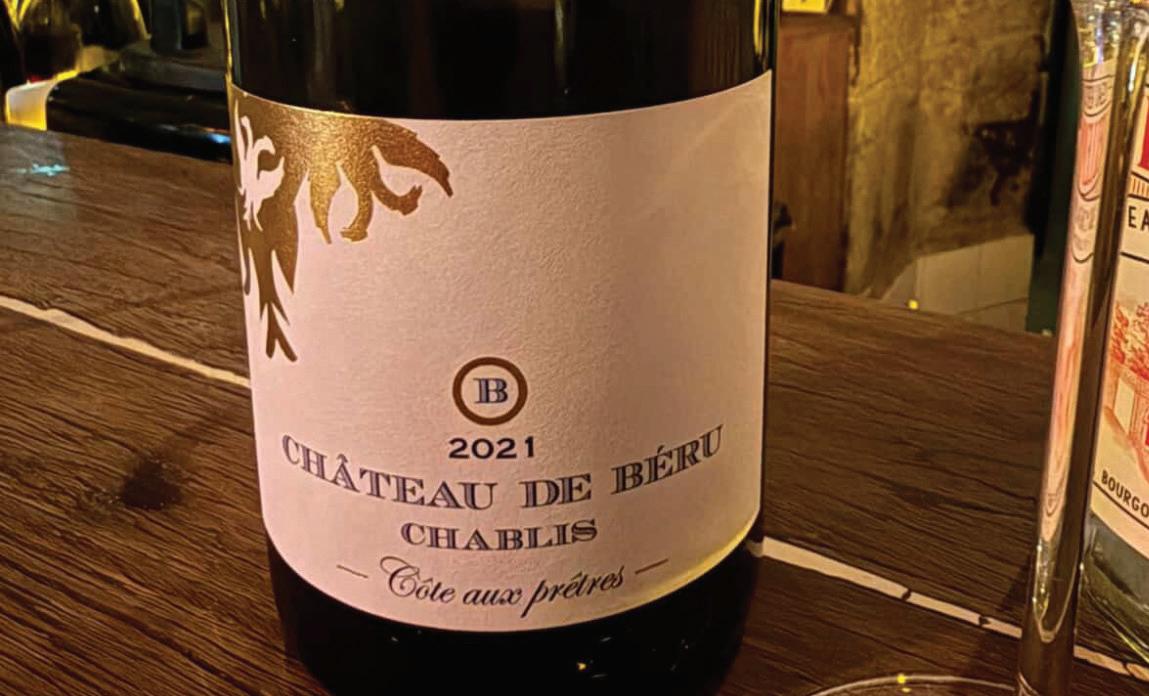
Château de Béru Chablis 2021
(Burgundy, France – SRP: $54.99)
Almost everyone has an “I hate Chardonnay” wine drinker in their life, though the sentiment often stems from only having experienced overripe, excessively oaky expressions. For a bottle that promises to change their minds—or at least provide a thoughtprovoking moment—look no further than Chablis. Hailing from northern Burgundy, these crisp, refreshing examples of Chardonnay showcase a whole different side of this often-misunderstood grape, and frequently leave self-proclaimed Chardonnay haters pleasantly surprised. I enjoyed this wine from Château de Béru with a friend on a Friday afternoon in Paris, because truly, what more could one want from a mid-day bottle? Bonus tip: If you’re looking for an all-day spot to pop bottles and enjoy small snacks in between lunch and dinner services in the City of Lights, Le Mary Celeste (lemaryceleste.com) is your best friend (AKA, where this bottle was enjoyed).
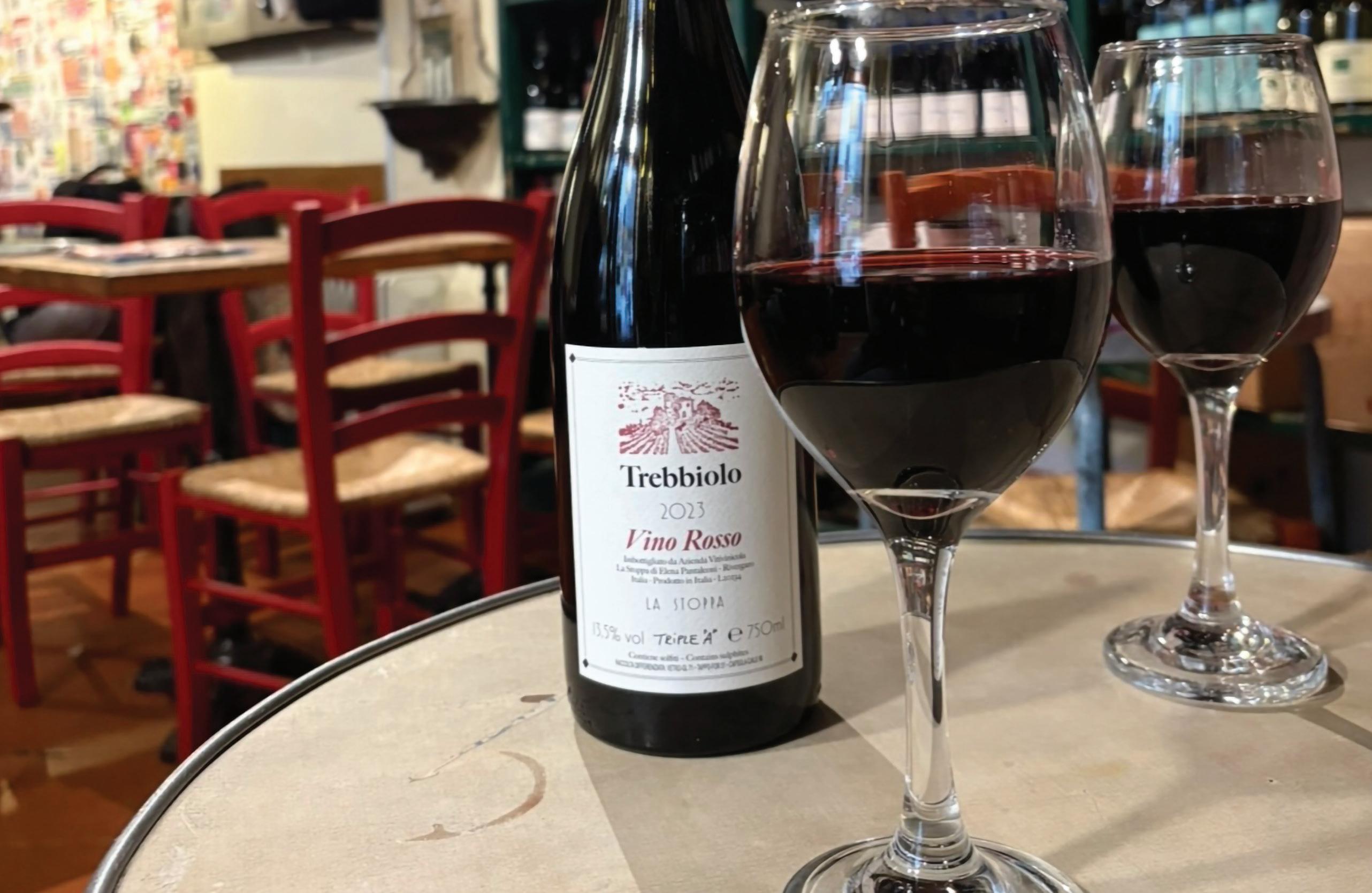
La Stoppa Trebbiolo Rosso 2023
(Emilia-Romagna, Italy – SRP: $27.00)
The term “natural wine” has caused a lot of confusion—and unfortunately, unnecessary division—in the world of wine, as there’s no exact definition as to what the term means. However,
most wine professionals will agree that these wines are, at minimum, made from organically farmed grapes, fermented with native (as opposed to cultured) yeasts, and vinified without additives or excessive manipulation. The biggest takeaway I try to remind wine drinkers of is that, despite the category's stereotype of being “funky,” not all wines are. Case in point: this fun and fresh bottle from La Stoppa. Crafted from a blend of 60% Barbera and 40% Bonarda, vinified entirely in steel and concrete (as opposed to oak barrels), this easy-drinking bottle is effortlessly juicy and boasts ample amounts of brisk acidity. It almost reminded me of what a Lambrusco would be without the bubbles—in other words, perfect for pizza, red sauces, or charcuterie boards.
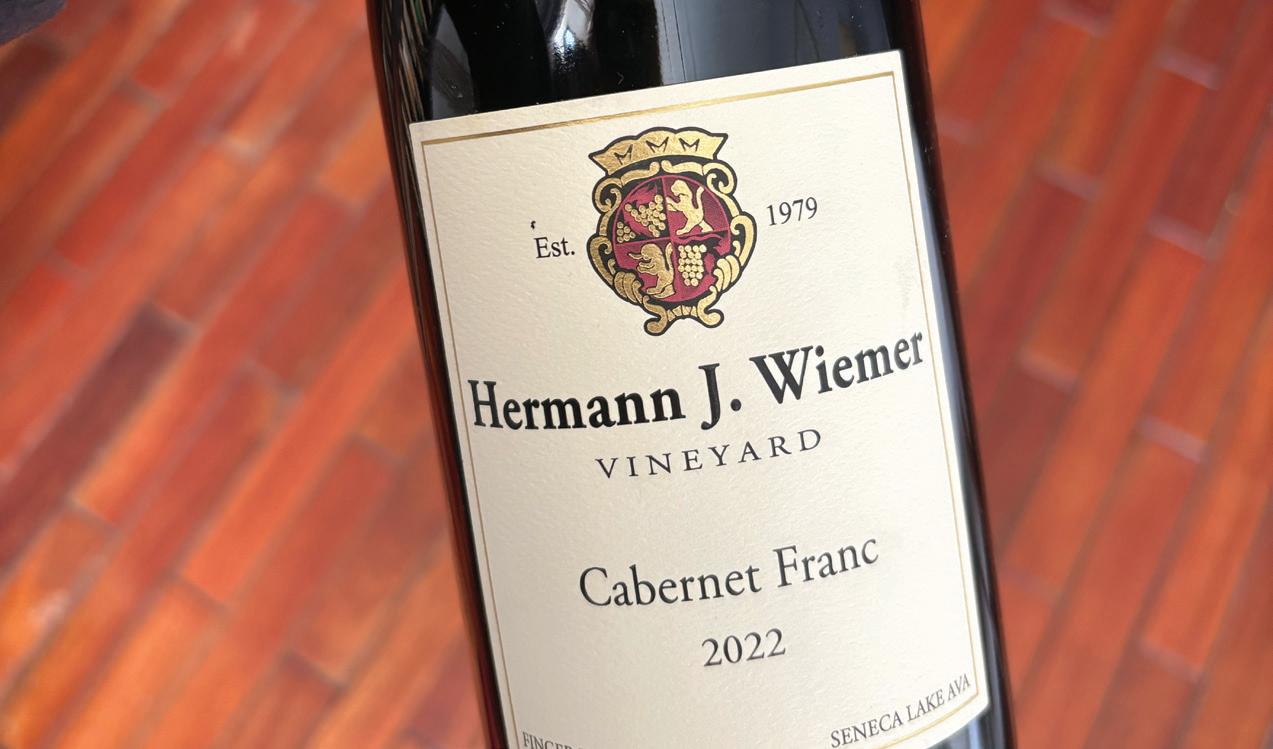
Hermann J. Wiemer Cabernet Franc 2022
(Finger Lakes, New York, USA – SRP: $27.00)
Cabernet Franc was the first grape that really made me fall in love with wine, as I immediately fell under the spell of its signature earthiness and peppery undertones. While most wine drinkers’ inaugural Cab Franc experiences—mine included—generally occur with expressions from the Loire Valley, great expressions are produced across the United States as well. Personally, I tend to gravitate towards bottlings from New York’s Finger Lakes, as the area’s overall cooler climate yields brighter, less ripe expressions than those produced elsewhere. This thought-provoking bottle from Hermann J. Wiemer is made with 20% whole clusters and
aged for 10 months, mostly in stainless steel (approx. 90%) and used oak barrels, resulting in a vibrant, food-friendly wine noted with flavors of black cherry, raspberry, used leather, tobacco, and savory herbs. Enjoy it slightly chilled with cured meats, vegetarian stews, or mushroom-based sauces.
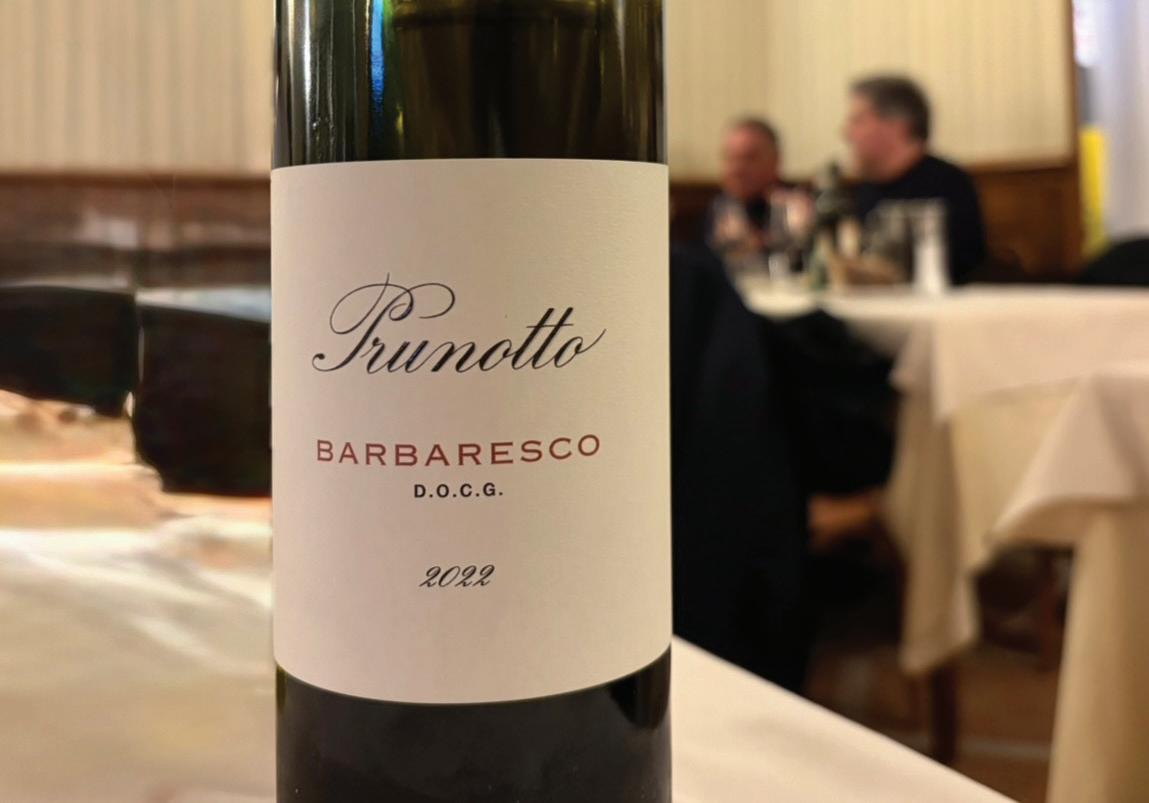
Prunotto Barbaresco 2022
(Piedmont, Italy – SRP: $48.99)
If you’ve been following this column over the past year, you’ll know that my love of Nebbiolo knows no limits—especially when made in Barbaresco. I recently drank this bottle at Ristorante Tullio in Rome (if you love old school Italian spots, definitely add it to your list!) and it was simply fantastic (tullioristorante.it/en). Founded in 1904, Prunotto is a historic winery located in Alba, and is known for its classic expressions of local varieties, including Barbera, Dolcetto, and Nebbiolo. In the glass, the wine pours a beautiful garnet hue, offering flavors of red fruits, rose petal, orange peel, and a hint of cinnamon. While velvety and fruit-forward now, the wine promises to age gracefully in the cellar for at least another 5-10 years—that is, if you have the patience to wait that long! sl
Vicki Denig is a wine / travel journalist based between New York and Paris. Her work regularly appears in various industry publications, including Decanter, Food & Wine, and WineSearcher. In addition to journalism, Vicki also works with a handful of wine-focused clients, including Paris Wine Company, High Road Wine & Spirits, and more. When not writing, she enjoys running, indoor cycling classes, petting dogs, and popping bottles on her rooftop with friends.
Compiled by Bridget Cottrell
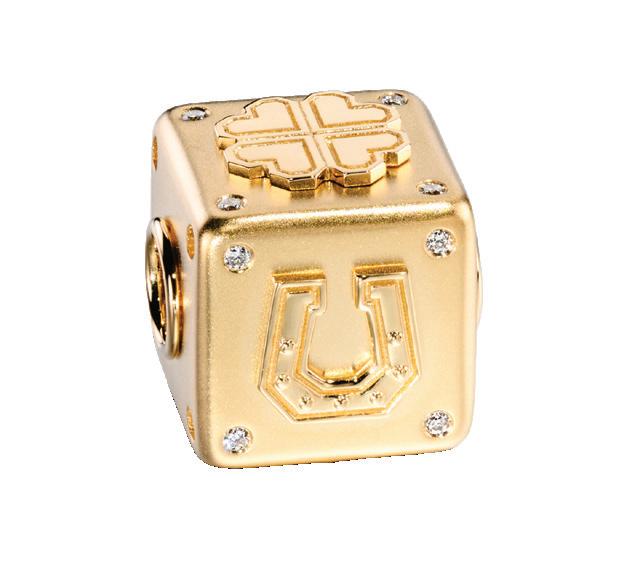
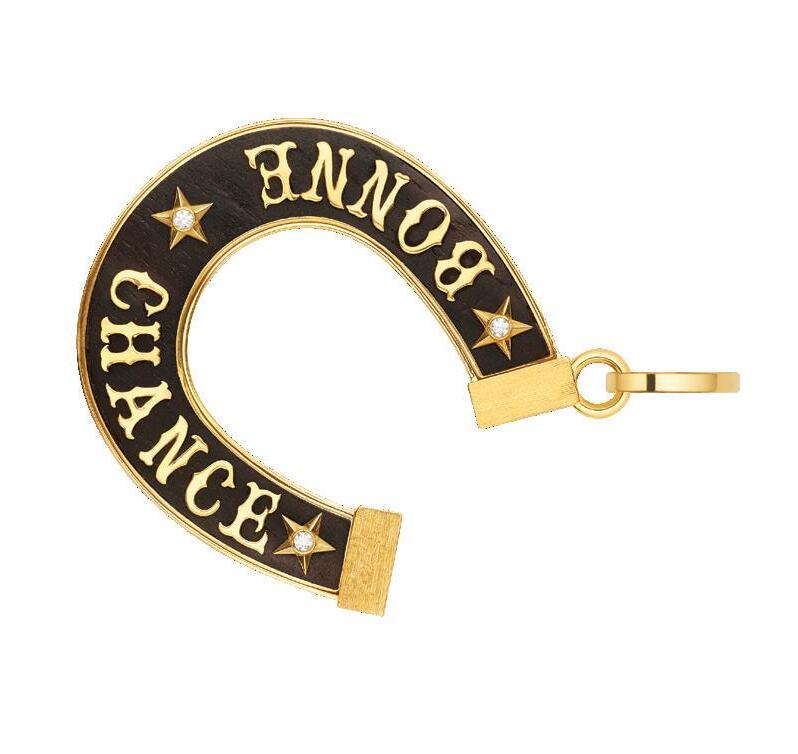
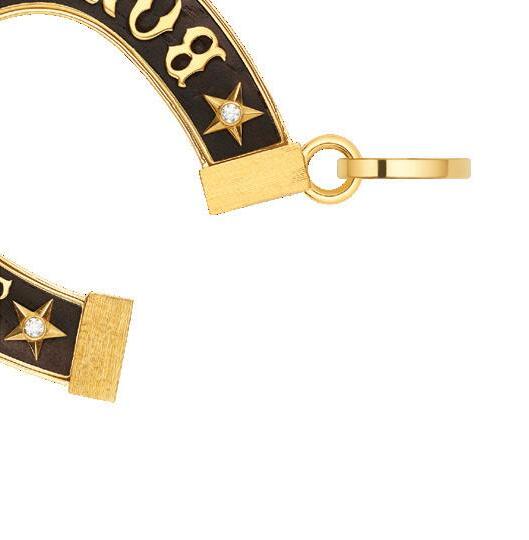
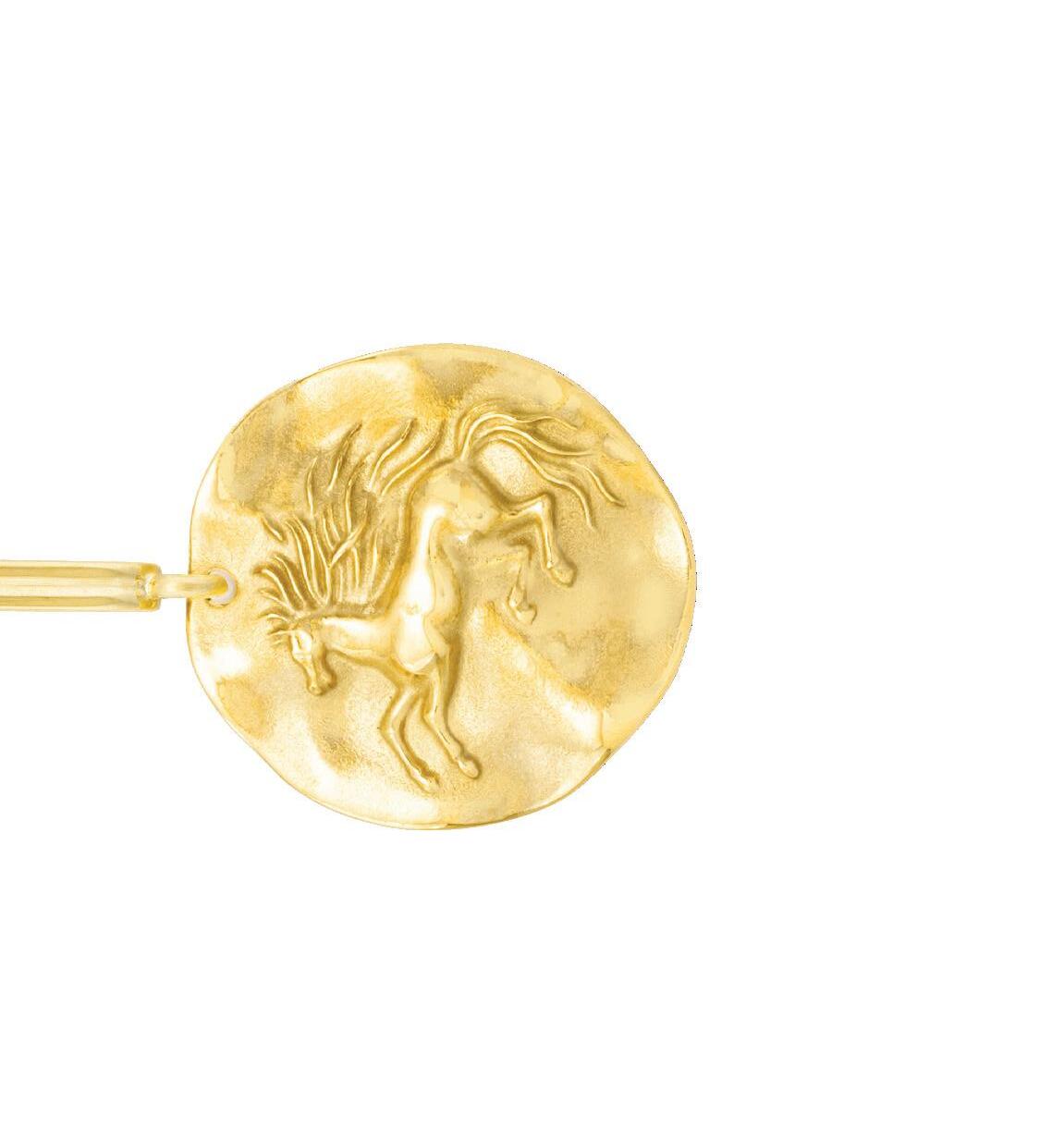
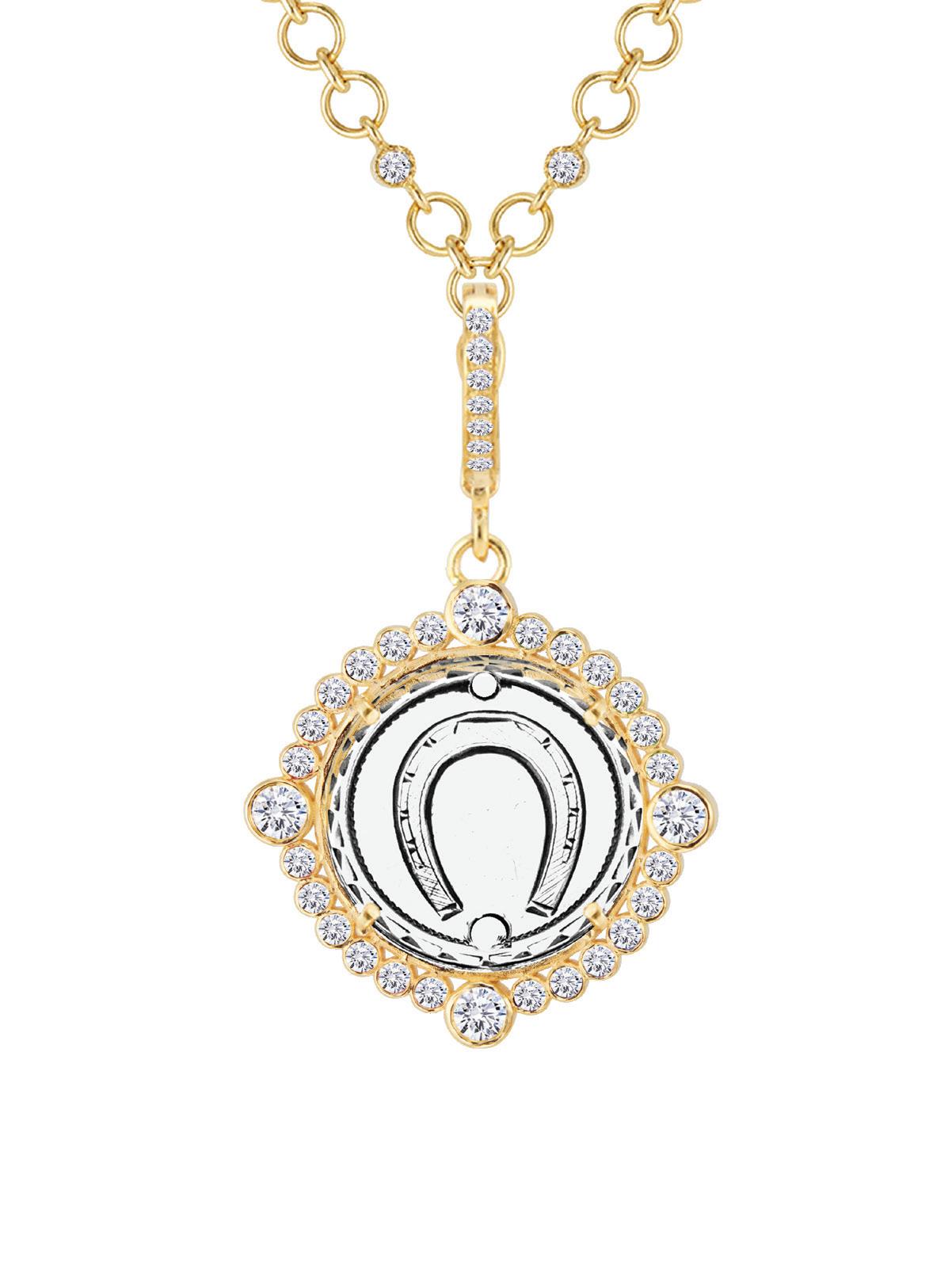
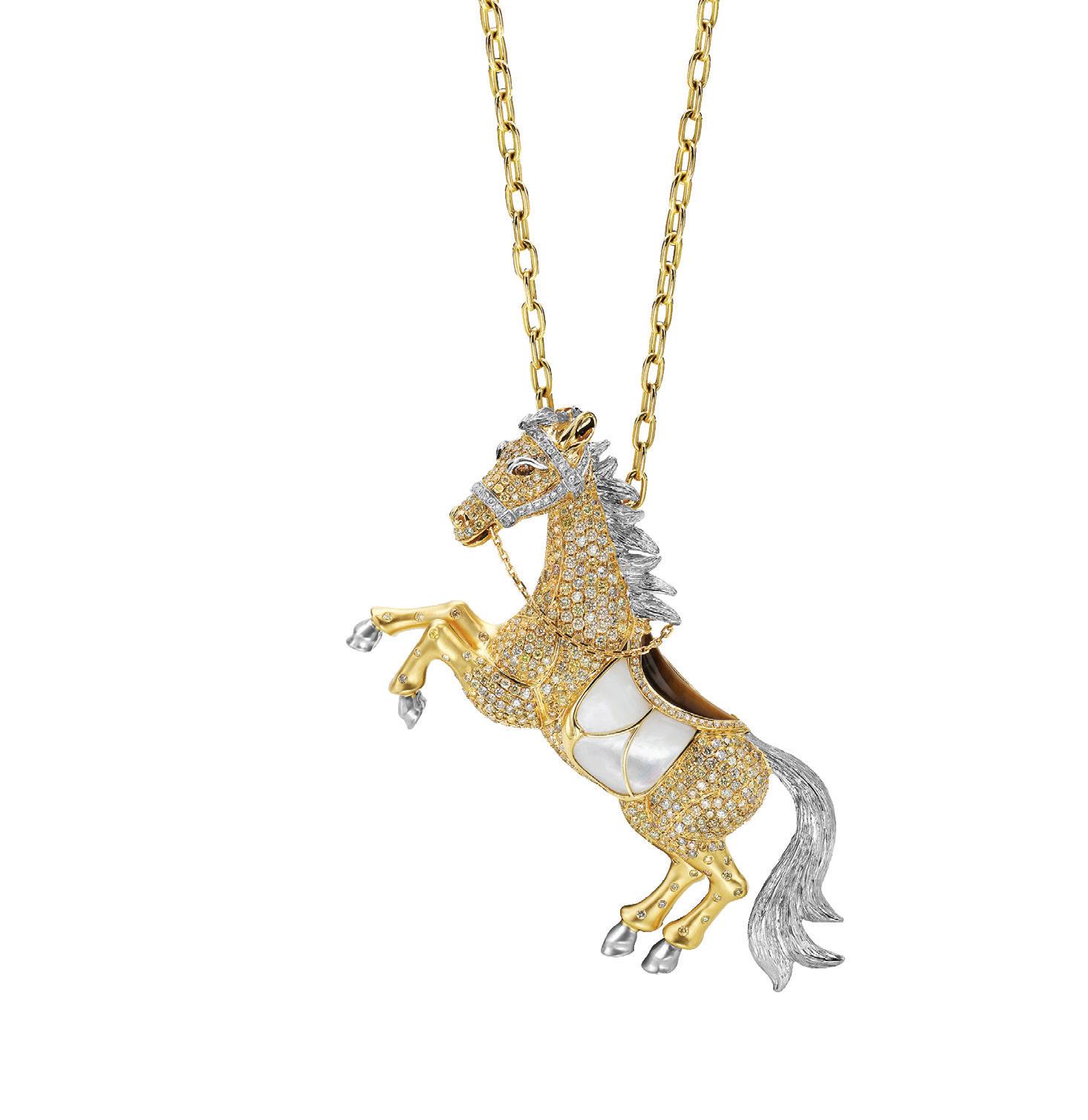
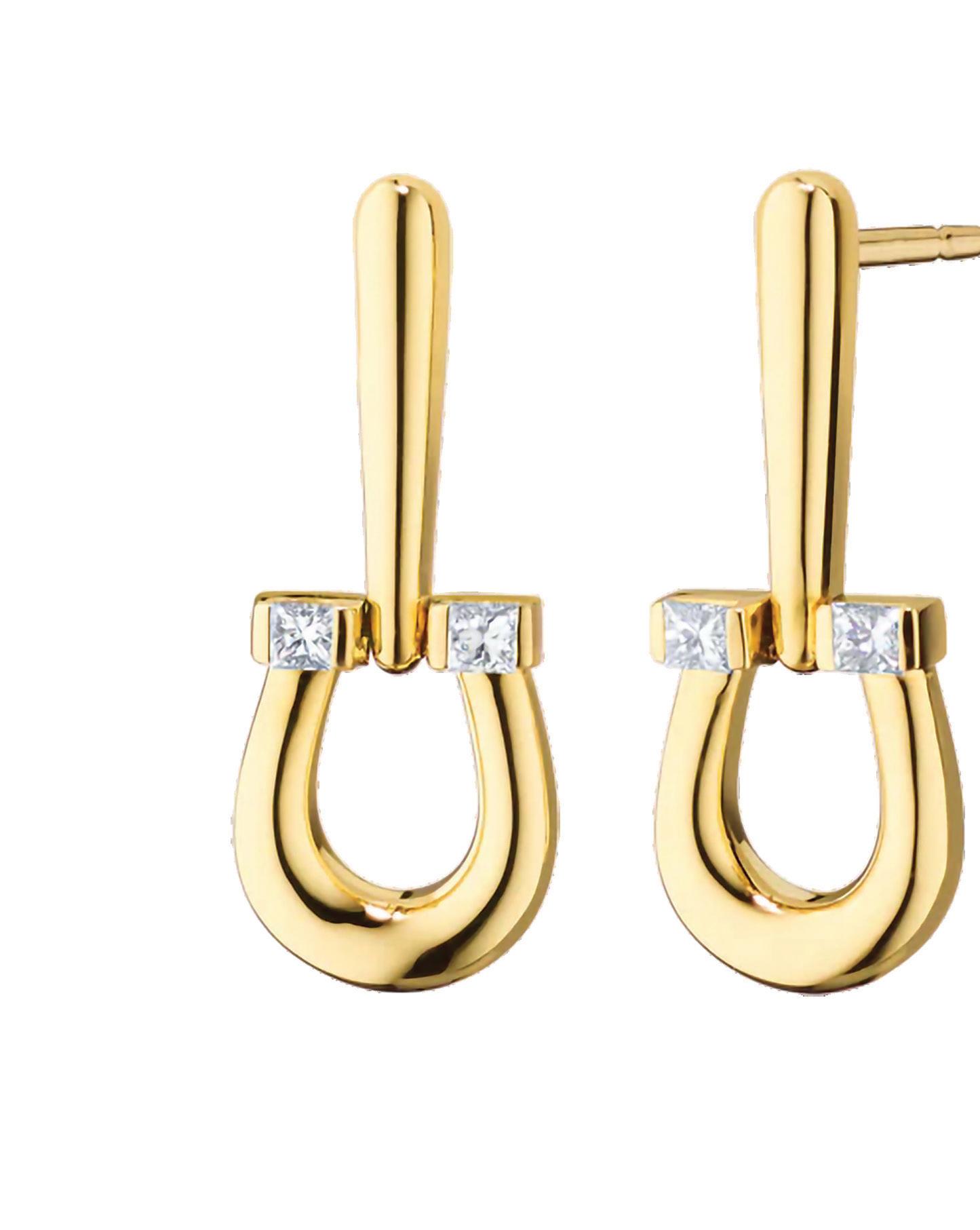
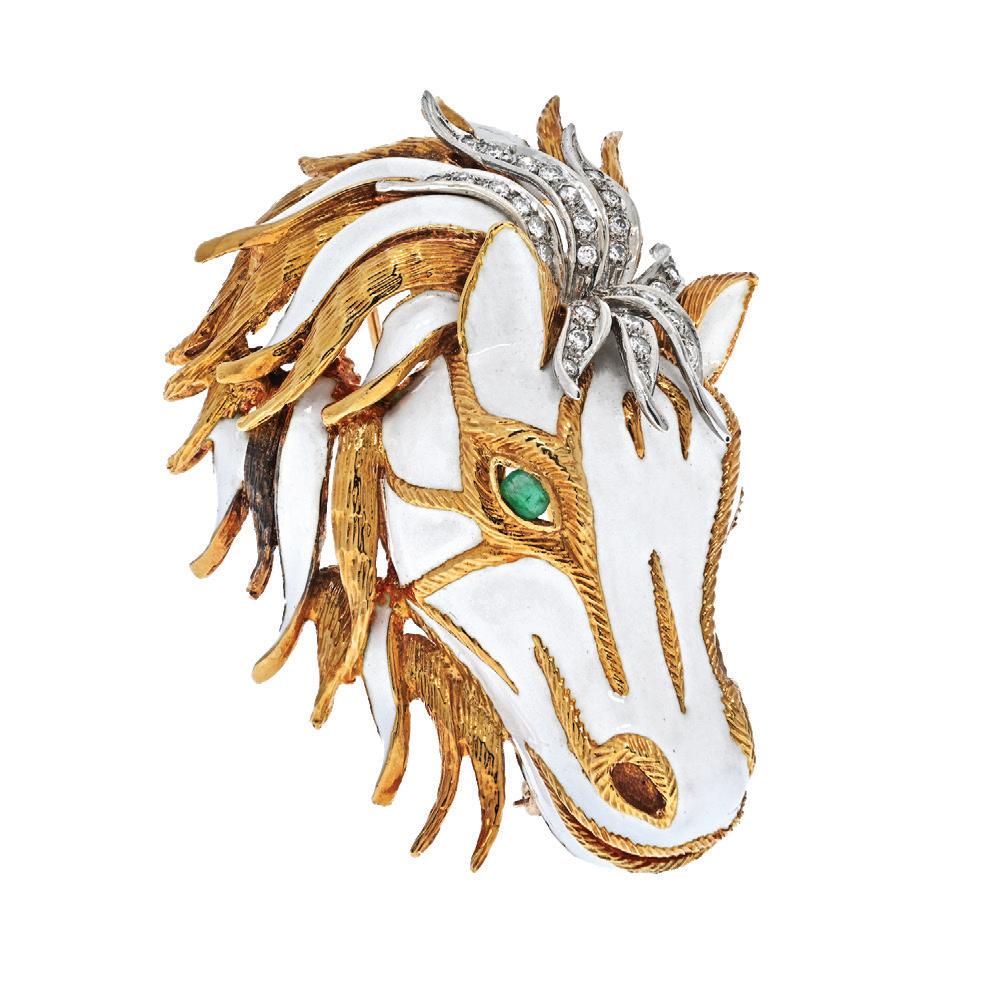
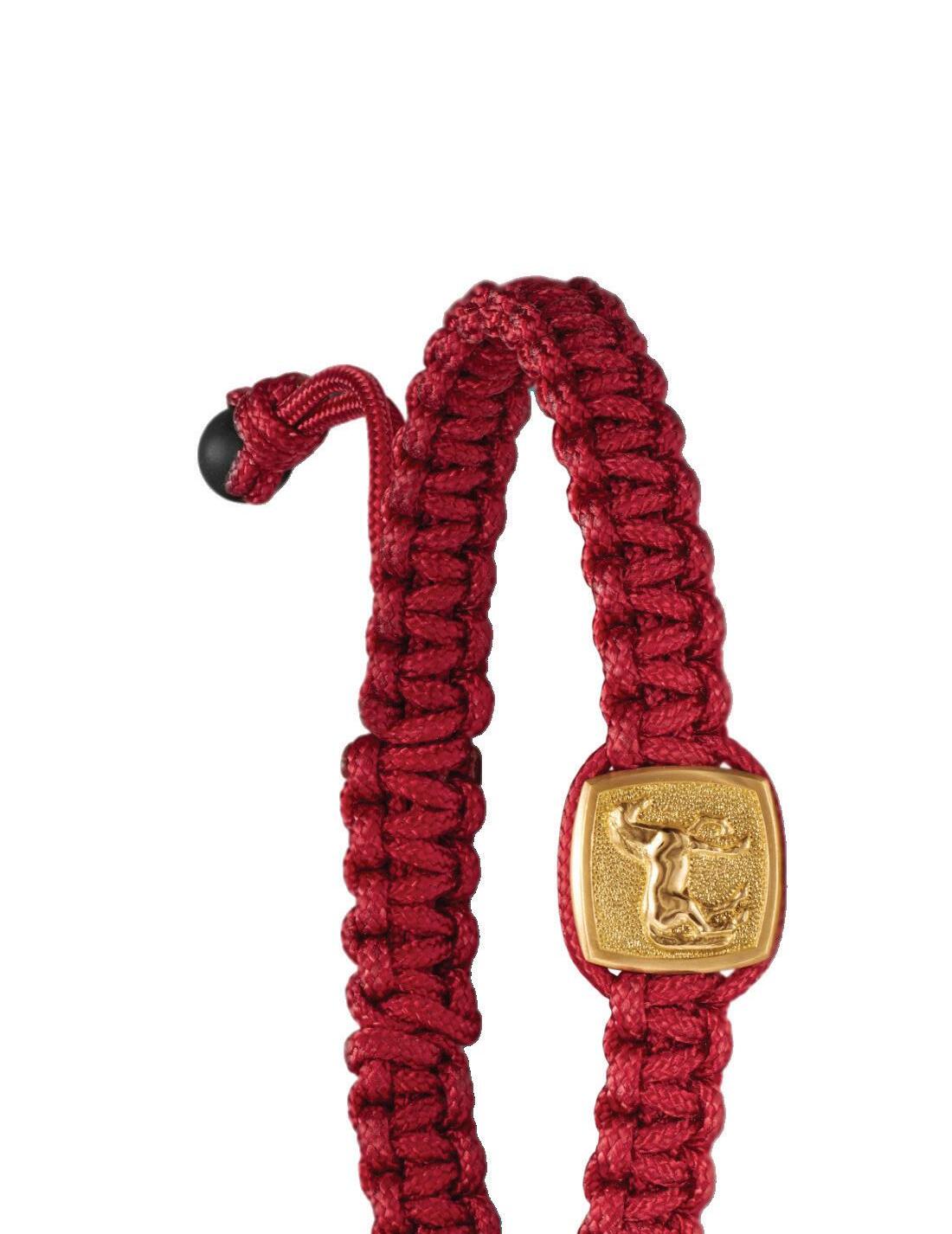
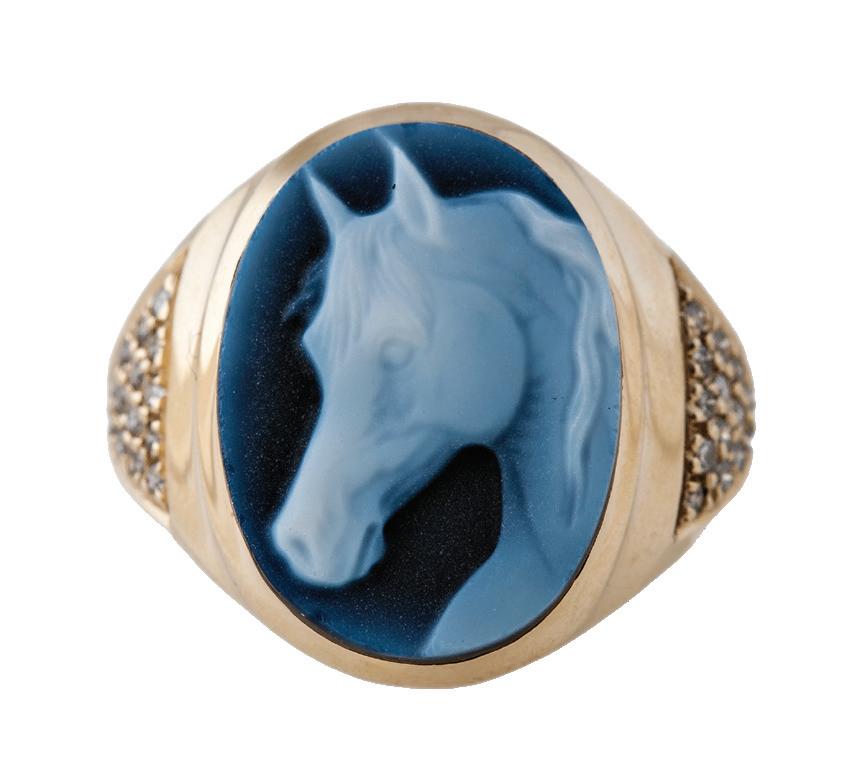
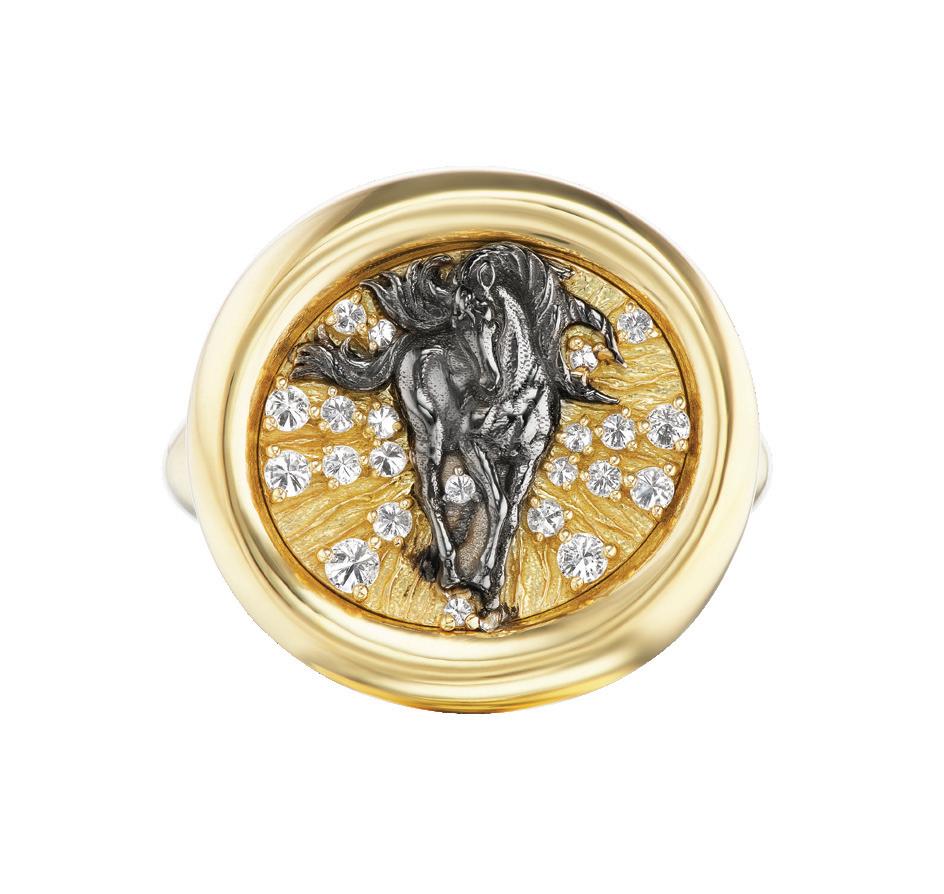
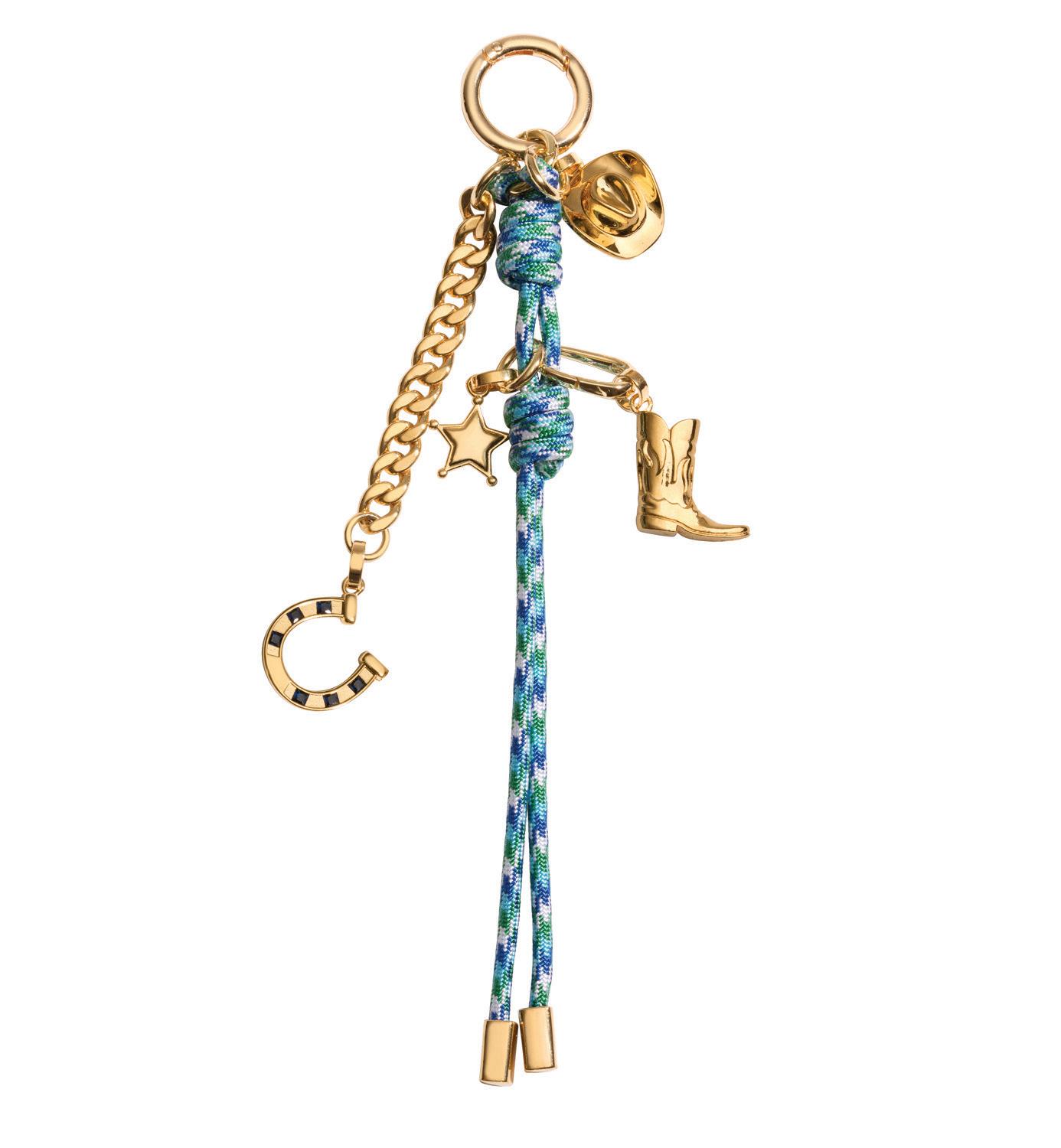
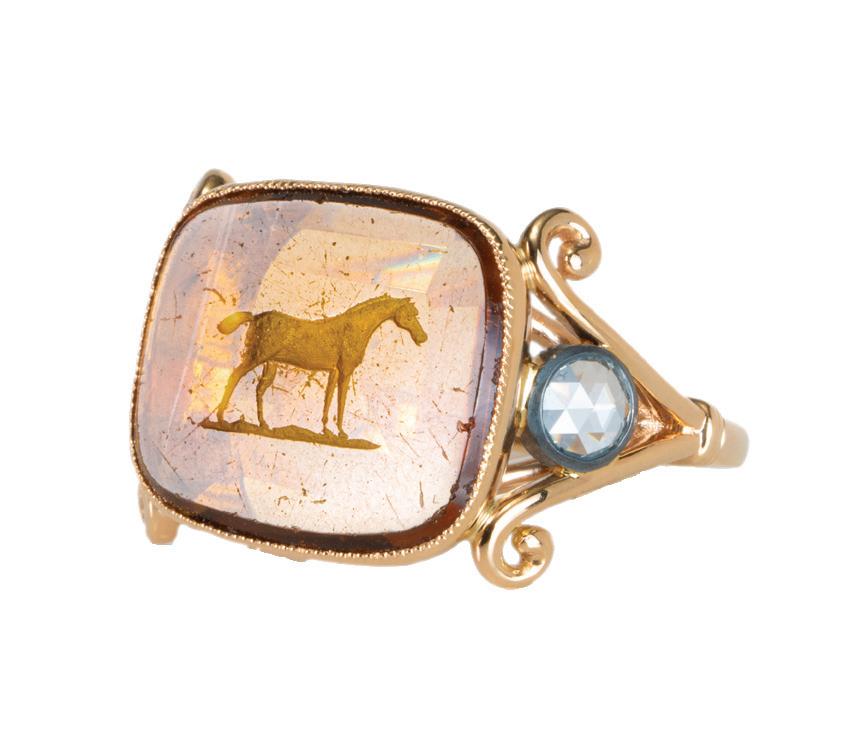
The Year of the Horse in the Chinese zodiac symbolizes vitality, freedom, speed, and ambition. People born in Horse years are thought to be energetic, independent, and natural leaders who enjoy new challenges. This period is seen as dynamic, encouraging bold action and progress, as shown in the saying Mǎ Dào Chéng Gōng, meaning "instant success" or "success arrives as soon as the horse appears." The energy of the year often leads to quick changes and personal growth for those who act with courage and purpose.
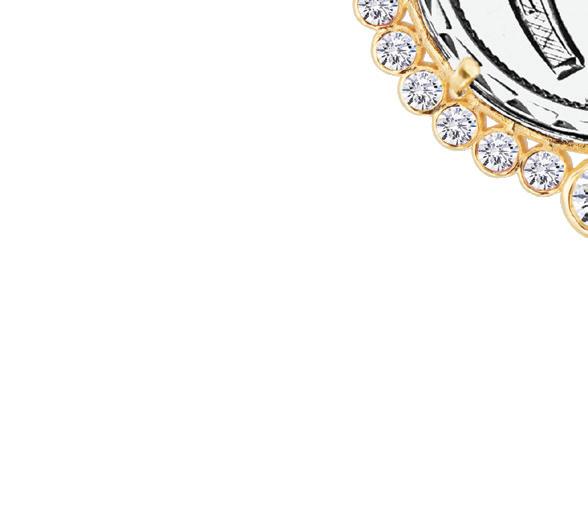
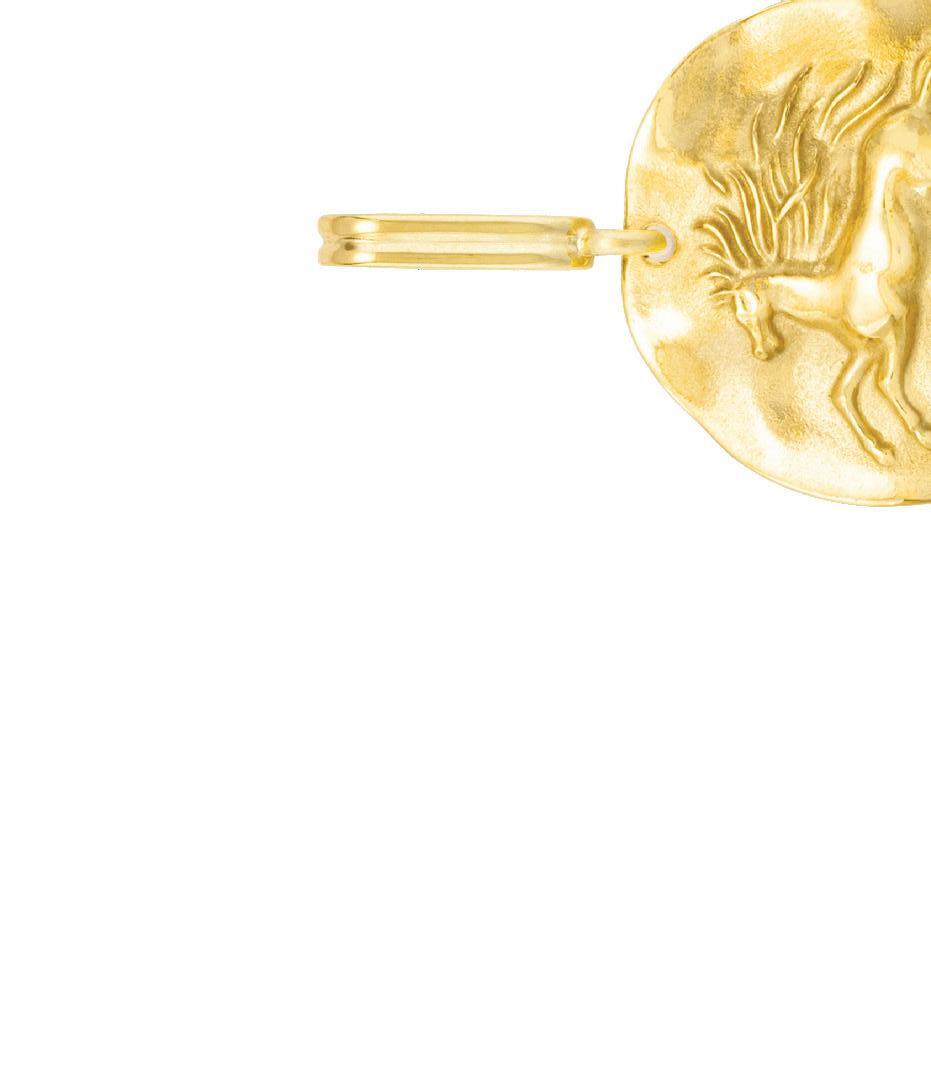
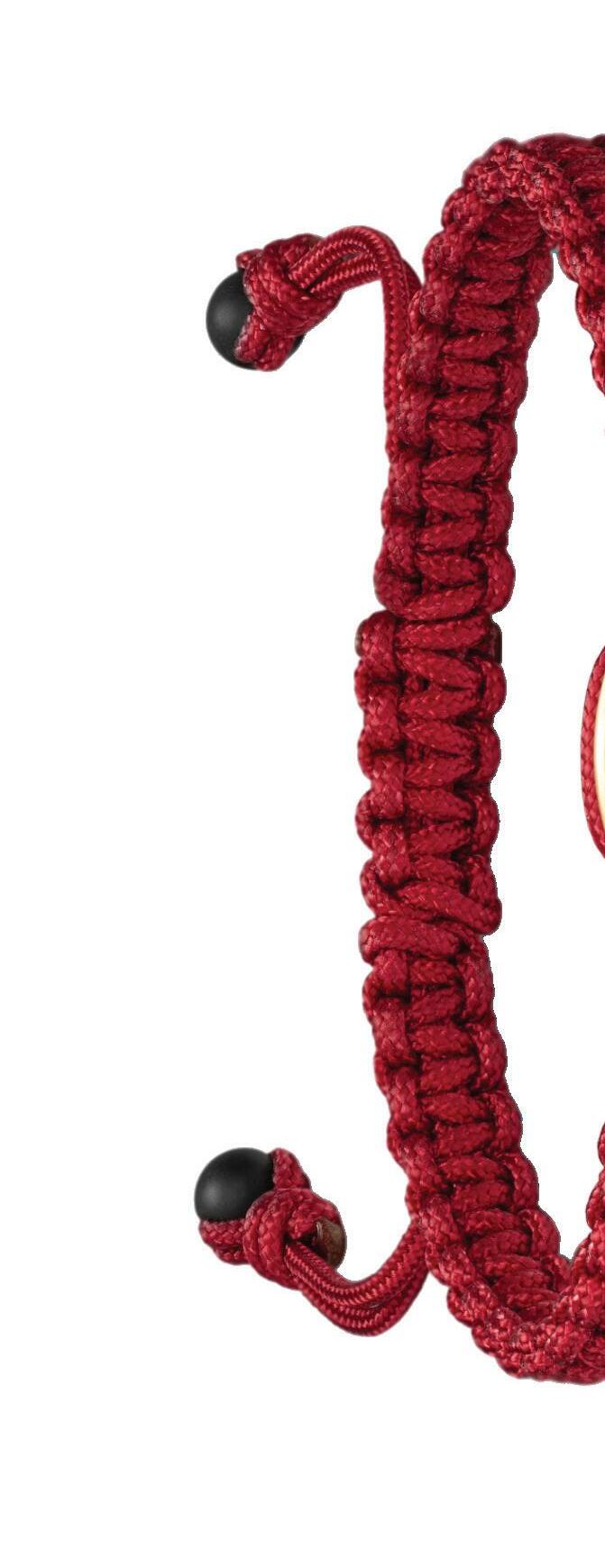
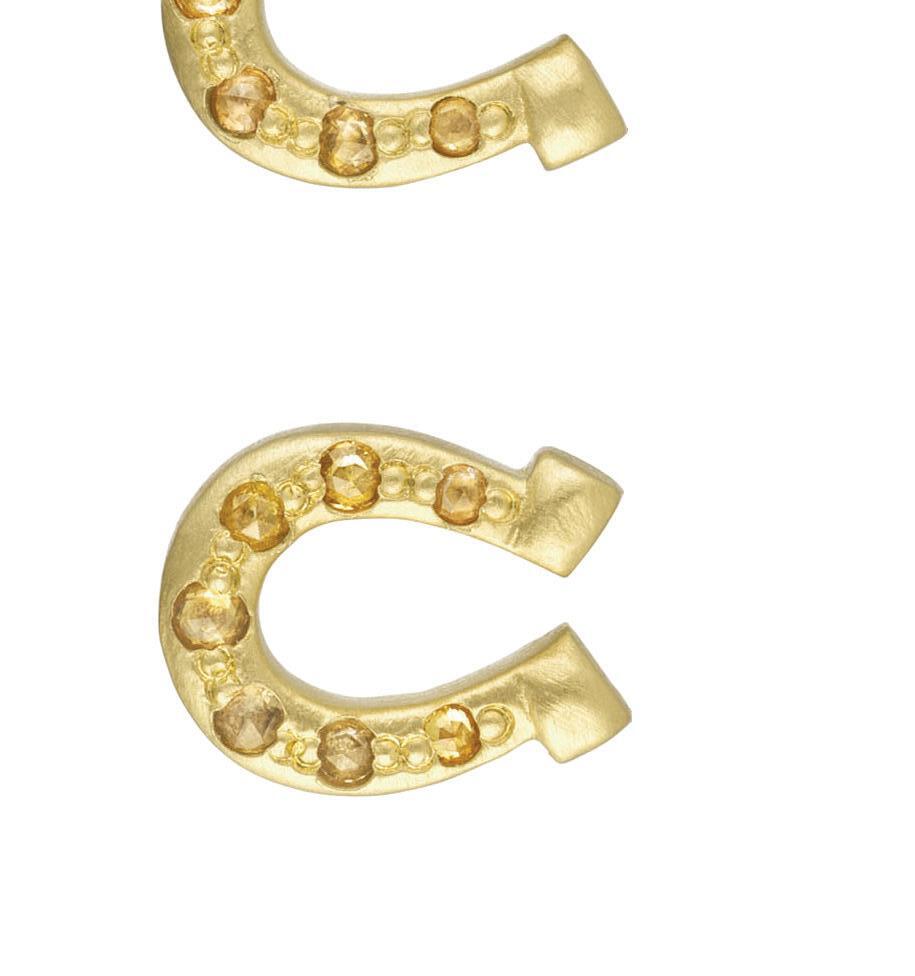
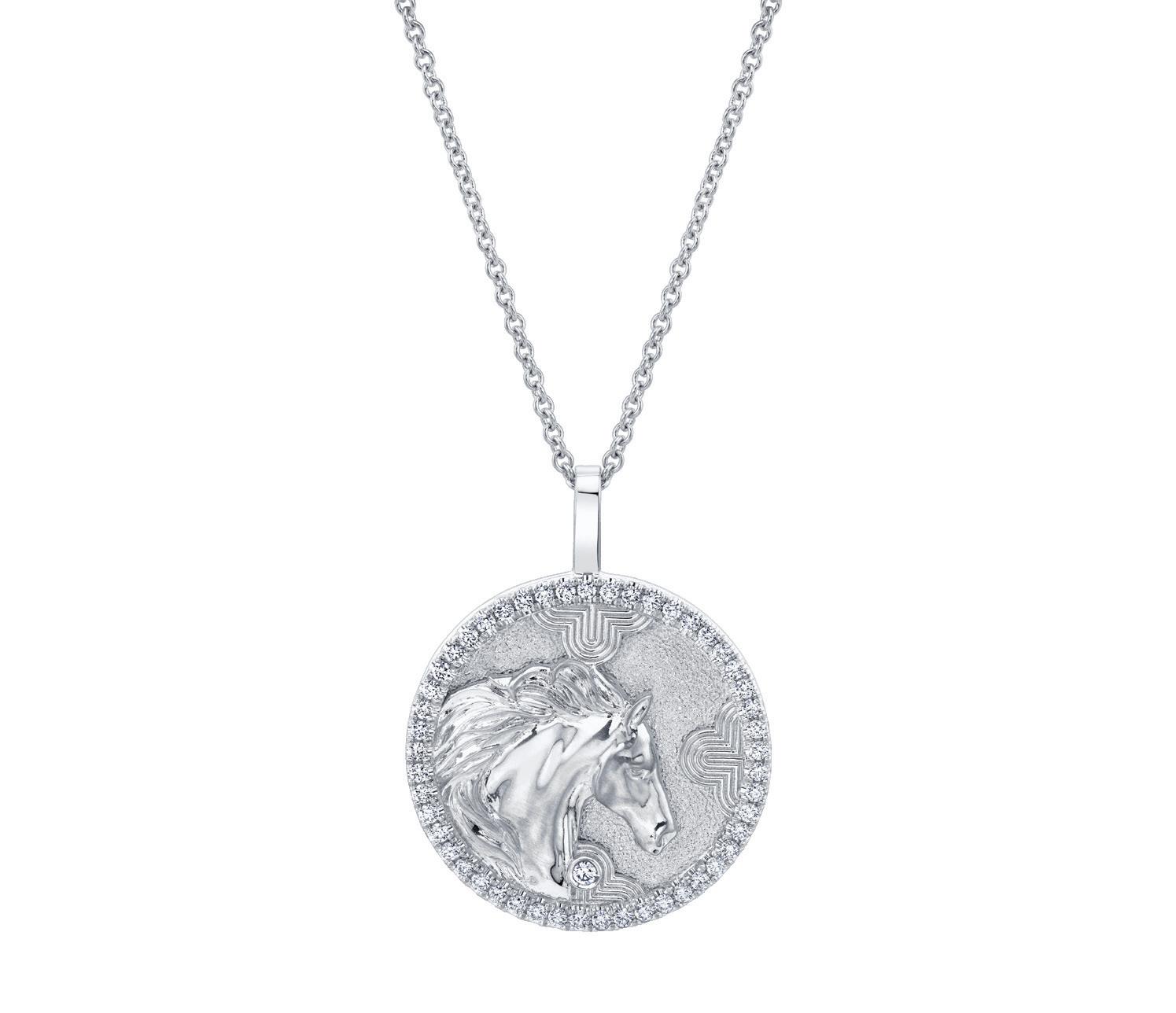
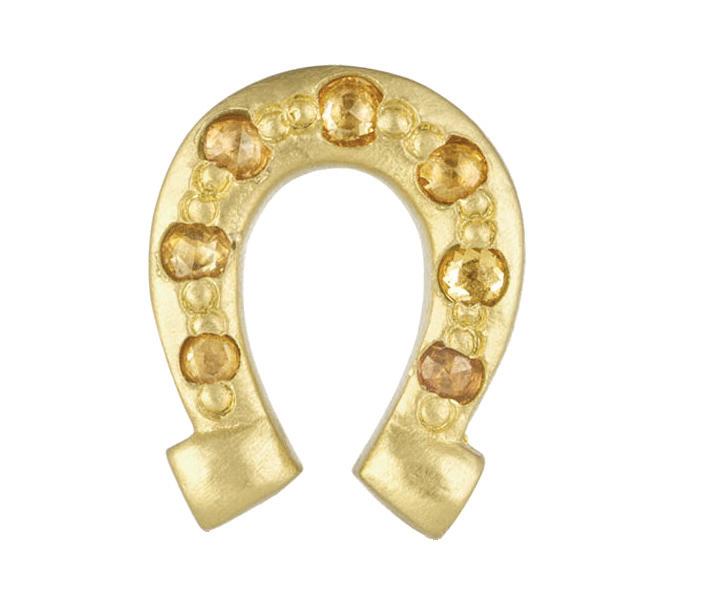
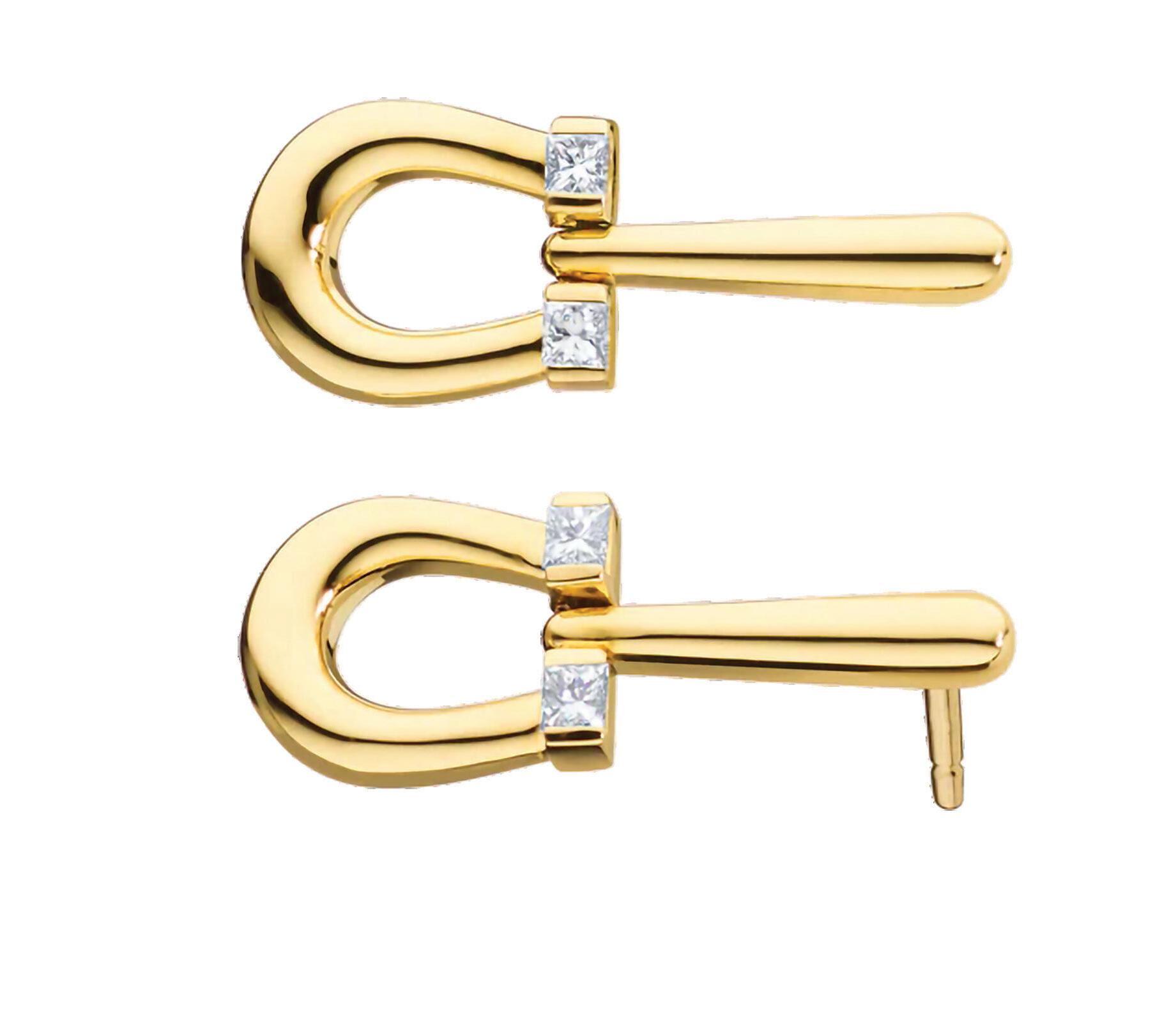
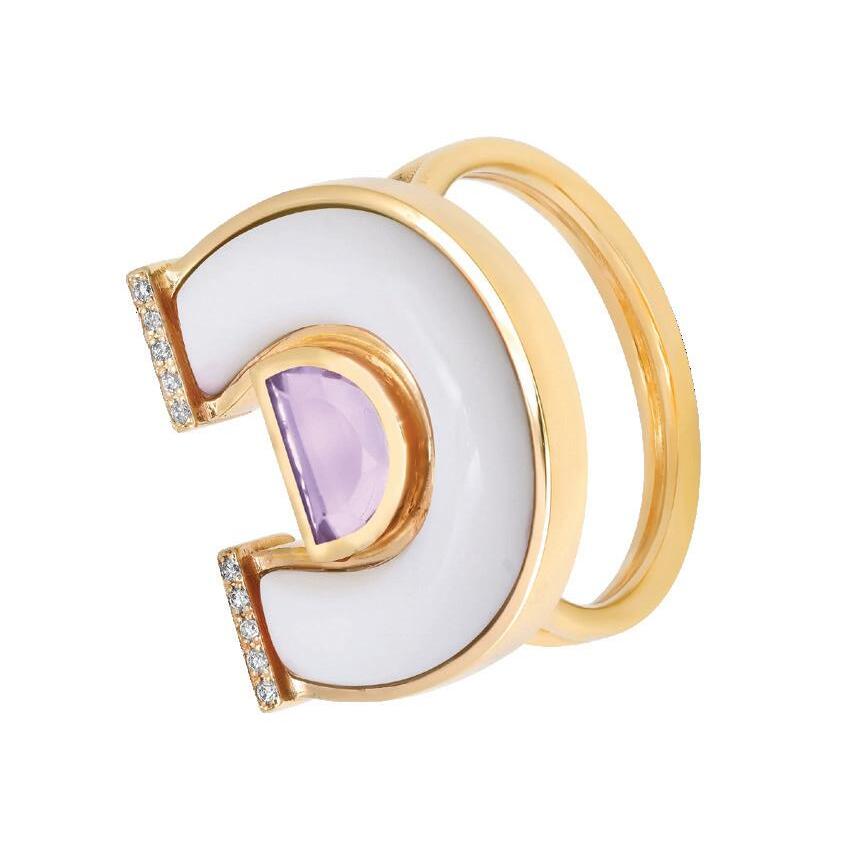
Clockwise from top left: Marie Lichtenberg Bonne Chance Jumbo Charm (marielichtenberg.com). Boochier Jewels Dice Diamond Bangers Charm (boochier.com). top left: Mellerio Fire Horse Talisman (us.mellerio.fr). Heavenly Vices Horseshoe Love Token (heavenlyvicesfinejewelry.com). Anita Ko Lucky Diamond Horse Talisman (anitako.com). Lionheart Legacy Majestic Horse Brooch and Pendant (lionheartjewelry.com). Strength Signet ring from Ana Katarina (anakatarina.com). Seal & Scribe Golden Pony Ring (sealandscribe.com). Jacquie Aiche Carved Agate Horse Cameo Ring (jacquieaiche.com). Sig Ward Horseshoe Ring (sigwardjewelry.com). Claudia Mae Horse Stud Earrings (claudiamae.com). Martha Calva Most Wanted Bag Charm (marthacalvo.com). David Yurman Petrvs® Horse Woven Station Bracelet. Available through Moyer Fine Jewelers and Reis-Nichols Jewelers in Indianapolis, Schiffman’s Jewelers in Lexington, Davis Jewelers in Louisville, Diamond Cellar in Nashville, Clarkson Jewelers in St. Louis, and davidyurman.com. Monica Rich Kosann Horseshoe Earrings. Available through Richter & Phillips Jewelers in Cincinnati, Charles Mayer and Reis-Nichols Jewelers in Indianapolis, Schiffman’s Jewelers and LV Harkness in Lexington, Clarkson Jewelers and Simons Jewelers in St. Louis, and monicarichkosann.com. Brooke Gregson Diamond horseshoe earrings (brookegregson.com). The Back Vault David Webb Horse Face Brooch (thebackvault.com)


In celebration of its 50th year, Rétromobile Paris sets its sights on New York this November.
Written by Matthew Cottrell
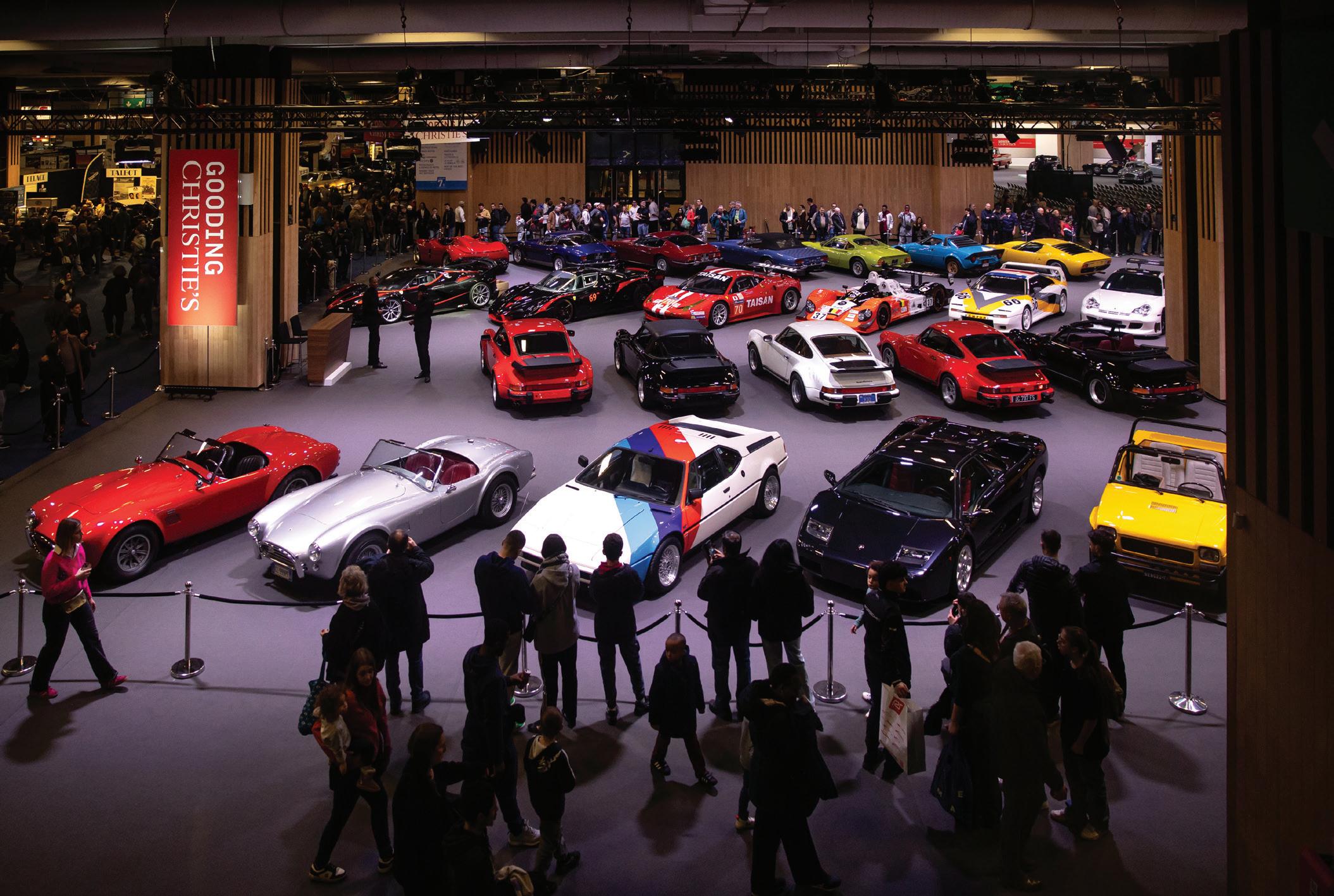
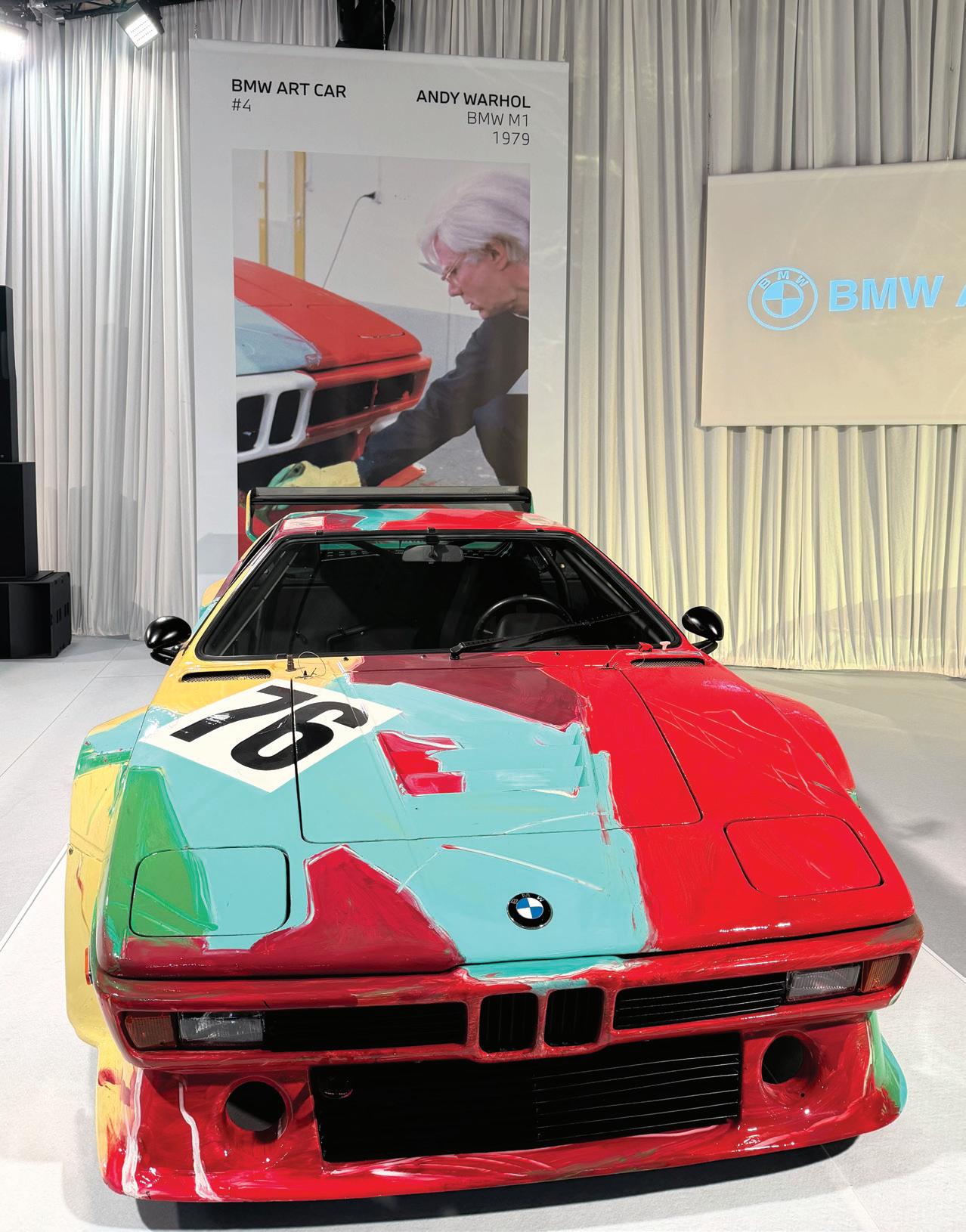
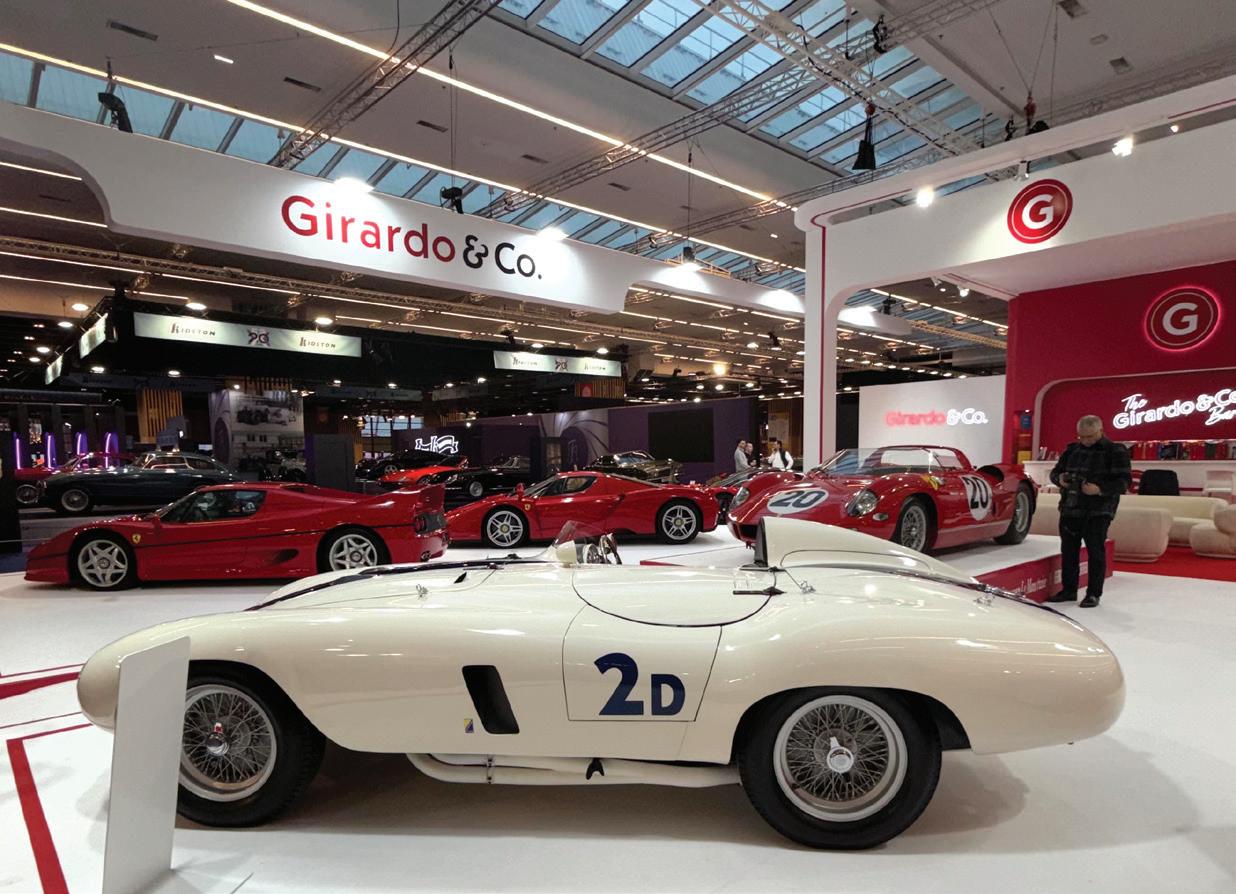
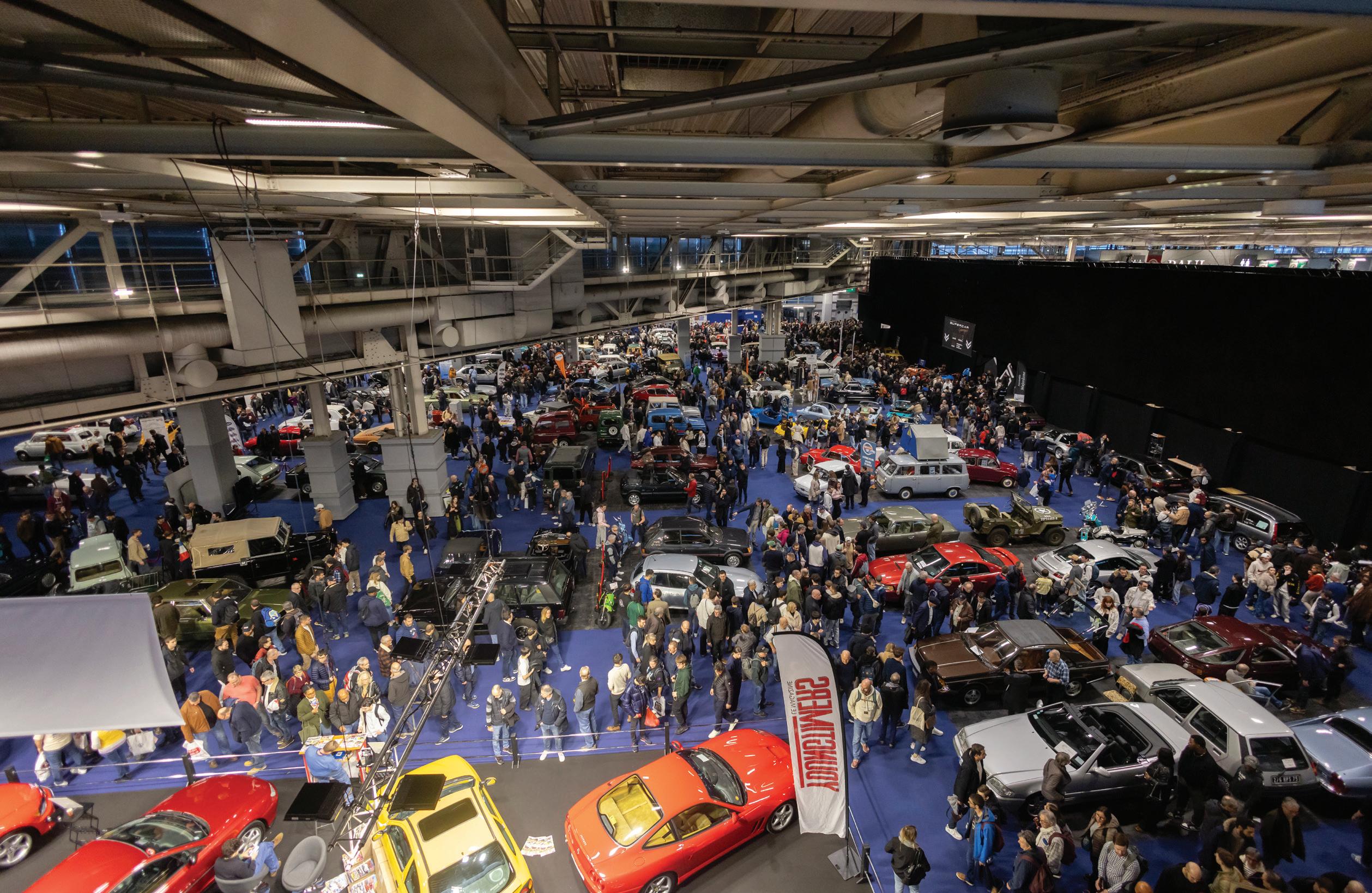
A different kind of supermodel hit the red carpet at the Expo Porte de Versailles in the City of Lights this past January. Coinciding with the biannual Paris Haute Couture Week, over four days, the 50th annual Rétromobile drew close to 150,000 motoring enthusiasts to this comprehensive lifestyle motoring event. To mark the milestone, Rétromobile’s official 2026 poster featured BMW’s first Art Car, a BMW 3.0 CSL with graphics designed by Alexander Calder half a century earlier. Since then, BMW has teamed up with an esteemed roster of artists, including Frank Stella, Roy Lichtenstein, Andy Warhol, and Jeff Koons, to name a few, whose one-of-a-kind works were displayed alongside one another in one of three sprawling halls at Rétromobile.
Rétromobile organizers also used the anniversary to announce the first Rétromobile New York, scheduled for November 19-22 at the Javits Center. We sat down with Gerard Neveu, the former CEO of the FIA World Endurance Championship and the current CEO and Director of Rétromobile New York, to gain some insight into what classic car fans can expect in the Big Apple. “We are positioning the event as a new pilgrimage for both US-based and international car lovers, bringing together collectors, curators, brands, and lifestyle partners in a setting designed to foster meaningful encounters and spark future collaborations,” explained Neveu.
Expanding the world's most prestigious and largest annual classic car show to the United States, home to the world's largest market for classic cars, was an easy decision. Deciding on the host city
and the date proved a little trickier, with organizers considering Miami and Los Angeles, among others, before opting for New York City the weekend before Thanksgiving. “At this moment, nothing similar to Rétromobile currently exists in the United States,” remarked Neveu, who added that, unlike a concours, a rally event, or a “Cars and Coffee” club meetup, the Rétromobile format is a “complete automotive ecosystem and the most exciting pop-up garage in the world.”
While exact details were limited at press time, the New York edition will follow a similar schedule to the Paris event, with the first few days reserved for VIP guests before opening to the general public. “It’s exciting to provide a wider audience with a rare opportunity to indulge their passion and love for cars,” remarked Neveu. The late November date is intended to make the event the grand finale of the classic car show calendar.
To give us an idea of what to expect in New York, including the level of expertise and motoring star power the event affords, we toured the show floor with Hervé Guyomard, who served as director of the Le Mans circuit from 1971 to 2006. As we walked, the affable Guyomard, whose continued enthusiasm for motorsports is contagious, was frequently stopped by racing fans and former drivers, and he was able to summarize the latter's stats, from placing to the make and model of their cars, with exceptional accuracy. One of my childhood racing heroes, Belgian driver "Jacky" Ickx, was on the show floor, but unfortunately, we didn’t cross paths while touring with Guyomard.

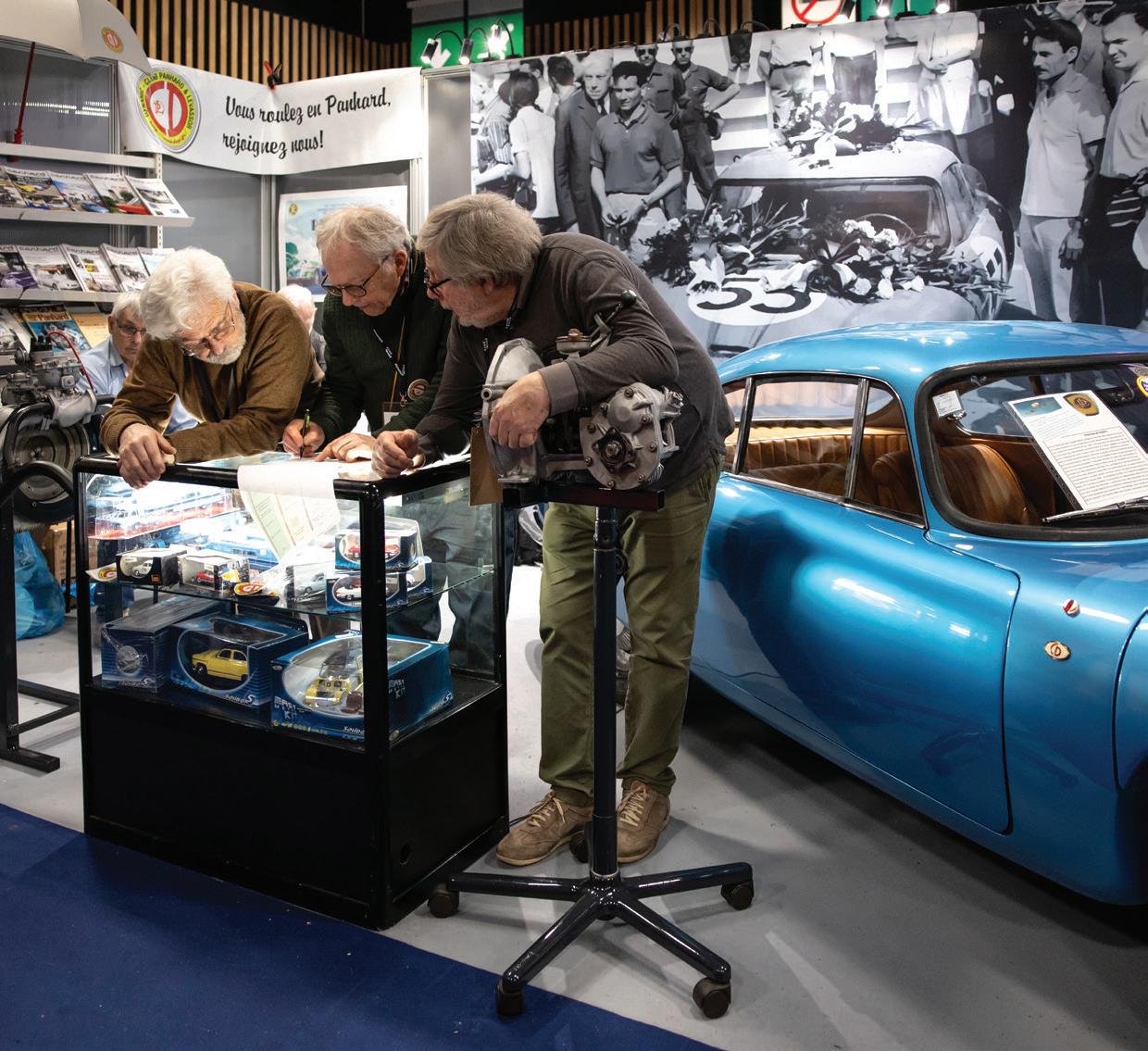
The world of Bugatti was one of four flagship exhibitions, the centerpiece of which was a Bugatti Autorail. Measuring 23 meters long and powered by four engines from the legendary Bugatti Royale, it remains the last surviving example of the 88 produced. In an era of slow steam locomotives, Bugatti’s train reached 140 km/h on the line and set a speed record of 194 km/h. Alongside the Bugatti railcar, the exhibition, organized with the support of the National Automobile Museum in Mulhouse, France, also featured seven unique prototypes created between 1928 and 1956.
As part of a retrospective tracing the world of rallying from the 1960s to the 1990s, a backdrop of immersive scenography, created in partnership with the Gino Macaluso Foundation and with the support of Oreca, Transport Prevost, and Motul, highlighted Lancia Stratos, Audi Quattro, Peugeot 205 Turbo 16, Toyota Celica GT-4,
Renault R5 Turbo, and more, with each embodying a turning point in rallying history. Throughout the event, there were talks and presentations with drivers, engineers, co-drivers, and rally experts who shared their stories, memories, and anecdotes from the races.
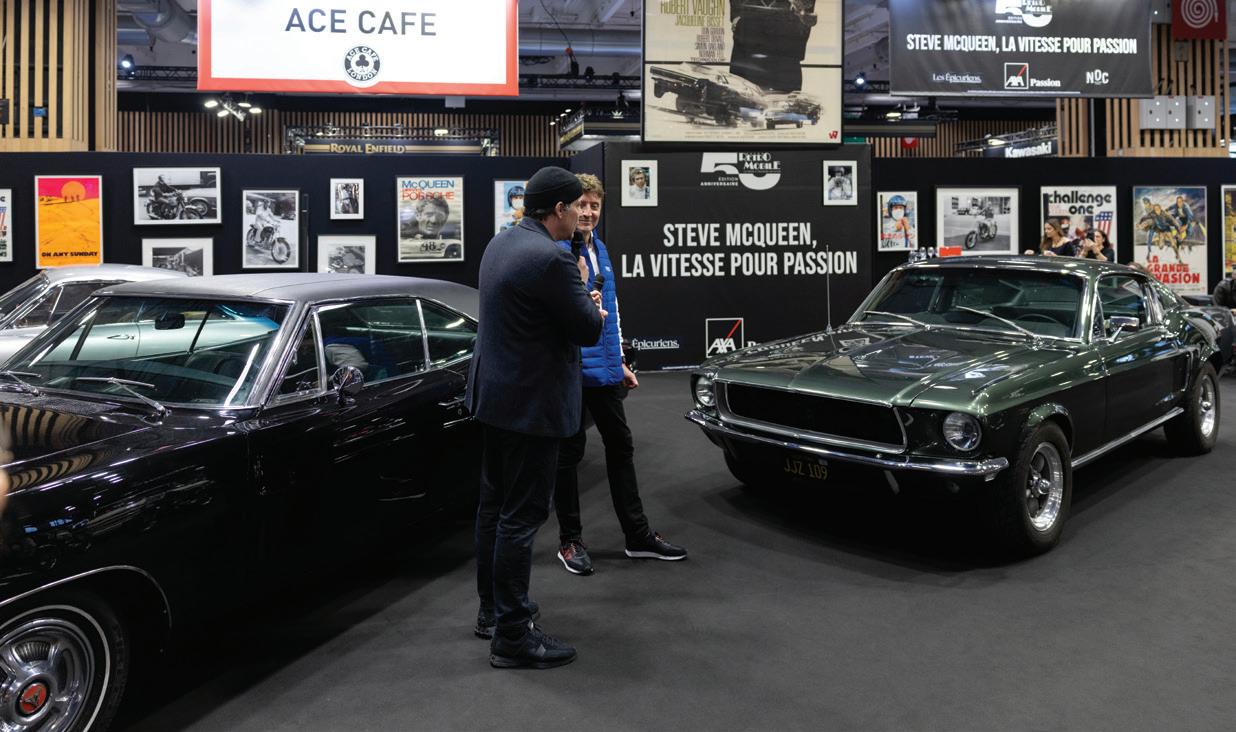
An immersive exhibition entitled "Steve McQueen: A Passion for Speed" took visitors on a journey through the world of the King of Cool: his legendary motorcycles, his movie cars, his rare objects, but also the entire culture he inspired.
Two-wheelers were in the spotlight as part of a dedicated Motorcycle Village and the celebration of several significant anniversaries. Visitors discovered the heritage of Royal Enfield, which is celebrating its 125th anniversary, and the iconic brand Triumph. To mark Ducati's 100th anniversary, the Italian manufacturer presented one of the largest spaces ever dedicated to motorcycles at the show.

Gooding Christie’s held its inaugural European sale as Rétromobile’s official auction house, and they join Richard Mille as the first “signature” partners of the New York event. Stanchion ropes separated general admission guests from registered bidders who sipped champagne while perusing 80 exceptional vehicle lots from the world’s most esteemed automotive marques. Competition and track-only Ferraris had a robust presence, led by a 1984 Ferrari 288 GTO (Lot 67) that sold at €9.1 million ($11.1 million), a new high for the model, and a 2018 FXX K Evo (Lot 40) close to €7 million ($8.5 million), a record sale for this track-only variant.
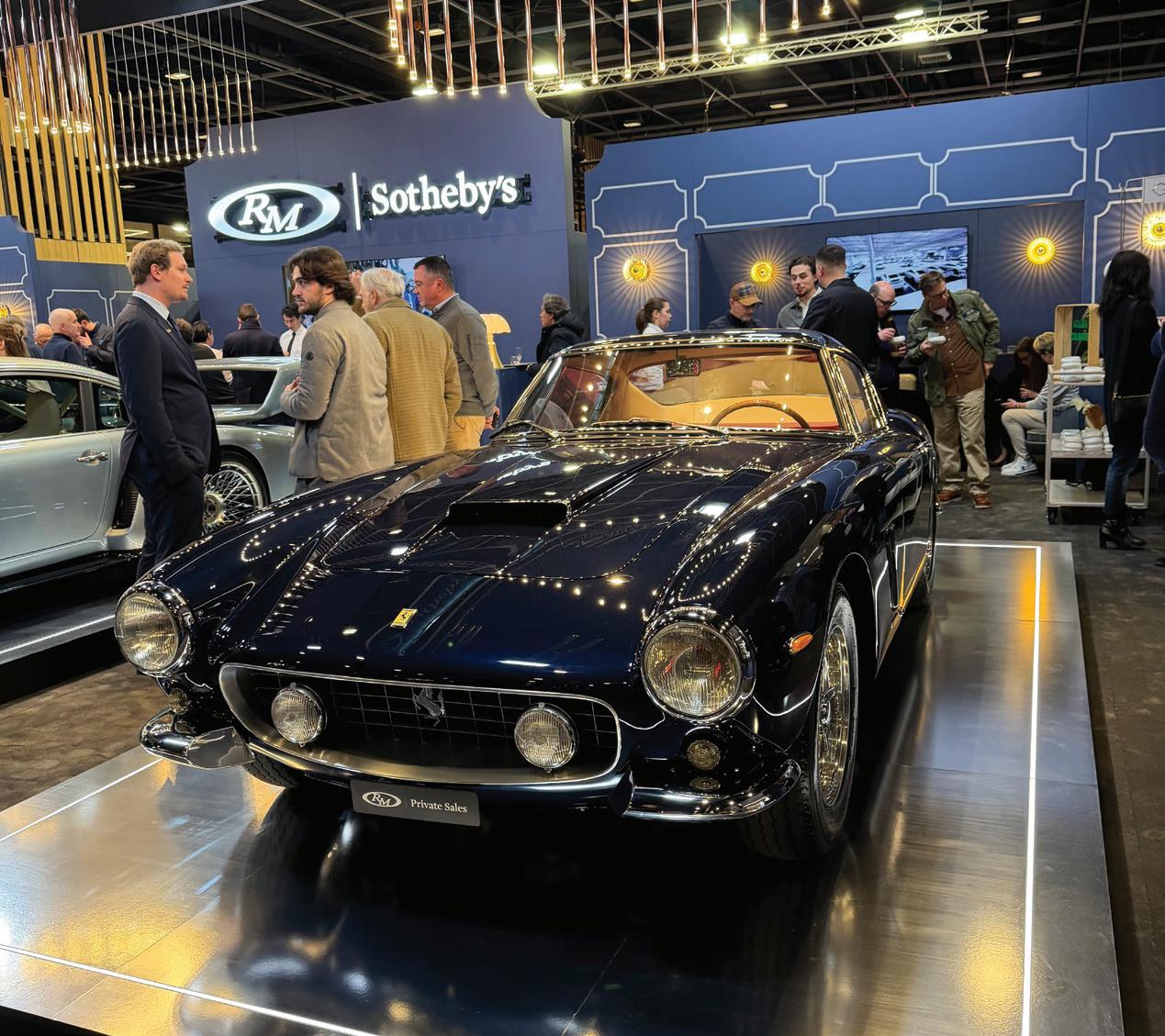
The auction was one of four that took place in Paris during this time, with Ferrari accounting for seven of the ten highestvalue transactions across four major auction houses: Artcurial, Bonhams, RM Sotheby’s, and Gooding Christie’s. The headline-

grabbing gavel came at RM Sotheby’s, where a 1960 Ferrari 250 GT SWB California Spider (Lot 140) sold for just over €14 million ($16.7 million).
When asked to provide additional details about Rétromobile New York programming, Neveu gave a very French reply: “Let’s enjoy a long dinner together before diving into dessert,” meaning they will course out programming information in the months leading up to the event on their website (retromobile.us). Neveu said that while the United States “has enough content for two decades to explore and produce,” his team is remaining “humble” for the New York debut, offering as much square footage as Paris (approximately 400,000) and between 200 and 250 exhibitors. “Our intention is to create an experience with the American market in mind, not a carbon copy of the European experience.” sl
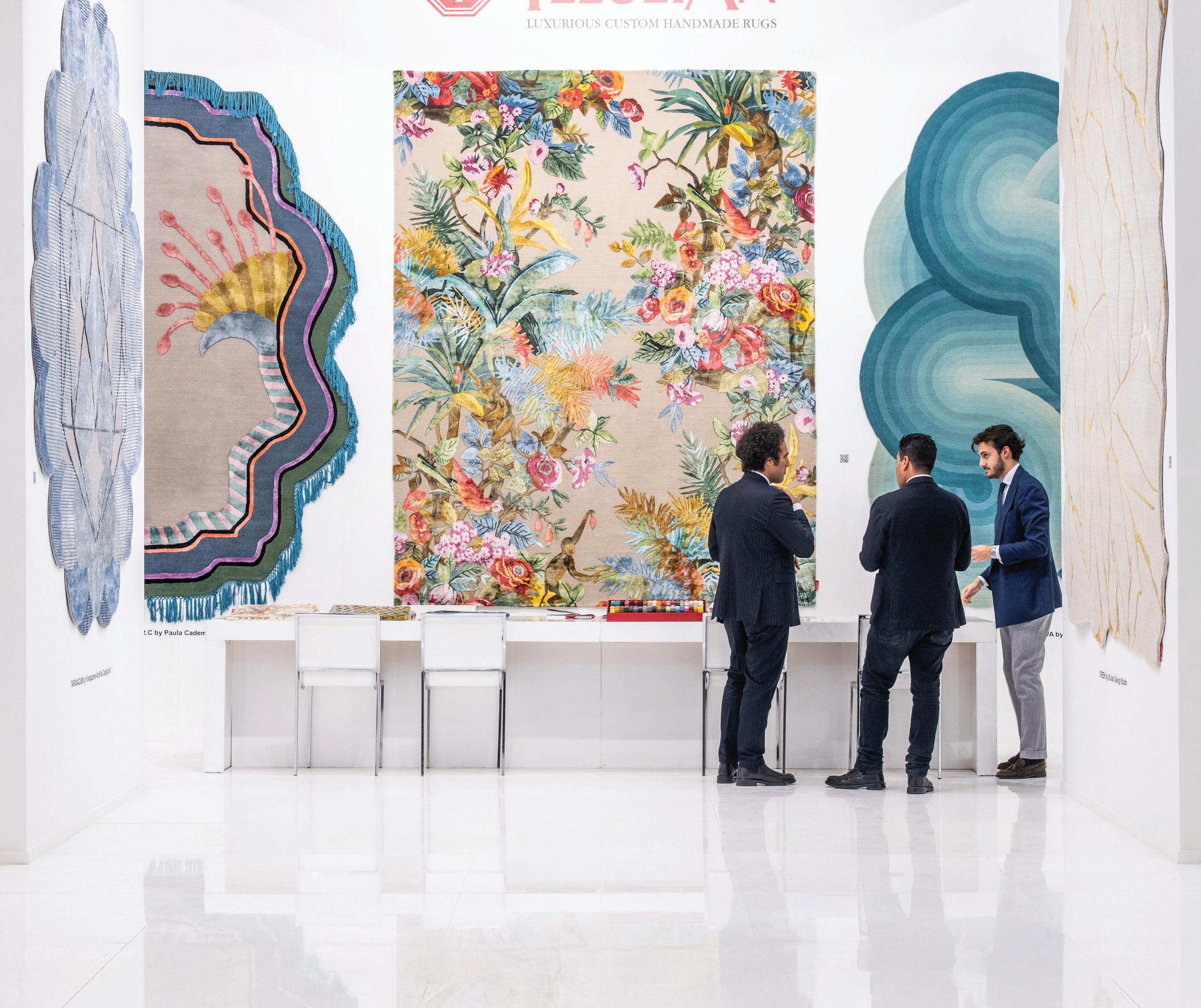
Spring design fairs in Paris point to what’s new and notable in interior design.
Written by Bridget Cottrell
As soon as Pantone announced that “Cloud Dancer” was its Color of the Year, PR agencies flooded my inbox with design boards and product recommendations (including hair color!), attempting to put an interesting spin on what many view as an underwhelming selection. The reaction from the design world was swift, with opinions ranging from “boring” to “serene.”
Joining the chorus of the disenchanted was Sarah Hamon, CEO and Founder of S2H Communications, who wrote in an email announcing the release of her company’s 2026 Trend Book, “What is wrong with white, you might ask? To begin with, if you work in our industries, you know that living in white means choosing nothing. It means not daring, not moving, not being able to express taste on your walls because you’re renting, passing through… So, you draw no boundaries in your home, no zones — like in an asylum — living in endless white. And you never feel better for it… Pantone, which is supposed to accompany its Color of the Year with sociological analysis, seems to have missed the moment when people around the world are craving connection, reassurance, and comfort.”
Hamon’s biting critique represents a sizeable pushback from the design world, who, in 2026, are resolute in championing color (including more nuanced shades of pure white) as a reflection of character. Vibrancy was on full display this past January at the bi-annual Paris design fair Maison & Objet (representing 2,300 brands from more than 60 countries) and Paris Déco Off (referred to as the “Fashion Week for Interiors,” where more than 150 interiors-related brands unveil new fabric, wallcovering, and passementerie collections in their showrooms). Flocking to this global stage, industry leaders can identify the zeitgeist, discover material innovations and new talent, explore the dialogue between tradition and modernity in design, and find unique pieces that lend authenticity to a space.
For 2026, Maison & Objet adopted the theme PAST REVEALS FUTURE, exploring the powerful idea that new forms await invention within the memory of materials, gestures, and cultures. Inspiring the curated exhibitions, thematic itineraries, and trend presentations throughout the fair were four orientations: Metamorphosis, Mutation, Revisited Baroque, and Neo-Folklore.
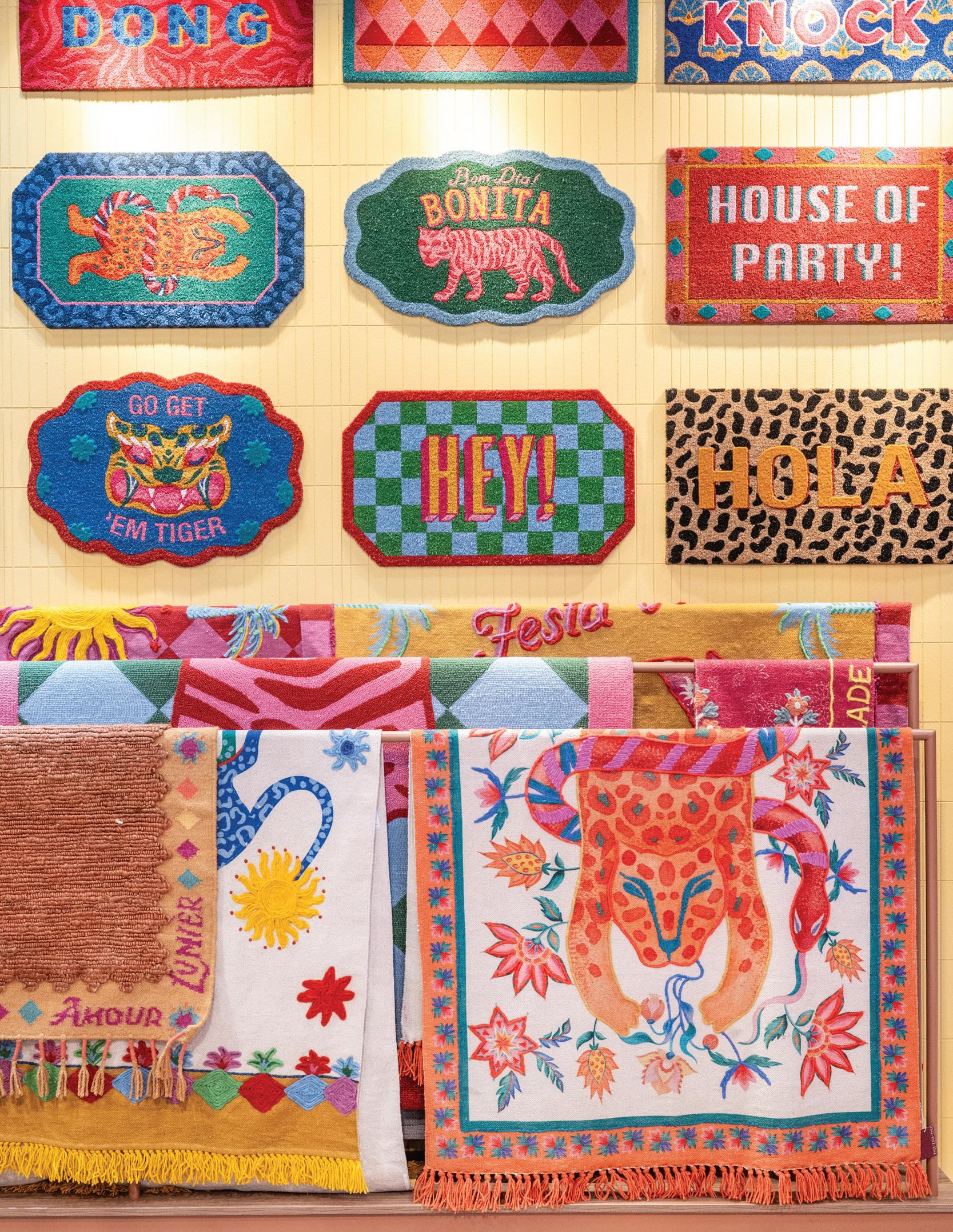
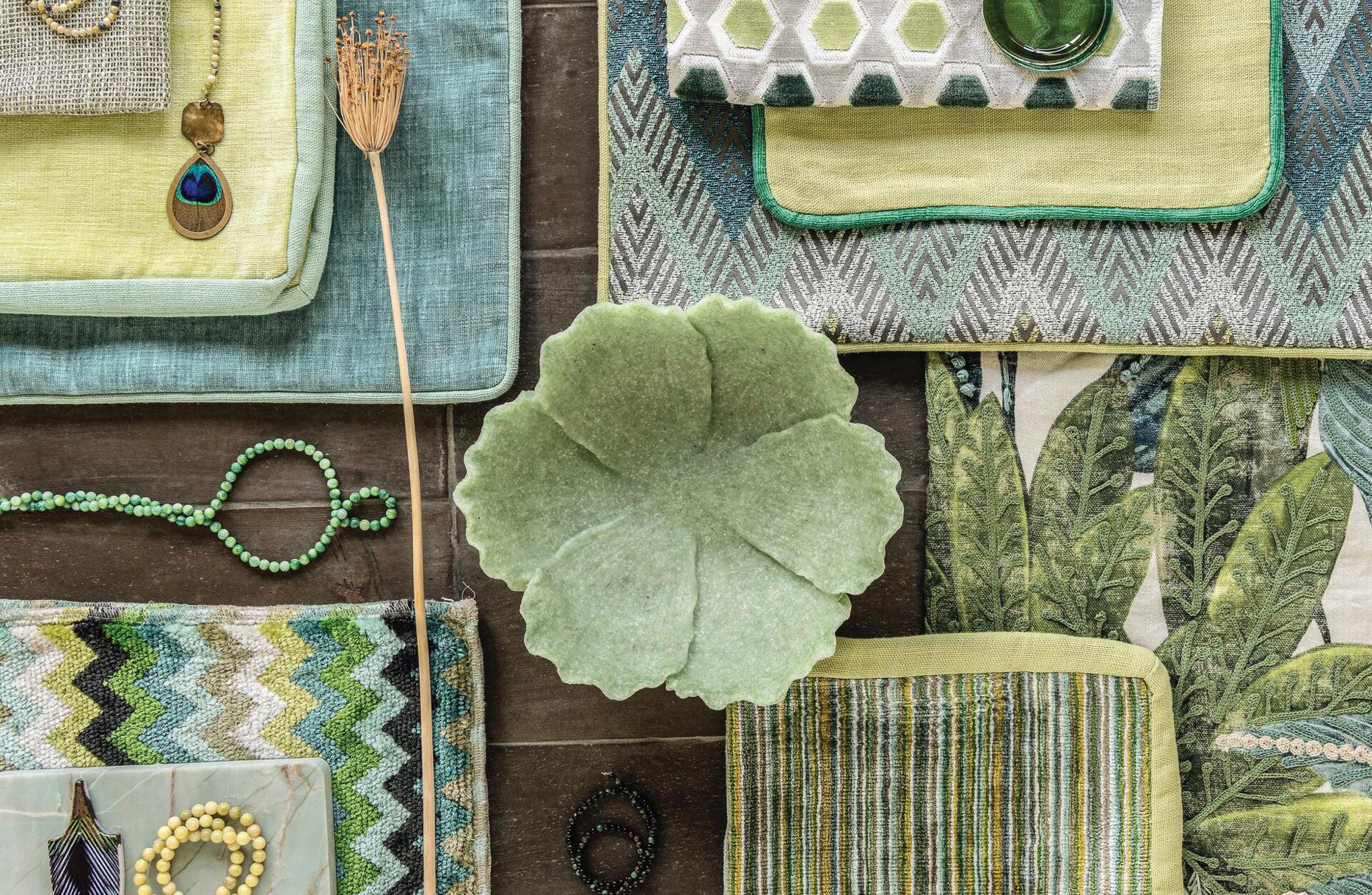

At Deco Off Casamance offered a graphic exploration influenced by modernism and Art Deco.
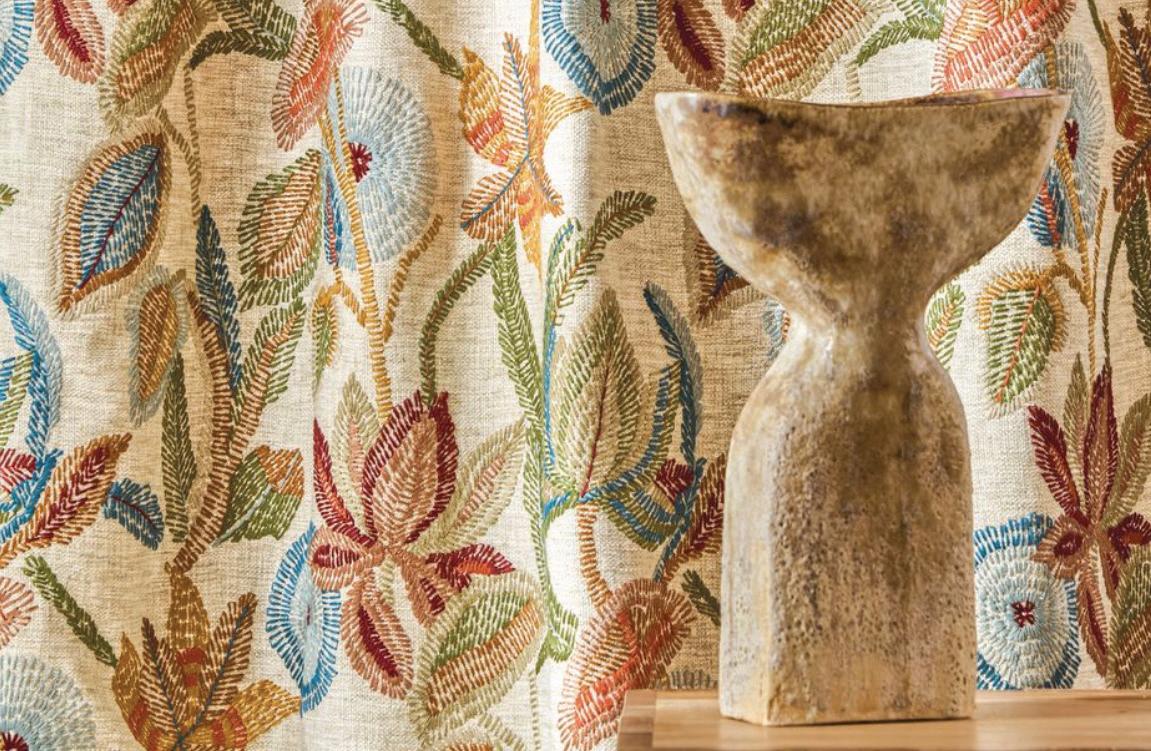

Tréca Paris opened its Place des Victoires boutique with a dedicated installation created especially for Paris Déco Off. In collaboration with Pierre Frey, three beds were dressed in fabrics selected for the occasion and showcased within a continuous scenography.
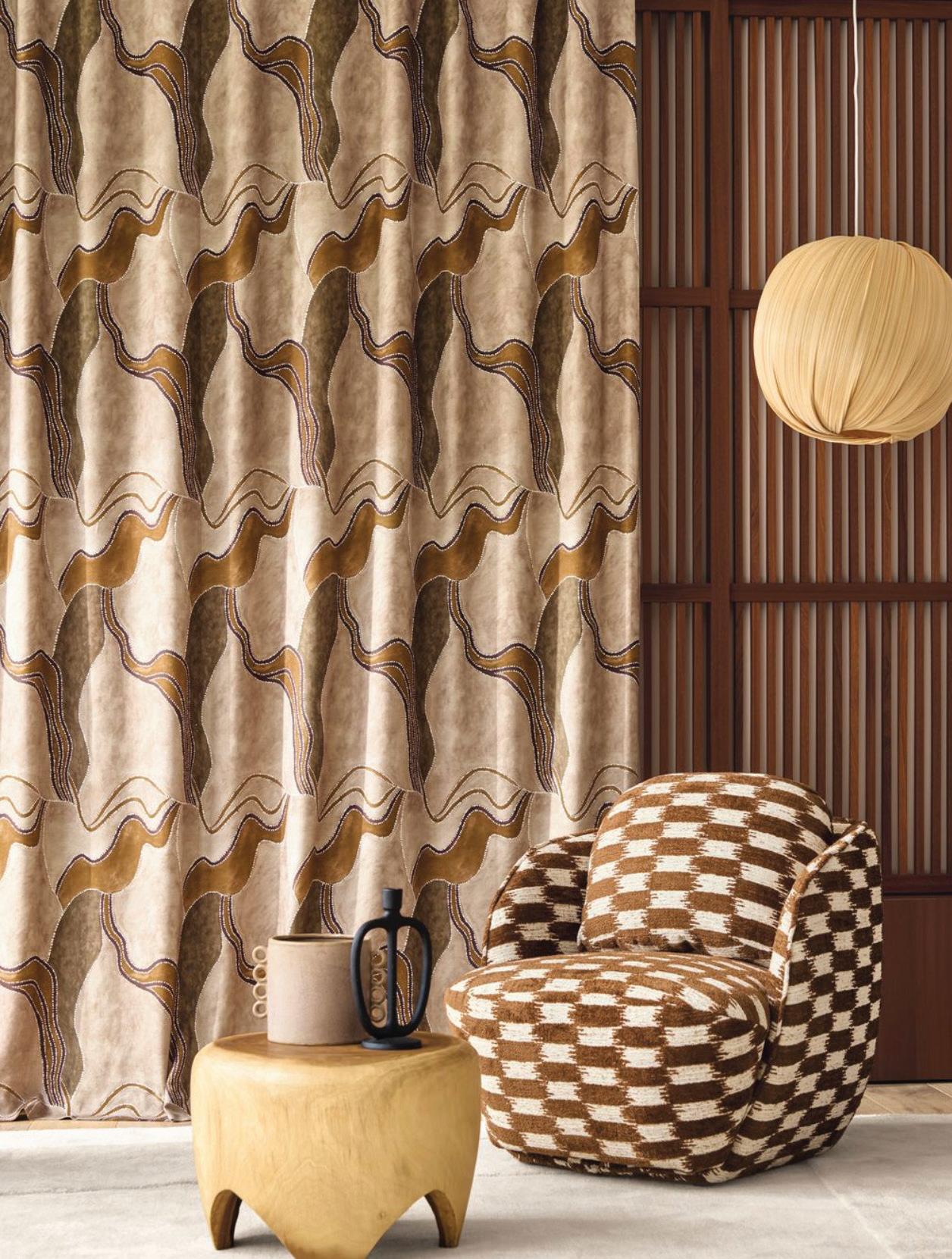
was among the new patterns shown by Camengo
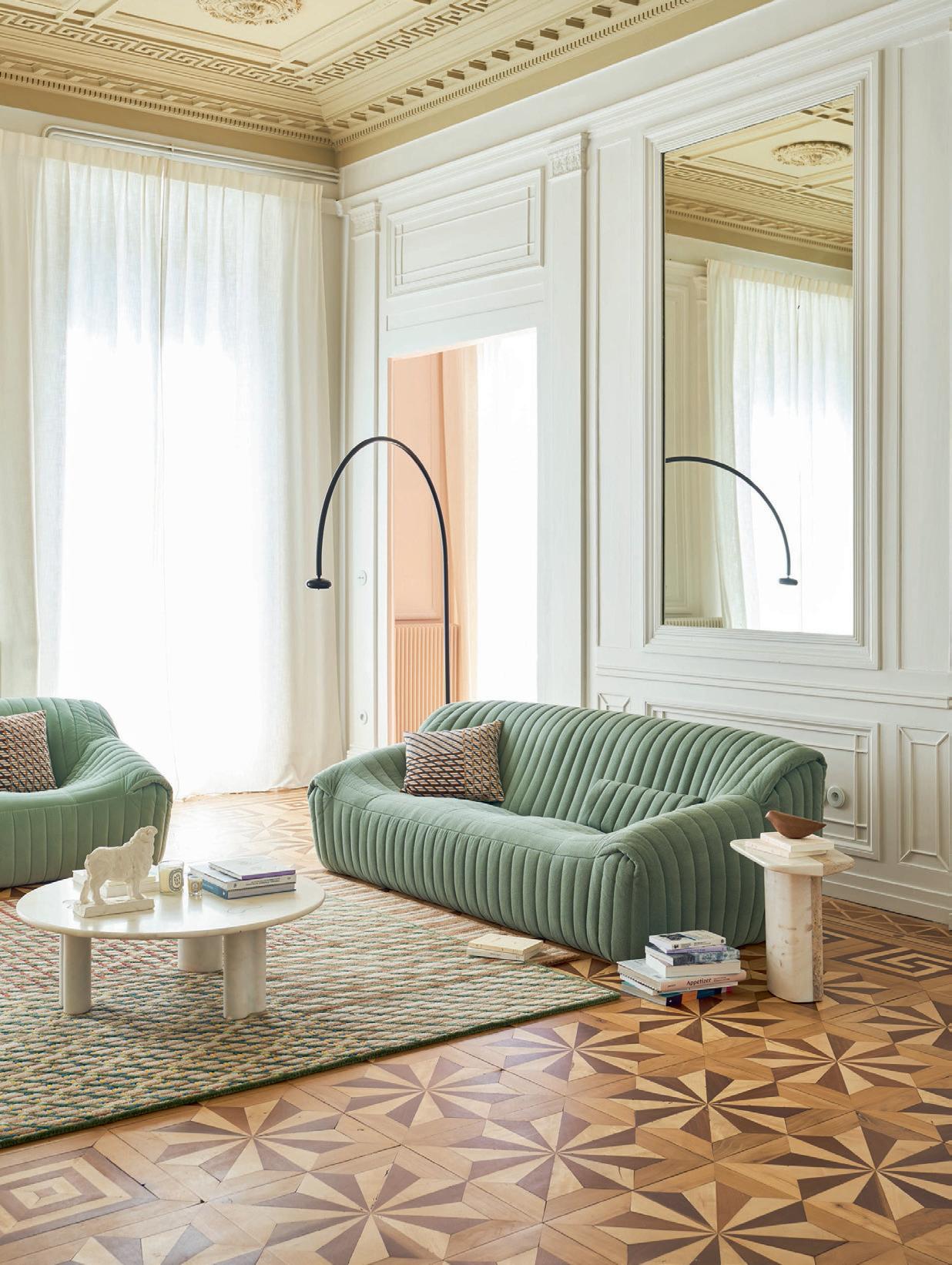
Roset reintroduced Sandra, created by Annie Hiéronimus who was the sole female designer at the company’s design studio when the soft, sculptural sofa was launched in 1975. The new version remains true to Hiéronimus’ original vision – flexible, plush, and endlessly inviting – while integrating Ligne Roset’s unmatched expertise in all-foam seating, including multi-density foams for better support, a built-in lumbar cushion, and an ultralightweight construction that moves easily between spaces.
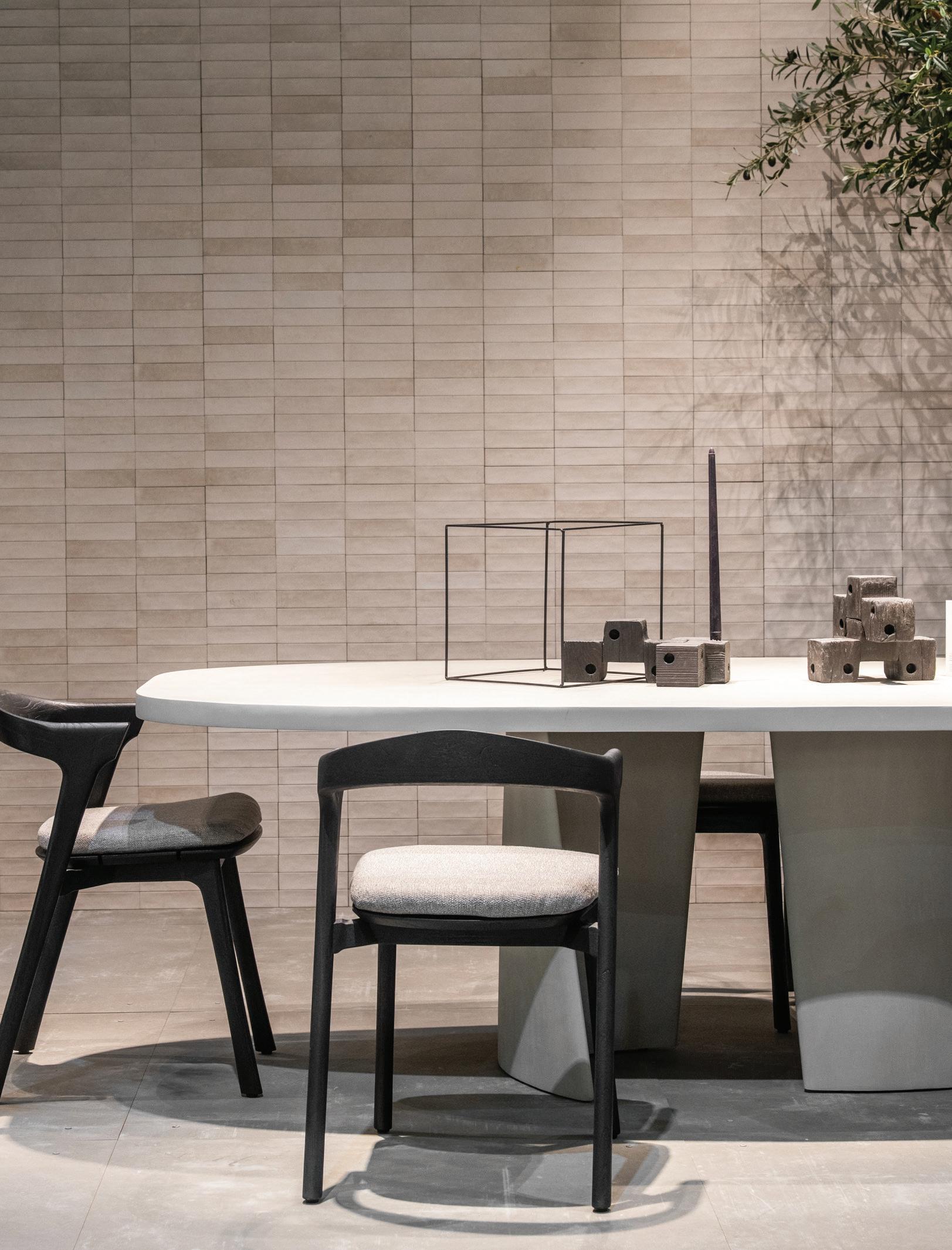
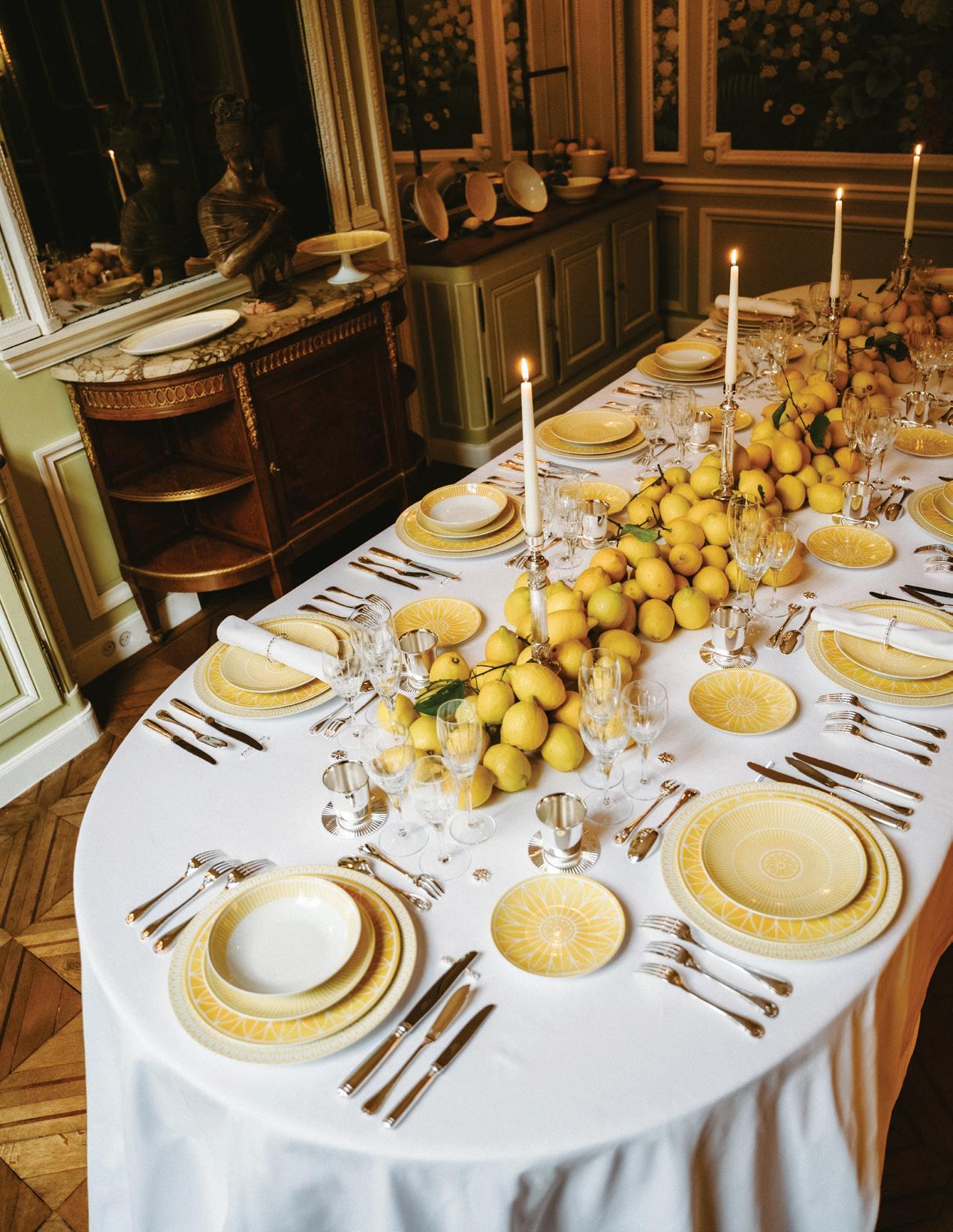
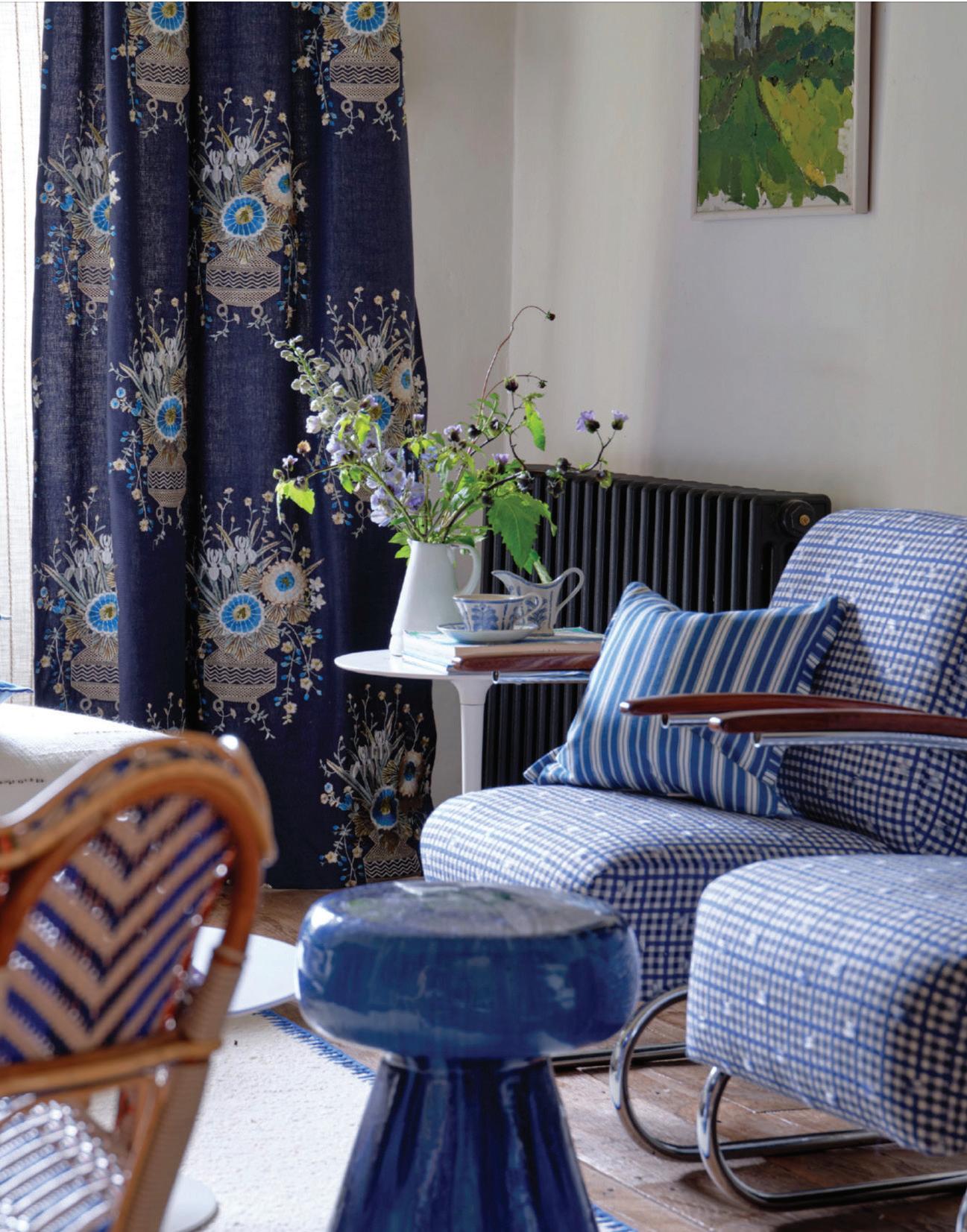
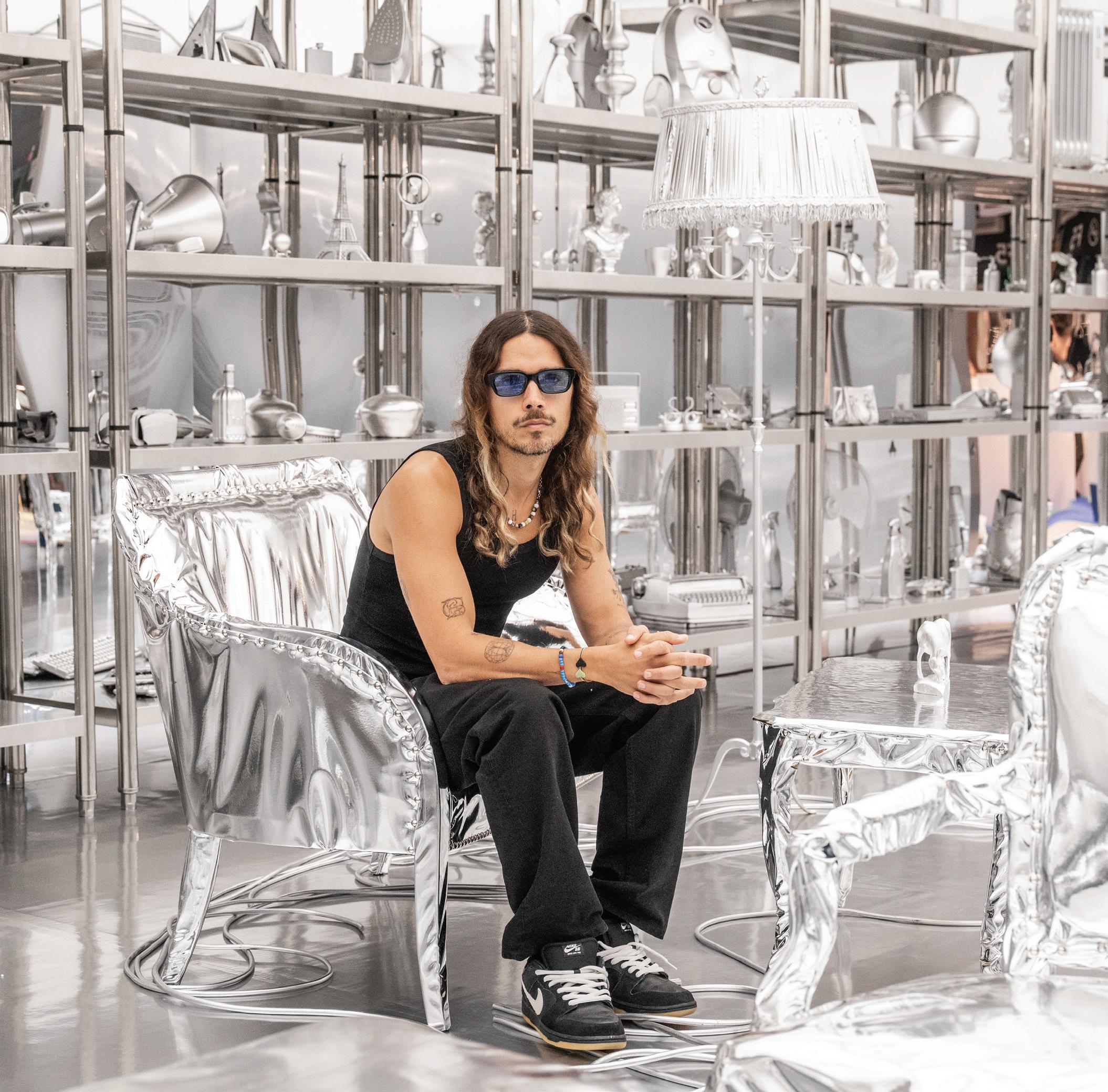
Organizers of Maison & Objet elected Harry Nuriev, founder of Crosby Studios, which has offices in Paris and New York, as their Designer of the Year. With a body of work ranging from product design to the conception of singular, immersive environments, Nuriev acts as both a design anthropologist and a storyteller of the unexpected.
“Nuriev’s practice lies at the crossroads of art and design, driven by the sensitivity of a designer who questions the overabundance of objects in which we live,” said Franck Millot, Maison & Objet’s Director of Partnership and Special Events, in a release announcing Nuriev’s election. “Harry is also a cosmopolitan creator who has chosen Paris as his home base, following in the footsteps of great figures who enriched the Parisian art and cultural scene. A touch of Diaghilev for the Russian soul, and a bit of Scott Fitzgerald for the extravagance.”
Sophisticated Living was pleased to be part of the festive atmosphere in the Saint-Germain-des-Prés and Rue du Mail/Place
des Victoires neighborhoods generated by a slew of cocktail parties held in permanent and pop-up showrooms as part of Paris Déco Off. A tradition for more than a decade, hundreds of oversized, colorful lampshades served as beacons in the Left and Right Bank neighborhoods, illuminating the textile industry’s creativity and use of sustainable fabrics. As part of the “Festival of Fabrics,” the facades of galleries, showrooms, the Hôtel de l’Industrie, and the storefront of the Bar du Moulin were dressed in lively textiles from the likes of Designers Guild, Thevenon, C&C Milano, and more.
Countless studies have demonstrated the significant impact of interior design on health and mood. The events in Paris evidenced that, in an increasingly chaotic world, beautiful and thoughtful design can create deeply personal, layered, and sustainable sanctuaries that blend well-being with self-expression, whether you’re a Cloud Dancer or someone who prefers to tiptoe through a colorful field of tulips. sl
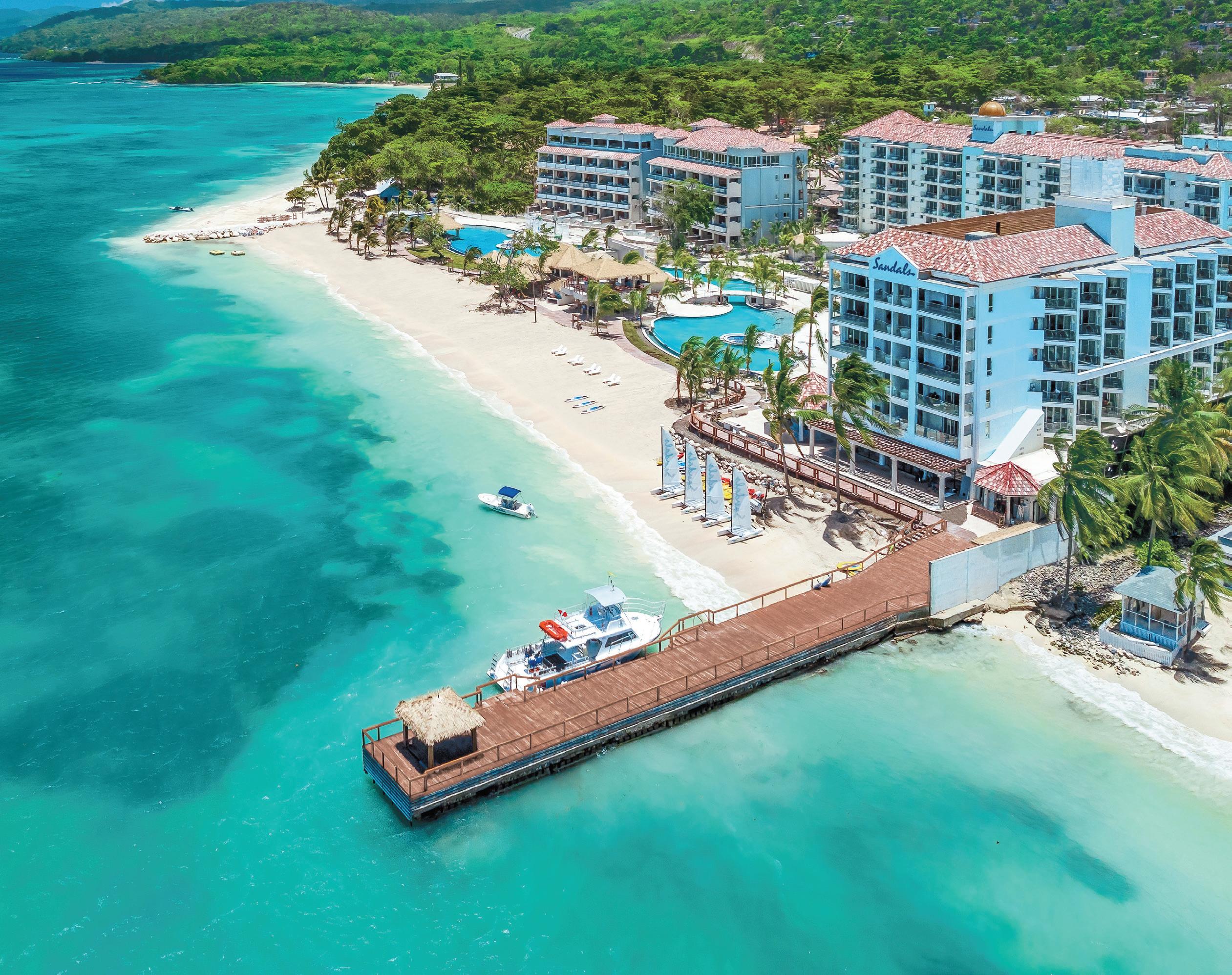
Sandals Dunn’s River builds on a legacy of hospitality in Jamaica
By Bridget Cottrell
Nuanced and mild, with an extremely pleasant sweetness and an almost total lack of any bitterness. These descriptors could be used to elucidate the flavor of Jamaica’s Blue Mountain coffee or the people of the island themselves, whose resiliency was on full display following the devastation wrought by Hurricane Melissa in October of last year.
Tourism is a cornerstone of the Jamaican economy and a powerful engine for social change. Since 1981, Sandals Resorts (sandals.com), with seven properties in Jamaica, and its non-profit, the Sandals Foundation (established in 2009), have been key drivers in both areas. During a virtual town hall following Hurricane Melissa, Sandals Resorts International’s Executive Chairman Adam Stewart said, “One thing I can tell you is that when we come back, we always come back bigger, better, and stronger.”
Sandals’ staff supported more than 1,000 guests stranded during the storm, noting that team members volunteered to stay on property to ensure guests were cared for and to arrange charter flights to get them home. The company maintained pay and benefits for 100 percent of its staff during the shutdown. Encompassing everything from getting water to families in remote and hard-to-reach areas to
repurposing its corporate hangar for medical evacuations and supply missions and collaborating with hospitals and the World Central Kitchen and Team Rubicon to set up kitchen hubs, the Sandals Foundation distributed more than a million dollars in aid through one of its most far-reaching relief efforts to date.
While Sandals Dunn’s River, situated on Jamaica’s north coast, had been open less than a year when the hurricane struck (it reopened on December 6), the property itself has deep ties to the brand. Adam Stewart’s father, the late Gordon “Butch” Stewart, grew up on the beaches around the former Arawak Hotel in Ocho Rios, which opened as Jamaica’s largest hotel in 1957. As a young boy, Butch even sold fish he’d caught to the kitchen. After acquiring the property in 2020, Butch's emotional ties to the place only deepened as he collaborated with his son, Adam, to reimagine the site, based on the original footprint architect Morris Lapidus drew for the Arawak Hotel. Then, as now, two hotel towers are angled so that the ocean remains the focal point. Jamaican roots are infused into every touchpoint, and in the case of a decades-old banyan tree present in the Arawak era, are literally fixed to the site.
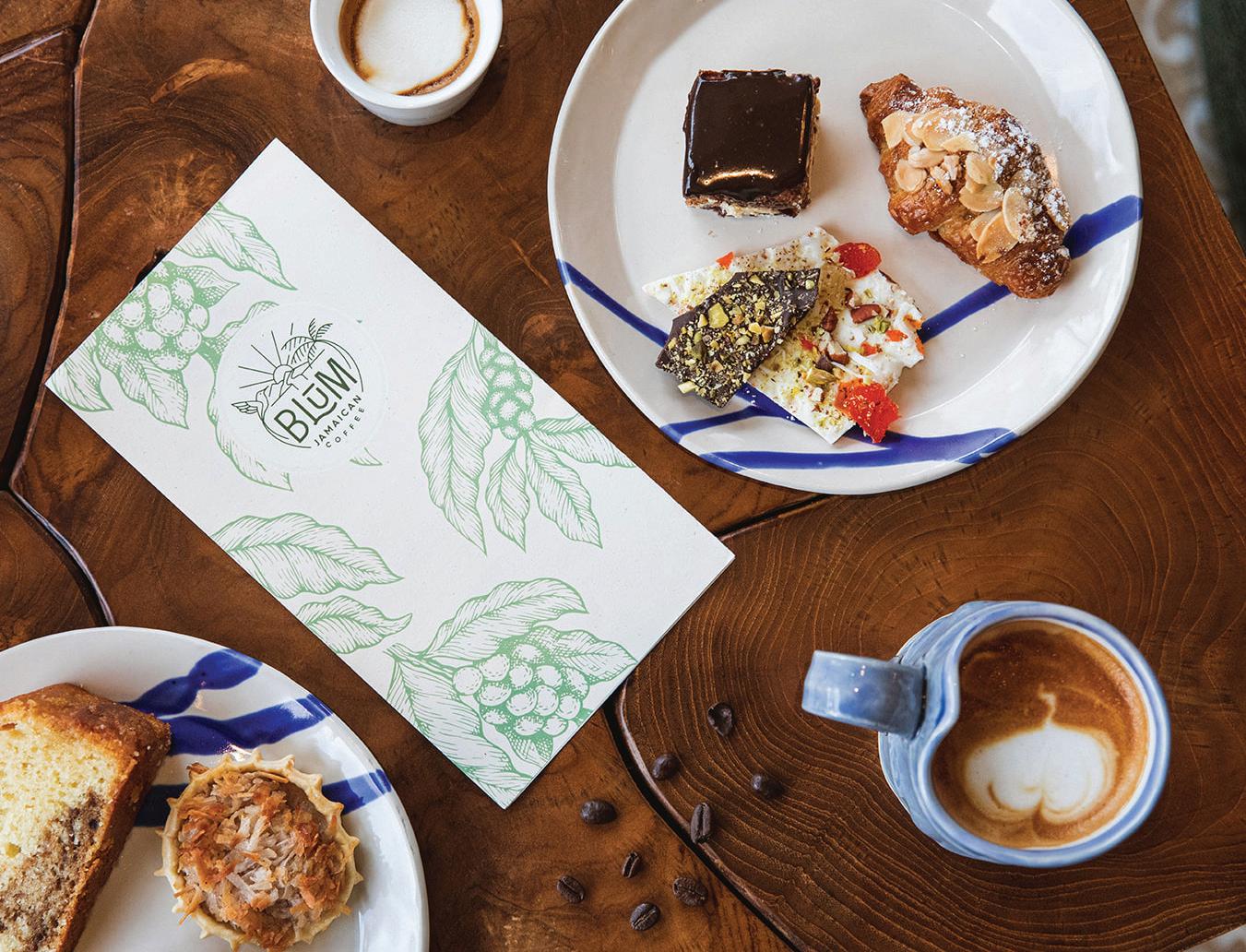
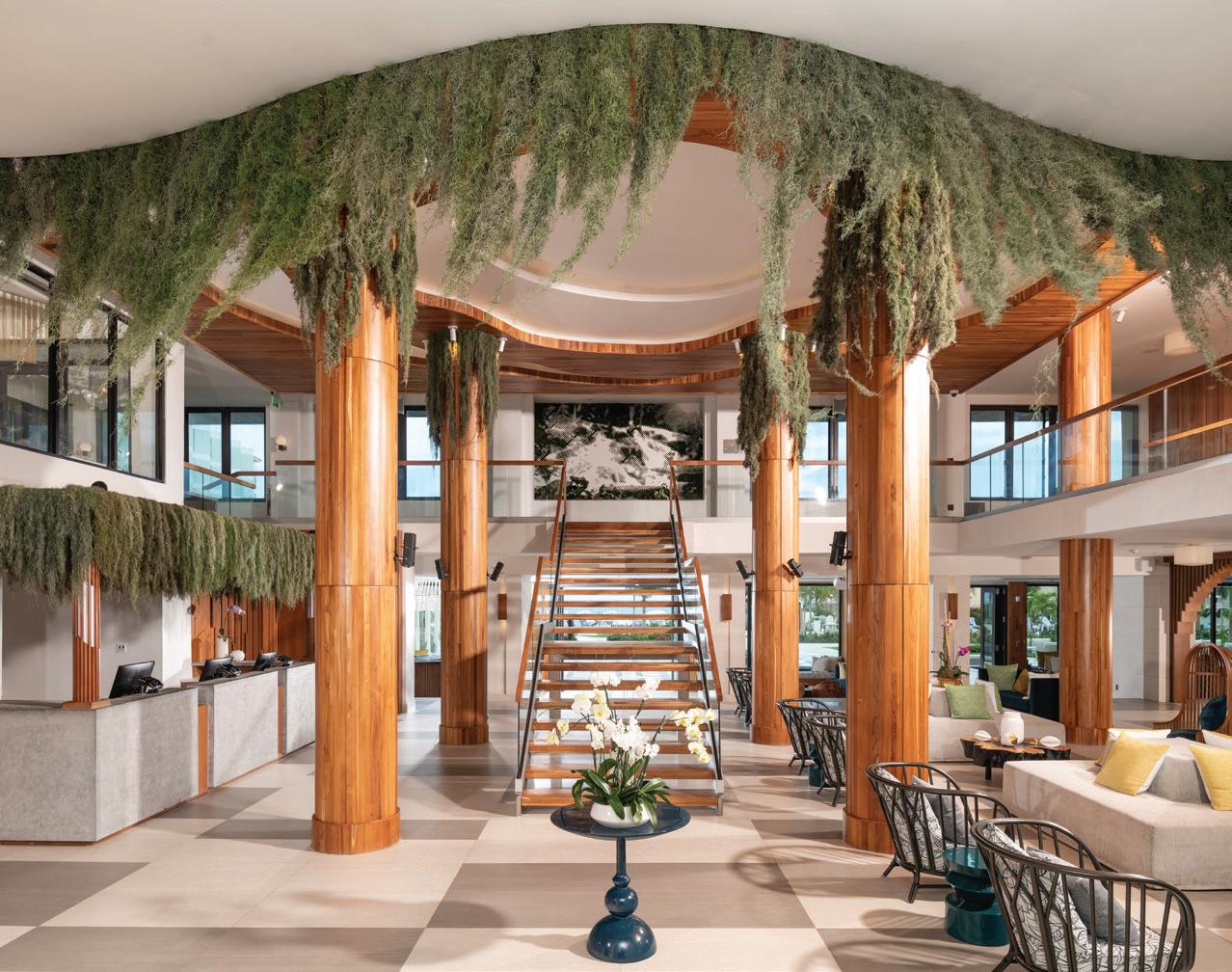
We stayed in a Tufa SkyPool Butler Suite, the first cantilevered suites in Jamaica. Calling it our “aquatic opera box” from which we surveyed the activity below, our glass-fronted plunge pool spanned the length of the oceanfront balcony, creating a striking visual from the ground, and a few moments of mild embarrassment for me when I forgot everyone could see me dancing to a thumping afternoon DJ set.
Another notable premium room category is the Coyaba Swim-Up Rondoval Butler Suites. Nestled into a lush native landscape, in these multi-story suites, you trade sea views for stars with an openair rooftop and a soaking tub for two. Both room types include personal butler service.
The resort features 12 restaurants and 8 additional bars, including swim-up bars. I particularly enjoyed starting my day with a cup of the resort’s own Blue Mountain coffee blendBLUM, both in my room and in the coffeehouse of the same name, where drinks and treats are served in vessels made by local potter David Pinto. Guests can purchase his pieces, along with other regional handiwork, with proceeds going to the Sandals Foundation. Scattered throughout the property are cuisine-
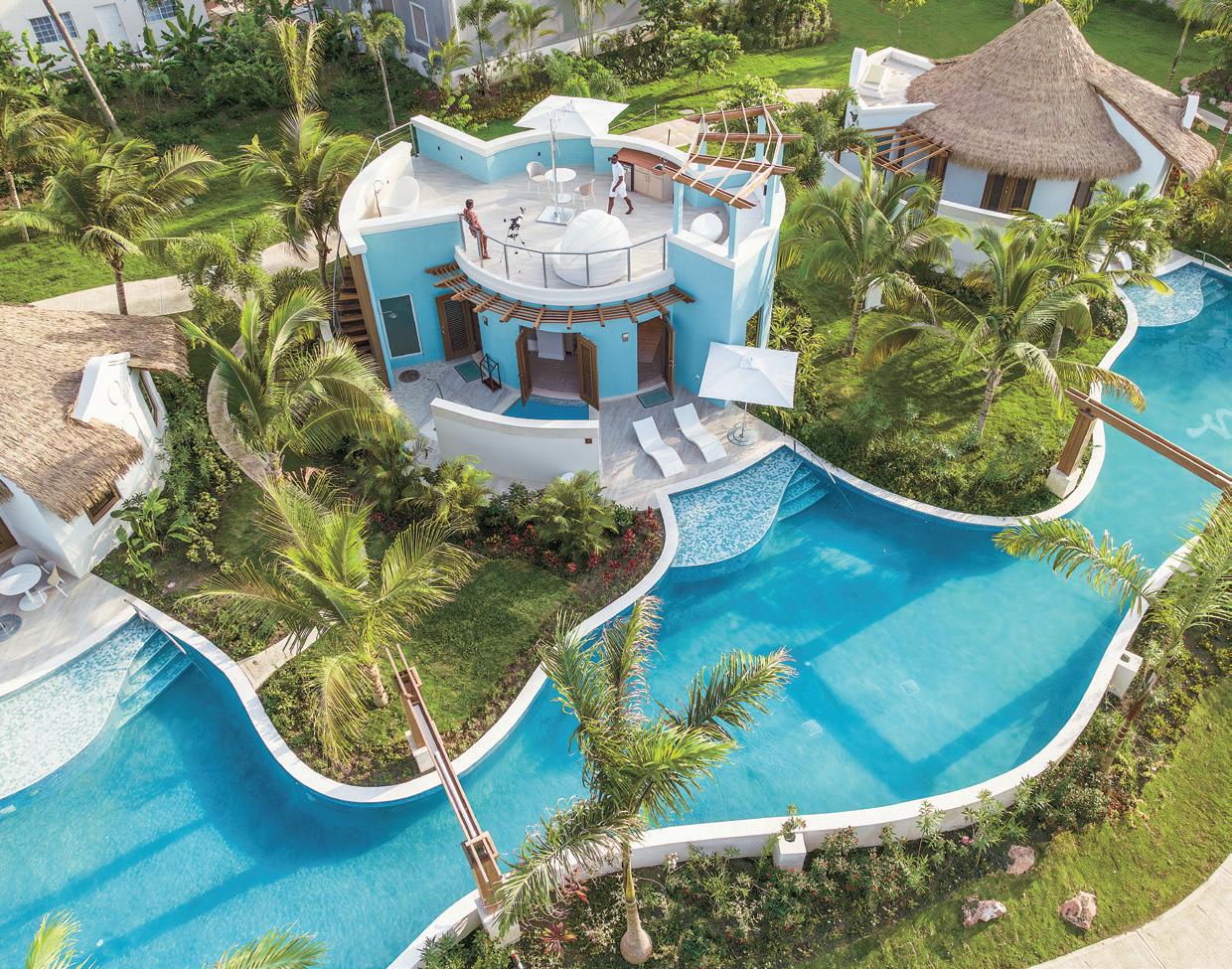
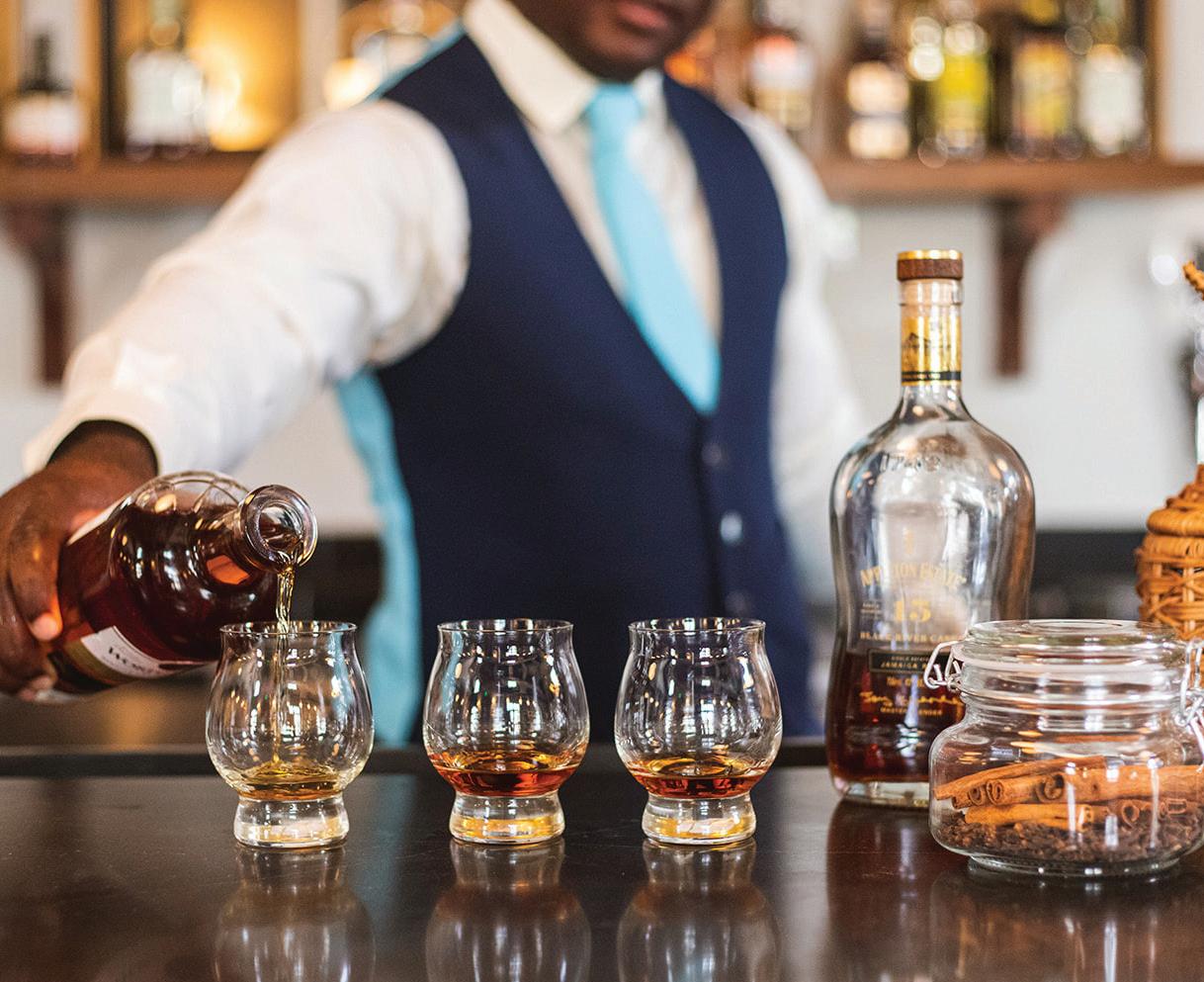
specific restaurants encompassing Italy, France, Asia, Greece, Latin America, and the Caribbean, with spirited décor to match.
If rum is the honey of the Caribbean, then the Dunn’s Rum Club is the hive, where you can enjoy specialty flights and have a mixologist craft a signature drink using more than 30 variations of the Caribbean’s best rum. A popular après dinner spot (where one evening the mixologist created a custom drink colored to match my ensemble), the swanky space boasts space for dancing, billiards, and dominoes. Pair your drink with Caribbean-themed small plates, including Jamaican oxtail sliders.
While many guests appear to be supremely contented lounging by one of five pools or the ocean, there are scores of included land and water sports, including unlimited PADI-certified SCUBA diving. Sandals’ sister company, Caribbean-based Island Routes, founded in 2009, offers more than 500 immersive tours and experiences across nine island destinations, including Antigua, the Bahamas, Barbados, Curaçao, Grenada, Jamaica, St. Lucia, St. Vincent and the Grenadines, and Turks & Caicos. Through the company’s Private and Bespoke Collection, guests can experience off-the-beaten-path places on land and sea.
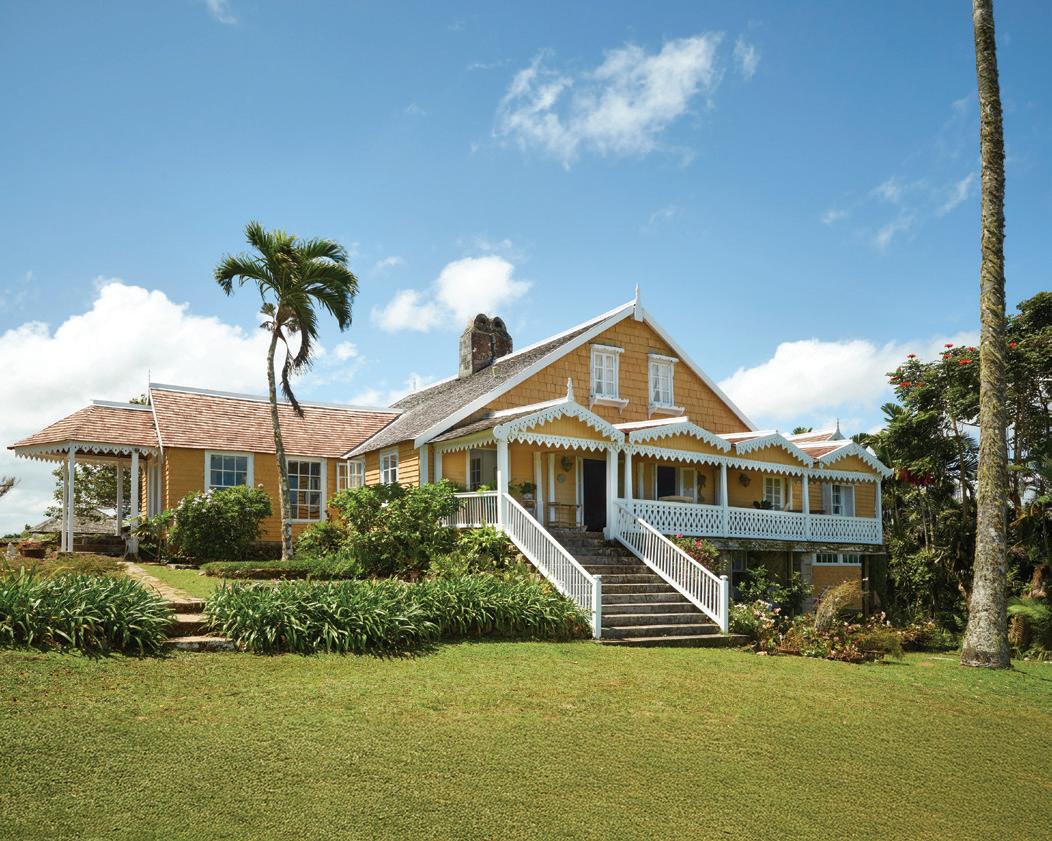
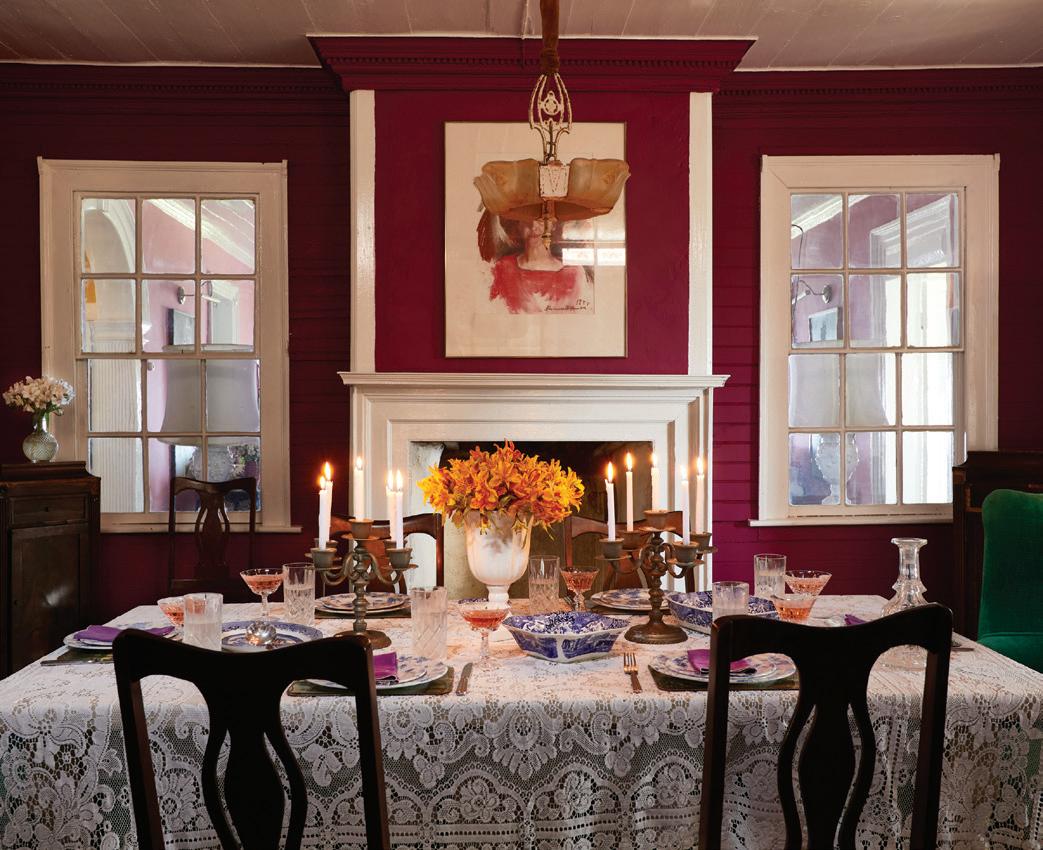
In our case, our custom itinerary treated us to an afternoon of culinary bliss with cultural icons and chefs, sisters Michelle and Suzanne Russo (twosistersja.com). Our driver escorted us way up into the verdant hills where, at the terminus of a rocky, unpaved road, the jungled landscape parted to reveal “Rockfield,” a lightly restored Victorian-era Great House with much of its original furniture and artwork, overlooking a vast landscape veiled in mist. For more than three decades, the lively Rousseau Sisters have been among the Caribbean's finest culinary storytellers through their acclaimed restaurants, television shows, and award-winning cookbooks.
“In the seventies and eighties, Jamaica was culture-focused,” remarked Suzanne, adding that she and Michelle are trying to revive that movement through food, crafts and cuisine, using Rockfield as a hub. “Too long the narrative of Jamaica has been curated to be one thing, and we are out to change that by sharing the density, grit, and edge you don’t often get to see,” explained Michelle, who added that they are particularly committed to telling the stories of rural Jamaican female cooks.
Taking a comfortable seat on the verandah, with the elevation and a cool breeze providing relief from the swelter at sea level, we sampled bites of ackee and saltfish, Jamaica’s national dish. It was my first taste of ackee fruit, which, when boiled, takes on a
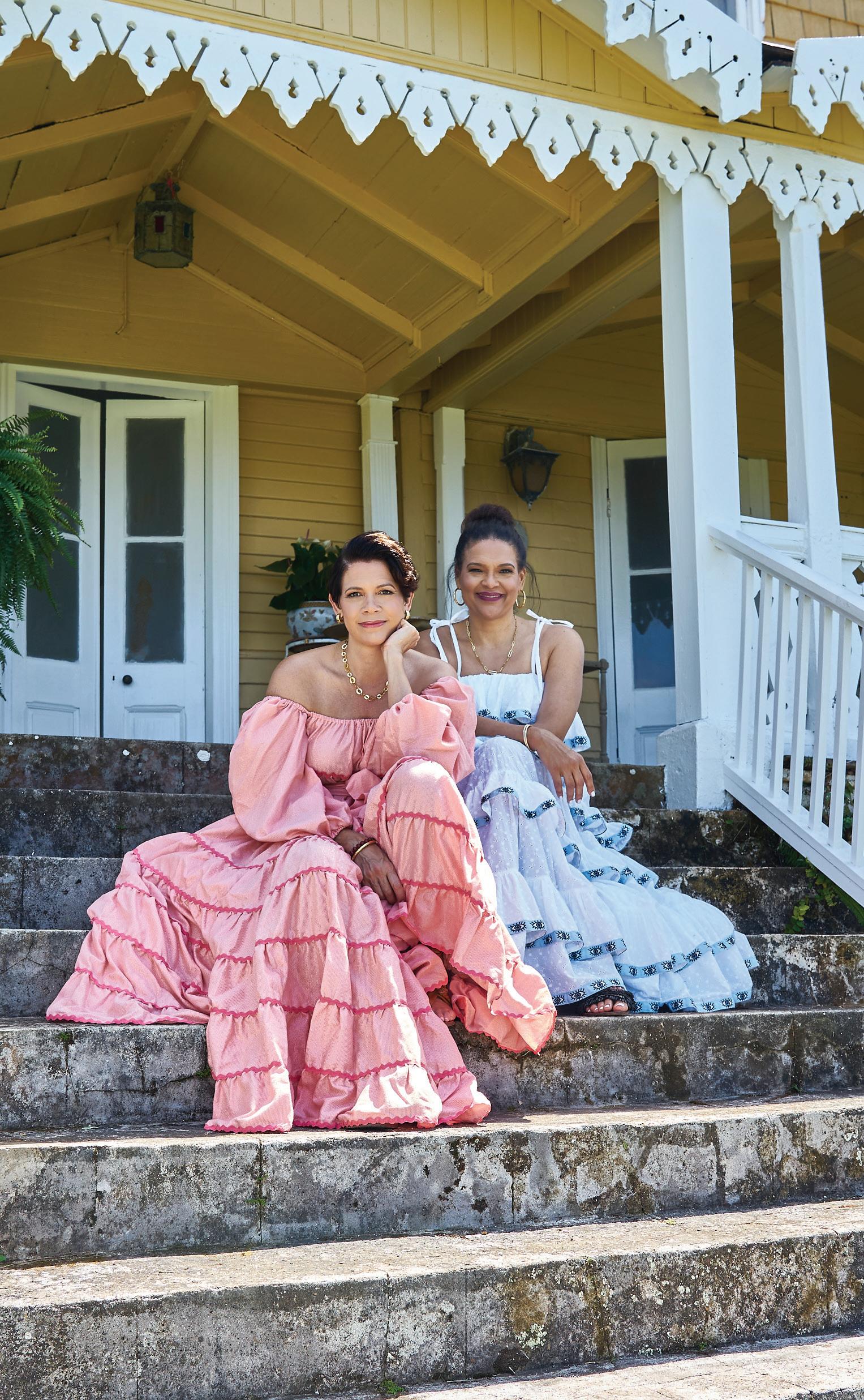
scrambled-egg—like texture. A lover of spice, I appreciated the addition of Scotch bonnet pepper, a key ingredient in Jamaican cuisine. Michelle said the experience is intended to replicate a “real Jamaican Sunday lunch experience.” We milled about the home and kitchen as lunch preparations were underway, discussing everything from the parallels of Jamaican and American Southern cuisine to the intricacy of jerked meat. I came to understand that the latter is a process (simultaneously smoking, roasting, and steaming) and definitely not just a seasoning mix.
Equally meaningful are the outings offered through the Sandals Foundation. Prior to establishing the foundation in 2009, Butch Stewart “adopted” local schools, funding maintenance and supplies. “Long before philanthropy was considered fashionable, my dad tapped into the needs of our community and carried that torch because it was the right thing to do,” said Adam Stewart. Most recently, the Foundation has been focused on bringing sustainable solar energy to under-resourced Caribbean schools. During our stay, we participated in a “Reading Road Trip” and visited a nearby primary school to distribute supplies we’d brought and spend a few hours interacting with students. It was both uplifting and humbling, and remains my most poignant memory of the trip, and the essence of what, in my opinion, travel should be. sl

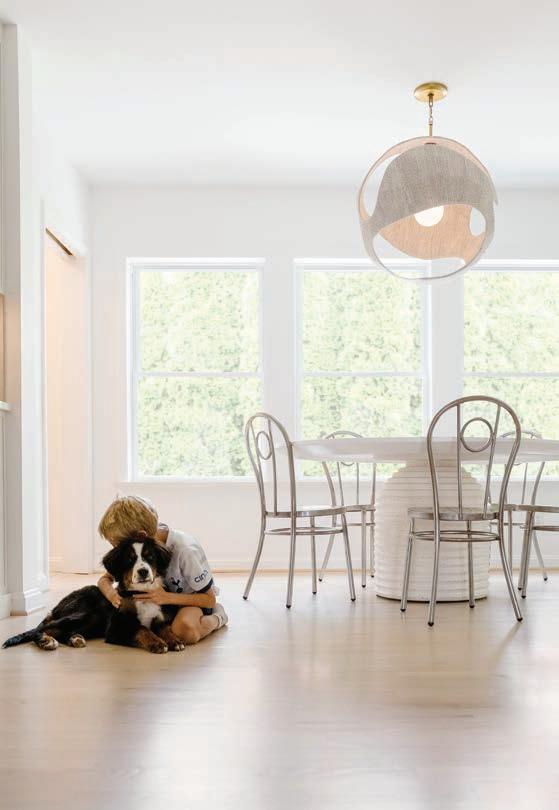

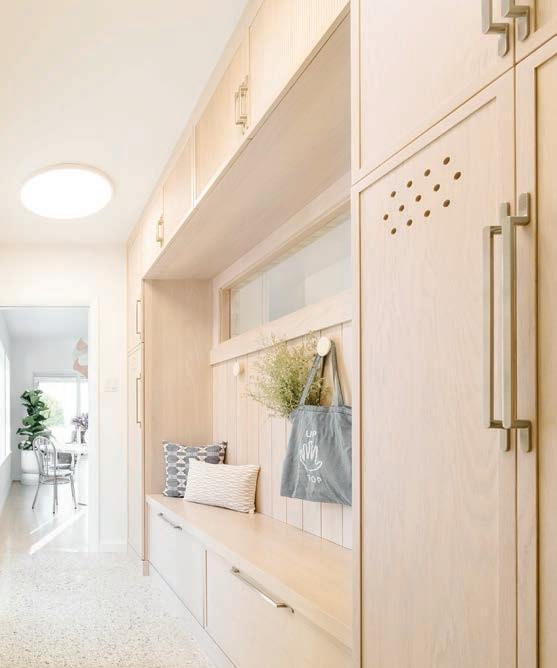
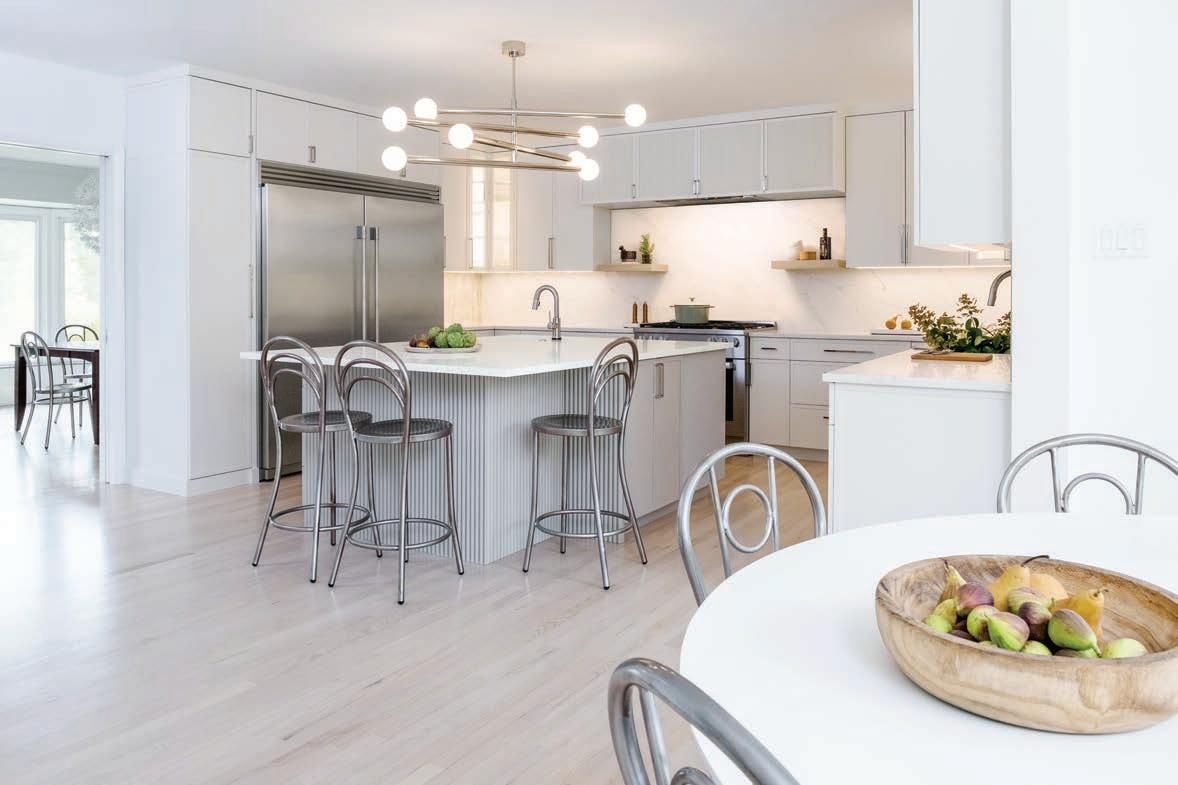

By Craig Kaminer / Photography and
Few brands in St. Louis have embedded themselves into the emotional fabric of the city quite like 4 Hands Brewing Co. For some, it’s City Wide APA — a beer that has become shorthand for civic pride. For others, it’s the LaSalle Park taproom, where art, music, families and sports fans coexist without pretense. And for many, it’s the sense that 4 Hands is not simply a brewery but a cultural platform — one built on experience, generosity and belonging.
At the center of it all is founder Kevin Lemp, whose path into craft brewing was anything but traditional. In fact, it began not in a brewhouse, but in sales routes, distributor warehouses and supplier meetings — learning the business from the inside out. While Lemp is a native St. Louisan, he is not from the legendary Lemp Brewery family who were the largest beer brewers in St. Louis from 1840 to 1919.
In fact, Lemp’s career in beverages began immediately after Columbia College, when he landed a role working with Gallo Winery inside the wholesaler network.
“I was fortunate enough to get into the industry right out of the gate,” he says. “I worked for Glazer’s as a Gallo sales rep, selling both
what a St. Louis Brewery can be
by John Lore
the Gallo wine portfolio and the craft beer portfolio. And I really quickly realized it wasn’t just a job. It was a career. I really fell in love with the category.”
Over the next several years, Lemp worked his way up — first as a sales rep, then as a division manager and eventually onto Gallo’s payroll as a field marketing manager. It was there, managing Illinois and later Missouri, that the entrepreneurial pieces began to click into place.
“I always had that spirit,” he says. “I had lemonade stands on golf courses. I cut lawns. I’m really bad at being bored. I always felt like I was going to do my own thing. I just thought it would be in the restaurant industry because I love hospitality and food.”
What changed everything was timing. As Lemp watched the explosion of small-batch breweries on the coasts, he noticed something important: the Midwest hadn’t yet caught up.
“I had a business plan written by the end of that stint,” he says. “I needed that supplier job because it let me look behind the curtain — programming, pricing, budgeting, what it really takes to launch a brand properly.”
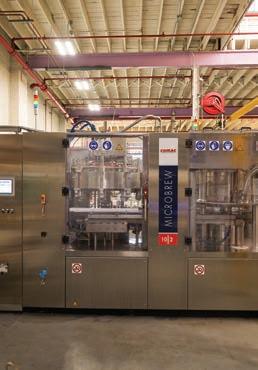
That discipline would later define 4 Hands.
By 2010-2011, Lemp knew it was time.
“It was harder to raise money back then,” he admits. “You couldn’t just walk into a bank with a business plan and ask for a million dollars. Finding strong financial partners took about a year.”
When he finally made the leap, he did it carefully — giving Gallo six months notice.
“In June of 2011 was my first day walking in here without any other job,” he says. “And honestly, it felt really reassuring. I felt like I had learned everything I needed to learn. I didn’t have an ambition to be the biggest. I just wanted to be very good at what we set out to do.”
4 Hands officially opened its doors on 11.11.11. It ran out of beer in 30 minutes.
“We were very premature,” Lemp laughs. “It took us until early 2012 to really hit the market.”
Perhaps the most surprising revelation: Lemp has never brewed a batch of beer.
“Not my job,” he says matter-of-factly. “I understand what I’m good at and I stay in that lane. I want to be hyper-focused on what I can execute at a high level — and surround myself with people who are great at everything else.”
What Lemp does have is a finely trained palate.
“My palate became very sophisticated working with Gallo for a decade,” he explains. “We had lengthy classes on what you’re tasting,
why you’re tasting it, where you’re tasting it. I just took that palate and moved it into beer.”
Innovation, he says, belongs to his team — particularly longtime collaborator Andy Burgio, whose fingerprints are on every new beer, cocktail and innovation.
“We wouldn’t be here if it wasn’t for the people who make 4 Hands Brewing Company,” Lemp says simply.
From day one, 4 Hands looked different. That was no accident.
“Super intentional,” Lemp says. “It’s written into our business plan. Number one, the liquid had to be delicious. Number two, the art had to speak to what was inside and get attention.”
Inspired by music culture, early labels were designed to feel like concert posters, bold and expressive. The goal was never just shelf appeal — it was emotional connection.
“We wanted to build our brand through experience,” he says. “We were the target customer. We still are. It’s easier when you’re building something you genuinely love.”
That philosophy extends to collaboration with artists, chefs, sports teams and institutions that shape the city.
One of the most thoughtful partnerships is with the Missouri Botanical Garden, where science and craft intersect.
“The Garden is a global leader in conservation,” Lemp says. “To collaborate with them is meaningful. We share values around stewardship and education.”
Together, they’ve created beers inspired by living collections and rare botanicals, paired with educational storytelling and events set among orchids and conservatories. As with City Wide, proceeds support the Garden’s mission — turning collaboration into conservation.
“The community is the business,” he says. “We are hyperpassionate about St. Louis. I walked into a hundred buildings before choosing this one. I wanted to be in the city.”
That commitment crystallized with City Wide APA, now the top craft brand in St. Louis and the top pale ale in Missouri.
“It’s our philanthropic vehicle,” Lemp explains. “We’ve given back over $400,000 through City Wide alone. But it’s bigger than one brand. It’s about listening to the community and being part of it.”
As the number of U.S. breweries exploded from 1,400 to nearly 8,000, Lemp knew diversification was essential.
“That’s why we launched 1220 Spirits,” he says. “It was revenuebuilding, portfolio diversification and a whole new layer of creativity.”
Gin led the way, followed by aged spirits under Withered Oak and most recently 4 Hands Cannabis, a functional beverage line years in the making.
“We decided to stay in our lane — beverages,” Lemp says. “Functional beverages let us do that thoughtfully.”
Each product is mood-driven, carefully formulated and designed with the same intentionality as beer — right down to texture, aroma and finish.
With nearly 100 employees, Lemp views leadership as service.
“I don’t think what I do is better than anyone else,” he says. “I just have a different job. Listening goes a long way. Trust goes a long way.”
He measures success not just in sales but in seeing employees buy homes, cars and build lives.
“That feels really good,” he says. “I’m passionate about making them happy.”
Despite industry headwinds, Lemp remains characteristically optimistic. “I’m always glass half full,” he says. “Down cycles create opportunity. I feel really good about what the next five years could bring to St. Louis.”
As 4 Hands moves into 2026, the focus is less on expansion and more on refinement — tightening systems, rebuilding foundations and launching the next generation of brands with the same care that was taken when launching City Wide.
“If we can continue to be part of St. Louis’ evolution,” Lemp says, “I’m unbelievably grateful.” sl
To view this interview, watch SophisticatedTV here.

SINCE 2015, WE HAVE HELPED RAISE MORE THAN $5-MILLION AND GARNERED MUCH NEEDED AWARENESS FOR ST. LOUIS NONPROFITS.
ON-LINE DONATIONS | MATCHES WITH CORPORATE DONORS
REPORTS ON GIVING TRENDS IN ST. LOUIS | ADVICE FROM DONOR-ADVISED FUNDS
There are more than 19,000 nonprofits in St. Louis. Sophisticated Giving helps them stand out.
IN THESE DIVISIVE AND UNPREDICTABLE TIMES, IT IS MORE IMPORTANT THAN EVER THAT WE SUPPORT ST. LOUIS’ NONPROFITS TO ENSURE THEY BOTH SURVIVE AND THRIVE. BY STATING THE ORGANIZATION’S HISTORY, PURPOSE, GOALS, AND NEEDS, ORGANIZATIONS — FROM THE ARTS TO EDUCATION, PUBLIC WELFARE AND FAR BEYOND, YOU CAN LEARN MORE ABOUT THOSE GROUPS WHO ARE HELPING OUR CITY HELP OTHERS. THE STORIES THEY TELL EDUCATE US ON WHAT IS BEING DONE AND WHAT IS STILL NEEDED.
HELP US WRITE ANOTHER STORY
TELL US ABOUT YOUR FAVORITE NON-PROFITS SO WE CAN FEATURE THEM IN THE 2025 - 2026 SOPHISTICATED GIVING CHARITY REGISTER. AND PLEASE CONSIDER DONATING SO WE CAN PROFILE AS MANY NONPROFITS AS POSSIBLE AT NO COST TO THE NONPROFITS.
THANK YOU
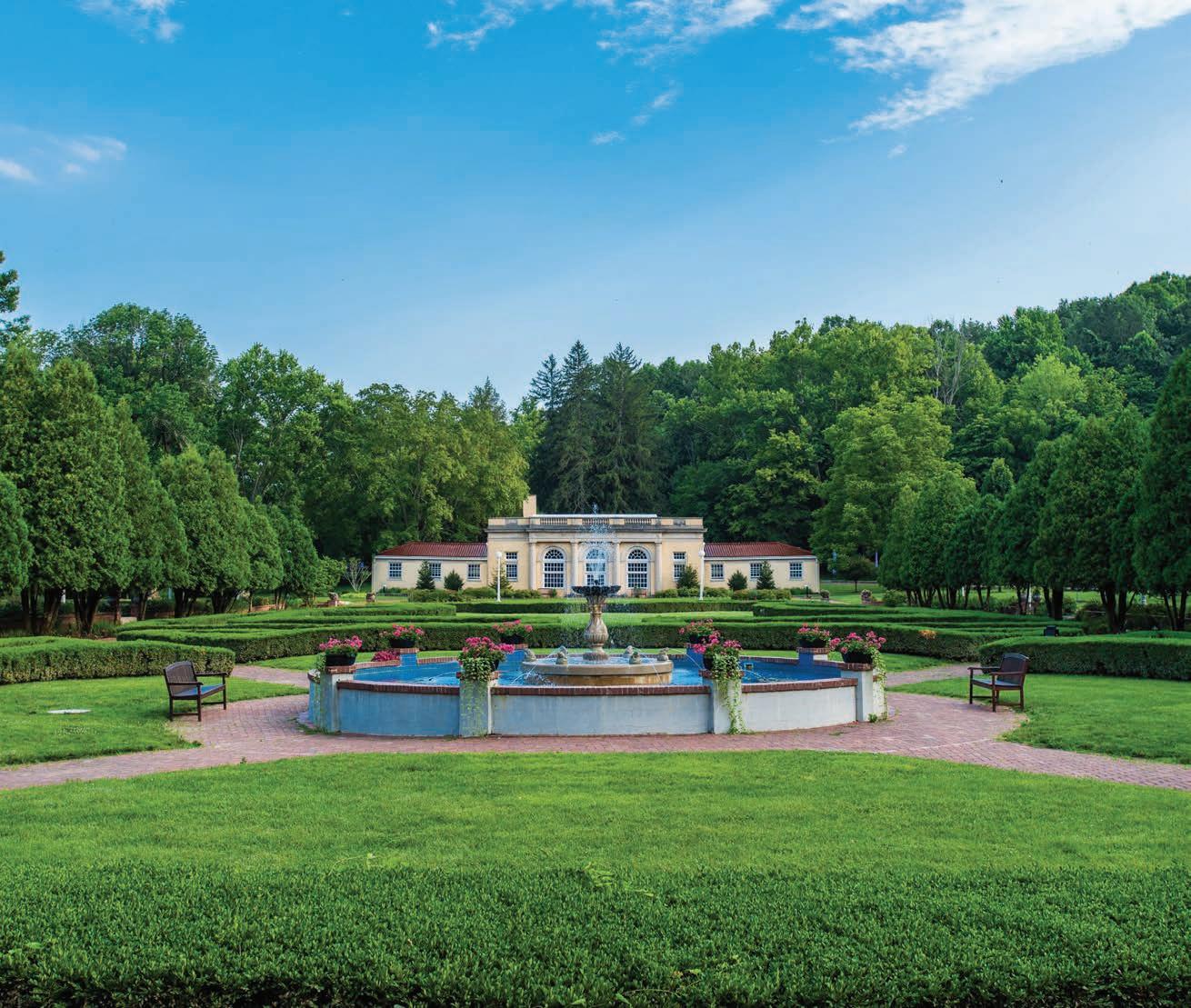
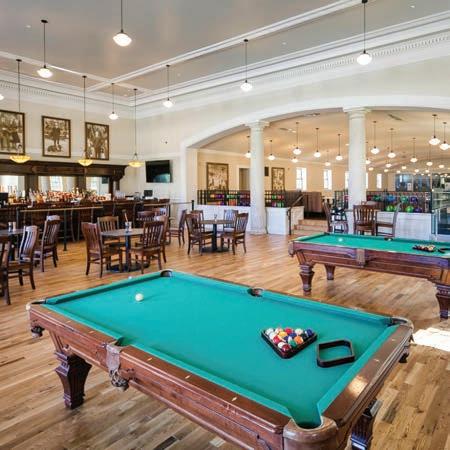

By Craig Kaminer
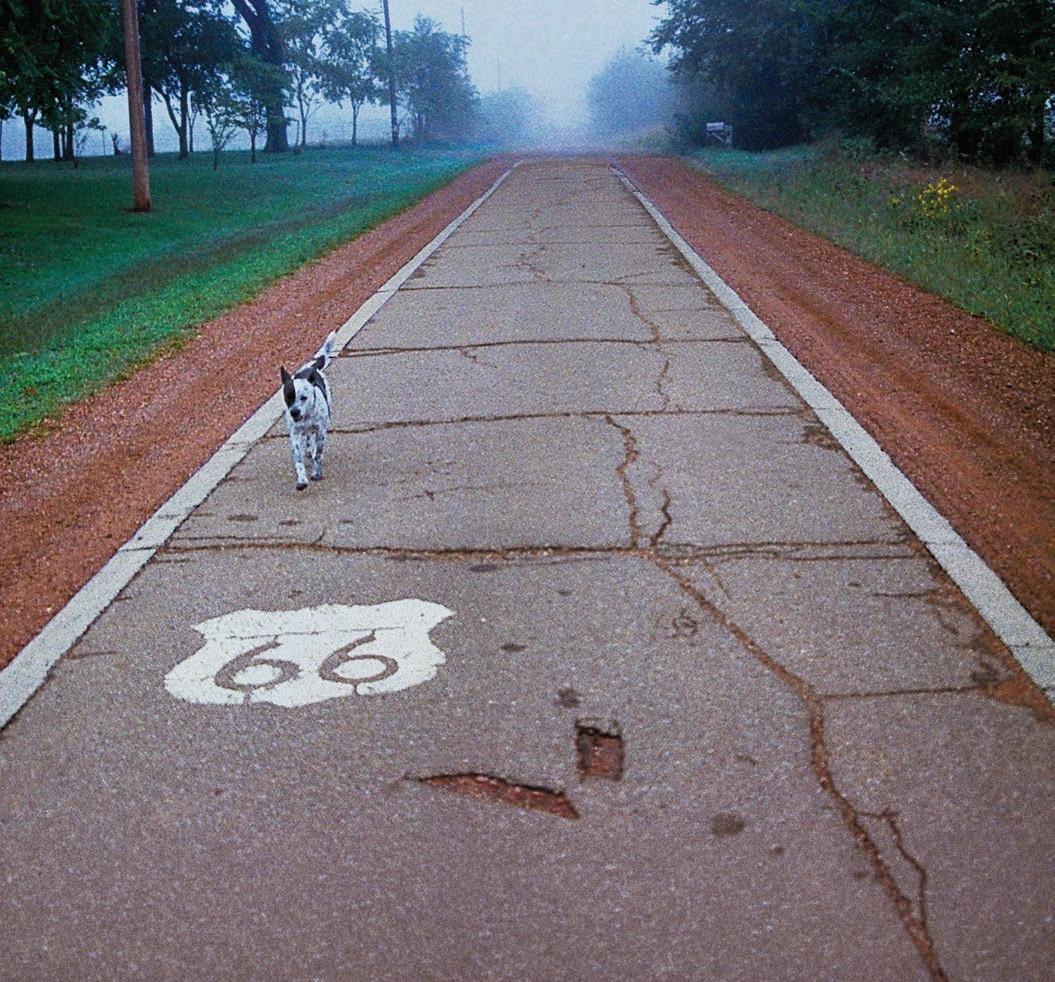
In St. Louis, Route 66 is not nostalgia.
It’s geography. It is embedded in the city’s sense of motion and possibility, a westward line drawn from the Mississippi River toward reinvention. Long before the road became a global symbol of freedom and flight, it was simply the way out, the route that carried families, commerce, music and ambition beyond the river’s edge.
As Route 66 marks its centennial in 2026, St. Louis finds itself not at the margins of the celebration, but at its emotional center. From here, the Mother Road gathered momentum, crossed the heartland, climbed deserts and mountains and eventually reached the Pacific Ocean. One hundred years later, the centennial lets St. Louisans see familiar streets as the opening chapter of one of America’s most enduring stories.
When Route 66 was officially designated on November 11, 1926, it emerged from an era of progress. Automobiles were transforming daily life, roads were becoming connective tissue and
Americans were newly free to imagine movement as identity. In St. Louis, already shaped by river traffic and railroads, the highway felt like a natural extension of the city’s outward gaze.
Here, Route 66 did more than funnel traffic west. It activated neighborhoods, supported businesses and tied St. Louis to a broader national economy. Filling stations, cafes, motor courts and theaters appeared along its path, creating a rhythm of stops and starts that defined early automobile travel. The road was available to anyone with a car, a tank of gas and a reason to go.
Over time, Route 66 became something larger than infrastructure. It became shorthand for aspiration. To leave St. Louis heading west was to believe that tomorrow could look different than today.
That belief anchors the city’s Route 66 Centennial celebrations. Centered around April 30 (the official anniversary of the road’s designation), St. Louis’ programming reflects a city honoring its own role.


Classic car rallies will return to historic stretches of the route, transforming city streets into rolling exhibitions of American design. Live music — rooted in blues, jazz and Americana — will underscore the fact that Route 66 has always been as much about sound as speed.
A 6.6-mile commemorative bike ride will allow riders to experience the road at human scale, rediscovering its texture and context rather than rushing past it.
At the National Museum of Transportation, a centennial exhibition opens in March 2026, examining Route 66 through a St. Louis lens. The focus is not only on vehicles and signage but on the families who traveled west, the entrepreneurs who built livelihoods along the road and the neighborhoods shaped by its traffic. A community storytelling initiative invites residents to contribute memories, photographs and artifacts, ensuring that St. Louis voices remain integral to the national narrative.
For longtime residents, the centennial stirs personal recollection. For younger generations, it reframes the city as a place of departure and imagination.
Leaving St. Louis and heading east, Route 66 stretches through Illinois and Missouri farmland, where roadside culture first flourished. Diners glowed with neon promise, motels offered rest and reassurance and towns discovered that travelers wanted more than efficiency — they wanted character.
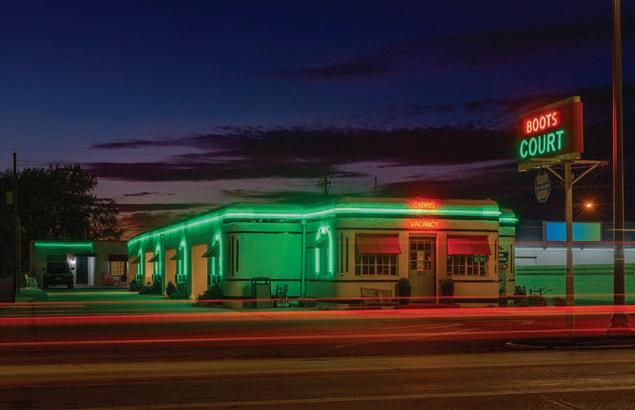
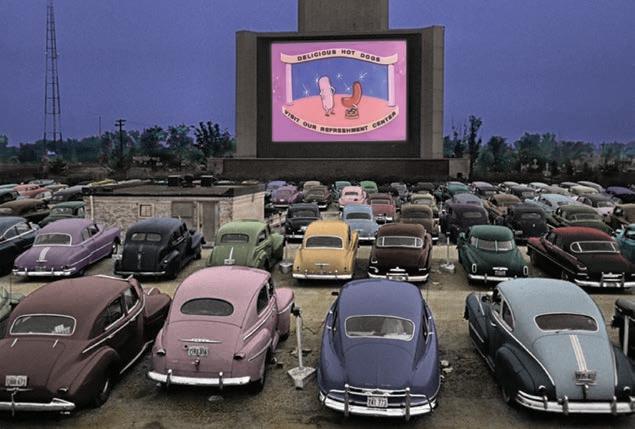
Traveling west, in Oklahoma and Kansas, the road carries heavier memories. During the Dust Bowl years, Route 66 became a corridor of survival, moving families west in search of work and dignity. John Steinbeck’s “The Grapes of Wrath” fixed this chapter in the American imagination, but the land itself still holds the weight of those journeys.
The Texas Panhandle opens into vastness — big sky, long horizons and moments of quiet that remind travelers why the road mattered in the first place. New Mexico follows with color and culture, where adobe architecture, indigenous history and artinflected towns transform travel into immersion.
Arizona’s stretch delivers awe: red rock, high desert and the gravitational pull of the Grand Canyon. By the time the road drops into California, travelers understand that Route 66 has never been just a line. It is a series of thresholds.
California reframes Route 66 as arrival. From the Mojave Desert through Pasadena, the road narrows, urbanizes and finally releases its travelers at the Pacific Ocean.
The Santa Monica Pier has always represented more than geography. It is proof of completion. The end-of-the-trail moment is not triumphant so much as contemplative, inviting travelers to look back across every mile that led them there.
On April 30, 2026, Santa Monica will host a national convergence at the Pier, welcoming road trippers who have
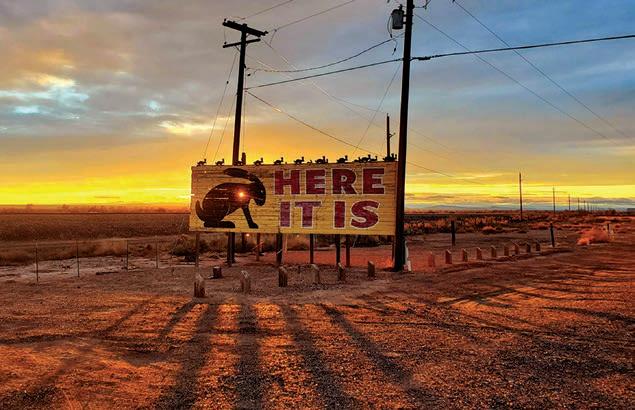
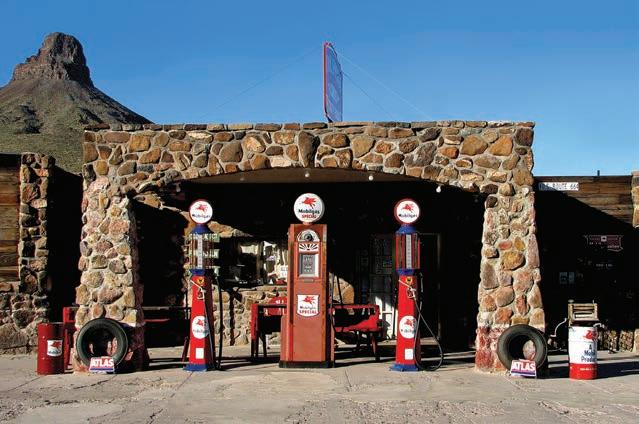
followed the Mother Road west for its centennial moment. The city has also installed a permanent “End of the Trail” Route 66 sign at the terminus of the Pier, creating a new landmark — and a powerful punctuation mark — for those completing the journey.
Throughout the centennial year, Santa Monica is embracing its role as custodian of Route 66’s western promise. For those who choose to end their Route 66 journey with intention and comfort, Shutters on the Beach, a luxury oceanfront resort near the Pier, offers a fitting final chapter. Located just minutes from the road’s official terminus, the hotel feels less like a destination resort than a refined seaside residence.
During the centennial year, Shutters is leaning fully into its place in the story. A special Route 66 Supper will be offered as a threecourse tasting menu priced at $66. The menu features elevated takes on classic Americana — signature dishes such as a richly marbled Wagyu burger and creamy clam chowder — foods that recall the diners, roadside stops and long drives that made the Mother Road beloved in the first place.
Complementing the supper is a Route 66–inspired cocktail menu, thoughtfully curated to pay tribute to the iconic stops and states along the route. Beyond menus and mixology, Shutters continues to function as a place of arrival. Private gatherings, informal receptions and celebratory meals are expected to unfold
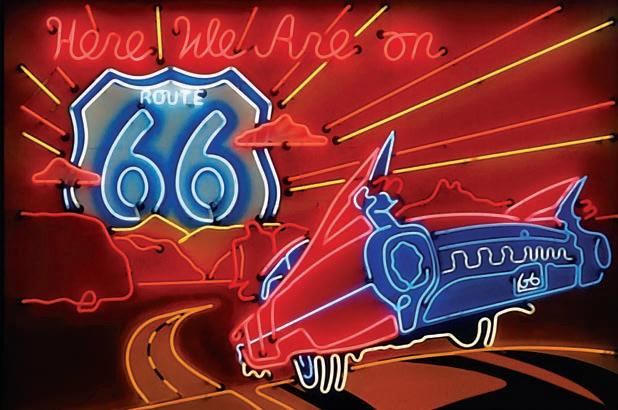
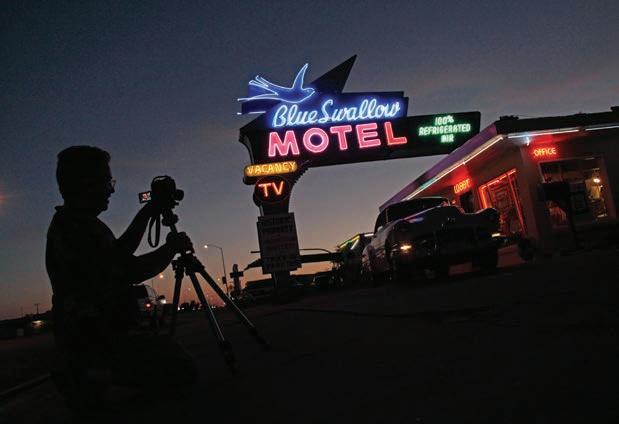
throughout the year, allowing road trippers to mark the end of their journey not with urgency, but with ease. Shutters does not compete with the road’s mythology — it enhances it. After miles of motion, it offers stillness. After history, reflection.
Few places along the California coast hold a century of history quite like Casa del Mar in Santa Monica, a sister property of Shutters. The stately Italian Renaissance Revival structure, originally unveiled in 1926 as the exclusive Club Casa del Mar, has stood at the water’s edge for 100 years.
Designed by Los Angeles architect Charles F. Plummer, the building was conceived as a love letter to Mediterranean grandeur. With its arched loggias, red tile roof and pale stucco walls catching the last light of day, Club Casa del Mar opened in May 1926 as a luxe private beach club, membership by invitation only.
Hollywood’s early tastemakers arrived by chauffeured Packards to dance beneath coffered ceilings and dine overlooking the Pacific. Guest lists glittered with names such as Clara Bow, Marilyn Monroe and Charlie Chaplin.
The club’s glamorous run was interrupted by World War II, but the building’s presence — and mystique — never faded. Today, the landmark is home to Hotel Casa del Mar, where the spirit of Hollywood glamour remains embedded in every ocean view and salt-tinged breeze.
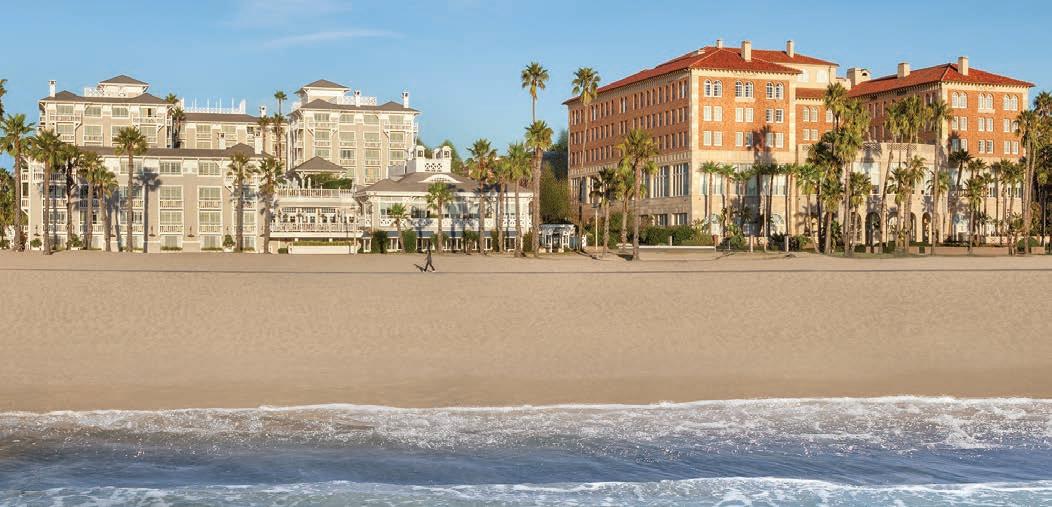
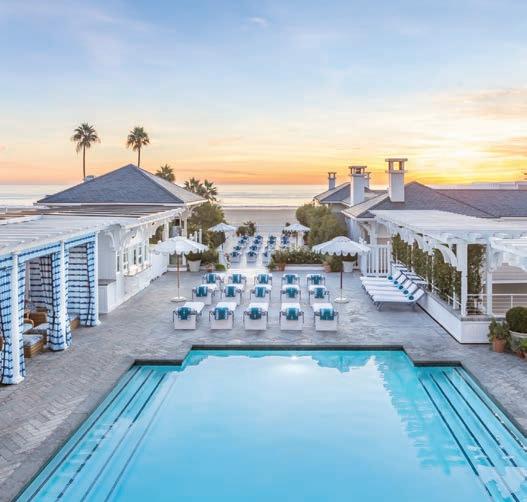
When third - generation hoteliers Thomas and Edward Slatkin of the Edward Thomas Collection reopened the property as a hotel in 1999, their ambition was not to recreate the past, but to revive its original character.
Throughout 2026, Casa del Mar’s centennial programming invites both hotel guests and the local community to step back in time while enjoying modern interpretations of classic flavors, style and celebration. For St. Louis travelers completing the long arc of Route 66, Casa del Mar offers something rare: a sense that arrival, too, can be historic.
Route 66’s survival is no accident. When the Interstate Highway System diverted traffic in the mid-20th century, many towns along the route struggled. Motels closed. Signs dimmed. Communities feared erasure. But local advocates, historians and business owners refused to let the road disappear. Their work —
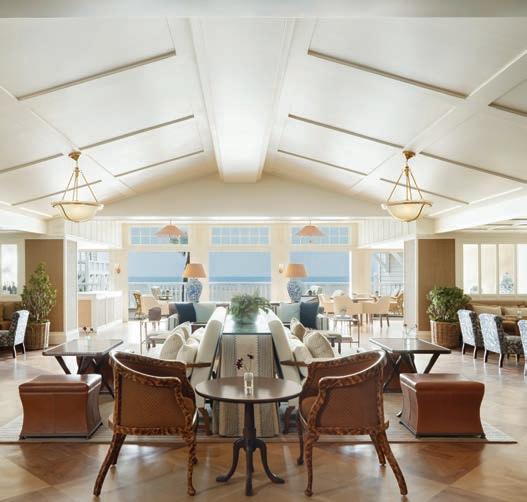
restoring signage, protecting landmarks, telling stories — laid the foundation for the centennial moment now unfolding.
Today, Route 66 is designated as a National Scenic Byway, with renewed investment and global interest. Travelers from Europe, Asia and Australia now make pilgrimages that echo the journeys St. Louis families once undertook with far less certainty.
Route 66 endures because it celebrates something essential: the belief that movement can change us. In an age of efficiency and immediacy, the road insists on pauses, detours and encounters.
For St. Louis, the centennial is both backward and forward looking. It honors a road that shaped the city’s outward identity while reminding residents that the impulse to explore, to leave, return and reinvent lives on.
A century later, Route 66 is still doing what it has always done best: inviting us to begin. sl

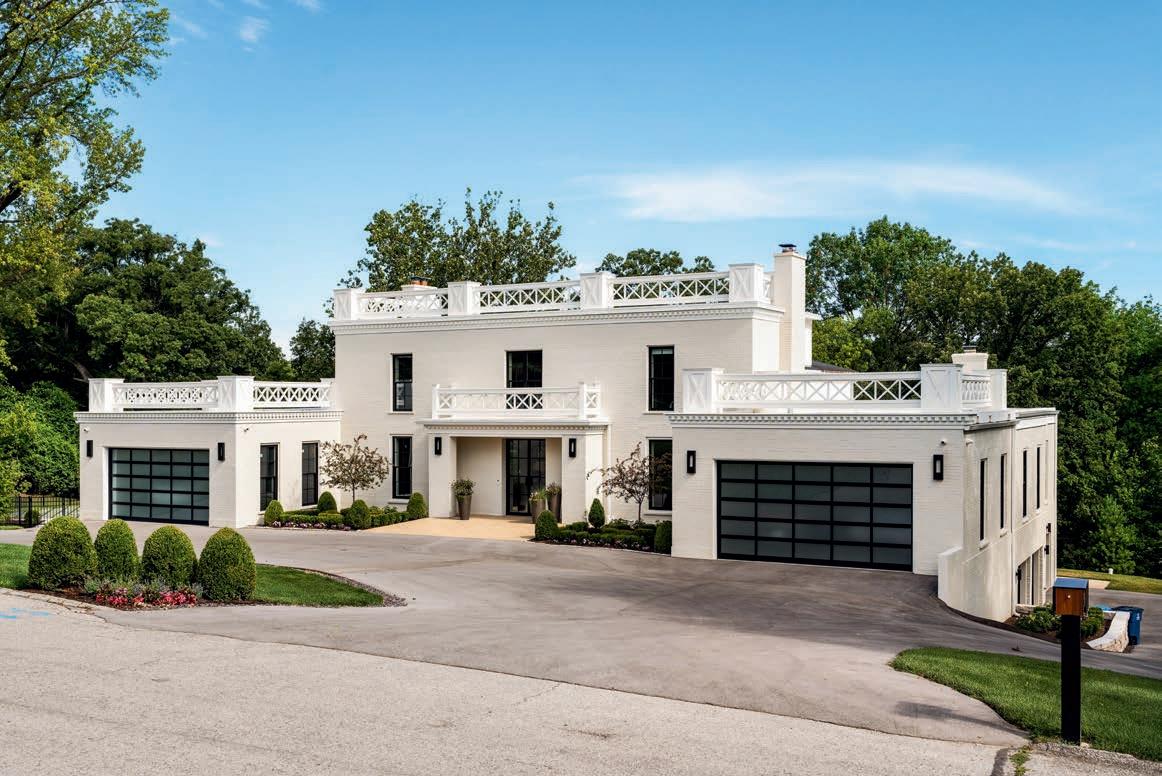
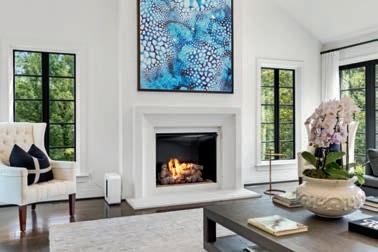
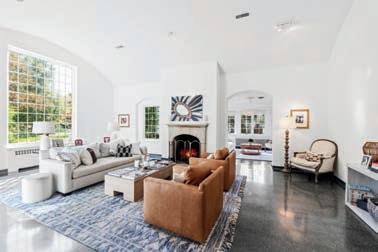
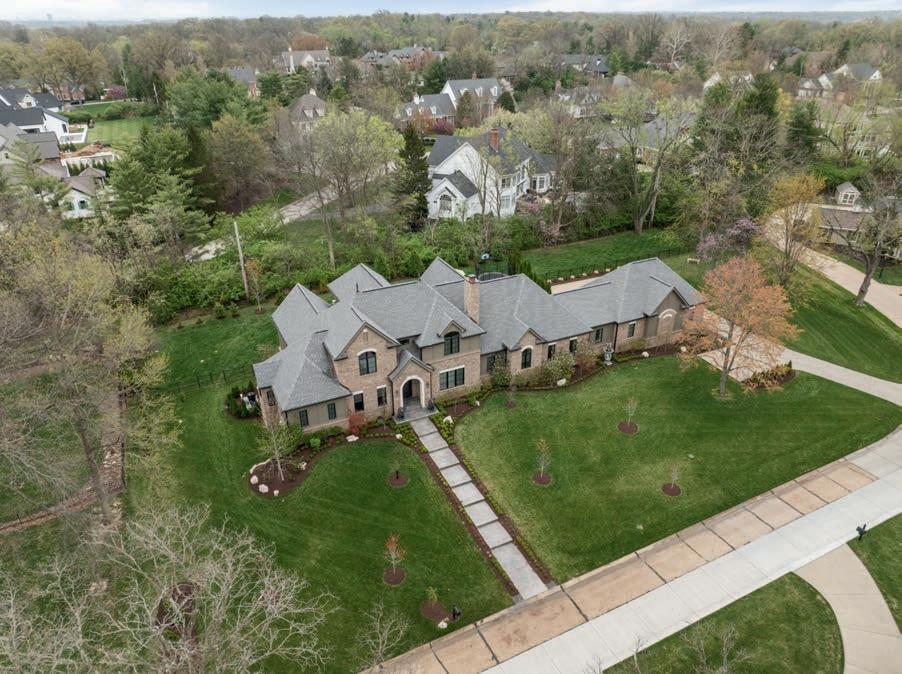

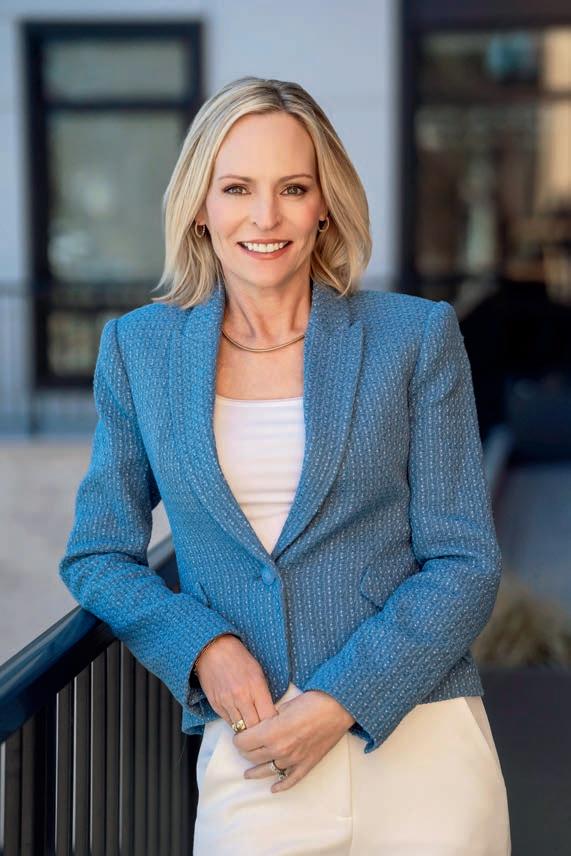

Join me on a once-in-a-lifetime opportunity for readers of Sophisticated Living St. Louis.
Even if you have been to Florence before, this is a 7- night/ 8-day deep dive into the lives and lifestyles of
Experience the best hotels, restaurants, gelato, private chefs, unique itineraries, guides, scholars, and shopping. Everything is curated by multi-generation Florentines and exercise, this trip will exceed every expectation. Our professional photographers will take amazing photos for you to remember the best trip of your life.
Please contact me if you have questions or to reserve your spot for the week of:
5-star accommodations: 12,000 per week per person
4-star accommodations: 10,000 per week per person
Does not include airfare. Everything else is included.
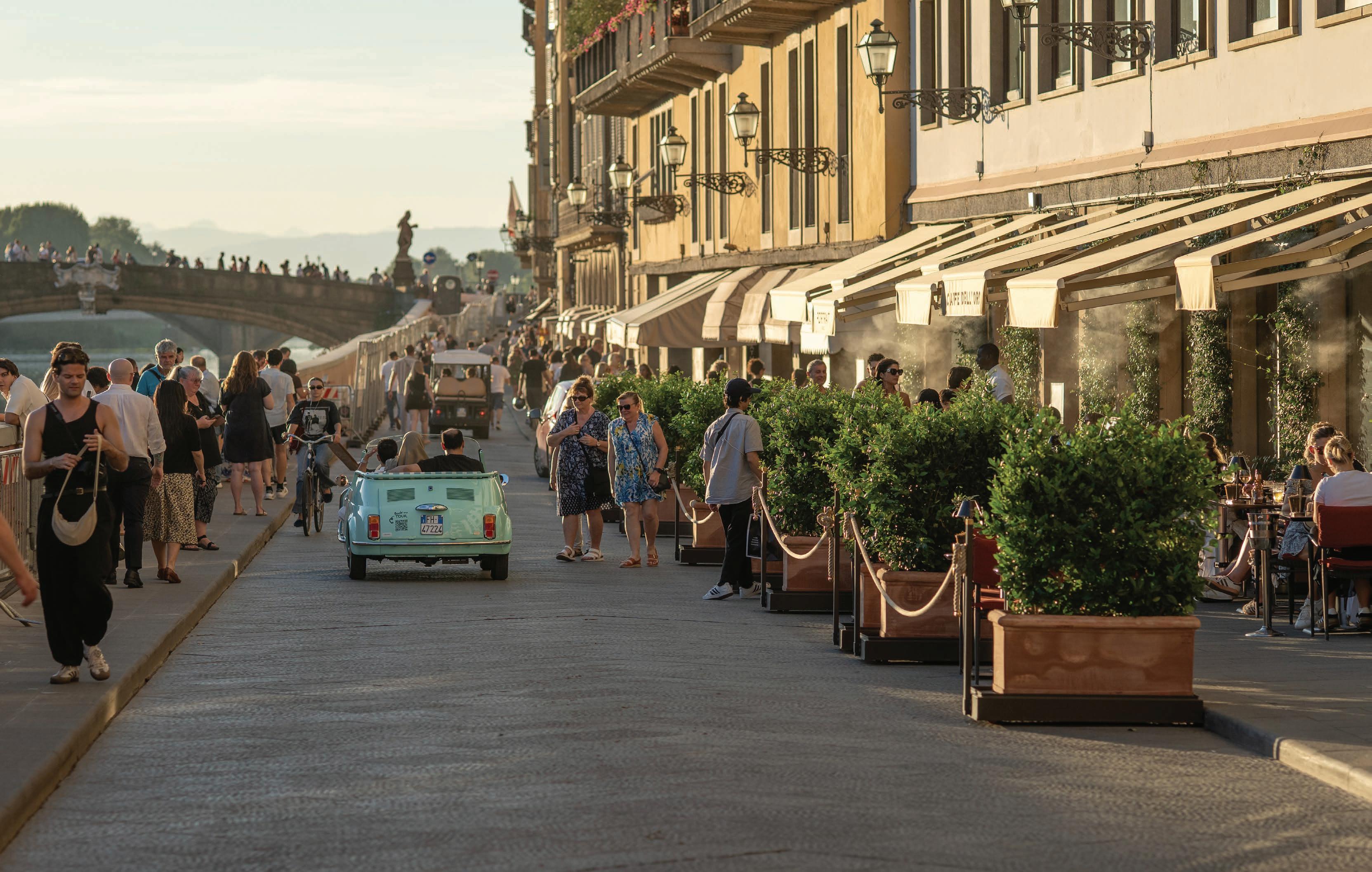

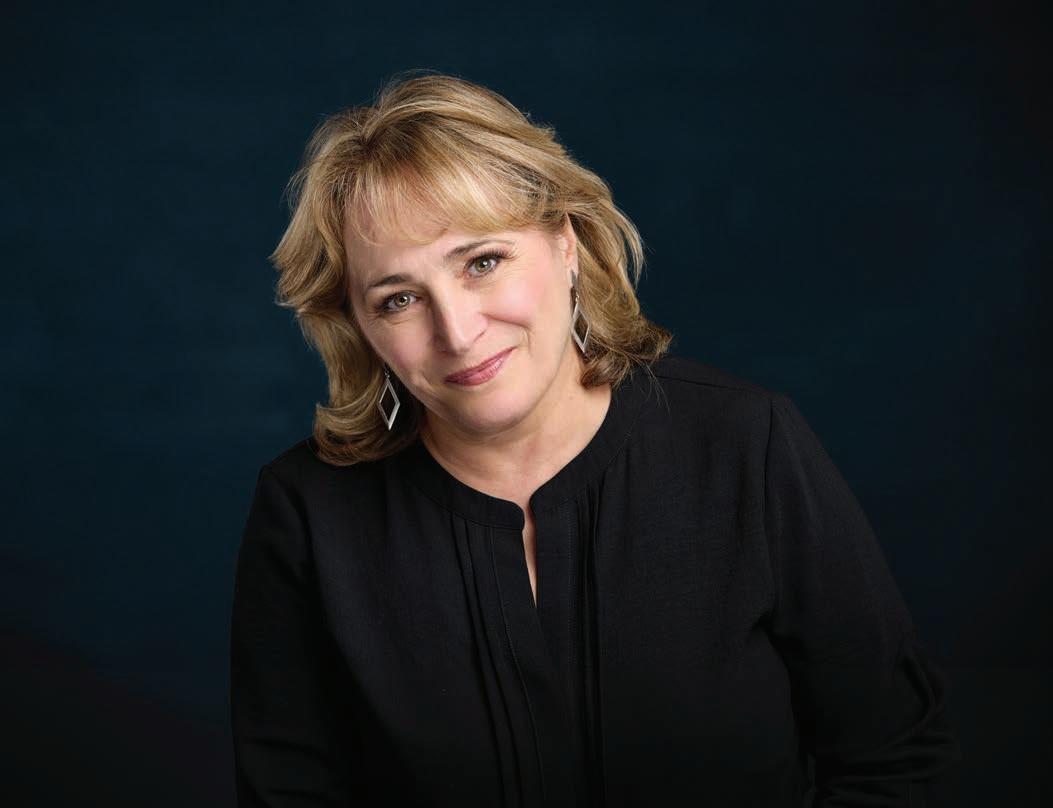
By Craig Kaminer
On a late-spring evening in St. Louis, the walk toward the LorettoHilton Center feels ceremonial. The brick paths are familiar, the trees heavy with leaves, yet there’s a hum beneath the surface — the sense that something is shifting. Opera Theatre of Saint Louis is entering its next chapter and for the first time in its five-decade history, that chapter will be authored by a woman who has spent her life on the most demanding stages in the world, listening as much as she has sung.
Patricia Racette officially assumed the role of Artistic Director last fall, and the 2026 Festival Season already bears her unmistakable imprint: bold without being brash, welcoming without being diluted and unafraid of emotional truth. It is a season that signals continuity and change — and Racette is clear-eyed about the responsibility that comes with that balance.
“Every artistic director inherits an organization, an institution and an audience,” she says. “Those audiences have habits and expectations. I don’t see this role as one of territorial authority, but one of service — to the art form, to the artists who bring it to life and to the audiences whose curiosity and trust sustain it.”
It is a telling choice of words: service, not control. Stewardship, not disruption for disruption’s sake.
Racette is not arriving as an outsider. For six years, she has been embedded in the fabric of Opera Theatre of Saint Louis (OTSL), first
as Artistic Director of the Young Artist Program — one of the most respected incubators of operatic talent in the country. She knows the patrons, the board, the artists and the rhythms of the company intimately.
“That puts me at an advantage,” she acknowledges. “I understand the pulse of the company. There’s a lot that OTSL does extraordinarily well. I’m in stewardship of an institution with a strong artistic legacy, a devoted audience and a vital role in the cultural life of its community.”
Which is why the shifts she’s proposing are evolutionary, not incendiary. The most visible of those shifts is repertoire — specifically, a broader embrace of cross-genre works that live at the intersection of opera, musical theater and American drama.
“I think the art forms are closer than we sometimes imagine,” Racette says. “And they offer another opportunity to experience the theatrical and musical aspects of storytelling. My own beginning came through a cross-genre appreciation as a young singer. This doesn’t subtract from opera — it adds to it.”
That philosophy is written clearly into the 2026 season.
Running May 23 through June 28, 2026, the festival unfolds as a carefully composed arc rather than a grab bag of titles. It opens with joy and wit, ventures into intimacy and vulnerability and closes with timeless romantic tragedy.
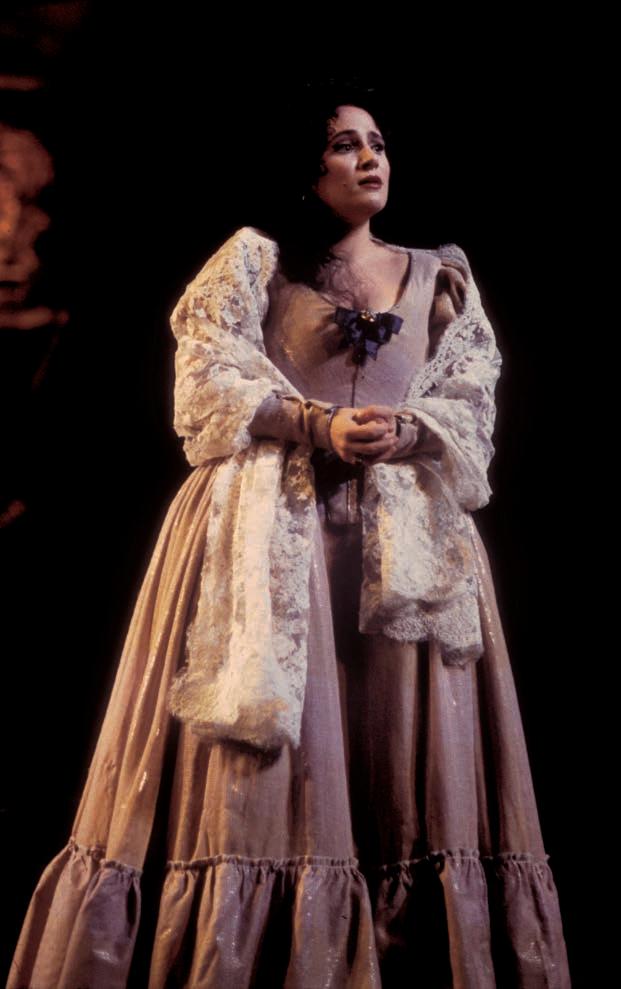
“The Pirates of Penzance” launches the season with irrepressible humor — a reminder that accessibility and sophistication are not opposites. Gilbert and Sullivan’s beloved operetta returns under the baton of Darryl Archibald, offering a buoyant entry point for new audiences and a cherished reunion for longtime patrons.
Then comes “The Light in the Piazza.” Adam Guettel’s luminous, emotionally searching work — a choice that encapsulates Racette’s cross-genre convictions.
“Piazza” is far more operatically demanding than people expect,” she explains. “Guettel’s score is classically influenced, vocally sophisticated and it demands finesse. It’s actually a very natural fit for what we do at Opera Theatre of Saint Louis.”
That same instinct — toward works that live between categories — reaches its apex in André Previn’s “A Streetcar Named Desire,” which Racette will direct herself.
“This piece sits right at the intersection of great American theater and contemporary opera,” she says. “It demands the highest musical discipline, but it also requires performers to engage head-on with emotional vulnerability and physical realism.”
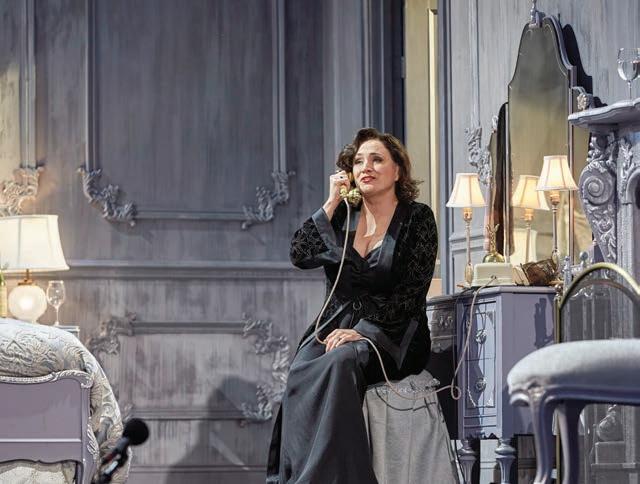
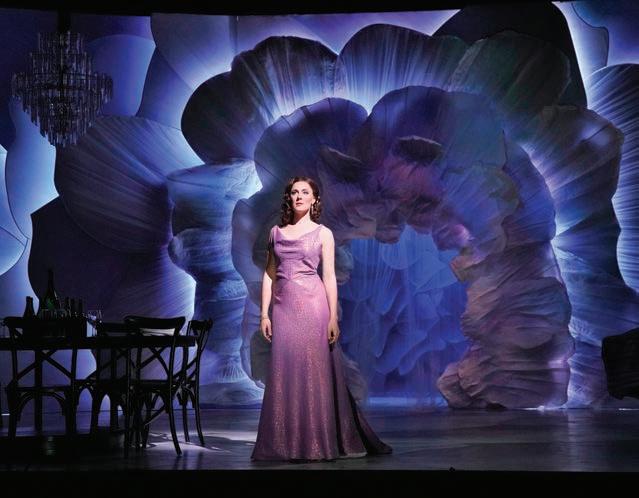
She doesn’t shy away from the discomfort embedded in the work — nor does she believe opera should.
“I’ve been quoted as saying it and I’ll say it again: I don’t like polite opera,” Racette says. “Opera needs to reflect what we actually experience as human beings — our joy, our pain, our lust, our rage. It’s okay to be uncomfortable. Art should be truthful. It shouldn’t whitewash.”
The season closes with Gounod’s “Romeo and Juliet” — lush, romantic and newly imagined with a modern scenic approach paired with Robert Perdziola’s celebrated costumes. It is, in Racette’s words, part of a “balanced diet.”
“I want variety — emotionally, musically, stylistically,” she says. “We really hit that this year.”
Racette’s programming philosophy extends beyond titles. It encompasses casting, creative teams and the way stories are framed.
“My job is to make sure opera thrives,” she says. “To treat it as a living, responsive art form — one that honors the past while remaining open to evolution, dialogue and imagination.”
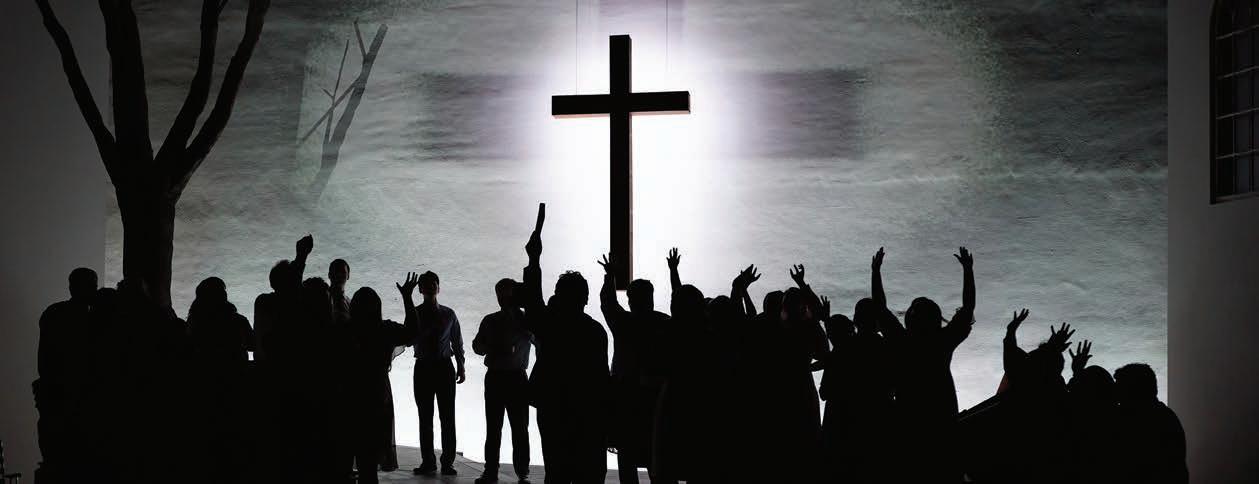
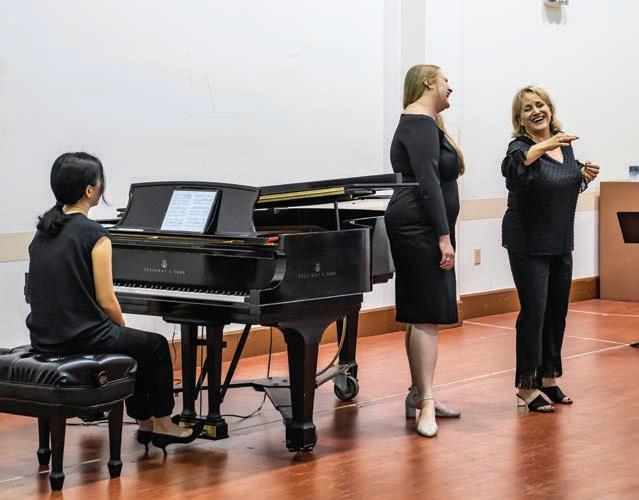
That sensibility is informed by a career spanning nearly four decades on the world’s great stages — from the Metropolitan Opera to La Scala — and by her experience on the other side of the curtain.
“I bring an intricate knowledge of what it is to be a singing actor,” she says. “Of what it takes to work with a conductor, to collaborate with a director, to shape a performance,” she says. “I’ve lived that reality for 37 years and now I get to apply it in a very specific way.”
It also informs her commitment to artists at every stage of their careers. “I want OTSL to be a place artists return to — not just for opportunity, but for trust, collaboration and growth,” she says. “And I’m just as passionate about the next generation as I ever was running the Young Artist Program.”
Ask Racette who opera still struggles to reach and she doesn’t hesitate. “Accessibility and perception are huge challenges,” she says. “There are still plenty of people who don’t actually know what opera is.”
She recounts overhearing someone dismiss opera as “just screaming” and laughs — gently — at the persistence of stereotypes.
“That’s not the opera I believe in,” she says. “And it’s not the opera I intend to cultivate.”
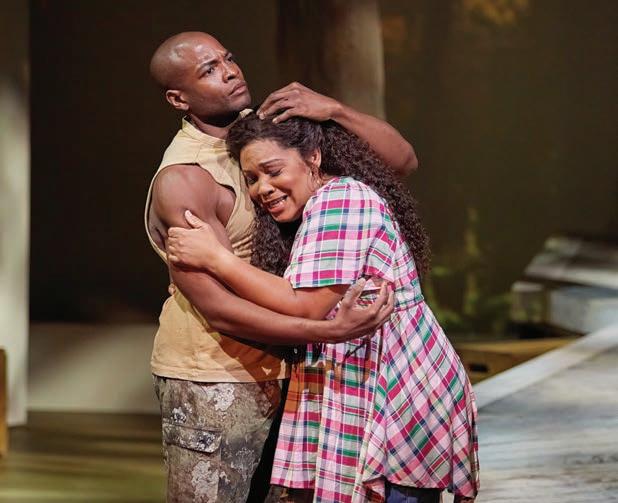
She’s especially focused on younger audiences — not by dumbing down the work, but by telling the truth.
“You don’t need to be an ‘opera person’ to go to the opera,” Racette says. “Sometimes people say, ‘That’s not for me.’ Well — maybe it is. Maybe you’ve just never tried it.”
When the season ends and the theater empties, how will Racette know she’s succeeded? “It’s audience response,” she says simply. “Feeling it in the room. Seeing how people react to a moment.”
But it’s also long-term.
“I want deeper relationships — with audiences, with artists, with the community,” she says. “Opera is incredibly complex, like no other art form. If we’re reaching people through that complexity, then we’re doing something right.”
As Opera Theatre of Saint Louis enters its next era, Racette’s vision feels neither nostalgic nor reactionary. It feels grounded, muscular and deeply human — a commitment to opera not as a museum piece but as a living conversation.
And in a cultural moment that often rewards the safe and the polite, that may be the boldest aria of all. sl





An era of significant wealth transfer has begun.
Strategic gifting to family members before you pass can be an effective strategy for providing for your family’s needs while creating your lasting legacy. And if done thoughtfully, it can provide tax efficiency benefits for your estate plan at the same time.
Whether leveraging the annual gift tax exclusion, making accelerated gifts to a 529 plan, or using medical and educational income tax exclusions, your seasoned team of private wealth management professionals at Commerce Trust will collaborate to assess various tax-efficient giving strategies and assist with providing an impactful, thoughtfully timed plan for giving to your family that aligns with your long-term wealth goals.
Through our holistic, team-based approach to servicing private wealth clients, your team of Commerce Trust estate and tax planning, investment management, and trust administration professionals can help turn your success into a lasting legacy that starts today.
Secure your legacy by contacting Commerce Trust at www.commercetrustcompany.com/estateplanning.


By Scott LaPresta, CTFA, Senior Vice President, Director of Private Client Advisors, Commerce Trust, and Amy Stiglic, CTFA, Senior Vice President, Market Executive, Kansas City, Commerce Trust
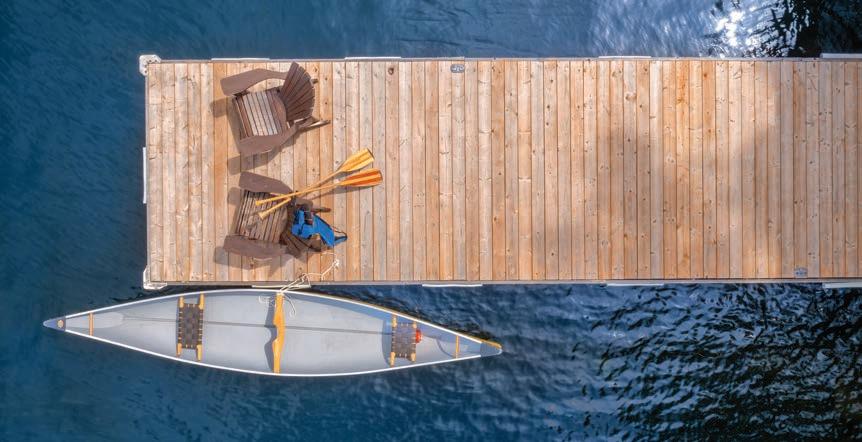
Gifting to family members provides for their needs while advancing your estate plan. In addition to the benefits your relatives receive, strategically gifting may decrease your transfer tax liability by lowering the value of your estate. Below are five methods to maximize the value of family gifts for donors and recipients.
1. Annual gift exclusion
For tax year 2025, the IRS allows you to gift up to $19,000 tax-free to as many people as you want, and married couples can give up to $38,000 to an individual without triggering a taxable gift.
Both recipients and donors can benefit from annual gifts. In contrast to an inheritance, recipients can enjoy the gift immediately without losing any value to pay transfer taxes.
Donors can coordinate annual gifts to achieve estate planning objectives like potentially decreasing their estate tax liability by lowering the value of their estate.
By making an accelerated gift to a qualified tuition program (QTP) like a 529 plan, you can contribute up to five times the annual exclusion ($95,000 for individuals and $190,000 for married couples in 2025) in a single year tax-free.
This strategy can provide significant value for those aspiring to attend college while lowering the value of the donor’s estate.
The 2025 federal lifetime estate and gift tax exemption amount is $13.99 million for individuals and is effectively doubled to $27.98 million for married couples.
This means the total value of one’s estate plus any taxable gifts can generally be transferred tax-free up to that amount. Using the lifetime exemption now, at its historically high level, may lower your eventual estate tax liability.

The medical exclusion is another way to give a gift to family members by paying for their medical expenses without triggering a taxable gift. The payment must be made directly to the care provider and be solely used for qualifying medical expenses as defined by the IRS. Donors can also pay for health insurance under the medical exclusion, but payments for medical care that are reimbursed by the recipient’s insurance company do not qualify.
Gifting to family members may seem straightforward, but care is needed to ensure the value of the gift is not diminished by taxes. If gifting is a priority for you, contact Commerce Trust at www.commercetrustcompany.com/estateplanning to learn how our tax management,* estate planning, and education planning professionals collaborate to execute a customized estate plan that is unique to you.





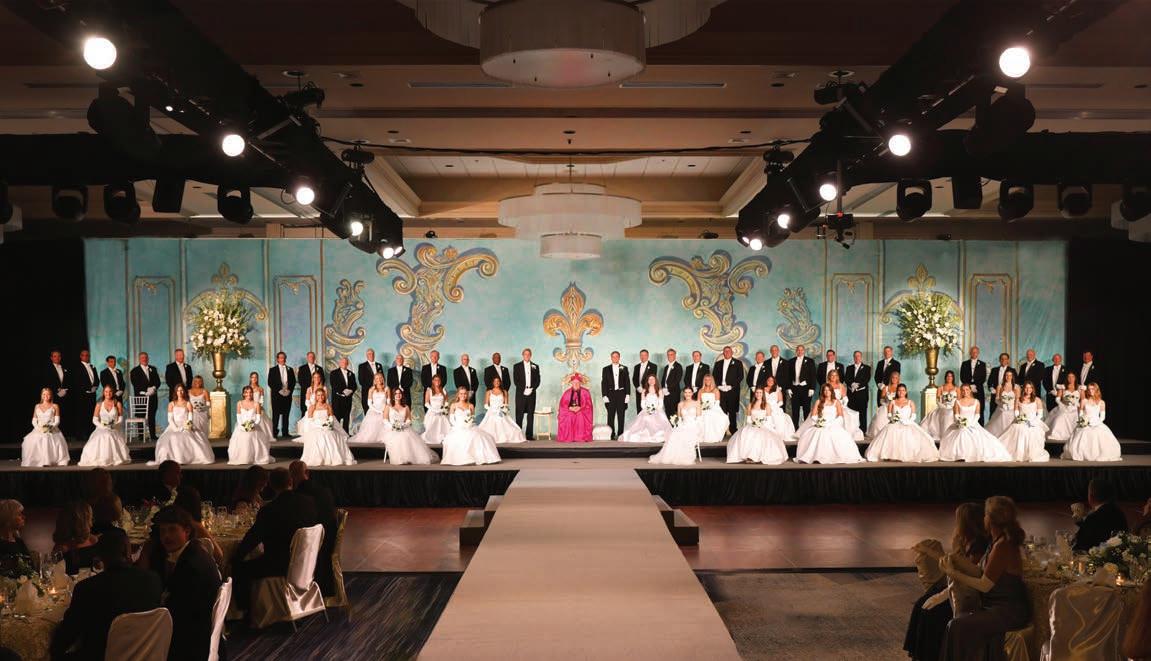
7 Stranger Than Fiction: Gets A Clue, St. Louis City Public Library, slpl.org
7 18th Annual Irish Party, St. Patrick Center, stpatrickcenter.org
7 Where Hope Blooms Gala & Auction, ucpheartland.org
11 Tradition of Choice Luncheon, plannedparenthood.org
21 17th Annual Mayors’ Shamrock Charity Ball, florissantmo.com
28 Fight for Air Climb, action.lung.org
28 Breakthrough T1D Dream Gala, breakthought1d.org
29 14th Annual Head for the Cure 5K, siteman.org
11 Circus Harmony Silver Circus Soiree, circusharmony.org
11 A Night for Newborns Little Sparks, Brighter Beginnings Ball, nursesfornewborns.org
12 16th Annual Lift for Life Academy Fashion show, liftforlifeacademy.org
15 Missouri Botanical Garden’s Flourish Luncheon, missouribotanicalgarden.org
16 CID OUT LOUD!, cid@cid.ecu
17 Spark: CAM St. Louis 2026 Gala, camstl.org
17 Tropical Escape, Wings of Hope Gala, wingsofhope.ngo
17 Hope in a Handbag, Foster & Adoptive Care Coalition, foster-adopt.org
18 Hope Happens 20th Annual Evening of Hope, hopecenter.wustl.edu
18 SSM Cardinal Glennon Glennon LIVE, glennon.org
18 Spring Fling, Longmeadow Rescue Ranch, longmeadowrescueranch.org
24 COCAcabana, cocastl.org
25 John Burroughs Annual Potpourri 5-Family Garage Sale, johnburroughs.org
25 Beacon of Hope Gala, Alzheimer’s Association, alz.org
26 Minds in Bloom Annual Auction & Dinner, Miriam School and Learning Center, miriamstl.org
27 Saint Louis Visionary Awards, vizawards.org
27 Marian Magic, Marian Middle School, marianmiddleschool.org
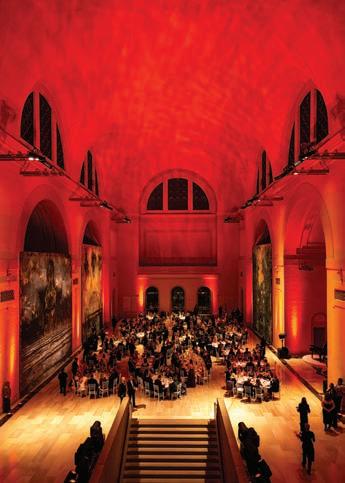

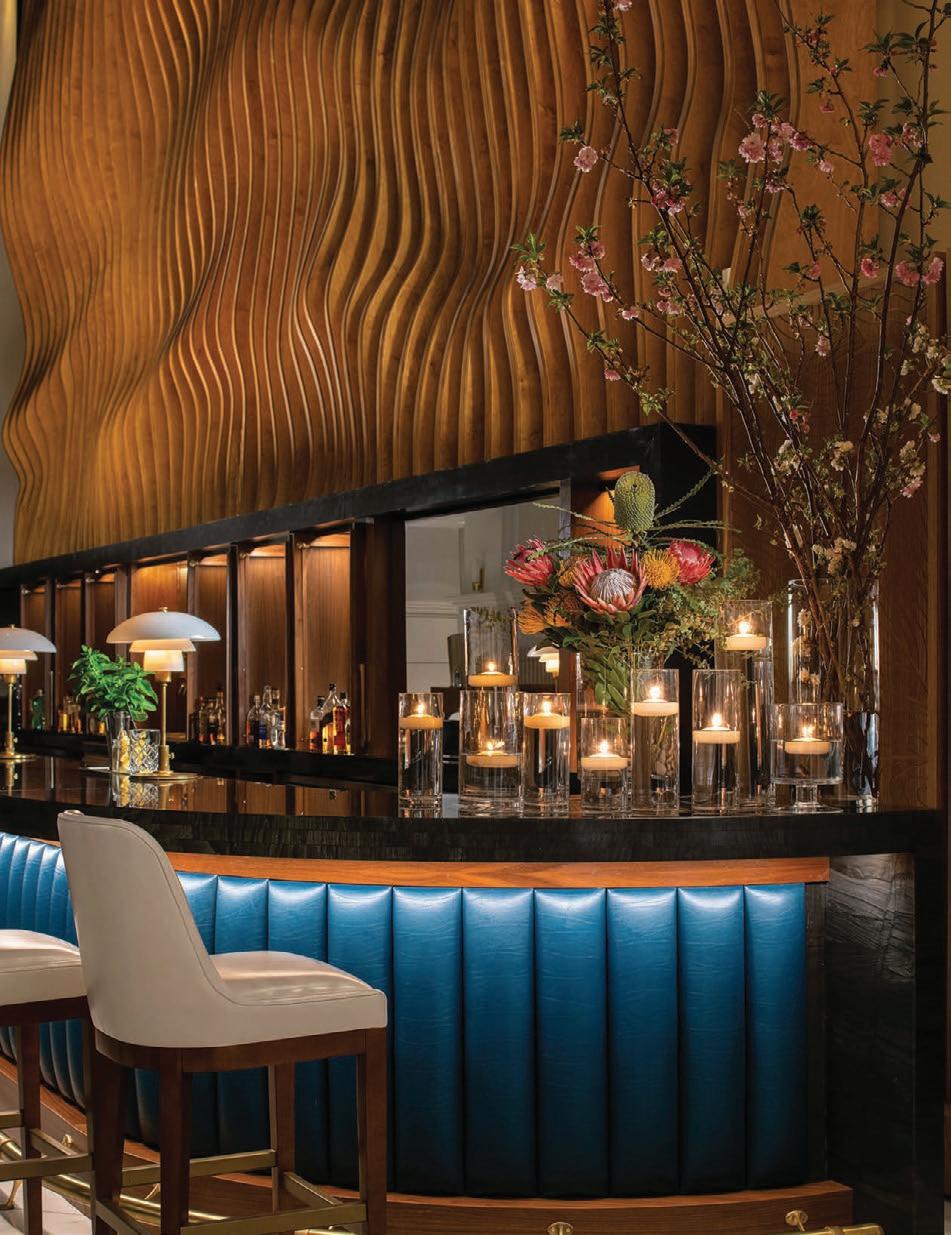
For over a decade, Sophisticated Living has landed in your mailbox—elegant, inspiring, and free.
Now, we’re asking you to support the magazine you love.
If our stories, photography, and celebration of life well-lived have meant something to you, become a subscriber today. It's just $25 a year—and it keeps independent publishing alive in St. Louis.
Subscribe now. Stay Sophisticated. Or visit: Sophisticatedstlouis.com/subscribe



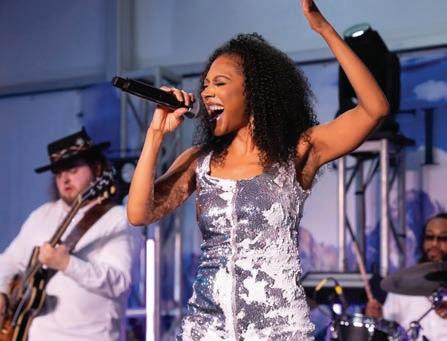

More than 400 guests gathered for La Notte Bianca, “White Night in Cortina,” inspired by Cortina d’Ampezzo — the storied Italian resort that will host the 2026 Winter Olympics. Guests embraced the “all white” theme in glamorous style, turning the night into a dazzling alpine celebration. The record-setting event raised $1.375 million to support the athletes of the Stifel U.S. Ski Team, who mingled with guests throughout the evening. Olympians Mikaela Shiffrin, Alex Ferreira, Bella Wright and Jaelin Kauf were joined by rising stars Lauren and Ally Macuga and Paralympic champion Noah Elliott, graciously posing for photos and sharing stories of competition, determination and the road to Milan-Cortina. Guests enjoyed varied culinary offerings and mingled with specialty cocktails before a highenergy performance from Laka, whose vibrant set had the dance floor packed late into the night. The evening was hosted by Stifel Chairman and CEO Ron Kruszewski and Amanda Perkins.

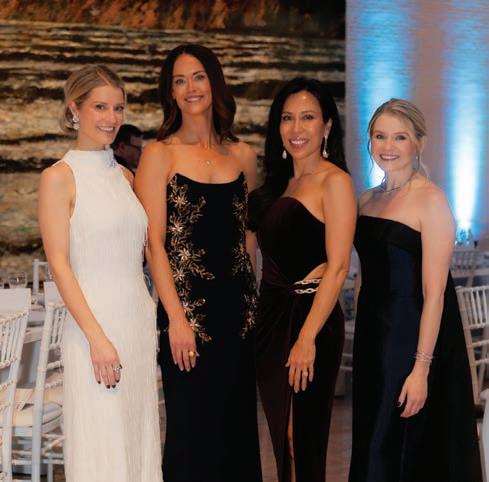
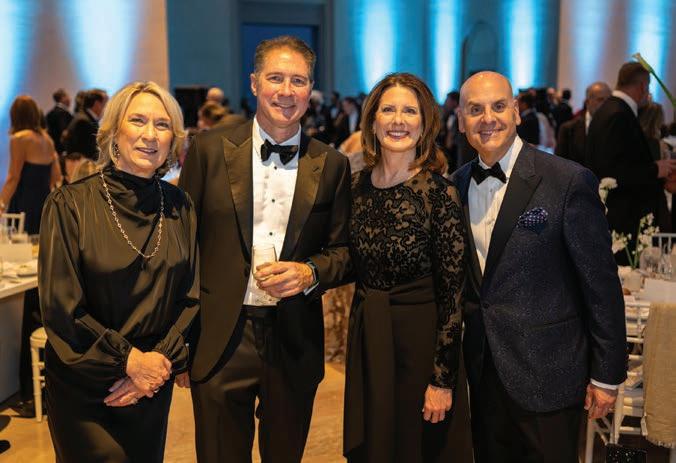
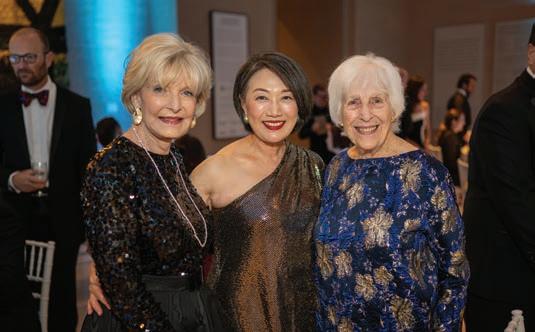
The Saint Louis Art Museum’s 2025 gala, Elements: The Alchemist’s Garden, on December 6, was inspired by the monumental exhibition “Anselm Kiefer: Becoming the Sea.” The evening, co-chaired by Lisa R. Carnahan and Brooke Ray, celebrated 40 years of the museum gala and featured an immersive dining experience and high-energy after party where elegance and art converged. Proceeds from the event ensure that world-class exhibitions, transformative programs and unparalleled art experiences continue to inspire the community.
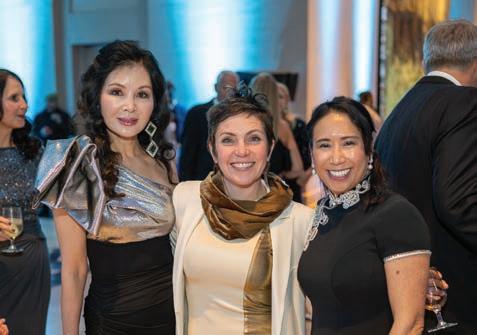
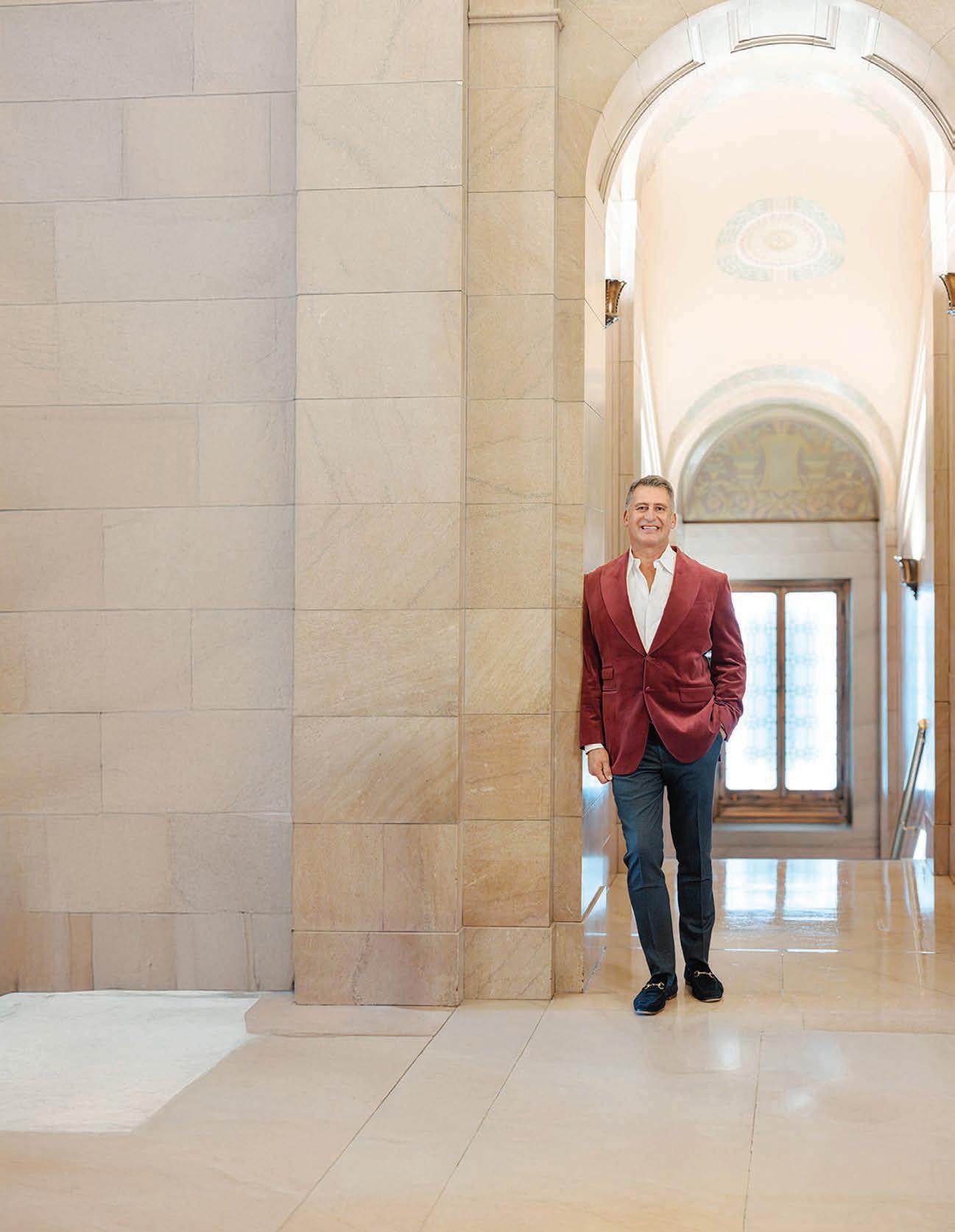

by Julia Merkle and Jon Gitchoff
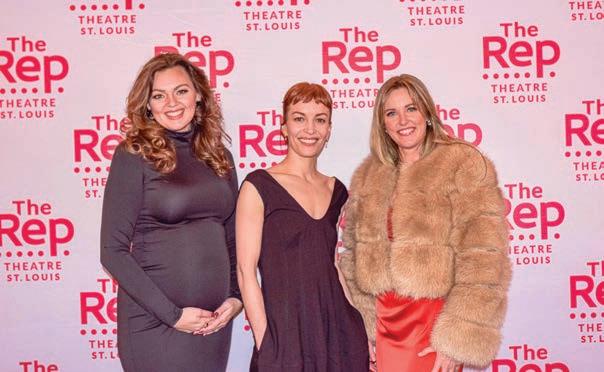
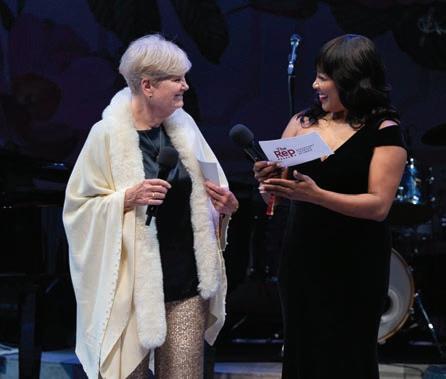
The Repertory Theatre of St. Louis hosted their 3rd Annual Holiday Benefit. The event brought community, artistry, and festive spirit together for an unforgettable winter celebration supporting St. Louis theatre. This year’s event welcomed Emmy Award–winning actress Britt Lower — star of Apple TV+’s “Severance” and a proud Midwestern artist with St. Louis roots — who shared stories from her creative journey and reflected on the power of live theatre. Embracing the theme Home for the Holidays, guests enjoyed performances by Broadway star Taylor Louderman, unique auction experiences and exceptional food and drinks, all contributing to raising more than $300,000 to support The Rep’s educational and community programs, world-class productions, and overall presence in St. Louis’ vibrant arts community.
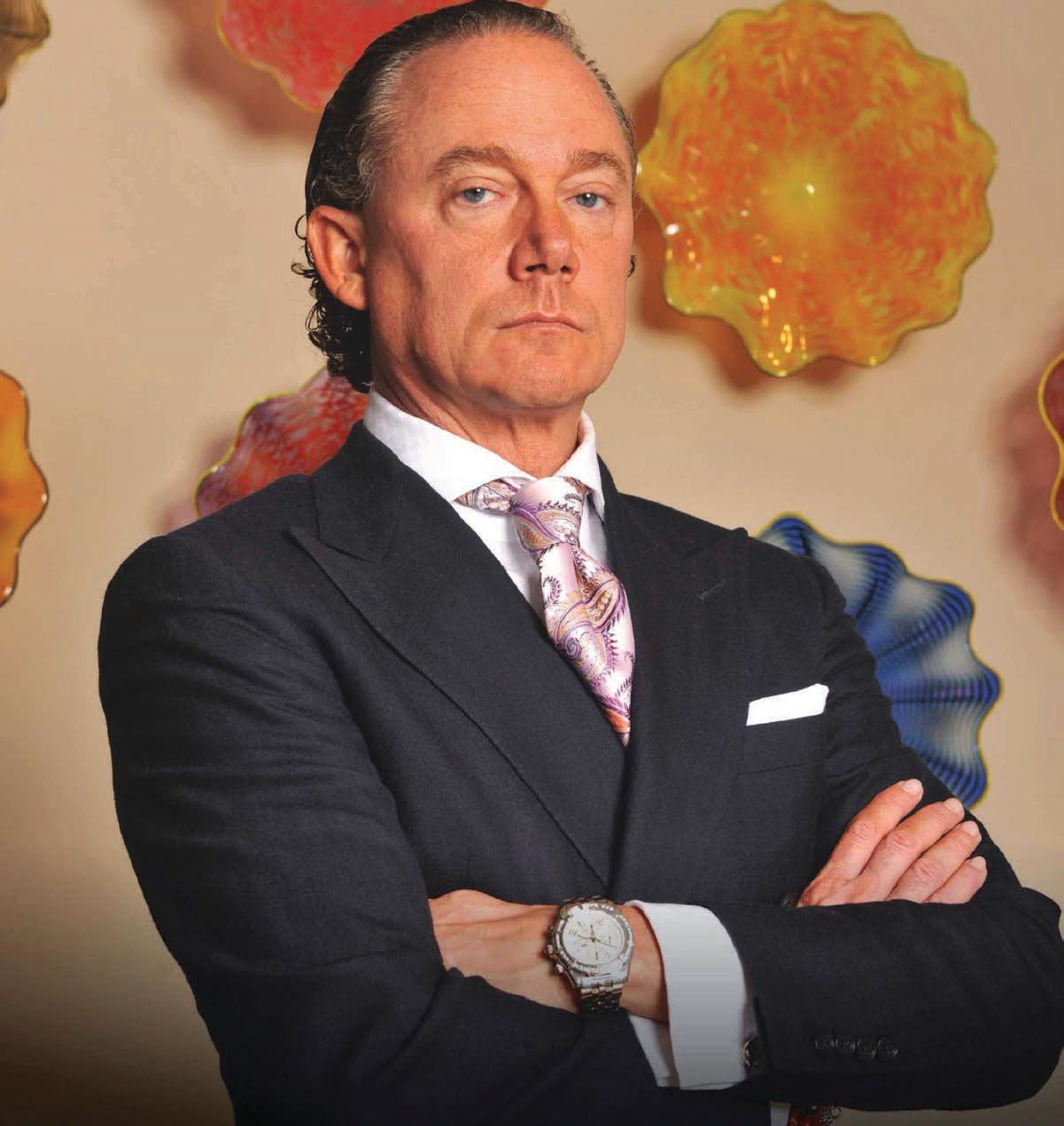


The Black and White Ball 2025 was a true celebration of St. Louis’ generous heart. Nelly, a longtime supporter of the Make-A-Wish Foundation, announced that 4-year-old Elijah Gilligan will be going on an all-expense paid trip to Disney World with his family. Nelly also surprised Harris-Stowe State University student Te’Ron Moore with a 4-year full ride scholarship as well as a new laptop, iPad and dorm supplies courtesy of Wal-Mart. Black and White Ball guests included Ashanti, Busta Rhymes, Doug E. Fresh, Metro Boomin, Jermaine Dupri, Ozzie Smith, Jackie Joyner-Kersee, Oli Marmol, Ivan Herrera, Matt Adams, Jon Jay, Murphy Lee, Kyjuan, City, Slo’Down, Bryan-Michael Cox, Blanco Brown, Bone Crusher, Polow Da Don, Madison Rian and more.
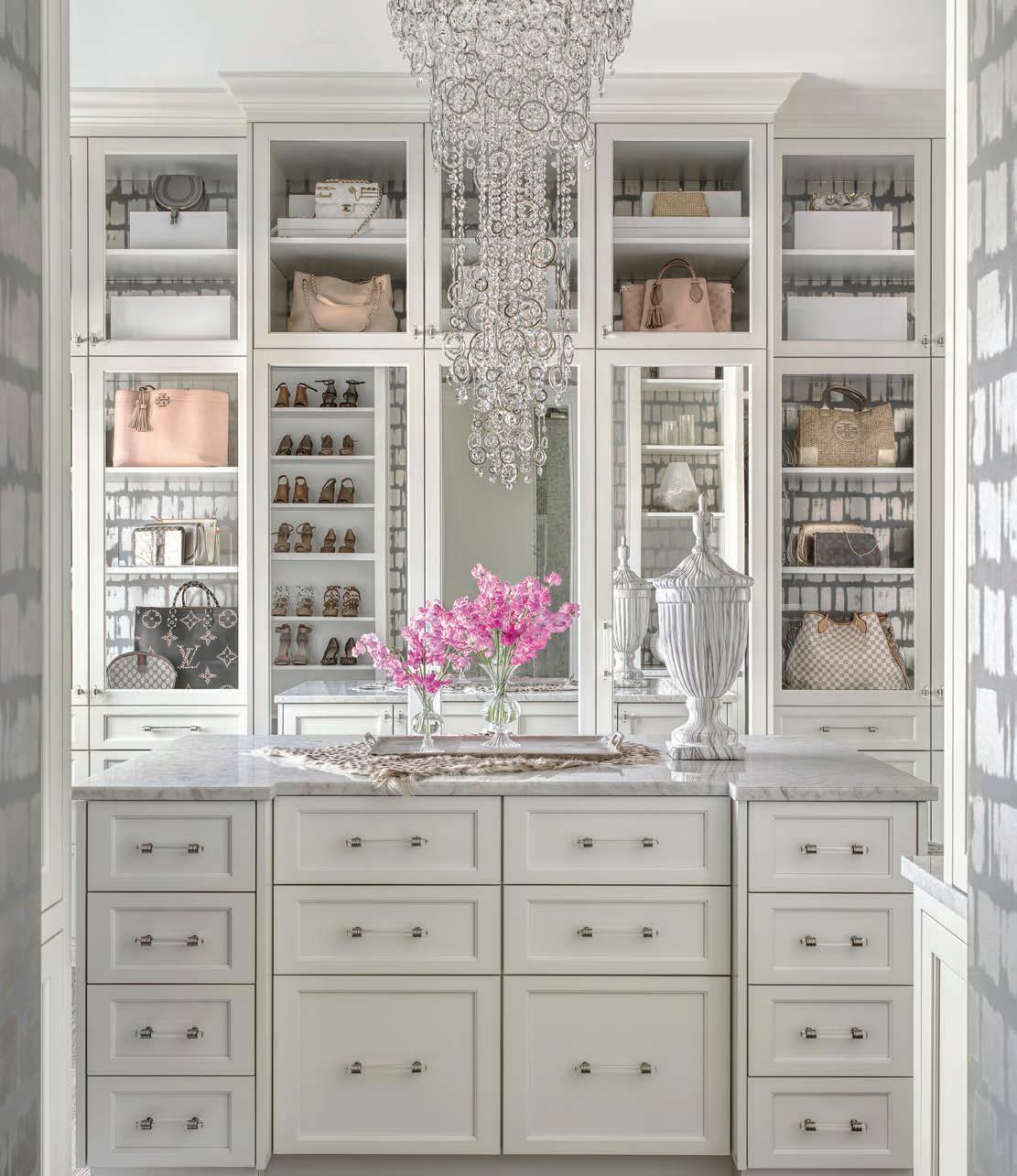
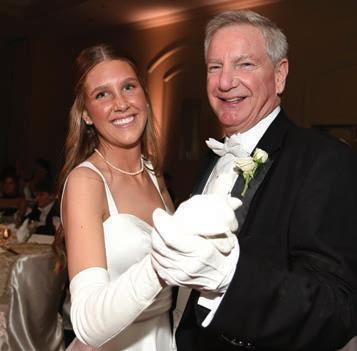
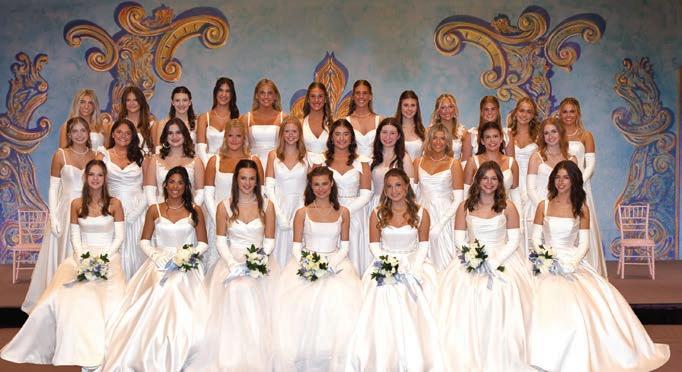
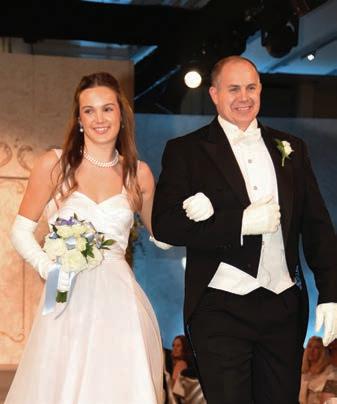
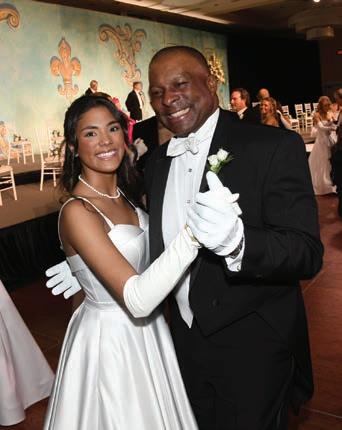
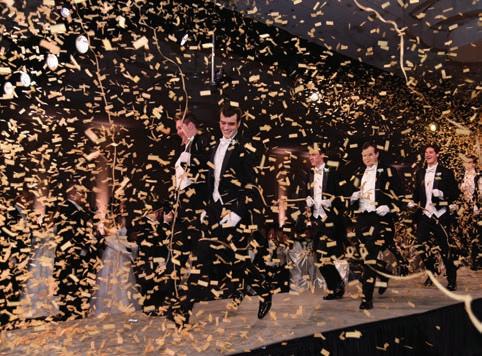
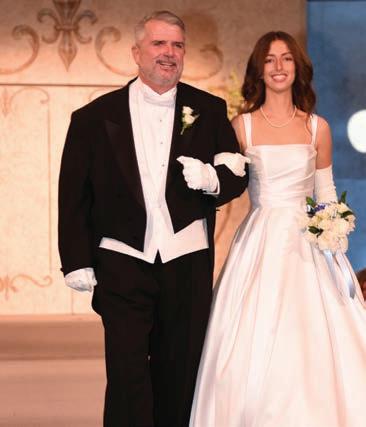
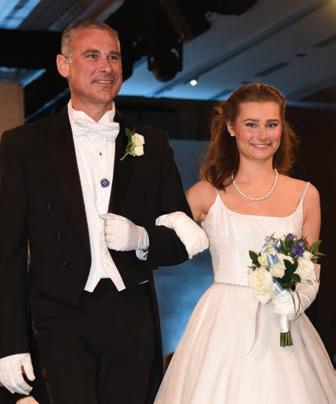
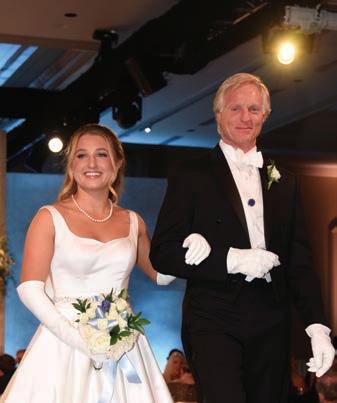
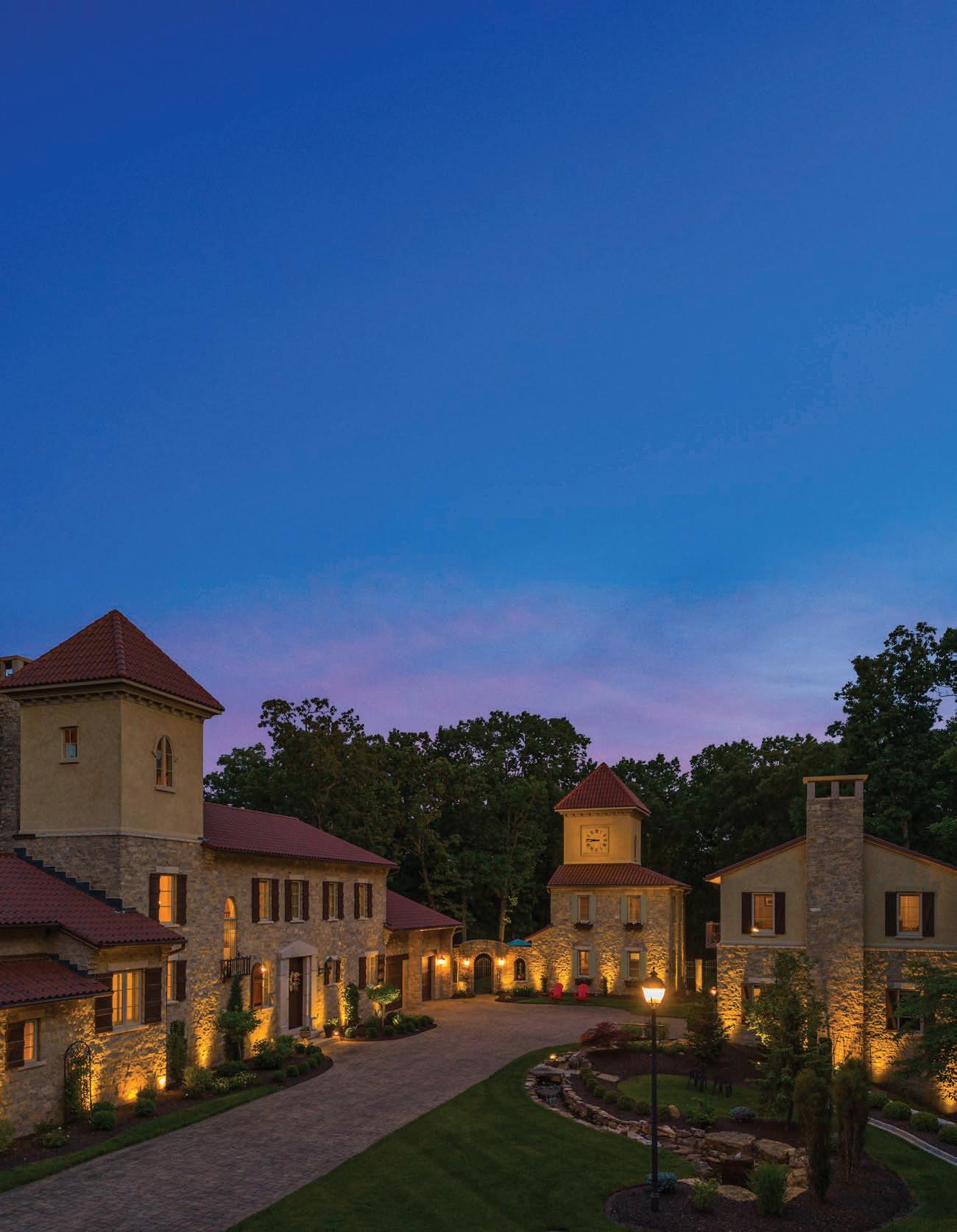
$527M
$680M Total Combined Sales Volume $153M
From weekday meal prep to weekend entertaining, experience