





At Germain Louisville, three of the world’s most iconic automotive brands come together in one destination. Audi, Porsche, and Land Rover each bring a distinct approach to performance, innovation, and design—united by a shared commitment to excellence.
From precision engineering to legendary capability, our lineup is curated for those who expect more from every drive. Backed by fourth-generation family ownership, our focus remains simple: delivering an exceptional experience one customer at a time.
Explore the latest in new inventory alongside a carefully curated selection of pre-owned luxury and exotic vehicles, each held to the highest standards.















Happy Summer— we’ve arrived.
Somewhere between the last Keeneland pour and the first backyard supper of summer, there’s a window—and this issue lives squarely inside it. Gardens are showing off, patios are full, and May and June in the Bluegrass move fast. So our issue moves right along with them. Every feature earned its spot by reflecting the season: generous, a little golden, and worth slowing down for.
Summer has a beguiling language: speaking of longer days, softened edges, looser rules, and the permission to blur structure without apology. It’s a season made for ritual. My rituals tend to live in the small things: bergamot, my favorite seasonal scent; gauzy voile dresses, the kind that look like they’ve already been somewhere; woven totes; raffia everything; barely-there sandals; the fleeting delicacy of gardenfresh strawberries, peaches, and tomatoes; Hugo spritzes; impromptu dinners on a patio with candles; and the perfect playlist humming in the background. These easy details anchor the season.
A discernible thread—in the same spirit of ritual—runs through this issue. It appears in popping a bottle of Oregon bubbly as producers celebrate the launch of Method Oregon. You see it in a surfer in Costa Rica, attuned to the ocean’s rhythm. It’s reflected in raising a glass—artisan-made, of course—to Hotel Emma’s toughas-nails namesake in San Antonio. Lastly, the embrace of culture and nature at Fairmont Mayakoba stands out. To carry the feeling home, I’ve curated a playlist inspired by our travels—a way to slip into a vacation state of mind, even if you aren’t headed anywhere. Tune in by scanning the QR code below.
Closer to home, step inside a dreamy Lexington home designed by Schnabel Interiors. It’s a study in how restraint and warmth blend together. And, if it’s been a while since you’ve visited, Headley Whitney’s Summer exhibition reminds us what a treasure we have right here in our backyard.
May and June are for lingering. I hope this issue gives you a reason to do exactly that.
Cheers!

Lee Milward Associate Publisher, Lexington lee@slmag.net


By Dr. Carl Paige, Medical Transformation Center
It’s likely to happen to you or someone you love at some point - they are given a less-than-healthy diagnosis. We’re all different. Some of us may ignore it. Others may get a second, third, or even a fourth opinion or drop down into an AI rabbit hole.
To ascertain a credible set of next steps, we turned to an expert who has been a recurring voice on our pages for two years - Dr. Carl Paige of Medical Transformation Center. Based in Louisville, MTC is a respected, regional hub in integrative cellular and regenerative medicine. Dr. Paige’s four decades of practice have made him a leading voice on groundbreaking treatment modalities such as peptide therapy and research-based regenerative medicine techniques.
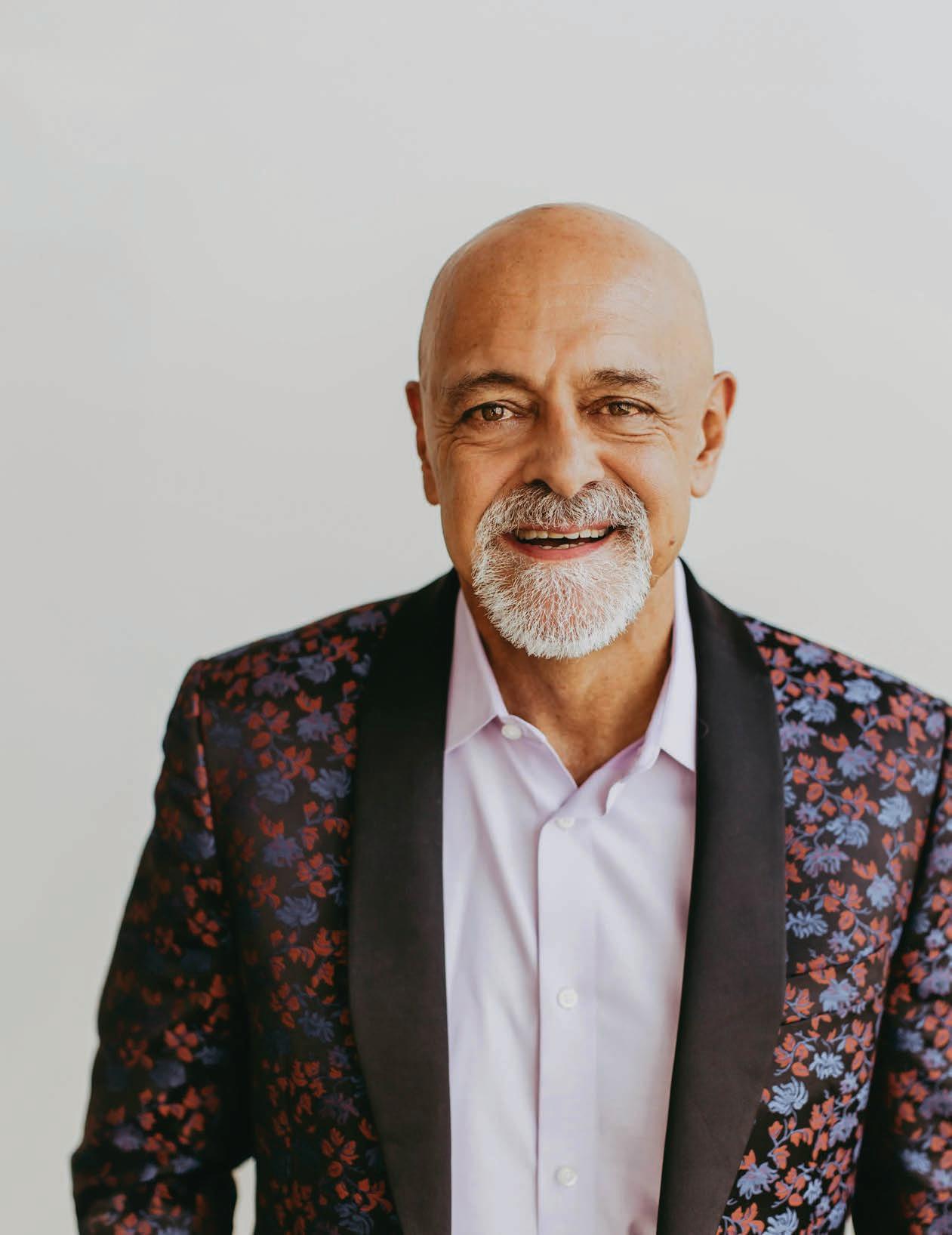
Carl Paige, MD, is CMO and co-founder of Medical Transformation Center with his wife, Terri Paige. After 25-plus years in traditional practice, he recognized the substantial need for a more proactive approach to wellness and began exploring Cellular Medicine, which strengthens and optimizes individual cells to support the whole body from its most basic unit up. The Kentucky-based MTC is now a respected leader in integrative Cellular and Regenerative Medicine. Continuing to pioneer research-based techniques and advances in his field, Dr. Paige is an original member of the Seeds Scientific Research and Performance Institute (SSRP), where, when not practicing at MTC, he now trains other physicians on applications of Cellular Medicine in healthcare. Dr. Paige is a respected, leading voice on groundbreaking treatment modalities, research-based techniques, and advances. Grounded in experience and extensive training, Dr. Paige looks at each patient holistically, considering factors such as lifestyle, genetics, environment, and more to determine the best, most personalized way to maximize overall wellness and boost healthspan. medicaltransformationcenter.com

Dr. Paige, if someone has just been given a diagnosis and feels incredibly overwhelmed, what coping mechanisms do you suggest?
That’s a very common experience, and it is overwhelming. One of the first things we try to do is help patients step back and see the bigger picture. Instead of focusing solely on the diagnosis, we look at the underlying factors that may have contributed to where they are today. That shift alone can give people a sense of direction and control.
From there, I like to focus on simple interventions that can help patients feel better relatively quickly. Early wins matter. They build confidence and momentum.
Sometimes that might include targeted tools like ketone esters to support energy in someone dealing with persistent fatigue, or something like the peptide Selank to help take the edge off anxiety that often accompanies chronic illness. These are not addictive solutions. They’re supportive tools that help patients begin to feel a shift as we address the deeper issues.
Equally important is setting realistic expectations. I’ll often walk patients through a timeline: what they might expect in three to six months, and what could take closer to a year or more. Those guideposts are critical. If something makes you feel dramatically better in a week, it’s often not a long-term solution. Sustainable recovery takes time, and patients need to understand that from the beginning.
What are the basic things that anyone with a diagnosis can or should do to improve their health right off the bat?
In Cellular Medicine, we always come back to a simple question: what makes the cell function well? When patients understand that, it becomes much easier to translate into everyday decisions.
For most people, that starts with cleaning up nutrition. That means minimizing toxins, reducing excessive carbohydrates, and focusing on whole, nutrient-dense foods. As we do that, we also work to reduce visceral body fat, increase movement, and support muscle mass. This could mean optimizing hormone levels when appropriate or simply enhancing the body’s natural systems.
One approach we’ve found to be both effective and sustainable is the Paleo-Mediterranean lifestyle. It combines the Paleo focus on whole, unprocessed foods with the Mediterranean diet focus on plantbased items, healthy fats, and fish. Together, those approaches create a powerful framework for sending your cells the best information.
We also pay very close attention to inflammation. If there’s an underlying inflammatory or autoimmune process, we want to understand what’s driving it. That might involve lab work, but it also involves lifestyle. This means things like nutrition, stress, sleep, and, when appropriate, targeted therapies such as peptides.
And then there’s gut health, which is foundational. The gut is the primary interface between your body and the outside world. When that barrier becomes disrupted, it can affect everything - from immune function to energy levels to mood and brain chemistry. When we restore gut integrity and balance, many downstream systems begin to regulate more effectively, including metabolism and appetite signaling.
How does MTC partner with patients once their condition/illness is known/determined?
The first step is always identifying root causes. Many patients come to us with diagnoses that are tied, in some way, to metabolic
dysfunction. That often means excess body fat, but it may also manifest as elevated blood sugar, hormone imbalances, or other endocrine system issues. These conditions are frequently lifestyledriven, which is actually encouraging, because it means they are modifiable.
Our role is to educate, guide, and support. We build a structured plan and then provide consistent follow-up, using the right tools to help patients realign those key variables.
A common question we hear is, “How do I get off these medications?” And the answer is: carefully, and with a plan. When patients reduce visceral fat, improve metabolic health, build muscle, and clean up their diet, it’s often possible to reduce or even eliminate medications for blood pressure, cholesterol, or blood sugar.
But we do that in coordination with their primary care physician or specialist. This isn’t about working in isolation. We need patients to understand their options and the timeline required to safely move in that direction.
I assume you probably have a lot of people who come into your office who say, “Oh, they told me I had this. I Googled it.” What do you tell people who do that?
We actually encourage patients to be informed. This isn’t the old model of medicine where you’re told what to do and sent on your way. The more engaged and educated a patient is, the more successful they tend to be.
That said, there’s a balance. With the amount of information available today - especially with AI tools - it’s easy to come across content that is incomplete, misleading, or taken out of context.
In my experience, these tools can be very helpful for organizing and summarizing large amounts of information. But when it comes to medical decision-making, context matters. You need a framework to interpret what you’re reading and to recognize when something doesn’t quite fit.
So I tell patients: stay curious, stay engaged, but do bring what you find into the conversation. That’s where we can help separate what’s useful from what may not apply to their specific situation.
Do you have any success stories of helping somebody manage a diagnosis?
That’s really the most rewarding part of what we do.Many of the conditions we see are managed in a traditional setting with medications alone. And while medications have their place, our goal is to help patients restore their underlying metabolic health.
We see a lot of individuals who feel like they’ve crossed a line where they’re overweight, out of shape, managing multiple conditions, and they begin to believe that being on medication for the rest of their lives is inevitable.
What’s powerful is helping them realize that’s not always the case.
When patients make the right changes and improve body composition, build strength, stabilize blood sugar, and reduce inflammation, they often experience a shift not just physically, but mentally. They move from a mindset of “I’m sick, and this is my new normal” to “I’m well, and I have control over my health again.”
That transition is what success really looks like to us. sl
Every interior designer imagines their “dream” client. For Jenny and Jenna Schnabel, the creative mother-daughter duo behind Schnabel Interiors, it is a young couple who discovered them via an online search. “They hadn’t worked with a designer before, yet they were one hundred percent willing to trust us and let us push them outside their comfort zone,” explained Jenna.
After living and studying in Europe, Jenna worked in fashion for the likes of Neiman Marcus and Giorgio Armani before launching an interior design career in Chicago two decades ago and eventually relocating to Lexington to work alongside her mother, Jenny, whose business and reputation were already established. “Working together has been a dream come true for us. We are passionate about what we do and want to work with people who are kind, trust us, and share our values,” Jenna remarked. The timeless, worldly aesthetic for which Schnabel Interiors is known perfectly aligns with the homeowners, one of whom is a native of Ireland.
Jenna and Jenny are intentional about the projects they accept, and they found a kindred spirit in builder Kevin Crouse
of Artisan Custom Homes. “He shares our high-end aesthetic and high-touch client experience,” remarked Jenna. “Like us, he makes his clients feel like his only clients”.
The home’s inspiration came from an existing home they admired in Louisville. The team saved a significant amount of time by working with and modifying the plans from that home’s original architect, c3 Studio of Knoxville, Tennessee. What resulted was a customized floor plan and a graciously elegant structure that sits proudly on its ten-acre plot in the Serenity Estates of Nicholasville. The home needed to be large enough to accommodate lots of friends and family but also feel comfortable for a family of four. “We were striving for approachable elegance”, said Jenna. Unique aspects of the floor plan include his-and-her offices and dressing rooms; firstand second-floor primary suites – with the second-floor suite intended to accommodate extended visits from family and friends; and a trio of laundry areas. A pool and pool house are currently in the works.
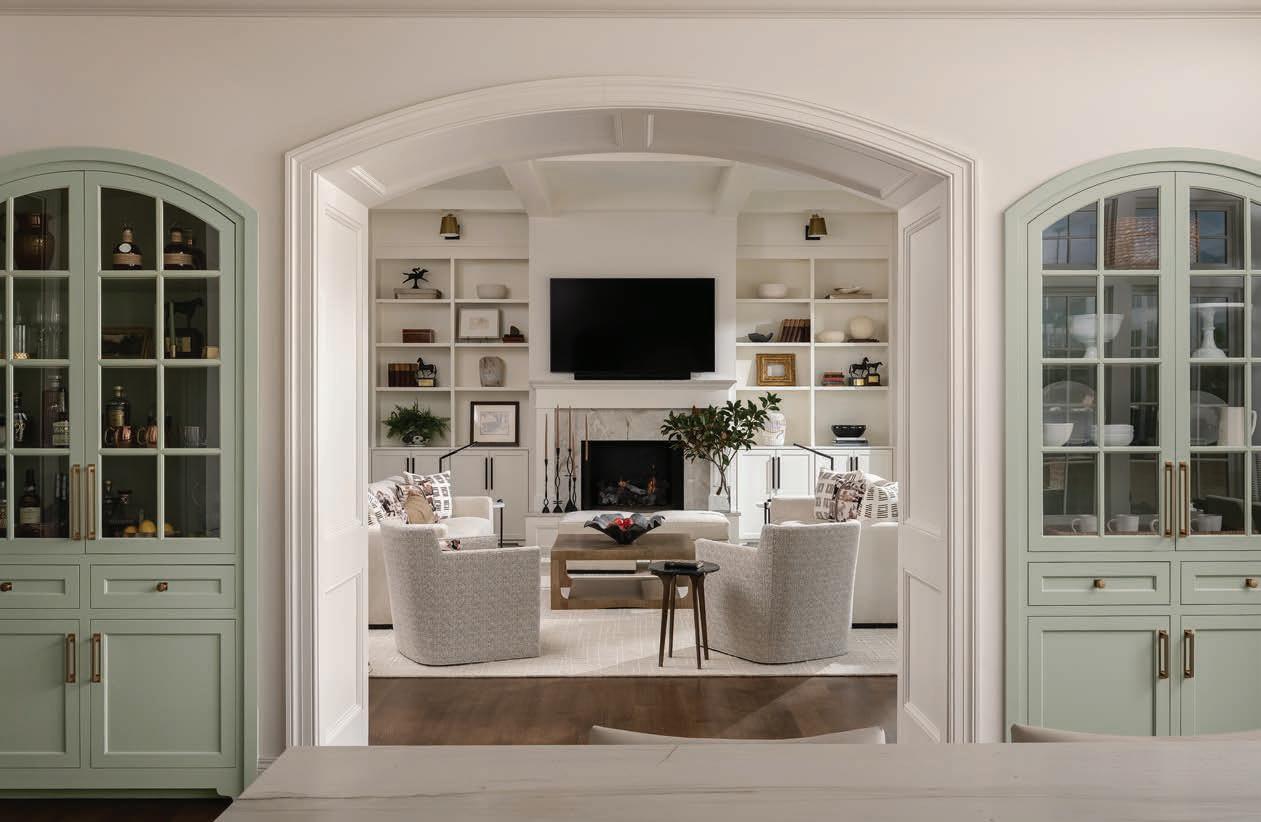
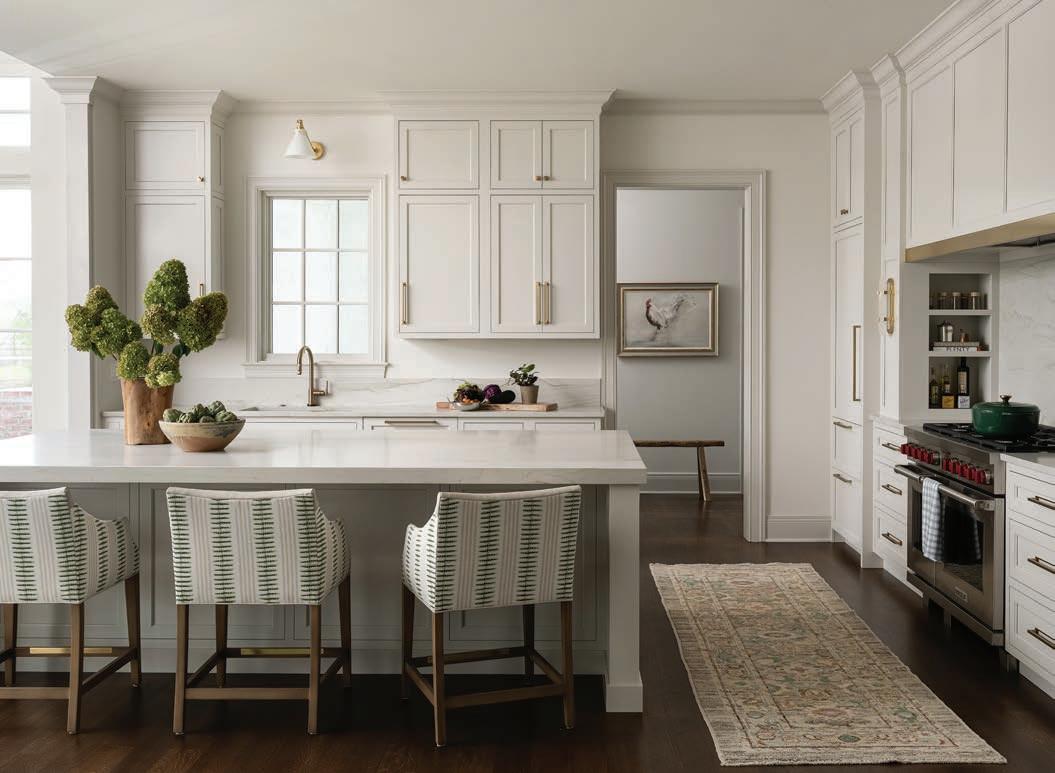
A pastel mint-green hue on a pair of arched built-in hutches with glass doors in the kitchen, which flank the wide entry to the living room, evokes the hue associated with
the
A subtly metallic
When it came time to craft the interior aesthetic, collaboration was paramount, along with crafting a deliberate reflection of the couple’s shared passion for horses. The wife is a veterinarian, and the husband is a respected member of the thoroughbred industry. In this home, horses are greatly appreciated and honored. The home’s architecture and setting called for tradition, but the couple wanted a fresh, more transitional take on the interiors. Performance fabrics keep up appearances while standing up to the wear and tear of the active family and their two dogs. Except for the kitchen table, the designers had the rare privilege of starting from scratch with regard to the furnishings. “It truly was a clean slate, and everything new was chosen with intention and love,” said Jenny.
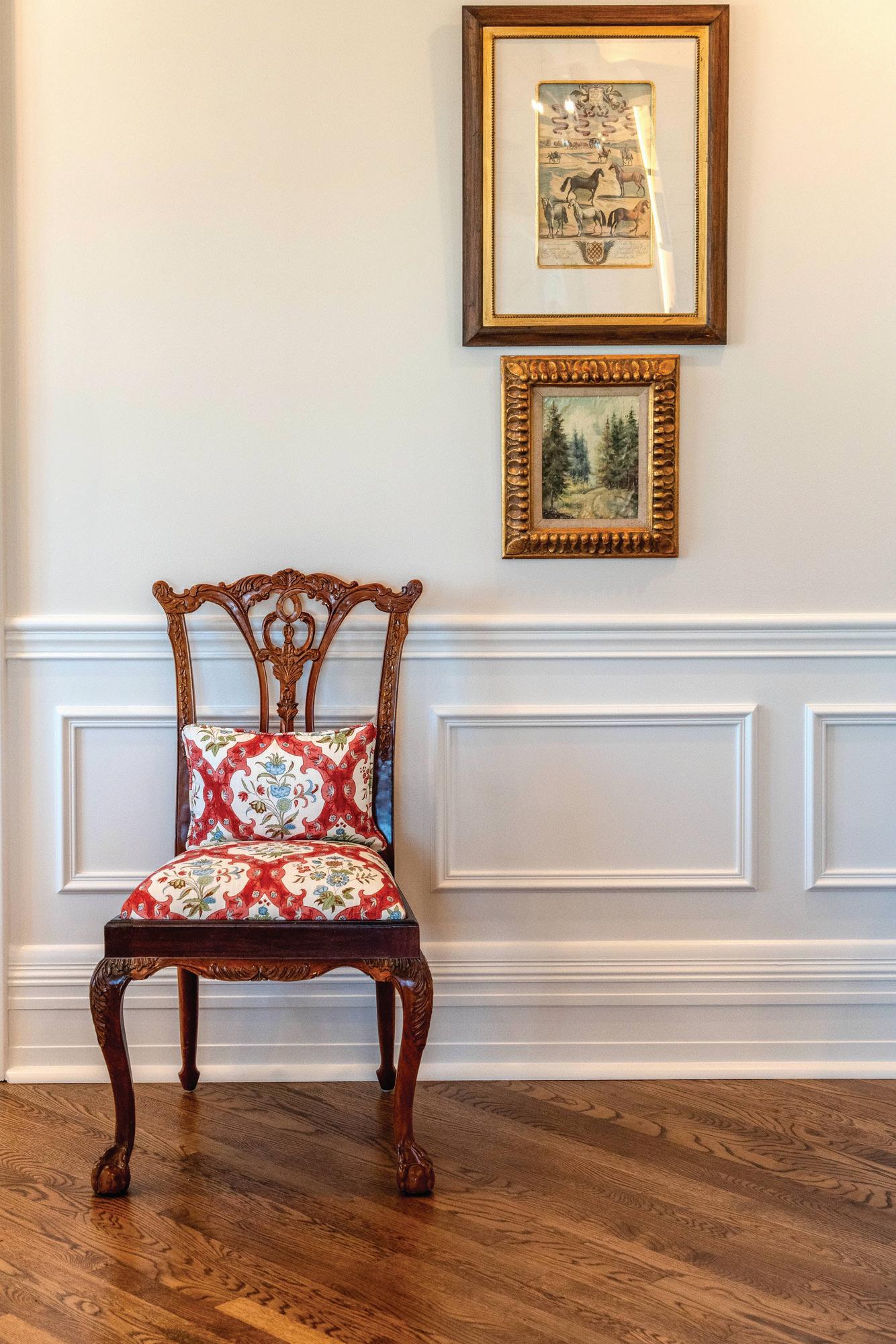
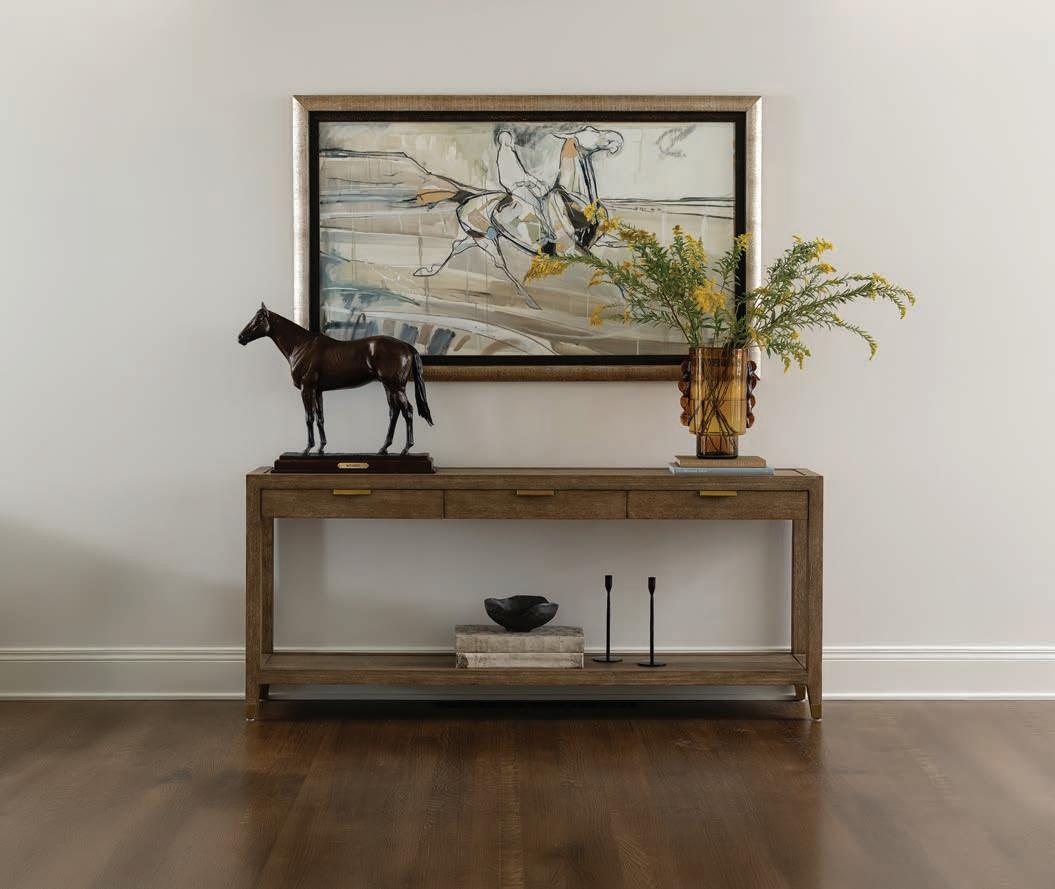
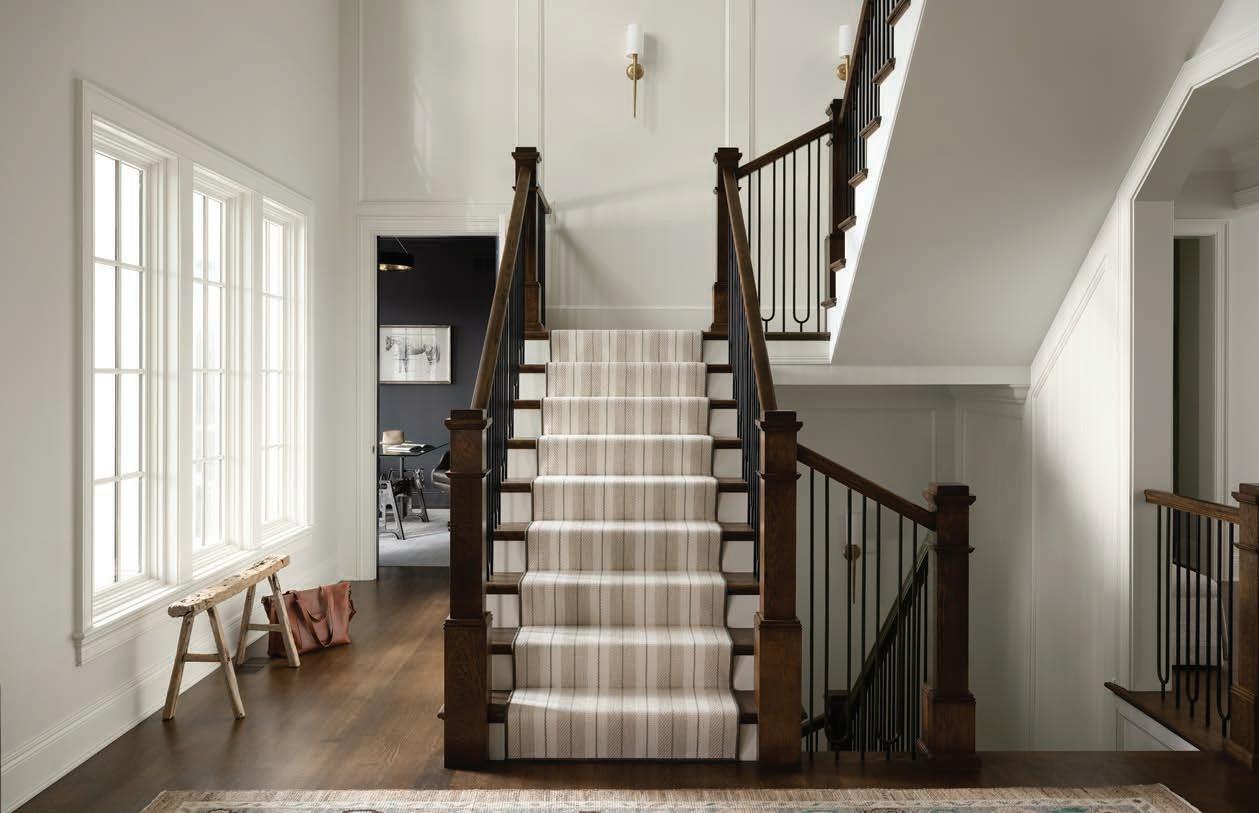
The designers are known for a variety of design aesthetics. “Our job as designers is to figure out our client’s style, then elevate it,” Jenna explained. Special attention was placed on the clients’ stunning collection of art and horse trophies. A predominance of warm off-white walls throughout provides a clean, understated backdrop for art that complements the dark wood flooring. The homeowners sourced several artworks from Crossgate Gallery, including a mixed-media piece titled “Riderless Horse” by British artist Jo Taylor, surmounting the console table in the foyer. Rounding out the equestrian vignette is a bronze sculpture depicting the Thoroughbred racehorse Authentic, known for
in a timeless striped wool runner with a hint of sage, one of several nods to green, the wife’s favorite color.
In the kitchen, the restrained palette is supported by panelready appliances that blend seamlessly with the cabinetry and richly veined quartzite. The exception is a pastel mint-green hue on a pair of arched built-in hutches with glass doors that flank the wide entry to the living room, evoking the hue associated with Ladurée, the historic French pâtisserie. The eat-in breakfast nook floods the room with light and views of green rolling hills. The scullery is nearly as large and equally functional as the kitchen.
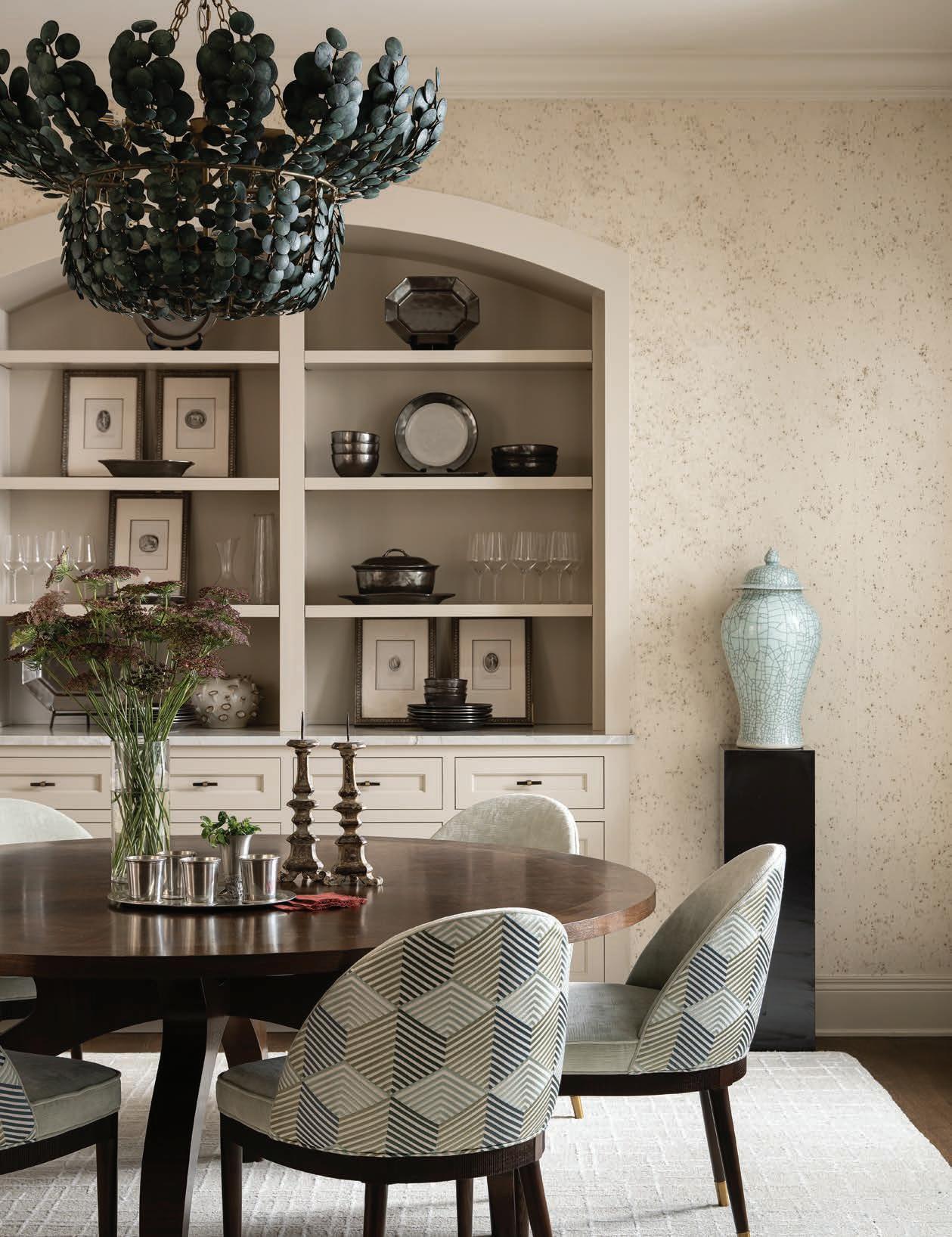
A subtly metallic wallcovering from Perennials adds a touch of drama to the dining room; the trim on the built-in cabinet with horn drawer handles is painted to match. The designers credit the wife for “finding” the two-tiered Arteriors Bilal Chandelier, which was their first purchase for the project and became the launching point for the room. The acquisition was guided by an “investment” spreadsheet that Schnabel Interiors creates for each room at the project’s onset. “It keeps everything transparent and helps us stick to an agreed-upon investment figure, so we know where to save and when to splurge,” Jenna explained.
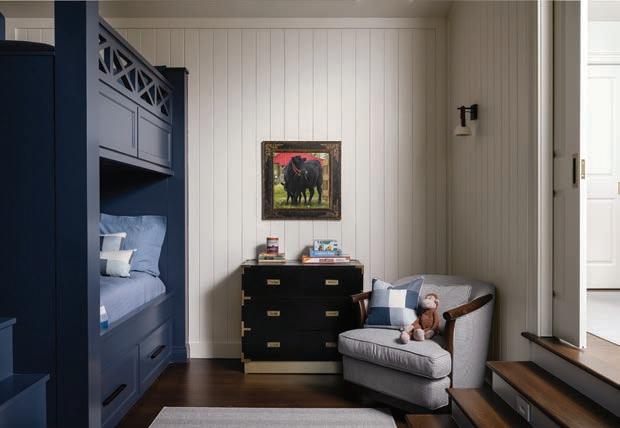
In the son’s bedroom, artwork is hung where he can easily see
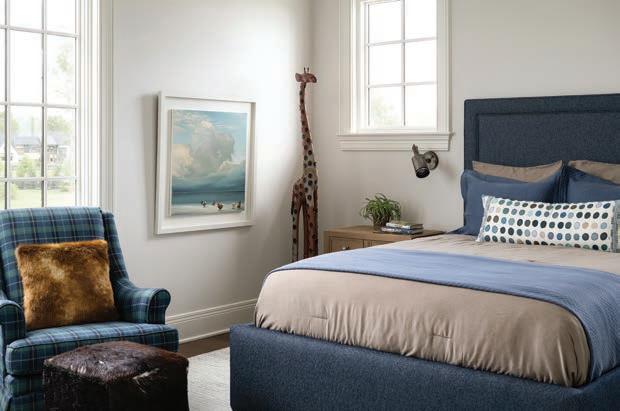
The
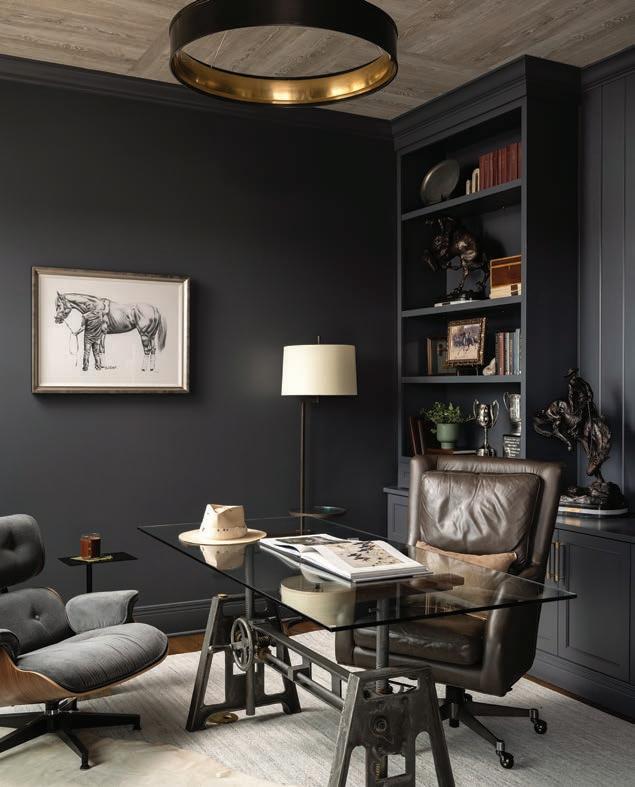
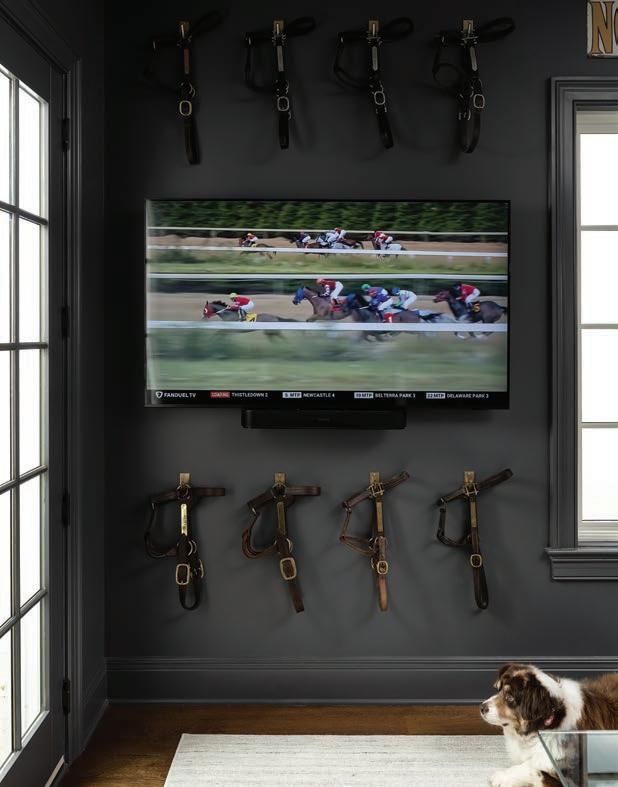
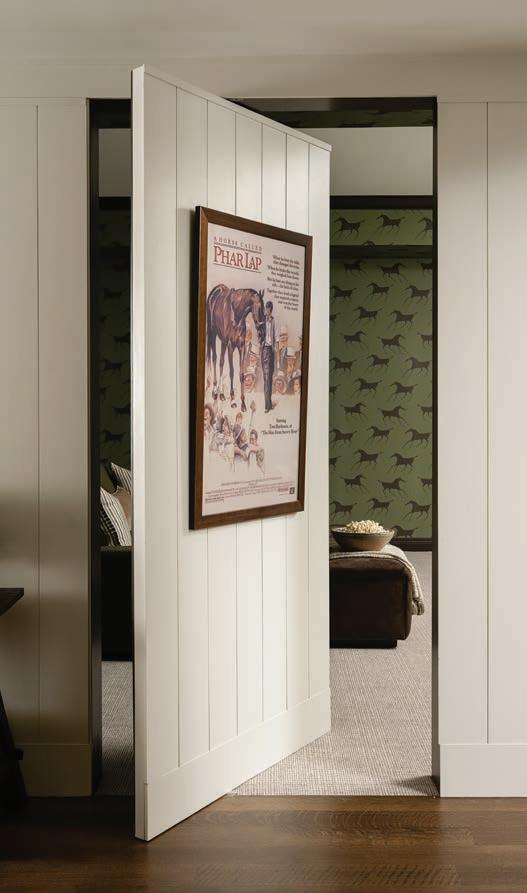
No matter how well it’s designed, a home without personal touches feels soulless. To that end, Jenna and Jenny worked with the homeowners to highlight items of importance rather than go the nondescript tchotchke route. Jenne recalled that when the husband shared a “box of horse halters” with significant meaning, it was “like hitting a pot of gold”. Those deemed the most special were displayed as art around the television in his office. The wife was keen to put the room’s Eames Lounge Chair with mohair upholstery on the “splurge” list.
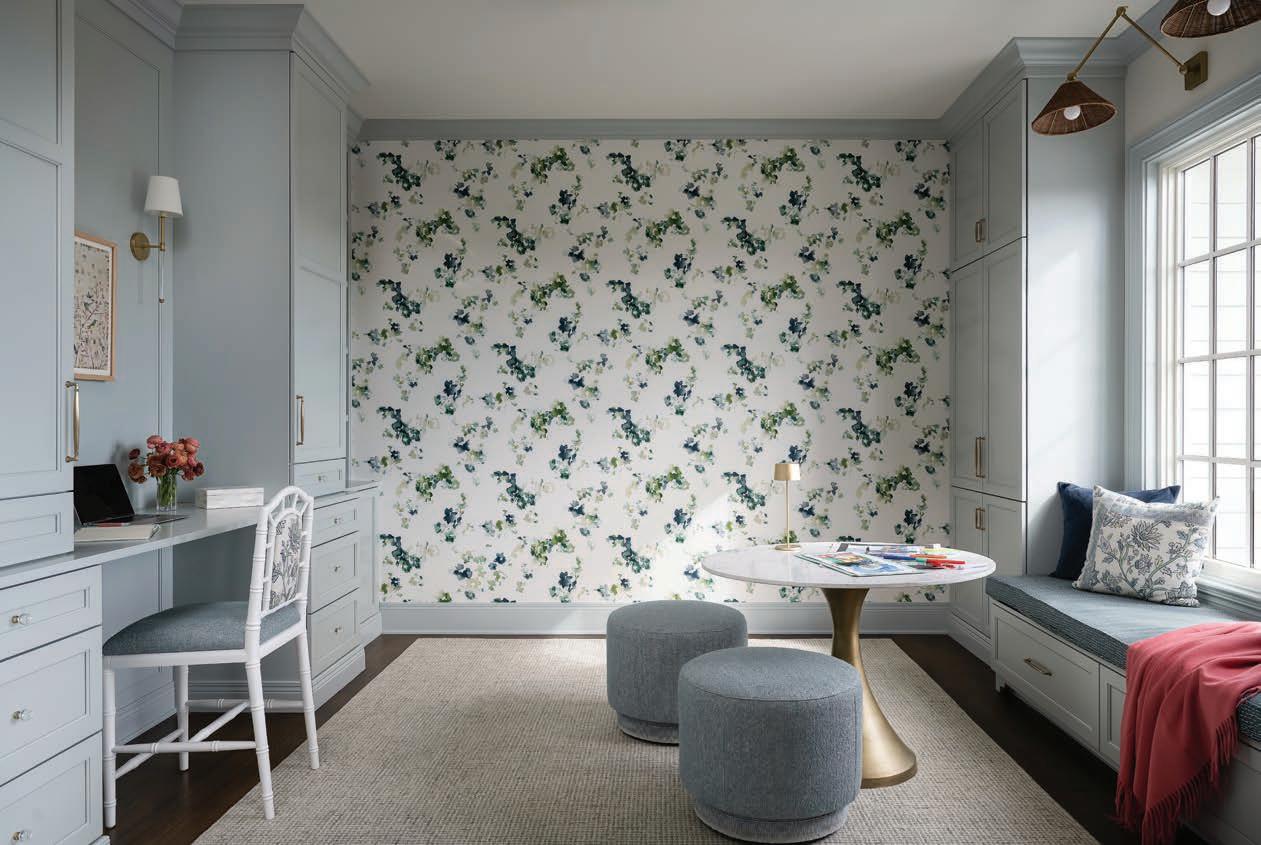
In contrast to the dark walls of the husband’s office, the wife’s space takes on a more ethereal feel with a painterly floral wallcovering from ROMO, light blue-green built-ins, and a riff on a tulip table pulled up to the window seat where the children can tackle their homework. Good design extends to every member of the family: the designers had a dog bed covered in the same performance fabric as the bench seat.
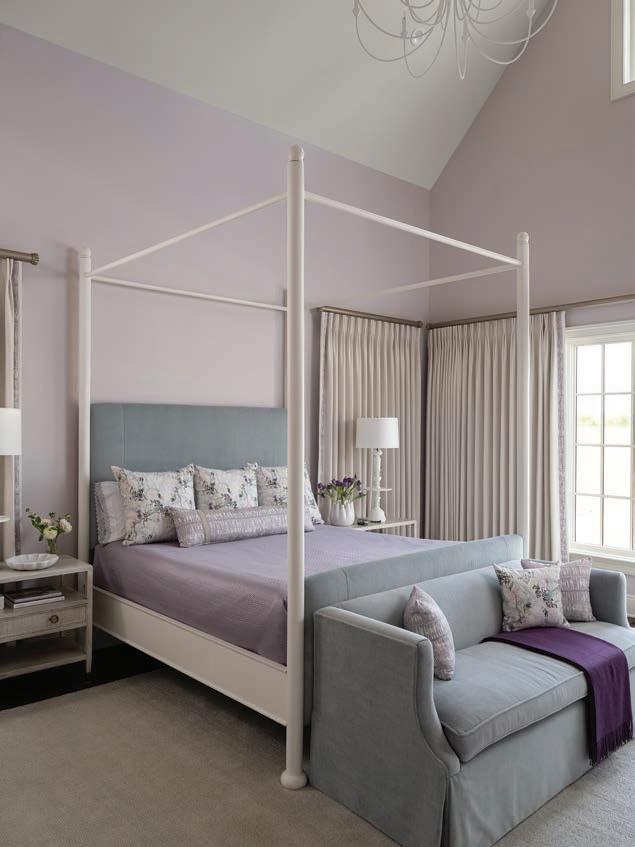
Jenny admits that the wife was initially unsure about the lilac hue selected for the 22-foot-high walls of the primary suite. “We chose a shade with grey undertones so it wouldn’t feel like a nursery,” she explained. Once the installation was complete, including
a custom four-posted bed with an upholstered headboard and footboard to match the custom settee positioned at the end of the bed, she was on board with the vision. Matching the grand scale of the room, Julian Chichester Kathryn table lamps in white gesso rest atop Woodbridge bedside tables.
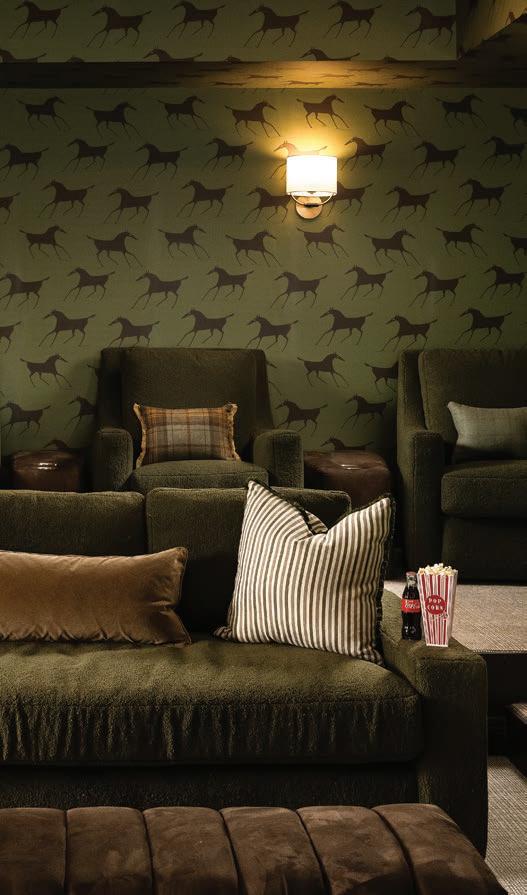
In the lower level, builder Kevin Crouse designed a hidden pivot door that opens to reveal a chic media room where the stylized horses in Thibaut’s Marlborough Downs wallpaper gallop against a green background. Jenna explained that they’d been resisting media room motion furniture for years, but acquiesced once they found something comfy that matched the more modern aesthetic. Rounding out this family-friendly haven are a bunk room, a workout room, and a recreation room.
After working together for two years, the end of the project proved to be bittersweet. “We always hate when a project ends, as building or renovating a home is such a collaborative and fun process. This was especially true with this family. We end up missing each other”, said Jenna. Lucky for all parties, there are always little things needing attention, including that pool house. sl




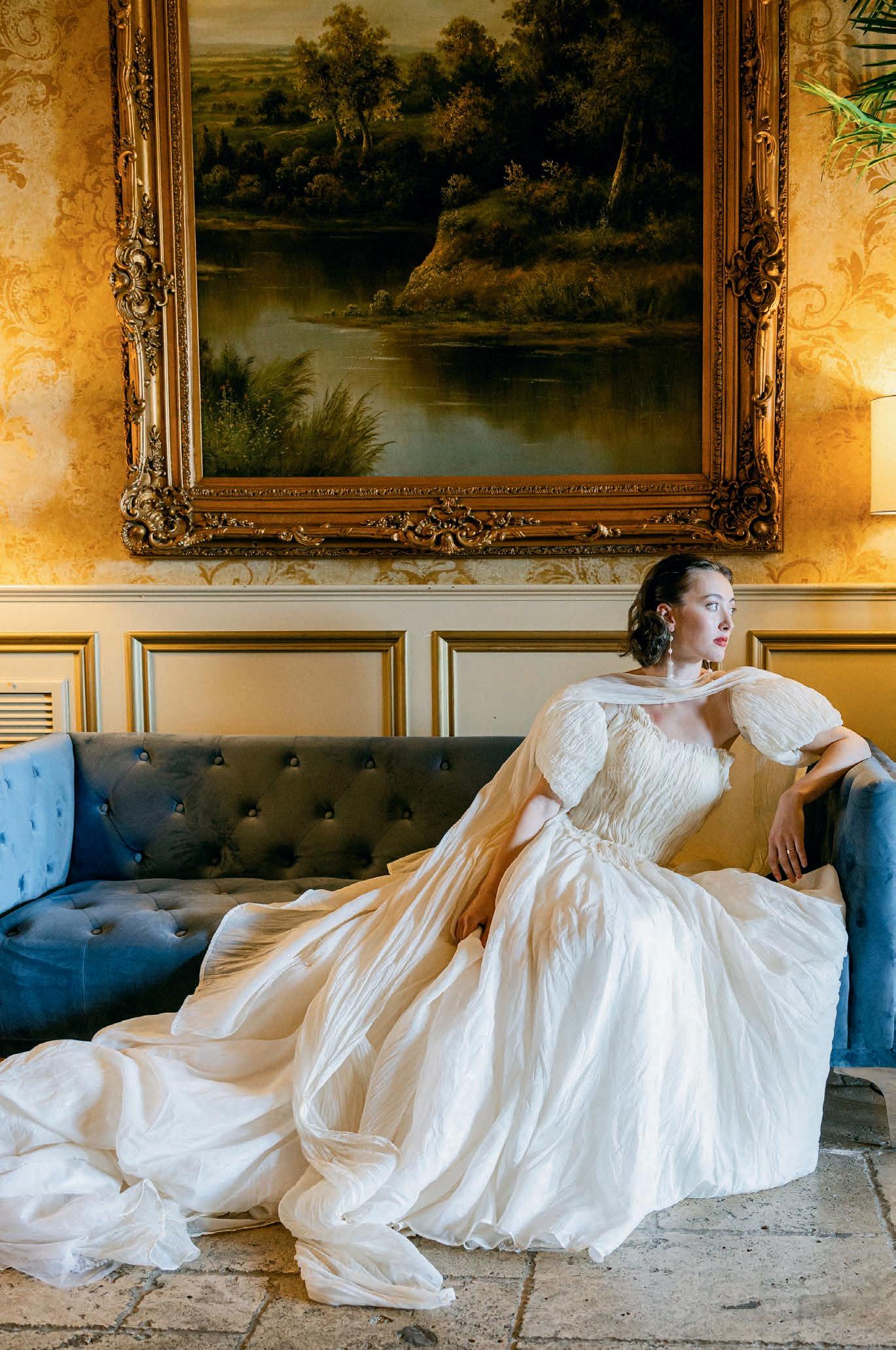

Photos by Courtney Linden Photography
SL: How and where did you first meet? What were your first impressions of each other?
Eleanor: Ryan and I met while attending Auburn University. We ended up at the same spot where he was going to see his older brother, and I was going to see one of my best friends. The key detail here is that his brother and my friend were dating. They’re married now, so the “how” is so fun for us all to look back on.
SL: How did you get engaged?
Eleanor: We got engaged in the beautiful courtyard behind our church in Atlanta, Georgia, where we were living at the time. In. It was not a
surprise, in the sense that I knew it was coming, but it ended up being a surprise, as he did it on a Wednesday, called me out of work, and had every step planned out.
SL: What was the overall vision for your wedding day?
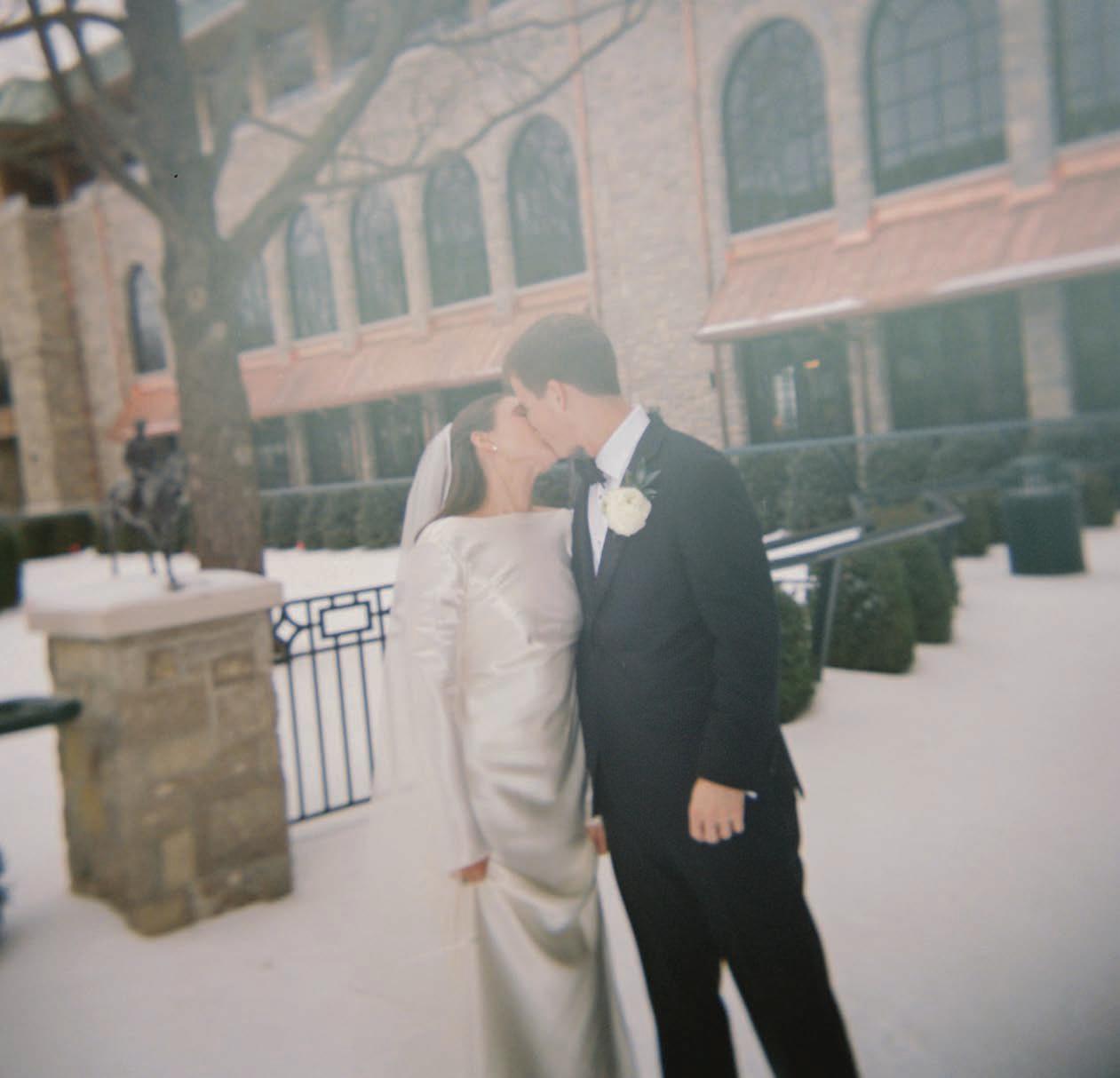
Eleanor: I have always loved winter weddings and the idea of having a special occasion in the early months of the year to spread more joy throughout the year. I knew I wanted formal and European touches, since I love the Italian aesthetic. But we also wanted to tie in Kentucky, so we chose Keeneland. Eventually, and luckily, these details all came together perfectly!
SL: Why did you choose Keeneland?
Eleanor: Keeneland is special, in its own right. In the beginning, we had a tricky time finding appropriate venues in the middle of winter that could accommodate our guest count. I grew up going to Keeneland my whole life, and I had never seen it in a wedding setting, so I couldn’t picture it. Doing Lexington was always my dream, so it worked out for me in this sense, but it also opened a whole new wedding vision for Ryan’s side, with guests coming from Florida, Alabama, Georgia, etc.
SL: What were some of your favorite details?
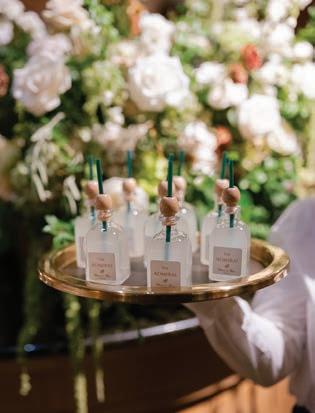
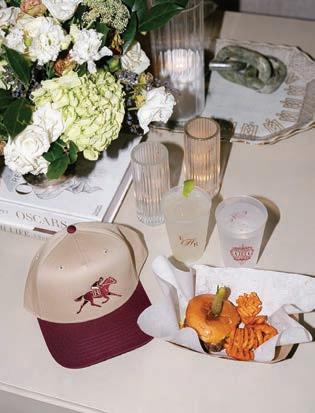
The first one that comes to mind is the Admiral margaritas. My Dad has his famous margarita recipe that we’ve loved for years, and I knew I wanted a detail tied to him, so we had these passed around early on in little Patron-looking glasses. We are still hearing about them!
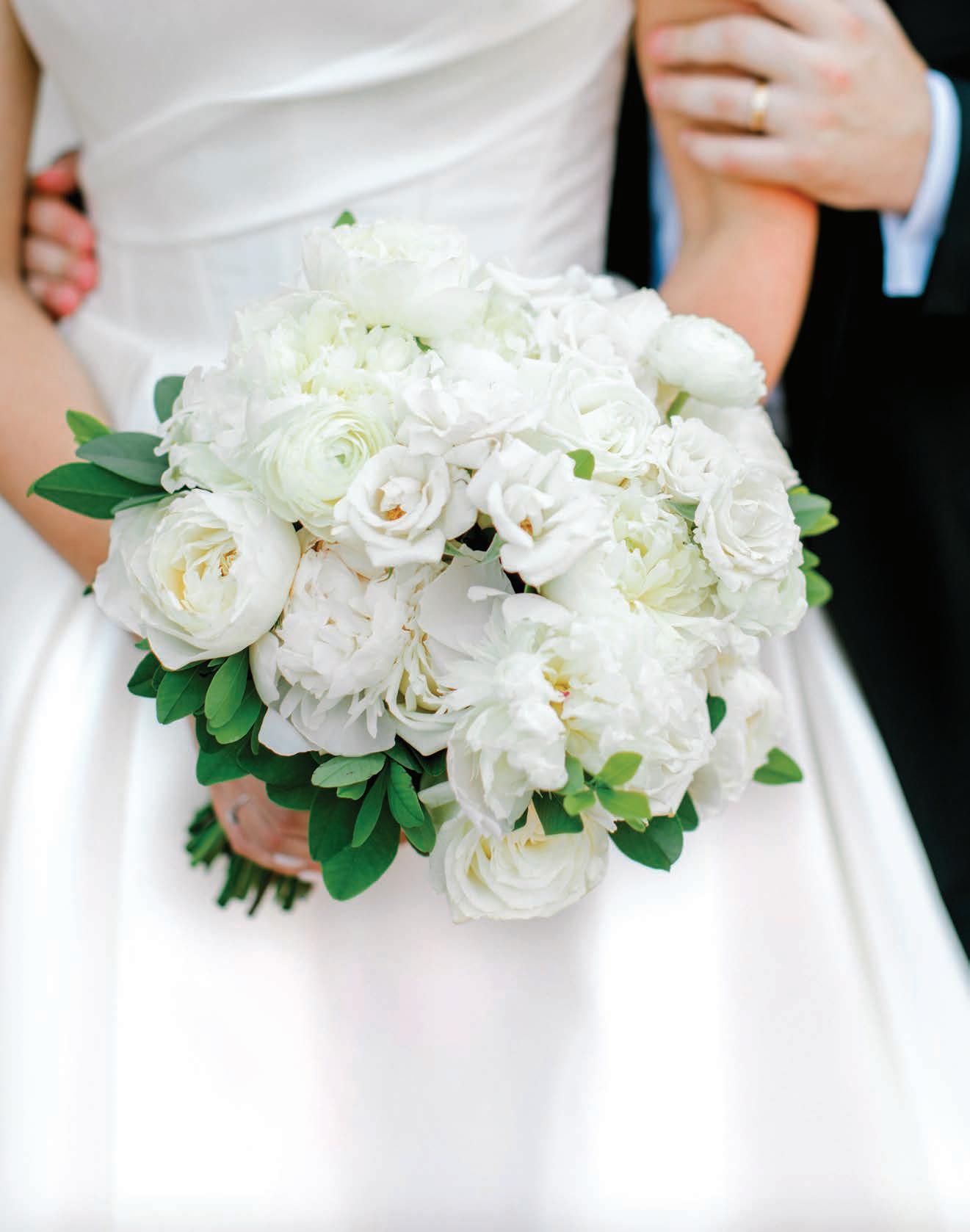
The flowers were the hardest part for me to visualize and communicate. But between all the hands on this wedding, they came together so beautifully, I didn’t even need to speak the flower language. I just gave a little direction, and it was mastered perfectly. All thanks to Refined Social Events and Flowers by Marnie & Jenny!
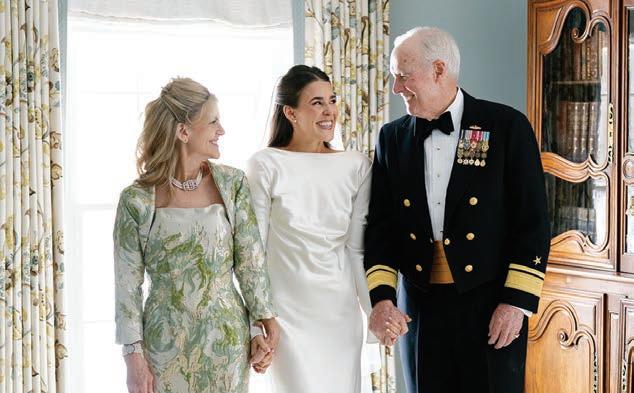
I knew my mother’s aquamarine ring had to be my “something blue!” My dad purchased the stone in Brazil while traveling for the military and while she was pregnant with me, so it has always held significance.
The food was out of this world. Most of the menu accommodated my being gluten-free, and it was so good that guests didn’t even realize it. The process of creating the menu with the Keeneland chefs was such a personalized experience that I wasn’t expecting, but we loved it all! We got to pick our favorite cuisines and then refine from there, adding our favorite flavors and bites, including ahi tuna from my Hawaii days and ropa vieja in homage to Ryan’s Cuban heritage!
SL: Did you incorporate any family traditions?
Eleanor: One of the most special moments of the whole wedding was the lace shawl used at the ceremony. It’s a tradition on Ryan’s side with a beautiful story. It was laced together by nuns for his late grandmother while she was fleeing Castro’s Cuba. Every stitch was prayed over while it was being made. This shawl is now laid over every couple in the family at their wedding to cover the couple in love, prayers, and God’s protection. It’s so special to be part of that family tradition now.
SL: Describe your saying “yes” to the dress moment.
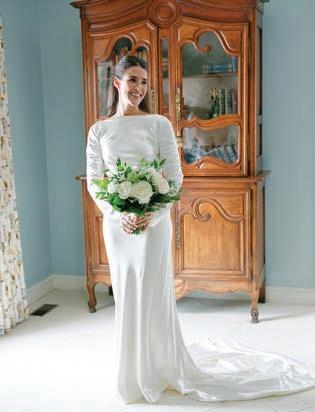
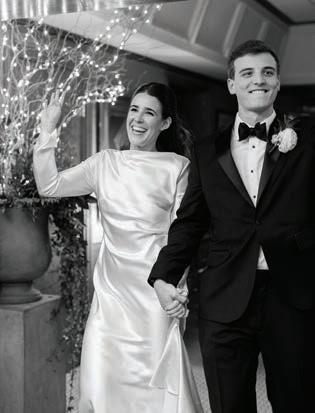
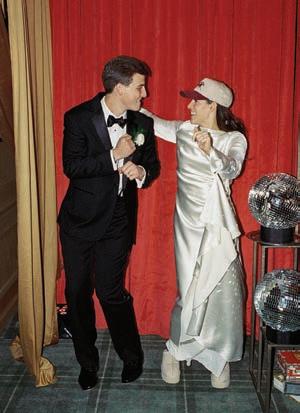
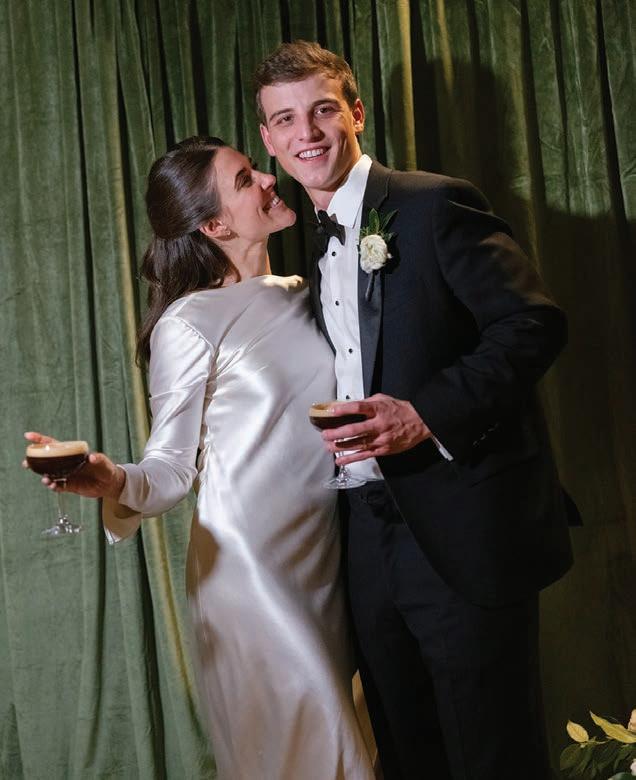
Eleanor: I had always known I wanted to track down a wedding boutique that carried Danielle Frankel. I could have gone in several design directions, but when I put this one on, I couldn’t get out of the dressing room before I started crying. I was afraid that after working in the wedding dress industry, I wouldn’t experience that feeling, but I did, and I’ll never forget it. Winter…silk… something that draped and fell with ease…nothing felt more beautiful to me.
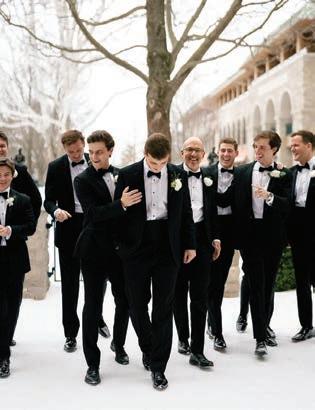




SL: How did you choose your processional and first dance songs?
Eleanor: I always thought I’d walk down the aisle to “Turning Page,” as it’s been one of my all-time favorites forever. Ryan really wanted an incredible sentiment for the whole day, but especially at the ceremony, and although I loved that song, our wedding ceremony wasn’t really about that. We wanted to prioritize the sacrament from beginning to end. I began listening to an instrumental version of “Be Thou My Vision,” and I cried every time. That quickly became the song for me.
I let Ryan choose the first dance song. We bounced back and forth between two, but he/we ultimately chose “Amazed” by Lonestar, which we danced to at one of my bridesmaids’ weddings the year prior, when he knew he was about to propose and I didn’t. However, I remember slow dancing in that moment, and it felt different to us. Although we weren’t holding the same knowledge, we knew that our time was approaching, and it almost seemed like that dance really began this whole season.
SL: What ended up being your favorite aspects of the day?
Eleanor: I loved getting ready in the morning with all my girls at one of my favorite places on earth. Starting the day the way I did really lifted everything on an extra high note. During the ceremony, the family prayer/prayer shawl made it feel like we were tying our families together, too, which is super special to us. And lastly, mine and Ryan’s private dinner at the reception was unmatched. I’d maybe say it is one of my favorite “dates” we’ve ever been on.
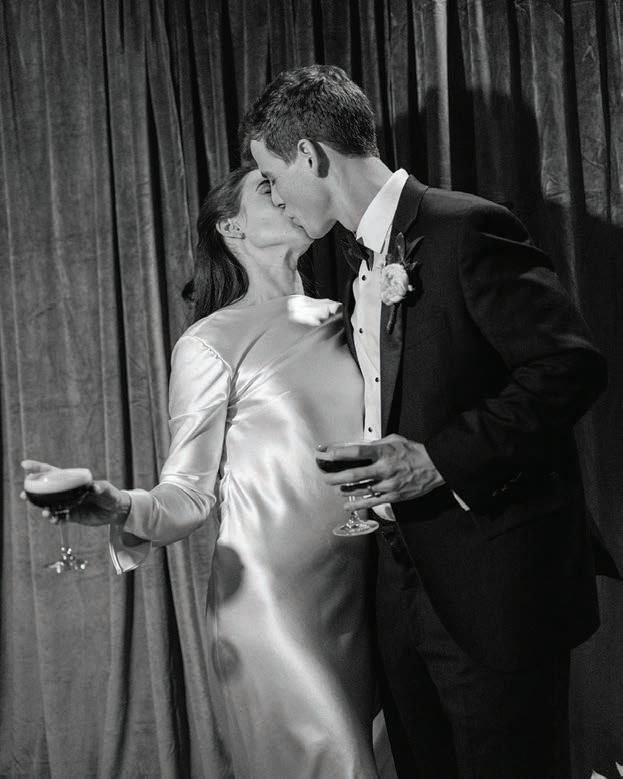
Keeneland completely wowed us with that experience! Ryan loved getting to welcome his friends and family into this new world of his.
SL: What was the biggest surprise for you during the wedding?
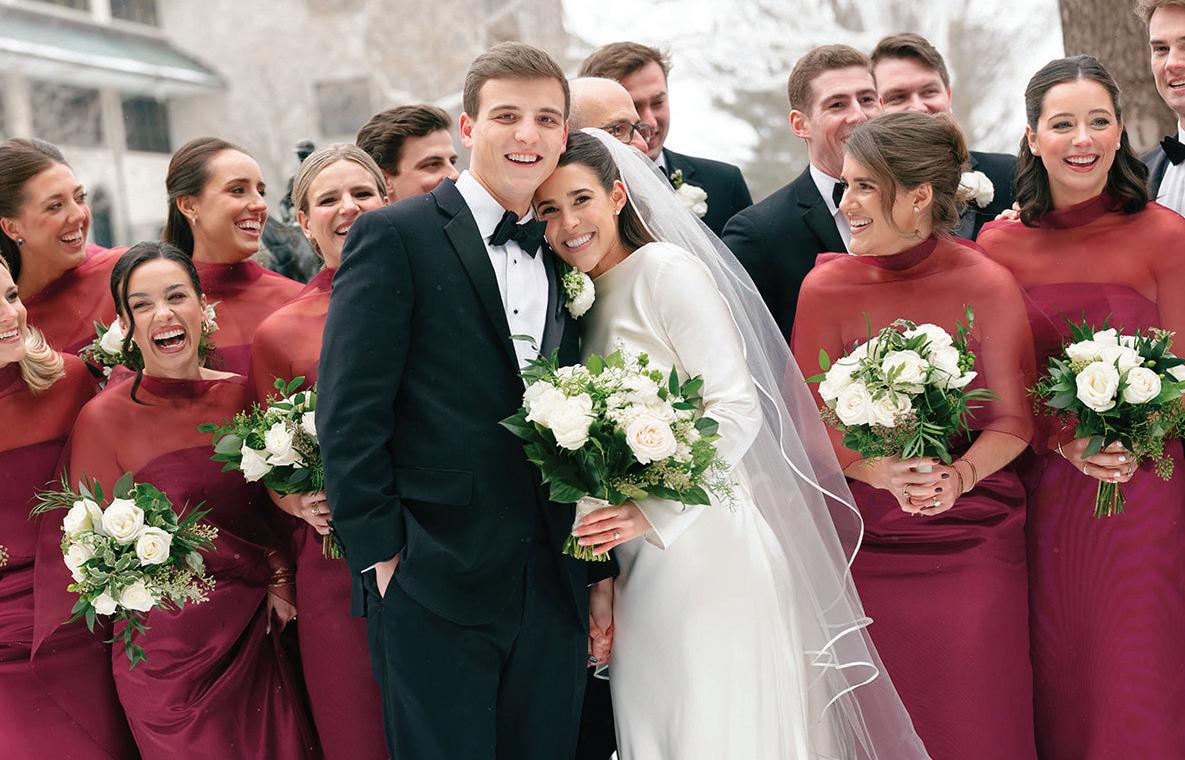
Eleanor: Hands down, it was coming out of the ceremony to the reception, and the most perfect flurry of snow you had ever seen was falling! Everyone stood amazed by the sight because they knew that falling snow was such a wedding dream of mine. It was magical.
SL: Where did you honeymoon?
Eleanor: We bopped around Italy, starting in Milan, then to Maranello, and ended in Venice. We did get a surprise night in Paris on our way home, and that was special!
SL: Who are the key vendors you’d like to highlight?
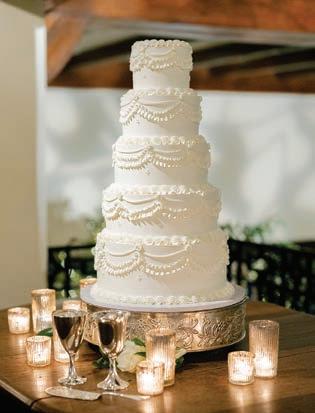
Eleanor: Refined Social Events - from a young age, I knew it was RSE or bust! Flowers by Marnie & Jenny - just wow. When I couldn’t speak florals, I learned quickly I didn’t need to. They handled it. Cakes by Coco - I also knew that if I was going to have a wedding cake, Chloe’s talent would have to be involved. The most unbelievable wedding cake ever. Keeneland Events - untouchable. The food and the service were exceptional. Courtney Linden Photography - I knew her work was beautiful, but once I got to know her, I knew her style was the vibe I wanted for my wedding day. It’s hard to pass on truly wonderful people with that incredible talent. Wakefield Films – it was a dream to use Wakefield. The magic this company creates is unbeatable. sl

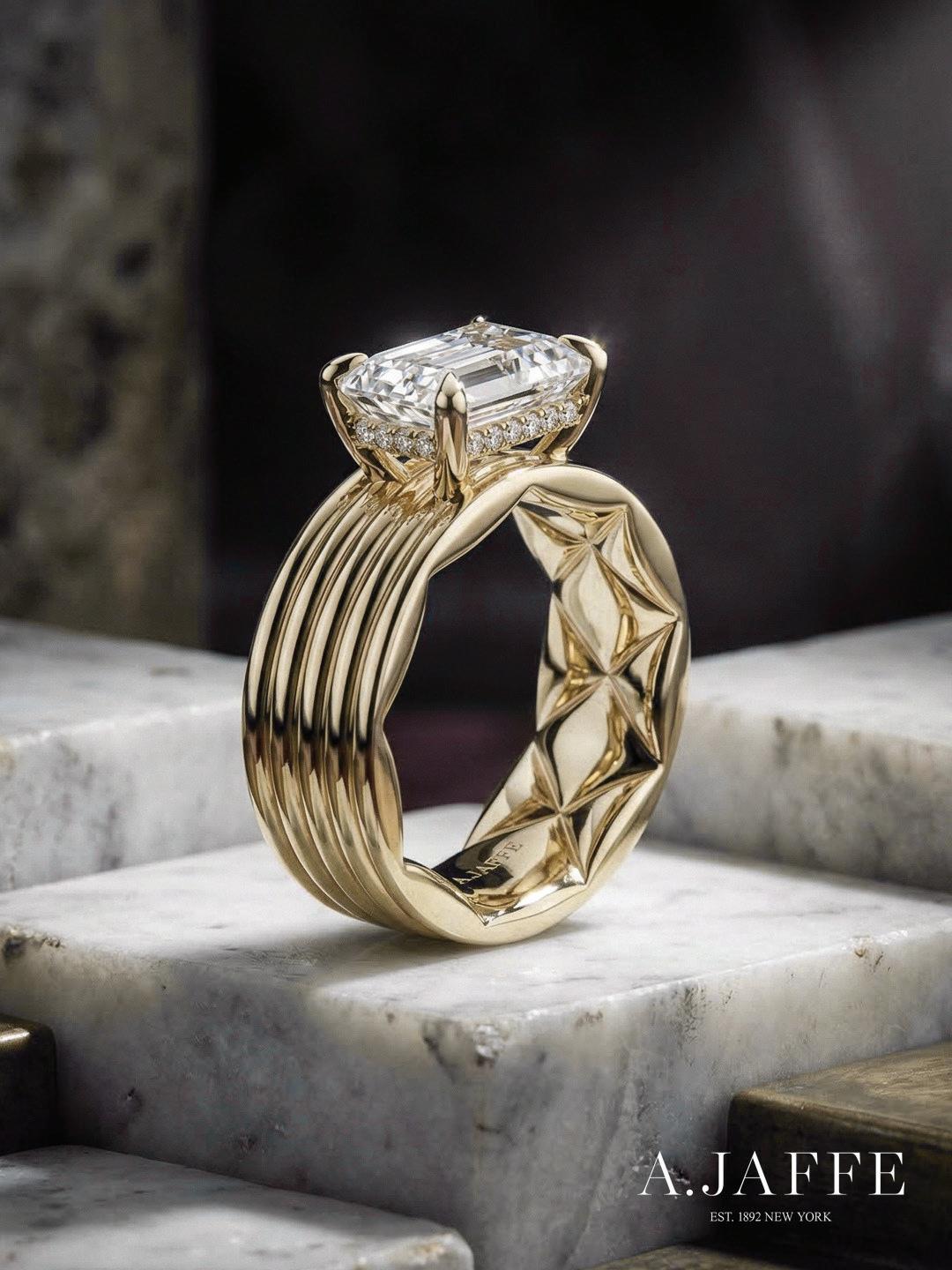
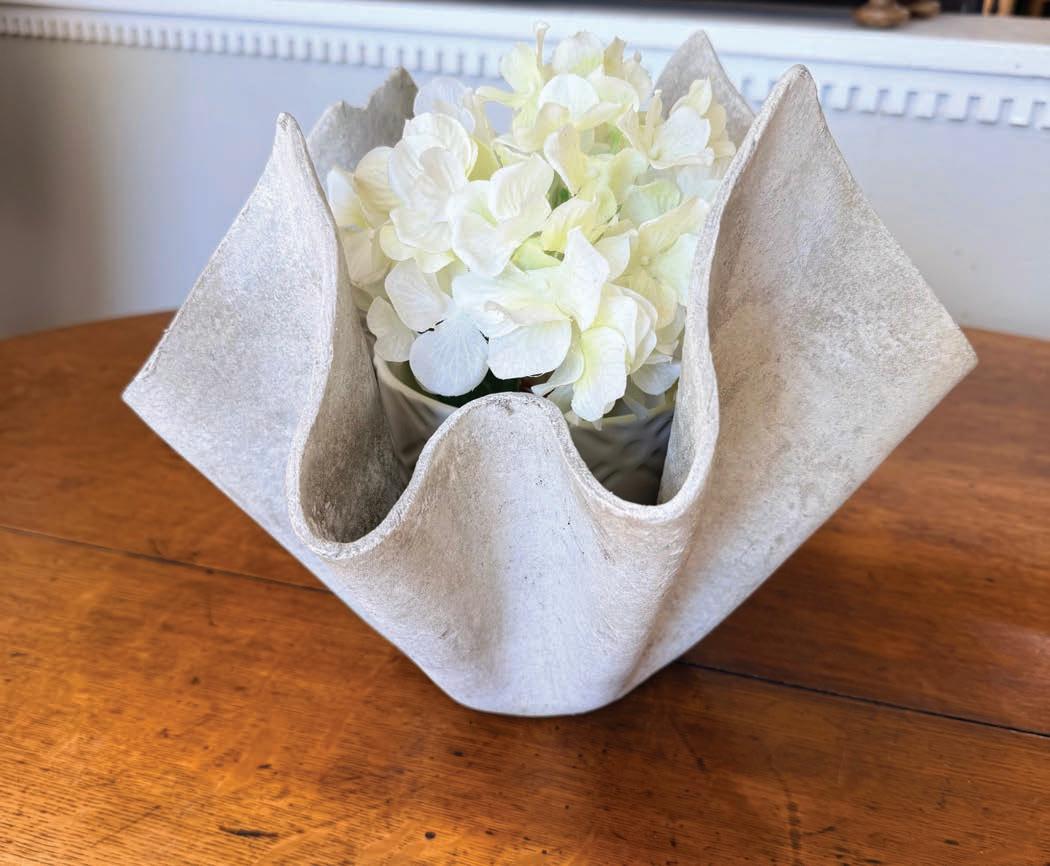
Written
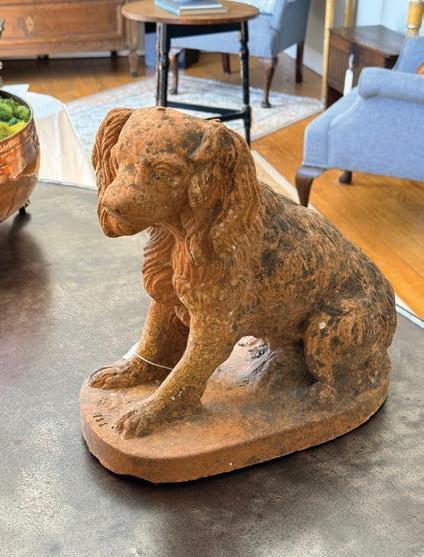
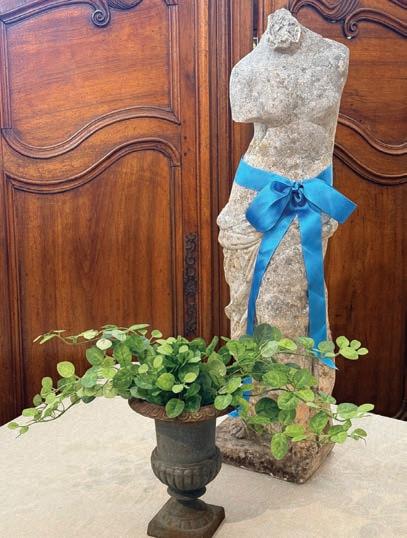
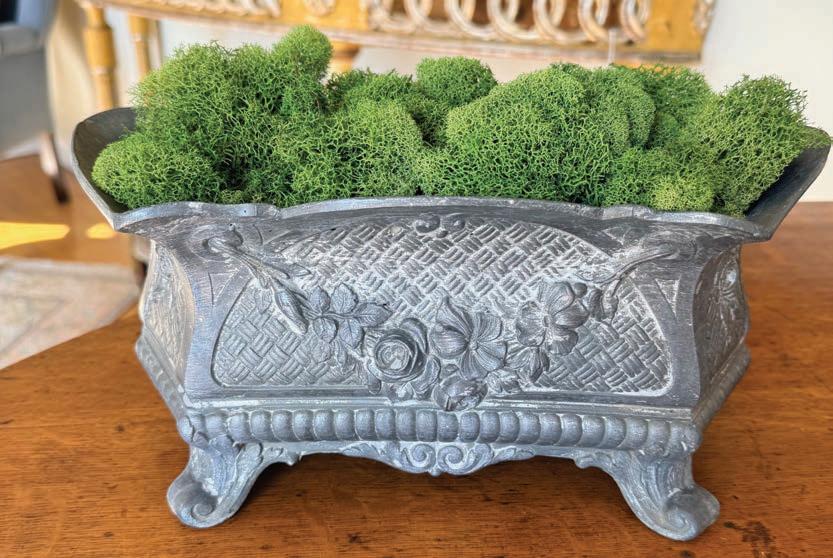
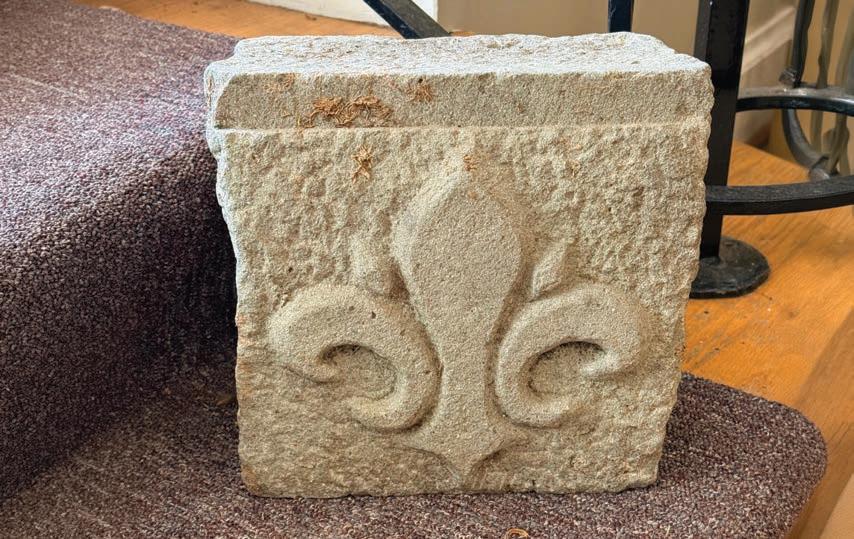
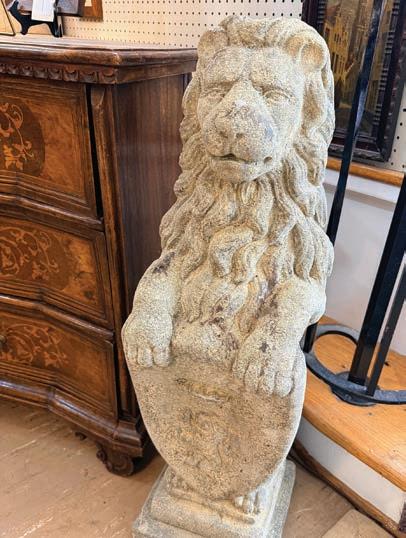
European garden antiques bring history, craftsmanship, and timeless character into today’s landscapes. From grand chateau terraces to intimate cottage gardens, these pieces were designed not only to decorate outdoor spaces but to express taste, culture, and a relationship with nature. Understanding their origins and characteristics helps collectors and homeowners appreciate why these objects continue to hold such appeal.
The roots (origins) of European garden ornament stretch back to ancient Rome, where villas incorporated sculpture, fountains, carved benches, and decorative urns into outdoor living spaces. Gardens were extensions of the home, designed for relaxation and entertaining.
Following the fall of Rome, gardens during the medieval period became more practical, especially in monasteries and castles. Decoration was simpler, though stone wells, seating, and courtyards still provided architectural interest.
The Renaissance, beginning in 15th-century Italy, revived classical design. Garden spaces once again became artistic statements. By the 17th century, formal gardens reached new grandeur in France, most famously at Versailles. These gardens emphasized symmetry and scale to create theatrical landscapes. In
contrast, 18th-century England moved toward a more natural garden style. Landscapes became softer and more romantic, featuring winding paths and ornaments meant to blend into plantings. The 19th century saw garden ornament become more accessible thanks to industrial production. Cast-iron seating, terracotta planters, decorative urns, and garden figures appeared in estates and middle-class homes alike. Many antiques available today date from this period of garden expansion.
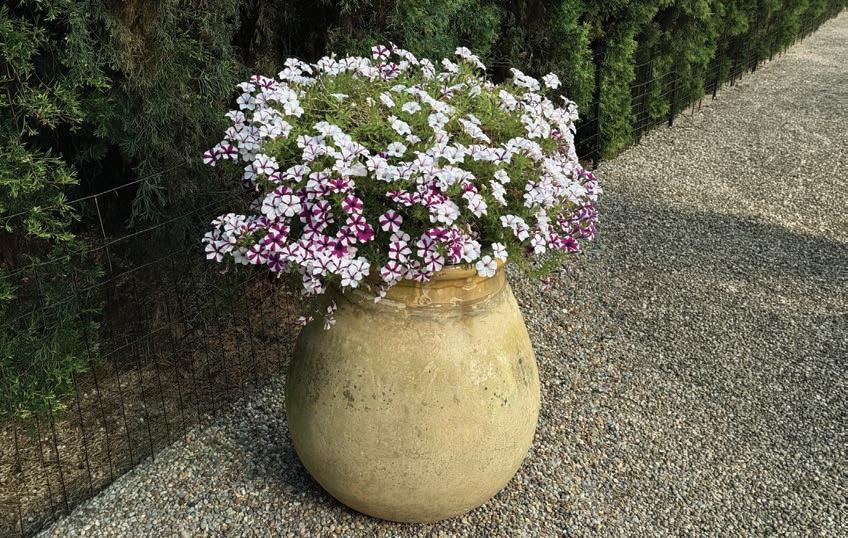
Authentic European garden antiques are typically made from materials built to withstand centuries outdoors. These examples include limestone, marble sculpture, lead figures and urns, cast-iron benches and planters, terracotta pots and ornaments, and wroughtiron gates and furniture.
A gardener’s delight, European garden antiques continue to appeal for their authenticity and permanence in outdoor spaces. Their craftsmanship, scale, and natural aging cannot easily be reproduced. These objects connect contemporary homes to centuries of landscape tradition. Today, collectors and designers seek pieces not only for their age but for their beauty, character, and ability to make gardens feel established and welcoming. sl




Rough, refined, and the anchor of one of San Antonio’s most dynamic cultural districts, Hotel Emma pays homage to a visionary woman.
Written by Bridget Cottrell / Photos Courtesy of Hotel Emma and Pearl
It’s quite the origin story.
Three Emmas, a murder, and a twice-scorned wife who rose above to become a powerful businesswoman in a peerless era. It’s safe to say you won’t likely find another hotel with a more made-for-TV backstory and where truth is stranger than fiction.
After Emma Koehler (b. 1858) was severely injured in an automobile accident, her husband, Otto, the President of Pearl Brewery in San Antonio, Texas, hired Emma "Emmi" Duke as a live-in nurse. The polyamorous Otto began an affair with Ms. Dumke and later with her friend, also hired as a caregiver, who also happened to be named Emma. Otto’s indiscretions ended up costing him his life, with the third Emma, Ms. Burgemeister, fatally
shooting him during a confrontation (she was later acquitted by an all-male jury – one of whom she later married).
After her husband’s death, Emma Koehler took charge of Pearl Brewery. She kept it running through Prohibition—the only brewery in San Antonio to do so—by expanding into dry-cleaning, auto repair, ice, soft drinks, and near beer. According to Michael C. Hennech of the Texas State Historical Association, “Within fifteen minutes after prohibition ended in Texas on September 15, 1933, 100 trucks and twenty-five boxcars loaded with Pearl beer rolled out of the brewery grounds.” Emma later guided the brewery through the Great Depression, retired in 1933, and continued to advise behind the scenes until her death in 1943.
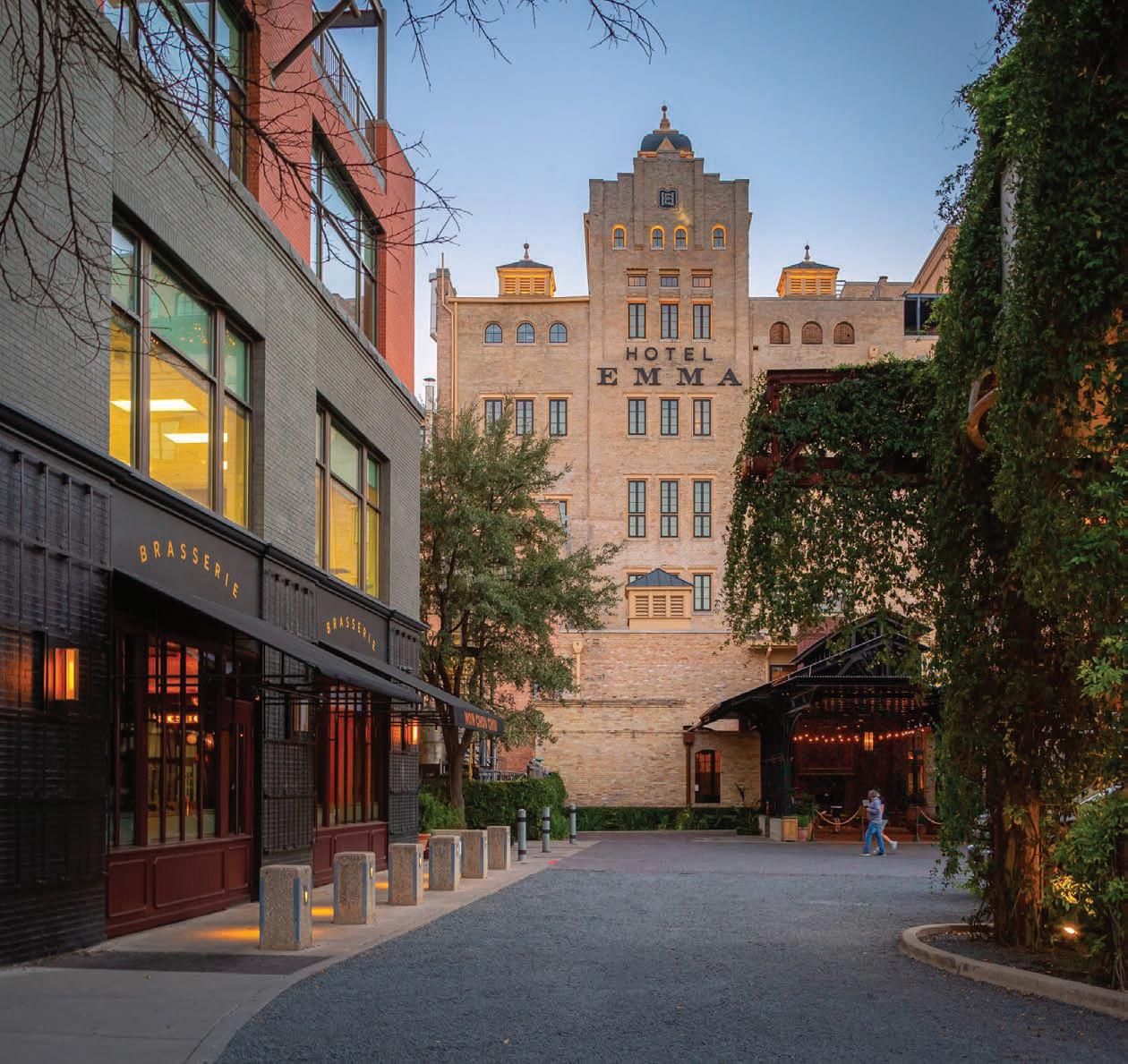
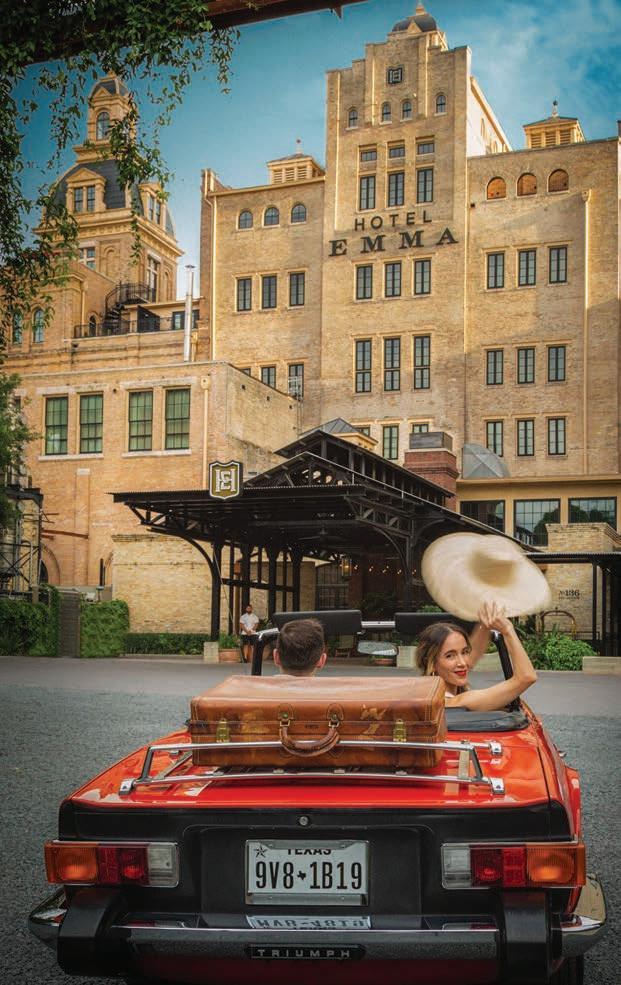
Production at the 22-acre distillery—whose handsome original circa 1894 structure, designed by Chicago architect August Maritzen in a distinctive Second Empire style with detailed brickwork and a prominent tower crowned with a cupola—ceased in 2001. The brewery, with all its original machinery in situ, was in disrepair when it was purchased by Silver Ventures, owned by San Antonio businessman Christopher “Kit” Goldsbury. Rather than raze the site and start from scratch, the project’s master plan took great pains to preserve the historic structures, highlighting the beauty to be found in the imperfections of earned hardscrabble excellence.
Today, Hotel Emma, which opened in 2015, sits at the heart of the larger and vibrant pedestrian-friendly, eco-forward, and multiple award winning Pearl community, which includes a campus of the Culinary Institute of America, Stable Hall, a performance venue created out of the original horse stables, sprawling farmers and makers markets, more than two dozen food and beverage concepts, the Pullman Market, an elevated, hyper-local Whole Foods. boutiques, upscale apartments, ample greenspace, Latin American and European-inspired plazas, and
more, with direct access to the San Antonio River Walk. Perusing Pearl’s eclectic mix of shops, like The Tiny Finch (thetinyfinch.com) and Dos Carolinas (doscarolinas.com), is a delight, with scores of stuff I don’t need but really want because it’s merchandised so beautifully, making me regret that I am a carry-on only girl.
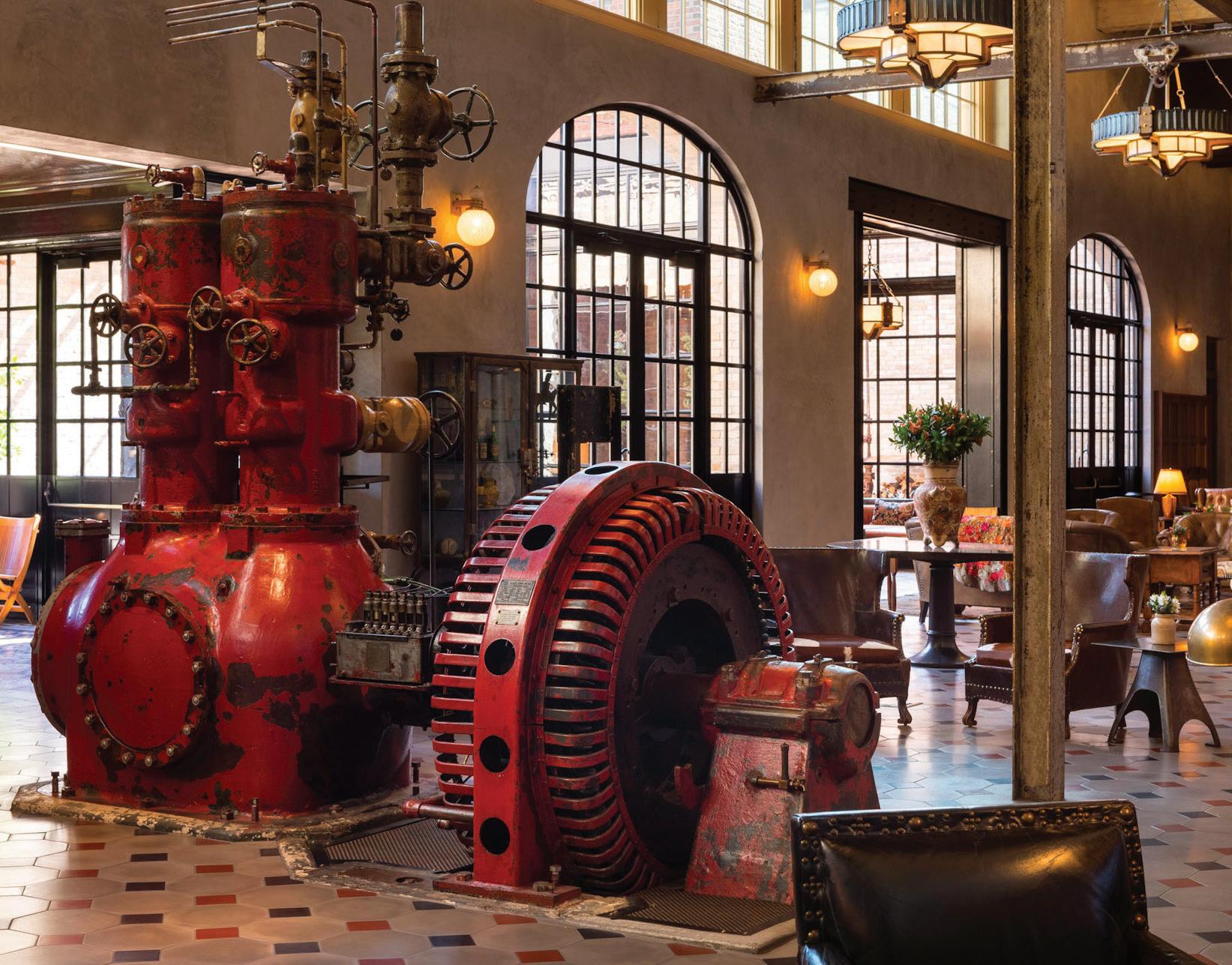
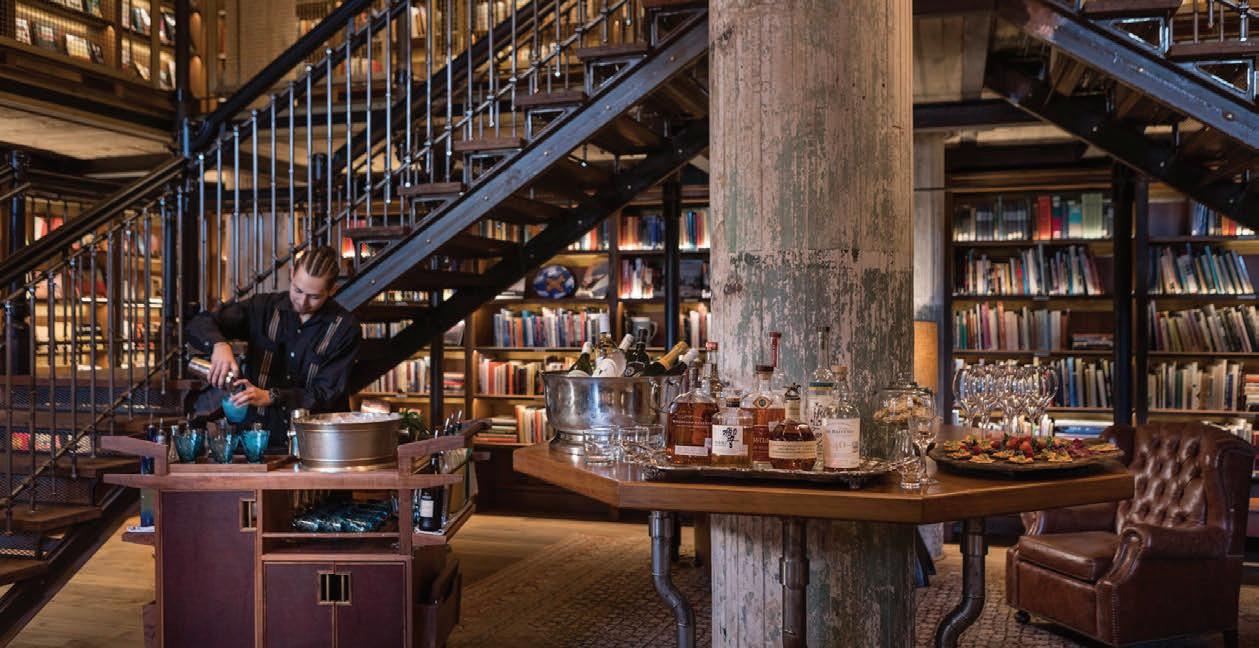
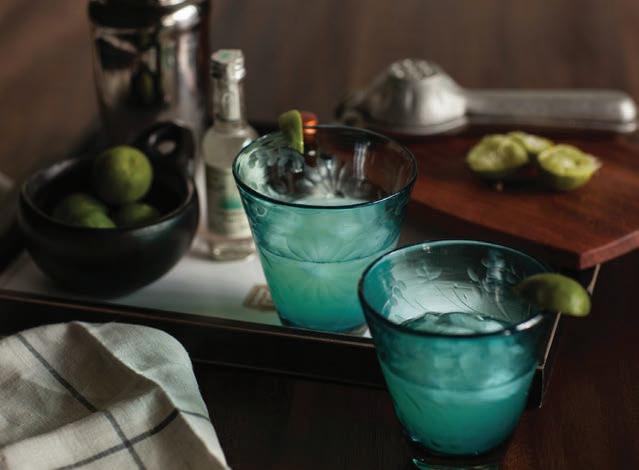
The intimate vestibule where check-in takes place makes the initial transition into the “industrial maximalism” of the lobby (formerly the brewery’s engine room), where extravagance lies in materials and scale, an awe-inducing moment. There is a palpable soul to the place, discernible in the preserved patina, including original machinery repurposed as décor and the Redondo cement tile floors that replicate the original. The guests milling about in the soaring ceilinged lobby are quite diverse, from gearheads geeking out over an old compressor, to a student quietly reading at a communal table near the entrance to a two-story library holding a curated selection of 3,700 books, and a couple cozied up in front of the fireplace enjoying a welcome La Babia margarita. After finishing my own, I couldn’t resist picking up a set of the handmade turquoise etched glasses they’re served in at the gift shop.
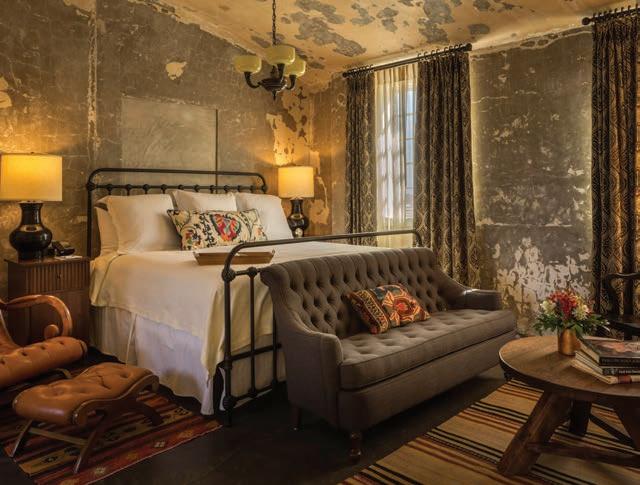
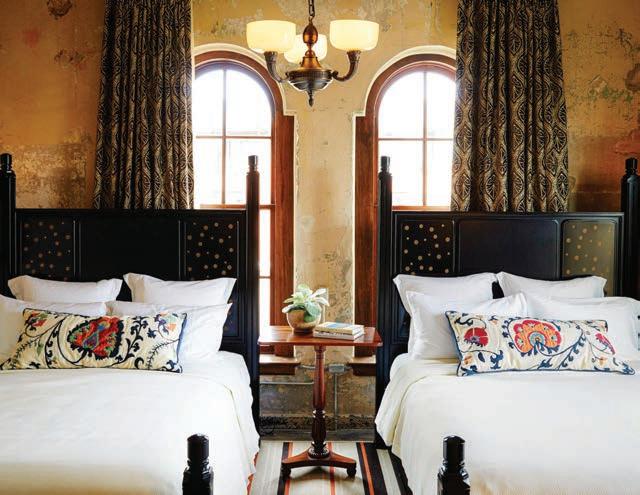
Hotel Emma boasts 146 guestrooms, including 11 distinctive suites. After staying in the two-story Emma Koehler suite, one of seven on the top floor, Cher is reported to have said she’d love to play its namesake in a biopic. The juxtaposition of high-low continues in the spacious accommodations, with hand-crafted furniture and accents, and preserved historical elements. A Poolside Provisions food truck is situated next to the rooftop pool, offering light bites and refreshments.
As strident as Hotel Emma’s commitment to historic preservation is their emphasis on elevating artists and makers. From blacksmith Robert Diaz de Leon of FLUX metal studio, tasked with creating pieces from monumental to demure and decorative, to Kevin Elkins of Soular Therapy, who was tasked with creating a signature scent for the hotel, every nook and cranny is treated as a chapter in a cohesive, compelling story. And, once your eyes are trained to delight in the details, you notice tooled leather panels in the elevator, hand-made glazed tiles in bathrooms, blown-glass sconces, and thoughtfully sourced vintage furniture and fixtures. While Spanish influences were expected, I was surprised to learn that Germanic references harken back to the late 19th century, when German immigrants constituted one-third of San Antonio’s population.
Thoughtful touches extend beyond the interior design. I appreciated the refined ritual of having morning slow-pour coffee delivered rather than fumbling around with an in-room machine. A daily text outlines the goings-on in the hotel in the larger Pearl district. A Culinary Concierge is on-site to help organize everything from a guest chef-led dinner in a private suite to escorting guests to pop-up dinners.
San Antonio was designated a UNESCO Creative City of Gastronomy in 2017, with Hotel Emma and Pearl fortifying this gastronomic legacy, via a thriving ecosystem where nationally recognized James Beard Award semifinalists and winners, such as Jennifer Hwa Dobbertin (Best Quality Daughter and Jue Let) and Nicola Blaque (Freight Chicken), continue to elevate San Antonio’s culinary profile.
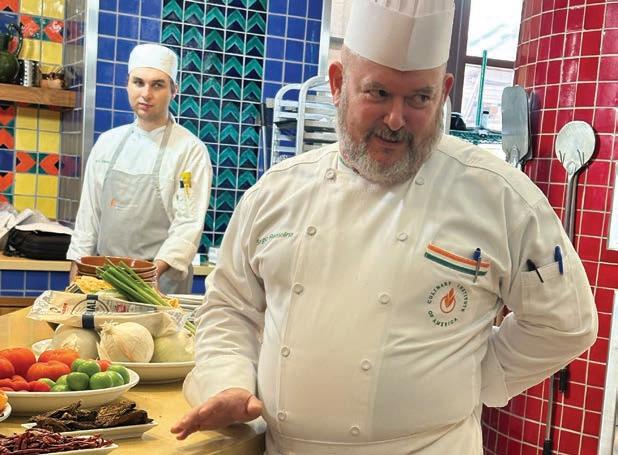
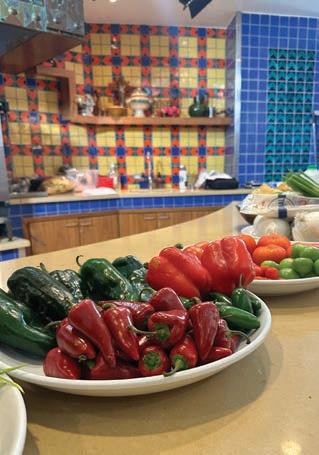
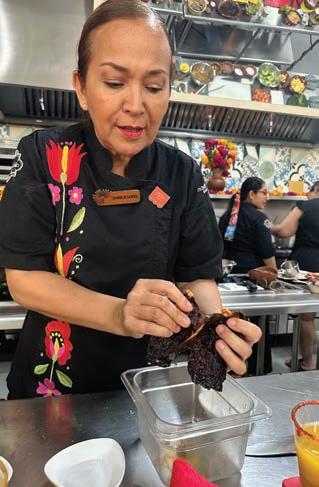
Foodies and home gourmands shouldn’t miss the opportunity to rub elbows with the world-class instructors at the Culinary Institute of America, with programs ranging from an afternoon to five days. During our fire-roasted guacamole-making extravaganza, we enjoyed a playful ribbing from the toque-topped French and Mexican instructors about the cleanliness (or lack thereof) of our stations and our subpar knife skills.
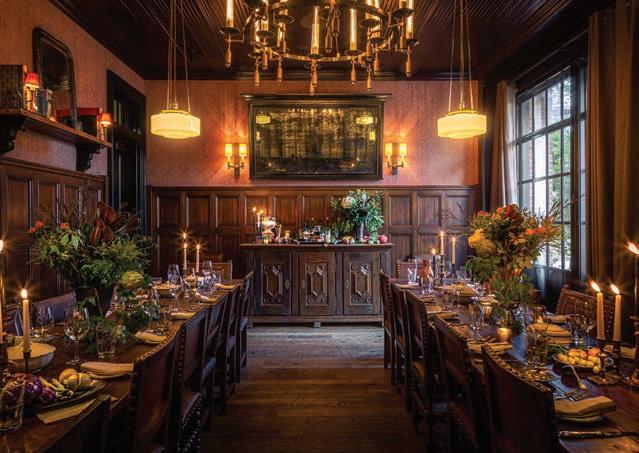
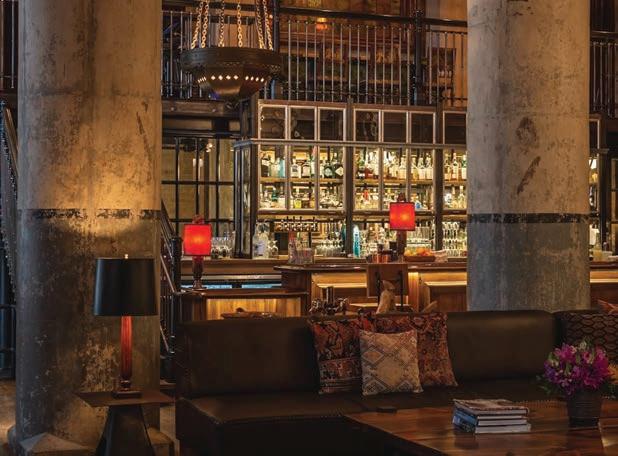
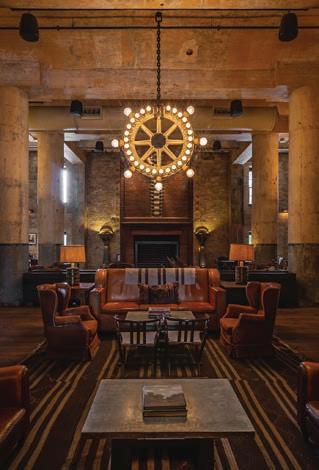
At Hotel Emma, the industrial-chic aesthetic at the Sternewerth tavern projects Steampunk vibes with repurposed cast-iron fermentation tanks used as intimate seating alcoves, original steel beams, a staircase and stone pillars, whipstitched buffalo leather sofas, and a chandelier made from an old bottle-labeling machine. Sip on the witty “Three Emmas” cocktail, a blend of lager beer and rose cordial, Amontillado sherry, gin, grapefruit, and lemon, while the mixologist spins a gossipy yarn.
A pair of specially commissioned still life paintings by Lloyd Walsh gracing the dining room at Supper imagine Emma’s and Otto’s dinner tables. Chef John Brand offers seasonally driven, reimagined American classics that meld comfort food with global influence. In the adjacent Swiggle Key private dining room, a sideboard holds vintage China designated specifically for this space.
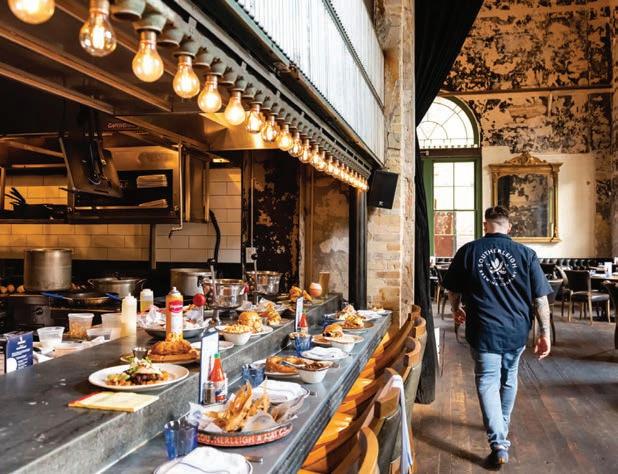
Led by Galvaston native Jeff Balfour, Southerleigh Fine Food & Brewery features an on-site brewery, an oyster bar, and elevated Texas’ cross-cultural cuisine like fried snapper throats and crab-spiked mac and cheese. Jeff and his wife, Allison, who co-founded Southerleigh Hospitality Group along with Frenchmen Jerome Serot and Philippe Placé, were named Outstanding Restaurateur of the Year at the 2025 Texas Restaurant Association Awards. The group also operates
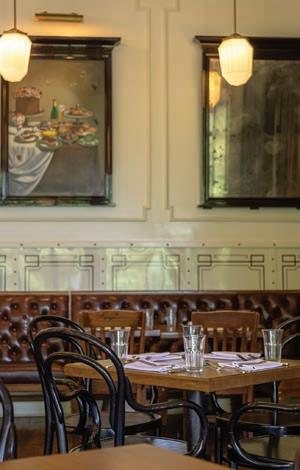
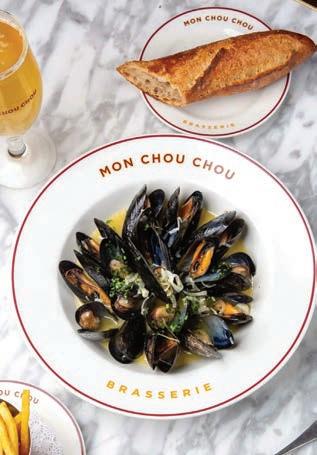
the French restaurant Brasserie Mon Chou Chou, located near the motor court entrance to Hotel Emma. At the start of our meal, Serot explained that the concept was designed as a “palate cleanser” to counter the predominance of Tex-Mex cuisine in the area. “Our beautiful adventure begins with Chef Laurent Réa, a native of Alsace, whose cuisine looks, feels, and tastes like home,” he commented.
One of the most unique dining experiences at Pearl is found at Nicosi, an intimate eight-course dessert experience that unfolds like culinary theatre. Guests queue outside the door, where an attendant provides a camera cover for cellphones. A black curtain pulls back, and guests sit at an elevated counter lining a central staging area where all manner of gastronomic wizardry is performed, pushing the boundaries of acid, umami, bitterness, and sweetness in desserts.
Thoughtful touches extend to departure, when guests are given a silver elephant Milagro, created by metalsmith Alejandro Sifuentes and inspired by the hotel’s Elephant Cellar, an event space where the original towering beer tanks with upraised pipe “trunks” once reminded brewery workers of elephants. While Hotel Emma is hard to forget, this good-luck charm and symbol of remembrance inspire me to never look at a piece of industrial machinery or scrap the same way again. sl For more information, visit thehotelemma.com
Compiled by Bridget Cottrell and Lee Milward Fresh Finds for Spring
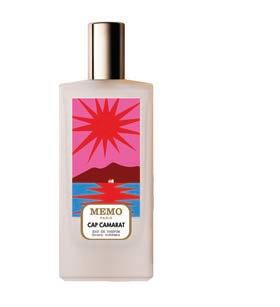
Paris x Olimpia Zagnoli Cap Camarat Eau de Parfum ($340; us.memoparis.com)
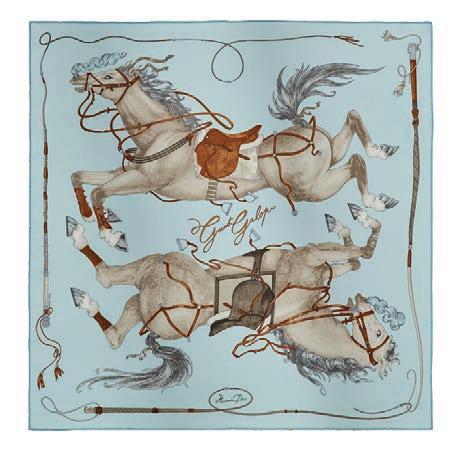

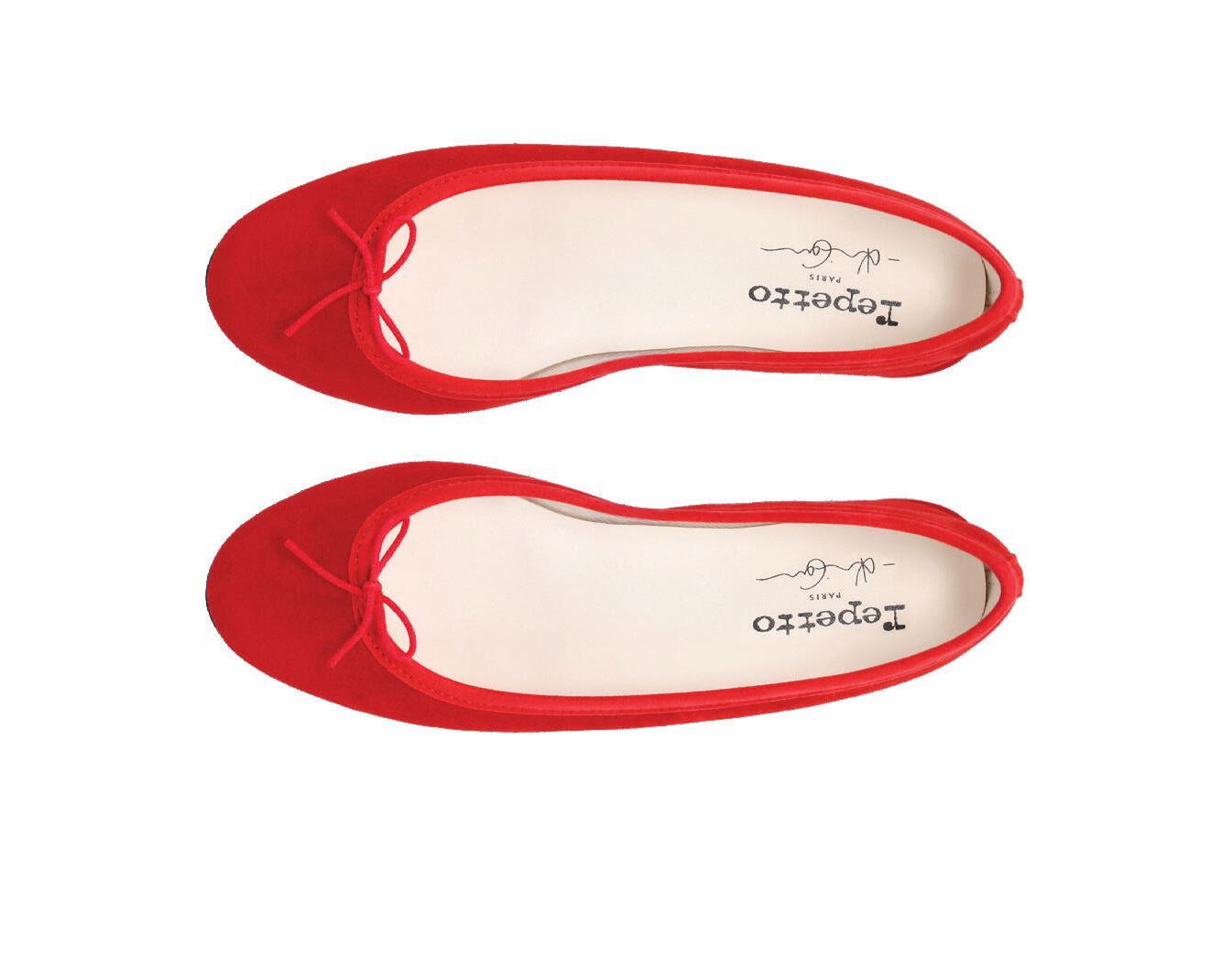
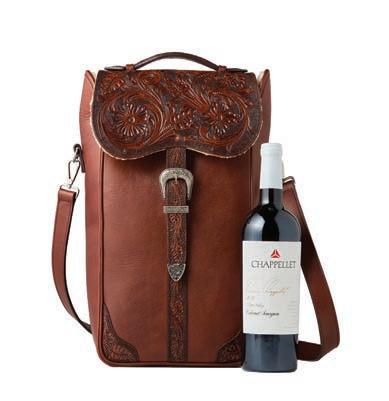

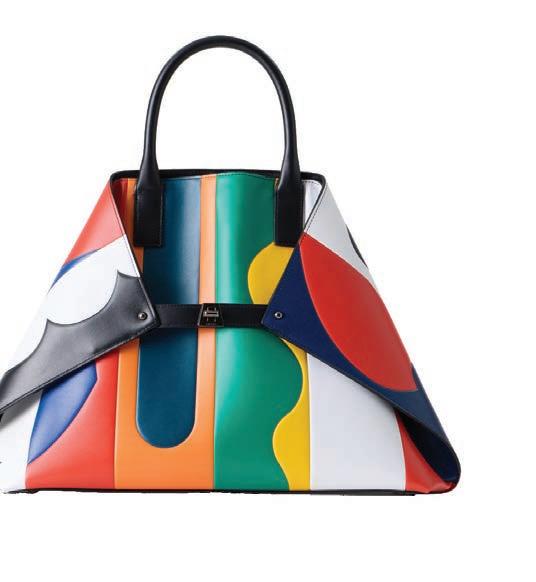

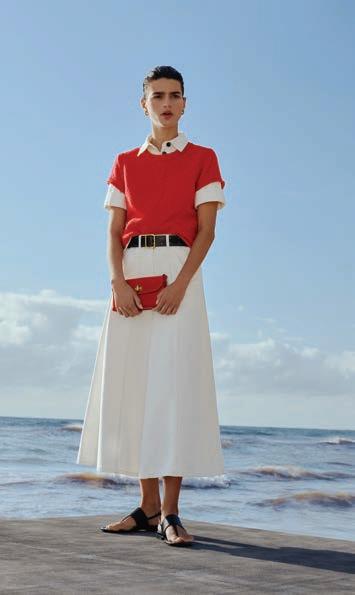
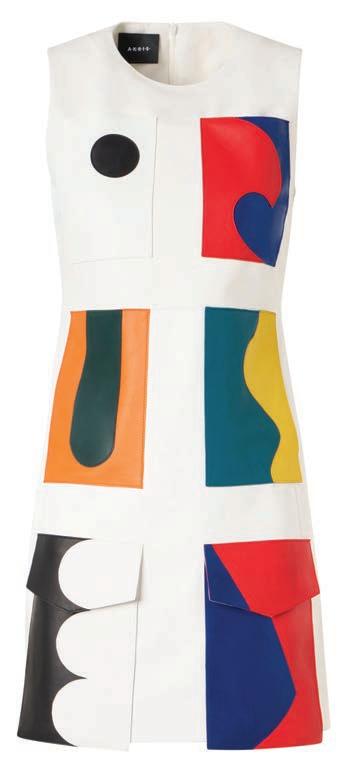
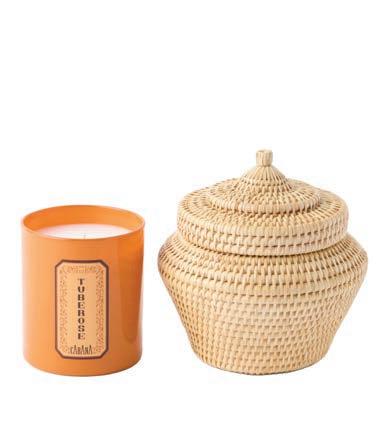

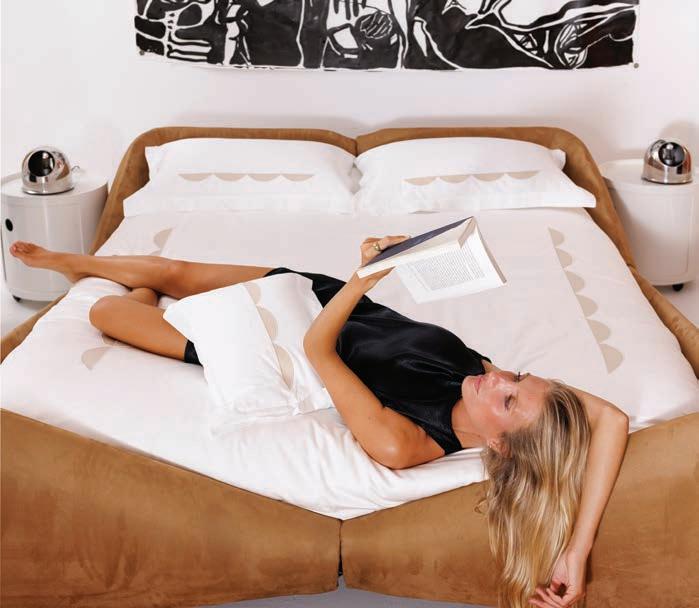

Compiled by Bridget Cottrell
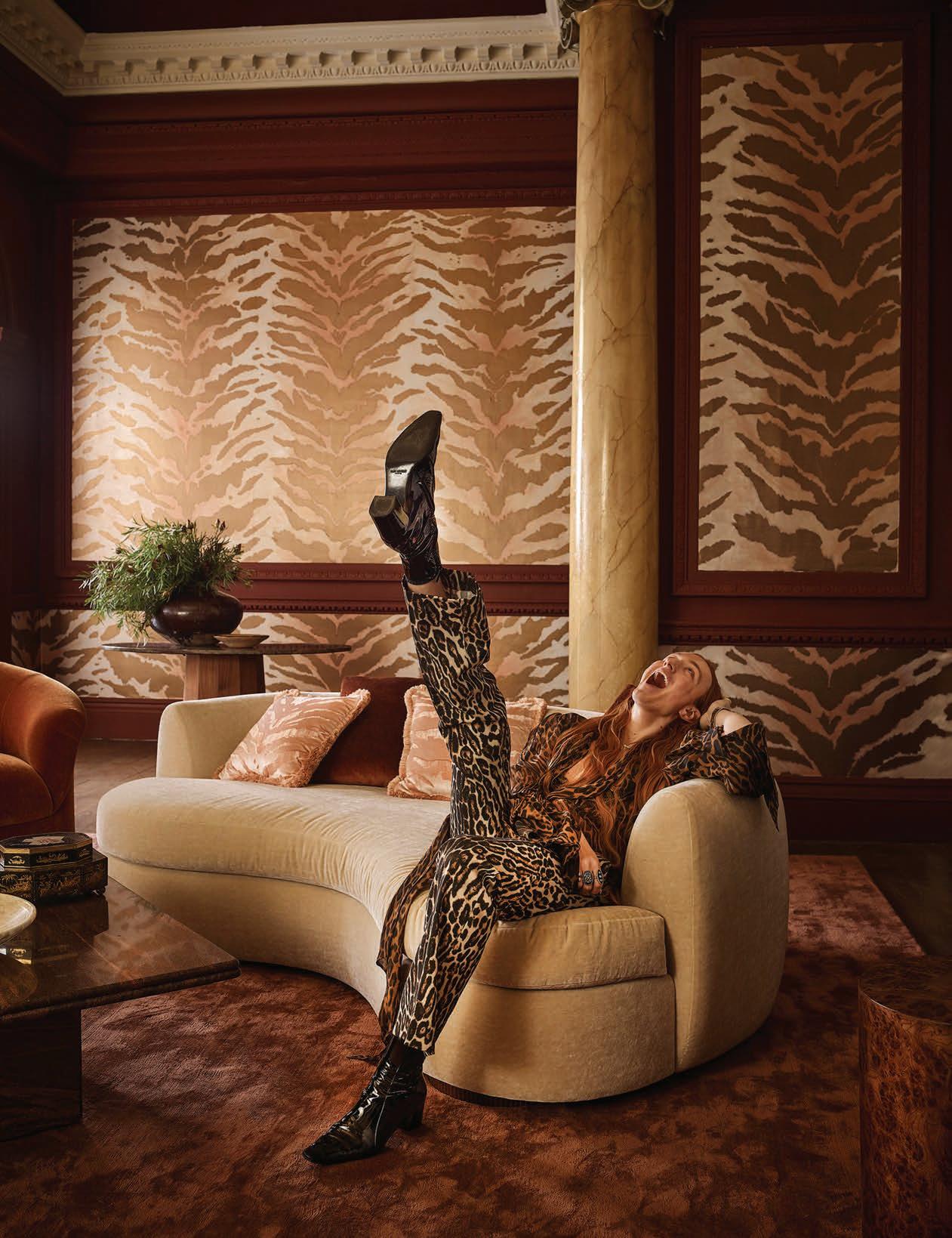
A collaboration in the truest sense, Fromental x Harris Reed began in Harris's personal apartment, where Fromental helped bring Reed’s interior vision to life with custom wallcoverings (Ambiguous Tiger in Nuanced Copper is shown). That work evolved into a creative partnership spanning three runway collections. The SS26 collection last September served as the creative foundation for a recent homewares launch that includes wallcovering designs with hand-painted and handembroidered detailing, cushions, and a throw in a tiger print (fromental.com/en-us/collections/harris-reed-wallcoverings).
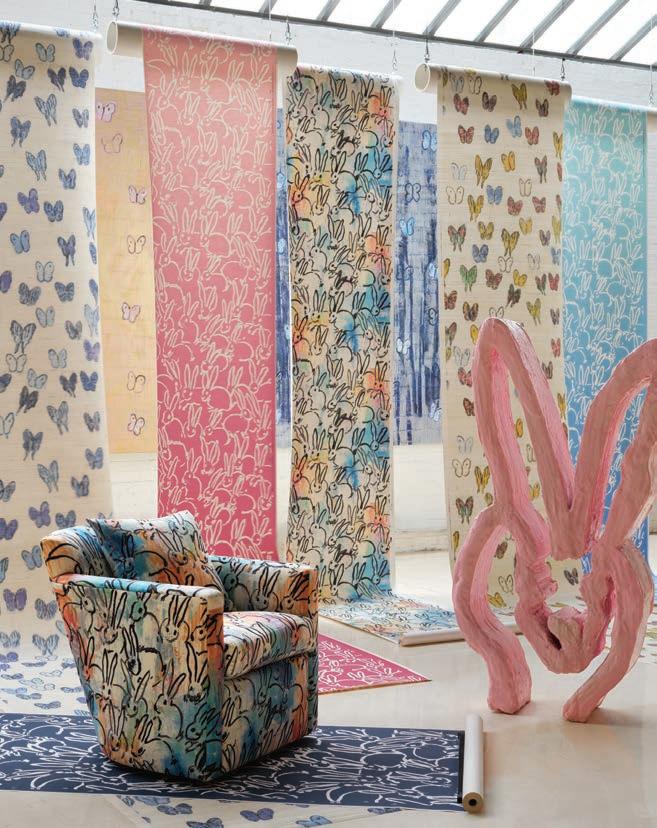
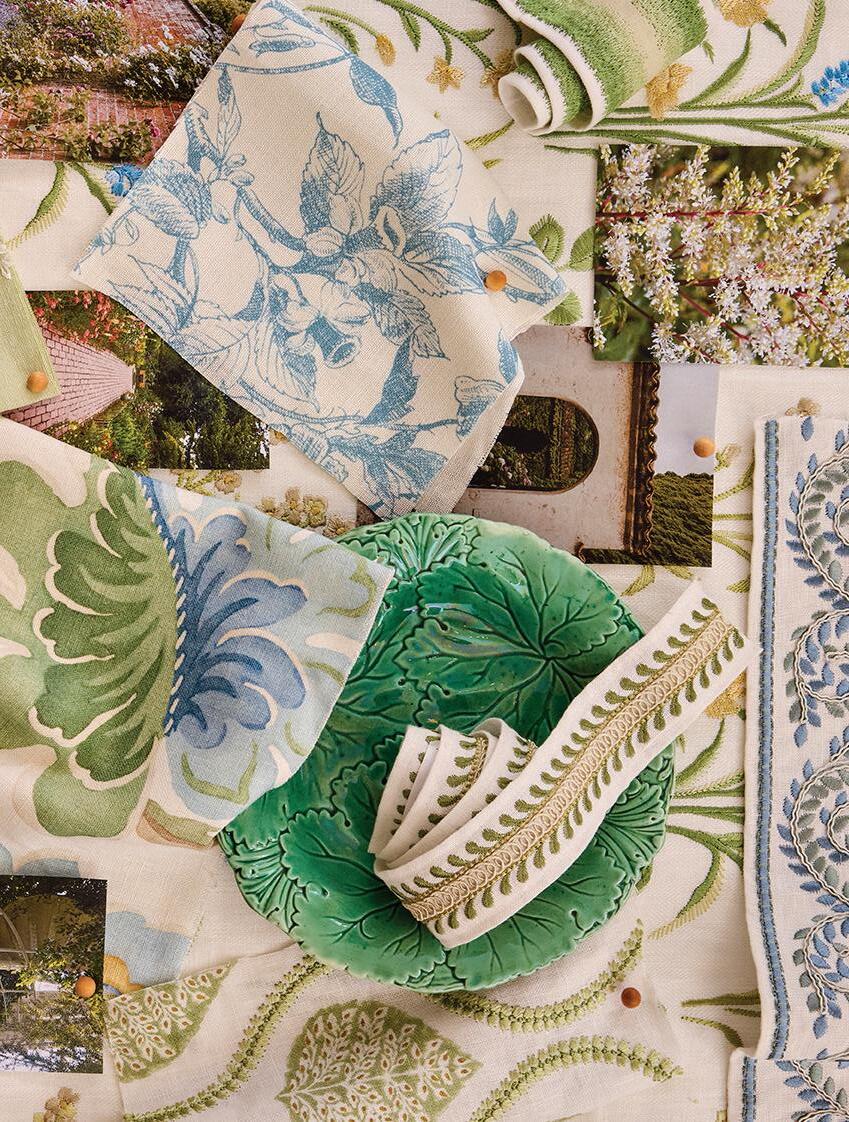
Artist Hunt Slonem, renowned for his signature bunnies, butterflies, and bold brushstrokes, recently debuted Belle Terrre, a wallcovering and textile collection with Lee Jofa Modern (kravet.com/lee-jofa-modern).
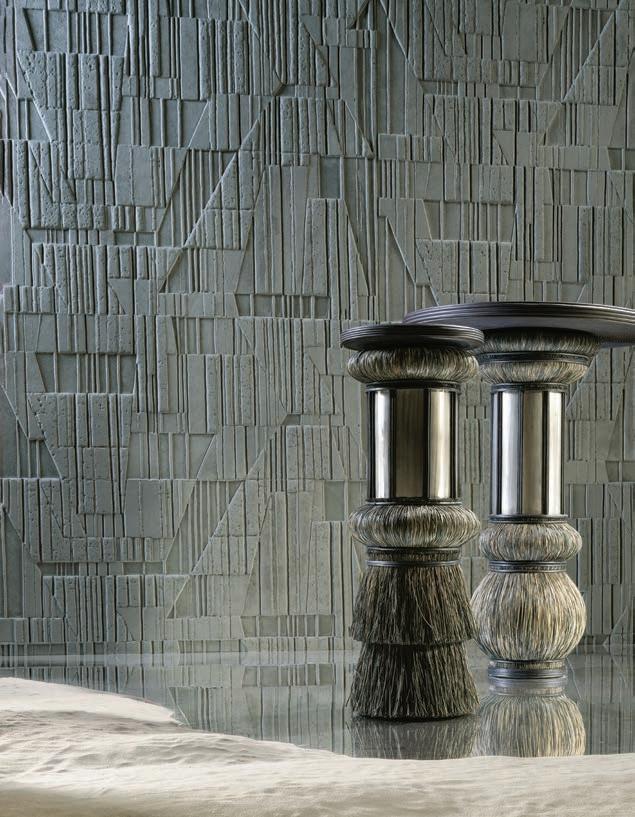
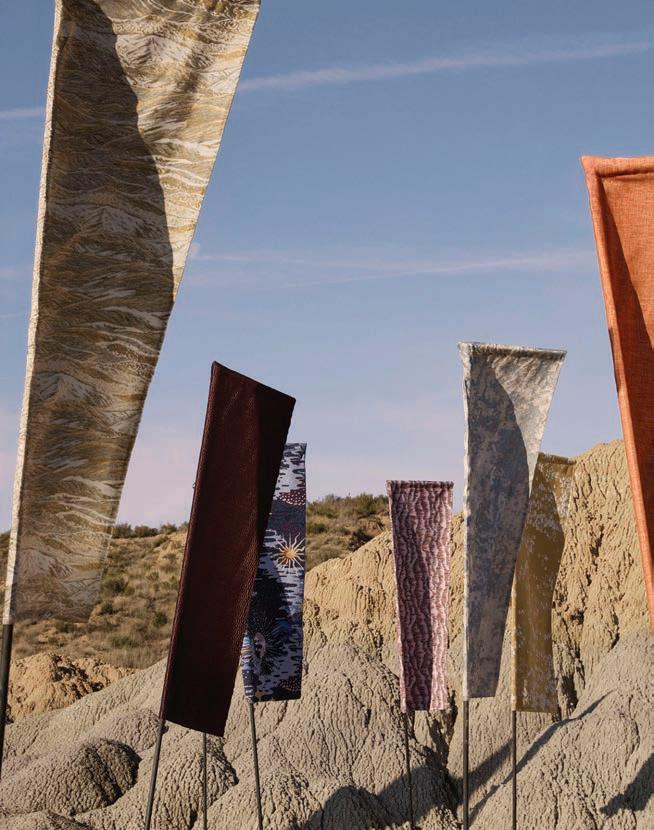
Unveiled at Milan Design Week Belgian brand Arte’s latest collection, created in collaboration with Sagarminaga Atelier, transforms natural fibers into architectural artworks (arte-international.com).
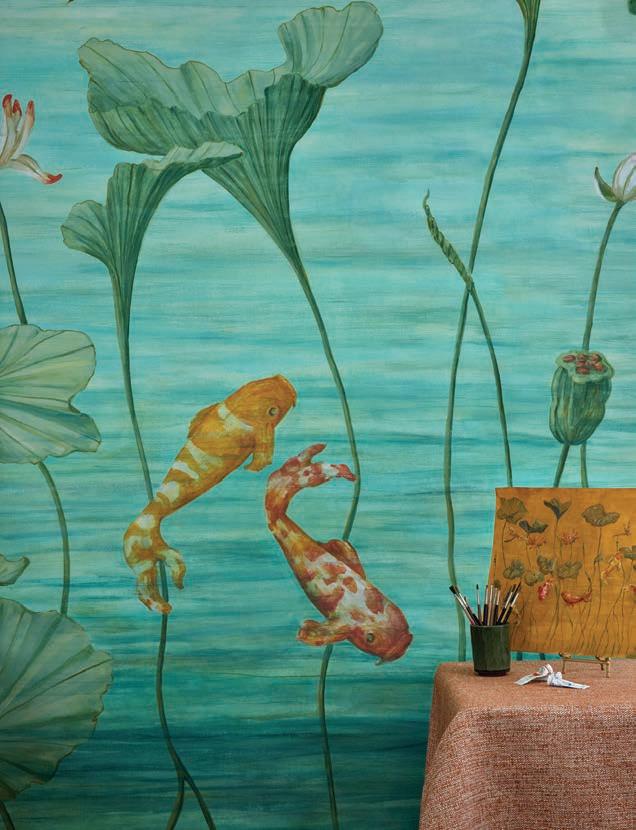
Brunschwig & Fils partnered with a renowned English mill to bring their Les Paysages Mural collection to life, transforming a master scenic painter’s hand-painted visions into digitally printed murals that capture every subtle detail of the original art (kravet.com/brunschwig-fils).
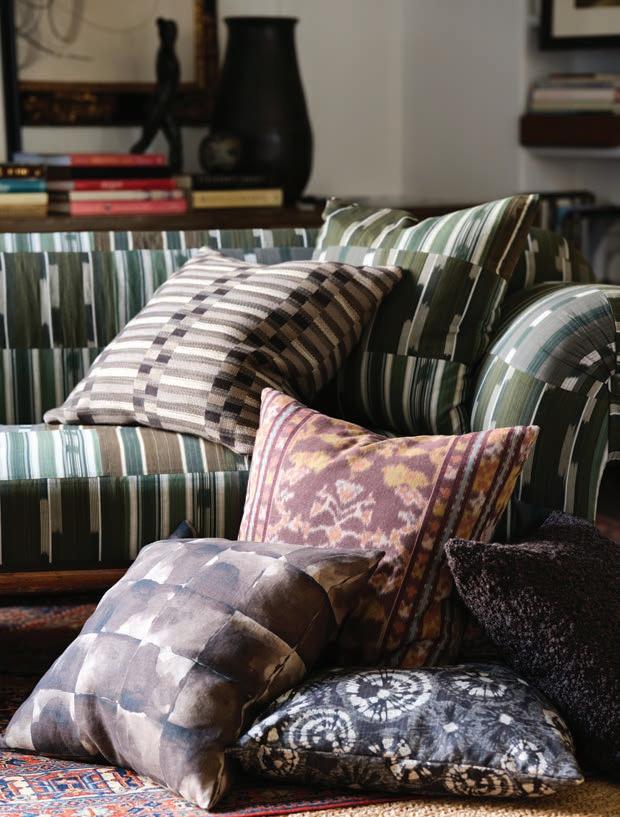
Inspired by his Spanish roots and a lifetime of discovery, Alfredo Paredes infused the Cocuyo collection for Kravet Couture with the spirit of his journeys. The collection’s earthy palette and tactile surfaces celebrate the beauty of weathered textures, handcrafted artistry, and the understated charm found in well-loved spaces. (kravet.com).
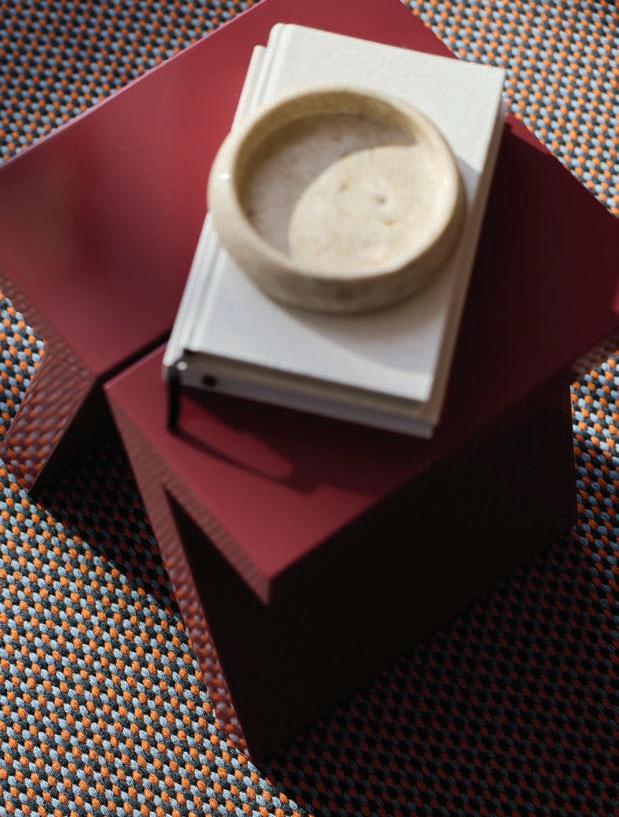
Launched at Milan Design Week, Bonbon from Kastall was designed with international design studio Barber Osgerby. In hues like Berry, Rhubarb, Lemon, and Damson (shown), the rug layers tone-on-tone yarns for depth, ending in a triple-shuttle looped edge that feels tailored and tactile. Designed to energise architectural interiors, Bonbon brings a touch of play to personal spaces, or as Edward Barber suggests, would make “the perfect rug for a kids’ room.”(kasthall.com)
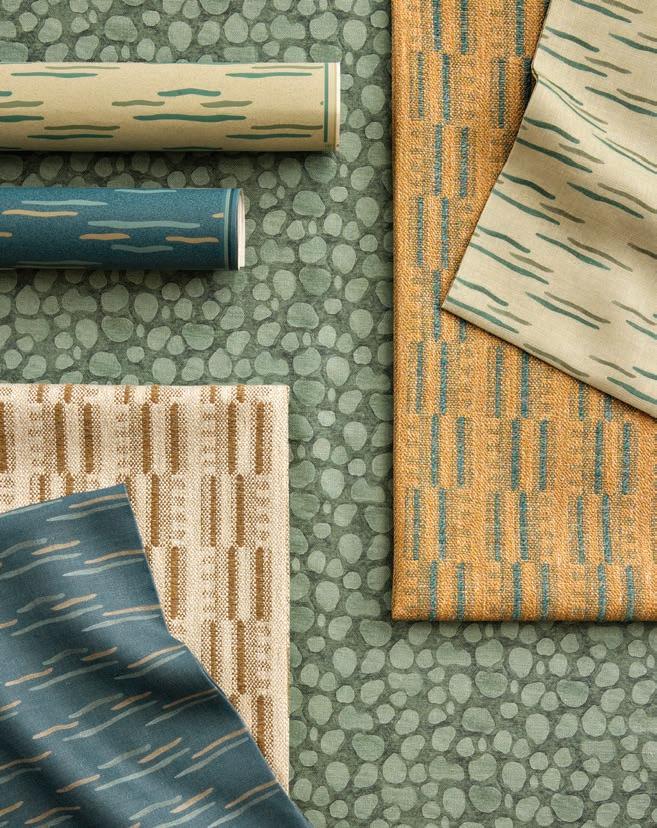
The Tela collection, designed by Kelly Wearstler for Lee Jofa Modern explores the interplay between structure and movement, resulting in fabrics that feel both grounded and kinetic (kravet.com/lee-jofa-modern).
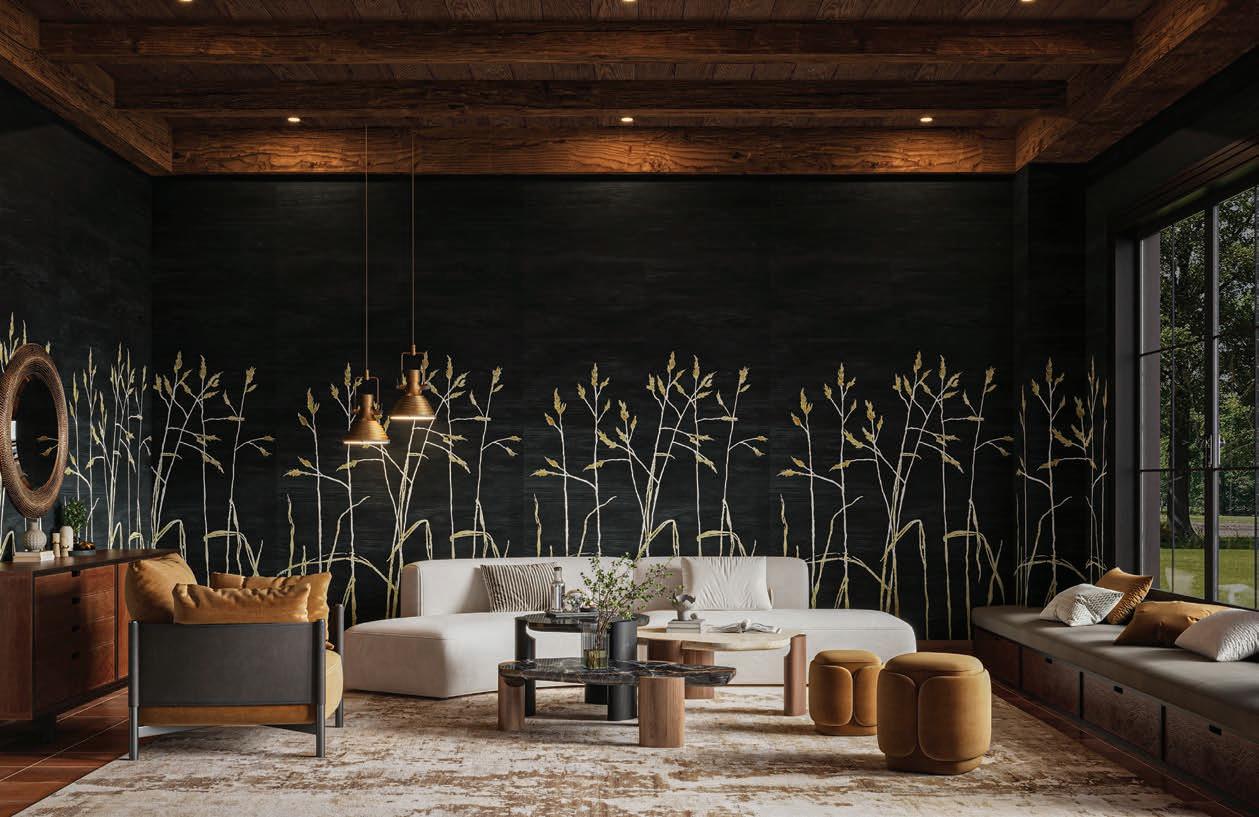
New from Innovations, Torino’s towering grasses are rendered in stunning detail in this four-panel mural, using a combination of etching and laser cutting on wood veneer to create layered depth and rich texture (innovationsusa.com).
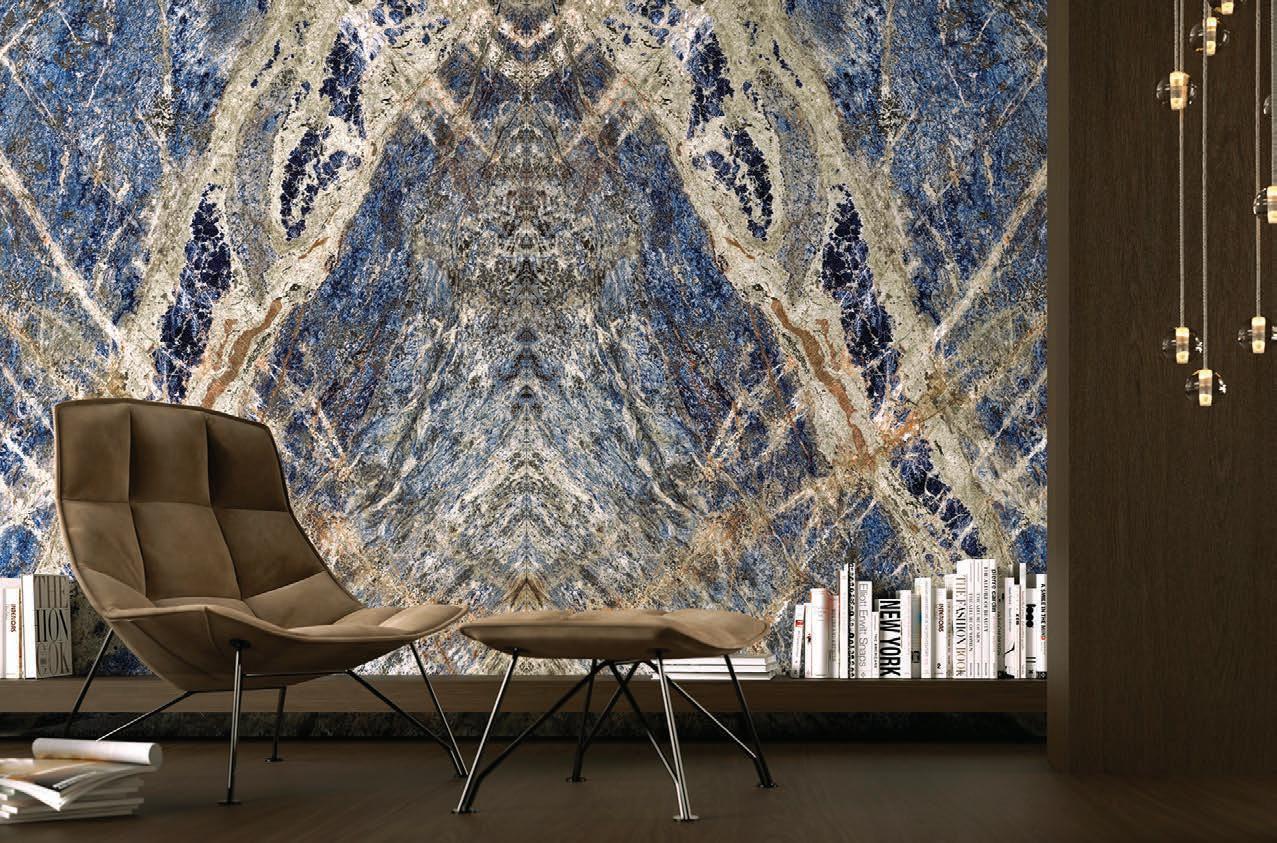
Available in a polished
and elegant mineral-style veining (xtone-surface.com)
French brand Métaphores unveils Belle Étoile, a collection crafted by Émilie Paralitici, Director of Creation and Image, who draws on celestial inspiration to weave the tale of a world journeying through the cosmos (metaphores.com/en).
Inspired by 19th and 20th century documentary textiles,
Written by Bridget Cottrell
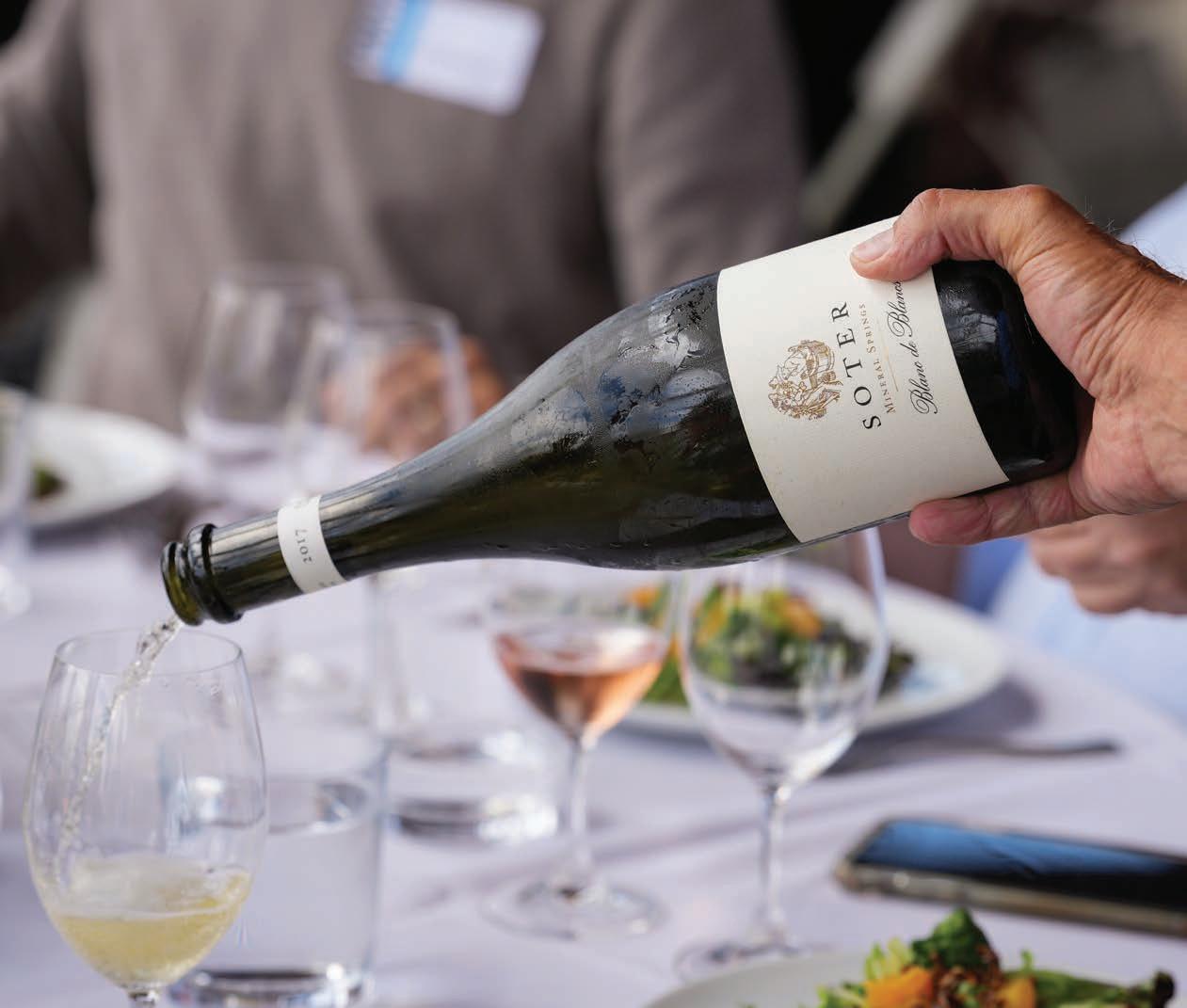
In March, a growing coalition of Oregon sparkling wine producers came together to launch Method Oregon, a nonprofit focused on making Oregon known for top-quality traditionalmethod sparkling wine and sharing the story of the state’s fast-growing bubbles scene.
Method Oregon was created by sparkling winemakers for sparkling winemakers, uniting over 45 wineries from across the state. The group includes both longtime producers and new brands, all dedicated to making outstanding traditional-method sparkling wine. Their goal is to highlight great wines, sustainable farming, and the unique character that sets Oregon sparkling wine apart.
“Oregon sparkling wine has reached a tipping point,” said Andrew Davis, a founding board member for Method Oregon, winemaker for Lytle-Barnett, and the founder of Radiant Sparkling Wine Co. “After decades of experimentation and innovation,
producers across the state are crafting traditional method wines that stand confidently among the best sparkling wines in the world.”
At the heart of this effort is the Method Oregon mark, a symbol that shows which wines meet some of the strictest standards for traditional-method sparkling wine production worldwide. Wines bearing the Method Oregon mark must use only Oregon-grown grapes from the Willamette Valley, Columbia Gorge, or Southern Oregon AVAs, be made using the traditional method with a second fermentation in the bottle, and age for at least 24 months en tirage and list a disgorgement date on every bottle. These rules are stricter than those in many famous sparkling wine regions.
Starting in 2029, Method Oregon wines must use grapes grown with only OMRI-approved organic inputs or come from LIVE-certified vineyards that do not use synthetic herbicides. Labels will also need to show disgorgement dates and AVA information for more transparency.
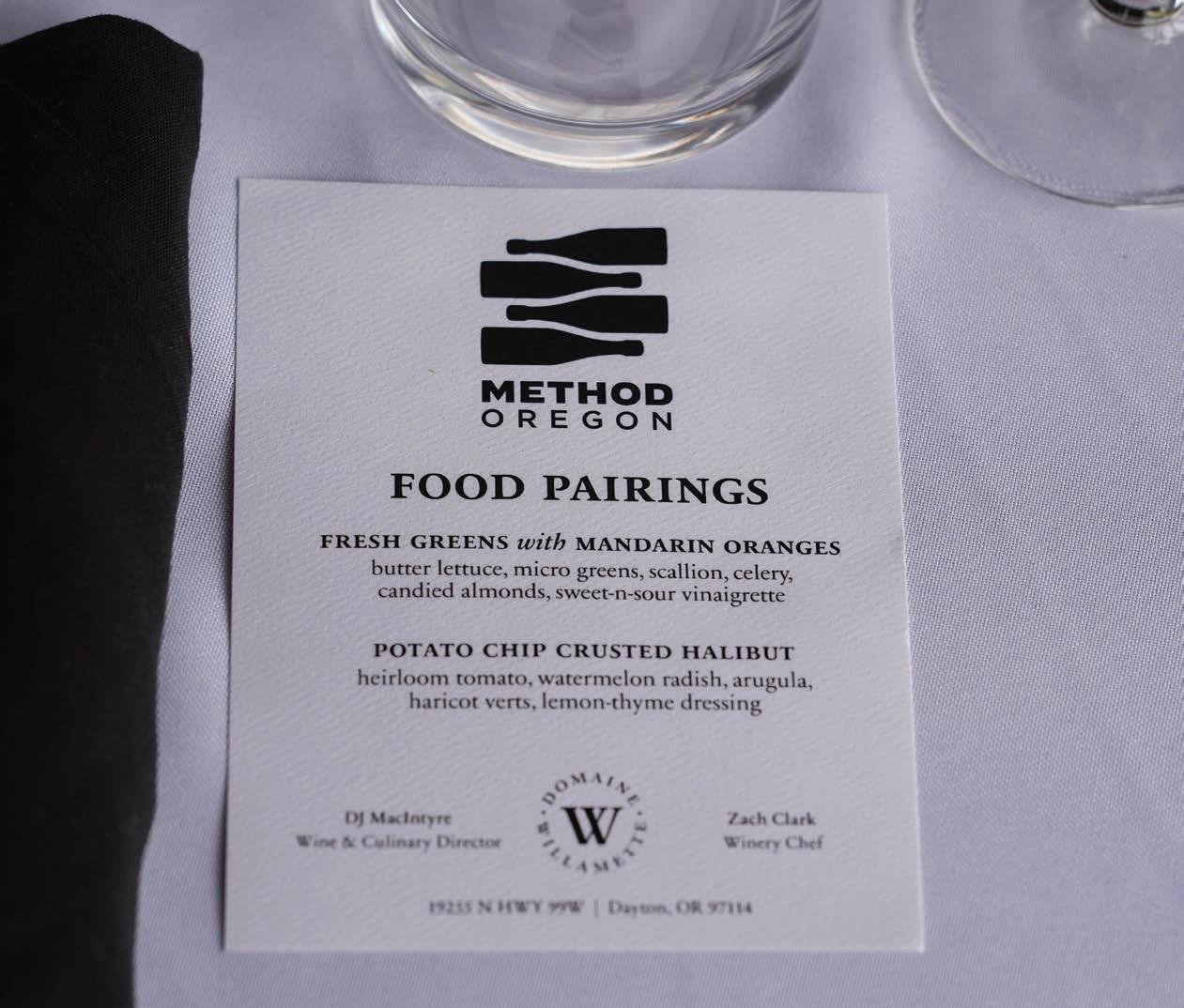
Oregon’s climate and landscape are ideal for making traditionalmethod sparkling wine. The Willamette Valley’s cool weather, long growing season, and marine influence help grapes keep their natural acidity and ripen slowly. Southern Oregon and the Columbia Gorge also have great spots for sparkling wine, thanks to higher elevations, wind, and cooler conditions. Big temperature swings and different soils let grapes develop rich flavors while keeping the bright acidity needed for sparkling wines that age well.
Pinot noir and chardonnay, Oregon’s most common grapes and the classic base for traditional-method sparkling wine, have grown well there for over 60 years. This has led to sparkling wines that are fresh, structured, and feature a unique Oregon fruit character that ages well and wins awards. For instance, in 2024, five Oregon traditional-method wines made Wine Enthusiast’ s Top 100 list.
To help people discover Oregon’s sparkling wines, Method Oregon offers the Method Oregon Trail Map (methodoregon.com/
trail), an interactive guide to tasting rooms across the state. You can filter wineries by region and experience type.
This summer, Method Oregon will hold its second annual Grand Tasting Weekend, an annual event in the Willamette Valley celebrating Oregon’s traditional-method sparkling wine. The 2026 event is set for July 24 to 26 and will feature an educational panel led by Ray Isle, Executive Wine Editor of Food & Wine , guided tastings, tours of production facilities, a “Bubbles Block Party” with food trucks and music, a Grand Tasting with over 40 top Oregon sparkling producers, and a day of special winery events across the region.
“Oregon has always thrived through collaboration,” said Andy Lytle, a founding board member of Method Oregon and co-founder of Lytle-Barnett. “Method Oregon reflects that same spirit—winemakers coming together to tell the story of a region that is redefining American sparkling wine.” sl For more information, visit methodoregon.com.
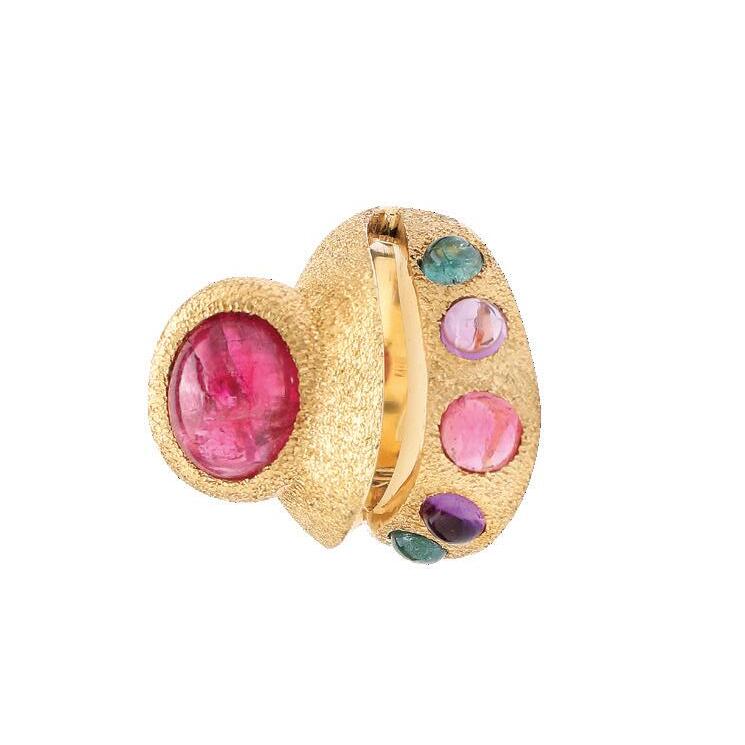
Yael Designs Tesserae Halo Ring. Available through Davis Jewelers in Louisville and yaeldesigns.com
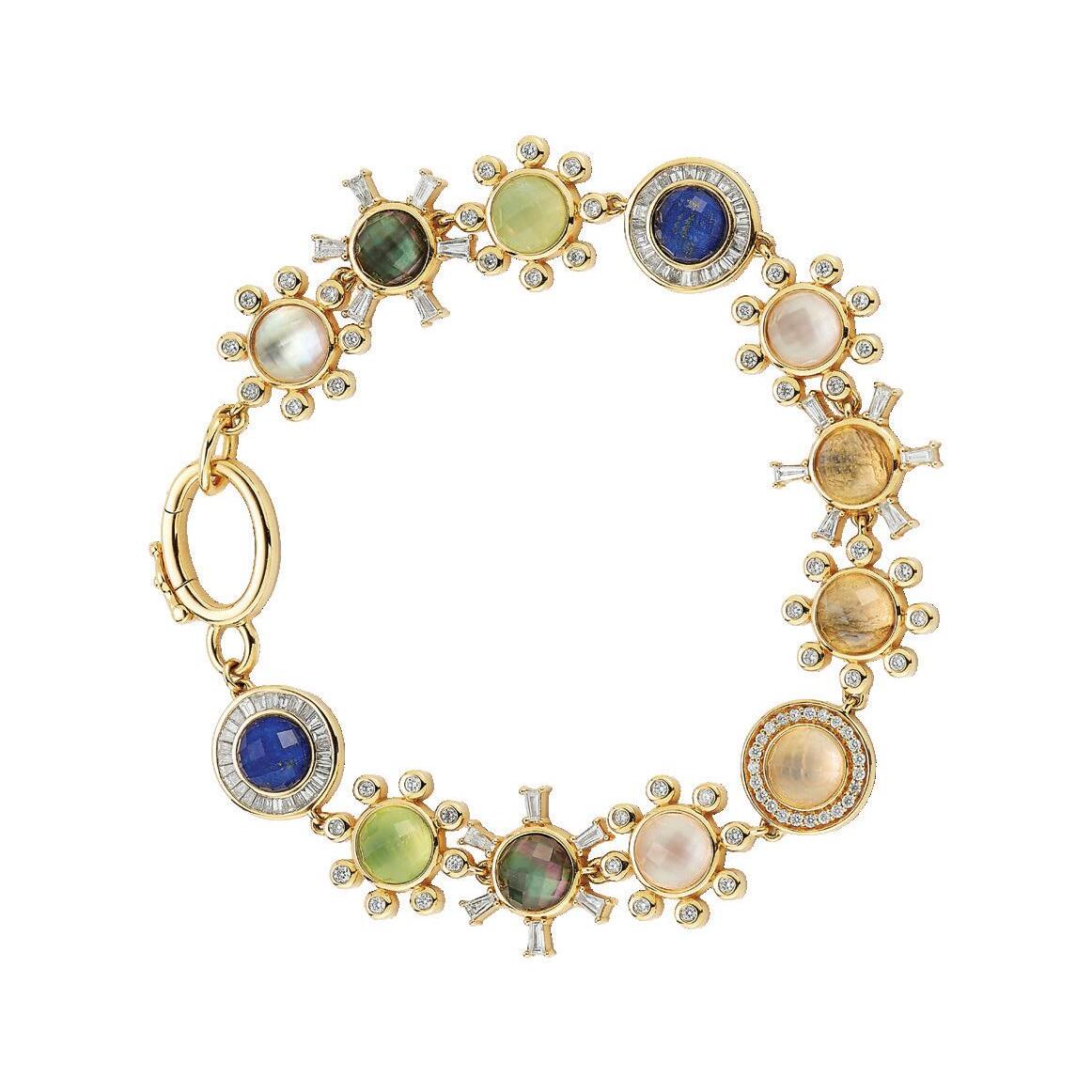
Sanamama Inner-Spaceship Ring (sanamama.com)
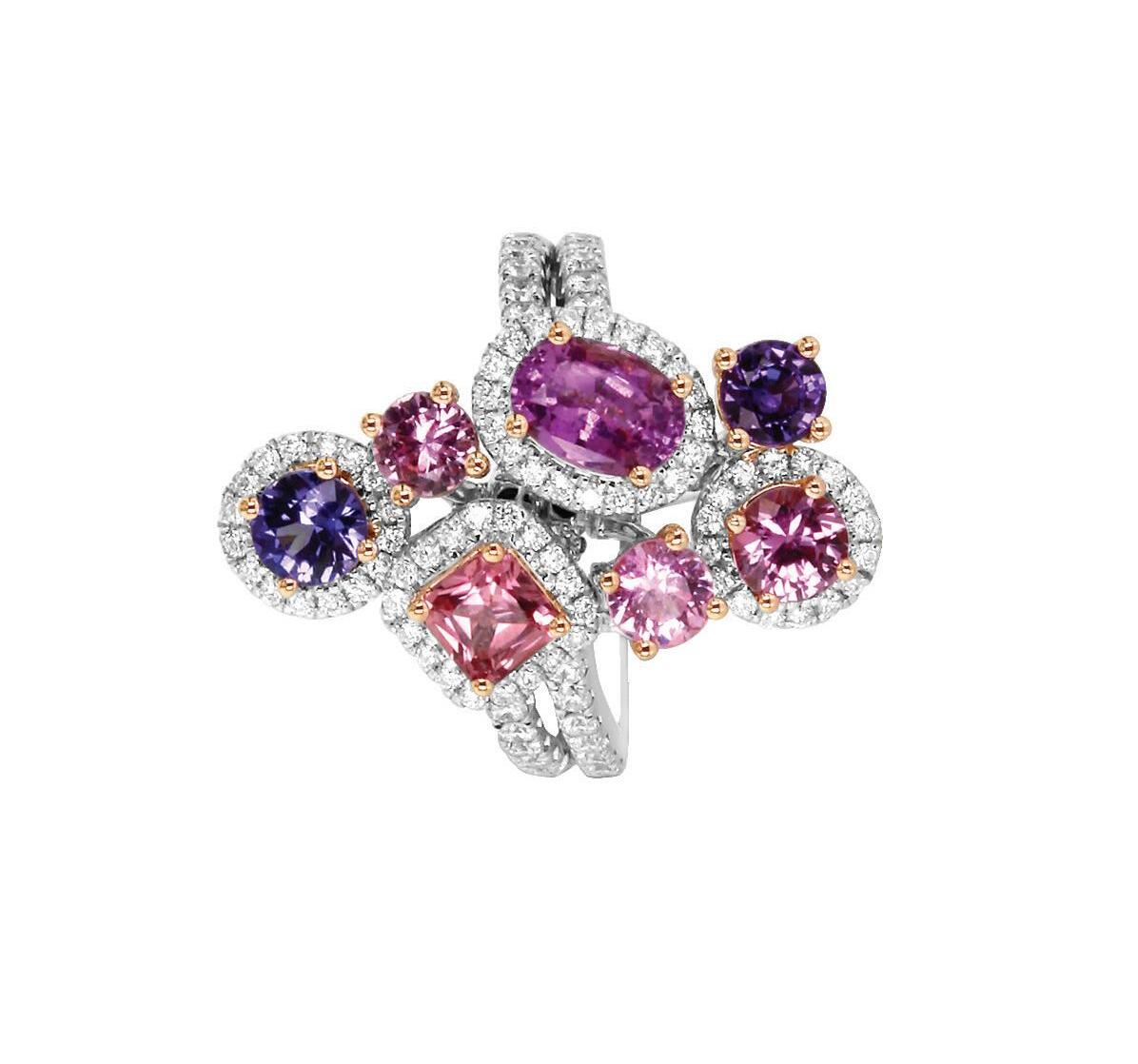
Renna Jewels Galaxy Bracelet (rennajewels.com)
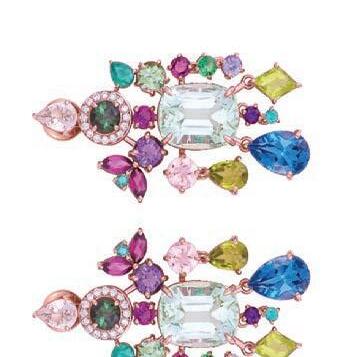
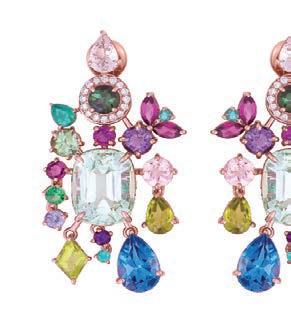
Zome Edena Earrings (zo-me.com) Prounis Canthis Earrings (prounisjewelry.com)
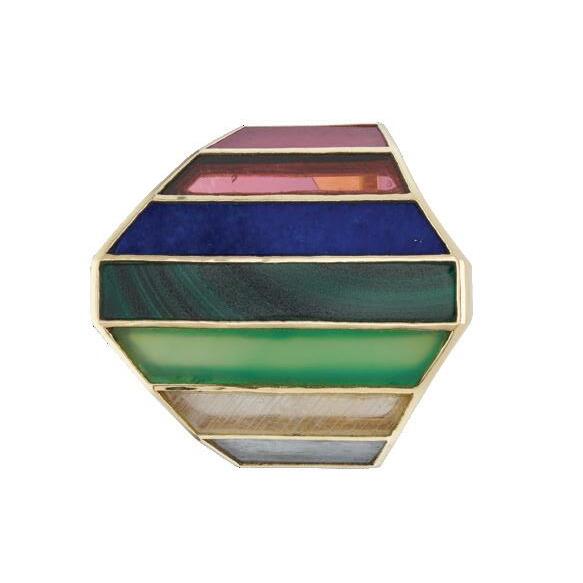
Mesa Shield Ring by Métier (metierbytomfoolery.co.uk)
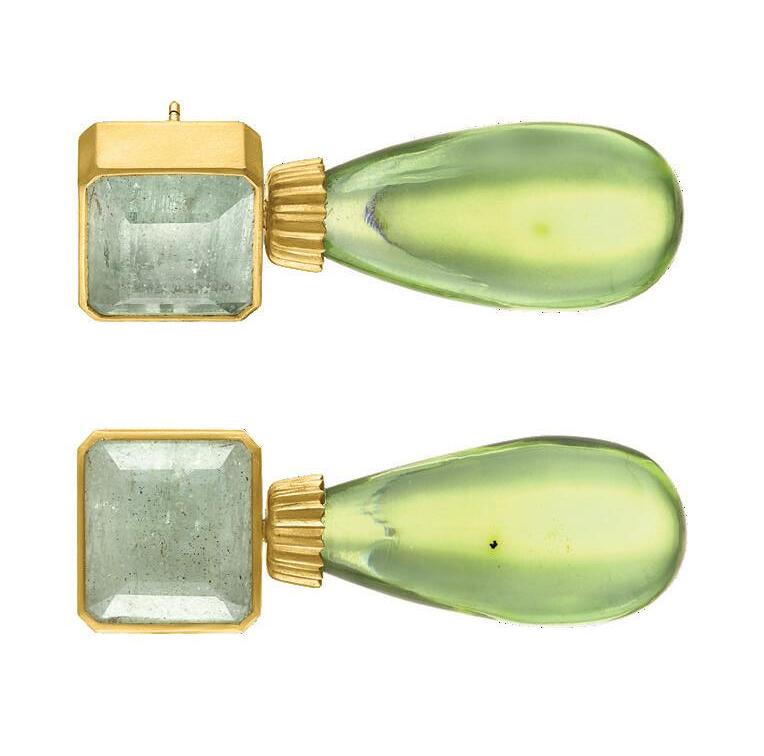
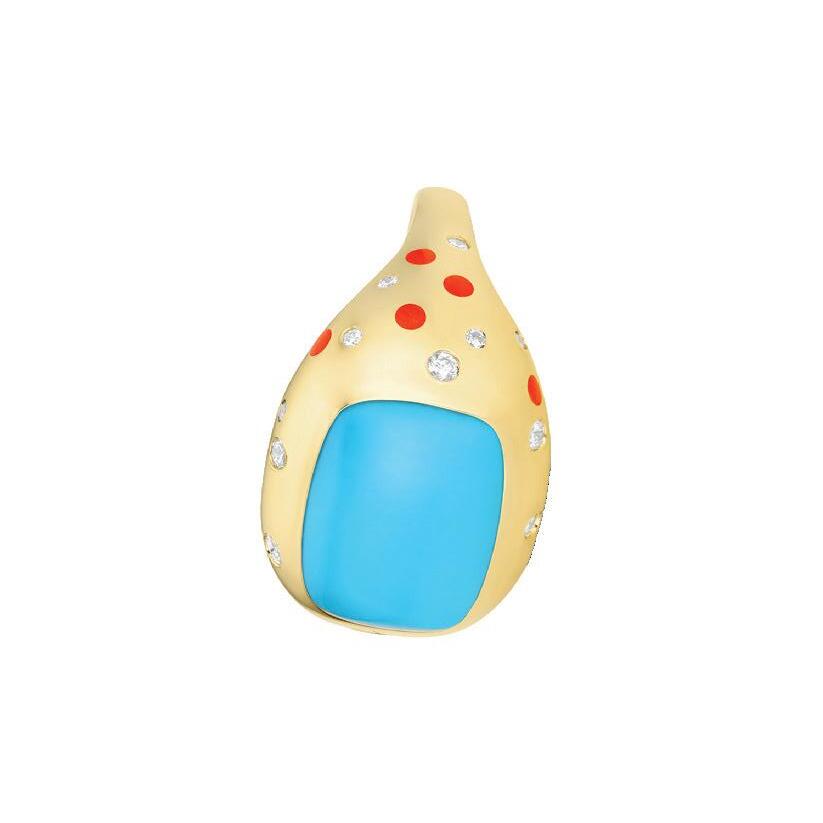
Seal & Scribe Positano Ring (sealandscribe.com)
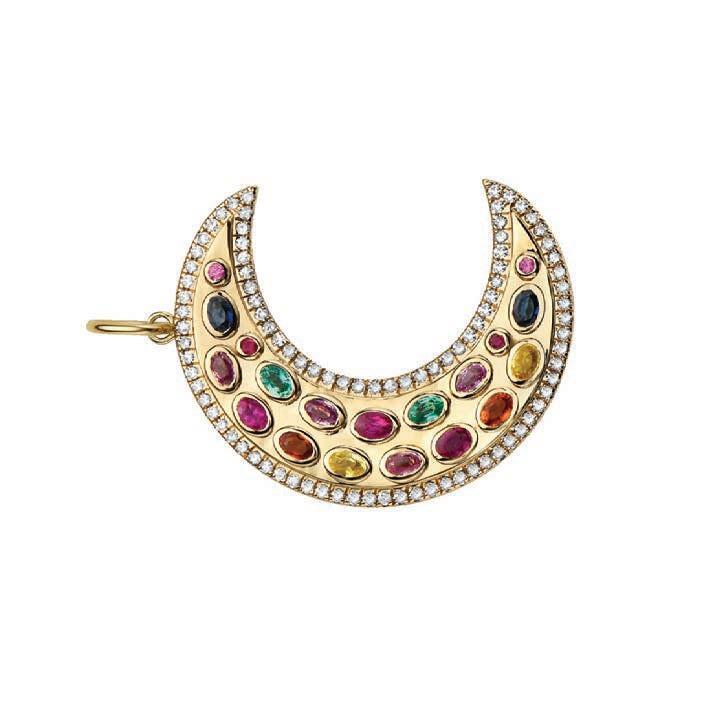
Pavé
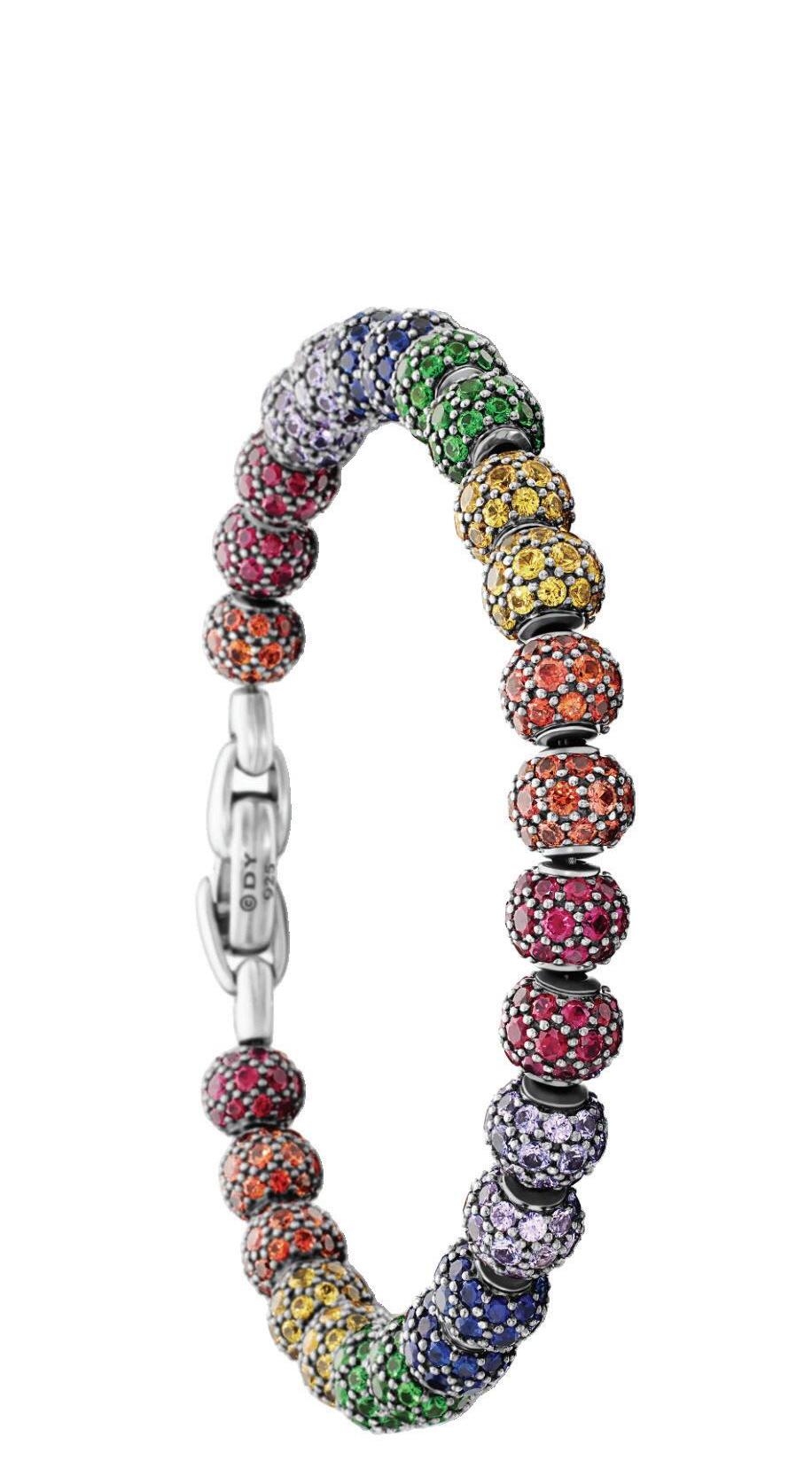
David
Available through Moyer Fine Jewelers and ReisNichols Jewelers in Indianapolis, Schiffman’s Jewelers in Lexington, Davis Jewelers in Louisville, Diamond Cellar in Nashville, Clarkson Jewelers in St. Louis, and davidyurman.com.





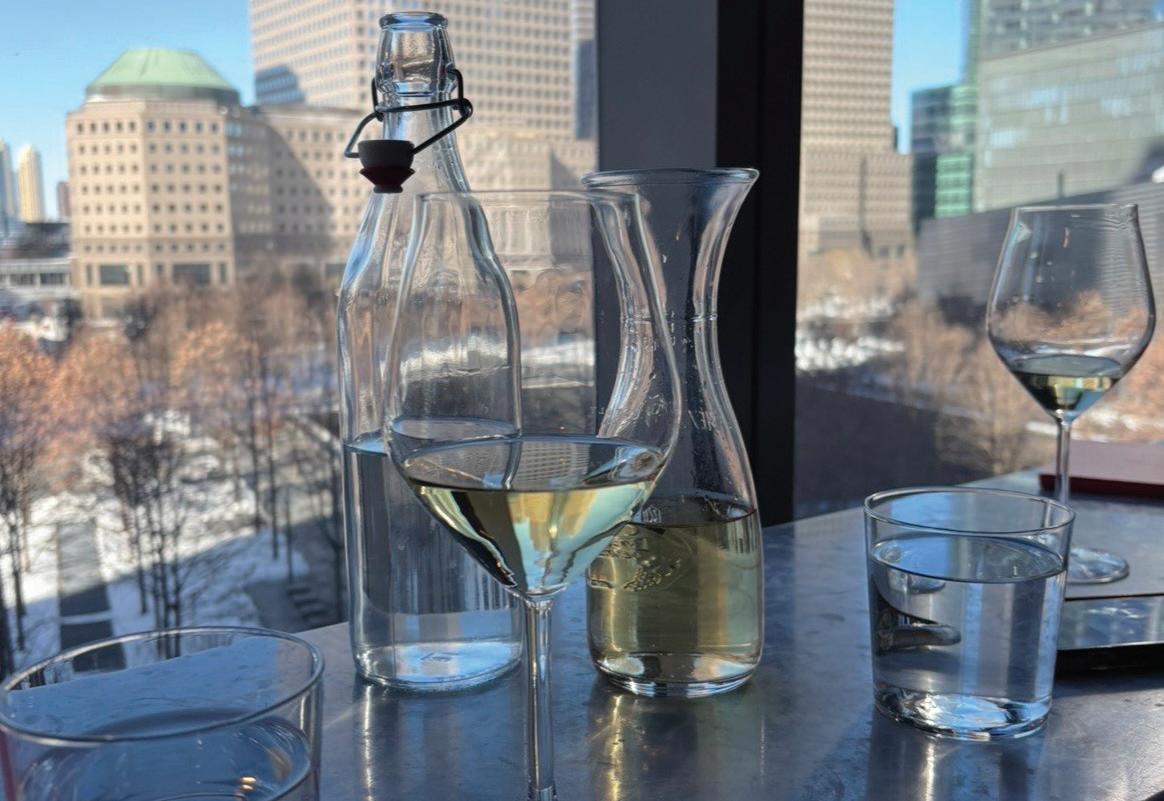
Hi there, Sophisticated Living! It’s a big month for me, as this April marks one full year as the magazine’s wine correspondent — cheers to many great issues of raising glasses together! Recently, I’ve discovered a handful of new wines that I’m excited to share with you here. Check them out below and feel free to follow my personal travel / tasting journeys at @vickidenig on Instagram or at www.vickidenig.com.
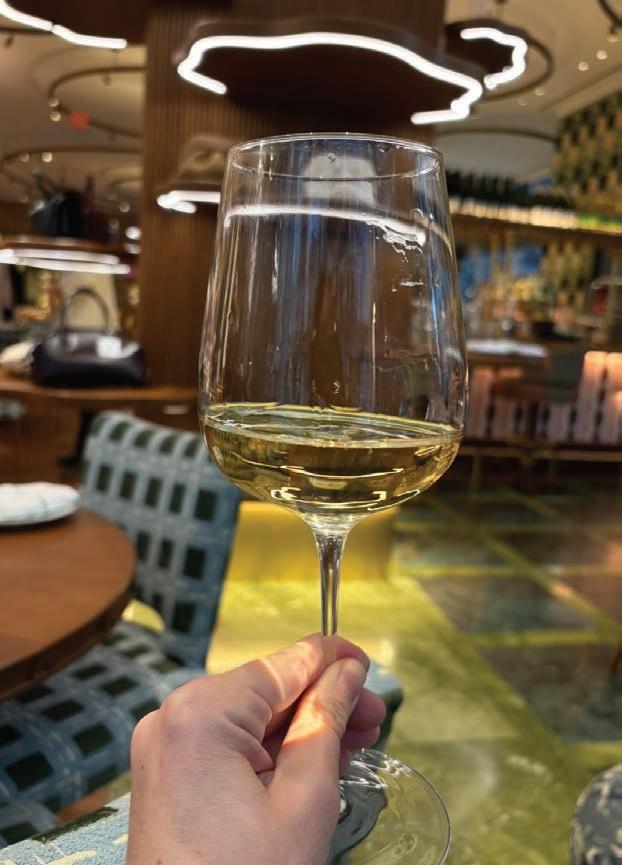
JM Sélèque Solessence Pour Augustine Extra Brut 2021 (Champagne, France – SRP: $70.00)
While many wine lovers tend to pull back on bubbles during the early months of the year, I firmly believe that sparkling wine is the gift that keeps on giving—especially when it’s Champagne. I recently checked out the new Printemps department store in downtown New York, which is home to a number of food and beverage concepts; my particular favorite? The hidden Champagne bar is tucked away in the back of the store. While there, I sprang for a pour of JM Sélèque’s Solessence Pour Augustine cuvée, made from a blend of 50% Chardonnay, 40% Meunier, and 10% Pinot Noir. The wine ages for two years sur-lie in bottle prior to release, yielding a creamy, textured final wine balanced by ample brisk acidity and a saline finish. Sipping a Grower Champagne like this is always a treat, especially when surrounded by equally luxurious skincare and garments!
Italy – SRP: $20.00)
Great wine can be found at all price points, even between the $15 and $20 mark—it’s simply a matter of knowing where to look. Fattoria San Lorenzo is a family-owned winery located in the coastal Marche region of Italy. Here, third-generation winemaker Natalino Crogaletti produces a lineup of biodynamically-farmed wines from local grape varieties, including this incredibly easy-drinking Verdicchio. Post-harvest, Natalino allows spontaneous fermentation with native yeasts in concrete vats, then lets the wine age for six months sur-lie (followed by three months in bottle) prior to release. Snappy and refreshing, the wine’s notes of citrus, ripe peach, and white flowers promise to satisfy fans of Pinot Grigio and Sauvignon Blanc alike. Trust me, reach for the lesser-known Italian grapes— they’ll likely overdeliver for the price point!
Kruger-Rumpf Riesling Münsterer Rheinberg Kabinett 2024 (Nahe, Germany – SRP: $25.00)
Although mentalities are beginning to change, Riesling still gets stereotyped as an ultra-sweet wine—and while it certainly can be, the majority is actually vinified dry. This Kabinett bottling from KrugerRumpf is somewhat of a Goldilocks bottling; it’s not totally dry, but not super sweet. In other words, it’s simply just right—especially if
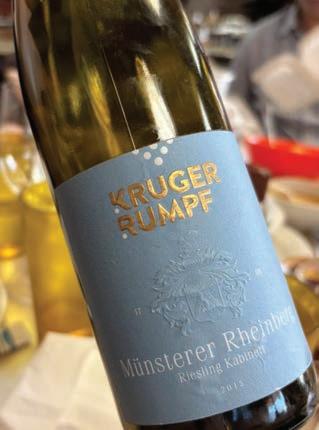
spicy takeout is on the menu. Produced in Germany’s Nahe region, the fruit for this wine was organically farmed, fermented with native yeasts, and vinified in stainless steel. However, rather than letting the wine ferment completely dry, the producer cooled the fermentation to halt it, resulting in a tiny amount of residual sugar in the final wine. I enjoyed this bottle with a group of Italian winemakers at a BYOB Chinese restaurant, and the wine’s juicy flavors of peach, apple, and orange blossom—coupled with its lemony acidity and off-dry finish—couldn’t have been a better fit for the food.
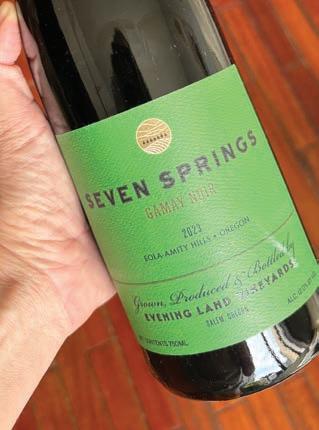
Evening Land 'Seven Springs Vineyard' Gamay Noir 2023
(Eola-Amity Hills, Oregon, USA – SRP: $41.00)
Oregon has become synonymous with Pinot Noir and Chardonnay, though Gamay is proving to be an equally interesting variety for the area’s soils—especially when produced at the hands of winemakers like Sashi Moorman. In addition to working with some of the region’s most lauded sites, Moorman’s passion for organic and responsible farming brings Evening Land’s wines to a whole other level. Following the traditional vinification regimen of France’s Beaujolais—which is home to some of the best examples of Gamay in the world—this delicious wine undergoes carbonic fermentation with whole clusters and is aged in neutral French oak for four months prior to bottling. Vibrant and
energetic, the wine’s flavors of cranberry, strawberry, and white pepper are perfect for enjoying during the early days of spring.
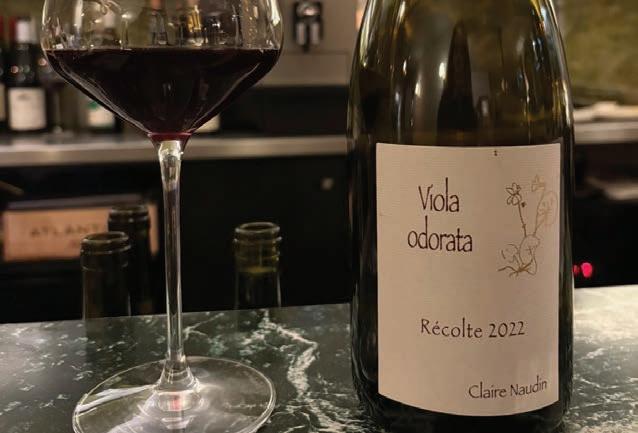
Claire Naudin Côte de Nuits-Villages ‘Viola Odorata’ 2022 (Burgundy, France – SRP: $92.00)
Claire Naudin is one of Burgundy’s most respected winemakers. She’s helmed her family estate, Domaine Naudin-Ferrand, since 1994, which straddles the border between the Hautes-Côtes de Nuits and the Hautes-Côtes de Beaune. This particular wine, which is named after a local wildflower, is produced from grapes from five different lieux-its around the village of Corgoloin. In the cellar, élevage takes place for 14-18 months in oak, a small percentage of which is new, prior to bottling without fining or filtration. In terms of vintage, 2022 was a rather warm year in Burgundy, which is definitely reflected in this wine; contrary to the leaner 2021s, this ripe and expressive bottling offers notes of dark berries and violet with well-integrated tannins and a long finish. Serve it slightly chilled and enjoy with your next roast chicken or mushroom-based dish at home. sl
Vicki Denig is a wine / travel journalist based between New York and Paris. Her work regularly appears in various industry publications, including Decanter, Food & Wine, and WineSearcher. In addition to journalism, Vicki also works with a handful of wine-focused clients, including Paris Wine Company, High Road Wine & Spirits, and more. When not writing, she enjoys running, indoor cycling classes, petting dogs, and popping bottles on her rooftop with friends.

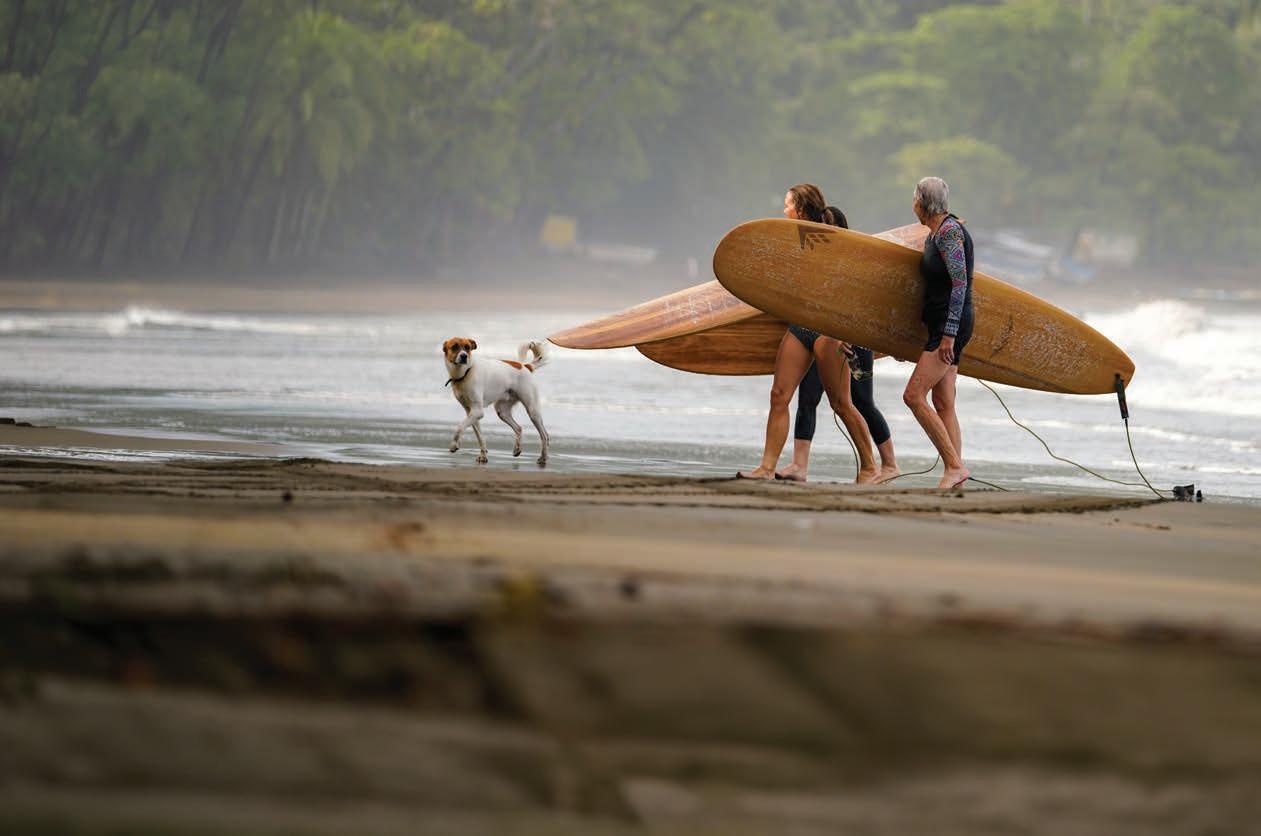
Lamangata
Luxury Surf Resort in Costa Rica offers the perfect blend of adventure and luxury.
Written by Bridget Cottrell
Love hits differently later in life. Passion, though still palpable, is filtered through the earned wisdom of age. This lends a reassuring steadiness, which often takes young love’s roiling boil down to a gentle simmer. I was bitten by the love bug twice in my 50s. With apologies to my husband, about whom I could wax poetic for pages, this story is about the second nip—an amplification of amorousness brought about by discovering a latent love of surfing.
Desiring to scratch an itch I picked up in Hawaii a little over a year ago, I was keen on finding a place where I could get expert coaching while also enjoying a well-rounded trip with my husband outside of time spent in the water. Many places I looked into were too focused on surfing (my aspirations are fairly modest), or too rustic (there’s certain creature comforts I want at my age), so when I came across Lamangata, situated near Dominical in the Puntarenas Province of Costa Rica, I knew I’d found the sweet spot and a kindred spirit in owner Debbie Toll Gruelle.
A fellow adventuresome and globetrotting fifty-something, Debbie, an experienced wakesurfer, fell in with wave surfing at a camp in Costa Rica. Shortly thereafter, she found the perfect piece of land, perched high above the Pacific, to build her very own luxury, sustainable surf camp. “I built it to feel like home,” said Debbie,
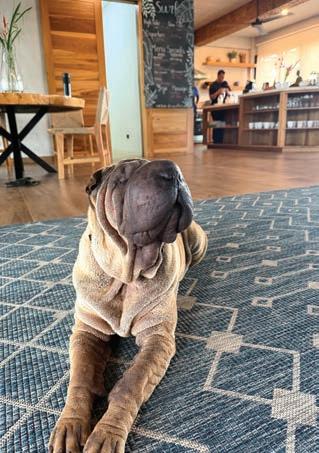
who often brings her Sharpei (and shadow) Lupe with her during extended visits. “I conceived the whole experience based on things that are important to me when I travel—environmentally friendly, comfortable, and stylish.”
While hospitality is a new plume in Debbie’s proverbial feathered cap, luxury building is in her blood. Her late father, Robert Toll, was the co-founder and former Chairman of the luxury homebuilding company, Toll Brothers, Inc., and Debbie was the only one of her siblings to work in the family business. Later, she and her husband collaborated to build custom luxury homes in Southern California.
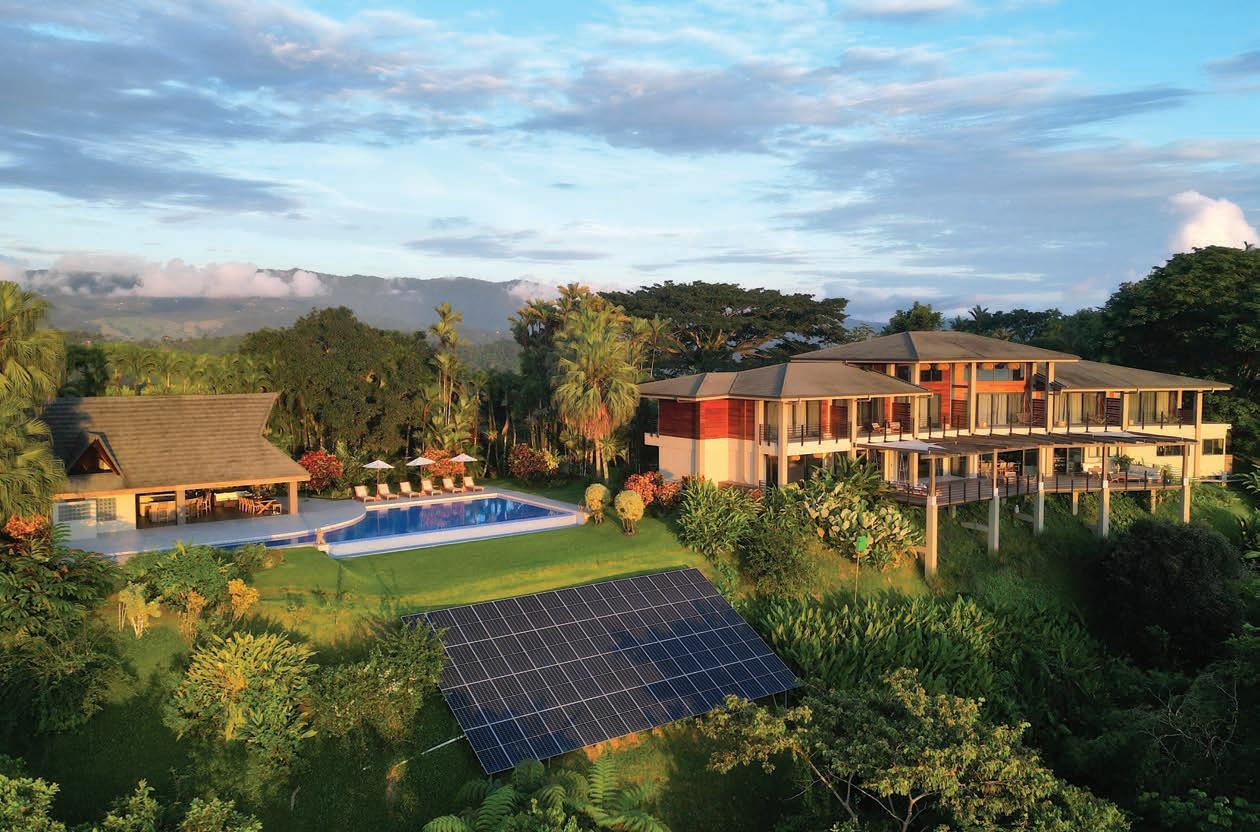
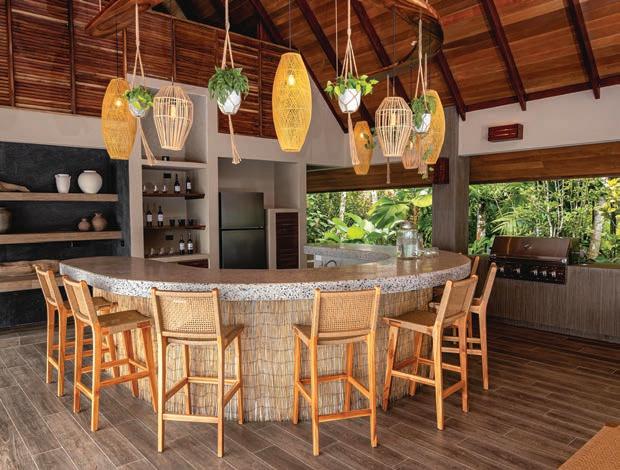
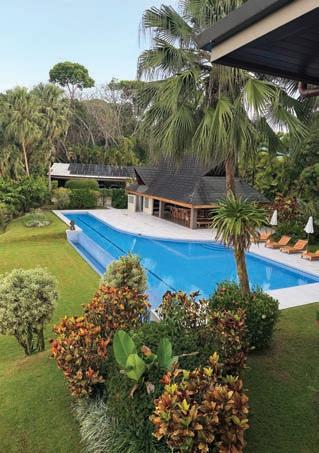
At Lamangata—derived from the Swedish word Mångata, which refers to the shimmering, road-like reflection of the moon on water—Debbie drew on her educational background in environmental studies and her formidable building chops to design and construct the six-room boutique hotel, positioned on the precipice of a steep hillside with sweeping, unobstructed ocean views. The property’s previous owner was a notorious expat forced to sell after years of having a bit too much fun caught up with him. Debbie razed the existing home but kept and refurbished the infinity-edge lap pool and Balinese-style pavilion. The pavilion now includes a secondfloor massage room with a triangle-shaped opening framing the view.

The maximum head count at full capacity is 15; even so, as an all-inclusive resort, there are a ton of moving parts, and Debbie credits her good business intuition for assembling a top-notch team. The experience begins before arrival, with guests filling out a comprehensive form detailing dietary preferences, desired activities, and the like. The resort provides transportation from Juan Santamaría International Airport, though I’d highly recommend cutting the three-ish-hour ride to approximately 45 minutes by taking a connecting flight to Quepos La Managua Airport. Our driver came prepared with a backseat “picnic”, and after one lipsmacking bite of an overstuffed burrito, we were excited to see what palette pleasers were in store for us at the resort.
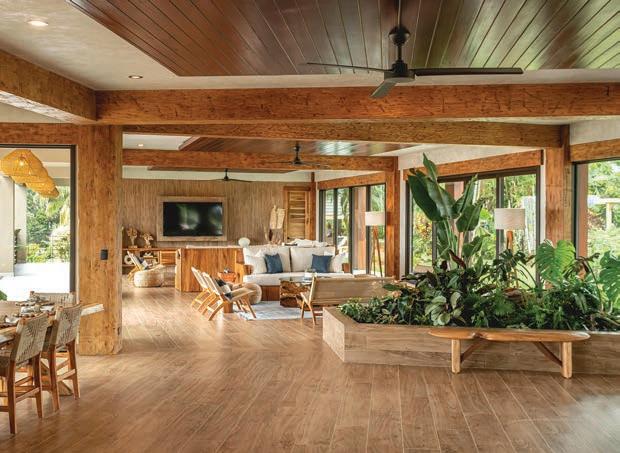
The first floor of the main building feels more like an aspirational abode than a boutique hotel. It comprises the kitchen, which is always stocked with refreshments and both sweet and savory snacks for between-meal noshing. There is a large living room, a long communal dining table, a yoga room, and a cantilevered deck with a firepit and hanging day beds.
The second-floor guest rooms are supremely spacious, with scores of custom pieces made on-site from locally sourced wood, including the bedroom furniture and fitted closet. I was particularly
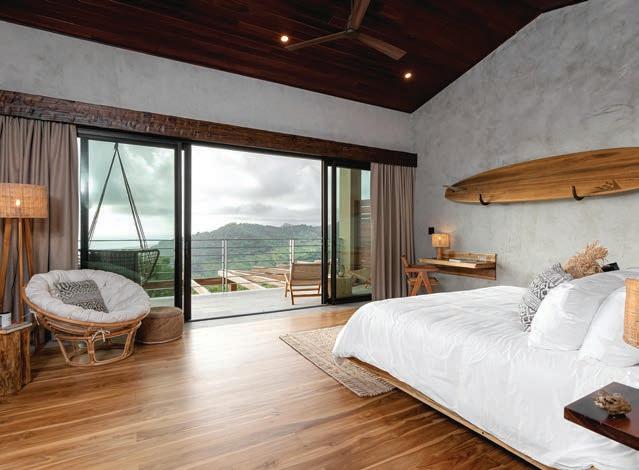
fond of the bathroom’s live-edge vanity with bow-tie joints, topped with a natural stone vessel sink. From our balcony, I swayed in the hanging chair and listened to the deep, booming roars of howler monkeys, screeching macaws, yapping toucans, and the R2D2-like bleeps and chirps of Montezuma oropendola, while enjoying the cool breezes at the elevation.
Framed by vibrant, papery bracts of bougainvillea, a bank of solar panels powering the property resting just beneath the terminus of a clipped lawn near the pool stand in testament to Debbie’s staunch commitment to Lamangata’s sustainability. They collect, filter, and clean rainwater as their primary water source, and reuse wastewater for irrigation and maintenance. An on-site garden provides an assortment of herbs and vegetables for the kitchen.
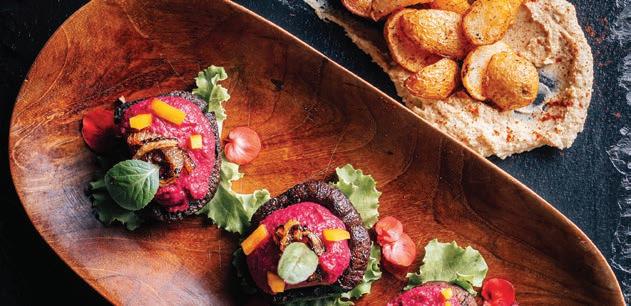
Chef Yuri Antonio “Tony” Candray Marenco, assisted by Kenneth, prepares meals rivaling those of a 5-star resort. From a beach acai bowl breakfast to grilled whole fish at dinner, everything is beautifully plated, hearty, and bursting with flavor. Working closely with Debbie on menu development, including incorporating recipes procured from some of her favorite restaurants around the world, Chef Tony makes everything in-house, including bread and ice cream. Meals are accompanied by inventive, freshly squeezed juices infused
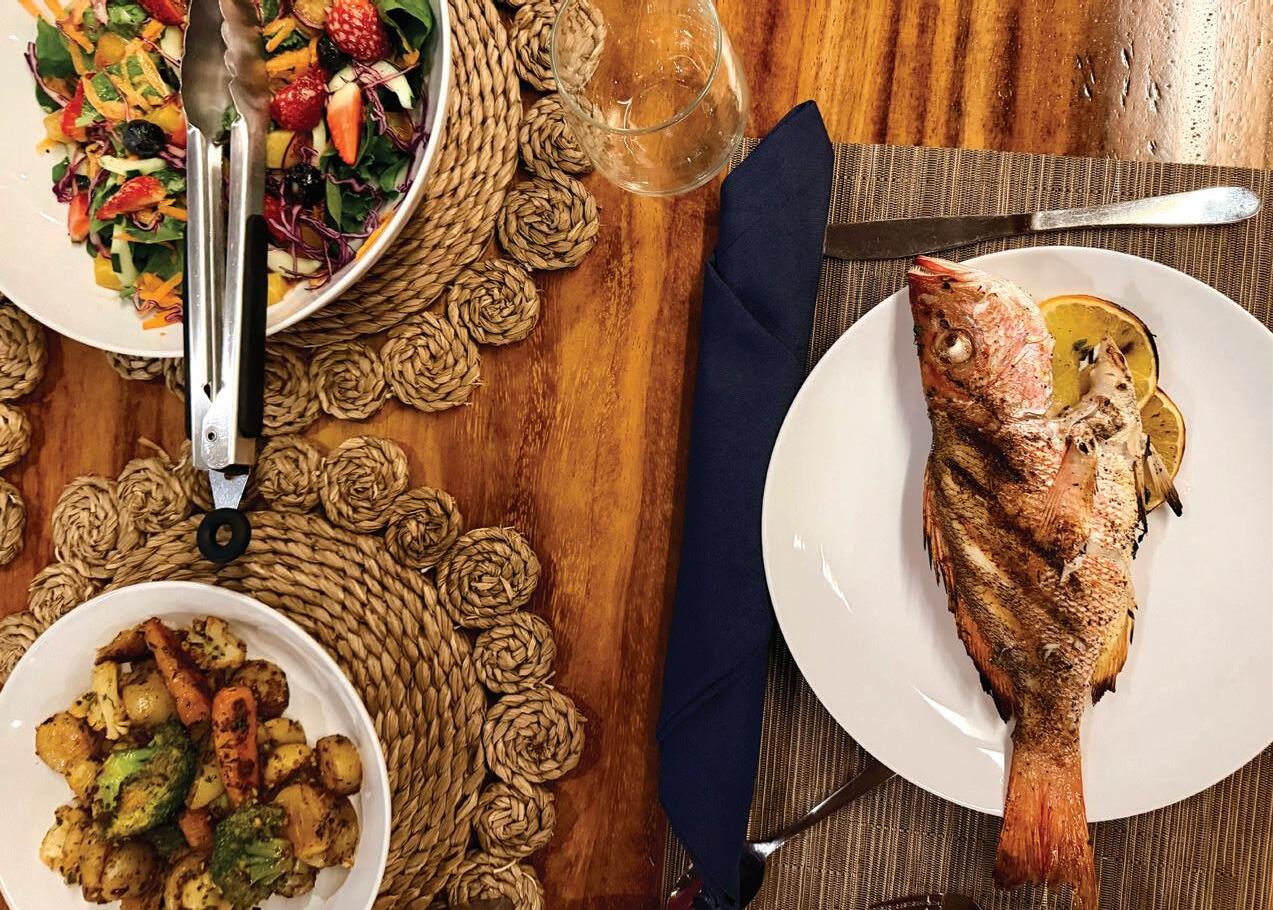
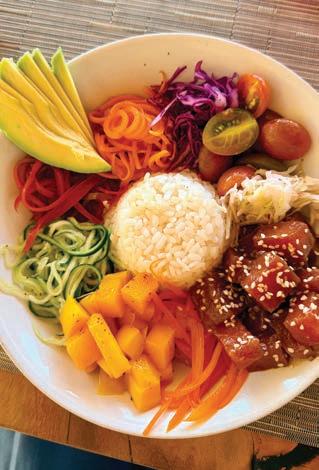
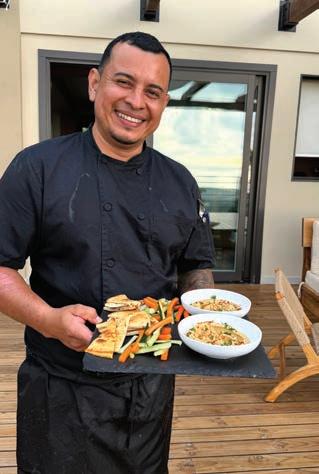
with lemongrass, ginger, mint, and basil to add depth of flavor. Guests' preferences and dietary restrictions can be amply accommodated.
Each day’s schedule and menus are posted on a chalkboard near the kitchen. On our first full day, after a hearty Desayuno Típico breakfast, we met Junior “Chagüe” Vargas Salazar, Lamangata’s lead surf instructor. As newbies, our first lesson was in the pool, which helped us hit the waves with confidence. A 2024 longboard champion, Junior offers expert, patient guidance and video analysis, helping even advanced shredders level up.
We headed to the long, wide, and virtually empty beach at Playa Linda for our first ocean session. “We’re going out there?” I asked with some trepidation, seeing the foamy whitewater of the barreling waves out in the distance. “Yup, barrels all day for us,” said the everupbeat Junior without missing a beat. “Vámonos!”
Having experienced bare-bones surf instruction, I was blown away by the thoughtfulness of the beach setup. A pop-up tent provided respite from the sun and a place to sit for breakfast or lunch. There were towels, an assortment of sunscreens, a thoughtfully curated “surfy” playlist, and a photographer/videographer to capture every triumph and wipeout. When we took a break, a freshly cracked coconut awaited, so we could rehydrate.
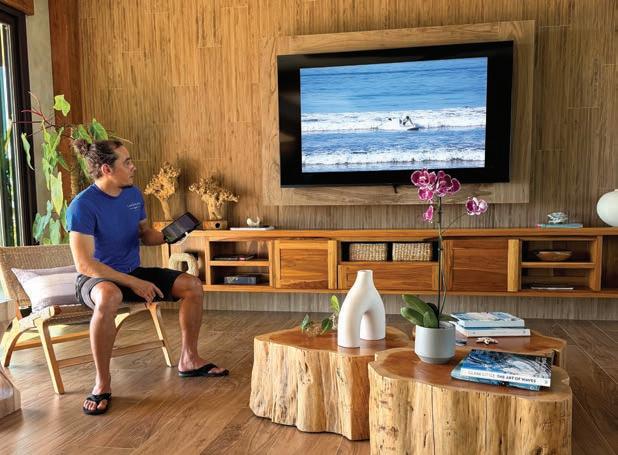
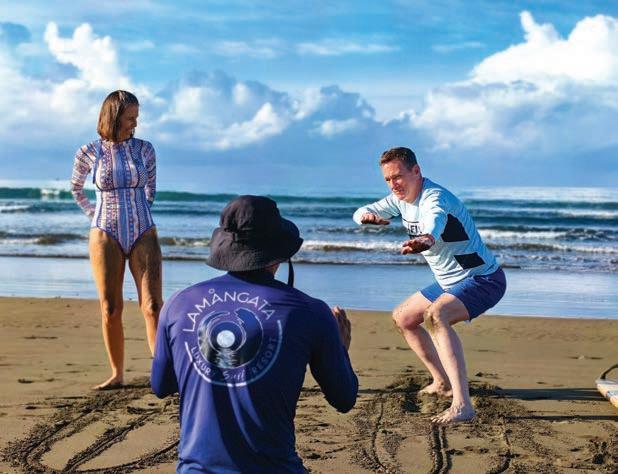
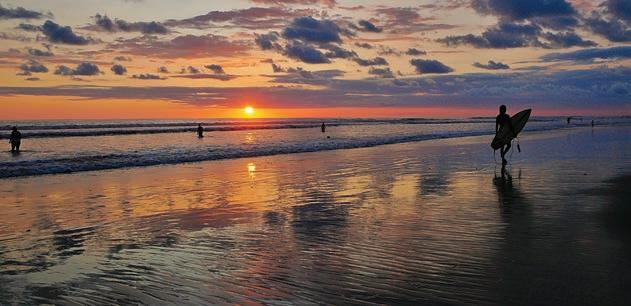
The surfing was exhilarating and humbling. Spending a morning getting pounded by the surf is Mother Nature’s ultimate ego check. No matter how powerful you think you are, it's no match for the feeling of a wave crashing on your head. By the end of our second session, and with Junior’s help, I reached the goal I’d set: catching and riding waves unassisted, with photo and video proof to boot!
Costa Rica’s varied landscape provides the ultimate playground when you aren’t surfing. There are waterfall, beach, and nature hikes (where you can visit your houseplants’ wild kin), whitewater rafting, ziplining, whale-watching boat tours, rappelling, kayaking, and fishing, to name a few. We were impressed by the beaches' cleanliness, with my husband remarking that we saw more trash in the Galápagos. There’s also the simple bliss of enjoying a poolside afternoon back at the resort or scheduling a private yoga session or a massage.
The trip marked our first to Costa Rica, but most definitely not our last. To quote singer-songwriter Jack Johnson, often referred to as the modern “patron saint” of surf culture (and who figured prominently on Lamangata’s beach day playlists), “Every time I get a chance to be out in the ocean, it's like hitting a reset button for me where I just feel alive again, in perfect balance.” sl
One-of-a-kind Flora Fauna earrings from Eden Presley. Available through Moyer Fine Jewelers in Indianapolis and edenpresley.com.
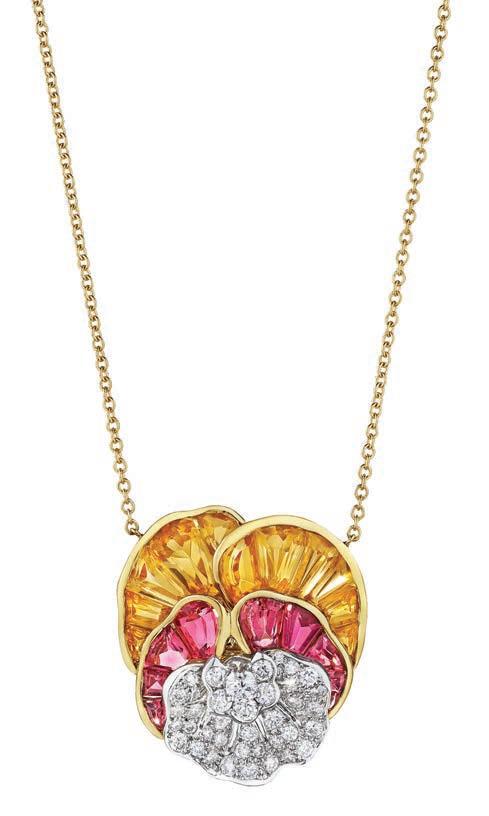
Citrine Daisy Pendant from Oscar Heyman. Available through Moyer Fine Jewelers in Indianapolis, Schiffman’s Jewelers in Lexington, Elleard Heffern Fine Jewelers and Chesterfield Jewelers in St. Louis and oscarheyman.com
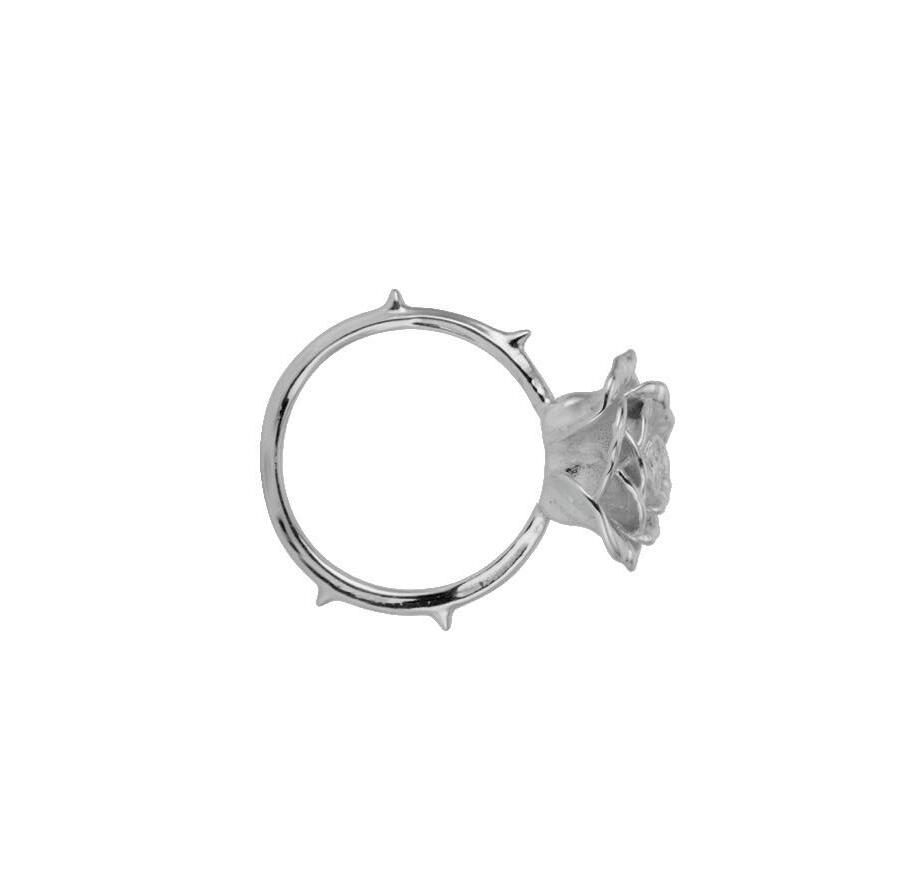
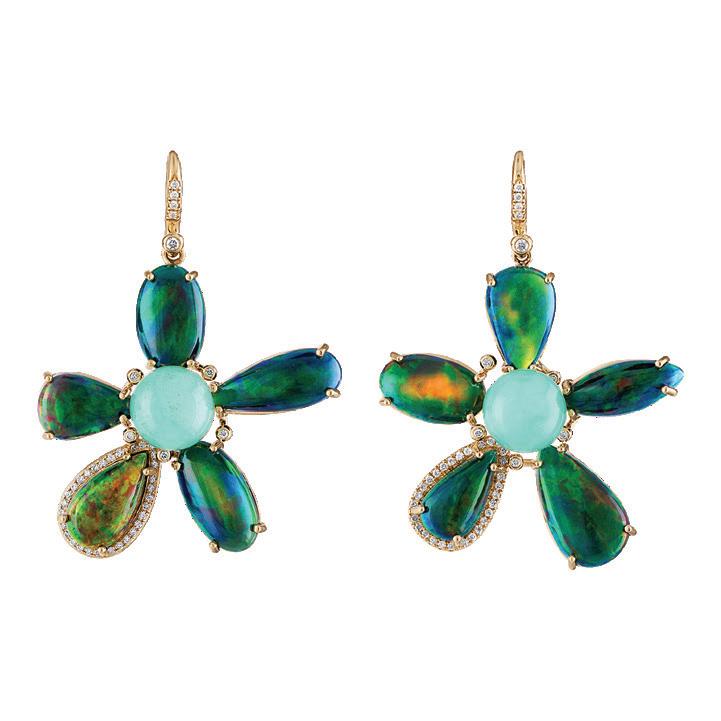
(kil-nyc.com)
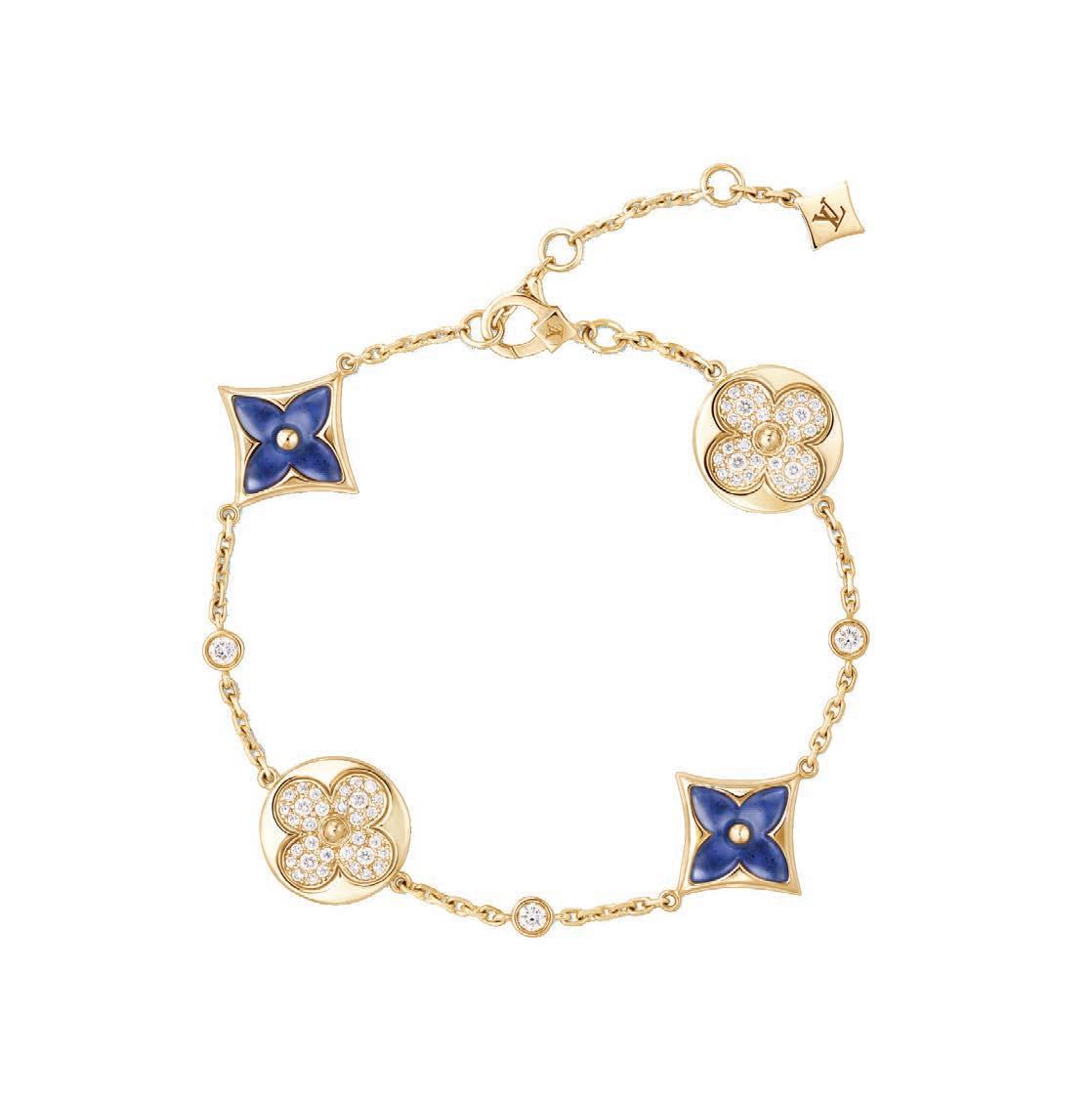
(us.louisvuitton.com)
Nicole Couronne Flor
(nicolecouronne.com)

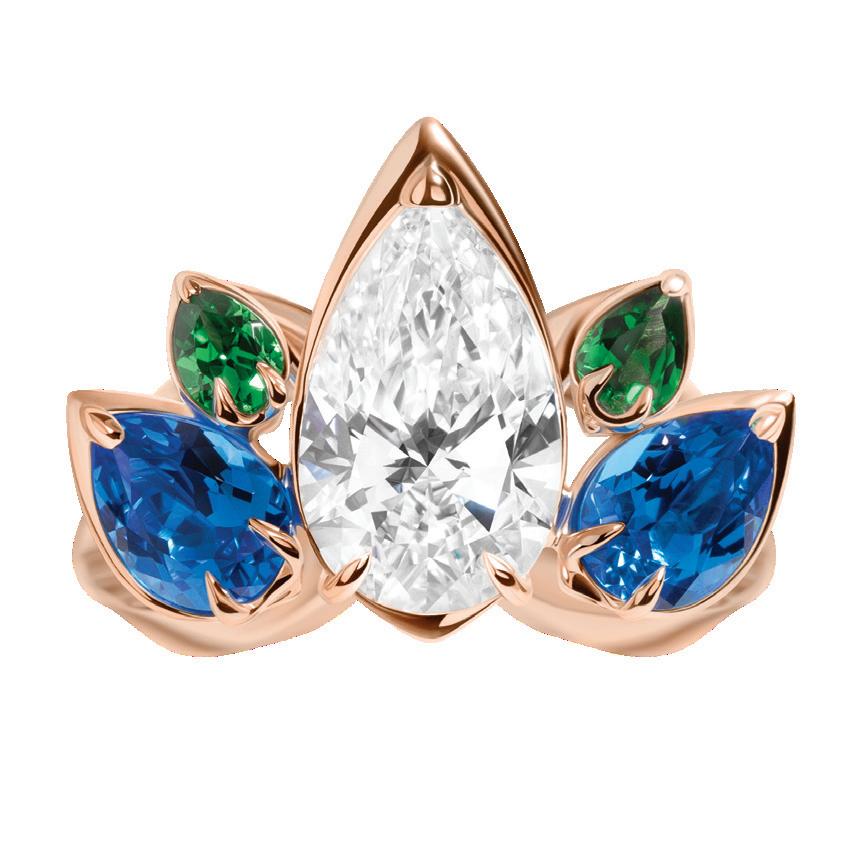



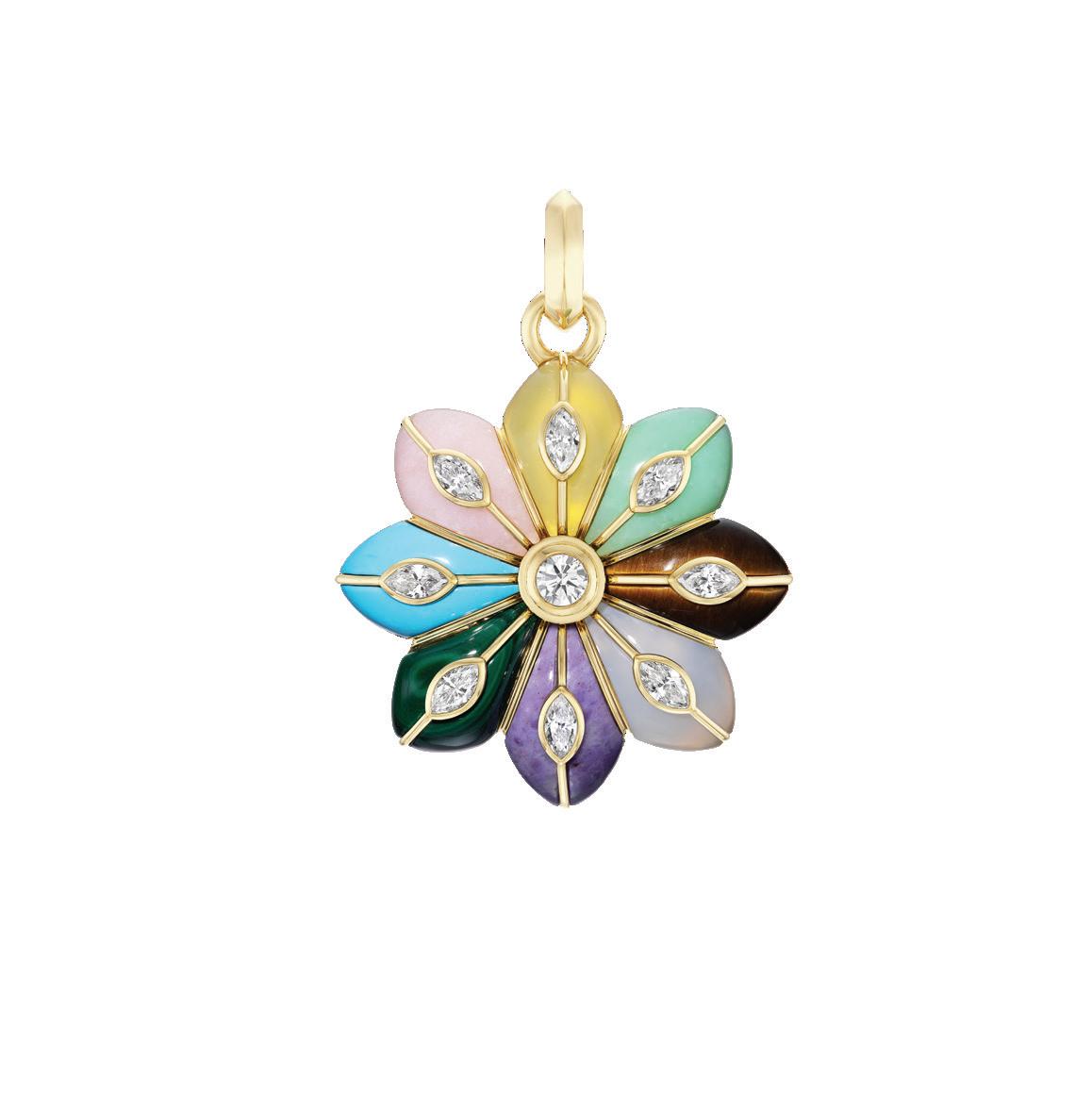

Sorellina Bloom Inlay Pendant. Available through Reis-Nichols Jewelers in Indianapolis and sorellinanyc.com
Miraki Jewels Flower Wrap Ring (mirakijewels.com)
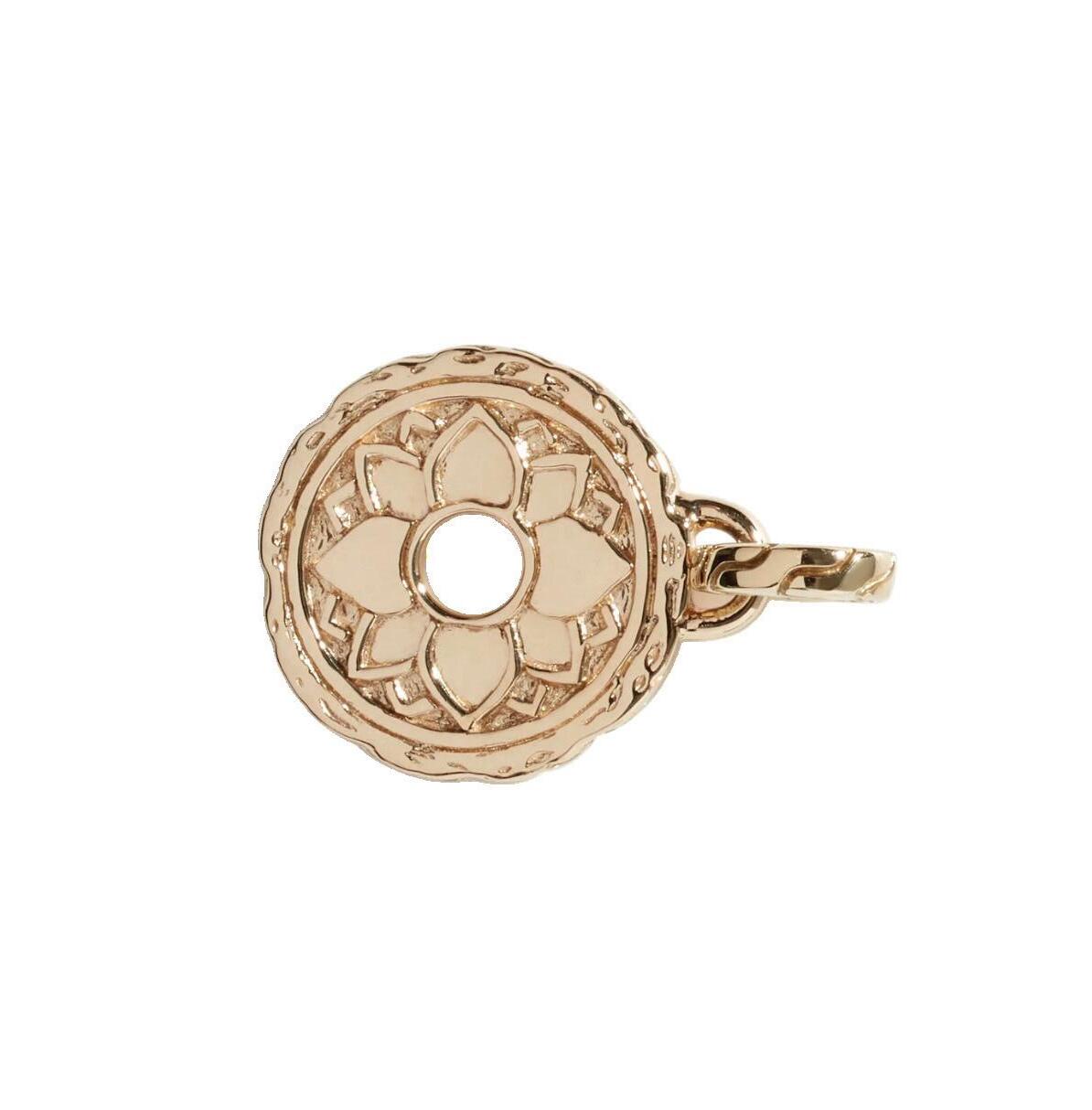
John Hardy Padma Pendant. Available through Reis-Nichols Jewelers in Indianapolls, Davis Jewelers in Louisville and johnhardy.com.
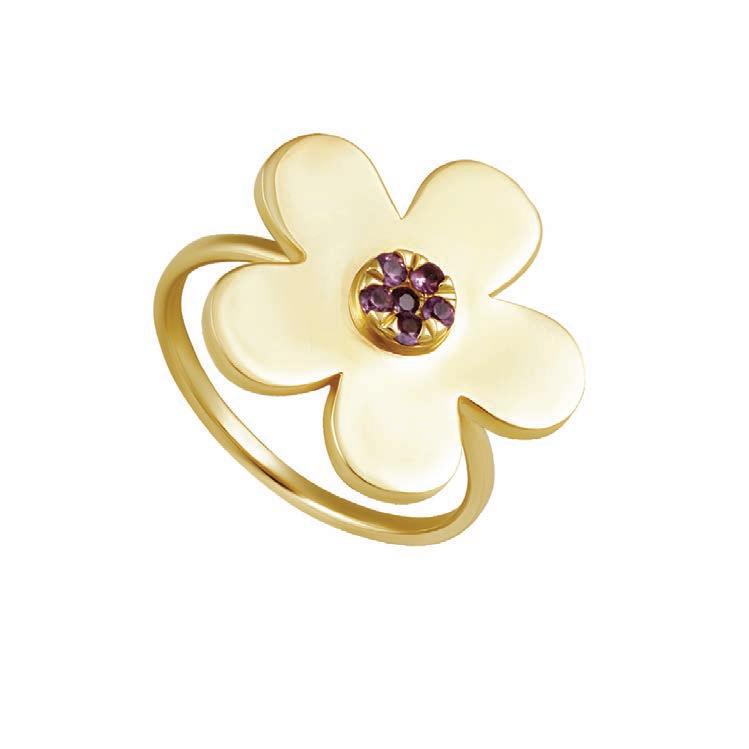
CCWW by Christina Puchi Flower RIng (ccwwdesigns.com)
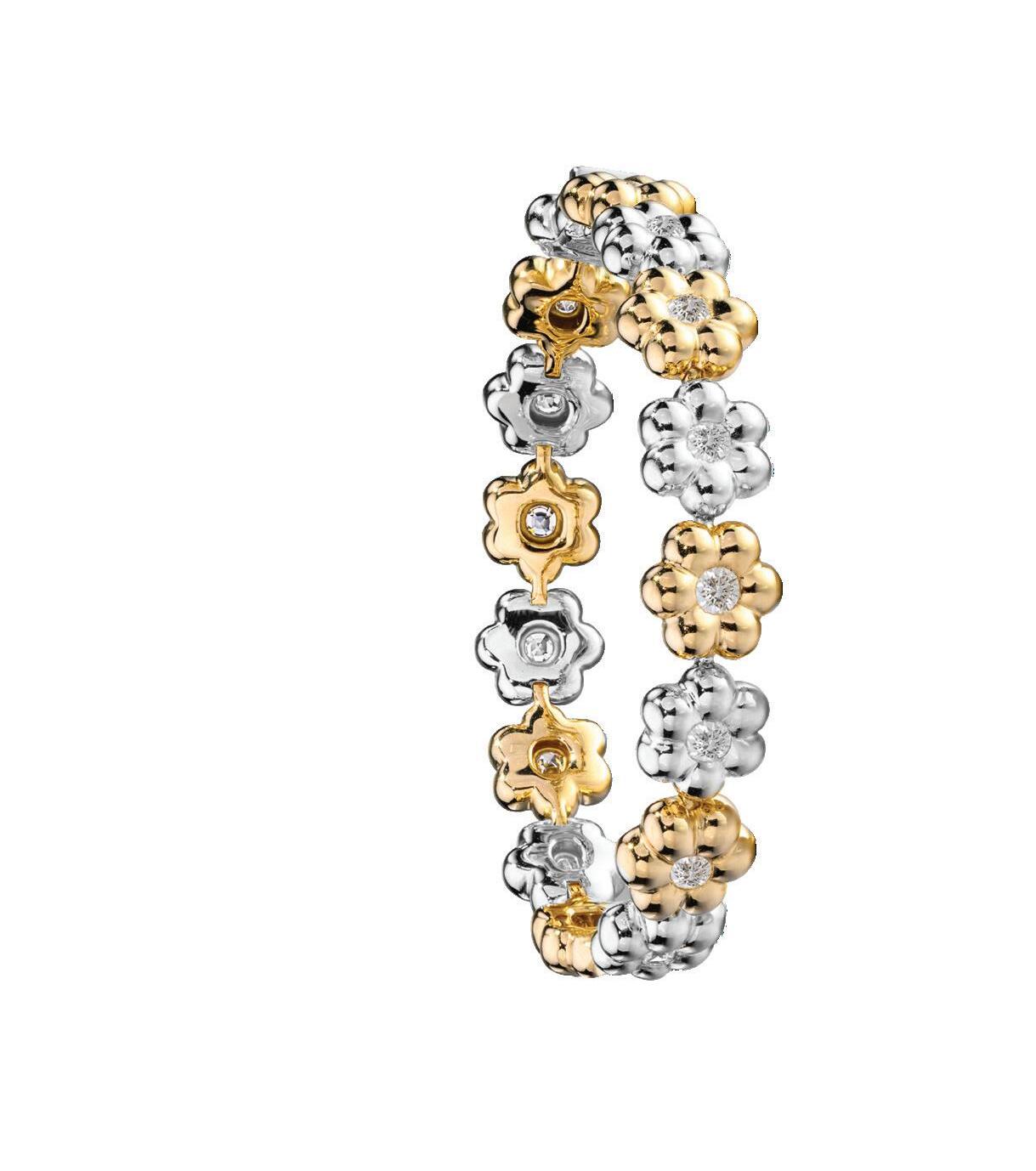
Sig Ward Blossom Necklace (sigwardjewelry.com)
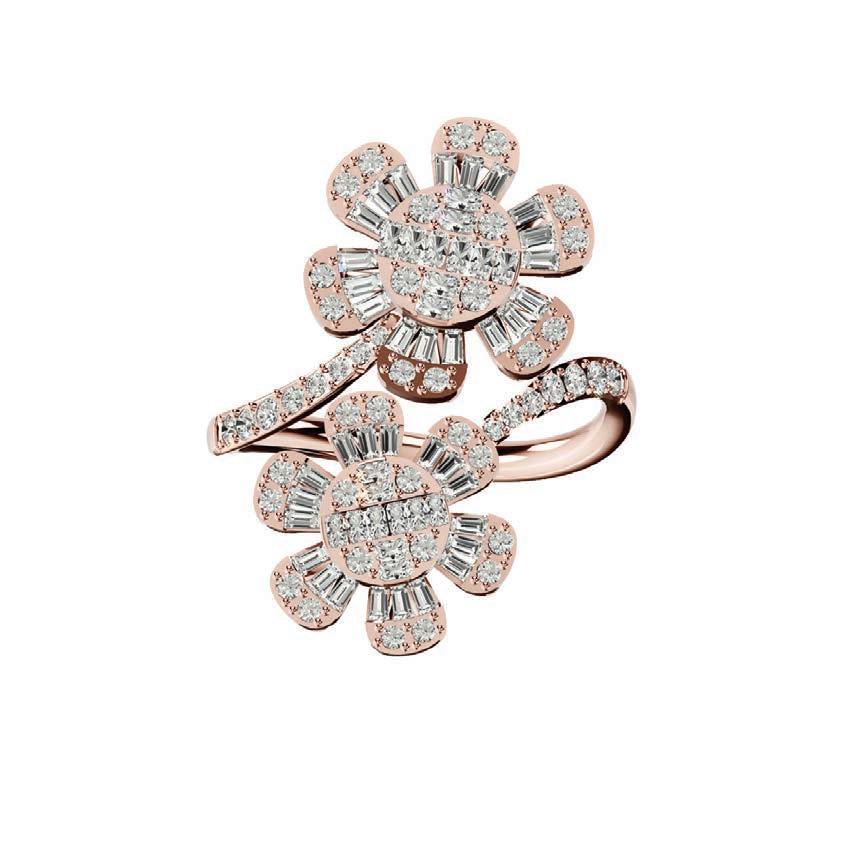
Effy Flower Ring (effyjewelry.com)
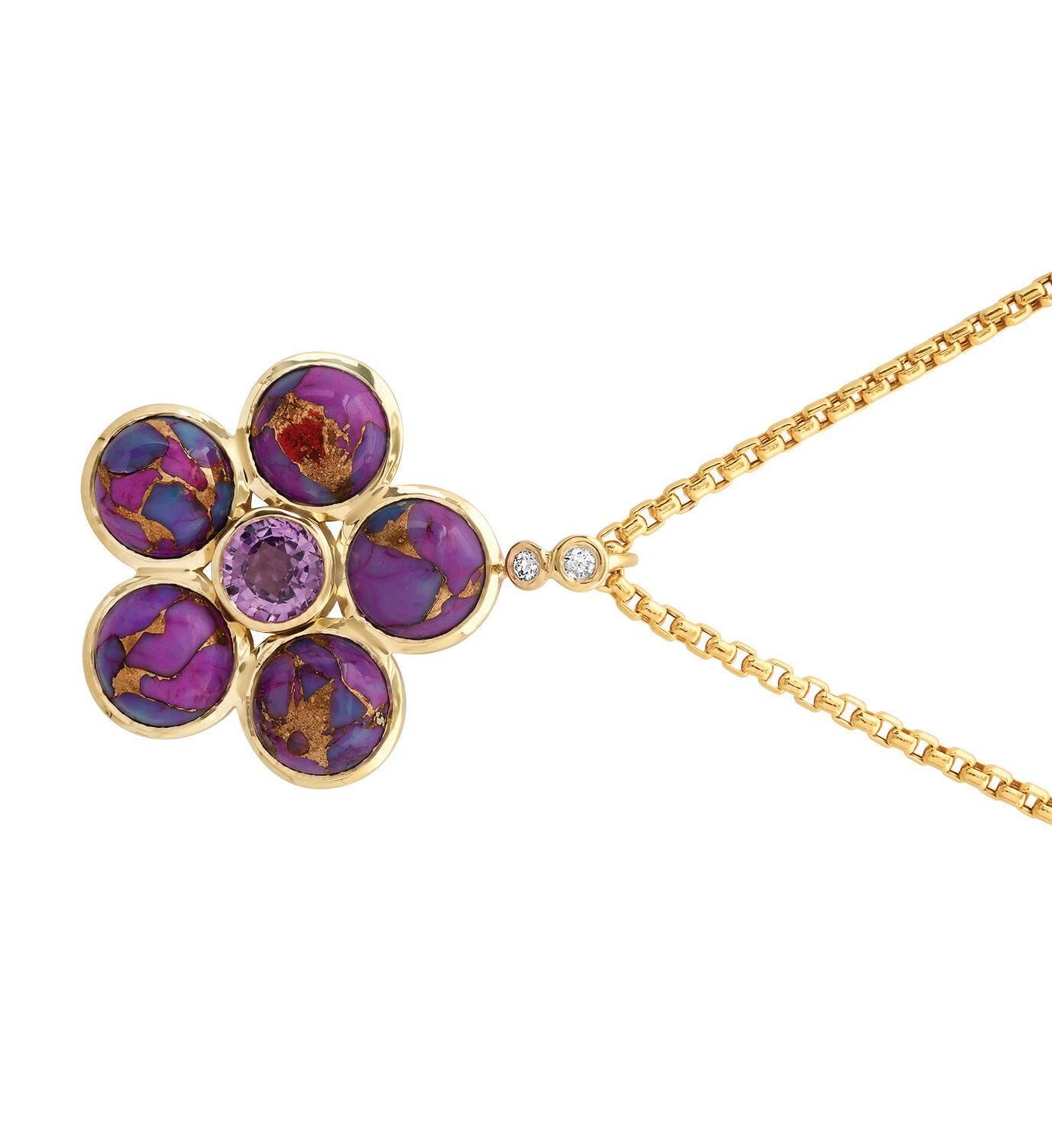
Elyzian Fleur de Charme Pendant (elyzian.com)
Flower Puff
(boochier.com)
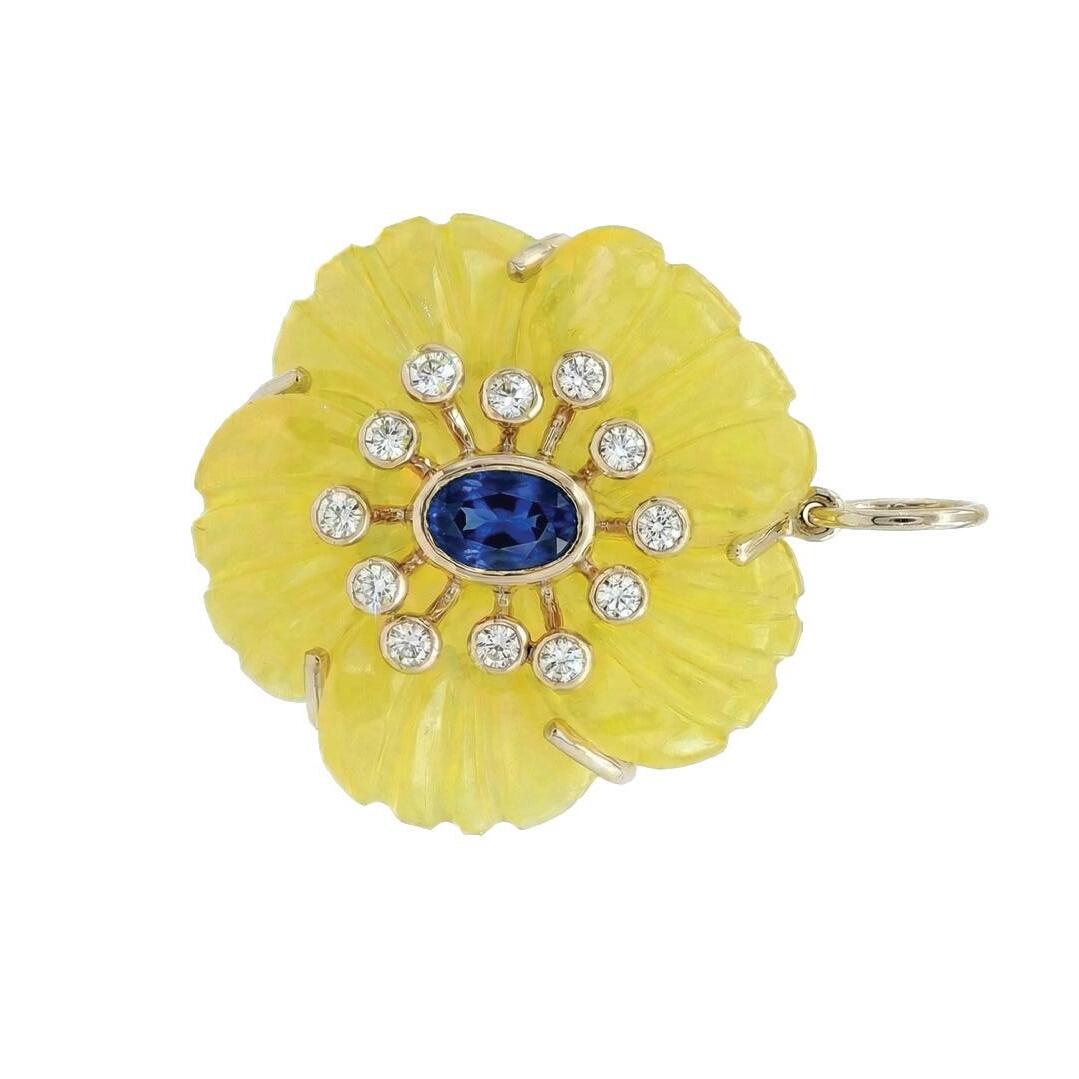
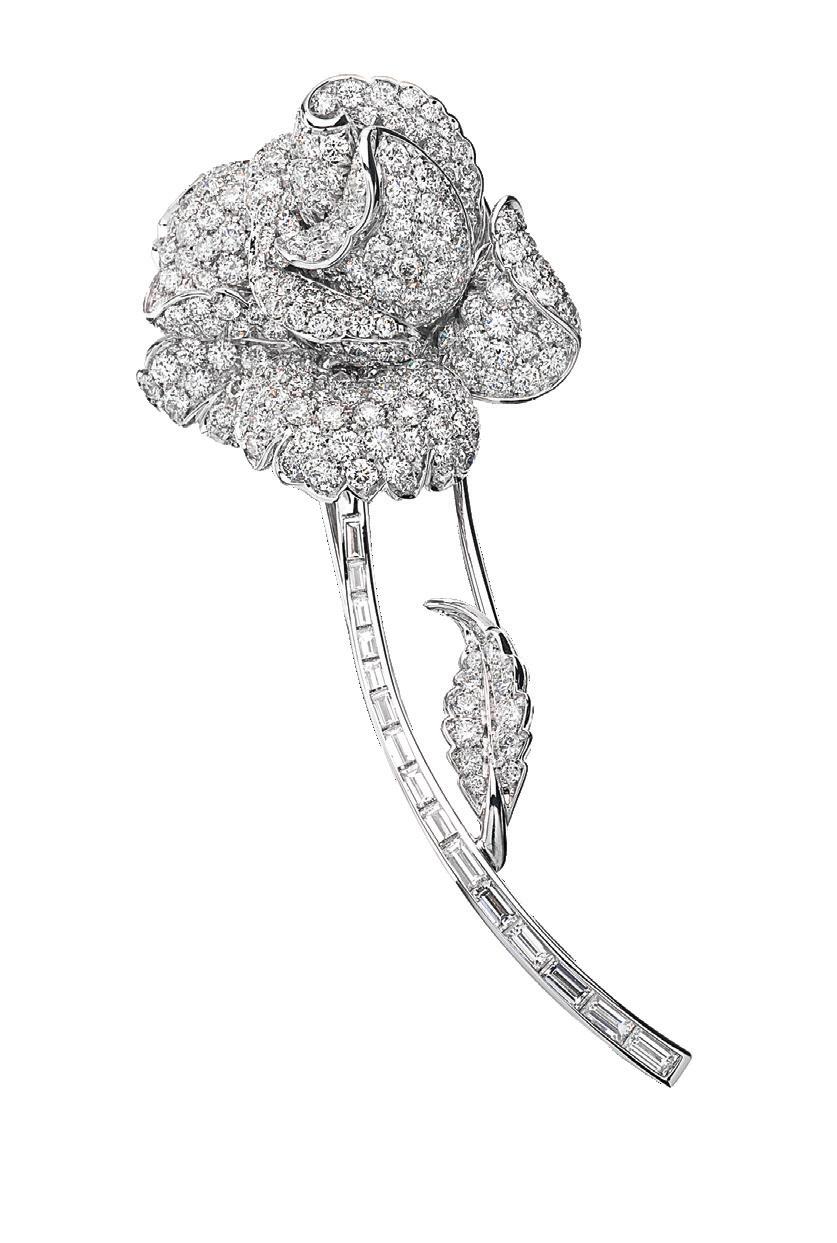
Picchiotti Flora Brooch. Available through Moyer Fine Jewelers in Indianapolis, Clarkson Jewelers in St. Louis and (picchiotti.it)

Written by Bridget Cottrell / Photos courtesy of Fairmont Mayakoba
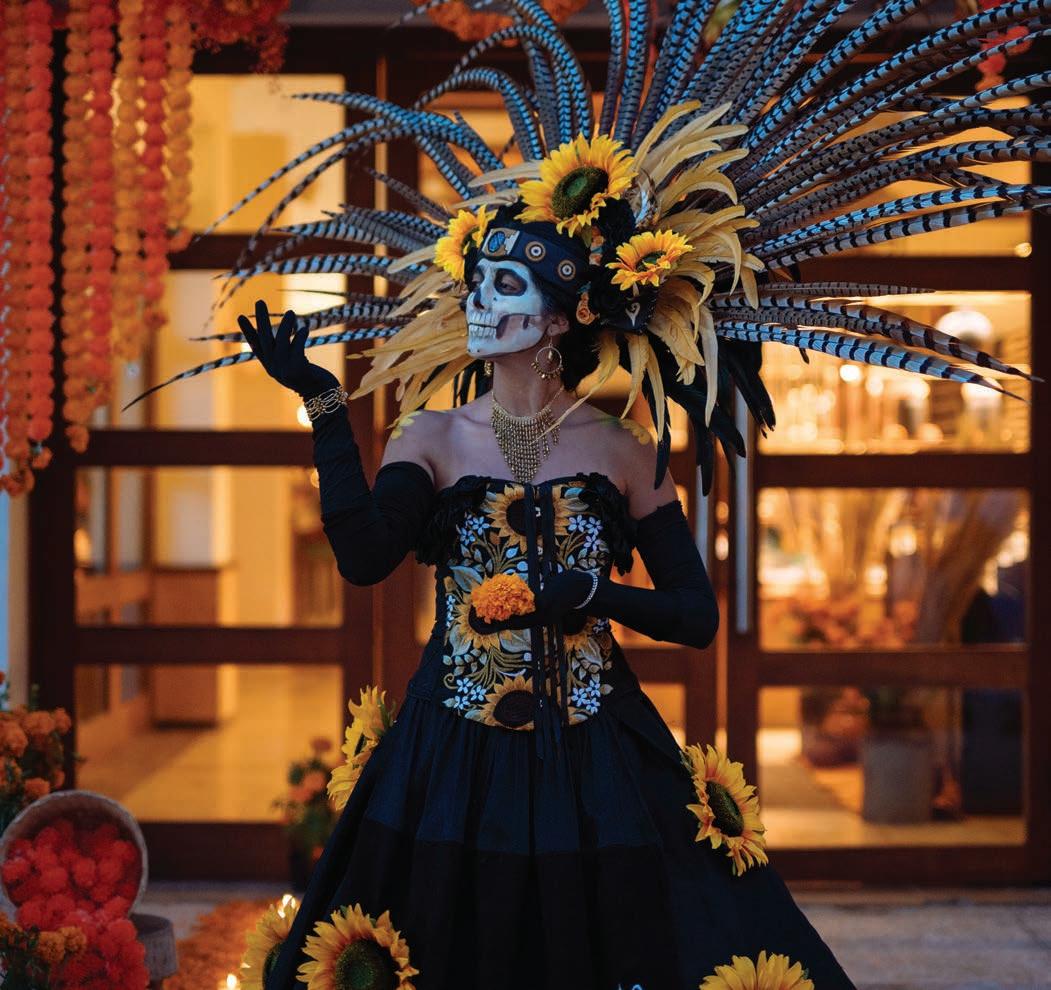
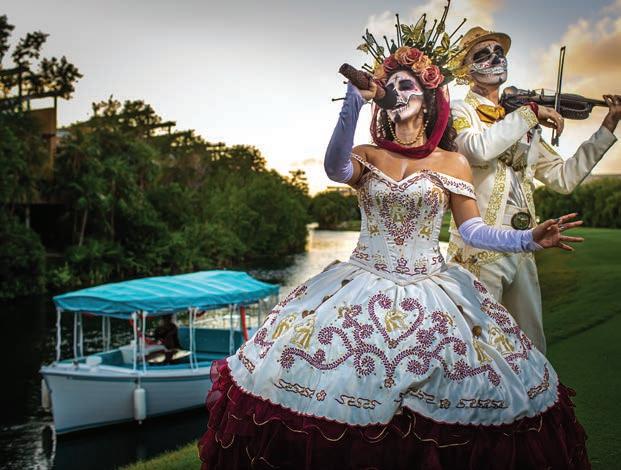
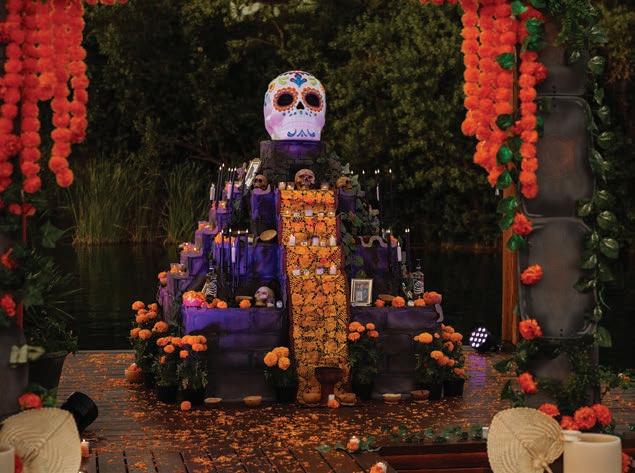
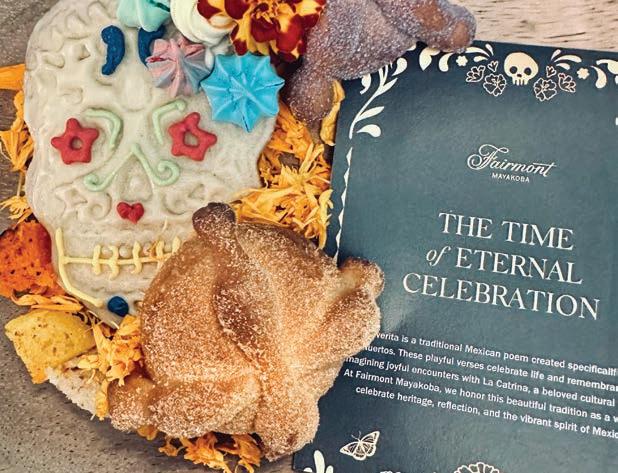
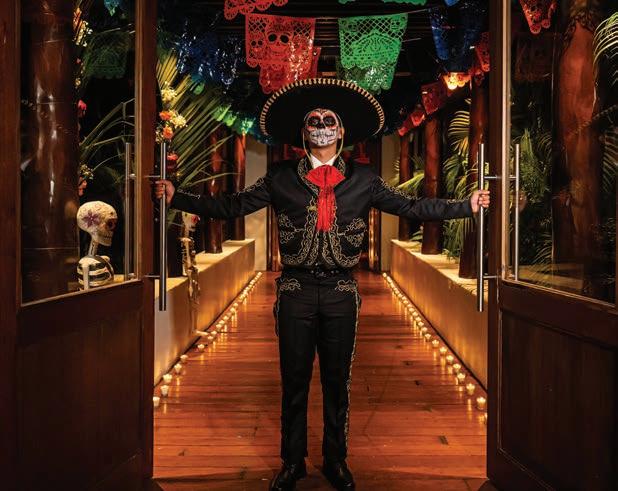
The dead danced in my dreams. Not in a scary, wake up in a cold sweat kind of way, but rather à la Tim Burton: dark yet intriguing. Mis sueños, filled with sugar skulls, candlelight, Catrinas, fire, feathers, and Mesoamerican symbolism, served as a souvenir after engrossing myself in the all-encompassing celebration of Día de Muertos at the Fairmont Mayakoba in the Yucatán Peninsula.
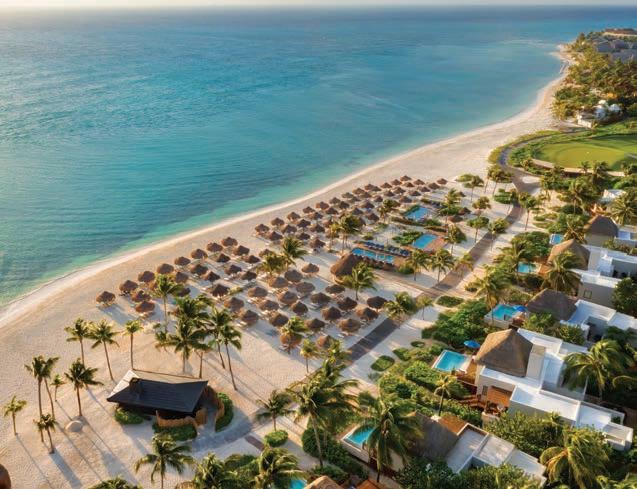
The nearly 600-acre property, 100 of which are oceanfront, encompasses four luxury hotels, residences, a world-class golf course, beach clubs, and El Pueblito, an authentic replica of a traditional Mexican town, complete with a central plaza, shops, and a small church. Within this luxury ecosystem, the festivities for Mexico’s most vibrant holiday, which unfold over several days, are equally outsized. The property-wide collaborative celebration kicked off with an evening canal boat journey featuring choreographed vignettes that revealed themselves like fever dreams, complete with whirling dancers, glow-inthe-dark costumes, skeletonized faces, and live music. “It’s a good thing we’re not on drugs,” joked one of my fellow boat passengers.
The subsequent days were filled with immersive altar exhibits, live performances, crafts, children’s activities, cooking classes, and themed culinary experiences, including 30 different specialty menus at restaurants across the Mayakoba portfolio. At evening events, adults (me included) queued up with the excitement of children at a birthday party to get their face painted like a Catrina or el Catrín.
During a celebratory dinner marking the opening night of the festivities, Luis Duran, CEO of Mayakoba’s parent company RLH Properties, remarked, “The Day of the Dead is the soul of Mexican culture and a celebration of life. We hope to bring to our guests the authentic experience and nuance of our incredible Mexican Culture.” While the candlelight of evening activities amped up the drama, during the day, marigolds, with their bright orange color and strong scent thought to help guide the spirits of the dead home, were the stars of the show, appearing everywhere, strung into garlands and gracing the ofrendas alongside baskets of sweet breads, photographs, and a plethora of pillar candles.
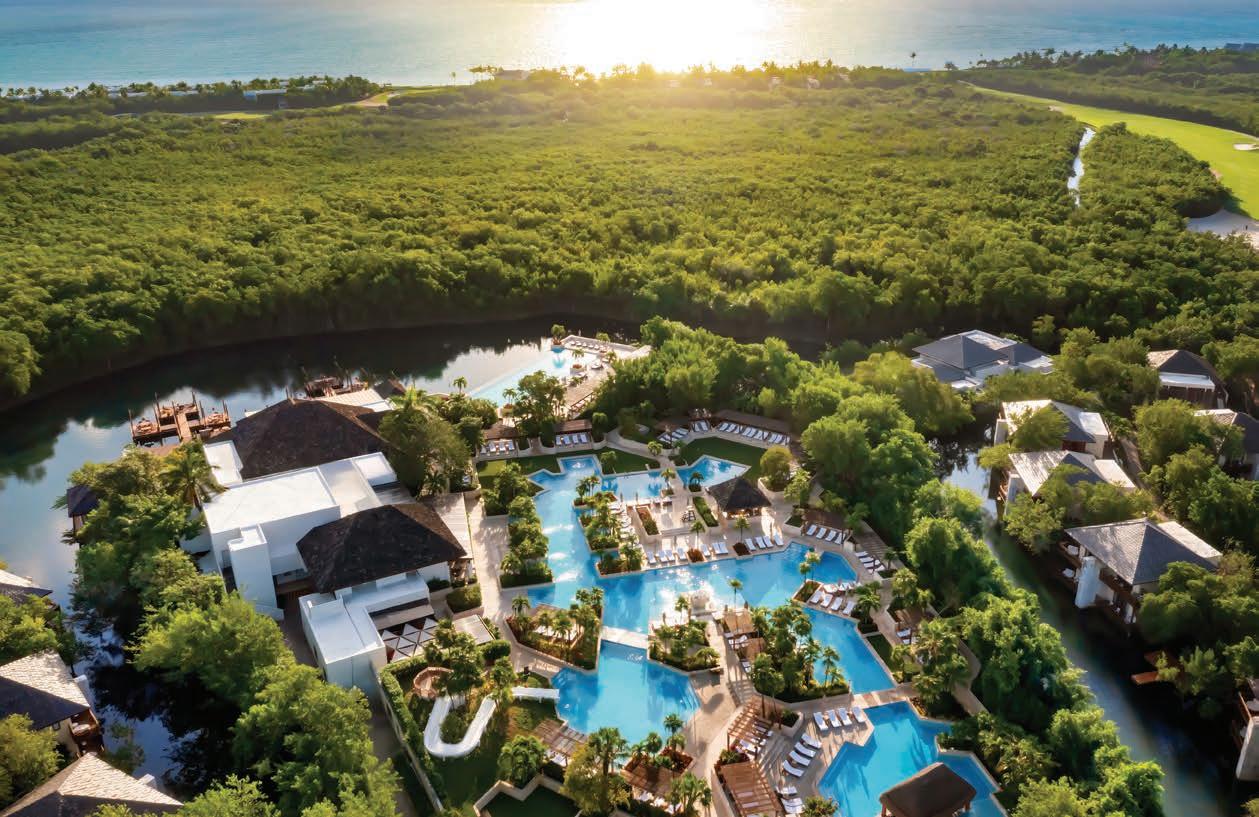
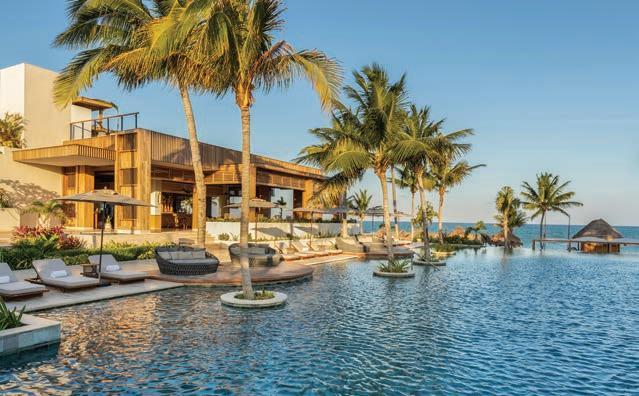
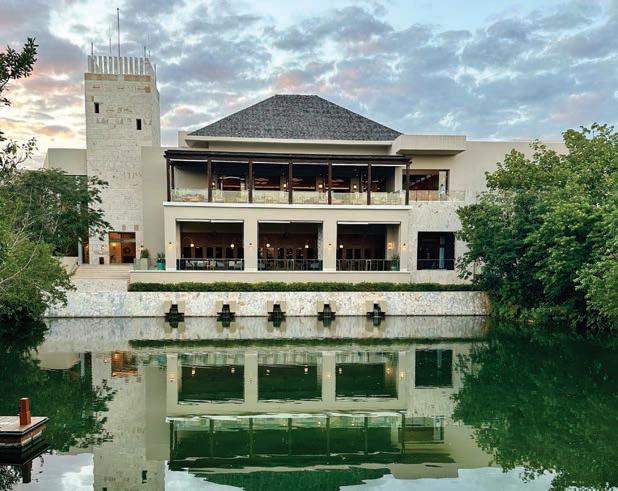
Visiting Fairmont Mayakoba outside this celebratory season is equally beguiling, as the AAA Five Diamond awardee, celebrating its 20th anniversary this year, offers an all-encompassing experience. While the property boasts 401 rooms and suites, it never feels crowded. I lodged in one of the casitas nestled in the dense jungle vegetation of the Mayakoba reserve, fronting a canal that snakes through the property (don’t miss the regularly scheduled boat rides through the canal system to learn more about the local flora and fauna).
My second-floor room was spacious and minimalist in its décor, with glass doors to the terrace framing the view and allowing it to hold its own as the room’s sole artwork. Guests staying in the resort’s Signature Casitas and above are assigned a personal Balam butler, and mine remained in regular contact, reminding me of reservations and complimentary events throughout the property. After learning of my keen interest in Día De Muertos, he was a fountain of knowledge, recommending several fascinating documentaries that deepened my affinity for this holiday, particularly on the evening of October 27, when the souls of lomitos (dogs) and michis (cats) come calling.
Scattered throughout the property are pickup stations where you can be chauffeured via golf cart to the beach, spa, restaurants, and the canal-front pool. I preferred to hop on one of the ample beach cruisers
placed around the property to help me get in some sneaky exercise in between my indulgent culinary journeys. The quiet of a pre-sunrise pedal through the jungle en route to the beach amplifies the cacophony of more than 500 bird species endemic to the region.
There are 10 pools on the property. The “quiet pool” near my room lived up to its name as I was often the only one there, indulging in the sweet silence to ditch my phone for some quality reading time. The lagoon pool is as oversized as the property itself, with its zig-zag layout providing plenty of quiet alcoves if one desires. Head to the far end, near the La Laguna Mexican restaurant, and you’re almost assuredly guaranteed serenity as families tend to congregate around the waterslide. Or venture a few steps further to the adults-only infinity pool at the water’s edge that offers elevated lounge seating. There are three pools at the beach, with a not-so-wide stretch of sand being the only thing separating the smallest one from the ocean.
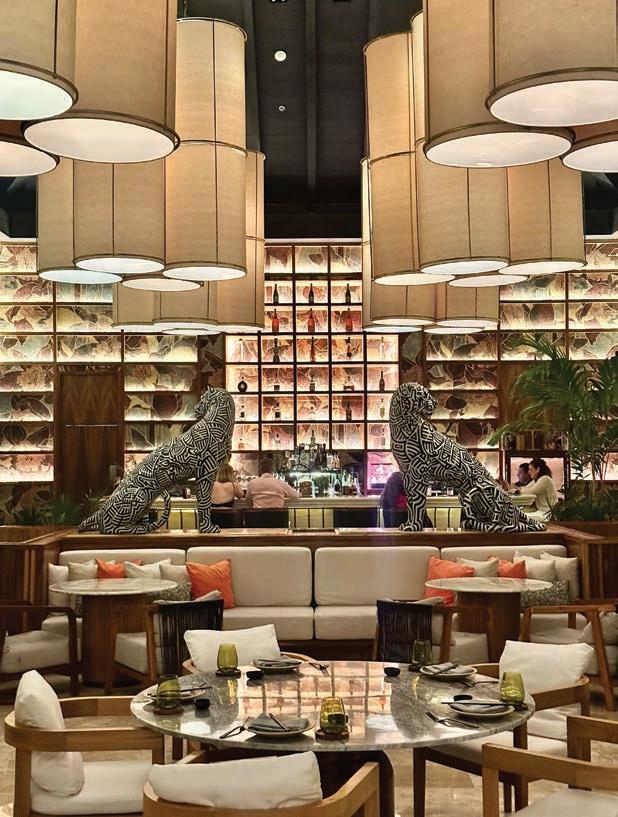
Fairmont Mayakoba’s 12 restaurants and bars encompass culinary traditions from around the world. Steps from the ocean, Fuego offers toe-in-the-sand dining. True to its name, nearly every dish, including traditional Mayan offerings, benefits from a kiss of fire. An exploration of Mexican cuisine continues at La Laguna, where it’s hard to resist
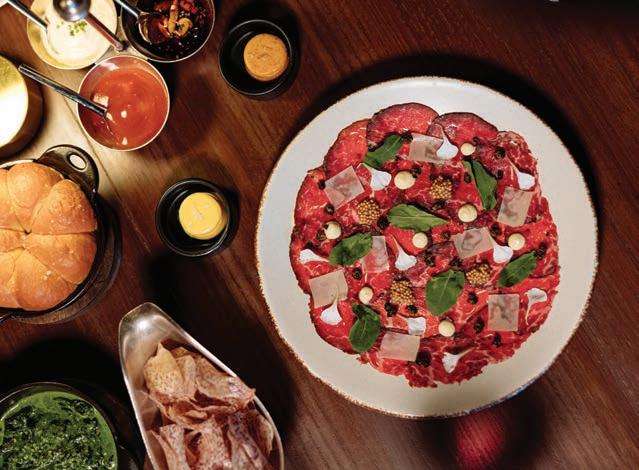
overindulging at the breakfast buffet. Tauro Steakhouse in the main building is a chic, dinner-only American-style steakhouse boasting the largest in-house dry-aging program in Latin America and bartenders who craft matchless martinis. The ocean’s bounty is celebrated at Gaia; classic Italian cuisine is served at Bassano; and Asian-inspired offerings are found at Hix in the lobby.
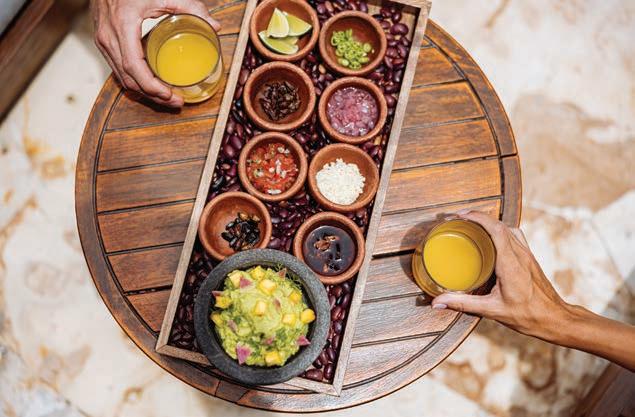
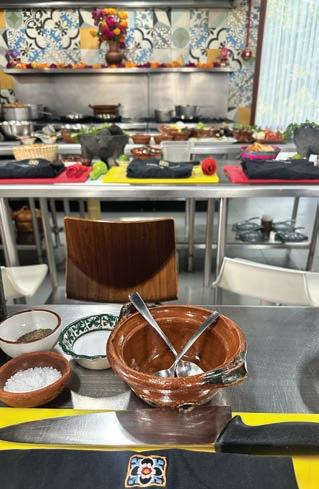
If you aren’t content with being well fed, you can sign up to do your own cooking at the Mayakoba Cooking School located within the charming El Pueblito. In our immersive class, we cooked with all our senses; it was the first time I used sound to “feel” when something was ready.
As we made Pan de muerto ("Bread of the Dead") decorated with dough "bones" and a central knob, symbolizing the cycle of life and death, one instructor shared that on the holiday, he heads to the ocean, where his father’s ashes were scattered. “Each year we swim together,” he said. Other instructors remarked that they head to their local graveyard, where shots of tequila “thrown” at headstones allow them to celebrate with the dearly departed, offering the opportunity to talk about and “talk” to loved ones, keeping them present by tending to cherished memories. It’s a way of looking at death that I find comforting, making the gap feel more like a cracked door rather than an impassable abyss.
As I approached the Fairmont Spa Mayakoba, I pondered what the Mayans, whose ornate monumental pyramid temples dot the region, would think of this two-story, 36,000-square-foot facility built solely for the pursuit of pleasure. They most assuredly would have been disappointed that I couldn’t finish the traditional temazcal sweat lodge ceremony, held in a dome-shaped structure in the spa garden. Instead, I chose to trade steam heat for the cool waters of the rooftop pool. Equally oversized is the spa’s 24-hour fitness center, with separate spaces for cardio and weights.
Guests of Fairmont Mayakoba have access to the amenities at their sister hotels: Alila, Banyan Tree, and Rosewood. El Camaleón is Mayakoba’s Greg Norman-designed 7,024-yard, Par 72 masterpiece. It has the distinction of being the only course in the world to host a PGA, LPGA, and LIV tour event. The Jim McLean Golf School offers a state-of-the-art practice and learning center. The facility features a 350-yard double-sided tee, a short game area, and a 40-yard-wide putting green.
While Mexico’s vibrant culture shines a bit brighter during Día de Muertos, Fairmont Mayakoba’s unique programming, emphasis on Mayan culture, nature, and authentic culinary options make it palpable year-round. sl For more information, visit fairmont-mayakoba.com.
Compiled by Victoria Chase


A collection of rare photographs and personal letters/diary entries from photographer Sam Shaw, a close friend and confidant of Monroe, the book offers an intimate look at Monroe’s life, career, and the story behind Shaw’s iconic Seven Year Itch images. Sam Shaw - Dear Marilyn: The Unseen Letters and PhotographerHardcover, 240 pages, ACC Art Books (accartbooks.com).
Amid the chaos wrought by COVID-19, acclaimed photographer Andy Katz set off on A three-year journey in a four-wheeled camper to capture the beauty of 63 stunning U.S. National Parks. The 100 images featured in the book provide an immersive visual journey through some of our country’s greatest treasures. Andy Katz - A Walk in the Park: America’s National Parks - Hardcover, 160 pages (andykatzphotography.com).

bib 'li' o 'taph, [bib-lee-uhtaf, -tahf]: a person who caches or hoards books
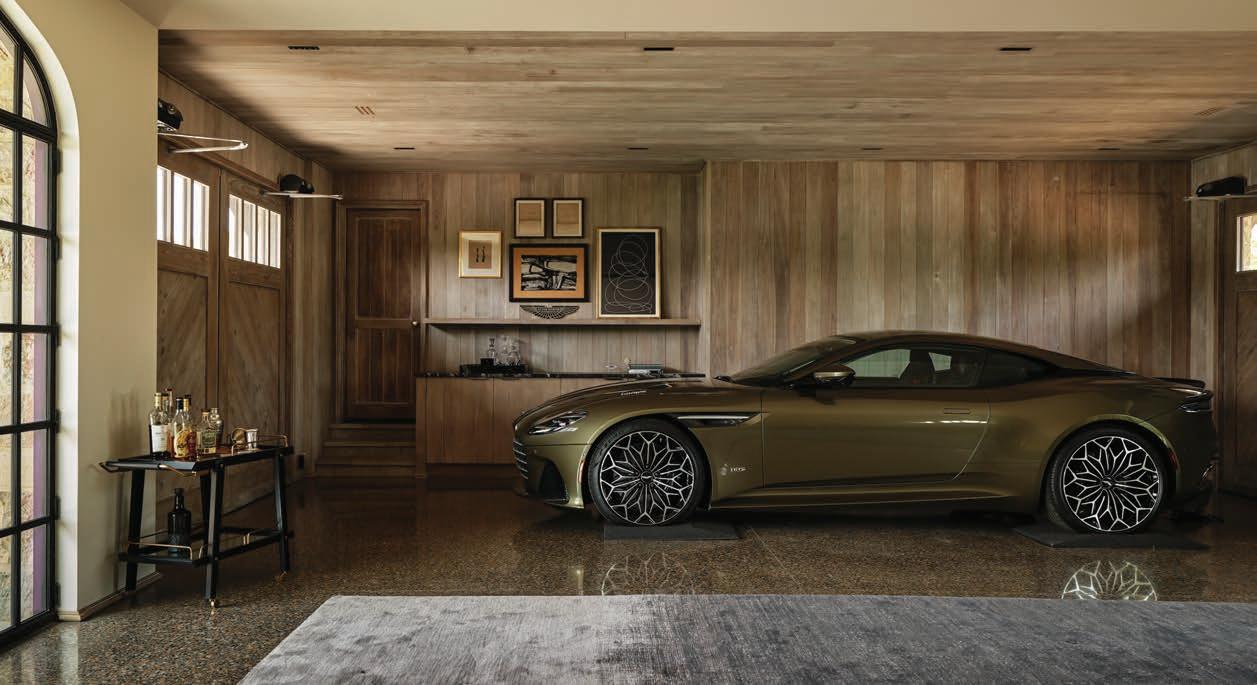
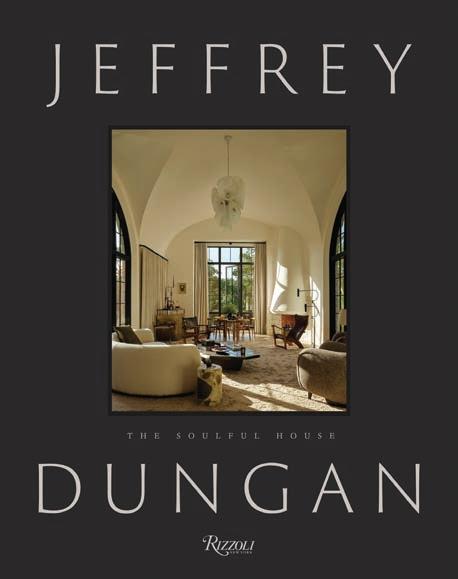
Renowned for the organic beauty and poetic clarity of his architecture, Jeffrey Dungan presents a curated collection of his most recent residential projects, an evolving body of work across diverse landscapes from the Pacific coast to Nova Scotia, and down through Pennsylvania, the Southern States, and the Caribbean. For Dungan’s second book, he penned essays on topics including balance and form, the inspirations for his craft, and the guiding principles that define his vision. Jeffrey Dungan - The Soulful HouseHardcover, 272 pages, Rizzoli (rizzolibookstore.com)

Epic in scale, Horse Country ($60) is a sprawling, cinematic tribute to the world of horses around the globe—from tack room to saddle, British dressage to Western cowboys—and everywhere in between. Kathyrn O’Shea-Evans with a foreward by India Hicks - Horse Country - Hardcover, 240 pages, Gibbs Smith (gibbs-smith.com).
By Bridget Cottrell
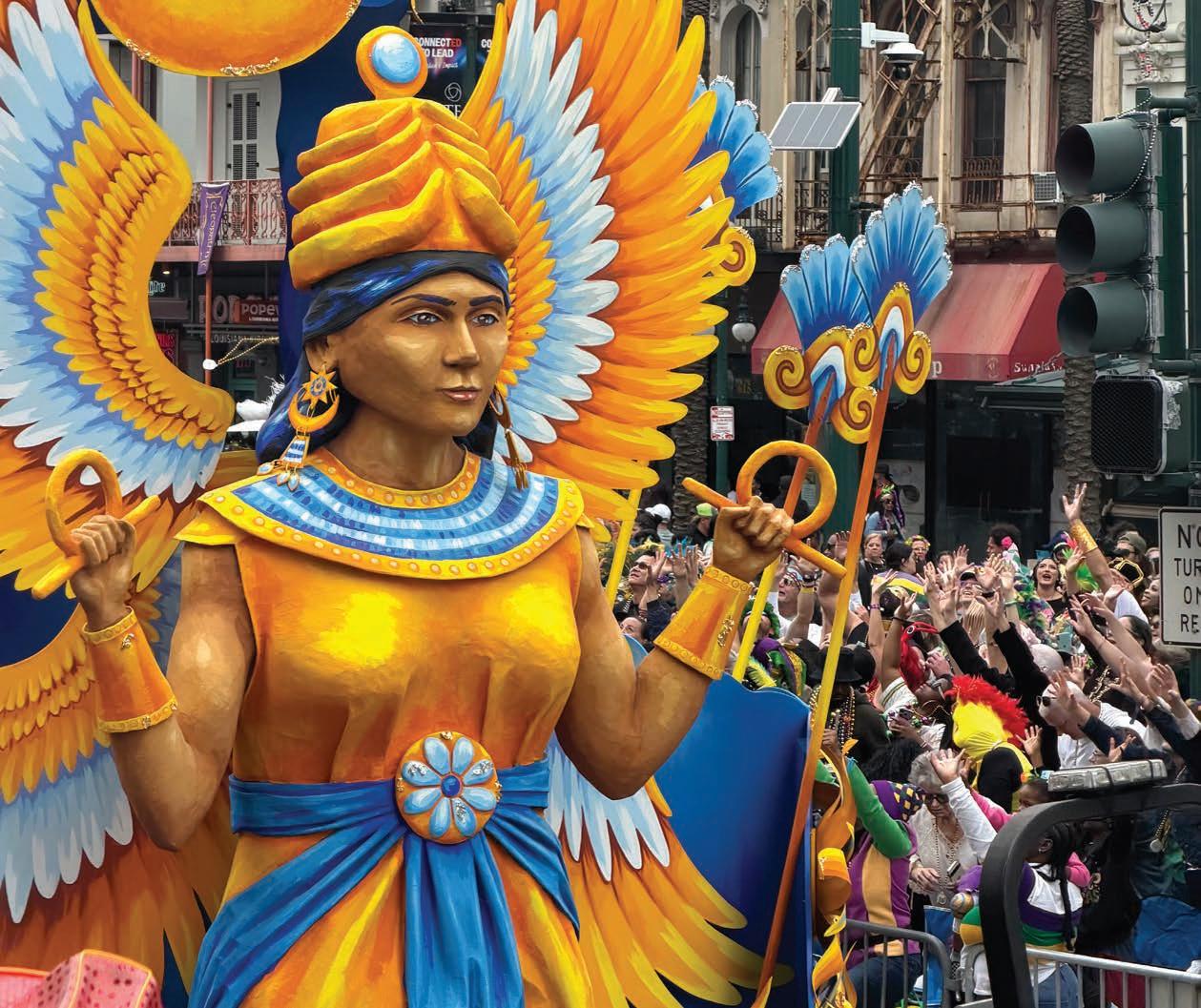
Riding on a Sheraton New Orleans-sponsored float in the 2026 Orpheus Parade on the eve of Fat Tuesday felt like being on the receiving end of a long bear hug from the entire population of the Crescent City. As we set off from the convention center, I was already punch-drunk from a full day of hurry-up-and-wait in preparation for the festivities. Inching along the parade route, I absorbed the cadence of the marching bands bookending our float, felt dwarfed in the float’s garden of oversized, vibrant papier-mâché flowers illuminated by even brighter lights, and relished the power trip that comes from being on the throwing side of beads and other goodies. Combined, this sensory overload created an experience like no other that I won’t soon forget.
How can you get in on this action, you might ask? The thing to do is join a krewe. While the exact number of krewes fluctuates from year-to-year, there are dozens of these social clubs in New Orleans, ranging in size from large historic organizations to small walking clubs. Combined, they staged more than 80 parades during the 2026 Mardi Gras season, which began on January 6th and continued through February 17.
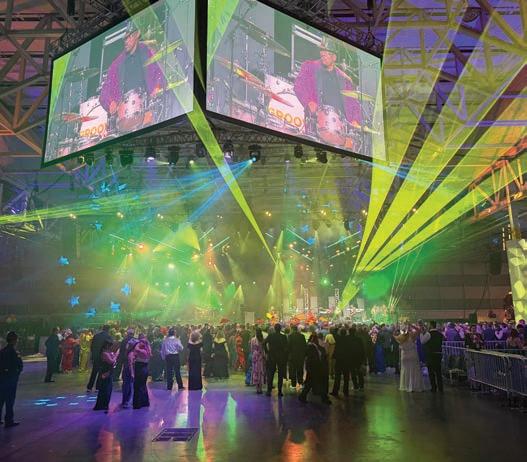
Co-founded by Harry Connick, Jr., one of New Orleans most favored sons, the Krewe of Orpheus made history in 1994 when its parade debuted with 700 members, garnering it instant “super krewe” status. Taking its name from Zeus and Calliope’s musically inclined son, Orpheus was one of the first big parades to allow both male and female riders, and it was the first to use fiber optic lighting on its Leviathan float. Connick calls upon his star power to recruit an array of celeb friends to serve as Monarch. Noah Wylie and his wife, Sara Wells, headlined the Lundi Gras parade this year, leading 35 “All the World’s a Stage”themed floats and 1,500 krewe members. Speaking to the event's popularity, Wylie and Wells were joined by several past monarchs, including Will Forte, Jonathan Silverman, and NSYNC's Joey Fatone, who performed with Connick, Jr. at the post-parade Orpheuscapade, a blowout black-tie celebration at the convention center. Individuals interested in joining the Krewe of Orpheus for 2027 are required to pay a one-time new member initiation fee of $500 and an additional $1,425 to be on a themed float or $1,625 to be part of one of the signature floats. In addition to securing
your spot, the fee covers the mask (required by law since the 1800s), a sparkly, boxy costume, the parade-day luncheon, and admission to the Orpheuscapade, where the beat goes on until the early morning hours. Krewe members also receive invites to several special events and meetings scheduled throughout the year (kreweoforpheus.com).
A few additional krewes currently accepting new members as of press time include the women’s only Krewe of Nefertiti ($1,300 for a Jewel membership; kreweofnefertiti.org); the Krewe of Krampus, which follows the model of a true European Krampuslauf and focuses on sustainable throws ($265 to become a member; kreweofkrampus.com); the Star Wars-focused Intergalactic Krewe of Chewbacchus (membership starts at $42; chewbacchus.org); the Mystic Krewe of Femme Fatale, which incorporates a mentorship program and service projects outside of parade season (mkfemmefatale.org); the Krewe of Pontchartrain, which kicks off the season with a Coronation Ball ($525; kopf. org); the Krewe of Dolly, where registration opens to new members

every year on 9 to 5 Day, September 5 (thekreweofdolly.org); and the food and wine focused walking Krewe of Cork ($530 for membership; thekreweofcork.com). You can hop on the waiting list for several other krewes, including the Krewe of Muses, famous for its charitable initiatives, philanthropic works, satirical floats, and bedazzled shoe throws (kreweofmuses.org).
If you prefer to be on the receiving end of the throws, buying a ticket to access the VIP elevated viewing platform outside the Sheraton New Orleans on Canal Street is a surefire way to find yourself with beaucoup bibelots, particularly during the Krewe of Bacchus parade, during which the Celebrity King float stops directly in front of the hotel (the official hotel of the Orpheus krewe) for a celebratory toast from Orpheus VIPs assembled on the hotel’s balcony. It was amusing to watch fully grown adults jockey for socks, hats, towels, stuffed animals, and more like five-year-olds sent scrambling when a birthday piñata breaks open. By the end of the Bacchus parade, our necks were laden with so many blinking beads, great and small, that someone joked we could be seen from space.
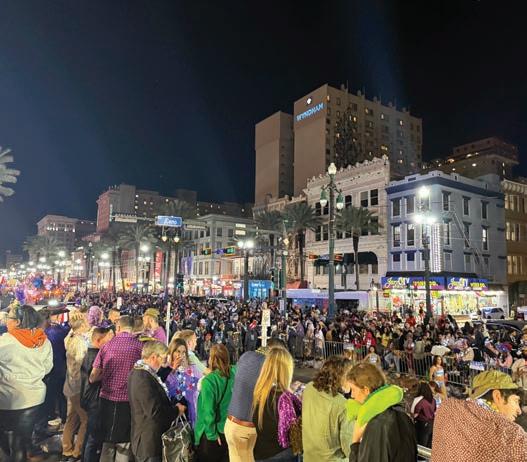

Not every catch is a keeper, and that’s where RecycleDAT! comes in. During the 2026 Carnival season, the initiative successfully diverted 61,219 pounds of recyclable materials from landfills. Once we stuffed our carry-ons to the brim with our favorite catches, we placed the leftovers in the conveniently located recycling bins outside the elevator bank in our hotel.
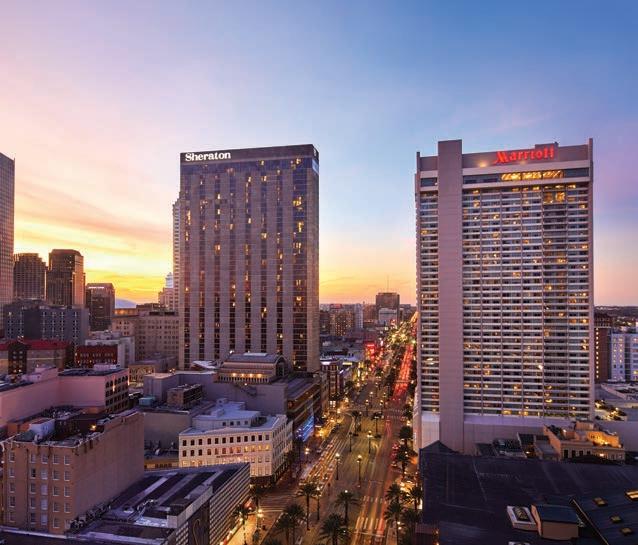
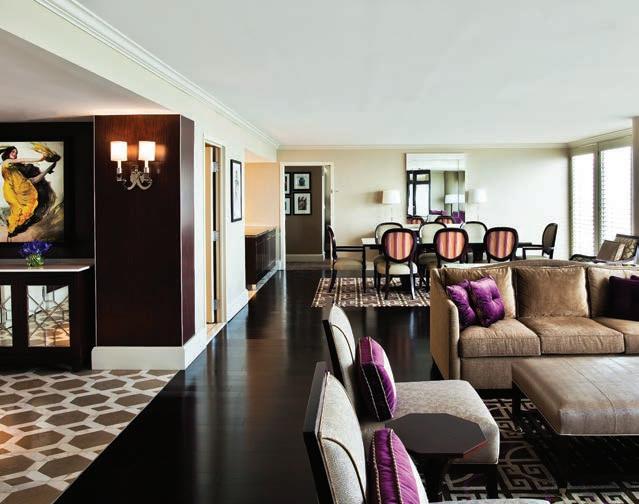
Outside of being a primo parade-watching locale, both the New Orleans Marriott and the Sheraton New Orleans provide easy access to the Big Easy’s greatest hits at any time of year. At the 4-star Marriott, which recently rolled out renovated guest rooms, the floor-to-ceiling window in our room gave us a bird’s eye view of the goings on along Bourbon Street and beyond. We started the day with breakfast at the M Club Lounge (also recently reimagined), where we unapologetically packed a to-go bag of beignets and bacon to snack on while waiting in our staked-out spot in the hopes of snagging a coveted coconut from krewe members marching in the morning Zulu Parade (we did, thanks to a friendly local who gave us theirs). While the property is a popular choice for meeting and convention planners, it offers

a range of seasonal events and specials for leisure travelers, from a bourbon-themed package to live DJ sets at the pool in the summer. See them all at Marriott.com/MSYLA.
As the Marriott puts the finishing touches on its room renovation project, work is progressing in the rooms across the street at the Sheraton New Orleans. The property’s soaring lobby serves as the city’s gathering space, with programs like the weekly “Gatherings by Sheraton” keeping the atmosphere lively year-round (learn about current packages at Marriott.com/MSYIS).
What I appreciated most about interacting with the New Orleans Marriott and Sheraton New Orleans’ teams throughout our visit was their year-round enthusiasm for the city and a sincere desire to highlight what makes it great, both in and out of Carnival season. This palpable positivity carries over into every aspect of the guest experience. In true laissez les bon temps rouler fashion, during a parade-day breakfast, Frank Zumbo, Area General Manager of the New Orleans Marriott, remarked, “New Orleans is an incredibly vibrant city, and I will keep riding on a Mardi Gras float as long as I can stand.”. sl


The latest exhibition at the Headley Whitney Museum of Art honors two iconic Kentucky artists.
Written by Bridget Cottrell
On view through June 28th, Lexington’s Headley Whitney Museum of Art is staging a retrospective exhibition celebrating and honoring the 50-year careers of two acclaimed Kentucky artists, Rodney Hatfield and Lynn Sweet, who are also long-time friends. “Rodney and Lynn are two of Kentucky's iconic artists that have dedicated their lives to creating art and we are thrilled to honor their remarkable works” said Christina Bell, Executive Director and Curator at the Museum.
A multi-hyphenate descended from the mythic Hatfields and McCoys, Louisville-based musician and artist Rodney Hatfield grew up in a working-class Eastern Kentucky family, rich with diverse lifestyles and characters that deeply influenced his music and visual arts careers. A read-through of his bio conjures the chorus of the Steve Miller Band’s “The Joker.”
Although he’s been making art for as long as he can remember and won a drawing contest in first grade, long before his paintings popped up in galleries and private collections around the world, Hatfield expressed his creativity through music. He has been a mainstay of the blues scene since the 1960s as a vocalist and harmonica player, fronting notable touring bands such as The Hatfield Clan, the Metropolitan Blues Allstars, and Tin Can Buddha.
Entirely self-taught, Hatfield says it took many years for him to muster up the courage to display his paintings in a public fashion; encouragement from friends spurred him to participate in an exhibition at the Lexington restaurant, Alfalfa. To create a clear
delineation between his public persona as a musician and the more private practice of painting, he created the pseudonym “Art Snake”, derived from a playful mumbling of the phrase “art for art’s sake.”
Defying succinct characterization, constantly evolving, and not shying away from experimentation, Hatfield’s paintings are original, unique, and uninhibited figurative and abstract works. Early on, he drew inspiration from the likes of Marc Chagal and Joan Miró and later from Pablo Picasso, Paul Klee, and Rufino Tamayo. Carrying over an improvisational style that’s central to blues music to his paintings, Hatfield’s spontaneous approach allows the artwork to reveal itself organically, relinquishing control in favor of authentic storytelling. By avoiding adherence to preconceived, rigid concepts, Hatfield’s “primal” approach eschews traditional brushes in favor of rollers, sticks, palette knives, sponges, and rags, and incorporates found objects into mixed-media pieces. His uninhibited paintings, which straddle the line between recognizable and surreal, abstract to figurative, elicit strong reactions. The experience is akin to being granted access to a still from an immersive, vivid REM dream.
As if artist and musician weren’t enough, Hatfield’s oeuvre also includes acting, most notably playing the role of Hollis in the 1989 action-thriller Next of Kin, starring Liam Neeson and Patrick Swayze. The Hollywood connection has led to his artwork being in the collections of both Neeson and Gene Hackman. Outside of Kentucky, Hatfield's work is represented by galleries in Santa Fe, New Mexico, and Ecuador.
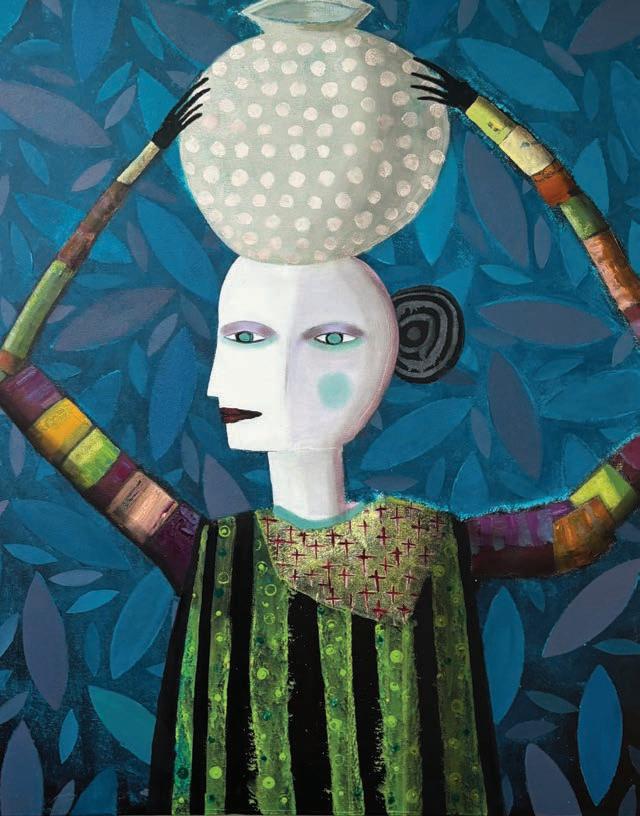
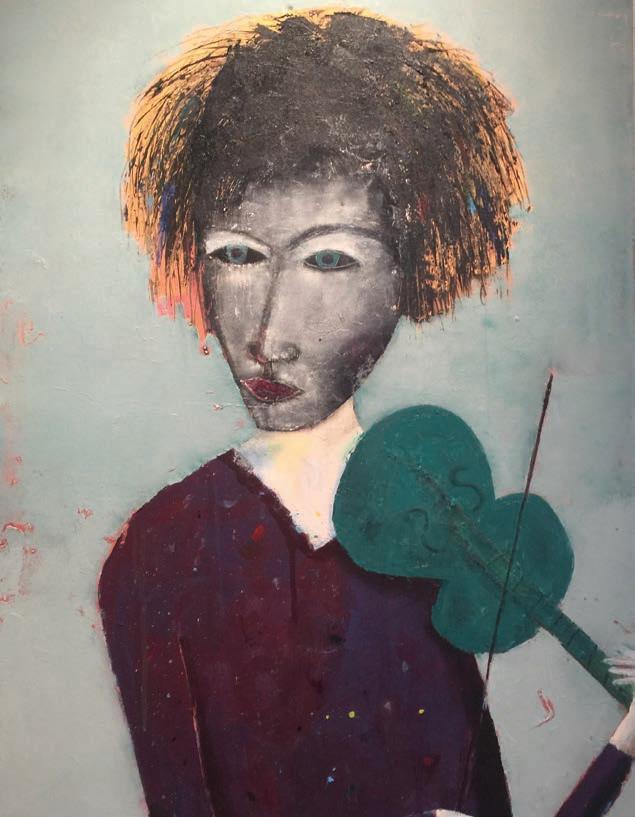


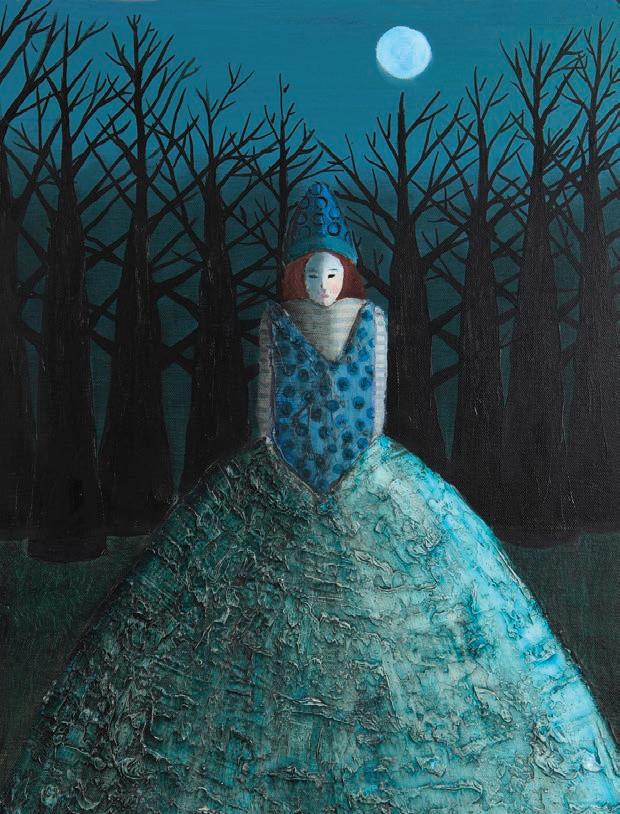


Lynn Sweet’s body of work is equally diverse, created amid a four-decade career as the facilities manager for the University of Kentucky's art studio and as a woodworking joinery instructor at the college's Fine Arts Institute. Sweet’s foray into furniture-making began in 1970, when he was a college student at the University of Kentucky. Charles Kelly hired him to create replicas of 17thand 18th-century furniture for his Woodford County antique shop. “I would dismantle the often badly distressed originals, make mechanical drawings of their parts, copy them in his wood shop, then repair and reassemble the originals,” recalled Sweet, adding, “I am grateful to those who helped me start.”

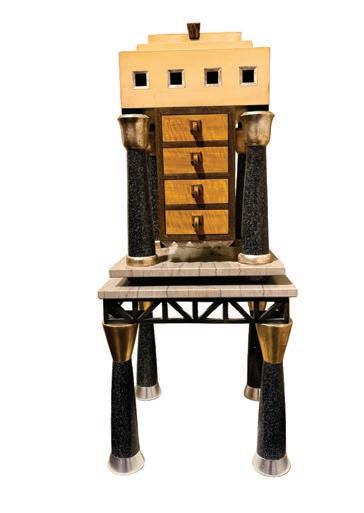
Working at UK, Sweet was surrounded by a talented cadre of artists and professionals, who provided inspiration to move his work in new directions. “I made a large body of furniture pieces that have used advanced techniques and a wide array of materials that have come a long way from the antiques that informed my initial inquiries,” he explained. Pieces in the Headley Whitney retrospective encompass colorful, Suess-like side tables evoking the Memphis design movement, a 1980s Italian postmodern design collective founded by Ettore Sottsass in Milan, and more clean-lined neomodern pieces in which he experimented with bentlamination, veneering, and material manipulation techniques.
During one of his regular visits to Santa Fe, Sweet encountered the abstract work of the late Texas artist Marcia Myers, renowned for large-scale Color Field abstractions using traditional Italian Buon fresco techniques, often featuring marble dust and pigments on canvas or linen. Intrigued, he researched her methods and developed a unique take on tradition using a concoction of materials inspired by Myers. “As opposed to Michelangelo and Raphael's Buon fresco process, I mixed marble dust, earth pigments, and oxides with acrylic artist medium, so that when the acrylic coalesced, the colorants were locked in the plaster, again, not on it.” A 2012 commission to paint five fresco panels for the University of Kentucky Chandler Medical Center led Sweet to try his hand at representational landscapes, which have remained a focus since.
Initially, Sweet used pallet knives to apply one acrylic color at a time to a plywood panel; eight years ago, a cake-decorating friend brought him a piping bag, which he began using to apply each color as part of his polymer masonry process. It’s a process he likens to the work of a woodblock print artist. After a layer of acrylic paint coalesces, he flattens the plaster piping with wet sandpaper and a rubber block to create a glass-like finish that imbues the works with inviting texture and depth. A defining characteristic of his fresco pieces is the scene extending to the sides of the plywood box canvas, making each piece equally engaging from all angles. It’s an extremely labor-intensive process, taking anywhere from 60 to 100 hours to complete, not including the time he spends sketching and making watercolor studies.
“After working for 15 years with this to my mounting satisfaction, it became clear to me that the manipulation of the plaster and 45 years of woodworking were the final insults to my poor, overused thumbs,” Lynn said. Terrified of being forced to abandon his life’s work, he once again pivoted, enrolling in an acrylic tube and brush painting class. “My initial attempts to paint with acrylics convinced me that I was better equipped for this technique than I feared, and I've enjoyed considerable success painting the landscapes of rural Kentucky,” he explained. Evidence of his deep well of talent, his most recent works, some created specifically for the exhibition, display meticulous detail and intricate complexity rivaling his frescoes.
Hatfield and Sweet first met in the 1970s at the University of Kentucky, sparking a creative friendship that has flourished for decades. Their joint exhibit is a heartfelt reunion, celebrating years of shared inspiration. Among the highlights are collaborative wood screens from the 1990s, crafted by Sweet and brought to life with Hatfield’s brushwork. The exhibit features over 200 works on loan from private collections, alongside fresh pieces available for purchase. sl
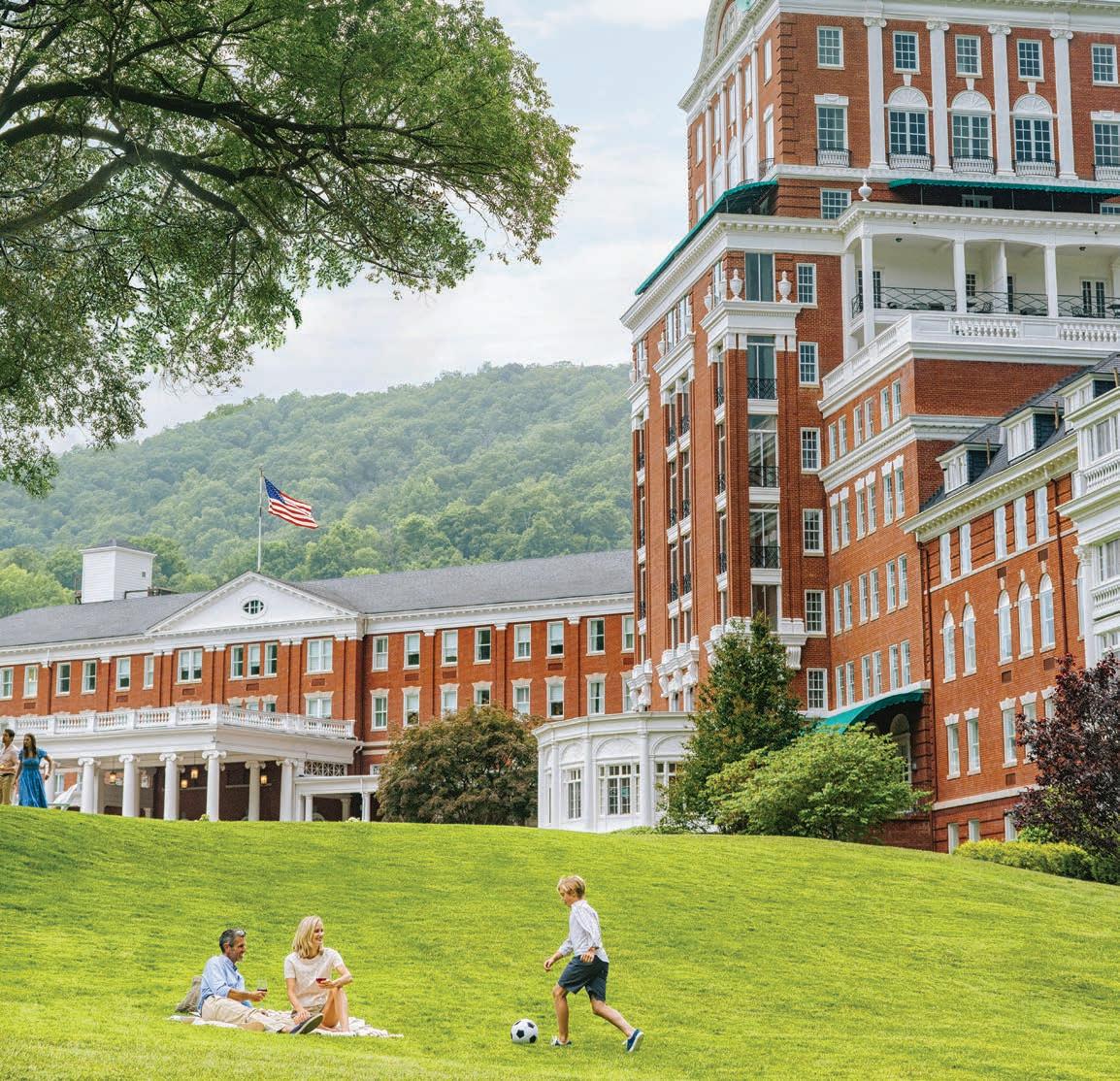
Discover how getting away can bring you together.
The Omni Homestead Resort & Spa offers a picturesque backdrop for creating lasting memories. With stunning natural scenery and a range of activities, including golf, hiking, and a luxurious spa, there is something for everyone to enjoy. Evenings by the fire pit, sharing stories under the stars, or discovering the resort’s history enrich the family experience. Every moment at
The Omni Homestead becomes a cherished memory.
10 An Evening with Bernadette Peters, 7:30pm, Lexington Opera House; centralbankcenter.com
15 F.E.A.S.T. 2026, 6pm, Fasig-Tipton; foodchainlex.org/event/feast-2026/
16 Parkinson’s Moving Day, 9am, Coldstream Park; movingdaywalk.org/event/moving-day-lexington
17 Run for Hope, 12;30pm, Coldstream Park
19 Uniting Voices Resonance, 6pm,Transylvania University; unitingvoiceslexington.org/upcoming-events
19 CBC Supper Club: An Evening with Castle and Key, 6pm, Central Bank Center; centralbankcenter.com
20 36th Annual Lexington Medical Society Golf Tournament, University Club of Kentucky; lexingtondoctors.org
29 Bourbon & Bites for Ronald McDonald House Charities of the Bluegrass, 6pm,The Campbell House; rmhclexington.com
30 Dancing with the Lexington Stars, 6pm, Carrick House; rotarylexky.org/dwls/
30 Lexington Great Strides, 9am, Coldstream Park; fundraise.cff.org/lexingtonky2026
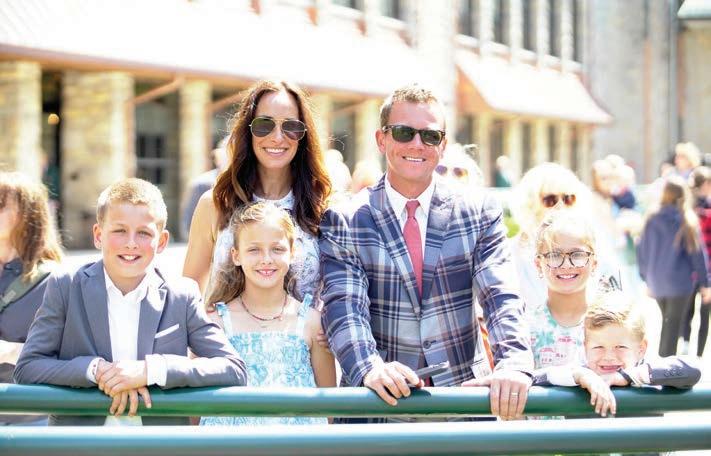

2-7 Split Rock Hunter Jumper 1 CSI 2*, Kentucky Horse Park; kyhorsepark.com
7 Josephine Sculpture Park 8th Annual Barn Raisin’: Conservation, Culture & Cuisine
8 LHS Mutt Strut, 8am, Keeneland; lexingtonhumanesociety.org/category/lhs-events/
9 Kentucky Chamber Women’s Summit; kychamber.com/events/womenssummit
21 JA Bluegrass Business Hall of Fame, 6pm, Keeneland; bluegrass.ja.org/events/index
23 Swing Fore the House, 8am, Champions at Keene Trace
27 CKRH Night of the Stars, Fasig-Tipton; ckrh.org/newsevent/nos/
27 Annual Lawn Party at Ashland; henryclay.org/event/annual-ashland-lawn-party/
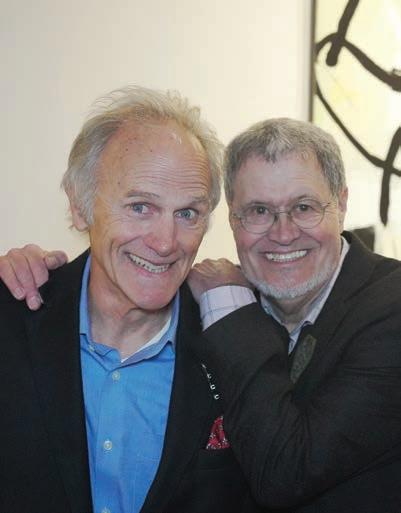
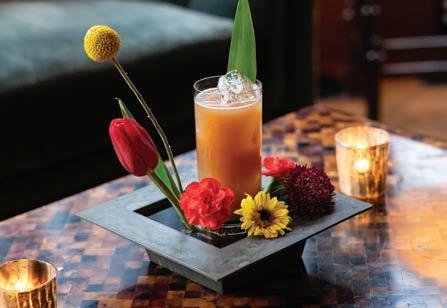
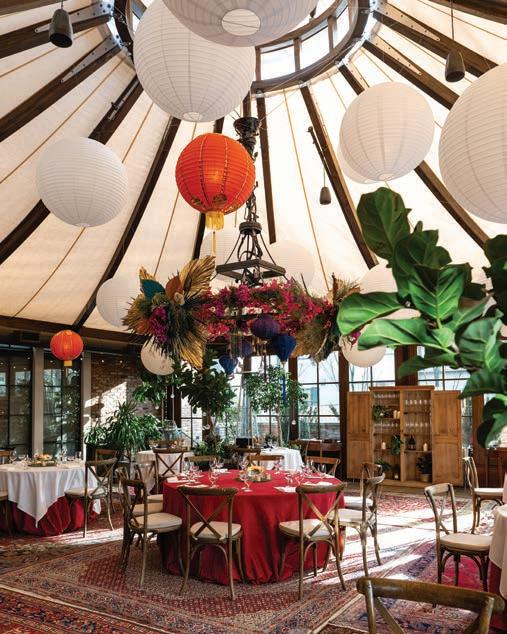
The event was an immersive progressive dining experience that explored the dialogue between Thai culinary tradition and a contemporary approach to cuisine. Rather than replicating traditional dishes, the menu interpreted Thailand’s signature balance of heat, brightness, sweetness, and depth through a refined, modern lens. With OMAGE to Thailand, The Apiary presented an experience rooted in precision and storytelling, creating a sense of place that feels both globally inspired and distinctly its own.
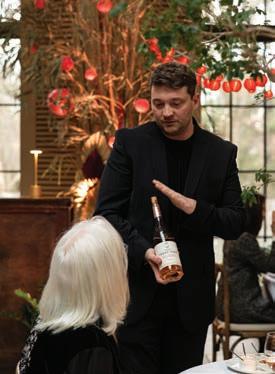
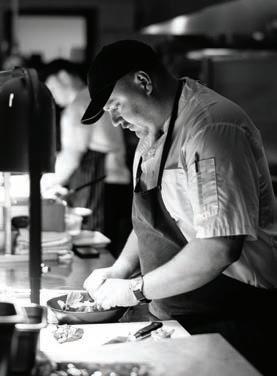
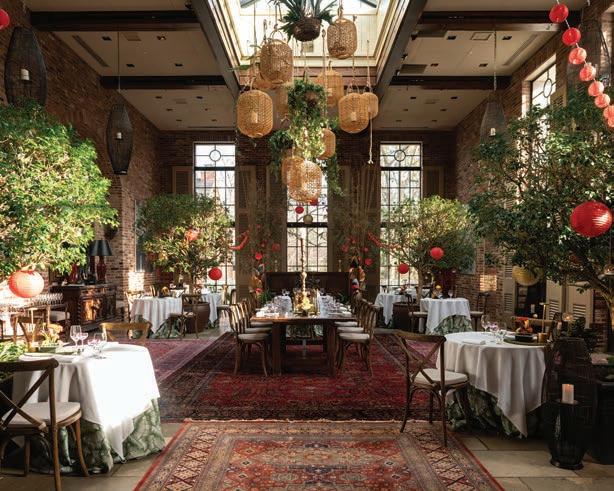
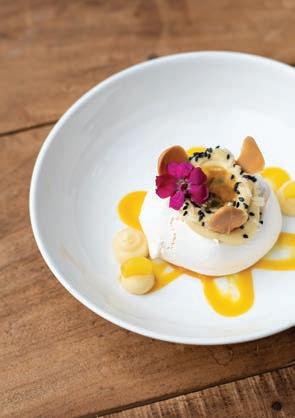
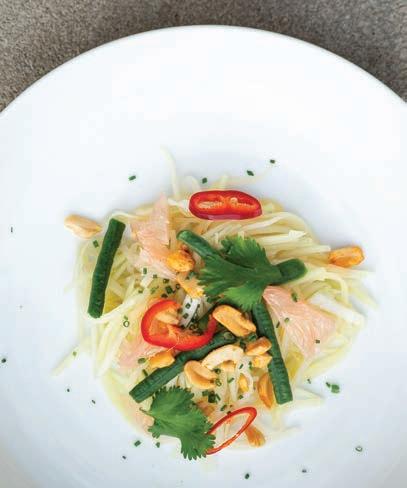
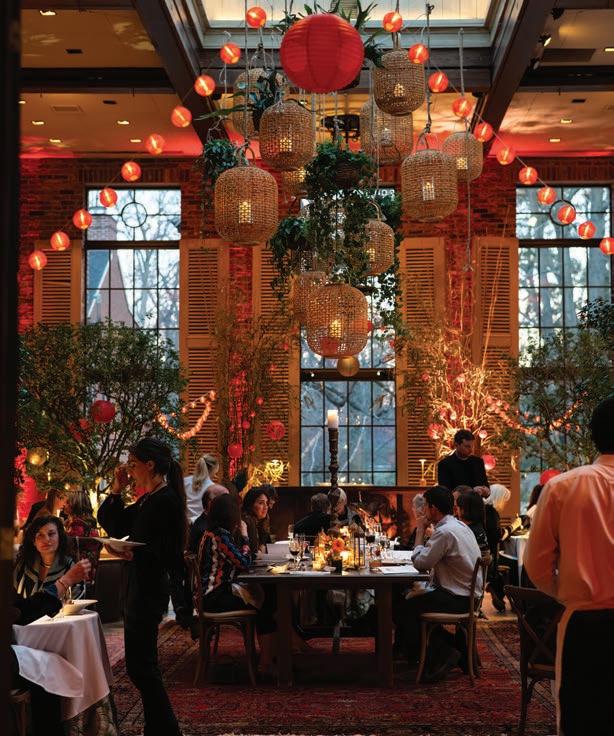
The 2026 Bluegrass Land Conservancy Annual Auction in Lexington stands out as a key conservation fundraiser in Central Kentucky. The event combines the area’s wellknown hospitality with a strong focus on protecting its unique landscape. Guests enjoyed both live and silent auctions, which created exciting bidding moments and raised essential funds to help the Conservancy continue protecting over 38,000 acres in Kentucky’s Bluegrass region.
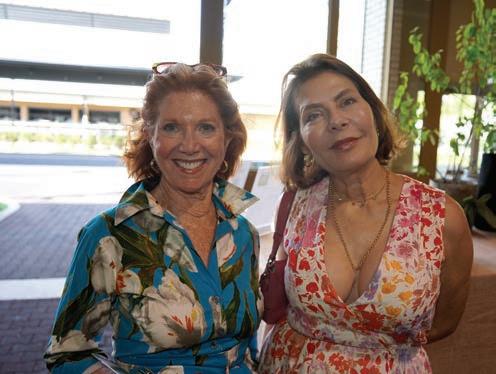
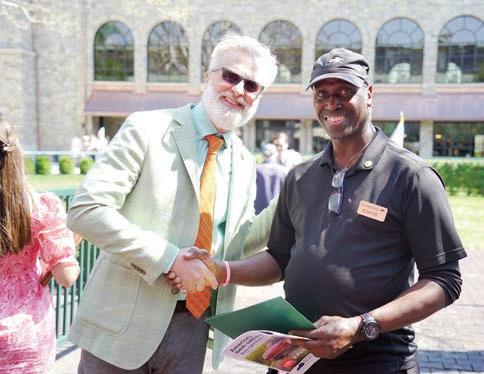
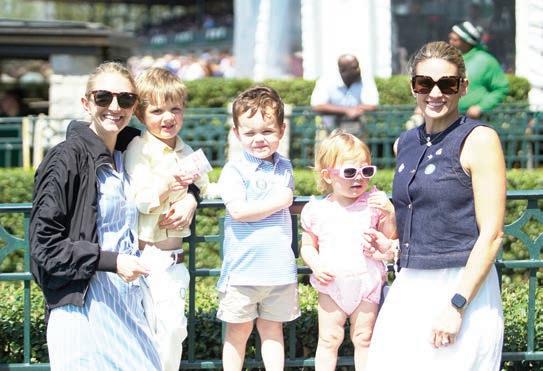
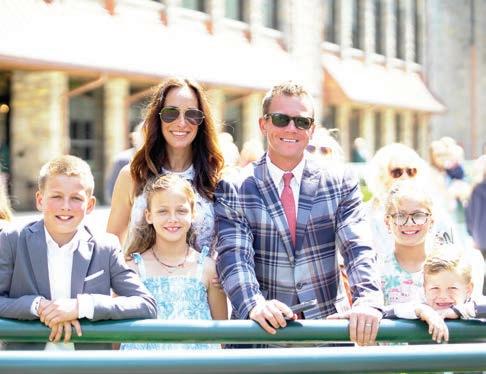
The 2026 Keeneland Spring Meet was a celebration of pageantry, elite competition, and community tradition. A major highlight was the debut of Keeneland’s reimagined Paddock Building, which introduced refined hospitality spaces that elevated the race-day experience while maintaining the venue’s historic charm. Against the backdrop of Lexington’s springtime beauty, Keeneland remains a defining fixture of the racing world—both for its spectacle and its significance.


by Daniel Roberts


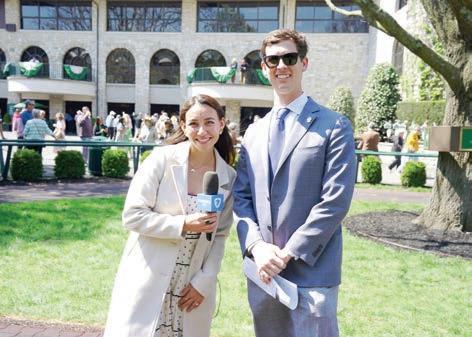
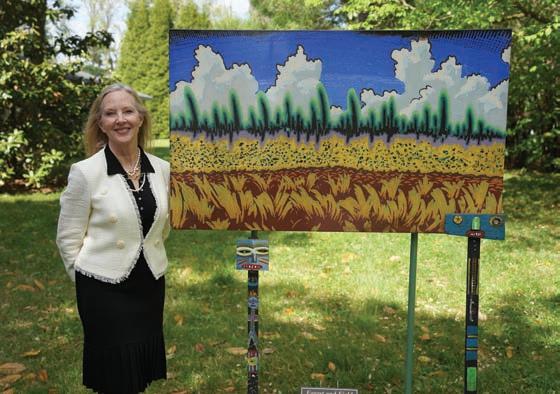
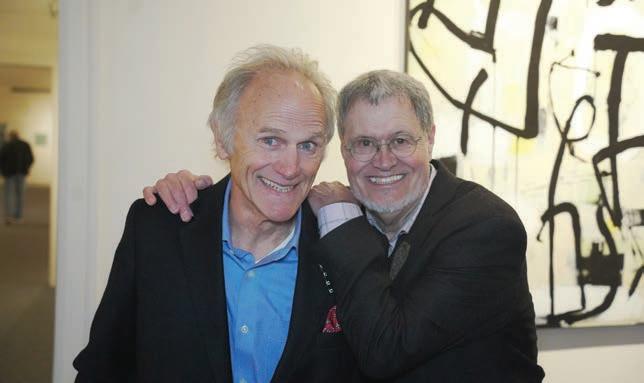
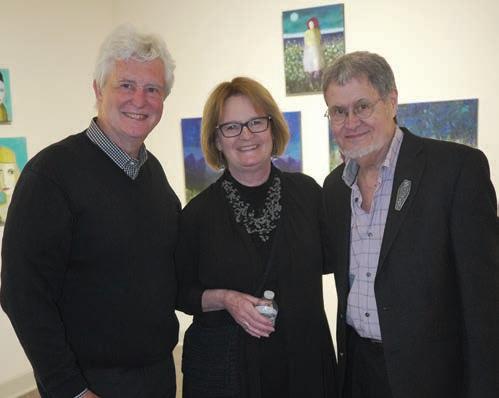
by Daniel
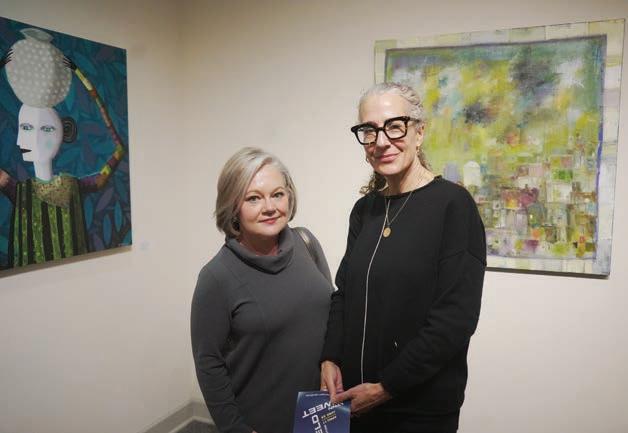
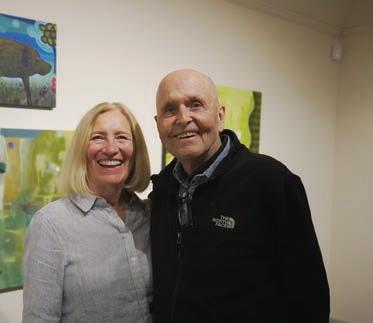
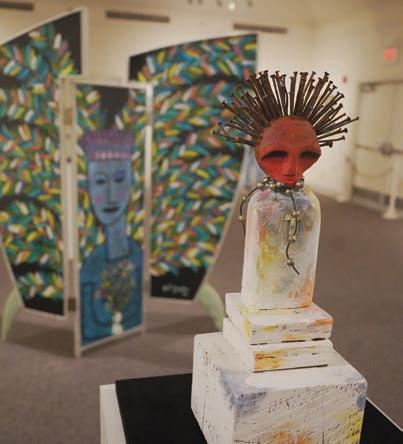
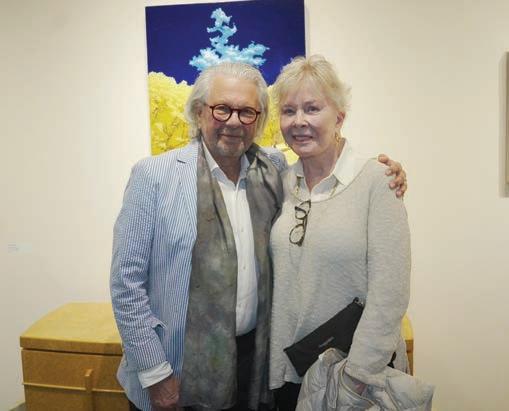
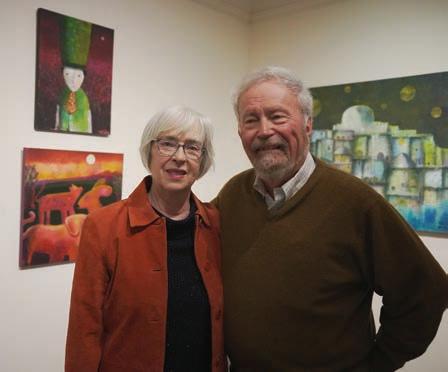
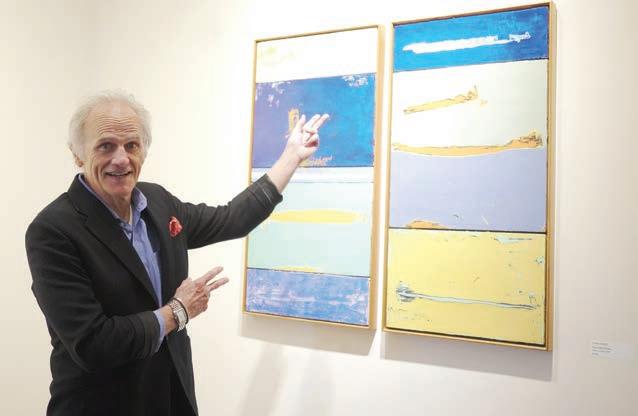
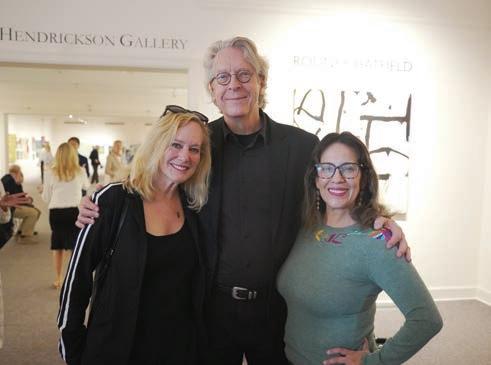
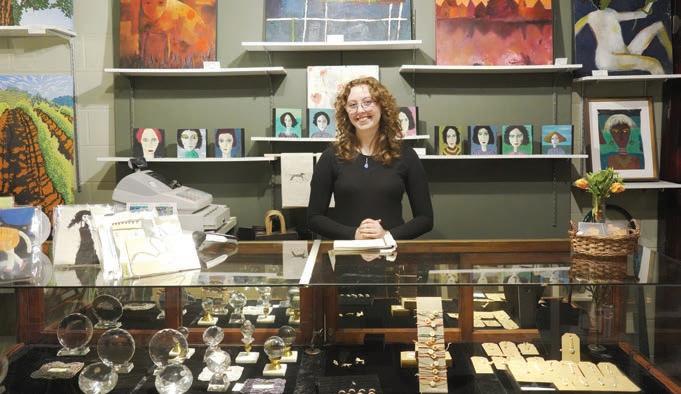
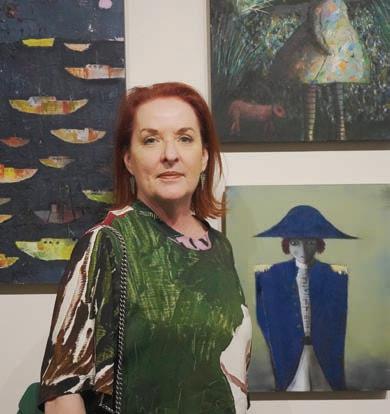
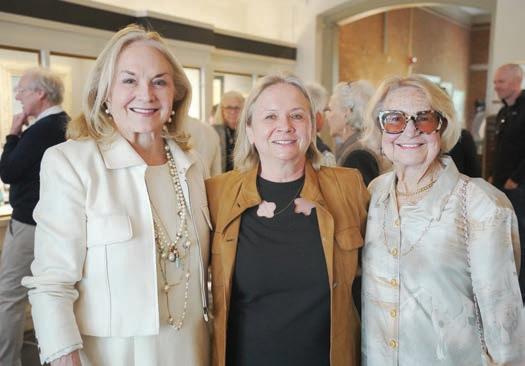
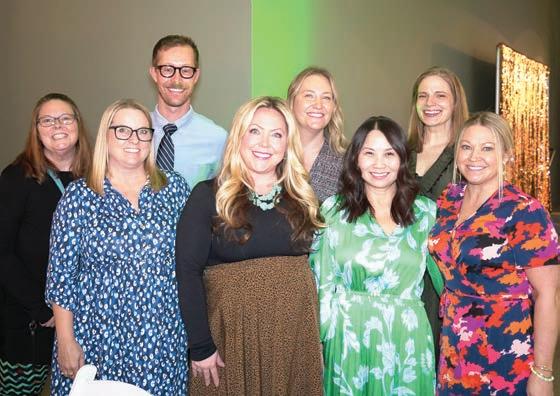
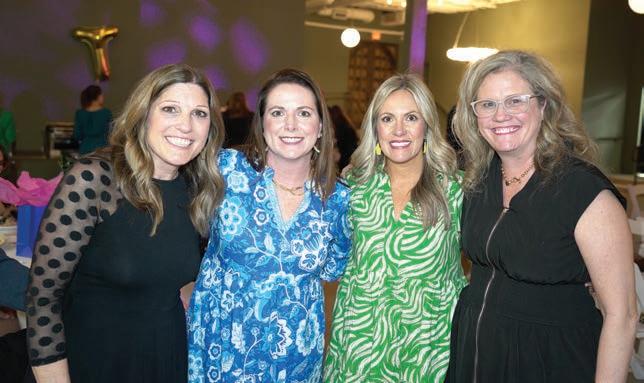
by Daniel
Hosted by Girls on the Run Central Kentucky, a program conducted during the seated dinner highlighted the organization’s impact, with personal stories from participants and supporters underscoring how Girls on the Run builds confidence, resilience, and healthy habits in young girls. A highlight of the fundraiser was the live auction, which, along with other activities, helped generate critical funding to ensure that local girls can participate in the program regardless of financial barriers.


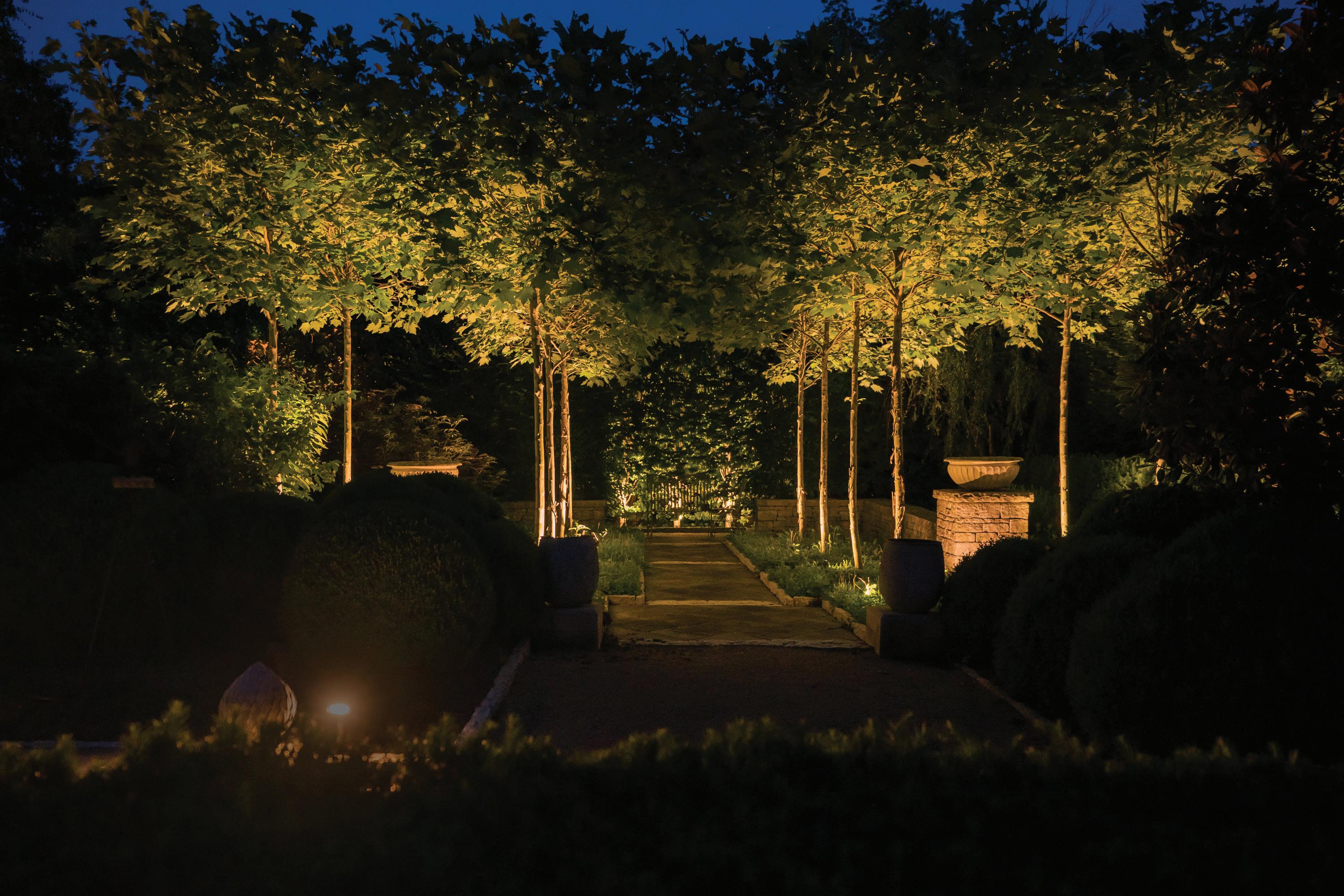



Celebrating our 20th anniversary starts with raising a glass to the people who made it possible.

Held at 21c Museum Hotel Lexington following a day of racing at Keeneland, the black-tie event brought together a refined crowd of community leaders, patrons, and racing enthusiasts. Beneath soft lighting and amid art-filled galleries, guests enjoyed an evening of curated cocktails, music, and lively conversation, all while supporting the mission of Safe Passage, which works to protect and empower vulnerable youth.
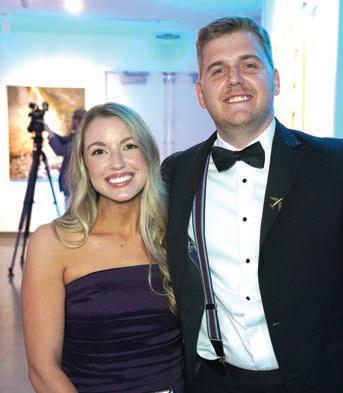

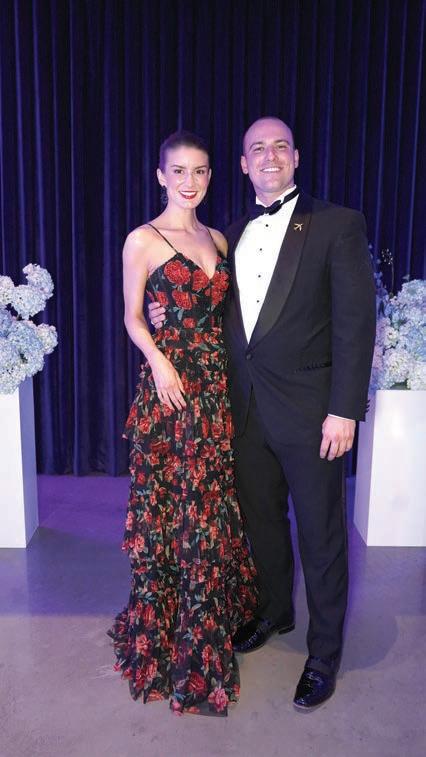
by Daniel Roberts
A Lifestyle Brand: vintage-inspired pieces, sunny styles, and olde palm charm
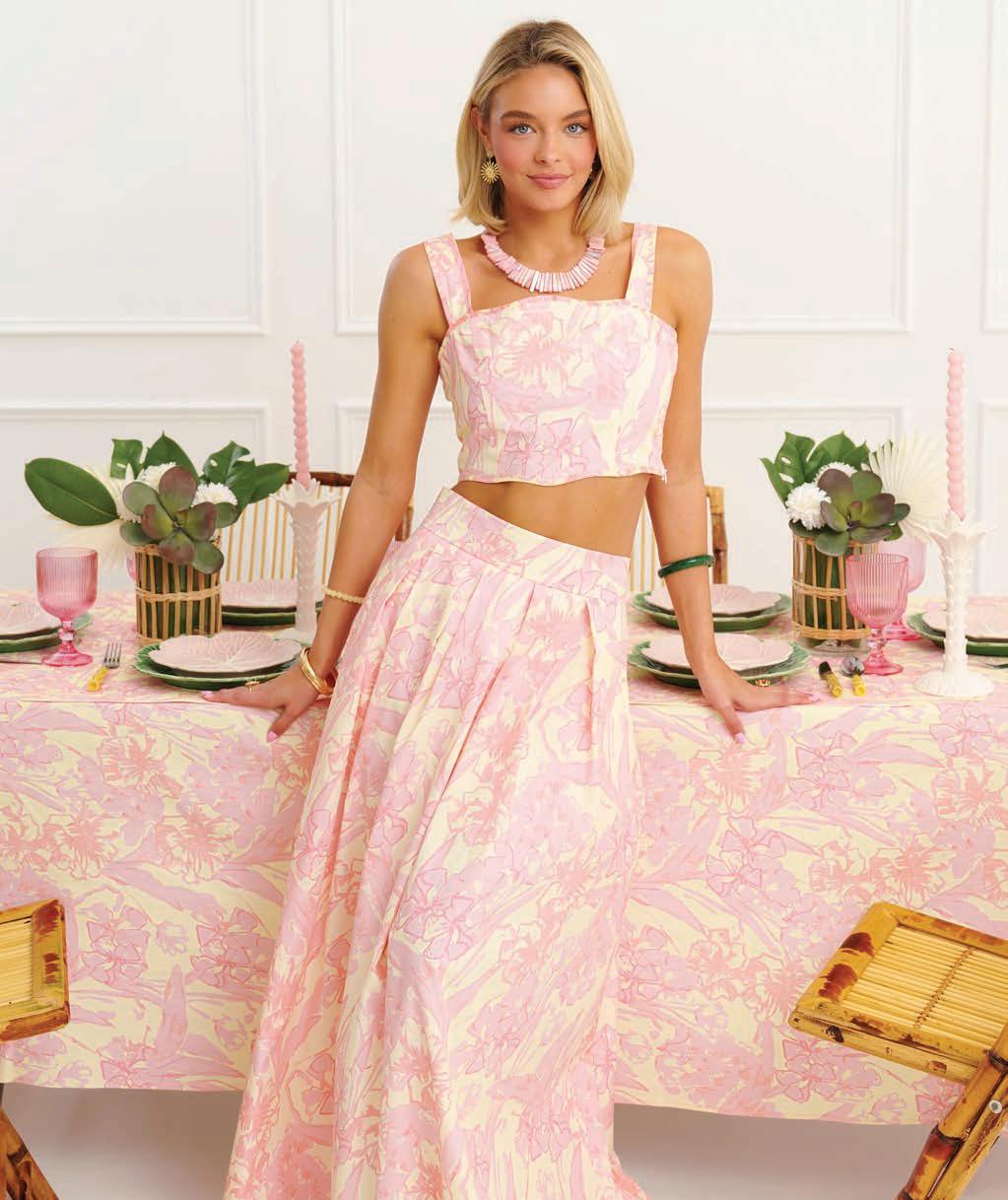
Markey Hutchinson dreamt of creating a brand that embodied Olde World charm. Her grandmother, Dottie Hart’s, timeless taste, tenacious spirit, and courage to create the life she wanted ignited the vision for this lifestyle brand.
follow us @dottiehartco #dottiehartstyle shop now at dottiehart.com