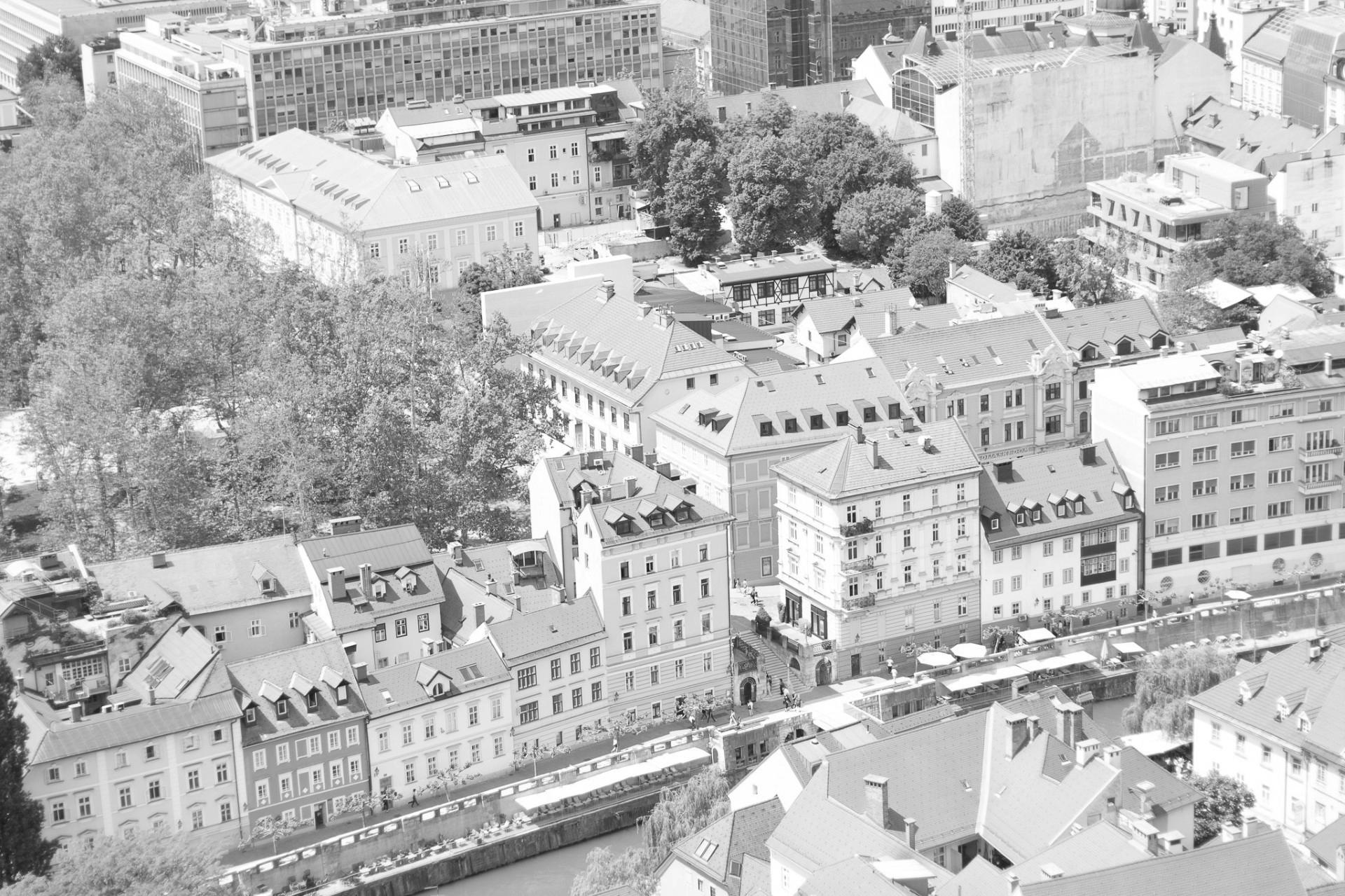
Structure to Story
the built environment as a branding tool for small towns
sophia underwood molly rapert
an honors thesis in partial fulfillment of the requirements for the degree bachelor of science in business administration in marketing
sam m. walton college of business university of arkansas fayetteville, ar december 14, 2024
Introduction
Small towns have long been idolized and considered home to the ideal American lifestyle, but in recent years there has been a switch – more people now live in big cities than in small towns. In a time of heightened individualism, the big city allure of endless opportunity and constant activity has become nearly irresistible, leaving many small towns economically vulnerable and culturally dry. These widely abandoned places are left with high levels of unemployment and few options to reboot their previously thriving community. To make matters worse, this decline in growth potential and vitality pushes away interest and funding from any investors, tourists, or future citizens, pulling the town into an even deeper hole.
However, a quick glance at the U.S. citizens’ media habits and vacation preferences will prove that the nostalgia for small towns and longing for community has lingered into this new urban age. Whether it be fictional towns like Stars Hollow, CT and Mayberry, NC or the iconic vacation destinations of Seaside, FL and Breckenridge, CO, Americans continually adopt intimate communities as part of their own identities. Additionally, a 2020 Gallup survey showed that nearly half (48%) of Americans would prefer to live in a small town or rural area if given the choice (Saad, 2024). So, how can we close this gap between desire and reality? How can we put small towns on the radar as competitive locations to settle and attractive sites to visit?
This research proposes that the combination of two forces that each work to foster a sense of identity by fulfilling desires – branding and architecture – could conspire to position small towns as authentically competitive.
In this study, I aim to answer three main questions:
1. What is the impact of the built environment on the brand perception of small towns?
2. What is the current state of use and awareness of environment design in the branding of small towns?
3. How can small towns most effectively leverage architecture and urban design to strengthen communication to their consumer, the citizens?
Research Methodology
While much research exists on the effects and abilities of architecture, and the topic of city branding is now beginning to gain traction in academia, the connection between the two in the frame of small towns has been rarely discussed. To measure the effectiveness of this pairing, I looked to the insights of those who may have experienced it firsthand – residents of a small town. Small towns can be defined widely in terms of population size, but to obtain a clear focus on communities who may face the small town difficulties of fewer opportunities, distance isolation, and stagnant economies, a limit was set at a maximum population of 5,000. Within this constraint, options were narrowed to towns that had successfully used the built environment to aid in their branding efforts. As a resident of Arkansas, this led me to the quirky, historic Eureka Springs with a population of 2,190.
In anticipation of the largely qualitative nature of this research, and in an effort to discover the deeper revelations found in candid conversation, interviews were performed with five Eureka Springs residents of varying backgrounds, occupations, and demographics. A framework of nine questions was developed based on a vast literature review covering architecture and urban design, community, identity, branding, the purpose of small towns, tourism, and many bridging topics in between. Once Institutional Review Board (IRB) approval was received, I took a trip to Eureka Springs to experience the town’s magic and interview these wonderful individuals in person. These questions follow each of the four themes examined in this thesis, and the findings and analysis are illustrated after the discussion of each corresponding theme.

Background
The U.S. was built on small towns with individual purposes, acting as integral cornerstones to provide the country with coal, lumber, and textiles. The infrastructure formed around these hubs was rich in character, showcasing each city’s culture through its built environment. As the industrial revolution moved the majority of these jobs to big cities and left many ghost towns in place of bustling communities, buildings continued to tell each town’s story, becoming abandoned or torn down and replaced (Knox & Mayer, 2013). This flipped the script, painting small towns as monotonous traps with past glory, and urbanization has been steadily increasing ever since. We have now entered the “urban age”, where globally more people live in urban areas than rural areas, yet a large number of people are still wanting to live in small towns (Saad, 2024). Small towns continue to struggle to survive, facing poor connectivity, rising unemployment, and diminishing interest as they move further from their authentic identity (Atkinson, 2019).
Conversely, big cities are thriving when it comes to identity, and for many it is a conscious effort. City branding has been a powerful tactic since long before it had a title, but it has scarcely been used by small towns, who arguably need it most. Similar to product branding, this strategy uses a variety of facets to shape expectations in current and potential citizens’ minds and sequentially ensure that those expectations are met in the way that people experience the city (Ashworth & Kavaratzis, 2009). One of the main ways to manage the city’s experience is through its architecture and urban design. Architecture has long operated as a human-centered, responsive design process, providing buildings that intimately fit their users’ needs and express their desired identity. In the use of small towns, where buildings are uniquely positioned to have a large individual influence on their environment, architecture and urban design can flourish as vessels to both help current citizens identify with their town and signal potential citizens to a burgeoning new home.
Theme 1: &Branding Identity
Seth Godin defines a brand as “a promise, an unspoken agreement between a business and its customers”, claiming that “it’s more about the feeling, the experience, the values.” It is the way a company or product presents itself to and relates with consumers. The most effective brands, though, go much further than this. The research of Americus Reed on identity theory concludes that when consumers “internalize the essence of a brand as a part of who we are and what we want to project to the world – the brand and the consumer become one in vision and values” (Trevail, Reed II, & Sills, 2020). When brands transcend traditional marketing communication techniques, they can not only relate with consumers but actually become a part of the consumer’s identity. Kevin Roberts echoes this same sentiment, emphasizing that brands can establish loyal relationships with their consumers by enforcing the same qualities that ensure a healthy marriage – love and respect – ultimately earning a “lovemark”, or a much deeper and personal version of a trademark (Roberts, 2004). If brands can be vessels of consumers’ love, how can they mold their dreams? According to Anna Klingmann, brands play a major role in “formulating people’s expectations and hopes about themselves” (Klingmann, 2007). These “unspoken agreements between a business and its customers,” when brought to the point of excellence, become one with a consumer’s identity, foster the deep intimacy of marriage, and define consumers’ hopes and dreams.
“In building a basis for cities to effectively communicate their identity, we must focus on tangible features, illustrating a city form that speaks for itself.”
While these realizations of brand power may be recent, branding in its truest form can be traced back to the earliest human civilizations, centering on our innate need to connect and belong to a group of similar people (Millman & Olins, 2011). Even now, this is ultimately what brands are about: belonging. Consumers now aim to gain “membership in a particular clan” with their brand choices, even treating our own image as a sort of brand (Klingmann, 2007). Klingmann argues that our “brand” is the first thing people perceive about us, stating that “before we reveal anything in conversation, we assert ourselves through a self-constructed image…thus, a brand is both a personal and a social identity, an expression of who we think we are and with whom we want or expect to be compared” (Klingmann, 2007). Since this unspoken identity communicates who consumers want to be compared with, or connected to, it is then worth considering how potential groups or “clans” can reciprocate this communication.
As Debbie Millman & Wally Olins discussed in Brand Thinking and Other Noble Pursuits, the practice of branding has been a constant tool throughout human history to define people groups, often based on location or heritage (Millman & Olins, 2011). Place branding, or city branding, is the coordinated efforts to communicate a defined image to both citizens and visitors or investors, serving as both a basis for “economic development” and “a conduit for city residents to identify with their city” (Muratovski, 2012). Applying what has already been stated about the power of brands, this allows cities to become one with citizens’ (or visitors’) identities, foster deep intimacy between the city and its citizens, and define the hopes and dreams of current or potential citizens. The study of place branding in academia is still relatively new, but many conflicting views have already begun to develop. The initial attempts took the approach of applying previous marketing strategies, such as product branding and corporate branding, to the much different entity of cities. While there are lessons to be learned from such approaches, cities require more than traditional marketing communications and advertising to form an authentic brand. Simon Anholt goes as far as to claim “there appears to be no evidence to suggest that using marketing communications to influence international public perceptions of an entire city, region or country is anything other than a vain and foolish waste of taxpayers’ money” (Anholt, 2008). Cities need a distinct form
of branding, one that Gjoko Muratovski describes as “design-led and based on social innovation policy, combined with architectural theory and practice” (Muratovski, 2012). In building a basis for cities to effectively communicate their identity, we must focus on tangible features, illustrating a city form that speaks for itself.
More recent approaches to city branding embrace a physical design aspect into key branding considerations: Anholt’s City Brand Hexagon highlights place among presence, potential, pulse, people, and prerequisites (Ashworth & Kavaratzis, 2009); Kavartzis’ brand communication framework outlines landscape and infrastructure as a part of primary communication of a city, followed by marketing and advertising as secondary, and word of mouth as tertiary (Ashworth & Kavaratzis, 2009); and lastly, Laura Lee’s integrated design strategy for Adelaide details nine steps for city branding, six of which involve the design and creation of the built environment (Muratovski, 2012). Considering these research developments, this paper will assume architecture and urban design is a vital aspect of city branding and will investigate the most effective ways in which it can be leveraged in small towns.
Research Findings
In discussion with Eureka Springs residents, I wanted to understand the overall perception of the town and experience of living in it. An important caveat to all ensuing information is that all interviewees had decided to relocate to Eureka Springs in their adulthood; none were natives, and all described a sort of “calling” that the town places on its future residents to migrate. This explicit choosing of residence later in life produced rich conversations on belonging and sense of place. In a sort of round-about way to grasp the brand of the town, two questions were asked:
A brand, at its core, is just these feelings and associations that are sparked by some entity. While focusing on the more familiar topics of community and personality, deeper findings were reached about the small town’s brand.
What does community mean to you, and how important to you is living in a place with a sense of community?
If you were to describe your town as a person, what would they be like? What communicates that to you?
The first question, measuring the meaning and importance of community, began to naturally strike a chord of what community looks like in Eureka Springs. Answers were anchored around an overall need to know and be known by others. Most respondents spoke emphatically about the way their lives were forced to be intertwined with that of their neighbors, claiming with joy (and sometimes frustration) that isolation was nearly impossible. This came in stark comparison to the descriptions of previous lifestyles for those who lived in larger cities before moving to Eureka Springs, who recalled the confusing paradox of operating within such a large population and yet feeling inescapably lonely. A key advantage to this societal familiarity was repeatedly noted to be the ability to rely on each other, to have an “it takes a village” mindset for the “raising” of adults, too. This small town community seemed to foster the intimate love that Roberts claims the most successful brands develop with their consumers, proving a deep desire to be a part of a community or clan (Roberts, 2004) (Klingmann, 2007). In discussing the interaction of residents with their town, a brand image began to shine through.
This brand image gained much vibrancy in the second question, which produced some of the most fun insights. The residents’ answers varied widely, but all presented the same personality in different forms. One interviewee responded without hesitation that the town was like a “chimera” in Greek mythology, a being made up of many different things that all operate seamlessly, and surprisingly, together. Like the unconventional “chimera”, the town is a counter–cultural, non-conformist melting pot that brings diverse people together in harmony. Eureka Springs was also likened to an eclectic older lady that “wears patchouli oil and purple scarves” and seems to have a seasoned calmness and wisdom about her, or the one friend everyone has had that’s a little “all over the place”, exuding chaos in the best way. Another respondent smiled as if thinking of a dear friend and then confidently replied, “Dolly Parton,” reminiscing on how the town reflects her “big, bold, beautiful” personality that reveals itself in consistent resiliency and easy camaraderie. Each description landed on a diverse community with an undeniable sense of togetherness, a place that is both incredibly welcoming and courageously authentic. The ease with which these residents could describe their town as such a vivid person spoke volumes about Eureka Springs’s brand, but even more remarkable was the tone of familiarity in each account. The town’s brand had apparently become a part of their own identity, reflecting a depiction of
“[Eureka Springs is like] Dolly Parton... big, bold, and beautiful. She’s never backed down from anything.... She brings people together and hugs them with her perkiness. Eureka Springs does something similar to that.”
themselves and who they want to be compared to (Trevail, Reed II, & Sills, 2020) (Klingmann, 2007).
This personality, or brand, had reportedly been communicated to them in both physical and societal ways, presumably inspiring the initial “call” to relocate. In alignment with Muratovski’s claim that city branding can serve as “a conduit for city residents to identify with their city”, many respondents expressed that the Eureka Springs’s personality was conveyed to them through the people, whose eccentricity was mirrored in the town’s architecture, art, and funky urban design (Muratovski, 2012). The residents may not have been consciously aware of it, but the built environment had been relaying and confirming an identity to them, each building acting as another defining citizen walking the hilly streets of Eureka Springs.
Theme 2: DesignPhysical as Communication
The built environment, or the architecture and urban design elements, of a certain place speaks volumes without using any words. You’ve experienced this yourself, even if you weren’t aware of it. Think about how the design of New York City establishes its identity as bold, confident, and slightly severe, compared to how New Orleans’ built environment tells you a story of its rich heritage alongside an invitation for a fun time. Iconic architecture plays a large role in this, using buildings like the Eiffel Tower, the Guggenheim Museum, or the Empire State Building to swiftly define sentiment, but the environment people actively exist in, the buildings they see and streets they walk daily, are equally as powerful. Just as a product’s brand is an unspoken agreement of identity, a town’s physical design can silently communicate its values, purpose, and personality, ultimately forming an authentic emotional connection with its citizens and visitors. This connection, establishing a link between city and resident “such that there is a close fit between the consumer’s own physical and psychological needs and the brand’s functional attributes and symbolic values,” is vital – Muratovski claims that it is the key to successful city branding (Muratovski, 2012).
Small towns hold a unique position in which slight changes are capable of making substantial differences, yet their economic abilities and resources are often limited (Chen, Kobylarczyk, Krupa, & Kusnierz-Krupa, 2018). In the face of these struggles, the trend
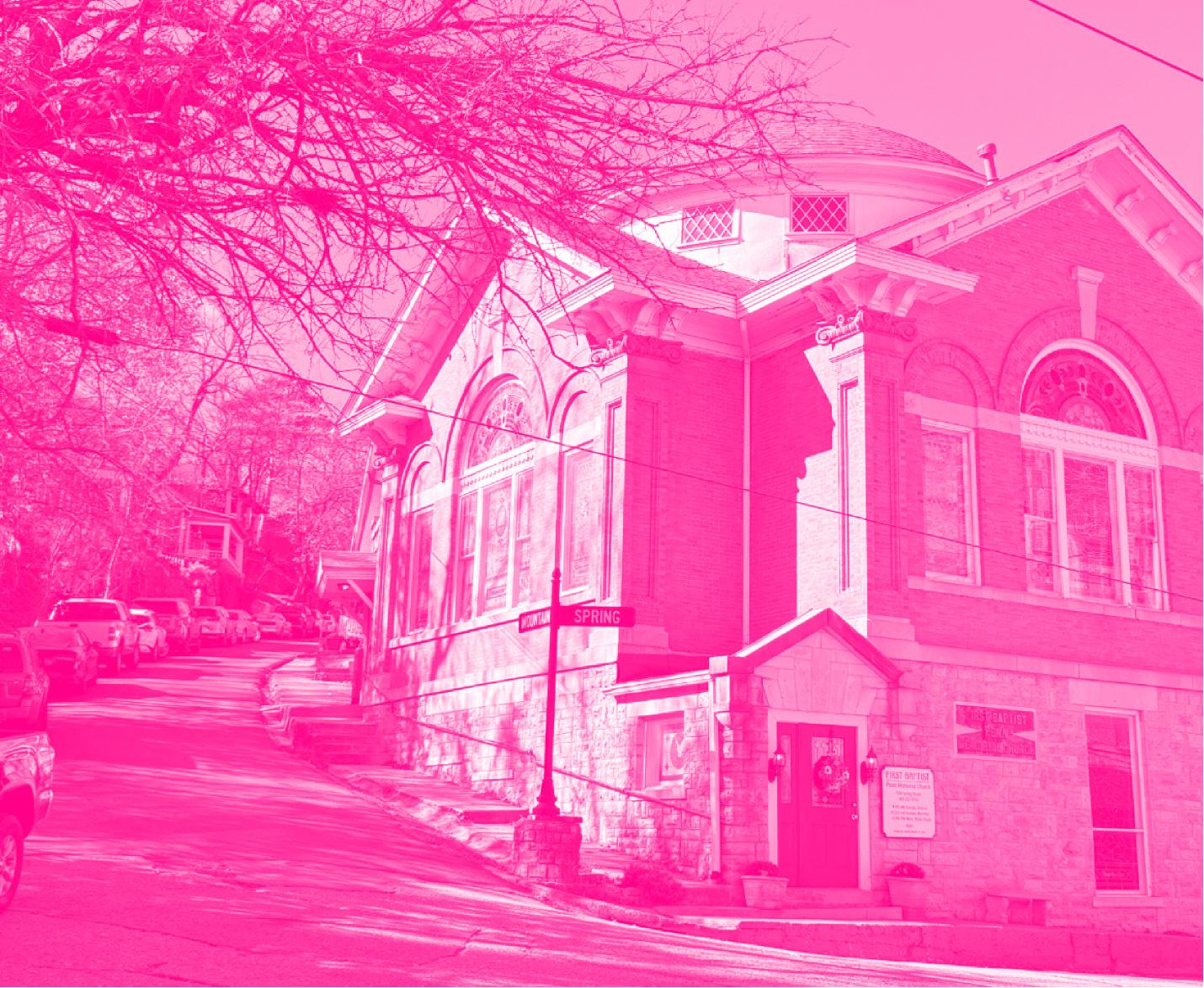
is often to choose safely with homogeneity in future developments, following the lead of surrounding towns (Klingmann, 2007). However, these standardized solutions kill any chance at an emotional connection between the town and its citizens (Muratovski, 2012). The real reward is found in embracing authenticity. Small towns, left untouched by the effects of quick expansion, possess an “indisputable asset” in their “individual character built up by their indigenous culture, regional architecture, or valuable architectural objects and unique landscape” (Chen, Kobylarczyk, Krupa, & Kusnierz-Krupa, 2018). Once revalorized, these features connect inhabitants in both time and place, fostering a deep emotional connection. Klingmann reinforces this claim, stating, “cities that are defined by their rich architectural and cultural heritage are seen as unique, attractive and lively because of their distinctive
urban planning, inimitable architecture and cultural mix” echoing that “architecture provides an environment that people can relate to emotionally and make a part of their lifestyles” (Klingmann, 2007).
At their most basic level, all towns exist as a place of exchange, whether it be for goods, services, or ideas, which generates a further creation and innovation of ideas and products (Spreiregen, 1965). Reaching beyond that to examine the distinguishing features of each town’s individuality, we can look at the built environment for cues to a town’s purpose. Simon Anholt states that this is where the “symbolic value” of buildings is held, in their ability to “tell a story” regardless of size or monetary value (Anholt, 2008). Physical aspects of towns can act as a sort of user manual, guiding citizens and guests on a journey of how to interact with the town and revealing its reason for existence. Muratovski affirms this, saying that “city branding should involve
changes to the ‘physical fabric of places,’ informing how places can be experienced and used (Muratovski, 2012). This can be seen as the size of streets and proximity of commodities communicate the manner of transportation in a town, or as the accessibility of public spaces and community buildings tell citizens where they should work and play. Towns catered toward tourists may consider more welcoming spaces, such as open plazas or boardwalks, while college towns might establish their purpose through student-designated areas and educational museums. By thoughtfully aligning the built environment with their purpose, towns offer citizens the opportunity to fully immerse themselves in the town’s mission.
“...a town’s physical design can silently communicate its values, purpose, and personality, ultimately forming an authentic emotional connection with its citizens and visitors.”
Just as a consumer’s loyalty is based upon evaluation of a brand’s alignment with their own values, citizens’ and visitors’ emotional connection with a town’s brand is highly dependent on the resonance of that town’s values with their own. In the interactive and inhabitable form that is a town, these values must be tangibly proven. In the words of Muratovski, “A society’s regard of nature and design of the built environment can also be seen as an expression of the aesthetic, cultural and social values that the society possesses, and as a statement of the challenges and expectations that it seeks to address in the future” (Muratovski, 2012). Towns communicate their values and goals through the design of the built environment, regardless of if it is a conscious effort. A town that prior-
“If we observe architecture in a socio-economic context then we can see that today architecture is no longer only one part of place marketing -- architecture has bencome the essence of it.”
- Anna Klingmann, Brandscapes
itizes sustainability might showcase green spaces, eco-friendly buildings, and public transportation or walkable paths. A community that preserves historic buildings and uses new additions to tell a story of culture may value heritage and tradition. Meanwhile, a town lacking thoughtful design and purposeful spaces may communicate an ignorance of values, or assume the image of a careless community. These design choices have an impact much deeper than just aesthetics; they create environments that influence interactions, behavior, and emotional connections, defining the town’s identity and values in the eyes of its inhabitants.
For citizens to be able to truly identify with a town, they must first be able to understand the town’s identity, or personality. When looking at
the morphology of a town, two physical elements have a distinct effect on the personality or feel of a town: architectonic objects and spaces, and the network of the town through pathways and roads (Chen, Kobylarczyk, Krupa, & Kusnierz-Krupa, 2018).
These architectural spaces can “create a picture of a degraded, forgotten town, or a place that is alive particularly by means of public spaces,” and can further define the town’s personality in their qualities, whether “quiet or loud, atmospheric or typical” (Chen, Kobylarczyk, Krupa, & Kusnierz-Krupa, 2018). The defined space and connectivity of a town also strongly determines its effect on its inhabitants, and how it shapes their identity. Klingmann emphasizes the “potential of architecture as a medium to create an identity for people, communities, and places,” arguing that as people are relying more on aesthetics and styles to build their personal identity, “architecture has also inevitably become part of a system of signs that perpetuates distinctions among different lifestyle attitudes (Klingmann, 2007). If people are increasingly using their surroundings to form their own identities, then it matters even more if the spaces they inhabit are “pleasant and friendly” or alternatively “evoke the feeling of fear or being lost” (Chen, Kobylarczyk, Krupa, & Kusnierz-Krupa, 2018).
People want to feel known and welcomed, and towns have the ability to provide that in their built environment. Paul Knox and Heike Mayer describe this powerful effect of a town’s physical communication, claiming “open spaces, courtyards, and parks could generate one of vitality, while loud trucks speeding past and cloudy factory air could generate one of lethargy” (Knox & Mayer, 2013).
The physical design of a town serves as a powerful communication tool, clarifying its values, purpose, and personality to residents and visitors alike and forming an authentic emotional connection between the two. Prioritizing thoughtful choices in the built environment can shape perceptions, influence interactions, and reflect the town’s unique characteristics, effectively functioning as a form of nonverbal storytelling. As Klingmann notes, “if we observe architecture in a socio-economic context then we can see that today architecture is no longer only one part of place marketing – architecture has become the essence of it” (Klingmann, 2007).
Research Findings
In this portion of the interview, a sustained focus on community, identity, and storytelling was important while delving deeper into the details of how this is brought to life for residents through the built environment. Three questions outlined this structure:
What physical aspects of your town contribute to building a sense of community?
What would you consider to be the most defining physical aspects of your town, and why?
How do you think your town uses architecture and/or urban design to tell a story about its culture, identity, or purpose?
Interpretations of the built environment from those who inhabit it instead of the professionals who design it is crucial if branding is to focus on the consumer. The following responses reinforce the idea that authentic communication is key, especially in the case of physical design.
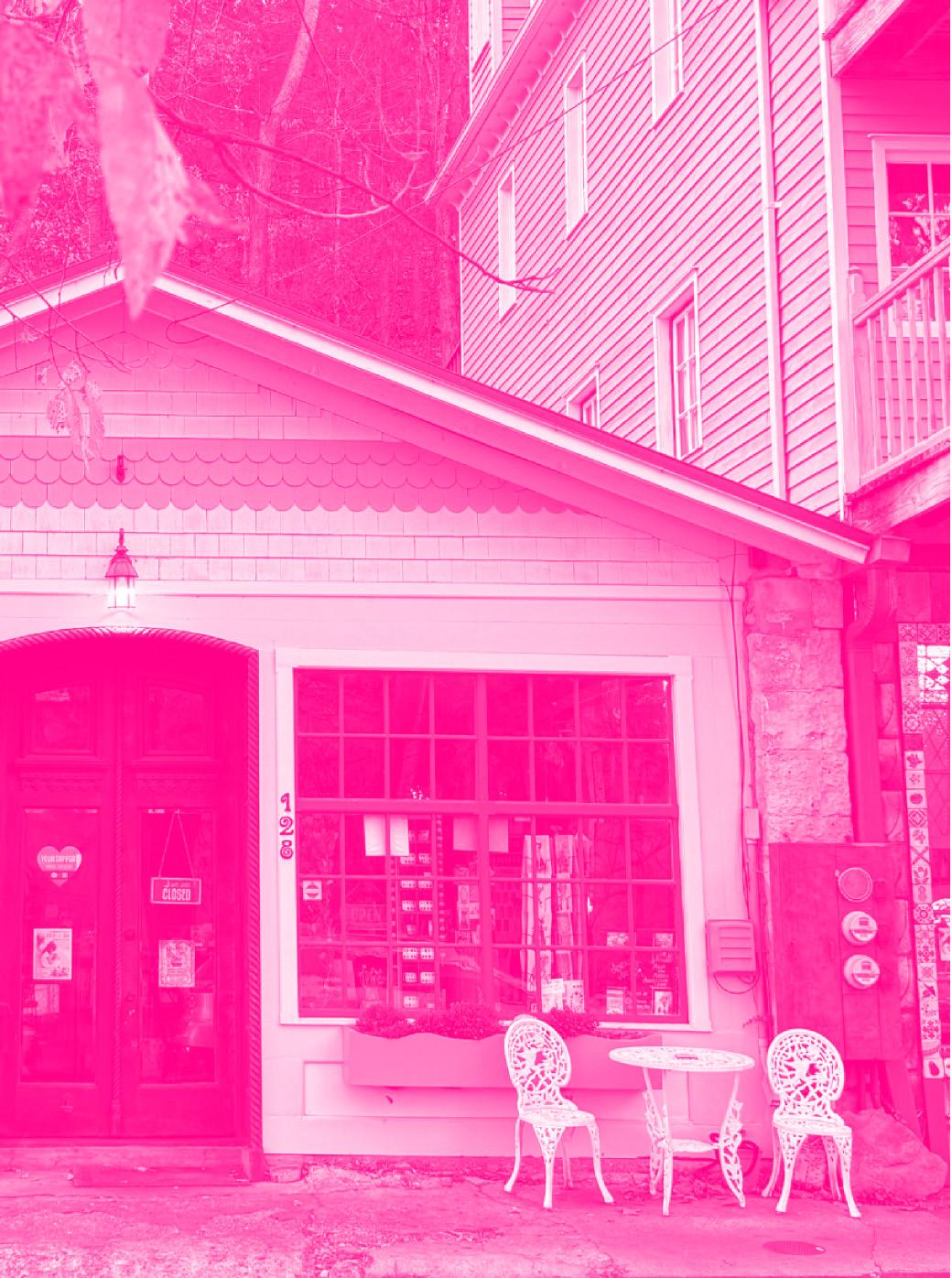
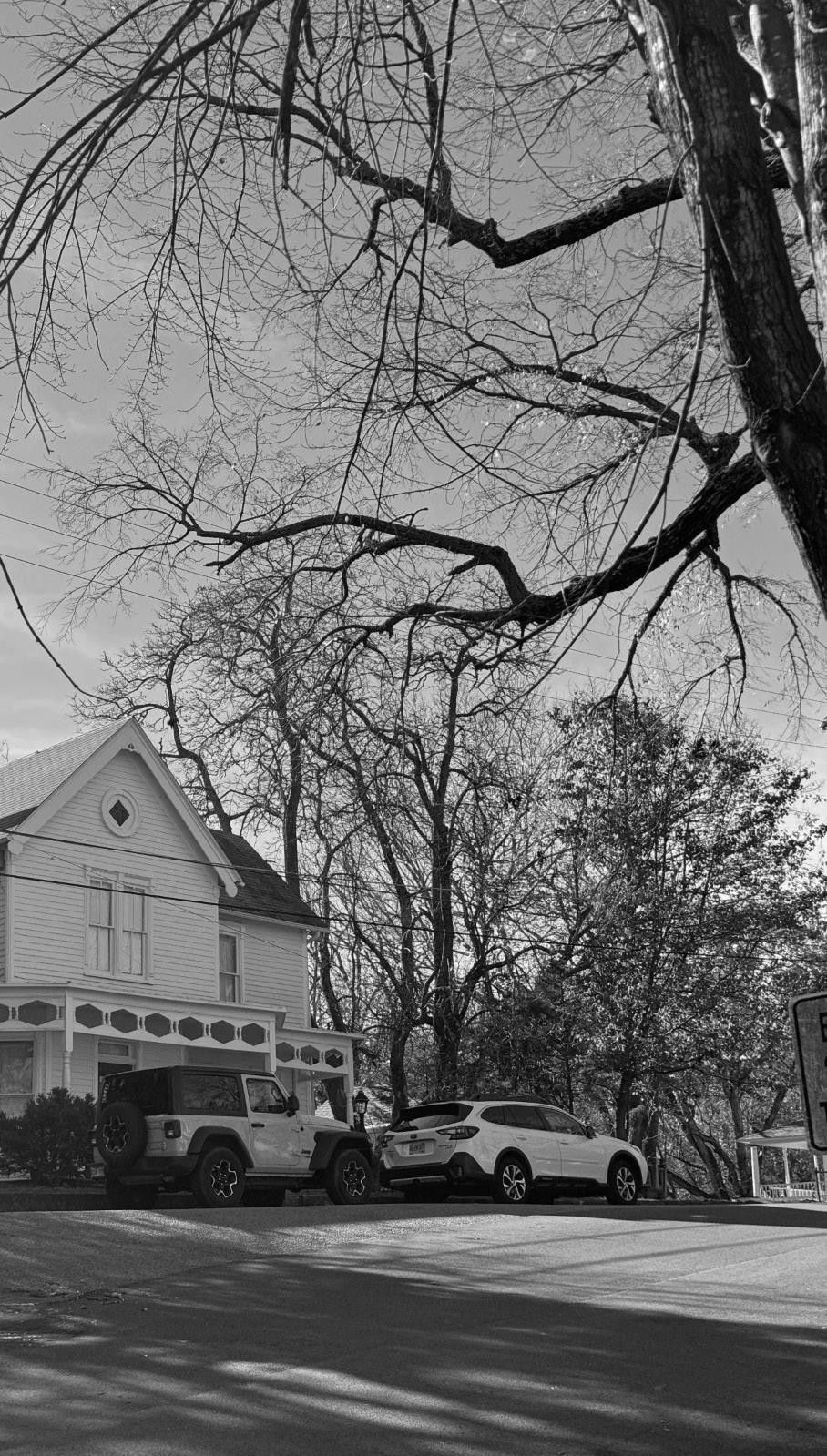
After discussing the convivial community in Eureka Springs, participating residents began to process the fabric that creates that atmosphere. The attributed features largely mirrored those discovered in literature review. Many noted how the streets contribute to building community, citing that the main street mimics the feeling of a corridor and that the lack of right angle intersections produces a fluidity of foot traffic, pushing streams of people into the river of main street. This layout not only encourages socialization but also acts as a guide to direct residents and visitors in interaction with the town. As Muratovski claimed, the town’s affinity for tightknit local relationships and welcoming tourists is experienced in conjoining streets and anchoring main spaces that quickly create a sense of place (Muratovski, 2012). The built environment in Eureka Springs works in tandem with the natural environment, navigating the hills of the Ozarks with winding sidewalks and steep staircases. These abnormal (and often physically exhausting) pathways connect each part of the town, creating more spaces for people to rub shoulders with one another and sparking a shared experience over a comedically taxing commute. The zoning of Eureka Springs complements this intersecting layout, creating little to no barrier between work and home in what one resident called the “mixed nature” of the town. While this kind of mix is avoided by most cities, this greatly aids in the communal essence of small towns, allowing for candid run-ins and daily
rhythms alongside neighbors. Together, all of these elements communicate the town’s placed importance on community to the residents and help facilitate interactions to illustrate that focus.
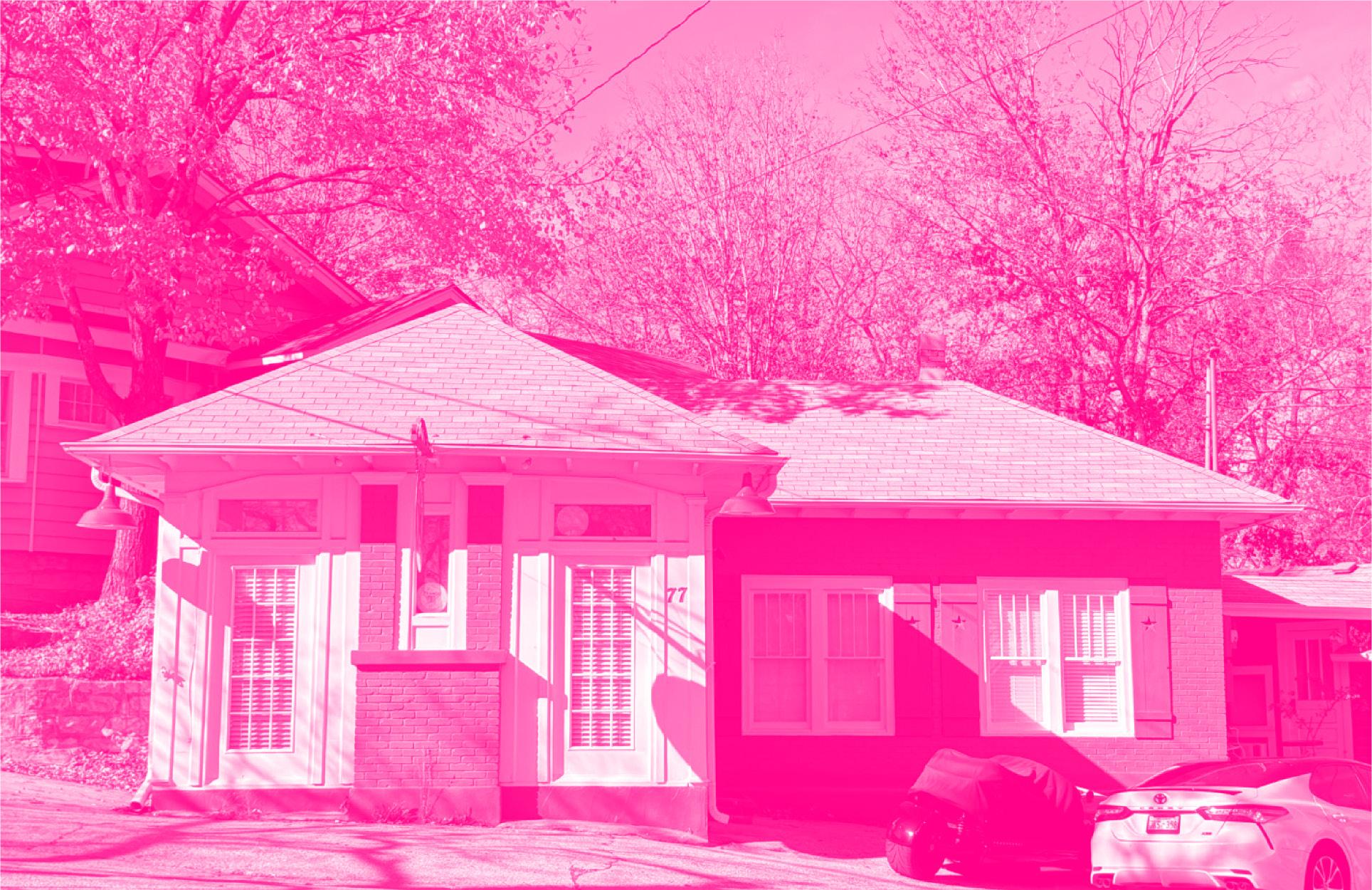
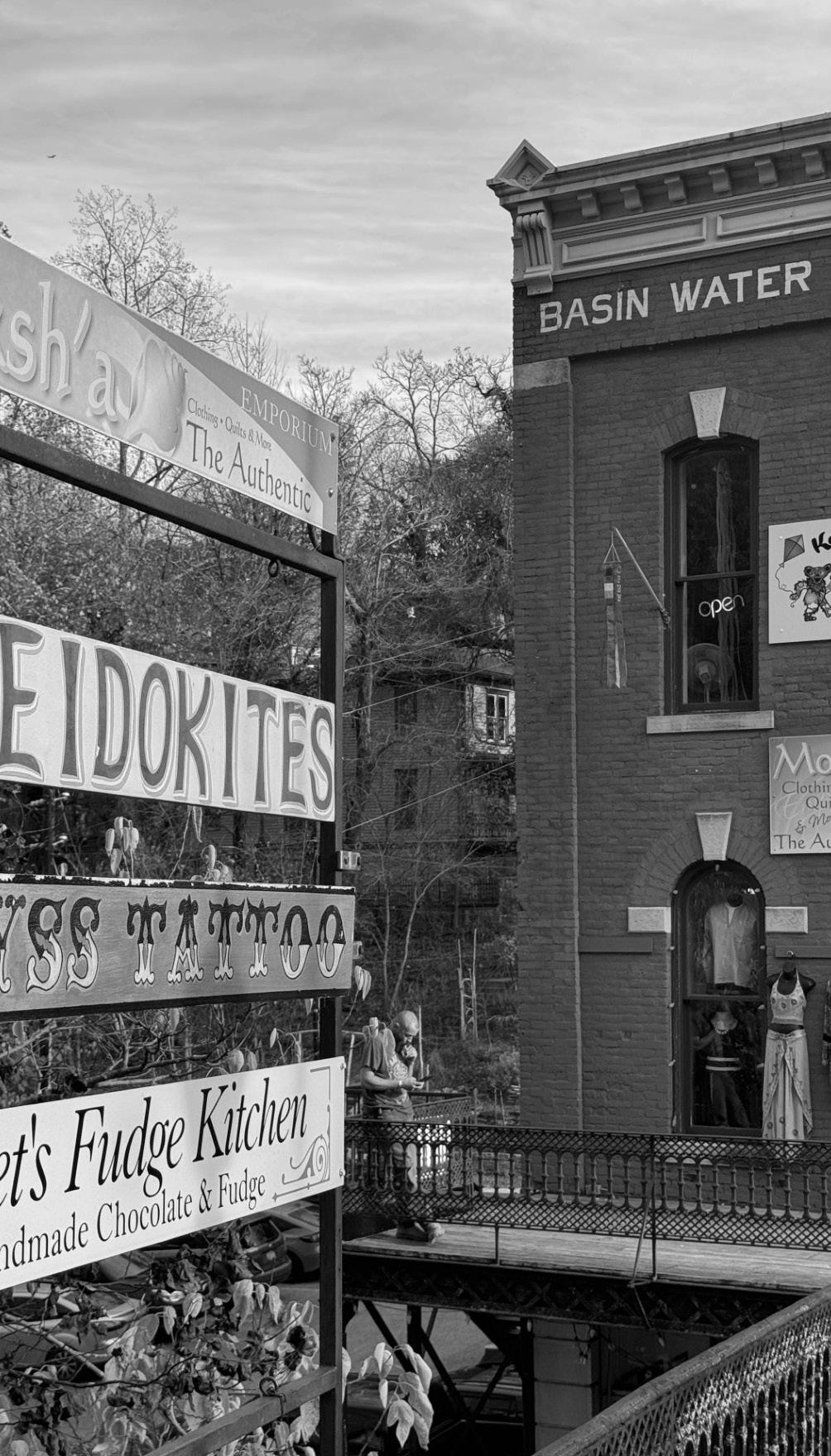
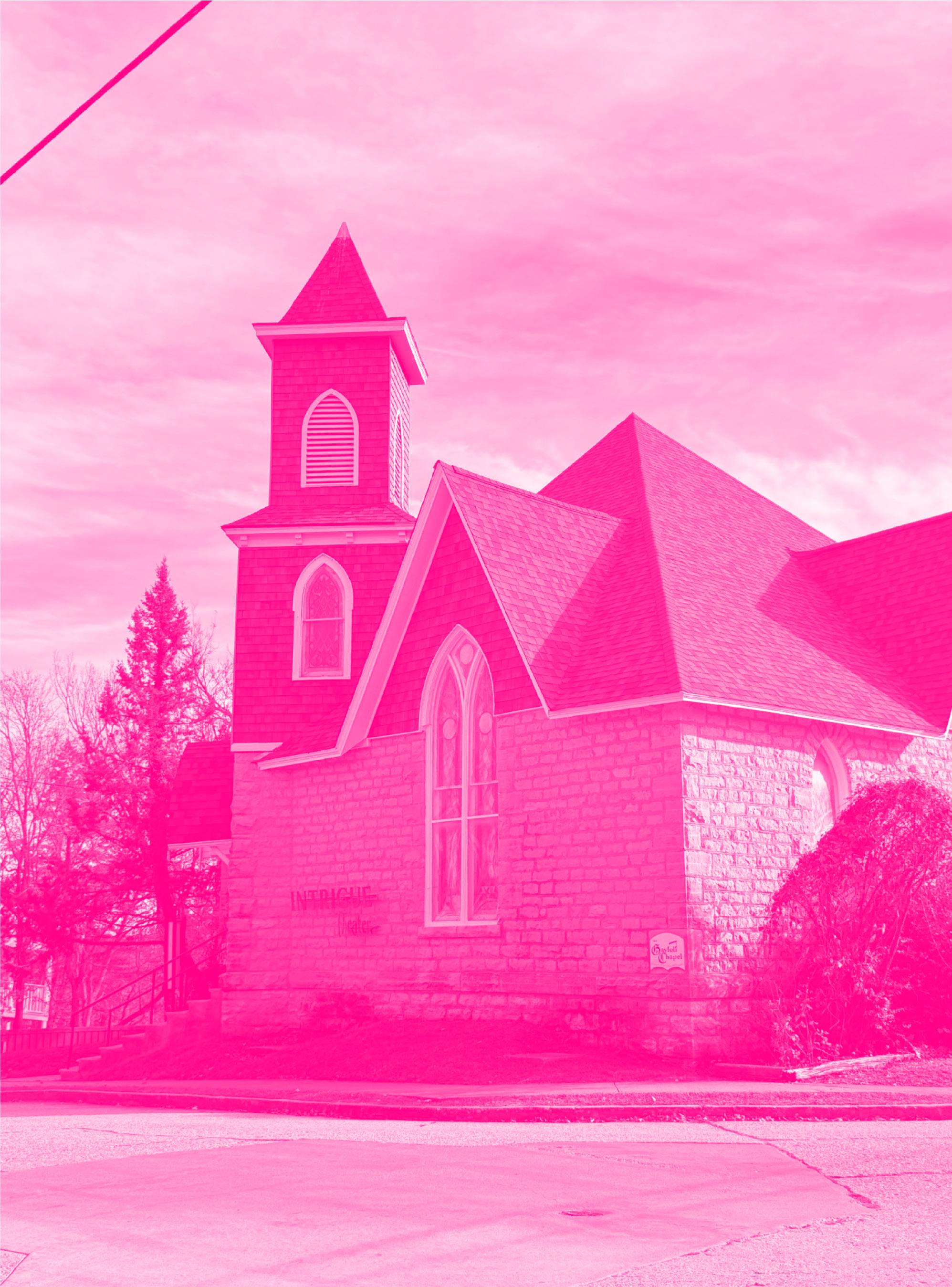
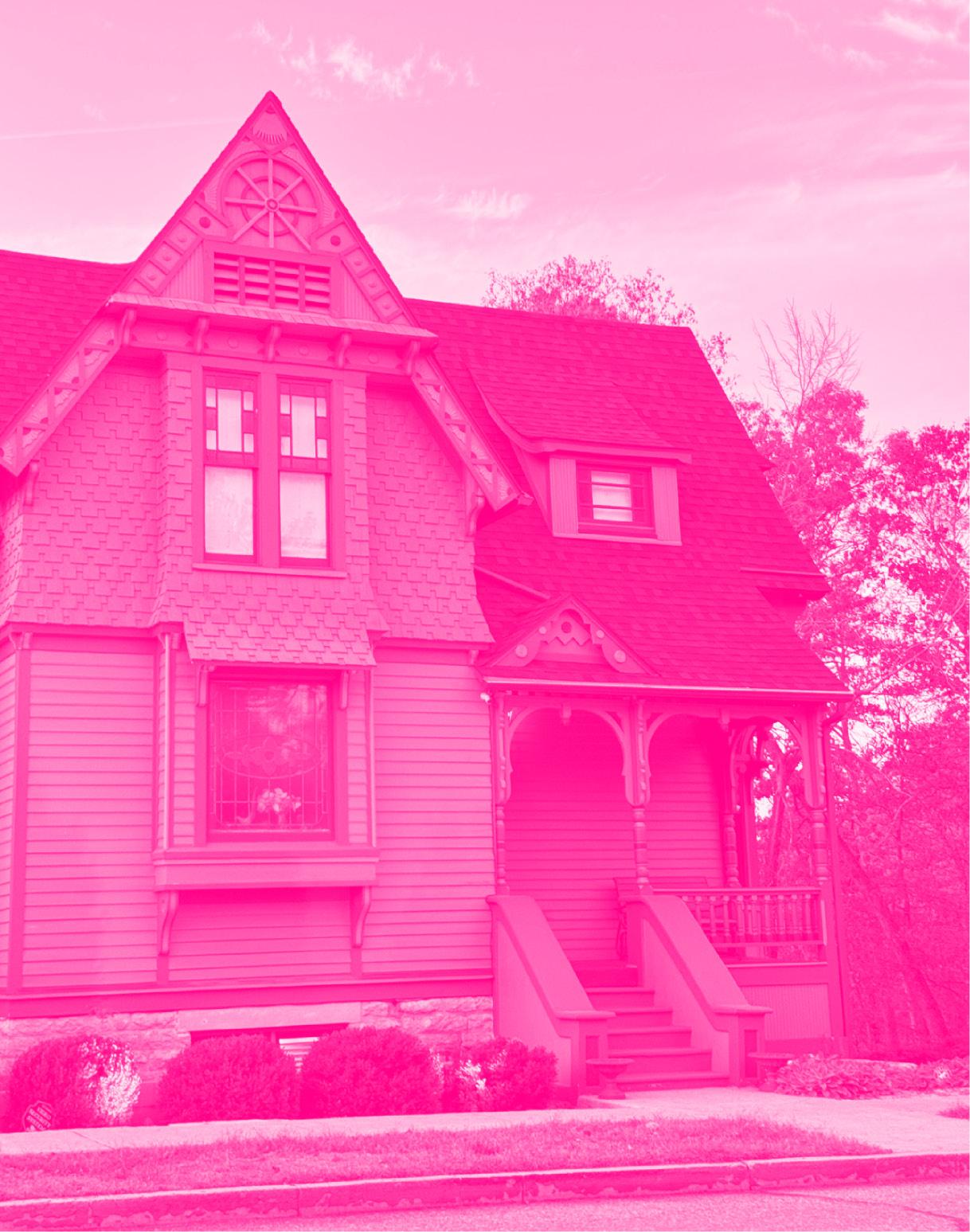
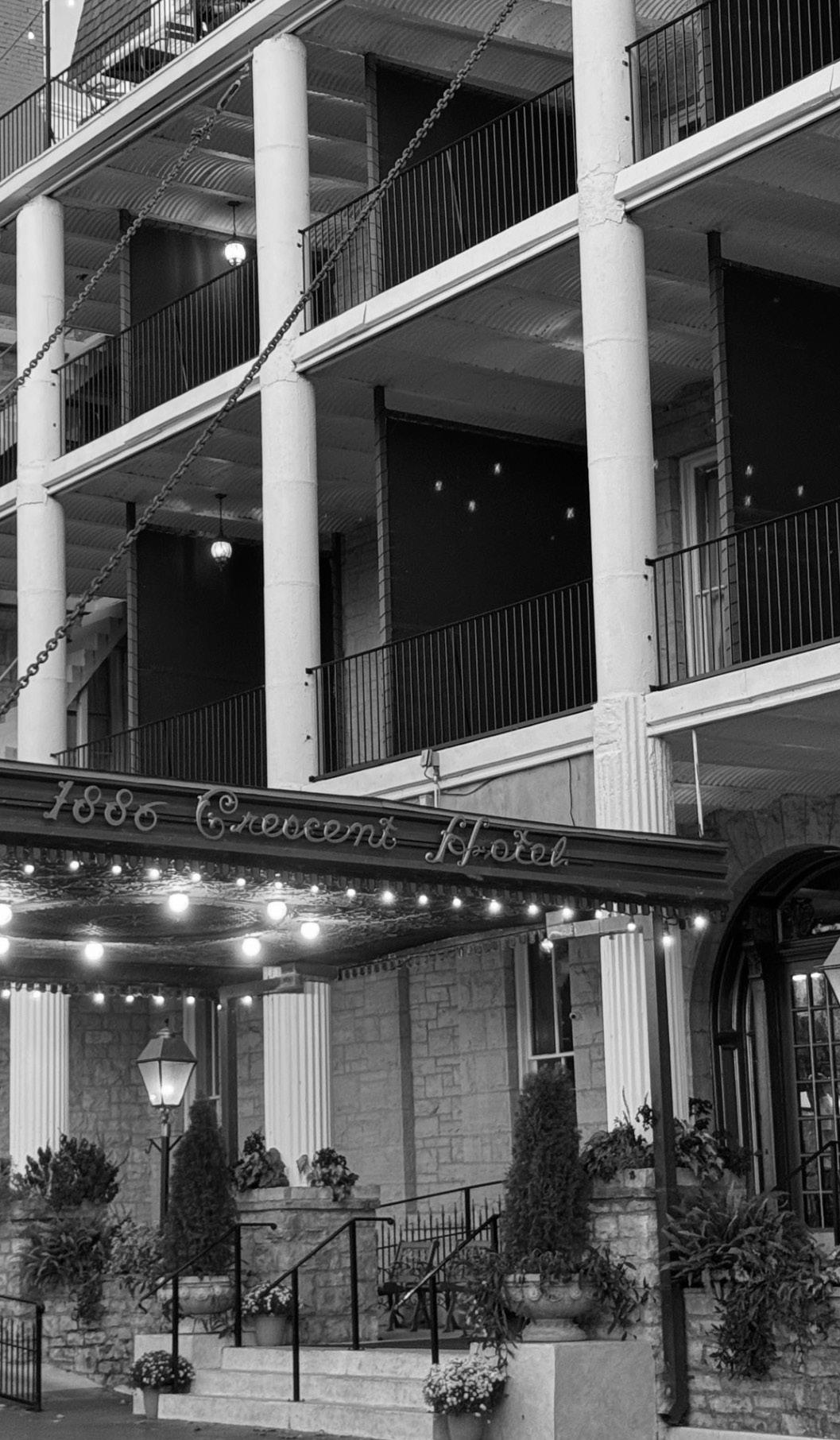
Community was proven to be a vital and well-achieved aspect of life in Eureka Springs, but the town’s character and personality was what the respondents seemed to most identify with. When asked what physical aspects defined their town, many connections could easily be made between these responses and the previously mentioned conversations on the town’s personality. Many interviewees focused on quirky and eclectic elements that reinforced the authentic diversity presented in the town’s brand. Some frequent responses were the town’s hills and thin, winding roads, the colorful and historic Victorian homes, and the 66 springs of “healing waters” that lace together each corner of town. Others mentioned the tourist attractions of the town, from the ornate shops and services in the old downtown buildings to the “haunted” Crescent Hotel and famous Thorncrown Chapel designed by E. Fay Jones. The alignment of these distinctive elements with the highly resonating personality descriptions from the previous discussion evoked the assertion of Chen, Kobylarczyk, Krupa, and Kusnierz-Krupa that architecture and urban connectivity can define a town’s personality, in this case communicating one of exuberance and embrace (Chen, Ko-
bylarczyk, Krupa, & Kusnierz-Krupa, 2018). Because of the intimate fit between the resident’s values and those communicated in the built environment, a deep relationship is formed by Eureka Springs’s brand.
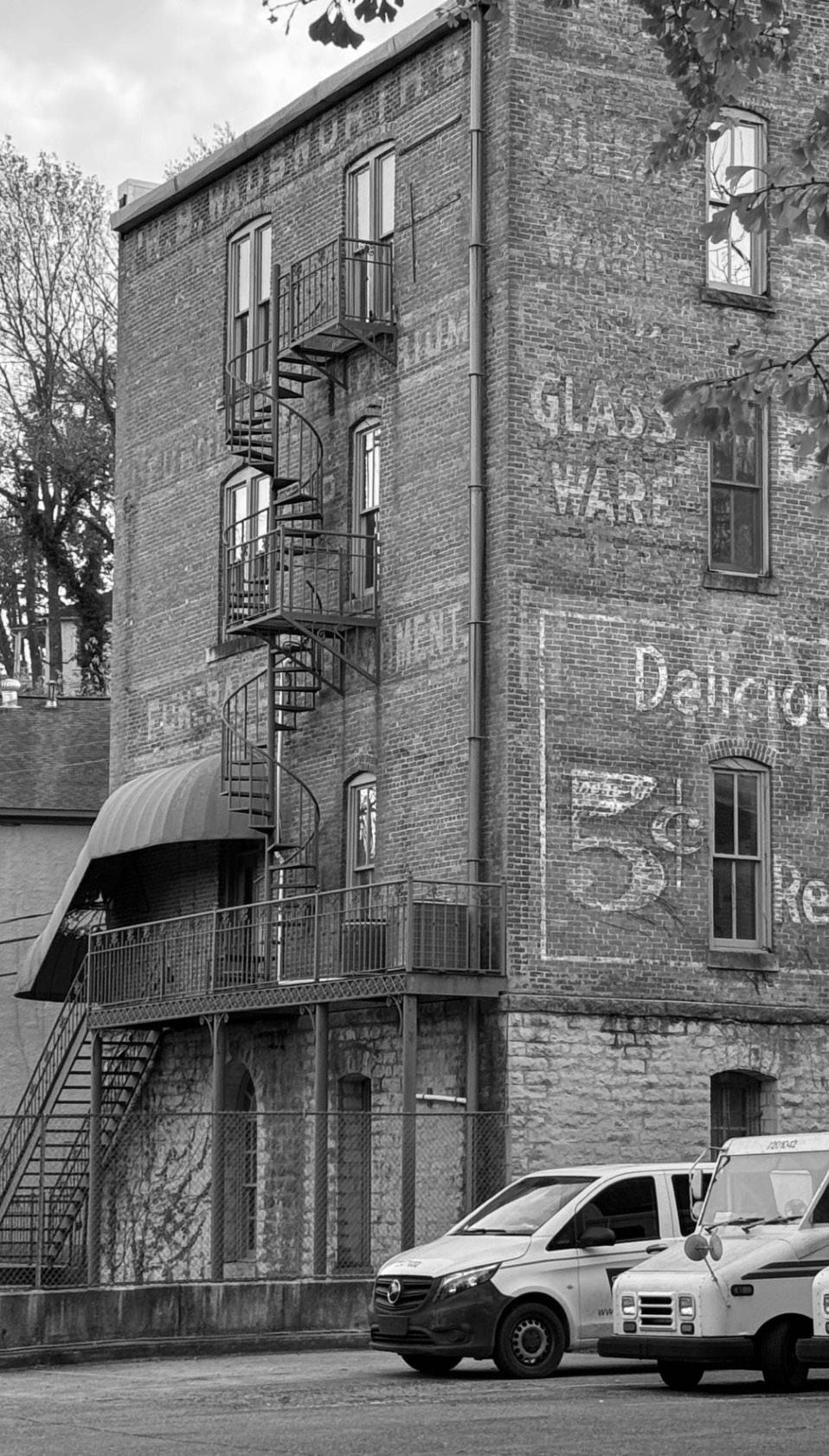
The third question hinged on Anholt’s contention that the symbolic value of the built environment is held in its ability to tell a story, effectively creating an emotional connection between person and place. Eureka Springs is a town with a largely unchanging landscape, but its rich history is outlined by continually changing stories it has told in each time period. The town has always been branded by its physical aspects, being called “The Little Switzerland,” “The Stair-Step Town,” and “The Little Escape” all before its current name. When asked what elements of architecture or urban design tell a story about Eureka Springs’s culture, identity, or purpose, respondents recalled the built environment’s ability to reveal layers of narrative in one moment. Most unknowingly resounded Klingmann’s note on the unique ability of towns with inimitable heritage to foster an emotional connection with inhabitants by relating to them in both time and place. Because of Eureka Springs’s commitment to historic preservation, its residents not only get to experience the town’s story, they get to be a part of it, ultimately intertwining their personal identity with that of the town as the physical design shapes their perceptions and interactions.
Theme 3: Using Place for Purpose
In the discovery of architecture as a branding tactic, we must not only ask what the built environment communicates but how it is effectively used. Recalling the power of branding as a “conceptual framework that no longer judges objects on their own merit but for their effects on people and places,” Klingmann claims architecture is no longer judged as an object, but on its “power to create affirmative spaces that prompt memories, discoveries, and desires” (Klingmann, 2007). Branding has shifted its focus from use to purpose, and so has architecture. When the purpose of architecture reaches total fulfillment, it intimately responds to citizens’ needs and effectively builds shared experiences and connections in its communities. This is where small towns find an advantage in their quaint size – Knox and Mayer state that “life in small towns is framed by daily, weekly, and seasonal rhythms and patterns and sequences of movement that are all underpinned by urban form” (Knox & Mayer, 2013). Urban form, or the built environment, finds its purpose in affecting the lives for which it was created.
At the base level of a town serving its purpose is ensuring all citizen needs are met – and constantly responding to changing needs. This is how Knox & Mayer define liveability, or “how easy a place is to use, and how it feels,” claiming that some of the most important aspects are the “physical attributes of the built environment” (Knox & Mayer, 2013). If a town exists for its inhabitants, it must be ever
“When the purpose of architecture reaches its total fulfillment, it intimately responds to citizens’ needs and effectively builds shared experiences and connections in it communities. This is where small towns find an advantage in their quaint size...”
aware of their needs and have an environment equipped to respond. In this era of urbanization, citizen needs are in a state of rapid change. As families’ lives become more fragmented, people are increasingly interested in “economical, frequent, flexible, and brief leisure pursuits,” seeking out local environments that offer “shared leisure experiences in convenient doses on a weekly basis, instead of taking costly, pre-planned vacations as in the past” (Klingmann, 2007). Towns have a unique opportunity to capitalize on this shift and respond by designing spaces that fulfill these evolving needs—creating vibrant, multi-use areas where residents can gather, connect, and relax without the need for extended planning or high costs. Spaces like local parks, town squares, and pedestrian-friendly streets become essential in this landscape, providing flexible settings that
can host markets, concerts, or recreational activities on a regular basis. Such environments offer a sense of community and continuity, bridging the gap between daily life and leisure in a way that supports people’s busy, urban-paced lives on a small-town scale.
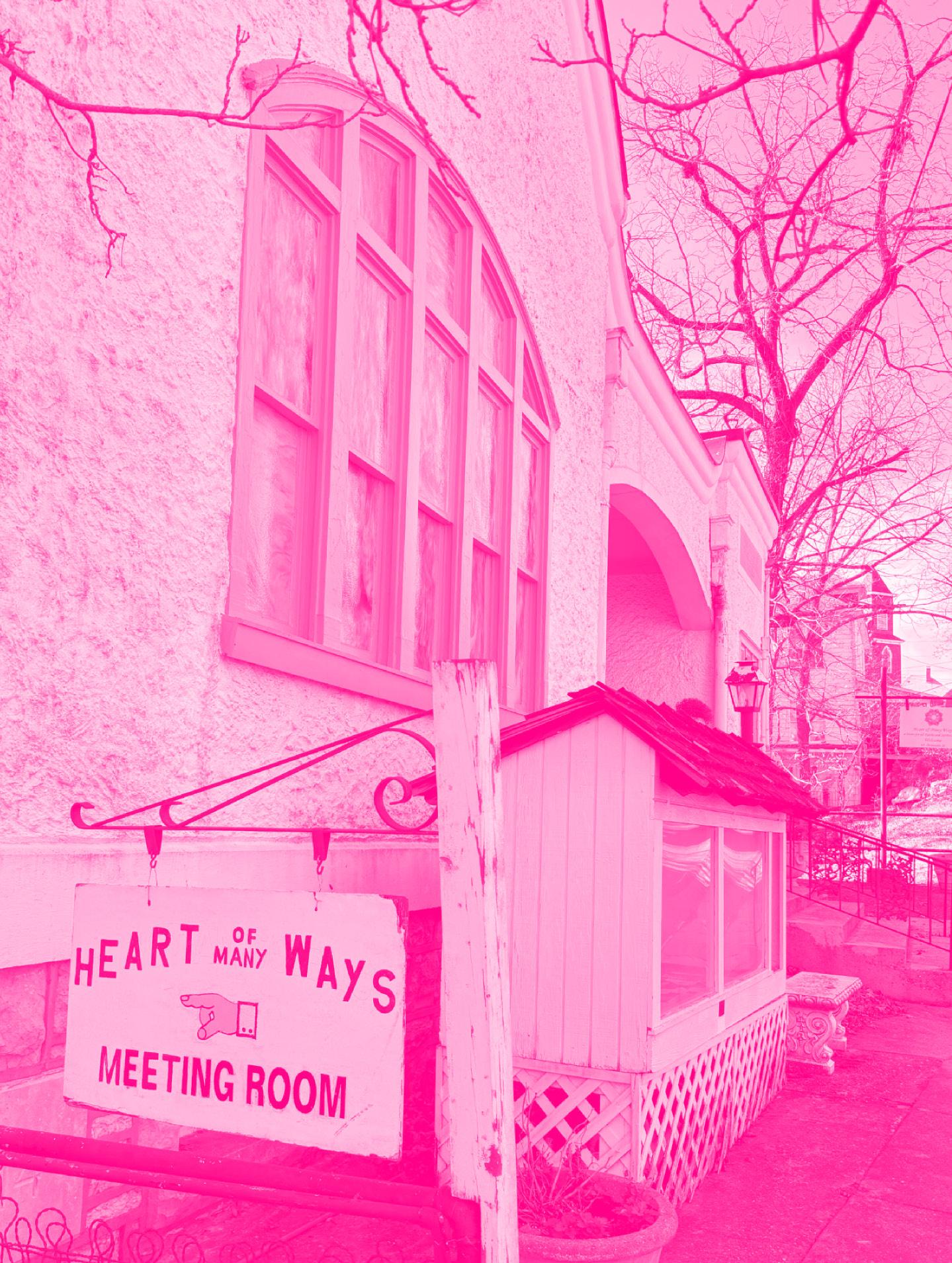
One of the most important needs that citizens search for in towns is connectivity, seeking out shared experiences and a strong sense of place. Klingmann describes this as the real superpower of a building, its “ability to build significant experiences at different points of contact with its users, in the transformation it brings forth and the activities it evokes,” often experienced in lasting connections (Klingmann, 2007). Just as brand communities increase customer loyalty, shared experiences in a town or building increase citizens’ emotional connection. Through thoughtful design, buildings can become more than mere structures – they can foster memories, shape social interactions,
“When architecture and urban design is thoughtfully planned through a human-centered approach, real behavior change occurs, and a town fulfills its citizens’ desires.”
and influence how people feel within a space. This might take form in a town square that invites daily interactions by incorporating seating, flexible space, and an array of nearby shops that draw people in, offering a place where friends meet, families stroll, and community events unfold. When repeated, these seemingly simple encounters accumulate into a shared experience, making the square a familiar and cherished part of everyday life, and ultimately forming a strong sense of place in the town. Knox and Mayer call this “structure of feeling”: the affective frame of reference generated among people as a result of the experiences and memories that they associate with a particular place (Knox & Mayer, 2013). Constant sequences
Beauty : “The perceived harmonious relationship of all the elements of a thing observed.”
- Henry Vincent Hubbard
like those that might be fostered in the previously mentioned town square are very effective at establishing structure of feeling, but these repeated rhythms are dependent upon a built environment that encourages community interaction. According to Knox and Mayer, this is “not only streets, squares, and public open spaces but also third places: the sidewalk cafes, pubs, post offices, drug stores, corner stores, and family-run trattoria that are the loci of routine activities and sociocultural transactions,” claiming that “urban form should be permeable enough to generate casual encounters and should facilitate solitary as well as informal social activities” (Knox & Mayer, 2013). Architecture and urban design are the predecessor to the connectivity that small town citizens seek, and the physical environment should respond to that need.
To claim that the built environment has such a profound effect on human interaction and lifestyle may seem presumptuous, but Paul D. Speiregen claims in Urban Design: The Ar-
chitecture of Towns and Cities that “that is exactly what we are doing every time we make major changes in our cities” – molding the urban form to prompt memorable experiences (Spreiregen, 1965). Klingmann agrees, citing the required process as “experimentation with creative ideas and innovative spatial concepts” using the desired “experiential effect as a point of departure” (Klingmann, 2007). When architecture and urban design is thoughtfully planned through a human-centered approach, real behavior change occurs, and a town fulfills its citizens’ desires. Henry Vincent Hubbard defined beauty as “the perceived harmonious relationship of all the elements of a thing observed” (Spreiregen, 1965). This beauty comes to life in the harmony of a town’s purpose and its citizens’ lives.
Research Findings
If a town exists for its inhabitants, then a vital aspect of its brand, or its relationship and agreement with said inhabitants, must be to prioritize a purpose that fits intimately with their needs. Previous questions had measured the compatibility between Eureka Springs’s perceived personality and that of its residents; this conversation seeks to measure the compatibility of Eureka Springs’s purpose and its residents’ needs.
How do you feel like the physical aspects of your town are responsive to your needs and/or enhance your daily life?
How would you describe the purpose of your town, and how does it fulfill that purpose?
These topics begin to uncover the deeper side of a town’s brand. It is one thing to be familiar with the personality of Eureka Springs, but what does the relationship between town and resident look like in practice? This posterior layer unlocks the loyal intimacy of a “lovemark” brand, and the built environment can be used as a powerful tool towards this gain (Roberts, 2004).
While the first question focused on the physical environment’s responsiveness to daily needs in general, many respondents continued to focus on its ability to generate community and a sense of belonging, marking the importance of intimacy to small town residents. One interviewee remarked how Eureka Springs directly filled his need to be “bonded to a space,” proving his truly close friendship with the town’s urban form. On the point of community, this question prompted a discussion about the societal transparency that is enabled through design that is based on a human-need instead of car-need. The density of a walking town with mixed use spaces allows for the boundaries between lives to be blurred, continually reinforcing the idea of membership in a larger group. This group’s needs are constantly evaluated and refocused upon as they change, according to another interviewee, and the physical aspects are always evolving in purpose and use depending on the residents’ needs at the time, ensuring a prioritization of the “liveability” discussed by Knox and Mayer (Knox & Mayer, 2013).
“I think [Eureka Springs] exists as an oasis and a haven in this part of the country... it’s where the misfits fit.”
When asked about the purpose of Eureka Springs, participating residents naturally spoke of this in relation to its residents, proving a clear human-orientation of a town’s operations. These reflections on purpose were very specific to the town of Eureka Springs, and were seemingly correlated with what the residents would like to emulate themselves. Some focused on the welcome diversity in the town, claiming slogans like “free to be” or “where the misfits fit” in regard to the town’s tendency to be a haven for eccentric folks. Others felt that the fostering of unapologetic authenticity was Eureka Springs’s purpose, quoting “to put it in your face” as the cry of the boldly nonconformist town. Regardless, the responses pointed to Klingmann’s quote on architecture’s “power to create affirmative spaces that prompt memories, discoveries, and desires” (Klingmann, 2007). The culture created in large part by the town’s built environment has prompted this impassioned desire in its residents to fulfill a purpose much bigger than themselves, and continues to do so for new residents and returning visitors alike.
Although the first priority consumer of place branding is the residents, a small town’s secondary purpose for tourism cannot be ignored, as mentioned by one interviewed resident. There is a kind of symbiotic relationship that exists between town residents and tourists; economic opportunities must often be manufactured by drawing in visitors to unique experiences, meaning the town must be continually improving and preserving, which in turn rewards the residents in a vibrant built environment and healthy economy. This purpose is best fulfilled when a town like Eureka Springs exists first for unique purposes as those aforementioned, letting tourism be spurred on by the attraction of the town’s proven brand.
“And you park on the street here... so you see when people come and go. You know when your neighbor’s home. You know you can go and say hello and have coffee on the porch. It becomes so much more intimate and more personal and give you a feeling of beloning.”
Theme 4: Roots & Branches
Most small towns exist under the assumption of predicted directional change, that their future will be either growth or ghosttown. This creates apprehension for any distinct administrative decisions, fearing that a focus on preservation will end in a town’s desertion and a push for change will result in rapid growth and loss of character (Knox & Mayer, 2013). In all fairness, these are both possible and are repeatedly exemplified in history. Bodie, California began as a booming mining town but is now a deserted ghost town, left to decay when resources vanished and the thriving community left with them. On the other hand, Bend, Oregon saw unprecedented change when it suddenly became an idyllic destination for tourists and new residents alike. The rapid influx of people and developments led to skyrocketing housing costs and significant shifts in the community’s character, pushing out longtime residents in the process. There is a role for both preservation and growth in the built environment of a small town,
but the balance must be struck.
“This sort of ‘thickness’ of a small town’s character is what enforces its sociable closeness and connectivity, opposed to the loneliness and alienation of a ‘thinner’ place, void of authentic history.”
We have thoroughly proven in this research that authenticity is critical in small town branding, and preservation of the built environment is a tangible way to display that quality. Knox and Mayer emphasize the importance of preservation for both established and contemporary residents, stating that the character of a town is a “product of the type of local industry or agriculture, with its built form a legacy of periods of prosperity,” and that it “is upon these foundations that contemporary residents are able to develop a collective identity and sense of place” (Knox & Mayer, 2013). The architecture and urban design of a place reveal its rich and layered history, forming a more distinct identity for existing and new citizens to become a part of and continue to define. This sort of “thickness” of a small town’s character is what enforces its sociable closeness and connectivity, opposed to the loneliness and alienation of a “thinner” place, void of authentic history (Knox & Mayer, 2013). The catch here is to focus on preservation, not indolence. Active preservation, through “revalorised market squares and renovated architectonic objects with valuable details,” produces “cultural tourism, which might stimulate the economy, provide workplaces, and consequently improve the quality of the life of inhabitants” (Chen, Kobylarczyk, Krupa, & Kusnierz-Krupa, 2018). Alternatively, inactive indolence, or simply holding a place in past time, results in a restrictive economic and demographic position that fosters
“In this balance of preservation and growth, branding through the built environment isn’t static; it’s a continuous narrative that evolves with the people it serves...”
a “lack of local capacity to react proactively and creatively to its problems and develop a long-term vision and strategy for its future development” (Atkinson, 2019). Using preserved architecture to tell a story and create an identity vastly strengthens a brand; using history to prohibit growth diminishes any possibility of a vibrant town image.
Let’s return to our original definition of a brand as an unspoken promise between an entity and its consumers. Once this identity is defined, with its values, purpose, and personality all clearly communicated, the promise is to consistently deliver on this agreed-upon image. This does not mean never growing or changing, but it does mean that all future steps should be aligned with those of the past. If cities are to respond to residents’ needs, as previously discussed, then growth and change will be inevitable to continue identifying with their citizens. Klingmann, recognizing that people’s lifestyles, paces, and sources of satisfaction are changing, claims that
“architecture’s capacity to provoke aesthetic experiences is key to establishing cultural, economic, and social frameworks that suit our new routines and lifestyles” (Klingmann, 2007). This commitment to authentic development is crucial for building a resilient town brand, as it fosters trust and loyalty among residents, businesses, and visitors.
When towns adapt thoughtfully to their citizens’ evolving needs – whether it be adding parks, enhancing walkability, or preserving historical sites – they not only reinforce their promise but also strengthen the town’s brand. The architecture and layout of a town become living expressions of its values, a way of actively engaging residents and visitors alike. In this balance of preservation and growth, branding through the built environment isn’t static; it’s a continuous narrative that evolves with the people it serves, ensuring that growth aligns with a town’s legacy while embracing its future needs.

Research Findings
In the final questions of the interview, conversation turned to place a town’s brand in time, considering how it leverages the past or future in its current physical communication. To gauge both perception and actuality, we discussed the feeling of time in Eureka Springs and the strategy used to achieve that.
While not all cities have a clear focus on either history or modernity, many small towns have to take a stance on this topic, generally choosing to preserve the past as heritage is one of their few opportunities to distinguish themselves and attract visitors. Whichever is chosen, the balance between the two must be addressed.
To what extent does your town evoke feelings of nostalgia or neophilia (love for the past or for the future)?
How
does your town use physical aspects to both embrace its historical roots and prepare for changing modern needs?
The debate between nostalgia and neophilia for the interviewed residents was unanimous – the town evoked great nostalgia and nearly zero neophilia. Nostalgia was markedly one of the defining features of Eureka Springs, with many respondents claiming its effect of safety and comfort as well as its ability to draw in tourists. The whole town is on the National Register of Historic Places, and it seeks to inspire the recall of an idealized past life, where front doors were left unlocked and the grocery store was known to be a social center. Admittedly, neophilia comes into play with tourism and the diverse uses of the town, as the pulse of modern desires must continually be measured to stay relevant. One respondent maintained that Eureka Springs exists in a bubble of sorts, largely away from ei-
“Eureka calls you to move here. Eureka reaches out and touches you, and it’s a memory you never let go of.”
ther nostalgia or neophilia, exuding an individual purpose that would be notably differentiated in any time period. Just as Knox and Mayer argued, the town’s character and legacy revealed in its built form has allowed residents to develop a collective identity and sense of place in time (Knox & Mayer, 2013).
Even though Eureka Springs thrives off an evoked feeling of nostalgia, its success is nurtured through a balanced gaze on the future. Most interviewees were aware that preservation was a priority, but they also described a relentless effort to improve. This active enhancement is led by passionate and entrepreneurial residents who emphasize the voices and opinions of the town at large. Although the built environment is characterized by definite historic preservation and nostalgic associations, the usage of buildings
and streets adapts to modern desires. For example, the town hosts a parade nearly every weekend, with themes ranging from antique car shows to zombie crawls. The buildings, on the other hand, have become home to decidedly too many neophilic storefronts, and the residents are now pushing for more arts and culture designation, clarifying the town’s purpose. Underpinning Klingmann’s , Eureka Springs’s architecture is being used to establish cultural and social frameworks that fit the residents’ and tourists’ constantly changing needs (Klingmann, 2007).
“Nostalgia is a big part of the city... They don’t want serious changes in the city, and I can’t blame them. Because like look at the painted ladies; they’re the jewel of our town. They’re the little diamonds that set on the side of the mountain that shine.”
Implications
This research set out to answer three main questions about the connection between the built environment and branding in the setting of small towns, leveraging extensive literature review and analysis through interviews with residents of Eureka Springs, Arkansas to discover the potential and/or proven potency of this tool.
1. What is the impact of the built environment on the brand perception of small towns?
2. What is the current state of use and awareness of environment design in the branding of small towns?
3. How can small towns most effectively leverage architecture and urban design to strengthen communication to their consumer, the citizens?
The impact of the built environment on the brand perception of small towns cannot be overstated. When thoughtfully designed, this tool has the ability to foster deep relationships between residents and their town, building an intricate personality that gets reflected in the identity of its inhabitants. It can communicate the town’s purpose and values, shaping the interactions of and perceptions of citizens and producing rhythmic social habits that become definitive of the place. It can create unique attractions of cultural heritage, establishing a sense of time and place that begets repeated return trips in the future. It could be argued that the built environment is the most defining feature in a town’s brand.
The current state of use and awareness of environment design in the branding of small towns is mixed. While Eureka Springs marks an excellent example of the use of this branding tool, nobody is a stranger to the small towns amassing America, completely devoid of character and crammed with homogenized architecture. The importance of this topic is still widely minimized, but the research is continuing to increase and spread.
The bulk of this paper has divulged the intricacies of how small towns can most effectively leverage architecture and urban design to strengthen communication to their residents, but to put it simply, they can prioritize authenticity. The core sin of American small towns has been their pursuit of homogeneity, capitalizing on the ease
of imitation and losing the inherent value of preservation. Small towns have a hidden gem in their rich heritage and intimate communities, and the built environment is the secret code to showcasing these gems through unique buildings, connectivity, and a distinctive landscape. Author Wallace Stegner summarized this beautifully, saying, “If you don’t know where you are, you don’t know who you are” (McMahon, 2022). In authenticity, the built environment can begin to reinforce the forgotten identities of small town communities.
references
Anholt, S. (2008). Place branding: Is it marketing, or isn’t it? Place Branding and Public Diplomacy, 4, 1–6. https://doi.org/10.1057/41254.1751-8059
Ashworth, G., & Kavaratzis, M. (2009). Beyond the logo: Brand managment for cities. The Journal of Brand Management, 16(8), 520–531. https://doi.org/10.1057/palgrave. bm.2550133
Atkinson, R. (2019). The Small Towns Conundrum: What do we do about them? Regional Statistics (Budapest), 9(2), 3–19. https://doi.org/10.15196/ RS090201
Chen, T., Kobylarczyk, J., Krupa, M., & Kusnierz-Krupa, D. (2018). The complexity of a small town. In Czasopismo techniczne : organ Towarzystwa Politechnicznego, 201803 (pp. 5–20). essay, Wydawnictwo Uniwersytetu Jagielloskiego.
Klingmann, A. (2007). Brandscapes : architecture in the experience economy. MIT Press.
Knox, P., & Mayer, H. (2013). 4. Inherited Identities: Built Form and Sense of Place. In Small Town Sustainability: Economic, Social, and Environmental Innovation (2nd ed., pp. 67–86). essay, Walter de Gruyter GmbH.
McMahon, E. (2022, January 5). The importance of place. The Importance of Place | Main Street America. https://mainstreet.org/the-latest/news/main-spotlight-the-impor tance-of-place
Millman, D., & Olins, W. (2011). Wally Olins. In Brand Thinking and Other Noble Pursuits (pp. 6–23). essay, Allworth Press.
Muratovski, G. (2012). The role of architecture and integrated design in city branding. Place Branding and Public Diplomacy, 8(3), 195–207. https://doi.org/10.1057/ pb.2012.12
Roberts, K. (2004). Lovemarks: The future beyond brands. PowerHouse Books.
Saad, L. (2024, February 7). Country living enjoys renewed appeal in U.S. Gallup.com. https://news.gallup.com/poll/328268/country-living-enjoys-renewed-appeal.aspx
Spreiregen, P. D. (1965). Urban Design: The Architecture of Towns and Cities. Mc Graw-Hill Book Company.
Trevail, C., Reed II, A., & Sills, D. (2020). I Am Brand. In Outside In: New & Emerging Conversations on Customer Centricity (pp. 7–12). story, C Space. Retrieved 2024, from https://cspace.com/free-downloads/outside-in/.