Design Portfolio
SOPHIA RODRIGUEZ
Interior

Design Portfolio
(956) 249-2506
Austin, Texas | Pharr, Texas sophiarodz05@gmail.com
The University of Texas at Austin - Austin, Tx School of Architecture | 2023 - 2027
- Bachelor of Science in Interior Design
South Texas College - McAllen, Tx 2020 - 2023
- Associate of Arts | Summa Cum Laude
PSJA Early College High School - San Juan, Tx 2019 - 2023
- High School Diploma | Distinguished Honors
Adobe Creative Suite
Photoshop
Illustrator
InDesign
Lightroom
Modeling & Rendering
Rhino 3D
Revit
Enscape
Fabrication
Laser Cutting
3D Printing
Woodworking
Undergraduate Architecture Student Council Student Mentor | August 2023 - Present
- Provided guidance, support, and mentorship to freshman architecture students to help achieve academic success.
Texas Ampersand Interior Design Organization Member | August 2023 - Present
- Participated in collaborative design programming within the interior design discipline
Impact Scholars Program Mentor | August 2024 - Present
- Mentored first-year Impact Scholars, providing academic, personal, and professional guidance into college life.
International Interior Design Association (IIDA) Student Member | August 2023 - Present
- Participated in IIDA professional development and mentorship programming
National Organization of Minority Architecture Students Member | August 2023 - Present
- Participated in initiatives supporting representation within architecture and design fields.
Brooklyn Botanic Garden Pollinator Lounge - Student Exhibitor Brooklyn, New York | May - September 2024
- Collaborative exhibition of student-designed pollinator habitats with Professor Nerea Feliz
- Featured in Time Out: Top 25 Best Things to do in NYC, Summer of 2024.
Interior Design Intern - ERO Architects McAllen, TX | June - August 2025
- Contributed to interior layouts and finish selections for K–12 educational facilities
- Assisted with branded environmental graphics and wayfinding systems
- Supported construction documentation, finish schedules, and material coordination
Interior Design Intern - Alvarado Architects & Associates Donna, TX | May - August 2025
- Led interior renovation design for the City of Edinburg International Airport
- Developed material palettes and spatial strategies for high-traffic public interiors
- Produced site documentation and professional presentation boards for client review
On-Site Supervisor - City of Pharr Parks and Recreation Pharr, TX | May - August 2024
- Assisted families and participants with daily check-ins & records management
- Addressed parent/ guardian questions regarding registration and scheduling
Recreation Aide - City of Pharr Parks and Recreation Pharr, TX | May - August 2023
- Coordinated youth programming and supervised daily operations
- Managed parent communication, participant records, and safety protocols
Receptionist - Mecca Sportswear Pharr, Texas | May 2022 - Ongoing
- Handled incoming calls, responded to inquiries, and routed calls as needed.
- Assisted with administration, data entry, filing, and scanning documents as needed.
Design Excellence Award Winner - Design III
UT School of Architecture | Fall 2024
AIA Architecture Student Scholarship Recipient
AIA Lower Rio Grande Valley Chapter | August 2025
Design Excellence Award Nominee - Design III
UT Austin School of Architecture | Fall 2024
Design Excellence Award Nominee - Design II
UT Austin School of Architecture | Spring 2024
Impact Scholarship Recipient
University of Texas at Austin | Spring 2023
Design V | Fall 2025
Design III | Fall 2024
East Bank Exchange
Design IV | Spring 2024
Design V Studio | Fall 2025 | Austin, Texas
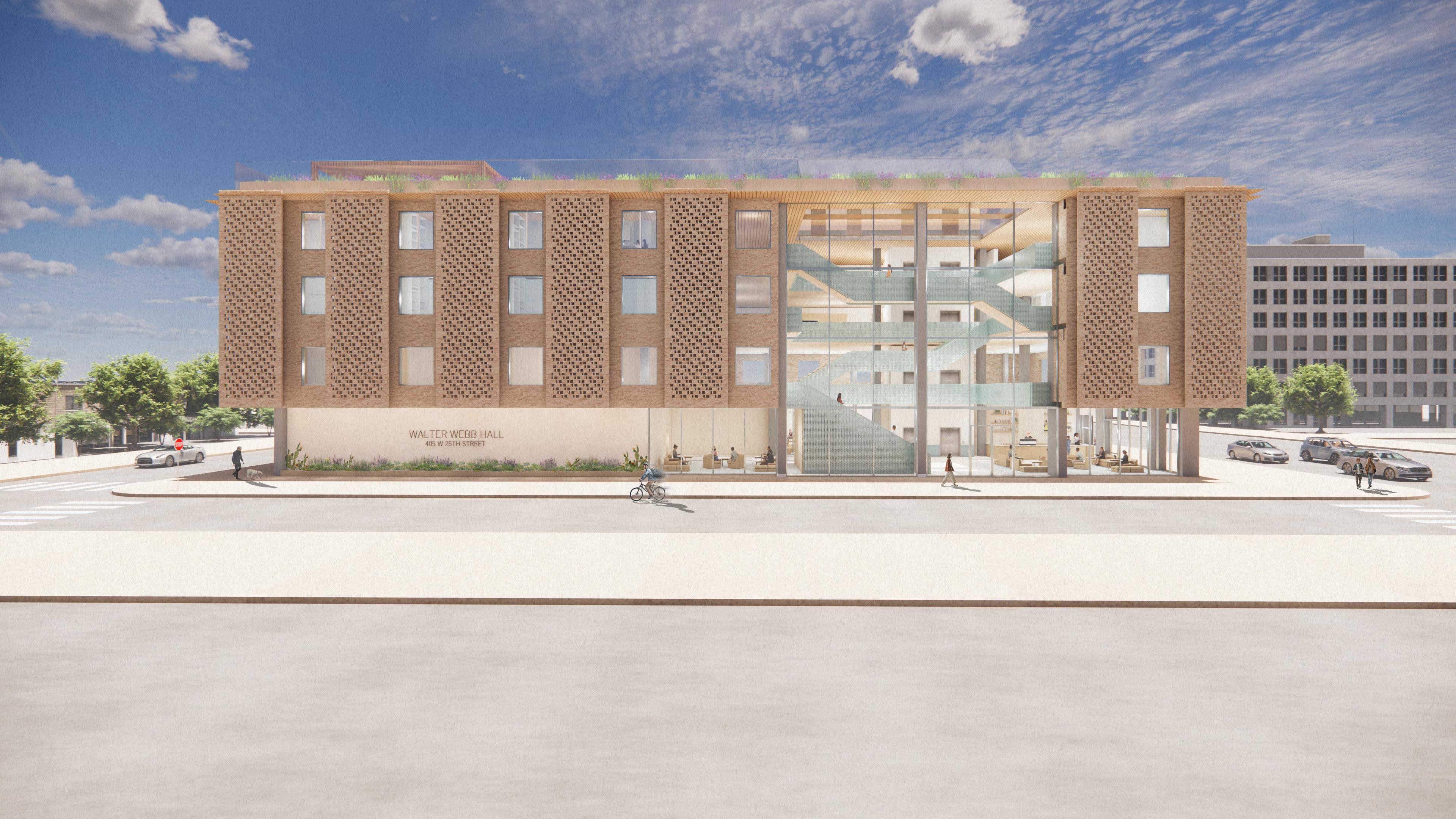
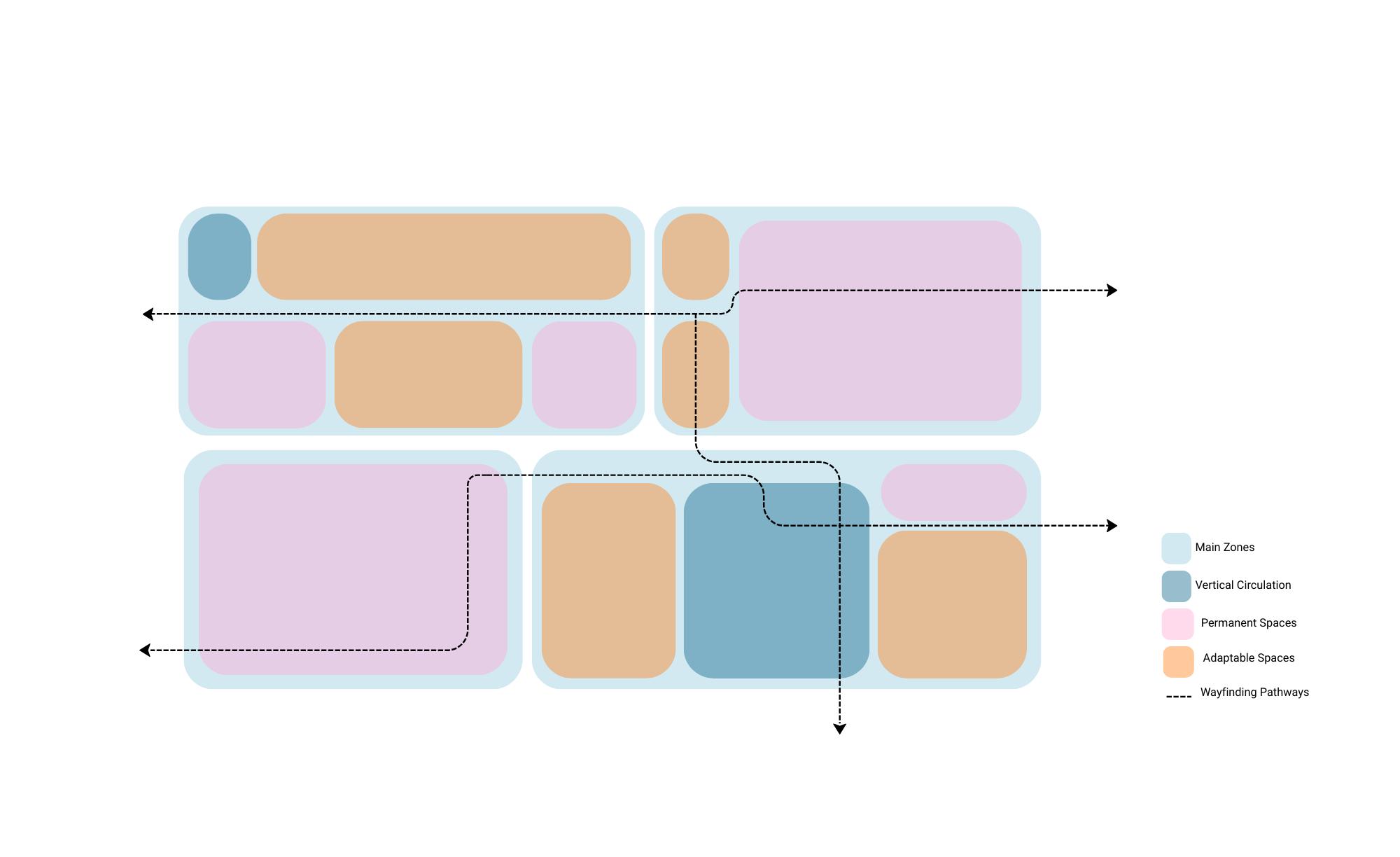
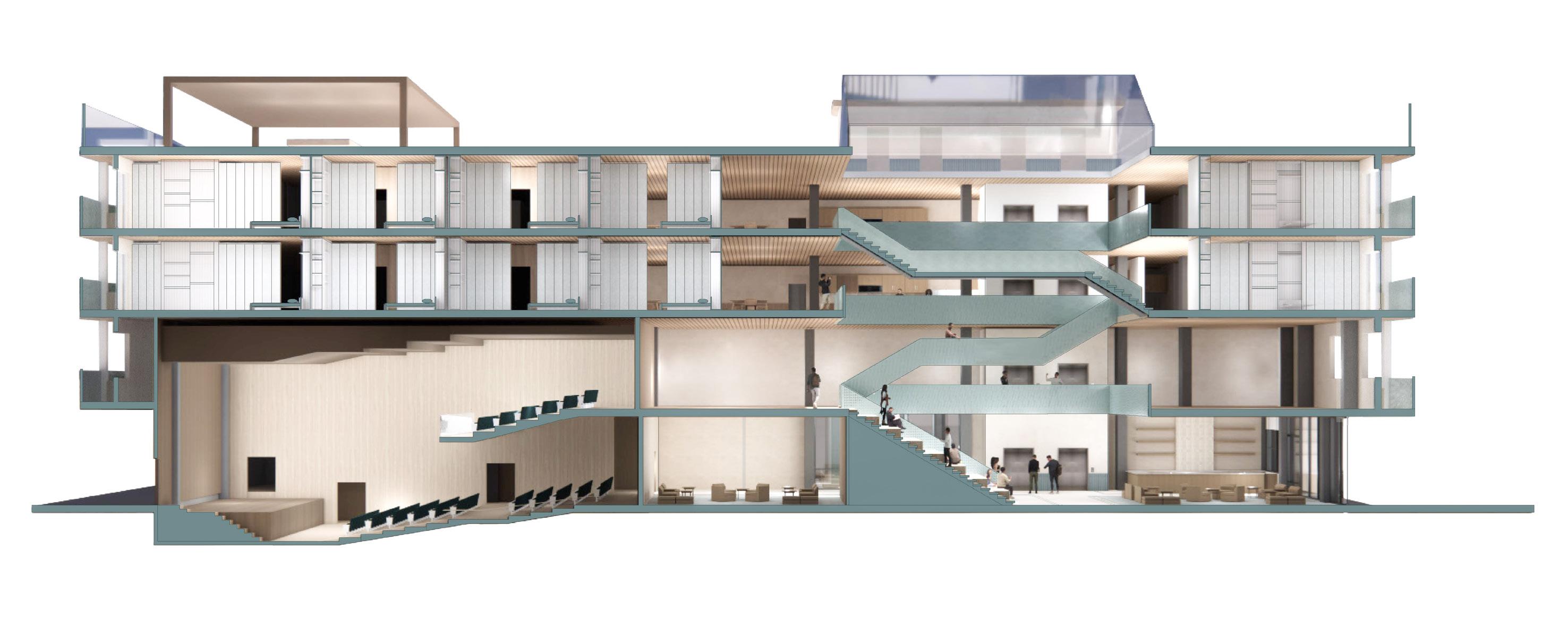
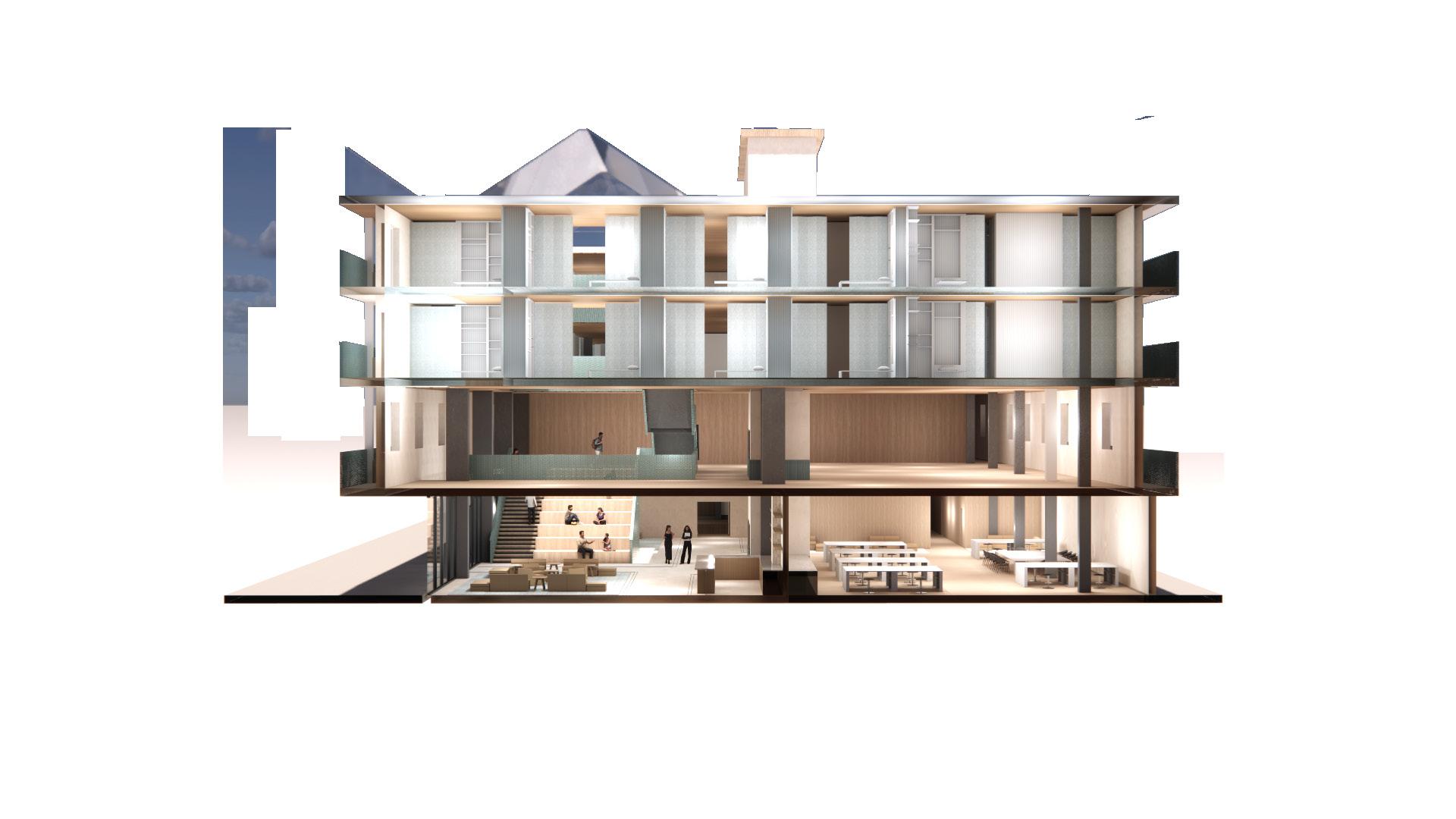
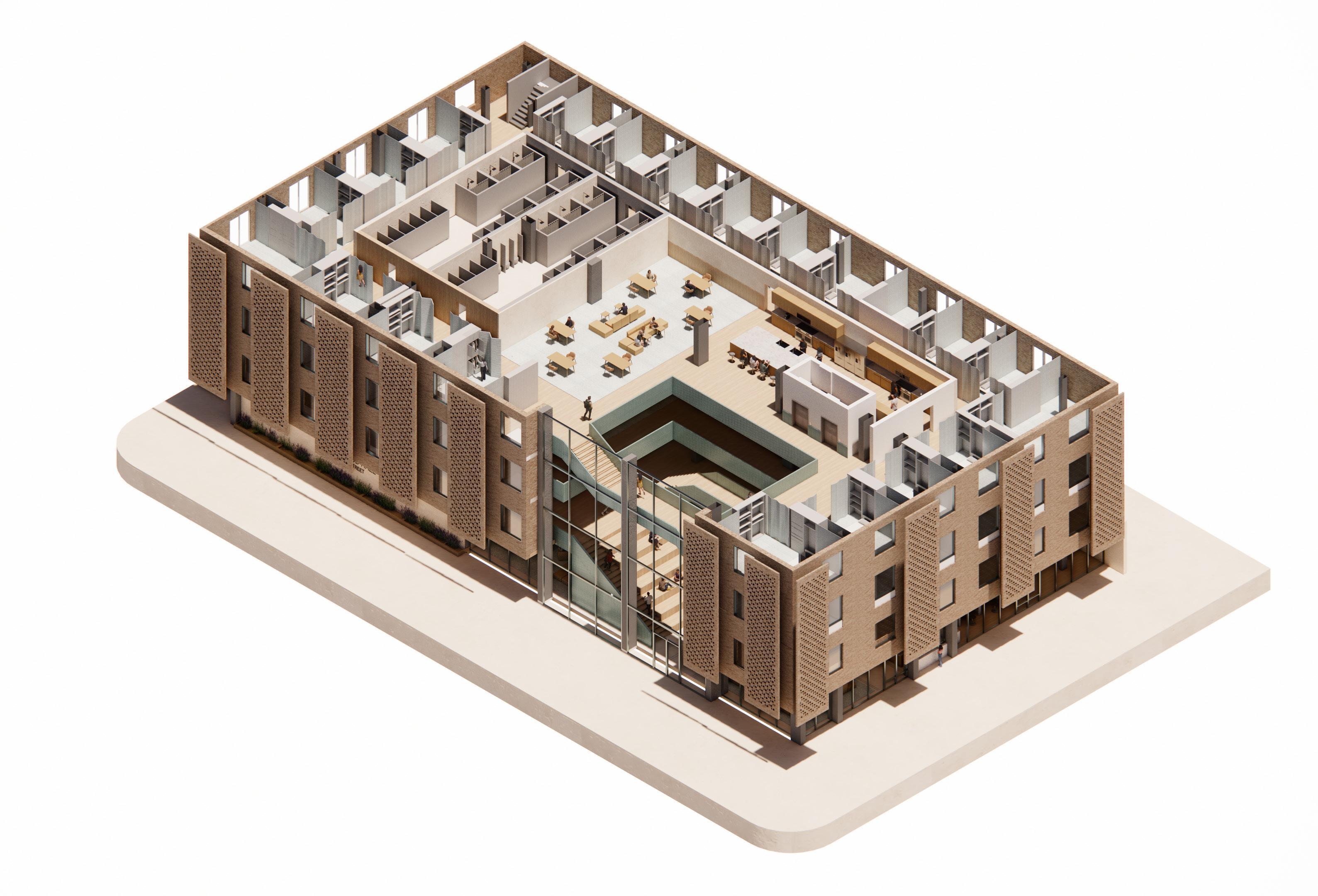
In Transit reimagines Walter Webb Hall as a flexible living and learning framework shaped by movement, adaptability, and transition. Rather than treating student housing as a fixed condition, the project responds to the realities of student life defined by temporary housing, shifting schedules, and evolving academic and social needs. Movement becomes an organizing strategy, shaping circulation, spatial flow, and wayfinding to guide students through changing programs and degrees of privacy. Public, semi-public, and private zones are designed to support seamless transitions between studying, meeting, resting, and social interaction throughout the day.
The building operates across both architectural and object scales through adaptable zoning and modular poche systems. Shared spaces are positioned along primary circulation paths to encourage community, while nested poche units provide moments of retreat and individual control. These elements can expand, unfold, or reconfigure based on user needs, reinforcing flexibility over permanence. By extending the circulation logic, spatial language, and identity of the UT School of Architecture into a residential context, In Transit positions Walter Webb Hall as both a place of dwelling and an institutional extension designed to support lives constantly in motion.
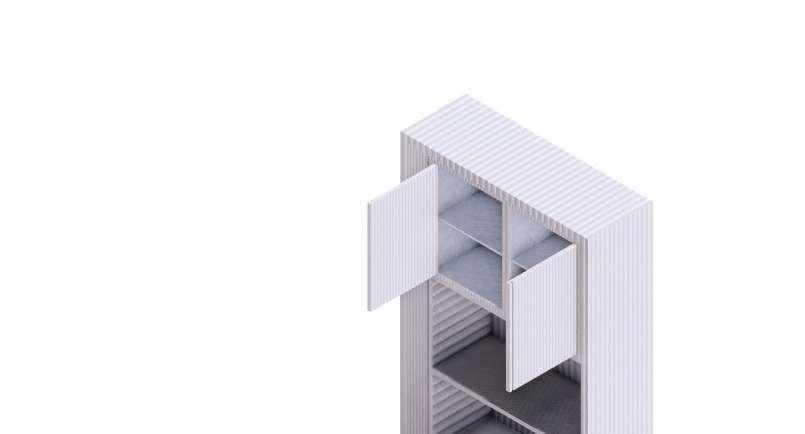
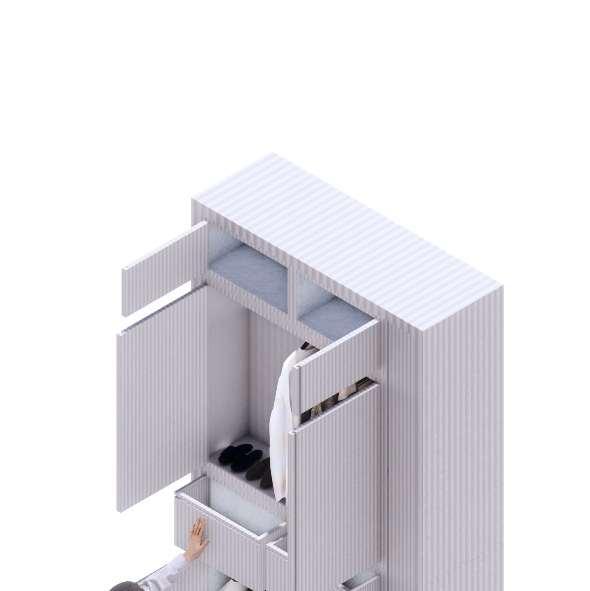
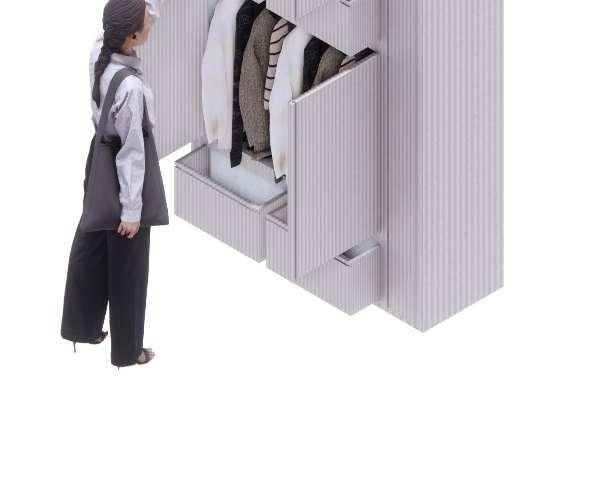
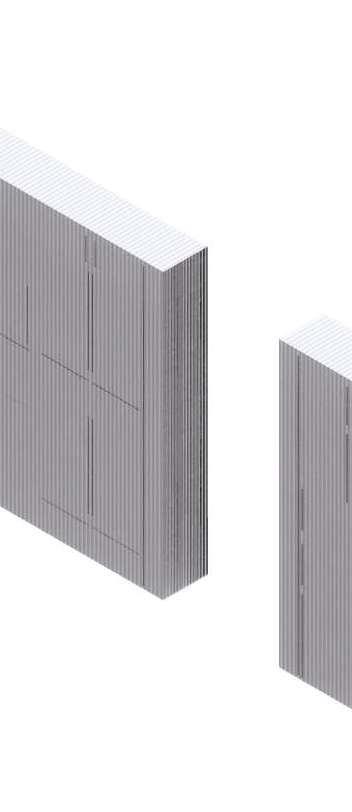
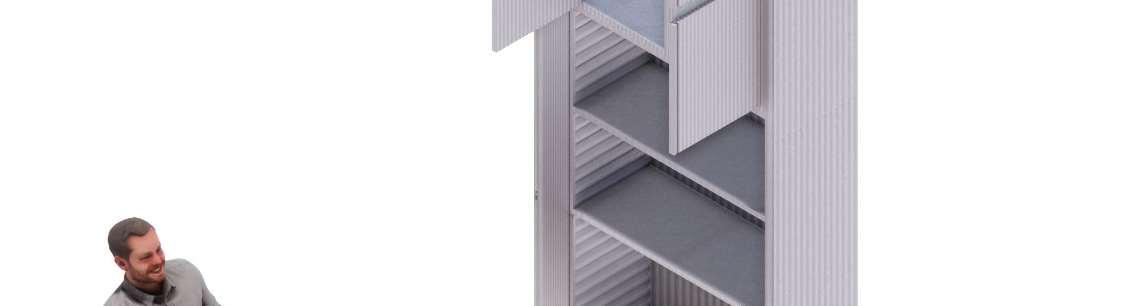
Reimagining an architectural wall as an adaptable spatial system, this project draws from the organizational logic of a suitcase to challenge the permanence of conventional interiors. Rather than functioning as a static boundary, the wall operates as a container for living, designed to support movement, flexibility, and change over time.

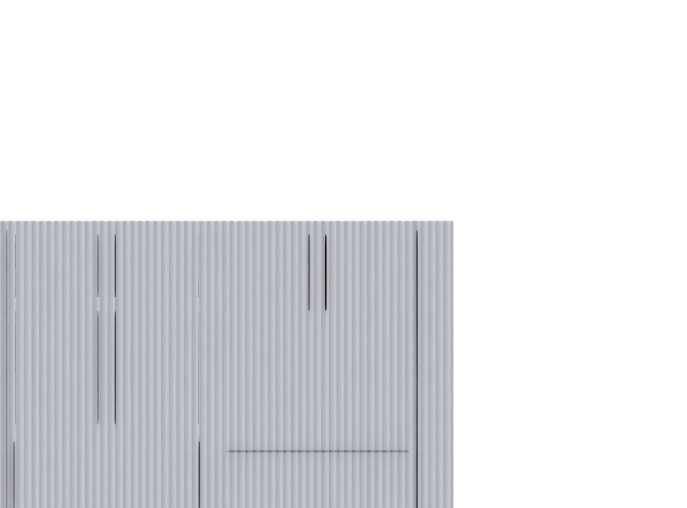
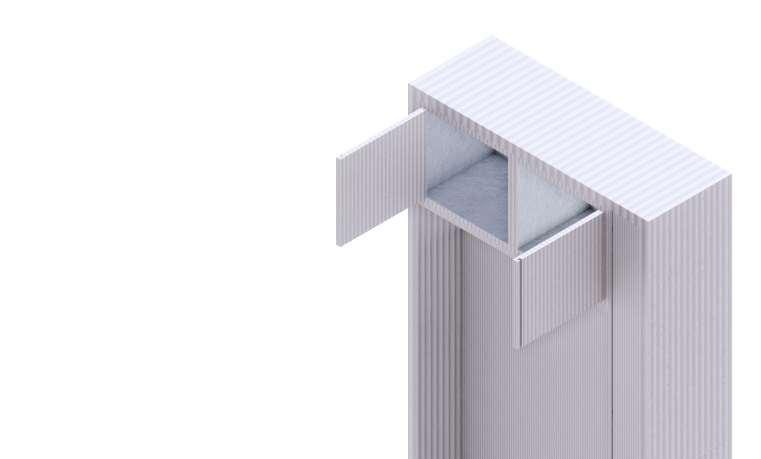
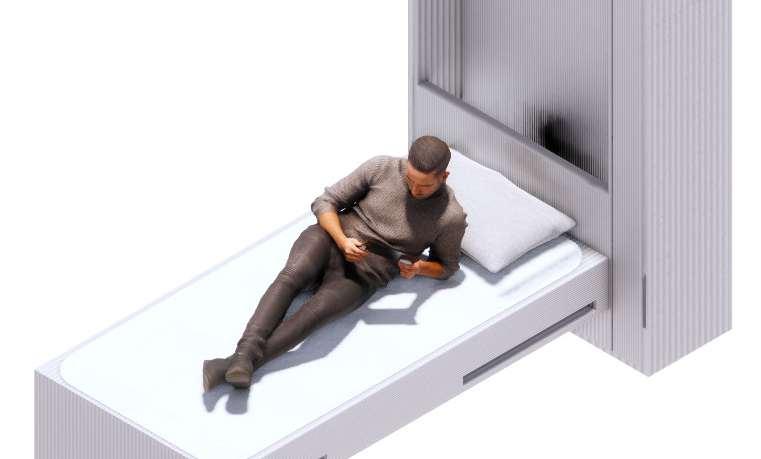
The modular system is composed of nested components, where smaller elements are contained within larger “cases”. These inner components unfold and expand to become functional parts of a room, holding the essential elements of everyday life. When relocation is required, the system compresses back into a compact form and moves with the user, much like a suitcase. By allowing space and belongings to move with the user, the system replaces static interiors with a flexible framework designed for temporary living and constant transition.


Poche Unfolding Sequence


















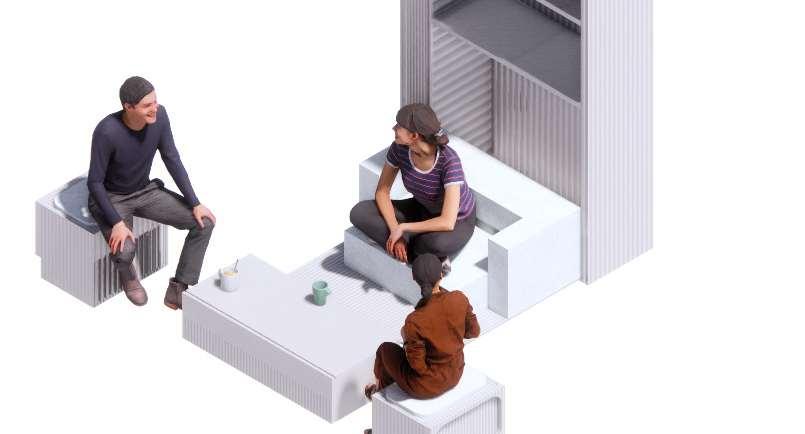

Lounge Case poche in use
poche in use
poche in pocheusein use






























































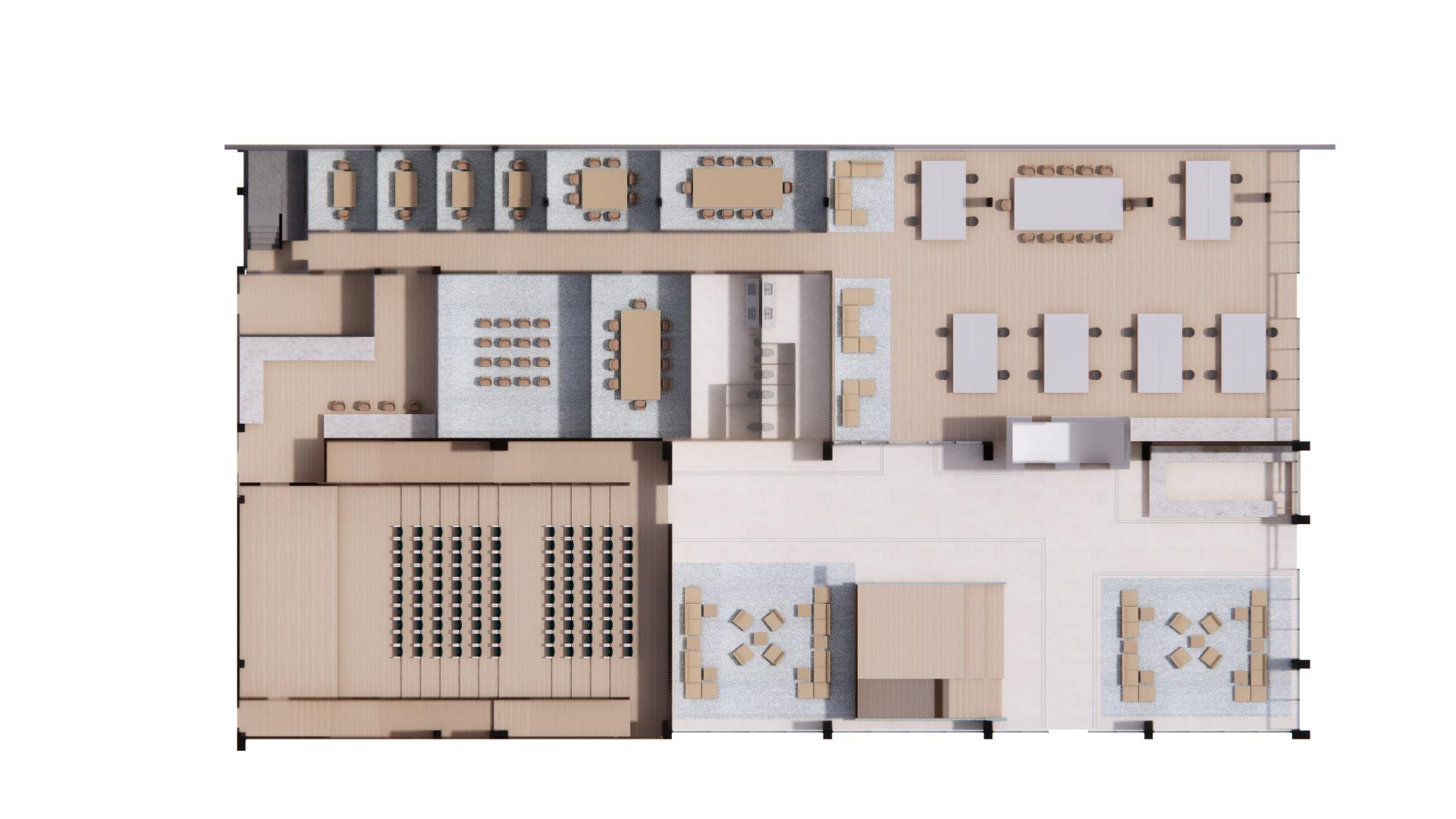
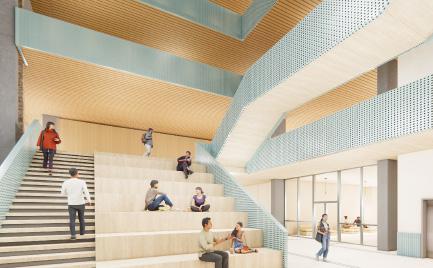
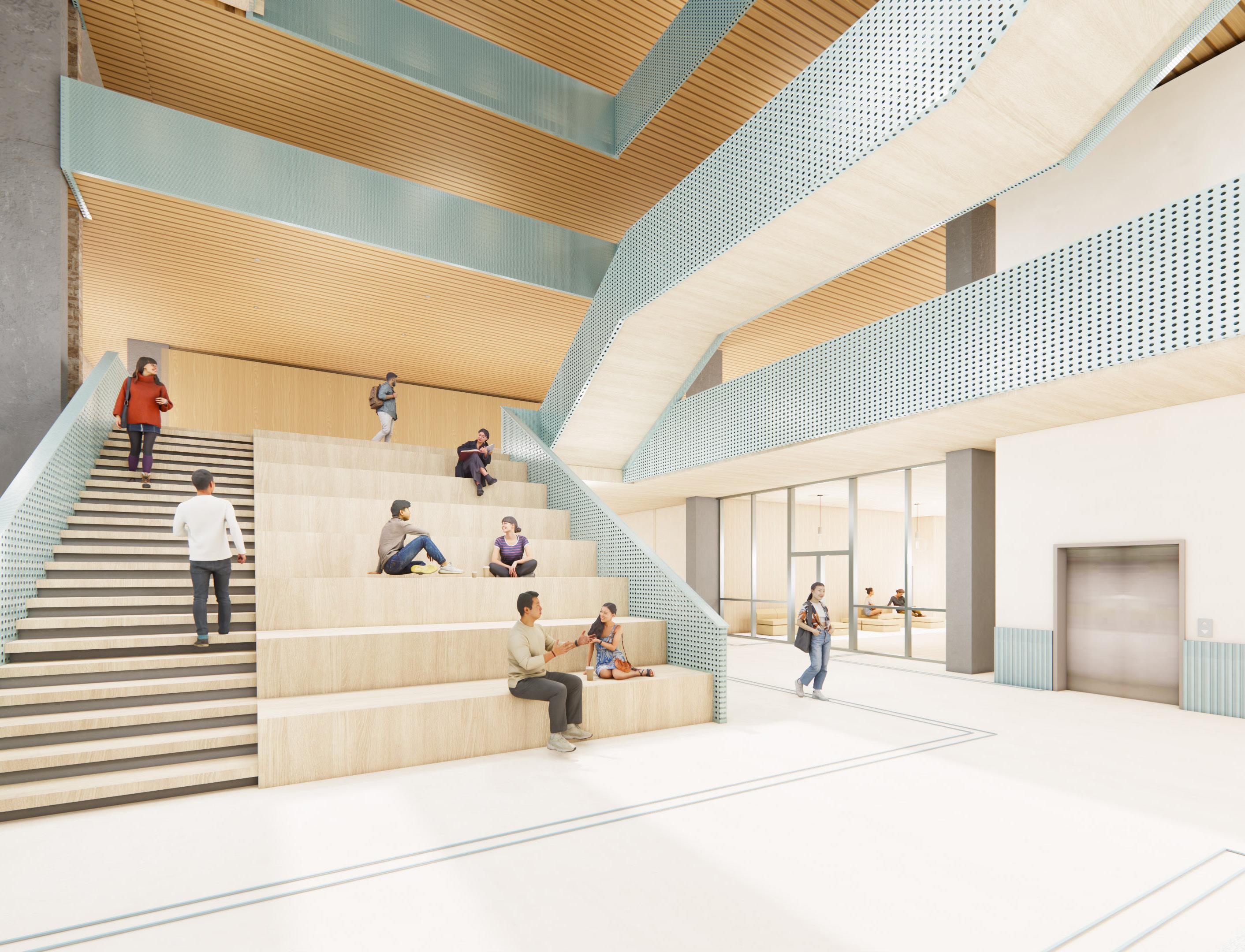
The ground level is organized around movement, clear wayfinding, and adaptable gathering. Public and semi-public spaces line primary circulation paths, allowing the lobby to support both individual use and social interaction while addressing programmatic gaps within the UT School of Architecture, including limited study, meeting, and assembly spaces. The central stair, defined by a blue railing inspired by the School of Architecture’s well-known use of blue, marks a key moment of transition and reinforces the building’s role as an extension of the School of Architecture.
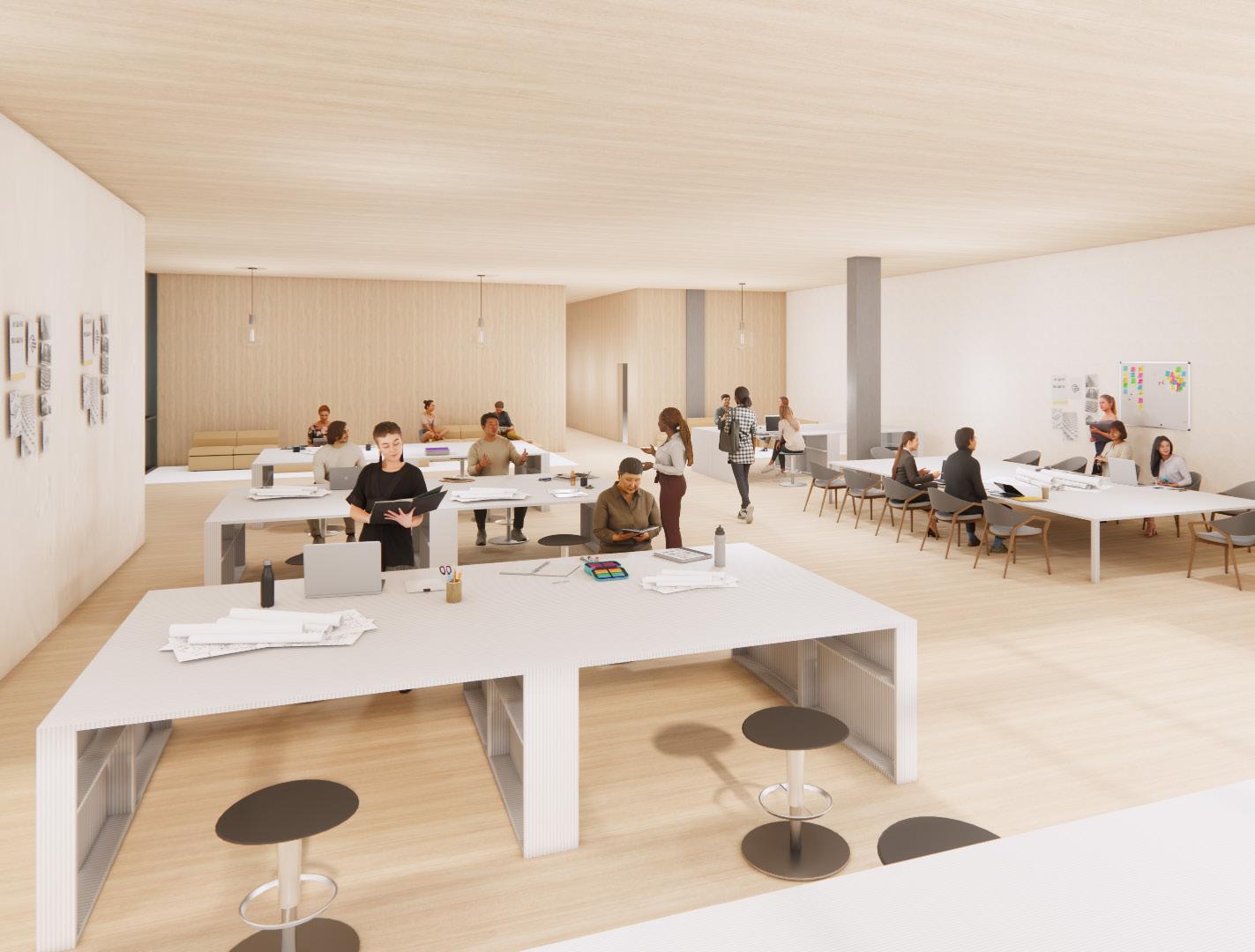
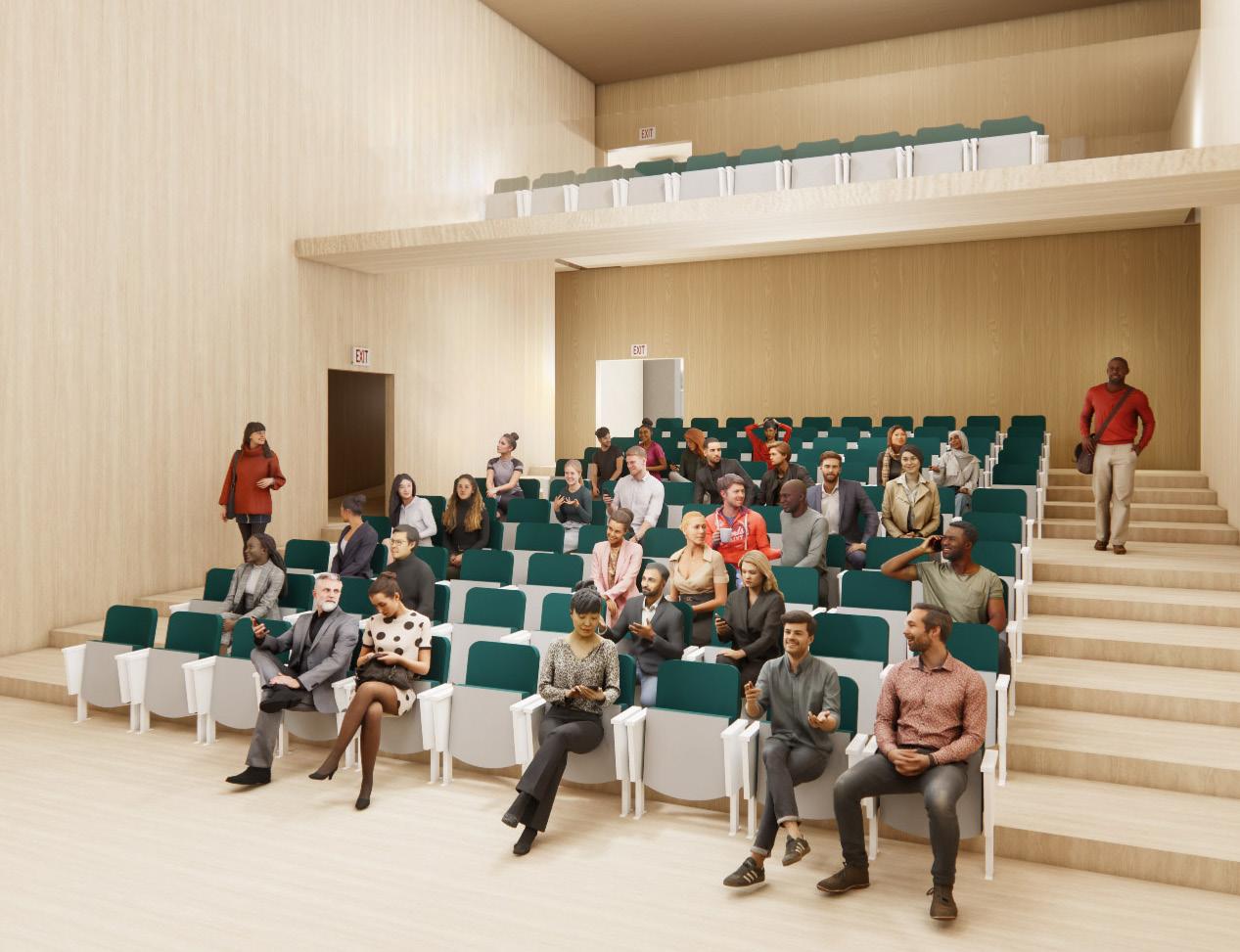
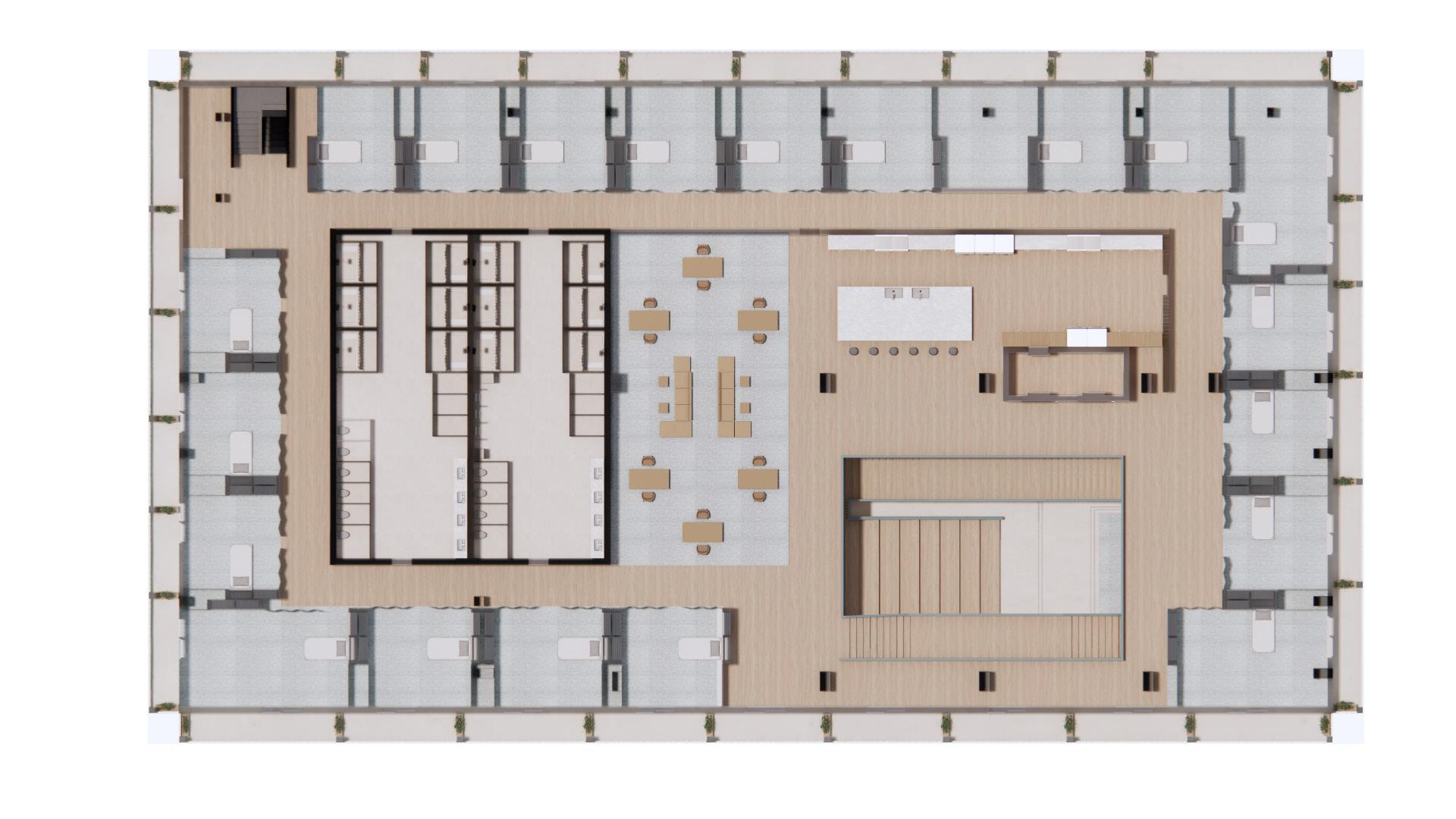


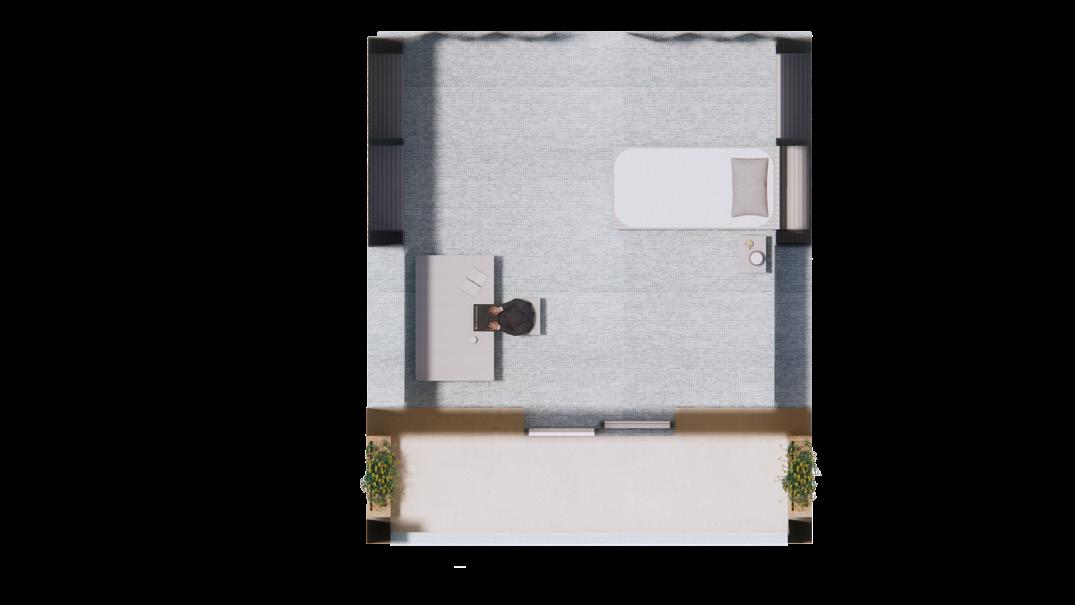
Individual residential units function as flexible, nested environments that accommodate studying, resting, and retreat. Through modular components, residents can adapt their rooms to evolving routines, allowing spaces to expand, compress, or reconfigure in response to changing needs within temporary housing.
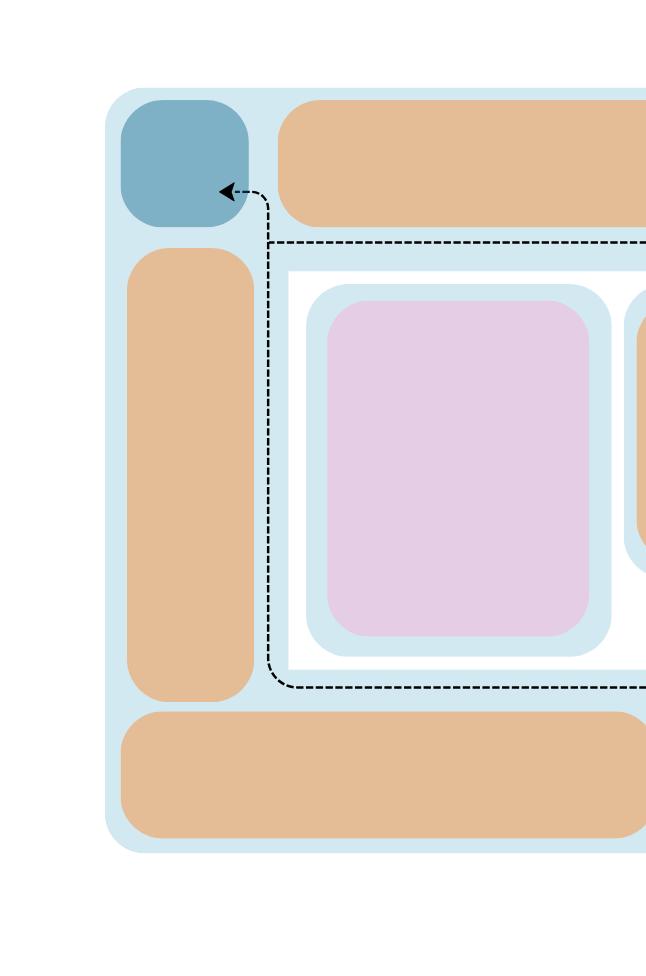

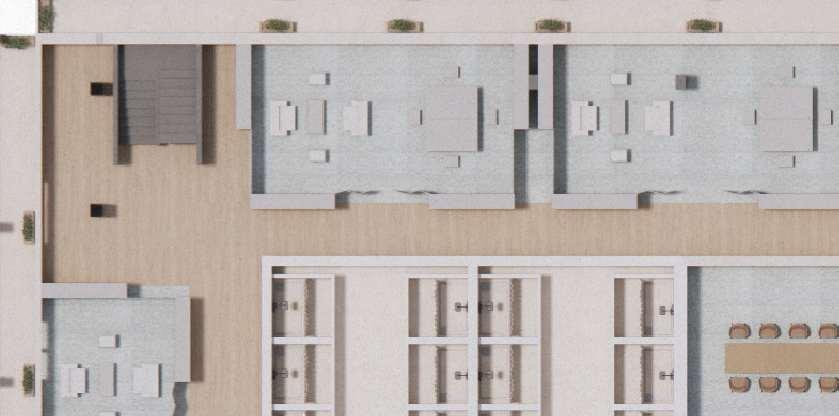

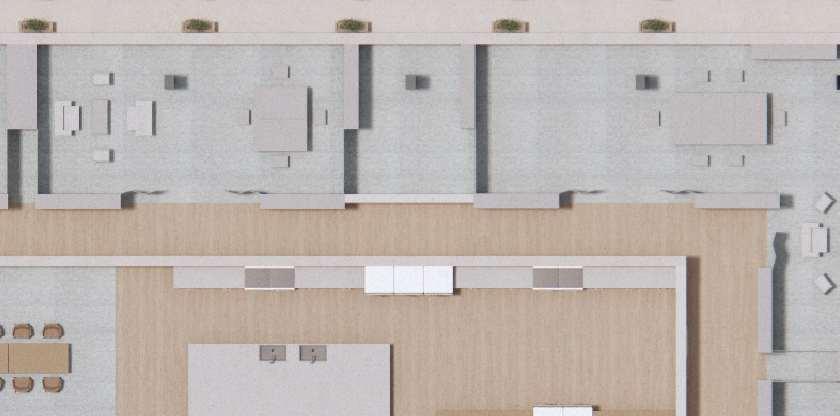
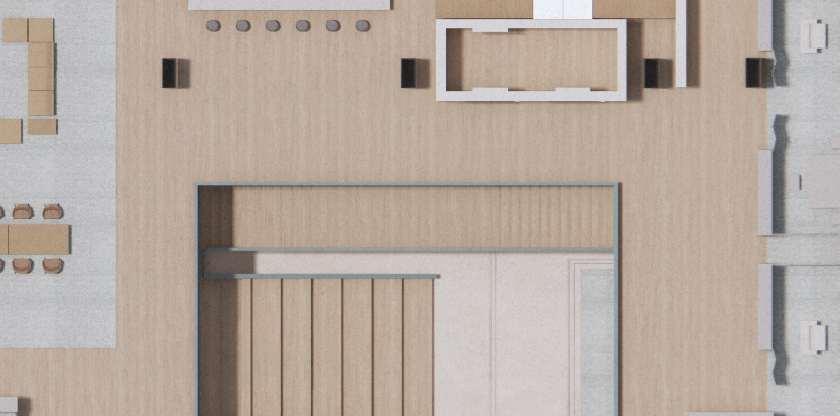

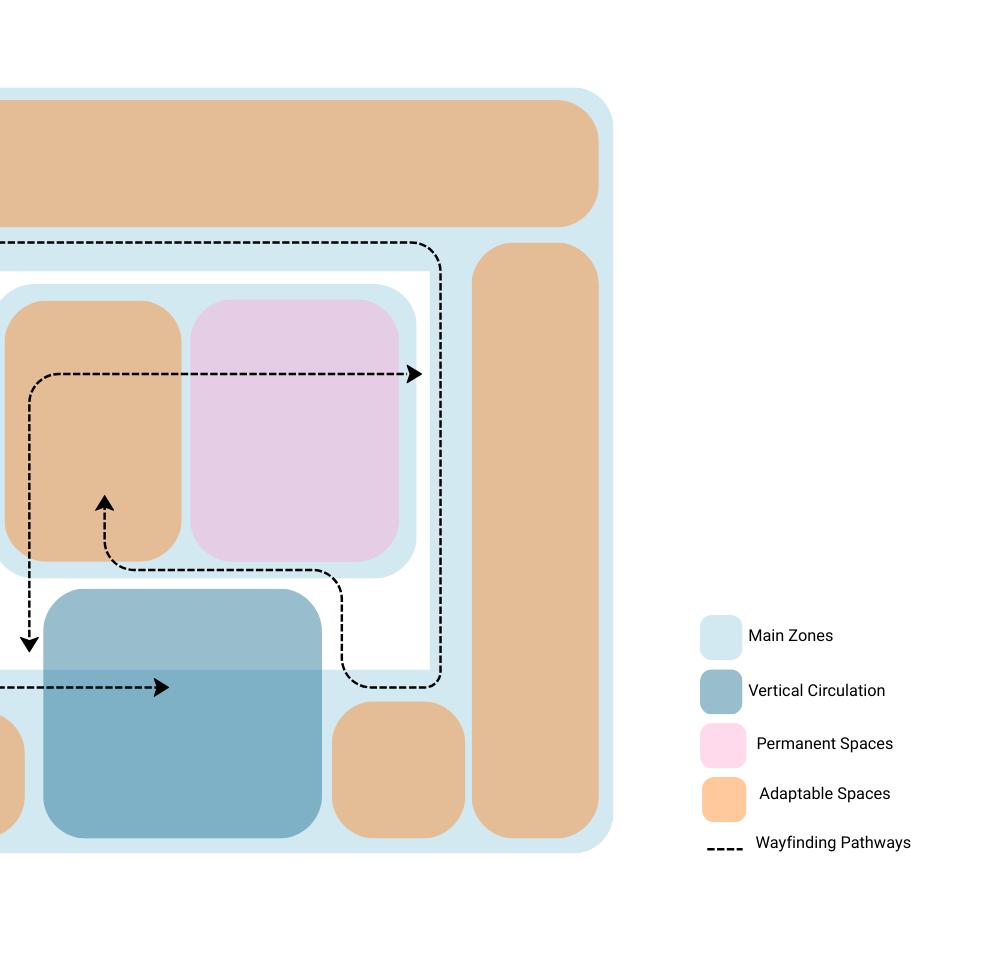
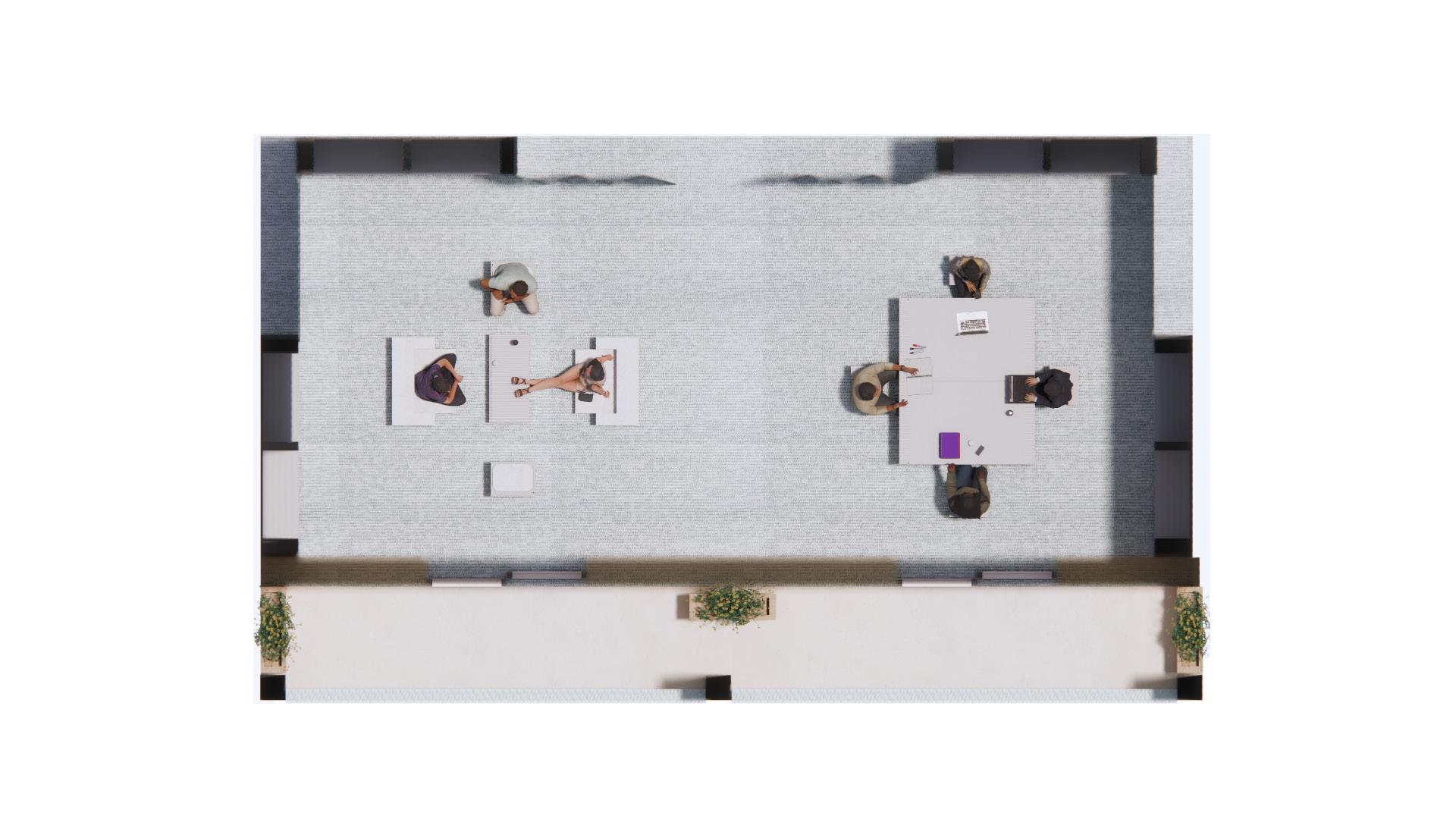
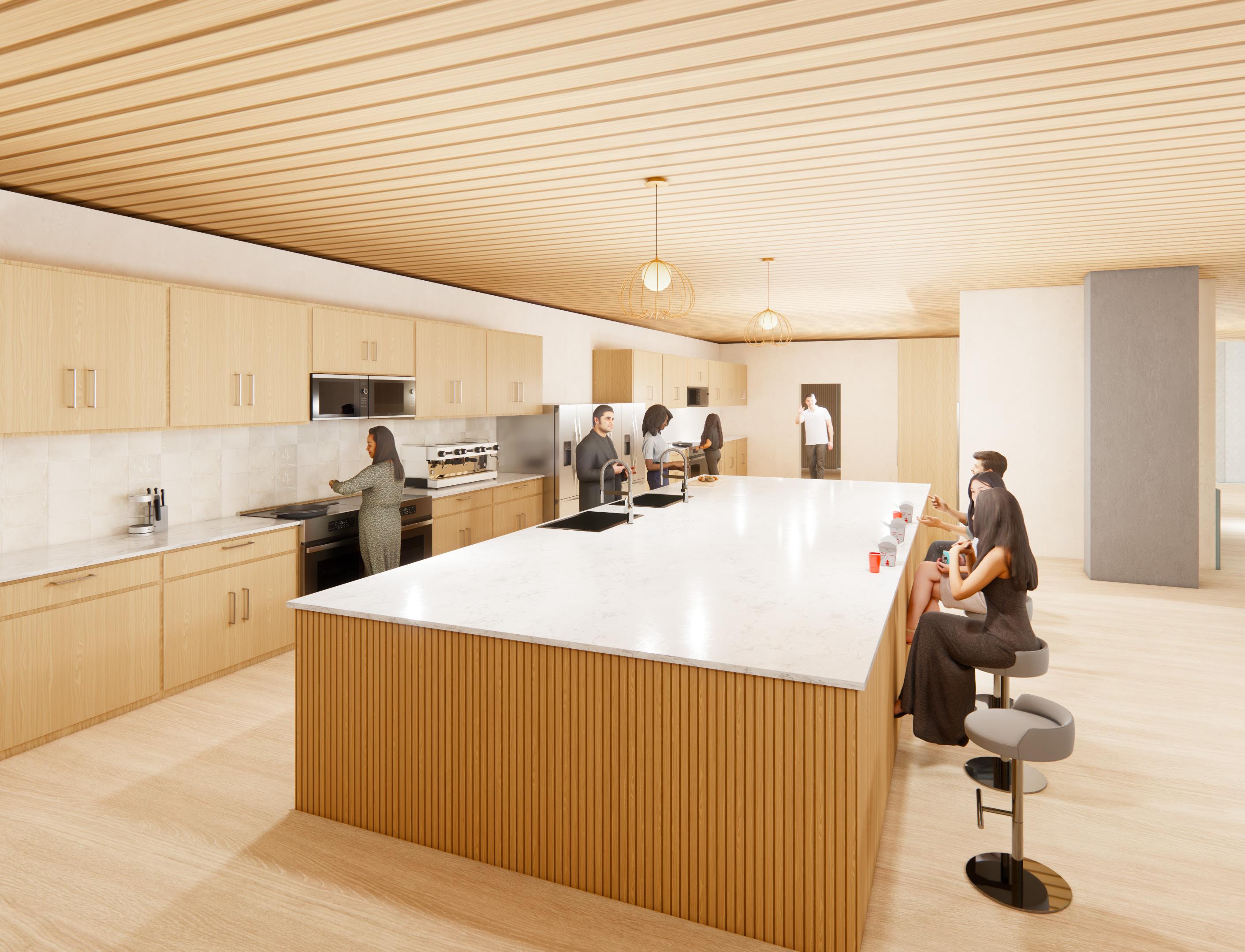
Shared spaces are generated through the reconfiguration of individual units, allowing private rooms to open into collective environments based on user needs. This flexible floor plan encourages collaboration and social interaction by allowing residents to actively shape shared space over time.


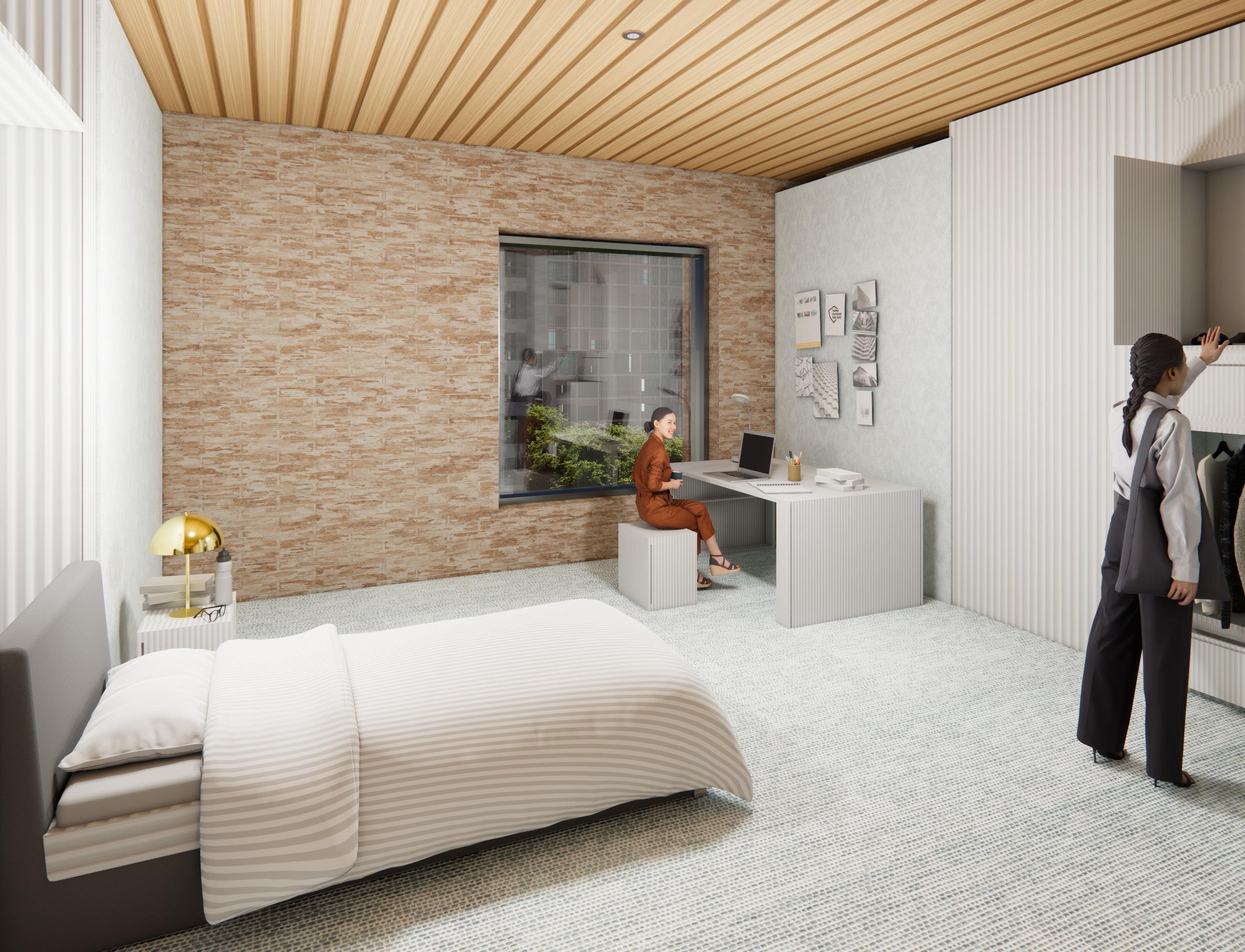
Unit Room

UTSOA Design Excellence Award Winner
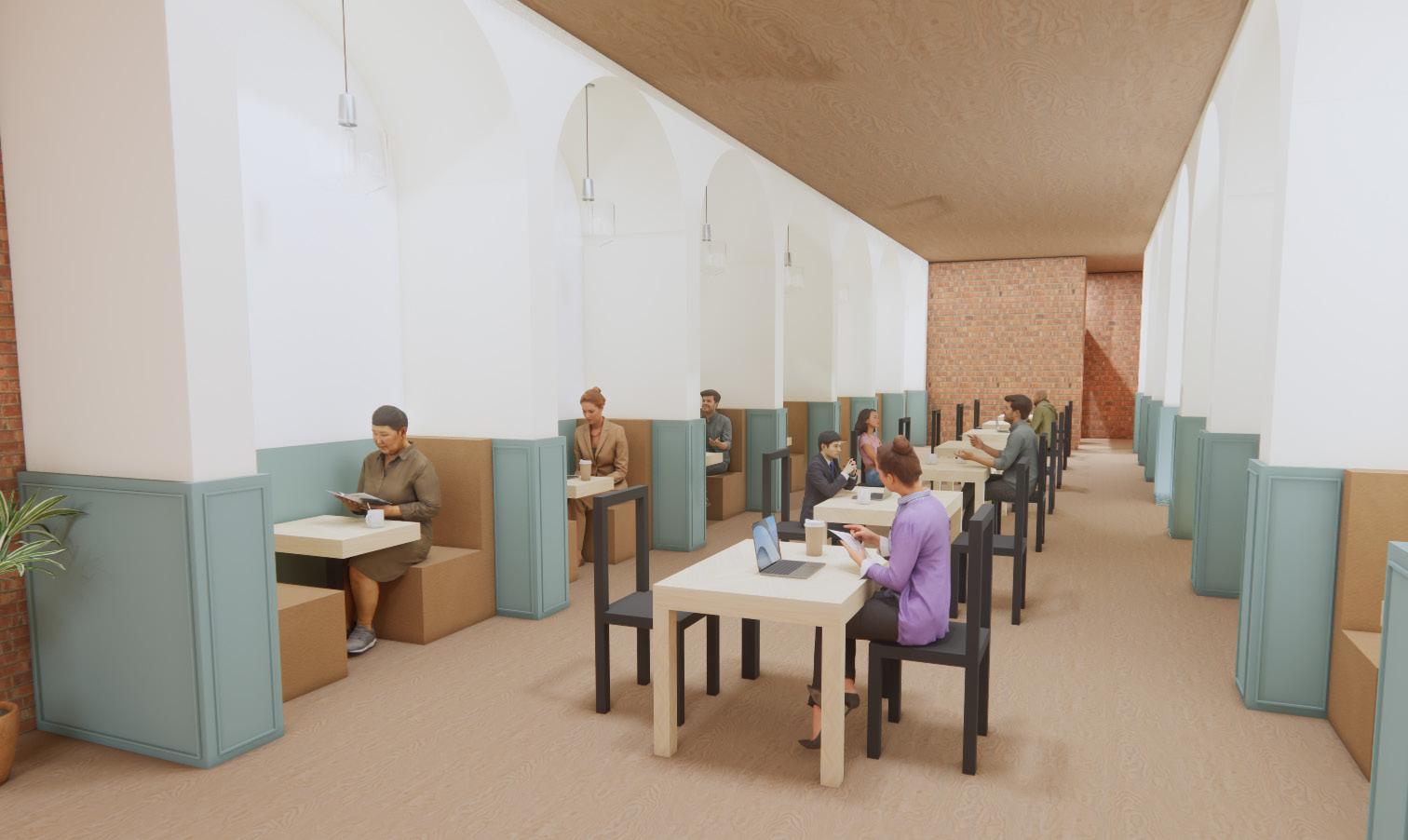
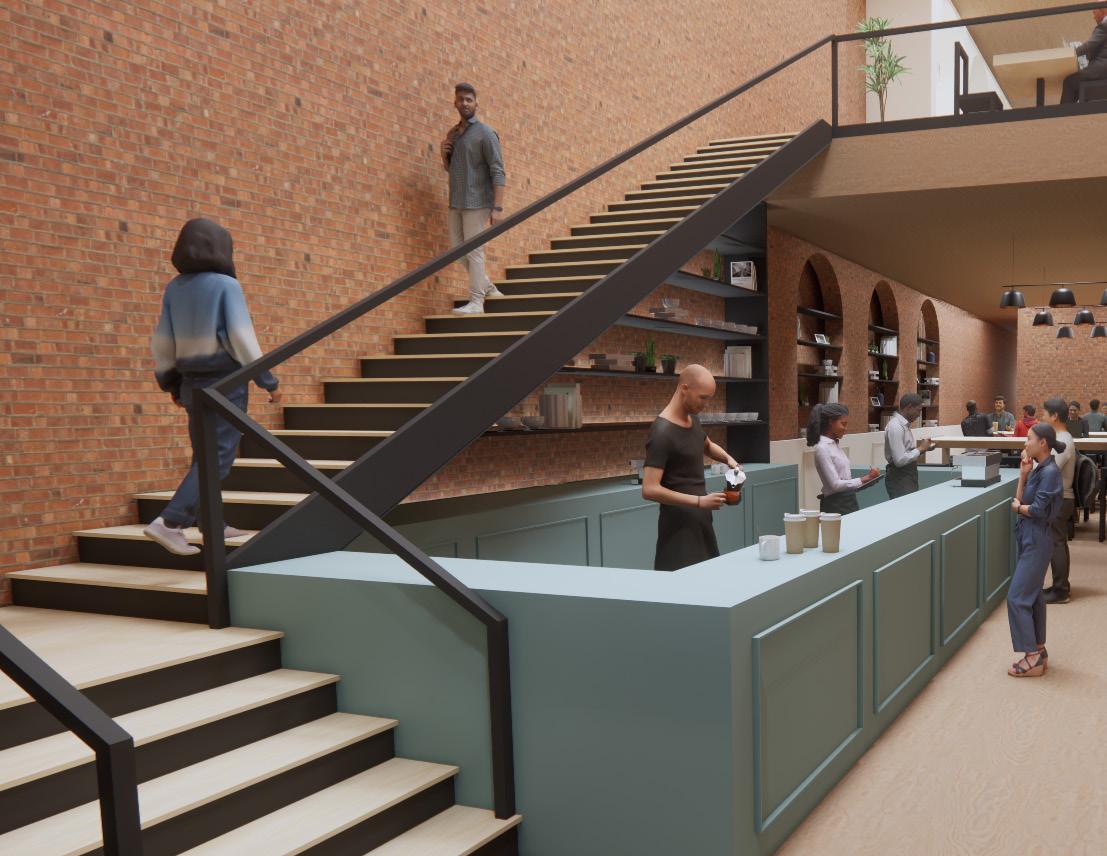
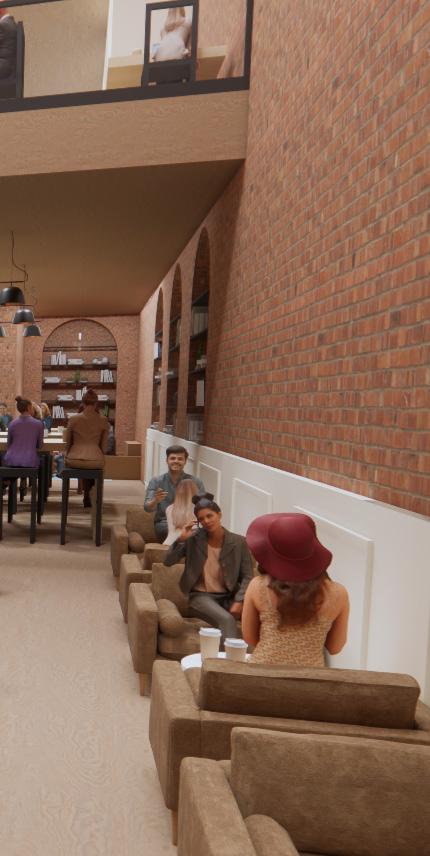
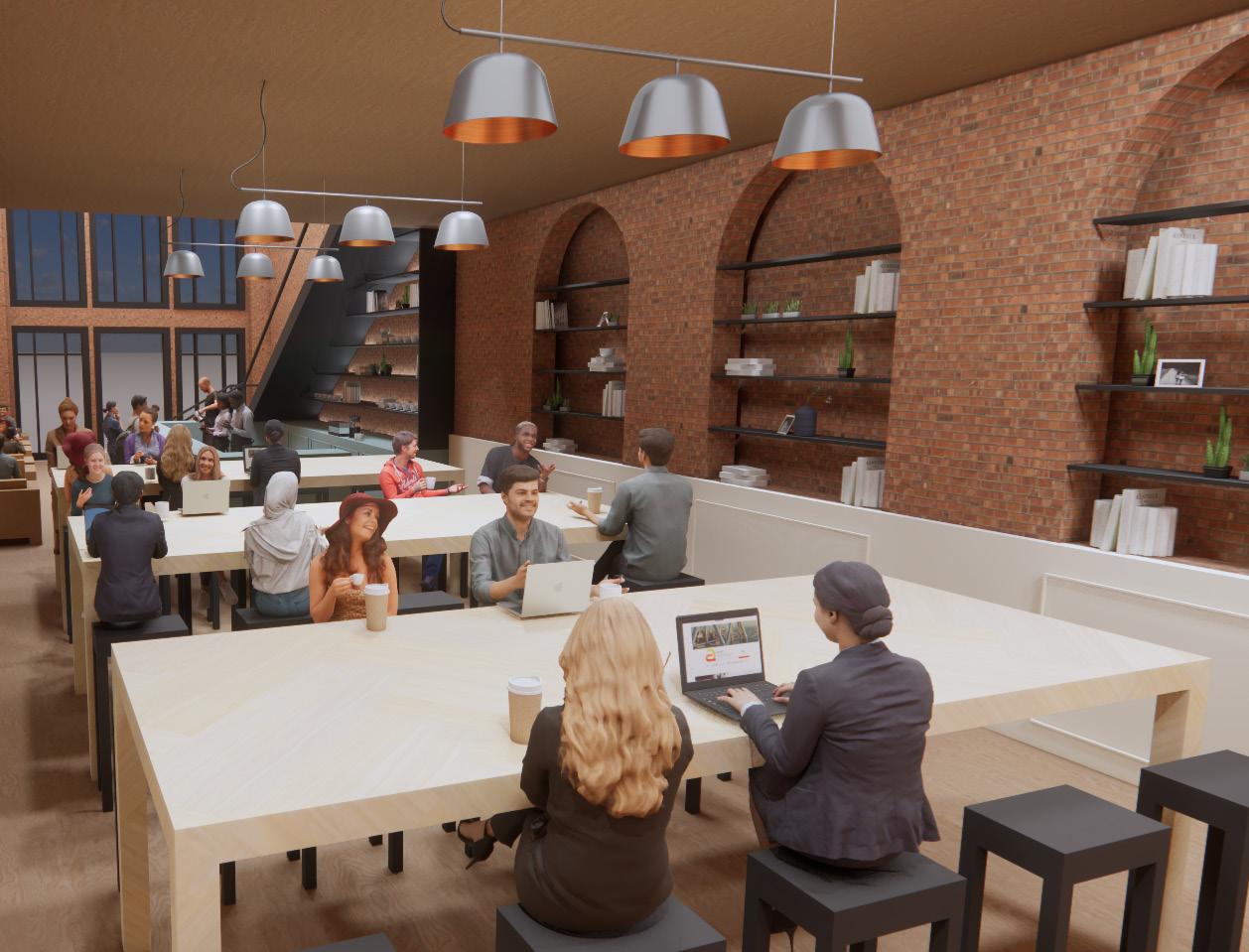
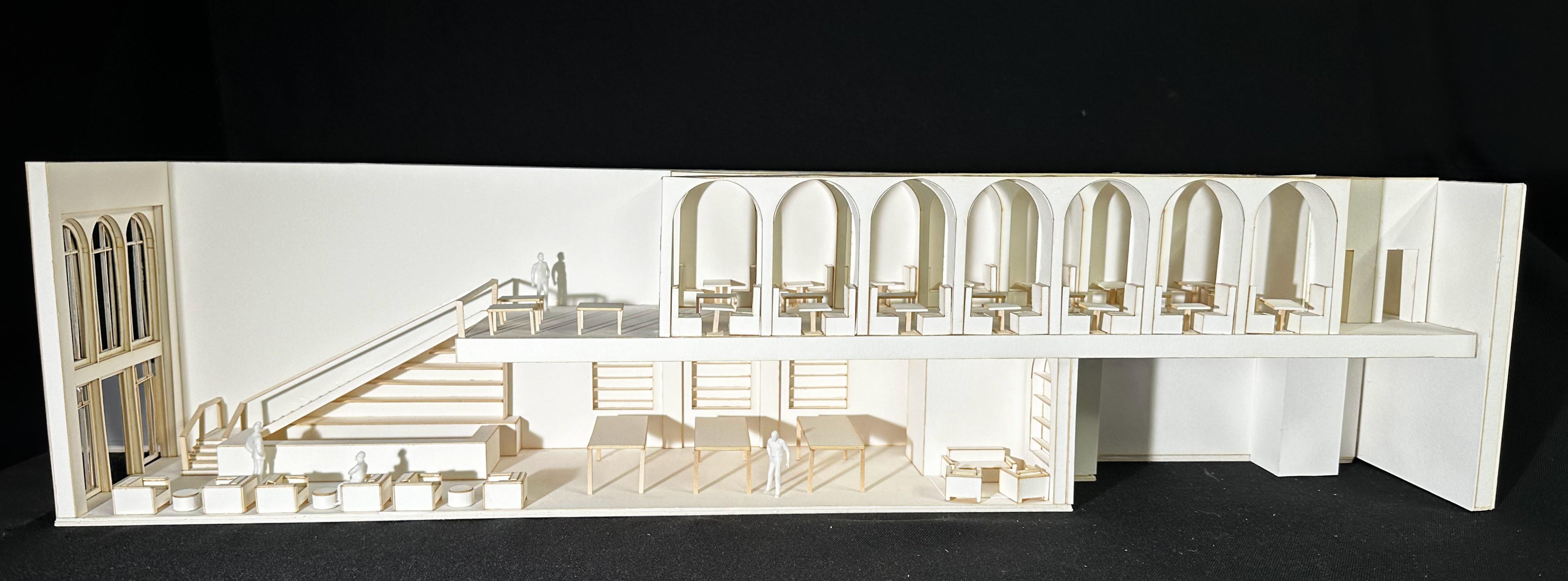
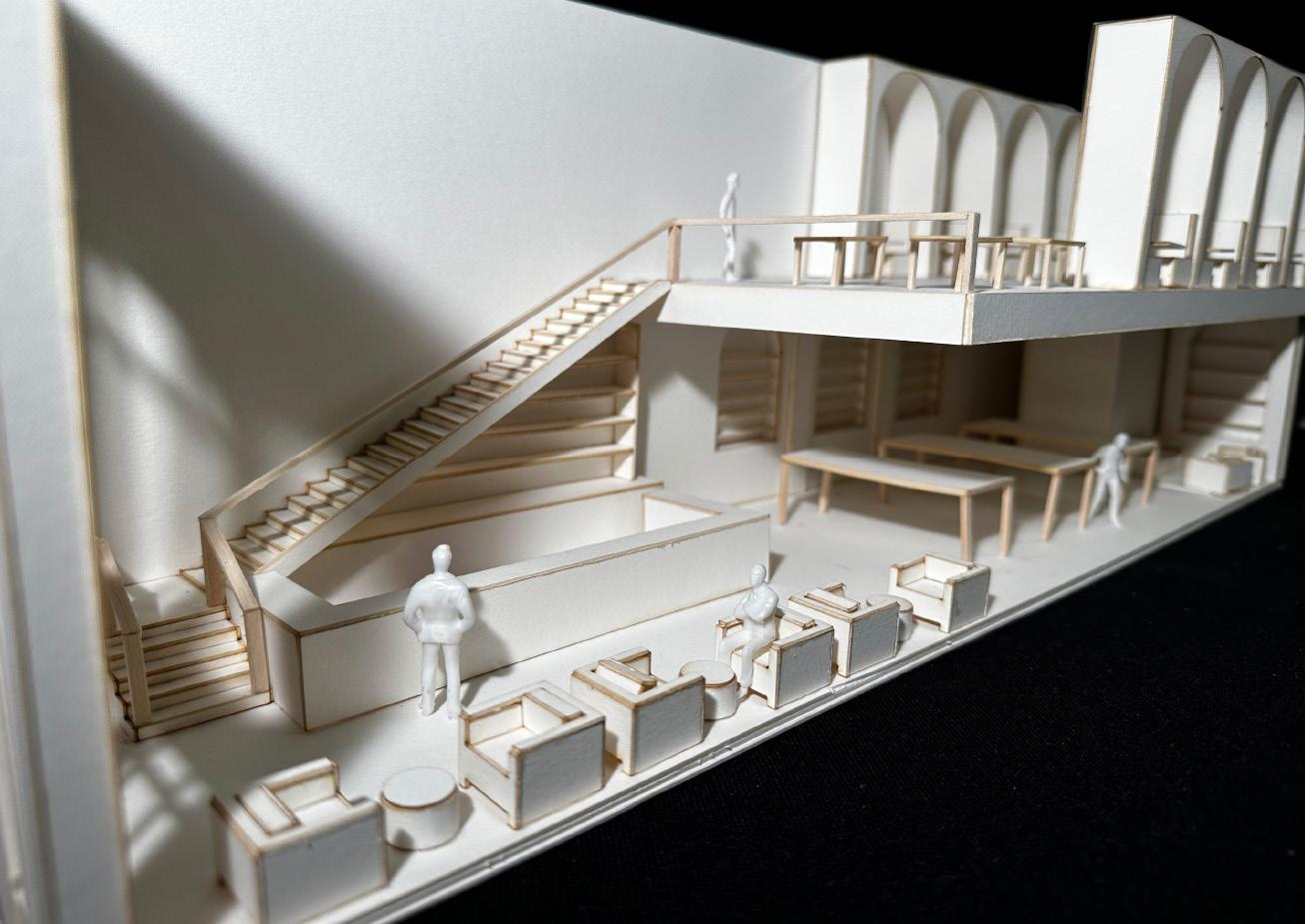
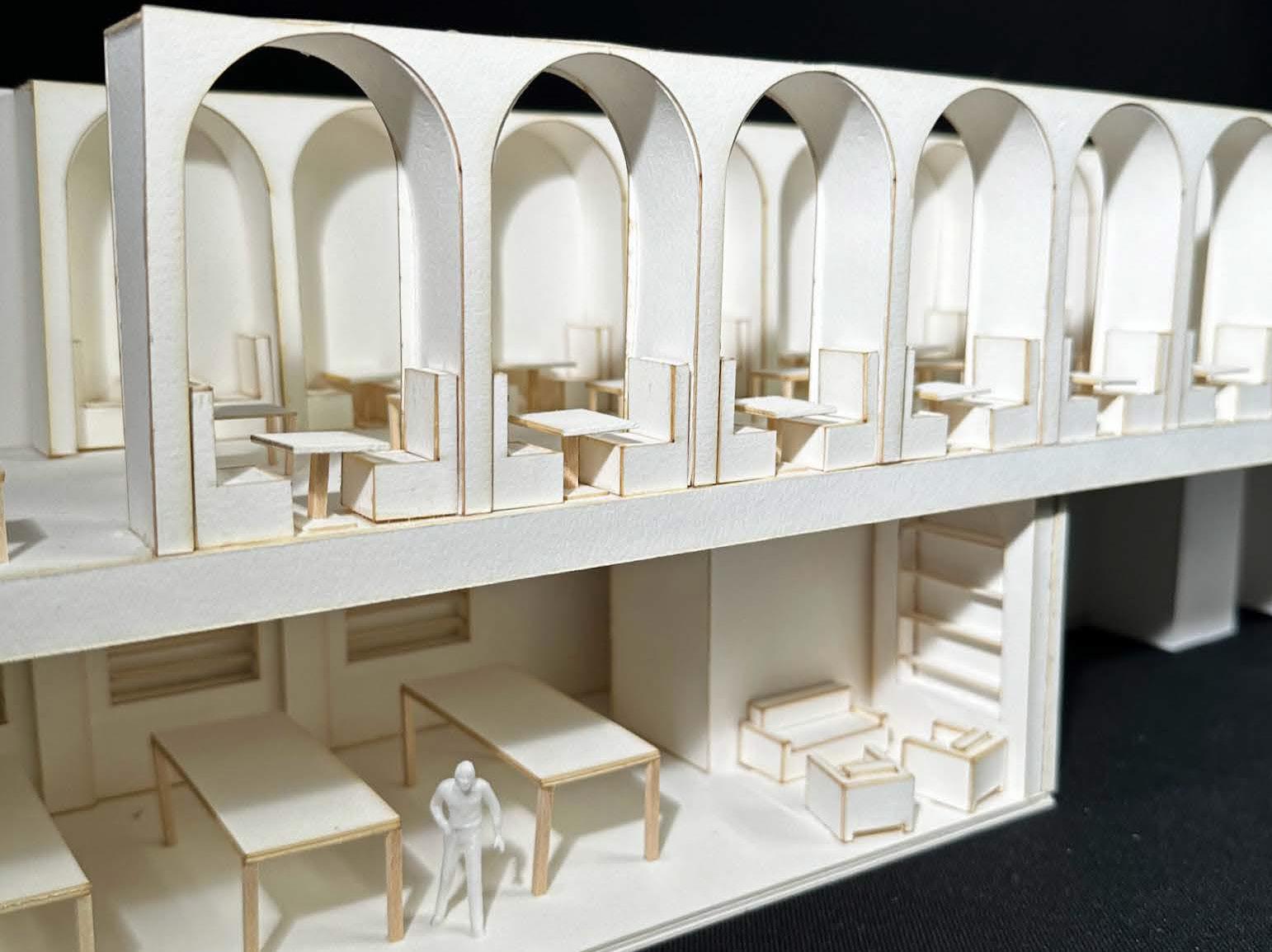
This project reimagines a local coffee shop near the University of Texas at Austin through an analysis of circulation, spatial flow, daylighting, and acoustic separation. Responding to the inefficiencies of Medici Coffee on Guadalupe Street, the redesign improves functionality by clarifying movement patterns and separating overlapping activities. Vertical zoning establishes a quieter upper level for focused work with cubbies and small tables, while the ground level prioritizes social interaction through communal seating and open circulation. A lofted interior and expanded window openings increase natural light, supported by layered artificial lighting throughout the day.
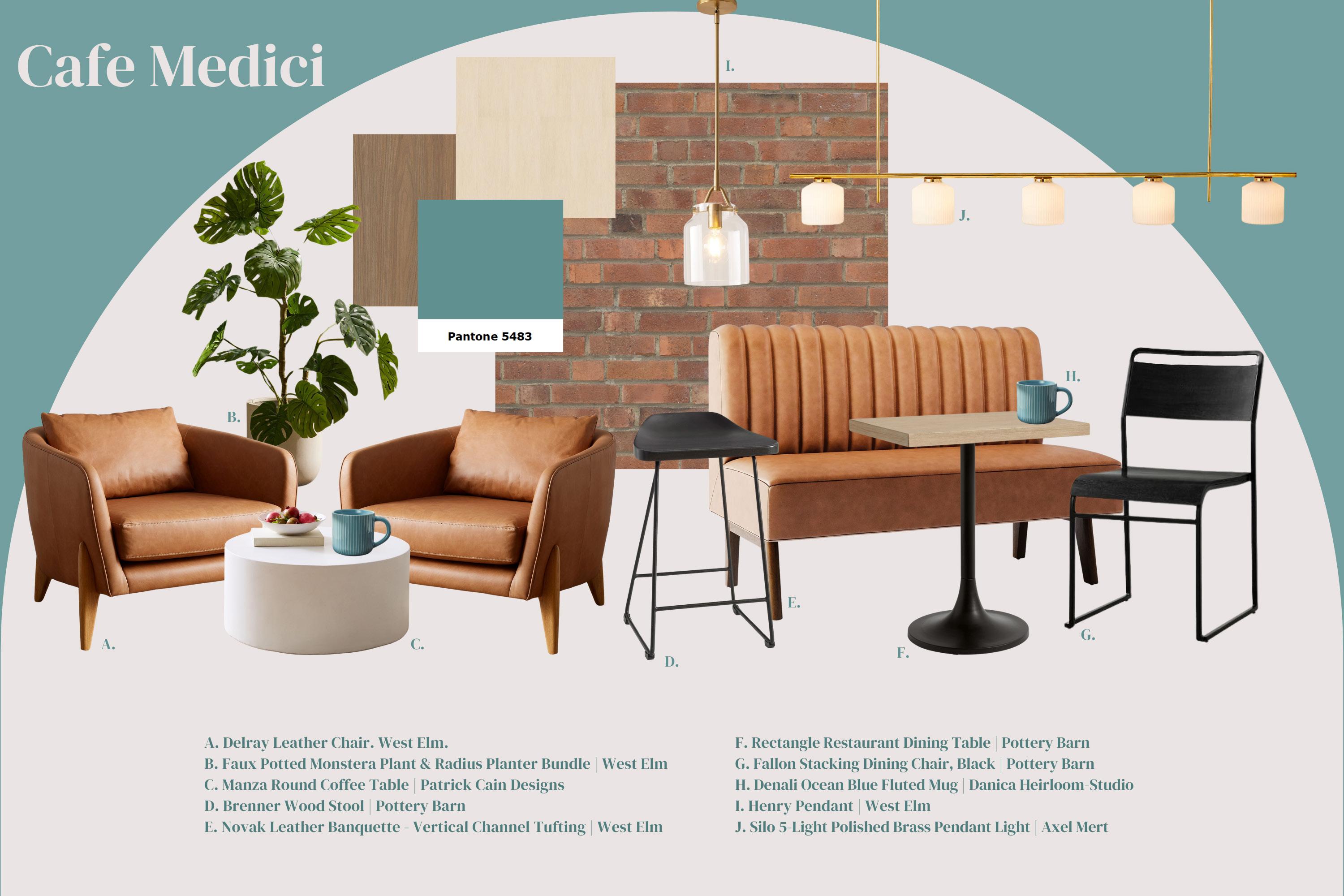
Material and furniture strategies reinforce comfort and efficiency. Warm materials such as brick and wood create a welcoming yet energetic atmosphere while contributing to acoustic softening. Integrated furniture elements, including the stair–bar relationship, reduce spatial redundancy and streamline circulation by combining program and movement into a single architectural gesture. Together, these strategies create an adaptable environment that balances productivity, comfort, and community.
Located directly across the street from the University of Texas at Austin, Medici Coffee sits along Guadalupe Street, one of the most heavily trafficked areas by students on a daily basis. The location serves as a consistent destination for studying, social gathering, and cafe services, attracting both individual users and groups throughout the day. Despite its popularity, the existing interior does not adequately support the range of student needs, motivating a redesign that addresses circulation, overlapping activities, and prolonged occupancy.
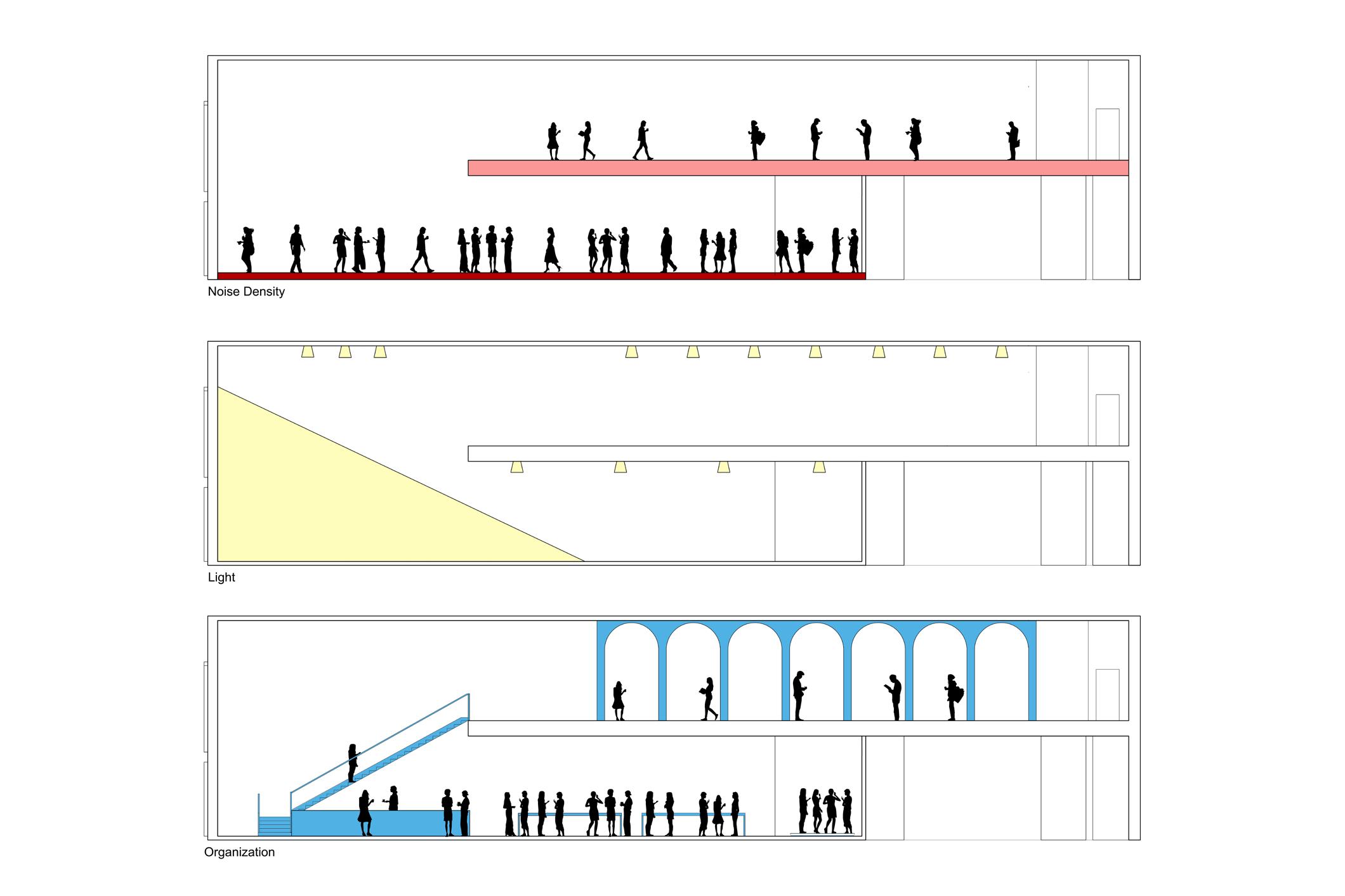
The layout establishes clear zoning, with a social ground floor for group work and a quieter upper level designed for focused, individual study.
Natural light is enhanced through larger front windows and a lofted upper level, with artificial lighting used to support consistent comfort throughout
The layout maximizes usable area by stacking the stair above the bar, allowing for improved seating, circulation, and spatial clarity between work and social zones.
1st Level Floor Plan

Design IV Studio | Spring 2025 | Austin, Texas
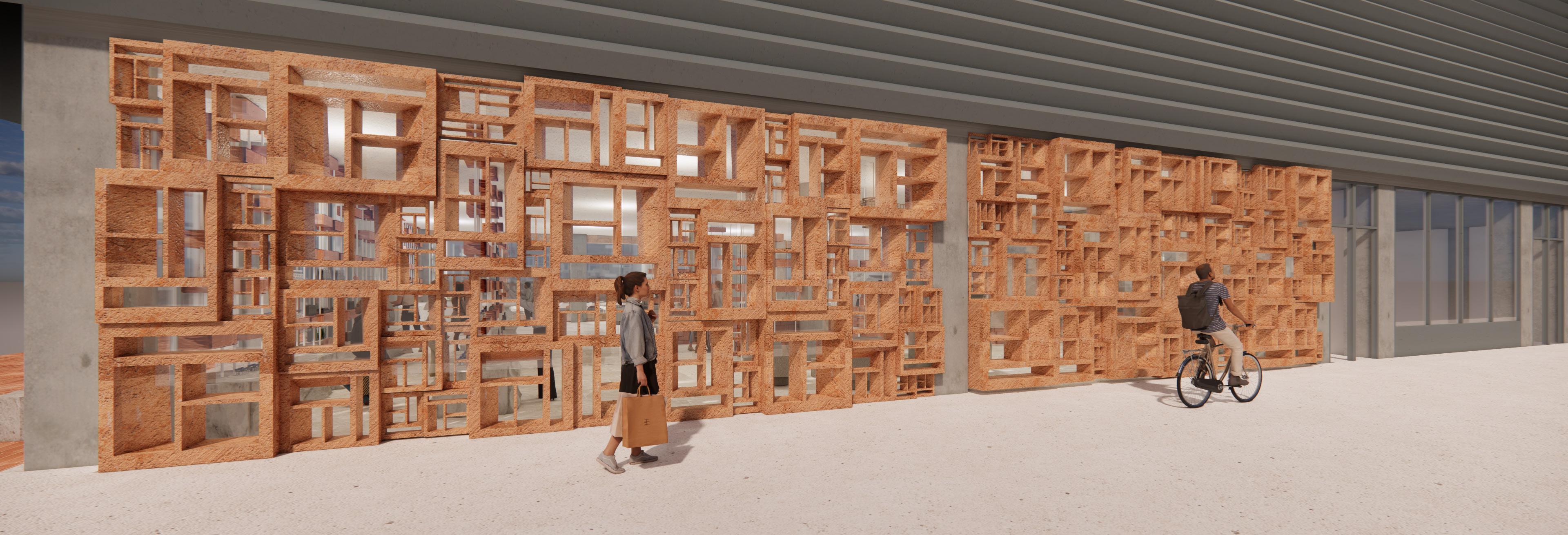
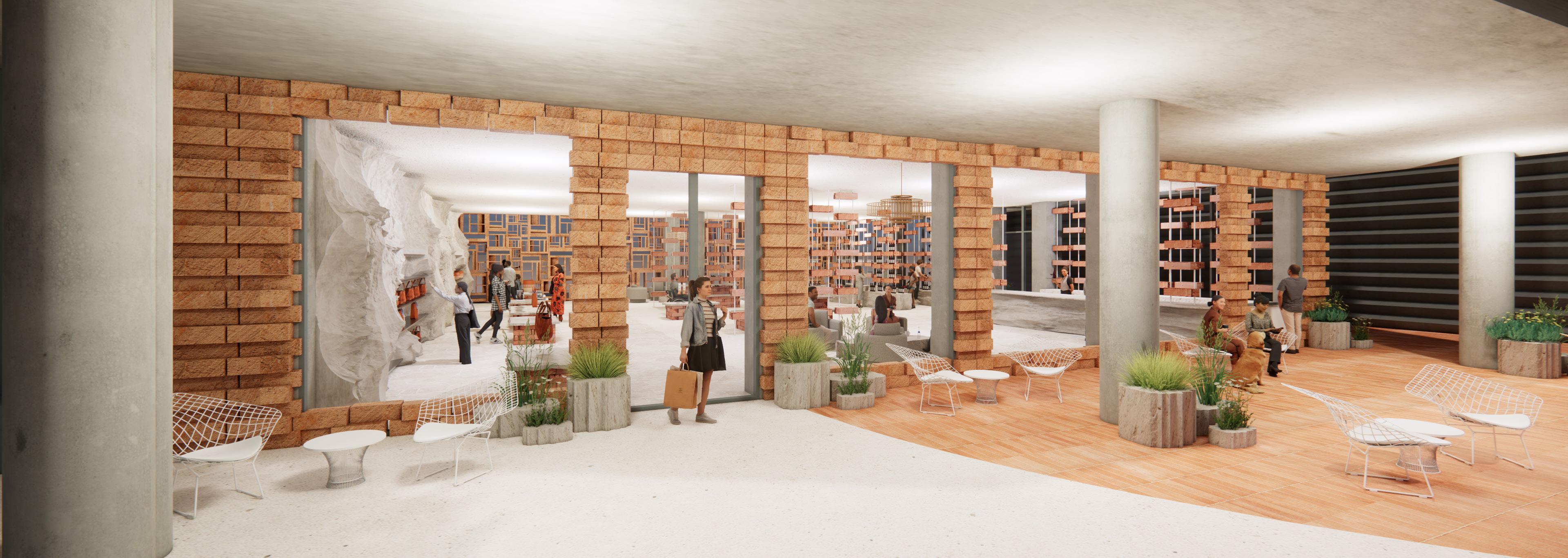
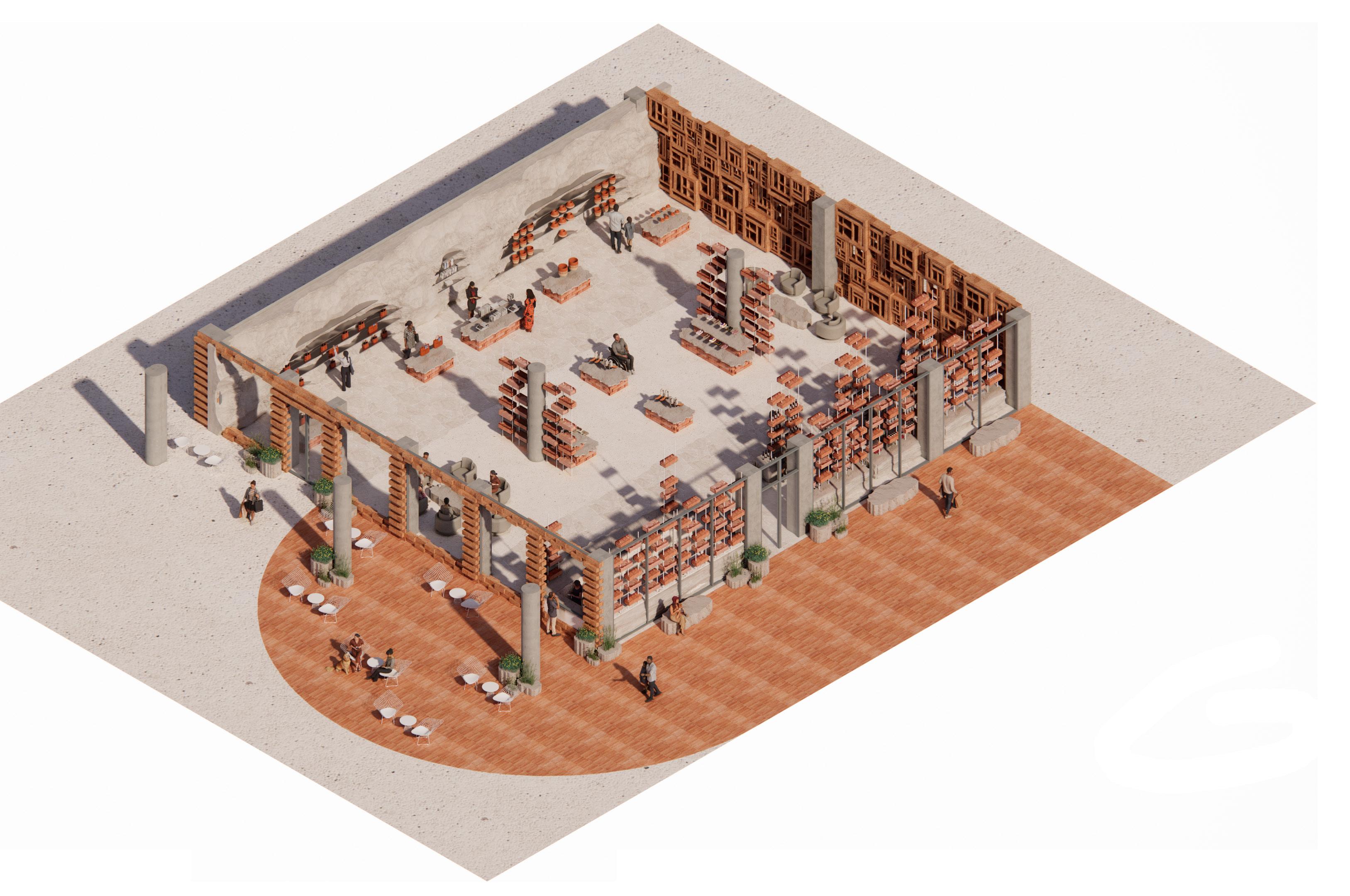
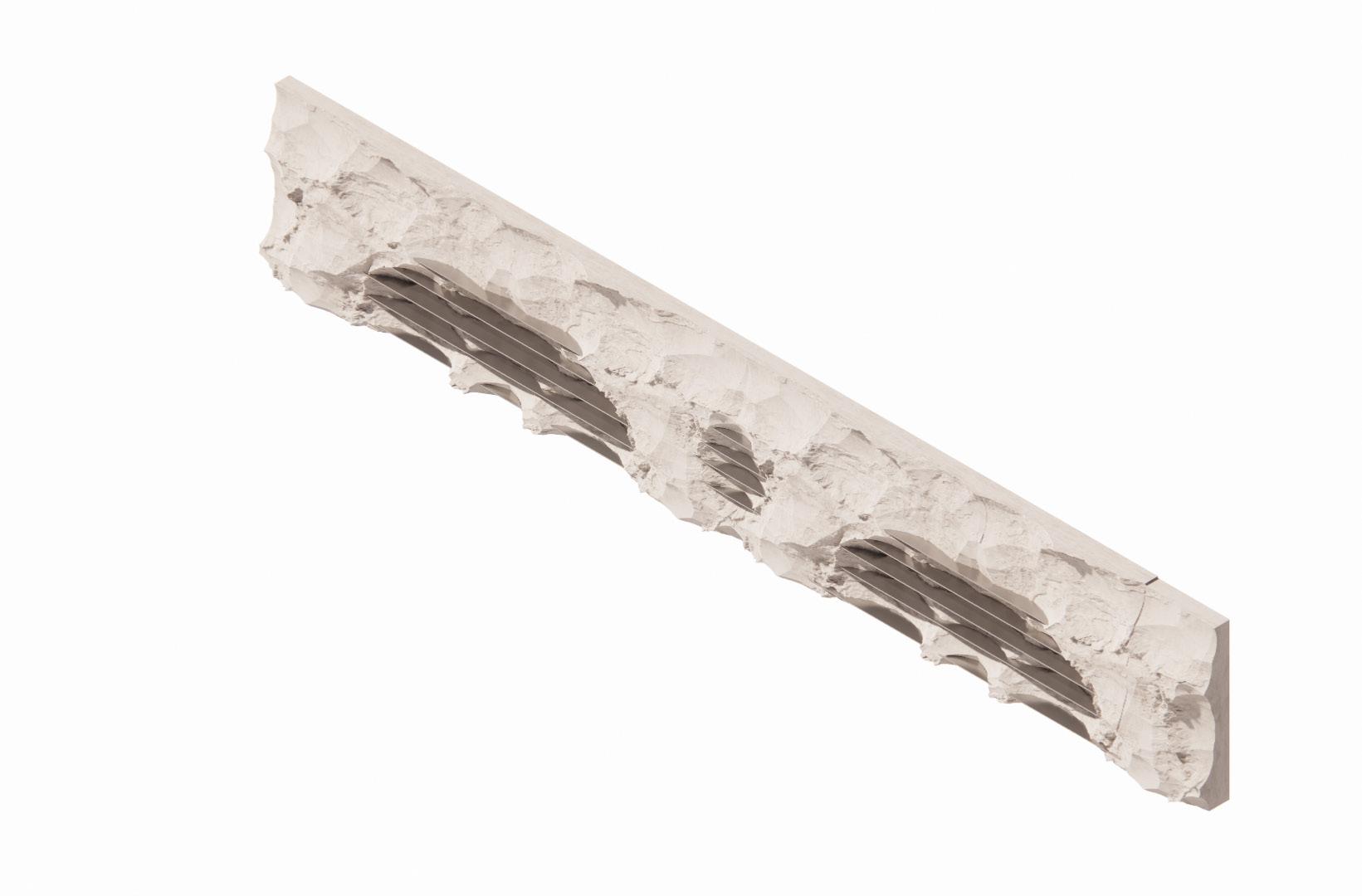
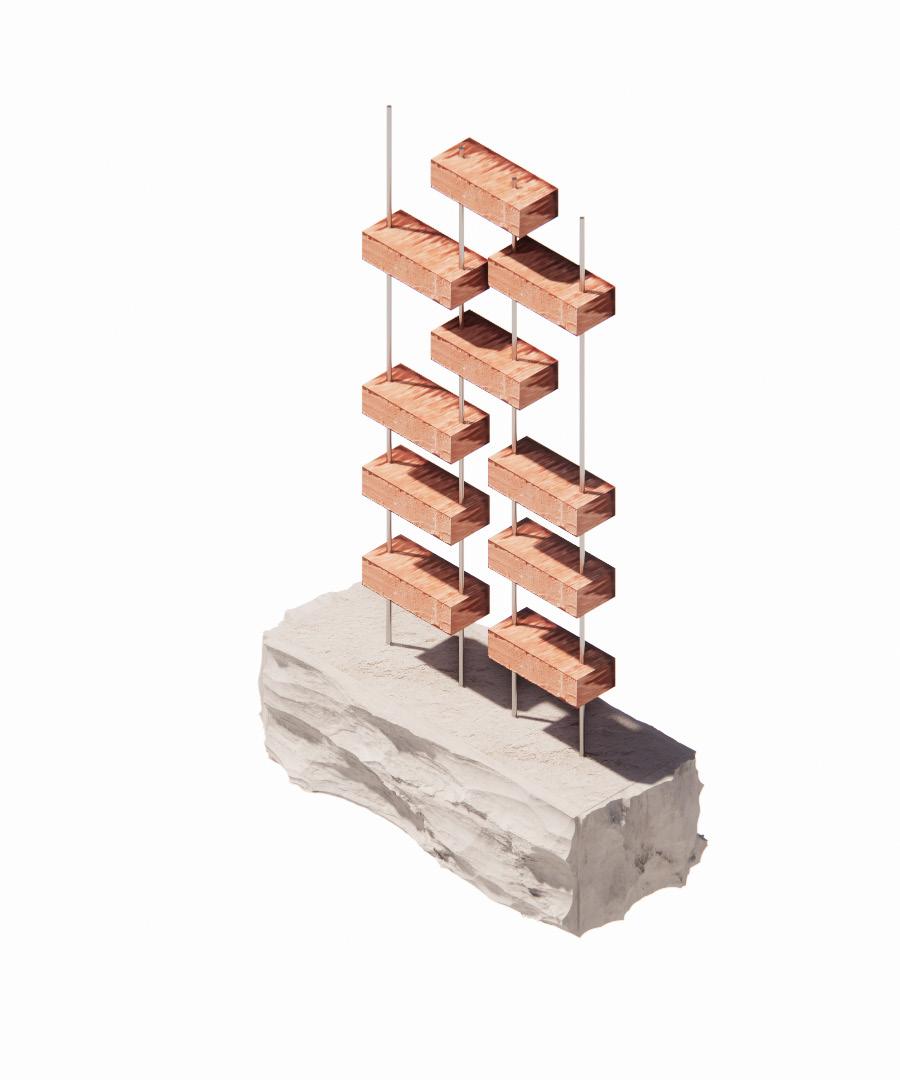
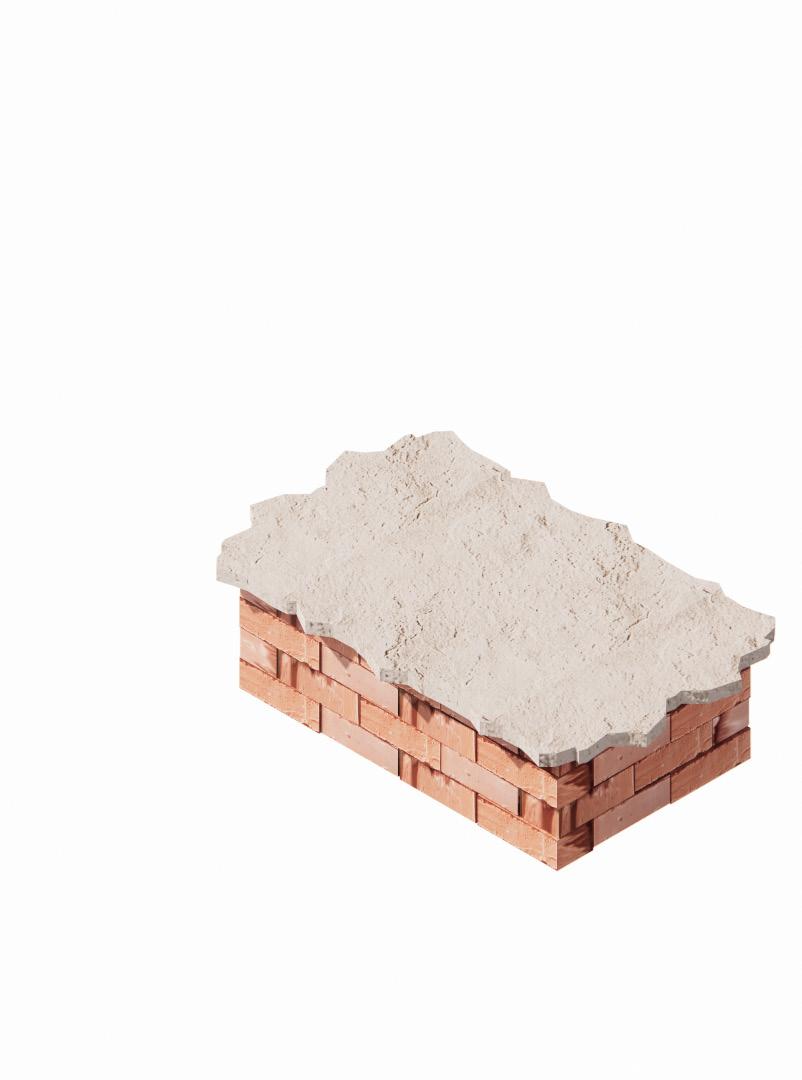
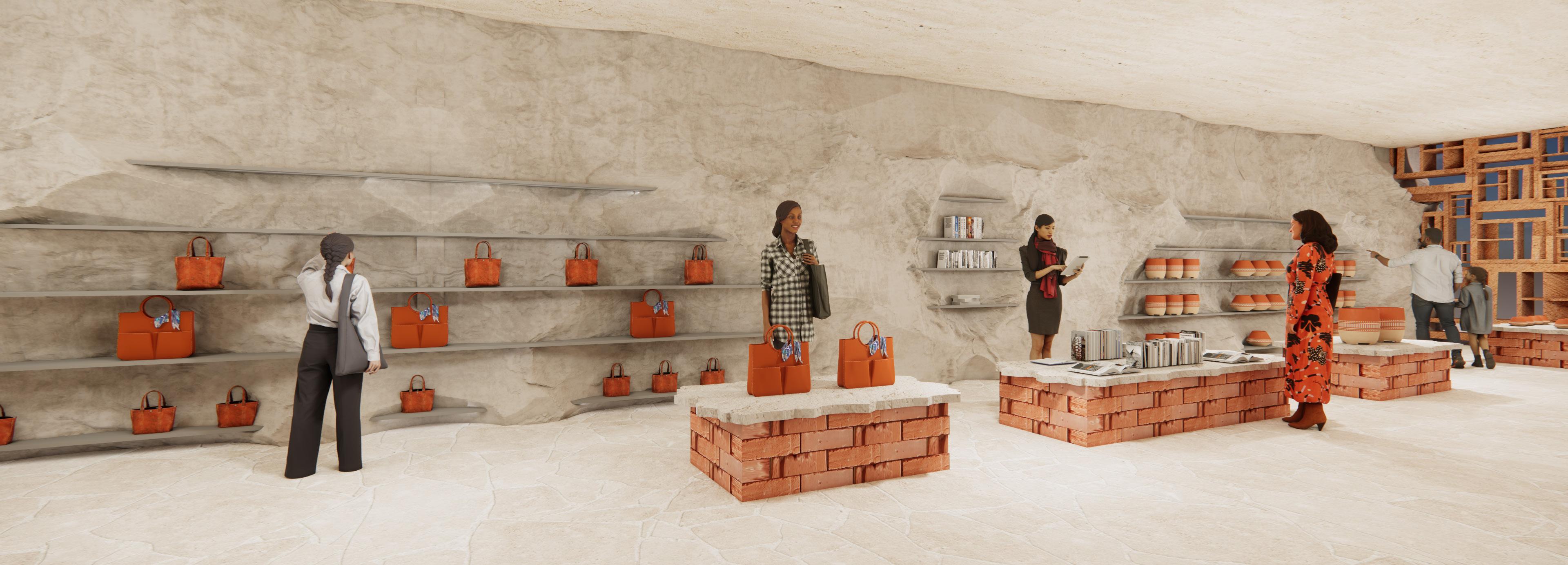
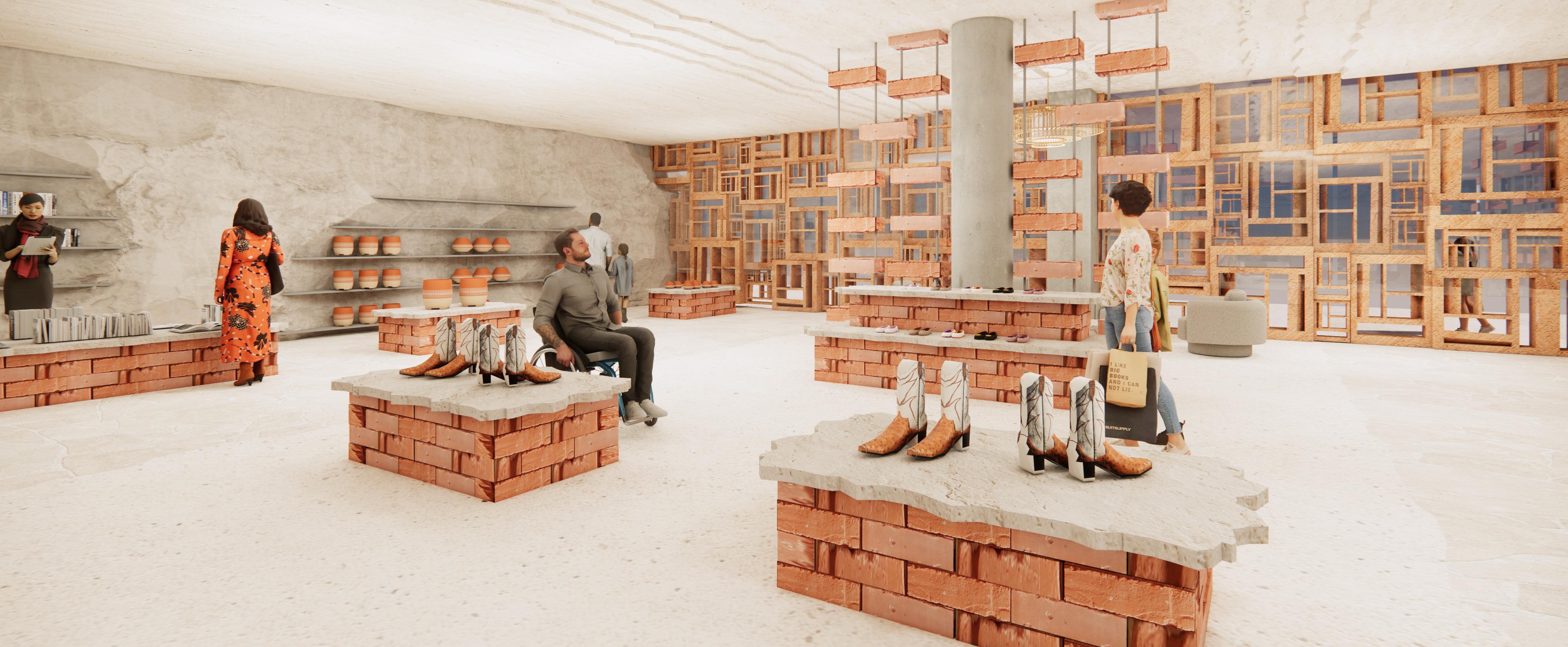
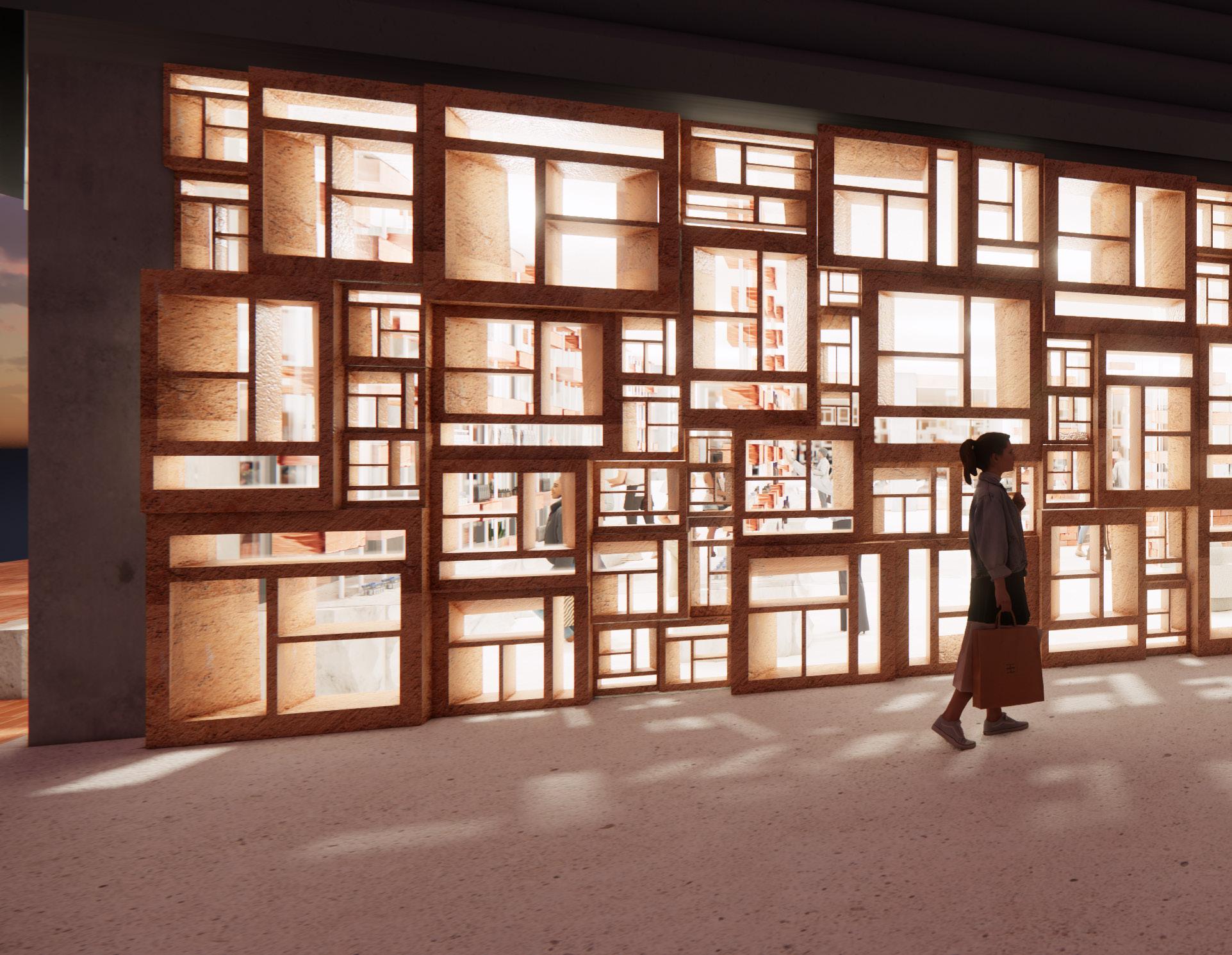
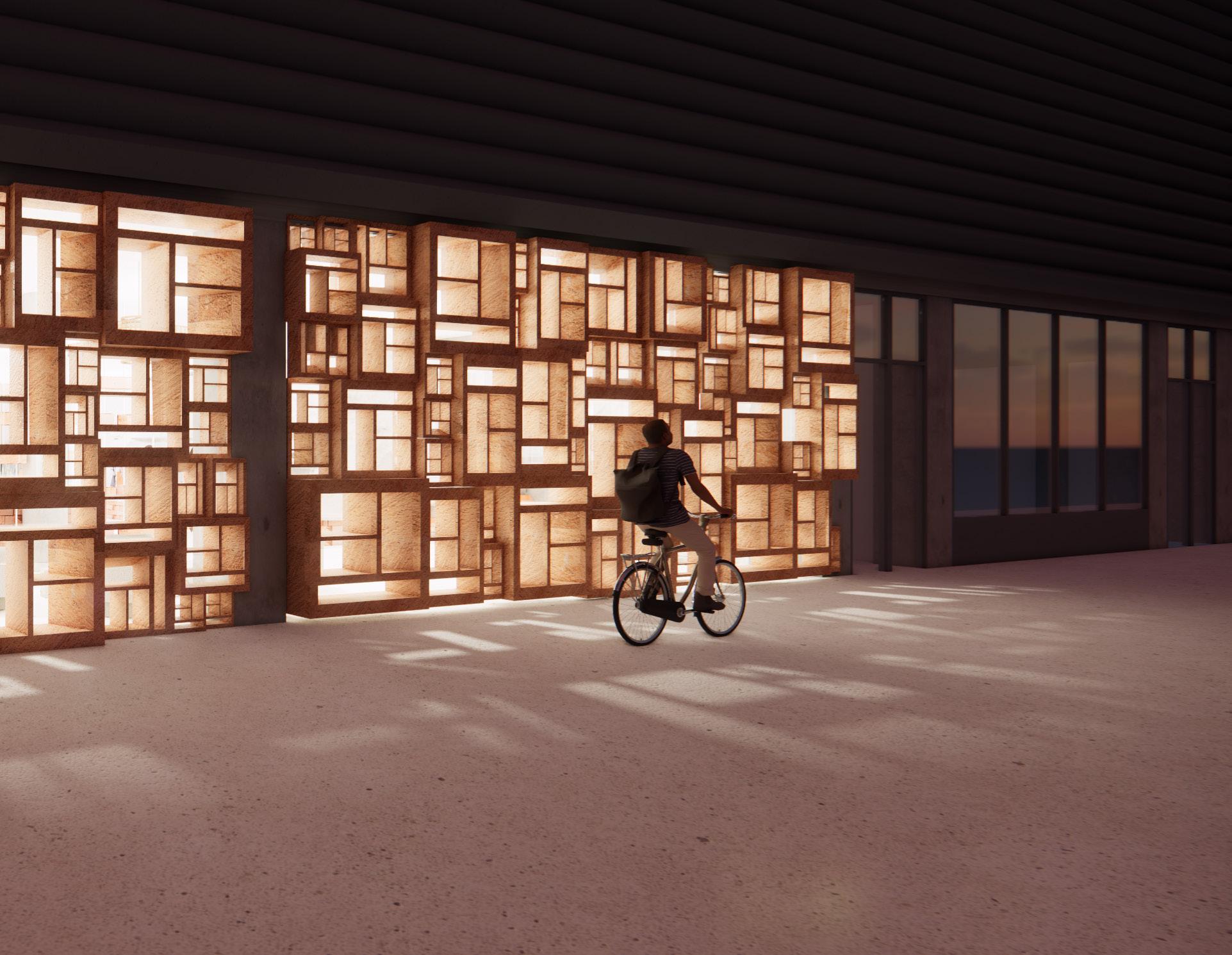
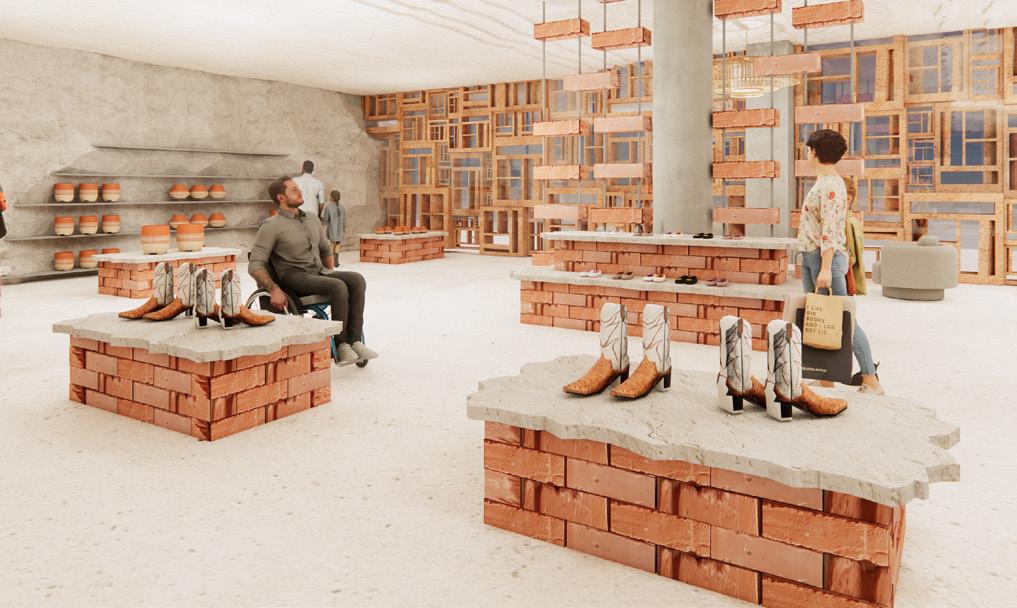
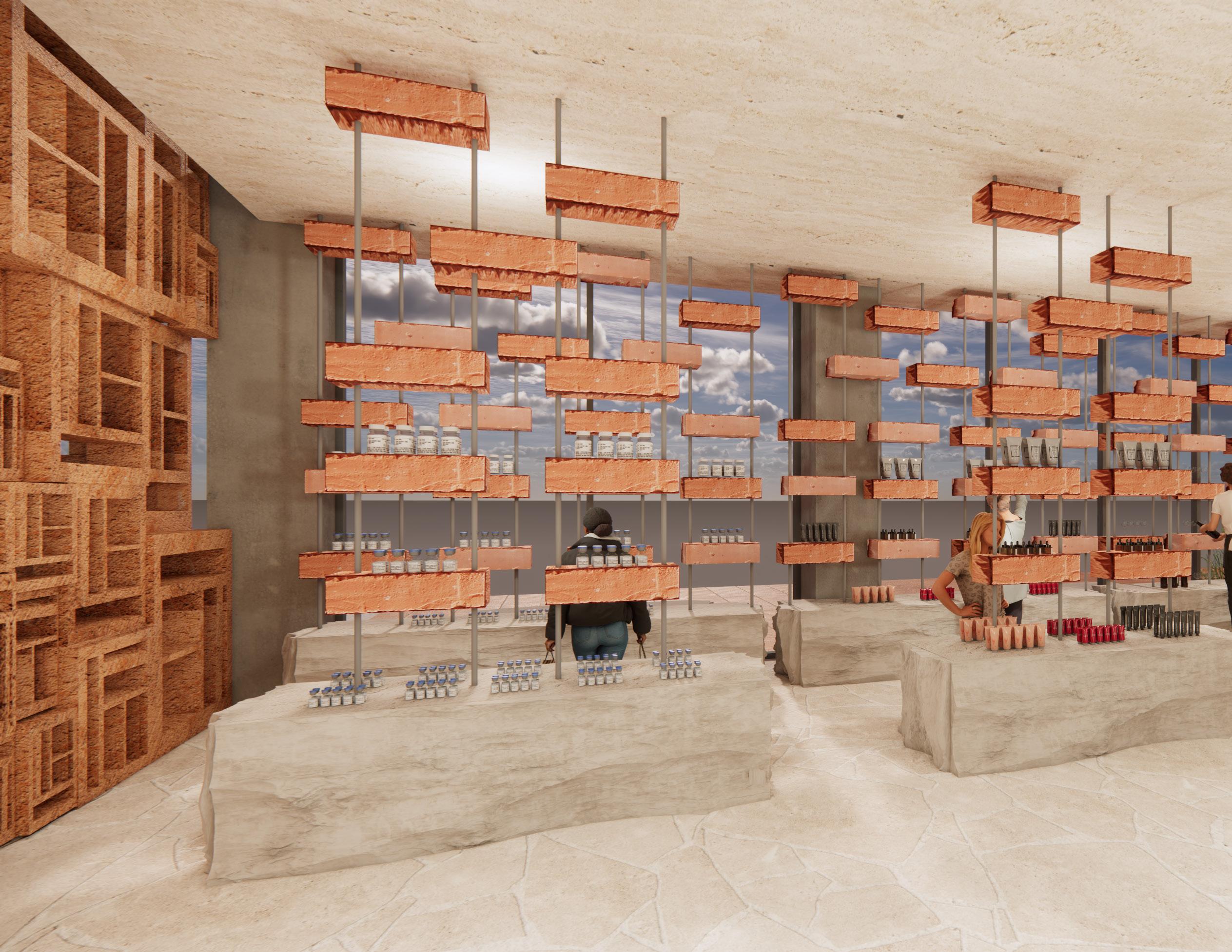
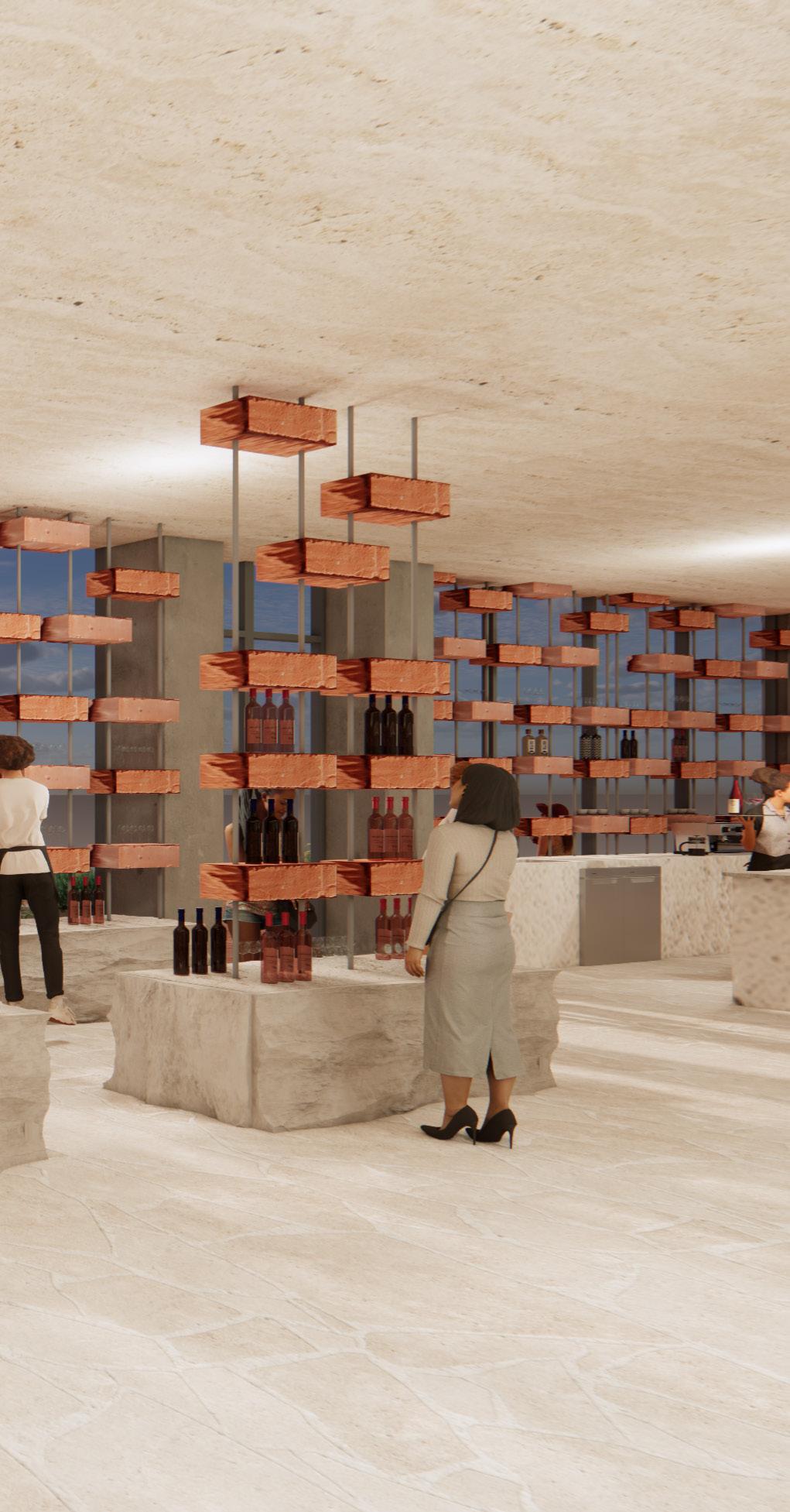
East Bank Exchange reimagines a neighborhood retail space through the material and spatial logic of the nearby Colorado River. The project draws from the river’s relationship between surface and depth, using material contrast to reflect conditions found along the riverbank and within the surrounding East Austin landscape. A red clay–toned exterior references the earthy sediment visible along the river’s edge, while the interior shifts to limestone surfaces that suggest greater permanence and structural grounding. Retail is framed as a spatial experience shaped by material transition, movement, and site context, offering space for local artisans and craftspeople within a market-like setting.
The architectural language of the retail displays references East Austin’s history of warehouse construction through the use of brick and exposed steel, materials commonly found in the area’s industrial fabric. In contrast, limestone elements ground the project in Central Texas geology, drawing from locally prevalent stone historically used throughout Austin’s built environment. Together, these materials establish a hierarchy between industrial adaptability and geological permanence. Display systems are positioned in response to the site’s existing conditions, maintaining visual openness while allowing natural light from the surrounding glass walls to penetrate deep into the interior, creating an open and welcoming retail environment.
The site is located along East Cesar Chavez Street and Red Bluff Road, across from to the Colorado River, a defining geographic feature in Austin’s development. Historically, the river shaped patterns of industry and settlement in East Austin, leaving behind a landscape of warehouses and industrial infrastructure that continues to inform the area today. East Bank Exchange responds to this context by grounding the project in the river’s presence, acknowledging its role in East Austin’s growth and ongoing transformation.