Sustainability Report 2025
SONNEDIX POWER HOLDINGS LIMITED

SONNEDIX POWER HOLDINGS LIMITED
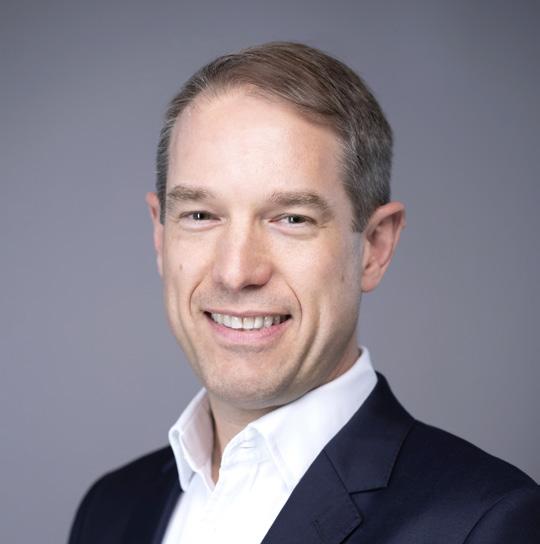
AXEL THIEMANN CHIEF EXECUTIVE OFFICER
We entered 2025 clear‑eyed about the forces shaping the renewable energy landscape and what they meant for our priorities. Power markets across Europe, the Americas and Asia remained volatile, influenced by geopolitical factors, shifting supply–demand dynamics and increasing pressure on grid infrastructure. Competition for high‑quality
development opportunities also intensified, with developers increasingly differentiated by scale, financial strength, digital capability and proven execution.
The energy transition is at an inflection point. Renewables are scaling, storage and the grid are becoming more interconnected, and volatility is increasingly becoming a structural feature of the market. At the same time, customer demand is evolving, with a growing focus on renewable energy that is reliable, adaptable and competitively priced. In this environment, success depends less on scale alone and more on execution: how effectively assets are operated, optimised and integrated into the wider power system.
Our response has been to strengthen the foundations of our business, so we can deliver with pace and predictability. Our strategy is centred around optimising value from our existing portfolio, de‑risking through measures such as battery energy storage, extending our proven operating model where appropriate, and competing selectively for new opportunities. In 2025, this approach translated into approximately 1 GW under construction by year‑end, contributing to a total pipeline of almost 12 GW.
We have also continued to evolve our commercial model to reflect evolving customer needs and market dynamics. In July, we launched our Commercial Strategy, initiating a transition towards in‑house dispatch, with operational rollout continuing into 2026. This has involved expanding
participation in renewable energy auctions, increasing contracting, and accelerating hybridisation to improve resilience and broaden our offering.
We are operating in a period of rapid technological change. Advances in AI and automation are accelerating how we plan, operate and optimise our assets, and digitalisation is a key enabler of our strategy. Our focus is on building an integrated operating environment where systems, data and processes are aligned to provide consistent, reliable insight across the business. This is transforming how we operate, how we manage risk and make decisions, from portfolio optimisation and commercial performance, to operations, health and safety and sustainability reporting. To support this, we are investing in cyber security, data integrity and enterprise platforms, ensuring that innovation is built on robust and secure systems. As this pace of change accelerates, maintaining our culture depends not only on best in class systems and processes, but also on continued talent development and engagement.
We therefore continue to place people at the centre of this transformation. We describe our approach as “people highly empowered by systems doing renewables”. In 2025, we increased our focus on building tech fluency across the organisation, with increasing adoption of digital tools. These capabilities are essential to maintaining competitiveness and resilience as we scale.
At the same time, the safety of our employees and those working on our projects remains fundamental to how we operate. Health and safety is a core priority, and we continue strengthening how we manage risk through clear expectations, critical controls, leadership engagement and a safety culture where people are empowered to speak up and stop work if conditions are unsafe.
Sustainability continues to be integral to how we run the business. Alongside our focus on performance and execution, we remain committed to doing business in the right way. Trust, strong business ethics and clear governance underpin how we operate, from how we engage with partners and manage our supply chain, to how we make decisions across our portfolio. Our Climate Transition Plan, issued in 2025, provides a structured roadmap for decarbonising our operations and value chain, aligned with our broader strategy. 2025 saw an increased focus on digitalisation and rigour in this space, including greater sustainability data automation and enhanced assurance. The objective is to strengthen transparency and reinforce the same rigour we apply to financial reporting, supporting our continued strong performance in external benchmarks, such as GRESB.
This Sustainability Report reflects that approach: how we are strengthening our foundations and embedding sustainability in the way we run our business, today and into the next phase of the energy transition.
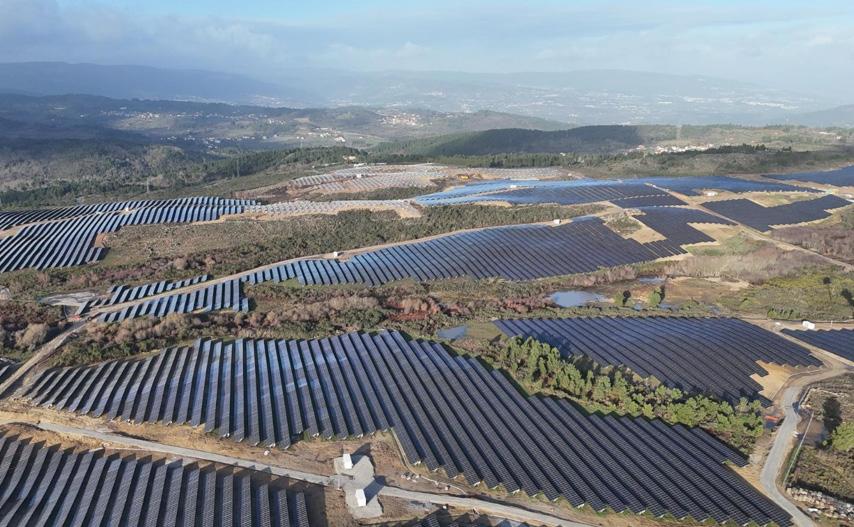
Established in 2009, we are an international renewable energy producer with over a decade long trajectory of sustainable growth. We develop, build and operate renewable energy projects for the long term, with a focus on delivering a continuous, reliable and efficient supply of green and affordable electricity to our customers and the communities in which we operate.
The Group is majority owned by institutional investors, attesting to our company’s stability, value and long term potential.
We have over 600 renewable energy projects in operation, under construction or in development in 10 countries: Chile, France, Germany, Italy, Japan, Poland, Portugal, Spain, UK and USA.
By the end of 2025, our team consisted of 637 (2024: 592) people, including executive directors, employees, contractors and employees of our trusted Japanese development partner, Sonnedix Japan K.K.
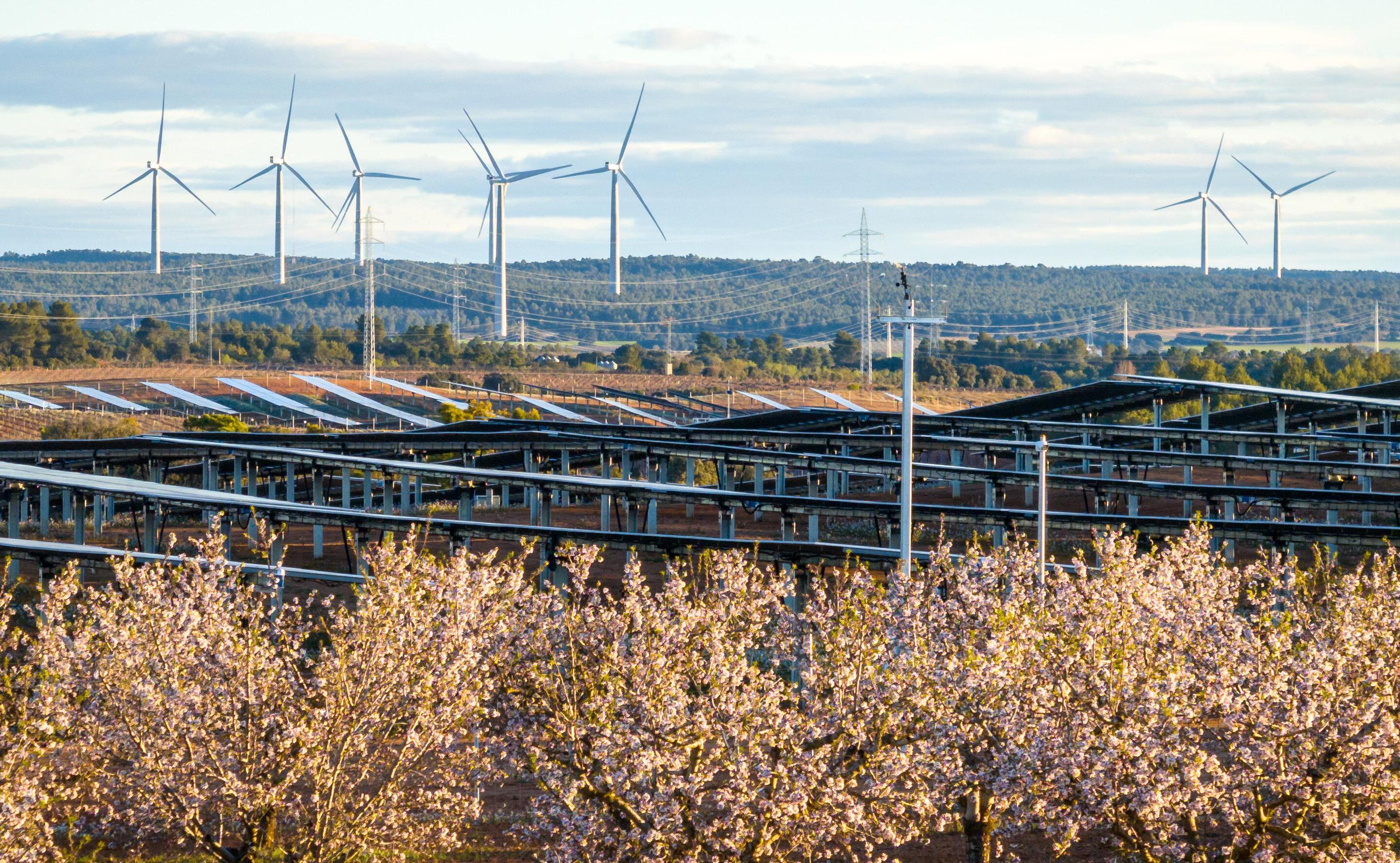
At Sonnedix, we work towards a shared purpose: to power a bright future. Renewable energy’s potential to transform daily life is what drives us to build long term partnerships to deliver a continuous, reliable and efficient supply of clean electricity to our communities.
Underpinning our purpose are the Sonnedix values which, together with our behaviours, promote an environment that enables Sonnedix to continue to grow and scale in a sustainable way.
We believe in renewable energy’s potential to transform daily life, and work on building long term partnerships with companies and customers who share our commitment to create a future led by clean energy. The value chain below exemplifies our current operational model.
Extraction of raw materials
Manufacturing of components
Transportation of goods & services
Development of sites
Construction
Sonnedix
Operation and maintenance of sites
Mergers and acquisitions
Energy brokerage and/or electricity market operators
Energy customers
End-of-life
disposal, reuse and/or recycling
Upstream (in)direct suppliers (such as contractors)
Developers
Investors Employees
Brokers and utilities
End consumers
Downstream (in)direct suppliers
Our sustainability programme shapes how we operate, guiding our efforts to protect the environment, empower future problem‑solvers, support local communities, and maintain strong governance standards.
An eighth consecutive year with the maximum 5* rating awarded by Global Real Estate Sustainability Benchmark (GRESB) reflects the consistency of our sustainability performance and helps us build on our reputation as a trusted partner. For the third time in a row, we received a score of 100% and have been named an ‘Infrastructure Asset Sector Leader‘, securing first place in both Renewables Superclass and Solar Power Class.
Sonnedix commits to the protection of our planet, focusing on our contribution to the goals of the Paris Agreement, supporting and enhancing biodiversity and reducing our reliance on resources.
Sonnedix commits to a safe, diverse and inclusive workforce and ensuring that our communities develop sustainably, with learning and innovation at the heart of our engagement. We commit to promoting sustainability within our supply chain, focusing on decarbonisation, human rights, and health, safety and the environment.
Proceed on the pathway to net zero by 2040, and meet interim 2030 targets.
Implement TCFD aligned disclosures and approach to climate risk.
Continue to promote resource efficiency with renewed focus on material water use in high stress areas.
Design, construct and operate our assets in harmony with local nature ecosystems.
Reduce H&S incidents, aiming at zero recordable incidents, and enhancement of H&S culture across the organisation.
Implement the Sonnedix DEI 2030 roadmap, including continuing to champion women and underrepresented groups and promote social mobility.
Roll out of 2030 supplier engagement plan for strategic suppliers, with a focus on GHG human rights and traceability. Actively participate in and support industry wide supply chain stewardship initiatives. Support diversification of renewable energy manufacturing base through localised sourcing of key equipment where appropriate.
Support socio economic development through local community projects, educational initiatives, employee volunteering activities and sustainability partnerships.
Sonnedix commits to continue acting as a sustainable and responsible business, enhancing transparency through non-financial data disclosures, protecting and strengthening stakeholder trust. We commit to engage and empower the whole organisation to take action on common priority sustainability goals.
Scale up cross functional collaboration and accountability for priority sustainability topics.
Sustainability linked performance goals for senior executives and Board-level training around material topics.
Continue to build and protect stakeholder trust through a robust corporate governance framework, enterprise wide risk management and effective ethics and compliance programmes. Alignment of non-financial reporting with financial accounting.
We continue to align our disclosures with our Double Materiality Assessment (DMA), which we undertook in 2023 as part of the preparatory work for the Corporate Sustainability Reporting Directive (CSRD). Whilst we do not currently fall into scope to report under the CSRD, the DMA continues to focus our disclosures on what is both impactful and financially material to the business.
At the start of the process, we set up a working group consisting of members of the ESG and Finance teams, along with a third party consultant. We engaged multiple stakeholders during the assessment to utilise subject matter expertise and market knowledge to guide the outcomes. At the end of the process, findings were presented to our Board’s Audit and Risk Committee and we began reviewing the required disclosures for our material topics. We will continue to review our DMA in line with any relevant regulatory reporting requirements moving forwards and work to enhance disclosures around our material topics.
Our 2023 - 2025 process followed three main steps:
BASELINE AND TOPIC IDENTIFICATION
We collected insights through an internal and external analysis of selected suppliers, peers and customers to create a topic longlist, aligned with the 10 ESRS ESG topics. These were compared with the topics in our previous materiality assessment.
STAKEHOLDER ENGAGEMENT ASSESSMENT
We mapped primary stakeholders using two factors:
1) Sonnedix’s impact on that stakeholder; and
2) the ability of that stakeholder to influence Sonnedix.
We ran 13 interviews with our primary stakeholders to validate and further refine our ESG topics.
Using the previous steps to determine our topic shortlist, we ran workshops with internal stakeholders to determine the positive and negative environmental, social and financial impacts of the ESG topics.
We validated outcomes with key internal stakeholders, with findings and the final matrix presented to our Board-appointed Audit and Risk Committee.
We undertook a stakeholder mapping exercise using inputs from the internal working group and knowledge from our third party consultants. Each stakeholder group was given a score based on our impact on that stakeholder, and the influence from that stakeholder on Sonnedix, both of which were scored under the scales Low, Medium and High.
We looked at Scale, Scope, Remediability and Likelihood, each with it’s own scale. For Impact materiality, we assessed the ‘severity’ and ‘likelihood’ of topics, and for Financial materiality, we assessed the ‘financial magnitude’ and the ‘likelihood’.
All topics identified were already areas of focus for Sonnedix, based on the prior materiality exercises undertaken, with integration in our ESG and the broader corporate strategy already recognised. All identified topics are thought to impact/benefit the business within the short to medium term, aligning with our financial forecasting frequency which supports the rapid growth ambitions of the business.
The findings provided the basis for the plotting of Sonnedix’s identified ESG topics in the materiality matrix on the right, with the top left, top right and bottom right quadrants showcasing the most material topics. Whilst the topics in the bottom left quadrant are not identified as material to Sonnedix, they are still part of our broader strategy and we will continue to disclose our progress in relation to them.
Topics were assessed using ‘actual’ and ‘potential’ timeframes. However, we will likely align with showcasing the most material topics for DMAs when we update our assessment moving forwards.
GHG emissions own operations
chain
Access to renewable energy
GHG emissions supply chain
Responsible business conduct
Affected communities
Aligned with the intention of the UN SDGs, our strategies and policies drive purposeful growth. Through sustainability and ESG initiatives, we contribute meaningfully to key SDGs.
Through biodiversity mitigation and enhancement on our sites; by partnering with tree planting organisations.
Promoting health and safety of our employees and Global Partners through our Social Policy and Standards; implementing wellbeing initiatives for our employees.
ACTION
ENVIRONMENT CHAPTER
SOCIAL CHAPTER GOVERNANCE CHAPTER
RESPONSIBLE CONSUMPTION & PRODUCTION
Through our sustainability supply chain management and procurement practices; implementing our supply chain audit programme.
Through the production of renewable energy and our net zero ambition. 15 3 4 5 7 8
SUSTAINABLE CITIES & COMMUNITIES
Through our programme of social and economic development activities in the local communities; implementing volunteering activities by our offices.
12 13 OUR CONTRIBUTION TO THE SDGs
11
Continuing to build a comprehensive compliance programme built on policies such as Human and Labour Rights, fostering job creation, local skill development and our commitment to reasonable working hours and fair wages.
Education is a core focus of our Sustainability Strategy, with our target of reaching 1 million learners by 2030 exceeded through our Sustainability Academy.
Setting out gender related targets and initiatives; establishing Sonnedix Women’s Alliance as part of our Employee Resource Group coalition, the One Team Network.
AFFORDABLE & GREEN ENERGY
In line with Sonnedix’s purpose as a responsible renewable energy producer; displacing GHG emissions in line with Sonnedix’s business model as a responsible producer.
Launch of our Climate Transition Plan, integrating decarbonisation into our business and long term strategy.
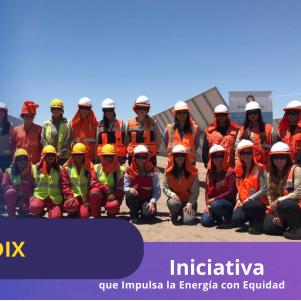
Sonnedix nominated for ACERA Awards, highlighting initiatives advancing gender equity in the renewables sector.
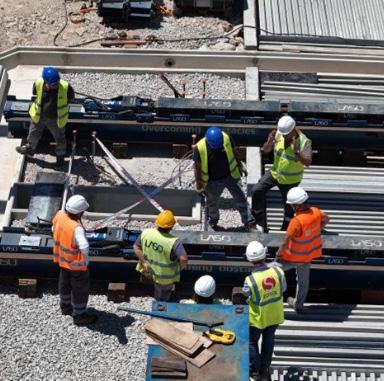
Launch of the Safety Observation Mobile
app to empower everyone at Sonnedix to contribute to a safer workplace.
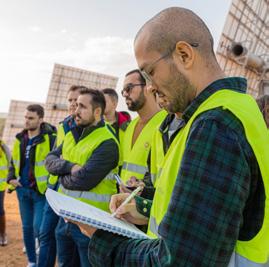
A group of students from Spain visited one of our sites to explore solar energy in action and its importance in the energy transition.
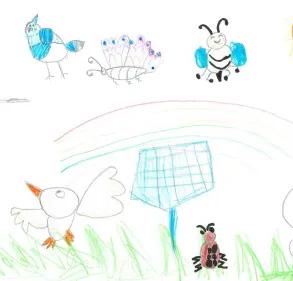
Sonnedix invited children of our team members and their wider families to show us what ‘Sonnedix in the Summer‘ means to them through art.
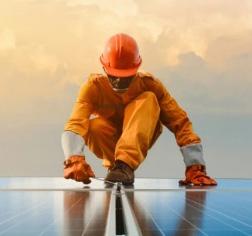
Sonnedix’s annual Health & Safety Month brought teams together to strengthen focus on safe and healthy working environments.
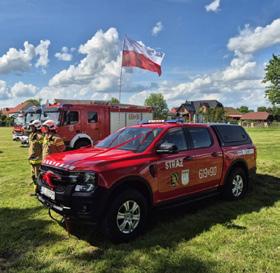
Sonnedix Poland supported the local fire department in Sokołowiec with the co-financing of a new fire engine.
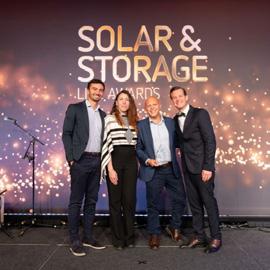
Sonnedix wins the Diversity & Inclusivity Impact Award at the 2025 Solar & Storage Live UK.
Sonnedix maintains perfect score of 100/100 and a Sector Leader in GRESB 2025.

To extend our governance framework across the value chain, Sonnedix refreshes the Third Party Code of Conduct & Ethics.
Sonnedix named the winner of the HR Excellence Award, recognised for people-first leadership in energy transition.
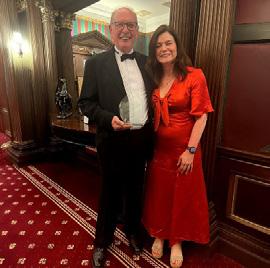

To mark the external launch of our Climate Transition Plan, we hosted a ‘Decarbonisation in Action’ webinar, featuring a call for action from polar explorer Robert Swan.
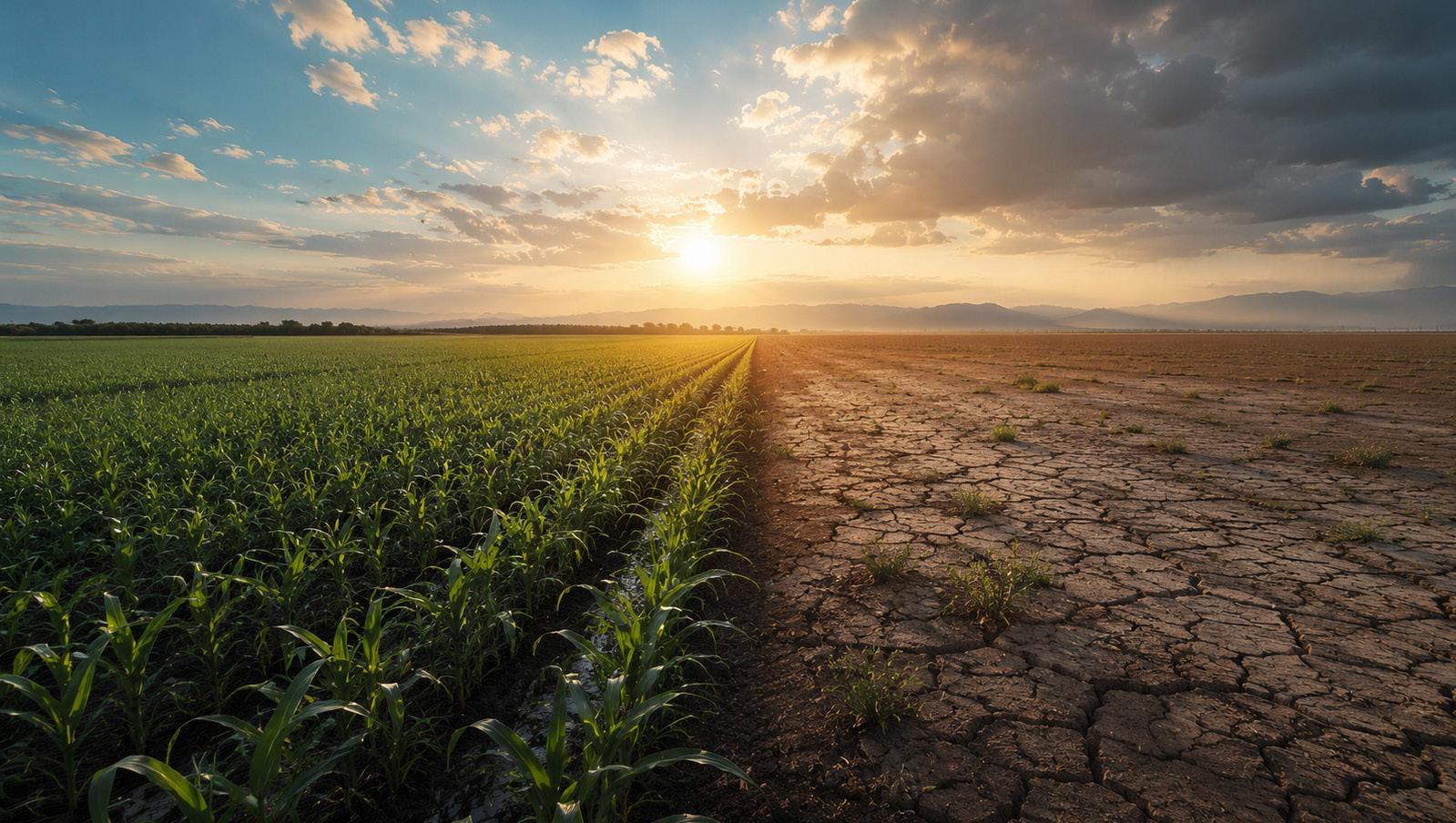
Our commitment: To proceed on a pathway to net zero by 2040 and implement Task Force on Climate-related Financial Disclosures (TCFD) aligned disclosures and approach to climate risk.
In 2025 we launched our Climate Transition Plan, to guide how decarbonisation is integrated alongside our growth ambitions and long term vision for a low carbon global energy system. The plan is designed to drive action on our most material emission sources and is structured around six strategic action areas, guided by five decarbonisation principles.
While it sets a long term objective of achieving net zero by 2040, the Transition Plan is intended to be an agile framework that is designed to evolve over time as the business grows and external conditions change. As such, the elements of the Plan may be reviewed and updated periodically to ensure continued credibility, achievability and alignment with our business strategy and emissions profile.
Clear governance arrangements, including defined roles, responsibilities and oversight forums, are in place to support effective implementation.
STRATEGIC ACTION AREAS
DECARBONISED SUPPLY CHAIN
LOW CARBON OPERATIONS
Procure low carbon equipment and support our suppliers to decarbonise
LOW CARBON DEVELOPMENT
Design low carbon projects and decarbonise construction
Decarbonise our assets and offices
100% RENEWABLE POWER
Transition all our purchased power to renewables
LOW CARBON CULTURE
Build the low carbon capabilities, digital systems and culture we need to deliver
PARTNERSHIPS
Build a low carbon ecosystem through engagement and advocacy
The following information has been prepared using the recommendations from the Task Force on Climate related Financial Disclosures (TCFD), given the growing demand for standardised climate related disclosures.
The focus is on the four key areas recommended by the TCFD: 1) Climate governance, 2) Climate strategy, 3) Climate related risks and opportunities and 4) Climate related metrics and targets.
Our Board of Directors is our highest governing body with oversight of ESG matters, including our decarbonisation strategy and climate related risks and opportunities.
The Senior Leadership Team is accountable for delivery of the Sustainability Strategy, including the Climate Transition Plan. The ESG team sets and maintains climate‑related policy and the Climate Transition Plan and coordinates implementation, while functional teams are responsible for delivering decarbonisation actions within their respective areas.
The day to day management of climate‑related risks is embedded within corporate enterprise risk management, ensuring that climate risks are managed alongside other operational and financial risks.
In 2025, we launched our Climate Working Group to support the implementation of our Climate Transition Plan. This group involves cross functional collaboration and is composed of representatives from key functions such as Supply Chain, Construction, Operations, Commercial, and Legal.
Whilst we continue our efforts to lower our emissions and reduce our impact on climate change, we recognise the need to focus on adapting to the changes that are already here.
We periodically assess the impact of climate change on the resilience of our business, through the lenses of both transition and physical risks and opportunities. Our approach is informed by the Double Materiality Assessment and climate risk scenario analysis we undertook in 2023.
In assessing the transition risk of climate change, uncertainty in market signals and increasing cost and scarcity of raw materials were looked into. Whilst increasing climate related regulations can be an opportunity for renewable energy providers such as Sonnedix, they provide some risk from the fast changing regulation and increased compliance and reporting demands.
Energy transition drives increased demand for raw materials essential to our industry, which may induce scarcity or increase costs. Whilst some level of risk is apparent, the transition to a lower carbon economy largely presents an opportunity for us to further expand our business and deploy renewable energy to meet regional and country-level net zero targets.
To understand the materiality of physical climate-related risk and its impact, we completed our first scenario analysis in 2023, focusing on our exposure to key acute and chronic physical climate risk types. We continue to use this assessment and its findings to ensure our approach remains relevant.
As part of the assessment, we looked at the value at risk, using probabilistic risk models to quantify the possible financial impact to property and operational disruption, assuming no mitigation actions from the business. We utilised the scenarios based on the Representative Concentration Pathways (RCP) designed by the Intergovernmental Panel on Climate Change (IPCC) in their Fifth Assessment Report (AR5), which were mapped to the latest IPCC AR6 report’s Shared Social Economic Pathway (SSPs) scenarios.
We looked at three plausible ‘IPCC RCP aligned’ climate scenarios as displayed in the graphic to the right: a below 2°C scenario (1.5°C scenario), a 2 - 3°C scenario and a 4°C scenario (RCP2.6 (SSP1), RCP4.5 (SSP2) and RCP8.5 (SSP5)).
Our modelling took into account five different likelihood scales: Almost certain, Likely, Possible, Unlikely and Rare, and the impact scales used were Severe, Major, Moderate, Minor and Insignificant. All likelihood and impact scales were given a numerical value for determining overall materiality to the business.

Low transition risk in the short and long term as the world fails to transition to a low carbon economy
Physical risks become increasingly frequent and severe in the long term
Moderate transition risk in the short and long term as the world fails to transition to a low carbon economy
High transition risk in the short term associated with aggressive mitigation actions to reduce emissions
Physical risks become increasingly frequent and severe in the long term but less so than in the High Greenhouse Gas Emission scenario
As a result of the transition, physical risks are less severe and somewhat similar to the current climate
The analysis covered operational and construction asset types larger than 1MW in size. Whilst the findings did not identify any financially material risks to our business continuity, the assessment identified areas of exposure to some chronic impacts of climate change, that could impact us operationally in the short term (current to 2030) and long term (2040 to 2050), with drought and heat stress being the most prominent risks affecting the portfolio. Localised flooding and extreme weather events may affect certain assets, requiring ongoing monitoring as part of the enterprise risk management.
By proactively managing climate risk, we can reduce operational cost from loss of productivity or damage to our assets and as such drive value for the business.
Increased levels of drought and dry days can expose Sonnedix’s panels to increased amounts of dust and soiling, reducing the power output.
In 2023, 210 Sonnedix assets were estimated to be exposed to around three months of drought per year.
By mid-century, 243 Sonnedix assets are estimated to be exposed to around three months of drought per year.
• Regular cleaning to avoid efficiency degradation. Deploy dry cleaning wherever possible and consider new technologies which minimise the need for cleaning and/or allow water reuse or treatment on site.
• Maintain a good practice fire loss control maintenance and mitigation regime and engage with water management agencies on water resources and drought planning
Increased temperature can increase the risk of equipment malfunction and increase cooling needed for buildings and machinery. In addition, heat stress can impact labour productivity and adequate working conditions.
In 2023, 121 of Sonnedix’s assets were exposed to at least 80 heatwave days per year. Only two assets were expected to be exposed to the highest heat stress exposure of 180+ heatwave days per year.
167 of Sonnedix’s assets are likely to see 80+ heatwave days in a year, with 13 sites exposed to 180+ heatwave days. Heat stress is anticipated to increase across all regions, however, Chile, France and Italy see the biggest overall increase in exposure.
• Incorporate cooling considerations in project design from siting of solar equipment to use of materials and techniques that reduce heat absorption.
• Heat protection measures for workforce and automation of processes highly exposed to heat.
• Maintain a good practice fire loss control maintenance and mitigation regime and perform regular inspections and maintenance for heatrelated sources of failure.

Our projects across the world help avoid the emissions that would have otherwise occurred due to fossil fuel based power generation. In 2025, we avoided approximately 2.3 million tonnes of CO2e, based on our production of almost 6 TWh of renewable energy.
In 2021, we were one of the first 100 signatories of The Climate Pledge, which sets out our commitment to net zero by 2040, ten years ahead of the Paris Agreement targets. Our commitment is supported by interim targets of 60% absolute reduction for Scope 1 and 2 (vs. a 2021 baseline) and 40% intensity reduction for Scope 3 (vs. a 2023 baseline) by 2030.
Scope 1 and 2 emissions are annually subject to limited third-party assurance; Scope 3 is not currently assured.
In 2025, we refined our Scope 3 intensity metric to better reflect actual emissions activity. We now report emissions as tCO₂e per MW procured, replacing the previous proxy of MW reaching Notice to Proceed (NTP).
While NTP was previously the most reliable internal milestone, there can be significant time lags between NTP and procurement. The updated metric allows for better year-on-year comparison and more accurately reflects when emissions‑intensive procurement activity occurs and when product or activity-specific emissions data can be captured.
As a result of this methodological improvement and the limited availability of comparable historical procurement data, the Scope 3 baseline year was updated to 2023 and prior-year intensity data has not been restated.

Our year-on-year carbon emissions are summarised in the below table.
Our total Scope 1 and 2 GHG emissions have dropped, in both absolute terms (-23.2%) and intensity terms (-69%), since the base year of 2021.
Despite an increase in produced electricity aligned with continuous business growth, we continued to decrease our market‑based Scope 2 emissions, mainly driven by increased procurement of verifiable renewable electricity to 71% in 2025. This additionally resulted in a decrease in the intensity per GWh sold.
SCOPE 1 AND 2 PERFORMANCE VS TARGET ( t CO 2 e )
SCOPE 1 AND 2 INTENSITY VS GW h PRODUCED
Scope 3 intensity and absolute emissions have both decreased against the 2023 baseline. The absolute emissions reduction is mainly driven by a decrease in the volume of procured equipment in 2025.
Scope 3* emissions (tCO2e)
Scope 3* intensity (tCO2e/MW procured)
Scope 3* intensity change
While a 19% reduction in Scope 3 carbon intensity has been observed relative to the baseline, this decrease is not solely driven by decarbonisation initiatives. It is also influenced by lower procurement and construction activity during the reporting year, which can affect intensity metrics in certain years.
Nevertheless, underlying decarbonisation progress is evident in our most material emissions source. Carbon intensity associated with capital goods (PV panel) procurement decreased by 13% compared to the 2023 baseline, reflecting supplier-led decarbonisation efforts and changes in supplier composition.
As Scope 3 intensity metrics are sensitive to material changes in activity, business structure, technology mix and similar, we complement an overarching metric with narrative explanations and may introduce further breakdowns over time to ensure the data remains meaningful as methodologies, standards and business evolve.

Our commitment: Continue to promote resource efficiency with renewed focus on material water use in high stress areas.
Water scarcity remains a significant issue in many regions around the world, with climate change increasing pressure on water availability. Water for us is primarily utilised for construction activities such as civil works and dust suppression, and for cleaning panels on operational projects.
We aim to minimise our water consumption at project sites and where possible mitigate any adverse effects of water usage that can impact local communities and the environment, particularly in water stressed areas.
Our primary source of energy for operational projects is electricity purchased, used to operate our plants (including movement of trackers, lighting, cooling), particularly overnight when we cannot rely on the electricity produced on site. During construction, the predominant energy source is fuel, such as diesel and gasoline, used in generators and construction machinery.
Sonnedix is dedicated to minimising waste production. When waste generation is unavoidable, the company adheres to the waste hierarchy approach: ‘Reduce, Reuse, Recycle’, with disposal being the last resort.
Sonnedix aims to minimise disposal of panels and electronic waste to landfill by redirecting these materials through approved recycling programmes. As a result, in 2025, over 99% of these panels were diverted from landfill.
In 2025, total water consumption decreased mainly due to lower construction activity. Construction water use can fluctuate significantly year-on-year depending on specific project location and requirements and does not necessarily reflect efficiency improvements. As a result, intensity metrics are focused on operations, where water intensity is a more stable and comparable indicator over time. Operational water intensity remained stable in 2025, reflecting progress achieved in prior years.
Similarly to water, total energy consumption fell in 2025, largely due to reduced construction activity. Construction energy use varies materially by project type, geography and delivery needs, making year on year intensity metrics less meaningful. Operational energy intensity therefore remains the primary indicator for tracking underlying performance over time.
We continue to implement energy reduction strategies on our operational projects, including the use of energy-efficient and motion- sensing lighting systems, as well as advanced heating and cooling devices. This is reflected in the continued reduction in operational energy intensity, despite an uplift in actual energy purchased. These efforts form part of Sonnedix’s goal to reduce energy consumption and decrease our carbon footprint.
Our commitment: To design, construct and operate our assets in harmony with local natural ecosystems.
Our assets have a lighter ecological footprint than many other energy industries and types of assets. However, the construction of new assets can pose a risk to natural habitats.
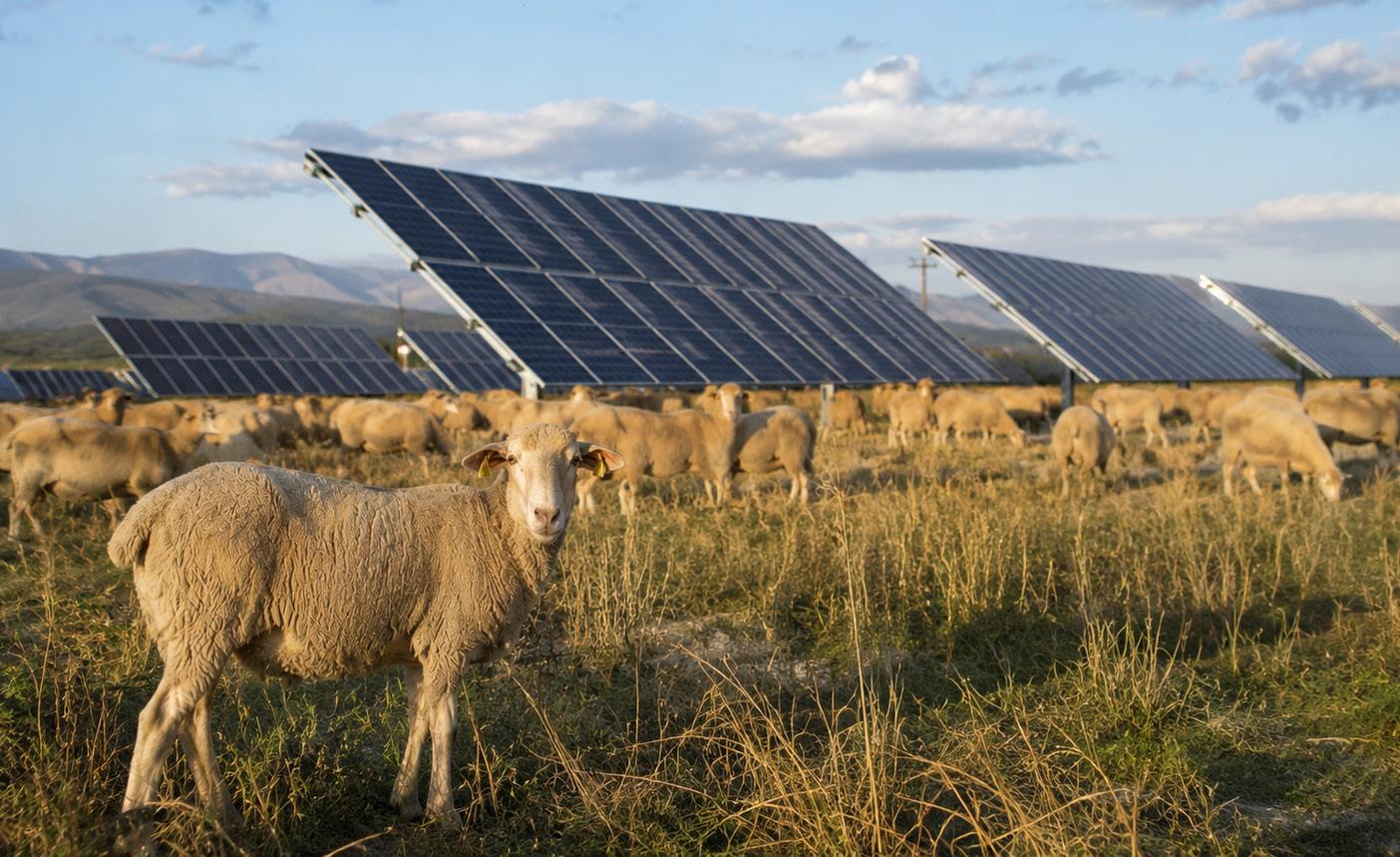
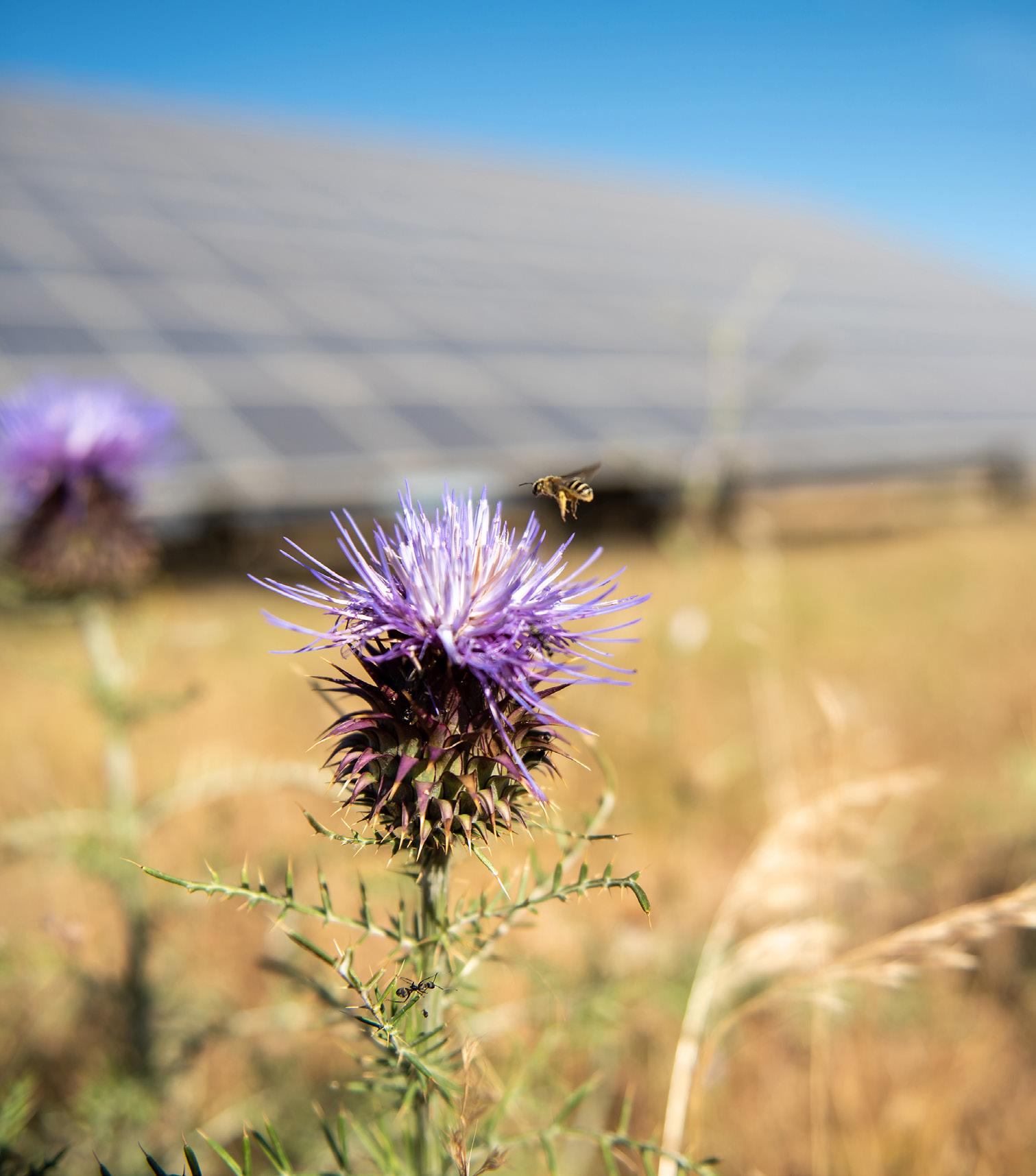
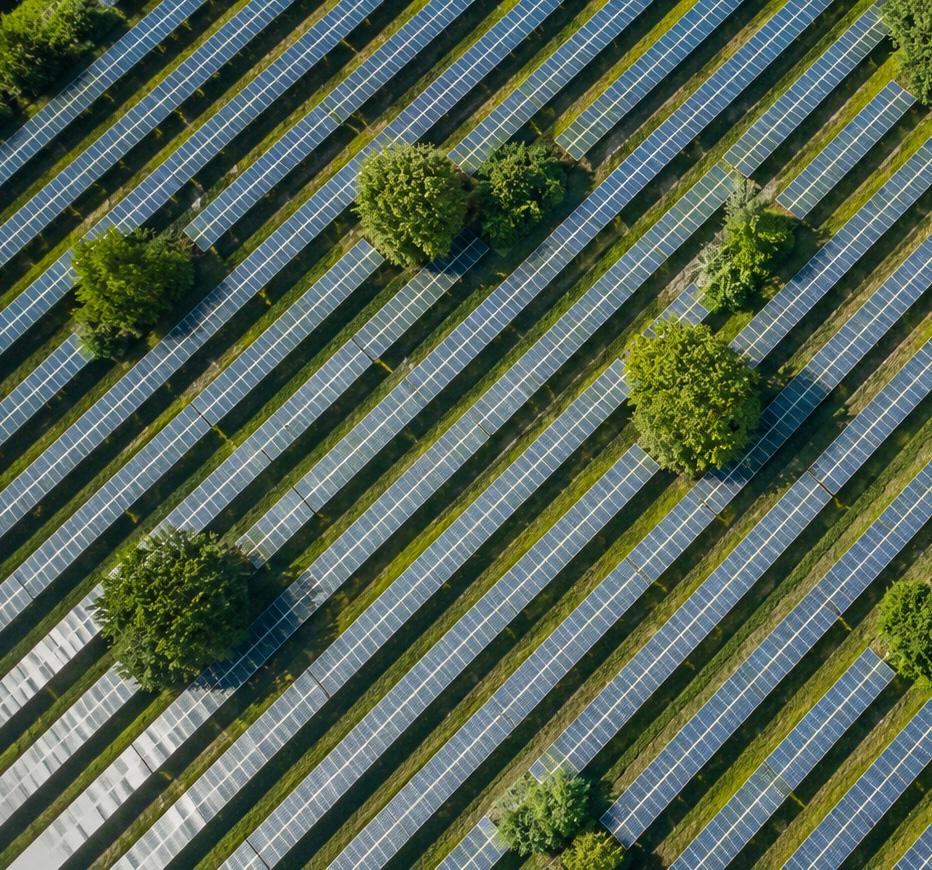
Sonnedix continues to enhance biodiversity within our project locations, taking time to understand any potential impacts on biodiversity and ecosystems throughout our projects’ life cycle. New projects are often required to have an Environmental and Social Impact Assessment (ESIA) which identifies risks and provides mitigation measures to be implemented in accordance with best practice advice. When an ESIA is not required for permitting, the ESG team reviews available environmental, social or technical studies, and where risks are identified, requests additional third party support. As well as protecting ecosystems, we actively promote biodiversity at our sites, through habitat enhancement measures such as planting of wildflower meadows and/ or native species, the installation of wildlife boxes, or the use of grazing sheep or cows for grass maintenance.
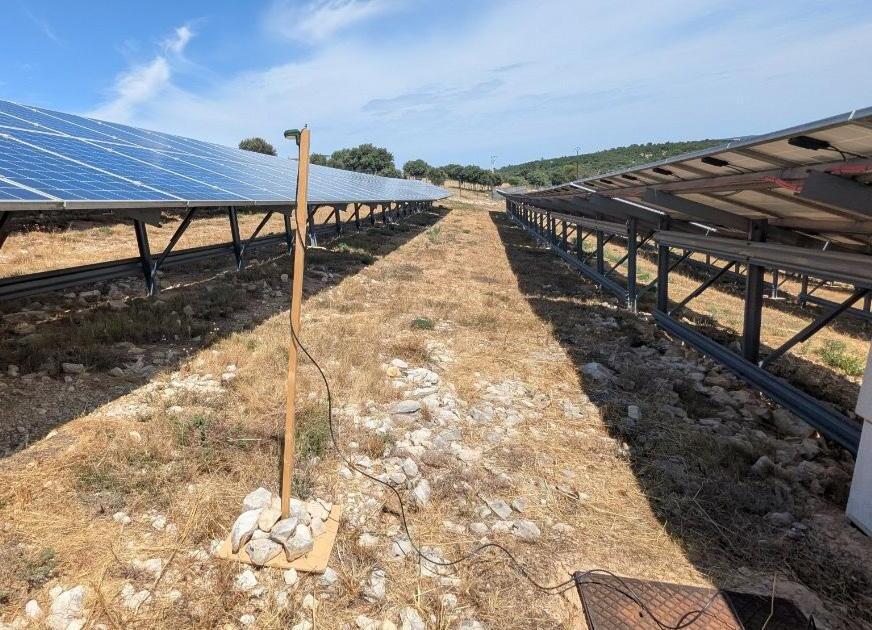
Sonnedix is contributing to advancing scientific understanding of how solar PV developments interact with biodiversity, with a specific focus on bat populations. Across several of our operational sites in France, we are participating in a large scale, multi stakeholder research programme examining the interaction between PV installations and bat populations. This initiative reflects a coordinated approach to advancing scientific knowledge and informing best practice across the sector.
To support this effort, Sonnedix has entered into a research and development partnership agreement with specialist ecological organisations Asellia and Natura Scop. Through both active technical collaboration and financial support, we are contributing to evidencebased field research aimed at enhancing biodiversity management in solar projects.
The findings from this programme are expected to inform practical improvements in site design, operational practices, and mitigation measures, reflecting Sonnedix’s broader approach to responsible renewable energy deployment.
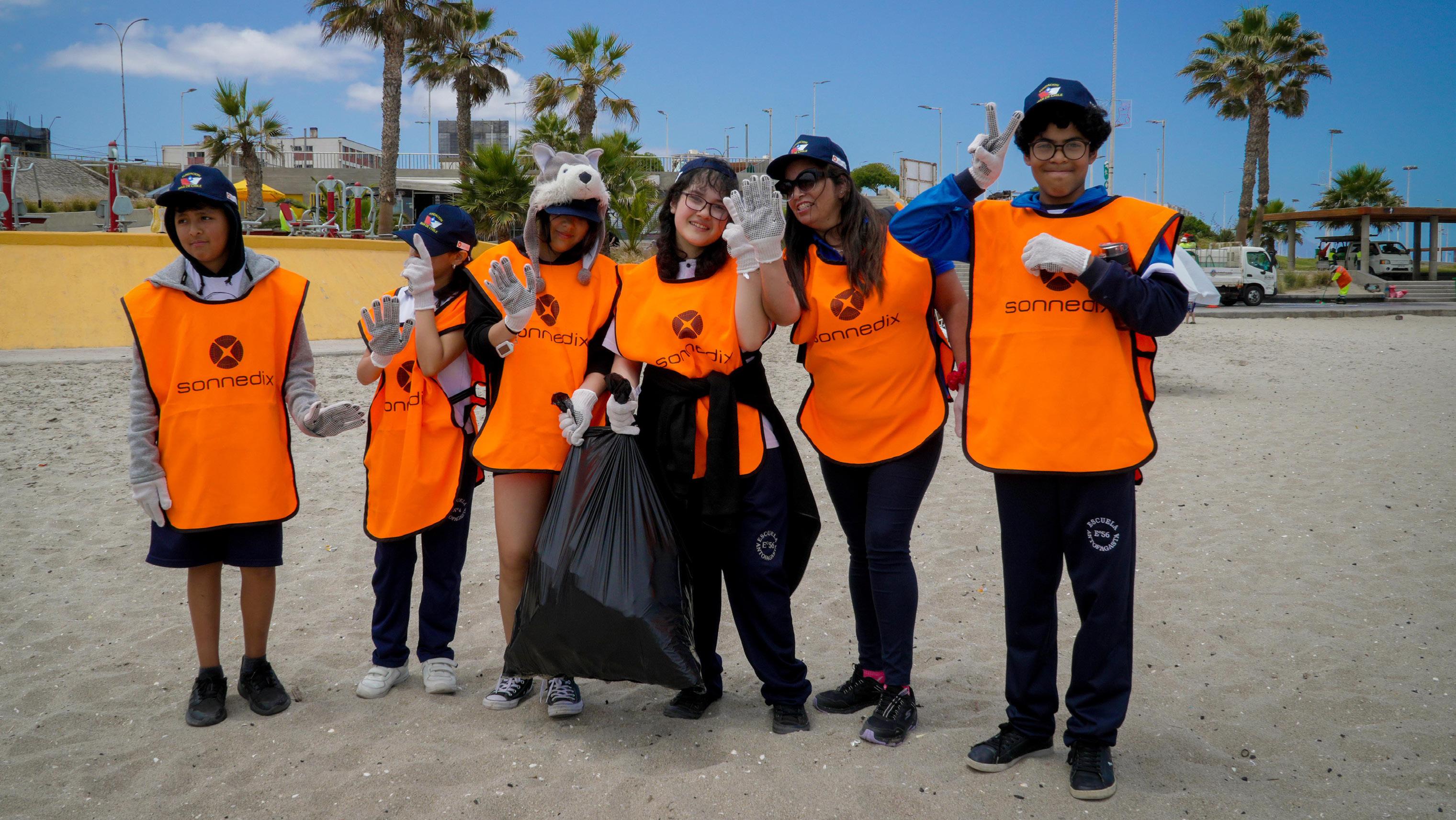
Supporting marine ecosystem awareness in Antofagasta, Chile
Sonnedix, together with Fundación Mar de Chile and with support from the Chilean Navy, carried out an environmental education and beach cleanup activity at Playa Trocadero in Antofagasta. The initiative focused on promoting care for the coastline, strengthening environmental awareness, and encouraging the responsible use of marine space, with students from two local schools participating.
The activity began with an induction by the Maritime Authority on coastline protection. By removing waste and educating young people about marine stewardship, the initiative contributed to improving local coastal conditions, which indirectly supports marine ecosystems and the biodiversity they host.
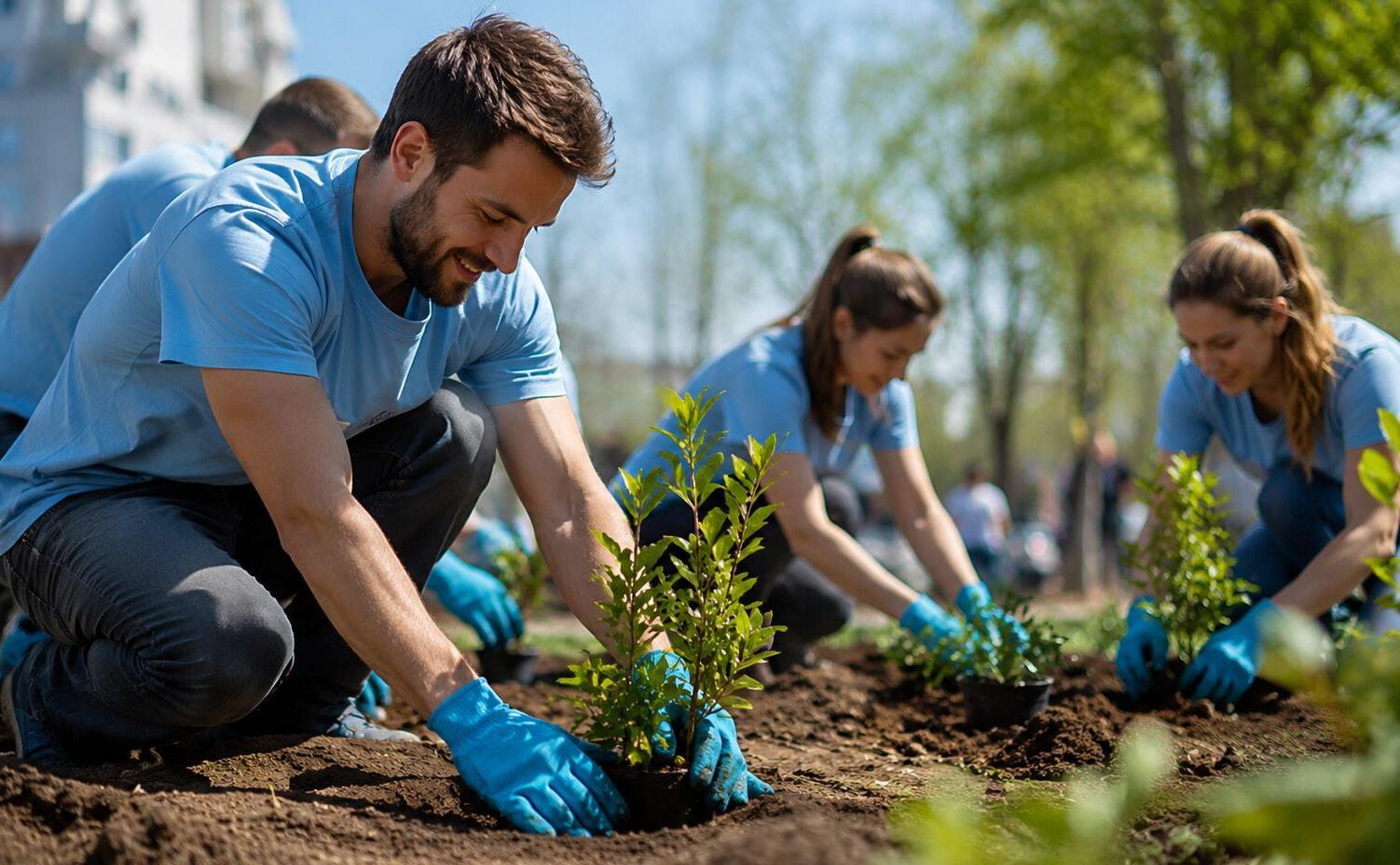
Our commitment: Continued reduction in incidents and enhancement of health and safety culture across the organisation.
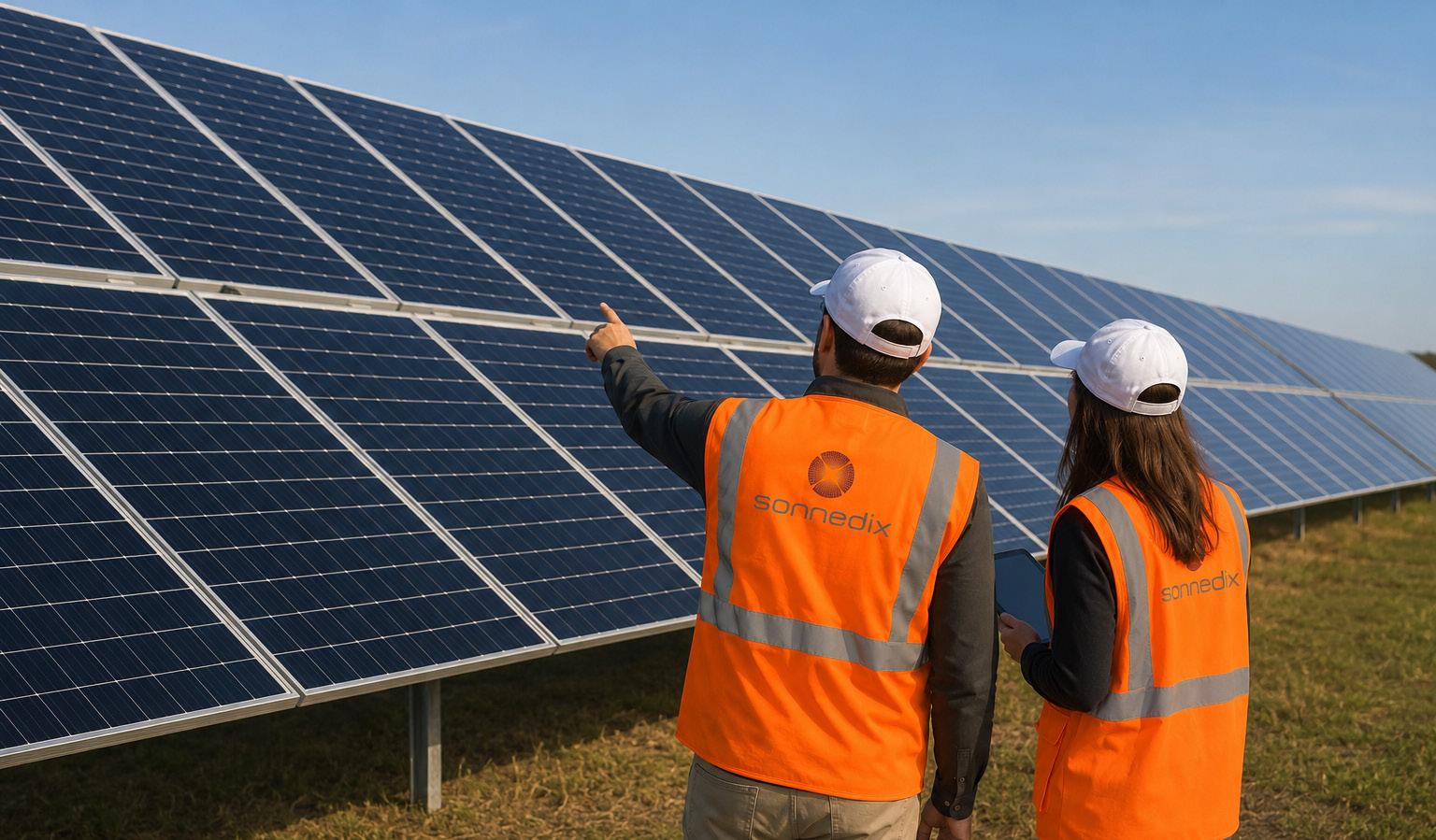
Protecting the health, safety and wellbeing of our people and partners continues to be a fundamental value and a core component of how we deliver the energy transition responsibly. As our portfolio continues to grow across multiple geographies, we remain focused on strengthening a proactive, people led safety culture, one that extends beyond compliance to embed shared ownership, continuous learning and care across our operations and, where applicable, our contractor base.
Sonnedix has a dedicated Health & Safety Committee, with Senior Leadership and Board members. providing oversight to the HSE programme, metrics and ongoing performance.
We operate a structured global incident management and notification process, supported by an Incident Severity Matrix designed to help employees and contractors consistently assess incident potential, escalation requirements, and response actions.
All incidents, near misses, and high potential events are reported, reviewed, and investigated proportionate to their actual and potential severity, with a strong focus on identifying root causes, critical control failures, and opportunities to prevent serious injuries and fatalities.
Significant incidents and high-potential events are escalated through defined governance channels and reported to Senior Leadership to ensure visibility, accountability, and organisational learning. Lessons learned and corrective actions are tracked to completion and used to strengthen controls, contractor management, and risk reduction across the business.
The day to day integration of HSE management across Sonnedix is led by a dedicated global HSE function, working closely with regional and local teams to embed consistent standards, governance, and risk management practices across our operations. Our approach is supported through clear policies, minimum standards, and contractual requirements that guide the management of risks across offices and sites owned or operated by Sonnedix.
Throughout 2025, we continued to strengthen our risk based assurance approach through targeted audits, inspections, leadership engagements, and increased operational oversight across both construction and operational activities, with particular focus on high risk activities.
Our global HSE team, supported by local teams and specialist third party providers where required, delivered our planned audit and inspection programme in line with risk profile and business priorities. This included oversight of contractors responsible for the construction, operation, and maintenance of our assets, helping to assess alignment with company expectations, critical controls, and applicable regulatory requirements, while supporting continuous improvement.
Our Health and Safety Management System provides a consistent framework for managing HSE risks across the lifecycle of our renewable energy assets.
Our approach is informed by recognised industry good practice, applicable regulation, and operational learning from across the renewable energy sector. Through clear standards, governance processes, and contractor requirements, we aim to ensure that work is planned, managed, and executed safely across our global portfolio.
A key focus of our approach is maintaining consistent standards and expectations, supporting effective leadership oversight, assurance, contractor engagement, and continuous improvement as our business continues to grow.
Beyond awareness campaigns, Sonnedix continues to prioritise practical risk management, organisational capability, and long term resilience across the business. We recognise that a strong health and safety culture requires more than compliance alone; it requires creating an environment where employees and contractors are empowered, engaged, and equipped to actively contribute to safe and sustainable operations.
Our approach focuses on providing teams with the tools, knowledge, and support needed to effectively manage current and emerging risks. As technologies such as Battery Energy Storage Systems (BESS) become increasingly integrated into our operations, we continue to strengthen organisational capability to address evolving operational risks.
Training and capability development therefore remain key strategic enablers in helping Sonnedix maintain safe, resilient, and high performing operations as the business continues to grow.
In 2025, our lost time injury frequency rate (LTIFR) was 1.87* (compared to 3.49 in 2024) and the total recordable incident rate (TRIR) was 3.74* (compared to 4.33 in 2024). The reductions were primarily driven by targeted operational and governance interventions, including formal reinforcement of Stop Work Authority, increased focus on high risk activities aligned to our Serious Injury Prevention strategy, enhanced oversight of construction and operational sites, and improved quality and ownership of leading indicators.
*Includes Sonnedix employees and contractors.
During 2025, Sonnedix continued to accelerate the digitalisation of its HSE processes and data, supporting a more connected, proactive, and insight led approach to risk management.
We further enhanced the way HSE information, including incidents, observations, and assurance activities are captured, and analysed across our portfolio, improving visibility of risk, strengthening reporting, and supporting more consistent oversight across project activities.
As part of this evolution, Sonnedix is increasingly integrating digital and AI enabled technologies into the way we manage and utilise HSE data. This is becoming a key focus area in helping enhance organisational capability, support more informed and data driven decision making, and create greater capacity for teams to focus on higher value risk management activities.
By strengthening how information is connected, analysed, and shared across the business, we are moving towards a more predictive, intelligence led, and operationally integrated approach to health and safety.
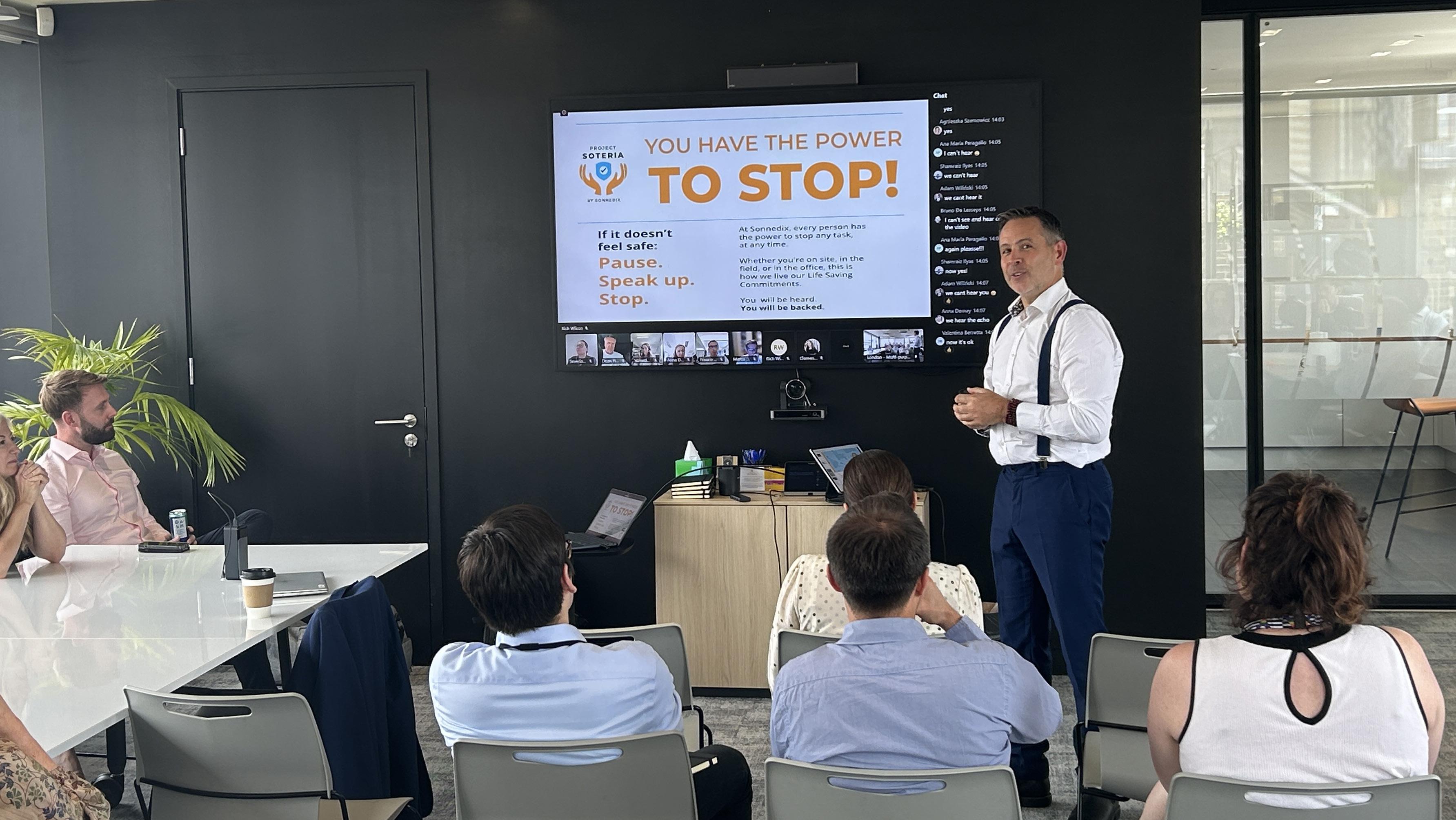
In June and July 2025, Sonnedix evolved its traditional Safety Week into a month long global engagement programme, marking an important step in the relaunch of HSE across the organisation and helping set a renewed direction for how health and safety is integrated into the wider business.
The programme brought together employees, leaders, and contractor partners from across our global portfolio to strengthen engagement, encourage collaboration, and reinforce that HSE is a core part of how Sonnedix operates, and manages risk.
As part of the programme, Sonnedix launched its global HSE Values, defining behaviours, and expectations that underpin safe and responsible operations. This included reinforcing our ‘Power to Stop’ principle, empowering all employees and contractors to intervene, stop work, and speak up where conditions are unsafe.
The month placed strong emphasis on leadership visibility, global engagement, learning, and continuous improvement, encouraging teams to contribute ideas, share learning, and actively support the development of a stronger and more integrated HSE culture.
The relaunch reflected Sonnedix’s broader ambition to move beyond viewing HSE as a standalone function and instead further embed health, safety, and wellbeing culture across the business.
Our commitment: Implement the 2030 DEI roadmap, including continuing to champion women and underrepresented groups and promote social mobility.
Diversity, Equity and Inclusion (DEI) is an integral part of our culture as we strive to create a diverse workforce and inclusive culture.
Throughout 2025, we continued delivering against our 2024 - 2030 DEI Manifesto, reviewing progress and developing our goals into a longer term strategy to maximise the impact of DEI in the workplace.
Our DEI Manifesto 2024 - 2030 consists of four principles:
Driving gender equity and inclusive career progression
Work to ensure equal opportunity regardless of gender, and focus on the attraction, progression and retention of women by fostering, celebrating and advocating for women’s visibility and success.
Strengthening our inclusive culture
Invest in ensuring we have a strong, diverse and inclusive culture, with curiosity and resilience at its core, and develop our people to deliver business outcomes that drive sustainable growth.
Maximise wellbeing and unlock the power of difference
Promote good mental health and build awareness of neurodiversity to provide an environment where everyone is aware of and can proactively manage their wellbeing to do their best work.
Empowering underrepresented groups to drive collaboration
Continue to listen to the experiences of colleagues from under represented groups, explore socio economic diversity, enhance intergenerational working, and improve all our people’s intercultural competence.

We are committed to building a gender‑balanced workforce and have set clear ambitions for women to represent 40% of new joiners and 35–40% of our overall workforce. In 2025, 46% of new hires were women, significantly exceeding the renewable energy sector average of 32%.
In 2024, we introduced a new value, ‘Curious Learners’, to emphasise the importance of continuous learning and a growth mindset as our industry evolves. Sonnedix offers a full range of learning and development resources, tools and programmes in our Sonnedix Academy, which is available to all team members.
We also launched the ‘Own Your Career’ Development Guide along with learning workshops, aimed at providing our people with the tools, templates, career path guidance and inspiration, so that everyone can learn how to own their career.
The Sonnedix Academy is our primary platform for learning and development. It acts as a one‑stop shop for all development opportunities. Through the Academy, colleagues can access tailored learning pathways and request professional or functional training aligned to their role and career aspirations.
Available to all team members, the Academy includes on demand access to technical and functional courses, such as Power Marketing, Battery Energy Storage Systems (BESS), legal, financial, ESG and a range of HSE training, leadership and management resources, skills based courses such as presentation skills, time management and stakeholder management, language training, and mentoring, coaching and shadowing opportunities.
In 2025, over 12,000 learning hours were completed, representing an average of approximately 25+ hours’ learning per team member.
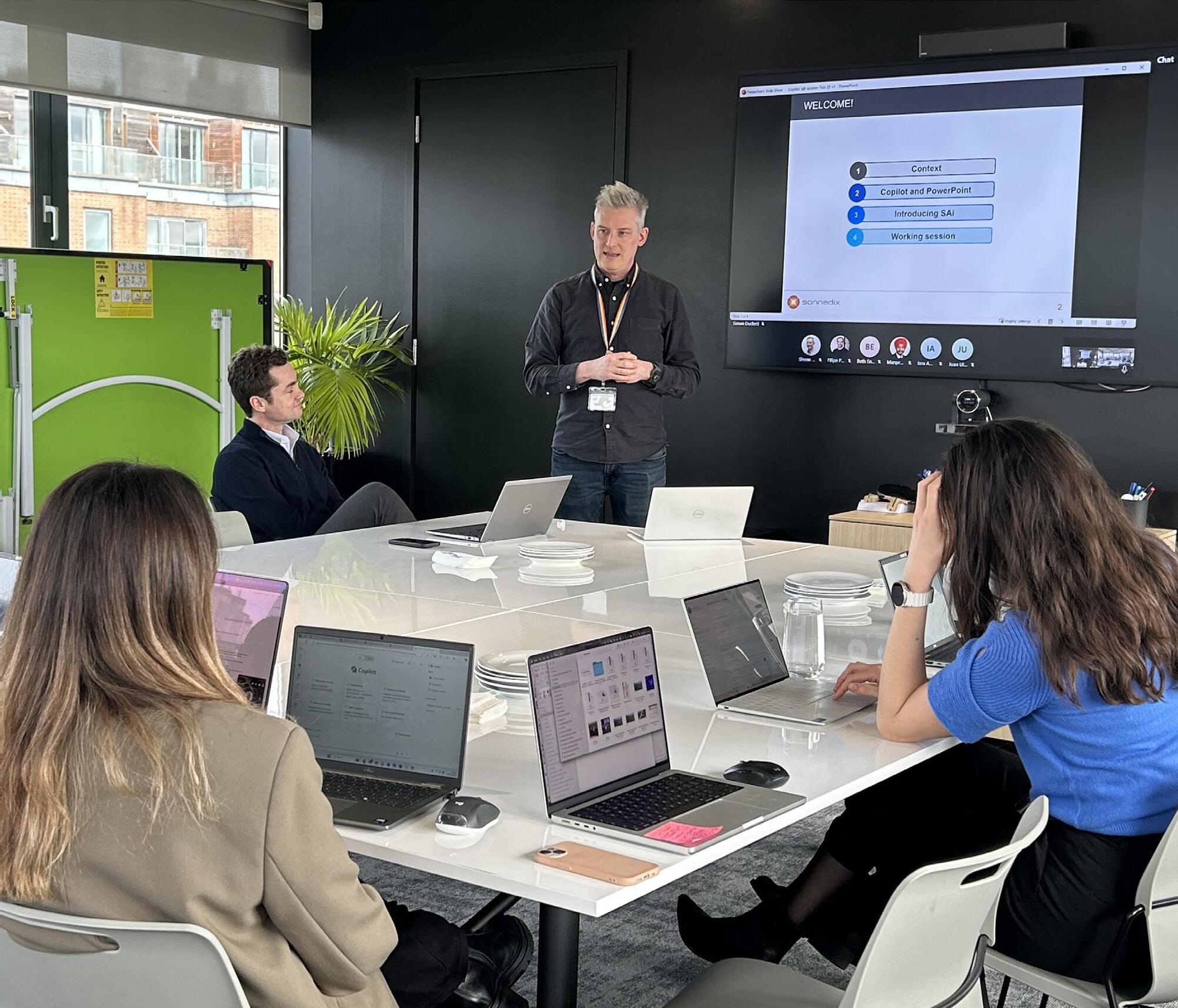
To support wellbeing and connection, we host a range of social events across our countries each year, creating opportunities to come together through shared activities—from walks and quizzes to art classes, sports days, workshops and site visits.
Our One Team Networks are our focused forums for traditionally underrepresented groups to share their issues, views and needs with the wider business. In 2025, we combined our groups to create ‘Tu Youyou’ – a network to ensure team members from under represented groups have a forum and voice, to raise awareness and celebrate different perspectives within our teams.
We celebrate the cultural, racial and ethnic diversity of our people by actively engaging the entire workforce in learning opportunities and celebrations.
We continuously look for ideas from team members of how people can celebrate their differences in a fun, inclusive way. For example, in the UK office in 2025, we celebrated religious and cultural events such as Lunar New Year, Eid al Fitr, Holi and Diwali/Deepavali by sharing food, personal stories and information about the celebration.
We celebrated International Women’s Day by hosting Women’s Listening Circles safe spaces where women could share their experiences, discuss challenges, and offer support to one another.
In addition to this, in 2025 we continued to support the LGBTQ+ community in our vibrant celebration of Pride Month across various offices in June, where we hosted Pride quizzes and organised a global Pride Month virtual workshop with a third party speaker covering resilience, mental health and the importance of inclusive leaders and allies.
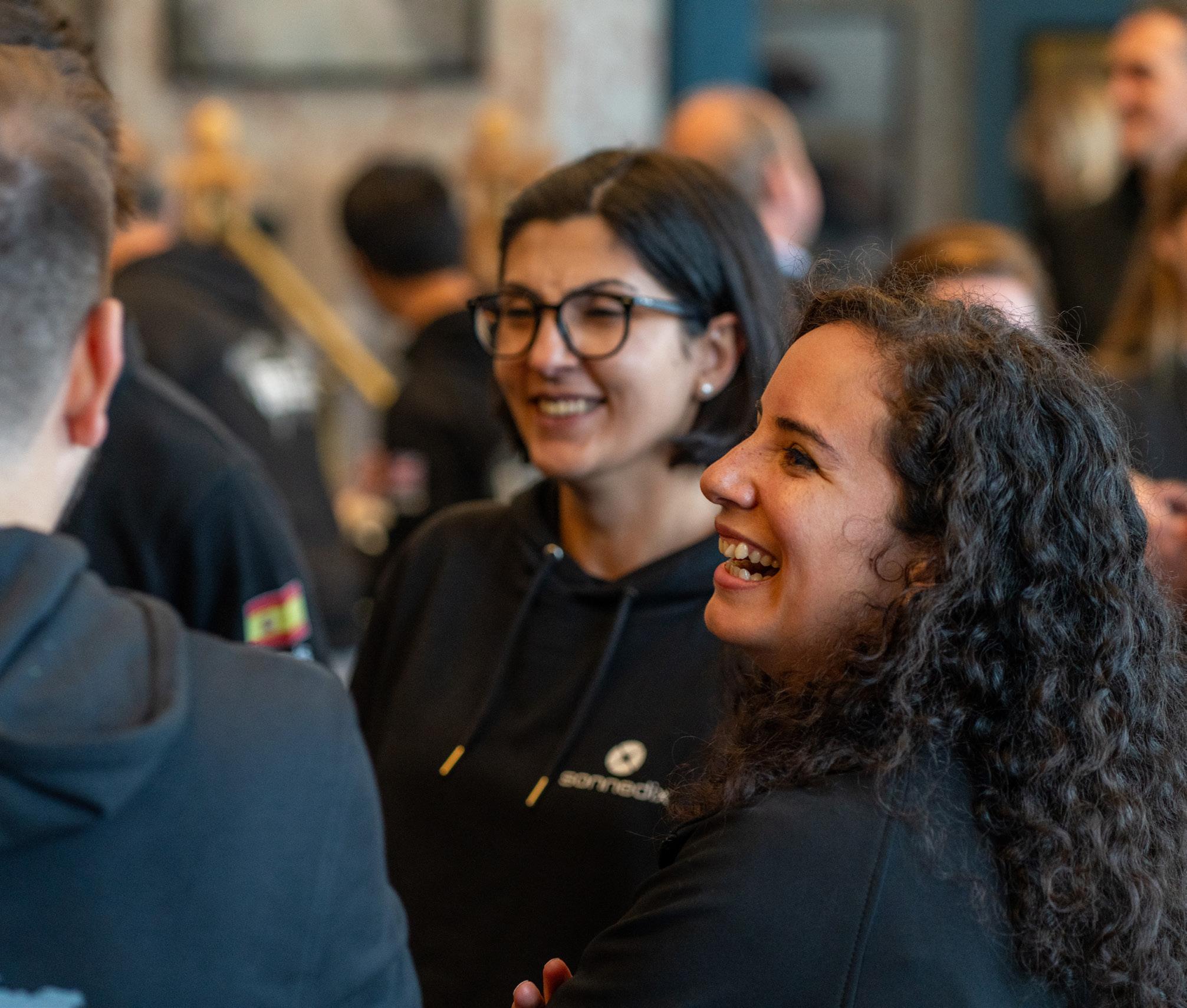
Sonnedix held its fourth ‘Global DEI Summit’ in October 2025, inviting employees, others from the energy sector, key stakeholders and friends of Sonnedix to attend. The theme was ‘Inclusive Intelligence – Harnessing AI & Human Potential’, with two keynote speakers talking about what inclusive AI adoption can look like, and how we can ensure this rapidly evolving technology supports and benefits everyone.
Our multi generational workforce spans four generations, from Gen Z to Baby Boomers. Our focus is on promoting intergenerational learning to leverage the diverse perspectives within our team.
Within Sonnedix, we have our Career KickStarters group, which empowers early career professionals with the skills and confidence needed to excel, through targeted workshops, training and mentoring.
We also provide meaningful work experience through the Sonnedix Internship programme, where, each year, we offer approximately 15 long term internships to people from underrepresented groups, with 40% of interns converting to permanent employees when a suitable vacancy arises.
Along with standard mentoring schemes, Sonnedix also has a reverse mentoring programme, where our early career professionals mentor senior employees, offering fresh insights and perspectives into topics like digitalisation, AI and DEI.

We aim to be an employer of choice, reflected in our 4.8/5 Glassdoor rating. We support our people through locally tailored benefits and a flexible working model, including hybrid working and a ‘Work from Elsewhere’ policy, allowing them to work outside of their primary working environment for up to six weeks per year.
We stay connected to our people through an annual engagement survey and regular pulse surveys, independently run to safeguard anonymity and support open, honest feedback.
In 2025, nearly 90% of team members responded, with an overall engagement score of 67%. We changed survey methodology provider in 2025 and on a like for like basis, engagement was 5 points higher than in 2023 and 2024. Survey results are reviewed and shared company wide, leading to actionable insights. For instance, based on 2024 feedback, we launched the ‘Own Your Career’ Development Guide’ along with training to provide better visibility on career development in Sonnedix.
We are committed to ensuring every team member is empowered to embrace the systems and platforms we are investing in, as we prepare for our future. Throughout 2025, we created dedicated learning paths, tools, and resources to help every colleague confidently use AI and digital tools in their work, along with Digital Labs, innovation sessions and peer led ‘Lunch and Learn’ inspiration and trial sessions. Investing in this way helps us to work smarter, and creates a more adaptable, confident and future-ready workforce who lean into continuous innovation as technology evolves.
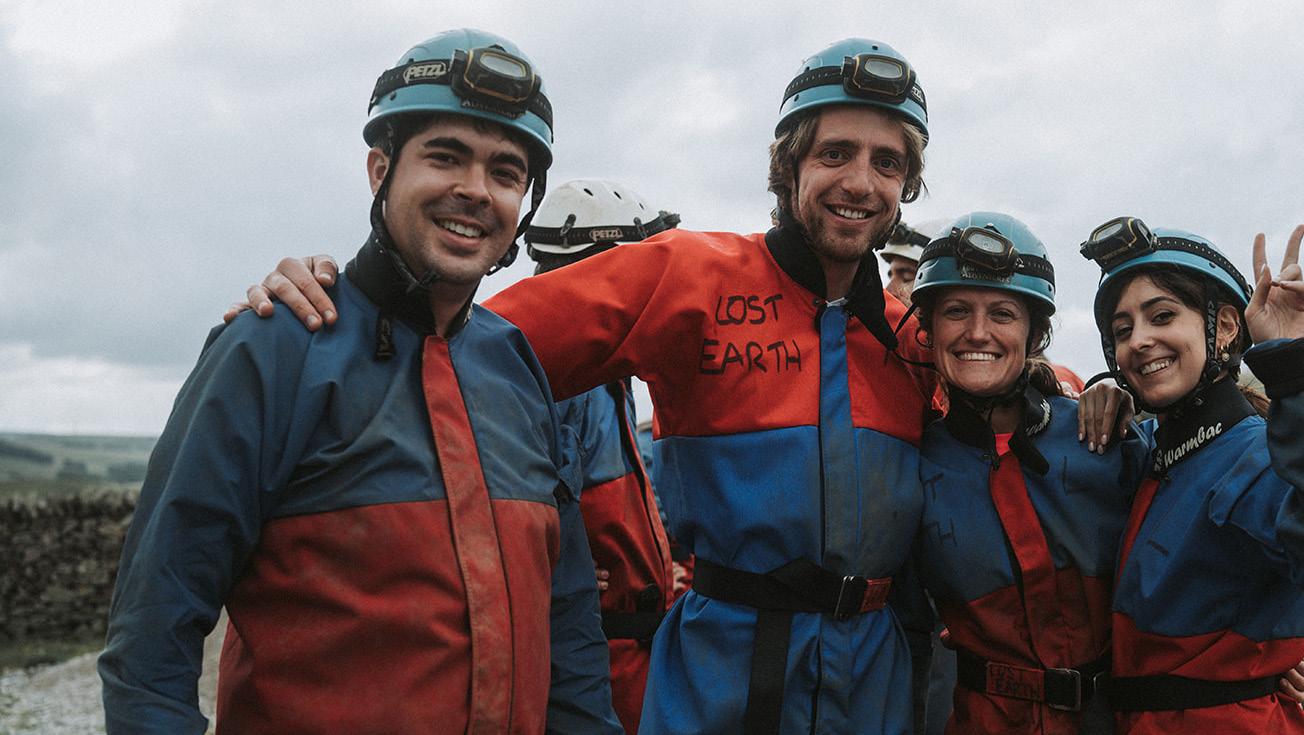
Back in 2022, Sonnedix began running our 18-month-long Accelerator and Future Shaper programmes, each aimed at developing talent in the organisation. Both courses required participants to complete a range of challenges within and outside the company, in physical and virtual sessions, to build their leadership capabilities.
Since inception, we have seen over 120 of our high potential team members participate in these programmes, stretching their self awareness, leadership and collaboration skills. We have retained 92% of participants and 45% have been promoted or changed roles within 12 months of completing the programme.
In 2025, we refreshed our talent development programmes and launched our EDGE and Catalyst Talent Development programmes. EDGE supports top talent in driving change and preparing Sonnedix for the future, while Catalyst focuses on personal and professional growth for emerging female leaders.
EDGE is an acronym for Empowered Leadership, Digital Readiness, Growth Mindset and Enterprise Acumen - the four dimensions of leadership. Over a 10 month period, EDGE delivers a structured learning journey combining self‑assessment, experiential learning, peer coaching and real world business challenges for it’s 21 participants.
During 2025 and early 2026, the first cohort took part in two intensive week-long offsites, complemented by a programme of focused training sessions to build confidence for leading change, influence across boundaries, grow others through coaching, sharpen commercial insight and harness AI to drive smarter ways of working.
Our commitment: Promote sustainability within our supply chain, focusing on decarbonisation, human rights, and health, safety and environment.
Due to the ongoing expansion of Sonnedix and our dependence on equipment sourcing for new projects, maintaining a responsible supply chain is an essential component of our sustainability initiatives.
Our 2030 Sustainability Strategy outlines specific commitments for 2024 - 2030, including:
• Roll out of 2030 supplier engagement plan for strategic suppliers, with a focus on GHG, human rights and traceability.
• Actively participate in and support industry wide supply chain stewardship initiatives.
• Support diversification of renewable energy manufacturing base through localised sourcing of key equipment where appropriate.
In 2025, initial steps to support these commitments included the development of an internal supplier engagement plan, targeted deep dive workshops with suppliers on key topics such as GHG, human rights and traceability, and participation in the Solar Stewardship Initiative , a solar-industry-specific value chain stewardship programme.
Alongside these forward looking actions, we continued to apply risk based supplier screening and oversight processes. This included the screening of new suppliers and incorporation of relevant contractual requirements in supply agreements.

To highlight the significance of responsible supply chains as well as human and labour rights, Sonnedix’s ESG, Quality, and Supply Chain teams collaborated to host a global webinar called ‘Sustainability in Action: Responsible Supply Chains’.
This event addressed the challenges and intricacies involved in sourcing renewable energy components, focusing on photovoltaic modules and battery storage systems. Key topics included traceability, protection of human rights, regulatory adherence, and the importance of collaboration within the industry.
Suppliers from whom we procure modules and batteries are subject to third party quality assurance, ESG and traceability audits.
• Factory audits focus primarily on quality, with a high level review on ESG aspects including human resources, human rights, environmental management and HSE.
• ESG audits are a deeper review of a variety of key risk areas, including corporate governance, supply chain management, environmental management and employee responsibility.
• Traceability audits focus on provenance of materials, assessing a supplier’s traceability management systems and processes. In addition, a selection of module procurement is additionally subject to sample batch testing to validate the traceability of modules.
In 2025, we conducted a total of seven supplier quality, traceability and ESG audits. Through these audits, material non conformities were identified in one case. As a result, the supplier was placed on a corrective action plan. A follow up audit is being conducted to assess the effectiveness of remedial actions prior to any further procurement decisions.
In parallel, we expanded our sustainability-linked financing to include our responsible supply chain practices, with particular focus on traceability considerations in module procurement. Linking our borrowing to our sustainability performance in this important area reinforces our commitment to creating a positive impact. In the first year, we reported that 100% of our PV modules were procured with traceability documentation.
As the renewables sector continues to expand rapidly, demand for raw materials increases, alongside the potential for exposure to human rights risks within supply chains. We recognise that PV and energy storage system supply chains carry elevated risks of human rights abuses, including forced and child labour.
Sonnedix is committed to respecting human rights and addressing risks related to forced labour and other human rights impacts within its operations and supply chain.
We are taking the following key steps to minimise exposure in our supply chain:
• Suppliers continue to be vetted internally by the ESG team as part of the pre-qualification process and externally by independent third parties through a targeted audit programme.
• Traceability requirements for key equipment suppliers are included in contracts, subjecting suppliers to supply chain mapping and traceability audits, with the aim to improve transparency across our supply chain.
• We continue to collaborate with industry peers and associations, as driving change in complex supply chains requires collaborative action, including sponsorship of the Solar Stewardship Initiative since 2021.
• The ESG team assesses potential exposure to human rights risks in new acquisitions and developments, and advises on the potential risk and mitigation.
• The Board and Senior Leadership Team are kept informed of relevant developments, alongside ongoing monitoring of regulatory changes.
• Our global whistleblowing channel is available for reporting concerns related to our activities or those of the third parties we work with, including human rights issues.
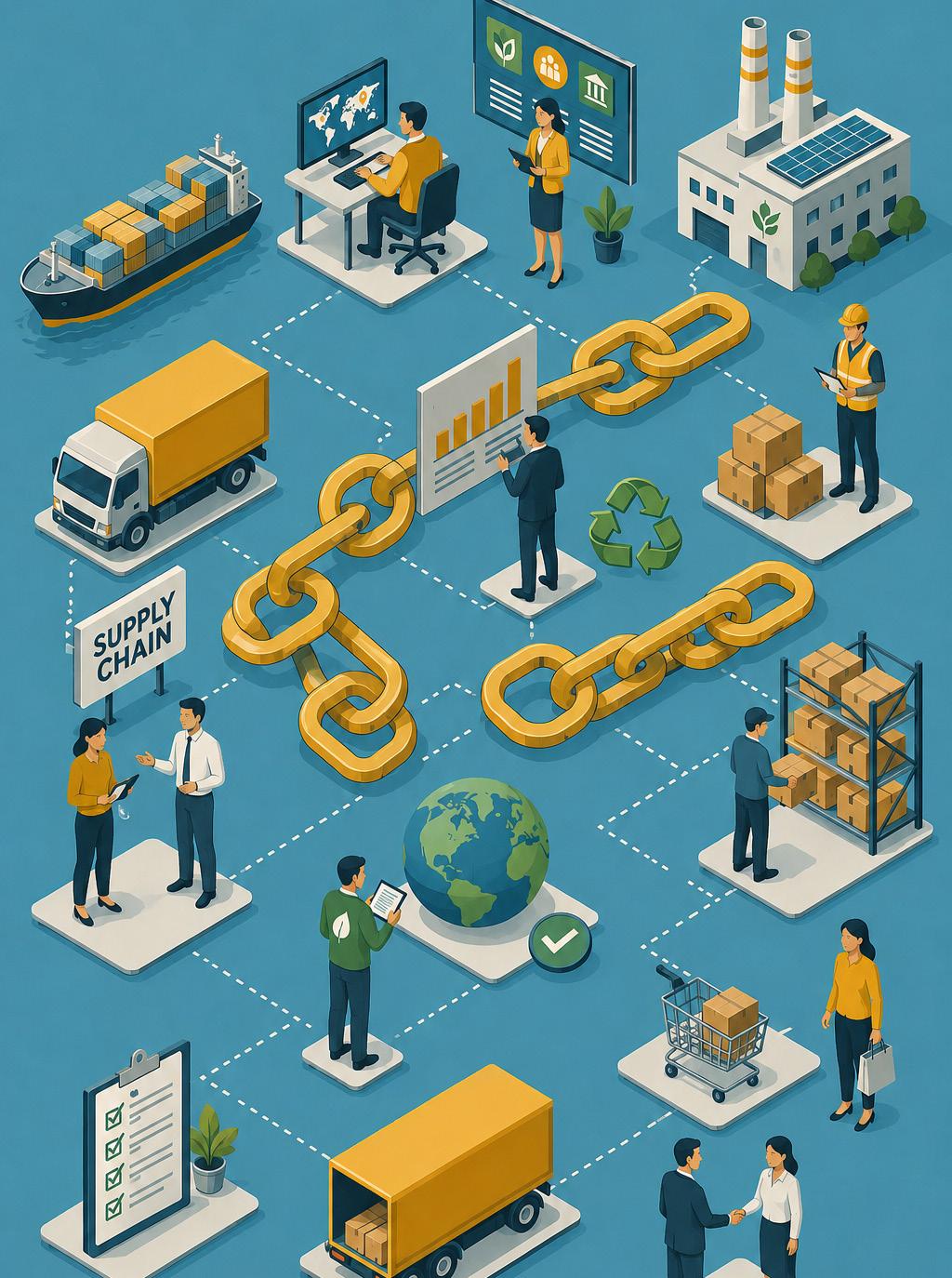

Our approach to human and labour rights is set out in the Sonnedix Human and Labour Rights standard, forming part of our Social Policy and Standards. This includes requirements on working conditions, fair wages, and the promotion of a safe and healthy working environment for those who work with us or on our behalf. Sonnedix employees are required to complete ESG training, which includes human and labour rights and forced labour considerations, to support understanding and implementation of these standards.
Sonnedix has a zero tolerance approach to the use of child and forced labour and human trafficking, as reflected in our annual Modern Slavery Statement.
Our standards apply not only to Sonnedix employees but also to contractors, suppliers and other third parties, who are required to comply with our code of conduct and sustainability policies. We do not knowingly engage with parties that breach these standards and seek to use our influence to promote improved practices across our value chain.
Our commitment: Support socio-economic development through local community projects, educational initiatives, employee volunteering and sustainability partnerships.
We aim to generate long term value and contribute positively to the communities near our projects, while also identifying, evaluating, mitigating and, where feasible, avoiding potential adverse effects of our projects on these communities and their cultural heritage.
Our Social Policy and associated standards guide our approach to managing these impacts, supported by community grievance and whistleblowing mechanisms to raise, assess and address concerns.
Through targeted community engagement and initiatives, we seek to build and maintain relationships with local communities and respond to their needs, where relevant.
Community initiatives are an important part of Sonnedix’s approach to social impact. Our social impact programme focuses on supporting communities through clean energy, environmental and cultural heritage protection, educating the problem solvers of tomorrow and emergency and disaster relief.
In 2025, we implemented 17 community and charitable initiatives, with charitable giving and community investment of over EUR 158,000. While the number of initiatives varies year to year, reflecting the nature of activity, this represents a decrease compared with previous years, and we will review opportunities to strengthen delivery going forward.
Education remains a key focus area. Through our 2030 Sustainability Strategy, we have committed to reaching one million learners by 2030. In 2025, our educational programmes, including SolQuest, the Sonnedix Sustainability Academy and other external initiatives, reached approximately 270,000 learners, bringing the cumulative total to around 960,000 since 2023.
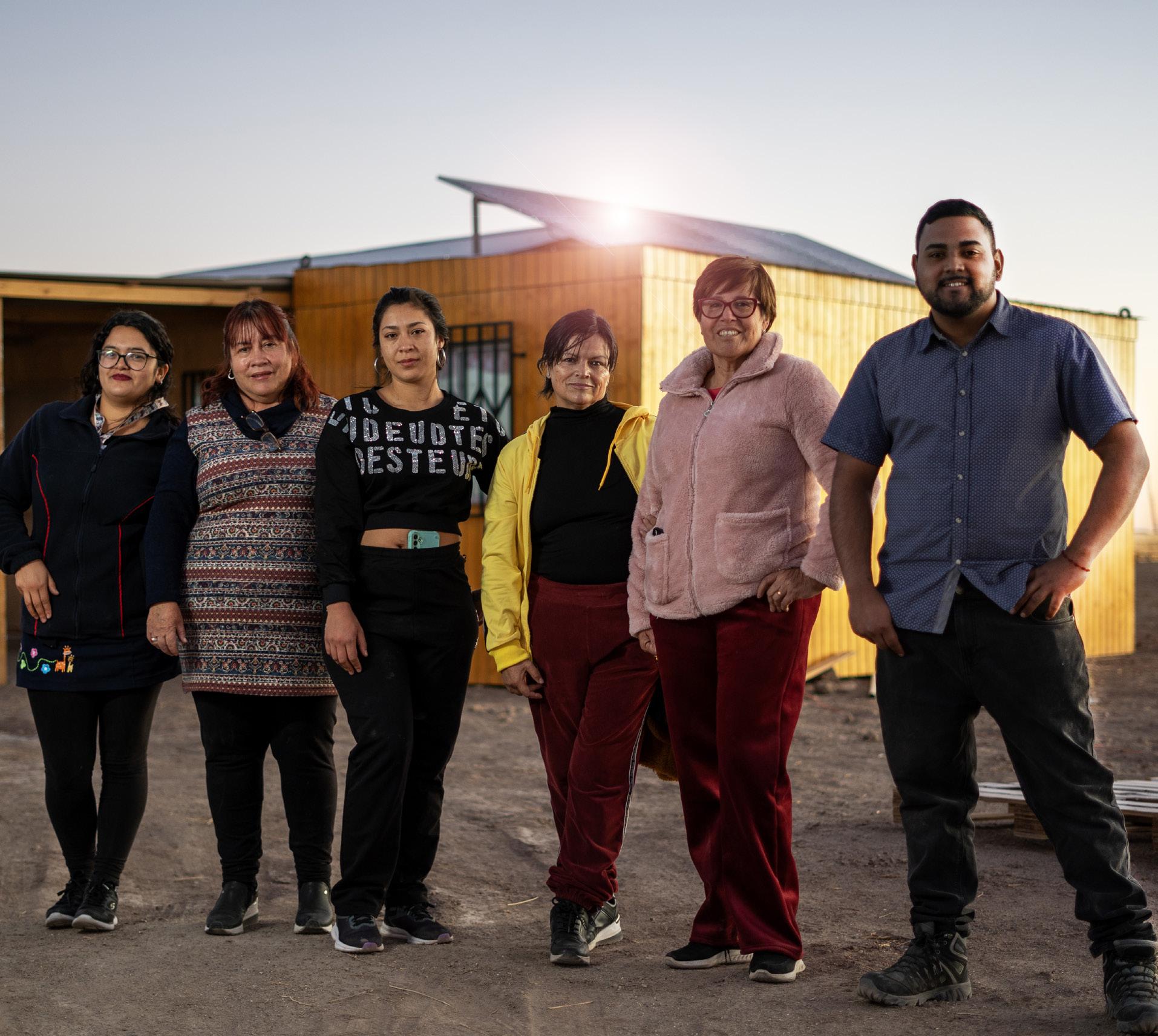
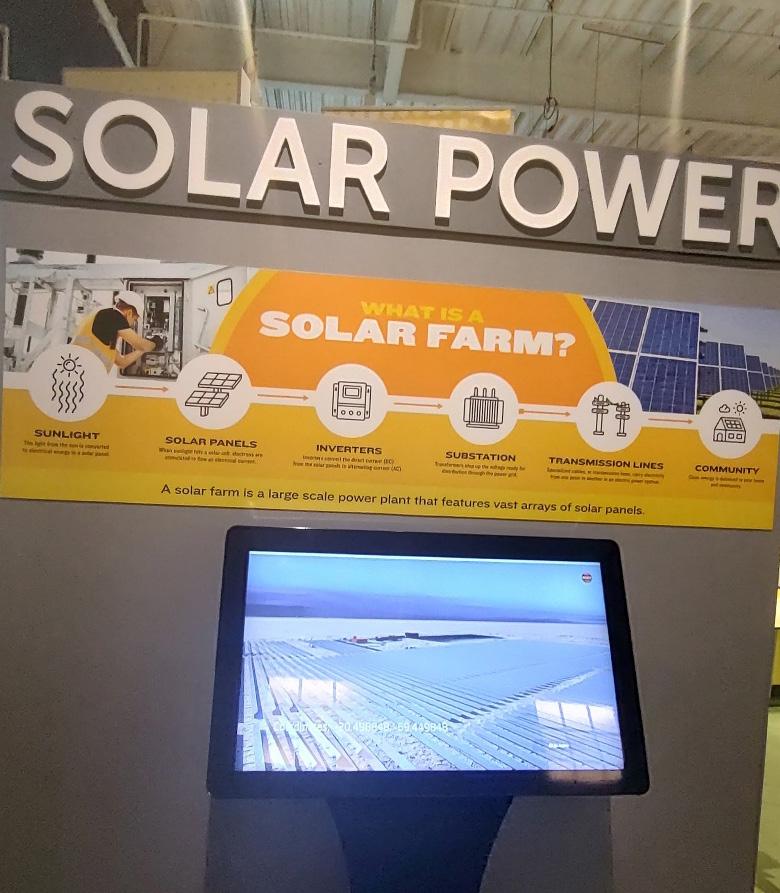
In June 2025, SolQuest, our immersive learning experience, was introduced as an exhibit at the Connecticut Science Center in Hartford, US. This marks the sixth science museum to showcase SolQuest, furthering our goal of reaching one million learners by 2030.
SolQuest is an innovative programme developed by the Sonnedix Sustainability Academy, designed to provide learners worldwide with a virtual exploration of a solar PV plant. Through an interactive journey, users are guided around the site, engaging with key information points and elements, and collecting tokens (solar cells) that culminate in the delivery of clean electricity to a nearby community. This approach combines educational content with engaging, interactive activities.
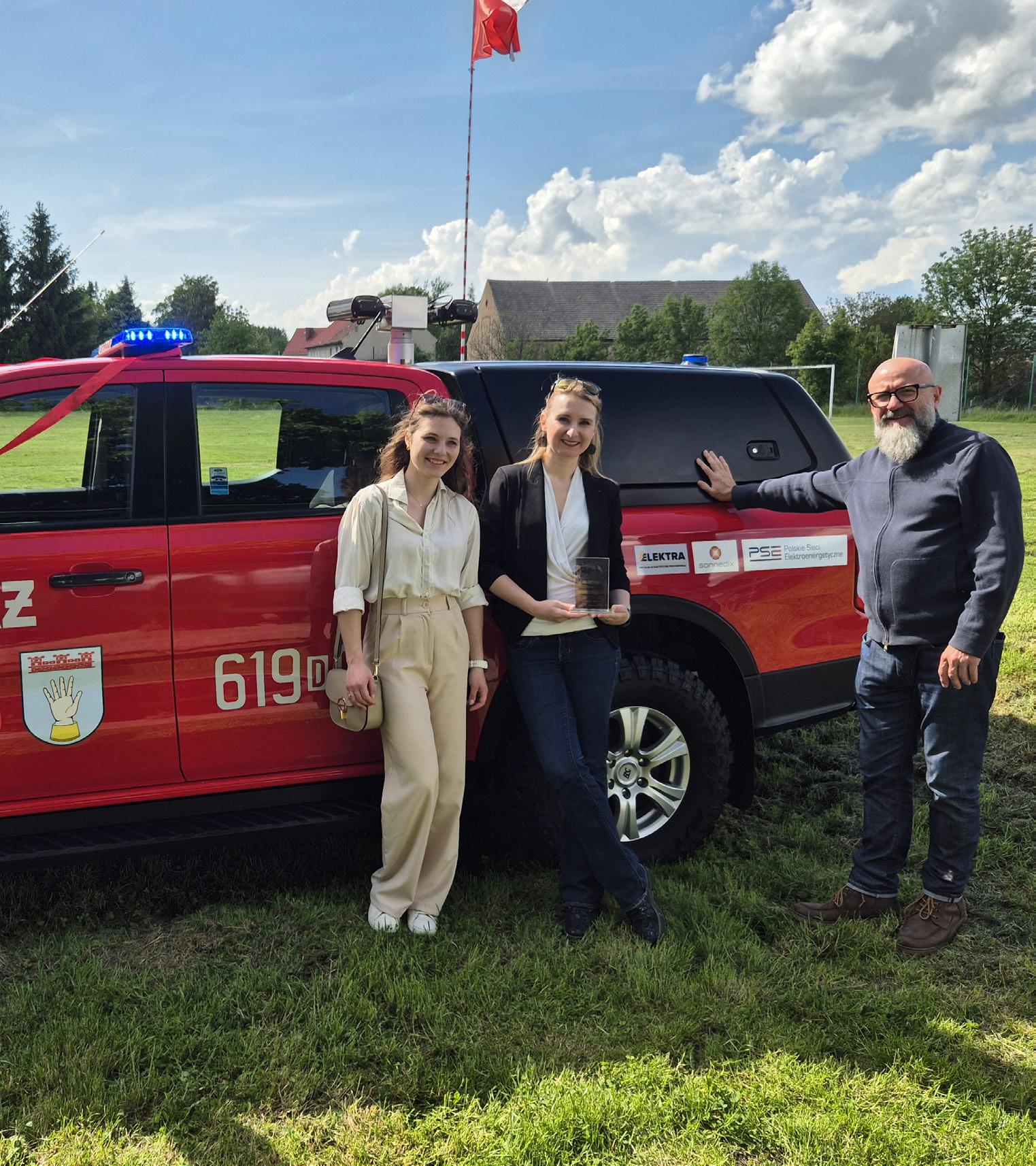
The Sonnedix Poland team participated in an event at the Volunteer Fire Department in Sokołowiec, south western Poland, marking the delivery of a new fire engine co-financed by Sonnedix as part of its community support activities.
The addition of this vehicle substantially improves the fire department’s operational capacity, enabling quicker and safer emergency response throughout the region. In rural areas where volunteer firefighters frequently serve as first responders, such support is vital for ensuring public safety and resilience.
This initiative reflects Sonnedix’s commitment to both community engagement and safety.
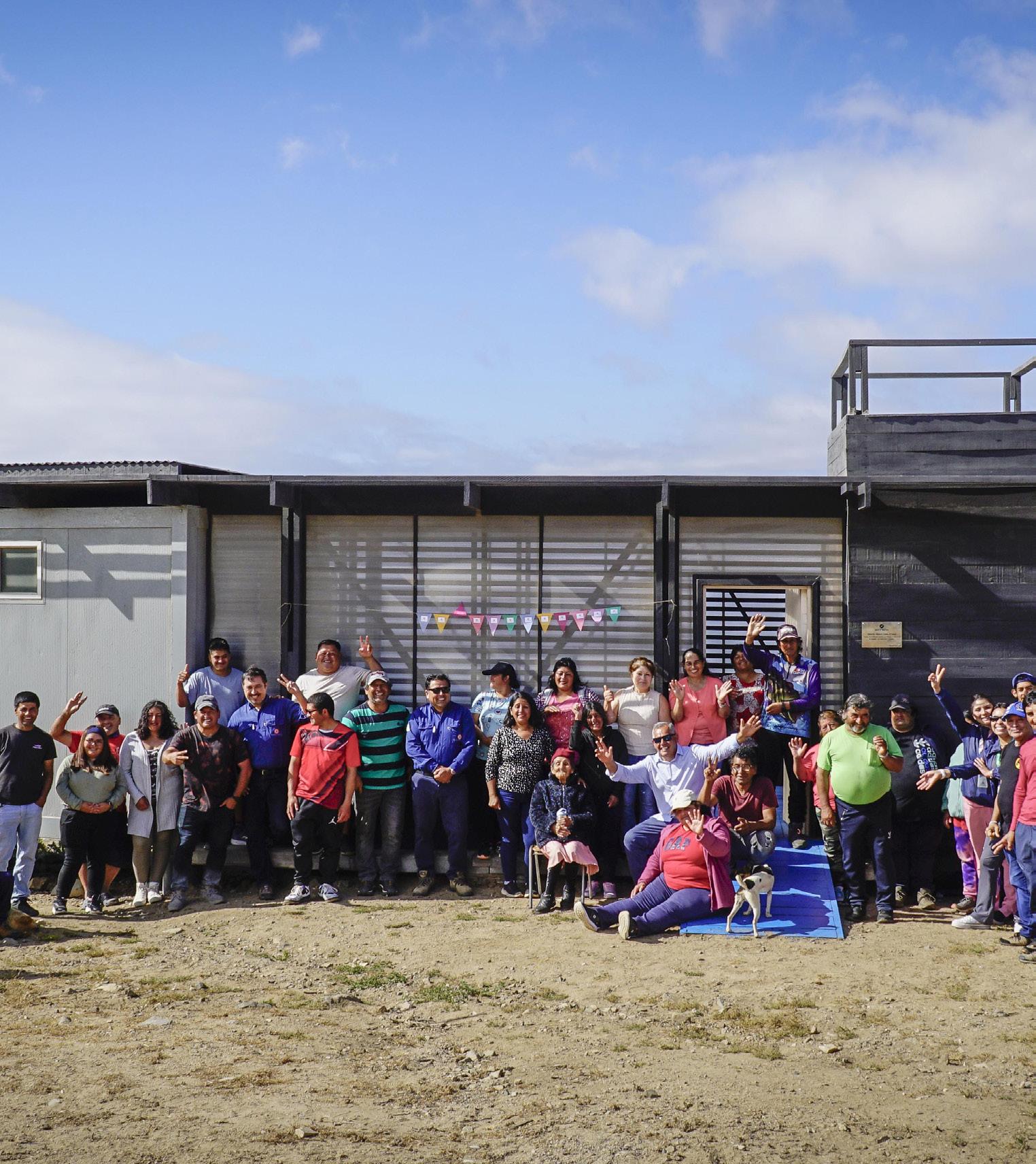
As part of ongoing engagement with communities near the El Arrayán Wind Farm, Sonnedix supported a set of initiatives aimed at improving local wellbeing and access to services. This included the establishment of a Rural Medical Station, providing a dedicated space for healthcare professionals from the local medical centre to deliver community care, in response to a need identified by local residents.
In parallel, Sonnedix supported the installation of solar powered lighting in the town square, enhancing a key community space by enabling longer use for families and children. The project also contributes to improved safety while incorporating a clean energy solution. Together, these initiatives strengthen essential services and community infrastructure in the area.
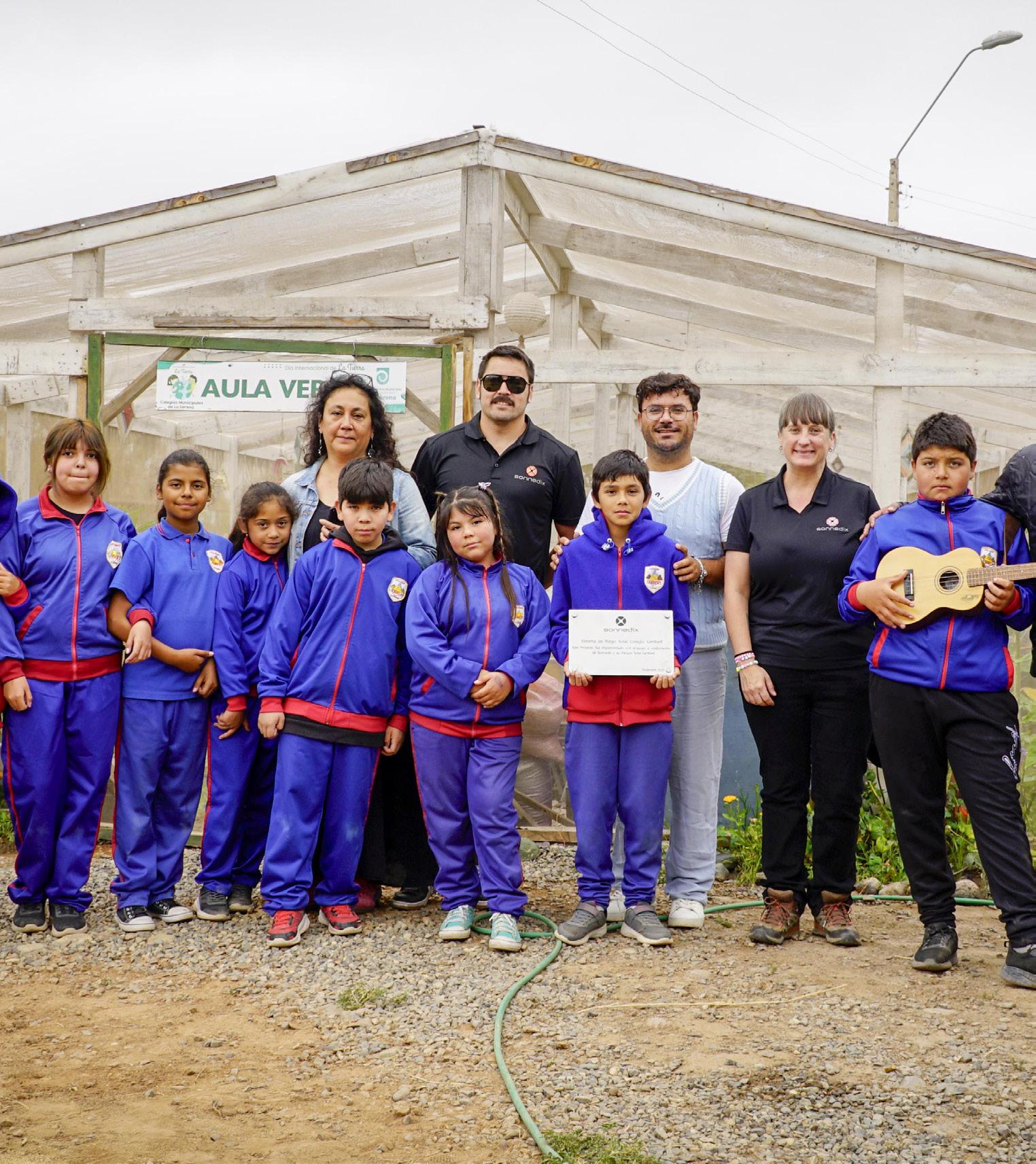
As part of efforts to support sustainable educational environments, Sonnedix implemented a solar-powered irrigation system in the school garden at Lambert School, in Chile, linked to our Lambert PV plant. The system enables irrigation using recycled water powered by solar energy.
The initiative benefits students and teachers by supporting the use of the garden as a practical learning space. It contributes to environmental education by linking sustainability, water efficiency and renewable energy through hands on experience, while promoting responsible use of natural resources
Our commitment: Scale up cross-functional collaboration and accountability for priority sustainability topics, embed sustainabilitylinked performance goals for senior executives and provide Board-level training around material topics.
Our governance framework is overseen by the Board of Directors. The Board promotes the creation of sustainable stakeholder value within the framework of culture, systems and control. This can be expressed as three principles:
Long term, effective and transparent decision-making at Board and Senior Leadership Team levels.
Strong controls and risk management framework: continuous assessment and management of Sonnedix assurance through internal controls and enterprise risk management framework.
Tone from the top: a strong purpose and a values-driven culture underpinned by our ethics and compliance programme.
During 2025 we developed our new Corporate Governance Policy, which we launched early in 2026. Our new Policy focuses more specifically on how we govern our business, with broader topics covered in our Social Policy and Environmental Policy. Within this Policy, we also launched our Policy for Policies, a standard set of principles any new Policy or guidance document should adhere to to maintain consistency, integrity and transparency.
The Board’s governance framework includes a clear list of matters that are specifically reserved to the Board for approval. It also includes a delegation of specific powers to committees (described further below), each of which have their own terms of reference.
There is a clear separation of responsibility between the Board and the operating committee, called the Senior Leadership Team (SLT), and a clear division of responsibility between the non-executive and executive directors. The Board and SLT together agree and deliver the Sonnedix strategy and goals, and shape the culture, providing long term success for all stakeholders.







The Board consists of the Executive Chairman, Chief Executive Officer (CEO) and six non executive directors. It reflects a diverse range of backgrounds, skills and experience. Profiles of our Directors can be found here . The Directors bring a breadth of perspectives in all aspects of renewable energy to drive the long term strategy of Sonnedix and create value for the Group and its stakeholders. Our Board works together to ensure that Sonnedix continues to contribute to the global energy transition while growing sustainably, profitably and responsibly.
3/8
The Board is responsible for approving the Sonnedix strategy and overseeing its implementation to ensure the long-term success of the business for the benefit of all of its stakeholders.
All committees are appointed by the Board and meet quarterly, except for the Investment Committee which meets as often as required. The committees report regularly to the full Board.
Oversees the Group audit, enterprise risk management and controls, and the Group’s ethics and compliance programme.
Oversees the HSE culture and governance of the Group to maintain a safe working environment across Sonnedix activities.
Reviews and approves certain categories of transactions in the intervals between Board meetings.
Assists the Board with the design and implementation of a consistent HR policy and reviewing compensation matters.
The SLT is responsible for the operation of the business, leads our people and sets and delivers the overarching business priorities and goals.
Reviews the operational and financial performance of the Group and makes recommendations to the Board on improving the company’s business performance.
Our SLT consists of the Executive Chairman, CEO, Chief Commercial Officer, Chief Digital Officer, Chief Financial Officer, Chief Growth Officer, Chief Operating Officer, Chief People Officer, Chief Engineering Officer (appointed December 2025) and General Counsel. Profiles of our Senior Leadership Team can be found here .
The SLT drives implementation of our corporate strategy and performance, leads our people and is responsible for the day-to-day management of the business. Our Executive Chairman leads the Board of Directors, supervising its functioning and governance. The Executive Chairman develops the Group’s strategy together with the CEO and the Board. Our CEO is responsible for execution of the Group’s strategy and overseeing the day-to-day operations and management of Sonnedix with the SLT.
Our Board conducts effectiveness reviews annually to evaluate its performance. In the 2025 Board effectiveness survey, Board members evaluated their performance across several areas (including Safety and 5Cs – Culture, Customer, Community, Cyber and Climate), with results showing particular strengths in Board dynamics, culture and the Board Chair.
In 2025, our Board met four times to discuss and approve a wide range of matters. These included the new commercial strategy, AI and digitalisation, market and regulatory updates for key countries and employee succession and engagement.
With regards to sustainability matters, the Board received a number of presentations on the Group’s annual Sustainability Report, the Climate Transition Plan, and the Group’s approach to Health, Safety & Environment. The Board also reviewed and approved Sonnedix’s annual Modern Slavery Statement. They also received a presentation on our Code of Business Ethics, Third Party Code of Conduct and Ethics and Compliance Programmes.
Our Board regularly undertakes training to stay current with critical governance topics. In 2025, some of our Board members attended the International Directors’ Programme, to support portfolio company management teams to navigate the complex and challenging environments they operate in. The rest of our Board members will be completing this course in 2026.
At the C suite level, the CEO and all C suite members have remuneration linked to corporate POIs. In 2025, elevating Health and Safety culture, alongside the delivery and integration of the Climate Transition Plan were included as standalone POIs. Additionally, certain roles have specific ESG, DEI and HSE-related targets embedded in their performance objectives.
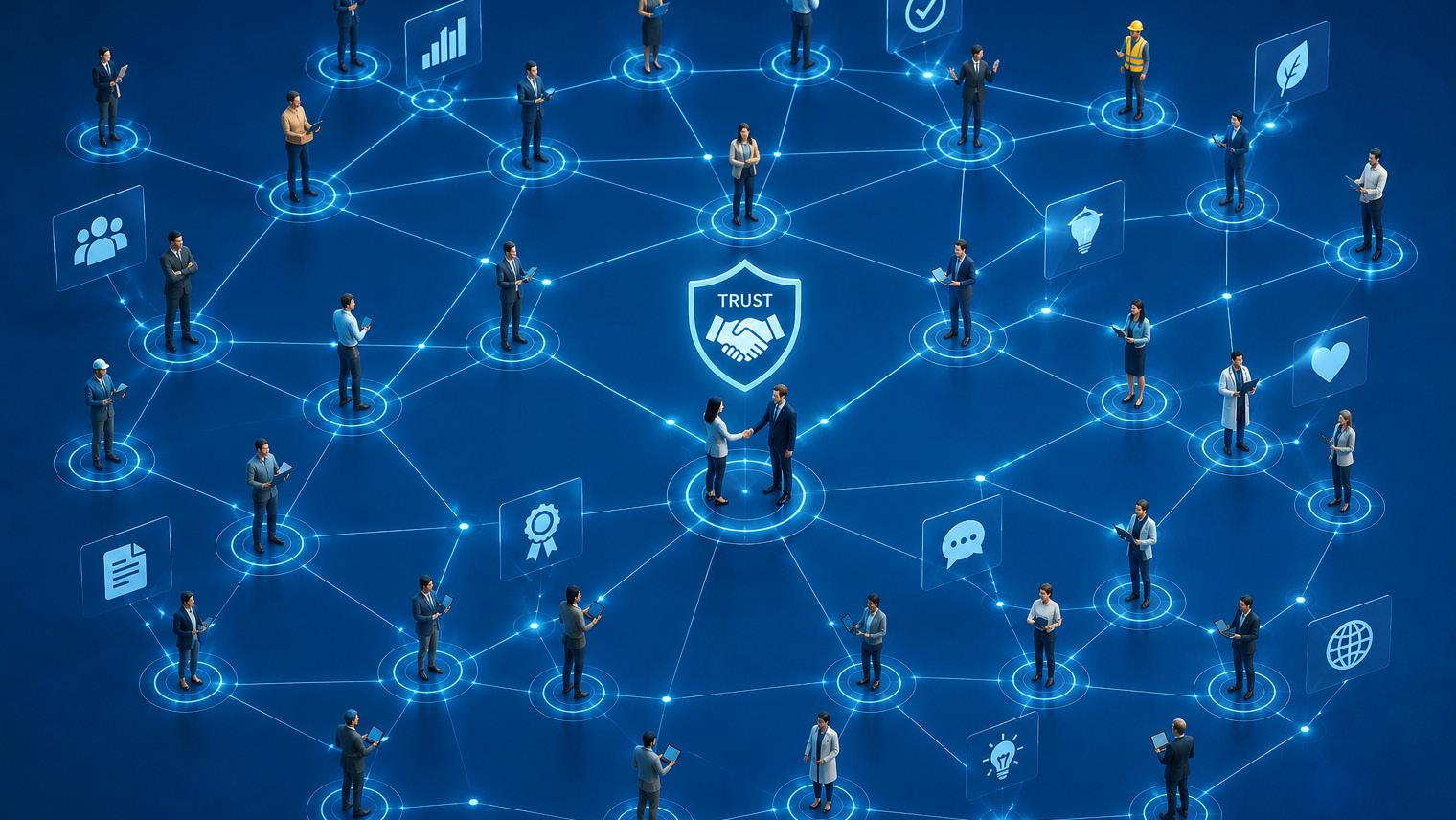
Our commitment: Continue to build and protect stakeholder trust through a robust corporate governance framework, enterprisewide risk management and effective ethics and compliance programmes.
Integrate alignment of non-financial reporting with financial accounting.
The Sonnedix governance framework includes a number of policies that ensure our business is compliant with all applicable standards, laws and regulations. It provides employees and partners with clear guidance on our expectations. In addition, the management of corporate risk is an essential component of sustainable growth at Sonnedix, ensuring that, as we grow, potential risks to the business and employees are assessed, managed and mitigated.
The Audit and Risk Committee (ARC) oversees Sonnedix’s approach to controls and risk management. It receives reports on the production of the company’s Financial Statements and oversees the Group audit. The ARC also regularly reviews company policies to ensure that they reflect best practice and applicable laws and regulation.
In 2025, we launched a new Governance, Risk and Compliance (GRC) tool to strengthen our enterprise-wide approach to risk management. The tool introduces a more robust, quantitative methodology, enabling risks to be assessed and prioritised based on materiality, directly informing management and strategic decision‑making. We will continue to strengthen our process by embedding a quarterly risk review to ensure material risks are consistently monitored, challenged and escalated.
Looking ahead, we are evolving our approach further by placing greater emphasis on emerging risks, strengthening risk capability and risk mitigation planning across our functions, and continuing to embed a proactive risk culture. This includes empowering teams to anticipate and openly challenge risks and opportunities that could impact performance, resilience and long term value creation.
Our ESG Strategy focuses more broadly on building stakeholder trust through our effective ethics and compliance programme and robust enterprise risk management.
In 2025, we refreshed both our Third Party Code of Conduct and Ethics and our internal Code of Business Ethics and associated policies. Each serves a distinct but complementary role within our Ethics, Compliance and Governance framework, addressing different audiences while reinforcing consistent standards and values expected across Sonnedix.
The Third Party Code of Conduct and Ethics sets out mandatory minimum standards for all business partners including our suppliers and agents, covering legal compliance, ethical conduct, health and safety, human rights, and environmental and social responsibility. It extends our governance and risk management framework across the value chain, supporting robust third party risk management and alignment with our sustainability commitments.
The Code of Business Ethics applies to all Sonnedix employees, leaders and directors. It defines how we expect our people to behave and make decisions. The Code is values driven and principles based, embedding a culture of ‘doing the right thing’, encouraging speak up, and promoting personal accountability in everyday actions. This Code goes hand in hand with the annual online ethics and compliance training completed by all our people. Together, these elements help shape a strong and ethical organisational culture.
Throughout 2025, the Ethics and Compliance programme supported the ethical and responsible use of artificial intelligence (AI) across the business. This was achieved through the development and enhancement of policies, as well as targeted training to guide employees in the safe and appropriate use of AI technologies, ensuring the organisation is well positioned to adapt to evolving technology.
Our Speak Up hotline and web portal continue to be the primary channels for our employees and external stakeholders to confidentially report concerns regarding potential wrongdoing. By facilitating a speak-up culture, we reinforce our commitment to ethical business practices and ensure that matters are addressed appropriately and without fear of retaliation.
For the eight consecutive year, Sonnedix achieved a five- star rating in the GRESB, being named an Infrastructure Sector Leader. GRESB continues to be a marker of trust for those in and outside the sector.
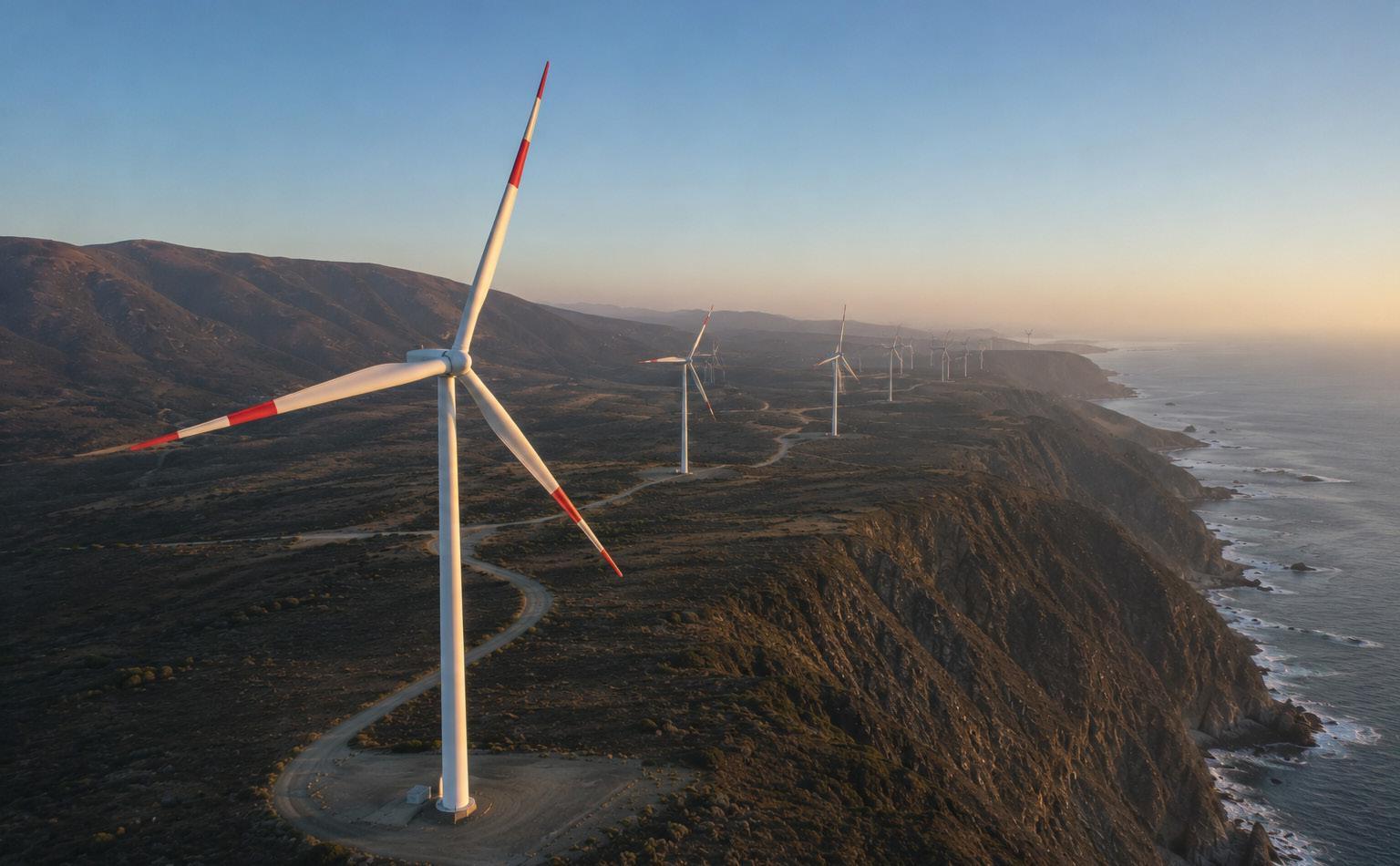
This report provides stakeholders with a clear and accountable view of how we manage our material environmental, social and governance impacts, the progress we are making against our Sustainability Strategy, and the risks and opportunities shaping our long term resilience. We continue to use the findings from our Double Materiality Assessment (DMA) (see pages 12 to 13 ) to determine the topics we cover.
Unless otherwise stated, the information and all performance indicators contained in this report refer to the activities carried out during 2025 (calendar year) by the assets, offices and companies under the control of the Sonnedix Group. These activities have a social, environmental, economic and governance impact both inside and outside the organisation’s perimeter.
Where relevant, historic data has been included to enable year to year comparison.
In 2025, Sonnedix underwent limited assurance for a number of key performance indicators. Our ESG Policies and Standards and Climate Transition Plan, are all publicly available on our website: www.sonnedix.com
In 2025, we focused on digitalising how we collect, manage and report material environmental data across the business, feeding the information into a centralised data platform. In its current form, the project removed almost 6,500 data points from manual entry and validation, something we will continue to scale in 2026 to enable more timely insights and better decision making.
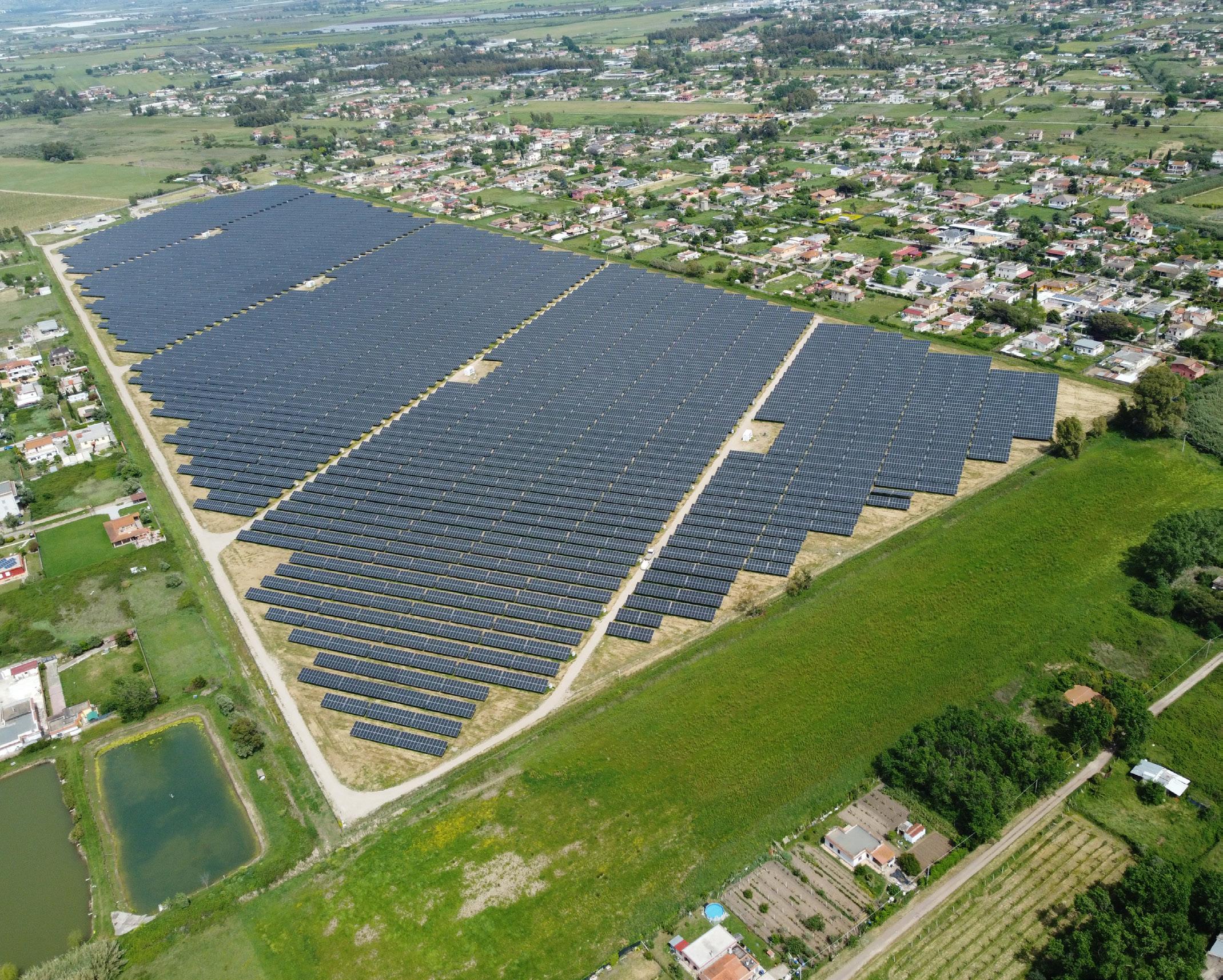
Creating and maintaining a long term and mutually beneficial relationship with our stakeholders is key to Sonnedix. As such, we have identified our key stakeholders and aim to keep bi directional, truthful and meaningful communications with them to gain deeper understanding of perspectives, concerns and goals.
Sonnedix’s people are at the heart of its success, with safety at the core of how we operate.
We promote a strong One Team culture, grounded in positive energy, ownership, curiosity and integrity, empowering everyone to speak up, take responsibility and act safely.
• Annual engagement surveys to gather feedback and insights
• Reinforcing health and safety through visible leadership and global safety initiatives
• Development programmes covering leadership, professional and digital capability, and core training across safety, DEI, ESG, ethics
• Global all hands meetings to align global team on shared values and priorities
Promoting gender equity with a focus on career development
Strengthening our inclusive culture
Robust employer brand
Curious learners
Safety culture
Sonnedix relies on its financial stakeholders to grow its business and invest in long term outcomes.
We work closely with our shareholders to provide clear visibility on performance, risk management and strategic priorities, enabling informed decision making and long term value creation.
• Board level engagement and investor events, reinforcing governance oversight and strategic alignment
• Quarterly cohort meetings for key functional leads to enable discussion and knowledge sharing on priority topics
• Annual financial and sustainability reporting engagement, aligned with established disclosure frameworks
• Regular communication and briefings
Letter from the CEO
Sonnedix is subject to local and national regulation in each market which can impact our current or future financial position, operations and cash flow.
We build and maintain relationships with regulatory and government bodies as well as industry associations to preserve our ability to deliver on our strategy in the long term.
• Regular engagement with key policy makers in Sonnedix’s jurisdictions and at EU level to advocate for the development of policy and a regulatory environment that supports long term investment and the growth of renewable energy, hybridisation and flexibility solutions
• Holding several board seats (x5) and leadership roles (x5) in key trade associations at national and EU level
• Ongoing engagement with trade associations and industry peers to shape, drive and support common engagement objectives
• Held at least 80 institutional meetings
Customers are vital to Sonnedix’s purpose as they are the driving force behind our ability to deliver clean, renewable energy solutions globally.
Customer needs drive innovation, encouraging Sonnedix to develop tailored energy solutions, integrate storage, and optimise our portfolio.
• Market led commercial engagement with customers and market counterparties to structure and secure long term offtake arrangements, supporting portfolio value and bankability
• Customer led collaboration, driven by our Commercial teams, to understand evolving demand and develop tailored renewable and hybrid energy solutions, supporting long term partnerships and meeting customer needs
Influence with industry bodies
A leading voice among industry peers
Our offer
Global portfolio
Communities
We work with our neighbours on targeted social impact initiatives and aim to inspire the next generation of problem solvers with our educational programmes.
• Community consultations during development of our projects to identify local needs, concerns and expectations
• Our social Impact programme, supporting community development through targeted initiatives and donations, where appropriate
• Educational programmes, including Sol Quest and wider school and university engagement, supporting learning opportunities for future generations
Sonnedix works with a number of third parties across all of its markets to plan, construct, and operate its assets.
We expect all third parties to operate in line with our Third Party Code of Conduct, upholding high standards of ethics, integrity, health and safety and sustainability.
• Collaboration and support of industry wide initiatives to support supply chain stewardship and responsible business practices
• Third party due diligence, screening and follow up engagement to promote alignment with our health and safety, ethical and ESG standards.
• Third party audits to monitor performance and drive corrective actions where needed
Socio-economic development
Stakeholder engagement and local job creation
Minimising negative impacts and driving collaboration
Responsible supply chain
Human and labour rights
Forced labour in the renewables supply chain
At Sonnedix, we offer a wide range of benefits and learning and development opportunities to ensure our One Team grows and develops, both personally and professionally, as the business does. As the company expands, we provide opportunities for career advancement, fostering an inclusive, international working culture with a diverse team of friendly professionals from around the world. Our benefits include:
Hybrid working practices: A commitment to flexibility, allowing hybrid working and the ability to work from elsewhere for up to six weeks a year.
Generous leave policies: Generous annual leave allocation with an additional four weeks of discretionary unpaid leave, paid parental leave and support for carers.
Wellbeing support: Comprehensive support for financial, social, mental and physical wellbeing, including seminars, resources and access to confidential counselling.
Shorter summer hours: Enjoy shorter Friday hours during the summer months (July/August for northern hemisphere and January/February in southern hemisphere).
Training and development: The Sonnedix Academy offers a range of training and development opportunities, including professional development, management and leadership programmes, technical training, essential skills, DEI and mentorship programmes.
DEI: DEI Manifesto, yearly DEI Summit, employee led One Team Network groups based on shared identities, interests, backgrounds and life experiences, extended paid maternity, paternity and parental leave.
Office equipment allowance: An allowance for office equipment to ensure a productive and accessible home-working environment.
Fantastic office environments: State-of-the-art office spaces designed for productivity and collaboration.
Social and team-building events: Off-site events, team socials and global celebrations that cross functions and geographies, as well as employee-led One Team Network groups based on shared identities, interests, backgrounds and life experiences.
Community engagement: A comprehensive ESG agenda, volunteering days and charity events.
Additional benefits: Depending on location, benefits may include private healthcare, complementary pensions, income protection/life insurance and extended paid parental leave.
At Sonnedix, we are committed to creating a supportive and enriching environment where every team member can thrive.
The table below summarises our health and safety-related key performance indicators for our employees and contractors during the 2023 - 2025 period:
MW Megawatt
GW Gigawatt
TW Terawatt
GRESB - Global Real Estate Sustainability Benchmark
BESS - Battery Energy Storage System
CMMS Computerised Maintenance Management System
DMA Double Materiality Assessment
ESRS - European Sustainability Reporting Standards
CSRD - Corporate Sustainability Reporting Directive
H&S Health and Safety
GHG Greenhouse gases
TCFD Task Force on Climate related Financial Disclosures
DEI Diversity, Equity, Inclusion
ESG Environment, Social, Governance
SDGs Sustainable Development Goals
HSE Health, Safety and Environment
IPCC Intergovernmental Panel on Climate Change
RCP - Representative Concentration Pathways
AR5 - Fifth Assessment Report
SSPs Shared Social Economic Pathways
CO 2e Carbon dioxide equivalent
YoY Year over year
MB Market based
ESIA Environmental and Social Impact Assessment
KPI Key Performance Indicator
LTIFR Lost time injury frequency rate
TRIR Total recordable incident rate
O&M Operation and Maintenance
EPC Engineering, Procurement and Construction
SSI Solar Stewardship Initiative
SED Socio economic development
SLT Senior Leadership Team
POI Portfolio of Initiatives
ARC - Audit and Risk Committee
RACI - Responsible, Accountable, Consulted, and Informed