We Craft the Soundscape of Tomorrow
NOVEMBER 2026

We Craft the Soundscape of Tomorrow
NOVEMBER 2026
At Sonic College, we believe that sound education must be closely connected to both industry and artistic practice.
With our Blended Intensive Programmes, we bring students and institutions together in an international learning environment built around Sonic Days – one of Europe’s leading conferences for sound design.
The programmes combine online preparation with a focused week in Kolding, where students develop projects, receive feedback from professionals, and engage with current practices across music, film and game audio.
Our ambition is simple: to create meaningful learning experiences that connect education, industry and international collaboration.
We look forward to working with you.
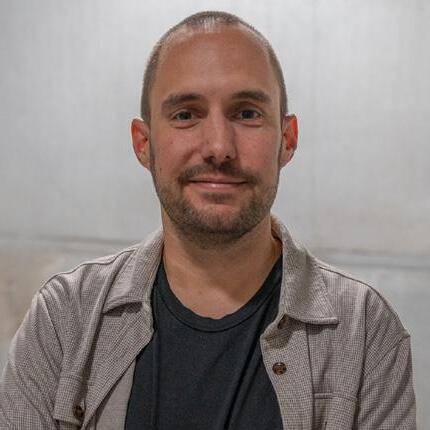
Lars Tirsbæk Head of Programme, Sonic College
Sonic College is part of University College South Denmark (UC SYD) and offers a professionally oriented Bachelor’s degree in Sound Design.
We work at the intersection of:
• Creative practice
• Technology and production
• Industry collaboration
Our students specialise in areas such as:
• Music production
• Sound for film and TV
• Game audio
• Interactive sound
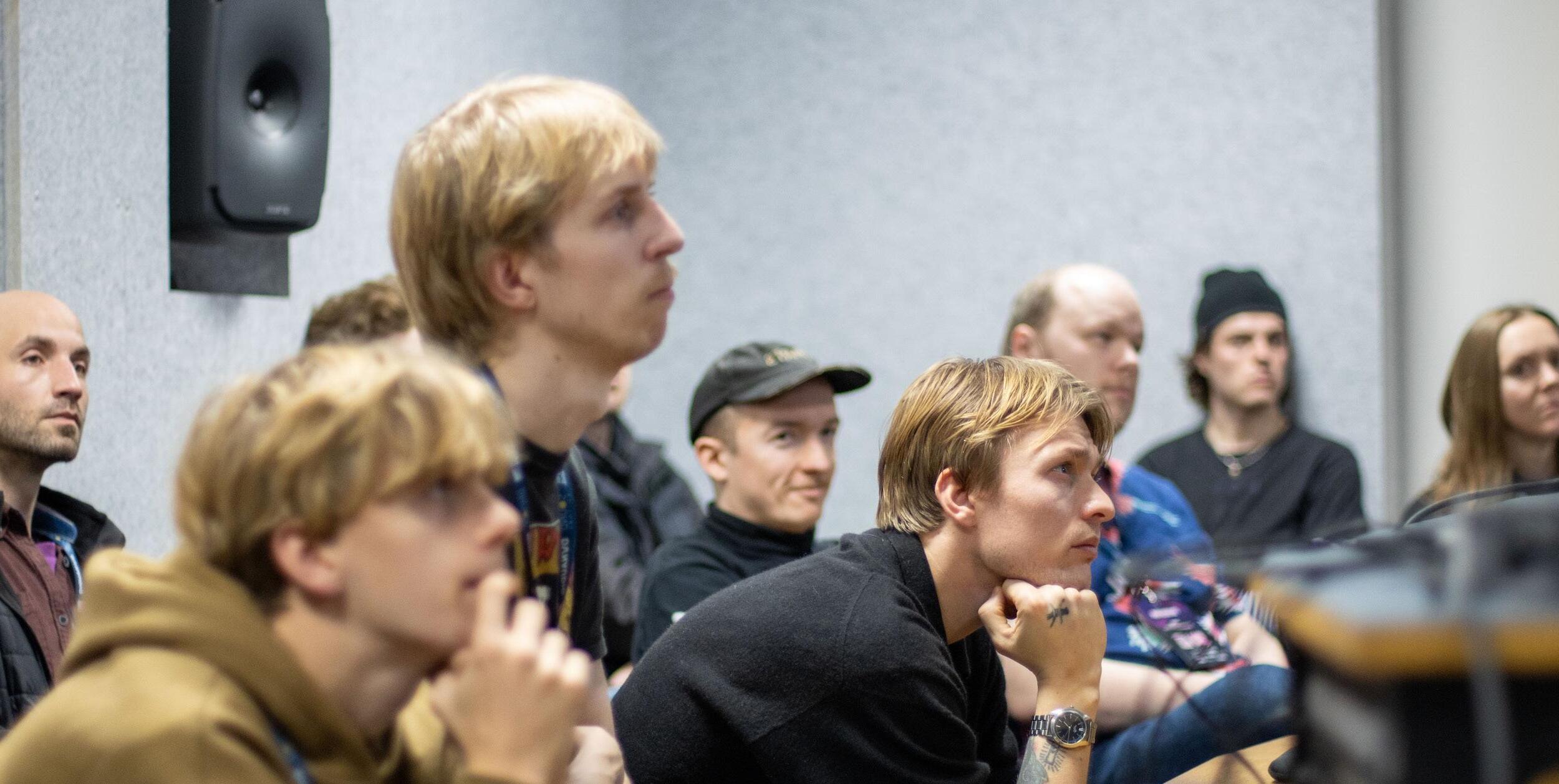
Each year, Sonic College hosts Sonic Days, an international conference bringing together students, professionals and researchers from across the global audio industry.
A Blended Intensive Programme is an Erasmus+ format that combines:
• Online learning and preparation
• A short-term physical mobility
The goal is to create intensive, collaborative and international learning experiences. In our BIP programmes, students will:
• Participate in online sessions prior to arrival
• Prepare material and concepts in advance
• Join an intensive project week in Kolding
• Work in international teams
• Present their work in a professional context
Students
• International experience
• Real projects
• Industry exposure Partners
• Erasmus+ mobility format
• Academic collaboration
• Access to Sonic Days network
• Online phase: October 2026
• Project week: Week 47 (16–20 November 2026)
• Sonic College - University College South Denmark Head of Programme: Lars Tirsbæk - LTIR@ucsyd.dk
UCSYD International Office: international@ucsyd.dk
EXPLORING SPATIAL AUDIO PRODUCTION IN AN INTERNATIONAL CONTEXT
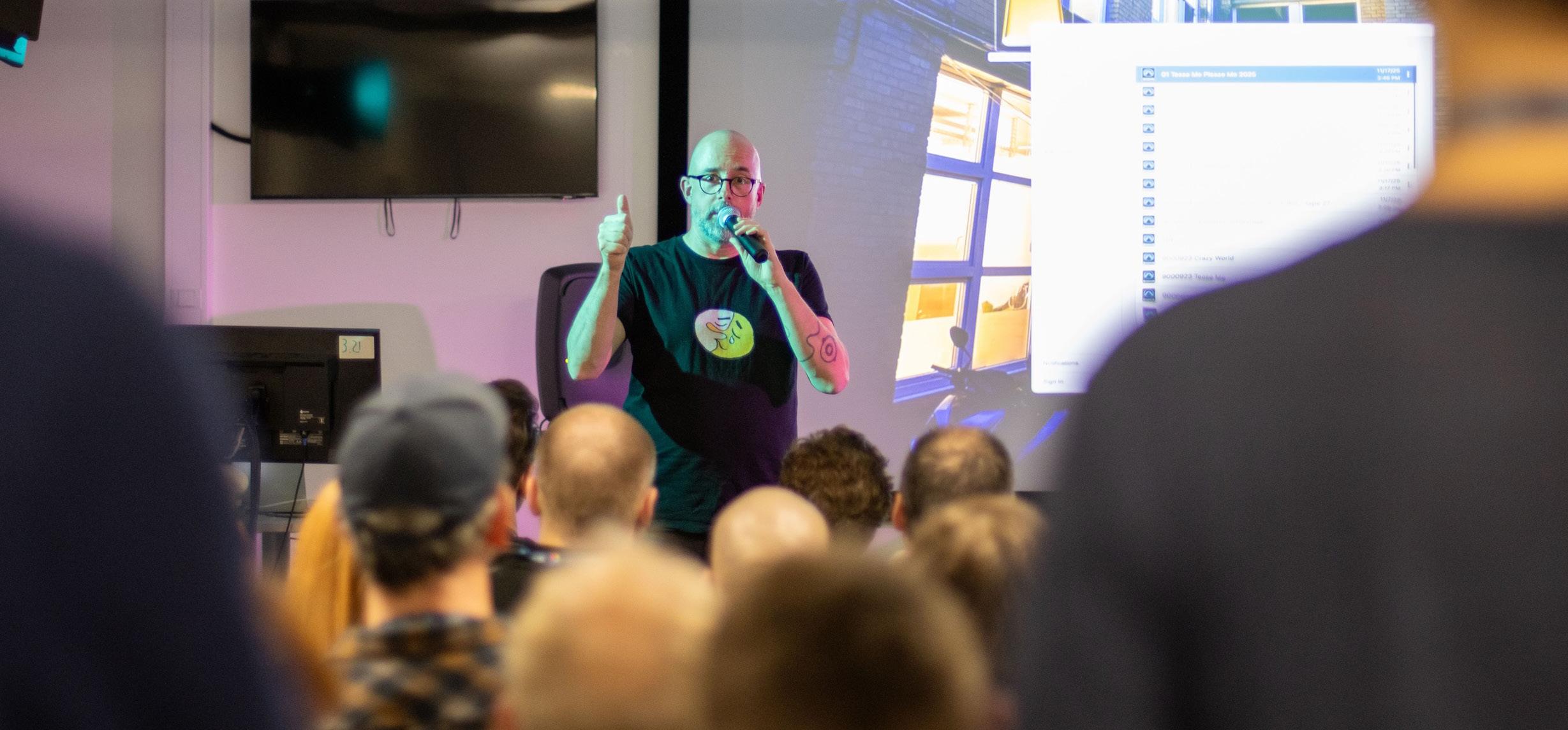
This programme explores immersive and spatial approaches to music production, with a focus on how sound can be composed, produced and experienced beyond traditional stereo formats.
Students work creatively with spatial audio, developing an understanding of how immersive sound can shape musical expression, perception and artistic intent.
The programme combines creative practice, technical insight and industry perspectives, and connects directly to current workflows used in professional music production.
The programme includes a short online introduction followed by individual preparation and a one-week intensive programme in Kolding.
Students develop and submit a project prior to arrival. This project forms the basis for feedback and further development during the on-site week, combined with participation in Sonic Days.
Students will develop an immersive music project based on either:
• their own material or ongoing work from their home institution
• a provided assignment defined by Sonic College
The project should demonstrate:
• use of spatial or immersive audio techniques
• consideration of mix, balance and spatial placement
• reflection on creative and technical choices
The project must be submitted prior to the physical mobility and will form the basis for feedback sessions during the on-site programme.
MONDAY – INDUSTRY CONTEXT AND CULTURAL PROGRAMME
Introduction to Sonic College, the Danish audio industry and the programme. Cultural activity and networking.
TUESDAY – IMMERSIVE
A full day dedicated to immersive music production.
• Feedback sessions on student projects
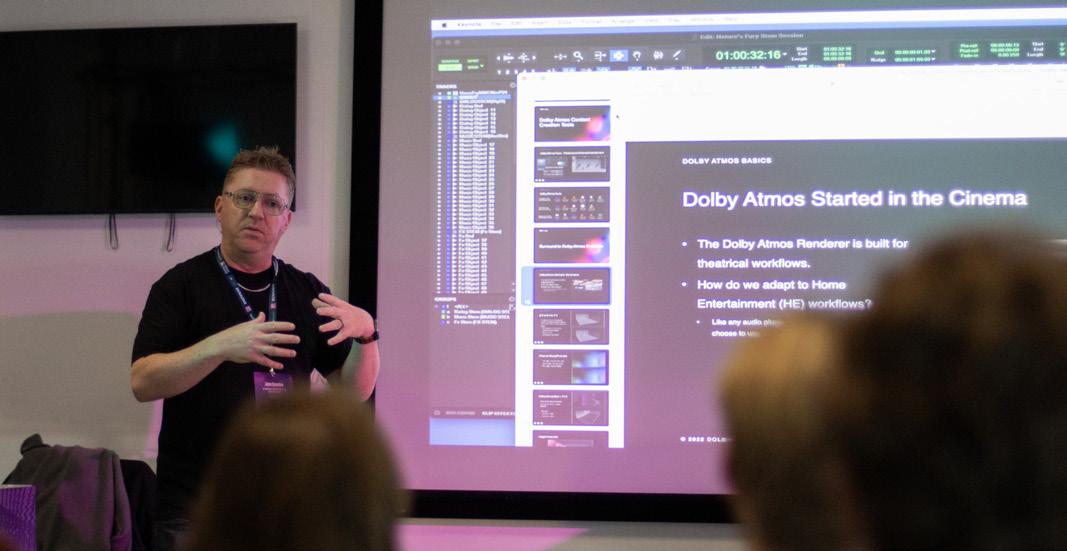
• Workshop with Dolby (immersive workflows and tools)
• Session with an international artist or producer
WEDNESDAY–THURSDAY – SONIC DAYS
Students participate in Sonic Days with a curated focus on:
• immersive music
• music production
• spatial audio and listening formats
FRIDAY
Students reflect on their work and connect their project experience with insights from Sonic Days and the week’s activities
The final assessment is based on:
• participation in the on-site programme
• a short reflection or documentation submitted after the programme
INDUSTRY INVOLVEMENT

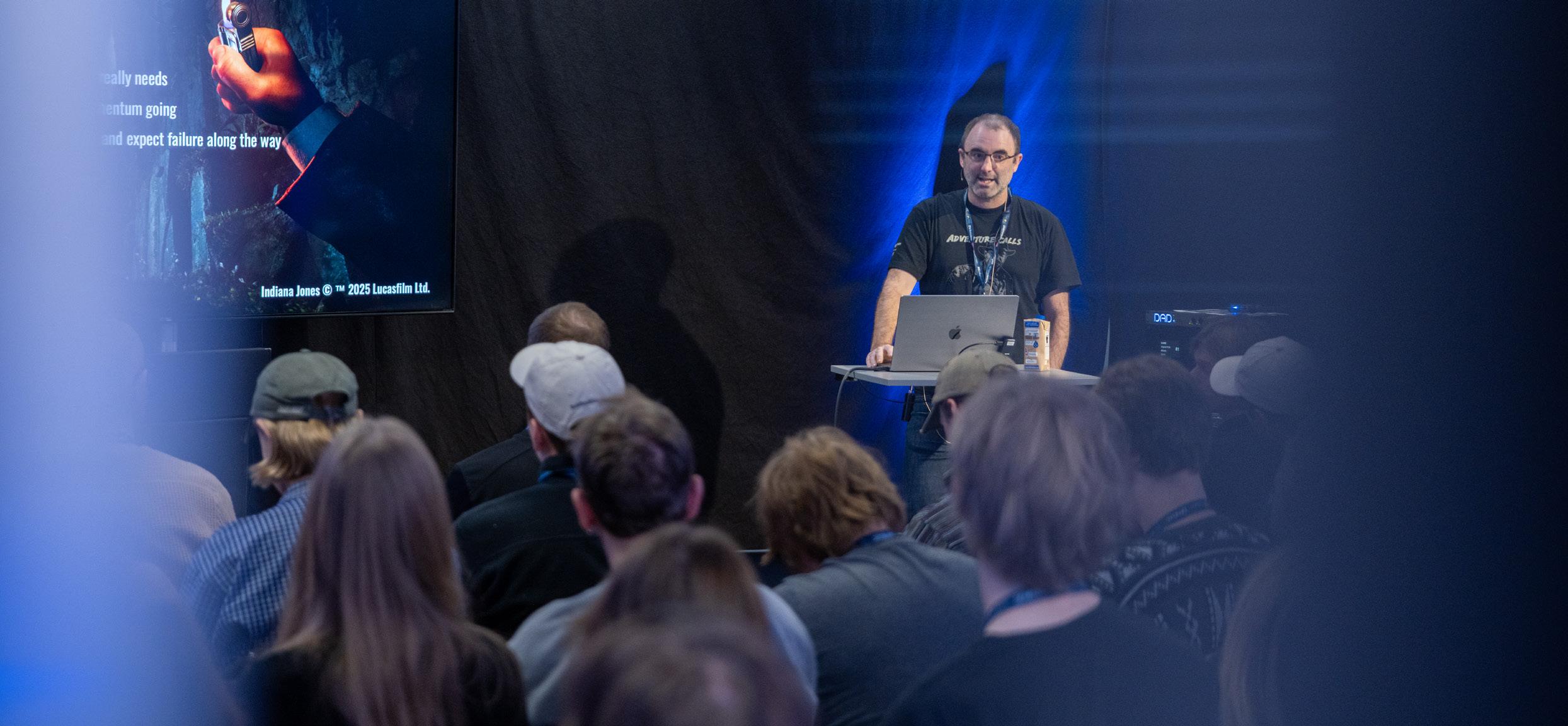
This programme explores how sound operates in interactive and non-linear environments, with a focus on game audio and real-time implementation.
Students work hands-on with interactive audio systems and develop an understanding of how sound design supports gameplay, narrative and user experience.
The programme combines creative sound design, technical implementation and industry perspectives, and connects directly to current workflows used in game development.
The programme includes a short online introduction followed by individual preparation and a one-week intensive programme in Kolding.
Students develop and submit a project prior to arrival. This project forms the basis for feedback and further development during the on-site week, combined with participation in Sonic Days.
Students will develop a game audio project based on either:
• a provided game project
• their own project from their home institution
The project should demonstrate:
• implementation of interactive and/or non-linear audio
• use of middleware tools (e.g. Wwise) or similar workflows
• understanding of how sound supports gameplay and player experience
• reflection on creative and technical choices
The project must be submitted prior to the physical mobility and will form the basis for feedback sessions during the on-site programme.
MONDAY
Introduction to Sonic College, the Danish audio industry and the programme. Cultural activity and networking.
TUESDAY
A full day dedicated to interactive sound and implementation.
• Feedback sessions on student projects
• Workshop on game audio workflows and tools
• Session with an international game audio professional
WEDNESDAY–THURSDAY
Students participate in Sonic Days with a curated focus on:
• game audio
• interactive sound design
• real-time audio systems
FRIDAY
Students reflect on their work and connect their project experience with insights from Sonic Days and the week’s activities.
The final assessment is based on:
• participation in the on-site programme
• a short reflection or documentation submitted after the programme
INDUSTRY INVOLVEMENT
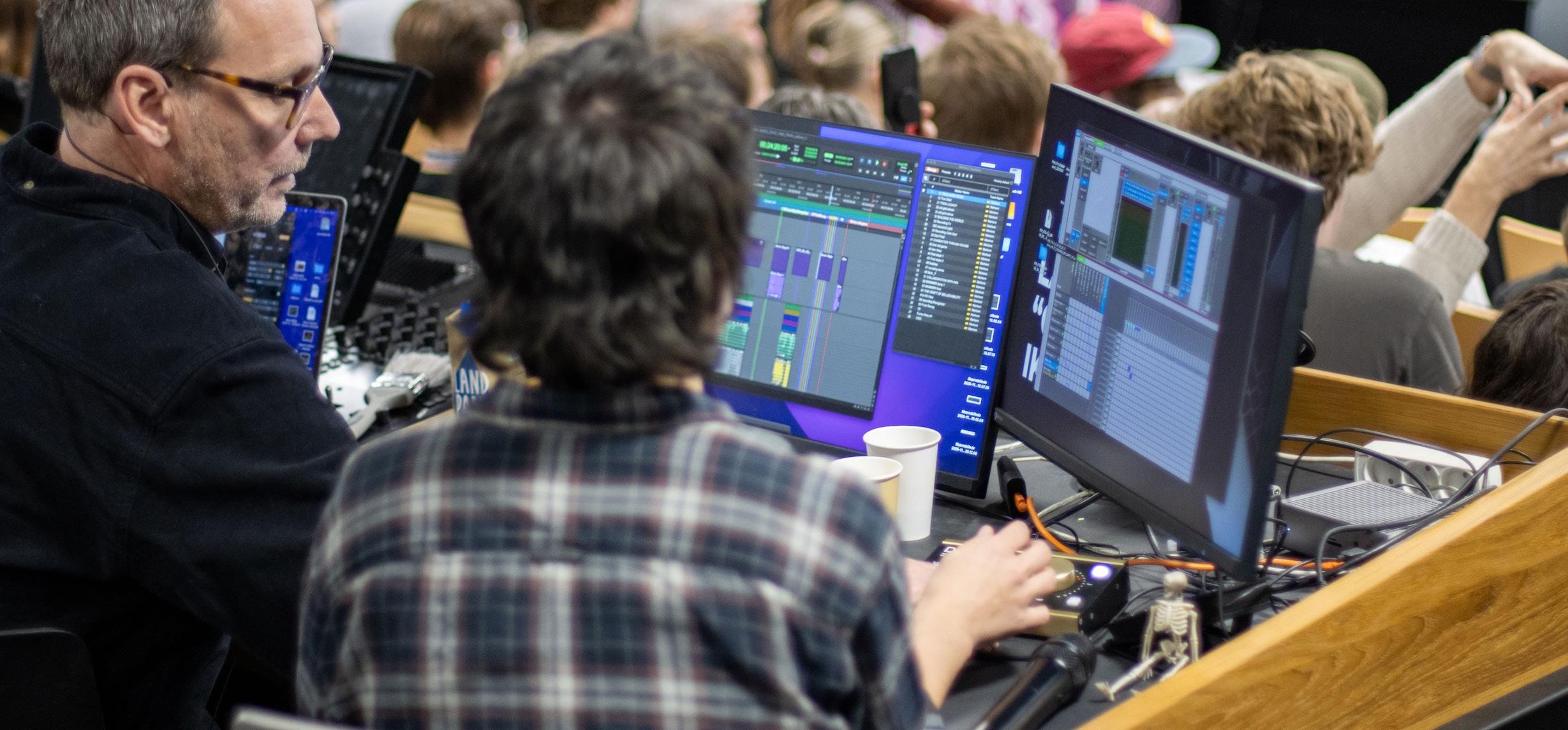
This programme explores how sound supports storytelling in film and television, with a focus on storytelling and postproduction workflows.
Students work creatively with audiovisual material and develop an understanding of how sound shapes meaning, emotion and audience perception.
The programme combines creative decision-making, technical workflows and industry perspectives, and connects directly to current practices in film and television sound.
The programme includes a short online introduction followed by individual preparation and a one-week intensive programme in Kolding.
Students develop and submit a project prior to arrival. This project forms the basis for feedback and further development during the on-site week, combined with participation in Sonic Days.
Students will develop a sound design project based on either:
• a provided film sequence
• their own project from their home institution
The project should demonstrate:
• dialogue treatment and/or sound design elements
• creation of atmosphere
• consideration of narrative intent and audience perception
• reflection on key design choices
The project must be submitted prior to the physical mobility and will form the basis for feedback sessions during the on-site programme.
MONDAY
Introduction to Sonic College, the Danish audio industry and the programme. Cultural activity and networking.
TUESDAY
A full day dedicated to film sound design and postproduction.
• Feedback sessions on student projects
• Masterclass with a professional sound designer
• Industry session on film and TV workflows
WEDNESDAY–THURSDAY
Students participate in Sonic Days with a curated focus on:
• film and TV sound
• Storytelling with sound design
• case-based presentations and listening sessions
FRIDAY
Students reflect on their work and connect their project experience with insights from Sonic Days and the week’s activities.
The final assessment is based on:
• participation in the on-site programme
• a short reflection or documentation submitted after the programme
INDUSTRY INVOLVEMENT


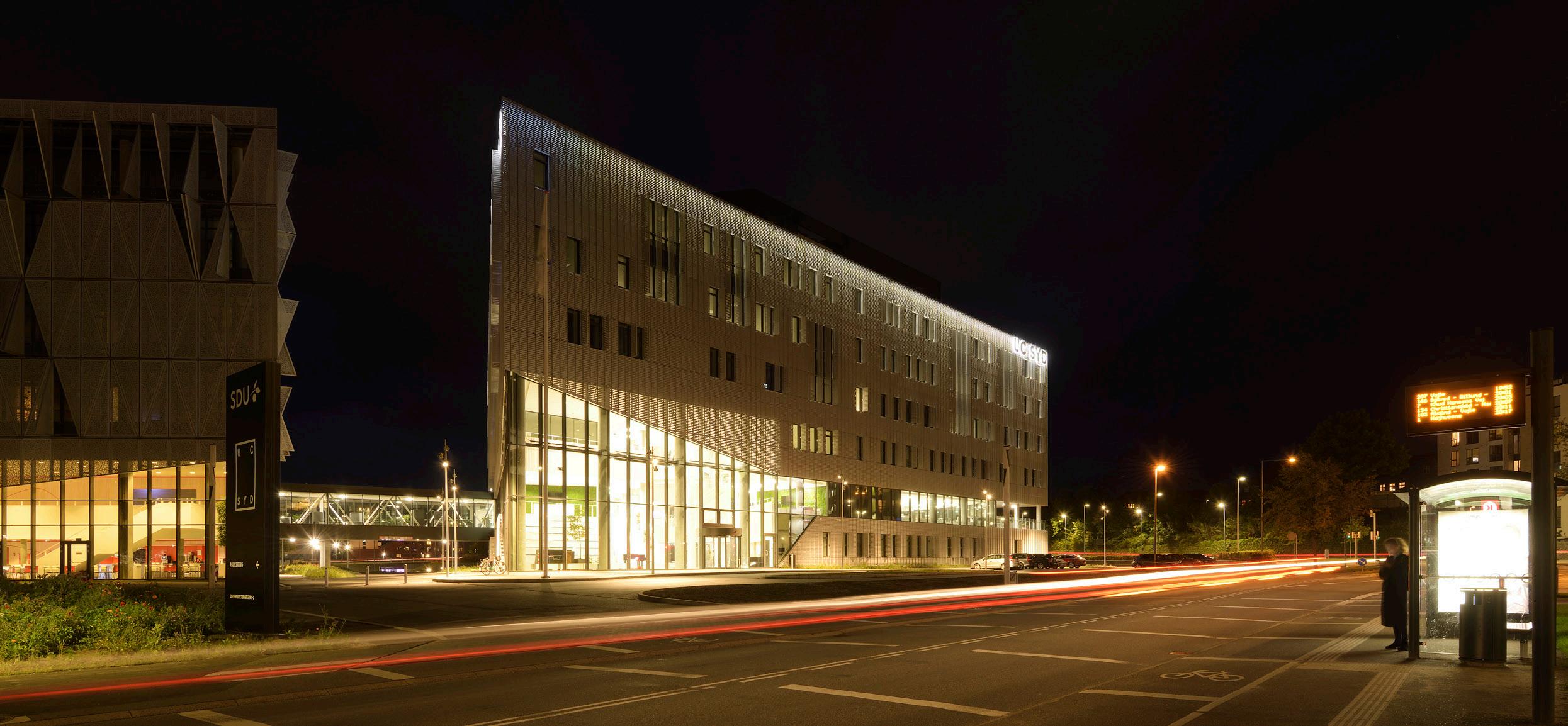
Kolding is a compact and student-friendly city in the south of Denmark. Campus, accommodation and cultural venues are all within walking distance, making it easy to navigate during your stay.
The city hosts a strong creative environment within design, media and technology, and offers a safe and accessible setting for international students.
Kolding is located 30 minutes from Billund Airport, 120 minutes from Copenhagen with easy train connections to the rest of Denmark and Germany by train
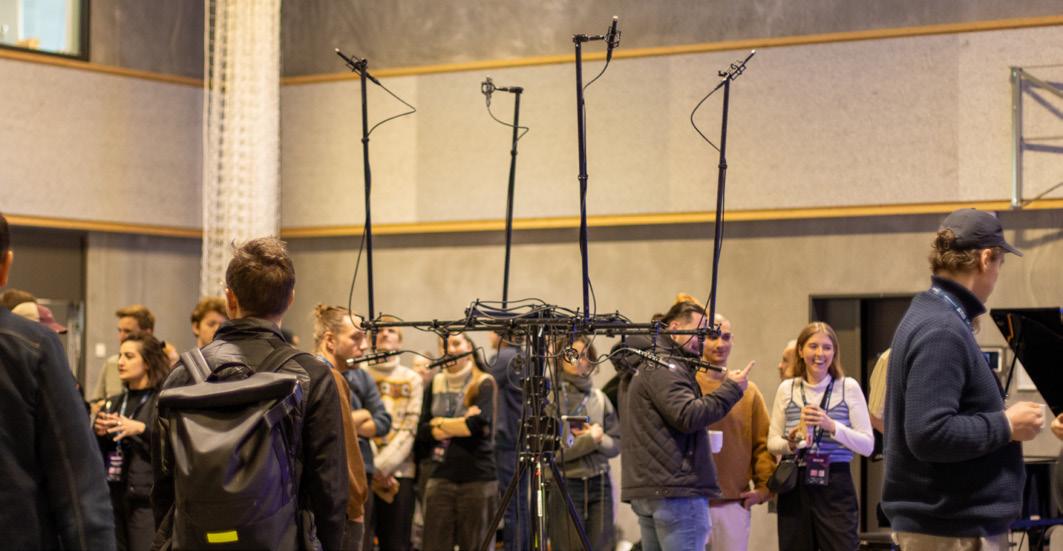
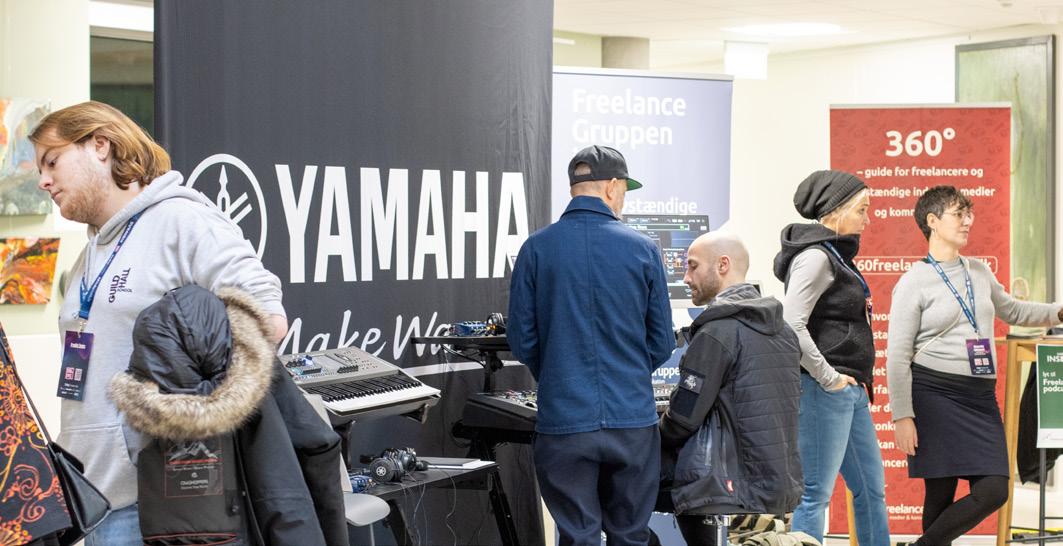
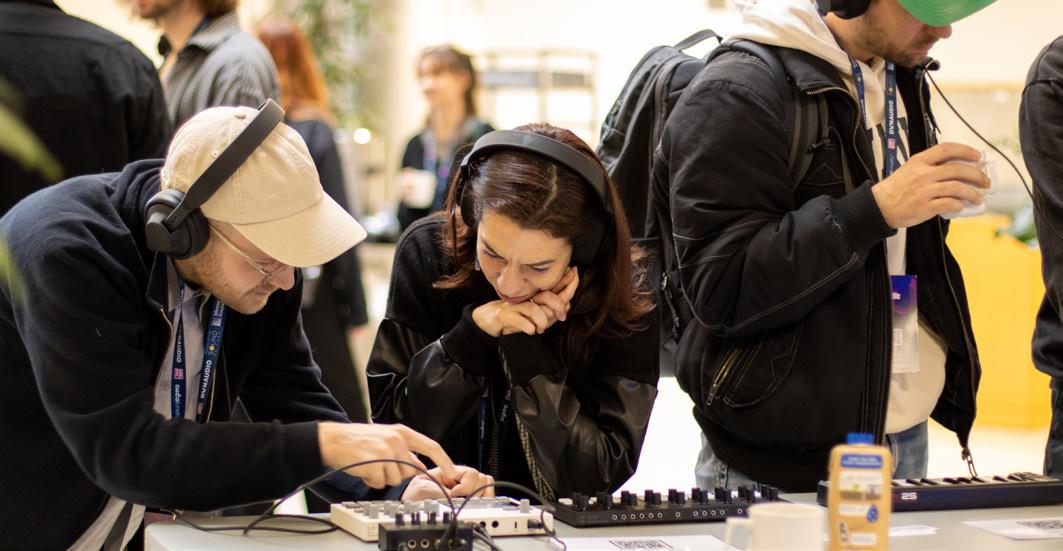
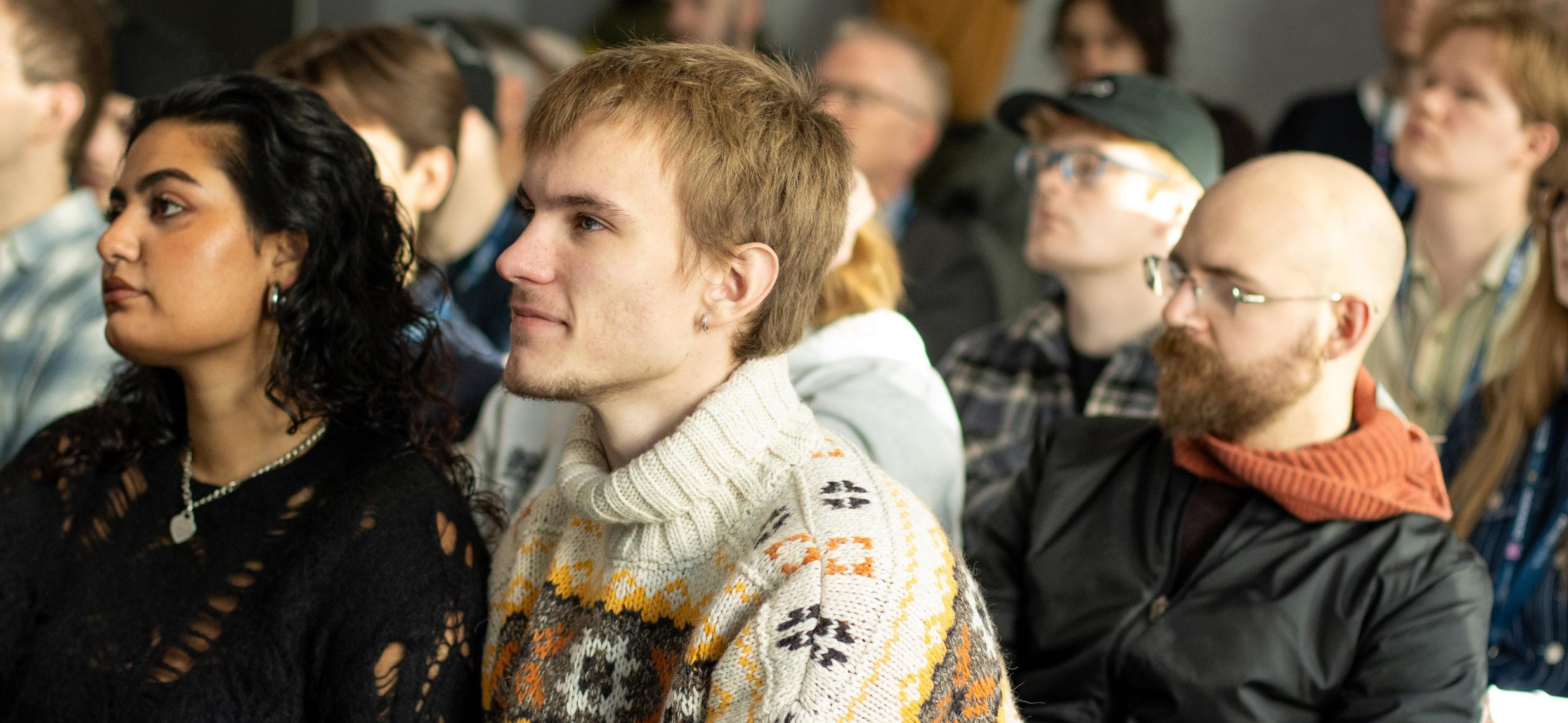
The programme takes place during Sonic Days and includes activities both on campus and in the city. Participants will experience a combination of:
• project work and workshops at Sonic College
• concerts and listening experiences
• industry sessions and guest lectures
• cultural activities and networking
This creates a unique learning environment where academic work and professional practice are closely connected.
Participants are responsible for arranging their own accommodation.
Sonic College will provide guidance and recommendations for student-friendly options in Kolding. These may include:
• hostels and budget hotels
• short-term rentals
• limited student accommodation
We are in dialogue with local partners to support accommodation options during the programme.
Location: Sonic College, UC SYD, Campus Kolding Programme week: Week 47, November 2026
Language: English
Participants: approx. 60–120 across all programmes
Students participate through their home institution as part of an Erasmus+ Blended Intensive Programme
Partner institutions are responsible for nominating students and supporting their participation in the programme.
The programme is designed to be flexible and can be integrated into existing courses, projects or study activities.
Students may:
• work on their own projects
• participate as part of a course
• receive ECTS, depending on institutional requirements
The format allows institutions to adapt participation to their own academic structure.
Text & Layout: Lars Tirsbæk
Fotos: Lars Tirsbæk; Tim Harris, Martine Goto, Emma Pedersen, Judith Bork