
Empowering, Insightful, Engaging











Empowering, Insightful, Engaging
Ministry of Power Notifies Electricity Amendment Rules 2026 to Simplify Captive Power and Boost Clean Energy Adoption
The Ministry of Power has introduced the Electricity (Amendment) Rules, 2026, to simplify captive power regulations and promote clean energy Group companies are now treated as a single captive user, easing compliance Eligibility norms remain unchanged with 26% ownership and 51% consumption requirements. Annual verification will be introduced, with surcharge relief during review. Effective March 2026, the rules aim to reduce disputes and support industry growth
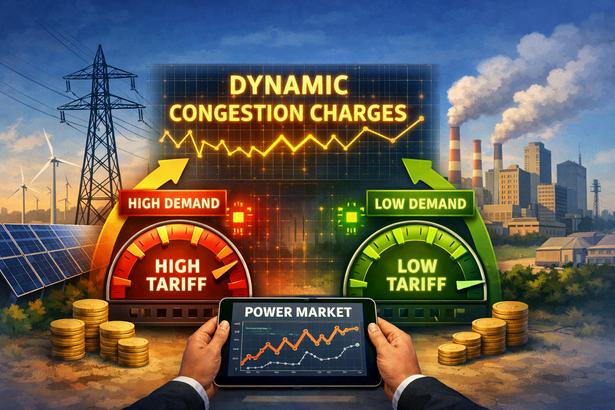
CERC Proposes Dynamic Congestion Charges To Strengthen Grid Discipline Amid Power Market Evolution
The Central Electricity Regulatory Commission has proposed revising congestion charges for inter-state power transmission after over fifteen years, replacing the flat rate with a dynamic pricing model linked to DSM rates. Despite stakeholder concerns, renewable energy projects will not be exempt. The framework includes a Rs 3–10 per unit range, aiming to improve grid discipline, reliability, and reflect evolving power market dynamics
GERC Approves ₹2.95 kWh Solar Tariff Framework Under PM-KUSUM, Boosts Farmer-Led Projects In Gujarat
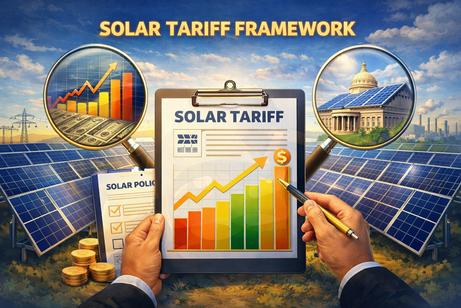
The Gujarat Electricity Regulatory Commission approved DGVCL’s ₹2 95/unit solar tariff under PM-KUSUM Component-A Projects were allotted via fixed rates or competitive bidding An e-reverse auction at Moti Falod discovered lower tariffs of ₹2.77 and ₹2.78/unit. The order enables PPAs, supports farmer income, and boosts decentralized solar capacity and renewable energy growth in Gujarat
Tamil Nadu Notifies New Grid Code 2026 To Strengthen Power System And Renewable Integration
The Tamil Nadu Electricity Regulatory Commission has issued the Tamil Nadu Electricity Grid Code, 2026, replacing the 2005 rules Aligned with the Indian Electricity Grid Code 2023 and the “One Nation, One Grid” vision, it enhances efficiency, reliability, and coordination Key updates include new power plant commissioning rules, flexible scheduling, day-ahead renewable forecasts, faster dispatch revisions, and technical standards like voltage limits and advanced protections. The code covers all state s
The Punjab State Electricity Regulatory C i i (PSERC) has proposed the 13th Amend 2011 Intra-State Open Access Regulation 2026 Key changes include a clear definitio Energy open access consumers,” includ users of renewable CGPs, and revised ener rules with a fixed June–May settlement cy banked energy will lapse without compen amendment aligns with national policies a improve clarity, energy management, and energy adoption in Punjab

MNRE Expands ALMM Framework To Include Solar Wafers, Strengthening Domestic Supply Chain
The Ministry of New and Renewable Energy (MNRE) has amended the ALMM Order to include solar wafers, introducing a new “List-III” for domestic wafer manufacturers, effective June 1, 2028. Only units meeting minimum production and ingot manufacturing capacity will be listed Post2028, modules, cells, and wafers must be sourced from ALMM lists, with traceability enforced Exemptions exist for ongoing projects, rooftop systems, and government-owned captive projects under a phased approach Thin-film modules in integrated facilities comply, and existing domestic content rules under schemes like PM-KUSUM remain unchanged
MNRE Mandates Aadhaar Authentication For PMSurya Ghar Rooftop Solar Subsidy Scheme
The Government of India has made Aadhaar authentication mandatory for all applicants under the PM-Surya Ghar: Muft Bijli Yojana, enhancing transparency and preventing duplication Subsidies for rooftop solar installations will now be linked to verified Aadhaar numbers, with temporary alternatives allowed for those without cards. This ensures direct benefit transfers, faster disbursement, and accountability. The initiative aims to provide free electricity to one crore households, promote renewable energy adoption, and support India’s clean energy transition

“Policy
reforms and clarity are shaping a more efficient, transparent
power sector.”
RERC Proposes Key Amendments To Renewable Tariff Regulations, Extends Control Period To 2028
The Rajasthan Electricity Regulatory Commission has invited feedback on its draft “Third Amendment” to renewable energy tariff regulations. Key proposals include extending the Control Period to March 2028, aligning late payment surcharge rules with national guidelines, revising biomass GCV to 3100 kcal/kg, calculating plant load factor annually, adopting flexible Energy Storage System capacities with 85% minimum efficiency, and streamlining Green Energy Open Access rules. The amendments aim to ensure stability, clarity, and practicality for Rajasthan’s renewable energy sector

Rajasthan Introduces BESS Regulations 2026 To Boost Energy Storage And Grid Stability
The Rajasthan Electricity Regulatory Commission has notified the “RERC (Battery Energy Storage Systems) Regulations, 2026” to promote energy storage and enhance grid stability. Technology-neutral rules allow utilities, generators, prosumers, and consumers to develop or lease storage projects Grid-connected systems require a minimum of 1MW with two-hour storage, while smaller behind-the-meter systems are exempt Transparent bidding is mandatory, and stored renewable energy retains its renewable status The State Load Despatch Centre will oversee ancillary services, including frequency regulation and energy arbitrage Safety, cybersecurity, environmental compliance, and smooth transition for existing projects are also ensured.
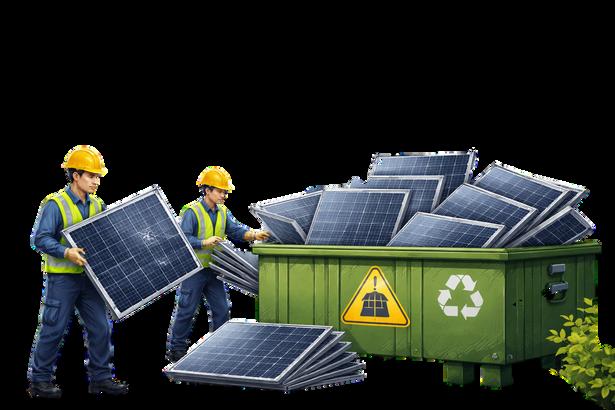
The CPCB issued guidelines under the E-Waste Rules, 2022, for safe storage, handling, and te st s ng
Ministry Of Power Proposes Electricity Consumer Rights Amendment Rules 2026 To Introduce Demand Response, Time-of-Day Tariffs And Stronger Billing Protection
The Ministry of Power has released the draft Electricity (Rights of Consumers) Amendment Rules, 2026, to modernize India’s power sector and strengthen consumer protection Key features include Demand Response programs, mandatory Time-of-Day tariffs, support for prosumers with rooftop solar, faster electricity connections, and a simplified two-tier grievance system The rules also introduce automatic bill reviews to prevent unusually high charges Feedback is invited until April 11, 2026, with most provisions expected to take effect from October 1, 2026, promoting a consumer-friendly and efficient electricity system

The Gujarat Electricity Regulatory Commission (GERC) has proposed the Draft Fourth Amendment, 2026, to its Green Energy Open Access Regulations. The amendment sets a banking charge of ₹1.50 per unit for renewable energy under open access, effective upon Gazette notification until June 30, 2026, unless revised earlier. It replaces Regulations 1(4) and 17 6(viii), providing clarity and predictability for developers, consumers, and distribution companies, supporting Gujarat’s growing solar and wind energy sector while maintaining regulatory flexibility and financial transparency



RERC Approves ₹0 63 Crore SLDC Investment Plan For FY 2026–27, Rejects Major Grid Security Proposal In Rajasthan
The Rajasthan Electricity Regulatory Commission approved ₹0 63 crore of SLDC’s prop crore investment for 2026–27 Funds panels (₹0 18 crore) and partial infr upgrades (₹0 45 crore) were approved ₹ for SOC/NOC was rejected due to a lack approval Loans were allowed for approv and any excess expenditure require Commission review
Telangana Electricity Regulatory Commission Approves ₹0.13 kWh Additional Surcharge For Open Access Consumers In H1 FY27


The Telangana Electricity Regulatory Commission approved an dditional Surcharge of ₹0 13/kWh for Open Access consumers r April–September 2026 DISCOMs had requested ₹0 59/kWh ased on stranded capacity and fixed costs, but after akeholder objections and detailed verification, fixed charges nd transmission costs were revised The surcharge excludes aptive users and those with government exemptions, ompensating DISCOMs for unused contracted capacity
Assam Electricity Regulatory Commission Keeps Power Tariffs Unchanged For FY 2026–27, Offers Relief To Consumers
The Telangana Electricity Regulatory Commission has approved an Additional Surcharge of ₹0 13/kWh for Open Access consumers for April–September 2026 DISCOMs had initially sought ₹0.59/kWh to cover stranded capacity and fixed costs. Following stakeholder objections and detailed verification, fixed charges and transmission costs were revised. The surcharge excludes captive users and government-exempt consumers, aiming to compensate DISCOMs for unused contracted capacity while balancing fairness for Open Access users



Andhra Pradesh Introduces Resource Adequacy Regulations 2026 To Strengthen Power Planning And Grid Reliability
The Andhra Pradesh Electricity Regulatory Commission (APERC) has proposed t Framework for Resource Adequacy to reliable, affordable power DISCOMs mus 10-year plans, adopt advanced forecasting, integrate energy storage, ma load, and maintain Planning Reserve Mar regulation mandates transparency, cybe and compliance measures, promoting a sustainable grid supporting economic gr India’s clean energy transition
Examines Dispute Over Renewable Project Connectivity Revocation Under GNA Regulations
The Central Electricity Regulatory Commission (CERC) addressed wables and ReNew Green Energy n of connectivity under the 2022 opers argued that the six-month start from actual operational Delays were caused by regulatory ainfall, and social challenges. Both nt investments and progress. CERC transmission allocations, allowing e final decisions on the petitions

The Karnataka Electricity Regulatory Commission (KERC) on March 3, 2026, issued an order to accelerate Aadhaar linking with Revenue Register (RR) numbers for irrigation pump sets of 10 HP and below ESCOMs had struggled with compliance since May 2023 due to administrative delays and pending arrears. The new guidelines allow legal heirs to transfer connections without clearing dues, simplify documentation with basic undertakings, and waive name-change fees The move aims to ease Aadhaar linkage, update beneficiary records, and ensure the timely delivery of government subsidies to eligible farmers
l ns e involved, aiming to boost transparency and renewable energy investment in the state
The Karnataka Electricity Regulatory Commission (KERC) notified the “Roadmap for Reducing Cross-Subsidy and Cross-Subsidy Surcharge Regulations, 2026” to align tariffs with actual supply costs, aiming to keep them within ±20% of the Average Cost of Supply EV charging stations (LT6c) and private lift irrigation (HT-3) will see gradual subsidy reductions from FY 2028–29 Tariffs for other consumers may adjust Temporary connections are excluded Public consultation was held, and regulations may be amended if needed
Bihar Electricity Regulatory Commission Sets Generic Renewable Energy Tariffs
For FY 2025-26
The Bihar Electricity Regulatory Commission (BERC) issued a Suo-Motu order on March 2, 2026, setting generic levellised tariffs for renewable energy projects for FY 2025–26, effective April 1, 2025 Covering a three-year control period (FY 2025–26 to FY 2027–28), tariffs vary by technology, with small hydro at 40 years, municipal solid waste at 20 years, and most others at 25 years Key revisions include submission of certified statements for Accelerated Depreciation, interest on working capital at 325 bps above SBI MCLR, and specific tariffs for biomass, bagasse, MSW, and RDF projects The framework promotes renewable growth and regulatory clarity
MNRE
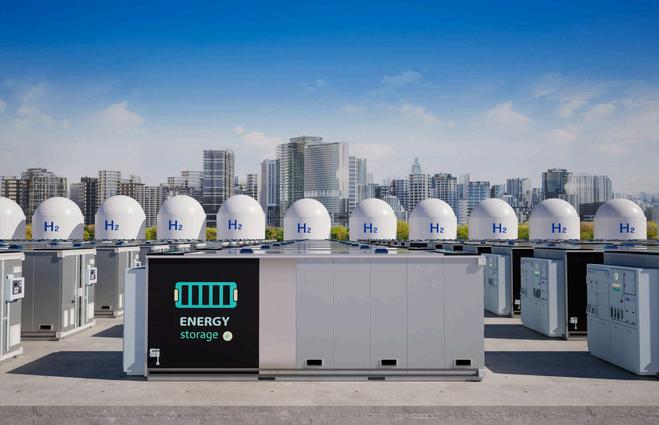
Green Methanol Standard Under National Green Hydrogen Mission
The Government of India, through MNRE, on February 27, 2026, notified the Green Methanol Standard to cut industrial and energy sector carbon emissions Green Methanol must be produced using renewable-energy-based green hydrogen, with a strict emission limit of 0 44kg CO₂e/kg methanol Acceptable CO₂ sources include biogenic, DAC, or industrial origins MNRE will provide measurement and monitoring guidelines, while encouraging voluntary compliance. The standard supports the National Green Hydrogen Mission and promotes a lowcarbon fuel ecosystem in India
CERC Notifies 2026 Regulations To Formalize India’s Carbon
The Central Electricity Regulatory Commission (CERC) notified the “Terms and Conditions for Purchase and Sale of Carbon Credit Certificates Regulations, 2026,” establishing India’s carbon credit trading framework. The Bureau of Energy Efficiency (BEE) will administer the market, while the Grid Controller of India acts as the registry Trading, via Power Exchanges, includes a Compliance Market for obligated entities and an Offset Market for voluntary participants Each certificate equals 1 tCO2e Price limits, bidding rules, and oversight ensure transparency and stability. Regulations empower CERC to intervene in anomalies and came into effect immediately
MNRE Issues Draft Guidelines To Account
The Ministry of New and Renewable Energy (MNRE) released draft guidelines on February 25, 2026, to measure greenhouse gas emissions from off-site water drawal and treatment for green hydrogen production Aligning with ISO 19870:2023, the draft ensures full lifecycle assessment, including energy and chemicals used in water treatment It sets benchmarks for municipal water, mandates primary data for captive treatment, allocates emissions in shared industrial clusters, promotes recycled water use, and requires records for hybrid sources. Stakeholders can submit feedback by March 13, 2026, shaping India’s green hydrogen framework lopment in India’s evolving power sector


CSERC Clarifies Tariff Rules On Zero Contract Demand, Restores Industrial HV-4 Category in Chhattisgarh
The Chhattisgarh State Electricity Regulatory Commission (CSERC) ruled in Petition No 55 of 2025 that M/s Real Ispat & Energy Pvt Ltd , which reduced its contract demand to zero after commissioning a 20MW captive WHRB plant, should remain under the “HV 4Steel Industries” tariff CSERC held that the HV-7 startup tariff applies only for brief generator start-up, not regular industrial use, and directed CSPDCL to revise bills from September 2024, applying standby charges where applicable
Capacity Crosses 524 Gw In 2026
India’s renewable energy sector is growing rapidly in 2026, with solar power leading the charge. In the first two months of the year, India added 7 79GW of new solar capacity, reflecting strong project development and commissioning across the country This growth helped India’s total installed power capacity cross 524GW, highlighting the expanding role of clean energy in its electricity mix Policy support and domestic manufacturing have been key drivers Despite coal still contributing a significant share, solar and other renewables are increasingly central to India’s energy transition toward sustainability and energy security
India’s Solar Capacity Crosses 143 GW As Renewable Energy Growth Gains Momentum In Early 2026
India’s renewable energy expansion stayed strong into early2026, with solar power leading capacity growth. By the end of February2026, India’s total installed solar photovoltaic capacity reached about143 6GW, underscoring solar’s central role in the nation’s clean energy transition Solar now makes up more than two thirds of the country’s renewable capacity, and the year began with nearly 7 8 GW of new solar added in the first two months, including around 3 GW in February alone. This rapid build out reflects sustained momentum toward India’s broader renewable targets and efforts to diversify its energy mix away from fossil fuels
“India’s renewable energy momentum in 2026 shows a balanced approach solar growth complements power systems while reducing fossil fuel reliance. This transition paves the way for a resilient energy ecosystem.”
Karnataka Budget Targets
3,000 MW Solar, 1,250 EV
Charging Stations and ₹3,400 Crore Battery Storage Push
The Karnataka state budget 2026–27 outlines a strong energy strategy with a major emphasis on clean power, energy storage, and electric mobility It introduces the Mukhya Mantri Saura Krishi Yojane to boost solar capacity by installing 3,000MW of solar plants at Karnataka Power Transmission Corporation Limited sites. The state has allocated around ₹3,400crore for large scale battery energy storage systems to balance variable renewable generation and support grid stability To expand electric vehicle usage, 1,250 public EV charging stations will be developed with a ₹777crore investment The budget also plans 100 new electricity substations to strengthen distribution and support rising demand. These steps signal Karnataka’s push toward reliable renewable energy, resilient grids, and cleaner transportation
PM Surya Ghar: Muft Bijli Yojana Driving India’s Rooftop Solar Revolution And Affordable Clean Energy For Millions
The PM Surya Ghar: Muft Bijli Yojana, launched on February 15, 2024, is transforming India’s renewable energy landscape by promoting residential rooftop solar adoption The ambitious program targets one crore households, offering up to 300 units of free electricity per month and a central financial assistance (CFA) of up to ₹78,000, making rooftop solar affordable A 2–3 kW system can cover typical household needs, with net metering allowing surplus power to reduce bills or generate income The initiative also aims to create nearly three lakh jobs in installation, maintenance, and supply chains, boosting local entrepreneurship Implementation is streamlined through the PM Surya Ghar National Portal, enabling easy registration, vendor selection, and direct subsidy transfer State governments enhance adoption through top-up subsidies, incentives, and simplified regulations With domestic content requirements and collateral-free loans, the scheme strengthens India’s solar manufacturing, promotes decentralized energy, lowers electricity costs, and supports climate goals, making clean power accessible and economically viable for millions



India’s power sector has reached a major milestone, with the country’s to capacity exceeding 500GW (as of September2025), marking strong prog and distribution reforms Non fossil fuel sources now make up more than showing a steady shift toward cleaner energy like solar, wind, and hyd I



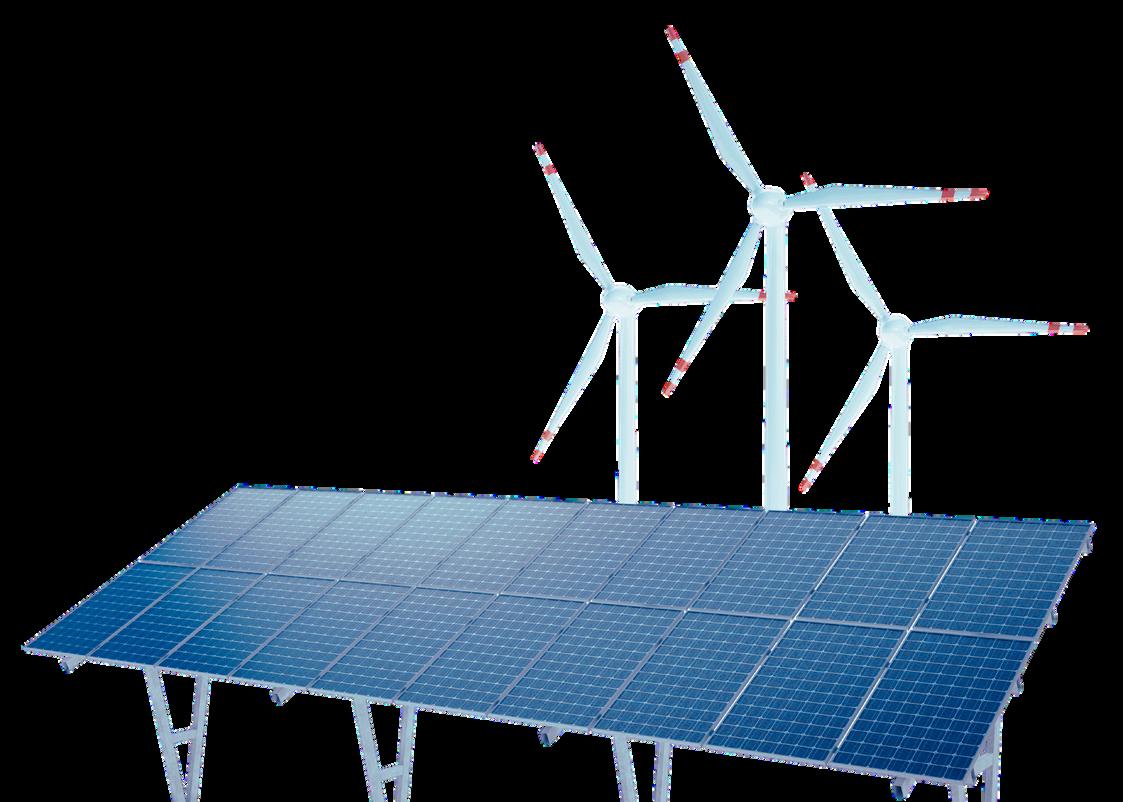
India is entering a new phase in its power sector, focusing on growth and clean energy The Long-Term National Resource Adequacy Plan (2026–2036), released in March 2026, outlines how rising demand will be met sustainably As of January 2026, India’s installed capacity reached 520 5 GW, with about 52% from non-fossil sources like solar and wind A record 52 5 GW was added last year, including 43 GW renewables To manage intermittency, the plan highlights energy storage systems such as batteries and pumped hydro. Tools like STELLAR and the Planning Reserve Margin will ensure reliability. By 2035–36, 155 GW of renewables, along with coal, hydro, and nuclear projects, are planned The report also considers EV charging and green hydrogen demand, aiming for a reliable, efficient, and sustainable power system
APERC’s 10th Annual Report Highlights Renewable Energy Expansion And ₹7,427 Crore Power Infrastructure Investments In Andhra Pradesh he Andhra Pradesh Electricity Regulatory Commission (APERC) released its 10th Annual Report for 2023 24, highlighting major developments in the state’s power sector The report underscores a strong push for renewable energy, especially solar, with new regulations to simplify rooftop solar net and gross metering, and amended Renewable Power Purchase Obligation (RPPO) rules that require distribution companies to buy more clean energy. APERC also approved several renewable projects, including solar and wind capacity additions On infrastructure, the Commission cleared investments totaling around ₹7,427crore to modernize power transmission and distribution, including smart meters and new substations, under the Revamped Distribution Sector Scheme The report also focused on improving service quality and consumer grievance redressal mechanisms, reflecting efforts to make Andhra Pradesh’s power system more sustainable and reliable
India’s rooftop solar segment is undergoing a structural transformation in 2026 What was once perceived as a fragmented, small-scale, consumerdriven market is now rapidly evolving into a coordinated, institutional, and aggregation-led ecosystem A close review of rooftop solar tenders issued in the first quarter of the year reveals a decisive shift in how distributed solar is being deployed, financed, and scaled across the country
For over a decade, rooftop solar in India has largely been associated with individual households and small commercial establishments installing systems in isolation. Growth was often uneven, dependent on state policies, net metering regulations, and consumer awareness However, the developments in 2026 suggest that the sector is entering a new phase one characterized by programmatic deployment, institutional participation, and innovative business models that collectively enable scale
From a massive Bihar DISCOMs 275 MW rooftop solar tender across Bihar for ~2 5 lakh households to multi-site installations across government buildings, ports, hospitals, and universities, the emerging playbook is clear: aggregation, institutional anchoring, and new financing structures are redefining rooftop solar in India
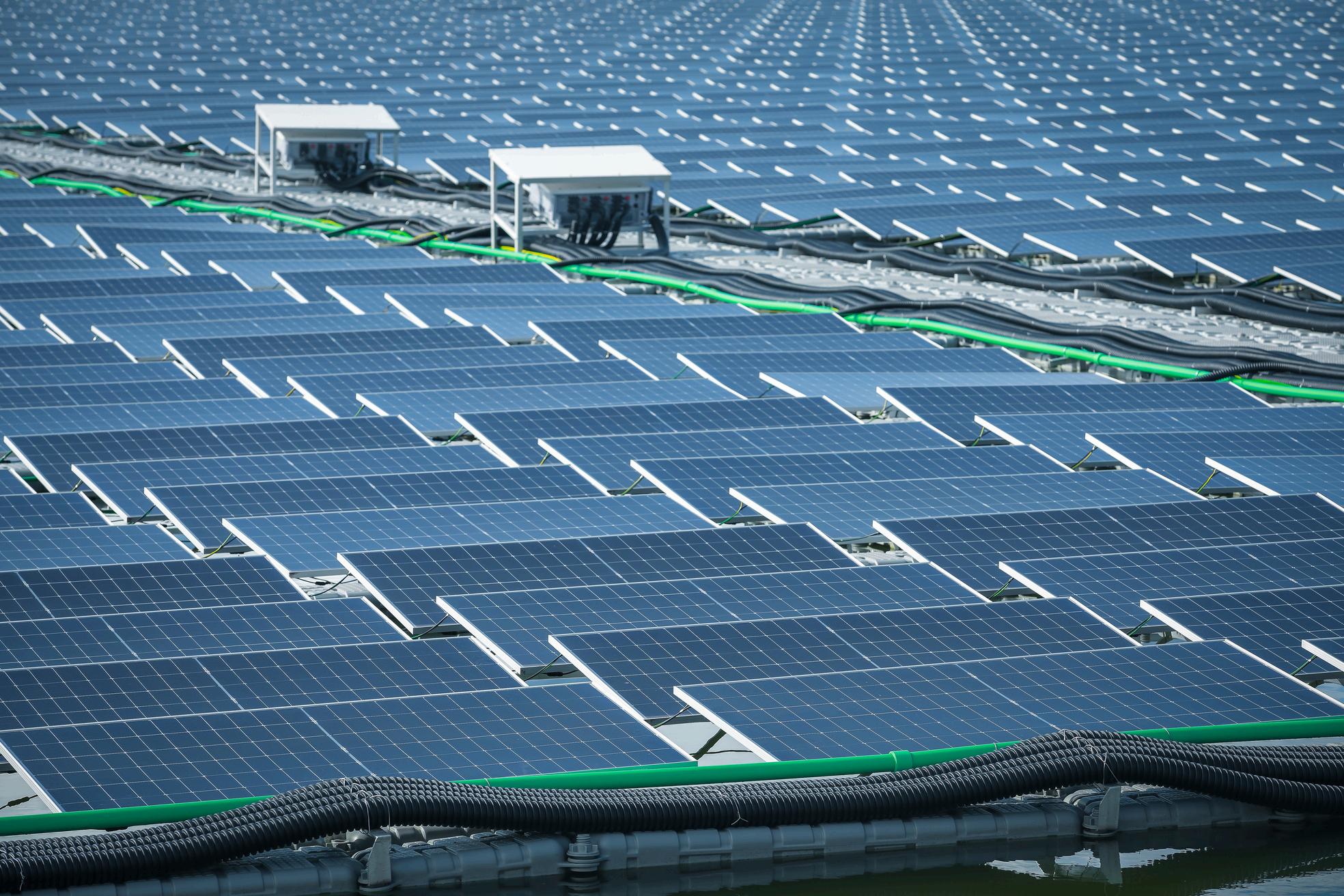

One of the most striking developments in 2026 is the scale at which rooftop solar is being tendered The standout example is the Bihar DISCOMs 275 MW rooftop solar tender across Bihar for ~2 5 lakh households, issued under the PM Surya Ghar Yojana
This tender represents a paradigm shift Instead of individual rooftop installations being executed in isolation, thousands of systems are being aggregated into a single programmatic deployment
This trend is being replicated across states. The RREC 33 MW rooftop solar tender across multiple districts in Rajasthan highlights how geographic clustering is becoming a standard approach. At the urban level, the CREST 3 MW municipal rooftop solar tender in Chandigarh demonstrates how city-level institutions are adopting cluster-based deployment models.
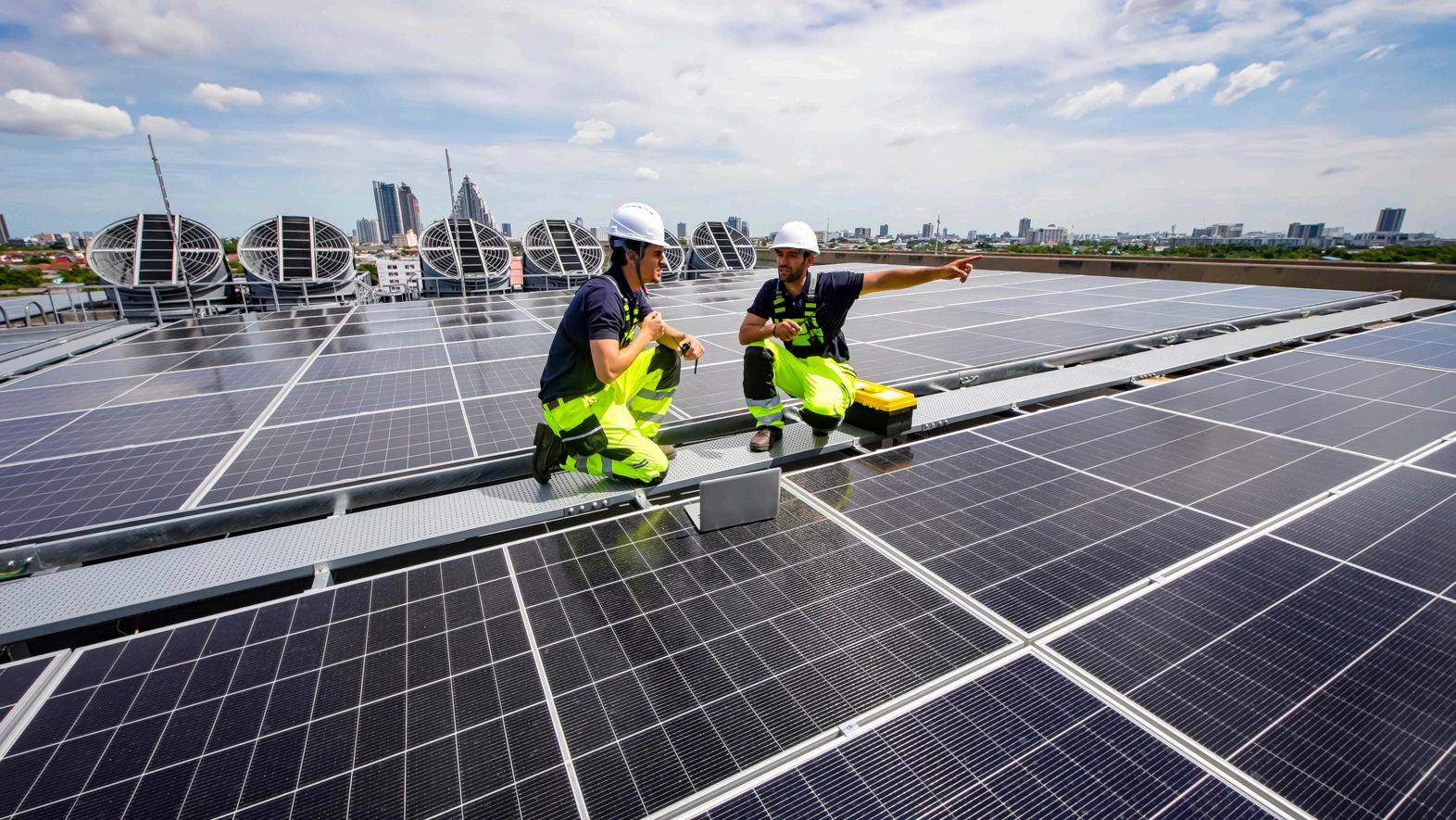
While residential rooftop solar continues to gain traction, 2026 clearly marks the rise of institutional demand as the primary growth driver.
A significant proportion of tenders are focused on public infrastructure.
The SECI 5.6 MW rooftop solar tender across government buildings in India reflects a strong push toward greening public assets
Healthcare infrastructure is also emerging as a major segment The NTPC NVVN 2.1 MW rooftop solar tender across AIIMS Deoghar, Gorakhpur, and Patna along with the NVVN 850 kW rooftop solar project at AIIMS Jammu & Kashmir highlights how critical infrastructure is increasingly adopting solar solutions
Industrial and logistics infrastructure is also participating The Chennai Port Authority 2 MW rooftop solar tender in Tamil Nadu under RESCO model demonstrates how large infrastructure assets are integrating renewable energy.
Educational institutions are also scaling adoption The OREDA rooftop solar tenders across Odisha government universities and the ITI Limited EOI for rooftop solar projects across Uttar Pradesh reflect strong momentum in campus-based solar deployment
Institutional rooftops offer large contiguous spaces, creditworthy consumers, and faster scalability, making them a cornerstone of distributed solar growth.

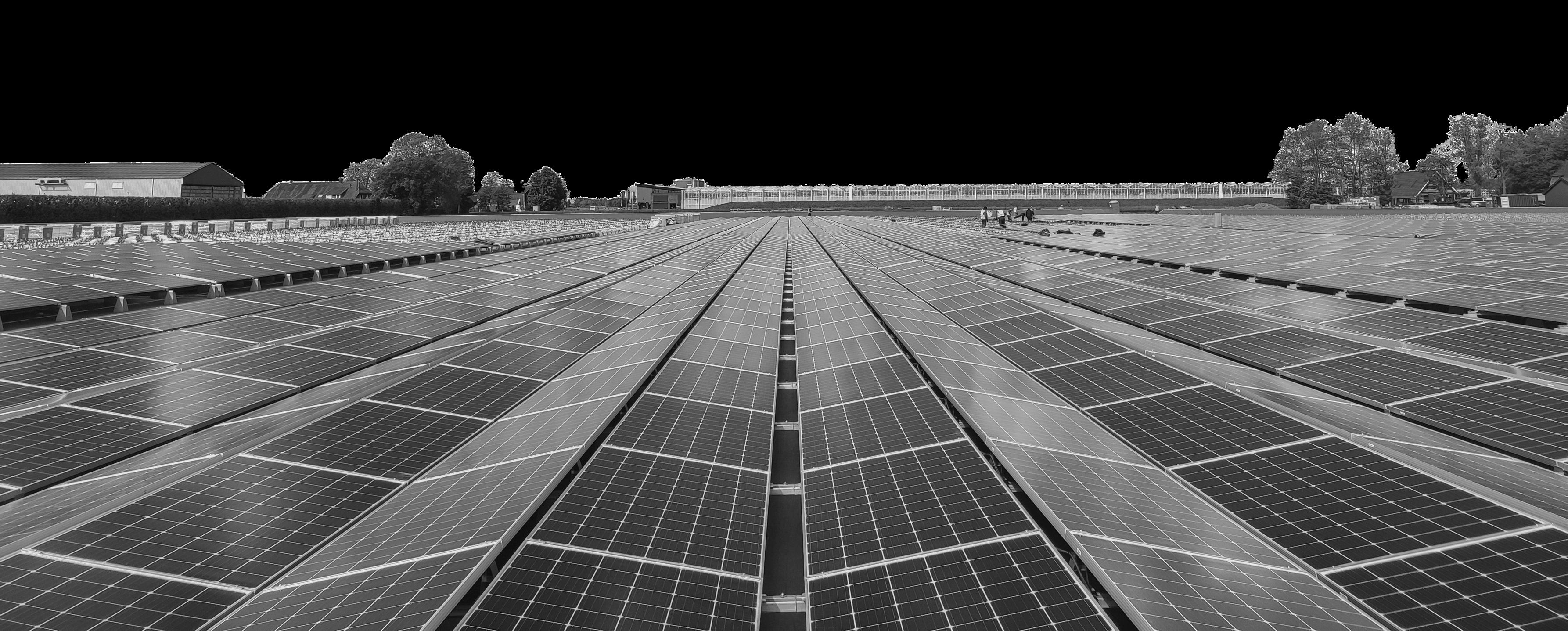
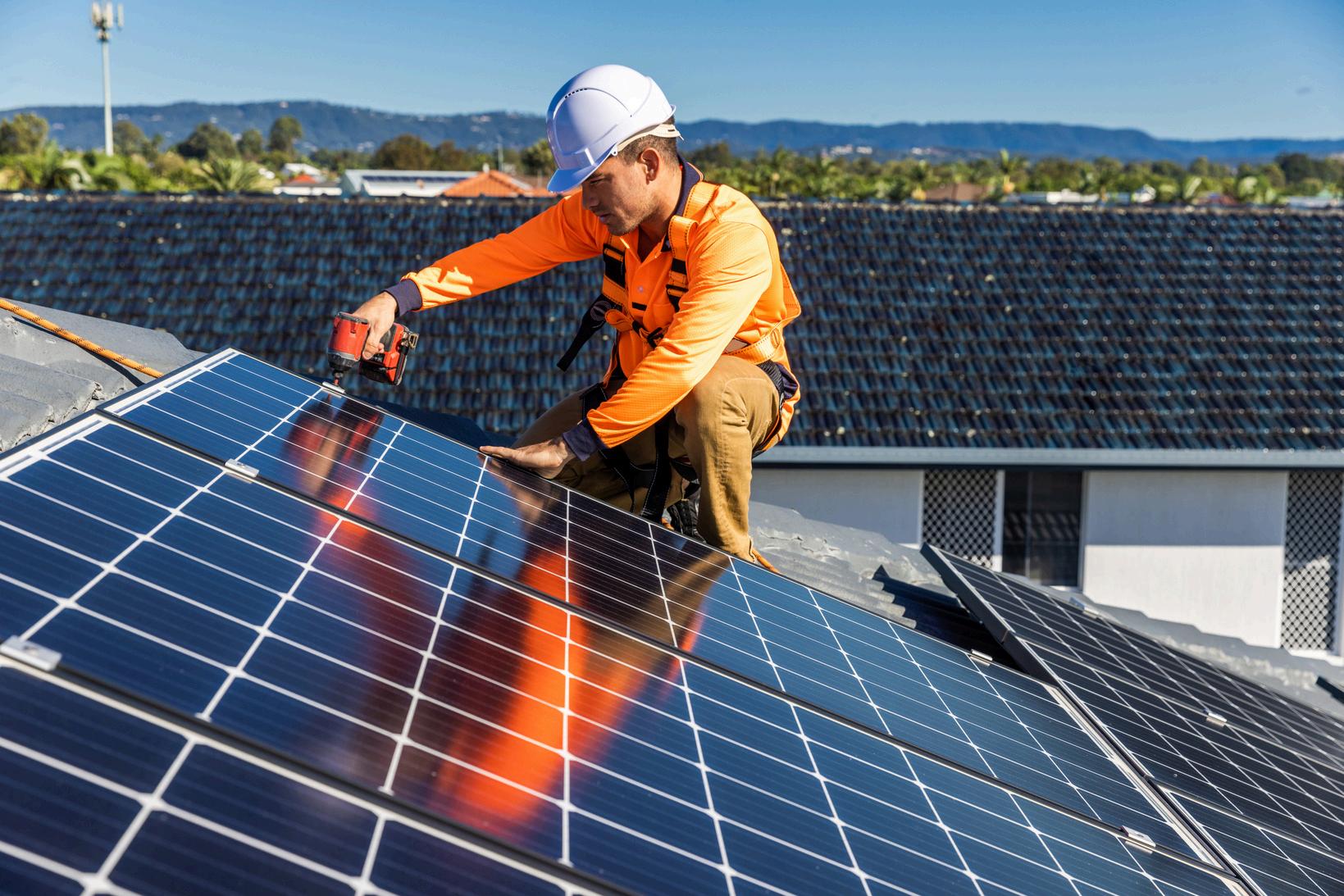
Central public sector entities are playing a pivotal role in shaping the rooftop solar landscape in 2026. Organizations such as NTPC and NTPC NVVN are enabling standardized, large-scale deployment
Key examples include the NTPC NVVN 7 MW rooftop solar tender across NALCO facilities in Odisha and the NTPC NVVN 3 MW rooftop solar tender at BNP Dewas, Madhya Pradesh.
Additionally, the NHPC rooftop solar tenders across Haryana under RESCO model highlight the expanding role of PSUs in distributed solar
These agencies are enabling standardized bidding frameworks, reducing counterparty risks, and improving developer participation.
Business model innovation is another defining trend in 2026, with the RESCO model gaining strong traction
Projects such as the Chennai Port Authority 2 MW rooftop solar project in Tamil Nadu under RESCO model and the NHPC rooftop solar tenders across Haryana under RESCO model reflect a clear shift toward OPEX-based deployment
Under the RESCO model, developers invest, install, and operate systems, while consumers pay per unit of electricity generated This eliminates upfront costs and makes solar adoption easier for institutions.
A major technological shift observed in 2026 is the integration of energy storage with rooftop solar systems
The WBGEDCL 1 MW rooftop solar + 0.5 MW/1.8 MWh BESS project at Malda, West Bengal and the WBGEDCL 3.5 MW rooftop solar tenders with battery storage across West Bengal represent a new generation of hybrid distributed energy systems.
These systems help manage intermittency, improve reliability, and enable dispatchable distributed power, marking a transition toward next-generation energy solutions


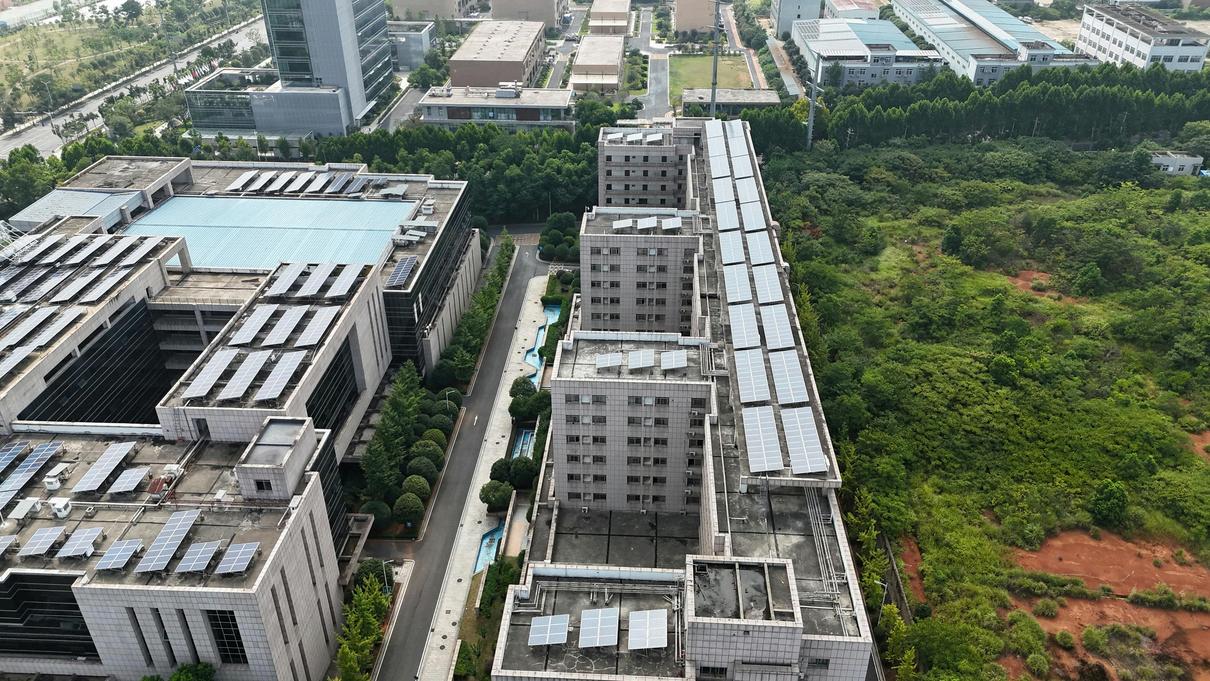
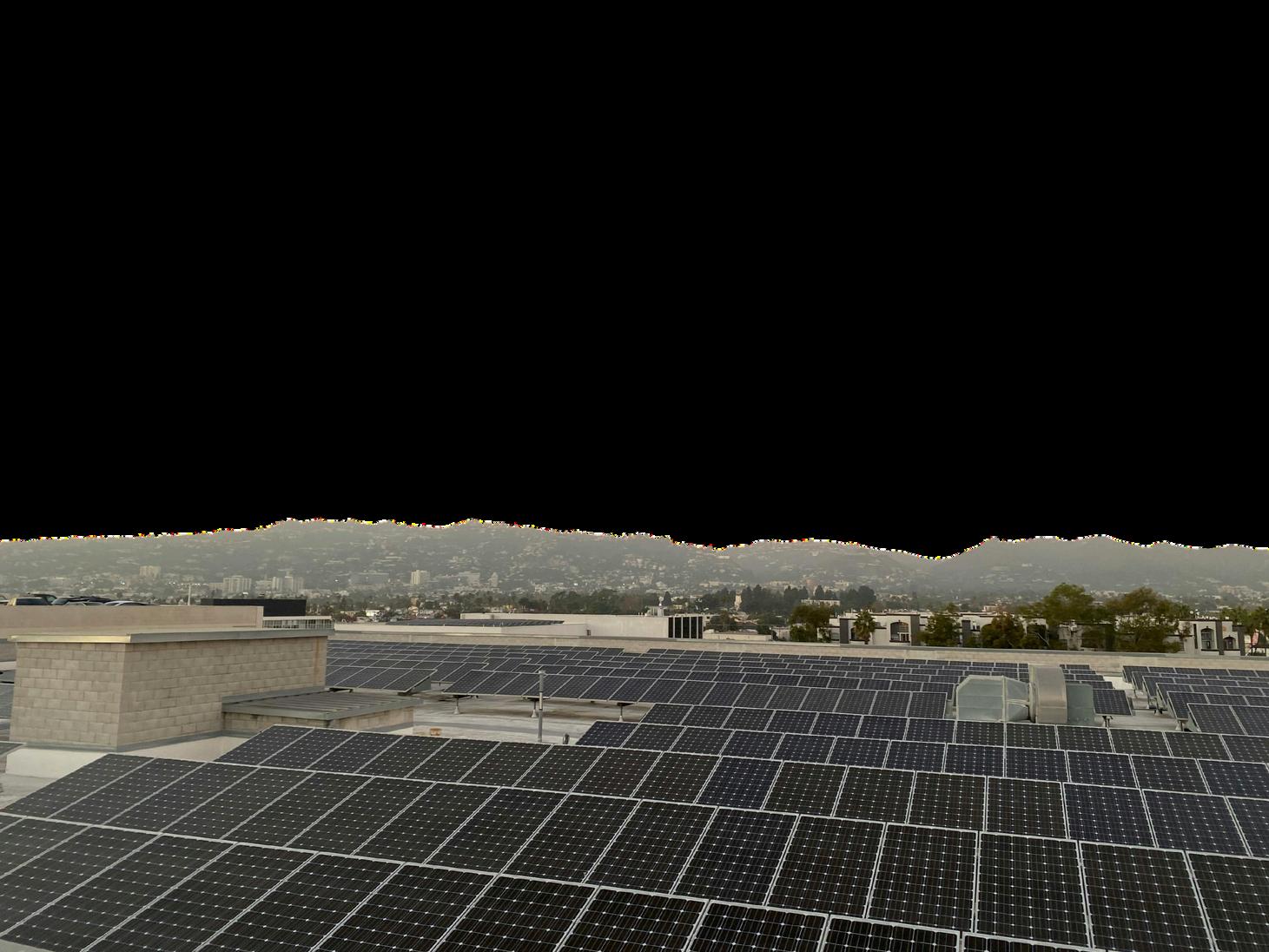
Rooftop solar in 2026 is expanding across sectors beyond traditional commercial and residential use.
Examples include the Keltron 1.5 MWp rooftop solar project at Kalyani Layer Farm, Kerala and NTPC rooftop solar installations at Bihar government schools under the Make in India initiative.
This diversification ensures multiple demand drivers, reduces sectoral risk, and broadens adoption across industries
The evolving rooftop solar landscape presents significant opportunities and challenges.
Opportunities include larger aggregated tenders, improved institutional bankability, long-term RESCO revenue streams, and hybrid project opportunities.
Challenges include multi-site execution complexity, financing capital-intensive RESCO projects, and ensuring operational efficiency at scale
Developers must now move beyond EPC execution and build capabilities in portfolio management, digital monitoring, and asset optimization

The rooftop solar tenders issued in 2026 clearly signal a new phase of growth and maturity
Aggregation is enabling scale. Institutional demand is ensuring stability. Business models are evolving. Technology integration is enhancing reliability
Together, these trends are transforming rooftop solar into a mainstream, scalable energy asset class.
As India accelerates its clean energy transition, distributed solar is no longer a niche it is becoming a central pillar of the energy ecosystem
Largest rooftop solar tender targeting ~2 5 lakh households under PM Surya Ghar Yojana; landmark aggregation-driven residential deployment BiharDISCOMs – 275 MW| Bihar
Multi-district rooftop solar program showcasing scalable state-level aggregation model RREC – 33 MW| Rajasthan
buildings-focused



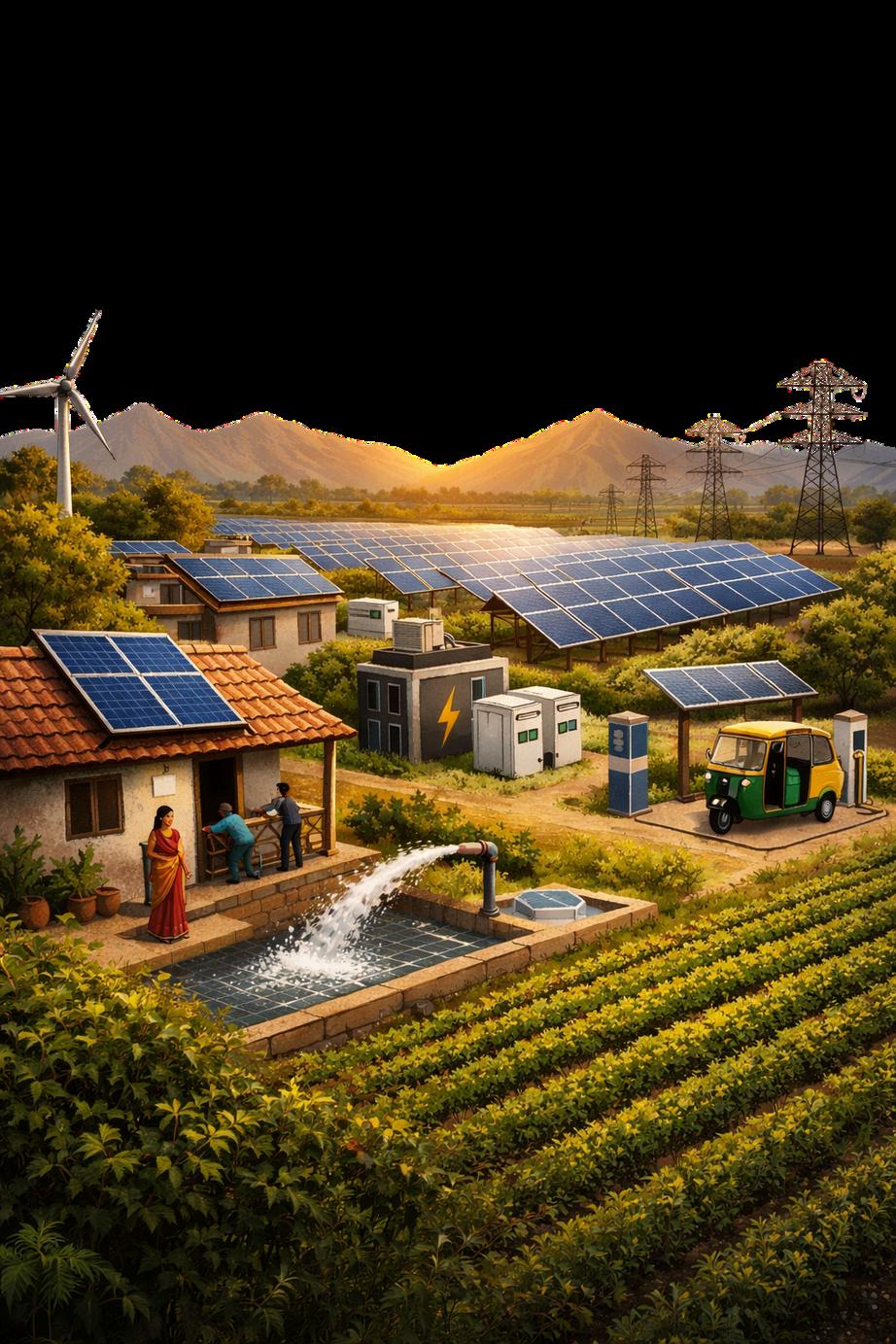
India’s renewable energy journey has mostly been driven by the fast growth of large solar parks and utility-scale projects
These big projects have helped the country add significant clean energy capacity over the years However, another important change is now happening quietly in the background Distributed solar is emerging as a strong pillar of India’s next phase of growth in renewable energy This model focuses on installing solar systems closer to where electricity is actually used, such as rooftops, factories, farms, and institutions As India moves toward its ambitious clean energy targets, distributed solar is becoming an essential part of making the power system more flexible, reliable, and accessible
Distributed solar refers to small and medium-sized solar installations that are set up near the point of consumption These include rooftop solar systems in homes, solar panels on commercial buildings, systems used by industries and MSMEs, solar-powered agricultural pumps, and installations in schools, hospitals, and government buildings Unlike large solar farms that need vast land and heavy transmission infrastructure, distributed solar systems produce electricity where it is consumed.
This approach offers several clear benefits. One of the biggest advantages is the reduction in transmission and distribution losses When electricity is generated far away and transported over long distances, some energy is always lost Distributed solar helps minimize these losses because power is used right where it is generated It also reduces pressure on the grid, especially during peak demand hours
Another important benefit is that distributed solar supports energy access in remote and underserved areas In rural and semi-urban regions where grid supply can be unreliable, local solar systems can provide a steady and dependable source of electricity. This helps improve the quality of life and supports local economic activities
The demand for distributed solar in India is increasing rapidly, especially among businesses and households One of the main reasons is the rising cost of electricity. Many commercial and industrial consumers pay high tariffs for grid power, which directly affects their operating costs Installing rooftop solar systems allows them to generate their own electricity and reduce their dependence on expensive grid supply
For MSMEs, this shift is particularly important. These businesses often operate on tight margins, and energy costs can be a major burden By adopting solar power, MSMEs can reduce their electricity bills and improve their competitiveness in the market. At the same time, using clean energy also helps companies meet their sustainability goals, which is becoming increasingly important for customers and investors
Residential consumers are also showing growing interest in rooftop solar With rising awareness about clean energy and increasing electricity bills, many households are exploring solar as a long-term solution. Once installed, rooftop systems can provide power for many years with relatively low maintenance costs This makes them an attractive option for families looking to save money while contributing to a greener environment.
Policy Support and Role of Technology
Government support has played a key role in promoting distributed solar across India Both central and state governments have introduced policies and incentives to encourage adoption. Net metering policies allow consumers to send excess electricity back to the grid and receive credits on their bills This improves the financial viability of rooftop solar systems
In addition, capital subsidies and simplified approval processes have made it easier for residential users to install solar systems National programs focused on rooftop solar are helping expand the market and bring clean energy to more households. Several states are also promoting solar adoption through special schemes for MSMEs, institutions, and farmers
Technology is another major factor driving the growth of distributed solar Solar panels have become more efficient and affordable over the years, making installations more costeffective At the same time, battery energy storage systems are becoming increasingly important When solar systems are combined with batteries, they can store excess energy generated during the day and use it later when needed
This is especially useful during power outages or peak demand periods In areas with unreliable grid supply, solar-plus-storage systems can provide a continuous and dependable source of electricity For commercial users, this also means greater energy independence and better control over power usage
Digital tools and smart energy management systems are also improving the performance of distributed solar These technologies allow users to monitor their energy generation and consumption in real time, helping them optimize usage and maximize savings
Challenges and the Road Ahead
Despite its strong growth potential, distributed solar in India still faces several challenges One of the main issues is financing The upfront cost of installing a solar system can be high, especially for small consumers and MSMEs. Although the long-term savings are significant, many users find it difficult to arrange the initial investment
Regulatory challenges also exist Policies such as net metering are not uniform across all states, and frequent changes can create uncertainty for developers and investors This can slow down the pace of adoption in some regions In addition, there is still limited awareness about the benefits of distributed solar in many parts of the country, particularly in rural areas.
However, the future outlook remains very positive New financing models such as leasing and power purchase agreements (PPAs) are making solar more accessible by reducing the need for large upfront investments Falling costs of solar panels and improvements in technology are also helping drive adoption.
The agricultural sector is expected to play a major role in the growth of distributed solar. Solar-powered irrigation pumps are helping farmers reduce their dependence on diesel and unreliable electricity Government programs promoting solar pumps and feeder-level solarization are improving power supply in rural areas while supporting clean energy adoption
As India continues its transition toward a cleaner energy system, distributed solar will become increasingly important It empowers consumers to generate their own electricity, reduces the burden on centralized power systems, and supports a more resilient and sustainable energy network By bringing power generation closer to the point of use, distributed solar is not only transforming how energy is produced and consumed but also helping build a more inclusive and decentralized energy future for the country
India’s power sector is undergoing a significant transformation with the rapid growth of distributed solar energy. Rooftop solar installations, mini-grids, and community solar projects are gaining traction as affordable and sustainable alternatives to conventional electricity However, integrating distributed solar into the existing grid is not without challenges. One of the critical tools enabling this integration is smart meters, which allow accurate measurement, real-time monitoring, and efficient billing of electricity consumed and generated Smart meters play a vital role in balancing supply and demand, preventing energy losses, and facilitating net metering for consumers generating their own solar power Despite their potential, the deployment of smart meters across India faces several policy and regulatory hurdles that need urgent attention.
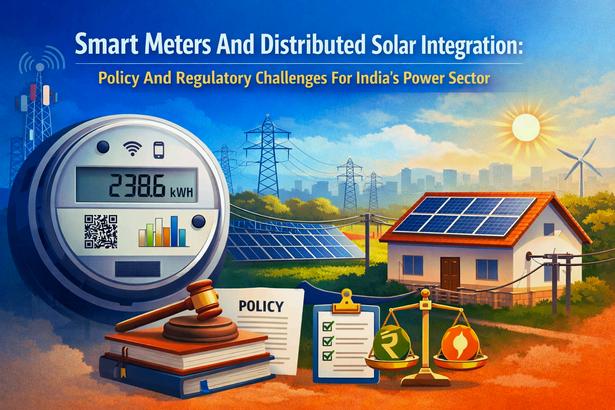
First, the rollout of smart meters is uneven across states, creating inconsistencies in data collection, billing, and energy management While some states like Maharashtra and Tamil Nadu have made significant progress, others lag due to funding constraints, technical challenges, or limited institutional capacity The lack of uniform standards for smart meter technology and communication protocols further complicates integration with distributed solar. Without interoperability between devices and grid management systems, utilities face difficulties in accurately tracking distributed generation, which may lead to billing disputes and delayed compensation for solar prosumers.
Second, regulatory frameworks governing distributed solar and smart meters are evolving but still fragmented Policies for net metering, feed-in tariffs, and renewable energy certificates vary widely between states, creating uncertainty for investors and homeowners Some states impose limits on rooftop solar capacity eligible for net metering, while others have introduced time-of-day tariffs to manage peak load Smart meters could help enforce such dynamic pricing and incentive mechanisms, but regulatory guidelines on data usage, privacy, and security remain underdeveloped Policymakers must ensure that rules for smart meter deployment align with solar integration targets and consumer protection standards
Financial and operational challenges also hinder the adoption of smart meters. Many utilities face high upfront costs for procurement, installation, and maintenance of advanced metering infrastructure Limited technical expertise and inadequate staff training affect the timely commissioning and troubleshooting of smart meters, slowing down distributed solar integration Public-private partnerships, innovative financing models, and regulatory support are essential to overcome these barriers and scale smart meter deployment effectively
OVERCOMING FINANCIAL AND OPERATIONAL BARRIERS THROUGH INNOVATIVE MODELS AND PARTNERSHIPS IS VITAL TO ACCELERATE SMART METER
Finally, consumer awareness and engagement are crucial for the successful adoption of smart meters. Users need to understand the benefits of real-time monitoring, energy savings, and participation in demand response programs Education campaigns and transparent communication about billing mechanisms can build trust and encourage more households to adopt rooftop solar and smart meters together
Smart meters are key to integrating distributed solar into India’s power system, enabling efficient energy management and accurate compensation for prosumers However, policy fragmentation, regulatory gaps, financial constraints, and uneven state-level adoption pose significant challenges Addressing these issues through standardized technology, clear regulations, innovative financing, and consumer engagement will be critical for India to realize the full potential of distributed solar and move towards a more resilient, sustainable, and decentralized power sector
The Solar Energy Corporation of India (SECI) has completed its 1.2 GW FDRE-VII peak power tender, awarding 4,800 MWh energy storage capacity at tariffs of ₹6.27–₹6.28/kWh. The key winners include Adyant Enerso (L1 bidder at ₹6.27), Serentica Renewables (600 MW), AMPIN Energy, and ACME Solar (301 MW)
This auction reflects a strong shift toward “on-demand” power and grid stability solutions in India Similar progress is seen in the GUVNL Phase-VIII BESS auction, where Advait Energy secured 150 MW at ₹2.10 lakh/MW-month. Other key developments include SECI Tranche-XXI (3,600 MWh at ₹3.12–3.13/kWh) and TNGECL’s 1,500 MWh auction (₹3.15 lakh/MW-month).
Most projects come with 12–15-year agreements and dual daily charging cycles, ensuring efficient peak demand management. Overall, these results highlight India’s rapid growth in renewable energy plus storage, strengthening a reliable and flexible power system
SOURCE: SOLARQUARTER RESEARCH
Gujarat Urja Vikas Nigam Limited has announced the winners of its latest auction for standalone Battery Energy Storage Systems (BESS) in Gujarat The project will add a total capacity of 335 MW / 670 MWh, helping to strengthen the power grid and support renewable energy integration.
Three companies won the bids through a competitive process Advait Energy Transitions secured the largest share of 150 MW at the lowest tariff of ₹2 1 lakh per MW per month Equentia Natural Resources DMCC was awarded 65 MW at ₹2.119 lakh, while Sun Drop Energia received 120 MW at ₹2.12 lakh per MW per month
These BESS projects will be installed near GETCO substations to manage peak power demand and improve grid stability The developers will sign a 12-year agreement and must complete the projects within 18 months. This initiative is an important step toward building a reliable, clean, and flexible energy system in India.
CESC Limited has awarded contracts for 600 MW wind-solar hybrid power projects to four renewable energy developers through a competitive bidding process The aim is to ensure a stable and reliable clean energy supply across India
Among the winners, Purvah Green secured the largest share of 300 MW at ₹3.75/kWh. Vismaya Renewables (UPC Renewables) won 100 MW at the lowest tariff of ₹3.74/kWh, making it the most competitive bid. Hexa Climate Solutions and Sprng Energy were each awarded 100 MW at ₹3 75/kWh
All projects will follow a build-own-operate (BOO) model and will be connected to the Inter-State Transmission System (ISTS) By combining wind and solar power, these hybrid projects help manage peak demand, ensure better grid stability, and provide more consistent energy than single-source systems
This development supports CESC’s sustainability goals and strengthens India’s renewable energy expansion efforts.
Solar Energy Corporation of India has successfully completed an auction for 125 MW / 500 MWh standalone Battery Energy Storage Systems (BESS) in Odisha Backed by Viability Gap Funding (VGF), the project aims to deliver on-demand energy storage to GRIDCO Limited, improving grid stability during both peak and off-peak hours.
Coal India Limited emerged as the largest winner, securing 80 MW / 320 MWh across two clusters at tariffs of ₹3.04–₹3.05 per kW/month. Meanwhile, Onward Solar Power won 45 MW / 180 MWh at ₹3 75 per kW/month.
The projects will be deployed across six substations Padampur, New Bolangir, Bhatli, Basta, Narendrapur, and Tentuli Khunti ensuring efficient energy distribution
Originally floated in December 2025, this auction marks a key step in boosting energy storage capacity, supporting renewable integration, and ensuring a more reliable and clean power supply in India.
Gujarat Urja Vikas Nigam Limited (GUVNL) has completed its Phase XXVIII auction for 625 MW of grid-connected solar PV projects, attracting strong participation from 23 bidders The auction witnessed intense competition, resulting in a highly competitive lowest tariff of ₹2.34/kWh, highlighting the declining cost of solar power in India
Welspun Renewable Energy and NLC India Renewables emerged as the leading winners, each securing 300 MW capacity at the base tariff Other developers such as Megodyna Renewables, Krishna Choprindia, and Sunsure Green Energy also matched the ₹2.34/kWh rate for smaller project allocations Meanwhile, Waaree Forever Energies quoted a higher tariff of up to ₹2.60/kWh.
The tender, initially floated in November 2025, does not include energy storage. It also features a Greenshoe option, allowing capacity expansion up to 1,250 MW The results reflect strong investor confidence, improved cost-efficiency, and the growing maturity of India’s solar sector

The Solar Energy Corporation of India (SECI) has completed the auction for 17 77 MW of rooftop solar projects to be installed on government buildings in Puducherry under Tranche-V The auction saw participation from multiple bidders, with two companies emerging as winners at a tariff of ₹4 11 per kWh Potaliya Petrochemicals secured the larger share with 15 MW capacity, while Kishan Infrastructure Industries won 2 768 MW
The tender for this project was issued in September 2025 and focuses on setting up grid-connected rooftop solar systems across government buildings in the region. A total of 13,043 rooftop installations are planned under this initiative. The projects will be developed under the RESCO model, where developers invest, build, and operate the systems while supplying power at a fixed tariff
Interestingly, the total awarded capacity has increased from the originally planned 13 043 MW to 17 768 MW, reflecting strong interest and competitive participation in the bidding process
Agrivoltaics in India is emerging as a promising solution that combines agriculture and solar power generation on the same piece of land, addressing two critical challenges energy demand and land scarcity As India continues to expand its distributed solar capacity, particularly in rural and semi-urban areas, agrivoltaics offers a practical pathway to maximize land productivity while supporting farmers’ incomes and improving energy access
This concept involves installing solar panels at a certain height above agricultural land, allowing crops to be cultivated underneath or alongside the panels Research studies conducted in regions such as Maharashtra, Gujarat, and Rajasthan indicate that this dual-use model can enhance overall land efficiency by up to 60–70 percent compared to standalone agriculture or solar installations The panels provide partial shading, which in some cases reduces water evaporation and protects crops from extreme heat, thereby improving yield for certain crops like vegetables, pulses, and fodder

India’s agricultural sector is highly dependent on monsoons and is increasingly vulnerable to climate variability Agrivoltaics helps mitigate some of these risks by creating a microclimate under the panels Studies have shown that soil moisture retention improves, and temperature fluctuations reduce, leading to more stable crop production At the same time, the electricity generated can be used for irrigation, cold storage, or sold back to the grid, creating an additional revenue stream for farmers.
Government initiatives are also playing a role in promoting this model Schemes such as PM-KUSUM (Pradhan Mantri Kisan Urja Suraksha evam Utthaan Mahabhiyan) have encouraged farmers to adopt solar pumps and decentralized solar plants Agrivoltaics can be integrated into such schemes to further enhance benefits by enabling farmers to become both energy producers and agricultural producers Pilot projects supported by state nodal agencies and research institutions like IITs and agricultural universities are demonstrating the technical and economic feasibility of this approach
However, there are challenges that need to be addressed for large-scale adoption. The initial cost of installing elevated solar structures is higher than that of conventional groundmounted systems Proper design is essential to ensure that sunlight distribution remains adequate for crop growth. Additionally, there is a need for clear policy guidelines, financing support, and awareness among farmers Standardization of system design based on crop types, regional climate, and land conditions will be crucial
AS INDIA MOVES TOWARD DECENTRALIZED ENERGY, AGRIVOLTAICS STANDS AT THE INTERSECTION OF FOOD SECURITY, CLEAN POWER, AND SUSTAINABLE RURAL PROSPERITY AND GROWTH.”
From a distributed solar perspective, agrivoltaics aligns well with India’s goal of decentralizing energy generation It reduces transmission losses, supports rural electrification, and strengthens grid resilience It also opens opportunities for private developers, EPC companies, and agri-tech firms to collaborate and create innovative business models, including lease-based systems or community solar projects
Looking ahead, agrivoltaics has the potential to transform rural landscapes by turning farmlands into energy-generating assets without compromising food security. With the right mix of policy support, technological innovation, and farmer participation, this model can play a significant role in achieving India’s renewable energy targets while ensuring sustainable agricultural growth
India’s energy sector is undergoing a significant transformation, driven by the rapid adoption of renewable energy and a growing emphasis on decentralized electricity generation Distributed solar power, in particular, has emerged as a viable option for households, businesses, and communities to produce their own clean energy. Alongside this, technological innovations such as blockchain are creating new opportunities for peer-to-peer (P2P) energy trading, where consumers can sell excess solar power directly to others in their local network This model promises enhanced efficiency, transparency, and empowerment for prosumers, but its widespread adoption depends heavily on regulatory readiness.
Blockchain technology enables secure, transparent, and tamperproof recording of energy transactions In a P2P solar market, each unit of electricity generated, consumed, or sold can be tracked in real time, reducing reliance on traditional intermediaries like utilities. Smart contracts, an integral part of blockchain, can automate settlement processes, ensuring that payments and energy flows are synchronized without disputes This has the potential to reduce transaction costs, improve settlement speed, and enhance trust among participants, making local energy markets more dynamic and responsive
Despite these technological benefits, India’s regulatory framework is still evolving to accommodate blockchain-based energy trading Current electricity laws, including the Electricity Act 2003 and subsequent amendments, primarily focus on centralized generation, distribution, and retail supply through licensed utilities While states like Gujarat, Karnataka, and Rajasthan have experimented with net metering policies and open access mechanisms, explicit provisions for P2P solar trading remain limited. Regulatory uncertainties around licensing requirements, grid access, billing, and taxation of decentralized trades present significant hurdles
Another challenge is grid integration and safety While blockchain can facilitate local energy exchange, the physical electricity network still requires proper load management, voltage control, and adherence to technical standards Regulators must define how P2P trading interacts with the distribution grid, ensuring that local transactions do not compromise system stability Pilot projects and sandbox environments are critical to test these interactions while refining technical guidelines and operational protocols.
India has, however, started taking steps toward regulatory readiness
The Central Electricity Regulatory Commission (CERC) and state regulators have issued consultation papers on distributed energy resources, digital metering, and energy trading platforms. Initiatives like the Smart Grid Mission and ongoing trials with blockchain for renewable energy certificates demonstrate interest in exploring digital solutions for market efficiency Furthermore, the rise of private energy startups is creating a collaborative ecosystem, providing insights for policymakers on practical challenges and market dynamics
For blockchain-enabled P2P solar markets to scale, regulatory frameworks must balance innovation with consumer protection, grid safety, and market fairness Clear rules on licensing, transaction validation, settlement processes, and dispute resolution are essential Additionally, incentives such as feed-in tariffs, tax benefits, and streamlined approval processes can accelerate adoption. Capacity building among regulators, utilities, and prosumers is equally important to ensure understanding of blockchain technology and its implications for energy markets

Blockchain-based P2P solar trading holds significant promise for democratizing India’s electricity sector and enhancing renewable energy integration. While technological readiness is advancing rapidly, regulatory preparedness is still in a nascent stage Focused policy development, pilot programs, and stakeholder collaboration can pave the way for a decentralized, transparent, and efficient energy market that empowers prosumers and supports India’s clean energy transition


India’s rooftop solar segment has emerged as one of the most important contributors to the country’s rapidly expanding solar energy market As of February 2026, India’s total installed solar photovoltaic capacity has crossed 143 6 GW Out of this, rooftop solar installations account for more than 25 GW, making them a significant component of the country’s clean energy transition However, ground-mounted solar projects still dominate the market, with an installed capacity of around 110 GW, primarily driven by large utility-scale projects and government-backed solar parks
Rooftop solar has gained strong momentum in recent years, especially in the commercial and industrial (C&I) segment Businesses and industries are increasingly adopting rooftop solar systems to reduce their electricity expenses and protect themselves from rising grid tariffs. In many states, electricity tariffs for industrial and commercial consumers remain high, making rooftop solar a cost-effective alternative By installing solar panels on factory roofs, warehouses, and commercial buildings, companies can generate their own electricity and significantly reduce operational costs
The Government of India has introduced several policies and incentive schemes to accelerate rooftop solar adoption across different sectors Major initiatives include the PM KUSUM Scheme, which promotes solar energy in the agricultural sector, and the PM Surya Ghar: Muft Bijli Yojana, which aims to expand rooftop solar installations in residential households These schemes provide subsidies, financial support, and policy incentives to encourage consumers to shift toward clean energy solutions.
Despite the strong policy support and growing awareness, the rooftop solar segment is still expanding at a slower pace compared to utility-scale solar installations Several factors contribute to this slower growth These include financing challenges for residential consumers, regulatory hurdles across different states, net metering policy uncertainties, and limited awareness among small consumers In addition, installation costs and initial investment requirements continue to discourage many potential adopters, particularly in the residential segment
One emerging trend in the rooftop solar market is the integration of energy storage systems The government and industry stakeholders are increasingly promoting battery storage solutions alongside rooftop solar to ensure a more reliable and continuous power supply. This is particularly important for commercial and industrial users who require uninterrupted electricity for their operations The cost of energy storage technologies has declined significantly in recent months due to advancements in battery technology and increased global production capacity
Market analysts believe that combining rooftop solar with energy storage will play a crucial role in strengthening energy security and improving grid stability in the future As battery prices continue to fall and financing options improve, more businesses are likely to adopt solar-plus-storage solutions Additionally, the residential sector is expected to witness stronger growth under subsidy-driven programs like PM Surya Ghar.
Overall, India’s rooftop solar market holds substantial untapped potential. With improved policy clarity, better financing mechanisms, and increased awareness, rooftop solar could play a much larger role in helping the country achieve its long-term renewable energy targets while reducing electricity costs for consumers
AND ENHANCING TRANSPARENCY.”
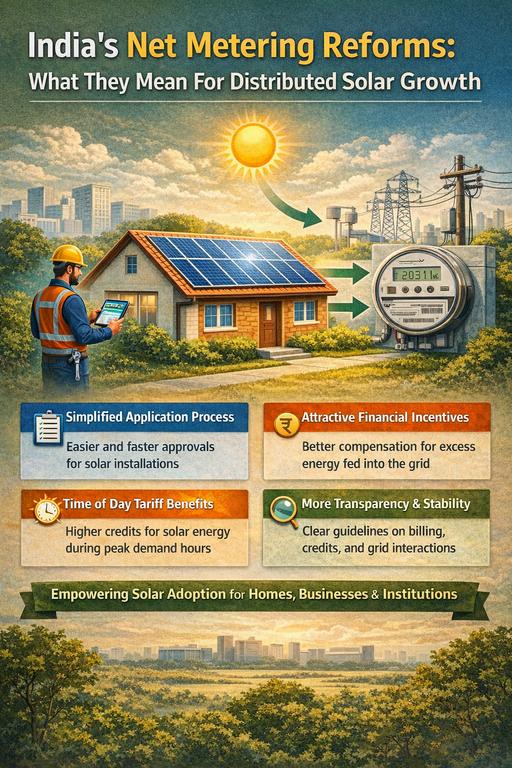
ndia’s push toward distributed solar energy is gaining momentum, and recent net metering reforms are set to play a pivotal role in accelerating this growth Net metering, which allows rooftop solar system owners to feed excess electricity back into the grid in exchange for credits, has long been a key mechanism encouraging households, commercial establishments, and industries to invest in solar energy However, inconsistencies in policies across states, cumbersome processes, and limited clarity on tariff structures have often hindered widespread adoption The latest reforms aim to address these barriers and create a more enabling environment for distributed solar deployment.
Under the new reforms, several states are standardizing net metering procedures, ensuring that application processes are simpler, timelines for approvals are shorter, and technical requirements are more uniform. This reduces uncertainty for investors and system owners, making solar rooftop projects more attractive
Clear guidelines on energy accounting, billing, and settlement of credits are being introduced, which not only improve transparency but also strengthen the financial viability of rooftop installations By reducing bureaucratic hurdles, these reforms are expected to boost confidence among small and medium enterprises, residential users, and institutional buyers looking to adopt distributed solar solutions
Financially, the reforms bring greater clarity on compensation for excess energy fed into the grid. Some states are moving toward time-of-day tariff structures, allowing prosumers to earn higher credits during peak demand hours. This encourages better utilization of rooftop solar systems and helps in flattening peak load, indirectly supporting grid stability. By making net metering more financially rewarding, the reforms create a stronger business case for residential and commercial customers, leading to faster payback periods and increased return on investment
The reforms also aim to integrate distributed solar with smart grid technologies By encouraging real-time energy monitoring, automated billing, and digital platforms for application and tracking, the government envisions a more modern and efficient energy ecosystem This not only benefits consumers but also helps utilities manage distributed energy resources more effectively, facilitating a smoother transition toward a decentralized energy model
From a market perspective, these reforms are likely to attract more private players, including solar developers, technology providers, and financial institutions, to participate in distributed solar projects The clarity and predictability offered by the new net metering framework reduce investment risks and can accelerate the scale-up of rooftop solar capacities Furthermore, by aligning incentives with renewable energy goals, the reforms contribute directly to India’s broader climate targets and commitments under the National Solar Mission
In conclusion, India’s net metering reforms are more than just regulatory adjustments; they represent a strategic step toward mainstreaming distributed solar energy. By simplifying procedures, improving financial incentives, and encouraging technological integration, these reforms create a conducive environment for rapid growth. As a result, homeowners, businesses, and utilities can all benefit from cleaner, more affordable, and sustainable energy solutions, while contributing to India’s renewable energy ambitions and energy security The reforms mark a turning point, signaling a future where rooftop solar becomes an integral and reliable part of the country’s energy landscape
India’s transition toward clean energy is increasingly being supported by distributed solar systems, especially rooftop and small-scale solar installations across residential, commercial, and industrial sectors However, the rapid adoption of distributed solar has often been constrained by high upfront costs, financing challenges, and technical integration issues with the grid In recent years, partnerships between power distribution companies (DISCOMs) and renewable energy service companies (RESCOs) have emerged as a powerful solution to overcome these barriers and accelerate the growth of distributed solar across the country
The RESCO model has become particularly attractive because it removes the burden of upfront investment for consumers. Under this arrangement, a RESCO developer installs, owns, and operates the solar power system at the consumer’s premises The consumer simply pays for the electricity generated, usually at a tariff lower than conventional grid electricity This approach makes solar energy accessible to a wider range of customers, including small businesses, institutions, and residential users who may not have the capital or technical expertise to install solar systems themselves
DISCOMs are playing an increasingly important role in enabling these models Traditionally, utilities have been cautious about the growth of rooftop solar because it can reduce their electricity sales. However, with growing renewable energy targets and supportive government policies, many DISCOMs are now actively collaborating with RESCO developers to promote distributed solar projects Through structured partnerships, DISCOMs facilitate grid connectivity net metering approvals and power
Government initiatives and regulatory frameworks have also strengthened this collaboration. Programs such as rooftop solar subsidies, net metering policies, and simplified approval processes have encouraged more consumers to adopt solar DISCOMs often act as the nodal agencies that coordinate these programs, while RESCO companies bring in technical expertise, project management, and financing solutions This combination has significantly reduced the time and complexity involved in deploying distributed solar systems.
Another important advantage of DISCOM–RESCO partnerships is improved grid management By working closely with developers, utilities can better monitor distributed generation and ensure grid stability Advanced metering infrastructure and digital monitoring systems allow DISCOMs to track solar generation in real time, helping them balance supply and demand more effectively. This coordinated approach reduces the operational challenges that were once associated with integrating large numbers of rooftop solar systems
The commercial and industrial sector has particularly benefited from the RESCO model Many businesses are seeking to reduce their energy costs and carbon footprint, but prefer not to invest capital in energy infrastructure RESCO developers provide a flexible solution where companies can access clean power through long-term service agreements without owning the system This model also supports corporate sustainability goals and environmental commitments
Despite the positive momentum, some challenges remain. Payment security, contract enforcement, and regulatory consistency across states continue to influence the pace of deployment DISCOMs must also balance their financial stability while supporting distributed solar expansion However, ongoing reforms in the power sector, including oved tariff structures and digitalization of distribution networks, are ected to address many of these issues
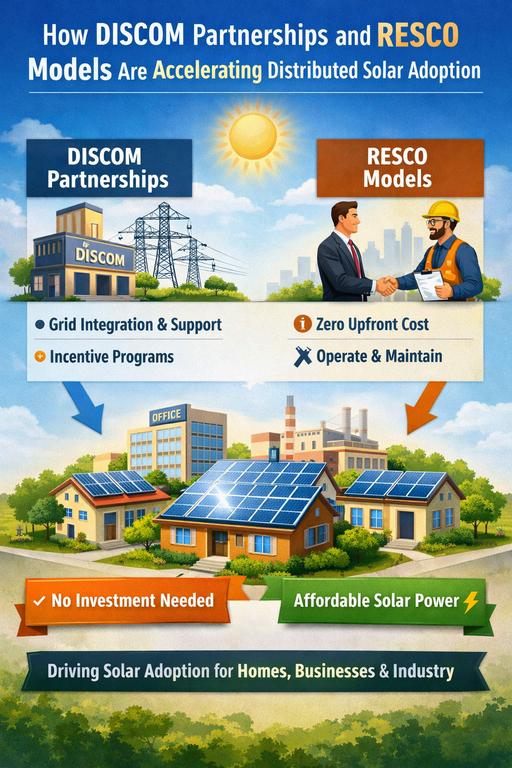
all, the collaboration between DISCOMs and RESCO developers ansforming the distributed solar landscape in India By combining ncial innovation, technical expertise, and supportive regulatory eworks, these partnerships are making solar energy more ssible and scalable As India continues to expand its renewable gy capacity and pursue ambitious climate goals, the DISCOM–CO model is likely to play a critical role in driving the next phase of ibuted solar adoption across the country
India’s micro, small, and medium enterprises (MSMEs) form the backbone of the country’s industrial sector, contributing significantly to employment, manufacturing output, and exports However, one of the biggest challenges MSMEs face today is high energy costs Industrial electricity tariffs in India are among the highest in Asia, and frequent power outages add to operational inefficiencies This combination of high costs and unreliable supply directly affects production competitiveness and profitability for small and medium-scale industries Against this backdrop, distributed solar energy is emerging as a transformative solution that can help MSMEs reduce power costs while enhancing sustainability.
Distributed solar refers to solar photovoltaic (PV) systems installed close to the point of consumption, such as on the rooftops of factories, warehouses, or industrial parks Unlike traditional grid power, distributed solar provides MSMEs with the ability to generate a portion of their own electricity, reducing dependency on the grid Rooftop solar, in particular, has become a practical solution for MSMEs because it requires minimal space, can be scaled to suit energy needs, and often qualifies for government incentives Net metering policies allow MSMEs to feed excess solar power back into the grid, generating additional revenue or offsetting electricity bills, further improving the economics of adoption
The financial benefits of distributed solar for MSMEs are substantial. Installing a rooftop solar system can reduce electricity bills by 30–70 percent, depending on system size and local tariffs With falling solar module prices, improved technology efficiency, and flexible financing options such as solar loans, green bonds, and third-party leasing models, the upfront investment has become more manageable for small enterprises In some industrial clusters, shared solar infrastructure models allow multiple MSMEs to co-invest in a single solar plant, achieving economies of scale and reducing capital requirements
Operational reliability is another advantage Many MSMEs face downtime due to load shedding or unstable grid supply Distributed solar systems, particularly when paired with battery storage, ensure uninterrupted power for critical operations. This is particularly valuable for MSMEs in manufacturing sectors such as textiles, food processing, and pharmaceuticals, where even brief power disruptions can lead to losses or product spoilage Moreover, solar adoption helps MSMEs align with global sustainability standards, improving their competitiveness in export markets that increasingly demand low-carbon production practices
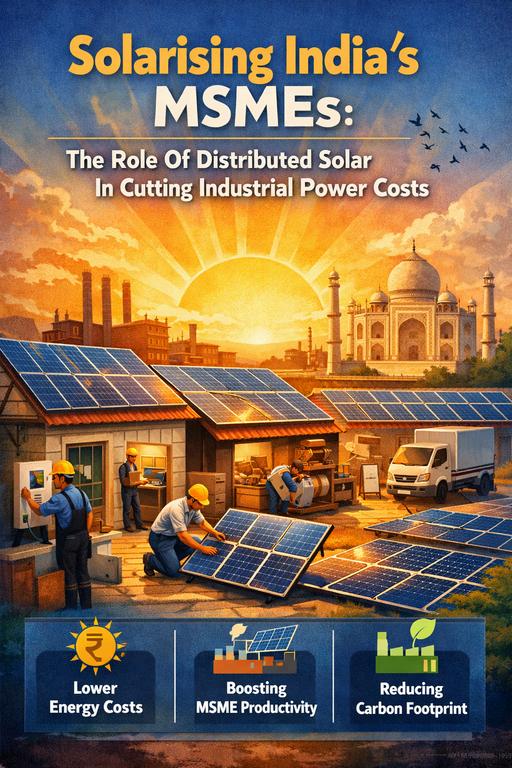
Government initiatives have played a crucial role in promoting distributed solar adoption among MSMEs Programs under the Ministry of New and Renewable Energy (MNRE), state-level subsidies, and preferential net metering rules have lowered financial barriers. Some states also provide technical support and facilitate easy access to certified solar vendors These measures, combined with growing awareness of energy cost savings and environmental benefits, are creating a positive ecosystem for solar deployment in the MSME sector
Distributed solar presents a viable pathway for Indian MSMEs to reduce industrial power costs, improve operational reliability, and enhance sustainability By generating clean, affordable electricity on-site, MSMEs can shield themselves from rising grid tariffs, minimize production losses, and strengthen their competitive position. With supportive policies, innovative financing, and scalable solar solutions, the widespread adoption of distributed solar has the potential to transform India’s industrial landscape, making MSMEs more resilient, energy-efficient, and globally competitive
The integration of solar power with battery storage is rapidly transforming the energy landscape in India, offering homes and businesses a reliable, flexible, and cost-effective alternative to traditional grid electricity Distributed solar systems, when combined with batteries, allow users to generate, store, and consume their own electricity, reducing dependence on utilities and providing protection against power outages. This synergy is particularly important in India, where electricity supply can be inconsistent, especially in semi-urban and rural areas By pairing solar panels with energy storage, households and commercial establishments can ensure a continuous power supply, even when the sun is not shining.
Battery energy storage systems (BESS) complement solar generation by storing excess electricity produced during the day for use during evenings or cloudy periods This capability enhances selfconsumption, allowing users to maximize the benefits of their solar installations For businesses, this means lower operational costs as they can rely less on expensive peak-time grid electricity. For residential users, battery-backed solar systems offer greater energy independence and the convenience of uninterrupted power for critical appliances such as lighting, refrigeration, and water pumps
Recent advancements in battery technology, particularly lithium-ion and emerging solid-state batteries, have made storage solutions more efficient, longer-lasting, and affordable. Lithium-ion batteries, known for their high energy density and longer cycle life, are increasingly preferred for residential and commercial applications in India These batteries can integrate seamlessly with rooftop solar systems and smart inverters, enabling real-time energy management,
peak shaving, and load optimization In addition, modular designs allow users to scale their storage capacity as energy needs grow, making the systems future-proof
Government initiatives and policy support are also playing a critical role in accelerating solar-plus-storage adoption. Programs offering subsidies, tax benefits, and net-metering schemes encourage households and businesses to invest in integrated systems Some state electricity boards have introduced innovative time-of-day tariffs that reward users who shift consumption to off-peak hours using stored solar energy Regulatory frameworks are gradually evolving to allow battery-backed distributed energy systems to participate in demand response programs and even sell surplus energy back to the grid, unlocking new revenue streams for users
Challenges remain, such as high upfront costs, the need for standardized regulations, and public awareness about the benefits of solar-plus-storage systems However, several companies in India are addressing these hurdles by offering financing options, turnkey installation services, and energy management solutions tailored for diverse customer segments By combining clean energy generation with smart storage, Indian homes and businesses can enjoy reliable electricity, reduce energy bills, and contribute to a sustainable energy future
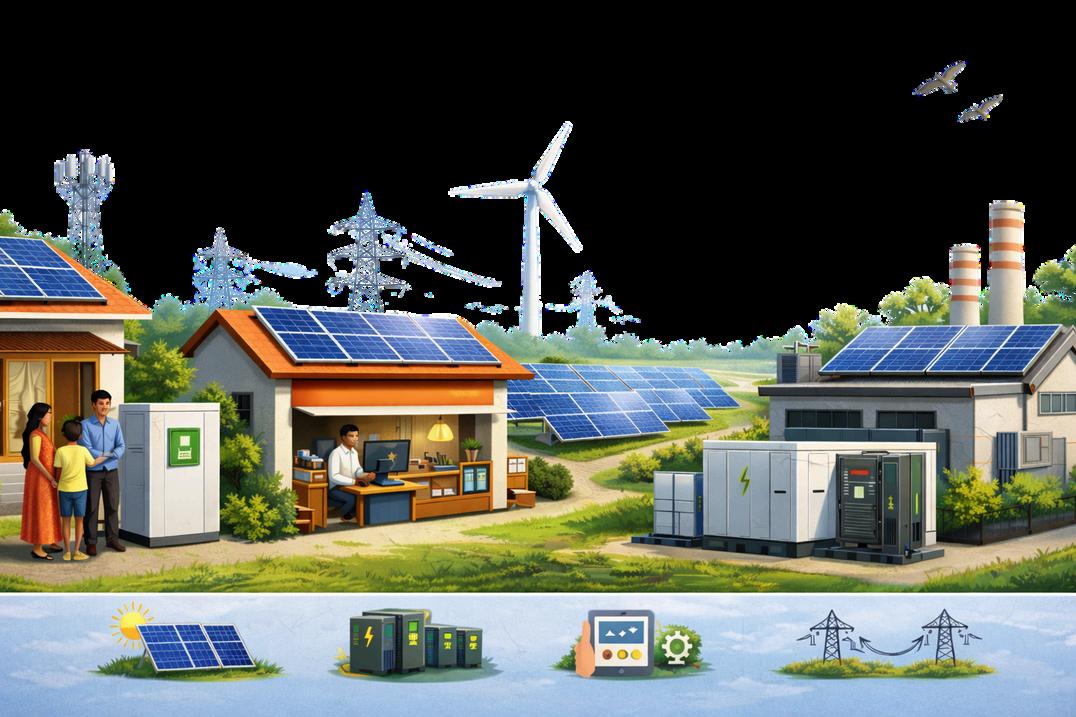
The future of distributed solar in India is closely tied to energy storage integration As technology costs decline and policy frameworks mature, solar-plus-battery solutions are set to become mainstream, enabling resilient, reliable, and sustainable energy for millions of Indian households and businesses, while also supporting the country’s broader goals of decarbonization and energy self-reliance

India’s ambitious renewable energy goals have brought distributed solar to the forefront as a critical solution for energy access, grid resilience, and climate action Distributed solar, which includes rooftop systems, community solar projects, and small-scale commercial installations, is not only environmentally beneficial but also economically transformative However, scaling this segment requires innovative and sustainable financing mechanisms, as upfront costs remain a significant barrier for residential, commercial, and industrial consumers In recent years, instruments like green bonds, the active participation of Non-Banking Financial Companies (NBFCs), and targeted climate funds have emerged as key enablers for accelerating distributed solar adoption across India
Green bonds have increasingly become a preferred financing tool for renewable energy projects, including distributed solar These bonds are debt instruments where the proceeds are earmarked for environmentally sustainable projects. Several Indian companies and financial institutions have issued green bonds to fund rooftop solar initiatives and small-scale solar parks The appeal of green bonds lies in their ability to attract both domestic and international investors who are seeking sustainable investment opportunities. With clear reporting and transparency requirements, green bonds provide reassurance to investors, helping reduce perceived risks and lower the cost of capital for solar developers This mechanism not only injects large-scale liquidity into the market but also encourages corporates and municipalities to invest in clean energy infrastructure.
NBFCs have played a pivotal role in bridging the financing gap for distributed solar, especially for residential and small commercial segments. Unlike traditional banks, NBFCs often have more flexible lending models, allowing them to offer customized loan products for rooftop solar installations They can provide both direct financing and lease-based models, making solar adoption affordable for households and businesses. Several NBFCs in India have collaborated with solar solution providers under innovative frameworks such as on-bill financing, where the loan repayment is integrated with the electricity bill This approach reduces default risk and simplifies repayment, enabling more widespread adoption
Climate funds, both domestic and international, have emerged as another critical source of support for distributed solar Funds managed by government-backed institutions, multilateral development banks, and private climate-focused investment platforms provide concessional finance, grants, and risk-sharing mechanisms. These funds help de-risk projects that might otherwise struggle to attract commercial capital By offering lower-interest financing or partial guarantees, climate funds enable solar developers to extend solutions to underserved areas and low-income communities, thus contributing to inclusive energy access. Programs supported by international climate funds also encourage technology transfer, capacity building, and long-term sustainability of distributed solar projects in India
Together, green bonds, NBFCs, and climate funds form a complementary ecosystem that addresses both the capital intensity and the risk concerns associated with distributed solar While green bonds mobilize large-scale investments, NBFCs offer last-mile financing solutions, and climate funds mitigate financial risks, ensuring projects are viable and scalable As India aims to meet its renewable energy targets and expand energy access, strengthening these financing channels will be crucial for accelerating distributed solar deployment. A coordinated approach involving policy support, financial innovation, and market partnerships can unlock the full potential of distributed solar, ensuring a cleaner, more resilient, and sustainable energy future for India

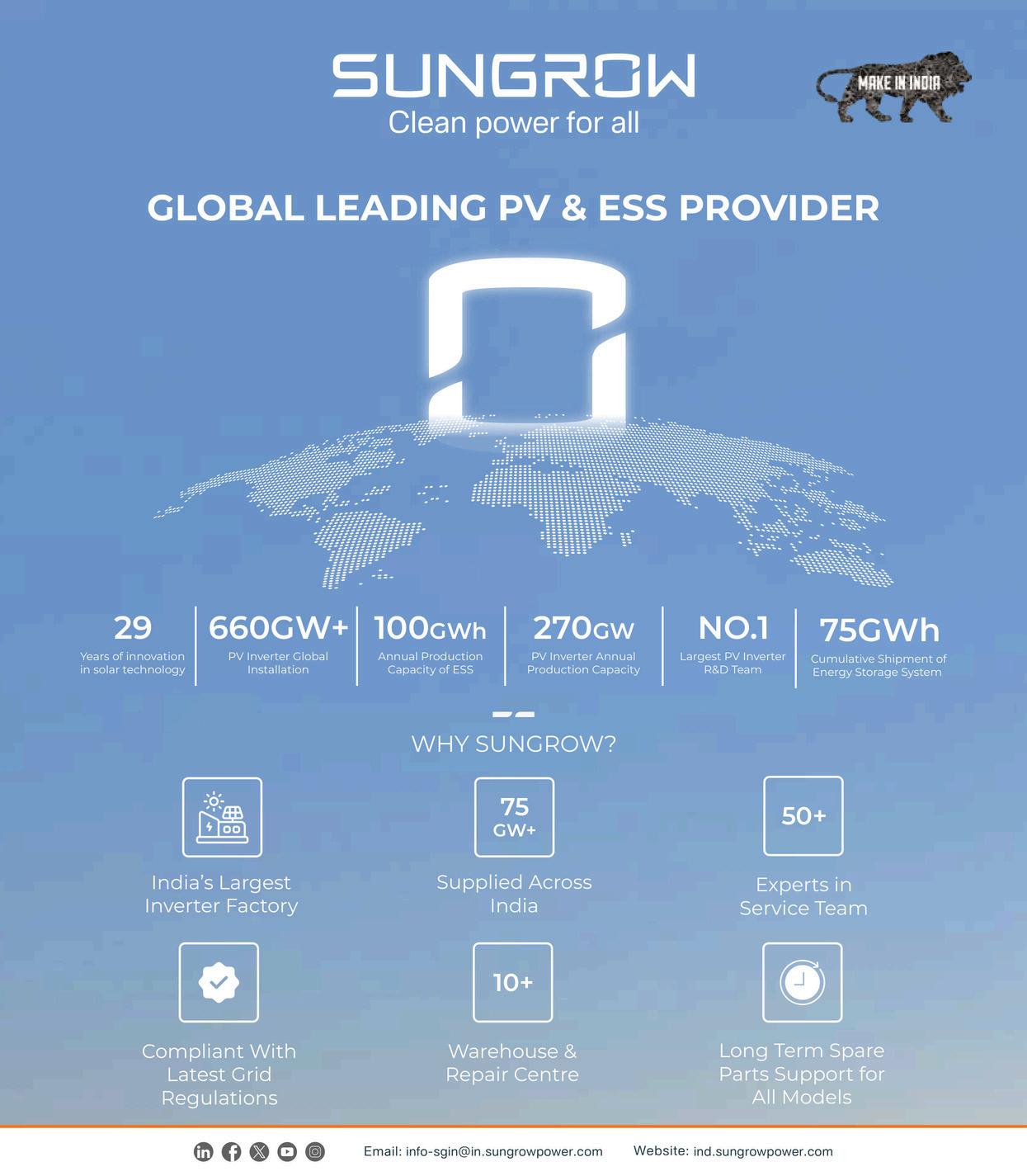
The C&I segment in India is very promising, upon which Sungrow newly launched 75 kW inverter solution focuses
Equipped with 8 MPPTs, the 75 kW inverter is installable in diversified commercial PV plants. It guarantees optimal power generation even performing in the shade. It is compatible with bifacial modules of max 105 kWp and designed with a high DC/AC ratio of up to 2 ensuring a lower initial investment and a minimum LCOE
Given complex installation environments like coastal areas, the built-in PID recovery function is essential, preventing any power loss by using reverse potential at night to cancel polarization and restore the degraded modules Its competitive protection level of IP66 and an anti-corrosion grade of C5, allows for stunning efficiency with improved resilience Designed with smart-forced air-cooling technology, the inverter operates without derating when the temperature reaches 45 degrees Celsius.
Sungrow, a global leader in renewable energy technology, has pioneered sustainable power solutions for over 29 years As of December 2025, Sungrow has installed 1000 GW of power electronic converters worldwide The Company is recognized as the world's No 1 on PV inverter shipments (S&P Global Commodity
Insights) and the most bankable Asian energy storage company (BloombergNEF). Its innovations power clean energy projects in over 100 countries, supported by a network of 520+ service outlets guaranteeing excellent customer experience At Sungrow, we're committed to bridging to a sustainable future through cutting-edge technology and unparalleled service
As a leader in innovation in the solar industry, Sungrow possesses a dynamic technical R&D team that represents 40% of the personnel in the Company The Company has also invested in its own in-house testing centre approved by SGS, CSA, and TÜV Rheinland Sungrow has the world’s largest inverter factory, with a global annual production capacity of 270 GW, including 50 GW outside China. Annual production capacity of Sungrow ESS reaches 100GWh.
Sungrow offering "Make in India" products from 25 GW manufacturing unit in India which is largest in PV Inverter segment to cater demands of India market mainly Sungrow has crossed 65 GW shipment of PV Inverters in India Sungrow is offering PV Inverter range of 1 kW to 5MW to cater the demands of Residential/C&I /Utility segments in India "
Learn more about Sungrow by visiting ind.sungrowpower.com
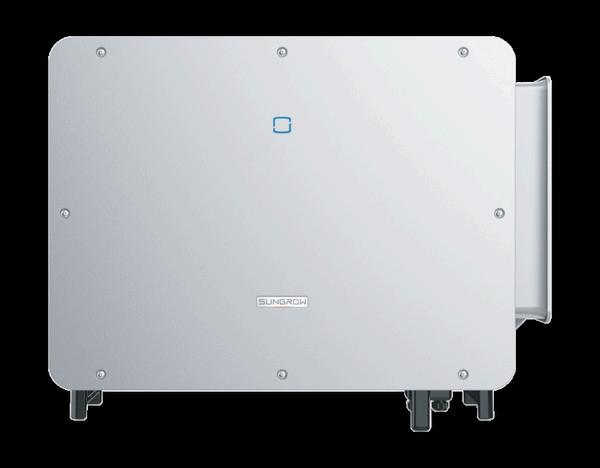


INDIA’S C&I SOLAR SEGMENT IS RAPIDLY EXPANDING, AND SUNGROW’S NEW 75 KW INVERTER WITH ADVANCED MPPT DESIGN AND HIGH DC/AC RATIO IS BUILT TO DELIVER MAXIMUM EFFICIENCY, FLEXIBILITY, AND LOWER LCOE FOR COMMERCIAL SOLAR PROJECTS.”

s the global photovoltaic industry continues to pursue higher efficiency and lower levelized cost of electricity (LCOE), the evolution of module
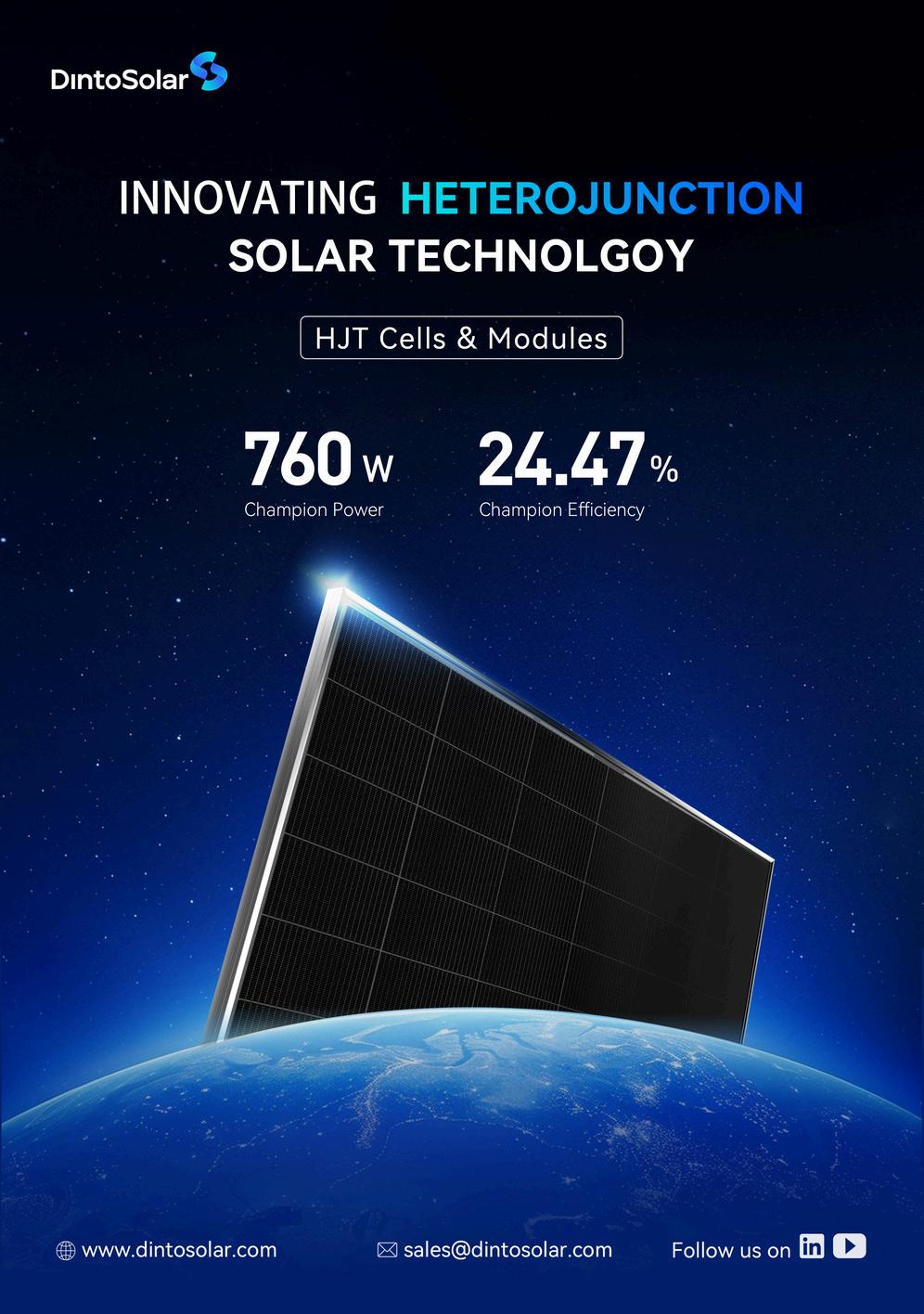
technology and system voltage platforms is becoming increasingly important The Huasun Himalaya 760HV 2000V heterojunction (HJT) module, developed by Anhui Huasun Energy Co , Ltd , introduces a series of innovations in module design, manufacturing, and system integration, delivering improved energy generation performance and greater value for utility-scale solar projects
At the module design level, the Himalaya 760HV adopts high area utilization and negative gap technology, increasing the effective cell coverage of the module This design expands the cell area by approximately 2.1%, boosting output power by 20W and improving module efficiency by 0.66%, with the module area utilization reaching 95 8% The larger active area enables a stronger power generation capability and contributes to higher overall energy yield.
The module continues Huasun’s mature 132-cell dual-string circuit design, combined with half-cut cells, large-size wafers, and optimized spacing technology. Importantly, the product can be mass-produced without major production line upgrades only minor adjustments to stringing equipment are required, allowing for high-yield manufacturing and rapid market deployment
Performance in real-world conditions is another highlight Thanks to the halfcut architecture, the module experiences significantly lower power loss under partial shading, which helps extend generation during early morning and late afternoon hours and improves the plant’s overall daily power curve.
A key advantage of the Himalaya 760HV is its compatibility with the 2000V high-voltage system platform Compared with traditional 1500V systems, the 2000V solution provides greater potential for system optimization and cost reduction. For example, analysis of a 100MVA project in Hami, Xinjiang shows that adopting a 2000V system can reduce balance-of-system (BOS) costs while improving land utilization by reducing the number of foundation piles required
In addition, Huasun has introduced an innovative butyl adhesive edgesealing process, which ensures safety under high-voltage conditions while maintaining high module area utilization and efficiency achieving an effective balance between reliability and performance.

The HJT 2000V module has also received certification from the internationally recognized testing and certification body TÜV SÜD, based on n confirms that the module meets global requirements for performance, safety, and reliability, marking an important step toward the industry’s transition to 2000V high-voltage photovoltaic systems.
With its high power output, advanced design, and strong system value, the Huasun Himalaya 760HV 2000V module offers a forward-looking solution for next-generation solar power plants and supports the continued advancement of high-efficiency PV technologies
GoodWe celebrated 10 years of operations in India, marking a decade of growth and partnership in one of the world’s fastest-growing solar markets The event also commemorated the milestone of 6 GW of the company’s cumulative inverter shipments in the country
The event was held at The Lalit Ashok Bangalore GoodWe’s India team welcomed their key customers and partners, and industry leaders to reflect on a decade of growth and collaboration in the country’s renewable energy sector. The evening was graced by N. Amarnath, General Manager of Karnataka Solar Power Development Corporation, who delivered a keynote address on the future of solar energy in India, highlighting policy momentum and technological innovation driving the next phase of clean energy growth
James Hou, Vice President of Sales for the Asia Pacific Region at GoodWe, joined via video message. He noted, “India is one of the most important regions for GoodWe globally. Over the years, our goal has always been to help customers reduce risk, improve project returns, and build systems that perform well over the long term We have continued to invest in R&D, strengthen our channel ecosystem, expand technical and service support, and work closely with EPCs and developers ”
Since entering in the Indian market in early 2016, GoodWe has steadily expanded its presence across residential, commercial & industrial (C&I), and utility-scale segments, building a well-diversified portfolio The company collaborates closely with prominent organizations, including Tata Power, Amplus Solar, Enerparc, ORB Energy, KOSOL Energie, and Sterling and Wilson Renewable Energy, along with other Tier 1 installers operating across all three segments
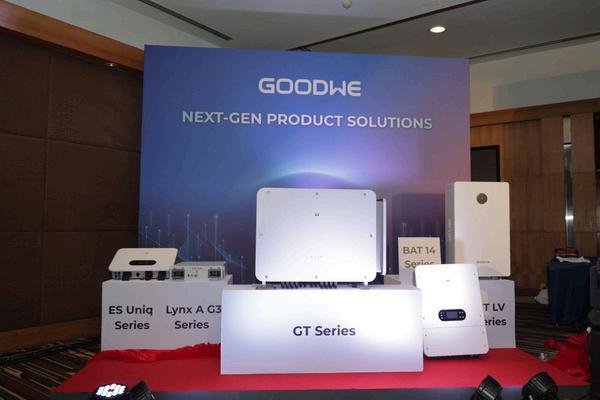
From powering individual homes under schemes such as PM Surya Ghar initiatives, with over 150,000 residential units deployed, to delivering solutions for leading C&I and utility players, GoodWe’s footprint continues to expand in the country
Today, GoodWe's projects span diverse geographies from the snow-covered northern terrains to arid western landscapes and the humid coastal belts reflecting a truly nationwide presence across varied climatic conditions
Supporting this growth is a robust service network comprising 20 service engineers across the country, along with the Solar Service Centre in Bengaluru and service warehouses in Mumbai, Kolkata, Bengaluru, and Gurugram, ensuring responsive technical support and operational reliability The 6 GW milestone stands as a testament to these efforts
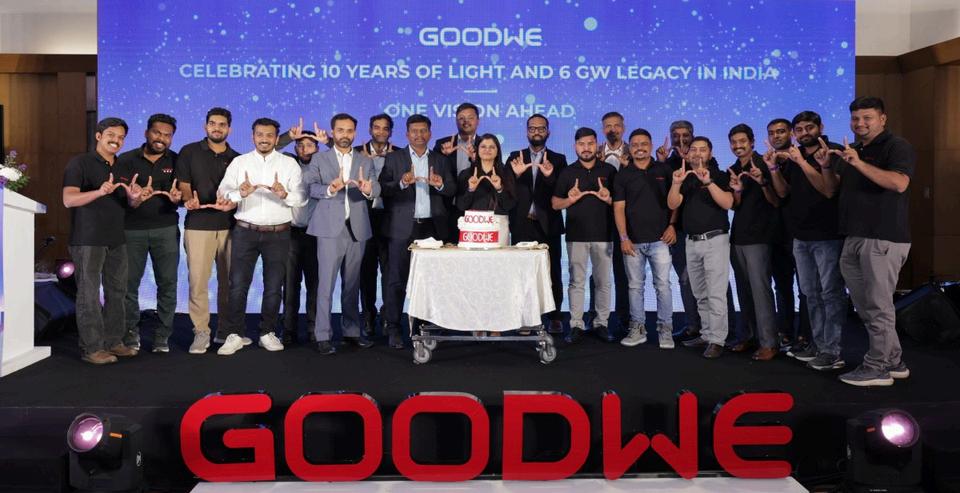
The event also highlighted GoodWe’s latest smart energy solutions tailored to India’s growing energy demand Under the CoreLock concept, GoodWe presented its residential energy storage solutions designed to deliver enhanced system safety, fast backup response, and long-term reliability The portfolio includes the ES Uniq (3–12kW) paired with Lynx A G3 batteries, offering compact hybrid performance with <4ms backup switching and flexible scalability (up to 150kWh). For higher energy demand, the three-phase ET LV Series (5–20kW) combined with BAT 14 battery provides greater system capacity (up to 430kWh).
For the C&I segment, the GT 150kW inverter was showcased as a high-performance solution engineered for reliability in demanding environments Designed to support high string current and flexible PV oversizing, the inverter features multiple MPPTs, high conversion efficiency, and integrated safety monitoring, enabling optimized energy yield and dependable long-term operation for C&I projects
The event also highlighted GoodWe’s latest smart energy solutions tailored to India’s growing energy demand. Under the CoreLock concept, GoodWe presented its residential energy storage solutions designed to deliver enhanced system safety, fast backup response, and long-term reliability The portfolio includes the ES Uniq (3–12kW) paired with Lynx A G3 batteries, offering compact hybrid performance with <4ms backup switching and flexible scalability (up to 150kWh) For higher energy demand, the three-phase ET LV Series (5–20kW) combined with BAT 14 battery provides greater system capacity (up to 430kWh)
For the C&I segment, the GT 150kW inverter was showcased as a highperformance solution engineered for reliability in demanding environments Designed to support high string current and flexible PV oversizing, the inverter features multiple MPPTs, high conversion efficiency, and integrated safety monitoring, enabling optimized energy yield and dependable long-term operation for C&I projects.
“Following a customer-centric approach, product innovation highlights the breadth we have built over the past decade in this market,” James added “Looking ahead, we remain focused on delivering solutions that address India’s evolving energy needs, working hand in hand with our teams and partners ”
“Following a customer-centric approach, product innovation highlights the breadth we have built over the past decade in this market,” James added “Looking ahead, we remain focused on delivering solutions that address India’s evolving energy needs, working hand in hand with our teams and partners ”
SalesHeadIndia
SinengElectric
KEY HIGHLIGHTS:
Sineng Electric is the world's fifthlargest PCS supplier, providing batteryagnostic solutions for utility, commercial, and residential sectors
The company is delivering 576 MW of PCS to India’s Khavda Energy Park, one of the largest single-location battery storage projects globally
Since 2018, Sineng has operated a manufacturing base in Bangalore to ensure local compliance and rapid service across India.
QSineng Electric has a strong presence in India’s solar inverter market How is the company expanding into the energy storage sector?
Sineng Electric is expanding into the energy storage sector as a natural extension of its strong position in India’s solar inverter market Leveraging our proven expertise, we offer advanced hybrid inverters, string PCS, and central PCS for utility-scale, C&I and residential applications, enabling seamless integration with batteries from multiple OEMs This flexibility allows developers and EPC contractors greater freedom in system design while optimizing overall project performance. Globally, Sineng’s PCS solutions have been widely deployed across the United States, Europe, the Middle East & Africa, and the AsiaPacific region Today, our company ranks No 5 worldwide in PCS shipments, underscoring our competitiveness in the energy storage market

In India, we are leveraging our well-established presence in the solar segment to accelerate our expansion into energy storage. Our company has built strong partnerships with leading developers, EPC contractors, and system integrators, and has actively participated in key tenders from SECI, NVVN, GUVNL, KPTCL, and RUVNL, including RTC, FDRE, and hybrid project programs
At the project level, Sineng has successfully delivered 576 MW of PCS to the Khavda Energy Park in India Upon completion, the facility will reach a total capacity of 1,126MW/3,530MWh, becoming the largest BESS installation in India and one of the world's largest single-location BESS deployments
By combining globally validated PCS technology, local manufacturing support, a strong service network, and long-term partnerships in the Indian market, Sineng Electric is steadily strengthening its position in the country’s rapidly growing energy storage sector.
QWith the rise of Battery Energy Storage Systems (BESS) in India, what key opportunities do you see for the market?
India’s energy storage market is in an early but high-growth stage, driven by the rapid expansion of renewable energy and the increasing need for grid reliability As solar and wind capacity scales up, maintaining grid stability and ensuring a reliable power supply have become key challenges. In this context, energy storage is emerging as a key enabler of the next phase of India’s energy transition
One of the major opportunities for BESS in India comes from the growing demand for Round-The-Clock (RTC) and Firm and Dispatchable RE (FDRE) projects At the same time, strong push from government tenders such as SECI, NTPC, and state DISCOMs is accelerating market development. In many recent bids, storage is no longer optional but mandatory, which is significantly expanding the market for BESS
Another important driver is the increasing need for grid stability, frequency regulation, and peak load management With higher renewable penetration, the power system requires fast-response resources to balance supply and demand, especially during evening peak hours when solar generation declines BESS provides a highly effective solution for ramping support, reserve capacity, and power quality improvement, making it an essential technology for India’s future power system. In addition, the rapid growth of solar-wind hybrid projects with storage integration is creating new opportunities, as developers seek to deliver dispatchable renewable energy rather than energy-only generation
Beyond utility-scale applications, the C&I sector is also becoming an important growth area for BESS in India Companies are increasingly adopting storage systems for peak shaving, backup power, and energy cost optimization At the same time, falling battery prices and improvements in system efficiency are making storage projects more commercially viable
Industry forecasts indicate that India is expected to add 30–40 GW of BESS capacity by 2030, highlighting the strong long-term potential of the market With our PCS solutions compatible with leading battery manufacturers such as CATL, Hithium, and Great Power, and close collaboration with EPCs and developers, Sineng Electric is well-positioned to support the growing demand for BESS projects in India.
QHow is Sineng Electric aligning its technology and sales strategy for utility-scale and C&I energy storage projects in India?
Sineng Electric aligns its technology and sales strategy in India by combining highperformance PCS solutions with a solutionoriented, project-driven approach
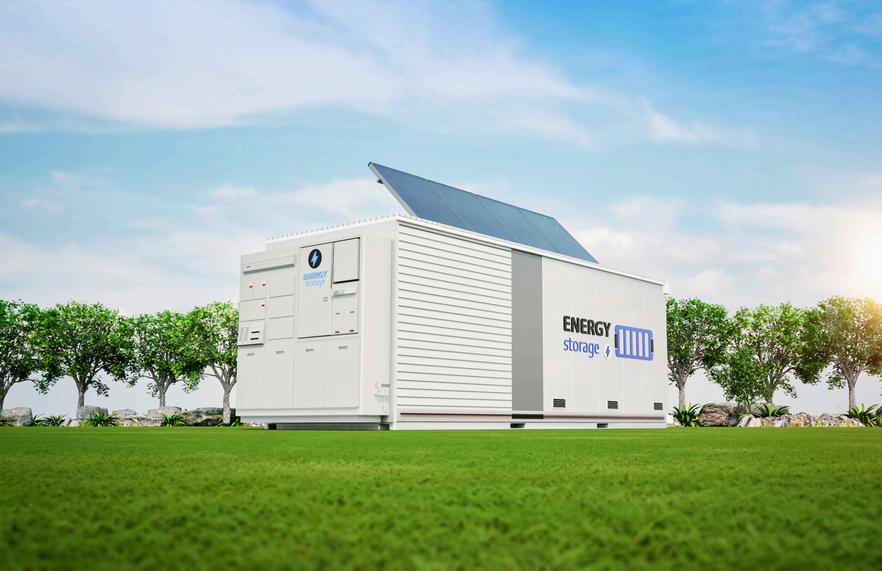
QFor utility-scale projects, Sineng focuses on large solar-plus-storage and standalone BESS projects Our company introduces central PCS solutions such as the EH-1250-HC-UD and EH1725-HB-UD, which are designed for high efficiency, 1500V systems, and reliable operation under high-temperature conditions commonly seen in India Additionally, these solutions feature grid-forming capability, which is increasingly important in modern power systems
For the C&I segment, Sineng’s solutions adopt a modular design based on string PCS, which offer flexible scalability and easy O&M This approach helps customers reduce both CAPEX and OPEX while meeting practical needs such as peak shaving, backup power, and energy cost optimization
Sineng emphasizes early engagement with developers, EPC contractors, and system integrators to support project design from the initial stage We maintain flexibility to work with different battery suppliers selected by the client and position ourselves as a complete solution partner rather than only a component provider. At the same time, by strengthening local support and delivery capability in line with India’s localization and “Make in India” requirements, Sineng has established a manufacturing base in Bangalore in 2018
Could you highlight any recent innovations from Sineng Electric for solar-plusstorage projects?
Sineng Electric has developed advanced grid-forming energy storage solutions to support higher renewable penetration while maintaining grid stability Our latest solutions support grid-following, gridforming, and off-grid operating modes, enabling reliable performance in strong as well as weak grid environments In addition, Sineng PCS solutions adopt advanced liquid-cooled technology to ensure superior thermal management, while compact and modular configurations help optimize installation space and simplify the O&M process
These technological advancements enable Sineng Electric to provide comprehensive solutions for solar-plus-storage projects, standalone BESS, microgrid applications, and hybrid systems combining solar, wind, and storage
For the Indian market in particular, Sineng’s latest PCS solutions are designed to operate reliably under harsh environmental conditions, including high temperatures They are also well-suited for weak and fluctuating grid environments, helping utilities and developers increase the share of renewable energy without compromising grid stability
SINENG ELECTRIC IS COMMITTED TO ADVANCING INDIA’S CLEAN ENERGY FUTURE THROUGH SCALABLE SOLUTIONS, STRONG PARTNERSHIPS.”
QWhat are Sineng Electric’s key growth plans for India’s solar and energy storage market in the coming years?
India is a key strategic market for Sineng Electric. In the coming years, our company plans to further strengthen its participation in BESS and hybrid renewable projects, while actively targeting RTC, FDRE, and solar-plus-storage tenders To support long-term growth, Sineng is also working on increasing its local manufacturing and assembly capabilities in India, enabling faster delivery and closer alignment with local policy requirements
In parallel, our company is strengthening collaboration with key partners, including project developers, EPC contractors, and battery manufacturers Sineng is also involved from the early stages of a project, allowing its technical team to contribute to system design, specification selection, and grid compliance planning. A strong focus is placed on meeting CEA regulations and Indian grid standards, ensuring that solutions are fully compliant with the country’s evolving technical requirements
Sineng Electric’s execution capability in India is supported by proven project experience, including participation in large-scale projects such as the Adani Khavda renewable energy park, where Sineng supplied 576 MW of PCS, as well as the L&T Bihar 52 MW project. These references, combined with a well-established local service network, provide a solid foundation for further expansion in the market
Looking ahead, Sineng will continue to deliver scalable, cost-effective, and future-ready PCS solutions, with the goal of becoming an important enabler of India’s rapidly growing energy storage ecosystem

Solar EPCs and channel partners across India share their on-ground experience with Deye solutions—highlighting performance, reliability, and the strength of long-term support.

We have been using Deye residential on-grid inverters (3kW, 5kW, 8kW, and 10kW) in Dehradun for the past one year The products reflect advanced technology and thoughtful design, complemented by robust and well-engineered packaging The integrated monitoring system enables customers to conveniently access real-time performance data through their mobile devices
The inverter performance and power generation have been consistently impressive, demonstrating high reliability and efficiency across diverse installations.
We also appreciate the dedicated support from the sales team, along with the proactive and dependable approach of the distributor network
Overall, we are highly satisfied with Deye products and look forward to a long-term and mutually beneficial association.
Sustainable Himalayas Infrastructure Solutions
Dehradun, Uttarakhand

We are happy to be associated with DEYE India for the past several years The continuous support from their technical and sales teams has been outstanding and very helpful for partners like us
At CG Solar, Raipur (C G), we have installed multiple On-Grid, Hybrid, and Micro inverters, and the performance has been excellent Our customers trust the quality and reliability of DEYE products
Looking forward to many more years of successful partnership with the DEYE team
Latish Jumnani
CG Solar, Raipur (C G)

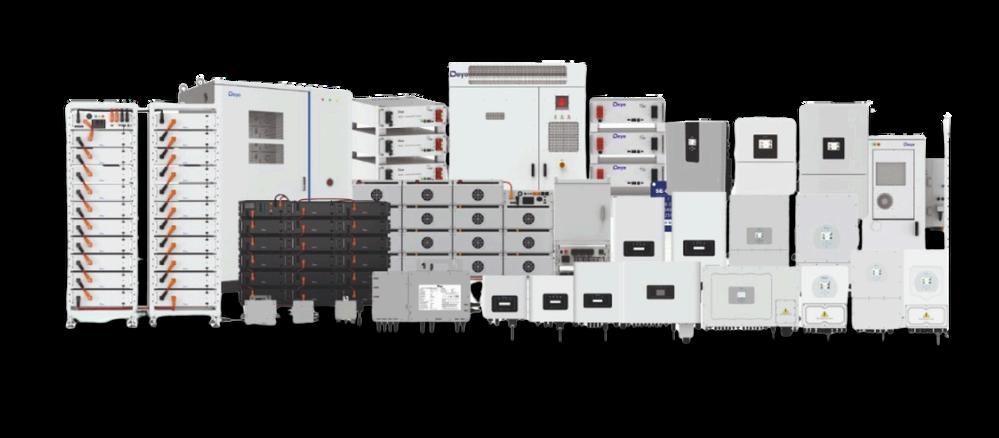

We have been associated with DEYE and the DEYE INDIA Team (Bharat Jee, Akshay Jee, Rakshanda Mam, Shivani Ma'am, Jaydeep Bhai, and Anil Jee) for more than five years, and we are genuinely pleased with the level of technical and sales team assistance we have received thus far as an authorized channel partner. We have sold and used nearly every DEYE product, including Ongrid, Hybrid, and Micro, and the majority of our clients are content
The Deye product line is genuinely unrivaled, especially the HYBRID line, which gives us an advantage over rivals in the Indian market
We anticipate an enduring,never ending long-term collaboration with DEYE
Swapnil Jain Partner, M P Engineering Solar/Minsun Renewable Solutions LLP (Madhya Pradesh)


We are an EPC company and dealers of solar panels, inverters, lithium batteries, and other solar products Over the past two years, we have been purchasing Deye Hybrid Inverters, lithium batteries, and on-grid inverters from your company, and our experience has been very positive.
The Deye Hybrid Inverter has proven to be a reliable and advanced solution for solar energy systems. Its smart hybrid functionality, high efficiency, battery compatibility, and seamless integration with solar and grid power make it an excellent choice for modern solar installations The inverter’s intelligent energy management, stable performance, and user-friendly monitoring features have helped us deliver efficient and dependable systems to our customers
We have had a very good experience with the sales representative Mr. Akshay Jorwar, who has always been supportive, professional, and responsive in handling our requirements. We also appreciate the continuous support from the technical and backend team, especially Mr Tanaji and Mr Mohammed, who have been extremely helpful in providing timely technical feedback and assistance whenever required
We are very thankful for the excellent service and cooperation we have received from sales support to technical guidance We look forward to continuing this strong and mutually beneficial relationship in the future
Anil Kumar Arka Solar Energies Unlimited, Pune

EnerMAN’s ETi-SOL platform provides real-time, AI-driven monitoring that detects equipment breakdowns in seconds to minimize generation loss
The solution boosts energy output by over 2% and tracks live carbon offsets to help developers reach specific netzero goals
By using in-house development and open-source software, the company reduced solar SCADA costs from 3 5 lakhs to under 1 lakh per MW
QEnerMAN Technologies offers IoT-based AI/ML SCADA solutions; what key innovations define your latest solar monitoring products?
EnerMAN IoT SCADA (ETi-SOL), a web and mobile application software with CMS (Central Monitoring System) / RMS (Remote Monitoring System) capabilities, can be accessed by customer 24/7 from anywhere using internet connected smart phone / Laptop / PC. They can access minute-wise live data for monitoring & control of performance of key equipment Our products notify the alerts /alarms on breakdown of equipment in fraction of a second This will help site Engineers/Technicians to attend the breakdowns to reduce the loss of generation
AI/ML driven ETi-SOL provides an analysis report on Inverters performance ranking; this will help Engineers /Technologists to take corrective action to improve the performance of low performing Inverters
ETi-SOL also provides analysis report on Inverter downtime and grid downtime loss on hourly, daily and monthly basis, this will help Engineers /Technologists to take preventive action to reduce the down time of Inverters and grid This very feature empowers the designer to choose better performing PV modules, Inverters and other key equipment for the future projects
ETi-SOL automatically sends emails to developers on daily generation reports and monthly generation reports ETi-SOL shares live data with customer’s Finance and Accounting System automation of revenue and expenses management
ETi-SOL shares energy forecast, and live performance data with QCA (Qualified Coordinating Agencies) and SLDC (State Load Dispatch Centres) for energy scheduling ETiSOL shares live data with SEDM Portal (Solar Energy Data Management) for PM-KUSUM projects which enables effective management of distributed solar system by automating the billing process with efficient implementation of financial support schemes
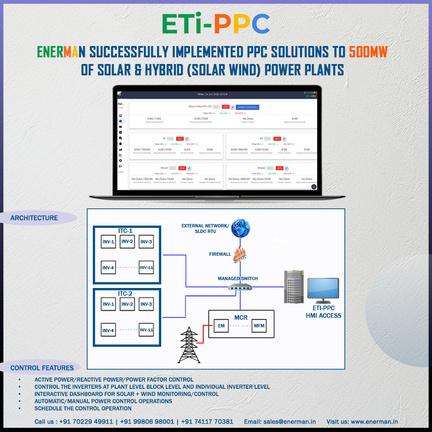
QHow does your platform help solar developers and asset owners improve real-time monitoring, analytics, and plant performance?
ENERMAN ENABLES REALTIME, 24/7 TRACKING OF EVERY UNIT OF CLEAN ENERGY, HELPING DEVELOPERS OPTIMIZE PERFORMANCE AND ACHIEVE NET-ZERO GOALS.”
EnerMAN’s Innovative products will help developers / renewable asset owners in tracking of every unit of clean and green energy generated from renewable assets 24/7, with live and remote tracking of KPI like CO2 emission reduction, and equivalent Tree farms to absorb CO2 emission for every minute from day one of their assets till lifetime of the assets This will help developers to plan their investments in renewable assets to achieve net-zero target and maintain their netzero goal target EnerMAN’s product will directly contribute to generating more than 2% i e additional 81 million units of clean and green energy in a year This will reduce additional 33 Metric Tons of Co2 emission, which is equivalent of building tree farms of 1 5 million trees
QOUR PLATFORM TRANSFORMS SOLAR DATA INTO ACTIONABLE INSIGHTS IMPROVING PLANT EFFICIENCY, REDUCING EMISSIONS, AND MAXIMIZING ENERGY OUTPUT.”
QHow does EnerMAN ensure its advanced monitoring and control solutions remain affordable for both utility-scale and rooftop solar projects?
EnerMAN started developing products with primary goal of affordability in cost sensitive Indian market We have contributed in bringing down cost of Solar PV SCADA per MW from more than INR 3 5 lakhs in 2015-16 to less than INR 1 lakh by 2018-19. We have built end-to-end products including Hardware, Firmware, Software and Mobile Apps with our inhouse team in Bengaluru using open-source software / platforms to bring down the cost.
How do EnerMAN’s IoT-based AI/ML-driven SCADA systems improve monitoring, control, and performance for solar plants and rooftops?
EnerMAN IoT SCADA (ETi-SOL), a web application software runs on cloud platform with CMS / RMS capabilities, supports monitoring & control of performance of key equipment 24/7 with sampling frequency of 1 minute and notify the alerts / alarms on breakdown of equipment in few seconds AI/ML driven ETi-SOL provides analysis report on Inverters performance ranking on various parameters and Inverter downtime loss analysis; these analytics and report will help on-site O&M team to take corrective and preventive maintenance activities to reduce the losses and improve the performance of the Solar PV assets
EnerMAN’s ETi-CAST developed using AI & ML for day ahead, week ahead and month ahead energy generation forecasting, which is improved the accuracy to > 90%, we are working on improving the energy generation forecasting accuracy level to 95% This will help developer in providing accurate energy scheduling data to SLDCs and reducing penalties on deviations.
QWhat are EnerMAN’s key priorities for product innovation and global expansion as the renewable sector moves toward net-zero goals?
Energy Storage is becoming part of Renewable Energy; many solar PV plants integrated with energy storage to improve the grid stability and 24/7 stable power guarantee EnerMAN is developing ETi-BESS (Battery Energy Storage System) monitoring, control and analysis products for BESS This will support utilizing renewable energy 24/7 in future
EnerMAN is developing advance features and analytics to reduce the losses and improve the performance of the Solar PV assets. EnerMAN planning to expand its presence in APAC, North America, Australia, ME and African countries in coming years
EnerMAN’s Innovative products will help developers / renewable asset owners in tracking of every unit of clean and green energy generated from renewable assets 24/7, with live and remote tracking of KPI like CO2 emission reduction, and equivalent Tree farms to absorb CO2 emission for every minute from day one of their assets till lifetime of the assets This will help developers to plan their investments in renewable assets to achieve net-zero target and maintain their net-zero goal target.

EnerMAN provides a comprehensive and integrated SCADA platform designed to unify the monitoring and control of power plants into a single, intelligent ecosystem By consolidating all critical plant data and controls in one place, the platform enables operators and engineers to access real-time insights, streamline workflows, and make informed operational decisions with greater confidence The solution is built to enhance plant visibility, improve reliability, and simplify complex operational activities, thereby supporting efficient plant management across diverse environments. EnerMAN’s product suite is engineered to address key operational challenges in modern power plants Together, these solutions form a cohesive ecosystem that ensures optimized performance, improved energy efficiency, and seamless coordination across all plant components
ETi-EDGE is a streamlined local monitoring system designed to ensure high data accuracy and system reliability All operational data is securely stored within the local system, eliminating dependency on continuous internet connectivity and making it highly suitable for remote or critical installations. This architecture enables operation
and maintenance engineers to monitor and manage plant performance effectively, even in challenging environments To further enhance reliability, EnerMAN is implementing a High Availability (HA) architecture for ETi-EDGE, ensuring system redundancy and uninterrupted data acquisition The solution supports deployment on both Ubuntu and Windows platforms, providing flexibility based on project requirements. In the event of a system interruption, the HA configuration automatically resumes data collection within minutes and synchronizes historical data within a short duration, ensuring data continuity and integrity
ETi-SOL is a powerful SCADA platform tailored for comprehensive monitoring and control of solar power plants. It acquires data from field-deployed instrumentation and securely transmits it to a centralized server, enabling reliable remote access to all critical plant parameters. The platform supports multi-level monitoring at plant, block, and device levels, offering enhanced visibility and precise operational
control ETi-SOL also enables seamless data extraction and comparative analysis across multiple plants, allowing operators to evaluate performance trends and identify optimization opportunities The platform features advanced dashboards that deliver actionable insights, including inverter ranking, inverter and grid downtime analysis, generation forecasting, and PVSYST-based performance evaluation. These tools empower engineers to address performance issues proactively and improve plant efficiency Remote operations such as breaker and inverter active power control are facilitated through secure access mechanisms, ensuring safe and controlled plant operations The system is designed in compliance with CEA guidelines and IEC standards, ensuring regulatory adherence, interoperability, and high operational reliability
Additionally, ETi-SOL incorporates robust cybersecurity measures, including two-factor authentication (2FA) and OTP-based verification, to safeguard data integrity and maintain secure communication channels
Apart from this, ETi-SOL / ETi-EDGE exchanges data seamlessly with MNRE’s Solar Energy Data Management (SEDM) platform, through structured, time-synchronised and secured protocols, ensuring full regulatory compliance. With more than 100 MW of PM-KUSUM solar PV plants already digitized with EnerMAN’s SCADA / RMS and 500MW of projects are actively progressing across India in near future.
ETi-PPC delivers real-time grid-level voltage stabilization, effectively mitigating fluctuations that can lead to equipment stress, operational downtime, or regulatory non-compliance Its autonomous operation, especially during unmanned hours, ensures continuous grid compliance and long-term system stability In advanced inverter-based solar plants, ETi-PPC plays a critical role in maintaining high-quality grid interaction It performs Power Factor (PF) control with high responsiveness by dynamically adjusting the phase angle between voltage and current, thereby reducing losses and improving efficiency Additionally, reactive power compensation is managed by enabling inverters to inject or absorb reactive power, stabilizing voltage and supporting weak grid conditions. With advanced algorithms controlling active and reactive power flows, ETi-PPC ensures seamless grid integration and compliance with statutory requirements. Features such as automated scheduling, remote operability, and intelligent fault handling further enhance reliability, making it a robust solution for efficient and secure plant operations
EnerMAN’s ETi-ZES is an advanced Zero Export Solution designed to ensure that industries fully utilize their captive power generation without exporting excess energy to the utility grid. The system continuously monitors real-time generation and load demand and dynamically regulates inverter output to match internal consumption requirements This ensures strict adherence to utility regulations and prevents penalties associated with unintended power export By optimizing energy utilization, ETi-ZES reduces dependency on grid power and significantly lowers operational costs The solution is equipped with intelligent control algorithms and offers seamless integration with existing plant infrastructure It provides stable, reliable, and compliant performance, making it an essential component for efficient and secure industrial energy management systems.
EnerMAN’s ETi-LMS is designed to ensure efficient load management during Diesel Generator (DG) operation by dynamically controlling system loads and regulating inverter AC power based on real-time demand The system continuously monitors load and generation conditions, adjusting inverter output to match the required load profile It maintains the DG loading within an optimal range of 30–35% of its rated capacity, where fuel consumption is significantly reduced and operational efficiency is improved. ETi-LMS prioritizes the utilization of available solar generation by ensuring that renewable energy is fully consumed by the load before supplementing with DG power This minimizes reliance on conventional energy sources and enhances overall system efficiency Additionally, the system prevents reverse current flow to the DG, protecting it from potential damage and ensuring stable and reliable operation in hybrid energy environments
In conclusion, EnerMAN’s integrated SCADA ecosystem represents a robust and future-ready approach to power plant monitoring and control By seamlessly combining advanced data acquisition, intelligent analytics, and automated control functionalities, the platform significantly enhances operational visibility, system reliability, and informed decision-making. Each solution ETi-EDGE, ETi-SOL, ETi-PPC, ETi-ZES, and ETi-LMS is purpose-built to address specific operational challenges while collectively contributing to a unified and efficient plant management framework Designed in compliance with CEA guidelines and IEC standards, and reinforced with advanced cybersecurity measures, EnerMAN ensures secure, reliable, and compliant operations This holistic approach not only optimizes energy utilization and reduces operational costs but also supports scalability and long-term sustainability, making it a preferred solution for modern power and renewable energy infrastructures.
Authored by
Sabarish Baskar
Senior
Sigenergy provides an integrated ecosystem that combines solar, battery storage, AI energy management, and EV charging into a single modular solution.
The system utilizes the mySigen App and automated AI to learn user behavior and optimize energy efficiency without requiring manual intervention
To support the Indian market, the company is establishing a Mumbai headquarters and regional service centers to provide technical training and a full-scale product portfolio
QWhat makes Sigenergy’s solar products suitable and reliable for Indian customers?
The Indian market is moving towards hybrid solar systems with battery storage, as reliable power and energy savings are becoming more important Sigenergy fits perfectly into this shift
Sigenergy offers an all-in-one solution that combines solar, battery, AI-powered energy management, and EV charging It replaces old and inefficient backup systems like inverters and generators with a smart solar + battery backup system.
With built-in AI and EMS, the system automatically manages energy use, supports dynamic tariffs, and helps reduce electricity costs. It also provides uninterrupted power during outages by seamlessly switching between solar, battery, and grid
The system is modular, compact, and futureready, with smart monitoring through the app

Overall, Sigenergy delivers a modern, reliable, and intelligent energy solution designed for India’s growing energy needs.
QHow has Sigenergy designed its products to meet the needs of Indian homes and businesses?
Sigenergy is built as a complete energy ecosystem, not just solar It generates solar power, stores excess energy in batteries for night use, and provides instant full-home backup during power cuts
The system is all-in-one, modular, and easy to install, making it flexible for different budgets and spaces
With AI-based monitoring and energy management, customers don’t need to manage the system manually Once set to AI mode, the system automatically optimises energy usage based on user behaviour, reducing costs and improving efficiency
With EV charging and smart integration, Sigenergy delivers a future-ready, intelligent, and reliable energy solution for India
QHow does Sigenergy plan to grow and support solar installers and distributors across India?
Sigenergy is committed to building a strong and reliable partner network across India. Our India headquarters and central service centre are based in Mumbai, and we plan to expand with 5–6 regional service centres to ensure fast and efficient support from installation to after-sales
We will appoint 2–3 key distributors for both residential and commercial markets, working closely with them to grow the business and support installers on the ground
Training is a major focus for us Our dedicated solutions team, led by experienced professionals, will work directly with installers to provide hands-on training, technical support, and product knowledge, ensuring high-quality installations.
We are also launching a complete product portfolio in India, including microinverters, residential solutions, commercial hybrid systems with battery storage, and utility-scale solutions (375kW, 400kW, and 500kW)
At Sigenergy, we focus on innovation and advanced technology, offering solutions that are ahead of the market and designed for long-term growth.
Overall, our goal is to support partners at every stage from training to after-sales while building a strong, future-ready solar ecosystem in India.
QHow does Sigenergy use smart technology or apps in its solar and battery products to make them better?
Sigenergy is the first to bring AI into the renewable energy sector, combining advanced hardware with a fully intelligent software platform.
Through the mySigen App, the system is fully automated AI learns customer behaviour and manages energy use, storage, and export without manual input, helping maximise savings and efficiency.
The app offers real-time, transparent monitoring, showing exactly where energy is coming from and where it’s going It also includes advanced features like AI-powered assistance, smart control of solar, battery, and EV charging, and continuous updates
Overall, Sigenergy delivers a smart, selfoptimising, and future-ready energy experience
QWhat role will Sigenergy play in helping India use more solar energy in the next 3–5 years?
Over the next 3–5 years, Sigenergy will act as a technology leader and market enabler, helping India move towards smarter and more efficient energy use
As seen in markets like the UK, Europe, and Australia, India is also moving towards dynamic energy pricing and smarter energy trading In this shift, solar + battery systems will become essential, just like everyday home appliances
Sigenergy will drive this transition by offering AI-powered solar and battery solutions that allow customers to store energy, reduce grid dependency, and optimise usage based on tariffs and demand
With plug-and-play, scalable systems, Sigenergy will make solar easier to adopt for both homes and businesses, while improving reliability during power cuts
Most importantly, Sigenergy will continue to push innovation, bringing new technologies that reduce energy costs, simplify usage, and make energy management almost worry-free for customers
Overall, Sigenergy will play a key role in building a smarter, more independent, and future-ready solar ecosystem in India
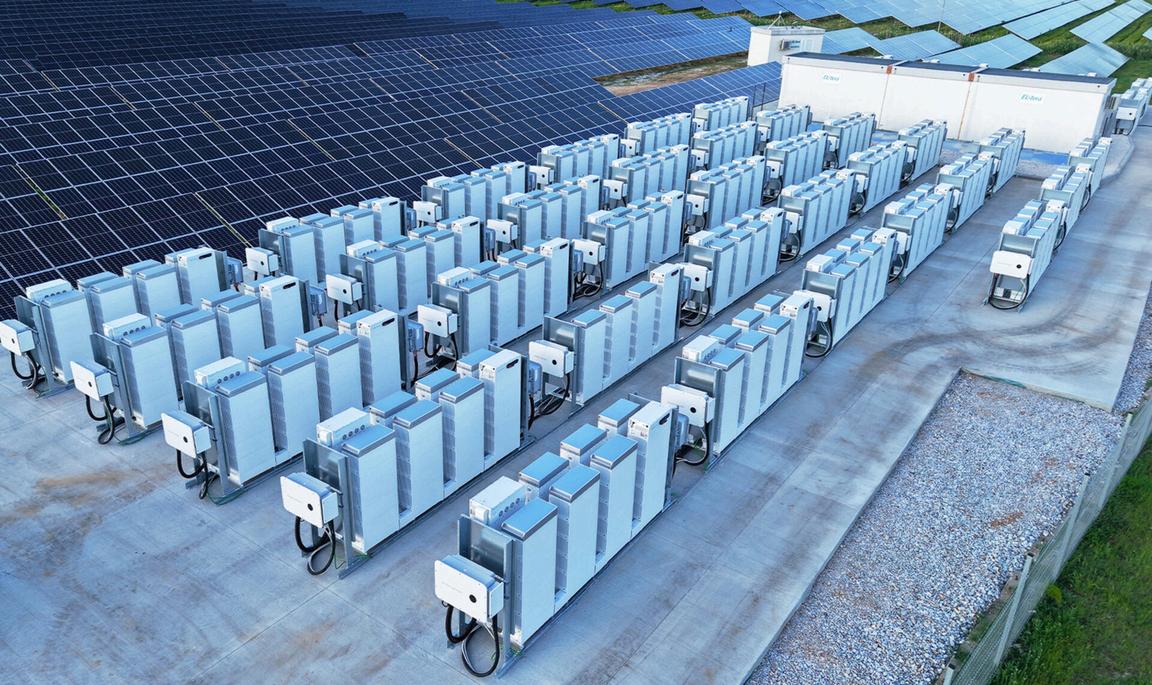

new solar installation in Jhunjhunu, Rajasthan, is demonstrating how intelligent inverter technology can support India’s rapidly expanding decentralized solar sector Hoymiles has successfully commissioned a 5 5MW solar project powered by its HINV350HXG2(350kW) string inverters, delivering reliable and efficient clean energy in one of India’s most solar-rich regions
Developed under the government’s PM KUSUM Yojana, the project contributes to India’s vision of decentralized renewable energy while strengthening energy access for rural communities and agricultural users. By enabling distributed solar generation closer to the point of consumption, the initiative supports farmers and local communities with sustainable power
WITH HIGH-EFFICIENCY STRING INVERTERS AND GRIDRESPONSIVE FEATURES, THE PROJECT SETS A BENCHMARK FOR UTILITY-SCALE SOLAR INSTALLATIONS IN INDIA.”
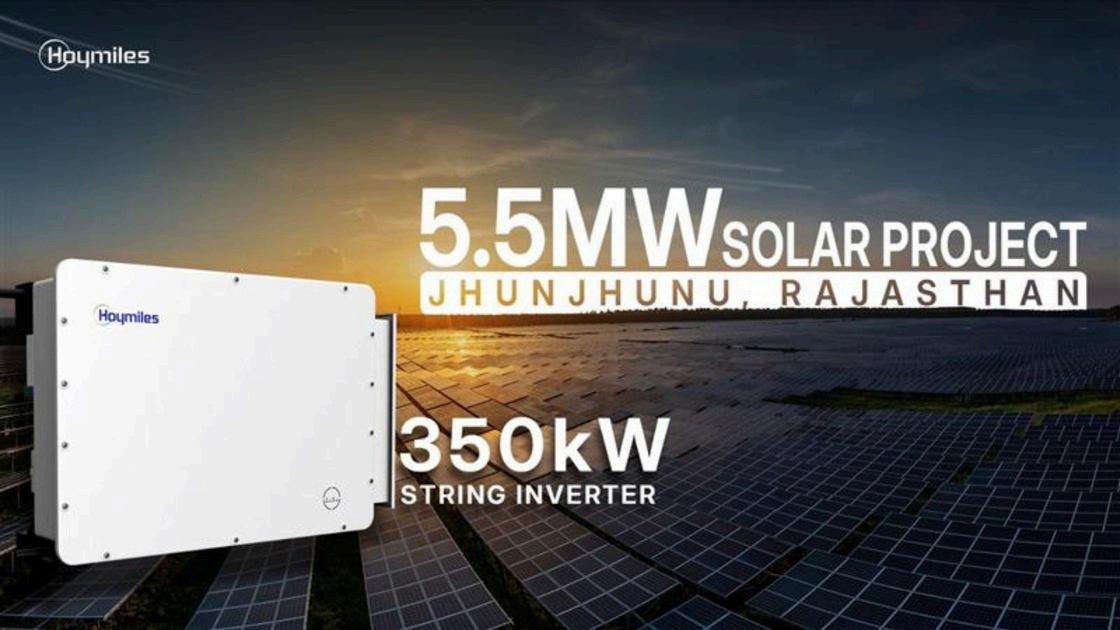
The project installation was executed by PureGrid Renewable, while equipment supply was managed by Sun Solista A total of 14 Hoymiles HINV350HX-G2 (350kW) string inverters have been deployed across the site, delivering the efficiency, reliability, and flexibility required for utility-scale solar performance
Rajasthan’s climate presents unique challenges for solar infrastructure, including high temperatures, dust, and intense sunlight. The HINV350HX-G2 inverters installed at the Jhunjhunu site are engineered to operate efficiently under such demanding conditions Featuring broadband power line communication (PLC) and reactive power control, the inverters enable rapid response to grid signals while maintaining stable performance These capabilities help ensure optimal system operation even in Rajasthan’s harsh environmental conditions
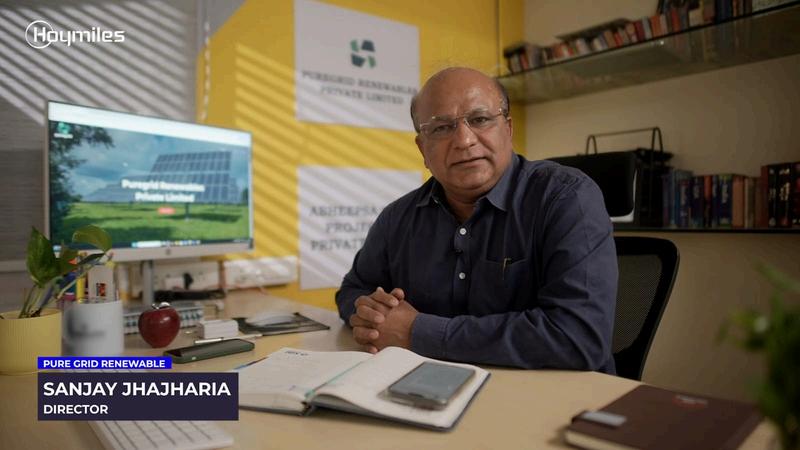
According to Sanjay Jhajharia, Director - PureGrid Renewable, the decision to deploy Hoymiles technology was based on the company’s strong reputation for advanced technology and highquality standards within the solar industry He noted that the project team had received consistently positive feedback about Hoymiles products and was confident in selecting the HINV350HX-G2 inverter platform for the Jhunjhunu project
Jhajharia also highlighted that the collaboration with the Hoymiles team played a key role in the project’s smooth execution. From the initial stages through installation and commissioning, the Hoymiles team provided timely technical guidance and ensured that all
necessary information was available whenever required Their responsive service and professional coordination helped the project progress without delays. Based on the positive experience with the 5 5MW Jhunjhunu solar installation, the developer expressed interest in continuing to work with Hoymiles on future solar projects
As India continues to expand its solar capacity, projects like this illustrate how advanced inverter technologies are helping enhance efficiency, reliability, and operational visibility in large-scale installations. With intelligent design and strong field performance, Hoymiles solutions are increasingly supporting the country’s transition toward a more decentralized and resilient renewable energy ecosystem
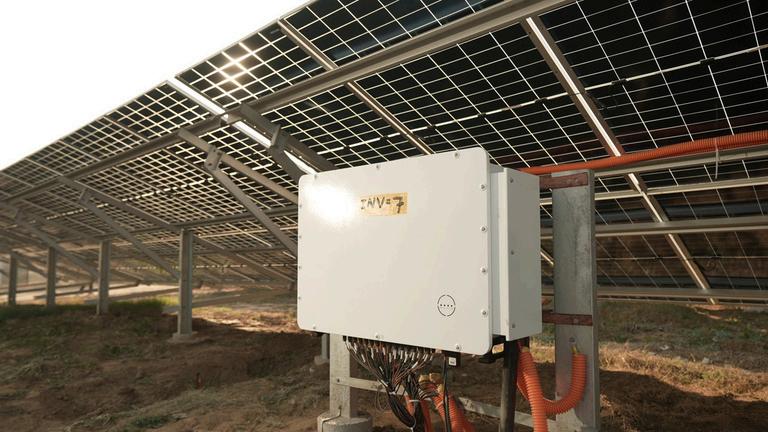
Alishan Green Energy has developed advanced EPE-NT and EPE-DC encapsulants specifically to mitigate UV stress and moisture sensitivity in N-type solar cells
The company ensures high product reliability through a stringent quality approach and NABL-backed testing protocols, including DH3000 and UV 165kWh.
Alishan is strategically expanding its manufacturing reach with a target capacity of 10 GW for encapsulants and 3 GW for backsheets
QAlishan Green Energy focuses on encapsulants and backsheets for solar modules what differentiates your products in terms of durability, efficiency, and long-term performance?
The shift from P-type to N-type cells like TOPCon and HJT has increased sensitivity to UV stress and moisture, requiring stronger encapsulation solutions. Alishan EPE-NT was developed to address this by combining the processability of EVA with the moisture barrier and electrical properties of POE, ensuring reliable performance for bifacial and glass-glass modules UV Induced Degradation (UVID) remains a key challenge. Alishan EPE-DC uses down-conversion technology to convert harmful UV into usable light while protecting sensitive layers, supporting overall module performance Our encapsulants are further validated through stringent NABLbacked testing such as DH3000 and UV 165kWh

QWith the industry shifting towards advanced technologies like TOPCon and n-type cells, how is Alishan adapting its encapsulant solutions to meet evolving module requirements?
With the transition to TOPCon and HJT, the need for advanced encapsulation has become critical due to higher sensitivity to UV and moisture. To address this, Alishan has developed solutions like EPE-NT and EPE-DC, focusing on moisture protection and UVID mitigation Additionally, we have developed multiple encapsulant variants by optimizing EVA/POE ratios, reducing acidic environments, and introducing functional layers This allows better compatibility with different BOM combinations and improved module reliability
QHow does your manufacturing facility ensure consistent quality, especially with fast-cure and ultrafast-cure EVA technologies?
We follow a stringent quality approach backed by NABL-approved procedures and advanced in-house testing facilities. Our lab is equipped to test materials from raw stage to finished products, ensuring control at every step
Each encapsulant undergoes DH3000 and UV 165kWh testing, along with accelerated tests such as PCT, DH, UV and TC to evaluate performance under harsh conditions We also test encapsulants with different backsheet combinations to ensure compatibility and consistent real-world performance
QWhat are your expansion plans in terms of product portfolio, export markets, or strategic partnerships in the solar value chain?
We are expanding our encapsulant capacity to 8 GW with a vision to reach 10 GW, supported by a 3 GW backsheet capacity Our portfolio includes new products such as Low Acid EVA, EPE-NT and EPE-DC, developed to address challenges like UVID and moisture ingress in advanced technologies On the strategic front, we are in discussions with Tier 1 manufacturers for joint ventures and partnerships to support their vertical integration, and we will share further updates soon

Purshotam Profiles has firmly established itself as one of India's most trusted names in utility-scale solar mounting
infrastructure Under the leadership of Managing Director Sachin Aggarwal, the company has scaled its pan-India footprint this year through strategic manufacturing expansion, streamlined supply chains, and deepened partnerships with leading EPCs and developers across North, South, and West India
Central to this growth has been a leadership culture rooted in quality and accountability Stringent quality-control protocols spanning raw material procurement to final dispatch combined with regular audits, compliance checks, and real-time project monitoring have ensured that every commitment is met on time and to the highest standard Cross-functional coordination between design, production, and logistics teams has further reinforced seamless project execution at every level.
Purshotam Profiles specializes in both fixed-tilt mounting structures and solar tracker solutions, serving as a critical backbone for some of the country's most ambitious renewable energy installations The company's project portfolio this year reflects an impressive breadth of scale and
geography From supplying fixed-tilt mounting structures for largescale decentralized solar deployments to executing high-capacity tracker-based installations across multiple states, Purshotam has consistently delivered on some of the most demanding project timelines in the industry Both segments fixed-tilt and tracker have seen significant activity, with the company supporting gigawatt-scale capacity additions nationwide
The confidence placed by some of India's largest public sector undertakings, leading independent power producers, and top-tier EPC players is perhaps the strongest endorsement of Purshotam's capabilities. Their repeated engagement across multiple highcapacity projects reflects not just satisfaction, but a deep and lasting trust in Purshotam as a long-term solar infrastructure partner As India races toward its renewable energy targets, Purshotam Profiles continues to play a foundational role enabling reliable, efficient, and timely deployment of solar installations from utility-scale parks to decentralized projects across the country
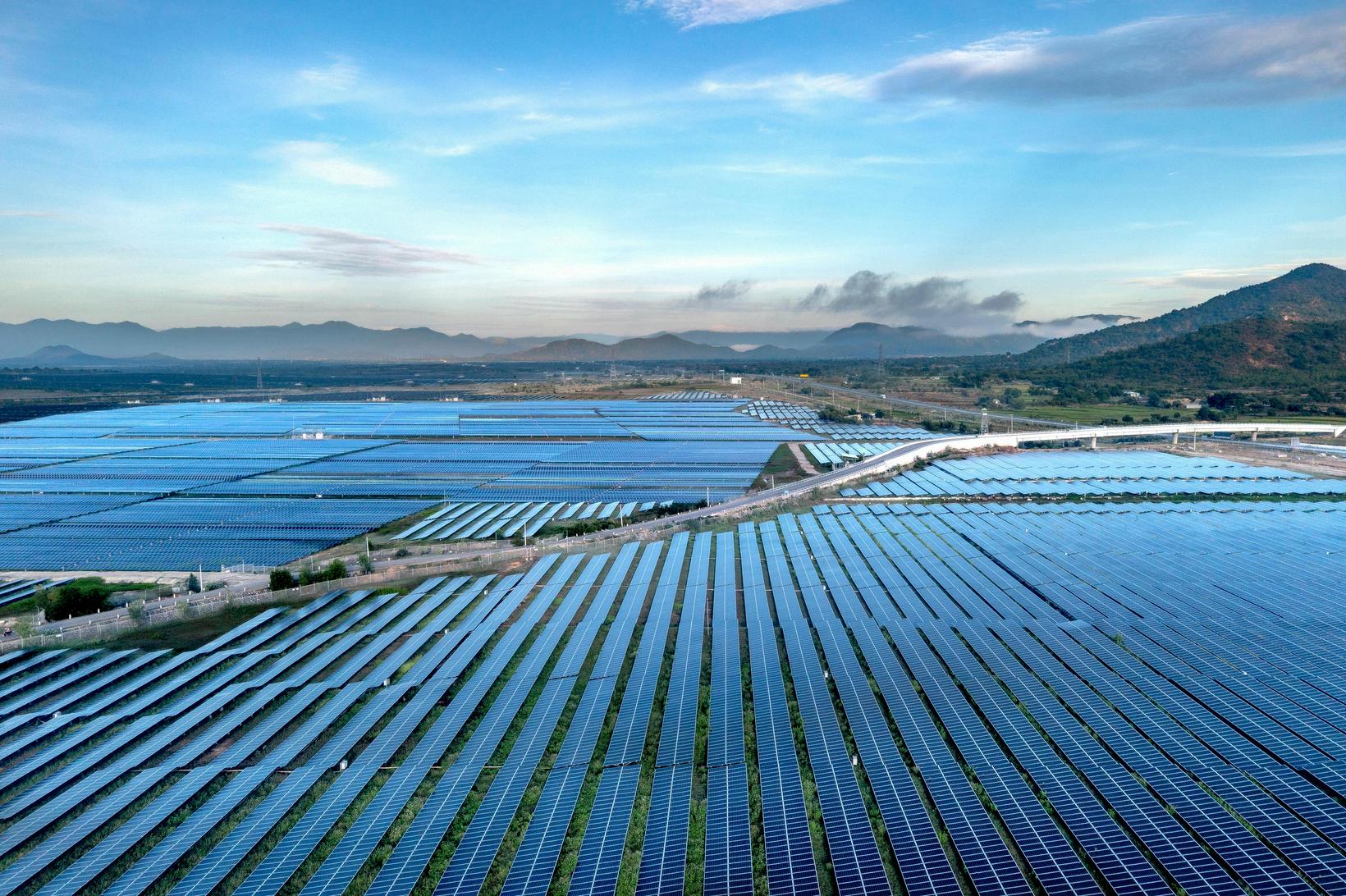
AT PURSHOTAM PROFILES, OUR GROWTH IS DRIVEN BY A SIMPLE PRINCIPLE DELIVER

Authored by:
Sachin Aggarwal
Managing Director of Purshotam Profiles
PortfolioDirector,Energy&Battery Industry–India,InformaMarketsIndiaPvtLtd
The RenewX Expo originated in 2014 through a partnership with the Tamil Nadu Government to promote the state's landmark solar policy
This milestone edition will feature over 200 brands showcasing innovations in solar energy, storage, and bio-energy for investors and developers
Tamil Nadu is driving regional growth with a 16% GDP increase and a workforce where women represent 41% of factory employees
QOver the past decade, how has RenewX Expo reflected the evolving renewable energy market in South India and highlighted key trends for India and the Asia-Pacific region?
The much-anticipated 10th edition of RenewX Expo, a premier event dedicated to renewable energy and sustainability, has been rescheduled to align with the upcoming state elections Originally planned for earlier dates, the event will now take place from 27th to 29th April 2026, ensuring that it continues to serve as a powerful platform for the renewable energy sector while respecting the democratic process
Over the past decade, RenewX Expo has been a pivotal platform, showcasing the dynamic growth and transformation of the renewable energy market in South India while highlighting key trends shaping India and the Asia-Pacific region Our journey began in 2014, in collaboration with the Tamil Nadu Government, when we hosted a landmark event to promote the Tamil Nadu Solar Policy, setting the stage for a brighter, sustainable future
The formation of Telangana in 2014 marked a turning point, as the demand for renewable energy solutions surged in the region Recognizing this need, we launched RenewX Expo to create a dedicated platform for manufacturers to connect with dealers and

distributors, fostering business opportunities and supporting South Indian manufacturers in reaching buyers from across the country
With unwavering support from the industry, government bodies, nodal agencies, associations, and an ever-growing number of visitors, RenewX Expo has grown year after year. Today, it is recognized as the premier event in South India, exclusively focused on the sourcing of renewable energy products
In our most recent edition, we made a strategic move to Chennai, a hub for renewable energy enterprises, to further support businesses in their journey toward adopting solar and other sustainable energy solutions
The upcoming 10th edition of RenewX Expo, scheduled from 27th to 29th April 2026 at the Chennai Trade Center, promises to be our most comprehensive event yet Spanning Halls 1, 2, 3, and the Hanger, the expo will feature over 200 high-quality brands showcasing a diverse range of products, including:
Solar energy products
Energy storage solutions
Bio-energy innovations
Energy solution Companies
Allied products from manufacturing to technology
This milestone edition will serve as a onestop solution for investors, project developers, system integrators, end-users, and technology solution providers, offering unparalleled opportunities to explore the latest advancements, forge valuable partnerships, and drive the renewable energy revolution forward
As we celebrate a decade of success, RenewX Expo remains committed to empowering the renewable energy ecosystem in South India and contributing to the region’s sustainable development
RENEWX EXPO’S 10TH EDITION MARKS A DECADE OF ADVANCING INDIA’S RENEWABLE ENERGY, WHILE SPOTLIGHTING THE FUTURE THROUGH INNOVATIONS IN ENERGY STORAGE, BIOENERGY, AND LOCAL MANUFACTURING.
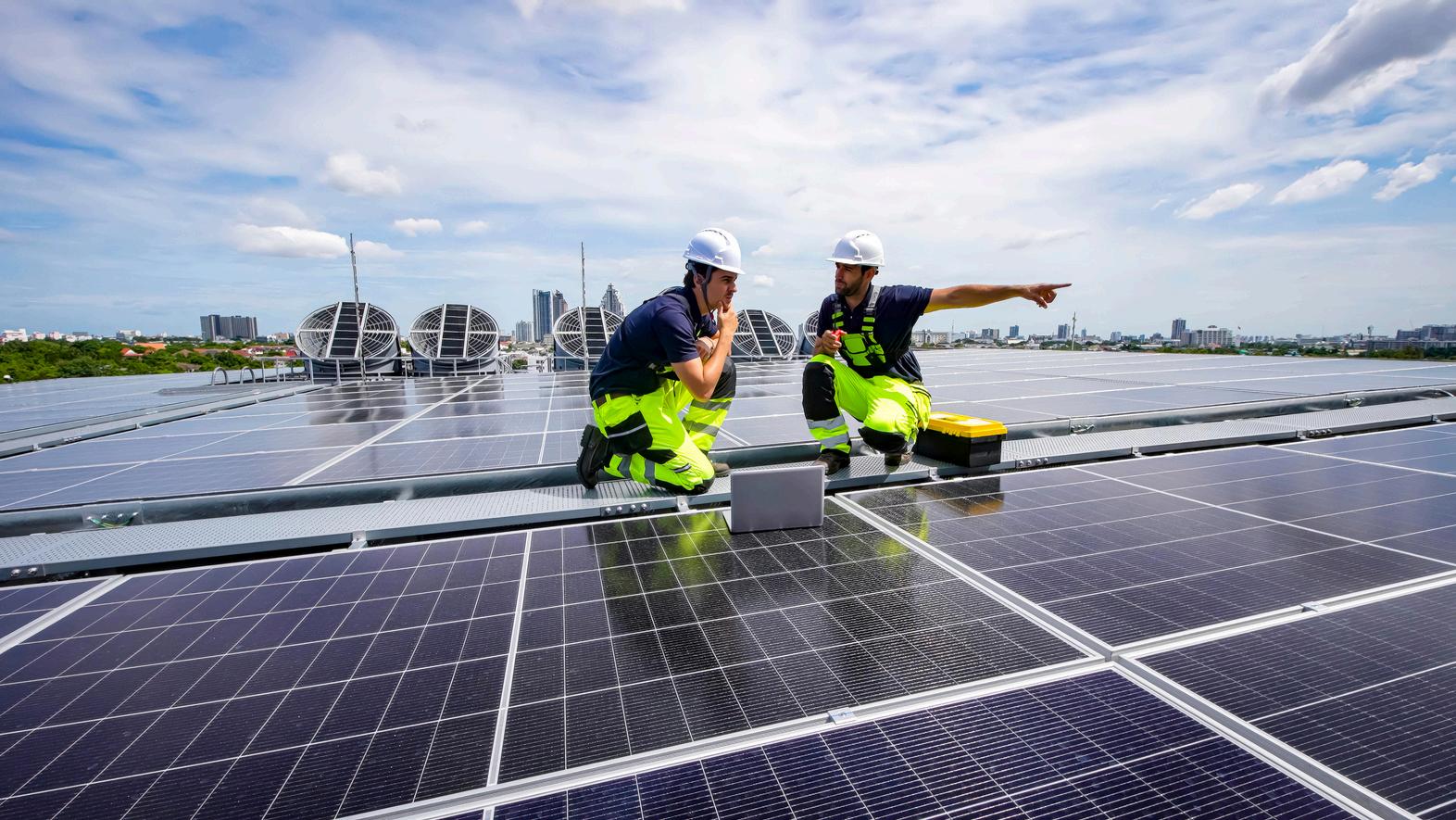
From a market perspective, what key factors are driving renewable energy growth in South India and strengthening regional industry collaboration?
South India is emerging as a powerhouse for renewable energy growth, driven by a combination of equitable development strategies, forward-thinking policies, and robust industry collaboration The region's focus on creating a diversified ecosystem to address both rural and urban development has positioned it as a leader in sustainable energy solutions
Tamil Nadu stands out as a prime example of this growth, achieving an impressive 16% GDP growth in FY 2025, one of the highest among Indian states This unprecedented growth is fuelled by several key factors:
Skilled Workforce Supply: The state boasts a strong pool of skilled manpower, which has been instrumental in driving industrial and economic development
Progressive Government Policies: Tamil Nadu's forward-thinking policies have created a favourable environment for businesses, including renewable energy enterprises
Plug-and-Play Business Ecosystem: The state has developed a seamless ecosystem that supports businesses in setting up operations quickly and efficiently.
Empowered Female Workforce: Tamil Nadu has achieved a remarkable milestone, with 41% of its factory workforce comprising women, showcasing its commitment to gender equity in employment
Sustainability Leadership: Ranked third in sustainable growth among Indian states, Tamil Nadu is setting benchmarks in environmental and economic balance
These factors collectively contribute to the state's ability to attract investments and foster innovation in renewable energy, making it a hub for green power solutions
The growth story is not limited to Tamil Nadu alone Other South Indian states are also witnessing record-breaking progress in enterprise development The increasing demand for electricity, driven by the expansion of businesses and production activities, has created a pressing need for sustainable energy solutions In response to rising energy needs, platforms like the RenewX Expo are playing a pivotal role in strengthening regional industry collaboration
QWith the 10th edition approaching, what new market trends, technologies, and industry discussions can participants expect, especially in energy storage and bioenergy?
The 10th edition of RenewX Expo marks a decade of transformative contributions to India’s renewable energy sector Organized by Informa Markets, the event has been instrumental in fostering collaboration between the government and industry, creating a robust ecosystem for initiatives like the PM Surya Ghar scheme This milestone is a celebration of achievements and a gateway to future innovations
The 2026 edition promises exciting developments, particularly in energy storage and bioenergy Advanced energy storage solutions for Commercial & Industrial (C&I) and residential markets will be showcased, addressing the growing need for reliable and efficient power Cutting-edge battery technologies and hybrid systems will take center stage
A dedicated Bioenergy Pavilion will highlight advancements in biofuels, biogas, and biomass technologies, emphasizing their role in reducing carbon footprints and enhancing India’s renewable energy mix. Additionally, the expo will feature an expanded presence of equipment suppliers catering to manufacturing needs, supporting localized production and scalability

1+ GW Commissioned, 100% Live Data Availability under PM KUSUM
India’s renewable energy landscape is rapidly evolving, with government-led initiatives playing a crucial role in accelerating
solar adoption across the country. One such flagship initiative is the PM-KUSUM (Pradhan Mantri Kisan Urja Suraksha evam Utthaan Mahabhiyan), which aims to empower farmers, enhance energy security, and promote decentralized solar power generation
A key requirement under Component A and Component C of PM KUSUM is robust monitoring, reporting, and seamless compliance with DISCOM and MNRE portals This is where advanced Remote Monitoring Systems (RMS) and SCADA solutions become essential
Logics PowerAMR has emerged as a trusted technology partner, delivering Data Loggers, RMS, and SCADA solutions compatible with all inverter makes and plant capacities ensuring seamless compliance, real-time visibility, and superior plant performance.
With over 1 GW of solar plants monitored and 100% live data availability under PM KUSUM, spanning across Rajasthan, Gujarat, Maharashtra, Uttar Pradesh, Telangana, Karnataka, Haryana and other states, Logics PowerAMR continues to set industry benchmarks in reliability, scalability, and performance
Comprehensive RMS & SCADA Solutions by Logics PowerAMR
Logics PowerAMR delivers an end-to-end ecosystem that integrates hardware, communication protocols, cloud analytics, and SCADA intelligence into a unified platform
Key Features
1 2
Seamless Integration with DISCOM / SEDM Portals and Nodal Agency
The RMS device ensures real-time transmission of inverter performance and ABT meter energy generation data directly to KUSUM-SEDM Portal and Nodal Agency, meeting all regulatory requirements. Operators can monitor and manage multiple solar plants through a single, intuitive dashboard, enabling efficient portfolio-level performance tracking and decision-making
Centralized Plant Management
3
Dual Server Interface
A unique dual communication architecture allows simultaneous data transmission:
To the KUSUM portal for compliance
To the client’s internal portfolio systems for analytics
This ensures both regulatory adherence and operational control.
4
Cloud-Based Reports & Analytics
The platform provides advanced reporting tools with customizable dashboards, enabling stakeholders to:
Track generation trends
Analyze plant efficiency
Identify and resolve performance deviations
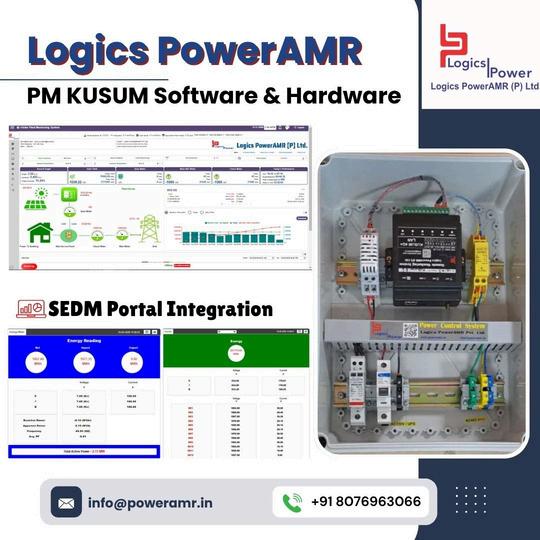
PM KUSUM Software & Hardware
5 7 6
SCADA-Level Integration & Control
Beyond basic monitoring, the system integrates and controls critical electrical and operational parameters, including:
Transformer WTI/OTI parameters
Numerical relays
VCB and MFM parameters
Analog and digital signals
Annunciator systems
Weather monitoring sensors
Inverter and VCB control
This enables deep visibility into plant health, grid interaction, and operational efficiency
Energy Audit Capabilities
The RMS platform facilitates:
Line loss evaluation
Transformer loss analysis
End-to-end energy accounting
System Integration
Seamless integration with all major ABT meters (Secure, L&T DLMS, Genus, and others)
Compatibility with third-party systems
Integration with OEM data loggers (such as SmartLogger/SACU and others)
Provision for integration with RTUs for seamless SLDC communication
In PM KUSUM projects, one of the commonly observed challenges in the field is frequent RMS faults and, in some cases, RMS device failures due to electrical disturbances such as voltage fluctuations, surges, and lightning
These issues not only affect real-time data availability but can also impact compliance and payment cycles At Logics PowerAMR, we proactively address these challenges by deploying high-quality industrial-grade components, robust system design, and proper earthing practices Additionally, we ensure the integration of high-performance Surge Protection Devices (SPDs) and protection mechanisms to safeguard RMS infrastructure, ensuring reliable operation, minimal downtime, and consistent data flow to MNRE portals.
PM KUSUM represents a transformative step in democratizing solar energy in India. However, its long-term success depends on the ability to monitor, manage, and optimize distributed solar plants effectively.
Through its advanced RMS and SCADA solutions, Logics PowerAMR empowers stakeholders with:
Real-time insights
Seamless regulatory compliance
Enhanced operational efficiency
Scalable monitoring infrastructure
At Logics PowerAMR, we remain committed to delivering compliant, scalable, and dependable solar monitoring solutions, strengthening India’s renewable energy ecosystem and driving the vision of Empowering Solar Automation.
Reach out us at:
+91 8076963066
https://poweramr.in
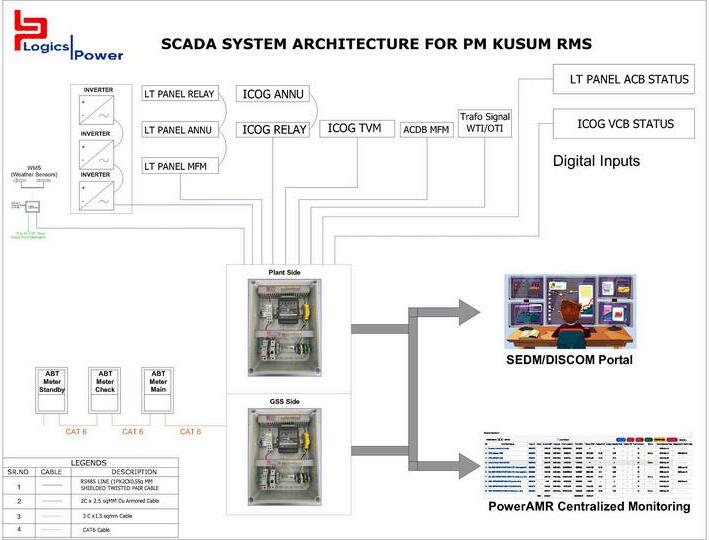
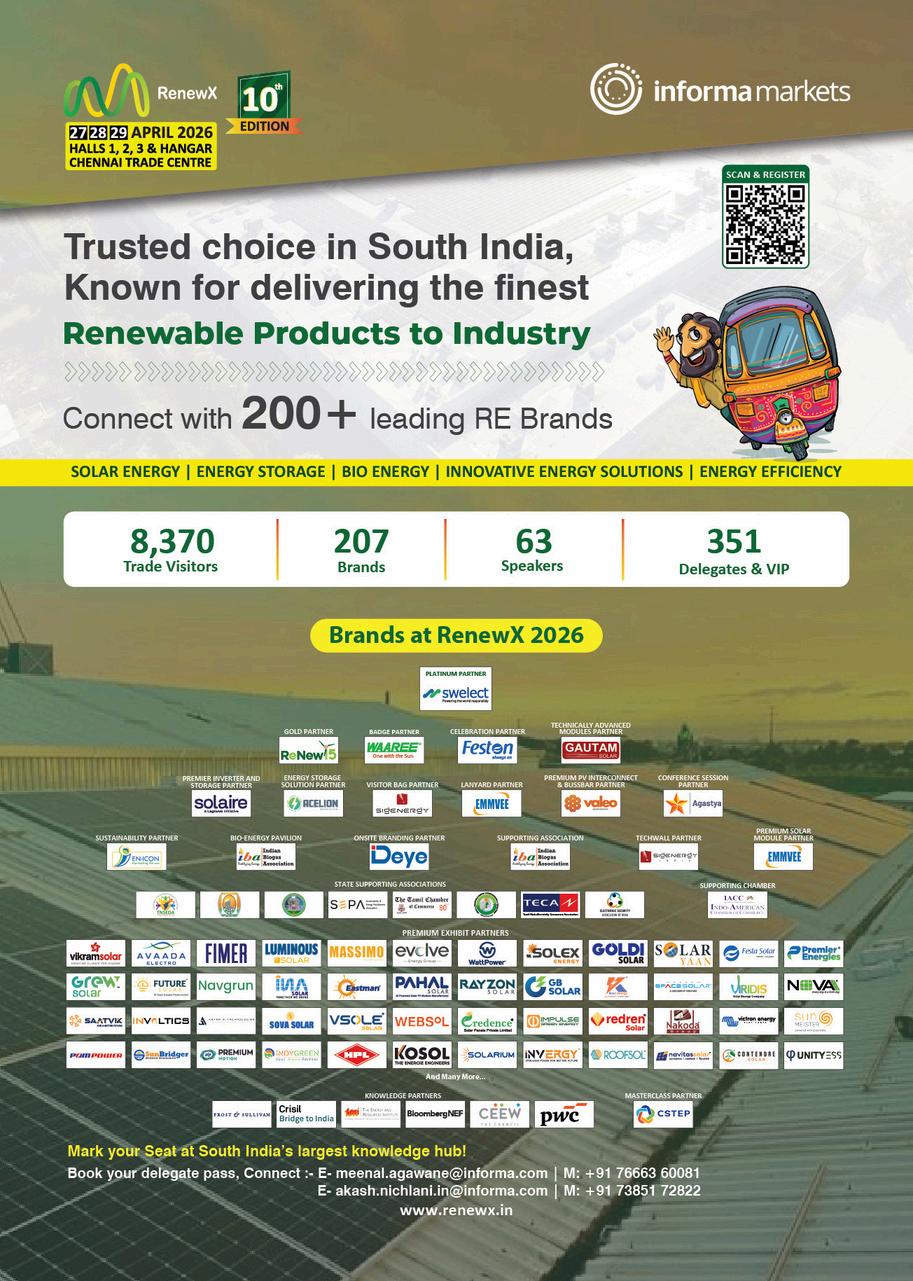
SOURCE:MNRE
In the pie chart, Renewable capacity additions continue to increase at a rapid pace in India, accounting for approximately 41.1% of India’s total power capacity at the end of February 2026 India’s total installed power capacity stood at over 524 GW at the end of February 2026 from all the sources, with renewables accounting for 215 5 GW, making up 28 51%, compared to cumulative renewable energy installations of 167 7 GW at the end of February 2025, which represented a growth of over 28.34% year-overyear Solar power accounted for approximately 140 6 GW of installations, which represents 28 5% of the total installed power capacity Among the renewable, Wind and Solar constitute over 92 2% of the total renewable (excluding large hydro), Wind Power installed capacity at the end of February 2026 was over 55 GW, which represents 10 5% of the total power capacity installed
India achieved a remarkable milestone by installing an unprecedented 7,794 41 MW of Solar PV capacity in the calendar year 2026. By the end of February 2026, the country's total Solar PV installations surpassed 143 6 GW During this period, rooftop Solar PV installations reached approximately 24 86 GW Rajasthan led the way, with 38,728 22 MW installed, accounting for 26 97% of the nation’s total Solar PV capacity The county also added around 7 8 GW in the first two months of the calendar year 2026 Rajasthan, Gujarat, Maharashtra, Tamil Nadu, and Karnataka together contributed over 75.88% of the total installed Solar PV capacities across the country. All leading states retained their positions in February 2026 compared to their installed solar PV capacity rankings in February 2025. The overall Solar PV installations saw a growth of over 40% compared to the 102 5 GW recorded by the end of February 2025
SOURCE:CEAFEB2026|SOLARQUARTERRESEARCH
Total renewable energy generation in February 2026 reached 25,295 17 million units, which is an increase of RE generation by around 25 26% year-over-year from February 2025, when the RE generation was 20,193.67 million units. Solar Power generation has also increased by around 31.52% year-over-year from February 2025 (12,913 58 million units) to February 2026 (16,983.54 million units). Wind Power generation has increased by almost 23 268% in the same period and reached 5,661 07 million units in February 2026
SOURCE:CEA
SOURCE:CEA
SOURCE:MNRE(JANUARY2026)
As of February 2026, India’s installed hybrid projects capacity reached 3,511 23 MW, contributing around 2 45% to the country’s total solar PV capacity This is part of the overall renewable energy capacity of 215 GW, excluding large hydro Hybrid projects, which combine solar and wind power, are currently limited to just three states: Rajasthan, Gujarat, and Karnataka. Among these, Rajasthan leads with the highest installed capacity of 1,980 MW This is mainly because the state has strong potential for both solar and wind energy Rajasthan receives high solar irradiation and also experiences strong wind speeds, making it ideal for hybrid energy generation The installed capacity of hybrid projects has shown a year-on-year growth of about 23.17% compared to February 2025, when it stood at 2850.7 MW. This steady growth highlights the increasing focus on hybrid projects as a
to improve grid
and renewable
utilization
SOURCE:IEX
In February 2026, Indian Energy Exchange achieved a monthly electricity traded volume of 12,550 MU in February’26, marking a 30 4% increase on a year-on-year basis. According to government data published in February ’26, the country's energy consumption reached 133 Bus (Billion Units), an increase of 1 9% compared to the previous year Despite the increase in energy consumption, prices on power exchanges were lower compared to the previous year due to higher supply liquidity on the exchange platform The market-clearing price in the Day Ahead Market at ₹3 58/unit during February 2026 declined 18.3% YoY. Similarly, the price in the Real Time Market at ₹3.59/unit during February 2026 declined 18.7% YoY.
India’s solar sector is undergoing a complex transition as new regulatory frameworks and global disruptions reshape market dynamics The phased rollout of ALMM List-I (modules), List-II (cells), and now List-III (wafers from June 2028) has introduced additional compliance requirements for developers participating in solar auctions While these measures aim to strengthen domestic manufacturing and reduce import dependency, they have also increased procurement complexity and project costs
Simultaneously, global supply chain uncertainties driven by geopolitical tensions such as the Middle East conflict, U.S. trade tariffs, and currency volatility have intensified pricing pressures These factors have contributed to fluctuations in solar tariffs across 2025 and continuing into 2026 Although the government has provided some relief through extended commissioning timelines, developers still face rising capital and input costs.
Supportive measures like GST relief on solar components since September 2025 and India’s expanding manufacturing capacity over 173 GW for modules and 26 5 GW for cells offer a degree of stability Additionally, the increasing availability of domestically manufactured inverters is improving supply reliability and boosting developer confidence
These developments indicate a shift toward a more self-reliant yet cost-sensitive solar ecosystem Future tariff trends will likely depend on how efficiently domestic manufacturing scales, stabilizes costs, and integrates with evolving policy and global market conditions



Best Inverter Brand
Ningbo Deye New Energy




Make in India Solar PV Module Manufacturer of the Year
Novasys Greenergy Limited


Trusted Solar Module Manufacturer of the Year
Bluebird Solar Pvt. Ltd.
Sparsh Razdan RSM - North India
FESTON S.E.V. PRIVATE LIMITED Excellence in Solar Inverter Sales Performance
CONTRACTORS EXCELLENCE
Smart Solar Inverter Innovation – Make in India
FESTON S.E.V. Pvt. Ltd.

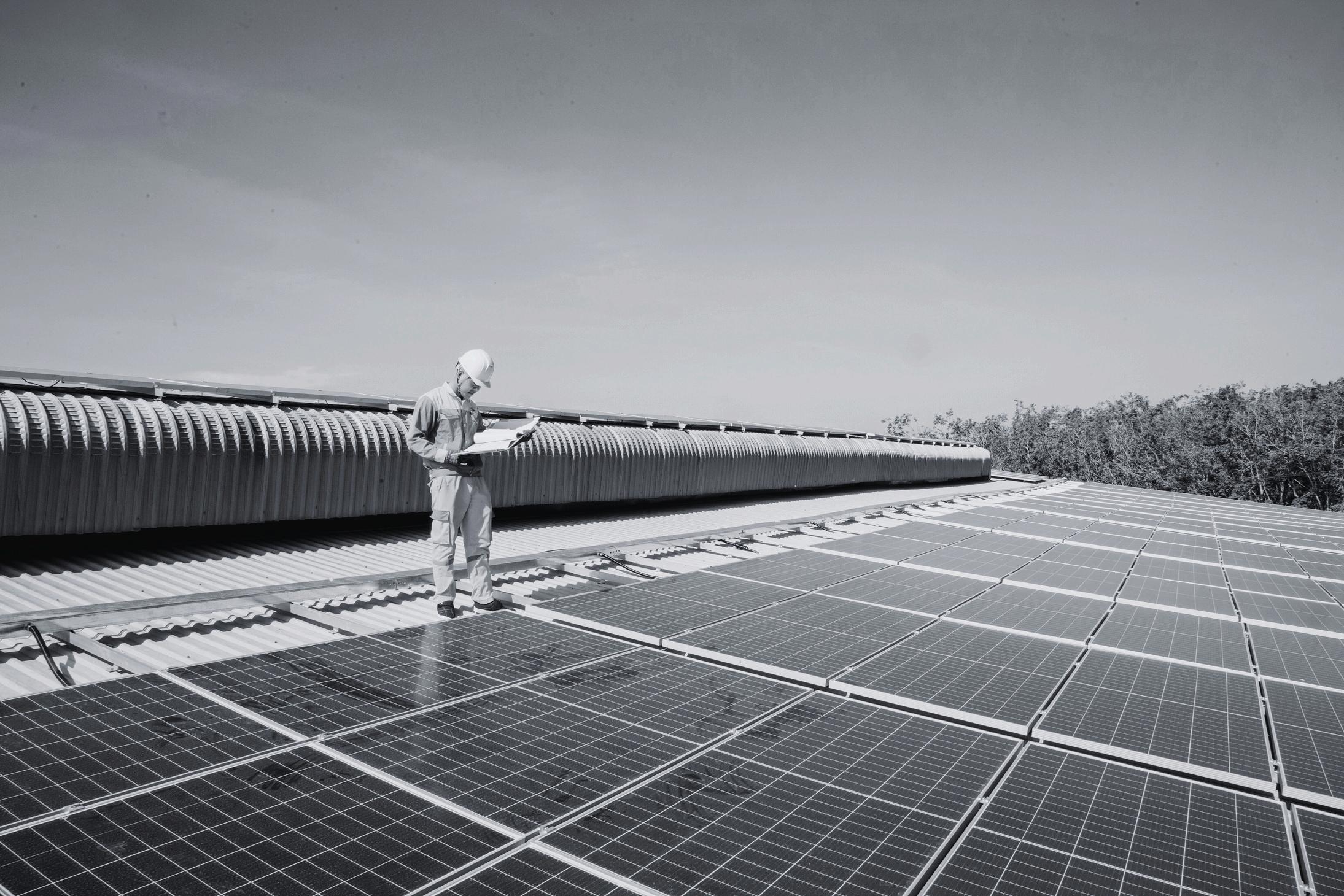
Saatvik Green Energy Limited Excellence in Solar PV Module Manufacturing – Utility & Commercial Scale


Best Ground-Mount EPC Contractor
Best Rooftop Solar EPC (C&I) - Platinum
Scintilla Solar Corporation Pvt. Ltd.

Best Rooftop Solar Installer – Residential
Aditya Green Power

Best Rooftop Solar EPC (C&I) - Diamond
Emerging Rooftop EPCResidential
Universal Power Solutions
Best Rooftop Solar EPC (C&I) - Gold
Raysteeds Energy Pvt. Ltd.

Best Solar Rooftop Contractor of the Year - C&I
Innovation in Module-Level Solar Optimization – MSSY Project – Uttarakhand
RAMA GLOBAL LIGHTING
PRESENTS

Innovation in Project Execution
Scintilla Solar Corporation Pvt. Ltd. Excellence in Safety Practices
Fastest Growing EPCResidential
ASR SAUR URJA LAGHU
UDHYOG
Dimple Singh Director
DEHRADUN
Women Business Leader of the Year
SureSolar Renewable Energy Pvt Ltd
Women COO of the Year
Ananya Das Gupta COO
CONTRACTORS

CONTRACTORS EXCELLENCE CONTRACTORS
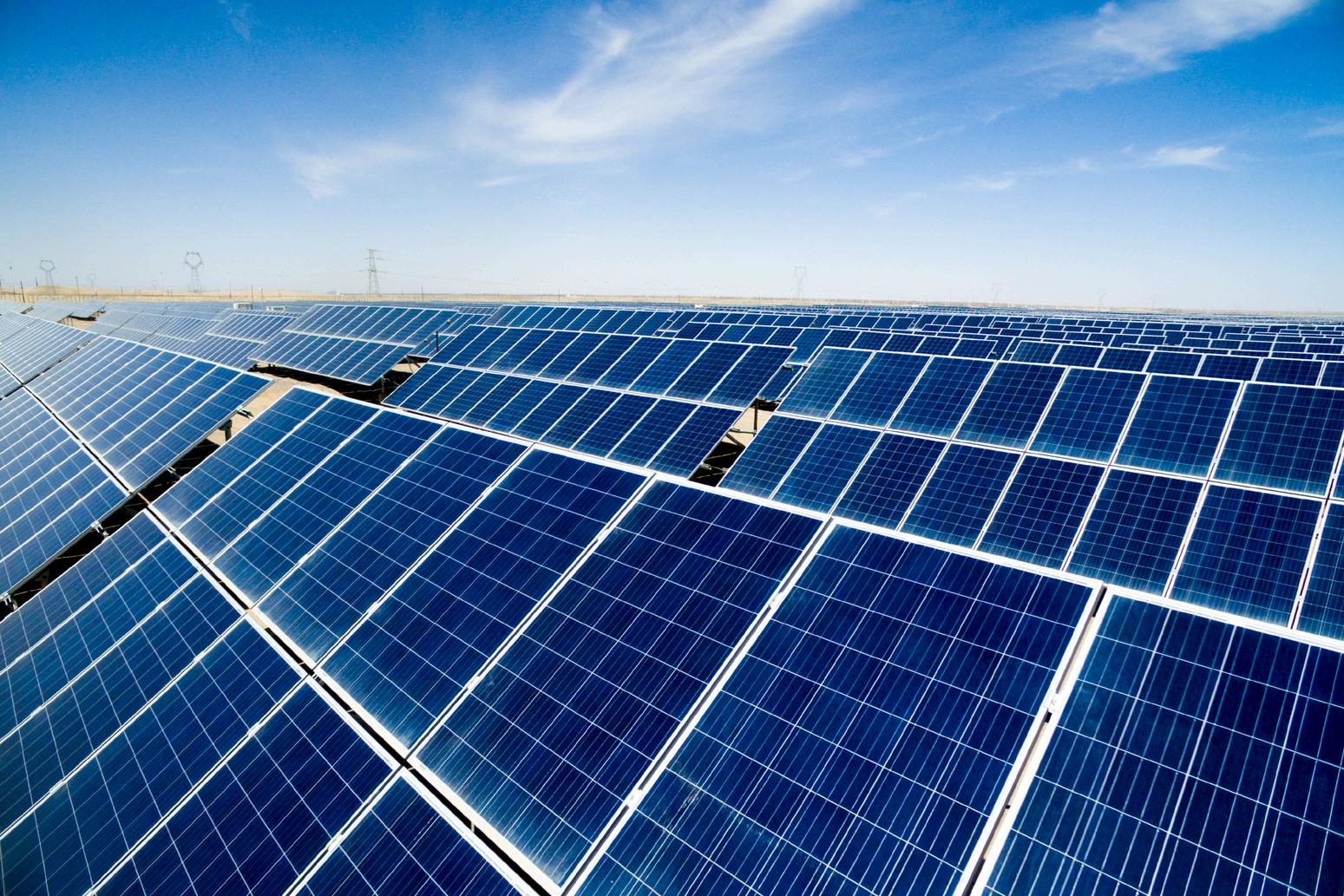

Scintilla Solar Corporation Pvt. Ltd.




Leadership & Individual Excellence
Debmalya Sen
EPC Company of the Year –Distributed & Rooftop Solar Projects
NATSAKEE INCORPORATION
Clean Energy Developer Company of the Year
Fourth Partner Energy Pvt. Ltd.
President
India Energy Storage Alliance (IESA)

No 1. Inverter Brand of India


SOLIS
Solar EPC Company of the Year – Large-Scale Industrial Projects
Vibgyor Energy

Emerging Renewable Energy IPP of the Year
UPC Renewables
Next-Gen Energy Storage Rising Star Award
NESOL ENERGIES PVT LTD


Technology Innovation of the Year - Inverter
Sineng Electric
Technology of the Year –Hydrolysis-Resistant Encapsulant
RenewSys India Pvt. Ltd.

Technology of the Year – AIBased Solar Monitoring
Genex Technocrats LLP



Technology of the Year – Made in India Floating Solar
Quantsolar Technologies Pvt. Ltd.

Structural Manufacturing Excellence Award
Purshotam Profiles Pvt. Ltd.
Technology of the Year –Advanced Solar Cell Manufacturing Platform
Jupiter International Limited
Advanced PV Manufacturing Excellence Award
Vikram Solar Limited

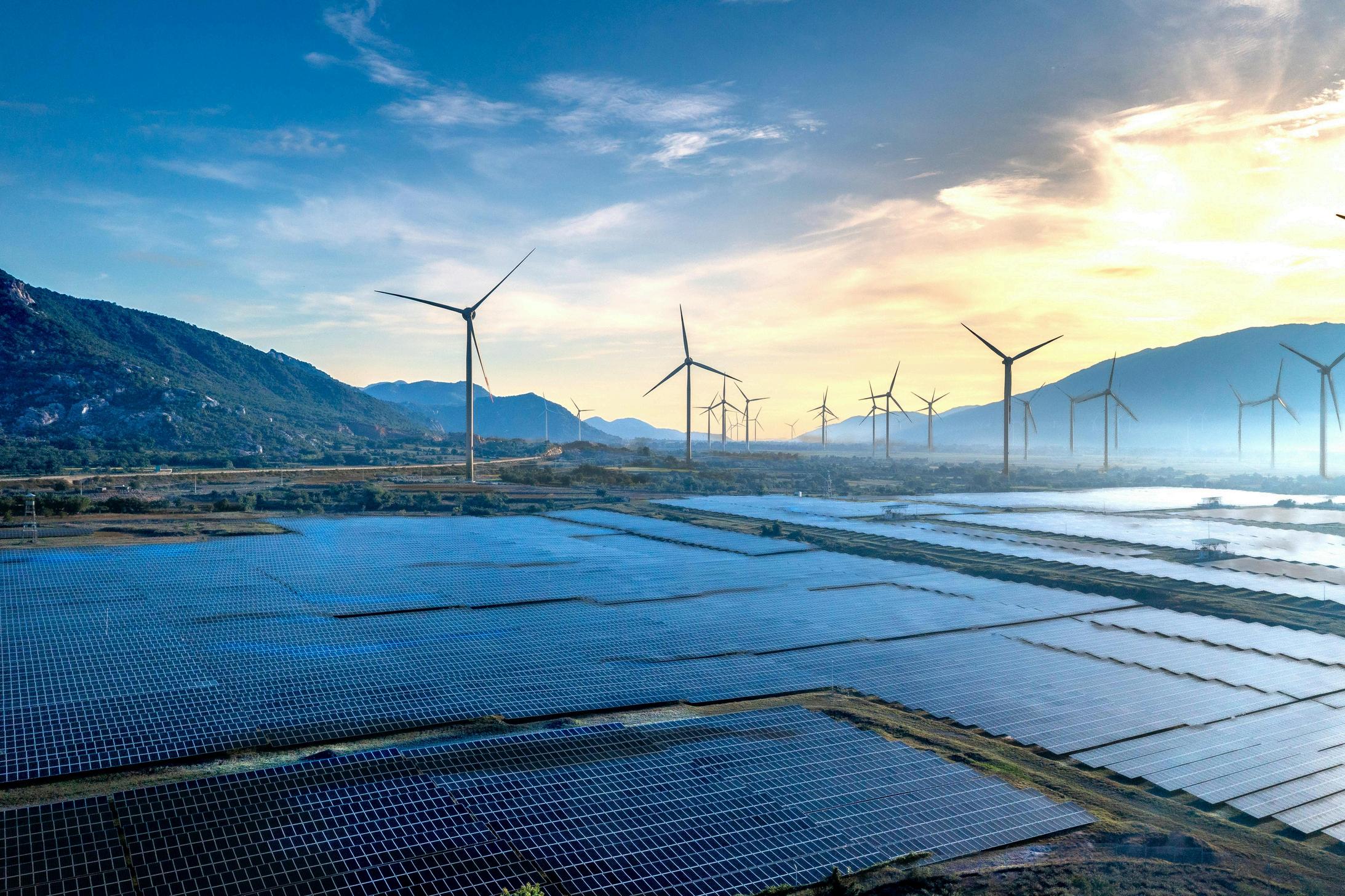


ESG Leadership Award
Adani Solar

Circular Economy Initiative Award
Attero Recycling
ESG-Driven Manufacturing Excellence Award
RenewSys India Pvt. Ltd.
Project Turnaround & Performance Excellence Award
Onward Solar Power Pvt. Ltd.
Innovative Floating Solar Project Design Award
Quantsolar Technologies Pvt. Ltd.
Project of the Year – FastTrack Execution
Jupiter International Limited

Project of the Year – FastTrack Execution
Juniper Green Energy


Engineering Excellence Team of the Year
SunWorks Energy Pvt. Ltd.
Operations & Asset Management Team of the Year
UPC Renewables
Visionary of the Year: Energy Storage & Inverter Solutions
Bharat Singh Director - Sales & Marketing
Ningbo Deye New Energy
Visionary Leader of the Year
Alok Nigam CEO
UPC Renewables
Entrepreneurial Leadership in Solar Manufacturing
Gyanesh Chaudhary Chairman & Managing Director
Vikram Solar Limited
Entrepreneurial Leadership in Solar EPC
Dr. AKASH GARG PROPRIETOR
NATSAKEE INCORPORATION
Leadership Excellence in Equity & Strategic Investments
Sumit Sharma
Group Vice President - Equity, Investor Relations & Strategy
Woman Leader in Clean Energy
Kasturi Roy Choudhury
COO
Jupiter International Limited
Woman Leader in Clean Energy
Rajyalakshmi Kola Director
SunWorks Energy Private Limited
Avaada Energy Private Limited
Commercial Leadership in Renewable Energy Markets
Saikatsri Das Senior Manager
TruBoard Cleanteach
CFO of the Year
Parag Agrawal