

The SEB Magazine is published biannually — Spring and Autumn (online) — by the Society for Experimental Biology and is distributed to all SEB members.
Advertising
Advertising in the SEB magazine is a great opportunity to reach a large community of biologists. For more details contact b.danois@sebiology.org
Design and artwork:
Robert Wood, Time Design Studio robertwood@timedesignstudio.co.uk
Contribute with an article!
Interested in writing an article for the SEB magazine? Get in touch: b.danois@sebiology.org
Deadline for copy:
Issue: Auntumn 2026
Deadline: 1st October 2026
SEB Executive Team:
SEB Main Office
The Society for Experimental Biology County Main, A012/A013 Lancaster University, Bailrigg LA1 4YW, UK admin@sebiology.org
Chief Executive Officer
Pamela Mortimer (p.mortimer@sebiology.org)
Governance Officer
Sarah Ellerington (s.ellerington@sebiology.org)
Conference and Events Managers
Keji Aofiyebi (k.aofiyebi@sebiology.org)
Jennifer Symons (j.symons@sebiology.org)
Membership Manager
Jordy Turl (j.turl@sebiology.org)
Administrator Officer
Olubunmi Oduah (b.oduah@sebiology.org)
Membership & Administration Officer
Julius Kelly (j.kelly@sebiology.org)
Education, Outreach and Diversity Manager Dr Rebecca Ellerington (r.ellerington@sebiology.org)
Communications Manager
Benjamin Danois (b.danois@sebiology.org)
Impact and Media
Alex Evans (a.evans@sebiology.org)
SEB Honorary Officers:
President
Gudrun De Boeck (gudrun.deboeck@uantwerpen.be)
Vice President
John Love (J.Love@exeter.ac.uk)
Treasurer Tracy Lawson (tlawson3@illinois.edu)
Publications Officer
Diana Santelia (diana.santelia@usys.ethz.ch)
Plant Section Chair
George Littlejohn (george.littlejohn@plymouth.ac.uk)
Cell Section Chair
Ross Sozzani (ross_sozzani@ncsu.edu)
Animal Section Chair
Felix Mark (Felix.Christopher.Mark@awi.de)
Outreach, Education and Diversity Trustee
Sheila Amici-Dargan (anzsld@bristol.ac.uk)
SEB Journal Editors:
Journal of Experimental Botany
John Lunn (Lunn@mpimp-golm.mpg.de)
The Plant Journal
Katherine Denby (katherine.denby@york.ac.uk
Plant Biotechnology Journal
Johnathan Napier (johnathan.napier@rothamsted.ac.uk)
Conservation Physiology
Andrea Fuller (Andrea.Fuller@wits.ac.za)
Plant Direct
Richard Haslam (richard.haslam@rothamsted.ac.uk)
Disclaimer
The views expressed in this magazine are not necessarily those of the Editorial Board or the Society for Experimental Biology. The Society for Experimental Biology is a registered charity No. 273795



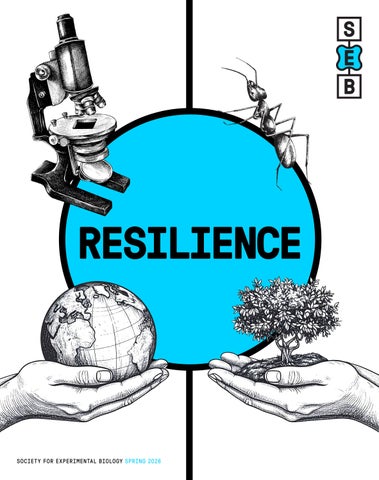
Resilience lies at the heart of experimental biology. Whether observed in cells adapting to stress, plants surviving increasingly hostile environments, or researchers building new scientific communities and collaborations, resilience shapes both the natural world and the scientific endeavour itself.
In this issue, we explore resilience across disciplines and scales, whilst also looking ahead to the SEB Annual Conference 2026 in Florence, where biologists from around the world will gather to exchange ideas, discoveries and perspectives.
Our feature articles demonstrate how resilience can be understood through interconnected biological systems and innovative technologies.
In the Animal feature, Bytes of Life: The Digital Anatomy Revolution (page 14), Alex Evans explores how digital tools such as 3D modelling, microCT scanning and biomechanical simulations are transforming anatomy and biomechanics research.
From reconstructing dinosaur locomotion to investigating insect musculature and primate joint function, these approaches reveal how interdisciplinary collaboration between biology, engineering and computational science is opening new pathways for understanding movement, evolution and adaptation.
At the cellular level, resilience takes on a molecular dimension. In From the Ground Up: Resilience at the Cellular Scale (page 18), Caroline Wood previews research presented at the upcoming Florence meeting, where scientists will explore how cells respond to environmental and physiological stress. Topics ranging from reactive oxygen species signalling and post-translational modifications to AI-assisted crop engineering highlight the increasingly interdisciplinary nature of modern cell biology and its importance for climate adaptation, food security and future biomedical research.
Plant resilience is equally central to this issue. Indeed, in the Plant feature Growing Resilience—
BY BENJAMIN DANOIS
Helping Plants Cope With Change (page 22), Alex Evans examines how researchers are investigating the mechanisms that allow plants to withstand heat, drought, flooding and other environmental pressures. From root–shoot communication and microbial partnerships to chemical signalling through volatile organic compounds, the article highlights the complexity of plant adaptation and the urgent need to develop more sustainable and resilient agricultural systems under global change.
This issue also celebrates the resilience and creativity of the SEB community itself. In our Members Highlights section (page 10), we showcase the innovative projects, educational initiatives and scientific contributions of SEB members, reflecting the diversity and impact of experimental biology across research, outreach and education.
Elsewhere in this issue, our Spotlight section (page 26) features in-depth conversations with researchers and members of the SEB community, offering personal insights into scientific careers, discoveries and experiences.
In Outreach, Education and Diversity (page 48), Alex Evans’ Roads Less Travelled reflects on the many non-linear paths within the life sciences, encouraging researchers to embrace adaptability and opportunity throughout their careers.
Finally, we take a moment to remember Philippa Borrill (page 28), a valued member of the SEB community and recipient of the 2022 Plant President’s Medal. Her contributions to plant science and the wider scientific community continue
to inspire colleagues and researchers alike. We hope this issue offers both inspiration and reflection as we continue to explore resilience: in science, in nature and within our global research community.
Our events section captures the energy of recent SEB-led meetings. The inaugural SEB–EcoMito Symposium in Lyon (page 30) brought together a scientific community first formed online during the pandemic, demonstrating how collaboration and shared curiosity can evolve into thriving international networks.
Meanwhile, the SEB Outreach, Education and Diversity Symposium on generative AI in higher education (page 52) explored how AI is already reshaping teaching and learning. Discussions emphasised both the opportunities and challenges of AI integration, from accessibility and student engagement to academic integrity and digital literacy, themes explored further in Rebecca Ellerington’s accompanying OED article.
Looking ahead, anticipation continues to build for the SEB Annual Conference Florence 2026, which will welcome around 1,000 biologists from across the globe. Covering animal, plant and cell biology, alongside outreach, education and diversity initiatives, the conference promises a vibrant programme of scientific exchange in one of Europe’s most inspiring cultural settings. We look forward to welcoming many of you there in July.

to the
2026 newsletter of the SEB in our
s I write this letter, spring is clearly in the air. People smile, birds tweet, trees blossom. It is a pleasant awakening from winter. It was, however, a winter in which we yet again had a record low Arctic sea ice extent and record high global temperatures. Extreme weather events keep occurring at a fast pace, from extremely hot to extremely cold, extremely wet to extremely dry. Therefore, new experimental science looking at ‘resilience’ is definitely needed, and you will see it running as a common thread through our SEB Annual Conference in Florence, 7–9 July 2026. Looking through the sessions, the themes global change, rapid environmental changes, range shifts and invasions, and stress are common, but also plasticity, robustness and resilience. With seventeen Animal, twelve Plant, four Cell and five OED sessions, we are in for an exciting few days of science. And as we come together, we also have the opportunity to look across borders, and I’m happy to see that several sessions do exactly that: ‘A15 - Cross-Kingdom Stress & Resilience – From Plants to Animals and Cells’, ‘P7 - siRNAs and Long Noncoding RNAs in Plant and Animal Development’
and ‘C4 - Communication Across Plant, Animal and Bacterial Immune Systems’ are the obvious ones, but others, such as ‘C1 - Reactive Oxygen Species in Cellular Function: Signals of Resilience’, discuss universal cellular and physiological processes, so don’t forget to take a peek at all programmes and don’t hesitate to take that step to cross borders yourself. Our Outreach, Education and Diversity section will also be discussing resilience. Resilience of students, educators and education itself. We are all under increasing pressure, demands are high and funding is dwindling (together with the sea ice). So it is important to determine your path and run your own race, and also show plasticity and resilience in your career, as will be discussed in ‘OED2 - Run Your Own Race – Resilience Along Unconventional Career Paths in Science’. And last but not least, don’t forget that it is not just about listening and learning, but also about taking action. You can do that in our four workshops: ‘OED5: Developing a Checklist to Enhance Awareness of Intersectional Attributes in HE’, ‘P8 - Epigenetic Tools: From Observation to Causality’ and ‘P10: PEPG 50th Celebration’, as well as ‘A10: European XROMM Network: Advancing X-ray Motion Analysis Through Collaborative Community’.
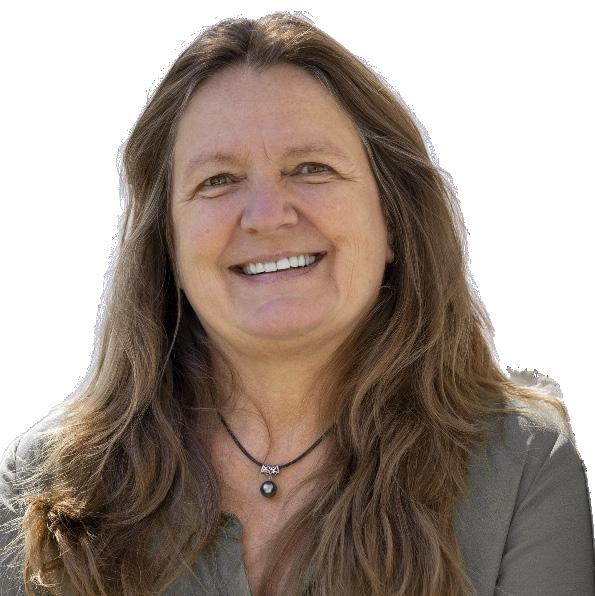
De Boeck President, Society for Experimental Biology

I HOPE YOU ARE EQUALLY EXCITED TO JOIN US IN THE STUNNING CITY OF FLORENCE TO ENJOY THE HISTORY AND FUTURE OF ARTS AND SCIENCE, TOGETHER WITH THE EXQUISITE ITALIAN FOOD AND WINE. I DEFINITELY WILL!

BY BENJAMIN DANOIS

We start by paying tribute to Professor Philippa Borrill, a highly respected and influential figure in plant science and 2022 SEB Plant President Medallist. Following her recent passing, a dedicated and detailed article celebrating her life, achievements and scientific contributions is featured elsewhere in this magazine.
The SEB has officially opened nominations for the 2027 President’s Medal and Plenary Lecture Awards, recognising outstanding contributions across experimental biology. Members are encouraged to nominate colleagues whose work has demonstrated scientific excellence, leadership and impact within the research community. More information is available here:
www.sebiology.org/resource/awards-nominationsare-open-for-seb-annual-conference-2027.html
The SEB is inviting members to become Convenors and play an active role in shaping the future of the Society and its scientific programme. Convenors help organise sessions, support the research community and contribute to the development of future conferences and activities. Find out more here: http://www.sebiology.org/resource/join-theseb-leadership-team-become-a-convenor-andshape-the-future-of-experimental-biology.html
Members are reminded that the SEB continues to offer a wide range of grants and funding opportunities, including travel grants, outreach support, diversity funding, hardship funds and sponsorship for meetings and training activities. Researchers at different career stages are encouraged to explore the available support: www.sebiology.org/grants.html
Preparations are continuing for the SEB Annual Conference Florence 2026, taking place 7–9 July with the theme ‘Resilience’. Delegates should note several important upcoming deadlines. SEB Conference Travel Grant application deadline: 31 May 2026.
Conference registration deadline: 11 June 2026.
Families attending the conference are also encouraged to book a place at the conference crèche, where ‘Epic Play Quest’ will provide engaging childcare activities throughout the event. More information about the crèche initiative is available here: www.sebiology.org/resource/epic-play-questcomes-to-the-seb-s-annual-conference-cr-che.html
Further conference details can be found here: http://www.sebiology.org/events/seb-annualconference-florence-2026.html
SEB has launched its new podcast series, Voices of Experimental Biology, designed to bring discussions in bioscience directly to the community. The podcast features interviews with researchers, scientific discussions, and insights into careers and developments across experimental biology. Discover the podcast here: www.sebiology.org/ressources/seb-podcast.html
SEB MEMBERSHIP
70% OF MEMBERS LEARN ABOUT SEB THROUGH WORD OF MOUTH
SEBIOLOGY.ORG #SEBPACK
MAKE EXTRAORDINARY CONNECTIONS NETWORK AND BUILD RELATIONSHIPS WITH EXPERIMENTAL BIOLOGISTS FROM AROUND THE WORLD
THINK BIG TAKE PART IN CROSSDISCIPLINARY CONFERENCES AND SHARE INNOVATIVE AND INSPIRING DATA, IDEAS AND RESULTS
DO MORE APPLY FOR GRANTS AND SPONSORSHIP TO INCREASE YOUR OPPORTUNITIES
FAST TRACK YOUR CAREER ACCESS JOURNALS, EDUCATION AND TRAINING SUPPORT

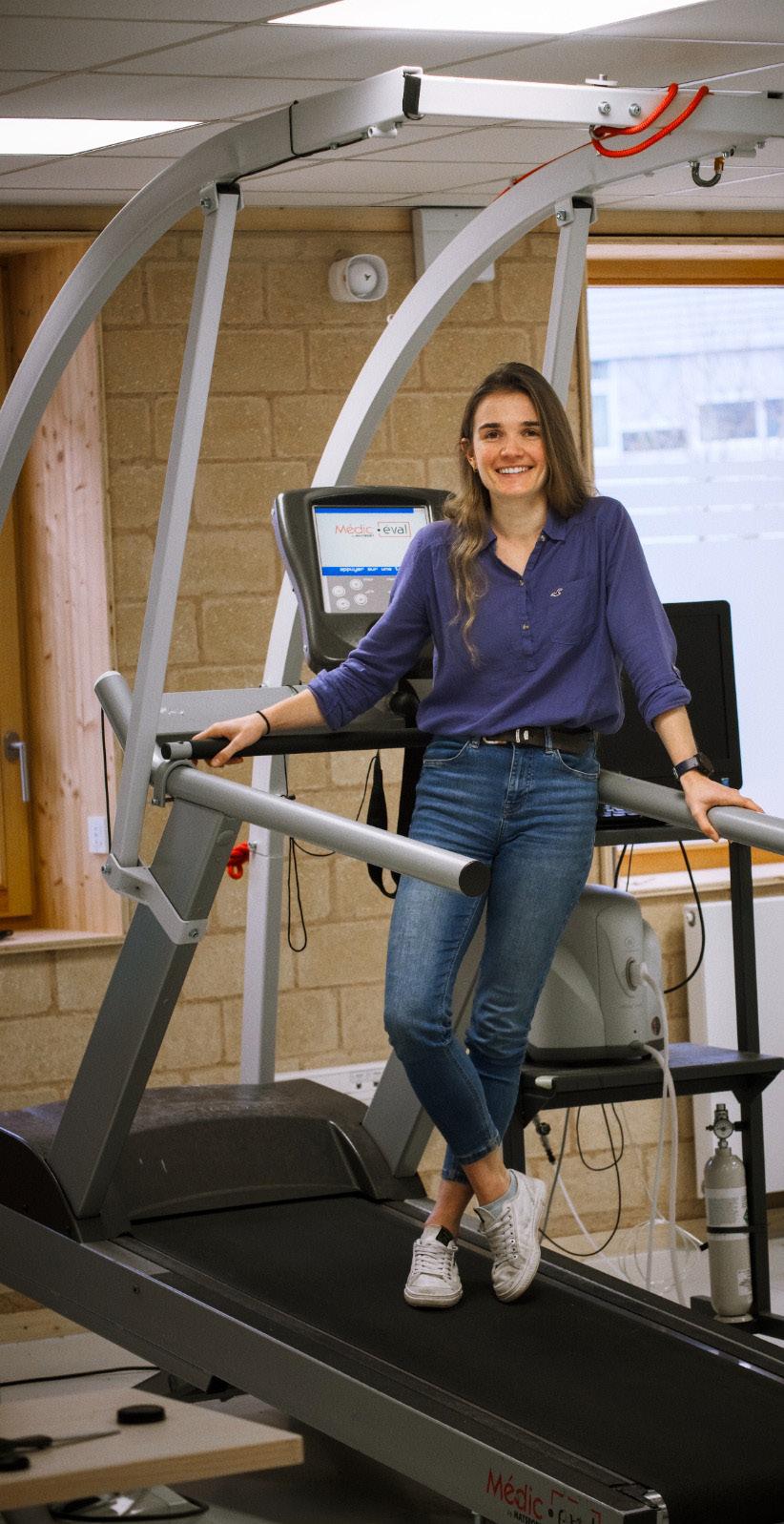
The SEB would like to congratulate Pablo Rozier-Delgado on the publication of his latest article, “ using accelerometry in natura: bridging exercise physiology and ecology” the special issue Exercise”
This work provides an innovative contribution to understanding endurance in mammals by combining exercise physiology and ecological approaches. The article is available here: DOI: 10.1242/jeb.251129 This work will also be highlighted at SEB Conference 2026 in Florence on 7 July 2026, during Session A1 (“We’re just another animal: Sharing ideas, techniques and approaches between fields of human and animal study”), where the team will present the next steps of this research.
Contributions include: Baptiste Morel (last author): predators and prey to understand fatigue in the wild: from real life chase tag to video game simulations”
Mylène Vonderscher (co-first author): trail runners to alpine ibex: a Force-VelocityEndurance framework linking physiological limits and spontaneous movements”
Pablo Rozier-Delgado: of predator-prey interactions in the wild”
• Influence the field: Organise symposia, workshops, and networking events that bring together leading scientists.
• Expand your professional network: Collaborate with experts, policymakers, and industry leaders.
• Enhance your leadership skills: Gain experience in managing scientific programs and steering research discussions.
• Boost your carreer: Demonstrating leadership within an international society

ANIMAL FEATURE: BYTES OF LIFE: THE DIGITAL
ANATOMY REVOLUTION 14
CELL FEATURE: FROM THE GROUND UP: RESILIENCE AT THE CELLULAR SCALE 18
PLANT FEATURE: GROWING RESILIENCE –HELPING PLANTS COPE WITH CHANGE 22

BY ALEX EVANS
Experimental biology has always embraced the furthest frontiers of research, but sometimes this leads to experiments that carry serious practical or ethical implications, or are simply beyond the grasp of modern technology. Digital simulations offer an experimental sandbox that can transcend physical and evolutionary constraints, allowing researchers to accurately recreate real biological specimens and manipulate them in ways that may be impossible in reality’s laboratories. Let’s meet some of those researchers!


the way that it moves and how those features may have evolved.’
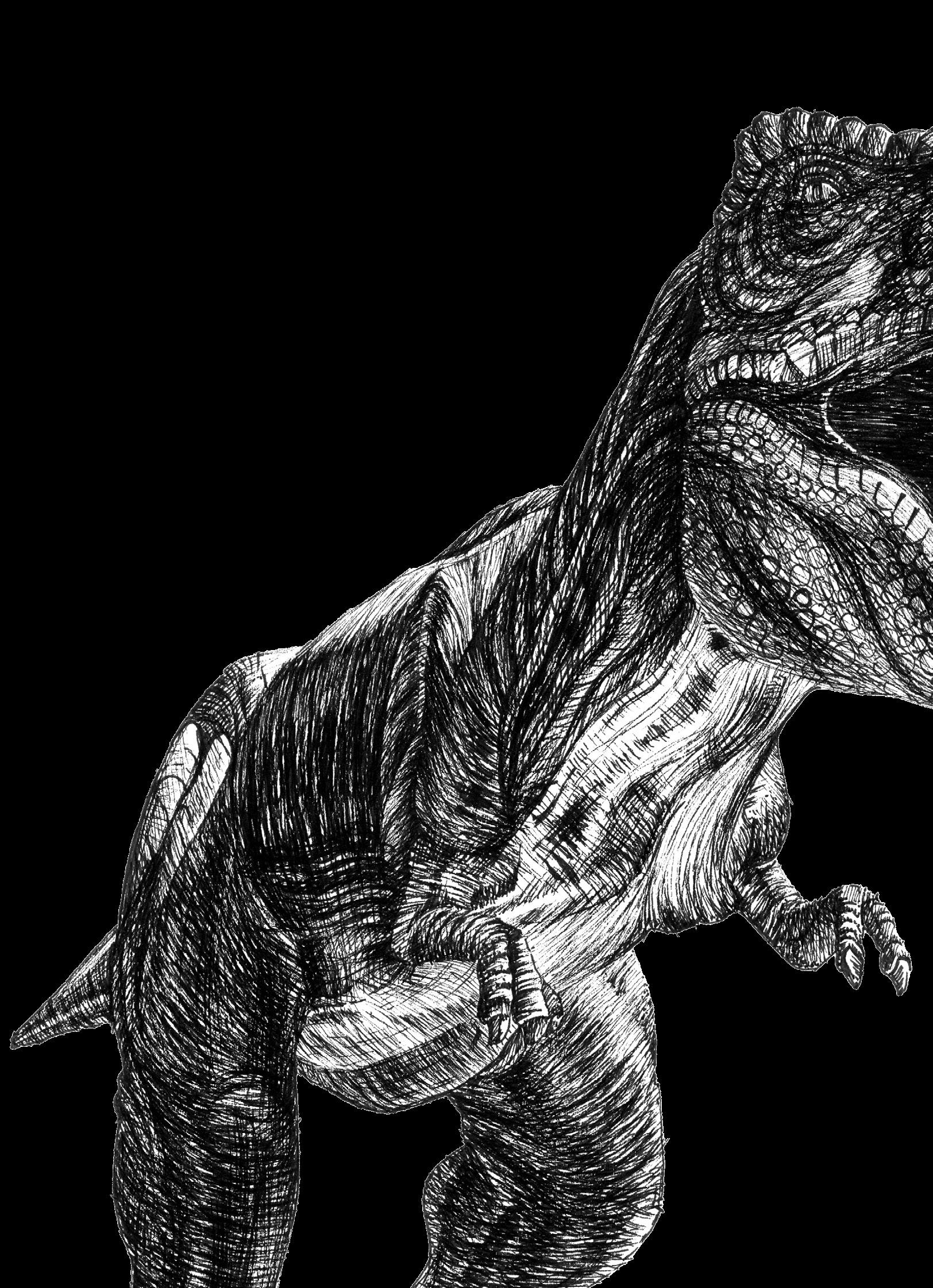
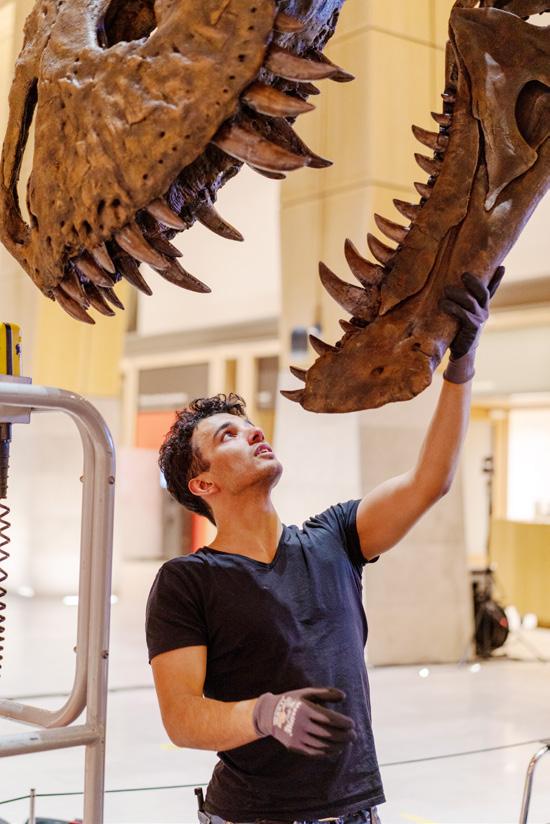
The focus of Pasha’s research has been the link between form and function in a range of animal species that includes birds and their prehistoric relatives, with a particular interest in one universally iconic species: the Tyrannosaurus rex. Interestingly, the origins of this research project began much closer to home. ‘During my BSc in Human Movement Sciences, we learned a lot

about human performance, but it was always in the back of my mind that we are not particularly exceptional in many different athletic feats,’ says Pasha. ‘Extreme feats of athleticism seen in different animals have always interested me, because it can teach you something about the limits for a certain movement or body type.’
Animal anatomy is intrinsically three-dimensional, so it makes perfect sense that in order to analyse T. rex locomotion, Pasha’s first step would be to capture 3D scans of their anatomical architecture, and recreate them as a digital 3D model that would form the framework for his biomechanical simulations. Working in 3D space certainly comes with its advantages for this line of research, as Pasha explains: ‘For instance, the topological arrangement of muscles is much easier to understand if you can see them in a 3D model, compared to a 2D drawing,’ he says. ‘Some things are also much easier to measure on the computer—measuring the snout to tail length of a 12-m long dinosaur is quite challenging to do with a tape measure, but can be a really straightforward task on the computer.’
After analysing the data from his T. rex project,1 Pasha was surprised to find that his simulations suggested that the most energetically optimal walking speed for an adult T. rex was slower than had previously been believed. ‘It was commonly thought that T. rex would be a rather fast walker due to its long legs, but we found a pretty moderate walking pace, about the same as humans, giraffes and elephants,’ he says.
To carry out these digital experiments, not only has Pasha been using a range of available hardware and software tool, but he’s also been creating his own. MuSkeMo2 is a software tool that Pasha has developed as an add-on for Blender, a popular 3D graphics software that is often used for creating 3D computer motion graphics or designing 3D printed models. ‘For the 3D scanning, I’ve used a combination of surface scanning and computed tomography (CT) scanning, and I have developed an analysis pipeline from biological 3D scans to biomechanical simulations,’ he explains. ‘This pipeline makes use of MuSkeMo to perform biomechanical analyses and streamlines the process of going from 3D scan to simulation-ready model. I’ve also been using this software to visualise simulator outputs from other programs.’
During Pasha’s PhD, he has not only explored the locomotion of extinct dinosaurs using digital
models, but also that of living ones, providing useful insights into the biomechanics of running in flightless birds. Early on in his PhD, he constructed a biomechanical model of an emu and used it to explore how posture affected running styles in birds.3 ‘Emus use a specific running style called grounded running, and it was thought that they might select that gait because it was more stable, despite costing more energy,’ he explains. ‘Our simulations showed that if you have crouched posture like a bird, then grounded running is not energetically wasteful at all, so the increased stability does not come at increased energy cost.’
As well as aiming to achieve biologically faithful recreations of animals, digital anatomical models also provide researchers with the opportunity to see what would happen if natural selection had pulled a species’ anatomy in very different directions. ‘Our bird project is one example of this, because we were able to change all the muscle and tendon lengths of the model to see the impact of a more upright posture on their running style,’ says Pasha. ‘In reality, this would require an extremely complicated surgery to accomplish in a real bird, with very little chance of success.’
WITHOUT 3D DIGITAL MODELLING, THIS PHASE OF MY RESEARCH WOULDN’T EVEN BE POSSIBLE
While these simulations are incredibly useful, Pasha is continually trying to improve the models. Looking to the near future, Pasha also describes how digital models like these are being used as anatomy teaching aids and could play a role in the simulation and diagnosis of human and animal locomotor ailments. But, if it’s still being used to digitally resurrect the stomping of dinosaur feet, well that’s just fine too.
Below
A. Pasha with T. rex skull
Photo credit: Tom Brown
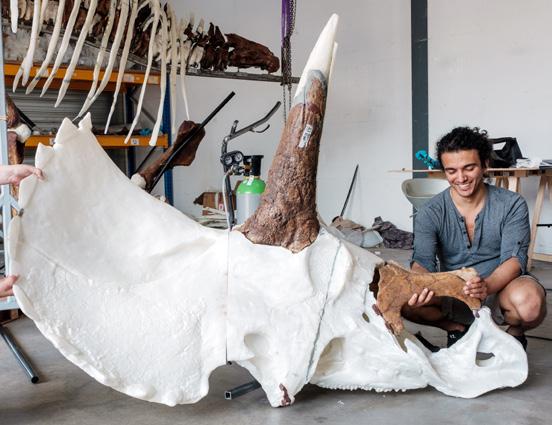
B. Pasha with a 3D reconstruction of a Triceratops skull
Photo credit: Servaas Neijens
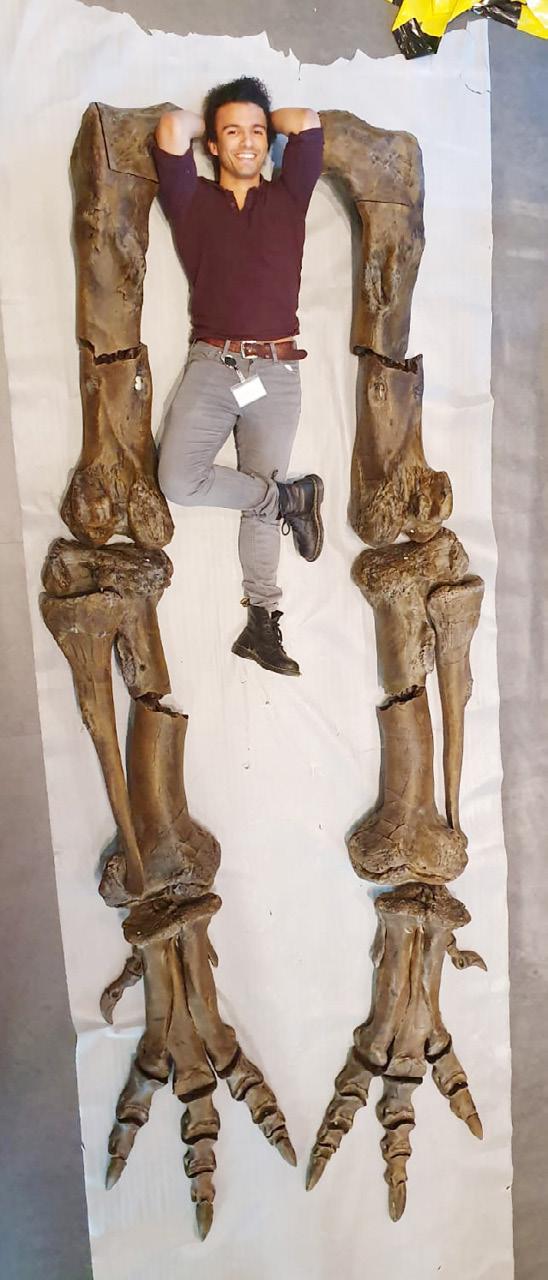
C. Pasha with T. rex leg bones
Photo credit: Hanneke Jacobs
As we have just learned, digital modelling of biological specimens can provide researchers with the opportunity to study the anatomy of the largest organisms to have roamed the planet, but possibly more interesting is what it can offer at the other extreme of the size spectrum. Melissa Tan, a PhD student at Imperial College London, is harnessing elements of 3D digital modelling to investigate the traffic dynamics of leaf-cutter ants on foraging trails, something that requires a detailed investigation of ant movement on a truly minute scale. ‘It might come as a surprise that I’m actually terrified of insects,’ says Melissa. ‘I had the opportunity to do some undergraduate research on leaf-cutter ants in my current lab, the Evolutionary Biomechanics Lab, and unfortunately for me, I found the ants absolutely fascinating and have been researching them ever since!’
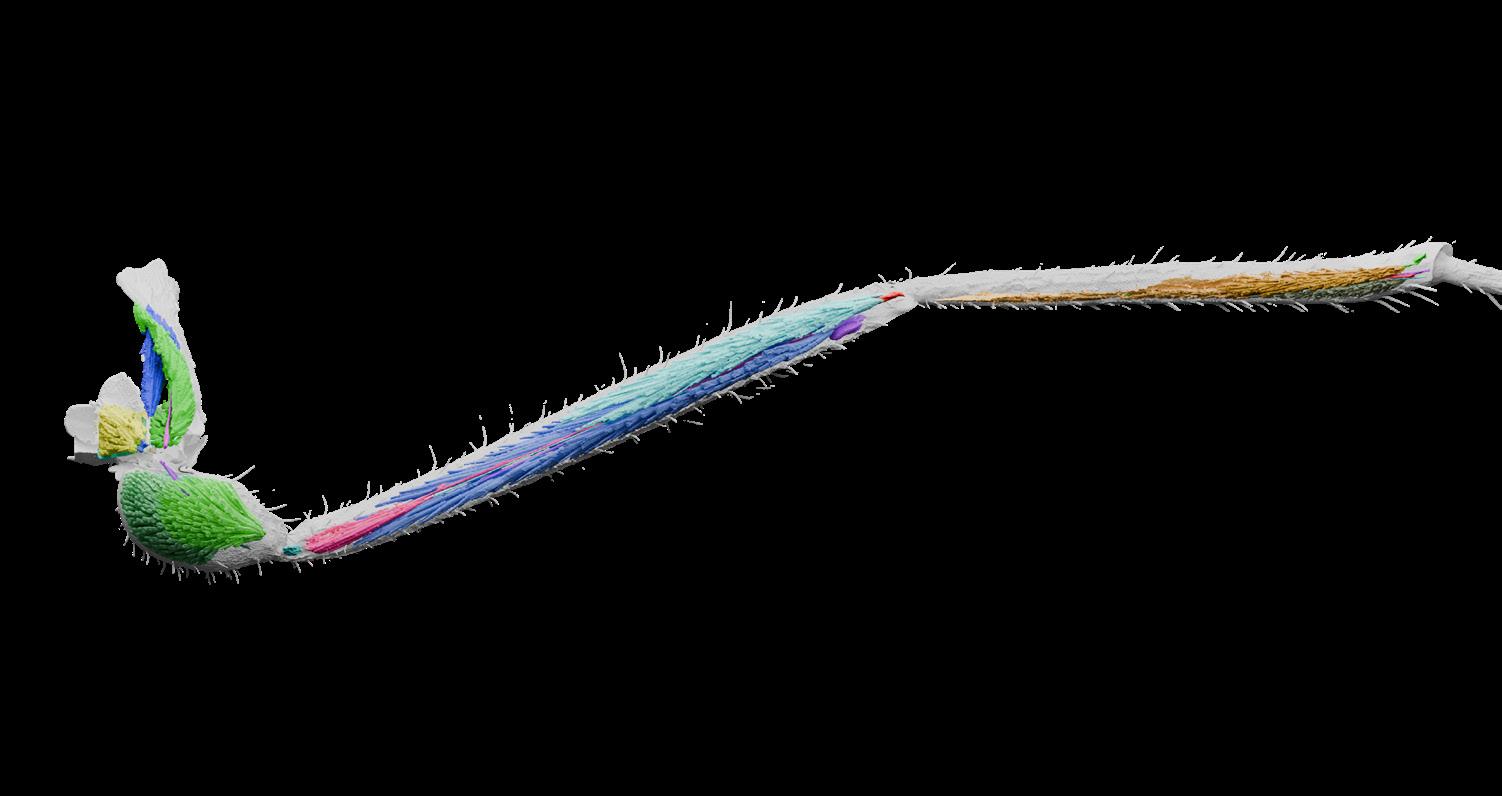
Leaf-cutter ants are renowned for their complex social systems and environmental engineering through their extensive herbivory,4 which relies on an efficient organisation of traffic along long foraging trails to allow for rapid transport of leaf fragments back to the nest. This facet of their biology is the one that most interests Melissa, and her research is currently focused on improving our understanding of how this foraging trail traffic is organised. ‘It is a complex question to answer, particularly because leaf-cutter ant traffic comprises highly polymorphic individuals carrying loads of varying sizes,’ she says. ‘Since it is the leg muscles that drive motion and determine the load that can be carried, my first step to answering this question is trying to gain an understanding of how leaf-cutter ant locomotor capacity may scale across the ant size range by investigating their leg musculature.’
To thoroughly examine the muscle of leaf-cutter ants that have fibre lengths in the order or 10 µm, Melissa found that dissections and visual inspections
were simply not enough to fully understand how these muscles function during locomotion, nor to take precise measurements of their physiology. ‘Without 3D digital modelling, I don’t think this phase of my research would even be possible,’ explains Melissa. ‘How else would I be able to get a look inside the ant body and legs to understand the muscles that contribute to their locomotion? To be able to quantify the muscle volume of each individual muscle? To be able to quantify the fibre lengths and pennation angles for each individual muscle fibre?’
Owing to the miniscule nature of ant anatomy, precise scanning and digital recreation technology is critical in capturing the important details of these small locomotor muscles. ‘The use of micro-CT and 3D modelling to simulate animal anatomy is relatively common, and I’ve been very lucky to work with and learn from experts in the field!’ says Melissa. ‘The ant samples were first CT scanned by Dr Thomas van de Kamp and team, and I then segmented the resulting scan reconstructions.’ Because of the limited literature available on leafcutter ant leg musculature, Melissa was very happy to have the support of Dr Brendon Boudinot and Dr Adrian Richter in demystifying the individual muscles at work inside the leg, before she then used fibre tracer software created by Dr Frederik Püffel to obtain the lengths and pennation angles of every muscle fibre.
Building on this foundational work, Melissa hopes to address her key research questions of leaf-cutter ant trail traffic organisation with the digital models she has created using the scanned and measured muscles. ‘I hope to understand how locomotor ability scales with ant size and load,’ she says. ‘I am taking recordings of unladen and laden ants walking along a foraging trail to characterise their preferred and maximum walking speed to supplement my investigation of their leg musculature.’ While it’s still a little early to reveal the findings of Melissa’s research, her methodology and preliminary results are providing us with fascinating insights into how the digitisation of anatomy really can work for animals of all sizes. For now, let’s just wish
Melissa the best of luck in conquering that fear of her own study species!
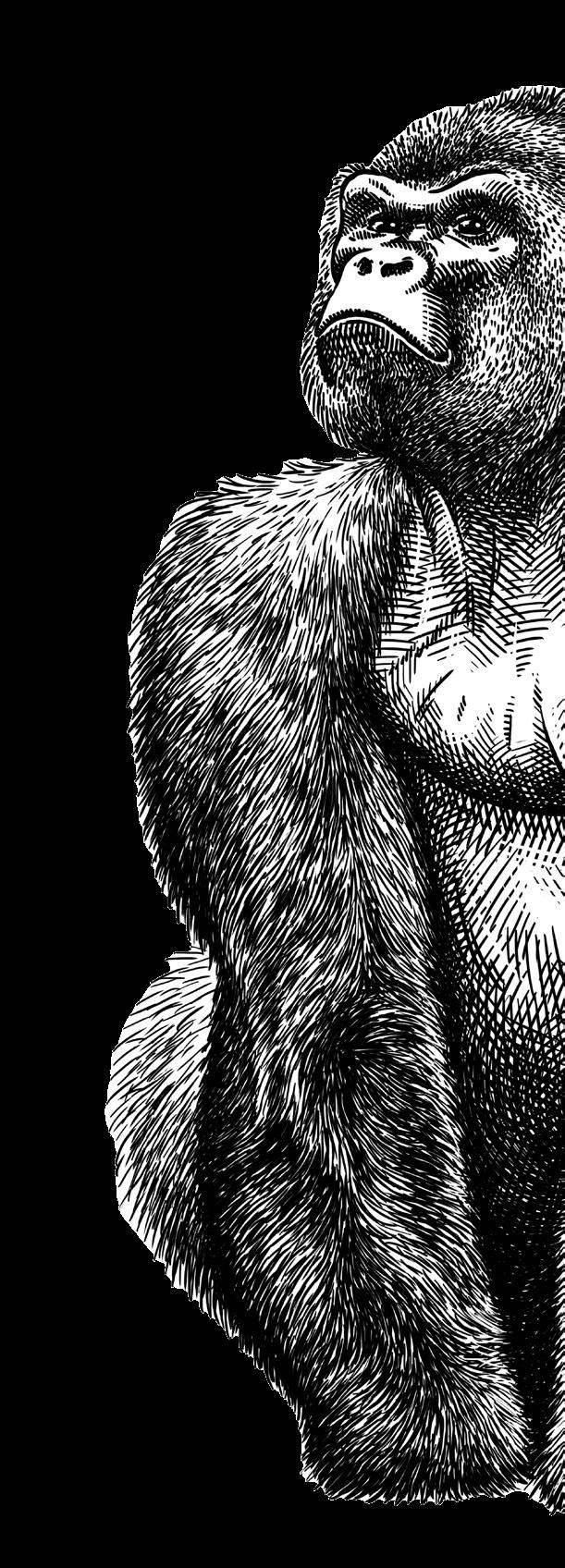
Digital simulations of animal anatomy are incredibly useful for exploring the incredible diversity of the animal kingdom, but they can also teach us a great deal about ourselves and our closest living relatives: the apes. Traditional anatomy research relies heavily on the dissection of specimens, which comes with significant practical issues when working with endangered species such as chimpanzees and gorillas. Thankfully, the creation of 3D digital models allows researchers to undertake meaningful research while reducing and replacing the use of actual specimens required.
‘My focus is on the form and functional relationship of different joints,’ says Evie Vereecke, an Associate Professor of anatomy at the University of Leuven, Belgium. ‘While I find everything about the musculoskeletal system interesting, my current focus is mostly on the upper limbs and, especially, the shoulder.’ Recently, Mythili Damal Kandadai joined Evie’s research group as a PhD student in a joint project between the University of Leuven and Ghent University, Belgium. ‘By training, I’m a mechanical engineer and I joined this group last year,’ Mythili says. ‘My project is on the musculoskeletal modelling of hominoid primates, specifically the chimp right now, but hopefully one or two others as well.’
Evie’s hominoid locomotion project is an interesting intersection of anatomy, engineering and computational modelling, all centred around a core of evolutionary biology. ‘When we constructed our team, we really looked for different expertise,’ she says. ‘We have a shoulder surgeon, a hip surgeon with a PhD in engineering, an expert in modelling, and I have strong expertise in comparative anatomy and biomechanics— so we bring it all together.’
One of the many benefits of having such an interdisciplinary team is the chance to provide answers to questions that span a range of research specialisms and species. ‘Our shoulder surgeon told me that there are a lot of shoulder pathologies that he sees in his patients, such as degenerated tendons and rotator cuff tears,’ she says. ‘He asked me if other primates are predisposed to the same pathologies, and I told him that I don’t have any primate patients that
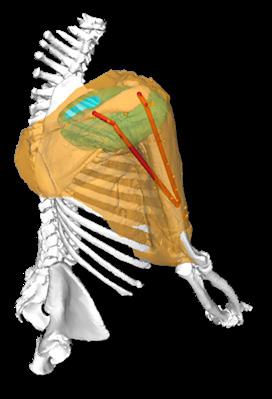
come to me and complain about their shoulders…’ This particular question got Evie and her team thinking about how human shoulders differ in their form and function to their non-human relatives, because if apes experience a similar prevalence of pathologies, it would make their locomotion a very painful affair.
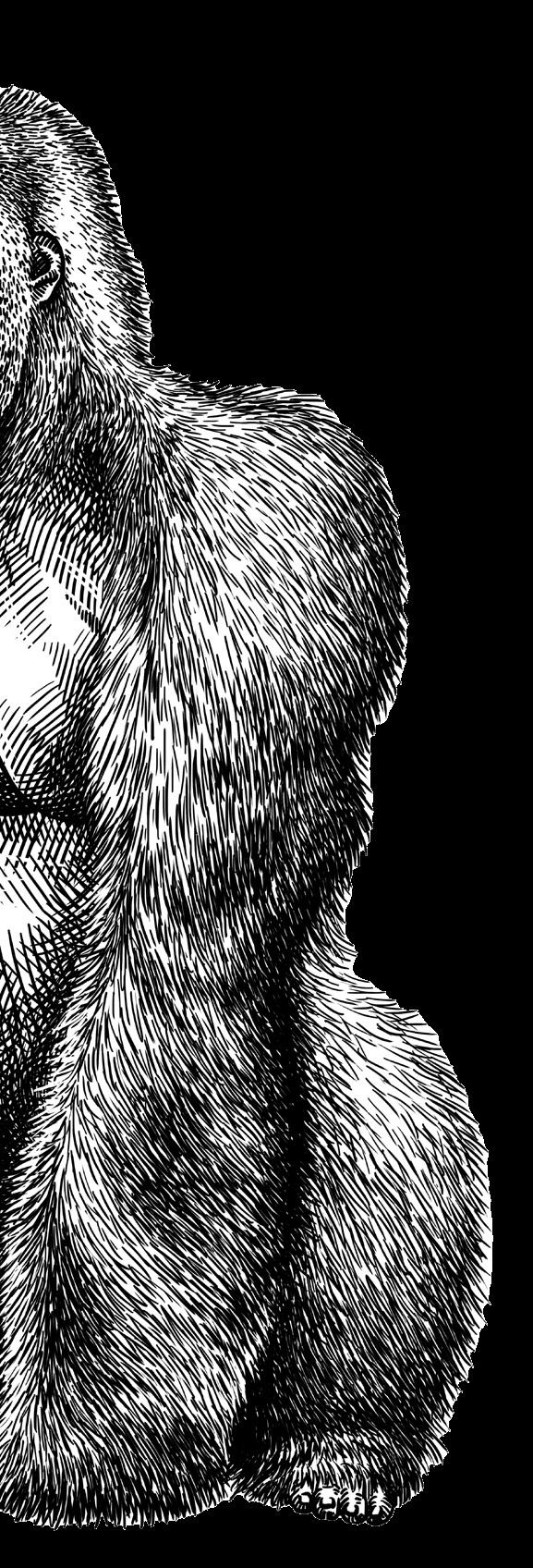
Digital recreations of apes require anatomical data, which can only be reliably captured from real apes, and while acquiring ape specimens may sound like a challenge, Evie thankfully has good connections with zoological institutions that understand the value of her research. ‘Unfortunately, primates die just like we all do, so we have an outstanding call with the European Association of Zoos and Aquaria to contact us if any apes die in zoos,’ explains Evie. ‘We’ve worked on lots of animals from the Netherlands and Belgium and even worked on the silverback gorilla Bokito from Blijdorp in Rotterdam a few years ago. That was a huge animal, around 225 kilos, we needed three people just to lift his arm!’
To get from specimen to simulation as accurately and efficiently as possible, Evie has a three-stage protocol that runs across a three-day block. First, the animal needs to be scanned with all the bones in articulated positions, so a full-body CT scan is performed. Next, bone pins with marker clusters are drilled in each bone of the arm and shoulder, then Evie and her team passively move the limbs and use a motion capture system to measure a range shoulder movements, recording the movement of each bone. ‘Since we’re interested in the shoulders, we manipulate the arm into all relevant positions and look at the
maximum range of motion,’ she says. ‘We also include some clinical movements that have been done by our colleagues on human specimens, so that we can compare with human data.’
Next comes the dissection, which requires the removal of skin and the scanning of the individual muscles underneath. ‘We have this mobile surface scanner and every muscle is scanned,’ says Mythili. ‘We make sure that we get the 3D volume of the muscle, and if we have time, we do it in different positions.’ Once the first layer of muscles has been scanned and measured, it is removed and the same process is conducted for the next layer. ‘Eventually, we have 3D information about all the bones and the muscles, and we have kinematics from the motion capture,’ says Evie. ‘This all goes into creating the digital musculoskeletal model that we can use for simulations.’
Once Evie and Mythili pull together their model, they have a virtual primate that they can play around with in digital space and set experimental conditions that would never be possible in the real world. ‘You can see what happens if we double the size of this muscle, or what happens if I remove this muscle,’ she says. ‘These hypothetical experiments are one of the big strengths of computational modelling, for example you can also simulate movement of extinct primates or hominins. Importantly, you can share these models with other researchers.’
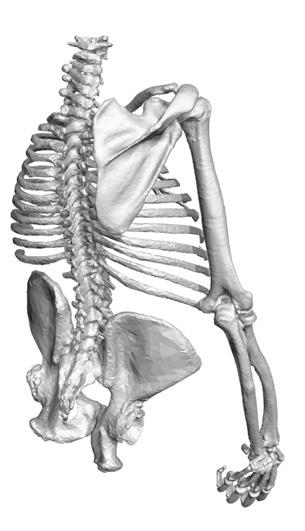
Left
Digital recreation of hominoid shoulder bones, and a digital recreation of hominoid shoulder muscles
Photo credit:
Julia van Beesel
Opposite Page 3D model of a fully segmented leaf-cutter ant hind leg and metathoracic muscles
Photo credit: Melissa Tan
THESE HYPOTHETICAL EXPERIMENTS ARE ONE OF THE BIG STRENGTHS OF COMPUTATIONAL MODELLING
One of the downsides of this process is that the models can be very difficult to validate for accuracy. ‘This is something that is often overlooked but it’s very important to talk about,’ says Evie. ‘We try to compensate by being as accurate with our measurements as possible, but we still have to make assumptions which is inherent to modelling. It’s good practice to be transparent about these assumptions and the choices that we make when building the model.’
Evie and Mythili are still in the process of building their models and creating the simulation conditions that they wish to investigate, but in digital space, the options are nearly limitless, and the possible applications stretch beyond just their own research.
‘It’s also a very useful teaching tool for visualising biomechanics. The movement of the shoulder is horribly complex, and you can’t really explain it in 2D, but a 3D model can help people to understand much better,’ says Evie. ‘You can also calculate the expected forces and muscle activation using a musculoskeletal model, and those are impossible to measure accurately in living primates,’ adds Mythili. Evie and her team now have anatomical data collected and ready for simulation from orangutans, gorillas, chimps and humans, creating an incredible arsenal of digital data that can be examined and manipulated for years to come by researchers all around the world, but for Evie, this is only just the start. ‘We still have plenty of research lined up for the coming decade,’ says Evie. ‘No time for retirement!’
IT’S GOOD PRACTICE TO BE TRANSPARENT
Reference:
1. van Bijlert PA, van Soest AJ, Schulp AS. Natural frequency method: estimating the preferred walking speed of Tyrannosaurus rex based on tail natural frequency. R Soc Open Sci 2021; 8: 201441.
2. van Bijlert PA, van Soest AJ, Schulp S, et al. Muscle-controlled physics simulations of bird locomotion resolve the grounded running paradox. Sci Adv 2024; 10: eado0936.
3. MuSkeMo Model Builder. https://github.com/ PashavanBijlert/MuSkeMo
4. Schultz TR, Brady SG. Major evolutionary transitions in ant agriculture. Proc Natl Acad Sci USA 2008; 105: 5435–5440.
BY CAROLINE WOOD
Resilience is often framed at the level of ecosystems, species or whole organisms, yet its foundations lie much deeper. At the cellular scale, life is in a constant state of negotiating stress—from temperature fluctuations and metabolic imbalances, to mechanical forces and molecular damage. The capacity of an organism to survive and thrive under pressure is therefore inseparable from the robustness and plasticity of its cells, with molecular events scaling up to determine organism-wide outcomes. The cell science sessions at the SEB’s 2026 Annual Conference in Florence will place these processes centre stage, bringing together researchers working across model systems and methodologies, yielding insights that bridge disciplines. Caroline Wood takes a look at what is in store.
Signalling pathways play a key role in orchestrating resilience responses at the cellular scale. Reactive oxygen species (ROS), for instance, were once associated primarily with oxidative damage, but are increasingly being seen as key coordinators of adaptive responses that promote resilience under changing environmental conditions. At the SEB 2026 Annual Conference, these activities will come under the spotlight during the session ‘Reactive Oxygen Species in Cellular Function: Signals of Resilience’.
‘Historically, ROS research—particularly within plant sciences—has sometimes been framed narrowly, with ROS viewed mainly as damaging by-products of stress,’ says session organiser Salma Akter (University of Oxford). ‘But it is now clear that they also act as highly regulated signalling molecules that coordinate cellular adaptation. Integrating ROS biology into mainstream cell biology and crop science is increasingly important, especially in the context of escalating environmental stress associated with climate change.’
It is now known that ROS are crucial, localised signalling molecules that are essential for maintaining cellular redox homeostasis, as well as promoting cell survival, proliferation, differentiation and stress adaptation. ROS signals function mainly through coordinating redox post-translational modifications on proteins—which themselves act as molecular switches that regulate protein function, localisation, stability and signalling.
Nevertheless, significant open questions remain regarding the spatiotemporal regulation of ROS and the specificity of redox signalling. For Salma, a key research interest is to understand how plants sense ROS signals through protein cysteine residues and repair damage caused by oxidative stress. During her postdoctoral research in Emily Flashman’s group, Salma and colleagues showed that plant oxygen sensors also respond to ROS (particularly hydrogen peroxide) as well as oxygen.1 These sensors, known as plant cysteine oxidases, regulate group VII ethylene response factors (ERFs), which activate adaptive responses to hypoxia. Under oxidative stress, ERFs are stabilised but trigger a distinct transcriptional programme: hypoxia marker genes are repressed, while genes involved in ROS homeostasis and oxidative stress protection are upregulated.
‘What excites me about these findings is that they support the concept that oxidative damage and redox signalling represent two sides of the same coin,’ says Salma. ‘The same chemical modification can either impair cellular function or act as a finely tuned regulatory switch.’ She adds that
understanding how cells distinguish between these outcomes is both a fundamental biological question and one with important implications for food security. ‘The prospect of translating mechanistic insights in redox biology into strategies that enhance crop resilience is especially motivating.’
Meanwhile, for session speaker Christine Foyer (University of Birmingham), the priority is to understand the complex networks that regulate plant responses to the environment, particularly climate change. With a focus on ROS, antioxidants and redox signalling, her lab seeks to understand how redox processes participate in the regulation of plant growth, defence and seed nutritional quality.
‘An especial interest is the direct effects of environmental signals, such as elevated temperatures and atmospheric carbon dioxide concentration, on redox processes occurring throughout plant cells including in the nucleus,’ she says. Her talk during the session at the Annual Conference will discuss how ROS regulate protein and enzyme functions through the oxidation of protein thiol groups and associated redox post-translational modifications.
‘Focusing on catalase, which breaks down hydrogen peroxide, I will discuss how redox-regulated phase separation, forming membrane-less condensates through protein–protein interactions, facilitates catalase relocation to the nucleus,’2 she says. ‘I will also discuss our use of redox-proteomics approaches to study how hydrogen peroxide accumulation during metabolism influences the proteomes and protein oxidation levels in Arabidopsis mutants lacking the major form of the catalase enzyme.’
‘It has been a privilege to work on a topic whose importance has rapidly expanded throughout my career,’ Christine continues. ‘I started at the beginning of research in this area, where understanding was at a very rudimentary level, and I have continued to the present day, where we know that ROS and antioxidants function in a regulatory manner in every aspect of plant biology.’ Nevertheless, she adds that there is still much to learn. ‘For instance, we only have a basic understanding of the nature and functions of redox sensors in different plant cell compartments, or of how nuclear ROS accumulation directly regulates genetic and epigenetic controls. There are so many levels and aspects of redox regulation of plant proteins that remain to be discovered.’
Both Christine and Salma hope their session will attract a broad range of researchers interested in cellular responses to environmental stress. ‘Our session aims to provide an inclusive platform for cutting-edge ROS research that crosses disciplines and kingdoms, with speakers representing plant, animal and microbial systems,’ says Salma. ‘Ultimately, it will provide attendees with a clearer understanding of how cells translate ROS signals into resilience, and will also highlight emerging technologies, including live ROS imaging and redox proteomics.’
FULLY INTEGRATING ROS BIOLOGY INTO MAINSTREAM CELL BIOLOGY AND CROP SCIENCE IS INCREASINGLY IMPORTANT, ESPECIALLY IN THE CONTEXT OF ESCALATING ENVIRONMENTAL STRESS ASSOCIATED WITH CLIMATE CHANGE
Meanwhile, the session ‘Post-translational Modification and Stress Response’ will showcase how different post-translational modifications (PTMs), such as SUMOylation, ubiquitination and phosphorylation, shape cellular resilience across organisms.
‘PTMs function as rapid, versatile regulators of protein function, enabling cells to sense, integrate and respond to stress,’ says session co-organiser Alexander Garvin (University of Leeds, UK). ‘Our session will explore how dynamic PTM crosstalk controls signalling pathways that determine cellular adaptation, survival or death, besides the complementary approaches used to study them, including cell biology, structural biology, proteomics, genetics and systems-level analysis.’
Both Alexander and his co-organiser Christian Bassi (University of Leeds, UK) research how SUMOylation (the attachment of a small ubiquitinrelated modifier, SUMO, to target proteins) can act as a regulatory switch during stress responses.
‘Across many contexts, SUMO acts as a fine-tuning mechanism that helps cells balance activation, resilience and identity,’ says Christian. His recent work has focused on understanding how changes in SUMO dynamics influence DNA repair, chromatin structure, immune activation and neuronal differentiation.
‘We have found that SUMO acts as a regulatory layer that modifies the activity of chromatin-associated factors, influencing which genes are switched on or off as progenitor cells progress toward a neuronal identity,’ he says. This means that by modulating the SUMO state of key transcriptional regulators, cells can adjust the pace and stability of the differentiation process. ‘During the session,
THERE ARE SO MANY LEVELS AND ASPECTS OF REDOX REGULATION OF PLANT PROTEINS THAT REMAIN TO BE DISCOVERED
we plan to share new mechanistic data illustrating how these SUMO-dependent changes influence early transcriptional trajectories and how they link stress-response pathways with neuronal fate decisions.’
As for Alexander, his latest studies have investigated how the proteases that remove SUMOs from SUMOylated proteins become deregulated in disease, especially cancer. A particular interest has been the unusual SUMO family member SUMO4. Instead of being conjugated to proteins, SUMO4 functions in its free unconjugated state during DNA-repair signalling.3 ‘This suggests that SUMOs can act as both post-translational modifiers and free signalling molecules,’ Alexander says. ‘We don’t know if this is also true for the other members of the SUMO family, but it suggests there is still a lot we do not understand about how small-modifier PTMs function in health and disease.’
Nevertheless, both Christian and Alexander emphasise that SUMOylation is just one of a broad range of PTMs that the session will cover, and that the discussions find connections between different regulatory layers and species. ‘Because the principles of SUMOylation as a regulatory mechanism apply broadly across systems, the session provides a perfect opportunity to connect our mechanistic insights with complementary work on other PTMs and other model organisms,’ says Alexander.
For Christian, a particular aim is to discuss how other PTMs influence chromatin dynamics, especially in systems that are actively changing rather than static. ‘I find it fascinating when studies reveal how PTMs influence real-time transitions, such as differentiation or immune activation, because they show that these modifications are not just molecular decorations but drivers of cellular decision-making,’ he says. For instance, SUMOylation of the NF -κB regulator NEMO acts as a rapid molecular switch that enables immediate NF-κB activation following immune stimulation, demonstrating how a PTM directly drives a real-time cell-state transition.4 ‘Seeing how a single modification can shift an entire transcriptional landscape during a dynamic process is incredibly inspiring.’
As Alexander notes, another key value in bringing together plant, animal and microbial researchers is to scope out the great unknowns that require further research. ‘I find it really exciting that we are still finding novel aspects to PTM signalling, with new PTMs being identified all of the time in every clade of life,’ he says. ‘We have only scratched the surface. A recent example is the identification of lysine lactylation as a novel PTM that links cellular metabolism to gene regulation and cancer progression, highlighting an entirely new layer of epigenetic control.’5
Ultimately, however, they hope the session will be more than a programme of research highlights and talks, but an opportunity to build a community around PTM-driven stress biology. ‘Researchers often work on closely related mechanisms without realising how much they share conceptually, simply because they work on different subfields or model systems,’ Christian says. ‘If this session helps to spark new conversations or collaborations across those boundaries, that would be a great outcome.’
With artificial intelligence (AI) tools becoming ever more pervasive across scientific research, could these prove a valuable ally towards designing more resilient crops for our future food systems?
During the SEB’S 2026 Annual Conference, Adam Bentham (Durham University, UK) will present his research on AI-guided protein design in plant pathogen interactions.
ACROSS MANY CONTEXTS, SUMO ACTS AS A FINE-TUNING MECHANISM THAT HELPS CELLS BALANCE ACTIVATION, RESILIENCE AND IDENTITY
POST-TRANSLATIONAL MODIFICATIONS FUNCTION AS RAPID, VERSATILE REGULATORS OF PROTEIN FUNCTION, ENABLING CELLS TO SENSE, INTEGRATE AND RESPOND TO STRESS
‘Our primary aim is to address the persistent threat global agricultural sustainability faces from rapidly evolving plant pathogens, which often outpace the discovery of natural resistance genes,’ he says. At the Annual Conference, he will introduce ENABLERS, a programmable framework that leverages generative protein design tools to create entirely new-to-nature sensory domains for plant immune receptors. ‘Essentially, we are using AI to “hand-craft” the plant’s ability to recognise specific pathogen proteins, rather than waiting for nature to provide a solution.’
According to Adam, while computational protein design has seen a paradigm shift in medical biotechnology and synthetic biology, its application in plant immunity has up to now been largely unexplored. But the opportunities for discovery are immense. Traditional bioengineering of plant immune systems is a slow, labour-intensive process, relying heavily on detailed characterisation of existing natural receptors. In contrast, AI-powered design frameworks can enable researchers to explore a much broader sequence space than natural evolution provides.
‘I believe this is a transformative frontier for plant cell science,’ Adam adds. ‘The most exciting aspect is the ability to decouple immune perception from natural evolutionary history. We are no longer restricted to the resistance genes found in nature. We can now design immune sensors against pathogen ‘folds’ even when there is no known natural resistance or prior knowledge of molecular interactions.’ Ultimately, this could
allow us to respond to emerging biothreats at a pace that matches the rapid evolution of pathogen populations.
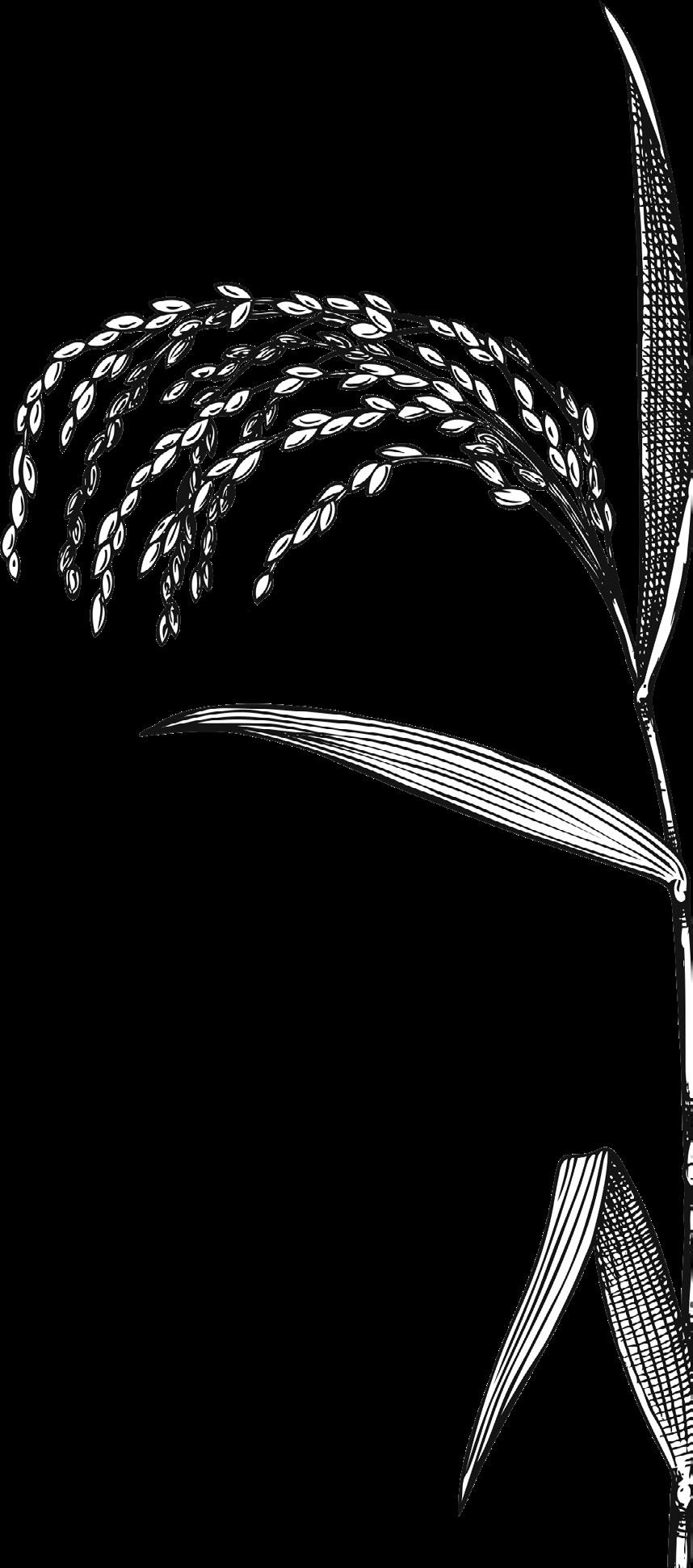
For instance, Adam and his colleagues are using this approach to engineer the Pik-1/Pik-2 receptor in rice, which in nature confers resistance to Magnaporthe oryzae carrying the AVR-Pik effector. Previous work at the John Innes Centre had demonstrated that Pik-1/Pik-2 could be engineered to recognise certain ‘stealthy’ versions of the AVR-Pik effector that are able to evade detection by changing the sensory heavy metal-associated (HMA) domains integrated in the receptor backbone.6,7 Now by using AI-based protein design tools, Adam and his colleagues are able to rapidly design newto-nature sensory domains that can expand the recognition profile of the Pik-1/Pik-2 receptors to effectors from pathogens other than M. oryzae, such as the soil-borne pathogen Fusarium oxysporum.
‘We use two deep-learning models called RFdiffusion and ProteinMPNN,’ says Adam. ‘RFdiffusion allows us to create the backbones for the protein binders that will act as the immune sensors, and ProteinMPNN is an inverse folding model that can provide the protein sequence to fold into the backbone generated by RFdiffusion.’ The team then use AlphaFold to determine whether the binders will be strong candidates for experimental testing. The selected candidates are then integrated into the Pik-1 sensor in place of the HMA domain and tested experimentally in Nicotiana benthamiana, with cell death acting as a proxy for effector recognition.

‘Our findings demonstrate that these de novo designed domains facilitate specific effector
ESSENTIALLY, WE ARE USING AI TO “HANDCRAFT” THE PLANT’S ABILITY TO RECOGNISE SPECIFIC PATHOGEN PROTEINS, RATHER THAN WAITING FOR NATURE TO PROVIDE A SOLUTION
perception then initiate immune signalling and cell death in Nicotiana,’ says Adam. ‘Furthermore, structural analyses using X-ray crystallography have confirmed that our AI-designed binders associate with their targets via the exact interfaces we designed, showing remarkable structural fidelity.’
Ultimately, Adam believes these approaches could enable the development of completely synthetic plant immune systems that extend far beyond the limitations of natural immune receptors. In the near future, his group aim to establish a programmable framework that serves as a foundational blueprint for tailoring immune responses to various emerging agricultural threats.
‘We are exploring new pathways for disease resistance engineering designed to transition the field from a traditional discovery-based workflow toward a more proactive, design-centric throughput,’ he says. ’This involves investigating universal immune scaffolds and using independent methods to probe biological function, which could theoretically expand a host’s surveillance capabilities to include entirely novel ligands.’
‘I would encourage any researchers interested in bioengineering signalling pathways to come to our session at the Annual Conference,’ he adds. ‘These tools have a broad applicability outside plant immunity and the design concepts could be applied across many different fields.’
You can find all the details of the Cell sessions at the SEB 2026 Annual Conference on the conference website. <here>
Reference:
1. Akter S, Perri M, Lavilla-Puerta M, et al. H2O2 repurposes the plant oxygen-sensing machinery to control the transcriptional response to oxidative stress. BioRXiv 2024; preprint.
2. Lin C C, Foyer CH, Wright M, et al. Redox regulation of LSD1/CATALASE 2 phase separation condensates controls location and functions. New Phytol 2025; 247: 2824–2838.
3. Garvin AJ, Lanz AJ, Ronson GE, et al. SUMO4 promotes SUMO deconjugation required for DNA doublestrand-break repair. Mol Cell 2025; 8: 877–893.
4. Huang TT, WuerzbergerDavies SM, Wu Z-H, et al. Sequential modification of NEMO/IKK by SUMO-1 and ubiquitin mediates NF-κB activation by genotoxic stress. Cell 2003; 115: 565–576.
5. Yang Y, Wu Y, Guo X, et al. Extracellular CD44 lactylation impairs CD8+ T cell function in KRAS-mutant colorectal cancer. Nat Metab 2026; 8: 902–923.
6. Bentham AR, De La Concepcion JC, Vega Benjumea J, et al. Allelic compatibility in plant immune receptors facilitates engineering of new effector recognition specificities. Plant Cell 2023; 35: 3809–3827.
7. Maidment JHR, Shimizu M, Bentham AR, et al. Effector target-guided engineering of an integrated domain expands the disease resistance profile of a rice NLR immune receptor. Elife 2023; 12: e81123.
BY CAROLINE WOOD
With our climate growing increasingly unstable, extreme weather more unpredictable than ever, and ecosystems degrading at alarming rates, it is hard to imagine a more appropriate theme for the 2026 SEB Annual Conference than ‘resilience’. Across the world, plant scientists face the challenge of producing enough crops under intensifying stress, whilst remaining within the limits of Earth’s finite resources and ecological systems. Caroline Wood takes a look at the plant research being showcased this year in Florence that could help make this possible.

According to Kasper van Gelderen (COS, University of Heidelberg), a conference theme of ‘resilience’ could not be more timely. ‘In the context of global change, plants are now facing extreme events and different stress regimes that have an impact on agriculture,’ he says. ‘We urgently need to understand the underlying principles of plant resilience if we are to make our food systems future-ready.’
This is the key focus of the session he is coorganising: ‘Plant Robustness from Molecules to Ecosystems’. ‘Plants have a remarkable ability to maintain their function despite experiencing environmental stress,’ Kasper explains. ‘This ability, called robustness, can be achieved by either resistance, where the organisms remain unchanged upon stress, or resilience, where they recover from stress by either returning to the original state or shifting to a new state.’ The session will outline the mechanisms underlying plant robustness to multiple stresses, how this is regulated at various scales—from cells and tissues to individuals and ecosystems—and the extent to which these mechanisms are conserved across plant lineages.
Together with his co-organiser Isabel Monte (ZMBP, University of Tübingen), Kasper is part of the Excellence Cluster ‘GreenRobust’,1 a research
consortium involving the Universities of Tübingen, Heidelberg and Hohenheim that is investigating plant robustness across multiple stresses, scales and species. Within this, Kasper is researching how plants respond to shading and increased temperature, whilst Isabel is studying how plants respond to pathogens and beneficial microbes, along with how these mechanisms evolved in land plants.
‘The challenge of understanding plant robustness is that it unites many different research areas, from cell and molecular biology, to ecology or theoretical biology and machine learning,’ says Isabel. ‘Such interdisciplinary work is difficult, but can be super rewarding. Plants are multicellular organisms with extreme resilience and the solutions they have come up with to deal with stress are often unique, and different from animals. For us it’s exciting to discover how plants can sense, integrate and grow, despite dealing with heat, drought, pathogens, flooding or more.’
One recent discovery from Kasper’s work is that the shoot can communicate with the root through mobile hormones and transcription factors to allocate resources in order to optimise plant fitness. For example, during shading a plant will
invest as much as possible in shoot growth, at the expense of root growth,2 but during nutrient stress this process is reversed to prioritise the root.3 This shoot/root communication enables plants to respond flexibly to their environments, and this knowledge could enable farmers to combine different crop plants most effectively within one field.
A focus of Isabel’s recent work, meanwhile, is the fungus Trichoderma, a broadly used biocontrol agent in crops. ‘It is well described that Trichoderma is beneficial for flowering plants, including crops,’4 she says. These benefits range from Trichoderma’s function as a plant growth promoter, to activating local/systemic plant defences, to the ability to induce abiotic stress tolerance in plants.
‘Using the bryophyte Marchantia polymorpha, we recently discovered that Trichoderma potentially exerts beneficial effects in all land plants, promoting plant robustness to pathogens and abiotic stress tolerance,’ adds Isabel. ‘We are now dissecting the underlying molecular mechanisms to understand how land plants become resistant to multiple environmental factors with the help of microbes.’ Her hope is that this knowledge will contribute to improving agricultural systems in the context of global change.
Nevertheless, Kasper and Isabel are keen for their work to stay out of the limelight during their session. ‘Through the panel of invited speakers, and speakers from selected abstracts, we want to showcase a broad range of research on diverse plant stresses at different scales, including plant adaptation to heat, drought, flooding and changing ecosystems – all highly relevant to today’s food systems,’ says Kasper.
‘Our session will finish with a “fishbowl discussion” on how we can best research plant resilience and robustness in the
future,’ adds Isabel. ‘We especially want to bring early-career researchers into this discussion, because they will be the ones addressing the challenges that we are seeing start to unfold.’
As climate change brings increasing challenges to crops, including drought, heat stress and disease pressure, there is growing interest in how microbial communities support their hosts, and whether these strategies could be applied to improve plant performance. At the 2026 Annual Conference, the session ‘Harnessing Plant-Associated Communities for Plant Stress Resilience’ will enable delegates to dive deeply into the topic, from the molecular and genetic basis of plant communities, to strategies for engineering them, and robust standards for testing inoculants across lab-to-field scales.
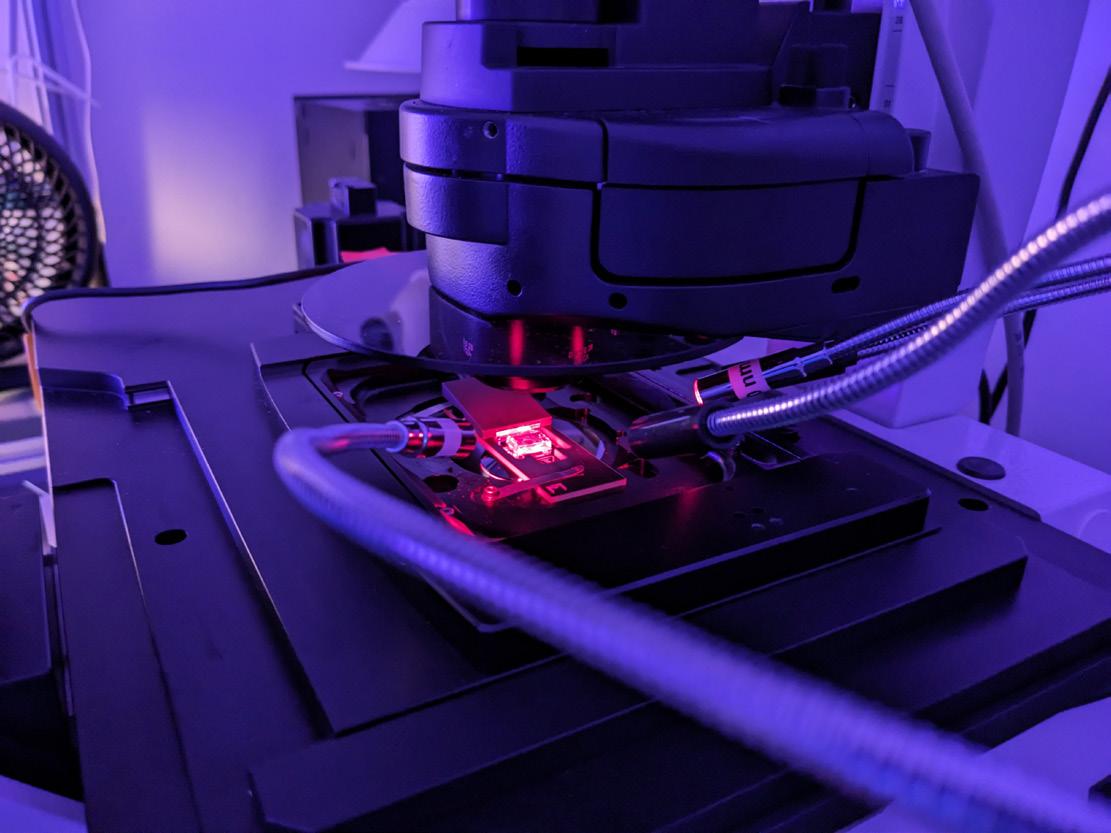
Left LED and temperature controlled confocal live imaging setup to image changes of plant cells to environmental conditions at high resolution.
Photo credit: van Gelderen lab; CC BY-SA
WE URGENTLY NEED TO UNDERSTAND THE UNDERLYING PRINCIPLES OF PLANT RESILIENCE IF WE ARE TO MAKE OUR FOOD SYSTEMS FUTUREREADY
‘Our aim is to bring together a diverse mix of experts to move beyond descriptive microbiome surveys towards a mechanistic and translational understanding of how plant-associated communities—and their ecological rules—can be harnessed to improve stress resilience and sustainable yields,’ says session co-organiser Marco Giovannetti (University of Torino, Italy). ‘Up to now, microbial communities have been under-integrated in plant science because mechanistic, predictive and field-robust research lags behind descriptive studies. Our session aims to address this gap.’
He illustrates this with the example of his own research, which started as a ‘simplified one plant-one fungus system’ investigating plant nutrient transporters that mediate phosphate and sulphate uptake from arbuscular mycorrhizae fungi. ‘My current work instead views the mycorrhizal root as a complex ecosystem, in which plant genetics and microbial (especially bacterial) diversity—and their interactions—determine whether microbiome
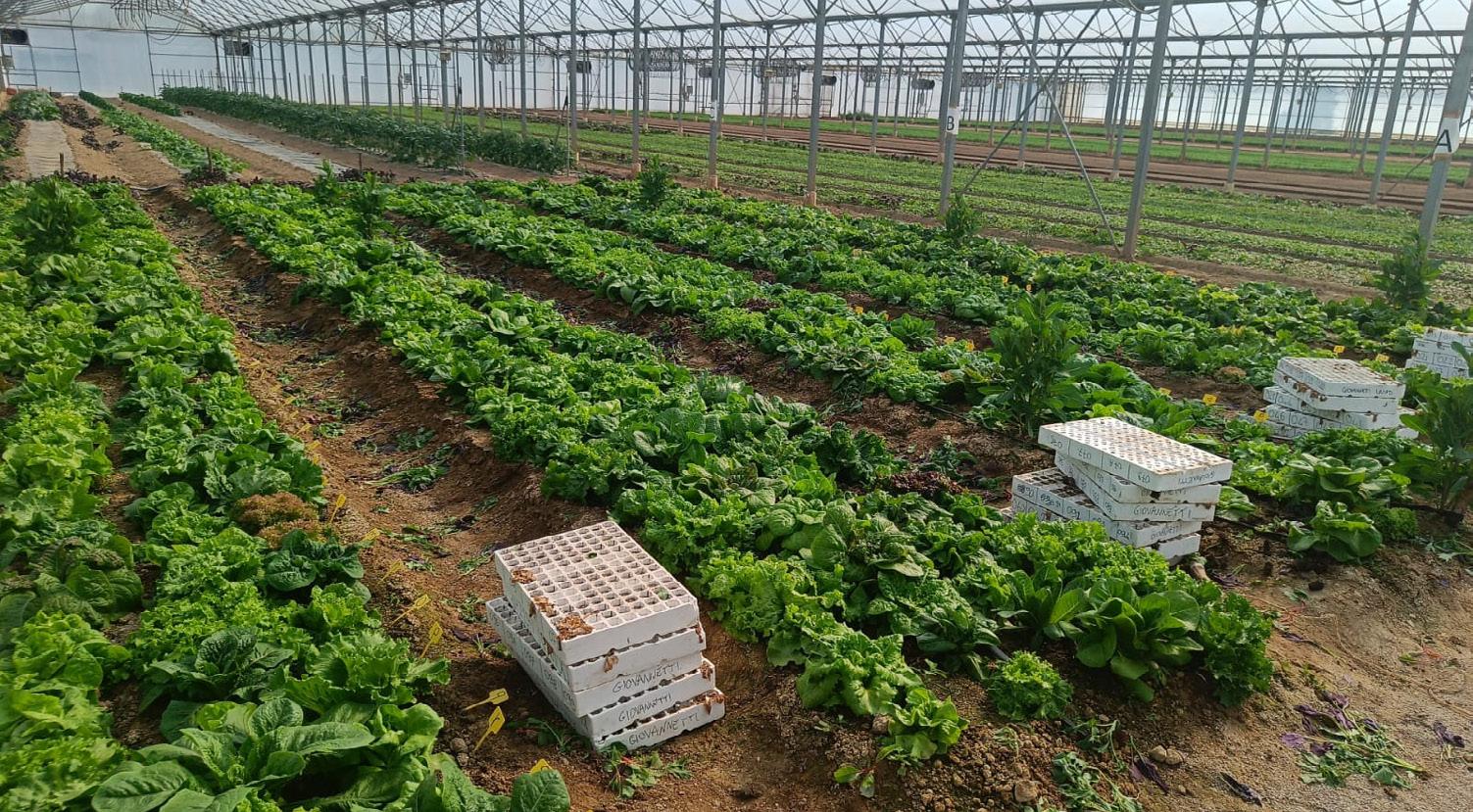
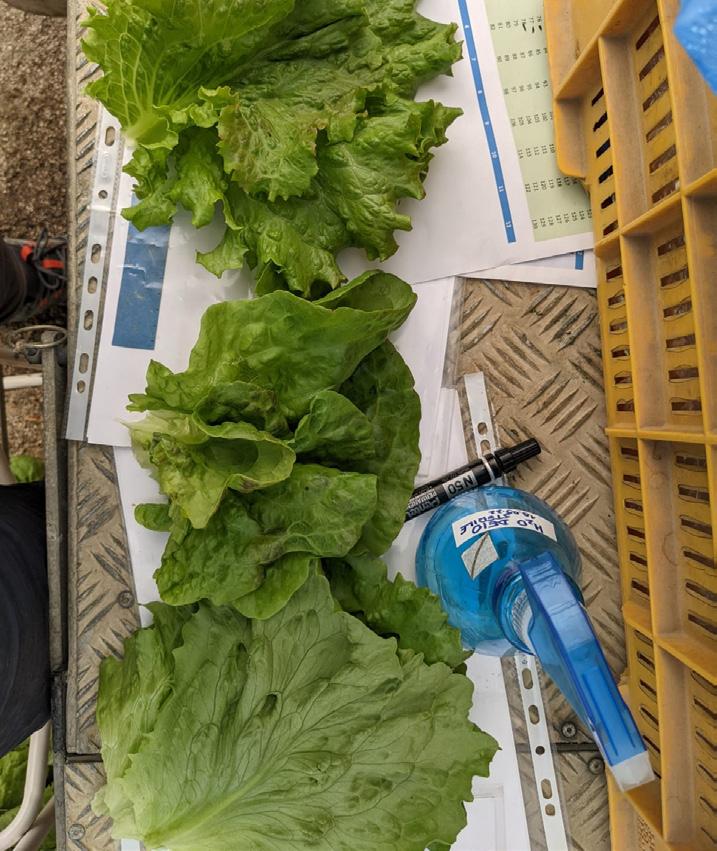
Below Research to understand the factors shaping the lettuce leaf microbiota.
Photo credit: Marco Giovannetti
benefits translate into predictable plant performance under stress,’ says Marco. ‘For instance, during the session I will be presenting results that demonstrate that lettuce genotype makes a big difference in their responsiveness to beneficial microorganisms,5 especially in combination with higher root microbial diversity, which is consistently associated with a more positive response to inoculation.’ Additional studies found that even architecture has an effect, with the shape of lettuce leaves and shoots strongly influencing the richness of their recruited bacterial communities.6
For Marco’s co-organiser Niklas Schandry (University of Munich), a key focus is how plants exert control over the microbiome, for instance shaping communities through emitting chemicals. ‘My particular interest is in how plants shape communities on and around their roots through the release of certain chemicals, and the effects these chemicals have on microbes, microbial interactions and host–microbe interactions,’ he says. During the session, he will present recent work demonstrating that specific plant metabolites can have long-lasting effects on the microbiome, which affect the performance of plants grown in the same soil later.
‘The model plant Arabidopsis thaliana displays genotype-specific and soil history-dependent growth phenotypes, which seem to be driven by differential activation of the immune system,’ Niklas says. To investigate how plants perceive and mediate these ‘microbiome feedbacks’, his group screened over 400 Arabidopsis accessions for different responses to a soil microbiome that normally promoted growth. They identified the immune receptor mediator of microbiome feedback 1 (MMF1) as a candidate gene involved in microbiota feedbacks.7
‘We found that mutants in MMF1 lost the beneficial growth feedback, had an altered root bacterial community, and failed to induce a defence-related transcriptional response observed in wild-type plants,’ Niklas says. ‘This implies that integration of microbial signals optimises host microbiome
composition and immune status to enhance growth.’ In additional studies, his group have also shown that the presence of certain plantderived chemicals can interfere with bacterial interactions and competition, for instance by acting as antimicrobial compounds.8
As a geneticist, Niklas adds that one of the aspects of this research that he finds most exciting is the genetic complexity that arises from these interactions. ‘Given that host and microbes all bring certain genes to the table, understanding how they drive phenotypes, which priority effects exist, and how they can be identified and integrated into agriculture is one of the things I am most interested in seeing unfold in the future,’ he says. ‘We should expect climate change to push crops to the limits of their resilience, so improving our understanding of the microbial contribution to plant performance in agriculture cannot be neglected.’
‘Our session is intended to be a lively, cross-career conversation, not only showcasing results, but also openly discussing what it takes to make microbiome benefits robust: experimental design, causality, context dependence and the lab-to-field bottlenecks,’ Marco says. ‘If you work on any aspect of the plant microbiota, you’ll have something to contribute and take home.’
‘Given that different climate zones pose different stresses on cultivated plants, we hope our session will attract a broad geographical spread of attendees,’ adds Niklas. ‘It will be very relevant to learn about the current priorities of researchers who are already facing climate instability in their lives and communities.’
above ground, exchanging signals that can warn, prime or influence their neighbours. These include over a thousand different volatile organic compounds (VOCs): low molecular weight secondary metabolites that volatilise readily at ambient temperature and are modulated by circadian rhythms, development and stress responses. Besides their role in plant–animal and plant–microbe interactions, VOCs can also be important for communication between plants. For instance, VOCs released by plants during a herbivore attack not only repel the invader, but can also trigger resistance in neighbouring plants that receive the signal. But whilst there has been substantial progress towards understanding the biochemical basis of VOC biosynthesis, there remain key unknowns about how plants perceive VOCs and the signalling pathways these airborne chemicals trigger. At the 2026 SEB Annual Conference, the session ‘Talking About Resistance; Volatile Organic Compounds in Plant Communication’ will put these questions under the spotlight.
‘We now have detailed knowledge of how VOCs affect interactions between species, for instance between flowers and pollinators, fruits and frugivores, and between plant roots and pathogenic or beneficial microorganisms,’ says session Co-Chair Hilary Rogers (Cardiff University). ‘However, we know far less about how plants perceive VOC signals and translate them into responses, particularly complex signals with multiple components. We are beginning to unravel the changes elicited by plant VOCs on the physiology and gene expression of other individuals, but this is an exciting time to be asking how plants are communicating with each other and “hearing” VOC signals.’
Both Hilary and her session Co-Chair Natasha Spadafora (University of Ferrara) have been researching plant VOCs for over 15 years, together with Carsten Müller, a chemical ecologist at Cardiff University with extensive experience in VOC analysis. In particular, the team have a key interest in how plants alter their VOC emission profile in response to stress.9 ‘This is of fundamental interest in understanding plant signalling both externally and internally, but also has applications in the use of VOCs as markers for plant health, and for sustainable protection against environmental stresses,’ says Natasha.
Whilst microbial communities highlight the importance of below-ground interactions, plants are also engaged in a dynamic chemical dialogue
For instance, during the session, they will present results from a collaborative project with the group of Dr Alice Trivellini at the University of Sant’Anna and the University of Pisa which is exploring how VOCs may be used to prime crops such as tomato to be more resilient against environmental stresses, such as salt stress. ‘An in-depth investigation into the use of VOCs as priming agents could provide valuable insights into the molecular and physiological mechanisms activated upon stress perception and clarify whether such priming induces adaptive responses that enhance the productivity and resilience of horticultural crops,’ says Natasha. She adds that VOC-based priming
could be relatively easy to implement within agricultural systems, either by exploiting VOCemitting plants or by applying synthetic VOC formulations under controlled conditions.10
‘We have also been assessing the role of VOCs in interactions with insect pests and asking how the whole profile of VOCs changes when plants are protected from pests through priming or specific mutations that affect their metabolism,’ adds Hilary. ‘For example, in collaboration with the group of Professor Alessandra Cona at Roma Tre University we are exploring the role of polyamines in priming cucumber plants against attack from the pest Bemisia tabaci, with interesting results.’
Besides boosting crop resilience, exploiting plant VOCs could also support food security through reducing post-harvest losses. As part of the EU project QUAFETY, Hilary and Natasha, in collaboration with Carsten and partners across Europe, have investigated how plant VOCs could be used in rapid, non-destructive quality control methods.11 From analysing subtle changes in VOCs during post-harvest senescence in fresh produce, it became clear that these had potential as markers for spoilage or microbial contamination. For instance, the project has demonstrated that changes in VOC profiles can discriminate between produce stored at 5°C or 10°C (which could indicate a breach of the cold chain), reflect subtle changes in quality during storage,12 detect abiotic stresses (such as cold, darkness or mechanical damage), and indicate contamination with dangerous pathogens including Listeria monocytogenes.13 ‘We are now assessing the effects of stress on VOC profiles both before and after harvest, besides the role of epigenetic mechanisms in regulating VOC biosynthetic pathways post-harvest in fruit,’ says Hilary.9,14 Ultimately, they hope this work could enable new predictive and decision-making tools to help maintain food safety and quality throughout supply chains.
‘Given the diverse functions and high importance of VOCs, our session will provide exciting insights for a wide range of biologists, including biochemists,
WE ARE BEGINNING TO UNRAVEL THE CHANGES ELICITED BY PLANT VOCS ON THE PHYSIOLOGY AND GENE EXPRESSION OF OTHER INDIVIDUALS, BUT THIS IS AN EXCITING TIME TO BE ASKING HOW PLANTS ARE COMMUNICATING WITH EACH OTHER AND “HEARING” THESE SIGNALS
plant molecular biologists, ecologists and plant breeders, as well as delegates interested in plant signalling, sustainability and food security,’ concludes Hilary. ‘We are really looking forward to an exciting programme of talks and discussions!’
You can find all the details of the Plant sessions at the SEB 2026 Annual Conference on the conference website.
References:
1. GreenRobust. https://greenrobust.de/
2. Van Gelderen K, van der Velde K, Kang C-K, et al. Gibberellin transport affects lateral root growth through HY5 in response to far-red light. Plant Cell 2025; 37: koaf200.
3. Van Gelderen K, Kang C, Li P, et al. Regulation of lateral root development by shoot-sensed far-red light via HY5 is nitratedependent and involves the NRT2.1 nitrate transporter. Front Plant Sci 2021; 12: 660870.
4. Woo SL, Hermosa R, Lorito M, et al. Trichoderma: a multipurpose, plant-beneficial microorganism for ecosustainable agriculture. Nat Rev Microbiol 2023; 21: 312–326.
5. Capparotto A, Salvucci P, Ciampanelli A, et al. Plant genetic and root-associated microbial diversity modulate Lactuca sativa responsiveness to a soil inoculum under phosphate deficiency. bioRxiv 2025; preprint.
6. Capparotto A, Chesneau G, Tondello A, et al. Plant phenotypic differentiation outweighs genetic variation in shaping the lettuce leaf microbiota. Environ Microbiome 2026; 21: 35.
7. van Rensburg HJ, Schandry N, Waelchli J, et al. A TNL receptor mediates microbiome feedbacks in Arabidopsis. bioRxiv 2025; preprint.
8. Rouyer L, Becker C, Schandry N. Plant specialised metabolites modulate the molecular signatures of host–bacteria and bacteria–bacteria interactions. bioRxiv 2025; in press.
9. Alotaibi LMN, Wilson C, Baldwin A, et al. Pre-harvest heat stress affects rocket salad leaf transcription and metabolism at harvest and after chilled postharvest storage. Ann Bot 2025; mcaf243.
10. Cialli S, Trivellini A, Carmassi G, et al. Identifying salt-tolerant traits in Solanum pimpinellifolium through in vitro screening to enhance crop resilience. Plant Cell, Tissue and Organ Culture (PCTOC) 2025; 163: 55.
11. European Commission. Comprehensive approach to Enhance Quality and Safety of Ready to Eat Fresh Products. https:// cordis.europa.eu/project/id/289719/reporting
12. Spadafora ND, Amaro AL, Pereira MJ, et al. Multi-trait analysis of post-harvest storage in rocket salad (Diplotaxis tenuifolia) links sensorial, volatile and nutritional data. Food Chem 2016; 211: 114–123.
Opposite page Top Research to understand the factors shaping the lettuce leaf microbiota.
Photo credit: Marco Giovannetti
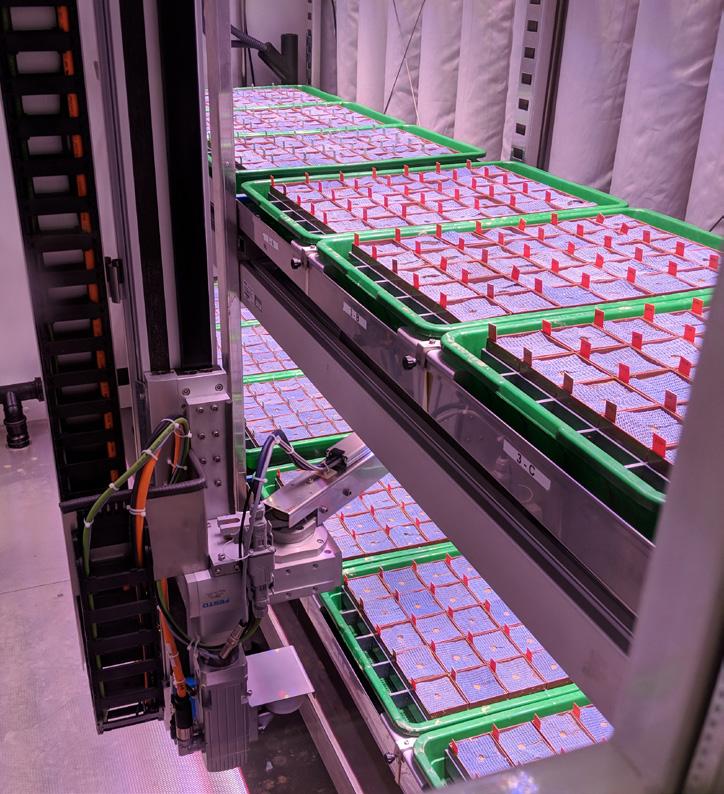
Opposite page Bottom
An automated camera arm moving over Arabidopsis plants inside a climate-controlled growth chamber, taking pictures of the rosettes, for automated phenotyping.
Photo credit: Niklas Schandry,
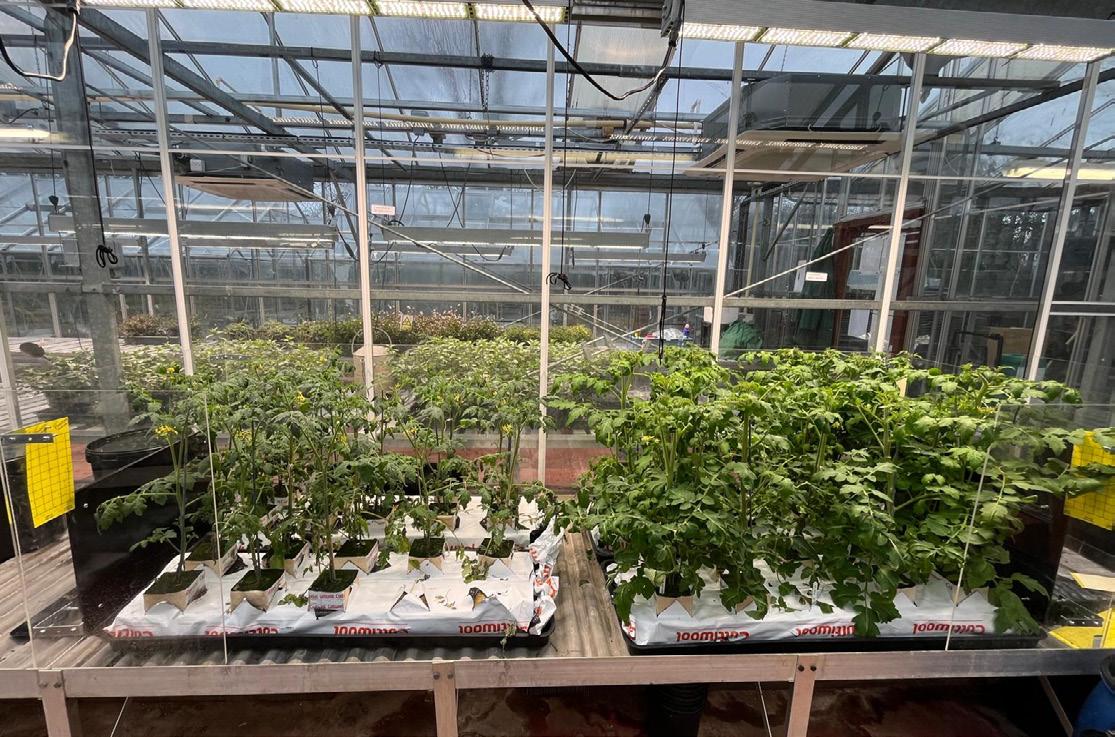
Below Testing cross-specific VOC priming in tomatoes to improve salt tolerance.
Photo credit: Richard Ludlow
13. Spadafora ND, Paramithiotis S, Drosinos EH, et al. Detection of Listeria monocytogenes in cut melon fruit using analysis of volatile organic compounds. Food Microbiol 2016; 54: 52–59.
14. Baldwin A, Lechon T, Marchbank A, et al. The H3K27me3 histone mark correlates with repression of colour and aroma development post-harvest in strawberry fruit. J Exp Bot 2025; 76: 2487–2499.





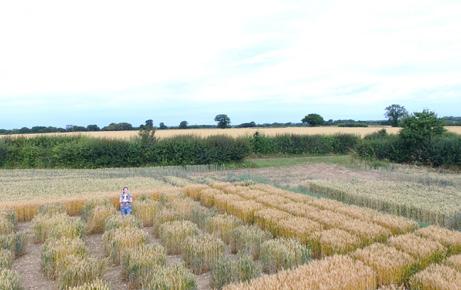
The SEB mourns the loss of Professor Philippa Borrill, an outstanding plant scientist, inspiring leader, and 2022 SEB Plant President Medallist.
exemplified the values that the Society seeks to champion: excellence, innovation and impact.
To honour her memory and celebrate her contributions, we are highlighting Philippa’s interview in SEB’s Scientists with Impact series. In this interview, she shared insights into her research journey, her motivations and her vision for the future of plant science, an enduring testament to her passion and commitment to the field.
Philippa will be remembered not only for her scientific achievements but also for her warmth,
The SEB is deeply saddened to learn of the passing of Professor Philippa Borrill, a highly respected and influential member of the plant science community.
Philippa died over the Easter weekend following a rare immune system disorder (HLH), leaving behind a legacy of scientific excellence, collaboration and mentorship.
Philippa was widely recognised as a leading figure in plant biology, whose work contributed significantly to advancing our understanding of crops and their resilience.
Beyond her scientific achievements, she was known as a generous collaborator, an inspiring mentor and a valued colleague to many across the global research community.
In 2022, the SEB had the honour of awarding Philippa the Plant President’s Medal, recognising her outstanding contributions to plant science and her emerging leadership in the field. Her work

generosity and the positive influence she had on those around her.
She will be greatly missed by the SEB community and the wider plant science field.
OUR THOUGHTS ARE WITH HER FAMILY, FRIENDS AND COLLEAGUES AT THIS DIFFICULT TIME. THE SEB TEAM

FLORENCE 2026
FLORENCE, 07 JULY - 09 JULY 2026
SEBIOLOGY.ORG #SEBCONFERENCE 07 JULY - 09 JULY 2026

BY JULES DEVAUX
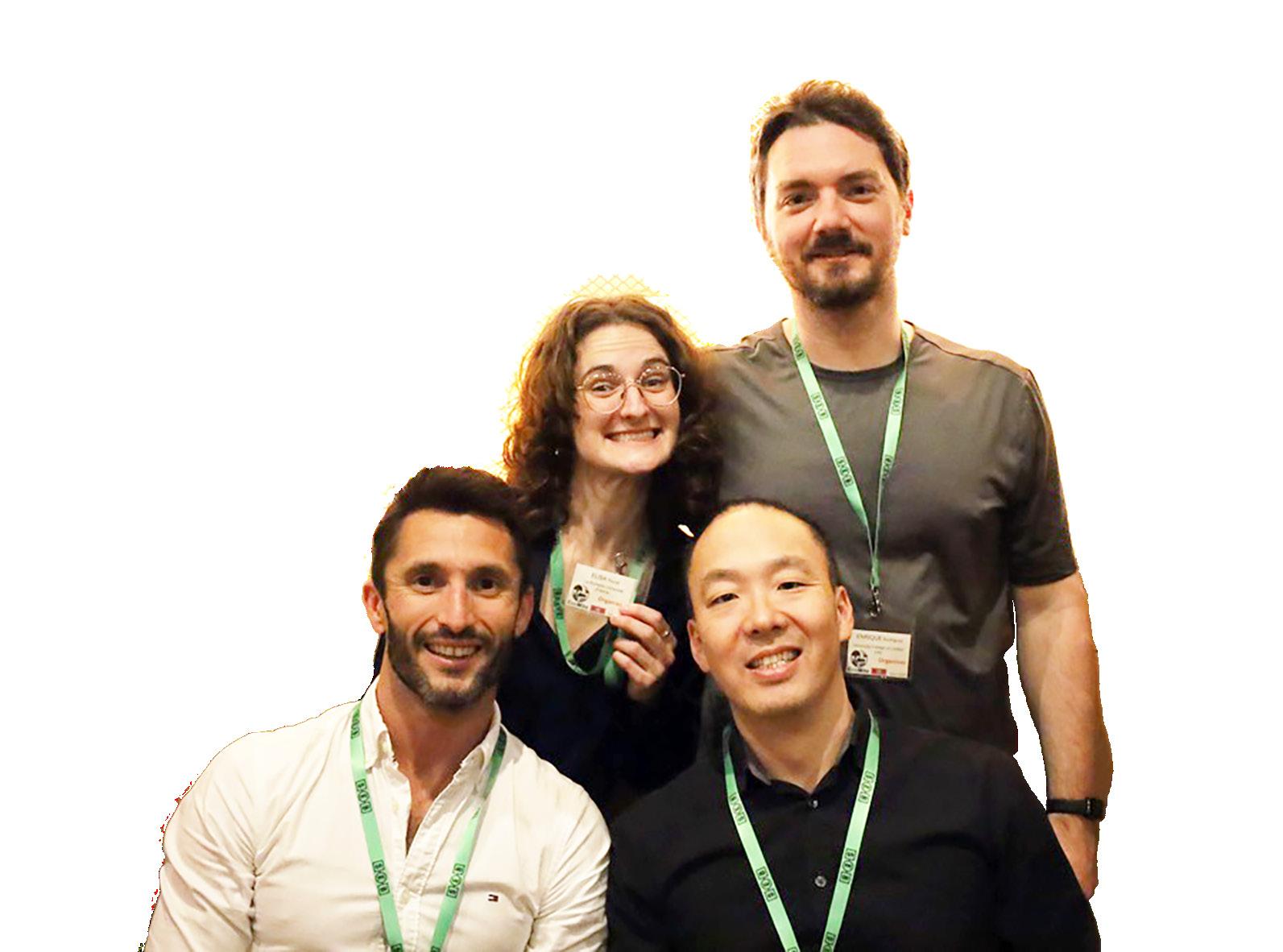
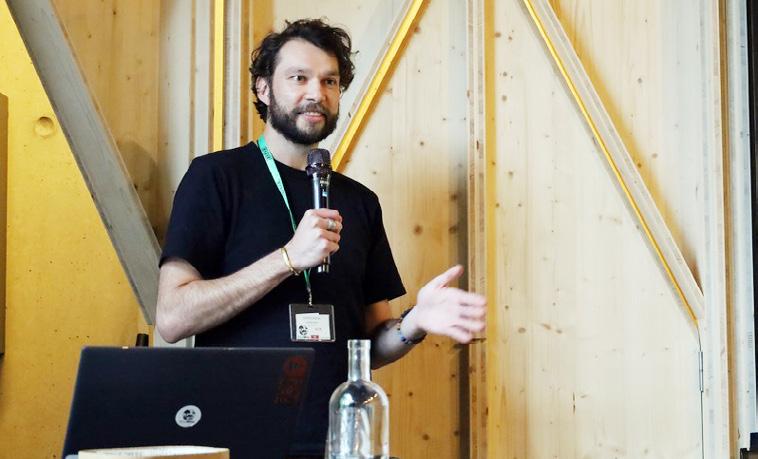
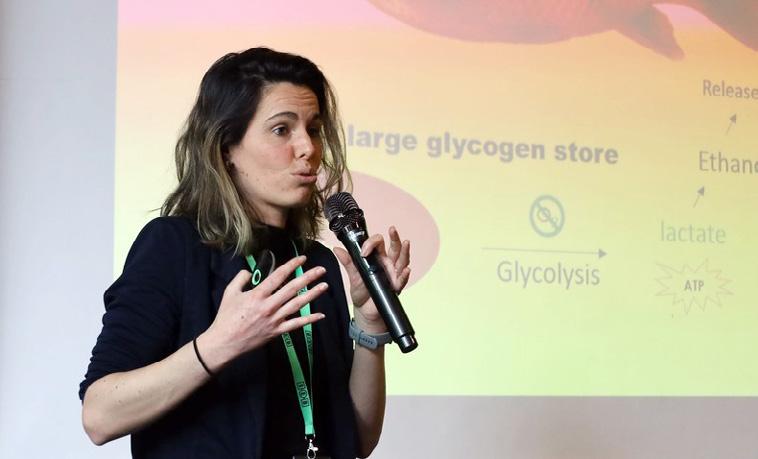
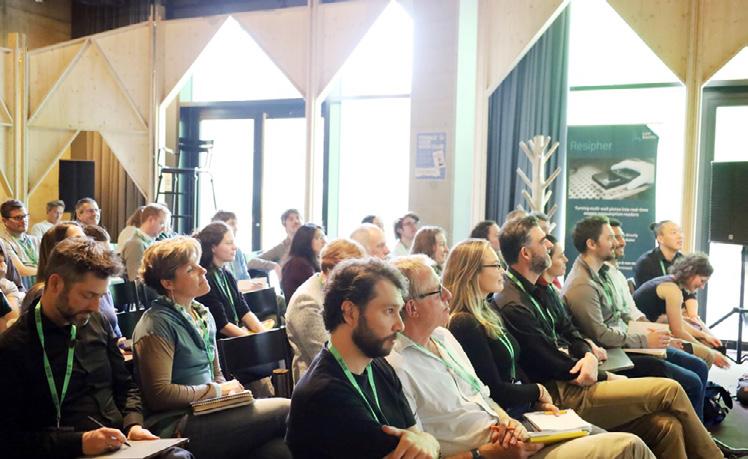
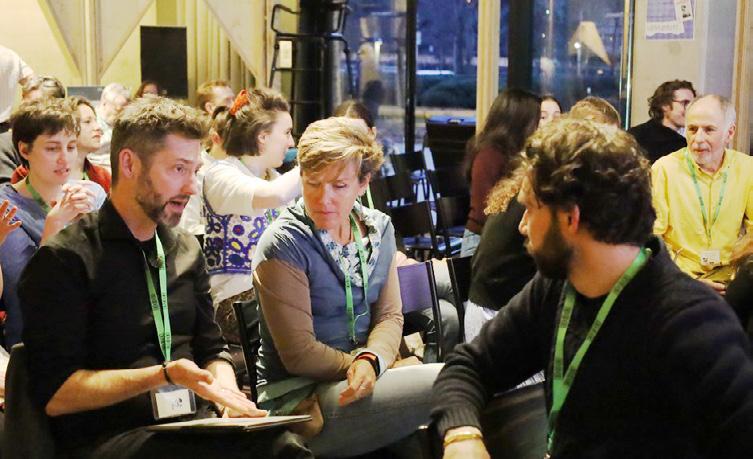
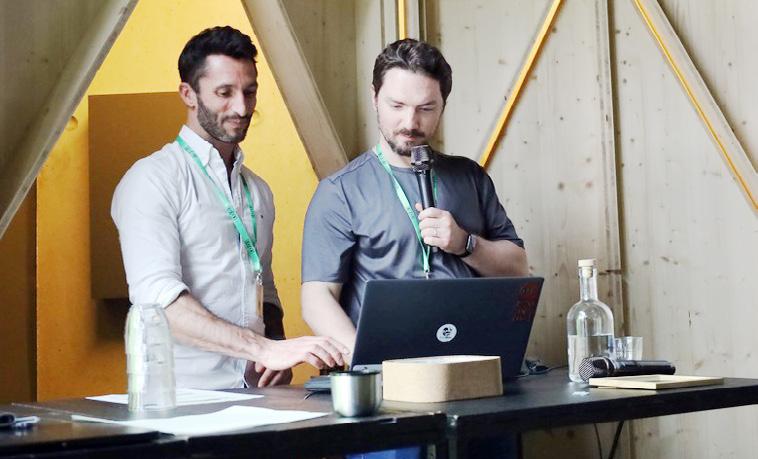
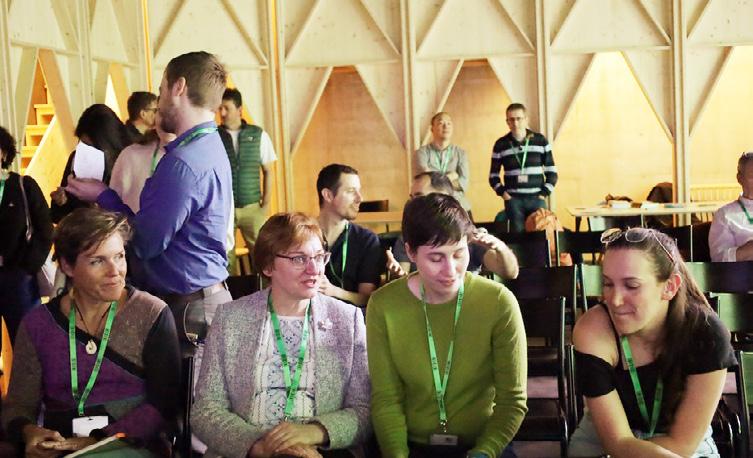
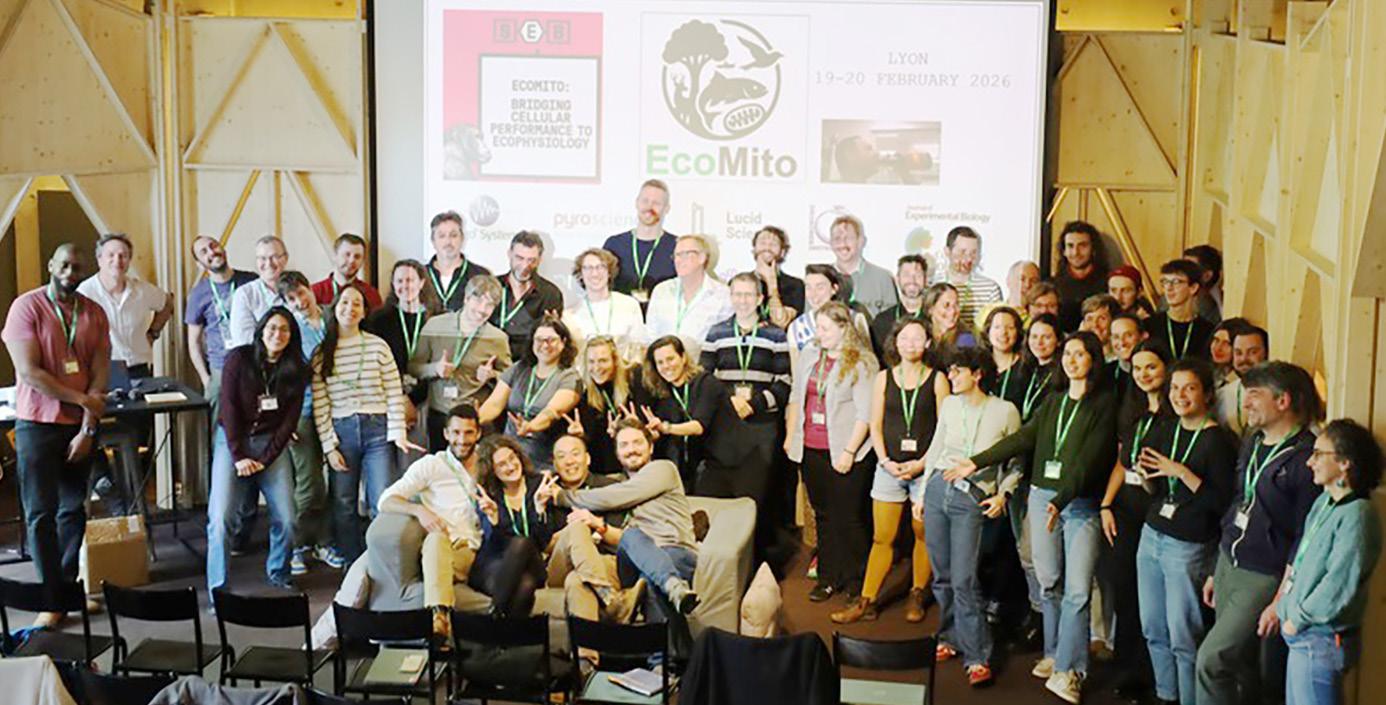
The inaugural SEB–EcoMito Symposium, held in Lyon, France, marked an important milestone for a community that began online during the COVID period. Organised in partnership with the SEB and led by the EcoMito organising team, Elisa Thoral (La Rochelle Université, France), Loïc Teulier (Lyon 1 Université Claude Bernard, France), Enrique Rodriguez (University College London, UK) and Jules Devaux (University of Auckland, NZ), the meeting transformed a monthly virtual journal club into a vibrant, in-person scientific gathering dedicated to bridging cellular performance and ecophysiology.
WE ARE DEEPLY GRATEFUL TO ALL SPONSORS AND PARTNERS, ESPECIALLY THE SEB, WHOSE SUPPORT MADE THIS ECOMITO SYMPOSIUM POSSIBLE.
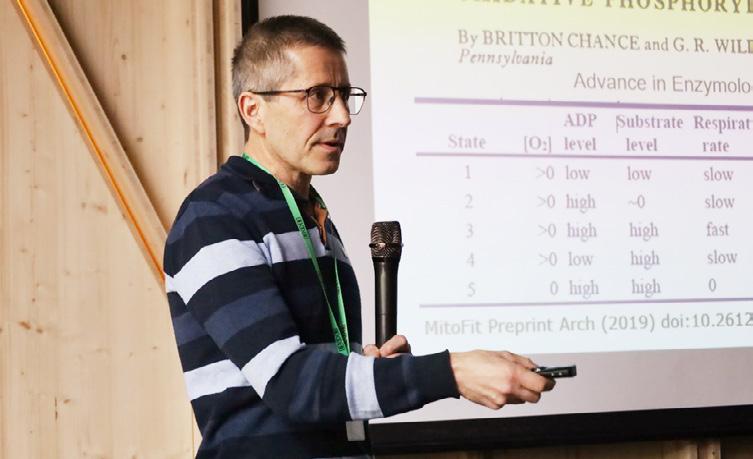
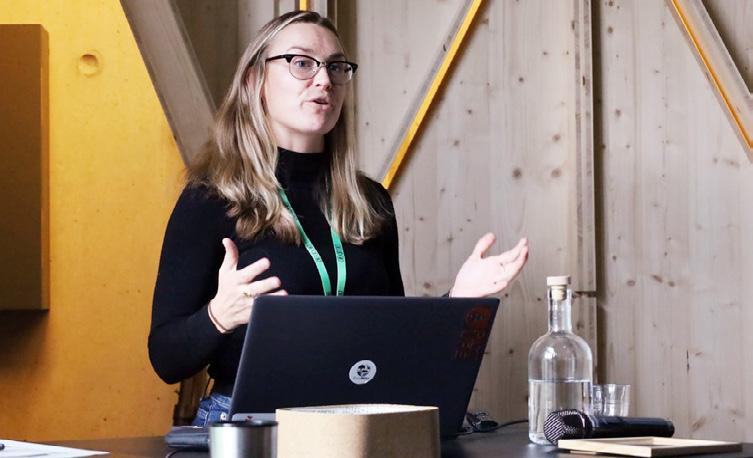
Over two days, we welcomed 56 registered delegates from across Europe, North America, French Guyana, Africa and Oceania, alongside more than 60 participants who attended the public plenary lecture delivered by Professor Nick Lane (University College London, UK). The scientific programme spanned mitochondrial bioenergetics, plasticity under environmental stress, evolutionary adaptation and translational perspectives, reinforcing the central idea that mitochondrial function must be understood across biological scales, from molecules to ecosystems.
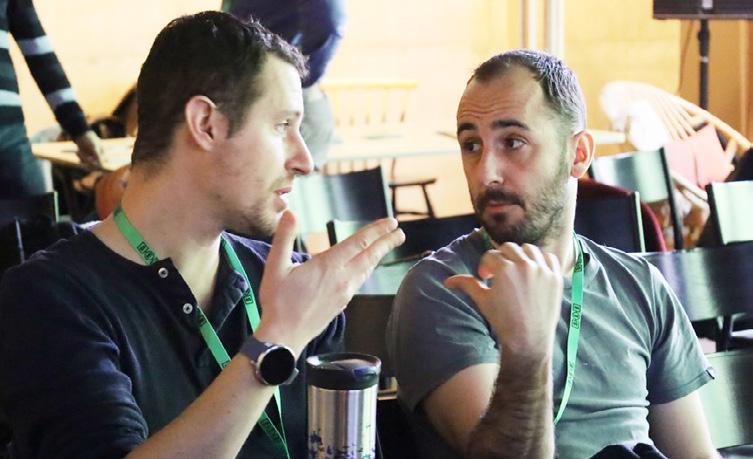
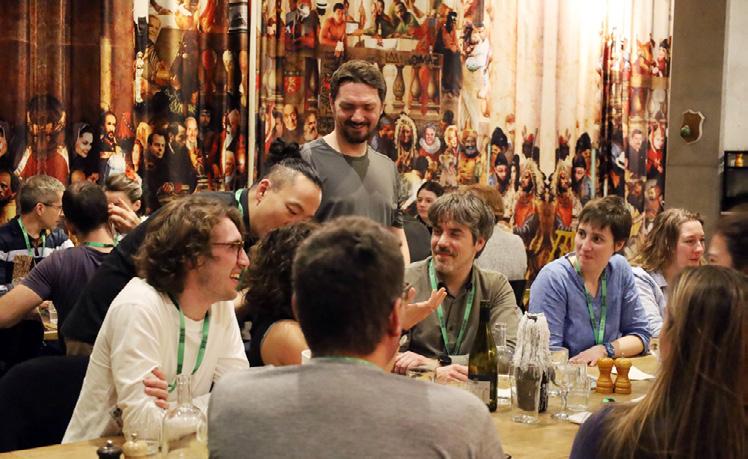
One recurring theme in the feedback was the importance of scale, not just biologically, but socially. Participants consistently highlighted that the size of the meeting felt “just right”. Large enough to ensure diversity of expertise and meaningful sponsorship engagement, yet small enough to allow genuine discussion with every delegate. Several noted that the integrated venue format, with conference space and accommodation combined at the MOB Hotel, created an atmosphere of continuous exchange. Scientific conversations extended over meals, coffee breaks and evenings, fostering a true community spirit that is often lost at larger international conferences.
Supporting early career researchers (ECRs) was central to the EcoMito vision. Thanks to our sponsors’ support, we were able to provide free accommodation to all 50 invited delegates, cover catering for the entire event, organise a guided visit to the Musée des Confluences and support travel for several ECRs. The opportunity for ECRs to present their work in front of a specialised and

supportive audience was repeatedly described as invaluable.
We are particularly grateful to The Company of Biologists for sponsoring the Bioenergetics in an Ecological Context prize, awarded to Amalie Hutchinson (Western University, Canada) for her outstanding presentation, “Balancing Act: ATP Supply and Demand in Torpid Ruby-Throated Hummingbirds”. We also warmly thank Oroboros Instruments for sponsoring the Innovative Methodology award, presented to Jennifer Steffen (University of Rostock, Germany) for her ambitious and technically impressive experimental protocol explained in her talk, “The Role of Metabolic Control Adjustments During Hypoxia and Reoxygenation in Mitochondria of Two Marine Bivalve Species”. These prizes recognised not only scientific excellence but also methodological creativity, both essential pillars of the EcoMito community.
We also thank Oroboros Instruments for presenting new developments, including DatLab 9 and the evolving MitoEAGLE/GentleScience ecosystem. Harmony and methodological consistency are critical for comparative physiology, and these discussions were highly appreciated by delegates. Similarly, the presentation of the Resipher technology from Lucid Scientific generated strong interest and meaningful dialogue with the attendees.
Sponsor feedback reflected the strength of engagement within the EcoMito network. Several partners highlighted the quality of discussions and the enthusiasm of participants, connecting academia and technology partners.
The public plenary lecture by Professor Nick Lane, “What is a feeling? Mitochondria to the Rescue!”, further broadened the audience, extending the conversation beyond the immediate EcoMito community. This integration of specialised and public-facing science is something we aim to continue fostering in future editions.
The overwhelming message from participants was clear: EcoMito should become a recurring meeting, every two to three years. The combination of focused science, community atmosphere, strong ECR representation and integrated venue created something distinctive and valued.
We are deeply grateful to all sponsors and partners, especially the SEB, whose support made this EcoMito Symposium possible. Their contribution enabled scientific exchange at a scale and depth that would otherwise not have been achievable. EcoMito is no longer just a journal club, it is now a growing international community.
For more information and to find out how to join us, please click below to find us on:
Bluesky
Google Sites
BY MAREIKE JEZEK
by Luca Giovannini, Chiara Pagliarani, Eva Cañizares, Fabiano Sillo, Walter Chitarra, Silvia De Rose, Elisa Zampieri, Andreas Ioannou, Alexandros Spanos, Federico Vita, Miguel González-Guzmán, Vasileios Fotopoulos, Vicent Arbona, Raffaella Balestrini. Mycorrhization and chemical seed priming boost tomato stress tolerance by changing primary and defence metabolic pathways. Journal of Experimental Botany 2025; 76: 6410–6433. https://doi. org/10.1093/jxb/erae457
Gholamreza Gohari, Alexandros Spanos, Andreas Ioannou, Ioanna Efstathiou, Sima Panahirad, Zsuzsanna Kolbert, Vasileios Fotopoulos. Seed priming approaches for climate-resilient agriculture. Journal of Experimental Botany 2025; 77: 2013–2026. https://doi.org/10.1093/jxb/eraf440
Resilience is the main survival strategy of plants. Owing to their sessile nature, they cannot escape hostile growth conditions and must therefore rely on tolerance or recovery mechanisms to survive stressful events. Extended periods of drought and heat waves as well as soil degradation are increasing on a global scale and threatening ecosystems and crop production. Developing strategies to increase stress-resilience in plants is therefore more important than ever to ensure food security and protect our environment. Next to conventional breeding or genetic modification, which are time-consuming, laboursome and can pose environmental and safety concerns, more sustainable and affordable solutions are needed to increase plant stress tolerance.
Young plant seedlings are especially vulnerable to stress during germination and emergence. Treating seeds with chemical or biological agents before sowing to prepare plants early on for future stress exposure may be an effective strategy to increase their performance and resilience. The idea to kick-start seedling growth and harden them against stress through seed treatment is not a new one, but has in fact been tested by farmers and gardeners for thousands of years. The Roman naturalist Pliny the Elder (aka Gaius Plinius Secundus) and his fellow agriculturalists experimented with soaking seeds in water sweetened with honey, diluted manure or ‘the juice of the plant that grows on roof tiles’ to improve their germination (Evenari, 1984). Pliny also found that cabbage plants were immune to insects when the seeds were soaked in the juice of houseleek before sowing, making him probably the first to report improved stress tolerance through seed treatment (Evenari, 1984). This ancient knowledge was preserved yet not much further explored until the 1970s, which saw increased scientific interest in seed physiology, and new seed treatment techniques were developed and tested on different plant species. In his seminal work ‘Germination of an idea: the priming of seeds’, Nottingham-based researcher Walter Heydecker
popularised the term ‘priming’ for controlled, presowing seed hydration with subsequent drying to initiate metabolic activity without triggering full germination (Weissman et al., 2023), which leads to improved germination speed, uniformity and seedling vigour. His consecutive work ‘Invigoration of seeds?’ was still cautiously posed as a question, yet five decades of research into the effects and physiology of seed priming later, we can confidently replace the question mark with a full stop.
Gohari et al. (2026) summarise and discuss seed priming approaches for climate-resilient agriculture in a recent review article published in the Journal of Experimental Botany. The authors present a range of techniques using different chemical or biological priming agents and their proposed modes of action. A key mechanism underlying the positive effects of seed priming is the repair of DNA that may have been damaged during seed storage, leading to improved germination and seedling emergence. Priming has also been found to activate antioxidative enzymes, which are essential components of the stress tolerance response, to mitigate excessive accumulation of reactive oxygen species. Other protective molecules, such as heat-shock proteins and osmolytes, are also increasingly synthesised in response to seed priming and can protect and repair cellular structures under stress. An exciting and promising new development is the use of nanoparticles less than 100 nm in size as priming agents. Due to their special physicochemical properties, they may be even more efficient in promoting seedling growth and conferring stress resilience. However, more research to evaluate their long-term impacts on plants in agricultural settings and surrounding ecosystems will be required before nanopriming can be commercialised.
A successful example of seed priming to boost tomato stress tolerance was recently presented by Giovannini et al. (2025) in the Journal of Experimental Botany. The authors tested the natural compounds chitosan and salicylic acid, a plant hormone, as priming agents either alone or combined with soil
inoculation with arbuscular mycorrhizal fungi. The latter are microorganisms known to form symbiotic relationships with plant roots and improve water and nutrient uptake. Young tomato plants were exposed to drought or salt stress, which can severely compromise plant growth, and their physiological and metabolic stress responses were analysed. The authors found synergistic effects that made primed plants in combination with mycorrhiza inoculation more tolerant towards both stress conditions compared to non-treated plants or treatment with priming agents alone. Amongst other physiological adaptations, the plants’ antioxidant and osmoprotective machinery were upregulated, making them better equipped to respond to water deprivation or soil salinity, respectively. Importantly, the improved stress tolerance was tested several weeks after sowing, highlighting the long-lasting beneficial effects of seed priming.
Science has come a long way from the mysterious ‘roof tile plant juice’ used in ancient Rome to our current understanding. We are now unravelling the molecular processes that underlie the positive effects of seed priming which prepare plants for environmental constraints they may encounter. However, to maximise its full potential, we still need a better understanding of the effects of seed priming, especially in different contexts. Both the review by Gohari et al. and the work by Giovannini et al. highlight that the effects of seed priming can be very variable across plant species, environments, priming agents and application methods. Future work will need to focus on the effects of seed priming in different settings and under combined stress treatments that resemble natural growth conditions to establish effective and sustainable approaches to mitigate stress effects in the field and grow more resilient crops.
References:
Evenari M. Seed physiology: its history from antiquity to the beginning of the 20th century. The Botanical Review 1984; 50: 119–142.
Weissmann EA, Raja K, Gupta A, et al. Seed quality enhancement In: Dadlani M, Yadava DK (eds). Seed Science and Technology. Singapore, Springer, 2023, pp. 391–414.
BY MARTIN BALCEROWICZ
By Liping Zeng, Jingzhe Guo, Carlos Rodriguez, Maria Fernanda Gomez-Mendez, Yaqi Wang, Wilhelmina van de Ven, Malathy Palayam, Jose Pruneda-
Paz, Nitzan Shabek, Katayoon Dehesh. Bimodal retrograde signaling disrupts a suppressor network and activates a key transcriptional activator to direct stress responses. The Plant Journal 2025; 123: e704788. https://doi.org/10.1111/tpj.70478
Chloroplasts are central hubs for plant metabolism and energy conversion and, as such, constantly monitor the plant’s metabolic and energy status. When chloroplasts experience stress or metabolic imbalance, they relay this information to the nucleus through a process known as retrograde signalling. In response, the nucleus alters the expression of plastid-targeted proteins, 95% of which are encoded in the nuclear genome. This two-way communication between chloroplast and nucleus is essential for maintaining cellular homeostasis.
The metabolite 2-C-methyl-D-erythritol-2,4cyclopyrophosphate (MEcPP) serves as a prominent retrograde signal. Stressors such as UV radiation, high temperatures, intense light or wounding disturb chloroplast metabolism, leading to increased accumulation of MEcPP. The retrograde signal MEcPP then triggers changes in nuclear gene expression to restore cellular homeostasis, and it does so in part through GC-rich cis-regulatory sequences, so-called rapid stress response elements (RSREs) found in many stress- and MEcPP-induced genes.
Zeng et al. explored how MEcPP coordinates transcriptional responses to environmental stress through RSREs. A yeast-1-hybrid screen identified the HD-ZIP II transcription factor HAT1 as an RSRE-binding protein. In hat1 knock-out mutants, the signal of an RSRE-driven luciferase reporter increased, whereas it dropped in HAT1 overexpression lines. HAT1 overexpression also counteracted the enhanced expression of stress-responsive genes caused by over-accumulation of MEcPP in the constitutively expressing HPL (ceh1) mutant. Together, these results indicate that HAT1 acts as a repressor of MEcPP-mediated stress responses. In addition, MEcPP reduced HAT1 expression through a decrease in auxin signalling, establishing reciprocal regulation between MEcPP and HAT1.
How does HAT1 exert its regulatory function? HAT1 is known to interact with the transcriptional co-suppressor TOPLESS (TPL), and overexpression of TPL, like overexpression of HAT1, reduced stress gene expression in the ceh1 background. Interestingly, TPL had previously been identified as a putative interactor of the nuclear importin IMPα-9. IMPα-9 is a key suppressor of MEcPP retrograde signalling and is degraded in an MEcPP-dependent manner
to activate stress responses. In the present study, Zeng et al. not only confirmed a physical interaction between TPL and IMPα-9, but also showed that MEcPP negatively regulates TPL protein abundance via proteasome-mediated degradation.
MEcPP is also known to activate calcium/ calmodulin-binding transcription activator 3 (CAMTA3), and Zeng et al. identified CAMTA3 as another interactor of HAT1. Because calcium is indispensable for CAMTA3 activity, the authors examined MEcPP’s effect on intracellular calcium levels. Using fluorescent calcium reporters, they showed that both exogenous application of MEcPP as well as elevated endogenous MEcPP levels in ceh1 mutants increased nuclear calcium levels, leading to increased CAMTA3 activity.
Collectively, the findings by Zeng et al. suggest that, under non-stress conditions, a transcriptional suppressor complex composed of HAT1, TPL, IMPα9 and inactive CAMTA3 binds to RSRE-containing promoters, maintaining the respective genes in a
repressed state. Under stress, MEcPP accumulates and induces expression of these genes through multiple mechanisms: 1) it reduces expression of HAT1 by dampening auxin signalling; 2) it promotes proteasomal degradation of TPL and IMPα-9; and 3) it promotes the activity of CAMTA3 by raising nuclear calcium levels.
How MEcPP orchestrates such diverse effects is currently unknown. MEcPP likely interacts with specific proteins, regulating their stability and activity. In addition, it may reshape the intracellular environment—possibly adjusting redox potential, pH or ion balance—to favour specific protein conformations or degradation events. Whilst much remains to be discovered, MEcPP clearly emerges as a dynamic signalling hub linking the chloroplast’s metabolic state to transcriptional reprogramming, thereby ensuring that stress perception, signalling and recovery remain tightly coordinated across cellular compartments.
ARGUABLY, IT WAS A PIONEERING WOMAN, MAUD MENTEN, WHO HAS HAD THE GREATEST INFLUENCE ON
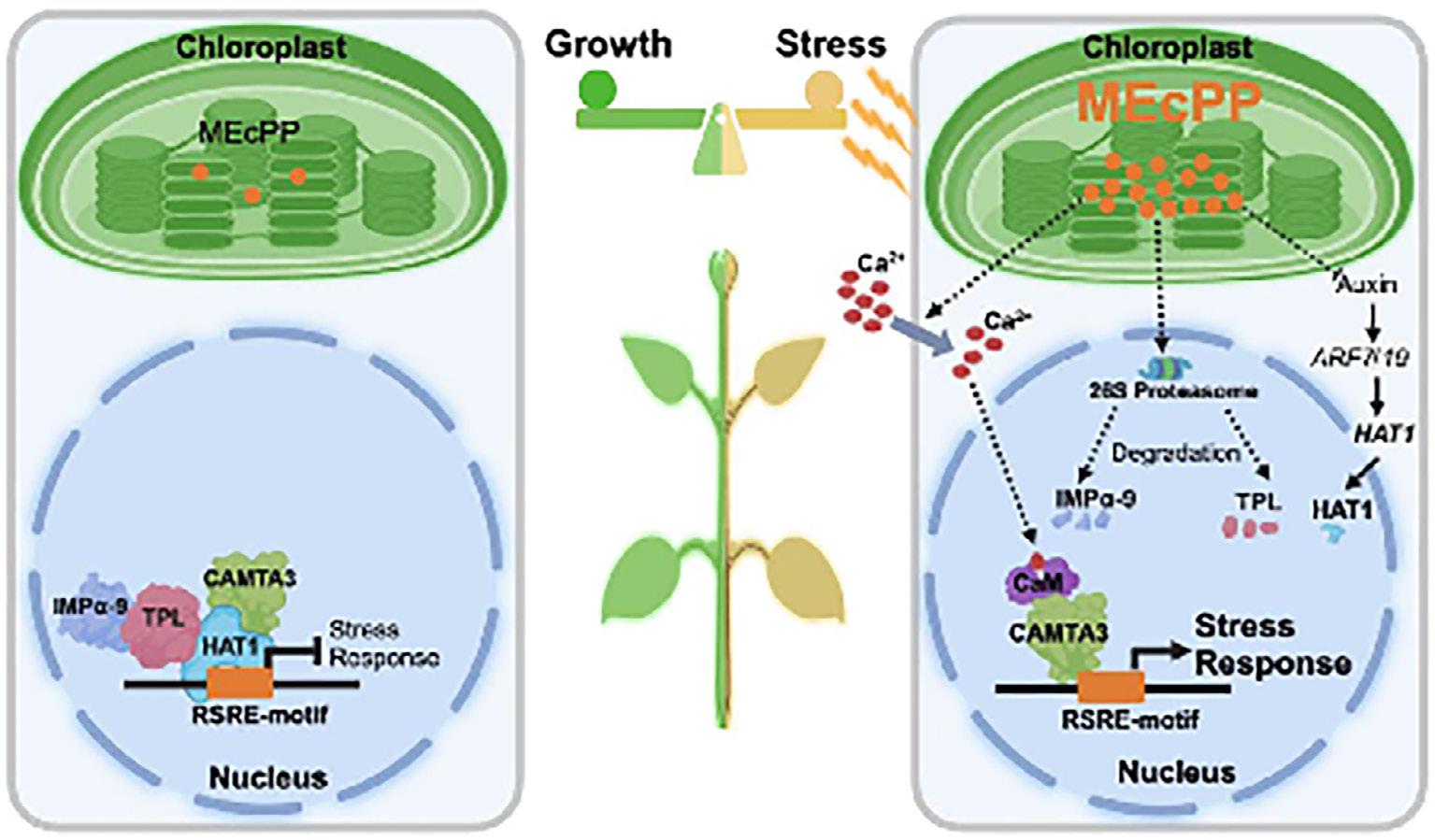
BEEN PLEASED TO KNOW THAT HER QUANTITATIVE CONCEPT
TWENTY-FIRST CENTURY AND
Model for MEcPP-dependent control of stress-induced gene expression. Under control conditions, a transcriptional repressor complex comprising HAT1, TPL, IMPα-9 and CAMTA3 binds to the RSRE motif and represses transcription. Under stress, MEcPP levels rise and promote the expression of RSRE-containing genes by downregulating auxin-dependent HAT1 transcription, promoting proteasomal degradation of TPL and IMPα-9, and increasing calcium influx to activate CAMTA3.
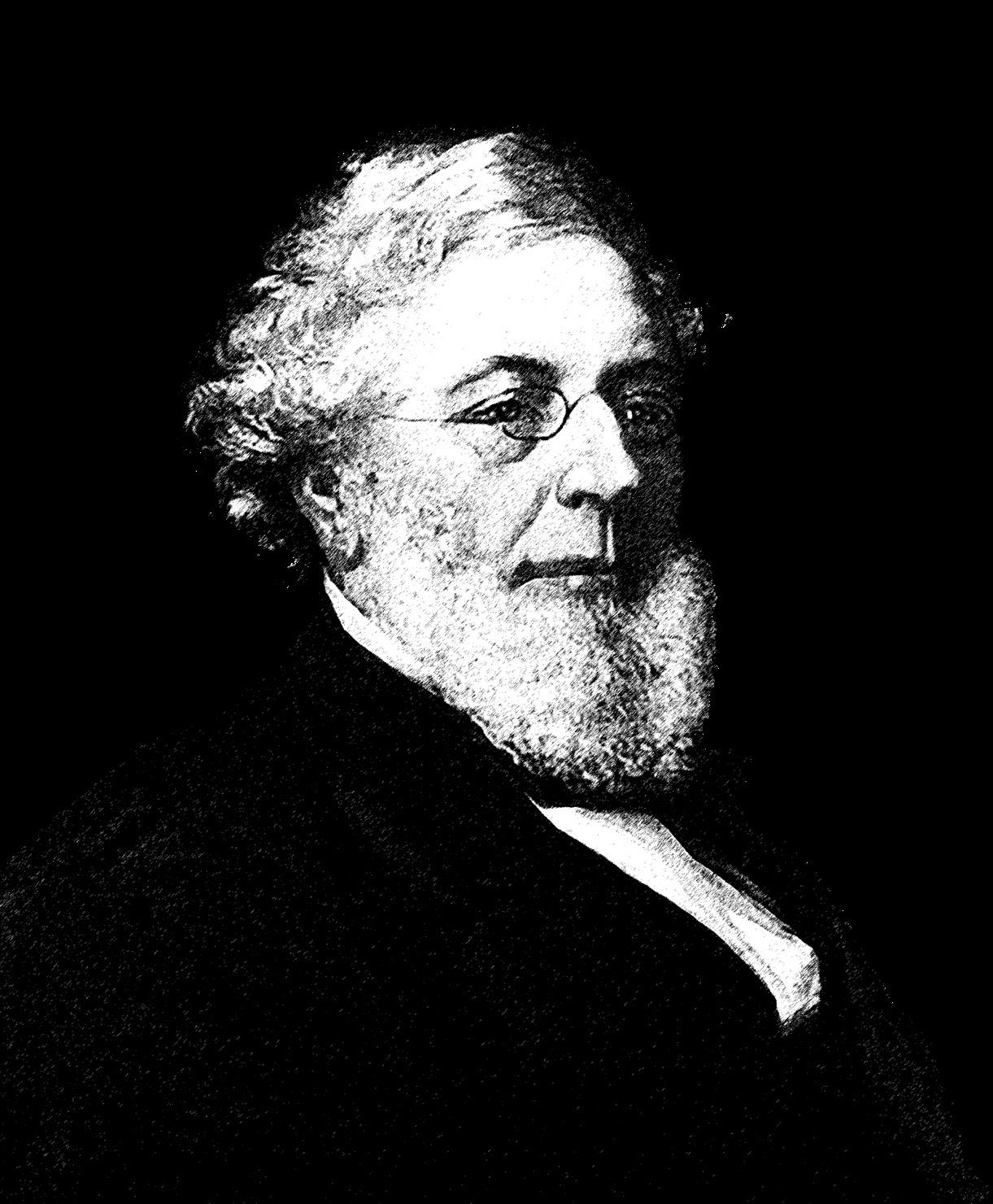

Each year, at the SEB Annual Conference, George Parker Bidder III’s and Harold Woolhouse’s work is honoured with plenary lectures alongside the Cell Biology and Outreach, Education and Diversity (OED) plenary lectures.
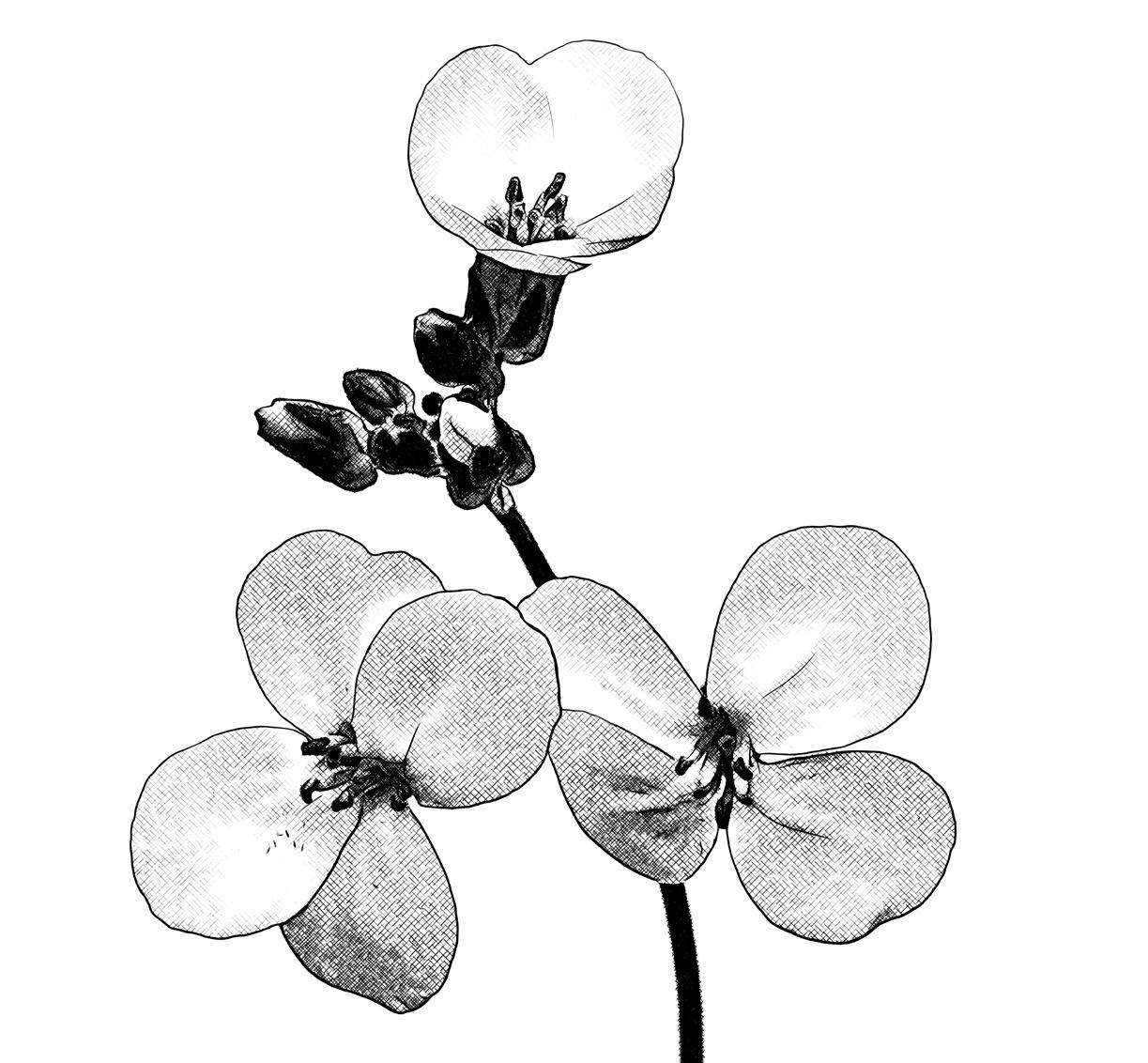
Here we introduce our winners and we hope you can join us in celebrating them at our upcoming Annual Conference in Florence!

Kiisa Nishikawa is a Regents’ Professor of Biology at Northern Arizona University. For the past 35 years, she has investigated the contribution of muscle properties to biomechanics and neural control of movement. Investigations in her lab range from biophysics of single titin molecules and myofibrils, to physiological studies of intact muscles from wild type and transgenic mice, to biomechanics of feeding in frogs, and development and testing of bio-inspired control algorithms for wearable assistive devices.

Julian Hibberd is Professor of Photosynthesis and Head of the Department of Plant Sciences at the University of Cambridge. He became interested in plant biology as an undergraduate at Bangor University and stayed there for a PhD. After
postdoctoral work in Sheffield and then Cambridge he was awarded a Biotechnology and Biological Sciences Research Council (BBSRC) David Phillips Fellowship. Julian’s research has modified our understanding of diverse processes including chloroplast biogenesis, grafting, the role of specific metabolic pathways, and mechanisms of gene regulation in plants. His work on the molecular basis of C4 photosynthesis using C3 models such as Arabidopsis has shown that rewiring of existing gene regulatory networks allowed the evolution of the complex C4 phenotype, and has identified routes to engineer C4 photosynthesis into crops for increased yield.

Ari Sadanandom is the Principal Investigator of the SUMOcode project. His research group wants to understand how protein modification systems control plant growth and adaptation to their environment. Ari’s lab has pioneered the research on SUMO, a new protein modification system that is emerging as a pivotal molecular mechanism in stress biology in plants. Their work has demonstrated that SUMOylation coordinates growth control with changing environmental conditions by directly modifying the activity of major transcriptional regulators in plants. Ari is also director of the Durham Centre for Crop Improvement technology, a multidisciplinary research centre that works with the Agriculture industry to develop technology that is effective in field conditions.
Professor Claire Garden
Edinburgh Napier University

Claire trained in molecular neuroscience and has taught and led a wide variety of Biomedical Sciences modules, both at Edinburgh Napier University, where she was appointed Lecturer in 2007, and with international partners. She was awarded Senior Fellowship of the Higher Education Academy in 2016, when she also became a Member of the Royal Society of Biology. In 2017, Claire became Head of Life Sciences, with strategic responsibility for over 50 academic staff and around 700 students, alongside teaching and research. Claire now focuses on pedagogical research and became the School’s Head of Learning and Teaching in March 2020, where she led the response to the COVID-19 pandemic. Claire has expertise in curriculum design, development and enhancement, and accreditation and quality assurance. She has adopted a student engagementfocused learning, teaching and assessment (LAT) strategy for her school and is responsible for its planning and implementation.
Claire is a proud advocate for equality and inclusion. She researches inclusion, student voice and student engagement, is a member of the RAISE (Researching, Advancing and Inspiring Student Engagement) committee, and has published research on novel teaching methods such as gamification and Lego Serious Play. She is also interested in barriers to the inclusion of industry-relevant skills in life sciences curricula and regularly collaborates with external stakeholders on upskilling initiatives. Claire is an active member of the Scottish Universities Life Sciences Alliance (SULSA) Skills Committee and recently led the Catapult-funded Advanced Therapies Skills Training Network upskilling project at Edinburgh Napier University.

The awards are presented at the Annual Conference of the Society.


David is a Reader in the Department of Bioengineering, Imperial College London. In his research, David combines his two main passions: his love for animals and his admiration for physics. Together with his group, he investigates the influence of mechanical constraints on the performance, behaviour and evolution of arthropods (and sometimes larger animals, or even plants!). Every day, David is deeply grateful that he has a job in which he can follow his interests, and that he gets to work with and learn from the passionate members of his research group.
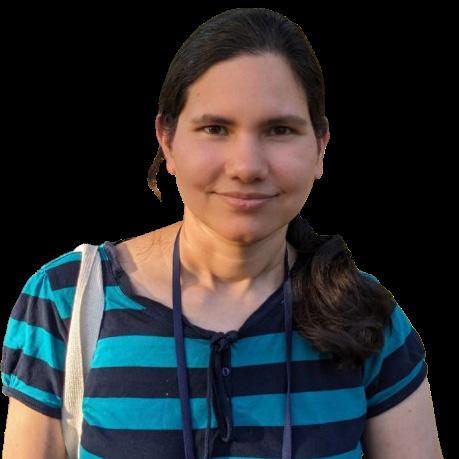
Poonam is a Principal Research Fellow at the University of Nottingham, where she investigates how plant roots sense and adapt to uneven soil moisture at single-cell resolution.
Originally from Uttarakhand in northern India, Poonam completed her PhD at the National Institute
of Plant Genome Research (NIPGR), New Delhi, where she studied how rice roots respond to nutrient stress. She later received India’s prestigious INSPIRE Faculty Fellowship at the University of Delhi to explore how plant hormones shape root and seed traits.
In 2020, she joined the University of Nottingham as a European Molecular Biology Organization Long-Term Fellow and later as a Marie Curie Postdoctoral Fellow (2022–2024) in the group of Professor Malcolm Bennett. During this period, she uncovered key cell-scale mechanisms behind local root adaptations, such as xerobranching, a response in which roots temporarily suppress lateral root formation when they encounter air gaps in soil. She now uses these adaptations as model systems to reveal how roots sense water at the cellular level.
In 2024, Poonam was awarded a Biotechnology and Biological Research Sciences Research Council (BBSRC) Discovery Fellowship and a European Research Council Starting Grant to investigate how non-genomic mechanisms drive root water sensing and adaptations. Her team develops innovative tools and imaging approaches to understand how roots perceive, respond and reprogramme themselves in realistic, fluctuating soil water environments.
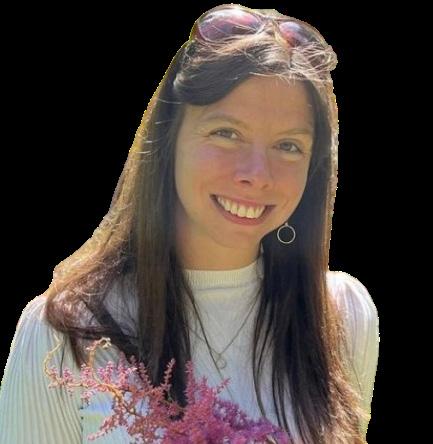
Lorna is a plant physiologist, specialising in the dynamic responses of photosynthesis and water regulation to heat stress. During her PhD at the University of Essex under Professors Tracy Lawson and Neil Baker, Lorna investigated the role of species-specific dynamic stomatal responses in balancing water loss with carbon gain. Since her PhD, Lorna has been part of eight field campaigns across Europe, the USA and Mexico and has contributed to three global consortia (Realizing Increased Photosynthetic Energy (RIPE), International Wheat
Yield Partnership (IWYP), Heat and Drought Wheat Improvement Consortium (HeDWIC)), focusing on the improvement of wheat physiology for more resilient yields under growing climactic uncertainty. Recently, this work has included understanding the contribution of nocturnal plant processes to survival under daytime environmental extremes. Currently hosted by Professor Erik Murchie at the University of Nottingham, Lorna holds a BBSRC Discovery Fellowship focusing on development of high-throughput phenotyping systems to assess the resilience of non-foliar photosynthesis under heat, particularly the wheat ear.
Dr Dave Lawson

Dave is a Senior Lecturer in the School of Biological Sciences at the University of Bristol, where he spends half his time as a teachingfocused academic and half as the Faculty Academic Director for Inclusion, Belonging and Community. Dave’s research explores plant–pollinator interactions, seeking to understand why flowers are so wonderfully complex. These days, his main focus is empowering colleagues to create learning experiences that enhance students’ sense of belonging, allowing them to thrive, with staff who feel confident and equipped to embed inclusive practice. A strong advocate for student partnership, Dave can’t get enough of staff–student collaborations to decolonise curricula; strengthen inclusive, psychologically safe learning spaces; and ensure that student voice drives meaningful change.
‘I’m really interested in translation more than the discovery. To me, that’s the whole reason behind what I do,’ says Professor Johnathan Napier, plant biotechnologist and Discovery Leader at Rothamsted Research, as we discuss fishy tomatoes, art deco ceramics and the need for effective public engagement in science.

Hi Johnathan! I hear that your main interest is in taking plant biotechnology research and applying it in the ‘real world’?
Yes, although it’s very important to emphasise that we wouldn’t be able to do the exciting translational work if we don’t have the successful discoveries. But my contention is that we should always be thinking about how we translate research and not neglect or downgrade translational efforts just because they’re viewed as being inferior to discovering new things. There can be a cult of novelty in academia, and just because something is novel, doesn’t mean that it is valuable—it could be novel because nobody is interested!
You’ve been working at Rothamsted Research for quite a while now, what has kept you so engaged?
While it’s true that I joined Rothamsted Research around 20 years ago, I was actually at the Long Ashton Research Station before that, which was the other organisation that made up the Institute of Arable Crops Research (IACR) along with Rothamsted, so I’ve really been part of this institute for over 30 years, which is an absolutely chastening amount of time when you say it out loud. The reason for staying so long is because it’s a great environment for doing translational research. If you want to be discovering the big new things and getting them published, then you should really be working in a university, but at Rothamsted, we’re more interested in how we can advance things up the technological readiness scale. How can we ultimately develop this research into a product? To me, that is the real challenge.
What are the major stepping stones and barriers in getting applied research out into industry?
For the last 10 years, we’ve done a lot of field trials of genetically modified (GM) plants, which in my view are absolutely essential for validating any sort of discovery that you’ve made in the lab. If you’re a plant scientist, you should be testing in the field because the lab environment bears no
real resemblance to what it’s like outside. If you want to demonstrate that your technology actually works in the real world and will be useful to farmers, you have to test it in the field. Sadly, I think there’s hardly anywhere in the UK that is doing GM field trials now. We picked up the gauntlet of doing them again around 2012, but it surprises me that more people are not doing GM field trials, because how you can validate the discoveries you made in the lab if you don’t get them out into the field?
Speaking of GM crops, could more field trials have helped reduce their public backlash in past decades?
I think that field trials are critical experiments to help demonstrate that the technology is useful and safe from a business investment point of view. However, I don’t think that field trials are the solution to convincing the public. I recently gave a lecture to some undergraduate university students and I was trying to emphasise the responsibility that every researcher has in being able to explain their research in the simplest terms, and why it is important for a lay audience to understand why they are doing the research. Researchers should be able to have dialogues about what they’re doing and why they’re doing it. I think that’s the area that will improve attitudes towards GM biotechnology and GM field trials. I remember that we had GM field trials vandalised at Rothamsted In the 1990s, and again in the 2010s we had people threatening to come and ‘decontaminate’ the site. That was exceptionally stressful for all of us involved, and really, really unwelcome—but it crystallised in my mind that we needed to do a much better job of communicating why we were doing what we were doing, rather than just assuming what we were doing was great science and that would speak for itself.
So, do you think that there is currently a skill gap for scientists in effectively communicating their science?
Yes, I think so. When I did my PhD about 1,000 years ago, the concept of transferable skills, or any skills
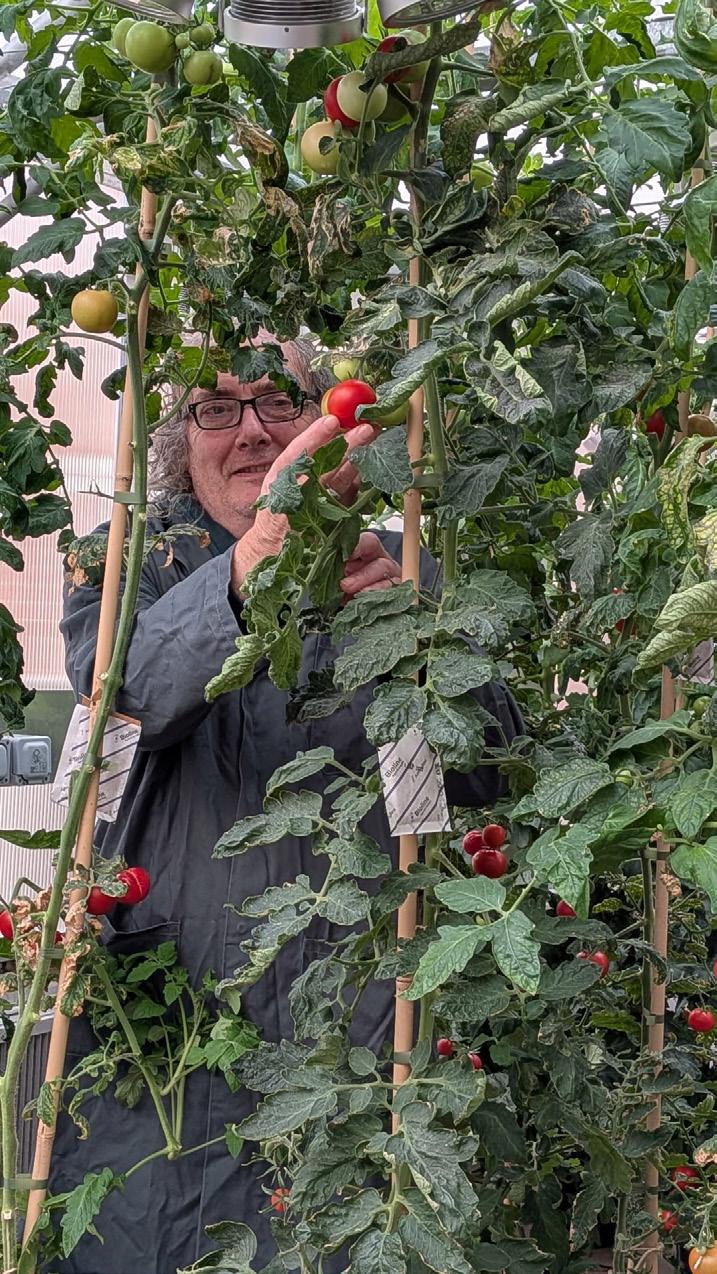
other than how to how to run a gel and whatever techniques you needed to do for your PhD, just didn’t exist. If you went and told your Head of Department that you wanted to do media training, they would have thought you’d lost your mind. Thankfully, we’re now in slightly more enlightened times and there are opportunities to do that, but I wouldn’t say they’re universal or particularly widely spread. I’m sure there must now be simpler and more effective tools for learning how to communicate better, because academia is still a bit of a silo and there’s no point pretending that it’s not.
One of your key areas of research has been investigating possible replacement sources for omega‑3 oils—could you tell me about that?
Most of my focus has been on trying to make a sustainable source of omega-3 fish oils using vegetable seed oils. Plants don’t accumulate omega-3 fish oils, so we’re trying to make engineered oil seeds, whether it’s Camelina or soybean or whatever, to make the omega-3 fish oils, and that has worked really well. Bizarrely, the main end users of the non-fish sourced omega-3 oils are fish farms, which seems counterintuitive. Fish farming requires fish oil to feed their fish because they can’t make the lipids themselves and would usually extract them from food in the ocean, and so farmed fish often need lipid supplements in their diet. In the last couple of years, we’ve also been doing a project that started from almost nothing, which was to engineer fruit, specifically tomatoes, to accumulate the omega-3 fish oils. This has been great fun! I’ve been doing this with Cathie Martin at the John Innes Centre, after we sort of just came up with the idea and decided it was something
we should try. So far, it has worked really well. It is exciting to go to our greenhouses and see all these tomatoes growing in there making omega-3 fish oil, knowing that they could potentially be used for direct human consumption rather than being used for fish farming.
You’re also the Editor in Chief of the Plant Biotechnology Journal (PBJ); what has your experience of this role been so far?
FIELD TRIALS ARE CRITICAL EXPERIMENTS
I’ve been Editor-in-Chief of PBJ now for just over 3 years, and I was a senior editor and associate editor for probably about 8 years before that, so I’ve been with PBJ for quite a long time and taking on the role of Editor-in-Chief has been a great honour. What I would like most is for PBJ to be viewed as a user-friendly and supportive journal for the whole of the community. Yes, it will publish the best research, but it’s also there to help support researchers attending or sponsoring meetings, and to become more embedded in the plant sciences community than it was before. We receive over 2,000 article submissions a year so sadly the vast majority are rejected, and we know that a lot of people will be disappointed, but the best thing we can do is to give people bad news as quickly as possible. People can live with these decisions if they are received quickly and they are able to understand the process. If they have to wait 5 months to be told that we’re not even going to review their manuscript, then they are understandably going to be a little bit miffed. I want PBJ to have a human face—it doesn’t have to be my face, but it just needs to not be a faceless monolith, which is what I think a lot of journals are perceived as.
RESEARCHERS SHOULD BE ABLE TO HAVE DIALOGUES ABOUT WHAT THEY’RE DOING AND WHY THEY’RE DOING IT
I WANT THE PLANT BIOTECHNOLOGY JOURNAL TO HAVE A HUMAN FACE
Finally, what do you enjoy doing outside of the world of research?
For a long time, I was really into collecting art deco ceramics, and so I’ve got quite an interesting collection at home which I still enjoy. However, when our son was born, I found that taking a toddler to antique fairs was really not a good idea, so that slowed my collecting down. In general, I’m lucky enough to live in the countryside and I like just being able to go out into the fields and enjoy nature and things like that. I think that, to me, it is one of the real pleasures of life.
Thanks for speaking with me, Johnathan!
Below
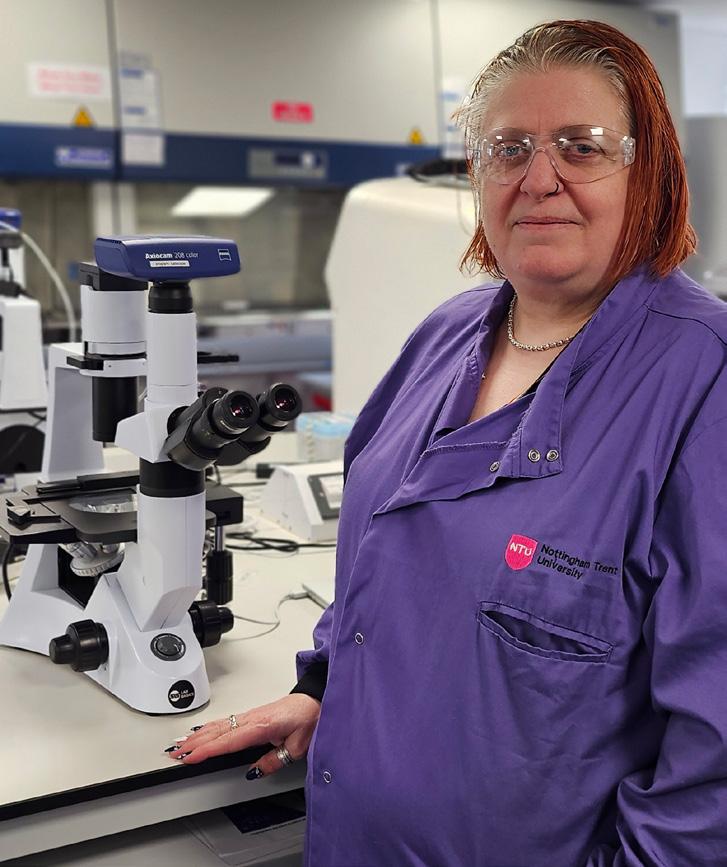
Hello Sarah! How would you introduce yourself?
I am a Senior Lecturer in Molecular Science at Nottingham Trent University, specialising in science education. My career has been a convoluted journey: I started in microbiology, then went into molecular microbiology, then molecular pharmacology, and finally education. It may appear to be an odd route, but the common thread throughout it all is my passion to understand how things work at the fundamental level.
What is your current focus?
My current focus is on lab education and skills development—basically, making sure laboratory practicals are as valuable learning experiences as possible and foster skills valued by employers. During my own university years, a pivotal event was being challenged to design an experiment to investigate antimicrobial effects of garlic. I still remember how freeing it felt to not be following a set protocol. Although parts of it were frustrating, it taught me how much I loved hands-on learning. So, a key passion of mine is giving our students similar experiences at an early stage of their degree.
Describe your research career
For my PhD at Aston University, I worked on intestinal spirochetes: corkscrew-shaped bacteria that colonise the large intestine. My particular challenge was to work out whether Serpulina pilosicoli (now renamed Brachyspira pilosicoli) is an opportunistic pathogen in humans or a bona fide pathogen. This involved molecular assays to understand how they adhere to the human gut, phylogenetic analysis and creating genetic libraries.
After my PhD, I did a number of post-doctoral research positions, first at Aston, then at the University of Nottingham. For much of that time I was collaborating with a pharmaceutical company to assess the role of adrenoreceptors (the receivers of the body’s ‘fight or flight’ response) in faecal incontinence, to identify candidate pharmacological agents. Some of these treatments were advanced
to the point that they entered clinical trials: although I never found out the outcome of these, it felt very worthwhile to work on something that might one day improve the quality of life for many struggling people, particularly in the ageing community.
How did you move into education?
An opportunity came up at Nottingham Trent University, my current institute, to take on a part-time teaching, part-time PhD role based on researching how students learn in labs and how they use technology in their learning. It really appealed to me. Since my undergraduate days, I had strongly felt that lectures aren’t a very effective way of teaching. I was determined to give students a better experience but there were limited opportunities to teach at my then institution, let alone influence the curriculum. And it would mean lots of time in the lab, which I knew I enjoyed. So, it brought many things together and fell into my lap at the right time. But yes, it meant doing a second PhD!
What were the key findings from your research?
The focus on laboratory teaching tends to be on what happens in the lab itself, but the activities wrapped around this have a huge impact on how much the students can learn. Pre-lab activities can make the experience much more inclusive, for instance by reducing anxiety for neurodivergent students by setting out exactly what to expect. Post-lab activities are essential to help students bridge the gap between what they observed during the experiment and the underlying theory.
What do you like about being involved with the SEB?
It’s a super friendly community, and because of its interdisciplinary, collegiate nature you can always ‘find your people’. I have benefitted from really valuable mentors within the Outreach, Education and Diversity (OED) section. It’s not about competition; people are open and honest about their experiences, and happy to share what has worked for them. Professors working in education research are not
common in the UK, so being able to connect with several through the SEB has been really inspiring.
Are you looking forward to the 2026 Annual Conference in Florence?
Definitely, especially because it will be my first visit to Florence since my honeymoon, 25 years ago! I am organising a half-day session in the OED section called ‘Enhancing Resilience and Adaptability in Bioscience Students and Educators’. We’ve all faced a lot of challenges over the last 5 years and these haven’t necessarily been easy to bounce back from. So, this session will be of interest to students and early-career researchers, as well as academics. Besides showing how a growth mindset and adaptability can be incorporated within curriculums, it will provide attendees with an opportunity to reflect and build on their own resilience.
What are the best and worst parts of your job?
It is an incredible feeling to experience ‘the lightbulb moment’: when a student who has been struggling to understand something suddenly ‘gets it’ and everything clicks into place. I have a few favourite instances of when I’ve worked with a student to break things down into steps, getting them to the point where they can make the connection between what they are seeing and their own understanding. Then the penny drops and I think ‘My work is done!’
I also like challenging assumptions. For instance, we commonly presume that students are comfortable with technology but many are actually highly anxious around scientific equipment, particularly if they sense it is worth several hundred pounds. It is another illustration of how pre-lab activities can address common anxieties by, for example, providing clear instructions and demonstration videos.
Perhaps the worst aspect is finding time for everything. It is easy to underestimate how long it takes to plan and carry out education-related research; people can presume that we just stage interventions in classes that are already taking place, which isn’t the case. It’s an ongoing challenge to make the wider community realise the amount of time and effort needed to develop our area of research.
was your role model growing up?
Sir David Attenborough has a lot to answer for—as a child, I basically wanted to be him! Seeing him in documentaries such as Life on Earth, I found it phenomenal to see exotic places from the perspective of the animal and plant life. In fact, I very nearly went into entomology after being inspired by a lecturer during my undergraduate degree, but ultimately settled on microbiology. I just love being able to visualise things you can’t normally see.
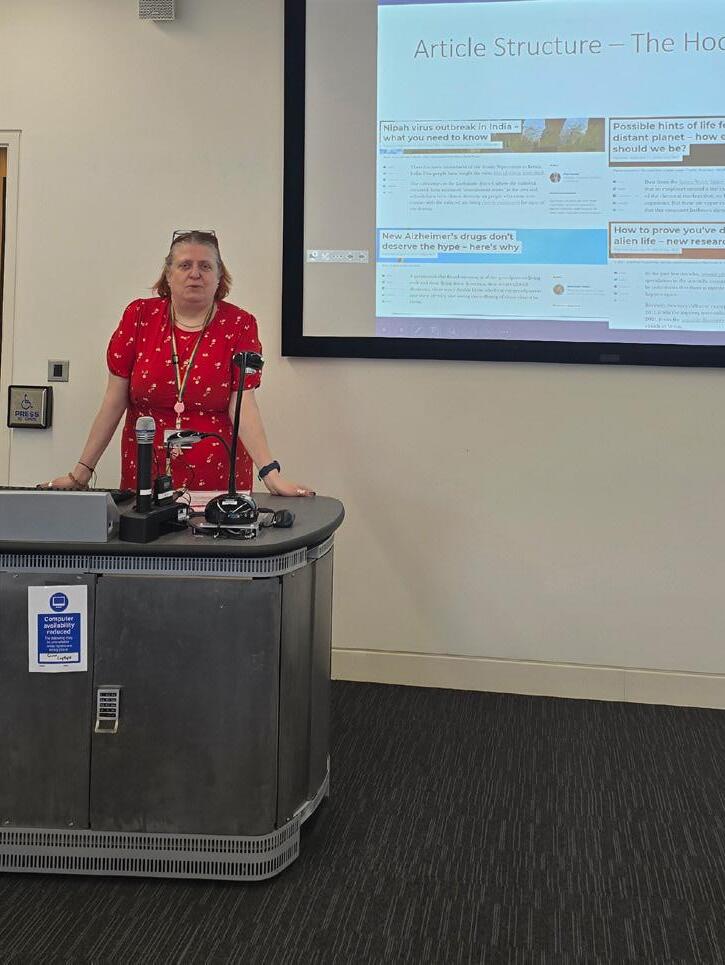
What advice would you give to people interested in a career in science education?
IT IS AN INCREDIBLE FEELING TO EXPERIENCE
SINCE MY UNDERGRADUATE DAYS, I HAD STRONGLY FELT THAT LECTURES AREN’T A VERY EFFECTIVE WAY OF TEACHING. I WAS DETERMINED TO GIVE STUDENTS A BETTER EXPERIENCE
Don’t be afraid to go for it, even though role models may not be so visible in education research as they are in other areas. But find your niche and focus on it, rather than trying to work on many different areas.
What do you like to do to relax?
With work being so busy, I find slow crafts such as knitting really stress relieving; because they demand so much of your attention, you can’t think about anything else. Although I’m also up for a challenge… for example, my son recently brought me a sheep’s fleece from a city farm he volunteered at, so I taught myself how to spin. Which links back to the common thread throughout my career—taking things apart to see how they work, then doing new things with that knowledge.
“THE LIGHTBULB MOMENT”: WHEN A STUDENT WHO HAS BEEN STRUGGLING TO UNDERSTAND SOMETHING SUDDENLY “GETS IT” AND EVERYTHING CLICKS INTO PLACE
‘A
very fundamental part of my personality is curiosity,’ says Marco Castellani, a third-year post-doctoral researcher at the Max Planck Institute for Plant Breeding Research (MPIPZ) in Cologne, Germany, where he is focused on the genetics of holocentric chromosomes in plants. ‘The more different something is, the more I want to learn about it, and plants are just so different to us that I find them extremely fascinating.’
BY ALEX EVANS
arco completed his PhD at MPIPZ in 2023 and was then invited to stay on and continue his research into meiotic recombination in holocentric plants in a post-doctoral position. Monocentric organisms, such as vertebrates, fungi and many plant species, possess chromosomes with a single localised centromere that dictates where they are pulled during cell division. Holocentric organisms, such as nematodes and some plant species, possess multiple centromeres along the entire length of their chromosomes, which can increase resilience against chromosomal damage during cell division but may also challenge the current knowledge of how genetic information is exchanged between chromosomes.
When Marco first started his PhD, his supervisor had only just started up his research group, which he says led to a very experimental and curiosity-driven attitude towards their projects. ‘Our first approach was very explorative,’ he says. ‘Of course, we had questions to answer, but the main approach was to dive into new topics and find things that nobody had found before.’ With a team that included bioinformaticians and molecular biologists, Marco and his colleagues began to make some interesting discoveries that helped them to identify and investigate more specific questions. One such question became the core focus of Marco’s thesis: is traditional meiotic recombination conserved in these holocentric plant species, or do they behave differently to monocentric species?
‘We found that meiotic recombination is actually incredibly well conserved in these plants, which makes perfect sense because meiotic recombination is an extremely delicate and tightly regulated process across all eukaryotes,’ explains Marco. ‘In monocentric plants, genetic crossovers don’t typically occur at the centromere, and we found that is also the case in our holocentric species. But, because there are lots of little centromeres along the chromosomes, the crossovers take place in multiple places between them, which is quite an interesting adaptation!’
Instead of completing his PhD research with well-established and lab-controlled model organisms, such as Arabidopsis thaliana, Marco decided early on to flip the script and go straight
to experimenting with wild plants, fully embracing the exploratory nature of his research group. ‘People might believe that you need to test new techniques with established model species, but we literally did the opposite,’ says Marco. ‘I went to Brazil to collect tropical plants, brought them back to our lab and showed that we could do these sophisticated and complex experiments with those wild plants.’
Whilst Marcos’ research is primarily focused on improving our fundamental understanding of the genetic mechanisms at work in plant cells at the microscopic level, he also acknowledges the potential that this line of enquiry could hold for plant breeding in the agricultural industry. ‘Plant breeders make new plants by crossing species and producing new varieties that rely on chromosomal crossover events,’ he says. ‘Finding features of holocentric species that help us to unlock centromeres could possibly lead to the development of hyper-recombinant varieties that combine beneficial traits.’
Reflecting on his career so far, Marco says that one particular highlight occurred early on in his PhD, when he was encouraged to come up with novel methods that would help him to answer the questions at the core of his project. ‘A lot of my plant species have a genetic bottleneck, which makes it extremely difficult to create mutants, but my boss asked me to try anyway,’ he says. ‘I knew that it wasn’t guaranteed to work, but I really tried, and I was actually able to develop a transformation protocol for our plants and now we are able to actively generate mutants.’ This technical breakthrough has not only provided Marco with new insights into his own non-model plant species, but it’s also added a new methodology into the research community and has provided other researchers with opportunities to further explore their own projects.
For most people, the act of completing a PhD is a strange and stressful experience, but Marco’s PhD journey was even more so, as it took him right through the heart of the COVID-19 pandemic and all the restrictions to everyday life that came with it. ‘Doing a PhD during the pandemic was very weird,’ he says. ‘It was very confusing because almost everything about our normal lives had
to change. Our hobbies, our families, our social connections—everything was affected, but the Institute was still open, so the only thing I could do was just to keep working.’ By adhering to the strict COVID social spacing rules laid out in Germany between 2020 and 2021, Marco was able to continue his lab research and made good progress with his PhD. ‘My work productivity was actually positively affected by the pandemic because I was working so much and had nothing else to do, although it was quite mentally disorienting.’ Despite these socially isolated conditions, Marco explains that, in some ways, belonging to a newly established research group throughout the pandemic only helped to strengthen his bonds with his team. ‘There was actually a lot of solidarity among colleagues because we were all just trying to survive it together, so my lab connections were very strong,’ he says. ‘After the pandemic ended and the doors of the outside world opened again, I was happy to start meeting new people and making new friends once more.’
As a recent SEB member, Marco has already been able to enjoy the benefits of joining the community and has some advice for other early career researchers. ‘I became a member last year and got a travel grant to go to a conference in Vienna, and was very happy as I was selected to give my very first talk,’ he says. ‘The SEB has already had a very positive impact on my career, and I have to confess that I regret not approaching them before. I think it’s very important for students and early career researchers like me to apply for grants and scholarships as early as possible, so that you can show people how cool your research is!’
Outside of his research, Marco enjoys taking part in a wide range of sports and hobbies that help him to disconnect from his work. ‘Not because my work environment is bad, but because I really believe people need opportunities to disconnect,’ he says. ‘I have friends that have nothing to do with my work life, and we play video games, play board games, go to concerts and go bouldering together.’
Left
Synaptonemal complex of Rhynchospora breviuscula
Photo credit: Marco Castellani
Right Marco collecting plants in Brazil
Finally, Marco would like to address an important part of his scientific career, because whilst he acknowledges the importance of celebrating success and highlighting all of the benefits that come with jobs in academia, he also knows that it’s equally important to be open and honest about real experiences, which are not always positive.
I’M VERY PROUD OF MY CAREER RIGHT NOW
DOING A PHD DURING THE PANDEMIC WAS VERY WEIRD
‘I’m very proud of my career right now, and happy with the way that it is going, but it wasn’t always like that,’ he says. Before starting his PhD, Marco had serious reservations about pursuing jobs in research—not because of the science itself, but because of his experiences with poor supervision and negative working environments. ‘At one point I was about to say “maybe this is just not for me’” but I decided not to give up,’ he adds. ‘This was like my redemption arc, because my PhD was such an incredible experience that I’ll never regret. I was surrounded by a very positive and nourishing environment and I’m so happy that I decided to do it.’
Despite feeling ‘incredibly lucky’ with his career, Pierre occasionally admits to fleeting moments of nostalgia.
BY CAROLINE WOOD
As a teenager, music was a huge part of my life, and I dreamt of being either a rock star or a music producer,’ he says. ‘But through playing in various bands, I found that the reality was much harder work and a lot less glamourous than people think.”
Fortunately, he found that a vocation as a plant biochemist was the perfect alternative to channel his creativity. ‘It feels almost hedonistic at times, the thrill of discovery. No two days are the same, which makes it very intellectually stimulating.’
As Scientific Director of the Bordeaux Metabolome facility based at the French National Research Institute for Agriculture, Food and Environment (INRAE), the National Centre for Scientific Research (CNRS) and the University of Bordeaux, he oversees a portfolio of projects that aim to elucidate how changes in plant metabolism underpin plant performance, including stress responses. This involves both developing new analytical and bioinformatic techniques, and coordinating collaborations with diverse worldwide partners, including Spain, UK, Estonia, Germany, Italy, Japan, Taiwan, Chile and Argentina.
‘Since being founded in 2003, Bordeaux Metabolome, part of the national infrastructures MetaboHUB and PHENOME, has quickly established itself as a national facility supporting a wide range of plant science areas, including functional genomics, ecophysiology, pathology and systems biology,’ Pierre says. A particular breakthrough came through a partnership with Rodrigo Gutiérrez at Pontificia Universidad Católica de Chile, which demonstrated that applying machine learning to metabolome data could predict plants growing in extreme environments.
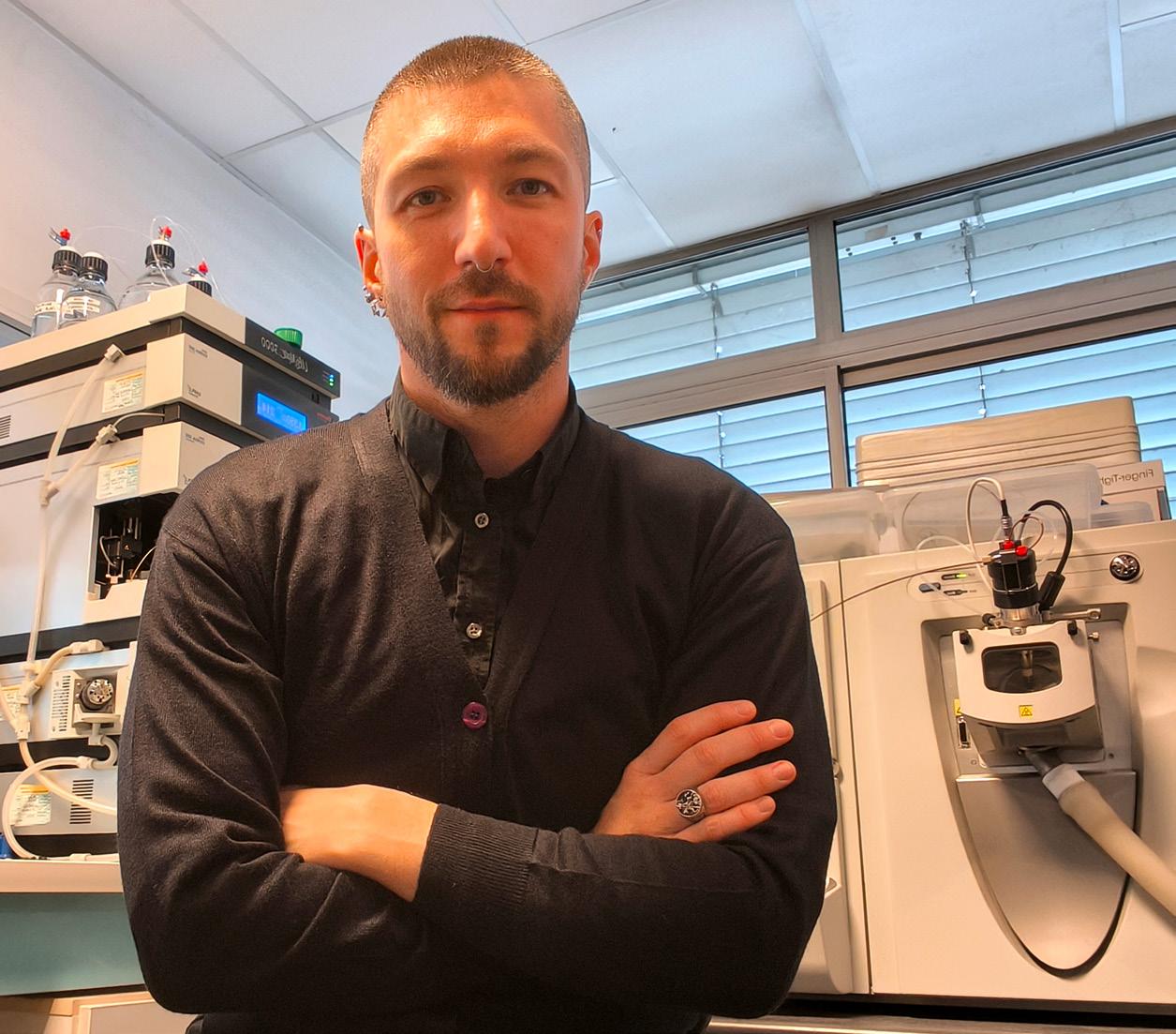
‘We profiled the metabolome of 24 desert plants, first using metabolome then transcriptome information, and found significant metabolic convergences that are also present in crops,’ Pierre ‘This suggested that plants use a similar metabolic toolkit based on shared genetic legacies to respond to challenges such as drought, high salt, extreme light radiation and low nutrients.’
For Pierre, this serves as a perfect illustration of how AI and machine learning are revolutionising
his research area. ‘Over the past decade, the capabilities of machine learning for metabolomics have increased exponentially, from predicting complex traits to annotating genes and pathways. We can even predict chemical structures from biochemical signatures, which was not possible previously. However, these methods should always be seen as supporting tools, not the solution to everything.’
One of his current focuses is applying these methods to better understand how redox reactions regulate the trade-off between growth and stress responses. ‘Male sterility—where the flower aborts—during heat stress is a huge problem in agriculture, especially in tomato production,’ he says. ‘As the frequency of heat waves increases in many regions, this problem is set to get worse. We know that the process is linked to an unbalanced ratio of oxidants and antioxidants, but we do not yet understand how this works at the molecular level.’
Predictive metabolomics could also support a transition to ecological agriculture, i.e. crop systems that use minimal anthropogenic inputs, instead harnessing ecosystem services such as biological pest control. ‘We are particularly interested in Creole gardens: traditional, small agricultural systems, used across the French Caribbean,’ Pierre says. ‘They are highly productive and stress-resilient, and it is thought that their success is due to many different species being cultivated together, mutually supporting each other. Working with Jean-Marc Blazy at the INRAE ASTRO unit, we aim to understand the metabolic underpinnings of this, which could enable us to propose new solutions for agriculture.’
Pierre’s ultimate vision is that predictive metabolomics will one day underpin decision tools for farmers and policymakers, guiding them to select the optimum combinations of crops for a given environment. ‘Here in France, vineyards have long practiced enherbement, where cover crops such as clover and grasses are grown between the vine rows to enhance the soil and promote drought resistance.’
With this variety of work—and the direct relevance to pressing food security challenges—Pierre
feels confident that he has found an area that can sustain the rest of his career. He recalls the critical point that first captivated him with the hidden world of plant biochemistry.
‘As an undergraduate, I did a broad-ranging Biology Master’s degree at Pierre and Marie Curie University, and was seriously considering neuroscience up to my final year,’ he says. ‘But then I did an internship at AgroParisTech in Paris, and worked on profiling abscisic acid responses in Arabidopsis infected with a biotrophic bacteria. I was absolutely fascinated by how such a small molecule, even in nanomolar amounts, could transduce a signal into a response affecting the entire organism. So, I decided to focus on plant science for my PhD and haven’t looked back!’
For this PhD, at Paris-Sud University, Pierre worked under the tutelage of Bertrand Gakière, honing his scientific method. ‘In particular, Bertrand shaped my approach to science as a discipline, instilling me with a sense of rigour, but also curiosity. I will always be very grateful for that.’ During this time, Pierre contributed to groundbreaking work concerning NAD, a universal cofactor for many key metabolic enzymes. ‘Our group was the first to genetically demonstrate that NAD is not just a cofactor but also a signal molecule in its own right which can regulate stress responses,’ he says.3 ‘The project was paradigm shifting and deeply rooted in biochemistry—which strengthened my love for the subject.’
After graduating, Pierre worked for a year as an Assistant Professor at Paris-Sud University, then relocated to Sheffield in the UK, first as a Postdoctoral Fellow in Professor Jurriaan Ton’s group, and later as a Principal Investigator. Despite having long turned his back on a musical career, it wasn’t just the lab’s leadership in metabolomics that drew him. ‘I have always been a big fan of electronic rock and was very keen to live in the UK for a time so that I could immerse myself in British bands,’ he says. ‘I remember an incredible New Order gig at the Warehouse Project in Manchester in 2015, with La Roux as a guest.’
During this time, Pierre’s research focus was developing metabolomic approaches for defence priming. A key breakthrough was the group’s discovery of the IBI1 receptor for BABA,4 a priming phytohormone that induces broad-spectrum disease resistance and was being explored as a crop protectant. In 2017, he moved back to France to take up a permanent position as Associate Professor at the University of Bordeaux. ‘Around the time Brexit happened, I felt ready to transition into a research role focused more on metabolism,’ he says. ‘I’ve recently been appointed Research Director at INRAE, which allows me to dedicate more time to research—something I’m particularly excited about, given the heavy teaching commitments typically expected in France’.
IT FEELS ALMOST HEDONISTIC AT TIMES, THE THRILL OF DISCOVERY. NO TWO DAYS ARE THE SAME, WHICH MAKES IT VERY INTELLECTUALLY STIMULATING
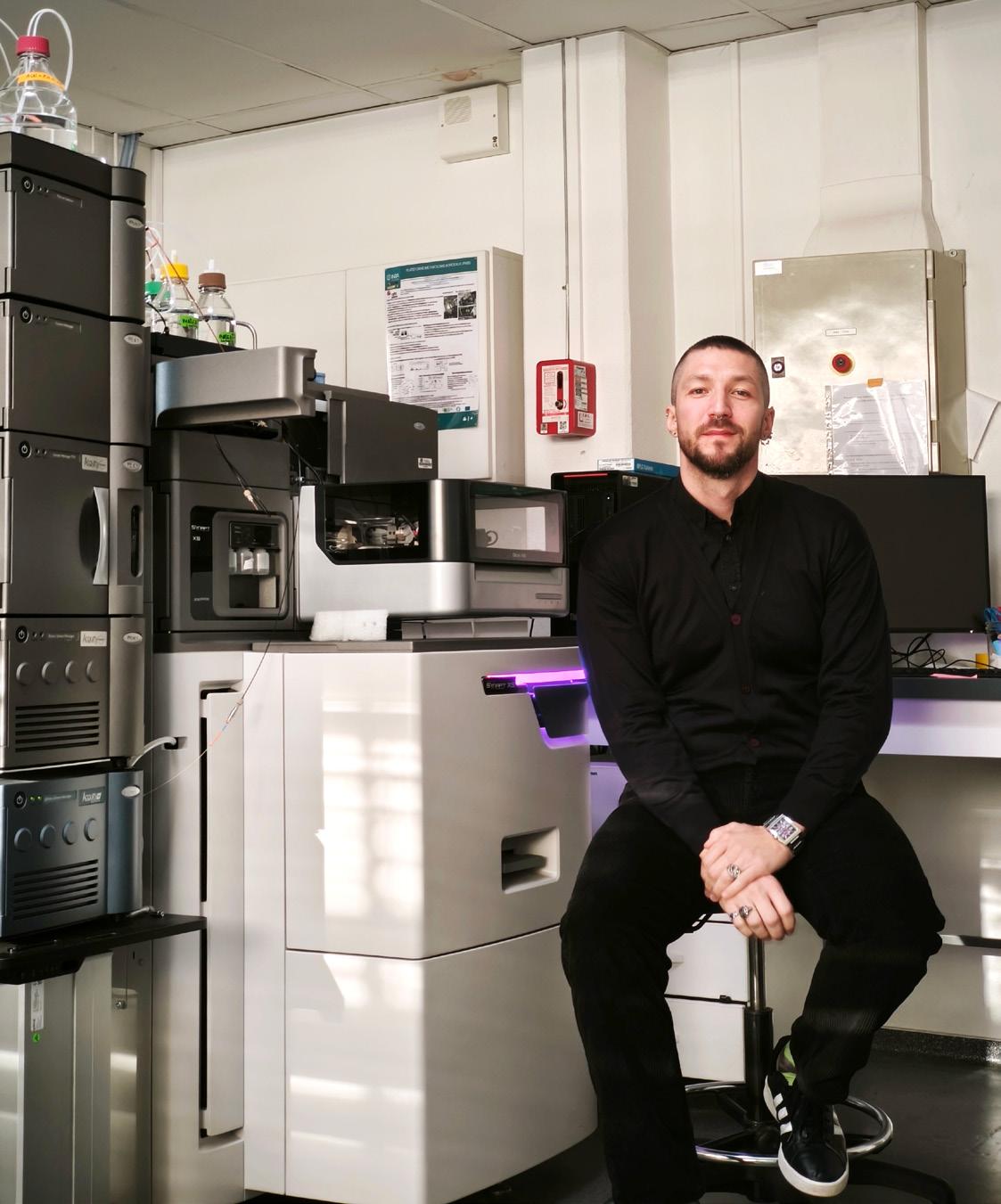
NO MATTER HOW POWERFUL AI AND MACHINE LEARNING BECOME, THEY SHOULD ALWAYS BE SEEN AS SUPPORTING TOOLS, NOT THE SOLUTION TO EVERYTHING
on his journey so far, Pierre feels his younger self would be proud, even if his dreams of working in music remained just that. ‘I am only 40, and I’m already a Research Director,’ he says. ‘It feels very satisfying to lead a team and plan a diverse portfolio of research. I hope my experiences can inspire younger scientists.’ Music still weaves through his life, however, with Pierre playing piano, guitar, bass and cello. ‘Being one of the techno generation, I still love to go clubbing too, when I get a chance,’ he adds. Who knows, perhaps one day, Bordeaux Metabolome will have its own rock band…
References:
1. Tougeron, K. Hraoui, G. Le Lann, C. van Baaren J and Brodeur J. 2018. Intraspecific maternal competition induces summer diapause in insect parasitoids. et al. Intraspecific maternal competition induces summer diapause in insect parasitoids. Insect science,Sci 2018; 25(6), pp.: 1080–1088.
2. Hraoui, G. Bettinazzi, S. Gendron, A. D. Boisclair D & Breton S. ( AD, et al. Mitochondrial thermo-sensitivity in invasive and native freshwater mussels. J Exp Biol 2020). Mitochondrial thermo-sensitivity in invasive and native freshwater mussels. Journal of Experimental Biology; 223(2): jeb215921.
3. Averill-Bates, D. Hraoui, G. M Grondin, M. Breton S. 2022. The role of ROS and Nrf2 in the induction of a hormetic, adaptive stress response during mild heat shock at 40 degrees C. M, et al. The role of ROS and Nrf2 in the induction of a hormetic, adaptive stress response during mild heat shock at 40°C. Free Radical Biology and Medicine 2022 192 pp.: 97.
BY ALEX EVANS
Much like biology itself, career paths in the life sciences can often be complex, but they can also open up a world of opportunities that may not always be obvious. An OED session at this year’s SEB Annual Conference in Florence will explore some of these ‘less traditional’ career routes in science to highlight the diversity of our member’s vocational journeys.

If you were asked what the most common route into a research career would be, it would likely follow a direct path from undergraduate degree through PhD and postdocs to one day leading your own research lab. In reality, progressing through each of these stages is increasingly competitive, with luck and circumstance playing just as much of a role as ability and achievement, so career breaks and unplanned diversions are becoming more prevalent. ‘Often you see someone’s career path looking like it makes perfect logical sense, but I think for the majority of people, it’s not linear,’ says Catherine Williams, a tenure track Assistant Professor for Anatomy and Pathophysiology at the Department of Animal and Veterinary Sciences in Aarhus University, Denmark.
Having originally trained as a clinical veterinary surgeon at Cambridge University in the UK, with a Zoology BA, Catherine came to really enjoy exploring the comparative nature of zoological research, with a particular curiosity about the use of anaesthesia. Following her veterinary education, Catherine was interested in progressing into specialist areas of veterinary medicine, or possibly even pursuing a career in research. Unfortunately, this interest was met with rejection from various clinical scholarships, and Catherine took up a position as a clinical vet in London.
‘I really enjoyed working in small animal practice,’ she explains, ‘but serendipitously, my boss was one of the vets who worked with tortoises in the area, which led to me more closely reading the
various chapters in the textbooks on chelonians and specifically euthanasia and anaesthesia, and realizing how extreme they could be.’ At the same time, Catherine’s partner had secured a postdoc position in Denmark, and so she decided to reach out to a professor in Denmark (Tobias Wang) who had worked on reptilian anaesthesia in the context of his comparative physiology research, in the hopes that she would be able to put her new knowledge to use in a research setting.
As luck would have it, this professor was very interested in bringing someone who had clinical veterinary skills into his team, so after 5 years of working in small animal practice, Catherine found herself back in a research environment pursuing a master’s degree. ‘Serendipitously again, we then managed to get funding to allow me to pursue a PhD in analgesia and anaesthesia within the context of comparative physiology with the co-supervision of Mads Bertelsen, who was at the time one of the clinical vets at the Copenhagen Zoo and is now the zoological director,’ she says. It was during her MSc and PhD that Catherine started attending the SEB conferences, and she found this to be a great place to network with potential collaborators. ‘I went year on year as a student and found it very supportive and a great community,’ she says. ‘I think people need to acknowledge the importance of making connections to places and organisations where opportunities arise, which is why things like conferences are important.’
A huge boon to Catherine’s career has been the possibility to pursue a ‘remote postdoc’,1 something that has helped to balance the international nature of science, and stability for her family since the birth of her children. ‘The remote postdoc is a good example of how the system can be made more resilient to the needs of the researchers within it,’ she explains. ‘Having the ability to do a productive remote postdoc, facilitated by Matt Vickaryous and his lab, meant that communication was key, and it led to being involved in some really interesting science on bones in lizard skin and regeneration in lizard hearts.’
Since Catherine’s remote postdoc project was internationally funded, a certain element of travelling between counties was expected, but the remote nature enabled her to balance valuable short visits with longer stretches closer to home. ‘We arranged two long stays during the 2 years of my postdoc, where I went over to Canada to take part in wet lab experiments, and one synchrotron experiment in France,’ she says. ‘If we want people to be able to have a stable life and we also need them to have international exposure, I think that these kinds of arrangements are vital, and can work, where you do exchange new skills, meet new people, but can still build a life.’
Resilience certainly plays a role in both academic and clinical work environments, but often for different reasons. Whilst academic resilience
I HAD A PLAN FOR MY CAREER–BUT I DIDN’T STICK TO THAT AT ALL
may require scientists to be able to weather longterm setbacks with their research and difficulties progressing their career, vets need to deal with a carousel of hands-on situations that require urgent attention—sometimes without a team to support them. ‘Dealing with emergencies as a sole on-call vet was the most demanding thing I had to do as a newly graduated vet,’ Catherine explains, ‘but the communication skills required and ability to juggle different work needs did set me up nicely to handle some of the challenges of a job in research.’ However, not everything about Catherine’s transition from veterinary medicine to research has been easy, and the shift has highlighted some of the key differences in workstyle. ‘Clinical vets have very short timescales for answering questions, but in research, the timescale of asking and answering questions is much longer,’ she says. ‘I initially found it challenging to move from such a high pace to protracted cycles of work.’
Catherine is now really enjoying her time in academia and feels that her time as a practicing vet enhances her ability to understand the clinical context for her research, as well as helping her to pass that knowledge on to others. ‘I now teach vets who want to become clinical vets, and I think the clinical mindset and the research mindset really feed each other,’ she explains. ‘Sometimes they’re very different, but I think more often they can be very helpful to each other.’
Academia and other scientific career paths may differ in many ways, but one common aspect of both is that science is a global business, and travelling abroad may be the best way to explore the types of jobs you find most appealing. Dominique Morneau-Brosnan, Chief Editor of Nature Reviews Methods Primers, has been on one such journey that has taken her through the worlds of scientific research, policy and publishing. ‘I had a plan for my career and it was linear,’ she explains. ‘It went from PhD to a postdoc and running my own lab—but I didn’t stick to that at all.’
During her PhD, Dominique was unfortunate to find herself in an environment that was not particularly supportive, and she was talked out of pursuing a research career with little support or guidance on what else was available to her. Timing was not on Dominique’s side either, because the 2008 financial crisis was just starting to impact the world’s job markets. ‘I watched a lot of my friends struggle to find work, so I used my time in grad school to try to get as many different types of skills and experience as I could,’ says Dominique. Her desire to expand her skillset opened up new possibilities beyond research, as she discovered new interests
BE BOLD–YOU HAVE TO MAKE YOUR OWN OPPORTUNITIES I LEARN SOMETHING NEW EVERY DAY
Next page Dominique Morneau-Brosnan
Photo credit: Dominique Morneau-Brosnan

and applications for her love of science. ‘This is how I ended up doing a concurrent graduate diploma and volunteering in policy work for a public health organisation,’ she adds.
Following the completion of her PhD and graduate diploma, Dominique made the brave decision to pack up her life and move from Canada to the UK. ‘I came with a very small amount of money, two suitcases, some ambition, and a single professional contact,’ she says. However, this decision was soon to pay off, as 6 weeks later, she had been offered a role as an Assistant Editor at BioMed Central. The transition from research to scientific publishing was an exciting one for Dominique, who felt that it satisfied her passion for reading, writing and discussing all things scientific. ‘I especially loved getting to see all the most cutting-edge research before it was published, talking to other editors but also researchers at conferences about what they were working on that was getting them excited,’ she says. ‘Publishing has given me a much broader view of science as a whole, and I learn something new every day!’
Typically, PhDs aren’t always a requirement for science publishing roles, but Dominique points out that there are many more Nature journal editors with a PHD than without one. As she explains, it’s not just the scientific knowledge that is useful for the role, but also the critical transferable skills that completing a PhD and other qualifications can provide. ‘The ability to handle a lot of competing priorities, work independently, and treat each manuscript as a project is very important,’ she says. ‘Learning about policy for my graduate diploma was also very good practice for science publishing, because I learnt to support recommendations and decisions using the best available research, which is very valuable for publishing.’
While Dominique’s change from research to publishing may have felt like a leap of faith at the time, it’s proved to be the right decision for her in the long run. ‘I love my job, it’s such an interesting and exciting place to be,’ she explains. ‘I also got
to keep pursuing things that were exciting to me, rather than following a linear path to get to something that I hoped I would eventually like.’ However, the change hasn’t always been easy and Dominique has had to make some personal sacrifices in her pursuit of this career. ‘I’m far from home and miss my family,’ she says. ‘Plus, a corporate environment is also not always a place for creative thinking, but I have lots of outlets for those in my job, so it’s not so bad.’
As Dominque points out, one silver lining of academia’s leaky pipeline for researchers is that many women leave academia to find alternative careers in industries like publishing, making those workplaces potentially more progressive with equative employment practices. ‘Most of my colleagues are women, which means we have great family leave policies at Springer Nature, a lot of work flexibility, and very supportive managers, which has made transitioning into being a working mum a lot easier,’ says Dominique.
Dominque’s advice for anyone just starting on their career journey, or looking for a change in direction, is both simple and powerful. ‘Be bold—you have to make your own opportunities,’ she says. ‘I would not be working in publishing if I hadn’t taken the risk to move abroad, but I knew that I had to be where the work was.’ She also advises that making contacts and talking to people in the industry is one of the best ways to feel out whether certain career options are for you and to find opportunities for work, and one day, you may be the one helping to guide and support the next generation of science publishers!
For all the things that experimental biology can be, one thing it will never be is static. There are always new technologies to harness, techniques to develop and avenues of research to explore. Similarly, the available career routes in and out of scientific industries are always changing and adapting to the world around them, and whilst some jobs will always be a mainstay of the alternative careers for biologists, others may seem a little surprising. This was the case for me when I was fresh out of my biomechanics PhD and found myself working for an English football club charity, developing and delivering science workshops for children across Leicestershire.
As a long-time contributor to the SEB Magazine, I have spent years interviewing other biologists and getting to know their stories, and I have come to understand how wildly different people’s journeys are. Some people have always wanted to be scientists, others have fallen into science almost by accident, and others have dipped in and out amongst other non-science roles. I’m hesitant to
put myself in any of these categories, because I only became interested in biology during my final few years at school and it was a last-minute decision to pursue a biology course at university. Ten years and three degrees later, and I was now a Doctor of Animal Physiology torn between applying for postdoc jobs and seeking other opportunities in science communication and outreach; areas that I had fallen in love with during my PhD. By this point, I had already started working as a freelance science communicator and was occasionally writing magazine articles and delivering talks on stage, but this didn’t stop me wanting to look for jobs with more stability and security.
A few months after I submitted my thesis corrections, I saw an advert for a job that felt truly unique: a STEM Coach for a community-facing charity of a Premier League football team, who would be responsible for engaging young people in science subjects both inside and outside of school. I’ve never been a football fan, but I loved the thought of using the powerful hook of football and sport to bring the science that I loved to children who may not see a future for themselves in science. I thought that this job would be a great starting point for a career in science outreach, and little did I know that I would be working for this organisation for the next 8 years. I held a number of different roles during my time there, but always maintained and led on our STEM delivery, which grew from one set of school workshops to a suite of educational opportunities that included exciting hands-on experiences involving robotics, wildlife, rockets and a lot of LEGO. As I progressed through new roles, I found myself drawing more and more on skills that I had picked up during my PhD, such as analysing impact data from our projects, and having to effectively translate complex scientific ideas for new audiences—so I have always been thankful for those hours spent in the lab, even if it didn’t lead me to a research career.
Throughout my job with the football charity, I still really wanted to remain connected to the active world of experimental biology, and largely did so through my freelance work for the SEB, which allowed me to keep up to date with modern themes in research and stay in touch with the membership and staff of the organisation. Eventually, a full-time role at the SEB became available and about 10 years after I became a SEB member and attended my first conference, I am now on the other side of the table, looking for ways to help people explore non-traditional career routes that they may have never even considered. Mine hasn’t been the most obvious journey, but it has certainly been a fascinating one.
Reference:
1. This paper, recommended by Dr Catherine Williams, provides guidance on remote postdocs: Burgio KR, MacKenzie CM, Borrelle SB, et al. Ten simple rules for a successful remote postdoc. PLOS Computational Biology 2020; 16: e1007809.
SOCIETY FOR EXPERIMENTAL BIOLOGY PRESENTS:

Conversations exploring the science, people, and ideas shaping experimental biology today
New episodes will be released regularly, featuring researchers from across the global SEB community. Subscribe and follow along as we continue to explore the people and ideas driving experimental biology forward. STAY TUNED!
BY REBECCA ELLERINGTON
Generative AI (gen-AI) is rapidly reshaping higher education. Both educators and students alike are facing both exciting opportunities and significant challenges, grappling with difficult questions around fair assessment, academic integrity and digital literacy. Against this backdrop, the SEB’s Outreach, Education and Diversity (OED) Symposium, held 9–10 April 2026 at Nottingham Trent University, provided an important space for bioscience educators, researchers and students to explore how gen-AI can be used practically, ethically and inclusively.

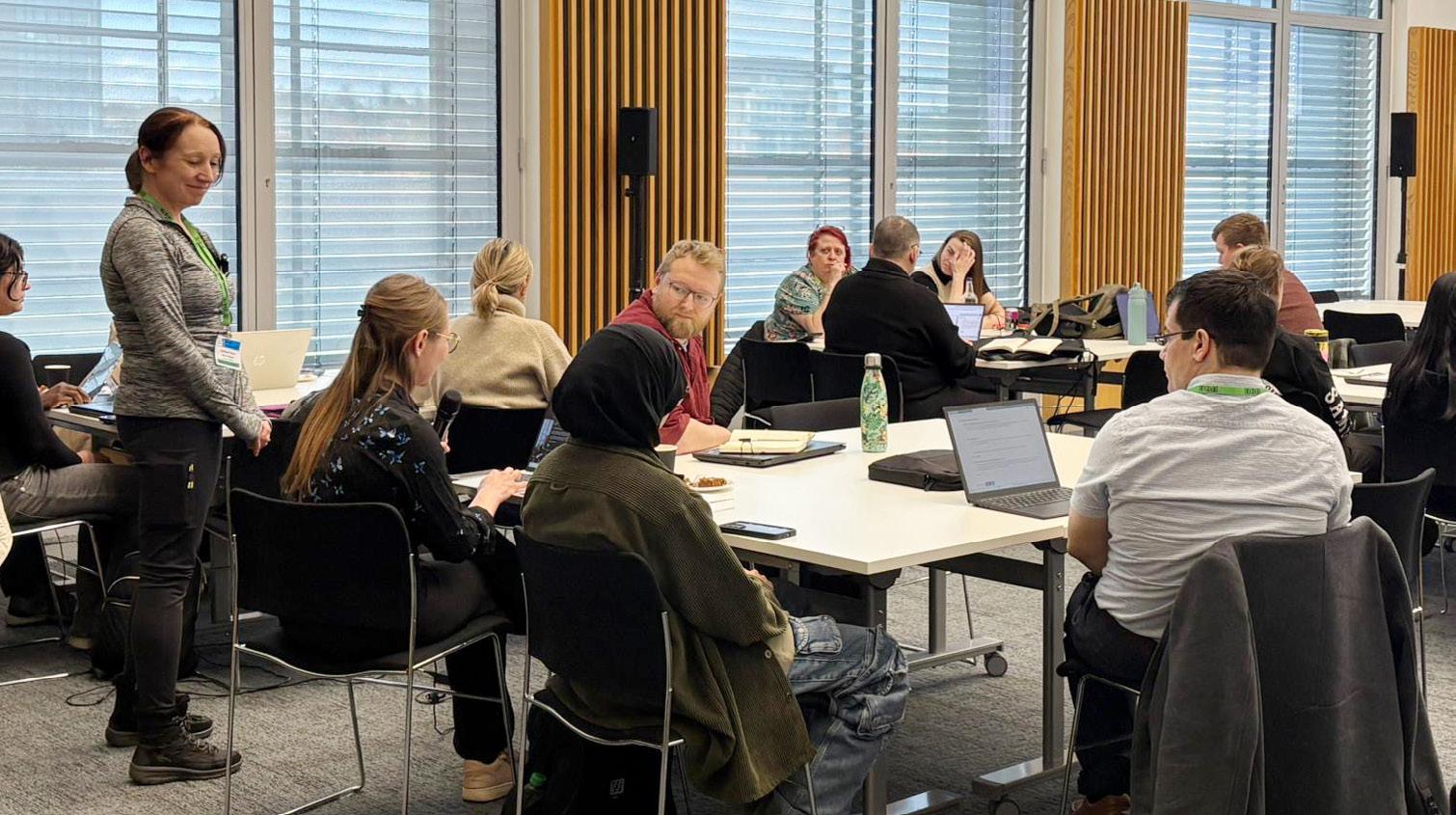
Rather than focusing on AI as a future possibility, the symposium recognised that gen-AI is already embedded within higher education. For many attendees, the event offered an opportunity to move beyond uncertainty and develop practical skills, confidence and resilience in navigating this rapidly evolving landscape.
A key theme throughout the symposium was the importance of critical engagement with AI. Delegates highlighted that students need support to not only use AI tools effectively, but also understand their limitations, biases and inaccuracies. Discussions explored the importance of demonstrating the flaws of AI systems directly to students, helping them develop the skills to question outputs rather than accept them uncritically. In this context, the continuing importance of human interaction in education was repeatedly emphasised. Educators reflected on how their role may shift from information provider to coach and mentor, supporting students to think critically, interpret information and apply knowledge in meaningful ways.
The symposium also explored how gen-AI could support more inclusive approaches to teaching and learning. Delegates discussed how AI tools may improve accessibility through clearer communication, adaptable learning materials and enhanced support for students with different learning needs. Some participants reflected on the benefits AI can offer students who may feel socially anxious, providing a lower-pressure way to ask questions or explore concepts independently before engaging in classroom discussions.
At the same time, attendees were careful not to overlook the risks. Conversations frequently returned to concerns around widening digital and attainment gaps, particularly if institutions adopt AI-driven approaches without ensuring equitable access to technology, training and support. Participants discussed how differences in digital confidence, resources and prior experience could create new inequalities between students if these issues are not actively addressed.
One aspect that made the symposium particularly valuable was its strong practical focus. Workshops
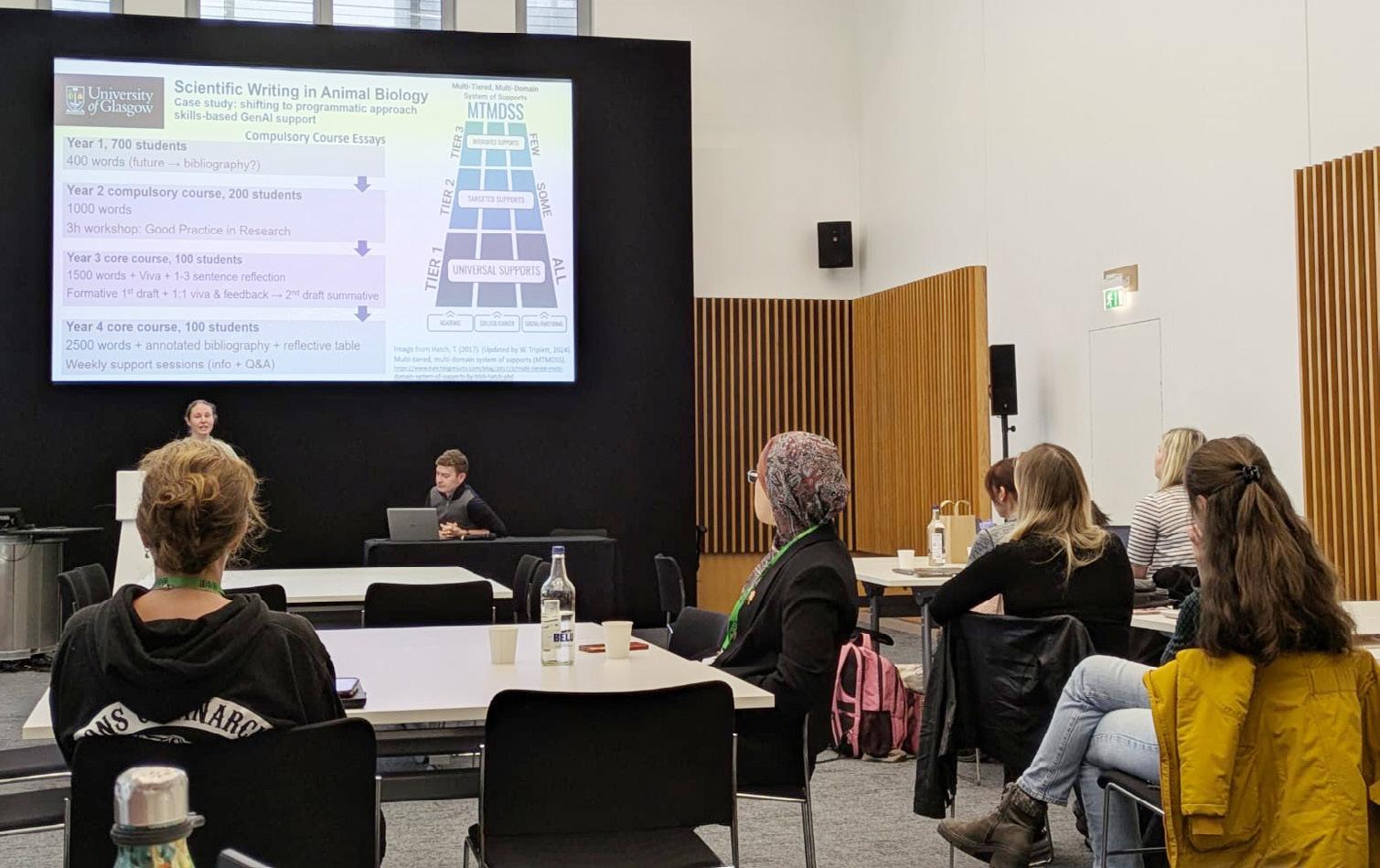
equipped educators with tools and approaches they could immediately apply within their own teaching practice, exploring ways to integrate gen-AI into teaching, learning and assessment. From AI-supported pseudo-vivas designed to build student confidence in scientific discussion, to new forms of assessment incorporating AI-generated outputs for students to critically evaluate.
Delegates left the symposium excited by the range of creative ways gen-AI can be implemented across their work. Many reflected on how the discussions had shifted their thinking from seeing AI purely as a challenge to recognising its potential as a tool to support deeper learning, more authentic assessment and greater student engagement. Others highlighted the possibility of AI helping to streamline routine tasks and administrative processes, creating more space for meaningful human interaction and personalised student support.
Student voices added an especially valuable perspective to the discussions. Students shared how they are already using AI in their studies, the pressures they face in navigating unclear expectations around AI use, and the support they would like from educators. Their contributions reinforced the importance of open dialogue between students and staff as institutions continue to adapt policies and practices.
As higher education continues to evolve, many delegates reflected that simply modifying policies and assessments may no longer be enough. Instead, discussions pointed towards the need for a broader rethink of curricula, embedding critical thinking, evaluative skills and AI literacy throughout programmes. Ultimately, students need to be equipped to not only use AI tools, but engage with them thoughtfully, responsibly and effectively.
While generative AI undoubtedly presents genuine risks and uncertainties, the symposium highlighted its potential to transform teaching, learning and assessment in more inclusive, flexible and innovative ways.
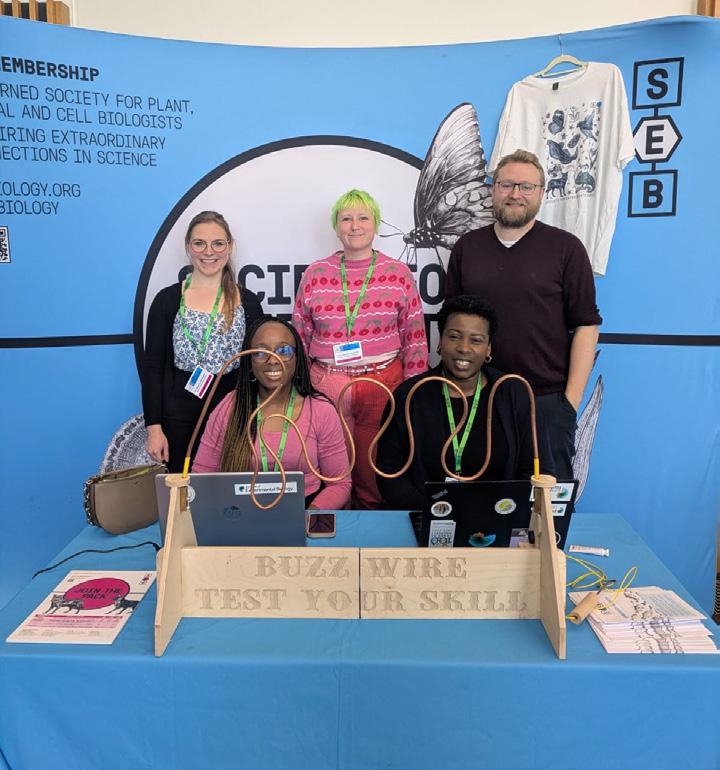
SEB CONFERENCE GLASGOW 2027
SCOTTISH EVENT CAMPUS (SEC), EXHIBITION WAY, GLASGOW
06-08 JULY 2027
SEBIOLOGY.ORG
#SEBCONFERENCE