ABSTRACT BOOK
SEB ANNUAL CONFERENCE
FIRENZE FIERA, PIAZZA ADUA, 1, 50123 FIRENZE, FLORENCE, ITALY
07-09 JULY 2026
SEBIOLOGY.ORG #SEBCONFERENCE

ABSTRACT BOOK
SEB ANNUAL CONFERENCE
FIRENZE FIERA, PIAZZA ADUA, 1, 50123 FIRENZE, FLORENCE, ITALY
07-09 JULY 2026
SEBIOLOGY.ORG #SEBCONFERENCE



Tuesday 7th July 2026 09:00
Andrea Perna (IMT School for Advanced Studies Lucca, Italy) andrea.perna@imtlucca.it
Across levels of biological organisation, increases in energy availability often translate into proportionally smaller increases in biomass. For example, in humans and other animals, the phenomenon of energy compensation means that elevated energy intake does not linearly increase stored fat or lean mass, because part of the energy surplus is leaked or diverted into increased expenditure. Strikingly similar patterns occur in ecological communities, where predator biomass typically scales sublinearly with prey biomass, indicating decreasing conversion efficiency at higher resource levels. Here, I investigate whether both patterns can be understood as consequences of shifts in energy allocation under increased resource availability. When energy becomes abundant, organisms that forage efficiently maximise their energetic power (the rate of net energy acquisition) at the cost of reduced conversion efficiency. As a result, proportionally more energy is dissipated rather than incorporated into biomass. To explore this mechanism experimentally, I use a two-species microcosm consisting of a ciliate predator (Euplotes magnicirratus) and its algal prey (Dunaliella tertiolecta). We observe sublinear predator–prey biomass scaling and show that predators increase movement speed when prey is abundant, consistent with optimisation of encounter-driven intake relative to locomotion costs. The additional expenditure reduces the energy available for biomass production, propagating individuallevel allocation strategies to community-level carrying capacities. These results demonstrate how individual-level allocation decisions can propagate to population densities and carrying capacities, and suggest a common energetic basis for sublinear biomass production across biological scales.
A1.2
JUST ANOTHER ANIMAL IN THE CITY: MAPPING MICROBIAL EXCHANGE BETWEEN HUMANS AND THE ENVIRONMENT ACROSS A UNIVERSITY CAMPUS ECOSYSTEM
Tuesday 7th July 2026 09:30
Antonia Bruno (University of Milano-Bicocca, Italy), Giulia Ghisleni (University of Milano-Bicocca, Italy), Ellen Dow (Lawrence Berkeley National Laboratory - DOEKbase, United States), Sara Fumagalli (University of Milano-Bicocca, Italy), Alice Armanni (University of Milano-Bicocca, Italy), Elisha Wood-Charlson (Lawrence Berkeley National Laboratory - DOEKbase, United States), Guido Scaccabarozzi (Simbio, Italy), Federica Facciotti (University of Milano-Bicocca, Italy), Patrizia Di Gennaro (University of Milano-Bicocca, Italy), Massimo Labra (University of Milano-Bicocca, Italy), Maurizio Casiraghi (University of Milano-Bicocca, Italy)
antonia.bruno@unimib.it
Viewing humans as ecological actors within these systems offers a powerful framework to bridge human biology with broader animal and environmental ecology. Yet the spatial structure and exchange dynamics of microbiomes across such urban ecosystems remain poorly understood. Here we investigate a university campus in Milan, Italy, as a model system to explore how human and environmental microbiomes co-structure and interact. We collected and analyzed 1,115 microbiome samples, including student skin (n=257), gut (n=248), and environmental communities (n=610), across diverse indoor and outdoor campus environments over two seasons. To expand spatial coverage and foster participatory science, we developed Bicocca Sampling Days, a coordinated student-science initiative. Using standardized protocols, 76 undergraduate participants collected 2,429 environmental samples with associated metadata across 29,288 m² of outdoor sites within four events, maintaining high data quality. A subset of these samples was subsequently analyzed during a collaborative metagenomics workshop using the US DOE KBase platform, supported by the SEB Educational Research and Development Grant (PARTNER project) and embedded within the crowdfunding initiative Fantastic Microbes and Where to Find Them.
Environmental microbial communities showed strong spatial structuring and surface-specific assembly patterns: indoor sites were enriched in human-associated taxa, whereas outdoor sites displayed higher diversity and distinct ecological signatures. Sourcetracking and network analyses reveal complex microbial exchange pathways linking human and environmental compartments. Overall, our findings position university campuses as living laboratories to study humans as ecological actors within urban ecosystems.
Tuesday 7th July 2026 09:45
Mads K Andersen (Aarhus University, Denmark), R. Meldrum Robertson (Queen's University, Canada), R. David Andrew (Queen's University, Canada), Heath A MacMillan (Carleton University, Canada) mads.andersen@bio.au.dk
Spreading depolarization (SD) represents a profound collapse of neural ion homeostasis that propagates through grey matter as a wave of cellular dysfunction. Despite its role in neuropathological conditions like migraine, stroke, and traumatic brain injury, progress towards understanding the physiology underlying SD has been slow and central mechanisms remain elusive. Here we adopt and promote a comparative and evolutionary perspective that considers SD as a fundamental physiological phenomenon across animals in order to better explore its drivers. Phylogenetic analyses reveal that SD susceptibility evolved independently three times, each coinciding with the emergence of a blood-brain barrier, in vertebrates, insects, and cephalopods. In each of these groups, SD also manifests with identical phenomenology provided thermodynamic effects are accounted for. These findings suggest that SD represents a conserved failure mechanism of barrierdependent central nervous systems, likely rooted in ionoregulatory dysfunction within a restricted extracellular space. By leveraging natural variation in barrier-properties, SD resilience across taxa, and species with extraordinary tolerance to physiological stress we can more rapidly identify the central mechanisms of SD and develop new strategies for protecting the human brain.
VASORELAXATION VIA KEY GATING RESIDUES IN THE S6 DOMAIN OF BK CHANNELS
Tuesday 7th July 2026 10:00
Marianne A Musinszki (Christian-Albrechts-Universität zu Kiel, Germany), Soenke Cordeiro (Christian-AlbrechtsUniversität zu Kiel, Germany), Robert Patejdl (Department of Human Medicine Health and Medical University Erfurt, Germany), Thomas Baukrowitz (Christian-AlbrechtsUniversität zu Kiel, Germany)
m.musinszki@physiologie.uni-kiel.de
Physiological mechanisms controlling vascular tone are highly conserved in vertebrates, yet research on human cardiovascular regulation often
proceeds separately from animal physiology. The large-conductance Ca2+ -activated potassium (BK) channel regulates smooth muscle excitability and vascular tone across diverse species, and its impairment is associated with pathophysiological conditions such as hypertension, stroke, vascular spasm, and diabetic vascular dysfunction.
Here we identify the xanthone α-mangostin from Garcinia mangostana, a compound explored for human as well as animal health benefits, as a modulator of several potassium channels, with the vascular BK channel as its main target.
Using whole-cell patch-clamp electrophysiology as well as single channel recordings in recombinant systems, we found that α-mangostin directly activates BKα subunits and the BK/β 1 vascular complex by stabilizing the open state and shifting its voltage-dependence towards more negative potentials, without appreciably altering its Ca2+ sensitivity. Competition experiments, mutational analysis and structural modelling indicated that α-mangostin interacts with gating-relevant residues within the S6 segment in the inner pore, critically involving I308, L312, and A316. α-Mangostin further enhanced repolarising currents when BK channels were coexpressed with L-type calcium channels, mimicking the functional nanodomains of smooth muscle cells. Contraction force measurements in murine isolated aortic tissue finally demonstrated that α-mangostin activation of BK channels translates into pronounced vasorelaxation.
These findings identify BK channels as direct molecular targets of α-mangostin, provide a mechanistic explanation for the vasorelaxant properties attributed to mangosteen-derived compounds, and add the mangostin xanthones as a potential new class of BK channel activators.
Tuesday 7th July 2026 10:15
Fabian Plum (Forschungszentrum Jülich, Germany), Hendrik K Beck (Imperial College London, United Kingdom), Xinyang Wang (Imperial College London, United Kingdom), Talmo D Pereira (The Salk Institute for Biological Studies, United States), David Labonte (Imperial College London, United Kingdom)
f.plum@fz-juelich.de
Many animal behaviours involve complex three-dimensional movements, yet detailed 3D analyses have remained rare, because available tools are tied to a few body plans - typically humans or a handful of mammals - and often require substantial programming expertise. To address this gap, we developed SMILify, an open-source framework extending parametric body modelling to virtually any rigged 3D mesh. A custom Blender Add-on enables researchers to build parametric animal models from their own 3D scan collections. From these, the system automatically learns what range of body proportions, limb lengths, and overall morphologies are anatomically plausible for a given (set of) species, and constrains reconstructions to remain within these bounds. SMILify leverages this learned shape space within a neural inference pipeline that takes either 2D pose estimates from existing tracking tools (e.g. SLEAP or DeepLabCut) or triangulated 3D key-points from calibrated multi-camera arrays to produce dense, dynamic 3D reconstructions of body pose and shape during behaviour, learning first from synthetic data, then adapting to real recordings using the same pose estimates researchers have already generated.
Applications in stick insects, ants, and mice, across single- and multi-camera systems, demonstrate the framework's potential for morphometric studies of shape variation, kinematic decomposition of gait, and long-duration behavioural monitoring without physical markers. By enabling researchers to build species-specific models from their own data to then reconstruct 3D pose and shape from existing video, we hope to lower the barrier to quantitative 3D analysis of animal behaviour in the lab, in the field, and across taxa.
Tuesday 7th July 2026 14:00
Baptiste Morel (Université Savoie Mont Blanc, France), Mylène Vonderscher (Université Savoie Mont Blanc, France), Pierre Samozino (Université Savoie Mont Blanc, France), Max Bowen (Université Savoie Mont Blanc, France), Anne Loison (Université Savoie Mont Blanc - CNRS, France), Pablo Rozier-Delgado (Université Savoie Mont Blanc, France)
baptiste.morel-prieur@univ-smb.fr
Predator-prey interactions drive the evolution of functional locomotor strategies, yet survival hinges on a dynamic bio-physical coupling where intense exertion triggers fatigue. This fatigue is defined as the progressive reduction of muscle and locomotor mechanical capacity when operating above a critical threshold. To bridge the gap between deterministic models and the inaccessibility of internal states in wild fauna, we treated Homo sapiens as a model organism, leveraging the accessibility of their physiological data and their willingness to participate in somewhat improbable studies, to reveal universal principles of animal movement. We characterised the Force-VelocityEndurance phenotype of 16 athletes using the validated RACLET protocol to determine individual critical speeds, the threshold above which fatigue occurs, and fatigability rate constants. Participants performed 50 dyadic "Chase Tag" interactions, simulating ambush and cursorial scenarios monitored by high-frequency GPS. From these real-life simulations, we extracted indices including mean speed, curviness, and tangential and radial accelerations. Instantaneous fatigue was computed via a unified mathematical framework and validated against post-chase maximal sprints, demonstrating a strong correlation (r=0.80) with null systematic bias and low random error (13.1%). These validated physical capacities were then integrated into a bespoke video game simulation that fuses realistic physics with animal bio-energetics. By replaying chases numerically, we found that digital kinematic indices matched real-world metrics, confirming the simulation's representativeness. Unlike purely algorithmic models, this approach preserves biological decision-making complexity through human-in-the-loop perception. Leveraging our methods for evaluating animal capacities in natura, we can now create accurate avatars to study predation within controlled, simulated environments.
A1.7
IBEX: A FORCE-VELOCITY-ENDURANCE
FRAMEWORK LINKING PHYSIOLOGICAL LIMITS AND SPONTANEOUS MOVEMENTS
Tuesday 7th July 2026 14:30
Mylène Vonderscher (Laboratoire Interuniversitaire de Biologie de la Motricité Université Savoie Mont Blanc, France), Pierre Samozino (Laboratoire Interuniversitaire de Biologie de la Motricité Université Savoie Mont Blanc, France), Maximilien Bowen (Laboratoire Interuniversitaire de Biologie de la Motricité Université Savoie Mont Blanc, France), Baptiste Morel (Laboratoire Interuniversitaire de Biologie de la Motricité Université Savoie Mont Blanc, France)
mylene.vonderscher@univ-smb.fr
The capacities to move fast and over long durations are primary determinants of animal survival. Complex environments as steep terrains or high-acceleration escape manoeuvres further challenge locomotion by demanding high propulsive force capacities to overcome elevation or inertia. Based on the force-velocity relationship characterising an individual's maximal propulsive capacities, we propose a theoretical Force-Velocity-Endurance (FoVE) model that integrates fatigue resistance and propulsive capacities during long-duration efforts. FoVE profiling could connects physiological limits to spontaneous behaviour and illustrates how selective pressures like steep gradients drives the evolution of force-oriented endurance. Because laboratory testing is infeasible for wild species, humans provide a unique paradigm to bridge controlled experiments and spontaneous field activity. FoVE profiles of 22 trail runners were derived from in natura GPS data using the record-profile method, and then used to predict critical velocities, sustainable over long durations, under various force constraints (weighted sledges). Predictions were compared against laboratory evaluations to test model accuracy. Results showed a strong correlation between field-derived and laboratory critical velocities across all force conditions (r=0.913; p<0.001), with moderate systematic and random errors (0.14 m.s-1 , 4.9%, and 0.41 m.s-1 , 14.4%, respectively). These findings demonstrate that field-based GPS data provide accurate FoVE profiles, turning the steps of human participants into a promising step forward for assessing locomotion capacities in wild mountain-dwelling animals. This framework was then applied exploratorily to Capra ibex, comparing their uphill capacities with human profiles. This illustrates how integrating force and endurance dimensions, often overlooked in animals, opens new possibilities in ecophysiology and evolution.
Tuesday 7th July 2026 14:45
Pablo Rozier-Delgado (Université Savoie Mont Blanc, France), Maximilien Bowen (Université Savoie Mont Blanc, France), Mylène Vonderscher (Université Savoie Mont Blanc, France), Maelle Chenal (Université Savoie Mont Blanc, France), Francesca Cagnacci (Fondazione Edmund Mach, Italy), Jean-Michel Gaillard (Université Claude Bernard Lyon 1, France), Anne Loison (Université Savoie Mont Blanc, France), Baptiste Morel (Université Savoie Mont Blanc, France) pablo.rozier-delgado@univ-smb.fr
Predation is one of the most pervasive selective pressures affecting predator and prey individual fitness. Minor differences in speed, maximal exertion or endurance during predator-prey encounters may mean success or failure, with potentially fatal consequences.
Knowing physical capacities may, for instance, permit a biologist to predict the outcome of an encounter such as that between predator and prey. Yet beyond speed and manoeuvrability, the measurement of such capacities in the wild has remained conspicuously neglected. We retrieved continuous accelerometer data from large herbivore and carnivore species and modelled individual physical abilities of animals in the wild, based on models derived from exercise physiology. We then reconstructed the continuous physiological fatigue state of prey and predators during predation events. This allowed us to relate predator foraging tactics (ambush or cursorial) and prey anti-predator behaviour (e.g. freeze or flight) to different exhaustion levels at successful capture events. We expected prey to reach higher levels of exhaustion than their predators because of thelife-dinner principle, and predators to show different fatigue kinetics depending on foraging tactic. In some prey, escape led to depletion exceeding 90% of anaerobic reserve, precipitating a catastrophic loss of locomotor performance and rendering further escape impossible. Our approach also allows identifying "near-miss" events characterised by high, yet non-maximal, fatigue accumulation, shedding light on ecological situations seldom observablein nature. In translating human exercise science models to free-ranging wildlife, our findings provide original empirical insights into key energetic processes shaping behaviour, predator-prey interactions, and individual variation in fitness.
A1.9 THE COGNITIVE SCIENCE OF CLIMATE ECOLOGY: “THE MAP IS NOT THE TERRITORY.”
Tuesday 7th July 2026 15:00
Brian Helmuth (Northeastern University, United States), Rosemary Aviste (Northeastern University, United States), John D Coley (Northeastern University, United States), Yunwei Dong (Ocean University of China, China), George N Somero (Stanford University, United States)
b.helmuth@northeastern.edu
The impacts of global climate change permeate the majority of contemporary studies of animal and plant ecology and environmental physiology, where particular concerns about effects on biodiversity and biogeography are common. Yet severe conceptual gaps exist across these scales of inquiry when the physiological tolerance of a species becomes defined by mean trait values across its entire range, populations are treated as homogeneous entities, and environmental heterogeneity is collapsed into latitudinal gradients and annual means. These heuristics are common despite abundant evidence that intraand inter-specific variation in physiological tolerance is pervasive, that heterogeneity in environmental stressors can vary as much over the scale of a meter as it can thousands of km, and that often less than half of range boundaries are moving in the expected poleward direction. We explore the cognitive dissonance that exists across physiological to biogeographic scales of scientific approach, and argue that it can be explained by several well-known principles of cognitive science: the tendency of humans to simplify complexity into simple cognitive construals; the “fallacy of misplaced concreteness” when these simplified heuristics are conflated with reality; and the social framework of modern science that further rewards and reifies these simplifications. Using work from our own groups and others, we explore how crossscalar approaches that span molecular biology, physiology and ecology and which consider true variation in nature can provide a means of challenging these unconscious biases and provide a pathway forward to better understand the likely impacts of ongoing environmental change.
Wednesday 8th July 2026 18:00-20:00
EXPERIMENTAL APPROACHES TO ENHANCE RESILIENCE IN MULTI-STRESSOR COASTAL
Francesca Coppola (University of Aveiro CESAM, Portugal), Vanessa Oliveira (University of Aveiro CESAM, Portugal), Susana G Oliveira (University of Aveiro CESAM, Portugal), António Louvado (University of Aveiro CESAM, Portugal), Beatriz Ruivo (University of Aveiro CESAM, Portugal), Ricardo Silva (University of Aveiro CESAM, Portugal), Carlos Barroso (University of Aveiro CESAM, Portugal), Newton Gomes (University of Aveiro CESAM, Portugal), Daniel Cleary (University of Aveiro CESAM, Portugal)
c.francesca@ua.pt
Oyster reefs formed by the European flat oyster Ostrea edulis are among the most threatened coastal habitats worldwide and have dramatically declined across Europe due to long-term anthropogenic pressures and increasing environmental variability. As a key ecosystemengineering species, O. edulis supports biodiversity, nutrient cycling, and water filtration, making its recovery central to ongoing marine ecosystem restoration initiatives across Europe. Effective restoration strategies must therefore enhance oyster performance while improving resilience to multiple stressors typical of coastal ecosystems. This study explores resilience-based restoration approaches that combine early-life environmental conditioning with microbiome-oriented strategies. Oyster spat were exposed to biodegradable polymeric meshes supporting previously selected microbiome-modulation compounds in a patented technology designed for the controlled release of microbial modulators (patent pending EP23188811.6). Following a period of microbiome modulation in an experimental life-support system, juvenile oysters were subjected to controlled environmental challenges to evaluate survival, growth, and health parameters, including tissue and shell condition and stress biomarkers. Preliminary results indicate that conditioning with microbiomemodulating meshes can influence oyster physiological responses, suggesting potential benefits while also revealing potential trade-offs. These findings address a key bottleneck in oyster reef restoration, where high mortality of juvenile oysters often limits the recovery of resilient and self-sustaining populations.
ORGANISED BY: DR HARRIET GOODRICH (INSTITUTE FOR MARINE AND ANTARCTIC STUDIES), DR BARRETT WOLFE (UNIVERSITY OF TASMANIA)
Dominic Cram (University of East Anglia, United Kingdom), Jessica Van der Wal (University of Cape Town, South Africa), David Lloyd-Jones (University of Cape Town, South Africa), Musaji Muamedi (Mariri Environmental Centre Reserva Especial do Niassa, Mozambique), Iahaia Buanachique (Mariri Environmental Centre Reserva Especial do Niassa, Mozambique), Carvalho Issa Nanguar (Mariri Environmental Centre Reserva Especial do Niassa, Mozambique), Claire Spottiswoode (University of Cape Town, South Africa) d.cram@uea.ac.uk
Human-wildlife conflict is widespread, but there are also rare examples of not just uneasy coexistence, but active, coordinated cooperation between people and wild animals. In this talk, we detail the ecology and evolution of the unique foraging partnership between African communities and wild greater honeyguide birds (Indicator indicator), communicating and cooperating to find and access bees’ nests which they would struggle to do alone. We also explore other extant and extinct examples of such ‘human-wildlife cooperation’, and compare their functions and ecology. Finally, we highlight that tailored conservation strategies are urgently needed to avoid further loss of these unique positive human-wildlife interactions, which are an important part of the livelihoods of the people involved, support local ecosystems, and form a special part of our shared cultural heritage and evolutionary history.
A2.2 EFFECTS OF METAMORPHOSIS, COMMON POLLUTANTS AND LIGHT POLLUTION ON TELOMERE LENGTH IN THE EUROPEAN GREEN TOAD (BUFOTES VIRIDIS)
Tuesday 7th July 2026 16:30
Spießberger (Institute of Zoology BOKU University Vienna Austria, Austria), Steve Smith (Konrad Lorenz Institute of Ethology University of Veterinary Medicine Vienna Austria, Austria), Stephan Burgstaller (Institute of Zoology BOKU University Vienna Austria, Austria), Gopi Munimanda (Konrad Lorenz Institute of Ethology University of Veterinary Medicine Vienna Austria Austria, Austria), Lukas Landler (Institute of Zoology BOKU University Vienna Austria, Austria)
magdalena.spiessberger@boku.ac.at
Harsh early-life environmental conditions can negatively affect the fitness of individuals. Major stressors include anthropogenic alterations such as chemical and light pollution, yet the underlying mechanisms remain poorly understood. One link between environmental stressors and fitness are telomeres, the endcaps of chromosomes. Telomeres play an important role in genome protection, aging and overall somatic condition, and can be negatively affected by stressful environmental conditions. Amphibians are especially sensitive to chemical and light pollution due to their complex life cycle, including the transition from water to land habitat, their permeable skin, and nocturnal activity as adults. However, knowledge about changes in telomere length over the developmental stages in amphibians and possible effects of stressors is limited. In this study we investigated the relative telomere length (RTL) of the European green toad (Bufotes viridis) from the larval stage, during metamorphosis until the juvenile stage, under control conditions and different levels of chemical pollution as well as light pollution. In the chemical experiment we found an increase in metamorph RTL and a correlation between tadpole RTL and RTL in later development stages, only in control animals. Medium copper levels negatively affected RTL in later development stages and higher terbuthylazine concentrations led to an accelerated telomere lengthening in metamorphs. Animals developing under light pollution had longer RTL. Our findings suggest a “reset” process during metamorphosis, a negative, non-dosedependent effect of copper, and telomere elongation under high-level pesticide contamination and light pollution, with the possible side effect of an increased risk of cancer development.
Tuesday 7th July 2026 16:45
Morgane Millot (LIttoral ENvironnement et Sociétés (LIENSs) La Rochelle Université - CNRS, France), Loïc Helloco (Créocéan La Rochelle, France), Benjamin Bellier (LIttoral ENvironnement et Sociétés (LIENSs) La Rochelle UniversitéCNRS, France), Emmanuel Dubillot (LIttoral ENvironnement et Sociétés (LIENSs) La Rochelle Université - CNRS, France), Johann Boucard (LIttoral ENvironnement et Sociétés (LIENSs) La Rochelle Université - CNRS, France), Enored Le Bourhis (Fondation OPEN-C, France), Cécile Persohn (Créocéan La Rochelle, France), Thomas Soulard (Fondation OPEN-C, France), Christel Lefrançois (LIttoral ENvironnement et Sociétés (LIENSs) La Rochelle Université - CNRS, France)
morgane.millot@univ-lr.fr
Among the different forms of human-induced pollution, noise is one of the most recently recognised. Nowadays, the development of offshore wind farms is increasing anthropogenic noise emissions in marine ecosystems. To better understand the potential biological effects of this relatively new noise source, we experimentally investigated behavioural responses, considered as first-line defences against adverse environmental change. Two life stages of the European seabass, a coastal fish species, were studied.
The first experiment was conducted under laboratory conditions. Groups of four juveniles were exposed to an ambient sea noise and a gradual increase in wind turbine noise intensity, simulating the acoustic environment encountered by a fish moving toward the turbine. Each group was filmed to assess stress-related behaviours such as burst events, group immobility and cohesion. First results show that no clear intensity-related threshold effects can be established. However, turbine noise appeared to influence the number and frequency of burst events.
The second study was performed under semi-natural conditions in experimental outdoor tanks (260 m3 each; 1.30 m-water depth). Ten PIT-tagged adults were free to move between two adjacent tanks, connected by a 1 m-wide channel equipped with two telemetry antennas. Noise was broadcasted inside one tank creating exposed and refuge areas separated by the channel. Fish distribution was monitored during (1) acclimation without noise emission, (2) exposure to ambient sea noise, and (3) exposure to wind turbine noise added to ambient sea noise. Preliminary results suggest that noise can alter fish distribution, with a higher effect under wind turbine noise.
A2.4 RECOGNITION AND RESPONSE TO NOVEL PREDATORS BY CARRION CROWS (CORVUS CORONE) ACROSS A FINESCALE URBANISATION GRADIENT
Tuesday 7th July 2026 17:00
Julia Chase (University of Stirling, United Kingdom), Elisa Fuentes-Montemayor (University of Stirling, United Kingdom), Andrew Smith (University of Stirling, United Kingdom), Pawel Fedurek (University of Stirling, United Kingdom)
j.e.chase@stir.ac.uk
While many species struggle in anthropogenic landscapes, others, like carrion crows (Corvus corone), thrive in both urbanised and natural environments. Current research has studied the effects of anthropogenic pressure on several types of animal behaviour, but there remains some uncertainty about how different reactions to novelty
allow certain species to adapt so well to human presence. Existing literature primarily focuses on responses to novel objects and food, but very little attention has been paid to novel predators, even as invasive predators are being introduced to ecosystems worldwide. During the 2026 carrion crow breeding season (March through June), this study will systematically test 50 carrion crows in 25 territories across a finescale urbanisation gradient to investigate how they react to novel versus known predators near the nest when their nestlings are between 10 and 14 days old. Upon presentation of a taxidermy raccoon (novel predator) or a taxidermy fox (known predator) near their nest, we will measure return latency to the nest. This test will then be repeated for the other predator and compared to the pair’s baseline nest visitation rate. Understanding how this extraordinarily urban-adaptable species successfully adjusts to human disturbance in a predator recognition and response context may inform policies to mitigate the risks of the impending human-wildlife conflict.
Wednesday 8th July 2026 09:00
Katie Crawford (Liverpool John Moores, United Kingdom), Christine E Beardsworth (Liverpool John Moores University, United Kingdom), Davina L Hill (University of Glasgow, United Kingdom), Ross MacLeod (Liverpool John Moores University, United Kingdom), Julia Nowack (Liverpool John Moores University, United Kingdom)
k.crawford@2024.ljmu.ac.uk
Urbanisation is rapidly altering the environment and in turn species’ responses and behaviour. Urban landscapes tend to incur increased pollution, greater fragmentation of greenspaces and resources and higher disturbance, creating novel pressures. Interestingly, while population numbers of the European hedgehog are decreasing overall, they are increasingly found within urban and suburban areas. Understanding how hedgehogs respond to these human-dominated environments is therefore critical for their conservation.
Hedgehogs undergo extended periods of inactivity during winter hibernation, relying on stored fat reserves and the availability of suitable nest sites to survive. This life-history strategy means they are especially responsive to environmental change such as mismatches in food availability, microclimate and habitat structure associated with urbanisation. We hypothesised that hedgehogs would show behavioural and physiological adaptations that help them to persist in the altered conditions in more urban areas. To investigate this question, we have collected data on the behaviour and body condition of over 130 freeranging hedgehogs across an urban-rural gradient in north-west England over two years. We also tracked hibernation pattern and nestsite use of 22 radio-tagged individuals using temperature telemetry. By integrating behavioural and physiological data across an urbanisation gradient, we will assess whether plasticity in these traits enables hedgehogs to persist in suburban and urban environments.
Wednesday 8th July 2026 09:15
Theresia J Kimario (University of Namur, Belgium), Nicole Goede (KU Leuven, Belgium), Noémie Buratto (University of Namur, Belgium), Yusuph A Kafula (Mwalimu Julius K. Nyerere University of Agriculture and Technology, Tanzania), Omayma Missawi (University of Namur, Belgium), Eli Thoré (University of Namur, Belgium)
theresia.kimario@unamur.be
Due to continuous pharmaceutical contamination of the aquatic ecosystem, there has been growing evidence that pollutants such as the antidepressant fluoxetine can increase fish offspring production. However, such an increase may happen at a hidden cost, for instance, if pharmaceuticals also disrupt key reproductive behaviours, like where and how fish choose to spawn, that can determine whether those offspring will ultimately survive.
To assess this possibility, we exposed turquoise killifish (Nothobranchius furzeri) to a field-realistic concentration of fluoxetine (317 ng/L) in a controlled laboratory experiment. Fish were given a choice of white, orange, or black sand as a spawning substrate, both in single pairs and in groups. The fluoxetine-exposed group produced about 50% more eggs in single pairs, but this effect was not observed in groups. Despite the social context, fish deposited roughly four times more eggs on black sand than on orange or white sand, and fluoxetine did not alter this habitat preference.
These results show that environmentally relevant fluoxetine concentrations can boost reproductive output without necessarily affecting spawning-site selection. The broader ecological implications of such changes will depend on how pharmaceutical-induced shifts in reproduction interact with natural social and habitat dynamics in the wild.
Wednesday 8th July 2026 09:30
Anustup Bandyopadhyay (University of Veterinary Medicine Vienna, Austria), Nytia Triveillot (University of Life Sciences Poznan, Poland), Atharva Andhare (Max Planck Institute of Animal Behavior Konstanz, Germany), Joanna Białas (University of Life Sciences Poznan, Poland), Marcin Tobółka (University of Life Sciences Poznan, Poland), Andrea Flack (Max Planck Institute of Animal Behavior Konstanz, Germany), Rupert Palme (University of Veterinary Medicine Vienna, Austria), Valeria Marasco (University of Veterinary Medicine Vienna, Austria)
anustup.bandyopadhyay@vetmeduni.ac.at
With growing urbanization around the world, human activities are increasingly shaping the way animals’ function and behave. Amongst many factors, human food subsidies accessible on landfills are altering
the foraging strategies of wildlife. While landfills may provide animals with predictable food resources, they may also affect growth and energy balance through exposure to toxins and low-nutrient diets with possible long-term impacts on health and fitness. Migratory birds may be especially affected by this emerging shift due to their wandering lifestyles, which allow them to exploit novel food sources such as waste disposal sites around the globe. Using the charismatic white stork (Ciconia ciconia) as our study species, we have been investigating the physiological consequences of landfill foraging in nestlings of a wellmonitored population breeding in western Poland. In this population, landfill use is a relatively novel foraging strategy with some individuals relying on natural prey and others on landfills. This variation provides a well-suited set up to examine how differential foraging strategies may translate into contrasting phenotypic outcomes. We present data on growth and markers of energy balance, including corticosterone incorporated into growing feathers and indicators of oxidative stress, and discuss these in relation to foraging strategies and potential fitness consequences.
Wednesday 8th July 2026 09:45
Tamal Roy (Humboldt Universität zu Berlin, Germany), Valentin Lecheval (Humboldt Universität zu Berlin, Germany), Elvis Wong (Universität Hamburg, Germany), Jonas Häusler (Freie Universität Berlin, Germany), Pavel Němec (Charles University in Prague, Czech Republic), Pawel Romanczuk (Humboldt Universität zu Berlin, Germany), Robert Arlinghaus (Humboldt Universität zu Berlin Leibniz Institute of Freshwater Ecology and Inland Fisheries Berlin, Germany) bionictam@gmail.com
Fish populations are exposed to various selection pressures in the wild. One of the strongest selection-inducing factors is predation. While natural predation is attributed to fish and bird predators found in the environment, human-induced predation is exerted through fishing gears that are used in various commercial and recreational fisheries. Most fishing gears harvest large-sized individuals from fish populations. Increased mortality of larger fish often fosters the evolution of fast lifehistory emphasizing early reproduction at smaller size i.e., higher energy investment into reproduction. This could be traded-off with lowered energy investment into other energy-expensive tissues like the brain, thereby leading to reduced brain size and/or reduced neuronal numbers, and reduced cognitive abilities. We tested this using three experimental evolution-generated selection lines of zebrafish adapted to large, random and small size-selective harvesting over five consecutive generations. Fish selected for larger size evolved larger brains with bigger optic tectum, hypothalamus, cerebellum and telencephalon. Neuronal numbers increased in the telencephalon that is the seat of learning and memory in fish. Next, we tested hook-avoidance learning and memory, hook-recognition ability and behavioural adaptability by repeatedly subjecting individuals among the three selection lines to fishing using baited hooks. Zebrafish selected for small size were significantly less vulnerable to hooking and had stronger memory of hook-avoidance response while zebrafish selected for large size demonstrated significant cognitive ability by learning to recognize a
real
Wednesday 8th July 2026 10:00
Rachel Breslin (University of Tasmania: Institute for Antarctic and Marine Studies (IMAS), Australia), Finlay Rossiter-Hill (Institute for Antarctic and Marine Sciences (IMAS), Australia), Barrett Wolfe (Institute for Antarctic and Marine Sciences (IMAS), Australia), Floriaan DevlooDelva (Commonwealth Scientific and Industrial Research Organisation, Australia), Bruce Deagle (Commonwealth Scientific and Industrial Research Organisation, Australia), Peter Coulson (Institute for Antarctic and Marine Sciences (IMAS), Australia), Madeline Green (Institute for Antarctic and Marine Sciences (IMAS), Australia), Sean Tracey (Institute for Antarctic and Marine Sciences (IMAS), Australia), Harriet Goodrich (Institute for Antarctic and Marine Sciences (IMAS), Australia)
Rachel.Breslin@utas.edu.au
Fishing mortality can exert strong, directional selection on wild fish populations, driving evolutionary change in growth, maturation, behaviour, and physiology. In aquatic systems where harvest rates often exceed natural mortality, such selective pressures may alter trait distributions over relatively short timescales. In lutruwita (Tasmania), southern sand flathead (Platycephalus bassensis) represents a valuable case study for examining physiological responses to exploitation. This ambush predator dominates recreational flathead catches in the state, with southern populations exposed to intense fishing pressure and northern populations experiencing comparatively less exploitation. These regions show pronounced differences in life history traits such as size at age and size at maturation, but the underlying mechanisms, whether environmental, genetic or anthropogenic, remain unresolved.
This study investigates regional differences in digestive performance, energy allocation, and growth under controlled laboratory conditions. Size-matched sand flathead were collected from a heavily exploited southern population (North-West Bay, D'Entrecasteaux Channel, n = 44) and lightly fished northern populations (Flinders Island, Musselroe Bay, Eddystone Point, n = 44). Fish were assessed for specific growth rate (SGR), feed conversion ratio (FCR), and postprandial metabolic oxygen consumption (SDA) using intermittent flow respirometry. In vitro gut sac experiments quantified nutrient and ion fluxes across the intestinal epithelium in fed and fasted states.
Fish from the high-fishing-pressure region exhibited reduced growth rates, lower feed efficiency, and shorter SDA duration. These findings suggest altered digestive efficiency and energy allocation consistent with directional selection under size-selective harvest, with implications for population productivity and recovery potential.
Wednesday 8th July 2026 18:00-20:00
Vitória A. Santos (Department of Physiological Sciences Federal University of São Carlos, Brazil), Israel L Cardoso (Department of Physiological Sciences Federal University of São Carlos, Brazil), Michelly P Soares (Department of Physiological Sciences Federal University of São Carlos, Brazil), Julia H. C De Paula (Department of Physiological Sciences Federal University of São Carlos, Brazil), Joyce R Souza (Department of Physiological Sciences Federal University of São Carlos, Brazil), Carolina F De Angelis (Department of Physiological Sciences Federal University of São Carlos, Brazil), Marisa N. Fernandes (Department of Physiological Sciences Federal University of São Carlos, Brazil), Cléo A. C. Leite (Department of Physiological Sciences Federal University of São Carlos, Brazil)
alario.santos@unesp.br
Environmental deposition of metalliferous particles from SePM has been shown to poses a significant threat to aquatic ecosystems globally. While sublethal effects of SePM are documented, traditional toxicological assays utilize clinically healthy, parasite-free, acclimated and resting organisms, and in some cases, this approach may lack the ecological realism required to accurately predict the extension of sublethal impacts on wild populations. This study employed an integrative approach to investigate the interactions among SePM exposure (96 h), thermal variation (15, 20, 25, and 30°C), and progressive swimming exercise in tilapia (Oreochromis niloticus). We hypothesized that swimming and temperature change may reveal physiological impairments masked under resting conditions. In fact, swimming triggered a 60% reduction in blood glucose levels in the SePM-exposed group at 25°C. Furthermore, SePM exposure exacerbated the primary stress response, with cortisol levels increasing by 25% at 15°C compared to controls. While serum ion concentrations (K+, Cl-, and Ca+) remained relatively stable across treatments, SePM-exposed fish had a 29% decline in Na+ levels at 15°C. Additionally, while swimming induced benign histological alterations in control fish gills, SePM exposure was associated with severe, multifaceted branchial pathologies across all thermal treatments. These findings demonstrate that the toxicity of metallurgical SePM is significantly influenced by environmental temperature and metabolic demand. By challenging physiological systems through multi-stressor frameworks, this study indicated SePM risks is not properly compensated and highlights potential limitations of reductionist experimental designs in ecotoxicology.
Keywords: SePM, metal, temperature, swimming, stress, ion, pathology.
Glenn Le Floch (Museum national d'Histoire naturelleISYEB, France), Léane Roux (Muséum national d'Histoire naturelle - ISYEB, France), Marine Pery (Muséum national d'Histoire naturelle - ISYEB, France), Vincent Bels (Muséum national d'Histoire naturelle - ISYEB, France), Michel Baguette (Muséum national d'Histoire naturelle - ISYEB, France)
glenn.lefloch@mnhn.fr
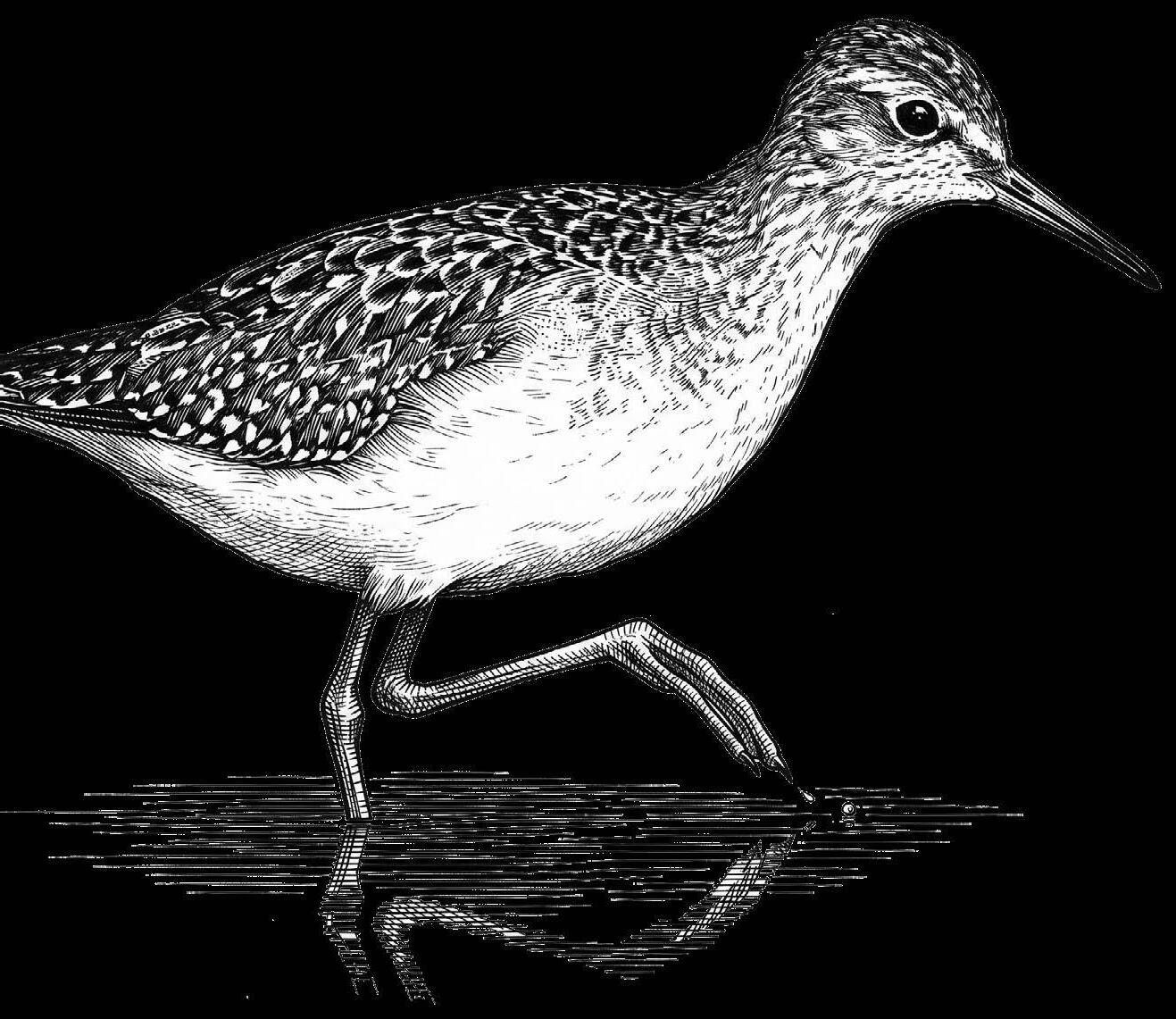
Coastal habitats are essential stopover and wintering areas for many shorebird species (Aves, Charadriiformes). During these periods, individuals must rapidly replenish energy reserves, making efficient foraging crucial. However, intertidal areas are increasingly exposed to human activities such as shellfish harvesting, tourism, recreational walking, and dog presence. These disturbances may alter behavioural strategies by increasing vigilance, triggering escape responses, and reducing feeding efficiency. Shorebirds frequently form mono- or mixedspecies groups. Mixed-species assemblages may provide important benefits, including improved predator or disturbance detection through the “many-eyes” effect and reduced individual investment in vigilance. However, they may also entail costs, such as increased interspecific competition for food resources. How human disturbance interacts with this social context to shape behavioural responses remains poorly understood. This study investigates shorebird assemblages along the Brittany coastline, a major migratory and wintering region hosting numerous species. We aim to (1) characterise the species composition and richness of shorebird assemblages across sites with contrasting levels of human disturbance, (2) test how anthropogenic disturbance influences vigilance behaviour and flight initiation distance depending on social context (mono- vs mixed-species groups), and (3) evaluate how disturbance affects space use and behavioural time budgets, particularly the balance between foraging and vigilance. By linking disturbance ecology with mixed-species social organisation, this work will provide new insights into how behavioural strategies may buffer the impacts of human activities in coastal ecosystems. These results may also contribute to improving conservation strategies in highly frequented intertidal habitats.
Morgane Millot (LIttoral ENvironnement et Sociétés (LIENSs) La Rochelle Université - CNRS, France), Rachid Amara (Laboratoire d’Océanologie et de Géosciences (LOG) ULCO - CNRS - IRD - Univ. Lille, France), Benjamin Bellier (LIttoral ENvironnement et Sociétés (LIENSs) La Rochelle UniversitéCNRS, France), Emmanuel Dubillot (LIttoral ENvironnement et Sociétés (LIENSs) La Rochelle Université - CNRS, France), Loïc Helloco (Créocéan La Rochelle, France), Marie-Sarah Gayte (Créocéan La Rochelle, France), Camille Jovet (LIttoral ENvironnement et Sociétés (LIENSs) La Rochelle UniversitéCNRS, France), Enored Le Bourhis (Fondation OPEN-C, France), Marine Reynaud (Fondation OPEN-C, France), Thomas Soulard (Fondation OPEN-C, France), Christel Lefrançois (LIttoral ENvironnement et Sociétés (LIENSs) La Rochelle Université - CNRS, France)
morgane.millot@univ-lr.fr
Sound propagation underwater is complex and depends on multiple environmental factors (e.g., temperature, currents). These temporal and seasonal variabilities are difficult or even impossible to reproduce in laboratory. Field experiments are therefore essential to complement and validate results obtained under laboratory conditions.
In this context, four groups of 15 juvenile seabass were caged for 52 days in autumn 2025 at an exposed site located 200 m from of a floating wind turbine. Simultaneously, the same number of fish was caged at a control site with similar characteristics (e.g., bathymetry, currents, temperature, oxygen...) but located outside the influence of turbine noise.
Several condition and physiological stress indicators were assessed, including growth, weight variation, hepatosomatic index, RNA/DNA ratios, oxidative stress, and cortisol levels. Condition indicators did not significantly differ between sites, they showed that fish did not grow and tend to lose weight after being encaged. The hepatosomatic index did not differ either between the two in situ sites. However, their hepatosomatic indexes seem to be lower than fish (from the same batch) maintained in our laboratory facilities. Regarding physiological stress indicators, we expect the exposed fish to have lower RNA/DNA ratios, higher levels of oxidative stress markers, and elevated cortisol levels compared with fish caged at the control site.
Wednesday 8th July 2026 11:00
Adèle Léger (University of Ottawa, Canada), Charles-Antoine Darveau (University of Ottawa, Canada), Nicolas Pichaud (Université de Moncton, Canada)
alege062@uottawa.ca
The textbook version of the electron transport system (ETS) is comprised of complexes I–IV and, together with ATP synthase, generates ATP for the cell. In traditional models, the main electron entry points are CI and CII; however, this might not be true in most species. Insects are a particularly diverse group and illustrate this metabolic diversity, especially in the utilization of different energetic substrates to fuel the ETS. In Drosophila melanogaster, alternative metabolic substrates support mitochondrial function under heat stress, with succinate and glycerol-3-phosphate (G3P) fueling CII and mitochondrial glycerol-3phosphate dehydrogenase (mG3PDH) to compensate for the decline of CI-linked respiration while limiting ROS production. These substrates are not only important under stress; many species use them routinely to fuel mitochondrial metabolism. We have shown that honey bees (Apis mellifera) remodel mitochondrial substrate usage across seasons, shifting from CI-linked pathways toward CII and mG3PDH in winter. Interestingly, the capacity to utilize different metabolic fuels varies even among closely related species. For example, proline is a key substrate in some, but not all, bee species. Bumble bees (Bombus impatiens) use it extensively in flight muscle mitochondria, whereas A. mellifera show minimal proline-supported respiration. Finally, interspecific differences in substrate use across Hymenoptera reveal how mitochondrial fuel selection has diversified evolutionarily, with preliminary results highlighting patterns of metabolic variation among species. These results show that so-called “alternative” substrates are integral to insect mitochondrial metabolism, supporting energy production and shaping the evolutionary diversification of species-specific metabolic strategies.
A3.2 MITOCHONDRIAL PHYSIOLOGY AND HIGH-ALTITUDE ADAPTATION IN DEER MICE
scottg2@mcmaster.ca
High altitudes are among the most challenging environments inhabited by endotherms, where cold temperatures demand high rates of thermogenesis while low O2 levels (hypoxia) constrain metabolic O2 supply. High-altitude natives that have adapted to these conditions present a powerful opportunity to understand mitochondrial adaptations to environmental challenges. We have examined this issue in the deer mouse (Peromyscus maniculatus), North America’s highest dwelling mammal, with an elevation range from sea level to the peaks of the Rocky Mountains. Mice from populations native to high and low altitudes were born and raised in common lab conditions, and adults from each population were then acclimated to control conditions or to simulated high elevation (hypoxia, cold) in a full-factorial design. Mitochondrial respiratory function, abundance, and emission of reactive oxygen species (ROS) were then measured in several tissues. Highaltitude mice exhibit greater mitochondrial respiratory capacities in several skeletal muscles compared to low-altitude mice, underlain by increased mitochondrial abundance within fibres, increased respiratory capacities of isolated mitochondria, and/or increased mitochondrial O2 affinity (lower P50 ). High-altitude mice also exhibit greater lactate oxidation capacity and lactate dehydrogenase activity in cardiac muscle. High-altitude mice exhibit lower mitochondrial ROS emission in both skeletal and cardiac muscles, at least partly due to an increased capacity for mitochondrial ROS consumption. Therefore, evolved changes in mitochondrial physiology underlie resilience and adaptation to environmental challenges in high-altitude deer mice.
Wednesday 8th July 2026 11:45
Francisco Ruiz-Raya (University of Glasgow, United Kingdom), Pat Monaghan (University of Glasgow, United Kingdom), Neil B Metcalfe (University of Glasgow, United Kingdom)
Francisco.Ruiz-Raya@glasgow.ac.uk
Mitochondrial plasticity underlies thermal acclimation, yet we know
little about how rapidly mitochondrial traits adjust to environmental change. Because ATP-producing capacity and coupling efficiency constrain aerobic performance in ectotherms, the speed of mitochondrial adjustment may determine whether organisms can track rapid thermal fluctuations such as heat waves or strong diel cycles. Slow adjustment could generate temporal mismatches between mitochondrial function and thermal conditions, potentially reducing performance even when overall plastic capacity is high. We quantified the rates of mitochondrial thermal plasticity in three-spined sticklebacks (Gasterosteus aculeatus) by shifting fish from 12 °C to 21 °C and sampling at different timepoints across a three-week time course. Two control fully acclimated groups were maintained at 12 °C and 21 °C. Using high-resolution respirometry, we measured oxygen consumption associated with ATP production (OXPHOS) and proton leak (LEAK), as well as mitochondrial efficiency. Both traits showed full acclimation to the change in temperature within 14.7 days, but LEAK adjusted more rapidly than OXPHOS, revealing trait specific differences in the speed of mitochondrial plasticity. These asynchronous dynamics suggest that different components of mitochondrial function require different times to reach comparable levels of acclimation, and may therefore experience distinct windows of mismatch under thermal change. Through modelling, we illustrate the potential consequences of these mismatches in ecologically relevant scenarios. Our results demonstrate that mitochondrial adjustment rate is a key, but often overlooked, determinant of individual performance in fluctuating environments.
Wednesday 8th July 2026 12:00
Sophie R Francis (The University of Auckland, New Zealand), Tony J R Hickey (The University of Auckland, New Zealand), Jules B L Devaux (The University of Auckland, New Zealand)
sophierf37@gmail.com
Trimethylamine N-oxide (TMAO) and urea are central to elasmobranch physiology, maintained as a ~2:1 molar ratio to preserve protein stability. Despite this well-established osmotic role, the influence of chronically elevated osmolytes on elasmobranch mitochondrial function remains unclear. Plasma from adult Cephaloscyllium isabella (n=12) was analysed using an enzymatic assay for urea and mass spectrometry for TMAO, yielding mean concentrations of ~440.8 mmol L-¹ and ~47.6 mmol L-¹ respectively (~18:1 urea:TMAO ratio). Substrate-supported mitochondrial respiration was quantified in permeabilised heart, brain, liver and red skeletal muscle from C. isabella (n=8) using high-resolution respirometry (Oroboros O2k). Mass-specific oxygen flux was measured under carbohydrate-, ketone- and fatty-acid supported respiration, with and without physiological urea:TMAO concentrations in MiR05. Across tissues, the presence of urea+TMAO consistently increased respiration by ~1.5-2.8-fold relative to control. Heart displayed the highest absolute OXPHOS (~9.0 pmol O2 s-¹ mg-¹), followed by brain (~6.2 pmol O2 s-¹ mg-¹), red skeletal muscle (~4.6 pmol O2 s-¹ mg-¹) and liver the lowest absolute flux (~1.8 pmol O2 s-¹ mg-¹). Substrate utilisation also differed among tissues. In cardiac tissue, ketonesupported respiration was comparable to carbohydrate-supported respiration, whereas fatty acid oxidation occurred at half rates. Brain and red skeletal muscle showed intermediate respiration across substrates,
with preference for carbohydrates, while liver maintained relatively similar, low respiration across fuels. These findings demonstrate that physiological osmolytes enhance mitochondrial respiration and reveal tissue-specific substrate use in an elasmobranch species, highlighting the importance of replicating native osmolyte environments when assessing mitochondrial function.
Wednesday 8th July 2026 12: 15
Felix C Mark (Alfred Wegener Institute, Germany), Katharina E Schienbein (Alfred Wegener Institute, Germany), Isabel Ketelsen (Alfred Wegener Institute, Germany), Maria E Lattuca (Centro Austral de Investigaciones Científicas, Argentina)
fmark@awi.de
Optimal energetic performance within a thermal regime depends largely on tightly coupled and highly efficient mitochondria. Especially in polar areas, endemic species are considered not to be able to sustain mitochondrial performance over a wide range of temperatures, with respective consequences for energy flow and long-term survival in climate change scenarios.
We adapted the MagnesiumGreen methodology to work at low temperatures near freezing in the endemic Arctic fish species Polar cod, Boreogadus saida, and used it simultaneously with mitochondrial respirometry and measurement of mitochondrial membrane potential over a thermal gradient. This let us resolve optimal temperatures for ATP synthesis, P/O ratios and overall mitochondrial efficiency, which we hypothesized to be located around the thermal growth maximum of this species.
We will report on the methodological peculiarities and the pros and cons of combining mitochondrial respirometry with a multi sensor setup. And rest assured, we’ll also reflect on the ideal temperatures for ATP provision in Polar cod and its fate in a warming Arctic ocean.
Wednesday 8th July 2026 15:00
Mariacristina Filice (University of Calabria, Italy)
mariacristina.filice@unical.it
Mitochondria are central determinants of cardiac performance in fish. They function as dynamic powerhouses exhibiting remarkable structural and functional plasticity in response to environmental fluctuations. Cardiac mitochondrial remodelling depends on the broad diversity of fish phenotypes and lifestyles, as well as on the type, intensity, and duration of environmental stressors, together with the intrinsic stress tolerance of each species.Despite the increasing number of studies addressing mitochondrial responses to environmental challenges,
the species-specific regulatory mechanisms and molecular networks that orchestrate stress-induced mitochondrial remodelling in the fish heart remain only partially understood. Available evidence indicates multilevel adaptive processes involving coordinated modifications at structural, biochemical, and functional levels. Major aspects of this remodelling include changes in mitochondrial volume and density, membrane composition and fluidity, oxidative phosphorylation efficiency, electron transport system activity, ATP synthesis, and the production of reactive oxygen species. These integrated responses, by maintaining energy supply, contribute to sustain heart performance and its resilience towards environmental challenges (e.g. temperature or oxygen fluctuations), thus preserving animal fitness and survival. This is crucial in the light of ongoing environmental changes, which are progressively exposing many fish species to conditions approaching or exceeding their physiological tolerance limits. In this context, such adaptive mitochondrial plasticity, by enhancing cardiac resilience, may significantly influence species persistence in rapidly changing environments.
Wednesday 8th July 2026 15:30
Livia Saccani Hervas (São Paulo State University, Brazil), Kênia Cardoso Bícego (São Paulo State University, Brazil), Eskil Elmér (Lund University, Sweden), Andreas Nord (Lund University, Sweden)
livia.hervas@unesp.br
Mitochondria play a central role in essential biological processes, including metabolism, thermoregulation, and immune activation, through ATP production via oxidative phosphorylation. Nutritional status strongly influences mitochondrial function: fasting induces metabolic suppression and may enhance mitochondrial efficiency, often accompanied by increased reactive oxygen species (ROS) production. In contrast, infection elevates ATP and ROS demand to sustain immune responses. These contrasting physiological pressures suggest a potential trade-off in which energy conservation during fasting may constrain mitochondrial output and impair immune function. However, the combined effects of nutritional and immunological challenges on mitochondrial function remain poorly understood, particularly in nonmammalian vertebrates. This study examined how fasting and immune activation interact to influence mitochondrial function in the Japanese quail (Coturnix japonica). Birds were exposed to nutritional (fed versus fasted) and immunological (lipopolysaccharide, LPS, versus saline) treatments. Blood and liver samples were collected 5 and 24 hours postinjection, and mitochondrial oxygen consumption was assessed using high-resolution respirometry at 41°C. LPS induced an initial decline in body temperature independent of nutritional status, followed by a limited febrile response (<0.5°C), indicating low sensitivity to LPS even at high doses. Both fasting and LPS reduced mitochondrial oxidative capacity in blood, with no additive effect when combined. In contrast, liver mitochondrial respiration remained largely unchanged, except for an increase in maximal electron transport system capacity. These findings support the use of avian red blood cells as a minimally invasive proxy for systemic mitochondrial function and provide new insights into how energetic and immune challenges shape mitochondrial physiology.
Wednesday 8th July 2026 15:45
Nicolas Pichaud (Université de Moncton, Canada), Léa Herpe (Université de Moncton, Canada), Mélanie Aminot (Université de Moncton, Canada), Chloé Guignard (Université de Moncton, Canada)
nicolas.pichaud@umoncton.ca
Mitochondrial electron transport relies on the coordinated oxidation of several substrates whose relative contribution varies with cellular and environmental conditions. Although complex I is considered the dominant entry point for electrons into the electron transport system, alternative FADH2-linked pathways may play important roles in maintaining metabolic flexibility. Among them, the mitochondrial glycerol-3-phosphate dehydrogenase pathway (mG3PDH) remains poorly understood in animal physiology. To investigate the functional importance of this pathway, we generated CRISPR-Cas9 mutant lines of Drosophila melanogaster targeting the GPO1 gene encoding mG3PDH. These mutants provide a unique model to test the physiological role of glycerol-3-phosphate (G3P) oxidation in mitochondrial bioenergetics. Disruption of GPO1 resulted in severe physiological consequences, including markedly reduced survival and locomotor performance. These phenotypes were associated with impaired mitochondrial function, characterized by a strong reduction in ATP production and oxygen consumption. Surprisingly, mitochondrial reactive oxygen species production was also strongly reduced, highlighting the major contribution of mG3PDH to mitochondrial redox state. Together, these findings challenge the long-standing view of mG3PDH as a purely “back-up” pathway and instead suggest that it can play a central role in maintaining mitochondrial bioenergetic homeostasis. Building on these results, we are now investigating how nutritional conditions influence mitochondrial reliance on G3P oxidation. Preliminary results indicate that diet composition modulates mitochondrial substrate utilization, suggesting that the G3P pathway may become particularly important under specific metabolic or environmental contexts. Overall, this work highlights the importance of mitochondrial fuel flexibility and identifies G3P metabolism as a key yet underappreciated component of mitochondrial physiology
Wednesday 8th July 2026 16:00
Jennifer Price (The University of Auckland, New Zealand), Jules Devaux (University of Auckland, New Zealand), Nicolas Pichaud (Université de Moncton, Canada), Anthony Hickey (University of Auckland, New Zealand)
jpri609@aucklanduni.ac.nz
While the aerodynamic paradox of bumblebee (Bombus terrestris) flight has been clarified, further bioenergetic paradoxes remain unresolved.
Insect flight muscles (FMs) have some of the fastest contraction rates and sustain adenosine triphosphate (ATP) turnover 30 × greater than human athletes. Thus, FMs require rapid adenosine diphosphate (ADP) and ATP exchange between the mitochondria and myofibrils. In vertebrates, adenylates diffuse too slowly to meet these demands unaided. Unlike most animals, bumblebee FMs lack an equivalent of the creatine kinase system, which transfers and buffers adenylates. Moreover, we calculate that even if this system were present, it would be insufficient to sustain adenylate fluxes across myofibrils double the width of mammalian cardiomyocytes. How does the bumblebee exchange adenylates in FMs that sustain 200-250 Hz?
Using immunohistochemistry-combined Expansion Microscopy, we explored whether adenylates could be channelled between mitochondria and myofibrils through optimised ultrastructure. Cytoskeleton markers, such as alpha tubulin, showed a grid-like arrangement within fibres, and ATP5A markers indicate mitochondria occupy ~45% of muscle fibre volume. Mitochondria are also arranged longitudinally into dense networks. However, markers for the protein import systems (TOMM20/40 and VDAC1/VDAC2) appear to bind structures that extend and branch out from mitochondrial rows, into the myofibrils. Moreover, antibodies for the adenylate translocase (ANT1/2) also react in this region, as did antibodies for the conserved mitochondrial membrane Optic Atrophy 1 (OPA1) target. These results indicate mitochondrial networks in bumblebee FMs exhibit traits distinct from mammals. We hypothesise that these structures may aid and explain rapid adenylate shuttling.
A3.10
Wednesday 8th July 2026 16:15
Linda LUMOR (Université de Lorraine LIEC CNRS, France), Marie Zaffino (Université de Lorraine LIEC CNRS, France), Laure Giambérini (Université de Lorraine LIEC CNRS, France), Laetitia Minguez (Université de Lorraine LIEC CNRS, France) inda.adzigbli@univ-lorraine.fr
Antidepressants are reported to interfere with the metabolic responses of various target organisms. Unfortunately, despite their continuous discharge into the aquatic environment, very little is known about their effects on the energy metabolism and bioenergetics of various non-target species. As energy metabolism is crucial for the survival of various non-target organisms, assessing the effect of antidepressants on these organisms are key. In bivalves, there is a major knowledge gap in this area. Current attempts to fill these gaps revealed the potential for one of the less studied but toxic antidepressant sertraline to induce significant changes in energy metabolism with a clear transition from aerobic to anaerobic respiration. This foundation prompted the need to assess the effects of sertraline on various key bioenergetic enzymes, a focus of this study. Hence, we measured the activities of enzymes involved in the electron transport system (ETS), glycolysis, TCA cycle and aerobic anaerobic transition in two freshwater bivalve species exposed to 3 concentrations of sertraline (0.16nM, 1.6nM, and 3.2nM). Our findings revealed dose-dependent and an observed tissue-specific changes in enzymatic activity. Enzyme activities of the ETS Complexes, for example, Complex I was significantly inhibited and Complex IV enhanced suggestive of an adaptive mitochondrial response to maintain ATP production. We also observed changes in
glycolytic and TCA cycle enzymes suggesting sertraline effects on both the aerobic and anaerobic respiration.
Wednesday 8th July 2026
18:00-20:00
Léopold Ghinter (CNRS UMR 5023 - LEHNA - UCB Lyon 1, France), Julia Watson (CNRS UMR 5023 - LEHNA - UCB Lyon 1, France), Chloé Souques (CNRS UMR 5023 - LEHNA - UCB Lyon 1, France), Clément Tabardel (CNRS UMR 5023 - LEHNA - UCB Lyon 1, France), Ludovic Guillard (CNRS UMR 5023 - LEHNA - UCB Lyon 1, France), François-Xavier DechaumeMoncharmont (CNRS UMR 5023 - LEHNA - UCB Lyon 1, France), Anne Morales (CNRS UMR 5023 - LEHNA - UCB Lyon 1, France), Yann Voituron (CNRS UMR 5023 - LEHNA - UCB Lyon 1, France), Damien Roussel (CNRS UMR 5023 - LEHNA - UCB Lyon 1, France), Loïc Teulier (CNRS UMR 5023 - LEHNA - UCB Lyon 1, France)
leopold.ghinter@hotmail.fr
Thermal tolerance metrics such as CTmax are widely used to assess the vulnerability of ectotherms to warming, yet their ecological relevance and underlying physiological mechanisms remain debated. Typically measured under static laboratory conditions as the temperature at which fish lose equilibrium, CTmax may poorly reflect the dynamic conditions experienced in nature, where fish encounter fluctuating temperatures while performing energetically demanding behaviours such as swimming. Here, we compared thermal tolerance measured directly in the field with laboratory measurements after acclimation and under swimming challenge (CTswim) in the round goby (Neogobius melanostomus), an invasive fish recently detected in north-eastern French rivers. Individuals captured in the Saône River were tested for (i) field CTmax (24 h after capture), (ii) CTmax after laboratory acclimation, and (iii) CTswim during controlled swimming at different fractions of their critical swimming speed. Preliminary results indicate that CTmax is remarkably consistent whether measured in the field, after laboratory acclimation, or during heating trials with swimming effort. In contrast, CTswim—the temperature at which fish cease swimming—consistently occurred at lower temperatures than CTmax, and the difference between these thresholds increased with swimming effort. To investigate the mechanisms underlying these organismal limits, we are quantifying the thermal sensitivity of mitochondrial bioenergetics across tissues involved in locomotion and neural function. We hypothesize that swimming cessation reflects bioenergetic limits to locomotor performance, whereas loss of equilibrium arises from thermal disruption of neural function. Linking behavioural thresholds with mitochondrial thermal performance will help identify the bioenergetic basis of functional thermal limits in fish.
Antoine Stier (CNRS - Université de Strasbourg, France), Lucie Lenoël (CNRS - Université de Strasbourg, France), Damien Roussel (Université Claude Bernard Lyon 1, France), Jessica Barbe (Université Claude Bernard Lyon 1, France)
antoine.stier@gmail.com
Variation in mitochondrial aerobic metabolism has been suggested to underlie variation in interindividual performance. Mitochondrial efficiency quantifies, directly or indirectly, the amount of adenosine triphosphate (ATP) produced relative to O2 consumption. High mitochondrial efficiency is theoretically beneficial by providing more ATP per amount of resource consumed, but may come at the cost of increased reactive oxygen species (ROS) production, potentially damaging tissues through oxidative stress. Mitochondrial efficiency is a plastic trait, and high efficiency has been linked to increased growth rate. However, how mitochondrial efficiency is changing through postnatal development remains unknown. We hypothesized that during early-life, strong selective pressure could lead to an increased mitochondrial efficiency to support fast growth, but leading to an oxidative cost. We tested this hypothesis by measuring mitochondrial aerobic metabolism, efficiency and ROS production through postnatal growth in Japanese quail (Coturnix japonica), in two highly aerobic tissues: skeletal and cardiac muscles. Quails indeed had higher mitochondrial efficiency during peak growth in both tissues, but this was surprisingly associated with markedly lower ROS production. These results confirm that enhancing mitochondrial efficiency may be important to support growth, but suggest the presence of unexpected ROS mitigation processes during early-life growth.
Rebecca Fjord (Aarhus University, Denmark), Camilla M Holst (Aarhus University, Denmark), Simon Grimm (University of Cologne, Germany), Angela Fago (Aarhus University, Denmark), Tinna V Stevnsner (Aarhus University, Denmark), Jane Reznick (University of Cologne, Germany), Amanda Bundgaard (Aarhus University, Denmark)
au700829@uni.au.dk
The naked mole-rat (Heterocephalus glaber, NMR) displays exceptional tolerance to anoxia and ischemia through metabolic adaptations that sustain ATP production during oxygen deprivation. Although ex vivo studies show limited functional impairment of NMR hearts after ischemia/reperfusion (I/R), in vivo oxidative damage and the molecular basis of their resistance remain unknown. In most mammals, ADP is depleted and succinate accumulates during ischemia. Rapid succinate oxidation by complex II (CII) upon reperfusion elevates mitochondrial membrane potential and promotes reverse electron transfer, generating toxic levels of reactive oxygen species (ROS). We hypothesize that NMRs have less ROS-induced oxidative damage after I/R due to lower mitochondrial abundance, reduced CII content and metabolic prevention of ADP depletion and succinate accumulation. To test this, we compared I/R responses in NMRs and I/R-sensitive mice
(Mus musculus) by quantifying mitochondrial composition, enzymatic activity and oxidative damage in cardiac tissue. We performed left anterior descending artery (LAD) occlusion to mimic in vivo I/R. Plasma lactate dehydrogenase and high-sensitive troponin T levels did not differ between species or treatment. Ongoing analyses will assess cardiac oxidative DNA damage and apoptosis. NMR hearts exhibited lower abundance of respiratory chain complexes and reduced citrate synthase activity compared to mice, suggesting decreased mitochondrial density and citric acid cycle flux. However, comparable tissue CII activity indicates higher specific activity of CII complexes in NMRs. These findings will determine whether NMR anoxia tolerance translates to resistance against oxidative I/R injury and whether such resistance is linked to lower mitochondrial abundance, reduced CII content and/or metabolic adaptations.
Stefano Bettinazzi (University College London, United Kingdom), Damian K. Dowling (Monash University, Australia), Florencia Camus (University College London, United Kingdom)
s.bettinazzi@ucl.ac.uk
Our climate is changing drastically, impacting species persistence and distribution. Understanding how ectotherms, particularly insects, physiologically adapt to increasingly variable conditions is critical, with implications for biodiversity, agriculture, and human health.
Mitochondria are central to this adaptive challenge, providing the metabolic flexibility populations need to adapt to novel environments. However, thermal and nutritional stress can place a significant burden on mitochondrial and organismal performance, particularly when experienced at key stages of development. Adding to this complexity, mitochondrial function depends on finely tuned interactions between coadapted mitochondrial and nuclear genes. As climate change drives shifts in population distributions, admixture eventsbetween onceisolated populations are expected to increase. This raises the chance that incompatibilities between mitonuclear gene sets will be exposed, with potential phenotypic consequences.
This project aimed to elucidate the extent to which genetic compatibility influences phenotypes, and how shifting environments may further modulate these effects.UsingDrosophila melanogasterpopulations from eastern Australia as a model for intergenomic compatibility and adaptation, we generated a fly panel consisting of mitonuclear matched populations along with their reciprocal cybrid lines, to test the physiological consequences of environmental manipulations applied at different life stages.
Our findings highlight the interplay between genetic and environmental stressors in shaping phenotypes, from cell bioenergetics to organismal performance, and underscore the importance of mitochondrial flexibility in adaptation to shifting environments.
Julia C Watson (LEHNA UMR 5023 CNRS, France), Damien Roussel (Université Claude Bernard Lyon 1 – CNRS ENTPE UMR 5023 LEHNA, France), Angeline Clair-Boisson (Université Claude Bernard Lyon 1 – CNRS ENTPE UMR 5023 LEHNA, France), Laétitia Averty (Université Claude Bernard Lyon 1 –CNRS ENTPE UMR 5023 LEHNA, France), Candice Bastianini (Université Claude Bernard Lyon 1 – CNRS ENTPE UMR 5023 LEHNA, France), Jean-Yves Brana (ARALEP, France), Hervé Capra (INRAE RiverLy, France), Anthony Maire (EDF RD LNHE - Laboratoire National d’Hydraulique et Environnement, France), Martin Daufresne (INRAE Recover Université AixMarseille, France), Loïc Teulier (Université Claude Bernard Lyon 1 – CNRS ENTPE UMR 5023 LEHNA, France)
julia.watts@hotmail.fr
Ectotherms are threatened by climate change as their body temperature relies on environmental temperature, impacting their physiology. Mitochondria are responsible for energy production through oxidative phosphorylation and serve as buffers in response to environmental fluctuations, particularly in temperature. Therefore, we wondered whether in situ mitochondrial function varied according to the geographic location and season during which wild fish are captured.
The Rhône River in France exhibits temperature variations along a longitudinal gradient and throughout the year. Before and after summer in 2024 and 2025, we caught individuals of two fish species: spirlins (Alburnoides bipunctatus), which are increasingly found downstream of thermal effluents from power plants and chubs (Squalius cephalus), which are eurythermal and considered as generalists. The fish were caught on five locations: Brégnier-Cordon (control), Bugey and Tricastin (upstream and downstream two respective power plants), then they were brought to the lab and acclimated to their respective capture temperatures for at least 4 days. Then, cardiac mitochondrial respiration was assessed with a SUIT protocol at 15°C and 25°C, representing the average lower and upper temperatures along the Rhône. We hypothesized that fish exposed to warmer environments may reduce their mitochondrial fluxes as an adaptive response. Preliminary results suggest that mitochondrial efficiency appears higher after summer and in downstream fish when assayed at 25°C. These differences seem to be more pronounced in spirlins, likely because they were all mature, unlike juvenile chubs. Such findings will help refine the thermal biology of widespread but still little-known fish species such as the spirlin.
NING ZHANG (University College Dublin, Ireland), Zixia Huang (University College Dublin, Ireland), Lingfeng Kong (Ocean University of China, China)
zn87897535@gmail.com
Bilaterian mitochondrial genomes are generally of conserved size and gene content, typically ranging from 14 to 20 kb and coding 37 genes. However, the major exception to this rule has been found in many bivalve species which allow presence of long functionally unassigned region. It is still unclear whether there are universal patterns to expansions across bivalves. Additionally, the prevalence of highly repetitive sequences within complex mitogenomes has prevented its complete assembly and led to its systematic omission from mitogenomic analyses. Here, leveraging the growing genomic resources in Mollusca, we devised a mitogenome assembly pipeline using longread sequencing to characterize mitogenome features in 178 mollusk species. Comparing our assemblies with reference mitogenomes based on Sanger/short-read sequencing, we identified missing sequences, repeats and novel gene duplications and found that bivalves exhibit an exceptional diversity in mitogenome size compared to other mollusks. Subsequently, we investigated the factors potentially influencing mitogenome size, the potential functional elements and the patterns of expansion regions. Our findings underscore the significance of longread sequencing in elucidating complex mitogenomes and provide new insights into the evolution of bivalve mitogenomes.
Kayla E Lichtner (Bucknell University, United States), Sarah C Chapman (Bucknell University, United States), Tori J Chace (Bucknell University, United States), Axel A Uribe (Bucknell University, United States), Liam U Taylor (Bowdoin College, United States), Samuel C Neirink (Bowdoin College, United States), Patricia L Jones (Bowdoin College, United States), Robert A Mauck (Kenyon College, United States), Mark F Haussmann (Bucknell University, United States)
kel019@bucknell.edu
Flight is one of the most energetically expensive physiological processes in nature, and birds have evolved a remarkable suite of physiological adaptations to support it. Yet, the developmental ontogeny of this exceptional metabolic profile remains poorly understood. The long nestling period of Leach’s storm-petrels (Hydrobates leucorhous) provides a valuable framework to test longitudinal hypotheses regarding nestling mitochondrial respiration changing over time relative to growth and parental investment. Throughout the 66-day nestling period, we recorded continuous measures of nestling growth and collected blood samples from nestlings on day 35 and 58 post-hatch to measure mitochondrial respiration and DNA oxidative damage. While we found no changes in DNA oxidative damage, mitochondrial working capacity and reserve capacity both increased with age. In addition, we found a significant positive correlation between relative ATP efficiency and days until fledge, suggesting that a certain metabolic flexibility (i.e. uncoupled respiratory capacity) may be favourable for flight. Last, we found that variation in relative ATP efficiency significantly reduced as chicks were approaching fledge, potentially indicating that chicks may be preparing for an adult “mitochondrial flight phenotype”. Ultimately, this study demonstrates that the nestling period of this long-lived seabird not only serves as a critical period of structural growth, but also a metabolic transition period in preparation for a life foraging at sea.
Thursday 9th July 2026 09:00
Naoki Okamoto (Naoki Okamoto, Japan)
naoki-okamoto@tara.tsukuba.ac.jp
Maintenance of body fluid homeostasis, including ionic and water balance, is essential for animal survival. While vertebrates rely on well-characterized endocrine systems to regulate these processes, how terrestrial invertebrates achieve comparable physiological control remains poorly understood. In this presentation, I introduce two endocrine mechanisms that reveal how insects regulate ionic and water balance through neuroendocrine signaling. First, I describe the identification of Capa as a key peptide hormone governing hemolymph calcium (Ca²+) homeostasis in the fruit fly Drosophila melanogaster. Loss of Capa reduces hemolymph Ca²+ levels, resulting in impaired locomotion and developmental defects that phenocopy dietary Ca²+ deprivation. Capa is released from a defined set of neurosecretory cells and acts on specialized Ca²+ storage compartments in the Malpighian tubules, uncovering a previously unrecognized endocrine axis that functionally parallels the vertebrate parathyroid hormone system (Okamoto et al., Nature, 2026). Second, I present our identification of the receptor guanylate cyclase Gyc76C as a potential receptor for the ion transport peptide (ITP), a hormone essential for insect water homeostasis. Using in vivo genetic screening, cell-based assays, and ex vivo tissue analyses, we show that ITP acts Gyc76C to induce cGMP signaling in the hindgut, thereby regulating water balance in the larval hemolymph (Watanabe et al., bioRxiv, 2025). Together, these findings demonstrate the importance of neuroendocrine systems that independently yet coordinately regulate calcium and water homeostasis in insects. This work elucidates fundamental principles of body fluid homeostasis through endocrine control in terrestrial invertebrates that lack classical organs such as bones and kidneys.
Thursday 9th July 2026 09:30
Majdulin Nabil Istiban (KU Leuven, Belgium), Jan Watteyne (KU Leuven, Belgium), Isabel Beets (KU Leuven, Belgium)
majdulinnabil.istiban@kuleuven.be
GPA2/GPB5 and their receptors are conserved regulators of metabolism across animals, with strong links to ionic homeostasis in ecdysozoans. This includes, Caenorhabditis elegans where the receptor of GPA2/ GPB5, FSHR-1, is highly expressed in the intestine which serves as the primary site of digestion, lipid storage, and immune responses. These functions largely rely on proper gut motility, termed the defecation motor program (DMP). In C. elegans, gut motility relies on a stereotypical series of sequential gastrointestinal muscle contractions that allows gut content to be mixed, nutrients absorbed, and waste expelled. These contractions are highly rhythmic with contraction cycles repeating every ~50 seconds. Taking advantage of our model’s genetic tractability, we characterized how glycoprotein hormone-like signaling modulates gut motility at the molecular level to maintain a rhythmic DMP. We demonstrate that the receptor is required in the intestine to keep each defecation cycle on pace by influencing the periodicity and amplitude of its calcium oscillations. Our work also reveals a dualmechanism of inositol triphosphate (IP3)-receptor regulation by FSHR1 that relies on both ligand-dependent and -independent downstream effectors. In addition, we find that GPA2 and GPB5 subunits are released from distinct sites and mainly contribute to cycle timing. Together, our work uncovers a role for glycoprotein hormone-like signaling in the regulation of IP3R-dependent calcium oscillations that drive rhythmic gut motility.
Thursday 9th July 2026 09:45
Barry
barry.denholm@ed.ac.uk
Countercurrent exchange describes the crossover of some property between two bodies flowing in opposite direction. Countercurrent circuits, which work more efficiently than concurrent circuits, are common in nature and mimicked in human engineering. An example is the beetle cryptonephridial complex (CNC)—a multi-organ water conservation system which makes key contributions to the water budget in a vast number of species. It is even used by some to harvest water from the atmosphere. The system evolved by a radical reorganisation of insect internal anatomy bringing the renal/Malpighian tubules and rectum into counter current configuration, and their isolation in a chamber by an unusual tissue of unknown origin—the perinephric membrane. The CNC is richly supplied with tracheae to meet the high metabolic demands of the system. How the CNC is assembled during development is unknown. Here we characterise CNC development in the model beetle Tribolium castaneum and discover the molecular signals orchestrating its assembly. We find that dynamic crosstalk between the developing precursor cells of the rectum, Malpighian tubules, perinephric membrane, and trachea rely on a single, differentially spliced fibroblast growth factor (FGF) receptor and two FGF pathway ligands. We also map the origin of the perinephric membrane to a previously uncharacterised population of mesodermal cells, providing clues to its evolutionary origin. This work illuminates the developmental processes underpinning the reorganisation of the insect internal body plan to assemble a natural countercurrent system, one which is fundamental to beetle physiology, ecology and evolutionary success.
Thursday 9th July 2026 10:00
Tsai-Ming Lu (Academia Sinica, Taiwan), Hsin-Ju Chuang (Academia Sinica, Taiwan), Shih-Han Wen (Academia Sinica, Taiwan), Tzu-Yen Liu (Academia Sinica, Taiwan), Pou-Long Kuan (Academia Sinica, Taiwan), Ming-Tsung Chung (National Taiwan University, Taiwan), Yung-Che Tseng (Academia Sinica, Taiwan)
tmlu@as.edu.tw
The regulation of ionic and metabolic homeostasis in marine invertebrate excretory systems is essential for maintaining physiological stability. In cephalopods, such as cuttlefish and octopuses, the renal sac represents a unique excretory compartment characterized by acidic conditions and high concentrations of ammonia. This compartment is also inhabited by dicyemids, a group of microscopic and morphologically simplified animals, yet how such symbiotic associations influence renal homeostasis remain largely unresolved. In this study, we use the cuttlefish Sepia pharaonis, as a model system to investigate ionic and metabolic homeostasis within the cuttlefish renal sac from a tripartite perspective, including dicyemids, the host, and the renal sac-associated microbial community. Physiological measurements were performed to confirm that dicyemid symbiosis is linked to altered ionic and excretory conditions within the renal sac. We also employed stable isotope tracing experiments indicating that dicyemids are active participants in nitrogen metabolism and contribute to metabolic regulation within the renal sac. Furthermore, transcriptomic analyses were performed to compare cuttlefish tissues from individuals with and without dicyemid symbiosis, revealing physiological adjustments of the host in response to symbiosis. From a holobiont perspective,
we provide the first systematic characterization of the microbial community inhabiting the renal sac and assess its potential metabolic roles within this system. Together, our findings reveal coordinated ionic and metabolic regulation mediated by interactions among the host, dicyemids, and associated microbiota, highlighting the cephalopod renal sac as a dynamic excretory microecosystem.
Thursday 9th July 2026 10:15
Takashi Koyama (University of Copenhagen, Denmark), Kenneth A Halberg (University of Copenhagen, Denmark), Frank Hauser (University of Copenhagen, Denmark), Kenneth A Halberg (University of Copenhagen, Denmark) takashi.koyama@bio.ku.dk
In the fruit fly Drosophila melanogaster, the biogenic amine tyramine functions as a diuretic hormone. Tyramine is synthesized from tyrosine by tyrosine decarboxylase (TDC), and TDC1 is enriched in the principal cells (PCs) of the Malpighian tubules (MTs). Tyramine released from PCs activates the tyramine receptor TyrR in neighboring secondary cells (SCs), increasing intracellular Ca²+ levels through a pathway indistinguishable from leucokinin (Lk) signaling. Although tyramine function is well established in D. melanogaster, its role in other insects remains unclear. We therefore investigated tyramine signaling in the red flour beetle, Tribolium castaneum. Because many coleopteran species, including T. castaneum, have secondarily lost Lk signaling, we hypothesized that tyramine signaling may function differently in this species. Biochemical assays showed that tyramine activates TyrR, OctTyrR, and Octα2R, whereas Octα2R is also activated by octopamine, which is synthesized from tyramine by tyramine β-hydroxylase (Tbh). Single cell RNAseq and in situ hybridization revealed that TyrR and OctTyrR are not expressed in MTs, whereas Octα2R is specifically expressed in SCs. RNAi-mediated knockdown of Octα2R reduced water loss under desiccation and increased desiccation resistance. Moreover, Octα2R silencing blocked tyramine and octopamine induced fluid secretion from MTs, indicating that Octα2R functions as a receptor for both amines in the tubules and mediates a diuretic signaling pathway in T. castaneum.
Thursday 9th July 2026
11:00
Martina Gáliková (Slovak Academy of Sciences, Slovakia), Sanjay R. Yadav (Slovak Academy of Sciences, Slovakia), Andrej Boroš (Slovak Academy of Sciences, Slovakia), Peter Klepsatel (Slovak Academy of Sciences, Slovakia)
martina.galikova@savba.sk
Water and energy balance are fundamental and deeply interconnected components of animal physiology. Hydration state influences feeding, nutrient processing, and excretory fluxes, whereas nutritional state and diet shape water balance by altering osmotic load, metabolic water production, and resistance to desiccation. Despite this close functional coupling, thirst and hunger are often treated as separate regulatory mechanisms. Yet in many animals, both are coordinated by overlapping endocrine pathways. Understanding how this integration is achieved remains a central challenge in comparative physiology. Model insects provide an excellent system for dissecting these links, because endocrine pathways can be manipulated genetically and physiological outputs can be measured across multiple levels of organization. In this talk, I will focus on two major insect hormones, Adipokinetic hormone (AKH) and Ion transport peptide (ITP), and show that both participate in the joint regulation of metabolic and osmotic homeostasis in Drosophila. Our data reveal effects of these signalling pathways on energy reserves and body water content, as well as on feeding, metabolic rate, water intake, and water loss. By combining tissue-specific receptor manipulations, we further ask how these hormones coordinate distinct physiological outputs through different target tissues and, in the case of ITP, through multiple receptor pathways. These findings support the view that endocrine control of thirst and hunger is not modular but integrated, with hormonal networks coupling water retention and energy mobilization according to physiological demands.
Thursday 9th July 2026 11:30
Meet Zandawala (University of Nevada Reno, United States), Jayati Gera (KU Leuven, Belgium), Tan Kavakalanlilar (University of Würzburg, Germany), Theresa McKim (University of Nevada Reno, United States), Altar Sorkac (Brown University, United States), Christian Wegener (University of Würzburg, Germany), Patrick Callaerts (KU Leuven, Belgium), Gilad Barnea (Brown University, United States)
mzandawala@unr.edu
Neuropeptides serve as versatile signaling molecules that orchestrate diverse behaviors and physiological responses across changing environmental conditions. While extensive research has demonstrated their critical roles in inter-organ communication and homeostatic regulation, the precise timescales during which neuropeptides coordinate metabolic homeostasis still remain elusive. Due to a lack of genetic tools, a fundamental challenge has been our inability to visualize how peptidergic pathway activity shifts spatially and temporally across different physiological states (e.g. fed versus starved conditions). Exploiting the genetic toolkit of Drosophila melanogaster, we developed Tango-Map MkII sensor, a specialized genetic tool that enables spatio-temporal visualization of neurohormonal signaling dynamics in vivo. By integrating Tango-Map MkII with connectomics, single-cell transcriptomics, behavioral genetics, and measurements of multiple physiological parameters, we have systematically characterized peptidergic networks that govern metabolic homeostasis. By mapping when and where neuropeptide signals intersect, we are beginning to understand how neuropeptides fine-tune metabolic homeostasis. This work lays the groundwork for a unifying, testable model of peptidergic communication with implications across multiple homeostatic axes.
Thursday 9th July 2026 11:45
Jinghan Tan (York University, Canada), Jean-Paul Paluzzi (York University, Canada)
jhtan@yorku.ca
Neuropeptide Y (NPY)-related signaling, which is a major regulator of energy expenditure and homeostasis, is evolutionarily ancient with multiple ligands and receptors found across animals. One of the more recently discovered NPY-related neuropeptide families in arthropods, known as RYamides, have been shown to play roles in reducing feeding motivation in insects, including suppressing host-seeking behavior by female mosquitoes. Here, we highlight our recent progress in elucidating additional physiological roles of RYamide signaling in this important human disease vector. This includes examining RYamide expression and immunoreactivity in the nervous system and peripheral organs, deorphanizing two RYamide receptors, analyzing their evolutionary origins across bilaterians, and investigating their role in regulating ion transport across the adult mosquito hindgut. Through heterologous expression, we identified two orphan G proteincoupled receptors as bona fide RYamide receptors, exhibiting highly selective ligand activation in the pico- to nanomolar range. Our phylogenetic analysis reveals that, despite most arthropods retaining only a single ancestral RYamide receptor, a subset of mosquito species have two RYamide receptors, suggesting subtype-specific functional specialization. Abundant RYamide expression was detected in the nervous system, corroborating RYamide immunoreactivity localized to the brain and terminal abdominal ganglion, while the hindgut appears to be a key target of RYamide signaling. Finally, we demonstrate that RYamide signaling functions in an anti-diuretic regulatory strategy, as supported by elevated K+ reabsorption across the hindgut of wild type mosquitoes exposed to RYamide, whereas RYaR2-knockout mosquitoes showed no response following RYamide treatment. Thus, these recent findings reveal RYamide signaling also participates in hindgut-related physiology.
Thursday 9th July 2026 12:00
Lucas Crovetto (Physiological Institute CAU Kiel, Germany), Marian Y. Hu (Physiological Institute CAU Kiel, Germany)
lcrovetto17@gmail.com
Efficient pH regulation is essential for calcifying organisms to maintain a favorable chemical environment for biomineralization. Carbonic anhydrases (CAs), a ubiquitous and evolutionary ancient family of enzymes, catalyze the reversible hydration of CO2 to HCO3-, supplying a key substrate for calcium carbonate (CaCO3) precipitation. Although CAs are commonly associated with calcifying tissues, their role in regulating pH in different cellular compartments, ranging
from the cytoplasm over vesicles to the skeleton itself, remains little understood. We used sea urchin larvae to investigate the contribution of CAs to pH regulation during the formation of the elaborate calcitic endoskeleton. The generation of this complex mineral structure begins in intracellular vesicles of primary mesenchyme cells (PMCs), where amorphous calcium carbonate (ACC) is formed. To comprehensively characterize pH dynamics throughout the calcification process, we used inverted fluorescence microscopy combined with ratiometric fluorescent dyes (BCECF-AM and SNARF-1). This approach enabled quantitative measurements of cytosolic pH, vesicular pH, and pH at the site of skeletal deposition. Pharmacological inhibition of CAs with acetazolamide significantly reduced pH in all measured compartments and impaired pH regulatory capacities assessed by the ammonia prepulse method. Altered pH in different compartments of acetazolamidetreated larvae were accompanied by reduced calcification rates measured by calcein incorporation into the growing skeleton. Together, our results provide new insights into compartment-specific pH regulation during sea urchin larval skeletogenesis and demonstrate a central role for CAs in maintaining internal stability under changing environmental and physiological conditions. A4.21 ROLE OF SUBDUED / ANO4 IN MALPIGHIAN TUBULE OXALATE SECRETION AND INFECTION
Thursday 9th July 2026 12:15
Michael F Romero (Mayo Clinic, United States), Adna Hassan (Mayo Clinic, United States), Buthainah Alsultan (Alfaisal University, Saudi Arabia), Daniel R Turin (Mayo Clinic, United States), Heather L Holmes (Mayo Clinic, United States), Peter R Strege (Mayo Clinic, United States), Carmen J Reynolds (Mayo Clinic, United States), Muthuvel Jayachandran (Mayo Clinic, United States), Chad Vezina (School of Veterinary Medicine University of Wisconsin Madison, United States), Gianrico Farrugia (Mayo Clinic, United States), Arthur Beyder (Mayo Clinic, United States), Julian AT Dow (School of Molecular Biosciences University of Glasgow, United Kingdom), John C Lieske (Mayo Clinic, United States), Eva Furrow (College of Veterinary Medicine University of Minnesota, United States), Oguz Kanca (Baylor College of Medicine, United States), Orestes Foresto-Neto (Immunology Institute of Biomedical Sciences University of São Paulo, Brazil)
romero.michael@mayo.edu
Dietary oxalate (Ox) stimulates Malpighian tubule (MT) Ox-secretion (CaOx crystals). A canine anoctamin 4 (ANO4) mutation was identified in CaOx-stone-formers via GWAS; ANO4 is decreased in urinary vesicles of human CaOx-stone formers. ANOs are Ca2+ -activated-Cl- channels and/or Ca2+ -activated phospholipid-scramblases. In Drosophila, subdued, the ANO4 homolog, protects against gram-negative bacteria. Uropathogenic E.coli (UPEC) increases intrarenal CaOx-crystallization in mammals, so we investigated interactions ofsubdued and UPEC to promote Malpighian tubules (MTs) CaOx crystallization.
Drivers targeting UAS>subduedRNAi to MT-principal cells (PC), MTstellate cells (SC), or midgut cells (MG) knocked-down subdued. subdued CRIMIC (CRISPR-Mediated-Integration-Cassette) allele knockedout subdued; UAS>subdued:eGFP showed MT membrane localization. Feeding flies food supplemented with 20mM NaOx±UPEC:eGFP resulted in CaOx-crystals. HEK cells were transfected with subduedWT -eGFPN1 or subduedQ→H -eGFPN1 and recorded by whole-cell patch-clamp.
Neither crystal formation nor aggregation were affected by PCsubduedRNAi alone with NaOx feeding. However, UPEC and NaOx diet increased crystal numbers and size in PC-subduedRNAi MT compared to wild-type. SC-subduedRNAi did not change crystallization. MGsubdued RNAi greatly increased MT-UPEC presence yet didn’t change MT crystallization. subduedCRIMIC didn't change CaOx, but UAS>subdued:eGFP restored subdued to MTs. Cl- currents from subduedQ→H -cells were less than currents from subduedWT -cells.
Alone,the PC-, SC-subdued RNAi , subduedCRIMIC , or UPEC did not change oxalate-secretion (CaOx crystals). However, PC-subduedRNAi and UPEC increased MT-CaOx crystal formation and aggregation. Cl- currents changes may result in reduced protection against bacterial infection and increased crystallization in subduedQ→H /subduedRNAi cells. These data show subdued+UPEC controls oxalate-secretion (homeostasis) suggesting a role for ANO4 in bacterial-related human and canine lithiases.
A4.22
Thursday 9th July 2026 14:30
Kenneth Halberg (University of Copenhagen, Denmark), Wenxi Wang (University of Copenhagen, Denmark), Wenxi Wang (University of Copenhagen, Denmark), Takashi Koyama (University of Copenhagen, Denmark), Usama Saeed (University of Copenhagen, Denmark), Danial Rana (University of Copenhagen, Denmark), Walid Soliman (University of Copenhagen, Denmark), Meet Zandawala (University of Nevada, United States)
kahalberg@bio.ku.dk
Animals must continuously balance fluid intake and excretion to maintain osmotic homeostasis. However, how osmotic disturbances are detected by osmoreceptors and translated into coordinated physiological responses remains poorly understood. Here, we investigate the molecular and neuronal mechanisms that orchestrate adaptive responses to feeding-induced osmotic shifts in Drosophila melanogaster. Using calcium imaging and functional analyses, we show that ingestion of hypoosmotic fluid causes rapid swelling of gut enteroendocrine cells, which activates mechanosensitive TrpA1 channels to trigger Ca²+ influx and hormone secretion. These cells release Diuretic Hormone 31 (DH31), a homolog of mammalian calcitonin gene–related peptide. Gut-derived DH31 acts on DH31 receptor–expressing neurons in the brain to inhibit the proboscis extension reflex and suppress further fluid intake. In parallel, DH31 acts locally on the Malpighian tubules to stimulate cAMP-dependent diuresis and on gut visceral muscles to promote intestinal contractions and fluid excretion. Thus, osmosensitive enteroendocrine cells detect the osmotic strength of ingested material and coordinate behavioral and excretory programs that limit fluid intake and accelerate fluid elimination. Together, these findings uncover a gut–brain–renal signaling axis that links peripheral osmosensing to the control of fluid balance.
Thursday 9th July 2026 14:45
Takafumi Kodama (Kitasato University School of Marine Biosciences, Japan), Harutomo Kawashiro (Kitasato University School of Marine Biosciences, Japan), Kaito Numao (Kitasato University School of Marine Biosciences, Japan), Kunii Atsushi (Regional Fish Institute Ltd., Japan), Yuki Honda (Kitasato University School of Marine Biosciences, Japan), Kenta Kishimoto (Regional Fish Institute Ltd., Japan), Chikaya Tanaka (Tokyo medical university, Japan), Tatsuki Yoshinaga (Kitasato University School of Marine Biosciences, Japan), Fumiya Furukawa (Kitasato University School of Marine Biosciences, Japan)
kodama.takafumi@st.kitasato-u.ac.jp
Brackish waters are home to diverse taxa of zooplankton, creating important coastal ecosystems. However, salinity fluctuates daily and seasonally due to environmental changes, and therefore organisms have developed innate salinity tolerance. The rotifer Brachionus plicatilis species complex inhabits brackish waters and is one of the representative euryhaline zooplankton: however, the mechanism underlying its salinity tolerance remains unclear. Accordingly, in this study, we focused on the disaccharide trehalose, which functions as a stress-tolerance molecule in various invertebrates, and examined its role in the salinity tolerance of the rotifers. First, rotifers were reared at various salinity conditions, and metabolite levels were determined by LC-MS. The results showed that trehalose levels tended to increase in high-salinity environments. Subsequently, metabolite tracing using ¹³C-labeled gluconeogenic substrates revealed that gluconeogenesis is involved in trehalose synthesis under high salinity. In addition, in situ hybridization analysis showed that the genes in the trehalose synthesizing pathway were expressed in the vitellarium and ovary. Finally, we generated a knockout line of tps1, one of the trehalose synthase genes, by CRISPR/Cas9 technique. The tps1 knockout rotifers exhibited reduced tolerance to high salinity compared to the WT. These results showed a direct link between trehalose synthesis and salinity tolerance in rotifers. The findings of this study demonstrate an adaptive new carbohydrate metabolism strategy as a defense against high-salinity stress.
Thursday 9th July 2026 15:00
Mads K Andersen (Aarhus University, Denmark), Sebastian F Jakobsen (Aarhus University, Denmark), Emma S Nielsen (Aarhus University, Denmark), Clara G Byrge (Aarhus University, Denmark), Johannes Overgaard (Aarhus University, Denmark)
mads.andersen@bio.au.dk
Thermal tolerance is arguably one of the most important factors limiting insect biogeography, and cold tolerance is a particularly good predictor of species distribution. Truly cold-hardy insect species either survive freezing or tolerate extreme cold by avoiding freezing altogether. However, most insects are chill-susceptible, and succumb to negative effects of low temperatures above those that cause freezing, incurring injury from physiological impairments imposed by even mild cold. These impairments span every level of biological organization,
from molecule to organ, yet no consensus has emerged regarding the primary cause of cold damage, injury, and ultimately mortality. Here, we investigate the role of ionoregulatory dysfunction in limiting cold tolerance by leveraging the large adaptive differences in cold tolerance within theDrosophilagenus and phenotypic plasticity withinDrosophila melanogaster. By measuring chilling injury and hemolymph [K+] within the same experimental time frame across a range of cold stress intensities, we directly test whether this form of physiological failure consistently predicts cold-induced injury. Overall, we find that the degree of hyperkalemia associated with injury is remarkably similar regardless of cold stress intensity, species-specific cold tolerance, or acclimation status, suggesting a conserved physiological limit to cold stress within theDrosophilagenus. Application of our analytical framework to data from other insects reveals a similar hemolymph [K+] limit to survival, strongly suggesting the existence of a broadly conserved physiological threshold that ultimately constrains chilling tolerance across insects. Preliminary experiments further suggest that this form of physiological failure may extend to arthropods more generally.
Thursday 9th July 2026 15:15
Katie Marshall (Katie Elizabeth Marshall, Canada)
kmarshall@zoology.ubc.ca
Invertebrates that live in Canada’s temperate intertidal zone contend with temperature extremes in both summer and winter. In winter, low temperatures can cause the risk of internal ice formation and therefore freeze tolerance is common in intertidal invertebrates. We investigated whether ice binding proteins (IBPs), which modulate the nucleation and growth of ice crystals, are present in intertidal invertebrates. We first examined whether there was genomic evidence for IBPs, and found that sequences that look like IBPs are common in intertidal invertebrates particularly. We then examined nine species, spanning three phyla, from Vancouver’s intertidal invertebrate community, and measured three activities of ice binding proteins both with native and denatured proteins: ice nucleation, ice recrystallization inhibition, and thermal hysteresis. We found that 7/8 species contained significant proteinbased ice nucleation activity, and 5/8 species displayed significant protein-based ice crystallization inhibition activity. None exhibited significant thermal hysteresis. In this study, we have more than doubled the number of known marine invertebrates that contain IBP activity, and have demonstrated that IBPs are common in the intertidal zone.
A4.26 HOW DO GADOLINIUM AND LITHIUM DISTURB MUSSELS’ HOMEOSTASIS THROUGHOUT THE LANDSEA CONTINUUM?
Thursday 9th July 2026 15:30
Laurine F Mathé (Laboratoire Interdisciplinaire des Environnements Continentaux (LIEC) Université de Lorraine, France), Camille Grossard (Laboratoire Interdisciplinaire des Environnements Continentaux (LIEC) - Université de lorraine., France), Francesca Esposito (Department of Biology University of Naples Federico II, Italy), Teresa Pannullo (Department of Biology University of Naples Federico II, Italy), Maximilien Beuret (Laboratoire Interdisciplinaire des Environnements Continentaux (LIEC) - Université de lorraine., France), Alberto Macina (Department of Biology and Evolution of Marine Organisms Stazione Zoologica Anton Dohrn, Italy), Maria Sirakov (Department of Biology and Evolution of Marine Organisms Stazione Zoologica Anton Dohrn, Italy), Laetitia Minguez (Laboratoire Interdisciplinaire des Environnements Continentaux (LIEC) - Université de lorraine., France), Giovanni Libralato (Department of Biology University of Naples Federico II, Italy), Laure Giamberini (Laboratoire Interdisciplinaire des Environnements Continentaux (LIEC) - Université de lorraine., France)
laurine.mathe@univ-lorraine.fr
Water compartments form a continuum from freshwater to seawater, where physico-chemical variations may arise from geological background and global changes that cause salinisation or desalinisation. Moreover, pollution from human activities may lead to additional changes in water physicochemistry. Altogether, these changes will cause ionic imbalance, which will challenge the resident species by affecting their osmo-ionic regulation and, in fine,their global health. Bivalves are widespread along this continuum; they are sessile, and some, such as freshwater bivalves, possess mechanisms to regulate their ionic blood content (Na+, Ca²+, Cl-, K+) and osmolality. Thus, they are considered good model species to study the impact of contaminants on aquatic organisms’ homeostasis. Among all pollutants found in water, two are of interest: gadolinium and lithium, as they are emerging pollutants of concern known to interact with major ions, potentially impacting organisms' homeostasis. As gadolinium (Gd³+) has an ionic radius similar to that of calcium (Ca²+), it can interact with calcium-dependent channels, disrupting homeostasis and damaging metabolism. On the other hand, lithium (Li²+) is naturally found alongside sodium (Na+) as they share similarities, and is known to be transported by sodium-dependent channels, potentially leading to an ionic imbalance. As those metals can interact with two of the major ions involved in bivalves’ homeostasis regulation, it is important to understand their impact. Thus, the aim of this presentation is to assess how the homeostasis of Dreissena polymorpha, a freshwater bivalve, and Mytilus galloprovincialis, a marine bivalve, is affected by chronic exposure to gadolinium and lithium.
Thursday 9th July 2026 15:45
Jean-Paul Paluzzi (Department of Biology York University, Canada), Marishia Agard (Department of Biology York University, Canada)
In animals, the neuroendocrine system is an essential network regulating physiological processes mediated by peripheral organs such as the intestine and excretory organs.Drosophilatachykinins (DTKs) are a family of neuropeptides expressed in brain neurons and midgut enteroendocrine cells (EECs). Our recent work revealed that DTKs are diuretic hormones that promote ion and water secretion following activation of the DTK receptor expressed in stellate cells of the Malpighian “renal” tubules (MTs). However, whether EECs are the source of DTKs targeting the MTs to induce diuresis is unclear. This study aimed to explore the role of gut-derived DTKs following osmotic and nutritional stress in adult fruit flies. To examine this, RNA interference was utilized to reduce DTK expression specifically in gut EECs, and stress assays were then completed to measure survival following DTK knockdown. The role of gut-derived DTK was further explored by quantifying immunoreactivity in the guts of wild-type flies following stress conditions. We observed significant reduction in DTK staining following knockdown, and intriguingly, these DTK compromised flies had improved survival following desiccation and ionic stress. Additionally, DTK knockdown flies exhibited significantly higher body water content compared to control flies. Interestingly, higher DTK immunoreactive staining was observed in intestinal EECs from wild-type flies experiencing ionic and starvation stress, while desiccation stress resulted in region-specific changes to DTK immunoreactivity in the gut. Overall, this research enhances our understanding of the pleiotropic actions DTKs, and ongoing work will focus on determining how DTKs influence nutritional homeostasis.
Wednesday 8th July 2026 18:00-20:00
Dirk Weihrauch (University of Manitoba, Canada), Haonan Zhang (The University of Texas MD Anderson Cancer Center, United States), Maike Spielmeyer (University of Osnabrück, Germany), Shakibasadat Managheb (University of Osnabrück, Germany), Olympia-Ekaterini Psathaki (University of Osnabrück, Germany), Theresa Guise (The University of Texas MD Anderson Cancer Center, United States), Achim Paululat (University of Osnabrück, Germany), Heiko Meyer (University of Osnabrück, Germany)
Dirk.weihrauch@umanitoba.ca
Initial studies by our group characterized an orphan transporter (Hiat1), involved in acid-base regulation in green crabs. Sequence analyses showed that this transporter contains 12 transmembrane domains and is highly conserved within the animal kingdom (72% AA similarity between human and Trichoplax), underlining its importance in basal cellular physiology. When functionally expressed in frog oocytes, Hiat1 from arthropods, fish, or mammals (here called Mfsd14a) mediates a Na+ -dependent NH4 + transport. In this study we used Drosophila melanogaster as a model to gain further information about the physiological function of Hiat1. Transcriptome data (FlyAtlas) showed that DmHiat1 is expressed in a ubiquitous manner, with particularly
high expression levels in the ammonia sensitive brain, the excretory Malpighian tubules, and testes. A CRISPR-Cas9 generated knockout mutant revealed that DmHiat1 is essential for male, but not female fertility, an observation also made in our parallel study in Mfsd14a knock-out mice. Serial block-face analyses and mass-spectrometry based proteomics of isolated testes from mutant fruit flies showed a strong deformation of sperm nuclei and an 18-fold upregulation of the Nuclear Lamin B Receptor, relative to wild-type controls. In addition, a CRISPR-generated Hiat1::mScarlet knock-in fusion protein localized to the nuclear membrane. It is proposed that DmHiat1 controls the pH of the sperm cell nucleoplasm, thereby ensuring structural integrity of the nuclear lamina and, ultimately, male fertility.
OSMOREGULATORY STRATEGIES: DIFFERENTIALLY AFFECTED BY ACIDIFICATION OR METAL CONTAMINATION?
Carolina A Freire (Universidade Federal do Paraná, Brazil), Manuela H Rudnick (Universidade Federal do Paraná, Brazil), Enelise M Amado (Universidade Estadual da Paraíba, Brazil)
cafreire@ufpr.br
Osmoregulatory behaviour of aquatic invertebrates is diverse, according to their evolutionary histories and strategies, especially concerning invasion of fresh waters from marine settings. Echinoderms are the typical marine osmoconformers; molluscs have invaded freshwater and land, but crustaceans are the most successful freshwater invaders, powerful hyper-regulators called strong regulators. The sodium to chloride ratio of these waters is not fixed, and tends to increase from full-strength seawater towards freshwater: it is of 0.86 in full strength seawater. It is expected that freshwater strong hyper-regulators display Na/Cl values > 1, given the sodium-based nature of salt absorption mechanisms in dilute media. We have surveyed the literature on these invertebrates, and so far have a number of entries ranging from 2 (for crustacean marine conformers submitted to seawater dilution) to 38 (crustacean strong regulators in fresh water). Crustacean strong regulators displayed ratio means of 1.05-1.13; marine/estuarine crustacean weak regulators ratio means of 0.99 (total number of entries: 56) even upon salinity challenges. In crustacean marine conformers, the ratio was 0.89, with a trend to decline upon seawater dilution. For molluscs the ratio ranged between 1.11 and 1.81, for all habitats and salinities, for a total of 36 entries. As expected, for echinoderms, all marine osmoconformers, the ratio was the closest to that of seawater: 0.80-0.87, with indication of salinity effect. This data base will be expanded and further analysed for the effect of water pH and metal contamination.
Christine Blurton (Institute of Zoology Christian-AlbrechtsUniversität zu Kiel, Germany), Meike Stumpp (Institute of Zoology Christian-Albrechts-Universität zu Kiel, Germany)
cblurton@zoologie.uni-kiel.de
Larval development in marine echinoderms is constrained by lower and upper critical temperature limits that define the thermal performance range of early life stages. However, interactions between temperature and additional environmental stressors in sea urchin larvae remain poorly resolved. To better understand physiological performance under stress in the emerging model sea urchin Lytechinus pictus, we examine how seawater pH interacts with temperature to influence larval survival and developmental success.
Larvae were reared under fully factorial combinations of temperature (9–27 °C) and seawater pH (7.2–8.2) and monitored throughout development. Survival patterns across temperatures allowed us to characterize the thermal performance range and identify developmental limits of L. pictus larvae. Within this range, decreasing seawater pH consistently reduced peak survival without substantially altering thermal breadth, indicating reduced performance rather than a shift in thermal limits.
Differences among pH treatments became most apparent after the onset of feeding and were strongest at the lowest pH. This divergence coincided with the transition from maternal energy reserves to digestion-dependent energy acquisition from microalgae, suggesting increased sensitivity to reduced pH once larvae depend on external energy sources and feeding-associated physiological complexity increases.
We therefore propose that reduced seawater pH may interfere with digestive processes, potentially limiting nutrient assimilation and energy availability for development. Future work will investigate physiological mechanisms underlying energy acquisition and allocation to key processes, including midgut pH regulation and digestive enzyme production. This approach will help explain how energetic constraints shape larval performance across environmental stress gradients.
TAURINE
YU-CHUN WANG (Technical Service Division Fisheries Research Institiute, Taiwan), Tsung-Han Lee (Department of Life Sciences National Chung Hsing University, Taiwan), PoLing Yeh (Department of Life Sciences National Chung Hsing University, Taiwan), Chia-Hao Lin (Department of Marine Biotechnology National Kaohsiung University of Science and Technology, Taiwan)
d12b45003@ntu.edu.tw
For estuarine osmoconformers like the Asian hard clam (Meretrix taiwanica), intracellular taurine accumulation is vital for isosmotic cell volume regulation. However, coordination between extracellular uptake and endogenous de novo biosynthesis under hyperosmotic stress remains elusive. We investigated the spatiotemporal osmoregulatory strategies of adult M.taiwanica transferred from brackish water (20‰) to seawater (35‰) over a 15-day time course. Following transfer,
hemolymph osmolality and ions (Na+ , Cl- ) reached equilibrium within 6 hours, accompanied by transient Na+ /K+ -ATPase (NKA) activation in the mantle (12–72 h) and gills (72–120 h). Interestingly, massive intracellular taurine accumulation occurred only as a late-stage response (days 10–15). Molecular analyses revealed a sophisticated biphasic regulatory mechanism driving this delayed accumulation. Acutely, taurine transporter (TAUT) mRNA was transiently upregulated at 6 h post-transfer in both tissues to facilitate rapid extracellular taurine uptake. Seamlessly following this, mRNAs of two key synthesizing enzymes—cysteine dioxygenase (CDO) and sulfinic acid decarboxylase (CSAD)—were significantly upregulated from 24 h to 120 h. This robust endogenous biosynthesis temporally preceded and directly drove the massive late-stage taurine accumulation. Conclusively, M. taiwanica employs a dual osmoregulatory strategy: early acclimation relies on rapid ion equilibration and TAUT-mediated uptake, whereas longterm cellular osmotic homeostasis is synergistically achieved through endogenous taurine biosynthesis via the CDO and CSAD pathways.
Caroline Rott (Institute of Physiology Kiel University, Germany), Ornina Merza (Institute of Physiology Kiel University, Germany), Sönke Cordeiro (Institute of Physiology Kiel University, Germany), Marianne Musinszki (Institute of Physiology Kiel University, Germany), Marian Hu (Institute of Physiology Kiel University, Germany)
c.rott@physiologie.uni-kiel.de
The sea urchin larva forms an endoskeleton composed of CaCO 3 produced by primary mesenchyme cells (PMCs). The mineralization process takes place in endocytotic vesicles that take up sea water like fluid from the primary body cavity. In these vesicles, tight regulation of the ionic composition is critical for mineralization. Therefore, identification and characterization of vesicular ion channels is important to understand the underlying regulatory mechanisms.
In mammals the transmembrane protein 175 (TMEM175) has been identified as lysosomal K+ and proton channel. In the sea urchin larva single cell transcriptomic analysis and in situ hybridization as well as gene expression analyses demonstrate that spTMEM175 is mainly expressed in PMCs, suggesting a function in skeletogenesis by regulating vesicular pH and/or K+ concentration. To characterize the properties of spTMEM175, the gene was cloned and heterologously expressed in Xenopus laevis oocytes. Two-electrode voltage clamp analyses indicated that spTMEM175 is activated by magnesium and alkaline pH in the extracellular medium, resembling seawater conditions. Interestingly even magnesium concentrations beyond those found in sweater and pH conditions up to 9 further activate ion currents of spTMEM175.
These findings support the potential role for spTMEM175 as a pH- or ion-sensitive regulator in mineralizing cells of the sea urchin larva. Future experiments will identify the ion selectivity and subcellular localization of spTMEM175. A deep mechanistic understanding underlying the mineralization process enables improved explanation and prediction of how environmental changes affect marine calcifying organisms in both past and future oceans.
Smilla L Tetzlaff (Physiological Institute CAU Kiel, Germany), Marian Y. Hu (Physiological Institute CAU Kiel, Germany)
s.tetzlaff@physiologie.uni-kiel.de
Calcification in sea urchin larvae is performed by Primary Mesenchyme Cells (PMCs) which endocytose seawater into vesicles, thereby taking up the necessary calcium ions to form their calcitic endoskeleton. In this process large amounts of water and sodium chloride are taken up that are nearly absent in the skeleton. Therefore, water and salt must be removed from the endocytotic vesicles with the underlying mechanisms currently not well understood.
We investigated the role of the Na-K-Cl cotransporter (NKCC) in promoting the removal of sodium and chloride ions from endocytotic, seawater-filled vesicles. Using antibody stainings in combination with endocytosis markers we investigated the subcellular localization of NKCC revealing its presence within endocytosed vesicles of PMCs and their syncytium. Furthermore, inhibition of NKCC with the loopdiuretic azosemide impaired skeletogenesis and calcium deposition into the skeleton. We used the cell impermeable sodium dye, corona green, to determine the sodium concentration within endocytotic vesicles of PMCs. PMCs treated with azosemide had significantly higher fluorescence intensities compared to control larvae indicating higher sodium concentrations in endocytosed vesicles under NKCC inhibition. Finally, we used calcein quenching to determine water contents of endocytotic vesicles. Here inhibition of NKCC was accompanied by higher calcein fluorescence indicating vesicular water retention.
Our findings point towards a novel role of the NKCC to mediate salt transport in endocytotic vesicles. This export of salt from endocytotic vesicles can provide the osmotic driving force to remove water from these vesicles and thereby concentrates the remaining ions that are necessary to precipitate CaCO3.
Rebecca A Dean (Carleton University, Canada), Ella H. M. DeNicola (Department of Biology Institute of Biochemistry Carleton University, Canada), Marshall W. Ritchie (Department of Biology Institute of Biochemistry Carleton University, Canada), Heath A. MacMillan (Department of Biology Institute of Biochemistry Carleton University, Canada)
rebeccadean@cmail.carleton.ca
Chill injuries in insects are driven by a loss of ion and water balance that leads to eventual organismal death. This loss of homeostasis has been attributed to temperature linked reductions in key ionmotive ATPases in the renal system ofDrosophila melanogaster. Cold acclimation improves tolerance to lower temperatures and increase rates of ion and water transport in insect Malpighian tubules
(analogous to the human kidney) in the cold, yet does not increase activity of key ATPases. This raises questions about how renal function is improved following cold acclimation. To investigate this, we performed transcriptomic sequencing of the Malpighian tubules of warm and cold acclimatedD. melanogaster, before, during and after cold stress. We then used these sequencing results to perform gene correlation network analysis, to link genes that are co-expressed in response to acclimation, cold stress, or recovery from cold stress. Our results strongly suggest that the physiological state of insects prior to a cold stress is more important to survival than processes that happen during or after.
Trait-network correlations in this study show that while some processes, such as hypoxia response, are more associated with low temperature acclimation, other processes, such as defense response, occur in all temperature groups. Our data trends towards changes in structural composition of the tubules, which could account for improved renal function in cold acclimated flies. We thus argue that other modes of regulation, such as cell development, membrane composition and cell differentiation may be key to thermal plasticity in the Malpighian tubules.
Sanjana Venkatesh (McMaster University, Canada), Alexander Little (McMaster University, Canada)
venkas17@mcmaster.ca
Thyroid hormones (THs) have been of widespread interest for its roles in development, growth, metamorphosis, and thermoregulation across a wide range of animal taxa, particularly through its regulatory control of aerobic metabolism. While most marine invertebrates lack endogenous TH production, some have been shown to respond to TH acquired through diet. Although only bilaterians possess the classic nuclear thyroid receptor, THs can also operate via non-genomic mechanisms. Notably, non-bilaterian species have been found to concentrate and store iodine and/or THs. In the ancestral phylum Cnidaria, there is weak evidence that THs mediate metamorphosis and skeletal development, potentially in response to the cold. The objective of our study was to investigate the physiological effects of THs on the cnidarian, Nematostella vectensis, focusing on its proximate effects on aerobic metabolism. We exposed anemones to four forms of THs: 3-Iodo-L-tyrosine (MIT), 3,5-Diiodo-L-Thyronine (T2 ), 3,3 ,5-Triiodo-Lthyronine (T3 ), and L-Thyroxine (T4 ) across two concentrations (10nM, 1µM) and two temperatures (16°C, 21°C). Routine metabolic rates (RMR) were measured using microplate respirometry, after acute (1 hr) and prolonged (24 h) exposures. The MIT, T2 , and T3 treatments at a concentration of 1µM led to significant increases in RMR at the colder temperature. The potential role of integrin proteins in facilitating the metabolic effects of TH was also investigated. Our results suggest that metabolic effects of TH are more evolutionarily conserved than previously thought. Further investigation of TH signalling in this cnidarian is warranted and holds promise for shedding light on the evolutionarily ancient origins of TH signalling

The Millennium Institute of Integrative Biology iBio gathers the legacy of two independent and internationally recognized Millennium Centers (NM): the NM in Integrative Fungal and Synthetic Biology and the NM in Synthetic and Plant Systems Biology, directed by Luis Larrondo and Rodrigo Gutiérrez, respectively. Both NMs carried out pioneering research programs in naturally synergistic areas: fungal and plant biology.
iBio was officially born on December 28th, 2017, the day the resolution of the Ministry of Economy, Development and Tourism approved our financing agreement, which has a duration of ten years, subject to an evaluation to be carried out on the fifth year. We were awarded this project after an exhaustive competitive evaluation carried out within the framework of the Scientific Institutes contest of the Millennium Science Initiative program that year, our center being one of the three selected from among more than thirty applicant projects.
www.ibio.cl/en


Give your data meaning with environmental measurements that connect to you, wherever you are. Gain actionable insight with data you can use to make informed decisions about what matters to you most.
LI-COR
4647 Superior Street, PO Box 4425m Lincoln, NE 68504, United States.
Phone: 1-402-467-3576 | Toll-Free: 1-800-447-3576
Sales: envsales@licor.com | Support: envsupport@licor.com
Fax: 1-402-467-2819 www.licor.com
Tuesday 7th July 2026 09:00
Tom Hankeln (Johannes Gutenberg University Mainz, Germany), Luca Jelacic (Johannes Gutenberg University Mainz, Germany), Gesa Poetzsch (Johannes Gutenberg University Mainz, Germany), Alessa Schumacher (Johannes Gutenberg University Mainz, Germany), Aaron Avivi (Haifa University, Israel), Imad Shams (Haifa University, Israel)
hankeln@uni-mainz.de
Subterranean habitats confront animals with multiple abiotic stressors like hypoxia (low O2) , hypercapnia (high CO2 ) and excess of moisture, which fundamentally affect respiratory processes. We therefore investigated the sequence evolution and gene expression of respiration-associated genes (globins, hypoxia and antioxidant defense pathways) in two distantly related, hypoxia/hypercapnia-tolerant fossorial rodents, the blind mole rat Spalax and the naked mole rat Heterocephalus. Lineage-specific gene duplications in gene families, positive Darwinian selection in selected coding sequences and, in particular, differential gene expression emerged as major adaptive forces. Being distantly related, the two rodent taxa employ both, divergent and convergent strategies to cope with underground stress.
Of potential interest for biomedicine, both hypoxia-tolerant fossorial rodents are resistant to tumour formation and display unusual longevity, a combination of phenotypes that is also found in several other animal taxa. Transcriptomic and proteomic analyses of rodent tissues indicate a molecular connection between the observed phenotypes. We hypothesize that adaptation to environmental hypoxia improves DNA repair and lowers the impact of toxic reactive oxygen species, thereby ensuring genome stability. This in turn might indirectly suppress cancer and deteriorating aging processes.
A6.2 TISSUE HYPOXIA DOES NOT INDUCE A HYPOXIC RESPONSE DURING HIBERNATION
Tuesday 7th July 2026 09:30
Christian Damsgaard (Aarhus University, Denmark), Francisco Nadal-Nicolas (National Institutes of Health, United States), Andreas H Konradsen (Aarhus University, Denmark), Riley Ferguson (National Institutes of Health, United States), Jens R. Nyengaard (Aarhus University, United States), Wei Li (National Institutes of Health, United States)
cd@bio.au.dk
Seasonal hibernators alternate between hypometabolic, hypothermic torpor and brief euthermic interbout arousals, requiring tight matching of oxygen delivery to rapidly shifting tissue oxygen demand to avoid hypoxia or oxidative stress. Because cooling increases hemoglobin–oxygen affinity and can lower blood oxygen partial pressure (PO2 ) at a given saturation, torpor is often assumed to impose a limitation on tissue oxygen supply. However, direct temperature-corrected in vivo measurements across seasons are scarce. Further, it remains unclear whether low tissue PO2 reflects functional hypoxia or a matched lowoxygen steady state. Here, we tested the hypothesis that hibernation reduces both vascular and tissue PO2 without activating canonical hypoxia responses in the ground squirrel across summer, torpor, and interbout arousal. In vivo brain recordings showed reduced neural PO2 during winter states, while anatomy-resolved transretinal profiles revealed strongly reduced vascular and photoreceptor PO2 during torpor, with intermediate oxygenation during interbout arousal. Despite low winter O2 in these typically oxygen-sensitive neural tissues, spatial transcriptomics across retinal layers showed no induction of hypoxiainducible signaling or glycolytic programs, while oxygen-dependent pathways linked to oxidative phosphorylation and the citric acid cycle were maintained or elevated. In parallel, antioxidant-associated programs were increased during winter states, consistent with anticipatory protection against reoxygenation-associated oxidative stress during arousal. Together, these data support the view that hibernation establishes a stable, matched low-oxygen physiological state rather than pathological tissue hypoxia, while preserving aerobic capacity and enhancing antioxidant defenses for repeated arousal cycles.
IN DEER MICE NATIVE TO HIGH ALTITUDE.
Tuesday 7th July 2026 09:45
Kayla M Garvey (McMaster University, Canada), Graham R Scott (McMaster University, Canada), Jessica C Yemen (McMaster University, Canada)
kaylamgarvey@gmail.com
High altitude is among the most challenging environments inhabited by endotherms, in which cold temperature increases metabolic demands while chronic hypoxia constrains aerobic metabolism and can give rise to maladaptive physiological adjustments that lead to pathology. Hypoxic pulmonary hypertension is a common maladaptive response to chronic hypoxia that results from vasoconstriction and remodeling of the pulmonary vasculature, which can induce pulmonary edema, impair gas exchange, and lead to right ventricle hypertrophy. We investigated whether deer mice (Peromyscus maniculatus) native to high altitude have attenuated this maladaptive response to chronic hypoxia and examined the underlying mechanisms involved. Mice from populations native to high and low altitudes were born and raised in captivity, and adults from each population were chronically exposed to warm normoxia or cold hypoxia in a full factorial design. In low-altitude mice, cold hypoxia increased right ventricular systolic pressure (RVSP; a marker of pulmonary artery pressure), thickened pulmonary arteries, and induced right ventricle hypertrophy. Such effects of cold hypoxia were absent or attenuated in high-altitude mice. Ex vivo measurements of vascular function by wire myography showed that pulmonary arteries from high-altitude mice were less sensitive to vasoconstrictors (a-adrenergic agonist) and more sensitive to vasodilators (endothelium-derived nitric oxide) than low-altitude mice. These findings suggest that evolved changes in pulmonary artery function aid in attenuating hypoxic pulmonary hypertension and preserving gas exchange and thus contribute to high-altitude adaptation in deer mice.
A6.4 OPTIMISED
MANAGEMENT: HOW PHOCID SEALS OVERRIDE ‘NORMAL’ AUTONOMIC VASOMOTOR RESPONSES TO CO2 ACCUMULATION DURING DIVING.
Tuesday 7th July 2026 10:00
Eva-Maria S Bønnelycke (Sea Mammal Research Unit University of St Andrews, United Kingdom), Joanna L Kershaw (Sea Mammal Research Unit University of St Andrews, United Kingdom), Steve Balfour (Sea Mammal Research Unit Instrumentation Group, United Kingdom), Andreas Fahlman (Global Diving Research SL, Spain), Gordon D Hastie (Sea Mammal Research Unit University of St Andrews, United Kingdom), Ryan Milne (Sea Mammal Research Unit University of St Andrews, United Kingdom), Simon E. W. Moss (Sea Mammal Research Unit University of St Andrews, United Kingdom), Carol Sparling (Sea Mammal Research Unit University of St Andrews, United Kingdom), J. Chris McKnight (Sea Mammal Research Unit University of St Andrews, United Kingdom)
emb30@st-andrews.ac.uk
Phocid seals have an exceptional hypoxemic and hypercapnic tolerance, in part, due to their accentuated dive response characterised by pronounced peripheral arterial vasoconstriction and compensatory bradycardia. Previous work demonstrated peripheral vasoconstriction in anticipation of diving. However, the extent to which circulating O2 and CO2 tensions influence the cognitive modulation of this
vasomotor response remains unclear. In the current study, voluntarily diving grey seals (Halichoerus grypus) were equipped with noninvasive continuous-wave near-infrared spectroscopy (NIRS) to monitor changes in peripheral blood volume and oxygenation. Seals were exposed to ambient, hypercapnic (8% CO 2 ), hyperoxic (50% O 2 ), and hypoxic (11% O 2 ) gas conditions to investigate how this influenced the magnitude and timing of peripheral vasoconstriction and oxygenation during diving. We demonstrate both anticipatory peripheral vasoconstriction before the start of diving, and peripheral vasodilation before the end of diving. Seals showed a greater magnitude of peripheral vasoconstriction under hypercapnia, and this response started earlier in advance of diving compared to the other gas conditions. This is fundamentally different to the expected vasodilatory response to hypercapnia seen in other mammals and demonstrates that seals can cognitively control the magnitude and timing of vasomotor changes in response to CO2 accumulation. This ability is essential for optimised gas management in seals; without it, their diving ability would be limited by the normal vasodilatory response to hypercapnia. These results change our understanding of cognitive control of physiology in seals and show that factors beyond dive duration affect how seals cognitively regulate their cardiovascular system.
Tuesday 7th July 2026 10:15
Kevin L Campbell (University of Manitoba, Canada), Caleb Northam (University of Manitoba, Canada), Michael Berenbrink (University of Liverpool, United Kingdom)
Kevin.Campbell@umanitoba.ca
The smallest endothermic vertebrates face the dual challenge of possessing the highest mass-specific rates of O2 uptake and CO2 elimination coupled with the shortest capillary transit times for gas exchange. Here we reveal a previously unsuspected haemoglobin (Hb) specialization in high maximal metabolic rate clades (hummingbirds, passerines, bats, carnivorous marsupials, and shrews) that increases the microcirculatory diffusion heads of these respiratory gases. Specifically, members of these lineages independently evolved ~30-50% reductions in Hb acid-base buffer power (βHb ) arising from convergent replacements of histidine residues at positions that contribute strongly to βHb but minimally influence the Bohr effect (acidity induced reduction of Hb-O2 affinity), implying a role in augmenting O2 delivery. Our theoretical modelling employing measured βHb in humans and shrews (46% lower than human βHb ) suggests that this trait alone increases O2 offloading by ~4%. Given that rates of O2 consumption and CO2 production are stoichiometrically linked, we further postulated that a low βHb may accelerate CO2 excretion. Briefly, most plasma CO2 is rapidly converted into HCO3 - and H+ within the erythrocytes, which is sustained by Hb buffering and (rate-limiting) transmembrane HCO3 - /Cl- exchange that potentially leads to lung capillary/alveolar exchange disequilibria. Comparative modelling of the effect of human and shrew βHb on blood CO2 transport reveals that—by lowering the amount of HCO3 - formed at a given CO2 partial pressure—evolutionary reductions in βHb elevate plasma-to-alveolar CO2 partial pressure gradients by up to 32%, thereby expediting the elimination of this metabolic byproduct while simultaneously maximizing O2 consumption rates during exercise.
Tuesday 7th July 2026 14:00
Angela Fago (Aarhus University, Denmark), Ciska Bakkeren (Aarhus University, Denmark), Sebastian Krossa (Norwegian University of Science and Technology, Norway), Sjannie Lefevre (University of Oslo, Norway), Rasmus Hejlesen (Aarhus University, Denmark), Kasper Kjær-Sørensen (Aarhus University, Denmark), Claus Oxvig (Aarhus University, Denmark)
angela.fago@bio.au.dk
In the hypoxia-tolerant zebrafish, hypoxia acclimation affects blood oxygen transport by increasing hemoglobin’s oxygen affinity, but effects downstream in the oxygen cascade remain understudied. In this study, we investigated whether hypoxia acclimation altered the density, ultrastructure and functional properties of mitochondria in the zebrafish heart. We also investigated effects of hypoxia acclimation of wild-type (WT) and myoglobin-knockout (Mb-KO) zebrafish, generated by CRISPR-Cas technology, lacking the oxygen carrier and storage protein of the heart. Ultrastructure analyses of heart ventricles made by using transmission electron microscopy showed similar mitochondrial densities in WT and Mb-KO zebrafish, with no effects of hypoxia acclimation. In contrast, the inner membrane surface density of mitochondria was significantly higher in Mb-KO compared to WT zebrafish, both in normoxia and hypoxia. Mitochondrial respiration of zebrafish heart was measured under standard conditions using the Oroboros O2K system in permeabilized heart fibers, i.e. under close to physiological conditions and containing endogenous myoglobin (if any). In WT zebrafish, hypoxia acclimation had no effect on the heart mitochondrial respiration, nor on complex IV activity. Also, removal of myoglobin expression in the Mb-KO heart did not alter mitochondrial respiratory capacity significantly compared to WT zebrafish, suggesting similar levels of protein mitochondrial complexes in the inner membrane. Spatial metabolomics of zebrafish heart ventricles are ongoing to understand possible consequences for cardiac energy metabolism. Taken together, these results show that in the heart of zebrafish, mitochondrial respiratory capacity is maintained following hypoxia acclimation and is unexpectedly left unaltered by myoglobin depletion.
Tuesday 7th July 2026 14:30
Yi Yang (The University of Auckland, New Zealand), Erica Hendrikse (Bioeconomy Science Institute, New Zealand), Anthony J.R. Hickey (The University of Auckland, New Zealand)
yyan398@aucklanduni.ac.nz
Lactate was long regarded as a metabolic by-product of glycolysis. It is now recognized as a multifunctional metabolite that serves as a mitochondrial energy substrate, a gluconeogenic precursor, and a signaling molecule. However, how lactate functions within red
blood cells (RBCs) remains poorly understood. We examine lactate handling and redox function in blood, using haemoglobin (Hb) redox states as functional readouts, by comparing mammalian (rat,Rattus norvegicus) and avian (chicken,Gallus gallus domesticus) RBCs, which respectively lack or retain mitochondria. Using GC–MS analysis, we observed a decrease in RBC lactate levels in chicken blood under two different oxidant challenges that oxidise haemoglobin (Hb) to metHb. While lactate addition reduced metHb back to functional Hb in RBCs from both species, this effect was 3.0-fold (PHAPP) and 3.8fold (NaNO₂) faster in chickens. These changes were accompanied by alterations in apparent respiratory rate and initial oxygen flux (V ). Our study redefines lactate as a functional redox fuel in RBCs containing mitochondria.
Tuesday 7th July 2026 14:45
Ciska Bakkeren (Aarhus University, Denmark), Freja Burkarl Scheffler (Aarhus University, Denmark), Frederik Due Møller (Aarhus University, Denmark), Rasmus Hejlesen (Aarhus University, Denmark), Kasper Kjær-Sørensen (Aarhus University, Denmark), Claus Oxvig (Aarhus University, Denmark), Hans Malte (Aarhus University, Denmark), Sjannie Lefevre (University of Oslo, Norway), Angela Fago (Aarhus University, Denmark)
ciskabakkeren@bio.au.dk
Aim
Myoglobin is the oxygen carrier and storage protein of the heart and oxidative skeletal muscle, where it is believed to be crucial for sustaining aerobic metabolism, but rigorous experimental evidence has been limited.
Methods & results
Myoglobin-knockout zebrafish (Danio rerio), generated by CRISPR-Cas technology, were exposed to normoxia and hypoxia, and whole-body metabolism, and skeletal muscle metabolomics and transcriptomics were measured. Metabolomic analysis of wildtype fish in hypoxia showed increases in glycolysis and the malate-aspartate shuttle, and decreases in other energy metabolites, such as ATP, and citric acid, where transcriptomic analysis showed primarily downregulated gene transcripts. Compared to wildtype fish, the lack of myoglobin also seems to increase glycolysis, however, shows minimal other changes across metabolomic and transcriptomic profiles, even when under hypoxia. Myoglobin deficiency also did not alter skeletal muscle fiber composition or mitochondrial respiratory capacity. Measuring wholeanimal respiration, we found a significant effect of hypoxia in both wildtypes and knockouts, where maximal metabolic rate and aerobic scope were depressed. Remarkably, myoglobin lack had very little impact on whole animal metabolism, gene expression and hypoxia tolerance.
Conclusions
This data suggests that, at least in adult zebrafish, skeletal muscle metabolism and transcripts, and whole-animal metabolic rates were affected more by hypoxia than myoglobin presence. This suggests that myoglobin is not as important for metabolic activity and hypoxia tolerance as previously considered.
Tuesday 7th July 2026 15:00
Avichal Tatu (University of Melbourne, Australia), Devi StuartFox (University of Melbourne, Australia), Amanda Franklin (La Trobe University, Australia), Michael Kearney (University of Melbourne, Australia)
avichaltatu@gmail.com
Flight is central to beetle foraging, dispersal and mate search, yet for ectotherms the temperature restricts when and where they can fly. We introduce a new flight model in the R package NicheMapR that predicts body-temperature dynamics during flight by combining metabolic heat production, convective heat transfer, radiative exchange (including emissivity), and microclimate conditions. We parameterised the model for two Australian jewel beetles that occupy contrasting thermal environments: a small species in cool climate and a large species in hot climate. Species-specific thermal limits were then used to translate predicted body temperatures into conditions under which flight should be safe or unsafe. We validated these predictions with field measurements of operative and body temperatures and the associated flight activity of beetles in nature. We found opposing constraints on flight. In hotter habitats, large beetles quickly overheat because high ambient temperatures interact with high metabolic heat production during flight. In cooler habitats, small beetles lose heat too rapidly to sustain flight because both metabolic heat production and air temperatures are low. These size-dependent limits predict when flight becomes unsafe or unsustainable and explain observed activity patterns in the field. By linking physiology, behaviour and microclimate, our framework provides a mechanistic basis for forecasting how thermal landscapes shape ectotherm flight, with implications for dispersal, foraging and mate search under current and future climates.
A6.10 SPECIES DIFFERENCES IN GIANT HAEMOGLOBIN FUNCTION MAY CONTRIBUTE TO DIFFERENTIAL SURVIVAL OF EARTHWORMS IN OXYGENDEPLETED FLOODED SOILS UNDER CLIMATE CHANGE
Tuesday 7th July 2026 15:15
Michael Berenbrink (University of Liverpool, United Kingdom), Kristian Daly (University of Liverpool, United Kingdom), Ben Pile (University of York, United Kingdom), Qiuyu Zhu (University of Leeds, United Kingdom), Megan Klaar (University of Leeds, United Kingdom), Mark E Hodson (University of York, United Kingdom)
michaelb@liverpool.ac.uk
Earthworms play important roles in maintaining soil structure and function, including soil aeration, drainage, and moisture holding capacity, and nutrient cycling. Their presence in soil can also lead to greater plant growth. However, changes in flood characteristics due to climate change are likely to pose significant challenges to earthworm populations. Flooded soils rapidly become oxygen deficient. As
earthworms rely on cutaneous gas exchange for respiration, increased flooding frequencies and durations potentially negatively impact earthworm populations, reducing both their abundance and diversity. Laboratory experiments indicate that earthworm species can differ greatly in the degree and duration of aquatic oxygen depletion they can survive. We hypothesised that species-differences in the concentration and oxygen-binding characteristics of the giant haemoglobins of earthworms may contribute to the variations observed in species survival at low oxygen levels.
Working with common UK species (Lumbricus terrestris, Allolobophora chlorotica, Aporrectodea caliginosa, Octolasion cyaneum, and Dendrobaena veneta), our results indicate significant within and between species differences in levels of haemoglobin and its affinity and cooperativity of oxygen-binding. Field samples of species occurring in both flooding and non-flooding areas consistently show significantly higher haemoglobin levels in flooding areas. Haemoglobin oxygen affinity, measured as oxygen partial pressure at half-saturation (20°C, 0.1 M phosphate, pH 7.4), ranged between 3 and 12 mmHg and tended to be higher in species abundant in flooding areas.
Combined with parallel studies on the survival of earthworm cocoons in oxygen-depleted water, these results feed into our overall aim of mapping flood hazards and earthworm resilience under climate change.
A6.11
Anne Bredegaard (Aarhus University, Denmark), Klaus Koren (Aarhus University, Denmark), Tobias Wang (Aarhus University, Denmark), Christian Damsgaard (Aarhus University, Denmark)
ab@bio.au.dk
The bird retina presents a puzzling physiological conundrum; how are the metabolic requirements of neural tissue met in a nonvascular microenvironment? It is well understood that neural tissue has extraordinarily high metabolic demands, which are generally secured by a compact network of blood vessels that supply oxygen and nutrients, while removing waste products. Many birds have an exceptionally high visual acuity and, consequently, the retina of bird eyes is made up of a dense layer of neural cells. However, the bird eye completely lacks internal blood vessels, with the exception of one curious structure; pecten oculi, a vascular structure that projects into the vitreous humor and whose function is far from uncovered. Using oxygen-sensitive microsensors for in vivo O2 profiling, we show that large parts of the avian retina function under a state of complete anoxia and that pecten oculi plays only a minor role in retinal oxygen supply. With a limited supply of oxygen and impaired waste-removal as a consequence of avascularity, cells could be utilizing anerobic metabolism to meet their energy demands, this would produce a buildup of acidic endproducts. Lowering of the retinal pH would be detrimental for the neural function. Ongoing experiments with microsensors for in vivo
pH profiling will reveal the retinal pH microenvironment and may hint at either a neural adaptation to an acidic environment or unique retinal buffering capacities.
Anna Victoria G.T. Mikkelsen (Aarhus university, Denmark), Morten H Fog (Aarhus university, Denmark), Freja T Kristensen (Aarhus university, Denmark), Thomas V Jensen (Aarhus university, Denmark), Tobias Wang (Aarhus university, Denmark), Catherine J.A. Williams (Aarhus university, Denmark), Christian Damsgaard (Aarhus university, Denmark)
avgtm@bio.au.dk
The remarkable visual acuity of bird eyes relies on a cell-dense and avascular retina preventing oxygen diffusion to the inner retinal layers. Another special anatomical feature is the pecten oculi, a pleated vascular structure in the vitreous of the bird eye with a previously unknown function. Partly deprived of oxygen, the retinal layers adopt a mixed aerobic and anaerobic metabolism and release acidic byproducts such as CO2 and lactate into the vitreous humor. Yet, the vitreous pH remains close to that of plasma, which must then open questions as to the mechanism compensating this pronounced acid/ base disturbance. Tonometry experiments revealed lower buffering capacity in the vitreous humor of chickens as a result of low protein and phosphate concentrations compared to the plasma. However, ion analyses show markedly elevated bicarbonate levels in the vitreous compared to plasma. This finding, along with the increased sodium and chloride concentrations in the vitreous, indicate active cotransport processes that facilitate bicarbonate transport into the vitreous humor. To identify the potential mechanisms underlying pH-regulation, we used spatial transcriptomics and immunohistochemistry. We identified several pH-regulatory proteins in the pecten oculi, namely carbonic anhydrase 2, carbonic anhydrase 4, and V-ATPase subunits. Ongoing localization analyses supports an active role for the pecten in CO2 removal. Together, these results point to a system where bicarbonate transport and pecten-driven enzymatic activity maintain vitreous pH under the extreme metabolic and respiratory conditions in the bird eye.
Carolina F De Angelis (Federal University of São Carlos, Brazil), Bruno J. Pinto (University of Aveiro, Portugal), Énia Correia (University of Aveiro, Portugal), Marisa N Fernandes (Federal University of São Carlos, Brazil), Cléo A.C. Leite (Federal University of São Carlos, Brazil), Inês Domingues (University of Aveiro, Portugal)
caroldeangelis3@hotmail.com
Settleable atmospheric particulate matter (SePM) generated during industrial steel processing is a complex aerosol containing multi-sized metallic particles that threaten aquatic ecosystem integrity through atmospheric deposition. This study investigated the physiological
impacts of acute SePM exposure (0.0, 0.095, 0.556, and 1.0 g·L-1 , 96h) in adult zebrafish, Danio rerio, a highly significant toxicological model specifically characterizing the functional capacity to attend aerobic demand and face environmental hypoxia. SePM impacted aerobic metabolism, increasing standard metabolic rate (SMR, mmolO2 kg-1 .h-1 ) by 29.5% at higher concentrations (Control = 10.70 ± 0.50, SePM0.556 = 15.27 ± 1.02, and SePM1.0 = 15.00 ± 0.95). A similar elevation was observed in the routine metabolic rate (RMR - mmolO2 kg-1 .h-1 ), which was 26% and 24.5 % higher in SePM0.556 (16.96 ± 1.06) and SePM1.0 (16.61 ± 0.99) than in Control (12.54 ± 0.67). Additionally, metabolism was maintained constant under oxygen limitation until the oxygen tension reduced to about 20-35%. The critical oxygen (O2 crit - %) rose progressively with SePM concentration (Control = 26, SePM0.095 = 28, SePM0.556 = 29, and SePM1.0 = 32). These findings indicate that SePM exposure imposes a substantial sub-lethal metabolic limitation, potentially narrowing the aerobic scope and compromising the ability of teleosts to withstand commonly present environmental stressors such as hypoxia. By diminishing individual physiological capacity, SePM may pose a significant ecological risk to the resilience of natural populations in industrially influenced environments.
Freja T. Kristensen (Section for Zoophysiology Department of Biology Aarhus University, Denmark), Amanda M. Bundgaard (Section for Zoophysiology Department of Biology Aarhus University, Denmark), Christian Damsgaard (Section for Zoophysiology Department of Biology Aarhus University, Denmark)
frkr@bio.au.dk
The avian retina has an exceptionally high energy demand due to continuous photoreceptor repolarisation, yet it lacks internal blood vessels and relies on oxygen diffusion from the choroid located behind the photoreceptors, constraining retinal oxygen supply. As a consequence, an oxygen gradient is established across the retina, where photoreceptor outer segments have access to oxygen, while the inner retina operates under anoxic conditions, questioning how mitochondria function in an oxygen-heterogeneous tissue. Using high-resolution respirometry on chicken (Gallus gallus domesticus) tissue, we show that oxygen consumption rates were markedly lower in retinal tissue than in brain tissue across all respiratory states. Mitochondrial abundance, estimated via citrate synthase activity, was markedly lower in the retina. Blue Native PAGE combined with Western blotting of isolated mitochondria revealed a lower relative abundance of complex V in retinal mitochondria compared with brain mitochondria. In ongoing studies, we are characterising mitochondrial distribution, localisation, and structural morphology using MitoTracker staining and scanning transmission electron microscopy of retinal tissue. Combined, our findings show tissue-specific adaptations in mitochondrial structure and function to cope with the retina’s atypical vascularisation.
Elise M. J. Laetz (University of Groningen, Netherlands), Wilco CEP Verberk (Radboud University Nijmegen, Netherlands)
e.m.j.laetz@rug.nl
Many animals form photosymbioses, endosymbiotic relationships with unicellular algae. While the energetic benefits of hosting algae are well established, the role of photosynthetically produced oxygen has received less attention. As climate change drives ocean warming and deoxygenation, internal oxygen production may benefit ectothermic animals, particularly those that rely on diffusion for oxygen uptake. However, excess oxygen near mitochondrial or plastid electron transport chains could increase oxyradical formation, potentially causing oxidative stress, particularly at elevated temperatures. Such processes have been implicated in the breakdown of some photosymbioses, including those in stony corals, although the mechanisms remain laregly unresolved.
To evaluate the benefits and tradeoffs of photosynthetically derived oxygen, we measured oxygen production, thermal tolerance, oxyradical formation, and antioxidant responses in molluscan and cnidarian photosymbioses. Organisms were tested under present environmental conditions and those projected for 2100 under the IPCC’s worst-case climate scenario, while photosynthesis was experimentally facilitated or inhibited.
Across all species, individuals capable of photosynthesis took up less on environmental oxygen, demonstrating that symbiont-derived oxygen helps support aerobic respiration. Photosynthetic specimens also exhibited increased physiological performance under thermal stress, indicating enhanced thermal tolerance. Comparisons between organisms acclimated to current temperature maxima and projected future conditions revealed substantial acclimatory capacity, allowing us to conclude these systems may survive future ocean warming and deoxygenation.
Preliminary oxyradical and antioxidant analyses show strong speciesspecific trends and high levels of individual variation. Although intracellular oxygenation clearly benefits hosts, potential oxidative tradeoffs require further investigation.
Soraya Safavi (University of Hamburg, Germany)
soraya.safavi@uni-hamburg.de
The transition from water to land during early tetrapod evolution required profound changes in respiratory physiology, particularly in mechanisms underlying oxygen transport, storage, and protection against oxidative stress. Globin proteins are central to these processes, not only through their roles in binding and transporting oxygen but also via enzymatic functions in nitric oxide metabolism and the scavenging of reactive oxygen species (ROS). In this study, we investigated the evolution and functional diversification of globins in lungfish, the closest living relatives of tetrapods and a key lineage for understanding the emergence of air??'breathing in vertebrates.
Using comparative genomic analyses, we identified lineage??'specific duplications and losses of globin genes, revealing dynamic evolutionary patterns that may have facilitated shifts between aquatic and aerial respiration. We confirmed the presence of neuroglobin and cytoglobin
in lungfish and employed fish cell culture experiments to explore their potential physiological roles. Stress??'response experiments (temperature, ROS, and hypoxia) provided initial insights into how these globins contribute to oxygen management, cellular protection, and resilience under fluctuating environmental conditions. These results underscore the importance of globin diversification in enhancing the functional capacity of vertebrate respiratory systems.
By linking molecular changes to physiological outcomes, this study offers a broader perspective on how oxygen transport mechanisms adapted during critical evolutionary shifts such as the water??'to??'land transition.
Catherine J A Williams (Aarhus University, Denmark), Kathrin Hinz (Aarhus University, Denmark), Jeanne Verlaat (Aarhus University, Denmark), Emily Leishman (Aarhus University, Denmark), Anna VGT Mikkelsen (Aarhus University, Denmark), Kristian Beedholm (Aarhus University, Denmark), Hans Malte (Aarhus University, Denmark), Mathilde Coutant (Aarhus University, Denmark), Cecilie Kobek-Kjeldager (Aarhus University, Denmark), Tobias Wang (Aarhus University, Denmark), Christian Damsgaard (Aarhus University, Denmark), Anja B. Riber (Aarhus University, Denmark)
catherine.williams@anivet.au.dk
Chickens (Gallus gallus domesticus) are classic physiological study animals, within development and as an avian exemplar. However, beyond the natural selection of the jungle fowl and subsequent artificial selection, there have been huge shifts in the last 50 years in the anatomy and physiology of the modern commercial chicken. These include i) increased growth in birds bred for meat production (broilers), with consequences for musculoskeletal and cardiac physiology, and pathology; ii) altered calcium dynamics and extended reproductive lifespan in birds bred for egg production (layers), associated with high rates of keel (sternal) fracture; iii) the combination of these traits in the parent birds for broilers (broiler breeders), where chronic feed restriction is commonly used in industrial production to maintain relative health and fertility over a reproductive lifetime. The scale of production and its consequences are vast (≈26 billion broilers and ≈7 billion layers worldwide) with chicken’s high feed conversion leading to it and eggs’ perceived advantage as protein sources in the context of climate change. Here, we outline respiratory physiology techniques with application to these populations to argue that respiratory physiology can contribute markedly to understanding the physiology and welfare of modern commercial poultry. Specifically, we present methods for i) intermittent closed respirometry to attempt to assess keel bone fractures’ effect on ventilation and to allow bioacoustic analyses, ii) implantation of biologgers for measuring respiratory and heart rates, and iii) blood gas analysis with bench-top machines (ABL and GEM) validated against tonometer values at both mammalian and avian body temperatures.
Anne Sofie S Rasmussen (Aarhus University, Denmark), Oliver Rasmus B Christensen (Aarhus University, Denmark), Aswin Menke (TNO, Netherlands), Kasper Kjær-Sørensen (Aarhus University, Denmark), Catherine Williams (Aarhus University, Denmark), Rikke Nielsen (Aarhus University, Denmark), Claus Oxvig (Aarhus University, Denmark), Christian Damsgaard (Aarhus University, Denmark)
asr@bio.au.dk
To accommodate the high retinal oxygen demand, some teleost fishes use an oxygen secretion mechanism to generate high localized O2 levels at the retina, creating a steep transretinal oxygen diffusion gradient. Oxygen secretion involves the Root effect, which causes lowered oxygen affinity at decreased pH, and the choroid rete mirabile, where endothelial cells secrete protons to the blood via an H+ -ATPase and which counter-current system traps CO2 and O2 close to the eye. Multispecies studies show that the Root effect evolved before the choroid rete, and that the presence of the oxygen secretion mechanism is associated with thicker retinas, but the ontogeny of the trait has not been explored. We have traced the development of the choroid rete, key red blood cell genes, and retinal morphology across zebrafish ontogeny to examine how the physiological components of oxygen secretion develop and affect retinal development. We show that the rete develops at 21 days post fertilization, and that the development is associated with increased retinal thickness, specifically of the outer and inner nuclear layers, while the ganglion cell layer reaches a plateau following a large initial decline in thickness. However, preliminary analysis of single-cell RNA-seq data on red blood cells through development shows that the Root effect develops after the choroid rete. Our results show co-development of oxygen secretion and retinal morphology, but the developmental sequence of the Root effect and the choroid rete in zebrafish does not seem to match the temporal evolution of the oxygen secretion mechanism in fishes.
André A Justo (Aarhus University, Denmark), Catherine JA Williams (Aarhus University, Denmark), Adriano B Carregaro (University of São Paulo, Brazil), Cléo AC Leite (Federal University of São Carlos, Brazil), Tobias Wang (Aarhus University, Denmark)
au805660@uni.au.dk
Background: Distribution of inhaled anaesthetics to and from the brain depends on a complex interplay of cardiorespiratory functions. In many reptiles, digestion markedly increases cardiac output and ventilation, potentially altering anaesthetic kinetics. Methods: Isoflurane kinetics were simulated using an in silico multi-compartment model adapted for Burmese pythons, with lungs, blood, and tissues treated as wellstirred compartments. The tissue compartment was subdivided into brain, gastrointestinal tract, and other tissues. Model parameters were derived from published data at 30°C. Fasting and digesting states were simulated by adjusting cardiac output, ventilation, gastrointestinal tract volume and blood flow fraction to reflect ingestion of a meal of 20% of body mass. Brain isoflurane partial pressure defined
anaesthesia endpoints during exposure to an inspired partial pressure of 15 mmHg. Induction was defined as the time to reach 9 mmHg (i.e., minimum anaesthetic concentration [MAC]), 90% equilibrium as the time to reach 90% of the inspired partial pressure, and recovery as the time to reach 10% and 5% of the administered partial pressure after isoflurane delivery ceased. Results: In fasting and digesting states, isoflurane partial pressure increased faster in the lungs and arterial blood, followed by the brain, gastrointestinal tract, and other tissues. Digestion resulted in shorter induction (11 versus 52 min) and recovery time to 10% (29 versus 52 min). Ninety-percent equilibrium and 5% recovery were not attained in either state. Conclusion: Postprandial upregulation of cardiorespiratory function shortens induction and recovery times in isoflurane anaesthesia and these predictions are currently testedin vivo on Burmese pythons.
Signe G. Bøgsted (Aarhus University, Denmark), Klaus Koren (Aarhus University, Denmark), Michael P. Murphy (University of Cambridge, United Kingdom), Amanda Bundgaard (Aarhus University, Denmark), Christian Damsgaard (Aarhus University, Denmark)
signegb@bio.au.dk
The metabolic demand of the retina is high, yet to minimise light scatter, the fish retina lacks internal blood vessels entirely. To ensure retinal oxygen diffusion and sustained visual function, a high oxygen tension is generated in the choroid behind the retina, rendering the retina highly hyperoxic. This likely causes high levels of damaging reactive oxygen species (ROS), raising the question of how the retina maintains its function in such an extreme oxidative microenvironment. We show that the hyperoxic retina exhibits higher MitoP/MitoB ratios compared with the normoxic liver, showing higher mitochondrial ROS levels in hyperoxia. Furthermore, we show that enzymatic antioxidant genes are expressed at similar levels in the retina and liver overall. Specifically, superoxide dismutase is more highly expressed in the retina, whereas catalase is expressed at a lower level compared with the liver. These findings suggest that superoxide dismutase is critical for managing oxidative stress in a hyperoxic tissue. Together, these data illustrate a clear physiological trade-off between tissue oxygenation and oxidative stress in fishes.
ORGANISED BY: DR DIANA MADEIRA (UNIVERSITY OF AVEIRO), DR PIERO CALOSI (UNIVERSITÉ DU QUÉBEC À)
Wednesday 8th July 2026 11:00
Elena Gissi (National Research Council Institute of Marine Sciences (CNR ISMAR), Italy)
elena.gissi@cnr.it
Effective strategies for reversing biodiversity loss rely on understanding how living organisms, populations, and communities respond to environmental change. A fundamental but often overlooked biological characteristic is sex — distinct from sociocultural gender. Here I discuss how incorporating biological sex into biological science and conservation can improve both knowledge and action for supporting biodiversity. I examine how sex influences organisms, populations, and communities through a review of its applications in biological research. Sex broadly affects morphology, physiology, behavior, and distribution across taxa, with evidence of sex-specific differences in survival under thermal stress, timing of biological mechanisms, and energetics. To facilitate further integration of sex into biological research, I synthesize current approaches, discuss methodological and logistical challenges, and propose guidelines for future research — with the aim of fostering a more robust and transparent framework for conservation science.
A7.2 SEX-SPECIFIC MELANISATION IN FIELD POPULATIONS OF A BEETLE SUPPORTS A BET-HEDGING STRATEGY TO INCREASE PERFORMANCE IN CHANGING CONDITIONS
Wednesday 8th July 2026 11:30
sct333@sun.ac.za
The temperatures that ectotherms experience during development play an important role in predicting adult phenotypes, but the resulting functional role of developmental plasticity between sexes is typically not well understood. The developmental plasticity of the beetleHarmonia axyridis f. succineahas been well studied in laboratory conditions, where cold-reared larvae result in darker adult phenotypes than warm-reared ones. These studies also showed that females are typically darker and have higher variation of melanisation than males. One potential explanation for the increased variation in the extent of melanisation in females compared to males reared under the same conditions is that of a strategy to increase fitness. The bet-hedging hypothesis postulates that a diversity of phenotypes can increase the probability that at least some individuals are well adapted to reproduce in upcoming environmental conditions. In this sense, increased variation in female melanisation could be adaptive, especially when environmental conditions change rapidly. Over two years and using a machine learning approach, we quantified elytron melanisation of adult beetles originating from monthly field surveys and demonstrated that the differences in developmental plasticity of melanisation in males and females was maintained across seasons and between sexes. We present a conceptual model to depict how these differences between sexes can rise when temperature predictability decreases in nature, reinforcing the importance of strengthening our ability to predict compensatory plastic responses in wild insects.
Wednesday 8th July 2026 11:45
Christopher Dwane (University of Plymouth, United Kingdom), Elio Mancini (Syracuse University, United States), Emma Gundrum (Mount Holyoke College, United States), Lucia Kaufmann (Mount Holyoke College, United States), Brian S Cheng (University of Massachusetts Amherst, United States), Renae Brodie (Mount Holyoke College, United States)
christopher.p.dwane@plymouth.ac.uk
Sex-based differences in physiology can strongly influence how species respond to environmental stress and compete for niche space, yet sex-specific thermal performance remains poorly integrated into thermal ecology. This gap may be particularly important in sexually dimorphic species with complex reproductive and thermoregulatory behaviours. Fiddler crabs are highly dimorphic and live and reproduce in thermally challenging intertidal environments, yet existing studies focus predominantly on males, limiting understanding of how sexspecific thermal physiology affects interactions where species co-occur. We investigated interspecific and sex-specific thermal performance in two fiddler crabs, Minuca pugnax and Leptuca pugilator, on Long Island, USA. These species partition along a shore-height gradient but compete for feeding locations, with L. pugilator occupying thermally exposed sandy habitats and M. pugnax favouring cooler vegetated mudflats. We quantified thermal sensitivity in air and water using heart rate as a proxy for metabolic performance. Cardiac activity diverged markedly between species, consistent with their respective habitat use, but was sex specific. Males of L. pugilator showed reduced performance at high temperatures in water, while male M. pugnax showed reduced maximum performance in air. Females of both species displayed comparable performance in both media. Stronger divergence in males may reflect extra physiological constraints imposed by the enlarged major claw, lowering the threshold for oxygen limitation at high temperatures. Conversely, lack of divergence in females may have important implications given the two species employ contrasting brooding strategies, underscoring the need to characterize other female physiological traits to better understand how these species partition habitats and coexist.
THE DECAPOD
CLAW: PATTERNS OF SENSILLATION ARE HETEROCHELIC AND SEXUALLY DIMORPHIC IN PAGURUS BERNHARDUS
Wednesday 8th July 2026 12:00
Ari Drummond (University of Plymouth, United Kingdom), Tianna Holloway (University of Plymouth, United Kingdom), Summer Nash (University of Plymouth, United Kingdom), Alexander DM Wilson (University of Plymouth, United Kingdom), Lucy M Turner (University of Plymouth, United Kingdom), Mark Briffa (University of Plymouth, United Kingdom), David T Bilton (University of Plymouth, United Kingdom)
ari.drummond@postgrad.plymouth.ac.uk
Information detection affects physiological performance and behaviour and is vital to survival and fitness. Despite the recognised importance of sensory adaptations, many forms of sensory variation remain underexplored. To better understand the role of information in evolution, it is important to examine sensory variation as part of a cohesive framework of sensory diversity. Using the decapod
claw, a structure well-recognised for its morphological variation, we investigated sensory diversity at the intraspecific level by assessing heterochely and sexual dimorphism in the chelar morphologies of Pagurus bernhardus hermit crabs. We employed a novel methodology using scanning electron microscopy to assess chelar tissue from both the major and minor claws. Chelar shape, size, and distribution and abundance of sensilla (sensory hairs) were examined using geometric morphometric landmark analysis, generalised Procrustes analysis, and linear mixed-effects models. Hermit crabs showed heterochely and sexual dimorphism in both gross and sensory morphologies. Sexual dimorphism was greater in the sensory morphology of the major claw, suggesting sex-based sensory specialisations, likely due to differences in mating roles and behaviours. In contrast, the minor claw's sensory morphology lacked sexual dimorphism, suggesting the sensory role of this appendage is equally important for both sexes. Our results highlight sensory variation as a fundamental aspect of functional morphology and emphasise the need to consider sexual dimorphism and body asymmetry in information acquisition. Our findings contribute to a broader framework for studying sensory sexual dimorphism, underscoring the importance of integrating sensory morphology, function, and ecology to fully understand the evolutionary implications of sensory specialisations.
Wednesday 8th July 2026 12:15
Anais Cotton (IPHC CRBE, France), Vincent Viblanc (Institut pluridisciplinaire Hubert Curien (IPHC), France), Jeanpatrice Robin (Institut pluridisciplinaire Hubert Curien (IPHC), France), Pierre Bize (Swiss Ornithological Institute, Switzerland), Pierrick Blanchard (Centre de recherche sur la biodiversité et l'environnement (CRBE), France), Antoine Stier (Institut pluridisciplinaire Hubert Curien (IPHC), France)
anais.cotton@utoulouse.fr
The timing of breeding is a key life-history trait with important consequences for reproductive success and population dynamics. King penguins (Aptenodytes patagonicus) show two peaks of reproductive initiation: early and late breeders. These groups differ in exposure to environmental challenges, with late breeders facing harsher conditions due to higher colony density and their peripheral position among others. They markedly differ in reproductive success (~60% vs ~10%), but it remains unclear whether physiological alterations mediate the impact of environmental harshness on breeding success. To address this question, we measured baseline endocrine (i.e. corticosterone), metabolic (NEFA, glucose, uric acid), and oxidative stress biomarkers (e.g. DNA damage)) and their responses to acute stress across 5 years to test for effects of breeding timing, sex, year, and their interactions on physiological status. Our results revealed physiological differences between early and late breeders, which were strongly sexspecific and more pronounced under acute stress. Late female breeders showed higher baseline corticosterone, more oxidative DNA damage (8-OHdG), lower circulating oxidative molecules (ROMs), and an elevated stress-related immune ratio (H/L ratio). Following acute stress, they exhibited stronger corticosterone elevations, and increased uric acid compared to early females. In males, late vs early breeders showed little to no change, or patterns opposite to those seen in females. These findings suggest that late breeders differ physiologically from
early breeders mostly in a sex-specific manner. These shifts could influence parental investment, indicating that poor reproductive success in late breeders may rely primarily on the physiological state of one sex.
Wednesday 8th July 2026 15:00
Laetitia Minguez (Université de Lorraine LIEC CNRS, France), Linda Lumor (Université de Lorraine LIEC CNRS, France), Christelle Pernin (Université de Lorraine LCP-A2MC, France), Marie Zaffino (Université de Lorraine LIEC CNRS, France), Céline Simon (Université de Lorraine LIEC CNRS, France), Sophie Prud'homme (Université de Lorraine LIEC CNRS, France), Vincent Carré (Université de Lorraine LCP-A2MC, France), Laure Giamberini (Université de Lorraine LIEC CNRS, France)
laetitia.minguez@univ-lorraine.fr
Clinical research show that men and women differ in their responses to pharmaceuticals. Men appear more prone to some specific adverse drug reactions, whereas women are frequently prescribed higher doses to achieve comparable therapeutic effects, potentially increasing the risk of side effects. Yet, comprehensive sex-disaggregated data remain scarce for many compounds. If sex-differences are still insufficiently addressed in clinical research despite knowledge, they are even more frequently overlooked in ecotoxicology. In bivalve research, this gap is partly methodological, as sex is typically determined only at the end of the experiments. However, given the global pollution of aquatic ecosystems by pharmaceuticals, ignoring male-female differences may lead to under- or overestimation of environmental risks. Our study therefore investigated sex-specific stress responses in freshwater bivalves exposed to the antidepressant sertraline. We assessed biological responses across levels of organization, from molecular markers to whole-organism traits, to identify mechanisms enabling each sex to cope with exposure. Our findings reveal marked differences between female and male bivalves in both pharmacokinetics (i.e. bioaccumulation and drug metabolization) and pharmacodynamics (i.e. underlying mechanisms such as metabolites, enzyme activities and behaviour). Mirroring patterns have been described in human health research. These results reinforce the notion that “one drug does not fit all”, even in bivalves. Further research into sex-specific differences will improve our understanding of the vulnerability of organisms and populations to pharmaceuticals, and more broadly to environmental stressors.
Annabelle Lamoureux (Marine Ecological and Evolutionary laboratory University of Quebec at Rimouski, Canada), Hugo Vidal (Marine Ecological and Evolutionary Physiology laboratory University of Quebec at Rimouski, Canada), Lauric Feugère (Marine Ecological and Evolutionary Physiology laboratory University of Quebec at Rimouski, Canada), David Drolet (Institut Maurice-Lamontagne Fisheries and Oceans Canada, Canada), Kathleen MacGregor (Institut MauriceLamontagne Fisheries and Oceans Canada, Canada), Carolina Madeira (UCIBIO i4HB Universidade NOVA de Lisboa, Portugal), Piero Calosi (Marine Ecological and Evolutionary Physiology laboratory University of Quebec at Rimouski, Canada)
lama0056@uqar.ca
Ocean warming facilitates the poleward expansion of invasive species. However, successful establishment in colder environments depends on their ability to tolerate low temperatures. Therefore, it is critical we understand the molecular mechanisms underlying cold tolerance for predicting invasion dynamics. However, the physiological and biochemical pathways underlying thermal responses can be sex specific, which is often overlooked. Such gaps can compromise management strategies aimed at predicting invasive species’ trajectories, fecundity, and recruitment rates. The European green crab Carcinus maenas is an invasive species worldwide, and its competition and predation threaten biodiversity, marine ecosystem functioning, and economically important species such as bivalves and lobster. The invasion capacity of the green crab is facilitated by its high tolerance to environmental variation. In this study, we investigate the cellular mechanisms that enable C. maenas to tolerate cold conditions and colonise new habitats in the Northwestern Atlantic Ocean, while considering sex differences. Using stress biomarkers, we assessed the cellular stress response of C. maenas experimentally exposed to temperatures in the lower range of its thermal niche to evaluate how these mechanisms shape cold tolerance. Preliminary results indicate that females display enhanced cellular stress responses compared to males. However, stress biomarkers remain consistent across temperatures (2, 6, 10°C), suggesting green crabs are tolerant to temperatures as low as 2°C. Our results support the use of molecular tools to monitor and better predict the potential for polewards expansion of green crabs and help design better strategies to limit its ecological and economic impacts.
A7.8 SEX, TERRITORY, AND THE BRAIN: SEX-SPECIFIC TRANSCRIPTOMIC CORRELATES OF SPACE USE IN A WILD PROTOGYNOUS FISH
Wednesday 8th July 2026 15:30
A7.6 SEX-SPECIFIC MOLECULAR MECHANISMS UNDERLYING COLD TOLERANCE IN THE INVASIVE GREEN CRAB CARCINUS MAENAS
Wednesday 8th July 2026 15:15
Bernat Morro (Mediterranean Institute for Advanced Studies (IMEDEA (CSIC–UIB)), Spain), Margarida Barcelo-Serra (Mediterranean Institute for Advanced Studies (IMEDEA (CSIC–UIB)), Spain), Eneko Aspillaga (Mediterranean Institute for Advanced Studies (IMEDEA (CSIC–UIB)), Spain), Josep Alós (Mediterranean Institute for Advanced Studies (IMEDEA (CSIC–UIB)), Spain)
bernat.morro@csic.es
Sex differences are evolutionary traits selected to maximize fitness, yet in sequential hermaphrodites, these traits must be flexible rather than fixed. Protogynous fishes begin as females and transition to males
when social and environmental conditions permit, requiring a radical restructuring of physiology and behaviour (e.g. energy allocation, aggression, territoriality, courtship). Space use is one such sexually dimorphic trait: in the pearly razorfish (Xyrichtys novacula), males defend large territories that encompass the smaller territories of multiple females, with minimal overlap between neighbours of the same sex. Here, we tracked 343 wild pearly razorfish in their natural habitat using high-resolution acoustic telemetry (positioning every 3 seconds) over three months to precisely quantify individual space use. Following this observation period, we recaptured 28 tracked adults (18 males, 10 females) and performed brain RNA sequencing. We then used differential gene expression analysis to test whether inter-individual variation in territory size is associated with sex-specific patterns of neural gene expression. Telemetry confirmed profound behavioural dimorphism, with males occupying significantly larger territories than females (mean 392 m² vs. 64 m²). Transcriptomic profiling revealed that 116 genes differ significantly among sexes, and that the transcriptomic correlates of space use behaviour are entirely distinct between sexes: 31 genes associated with territory size in males and 4 in females, with zero overlap between the sets. Results show that male and female brains employ fundamentally different molecular pathways to regulate spatial ecology.
Wednesday 8th July 2026 15:45
Tiia Kärkkäinen (University of Turku, Finland), Isabel Lopez de Silanes (Spanish National Cancer Research Centre, Spain), Jaime Fiel (Spanish National Cancer Research Centre, Spain), Lorenzo Perez Rodriguez (Institute for Game and Wildlife Research, Spain), Ana Romero Haro (Institute for Game and Wildlife Research, Spain), Diego Gil (National Museum of Natural Sciences, Spain)
tmakark@gmail.com
Growing individuals must balance limited resources between growth and somatic maintenance. While body size is an important factor in juvenile survival, somatic integrity predicts long-term survival. Thus, individuals growing in harsh conditions may prioritize growth to improve immediate survival prospects, potentially at the expense of somatic maintenance. Telomeres, the protective caps of linear chromosomes, are proposed to mediate these trade-offs. Telomere dynamics is regulated by shelterin proteins, influenced by cell division, internal and external stressors -such as competition and oxidative stress- and further modulated by telomerase, which can lengthen telomeres. We conducted a brood-size manipulation experiment (reduced, control and enlarged) to create differing early-life conditions for spotless starling chicks (Sturnus vulgaris). Throughout development, we measured telomere length and several markers of underlying damage and maintenance, including shelterin and telomerase gene expression and oxidative stress markers. Using HT-qFISH, we observed a general decrease in telomere length with age, accompanied by a significant increase in the proportion of short telomeres. The effects were more pronounced in chicks from the reduced and enlarged broods and were more marked in females. Gene expression levels of most shelterins mirrored changes in telomere length, while a few increase in enlarged
broods. Unexpectedly, telomerase increased in all experimental groups. Oxidative stress markers further indicated that females experience more somatic deterioration than males under manipulated brood sizes. This study is among the first to integrate multiple telomere maintenance mechanisms when examining telomere dynamics in a wild species, providing new insights into how developmental conditions shape earlylife somatic integrity.
A7.10 THE SEXY AND FRAIL HUMAN BODY: HOW SEXUALLY SELECTED TRAITS DIFFER WITHIN AND BETWEEN MEN AND WOMEN IS DEPENDENT ON
Wednesday 8th July 2026 16:00
Lewis G Halsey (University of Roehampton, United Kingdom) l.halsey@roehampton.ac.uk
Men and women differ in many ways, but the magnitudes of these sex differences vary between populations and epochs, adding to the contentious nature of this topic. However, our framework based on evolutionary theory provides an explanation for fluctuations in sex differences and predicts that (1) variation in mean sex differences and (2) the amount of variation within each sex, will correlate with general health. We are exploring these hypotheses for a diversity of human traits including morphological, physiological and cognitive characteristics, and will present all our findings to date at the conference. The patterns arising so far suggest that traits exaggerated in one sex can be excellent biomarkers of health, making them a canary in the coalmine signalling deteriorating, or improving, societal conditions.
A7.11 INVESTIGATING THE ECOLOGICAL
Wednesday 8th July 2026 16:15
Barbara Koeck (WasserCluster Biologische Station Lunz, Austria), Libor Zavorka (WasserCluster Biologische Station Lunz am See, Austria), Amelie Crespel (Univerisity of Turku, Finland), Esben M Olsen (University of Bergen, Norway), Even Moland (Institute of Marine Research, Norway), Katja Enberg (University of Bergen, Norway), Carla Freitas (Institute of Marine Research, Norway), Marte Sodeland (Institute of Marine Research, Norway), Henrik H Jessen (University of Bergen, Norway), Shaun S Killen (University of Glasgow, United Kingdom)
koeckbarbara@hotmail.com
In nature, thermal conditions fluctuate at different timescales to which populations have developed evolved and plastic strategies to cope with, ranging from direct kinetic effects of biochemical reaction rates shaping thermal physiological constraints to more integrated behavioural responses to ecological trade-offs. The physiological and behavioural response of animals to thermal variation does
however also greatly vary among individuals of a same species. In this study, we investigate the phenotypic and genotypic drivers of within-species variation in thermal niche and behavioural thermoregulation in Atlantic cod. Specifically, we focus on the role of thermal metabolic plasticity and sexual selection relative to the adaptive response of Atlantic cod ecotypes to seasonal warming shaping their thermal niche. We found strong sex and ecotype specific variation (beyond allometric scaling) in thermal habitat and behavioural thermoregulation during seasonal warming, with males consistently using deeper and cooler waters. We found that coastal cod has a generally more flexible thermal metabolic phenotype and particular females of coastal and offshore ecotypes differ in thermal metabolic plasticity. However, we found no direct support for metabolic constraint to be driving the sex-specific differences in realized thermal niche of Atlantic cod during seasonal warming. Instead, our results rather indicate that sex differences in thermal ecology may be a by-product of other ecological trade-offs shaping spatial, and hence thermal, niche divergence during periods of strong thermal stratification.
Wednesday 8th July 2026 18:00-20:00
A7.12 TEMPERATURE SHAPES SEXSPECIFIC BEHAVIOURAL AND PHYSIOLOGICAL PERFORMANCE BETWEEN LINEAGES OF THE GLOBAL INVADER CARCINUS MAENAS
Hugo Vidal (Université du Québec à Rimouski, Canada), Annabelle Lamoureux (Université du Québec à Rimouski, Canada), David Drolet (Fisheries and Ocean Canada, Canada), Kathleen Macgregor (Fisheries and Ocean Canada, Canada), Piero Calosi (Université du Québec à Rimouski, Canada)
Hugo.vidal@uqar.ca
Sex-specific whole-organism physiological and behavioural responses significantly influence the ecological performance of invasive species, yet are rarely incorporated into assessments of invasion potential and females in particular are critically underrepresented, despite reproduction being the fundamental driver of population founding and invasion spread. In the European green crab (Carcinus maenas), thermal performance may be shaped by interactions among environment, sex and genetic lineage. We examined thermal performances of female and male crabs from three lineages established in Atlantic Canada: Northern (cold-adapted), Southern (warm-adapted) and their Hybrid lineage. Adult crabs from each lineage were exposed to a controlled gradient of nine temperatures (2–24 °C), covering conditions commonly experienced along Pacific and Atlantic Canadian coasts. Across this gradient, we quantified activity levels, aggressiveness, metabolic rate, feeding rate, and ammonium excretion. Females exhibited greater thermal sensitivity, characterized by reduced aggressiveness and a limited capacity to modulate metabolic rate under thermal extremes, despite maintaining relatively high feeding rates. Males consistently displayed higher aggressiveness, feeding rates, and metabolic rates across temperatures, suggesting greater behavioural dominance and metabolic investment. Patterns of inter-individual variability were also
strongly sex-biased and differed among traits. Although responses were modulated by lineage to a certain degree, consistent sex-specific patterns emerged across multiple traits: the Southern lineage generally performed better at elevated temperatures, the Northern under colder conditions, and the Hybrid showed often intermediate responses near thermal limits. These findings highlight females as a critical and overlooked component of invasion performance assessments, with direct implications for predicting spread across environmentally heterogeneous coastal ecosystems.
Subhasmita Patro (Indian Institute of Science, India), Aditya Moger (IISER Pune, India), Lipsa Dash (Indian Institute of Science, India), Madhusmita Behera (NISER Bhubaneswar, India), Maria Thaker (Indian Institute of Science, India)
subhasmita.patro1@gmail.com
Linking morphology to performance is essential for understanding how the skeletal form shapes functional capabilities. In sexually dimorphic species, males and females often experience distinct selection pressures, leading to differences in growth rate, allometric patterns, and adult performance. Using longitudinal X-ray imaging, we quantified skeletal growth in the tropical agamid lizard, Psammophilus dorsalis, from juvenile to adult stages, to examine sex differences in the growth trajectories, allometric patterns, whole-body performance, and morphology–performance relationships. We found that snout-vent length increased non-linearly in both sexes and growth trajectories were parallel. Males and females showed significant differences in the change in body shape but not head shape across ontogenetic time. Key morphological traits in both sexes, scaled largely isometrically relative to snout-vent length. As adults, the sexes did not differ in their absolute sprint speed, but males had higher bite force. Hindlimb length and body shape poorly predicted sprint speed, whereas bite force in females was positively influenced by head length, primarily through its relationship with snout–vent length. Despite sex-specific differences in selection pressures in P. dorsalis, our findings reveal largely similar growth patterns and some sex-specific performance outcomes, indicating possible developmental and mechanistic constraints on morphology and performance.
Jae Walker (University of St Andrews, United Kingdom), Nathan Bailey (University of St Andrews, United Kingdom) jw376@st-andrews.ac.uk
Courtship song is crucial for mate attraction in many insect species –so how could this be lost? In the Hawaiian field cricket (Teleogryllus oceanicus ) a silent, X-linked male morph, flatwing, has arisen under pressure from the acoustically-orientated parasitoid fly Ormia ochracea. Silent males have lost wing structures that allow
for acoustic signal production. Additionally, multiple other soundreducing morphs have recently evolved – suggesting rapidly evolving underlying gene regulatory networks. Transcriptional profiling indicates the sex-differentiation pathway gene doublesex is involved. Here, we explored the hypothesis that core developmental genes like doublesex interact with a broader network of venation specification genes as T. oceanicus’ wings develop, such that numerous slight adjustments to this network result in convergent song-loss venation. First, we established and compared timing schemas of embryonic and nymphal development for wild-type (normal-wing) and flatwing genotypes of both sexes. Both sexes have ten nymphal instars and visible, sexually divergent morphological trajectories are initiated at instar four. However, normal-wing males take significantly longer than flatwing males and females of either morph to reach adulthood. We discuss the consequences of protogyny in this species, and potential for morph-specific differences in generation time that we discovered, focusing on advantages this may confer to flatwing males who reach maturity at the same time as females. Intraspecific differences in development time among segregating genotypes may have significant consequences on the rate of mutation accumulation and evolutionary responses to select, with developmental heterogeneity potentially driving unexpected impacts on adaptive evolution and diversification.
Madalena Missionário (University of Aveiro, Portugal), Bianca A. Parodi (University of Aveiro, Portugal), Ricardo Calado (University of Aveiro, Portugal), Sam Dupont (University of Gothenburg, Sweden), Pedro M. Costa (NOVA School of Science and Technology, Portugal), Madalena Missionário (University of Aveiro, Portugal) madalena.missionario@ua.pt
Considering ongoing global warming, identifying the upper thermal limits of shallowwater marine species is essential to assess vulnerability and inform climate-smart conservation. A persistent gap in thermal tolerance research, however, is the focus on a single life stage, which can overlook how tolerance varies with life history, namely larval development and reproduction. We quantified upper thermal limits across the full ontogeny of the ditch shrimp Palaemon varians 1–5, postlarvae, and adults) using Critical Thermal maximum (CTmax) assays, while also testing whether CTmax differed between sexes (males vs. females) and with female reproductive status (immature, ovigerous or spent). Early larvae (zoea 1, 36.7°C) exhibited lower thermal limits than postlarvae (37.9°C) and adults (37.8°C), identifying early development as a key vulnerability bottleneck. The largest increase in CTmax occurred at the transition to the postlarvae stage (+1.9%), suggesting that this specific metamorphosis represents an important physiological
milestone in thermal tolerance acquisition. Among adults, spent females (37.2°C) displayed a lower CTmax than males (37.7°C) and immature females (37.6°C), indicating that reproduction may impose energetic costs that reduce thermal tolerance in P. varians females. Overall, thermal tolerance in P. varians is strongly shaped by ontogeny and the reproductive status of females, revealing distinct vulnerability windows across this species life cycle. These results provide a detailed thermal tolerance profile for P. varians and highlight life-stage and reproductive “bottlenecks” that may constrain persistence under future warming and marine heatwave regimes.
Tuesday 7th July 2026 16:00
Stefania Casagande (Max Planck Institute for Biological Intelligence, Germany)
Stefania.Casagrande@bi.mpg.de
Mitochondria are central regulators of cellular energy metabolism. Their bioenergetic performance determines how efficiently respiration is converted into usable energy that sustains key biological processes such as growth, locomotion, and survival. Because mitochondria are present in all eukaryotic organisms, understanding how their function responds to environmental stressors is of broad biological relevance. In this presentation, I will provide an overview of how mitochondrial bioenergetics measured in blood cells can be used to investigate physiological responses to environmental stress in birds. I will illustrate how mitochondrial function varies in relation to multiple environmental challenges, including exposure to heat waves, contaminants acquired through the diet, and stressful conditions experienced early in development. These results show that environmental stressors can alter mitochondrial efficiency and respiratory regulation, affecting how organisms allocate energy to key life-history processes. Although the work focuses on wild birds, the underlying mechanisms are expected to apply more broadly. Because mitochondrial function is highly conserved across taxa, insights from these studies may help illuminate how environmental stressors influence energy metabolism not only in other endotherms but also in ectothermic organisms. Together, this work highlights mitochondria as key integrators of environmental change and emphasizes the value of bioenergetic approaches for understanding how organisms cope with rapidly changing environments.
Tuesday 7th July 2026 16:30
Sophie Reichert (University of Turku, Finland), Julie Fleitz (University of Turku, Finland), Clémence Furic (University of Turku, Finland)
reichert.sophie@gmail.com
Ongoing climate change is characterized not only by rising mean temperatures but also by increased frequency of extreme thermal events. Such variability may impose significant physiological challenges, particularly during early development when thermoregulatory systems are not fully mature. We hypothesized that exposure to elevated temperatures during early life induces lasting changes in thermoregulatory physiology and accelerates biological ageing, potentially generating fitness costs. Using a wild population of great tits (Parus major), we experimentally manipulated nest-box temperature during postnatal development by approximately +2°C to simulate ecologically realistic thermal variation. Nestlings were exposed to either increased thermal conditions during their early growth. We quantified thermoregulatory performance, dehydration-related traits, and multiple ageing markers to examine physiological consequences of early thermal environments. By integrating whole-organism physiological measurements with cellular indicators of ageing, we aimed to identify mechanistic links between developmental temperature and long-term phenotype. Our study provides rare experimental evidence from a wild avian system on how modest early-life temperature differences can shape physiological trajectories beyond the developmental period. These findings improve understanding of developmental thermoregulatory plasticity and its potential costs, offering insights into how increasing thermal variability under climate change may influence individual performance and population resilience.
Tuesday 7th July 2026 16:45
Madalena Missionário (University of Aveiro, Portugal), Bianca A. Parodi (University of Aveiro, Portugal), Ricardo Calado (University of Aveiro, Portugal), Sam Dupont (University of Gothenburg, Sweden), Pedro M. Costa (NOVA School of Science and Technology, Portugal), Catarina Vinagre (University of Algarve, Portugal), Diana Madeira (University of Aveiro, Portugal) madalena.missionario@ua.pt
Ocean warming and the increasing occurrence of marine heatwaves threaten shallow-water species worldwide. Although many taxa show phenotypic plasticity under thermal stress, how this plasticity varies across developmental stages remains poorly understood. We addressed this gap using the ditch shrimp Palaemon varians, bred at 25 °C (control) and exposed larvae plus adults to a simulated heatwave at 30 °C for six consecutive days. Given the species’ rapid larval development, three stages were assessed: early larvae (zoea 1 to 4), late larvae (zoea 4 to postlarvae), and adults. After exposure, we analysed thermal tolerance (Critical Thermal maximum, CTmax), Routine Metabolic Rate (RMR), Cellular Stress Response (CSR) biomarkers, and total Reactive Oxygen Species (ROS). Heatwave exposure increased CTmax in early and late larvae (~3%), indicating short-term acclimation, whereas adults showed no CTmax shift. RMR did not differ between exposure temperatures in any stage, suggesting stable oxygen consumption despite heat stress. CSR profiles were stage-dependent: early larvae and adults showed only modest temperature-related shifts but higher total protein levels, consistent with resource allocation to growth and/or reproduction rather than stress mitigation. Late larvae displayed a pronounced antioxidant response coupled with lower total protein levels. Notably, postlarvae exposed to 30 °C exhibited substantially higher ROS levels than controls, a pattern not observed in early larvae or adults, indicating that antioxidant defences may be insufficient to prevent oxidative stress at this stage. Overall, phenotypic plasticity in P. varians is life stage-specific, revealing developmental windows of heightened vulnerability to heatwaves that may constrain population persistence under future warming.
A8.4 REPEATABILITY OF DEHYDRATION SENSITIVITY IN LOCOMOTOR FUNCTION OF A TERRESTRIAL TOAD
Tuesday 7th July 2026 17:00
Luis Miguel Senzano (Universidade Estadual Paulista UNESP, Brazil), Denis Vieira Andrade (Universidade Estadual Paulista UNESP, Brazil)
lm.senzano@gmail.com
While research on ectotherms has largely emphasised interindividual variation in thermal sensitivity, comparatively little attention has been given to variation in dehydration sensitivity and its integration with whole-organism performance. Understanding how physiologically related traits covary within individuals is central to predicting ecological
and evolutionary responses to increasing drought frequency under climate change. In wet-skinned ectothermic vertebrates, such as anurans, functional integration among locomotor performance, physiological tolerance, and underlying morphological traits may arise if these traits are coadapted. For example, locomotor capacity and dehydration tolerance may be mechanistically linked through shared cardiovascular determinants, such as ventricle mass, known to influence both aerobic performance and tolerance to hydric stress. We tested this hypothesis in the terrestrial toad, Rhinella diptycha, by quantifying interindividual variation in hopping performance under full and 70% hydration levels, dehydration tolerance (EWLtol ), and ventricular mass. Both performance and EWLtol were measured repeatedly (three times over five weeks, with rest intervals) to assess individual consistency. Our results showed that individuals that performed better when fully hydrated also performed better when dehydrated, and tolerated greater water loss before losing locomotor coordination (greater EWLtol ). All traits were significantly repeatable, indicating stable intraindividual consistency across successive measurements. Ventricular mass was positively associated with both locomotor performance and dehydration tolerance. Together, our results reveal consistent individual variation in hydric and behavioral performance traits and suggest that cardiovascular morphology may contribute to the observed differences.
Tuesday 7th July 2026 17:15
Eve Udino (Max Planck for Biological Intelligence, Germany), Caroline Deimel (University of Vienna, Austria), Michaela Hau (Max Planck for Biological Intelligence, Germany), Maria Moiron (Bielefeld University, Germany)
eve.udino@bi.mpg.de
Vertebrates cope with rapid fluctuation in temperature by adjusting their behaviour and physiology. This phenotypic plasticity is mainly mediated by changes in glucocorticoid levels in the bloodstream. Thus, individual variation in such glucocorticoid plasticity has potential fitness implications, although this has not yet been investigated. Here, we examined the relationship between individual differences in glucocorticoid plasticity to temperature and reproductive success. For 9 years, we collected data in a wild population of great tits (Parus major) including repeated measurements of individual baseline and stress-induced glucocorticoid levels and reproductive success (fledgling number). We applied random regressions to estimate glucocorticoid reaction norms to air temperature at capture and selection on the reaction norm components. Results show that both baseline and stressinduced glucocorticoid levels increased at lower temperature at the population and individual levels. In addition, individuals differed not only in their average hormone levels (intercepts) but also in the strength of their plastic responses to temperature (slopes). While we found this clear evidence of individual variation in the reaction norm components, there was no evidence of selection acting on them, that is no clear covariation between the intercepts or the slopes and reproductive success. Although glucocorticoid plasticity may be considered an adaptive mechanism for coping with temperature changes, our findings suggest that plasticity in this population is not under selection, at least within the context of moderate environmental fluctuations that the birds experienced. Future work across broader environmental gradients will be essential to clarify when and how glucocorticoid plasticity shapes fitness outcomes.
Tuesday 7th July 2026 09:00
Tyler J Stevenson (University of Glasgow, United Kingdom)
tyler.stevenson@glasgow.ac.uk
Intrinsic timing systems are pervasive in the plant and animal kingdom. Many adaptive physiological and behavioural processes are governed by short term circadian clock mechanisms to long-term circannual timers. In this presentation, the Djungarian hamster will be used to define the mammalian circannual interval timer. Using well established photoperiodic responses, the intrinsic timing of winter dormancy will be described and the neural and molecular substrates will be delineated across a simulated seasonal waveform. Evidence to support a programmed rheostatic mechanism is provided using tests of energy stability that involve food restriction paradigms. Then, functional manipulations of deiodinase-type 3 indicate the period of the circannual waveform is under genetic control. The presentation will conclude with an entirely new molecular pathway that has conserved function across plant and animals
Wednesday 8th July 2026 09:30
Sarah Kempf (Alfred Wegener Institute Helmholtz Centre for Polar and Marine Research, Germany), Max Willems (Johannes Gutenberg-Universität Mainz, Germany), Felix C Mark (Alfred Wegener Institute Helmholtz Centre for Polar and Marine Research, Germany)
sarah.kempf@awi.de
The physiological resilience of the Arctic keystone species Polar cod (Boreogadus saida) is challenged by warming-driven changes in Svalbard’s fjords, where rising temperatures, glacier retreat, and seaice loss alter both the seasonal hydrography and food availability. As part of a large-scale physiological integration project involving seasonal monitoring of swimming performance and aerobic scope, this study establishes the metabolic framework underlying seasonal performance limits by providing a comprehensive analysis of the hepatic metabolome. Using 1 H-NMR spectroscopy, we investigated metabolomic profiles over a full seasonal cycle, capturing responses across natural light and food regimes. The fish were exposed either to ambient fjord temperatures or a +3°C warming treatment, approaching their upper thermal limit. Metabolomic analyses revealed a coordinated seasonal reprogramming that remained largely conserved under warming, suggesting a high degree of resilience in hepatic metabolic processes. However, this apparent resilience did not prevent increased mortality during dark-season swimming trials across both temperature treatments, indicating that physiological limits are exceeded during Polar Night, independent of thermal stress. This vulnerability was reflected metabolically by a reduced availability of high-energy nucleotides and phosphagens, consistent with a general reduction of metabolic activity in the dark. Conversely, stress-protective osmolytes and antioxidants (e.g., ascorbate, taurine, TMAO) peaked during
spring and summer, aligned with elevated feeding and activity. Our findings highlight the strong influence of the Arctic annual light cycle on metabolic plasticity in Polar cod and reveal that, although hepatic metabolism shows robustness to moderate warming, extreme seasonal constraints during the Polar Night impose limits on whole-organism performance.
Wednesday 8th July 2026 09:45
Grant B McClelland (McMaster University, Canada), Vicky WQ Chau (McMaster University, Canada), Derek A Somo (McMaster University, Canada), Suhani Patel (McMaster University, Canada), Sulayman A Lyons (University of Toronto, Canada), Jacqueline L Beaudry (University of Toronto, Canada)
grantm@mcmaster.ca
Effective glucose handling involves coordination of intestinal to blood transport capacity and hormonal regulation of tissue uptake. Previous research suggests high altitude (HA) hypoxia and chronic cold can have opposing effects on glucose handling in low altitude (LA) natives, leading to insulin resistance and increased insulin sensitivity, respectively. However, it is unclear if HA native animals maintain appropriate glucose handling, or increase energy intake to maintain energy balance, in the combined cold hypoxia (CH) of the high alpine. To address this issue we used lab-born and raised LA and HA native deer mice acclimated for 6 weeks to either warm normoxic (WN, 23°C, 21 kPa O2 ) or CH (5°C, 12 kPa O2 , simulating HA conditions). Mice were given an oral glucose challenge and blood glucose was monitored over 120min. Key peptide hormones were measured before and 10min after oral glucose. We found glucose tolerance improved after CH acclimation, but only in HA mice. This was associated with higher GLP1 post oral glucose in HA compared to LA mice. CH acclimation led to a greater glucose-induced rise in insulin in LA mice, which was blunted in HA mice. Following CH acclimation, HA mice increased energy intake, along with a reduction in leptin levels compared to WN. LA mice did not show these changes with CH, nor maintain body composition, or the increased intestinal mass and villi height seen in HA mice. These data show that HA mice effectively regulate blood glucose and energy balance despite the challenges of CH exposure.
Wednesday 8th July 2026 10:00
Mathilde Bertrand (UMR 7266 LIENSs La Rochelle Université - CNRS, France), Quentin Queiros (Swedish University of Agricultural Sciences Department of Aquatic Resources, Sweden), Raphaël Thomas (Univ Brest CNRS IRD Ifremer LEMAR IUEM, France), Victor Simon (Univ Brest CNRS IRD Ifremer LEMAR IUEM, France), Fabienne Le Grand (Univ Brest CNRS IRD Ifremer LEMAR IUEM, France), David Mazurais (Univ Brest CNRS IRD Ifremer LEMAR IUEM, France), Arianna Servili (Univ Brest CNRS IRD Ifremer LEMAR IUEM, France), Philippe Soudant (Univ Brest CNRS IRD Ifremer LEMAR IUEM, France), Marie Vagner (Univ Brest CNRS IRD Ifremer LEMAR IUEM, France)
mathilde.bertrand@univ-lr.fr
The production of omega 3 long chain fatty acids, and specifically docosahexaenoic acid (DHA) by primary producers is tending to decrease under global change. DHA is a major component of cell membranes of most organisms, and is crucial to maintain their physiological and behavioural functions. This decreasing production may cascade on higher trophic levels, which have limited capacity to synthesise these molecules, and thus rely on dietary sources. Among consumers, small pelagic fishes play a essential role as the main vector of DHA transfer towards humans. This study aimed to measure the impact of a DHA-deficient diet on the physiological and behavioural performances of the European sardine (Sardina pilchardus), a small pelagic fish experiencing critical population changes. Wild-caught adult sardines were experimentally fed either a control or a DHA-deficient diet for six months. Post-experiment, the dietary DHA deficiency was evidenced in the liver and muscle, but not in the eyes and brain, in which DHA was more present than in diet. This suggests either a preferential retention rate or an activation of DHA synthesis pathways in these tissues. Individuals fed a DHA-deficient diet exhibited greater oxygen consumption at night than the control group, suggesting a disturbance of their circadian rhythm. Additionally, these fish reduced the distance from their closest neighbour compared to control fish, suggesting altered environmental perception or social behaviour. These metabolic and behavioural modifications could impact individual energy allocation strategies and may contribute to the observed population level changes in sardines.
A8.11
BEYOND THE MEAN AND THE VARIANCE: DOES THE PREDICTABILITY OF THERMAL VARIATIONS IMPACT ENERGETIC RESPONSES IN A FRESHWATER FISH ?
Wednesday 8th July 2026 10:15
Chloé Souques (University of Lyon 1 - LEHNA lab, France), Julia Watson (University of Lyon 1 - LEHNA lab, France), Léopold Ghinter (University of Lyon 1 - LEHNA lab, France), Juliette Fernandes (University of Lyon 1 - LEHNA lab, France), Ludovic Guillard (University of Lyon 1 - LEHNA lab, France), Adeline Dumet (University of Lyon 1 - LEHNA lab, France), Laetitia Averty (ACSED, France), Candice Bastianini (ACSED, France), Angéline Clair (ACSED, France), Hervé Capra (INRAE RiverLy, France), Anne Morales-Montaron (University of Lyon 1 - LEHNA lab, France), Damien Roussel (University of Lyon 1LEHNA lab, France), François-Xavier Dechaume-Moncharmont (University of Lyon 1 - LEHNA lab, France), Yann Voituron (University of Lyon 1 - LEHNA lab, France), Loïc Teulier (University of Lyon 1 - LEHNA lab, France)
chloe.souques@gmail.com
In a changing climate, organisms are experiencing increasing thermal stochasticity. Despite growing recognition of thermal variability's biological significance, the specific role of environmental unpredictability on organismal performance remains poorly explored. We addressed this gap by testing the hypothesis that stochastic regimes impose higher costs on fish performance beyond those attributable to thermal variance alone. In this context, we investigated the effect of patterns of stochastic and cyclic thermal variations on energetic responses in a freshwater fish, the European chub (Squalius cephalus). Fish (n=130) were exposed to constant temperatures regimes (13°C, 19°C or 25°C) or experienced variable profiles sharing the same mean (19°C) and variance. Variable groups underwent either stochastic variations randomly oscillating between 13°C and 25°C, or cyclic variations following a circadian pattern. Both energetic cost through whole-organism oxygen consumption and energy intake with predation rate were assessed on the same fish after one and six weeks of exposure. Additionally, we measured growth, thermal tolerance, mitochondrial respiration, oxidative stress and telomers length. Despite having greater food intake, fish from the stochastic treatment had similar energetic needs and performance and they grew less than constant average fish, a pattern not visible in cyclic fish. Yet, stochastic fish exhibited similar levels of thermal tolerance, mitochondrial respiration and oxidative stress. These findings point out profound consequences of stochasticity on fish energetic budget, which may be harsher than predictable fluctuations. They suggest an unresolved energetic trade-off and trait specific plasticity to variability, highlighting the urgency to better incorporate stochastic patterns into experimental designs.
Wednesday 8th July 2026 10:17
Marlies Van de Maele (KU Leuven, Belgium), Juliette Neven (KU Leuven, Belgium), Kelsey Sarrazijn (KU Leuven, Belgium), Lizanne Janssens (KU Leuven, Belgium), Ellen Decaestecker (KU Leuven, Belgium), Robby Stoks (KU Leuven, Belgium) marlies.vandemaele@kuleuven.be
Aquatic organisms are increasingly exposed to multiple stressors associated with global change, among which pollution and extreme weather events such as heatwaves are particularly challenging. Although organisms can evolve tolerance to environmental stressors,
thereby increasing resilience to a given stressor, such tolerance may entail energetic costs that increase sensitivity to other stressors. This potential trade-off between tolerance to pollutants and tolerance to warming raises the question of whether, and to what extent, joint evolutionary responses to combined stressors are possible. We conducted a selection experiment using experimental Daphnia magna populations exposed to one of two pesticide treatments (control or malathion) and one of two temperature treatments (constant 20°C or a 32°C heatwave), yielding four selection clone types: control-selected, pesticide-selected, heatwave-selected, and combined-selected clones. To assess their tolerance to the single and combined stressors, we performed a full-factorial life-history experiment crossing the two pesticide and two temperature treatments and measuring survival and reproductive performance. Pesticide-selected clones exhibited high fitness under pesticide exposure alone but reduced fitness under combined stressor exposure, indicating limited pesticide tolerance in a multi-stressor context. Similarly, heatwave-selected clones showed high fitness under heatwave exposure but reduced fitness when exposed to both stressors. In contrast, clones selected under combined stressor conditions maintained high fitness under both single-stressor and combined-stressor exposures. These results demonstrate that while adaptation to single stressors can incur trade-offs under combined stress, joint evolutionary responses to multiple stressors can overcome such constraints and facilitate resilience under combined environmental stress.
Wednesday 8th July 2026 10:21
Maria Correia (University of Jyväskylä, Finland), Charli Davies (University of Jyväskylä, Finland), Antoine Stier (Université de Strasbourg, France), Suvi Ruuskanen (University of Jyväskylä, Finland), Lisandrina Mari (University of Jyväskylä, Finland), Mari-Ann Lind (University of Jyväskylä, Finland), Clémence Furic (University of Jyväskylä, Finland)
magomesc@jyu.fi
Environmental temperatures affect organism’s physiological responses, and resident birds must adjust to seasonal variations as energy demands increase in low ambient temperatures. The gut microbiome is a key regulator of host physiology that can be influenced by temperature, and aid in host winter adaptation with microbes being able to adapt to environmental changes more rapidly than the host. Previous studies have shown that some gut bacterial taxa exhibit consistent shifts with temperature across animal taxa, specifically cold-exposed birds have higher abundance of Firmicutes which are positively correlated with mitochondrial proton-leak respiration. These bacteria ferment fibre into short-chain fatty acids (SCFA), such as butyrate, that play a role in energy metabolic pathways and could be linked to increased cold tolerance. To investigate the effect of SCFAs on host energy metabolism, wild great tits were supplemented with sodium butyrate for 28 days, while simultaneously exposing birds to either cold (6°C) or warm (20°C) temperatures in captivity. Cold tolerance, overnight wholebody metabolic rate (basal metabolic rate and metabolic rate below thermoneutrality) and mitochondrial function were assessed at the beginning and end of the experiment. We expect that cold-exposed birds will show a higher metabolism compared to warm, as a response to their environment and energy demands, with supplemented birds
presenting a higher cold tolerance compared to other individuals. Results from this study could provide insight into the role of SCFAs in host thermoregulation and cold tolerance, ultimately providing information on how the gut microbiome can link to overwintering survival.
Wednesday 8th July 2026 10:23
Raphaelle Houtart (Université de Sherbrooke, Canada), Patrick Bergeron (Bishop’s University, Canada), Denis Réale (Université du Québec à Montréal, Canada), Mathilde Tissier (Centre national de la recherche scientifique Université de Strasbourg, France), Dany Garant (Université de Sherbrooke, Canada)
raphaelle.houtart@usherbrooke.ca
Many species live in fluctuating environments and some anticipate these fluctuations by perceiving and responding to environmental cues. Telomere length has emerged as a promising physiological marker in this context because it is associated with environmental conditions and life history traits. However, its functional significance remains debated: telomere length may reflect physiological state of individuals or alternatively act as a signal mediating plastic adjustment in response to environmental conditions. Empirical evidence supporting either hypothesis is still limited. Here we studied the relationships between telomere length, resource availability and reproductive behaviour in a population of eastern chipmunks (Tamias striatus) living in a fluctuating pulse resource ecosystem. From 2022 to 2025, we monitored individuals across three field sites, one of which received annual sunflower seed supplementation. Chipmunks in this population synchronize reproduction with episodic seed pulses produced by American beech (Fagus grandifolia), with breeding occurring both in the summer preceding and the spring following mast events. We found no association between telomere length measured in the spring and either natural variation in beech seed production or experimental food supplementation. Additionally, we found no relationship between spring telomere length of females and the onset of summer oestrus. Our findings thus support neither the physiological state marker nor the signalling hypotheses. Since telomere length is expected to vary seasonally in small mammals, we recommend future studies repeatedly sample individuals throughout seasons and across environmental contexts.
Wednesday 8th July 2026 10:25
Oana Birceanu (Western University, Canada), Fiana Amaral Spahiu (Western University, Canada), Fabbiha Bushra Shafiq (Western University, Canada), Arad Keshvadi (Western University, Canada), Go Eun Park (Western University, Canada)
obircean@uwo.ca
The type II diabetes drug metformin is one of the most measured pharmaceuticals in the aquatic environment globally, and prescription rates are only expected to rise in the next 30 years. Therefore, learning about its long-term effects in model aquatic organisms can aid our understanding of its mode of action and early life effects on growth and stress axes. To this end, our study exposed zebrafish from 0.5-1 hours post-fertilization (hpf) to 6-monthpost-fertilization (mpf) to environmentally relevant concentrations of metformin (0.4, 4, 40, and 400 µg/L). All metformin treated groups showed a delayed hatch response at 48 hpf relative to control, but all animals were hatched by 72 hpf. Metformin exposure had minimal impact on developmental cortisol profile, while the impacts on gene expression profiles are pending. An acute stressor was applied at 96 hpf to a sub-set of larvae, using vortex agitation for 1-minute. Fish exposed to 4 µg/L metformin had an attenuated stress response relative to control, with the effect being reduced at the higher concentrations. However, the mRNA abundance of the steroidogenic genes post-acute stress exposure was not affected by metformin. There did not appear to be any effects of metformin on fish length, weight and condition factor at 1 and 3 months of exposure. Surprisingly, our study has identified 4 µg/L of metformin, and not the 40 and 400 µg/L, as having the greatest effect on growth and stress parameters, when exposure occurs throughout the life cycle of the animal.
Wednesday 8th July 2026 10:27
Tania Pogue (Stellenbosch University, South Africa), Sylvain Pincebourde (Université de Tours, France), Dalene Vosloo (University of KwaZulu-Natal, South Africa), Susana ClusellaTrullas (Stellenbosch University, South Africa)
tpogue@sun.ac.za
The thermal performance curve (TPC) framework characterizes the temperature dependence of physiological and behavioural traits to predict organismal fitness under current and future climate change. TPCs typically use the performance of a single trait as a proxy for overall fitness, which may lead to vulnerability assessments over- or underestimating predictions of sensitivity to climate change. This research explores the mismatch between TPCs of different traits and whether this is explained by the levels of biological organization at which the traits are studied, from cellular to whole-organism and population levels. This talk will present TPCs of enzyme activity, walking speed, metabolic rate, fecundity, and egg hatching success in the model insect species, Harmonia axyridis (Coleoptera: Coccinellidae). Multiple mathematical models fitting TPCs were constructed and compared between attributes, with variation in TPC shape and parameters varying between traits. Despite the left-skewed nature of TPCs being conserved across traits, the thermal optima varied by as much as 13°C. This study highlights the limitation of using one trait as a proxy for
organismal thermal performance. This research underlines the variation in thermal sensitivity across traits and will allow more robust estimates of vulnerability of ectotherms to climate change scenarios.
Wednesday 8th July 2026
18:00-20:00
Carl K. H Ng (University of British Columbia, Canada), Iria Gimenez (Hakai Institute, Canada), Margot Hessing-Lewis (Hakai Institute, Canada), Christopher D.G Harley (University of British Columbia, Canada), Alex Moore (University of British Columbia, Canada)
carlngkahei@gmail.com
Phenotypic plasticity should track the scale and predictability of environmental variation, yet its mechanistic role in mediating early-life fitness across spatial-temporal thermal mosaics remains poorly resolved. A central prediction is the temperature-size rule (TSR), which posits warming yields smaller cohorts via growthdevelopment decoupling.We tested how press (chronic warming) and pulse (marine heatwave; MHW) stressors shape thermal plasticity in Dungeness crabs. First-instar juveniles from two Salish Sea populations with contrasting thermal regimes were acclimated to 14°C or 18°C under common-garden conditions, then exposed to a simulated MHW and recovery. Components of mass scaling (b) and thermal sensitivity (E) were partitioned from aerobic metabolism measured across a temperature gradient, coupled with molt-tracking to quantify trade-offs between growth and development rate. Metabolic plasticity diverged strongly between populations. Coolorigin juveniles exhibited countergradient-like compensation in metabolic performance, whereas warm-origin juveniles were canalized across acclimation treatments. Under warming, cool-origin juveniles exhibited depressed metabolism with elevated E and markedly flattened b, producing a reduced size-dependence of absolute metabolic demand. Contrary to TSR expectation of warming-induced growth suppression, warmed juveniles were larger at age despite invariant within-stage growth, coincident with a higher probability of developmental progression driven primarily by chronic warming and marginally by MHW. We hypothesize the warming-associated flatted b may improve mass-specific maintenance economy at larger sizes, potentially alleviating size-dependent constraints predicted under TSR. Our results demonstrate population-contingent metabolic plasticity can emerge in a dispersive marine species, and maybe adaptive under chronic warming, a likely dominant driver of early-life demographic change in a warming ocean.
Meike Stumpp (Christian-Albrechts-University Kiel, Germany)
mstumpp@zoologie.uni-kiel.de
Over the past decade, my research group has focused on understanding underlying physiological mechanisms that shape performance, resilience, or vulnerability in invertebrate larvae under changing ocean conditions. Using integrative approaches that combine organismal physiology, cell biology, bioenergetics, and developmental biology, my group aimes to uncover underlying mechanisms that determine how early life stages cope with environmental stressors such as ocean acidification, warming, and fluctuating coastal conditions. Here, I summarize the most important physiological traits of echinoderm larvae and their roles in establishing a resilience or sensitivity to environmental challenge, such as ocean acidification. I will focus on the most prominent physiological aspects involved in their stress response, such as calcification, growth, metabolism and energy management in sea urchin and other selected echinoderm larvae and explain how these processes interact or connect, how important each process is impacted by the evironment, and how these processes differ in between species. Ultimatly I will propose which process is likely the most relevant for the overall larval stress response. Come and Sea... which process this might be...
Zhen Qin (University of Groningen, Netherlands), Bianca A. Parodi (University of Aveiro, Portugal), Ioana Stanca (University of Groningen, Netherlands), Laia Burgués Palau (University of Groningen, Netherlands), Elise M. J. Laetz (University of Groningen, Netherlands) z.qin@rug.nl
Anthropogenic climate change has triggered a cascading effect of warming, acidification, and hypoxia in aquatic habitats. We employed a fully-crossed design to investigate how this “deadly trio” of stressors affects the sea anemone,Exaiptasia diaphana, and its dinoflagellate symbionts, including control conditions (25°C, pH 8.1, and 100% O2 saturation), predicted future levels of each stressor (30°C, pH 7.6 and 40% nightly hypoxia) and all combinations thereof. We then measured a number of performance metrics that indicate symbiosis stability and algal/anemone function. After two weeks of exposure, algal density and photosynthetic efficiency remained consistent, indicating a robust symbiotic relationship. Notably, metabolic depression occurred specifically under the triple stressor combination. This shift likely represents an energy conservation strategy as it coincided with increased thermal tolerance. Furthermore, acidification and nightly hypoxia synergistically improved heat tolerance plasticity, possibly due to enhanced photosynthetic activity. Lastly, we subjected E. diaphana to extreme stress levels to determine its stress tolerance to each stressor, finding that they exhibited extraordinary resilience, withstanding acute exposure to temperatures over 34°C, pH 6.0, and anoxia for four days, which far exceeds worstcase projections. We therefore predict that these species will survive
future levels of the deadly trio stressors, and recommend that future studies examine all three stressors due to their interconnectivity and the complex interactions they have on symbiotic systems.
Joe J Vaisey (University Of Plymouth, United Kingdom), Lucy M Turner (University of Plymouth, United Kingdom), Manuela Truebano (University of Plymouth, United Kingdom), John I Spicer (University of Plymouth, United Kingdom) joe.vaisey@plymouth.ac.uk
When physiological capacities are challenged by extreme environmental stressors, aquatic animals may employ behavioural responses as a means mitigating physiological stress. The common rockpool prawn Palaemon elegans voluntarily emerses when oxygen tension falls below a certain, temperature-dependant threshold. For access to atmospheric oxygen, P. elegans trades off physical support, mobility, and incurred costs e.g. desiccation. Given the increase in frequency and intensity of extreme thermal events in the intertidal, we investigated voluntary emersion in P. elegans, and whether such a behaviour may have adaptive value as a thermoregulatory response. Prawns were exposed to a constant rate of warming (0.25°C min-1 ), either with or without access to a physical ramp enabling emersion. Temperatures for both treatments were recorded at two key timepoints: when 1) emersion-capable prawns first emersed, and 2) emersion-restricted prawns reached CTmax . Warming waters were found to consistently induce voluntary emersion. The temperature eliciting the response was significantly different between prawns collected in summer and winter. In contrast, the temperature at which CTmax occurred was independent of season. Analysis of tissue [glucose], [glycogen], and [L-lactate] revealed no significant differences between treatments or timepoints, although winter prawns possessed significantly higher [L-lactate] and significantly lower [glucose] compared to summer prawns. Unlike the response to hypoxia, voluntary emersion from warming waters did not significantly mitigate the net buildup of L-lactate or depletion of glycogen in P. elegans, thus casting doubt on the notion of emersion being considered adaptive in this context.
Valentine Loiseau (Fisheries and Oceans Canada, Canada), Kathleen MacGregor (Fisheries and Oceans Canada, Canada), Filippo Ferrario (Fisheries and Oceans Canada, Canada), Yanick Gendreau (Fisheries and Oceans Canada, Canada), Lauric Feugere (Marine Ecological and Evolutionary Physiology Laboratory Université du Québec à Rimouski, Canada), David Drolet (Fisheries and Oceans Canada, Canada), Evelyne Sigouin (Mi’gmaq Wolastoqey Indigenous Fisheries Management Association, Canada), Chris McKindsey (Fisheries and Oceans Canada, Canada), Piero Calosi (Marine Ecological and Evolutionary Physiology Laboratory Université du Québec à Rimouski, Canada)
Valentine.loiseau@dfo-mpo.gc.ca
Cold-temperate coastal ecosystems experience pronounced seasonal fluctuations in temperature and salinity, creating highly dynamic conditions for resident species. These natural cycles are increasingly disrupted by warming and more frequent extreme events, such as marine heatwaves and floodings. The green sea urchin Strongylocentrotus droebachiensis is a commercially exploited species in the St Lawrence Estuary and Gulf, making it of concern for assessing the impacts of these emerging environmental changes. Harvesters from the Wolastoqiyik Wahsipekuk First Nation have recently reported delays in the development of commercially valuable gonads, raising concerns about whether warmer waters and extreme events may disrupt this species’ reproduction, physiology and resilience. To investigate the responses of sea urchins to these environmental changes, we exposed adult urchins for six months in the laboratory to conditions that followed natural daily fluctuations in temperature and salinity, or to chronic warming (+ 1.5°C). Both regimes were superimposed with monthly 5-d stress events, simulating marine heatwaves (+ 4°C) or floodings (–5 in salinity), and their combination. After each event, we measured gonad quality (gonadic index, colour, texture) and behavioural responses (adhesion strength, activity index, algal consumption) to track seasonal performance. Preliminary results indicate no mortality across treatments, suggesting that adults tolerate short-term fluctuations within the tested range. However, salinity had the strongest influence on behaviour, with low-salinity events consistently reducing activity, adhesion, and feeding. These emerging patterns will help clarify how chronic and episodic stressors shape seasonal resilience in coastal invertebrates and support management decisions for urchin fisheries.
Upama Das (Ethophilia Research Foundation, India), Chayan Munshi (Ethophilia Research Foundation, India) chayan.munshi@ethophilia.com
Locomotory activities in fish is considered as a reliable behavioural marker to understand the underlying neurological mechanism and assess the related neuro-behavioural plasticity. Locomotory intricacies are widely used in ecotoxicological and pharmaceutical research. Locomotory biomechanics and high sensitivity to any external stimuli makes zebrafish (Danio rerio) an excellent model for studying cognitive neurobiology. Even at the microenvironmental level, ecosystem trepidation by anthropogenic or environmental impacts can have a significant effect on this fish locomotory mechanics and which can be corroborated with its sensory perspectives. We have designed an experimental model system to critically understand the decision-
making ability in adult zebrafish in terms of foraging behaviour. We have focused on the fundamentals of cognitive ability to find the easiest or fastest trajectory to find the needed food source. Additionally, our objective is to find the probability to avoid complicated (in terms of pathway nature and time consumption) trajectories to reach the food source. In our study, we are highlighting zebrafish as a “species in the spotlight” to understand sensory ecology of migration in fish in terms of broader environmental or climatic perspectives.
A8.23 THE LEGACY OF A CHANGING OCEAN: AMPHIPODS CAN RECOVER ACROSS GENERATIONS FROM HYPERSALINE STRESS, BUT NOT FROM
Joana Filipa Da Cunha Fernandes (ECOMARE CESAM University of Aveiro, Portugal), Mário S. Diniz (NOVA University of Lisbon - UCIBIO, Portugal), João Ferreira (ECOMARE CESAM University of Aveiro, Portugal), Luísa Marques (ECOMARE CESAM University of Aveiro, Portugal), Carlos Gravato (CE3c Department of Animal Biology FCUL University of Lisbon, Portugal), Ricardo Calado (ECOMARE CESAM University of Aveiro, Portugal), Piero Calosi (Université du Québec à Rimouski - UQAR, Canada), Diana Madeira (ECOMARE CESAM University of Aveiro, Portugal)
joanafcf@ua.pt
Marine species increasingly face overlapping global change drivers that challenge individual performance and propagate across generations. In estuarine habitats, characterised by rapid thermal and salinity fluctuations, understanding multistressor responses across biological scales is essential to predict population stability. Here, we investigated how elevated temperature and high salinity shape fitness, physiological performance, and metabolic regulation in the amphipod Gammarus locusta across two successive generations. We integrated populationlevel responses (survival, reproductive output, sex ratio) with lifehistory traits (age at first reproduction and juvenile body length) and examined key bioenergetic pathways by quantifying enzymes involved in aerobic (CS, COX, ETS) and anaerobic (LDH) energy metabolism while accounting for sex. Elevated temperature imposed pronounced within-generation fitness costs, reducing survival and delaying and suppressing reproduction, and completely impairing reproductive output when combined with high salinity. Thermal stress also skewed sex ratios toward females. These organismal responses were associated with mitochondrial impairment, reflected by reduced aerobic enzyme activity (COX, ETS) and a metabolic shift toward anaerobic pathways. In contrast, elevated salinity alone elicited moderate and largely reversible responses, with increased CS:LDH ratio suggesting compensatory upregulation of aerobic metabolism to meet the energetic demands of osmoregulation. Offspring of heat-stressed parents displayed persistent performance and metabolic deficits even under control conditions, consistent with negative parental effects. Conversely, offspring of salinity-exposed parents showed near-complete recovery and evidence of adaptive transgenerational plasticity, particularly when re-exposed to salinity. While G. locusta exhibits plasticity to salinity variation, temperature imposes enduring physiological constraints with potential consequences for population dynamics and estuarine ecosystem stability.
Ashlyn P Sak (Bucknell University, United States), Luis Viquez-R (Bucknell University, United States), Ken A Field (Bucknell University, United States), Angel Yanga (Bucknell University, United States), Ava Hendrix (Bucknell University, United States), Sophia Perkins (Bucknell University, United States), Imran Ejotre (Muni University, Uganda), DeeAnn M Reeder (Bucknell University, United States)
aps016@bucknell.edu
The ability of bat species to avoid pathology when infected with certain viruses may be attributed to evolved immune tolerance mechanisms, such as limiting pro-inflammatory responses and increasing DNA repair. Daily fluctuations in metabolic rate and body temperature associated with torpor could further promote immune tolerance. Here we explore the possibility of heterothermy as a moderator of immunity in the Big Brown Bat (Eptesicus fuscus), a New World insectivorous species. Captive bats were experimentally challenged with the antigen Zaire Ebola virus-like particles (eVLPs) adjuvanted with lipopolysaccharide (LPS), to which other species in previous studies in our lab produced a strong response. Bats received a secondary eVLP immunisation 21 days later. To explore the potential role of heterothermy in moderating immune tolerance, bats were placed in an incubator at 15°C for twenty-two hours immediately after the primary immunisation, after the secondary immunisation, or both; with an additional group not exposed to temperatures that would induce torpor. Skin temperature was monitored with modified iButton temperature loggers adhered to the bats’ backs and programmed to record every 10 minutes. Preliminary data from thermally challenged bats suggest four utilised torpor following the primary immunisation and seven utilised torpor following the secondary immunisation. Viral neutralisation assays are ongoing to determine if torpor affected the ability of antibodies produced in response to the eVLP challenge to inhibit infectivity of an Ebola pseudovirus. Previous studies have analysed heterothermy in bat-derived cell lines, but little work has been done at the organismal level with viruses.
DENIS ANDRADE (Depto de Biodiversidade IB UNESP, Brazil), Luis F Montes (Depto de Biodiversidade IB UNESP, Brazil) denis.v.andrade@unesp.br
Variations in hydration status profoundly influence amphibian physiology and behavior; consequently, the ability to detect, absorb, and conserve water is vital for maintaining osmotic balance. In terrestrial anurans, traits governing osmoregulation vary significantly across species, often in response to environmental water availability. We investigated whether this association holds true for four Neotropical toad species of the genus Rhinella: R. icterica and R. ornata, which inhabit the humid Atlantic Rainforest, and R. diptycha and R. granulosa,
which occupy the drier “Cerrado” (savannah) and semi-arid “Caatinga”, respectively. Across different hydration levels, we assessed each species' ability to locate water sources, their reabsorption efficiency, and their vulnerability to evaporative water loss. Our results showed that dehydrated toads located water faster and exhibited increased uptake rates, while evaporative water loss was only marginally affected by hydration status. These findings suggest that habitatspecific water availability is partially reflected in a species' response to dehydration. However, these relationships may be confounded by distinct morphological, behavioural, and ecological attributes. Given that climate change is projected to intensify global drought and water scarcity, understanding these organismal responses to water stress is paramount for identifying potential threats to their conservation.
Daniel E Sadler (University of Vermont, United States), Andrew McCracken (University of Vermont, United States), Caroline Deir (University of Vermont, United States), Melissa Pespeni (University of Vermont, United States)
daniel.sadler@uvm.edu
Anthropogenic climate change is driving rapid ocean warming, exposing marine organisms to both chronic temperature increases and acute marine heatwaves. Understanding how species cope with thermal stress through acclimation and adaptation is critical for predicting ecosystem resilience. Echinoderms are globally distributed and often function as foundational species, yet comparative assessments of upper thermal tolerance among closely related species occupying contrasting thermal environments remain limited. Here, we address this gap by comparing upper thermal tolerance across three related sea urchins with distinct biogeographic distributions: the latitudinally broad purple sea urchin (Strongylocentrotus purpuratus), the circumpolar green sea urchin (S. droebachiensis), and the tropical variegated sea urchin (Lytechinus variegatus). We quantified thermal limits across two treatments: ambient temperatures approximating native habitat conditions and an elevated treatment (+6°C) simulating extreme marine heatwave events. In addition, we developed and validated a novel, repeatable assay to measure critical thermal maximum (CTmax ), addressing variability and inaccuracy associated with previous approaches. We showed evidence of increased upper thermal tolerance following acclimation to elevated temperatures, demonstrating short-term acclimatory capacity. Surprisingly, non-tropical species displayed high upper thermal ceilings beyond which they are expected to experience in natural conditions. Our novel CTmax method proved consistent and reproducible, providing an improved framework for quantifying physiological thermal limits. Together, these findings reveal substantial thermal resilience in ecologically diverse, closely related sea urchins, advancing our understanding of how foundational marine species may respond to intensifying ocean warming.
Ana Breit (Duke University, United States), Julie McKinney (Duke University, United States), Miriam Gordon (Duke University, United States), Wesley Cochran (Duke University, United States), Alexis Sharp (Duke University, United States), Erin Ehmke (Duke University, United States)
ana.breit@duke.edu
Historically, most physiological research on hibernation has focused on species in cold climates,biasing our understanding of the energetics of hibernation. In contrast, tropical hibernators facedifferent environmental challenges, yet the energetic consequences of their strategies remainpoorly quantified. Hibernation at high temperatures may allow for greater homeostatic controlbut at the cost of energetic savings compared to hibernation at lower temperatures. Fat-taileddwarf lemurs, Cheirogaleus medius, are capable of hibernating across a range of temperaturesin Madagascar. During their months-long hibernation, some populations are exposed tofluctuating, warm temperatures, allowing them to passively rewarm, while others hibernate incooler conditions, mimicking traditional views of hibernation, with dayslong torpor boutsinterspersed by energetically expensive interbout arousals. We sought to quantify the energyexpenditure patterns of each hibernation type. We used flow-through respirometry to measureoxygen consumption as a proxy for metabolic rate in captive dwarf lemurs exposed to eitherwarm, fluctuating, or relatively constant, cooler hibernation conditions. Both experimental groupsshowed regular torpor bouts and interbout arousals. Dwarf lemurs hibernating under higher,fluctuating temperatures had lower energetic cost per interbout arousal (p<0.05), but morearousals overall (p<0.05), resulting in faster mass loss (p<0.05) compared to lemurs hibernatingunder relatively constant, cooler temperatures. Hibernacula temperatures will likely rise withclimate change, increasing the energetic expenditure during hibernation and potentially alteringsurvival and overwintering strategies in tropical hibernators.
Alessia Caferro (University of Calabria, Italy), Mariacristina Filice (University of Calabria, Italy), Maria A Iovine (University of Calabria, Italy), Alfonsina Gattuso (University of Calabria, Italy), Federica Impellitteri (University of Messina, Italy), Caterina Faggio (University of Messina, Italy), Sandra Imbrogno (University of Calabria, Italy), Maria C Cerra (University of Calabria, Italy)
alessia.caferro@unical.it
Hypoxia, i.e. the reduction of dissolved oxygen (DO), is one of the most pervasive stressors of water environments. Largely driven by climate change, eutrophication, and anthropogenic pressure, it represents a serious threat to aquatic organisms. Because of their sessile lifestyle, mussels are particularly vulnerable to oxygen deprivation. We here evaluated the effect of different periods of water hypoxia on physiological and biochemical responses of the Mediterranean mussel, Mytilus galloprovincialis. Animals were exposed to 4 (short) and 10 (prolonged) days of hypoxia (DO: 2.5 mg/L) and the gills and digestive gland (DG) were used to evaluate the oxidative status in terms of: i) lipid peroxidation and protein oxidation; ii) expression and activity of the antioxidant enzymes superoxide dismutase (SOD), catalase (CAT), and Glutathione S-Transferase (GST); iii) expression of the stress-
related protein HSP70. In DG cells, viability and the response to volume changes were also analyzed. We found that, under prolonged hypoxia, lipid peroxidation increased in DG and gills, without changes in protein oxidation. In DG, short and prolonged hypoxia are accompanied by an activated antioxidant response, revealed by enhanced SOD activity and expression. In the gills, SOD expression increased at 10 days of treatment. In both tissues, GST activity augmented after short hypoxia and returned to basal levels after longer exposure. In contrast, CAT activity and expression, as well as HSP70 expression, unchanged. Overall, these responses point to a tissue-specific and time-dependent modulation of oxidative status and antioxidant defences in mussels challenged by hypoxic stress.
Daniel M Ripley (New York University Abu Dhabi, United Arab Emirates), Sandra Goutte (University of Hawai'i at Mānoa, United States), Rebekka Pentti (New York University Abu Dhabi, United Arab Emirates), Oliver Farrell (New York University Abu Dhabi, United Arab Emirates), Terence Garner (The University of Manchester, United Kingdom), Adam Stevens (The University of Manchester, United Kingdom), John A Burt (New York University Abu Dhabi, United Arab Emirates)
daniel.ripley@nyu.edu
Ocean-warming is causing a reduction in the maximum size of fishes worldwide, which will have substantial consequences for conservation, fisheries, and economies due to the lower fecundity of smaller fish. This global ‘shrinking of fishes’ phenomenon is also occurring locally in the United Arab Emirates, where populations from the thermally extreme Arabian Gulf (peak annual SST ~ 36°C) reach substantially smaller sizes than conspecifics inhabiting the cooler reefs of the Gulf of Oman (peak annual SST ~ 32°C). One hypothesised explanation for this pattern is an energetic imbalance: as temperatures rise, metabolic demands increase faster than rates of energy acquisition, constraining growth. Yet, direct tests of this proposed mechanism remain limited. Here, we compare seasonal gene expression profiles of the Gulf blenny (Ecsenius pulcher) from the Arabian Gulf, where high temperatures have driven marked reductions in body sizes, to conspecifics from the more thermally benign Gulf of Oman. In doing this, we identify molecular signatures of energetic stress in a coral reef fish across both seasonal and evolutionary timescales, providing strong support for the role of energetic limitations in driving the declining body size of fishes.
Laura-Anne Browning (University of British Columbia, Canada), Amanda D Roe (Natural Resources Canada | Canadian Forest Service, Canada), Jantina Toxopeus (St. Francis Xavier University | Department of Biology, Canada), Katie E Marshall (University of British Columbia | Department of Zoology, Canada)
lbrowning@zoology.ubc.ca
Diapause is an internally controlled state of slowed development used by temperate insects to conserve energy throughout winter. Curiously, diapause onset often occurs well before stressful winter conditions when resources are still available and temperatures are high. Under climate change, insects are likely to experience unpredictable environmental conditions in this early stage of diapause. Here we examined the how the cold tolerance and post-diapause fitness of the spruce budworm, Choristoneura fumiferana (Lepidoptera: Tortricidae), change after experiencing different fall conditions during early diapause development. We hypothesized that hotter and longer falls will cause diapause onset to proceed more quickly and we predicted this will affect aspects of C. fumiferana physiology and cause them to be unable to survive diapause. We placed larvae into two different fall temperature treatments (10°C and 20°C) for five different fall durations (1, 2, 4, 5, and 7 weeks). We then placed larvae into 2°C for 19 weeks to simulate winter conditions. Following the winter simulation, larvae were allowed to feed and develop into adults. We performed two cold tolerance measurements on larvae nine weeks into winter conditions: supercooling point and acute cold exposure. After preliminary analysis, we found that fall conditions modify mid-winter cold tolerance, with shorter and warmer falls resulting in significantly less cold hardy insects. We also found that longer and warmer falls resulted in insects with lower survival and increased development time. From our results, we conclude that environmental conditions during early diapause play an important role in overwintering success and post-diapause fitness.
Bianca A. Parodi (CESAM - Centre for Environmental and Marine Studies, Portugal), Madalena Missionário (CESAM - Centre for Environmental and Marine Studies, Portugal), Mário S. Diniz (UCIBIO Applied Molecular Biosciences Unit Department of Chemistry, Portugal), Pedro M. Costa (UCIBIO Applied Molecular Biosciences Unit Department of Life Sciences, Portugal), Diana Madeira (CESAM - Centre for Environmental and Marine Studies, Portugal)
b.a.parodi@ua.pt
Marine heatwaves (MHWs) disrupt seasonal thermal patterns, exposing organisms to acute warming during sensitive developmental stages. We tested (1) whether the timing of MHW exposure induces developmental carry-over effects on thermal performance and cellular mechanisms in the shrimp Palaemon varians, and (2) whether it alters responses to a subsequent MHW. Broods reared from wild individuals were assigned to five treatments: control (25°C) or a six-day MHW (30°C) applied at the embryo, larval, juvenile, or adult stage. Afterwards, all groups were returned to the control temperature and sampled at 64 days (25°C) and again after a second assay MHW (30°C). Following assay MHW, critical thermal maximum (CTmax) increased across all treatments, indicating preserved acclimation capacity, but did not differ among treatments at either temperature. Acclimation response ratios were highest in embryo-exposed shrimp, suggesting greater thermal plasticity elicited when exposure occurs during embryogenesis. Routine metabolic rate (RMR) responses were treatment
dependent: only juvenile-exposed shrimp showed an increase in RMR following assay MHW, indicating heightened metabolic sensitivity. Larval-exposed shrimp exhibited elevated HSP70 across temperatures, suggesting preventive upregulation to cope with thermal stress, and showed the strongest temperature-responsive ubiquitin upregulation, indicating increased protein damage. Conversely, antioxidant and oxidative damage biomarkers (SOD, CAT, GST, TAC, LPO) showed limited treatment effects; however, embryo-exposed shrimp displayed increased TAC following warming. Adult exposure had minimal effects. These findings demonstrate that while thermal limits remain robust to thermal history, the developmental timing of MHW exposure shapes stage-specific carry-over effects in physiological responses to subsequent warming.
Jakob Wiil (St Andrews University, United Kingdom), Solène A Morelle (St Andrews University, United Kingdom), Natalie Pilakouta (St Andrews University, United Kingdom)
jw414@st-andrews.ac.uk
Climate change is reshaping thermal environments at an unprecedented rate with direct consequence for animal reproduction. Although direct thermal effects are well characterised, sublethal thermal stress may critically influence reproductive investment, parental behaviour, and population persistence, particularly in ectotherms whose reproductive success is tightly constrained by ambient temperature. Here, we tested whether elevated temperature alters parental investment trajectories across successive breeding attempts in the burying beetle Nicrophorus vespilloides. Breeding pairs were maintained under control (20°C) or warm (23°C) conditions and monitored across two consecutive breeding bouts. We quantified parental care behaviour, parental mass change, reproductive output, and offspring fitness to assess whether warming restructures investment strategies. Contrary to expectations, elevated temperature did not interact with breeding bout to alter parental investment. Instead, temperature and breeding experience exerted independent effects. Across both thermal treatments, parents invested more heavily in reproduction during the second breeding bout, producing larger and heavier broods while gaining less mass themselves, consistent with a shift toward increased current reproductive allocation. Warm conditions imposed consistent constraints on reproductive performance, reducing brood size, brood mass, and female mass gain, but did not affect parental care duration, carcass preparation, or offspring quality. Together, these results indicate that chronic warming limits reproductive efficiency without inducing strategic reorganisation of parental investment across reproductive attempts. Our findings highlight the importance of distinguishing intrinsic life-history dynamics from environmentally imposed constraints when forecasting ectotherm responses to climate warming and demonstrate that sublethal thermal stress can erode reproductive output without fundamentally altering investment strategies.
Zuzanna E Kassner (Zuzanna Kassner, Poland) zuzannakassner.1@gmail.com
Drought is a major global constraint on crop productivity, particularly in water-limited regions. This study aimed to develop a liquid fertilizer based on chitosan nanoparticles (CNPs) to mitigate the effects of soil water deficit on Lepidium sativum seedlings and to compare its efficacy with bulk chitosan. Seedlings were cultivated for 20 days under controlled greenhouse conditions and irrigated with CNP solutions at concentrations of 0.1g/L, 0.2g/L, and 0.4g/L, a bulk chitosan solution (0.2g/L), or water as control. To induce physiological stress, selected groups were exposed to reduced soil water availability.
Under drought conditions, seedlings treated with 0.2g/L and 0.4g/L CNPs demonstrated significantly improved growth performance compared to water-irrigated controls. Enhanced parameters included survival rate, leaf number, aboveground length, fresh mass, and dry mass. The strongest effects were observed at 0.4g/L CNPs. Bulk chitosan (0.2g/L) also produced moderate improvements, particularly in biomass and shoot length, though effects were less pronounced than with nanoparticles. Differences were additionally observed among non-stressed groups, with the 0.4g/L nanoparticle treatment showing measurable developmental advantages over water controls. These findings indicate that chitosan nanoparticles substantially enhance seedling growth and partially mitigate drought-induced physiological stress. As chitosan is a biodegradable, recycling-derived biopolymer, nano-enabled formulations may offer a sustainable alternative to conventional synthetic fertilizers, particularly for agriculture in drought-prone regions.
Max Willems (Johannes Gutenberg-Universität Mainz, Germany), Sarah Kempf (Alfred Wegener Institute Bremerhaven, Germany), Bernhard Lieb (Johannes Gutenberg-Universität Mainz, Germany), Felix C. Mark (Alfred Wegener Institute Bremerhaven, Germany)
max.willems@awi.de
Considering the rapid environmental change in the Arctic Ocean, in the future, successful polar fish species will depend on physiological acclimation using their existent phenotypic plasticity, as the process of evolutionary adaptation is simply too slow to keep up with climate change. Polar cod Boreogadus saida, a keystone species in Arctic ecosystems, was found to have a certain acclimatisation capacity to ocean warming, hypoxia and acidification. However, seasonal effects on its physiological performance and acclimatisation capacity remain poorly understood. Here, the species’ oxygen consumption during the different seasons is presented as a proxy for metabolic rate. To understand the different energetic requirements of Polar cod, intermittent-flow and swim tunnel experiments were conducted with light intensity, food availability and temperatures following the ambient
situation in Kongsfjorden, Svalbard (79°N). An addition, a 3°C warming treatment relative to ambient was implemented, to simulate a plausible future scenario. Oxygen consumption was measured during rest (resting metabolic rate, standard metabolic rate) and exercise (active metabolic rate, maximum metabolic rate) every season to determine the Polar cod's aerobic capacities at the two different temperatures. In addition, the seasonal growth performance is evaluated in the context of these metabolic responses. Seasonal patterns of metabolic performance and growth are presented for both temperature treatments, with particular emphasis on the winter season, which emerges as a critical period for the species‘ performance.
Tomás García (Alfred-Wegner-Institute, Germany), Daria Bedulina (Alfred-Wegner-Institute, Germany), Christian Bock (Alfred-Wegner-Institute, Germany), Gisela Lannig (AlfredWegner-Institute, Germany)
tomas.garcia@awi.de
Plastic pollution and climate warming are pervasive stressors in marine ecosystems. Within the project P-LEACH, we investigated the combined effects of these stressors and examined how temperature and plastic leachates interact to influence metabolic and behavioral responses of the marine snail Littorina littorea. Snails were exposed for 3 days to different concentrations of leachates derived from specially manufactured plastic plates with known polymer (polyethylene (PE) and polyethylene terephthalate (PET)) and additive composition at temperatures representing average summer conditions (16°C) and marine heatwave maxima (21 and 25°C) in a factorial design. We assessed behavioral responses (inhibition and latency of antenna extension and movement onset) and physiological responses (metabolite profiles by NMR spectroscopy, lipid peroxidation via MDA, and antioxidant enzyme activity, catalase, and glutathioneS-transferase). Behavioral endpoints showed strong ecological implications. High leachate concentrations, particularly of PET, induced pronounced behavioral inhibition. Response latency also changed, and plastic type modulated the magnitude and direction of the effects. Metabolic responses varied across plastic types and concentrations in a dose-response manner, and several metabolites showed significant temperature-dependent shifts in their concentration. Combined exposure to elevated temperature and plastic leachates frequently deviated from additive expectations, with both synergistic and antagonistic interactions. This indicates that temperature can amplify or attenuate chemical stress effects on snails`metabolism. Our results suggest that plastic leachates act through different modes of action, such as altered energy metabolism and neurotransmission, in a concentration- and temperature-dependent manner.
Susana Galante-Oliveira (CESAM Department of Biology University of Aveiro, Portugal), Ana Santos (Department of Biology University of Aveiro, Portugal), Beatriz Ruivo (Department of Biology University of Aveiro, Portugal), Ricardo Ramos (Department of Biology University of Aveiro, Portugal), Ricardo Ferreira Silva (Department of Biology University of Aveiro, Portugal), Miguel Ângelo Neto (CICECO Department of Materials and Ceramic Engineering University of Aveiro, Portugal), Carlos Miguez Barroso (CESAM Department of Biology University of Aveiro, Portugal) susana.oliveira@ua.pt
Rising atmospheric CO2 is driving sustained shifts in seawater carbonate chemistry, altering the physicochemical framework within which marine calcifiers develop. Declines in pH and carbonate ion availability constrain calcification processes, particularly during early ontogeny, when growth and mineral deposition are rapid and energetically demanding. Because larval stages often represent critical bottlenecks in life cycles, clarifying their responses to altered carbonate chemistry is essential for anticipating species persistence under future ocean conditions. The early development of the opisthobranch gastropod Aplysia fasciata (Poiret, 1789) was employed as an experimental model to examine biological responses to acidified seawater. Larvae were reared under controlled laboratory conditions across a gradient of pCO2 levels representative of contemporary and projected ocean scenarios. Developmental performance was quantified by measuring survival, somatic growth, and shell condition, with particular emphasis on structural integrity and robustness of the biogenic carbonate. Exposure to reduced pH significantly decreased growth rates and increased shell fragility, evidenced by thinning and reduced resistance to mechanical stress. Although complete shell loss was not observed, the compromised shell structure indicates that even moderate acidification can impair biomineral formation and maintenance. These responses are consistent with the disruption of calcification dynamics under experimental acidification. Impairment during larval development may influence subsequent performance and recruitment success. By linking organismal responses to changes in carbonate chemistry, this work contributes to a mechanistic understanding of early-life sensitivity to ocean acidification and its implications for population resilience.
Tyrone D Estmann (Institute of Marine Ecosystem and Fisheries Science University of Hamburg, Germany), Flemming Dahlke (Institute of Marine Ecosystem and Fisheries Science University of Hamburg, Germany)
tyrone.estcourt@uni-hamburg.de
Metabolic traits are often treated as fixed thermal performance curves, yet in seasonal aquatic environments both temperature and oxygen
availability fluctuate across the annual cycle. Here, we tested how seasonal metabolic plasticity shapes the thermal optimum of aerobic scope, alters hypoxia tolerance, and influences the alignment between physiological performance and behavioural thermal preference in Gasterosteus aculeatus. Fish were maintained under seasonally varying temperature regimes with a parallel +3°C warming treatment. Across seasons, individuals were tested over acute temperature gradients spanning 4–27°C. Standard metabolic rate (SMR), maximum metabolic rate (MMR), aerobic scope, and critical oxygen tension (Pcrit) were quantified using intermittent-flow respirometry. Aerobic scope was estimated under normoxia and moderate hypoxia maintained just above temperature-specific critical oxygen thresholds (≈4–12 kPa O2), and behavioural thermal preference was assessed under normoxic conditions using shuttle-box assays. Seasonal acclimation strongly structured thermal performance and oxygen limitation. The thermal optimum of aerobic scope varied across the year, reflecting seasonal shifts in metabolic demand and oxygen supply capacity. Pcrit increased from about 3–4 kPa at cold temperatures to 8–9 kPa at warm temperatures, indicating strong temperature dependence of hypoxia tolerance. Moderate hypoxia reduced aerobic scope by 58–78% across seasons, primarily through limitation of MMR. The warming treatment had limited effects relative to seasonal acclimation. Thermal preference also shifted seasonally and remained within temperatures supporting high aerobic performance. These results show that metabolic plasticity supports broad seasonal tolerance while highlighting temperaturedependent hypoxia sensitivity as a physiological constraint under climate change.
Nicole Goede (KU Leuven, Belgium), Simen Jacobs (KU Leuven, Belgium), Nikita Frolov (KU Leuven, Belgium), Luc Brendonck (KU Leuven, Belgium), Eli Thore (UNamur, Belgium), Lendert Gelens (KU Leuven, Belgium)
nicole.goede@kuleuven.be
Animals increasingly face harsh environmental conditions, including exposure to rising temperatures and chemical pollutants. Egglaying ectotherms—including many fishes and amphibians—may be particularly vulnerable to a changing environment during early embryonic stages. Yet, the effects of temperature and chemical exposure on their early embryonic development have received little attention and remain poorly understood. Predicting these effects is further complicated by the fact that simultaneous exposure to rising temperatures and pollutants—a common situation in natural settings—can result in complex interactive effects beyond the sum of their individual impacts. To address this knowledge gap, we use advanced imaging techniques to capture high-resolution spatiotemporal data on embryonic development in three model species: Xenopus laevis, Danio rerio, and Nothobranchius furzeri. We quantify the temperaturedependent scaling of key developmental events within each species and assess how these patterns interact with chemical exposure. Ultimately, this research will advance our understanding of the fundamental principles that regulate early life. Thereby, these insights will allow for more accurate predictions of how aquatic animals respond to global change, particularly under combined temperature and chemical stress.
Charlotte Theys (KU Leuven, Belgium), Julie Verheyen (KU Leuven, Belgium), Lizanne Janssens (KU Leuven, Belgium), Nedim Tüzün (IGB, Germany), Maxime Fajgenblat (KU Leuven, Belgium), Robby Stoks (KU Leuven, Belgium)
theys.charlotte@kuleuven.be
Predicting organismal responses to multiple stressors remains a major challenge in ecotoxicology, particularly under climate change. Besides species traits, the gut microbiome may provide an additional predictive factor since it often plays a role in host defence against stressors, yet its role in shaping both single and combined stressor effects, as well as interspecific differences in sensitivity, remains poorly understood. We investigated how heat stress and pesticide exposure interactively affect host phenotype and gut microbiome composition in two congeneric damselfly species that differ in stressor tolerance: the more tolerant Ischnura pumilio and the more sensitive I. elegans. Sequential exposure to a heat spike and chlorpyrifos negatively affected survival, growth, and physiological traits in both species, with stronger pesticide effects in I. elegans. Strikingly, stressor-induced changes in life history and physiology broadly mirrored shifts in gut microbiome composition. Furthermore, to test whether the gut microbiome causally contributes to species differences in pesticide sensitivity, we performed reciprocal gut microbiome transplants between the two damselfly species. The highest pesticide-induced mortality occurred in I. elegans larvae with their own gut microbiome, while I. pumilio larvae with their own microbiome were least sensitive, showing no increased mortality. The mixed microbiome combinations had intermediate mortality effects, and notably, I. elegans larvae survived better when receiving an I. pumilio microbiome than their own. Together, these results show that the gut microbiome responds to multiple stressors, but also causally contributes to interspecific differences in pesticide sensitivity, highlighting its potential value for improving mechanistic and predictive ecotoxicology.
Juliette Neven (KU Leuven, Belgium), Manon Coone (KU Leuven, Belgium), Elien Forier (KU Leuven, Belgium), Laura Trullemans (KU Leuven, Belgium), Ellen Decaestecker (KU Leuven, Belgium)
Juliette.neven@kuleuven.be
Flame retardants are chemicals developed and used to reduce the occurrence of fire. This either through preventing fabric from igniting or through slowing the spread of fire. They are widely used in e.g. textiles, furniture foam, and paints and coatings. However, many conventional formulations raise concerns due to their toxicity and environmental persistence, creating an urgent need for safer, biobased alternatives. We use Daphnia magna as an ecosystem health sentinel to investigate hostmicrobiome-chemical interactions by combining in situ sampling of freshwater ponds across urbanized and natural regions with in vitro exposures to novel lignin-derived flame retardants. We study host performance together with gene expression profiling and microbiome characterization to link phenotypic outcomes to molecular
pathways and assess microbiome-mediated detoxification potential. Daphnia from urbanized regions harboured more flame retardantdegrading microbial genes than those from natural regions, suggesting that environmentally shaped resident microbiomes contribute to detoxification or degradation of flame retardants. Initial comparative in vitro exposure showed higher survival for the newly designed flame retardant compared with the conventional compound, indicating progress toward safer flame-retardant design. Together, these findings bridge fundamental host-microbiome ecology with sustainable chemistry and regulatory innovation, positioning Daphnia magna as a scalable, ethically unconstrained screening platform for safetyby-design chemicals that delivers mechanistic insight into hostmicrobiome-chemical interactions while accelerating the development of safer, sustainable flame retardants.
Matthias Janssens (KU Leuven, Belgium), Kristina Yefimak (KU Leuven, Belgium), Rafaela A. Almeida (KU Leuven, Belgium), Silke Dupont (KU Leuven, Belgium), Steven Van Belleghem (KU Leuven, Belgium), Robby Stoks (KU Leuven, Belgium), Ellen Decaestecker (KU Leuven, Belgium), Luc De Meester (KU Leuven, Belgium)
matthias.janssens@kuleuven.be
Natural populations are increasingly exposed to anthropogenic stressors such as pesticide pollution, which pose significant threats to biodiversity and ecological stability. These chemicals act in addition to natural pressures, including fish predation. In response to such combined stressors, populations may undergo modifications, as a result of phenotypic plasticity or genetic adaptation, enabling them to cope with the stressful condition. Here, we assessed the degree of local adaptation and the relative contributions of genetic differentiation and phenotypic plasticity to resistance to fish predation and chlorpyrifos (CPF) exposure, as well as how earlier exposure to these stressors influences CPF tolerance in Daphnia magna. We used 100 D. magna clones isolated from 20 distinct populations with different selection backgrounds, specifically, four categories were defined based on the factorial combination of fish presence and intensive agriculture (cf., pesticide exposure) in the immediate surrounding. We exposed three replicates of each clone to all factorial combinations of the two stressors for 16 days. Subsequently, we exposed the offspring from each of the four treatment conditions to three CPF concentrations for 48h to quantify mortality. The results will provide insights in pesticide tolerance for populations across different environments, improving risk assessment strategies and policy.
Martina Cortese (Department of Biology University of Padova, Italy), Sara Pacchini (Department of Biology University of Padova, Italy), Laura Drago (Department of Biology University of Padova, Italy), Elisabetta Piva (Department of Biology University of Padova, Italy), Shaghayegh Kholdihaghighi (Department of Environmental Sciences Informatics and Statistics Ca' Foscari University of Venice, Italy), Andrea Bottacin-Busolin (Department of Industrial Engineering University of Padova, Italy), Paola Irato (Department of Biology University of Padova, Italy), Andrea Marion (Department of Industrial Engineering University of Padova, Italy), Gianfranco Santovito (Department of Biology University of Padova, Italy) martina.cortese.2@phd.unipd.it
Per- and polyfluoroalkyl substances (PFAS) are a class of environmentally persistent contaminants that are globally widespread and can accumulate in the tissues of living organisms. In 2013, a major PFAS contamination was identified in the Veneto region (Italy); however, the long-term effects of this contamination on the local fauna remain to be fully understood. PFAS exposure has been associated with increased production of reactive oxygen species, potentially leading to oxidative stress. Therefore, investigating the activation of antioxidant defence systems and potential damage to cellular compounds is essential for a better understanding of PFAS-induced toxicity. Specimens of Squalius cephalus were collected from three sites in the Veneto region, each characterised by different PFAS concentrations. Sampling was conducted twice over a one-year interval to evaluate temporal variations. During this period, the total PFAS concentration at the most contaminated site decreased significantly, bringing it to a level comparable to that of the control site. The activity of antioxidant enzymes and the genes expression were measured in the liver and kidney, two of the main organs associated with PFAS accumulation and detoxification, as a biomarker of the oxidative stress response. Results showed that, following the reduction of PFAS exposure, S. cephalus partially restored antioxidant enzyme activities and gene expression to levels similar to those of the control site, indicating physiological resilience. Nevertheless, organ-specific differences highlighted distinct sensitivities of the liver and kidney. These findings highlight the importance of long-term monitoring to evaluate ecosystem recovery.
Julia C Watson (LEHNA UMR 5023 CNRS, France), Chloé Souques (Université Claude Bernard Lyon 1 – CNRS ENTPE UMR 5023 LEHNA, France), Léopold Ghinter (Université Claude Bernard Lyon 1 – CNRS ENTPE UMR 5023 LEHNA, France), Damien Roussel (Université Claude Bernard Lyon 1 – CNRS ENTPE UMR 5023 LEHNA, France), Océane Zoppi (Université Claude Bernard Lyon 1 – CNRS ENTPE UMR 5023 LEHNA, France), Angeline Clair (Plateforme Animalerie Conventionnelle et Sauvage Expérimentale de la Doua (ACSED), France), Laétitia Averty (Plateforme Animalerie Conventionnelle et Sauvage Expérimentale de la Doua (ACSED), France), Candice Bastianini (Plateforme Animalerie Conventionnelle et Sauvage Expérimentale de la Doua (ACSED), France), Hervé Capra (INRAE RiverLy, France), Anthony Maire (EDF RD LNHE - Laboratoire National d’Hydraulique et Environnement, France), Martin Daufresne (INRAE Recover Université Aix-Marseille, France), Loïc Teulier (Université Claude Bernard Lyon 1 – CNRS ENTPE UMR 5023 LEHNA, France)
julia.watts@hotmail.fr
Ectotherms are threatened by climate change because their body temperature relies on environmental temperature, impacting their physiology. We studied two sub-populations of spirlin (Alburnoides bipunctatus) caught in February 2024 and 2025 upstream and downstream from the Bugey power plant along the Rhône River. Since water downstream is warmer, it simulates potential future climate conditions. We aimed to determine if downstream fish showed different thermal tolerances, metabolic rates, and swimming performances from upstream fish. A two-year study ensured the robustness of our findings to interannual variability. We characterized physiological differences among the two subpopulations by using different protocols and fish were kept at 12°C prior to experimentation. Using critical thermal maximum (CTmax), we measured thermal tolerance, while a Ucrit protocol evaluated swimming performance as an indirect measure of fitness. This was coupled with measurements of oxygen consumption and cost of transport. Downstream fish were larger than upstream fish, and so were 2024 compared to 2025 fish, but without differences in body condition. In 2024, downstream fish had higher CTmax but, this reversed in 2025, possibly due to changes in fish condition. Upstream fish consistently showed higher Ucrit, suggesting better physiological condition despite similar metabolic rates across sub-populations. This pattern indicates contrasting energy allocation strategies in winter: upstream fish prioritizing locomotion and downstream fish focusing on reproduction. An early onset of gametogenesis, likely triggered by warmer winters that are expected to become increasingly common due to climate change, could have consequences throughout their life cycle and that of their offspring.
ORGANISED BY: DR DANIEL SADLER (UNIVERSITY OF VERMONT), DR MELISSA PESPENI (UNIVERSITY OF VERMONT)
Thursday 9th July 2026 11:00
Rebekah Oomen (University of New Brunswick Saint John)
a
A fundamental aim of biology is to understand the dynamic interactions between organisms and their environment that generate and maintain biodiversity over ecological and evolutionary timescales. In an era of rapid environmental change, predicting the responses of populations, species, and ecosystems is a major challenge of our time. The responses of organisms to environmental change are structured across heterogeneous environments and within the genome itself. This is because adaptation to local environments in the past influences contemporary plastic responses and future environmental adaptation, and because the genome itself is a heterogeneous landscape of selection, drift, recombination, and mutation. This talk will focus on the spatial and genomic structure of marine fish responses to environmental change through experiments that integrate genomics, physiology, and behaviour. Collectively, this work is aimed at creating genomic forecasts for responses to environmental change in species with structured populations and genomes. Forecasts provide tangible predictions for policy makers to develop effective biodiversity management strategies. Their development can also reveal fundamental truths about the (un)predictability of ecology and evolution.
A9.4 BACK TO THE FUTURE: PREDICTING ADAPTATION ACROSS A HETEROGENOUS SEASCAPE
Thursday 9th July 2026 11:30
Daniel E Sadler (University of Vermont, United States), Joaquin C.B. Nunez (University of Vermont, United States), Stephen Keller (University of Vermont, United States), Melissa Pespeni (University of Vermont, United States)
daniel.sadler@uvm.edu
In highly dispersing species, gene flow can obscure or constrain adaptation, complicating efforts to predict genomic vulnerability to climate change. When such species span broad and highly dynamic environments, this challenge is amplified. To address this problem, we leveraged whole genome sequence data from 140 individuals of the highly dispersing ecosystem engineer, the purple sea urchin (Strongylocentrotus purpuratus) spanning 1700 km along the eastern Pacific ocean. Using bayesian selection scans, we tested for genomic associations with 17 ecologically-relevant environmental gradients and revealed evidence of adaptation to variation in pH and oxygen minimum levels among a latitudinal cline. Genes associated with these conditions primarily perform functions related to morphogenesis and cell signaling, respectively. Outlier SNPs were enriched for nonsynonymous and intragenic variants and were in proteins related to transport and cell adhesion. Integrating forward predicting models with future environmental data, we found low genomic offset scores, i.e., low maladaptation, in these populations and relatively little difference in genomic offset between populations. However, these patterns depended on the year, 2050 vs. 2100, and the global change model with more subtle differences among populations in models of lower environmental change, i.e., sustainability models. We show that some degree of adaptation to local low pH and low oxygen conditions translates to relatively limited maladaptation under future climatic conditions for this high dispersal species. The prediction of limited vulnerability could have cascading implications for the kelp forest ecosystem purple sea urchins inhabit, potentially foreshadowing more dramatic shifts towards urchin barrens with concurrent losses in biodiversity.
Thursday 9th July 2026 11:45
Alexandra Hahn (GEOMAR Helmholtz Centre for Ocean Research, Germany), Jennifer C. Nascimento-Schulze (Thünen Institute of Fisheries Ecology, Germany), Lara Schmittmann (GEOMAR Helmholtz Centre for Ocean Research, Germany), Julian Rethemeier (GEOMAR Helmholtz Centre for Ocean Research, Germany), Willi Rath (GEOMAR Helmholtz Centre for Ocean Research, Germany), Reid S. Brennan (GEOMAR Helmholtz Centre for Ocean Research, Germany)
ahahn@geomar.de
In a world rapidly transformed by climate change, understanding the genomic and physiological basis of adaptation is essential for predicting population responses to changing environments. Strong environmental clines, such as the steep salinity gradient in the Baltic Sea, provide natural laboratories to investigate adaptive capacity. Here, we take an integrative approach to quantify fitness and local adaptation, and to validate predictions of resilience to environmental change using the calanoid copepod Acartia tonsa across the North-Baltic Sea salinity gradient. Paired common garden fitness measures and whole-genome resequencing were conducted for 11 locations spanning marine to near-freshwater conditions. We observed clear genetic differentiation between North Sea and Baltic populations. A more subtle differentiation within the Baltic was largely explained by connectivity estimated through dispersal simulations. Fitness measures and genetics both supported local adaptation to salinity, with improved low-salinity survival for low-salinity origin populations. Similarly, gene environment associations and selection scans detected signals of adaptation. Genomic offsets estimated from predicted salinity declines identified Western Baltic populations as most at risk. However, our fitness measures suggest that salinity behaves as a threshold trait in this species, where fitness effects mainly emerge at range margins. Instead, we propose fitness-informed species distribution modelling that incorporates adaptive capacity as a more accurate predictor. By integrating seascape genomics, experimental fitness, and dispersal simulations, this study underlines the value of multi-faceted approaches. Our results highlight adaptive potential and forecasting limitations in coastal systems, and position A. tonsa as a model for assessing evolutionary resilience under climate change.
Thursday 9th July 2026 12:00
Andrew R McCracken (University of Vermont, United States), Daniel Sadler (University of Vermont, United States), Melissa Pespeni (University of Vermont, United States), Joaquin Nunez (University of Vermont, United States) armccrac@uvm.edu
Predicting how populations will respond to rapid environmental change is a pressing challenge in evolutionary biology and conservation. Genetic offset (GO) statistics are gaining popularity in forecasting population maladaptation, yet whether predicted GO values correspond to realized evolutionary changes across diverse ecological scenarios, including future projections, remains largely untested. We used forward-time simulations in SLiM v5.0 to systematically assess how predicted GO values compare (or correlate) to simulated long-term evolutionary changes. Our models of locally adapted populations were used to test the impact of varying trait architectures (oligogenic to highly polygenic), life histories, migration rates, environmental clines, and metapopulation structures. We evaluated model performance by tracking changes in population allele frequencies (FST ) and population fitness, both predicted and measured, over time. We found that GO values and realized change in allele frequencies were highly correlated across the majority of
simulated scenarios. However, this association decreased with low migration rates and in edge-of-range populations where the necessary alleles to adaptively track environmental changes were either inaccessible or already near fixation. Additionally, GO values did not always reflect fitness outcomes, particularly in environments beyond the range of conditions used to fit the models. Together, these findings reinforce genomic offset as a robust predictor of allelic turnover under environmental change, while providing a mechanistic framework for understanding when and where predictions may be most or least reliable for assessing maladaptation risk.
Thursday 9th July 2026 12:15
Carmen R.B. Da Silva (Macquarie University, Australia), Julian E. Beaman (Flinders University, Australia), James B Dorey (University of Wollongong, Australia), Tobias J. Smith (The University of Queensland, Australia), Tessa Bradford (Adelaide University, Australia), Ros Gloag (The University of Sydney, Australia), Vanessa Kellermann (La Trobe University, Australia)
carmen.dasilva@mq.edu.au
Species vulnerability to climate change depends in part on their capacity to evolve in response to increasing heat. Within terrestrial ectotherms, heat tolerance generally corresponds weakly to current climates, which has led many to conclude that this trait is evolutionarily constrained. However, most studies have not accounted for the role of microclimates, potentially obscuring signals of local adaptation. We examined heat tolerance in 95 species of wild bees that varied in nesting behaviour across the latitudinal extent of Australia. Species nest (ground, wooden cavities, or plant stems) micro-climate temperatures predicted heat tolerance evolution, where stem nesters evolved the highest heat tolerances, and ground nesters evolved the lowest heat tolerances due to their ability to evade extreme heat. A moderate level of phylogenetic inertia in heat tolerance was explained by patterns of related species sharing nesting behaviours. This indicated repeated adaptive evolution of similar heat tolerances, rather than strong evolutionary constraints on heat tolerance. Finally, incorporating nesting behaviour into assessments of climate change vulnerability changed the rank order of which species were most at risk. This underscores the need to understand what drives the evolution of heat tolerance across species to better identify the taxa most at risk to climate change.
A9.8
Thursday 9th July 2026 14:30
Ann-Marie Waldvogel (TUM School of Life Sciences)
offers aunique setting to study how life persists under extreme waterlimitation. In this study, we investigate the diversity and distributionof soil nematodes across distinct habitats of the Atacama – includingdune systems, high-altitude mountains, saline lakes, river valleys, andfog oases. By integrating genetic, taxonomic, and ecological analyses,we show that even under extreme desiccation stress, stable soilcommunities can persist.A key finding is the prevalence of nematode species capable of enteringanhydrobiosis – a reversible state of suspended metabolism that enablessurvival through prolonged dryness. This physiological adaptation formsan ecological bridge between aquatic and terrestrial systems, revealinghow organisms transition between wet and dry phases. In the context ofglobal aridification, our work provides new insights into the mechanismsof resilience in soil ecosystems and highlights the fundamentalconnections between aquatic and terrestrial biodiversity.
A9.9 LIVING AT THE EDGE: MULTIOMICS EVIDENCE IS CONSISTENT WITH LOCAL ADAPTATION TO LOW PH IN RANGE-EDGE POPULATIONS OF A COPEPOD
Thursday 9th July 2026 15:00
Lauric Feugere (Marine Ecological and Evolutionary Physiology laboratory University of Quebec at Rimouski, Canada), Alessandro Citzia (Marine Ecological and Evolutionary Physiology laboratory University of Quebec at Rimouski, Canada), Allison Bailey (Norwegian Polar Institute Fram Centre Tromsø, Norway), Kristin Heggland (UiT -The Arctic University of Norway Tromsø, Norway), Marvin Choquet (Natural History Museum University of Oslo Faculty of Biosciences and Aquaculture Nord University, Norway), Janne E. Søreide (University Centre in Svalbard Longyearbyen, Norway), Agneta Fransson (Norwegian Polar Institute Fram Centre University Centre in Svalbard Longyearbyen, Norway), Melissa Chierici (Institute of Marine Research Tromsø, Norway), Elin Darielus (Geophysical Institute University of Bergen Bjerknes Centre for Climate Research Bergen, Norway), Haakon Hop (Norwegian Polar Institute Fram Centre Tromsø, Norway), Piero Calosi (Marine Ecological and Evolutionary Physiology laboratory University of Quebec at Rimouski, Canada)
feugla01@uqar.ca
‘Space-for-time’ approaches can help assess the capacity of species to locally adapt and acclimatise to heterogeneous environmental conditions. Fjords make ideal models for such studies, as they form environmental mosaics and isolate populations. Integrating genomics, metabolomics and environmental profiling, we investigated whether copepods (Calanus glacialis) inhabiting fjords spanning a broad Arctic-subarctic latitudinal gradient differ in their response to ocean acidification. Single-nucleotide polymorphism data reveal a clear population genetic structure among copepods from the four studied fjords, positively associated with latitude and seawater temperature. Fjords exhibit contrasting physico-chemical environments, with a wide range of pH, where the southernmost (Lurefjorden, Southern Norway) and northernmost (Billefjorden, Svalbard) fjords present the lowest pH minima. Targeted metabolomics reveals that inter-population variation exists in copepods’ response to acute experimental ocean acidification. In particular, range-edge populations show the greatest metabolomic sensitivity to ocean acidification, correlating with the
higher dissolved inorganic carbon content they experience in their fjords. However, the northernmost and southernmost populations utilise different metabolic strategies. At the southern edge, copepods are smaller with higher metabolite levels, and rely predominantly on the citrate cycle. Conversely, copepods from the northern locality are larger and have lower metabolite levels, forcing them to rapidly switch to amino acid catabolism and anaerobiosis. Overall, coupling genomics, environmental profiling and metabolomics phenotyping, we demonstrate that habitat heterogeneity along the Arctic-subarctic gradient makes range-edge populations more sensitive to ocean acidification, consistent with their local adaptation to low seawater pH. Our work pinpoints range-edge populations as priorities for conservation efforts in the future ocean.
Thursday 9th July 2026 15:15
Lars Tomanek (California Polytechnic State University, United States), Frank Fabela (California Polytechnic State University, United States), Melissa May (California Polytechnic State University, United States)
ltomanek@calpoly.edu
The effect of food availability on the stress response has received limited attention. We acclimated the intertidal musselMytilus californianusto four conditions of low–high food, nearshore (low) and aquaculture (high) phytoplankton levels, combined with lowhigh (20 °C and 30 °C) aerial temperatures. We simulated circadian and circatidal rhythms, before exposing mussels to an acute 33 °C 6 h aerial heat stress and allowed for 1 h and 24 h recovery. We then identified the food-dependent proteomic changes in gill in response to heat using liquid-chromatography and mass spectrometry. Our results demonstrate the fundamental role of food in affecting core carbohydrate and one carbon metabolism, indicating the folate and methionine cycles as central hubs for providing precursors for histone methyltransferases. Food levels affected chaperones (chaperonecontaining T-complex) responsible for folding cytoskeletal proteins, which accompanied changes in actin stress fiber and cell adhesion proteins. Specific ubiquitin receptors changing proteasome activity, proteins affecting DNA structure and RNA synthesis, transport and processing showed food-dependent responses. Food also affected p38 MAPK and stress-activated protein kinase signaling. While low temperature-low food (LTLF) mussels induced a comprehensive stress response, both low temperature-high food (LTHF) and high temperature-low food (HTLF) did not require it, while high temperature-high food (HTHF) mussels showed an in-between stress response, demonstrating the importance of food levels for modulating the acute stress response.
Thursday 9th July 2026 15:30
Manrico Sebastiano (University of Antwerp, Belgium), Marcel Eens (University of Antwerp, Belgium), Olivier Chastel (CEBC Chizé, France), David Costantini (University of Tuscia, Italy)
Manrico.Sebastiano@uantwerpen.be
Seabirds are increasingly exposed to multiple, interacting environmental stressors, including nutritional limitation, contaminant exposure, and altered disease dynamics. These pressures are expected to disrupt physiological homeostasis by impairing key molecular and immunological pathways, potentially increasing vulnerability to natural occurring challenges and to pathogens exposure. Yet, the mechanistic links between environmental stress, immune function, and disease susceptibility in wild animals including seabirds remain poorly understood. Over the past years, I applied transcriptomic analyses to investigate gene expression profiles in the magnificent frigatebird (Fregata magnificens), a long-lived seabird experiencing a recurrent infectious disease that causes the mortality of about 90% of chicks annually. As this disease is suspected to be associated with both nutritional stress and contaminant exposure, I examined how variation in gene expression relates to disease status and progression, and further assessed whether transcriptomic profiles are associated with mercury concentrations measured in blood. I found marked transcriptional differences between healthy and clinically sick individuals, with differentially expressed genes primarily involved in immune defence, inflammatory pathways, and antimicrobial activity. By longitudinally monitoring the health status of chicks over several weeks, I identified individuals that transitioned from healthy to sick, revealing that altered gene expression profiles precede the occurrence of visible symptoms. In addition, mercury exposure was associated with changes in gene expression linked to detoxification and oxidative stress pathways. These results highlight the power of transcriptomic approaches to uncover early physiological disruption in seabirds and provide mechanistic insight into how environmental stressors may play a role in disease susceptibility.
REVEALS GENERATION SPECIFIC GENE EXPRESSION RESPONSES TO ENVIRONMENTAL CHANGE
Thursday 9th July 2026 15:45
Melissa Pespeni (Melissa Pespeni, United States), Alison Hall (University of Vermont, United States)
mpespeni@uvm.edu
Rapid environmental change elicits immediate plastic responses, inherited transgenerational effects, and longer term evolutionary divergence. Recently, we showed that epigenetic and genetic mechanisms contribute in complementary but largely distinct ways over 25 generations of adaptation. However, we lack direct tests of how thermal tolerance phenotypes and gene expression responses are transmitted across early generations following a single episode of environmental stress. Here, we used a multi generation split brood experiment and measured thermal tolerance and gene expression phenotypes over four generations. We found that a single generation of development at elevated temperature (22 °C; no mortality) increased thermal tolerance, which was inherited for
two subsequent generations despite a return to ambient conditions (18 °C). The most dramatic transcriptional differences occurred in the second generation, when offspring of heat exposed parents were returned to ambient conditions, revealing substantial regulatory and physiological adjustments driven by environmental transition. Notably, first generation expression changes were enriched for chromatin organization and RNA catabolism, whereas second generation changes involved mRNA localization and developmental processes, suggesting that inherited states and developmental context jointly shape stress responses. Integration of these transgenerational transcriptional phenotypes with genetic and epigenetic divergence identified in long term experimental evolution will enable tests of whether early inherited regulatory states persist, transform, or decouple from the molecular targets of adaptation. Together, this work provides rare, generation by generation resolution of inherited stress responses and establishes a framework for linking short term transgenerational effects with longer term evolutionary change.
Wednesday 8th July 2026 18:00-20:00
Renata T Da Silva (Universidade Federal Fluminense, Brazil), Tatiana M Steiner (Universidade Estadual de Campinas, Brazil), Mônica A V Petti (Universidade de São Paulo, Brazil), Antonia C Z Amaral (Universidade de São Paulo, Brazil), Paulo C Paiva (Universidade Federal do Rio de Janeiro, Brazil), Victor C Seixas (Universidade Federal Fluminense, Brazil) renatats@id.uff.br
Intensification of global warming has led to rising ocean temperatures, which have been associated with distribution shifts in marine species. In Brazil, population data indicate that Diopatra marinae and D. victoriae are expanding both demographically and geographically. To test this hypothesis and evaluate population genetic structure, this study analyzed a mitochondrial gene sequence (COI, 610bp) from D. marinae (n = 45) and D. victoriae (n = 21) sampled in five sites within 20° and 2° latitude, respectively. D. marinae (h=15; hd=0.766; pi=0.00224) showed higher genetic diversity compared to D. victoriae (h=7; hd=0.562; pi=0.00147). Moreover, fixation index (FST ) and AMOVA suggest high levels of population genetic structure for D. marinae (two group scenario - ΦCT = 0.377; p = 0.09). Regarding population size, although neutrality tests suggest a historical expansion scenario for both D. marinae (D = -1.97; F = -11.11; p < 0.05) and D. victoriae (D = -1.75; F = -3.86; p < 0.05), a post-hoc Bayesian Skyline Plot analysis did not indicate an increase in effective size. Altogether, the results indicate population genetic subdivision among D. marinae populations, while for D. victoriae no genetic structure was detected, which agrees with the smaller geographical range and sample size. Furthermore, signals of historical population expansion for both species were detected; however, given the evolutionary rate of the molecular marker used, we cannot affirm that such expansion is related to the effects of global warming.
Isabell Brusius (Technical University of Munich, Germany), Isabelle M. Kramer (Insitute of Occupational Social and Environmental MedicinGoethe University, Germany), Stien Vereecken (Unit Entomology Institute for Tropical Medicine, Belgium), Bina Bhandari (Nepal Health Research Council, Nepal), Manila Poudel (Nepal Health Research Council, Nepal), Shiva Rajbanshi (Nepal Health Research Council, Nepal), Sunita Baral (Nepal Health Research Council, Nepal), Meghnath Dhimal (Nepal Health Research Council, Nepal), Ruth Müller (Unit Entomology Institute for Tropical Medicine and University of Antwerp, Belgium), Ann-Marie Waldvogel (Technical University of Munich, Germany)
isabell.brusius@tum.de
The rapid expansion of the invasive dengue vectors Aedes aegypti and Aedes albopictus globally and within Nepal increases the risk of disease outbreaks. Their significant public health impact highlights the need to better understand their adaptive potential to climate change. Initial genomic analyses of Ae. aegypti populations sampled along an altitudinal gradient in Nepal have already revealed genomic signatures of climate adaptation. Building on these results, this study investigates how transposable elements (TEs) contribute to the adaptability of Ae. aegypti and Ae. albopictus climate change and their invasion success by identifying genomewide TE patterns and linking them to signatures of adaptation in genes. These analyses are expected to provide new insights into the role of TEs in rapid adaptation and advance our understanding of evolutionary mechanisms in Aedes and other vector species.


Ask at the SEB journals stand or scan the QR code for more details


Apply today for a JXB Editorial Internship if you are a PhD student or postdoc and interested in
● being a journal editor
● writing journal content navigating the peer review process
● improving your visibility or pursuing a career in academic publishing
Tuesday 7th July 2026 09:00
Carolyn Tepolt (Woods Hole Oceanographic Institution, United States)
ctepolt@whoi.edu
The European green crab (Carcinus maenas) is a globally distributed invasive species, with populations spanning temperate environments on six continents. It has been particularly successful in the northeast Pacific, where recent ocean warming has facilitated its spread across >2,300 km of coastline since 1989. The crab’s success is due in part to wide and plastic thermal tolerance thresholds, which differ between populations and have been linked to genetic variation. A probable chromosomal inversion is strongly associated with population-level thermal tolerance in invasive North American populations, with allele frequencies changing with ocean temperatures over time and space. I will present data on how this genomic region has changed over the course of the species’ spread in the northeast Pacific, and the likely role of temperature in mediating those changes. I will also discuss the potential role of this genomic region in shaping thermal physiology in the species, drawing on comparative physiological data and a draft genome. This includes preliminary data on how supergene genotype impacts gene expression among global populations after both heat and cold acclimation. The green crab’s success may be due in part to variation at a few key genomic regions that evolved to promote persistence across variable thermal environments in its native range despite high gene flow. More broadly, species with larval stages that disperse across environments may have a dual advantage: they can more easily reach new environments, and they may harbor genetic variation that “primes” them for success in new or changing conditions.
A11.2 MESOSCALE ENVIRONMENTAL HETEROGENEITY SHAPES
PHYSIOLOGICAL PLASTICITY WITH IMPLICATIONS FOR COASTAL RANGE SHIFTS UNDER PROLONGED UPWELLING EXTREMES
Tuesday 7th July 2026 09:30
Cristian A Vargas (Universidad de Concepcion and Coastal Social-Ecological Millennium Institute (SECOS), Chile), Antonio Cuevas (Universidad de Concepcion, Chile), Karen Garces (Universidad de Concepcion, Chile), Erika Jorquera (Universidad de Concepcion, Chile), Nicole Castillo (Universidad de Concepcion, Chile), Carolina E González (Instituto Milenio de Oceanografía (IMO), Chile), Mauricio Urbina (Universidad de Concepcion, Chile), Alessia Carini (The University of Hong Kong, Hong Kong), Juan Diego GaitánEspitia (The University of Hong Kong, Hong Kong)
crvargas@udec.cl
Species’ range shifts are commonly interpreted through broad latitudinal gradients in thermal tolerance and physiological plasticity, yet coastal ecosystems are also structured by mesoscale oceanographic heterogeneity. Such variability generates mosaic selective regimes over tens of kilometers that may obscure latitudinal expectations of adaptive capacity. We experimentally tested how mesoscale environmental history shapes physiological responses to climateintensified upwelling in the intertidal kelp crabTaliepus dentatusfrom the Humboldt Current System. Two populations (~30 km apart) were compared: one from an active upwelling site and one from an upwelling shadow. Crabs were exposed for 14 days to stable control conditions, present-day upwelling cycles (5–6 days of low temperature, hypoxia, and low pH), or prolonged upwelling events (9 days) simulating future intensification. Extended upwelling disrupted homeostasis in both populations, elevating metabolic rates and inducing metabolic reorganization. Responses were population-specific: crabs from the active upwelling site showed enhanced anaerobic metabolism even under control conditions, consistent with constitutive adjustment to recurrent stress, whereas crabs from the upwelling shadow activated
anaerobic pathways only under prolonged events. Both populations exhibited late-stage glucose accumulation and reduced hemolymph pH under extended upwelling, indicating limits to compensatory capacity. These results demonstrate that physiological plasticity can diverge at the mesoscale, generating intra-specific mosaics that may influence population persistence and coastal range dynamics under intensified upwelling. We will briefly contextualize these findings with comparable evidence from bivalve models to evaluate their broader applicability.
A11.3
BY
METABOLOMIC
Tuesday 7th July 2026 09:45
Giuseppe Garlaschè (University of Quebec at Rimouski, Canada), Lauric Feugere (University of Quebec at Rimouski, Canada), David Drolet (Fisheries and Oceans Canada, Canada), Christopher McKindsey (Fisheries and Oceans Canada Canada, Canada), Kimberly Howland (Fisheries and Oceans Canada, Canada), Piero Calosi (University of Quebec at Rimouski, Canada)
giuseppe.garlasche@uqar.ca
Understanding species responses to environmental changes and the potential for range shifts requires integrating both a whole-organism and molecular perspective, whilst investigating how environmental gradients shape thermal responses. Here, we did so by profiling wholeorganism traits (i.e., growth, feeding rate, metabolic rate, thermal limits) and the metabolome, to investigate differences in functional trade-offs along a broad latitudinal gradient, using the intertidal gastropodLittorina littoreaas a model. We collected individuals from ten locations across a wide latitudinal gradient in the species non-native range in North America. Snails were exposed under laboratory conditions to one of 12 temperatures for 30 d, after which we characterised their phenotypes and their energy metabolisms, using a targeted metabolomics approach. We evidence that a large portion of the metabolomic variation underlines energetic trade-offs promoting thermal tolerance at the expense of growth. Furthermore, such trade-offs appear more pronounced in the warmer locations, given that individuals from warmer regions showed generally lower metabolite levels. Last, snails from locations with lower summer temperatures accumulated metabolites associated with cellular stress responses, explaining their greater thermal tolerance and acclimation capacity. Our integrative framework indicates that snails from colder (northern) regions possess a more effective molecular “toolkit” to cope with thermal stress, which improves their thermal acclimation capacity and heat tolerance, suggesting a future species range shift northward with the progression of climate change.
Tuesday 7th July 2026
10:00
Hugo VIDAL (Université du Québec à rimouski, Canada), Annabelle Lamoureux (Université du Québec à Rimouski, Canada), David Drolet (Fisheries and Ocean Canada, Canada), Kathleen Macgregor (Fisheries and Ocean Canada Canada, Canada), Piero Calosi (Université du Québec à Rimouski, Canada)
a
Understanding lineage- and sex-specific responses of invasive species, such as the European green crab (Carcinus maenas), is essential for accurately assessing invasion potential across variable environments. We investigated the thermal responses of the three genetic lineages currently present in Atlantic Canada: a cold-tolerant Northern lineage originating from northern Europe, a warm-tolerant Southern lineage from the Iberian Peninsula, and their Hybrid lineage. Adult crabs from each lineage were exposed to a gradient of nine temperatures (2 to 24 ºC), which includes conditions encountered across the Pacific and Atlantic Canadian coasts. We quantified multiple performance traits: activity and aggressiveness level, metabolic rate, feeding rate, and ammonium excretion. Thermal responses varied in a trait-specific and non-additive manner according to lineage and sex. The Hybrid lineage exhibited distinct, trait-specific responses compared to the Northern and Southern lineages, particularly at thermal extremes. Our results confirm that the southern lineage is warm-adapted and the northern lineage cold-adapted.Furthermore, females generally appeared more thermally sensitive, exhibiting reduced aggressiveness and a limited capacity to adjust metabolic rates at thermal extremes, despite relatively high feeding rates. In contrast, males displayed higher and less variable aggressiveness, with little change in this trait across the temperature range tested. Inter-individual variability exhibited sex-biased patterns that depended on lineage. Overall, our results highlight that thermal performance in C. maenas results from complex interactions among temperature, lineage, and sex. Accounting for these sources of intraspecific variation improves predictions of establishment success and persistence across heterogeneous environments, providing key insight into how invasive species expand.
A11.5 THERMAL EVOLUTION OF A FAST PACE-OF-LIFE
IS ASSOCIATED WITH INCREASED ENERGY BUDGET AND LOWER OXIDATIVE DAMAGE IN A RANGEEXPANDING
Tuesday 7th July 2026 10:15
Sarah Jorissen (KU Leuven, Belgium), Janne Swaegers (KU Leuven, Belgium), Robby Stoks (KU Leuven, Belgium) sarah.jorissen@kuleuven.be
As global warming progresses, organismal pace-of-life (POL) traits evolve in response to shifting climates. Although there is strong support for the POL concept, the mechanisms underlying it are still largely understudied, especially across life stages. Our study assessed whether physiological variables related to the net energy budget and oxidative stress could explain plastic and evolved POL history patterns across thermal regimes. We capitalized on the southward range expansion of damselfly Ischnura elegans, from France into warmer regions of Spain. Alongside the ancestral French region, we studied two Spanish regions: a ‘new edge’ region founded 10 years ago (Salamanca) and an ‘old edge’
region founded 70 years ago (Murcia-Alicante). In a common garden experiment, larvae and adults from all regions were exposed to French and Spanish summer temperatures. Our results confirm that old edge Spanish, fast-paced, larvae evolved a higher net energy budget than the, slower-paced, ancestral region under Spanish temperatures. In contrast to theory, they evolved a faster POL history without suffering more oxidative damage. Conversely, new edge Spanish larvae did not evolve yet these physiological changes in the net energy budget and oxidative damage, matching absence of evolution of a faster POL in this region. The net energy budget increased in larvae across all regions but decreased in adults, suggesting an upper limit to energy allocation. In conclusion, our findings indicate that evolutionary changes in energy budget, rather than oxidative costs, explain POL evolution under warming conditions, although this pattern was life-stage dependent.
Tuesday 7th July 2026 14:00
Graham R Scott (McMaster University, Canada)
scottg2@mcmaster.ca
As climate change increases temperatures across the globe, the ranges of many (but not all) montane species are moving towards cooler temperatures at high elevation. This has led to the prevailing view that species native to high elevation will be “pushed off the top” as lowelevation species shift upslope. However, this view overlooks hypoxia (low oxygen) at high elevation as a critical physiological constraint. Local adaptation to hypoxia may give some high-elevation species a competitive advantage. In these cases, species from lower elevations may instead be “squeezed in the middle,” failing to effectively cope with hypoxia as they migrate upslope. This issue will be addressed by discussing our research on North American Peromyscus mice. Our findings support the vital influence of hypoxia adaptation on many fitness-relevant traits at high elevation. This work suggests that hypoxia adaptation may play an under-appreciated role in determining elevational range shifts in some taxa, and may help discern why some species are moving with climate change while others are not.
Tuesday 7th July 2026 14:00
Bridget O'Connor (Stellenbosch University, South Africa), Sylvain Pincebourde (University of Tours, France), Dalene Vosloo (University of KwaZulu-Natal, South Africa), Susana Clusella-Trullas (Stellenbosch University, South Africa)
boc@sun.ac.za
Thermal performance curves (TPCs) of ectotherms are useful indicators of performance under changing climates. However, limited attention has been paid to individual variation that exists in TPCs which affects population-level inferences of thermal
limits and geographic boundaries. Here, we modelled and compared individual and group TPCs for locomotion of the invasive Harlequin ladybeetle (Harmonia axyridis), additionally assessing performance shifts across ontogeny and acclimation treatments. Adults and larvae were acclimated for eight days to three fluctuating temperature treatments (“Cold”, “Medium”, and “Warm”). Walking speed was then measured at nine test temperatures (5–49°C) to generate TPCs and estimate maximum performance temperature (TRmax ), thermal breadth (B80 ), and critical limits (Tmax and Tmin ). Group- and individual-level TPCs were modelled using two approaches: rTPC and Generalized Additive Mixed Models (GAMMs). Differentially acclimated larvae exhibited mass-dependent shifts in Tmax and TRmax that varied between modelling approaches. Adults, however, showed limited acclimation responses, suggesting that larvae are more plastic. Larvae had a significantly lower Tmax than adults in the medium acclimation treatment (rTPC), though this reversed in GAMMs, where larvae had a higher Tmax across all acclimation treatments. Accounting for individual variation significantly improved GAMM models, highlighting the novel value of individual performance measures. Further investigations should explore whether more extreme acclimation regimes or altered recovery periods between repeated measurements elicit stronger responses. Although intensive to measure, robust predictions of individual-level curves can better estimate population resilience, especially in invasive and range-shifting species where effective dispersal can facilitate the persistence of future generations in novel habitats.
Tuesday 7th July 2026 14:30
Rebecca A Dean (Carleton University, Canada), Amanda D Roe (Natural Resources Canada Canadian Forest Service Great Lakes Forestry Centre, Canada), Mohana Talasila (Department of Biological Sciences University of Alberta, Canada), Antonia Musso (Department of Biological Sciences University of Alberta, Canada), Maya L Evenden (Department of Biological Sciences University of Alberta, Canada), R. Glen Uhrig (Department of Biological Sciences University of Alberta, Canada), Heath A MacMillan (Department of Biology Institute of Biochemistry Carleton University, Canada)
rebeccadean@cmail.carleton.ca
Insect geographical limits are tied to their ability to tolerate thermal extremes. Climate change is increasing both mean global temperatures and extreme weather event occurrences, which has implications for shifting habitats. This is not only making climates unsuitable for native species but also opening habitats for new species to invade. Mountain Pine Beetles (Dendroctonus Ponderosae; MPB) are a species of bark beetle that have expanded past their native range in the westernmost part of north America, severely impacting the forests of British Colombia and Alberta, and continuing to expand eastward. As a freeze-avoidant insect, MPB have the capacity to lower their internal freezing temperature and survive extreme cold through cryoprotectant accumulation and maintenance of ion balance, but whether they have an active transcriptional response to a cold snap, and if these changes carry over into translated proteins is unknown. We performed whole
animal RNA-seq on MPB that had previously undergone a polar vortex event. Overwintering beetle larvae were cooled to temperatures ranging from 5°C to -15°C. Proteomics were completed using the same samples from which RNA seq results were obtained. We identified a clear temperature trigger for a transcriptional response to cold at -15°C, where transcription is upregulated in genes related to ion balance and membrane development. These same genes also appear as proteins present in our proteomics data, meaning there is a further response to cold at the translational level. Overall, our results show that mountain pine beetles respond actively to very low temperatures.
Tuesday 7th July 2026 14:45
Lola Nader (Kiel University, Germany), Luisa Kuper (GEOMAR Helmholtz Centre for Ocean Research Kiel, Germany), Meike Stumpp (Kiel University, Germany), Frank Melzner (University of Vienna, Austria)
lola.nader@zoologie.uni-kiel.de
Rapid warming and sea-ice loss may facilitate the poleward expansion of blue mussels (Mytilus spp.) to the High Arctic. Mytilus edulis is a habitat forming filter feeder linking pelagic and benthic systems and its northward shift may have profound ecological consequences for Arctic ecosystems. Range expansion and invasion success is intrinsically linked to larval survival and fitness as mussels are dispersed north via currents, while there is no evidence for local reproduction beyond 71.00°N to this date. This study investigates how Arctic warming facilitates northward distribution and establishment of blue mussels through reproduction and early development. To address this, we acclimated intertidal adult Mytilus edulis from Northern Norway (69.60°N), a potential source population, for 6 months to High Arctic temperatures (1.5°C) and projected warming (4.5°C and 7.5°C) to assess the reproductive output. Subsequently, we investigated how adult acclimation and rearing temperatures alter early development and survival of larvae. Finally, we integrated experimentally and literature derived larval growth rates with current and future Arctic coastal temperature profiles to predict survival and settlement success under different climate change scenarios. Our experimental work demonstrates that current day temperatures of 1.5°C limit reproductive output and shut down larval growth. Meanwhile, rising temperatures enhance reproductive output and larval performance in M. edulis substantially (1.75 µm day1 ), resulting in settlement-competent larvae within 110 days at summer temperatures of 7.5°C. Our results indicate that Mytilus edulis is likely to establish in High Arctic fjords under severe scenarios of global warming, potentially leading to significant ecosystem changes.
A11.10 MOVEMENT BEHAVIOUR AND BIOENERGETICS EXPLAIN PERSISTENCE OF
Barrett W Wolfe (Institute for Marine and Antarctic Studies University of Tasmania, Australia), Quinn P Fitzgibbon (Institute for Marine and Antarctic Studies University of Tasmania, Australia), Jayson M Semmens (Institute for Marine and Antarctic Studies University of Tasmania, Australia), Sean R Tracey (Institute for Marine and Antarctic Studies University of Tasmania, Australia), Gretta T Pecl (Institute for Marine and Antarctic Studies University of Tasmania, Australia)
barrettwwolfe@gmail.com
Climate-driven range extensions are reorganising marine communities, yet mechanisms linking environmental variability to physiology and behaviour at leading edges remain unclear. We integrated acoustic telemetry movement data (n = 30) including accelerometer tags (n = 10) calibrated with swim-tunnel respirometry to examine how subadult and adult Australasian snapper (Chrysophrys auratus) persist at their poleward range extension front in southern Tasmania, Australia. During summer, snapper typically occupied small ranges in a warm embayment (where they were tagged), then rapidly migrated offshore (~50 km) as soon as inshore waters cooled and lost thermal advantage to milder offshore habitats. Snapper returned to the same summer habitats the following spring. This reflects a novel thermoregulatory behaviour as snapper subadults typically remain in shallow nurseries even at winter minimum temperatures. In fact, range-edge snapper offshore experienced warmer winter temperatures than those found at their range-optimum. Acceleration and proportional aerobic scope use peaked during migration at moderate temperatures, not at seasonal extremes, cautioning against acceleration as a thermal performance proxy. Outside of migration, swim speeds remained near energetic optima and aerobic scope use was modest, even at minimum winter temperatures. Thus, aerobic scope insufficiency does not appear to be a limiting mechanism here. Instead, behaviourally mediated integration of seasonally suitable habitats enables persistence. Rather than acute limitation arising due to critical minimum temperatures, we propose distribution limits may arise from the effects of milder but chronically suboptimal temperatures on bioenergetics, specific performances and/ or life stages.
Tuesday 7th July 2026 15:15
libor.zavorka@wcl.ac.at
Animals in aquatic ecosystems that move outside their native range often face shifts in the availability of vital dietary compounds, such as long chain omega 3 polyunsaturated fatty acids (n3 LC PUFA). These fatty acids are essential for brain development and cognition, and cognitive abilities are crucial for the rapid adaptation and establishment of invasive species in novel environments. Yet, the link between diet quality and fitness enhancing behaviours in invasive species remains understudied. We examined how dietary n3 LC PUFA influence brain development, social dominance, and growth in a highly invasive territorial salmonid fish (brown trout) using a large scale model of a natural stream. For this assessment, we used wild fish, whose diet quality was estimated using stable isotope analysis, and hatchery reared
fish exposed to dietary treatments in a common garden experiment. In both wild and common garden fish, diets low in n3 LC PUFA led to lower n3 LC PUFA content in brain tissue but did not affect total brain mass, brain morphology (i.e., mass of individual brain regions), or neuron numbers. Fish with reduced brain n3 LC PUFA content exhibited lower competitiveness in social interactions and suboptimal habitat use. Our findings indicate that the availability of n3 LC PUFA in aquatic food webs may influence the capacity of brown trout to maintain high fitness and may dictate their invasive potential.
Wednesday 8th July 2026
18:00-20:00
A11.12 FROM UPWELLING TO FRESHWATER INFLUENCE: HOW LOCAL ENVIRONMENTAL VARIABILITY AND LATITUDE STRUCTURE REPRODUCTIVE AND PHYSIOLOGICAL RESPONSES IN AN INTERTIDAL SPECIES
Paco L Quintana (Coastal Ecosystems Global Environmental Change Lab (ECCALab) Universidad de Concepción, Chile), Paco L Quintana (Coastal Ecosystems Global Environmental Change Lab (ECCALab) Universidad de Concepción, Chile), Pablo Oyarzún (Centro de Investigación Marina Quintay (CIMARQ) Universidad Andrés Bello, Chile), Antonio Cuevas (Coastal Ecosystems Global Environmental Change Lab (ECCALab) Universidad de Concepción, Chile), Nicole Castillo (Coastal Social-Ecological Millennium Institute (SECOS), Chile), Bernardo R Broitman (Departament of Sciences Faculty of Liberal Arts Universidad Adolfo Ibáñez Viña del Mar, Chile), Cristian Vargas (Coastal Ecosystems Global Environmental Change Lab (ECCALab) Universidad de Concepción, Chile) pquintana2024@udec.cl
Climate change is altering the dynamics of different oceanographic processes and events. These changes can modify temporal regimes of environmental variability with significant consequences for life history traits of marine species. Our research seeks to deepen our understanding of how a widely-distributed intertidal species modifies or regulates reproductive and physiological traits across a wide latitudinal gradient under different patterns of temporal variability in key local processes. This study includes a high-frequency analysis of temperature, salinity, oxygen, and pH, as well as in situ measurements of reproductive index at six locations differently influenced by mesoscale and local drivers, mainly coastal upwelling and freshwater inputs, along 3000 km of the Chilean coast. Preliminary results revealed a clear latitudinal gradient in temperature during winter, with warmer conditions equatorward. Environmental regimes variability also differed among regions. Central sites showed either rapid cyclical fluctuations or persistent submonthly dynamics in temperature and pH. The different patterns of temporal variability were consistent with spatial differences in reproductive dynamics. Sites characterized by more persistent environmental conditions exhibited larger monthly shifts in gonadosomatic index compared with more rapidly fluctuating systems. Complementarily, we will implement an experimental approach to define tolerance ranges and trade-off mechanisms based on physiological traits. Integrating
both approaches will allow us to provide one of the few indications of how environments with different regimes of variability can modulate physiological and reproductive responses, either interacting with or independently of the latitudinal gradient.
Nicole C. Castillo Villagrán (Coastal Social-Ecological Millennium Institute (SECOS) Chile, Chile), Marco A. Lardies (Coastal Social-Ecological Millennium Institute (SECOS), Chile), Juan D. Gaitán-Espitia (The Swire Institute of Marine Science School of Biological Sciences The Hong Kong University, Hong Kong), Cristian A. Vargas (Coastal SocialEcological Millennium Institute (SECOS), Chile)
nicastillo.villagran@gmail.com
Physiological performance curves can provide a mechanistic framework to understand how environmental variability constrains species distributions and range dynamics. Classical theory predicts a trade-off between maximum performance and tolerance breadth, distinguishing specialist from generalist strategies. However, environmental variability is unevenly distributed across seascapes, where regimes of exposure and predictability differ markedly. Such heterogeneity may reshape specialist–generalist dynamics within species by modulating phenotypic plasticity and tolerance limits. We experimentally tested how contrasting environmental variability regimes influence performance strategies in the mussel Mytilus chilensis across a heterogeneous seascape in northern Patagonia, Chile. Individuals from three sites differing in environmental variability were acclimated to five levels of temperature, salinity, and pH. Clearance rate was measured after each exposure to construct site-specific physiological performance curves. We detected consistent site-specific differences in maximum performance (Pmax ), optimal conditions (Xopt ), and performance breadth. Populations from more variable environments exhibited broader performance curves, consistent with generalist strategies, whereas populations from more stable environments showed narrower curves and higher peak performance, indicative of specialization. The magnitude and direction of these differences varied among environmental drivers. Our results demonstrate that environmental heterogeneity can generate intra-specific mosaics of specialist and generalist strategies, potentially shaping species persistence and coastal range shifts under global change. Funded by SECOS Institute ICN2019_015
A11.14
Freya Womersley (Marine Biological Association, United Kingdom), Alberto Garcia-Baciero (Whale Shark MexicoConexiones Terramar, Mexico), Ronan Conlon (Marine Biological Association, United Kingdom), Amy Jeffries (Marine Biological Association, United Kingdom), Ivo Da Costa (CIBIO Centro de Investigação em Biodiversidade e Recursos Genéticos, Portugal), Matt Waller (Marine Biological Association, United Kingdom), Bruno Loureiro (CIBIO Centro de Investigação em Biodiversidade e Recursos Genéticos Portugal, Portugal), Sara Ratao (CIBIO Centro de Investigação em Biodiversidade e Recursos Genéticos, Portugal), Loïck Kléparski (Marine Biological Association, United Kingdom), Nicolas Humphries (Marine Biological Association, United Kingdom), Emily Southall (Marine Biological Association, United Kingdom), Nuno Queiroz (CIBIO Centro de Investigação em Biodiversidade e Recursos Genéticos, Portugal), David Sims (Marine Biological Association, United Kingdom)
frewom@mba.ac.uk
Climate change is driving ocean deoxygenation, with Oxygen Minimum Zones (OMZs) predicted to expand and shoal. The impacts on pelagic species are complex and may be amplified where habitats are vertically compressed in regions with concurrent human activities. For the whale shark, it remains unclear how low-oxygen waters influence three-dimensional space use or global vulnerability to threats, such as ship strike, which may be greater than currently recognised. To investigate this, we deployed novel oxygen-sensing tags alongside conventional tags on adult and juvenile whale sharks within the Eastern Tropical Pacific OMZ. We recorded the lowest dissolved oxygen concentration ever directly measured by a pelagic shark and found that both demographics behave as intermittent extremophiles, making repeated but brief forays into hypoxic waters. Overall, whale sharks were strongly compressed into surface layers and exhibited scaledependent diel vertical migration (DVM). At broader depth scales, they displayed normal DVM, diving deeper during the day than at night when excursions into the OMZ were rare. At finer scales, daytime use of waters <5 m was significantly greater than at night, indicating a reverse DVM in the shallowest layers. This pattern may reflect behavioural recovery and foraging, with sharks potentially offsetting deep excursions into cold, low-oxygen waters by spending time rewarming and/or re-oxygenating near the surface. However, it also increases vulnerability to ship strike. In the ETP, shipping activity was highest above the OMZ highlighting the need to better understand how habitat compression may elevate anthropogenic risk and to incorporate these dynamics into conservation planning.
Mickaël Péron (WasserCluster Lunz, Austria), Mateusz Augustyniak (Department of Ecology and Biogeography Nicolaus Copernicus University in Toruń, Poland), Łukasz Jermacz (Department of Ecology and Biogeography Nicolaus Copernicus University in Toruń, Poland)
mickael.peron@wcl.ac.at
Understanding how environmental conditions influence feeding interactions and physiology is essential for predicting the ecological consequences of range shifts and biological invasions. We investigated how temperature and salinity affects feeding performance and metabolic traits in three benthic fishes following an invasiveness gradient: racer goby (Babka gymnotrachelus), European bullhead (Cottus gobio), and round goby (Neogobius melanostomus). Functional responses were quantified across a gradient of prey densities under contrasting environmental conditions, while standard metabolic rate (SMR), maximum metabolic rate (MMR), and aerobic scope (AS) were measured using intermittent-flow respirometry. Responses to temperature and salinity differed markedly among species. In B. gymnotrachelus, warming to 23°C increased feeding and SMR, whereas AS and MMR showed no change. Yet feeding rate and functional response declined at 23°C and 5000µS.cm relative to the other 23°C treatments, suggesting an antagonistic effect of elevated temperature and conductivity on feeding performance. In C. gobio, feeding was generally lower at 23°C than at 18°C, and SMR increased with temperature except at 23°C and 5000µS.cm, where all metabolic rates declined. This suggests that C. gobio is the more sensitive to variations of temperature and salinity, despite the absence of coupling between feeding and metabolic traits. In N. melanostomus, feeding responses were less obvious overall, but a trend to lower feeding at 23°C and 3PSU coincided with elevated SMR, suggesting reduced efficiency under this treatment. Together, these results indicate greater physiological and trophic tolerance in B. gymnotrachelus, supporting its potential to invade habitats exposed to future warming and increasing conductivity.
Joana Filipa Da Cunha Fernandes (ECOMARE CESAM University of Aveiro, Portugal), David Drolet (Institut Maurice-Lamontagne Fisheries and Oceans Canada, Canada), Lauric Feugere (Université du Québec à Rimouski - UQAR, Canada), Daniel Small (Institut Maurice-Lamontagne Fisheries and Oceans Canada, Canada), Cyrena Riley (Institut Maurice-Lamontagne Fisheries and Oceans Canada, Canada), Rafael Estrada (Institut Maurice-Lamontagne Fisheries and Oceans Canada, Canada), Éric Parent (Institut Maurice-Lamontagne Fisheries and Oceans Canada, Canada), Christopher W. McKindsey (Institut Maurice-Lamontagne Fisheries and Oceans Canada, Canada), Kimberly Howland (Institut Maurice-Lamontagne Fisheries and Oceans Canada, Canada), Mário S. Diniz (NOVA University of Lisbon - UCIBIO, Portugal), Piero Calosi (Université du Québec à RimouskiUQAR, Canada), Diana Madeira (ECOMARE CESAM University of Aveiro, Portugal)
joanafcf@ua.pt
A key question in range expansion biology is whether all populations of a species possess similar physiological capacity to track climate warming, or whether expansion potential is population-specific. Despite widespread poleward shifts, the links between thermal tolerance, metabolic plasticity, and population expansion remain poorly understood. We addressed this gap by examining thermal limits and metabolomic plasticity in the intertidal amphipod Gammarus oceanicus, currently expanding northward, comparing populations from colder and warmer thermal regions in eastern Canada. For that,
amphipods were exposed for 21 days to a broad thermal gradient (4 to 24°C). We quantified survival and critical thermal limits, profiled the metabolome, and identified key thermal breakpoints associated with shifts in organismal performance and metabolic regulation. Individuals from the warmer region exhibited higher survival, elevated thermal limits, and more gradual metabolomic adjustments as temperature increased, indicating an enhanced capacity for thermal acclimation. In contrast, individuals from the colder region showed steeper declines in survival, earlier whole-organism thermal breakpoints, and the emergence of metabolomic breakpoints. In particular, alanine shifted early at lower temperatures (10°C), whereas osmolytes such as betaine, proline, and hydroxyproline increased sharply at higher temperatures (19°C), indicating emerging metabolic disruption. Notably, populations from both regions already experience strongly negative thermal safety margins in situ, suggesting that summer low-tide conditions frequently exceed physiological limits. Together, integrated physiological and metabolomic responses reveal thermal breakpoints that indicate the onset of metabolic failure and mortality. These findings demonstrate that regional environmental regimes strongly shape thermal responses across biological levels.
Megan Harvey (Universitat Hamburg, Germany), Flemming Dahlke (Universitat Hamburg, Germany), Sebastian Nikitas Politis (Technical University of Denmark, Denmark)
megan.harvey@uni-hamburg.de
Early life stages are recognised recruitment bottlenecks in estuarine fishes, yet the mechanisms linking developmental temperature to survival, metabolism and upper thermal limits, and the plasticity these traits offer under warming, remain poorly resolved. European smelt (Osmerus eperlanus), a declining estuarine fish of conservation concern, face this challenge directly, spawning in the Elbe River at winter temperatures with embryos and larvae developing as river temperatures rise rapidly through spring. Here we show that European smelt face a narrow thermal window for early-life performance, with both embryonic mortality and larval physiological constraints limiting recruitment. We incubated eggs at six temperatures (6–17°C) from fertilisation to first feeding, measuring hatching success and developmental mortality, survival and growth, routine MO₂ across ontogeny at incubation temperatures and acute increases of +5 and +10°C, and CTmax using disorientation and loss of responsiveness as endpoints. We found that survival peaked at intermediate temperatures (9–13°C), with performance declining toward both extremes. Routine MO₂ rose with acute warming but plateaued at the warmest exposures, particularly in older larvae, pointing to increasing energetic constraints as larvae develop. CTmax increased with incubation temperature, but larvae reared at 15–17°C frequently failed to recover after loss of responsiveness, suggesting temperatures above ~15°C approach or exceed upper thermal limits, compromising egg survival and larval performance. Together these results define thermal windows for earlylife smelt, demonstrate stage-specific plasticity in upper tolerance, and provide quantitative thresholds for conservation of spawning and nursery habitats under climate warming.

Conversations exploring the science, people, and ideas shaping experimental biology today
ORGANISED BY: DR ALICE LEAVEY (UNIVERSITY OF SOUTHAMPTON)
T Tuesday 7th July 2026 16:00
Jaimi A Gray (University of Texas at Austin, United States) jaimigray@utexas.edu
3D digitisation of physical objects can facilitate access to knowledge related to natural and cultural history, biodiversity, geology, geography, and culture. Compared with a physical object that needs to be studied in-person, and can be hindered by geographic distance and number of people simultaneously examining the same object, access to 3D data allows users to examine more specimens, and more quantitative information associated with those specimens. Digital datasets produced using Computed Tomography (CT) have long been used in research, but in recent years have gained popularity for other uses, including education and art. This is partially thanks to advances towards Findable, Accessible, Interoperable, and Reusable (FAIR) data sharing practices. Fields using 3D tomography data have evolved from earlier times, when researchers needed to fund and produce their own data. In the past several years, targeted initiatives have changed the landscape of research involving 3D data produced using CT. These include digitisation initiatives like the open Vertebrate (oVert) project, which made more than 27,000 3D datasets available online, and networks like the Non-Clinical Tomography Users Research Network (NoCTURN), which has produced over 80 deliverables that help disseminate knowledge about CT data and its derivatives. The sharing of data and knowledge has facilitated continued research and education, particularly in biological fields, with many datasets being used in multiple studies. In an ever-evolving digital world, appropriate management and use of 3D digital data is more important than ever.
A12.2 EXPANDING ENGAGEMENT THROUGH SPECIMEN DIGITIZATION, 3D MODELING, AR TECHNOLOGY, AND 3D PRINTING OF HONG KONG BIODIVERSITY MUSEUM SPECIMENS
Tuesday 7th July 2026 16:30
Mason N Dean (City University of Hong Kong, Hong Kong), Deidra Wirakusumah (City University of Hong Kong, Hong Kong), Eugene Mak (Scan the World, Hong Kong), Benoit Guénard (Hong Kong University, Hong Kong)
mndean@cityu.edu.hk
Museum specimen digitization is a rapidly growing practice, with considerable potential for cataloguing, research, and public access to museum collections. The Hong Kong Biodiversity Museum (HKBM) boasts Hong Kong’s largest natural history collection, >55,000 specimens across the taxonomic spectrum, from plants to insects to vertebrates. However, constraints to space, funding, and manpower, pose challenges to sharing our resources. In a joint project, we are building a digital collection to expand collection accessibility and create new avenues for public interaction and anatomy education, using a diversity of approaches for interacting with 3D data. We have produced more than 30 CT/microCT scans of dry specimens, primarily skulls, and utilized open-source software (e.g. 3D Slicer, Blender) to create 3D prints for hands-on experience. From our data, for example, we generate up-scaled 3D-printed models to interactively teach CityU anatomy students cranial nerve pathways. Partnering with local start-up OAO and Scan the World (STW), we use their scanning and visualization platforms (e.g. OAO’s GIMII app) to generate and annotate models of taxidermy, skeletal and wet dissected specimens. GIMII’s AR capabilities and STW’s 3D engine give museum guests and students opportunities to explore items that cannot be easily physically displayed (e.g. the museum’s largest specimens), with STW’s browserbased platform allowing integrated annotation, commenting, and LLMpowered interaction to support multi-user, fully navigable, 3D-scanned environments with drag-and-drop model placement. We discuss how digitization is allowing the museum to modernize, reach a broader audience and transcend limitations, outlining expansion of resources in classes and museum exhibitions.
Tuesday 7th July 2026 16:45
Siem D.K. Muusz (Max Planck Institute for Intelligent Systems, Germany), M. Janneke Schwaner (Max Planck Institute for Intelligent Systems, Germany) siemmuusz@gmail.com
Muscles are the only actuators in movement, therefore individual muscle forces are central to understanding how muscle collectively enable movement. Yet, we cannot measure all individual muscle forces due to experimental- and ethical limitations. Musculoskeletal models present a valuable tool to estimate muscle dynamics. Experimentally obtainedin vivoandin situmuscle measurements, although not able to measure in humans, are needed for fundamental validations of musculoskeletal computer models. Here, we integrate kinematics, kinetics, electromyography, within vivomuscle dynamics of key hindlimb muscles into a musculoskeletal model of a rat to inform and evaluate predicted muscle behaviour during locomotion. We further developed a one-legged anatomical rat hindlimb model. Among other changes, we updated segmental parameters (e.g. centreof-mass location, rotational inertia) based on dissections. Tendon slack- and optimal fibre length are estimated, using an optimizationbased method, with a generic literature-based model as baseline. The model yields physiologically plausible inverse dynamics torques at the primary joints and is currently being refined to further reduce contributions of reserve actuators, likely arising from inconsistencies between kinematic and kinetic data derived from different studies. We expect improved performance when applying the model to experimental data that currently is being collected. Then, our model will provide a valuable tool to investigate muscle dynamics of major hindlimb muscles during rat locomotion. By enabling validation of core modelling assumptions under controlled experimental conditions, the model has strong potential to increase confidence in musculoskeletal simulations applied to human movement.
Wednesday 8th July 2026 09:30
Alice Leavey (University of Southampton, United Kingdom), Gayashan Arachchige (University of Southampton, United Kingdom), Ryan N Felice (UCL, United Kingdom), Nick Hebdon (Baylor University, United States), Elizabeth Petsios (Baylor University, United States), Jeffrey R Thompson (University of Southampton, United Kingdom)
aliceleavey@outlook.com
Sea urchins (Echinoidea) have one of the most complete fossil records of any animal, presenting an ideal model system to answer a fundamental question in evolutionary biology: how does functional performance influence macroevolution across deep time?Crown group echinoids are characterized by a distinct structure – the perignathic girdle (PG) – which serves as the attachment site for the muscles that move their feeding apparatus. A wide diversity of PG morphologies exists, ranging from small, gracile pegs to robust wing-like ridges. While the PG has been recognised as a crucial feature underlying echinoid systematics, the functional roles of the different morphologies are unknown, making its role in echinoid diversification unclear. So far, we have microCT scanned ~32% of all post-Palaeozoic echinoid genera, representing the largest growing database of 3D echinoderm morphology to date. We utilised a novel deep learning model for digital dissection, designed to isolate the skeleton from sediment and rock matrix, and 3D geometric morphometrics to quantify PG shape. Preliminary results reveal that PG shape differs significantly between fossil and extant taxa, and at the Order level, where the most basal
clade (the Cidaroida) occupies a distinct area of morphospace. We also observe potential instances of convergent evolution - mapping ecological data to this will show how the PG could be shaped by responses to selective pressures related to performance. Plotting alongside mass-extinction events can also reveal the forms which were most resilient to large environmental changes in sea temperatures and nutrient availability over the last 300 million years.
Wednesday 8th July 2026 09:45
Chloe K Goode (Max Planck Institute for Intelligent Systems, Germany), Philipp Rothemund (Stuttgart University, Germany), Janneke M Schwaner (Max Planck Institute for Intelligent Systems, Germany)
cgoode@is.mpg.de
The Kangaroo rat (Dipodomys deserti) can perform highly agile, in-air manoeuvers during a jump, to escape predation from snakes. During aerial reorientation manoeuvers of the body, the kangaroo rats’ tail appears to be highly active, despite having minimal musculature along its length. Similar to the tail of a falling cat, we hypothesize that the kangaroo rats’ tail provides stability and manoeuverability to the body during locomotion. Therefore, to elucidate the tail’s role in aerial reorientation, we must first fully understand its structure before we can model its behaviour and control mechanisms. Using micro-CT imaging, we can create a 3D digital reconstruction of the tail, focusing on connect tissue such as tendons and their attachment sites. In this study we use the tail of a Rat (Rattus norvegicus domestica), stained with Phosphotungstic acid (PTA) to increase tendon visibility during micro-CT imaging, to create a high-resolution 3D digital reconstruction of the tail tendon structure. In the future we aim to use this model as a guide to help interpret micro-CT images of the kangaroo rat tail to identify common features and unique adaptations. This method should also remove the need for fresh tissue samples and destructive staining methods of future samples, ideal for rare species, like the Kangaroo rat, and museum specimens.
Wednesday 8th July 2026 10:00
Callum L Vaudrey (University of Liverpool, United Kingdom), Marcela Cardenas-Serna (University of Liverpool, United Kingdom), Blandine Poulet (University of Liverpool, United Kingdom), Ariel Camp (University of Liverpool, United Kingdom)
callumv@liverpool.ac.uk
Regardless of the vast diversity observed across species of non-tetrapod gnathostome fish (“fish” hereafter), musculoskeletal architecture
remains remarkably conserved. Axial musculature is divided into w-shaped segments by myosepta, the connective sheet uniting musculature to skin, vertebral column and caudal fin, hypothesised to function in stability and efficient force transmission. While myosepta are reported to remain consistent across fish, complex 3D morphology has proven a hurdle in investigating variation both between species and across body regions with previous research placing greater focus on myosepta architecture in comparison to spatial arrangement. We used contrast-enhanced computed tomography (diceCT) scans of 5 species from major gnathostome clades [Amiiformes]Aima calva, [Elasmobranchii]Etmopterus bullisi,[Holocephali]Harriota raleighan,[Acipenseriformes]Polydon spathula,[Dipnoi]Protopterus annectens. 3D segmentation software, Dragonfly3D, was utilised to create manipulable 3D mesh models of individual myosepta from various lengths along the axial body of each fish. Myosepta were selected at ~10%, ~20% and ~60% respectively along the vertebral column. Each myoseptum was traced by hand in a sagittal plane beginning medially at the vertebral insertion, moving slice-by-slice to the lateral integumentary insertion, for the epaxial region only. Traced regions were cross referenced with axial and coronal viewpoints to ensure accuracy of each segmentation and supplement in areas of limited sagittal visibility. Comparisons yielded differences in multiple aspects of spatial anatomy between species. As the myosepta are common across all species, yet show significant variation, there is potential insight to be made regarding links between the spatial arrangement and functionality.
Wednesday 8th July 2026 10:15
SARA ADELA ABAD (University College London, United Kingdom)
s.abad-guaman@ucl.ac.uk
Biological organisms exhibit remarkable adaptability in complex, unstructured environments. Their morphology is not only defined by shape but also by the distribution of material properties, internal structures, and the dynamic mechanical behaviour of tissues during interaction with the environment. Understanding how these features contribute to survival and performance within specific ecological niches remains a key challenge in functional morphology and biomechanics. In this work, I present a research approach that combines highresolution 3D anatomical models with behavioural observations to investigate how biological bodies contribute to adaptive behaviour. Digital and physical reconstructions of anatomical structures enable detailed analysis of geometry, structural organisation, and mechanical characteristics. As a complement, high-resolution videos of animals interacting with their natural environments provide insight into how these structures function in practice, revealing strategies that are not always apparent from morphology alone. Insights obtained from anatomical modelling and behavioural observation are abstracted into simplified mechanical systems that reproduce key functional principles observed in living organisms. These bioinspired designs enable controlled experimental evaluation of how morphology, compliance, and material distribution influence locomotion, attachment, and environmental interaction. I use this framework as a core methodology in my research, initially to investigate the functional role of compliance in the mountain goat hoof. I am now extending the same approach to study the biomechanics of alpaca feet and to better understand the attachment mechanism of the remora fish disc.

ORGANISED BY:
Wednesday 8th July 2026 11:00
Anusha Shankar (Tata Institute of Fundamental Research Hyderabad, India)
nushiamme@gmail.com
Animals face environmental challenges on a daily basis, while foraging for food, managing their thermal needs, and finding safe places to sleep and raise their young. I am especially interested in how they manage their daily energetic needs given these survival and environmental challenges. One way to study this is to measure how animals allocate their daily energy budgets across various activities, such as in different land use types. And one potential component of this daily energy budget is the ability to modulate their thermoregulatory costs by using heterothermy, where animals lower their body temperatures to save energy. If you have heard of hibernation, that is a form of heterothermy. Birds like hummingbirds can use a daily version of this, called daily torpor, dropping their body temperature by up to 38°C (down to 3°C). I have been studying this adaptation in hummingbirds by integrating ecological data, whole animal energetics, gene expression (transcriptomics), and mitochondrial parameters to understand heterothermy across biological scales. In India over the past two years, my lab and I have started to study comparative avian heterothermy and energetics. But so little is known in the Old World tropics about energy budgets, metabolic rates, and heterothermy. What do we know, what are the gaps, and how do we move forward? I plan to continue to integrate ecology, physiology, evolutionary perspectives, and molecular and imaging techniques to understand how heterothermic animals exist, while training local biologists, and speaking with the public about this work.
A13.2 THERMOREGULATORY RESPONSES OF A SOUTHERN AFRICAN PASSERINE BIRD TO COPE WITH FOOD AND WATER SHORTAGES
Wednesday 8th July 2026 11:30
Matthew J. Noakes (University of the Witwatersrand, South Africa), Khumalo Numfundo (University of the Witwatersrand, South Africa), Thato Kgomo (University of the Witwatersrand, South Africa), Marc T. Freeman (University of Pretoria, South Africa), Shannon R. Conradie (University of the Witwatersrand, South Africa) matt.noakes@wits.ac.za
Climate change is increasing the frequency and magnitude of extreme weather events, reducing the predictability of food and water availability for animals. Understanding how endotherms balance energy and water during periods of resource scarcity is critical for predicting species resilience. The red-headed finch (A. erythrocephala) roosts communally and uses shallow rest-phase hypothermia to conserve energy when food-deprived, but the energetic benefits of huddling behaviour and responses to water shortages are unknown in this species. We examined energy-conservation strategies by measuring metabolic rate (MR) and body temperature (Tb ) of finches (n=30) at air temperatures (Ta )≈10–20°C in solitary birds, pairs, and groups of four, when finches were either well-fed or food-deprived. Well-fed individuals maintained normothermic Tb but had lower MR when huddling in groups. Food-deprived birds used shallow rest-phase hypothermia regardless of group size (minimum Tb =32.8°C). The greatest energy savings occurred when both strategies were used concurrently, with hypothermic birds huddling in a group of four saving >50% of energetic costs relative to normothermic, solitary individuals. We also examined the effect of water shortages on evaporative cooling capacity, by measuring evaporative water loss (EWL), MR, and Tb in well-hydrated and water-deprived finches (Ta ≈30–42°C; n=20). Waterdeprived birds significantly reduced EWL but maintained similar Tb and MR to well-hydrated birds. This suggests that birds can reduce their water costs while maintaining normothermic Tb , but the mechanistic basis is unclear. These physiological and behavioural responses likely help birds maintain energy and water balance, increasing their survival during resource-scarce periods and extreme weather events.
Wednesday 8th July 2026 11:45
Danielle L Levesque (University of Maine, United States), Justin G Boyles (Environmental Solutions Innovations Inc., United States), Julia Nowack (Liverpool John Moores University, United Kingdom)
danielle.l.levesque@maine.edu
Whole-body endothermy (seen in birds and mammals) is often equated with homeothermy. However, strict homeothermy comes at a high energetic cost and heterothermy, either in its extreme forms (torpor and hibernation) or smaller circadian variations can confer significant energy and water savings. Recent methods used to quantify and qualify torpor in free-ranging endotherms can also be used to identify other periods of heterothermy (non-tropid heterothermy), differences in temperature regulation due to activity or reproductive status, such as gestation, parturition, estrous, or extreme events such as floods, storms or heat waves. Using existing methods (non-stationary waveform analyses) we provide a set of analyses available to help identify and describe short or long-term changes in body temperature regulation. We provide examples of practical uses for these analyses, discuss potential pitfalls in their application, and avenues for future research.
Wednesday 8th July 2026 12:00
Kathrin H Dausmann (University of Hamburg, Germany)
kathrin.dausmann@uni-hamburg.de
Urbanization and global climate change represent the two most significant socio-ecological challenges of the 21st century. The intersection of the two creates novel environments that simultaneously intensify and mitigate ecological pressures for wildlife. Cities serve as "living laboratories" for climate change, exhibiting higher temperatures through the heat-island effect decades ahead of global averages. For species relying on seasonal prolonged torpor, this can drastically shift energy budgets. Elevated environmental temperatures can reduce the energetic advantages of hibernation by increasing minimum body temperatures and arousal frequencies. This intensification is exacerbated by anthropogenic disturbances, such as noise and light pollution, which can interfere with circannual clocks and trigger frequent, energetically expensive arousals in hibernating species. However, urban landscapes also offer potential buffers. Anthropogenic structures provide stable microclimates that protect individuals from environmental extremes, potentially leading to higher overwinter survival. Supplemental food resources and artificial watering in gardens can buffer synurban species against the increased aridity and seasonal fluctuations associated with a warming planet and may offset the high metabolic costs of frequent arousals. However, these benefits come with functional tradeoffs, including increased disease transmission in high-density urban habitats and potential reductions in lifespan if hibernation is bypassed entirely. Despite anticipated physiological resilience owing to broad thermal tolerances, many hibernating species already operate near their physiological limits, thus are even more at risk through ecological disruptions as climate and habitat variability intensifies.
Wednesday 8th July 2026 12:15
Caileigh A Tomas (McMaster University, Canada), Jess MacPherson (York University, Canada), Carol Bucking (York University, Canada), Graham R Scott (McMaster University, Canada)
tomasc@mcmaster.ca
High altitudes are among the most challenging environments inhabited by endotherms, where cold temperatures increase the metabolic demands of body heat generation (thermogenesis) but low oxygen levels (hypoxia) constrain aerobic metabolism. High-altitude natives that have adapted to overcome these challenges present a powerful opportunity to understand the mechanisms of environmental resilience. We have examined how host-microbiome interactions may contribute to this process in the deer mouse (Peromyscus maniculatus), North America’s highest dwelling mammal, with an elevation range from sea level to the peaks of the Rocky Mountains. Mice from populations native to high and low altitudes were born and raised in common lab conditions, then acclimated to control conditions (warm normoxia) or to simulated high elevation (cold hypoxia) in a full-factorial design. High-altitude mice had greater cold tolerance in hypoxia, as reflected by better maintenance of body temperature during acute cold challenge (‘cold endurance’), and greater aerobic capacity for thermogenesis. High-altitude mice also had an altered gut microbiome composition – preferentially enriched for several Clostridia taxa – and increased intestinal concentrations of bacterial metabolites that can regulate host metabolism. Microbiome disruption with antibiotics abolished the differences in cold endurance between populations, having much stronger effects in high-altitude mice, and had corresponding effects on thermogenic tissues. These findings suggest that interactions between the gut microbiome and host physiology can be a key determinant of species resilience to environmental challenges.
A13.5 COMBINING ECOLOGY AND PHYSIOLOGY IN SIMULATION MODELS TO EVALUATE A SPECIES’ SENSITIVITY TO CLIMATE
CHANGE.
Wednesday 8th July 2026 15:00
Mari Aas Fjelldal (The Norwegian University of Life Sciences, Norway)
mari.fjelldal@gmail.com
Across the diurnal cycle, all animals, birds and fish make frequent behavioural decisions (e.g. to forage or rest) which are influenced by the current environment (e.g. food availability and predation risk) and by the individual’s own internal states (e.g. energy reserves). I will talk about using stochastic dynamic programming as an approach to combine ecology and physiology to evaluate optimal decisions in animals across seasons, latitudes and climate change projections. My focus is on heterotherms using thermoregulation strategies such as torpor and hibernation, but this cost-benefit approach can be used in any system where individuals consider both physiological requirements and environmental conditions in their decision-making. If you consider your own study species – what are the internal states that can affect a
decision between foraging or resting? Or between allocating resources into reproducing or growing? What are the environmental conditions that could influence the same choice?
Wednesday 8th July 2026 15:30
Shannon R Conradie (University of the Witwatersrand, South Africa), Susie J Cunningham (University of Cape Town, South Africa), Stephan M Woodborne (IThemba Laboratory for Accelerator Based Sciences, South Africa)
shannon.conradie@wits.ac.za
Climate change threatens biodiversity by constraining animals’ ability to balance energy and water budgets, shaping behaviour, distribution, survival and fitness. However, predicting how species respond to climate change remains challenging due to intra- and interspecific variation in thermal tolerances, behavioural flexibility and the structure of surrounding landscapes. Biophysical models offer a unique opportunity to understand these variations by mechanistically linking physiology, behaviour and microclimates. Using two model systems, we demonstrate the how biophysical models integrate physiology and behaviour to predict animal responses to climate change. First, we show the importance of behavioural and microclimate parameterisation for predicting patterns of thermoregulation (i.e. evaporative water loss, body temperature) in free-ranging birds. We found that oversimplified or assumed behaviours can lead to substantial errors in estimates of energy expenditure, evaporative water loss, and thermal exposure. Second, we show that when detailed physiological response data are available, biophysical models can successfully predict fine-scale thermoregulatory behaviours, including habitat use. We provide a framework that highlights how behavioural data refine physiological predictions of acute thermal responses, while physiological data also generate testable hypotheses about animal behaviour in the face of changing climates. Most importantly, accurate parameterisation is essential for improving mechanistic forecasts of climate vulnerability and for translating model outputs into robust, biologically informed conservation strategies.
Wednesday 8th July 2026 15:45
Mylene M Mariette (Doñana Biological Station EBD-CSIC, Spain), Stefania D'Arpa (Doñana Biological Station EBD-CSIC, Spain)
m.mariette@deakin.edu.au
Heat avoidance behaviour can be an essential first line of defence against sudden heatwaves, but little is known about its variability and determinants, especially in endotherms. This is in large part because, unlike for ectotherms, a standard measurement of heat avoidance or thermal refuge use is lacking in endotherms. Here, we developed the first avian assay for quantifying Voluntary Thermal
maximum (VTmax) - the highest temperature an animal voluntarily tolerates before seeking refuge from heat. We then quantify both interindividual variation in the zebra finch – a desert-adapted species –, and interspecific variation in temperate European birds. Individuals were placed in a small chamber with an opening to a cooler compartment, and exposed to a stepwise temperature increase. In zebra finches, VTmax (maximum chamber temperature reached before exiting), varied from 34 to 49.5C and was repeatable within individuals (n = 130 trials), indicating it is a quantifiable and meaningful individual trait. In addition, preliminary analyses indicated that VTmax correlated with individual thermoregulation capacity (by evaporative cooling) and activity-exploration tendency, as well as their behaviour under hot weather. VTmax however varied with acclimatisation (i.e. past weather) and the rapidity of temperature increase during exposure, as expected for a thermoregulatory trait. Lastly, across species (n = 70 trials in 12 species), VTmax also differed, supporting interspecific variation in heat avoidance. Together, these findings suggest that heat avoidance may be a key component of individual adaptive strategy to survive extreme heat, which is integrated with other aspects of individual thermal biology.
Wednesday 8th July 2026 16:00
Léo Marcouillier (IPHC, France), Aude Noiret (IPHC, France), Elsa Marçon (IPHC, France), Norith Eckbo (Department of Natural Sciences and Environmental Health University of South-Eastern Norway, Norway), Zohria-Lys Guillerm (IPHC, France), Samuel Laporte (IPHC, France), Colline Richard (IPHC, France), Agnès Lewden (IPHC, France), Antoine Stier (IPHC, France)
leo.marcouillier@gmail.com
Polar and sub-polar animals evolved to thrive in cold climates and may thus be particularly vulnerable to rising temperatures associated with climate change. Penguins may be especially vulnerable due to their dual habitat, alternating between foraging in cold waters and breeding/ moulting on an increasingly warm land. We previously demonstrated that adult king penguins often exhibit behavioural signs of heat stress while breeding on land. Understanding how king penguin physiology is affected by warm environmental conditions on land is of prime importance to help predicting the consequences of warm climate at the individual and population levels. Here, we investigated the physiological consequences of heat exposure by quantifying several physiological markers of stress between king penguin who faced environmental heat or not during their first 48 hours on land. While king penguins facing environmental heat on land exhibited higher body temperature, they did not show clear signs of dehydration (i.e.plasma osmolality) or endocrine alteration (corticosterone levels). However, they exhibited higher levels of a chronic stress marker (heterophil/lymphocyte ratio), higher levels of oxidative damage to DNA, and an increased protein catabolism (i.e. higher plasma uric acid levels). These results suggest that warm conditions on land are unambiguously stressful for king penguins, and may impair body self-maintenance and potentially the ability to fast and thus to reproduce successfully.
Wednesday 8th July 2026 16:15
Julian E Beaman (College of Science Engineering Flinders University, Australia), Natasha Wilczek (College of Science Engineering Flinders University, Australia), Kieren Beaumont (College of Science Engineering Flinders University, Australia), Claire Moore (College of Science Engineering Flinders University, Australia), Carmen R. B. Da Silva (School of Natural Sciences Macquarie University, Australia), Karen Burke da Silva (College of Science Engineering Flinders University, Australia)
julian.beaman@flinders.edu.au
Understanding how endotherms thermoregulate during hot and dry weather events is crucial for predicting species resilience to climate warming. We investigated the thermoregulatory behaviour of free-roaming koalas (Phascolarctos cinereus) across an ambient temperature gradient (~10–38 °C), focusing on postural adjustments and microhabitat selection. We found a consistent sequence of behavioural strategies with increasing temperature: postural uncurling, conductive cooling (‘tree-hugging’ on the lower trunk), and finally shade-seeking in non-feed trees. Transitions between behavioural states closely matched physiological thresholds predicted by biophysical heat-balance models calibrated with published data. These results suggest that koalas rely on low-cost behavioural mechanisms within the thermoneutral zone before shifting to more costly strategies (in terms of energy and water) above the upper critical temperature. The thermoregulatory sequence we observed likely reflects evolved trade-offs between thermoregulation, foraging, and predation risk. Our findings highlight the importance of habitat structure and composition for facilitating behavioural thermoregulation during extreme weather events. Incorporating mechanistic thermoregulatory traits, including behaviour, physiology, and population-specific variation in body size and insulation (fur depth) into predictive niche models will improve
Wednesday 8th July 2026 18:00-20:00
Claudia N Saldaña DeCamillis (University of Maine, United States), Eric Brown (University of Maine, United States), Mohd Azlan Jayasilan bin Abdul Gulam (UNIMAS, Malaysia), Danielle L Levesque (University of Maine, United States) claudia.saldana@maine.edu
Even though Holarctic and Temperate climate zones are experiencing the effects of climate change at a faster rate than the tropics, this does not mean that this region is spared. Not only are the tropics already hot; temperatures are still rising. In addition, water availability and shelter are becoming increasingly scarcer due to anthropogenic modification. Responses to elevated temperatures can be varied, including thermoregulatory behaviours (shade seeking) and metabolic reactions (evaporative cooling and facultative hyperthermia). These adjustments can be metabolically expensive for mammals. However, some mammals may also be physiologically adapted to the tropics, thus making them more resilient to heat. We used flow through respirometry to obtain thermophysiological data from nocturnal small mammals in the equatorial tropics of Borneo. To assess microclimate benefits and possible influences on metabolism, we studied three different genera of Muroid rodents, who occupy different niches, and exhibit different behaviours (Sundamys, Maxomys and Niviventer). Thermal profiles, resting metabolic rates, and evaporative water loss were used as a proxy to determine energetical costs. Their unique nesting sites of rats makes rodents potentially doubly resilient to changing climates as they can act as thermal isolators. Due to Muroidae being such a cosmopolitan family and forming key roles in food webs, Muroidae may pose a useful indicator to ecosystem health and survival. Understanding the mechanisms with which animals respond to changing environments may allow us to elucidate survivability, aiding in conservation efforts.
Thursday 9th July 2026 09:00
Michael G Jonz (University of Ottawa, Canada)
mjonz@uottawa.ca
As part of the central nervous system, the retina has a high metabolic requirement, rendering it particularly sensitive to periods of hypoxia. In the retina of most vertebrates, prolonged exposure to environmental hypoxia or ischemia will cause cell death and permanent tissue damage. Not so for hypoxia-tolerant animals, who can survive prolonged periods of hypoxia without suffering long-term loss of function. Recent studies in multiple animal models have identified strategies for how retinas in hypoxia-tolerant animals survive. Whereas the mammalian retina can be pre-conditioned to hypoxia, the retinas of crucian carp and goldfish (Carassius spp.) are adapted to survive hypoxia without pre-conditioning. Interneurons in goldfish retina detect hypoxia within minutes via mitochondrial ATP-sensitive K+ channels and control intracellular Ca2+ concentration to avoid excitotoxicity or downregulate membrane glutamate receptors. This correlates well with the observation that hypoxia causes reduction in feedback inhibition of light-sensitive photoreceptors and temporary shutdown of retinal activity in these species. Neurons of goldfish retina undergo seasonal remodelling of the plasma membrane, as well as regulation of inwardlyrectifying K+ channels and resetting to a hyperpolarized resting membrane potential, which may further conserve energy during the winter months when access to oxygen is limited. The complex effects of hypoxia on the retina continue to be revealed as we explore new comparative models. Investigations of this kind will be important as we look ahead to a world with a changing environment.
Thursday 9th July 2026 09:30
Farhan Jamil (Ethophilia Research Foundation, India), Chayan Munshi (Ethophilia Research Foundation, India) chayanbio@gmail.com
Artificial Light at Night (ALAN) has emerged as one of the most significant anthropogenic hazards capable of desynchronising the circadian rhythms and physiological homeostasis of the aquatic fauna. This study evaluates the neuro-behavioural consequences of ALAN through two distinct experimental frameworks using the freshwater prawn (Macrobrachium lamarrei) and zebrafish (Danio rerio). We considered grooming frequency and fin-stroke intensity as key behavioural markers to assess perturbation of the brainbehaviour circuit and locomotory profiling of these organisms. In the decapod model, results demonstrated that ALAN induces a significant escalation in collective grooming activity starting from the 12th hour, with a sustained increase observed over a five-day period compared to control population. Conversely, zebrafish exposed to prolonged ALAN (120 lux) exhibited a marked suppression in locomotory output. Quantitative analysis revealed a significant decrease in average finstroke intensity across all five fin types (pectoral, pelvic, dorsal, caudal, and anal), suggesting a decline of the biomechanical systems essential for foraging and predation. These divergent responses, behavioural upliftment in prawns via increased collective auto grooming and locomotory depression in zebrafish—underscore the complex, taxaspecific nature of light-induced stress. Collectively, these findings provide quantitative evidence that ALAN disrupts neuro-ethological functionalities and induce behavioural plasticity. This study emphasises the critical requirement to integrate light pollution bio-monitoring into aquatic conservation strategies to protect the functional integrity of the freshwater ecosystems.
Thursday 9th July 2026 09:45
Swapnanil Mondal (Ethophilia Research Foundation, India), Chayan Munshi (Ethophilia Research Foundation, India)
chayan.munshi@ethophilia.com
Excessive mechanical noise is characterised as an anthropogenic pollutant with the potential hazardous impact on animals and humans. Urban expansion or exponential anthropogenic infestation is an established cause of sound pollution in the environment. This study addresses the fundamental question of anthropogenic insult on the natural habitat of birds, which is quantified with the help of bird calling patterns. Vocalisation, or collective calling in birds, is the major social protocol to communicate processes. The sensory ecology of bird calling encompasses complex behavioural and evolutionary directions. Our research question begins with the primary concern of adaptive responses of birds due to excessive anthropogenic sounds of different intensities and frequencies. From the sensory ecological point of view, we ask that to what extent birds can tolerate the artificial sounds and what are their immediate and long-term strategies to combat with the situation? We conceptualise that the biophysics underlying the collective vocal communication is imperative to understand. We have designed a neuro-behavioural model system to analyse the anthropogenic infestation (in remote areas as well) and consideration of the bird calling pattern as a behavioural indicator of ecosystem health. Our major findings indicate how excessive unwanted artificial noises trigger adaptive radiation in birds which is explained by the auditoryvocal circuit in them. The study indicates that collective calling (avian bioacoustics) is still an underexplored area under bird behaviour which demands high-end advanced analytical tools to understand avian biology.
Thursday 9th July 2026 10:00
Katharina C. Wollenberg Valero (University College Dublin, Ireland), Jiao Li (University College Dublin, Ireland), Sofia Vamos (University College Dublin, Ireland), Kaylee Beine (University College Dublin, Ireland), Lauric Feugere (Universite du Quebec a Rimouski, Ireland)
katharina.wollenbergvalero@ucd.ie
Chemical cues are a major channel of environmental information in aquatic systems. While most research has focused on signals produced during biotic interactions such as predation or injury, recent evidence shows that abiotic stressors, including heat stress, can also induce release of chemical cues that influence nearby conspecifics. These stress-associated metabolites may coordinate group responses and mitigate environmental stress, yet the mechanisms and consequences of such secondary stress communication remain poorly understood. We investigate whether embryos exposed to metabolites released by heat-stressed conspecifics exhibit molecular and phenotypic responses
comparable to direct thermal stress. We analysed RNA-seq data from zebrafish embryos exposed during the first 24 hours of development either to heat stress or to stress metabolites produced by heat-exposed embryos. We identified candidate pathways for stress metabolite reception. Comparisons with heat stress revealed overlapping differentially expressed genes associated with muscle development, contraction, and other stress-responsive pathways, indicating partially shared molecular responses between direct and indirect stress exposure. Gene expression changes in metabolite-exposed embryos were also consistent with developmental alterations observed relative to controls. In a behavioral assay at 4 days post-fertilization, larvae exposed to stress metabolites showed reduced startle response compared with controls. The combination of heat and secondary stress produced minimal behavioural responses. Finally, embryos exposed to both heat stress and stress metabolites showed reduced DNA repair capacity following UV exposure. Together, our results demonstrate that heat-induced chemical signals propagate stress to nearby embryos, and can impact their resilience in a changing world.
Thursday 9th July 2026 10:15
Ghalia Abel (University of Exeter, United Kingdom), Jennifer Finlay (University of Exeter, United Kingdom), Francesco Garzon (University of Exeter, United Kingdom), Samuel Gierhart (University of Exeter, United Kingdom), Lucy A. Hawkes (University of Exeter, United Kingdom), Mario Lambrette (University of Exeter, United Kingdom), Gregory C. Paull (University of Exeter, United Kingdom), Jessica L. Rudd (University of Exeter, United Kingdom), Lynne U. Sneddon (University of Gothenburg, Sweden), Rod W. Wilson (University of Exeter, United Kingdom), Matthew J. Witt (University of Exeter, United Kingdom)
G.abel2@exeter.ac.uk
Biologging and field operations frequently require large fish to be aerially exposed for handling and tagging, during which they experience acute physiological stress including hypoxia. Artificial gill irrigation via the buccal cavity has been used as a practical refinement to mitigate these effects in the field, yet the efficacy of this method has not been quantified under controlled conditions. The present study examined the physiological and behavioural effects of full, partial, and no buccal cavity irrigation during aerial exposure in rainbow trout (Oncorhynchus mykiss). After 2.5 minutes of air exposure partial pressure of oxygen (PO₂) in arterial blood reduced rapidly by 78 ± 12% in all treatments. PO2 increased after 4 minutes of air exposure in fish receiving full or partial irrigation, reaching up to 3-fold higher levels compared to nonirrigated fish. The partial pressure of carbon dioxide (PCO₂) in arterial blood was significantly lower in irrigated fish (0.5-fold), relative to no irrigation, indicating a higher potential for acid-base regulation when fish are irrigated. Irrigation also minimised latency to recovery. Fully irrigated fish maintained stable activity levels throughout behavioural observation, showing no significant changes in activity pre-irrigation, post-irrigation, or during the following day. In contrast, non-irrigated fish declined sharply in activity following air exposure, predicted to be 74% less active posttreatment and remaining 56% less active the following day compared to pretreatment levels. These findings demonstrated that buccal cavity irrigation was a viable life support method during aerial exposure, conferring both physiological and behavioural benefits.
Thursday 9th July 2026 11:00
Raquel O. Vasconcelos (MARE – Marine and Environmental Sciences Centre ARNET – Aquatic Research Network, Portugal)
rfvasconcelos@fc.ul.pt
Anthropogenic noise is an increasing environmental pressure that can disrupt sensory systems in aquatic organisms, affecting auditory function, physiology, and behaviour. Using freshwater models such as zebrafish, together with marine species including marine medaka, seahorses and rockfish, my research investigates how acoustic stress influences sensory performance across developmental stages. First, I will compare acoustic conditions in natural habitats with those in artificial housing systems. Natural soundscapes often include quiet noise windows overlapping with the species’ optimal hearing range, whereas artificial environments show elevated chronic low-frequency noise that may cause auditory masking and prolonged acoustic stress. Several experimental studies will be presented showing that noise exposure can induce cognitive impairment, temporary hearing threshold shifts, hair cell damage, and synaptic loss in the inner ear, with recovery depending on exposure intensity and duration. In early developmental stages, acoustic stress also elevates physiological stress indicators and alters sensory–motor responses. Finally, I will present recent results exploring how vulnerability to acoustic stress changes with ageing, highlighting interactions between sensory decline and environmental change.
A14.13 BEHAVIORAL RESPONSES OF SEAHORSES TO SOUNDS EMITTED BY CONSPECIFICS
Thursday 9th July 2026 11:30
Marta S. Pimentel (MARE – Marine and Environmental Sciences Centre, Portugal), Natacha G. Silva (ISPA Instituto Universitário de Ciências Psicológicas Sociais e da Vida, Portugal), Pedro Coelho (MARE – Marine and Environmental Sciences Centre ARNET – Aquatic Research Network Faculdade de Ciê, Portugal), Mariana Viegas (MARE – Marine and Environmental Sciences Centre ARNET – Aquatic Research Network, Portugal), Raquel O. Viegas (MARE EPCV – Lusófona University Institute of Science and Environment University of Saint Joseph, Portugal)
mcrsilva@ciencias.ulisboa.pt
Acoustic communication is crucial for many marine organisms in several biological and social contexts. Seahorses are among the animals that use sounds in different biological contexts such as feeding, reproduction and stressful conditions. This study analyzed i) the behavioral responses (e.g., attraction/phonotaxis) of two seahorse species, Hippocampus hippocampus and Hippocampus guttulatus, to the emission of acoustic signals from conspecifics under laboratory conditions, and ii) how ship noise affects these responses. Preliminary results show that most animals of both species preferred the area of the tank where the
speaker emitted sounds, indicating an attraction to conspecific acoustic signals. In particular, individuals of H. hippocampus showed significantly more time spent in the final choice area, suggesting the presence of interspecific differences in the perception and importance of acoustic signals. These findings provide a more profound comprehension of sound communication role in seahorse behavior and contribute to the knowledge about biology and ecology of these species. There is need for further study to precisely identify the functions of sound production as well as understand how acoustic communication evolves in various ecological and social contexts.
Thursday 9th July 2026 11:45
Laure Fontimpe (Laboratoire de Biologie et Biotechnologies Marines (LBBM) Sorbonne Université, France), Raphaël Lami (Laboratoire de Biologie et Biotechnologies Marines (LBBM) Sorbonne Université, France), Marc Besson (Laboratoire de Biologie Intégrative des Organismes Marins (BIOM) Sorbonne Université, France), Laurence Besseau (Laboratoire de Biologie Intégrative des Organismes Marins (BIOM) Sorbonne Université, France)
laure.fontimpe@obs-banyuls.fr
The increasing deployment of anthropogenic structures in marine ecosystems, e.g., renewable energy farms, leads to changes in local ecosystems and biodiversity. These structures provide surfaces for micro- and macro-organism development, a process known as biofouling, which generates trophic resources for species such as fish and promotes aggregation, particularly during early life stages. Most marine teleosts exhibit a biphasic life cycle: after hatching, larvae disperse in the open ocean before moving to coastal habitats for settlement. However, the mechanisms driving young fish aggregation around artificial structures remain largely unknown, making their study essential for understanding ecosystem functioning. Among the signals influencing aggregation, chemical cues play a role in settlement on natural reefs, yet their potential impact on artificial habitats is poorly understood. Part of my PhD project aims to characterize the effects of chemical compounds released around these anthropogenic habitats on fish behavior. Biofouling communities produce a variety of metabolites involved in chemical communication released into the surrounding environment. Some of these compounds target highly conserved receptors, suggesting a potential role in fish ecology. To investigate this phenomenon, we test their effects on fish behavior in a choice tank experiment and explore their molecular targets. Fish movements are followed using automated tracking, and several behavioral parameters are measured to detect potential changes. Preliminary results suggest that, at some developmental stages, fish behavior may be influenced by specific biofouling metabolites. This study provides new insights into the chemical processes underlying fish aggregation around artificial marine structures.
Thursday 9th July 2026 12:00
Cosima S Porteus (University of Toronto Scarborough, Canada), Liam R Tigert (University of Toronto Scarborough, Canada)
cosima.porteus@utoronto.ca
Both freshwater and marine fish experience hypoxia very frequently, and the intensity and frequency of these events are becoming more severe due to anthropogenic changes. Although the sensing of hypoxia and the associated cardiorespiratory responses of fishes to hypoxia are well studied, the effects of these stressors on the sensory systems, in particular olfaction, are much less known. Recently, we have shown that acute mild (50% saturation) and moderate (35% saturation) hypoxia decreased the olfactory response of gilthead sea bream (Sparus aurata) to some amino acids (L-cysteine and L-arginine), but not to other odorants (L-leucine). However, it is unclear if marine fish can compensate for a decrease in their olfactory sensitivity during longer exposure to hypoxia. In this study, we exposed marine Threespine Stickleback (Gasterosteus aculeatus) to one week of moderate hypoxia (25% saturation) and measured their behavioural response to a predator odorant (dogfish bile) and quantified changes in their olfactory sensory neurons using immunohistochemistry. There was no significant difference in behavioural responses between treatments (p > 0.05), but there was a decrease in cell proliferation in the olfactory epithelium of fish exposed to hypoxia compared to control fish (p = 0.0013). These results indicate the ability to compensate to potential decreases in olfactory sensitivity in some species, but that prolonged exposure might affect overall proliferation of the olfactory epithelium, with potential negative effects over longer time periods of exposure.
Thursday 9th July 2026 12:15
Mar Huertas (Texas State University, United States)
mhuertas@txstate.edu
Fish are constantly exposed to increasing levels of nitrogenous compounds in their aquatic environment, such as ammonia, nitrite, and nitrate, due to agricultural and industrial practices. Although it is well-known that high concentrations of ammonia and nitrite can be harmful to fish species, there is limited knowledge about the effects of sub-lethal concentrations on the sense of smell of fish. Our research demonstrates how sub-lethal exposure to nitrite can subtly affect the fish nose, which contains sensitive cilia projecting from its neurons into the surrounding water. Studies conducted in goldfish, catfish, and platyfish models under chronic nitrite exposure reveal that nitrite first accumulates in the nose and brain, with significant concentrations appearing only in the gills, gut, and muscle at almost acute levels. Additionally, we observed that nitrite exposure alters the cellular structure of the nose, leading to increased mucus cells and elongation of olfactory neuron cilia. Furthermore, it alters the nasal microbiome. All these cellular changes were correlated with changes in olfactory sensitivity and behavior. Given that the sense of smell is critical for
the long-term survival of most fish, these findings provide valuable insights into safe levels of environmental nitrite exposure for aquatic vertebrates. Moreover, we suggest alternative treatments to mitigate the effects of nitrite beyond simply removing nitrogenous compounds from water. Additionally, understanding the mechanisms of action of nitrite and nitrate through the nose and their roles in nervous function can help elucidate the resilience of vertebrates in changing aquatic environments.
Wednesday 8th July 2026
18:00-20:00
Ari Drummond (University of Plymouth, United Kingdom), Alexander DM Wilson (University of Plymouth, United Kingdom), Lucy M Turner (University of Plymouth, United Kingdom), Mark Briffa (University of Plymouth, United Kingdom)
ari.drummond@postgrad.plymouth.ac.uk
Anthropogenic pollutants—including microplastics and microfibres— are global stressors known to impair multiple facets of organismal biology. However, the effects of these pollutants on sensory structures remain critically understudied. As sensory systems mediate organism-environment interactions, pollution-derived impairment at these interfaces may have cascading effects on organism biology, from information acquisition to behaviour and ultimately fitness. Microfibres may both physically obstruct sense organs and chemically interfere with sensory processes. We tested whether dryer lint—a complex, heterogeneous mix of microfibres and other anthropogenic contaminants—acts as a sensory disruptor with ecological consequences in the model crustacean, Pagurus bernhardus. Using a repeated-measures design, we exposed crabs to microfibres or control seawater and quantified two sensory behaviours (antennular flicking and grooming). We examined the extent of microfibre transfer from contaminated to clean seawater and used scanning electron microscopy to image ablated antennules and assess structural fouling. Finally, we measured the effects of contaminant exposure on foraging latency, linking microfibre exposure to energy gain and fitness outcomes. Microfibres were transferred between conditions and led to antennular fouling. Exposed individuals showed increased rates of antennular flicking but not grooming and had significantly longer foraging times, consistent with evidence of chemosensory impairment rather than mechanical obstruction. Together, these results demonstrate that microfibres impair information acquisition and degrade sensory performance. Our findings identify microfibre pollution as a potential source of sensory disruption that may alter energetics and fitness, revealing a previously overlooked mechanism by which global anthropogenic pollutants may reshape ecological interactions and ecosystem functioning.
Solène A Morelle (University of St Andrews, United Kingdom), Johannes Stökl (University of Bayreuth, Germany), Nathan W Bailey (University of St Andrews, United Kingdom), Sandra Steiger (University of Bayreuth, Germany), Natalie Pilakouta (University of St Andrews, United Kingdom)
sam67@st-andrews.ac.uk
Chemical communication is increasingly disrupted by climate changeassociated stressors, with cascading consequences from individuals to ecosystems. Insects are particularly vulnerable because they rely heavily on olfactory signals which are sensitive to environmental variation. Among these, cuticular hydrocarbons (CHCs) are of special interest due to their multifunctional nature: they convey information about sex, species identity, and breeding status while providing protection against thermal stress. Empirical evidence suggests a trade-off between the signalling and waterproofing functions of CHCs, indicating that heatinduced changes in CHC profiles may alter behavioural and reproductive outcomes. We investigated this trade-off in the subsocial burying beetle Nicrophorus vespilloides, whose reproduction depends on parental care enabled by reliable chemical communication. We tested the effects of heat stress on the frequency of same-sex sexual behaviour by examining male-male interactions and associated cuticular hydrocarbon profiles. Males were individually exposed to either benign temperatures (20°C) or a simulated 3-day heatwave (26°C). They were then paired and mounting frequency recorded using focal sampling, after which cuticular compounds were analysed using gas chromatographymass spectrometry. Based on the hypothesis that same-sex sexual behaviour arises from recognition errors, we predict a shift in cuticular hydrocarbon composition under heat stress, leading to an increase in male-male mounting. If sex recognition errors increase under thermal stress, the presumed fitness costs to males exhibiting same-sex sexual behaviour are also expected to rise. Overall, this study aims to advance knowledge of mating interactions in insects and highlight how thermal stress may interfere with chemical communication.
Garett J.P. Allen (Acadia University, Canada), Pou-Long Kuan (Marine Research Station Institue of Cellular and Organismic Biology Academia Sinica, Taiwan), Jia-Jiun Yan (Marine Research Station Institue of Cellular and Organismic Biology Academia Sinica, Taiwan), Yu-Wen Chen (Institute of Biomedical Sciences Academia Sinica, Taiwan), Dennis W. Hwang (Institute of Biomedical Sciences Academia Sinica, Taiwan), Yung-Che Tseng (Marine Research Station Institue of Cellular and Organismic Biology Academia Sinica, Taiwan) garett.allen@acadiau.ca
Ocean acidification imposes a chronic acidotic challenge on waterbreathing animals that is typically counteracted by activating compensatory metabolic mechanisms that increase extracellular buffering capacity. While the strong acid-base regulatory capacity of cephalopods ensures that the acidity of their extracellular fluid remains
stable under projected ocean acidification levels expected to occur before year 2100, bigfin reef squid Sepioteuthis lessoniana hatched and reared in captivity experience a 65% reduction in their willingness to secure prey after 7 days of acute exposure to hypercapnia. Squid that were reared in hypercapnic conditions for 90-days immediately post-hatch also displayed this behavioural trait, being 42% less likely to attack and secure prey relative to control individuals. Diffusion magnetic resonance imaging was used to visualize the brains of bigfin reef squid reared under hypercapnic conditions for 90-days, revealing that their mantle-length normalized total brain volume was 49% lower than that of squid reared under current-day oceanic conditions, suggesting that chronic exposure to end of century levels of acidification impacts physical attributes of the cephalopod central nervous system. While volume reductions were observed across regions of the brain, the optic lobes and optic tracts which are expected to be involved in prey tracking revealed the greatest reductions measuring 52 and 60%, respectively. To assess whether the physical effects of acidification on the cephalopod brain manifest gradually or impact certain brain regions differently over time, additional magnetic resonance imaging is being carried out on squid reared under acidified conditions for 30 and 60days.
Pedro M.N. Coelho (MARE – Marine and Environmental Sciences Centre ARNET – Aquatic Research Network, Portugal), Marta L. Costa (ISPA – Instituto Universitário Lisbon, Portugal), Daniela F. Borges (EPCV – Department of Life Sciences Lusófona University Lisbon, Portugal), Carolina O. Castro (Flatlantic – Aquacultura S.A. Mira, Portugal), Raquel O. Vasconcelos (MARE – Marine and Environmental Sciences Centre ARNET – Aquatic Research Network, Portugal)
pedromncoelho@hotmail.com
Flatfish are benthic fishes widely used in aquaculture and are particularly sensitive to low-frequency sound and substrate-borne vibrations. In intensive farming systems, pumps, aeration devices, water circulation and tank infrastructure generate complex acoustic environments with continuous and fluctuating sound intensities that may overlap with the sensory detection range of these species. Evidence from previous studies indicates that intense anthropogenic sounds can affect flatfish behaviour and inner ear hair cells, suggesting potential vulnerability to acoustic disturbance. Additionally, flatfish undergo a remarkable metamorphosis from pelagic larvae to benthic juveniles, involving major sensory reorganization that may influence acoustic sensitivity across life stages. Here, we present ongoing research focusing on the effects of aquaculture-related noise on flatfish physiology, including auditory sensitivity, and behavioural responses. Understanding these effects is important not only to improve welfare and management in aquaculture systems but also to advance knowledge of flatfish sensory ecology and predict how this group may respond to changing sensory environments.
Mariana J Viegas (Faculdade de Ciências da Universidade de Lisboa, Portugal), Marta S Pimentel (MARE – Marine and Environmental Sciences Centre ARNET – Aquatic Research Network, Portugal), Manuel Vieira (MARE – Marine and Environmental Sciences Centre ARNET – Aquatic Research Network, Portugal), Pedro Coelho (MARE – Marine and Environmental Sciences Centre ARNET – Aquatic Research Network, Portugal), Raquel O Vasconcelos (MARE – Marine and Environmental Sciences Centre ARNET – Aquatic Research Network, Portugal)
fc64693@alunos.fc.ul.pt
Coastal habitats are increasingly exposed to anthropogenic noise generated by maritime traffic and other human activities, potentially altering the acoustic environment of marine organisms. Soundscape analysis provides an important framework to characterize the relative contributions of biological, environmental, and anthropogenic sounds and to assess their impacts on sensitive species.Seahorses are particularly vulnerable to acoustic disturbance due to their poor swimming abilities, small home ranges, and strong association with specific habitats, limiting their capacity to avoid noise sources. In Portugal, two species occur in coastal systems: the long-snouted seahorse (Hippocampus guttulatus) and the short-snouted seahorse (Hippocampus hippocampus).This study characterizes the soundscape of three important seahorse habitats in Portugal: the Tagus and Sado estuaries, and the Ria Formosa lagoon. Particular attention addressed the contribution of anthropogenic noise sources, such as maritime traffic, and their potential overlap with biologically relevant acoustic information. Auditory sensitivity will also be assessed in both species to evaluate sensory adaptation and potential masking effects across acoustic environments, and to estimate the acoustic active space of seahorse click signals under different soundscapes. Preliminary results reveal high variability in acoustic conditions among the three sites, including differences in overall sound energy, spectral profiles, and the presence of anthropogenic noise sources, with the Tagus estuary showing the most acoustically altered habitat due to intense shipping and marine infrastructure. These findings highlight the importance of incorporating acoustic conditions into the conservation and management of seahorse habitats and coastal ecosystems exposed to increasing anthropogenic noise.
ORGANISED BY: PROFESSOR CAPPELLO FRANCESCO (ITALIAN EXPERIMENTAL BIOLOGY
SOCIETY (SIBS)), STEFANO BURGIO (“KORE” UNIVERSITY OF ENNA), GIUSEPPE
MANNINO (UNIVERSITY OF TURIN), ADELAIDE CARISTA (UNIVERSITY OF PALERMO), SARA CRUCIANI (UNIVERSITY OF SASSARI)
Thursday 9th July 2026 09:00
Massimo E Maffei (University of Turin) a
Proanthocyanidins (PACs) are oligomeric and polymeric flavan-3-ols derived from the phenylpropanoid and flavonoid biosynthetic pathways. PACs originate via the shikimate pathway, phenylpropanoid metabolism, and flavonoid enzymes (e.g., chalcone synthase, flavanone 3-hydroxylase, dihydroflavonol 4-reductase), yielding monomers such as (+)-catechin, (−)-epicatechin, and anthocyanidin-derived units. Polymerization occurs through B-type (C4→C8/C6) or A-type (additional C2→O7 ether) interflavan linkages, resulting in degrees of polymerization from 2 to 14. Distribution spans algae to eudicots, with high concentrations (>490 mg/100 g) in Vaccinium, Rosa, and related taxa; phylogenetic analyses confirm conserved genes across major plant groups. Analytical workflows include solid-phase extraction (C18 then Sephadex LH-20), gravimetric determination, colorimetric assays (BL-DMAC at 640 nm, vanillin, acid-butanol), and advanced mass spectrometry (LC-MS and MALDI-TOF MS) for precise quantification and profiling. Bioactivity encompasses potent antioxidant capacity, gut microbiota modulation (enrichment of beneficial taxa, inhibition of pathogens), and metabolic regulation (glucose- and lipid-lowering effects via GLUT transporters, insulin signalling, AMPK activation, and PPAR pathways in intestine, liver, pancreas, muscle, and adipocytes). A-type PACs excel in preventing urinary tract infections by blocking uropathogenicE. coliadhesion (FimH, P-pili) and promoting epithelial exfoliation. Emerging data highlight broad-spectrum antiviral activity against respiratory viruses (SARS-CoV-2 Wuhan/Omicron, influenza, RSV), herpesviruses, and others (HIV, Ebola, rabies) through interference with viral entry glycoproteins. Patented highA-type formulations (e.g., SP4™) demonstrate superior anti-adhesive and cell-active antioxidant performance. In conclusion, plant PACs represent versatile nutraceutical and pharmaceutical candidates, particularly for urinary tract health and antiviral applications. The presentation integrates classical biochemistry with recent clinical and patent developments to underscore their translational value.
Thursday 9th July 2026 09:30
Lamis Abdelhakim (PSI (Photon Systems Instruments) spol. s r.o., Czech Republic), Ivan Kashkan (PSI (Photon Systems Instruments) spol. s r.o., Czech Republic), Sajid Ullah (PSI (Photon Systems Instruments) spol. s r.o., Czech Republic), Katarzyna Retzer (University of Natural Resources and Life Sciences, Austria), Klara Panzarova (PSI (Photon Systems Instruments) spol. s r.o., Czech Republic)
abdelhakim@psi.cz
High-throughput phenotyping has substantially advanced the understanding of shoot-level stress responses; however, progress in root phenotyping remains limited. Traditional root studies are destructive, time-consuming, and unsuitable for dynamic monitoring. Here, we present applications of the PlantScreen™ Root System, an automated, non-invasive platform enabling parallel monitoring of root and shoot growth across multiple plant species. The system allows precise control of rhizobox soil moisture, facilitating either waterlogging or drought treatments, and supports the application of defined nutrient and biostimulant regimes. Within the framework of the BarleyMicroBreed project, root growth dynamics of ten barley genotypes were characterized at early developmental stages under optimized moderate drought conditions. Simultaneous analysis of root and shoot growth complements field-trial evaluations aimed at assessing the contribution of root traits to plant performance, particularly yield stability under drought. Morphological traits of shoots and roots were captured using RGB imaging, while multispectral and near-infrared sensors provided additional insights into physiological properties, including root water content. Automated image segmentation using a sensorspecific pipeline with a pretrained model, followed by trait extraction, enabled efficient quantitative trait analysis. The results revealed distinct, genotype-dependent responses to drought, reflecting diverse stressresilience mechanisms. Importantly, our findings demonstrate that highthroughput phenotyping at early seedling stages can capture divergent root dynamic strategies that may be predictive of later field performance under drought conditions. Overall, the integration of above- and belowground phenotypic data with advanced analytical approaches extends trait assessment beyond traditional methods, providing deeper insights into root-shoot regulation under stress and supporting trait selection for crop improvement.
Thursday 9th July 2026 09:32
Kathleen MacGregor (Fisheries and Oceans Canada, Canada), Valentine Loiseau (Fisheries and Oceans Canada, Canada), Filippo Ferrario (Fisheries and Oceans Canada, Canada), Yanick Gendreau (Fisheries and Oceans Canada, Canada), Lauric Feugere (Marine Ecological and Evolutionary Physiology Laboratory Université du Québec à Rimouski, Canada), David Drolet (Fisheries and Oceans Canada, Canada), Evelyne Sigouin (Mi’gmaq Wolastoqey Indigenous Fisheries Management Association, Canada), Chris McKindsey (Fisheries and Oceans Canada, Canada), Piero Calosi (Marine Ecological and Evolutionary Physiology Laboratory Université du Québec à Rimouski, Canada)
Kathleen.MacGregor@dfo-mpo.gc.ca
The green sea urchin Strongylocentrotus droebachiensis is a key ecosystem engineer in cold-temperate coastal habitats, where it also supports small-scale fisheries. Fishers from the Wolastoqiyik Wahsipekuk First Nation have recently reported delays in the development of commercially valuable gonads in the St. Lawrence Estuary and Gulf. In this region, increasingly frequent freshwater pulses and marine heatwaves raise concerns about how combined changes in salinity and temperature affect urchin performance across biological levels. To address this, we exposed urchins to a fully crossed factorial design with six salinity levels (control 26, 23, 20, 17, 14, 11) and three temperatures (control 10, 12.5 and 15°C), spanning the range of conditions observed during summer freshets and marine heat wave events. Mortality was monitored daily. After one and two weeks, we measured gonad quality and behavioural responses (adhesion strength, activity index, algal consumption rate), in independent samples. We also collected oesophageal tissues for metabolomic analyses to identify the pathways involved in the osmotic and thermal regulatory response. Results suggest that hyposalinity reduces sea urchins’ activity, adhesion strength, and algal consumption, indicating strong osmotic constraints on performance before lethal thresholds are reached. Moreover, heatwaves amplified the negative effect of hyposalinity on mortality. These results show that extreme events may impair both survival and seasonal reproductive development of S. droebachiensis By linking behavioural and physiological responses to realistic estuarine conditions, this work helps anticipate urchin vulnerability under future environmental change and supports management decisions for local fisheries.
Thursday 9th July 2026 09:34
Apolline Maitre (University of Jyväskylä, Finland), Phillip Watts (University of Jyväskylä, Finland), Suvi Ruuskanen (University of Jyväskylä, Finland), Liisa Hämäläinen (University of Jyväskylä, Finland)
apolline.l.c.maitre@jyu.fi
Great tits (Parus major) are generalist predators that primarily consume insects when available. However, some insects rely on plant-derived toxic compounds as a defence strategy against predation. Iridoid glycosides (IrGly) are common chemical compounds that many insects sequester from plants to make them unpalatable. When ingested by predators, these compounds may exert toxic effects and interact with the gut microbiome. This study assessed the effects of IrGly consumption on great tit physiological condition and stress responses, and investigated potential interactions between these toxins and the gut microbiome. Wild great tits were exposed to two concentrations of an IrGly cocktail (aucubin and catalpol). Body condition and feeding behaviour were monitored, and blood and faecal samples were collected throughout the experiment. In parallel, anin vitromicrocosm of the great tit gut microbiome was established to assess the effects of IrGly at concentrations equal to and higher than those usedin vivoon microbial diversity and composition, and to investigate how these compounds are metabolised. Preliminary results indicate that birds consumed prey with iridoid glycosides as quickly as control prey and the consumption of toxins did not affect their body condition. Analyses of oxidative stress markers and microbiome composition are ongoing. The microcosm provides a controlled framework to disentangle direct microbial responses from host-mediated effects. This work advances understanding of how plant secondary metabolites transferred across trophic levels may shape predator physiology and gut microbial ecology.
Thursday 9th July 2026 09:45
Barbara Mognetti (University of Turin, Italy), Francesco Franco (University of Turin, Italy), Alessia Brossa (University of Turin, Italy), Giovanni N. Berta (University of Turin, Italy), Patrizia Bovolin (University of Turin, Italy)
barbara.mognetti@unito.it
Living organisms face chronic exposure to environmentally ubiquitous nanoplastics (NPs), yet several aspects of their impact on human health remain poorly defined. This study investigates the lipid metabolic response of human hepatocytes (HepG2) to prolonged exposure (up to 28 days) in vitro to environmentally relevant concentrations of 500 nm polystyrene NPs (10⁴ and 10⁶ particles/mL). No overt cytotoxicity was observed: Annexin V apoptosis assays were negative, with no morphological changes by light microscopy or FACS; NPs showed no cell association or internalization. However, intracellular lipid content increased significantly by day 5, peaking at day 14 and mirroring transcriptional upregulation of genes involved in lipid metabolism and trafficking. Lipidomic profiling showed progressive remodelling from day 14: saturated fatty acids accumulated while unsaturated fatty acids declined, indicative of stress-induced shifts. This remodelling was accompanied by a stress response at day 7, marked by overexpression of proinflammatory cytokine and ER stress genes. By day 28, total lipids partially declined (suggesting compensatory mechanisms), yet the pathological signature persisted. Preliminary results in this underexplored model of chronic in vitro NP exposure suggest promising phytoremediation potential for plant-derived molecules
(proanthocyanidins, anthocyanins and low-molecular-weight phenolic amides), bridging plant resilience to animal cells.
Thursday 9th July 2026 10:00
Giuseppe Garroni (University of Sassari, Italy), Sara Cruciani (University of Sassari, Italy), Diletta Serra (University of Sassari, Italy), Fikriye Fulya Kavak (University of Sassari, Italy), Margherita Maioli (University of Sassari, Italy)
giugarroni21@gmail.com
Intestinal epithelium is a highly specialized and selective barrier, essential for nutrient absorption and immune surveillance. Its dysfunction, driven by chronic inflammation and oxidative stress, plays a central role in the pathogenesis of inflammatory bowel diseases. This study investigated the protective and regenerative effects of purple potato, artichoke, and myrtle extracts using the Caco-2 cell line as an in vitro model of the intestinal epithelium. Barrier dysfunction was induced by exposure to lipopolysaccharide (LPS). LPS treatment led to the upregulation of pro-inflammatory cytokines (IL-1β, IL-6, TNF-α), consistent with activation of NF-κB–dependent pathways, along with increased oxidative stress and induction of cellular senescence markers. Following LPS-induced stress, cells were treated with plant extracts (30% v/v) for 24 and 48 hours. Functional assays demonstrated a significant recovery of cell viability and enhanced woundhealing capacity compared with LPS-treated controls. Molecular analyses revealed marked downregulation of IL-1 β , IL-6, and TNF-α, as well as of senescence- and apoptosis-related markers (p53, p21, BAX, p16), whereas TERT expression was increased. Total antioxidant capacity was significantly elevated, indicating effective attenuation of oxidative stress by the extracts. Overall cellular function and barrier integrity were partially restored following extract treatment compared with LPS-treated controls. In conclusion, these findings demonstrate that the tested plant extracts mitigate LPS-induced epithelial dysfunction through integrated antiinflammatory and antioxidant mechanisms, promoting restoration of barrier integrity and epithelial homeostasis. These results support further investigation of their potential application as nutraceutical agents for the treatment of conditions characterized by chronic inflammatory barrier impairment.
Thursday 9th July 2026 10:15
Fikriye F Kavak (University of Sassari, Italy), Sara Cruciani (University of Sassari, Italy), Giuseppe Garroni (University of Sassari, Italy), Diletta Serra (University of Sassari, Italy), Melek Pehlivan (University of Izmir Katip Celebi, Turkey), Margherita Maioli (University of Sassari, Italy)
fikriyefulyakavak@gmail.com
Skin acts as the primary barrier against environmental factors, with ultraviolet (UV) radiation significantly accelerating skin ageing and disrupting cellular homeostasis. This study investigates the protective influence of multifloral honey pre-treatment on stem cell-associated genes and the Wnt signalling pathway following UV-induced ageing. A dynamic cell culture model, utilising a bioreactor, was employed to mimic the physiological skin environment. Human skin stem cells (SSCs) and human skin fibroblasts (HFF1) were pre-treated with 1% multifloral honey for 48 hours prior to UV exposure.Molecular responses were analysed using real-time quantitative polymerase chain reaction (RT-qPCR). The results demonstrated that honey pre-treatment significantly enhanced the expression of pluripotency markers (Oct4, Sox2) and decreased senescence-related cell cycle regulators (p16, p21, p53) in SSCs. Furthermore, honey upregulated Wnt3a expression in UV-damaged SSCs, indicating a modulation of differentiation and renewal pathways. In HFF1 fibroblasts, the pre-treatment upregulated Heat shock protein 70 (Hsp70) and Hyaluronan synthase 2 (HAS2), while downregulating caspase-8 (CASP8), suggesting robust protection against UV-mediated cellular stress and extracellular matrix degradation. Additionally, honey pre-treatment reduced nitric oxide release and increased the total antioxidant capacity of the cells.By modulating pluripotency and senescence-associated genes, regulating Wnt signalling, and enhancing antioxidant defences, honey presents substantial potential for applications in regenerative medicine and the prevention of skin ageing.
Thursday 9th July 2026 11:00
a
Octopus vulgarishas emerged as one of the most intriguing invertebrate models in zoological and neuroethological research. Its complex nervous system, remarkable behavioural plasticity, and advanced cognitive abilities make this species a powerful organism for investigating fundamental biological processes, including stress responses and resilience mechanisms. However, the same traits that make octopuses scientifically valuable also demand particular attention to their welfare in experimental settings. In recent years, increasing evidence has demonstrated that physiological and behavioural stress responses in cephalopods can significantly influence experimental outcomes, affecting metabolism, neural activity, immune responses, and behavioural performance. As a consequence, inadequate welfare conditions not only raise ethical concerns but may also compromise data reliability. Within the broader framework of crosskingdom stress biology,O. vulgarisoffers a unique perspective on how organisms respond to environmental challenges through highly plastic physiological and neural systems. Studying stress regulation in octopuses can therefore contribute to a comparative understanding of resilience mechanisms across biological kingdoms. This contribution discusses the dual relationship between animal welfare and scientific quality in cephalopod research. Particular attention is given to behavioural and molecular indicators of stress, environmental
enrichment strategies, and refined experimental protocols designed to reduce distress and improve data robustness. By integrating welfarecentred approaches into experimental design, research onO. vulgariscan not only comply with evolving ethical frameworks but also enhance the reproducibility of scientific findings. Ultimately, recognising welfare as a central component of experimental methodology may represent a key step towards more rigorous and responsible research on complex invertebrate models.
Thursday 9th July 2026 11:30
Yung-Che TSENG (Academia Sinica, Taiwan), Ling Chiu (Academia Sinica, Taiwan), Jia-Jiun Yan (Academia Sinica, Taiwan), Wen-Yuan Zhang (Academia Sinica, Taiwan), MinChen Wang (Christian-Albrechts-University Kiel, Germany) yctseng@gate.sinica.edu.tw
The mechanisms by which vent-endemic species coordinate rapid physiological adaptations with symbiotic bacteria in response to shifting hydrothermal environments remain ambiguous. We examined the temporal reactions of the vent crab Xenograpsus testudinatus by reintroducing laboratory acclimated specimens to their natural environment at Kueishan Island and collecting gill samples at 0, 1, 2, and 4 hours post-exposure. Bacterial community study indicated that Sulfurovum, a prominent sulfide-oxidizing taxon in wild crabs, was swiftly recruited within 1 hour and then diminished as chemoheterotrophic taxa proliferated. Simultaneously, host transcriptional responses transitioned from initial cytoskeletal stability (1H) to subsequent activation of glutathione-dependent sulfide detoxification and heat shock protein expression (4H). The profiles of amino acids and fatty acids indicated these changes, with taurine dynamics aligning with the activity of the cysteine sulfinate pathway and membrane lipid modifications implying structural stability. Collectively, these findings suggest that X. testudinatus utilizes a temporally segmented strategy: symbiont-mediated sulfide buffering occurs prior to the activation of host molecular defenses, enabling the holobiont to endure recurrent exposure to hydrothermal discharge. This sequential coordination may signify a crucial process enabling metazoan survival in chemically changing vent habitats.
Thursday 9th July 2026 11:32
Riley K Mantulak (McMaster University, Canada), Simer K Gill (McMaster University, Canada), Giulia S Rossi (McMaster University, Canada), Alexander G Little (McMaster University, Canada)
mantular@mcmaster.ca
Locomotor capacity is a major determinant of fitness and is strongly modulated by exercise-induced physiological plasticity. Across vertebrates, sustained submaximal exercise generally promotes a shift towards an aerobic phenotype, characterized by enhanced oxidative capacity, capillarization, and morphological remodelling in the skeletal muscle. In mammals, the plastic responses to conditions of changing metabolic demands, such as those invoked during exercise, are largely mediated by estrogen-related receptors (ERRs) and their coregulators; however, whether these regulatory mechanisms are conserved in fish remains unclear. We tested the role of ERRs in exercise acclimation in adult zebrafish (Danio rerio), a widely used biomedical model that has multiple ERR paralogs following teleost-specific genome duplication events. Following six weeks of forced-swimming exercise training, we assessed whole-animal performance and metabolism alongside skeletal muscle contractile and metabolic phenotypes. We further applied global proteomic profiling and functional enrichment analyses to evaluate changes in ERR signalling, and to identify molecular networks associated with muscle remodelling. Exercise training improved locomotor performance and induced skeletal muscle remodelling consistent with a more oxidative and vascularized phenotype, without detectable changes in resting or maximal metabolic rates. Proteomic analyses suggested alternative regulation distinct from canonical mammalian regulatory pathways and provided no evidence to support exercise-induced ERR expression. Our results suggest that zebrafish exhibit conserved exercise-induced phenotypic outcomes but rely on fundamentally different molecular mechanisms than mammals. These findings highlight the value and limitations of zebrafish for exercise physiology models and underscore the evolutionary flexibility of signalling pathways governing conserved functional phenotypes.
Thursday 9th July 2026
11:36
Juliane Schulte (University of Hamburg, Germany), Raphael Koll (University of Hamburg, Germany), Andrej Fabrizius (University of Hamburg, Germany)
juliane.schulte@uni-hamburg.de
Fish gills represent the interface of fish with their environment, providing a fairly unique habitat for microbiota. Yet research on the gill microbiota is scarce. A diverse and balanced microbiota is vital for fish health, and disruptions may pose risks to the host. External stressors, whether environmental or anthropogenic, can alter microbiota composition, with stress levels potentially reflected in microbiata structure and composition. The Elbe estuary, with its salinity gradient and fluctuating environmental conditions, provides a multi-stress habitat for aquatic life. Juvenile and adult O. eperlanus were sampled across three seasons along the estuarine gradient. Microbiota DNA from gill swabs was analyzed via 16S rRNA amplicon sequencing, and additionally gill tissues were stained with hematoxylin and eosin for histopathological assessment of damage and potential dysbiosis at higher biological levels. Our previous dataset from the sampling location revealed a dysbiosis in the gill microbiota of the key species O. eperlanus under low oxygen conditions and high nutrient loads. The present study is a continuation of the time series, leading to two datasets each spanning a year, to compare the gill microbiota composition of juvenile and
adult smelt along a spatio-temporal gradient to test for differences in life stages and whether dysbiotic states are already reflected in juveniles. Furthermore, microbiota compositions are compared to the surrounding water microbiota. O. eperlanus shows a distinct microbiota composition compared to bacterioplancton and a distinct core and variable microbiota, while the latter is mostly affected by potential high stress conditions for the fish.
Thursday 9th July 2026 11:45
Federica Impellitteri (University of Messina, Italy), Mariagiovanna Rizzo (University of Messina, Italy), Cristiana R Multisanti (University of Messina, Italy), Caterina Faggio (University of Messina, Italy)
federica.impellitteri@gmail.com
Marine organisms exposed to antifouling chemicals experience complex stress conditions that may initially manifest as subtle alterations of cellular homeostasis rather than overt toxicity. Among early physiological processes, cell volume regulation plays a central role in maintaining functional integrity under environmental stress. This study investigated how antifouling biocides influence cellular homeostasis and stress physiology in the Mediterranean mussel Mytilus galloprovincialis, with particular emphasis on regulatory volume decrease (RVD) as an early indicator of cellular dysfunction. Mussels were exposed under controlled laboratory conditions to environmentally relevant concentrations of 2-n-octyl-4-isothiazolin3-one (OIT), 4,5-dichloro-2-n-octyl-4-isothiazolin-3-one (DCOIT), and their combination. A multi-level biomarker approach was applied to integrate functional cellular responses with molecular stress signalling. Hemocyte viability, RVD capacity, and phagocytic activity were assessed alongside gene expression profiles related to oxidative stress, detoxification, and immune regulation (MnSOD, Cu/ ZnSOD, CYP4Y1, TNF- , IL-17). Exposure to both biocides induced modulation of stress-related pathways, with OIT generally eliciting stronger transcriptional responses than DCOIT. The combined treatment produced the most consistent alterations across endpoints, suggesting interaction effects between compounds. At the cellular level, reduced viability and impaired RVD indicated disruption of osmotic balance and early loss of homeostatic control. Molecular responses supported activation of antioxidant and detoxification mechanisms, highlighting the digestive gland as a primary target tissue. Immune-related changes were consistent with early stress responses preceding overt toxicity. These findings emphasize the value of integrating cellular physiology and molecular biomarkers to identify early homeostatic disruption in marine bivalves exposed to chemical stressors.
Thursday 9th July 2026 12:00
Gianpiero Vigani (University of Turin, Italy), Moez Maghrebi (University of Turin, Italy), Mikel Lavilla (Sant’Anna School of Advanced Studies, Italy), Noemi La Monaca (Sant’Anna School of Advanced Studies, Italy), Giulia Ambrogini (University of Pisa, Italy), Alessio Sbrana (University of Pisa, Italy), Sara Delucchi (University of Pisa, Italy), Pierdomenico Perata (Sant’Anna School of Advanced Studies, Italy), Beatrice Giuntoli (University of Pisa, Italy)
gianpiero.vigani@unito.it
A15.23 SHORT-TERM HYPOXIC STRESS INCREASES DNA METHYLATION AND ENHANCES HYPOXIA TOLERANCE IN ZEBRAFISH (DANIO
Thursday 9th July 2026 12:15
GIN SODEYAMA (School of Marine Biosciences Kitasato University, Japan), Oki Hayasaka (Faculty of Biological Science and Technology Institute of Science and Engineering Kanazawa Univers, Japan), Yuta Suzuki (3Department of Biomolecular Science Faculty of Science Toho University, Japan), Makoto Kashima (Department of Biomolecular Science Faculty of Science Toho University, Japan), Kota Ujibe (Department of Chemistry and Biological Science College of Science and Engineering Aoyama Gakuin Un, Japan), Mitsuru Jimbo (School of Marine Biosciences Kitasato University, Japan), Daisuke Ikeda (School of Marine Biosciences Kitasato University, Japan), Hiromi Hirata (Department of Chemistry and Biological Science College of Science and Engineering Aoyama Gakuin Un, Japan), Yoichi Sekita (School of Science Kitasato University, Japan), Hiroyasu Kamei (Faculty of Biological Science and Technology Institute of Science and Engineering Kanazawa Univers, Japan), Fumiya Furukawa (School of Marine Biosciences Kitasato University, Japan) sodeyama.gin@st.kitasato-u.ac.jp
Many organisms exhibit not only transient responses to environmental stress but also long-term phenotypic changes that promote adaptation. In some cases, epigenetic regulation of gene expression plays an important role in these processes. Hypoxic environments represent common stress for fish, and their stress responses have been extensively studied from physiological and molecular perspectives. However, studies on long-term environmental adaptation mediated by epigenetic mechanisms remain limited. We found that hypoxic preconditioning during zebrafish development improves their tolerance to subsequent hypoxic exposure. Interestingly, levels of DNA (cytosine-5) methyltransferases (Dnmt1 and Dnmt3), which function as maintenance and de novo methyltransferases, respectively, increased under hypoxic conditions. In addition, DNA methylation levels also increased in the head region. When zebrafish were exposed to a DNA methylation inhibitor during hypoxic preconditioning, the acquisition of hypoxia tolerance was suppressed. These findings indicate that DNA methylation plays an important role in the development of the hypoxia tolerance induced by hypoxic preconditioning. Next, we examined gene expression patterns associated with the acquisition of hypoxia tolerance. In the hypoxic preconditioning group, genes related to oxygen transport and reactive oxygen species were highly expressed during the second exposure to hypoxia. Meanwhile,
the hypoxic preconditioning combined with DNA methylation inhibition did not show such gene expression patterns.
Taken together, these results suggest that hypoxic preconditioning promotes adaptation to hypoxic environments by enhancing efficient oxygen utilization and cellular protection through DNA methylation–mediated gene regulation.
Wednesday 8th July 2026
18:00-20:00
Caitlin McAndry (University of Plymouth, United Kingdom), Peter A Cotton (University of Plymouth, United Kingdom), Michael Collins (University of Plymouth, United Kingdom), Manuela Truebano (University of Plymouth, United Kingdom) cmcandry@me.com
Environmental warming can enact detrimental consequences on respiratory physiology and whole-organism performance in ectotherms, imposing costs on reproductive success and fitness. Phenotypic plasticity may buffer these impacts by altering the average phenotypic traits of populations in response to their thermal environment. Yet, the extent to which within-generation (WGP) and transgenerational plasticity (TGP) may act, and interact, to mitigate the detrimental effects of warming is not well understood. Therefore, this study assessed how the effects of chronic warming interact within and across generations to influence the functional performance and fitness of an ecologically important aquatic invertebrate. We exposed adults of the estuarine amphipod Gammarus chevreuxi to ambient (15 °C) or warm (20 °C) conditions during reproduction, subsequently raising their offspring from fertilisation to adulthood in both conditions, in a fully factorial design. We measured fitness components (transient fecundity, hatching success, offspring survival), alongside physiological (metabolic rate, ventilation rate, thermal tolerance) and behavioural performance (swimming velocity, and sublethal thermal performance), and differential gene expression via transcriptomics. We show that chronic warming exerted a detrimental effect on parental fecundity and fitness, associated with increased metabolic cost. As a result, strong selection pressure acted between generations. The interaction between parent and offspring thermal history modulated traits, including offspring thermal performance. By integrating measures of respiratory physiology with further traits across levels of organisation and ‘omics data, we can elucidate patterns and potential mechanisms driving changes in organism phenotypes across generations, with consequences for evolutionary processes.
Lauric Feugere (Marine Ecological and Evolutionary Physiology laboratory – University of Quebec at Rimouski, Canada), Fanny Vermandele (Marine Ecological and Evolutionary Physiology laboratory – University of Quebec at Rimouski, Canada), Miguel Rosado (Center for Neuroscience and Cell Biology – University of Coimbra, Portugal), Ella Guscelli (Marine Ecological and Evolutionary Physiology laboratory – University of Quebec at Rimouski, Canada), Denis Chabot (Institut Maurice-Lamontagne – Fisheries and Oceans Canada, Canada), Geneviève J. Parent (Institut MauriceLamontagne – Fisheries and Oceans Canada, Canada), Christopher W. McKindsey (Institut Maurice-Lamontagne –Fisheries and Oceans Canada, Canada), Kimberly L. Howland (Arctic Aquatic Research Division – Fisheries and Oceans Canada, Canada), Bruno Manadas (Center for Neuroscience and Cell Biology – University of Coimbra, Portugal), Rosário Domingues (LAQV-REQUIMTE CESAM – University of Aveiro, Portugal), Ricardo Calado (ECOMARE CESAM Department of Biology – University of Aveiro, Portugal), Carolina Madeira (Applied Molecular Biosciences Unit i4HB – NOVA University of Lisbon, Portugal), Diana Madeira (ECOMARE CESAM Department of Biology – University of Aveiro, Portugal), Piero Calosi (Marine Ecological and Evolutionary Physiology laboratory – University of Quebec at Rimouski, Canada)
feugla01@uqar.ca
Climate-smart species conservation will require more advanced tools to uncover the emergent properties of complex biological systems, transcending reductionist approaches that focus independently on single-layer perspectives. Here, we leverage large-scale data from multiple molecular, cellular and whole-organism layers of the Northern shrimp Pandalus borealis as a case study to demonstrate the untapped potential of Systems Biology in predicting species’ fate in rapidly changing environments. While shrimp are tolerant to sublethal hypoxia, their survival severely drops when it is superimposed on ocean warming and acidification – the so-called "Deadly trio". We reveal that, compared to isolated hypoxia, the organismal responses of individuals surviving exposure to the Deadly Trio are underpinned by a larger multiomics network, involving a profound remodelling of the proteome, lipidome, and metabolome. The enhancement of mitochondrial surface-tovolume efficiency emerges as a possible acclimatory mechanism to better cope with the Deadly Trio. Nevertheless, molecular and physiological hypometabolism prevents the activation of cellular homeostatic and stress responses and disturbs the cell’s structure and dynamics, pushing shrimp closer to their tolerance limits. Importantly, compared to isolated hypoxia, the Deadly Trio alters the architecture, connectivity, and emergent properties of the multiomics network. Finally, multiomics networks reveal that the interaction of hypoxia with ocean warming and acidification leads to a molecular-level synergism, underlying the poor physiological status of shrimp in the Deadly Trio. Our work showcases the potential of implementing multilayer networks in Comparative Biology, bringing together multiomics with ecophysiology to tackle the great challenge of predicting species’ responses to environmental changes.
A15.3
A15.2 THE ONES WHO LIVED: THE EMERGING PROPERTIES
OIL-FUNCTIONALIZED NANOFIBERS ENHANCE SKIN CELL PROLIFERATION AND ELASTICITY
Diletta Serra (Diletta Serra, Italy), Giuseppe Garroni (University of Sassari, Italy), Sara Cruciani (University of Sassari, Italy), Fikriye F Kavak (University of Sassari, Italy), Margherita Maioli (University of Sassari, Italy) dilettaserra9@gmail.com
The development of biofunctional electrospun nanofibers represents a promising strategy for non-invasive wound healing applications. In this study, we investigated polyvinyl alcohol (PVA) and polyvinylpyrrolidone (PVP) nanofibers functionalized with Helichrysum italicum oil (HO) as innovative systems to support skin regeneration. Tight junctions (TJs) are essential for maintaining epidermal barrier integrity during tissue repair. Among TJ-associated proteins, Occludin (OCLN) plays a key role in regulating epithelial permeability and is actively involved in keratinocyte migration. To evaluate the molecular mechanisms underlying the regenerative process, OCLN expression was analyzed in HaCaT keratinocytes following scratch-assay injury using confocal microscopy. In addition, Atomic Force Microscopy (AFM) was employed to assess changes in cellular mechanical properties after treatment, with particular focus on cell elasticity as an indicator of cytoskeletal remodeling during wound healing. Results demonstrated enhanced proliferation and viability of HaCaT cells treated with HO-functionalized nanofibers compared with controls. These findings were further supported by the upregulation of genes involved in the early stages of tissue regeneration. Overall, this study highlights the potential of functionalized electrospun nanofibers as bioactive platforms capable of promoting keratinocyte regeneration and modulating key cellular mechanisms involved in skin repair, paving the way for future in vivo applications.
IN THERMAL TOLERANCE TRAITS OF POMATOSCHISTUS MICROPS: THE ROLE OF PHENOTYPIC PLASTICITY AND LOCAL ADAPTATION ACROSS SMALL GEOGRAPHIC SCALES
Bianca A. Parodi (CESAM - Centre for Environmental and Marine Studies, Portugal), Anne Guichard (CESAM - Centre for Environmental and Marine Studies, Portugal), Madalena Missionário (CESAM - Centre for Environmental and Marine Studies, Portugal), Cátia Gonçalves (Associate Laboratory i4HB - Institute for Health and Bioeconomy NOVA School of Science and Technolo, Portugal), Carla António (Plant Metabolomics Lab Portugal Tapada da Ajuda, Portugal), Ana M. Rodrigues (IBET Institute of Experimental and Technological Biology, Portugal), Pedro M. Costa (UCIBIO Applied Molecular Biosciences Unit Department of Life Sciences, Portugal), Mário S. Diniz (UCIBIO Applied Molecular Biosciences Unit Department of Chemistry, Portugal), Catarina Vinagre (CCMAR—Centre of Marine Sciences University of Algarve, Portugal), Carolina Madeira (Associate Laboratory i4HB - Institute for Health and Bioeconomy NOVA School of Science and Technolo, Portugal), Diana Madeira (CESAM - Centre for Environmental and Marine Studies, Portugal)
b.a.parodi@ua.pt
Marine heatwaves are increasing in frequency and intensity, posing challenges for coastal organisms inhabiting thermally variable
environments. Understanding how populations differ in thermal tolerance and acclimation capacity is essential for predicting species resilience under climate change. We investigated interpopulation variation in thermal performance of the intertidal fish Pomatoschistus microps collected from three Portuguese coastal lagoons: Ria Formosa (south), Tróia (central), and Ria de Aveiro (north). Fish were exposed for two weeks to temperatures representing their natural thermal range (15, 20, 25 and 30 °C). Survival probability was assessed using Kaplan–Meier analyses. Critical thermal maximum (CTmax) and routine metabolic rate (RMR) were measured to evaluate physiological responses, along with associated plasticity metrics: acclimation response ratio (ARR), acclimation capacity (AC), thermal safety margin (TSM), and metabolic thermal sensitivity (Q10). Lastly, metabolomes were analysed with GC-TOF-MS primary metabolite profiling allowing the identification of 43 primary metabolites. Neither CTmax nor RMR differed among populations at equivalent temperatures, indicating conserved thermal performance. However, differences emerged in plastic responses. The southern population displayed higher AC and ARR, but also elevated Q10 and the lowest TSM, alongside reduced survival under extreme warming (30 °C). The analysis of metabolite abundances revealed increasing metabolic differentiation at 25 °C and clear separation at 30 °C in all populations, suggesting temperaturedriven metabolic reorganization associated with thermal stress. These findings demonstrate that enhanced physiological plasticity does not necessarily confer resistance to elevated temperatures and highlight the importance of integrating organismal and metabolic responses when assessing climate vulnerability in coastal fishes.
Vanessa Eramo (Department of Veterinary Sciences University of Turin, Italy), Monica Mollica Graziano (Department for Innovation in Biological Agro-Food and Forest Systems University of Tuscia, Italy), Andrea Ferrier (Department of Veterinary Sciences University of Turin, Italy), Roberto Forniti (Department for Innovation in Biological Agro-Food and Forest Systems University of Tuscia, Italy), Patrizia Morra (Department of Veterinary Sciences University of Turin, Italy), Pierluigi Aldo Di Ciccio (Department of Veterinary Sciences University of Turin, Italy), Vittorio Vinciguerra (Department for Innovation in Biological AgroFood and Forest Systems University of Tuscia, Italy), Rinaldo Botondi (Department for Innovation in Biological Agro-Food and Forest Systems University of Tuscia, Italy)
vanessa.eramo@unito.it
Oxidative stress is a central challenge across biological systems, influencing microbial communities and biochemical stability. Gaseous ozone, widely studied as a sanitizing agent, represents a controlled oxidative stressor, yet its system-level effects on complex animalderived matrices remain underexplored. This study investigated microbial, lipid, and metabolic responses of Toma Piemontese PDO cheese to low-level gaseous ozone exposure during ripening, providing a model to explore stress-mediated resilience in a complex biological system. Cheeses were ripened for 60 days under two conditions: control (CTL) under normal atmosphere and ozone-treated (O₃; 400 ppb or 0.856 mg m ³) exposed for 6 h per night, three times per week until day 40. Sampling occurred every 10 days. Microbial populations were
quantified to monitor bacteria, yeasts, and molds, lipid peroxidation was measured as a marker of oxidative damage, and volatile compounds were analyzed by gas chromatography to track metabolic outcomes. Ozone treatment controlled microbial communities, reducing spoilage yeasts by up to 4 log units and molds by up to 5 log units at day 40, demonstrating strong efficacy. Peroxide values remained stable, reflecting biochemical balance under oxidative stress. Lipolysis led to the gradual formation of secondary oxidation products, including 2-heptanone, without significant differences between groups at the end of ripening. Undesirable ethanol accumulation was limited in the ozone-treated sample, while esters (notably ethyl acetate) and ketones, including acetoin, increased, contributing to fruity, floral, and buttery sensory notes. These findings highlight controlled ozone exposure as a model to study stress-mediated trade-offs and resilience in complex biological systems.
GIAMBERINI Laure (University of Lorraine Laboratoire
Interdisciplinaire des Environnements Continentaux, France), Lachaux Nicolas (University of Lorraine Laboratoire Interdisciplinaire des Environnements Continentaux, France), Lopes Christelle (UniversitéyClaude Bernard Lyon I Laboratoire de Biométrie et Biologie Évolutive, France), Sohm Bénédicte (University of Lorraine Laboratoire Interdisciplinaire des Environnements Continentaux, France), Beuret Maximilien (University of Lorraine Laboratoire Interdisciplinaire des Environnements Continentaux, France), Simon Céline (University of Lorraine Laboratoire Interdisciplinaire des Environnements Continentaux, France), Zaffino Marie (University of Lorraine Laboratoire Interdisciplinaire des Environnements Continentaux, France), Cossu-Leguille Carole (University of Lorraine Laboratoire Interdisciplinaire des Environnements Continentaux, France), Minguez Laetitia (University of Lorraine Laboratoire Interdisciplinaire des Environnements Continentaux, France) laure.giamberini@univ-lorraine.fr
The development of renewable energies and digital technologies requires critical raw materials including lithium (Li). The increasing demand and uses of Li will lead to its release into the environment including freshwater ecosystems, which could potentially affect them. However, Li bioaccumulation and its potential biological effects towards aquatic species is currently unknown. The present project aims to better understand Li homeostasis in freshwater species and link exposure concentrations and potential biological effects inD. polymorpha, by investigate bioaccumulation, distribution at tissue and cell levels and detoxification metabolism. A TK-TD model was developed for delineating the exposure-response causality chain. The freshwater mussel was exposed to two environmental concentrations of Li (100 & 1000 µg L-1) for one week and let for depuration for two additional weeks. Bioaccumulation was monitored in digestive gland, gills and the rest of the tissues several times during the two phases. The bioconcentration factor, uptake rate from water and elimination rate related to excretion were calculated. Li distribution and kinetic is similar for both exposure concentrations that could be explained by a dose-independent pattern. Li bioaccumulation decreased from gills > rest of soft tissues ≥ digestive gland, because gills are the first organ exposed to the water and possible impacted by osmo-and iono- deregulation. Sublethal responses of D. polymorpha were expressed differently throughout the exposure period and tend
to intensify over time. Mussel responses at individual and subcellular levels revealed that environmentally relevant concentrations of Li caused increased energy demand associated to potential tissue damages.
Francesca W Van Tartwijk (British Antarctic Survey, United Kingdom), Anne-Pia M Marty (University of Cambridge, United Kingdom), Amir Rahmani (University of Cambridge, United Kingdom), Lloyd S Peck (British Antarctic Survey, United Kingdom), Clemens F Kaminski (University of Cambridge, United Kingdom), Melody S Clark (British Antarctic Survey, United Kingdom)
fwv21@cam.ac.uk
Antarctic marine fauna have evolved in relative isolation to adapt to life in extremely cold seas over 10-15 Myr, with current temperatures in the Southern Ocean varying between -2 to 2°C year-round. However, evidence indicates that this adaptation is imperfect: growth of these animals remains disproportionately slower than would be expected from Arrhenius-predicted temperature-dependent slowing of reactions. This has led to the hypothesis that protein homeostasis is poorly adapted to low temperature. However, due to technical limitations, no studies have investigated to what extent near-0°C temperatures and associated challenges in proteostasis require adaptation of animal (sub)cellular organisation and dynamics. Here, we addressed this question by establishing methods to culture Antarctic fish ( Harpagifer antarcticus ) cells. We then adapted existing labelling protocols for mammalian systems to fluorescently image these cultures live at 2°C, at super-resolution. For comparison, we also established and imaged cultures from an ecologically similar UK fish species (Lipophrys pholis
Using this model system, we found that typical animal subcellular organisation is broadly conserved in H. antarcticus notable adaptations. In Antarctic cells, all key organelle types existed: lipid-based compartments such as tubular ER networks were distributed throughout the cytoplasm and nucleic acid-based granules were present within and outside mitochondria. However, we identified differences in cell-cell adhesion and actin organisation, lysosomal enlargement, and mitochondrial organisation compared with the UK species. These latter differences may be explained by challenges with proteostasis at low temperature. Overall, these findings demonstrate the limits of animal subcellular adaptation to low temperature.

Thimo Groffen (University of Antwerp, Belgium), Łukasz Jermacz (Nicolaus Copernicus University, Poland), Mateusz Augustyniak (Nicolaus Copernicus University, Poland), Małgorzata Poznańska-Kakareko (Nicolaus Copernicus University, Poland), Jarosław Kobak (Nicolaus Copernicus University, Poland)
thimo.groffen@uantwerpen.be
Per- and polyfluoroalkyl substances (PFAS) are persistent contaminants, with emerging compounds such as perfluorobutane sulfonate (PFBS) and perfluorobutane sulfonamide (FBSA) increasingly detected in aquatic ecosystems. Effects on aquatic organisms, however, remain poorly understood. We conducted a chronic exposure study to assess species-specific stress responses in Dreissena polymorpha and Corbicula complex (C. leana morphospecies). Bivalves were exposed to PFBS or FBSA across environmentally relevant to extreme concentrations. Mortality, behavioural endpoints (valve movement, burrowing speed and depth, attachment rate), and physiological responses (respiration) were measured. Mortality was low for PFBS (LC50 > 100 mg/L for both species) but higher for FBSA (LC50 = 37.8 mg/L for Corbicula sp.; 0.14 mg/L for D. polymorpha), indicating greater FBSA potency and higher sensitivity of D. polymorpha. Attachment probability of D. polymorpha was unaffected by exposure level but lower in PFBSexposed individuals (40.6%) than in FBSA-exposed ones (62.3%). At the highest PFBS concentration, Corbicula sp. burrowed deeper, suggesting a stress-mediated behavioural alteration. Burrowing depth was unaffected by FBSA, likely due to 100% mortality at the highest concentration. Exposure to 100 mg/L PFBS did not affect respiration in either species, whereas exposure to 0.01-0.1 mg/L FBSA decreased Corbicula sp. respiration but increased D. polymorpha
Alfredo Escanciano-Gomez (Norwegian University of Science and Technology, Norway), Alexander A Mauro (Norwegian University of Science and Technology, Norway), Aksel J Fosse (Norwegian University of Science and Technology, Norway), Hanna L Kissener (Norwegian University of Science and Technology, Norway), Cameron K Ghalambor (Norwegian University of Science and Technology, Norway)
aescanciano@gmail.com
Predicting species’ resilience under future climate scenarios requires an understanding of geographic variation in upper thermal tolerance. Critical Thermal Maximum (CTmax) remains one of the most widely applied parameters of acute heat tolerance, yet the ecological and evolutionary factors shaping geographic variation in CTmax— particularly in insects—are still not fully resolved. To date, most studies have focused on how CTmax varies latitudinally, yet thermal tolerance may also be constrained hydration state, suggesting geographic variation in precipitation could also be important. Here, we examined how phylogenetic relatedness, body size, and hydration state are correlated with variation in CTmax across multiple insect species sampled from four Western European sites that varied in temperature and precipitation (Madrid, Spain (warm and dry), Lyon, France (warm and wet), Trondheim, central Norway (cool and wet), and Svanvik, northern Norway (cool and dry). We found significant phylogenetic signal on patterns of CTmax, but also that CTmax was higher in the dry sites (Madrid and Svanvik) and lower in wet sites (Lyon and Trondheim). Furthermore, hydration state at the time of capture was significantly negatively correlated with CTmax, such that species that contained less water had higher heat tolerance. Thus, across larger geographic scales increased thermal tolerance is associated with reduced precipitation, while on a local scale it is correlated with a lower hydration state. Collectively, these results suggest that there may be cross-tolerance to dry and hot temperatures, like what has previously been shown between dry and cold temperatures.
Tuesday 7th July 2026 09:00
Pim G. Boute (University of Antwerp, Belgium), Merel J.W. Van Gorp (University of Antwerp, Belgium), Marieke M. Bos (University of Groningen, Netherlands), Sam Van Wassenbergh (University of Antwerp, Belgium), Lennart Eigen (Yale School of Medicine, United States), John A. Nyakatura (Humboldt-Universität zu Berlin, Germany), Eize J. Stamhuis (University of Groningen, Netherlands) pim.boute@uantwerpen.be
Boxfishes (Ostraciidae; Tetraodontiformes) have a rigid carapace that restricts body undulation. Swimming movements can, therefore, only be generated by the fins protruding from the carapace. The caparace of the longhorn cowfish (Lactoria cornuta) grows allometrically, as is seen in its relative lengthening with increasing body size. This ontogenetic change in body shape may affect the drag force generated by the carapace. Here, we determined the effect of ontogenetic body shape change on hydrodynamic performance. Using five 3D models of L. cornuta specimens, covering the range from juvenile to adult, we quantified the drag force (i) in a flow tank with 3D-printed models and (ii) using Computational Fluid Dynamics, at a range of flow velocities. Drag force was measured using both models at true size and models scaled to equal volume to disentangle the effect of body shape and size. Drag force differed significantly across developmental stages at all velocities. Furthermore, juvenile carapace shapes had a higher drag compared to the more adult shapes when measured at equal volume. Whilst at true size, the more juvenile specimens had a net lower body drag. By using physical models and computational simulations, we quantitatively show that the change in body shape during growth in longhorn cowfish may be related to drag reduction. We discuss our findings in the context of flow characteristics, carapace morphology, and boxfish ecology.
A16.1 SKIN ARCHITECTURE MATTERS FOR PREHENSILITY: LINKING SEAHORSE SKIN FIBRE MAPS TO MECHANICAL RESPONSE
Tuesday 7th July 2026 09:00
Danial Forouhar (Danial Forouhar, Belgium), Luka De Block (Ghent University, Belgium), Morgane Taillades (Ghent University, Belgium), Lode Daelemans (Ghent University, Belgium), Francis Wyffels (Ghent University (UGent-imec), Belgium), Dominique Adriaens (Ghent University, Belgium), Dominique Adriaens (Ghent University, Belgium)
danial.forouhar@ugent.be
The seahorse (Hippocampus spp.) tail is a prehensile, compliant grasper controlled by unique muscle architecture and supported by a flexible body armour. Yet, the role of the skin remains elusive. Our preliminary study asks whether the collagen architecture of the skin helps explain how it grips, bends, and tightens. Using Picrosirius-Red-stained sections imaged by Polarized Light Microscopy (PLM), we extracted principal fibre direction and orientation dispersion as morphological benchmarks and compared them with uniaxial mechanical tests performed on matching anatomical regions in a separate set of specimens. On the lateral tail surface, the fibre map reveals a woven ±45° architecture, a cross-ply pattern that, under straight pull, would rotate toward the loading axis to stiffen. Yet, under wrapping or bending, it would redistribute forces around the circumference to preserve conformity and prevent local overstress. In the same lateral regions, mechanical tests show a pronounced toe-to-linear transition, which is consistent with an architecture designed to be flexible while positioning and then to harden as grip is secured. We demonstrate directional consistency between fibre orientation and regional mechanics and establish a reproducible pipeline that links previously prepared PLM benchmarks to current tests. Beyond explaining how the seahorse tail achieves damage-tolerant grasp, these findings provide actionable cues for biomimetic robotics and bioinspired fibre-fabric architectures.
Tuesday 7th July 2026 09:30
Jan Wölfer (Humboldt-Universität zu Berlin, Germany), Maximilian Vella (Humboldt-Universität zu Berlin, Germany), Leonie Schielke (Freie Universität Berlin, Germany), John A. Nyakatura (Humboldt-Universität zu Berlin, Germany)
jan.woelfer@hu-berlin.de
The instantaneous muscle moment arms (IMMAs) of a muscle reflect its torque-generating potential across joint poses. When a muscle is modeled as a straight line of action, the IMMA at a given joint pose can be evolutionarily modified by shifting the origin and insertion sites, i.e., by altering the length of the osteological in-levers or the angle enclosed by them. Because different morphologies produce similar functional outcomes, this is a classic case of many-to-one mapping
in macroevolution. We compared the IMMAs of two hip extensor muscles—the gluteus medius and semimembranosus—across locomotor types within the rodent clade Caviomorpha. We asked which muscle shows a stronger adaptive signal in IMMA variation and how these functional differences are realized morphologically. Hip extension was virtually modeled for 61 species. Size-corrected analyses revealed that the IMMAs of both muscles are similarly adaptive. Notably, cursorial species exhibited relatively large IMMAs in both muscles. Larger IMMAs imply greater torque but reduced potential for rapid joint rotation, suggesting that hip extensors in cursorial caviomorphs are less specialized for high angular velocities than other cursorial mammals. Patterns of morphological variation differed between muscles. In the semimembranosus, the origin exhibited the greatest relative variation, whereas in the gluteus medius both origin and insertion showed similarly high variation. However, convergent IMMA values among several lineages were achieved through different morphological configurations. This suggests that the hip geometry resulting from muscle attachments in caviomorph rodents—and possibly mammals more broadly—provides substantial morphological flexibility on which natural selection can act.
A16.4 ONE DENTICLE, ONE PIXEL: HIERARCHICAL PHOTONIC ARCHITECTURE UNDERLYING BLUE SHARK COUNTERSHADING
Tuesday 7th July 2026 09:45
Viktoriia Kamska (Max Planck Institute for Intelligent Systems, Germany), Emeline Raguin (Max Planck Institute of Colloids and Interfaces, Germany), Bodo Wilst (University of Salzburg Salzburg, Austria), Luca Bertinetti (B CUBE - Center for Molecular Bioengineering, Germany), Chiara Micheletti (Chalmers University of Technology, Sweden), Shahrouz Amini (Max Planck Institute of Colloids and Interfaces, Germany), Maria Murace (Max Planck Institute of Colloids and Interfaces, Germany), Frederik Mollen (Elasmobranch Research, Belgium), Michael Blumer (Medical University Innsbruck, Austria), Mason Dean (City University of Hong Kong, Hong Kong) torykart.kv@gmail.com
The blue shark (Prionace glauca) exhibits a striking dorsoventral colour gradient, transitioning from vibrant blue dorsally to silver and white ventrally. Despite its ecological significance in pelagic camouflage, its physical basis remains unresolved.
Here, we demonstrate that this colour system does not arise from dermal chromatophores, as assumed for most vertebrates, but from a previously unrecognised photonic architecture housed within the pulp cavity of individual dermal denticles that cover the skin.
Notably, the external morphology of denticle does not differ among colour zones. Using diffuse reflectance spectroscopy, micro-computed tomography, histology, and correlative electron microscopy (ESEM, TEM, and FIB–SEM), we show that colour variation is organised across coupled micro- and nanoscale architectures.
In blue-zone denticles, iridophores and melanophores form a densely packed tessellated pattern within an expanded crown-restricted pulp cavity. This vertically organised light reflector–absorber arrangement enhances spectral saturation while maintaining low iridescence.
In the transition (silver) zone, these cells segregate into a partially
layered pattern, producing a broader reflective response. White zone denticles lack melanophores and contain only reflective cells.
In blue and transition zones, iridophores contain quasi-parallel stacks of purine crystals with regular spacing that support coherent scattering, whereas in the white zone, the crystals are shorter and anisotropically disordered, producing broadband incoherent scattering.
Together, these findings establish blue shark denticles as mechanically protected optical “pixels” whose coupled microscale cellular organisation and nanoscale crystal architectures generate the shark’s countershaded colour gradient, offering a biological blueprint for sustainable bioinspired structural-colour materials with robust optical responses across diverse environments.
Tuesday 7th July 2026 10:00
Mythili Damal Kandadai (Ghent University and KU Leuven, Belgium), Ajay Seth (TU Delft, Netherlands), Emmanuel Audenaert (Ghent University, Belgium), Evie Vereecke (KU Leuven, Belgium), Alexander Van Tongel (Ghent University, Belgium)
mythili.damalkandadai@ugent.be
Locomotion in chimpanzees (Pan troglodytes) involves coordinated use of upper and lower limbs for knuckle-walking and vertical climbing. In contrast, humans (Homo sapiens) are exclusively bipedal and do not use upper limbs for locomotion. Along with these different loading regimes and upper limb morphology, we expect differences in their shoulder kinematics. In this study, we compare the contribution of the different shoulder joints to humeral movement in chimpanzees and humans.
Four chimpanzee specimens opportunistically obtained from collaborating zoos were CT scanned, and one shoulder was excluded due to a clavicle fracture. 3D movements were recorded using an optical motion capture system for the remaining shoulders. This was done by inserting transcortical pins containing marker clusters into the sternum, clavicle, humerus and scapula, and manipulating the humerus. The study was approved by the ethical committee and no animals were sacrificed for this.
Recorded movements included abduction, anteflexion, shrug, protraction and retraction. Kinematics were computed for the scapulothoracic, glenohumeral, sternoclavicular and acromioclavicular joints, and analysed using Statistical Parametric Mapping. Humeral mobility was measured as humerus-thorax angles. The chimpanzee data were compared with human kinematics previously measured using the same protocol.
Chimpanzee and human scapulae showed different starting orientations and opposite behaviour in anterior-posterior tilt during abduction, and different magnitudes of medial-lateral rotation during shrugging. Chimpanzee clavicles showed greater rotation of the clavicle during abduction and anteflexion.
Our study shows that there are systematic differences between chimpanzees and humans in the contribution of the joints of the shoulder girdle to overall humeral movement
Tuesday 7th July 2026 10:15
Xinyang Wang (Imperial College London, United Kingdom), Hendrik Beck (Department of Bioengineering Imperial College London, United Kingdom), David Labonte (Department of Bioengineering Imperial College London, United Kingdom)
xinyang.wang23@imperial.ac.uk
A central aim in animal locomotor biomechanics is to predict how key kinematic variables - such as stride length, stride frequency and speed - change with body size. Ontogenetic series provide a powerful testbed for such predictions, because they can span a substantial size range while avoiding the confounding effects of phylogeny, ecology and gross body-plan divergence that can obscure mechanical patterns in interspecific comparisons. Here, we used a custom-designed infinite walking plane - a 2D motion compensator that allows continuous walking on a flat plane - and markerless 3D pose estimation to quantify the ontogenetic allometry of planar locomotion in the stick insect, Sungaya aeta. We assembled a large dataset comprising 138 individuals across 7 developmental stages, 50 reconstructed body landmarks per animal, and more than 320,000 stride cycles including steady walking, acceleration, deceleration and turning.
Preliminary analyses indicate that the range of steady walking speeds increases with body size. Within each developmental stage, individuals appeared to prefer a strikingly narrow speed range, and increase speed primarily through coordinated changes in stride frequency and stride length at low speeds. At high speeds, in turn, stride frequency becomes the dominant control parameter. At the lower end of the speed range, all instars choose limb phase relations that resemble wave or tetrapod gaits. As speed increases, phase relation shifts progressively towards a canonical tripod gait. Preliminary analyses also suggest that established dynamic similarity frameworks may not apply to slow hexapedal walkers, highlighting a need for revised biomechanical descriptions of six-legged locomotion.
Tuesday 7th July 2026 10:25
Kelsey T Stilson (Museum nationale d'histoire naturelle, France), Pauline Provini (Museum nationale d'histoire naturelle, France)
kelsey.stilson@mnhn.fr
Vocalizations in songbirds are a coordinated, whole-body experience. That is, different components of vocalization (fundamental frequency, resonance, rate of modulation, etc.) require changes in different anatomical regions of a bird in a cyclic and time-dependent manner. We usedthe biplanar cineradiographic system at the Muséum national d’Histoire naturelle in Paris to compare cranial, mandibular, and tongue movementsin male Atlantic Canaries (Sirenus canaria). We compared
short, repeated trills with non-repeating note complexes male canaries. Most trills show a distinct preparation ‘phase’, with a stiffening of posture and opening of the beak before the vocalizations occur. During the trill, the mandible does not move relative to the cranium. There is then a relaxing ‘phase’ post-trill in which the canary maintains the ‘singing’ posture that was set in the preparation phase as the tongue and trachea move dorsally and rostrally into the pre-singing, ‘relaxed’ position. In comparison, non-repeating notes do not appear to require a fixed position preparatory phase, meaning the canaries often move their head while vocalizing. There is less tongue and upper tracheal movement when compared to the trill, even though the frequency range and power of the trill and non-trill vocalizations are similar. Female canaries show their own set of complex vocalizations, though no trills. Th These results show that there may be more than one way for a canary to produce the same note, but trills are more constrained, and hints interplay of biomechanical and behavioral limitations that drive (and/or constrain) vocalization behaviors in Aves.
Tuesday 7th July 2026 10:20
Fabio Alfieri (Institute of Ecology and Evolution Universität Bern Bern, Switzerland), Alessio Veneziano (AASPE Muséum National d’Histoire Naturelle CNRS Paris, France)
fabio_alfieri@yahoo.it
As shown experimentally and computationally, trabecular bone - the network of bony struts filling specific regions of bones - is influenced by biomechanical loads related to body weight support and locomotion. It therefore records animals’ biomechanical history. Importantly, when examined in fossilised bones, it serves as an archive for reconstructing locomotor behaviour in extinct species, which is key to interpret ecological diversification and adaptations. Robust experimental frameworks for accurate measurement of trabecular architecture are therefore essential. The recent proliferation of high-resolution virtual data has highlighted methodological challenges, particularly with fossils. Central issues are isolating trabecular bone from surrounding tissues and fossilisation-related infill. In this regard, recent machine learning (ML) advances offer promising solutions. After reviewing the state of the art in available protocols - based on proprietary and opensource software - we present recent case studies implementing ML techniques for trabecular bone isolation. We first describe applications of a protocol largely based on open-source tools (e.g., the indianaBones R package), effective in extracting complete trabecular networks from irregularly shaped articulations of disparate animal groups, such as mammals and birds. We then report the use of ML tools to virtually clean fossil trabecular networks from sedimentary and diagenetic material. For both the experimental issues, we highlight theoretical and practical advantages and limitations deriving from implementing ML, providing hints for future directions. While ML techniques bring the potential of dramatically maximizing trabecular data extraction – by decreasing workload – they currently still require expert supervision by experimenters, due to inherent natural variability.
Tuesday 7th July 2026
14:00
Saravanan Balasubramanian (Jawaharlal Nehru Centre for Advanced Scientific Research, India), Linna Rose Tojan (National Institute of Science Education and Research, India), Sushma Reddy (University of Minnesota, United States), Anand Krishnan (Jawaharlal Nehru Centre for Advanced Scientific Research, India)
saravananb@jncasr.ac.in
The form of multifunctional structures such as bird bills exerts strong influences on function and stresses experienced during feeding. The large diversity of bird bill shapes includes many examples of convergent evolution and enables us to comparatively test whether this convergence is the result of similar mechanical demands. Multiple phylogenetically distant arboreal bird lineages have independently evolved decurved ‘sickle’ bills as a derived trait to support two very different feeding techniques with very different physical demands – nectarivory (probing soft floral tissue) and insectivorous bark-probing (tougher substrates such as bark). Bark-probing species with slender decurved bills should (in theory) be more susceptible to fracture. This sets off a biomechanical trade-off between accessibility to the resource and the risk of fracturing under torsional and lateral loads. We hypothesized that decurved probing bills require flexibility to access resources without fracturing. The keratinous rhamphotheca that covers the bony core of the bill is more flexible than bone. Therefore, we predicted differences in keratinous structures to provide increased structural flexibility. We obtained computed tomographic scans of museum specimens of species possessing a decurved bill from both nectar feeding and bark-probing families. Our comparative anatomical investigations and finite-element analyses using CT-scan data evaluated biomechanical differences between a nectar feeding and bark-probing decurved bill. By integrating diverse methods and perspectives, our study addresses whether apparently convergent extreme bill shapes across two different ecological niches are also biomechanically or functionally convergent.
Tuesday 7th July 2026 14:15
Raphael DUPILLIER (Museum d'Histoire Naturelle, France), Vincent Debat (Museum d'Histoire Naturelle, France), Violaine Llaurens (College de France, France), Florian T Muijres (Wageningen university, Netherlands)
raphael.dupillier@gmail.com
Understanding how selection jointly acts on multiple traits is challenging yet fundamental to decipher the evolution of complex phenotypes. While Morpho butterflies are famous for the blue iridescence of some species, it presents a very high diversity of wing morphologies, including wing coloration. While the evolutionary drivers of iridescence remain elusive, we suggest that predation plays a major role. During
flight, iridescence indeed produces bright flashes that might confuse predators and enhance erratic escape. This effect should thus favour the coevolution of colour and escape flight performance, and we thus predict their joint divergence across the Morpho genus.
To test this hypothesis, we characterized escape flight in Morpho butterflies from 16 species, presenting contrasted colorations. We used stereoscopic videography in the wild to record the escape flight of Morphos in their natural habitat and reconstructed their 3D flight trajectories using a deep-learning approach. We elicited escape flights using standardized insect net swings and compared flight kinematics before and after the attack.
Iridescence was characterized using a spectrogoniometer. The comparative analysis of escape flight kinematics across species is ongoing aiming at identifying the evolutionary relationships between flight and colour - these analyses will be presented.
Results on Morpho menelaus, a large blue iridescent species, show a sharp increase in erraticity associated with a decrease in speed following the attack, suggesting a biomechanical trade-off between speed and manoeuvrability. Such an erratic flight is expected for a bright blue species, as it might favour escape by increasing the production of confusing blue flashes.
Email Address for correspondence:
14:15 Tuesday 7th July 2026
A16.11
Tuesday 7th July 2026 14:30
Apolline Alfsen (Museum für Naturkunde Berlin, Germany), Christian De Muizon (Muséum national d'Histoire naturelle MNHN Paris, France), Olivier Lambert (Institut royal des Sciences naturelles de Belgique Brussels, Belgium), Giovanni Bianucci (University of Pisa Pisa, Italy), Rodolfo SalasGismondi (Museo de Historia Natural Universidad Nacional Mayor de San Marcos Lima, Peru), Mario Urbina (Museo de Historia Natural Universidad Nacional Mayor de San Marcos Lima, Peru), Antonia R Kaffler (Museum für Naturkunde –Leibniz-Institut für Evolutions- und Biodiversitätsforschung Berlin, Germany), Matthew R. McCurry (Australian Museum Research Institute Sydney New South Wales, Australia), Oliver Hampe (Museum für Naturkunde – Leibniz-Institut für Evolutions- und Biodiversitätsforschung Berlin, Germany), Eli Amson (State Museum of Natural History Stuttgart Stuttgart, Germany)
apolline.alfsen@gmail.com
The semiaquatic lifestyle imposes a dual biomechanical challenge, as the musculoskeletal system must support weight-bearing locomotion on land and propulsion in water. Rather than a single adaptive solution, semiaquatic mammals display a diversity of locomotor strategies in response to these constraints. The repeated emergence of semiaquatic lifestyles in mustelids, pinnipeds and early cetaceans, reflects the evolutionary resilience of the vertebrate musculoskeletal system. This raises the question whether shared semiaquatic strategies produce convergent microanatomical patterns, bone microanatomy being a powerful proxy for mechanical loading and locomotion.
Here, we present an integrative framework combining extant reference data, fossil integration, and statistical inferences to investigate biomechanical adaptations in long bone microanatomy across the semiaquatic spectrum. Using µCT profiling of the humeral and femoral complete diaphysis across extant pinnipeds and mustelids, we identified distinct microanatomical patterns linked to specific locomotor strategies. Non-weight-bearing hind limb species (e.g. true seals) that spend most of their life at sea and dive deep, showed a higher resistance to bending than to axial compression, with very spongious bones. Species diving less deeply and spending less time in the water (e.g. fur seals, otters) had a higher resistance to axial compression and a strong bone mass increase. This framework was applied to early whales (Protocetidae, Remingtonocetidae, Ambulocetidae, Basilosauridae) using a discriminant inference model, revealing that early cetacean microanatomical diversity mirrors the breadth of strategies observed in extant semiaquatic mammals. This confirms that the semiaquatic lifestyle encompasses diverse ecological niches, rather than constituting a transitional stage toward a fully aquatic life.
Tuesday 7th July 2026 14:45
Theodora C Po (University of California San Diego Scripps Institution of Oceanography, United States), Fidji Berio (University of California San Diego Scripps Institution of Oceanography, United States), Neelima Sharma (University College London, United Kingdom), Emily Hillan (University of Chicago, United States), Fumiya Iida (Robotics at the Department of Engineering, Japan), Neil Shubin (University of Chicago, United States), Valentina Di Santo (University of California San Diego Scripps Institution of Oceanography, United States)
tpo@ucsd.edu
The evolutionary transition from water to land is among the most pivotal events in vertebrate history, yet the mechanisms by which ancestrally aquatic morphologies supported terrestrial performance have not been fully resolved. Experimental studies of Polypterus senegalus have shown that rearing on land can alter body form and locomotor mechanics,highlighting developmental plasticity as a key factor in bridging aquatic and terrestrial modes. However, the physiological consequences of such rearing, and their integration with biomechanics remain poorly understood. Here, we investigated walking and swimming in P. senegalus raised under exclusively aquatic or terrestrial conditions, with a subset subjected to uphill training. We measured oxygen consumption and body kinematics to assess how environment and functional loading shape performance. Terrestrially reared fish consumed less oxygen during walking than aquaticreared individuals, while swimming costs remained similar between groups. During walking, terrestrially reared fish exhibited greater body curvature, duty factor, head elevation and lower stride duration. When placed in the flow tank to swim at various speeds, terrestrially reared fish increased their wave frequency and wave speed more steeply than aquatically reared fish. Prelim-inary evidence indicates that benefits to terrestrial performance may arise as much from repeated use and environmental history. This study therefore highlights multiple, interacting pathways by which an aquatic body architecture could be co-opted for terrestrial capability.
Tuesday 7th July 2026 15:00
Mario Martinez Groves-Raines (Royal Veterinary College, United Kingdom), Bethany Harrys (University of Leeds, United Kingdom), Masateru Maeda (Takushoku University, Japan), Simon Walker (University of Leeds, United Kingdom), Richard Bomphrey (Royal Veterinary College, United Kingdom)
mgrmartinez@rvc.ac.uk
Understanding how insects achieve robust sensorimotor control requires linking aeroelastic forces, wing deformation, and the mechanosensory structures found on the wings. While dipteran halteres have been studied more extensively, the wings remain comparatively understudied despite being similarly sensorised and subject to both inertial and aerodynamic loads. Here, we present preliminary steps toward a general model of wing mechanosensing across Diptera.
We used micro??'CT imaging of blowfly (Calliphora) wings to reconstruct detailed three??'dimensional geometries, from which we built high??'fidelity finite element models suitable for fluid–structure interaction (FSI) simulations. Species??'specific flapping kinematics were extracted from high??'speed video recordings and applied at the wing base, allowing the compliant wing to deform freely under aerodynamic and inertial loads. The resulting strain and pressure fields across the wing surface reveal how mechanical cues develop throughout the wingbeat cycle. We assess these fields in the context of the distribution of cuticular strain-sensing campaniform sensilla. We demonstrate a pipeline that links wing architecture, aeroelastic deformation, and sensor placement, enabling investigation of co??'evolved morphology and mechanosensory design relevant to biological flight control and bio??'inspired robotics.
Tuesday 7th July 2026
15:15
Johannes Tassani-Prell (Institute of Veterinary Anatomy Histology and Embryology Leipzig University, Germany), Franziska C Wagner (Institute of Veterinary Anatomy Histology and Embryology Leipzig University, Germany), Christian Daniel (Institute of Materials Technologies and Mechanics Otto von Guericke University Magdeburg, Germany), Nicole Röhrmann (Institute of Veterinary Anatomy Histology and Embryology Leipzig University, Germany), Elmar Woschke (Institute of Materials Technologies and Mechanics Otto von Guericke University Magdeburg, Germany), Christoph KW Mülling (Institute of Veterinary Anatomy Histology and Embryology Leipzig University, Germany)
johannes.tassani-prell@vetmed.uni-leipzig.de
The sacroiliac joint (SIJ) plays a central role in force transmission between the hind limbs and the vertebral column. Its contribution to lumbosacral pain syndromes in dogs and cats is increasingly recognised, underscoring the need for a thorough understanding of physiological SIJ kinematics. Biomechanical data on SIJ mobility is sparse in dogs and entirely absent in cats.
Passive range of motion (ROM) of osteoligamentous SIJ specimens was quantified using an optical 3D measurement system (ZEISS ARAMIS 3D Camera) in combination with a specially designed motion testing device consisting of two servo motors and two load cells. Preliminary data show rotations about all three axes. The largest rotations occur in the sagittal plane, reaching 3.5° in dogs and exceeding 6.5° in cats.
Although passive cadaveric ROM provides a necessary methodological baseline, SIJ kinematics during active locomotion carry greater clinical relevance. Biplane high-speed fluoroscopic kinematography (FluoKin/ XROMM) — the current gold standard for high-precision skeletal motion analysis — registers biplanar fluoroscopic video with CT-derived 3D bone models to reconstruct joint motion with submillimetre accuracy. An ongoing pilot study is evaluating the feasibility and accuracy of both marker-based and shape-based tracking of SIJ motion in passively actuated canine cadavers. These findings will inform the design of a subsequent in vivo study quantifying canine SIJ ROM during active locomotion.
Tuesday 7th July 2026 15:20
Hendrik K Beck (Imperial College London, United Kingdom), Thomas Groom (Imperial College London, United Kingdom), David Labonte (Imperial College London, United Kingdom)
hb1220@ic.ac.uk
How body size and body shape constrain locomotor performance is a fundamental question in comparative biomechanics. To address it, comparative work in terrestrial locomotion often relies on “templates”, such as spring–mass models. These reduced-order descriptions have yielded substantial insights, but they are also reductive by design. Yet locomotion unfolds in three spatial dimensions, and subtle kinematic features, not captured by templates, can be biologically informative.
A major obstacle in the way of describing and comparing movement in three dimensions is dimensionality. Time-resolved 3D data track dozens of correlated landmarks over time, quickly yielding 3D posture time series of enormous size. Here, we present an effective data compression method that capitalises on redundancy in pose data, by converting a time series of posture vectors into “Eigenpostures” and their spatiotemporal variation. Together, these parameters define the Kinetype - a compact 3D representation of the recurring movement motifs of a gait cycle.
To evaluate the efficiency of this method, we analysed the 3D kinematics of stick insects (Sungaya aeta) walking on horizontal substrates at selfselected speeds. Four Eigenpostures were sufficient to reconstruct 3D walking kinematics within measurement noise, compressing a large dataset of 5000 strides to ~1% of its original dimensionality. Kinetypes thus provide an interpretable and statistically tractable description of whole-body 3D kinematics, enabling systematic analysis and comparison of movement motifs across speeds, individuals, and body morphologies.
Tuesday 7th July 2026 15:25
Marco Ruggia (University of Twente, Netherlands)
marco.ruggia@utwente.nl
Birds morph in extraordinary ways, enabling highly efficient flight in some species and agile flight in others. This research characterizes wing and tail morphing trough range of motion (RoM) measurements of all major joints in all 3 rotational degrees of freedom (DoF) simultaneously, using motion capture techniques on a pigeon cadaver (Columba livia), something not accomplished before. This data is then used to progress development of bird-like aerial robots.
It is speculated, that wing joints tend to move along the edges of RoM to preserve muscular energy in flight. This principle could prove useful for bird-like robots, so a novel robotic twin is developed for further windtunnel/flight studies. It matches a real wing in key aspects, like wrist locking behavior, and elbow "carrying angle". It also implements real feathers with matching DoF, leveraging their natural velcro-like behavior. Extensions are planned to add shape memory alloy (SMA) actuation on key DoF's.
For the tail, a novel and exceptionally simple mechanism is presented to actuate all 4 DoF (yaw-pitch-roll-spread), with 4 actuators placed in parallel. This is achieved by using a spring-steel flexure, that acts as the bulbus rectricis, together with actuators acting as lateralis caudae and pubocaudalis externus muscles. This is a significant improvement over the typically used series actuator arrangement. Flight tests are underway as of writing of this abstract.
Tuesday 7th July 2026 16:00
Kathleen L Foster (Ball State University, United States), Elizabeth Anderson (Ball State University, United States), Katie Wapnick (Ball State University, United States), Maddie Fahner (Ball State University, United States), Adison Giesler (Ball State University, United States), Amelia Seitz (Ball State University, United States), Alessandro M Selvitella (Purdue University Fort Wayne, United States)
klfoster@bsu.edu
The significance of changes in form for the survival and fitness of animals stems from their impact on biomechanics, as locomotion is integral for virtually every behavior, including evading predators and capturing prey. Differences in the rate of growth of different tissues and body parts (allometry) through development lead to changes in body shape, which, in turn, can have a profound impact on the locomotor performance and selection pressures that animals experience at different life stages. Juveniles may lack the sprint speed and acceleration capacity of adults, but may be more manoeuvrable and able to exploit different habitats (e.g. juvenile basilisks running on water; juvenile Anolis lizards using a wider range of arboreal habitats). In this way, both animal form and function can play a significant role in how species distribute within the
environment and in the intra and interspecific interactions that are so fundamental for shaping ecological communities. In this talk, we will present the first results of a large, longitudinal dataset containing morphological measurements and detailed three-dimensional joint kinematics of crested geckos, Correlophus ciliatus, running on four inclines and two perch diameters. Data were collected every two weeks over the span of over eight months, beginning with hatchlings (1.2-4.2 grams) to “adults” (26.91-50.0 grams). Our analyses quantify the morphological and locomotor changes that occur through growth in this interesting arboreal gecko, in an attempt to gain insights into the mechanisms and biomechanical consequences of changes in form through development in arboreal lizards.
Tuesday 7th July 2026 16:15
Dilanka Deegala (Imperial College London, United Kingdom), David Labonte (Imperial College London, United Kingdom)
d.deegala-durage21@imperial.ac.uk
Leaf-cutter ants harvest plant material on an almost industrial scale: over their lifetime, workers cut plant tissue with their mandibles for a cumulative distance of up to 500 body lengths. This repeated mechanical interaction likely blunts the initially razor-sharp mandibular cutting edge, thus increasing the effort involved in cutting leaves. How severe is this mandible wear? How does it depend on the mechanical properties of the substrate, and how does it relate to worker size? To explore these questions, we performed controlled wear assays: mandibles from workers of different body sizes were used to cut defined lengths of model materials with varied mechanical and structural properties. The progressive wear resulting from these treatments was quantified by intermittently measuring the force required to cut a standardised control substrate. Cutting a length of leaf tissue equivalent to 75% of the ant’s estimated lifetime total, increased cutting force by up to fivefold for tough laurel leaves, but only threefold for less tough bramble leaves. Interestingly, repeated cutting of “pseudoleaves” made from soft polymers caused no observable wear, even though the forces during cutting were similar to those needed for natural leaves. A simple mechanical analysis indicates that substrate toughness, strength, and modulus all affect mandibular wear rate, highlighting the complexity and efficacy of physical defences against herbivory: wear reduces the range of plants ants can cut, and will eventually make cutting physically impossible altogether.
Tuesday 7th July 2026 16:30
Chloe K Goode (Max Planck Institute for Intelligent Systems, Germany), Gregory P Sutton (University of Lincoln, United Kingdom), Philipp Rothemund (Stuttgart University, Germany), Janneke M Schwaner (Max Planck Institute for Intelligent Systems, Germany)
cgoode@is.mpg.de
Kangaroo rats (Dipodomys deserti) and Locusts (Schistocerca gregaria) are both high-speed jumpers, that experience a brief but critical aerial phase during locomotion. Kangaroo rats perform highly agile inair reorientation manoeuvers to successfully escape predation from snakes, and land safely. In contrast, locusts show little evidence of active rotational control during an escape jump, consistently displaying head-up tail-down rotation, with an angular velocity proportional to their mass-0.33 , regardless of the orientation of their landing site. This frequently results in locusts failing to ‘stick’ the landing, and subsequently fall. The contrast in aerial agility between the K.Rat and Locust, both lead to the same questions: How does aerial rotation of the body occur?, What are the dominating forces? and, How do you control rotation?
In this study, we aim to quantify the effects of 1) Geometry: passive forces acting on the body determined by shape and mass distribution, 2) Perturbations: internation and external forces acting of the body such as limb/tail movement and gusts of wind, and 3) Scale: what are the size limits of each mechanism and strategy. To achieve this, we first quantify angular rotation in terms of Roll, Pitch, and Yaw, using highspeed movie data of our model species jumping. Then using 3D printed models, physically launched by a spring powered catapult, we identify passive forces acting on the body that effect rotation, and compare this to the empirical data to identify active control behaviours.
Tuesday 7th July 2026 16:45
Alireza Kheradvar Kolour (Wageningen University and Research, Netherlands), Siddharth Deshpande (Laboratory of Physical Chemistry and Soft Matter Wageningen University and Research, Netherlands), Guillermo Amador (Laboratory of Experimental Zoology Wageningen University and Research, Netherlands)
alireza.kheradvarkolour@wur.nl
This research seeks to explore the effects of surface-supported lipid assemblies on the adhesion and lubrication characteristics of gecko toepads using biomimetic models. Biological adhesives have traditionally been categorized into two types: wet adhesion, which involves a thin liquid film and associated forces, and dry adhesion, which depends on direct contact between micropatterned adhesive pads and the substrate, without any intervening fluid. Dry adhesion, primarily mediated via van der Waals forces, is believed to be the key mechanism for gecko adhesion. However, recent studies have identified distinct phospholipid layers on the gecko setae, which could interfere with such short-range forces and introduce additional interactions, presenting a promising area for further investigation. To explore this, we fabricated elastomer-based structures to resemble the gecko adhesive toe pads. This pad is made up of primary pillars with a radius of 18 µm and a height of 20 µm, each one supporting micropillars that have a radius and height of 2 µm. Based on the lipid composition
found on the toepads, we used vesicle fusion method to coat these micropatterns with lipid bilayers and further characterize the formed assemblies using fluorescence microscopy. We then measured adhesive forces associated with these structures with and without surface lipids using a custom indentation setup, where micropatterning enhanced the work of adhesion, while lipid coating reduced it. We hope that this interdisciplinary, bottom-up approach will deepen our understanding of gecko adhesion and pave the way for creating versatile, bio-inspired adhesives, including soft grippers for crop harvesting in agrotechnology.
Tuesday 7th July 2026 17:00
Kengo Yaegashi (Hokkaido University, Japan), Tsutomu Takagi (Hokkaido University, Japan), Shintaro Gomi (Hokkaido University, Japan), Yuto Tanaka (Hokkaido University, Japan), Shinsuke Torisawa (Kindai University, Japan), Masaki Ogura (Hiroshima University, Japan), Keitaro Kato (Kindai University, Japan), Naoki Wakamiya (The University of Osaka, Japan) tutakagi@fish.hokudai.ac.jp
Selective fishing is increasingly required to mitigate bycatch and overfishing. Many studies have developed selective fishing gears, and some have been implemented at sea. In addition to gear design, fish behaviour plays a critical role in selectivity because fish behaviour and fishing gear dynamics are closely interrelated during operation. While most previous light-based approaches have simply focused on attractive or evasive responses, our longer-term goal is to construct desired threedimensional swimming paths by leveraging light-evoked behavioural responses as a basis for practical trajectory steering. Here, as a first step, we quantify and parameterise these responses and estimate governing parameters using experiments, 3D modelling and data assimilation. We extend this line of work by embedding quantified responses into predictive three-dimensional schooling models. First, we conducted tank experiments under several light conditions to quantify behavioural responses to light stimuli and to collect trajectory data for parameter estimation via data assimilation. The observations suggested that the effectiveness of light-induced responses may depend on species and behavioural characteristics. Second, we developed a three-dimensional simulation model of schooling that explicitly incorporates behavioural responses to light stimuli. Third, we estimated unknown parameters governing individual behaviour by assimilating observed trajectories into the model. Non-light-related parameters were first estimated using trajectories obtained under non-light conditions to validate the model; subsequently, parameter describing responses to light stimuli was estimated using trajectories recorded under illuminated conditions. This model framework and the estimated results provide insights into feasibility and strategies for controlling collective fish behaviour towards selective fishing.
Tuesday 7th July 2026 17:15
Yuto Tanaka (National Fisheries University, Japan), Yuichi Sakai (Hokkaido Research Organization, Japan), Shintaro Gomi (Hokkaido University, Japan), Tsutomu Takagi (Hokkaido University, Japan)
tanaka.yuto.u10@gmail.com
Slow-moving benthic animals present a fundamental challenge for behavioural analysis because their displacement over short time scales is often smaller than the error of positioning systems. In addition, passive transport by water flow and active locomotion are difficult to distinguish from observed trajectories. These limitations have hindered quantitative studies of behavioural dynamics in many slow-moving marine animals. The Japanese sea cucumber Apostichopus japonicus crawls along the seabed and attaches to structures such as rocks and boulders using ventral tube feet. Field observations indicate that individuals on boulders remain attached during rough seas, whereas those on sandy substrates are more likely to be displaced by waves and currents. Here, we investigated how hydrodynamic environments shape behavioural dynamics in this slow-moving benthic animal by integrating acoustic telemetry with state-space modelling. Kalman smoothing substantially improved positioning accuracy, enabling detection of fine-scale movements. Time-series analysis showed that individual trajectories were well described by a random-walk-based behavioural model. Environmental drivers significantly influenced movement speed, with wave conditions suppressing movement and proximity to boulder structures producing a strong attraction effect extending approximately 2 m. These results demonstrate that hydrodynamic environments and seabed structures jointly shape behavioural dynamics in slow-moving benthic animals and highlight the importance of integrating physical and behavioural processes to understand their movement patterns. This hydrodynamic refuge effect suggests that seabed structures generate spatially heterogeneous flow environments that function as behavioural attractors. Such flow-mediated behavioural landscapes may play an important role in shaping habitat use and retention of slow-moving benthic organisms,
Tuesday 7th July 2026 17:20
Pasha A Van Bijlert (Utrecht University Naturalis, Netherlands), Karl T Bates (University of Liverpool, United Kingdom), Knoek AJ Van Soest (Vrije Universiteit Amsterdam, Netherlands), Anne S Schulp (Utrecht University Naturalis, Netherlands)
pasha.vanbijlert@naturalis.nl
In modern terrestrial ecosystems, predators tend to be more athletic than their prey. Biomechanical analyses predict the opposite for non-avian dinosaur ecosystems. The current consensus is that fast locomotion in large bipedal carnivorous dinosaurs (“theropods”) would require impossible amounts of leg muscle mass, and that the hindlimb bones would not be able to withstand the stresses associated with high speed.
We have conducted a multi-method analysis of the athletic abilities of large theropods, based on detailed 3D skeletal reconstructions. A newly developed quasistatic analysis predicts that a diverse sample of
theropods (n=6, size range 1500–7811kg) could all support running postures with plausible amounts of muscle mass, although requirements were higher than in the modern emu (Dromaius novaehollandiae). Incorporating skeletal stress revealed that Spinosaurus had limited walking ability, supporting the controversial (semi-)aquatic hypothesis, whereas all the other taxa may have been capable runners.
We supplemented these with predictive physics simulations of musculoskeletal models of the emu and Tyrannosaurus rex (7811 kg). T. rex was capable of grounded running gaits even when reducing muscle mass to 12.1% body mass per leg, and at higher muscularity, aerial running gaits were possible without exceeding skeletal stress limits. We conducted an allometric analysis of muscle masses in living bipeds, predicting substantially higher muscle masses at 7811 kg (22.5-24.3% body mass). We conclude that the athletic abilities of the theropod body plan were higher than previously thought, and that spinosaurids secondarily lost their athleticism when transitioning into (semi-)aquatic niches.
Tuesday 7th July 2026 17:25
David Taylor (Trinity College Dublin, Ireland), Daniel Samoylenko (Trinity College Dublin, Ireland), Ailsa Yale (Trinity College Dublin, Ireland), Leah Su Whelan (Trinity College Dublin, Ireland)
dtaylor@tcd.ie
Academics are often accused of “splitting hairs”: well, we did it for real. Hair is a brittle, fibrous, anisotropic material made principally from keratin. We developed a test, called the Moving Loop test, which simulates the behaviour of individual hair strands in tangles and knots. During grooming, high shear stresses are developed as the tangle moves along the strand. Through repeated loading cycles we were able to observe the development and growth of cracks, leading to one of two outcomes: (a) longitudinal splits leading to the phenomenon of “split ends”, and; (b) transverse fractures leading to hair loss. We found large differences between individual subjects and strong effects of water and heat, applied in various combinations, which demonstrated extreme (though reversible) changes in toughness due to dehydration and rehydration.
Wednesday 8th July 2026 11:15
Adrian Scheidt (HU Berlin, Germany), Lucille Rose (Humboldt Universität zu Berlin, Germany), Jan Wölfer (Humboldt Universität zu Berlin, Germany), Leonard R Aulfes (Humboldt Universität zu Berlin, Germany), Elrich Richter (Humboldt Universität zu Berlin, Germany), Leon Obersteller (Humboldt Universität zu Berlin, Germany), Maik Thiele (Humboldt Universität zu Berlin, Germany), Ruben Holland (Zoo Leipzig, Germany), Till Ramm (Staatliches Museum für Naturkunde Karlsruhe, Germany), John A Nyakatura (Humboldt Universität zu Berlin, Germany)
a.scheidt@hu-berlin.de
Cursorial mammals exhibit elongated (distal) limbs with more hingelike joints. Elongated limbs and other cursorial traits have been shown to reduce locomotion costs, but the role of hinge-like joints has not been examined independently. Hinge-like joints restrict movement to a single (parasagittal) plane, which likely aids in the prevention of joint dislocation and passive stabilization. Arguably this also enhances locomotor efficiency, due to force transmission in a single plane in direction of locomotion. However, this assumption has not been explicitly tested.
Using newly obtained and previously published in vivo ground reaction forces (GRF) we evaluated locomotor efficiency during steady-state locomotion in eight mammals of various locomotor types. We define more efficient locomotion by a higher proportion of fore-aft (breaking/ accelerating) to medio-lateral (stabilizing) GRFs. Additionally, we quantified the hinge-like nature of elbows in the same eight species by measuring the osteological range of motion (ROM) in abductionadduction and long axis rotation (LAR) in the humero-radioulnar, and LAR in the radio-ulnar joint. The total sum of these rotational ranges indicates the osteological restriction within the elbow joints, with lower values representing a more hinge-like morphology.
We found that species with more restricted elbows showed higher proportions of fore-aft forces to medio-lateral forces, utilizing more efficient transmission of forces in direction of travel. Yet differences between species in forelimb utilization became apparent in GRF profiles and we found an influence of body mass on elbow restriction.
This study contributes to the understanding of the adaptive benefits in mammalian cursorial locomotion.
Wednesday 8th July 2026 11:00
Ryan A Palmer (University of Bristol, United Kingdom), Liam J O'Reilly (University of Bristol, United Kingdom), Samuel J England (Museum für Naturkunde Berlin, Germany), Fraser A Woodburn (University of Bristol, United Kingdom), Beth H Harris (University of Leeds, United Kingdom), Samuel J Harris (University of Bristol, United Kingdom), Isaac V Chenchiah (University of Bristol, United Kingdom), Daniel Robert (University of Bristol, United Kingdom)
ryan.palmer@bristol.ac.uk
Arthropods possess a variety of novel senses to acquire environmental and biotic cues, with recent research reveals the possibility for
arthropods to detect and respond to naturally occurring electrical fields. In this talk, I will present a suite experiments and models that show the role that this electrical sense plays in the sensory life and ecology of terrestrial arthropods. Our latest results reveal how the mechanism of charging fundamentally changes the biomechanics of arthropod electrical sensing in spiders, caterpillars and treehoppers, revealing new sensory niches for this modality due to electrostatic polarisation and induction. Hence, we will discuss (i) the biophysical mechanisms that enable this electrosense, (ii) the typical electrical signals experienced in nature, and (iii) the possible effect of electrical fields on other senses and behaviours. Here, I will touch on several of these aspects, giving an overview of our knowledge to date, but also the enticing scientific and mathematical problems that remain.
Wednesday 8th July 2026 11:30
Simon Züger (Kiel University Department of Functional Morphology and Biomechanics, Germany), Stanislav N. Gorb (Kiel University Department of Functional Morphology and Biomechanics, Germany)
szueger@zoologie.uni-kiel.de
The reproductive success of angiosperms is dependent upon the efficient transfer of pollen between floral organs by pollinators. During this process, pollen must successfully attach to and detach from various surfaces to travel from the anther to the stigma. While it is known that these interactions depend on specific adaptations, like pollen grain size, surface spikes (echini), and the presence of adhesive pollenkitt, there is still very little research on the actual adhesion forces involved. This study focuses on the giant, bird-pollinated pollen of Hibiscus schizopetalus to better understand the biomechanics of pollination.
We analysed adhesion of fresh and aged pollen grains using the centrifugation method, allowing us to obtain statistically reliable data on a large amount of individual grains. By mounting a single fresh pollen grain onto an AFM cantilever, we created a colloidal probe to precisely test adhesion dynamics against both hydrophilic and hydrophobic glass using Atomic Force Microscopy (AFM). We characterised the contact mechanics and used systematic, repetitive contact cycles across multiple locations to observe, how the pollensubstrate interactions evolve over time. This approach allowed us to investigate the contribution of basic physical forces to the pollen grain adhesion and to test, how the pollenkitt responds to repeated mechanical contacts. These measurements helped us to understand the fundamentals of pollen-substrate interactions and to prove pollen endurance during the stresses of bird-mediated transport.
A16.28 EFFECT OF WING KINEMATICS ON THE AERODYNAMIC EFFICIENCY AND STABILITY OF INSECT FLIGHT.
Wednesday 8th July 2026 11:45
ykamimizu@chiba-u.jp
Diverse insect wing kinematics strongly influence dynamic stability and flight efficiency. However, few studies have comprehensively investigated the integrated effects of kinematics on these multiple metrics. In this study, we investigated how wing kinematics affect both aerodynamic efficiency and dynamic stability using computational fluid dynamics simulations of a hovering hawkmoth (Manduca sexta). We systematically varied the wingbeat frequency and stroke plane angle (the horizontal inclination of the wingtip trajectory) relative to measured natural kinematics. Other kinematic parameters were adjusted to maintain force equilibrium in hovering flight. We then evaluated the resulting dynamic stability and aerodynamic power consumption. Our results revealed a clear trade-off between dynamic stability and efficiency across variations in both wingbeat frequency and stroke plane angle. The time constant of the most unstable mode, characterised by coupled roll and sideslip motion, becomes longer, and thus more stable, as either the wingbeat frequency or the stroke plane angle increases, owing to enhanced roll damping torque. However, these kinematic changes also generate larger horizontal force fluctuations and greater asymmetry between the upstroke and downstroke, leading to increased aerodynamic power requirements. These findings suggest that the natural hovering kinematics of the hawkmoth are tuned to balance efficiency and stability. This study provides physical insight into the diversification of insect flight kinematics and offers design guidelines for bio-inspired flapping-wing robots.
A16.29 RIM
Wednesday 8th July 2026 12:00
Baowen Zhang (Wageningen University Research, Netherlands), Yoerick Lankhof (Wageningen University Research, Netherlands), Alexander Koehnsen (Wageningen University Research, Netherlands), Winston Lindqwister (Wageningen University Research, Netherlands), Florian Muijres (Wageningen University Research, Netherlands), Guillermo Amador (Wageningen University Research, Netherlands)
baowen.zhang@wur.nl
Cuttlefish suckers span a wide size range, from tens of micrometres to tens of millimetres in diameter. At the sucker edge, a thin, compliant rim layer of papillae (~50 μm thick) forms the sealing interface with the substrate. Previous studies have found a power-law relationship between sucker diameter and suction pressure: smaller suckers generate disproportionately higher suction pressure. However, the underlying mechanical origin has remained unclear for decades. Here, we propose and test a mechanism in which collapse of the papillae sealing rim causes seal failure and explains the scaling of attachment. We pulled cuttlefish suckers from a glass substrate and used bottomview high-speed camera to track interface dynamics, with optical coherence tomography performed in separate trials to capture papillae deformation. The recordings show that the papillae act as a sealing rim and collapse just before detachment by bending and sliding inward beneath the outer rim, triggering seal loss. We then built a finite element model based on the measured rim geometry and material
properties that reproduces the collapse threshold: the rim remains sealed up to a critical pressure differential, then collapses and the seal fails. The predicted critical pressure increases disproportionately as sucker diameter decreases, closely matching the reported negative power-law exponent for suction pressure (literature: -0.4, our model: -0.38). Overall, our results suggest that a simple, passive rimcollapse mechanism sets a size-dependent limit on cuttlefish suction performance and informs the design of sealing rims for suction devices across sizes.
Wednesday 8th July 2026 12:15
Matheo López Pachón (Okayama University of Science, Japan), Jordi Marcé-Nogué (Universitat Rovira i Virgili, Spain), Josep Fortuny (Institut Català de Paleontologia Miquel Crusafont (ICP-CERCA) Universitat Autònoma de Barcelona, Spain), Shin-ichi Fujiwara (Nagoya University, Japan), Ryoko Matsumoto (Kanagawa Prefectural Museum of Natural History Odawara Kanagawa, Japan) matheo.lopez@estudiants.urv.cat
Giant salamanders of the genus Andrias capture prey by suction feeding, yet the relative contributions of cranial and throat motions to suction performance remain unclear. We present a specimen specific hydrodynamic modelling framework for a first generation hybrid (Andrias japonicus×Andrias cf. davidianus), built from tomography and driven by experimentally derived feeding kinematics. The model tracks prey transport during the strike and tests how capture outcomes vary across conditions, including initial prey distance.
Simulations show that suction is consistently effective at short range, but performance declines as the prey starts farther from the mouth. Early in the strike, rapid mouth opening alone generates substantial inflow. Subsequently, expansion of the hyobranchial apparatus strengthens the suction pulse and promotes more organised intraoral flow, supporting more robust prey transport.
This framework links anatomy, kinematics, and hydrodynamic performance in a practical way and provides a basis for comparative analyses and functional inference.
A16.32 EXERCISE
Wednesday 8th July 2026 12:20
Apolo Ibanez-Rincon (California State University San Bernardino, United States), Angela Horner (California State University San Bernardino, United States) apoloibzrincon@gmail.com
Muscle-tendon units function as biological springs storing and releasing elastic energy during locomotion. Aging commonly alters musculoskeletal structure and reduces tendon strength and elasticity,
potentially impairing locomotor performance. Although exercise is commonly used to maintain healthy muscle properties throughout ontogeny, the extent to which exercise timing impacts tendon mechanics and properties remains unclear. We investigated whether early-life exercise provides long-term tendon mechanical benefits compared to exercise initiated later in life using a murine model. Jackson laboratory mice (n = 70) were randomly assigned to sedentary, early-life exercise (3 weeks of age), or late-life exercise (20 weeks of age) treatment groups. Exercising mice were provided with access to a loaded running wheel and completed a voluntary training period of 10 weeks. All mice were euthanized at 52 weeks of age. Plantaris (plantarflexor) and tibialis anterior (dorsiflexor) tendons were harvested and imaged to determine tendon length and cross-sectional area (CSA). Tendons were then testedex vivo and underwent three passive cyclic loading tests followed by a ramp-to-failure test to evaluate failure stress, strain, elastic modulus. Late-life exercise significantly reduced plantaris tendon CSA and increased failure strain (p = 0.0004), while no significant changes were observed in failure stress. In contrast, early-life exercise produced no detectable effects on tendon properties in either tendon. These results suggest that exercise-timing yields tendon-specific acclimations rather than uniform benefits across the musculoskeletal system, highlighting the importance of targeted mechanical loading in preserving tendon function during aging.
A16.30
MOUTH OF A FILTER-FEEDING
Wednesday 8th July 2026 12:25
Hiva Hormozi (Hochschule Bremen City university of applied sciences, Germany), Albert Baars (Hochschule Bremen City university of applied sciences, Germany)
hiva.hormozi@hs-bremen.de
Filter-feeding fishes capture food particles using a filtration apparatus that operates without clogging. Within the EU project Nature4Nature, we investigate the flow topology inside the mouth of such fishes. This enables understanding of mechanisms of particle capture during feeding, which are only partially understood thus far. Knowledge gained is intended to be translated into technical applications.
The main geometrical components of the mouth cavity are the operculum, esophagus, gill arches, rakers, and filaments, where rakers act as a sieve for filtering. Since the gill rakers are 30 times smaller than the mouth cavity, computational fluid dynamics (CFD) simulations are computationally demanding. Therefore, the study is divided into two parts. Part 1: simulation of flow through gill rakers delivers the pressure drop across the rakers and is described by the Darcy–Forchheimer (DF) relation as a function of geometric parameters and Reynolds number. Part 2: simulation of flow outside and inside the mouth cavity. Here, the pressure drop of gill rakers is modeled using a porous medium based on the DF relation. The 2D geometry of gill rakers and mouth cavity is described using mathematical functions, enabling systematic parameter variations. In this work the geometrical parameters have been adapted to those of a mackerel.
Simulations in the range of Re = 1500–15000 show typical flow topologies such as stagnation regions, viscous/boundary layers, and free shear layers, but no vortices. The mean velocity at the mouth inlet normalized by swimming velocity increases with Reynolds number and opening of operculum.
Wednesday 8th July 2026 15:00
Oliver B. Berg (Humboldt-Universität zu Berlin, Germany), Antonia R. M. Kaffler (Museum für Naturkunde Berlin Humboldt-Universität zu Berlin, Germany), John A. Nyakatura (Humboldt-Universität zu Berlin, Germany)
oliver.ben.berg@gmail.com
Carnivora represent an invaluable group of mammals with specialisations to diverse lifestyles and locomotor ecologies. Skeletal adaptations going along with this diversity have been extensively studied in several carnivoran groups. It has been established that carnivoran bone shape and structure by and large reflects the functional demands of the various ecological specialisations within the taxon. However, intraspecific differences in structural performance under load have not been assessed to the same degree. This gap complicates the interpretation of comparative analyses. Gaining a better understanding of the intraspecific variability of functional performance in the carnivoran humerus could therefore provide valuable information for future studies.
The aim of this project is to investigate the relationship between humeral shape and variability in bone stress resistance among carnivorans. Comparative finite element analysis (FEA) was used to test this relationship, examining ten humeri from three species with distinct locomotor specializations (cursorial, aquatic, semi-arboreal). Each specimen was subjected to three loading scenarios simulating mechanical strains experienced during terrestrial locomotion, swimming, and climbing.
As expected, preliminary results suggest that interspecific variability in performance is greater than intraspecific variability. Contrary to the expectation that each species would perform best in loading scenarios corresponding to its locomotor type, Ailurus fulgens showed the highest relative stress resistance and Phoca vitulina the lowest across all loading scenarios.
Wednesday 8th July 2026 15:15
Eva M Schulenberg (Ruhr-Universtiy Bochum, Germany), Linda Weiss (Ruhr-University Bochum, Germany), Max Paßmann (Ruhr-University Bochum, Germany), Martin Horstmann (Ruhr-University Bochum, Germany)
eva.schulenberg@ruhr-uni-bochum.de
The freshwater zooplankters Daphnia serve as a textbook example for inducible phenotypic plasticity, as they react to the presence of predators with specified defensive morphological adaptations. While the effectiveness of their defences has been proven, possible disadvantages that are associated with defence expression have received limited attention. A well-established predator-prey-system is the Australian species Daphnia longicephala that protects itself against
the heteropteran backswimmers Notonecta and Anisops by growing a large crest at its cephalic ridge. The crest doubles the body surface and therefore increases animal drag during locomotion. However, hydrodynamic differences might not only be revealed in the animals themselves but also in the water flow surrounding them. We used Particle Image Velocimetry (PIV) to examine differences in the water flow between undefended and defended Daphnia longicephala. PIV computes the water flow surrounding the animals from the movement of reflecting tracer particles that were added to the water. To be able to statistically compare the water flow around both morphs, we recorded multiple locomotory movements and expanded the established PIV workflow with synchronisation and alignment computations. We detected an altered water flow around defended animals: head and body decelerate the water stronger, and the propulsive jet created by their second antennae is larger, compared to undefended animals. These differences in water flow might be associated with disadvantages, for example in the context of locomotory costs.
Wednesday 8th July 2026 15:30
Tim De Ridder (University of Antwerp, Belgium), Jamie MacLaren (University of Antwerp, Belgium), Leonard Dewaele (Royal Belgian Institute of Natural Sciences, Belgium), Sam Van Wassenbergh (University of Antwerp, Belgium)
tim.deridder@uantwerpen.be
Mustelids like ferrets, minks, and otters, provide an exciting opportunity to study locomotor transitions, particularly the evolution of aquatic adaptations. This clade spans a broad range of aquatic dependence, from primarily terrestrial species to highly aquatic otters. Water is a denser and more viscous medium than air; animals swimming with drag-based paddling must generate propulsion by pushing against a resistant medium. This typically results in slower, but more forceful limb strokes compared to terrestrial stride cycles. Osteological studies seem to support this, linking an increased robustness of the long bones of the legs to aquatic specialisation. In this study, we hypothesise an increase in force-generating potential for muscles linked to either propulsion during the swimming power stroke or the recovery stroke, and longer fascicle lengths for muscles contributing to increasing the stroke amplitude. To test these hypotheses, we performed detailed manual dissections of the forelimbs across five mustelid species that represent different levels of aquatic specialisation. We quantified the muscle architecture, including physiological cross-sectional area and fascicle length, which serve as proxies for force-generating potential, and excursion potential, respectively. Results suggest that general patterns are in line with our hypotheses. Ongoing analyses of the data will help to pinpoint the specific muscles that contribute most to these patterns of variation.
Wednesday 8th July 2026 15:45
Martin Becker (Department of Functional Morphology and Biomechanics Zoological Institute Kiel University, Germany), Stanislav Gorb (Department of Functional Morphology and Biomechanics Zoological Institute Kiel University, Germany)
mbecker@zoologie.uni-kiel.de
The analysis of pollen grain mechanical properties, including their adhesion and release forces is important to understand the process of pollination in general. However, it requires knowledge of pollen grain mass, volume and density. Despite their importance for research, mass and density have rarely been measured directly, but there is vast data about pollen grain size and shape. Thus, the information about pollen grain density can provide an estimation of single grain mass for a given volume. In this study, we undertaken direct mass and volume measurements of pollen grains from five anemophilous species by using the weigh-and-count approach and the projected-particle-area approach. This data was used to calculate the density for fresh and dry grains. Furthermore, we combined these results with an extensive literature research to provide a range for the average density of pollen from eudicots, monocots and gymnosperms. As a result, we found significant differences between the three plant groups. Methodological details and side effects that can influence the pollen grain parameters are discussed. This study is an attempt to extend existing geometrical data about pollen size with the physical parameters, such as mass and density, to provide a background for further biomechanical analysis of pollen grains and pollination process.
Key words:pollination, pollen, weight, volume, density, adhesion, release.
Wednesday 8th July 2026 16:00
Lucille Rose (Humboldt-Universität zu Berlin, Germany), Adrian Scheidt (Humboldt-Universität zu Berlin, Germany), John A. Nyakatura (Humboldt-Universität zu Berlin, Germany)
lucillejmrose@gmail.com
Extant feliform carnivores are highly effective predators employing different hunting strategies – ambush, pursuit, or pounce-pursuit - to capture and manipulate prey. Previous studies have proposed a close relationship between hunting strategy and forelimb anatomy, particularly elbow joint morphology. Morphometric analyses suggest that ambush predators exhibit greater elbow flexibility, especially in supination, facilitating prey manipulation during capture, whereas both pursuit and pounce-pursuit strategists show specializations for fast running at the expense of elbow flexibility outside the parasagittal plane. However, these interpretations are based on morphometric analyses of the distal humerus and assume a direct link between elbow
morphology and mobility. Furthermore, the elbow complex includes multiple articulations and two joint systems: the humeroradioulnar and radioulnar joints, of which the latter has received substantially less attention. Here, we employ a 6-degrees-of-freedom range of motion analysis to biomechanically quantify overall elbow mobility in 11 feliform species representing the three hunting strategies. Mobility was assessed in both the humeroradioulnar and radioulnar joint. Contrary to expectations, we find no clear correlation between hunting style and elbow mobility in the humeroradioulnar joint, potentially reflecting the influence of phylogeny and body mass. Instead, a clear functional signal emerges in the radioulnar joint: pursuit predators are restricted to a pronated forearm position, whereas ambush predators display substantial pro- and supinatory flexibility. These findings suggest that functional adaptations associated with predation modes may be expressed primarily in the radioulnar joint rather than the humeroradioulnar articulation, highlighting the importance of considering the elbow complex as a multi-joint functional system.
Wednesday 8th July 2026 16:15
Eva Marunova (Anglia Ruskin University, United Kingdom), Isabel Austin (Anglia Ruskin University, United Kingdom), Roberta Blake (Anglia Ruskin University, United Kingdom)
eva.marunova@aru.ac.uk
Agility places substantial biomechanical demands on dogs and increases the risk of injuries, particularly in the forelimbs where high forces occur during jump landings. However, limited research exists on how different agility jumps affect forelimb loading. This study aimed to quantify forelimb kinetics during landing for three common agility jumps. Six agility dogs of varied breeds completed three 60cm jumps— straight hurdle, wrap, and threadle — in a randomised order. All dogs were classified as large. Landing kinetics were recorded with a Tekscan pressure walkway for three successful trials per jump. Repeatedmeasures ANOVA was used for normally distributed variables, and Friedman’s test for non??'normal data. The leading forelimb experienced significantly higher peak vertical forces (PVF) during the straight jump compared to wrap (+228.13N, p=0.012) and threadle (+214.48N, p=0.014). The trailing forelimb PVF were higher during a straight jump compared to wrap (+92.55N, p=0.023). The PVF symmetry index was significantly different between the straight jump, when the forelimbs experienced symmetrical loading, and the jumps with turns, when the trailing forelimb experienced higher PVF (p<0.027). Force-time impulse was greater in the trailing forelimb during the threadle compared to the straight jump (p=0.003). Overall, agility jump type significantly influences forelimb loading patterns. Straight jumps generate higher forces with symmetrical limb loading, while jumps with turns generate lower forces but with asymmetrical limb loading. These findings should be considered during canine training and agility course design to mitigate the risk of injuries.
Wednesday 8th July 2026 16:20
Tomer Urca (Wageningen University, Netherlands)
tomer.urca@wur.nl
Drain flies (Psychodidae, Clogmia albipunctata ) thrive in wet environments such as household showers. Consequently, their bodies and wings are covered with hydrophobic, hair-like wax structures, giving them their characteristic fuzzy appearance. These hairs increase wing area by 45% on average, while contributing to 30–60% of total wing mass. As a result, drain fly wings represent approximately 2.5% of their body mass, making them the heaviest to date within Diptera. This raises the question: Could there be an additional aerodynamic benefit for the hydrophobic wax? On the one hand, the drain flies’ increased wing mass is associated with increased inertial costs and relatively low wingbeat frequencies, which decrease from 150 to 115 Hz with increasing wing mass. Nonetheless, the waxy hairs appear to play a significant aerodynamic role. When their contribution to effective wing area is considered, wing aspect ratio, i.e., length to width ratio decreeses from 6 to 4, with wing loading decreasing from 3.5 to 2.2 N mm ². Furthermore, aerodynamic analysis of flapping kinematics indicates that the additional area, assuming a non-permeable structure, increases the average vertical aerodynamic force by 32%, jumping from 1.61 to 2.13 milligram-force. Given an average body mass of 1.72 mg, this increase suggests that, while accounting for their porous nature, the hairs are necessary to support body weight during flight, revealing the hair's dual functionality in repelling water while contributing to aerodynamic force production.
A16.38
ELEMENT MODELS SUGGEST THAT THE SWIM BLADDER HELPS RESOLVE THE 180-DEGREE AMBIGUITY IN DIRECTIONAL HEARING IN A VOCAL FISH
Wednesday 8th July 2026 16:25
Sujay Balebail (Muséum national d'Histoire naturelle, France), Vaibhav Chhaya (University of Washington, United States), Johannes Veith (Charité Universitätsmedizin BerlinHumboldtUniversität zu Berlin, Germany), Joseph A. Sisneros (University of Washington, United States)
balebail.sujay@mnhn.fr
Fish hear sound primarily by detecting particle motion, which inherently produces a 180-degree ambiguity in determining sound direction. Species with a swim bladder coupled to the inner ears can also sense acoustic pressure. The phase model proposes that these fishes resolve the 180-degree ambiguity by comparing the phase relationship between acoustic pressure and particle motion. However, it remains unclear whether the swim bladder generates direction-dependent differences in otolith motion, required to resolve the 180-degree ambiguity. We used finite element modelling to compute steady-state motion of the otoliths with and without a gas-filled swim bladder for single-frequency plane wave sounds in the plainfin midshipman (Porichthys notatus). At 50 and 100 Hz, otolith motion was identical for opposite sound directions in the absence of a swim bladder. When the swim bladder was present, the otoliths followed elliptical trajectories with opposite handedness for opposite sound directions, potentially leading to distinct patterns of hair cell activation. At 200 and
1000 Hz, otolith motion was similar across all tested directions, even with the swim bladder present, suggesting a limited contribution to directional hearing at higher frequencies. At 100 Hz, reversing the phase relationship between acoustic pressure and particle motion reversed the handedness of orbital otolith motion, replicating the trajectory produced by a sound arriving from the opposite direction. These results suggest that swim bladder-induced reversal in the handedness of otolith motion may provide a biomechanical cue enabling computation of phase differences between acoustic pressure and particle motion, thereby resolving the 180-degree ambiguity in directional hearing.
WING SHAPE ON FLIGHT
Thursday 9th July 2026 11:00
Antoine A.G. Parsékian (Museum national d'Histoire naturelle, France), Vincent Debat (Museum national d'Histoire naturelle, France), Marianne Elias (Museum national d'Histoire naturelle, France)
antoine.parsekian@mnhn.fr
Butterflies present a stunning diversity of wing size and shape, yet the evolutionary drivers of this diversity are poorly known. In particular, many species harbour tails on their hindwings, differing in number, length and shape. Surprisingly, little is known about the selective forces affecting their evolution. Here we explore the hypothesis that tails might contribute to flight performance, which might influence fitness, since flight is involved in escape, patrolling and foraging in butterflies.
Here we focus on a genus of fast flying paleotropical butterflies,Charaxes, displaying a high diversity of wing shapes, including species with no tail, one pair of tails, or two pairs of tails. We compared the flight of 20 morphologically diverse and sympatricCharaxesspecies in central Côte d'Ivoire, using stereographic videography in semi natural conditions (an outdoor flight insectary).
We filmed several individuals from each species (leading to a total of 230 individual flights) with high speed cameras (120 frames per second), and reconstructed their 3D flight trajectories using a custom tracking tool. We then extracted flight variables to quantify the variation in flight behaviour across species.
We are now using phylogenetic comparative analyses to assess how flight parameters correlate with morphology, including mass, wing loading and wing shape quantified through geometric morphometrics. By contrasting tailed and tailless species, we aim at identifying the effect of wing tails on flight, allowing to better understand the drivers of their morphological evolution, and contribute unraveling the link between wing morphology and flight performance.
Thursday 9th July 2026 11:15
Mike Schindler (City University of Hong Kong, Hong Kong), Tairan Li (University College London, United Kingdom), Frederik H. Mollen (Elasmobranch Research Belgium (ERB), Belgium), Shahrouz Amini (Max Planck Institute of Colloids and Interfaces, Germany), Ruien Hu (Hong Kong Polytechnic University, Hong Kong), Mason Dean (City University of Hong Kong, Hong Kong)
mm.schindler@posteo.net
Antithetically to the common streamlined alignment on other sharks, skin denticles of the filter feeding basking shark (Cetorhinus maximus) differ significantly in terms of arrangement and shape. The denticles are not standing in lines but instead are densely clumped together to form ‘paver blocks’ elevated on the skin, separated by unscaled folds, resembling the wrinkled skin of elephants. The denticles in the blocks are circularly arranged with tips covering all azimuthal directions, reaching above the folds and towards adjacent denticles in other blocks. The combination of soft stretchable folds between non-deformable regions (paver blocks) creates a tiled and dynamic armor, crucial for this species’ huge inflation of the mouth and oral cavity during ram filter feeding. Using high-resolution µCT scans, histology and mechanical tests we display that denticles are significantly larger than those of other sharks, with paver block arrangement guiding anisotropic skin folding. In combination with large-area laser scanning, surface topology measurements, motion capturing and allometry of the head, we illustrate distinct geometries of folds associated with particular body regions, especially the dorsal head, caudo-lateral to the jaws, and the ventral throat. We further discuss how anisotropic skin stretching relates to the skeletal architecture of the head to enable the enormous oral volume enlargement during mouth opening. These anatomical findings provide much-needed insights into the functional morphology of large marine filter feeders, while offering inspiration for derive novel bio-inspired filter systems that benefit from dynamic, non-clogging processes and scalability.
PERFORMANCE INSPIRED BY SEABIRD WING COLORATION
Thursday 9th July 2026 11:30
Kei Fukuoka (Graduate School of Tokai University, Japan), Reo Okunishi (Graduate School of Tokai University, Japan), Yoshinobu Inada (Tokai University, Japan)
4CEMM082@tokai.ac.jp
This study investigates the aerodynamic effects of localized surface heating inspired by black wingtip coloration in long-distance flying seabirds. Long-distance flying seabirds frequently exhibit distinctive black-and-white wing patterns, with dark pigmentation concentrated near the wingtips. Because darker surfaces absorb greater solar radiation, localized heating may occur during prolonged flight. Such temperature differences could influence boundary-layer behavior and potentially contribute to aerodynamic efficiency. In our previous wind-tunnel experiments using 3D-printed NACA0012 and NACA2412 airfoils with embedded film heaters, surface heating improved the liftto-drag ratio at specific angles of attack, and oil flow visualization suggested delayed flow separation under heated conditions. These
findings raise the possibility that wing pigmentation may function as a passive flow-control mechanism. To examine the generality of this effect, we extended the experiments to additional cambered NACA airfoils (NACA3412 and NACA4412) under identical thermal conditions. Force measurements and oil flow visualization were compared systematically across airfoil geometries. Preliminary results indicate that the aerodynamic response to heating depends on airfoil camber, with larger camber leading to greater performance improvements under certain flow conditions. The study is further expanded to include additional camber configurations and a morphologically inspired wing model of the streaked shearwater. By progressively transitioning from simplified airfoil models to biologically representative geometries, this work aims to clarify whether black wingtip coloration may provide functional aerodynamic benefits during sustained flight in seabirds.
Thursday 9th July 2026 11:45
Jana De Ridder (Ghent University, Belgium), Maja Mielke (University of Antwerp, Belgium), Sam Van Wassenbergh (University of Antwerp, Belgium), Dominique Adriaens (Ghent University, Belgium)
jana.deridder@ugent.be
Beak morphology in songbirds is often shaped by feeding ecology. Granivorous species for example, have evolved larger, stronger beaks to crack hard seeds. Song production, however, favours rapid beak movements associated with high trill rates. This creates a functional trade-off between bite force and movement speed. The biomechanical mechanisms underlying this force–velocity trade-off remain unclear but may primarily involve differences in muscle contraction kinetics. We therefore hypothesise that species with higher bite forces exhibit longer contraction and relaxation times in their jaw muscles. To test this, tetanic contraction and relaxation times were measured in vitro for an opener and a closer muscle in five granivorous songbird species. We found that the stronger biting species indeed had slower muscle force kinetics, and especially a longer force rise time, compared to the weaker biters. These differences were more pronounced in the closer muscles. Because muscle contraction kinetics are influenced by fibre type composition, the slower contraction kinetics observed in strong biting species may reflect a greater proportion of slow fibres. Future work will test this by examining fibre type composition in jaw muscles.
A16.95 FLYING IN A TURBULENT WORLD: HOW DO PIGEONS RESPOND TO GUSTS?
Thursday 9th July 2026 12:00
Charles A Proe (Swansea University, United Kingdom), Lydia A France (Oxford University, United Kingdom), Emily LC Shepard (Swansea University, United Kingdom), Alper Celik (Swansea University, United Kingdom)
charlieproe@yahoo.co.uk
Turbulence is ubiquitous in the natural environment, yet little is understood about how flapping fliers maintain flight control in variable flows. Unlocking the characteristics of avian gust response may lead improved flow-control technologies for a rapidly evolving aviation industry. With this aim, we investigated gust responses in pigeons, Columba livia, flying in a custom-built avian wind tunnel that can be operated in level or tilted configurations. Dual-vein gust generators were used to produce gusts of different lengths and magnitudes during flapping and gliding flight. Pigeon responses to gusts were characterised using seven Motion Capture cameras to record wing and body motions at 200 Hz. Tests were conducted over a period of a month and the resulting data were analysed using a custom-built Principal Component Analysis. The principal components differed depending on whether birds were (i) gliding or flapping and (ii) exposed to singular or continuous gusts. Initial analyses were unable to identify differences in gust responses according to the gust length and magnitude. While it may be that much greater sample size are needed, our initial results suggest that birds are unlikely to rely on singular gust response modes.
Thursday 9th July 2026 12:15
Nina Jirgal (University of Manchester, United Kingdom), Ozgun Ozer (University of Manchester, United Kingdom), Robert L Nudds (University of Manchester, United Kingdom), Saam Jamshidi (University of Manchester, United Kingdom) nina.jirgal@manchester.ac.uk
Aerospace engineering has long been influenced by the study of birds; however, there is limited information available on the aerodynamic performance of real bird wings. Much of the field of bird flight relies on modelling using derivations based on the current understanding of fluid dynamics and the few experimental investigations on bird flight. This investigation aims to add to the understanding of bird wings by testing their performance in a wind tunnel. Four birds were used in this experimental investigation: Eurasian jay (Garrulus glandarius), grey partridge (Perdix perdix), European robin (Erithacus rubecula), and the Eurasian teal (Anas crecca). Wings were removed from dead specimens, pinned in a fully outstretched position, and treated with borax to prevent the wings from changing shape during the investigation. We investigated the effect of speed (V) and angle of attack (AoA), the angle between oncoming wind and the wing, on lift (CL ) and drag (CD ) coefficients in a closed wind tunnel at wind speeds of 3 to 12 m s-1 and AoA 0° to 55° in 5° increments. Analysis indicates that CL and CD both increased with increasing AoA, whereas V had no detectable main effect. Aerodynamic coefficients were also found to be strongly impacted by bird species. Additionally, the interaction between V and AoA affected CL but not CD . These results suggest that the primary forces acting upon the wing are mainly affected by the AoA and that variations in wing shape and flight ecology explain the differences in aerodynamic coefficients between bird species.
Thursday 9th July 2026 12:20
Max Herde (Museum für Naturkunde Berlin and HumboldtUniversität zu Berlin, Germany), Pasha A. Van Bijlert (Utrecht University Naturalis Biodiversity Center, Netherlands), John A. Nyakatura (Humboldt-Universität zu Berlin, Germany), Verónica Díez Díaz (Museum für Naturkunde Berlin, Germany)
max.herde@hu-berlin.de
The locomotion of sauropod dinosaurs has long attracted scientific interest. Despite extensive research, many aspects of their gait kinematics remain unknown. Neither skeletal anatomy nor fossil trackways provide direct evidence of step or stride frequency, making reliable estimation challenging. Extant animals tend to adopt gait kinematics that are close to the natural frequencies of key body parts, allowing for energy-efficient movement through resonance. Therefore, studying the natural frequencies of specific body parts can offer insights into their optimal locomotor dynamics. Sauropods possessed large, muscular tails that played both active and passive roles in their movement. Suspended by ligaments, their tails functioned as massspring systems, oscillating with each step. This study tries to analyse the tail natural frequencies of several sauropods from the Tendaguru locality (Late Jurassic, Tanzania) to infer their energetically optimal walking speeds and step frequencies. We aim to investigate the influence of tail morphology on the gait kinematics of sauropods. For that, biomechanical models based on the three-dimensional morphology of their tails were built, with each vertebra connected by hinge joints and supported by interspinous ligaments. We started implementing this method to the relatively short- and stout-tailed Giraffatitan brancai. The reconstructed tail is 7.34 m long and has a mass of 1688.4 kg, including soft tissue. Preliminary models predict step frequencies ranging from 0.4-0.9 Hz depending on the placement of joint centres and ligaments. Assuming a step length of 140 cm, based on closely matching wide gauge trackways, we predict absolute walking speeds ranging from 0.56-1.26 ms-1
Thursday 9th July 2026 12:25
Alexander Koehnsen (Wageningen University, Netherlands), Robin Formesyn (Wageningen University, Netherlands), Tinca Tillema (Wageningen University, Netherlands), Baowen Zhang (Wageningen University, Netherlands), Sebastian Henrion (Wageningen University, Netherlands), Uddalok Sen (Wageningen University, Netherlands), Floris Gerritsen (Wageningen University, Netherlands), Thomas Kodger (Wageningen University, Netherlands), Guillermo J Amador (Wageningen University, Netherlands) alexander.koehnsen@wur.nl
Cephalopods, like cuttlefish, use suckers to attach to a wide range of different substrates, including soft, contaminated and even mucuscovered surfaces. It allows them to hunt prey with various textures like fish, crustaceans and other molluscs. This versatility has inspired
numerous studies on the biomechanics of suction-based attachment. Yet, like the rest of the body, the suckers are also covered in mucus, whose role in attachment has not been studied so far. Here we investigate the physicochemical properties of mucus in the common cuttlefish Sepia officinalis using a range of rheological techniques. Our results show functional differences between the mucus on the arms and tentacles and the rest of the body. While mucus on the body behaves approximately Newtonian and exhibits similar properties to fish mucus, mucus on the arms and tentacles is about five times more viscous and exhibits strongly non-linear shear-thinning behaviour, meaning its viscosity decreases when the fluid is sheared. Low viscosity during contact formation may aid substrate wetting while high viscosity when the sucker is in place could help maintain a seal. Additionally, we conducted experiments with bioinspired suction cup models on different substrates to test the effect of mucus on attachment performance. Understanding the properties of mucus covering arms and suckers is essential to understand attachment mechanics, and might help explain how cephalopods can firmly attach to diverse substrates. Additionally, our results may provide important insights for designing the next generation of soft, versatile, bioinspired gripping devices, especially to work on challenging substrates.
Thursday 9th July 2026 14:30
Matt McHenry (Univ. of California Irvine, United States), Ashley Peterson (Univ. of California Irvine, United States), Sean Ono (Univ. of California Irvine, United States), Rajat Mittal (Johns Hopkins Univ., United States), Jung Hee Seo (Johns Hopkins Univ., United States), Ji Zhou (Johns Hopkins Univ., United States), Valentina Di Santos (Univ. of California San Diego, United States), Theodora Po (Univ. of California San Diego United States, United States)
mmchenry@uci.edu
Although the importance of hydrodynamics to fish energetics is broadly appreciated, it remains unclear which fluid forces most critically determine metabolic costs, or how variation in swimming kinematics affects those costs. We used glass catfish (Kryptopterus vitreolus) to evaluate a hydrodynamic model that considers the leading-edge vortex on the caudal fin as a primary driver of thrust production and energetic cost. This species exhibits substantial kinematic variation while maintaining station in flow at fixed speeds. Our kinematics measurements and modeling suggest that catfish exhibit compensatory adjustments in kinematics to maintain thrust, with wavelength decreasing as frequency and amplitude increase. The relative timing of pitching and heaving in the caudal fin determine the angle of attack at tail excursions that our modeling suggests has direct implications for thrust generation and energetic cost. To evaluate potential energetic benefits of schooling, we compared metabolic rates and hydrodynamic force production between solitary fish and pairs. Swimming costs were significantly lower per fish in pairs, and this reduction corresponded to significantly decreased thrust production by trailing fish, consistent with enhancement of the leading-edge vortex. Together, these findings support the hypothesis that schooling confers energetic benefits in trailing individuals and more broadly suggest a major mediating role for the leading-edge vortex in the energetics of swimming.
Thursday 9th July 2026 14:45
Alessandro Maria Selvitella (Purdue University Fort Wayne, United States), Kathleen Lois Foster (Ball State University, United States)
aselvite@pfw.edu
Hybrid dynamical systems are useful for modeling legged locomotion, yet proving existence and regularity of periodic gaits remains difficult. This study analyzes a one-dimensional hybrid reduction of the SLIP model for human running under constant angular velocity during stance, retaining full leg compression and a time-periodic gravitational potential.
Stance dynamics include a linear spring with stiffness k, rest length l0, mass m, gravity g, and a sinusoidally varying potential; flight dynamics is parabolic. The resulting system is examined via oscillation theory, Poincaré maps, and intersection theory for conics, then numerically simulated and fitted to experimental data.
The main theorem gives necessary and sufficient conditions for existence and multiplicity of 1-periodic smooth solutions continuous across touchdown and takeoff. A one-parameter family of C0 periodic solutions exists for all parameters, while a unique smooth C1 solution occurs only if ω2<k/m and ω2≠k/(2m); no C2 solutions exist. Model fits to human center-of-mass data in treadmill and overground running yield relative L∞L∞ errors below 10%.
Results show that high stance frequency relative to leg-spring frequency induces non-smooth, collisional transitions. Despite relaxing smallcompression and fixed-roude assumptions, the model yields explicit expressions for biomechanical quantities and accurately captures experimental motion. Biologically, smoothness constraints restrict feasible stiffness–frequency combinations, explaining observed gait patterns and offering guidance for robotic controller design.
Thursday 9th July 2026 15:00
Lydia A France (University of Oxford, United Kingdom)
lydia.france@biology.ox.ac.uk
Animal biomechanics has access to an ever-growing wealth of detailed kinematic data and increasingly sophisticated physics-based models. Connecting these two remains difficult, though, because body pose change, external forces, and neural control all interact in ways that are hard to disentangle from kinematics alone. How do we move from describing what animals do to understanding the dynamical rules that govern their behaviour?
Data-driven dynamical systems methods offer a way to address this question directly. Unlike black-box approaches such as neural networks, these methods learn governing equations from motion data that are compact, readable, and can be checked against physical reasoning and compared across species and locomotor modes. Examples from ongoing
research span several movement systems, including multiple species of bird in manoeuvring flight and spider locomotion. Sparse identification and decomposition techniques can extract low-order models from these kinematic timeseries, even in the presence of measurement noise and unobserved states. Across these systems, the underlying dynamics are consistently lower-dimensional than the kinematics suggest, pointing toward a general and accessible toolkit for recovering mechanistic understanding from behavioural data.
Thursday 9th July 2026 15:15
Robert Rockenfeller (University of Koblenz, Germany)
rrockenfeller@uni-koblenz.de
Pennation is often dismissed as a simple cosine penalty: tilt fibers, lose force, end of story. Yet pennate muscles dominate where high forces matter most. Why? Because pennation is not a flaw — it’s a design strategy. Angled fibers trade projection for packing: more fibers in parallel equal more sarcomeres that produce force.
Misinterpretations of physiological cross-sectional area (PCSA) have shrouded this picture for decades. PCSA is anatomical; functional crosssectional area (FCSA) is mechanical. Confusing the two hides the real advantage of pennation. Therefore, we introduce pennation mechanical advantage — a simple geometric metric that reveals how muscle shape amplifies force for a given volume. This clears up the paradox: pennation doesn’t weaken muscles; it gears them up.
However, pennation angle does not fully govern the force landscape. Real muscles comprise fibers spanning a distribution of lengths, not a single idealized value. These distributions remain largely unknown in vivo and are rarely integrated into muscle models, despite their critical role in shaping force–length behavior.
This talk reframes muscle architecture as a landscape shaped by geometry and variability, not just a single angle or area. By combining pennation mechanics with fiber length distributions, we uncover what pennate muscles can — and cannot — do. This perspective reframes how we model, measure, and interpret muscle function.
Thursday 9th July 2026 15:30
Paolo Domenici (CNR-IBF, Italy)
paolo.domenici@cnr.it
Predators of schooling fish have evolved specialized morphological and behavioural adaptations that enhance capture success against highly evasive prey. In billfishes such as sailfish (Istiophorus platypterus), the elongated rostrum functions as an active hunting weapon. High-speed underwater video studies show that sailfish can stealthily insert their
bills into dense schools without triggering evasive reactions, and then use rapid lateral slashing motions to injure multiple prey individuals within a single attack. These movements achieve exceptionally high accelerations, increasing the likelihood of injuring or isolating prey from the school for subsequent capture. Similarly, in large marine mammals such as killer whales (Orcinus orca), the flukes can serve as predatory tools. Field observations and kinematic analyses demonstrate that killer whales employ underwater tail-slaps to stun schooling herring. The tailslap strategy yields high speeds and accelerations at the fluke, making it an efficient prey-capture method for animals whose large body size limits manoeuvrability. Recent work based on drone tracking of Norwegian killer whales reveals spatially organized cooperative hunting with predators working in pairs. Larger individuals act as “strikers,” stunning herring with tail slaps, while nearby “helpers” increase feeding success by herding the prey. Role specialization, preferred long-term partnership, and precise geometric positioning enhance coordinated hunting efficiency. Together, these cases illustrate how diverse predator taxa exploit biomechanical ‘weapons’-bills in billfish and tails in killer whales-to overcome the collective defence and evasiveness of small schooling prey, converting prey collective behaviour into a vulnerability rather than an evasive advantage.
VULTURE-SWIFT SPECTRUM, AND MAXIMUM SPEED SWIMMING FROM MINNOW
Thursday 9th July 2026 15:45
James Usherwood (The Royal Veterinary College, United Kingdom)
jusherwood@rvc.ac.uk
Efficient propulsion, whether with a fin, fluke, wing or propeller, requires that the foil move across the fluid at a specific velocity V in relation to the forward velocity U. If the foil is too slow, it cannot produced thrust; if too fast, it produces thrust with excessive power demand. For optimum efficiency, V≈U, equivalent to a Strouhal number of 0.5.
The same propeller principles can be applied to calculating optimal foil properties as functions of forward speed and motor power availability. In order to approach the efficient V≈U condition at low forward velocities or high motor power supply, foils of relatively high area and/ or high lift coefficient are required. This accounts for the relatively broad caudal fins of pike and wings of vultures, and may indicate the function of the separated emarginate primaries as high-lift mechanisms – both features that have long been argued as adaptations for take-off rather than soaring. At higher speeds, lower foil area and/or lower lift coefficients are necessary, consistent with the narrow foils of tuna and swift.
Combining the requirements for hydrodynamic efficiency with physiological constraints of muscle – a limited contraction power and work capacity – and the issue that animals can only contract their powering muscles once per cycle, maximum swimming speeds can be predicted as a function of body length. Below 1m, power is limiting, and maximum speed is predicted to increase with size. Above 1m, work is limiting, and a constant maximum speed is predicted.
Thursday 9th July 2026 15:50
Jeonghyo Song (City University of Hong Kong, Hong Kong), Benjamin Flaum (City University of Hong Kong, Hong Kong), Mike Schindler (City University of Hong Kong, Hong Kong), Cheuk Lam Lee (City University of Hong Kong, Hong Kong), Yat Ching Chang (City University of Hong Kong, Hong Kong), Shing-Lai Ng (National Taiwan University, Taiwan), Matt Kolmann (University of Louisville, United States), Frederik Mollen (Elasmobranch Research Belgium, Belgium) jeongsong4-c@my.cityu.edu.hk
Extreme jaw protrusion is comparatively common in bony fishes, but only a few described examples exist for sharks and rays, despite movement of the jaws being largely uncoupled from the braincase. We describe a novel jaw protrusion mechanism in the sixgilled stingray (Hexatrygon), a deepwater species inhabiting the soft bottoms of upper continental slopes, thought to feed largely on benthic crustaceans.Hexatrygon is exceptionally soft-bodied, with a large mouth but non-robust skeleton. In fresh specimens, the jaws can be manually protruded, extending anteroventrally in a massive boxy tube, >300% of resting body thickness. CT and MRI scans demonstrate that this reconfiguration of the feeding apparatus is accomplished by some ventral rotation of the hyomandibular cartilage, but mostly from the unspooling of a massively long hyomandibular-mandibular ligament, which collapses on itself when the jaws return to resting position. This is in stark contrast to other sharks and rays with extreme jaw protrusion, where the hyoid arch is the primary driver pushing jaws forward. The lack of skeletal support and of muscles that could ballistically jettison the jaws off of the hyoid argue that extreme throat expansion is largely passive, the “loose” protrusion mechanism allowing the baglike pharynx to be loaded with fluidized sediment. Coupled with jaw retraction muscles, we argue this would allow the stingray to cyclically sift food from sand, supporting its benthic ecology. We discuss this bizarre jaw suspension relative to other stingrays and the biomechanical decouplings that drive evolution of extreme jaw protrusion in sharks and rays.
Thursday 9th July 2026 15:55
Yoshinobu Inada (Tokai University, Japan), Kei Aizawa (Graduate School of Tokai University, Japan)
inada@tokai.ac.jp
Some squid species, including the flying squid, leap from the ocean surface and glide through the air to evade predators, suggesting that they have evolved morphologies suited for aerial locomotion. Their in-flight configuration resembles a canard-type arrangement and lacks a distinct vertical tail, making the mechanisms of flight stability unclear. In this study, a life-sized three-dimensional model of a flying squid in its gliding posture was reconstructed based on photographic and video data. Wind tunnel experiments were conducted to measure
aerodynamic forces and moments, with particular focus on pitching and yawing stability. The results showed that specific body configurations generate restoring moments against pitch and yaw perturbations, indicating positive static stability under certain flight conditions. In particular, the drag acting on the larger posterior lifting surface may play a key role in producing stabilizing yawing moments, thereby compensating for the absence of a conventional vertical stabilizer. These findings clarify the aerodynamic mechanisms underlying squid gliding flight and provide new insights into bio-inspired aerial vehicle design based on unconventional body configurations.
Wednesday 8th July 2026 18:00-20:00
Rachel H S Tran (University of Liverpool, United Kingdom), Elizabeth L Brainerd (Brown University, United States), Samantha M Gartner (East Stroudsburg University, United States), Chiara Micheletti (Chalmers University of Technology, Sweden), Bahman Taherkhani (University of Southern Denmark, Denmark), Andre Vellwock (Max Planck Institute of Colloids and Interfaces, Germany), Shahrouz Amini (Max Planck Institute of Colloids and Interfaces, Germany), Ahmad Rafsanjani (University of Southern Denmark, Denmark), Ariel L Camp (University of Liverpool, United Kingdom)
rachel.tran@liverpool.ac.uk
Pufferfish possess deformable armour that is activated upon gulping water or air into their highly extensible stomach. As their body approximately triples in volume, their soft skin stretches and hard dermal spines rotate, transforming the fish from an ellipsoid into a large prickly sphere. With aims to quantify biaxial skin strain while avoiding the challenges of preserving complex 3D geometry and natural multiaxial strain during ex vivo testing, and to describe the relationship between stomach pressure, body volume, and skin strain. Biplanar x-ray imaging with stomach pressure recordings, x-ray reconstruction of moving morphology (XROMM), fluoromicrometry, and dynamic digital endocasts were carried out. We found no significant difference (p<0.05) in peak pressures (1.3-4.6 kPa, n=13 trials) and maximum volumes (157.41–262.66 cm3 , n=22 trials) between in vivo and ex vivo inflation trials in three individuals. Ratios between body dimensions, dorsoventral height, craniocaudal length and mediolateral width generally converged towards a 1:1 by the end of inflation behaviour. Axial skin strain (craniocaudal directionality) did not differ amongst dorsal (0.34±0.26 (mean±sd)), lateral (0.33±0.19) and ventral (0.31±0.24) body regions. Whereas hoop strain (dorsoventral directionality) was greatest amongst the ventral (0.64±0.45) body region, followed by the lateral (0.48±0.22) then dorsal (0.33±0.17) body regions. Our findings may provide insight for existing hypothesises on how volume and pressure are linked to skin structure and behaviour. As well as provide direct in vivo measurements for application in biomimetic design such as, the development of soft robots composed of materials with contrasting mechanical properties.
Sujay Balebail (Muséum national d'Histoire naturelle, France), Kelsey T. Stilson (Muséum national d'Histoire naturelle, France), Pauline Provini (Muséum national d'Histoire naturelle, France)
balebail.sujay@mnhn.fr
Several bird species have large vocal repertoires, producing complex vocalizations encompassing a broad range of frequencies. This versatility has largely been attributed to the syrinx, the avian soundproducing organ, which, depending on the species, contains one to three sound-generating tissues and multiple muscles that can finetune how these tissues vibrate. However, the upper vocal tract, which includes the trachea, oropharyngeal-esophageal cavity, beak, and nasal cavities, also shapes the sound that is produced. By altering the shape and volume of the vocal tract during sound production, birds can modify their filtering properties, providing an additional mechanism for changing vocal output. Little is known about how birds dynamically adjust vocal tract morphology to influence sound. A previous modelling study in the house sparrow (Passer domesticus) found that changes in vocal tract morphology shifted resonant frequencies across the bird’s entire vocal range, suggesting a substantial role for the upper vocal tract in shaping vocal output. We are using X-ray Reconstruction of Moving Morphology (XROMM) to visualize dynamic changes in upper vocal tract shape in vocalizing canaries (Serinus canaria) and zebra finches (Taeniopygia guttata) while simultaneously recording acoustic output. Guided by these XROMM data, we will implement realistic shape changes in the vocal tract in finite element models and estimate corresponding resonant frequencies. We will then compare changes in the vocal tract’s frequency filtering properties with alterations in the frequency spectra of the recorded sounds. This integrative approach provides new insights into the contribution of vocal tract filtering to sound production in these species.
Benedikt Josten (Kiel University Department of Functional Morphology and Biomechanics, Germany), Thies H. Büscher (Kiel University Department of Functional Morphology and Biomechanics, Germany), Stanislav N. Gorb (Kiel University Department of Functional Morphology and Biomechanics, Germany)
bjosten@zoologie.uni-kiel.de
Due to their remarkable morphological and functional diversity, insect legs are frequently subject of kinematic studies and serve as an important inspiration for bio-inspired robotics. Designing detailed kinematic models of insect legs often requires simplifying assumptions to the model, especially regarding the degrees of freedom (DOFs) of the individual joints, to ensure the technical applicability. In the present study, we used 3D motion tracking to investigate the DOFs and the architecture of the three leg pairs in the desert locust Schistocerca gregaria. For this purpose, markers were glued to individual segments of the legs and tracked during manually induced movement. The resulting
trajectories were used to infer whether the joint displays mono- or multiaxial characteristics and to calculate the center of rotation of the joint. We compared these functional centers to anatomically derived ones (selected manually from µ-CT scans), assessing the validity of such assumptions for kinematic modeling. Finally, the resulting trajectories were scrutinised for translational DOFs within the joints, as well as their impact on the overall range of motion. Accumulating similar data for a variety of species from different arthropod groups might significantly increase our knowledge of the kinematics in the arthropod leg for comparative, biological studies and potential technical applications.
Christoph Bruns (Hochschule Bremen – City University of Applied Sciences, Germany), Jan-Henning Dirks (Hochschule Bremen - City University of Applied Sciences, Germany)
cbruns@ext.hs-bremen.de
The insect cuticle is a complex fibre-reinforced biological composite that is repeatedly exposed to dynamic loads under natural conditions. While static mechanical properties have been reasonably well studied, they describe only part of the functional performance of exoskeleton. Understanding fatigue resistance is essential to fully understand how insect cuticle maintains structural integrity under repeated dynamic loading.In this study, cyclic three-point bending tests were performed on tibiae of migratory locusts (Locusta migratoria) to investigate how matrix hydration and experimentally altered chitin fibre architecture influence fatigue behaviour. Fatigue life was characterised using S-N curves based on local bending stress. Advanced imaging techniques, including X-ray tomography, scanning electron microscopy and light microscopy, were used to analyse fatigue-induced damage and fracture surfaces.First results indicate distinct hydration-dependent differences in fatigue life and failure behaviour, highlighting the mechanical relevance of the protein matrix. Preliminary observations further suggest that alterations in chitin orientation are associated with changes in fatigue performance, indicating that ultrastructural architecture may also contribute to fatigue resistance. Together, these findings point towards interacting roles of matrix mechanics and fibre architecture in controlling fatigue behaviour of insect cuticle.
Gift S David (The University of Manchester, United Kingdom), Aaron DeLong (James Madison University, United States), Badiozaman Suleiman (Universiti Malaysia Sarawak, Malaysia), Shamil Debaere (Universiteit Antwerpen, Belgium), John F Steffensen (University of Copenhagen, Denmark), Paolo Domenici (National Research Council, Italy), Jacob L Johansen (University of Hawaii at Manoa, United States) gift.david@postgrad.manchester.ac.uk
Fish escape responses are rapid startle movements used to avoid predation, and strong escape performance is closely linked to survival and fitness. However, many predators rely on prolonged pursuit to fatigue prey, potentially reducing escape capacity by forcing fish into anaerobic swimming and oxygen debt. It is therefore hypothesised that increasing exhaustion impairs escape performance. In this study, we tested how exhaustion level affects escape responses in the shiner perch (Cymatogaster aggregata), a labriform coastal fish from the Pacific coast of North America. Critical swimming speed (Ucrit ) tests were used to determine gait transition speed (Up-c ) and Ucrit . Following overnight recovery, fish were transferred to a large flume and subjected to escape response trials through visual stimulation while swimming for 20 minutes at three speeds: 1 body length per second (BL s ¹), Up-c , and Ucrit . Mean Up-c was 4.24 ± 0.45 BL s ¹ and mean Ucrit was 4.92 ± 0.51 BL s ¹ (mean ± SD). Variation in mean aerobic scope (682 ± 174 mgO2 /kg/h) was driven by differences in maximum metabolic rate. Responsiveness to the escape stimulus increased with exhaustion, but the increase was not significant. Similarly, the onset of a C-start was not significantly different among swimming speeds. Escape distance was significantly longer at Up-c and Ucrit than at 1 BL s ¹, whereas turning angle did not differ among treatments. Overall, these results suggest that escape performance in shiner perch remains largely robust to shortterm exhaustion, although some metrics, such as escape displacement, show significant changes at higher swimming intensities.
Megan E Jones (University of Manchester, United Kingdom), David Potter (University of Melbourne, Australia), Martin Quinn (University of Manchester, United Kingdom), Finn Box (University of Manchester, United Kingdom), Axel Newton (University of Melbourne, Australia), Andrew Pask (University of Melbourne, Australia), Katrina Jones (University of Bristol, United Kingdom)
megan.jones-15@postgrad.manchester.ac.uk
The spinal column of kangaroos is key to their locomotion, especially in those species which engage in pentapedal walking, where the tail is used as a fifth limb. Nonetheless, it is understudied. We used a combination of experimental and mathematical modelling techniques to investigate the the impact of pentapedal locomotion on the mechanical properties of the spine among living species. First, we performed dissections of the spine of eleven kangaroos, covering both non-pentapedal (4 specimens) and pentapedal (7 specimens) species. We measured both range of motion and stiffness at selected joints along the spine. Pentapedal species exhibit higher range of motion in ventroflexion throughout the spine than non-pentapedal species, as well as possessing a stiffer proximal tail region. Comparing to vertebral morphology, mobility in ventroflexion was strongly correlated with allometric increases in centrum depth. We then incorporated both morphological and experimental data into a mathematical model of spine bending. Results suggest that spinal mobility in kangaroos is adapted to permit tail contact with the ground in spite of increasing leg length. Specifically, the maximum ventral reach of the lumbar spine and basal tail was found to be constant relative to the length of the tibia as body size increased. Therefore, increased ventroflexion of pentapedal species allows them to maintain their ability to simultaneously contact the ground with their forelimbs and tail during pentapedal locomotion as leg length increases.
Peter Kappel (Botanical Garden Department of Biology TU Darmstadt, Germany), Simon Poppinga (Botanical Garden Department of Biology TU Darmstadt, Germany) peter.kappel@tu-darmstadt.de
The hematophagous Mediterranean medicinal leech (Hirudo verbana) has evolved morphological structures to attach to and feed on its hosts. Its posterior and anterior suckers are used to securely attach to the host’s integument, allowing simultaneously for locomotion and robust fixation during feeding. While the highly adaptable attachment properties of the two suckers are already functionally characterised, other structures involved in biting and feeding, such as the jaws and velum, are not. The opacity of the host tissue and feeding substrate (blood) are methodological limitations for the observation of the processes occurring within the anterior sucker during biting and feeding. In this study, we present a novel methodological approach to visualise and observe the inner surface of the anterior sucker and the feeding apparatus during operation. This was achieved by establishing and combining a transparent biting substrate and a transparent blood substitute, enabling video analysis of the otherwise obscured processes and kinematics involved. The biting and feeding behaviour on the substitute substrate and liquid is triggered by added substances that the leech perceives as a strong food stimulus. The resulting video analysis revealed the function of the velum, adaptations of the anterior sucker during biting and the highly flexible, constantly moving jaws during food intake. These findings provide unprecedented insights into the functional complexity of leech biting and feeding.
Maya Kurihara (Keio University, Japan), Takuto Kishimoto (Keio University, Japan), Toshihiro Shiratori (Keio University, Japan), Ohga Nomura (Keio University, Japan), Katsufumi Sato (University of Tokyo, Japan), Kentaro Q. Sakamoto (University of Tokyo, Japan), Hidetoshi Takahashi (Keio University, Japan)
kurihara-maya@keio.jp
Continuous body mass monitoring of seabird chicks is important in ecology. High-frequency, long-term body mass data help monitor chick condition in detail and improve understanding of parental foraging trips and breeding behavior. However, conventional straingauge scales have made it difficult to obtain reliable measurements under variable outdoor conditions characterized by high humidity, dust, and temperature fluctuations. Here, we developed an automated, minimally invasive system based on the sampling moiré method, an optical measurement technique that detects displacement from images of a periodic pattern, aiming to achieve stable high-frequency body mass monitoring throughout the chick rearing period under field conditions.The proposed device employs a dual-pitch stripe pattern incorporating two different periodic components. By complementarily utilizing the wide measurement range of the long-pitch component
and the resolution of the short-pitch component, the device achieves a measurement accuracy of 5 g across a range of over 2 kg. The device was integrated into an artificial nest with a double-box structure, featuring a duct hose as an entrance.Field validation at FunakoshiOhshima, Japan, confirmed the system's operational durability during a one-hour continuous measurement and image-capturing capability under anticipated operational conditions. However, calculated output showed a 15% deviation from actual body mass of the chick, likely due to mechanical interference from the ducting. These findings identify critical structural improvements needed to optimize accuracy, contributing to the development of automated monitoring systems for detailed observations of parental care and chick development during the breeding period.
Erim T. Emel (Max Planck Institute - Intelligent Systems, Germany), M. Janneke Schwaner (Max Planck Institute - Intelligent Systems, Germany), Philipp Rothemund (University of Stuttgart, Germany)
eemel@is.mpg.de
During rapid predator escape jumps, kangaroo rats (Dipodomys) reorient their bodies midair using their elongated and highly mobile tails, which contribute to rotational control through internal angular momentum redistribution. A component-wise mechanical analysis of the tail structure is required to understand how kangaroo rats use their tail to reorient their bodies. Additionally, it enables us to understand mechanical roles of biological tissues and to translate these principles into physical models that can help us further disentangle underlying principles of tail-assisted body reorientation. Here, we developed a flexible multibody simulation network that represents the tail as a structured mechanical system. The modelled tail is composed of vertebrae modelled as rigid links, ligament and cartilage together as rotational joints with defined stiffness and damping behaviour, and an actuated muscle-tendon complex. These simplifications enable systematic investigation of how structural arrangement and material properties influence reorientation dynamics. To ensure credibility, we performed validation at the component level by comparing physical model elements with their simulated counterparts. We found that under high-speed motion, the viscoelastic behaviour of the flexible components captures the stiffness and damping behaviour of both the biological data and the physical models. Future work will focus on identifying and implementing tendon-based control strategies that replicate biologically plausible actuation patterns. Subsequently, these strategies will be transferred to a physical tail prototype to experimentally evaluate tail-assisted body reorientation. Once implemented, this framework has the potential to provide a systematic foundation for analysing and optimizing the mechanical role of tails in aerial reorientation.
Jonas J Unterholzner (Hochschule Bremen - City University of Applied Sciences, Germany), Jan-Henning Dirks (Hochschule Bremen - City University of Applied Sciences, Germany)
jonas.unterholzner@hs-bremen.de
Insects rely on a hierarchically organized cuticular exoskeleton to provide mechanical protection. Because cuticle deposition is thought to cease after adult maturation, wound healing in adult exoskeletons is widely considered to be rather limited. As adult insects frequently sustain injuries, this raises the question to what extend a mature exoskeleton can regenerate and which mechanisms control this response.To answer this question, we induced controlled wounds in the metathoracic tibiae of mature Locusta migratoria and combined quantitative imaging, histology, polarization microscopy, ESEM, and qPCR. Only injuries breaching the epidermis triggered repair, defining a clear damage threshold. Deep wounds elicited deposition of organised cuticle layers rather than amorphous sealing. At the molecular level, healing was correlated with a strong, transient upregulation of chitin synthase 1, peaking two days post-wounding. Expression levels of the transcription factor grainy head, a key regulator of barrier formation, suggest a negative feedback-loop during the repair process. These results demonstrate that core elements of nymphal cuticle biosynthesis can be reactivated in adult insects. Also, first findings indicate that the response to injuries differs between exoskeletal body parts and surprisingly can even be carried over the moulting process sometimes leaving visible scars.Together, these results challenge the view of the adult cuticle exoskeleton as inert structure. Our study reveals a threshold-dependent regenerative program that integrates epidermal sensing, immune activation, and cuticle deposition. Our work bridges functional biomechanics and molecular cell biology, providing a mechanistic framework for damage-responsive regeneration in insect cuticle.
Sophie Regnault (Aberystwyth University, United Kingdom), Simon Wilshin (Royal Veterinary College, United Kingdom), John R Hutchinson (Royal Veterinary College, United Kingdom)
sor24@aber.ac.uk
The kneecap, or patella, is a small bone found within the tendon at the front of the knee in humans and many other animals. It is the most familiar example of a sesamoid bone, which form inside some tendons or ligaments where they pass over joints. These bones are unusual because they can vary more than usual bones do between individuals and species, and their exact functional roles are still unclear, especially the evolutionary pressures that have led to certain sesamoids evolving independently in some animals but being lost by others. Sesamoids, especially the patella, are primarily thought to help muscles act more forcefully by increasing their mechanical advantage, as well as protecting tendons and redirecting muscle forces. But a handful of older, primarily human-focused studies question this traditionallyaccepted role; they have shown that in some situations the patella actually reduces mechanical advantage. Here we develop an optic fibre method of force measurement in the quadriceps and patellar tendons of animals, to investigate the patella’s influence on mechanical advantage. We explore how this method may be advantageous, and relate our results to kinematic data to evaluate a non-invasive method of quantifying forces and gearing that will be useful for future studies.
Andreas Jannel (Liverpool John Moores University, United Kingdom), Ben W Griffin (Liverpool John Moores University, United Kingdom), Tash L Prescott (Liverpool John Moores University, United Kingdom), Rebecca J Lowes (Liverpool John Moores University, United Kingdom), Peter L Falkingham (Liverpool John Moores University, United Kingdom)
A.Jannel@ljmu.ac.uk
The reconstruction of joint mobility is central to understanding the evolution of morphofunctional capabilities in vertebrates. Traditionally, interpretations of joint mobility have relied on comparative anatomy, manual osteological manipulations of fossil specimens, or in vivo experimentation in extant taxa. Over the last decade, joint mobility research has undergone a methodological shift in which anatomy-based approaches are now enhanced by quantitative computational tools. Despite these advances, approaches used to quantify joint mobility remain fragmented. Joint reconstructions and range of motion analyses often require multiple software platforms, rely on heterogeneous workflows or parameter definitions, and often depend on proprietary tools. Consequently, there remains considerable variation in how pose space is defined, how constraints are implemented, how joint mobility is being evaluated, and how reproducible the results ultimately are. This heterogeneity also makes it challenging for researchers to navigate which of these approaches to use and how to apply them effectively. Here we introduce a consistent yet flexible workflow for evaluating joint mobility in extant and extinct taxa. This pipeline standardises digital articulation procedures within common 3D environments (Blender and Autodesk Maya) and scripting environments (Python). This workflow additionally integrates post hoc analyses, including thresholding and raycasting, within a single framework. By facilitating structured sharing of assets, models and parameter definitions, this integrated framework provides a foundation to improve reproducibility and comparability across joint mobility studies while remaining compatible with alternative methodological approaches.
Marine Pery (French Natural History Museum, France), Vincent Bels (French Natural History Museum, France), Michel Baguette (French Natural History Museum, France), Glenn Le Floch (French Natural History Museum, France)
marine.pery@mnhn.fr
The feeding behaviour of wading birds relates to combining anatomical features (i.e. beak shape and length), neuro-motor patterns, and ecological context. Waders transport food either using their tongues or other mechanisms such as ballistic transport (BT) and surface tension (ST). During ballistic transport, food is thrown and loses contact with the beak, which induces a kinetic movement towards the pharynx. In surface tension, the capillary forces induced on water-soaked food
allow the animal to move it forward by cyclically opening and closing its beak. Here, we investigate the expression and modulation of these mechanisms in Pied avocets (Recurvirostra avosetta) and Blackwinged stilts (Himantopus himantopus) using artificial and natural feeding conditions. By manipulating food type and water presence, we assessed how environmental and prey-related factors influence transport kinematics. Our results demonstrate that neither ST nor BT operates as a strictly invariant behavioural sequence. Instead, kinematic parameters such as gape amplitude, head oscillation, movement speed, and frequency of transport events vary with substrate moisture, food properties, and species. Notably, stilts tend to employ larger but slower movements under ST mechanism, whereas avocets achieve faster transport through more precise kinematic adjustments, highlighting species-specific food transport strategies. These findings indicate that ST and BT share conserved biomechanical foundations but are embedded within flexible neuromotor systems that allow behavioural modulation. This duality of structural stability and behavioural plasticity helps explain interspecific variation in feeding strategies and suggests that flexibility in food transport may enhance resilience to ecological change and variation in prey availability.
hoshina_1130@chiba-u.jp
In natural environments, unpredictable unsteady winds significantly disrupt the flight posture of small unmanned aerial vehicles. In contrast, birds maintain remarkable stability under complex environments. This stability is partly attributed to the flexible covert feathers on their wings, which passively mitigate aerodynamic disturbances. In this study, we investigate the dual functionality of these feather-inspired flexible structures as both aerodynamic sensors and stall mitigators.We attached flexible films—varying in stiffness, length, and relative position— to an airfoil surface, mimicking avian covert feathers. Wind tunnel experiments evaluated their impact on aerodynamic performance and dynamic response. Film deformation was measured using an optical sensor embedded inside the wing to assess stall detection capabilities. Simultaneously, smoke-wire visualization elucidated the fluid dynamic mechanisms near stall.Results demonstrate that these flexible films significantly influence post-stall aerodynamics, effectively mitigating abrupt lift loss. Thinner and more numerous structures yielded superior stall-mitigation performance. The flapping of the film is directly correlated with stall, acting as a dramatic, non-linear signal for stall detection while simultaneously suppressing loss of lift due to trailingedge vortices and reverse flow.Biologically, these findings suggest that bird feathers serve as more than just passive flow sensors like those found in bats or insects. Instead, their passive structural interaction with the flow field significantly improves the overall aerodynamic performance and flight stability during critical flight regimes.
Mai Kawamata (Keio University, Japan), Ohga Nomura ( Keio University, Japan), Yukitake Nakahara (Keio University, Japan), Toshihiro Shiratori (Keio University, Japan), Hidetoshi Takahashi (Keio University, Japan) kawamai6835@keio.jp
Ground reaction forces (GRF) play an important role in understanding animal locomotion. In insects, take-off is generated not only by aerodynamic forces from the wings but also by impulsive forces produced by the legs. Quantitative measurement of insect GRF is therefore important for clarifying the mechanical role of the legs during take-off. During take-off, aerodynamic forces generated by the wings can tilt the body posture; therefore, both forces and moments acting on the legs, which determine the magnitude and center of GRF, need to be measured. In addition, these forces are extremely small, requiring highly sensitive measurements. In this study, we present a force plate based on the sampling moiré (SM) method that enables six-axis GRF measurement in insects.The proposed device consists of a 3D-printed spring-supported plate. Four cameras capture striped patterns attached to the four edges on the underside of the plate. Then, the captured patterns are analyzed to obtain displacement by using the SM method. The force resolution and measurement range depend on the spring constants of the supporting springs and can be adjusted by modifying the mechanical structure. We fabricated a 45 mm × 45 mm force plate designed to measure GRF during butterfly take-off. The developed device enables measurement of forces and moments on the order of sub-mN and μN m, respectively.
Emily Aitken (University of Liverpool, United Kingdom), Roxana Taszuz (University of Liverpool, United Kingdom), Daniel Schwarz (State Museum of Natural History Stuttgart, Germany), Ariel Camp (University of Liverpool, United Kingdom)
eaitken@liverpool.ac.uk
The development of the neck was a major evolutionary transformation in tetrapod vertebrates, allowing three-dimensional head motion independent of the body. Neck mobility is proposed to have a key role in the evolution of tetrapod feeding behaviours, specifically enabling feeding on land. However, the precise motions of the neck during feeding remain poorly understood in most species, as these are difficult to visualise. Salamanders are interesting models because, as early-branching tetrapods, they have necks and feed in both aquatic and terrestrial environments. How does the neck move during feeding and contribute to functions like food processing? We used X-Ray Reconstruction of Moving Morphology (XROMM) to create 3D skeletal animations of the head and 5 cranialmost vertebrae during aquatic food processing (biting) in the aquatic salamander Necturus maculosus. Craniovertebral motion was reconstructed by a combination of markerbased XROMM and scientific rotoscoping of an existing biplanar x-ray video dataset. We measured gape distance, intervertebral joint rotations and spinal posture (dorsoventral translations of vertebrae relative to the most caudal vertebrae). Dorsoventral rotations were highest at the head-atlas joint, where the head extended dorsally and the atlas flexed ventrally during gape closure, decreasing in more caudal vertebrae. Spinal posture shows dorsoventral flexion is concentrated over the head and first 3 vertebrae during biting. This provides the first evidence that
the neck functionally contributes to gape formation during biting in salamanders. Future comparative analyses between salamander taxa can help us better understand the origin and evolution of tetrapod feeding.
John A. Nyakatura (Humboldt-Universität zu Berlin, Germany), Lisa Kean (University of Edinburgh, United Kingdom), Jordi Marcé-Nogué (Universitat Rovina i Virgili, Spain), Eli Amson (State Museum of Natural History Stuttgart, Germany), Apolline Alfsen (Museum für Naturkunde Berlin, Germany)
john.nyakatura@hu-berlin.de
Bone internal structure in semiaquatic mammals displays a recurrent pattern with an unclear biomechanical benefit. In several extant and extinct lineages, including sea lions, sea otters and some extinct semiaquatic whales, the femoral cortex exhibits a localised and intense thickening at the growth centre (GC), consistently located around 35–45% of bone length (BL). This hourglass-shaped cortical profile raises the question of whether such localised bone accumulation provides a biomechanical advantage for locomotion. Because directional loading is most relevant on land rather than in the water, we investigated a terrestrial loading scenario across a range of biologically relevant femoral orientations.Using finite element analysis (FEA) on a fur seal femur, we tested how GC thickening influences stress distribution along the bone. Alongside the natural configuration (i.e., natural GC position with a trabecular-filled medullary cavity) and a theoretical upper bound (i.e., completely filled bone), two sets of models were tested: one with an empty medullary cavity and varying GC position (at 30% or 60% BL), and another repeating these configurations with a trabecularfilled medullary cavity. In all models, the total bone volume remained constant. The natural configuration outperformed all models, except the upper bound model, to which it performed closely,indicating that cortical thickness alone does not account for mechanical performance. Relocating the GC away from its natural position increased mediolateral stresses around midshaft. Together, these results imply that GC architecture reflects a direction-specific optimisation for bending rather than maximising overall bone strength, representing a biomechanical compromise shaped by terrestrial loading demands.
Levi Dethlefs (Humboldt-Universität zu Berlin, Germany), Adrian Scheidt (Humboldt-Universität zu Berlin, Germany), John A. Nyakatura (Humboldt-Universität zu Berlin, Germany)
levi.dethlefs@hu-berlin.de
Among fossorial mammals a few species have evolved an even more specialised lifestyle and have become truly subterranean. A life spent underground is at least partly facilitated by an extraordinary ability to dig. Many species employ their forelimbs to do so. Although true
moles are the most prominent example, many clades across Mammalia exhibit a forelimb-driven digging behaviour. It is this group of highly specialised subterranean forelimb diggers, that is the subject of our present research. Despite an extensive body of work on adaptations and convergences, the biomechanics of the shoulder joint of subterranean mammals remain understudied. This is especially intriguing, since observational data show a division of digging strategies into humeralrotation-digging and scratch-digging. A division that is largely supported by ratios of muscle moment arms. We here investigate the osteological range of motion (oROM) and instantaneous muscle moment arms of the pectoral girdle and humerus in seven subterranean species of both digging types. The dataset spans five different families across Marsupialia and Placentalia. Our comparative analysis aims to further our biomechanical understanding of forelimb-digging in subterranean mammals and elucidate potential differences between and within the known behavioural strategies. Since some species exhibit a humero-clavicular articulation, its influence on the oROM in the gleno-humeral joint is given special attention. Our research intends to provide a biomechanical perspective on the discussion of convergence in subterranean taxa and contribute to inferring behaviour of cryptic species from museum specimens and extinct taxa.
Bianca Karsch (Humboldt-Universität zu Berlin, Germany), John A. Nyakatura (Humboldt-Universität zu Berlin, Germany), Jan Wölfer (Humboldt-Universität zu Berlin, Germany)
bianca.karsch@gmail.com
Bone shape and structure reflects mechanical loading which provides a functional framework to assess the effects of body size and locomotion. Although cross-sectional properties (CSP) have been frequently examined in proximal limb elements, distal forelimb bones of small mammals remain underexplored. Using high-resolution μCT scans, we quantified the cross-sectional geometry of the ulna in 21 species of Muroidae to examine the influence of scaling and locomotor ecology on the CSP of the ulna. We measured the cross-sectional area (CSA), second moment of area along the anteroposterior (SMAap ) and mediolateral (SMAml ) axes, as well as the ratio of SMAap and SMAml (SMAratio ) for the entire diaphysis. Scaling analyses were performed at midshaft. Based on previous publications, we expected CSP to scale isometrically and taxa moving through dense substrates to display generally higher CSP values.The results confirmed isometry in CSA and SMAap , as expected, but surprisingly also positive allometry for SMAml and SMAratio . The analysis whether locomotion ecology influences size-corrected CSP reveal nuances: subterranean taxa fulfill our expectations by distinctly high values of CSP implying a relatively more robust ulna necessary for digging. Semi-aquatic taxa exhibit primarily increased SMAml values, presumably reflecting adaptation to maneuvering in water. Arboreal taxa show high SMAratio , indicating adaptations to more uni-directional loading than expected. Other locomotion ecologies display largely similar CSP values. These results reveal axis-specific scaling in the ulna and demonstrate that dealing with substrate resistance is a major demand shaping ulna robusticity in muroid rodents.
Laila Kestem (Muséum national d'Histoire naturelle, France), Simone K Auer (Fraunhofer Institute for Material and Beam Technology IWS, Germany), Ronja Schulin (TUD Dresden University of Technology, Germany), Kristina Schreiber (University of Groningen, Netherlands), Jindong Zhang (Deggendorf Institute of Technology (DIT), Germany), AnneKatrin Leopold (Fraunhofer Institute for Material and Beam Technology IWS, Germany), Sebastian Schwoch (TUD Dresden University of Technology, Germany), Kristin PaetzoldByhain (TUD Dresden University of Technology, Germany), Moritz Greifzu (Fraunhofer Institute for Material and Beam Technology IWS, Germany), Eize Stamhuis (University of Groningen, Netherlands), Kristina Wanieck (Deggendorf Institute of Technology (DIT), Germany), Elena Lopez (Fraunhofer Institute for Material and Beam Technology IWS, Germany)
laila.kestem@mnhn.fr
Biomimetics brings together biological and technological disciplines with different objectives, terminology and working methods, which makes systematic collaboration and the transfer of knowledge complex. Existing tools and methodologies are often partial and discipline specific. A common framework for coherent translation of knowledge from biology to technology is lacking. Here we propose a systematic methodology that supports cross-disciplinary communication, knowledge transfer, and the translation of biological principles into engineering concepts across multiple phases of the development process: BiomiMBSE. The methodology is based on Model-Based Systems Engineering (MBSE), a structured modelling tool widely used in complex engineering projects. Using a standardized modelling language as a shared notation for biological and technical systems, BiomiMBSE structures both disciplines in terms of requirements, functions, and architecture within a single unified model. The framework is demonstrated using a case study on the development of a biomimetic microplastic filter for washing machines, drawing on the paddlefish (Polyodon spathula) and two filter-feeding ducks, the mallard (Anas platyrhynchos) and Eurasian wigeon (Mareca penelope), as biological inspiration models. Representing these biological and technological systems within the same modelling architecture makes structural and functional analogies explicitly visible and traceable and supports biological model selection through structured morphological and functional comparison. Furthermore, this methodology has the potential to surface form-function relationships and reveal knowledge gaps that may not be immediately apparent from descriptive biological literature or experimental results alone. BiomiMBSE thus addresses a methodological gap in biomimetic practice, while simultaneously demonstrating the potential to contribute to a more systematic understanding of biological systems.
Sera K Guevara (California State University San Bernardino, United States), EmilyGrace Pineda (California State University San Bernardino, United States)
sera.guevara0724@coyote.csusb.edu
Tendons are critical components of the musculoskeletal system that transmit mechanical forces from muscle to bone, yet their capacity for adaptation and repair declines with age, increasing injury risk (Kwan et al., 2023). This decline is thought to arise in part from reduced cellular and extracellular matrix turnover following skeletal maturity, which limits structural remodeling. Aging and mechanical loading are both associated with changes in tendon collagen and extracellular matrix organization, but how repeated mechanical loading at different stages of maturation influences long-term tendon structure remains poorly understood. Here, we examined tendon extracellular matrix organization with a focus on collagen fiber structure in response to repeated mechanical loading initiated at different stages of maturation in mice. Female mice were assigned to young (3 weeks) or adult (20 weeks) cohorts and either provided voluntary wheel access for 10 weeks or maintained as sedentary controls. All groups were subsequently aged to one year prior to tissue collection. Plantaris and tibialis anterior tendons were harvested and processed for histological analysis. Tissue sections were stained with hematoxylin and eosin to assess general tissue morphology, Picrosirius red to evaluate collagen fiber organization and alignment, and Safranin O/Fast Green to assess extracellular matrix composition. This work examines how the timing of repeated mechanical loading may influence long-term tendon extracellular matrix structure, providing insight into how exercise timing could shape tendon mechanical resilience across the lifespan.
Aleksandra V Birn-Jeffery (University of Essex, United Kingdom), David Labonte (Imperial College London, United Kingdom), Matthew JD Taylor (University of Essex, United Kingdom)
a.birn-jeffery@essex.ac.uk
In nature, movement dictates survival, and in sport performance, humans push the boundaries of what is physiologically possible. Freely available 100m sprint split times were used to assess changes in performance in World Championship and Olympic final races since 1987. We also addressed the persistent gap in knowledge in elite female athletes by adopting a scaling approach to assess if females perform at similar levels to male sprinters. We modelled the velocity profiles of female and male 100m data using a tail-weighted bi-exponential curve (Model R2 : Males, 0.98±0.009 (Mean ± SD); Females 0.97±0.026), to extract velocity, acceleration and spatio-temporal parameters.Female sprinters decreased in body mass and height (-1.6% and -0.9% per 10 years respectively), whereas male athletes increased in both (1.3% and 0.3%), reflective of an ectomorphic shape. Dimensionless step length was similar between sexes (p=0.07) and remained stable over time. Step frequency, however, increased in females (1.0% per 10 years) likely reflecting the reduction in inertia associated with the decrease in body mass and height. Dimensionless peak velocity differed significantly between males and females with this gap decreasing with time (0.3% and 0.6% per 10 years respectively). Across-years forward acceleration remained stable, although females reduced peak acceleration, and
exhibited lower deceleration (-2.6% per 10 years) in the last 30m of the race.Since 1987, 100m sprint performance appears relatively stable, but even small changes to these profiles will elicit reductions in race time. Further analyses may help identify the theoretical limits on male and female sprint performance.
Roxana Taszus (University of Liverpool, United Kingdom), Emily Aitken (University of Liverpool, United Kingdom), Daniel Schwarz (Natural History Museum Stuttgart, Germany), Ariel Camp (University of Liverpool, United Kingdom)
rtaszus@liverpool.ac.uk
The vertebrate neck represents an important anatomical innovation often linked to the water-land-transition, increased head mobility, and modifications of sensory systems. But despite its significance, the neck is defined inconsistently across vertebrate groups, with definitions frequently depending on the taxonomic focus of individual studies. In fish the absence of a neck is commonly assumed due the connection of the pectoral girdle to the skull. However, recent studies have demonstrated clear regionalisation along the vertebral column in several fish taxa, showing that functional and morphological differentiation comparable to a neck region are present. In contrast, the neck in birds and mammals has been extensively investigated and is generally considered highly derived, with well-defined morphological and functional characteristics.These differing perspectives create challenges for comparative studies and can lead to misunderstandings when analysing the functional morphology and evolutionary origins of the neck across vertebrates. A consistent framework for defining the neck is necessary to facilitate meaningful comparisons among taxa. In this study, we review and evaluate existing definitions of the neck and assess their applicability across major extant vertebrate groups. Particular attention is given to fish and salamanders, which remain comparatively understudied despite their importance for understanding early tetrapod evolution. Based on this comparative assessment, we propose a morpho-functional definition of the neck that integrates structural and functional criteria and includes all vertebrata. This framework aims to improve comparative morphological analyses and provide new insights into cranial mobility in early tetrapoda and the evolutionary drivers underlying the origin of the vertebrate neck.
Nyniane Steinkampf--Pellecuer (Museum National d'Histoire Naturelle, France), Flavien Terreaux-Barjou (Museum National d'Histoire Naturelle, France), Pauline Provini (Museum National d'Histoire Naturelle, France)
nyniane.steinkampf-pellecuer@mnhn.fr
Avian vocalizations show a wide range of diversity and complexity across species. Vocal complexity is defined here as the bird’s ability
to modulate the frequency of its vocalization over time. Birds' vocalizations originate at the syrinx and are modulated by the elements of the upper vocal tract: trachea, larynx, oropharyngeal-esophageal cavity (OEC), hyoid apparatus, tongue, and beak. The role of the larynx and hyoid bones in the modulation of the sound to produce complex vocalizations is poorly known. Morphological and kinetic properties of the larynx have been suggested to impact vocal complexity, but this was explored in a few species only. In Passeriformes, the hyoid bones have been shown to contribute to modifying OEC volume during vocalization, and in Psittaciformes it is involved in sound articulation via the tongue. However, the morpho-functional link between the anatomy of the larynx and hyoid bones and the produced vocalizations at a large phylogenetic scale, has not been explored. Using CT scan data, we segmented the larynx and hyoid apparatus of a diversity of birds' species (n=25) to describe their anatomy. We quantified vocal complexity on different vocalizations of these species using the index of Frequency Excursion, which tracks the dominant frequency modulations. With a multivariate approach, we define the first known morphotypes of the avian larynx and hyoid bones. Using phylogenetic comparative methods, we reconstruct the evolution of these structures in birds, and we show that their shape relates to their ability to modulate the sound, thus impacting vocal complexity in birds.
Sebastian Kruppert (University of Freiburg, Germany), Joscha Teichmann (University of Freiburg, Germany), Merle Becker (University of Freiburg, Germany), Tessa Dinsch (University of Freiburg, Germany), Benedikt Noll (University of Freiburg, Germany), Thomas Speck (University of Freiburg, Germany) sebastian.kruppert@biologie.uni-freiburg.de
The defining characteristic of soft robots is their flexible nature which render them well suited to share working space with humans. They often are described as human compliant in that context and certainly offer great potential in co-working environments or in direct interaction with humans, such as health care. Besides these human-centred potential use cases that are discussed and aspired in soft robotics, their softness also makes them ideal candidates in automated handling of fragile goods or for operation in tight spaces. Completely soft robots usually are also electronics free as common electronics literally fall under the definition of hardware. With the limitations that come along if electronic control and actuation are avoided, soft robots so far have mainly been very specialized in the tasks they can perform. We set out to develop a soft robotic walker for the general use-case of payload transportation. Using a biomimetic approach, we had designed leg actuators based on kinematics and morphology of the Asian elephant (Elephas maximus) and combined them with spine-kinematics recorded on Bos bison to allow steering of our soft quadruped robot. We here now present our kinematic analysis of spine-kinematics on Asian elephants that we collected in collaboration with the Zoo Zürich as well as our subsequent improvements on our soft robotic walker. With the biomimetic transfer of elephant spine- and gait-kinematics onto our walker, we were able to achieve more then 3-fold increase in load bearing capability compared to the previous model while improving locomotion smoothness at similar speed.
Guillermo J Amador (Wageningen University, Netherlands), Brett Klaassen van Oorschot (Wageningen University, Netherlands), Baowen Zhang (Wageningen University, Netherlands), Severin Te Lindert (Wageningen University, Netherlands), Alexander Koehnsen (Wageningen University, Netherlands)
guillermo.amador@wur.nl
Cuttlefish are ambush predators that use specialized, sucker-lined appendages to capture their prey in milliseconds. Their suckers generate high suction forces while remaining dynamic, versatile, and reversible. Here, I will present a novel, passive, cuttlefish-inspired, artificial suction cup and use it as a tool to explore the functional adaptations underlying the remarkable attachment performance of cuttlefish suckers. Cuttlefish suckers have a characteristic plunger shape with a stalk that, together, are hypothesized to generate suction passively upon contact with a surface, with minimal preloading. Their interior is lined with a stiff proteinaceous ring that provides structural support to resist collapse under the low internal pressures exerted during suction. The top of the ring bears teeth that can penetrate soft tissues. By translating these morphological adaptations to our design, we created a bio-inspired suction cup that can attach to challenging substrates and be utilized by robotic systems in agriculture, deep-sea operations, and medicine without the need of external air or fluid compressors.
Morgane Taillades (Ghent University, Belgium), Anastasiia Maliuk (University College of London, United Kingdom), Anthony Herrel (Muséum d'histoire naturelle de Paris, France), Mehran Moazen (University College of London, United Kingdom), Dominique Adriaens (Ghent University, Belgium)
morgane.taillades@ugent.be
Amphisbaenians, known as worm lizards, are highly specialized, limbless and burrowing reptiles. Yet digging without limbs is challenging, where the substrate needs to be penetrated headfirst. This requires the body to brace against the tunnel walls to push the head forward, followed by the soil to be compressed to open the tunnel. In amphisbaenians, several distinct skull morphologies exist: round, spade, shovel, and keel headed, each associated with different burrowing strategies. These morphotypes correspond to different soil-compression movements, from vertical to horizontal, or more circular motions. The role of the post-cranial body in those strategies remains, however, poorly understood, including the nature of the specialisations in structures that are essential for generating the forces required for digging. This study focuses on morphological variation in the vertebral column, to test how regionalized it is at an intra-specific, intra-individual level. It also aims to assess how vertebral shape variation correlates with burrowing force. At an interspecific scale, is this regionalisation associated with skull morphotypes and burrowing type? To address these questions, we will use CT-scan data to extract 3D shapes of individual vertebrae along
the vertebral column. We apply geometric morphometrics protocols and combine these data with in vivo measurements of digging forces. We expect the strongest differences in the anterior vertebrae, especially the atlanto-axial complex (directly link with the skull movement), and expect that early thoracic vertebrae will correlate most strongly with force generation. Finally, we expect species sharing similar skull shapes to exhibit similar vertebral patterns.
Lukas Hageneder (University of Antwerp, Belgium), Sam Van Wassenbergh (University of Antwerp, Belgium)
lukas.hageneder@uantwerpen.be
Paddlefish (Polyodon spathula) are an intriguing model species for studying suspension feeding, yet the internal flow dynamics of their ram filtering behaviour remain insufficiently understood. To investigate these flow patterns during feeding and backwashing, we designed an X-ray videography setup capable of capturing flow patterns of particles in paddlefish as they swim continuously through the field of view. This setup has to encompass the challenges that arise through the behavioural traits of the paddlefish, such as continuous swimming, sufficient lateral space, and safe housing to prevent injuries of the rostrum. To overcome these challenges, we developed a setup that is shallow enough to allow sufficient X-ray penetration but also deep enough to allow the fish to show continuous ram-filter feeding. By eliminating tunnels entirely, the problem of sufficient lateral space was tackled. Lastly, the introduction of soft walls allowed the fish to be free from scratches on the rostrum, which are otherwise observed in aquaria. Because paddlefish possess electroreceptors used to detect plankton, we tested whether they respond to electromagnetic fields generated by the X-ray system and found no behavioural response. This set-up therefore enables high-speed X-ray imaging of paddlefish during ram-filter feeding.
Robin Ferrari Da Silva (University of Lincoln, United Kingdom), Charles Deeming (University of Lincoln, United Kingdom), Gregory Sutton (University of Lincoln, United Kingdom)
26970778@students.lincoln.ac.uk
The anatomy of birds has undergone high levels of modification due to the physical pressures imposed by flight. Unique features such as the sternal keel, deltopectoral crest and primary flight muscle the m. pectoralis interact to make flight possible. Even small changes to these structures impact the morphology, structure and function of the wing, influencing the biomechanics of aerial locomotion. We have measured the geometry of the sternal keel and strain of the m. pectoralis for 99 species across 14 orders. Using a simple model, we show the effects of movement on the m. pectoralis and sternal keel through a wingbeat across birds ranging in size from the 16g Goldfinch (Carduelis carduelis) to the 9kg Wandering albatross (Diomedea exulans). We found that
across the orders explored, m. pectoralis strain is not uniform along the keel. Instead, muscle strain follows an arc, where the midpoint of the keel experiences the highest amounts of strain. The exceptions to this are Strigiformes (owls), where m. pectoralis strain is highest toward the posterior end of the keel, and Pelecaniformes (pelicans) where the anterior muscle experiences the most strain. Further analysis using Euclidian force vectors revealed differing patterns of m. pectoralis usage, with some orders (i.e. Procellariformes, Strigiformes) exerting strain anteriorly on the sternal keel for an increased downstroke, as opposed to other orders (i.e. Galliformes, Suliformes), where strain is focused toward the posterior keel.
Merel Van Gorp (Universiteit Antwerpen, Belgium), Pim G. Boute (Universiteit Antwerpen, Belgium), Eize J. Stamhuis (Rijksuniversiteit Groningen, Netherlands), Sam Van Wassenbergh (Universiteit Antwerpen, Belgium) merel.vangorp@uantwerpen.be
Boxfish (Ostraciidae) possess a rigid bony carapace that provides protection against predators. Because this carapace prevents body undulation, boxfish use a unique swimming mode in which propulsion and control are generated solely by their five fins. They are highly manoeuvrable, a skill that is essential for foraging in the spatially complex habitats of coral reefs. Previous research has shown that the carapace is hydrodynamically unstable in yaw and pitch: when positioned at non-zero angles of attack, water flow over the carapace generates torques that further increase the yaw or pitch angle. However, whether such torques are significant and exploited during manoeuvring remains unknown because in vivo body angles of attack have never been quantified. To address this, we recorded two free-swimming Ostracion cubicus specimens using eight synchronised cameras at 200 frames per second to track body movements in three dimensions while executing a variety of manoeuvres. We quantified body translations and rotations as well as the trajectory of the centre of mass. Our data show that body orientation was not always aligned with the direction of centre-of-mass velocity, indicating that angles of attack do occur. Rare instances of sideways or upward motion without corresponding body rotation were also observed. However, angles of attack were generally small and decreased further as swimming speed increased. Finally, the position of the caudal peduncle and fin during yaw rotations was related to the body angle of attack. We discuss these findings in the context of hydrodynamics, boxfish ecology, and bio-inspired design.
Toshihiro Shiratori (Keio University, Japan), Melissa Tan (Imperial College London, United Kingdom), Xinyang Wang (Imperial College London, United Kingdom), Hidetoshi Takahashi (Keio University, Japan), David Labonte (Imperial College London, United Kingdom)
toshishiratori@keio.jp
Single-leg ground reaction force (GRF) measurements can provide crucial insights into leg function during walking. However, in small animals such as insects, GRF is small, and measurement remains difficult, where the variation of GRFs with body size has not been established; it thus remains unclear whether legs fulfil similar functional demands across sizes, and how, if at all, insects ensure sufficient force production despite the disparate scaling of weight and muscle forces predicted by classic scaling theory.We investigated the allometry of vertical, fore-aft, and mediolateral GRFs inAtta vollenweiderileaf-cutter ants, a species that exhibits extreme size variation among adult workers. To combine a large sensor area with minimal measurement errors due to variations in contact position, we developed a vision-based triaxial force measurement method. Ant workers varying by more than one order of magnitude in body mass were then allowed to walk freely on a trackway with an embedded fabricated force plate. Regardless of body weight, the maximum GRFs in the vertical and propulsive directions were largest in the forelegs, followed by the midlegs, and the hindlegs. Strikingly, peak vertical forces showed strong positive allometry, suggesting that targeted yet unidentified adaptations in the musculoskeletal system may cause an increase in mass-specific force production. Moreover, the allometry of propulsive forces indicates a size-dependent shift in leg function: smaller workers generate propulsion primarily by pulling with the forelegs, whereas larger workers distribute propulsive effort more evenly across all legs, implying that functional roles are reorganized with body size.
Yukitake Nakahara
(Keio University, Japan), Toshihiro Shiratori (Keio University, Japan), Hidetoshi Takahashi (Keio University, Japan)
nakaharayukitake@keio.jp
This study proposes a force plate array capable of simultaneously measuring the ground reaction forces (GRFs) generated by each leg pair of a jumping spider. Jumping spiders exhibit exceptionally high locomotor performance among small animals. They generate rapid acceleration by coordinating their four leg pairs, and quantitative evaluation of their locomotion is essential for understanding the underlying mechanisms.Recently, force plates based on the sampling moiré (SM) method, an image-based analysis technique, have been proposed. In this method, periodic patterns attached to the force plates are recorded with a camera through a prism, and analysis of the pattern images enables calculation of multiaxial displacements. The applied forces are derived by multiplying the measured displacements by the corresponding spring constants. Because the SM method enables multipoint measurements with a single optical system, it is suited for array configurations.When applying an SM method-based force plate array to spider measurements, a major challenge arises from the fast dynamics of spider motion, which occur around 30 ms. To capture these events, a high-speed camera was operated with high spatial resolution in the horizontal direction and reduced resolution in the vertical direction, and the force plates were arranged in a horizontal array. This configuration enabled high accuracy, array measurement, and high temporal resolution simultaneously.Calibration experiments confirmed a vertical force resolution of less than 10 µN and a resonant frequency exceeding 1 kHz, sufficient for measuring short-duration phenomena. GRF measurements of a jumping spider were demonstrated using the proposed system.
Megan L Vandenberg (University of Washington, United States), Adam P Summers (University of Washington, United States), Cassandra M Donatelli (University of Washington Tacoma, United States), Bart A R Boom (University of Washington, United States)
Megvdb4@uw.edu
Locomotion in aquatic environments is strongly influenced by hydrodynamic damping, as interactions with water dissipate energy during movement. Fishes with less damping lose less energy to surrounding fluid during swimming. Properties of the body, such as geometry and material, play a role in damping, but the exact relationship is unknown. To understand damping in fishes we performed dynamic tests of the body of recently dead fishes. We hypothesized that armored fishes would have less damping than non-armored species because of higher body stiffness and less connective tissue which has a lot of viscoelastic deformation at relevant strain rates. We quantified body dynamics in four fishes that vary in external armor and scale covering:Leptocottus armatus,Liparis floraeand the agonidsAgonopsis vulsaandBathyagonus alascanus. Individuals were subjected to controlled oscillatory inputs across a range of frequencies. We used high-speed video tracking of markers along the fish to measure body motion, and frequency response curves to characterize damping and dynamic stiffness. Fish that have substantial armoring (agonids) have a higher stiffness and lower damping compared to the scaled or scaleless species. This increased stiffness in agonids limits the minimum radius of curvature of the fish, which increases the spacing between natural frequencies compared to less stiff fish. This restricts agonids in the undulatory nature of their swimming, but allows for increased elastic energy storage. The multifunctionality of fish armor is a unique system providing protection and hydrodynamic advantage which could be applied to assistive devices (e.g. exoskeletons and prosthetics).
James Usherwood (The Royal Veterinary College, United Kingdom)
jusherwood@rvc.ac.uk
The structures and actions of animal legs during steady locomotion can be reduced to two functions: weight support during translation with low mechanical work demand; and economical supply of mechanical work. The hindlimb of mammals and birds can be modelled as serial 6-bar linkages that facilitate both functions without compromise. Here, predictions of muscle structure and action are presented within this conceptual framework. The potential for applying these principles to robot legs will be discussed, and latest mechanical demonstrators and simple robots presented.
Ryan A Palmer (University of Bristol, United Kingdom), Beth H Harris (University of Leeds, United Kingdom), Alexander N Borg (Rothamsted Research, United Kingdom), Liam J O'Reilly (University of Bristol, United Kingdom), Fraser A Woodburn (University of Bristol, United Kingdom), Robert Harniman (University of Bristol, United Kingdom), David M Withall (Rothamsted Research, United Kingdom), Frank T Smith (UCL, United Kingdom), József Vuts (Rothamsted Research, United Kingdom), Daniel Robert (University of Bristol, United Kingdom)
ryan.palmer@bristol.ac.uk
The sense of olfaction (smell) in honeybees occurs through sensory receptors along their antennae. We study one type of sensor called a placode, which densely covers each antenna in a regular formation. Sitting close the antennae’s surface, each placode is covered by hundreds of innervated pores that capture olfactory particles. We seek to understand how the morphology and configuration of placodes along the antenna affect the flow of air and how this fluid-structure interaction impacts a bee's ability to smell.The precise role of the placode's morphology in olfaction is unknown. Two candidate shapes have been identified, which we shall examine. Each is of distinct morphology presenting as either a pit (with an initial sharp ring and smooth inner) or a mound (with a small divot on top).We model the fluid-structure interaction of the airflow and placodes considering their morphology and configuration to assess their role in volatile capture. Due to the depth and relative length of the placodes, the so-called condensed flow equations apply. Initially, we consider two and three-dimensional configurations for a single placode to investigate the local influences of its morphology on the fluid flow. We later extend this scenario to that of a three-dimensional periodic case, whereby the streamwise and crosswise interactions of many placodes is considered. Finally, we compare these results to FEM models and assess the potential role of electrostatics in this olfactory process.
Haruna Tsukada (Graduate School of Tokai University, Japan), Yoshinobu Inada (Tokai University, Japan)
tukada2244@gmail.com
The seeds of Shorea roxburghii (Dipterocarpaceae) are winged, rotortype samaras possessing three horizontally oriented wings and two vertically oriented wings. Whilst the horizontal wings enable stable rotational flight, the aerodynamic role of the two vertical wings remains unclear. Therefore,this research was conducted to elucidate the effect of the vertical wings on the seed's flight behaviour. Experiments were performed using seeds with vertical wings intact and seeds with the vertical wings excised, employing both wind tunnel and drop tests. In the wind tunnel experiments, seeds were allowed to fly freely in a horizontal wind, and the difference in flight distance between seeds with and without vertical wings was compared. The results showed no significant difference in flight distance between seeds with and
without vertical wings. Conversely, in the drop tests, where a single seed was dropped 50 times, the dispersal range-defined as the ellipse encompassing 95% of the landing points-was compared. The dispersal range for seeds without vertical wings was, on average, 32% smaller than that for seeds with wings, and this difference was statistically significant. These findings suggest that the vertical wings on Shorea roxburghii seeds do not contribute to increasing flight distance in horizontal winds but do contribute to expanding the dispersal range upon ground contact. This may facilitate efficient seedling growth by avoiding competition for nutrients on the ground surface.
Aksel Sarrazin (CR2P UMR 7207, France), Artémis Llamosi (CR2P UMR 7207, France), Séverine L. D Toussaint (CR2P UMR 7207, France)
aksel.sarrazin@gmail.com
Hands and feet of primates constitute key morpho-functional complexes closely associated with locomotor adaptations throughout their evolutionary history. In great apes, metapodial and phalangeal curvature has been interpreted as a proxy for grasping ability and arboreal behavior, and is widely used to infer locomotor patterns in fossil hominins. However, no standardized quantitative method exists to measure curvature, and this trait has never been statistically tested against comparative functional data across the primate clade. Current approaches remain heterogeneous and often qualitative. We developed a novel, user-friendly Python-based software to provide standardized quantification of diaphyseal curvature and distal articular alignment in metapodials and phalanges. The tool operates on lateral-views from photographs or 3D models, from which users identify dorsal, ventral, and distal landmarks. It computes local curvature along the diaphysis, integrates total curvature, and calculates an “eccentricity ratio” describing the displacement of the distal head relative to the diaphyseal mid-axis—an anatomical feature frequently described qualitatively in hominins. We applied this method to 818 elements from 71 extant primate species (strepsirrhines, platyrrhines, and catarrhines) and 32 fossil species spanning diverse ages and lineages. Morphometric measurements were tested against ecological and behavioral variables in extant species (body mass and proportion of grasping in the locomotor repertoire) using phylogenetically informed analyses (PGLS) in R. The resulting statistical model was then applied to fossil taxa to generate behavioral inferences. This study provides the first large-scale, quantitative, and comparative assessment of autopodial curvature in primates and introduces a transferable tool for investigating locomotor evolution in vertebrates.
Carlos Cristiano Simões-Ferreira (University of São Paulo Institute of Biosciences, Brazil), Shayane Karolyne Silva (University of São Paulo Institute of Biosciences, Brazil), Marcelo S. Oliveira (Mackenzie University School of Architecture and Urbanism, Brazil), Denise Selivon (University of São Paulo Institute of Biosciences, Brazil)
cristianosf@usp.br
The wing morphology of insects is subject to selective pressures related to flight performance. Tephritidae family causes billions of dollars in economic losses annually and the Neotropical genus Anastrepha comprises some of its most devastating crop pest species. Based on larval feeding habits, Anastrepha species can be categorised as generalists or specialists, which impose different movement demands. Through multivariate geometric morphometrics applied to approximately 600 individuals from 11 species, differences in wing shape between these two feeding groups were detected; in parallel, variation was also observed in the calculated aerodynamic parameters related to flight performance, with no significant phylogenetic signal detected. Among the parameters analysed — Aspect Ratio (AR), Wing Loading (WL) and the Non-Dimensional Radius of the Second Moment of Area (nd-SMA) — the latter showed the strongest correlation with the observed shape differences. The results suggest that, even though diversification in wing shape has occurred in the evolution of Anastrepha, a morphological pattern in the median wing region characterises species with distinct feeding habits and should play a key role in the flight performance of each group. In accordance with biomimetic methodology, the wing morphology features in this evolutionary lineage could be explored from a bottom-up perspective to inspire technological innovation.
Ian Bergerson (Georgia Institute of Technology, United States), Daehyun Choi (Georgia Institute of Technology, United States), Maya Angia (Georgia Institute of Technology, United States), Saad Bhamla (Georgia Institute of Technology, United States)
ian.bergerson@gmail.com
Mudskippers are amphibious fishes that can hop on the water surface by utilising its pectoral fins to create a large drag force on the water surface, slowing its descent, and their caudal fin to propel themselves out of the water. Here, we study the dynamics of the mudskippers hopping behaviour using both a mathematical model and a physical model. The mathematical model was based on Newtonian mechanics and obtained estimated force data of the physical models’ water impact across different centre of mass positions, identified stable hopping parameters, and determined optimal parameters for higher hopping efficiency in the physical model. The physical model was then used to determine whether the hopping behaviour can be more energetically favorable as a mode of transport than traditional swimming. This model was comprised of 2 motors, each with a propeller of opposite pitch, and was 3D-printed with a characteristic body length of 60 mm and fins positioned to optimise the pitching moment, and thus the efficiency of this water hopping behaviour. This model behaviour is governed by approximate Weber and Froude numbers on the order of 10^3 and 1, respectively, showing significant splashing. Finally, using this model a relative centre of mass location is found that optimises the
pitching moment and provides more efficient travel than traditional swimming. These findings could provide new cost-effective water traversal methods.
Erik A. Sathe (University of Oslo, Norway), Jesús MartínezPadilla (University of Oslo, Norway), David Canal (University of Oslo, Norway), Blanca Jimeno (University of Oslo, Norway), Daniel Ramírez Rodríguez-Solís (Universidad Rey Juan Carlos, Spain), Julene Gómez-Vicioso (Museo Nacional de Ciencias Naturales, Spain), Iraida Redondo García (Museo Nacional de Ciencias Naturales, Spain)
e.a.sathe@ibv.uio.no
Structurally different habitats vary in the demands that they place on flight. The aerodynamic forces required for flight are strongly influenced by wing morphology, so birds often have wing shapes that correspond to their habitat. Navigating through dense habitats typically requires a tight turn radius, which is favored by low wing loading and short, low aspect ratio wings facilitate maneuverability among clutter. In contrast, high aspect ratio lowers cost of transport which is beneficial in open habitats where vegetation is sparser. Wing shape differs dramatically among bird species, but within species variation is much more subtle. We here investigated the intraspecific variation in wing shape among structurally different habitats. We hypothesized that wing morphology is associated with habitat whereby the individuals from a denser habitat would have lower wing loading and lower aspect ratio than individuals from a more open habitat. We measured wing shape in a long-term study population of Pied flycatchers (Ficedula hypoleuca) in Spain. The field site includes two nearby localities that differ in ecological habitat; the denser habitat is a heterogeneous, deciduous forest dominated by oaks and more open habitat is a more homogeneous, coniferous Scots Pine farm. We quantified variation in wing morphology from spreadwing images taken in the field, measuring both aspect ratio and wing loading. Preliminary results suggest that aspects of wing morphology differ between these habitats. These findings may point towards natural selection flight ability and associated wing shape or towards habitat choice within this species.
A16.81 OUTER TOE
Benjamin W Griffin (Liverpool John Moores University, United Kingdom), Tash L Prescott (Liverpool John Moores University, United Kingdom), Andreas Jannel (Liverpool John Moores University, United Kingdom), Peter L Falkingham (Liverpool John Moores University, United Kingdom)
b.w.griffin@ljmu.ac.uk
Tridactyl dinosaur tracks, and modern bird tracks, occasionally present highly curved impressions of the side digits II and IV. This curvature is not tied to anatomy of the trackmaker, but to the complex footsediment interaction during track formation. Understanding the
formation of curved side-toe impressions may offer insight into foot movements in extinct dinosaurs. To investigate how toe curvature occurs in fossil tracks we conducted a series of simulations with the discrete element method. Using a simplified functionally tridactyl foot model, we tested 27 foot and toe motions including foot sliding, adduction and abduction of the outer digits, and different entry angles of the foot model. Virtual surface and sub-surface layers were digitally exposed, and trace morphology was compared. To verify that these simulated results are applicable to fossil tracks, we have produced hypotheses of motion from a subset of penetrative tracks in the Hitchcock Collection in Amherst College which showcase pronounced outer toe curvature. Our models show that abduction of outer toes during descent through sediment increases the likelihood of forward directed curvature. Outward directed curvature tends to occur with toe adduction when the foot is angled so the digits enter the sediment first. Examination of bird-like toe models with large interdigital angles were found to be no more likely to produce toe curvature than narrower toed more dinosaurian models. The preliminary hypotheses of motion simulations confirm the requirement of outer toe adduction to produce outward curvature of the side toes.
Luisa Semerak (University of Lincoln, United Kingdom), Gregory Sutton (University of Lincoln, United Kingdom), Manabu Sakamoto (University of Reading, United Kingdom), Jordi Marce-Nogue (Universitat Rovira i Virgili, Spain), Stephan Lautenschlager (University of Birmingham, United Kingdom)
lsemerakova@lincoln.ac.uk
The Allosaurus jimmadseni skull’s lightweight anatomy has led researchers to hypothesise a “puncture-pull” feeding behaviour, in which it captures prey with a puncture bite and proceeds to tear flesh with a dominant pulling motion. To test this hypothesis, we applied different extrinsic bite forces to skull finite element models (FEMs) of A. jimmadseni, Tyrannosaurus rex, and Varanus komodoensis (an extant feeding analogue of A. jimmadseni and model puller) to mimic three different stages of puncture-pull feeding (puncture, puncture-pull, pull). We used the intervals method to compare stress distributions using principal component analyses (PCAs) both between species and at different boundary conditions. This method creates a quantitative comparison of stress distributions between biomechanical FEMs and has yet to be applied to extinct species. Results from both the covariance and correlation PCAs show that all three species behave similarly in stress distribution during a pulling bite. Additionally, we see low stress intervals describe all three species in a pulling bite, indicating that a pulling motion results in low stress in the skulls. The A. jimmadseni puncture and puncture-pull bites are characterised by mid-high stress intervals, unlike the T. rex and V. komodoensis, for which puncture and puncture-pull bites are characterised by low or low-mid stress intervals. These results reveal that the A. jimmadseni skull experiences mid-high stresses during a puncture and/or puncture-pull motion, indicating that the skull was likely adapted for a pulling, rather than a puncture motion during feeding, further supporting the “puncture-pull” feeding hypothesis.
Kiruthika Sundararajan (Coastal Carolina University, United States), Callie Crawford (Coastal Carolina University, United States), Zachary McElvey (Coastal Carolina University, United States), Stephanie Crofts (College of the Holy Cross, United States), Roi Gurka (Coastal Carolina University, United States) ksundara@coastal.edu
Tail morphology of extant aquatic and semi-aquatic non mammalian vertebrates are diverse, reflecting different evolutionary pathways for dealing with the necessary tradeoffs between thrust production, maneuverability, drag reduction, and in some cases, utility both on land and in water. Direct experimental comparisons of tail hydrodynamic performance across morphologically and taxonomically distinct taxa are limited. To work toward filling this gap in our understanding of aquatic performance, we quantify the wake flow dynamics behind tail models representing a fully aquatic salamander (Andrias japonicus), shark (Carcharodon carcharias), a primarily terrestrial varanid (Varanus komodoensis), and a semi-aquatic crocodilian (Alligator mississippiensis) tail morphology. 3D-printed tail models were positioned at 10o angle-of-attack in respect to the flow in a recirculating flow tank with speeds at 80% total model length per second. Particle Image Velocimetry (PIV) was used to characterize the flow behind the models. From the velocity fields, we calculated the hydrodynamic forces exerted by the models during forward swimming as well as characterize the near wake flow field. Preliminary results indicated notable differences between the mean flow properties (velocities and their gradients) as well as the sectional drag and lift across morphologies. These are attributed to the variations within the general shape as well as the small-scale features within the tails. The findings demonstrate how tail morphology modulates hydrodynamic performance across the diverse tail morphology of aquatic and semi aquatic vertebrates, providing a mechanistic framework to further study tail shapes of other more diverse extant taxa and those of extinct taxa.
Shannon L Harrison (University of Lincoln, United Kingdom), Charlie Woodrow (University of Lincoln, United Kingdom), Denis C Deeming (University of Lincoln, United Kingdom), Gregory P Sutton (University of Lincoln, United Kingdom)
ShHarrison@lincoln.ac.uk
Jumping has evolved repeatedly in insects as a rapid, energy-efficient strategy for predator avoidance and locomotion. Within Orthoptera, biomechanical research has largely focused on grasshoppers and crickets, while cave crickets (family Rhaphidophoridae, sub-order Ensifera) remain understudied. These insects possess curved bodies, elongated hind limbs, and reduced or absent wings, and inhabit structurally complex environments such as caves, forest litter, and rock crevices. Such features likely impose distinct mechanical constraints on take-off performance, force production, and control of body rotation. We investigated escape jumps in the greenhouse cave cricket Tachycines asynamorus. Using high-speed videography, we recorded 300 escape jumps from 67 individuals spanning a body mass range
of 0.012–0.91 g. We quantified kinematics of both take-off and the early aerial phase of these jumps. Despite isometric scaling of body and leg proportions with mass, smaller individuals achieved similar linear velocities to larger individuals. Larger individuals also showed only a weakly reduced angular velocity compared to smaller individuals. Both findings contrast the relationships expected for a muscle actuated jumper. In contrast, leg position at take-off strongly predicted linear velocity, and the range of angular velocities across individuals varied substantially compared to other orthopteran systems. Micro-CT scans of the hind legs were used to examine how muscle architecture and limb proportions may explain these unusual jump mechanics, including the relative contributions of flexor and extensor muscles. Overall, our findings identify Rhaphidophoridae as a unique model for studying insect jumping biomechanics, with potential applications in bioinspired robotic design.
Aron Van den Bogaard (Wageningen University, Netherlands), Florian T Muijres (Wageningen University, Netherlands), Antoine Cribellier (Wageningen University, Netherlands) aron.vandenbogaard@wur.nl
To find a suitable blood-meal, female anthropophilic mosquitoes integrate multiple host-derived cues including CO2 , odour, visuals, and heat. Where CO2 and odorants are used for locating hosts, visual contrast and heat elicit the landings even on artificial host-mimics. However, in low light conditions mosquitoes cannot rely on visual cues for selecting and approaching potential blood-feeding sites. In such scenarios, host-associated thermal cues might be crucial for a successful blood-feeding, yet the behavioural mechanisms by which mosquitoes use a host’s thermal environment remain unclear. To better understand these mechanisms, we investigated how the anthropophilic nocturnal Culex pipiens molestus approach blood-feeding sites under a constant olfactory background while systematically varying the presence of thermal and visual cues. We recorded the 3D flight trajectories of female mosquitoes interacting with a host-mimicking feeding-site in a climate-controlled flight arena, with an attractant odorant (MB5, used for mosquito traps) consistently present and CO2 regularly inserted. The captured flight dynamics were matched with the coupled thermal and flow field above the platform, primarily shaped by natural convection. The combination reveals how host-seeking mosquitoes respond to a thermal gradient, flow, and heat radiation. The thermal landscape was characterised using monitoring sensors, 3D grid measurements, and computational fluid dynamics (CFD) simulations. By analysing mosquito 3D trajectories, we characterised the behavioural mechanisms they use to navigate the sensory cues during landing. Our results will help unravel the importance of the thermal environment for mosquitoes to efficiently locate and approach hosts, underscoring the need for realistic heat-signatures in mosquito lure traps.
A16.86 TOWARDS A LAMSA SYSTEM: MANDIBLE MORPHOLOGICAL DIFFERENTIATION AMONG STRUMIGENYS ANTS
Cristian L. Klunk (Technische Universität Darmstadt, Germany), Alexandre V. Palaoro (Universidade Federal do Paraná, Brazil)
klunkcristian@gmail.com
Among the most diverse ant genera, Strumigenys has repeatedly evolved latch-mediated spring-actuated (LaMSA) systems. Its species can be split into three groups: long-mandibulated with LaMSA (LPAM), short-mandibulated with LaMSA (SPAM), and short-mandibulated without LaMSA (GRP). The gains and losses of LaMSA systems involved modifications in mandible morphology, but little is known about the functional consequences of this variation regarding the mechanical demands expected from the distinct mandible closure performance observed across those groups. To test the hypothesis that mandible groups vary in mandible morphology and functional performance under bite-loading, we generated 3D digital models of mandibles from 44 Strumigenys species spanning the three groups, and measured traits associated with the mandible resistance to bite-loading, namely cuticle thickness, mechanical advantage (MA), and second moment of area (I). Additionally, we used the finite element method to estimate stress under bite loading. Then, we employed PCA to reduce the morphological information, subsequently testing if mandible groups occupy distinct regions of the multivariate space and relating the species’ distribution with their stress patterns. We found that LPAM mandibles consistently differ morphologically from the other groups, while SPAM and GRP vary only in mandible MA. GRP and SPAM exhibited consistently lower stress than LPAM mandibles. Thicker mandibles with high MA exhibited lower stress, but thinner mandibles with low MA can resist mechanical stress by exhibiting higher values of I. Our results demonstrate that the distinct functional strategies exhibited by Strumigenys mandibles are accompanied by morphological changes with relevant functional consequences.
Alexandre Casadei Ferreira (University of Greifswald, Germany), Sebastian Büsse (University of Greifswald, Germany)
alexandrefrreira@gmail.com
Grasping structures have evolved repeatedly as solutions for capturing prey. In mantises, the raptorial foreleg is typically armed with femoral and tibial spines thought to help restrain captured organisms. Yet within Mantodea, several lineages have independently reduced or lost this armature. Here, we examine the biomechanical consequences and potential adaptive drivers of spine loss in Amorphoscelis Stål. Using confocal laser scanning microscopy and x-ray microtomography, we characterised femur–tibia morphology, muscular organisation, and cuticle material composition to evaluate how grasping performance may be maintained without spines. Additionally, diet was assessed through DNA barcoding of gut contents from wild-caught specimens. Preliminary data indicate that Amorphoscelis is not an obligate specialist, although its diet appears restricted to relatively few insect orders, without an obvious functional or ecological pattern. Spine loss coincides with a stiffened midline femoral ridge and the presence of a previously undocumented muscular band in the femur–tibia complex. The position and architecture of this muscle suggest that it might act as a tension-modulating component of the flexor system, contributing to control of tibial alignment during rapid closure rather than to primary
force production, and thus potentially representing a subdivision or specialisation of the femoro-tibial flexor complex associated with this derived morphology. These findings suggest that raptorial performance can be maintained through alternative morphological solutions that offset the absence of spines, highlighting how the reduction of discrete elements may be accommodated within the mechanics of the strike system.
Rebecca J Lowes (Liverpool John Moores University, United Kingdom), Benjamin W Griffin (Liverpool John Moores University, United Kingdom), Andreas Jannel (Liverpool John Moores University, United Kingdom), Tash L Prescott (Liverpool John Moores University, United Kingdom), Peter L Falkingham (Liverpool John Moores University, United Kingdom)
rebecca.lowes@gmail.com
Reconstructing locomotion and behaviour in extinct vertebrates requires a detailed understanding of joint mobility to constrain the range of potential limb orientations to more biologically plausible poses. Joint mobility is typically assessed using range of motion (ROM) analysis, which is increasingly implemented within digital workflows. Digital ROM analysis requires the positioning of bones in three-dimensional space into a starting pose that enables systematic sampling of rotational and translational configurations (e.g. reference pose). However, this initial process involves subjective steps, particularly in selecting articular surfaces and defining a joint centre of rotation. No thorough sensitivity analysis has yet been published. In this study, we have conducted systematic sensitivity analyses of a complete six degree-of-freedom automated ROM analysis workflow to evaluate how variation at each stage of the reference pose assembly, stemming from both input data and user decision, affects the determined viable poses in the ankle and tarsometatarsophalangeal III joints of Guineafowl (Numida meleagris). Our results reveal that ROM outputs are sensitive to variation in reference pose assembly, especially changes in articular surface selection and the primitive used to define the joint centre. As maximum rotational angles only varied slightly between trials, this sensitivity may be unlikely to directly affect the overall conclusions of any given individual study, particularly when using results to constrain biomechanical models. However, it potentially makes comparison between studies and taxa problematic, and we therefore advocate that future ROM studies should prioritise providing complete joint models as supplemental data to enable replicability.
Beth H Harris (Univeristy of Leeds, United Kingdom), Mario Martinez Groves-Raines (Royal Veterinary College, United Kingdom), Richard J Bomphrey (Royal Veterinary College, United Kingdom), Simon M Walker (University of Leeds, United Kingdom)
b.h.harris@leeds.ac.uk
Flying insects execute rapid, complex, but precise aerial manoeuvres. This is exemplified by true flies, Diptera, which exhibit some of the most impressive agility among insect orders. Insect wings are richly sensorised, including an array of mechanosensory campaniform sensilla that detect cuticular deformations and provide proprioceptive feedback. This is important, as insect wings are highly deformable structures that experience rapidly changing aeroelastic forces during a wingbeat. Yet, the number and distribution of sensilla and their spatial relationship with wing deformation patterns during aerial manoeuvres is not well documented and has not been jointly characterised in Diptera. In addition to differing flight behaviour, wing size, shape, and venation pattern is diverse within the order, offering a valuable opportunity to investigate whether sensor placement consistently corresponds to patterns of aeroelastic deformation.Here, we used multiple highspeed cameras, focused on the wing surface to quantify the microscale deforming wing kinematics during steering manoeuvres in tethered blowflies, Calliphora spp. Wing articulation is driven by the intricate wing hinge; therefore, we additionally conducted synchronous highspeed recordings of the hinge to obtain a comprehensive description of wing kinematics from root to tip. We performed 2D tracking using a combination of Matlab and DeepLabCut to

Tuesday 7th July 2026 14:00
Harriet R Goodrich (University of Tasmania Institute for Marine and Antarctic Studies, Australia)
harriet.goodrich@utas.edu.au
Specific dynamic action (SDA) describes the rise in metabolic rate following feeding and has been documented in animals for more than a century. SDA is commonly referred to as the energetic cost of digestion. In practice, however, the response is far less convenient. The postprandial increase in metabolism integrates processes that extend well beyond digestion, including nutrient absorption, protein synthesis, ion regulation, and the metabolic reorganisation that follows nutrient assimilation. This complexity has fuelled a long-standing debate about the physiological processes that drive SDA. In 2024, I published a commentary in the Journal of Experimental Biology challenging the prevailing assumption that SDA primarily reflects the energetic cost of digestion. Since then, researchers have begun testing these hypotheses, and emerging evidence suggests that a substantial proportion of SDA arises from post absorptive processes, particularly protein turnover and tissue synthesis, rather than the mechanical or secretory costs of digestion alone. This reframing has important implications for how we interpret feeding energetics, growth efficiency, and the physiological constraints imposed by environmental stress. In this talk, I use my research on SDA as a lens through which to revisit the history of this response, interrogate how it is currently interpreted, and explore where a more mechanistic framework may take the field.
SEA URCHIN LARVAE
Tuesday 7th July 2026 14:15
Min-Chen Wang (Christian-Albrechts-University Kiel, Germany), Jasper Hildebrand (Christian-Albrechts-University Kiel, Germany), Meike Stumpp (Christian-AlbrechtsUniversity Kiel, Germany)
mcwang@zoologie.uni-kiel.de
Animals rely on energy to drive all physiological systems required for development, homeostasis, and survival. They acquire food from the environment, digest it to extract nutrients, and convert these nutrients into usable energy, which is subsequently allocated among physiological systems. Animals originating from oligolecithal eggs (e.g., most sea urchin larvae) rely more heavily on exogenous food resources to support post-embryonic development than those with lecithotrophic
eggs. However, larval digestive physiology remains poorly understood. The present study aims to investigate the relationship between food availability and digestive performance in sea urchin larvae during early larval development. Our results show that expression of digestive enzyme genes changes with food availability. These changes suggest that declining food availability induces physiological developmental delay in larvae. Consequently, this may influence larval fitness and have potential implications for food web dynamics within their ecosystem.
Tuesday 7th July 2026 14:30
Noraly M.M.E Van Meer (University of Florida, United States), Christina M. Salerno (University of Florida, United States), Janice L. Yan (University of Florida, United States), C hadrick Penalosa (University of Florida, United States), David Labonte (Imperial College London, United Kingdom), Thomas Van de Kamp (Karlsruhe Institute of Technology, Germany), Christine W. Miller (Cambridge University, United Kingdom)
noraly.vanmeer@ufl.edu
Males often rely on sexually selected weapons to fight for access to females. For weapons to be effective during combat, the structures and associated muscles should be strong. Yet, weapons often break, and muscles may provide insufficient power to damage opponents. What gives rise to extreme variation in weapon traits remains poorly understood. In insects, weapons are made of cuticle with muscle on the interior. Recent results show that diet can influence cuticle and its injury resistance. However, much is still unknown about the process of weapon cuticle growth and consequences of diet quality for muscular growth. In this study, we examined the effects of diet on cuticle thickness and muscle volume in the leaf-footed cactus bug, Narnia femorata (Hemiptera: Coreidae). N. femorata preferentially feed on cactus fruit, but fruit availability varies seasonally. Males compete for fruit by kicking and grappling one another with their spiny hind legs, and injuries – especially on their weapons – are common. To outline how diet can impact cuticle growth and muscle volume, we placed new adult males and females on ecologically relevant diet treatments for 7, 14 or 28 days. We further varied access to high-quality nutrition to examine if catch-up growth occurs when high-quality food is reintroduced after a period of nutrient deprivation, and whether cuticle is reabsorbed when access to high-quality nutrition is lost, a process akin to mammalian osteoporosis. We will provide one of the first detailed analyses of nutrition’s influence on the muscle and cuticle development of an insect weapon.
Tuesday 7th July 2026 14:45
Émile Vadboncoeur (Carleton University, Canada), Sophie Y. Kasdorf (Carleton University, Canada), Ram Kishor (Carleton University, Canada), Marie-Hélène Deschamps (Université Laval, Canada), Sue M Bertram (Carleton University, Canada), Heath A. MacMillan (Carleton University, Canada)
emilevadboncoeur@cmail.carleton.ca
Thermal failure during chronic high-temperature exposure is thought to occur at temperatures where maintenance costs exceed an ectotherm’s sustainable metabolic or homeostatic capacity. Under this framework, thermal limits represent energetic tipping points where available resources can no longer support essential functions. If so, reducing diet quality should lower growth performance and heat tolerance. However, ectotherms can buffer the effects of resource-poor diets via plasticity in physiology and behaviour, potentially decoupling resource availability from upper thermal limits. We reared house crickets (Acheta domesticus) across a gradient of chronic temperatures and fed diets diluted with cellulose (0 to 75% v/v; reducing diet quality). We quantified life-history traits, resource consumption, and growth efficiency (the proportion of resources consumed going towards growth) throughout development. Diet dilution reduced growth and life-history traits, but did not shift the upper chronic thermal limit for growth or heat knockdown time. Survival declined with both increasing temperature and dilution. Crickets compensated for reduced diet quality by increasing intake and apparent digestibility, maintaining energy supply despite dilution. Growth efficiency declined sharply as temperatures approached the upper growth threshold, consistent with increased maintenance allocation, but this pattern was independent of diet. These results suggest that resource-dependent reductions in thermal limits may only emerge when compensatory feeding or assimilation plasticity is constrained. Incorporating feeding plasticity into models of thermal tolerance may therefore improve predictions of ectotherm responses to warming in heterogeneous environments.
COMPOSITION IN THE DIGESTIVE TRACT OF SEPIOTEUTHIS LESSONIANA AND ITS RESPONSE TO OCEAN ACIDIFICATION
Tuesday 7th July 2026 15:00
Yu-Xuan Lin (Institution of Fisheries Science National Taiwan University, Taiwan), Garett JP Allen (Department of Biology Acadia University, Canada), Pou-Long Kuan (Institute of Cellular and Organismic Biology Academia Sinica, Taiwan), Yung-Che Tseng (Institute of Cellular and Organismic Biology Academia Sinica, Taiwan)
yxlin0408@gmail.com
The bigfin reef squid (Sepioteuthis lessoniana) is a highly active cephalopod with substantial metabolic demands. The cephalopod digestive tract exhibits functional regionalization, yet the microbial communities associated with different digestive organs remain poorly characterized. Additionally, ocean acidification (OA) may affect hostmicrobiome interactions, with potential consequences for digestion, nutrient uptake, and metabolic performance. Utilizing PacBio full-length 16S rRNA sequencing, we examined the microbiome composition across six anatomically distinct digestive organs in S. lessoniana under control and elevated CO₂ conditions. Taxonomic profiling revealed that Mycoplasmatales, particularly Mycoplasma, dominated the microbiome (> 90% of ASVs), with the highest abundance in the cecum and cecal sac. Despite this shared dominance, organs differed at the ASV level. Other taxa showed organ-specific distributions: Entomoplasmatales were enriched in the digestive gland and intestine, whereas within Pseudomonadota,Vibrio was significantly enriched in the intestine and Stenotrophomonas in the stomach. The cecum and cecal sac harbored similar microbial communities, while the intestine exhibited the most distinct profile among digestive organs. Under OA conditions, microbiome instability increased and organ-specificity decreased, but no clear functional effects were observed. These findings provide the first comprehensive characterization of organ-specific microbiome composition in a cephalopod digestive system, suggesting potential functional associations between microbial distribution and regional digestive physiology.
A17.6
Tuesday 7th July 2026 15:15
Mark Haussmann (Bucknell University, United States), Kayla Lichtner (Bucknell University, United States), Sarah Chapman (Bucknell University, United States), Patrcia Jones (Bowdoin College, United States), Robert Mauck (Kenyon College, United States)
mfh008@bucknell.edu
Telomere dynamics is linked to variation in organismal performance across diverse taxa, with telomere length and attrition rates predicting longevity in many, though not all, species. Understanding what drives this variation has become an important question in physiological ecology and evolutionary biology. Early life represents a particularly sensitive window during which telomere trajectories are established, with lasting consequences for health and longevity. One early life process with clear connections to telomere attrition is growth. Most animals grow slower than possible, as rapid growth carries costs, including accelerated telomere shortening and reduced longevity. In natural populations, growth rates are shaped by environmental conditions and parental provisioning, making them a productive framework for studying how early experience is encoded in telomere dynamics. Here, we combined observational and experimental approaches in nestling Leach's storm-petrels (Hydrobates leucorhous) to investigate the links among food availability, growth rate, and telomere dynamics. We found that restoration of normal food provisioning after reduced food availability resulted in nestlings exhibiting compensatory growth, accelerated telomere attrition, and shorter telomeres at fledging, relative to nestlings with stable growth trajectories. Food-restricted nestlings also had a greater proportion of short telomeres, a key
indicator of telomere dysfunction. Preliminary analysis suggests that telomere length at fledging may predict recruitment into the breeding population; and adult mortality is linked to the proportion of short telomeres. Together, these findings demonstrate that early life food availability shapes growth trajectories in ways that become encoded in telomere dynamics, with consequences extending from the nest to adult survival.
Tuesday 7th July 2026 16:00
Darryl McLennan (University of Glasgow, United Kingdom), Winnie Boner (University of Glasgow, United Kingdom), Cara Cochrane (University of Glasgow, United Kingdom), Eleanor Duncan (University of Glasgow, United Kingdom), Robert Gillespie (University of Glasgow, United Kingdom), Jayden D Harris (University of Glasgow, United Kingdom), Ed Ivimey-Cook (University of Glasgow, United Kingdom), Caroline Millet (University of Glasgow, United Kingdom), Pat Monaghan (University of Glasgow, United Kingdom) darryl.mclennan@glasgow.ac.uk
Offspring of older mothers often exhibit reduced lifespans, a phenomenon known as theLansing effect, which may arise from the transmission of maternally inherited mitochondrial damage. In birds, as in mammals, oocytes are produced during embryogenesis and then stored until fertilization, during which time mitochondrial deterioration may occur.
We conducted a long-term, individual-based study of captive zebra finches (Taeniopygia guttata) in which females were bred either at a young age (11-14 months) or at an older age (3-5.5 years). All females were paired with young males to minimise paternal age effects. Additionally, half of the broods within each maternal age class were orally dosed with corticosterone (CORT) between days 12 and 28 posthatching to increase stress exposure during the nestling stage.
One of our focal traits was mitochondrial DNA copy number (mtDNAcn), which may increase as a compensatory response to mitochondrial dysfunction and/or elevated energetic demand. mtDNAcn was measured in the red blood cells of offspring from both maternal age classes during their first year of life. Unlike mammalian red blood cells, avian red blood cells retain functional mitochondria, making them suitable for this analysis.
Across all offspring, mtDNAcn declined with age, consistent with a reduced energetic demand following growth. However, offspring of older mothers consistently exhibited higher mtDNAcn than those of younger mothers. This pattern may reflect compensatory mitochondrial biogenesis in response to maternally inherited mitochondrial damage. The CORT treatment had no detectable effect on mtDNAcn, suggesting that maternal age influences offspring mitochondrial regulation independently of early-life stress.
Tuesday 7th July 2026 16:15
Tzu-Hsuan Ho (Marine Research Station Institute of Cellular and Organismic Biology Academic Sinica, Taiwan), Tzu-Yen Liu (Marine Research Station Institute of Cellular and Organismic Biology Academic Sinica, Taiwan), Mikyla Nash Nash (Marine Research Station Institute of Cellular and Organismic Biology Academic Sinica, Taiwan), Chih-Lin Wei (Institute of Oceanography National Taiwan University, Taiwan), YungChe Tseng (Marine Research Station Institute of Cellular and Organismic Biology Academic Sinica, Taiwan)
popopo97195@icloud.com
Recentstudies suggest that DNA methylation may be an important mechanism for marine organisms to adapt to environmental changes. In this study, we reared marine medaka (Oryzias melastigma) in acidified seawater (pH 7.6) for three generations (F0 to F2). Nanoporebased whole-genome sequencing of gill tissues revealed varying multigenerational DNA methylation patterns. Notably, insulin-like growth factor 2 mRNA-binding protein 3 (igf2bp3) and its downstream targets were hypomethylated, which was coupled with a significant increase in their transcriptional profiles during hypercapnic stress. To investigate the role of igf2bp3, we used embryonic models. Our findings revealed that nup93, igf2bp3, and ago2 were highly expressed during the early stages (2–4 dpf), indicating maternal inheritance, whereas cotl1, evlb, and klhl36 expression increased starting at 5 dpf, suggesting potential involvement in ionocyte maturation. igf2bp3 knockdown disrupted pathways associated with epithelial organization and post-transcriptional modification, but did not alter heart rate, oxygen consumption, and NH4 + excretion. These findings suggest that multigenerational acclimation to acidification involves tissue-specific remodeling of post-transcriptional networks rather than systemic metabolic reprogramming.
A17.9 ADAPTIVE OR MALADAPTIVE?
TRANSGENERATIONAL PLASTICITY IN DAPHNIA MAGNA UNDER ENVIRONMENTAL MATCHING AND MISMATCHING
Tuesday 7th July 2026 16:30
Charlotte Carrier-Belleau (Trinity College Dublin, Ireland), James A. Orr (University of Queensland, Australia), Fanny Vermandele (Takuvik International Research Laboratory Laval University - CNRS, Canada), Pepijn Luijckx (Trinity College Dublin, Ireland), Jeremy J. Piggott (Trinity College Dublin, Ireland)
carrierc@tcd.ie
Anthropogenic activities are increasing the number and intensity of environmental stressors, with major consequences for how organisms adapt and evolve. Because stressor–response relationships are not consistent through time, past environmental conditions can shape future ecological responses through parental effects. These non-genetic
influences can either enhance or impair offspring performance, yet most research on transgenerational plasticity has focused on single stressors. In contrast, substantial knowledge gaps remain in multiplestressor contexts, particularly when offspring experience environments that match or mismatch those of their parents. To address this, we conducted a factorial experiment using three genotypes of Daphnia magna, exposing mothers to elevated temperature, elevated salinity, or both combined. Offspring were then reared under all possible stressor combinations, creating matched and mismatched environmental conditions across generations. We quantified key fitness traits, including survival, reproductive output, and time to first reproduction. This study will provide insights into how parental environments influence offspring performance under multiple stressors and varying degrees of environmental matching. This work underscores the importance of incorporating temporal dynamics into multiple-stressor research. As organisms face increasingly variable and unpredictable environments, understanding how stressor legacies influence ecological and evolutionary responses across generations is essential.
Tuesday 7th July 2026 17:00
Matthew J Muzzatti (Cornell University, United States), Émile Vadboncoeur (Carleton University, Canada), Brent J Sinclair (Cornell University, United States)
mjm772@cornell.edu
Insects-as-food-and-feed are widely promoted as a sustainable protein alternative because they require less resources and produce fewer greenhouse gas emissions than conventional livestock. However, many life cycle assessments supporting these claims treat insect respiration simplistically by assuming that the CO₂ released by insects equals the carbon contained in their feed. This assumption overlooks biological drivers of metabolic emissions, including temperature, diet quality, body size, and developmental stage. As a result, assessments lack mechanistic, time-resolved data and models predicting how CO₂ production changes across insect development under mass-rearing conditions.
Tuesday 7th July 2026 16:45
Tzu-Yen Liu (National Taiwan University, Taiwan), Oki Hayasaka (Kagoshima University, Japan), Wei-En Hsu (Institute of Cellular and Organismic Biology Academia Sinica, Taiwan), Ying-Jey Guh (Institute of Cellular and Organismic Biology Academia Sinica, Taiwan), MingTsung Chung (Institute of Oceanography National Taiwan University, Taiwan), Yung-Che Tseng (Institute of Cellular and Organismic Biology Academia Sinica, Taiwan)
rw6526@gmail.com
N6-methyladenosine (m6 A) RNA modification provides a dynamic post-transcriptional regulatory mechanism that may facilitate rapid stress responses. Ocean acidification (OA) poses a significant challenge for marine fishes, as it can disrupt neural signaling and behavioral regulation. However, the role of RNA m6 A modification in neural acclimation across generations under hypercapnia remains unclear. In this study, we integrated global RNA m6 A quantification with transcriptomic profiling of the brain in marine medaka (Oryzias melastigma) across three generations (F0, F1, and F2) exposed to elevated CO2 . Although mean global RNA m 6 A levels remained relatively stable across generations, the CO 2 -exposed parental (F0) exhibited greater inter-individual variability than subsequent generations. In F1 and F2, m6 A profiles were more homogeneous, suggesting a shift from an acute stress response toward a more stable adaptive state. Transcriptomic analysis identified differentially expressed genes enriched in pathways associated with neural function and homeostasis. These findings suggest that m6 A modification may contribute to phenotypic variation during initial stress exposure and subsequent stabilization across generations, potentially supporting neural plasticity and homeostasis under chronic CO2 exposure.
Here we present a mechanistic modeling framework that integrates primary physiological measurements to predict CO₂ emissions from the house cricket, Acheta domesticus. We quantified temperature-sensitive growth rates, development time, mortality, and metabolic rate across developmental stages, and incorporated a previously published dataset capturing diet quality and temperature effects on growth. These data parameterized regression functions for age-dependent metabolism, thermal sensitivity of metabolism, mass-specific metabolic scaling, and diet- and temperature-dependent growth.
The resulting model simulates the daily metabolic trajectory of a representative individual under specified thermal, dietary, and mortality conditions and estimates cumulative CO₂ by summing daily predictions across development. This framework generates dynamic predictions of insect-derived CO₂ emissions, providing a more biologically grounded estimate than the static emission factors used in previous LCAs. We will implement the model as a free, publicly available application enabling researchers, producers, and policymakers to anticipate CO2 outputs, optimize rearing strategies, and benchmark insect production against other protein sources.
Tuesday 7th July 2026 17:15
Ana Rato (Portuguese Institute for Sea and Atmosphere IPMA I.P, Portugal), Sandra Joaquim (Portuguese Institute for Sea and Atmosphere IPMA I.P, Portugal), José P. Da Silva (Centre of Marine Sciences of Algarve (CCMAR), Portugal), Catarina Anjos (Portuguese Institute for Sea and Atmosphere IPMA I.P, Portugal), Domitília Matias (Portuguese Institute for Sea and Atmosphere IPMA I.P, Portugal), Peter C. Hubbard (Centre of Marine Sciences of Algarve (CCMAR), Portugal)
ana.rato@ipma.pt
In bivalves, reproduction is shaped by a complex interaction between
endogenous and environmental factors, such as temperature and food availability. Nevertheless, the hormonal regulation of bivalve reproductive cycles remains poorly understood. Vertebrate steroids –testosterone, progesterone and 17β-oestradiol – are thought to play a role in bivalve reproduction, despite the apparent absence of the necessary enzymes and receptors for such steroids in the molluscan genome. To address this, two consecutive reproductive cycles of the Pacific oyster (Magallana gigas) were characterized by integrating biochemical composition, reproductive indices, environmental parameters, and steroid levels. Seasonal fluctuations were evident in gonadal index (GI), gonadosomatic index (GSI) and condition index (CI). Protein, glycogen and total lipid exhibited distinct seasonal dynamics, with proteins serving primarily structural functions, and glycogen and lipids acting as energy reserves to support gametogenesis. 17 -oestradiol was not detected by liquid chromatography coupled to high-resolution mass spectrometry LC-HRMS, whereas progesterone and testosterone levels fluctuated over time. Progesterone was positively correlated with GI, temperature, and protein content, while testosterone was mainly associated with environmental factors. These patterns suggest that progesterone may reflect gonadal tissue development and energetic allocation rather that acting as a classical sex steroid. The absence of sex-specific hormonal patterns, together with the lack of classical steroid receptors in the molluscan genome, supports an exogenous source rather than an endocrine role for vertebrate-type steroids in oysters. Overall, these findings underscore the importance of integrating biochemical, reproductive and environmental data when studying hormonal regulation in bivalves, providing a more comprehensive understanding of their reproductive strategies.
Wednesday 8th July 2026 09:00
Maria J Bruning (University of Plymouth, United Kingdom), Ziad Ibbini (School of Biological and Marine Sciences (SoBMS) University of Plymouth, United Kingdom), John I Spicer (School of Biological and Marine Sciences (SoBMS) University of Plymouth, United Kingdom), Manuela Truebano (School of Biological and Marine Sciences (SoBMS) University of Plymouth, United Kingdom), Oliver Tills (School of Biological and Marine Sciences (SoBMS) University of Plymouth, United Kingdom)
maria.bruningbelmar@postgrad.plymouth.ac.uk
Our ability to predict experimentally the future responses of individual organisms, is a one of the grand challenges in biology. A key issue is our ability to capture the complexity of whole-organismal biology at the individual level with sufficient quality and quantity, with which to make reliable predictions. The capacity of AI to analyse images and video producing high-dimensional feature data is enabling powerful new approaches to quantifying organismal-biology, even during the most dynamic periods of life, e.g. the rapid stochastic, temporal, spatial and functional changes during embryonic development.
Traditional approaches to measuring embryonic development include developmental staging and event timing, which reduce phenotypic complexity into discrete, milestone-based categories. Identifying patterns in event timings is, however, time-consuming and relies heavily
on expert interpretation. Dev-ResNet, is a recently developed AI model for identifying developmental event timings, including heart function, crawling, and hatching, by extracting high-dimensional features from time-lapse videos of developing embryos that capture subtle changes in edges, textures, shapes, and motion.
We demonstrate that Dev-ResNet feature data, can be used to predict developmental event timings hours to days before they occur. This indicates that developmental event phenotypes are preceded by detectable high-dimensional signatures of change as described by AI features acquired from time-lapse video which can therefore be used to predict future timings. We demonstrate the potential of deep learning as a powerful instrument for uncovering hidden structure within complex developmental trajectories, capturing biological features imperceptible to researchers and enabling anticipatory predictions.
Wednesday 8th July 2026 09:15
A Love Opoggen (University of Port Harcourt, Nigeria), Aline M.E Noutcha (University of Port Harcourt, Nigeria)
Love_opoggen@uniport.edu.ng
Mosquitoes remains the most prominent vector in public health research. The Culex genus is a vector of diseases such as West Nile virus and lymphatic filariasis, and they thrive in urban areas with stagnant and polluted water. Limited studies on the developmental potential of this species has been undertaken unlike the other genera. This study examines the developmental potential of Culex sp from hostels at the University of Port Harcourt and Ozuoba Community in Rivers State, Nigeria. Culex eggs were reared to adults under controlled laboratory conditions, daily monitoring of the developmental stages, physiochemical parameters and the climatic variables of the laboratory were documented and analysed. The results showed a total of 733 eggs from which 469 larvae hatched out; 410 larvae developed to pupae while 371 emerged as adults, with more females than males (186:198). The high mortality from the egg to larvae may be attributed to acclimatization factors, density and cannibalistic tendencies, as mortality tend to reduce as they progressed from stage to stage. To address Culex species proliferation and life history potential, this study was undertaken and it was discovered that prevailing environmental conditions affected the survival rate, and transition from stage to stage. It is recommended that a thorough understanding of their biology be undertaken to help local authorities implement habitat modification, community education, and biological control methods, which will eventually help in achieving the SDG goals on Sustainable cities and communities, Good Health and Well-being and provide better environment for life on land.
A17.15
Wednesday 8th July 2026 09:30
Florian Mauduit (University of California Davis, United States), Dennis E Cocherell (University of California Davis, United States), Shawn C Acuña (Metropolitan Water District of Southern California, United States), Nann A Fangue (University of California Davis, United States)
fmauduit@ucdavis.edu
The critically endangered Delta Smelt (Hypomesus transpacificus) persists largely through hatchery supplementation, yet recovery in the San Francisco Estuary remains limited. Current propagation protocols prioritise thermal stability (16 °C until ~150 days post-hatch, then 12 °C prior to release) to maximise survival in captivity and meet production targets. However, these stable conditions contrast with the estuary’s dynamic and increasingly warm environment, potentially limiting the capacity of hatchery-reared fish to cope with thermal variability and extreme events after release.
We tested whether incorporating ecologically relevant thermal variability during embryonic development could enhance resilience. Embryos were exposed to diel temperature fluctuations, and thermal tolerance was subsequently assessed in the resulting larvae. Larvae originating from fluctuating conditions developed significantly higher upper thermal tolerance than those reared at constant temperature, without reductions in growth, baseline survival, or developmental alteration. These results demonstrate that operationally feasible adjustments to early-life rearing can enhance thermal resilience without compromising hatchery performance or production efficiency.
To extend these findings beyond the laboratory, we evaluated seminatural impoundment rearing of sub-adults under natural temperature and prey fluctuations. Sub-adult Delta Smelt were successfully maintained under these conditions, with survival comparable to conventional hatchery practices. We are now comparing impoundmentand hatchery-reared fish to assess how rearing strategies influence postrelease performance, with the goal of informing adaptive conservation management. Together, this work lays the groundwork for shifting supplementation goals from survival in captivity to performance after release. We are collaborating closely with conservation managers to translate these findings into future management practice.
Wednesday 8th July 2026 09:45
Motoharu Aoki (School of Marine Biosciences Kitasato University, Japan), Ayaka Tsuchida (School of Marine Biosciences Kitasato University, Japan), Hsin-Ju Chuang (Institute of Cellular and Organismic Biology Academia Sinica, Taiwan), Shang-Wu Shih (Institute of Cellular and Organismic Biology Academia Sinica, Taiwan), Kei Tamura (Department of Science Kitasato University, Japan), PungPung Hwang (Institute of Cellular and Organismic Biology Academia Sinica, Taiwan), Fumiya Furukawa (School of Marine Biosciences Kitasato University, Japan)
aoki.motoharu@st.kitasato-u.ac.jp
Carbohydrates play important physiological roles during the development of some oviparous animals, although only small amounts
are present in the yolk. Therefore, some oviparous species synthesize carbohydrates through gluconeogenesis during development. In the amphibian Xenopus tropicalis, gluconeogenesis also occurs during development, and gluconeogenic activity in the epidermis may represent an amphibian-specific phenomenon. The epidermis of Xenopus embryos consists of four cell types: goblet cells, multiciliated cells, small secretory cells, and ionocytes. To identify which cells are involved in gluconeogenesis, we analyzed the expression of gluconeogenesis-related genes using whole-mount in situhybridization (WISH) and immunofluorescence staining. These results indicated that gluconeogenesis-related genes are primarily expressed in goblet cells, the mucus-secreting cells. Nearby these cells, ionocytes consume substantial ATP to maintain ionic and osmotic homeostasis. These observations suggest that gluconeogenesis may provide substrates for mucus synthesis in goblet cells, while supporting metabolic activity and functions of nearby ionocytes. To further investigate this hypothesis, we generated G0 knockout individuals of the gluconeogenic gene fbp1 and analyzed metabolic changes using 13 C tracer analysis. In addition, embryos were exposed to acidic conditions and metabolic inhibitors, and the relationship between glucose metabolism and acid–base regulation was analyzed using the Scanning Ion-selective Electrode Technique (SIET). These approaches aim to elucidate the physiological roles of gluconeogenesis in the embryonic epidermis of Xenopus tropicalis
Wednesday 8th July 2026 10:00
Marino Shimizu (Kitasato University, Japan), Wataru Takagi (The University of Tokyo, Japan)
shimizu.marino@st.kitasato-u.ac.jp
Glucose has important roles in the development of the hematopoietic stem cells and the brain in vertebrate embryos; however, in most oviparous animals, the amount of glucose in the yolk is scarce. Recently, we found that developing zebrafish undergo gluconeogenesis in the yolk syncytial layer (YSL), an extraembryonic tissue that surrounds the yolk. Similar phenomena have also been observed in extraembryonic YSLlike tissue or endoderm-derived tissues in Cloudy catshark, Sterlet, and Western clawed frog during development. However, it remains unclear when such ability was acquired or how it changed over the evolution of vertebrates. In this study, we used the Arctic lamprey to compare changes in metabolite levels and gluconeogenic gene expression patterns during development. We also detected gluconeogenic activity using 13C-labeled substrates. Our metabolite analysis revealed that glucose levels increased during development and that glycerol was most actively metabolized to produce glucose. In addition, many gluconeogenic genes were expressed in the muscle, notochord, and epithelium, making a striking contrast to previous observations in the above vertebrates. These results indicate that gluconeogenesis is an essential process during development across all vertebrate lineages, including cyclostomes, although the tissues responsible for this function may vary among lineages. Furthermore, motif analysis using MEME identified common transcription factors binding motifs in the upstream regions of vertebrate gluconeogenic genes. Interestingly, the binding motif for HNF4α was not detected in cyclostomes, suggesting that cyclostomes may regulate gluconeogenesis through transcription factors different from those in gnathostomes.
Wednesday 8th July 2026 10:15
Jessica L Li (University of British Columbia, Canada),
Katie E Marshall (University of British Columbia, Canada), William K Milsom (University of British Columbia, Canada)
jessli@zoology.ubc.ca
Resting metabolic rate (RMR) encapsulates an animals’ baseline energetic demands, and varies with mass, developmental stage, and thermogenic capacity. While endogenous thermogenesis is energetically costly, the ability to regulate body temperature independently of environmental temperature is crucial for the survival of many animals. This study analyzed the metabolic trajectories of the altricial thirteenlined ground squirrel (Ictidomys tridecemlineatus) and the precocial guinea pig (Cavia porcellus) and examined their correlation to the development of thermogenic capacity. We used respirometry to iteratively measure developmental changes in RMR, and employed cold exposures to measure endogenous thermogenic capacity. Wholebody RMRs and masses of both animals increased with progressively with age, but the rates of increase in each contrasted significantly between species. Spikes in mass-specific RMR (MSMR) in altricial I. tridecemlineatus pups occurred immediately at birth (postnatal day P0), and again between P18 and P43, after which it decreased in a mass specific manner reaching the lowest measured levels as adults. Curiously, the period of high metabolic demand predated the significant growth spurt starting at P29. This period of mass independent increase in metabolism correlated with a measured improvement in endogenous thermogenic ability. In contrast, C. porcellus had well developed endogenous thermogenic capability and their greatest MSMR at birth. C. porcellus MSMRs also gradually decreased to adult-like levels, but this began immediately after birth.The developmental differences between the two species appear to reflect metabolic trade-offs as pups allocated energy towards physiological development versus growth. This research is funded by NSERC Canada.
Wednesday 8th July 2026 11:00
Valéria C Giménez (University of Aveiro, Portugal), Etelvina M Figueira (University of Aveiro, Portugal), Adília C Pires (University of Aveiro, Portugal)
valeriacgimenez@ua.pt
Brominated flame retardants like Tetrabromobisphenol A (TBBPA) are widespread contaminants in estuarine environments; however, their effects on benthic invertebrates remain poorly understood. This study assessed behavioural and biochemical responses of two common estuarine species, the polychaete Hediste diversicolor and the bivalve Scrobicularia plana, following exposure to environmentally relevant
TBBPA concentrations (0, 0.3, 1.8, 10.8, 64.8, 388.8 µg/kg) for 7 and 14 days. Behavioural assays showed slower burrowing in S. plana after 14 days, while H. diversicolor exhibited increased burrowing activity, suggesting species-specific coping strategies. Catalase activity decreased in H. diversicolor at both time points, while S. plana displayed a significant increase at 0.3 µg/kg (7 days) and 388.8 µg/kg (14 days). Electron transport system activity decreased in both species (7 days) but increased after 14 days, suggesting metabolic compensation. Protein carbonylation increased in S. plana at both time points, and in H. diversicolor at 0.3 and 1.8 µg/kg (7 days) and at 388.8 µg/kg (14 days). Acetylcholinesterase inhibition occurred in H. diversicolor after 7 days, and in S. plana at 1.8 µg/kg after 14 days. Lipid peroxidation increased only in S. plana (14 days), particularly at 1.8 and 10.8 µg/kg. Overall, the integrated behavioural and biochemical responses revealed time- and species-dependent effects of TBBPA- S. plana showed more consistent oxidative damage, whereas H. diversicolor exhibited stronger neurobehavioral alterations. These contrasting responses likely reflect their distinct ecological traits - sediment-dwelling filter-feeding bivalve versus active deposit-feeding polychaete - with potential implications for estuarine invertebrate fitness and population dynamics.
Wednesday 8th July 2026 11:15
Antonia Despotidi (Dublin City University, Ireland), Konstantinos Gkrintzalis (Dublin City University, Ireland)
antonia.despotidi2@mail.dcu.ie
The impact of pollutants in the environment necessitates the improvement of monitoring techniques. Current detection of pollutants relies on analytical methods to capture their presence, which cannot provide any mechanistic or prognostic insight into their action. Consecutively, risk assessment is moving more towards the incorporation of novel approach methodologies in regulatory practices. Daphnids, as sentinel species, have acquired a strong place in ecotoxicological studies mainly due to their geographic distribution, clonal reproduction and ecoresponsive nature. In this study, glyphosate, lithium and metformin were used as indicative pollutants representing different categories: herbicides, metals and pharmaceuticals. Daphnids were exposed to single pollutants, three combinations of binary mixtures and their triple mixture. Key enzyme activities and mortality were assessed at 24 and 48 hours on a range of concentrations. Lithium was the most toxic of the three chemicals and acute toxicity in mixtures was synergistically enhanced. In the triple mixture, activities of alkaline phosphatase and lipase weredecreased dose-dependently, while no significant difference was observed for acid phosphatase. Glutathione S-transferase and beta galactosidase increased dose-dependently. These findings showcase metabolic alterations in the metabolism of daphnids in response to these chemicals and their triple mixture, which could be used as sensitive endpoints to predict and understand chemical pollution. A preliminary study of untargeted metabolomics showing clear metabolic shifts in response to the concentration of the triple mixture.
Wednesday 8th July 2026 11:45
Izabela Antepowicz (Dublin City University, Ireland), Martin Krauss (Helmholtz Centre for Environmental Research— UFZ GmbH, Germany), Konstantinos Grintzalis (Dublin City University, Ireland)
bdziusio@gmail.com
Smoking is a leading global habit with implications for human health and the environment. While the adverse health effects of smoking have been extensively studied, the environmental impact of cigarettederived pollutants remains underexplored. The waste produced from discarded cigarette filters takes up to fifteen years to decompose and leach out toxic chemicals in aquatic environments. Various analytical techniques employed in water monitoring identify contaminants, however, these methods are inadequate to provide early predictions and capture the underlying mechanisms for the observed effects in the ecosystem. This limitation highlights the need for comprehensive approaches in pollution assessment. There is growing support from effect-based methods that assess the responses of key species, such as daphnids to pollutants. Daphnids are critical freshwater organisms that serve as valuable indicators of ecosystem health. In the context of New Approach Methodologies, daphnids provide significant advantages due to their alignment with the principles of the 3Rs and their conserved toxicity responses to more complex organisms, in phylotoxicological studies. Our research focuses on the impact of cigarette and e-cigarette filters on the physiology and metabolism of Daphnia magna, followed by analysis of filter extracts to assess their chemical composition. Phenotypic endpoints, such as growth and reproduction, and metabolic fingerprints provide deeper mechanistic insights into the actions of these pollutants. Ultimately, identifying metabolic disruptions can yield more sensitive assessment metrics, allowing us to capture the mechanisms of action more accurately. This enables timely predictions of pollution hotspots, facilitating proactive management strategies to mitigate environmental damage before it becomes irreversible.
Wednesday 8th July 2026 12:00
Flavia Melati Chiappara (Dublin City University, Ireland), Konstantinos Grintzalis (Dublin City University, Ireland)
flavia.melatichiappara2@mail.dcu.ie
Conventional water quality monitoring methods lack the sensitivity required to detect sublethal pollution effects and provide limited mechanistic insight into contaminant action. New Approach Methodologies (NAMs) are increasingly adopted as complementary tools that offer sensitive and biologically relevant metrics for pollution assessment. In this context, freshwater sentinel species such asDaphnia magna, commonly known as the water flea, serve as effective bioindicators of the impact of contaminants. Phenotypic and physiological endpoints constitute a first
screening tier for the evaluation of the sublethal chemical effects, with growth measurements representing a robust phenotypic indicator of physiological trade-offs and environmental stress. This study investigated the optimisation and the miniaturisation of a daphnid growth assay to enhance the standardisation and reproducibility of phenotypic testing. Key methodological components, including experimental setup, imaging, and measurement software, were refined with the goal of facilitating integration of phenotypic assays into routine water quality monitoring. Following, the optimised assay was applied to assess the toxicity of common freshwater pollutants such as cigarette filters and tobacco extract. Results demonstrated significant pollutant-induced impairments in daphnid development with decreasing size, thus confirming body-size metrics as a sensitive and non-invasive marker of sublethal stress. This elevates miniaturised growth assays as a practical early-warning tool for the detection of disruption in the ecosystem, advancing biologically based water quality assessment.
Wednesday 8th July 2026 12:15
Jane E. Allison (Carleton University, Canada), Émile Vadboncoeur (Carleton University, Canada), Fouzia Haider (Carleton University, Canada), Jennifer F. Provencher (Environment and Climate Change Canada, Canada), Heath A. MacMillan (Carleton University, Canada) janeallison@cunet.carleton.ca
Microplastics (1-5 mm) are pervasive contaminants that occur in diverse physical forms (e.g., fibres, fragments) and contain performanceenhancing additives that can leach into surrounding environments. Microplastics and their additives have been identified in biosolid fertilizers regularly applied in agricultural settings. This raises concern for soil-dwelling insects, like crickets, which have been shown to ingest microplastics in the wild, especially because many additives, including UV stabilizers, are persistent and lipophilic, facilitating accumulation in biota. Despite the increasing evidence of terrestrial routes of exposure, our understanding of how plastic-associated additives bioaccumulate and influence physiological performance in terrestrial insects remains poorly understood. We hypothesized that microplastics would enhance additive accumulation, alter energy allocation, and increase oxidative stress. To test this, we quantified the accumulation of UV328, a widely used UV stabilizer, in multiple life stages of house crickets (Acheta domesticus) following dietary exposure either alone or in combination with microplastics at environmentally realistic concentrations. Effects on whole-animal growth were minimal, suggesting crickets may compensate for contaminant exposure under short-term exposure conditions. We are now testing whether sublethal responses occur despite limited effects on growth and survival. Given the high likelihood of co-exposure in terrestrial systems, this study advances our understanding of how microplastics may influence additive bioaccumulation in terrestrial insects and subsequent trophic dynamics.
Wednesday 8th July 2026 15:00
Martin Horstmann (Ruhr-University Bochum, Germany), Johanna Knupfer (Ruhr-University Bochum, Germany), Linda C. Weiss (Ruhr-University Bochum, Germany), Ralph Tollrian (Ruhr-University Bochum, Germany)
martin.horstmann@rub.de
Daphnia are well known for their ability to protect themselves against predators through the development of inducible morphological, behavioural, and life-history defences. The interplay of body size and behavioural defences, however, has rarely been investigated, although it may be a decisive trait for the evolution of defensive strategies. Therefore, we investigated the behavioural response of the relatively small species D. barbata and the two relatively large species D. longicephala and D. magna in the presence of the heteropteran backswimmer Notonecta, an ambush predator, and the tadpole shrimp Triops, a cruising predator. We hypothesised that, in addition to prey body size, predator hunting strategy is a relevant factor for the evolution of defensive traits. We found that the small species D. barbata responded with distinct behavioural alterations in depth selection, swimming velocity and swarming behaviour to Triops and Notonecta presence, whereas the large species D. longicephala adjusted only swimming velocity and depth selection. Large D. magna showed no behavioural response at all. In general, daphniids appeared to demonstrate a more pronounced response in the presence of the ambush predator Notonecta compared to the cruising predator Triops. Based on these observations, we identified an interplay pattern between prey body size, predator hunting type, and resulting behavioural response, which may also apply to other species.
Wednesday 8th July 2026 15:15
Tiffany R Ernst (Wageningen University, Netherlands), Regina MHW Hogers (Wageningen University, Netherlands), Aniko Korosi (University of Amsterdam, Netherlands), Johan L Van Leeuwen (Wageningen University, Netherlands), Alexander Kotrschal (Wageningen University, Netherlands), Bart JA Pollux (Wageningen University, Netherlands) tiffanyraquelernst@gmail.com
Coercive mating is a sexual selection strategy that may influence female cognition. Female harassment levels have been linked to altered brain gene expression patterns and brain size evolution, suggesting females may respond to coercive mating by investing energy into “outsmarting” males. However, females exposed to coercive males have decreased foraging efficiency and likely increased stress levels, suggesting their brain function might instead be impaired. Here, we examine the impact of coercive mating on female spatial memory and cognitive flexibility in Poeciliopsis gracilis, a live-bearing fish with prevalent coercive mating. We compared the performance of females which had been housed alone or with a coercive male in a spatial food localization task and a reversal learning task. Both groups exhibited high learning proficiency, with no significant differences in cognitive performance. Additionally, the presence of coercive male presence did not affect female fecundity, but did influence female mass and standard length. Several studies have assumed that the presence of males, particularly coercive males, may
affect the cognitive performance of female fish. However, our study shows that for some species females adapted to coercive mating regimes may be unaffected by male presence with regards to some cognitive tasks.
Wednesday 8th July 2026 15:30
Janina L Röckner (Istituto Italiano di Tecnologia, Italy), Madeleine Lerma (Texas AM University, United States), Kendra C Buresch (Marine Biological Laboratory, United States), Roger T Hanlon (Marine Biological Laboratory, United States), Letizia Zullo (IRCCS Ospedale Policlinico San Martino, Italy)
janina.roeckner@gmail.com
Octopuses are highly skilled carnivores that rely on multiple sensory modalities during foraging. In environments where vision is impaired, octopuses hunt by using chemo- and mechano-tactile information to locate, catch and retrieve prey. However, how food value influences action selection aiming for the most appropriate food retrieval tactic and the relative contributions of the central versus peripheral nervous systems in this process have not been investigated. In this work we studied food retrieval strategies in Octopus bimaculoides using a behavioural test in which animals were presented with food pieces of different size. Our aim was to identify the stimulus threshold (the critical level of sensory inputs at which retrieval behaviours are mediated by the peripheral nervous system in the arms or centrally by the brain. To address this question, we conducted three behavioural experimental protocols to test: 1) the retrieval strategy for food items of different sizes, 2) retrieval of same-sized agar pellets with or without shrimp extract, 3) exposure of isolated arms to the same agar pellets with or without shrimp extract. Octopuses displayed faster decisionmaking and retrieval when interacting with higher-value food pieces, suggesting central nervous system involvement in value-dependent action selection. The agar pellet experiments further indicate that chemo-tactile cues are evaluated by the central nervous system to guide acceptance versus rejection, whereas peripheral circuitry alone was insufficient to differentiate these cues in our isolated-arm tests. Together, these findings provide insight into a threshold-dependent decision-making process in octopuses that integrates both the peripheral and central nervous systems.
A17.28 BALANCING
Wednesday 8th July 2026 15:45
Predation risk induces an array of physiological and behavioral responses in prey that facilitate survival chances but often constrain foraging. Extensive empirical evidence shows that prey facing predation risk experience a food–safety trade-off, prioritizing predator avoidance at the cost of reduced resource acquisition. However, predation risk also induces physiological stress responses that increase energetic demands required to sustain antipredator behaviours. Consequently, prey may optimize macronutrient intake—particularly carbohydrates— to meet these elevated energetic requirements while minimizing predation risk. To test how predation risk influences foraging behaviour and macronutrient intakes, we measured the foraging choices ofPsammophilus dorsalisin large semi-outdoor enclosures, where the composition of [high C:P (carbohydrate: protein) vs. low C:P] and access to (near vs far from refuge) food options (mealworms) were manipulated. We then compared behaviour and stress physiology of lizards under predation-risk and control conditions. Lizards exposed to predation risk exhibited high corticosterone levels, reduced activity, and consistently preferred to forage near refuge across all foraging treatments, compared to control groups that did not experience predation risk. In contrast, when high C:P mealworms were provided only far from refuge, lizards under predation risk increased foraging effort to obtain these carbohydrate-rich resources. Our results demonstrate that both risk avoidance and nutritional optimization jointly shape foraging decisions under predation risk, highlighting the importance of integrating nutritional ecology with predator–prey theory. A17.29 GET
Wednesday 8th July 2026
Dheeraj C L (Indian Institute of Science, India), Kavita Isvaran (Indian Institute of Science, India)
dheerajc@iisc.ac.in
Conspicuous sexual signals that are meant to attract mates often attract predators. Yet, such conspicuous signals are widespread among animals, suggesting that animals may reduce signalling or compensate by showing heightened anti-predator behaviour to avoid predation. Such compensatory anti-predator behaviour, especially focusing on individual-level plasticity, has rarely been studied. Males of the tropical lizard Psammophilus dorsalis are an excellent model to study this, as they dynamically switch their body colour from dull to conspicuous as part of their sexual signalling, which is associated with increased predation risk. We investigated whether males modulate their antipredator behaviour based on their signalling state. We hypothesised that when displaying conspicuous signals, males should increase their antipredator behaviour to compensate for the increased predation risk. We simulated threat on males when they were in different signalling colours to measure their anti-predator response as Flight Initiation Distance and Emergence Time. Before every assay, we photographed the focal male to quantify its conspicuousness. We tested whether males fled early and emerged later from their refuge when they were conspicuous in colour rather than dull. Our results suggest that males modulate their anti-predator behaviour based on their conspicuousness, showing within-individual plasticity. Males in conspicuous colours fled early, indicating that males do compensate for the increased predation risk.
However, males emerged early from their refuge when conspicuous, suggesting that they balance avoiding predation while minimising their opportunity costs in mating contexts. Our study thus demonstrates how anti-predator behaviour is influenced by simultaneous selection pressures, like predation and mate acquisition.
Wednesday 8th July 2026 16:15
Lena De Framond (Aarhus University, Denmark), Leonie Baier (Naturalis Biodiversity center, Netherlands), Eric De Framond (Smithsonian Tropical Research Center, Panama), Kristian Beedholm (Aarhus University, Denmark), Michael B Pedersen (Aarhus University, Denmark), Gregg Cohen (Smithsonian Tropical Research Center, Panama), Nair Cabezon (Smithsonian Tropical Research Center, Panama), Rachel Page (Smithsonian Tropical Research Center, Panama), Laura Stidsholdt (Aarhus University, Denmark), Peter T Madsen (Aarhus University, Denmark) lframond@bio.au.dk
Gleaning bats are expert listeners and use both active echolocation and passive listening to prey cues to achieve extremely high hunting success. Previous studies have shown that they succeed at catching prey using either information channel exclusively; however, the relative importance of each channel remains to be understood. To address this, we therefore hypothesised that lower quantity or quality of information in either channel would trigger echolocation adjustments and / or coping flight maneuvers, to maintain foraging efficiency in the face of sensory deprivation. In a laboratory experiment using the frog-eating batTrachops cirrhosusas model species, we masked either information channel with noise of different frequencies, and manipulated the number of frog calls the bats could use to guide their attacks. We find that bats developed individual strategies to attack the frog. Impaired sensory information decreased the bats’ motivation to initiate attacks and their catching success; however, the bats did not adjust motor patterns during attacks, nor modified echolocation calls beyond predictions from the Lombard effect. We found that they slightly delayed the attacks to inspect the frog and used 5-25 more echolocation calls in impaired sensory conditions (e.g., 15-60% in addition to the numbers). These results demonstrate that integrating information from both passive listening and echolocation enables gleaning bats to perform more efficient capture attempts and contribute to explaining how gleaning bats achieve such high foraging success rates in the wild.
Thursday 9th July 2026 09:00
Hanna L Kissener (Norwegian University of Science and Technology (NTNU), Norway), Gwenaëlle Deconninck (Lund University, Sweden), Alfredo Escanciano Gómez (Norwegian University of Science and Technology (NTNU), Norway), Alexander A Mauro (Norwegian University of Science and Technology (NTNU), Norway), Aksel J Fosse (Norwegian University of Science and Technology (NTNU), Norway), Sylvain Pincebourde (University of Tours, France), Irja I Ratikainen (Norwegian University of Science and Technology (NTNU), Norway), Cameron K Ghalambor (Norwegian University of Science and Technology (NTNU), Norway)
hanna.l.kissener@ntnu.no
The small body size of insects makes their body temperature particularly sensitive to the environmental conditions around them. Through conductive and convective heat transfer, insects can use behavioural thermoregulation – actively exploiting different thermal microclimates – to direct their body temperature towards optima of thermally sensitive physiological processes (e.g., muscle contraction, digestion, sensory perception). Yet, little is known about how this thermal preference of insects varies within a community, and how these preferences might change at larger geographical scales under different climatic conditions. In this study, we measured the thermal preference of 52 insect taxa at four sites encompassing a wide latitudinal range in Europe (Madrid, Spain; Lyon, France; Trondheim, Central Norway; Svanvik, Northern Norway) to better understand what drives variation in this important thermal metric. The field caught insects were acclimated for 24 hrs at 20°C after which they were placed in individual lanes of a custom-built linear temperature gradient that allowed them to behaviourally select a preferred temperature. The activity and position of individuals on the gradient were filmed and evaluated with video-analysis software to identify their thermal preference. We found that variation among species and individuals of a species was greater than the variation present between sites/populations within a species. We furthermore investigate how thermal preference relates to other metrics like the upper limits of thermal tolerance and discuss how these data can be used to inform modelling attempts predicting insects’ behaviour and persistence under future climate change.
Thursday 9th July 2026 09:15
CHAVANIS Théo (MNHN, France), ELIAS Marianne (MNHN, France), MICHELIN Anne (MNHN, France), HOUSSIN Celine (MNHN, France)
theo.chavanis@mnhn.fr
Global warming is causing long-term destabilization of ecosystems and is one of the factors responsible for the collapse of biodiversity. Despite the urgent need to document this phenomenon, little is known about how species assemblages respond to changes in environmental conditions. Mountains contains several ecological gradients, with rapid changes in climatic conditions with altitude. Mountain ecosystems are therefore a particularly relevant field of study for understanding how species adapt along ecological gradients, particularly climatic gradients. As ectotherms, butterflies are particularly sensitive to climatic variations: their activities are conditioned by specific thermal requirements, and their survival is limited by their thermal tolerances.
Using data on the distribution of 192 species of butterflies in the Alps, we defined an average climatic niche for each species. Then we tested the hypothesis that species living at high altitudes, exposed to cooler temperatures, are able to fly at lower temperatures and regulate their temperature better than species living at lower altitudes. To do this, we measured the temperature of the butterflies and the air in the field, as well as the temperature required for flight at the station. Finally, we tested the hypothesis that the tolerance of butterflies to extreme temperatures is linked to their climatic niche in the Alps by exposing butterflies from communities at different altitudes to hot (48°C) and cold (2°C) temperatures, we think high-altitude species are more resistant to cold and less resistant to heat than low-altitude species. Our results complement our previous study on thermal melanism.
Thursday 9th July 2026 09:30
Christopher Dwane (University of Plymouth, United Kingdom), Lisa M Komoroske (University of Massachusetts Amherst, United States), Allison L Rugila (University of Massachusetts Amherst, United States), Blair P Bentley (Smith College, United States), Emma Rawson (University of Massachusetts Amherst, United States), Elizabeth Clark (Monmouth University, United States), Gillian Nichols (Northeastern University, United States), Mikayla Newbrey (University of Massachusetts Amherst, United States), Emily Bucari (University of Massachusetts Amherst, United States), Chance Yan (University of Massachusetts Amherst, United States), Jordanna Barley (University of Massachusetts Amherst, United States), Ryan Horrigan (University of Massachusetts Amherst, United States), Liam McCarthy (University of Massachusetts Amherst, United States), Nicholas Duncan (Harvard Graduate School of Education, United States), Ana Beatriz Juarez Stucker (University of Massachusetts Amherst, United States), Andrew R Villeneuve (University of New Hampshire, United States), Brian S Cheng (University of Massachusetts Amherst, United States) christopher.p.dwane@plymouth.ac.uk
Understanding how latitudinal temperature variation shapes local adaptation of life history strategies is crucial for predicting future responses to warming. Contrasting frameworks predict how growth and other life history traits respond to selective pressures across latitude, but these have rarely been experimentally tested under realistic, seasonally fluctuating temperatures regimes and extended timescales seen in nature. Furthermore, effects on fitness outcomes, including reproductive output, remain unclear. We ran a long-term (17-month) laboratory experiment to examine local adaptation in two populations of the predatory marine snail Urosalpinx cinerea separated by 8.6° latitude (1000 km).We reared F1 offspring under two seasonally fluctuating temperature regimes simulating field conditions experienced by lowand high-latitude populations, quantifying temporal patterns in growth, maturation, and reproductive output. We identified striking divergence in life-history strategies between populations, with offspring from the low-latitude population achieving greater growth in their first year and high reproductive output with reduced growth in their second year. In contrast, the high-latitude population grew slower in their first year but eventually attained larger sizes in their second year at the expense of reduced reproductive output. This provides support for latitudinal divergence consistent with the pace-of-life hypothesis, with
the low-latitude population characterized by rapid development and early reproduction, and the high-latitude population exhibiting slower growth and delayed maturation. Our findings highlight limitations in short-term comparisons that do not account for longer-term processes, such as seasonal and ontogenetic shifts in energy allocation, and imply a radical reshaping of physiological and life history traits under climate change.
Thursday 9th July 2026 09:45
Carlos E. Paya (University of Aveiro, Portugal), Heta Mattila (University of Turku, Finland), Vesa Havurinne (University of Aveiro, Portugal), Felisa Rey (University of Aveiro, Portugal), Sonia Cruz (University of Aveiro, Portugal), Paulo Cartaxana (University of Aveiro, Portugal)
paya@ua.pt
Kleptoplastidic sea slugs are unique among metazoans in their ability to retain functional algal chloroplasts (kleptoplasts) for extended periods, sustaining photosynthesis within their own tissues. In marine environments, both light intensity and spectral composition shift markedly with depth, potentially influencing kleptoplast performance. We investigated how the light spectrum affected growth and photosynthesis in the sea slug Elysia crispata. Laboratory-reared individuals were exposed to equal irradiances of white, red and blue light during controlled feeding and starvation periods.
During feeding, individuals under red light exhibited the highest weight gain, whereas those under blue and white light showed slower growth. In contrast, chlorophyll a content, used as an indicator of kleptoplast abundance, was significantly higher in sea slugs exposed to blue light by the end of the feeding phase. Starvation resulted in progressive weight loss under all treatments, although a brief initial increase in biomass occurred under red light. Photosystem II efficiency and electron transport rates declined throughout starvation, with the most rapid reduction under red light, a moderate decline under white light, and the slightest decrease under blue light. Survival did not differ significantly among light spectral treatments.
These findings suggest a trade-off between increased growth associated with higher photosynthetic activity and subsequent kleptoplast degradation under red light, and improved kleptoplast stability under blue light. In conclusion, natural shifts in underwater light spectra may play a critical ecological role in shaping the longevity and functionality of kleptoplasts in E. crispata populations.
A17.72 LINKING PHYSIOLOGY TO SEASCAPE: SPATIAL PATTERNS OF ENERGY INTAKE IN A HIGHLY MOBILE PELAGIC PREDATOR INFERRED FROM ELECTRONIC TAGS
Thursday 9th July 2026 10:00
Takaaki Hasegawa (Japan Fisheries Research and Education Agency, Japan), Joe Scutt Phillips (Oceanic Fisheries Programme Pacific Community, New Caledonia), Daniel W Fuller (Inter-American Tropical Tuna Commission, United States), Takaaki Abe (College of Bioresource Science Nihon University, Japan), Kei Okamoto (Japan Fisheries Research and Education Agency, Japan), Yoshinori Aoki (Japan Fisheries Research and Education Agency, Japan), Kazunori Kumon (Amami Field Station Japan Fisheries Research and Education Agenc, Japan), Takeshi Eba (Amami Field Station Japan Fisheries Research and Education Agenc, Japan), Takashi Kitagawa (Graduate School of Frontier Sciences The University of Tokyo, Japan)
hasegawa_takaaki53@fra.go.jp
Spatial heterogeneity in energy acquisition of marine animals shapes regional variation in demographic processes and has important implications for conservation and management. However, quantifying energy intake in large pelagic predators and evaluating its broad-scale spatial structure remain extremely challenging. Here, we examined the spatial distribution of energy intake in yellowfin tuna (Thunnus albacares) across the tropical Pacific Ocean by coupling archival tagging data with a geostatistical model. We first conducted a feeding experiment to establish the relationship between the heat increment of feeding and ingested energy in yellowfin tuna using archival tags. This relationship was then applied to archival tagging data from wild fish to estimate their field energy intake. Our results indicated a clear difference in energy intake, with higher values observed in the eastern Pacific Ocean (EPO) compared to the western Pacific Ocean (WPO). Thermocline depth had a significant negative effect on foraging probability, indicating that feeding was more likely in regions with a shallower thermocline. Model-based predictions showed a consistent eastward increase in mean energy intake, with values in the EPO reaching approximately 2.5 times those in the WPO. These results suggest that strong east–west contrasts in oceanographic structure across the tropical Pacific Ocean systematically shape feeding opportunities and energy acquisition in yellowfin tuna. Our findings provide physiological insight into mechanisms driving spatial variation in key demographic processes such as growth, with important implications for conservation and management of this commercially important species in a changing ocean.
Thursday 9th July 2026 10:15
Rodolfo O Anderson (La Trobe University, Australia), Alex C Maisey (La Trobe University, Australia), Jim Q Radford (La Trobe University, Australia) rco.anderson@gmail.com
Climate change is intensifying heat extremes and dehydration risk for birds, yet most vulnerability assessments overlook fine-scale variation in habitat structure and microclimate. We integrated vegetation condition mapping, microclimate simulations, and species-specific biophysical models to quantify heat and hydric stress across eight bird species within a heterogeneous landscape comprising vegetation states ranging from intact woodland to collapsed structure in the Australian Mallee.
Heat and hydric stress increased substantially under warming, with +4 °C resulting in more than a doubling of annual heat stress and an approximately 88% increase in extreme dehydration days. Structurally intact vegetation consistently reduced physiological stress relative to degraded or collapsed states, demonstrating the buffering capacity of canopy and understorey complexity. Although baseline exposure varied among species, climate warming elevated stress across all ecological guilds, including nocturnal and generalist species commonly associated with disturbed environments. Our results show that landscape structure mediates exposure to climatic extremes but cannot fully offset projected warming. Integrating habitat condition, microclimate, and physiology provides a spatially explicit framework to identify climate refuges and prioritise conservation actions in semi-arid ecosystems.
Thursday 9th July 2026 14:30
Anthea A Mavridis (University of Ottawa, Canada), Michael G Jonz (University of Ottawa, Canada)
amavr043@uottawa.ca
During a hypoxic challenge, the maintenance of cellular function is dependent on an animal’s ability to regulate ventilation. Neurochemical signaling in the zebrafish gill initiates reflex hyperventilation responses to hypoxia. Neuroepithelial cells (NECs) initiate this response by acting on post-synaptic neurons to facilitate hyperventilation via the hindbrain. In the mammalian carotid body, numerous neurotransmitters including ATP, play excitatory or modulatory role in hypoxia signalling. A number of these neurochemicals and their receptors have been implicated in hypoxia signalling in zebrafish. The current study focused on ATP as a signalling molecule. The transgenic zebrafish line, Tg(elavl3:GCaMP6s), expressing a genetically- encoded Ca2+ indicator was used to visualize changes in intracellular Ca2+ concentrations ([Ca2+ ]i ) in post-synaptic neurons in ex vivo gill arches, and the vagal sensory ganglia in whole larvae. Ca2+ activity was used as a proxy for cell excitation. Exposure to the broad-spectrum P2X agonist, ATP S, increased post-synaptic [Ca2+ ]i while exposure to the broad-spectrum antagonist, suramin, caused a decrease in the [Ca2+ ]i response to hypoxia. Furthermore, the specific P2X2/3 receptor antagonist, A-317491, caused a decrease in [Ca2+ ]i post-synaptically in the gill as well as in the vagal sensory ganglia. Finally, we show that, as in the carotid body, ATP and ACh are co-released during a hypoxic event, indicating the highly conserved nature of this mechanism among vertebrates. These results implicate ATP as a major excitatory neurotransmitter acting on post-synaptic P2X2/3 receptors in the initiation of the hypoxic ventilatory response in zebrafish.
Giulia S Rossi (McMaster University, Canada), Sanjana Venkatesh (McMaster University, Canada), Allison E. McDonald (Wilfrid Laurier University, Canada), Alexander G Little (McMaster University, Canada) rossig1@mcmaster.ca
Aerobic respiration underpins animal performance, yet the mitochondrial electron transport system is often treated as a single, vertebrate-centric blueprint. This view overlooks alternative oxidase (AOX), an enzyme that allows electrons to bypass complexes III and IV, partially uncoupling oxidative phosphorylation. Although AOX is wellstudied in plants for its role in stress-tolerance, its presence in animals was recognized only recently, leaving its contribution to metabolic flexibility underappreciated. Here, we used an emerging ecologicalevolutionary-developmental biology (eco-evo-devo) and biomedical model, Nematostella vectensis, to test the hypothesis that AOX supports stress tolerance by bypassing complex IV (cytochrome c oxidase; COX) during hydrogen sulphide (H2 S) exposure and by mitigating oxidative damage under hypoxia and heat stress via reduced reactive oxygen species (ROS) production. We found that anemones upregulated AOX protein expression after H2 S exposure and exhibited cyanide-resistant respiration, consistent with continued electron flow despite COX inhibition. Behavioural assays showed that AOX inhibition increased sensitivity to H2 S, declining oxygen and heat, while biochemical assays revealed that AOX inhibition led to elevated lipid peroxidation and protein carbonylation with hypoxia and heat exposure. Together, these results establish AOX as a critical yet overlooked mechanism of metabolic flexibility that buffers aerobic metabolism against multiple stressors, challenging textbook portrayals of conserved mitochondrial function and offering new perspectives on how animal persist in a rapidly changing world.
A17.76
Thursday 9th July 2026
15:00
Lorena Silva Garay (Norwegian University of Science and Technology, Norway), Robine H.J. Leeuwis (Norwegian University of Science and Technology, Norway), Henning H. Kristiansen (Norwegian University of Science and Technology, Norway), Zara-Louise Cowan (University of Gothenburg, Sweden), Moa Metz (Norwegian University of Science and Technology, Norway), Fredrik Jutfelt (University of Gothenburg, Sweden)
lorena.silvagaray@gmail.com
A17.75 AN ANCIENT OXIDASE LOST IN VERTEBRATES PROMOTES EXTREME STRESS TOLERANCE IN AN EMERGING CNIDARIAN MODEL FOR ECOLOGY, EVOLUTION, AND BIOMEDICINE
Thursday 9th July 2026 14:45
Thermal performance curves (TPC) of ectothermic animals are useful for predicting responses to climate change, but it is currently unknown how evolvable they are. Here we show that artificial selection can shift the TPCs for growth in the zebrafish (Danio rerio). We selected zebrafish (n=1800 per generation) for increased juvenile growth at cold, optimal, or warm temperatures over six generations with two replicates per selection treatment. In the third and final generations, fish were cross-acclimated to temperatures opposite to those for which they had been selected. We predicted that direct selection on growth rate at different temperatures would shift the TPC towards the temperature the fish were selected for. Growth rate responded to selection and increased at all temperatures. Fish also grew faster at their respective selection temperatures than at opposite temperatures, demonstrating
a directional shift in the growth TPC. This shift was associated with increased feeding efficiency and reduced swimming activity at the selection temperatures. This suggests that the underlying mechanisms for evolving growth TPCs involved increased energy intake and reduced energy expenditure. These results show that TPCs can evolve within only a few generations, highlighting the potential for adaptive responses to ongoing climate warming.
Thursday 9th July 2026 15:15
Leon M Pfeufer (University of Gothenburg, Sweden), Catharina Olsson (University of Gothenburg, Sweden), Fredrik Jutfelt (University of Gothenburg, Sweden) leon.pfeufer@bioenv.gu.se
Predicting the impacts of climate change on fish and otherectothermic animals requires an understanding of their ability to cope with extreme heat. Although research on thermal tolerance limits in fish is increasingly studied, the underlying physiological mechanisms that determine these limits remain largely unknown. Here, we examined the responses of different organs to an acute temperature challenge to assess tissuespecific variation in thermal tolerance. Isolated preparations of cardiac muscles (ventricle and atrium), white skeletal muscle and smooth muscles (stomach and intestine) from rainbow trout (Oncorhynchus mykiss) were electrically stimulated in vitro during a temperature ramping protocol. In parallel, whole-animal critical thermal maximum (CTmax ) was measured to relate tissue-level responses to organismal thermal limits. We show that white skeletal muscle was the most temperature sensitive tissue, with only around 10-20% of maximum contraction force remaining at the temperature of whole-animal CTmax . This suggests that skeletal muscle may represent a previously overlooked contributor of thermal tolerance in fishes. Additionally, only two out of fifteen atrium preparations produced spontaneous contractions at temperatures above whole-animal CTmax , suggesting that excitation-contraction coupling in cardiac myocytes is severely impacted at high temperatures. Furthermore, ventricle contractility was strongly dependant on stimulation voltage, thus supporting the prediction of the temperature-dependant deterioration of electrical excitability hypothesis (i.e., electrical excitability of cardiac cells is reduced at elevated temperatures). However, we did not observe the same pattern in skeletal muscles. Together, our findings highlight that both skeletal muscle and cardiac function are key contributors of thermal tolerance limits in fishes.
A17.78 THE EFFECTS OF SLEEP DISRUPTION AND TEMPERATURE ON SHOALING COHESION
Helena Norman (University of Glasgow, United Kingdom), Jan Lindström (University of Glasgow, United Kingdom), Shaun S Killen (University of Glasgow, United Kingdom)
h.norman.1@research.gla.ac.uk
Sleep is a fundamental neurophysiological and behavioural state, observed ubiquitously across the animal kingdom. While the function of sleep remains elusive, its importance is evident through the deleterious effects of sleep deprivation. In fish- an understudied taxon in the context of sleep behaviour and ecophysiology- sleep disruption has been linked to impaired cognition, altered movement, and reduced predator avoidance responses. As ectotherms, fish are particularly vulnerable to climate change, with increased temperatures associated with a plethora of behavioural and physiological changes. However, the impact of climate-related stressors on sleep in shoaling and group behaviour is largely unexplored.
The present study aimed to address this gap by investigating 1) how varying degrees of sleep disruption (one night or three nights) affected group cohesion, and 2) whether temperature modulated the effect of sleep disruption on group behaviour. Using groups of 5 Trinidadian guppies (Poecilia reticulata), we implemented a repeated measures experimental design with four disruption treatments– one versus three days of intermittent physical disruption in the day and the night– at two temperatures (23°C and 29°C).
To assess how different degrees of sleep disruption, alongside temperature differences, affected groups of guppies, we used an open field test to measure movement, shoal cohesion and polarity after each disruption treatment, and then quantified behavioural changes using video tracking software. This study represents a novel investigation into how sleep disruptions, alongside temperature change, may disrupt shoaling activity and efficiency, with potential implications for predator avoidance and energy expenditure.
A17.79
Thursday 9th July 2026 15:45
Madison R Schumm (UT Marine Science Institute, United States), Andrew J Esbaugh (UT Marine Science Institute, United States)
mschumm7@utexas.edu
Thursday 9th July 2026 15:30
Among environmental stressors, temperature is one of the most widespread challenges that aquatic animals face. While there is evidence demonstrating that temperature alters cognitive abilities, the physiological mechanisms that contribute to cognitive performance are still unclear. Moreover, physiological systems may acclimate over time, which could alter impacts to behavior. However, few studies have examined the effects of life-long thermal exposure on behavioral-metabolic relationships. As such, we explored relationships between behavior, cognition and, metabolic traits (whole-body and mitochondrial) at two temperatures in an estuarine model species, the sheepshead minnow (Cyprinodon variegatus). Starting at early embryogenesis, fish were acclimated to control (25°C) or warm (32°C) temperatures and tested at adulthood in a series of behavioral tests that capture activity, thigmotaxis, and scototaxis. Each fish was then tested in one of three cognitive challenges. To evaluate the contributions of
metabolic traits on behavior, fish were tested for standard metabolic rate (SMR) and mitochondrial performance in brain homogenates. Compared to controls, warm-acclimated fish were bolder and more active and faster to reach a social reward in a maze assessing cognitive flexibility. Fish at the higher temperature demonstrated higher SMR than controls, indicating a lack of acclimation after chronic thermal exposure, whereas no measure of mitochondrial performance differed between warm-acclimated fish and controls. Across temperatures, fish with more efficient mitochondria tended to have greater SMR. Interestingly, relationships between metabolic traits and behavior/ cognition disappeared under warming. Overall, our data emphasize the thermal sensitivity of metabolic-behavioral relationships which decouple under warming.
Wednesday 8th July 2026
Sarah E Chapman (Bucknell University, United States), Axel A Uribe (Bucknell University, United States), Kayla E Lichtner (Bucknell University, United States), Tori J Chace (Bucknell University, United States), Liam U Taylor (Bowdoin College, United States), Samuel C Neirink (Bowdoin College, United States), Patricia L Jones (Bowdoin College, United States), Robert A Mauck (Kenyon College, United States), Mark F Haussmann (Bucknell University, United States) sec040@bucknell.edu
Environmental conditions experienced during early life can have profound effects for short- and long-term fitness. Telomeres have been widely used to understand how life history strategies affect patterns of senescence. Thus, telomere dynamics may provide a potential link between early life environment, developmental trajectories, and fitness outcomes. Growing evidence suggests that early life development represents a sensitive period for telomere dynamics, indicating that changes in telomere length may underlie early life effects. However, few studies have extensively examined telomere dynamics throughout development, particularly in species with slow life histories. Here, we investigated natural variation in growth and telomere length in Leach’s storm-petrel (Hydrobates leucorhous) nestlings by collecting daily body mass, weekly wing length, and weekly blood samples for telomere analysis throughout the 66-day nestling period. While there was no effect of mass on telomere length, nestlings with the most wing growth had the most telomere shortening during much of the first half of development. Interestingly, nestlings closer to fledge had more telomere loss than those further from fledge during the last two sampling points. Telomere changes during nestling development were explained partly by early wing growth and proximity to fledging, suggesting that investment toward traits essential for fledging may occur at the expense of somatic maintenance. This trade-off could be advantageous as fledging as quickly as possible once development is complete may enhance survival. Overall, this study furthers our understanding of growth as a driver of telomere dynamics, with implications for life history evolution.
Fumiya Furukawa (Kitasato University, Japan), Taiki Kirigaya (Kitasato University, Japan), Fumikazu Negishi (Kitasato University, Japan), Mitsuru Jimbo (Kitasato University, Japan)
fumiya@kitasato-u.ac.jp
Proper metabolism and deposition of yolk nutrients is key to successful reproduction, yet metabolic functions of ovarian follicles in fish remain largely unknown. While traditionally not intensively studied, carbohydrates are essential for oocyte maturation. We subjected the ovarian follicles of XX to metabolite analysis using liquid chromatography-mass spectrometry (LC-MS), and found that metabolites generally increased as the follicles grew, but those in the pentose phosphate pathway (PPP) decreased after ovulation. Tracer experiments with 13 C-labeled glucose, alanine, and lactate revealed high PPP activity in growing follicles. Furthermore, alanine and lactate fueled the TCA cycle and supported gluconeogenesis, glycogen synthesis, and the PPP. In situ hybridization analysis revealed that those genes involved in the PPP were expressed in early-stage oocytes and likely in the granulosa cells of developed follicles. Therefore, PPP metabolism may occur within granulosa cells: this is consistent with the decrease in the PPP-related metabolites after ovulation. To further understand the metabolic shift during oocyte maturation, we incubated the follicles with 13 C-labeled substrates and DHP, the maturationinducing steroid, and traced the fate of the labeled substrates. As a result, 13 C-labeled PPP intermediates and nucleotides increased in the DHP-treated follicles. These results indicate that the PPP and nucleotide synthesis pathways are activated during oocyte maturation.
Amanda Pettersen (The University of Sydney, Australia), Keyne Monro (Monash University, Australia), Neil Dawson (University of Glasgow, United Kingdom), Darryl McLennan (University of Glasgow, United Kingdom), Agnieszka Magierecka (University of Glasgow, United Kingdom), Neil Metcalfe (University of Glasgow, United Kingdom) amanda.pettersen@sydney.edu.au
Marian Y Hu (Institute of Physiology Kiel University, Germany)
m.hu@physiologie.uni-kiel.de
Many marine organisms generate biominerals by endocytotic uptake of seawater which is modified within calcifying cells to produce an amorphous mineral precursor required to form the mineralized shell or skeleton. In this process, water must be removed from endocytotic vesicles and the cell to promote concentration of calcification substrates and production of a water-free mineral.Here we demonstrate that in the sea urchin larva an aquaglyceroporin (spAQP9) is involved in the cellular calcification process. spAQP9 is found exclusively in the calcifying primary mesenchyme cells (PMCs) and mineralization is associated with increased spAQP9 expression underlining its role in skeleton formation. Heterologous expression of spAQP9in Xenopus laevisoocytes demonstrated that this channel conducts water and carbon dioxide. The water conductance by spAQP9 is sensitive to phloretin with an IC50 of ~ 38 µM and treatment of larvae with phloretin or knock-down of spAQP9 impaired skeleton formation. Immunohistological analyses revealed localization of spAQP9 in vesicles with different sub-cellular distribution depending on the calcification activity of PMCs. Finally, we developed anin-vivo assay to measure cellular and vesicular water permeability in PMCs and found a significant water permeability of the plasma membrane and membranes of calcium-rich vesicles. The results of this work highlight the importance of water transport mechanisms in the mineralization process. Here aquaporins like spAQP9 represent key players that serve a dual function as a water and CO2 conductance pathway and thereby can support ion concentration and carbon transport, two processes that are of fundamental importance to promote intracellular mineral precursor formation.
Helena Norman (University of Glasgow, United Kingdom), Daphne Cortese (UMR Marbec University of Montpellier, France), Amelia Munson (University of Umeå, Sweden), Jan Lindström (University of Glasgow, United Kingdom), Shaun S Killen (University of Glasgow, United Kingdom) h.norman.1@research.gla.ac.uk
Basal and standard metabolic rate are cornerstones of physiological ecology and are assumed to be relatively fixed intrinsic properties of organisms that represent the minimum energy required to sustain life. However, this assumption is conceptually flawed. Many core maintenance processes underlying SMR are temporally partitioned across sleep and wakefulness and are not continuously active. We argue that instead of representing a singular metabolic state, SMR is better defined as a shifting metabolic mosaic where maintenance functions are distributed unevenly across different sleep–wake states, including metabolically and functionally distinct phases such as non-
rapid eye movement (NREM) and rapid eye movement (REM) sleep. Our models demonstrate that SMR values measured exclusively during wake or sleep consistently over- or underestimate daily maintenance costs depending on the time spent in specific sleep states and when SMR was measured. In addition, treatment or environmental effects on the costs of specific processes may be entirely missed if metabolic measures occur during an inappropriate sleep–wake state. The temporal partitioning of maintenance processes suggests that traditional and current approaches to SMR measurement may confound true metabolic variation with individual and species-specific differences in sleep architecture. We propose redefining organismal maintenance costs as a time-integrated profile of metabolic demands, but also suggest that state-specific SMR measurements are appropriate if the sleep–wake measurement period aligns with that of the behavioural, physiological, or ecological context of interest. Moving beyond the fiction of a constant maintenance baseline would provide more refined insights into the bioenergetic foundations of ecological performance and evolutionary constraints.
Jose C. Noguera (University of Vigo, Spain), Jon P. Bustamante (University of Vigo, Spain), Náyade Álvarez-Quintero (University of Vigo, Spain)
josec.noguera.amoros@gmail.com
A lack of social interactions often negatively affects the physiology and behaviour of animals living in complex social groups and family units. However, many species are not truly social as adults, with social interactions occurring primarily during the juvenile stage. While previous evidence suggests that social experiences can influence the normal development of juveniles in such species, the long-term impact of social isolation on behavioural development and key life-history traits (e.g. growth, survival, and lifespan), as well as the mechanisms underlying these effects, remains poorly understood. Using the Mediterranean field cricket (Gryllus bimaculatus), a non-eusocial insect that exhibits significant social interactions during development but leads a more solitary lifestyle in adulthood, we demonstrate that social isolation during the juvenile stage has both immediate and long-lasting consequences. In the short term, socially isolated juveniles grew more slowly, took longer to reach adulthood, and exhibited lower levels of locomotor activity and exploratory behaviour than non-isolated juvenile individuals. While the absence of social interaction during development did not affect juvenile survival, adult size, or lifespan, it resulted in an increased accumulation of cellular damage (e.g. protein oxidative damage), which persisted into adulthood. Furthermore, we found that juvenile social isolation produced long-term, sex-specific effects on sexual behaviour, as adult females, but not males that experienced juvenile social isolation became less choosy during mating. Overall, our findings emphasise the widespread and largely detrimental effects that early social isolation can have throughout life.
Eleanor J Pinkney (University of Plymouth, United Kingdom), Mark Briffa (University of Plymouth, United Kingdom), Pete A Cotton (University of Plymouth, United Kingdom), Svenja Tidau (Bangor University, United Kingdom)
eleanor.pinkney@plymouth.ac.uk
In nature, organisms are challenged by multiple stressors, anthropogenic and natural, but their combined and interactive effects on behaviour remain understudied. Research has focused on samplemean levels effects, neglecting changes to inter- and intra-individual behavioural variation, despite the potential ecological and evolutionary consequences. Exposure to microplastics has been found to decrease risk aversion and increase predictability in the European hermit crab (Pagurus bernhardus). However, it is unclear whether individuals can modulate the effects of this anthropogenic stressor through their choice of shell. In this study, we investigated the main and interactive effects of shell size and microplastic exposure on hermit crab risk aversion. We also sought to evaluate the behavioural effects of Tween® 20, a surfactant commonly used in microplastic exposure studies to disperse the particles in solution, the behavioural effects of which are not well understood. Preliminary results indicate a limited effect of treatment on mean startle response duration. However, by taking repeated measures of startle response duration, we will be able to investigate the effects on inter- and intra-individual variation, potentially revealing impacts which would otherwise have been overlooked. The way individuals choose to balance the risk of predation with the reward of foraging can have consequences for their survival and investment in fitnessenhancing life-history activities such as growth and reproduction. Understanding whether the behavioural impacts of an anthropogenic stressor (microplastics) are modulated by a biological variable (shell size) is therefore key to predicting effects on species distributions, ability to respond adaptively to environmental change, and speciation rates.
Oscar Affholder (ISYEB, France), Marianne Elias (ISYEB, France), Doris Gomez (CEFE, France), Caroline Bacquet (IKIAM, Ecuador), Alejandra Barroz (IKIAM, Ecuador), Thierry Ondarçuhu (IMFT, France), Christine Andraud (CRCC, France)
oscar.affholder@edu.mnhn.fr
Traits may be under multiple selection pressures, resulting in evolutive trade-offs. If the direct consequences of such trade-offs on organisms are well studied, how they cope in return is however still poorly understood. In animals, one way to mitigate the trade-off’s effect might be through changes in behaviour.A striking case of a trait under multiple
and potentially antagonistic pressures can be found in convergent wing transparency in butterflies and moth, achieved through a modification of their wing structure. Previous studies suggest this trait is associated with lower detectability and has likely primary evolved in response to predation. However, it is also suggested this adaptation come with an evolutive cost in term of thermoregulation, hydrophobicity and possibly wing resistance, which are crucial in lepidoptera survival and reproduction.This raises the question of behavioural adaptations that could compensate for the impoverishment of these traits performance. Such behaviour might be expressed through a switch in the taxon’s niche for example.Here we focused on a group of neotropical butterflies, the tribe Ithomiini, in which wing transparency appared several times. We captured more than 50 sympatric species in their natural habitat and recorded their activity related to microclimatic conditions and hour of the day in order to investigate potential change in behaviour in transparent butterflies.Our study enable testing, in a phylogenetic context, whether butterflies with different levels of transparency occupy different microclimatic and temporal niches, and shed light on behavioural adaptations as a response to poor physical performance in certain conditions.
Igor Noll Guagnoni (São Paulo State University (UNESP), Brazil), Vinicius Araújo Armelin (University of São Paulo (USP), Brazil), Victor H Da Silva Braga (São Paulo State University (UNESP), Brazil), Luiz H Florindo (São Paulo State University (UNESP), Brazil), Tobias Wang (Aarhus University, Denmark)
igornoll@hotmail.com
Fipronil is a widely detected phenylpyrazole insecticide in aquatic ecosystems that acts as a GABA receptor antagonist in arthropods, but its effects on vertebrate cardiorespiratory physiology are not well understood. In this study, we investigated whether environmentally relevant concentrations of fipronil (0.5 µg l ¹, 96 hours) impair the cardiovascular and ventilatory responses of rainbow trout (Oncorhynchus mykiss) during aerobic exercise. Using dorsal aortic and buccal cannulations, we continuously recorded heart rate (fH ), mean arterial pressure (MAP), ventilatory rate (fV ) and amplitude (VAMP ) before and after pharmacological blockades (autonomic blockades using atropine and propranolol, and a GABAergic blockade to simulate the effects of fipronil with bicuculline). Exposure to fipronil induced significant tachycardia (~35%), without affecting MAP or fV . It also increased intrinsic heart rate, even after double autonomic blockade, suggesting direct effects on cardiomyocytes. During exercise, contaminated fish exhibited impaired ventilatory amplitude and autonomic imbalance characterized by vagal withdrawal and sympathetic overdrive. Interestingly, the GABA antagonist bicuculline reproduced the tachycardic pattern observed in contaminated fish, suggesting that fipronil acts through GABAergic disruption of the neural centers involved in cardiac control. These sublethal impairments in autonomic regulation likely reduce the aerobic capacity and ecological resilience of fish in contaminated habitats. Funding: grants 2020/14167-8 and 2023/01330-6, São Paulo Research Foundation (FAPESP).
Wen-Yuan Zhang (Institute of Cellular and Organismic Biology Academia Sinica Taipei Taiwan, Taiwan), Hsuan-Li Chu (Institute of Cellular and Organismic Biology Academia Sinica Taipei Taiwan, Taiwan), Ling Chiu (Institute of Cellular and Organismic Biology Academia Sinica Taipei Taiwan, Taiwan), Tzi-Yan Liu (Institute of Cellular and Organismic Biology Academia Sinica Taipei Taiwan, Taiwan), Furukawa Fumiya (School of Marine Biosciences Kitasato University Japan, Taiwan), Yung-Che Tseng (Institute of Cellular and Organismic Biology Academia Sinica Taipei Taiwan, Taiwan)
dk60918@gmail.com
Sulfide inhibits mitochondrial respiration, forcing organisms in sulfidic environments toward anaerobic metabolism. The vent crab Xenograpsus testudinatus thrives in the H₂S-rich shallow-water hydrothermal vents of Kueishan Island (Taiwan), yet also inhabits Shikinejima (Japan), where vents emit CO₂ with negligible sulfide. In this study, we asked whether crustacean hyperglycemic hormone (CHH) coordinates the switch between anaerobic and aerobic pathways under sulfide exposure. In Kueishan Island crabs,chhwas are expressed in the ganglia, brain, posterior gill, anterior gill, and hepatopancreas. Upon reintroduction to their natural vent habitat, hemolymph lactate concentrations rose and then declined over two hours. Exogenous CHH induced biphasic glucose changes and reduced lactate accumulation; conversely, lactate injection suppressed CHH expression, forming a negative feedback loop. Comparing populations, Shikinejima crabs showed higher oxygen consumption rates than Kueishan Island conspecifics, consistent with greater aerobic capacity when sulfide is absent. CHH thus appears to mediate metabolic switching in response to sulfide availability, allowingX. testudinatusto exploit fluctuating shallow-water hydrothermal vents.
Jack S Thomson (University of Liverpool, United Kingdom), Pascal Lüder (University of Rostock, Germany), Amanda A Wiesenthal (University of Rostock, Germany) jthomson@liverpool.ac.uk
The intertidal zone is a challenging habitat because it is highly dynamic and organisms must cope with several biotic and abiotic challenges such as competition, exposure, and physical wave action. Extreme heat and sun radiation can lead to evaporation from rock pools and consequently increase the salinity, while heavy rain introduces freshwater to the habitat and decreases salinity in rock pools. The beadlet anemone, Actinia equina, is found on hard substrate coastlines with a global distribution. During low tide, individuals at high shore heights either become emerged or sit in rock pools (intertidal zone), while individuals at low shore heights usually remain submerged (sublittoral zone) in sea water. Thus, intertidal individuals periodically experience extreme
conditions. We hypothesised that intertidal individuals would exhibit behavioural and physiological adaptations supporting tolerance to salinity change/extremes. To test this hypothesis, anemones were collected from coasts in North Wales (Irish Sea) and Heligoland (North Sea) and exposed to one of seven different salinities (ranging from 17 to 47). Subsequently, behaviour (emergence time) was assessed and protein, lipid, carbohydrate, and glycogen content were determined in different tissue types (tentacle, oral disc, column, and pedal disc). Intertidal anemones emerged earlier at high salinity, with subtidal anemones seeming to prefer lower and less extreme salinities. While salinity affected the protein and lipid content, carbohydrate and glycogen content were determined by shore height with intertidal individuals having consistently higher concentrations. There was, however, no conclusive evidence that intertidal individuals depleted their energy stores less than sublittoral individuals.
Lucy M Turner (University of Plymouth, United Kingdom), Ella X Whitaker (University of Plymouth, United Kingdom), John I Spicer (University of Plymouth, United Kingdom), Helena C Reinardy (The Scottish Association for Marine Science, United Kingdom), Daniel M Ripley (New York University Abu Dhabi, United Arab Emirates), Billy Moore (New York University Abu Dhabi, United Arab Emirates), John A Burt (New York University Abu Dhabi, United Arab Emirates)
lucy.m.turner@plymouth.ac.uk
Experienced temperatures are a major driver of thermal adaptation. As the planet continues to warm under climate change, the risk of species extinction increases due to the mismatch between species’ physiological capability to respond to increasing temperatures. Tropical species are considered some of the most vulnerable to these changes on the basis that they already live at temperatures close to their upper thermal limits. To test this in a group of animals that experiences one of the hottest environments on earth we worked with a continuum of mangrove crab species from the intertidal lagoons of the Arabian Gulf. We show that thermal tolerance as CTmax correlates with increasing terrestriality. Despite our fieldwork taking place during these crabs’ reproductive season we found there was no significant difference in CTmax with respect to sex in any of the species examined, and for the grapsid Metopograpsus messor which had the highest CTmax , reproductive status also did not significantly affect CTmax . These results indicate that females are well adapted to cope with the challenges of gonad growth and oogenesis. To further examine the implications of these findings grapsids were subjected to a thermal challenge experiment. When CTmax was measured again 3 d later it was found to be significantly reduced, with this reduction most pronounced for gravid females. Our results indicate that despite thriving in these extreme conditions, these crabs exhibit narrow thermal safety margins, and therefore may be vulnerable to continued warming conditions, negatively affecting the biodiversity and productivity of these unique ecosystems.
Chia-Hua Chang (National Sun Yat-sen University, Taiwan), Min-Chen Wang (University of Kiel, Germany), Meike Stumpp (University of Kiel, Germany)
feymnan@gmail.com
As a classic model organism in evolutionary biology, the sea urchin provides key insights into how organisms manage their energy use for survival. In this study, we tracked lipid reserves in sea urchin larvae to assess how different tissues allocate energy during early development. By comparing neutral lipids (stored fat) with polar lipids (cell membranes), we estimated energy storage across different tissues. Prior to feeding, overall body energy declines steadily as maternal yolk is consumed. However, this depletion is highly tissue specific.During early development, primary mesenchyme cells (PMCs) maintain relatively high energy reserves to support initial skeletogenesis, while the epidermis and gut experience continuous energy loss.After larvae begin feeding on algae, energy patterns change. Fed larvae maintain higher whole body energy levels compared to starved counterparts. Specifically, newly acquired nutrients are preferentially directed to the epidermis, which exhibits higher energy retention. Interestingly, gut energy remains consistently low regardless of nutritional status, indicating it functions primarily as a nutrient transit conduit rather than a storage site. Furthermore, the energy demand of the PMCs declines after the early skeleton is established.In conclusion, sea urchin larvae employ highly dynamic, tissue-specific energy management strategies that are fundamental to their survival and resilience in a changing environment. Future research will investigate the allocation of other energy sources, such as carbohydrates and proteins, driving early development. Ultimately, this will reveal how these specific survival strategies withstand complex ecological stressors, such as ocean warming, acidification, and food scarcity.
Ella X Whitaker (University of Plymouth, United Kingdom), John I Spicer (University of Plymouth, United Kingdom), Lucy M Turner (University of Plymouth, United Kingdom)
ella.whitaker@plymouth.ac.uk
Freshwater crabs are one of the most ecologically important macroinvertebrate groups in tropical inland waters, playing significant roles in nutrient cycling and soil aeration. These crabs are subjected to increasing environmental and anthropogenic threats and characterising their capacity to deal with their changing environment is now crucial. Despite this we know virtually nothing about the metabolic capacity of freshwater crabs that undergo direct development, despite the unique metabolic challenges this brings. This study aims to characterise for the first time the aerobic scope of a semi-terrestrial freshwater crab from the family Sesarmidae, Geosesarma hagen across life and reproductive stage. Crabs from a captively bred population at the University of Plymouth were sampled individually using flow-through respirometry. To calculate the aerobic scope, VCO2 at rest was recorded (RMR) for 20 minutes, immediately followed by a period of exercise until they reached their point of exertion (the point at which they stop actively moving away from the stimulus) before being sampled again to obtain the maximal metabolic rate (MMR). The aerobic scope was then calculated; MMR – RMR. This genus is also a significant component of the pet trade in brachyurans, and these metrics will assist in providing
recommendations to improve the husbandry conditions in the trade of these species.
John I Spicer (University of Plymouth, United Kingdom), Ella X. Whitaker (University of Plymouth, United Kingdom), Helena C Reinardy (Scottish Association for Marine Science, United Kingdom), Daniel M. Ripley (New York University Abu Dhabi, United Arab Emirates), Billy Moore (New York University Abu Dhabi, United Arab Emirates), Akbar John John (University of Khorfakkan, United Arab Emirates), Jon L. Martin (University of Khorfakkan, United Arab Emirates), Henrik Stahl (University of Khorfakkan, United Arab Emirates), John A. Burt (New York University Abu Dhabi, United Arab Emirates), Steve Widdicombe (University of Khorfakkan, United Arab Emirates), Lucy M. Turner (University of Plymouth, United Kingdom)
j.i.spicer@plymouth.ac.uk
How animals cope in extreme environments was a major driver of early interest in ecological physiology. Rapid global change has seen a resurgence in that interest. In semi/fully tropical areas the extent to which animals can cope with additional extremes, or need to migrate (if they are able) to cooler climes, has attracted much attention.Peroniais a genus of large-bodied intertidal onchidiid snail found on exposed rocky shores and in mangrove forests of the United Arab Emirates. Here they are regularly exposed to protracted periods of emersion in direct sunlight, and immersion in warm hypersaline waters. While the waters of this region are within a subtropical desert climate, the Persian Gulf experiences some of the warmest sea temperatures in the world with very high salinities, while the Gulf of Oman is characterised by cooler, more stable, and comparatively less hypersaline sea waters. Initial investigations have compared changes in the water balance ofPeronia, from the Persian Gulf with those from the Gulf of Oman when both are exposed to extremes of temperature (T = 25-42°C) and salinity (S = 9–59 PSU). Preliminary data indicate that while both performed well at extreme temperatures, there were marked and unexpected differences in their responses to osmotic shock. Work on the molecular and cellular basis of the observed changes in water balance, and the effects of desiccation, is ongoing and is set against our growing understanding of the natural history of these fascinating animals.
A17.47
Lorena Silva Garay (Norwegian University of Science and Technology, Norway), Moa Metz (Norwegian University of Science and Technology, Norway), Henning H. Kristiansen (Norwegian University of Science and Technology, Norway), Leon Pfeufer (University of Gothenburg, Sweden), Emily R. Lechner (University of Gothenburg, Sweden), Rasmus Ern (Norwegian University of Science and Technology, Norway), Anna H. Andreassen (Technical University of Denmark, Denmark), Fredrik Jutfelt (University of Gothenburg, Sweden)
lorena.silvagaray@gmail.com
Early life stages of fish, embryos and early larvae, are considered more vulnerable to warming than adults. This vulnerability is attributed to an underdeveloped respiratory system and reliance on diffusive oxygen uptake, assumed to constrain aerobic performance under heat stress. Here, we tested whether oxygen availability constrains early development under warming in zebrafish (Danio rerio). We exposed embryos and early-stage larvae to a high-resolution factorial design spanning 50 combinations of temperature and oxygen levels, and quantified multiple developmental and physiological responses (including growth- and survival-related performance) as well as carryover effects on juvenile warming tolerance. Across traits, embryonic and larval performance was less restricted by oxygen availability than expected. Moderate hypoxia did not impair performance across a wide thermal range, while hyperoxia did not rescue performance under warming, indicating that thermal failure was not alleviated by additional oxygen. Developmental failure occurred primarily under the combined effects of severe hypoxia and extreme warming. Severe hypoxia also induced developmental slowing and premature hatching, especially near thermal extremes. Juvenile warming tolerance was reduced by severe hypoxia and extreme developmental temperatures, but small effect sizes indicate limited carry-over effects of developmental plasticity. Together, these findings do not support oxygen limitation as a primary mechanism limiting early-life performance under warming, refining mechanistic expectations for how warming constrains fish performance.
Simon Sommerfeld (Evolutionary Biology of Invertebrates University of Tübingen, Germany), Oliver Betz (Evolutionary Biology of Invertebrates University of Tübingen, Germany)
simon.sommerfeld@uni-tuebingen.de
Mountain slopes belong to the best places to study evolution and diversity patterns of different animals, because they cover vastly different conditions in a relatively small area. For this reason, we investigated the ecology and evolution of the most diverse recent animal genus, Stenus (Coleoptera: Staphylinidae) on the southeastern slopes of the Himalayas. One of the mayor radiations within Stenus (former genus “Dianous”) is thought to originate there. We collected beetles along tow elevational gradients covering more than 2500m of altitude. We not only noted in which habitat which animal was found but we also conducted microhabitat preference experiments and tarsal attachment forces on two different surfaces. The found, that the species richness decline with elevation is mostly linear and does not exceed the decline in species density meaning, that the decline is mostly caused by reduced area at higher elevations. Yet the community analysis showed a higher similarity and clustering at mid elevations, compared to higher or lower elevations and a clustering of the different microhabitats across the different sites. Additionally, “Dianous” clearly favours waterfall habitats, but the experiments showed that they avoid vertical structures and have lower tarsal attachment forces than the remaining Stenus. In Stenus preferences for different habitat types evolved several types independently while probably a “Stenus like” ancestor of “Dianous” conquered waterfall habitats leading to their radiation. Our experimentally supported results show how ecology and evolution interact with each other in one of the most diverse mountain regions and how they are interacting.
Christopher Dwane (University of Plymouth, United Kingdom), Rodrigo Lorenzo (Institut de Ciències del Mar, Spain), Juan Galindo (Universidade de Vigo, Spain), Emilio Rolán-Alvarez (Universidade de Vigo, Spain), Manuela Truebano (University of Plymouth, United Kingdom) christopher.p.dwane@plymouth.ac.uk
Physiological adaptation across environmental gradients can contribute to ecological speciation by limiting performance outside locally optimal habitats. Intertidal systems provide strong natural thermal gradients, yet the extent to which thermal physiology contributes to divergence across shore height remains poorly resolved. We investigated cardiac thermal performance in two ecotypes of the marine snail Littorina saxatilis occupying different shore heights along the Galician coast (NW Spain): a wave-adapted ecotype on the lower and mid-shore and a crab-resistant ecotype on the mid- and upper shore. Using infrared photoplethysmography, we quantified heart rate responses in both a reciprocal field transplant experiment and laboratory thermal ramping trials. In the field, the wave ecotype exhibited significantly higher heart rates than crab ecotype snails under native mid-shore conditions and after 1 day of exposure to upper-shore conditions. However, after 4 days of exposure to the upper shore, wave ecotype snails showed a marked reduction in cardiac activity, whereas crab ecotype populations maintained stable heart rates across transplant locations and durations. In laboratory ramping experiments, crab ecotypes displayed lower baseline cardiac activity and greater thermal insensitivity across the rising phase of the thermal response curve, while the wave ecotype exhibited higher cardiac performance and an earlier decline in heart rate at high temperatures. Together, these results demonstrate pronounced ecotype divergence in cardiac thermal physiology and suggest that chronic exposure to upper-shore conditions compromises cardiac performance in the wave ecotype. Such physiological differences likely contribute to vertical zonation and may reinforce barriers to gene flow in this hybrid-zone system.
Sandra Imbrogno (University of Calabria, Italy), Alessia Caferro (University of Calabria, Italy), Mariacristina Filice (University of Calabria, Italy), Maria Assunta Iovine (University of Calabria, Italy), Federica Impellitteri (University of Messina, Italy), Caterina Faggio (University of Messina, Italy), Alfonsina Gattuso (University of Calabria, Italy), Maria Carmela Cerra (University of Calabria, Italy) sandra.imbrogno@unical.it
In recent years, the presence of antihypertensive drugs in aquatic environments has significantly increased, raising concerns about the potential risks for non-target organisms. Particular attention is paid to Valsartan, an Angiotensin II-type 1 receptor inhibitor, whose
occurrence into the water bodies is increasing due to its extensive use in therapy, and its incomplete removal by conventional wastewater treatment plants. However, information on the effects of this drug on aquatic organisms remains limited. We here analysed whether 10-days of exposure to two Valsartan concentrations (0.1 µg/L, V1; 1 µg/L, V2) affects the physiology of the Mediterranean mussel Mytilus galloprovincialis. Cell viability and volume regulation, and tissue morphology were assessed in the digestive gland (DG), while markers of oxidative stress were measured in DG and gills. We found that Valsartan unaffected DG cells viability, while it impaired the capacity to regulate cell volume in animals exposed to the highest concentration. Exposure to the drug also unchanged DG structural architecture, although basophilic inclusions were observed in treated animals. This was accompanied by oxidative imbalance revealed by an increased lipid peroxidation and protein oxidation in both V1 and V2 groups, without changes in the activity and gene expression of the antioxidant enzymes superoxide dismutase (SOD), and catalase (CAT). Different from the DG, the gills did not exhibit oxidative damage, except for a transcriptional sod upregulation. These preliminary data suggest that in M. galloprovincialis Valsartan induces morpho-functional effects, eliciting tissue-specific responses.
Claudia J Baldry (University of Southampton, United Kingdom), Stephen Jackson (Australian Museum Research Institute, Australia), Isabella Stenhouse (Royal Veterinary College, United Kingdom), Neil J Gostling (University of Southampton, United Kingdom), Bharathram Ganapathisubramani (University of Southampton, United Kingdom), Jorn A Cheney (University of Southampton, United Kingdom)
cjb1g19@soton.ac.uk
The ability to glide has evolved independently in mammals across six lineages. These lineages are diverse both phylogenetically and in body size, spanning more than two orders of magnitude in body mass. Gliding mammals use membrane wings consisting of thin, compliant sheets of skin that deform in response to aerodynamic loading. This deformation alters wing camber and therefore aerodynamic force production. The ratio of aerodynamic force to membrane tension, expressed as the Weber number (We), largely determines the extent of wing camber: higher We values typically increase camber which may enhance lift, prolong glide duration, and improve glide efficiency. Larger gliding mammals which, must produce a larger amount of lift, would therefore benefit from operating at higher Weber values. To determine whether We scales with body size, we used skin thickness and span measurements from museum skins specimens to calculate Weber numbers for gliding mammals of differing lineages, body sizes and patagial attachment points to determine whether We remains constant across species, scales isometrically with body mass, and/or follows a shared scaling relationship among lineages. Contrary to predictions founded in aerodynamic similarity or isometry, We shows positive allometry with body mass. Marsupial gliders display consistently lower We values than equivalently sized eutherians but share a similar scaling relationship. These findings suggest that despite convergence on similar low aspect ratio wings, gliding mammals may glide distinctly as a function of body size.
Madison R Schumm (UT Marine Science Institute, United States), Alton Hensch (UT Marine Science Institute, United States), Natalie Perkins (UT Marine Science Institute, United States), Jacob Stone (UT Marine Science Institute, United States), Lu Lin (UT Marine Science Institute, United States), Andrew J Esbaugh (UT Marine Science Institute, United States)
mschumm7@utexas.edu
Lithium is an emerging environmental contaminant, owing to the steady increase in rechargeable electrical devices in addition to traditional sources. The impacts of lithium exposure on aquatic life are still unclear, particularly in estuarine environments. In freshwater fishes, environmental sodium has been shown to reduce lithium toxicity. However, marine fishes actively absorb sodium to prevent water loss in hyperosmotic environments, which may impede the protective effect of sodium on lithium toxicity. As such, we assessed lithium toxicity across salinities in two species of coastal fishes, the sheepshead minnow (SHM) and red drum using developmental and behavioral approaches. Unlike freshwater fishes, the lowest tested salinity produced the highest developmental EC50 for both species although the lowest EC20 exceeded typical environmental levels (80.5 mg/L and 64.1 mg/L, respectively). NOEC values at 30ppt (87.3 and 68.4 mg/L, respectively) validate that developmental toxicity is a more sensitive endpoint. We then performed behavioral open field tests and scototaxis (light/dark) tests following a 96-h exposure in larval SHM (21 dph). Exposed fish (58.3 mg/L) were less active and swam shorter distances at slower speeds than controls and a no-effect dose (6.9 mg/L). In scototaxis, fish at the highest lithium dose spent significantly more time in white and this behavior depended on activity levels measured in the assay. Our data indicate that sodium is not protective of lithium toxicity in coastal habitats. Moreover, behavior may be a more sensitive indicator of lithium toxicity than developmental endpoints.
Larisa Kaija (University of Bern, Switzerland), Pui Ching Chu (University of Bern, Switzerland), Christina Streiff (University of Bern, Switzerland), Janja Novak (University of Bern, Switzerland), Bernhard Voelkl (University of Bern, Switzerland), Hanno Würbel (University of Bern, Switzerland) larisa.kaija@unibe.ch
Behavioural resilience can affect both the mean expression of traits under environmental challenge and the variability around those means. Based on the idea that allelic diversity within regulatory networks can improve phenotypic buffering, we hypothesise that reduced heterozygosity weakens mechanisms underlying phenotypic robustness, leading to increased behavioural variability under stress. We therefore test the prediction that inbred mice housed under stressful environmental conditions exhibit greater behavioural variability than hybrid or outbred mice.We assessed behavioural variability in a halfdiallel panel with 464 male and female mice, comprising nine inbred
mouse strains, 36 F1 hybrids, and two outbred lines. Animals were housed under two contrasting conditions: one group was exposed to 35 days of unpredictable chronic mild stress, while the other group was housed in environmentally enriched cages. Post-stress phenotyping included continuous home-cage video analysis of stereotypies and circadian activity organization. These measures were complemented by elevated plus maze and sucrose preference tests, and by measurement of relative adrenal weight as a physiological index of cumulative stress. Robustness was quantified using variation–based metrics and estimation of variance components across individuals, traits, genotypes, zygosity-types, treatment conditions and the treatment × zygosity-type interaction.
Simer K Gill (McMaster University, Canada), Giulia S Rossi (McMaster University, Canada), Alexander G Little (McMaster University, Canada)
gills115@mcmaster.ca
Exercise enhances overall physical performance and provides numerous locomotor, cardiovascular, and cognitive benefits. Exercise promotes tissue remodelling in the muscle and brain, enhancing angiogenesis, cell proliferation, synaptic plasticity, and mitochondrial biogenesis. An emerging research question is whether exercise acclimation (i.e. training capacity) later in life represents a developmentally plastic trait. One mechanism that regulates tissue remodelling in response to environmental cues is DNA methylation, which is coordinated by enzymes known as DNA methyltransferases (DNMTs). These enzymes add methyl groups to DNA, reducing chromatin accessibility and gene expression. DNMT3a is an isoform of particular interest because it can overwrite methylation patterns during development. Zebrafish (Danio rerio) represent an established model for exercise physiology, and our lab has previously generated a CRISPR-knockout (KO) for DNMT3a. The objectives of my project are to determine the role that DNMT3a plays during developmental exercise exposure and how these early exposures may influence the capacity for exercise training later in life.
To test this, I will exercise wild-type and DNMT3a-KO zebrafish during development and track them into maturity. As adults, I will phenotype each developmental treatment before and after a second exercisetraining regime. I hypothesize that developmental exercise exposure will not only enhance larval athleticism but will promote a higher capacity for exercise training later in life. Specifically, I hypothesize that both of these traits are regulated by DNMT3a. Understanding how early-life experiences program post-developmental training capacity is essential for identifying the mechanisms that underlie ecological fitness and performance trade-offs in animals facing environmental challenges.
The domain of nature’s flyers is restricted to the last kilometer of the atmosphere which is contained within the earth's atmospheric boundary layer. When any appreciable wind is present this region of the atmosphere varies from being highly turbulent close to the surface to being smooth at the “Gradient” height of about one kilometer when the influence of the surface roughness of the Earth becomes negligible.The relative flow field experienced by flight through the ABL is considered at altitudes and speeds relevant to volent animals. It can vary from very smooth flow, when flying through calm conditions, to a highly turbulent relative flow when hovering, or flying downwind, especially under strong winds. It is argued that increasing emphasis be placed on replicating key aspects of the correct flow fields for accurately predicting, or measuring, aerodynamics, including performance and the ability to fly steadily through turbulence.
Muhammad Ihtisham Babar (University of New South Wales, Australia), Rachel Van Ginkel (Wageningen University, Netherlands), Abhi Veda (University of New South Wales, Australia), Martin Lankheet (Wageningen University, Netherlands), Sridhar Ravi (University of New South Wales, Australia)
Ihtisham.babar@unsw.edu.au
Flying insects navigate complex environments by seamlessly integrating multiple sensory cues. While it is well established that insects regulate their flight speed by holding the optic flow (image motion) over the retina constant, the integration of wind and visual information by the sensory-motor system remains incompletely understood. Specifically, how wind cues and optical flow complement each other to control overall flight speed remains an open question.To investigate this, we analyzed flight trajectories of freely flying honeybees (Apis mellifera) in a controlled wind tunnel environment, systematically varying both headwind conditions and the temporal profile of visual stimuli presented on the side walls. Our analysis reveals that honeybees primarily rely on optic flow to regulate their ground speed, even at high wind speeds. Headwinds had no effect on speed regulation, indicating that flight control is strongly governed by visual cues. Notably, bees actively compensate for wind disturbances by increasing thrust to maintain their preferred optic flow, resulting in ground speeds that differ only slightly from no-wind conditions.These findings demonstrate that honeybee flight control depends on a robust, integrated sensorymotor system where most of the regulatory contribution is derived from optical flow. The honeybee's ability to counter winds through active compensation allows their speed controller to function reliably, ensuring that the visually guided behaviors such as odometry and navigation remain effective even during windy conditions. This understanding of honeybees’ multi-modal integration not only decodes their sensory ecology but also offers computationally simple approaches for the guidance of autonomous aerial vehicles.
Simon Watkins (RMIT University, Australia)
simon.watkins@rmit.edu.au
Oakleigh Wilson (University of the Sunshine Coast, Australia), David Schoeman (University of the Sunshine Coast, Australia), Christofer Clemente (University of the Sunshine Coast, Australia)
oakleigh.wilson05@gmail.com
Machine learning enables automated analysis and classification of large animal behavioural datasets. In wildlife research, however, rare, cryptic, or logistically challenging species yield limited observations in the first place, restricting the use of these data-intensive classification approaches and making these datasets unusable. This challenge appears frequently in animal-borne accelerometry. High-frequency movement loggers allow fine-scale behavioural inference, but classification of these data into behavioural categories depend on substantial labelled datasets. As a result, most accelerometer-based behaviour models have been developed using domestic or captive individuals, where observation is feasible, while rare behaviours and wild populations remain underrepresented and often excluded from analysis. To extend accelerometer-based behavioural classification into wildlife contexts, methods are needed that perform reliably on small and imbalanced datasets. In this study, we evaluate a suite of data augmentation and synthetic sample generation strategies for increasing minority-class representation. We compare overlapping temporal windows, random oversampling, Synthetic Minority Oversampling Technique, Adaptive Synthetic Sampling, Gaussian noise injection, rotational noise injection, and Generative Adversarial Networks against the original datasets’ classification performance. We assess the capacity of each of these methods to expand training datasets and improve classification performance for rare behavioural classes and small datasets under realistic ecological data constraints.
Izabela Antepowicz (Dublin City University, Ireland), Martin Krauss (Helmholtz Centre for Environmental Research—UFZ GmbH, Germany), Konstantinos Grintzalis (Dublin City University, Ireland)
bdziusio@gmail.com
The freshwater crustacean Daphnia magnais one of the most used model organisms in ecotoxicology, particularly in regulatory frameworks. Daphnids are critical freshwater organisms that serve as valuable indicators of ecosystem health. In the context of New Approach Methodologies, they provide significant advantages due to their alignment with the principles of the 3Rs (Reduce, Refine, Replace) and their similar toxicity responses to more complex organisms, enhancing the application from phylotoxicological studies. While mortality is the standard endpoint in toxicity testing; more sensitive indicators are required to assess sublethal acute effects of pollutants. This project assessed the changes in the physiology and metabolism of neonates and two generations of Daphnia upon exposure to glyphosate in laboratory media and river water collected from a representative site in Dublin, Ireland. The aim was to generate mechanistic insight into glyphosate’s mode of action under environmentally relevant conditions and to identify molecular tools for its detection across a broad concentration range. River water was chemically characterized with hyphenated techniques in collaboration with the UFZ Helmholtz Center for Environmental Research. Mortality, feeding rate, and biochemical markers of physiology including enzyme activities and metabolic
perturbations of daphnids were evaluated. The study showed a concentration- and time-dependent decrease of all endpoints assessed upon exposure to the herbicide. The project aimed to revolutionize next-generation risk assessment and to elevate daphnids as an early warning system to monitor and predict aquatic pollution derived from glyphosate, while supporting the replacement of vertebrate animal testing with evolutionarily conserved invertebrate models.
Cléo A C Leite (UFSCar, Brazil), Carolina F De Angelis (UFSCar, Brazil), Bruno J Pinto (University of Aveiro, Portugal), Énia Correia (University of Aveiro, Portugal), Israel L Cardoso (UFSCar, Brazil), Vitoria A Santos (UFSCar, Brazil), Maria R Domingues (University of Aveiro, Portugal), Marisa N Fernandes (UFSCar, Brazil), Ines Domingues (Universidade de Aveiro, Portugal)
cleo.leite@ufscar.br
Settleable atmospheric particulate matter (SePM) derived from iron ore processing constitutes a complex, heterogeneous matrix of metallic particles and nanoparticles. Despite its recognition as a source of airto-water cross-contamination, the systemic impact of SePM on aquatic vertebrates is still incipient. This study utilized adult zebrafish (Danio rerio) to evaluate the multilevel physiological consequences of acute SePM exposure (0.0, 0.095, 0.556, and 1.0 g·L ¹; 96 h). Our results demonstrate pervasive disruption across biochemical, metabolic, and behavioural endpoints. Although lipid peroxidation (LPO) remained stable—suggesting a compensatory antioxidant response—SePM exposure significantly altered redox homeostasis through the marked upregulation of catalase (CAT), glutathione S-transferase (GST), and lactate dehydrogenase (LDH) activities. This biochemical remodelling was accompanied by critical shifts in fatty acid profiles, specifically the accumulation of linoleic acid (18:2 n-6) and a substantial depletion of docosahexaenoic acid (DHA; 22:6 n-3), an essential component for maintaining membrane fluidity and neural function. At the organismal level, SePM triggered hyperactive swimming patterns, increasing total distance moved and the frequency of medium- and rapid-velocity movements. As the first characterization of SePM toxicity in adult zebrafish, these findings reveal that such contaminants precipitate a state of homeostatic compromise and metabolic alteration. These physiological impairments, particularly the degradation of essential fatty acids and altered locomotor behaviour, represent substantial threats to the ecological fitness and long-term survival of natural fish populations in impacted aquatic environments.
Gloriana Chaverri (Universidad de Costa Rica, Costa Rica), Marcelo Araya-Salas (Universidad de Costa Rica, Costa Rica), Damien R. Farine (Australian National University, Australia), Holger R. Goerlitz (Max Planck Institute for Biological Intelligence, Germany), Nazareth Rojas-Rojas (Universidad de Costa Rica, Costa Rica), Silvia Chaves-Ramírez (Universidad de Costa Rica, Costa Rica), Mariela Sánchez-Chavarría (Universidad de Costa Rica, Costa Rica)
gloriana.chaverri@ucr.ac.cr
Familiarity among group members is widely assumed to enhance coordination and performance when animals face complex ecological challenges, yet direct experimental evidence from wild systems remains scarce. In humans, stable group membership—often described as “team familiarity”—improves collective efficiency and communication. Whether similar principles apply to non-human animal societies remains largely unexplored. Here, we combine observational and experimental approaches to test the effects of familiarity on collective coordination in Spix’s disc-winged bats (Thyroptera tricolor), a species that forms small, stable social groups and relies on acoustic communication to locate ephemeral roosts. We compared naturally occurring groups with experimentally assembled groups composed of unfamiliar individuals using three-dimensional flight reconstructions and controlled roostentry trials. Familiar groups maintained tighter spatial cohesion during flight, entered roosts with greater temporal synchrony, and produced higher overall rates of social calls while minimizing temporal overlap among signals. In contrast, unfamiliar groups were less cohesive, less synchronized, and showed less efficient acoustic coordination. Our results demonstrate that familiarity enhances both movement coordination and communication efficiency, providing experimental evidence that stable social relationships improve collective performance in wild animals. These findings extend the concept of team familiarity beyond humans and suggest that familiarity represents a general mechanism shaping the success of coordinated behavior across animal societies.
Amanda Bundgård (Aarhus University, Denmark), Maria Jacome Burbano (University of Cologne, Germany), Nini Wang (University of Cologne, Germany), Iuliia Vyshkvorkina (University of Cologne, Germany), Maksym Cherevatenko (University of Cologne, Germany), Dimitrios Prymidis (University of Cologne, Germany), Theodoros Georgomanolis (University of Cologne, Germany), Rebecca Fjord (Aarhus University, Denmark), Frederik Dethloff (University of Cologne, Germany), Patrick Giavalisco (University of Cologne, Germany), Christian Frezza (University of Cologne, Germany), Jane Reznick (University of Cologne, Germany)
ammagabu@bio.au.dk
The high ATP demands of the adult heart are normally met by aerobic fatty acid oxidation, making it vulnerable to oxygen limitation. Here, we identify a previously unrecognized glycogen mobilization pathway that relies on the digestive enzyme amylase and supports energy production under hypoxic stress. We find that amylase is part of a liver glycogen-handling program conserved across mammals, but that naked mole-rats deploy this mechanism in the heart. Naked mole-rats thrive
in low-oxygen environments and endure extreme hypoxia without cardiac injury. We show that the naked mole-rat heart is metabolically rewired to function in hypoxia, replacing fatty acid utilization with liverlike glycogen storage and breakdown. Amylase is expressed in their heart and is rapidly activated during oxygen deprivation to break down glycogen into polysaccharides. This non-canonical pathway sustains glycolytic flux, preserves energetic balance, and protects cardiac tissue from ischemic injury. These findings reveal a distinct cardiac metabolic program where liver glycogen metabolism is co-opted to confer resistance to hypoxic stress.
Mark G McInnes (University of Glasgow, United Kingdom), Shaun S Killen (University of Glasgow, United Kingdom), Timothy J Fernandes (University of Toronto, Canada), Amelia Munson (Swedish University of Agricultural Sciences, Sweden), Daphne Cortese (University of Montpellier, France), Amy-Jo Randalls (University of Glasgow, United Kingdom)
2193388m@student.gla.ac.uk
Within species, individuals vary in their propensity to interact with conspecifics, shaping ecological and evolutionary processes. Reliable measures of sociability are therefore central to behavioural and physiological ecology, yet the influence of experimental design, particularly arena size, on sociability estimates has received little attention. Arena size is known to affect several fish behaviours, but its consequences for measuring sociability remain poorly understood. Here, we quantified sociability in wild-caught threespine sticklebacks using a binary choice assay in which individuals were tested twice across four arena sizes (10–40 cm length × 30 cm width). Arena size strongly influenced both absolute and relative measures of sociability. Individuals showed reduced social association as arena size increased, and sociability declined with decreasing ratios of arena size to body length. Smaller fish were consistently more social than larger conspecifics across all arenas. Although absolute sociability estimates varied with arena size, the relationship between sociability and body size remained relatively consistent, indicating that some biological patterns are robust to methodological variation. In contrast, individual repeatability differed among arena sizes, with the highest repeatability observed in the 30 cm arena, suggesting this represents a practical minimum size for detecting consistent behavioural differences in this species or similarly sized fishes.These findings provide the first empirical evidence that experimental arena size can bias both mean estimates and repeatability of sociability, highlighting how methodological variation may limit comparisons among studies and species and emphasising the importance of assay design in behavioural ecology.
Maria S Slot (Aarhus University, Denmark), Katja B Last (Aarhus University, Denmark), Kasper Hansen (Aarhus University Hospital, Denmark), Emil Rindom (Steno Diabetes Center Aarhus, Denmark), Frank V De Paoli (Aarhus University, Denmark), Hans Malte (Aarhus University, Denmark), Tobias Wang (Aarhus University, Denmark)
mariaskovbjerg@bio.au.dk
GLP-1 receptor agonists (RAs) have revolutionized pharmacologically assisted weight loss, but the GLP-1 RAs unfortunately result in a disproportionate reduction in fat-free mass. As muscle preservation is central to metabolic health, there is a demand to clarify the physiological mechanisms underlying this imbalance. In this study we aim to determine whether GLP-1 RA treatment promotes muscle atrophy during caloric deficit, and to provide mechanistic insight into endocrine regulation of skeletal muscle mass during GLP-1 RA induced weight loss in Burmese pythons.Recent studies from our group revealed that a gut-pancreas axis initiates protein turnover in the skeletal muscles of Burmese pythons (Rindom et al., 2025). We now investigate whether pharmacological activation of GLP-1 receptors by GLP-1 RAs induces an incretin-like anabolic signal independent of nutrient intake.In a longitudinal paired design, we examine whether weekly GLP-1 RA treatment affects body composition and skeletal muscle mass using computed tomography. The snakes are housed in respirometry chambers during the experiment, to examine whether metabolism is affected as well. The effects of GLP-1 RAs on skeletal muscle protein synthesis is evaluated in a second experiment, by the SUnSET method. Here, autophagic activity is assesed following GLP1 RA treatment with and without chloroquine-mediated inhibition of lysosomal and proteosomal pathways.
ReferencesRindom, E., Last, K. B., Svane, A., Fammé, A., Henriksen, P. G., Farup, J., Jessen, N., de Paoli, F. V., & Wang, T. (2025). Rapid stimulation of protein synthesis in digesting snakes: Unveiling a novel gut-pancreas-muscle axis.Acta Physiologica,241(2).[https://doi.org/10.1111/apha.70006 (https://www.google.com/search?q=https://doi.org/10.1111/apha.70006)
Katie N.G. Thiessen (University of Plymouth, United Kingdom), Helena C. Reinardy (Scottish Association for Marine Science, United Kingdom), John I. Spicer (University of Plymouth, United Kingdom), Lucy M. Turner (University of Plymouth, United Kingdom)
katie.thiessen@plymouth.ac.uk
Magnesium ions are essential to numerous biological processes in many species. This includes protecting intracellular pH and ATP concentrations during temperature and anoxia stress. Extracellular [Mg2+ ] is tightly regulated in many, but not all crustaceans. There is evidence that extracellular [Mg2+ ] content may be open to environmental influence such as temperature and salinity. The alteration of extracellular [Mg2+ ] in decapod crustaceans in response to temperature has been
proposed, with individuals exposed to reduced/low temperature often displaying an increase in extracellular [Mg2+ ]. However, data, supporting or refuting this hypothesis, are sparse and drawn mainly from temperate and sub-polar studies. Therefore, the aim of this study was to determine if extracellular [Mg2+ ] increased at low temperature, indicating a disruption of [Mg2+ ] regulation for tropical crab species that do not typically experience large temperature fluctuations. Three species of Christmas Island land crabs were exposed to ambient environmental (25°C) and reduced (6°C) temperatures for 60-90 minutes (depending on species). Haemolymph was sampled every 30 min and concentrations of Mg2+ , and other key haemolymph ions (Ca2+ , K+ , Cu2+ , and Na+ ) quantified. Contrary to our prediction, all species investigated displayed extracellular [Mg2+ ] resilience to temperature. There were, however, small but significant changes in the concentrations of some, but not all other measured ions. We conclude that the alteration of extracellular [Mg2+ ] in response to temperature it is not a ubiquitous function in crustaceans as there is little support for it from the three Christmas Island land crabs examined.
Stéphane De Palmas (Marine Research Station Institute of Cellular and Organismic Biology Academia Sinica, Taiwan), Wen-Yuan Zhang (Marine Research Station Institute of Cellular and Organismic Biology Academia Sinica, Taiwan), Huai Su (Islanders Divers, Taiwan), Tzu-Yen Liu (Marine Research Station Institute of Cellular and Organismic Biology Academia Sinica, Taiwan), Jia-Jiun Yan (Marine Research Station Institute of Cellular and Organismic Biology Academia Sinica, Taiwan), Yi-Chien Lee (Laboratory of Nematology Wageningen University and Research, Netherlands), PouLong Kuan (Marine Research Station Institute of Cellular and Organismic Biology Academia Sinica, Taiwan), Min-Chen Wang (Zoological Institute Christian-Albrechts-University Kiel, Germany), Yung-Che Tseng (Marine Research Station Institute of Cellular and Organismic Biology Academia Sinica, Taiwan)
depalmasstephane@gmail.com
Shallow hydrothermal vents are characterized by elevated temperatures, reduced pH, and fluctuating chemical conditions, providing natural laboratories to investigate organismal responses to environmental stress. While reef-building corals have received increasing attention in these systems, non-calcifying anthozoans such as sea anemones remain comparatively overlooked. Here, we report four sea anemone species inhabiting the shallow-water hydrothermal vent field of Kueishan Island (Taiwan). Species identification was conducted using an integrative taxonomic framework combining detailed morphological description, cnidome characterization, and multi-locus molecular analyses (16S, 18S, 28S, ITS2, and COIII).To further explore mechanisms potentially underlying persistence under vent conditions, we are currently generating transcriptomic and genomic resources for one focal species occurring within active venting zones. Ongoing analyses aim to characterize gene content and expression patterns associated with tolerance to thermal variability, reduced pH, and oxidative stress.Overall, this study expands the number of documented sea anemone species capable of inhabiting hydrothermal vent environments, characterizes their habitat preferences, and provides an integrative framework to investigate the mechanistic basis of stress tolerance in anthozoans exposed to naturally extreme, multi-stressor conditions.
Selma Maarouf (Faculty of science Mohammed V University, Morocco), Saad Hanane (Center for Innovation Research and Training Water and Forests National Agency, Morocco), Ismail Ait El Haj (Independent researcher in geographic information systems (GIS), Morocco), Yehya Zefri (Hassan II Institute of Agronomy and Veterinary Medicine, Morocco), Abdellah Ichen (Faculty of science Mohammed V University, Morocco)
selma.maarouf@gmail.com
Understanding the drivers of abundance in rapidly expanding species such as the wild boar (Sus scrofa) is essential for effective monitoring, regulation, and sustainable population management. This study evaluated whether integrating hunting-related variables alongside environmental predictors improves the modelling of wild boar relative abundance at the municipality scale in Morocco. Hunting statistics from 838 municipalities across five regions between 2015 and 2019 were analysed using generalized linear mixed models (GLMM), with the maximum number of wild boar shots (MWBS) used as a proxy for relative abundance. The inclusion of hunting-related variables significantly improved model performance, reducing the mean absolute error by 2.9 and the root mean square error by 6.4, while increasing the marginal R² by 34.8%. Higher MWBS values were observed in more anthropized municipalities, particularly those characterized by extensive agricultural land, built-up areas, and higher human population density. MWBS was also positively associated with holm oak cover, the number of hunters, and the extent of hunting society areas, and negatively associated with the proportion of open forest land. These findings highlight the value of integrating anthropogenic and environmental factors to enhance predictive accuracy and support targeted wild boar management strategies.

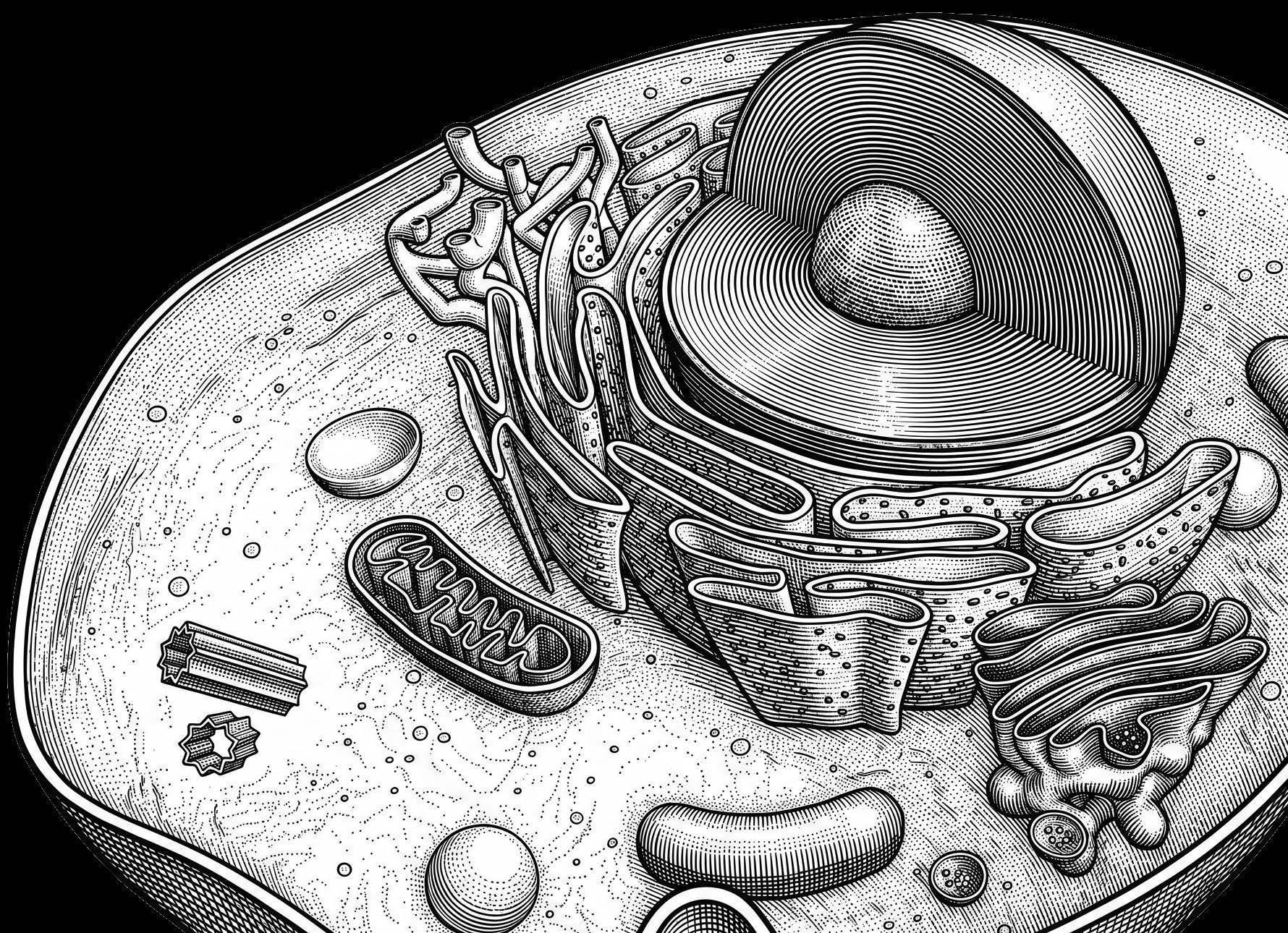


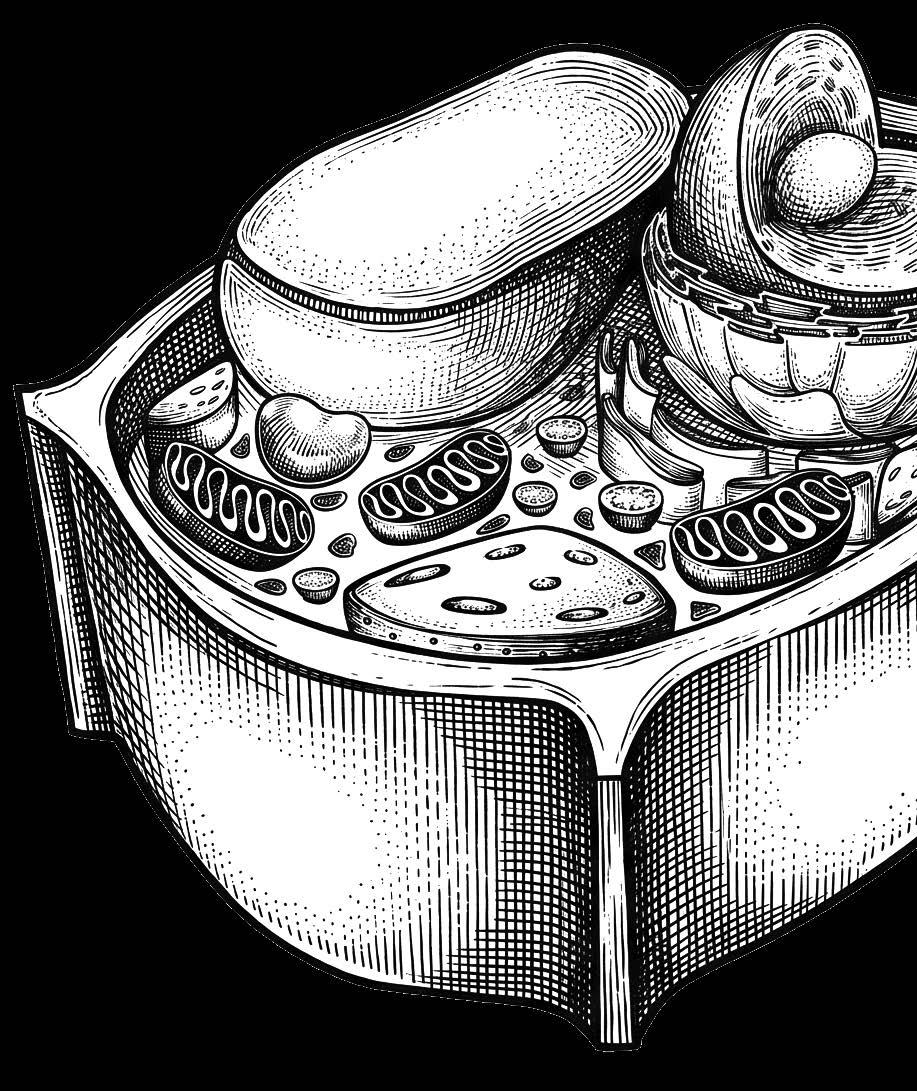
Tuesday 7th July 2026 09:00
Christine H Foyer (Dr Christine Foyer, United Kingdom)
C.H.Foyer@bham.ac.uk
Reactive oxygen species are crucial signalling molecules that regulate, plant growth development and defence.With a focus onthe complex redox networks that regulate plant responses to the environment, I will discuss how ROS regulate protein and enzyme functions through the oxidation of protein thiol groups and associated redox post-translational modifications. Little is known about the ability of the nucleus to generate ROS and how nuclear ROS accumulation is regulated. Using catalase as an example, I will discuss how redox-regulated phase separation, forming membrane-less condensates through protein–protein interactions, facilitates catalase relocation to the nucleus. Using redox-proteomics approaches, we have studied how the accumulation of hydrogen peroxide during metabolism in Arabidopsis mutants lacking the major form of catalase (cat2) influences the oxidation degree of protein Cys residues.
C1.2 PLASTIDIAL OXYLIPINS: CELLULAR SIGNALS ORCHESTRATING PLANT STRESS RESPONSES
Tuesday 7th July 2026 09:45
Ritu Godara (Ritu Godara, India) godararitu28@gmail.com
Plants are constantly challenged by simultaneous biotic and abiotic stresses, necessitating integrated signaling networks to ensure survival. A common consequence of numerous stresses, including high light and pathogen infection, is damage to the photosynthetic apparatus, leading to the overproduction of reactive oxygen species (ROS) within chloroplasts. Excess ROS oxidize biomolecules of the photosynthetic apparatus, including lipids and proteins, resulting in their dysfunction. Lipid oxidation drives the peroxidation of unsaturated fatty acids in thylakoid galactolipids, yielding lipid hydroperoxides and cyclic peroxyl radicals. These primary products decompose into reactive electrophilic species (RES), while coordinated lipoxygenase activity generates oxylipins such as 12-oxo-phytodienoic acid and jasmonic
acid, a well-characterized signaling molecules in plant defence. Notably, volatile RES with α, β-unsaturated carbonyl moieties are proposed to translocate from chloroplasts to other cellular compartments and the apoplast, potentially acting as mobile signals that prime local and systemic defence responses. Our research elucidates how biotic and abiotic stresses converge on chloroplast lipid peroxidation to produce oxylipin signals, which systemically prime photoprotective and immune responses through long-distance signaling pathways. I aim to present these findings at this meeting to engage with leaders in cellular signalling and dissect the molecular mechanisms underlying this stress signal integration.
Tuesday 7th July 2026
10:00
Sumanta Mohapatra (CSIR-IHBT Palampur, India)
sumantamohapatra.1995@gmail.com
Environmental perturbations elevated production of reactive oxygen species (ROS), resulting in oxidative stress that affects various cellular biomolecules. Plants utilize ROS or ROS-generated metabolites as signalling entities to activate downstream pathways that enable stress acclimation, growth inhibition, or programmed cell death (PCD). Although several stress-activated signalling components and pathways have been identified in model plants, such mechanisms remain unelucidated in non-model species. Here, we report stress-induced proteolytic activation of a chloroplast-localized enzyme, polyphenol oxidase (PPO), which oxidizes catechins into theaflavins (TFs) and initiates stress signalling in Camellia sinensis(tea) under ER stress conditions. Cultivar-based analyses revealed enhanced proteolytic activation of PPO and TF accumulation in drought-susceptible cultivars, indicating a strong association between PPO activation and stress sensitivity. Transcriptome analyses further demonstrated that PPO activation and TFs accumulation are coupled with the induction of an unfolded protein response (UPR)-like pathway. This association was validated through virus-induced gene silencing and PPO overexpression, as well as by direct feeding of TFs to leaf discs of the tea plant. Structural analyses indicated that PPO exhibits pH sensitivity, partly mediated by cysteine residues, which facilitates its stress-induced and low-pHdependent proteolysis. At the signalling level, TFs, particularly TF3G, interact with HSP90, leading to the activation of ER-stress pathways,
including an IRE-bZIP60-dependent response, which results in altered proteostasis and PCD.
Tuesday 7th July 2026 14:00
Kate Carroll (Florida Atlantic University)
kcarro14@fau.edu
Cysteine residues, though sparse in the proteome, play an outsized role in biology through the unique chemical properties of their thiol side chains, which enable access to multiple oxidation states and dynamic regulatory functions. In this talk, I will present a framework for understanding the cysteine redoxome as a kinetically controlled system in which reactivity arises from the interplay of ionization, intrinsic nucleophilicity, and local protein microenvironment, rather than pKa alone. Central to this model is the role of sulfenic acids (RSOH) as metastable intermediates that act as key decision points linking oxidative inputs to downstream functional outcomes. I will highlight recent advances in chemoproteomic technologies that enable site-specific, quantitative mapping of cysteine oxidation, revealing that most cysteines function as buffers while a select subset operate as redox-sensitive regulatory switches. By integrating ratiometric measurements with emerging concepts of occupancy, exposure, and flux, these approaches move beyond static catalogs to define the dynamic logic of redox signaling. Together, this work establishes the cysteine redoxome as a fundamental regulatory layer in biology and a platform for developing new strategies to interrogate and target redoxdependent processes.
Tuesday 7th July 2026 14:45
Jing Yang (National Center for Protein Sciences(PHOENIX Beijing), China)
yangjing@ncpsb.org.cn
Metabolic adaptability is crucial for all organisms to maintain fitness in a constantly changing environment. As one of the fundamental principles of metabolic regulation, circadian rhythmicity is currently thought to depend upon the only known transcription-translation feedback loops (TTFLs) in eukaryotes. However, whether there is a more fundamental circadian oscillator depending upon metabolism in cells was unknown. In this talk, I will introduce a non-transcriptional metabolic oscillator composed of a metabolism-redox feedback loop (MRFL). Global portrayal of the hepatic rhythmic redox proteome revealed that over 600 proteins, including NAMPT, are subject to rhythmic redox regulation, constituting the MRFL outputs. Combining with a CRISPR screening strategy, we discovered a basal metabolic enzyme that is not only crucial for H2O2 (a key redox signalling molecule) oscillations but also rhythmically regulated by H2O2-mediated cysteine oxidation in turn,
thereby functioning as a core component of MRFL. More importantly, the MRFL is essential for normal redox proteome homeostasis, transcriptional rhythms, metabolic oscillations, and circadian behaviors in mice. Thus, our results define the MRFL as a metabolism-based fundamental mechanism underlying biological clocks and provide a new perspective for the treatment of clock-associated physiological and metabolic disorders.
Tuesday 7th July 2026 15:15
Sanoja C. Sridevan (Department of Plant and Microbial Biology University of California Berkeley California USA, United States), Félix De Carpentier (Department of Plant and Microbial Biology University of California Berkeley California USA, United States), Yuliia Lihanova (Institute of Biology Department of Plant Physiology Leipzig University Leipzig Germany, Germany), Gabriella Benko (Department of Plant and Microbial Biology University of California Berkeley California USA, United States), Setsuko Wakao (Division of Molecular Biophysics and Integrated Bioimaging Lawrence Berkeley National Laboratory B, United States), Severin Sasso (Institute of Biology Department of Plant Physiology Leipzig University Leipzig Germany, Germany), Krishna K. Niyogi (Department of Plant and Microbial Biology University of California Berkeley California USA, United States)
scsridevan@gmail.com
When photosynthetic organisms are exposed to excess light or other environmental stressors, reactive oxygen species (ROS) such as singlet oxygen, hydrogen peroxide, and superoxide are produced in their chloroplasts and mitochondria. These ROS can damage nucleic acids, lipids, and proteins, and plants and algae synthesize antioxidants to protect themselves. While glutathione is well-studied, the function of other small thiol antioxidants, such as the thiohistidines ovothiol A and ergothioneine, remains elusive in photosynthetic organisms. Here, we showed that ovothiol A is produced by the green algaChlamydomonas reinhardtii.Ergothioneine was detected in another green alga (AuxenochlorellaUTEX 250-A) and non-flowering plants, including liverworts, mosses, lycophytes, and ferns. Both thiols were quantified in similar concentrations to glutathione, suggesting that they likely play a major role in photosynthetic eukaryotes. Next, we found that the sulfoxide synthase/methyltransferase OVOA1 is essential for ovothiol A biosynthesis. We demonstrated thatOVOA1mediates singlet oxygen resistance and is regulated by light and oxidative stress. Finally, to understand the function of ergothioneine, we initiated the construction of a knockout mutant of the ergothioneine synthase geneEGT1and transcriptomic data analysis in response to oxidative stress.
Wednesday 8th July 2026 18:00-20:00
Shaghayegh Kholdihaghighi (Department of Biology University of Padova, Italy), Elisabetta Piva (Department of Biology University of Padova, Italy), Sara Pacchini (Department of Biology University of Padova, Italy), Martina Cortese (Department of Biology University of Padova, Italy), Marco Gerdol (Department of Life Sciences University of Trieste, Italy), Paola Irato (Department of Biology University of Padova, Italy), Daniela Pellegrino (Department of Biology Ecology and Earth Sciences University of Calabria, Italy), Luciano Masiero (Department of Biology University of Padova, Italy), Gianfranco Santovito (Department of Biology University of Padova, Italy)
shaghayegh.kholdihaghighi@studenti.unipd.it
Although Antarctica and the Southern Ocean are often considered pristine areas, in the context of global change scenarios, these regions are exposed to chemical pollutants transported by long-range atmospheric and oceanic circulation. Among these contaminants, lead (Pb), cadmium (Cd), and bisphenol A (BPA) are known as persistent and emerging pollutants, and their physiological influences on Antarctic marine invertebrates remain poorly understood.
In the current study, we investigated pollutant-induced oxidative stress responses in the Antarctic scallop, Adamussium colbecki, a key benthic species of the Southern Ocean that plays an important role in the ecosystem. To examine specific oxidative stress responses and the underlying defence mechanisms, individuals collected from Terra Nova Bay were exposed to two different environmentally relevant concentrations of each contaminant (Pb, Cd, and BPA), and compared with an untreated control group. Two major target tissues, the gills and digestive glands, were analysed by applying an integrated molecular and biochemical approach. Oxidative stress biomarkers, antioxidant enzyme activities, and transcriptional modulation of the relevant genes associated with redox homeostasis were evaluated to assess cellular defence responses.
Despite pollutant- and tissue-specific response patterns, all three treatments caused a clear disturbance of redox balance, indicating convergent oxidative pathways that may compromise physiological resilience in Antarctic organisms under environmental stress. These findings highlight A. colbecki’ s sensitivity to chemical contaminants and reveal potential risks for Antarctic benthic communities facing global change.
Diana Walid Ismail (American University of Beirut (AUB), Lebanon), Sara El Srouji (American University of Beirut (AUB), Lebanon), Maamoun Fatfat (Lebanese University (LU), Lebanon), Jana Taraf (American University of Beirut (AUB), Lebanon), Hala Gali-Muhtasib (American University of Beirut (AUB), Lebanon)
dwi03@mail.aub.edu
Copper (Cu) dysregulation has emerged as a hallmark of colorectal cancer (CRC), yet its therapeutic exploitation remains underexplored. In this project, we investigated whether Cu availability enhances the anticancer efficacy of phytochemical thymoquinone (TQ) through oxidative stressmediated mechanisms. Our results show that Cu supplementation sensitized resistant HT-29 CRC cells to TQ, potentiating intracellular ROS generation, enhanced apoptosis, and DNA damage, as evidenced by elevated γH2A levels and downregulation of the anti-apoptotic protein XIAP. In contrast, Cu supplementation did not further enhance TQ cytotoxicity in HCT-116 CRC cells, consistent with their elevated basal Cu levels, highlighting tumor-specific Cu dependence. Importantly, Cu did not enhance the cytotoxicity of TQ on non-tumorigenic intestinal FHs74Int cells, indicating a cancer-selective activity. Mechanistically, we showed that TQ can redox-cycle Cu(II) to Cu(I) in a dose-dependent manner, identifying a Cu-dependent oxidative stress response. HT-29 xenografts revealed that Cu supplementation significantly potentiated TQ-mediated tumor suppression, promoting a 35% further reduction in tumor volume compared to TQ alone. Histological evaluation using H & E staining showed a marked decrease in malignant nuclear staining in tumors treated with Cu and TQ, consistent with the observed tumor growth inhibition. Collectively, these findings highlight that Cu availability amplifies TQ-induced oxidative stress mechanisms, providing a mechanistic basis for enhanced tumor suppression. Targeting Cu metabolism alongside natural phytochemicals such as TQ holds a promising strategy for enhancing therapeutic response and inhibiting CRC progression.
α-INDUCED INFLAMMATION VIA NF-
κB INHIBITION IN HUMAN CACO-2 MONOLAYERS.
Tuesday 7th July 2026 09:00
Giulia Trinchera (University of Ferrara, Italy), Mascia Benedusi (University of Ferrara, Italy), Martina Guerra (University of Ferrara, Italy), Daniela Summa (University of Ferrara, Italy), Francesco Chiefa (University of Ferrara, Italy), Selene Del Duca (University of Ferrara, Italy), Franco Cervellati (University of Ferrara, Italy), Elena Tamburini (University of Ferrara, Italy), Luisa Pasti (University of Ferrara, Italy), Giuseppe Castaldelli (University of Ferrara, Italy), Giuseppe Valacchi (University of Ferrara, Italy)
giulia.trinchera@edu.unife.it
Marine-derived foods are well established as sources of bioactive molecules that play a key role in preventing and treating chronic inflammatory diseases. Among these, bivalve mollusks such as the Pacific oyster (Crassostrea gigas) have attracted substantial interest owing to their superior nutritional profile and potential medicinal benefits. This study systematically characterized the chemical composition of soft tissue extract derived from Pacific oysters (OE) and evaluated its anti- inflammatory activity in human intestinal epithelial cells. Comprehensive nutritional analyses were conducted, including the determination of moisture, total protein, ash, total lipids, fatty acid (FA) profiles, amino acid composition, and mineral content, together with the quantification of polyphenols and carotenoids. The antiinflammatory effects of OE were assessed at concentrations of 5, 50, and 500 μg mL−1 using a TNF-α-induced inflammatory model in Caco2 human intestinal epithelial cells. Notably, OE effectively mitigated the TNF-α-triggered activation of the NF-κB signaling pathway and prevented disruptions to epithelial barrier integrity. These findings provide robust evidence supporting the development of whole dried oyster meat as an economical nutraceutical dietary supplement. Such an approach could serve as a natural, accessible alternative for alleviating intestinal inflammation implicated in various chronic diseases.
Tuesday 7th July 2026 09:30
Laura Gemmo (University of Ferrara, Italy), Sara Melija (University of Ferrara, Italy), Alessandra Pecorelli (University of Ferrara, Italy), Giuseppe Valacchi (University of Ferrara, Italy)
laura.gemmo@edu.unife.it
Rett syndrome (RTT) is a severe neurodevelopmental disorder primarily caused by MECP2 mutations, manifesting with systemic redox imbalance, chronic oxidative stress and oxinflammatory features. Emerging evidence highlights impaired adaptive responses to oxidative unbalance as possible critical drivers of RTT progression. The transcription factor Forkhead box O 3a (FoxO3a) plays a pivotal role in cellular resilience, integrating signals to activate antioxidant enzymes, autophagy and apoptosis resistance pathways. Despite this, its involvement in RTT pathophysiology remains mainly uncharacterized. This study hypothesizes that aberrant PI3K/Akt–FoxO3a signaling could contribute to RTT redox homeostasis defects. Human fibroblasts from healthy controls and RTT patients underwent 16h serum starvation followed by acute H₂O₂ challenge (100 μM, 30 min) to mimic oxidative stress. AKT and FOXO3a mRNA levels were assessed by qRT-PCR, while total and phosphorylated proteins were evaluated by Western blot. Preliminary findings show robust AKT and FOXO3A transcriptional upregulation in H₂O₂-stressed controls, versus blunted, non-significant increases in RTT cells. Notably, RTT fibroblasts exhibited significant total Akt reduction post-challenge, with trends toward decreased p-Akt and total FoxO3a. Ongoing immunofluorescence analyses aim to localize FoxO3a/p-FoxO3a shuttling, while further qPCR downstream targets include SOD2 and catalase. These results implicate a role for Akt–FoxO3a dysfunction in RTT oxinflammation, proposing pathway modulation as a novel therapeutic avenue to restore redox balance and slow down progression.
Tuesday 7th July 2026 10:00
Eglė Žalytė - (Institute of Biosciences Life Sciences Center Vilnius University, Lithuania), Laura Marija Račytė- (Institute of Biosciences Life Sciences Center Vilnius University, Lithuania), Aistė Avižaitė (Institute of Biosciences Life Sciences Center Vilnius University, Lithuania), Evelina Šidlovska (National Center of Pathology, Lithuania), Margarita Montrimaitė (National Cancer Center, Lithuania), Gediminas Januška (National Cancer Center, Lithuania), Rūta Čiurlienė (National Cancer Center, Lithuania)
egle.zalyte@gf.vu.lt
Endometrial (uterine) cancer ranks as the sixth most common cancer in women worldwide (Bray et al., 2024), with Lithuania and Poland leading in Europe. Older age, obesity, and some metabolic conditions are commonly linked to increased endometrial cancer risk, however, these factors do not explain its elevated prevalence in Lithuanian women (Makker et al., 2021). The standard management of endometrial cancer involves hysterectomy followed by adjuvant chemotherapy. However, the most common medicines used to treat endometrial cancer have many downsides. This study aimed to identify most effective targeted therapy treatments for Lithuanian endometrial cancer patients. First, we created personalized 2D and 3D endometrial cancer models from the tumor tissues of Lithuanian patients. We characterized these model systems by assessing cell growth rate, colony forming efficiency, expression of endometrial cancer and stem cell markers, and mutations of cancer-related genes. Then, we tested a panel of clinically relevant targeted therapy agents on endometrial cancer cells (2D) and multicellular spheroids (3D). We assessed cell metabolic activity, cell death, apoptosis, and changes in mitochondrial membrane potential. Our findings indicated that inhibitors targeting the PI3K/AKT/mTOR pathway and nucleocytoplasmic transport were the most effective chemotherapeutic agents. Furthermore, drug screening in malignant and non-cancerous endometrial tumor cells revealed that nucleocytoplasmic inhibition has the highest selectivity to malignant cells. In conclusion, our study unveiled different drug response patterns and identified nucleocytoplasmic transport inhibition as a promising therapeutic approach to treat endometrial cancer.
Tuesday 7th July 2026 14:00
Nur Afiqah Sukiran (Durham University, United Kingdom), Rohit Sainath Bhoir (Durham University, United Kingdom), Ali Alqarni (Durham University, United Kingdom), Stephen Chivasa (Durham University, United Kingdom)
stephen.chivasa@durham.ac.uk
Biotic and abiotic stresses disrupt cellular metabolism, impairing vital processes such as photosynthesis, cell division, and growth. Under optimal conditions, reactive oxygen species (ROS) generated
by biochemical reactions are kept below phytotoxic levels by the antioxidant machinery of the cell. However, severe stress can overwhelm these protective systems, leading to the accumulation of toxic ROS and subsequent cell demise. Using cyanobacteria and plants as model systems, we discovered that light amplifies benign xenobiotic stress into lethal outcomes by triggering a massive ROS surge. This requirement for light appears to be independent of the primary molecular target of the stress stimulus. This implies that signalling from diverse metabolic disruptions converges into a shared, light-dependent pathway. Notably, stress stimuli that were non-lethal in darkness became fatal in the presence of light. Emerging evidence suggests that stress-induced disruptions in metal ion homeostasis serve as the key regulatory pivot; this creates a "closed loop" that ramps up ROS production while simultaneously silencing antioxidant defences. Because these processes are fuelled by the photosynthetic apparatus, we conclude that chloroplasts serve a secondary, critical function beyond energy generation - acting as a high-gain amplifier for environmental stress.
Tuesday 7th July 2026
14:30
Martin Mora-García (Institute of Microbiology CAS, Czech Republic), Ana Álvarez (Institute of Microbiology CAS, Czech Republic), Enes Göksal (Institute of Microbiology CAS, Czech Republic), Bipasha Bhattacharjee (Institute of Microbiology CAS, Czech Republic), Sien Audoor (Institute of Microbiology CAS, Czech Republic), Rabinder Singh (Institute of Microbiology CAS, Czech Republic), Veronika Kseliková (Institute of Microbiology CAS, Czech Republic), Kateřina Bišová (Institute of Microbiology CAS, Czech Republic) moragarciamartin@gmail.com
Across the genome, genes differ markedly in how their disruption influences cellular function. Disrupting some genes has strong effects, while others appear buffered under standard conditions. Strikingly, even “mild” perturbations can become detrimental when combined, revealing hidden functional dependencies. These genetic pairings expose buffering relationships that organise metabolism and growth. While systematic synthetic interaction mapping has transformed functional genomics in yeast, comparable approaches remain largely unexplored in unicellular photosynthetic model systems.
This study establishes a proof-of-principle synthetic genetic interaction framework in unicellular green alga Chlamydomonas reinhardtii to uncover functional links between nutrient metabolism and TORdependent growth control. To enable controlled interrogation of this regulatory axis, we generated an inducible S6K1 knockdown strain, allowing conditional perturbation of a central growth regulator.
This query strain is combined with selected metabolic mutants though classical sexual crossing, enabling systematic detection of synthetic sickness and lethality in double mutant progeny.
By moving beyond single-gene analyses and examining genetic combinations under defined environmental conditions, this work aims to reveal how metabolic pathways buffer one another and coordinate cell growth. Ongoing interaction screens are establishing a methodological foundation for synthetic interaction analysis in microalgae and expanding systems-level genetics into a photosynthetic model organism.
Tuesday 7th July 2026 14:45
Anna Kulik (Institute of Biochemistry and Biophysics PAS, Poland), Maria Bucholc (Institute of Biochemistry and Biophysics PAS, Poland), Anna Anielska-Mazur (Institute of Biochemistry and Biophysics PAS, Poland), Lidia PolkowskaKowalczyk (Institute of Biochemistry and Biophysics PAS, Poland), Mateusz Jan Olechowski (Institute of Biochemistry and Biophysics PAS, Poland), Paulina Stachula (Institute of Biochemistry and Biophysics PAS, Poland)
anja@ibb.waw.pl
Kinase-catalyzed phosphorylation of proteins defines the principal axes of signal transduction within the cell, coordinating processes such as stress response and growth. Water deprivation and salinity induce rapid phosphorylation cascades involving networks of protein kinases and phosphatases. Among these, Sucrose Non-Fermenting 1 Related Protein Kinases (SnRK2s) are key regulators. SnRK2s are plant-specific enzymes widely distributed across the plant kingdom, controlling both abscisic acid (ABA)-dependent and ABA-independent osmotic stress signaling pathways. Elucidating the substrates of SnRK2 kinases and the functional consequences of their phosphorylation enhances understanding of mechanisms underlying plant stress resistance. While many substrates of ABA-responsive SnRK2 kinases have been identified, relatively few phosphorylation targets of ABA non-activated SnRK2s are known. In this study, a new substrate of SnRK2s, the ATAF1 transcription factor, is identified. ATAF1 is a major regulator of plant responses to abiotic and biotic stress factors, including drought and pathogen attack, as well as a regulator of leaf senescence and light responses.
Here, we show that ATAF1 is phosphorylatedin vitroby both ABAactivated and non-activated SnRK2 kinases. Phosphorylation of ATAF1 by SnRK2s from salt-treated doublesnrk2.2/2.3mutant is significantly reduced compared to wild-type seedlings, and is nearly absent in the quadruplesnrk2.1/2.4/2.5/2.10mutant. Next, we identified the specific phosphorylation site in ATAF1 recognized by SnRK2s and showed that its phosphorylation determines the protein's cellular localization. Finally, we investigated the impact of ATAF1 phosphorylation on plant growth and response to water deprivation.
This research was supported by the National Science Centre in Poland, grant number 2022/45/B/NZ3/03222
Wednesday 8th July 2026 18:00-20:00
Claudio Stasolla (University of Manitoba, Canada), Robert Hill (University of Manitoba, Canada), Sean Robertson (University of Manitoba, Canada), Mohammed Mira (University of Manitoba, Canada), Andrei Igamberdiev (Memorial University, Canada), Olivia Wilkins (University of Manitoba, Canada)
claudio.stasolla@umanitoba.ca
With the intensification of unpredictable flooding events because of global warming, there is a need to understand how root cells perceive and respond to oxygen deprivation. The use of high-throughput single-nuclei RNA-sequencing (snRNA-Seq) allows the examination of gene expression profiles in discrete cell types. Root tip segments of Arabidopsis seedlings subjected to normoxic (21% oxygen) or hypoxic (4% oxygen) treatments for 4 h were analyzed by snRNA-Seq. Hypoxia induces a major transcriptome rewiring, most prominent in the meristematic root cells, with the exclusion of the quiescent center (QC), which is vulnerable to low oxygen. Changes in carbon and nitrogen metabolism by low oxygen were centered around increasing demand for carbohydrate to drive glycolytic fermentation, reduction of nitrate to sustain energetic processes, and the bypass of the TCA cycle via aspartate aminotransferase upregulation. The reduction of nitrate and nitrite in hypoxic cells contributes to amino acid metabolism and the utilization of NO in the phytoglobin–nitric oxide cycle to decrease the redox level and sustain energy production. In conclusion, the use of snRNA-Seq provides a high-resolution atlas of gene expression events defining root cell-specific responses to low oxygen.
Francesca De Amicis (University of Calabria, Italy), Adele Elisabetta Leonetti (University of Calabria, Italy), Ennio Pietramala (University of Calabria, Italy), Stefania Bulotta (University Magna Graecia Catanzaro, Italy), Saveria Aquila (University of Calabria, Italy), Francesca Giordano (University of Calabria, Italy)
francesca.deamicis@unical.it
Triple negative breast cancer (TNBC) is a molecular subtype of breast cancers (BC) with high rate of distant metastases and poor prognosis. Novel therapeutic approaches are urgently needed and promising approach is based on the use of compounds able to target the tumor microenvironment. In this concern clinical trials suggest the interleukin
(IL) blockade as advanced cancer treatment. Through innovative in silico methods we very recently identified several molecules able to interact with the IL20 receptor subunit alpha (IL20RA), a novel important regulator of cancer development. Among these, we selected Ritonavir, due to its reported therapeutic indications, to investigate its characteristics as IL20RA blocking agent. Here, we show that TNBC cells express elevated levels of IL20RA compared with estrogen receptor positive cells and treatment with different doses of Ritonavir, was able to decrease IL20RA expression in TNBC cells and to block the IL20RA mediated JAK/STAT signaling, but not in MCF10 IL20RA negative cells. Growth assays showed a significant decrease after Ritonavir treatment in a dose dependent manner in TNBC cells, while no inhibitory effect was evidenced in IL20RA negative cells. The autophagy inhibitor 3-MA, blocked the cell viability loss induced by Ritonavir, while the caspase inhibitor Z-VAD-FMK, and a necroptosis inhibitor, did not induce significant changes. The western blotting results further corroborated these evidences, since Ritonavir modulated autophagy-related markers such as Beclin1, p62 and LC3 in TNBC cells. These results suggest further investigation of Ritonavir induced IL20RA blockade as novel potential therapeutic approach for the treatment of TNBC.
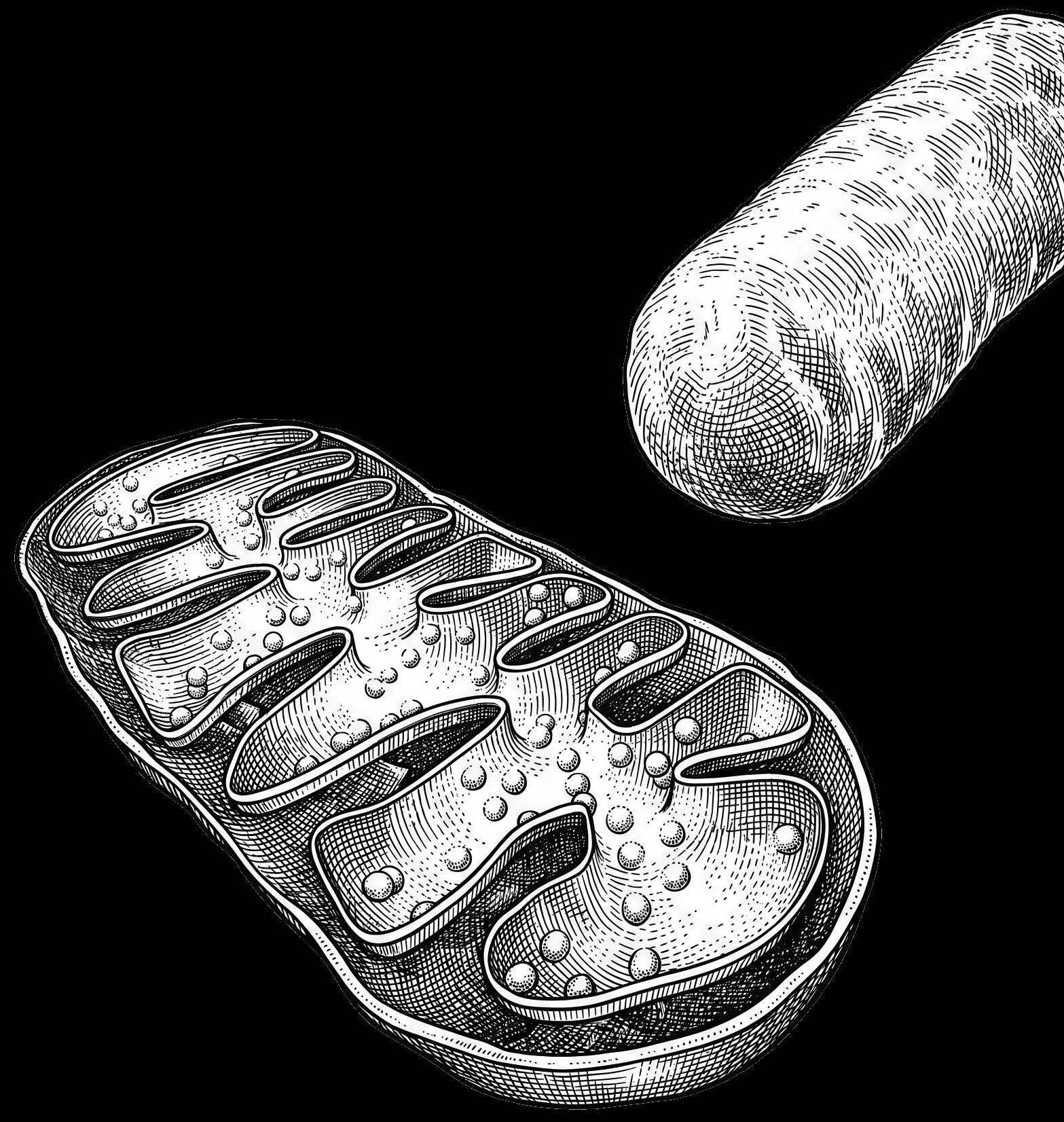
Wednesday 8th July 2026 09:00
Elena Ziviani (University of Padova, Italy), Raffaele Montuoro (University of Padova, Italy), Bernardo Greta (University of Padova, Italy), Prado Miguel A. (Inst Invest Sanitaria Principado Asturias ISPA, Spain), Giacomo Giacchin (University of Padova, Italy), Valeria Balmaceda (University of Padova, Italy), Carlo Viscomi (University of Padova, Italy), Manisurya Kumar (Harvard Medical School, United States), Byung Hoon Lee (DGIST, Korea (South)), Daniel Finley (Harvard Medical School, United States)
elena.ziviani@unipd.it
Mitochondrial diseases represent a heterogeneous group of genetic disorders caused by defects in oxidative phosphorylation. Mutations affecting either nuclear or mitochondrial DNA lead to impaired mitochondrial function and energy failure, resulting in a broad spectrum of clinical manifestations. At present, effective therapies remain elusive, and current treatments are mainly supportive. Recent studies have highlighted the potential of modulating mitophagy as a therapeutic strategy. Mitophagy relies on the coordinated activity of the UPS and autophagy pathway, which together ensure the removal of damaged organelles. Among the molecular regulators linking these systems, the proteasome-associated deubiquitinating enzyme USP14 plays a central role. Our previous work demonstrated that pharmacological inhibition of USP14 exerts a protective effect in models of mitochondrial dysfunction by restoring mitochondrial morphology and function through enhanced mitophagy. More recently, we found that USP14 inhibition enhances mitochondrial biogenesis and promotes mitophagy in iNeurons, restoring mitochondrial respiration and membrane potential of Parkin KO iNeurons. We want now to investigate whether targeting USP14 with an optimized derivative of IU1 could ameliorate the pathological phenotype of a muscle-specific Cox15 KO mouse model characterized by defective cytochrome c oxidase and severe myopathy. To this aim, we treated the mice with IU1-366 to inhibit USP14, and, at the end of the treatment period, quadriceps and gastrocnemius muscles were rapidly dissected for subsequent morphological and molecular analyses. Muscle analysis indicates that USP14 inhibition ameliorates skeletal muscle morphology inCox15 KO mice, accompanied by a stabilization of cytochrome c oxidase, suggesting a beneficial effect on mitochondrial structure and function.
C3.2 REDOX SIGNALING TO CHROMATIN DURING STRESS RESPONSES IN PLANTS
Wednesday 8th July 2026 09:30
Mansi Sharma (Institute of Plant Molecular Biology Biology Center CAS, Czech Republic), Pavel Kerchev (Spanish National Research Council -CSIC, Spain), Michael Wrzaczek (Institute of Plant Molecular Biology Biology Center CAS, Czech Republic)
mansi.sharma@umbr.cas.cz
GENERAL CONTROL NON-REPRESSIBLE 5 (GCN5) is a subunit of the evolutionary conserved Spt-Ada-Gcn5-acetyltransferase (SAGA) complex, which is involved in acetylation of lysine residue on histone H3. GCN5 regulates the expression of genes involved in development, and abiotic and biotic stress responses. In addition, GCN5 plays a crucial role in cell wall synthesis, including lignin deposition, which is linked to the response to salt stress. However, little is known about the molecular mechanism of the regulation of GCN5 activity in response salt stress. Peroxidases are important members of enzymatic antioxidant defense machinery, which regulate the redox balance of the cell and thereby affect the oxidation of phenolic compounds promoting the formation of lignin. We analysed the expression of peroxidases (PRX) under salt stress condition using qRTPCR approach. We have found PRX71 and PRX33 to be potential candidates for further investigation of their roles under salt stress conditions. In our study, we explore the role of GCN5 mediated regulation of lignin deposition via the regulation ofPRXgenes under salt stress.
Wednesday 8th July 2026 09:45
Baoxiu Qi (Liverpool John Moores University, United Kingdom)
b.qi@ljmu.ac.uk
The Hippo pathway regulates organ size, but its mechanisms in plants remain elusive. Unlike its growth-suppressive role in animals, evidence points to a positive function in plants. We identified the
Ste20-family kinase FvM4K1, a core Hippo component from woodland strawberry (Fragaria vesca). Loss of FvM4K1 reduces fruit size due to diminished cell proliferation and expansion, while overexpression enhances growth, establishing M4K1 as a promoter of organ size. Mechanistically, this regulation occurs through direct phosphorylation of downstream targets. In Arabidopsis, growth promotion requires the Ste20 homologue AtSIK1, as phospho-mutants fail to rescue the sik1 small-organ phenotype. We uncovered that AtSIK1 phosphorylates Hexokinase 1 (AtHXK1), a metabolic enzyme and sugar sensor, at the conserved residue S177. This reveals an unprecedented link between the Hippo pathway and cellular energy status. Our findings uncover a conserved signalling module where Ste20 kinases drive organ growth by engaging metabolic regulators. Demonstrating that SIK1 acts upstream of HXK1 to integrate growth and energy signalling provides a new paradigm for Hippo function in plants, advancing understanding of size control and identifying targets for improving crop yield.
B SUMOYLATION TO RECRUIT THE IMMUNE REGULATOR NPR1 IN NUCLEAR CONDENSATES TO ACTIVATE SYSTEMIC ACQUIRED RESISTANCE
Wednesday 8th July 2026 10:00
Srayan Ghosh (Durham University, United Kingdom), Ari Sadanandom (Durham University, United Kingdom)
srayan.ghosh@durham.ac.uk
The role of light in plant growth and photosynthesis has been well known. However, its contribution to the activation of plant defense mechanisms against pathogens, remains an enigma that has yet to be fully elucidated. During infection, plants produce salicylic acid (SA), which triggers the activation of the transcriptional machinery responsible for cellular defense in distant uninfected plant regions, commonly referred to as systemic acquired resistance. In our study, we demonstrate the influence of light on the recruitment of phytochrome B (phyB) to the chromatin of defense genes, mediated by post translational modification system, SUMOylation. However in the night the increased SA substitutes for light to maintain phyB SUMOylation by simultaneous degradation of phyB targeting deSUMOylase, OTS1 and induction of SUMO conjugation enzyme, SCE1. SUMOylation of phyB in systemic tissues promotes its transition into liquid-liquid phase separation and subsequent interaction with NPR1 in the nucleus. Further, SUMOylated phyB interacts together with NPR1 and TGA transcription factors which binds to the promoter of PR1 defense gene. We unravel a novel mechanism where light establishes and maintains immunity by regulating NPR1 function in a day/night cycle through SUMOylation of photoreceptors.
C3.5
AND DRUGGING THE UBIQUITIN CODE: STRUCTURAL INSIGHTS INTO JAMM-DOMAIN DUBS
Wednesday 8th July 2026 15:00
Elton Zeqiraj (University of Leeds)
Deubiquitinases (DUBs) reverse ubiquitin signalling and are emerging therapeutic targets, yet the JAMM-domain family (Zn2+-dependent metalloproteases that act within large multi-subunit complexes) has long resisted mechanistic and pharmacological dissection. Our group studies two related human JAMM DUBs: BRISC (BRCC36 isopeptidase complex), which sustains type I interferon signalling by removing K63-linked ubiquitin from interferon receptors, and ARISC, which safeguards genome stability through the BRCA1-A complex at sites of DNA damage.I will describe how cryo-electron microscopy, native mass spectrometry and biochemistry reveal how these enzymes recognise and cleave their substrates. We find that linkage selectivity is achieved not through the active site alone, but through composite, multi-subunit interfaces and accessory ubiquitin-binding sites that position K63linked chains for catalysis. Unexpectedly, the chains themselves adopt diverse architectures — from extended to circular, ring-like assemblies — and longer chains can drive higher-order enzyme assembly, coupling substrate conformation to catalytic efficiency.Building on these insights, I will present first-in-class small-molecule “molecular glues” that selectively trap BRISC in an autoinhibited dimer, occluding both the catalytic sites and substrate-targeting interactions. These compounds suppress interferon-stimulated gene expression, offering a potential strategy against type I interferon-driven inflammatory disease. Collectively, this work clarifies how multimeric JAMM DUBs read and erase K63-linked ubiquitin chains, and provides a template for drugging large protein complexes by promoting, rather than blocking, protein–protein interactions.
Wednesday 8th July 2026 15:30
Jasper Carlsen (Aarhus University, Denmark), Rasmus H Hansen (Aarhus University, Denmark), Amanda Bundgaard (Aarhus University, Denmark), Johan Palmfeldt (Aarhus University, Denmark), Angela Fago (Aarhus University, Denmark)
jaca@bio.au.dk
CO2 is a main product of aerobic energy metabolism. Once formed in solution, it equilibrates to carbonic acid, lowering local pH. Whereas indirect effects of CO2 on proteins and enzymes via such pH changes are well known, it is often ignored that freely dissolved CO2 in itself is not biologically inert. CO2 is an electrophile capable of reacting with lysine amines on proteins thus forming negatively charged lysine carbamates. The prerequisite for this non-enzymatic post translational modification, and likely the reason it has garnered little attention, is that the lysine must be neutral rather than positive. Free lysine has a pKa of 10.5 but specific protein microenvironments may alter this significantly thus forming specific sites susceptible to CO2 binding, as is for example the case in the active site of the CO2 -fixing plant enzyme RuBisCO. Recently, novel chemoproteomics methods have targeted lysine carbamate formation and demonstrated in plant and bacterial proteomes, that it is much more common than previously appreciated. Curiously however, only a few animal proteins have been studied.
We present here the first proteome-wide mapping of lysine carboxylation in mouse brain and identify a range of proteins with CO2 -receptive lysines including particularly cytoskeletal proteins, glycolytic enzymes and myelin sheath-associated proteins. We identify several novel CO2 -binding sites on hemoglobin and demonstrate functional effects of CO2 on lactate dehydrogenase at physiological pH. Overall, our data adds new nuances to the sensing and handling of CO2 and implicates CO2 as a signaling entity.
• Influence the field: Organise symposia, workshops, and networking events that bring together leading scientists.
• Expand your professional network: Collaborate with experts, policymakers, and industry leaders.
• Enhance your leadership skills: Gain experience in managing scientific programs and steering research discussions.
• Boost your carreer: Demonstrating leadership within an international society




Tuesday 7th July 2026 09:00
Sarah Guiziou (Earlham Institute, United Kingdom), Roza Bilas (Earlham Institute, United Kingdom), Alice Penrose (Earlham Institute, United Kingdom), Elena Garcia-Perez (Earlham Institute, United Kingdom), Louis Perrin (Earlham Institute, United Kingdom)
Sarah.Guiziou@earlham.ac.uk
Agriculture is facing the twin challenges of unpredictable rainfall due to climate change and the requirement to reduce the use of agrochemicals. Engineered plants with tunable root architecture emerge as a promising solution for more sustainable agriculture, as well as engineering plantmicrobe interactions to enhance plant nutrient availability. To gain a deeper understanding of plant development and to engineer it, we are developing synthetic circuits to record cell lineage and to modulate signalling networks.
We previously transferred integrase technology to A. thaliana, allowing site-specific and irreversible DNA recombination to record gene expression during lateral root development. We are currently testing a set of integrase-site variants to obtain orthogonal and tunable probabilistic integrase switches. To increase the throughput, we are transfecting constructs in A. thaliana protoplasts and characterising integrase switch efficiency using flow cytometry quantification. Additionally, we are engineering probabilistic integrase-based circuits to trace cell lineages over time at single-cell and spatial resolution. On the engineering side, we are working on modifying root architecture via integrase circuits to allow tunable, cell-type-specific gene expression of lateral root development genes.
Towards the engineering of plant-microbe interactions, we are testing and optimising integrase-based switches in plant-beneficial bacteria: B. subtilis and P. fluorescens
We are developing tools that will be accessible and transferable to other applications. We believe they will have a significant impact in advancing our understanding of plant development and plant-microbe interactions, as well as in providing solutions for more sustainable agriculture.
Tuesday 7th July 2026 09:30
Emily L Darby (Cardiff University, United Kingdom), Simon Scofield (Cardiff University, United Kingdom), Tamara Lechon (Cardiff University, United Kingdom)
darbyel@cardiff.ac.uk
Plants retain high developmental plasticity throughout their lifetimes, providing them with the capacity to regenerate organs from wounded tissue. While this property has been traditionally exploited to regenerate whole plants de novo from select tissues, the molecular mechanisms underpinning developmental plasticity are not well understood. Cellular reprogramming, a key aspect of plasticity, enables differentiated cells to acquire a new identity by altering the transcriptional programme which determines the cell fate. Investigating novel candidate transcription factors which participate in cellular reprogramming is essential in improving our understanding of the underlying mechanisms which maintain plasticity in plants. Our research focuses on TCP4, a transcription factor involved in leaf differentiation and development. We have found that ectopic overexpression of TCP4 induces cellular reprogramming, converting roots into organs with shoot-like characteristics, providing an ideal system within which cellular reprogramming can be investigated. Using microscopic and transcriptomic approaches alongside cell identity reporters, we have characterised the formation of TCP4-induced shoot-like organs. Our results confirm a loss of root identity and function, and a gain of shoot identity. Our findings indicate that the TCP4-induced transdifferentiation of root into shoot-like cells is similar to the cellular reprogramming process underlying de novo regeneration.
Tuesday 7th July 2026 09:45
Bipin Kumar Pandey (University of Nottingham, United Kingdom)
bipin.pandey@nottingham.ac.uk
Compaction disrupts soil structure, reducing root growth, nutrient
and water uptake, gas exchange and microbial growth. Root growth inhibition by soil compaction was originally thought to reflect the impact of mechanical impedance. However, recent research has revealed plant roots sense soil compaction using a novel gas diffusionbased mechanism employing the hormone ethylene. Non-compacted soil features highly inter-connected pore spaces that facilitate diffusion of gases like ethylene which are released by root tips. In contrast, soil compaction stress disrupts the pore network, causing ethylene to accumulate around root tips and trigger growth arrest. Genetically disrupting ethylene signalling causes roots to become much less sensitive to compaction stress. Ethylene also regulates auxin and ABA to monitor root elongation and root swelling responses in compacted soil conditions. Moreover, ethylene promotesARF1, which suppresses the production of cellulose, the primary cell wall component that reinforces and protects the cell. Interestingly, in compacted conditions, a thinner cell wall allows cortical cells to expand, thereby facilitating the swelling response.
Tuesday 7th July 2026 10:00
Serena Rosignoli (School of Biological and Chemical Sciences University of Galway, Ireland), Johanna Hoelscher (School of Biological and Chemical Sciences University of Galway, Ireland), Ronan Sulpice (School of Biological and Chemical Sciences University of Galway, Ireland)
serena.rosignoli@universityofgalway.ie
Seaweeds are one of the pillars of the rapidly developing European Blue Economy. Applications of green seaweeds of the cosmopolitan genus Ulva (sea lettuce) span the sectors of food, feed, bioremediation, pharmaceutical, nutraceutical, cosmetic, and biofuel production. They have the potential to reduce the environmental impacts of agriculture and aquaculture, and to provide ecosystem services. They are also notoriously involved in eutrophication-driven green tides. While Ulva spp. domestication and breeding remain nascent, characterising nitrogen uptake and metabolism is crucial for sustainable production and bioremediation. Ulva compressa is a model for Ulva spp., with a reference genome and a Golden Gate cloning toolkit available. We investigated nitrogen surge uptake for the first time in U. compressa, both with colorimetric methods and with isotope ratio mass spectrometry of 15 N-labelled compounds. Results show Michaelis–Menten kinetics with preference for ammonium; for the multidecade-old laboratory strain Slender, the affinity is low and Vmax is particularly elevated, suggesting suitability for bioremediation of eutrophic waters. Furthermore, we developed and applied an EMS mutagenesis protocol coupled with high-throughput screening for impaired nitrogen uptake, followed by Illumina sequencing and SNP discovery, to obtain insights on the genetics of nitrogen uptake. This novel knowledge will contribute to modern breeding of Ulva for different end uses.
Tuesday 7th July 2026 14:00
Martin Jonikas (Princeton University, United States), Lianyong Wang (Princeton University, United States), Sophie Skanchy (Princeton University, United States), Xiaobo Li (Princeton University, United States), Luke Mackinder (Stanford University, United States), Moshe Kafri (Princeton University, United States), Weronika Patena (Princeton University, United States), Friedrich Fauser (Princeton University, United States), Josep Vilarrasa-Blasi (Stanford University, United States), Robert E. Jinkerson (University of California, United States), Ru Zhang (Carnegie Institution for Science, United States), Matthew Laudon (University of Minnesota, United States), Paul A. Lefebvre (University of Minnesota, United States), Arthur R. Grossman (Carnegie Institution for Science, United States)
mjonikas@princeton.edu
Thousands of genes in photosynthetic eukaryotes remain poorly characterized. Systems approaches in a microbial organism have the potential to accelerate progress in understanding gene functions. With that goal in mind, our laboratory has sought to develop systems biology resources for the leading model green algaChlamydomonas reinhardtii. In this talk, I will present an overview of the community resources we have developed, including a genome-wide mutant library (Li, Zhang, Patena, et al., 2016; Li et al., 2019), mutant proteomes (Kafri et al., 2024), pooled mutant phenotyping for placing genes into pathways (Fauser et al., 2022), a chloroplast protein localization atlas (Mackinder et al., 2017; Wang et al., 2024), and a chloroplast protein interactome (unpublished). I will highlight a few examples of discoveries these resources have enabled.
Tuesday 7th July 2026 154:30
Gabriel Krouk (CNRS Montpellier, France)
gkrouk@gmail.com
Initial Genome Wide Association Studies (GWAS) have illuminated the concept of missing heritability, a core enigma in both plant and human genetics. This mystery arises from the observation that a substantial portion of heritability remains unexplained by simplistic genomic modifications, necessitating consideration of genetic interactions among diverse loci, known as epistasis. However, current GWAS methodologies face scalability and sensitivity issues, often demanding significant computational time.
To tackle these challenges, we propose Next-Gen GWAS (NGG), a novel modeling approach capable of evaluating over 80 billion potential SNP combinatorial first-order interactions within hours using standard computational infrastructure. NGG undergoes rigorous validation against state-of-the-art GWAS methodologies and is applied to Arabidopsis thaliana, generating detailed 2D epistatic maps reaching a gene level resolution. Our findings reveal that NGG significantly enhances the recovery of missing heritability, primarily through the elucidation of epistatic interactions, thereby improving phenotype prediction in complex genetic architectures, particularly those related
to Arabidopsis nutrient content. Preliminary results obtained on human phenotypes will be presented in conclusion.
Tuesday 7th July 2026 14:45
Matthew J Jolly (University of Warwick, United Kingdom)
matthew.jolly@warwick.ac.uk
Under low nitrogen conditions, legumes form a unique symbiosis with bacteria called rhizobia, wherein the bacteria are housed in specialized root tissue called nodules. Rhizobia fix atmospheric nitrogen into ammonia using a specialized enzyme called nitrogenase. The ammonia is then transferred to the plant, while the plant providing sugars to the bacteria to maintain this mutualistic process. Previous experiments have shown reduced nodule formation in the Medicago truncatula lhy2 mutant, which has an altered circadian clock. To investigate how the circadian clock of the plant host influences symbiotic interactions with its symbiont Sinorhizobium meliloti, we conducted RNA-seq timecourse experiments using both wild-type (WT) lhy2 mutant plants. We observed that key genes involved in nitrogen fixation, metabolism and nodule regulation exhibit cyclical expression in both the plant host and bacterial symbiont. Their temporal coordination was altered in lhy2 mutant nodules, suggesting a potential cause for impaired nodule function. These findings highlight the complex interplay between the plant circadian clock and symbiotic regulation, and suggest that circadian rhythms are important for optimal nitrogen fixation and growth of legume crops.
CORE NUTRIENT PATHWAY GENES MODULATE BENEFICIAL EFFECTS OF BACTERIAL COMMUNITY VOLATILES AND CONTACT-DEPENDENT INTERACTIONS DIFFERENTLY
Tuesday 7th July 2026 15:00
Gözde Merve Türksoy (University of Cologne MPIPZ, Germany), Stanislav Kopriva (University of Cologne, Germany) gtuerkso@uni-koeln.de
Plant growth–promoting bacteria enhance plant performance under nutrient-limited conditions, yet how different modes of plant–microbe interaction shape nutrient-specific host responses remains poorly understood. In particular, it is unclear how direct bacterial contact and volatile-mediated interactions originating from the same bacterial community differentially regulate plant nutrient acquisition pathways. Here, we investigated how a 16-member synthetic bacterial community (16 SC) affects plant growth, nutrient status, signaling, and metabolite profiles under full nutrient supply as well as nitrogen (N), sulfur (S), and phosphorus (P) limitation in Arabidopsis thaliana.
We show that volatile organic compounds (VOCs) emitted by the 16 SC promote shoot growth under nitrate limitation and full nutrient conditions, whereas this growth promotion is lost under sulfur- and phosphorus-limiting conditions. In contrast, direct interaction between
plants and the 16 SC abolishes growth promotion under all three nutrient-limiting conditions. These nutrient-dependent phenotypes correlate with distinct regulation of nutrient transporters and key transcriptional regulators involved in N (NRT1;1/NLP7), S (SULTR1;2/ SLIM1), and P (PHT1/PHR1) signaling pathways.
Genetic analyses using nutrient transporter mutants revealed that VOCinduced growth promotion requires functional NRT1;1 and SULTR1;2 transporters, whereas growth promotion mediated by direct bacterial contact is retained in the corresponding mutants. This uncoupling of VOC- and contact-dependent effects indicates that distinct host regulatory pathways underlie microbial growth promotion depending on the interaction mode.
Together, our findings demonstrate that bacterial community–mediated plant growth promotion is strongly shaped by nutrient context and interaction mode, and that volatile-mediated and contact-dependent mechanisms engage separable host nutrient regulatory networks.
Tuesday 7th July 2026 15:15
Anoop Tripathi (University of Cambridge, United Kingdom) at925@cam.ac.uk
Conventional crop improvement largely relies on sexual hybridization, which is constrained by reproductive compatibility between species. These limitations restrict the transfer of valuable traits across distantly related crops, particularly when attempting to combine contrasting physiological characteristics such as stress tolerance, water-use efficiency, and productivity. This study explores an alternative strategy for crop innovation through somatic hybridization and monocot grafting, aiming to overcome these biological barriers and enable the creation of novel crop species.
Somatic hybridization allows the fusion of protoplasts from taxonomically distant plants, enabling genetic recombination beyond the limits of traditional breeding. In parallel, recent advances in monocot grafting provide a complementary platform to investigate cellular communication, physiological compatibility, and long-term integration between divergent monocot species. Together, these approaches open new possibilities for combining distinct traits that have historically remained genetically isolated.
In this work, experimental systems involving divergent cereal species were used to investigate the feasibility of cellular hybridization and graft-mediated interactions. Preliminary observations demonstrate successful cell fusion and the development of hybrid tissues displaying intermediate morphological and physiological characteristics. Grafting experiments further revealed cross-species compatibility in monocots, suggesting potential pathways for studying long-distance signalling and trait integration between genetically distant plants.
These findings highlight the potential of combining somatic hybridization and monocot grafting as innovative tools for creating novel crop species and expanding the boundaries of crop improvement. Such approaches may contribute to the development of climateresilient crops capable of sustaining productivity under increasing environmental stress and limited agricultural resources.
Tuesday 7th July 2026 16:00
Tobias Jores (Heinrich-Heine-University Düsseldorf, Germany), Nicholas A Mueth (University of Washington, United States), Sayeh Gorjifard (University of Washington and Stanford University, United States), Sebastian Triesch (Heinrich-Heine-University Düsseldorf, Germany), Dominic Schirmer (Heinrich-Heine-University Düsseldorf, Germany), Jackson Tonnies (University of Washington, United States), Kerry L Bubb (University of Washington, United States), Josh T Cuperus (University of Washington, United States), Stanley Fields (University of Washington, United States), Christine Queitsch (University of Washington, United States)
tobias.jores@hhu.de
Enhancers coordinate gene expression in response to developmental and environmental cues. Plant enhancers, however, lack the readily detectable molecular hallmarks of animal enhancers, hindering largescale functional characterization. Here, we characterize the species- and condition-specific enhancer activity of over 350,000 sequences derived from accessible chromatin regions of Arabidopsis, tomato, maize, and sorghum. We identify GC content and transcription factor binding sites as key features controlling enhancer strength and demonstrate how they can be used to rationally design synthetic enhancers. Enabled by these data, we developed plantGREP, a deep learning model that predicts enhancer strength and identifies functional sequence motifs. We apply plantGREP to generate constitutive, species-, and condition-specific enhancers, and to locate regions with enhancer activity near important developmental genes in crop genomes. These results facilitate the targeted editing of enhancers in crop genomes and identify strategies for the design of cell-type-specific plant enhancers.
NITRATE RESPONSES IN TIME AND SPACE
Tuesday 7th July 2026 16:30
Rodrgo A Gutiérrez (P. Universidad Católica, Chile)
rgutierrez@uc.cl
Nitrate is a nutrient and a potent signal that impacts global gene expression in plants. Regulatory factors controlling spatiotemporalnitrate responses are still largely unknown. To address this problem, we assayed nitrate-responsive transcriptome changes in single-cells of Arabidopsis thaliana cotyledons. We found that gene-expression response to nitrate is dynamic and highly localized and identified cell–specific transcription factors (TFs) related to epidermal cell differentiation and expansion. Cell expansion and differentiation are closely linked with endoreplication, a modified cell cycle that increases nuclear DNA content without division. To understand the relevance of endoreplication for nitratepromoted cell differentiation and growth, we studied the transcriptome of nuclei with different ploidy levels using nuclei sorting (FANS) coupled with RNA-Seq. We observed that both nitrate and ploidy drive transcriptomic changes. Integrative analysis with single-cell RNA-Seq
showed that lower ploidies associate with cell division, whereas higher ploidies represent differentiated cells. To unravel the genetic pathways regulating cell differentiation and leaf growth, we studied the chromatin accessibility of plants grown under contrasting nitrate regimes. From ATAC-Seq we obtained footprints for TF motifs and integrated these datasets with the previously generated transcriptome to build a cell-specific regulatory gene network. We identified TFs involved in differentiation and expansion of leaf epidermal cells. Furthermore, we show the role of nitrate as a molecular signal regulating developmental time of epidermal cells. This work will contribute to ourunderstanding in plant growth, which will provide new strategies to increase crop yield for food supply, biofuels and other applications.
Tuesday 7th July 2026 16:45
Gaurav Moghe (Cornell University, United States)
gdm67@cornell.edu
Functional annotation of genes in the thousands of sequenced plant genomes is a major challenge. For example, in the 100-member BAHD acyltransferase family in tomato, only ~10 have substrate classes attached to them. This is not just a problem with BAHDs; sequence similarity-based methods often fall short in predicting the functions of genes in enzyme families that generate the vast specialized metabolic diversity. This further creates roadblocks in enzyme engineering, pathway discovery and breeding for stress resilience. In my talk, I will describe our efforts in using LLMs to generate a large database of enzyme-substrate interactions in 9 plant enzyme families. Focusing on BAHDs -- which play an important role in growth, reproduction and stress resilience -- utilizing phylogenomics and state-of-the-art protein language models allowed us to increase the proportion of BAHDs with substrate classes predicted to almost 100% with a 70-90% accuracy. This high-throughput approach (FuncPred) enabled us to predict the function of almost every BAHD across 87 plant genomes. We further demonstrate that application of AI approaches into phytochemical research can dramatically enhance the discovery of enzymes involved in plant stress resilience pathways.
Tuesday 7th July 2026 17:00
Silvia BOTTINI (Institut Sophia Agrobiotech - INRAE, France), Giulia Calia (Institut Sophia Agrobiotech - INRAE, France), Xavier Amoros-Gabaron (Institut Sophia AgrobiotechINRAE, France), Alexina Damy (Institut Sophia AgrobiotechINRAE, France), Corinne Rancurel (Institut Sophia Agrobiotech - INRAE, France), Martine Da Rocha (Institut Sophia Agrobiotech - INRAE, France)
silvia.bottini@inrae.fr
Climate change intensifies abiotic and biotic stresses on crops worldwide. Combined stresses affect plant growth, yield, and resilience, posing major threats to global food security. Understanding how plants respond to simultaneous stresses is crucial for breeding climate-resilient crops. However, most studies focus on single stresses, leaving the combined responses poorly understood. Therefore, systems biology models integrate omics data to elucidate complex biological processes. Yet, the vast amount and heterogeneity make their integration and interpretation challenging. Moreover, our knowledge of agronomical species remains elusive due to the bias of studies conducted towards model plants.
Here, we collected 1378 transcriptomics samples of tomato (Solanum lycopersicum) under 43 stressors from publicly available studies. Data were uniformly processed using the novel FORMICA pipeline, ensuring strict quality control and normalisation. Processed data and meta-data are linked in POMOdOROO, a curated database for dissecting tomato resilience to multi-stresses. We combined the deep-learning tool HIVE to integratively analyse multi-transcriptomics data and a game theory approach to identify the core stress genes involved in multi-stress response. We found that bacteria, oomycetes and viruses trigger the highest number of common response genes, while insects the lowest. Key regulators of abscisic, cytokines and signalling-peptides pathways were found in the core, while jasmonic and auxin pathways are involved in specific responses. Our analysis provided an unprecedent catalogue of key genes and signalling pathways which can drive further research on multi-factorial stress in tomato. Overall, this work fills a major gap yielding an integrative, systems-level understanding of regulatory mechanisms governing multi-stress resilience.
Tuesday 7th July 2026 17:15
Surbhi Mali (CSIR-Institute of Himalayan Bioresource Technology, India), Dr. Gaurav Zinta (CSIR - Institute of Himalayan Bioresource Technology, India)
surbhimali20@gmail.com
Photosynthesis fuels life on Earth, yet rising temperatures increasingly disrupt carbon assimilation and allocation. These effects are particularly pronounced in temperate crops such as potato. Potato is a major source of carbohydrates, minerals, vitamins, and fiber, contributing significantly to global nutritional security. It is primarily propagated vegetatively through tubers that develop from underground stems known as stolons. Tuberization involves three stages: initiation, bulking, and maturation. Tuber bulking is the longest phase and relies on efficient translocation and unloading of photosynthates for starch accumulation, ultimately determining tuber yield. However, climate change driven temperature rise poses threat to potato cultivation. Elevated temperatures restrict flow of photosynthates to developing stolons, limiting starch accumulation. However, molecular regulatory networks controlling starch biosynthesis and degradation under heat stress remain unexplored. We grew three potato genotypes under control conditions (22/18°C) until tuber initiation and subsequently exposed to heat stress (32/28°C). A multi-level investigation integrating physiological,
biochemical, transcriptional, metabolic, and DNA-protein interaction analyses was conducted. Growth, physiological, and biochemical assessments revealed heat stress inhibits tuber bulking rather than initiation, with marked impairment in transition from stolon stage 2 to stage 3. Transcriptomic analysis identified DREB2A as repressor of starch biosynthesis and promoter of starch degradation. Functional validation showed that overexpression of DREB2A reduced tuber yield. DNA-protein interaction assays (Y1H, EMSA and dual-luciferase) further demonstrated that DREB2A regulates starch metabolic enzymes. Collectively, this study uncovers a novel regulatory module controlling starch metabolism in potato, providing a foundation for engineering climate-resilient, high-yielding potato cultivars.
Wednesday 8th July 2026 18:00-20:00
Suzanna H Dickson (University of Warwick, United Kingdom)
suzanna.dickson@warwick.ac.uk
Root endophytes are microbial species which harmlessly colonise plant roots. Many endophytes have beneficial functions for the plant host. Rhizobia can form symbiotic associations with legumes, providing them with all the nitrogen that they require, while other species are known to solubilise nutrients or prevent disease. Harnessing the benefits of symbiotic endophytes would enable us to grow food with reduced fertiliser input and fewer crops lost to pathogens.
However, attempts to study plant-endophyte relationships have been hampered by the difficulty of studying endophyte species. Many species do not grow in culture and 16S sequencing only allows us to estimate the functions of the endophytes as it does not go to the species level in most cases.
We have developed a method which depletes plant DNA from homogenised root samples, allowing high molecular weight microbial DNA to be extracted and sequenced using long-read sequencing. This allows us not just to identify the species present in the endosphere, but also to assemble the complete genomes of the endophytes and analyse their functional genes. Functional analysis will determine the presence of beneficial genes such as nitrogenases, help understand the relationship between the plant and its endophytes, and may identify species with plant growth-promoting properties whose activity can be pursued.
Wajeeha Shamsi (Aarhus University, Denmark), Eka Dian Pusfitasari (Aarhus University, Denmark), Ib T Jensen (Aalborg University, Denmark), Eber Villa Rodríguez (Aarhus University, Denmark), Caitlan Smart (Aarhus University, Denmark), Geovanna Z Camargo (Aarhus University, Denmark), Zuzana Blahovska (Aarhus University, Denmark), Josefine Krogsgaard (Aarhus University, Denmark), Marianne Glasius (Aarhus University, Denmark), Rasmus Waagerpetersen (Aalborg University, Denmark), Simona Radutoiu (Aarhus University, Denmark)
wajeeha.shamsi@mbg.au.dk
Modern agriculture faces a difficult balancing act: maintaining high yields for a growing population while drastically reducing the environmental harm caused by synthetic nitrogen fertilizers. While nitrogen-fixing bacteria, or diazotrophs, offer a promising biological alternative, their performance in the field remains frustratingly inconsistent. Our research aims to bridge this gap by looking beyond microbes in isolation and focusing instead on the complex microbial and chemical networks that dictate their success. By moving away from traditional single-strain studies, we utilize advanced experimental systems of increasing complexity to dissect how these bacteria integrate into the wheat rhizosphere. We combine high-resolution chemical profiling with cutting-edge statistical modeling to map the invisible interactions between the plant, the soil, and the microbial community. This integrative approach allows us to move past "trial and error" inoculation and instead work toward a definitive roadmap for harnessing beneficial microbes. Our progress in developing this framework and our initial steps toward designing stable, resilient microbial communities for a more sustainable and resilient future for wheat production is presented in a poster.
Tzu-Chiao Liao (National Chung Hsing University, Taiwan), Po-Hsien Lu (Chiayi Agricultural Experiment Branch Taiwan Agricultural Research Institute, Taiwan), Xi-En Liu (National Chung Hsing University, Taiwan), Chin-Ying Yang (National Chung Hsing University, Taiwan)
tcliao@email.nchu.edu.tw
Sweet potatoes are highly nutritious and widely adaptable crops, serving as major food source around the world. Germplasm conservation is predominantly achieved through tissue culture, which results in high genetic uniformity and may consequently restrict the development and diversification of high-value functional sweet potato products. Therefore, breeding new varieties with enhanced functional traits is crucial for improving industrial competitiveness. In this study, three major Taiwanese sweet potato cultivars with distinct flesh colors were selected as experimental materials: Tainung No. 57 (yellow skin and yellow flesh), Tainung No. 66 (red skin and red flesh), and Tainung No. 73 (purple skin and purple flesh). The anthocyanin content in the storage root flesh of the three cultivars was measured, and the results showed
that Tainung No. 73 had significantly higher levels than Tainung No. 57 and Tainung No. 66. In addition, hue angle and chroma were measured to quantify color differences among the cultivars. Comparative transcriptomic analysis revealed 7,757 and 5,777 cultivar-specific genes in the Tainung No. 57 vs. Tainung No. 73 and Tainung No. 66 vs. Tainung No. 57 comparisons, respectively, with 5,530 genes shared between the two datasets. Furthermore, 13 differentially expressed genes involved in the flavonoid biosynthesis pathway were identified. These genes may serve as candidate molecular markers for breeding programs. Integrating physiological and molecular trait information is expected to improve breeding efficiency and enhance the functional attributes and market value of sweet potato.
Geovanna Zarate Camargo (Aarhus University, Denmark), Caitlan Smart (Aarhus University, Denmark), Sarah B Klemens (Aarhus University, Denmark), Julieta M Sosa (Aarhus University, Denmark), Simona Radutoiu (Aarhus University, Denmark)
gezac@mbg.au.dk
Plants host complex microbial communities, collectively known as the plant microbiome, which play a central role in plant health and productivity. Microbiome composition is shaped by plant genotype, soil physicochemical properties, microbial interactions, and environmental stressors. Through the secretion of diverse root exudates, plants actively modulate microbial recruitment, enhancing adaptation to fluctuating environments and facilitating the acquisition of essential nutrients such as nitrogen (N) and phosphorus (P). However, crop domestication and modern breeding have unintentionally reduced the capacity of cultivated wheat to establish beneficial associations with soil microbes, potentially limiting nutrient acquisition efficiency. To investigate this, we analyse the functional potential of the ancestral wheat microbiome with a specific focus on bacterial genes and metabolic pathways related to N acquisition and P solubilisation. We are constructing a genomically characterized culture collection of wheat-associated bacterial isolates and performing whole-genome sequencing followed by comprehensive functional annotation. Comparative genomic analyses will identify key taxa, metabolic traits, and nutrient-mobilising pathways enriched in ancestral wheat–associated bacteria under nutrient-depleted conditions. This genome-based approach enables the systematic dissection of domestication-driven shifts in microbial functional capacity and the identification of candidate bacterial traits associated with improved nutrient mobilisation. By exploring bacterial functional genomics, this work establishes a mechanistic framework to uncover microbial traits that can inform sustainable nutrient management and enhance climate resilience in modern wheat production systems.
at925@cam.ac.uk
Conventional crop improvement largely relies on sexual hybridization, which is constrained by reproductive compatibility between species. These limitations restrict the transfer of valuable traits across distantly related crops, particularly when attempting to combine contrasting physiological characteristics such as stress tolerance, water-use efficiency, and productivity. This study explores an alternative strategy for crop innovation through somatic hybridization and monocot grafting, aiming to overcome these biological barriers and enable the creation of novel crop species.
Somatic hybridization allows the fusion of protoplasts from taxonomically distant plants, enabling genetic recombination beyond the limits of traditional breeding. In parallel, recent advances in monocot grafting provide a complementary platform to investigate cellular communication, physiological compatibility, and long-term integration between divergent monocot species. Together, these approaches open new possibilities for combining distinct traits that have historically remained genetically isolated.
In this work, experimental systems involving divergent cereal species were used to investigate the feasibility of cellular hybridization and graft-mediated interactions. Preliminary observations demonstrate successful cell fusion and the development of hybrid tissues displaying intermediate morphological and physiological characteristics. Grafting experiments further revealed cross-species compatibility in monocots, suggesting potential pathways for studying longdistance signalling and trait integration between genetically distant plants.
These findings highlight the potential of combining somatic hybridization and monocot grafting as innovative tools for creating novel crop species and expanding the boundaries of crop improvement. Such approaches may contribute to the development of climate-resilient crops capable of sustaining productivity under increasing environmental stress and limited agricultural resources.
ORGANISED
Tuesday 7th July 2026 09:00
dudareva@purdue.edu
Plants direct up to 40% of their photosynthetically fixed carbon to the synthesis of thousands of volatile organic compounds (VOCs), which function as a chemical language mediating interactions with their environment. Emitted from every plant tissue, VOCs play key roles in attracting pollinators and seed dispersers and in protecting plants from pathogens, parasites, and herbivores. Plants are also targets of released compounds as a part of plant-plant communication, as well as plant-insect and plant-microbe interactions. They are constantly exposed to atmospheric VOCs and can differentiate and respond to specific cues. Therefore, VOC release from cells and the perception of emitted volatiles are essential components of information exchange. The presented results will cover the different aspects of VOC emission, including the roles of transporters, lipid transfer proteins, and lipid droplets in VOC trafficking out of the cell, and the function of the cuticle as an integral member of the overall VOC biosynthetic network. This presentation will also discuss the latest knowledge on VOC perception, ranging from inter-organ aerial transport of VOCs via natural fumigation and the hormone-like function of terpenoid compounds to the signaling pathway(s) involved.
P3.2 INTEGRATED METABOLOMIC CHARACTERISATION OF CANNABIS
SATIVA VOLATILOME AND CANNABINOIDS ACROSS CULTIVARS, DRYING METHODS, AND STORAGE CONDITIONS
Tuesday 7th July 2026 09:30
Natasha Damiana Spadafora (University of Ferrara, Italy), Amir M. Faraji Shovey (University of Ferrara, Italy), Tiziana Maria Sirangelo (Italian National Agency for New Technologies Energy and Sustainable Economic Development, Italy), Valentina Braghin (University of Ferrara, Italy), Chiara De Luca (University of Ferrara, Italy), Alberto Cavazzini (4Council for Agricultural Research and Economics, Italy), Luisa Pasti (University of Ferrara, Italy), Martina Catani (University of Ferrara, Italy), Simona Felletti (University of Ferrara, Italy)
damiana.spadafora@unife.it
Volatile organic compounds (VOCs) play a central role in plant communication, mediating interactions with herbivores, pollinators, and neighbouring plants. In Cannabis sativa L., these VOCs are produced mainly in glandular trichomes on the inflorescences, where they function as ecological signals but also shape the aroma perceived by humans. To characterise how cultivar, drying and storage conditions influence this signalling profile, we combined untargeted GC×GC–MS and UHPLC–UV metabolomics to characterise the volatilome and cannabinoid profile of six commercial cultivars with sensory data from over 150 assessors. Across cultivars, 140 VOCs and seven cannabinoids were identified, showing a clear chemical differentiation driven by distinct monoterpene, sesquiterpene, ester, and minor VOC signatures. Freeze drying limited cannabinoid decarboxylation but caused substantial terpene loss, whereas tray drying better preserved the volatilome. Storage in glass containers retained a broader VOC spectrum than polyethylene or open-air conditions, although it promoted conversion of acidic cannabinoids into neutral forms (e.g. CBDA into CBD). The analysis of human perception with the VOC–cannabinoid dataset, by means of WGCNA, revealed correlations of monoterpenes with bright, fresh notes, while sesquiterpene-dominated clusters aligned woody and spicy perceptions.These results show how floral VOCs—evolved for plant signalling—shape human aroma perception, and identify drying and storage conditions that best preserve the initial chemical profile of cannabis inflorescences.
Tuesday 7th July 2026 09:45
Federico Brilli (Institute for Sustainable Plant Protection (IPSP) – National Research Council of Italy (CNR), Italy), Costanza Cicchi (Institute of clinical physiology (IFC) –National Research Council of Italy (CNR), Italy), Anna De Carlo (Institute of Bio-Economy (IBE) – National Research Council of Italy (CNR), Italy), Maurizio Capuana (Institute of Biosciences and Bioresources (IBBR) – National Research Council of Italy (CNR), Italy), Veronica M Beretta (Department of Bioscience University of Milan, Italy), Maurizio Di Marzo (Department of Bioscience University of Milan, Italy), Claudia Liberatore (Department of Bioscience University of Milan, Italy), Lucia Bucciacchio (Department of Chemistry University of Florence, Italy), Teresa Guaragnone (Centre for colloid and Surface Science (CSGI) Florence, Italy), Alessio Zuliani (Inorganic Chemistry Department University of Seville, Spain), Luigia Pazzagli (Department of Experimental and Clinical Biomedical Sciences University of Florence, Italy), Petre Dobrev (Institute of Experimental Botany of the Academy of Sciences of the Czech Republic, Czech Republic), Veronica Gregis (Department of Bioscience University of Milan, Italy)
federico.brilli@cnr.it
Isoprene is the most abundant biogenic volatile organic compounds produced on Earth. In emitting plants, isoprene has a multifunctional physiological role, being involved in mechanisms of protection, defence priming, and in hormones signalling pathways. Application of exogenous isoprene to non-emitting plants demonstrated to enhance tolerance to abiotic stresses by buffering the excessive production of reactive oxygen species. However, whether exogenous isoprene may affect the growth and development of non-emitting plants is still poorly investigated. We evaluated changes in hormonomics profiles, genome-wide expression and redox status on undifferentiated and regenerating rice callus, as well as on vegetative meristems of seedlings and reproductive meristems in rice plants following application of exogenous isoprene at emitter levels. Exposure to exogenous isoprene selectively impacted on hormones, by lowering the cytokinins (CK)intermediates in undifferentiated rice callus, while enhancing the CK-intermediates in meristems of adult rice plants, without affecting either growth or phenotype. At molecular level, exogenous isoprene caused a 1000 greater up/down regulation of genes in rice callus than in meristems. In rice callus, exogenous isoprene had a direct signalling effect on gene expression, which mostly impacted transcription regulation, peptide and protein transport, and (α )-linoleic acid metabolism, without altering the redox machinery. In adult rice plants, signalling of exogenous isoprene by leaves has been demonstrated to alter CK levels and affect gene regulation in meristems, also involving modulation of H2 O2 and antioxidant enzymes. Overall, we provided new insights into the response to exogenous isoprene in non-emitting rice plants, by underlying metabolic changes and gene networks.
Tuesday 7th July 2026 10:00
Carsten Muller (Cardiff University, United Kingdom), Tiziana Maria Sirangelo (Italian National Agency for New Technologies Energy and Sustainable Economic Development, Italy), Antonella Muto (University of Calabria, Italy), Leonardo Bruno (University of Calabria, Italy), Innocenzo Muzzalupo (CREA—Council for Agricultural Research and Agricultural Economy Analysis, Italy), Adriana Chiappetta (University of Calabria, Italy), Maria Beatrice Bitonti (University of Calabria, Italy), Hilary J Rogers (Cardiff University, United Kingdom), Natasha Damiana Spadafora (University of Ferrara, Italy)
mullerct@cardiff.ac.uk
Cold storage (CS) is the most widely used postharvest strategy to extend the commercial life of peaches, although it can trigger physiological responses that affect fruit quality and volatile organic compound (VOC) emissions. Previuously, we showed that CS induces cultivardependent shifts at biochemical and molecular levels, including in the cultivar ‘Sagittaria’[1] . Here, we further characterise its postharvest behaviour under CS using an integrated multi-trait approach combining volatilome, sensory, quality and transcriptome profiling. VOCs and intrinsic quality parameters (°Brix, firmness, titratable acidity) were monitored across storage and correlated with sensory descriptors, while VOCs were also linked to gene expression patterns. Among sensory descriptors, harmony emerged as the most informative proxy of consumer appreciation, strongly associated with fruitiness, juiciness and sweetness. A cluster of 15 VOCs, enriched in acetate esters and alcohols, showed positive association with harmony and other favourable sensory attributes. To connect these VOC signatures with underlying regulatory processes, we analysed a 1°C transcriptome time-course[1] using WGCNA. The Red module, positively associated with Day14, showed a progressive increase from Day0 to Day14, mirroring the temporal accumulation of the selected VOCs. This coordinated pattern suggests that prolonged chilled storage activates a physiological programme involving ripening/softening, lipid remodelling and stress-signalling pathways. Accordingly, most gene-VOC associations likely reflect coregulation within this Day14-driven module. These findings show that cold storage reshapes the peach volatilome through metabolic and transcriptional adjustments, revealing how post-harvest conditions modulate VOC signalling networks and ultimately influence fruit sensory perception. [1] Muto et al. (2022) Front. Plant Sci.13:1062194.
Tuesday 7th July 2026 10:15
Phumeza A Dyosile (Stellenbosch University, South Africa), Oluwafemi J Caleb (Stellenbosch University, South Africa), Bongolwethu P Mabusela (University of Johannesburg, South Africa), Lucky Mokwena (Stellenbosch University, South Africa)
phumezadyosile@gmail.com
Volatile organic compounds (VOCs) are key indicators of fruit quality, senescence, and stress responses and their profiling prevents a promising approach for detecting pathogen'induced biochemical changes. This
study investigated the influence ofBotrytis cinereainfection on VOC emissions and quality attributes across three developmental stages: unripe, ripe, and overripe, in comparison with healthy bananas. VOCs were analysed using gas chromatography–mass spectrometry (GC'MS) to characterise metabolite changes associated with natural ripening and pathogen-driven decay. Healthy bananas exhibited a clear metabolic transition during ripening, with ester concentrations increasing markedly from 0.07% (unripe) to 36.54% (ripe) and 81.31% (overripe), accompanied by a decline in aldehydes, alcohols, and other volatiles (p ≤ 0.05). This indicates ripening and senescence-associated esterification via alcohol acyltransferase (AAT) activity, consistent with the climacteric fruit ripening process. In contrast, infected bananas showed a slower increase in esters across developmental stages (0.12% to 54.67% from unripe to ripe), with elevated alcohol levels (6.47% to 12.83% from unripe to ripe, respectively). The presence of microbial/stress'related volatiles observed in this work including acetic acid, 1'octen'3'ol, and ethyl acetate, suggests a volatilome which is indicative of pathogen-driven decay rather than normal physiological ripening. This shift was consistent with the physiological responses, changes in measured physical and biochemical parameters in banana fruit.B. cinereainfected fruit exhibited a pronounced increase in ethylene production and respiration rate across all the maturity stages. The infected fruit respiration rate was ≈5.2, ≈1.3 and ≈2 times higher than healthy fruit on unripe, ripe and overripe, respectively. Thus, reinforcing the pathogen-driven disruption.
Tuesday 7th July 2026 14:00
Francesco Loreto (University of Napoli Federico II, Italy) francesco.loreto@unina.it
Plants produce and emit volatile organic compounds (VOCs). Plant??'emitted VOCs:a) interact with major biogeochemical cycles and with the formation of ozone, particulate matter, and other atmospheric pollutants; b) protect plants from abiotic stresses, particularly high temperatures and water or oxidative stress; c) alter hormonal balance, modifying plant growth and the allocation of biomass between shoots and roots; d) guide plant communication with other organisms, attracting pollinators, but also triggering direct or indirect defence responses against herbivores and pathogens; e) enable communication among plants, likely inducing defence responses even in plants that receive VOCs before experiencing any stress themselves (priming). Plant-plant communication would require the presence of unknown VOC??'perception mechanisms (sensing) in receiving plants. Recent advances about VOC sensing and priming will be presented. Discovering how plants sense VOCs would allow better use of these compounds as plant-growth regulators and for sustainable crop and forest protection practices.
ENVIRONMENTAL CUES
Tuesday 7th July 2026 14:15
Alessandra Devoto (Royal Holloway University of London, United Kingdom)
Alessandra.Devoto@rhul.ac.uk
Plant development and stress responses are regulated by complex signalling networks that mediate specific and dynamic processes. Jasmonates (JAs) mediate responses to stress and act like growth inhibitors. A key part of the stress response is the growth-defence trade-off, whereby a plant induces costly large scale transcriptional and metabolic changes associated with protection, at the expenses of growth and development. The latest work has identified new regulatory nodes regulating diverse plant responses to developmental and environmental cues.In my laboratory, we are interested in discovering the cellular components linking stress responses to growth processes with the aim to improve yield and adaptation of plants to their environment. We analyze the effects of JAs on priming through genomewide studies at the organ, tissue, and cell levels. We also exploit the ability of JAs to induce protective specialized metabolites to develop novel functional screenings platforms, to improve the understanding of key pathways leading to the production of economically important compounds.A review of the state of the art and the latest results will be presented.
Tuesday 7th July 2026 14:30
Andrea Secchiero (Roma Tre University, Italy), Ilaria Fraudentali (Roma Tre University, Italy), Pietro Di Primo (AGRIGEOS SRL, Italy), Giuseppe Forte (AGRIGEOS SRL, Italy), Vittoria Pettinato (AGRIGEOS SRL, Italy), Silvia Oliveri (AGRIGEOS SRL, Italy), Susanna Cialli (Scuola Superiore Sant’Anna, Italy), Carsten Müller (Cardiff University, United Kingdom), Robert Herbert (Cardiff University, United Kingdom), Hilary Rogers (Cardiff University, United Kingdom), Alessandra Cona (Roma Tre University, Italy) rogershj@cardiff.ac.uk
Volatile organic compounds (VOCs) are key mediators in plantenvironment and inter-plant communication. Polyamines (PAs) are organic compounds found in all living organisms. As endogenous signalling molecules, PAs modulate various physiological and pathological processes, and have been increasingly applied as biostimulants (BSs) in sustainable agriculture.
Here, we investigated the effect of foliar Putrescine (Put) application on Bemisia tabaci (whitefly) resistance and VOC emission in cucumber plants. We also assessed priming of defence responses in neighboring plants exposed to Put-induced VOCs under whitefly infestation.
VOC emissions were quantified in non-infested unprimed, noninfested Put-primed, infested unprimed, and Put-primed infested plants. Relative quantification of VOCs via gas chromatography mass spectrometry (GC-MS), followed by Canonical Analysis of Principal Coordinates (CAP) and Random Forest (RF) were used
to assess changes in VOC profiles. A targeted CAP on the six most significant VOCs identified via RF revealed a marked convergence between Put-primed and infested plant volatilomes. This suggests that Put treatment may induce a VOC signature resembling that triggered by natural pest attack, consistent with a priming effect. To assess the functional relevance of these emissions, Put-induced VOCs were evaluated for their ability to confer resistance to whitefly. Infested receiver plants positioned adjacent to Put-primed VOC-emitting donors displayed a significant reduction in whitefly populations.
Collectively, these findings indicate that Put priming reshapes VOC emissions, promoting Bemisia resistance in neighboring plants. This opens the potential to exploit PA-primed plants as trigger plants to prime surrounding crops, offering an eco-friendly strategy to mitigate pest infestation in the field.
Tuesday 7th July 2026 14:45
Alessio Tei (Institute for Sustainable Plant Protection National Research Council of Italy (IPSP-CNR), Italy), Carla Vázquez-González (Misión Biológica de Galicia (MBG-CSIC), Spain), Gregory Röder (Institute of Biology University of Neuchâtel, Switzerland), Irene Virseda (Misión Biológica de Galicia (MBG-CSIC), Spain), Lucía Martín-Cacheda (Misión Biológica de Galicia (MBG-CSIC), Spain), Sergio Rasmann (Institute of Biology University of Neuchâtel, Switzerland), Xoaquín Moreira (Misión Biológica de Galicia (MBG-CSIC), Spain)
alessio.tei@outlook.it
Carnivorous plants represent an evolutionary adaptation to nutrientpoor environments, where limited resources availability constrain plant growth. Through specialised trapping structures and digestive mechanisms, these plants capture and assimilate nutrients from arthropods. In addition to these morphological traits, chemical signalling mediated by volatile organic compounds (VOCs) and semivolatile organic compounds (SVOCs) is increasingly recognised as an important component of plant–insect interactions in carnivorous species. VOCs may function as long-range attractants, whereas SVOCs can accumulate on trap surfaces and potentially influence shortrange interactions with visiting organisms. Environmental conditions, including precipitation and humidity, are known to influence VOC emissions, yet the relationship between variation in chemical emissions and prey capture efficiency remains poorly understood.
Here we investigated this relationship in the widespread carnivorous plant Drosera rotundifolia L., a species typical of acidic peatlands across the Holarctic region and characterised by adhesive traps formed by glandular leaf tentacles. We combined measurements of prey capture with the characterisation of VOC and SVOC emissions in natural populations occurring under contrasting climatic conditions in northwestern Spain. While prey capture rates were comparable between sites, plants from the drier region exhibited higher total VOC emissions. In contrast, SVOC emissions showed limited variation among sites, and multivariate analyses revealed no significant differences in chemical composition.
These results suggest that emission intensity may respond plastically
to environmental conditions, whereas the qualitative structure of the chemical profile remains conserved. This balance between plasticity and compositional stability may contribute to maintaining effective foraging performance in D. rotundifolia across environmentally heterogeneous habitats.
Tuesday 7th July 2026 15:00
Mariachiara Cangemi (University of Naples Federico II Institute for Sustainable Plant Protection (IPSP) - CNR, Italy), Delia M. Pinto-Zevallos (University of Eastern Finland (UEF) Kuopio, Finland), James D. Blande (University of Eastern Finland (UEF) Kuopio, Finland), Muhammad Usman Rasheed (University of Eastern Finland (UEF) Kuopio, Finland), Francesco Sorrentino (University of Eastern Finland (UEF) Kuopio, Finland), Maurilia M. Monti (CNR - Institute for Sustainable Plant Protection (IPSP), Italy), Michelina Ruocco (CNR - Institute for Sustainable Plant Protection (IPSP), Italy), Francesco Loreto (University of Naples Federico II Naples, Italy)
mariachiara.cangemi@unina.it
Herbivore-induced plant volatiles (HIPVs) mediate plant-plant communication, often triggering defence responses in neighbour undamaged receiver plants. Receivers can respond immediately upon signal perception (signalling) or become sensitised for enhanced defensive responses upon subsequent herbivore attacks (defence priming). This study investigates signalling and priming in Brassica rapa subsp. pekinensis exposed to HIPVs from Athalia rosae-infested conspecifics, (1) identifying immediate physiological changes in receivers following volatile exposure, and (2) determining whether pre-exposure enhances defensive capacity against herbivory. A full factorial design with 30 biological replicates per treatment (n = 120) was established. Receivers were exposed for 72 hours to airflow carrying either constitutive compounds from undamaged emitters or HIPVs from A. rosae-damaged emitters. Subsequently, half of the receivers of both treatments were challenged with A. rosae larvae for 24 hours. In the receivers of the four resulting treatments the following parameters were measured: (1) photosynthetic rates, photosynthetic electron transport, transpiration and stomatal conductance by gas exchange and chlorophyll fluorescence (Li-6400 XT); (2) emissions of constitutive volatiles and HIPVs by (2a) gas chromatography-mass spectrometry (GC-MS) and (2b) real-time proton transfer reaction timeof-flight mass spectrometry (PTR-ToF-MS); and (3) quantitative leaf damage. Receivers exposed to HIPVs emitted alarm and anti-herbivore volatiles. Upon subsequent herbivore challenge, HIPV-primed receivers demonstrated stronger resistance than controls, including increased defence-related and reduced stress-related volatile emissions, higher stomatal conductance, and significantly reduced leaf area damage. These findings support a role for HIPVs sensing and defence-priming in naïve receivers.
Tuesday 7th July 2026 15:15
Claudia Russo (University Milan-Bicocca, Italy), Cristiana Rizzi (University Milan-Bicocca, Italy), Veronica Termopoli (University Milan-Bicocca, Italy), Francesca Sabatini (University Milan-Bicocca, Italy), Sarah Caronni (University Milan-Bicocca, Italy), Sandra Citterio (University MilanBicocca, Italy)
c.russo57@campus.unimib.it
Brassica juncea (Indian mustard) is a metal-accumulator plant used to remediate contaminated soils through phytoremediation. A promising strategy to enhance its efficiency is the exploitation of bacteria that release volatile organic compounds (VOCs), or the direct application of selected VOCs to prime plants for stress tolerance and growth. However, the mechanisms underlying VOC-mediated plant–bacteria interactions are still poorly understood.
This study investigates the interaction between Indian mustard and selected strains of plant growth-promoting bacteria (PGPBs) to identify VOCs that may promote plant growth under both non-stress and metalstressed conditions.
A rectangular steel pot was filled with autoclaved sand. B. juncea seeds were sown at one end, while a consortium of selected PGPBs was inoculated in the centre, 10 cm from the seeds. VOCs were collected over time using perforated Teflon tubes connected to a vial containing an SPME fibre and subsequently identified by GC–MS analysis. At the end of the experiment, VOCs were also detected in B. juncea roots. In parallel, bacterial strains were identified in seeds and roots to assess the establishment of symbiotic relationships.
Identified VOCs were classified into two groups: compounds involved in plant–microorganism interactions and compounds associated with plant development. Among the latter, 3-octanone, dimethyl disulfide, and tetradecanal were selected as VOCs potentially released by Bacillus and Microbacterium strains detected as root endophytes. Preliminary tests showed that these compounds modified seedling root system architecture and generally promoted their root growth. Further experiments will evaluate their effects on Indian mustard plants under Cd stress.
Tuesday 7th July 2026 16:00
Gen-ichiro Arimura (Tokyo University of Science, Japan)
garimura@rs.tus.ac.jp
Plant-emitted volatile organic compounds (VOCs) are central mediators of plant communication and play key roles in shaping resilience against
biotic stresses, including herbivory. In addition to herbivore-induced VOCs, constitutively emitted VOCs have recently been shown to activate or prime defense responses in neighboring plants, accelerating efforts to apply these findings to crop protection. This presentation introduces the molecular basis of VOC-mediated plant–plant communication and its agricultural potential.
Because VOCs are small and hydrophobic, their perception cannot be fully explained by conventional membrane receptor models, and their sensing mechanisms long remained elusive. Recent studies have revealed that certain VOCs are incorporated into intracellular and nuclear transcriptional regulatory systems, directly modulating defense gene expression. Notably, epigenetic transcriptional regulation is involved in this process, providing a mechanistic basis for defense activation and priming through chromatin modification and sustained changes in gene responsiveness.
Building on these insights, strategies utilizing VOCs for pest management are being developed. Companion planting with aromatic herbs such as mint and bush basil, as well as direct application of VOC materials including rose essential oil and menthol derivatives, has activated defense-related genes and reduced damage in diverse crops. Because these VOCs enhance the intrinsic defense capacity of crops rather than acting directly on pests, their field application requires careful consideration of volatility and environmental variability; nevertheless, integrating molecular insights with agronomic evaluation will facilitate their incorporation into sustainable IPM strategies.
Tuesday 7th July 2026 16:30
Susanna Cialli (Scuola Superiore Sant'Anna, Italy), Richard Ludlow (Cardiff University, United Kingdom), Carsten Muller (Cardiff University, United Kingdom), Andrea Secchiero (Roma Tre University, Italy), Corin Mylett (Cardiff University, United Kingdom), Anna Mensuali (Scuola Superiore Sant'Anna, Italy), Alice Trivellini (University of Pisa, Italy), Hilary Rogers (Cardiff University, United Kingdom)
susanna.cialli@outlook.it
Volatile organic compounds (VOCs) are recognised mediators of plant–plant communication and may induce defence priming in neighbouring individuals. We investigated whether VOCs emitted by the salt-tolerant wild tomato Solanum pimpinellifolium could prime cultivated tomato (Solanum lycopersicum) influencing its response to salinity. Receiver plants were exposed for 15 days to VOCs released by salt-stressed S. pimpinellifolium. Primed and non-primed S. lycopersicum were subsequently subjected to severe salinity (25 mS/cm; mimicking 40% seawater in the nutrient solution). Morphological, biochemical, physiological and yield parameters were recorded. In addition, gene expression and VOC emission patterns were evaluated. VOCs were quantified by gas chromatography–mass spectrometry (GC–MS) and the resulting datasets were analysed using Canonical Analysis of Principal Coordinates (CAP). Primed plants exhibited smaller differences between optimal and saline conditions than non-primed controls, consistent with a primed state. Stomatal conductance was lower in primed plants and varied less between treatments, suggesting preconditioned regulation of gas exchange. Fv/Fm and chlorophyll content were largely maintained under salinity in primed individuals, whereas
reductions occurred in non-primed plants. Salinity-induced changes in root suberin deposition differed between treatments, indicating that volatile exposure may influence traits associated with ion homeostasis. Distinct VOC emission profiles further supported the presence of treatment-specific physiological states. Collectively, these findings suggest that VOC signalling may contribute to the establishment of a primed physiological condition that mitigates the effects of salinity, with potential implications for improving crop tolerance in sustainable agricultural systems.
P3.14
ENVIRONMENTAL CONTROL ACROSS METABOLITE AND GENE NETWORKS
Tuesday 7th July 2026 16:45
Paul F Devlin (Royal Holloway University of London, United Kingdom), Emily Leggatt (Royal Holloway University of London, United Kingdom), George Skinner (Royal Holloway University of London, United Kingdom), Stacey A Vincent (Royal Holloway University of London, United Kingdom), Carsten T Muller (University of Cardiff, United Kingdom), Alistair Griffiths (Royal Horticultural Society, United Kingdom), Simon Budge (Vitacress Herbs Ltd, United Kingdom), Alan C Gange (Royal Holloway University of London, United Kingdom), Anthony D Stead (Royal Holloway University of London, United Kingdom)
paul.devlin@rhul.ac.uk
Plant volatile organic compounds (VOCs) are multifunctional chemicals with major ecological and commercial significance. VOCs underpin global flavour, fragrance, and pharmaceutical industries. Ecologically, they mediate plant–insect interactions as pollinator attractants, herbivore repellents, oviposition deterrents, and indirect defence signals that recruit natural enemies. VOCs also contribute to pathogen defence through antimicrobial activity and are increasingly recognised as mediators of abiotic stress tolerance, particularly heat stress. They also function in plant–plant communication, priming neighbouring plants against impending biotic threats. Understanding how genotype and environment shape VOC biosynthesis is therefore central to predicting ecosystem responses under environmental change. Rosemary (Salvia rosmarinus) produces high levels of terpenoid VOCs, making it an excellent model for studying environmental regulation of volatile production. Here, we combined live headspace GC–MS analysis with RNA-seq to identify transcriptional targets associated with environmentally responsive VOC biosynthesis. To our knowledge, this represents the first live headspace volatile analysis and the first multi-omics investigation of this question in rosemary.
Using light quality as a minimally invasive environmental variable, we examined two commercial cultivars, ‘Perigord’ and ‘Green Ginger’. Machine learning approaches linked VOC profiles with gene expression patterns across treatments and genotypes. Elevated 4-carene levels may contribute to the distinctive aroma of ‘Green Ginger’, although treatment effects exceeded cultivar differences, with ‘Green Ginger’ showing greater responsiveness. VOC variation was associated with coordinated transcriptional shifts in multiple MEP pathway genes, alongside MVA pathway genes, supporting pathway crosstalk. Overall, these findings highlight candidate regulatory nodes for coordinated metabolic engineering of important plant semiochemicals.
Tuesday 7th July 2026
17:00
Simon Scofield (Cardiff University, United Kingdom), Charles Batume (Uganda Virus Research Institute Entebbe, Uganda), Isaac Ssegujja (Uganda Virus Research Institute Entebbe, Uganda), Grace Kongai (Uganda Industrial Research Institute Kampala, Uganda), Brenda Ayebare (Uganda Industrial Research Institute Kampala Uganda, Uganda), Richard A Ludlow (Cardiff University, United Kingdom), Lorenz K Fuchs (Cardiff University, United Kingdom), Sarah Mutaka Logose (CEMPOP Uganda Ltd., Uganda), John Ssebaale (CEMPOP Uganda Ltd., Uganda), Peter Randerson (Cardiff University, United Kingdom), Ivan M Mukisa (Department of Food Technology and Nutrition Makerere University Kampala, Uganda), John A Pickett (Cardiff University, United Kingdom)
ScofieldS@cardiff.ac.uk
Volatile plant secondary metabolites have range of biological functions, including insect attraction and repellence. The volatile iridoid monoterpene nepetalactone is primarily found in the essential oil of catnip (Lamiaceae; Nepeta cataria). Nepetalactone acts as a natural insect repellent and is highly effective at repelling mosquitoes, which are responsible for the transmission of malaria and other vectorborne diseases in Sub-Saharan Africa. Mosquito repellents represent one of the primary measures used to reduce the risk of malaria by reducing mosquito landing and biting events. However, nepetalactone has not been widely exploited as a mosquito repellent in malariaendemic regions such as Uganda. In our recent work, we evaluated the potential of a lotion containing catnip essential oil (comprising >92% nepetalactone), locally produced using a community enterprise model, for use as a mosquito repellent in Eastern Uganda. Using the human landing catch method in field trials together with laboratory experiments, we found that our repellent lotion was highly effective at preventing mosquito landing, with performance equivalent to DEET. Our findings suggest that nepetalactone could be used as a natural, locally sourced and effective alternative to synthetic commercial mosquito repellents, thereby representing a viable import substitution option for protection against mosquito-borne diseases in malariaendemic regions.
Tuesday 7th July 2026 17:15
Valentina Lazazzara (National Research Council (CNR), Italy), Cecilia Brunetti (National Research Council (CNR), Italy), Felicia Menicucci (National Research Council (CNR), Italy), Giovanni Marino (National Research Council (CNR), Italy), Francesca Alderotti (National Research Council (CNR), Italy), Rodrigo Rocha Latado (Centro de Citricultura Sylvio Moreira, Brazil), Dirceu Mattos Jr. (Centro de Citricultura Sylvio Moreira, Brazil), Mauro Centritto (National Research Council (CNR), Italy)
valentina.lazazzara@cnr.it
Volatile organic compounds (VOCs) are key components of plant defence and stress signalling, contributing to responses to biotic challenges and to overall plant resilience. Profiling stress-induced volatile emissions represents a promising non-destructive strategy for early disease detection and for investigating pathogen-induced metabolic reprogramming.
In this study, we analysed volatile profiles associated with two major citrus diseases: Citrus Black Spot caused by Phyllosticta citricarpa, and Citrus Greening Disease (huanglongbing, HLB) caused by ‘Candidatus Liberibacter asiaticus’ (CLas). To define a pathogen-related volatile reference profile, VOCs emitted by P. citricarpa cultures were characterised using SPME/GC–MS analysis. Alcohols, ketones, carboxylic acids, esters and cyclic hydrocarbons, were identified and relatively quantified, allowing the definition of P. citricarpa-specific volatile fingerprint. In parallel, HLB-associated volatile changes were examined in Citrus sinensis cv. ‘Valencia’ plants infected with CLas. For this purpose, VOC emissions from infected and non-infected plants grown under both greenhouse and orchard conditions were analysed using TDU/GC–MS analysis. In both controlled and field environments, infection significantly modified the volatile blends, with monoterpenes, alkanes, alkenes and ketones showing consistent quantitative shifts discriminating healthy from infected plants. These results indicate that HLB infection induces metabolic reconfiguration affecting volatile-mediated signalling processes linked to stress-responsive pathways and defence activation. Overall, the data indicate that volatilomics profiling provides a robust and non-destructive approach to identify early biomarkers of infection and to characterise stress-associated metabolic adjustments. Ongoing metabolomic analyses aim to integrate volatile and nonvolatile signals to further elucidate resilience-related metabolic reprogramming, and to support improved diagnostic and management strategies in citrus.
Wednesday 8th July 2026 18:00-20:00
Luis Morales-Quintana (Universidad Autónoma de Chile, Chile), Carolina Parra-Palma (Universidad Autónoma de Chile, Chile), Mariona Gil i Cortiella (Universitat Rovira i Virgili, Spain), Patricio Ramos (Universidad de Talca, Chile)
luis.morales@uautonoma.cl
Strawberry(Fragaria × ananassa)fruit is widely appreciated for its complex aroma, which arises from the coordinated production of sugars, organic acids, and a diverse array of volatile compounds. Among these volatiles, esters represent key determinants of the characteristic strawberry flavor. The biosynthesis of these compounds is tightly linked to metabolic pathways involving enzymes such as pyruvate decarboxylase (PDC), alcohol dehydrogenase (ADH), and alcohol acyltransferases (AATs), which collectively contribute to ethanol metabolism and ester formation during fruit ripening. In this study, we investigated how exogenous abscisic acid (ABA), a central hormone regulating fruit maturation, influences the transcriptional regulation of genes associated with ester biosynthesis and their relationship with volatile production in strawberry fruit. Gene expression analysis revealed that ABA treatment strongly induced the transcription of multiple members of the FaAAT, FaADH, and FaPDC gene families compared with untreated fruits. Notably, the upregulation of these genes was accompanied by a marked increase in the accumulation of volatile esters, key contributors to strawberry aroma. These results suggest that ABA acts as an important regulatory signal linking ripening processes with aroma biosynthetic pathways. Our findings provide new insights into the molecular regulation of fruit flavor and highlight hormonal treatments as a promising strategy to enhance the sensory quality of horticultural crops.
Funding:Projects: FONDECYT#1250346, and #1240771,FONDECYT PostDoctoral #3240463, and Anillo #ATE220014.
Hilary J Rogers (Cardiff University, United Kingdom), Lama Alotaibi (Imam Abdulrahman Bin Faisal University, Saudi Arabia), Corin Mylett (Cardiff University, United Kingdom), Charlotte Wilson (Cardiff University, United Kingdom), Jonathan Galbusera (Cardiff University, United Kingdom), Kashia Dias (Cardiff University, United Kingdom), Natahsa Spadafora (University of Ferrara, Italy), Carsten Müller (Cardiff University, United Kingdom), Robert J Herbert (Cardiff University, United Kingdom)
rogershj@cardiff.ac.uk
Plants produce thousands of VOCs, which, in flowers and fruit, are produced for attraction of pollinators and frugivores and in leaves predominantly for defence. The composition of VOCs changes during development and is affected by biotic and abiotic stresses.
Leafy salad crops may be subject to multiple stresses during cultivation, such as insect attack, temperature fluctuation and water stress. Post-harvest processing exposes the leaves to further stresses such as mechanical wounding, lack of light, dehydration and cold. In addition, once the leaves are bagged for the supply chain, spoilage microorganisms can begin to multiply especially towards the end of their shelf-life.
Using wild rocket (Diplotaxis tenuifolia) as a model for leafy salads, we are asking how the VOC profiles change during chilled storage and how pre-harvest exposure to abiotic stresses affects these profiles postharvest. Using gas chromatography time of flight mass spectrometry to analyse VOCs collected onto thermal desorption tubes we show that abiotic stresses imposed during growth can be detected as changes in
VOC profiles even 7 days after harvest. We also assess the variability in VOC profile across experiments and identify specific VOCs elicited by individual stresses and common core of abiotic stress-altered VOCs. This analysis can help build datasets of VOC profiles that could be exploited for the monitoring of salad quality during shelf life.
Manuel Bellucci (Purdue University, United States), Mearaj Ahmed Shaikh (Purdue University, United States), Anna Fisher (Purdue University, United States), Isacc Timmer (Purdue University, United States), Justin R Walder (Purdue University, United States), Kylie A Agnew-Francis (University of Queensland, Australia), Rowan D Young (University of Queensland, Australia), Max S Coles (University of Queensland, Australia), James J De Voss (University of Queensland, Australia), John A Morgan (Purdue University, United States), Joshua Widhalm (Purdue University, United States), Natalia Dudareva (Purdue University, United States) mbellucc@purdue.edu
Terpenoids, among the most structurally and functionally diverse plant metabolites, are essential for defense and development and play a central role in shaping tomato fruit aroma, nutritional quality, and ripening. All terpenoids originate from the same universal 5-carbon building blocks, which are synthesized by two distinct and compartmentalized pathways: the cytosolic mevalonic acid (MVA) pathway and the plastidial methylerythritol phosphate (MEP) pathway. While these pathways were traditionally considered independent, increasing evidence indicates the existance of metabolic exchange between them. This study investigates MVA–MEP crosstalk during tomato fruit ripening using an integrated approach combining pathwayspecific inhibition, feeding of pathway-specific precursors, and genetic manipulations. Inhibition of either the MEP pathway with fosmidomycin or the MVA pathway with mevinolin resulted in significant decrease in both cytosolic (sterols) and plastidial (carotenoids and monoterpenes) terpenoids, revealing a strong metabolic interdependence between these pathways. Feeding with stable isotope labeled mevalonolactone and deoxyxylulose demonstrated active intercompartmental precursor exchange during fruit development. Moreover, a metabolic flux model was constructed to determine the relative contribution of each pathway to distinct terpenoids. To elucidate the metabolic potential of the MVA pathway and crosstalk, cytosolic precursor supply was enhanced by transient overexpression of key MVA genes (HMGR,PMKandIPK) together with a prenyltransferase (RcF/GGPPS). Further metabolic profiling of the generated stable transgenic tomato lines overexpressingHMGR,PMK,IPKandRcF/GGPPSwill uncover whether the increased flux via the MVA pathway can sustain enhanced aromarelated terpenoid production without compromising the naturally high levels of carotenoids.
Francesca Rapparini (Institute of BioEconomy (IBE) National Research Council (CNR), Italy), F. Osti (Institute of BioEconomy (IBE) National Research Council (CNR), Italy), G. Bertazza (Institute of BioEconomy (IBE) National Research Council (CNR), Italy), A. Tei (Institute of BioEconomy (IBE) National Research Council (CNR), Italy), G. Mihailova (Institute of Plant Physiology and Genetics Bulgarian Academy of Sciences, Bulgaria), K. Georgieva (Institute of Plant Physiology and Genetics Bulgarian Academy of Sciences, Bulgaria)
francesca.rapparini@cnr.it
Resurrection plants are remarkable for surviving extreme desiccation and producing diverse bioactive metabolites, including fungitoxic compounds and Biogenic Volatile Organic Compounds (BVOCs). Despite extensive studies on their desiccation tolerance, there is no evidence of fungal diseases naturally affecting resurrection plants, nor of how their exceptional tolerance influences responses to biotic stress. Additionally, the role of hydration status during rehydration in modulating pathogen susceptibility is unknown. We hypothesize that desiccation resilience, supported by a rich arsenal of phytochemicals, including volatile signals, may confer cross-protection against fungal attack. To test this, we will compare responses ofH. rhodopensisand the crop plantSolanum lycopersicumacross hydration states, evaluating fungal susceptibility and physiological, molecular, and biochemical defenses, including BVOC emissions. This work aims to reveal how resurrection and crop plants coordinate responses to simultaneous abiotic and biotic stresses, with potential applications for crop improvement with enhanced resilience to environmental challenges.

ORGANISED BY: RORY OSBORNE (UNIVERSITY OF BIRMINGHAM), DR. ROBYN EMMERSON (UNIVERSITY OF OXFORD)
P4.1 TRANSPOSONS AS EVOLUTIONARY SWITCHES: CHROMATIN ARCHITECTURE AND RAPID ADAPTATION
Wednesday 8th July 2026 09:00
Pablo Manavella (Instituto de Hortofruticultura Subtropical y Mediterránea La Mayora (IHSM), Spain) pablomanavella@ihsm.uma-csic.es
Transposons are mobile elements that are commonly silenced to protect eukaryotic genome integrity. In plants, transposable elements (TE)-derived inverted repeats (IRs) are commonly found near genes, where they affect host gene expression. However, the molecular mechanisms of such regulation are unclear in most cases. We found that the expression of these IRs is associated with the production of 24-nt small RNAs, IR methylation, and drastic changes in local 3D chromatin organization. Notably, many of these IRs differ across Arabidopsis thaliana accessions, leading to variation in short-range chromatin interactions, gene expression, and adaptive phenotypic traits. In a proof-of-concept case, we found that an inverted-repeat transposon (EFR-associated IR, Ea-IR) located between the loci encoding the pathogen receptor EFR and myosin XI-k (XI-k) affects chromatin organization, promoting the formation of a repressive chromatin loop. Upon pathogen infection, chromatin changes correlate with increased EFR transcription. Arabidopsis accessions lacking EaIR have higher basal EFR levels and resistance to pathogens. We show a scenario in which a transposon, chromatin organization, and gene expression interact to fine-tune immune responses, during both the course of infection and the course of evolution. Our data show that insertion of an IR near a gene provides an anchor point for chromatin interactions that profoundly impact the activity of neighboring loci. This turns IRs into powerful evolutionary agents that can contribute to rapid adaptation.
P4.2 HYPOXIC NICHES RESTRICT A POLYCOMB PROTEIN TO FACILITATE THE REPRESSION OF PIF SIGNALLING
Wednesday 8th July 2026 09;30
While plants must adapt to overcome low-O2 stress, such as during a flood, hypoxic niches also occur naturally within plant tissues. These regions can arise from physical limitations to O2 diffusion, and from increased metabolic activity, such as in meristematic tissues. In the case of the latter, plant development has been linked to the localised stabilisation of O2 -regulated proteolytic targets via the PRT6 N-degron pathway of protein degradation. We previously reported that the VERNALIZATION2 (VRN2) subunit of the Polycomb Repressive Complex 2 (PRC2), which deposits H3K27me3 in chromatin, is a substrate of the N-degron pathway inArabidopsis. Here, we summarise our recent work which explores the functional role of VRN2 in the endogenously hypoxic shoot meristem. We observed that mutants lacking functional VRN2 were larger than wild type plants, and that this was associated with an increased rate of leaf cell expansion. To understand this phenotype, we performed complementary mRNA and ChIP sequencing to reveal that PRC2 acts to attenuate the activity of the PIF4 transcriptional network. By depositing H3K27me3 at key growth promoting genes in the shoot meristem, VRN2 establishes a conditionally repressed state that provides an additional layer of regulation to control their expression in the light.
P4.3 DUEL OF THE FATES: HOW TRANSCRIPTION FACTORS REGULATE CHROMATIN
Wednesday 8th July 2026 09:45
Jack H Carpenter (Cardiff University, United Kingdom), James A. H. Murray (Cardiff University, United Kingdom), Tamara Lechon (Cardiff University, United Kingdom), Simon Scofield (Cardiff University, United Kingdom)
carpenterj3@cardiff.ac.uk
How stem cells transition from a pluripotent cell state towards a differentiated cell type is a long-standing question in developmental biology. Different cell types display specific gene expression profiles, with recent single cell transcriptomics efforts in plants unveiling multiple, distinct transcriptomes within the highly organised shoot apical meristem (SAM). The SAM houses a small population of pluripotent stem cells that give rise to all new aerial tissues. Cell-type transcriptomes within the SAM are established through
reconfiguration of chromatin to control cell fate. Probing how these chromatin landscapes are regulated during differentiation trajectories presents a challenge in small, heterogeneous cell populations of highly organised tissues such as that of the SAM. Here we use a bulk-tissue approach to investigate the general chromatin landscape of pluripotent cells and differentiated cells in Arabidopsis. To represent populations of undifferentiated and differentiated cell types, the stem cell identifier STM and differentiated leaf cell identifier TCP4 were over expressed using an inducible expression system. We combined bulk RNA-seq timecourse data with ChIP-seq data to explore the relationship between cell state, chromatin landscapes and transcriptomes. We show that STM and TCP4 antagonistically regulate a subset of target genes that control pluripotency and differentiation, and bind adjacentcis-regulatory elements in target gene promoters to control cell state. Contextualising cell-type specific chromatin and the differential regulation of common gene sets has guided the construction of gene regulatory networks, improving our interpretation of how the SAM balances organ formation and stem cell maintenance.
Wednesday 8th July 2026 10:00
Armand Garcia (Université Paris-Saclay INRAE AgroParisTech Institute Jean-Pierre Bourgin for Plant Sciences, France), Corinne Mhiri (Université Paris-Saclay INRAE AgroParisTech Institute Jean-Pierre Bourgin for Plant Sciences, France), Marie-Angèle Grandbastien (Université Paris-Saclay INRAE AgroParisTech Institute Jean-Pierre Bourgin for Plant Sciences, France), Filipe Borges (Université Paris-Saclay INRAE AgroParisTech Institute Jean-Pierre Bourgin for Plant Sciences, France)
armand.garcia@inrae.fr
Transposable elements (TEs) are major drivers of genome evolution in plants and animals, yet their activity is kept under tight control to preserve genome integrity. In Arabidopsis thaliana, the microRNA family miR845 has emerged as an important regulator of retrotransposon silencing in pollen and shoot apical meristems, and a trigger of reproductive barriers in hybrid seeds with paternal excess. This highlights a potentially major role in controlling TE activity during polyploidization and hybridization events, but the broader evolutionary and functional consequences of miR845-mediated TE regulation in higher plants remain poorly understood. Interestingly, loss of miR845 activity in Arabis alpina correlates with increased expression of target TEs that have contributed to a recent burst of transposition and genome expansion in this species. We then performed functional complementation of MIR845 expression in A. alpina, as well as A. thaliana Ler-0 and Capsella rubella that have independently lost miR845 activity in wild populations, and performed comparative transcriptomics in pollen. This revealed differential expression of multiple gene and TE families that are not predicted miR845 targets, thus suggesting that miR845 targets important transcriptional regulators in pollen, or the small RNA-directed DNA methylation pathway that was found depleted in mir845 mutants and accessions lacking miR845. Our results demonstrate that natural variation in miR845 activity in pollen impacts gene expression in a broad scale, and the identification of its direct targets in future studies promises to provide new insights into the epigenetic mechanisms regulating retrotransposon activity and shaping genome evolution in plants.
Wednesday 8th July 2026 10:15
Delfi Dorussen (John Innes Centre, United Kingdom), Samuel Burrows (John Innes Centre, United Kingdom), Joseph Crudgington (John Innes Centre, United Kingdom), Giorgia Di Santolo (John Innes Centre, United Kingdom), James Simmonds (John Innes Centre, United Kingdom), Marco Catoni (University of Birmingham, United Kingdom), Philippa Borrill (John Innes Centre, United Kingdom)
delfi.dorussen@jic.ac.uk
Bread wheat (Triticum aestivum) is a polyploid crop – as such, most of its genes are present in three copies across the A, B, and D subgenomes. These gene copies are known as homoeologs, and the relative expression of each copy defines the homoeolog expression pattern. Across development, or under different environmental conditions, homoeolog expression patterns can be dynamic – for example, expression of only one homoeolog may increase in response to an environmental stimulus. However, it is unclear how diverse patterns of homoeolog expression arise in wheat. While correlations between DNA methylation and homoeolog expression have been observed, the direct effect of methylation on homoeolog expression has not been shown. Here, we generated mutants in the DNA methyltransferase 1-1 (MET1-1) gene to alter DNA methylation profiles in wheat which, in turn, resulted in changes in homoeolog expression patterns. We found that partial loss of MET1-1 function induced variation in homoeolog expression between individual mutants, which have mosaic patterns of DNA methylation across their genomes. In particular, we found that large reductions in methylation are associated with suppression of homoeolog expression. Overall, these insights demonstrate how homoeolog expression patterns can be manipulated by modifying the methylation status. Furthermore, by generating wheat lines with mosaic patterns of DNA methylation across their genomes, this research lays the groundwork to investigate the use of induced epigenetic changes for crop improvement.
P4.6
Wednesday 8th July 2026 11:00
Estrella Luna-Diez (University of Birmingham, United Kingdom), Rosa Sanchez-Lucas (University of Birmigham, United Kingdom), Kwok Yin Man (University of Birmigham, United Kingdom), Alisha Datta (University of Birmigham, United Kingdom), Joe He (University of Birmigham, United Kingdom), Ahmad Muhammed (University of Birmigham, United Kingdom), Reagan Neeson (University of Birmigham, United Kingdom), Phoebe Swift (University of Birmigham, United Kingdom), George Batten (University of Birmigham, United Kingdom), Adriane t Esquivel-Muelber (University of Birmigham, United Kingdom), Marco Catoni (University of Birmigham, United Kingdom)
e.lunadiez@bham.ac.uk
Memory, understood as the acquisition and retention of information that influences future responses, is increasingly recognised as a component of plant environmental adaptation. In plants, memory can be encoded through epigenetic modifications, particularly DNA methylation, which contributes to phenotypic plasticity and potentially to longer-term adaptive capacity. However, how environmental stress shapes methylation landscapes across species and ecological contexts remains poorly understood in long-lived forest trees. We have investigate epigenetic changes associated with climate change-related stresses in keystone forest tree species including English oak, ash, beech, birch and hazel. Trees experiencing contrasting abiotic stresses such as drought and elevated CO₂, as well as biotic stresses including insect defoliation and disease, were selected based on ecological observations linking these pressures to variation in forest performance. Leaf DNA from field-grown trees was analysed using whole genome bisulphite sequencing to reconstruct methylomes. Individual stress analyses revealed distinct signatures of DNA methylation change. Elevated CO₂ exposure in oak was associated with genome-wide hypermethylation, particularly in the CHH context and linked to transposable elements. In contrast, historical insect defoliation corresponded with broader hypomethylation patterns in CG and CHG contexts. In ash, disease severity correlated with increased CHH methylation, while younger trees displayed higher global methylation levels than older individuals. Integrating datasets across stresses, species and ecological variables reveals emerging patterns suggesting that different environmental pressures generate characteristic epigenomic responses in forest tree genomes, potentially representing a molecular layer of ecological memory relevant to forest resilience.
Wednesday 8th July 2026 11:30
Robyn Emmerson (University of Oxford, United Kingdom), Katya Panferov (University of Arizona, United States), Rebecca Mosher (University of Oxford, United Kingdom) robyn.emmerson@biology.ox.ac.uk
In plant breeding, hybridisation combines genetically distinct species to yield superior traits. However, hybridisation barriers can hinder the production of viable hybrid seed. Hybrid seed failure is commonly caused by improper development of the endosperm, the tissue that nourishes the developing embryo. Successful endosperm development requires a balance between maternal and paternal contributions, as measured by the effective ploidy, which considers both absolute ploidy and genomic strength. High levels of seed lethality occur in Arabidopsis thaliana diploid x tetraploid crosses, where paternal absolute ploidy is in excess. This lethality is reduced when tetraploid fathers lack RNA-directed DNA methylation (RdDM), suggesting that balance is restored due to reduced genome strength in the RdDMmutant tetraploid fathers. To directly test whether RdDM contributes to genome strength, we have measured hybridisation success between C. grandiflora (a diploid outbreeder with high effective ploidy) and C. rubella (a diploid inbreeder with low effective ploidy) in the absence of RdDM. In C. rubella x C. grandiflora crosses (maternal parent listed first), we see that paternal loss of RdDM in C. grandiflora significantly increased viable seed production compared to C. rubella x C. grandiflora
wild-type crosses. These data suggest that RdDM plays an important role in the effective ploidy across plant species and manipulation of these pathways can help to overcome hybridisation barriers.
Wednesday 8th July 2026 11:45
Alessio Baldini (Università degli Studi di Milano, Italy), Weiwei Fang (Università degli studi di Milano, Italy), Filippo Battaglia (Università degli studi di Milano, Italy), Gabriele Locci (Università degli studi di Milano, Italy), Jair DilméCapo (Sequentia Biotech, Spain), Santiago Radio (Sequentia Biotech, Spain), Riccardo Aiese Cigliano (Sequentia Biotech, Spain), Lucio Conti (Università degli studi di Milano, Italy), Giorgio Perrella (Università degli studi di Milano, Italy) alessio.baldini@unimi.it
Photomorphogenesis is the main light-dependent process that plants undergo after germination. At this stage, the red light photoreceptor Phytochrome B (PhyB) translocates to the nucleus, where it triggers the degradation of PIF transcription factors, thereby suppressing the activation of growth-promoting genes. Histone deacetylation represents an important mechanism in the transcriptional regulation that underpins plant growth and development. In Arabidopsis thaliana, HDA6 and HDA19 deacetylase complexes are involved in the perception of environmental cues and share as a mutual component Histone Deacetylase Complex 1 (HDC1), which is a necessary subunit for their activity. Nonetheless, its potential role in perceiving light quality during photomorphogenesis remained unexplored. Here, we show that HDC1 positively regulates hypocotyl elongation mainly when plants are exposed to red light. In addition, we observed an increase in PHYB transcript and acetylation state in hdc1 mutant. Interaction studies on downstream components revealed a direct binding between HDC1 and PIF4, and a depletion of PIF4 protein levels in hdc1 mutants, suggesting that HDC1 might be required for PIF4 accumulation. ChIP-seq analysis on hdc1 seedings indicated hyperacetylation on light-responsive genes. Interestingly, PIF4 binding to these targets was reduced when HDC1 was depleted. ATAC-seq on hdc1 and pif4 seedlings indicated a more prominent role for PIF4 in establishing DNA accessibility, displaying significant changes in the open chromatin regions in the mutant. Taken together, our findings support a mode of action with PIF4 and HDC1 modulating photomorphogenesis and establish a novel role for PIF4 as pioneer transcription factor in plants.
P4.9 MULTI-GENOME
Wednesday 8th July 2026 12:00
Marco Catoni (University of Birmingham, United Kingdom), Katie Jeynes-Cupper1 (University of Illinois UrbanaChampaign, United States), Melissa Tomkins (John Innes Centre, United Kingdom), Richard Morris (John Innes Centre, United Kingdom)
m.catoni@bham.ac.uk
In plants, mobile RNA molecules act as intercellular signals in long??'distance signalling, with transport documented for both messenger RNA (mRNA) and small RNA (sRNA). Grafting, by joining distinct genotypes, enables the exploitation of natural genetic polymorphisms to distinguish RNAs that traverse the graft junction from those produced locally. However, the chimeric nature of grafted tissues, substantial technological noise, and the absence of a standardised pipeline have hindered robust, high??'throughput identification of natural mobile RNAs, leading to discordant results across studies.
We present mobileRNA, an automated, highly efficient pipeline that integrates a multi??'genome (pan??'genome) strategy based on simultaneous alignment of RNA??'seq data to merged reference genomes, coupled with advanced statistical procedures. The pipeline supports the analysis of both mobile mRNAs and sRNAs, and we apply it systematically to intraspecific and interspecific grafts. By explicitly considering the similarity between reference genomes, mobileRNA clarifies how reference divergence impacts detection efficiency and accuracy. Using simulated grafting combinations, blended RNA??'seq datasets, and real experimental data, mobileRNA identifies putative mobile RNAs with unprecedented accuracy while dramatically reducing background noise, typically to <1% of that observed when re??'implementing previously published approaches, without the need for post??'alignment filtering. This work establishes a robust, standardised framework for analyses requiring multiple reference genomes and will accelerate the investigation of mobile RNA molecules in horticultural models and model plant systems.
Thursday 9th July 2026 09:00
Sjon Hartman (University of Freiburg, Germany)
johannes.hartman@biologie.uni-freiburg.de
Most organisms, including plants, encode memories of stress that improve resilience to repeated environmental challenges. Flooding exposes plants to recurrent hypoxia, yet whether plants establish an adaptive memory of flooding is unclear. We show that somatic flooding stress memory is a conserved feature across multiple angiosperm species. In Arabidopsis, this memory depends on the oxygen-sensitive Polycomb Repressive Complex 2 (PRC2) subunit VERNALIZATION2 (VRN2). Loss of VRN2 impairs the acquisition of flooding memory and disrupts transcriptional memory at key genes that promote anthocyanin accumulation and repress leaf senescence, adaptive responses that enhance flooding tolerance. In addition, we find that flooding stress memory is also dependent on the canonical hormonal flooding signal ethylene, and that this conserved in early land plants, including moss. Taken together, our findings reveal a direct biochemical mechanism where the Polycomb protein VRN2 acts as both an oxygen sensor and chromatin effector to establish flooding stress memory in plants.
Thursday 9th July 2026 09:30
Giorgio Perrella (Department of Biosciences Università degli Studi di Milano, Italy), Alessio Baldini (Department of Biosciences Università degli Studi di Milano, Italy), Filippo Battaglia (Department of Biosciences Università degli Studi di Milano, Italy), Weiwei Fang (Department of Biosciences Università degli Studi di Milano, Italy), Sreyashi Brahmachari (Department of Biosciences Università degli Studi di Milano, Italy), Sara Colanero (Department of Biosciences Università degli Studi di Milano, Italy), Mirthe Wopereis (Plant Stress Resilience Institute of Environmental Biology Utrecht University, Netherlands), Martijn Van Zanten (Plant Stress Resilience Institute of Environmental Biology Utrecht University, Netherlands), Lucio Conti (Department of Biosciences Università degli Studi di Milano, Italy)
giorgio.perrella@unimi.it
The ability of plants to rapidly adapt to changes in the environment depends on gene regulatory mechanisms that control stress perception and long-term developmental responses. Histone Deacetylase Complex 1 (HDC1) is a member of the Arabidopsis histone deacetylation complex (HDAC) that shapes plant sensitivity and growth. Additionally, HDC1 determines hypocotyl elongation in a light-quality manner. Here, we present the first characterization of HDC1 in Solanum lycopersicum. Phenotypical analyses of two independent CRISPR-Cas9 lines show that SlHDC1 is also required for elongation and growth. Furthermore, measurements of stomata conductance of 3-weeks-old plants revealed a lower aperture in slhdc1 mutants, suggesting a preestablished hypersensitivity.
RNAseq experiment on samples subjected to salt stress revealed a HDC1-mediated reprogramming of gene expression that anticipates plant stress response. Comparison between mutants and wild type indicates a significant number of Differentially Expressed Genes (DEGs) in both control and stress conditions. Interestingly, under salt, wild type plants display a much higher number of DEGs compared to the slhdc1 lines. By employing chromatin immunoprecipitation with next generation sequencing (ChIP-seq), we also show that SlHDC1 can establish deacetylation on growth related and responsive targets, confirming its function as transcriptional regulator.
Overall, our results provide more insights into the deacetylation machinery regulating growth in crops under challenging conditions and it further supports the link between epigenetic state and transcriptional changes, thereby encouraging the use of HDC1 as active tool to generate novel epi-alleles in plants.
Thursday 9th July 2026 09:45
Litsa Ampntelnour (School of Life Sciences University of Warwick, United Kingdom), John Clarkson (Warwick Crop Centre School of Life Sciences University of Warwick, United Kingdom), Vardis Ntoukakis (School of Life Sciences University of Warwick, United Kingdom)
Litsa.Ampntelnour@warwick.ac.uk
Fusarium wilt is one of the most destructive and economically important fungal diseases, severely affecting the quality and yield of plants worldwide. While ATP-dependent chromatin remodelers are established regulators of leaf immunity, their role in root-pathogen interactions remains largely unexplored. Here, we show that the Arabidopsis thaliana chromatin remodeler mutants chr8 and chr9 exhibit enhanced tolerance to the soilborne pathogen Fusarium oxysporum Phylogenetic analysis reveals these remodelers are closely related to CHR25, a yeast RAD54 homologue involved in DNA damage repair (DDR). Comet assays revealed that under zeocin induced genotoxic stress, both mutants paradoxically accumulate more DNA lesions than wild-type plants yet maintain superior root growth. This challenges the standard growth-arrest model suggesting that these mutations alter how the cell perceives DNA damage. Moreover, chr8 is more resistant to Fusarium mycotoxin Fumonisin b1 treatment highlighting a potential role in tolerance to pathogen-associated genotoxic stress. Ongoing work examines how CHR8 physically restructures chromatin architecture and nucleosome positioning to orchestrate immunity responses. Ultimately, given that various plant pathogens are known to induce DNA damage in host plants during infection, this study investigates the involvement of these CHRs in DDR and plant immunity, aiming to improve crop resilience against soilborne pathogens and mycotoxin - related stresses.
3-glucoside, and delphinidin 3-glucoside. Tuber productivity in these lines was reduced possibly due to the decreased expression of SWEET11b and distorted vascular structures. Further, the miR166 target-StREVOLUTA exhibited dynamic expression during stolon-totuber transition, and could modulate StYUCCA7 expression, an auxin biosynthesis gene. Increased pigmentation and auxin accumulation in MIM166, reduced expression of auxin biosynthesis genes in REVOLUTAantisense, and low tuber yield collectively suggest miR166-REV as a regulatory module of auxin homeostasis in differentiating stolons that influences tuber morphology. These results reveal a previously unrecognized miRNA-mediated pathway governing storage organ shape, and extends the functional scope of the miR166-HD-ZIP III module beyond organ polarity.
Wednesday 8th July 2026 18:00-20:00
Pannaree Boonyuen (Royal Holloway University of London, United Kingdom), Nancy McMulkin (Royal Holloway University of London, United Kingdom), Alessandra Devoto (Royal Holloway University of London, United Kingdom)
Pannaree.Boonyuen.2024@live.rhul.ac.uk
Thursday 9th July 2026 10:00
Nikita Sunil Patil (INDIAN INSTITUTE OF SCIENCE EDUCATION AND RESEARCH PUNE, India), Arati Vasav (IISER Pune, India), Bhavani Natarajan (University of Cambridge, United Kingdom), Gourav Arora (Max Planck Institute for Plant Breeding Research, Germany), Jyoti Kumari (IISER Pune, India), Anjan Kumar Banerjee (IISER Pune, India) nsp9412@gmail.com
MicroRNA165/166 is a highly conserved and abundant microRNA family in plants that targets class III homeodomain leucine zipper (HD-ZIP III) transcription factors. Their essential roles in plant development, organ polarity, meristem maintenance, and vascular differentiation have been well established. However, their role in storage organ development remains unknown. Here, we demonstrate the pleiotropic roles of miR166 in potato (Solanum tuberosum spp. Andigena) growth and development. Suppression of miR166 via target mimicry (MIM166) resulted in reduced plant height, altered vascular patterning, diminished leaf curvature, and impaired root development. Remarkably, MIM166 lines produced elongated, pigmented tubers with reduced yield under short-day conditions. Transcriptome profiling of the tuberizing stolons - swollen head vs. stalk revealed differential expression of auxin-, cytokinin-, and gibberellin-associated genes, consistent with altered hormone levels. The colored tubers from MIM166 line exhibited differential accumulation of cyanidin 3-glucoside, pelargonidin
Stress priming occurs when exposure to mild stress enhances a plant’s survival under later, more severe stress. Such phenomenon can be linked to inheritable epigenetic changes, although the understanding of the underlying mechanisms is still lacking. Our research aims to study this epigenetic stress memory. Jasmonates mediate several plant responses to biotic and abiotic stresses, and was used to imitate stress condition. We investigated genome wide changes in DNA methylation and histone acetylation through WGBS and ChIP-seq, respectively, alongside gene expression through RNA-seq in control and treated Arabidopsis wild type and mutants. Gene ontology analysis started linking differential expression to catabolic process and oxidative stress responses alongside cell division and hypoxia stress response. From DNA methylation, changes were associated with both CG and CHG contexts. Differential gene expression can also be linked to known acetylation changes under abiotic stress. Further research is needed to clarify how these marks correlate, identify and characterize candidate epigenetic memory genes, and determine how their presence affects survival under stress, in order to fully understand how these marks regulate gene expression and contribute to plant stress resilience.
ORGANISED BY:
Wednesday 8th July 2026 09:00
Yusaku Uga (National Agriculture and Food Research Organization, Japan)
uga.yusaku716@naro.go.jp
Drought significantly threatens crop productivity, with its impacts intensified by climate change. Enhancing drought resistance has become essential in crop breeding for sustainable agriculture. Root system architecture (RSA) is crucial for efficient water acquisition, making “deep RSA” advantageous for mitigating drought stress. However, it remains unclear whether root robustness–related traits, such as deep RSA, alone represent the optimal ideotype for drought resistance. In contrast, root plasticity—the ability of roots to flexibly respond to environmental heterogeneity—may also be a key trait for stress adaptation. This raises a fundamental question in root ideotype breeding for drought adaptation: which is more desirable, root “robustness” or “plasticity”? Using root-related QTLs previously identified in rice together with stateof-the-art non-invasive root phenotyping technologies, including X-ray computed tomography (CT) and positron emission tomography (PET), we aim to provide a conceptual framework and proposal addressing this question.
P5.2 BELOWGROUND STRATEGIES UNDER DUAL PRESSURE: ROOT SYSTEM RESPONSES TO COMBINED SALINITY STRESS AND PHOSPHORUS DEFICIENCY IN THREE HORDEUM SPECIES
Wednesday 8th July 2026 09:30
Pablo Carril Vaglini (University of Florence, Italy), Giorgia Guardigli (University of Florence, Italy), Nayielù Eileen Diaz Alvarado (University of Florence, Italy), Cristina Gonnelli (University of Florence, Italy), Nadia Bazihizina (University of Florence, Italy)
pablo.carrillvaglini@unifi.it
Plants growing in saline and phosphorus (P)-deficient soils face a tradeoff between restricting root exposure to excess salt and expanding their root system to overcome P limitation. However, how plants integrate these signals to remodel root architecture remains poorly understood. To address this question, we evaluated the morpho-physiological responses of three Hordeum species to salinity (0 vs. 150 mM NaCl) and P availability (200 vs. 5 µM P): the barley landrace Sahara, the wild progenitor of cultivated barley H. spontaneum (CPI), and the halophytic barley H. marinum. At the shoot level, salinity and P deficiency caused comparable reductions in Sahara and CPI biomass, with no additive effects under combined stress. In contrast, H. marinum shoot growth was limited by P-deficiency regardless of salinity level, and this limitation persisted under the combined treatment. At the root level, however, contrasting responses emerged: while H. marinum maintained root biomass and increased both lateral roots and root hairs under combined stress, these traits were significantly suppressed in Sahara and CPI. Despite this improved root morphology, tissue P concentrations were similar among the three species under combined stress. These results highlight that, although shoot-level growth reductions appeared similar across species, root-level responses point to two distinct strategies: in the halophytic H. marinum, P deficiency under saline conditions triggered preferential resource allocation to the root system, potentially at the cost of carbon and energy balance, whereas in Sahara and CPI both shoot and root growth declined in parallel, reflecting a more generalized stress response.
Wednesday 8th July 2026 09:45
Robert Rintoul (University of Nottingham, United Kingdom), Alison Gill (Adelaide University, Australia), Erik Murchie (University of Nottingham, United Kingdom), Lorna McAusland (University of Nottingham, United Kingdom), Jenny Mortimer (Adelaide University, Australia), Matthew Gilliham (Adelaide University, Australia)
Robert.Rintoul@nottingham.ac.uk
Studies of photosynthetic carbon assimilation in floating aquatic plants are challenging due to technical barriers caused by water vapour introducing uncertainty in CO 2 infrared absorption and dilution correction. This has prevented characterisation of
photosynthetic responses at a biochemical to whole-plant scale. A step-change has come with our adaptation of a commercial aquatic chamber connected to an infrared gas analyser (LI-COR). Originally developed for algal suspensions, we re-orientated the chamber to mimic the pond air-water environment of semi-aquatic duckweed, allowing us to measure carbon assimilation of three species in response to light intensity, carbon dioxide, and temperature. Given duckweeds consist mainly of a simplified leaf-like frond structure, we were interested in how interactions between their specialised morphology and dynamic environment relate to carbon assimilation capacity.
Even when accounting for area, the smallest and most anatomically reduced duckweed, Wolffia australiana, had higher assimilation rates compared to Spirodela polyrhiza and Lemna minuta across all three response curves investigated. With assumptions, we implemented models to determine light saturation and compensation points, and biochemical parameters Vcmax , Jmax and Topt , which fell within the range expected of terrestrial plants.
However, many terrestrial plants cannot double their biomass every two days like duckweed, and using insights from these novel methods, we suggest duckweed photosynthetic performance and growth can be further optimised – positioning it as a next-generation food source, biofuel feedstock and biopharmaceutical platform. More broadly, this methodology furthers the field of floating plant physiology, with applications in assessing response to climate change and freshwater carbon capture.
P5.4 PHENOTYPING PHYSIOLOGICAL ANATOMICAL CHANGES ALONG THE ROOT AXIS
Wednesday 8th July 2026 10:00
Dylan H Jones (IPK Gatersleben, Germany)
jones@ipk-gatersleben.de
Root anatomy significantly affects root system physiology, especially hydraulic transport. Different parts of the root system (seminal and adventitious root classes) can present different anatomical traits, which can also vary significantly within individual roots. By developing a low cost high throughput root anatomical phenotyping platform, we were able to screen a wide range of cereals to investigate differences in anatomy between root classes and along root lengths. We identified a conserved root class specific change in vascular anatomical patterning, and have proceeded to investigate how this anatomical transition is regulated hormonally and transcriptionally, and what physiological effect this has on root system function.
P5.5 MULTISCALE ROOT PHENOTYPING PIPELINE FOR STRUCTURAL AND ANATOMICAL TRAITS ACQUISITION LINKED TO WATER UPTAKE FUNCTION
Wednesday 8th July 2026 10:15
Lucia Nevescanin-Moreno (Earth and Life Institute UCLouvain, Belgium), Corentin Defalque (Earth and Life Institute UCLouvain, Belgium), Adrien Heymans (Earth and Life Institute UCLouvain, Belgium), Guillaume Lobet (Earth and Life Institute UCLouvain, Belgium)
antonia.nevescanin@uclouvain.be
Drought is a key constraint for present and future crop production and selecting the right plant water uptake strategies is essential to set robust crop management practices. In this context, the root system plays a central role in how plants access water. Functional root traits such as root hydraulic conductance are difficult to measure directly whereas structural traits are easier to phenotype and can be translated into function through modeling. However, field root phenotyping remains challenging. Most approaches are slow and provide either structural or anatomical traits but not as an integrated set. We develop an optimized phenotyping pipeline to measure structural and anatomical root parameters from field samples that could then serve directly as computational model input. The workflow starts with wheat shovelomics samples and targets root number, root diameter, interlateral root distance and cortex/stele size. Roots were counted manually as our imaging step works with individual roots. We designed a compact backlight imaging box that enables fast and standardized capture of high resolution images. We tested subsampling to reduce processing time while keeping the representativeness of the whole crown. Images were segmented automatically using RootPainter and anatomical traits were extracted using a novel dedicated tool. Structural data were benchmarked against SmartRoot tracing. Anatomical outputs were validated against cross-sections images acquired using Rapid Anatomical Tool (RAT). In conclusion, we provide an integrated and low-cost pipeline that merges fast imaging with automated extraction of structural and anatomical traits.
Wednesday 8th July 2026 10:19
Giulia G Salerno (University of Parma, Italy), Enrico Rolli (University of Parma, Italy), Ada Ricci (University of Parma, Italy) Giulia Giovanna Salerno, Enrico Rolli, Ada Ricci Department of Chemical, Life and Environmental Sustainability Sciences, University of Parma,Parco Area delle Scienze 11/A, 43124, Parma, Italy
giuliagiovanna.salerno@unipr.it
The abiotic conditions responsible for environmental stress on plants are increasing, partly due to climate change, which is having an evergreater impact on plant development. These sessile organisms are an easy target, and it is urgent to adopt cultivation strategies to increase their resistance. Stress-induced leaf senescence is only the first in a series of effects that lead to premature ageing of plant organs, with a consequent and inevitable reduction in their functionality, causing irreparable damages. Key natural phytohormones that postpone plant senescence are cytokinins, which also increase resilience to abiotic stresses. Unfortunately, exogenous supplementation of cytokinins significantly alters the endogenous content of these plant growth regulators and negatively affects the germination process, as well as root development. Based on the results we obtained previously, here we describe preliminary data on the anti-stress activity of some
urea derivatives, not yet commercially available. We also discuss a hypothesis regarding their mechanism of action and their possible use as compounds capable of increasing the resilience of plant organisms.
Wednesday 8th July 2026 10:21
Chin-Ying Yang (National Chung Hsing University, Taiwan), Po-Hsien Lu (Chiayi Agricultural Experiment Branch Taiwan Agricultural Research Institute, Taiwan), Tzu-Chiao Liao (National Chung Hsing University, Taiwan)
emiyang@dragon.nchu.edu.tw
Sweet potato is an important root crop in Taiwan; however, extreme climatic events cause field flooding, resulting in significant yield loss. Therefore, developing flood-tolerant sweet potato lines has become a critical objective for improving crop resilience and stabilizing production. The sweet potato germplasm bank at the Chiayi Agricultural Experiment Branch of the Taiwan Agricultural Research Institute maintains 1,504 accessions. To accelerate breeding selection, a core collection of 181 accessions, representing 95% of the genetic diversity, was established for use as experimental material. Field flooding trials were conducted at the Chiayi Agricultural Experiment Branch of the Taiwan Agricultural Research Institute. After accumulating 500–650 growing degree days (GDD), plants were subjected to 10 days of flooding, followed by a 14day recovery period. Physiological parameters, including SPAD values and yield data, were collected before and after flooding. Based on SPAD values, flood-tolerant lines 68, 132, and 149, and flood-sensitive lines 19, 95, and 103, were preliminarily identified. During the flooding period, an unmanned aerial vehicle (UAV) equipped with a multispectral camera captured imagery to derive vegetation indices. Future analyses will focus on correlating vegetation indices with physiological traits, aiming to leverage UAV-based imaging to reduce labor and time while improving the efficiency and precision of sweet potato breeding programs in Taiwan.
Wednesday 8th July 2026 10:23
Emmanuel Nkema Iwuala (Universitee Catholique de Louvain, Belgium), Sandra Fonseca (Centre for National Biotechnology, Spain)
emmanuel.iwuala@fuoye.edu.ng
Maize is sensitive to single and multiple stress scenarios. The reaction to multiple stresses is often unstable from single stress. This work tends to address stress intervention, we applied drought (D), light (L) and heat (H) to pot grown maize (ZM152) line. Four treatment conditions
representing the stressors are 0, 50% field capacity, 2200 μmol and 32°C. D+H+L lowered solute amount i.e soluble sugar and amino acids. Antioxidants revealed a reverse trend with increased activities at high L, mostly enzymes such as proline and nitrogen metabolized enzymes. Under high L and H treatment, our result showed a significant decline in flavonoid, phenol and metabolite contents. The single effects of D and H were enveloped under multiple stress. Overall, our results revealed significant increase in antioxidative enzymes that confer osmoregulatory protection on the maize seedlings under D+H+L. This work shows the interplay interaction of environmental variables and the impact of multiple stress responses to link work under field to regulated growth conditions, and also to understand better acclimation processes to the effects of climate change.
Wednesday 8th July 2026 11:00
Alice Gauthey (University of Birmingham, United Kingdom)
a.gauthey@bham.ac.uk
The impact of elevated temperatures on plants has become a critical research area due to the increasing frequency and intensity of heatwaves globally. While moderate temperature increases can enhance processes such as photosynthesis, extreme heat can exceed plant thermal thresholds, leading to leaf scorching and tree mortality. However, recent research suggests that elevated CO2 may partially mitigate heat stress effects on tree physiology and growth by altering water-use efficiency. Yet, the underlying mechanisms of this interaction remain understudied.In my current work, I focus on understanding the separate and combined effects of heat and elevated CO2 on tree physiology. Using long-term experimental field sites or greenhouse experiments, I aim to elucidate the strategies used by trees to withstand extreme heat and whether increases in atmospheric CO2 concentrations may help maintain tree growth under elevated temperatures.
Wednesday 8th July 2026 11:30
Elena Pelech (University of Illinois Urbana-Champaign, United States), Mae Mercado (University of Illinois UrbanaChampaign, United States), Shellie Wall (University of Illinois Urbana-Champaign, United States), Noga Adar (University of Illinois Urbana-Champaign, United States), Hellen Kayaga (University of Illinois Urbana-Champaign, United States), Tracy Lawson (University of Illinois Urbana-Champaign, United States)
pelech@illinois.edu
Stomata open in response to a number of internal and environmental cues, determining CO2 uptake for photosynthesis and water loss through transpiration and therefore stomatal behaviour is a key target for crop improvements. Stomatal responses to light significantly impact
photosynthesis and water-use efficiency and can be divided into two pathways: the red light (RL) or mesophyll response links stomatal conductance (gs ) with photosynthetic rate (A) which operates and saturates at high light intensities like photosynthesis, and the guard cell specific blue light (BL) response which saturates at low light intensities but is about 20 times more effective at stomatal opening than RL. Our work has shown that the stomatal BL response results in a gs that is greater than needed to supply CO2 for photosynthetic demands, eroding water use efficiency. Removing or reducing the BL response could reduce gs without affecting A, thereby improving intrinsic water-use efficiency (Wi ). Within the BL transduction pathway, a Ser/ Thr protein kinase called BLUS1 is a key regulator of stomatal opening, providing a target for manipulation. Here we describe the design and development of a CRISPR construct to knockdown the BLUS1 gene in a high yielding elite cultivar of a major crop. Infra-red gas exchange analysis was used to determine the impact on gs , A and Wi and crop biomass in both glasshouse and field grown plants. Our findings provide a promising route for improving crop water use efficiency.
Wednesday 8th July 2026 11:45
Eele Õunapuu-Pikas (University of Tartu, Estonia), Jean-Stephane Venisse (University of Clermont Auvergne, France), Hanna Hõrak (University of Tartu, Estonia), Arne Sellin (University of Tartu, Estonia)
ounapuu@ut.ee
Rising environmental humidity is expected across northern forests under future climate scenarios, yet its effect on tree hydraulic functioning remains insufficiently understood. We investigated how elevated air relative humidity and increased soil moisture influence water relations, gas exchange and aquaporin (AQP) expression in silver birch (Betula pendula) growing under field conditions at the Free Air Humidity Manipulation (FAHM) site in Estonia. Air humidification and soil irrigation treatments were applied in situ to intact forest trees to assess both physiological and transcriptional responses in leaves.
Both elevated moisture treatments significantly reduced leaf hydraulic conductance, indicating diminished hydraulic efficiency compared with control trees. Despite this convergent physiological outcome, AQP transcriptional responses diverged between treatments: air humidification predominantly downregulated AQP transcripts, whereas soil irrigation upregulated them. Gas exchange rates remained stable across treatments; however, stomatal sensitivity to vapour pressure deficit declined under both treatments, suggesting altered stomatal regulation.
The observed decoupling between hydraulic performance and photosynthetic activity under non-stress conditions indicates a shift in water-use strategy driven by increased environmental humidity. Our findings highlight distinct regulatory pathways underlying AQP-mediated hydraulic adjustments to atmospheric versus edaphic moisture, while demonstrating pronounced hydraulic plasticity in B. pendula Reduced hydraulic efficiency coupled with weakened stomatal control may increase the vulnerability of northern forests to future extreme events, such as droughts and heatwaves, despite overall high moisture availability. These results highlight the need to integrate molecular, physiological and environmental processes under field conditions when predicting forest responses to changing humidity regimes.
Wednesday 8th July 2026 12:00
Aude Coupel-Ledru (INRAE - UMR LEPSE Montpellier, France), Laurine Chir (INRAE - UMR LEPSE Montpellier, France), Romain Boulord (INRAE - UMR LEPSE Montpellier, France), Thierry Simonneau (INRAE - UMR LEPSE Montpellier, France) aude.coupel-ledru@inrae.fr
Heat-induced leaf burns are an increasing threat to grapevine production, yet the physiological mechanisms underlying genetic variability among cultivars remain poorly understood. Here we studied plant water relations, particularly stomatal conductance, transpiration and xylem cavitation, to understand their potential involvement in the development of burns and how they could modulate cultivar susceptibility to heat stress.
Eight Vitis vinifera L. cultivars were exposed to extreme thermal conditions in a greenhouse, with air temperatures reaching 60 °C and vapour pressure deficit up to 19 kPa, under well-watered and water deficit conditions. Transpiration and stomatal conductance were measured using gravimetric and porometric methods, leaf temperature was monitored by infrared thermometry, and cavitation dynamics were visualised by image sequence analyses.
Leaf burns developed predominantly under water deficit, with significant cultivar-dependent differences in the timing and temperature at burn onset, as well as in the extent of cellular injury. Leaf temperature varied among cultivars but was not correlated with transpiration or stomatal conductance. Heat exposure induced a sharp increase in transpiration and stomatal conductance, and cultivars exhibiting higher pre-burn transpiration generally showed lower final foliage damage. In contrast, xylem cavitation and soil-to-plant hydraulic conductance were not clearly related to burn severity.
These results indicate that genetic differences in stomatal behaviour and transpirational capacity are key determinants of grapevine heat tolerance, while cavitation plays a minor role. This work suggests a nonhydraulic pathway to the combination of heat and drought stresses, providing major advances with important practical implications for developing grapevine varieties resistant to climatic hazards.
P5.7 REALISTIC
EXPERIMENTS FOR FIELD CROPS: WHY AND HOW?
Wednesday 8th July 2026 12:15
Anne Plessis (University of Plymouth, United Kingdom)
anne.plessis@plymouth.ac.uk
A great part of our knowledge of the mechanisms of plant abiotic stress responses has been difficult to translate into improved crop yields under stressful climatic and soil conditions. One explanation for this lack of translation is that many experiments are conducted under artificial controlled conditions with limited relevance to the field environments where crops grow. I will present the research conducted within my team
that aims to identify the specific limitations of artificial conditions, both in terms of growth conditions and stress application. We also explore compromises between field and controlled abiotic stress experiments in order to overcome the deleterious consequences of the “environmental reductionist” approach on the translation of our understanding of stress ecophysiology.
For more detail on the shortfalls of artificial conditions and a definition of the concept of environmental reductionism: Plessis, A., 2023. Abiotic stress experiments need a reality check to improve translation to the field. Journal of Experimental Botany, 74(6), pp.1741-1744.
https://academic.oup.com/jxb/article-pdf/74/6/1741/49701922/ erac509.pdf
Wednesday 8th July 2026 15:00
Meisha Holloway-Phillips (University of Basel – Department of Environmental Sciences (Botany), Switzerland) m.holloway-phillips@unibas.ch
Water-use efficiency is a central concept in plant physiology and understanding how it changes over time is key to interpreting plant acclimation to environmental stress. While retrospective archives such as tree-ring isotope records hold rich information about long-term plant responses, interpreting these signals in terms of underlying physiological drivers remains challenging because isotope ratios are not simply passive records of instantaneous fluxes but are transformed as they pass from leaf gas exchange into organic compounds and ultimately archived tissues. Building on emerging frameworks that link isotope signals across scales — from gas exchange to integrated organic matter — this talk will illustrate how a combined C–O–H isotope framework offers a pathway to link leaf-level water and carbon fluxes with longer-term whole-plant growth, carbon allocation and acclimation under changing environments.
Wednesday 8th July 2026 15:30
Rossella Mastroberardino (University of Bologna, Italy), Federica Zanetti (University of Bologna, Italy), Andrea Monti (University of Bologna, Italy), Sergey Shabala (University of Western Australia, Australia)
a
Soil salinization threatens crop productivity worldwide, particularly in coastal agroecosystems where saline-sodic soils combine elevated salt concentrations with alkaline pH. Sustaining plants cellular function under these conditions involves maintaining membrane potential and minimizing the loss of essential ions. However, how these physiological
adjustments influence crops performance across developmental stages remains poorly understood. This study investigated the physiological basis of salinity tolerance inCamelina sativa, an emerging oilseed crop of theBrassicaceaefamily, by integrating field trials, controlledenvironment experiments, and root electrophysiology. Field and growth chamber experiments were conducted in saline-sodic coastal soil (ECe 4 dS m ¹, pH 8), allowing evaluation of plant responses under agronomically relevant conditions. Five camelina lines with contrasting salt tolerance were assessed throughout the crop cycle. All lines maintained vegetative growth and water uptake under salinity. In contrast, reproductive responses differed among genotypes, with sensitive lines showing reduced seed yield and increased silique abortion. Seed yield resulted negatively correlated with photosynthetic rate and plant height at flowering stage. To investigate underlying mechanisms, root membrane potential and net K⁺ fluxes were measured in a sensitive line using microelectrode ion flux estimation. Root responses were compared under neutral salinity (100 mM NaCl) and alkaline salinity (100 mM NaHCO₃). NaCl induced transient depolarization followed by partial recovery, whereas NaHCO₃ caused sustained depolarization and stronger K⁺ efflux, indicating greater disruption of ion homeostasis. These results suggest that the metabolic effort required to maintain ion homeostasis under salinesodic conditions may constrain camelina reproductive performance, with trade-offs emerging earlier under alkaline conditions.
Wednesday 8th July 2026 15:45
Coralie Salesse-Smith (University of British Columbia, Canada), Noga Adar (UIUC, United States), Lynn Doran (UIUC, United States), Lauana Pereira de Oliveira (UIUC, United States), Stephen Long (UIUC, United States)
coralie.salessesmith@ubc.ca
Photosynthesis is the source of our food and oxygen, and it captures carbon that human activities release. Our ability to fix increasingly large amounts of atmospheric CO2 via photosynthesis in a changing environment is crucial for coping with a grand challenge: in just a few decades, the global population is expected to increase by 1.5 billion people, which will manifest in increased pressure to produce more food, fuel, fodder, and fibre, than ever before. Using plant synthetic biology to engineer crops with increased photosynthetic capacity and climate resilience is paramount to address this. All plants assimilate CO2 into carbohydrates, and ultimately biomass, via Rubisco. Our previous work has showed that independently increasing Rubisco protein content or mesophyll conductance (gm ), the ease with which CO2 can diffuse from sub-stomatal cavities to Rubisco, results in increased photosynthetic rates. From this observation we hypothesized that genetically upregulating Rubisco along with gm would have an additive benefit on photosynthesis, resulting in larger increases in CO2 assimilation and potentially yield. To test this, we designed a transgenic construct to upregulate both traits, which was stably transformed into LD11 soybean. Five homozygous transgenic events were analyzed in both the greenhouse and the field. Stacking these traits resulted in significantly larger increases in photosynthetic rates than upregulation of either trait independently. In addition, transgenic plants showed increased productivity in the field. These results show that stacks of multiple modifications that each improve photosynthetic efficiency have the potential to further increase plant productivity and resilience.
Wednesday 8th July 2026 16:00
Andreas Madlung (University of Puget Sound, United States), Sam Barnwell (University of Puget Sound, United States), Kipling Schnurr (University of Puget Sound, United States), John Luu (University of Puget Sound, United States)
amadlung@pugetsound.edu
Plants integrate environmental cues across molecular, physiological and developmental scales to optimise establishment and growth. While phytochrome signalling is well-characterised in Arabidopsis, its functions in crop species remain less defined. We generated CRISPRinduced mutations in Solanum lycopersicum PHYTOCHROME E (SlPHYE) and SlPHYF and used genetic, physiological and transcriptomic approaches to dissect their roles in environmental sensing and to assess their interactions with the other phytochromes, SlphyA, SlphyB1, and SlphyB2. We found that SlphyE is a major determinant of far-red light perception, repressing germination under shade-like conditions and thereby preventing seedling establishment in unfavourable light environments. SlphyE also contributes to red light signalling, repressing hypocotyl elongation and promoting light-avoidance responses in roots. Although SlphyB1 alone plays only a minor role in controlling germination, it acts synergistically with SlphyE, revealing functional cooperation within the phytochrome gene family. By contrast, SlphyF functions with SlphyB1 during photomorphogenesis but is dispensable for far-red-regulated germination. We assessed single and higher-order mutants under different temperature regimes. RNAseq-based transcriptional network analyses were used to identify phytochrome-dependent regulatory modules that connect light and temperature signalling with metabolic and hormonal pathways. Targeted physiological assays derived from these networks revealed roles in nitrogen transport and interactions with abscisic acid signalling. Together, our findings illustrate how specific phytochromes coordinate environmental information across scales, linking photoreceptor activity to transcriptional networks and whole-plant physiological responses during early seedling establishment.
Wednesday 8th July 2026 16:15
Dominique Michaud (Université Laval, Canada), Andréane Langlois (Université Laval, Canada), Maude Dorval (Université Laval, Canada), Ludovic Lamboley Pouliot (Université Laval, Canada), Marie-Claire Goulet (Université Laval, Canada) dominique.michaud@fsaa.ulaval.ca
Climate change scenarios predict an increased incidence of drought episodes likely to affect potato crops worldwide. Potato exhibits a low-density, shallow root system that makes it particularly vulnerable to water shortage. In this study, we assessed the potential of tomato cystatin SlCYS8, a member of the cystatin protein superfamily, to promote drought tolerance in potato by induction of stress-related
pleiotropy. Recent studies revealed a link between abiotic stress tolerance and the presence of these endogenous protease regulators in leaf tissue. Here, we show that SlCYS8-expressing potato lines submitted to water deficit present an increased root-to-shoot ratio suggesting a relative root growth-promoting effect for the recombinant cystatin. SlCYS8-potato lines also show an improved tuber yield compared to the control line under both limiting and non-limiting water regimes, suggesting an improved efficiency of primary metabolic functions and the avoidance of a growth–stress response tradeoff upon stress tolerance induction. At the metabolic level, SlCYS8 expression is associated with a stress response-oriented leaf proteome likely determined by pleiotropic effects driving the constitutive expression of usually inducible stress-related proteins. SlCYS8 expression also upregulates primary metabolism-associated proteins, including several photosynthesis-associated proteins, consistent with a significant increase of the photosynthetic rate in leaf tissue. These data suggest the potential of plant cystatins as recombinant triggers of drought resilience and tuber biomass production in potato. Work is underway to identify the protease target(s) of SlCYS8 in planta, as a first step towards the design of a genome editing alternative to the ‘GM-based’, cystatin transgene strategy here described.
Wednesday 8th July 2026 16:17
Surbhi Mali (CSIR-Institute of Himalayan Bioresource Technology, India), Dr. Gaurav Zinta (CSIR - Institute of Himalayan Bioresource Technology, India)
surbhimali20@gmail.com
Photosynthesis underpins plant productivity, yet rising global temperatures disrupt carbon assimilation and allocation, leading to severe yield penalties in temperate crops. Potato, a globally important staple, is heat sensitive, as elevated temperatures impair photosynthesis, disturb source-sink coordination, and suppress tuberization. While the effects of heat on sink organs are well documented, the mechanistic role of source fitness in shaping sink productivity remains poorly understood. To dissect source-sink dynamics under heat, we employed heat-sensitive (HS), heat-tolerant (HT) genotypes in self (HS/HS, HT/ HT) and reciprocal grafts (HS/HT, HT/HS). Plants were grown under control conditions (22/18°C) until tuber initiation and then exposed to heat stress (32/28°C). Heat reduced tuber yield, with complete loss of tuberization in HS/HT grafts, whereas HT/HS plants successfully formed tubers. Gas exchange analyses revealed that HS scions showed compensatory increase in photosynthetic rate under heat, whereas HT sources maintained stable photosynthetic performance. Transcriptome profiling of leaves and stolons identified carbon metabolism and transport as central regulators, supported by metabolite analyses of soluble sugars and starch. HS/HT grafts showed sharp decline in stolon starch, critical for tuber bulking. Genetic validation using SP6A and SWEET11 overexpression lines further demonstrated that sourcederived signals determine sink strength and are disrupted under heat. Collectively, our findings establish source fitness as a key determinant of tuber productivity under elevated temperatures.
P5.20 OSABA8OX1-MEDIATED ABSCISIC ACID CATABOLISM VIA A BZIP TRANSCRIPTION FACTOR NEGATIVELY REGULATES
Wednesday 8th July 2026 16:19
Jianhua Zhang (Hong Kong Baptist University, Hong Kong), Yingke Chen (Hunan Agricultural University, China), Jianying Zhai (Hunan Agricultural University, China), Shuan Meng (Hunan Agricultural University, China), Yan Peng (Hunan Agricultural University, China), Nenghui Ye (Hunan Agricultural University, China)
jzhang@hkbu.edu.hk
Soil alkaline stress (AS) is a significant challenge to crop production. Roles of ABA catabolism and its regulatory mechanism under AS remain poorly understood. Here we demonstrate that ABA catabolism contributes to alkaline tolerance in rice seedlings by pretreatment with exogenous ABA and uniconazole, an inhibitor of ABA catabolism. Quantitative PCR analyses revealed that OsABA8ox1, not OsABA8ox2 or OsABA8ox3, was specifically induced by AS in rice seedlings. Consistently, phenotypic characterization of CRISPR/Cas9-generated knockout and transgenic overexpression lines confirmed that OsABA8ox1 acts as a negative regulator of AS tolerance in rice. In contrast, knockout of either OsABA8ox2 or OsABA8ox3 did not alter AS sensitivity, underscoring the functional specificity of OsABA8ox1 in the AS response. Subsequently, cis-acting element analysis of the OsABA8ox1 promoter identified OsAREB1 (also known as OsbZIP23), a core transcription factor in the ABA signaling pathway implicated in multiple abiotic stress responses. Notably, OsbZIP23 expression was upregulated by both AS and ABA treatments. Yeast one-hybrid (Y1H) assays demonstrated that OsbZIP23 directly binds to a G-box motif located at -1343 bp upstream of the OsABA8ox1 transcription start site. Electrophoretic mobility shift assays (EMSA) and dual-luciferase (Dual-LUC) reporter assays confirmed that OsbZIP23 functions as a transcriptional activator of OsABA8ox1. Moreover, AS-induced upregulation of OsABA8ox1 was significantly enhanced in OsbZIP23-OE plants but markedly attenuated in OsbZIP23-CR mutants. These results establish an OsbZIP23–OsABA8ox1 regulatory module that mediates feedback control of ABA homeostasis in rice seedling adaptation to moderately alkaline soils.
Wednesday 8th July 2026
18:00-20:00
Chanseok Shin (Seoul National University, Korea (South)), Minsun Oh (Seoul National University, Korea (South)), Minsu Park (Seoul National University, Korea (South)), Hyejin Cho (Seoul National University, Korea (South)), Yujin Kweon (Seoul National University, Korea (South)), Hongman Moon (Seoul National University, Korea (South))
cshin@snu.ac.kr
Climate change has intensified crop losses caused by the combined effects of biotic and abiotic stresses, including plant viral infections and drought, with tomato (Solanum lycopersicum) being particularly vulnerable. To enhance tomato resilience to these stresses, we generated multiple gene-edited tomato lines using CRISPR/ Cas9-mediated genome editing. Gene-edited Micro-Tom lines were evaluated for resistance to multiple plant viruses, and viral accumulation was quantified using a range of analytical methods. Compared with wild-type plants, the mutant lines exhibited a significant reduction in viral accumulation, indicating enhanced resilience to biotic stress. Notably, selected virus-resistant lines also showed improved resilience to abiotic stress, as evidenced by increased survival rates and rapid recovery following drought treatment and subsequent rewatering. Transcriptome analysis of mutants exhibiting combined biotic and abiotic stress resilience revealed the upregulation of genes associated with salicylic acid biosynthesis, plant–pathogen interaction pathways, and stress-responsive regulatory networks. These findings suggest potential crosstalk between antiviral defence mechanisms and drought stress responses, contributing to enhanced overall stress resilience in tomato.
Shih-Tong Jeng (Institute of Plant Biology National Taiwan University, Taiwan), Cheng-Chung Huang (Institute of Plant Biology National Taiwan University, Taiwan), Yi-Tsang Tsai (Institute of Plant Biology National Taiwan University, Taiwan), Shang-Yuan Liu (Institute of Plant Biology National Taiwan University, Taiwan), Meng-Jou Chung (Institute of Plant Biology National Taiwan University, Taiwan)
jeng0320@gmail.com
Environmental stress triggers the accumulation of reactive oxygen species (ROS) in plants. Our previous studies showed that rice seedlings treated with hydrogen peroxide (H2 O2 ) reduce the expression of miR156, and, therefore, elevate the expression of miR156’s target, SQUAMOSA promoter-binding-like protein 2 (OsSPL2). In this study,
OsSPL2, a transcriptional regulator, was found to decrease the expression of Heme Activator Protein 2J (OsHAP2J). The OsHAP2J, as a NF-YA nuclear factor, interacted with NF-YC4 through yeasttwo and BiFC assays, and may further form a heterotrimer with NFYB11. This complex was able to suppress the expression of DUF1719, an unidentified gene, by binding to the CCAAT-box motifs of its promoter. The transgenic rice overexpressing DUF1719 was found to enhance the resistance of rice upon Magnaporthe oryzae infection. In summary, rice treated with H2 O2 reduces the expression of miR156, resulting in the upregulation of its target gene OsSPL2. Reduction of OsHAP2J, repressed by OsSPL2, then occurs, and further increases the expression of DUF1719, whose protein product enhances rice resistance to pathogens.
Hsi-Mei Lai (Department of Agricultural Chemistry National Taiwan University, Taiwan), Thuan Nha Ho (Institute of Plant Biology National Taiwan University, Taiwan), Yi-Ching Chiu (Institute of Plant Biology National Taiwan University, Taiwan), Shih-Tong Jeng (Institute of Plant Biology National Taiwan University, Taiwan)
hmlai@ntu.edu.tw
Wounding is a prevalent environmental stress for plants, prompting complex adaptive strategies. This study investigates the role of miR393-3p in the wounding response of sweet potato. Research findings revealed that miR393-3p was significantly down-regulated in systemic leaves two hours after wounding treatment. Two potential target genes, IbPkyI (encoding pyruvate kinase isozyme A) and IbGOS11 (encoding Golgi SNARE 11 protein), were identified. Quantitative real-time PCR and agroinfiltration assays in tobacco confirmed that miR393-3p recognizes and cleaves these target mRNAs. Furthermore, analysis of transgenic sweet potatoes showed that miR393-3p overexpression (OE) lines led to lower expression of IbPkyI compared to knockdown (STTM) lines. While pyruvate kinase is known to enhance energy supply via glycolysis during stress, the function of Golgi SNARE 11 in plants remains less understood. Given that Golgi SNARE 11 interacts with calcium-dependent protein kinase 25 (CDPK25) in Arabidopsis, this study utilized yeast two-hybrid and bimolecular fluorescence complementation assays to explore the interaction between IbGOS11 and IbCDPK in sweet potato. These results provide critical insights into the miR393-mediated regulatory network under wounding stress.

Wednesday 8th July 2026 09:00
Corné M.J. Pieterse (Utrecht University, Netherlands), And the Plant-Microbe Interactions Team (Utrecht University, Netherlands)
c.m.j.pieterse@uu.nl
Plants evolved a sophisticated immune system that enables them to recognize and resist attack by a wide range of pathogens. This classical view of plant immunity, built on molecular mechanisms such as pattern recognition and effector-triggered responses, has provided a powerful framework for understanding how plants defend themselves. Yet plants do not act alone: they are embedded in complex microbial communities where beneficial, commensal, and pathogenic microbes continuously interact with one another and with their host. These interactions extend the boundaries of plant immunity beyond the individual organism, integrating microbial allies into a coordinated “extended plant immune system” that operates at the community level. Research in our group exemplifies this concept. We showed that upon foliar infection with downy mildew, Arabidopsis roots recruit a microbial consortium that activates induced systemic resistance (ISR) and leaves behind a soilborne legacy that protects the next plant generation. Root-exuded coumarins emerged as crucial chemical signals in this dialogue. Extending these insights to crops, we developed a microbiomeinformed prediction model in potato, where seed tuber microbiome profiles accurately forecast plant vigor in the next growing season. Together, these findings illustrate how the extended immune system is grounded in genetically determined processes, from host-mediated microbiome recruitment to microbial traits that suppress pathogens and activate ISR. By linking classical plant immunity to modern plant–microbiome concepts, we highlight how plants deploy an evolutionarily integrated immune system that transcends the individual and offer a conceptual and practical foundation for developing microbiomeassisted cropping systems that produce more with fewer inputs.
Wednesday 8th July 2026 09:30
Paloma Duran (LIPME CNRS, France), Vincent Garrigues (LIPME CNRS, France), Rui Guan (Quadram Institute Bioscience, United Kingdom), Nathan Preteseille (LIPME CNRS, France), Carine Huard-Chauveau (LIPME CNRS, France), Iréne Leccia (LIPME CNRS, France), Edwin Wagner (LIPME CNRS, France), Fabrice Roux (LIPME CNRS, France)
paloma.duran@inrae.fr
Plants and other photosynthetic organisms continuously interact with their environment and surrounding microbiota through specialized associations. Recent studies have shown that photosynthetic hosts, from algae to land plants, share core bacterial and fungal groups at high taxonomic levels. This suggests that these microbes are adapted to niches created by photosynthetic hosts and to coexisting with one another. However, it remains unclear whether these core microbiotas vary at the species level and whether such variation is shaped by environmental factors.
To address this question, we surveyed soil algal populations and their associated microbiota across 149 natural sites in southwest France. By profiling algal (18S), bacterial (16S), and fungal (ITS) communities, we first identified environmental variables structuring algal populations and their associated microbiota. We then constructed interaction networks among core members, revealing that species-level associations vary with environmental conditions, whereas high-level taxonomic structure remains consistent across habitats.
We hypothesized that genomic functions rather than taxonomy drive the stability of core communities. Using cultivation experiments combined with shotgun metagenomics, we showed that a subset of genomic functions is consistently enriched in core microbiota members regardless of host or habitat, highlighting functional convergence within core microbiomes.
Wednesday 8th July 2026 09:45
Carolina D Negri (Luiz de Queiroz College of Agriculture –University of São Paulo, Brazil), Letícia B Pereira (Luiz de Queiroz College of Agriculture – University of São Paulo, Brazil), Sabrina Holz (Luiz de Queiroz College of Agriculture –University of São Paulo, Brazil), Tsai S Mui (Center for Nuclear Energy in Agriculture - University of São Paulo, Brazil), Sérgio F Pascholati (Luiz de Queiroz College of Agriculture – University of São Paulo, Brazil), Paulo JPL Teixeira (Luiz de Queiroz College of Agriculture – University of São Paulo, Brazil)
carolina.negri@usp.br
Plant-associated microbiomes can influence plant health and disease resistance and are increasingly explored as sources of biocontrol agents. However, the inconsistent performance of microbial biocontrol agents in the field highlights our limited understanding of the molecular mechanisms underlying plant–microbe–pathogen interactions. In this project, we investigate how bacteria of the genus Microbacterium inhibit Phakopsora pachyrhizi, the causal agent of Asian soybean rust. From the Soybiome collection (3,038 bacterial isolates from soybeanassociated environments), 195 Microbacterium strains were screened, and 152 inhibited spore germinationin vitro. Interestingly, isolates sharing identical 16S rRNA amplicon sequence variants (ASVs) exhibited contrasting phenotypes, with both inhibitory and non-inhibitory strains, enabling comparative analyses within closely related lineages. To explore the genetic basis of antifungal activity, we generated complete genome assemblies for five Microbacterium strains belonging to the same ASV, three inhibitory and two non-inhibitory. Remarkably, only the inhibitory strains carried a plasmid, suggesting that plasmidencoded functions may contribute to antifungal activity. Functional assays with bacterial cell-free supernatants showed that inhibition is mediated by a secreted compound that is heat-stable, smaller than 3 kDa, and whose activity depends on pH. Ongoing work integrates comparative genomics, metabolomics, and genetic approaches to identify the genes and molecules responsible for fungal inhibition. In parallel,in planta protection assays are being conducted using both bacterial strains and cell-free supernatant. These findings will help uncover the molecular basis of antifungal activity in Microbacterium and support the development of effective biocontrol strategies against Asian soybean rust.
P6.4
Wednesday 8th July 2026 10:00
Daniel Patko (NEIKER, Spain), Andrew Mair (NEIKER, Spain), Joao De Oliveira (NEIKER, Spain), Beatriz Meza (NEIKER, Spain), Ilonka Engelhardt (University of Tuebingen, Germany), Gloria De Las Heras (NEIKER, Spain), Yangminghao Liu (University of Dundee, United Kingdom), Lionel Dupuy (Neiker Ikerbasque, Spain)
patko.daniel@gmail.com
Microbial interactions play a crucial role in shaping community resilience through a range of beneficial relationships. However,observing, visualising, and modelling the nature and dynamics of these interactionsremainschallenging. An effective model environment must realistically mimic real-worldinteractions whileremainingexperimentally tractable.
Here, we present a permeable-membrane-based artificial rhizosphere system capable of simulating an exuding root and recreating soilporespacearchitecture. The membrane was directly polymerised within microfluidic channels of controlled geometry, and its permeability was characterised across a wide range of materials. Membrane fabrication was achieved using simple PEGDA photopolymerisation. Using this micro fluid ics based platform, we identified key bacterial movements and traction behaviours in response to released nutrients. Our results demonstrate clear differences in microbial dynamics depending on the available nutrient source, indicating that the composition of root exudates strongly shapes microbial behaviour. Furthermore, we show that this system enables the direct visualisation of these interactions in real time.
Wednesday 8th July 2026 10:15
Büsra Elkatmis (University of Cologne, Germany), Rabeaa S. Alkhateeb (King Abdullah University of Science and Technology, Saudi Arabia), Marilia Trapp (King Abdullah University of Science and Technology, Saudi Arabia), Philipp Westhoff (Heinrich Heine University Düsseldorf, Germany), Baoda Han (King Abdullah University of Science and Technology, Saudi Arabia), Rewaa Jalal (King Abdullah University of Science and Technology, Saudi Arabia), Maged M. Saad (King Abdullah University of Science and Technology, Saudi Arabia), Stanislav Kopriva (University of Cologne, Germany), Heribert Hirt (King Abdullah University of Science and Technology, Saudi Arabia)
belkatmi@uni-koeln.de
Drought is a major consequence of climate change and significantly limits crop biomass and productivity. Developing sustainable strategies to mitigate drought stress is essential for securing agricultural yields, particularly in arid and semi-arid regions. Plant growth-promoting bacteria (PGPB) offer a promising solution. Pseudomonas argentinensis SA190, isolated from the Saudi Arabian desert, has been shown to enhance plant performance under drought stress conditions.
However, the genetic and mechanistic basis of SA190’s beneficial effects remains unclear. Given the pivotal role of sulphur metabolism and sulphur-containing compounds in abiotic stress responses, we investigated the interaction between SA190 and sulphur nutrition in Arabidopsis thaliana under 25% polyethylene glycol (PEG)-induced drought stress. Using multiple sulphur-related Arabidopsis mutants, we found that SA190 enhances sulphate uptake and promotes glutathione (GSH) accumulation in shoots under PEG-induced drought stress conditions. Inhibition of GSH biosynthesis using buthionine sulfoximine (BSO) further confirmed SA190’s role in regulating GSH levels. Moreover,
SA190 treatment improved the GSH/GSSG ratio, indicating enhanced redox balance under stress conditions. Using plant and bacterial mutants in GSH synthesis, we show that the bacteria directly provide the plant with either GSH or the precursor γ-EC. These findings suggest that SA190 promotes drought tolerance by supplying additional GSH to maintain cellular redox homeostasis.
Wednesday 8th July 2026 11:00
Sofie Goormachtig (Sofie Goormachtig, Belgium)
sofie.goormachtig@psb.vib-ugent.be
Our citizen science initiative “Soy in 1000 Gardens” demonstrates how participatory research can accelerate biotechnological innovation in agriculture. By identifying soybean nodulators adapted to local soils, we uncovered nitrogen??'fixing strains that excel commercial strains to nodulate soybean when grown in our region. This project highlights how community engagement, industry collaboration, and fundamental science can converge to deliver climate??'resilient protein crops for Europe, strengthening agricultural independence in a shifting climate and geopolitical landscape.
Building on this translational success, our lab applies advanced plant omics and microbiome engineering to decode the molecular basis of endosymbiosis. Using single??'cell transcriptomics and spatial metabolomics, we map nutrient??'regulated signaling networks in soybean nodules. These approaches reveal how carbon and nitrogen balances govern symbiotic development. By integrating discovery science with applied biotech, we aim to design microbial consortia and crop solutions that enhance stress resilience and nutrient efficiency, bridging molecular insights with scalable agricultural innovation.
Wednesday 8th July 2026 11:30
Marco Giovannetti (University of Torino, Italy), Arianna Capparotto (University of Torino, Italy), Alessandro Ciampanelli (University of Torino, Italy), Guillaume Chesneau (Max Planck Institute for Plant Breeding Research, Germany), Johannes Herpell (Max Planck Institute for Plant Breeding Research, Germany), Francesco Vuolo (Sacco System, Italy), Stéphane Hacquard (Max Planck Institute for Plant Breeding Research, Germany)
marco.giovannetti@unito.it
Microbial-based approaches are increasingly proposed to reduce reliance on chemical fertilizers in agriculture. Among these, the most promising candidates are arbuscular mycorrhizal fungi (AMF), with their ability to extend the effective root absorption area and enhance
phosphate uptake, and phosphate-solubilizing bacteria (PSB). However, their performance is often inconsistent and appears to depend on plant genetic diversity.
With the aim of identifying genetic markers explaining plant differential responses to soil-beneficial microbes in crop species, a panel of 128 plant fully sequenced genotypes ofLactuca sativawas screened under controlled low-phosphate conditions using a defined synthetic microbial community (SynCom) with AMF and PSB. Lettuce genetic diversity had a strong impact on both physiological and morphological responses to inoculation, highlighting substantial genotype-by-microbe interactions.
Profiling of root-associated microbial communities identified 22 amplicon sequence variants (ASVs) significantly associated with increased leaf phosphate content. Notably, 10 out of these ASVs belonged to the order Burkholderiales, known to be often associated with AMF, and Flavobacteriales.
To move beyond correlation and test causality, a root-associated bacterial collection was established by isolating and culturing representative strains of the community profile from three different genotypes.
Six isolates corresponding to ASVs linked to enhanced leaf phosphate content are now being evaluated in controlled inoculation assays to quantify their direct contributions to plant growth and phosphate nutritional state. This workflow connects host genomic variation, microbiota assembly and functional validation, supporting the development of genotype informed microbial inoculants for improved phosphorus use efficiency.
Wednesday 8th July 2026 11:45
Marcel Baer (University of Bonn INRES Root Functional Biology, Germany), Fen Zhang (University of Bonn INRES, Germany), Xiaoming He (University of Bonn INRES, Germany), Mareike Baer (University of Bonn IEL Food microbiology and hygiene, Germany), Peng Yu (Technical University of Munich (TUM) TUM School of Life Sciences Plant Genetics, Germany)
Marcel.Baer@uni-bonn.de
Soil, as the largest reservoir of microbial diversity, influences ecosystem function and the health of plants, animals, and humans. This study investigates the soil–rhizosphere–plant axis in lettuce, exploring how lettuce genetic diversity and nitrogen management shape rhizosphere and leaf microbiomes and influence leaf nutritional quality within a One Health perspective.
We investigated 36 lettuce (Lactuca sativa) genotypes under four nitrogen input conditions with four biological replicates, generating a total of 1,168 samples from different compartments, i.e. bulk soil, rhizosphere, root and leaf tissues. Microbial communities were characterized using high-throughput PacBio sequencing of the fulllength 16S rRNA gene to assess how plant genetic variation and nitrogen input shape the diversity, composition and functional potential of plant-associated microbiomes along the soil–rhizosphere–plant axis. A cultivation-based approach was used to isolate microorganisms from these compartments. The isolates enable investigation of microbial
functions and interactions, including cooperation and competition, and their roles in shaping plant-associated microbiomes under different nitrogen management regimes.
In a second part, the potential influence of leaf-associated microbiomes and leaf-derived compounds on the animal gut microbiome is explored. Leaf samples are processed to simulate digestion and incorporated into gut microbial model systems. Sterilized and non-sterilized samples allow disentangling potential effects of plant-derived compounds and associated microbiota. Bioinformatic analyses explore functional potential and interactions between plant-derived compounds and gut microbial taxa.
This project investigates potential links within the One Health concept by examining how nutrient input and plant genetic variation shape microbial communities and their interactions
Wednesday 8th July 2026 12:00
Nicola L Walter (University of Nottingham, United Kingdom), Lorna McAusland (University of Nottingham, United Kingdom), Mike Thomas (Legume Technology, United Kingdom), Bruce Knight (Legume Technology, United Kingdom), Erik Murchie (University of Nottingham, United Kingdom)
nikki.louise.walter@gmail.com
Nitrogen (N) is essential for plants, playing a key role in growth, development and metabolism. Since the Green Revolution, N fertilisers have been provided extensively to crops to improve growth and yield, particularly in cereal crops. However, creating N fertilisers primarily involves converting atmospheric N (N2 ) into ammonia (NH3 ), using the energy-intensive and CO2- producing HaberBosch process. This results in N fertilisers having a high carbon footprint alongside cost. N fertilisers additionally create environmental issues such as nitrification, and the release of nitrous oxide (N2 O) – a potent greenhouse gas.
Nitrogen-fixing bacteria are microorganisms that can convert atmospheric N (N2 ) gas into plant-available ammonia (NH3 ) and represent a sustainable alternative or supplement to traditional N fertilisers. Rhizobia spp. are well documented N-fixing bacteria for Leguminous species. However, much less is known about N-fixing bacteria for broad-range crops. With cereals contributing significantly to global agricultural production, development of competitive bacterial strains to supplement N fertilisers represents a significant potential economic and environmental impact.
Here, bacterial strains with some evidence of N-fixation ability were screened for the nifH gene of nitrogenase, ammonia production and excretion. Promising strains were tested according to their ability to enhance yield in wheat, culminating in UK field and semi-controlled environment trials, where extended physiology measurements were taken. The most competitive strains are being taken forward to N-fixation validation assays, a bold approach often seen lack in many N-fixation efforts. Future work will involve evaluation across multiple crop species including maize and rice cultivars specific to Sub-Saharan Africa. Finally, the selected strain will be packaged in ultra-low volume packages at low cost to small-scale producers in Africa, delivering a sustainable and cheap source of N.
Wednesday 8th July 2026 12:15
Eleanor Gascoyne (Royal Holloway University of London (RHUL), United Kingdom), Stacey Vincent (ConcertBio, United Kingdom), Gemma Murray (University College London (UCL), United Kingdom), Alessandra Devoto (Royal Holloway University of London (RHUL), United Kingdom), Paul Devlin (Royal Holloway University of London (RHUL), United Kingdom)
zfba093@live.rhul.ac.uk
Healthy plants, like all higher organisms, host an extensive microbiome which contains both beneficial and pathogenic species. The microbiome has extensive benefits for its host plant, including protection from pathogens, improvement of nutrient acquisition, and an increase in tolerance to abiotic stresses, such as drought. However, there are still knowledge gaps in how the composition of the phyllosphere microbiome is regulated by its host plant. Plant circadian rhythms are important in driving plant metabolism and functioning and have been previously demonstrated to play a role in rhizosphere microbiome composition. This project focuses on the role of the plant circadian rhythm in regulating the plant phyllosphere microbiome composition. We show here that the plant circadian rhythm affects the structure and composition of the plant phyllosphere microbiome of Arabidopsis thaliana. The project takes a multi-omics approach to understand the circadian regulation of the composition and diversity of the microbiome, as well as community size. Overall, understanding the dynamic nature of plant-microbe interactions in the context of circadian biology, and their subsequent effects on microbiome structure and functioning will be important for improvement of microbe-based crop protection technologies as well as microbiome recovery following anthropogenic disruption.
Wednesday 8th July 2026 15:00
Kathrin Wippel
Plant roots accommodate bacterial communities whose compositions are host species-specific. While it is undisputed that the microbiota provides benefits to its host, it is unclear to which extent host preference contributes to this function. Moreover, identifying plant and microbial factors regulating microbiota assembly remains an active field of research. We use synthetic bacterial communities (SynComs) of different host origin to decipher assembly rules and community functions that impact plant performance. Recently, we tested the protective function of SynComs against the opportunistic Pseudomonas isolate R401 in Arabidopsis thaliana. We show that Lotus japonicus-derived SynComs are fully protective. Arabidopsis-SynComs display full protection only towards a R401 mutant impaired in the production of antimicrobial exometabolites. Protection is associated with a reduced R401 titer. Using antagonist assays and in planta and in
vitro bacterial community profiling, we reveal that competition among commensal Pseudomonas strains and R401 determines the success of the opportunist. Our data suggest that this is independent of strain origin, and likely due to resource use overlap. We are now investigating the relevance of bacterial competition and cooperation for host-specific microbiota interactions in more detail. Furthermore, we explore how communities influence host chemical composition and response to stress. Our findings will ultimately provide crucial knowledge to advance targeted microbiota modulation for biological solutions in agriculture.
Wednesday 8th July 2026 15:30
Niklas Schandry (LMU Munich, Germany)
n.schandry@lmu.de
Plants participate in intricate interactions with a multitude of microorganisms, many of which also influence each other. This holobiont is situated in a chemical soil environment that is defined, in parts, by the specialised metabolite legacy of proximal and preceding organisms, including other plants. Here, we investigated the influence of external plant-derived specialised metabolites on the interactions among rootassociated bacterial strains, and between these strains and a plant host. Using benzoxazinoids and their derivatives as a model in both simplified pairwise experiments and more complex multi-organism analyses, we show that these chemicals can modulate bacteria-bacteria, as well as bacteria-plant interactions. While the chemical environment alone had little effect on the plant at the molecular level, it differentially affected plant chemical defences, immunity, and sugar transport when combined with single-isolate or micro-community inoculums. Our study underlines the importance of the chemical environment in modulating organismic interactions and illustrates the value of combining reducedcomplexity, bottom-up reconstruction approaches with top-down holobiont profiling.
Wednesday 8th July 2026 15:45
Mikiko Karasawa (University of Basel, Switzerland), Christine Pestalozzi (University of Basel, Switzerland), Gaëtan Glauser (University of Neuchatel, Switzerland), Klaus Schläppi (University of Basel, Switzerland)
mikiko.karasawa@unibas.ch
Plant roots are colonised by a diverse array of microbes, collectively known as the root microbiota. Plants shape the microbiota by secreting root exudates into the rhizosphere. Root exudates contain secondary metabolites that affect microbiota by semiochemical or toxic properties. Arabidopsis thaliana (Arabidopsis) and Zea mays (maize) exude secondary metabolites called coumarins and benzoxazinoids,
respectively, and both alter their root microbiota composition and affect plant growth and health. Recently, our lab showed that various maize root bacteria could degrade the maize secondary metabolite MBOA, while selected non-host Arabidopsis bacteria did not. This finding suggests microbial adaptation to host-specific metabolites. To test whether adaptation to host-specific metabolites is common, we investigated the bacterial tolerance and metabolic capacity of host-specific metabolites using maize root bacteria and Arabidopsis bacteria. We monitored the growth of individual strains in the presence of Arabidopsis-derived coumarin scopoletin and followed compound degradation indirectly by scopoletin fluorescence. While most of the Arabidopsis bacteria and maize root bacteria did not metabolise scopoletin, a subset of Arabidopsis bacteria degraded scopoletin, which was confirmed by HPLC-MS analysis. We are identifying candidate genes responsible for scopoletin degradation and characterising the degradation products. We are also investigating how this metabolic capacity contributes to plant root colonisation.
CONFERS IRBG74 THE CAPACITY TO SURVIVE IN DIVERSE RHIZOSPHERE
Wednesday 8th July 2026 16:00
Eber D Villa Rodriguez (Eber Daniel Villa Rodriguez, Denmark), Shaun Ferguson (Arla Foods, Denmark), Adrian Gómez-Repollés (Aarhus University, Denmark), Benjamin Perry (AgResearch, New Zealand), Simon Kelly (Agritech, New Zealand), Jens Stougaard (Aarhus University, Denmark), Simona Radutoiu (Aarhus University, Denmark)
eber.villa@mbg.au.dk
The rhizosphere is a nutrient-rich but highly dynamic environment where bacteria must adapt to varying conditions, including competition for resources and exposure to plant-derived stressors. Agrobacterium pusense IRBG74 is versatile rhizobia strain capable of colonising both legumes and non-legumes, making it an ideal model to explore rhizosphere adaptation and colonisation. We investigated the genetic basis of A. pusense IRBG74 survival and colonisation in the rhizospheres of two contrasting plant hosts, a legume (Lotus) and a non-legume (Barley), through utilisation of a saturated Transposon Insertion Sequencing (Tn-Seq) mutant population. We identified critical genes involved in sugar metabolism, amino acid biosynthesis, nucleotide synthesis, coenzyme metabolism, and stress responses essential for rhizosphere survival. Notably, the Barley rhizosphere demands extensive de novo biosynthesis pathways, reflecting a nutrient-limited environment compared to Lotus, which offers a more conducive niche for IRBG74 proliferation. Tn-Seq competition assays with a synthetic community (SynCom) in the Lotus rhizosphere revealed a substantial increase of essential genes in the novo biosynthesis pathways, highlighting the importance of metabolic plasticity and resource acquisition under competitive conditions. Overlapping gene requirements between Barley and competitive Lotus conditions suggest that competition and nutrient limitation drive similar selective pressures. Our findings shows that metabolic plasticity and specialised adaptations required by IRBG74 to thrive in diverse and competitive rhizosphere environments.
Wednesday 8th July 2026 16:15
Rosalba Cipriani (University of Padova - Botanical Garden of Padova, Italy), Leonardo Greggio (University of Padova - Botanical Garden of Padova, Italy), Giulia Ghirardello (University of Padova - Botanical Garden of Padova, Italy), Nadine De Biasio (University of Padova - Botanical Garden of Padova, Italy), Clarissa L. Angiolin (University of Padova - Botanical Garden of Padova, Italy), Werner Zanardi (S.E.S.A. S.p.A., Italy), Tiziano Bonato (S.E.S.A. S.p.A., Italy), Sebastiano Nigris (CUNY Advanced Science Research Center, United States), Barbara Baldan (University of PadovaBotanical Garden of Padova, Italy)
rosalba.cipriani@studenti.unipd.it
Over the past half-century, the need to feed a rapidly growing global population has led to intensive agricultural practices, resulting in widespread soil degradation and biodiversity loss. This, in turn, has reduced the availability of microbial strains that can positively interact with plants. Among the sustainable strategies to address this issue, compost stands out as a promising solution, as it supports a circular economy and has long been used in agriculture for its organic matter and nutrient content. However, the composition and functional role of compost microbiota in shaping soil communities and promoting plant health remain poorly understood.
In this work, in collaboration with S.E.S.A. S.p.A., we demonstrated that compost microbiota can positively influence plant growth. When compost was used to fertilise tomato plants, rhizosphere bacterial communities displayed higher richness and diversity compared to those of plants treated with a chemical fertiliser. Several enriched bacterial taxa belonged to families known for plant growth-promoting traits, including Bacillaceae and Pseudomonadaceae. Additionally, the presence of taxa associated with plant stress responses prompted further investigation of compost microbiota performance under drought conditions. Tomato plants subjected to severe water deficiency and treated with compost maintained higher photosynthetic efficiency than those treated with sterilized compost or chemical fertiliser. These plants also showed upregulation of genes involved in nutrient uptake and phytohormone signalling, which support overall plant health.
Together, these findings suggest that compost-derived microbial communities can shape rhizosphere assembly and contribute to microbiome-mediated drought tolerance, highlighting their potential to enhance plant resilience under environmental stress.
Wednesday 8th July 2026 18:00-20:00
P6.16 DROUGHT-TOLERANT
COMMUNITIES ASSOCIATED WITH ITALIAN WHEAT ROOTS: DIVERSITY, GEOGRAPHIC STRUCTURING AND PLANTGROWTH PROMOTING POTENTIAL
Victor Chukwusom Godwin (University of Turin, Italy), Miriana Bortolot (University of Turin, Italy), Giuseppe Tomis (University of Turin, Italy), Federica Spina (University of Turin, Italy), Alessandra Salvioli Di Fossalunga (University of Turin, Italy), Giovanna Cristina Varese (University of Turin, Italy) victorchukwusom.godwin@unito.it
Increasing drought across global agroecosystems threatens crop productivity, highlighting the need for sustainable microbiome-based strategies. Within the MICROBES-4-CLIMATE project, this study establishes a workflow for selecting drought-adapted microbial strains and designing synthetic microbial communities (SynComs) to enhance crop resilience. Triticum aestivum was chosen as a model crop for its global importance and sensitivity to water limitation. Plants were sampled from five Italian sites: Osimo (Marche), two fields in Foggia (Apulia), Acireale (Sicily), and Torino (Piedmont).
Bacterial and fungal communities were isolated from the root endosphere, rhizosphere and bulk soil. Fungi were cultured on low water-activity media (DG18, MY40) and MEA, bacteria on TSA and R2A. A total of 616 fungal and 379 bacterial isolates were obtained, with 494 fungi and 293 bacteria identified by Sanger sequencing and MALDI-TOF, respectively.
With respect to plant growth–promoting characterisation, bacteria were screened for drought tolerance using PEG6000, and fungi on low water-activity MY40. Both will be further evaluated for phosphorus solubilisation, indole-3-acetic acid, siderophores, and biofilm formation.
For fungi, Ascomycota (>90%) dominated endosphere, rhizosphere and bulk soil across Osimo, Foggia (1–2), Acireale and Torino, with Aspergillus (32.99%) prevailing overall, alongside site and compartment-specific enrichment of Penicillium, Cladosporium and Talaromyces
On the bacterial side, the culture-dependent approach showed a prevalence of the Pseudomonas genus isolated from the bulk soil irrespective of the site, while rhizosphere and root endosphere also showed a relevant presence of different taxa including Bacillus and Variovorax.
This study provides drought-adapted microbial candidates and a pipeline for SynCom assembly.
Isabel E I Williams (Royal Holloway University of London, United Kingdom), James A O'Rourke (Royal Holloway University of London, United Kingdom), Stacey A Vincent (Royal Holloway University of London, United Kingdom), Eleanor L Gascoyne (Royal Holloway University of London, United Kingdom), Paul F Devlin (Royal Holloway University of London, United Kingdom)
izzy99679@gmail.com
To prevent being shaded by other plants, and maintain access to adequate light, plants mount the shade avoidance response (SAR).
The SAR is a developmental programme that triggers drastic metabolic changes and a significant promotion of elongation growth. Although the SAR helps plants compete for light, there is a widespread reallocation of resources away from defence and biomass production. As a result, shade avoidance can increase disease susceptibility and reduce crop yield in high-density agricultural systems.
The phyllosphere is the above-ground surfaces of plants and it hosts diverse microbial communities that influence plant health, stress tolerance and growth. Simulated vegetative shade can significantly alter the diversity, composition and structure of the bacterial phyllosphere microbiome in Arabidopsis thaliana. Bacteria that increased in abundance on plants with a shade-avoidance phenotype corresponded to genera associated with beneficial traits such as enhanced disease resistance and growth promotion. Plants may influence their microbiome as a strategy to optimise fitness when competing for light. These findings have significant implications for plant–microbe signalling.
Ongoing work investigates whether manipulating the phyllosphere microbiome may modulate shade avoidance and improve plant health. Preliminary observations suggest that shade derived bacteria may alter aspects of the shade avoidance phenotype. These experiments aim to further explore the potential for plant–microbe interactions to modulate shade responses and contribute to plant fitness.
Pierluigi Giacò (University of Ferrara, Italy), Filippo Gardinali (Department of Environmental and Prevention Sciences University of Ferrara, Italy), Sarah Caronni (Department of Earth and Environmental Sciences University of MilanoBicocca Italy, Italy), Sandra Citterio (Department of Earth and Environmental Sciences University of Milano-Bicocca Italy, Italy), Costanza Baldisserotto (Department of Environmental and Prevention Sciences University of Ferrara, Italy), Simonetta Pancaldi (Department of Environmental and Prevention Sciences University of Ferrara, Italy)
gciplg@unife.it
In the last years, pear (Pyrus communis) cultivation in northern Italy
has reported huge loss due to drastic climatic events and fungal pathogens, such as Alternaria spp. As sustainable alternatives to chemical pesticides, microalgae-based formulations are gaining interest because microalgae produce and release bioactive compounds capable of influencing the growth of other organisms. Thus, microalgae could be used to promote the growth of both plants and beneficial bacteria, e.g. Actinomycetes, and to inhibit fungal development. In this study, a non-axenic culture of the microalga Neochloris oleoabundans was tested for its ability to inhibit spore production and germination of Alternaria sp. isolated from infected pear plants from the province of Ferrara. After 28 days of growth in BG-11 medium, microalgal biomass, microalgae-conditioned medium (MCM), and filtered MCM (f-MCM) were collected. Spore-free fungal mycelium was then inoculated into BG-11 supplemented with algal biomass, MCM and f-MCM, and spore production was monitored for 21 days. Glucose was added to support fungal growth. Results showed that fungal sporulation occurred in the presence of microalgal biomass and f-MCM, but it was completely absent in cultures containing unfiltered MCM. Microalgae conditioned medium was then plated, revealing the presence of bacteria belonging only to the Microbacterium genus, as confirmed by molecular analysis. Finally, trials performed on solid medium revealed that MCM was able to inhibit also mycelium growth. These preliminary results suggest that, through the selection of a single genus of bacteria, N. oleoabundans conditioned medium may be an indirect biocontrol agent against Alternaria spp.
l.walker.6@warwick.ac.uk
Legumes are almost unique in that they possess the ability to enter symbiosis with soil-dwelling, nitrogen-fixing bacteria called rhizobia. During this symbiosis, specialized structures form on the plant called root nodules that house the rhizobia. The rhizobia in the nodule reduce atmospheric nitrogen into forms that can be utilized by the host plant for growth.
Nodulation is well studied in laboratory conditions but in phsyiologically-relevant field conditions, where there will be many microorganisms in addition to rhizobia, it is less well understood how this symbiosis is moderated. Previous research from our lab identified selective recruitment of microbial communties to the root endosphere specifically in the context of high-efficency nitrogen fixation. This recruitment appears to be associated with improved plant nutrition beyond assimilated nitrogen.
Future research will address how host and non-host microbial communities affect the initation of nodulation and influence the efficiency of nitrogen-fixing symbioses in legumes. Additionally, potential mechanisms by which microbial communities associated with high efficency fixation of nitrogen are able to contribute to plant nutrition will be investigated.
Patricio Ramos (Universidad de Talca, Chile), Antonia Valenzuela (Universidad de Talca, Chile), Ricardo A Cabeza (Universidad de Talca, Chile), Luis Morales-Quintana (Universidad Autónoma de Chile, Chile) pramos@utalca.cl
Salinity stress is a major environmental constraint that limits plant growth and productivity by impairing photosynthesis and increasing oxidative damage. The transcription factor JUNGBRUNNEN1 (JUB1), known to mediate abiotic stress responses and salinity tolerance, may serve as a key regulator in defence mechanisms triggered by plant–microbe interactions. One promising strategy to counteract the effects of rising soil salinity is the use of extremophilic endophytic fungi. These root-associated microorganisms enhance plant tolerance to abiotic stress by modulating host mechanisms such as antioxidant and osmolyte production, activation of defence enzymes, and expression of stress-related genes. This study assessed the effect of Talaromyces minioluteus and Penicillium murcianum, endophytes isolated from quinoa plants of the Atacama Desert, on Solanum lycopersicum exposed to 300 mM NaCl. Symbiosis with the endophytes significantly increased proline accumulation, with P. murcianum showing the greatest effect. Likewise, both fungi reduced malondialdehyde levels, with T. minioluteus being the most effective. Confocal microscopy and X-ray microfluorescence revealed that T. minioluteus decreased sodium and chloride contents while increasing potassium levels in both roots and leaves. At the molecular level, both fungi upregulated JUB1 expression. T. minioluteus enhanced sodium exclusion through SlSOS1 and SlSOS2 induction, whereas P. murcianum promoted vacuolar sequestration via SlNHX1 overexpression and early SlSOS3 signalling. These complementary strategies optimized osmotic adjustment and protected cellular integrity. Overall, extremophilic endophytes represent a promising biotechnological resource for improving salinity tolerance in tomato.
Christian Lorenz (Department of Biology University of Naples Federico II, Italy), Mayra Cayo (University of Antofagasta, Chile), Francisco Solis-Cornejo (University of Antofagasta, Chile), Bernardita Valenzuela (University of Antofagasta, Chile), Pedro Zamorano (University of Antofagasta, Chile), Carmen Arena (Department of Biology University of Naples Federico II, Italy)
christian.lorenz97@gmail.com
Extreme environments represent promising reservoirs of plant growthpromoting bacteria (PGPB) with potential agricultural applications under abiotic stress, including drought and salt stress. This study evaluated rhizobacteria isolated from the Atacama Desert and Antarctica for their ability to promote tomato (Solanum lycopersicum
L.) seed germination and early seedling performance under ionic and osmotic stress. Six strains were characterized for plant growthpromoting traits and tested through single-strain seed inoculation on water agar substrates, salinized (100 mM NaCl), and treated with polyethylene glycol (1% PEG-6000). Under non-stress conditions, bacterial inoculation had limited effects on tomato performance. In contrast, clear strain-specific responses emerged under stress. Paenibacillus polymyxasignificantly enhanced and synchronized germination and late-stage root growth under saline conditions, while several other strains improved germination kinetics or early biomass accumulation under PEG-induced osmotic stress. Overall, extremophile rhizobacteria promoted tomato germination in a stress-dependent and strain-specific way, underscoring their potential as targeted biostimulants for saline and drought-affected environments.
Christian Lorenz (Department of Biology University of Naples Federico II, Italy), Lamis Abdelhakim (PSI-Photon Systems Instruments, Czech Republic), Klára Panzarová (PSI-Photon Systems Instruments, Czech Republic), Carmen Arena (Department of Biology University of Naples Federico II, Italy)
christian.lorenz97@gmail.com
Water scarcity represents a major constraint to crop productivity worldwide, driving increasing scientific interest towards sustainable agricultural solutions such as bio-stimulants, including plant growthpromoting microorganisms (PGPM). This study investigated the effects of a commercial PGPM consortium, composed of Bacillus spp. and arbuscular mycorrhizal fungi, on wheat (Triticum aestivum L.) grown under well-watered and water-deficit conditions using two highthroughput phenotyping platforms. The first experiment assessed image-based root and shoot growth dynamics, and the second one evaluated shoot growth and photosystem II photochemical efficiency. Plants were either non-inoculated, inoculated once, or repeatedly inoculated throughout the experiments.
Water regime was the prevailing factor shaping plant performance; however, PGPM inoculation significantly modulated both morphological and physiological responses. Single inoculation promoted early growth, enhancing root elongation under water deficit and shoot development under optimal water supply. Repeated inoculation mitigated the effects of prolonged water stress by enhancing shoot growth and efficiency, while preserving biomass allocation comparable to that of well-watered plants. Moreover, repeatedly inoculated plants maintained higher photosystem II efficiency under water deficit.
Overall, PGPM effects on wheat at early developmental stage were strongly influenced by the application strategy. By resolving temporal dynamics of growth allocation and photosystem II performance, high-throughput phenotyping enabled the identification of microbial inoculation strategies that sustain plant functions under water deficit. This knowledge-driven use of phenotyping supports the rational design and optimization of bio-stimulant applications in water-limited cropping systems.
Christian Lorenz (Department of Biology University of Naples Federico II, Italy), Aida Raio (Institute for Sustainable Plant Protection (IPSP) National Research Council of Italy (CNR), Italy), Francesca Alderotti (Institute for Sustainable Plant Protection (IPSP) National Research Council of Italy (CNR), Italy), Cecilia Brunetti (IPSP CNR Department of Agriculture Food Environment and Forestry (DAGRI) University of Florence, Italy), Matthew Haworth (Institute for Sustainable Plant Protection (IPSP) National Research Council of Italy (CNR), Italy), Valentina Lazazzara (Institute for Sustainable Plant Protection (IPSP) National Research Council of Italy (CNR), Italy), Giovanni Marino (Institute for Sustainable Plant Protection (IPSP) National Research Council of Italy (CNR), Italy), Felicia Menicucci (Institute for Sustainable Plant Protection (IPSP) National Research Council of Italy (CNR), Italy), Valeria Palchetti (IPSP CNR Department of Agriculture Food Environment and Forestry (DAGRI) University of Florence, Italy), Carmen Arena (Department of Biology University of Naples Federico II National Biodiversity Future Center (NBFC), Italy), Mauro Centritto (Institute for Sustainable Plant Protection (IPSP) National Research Council of Italy (CNR), Italy), Giulia Atzori (Institute for Sustainable Plant Protection (IPSP) National Research Council of Italy (CNR), Italy)
christian.lorenz97@gmail.com
Drought poses a significant threat to global agricultural productivity. Plant growth-promoting bacteria (PGPB) have emerged as a sustainable crop management practice to enhance crop tolerance and physiological performance under water-limited conditions. This study investigated the effects of two PGPB strains, namely Serratia odorifera CC7, an ACCdeaminase producer, and Pseudomonas sp. PK18, an IAA producer, on two crop species under well-watered and water-stressed conditions. Tomato (Solanum lycopersicum L.) and hemp (Cannabis sativa L.) plants were inoculated with either individual strains or a mixed consortium (MIX) prior to the onset of water stress. The effects of the interaction between water availability and PGPB treatments were evaluated through measurements of plant growth, gas exchange, chlorophyll fluorescence, abscisic acid (ABA) content, and rhizosphere composition using metabarcoding.
Results indicate that MIX-inoculated plants showed significantly improved their performance compared to the other treatments under water stress. In tomato, MIX-inoculated plants maintained higher photosynthesis, stomatal conductance, and A/Ci curve parameters (Amax , Jmax , Vcmax ) compared to the non-inoculated plants under severe water stress. Similarly, in hemp, the MIX treatment sustained higher photosynthetic and photochemical efficiency. MIX-inoculated plants also showed increased height and dry mass compared to noninoculated controls.
These findings highlight the synergistic potential of ACC-deaminase and IAA-producing bacteria in enhancing plant drought tolerance through both physiological and biochemical mechanisms. The study supports the utilization of PGPB into sustainable agricultural practices, particularly in contrasting increasing drought phenomena.
Gabriella Vinci (University of Verona, Italy), Luca Cattaneo (University of Verona, Italy), Alberto Calderan (University of Udine, Italy), Francesco Flagiello (University of Udine, Italy), Arianna Lodovici (University of Udine, Italy), Maraike Probst (University of Innsbruck, Austria), Christian Rinke (University of Innsbruck, Austria), Paolo Sivilotti (University of Udine, Italy), Laura Zanin (University of Udine, Italy), Marianna Fasoli (University of Verona, Italy)
gabriella.vinci@univr.it
Water deficit negatively affects grapevine growth, yield, nutrient uptake and berry quality. Under a climate change scenario, beneficial microorganisms, including arbuscular mycorrhizal (AM) fungi, can enhance plant growth and nutrient acquisition while improving tolerance to abiotic stresses. This study investigated the response of two Vitis vinifera L. cultivars with contrasting sensitivity to drought stress (Cabernet Sauvignon and Grenache) to moderate and severe water deficit, and evaluated the effects of microbial inoculation of plant water relations and nutritional status.
Water deficit significantly reduced shoot growth, with Cabernet Sauvignon showing a higher growth rate compared to Grenache. The moderate water deficit (33% lysimeter evapotranspiration, ETlys ) caused only limited changes in plant water status, whereas the more severe water deficit (25% ETlys ) markedly decreased transpiration rates and stem water potential. Leaf and root multi-elemental profiling revealed a clear separation of samples according to water regime, followed by microbial treatment. The impact of microbial inoculation on elemental composition was more pronounced in Grenache, especially under water deficit. Water availability influenced the bacterial and fungal community structure, with reduced relative abundance of Glomeromycota and Basidiomycota under water deficit.
Transcriptomic analysis on leaves and roots collected at multiple developmental stages will help identify specific responses and potential marker genes associated with water deficit tolerance. Overall, this project aims to contribute to the development of strategies that optimize water consumption and reduce the use of synthetic fertilizers, supporting a more sustainable viticulture.
Work supported by Prin 022PNRR,M4C2Inv.1.1.Next generation EU,P20222XJKY,CUPG53D23007660001;Agritech National Research Center, Next-GenerationEU (PNRR–M4C2,Inv. 1.4–D.D.103217/06/20 22,CN00000022).
SOCIETY FOR EXPERIMENTAL BIOLOGY
SEB MEMBERSHIP
70% OF MEMBERS LEARN ABOUT SEB THROUGH WORD OF MOUTH
SEBIOLOGY.ORG #SEBPACK
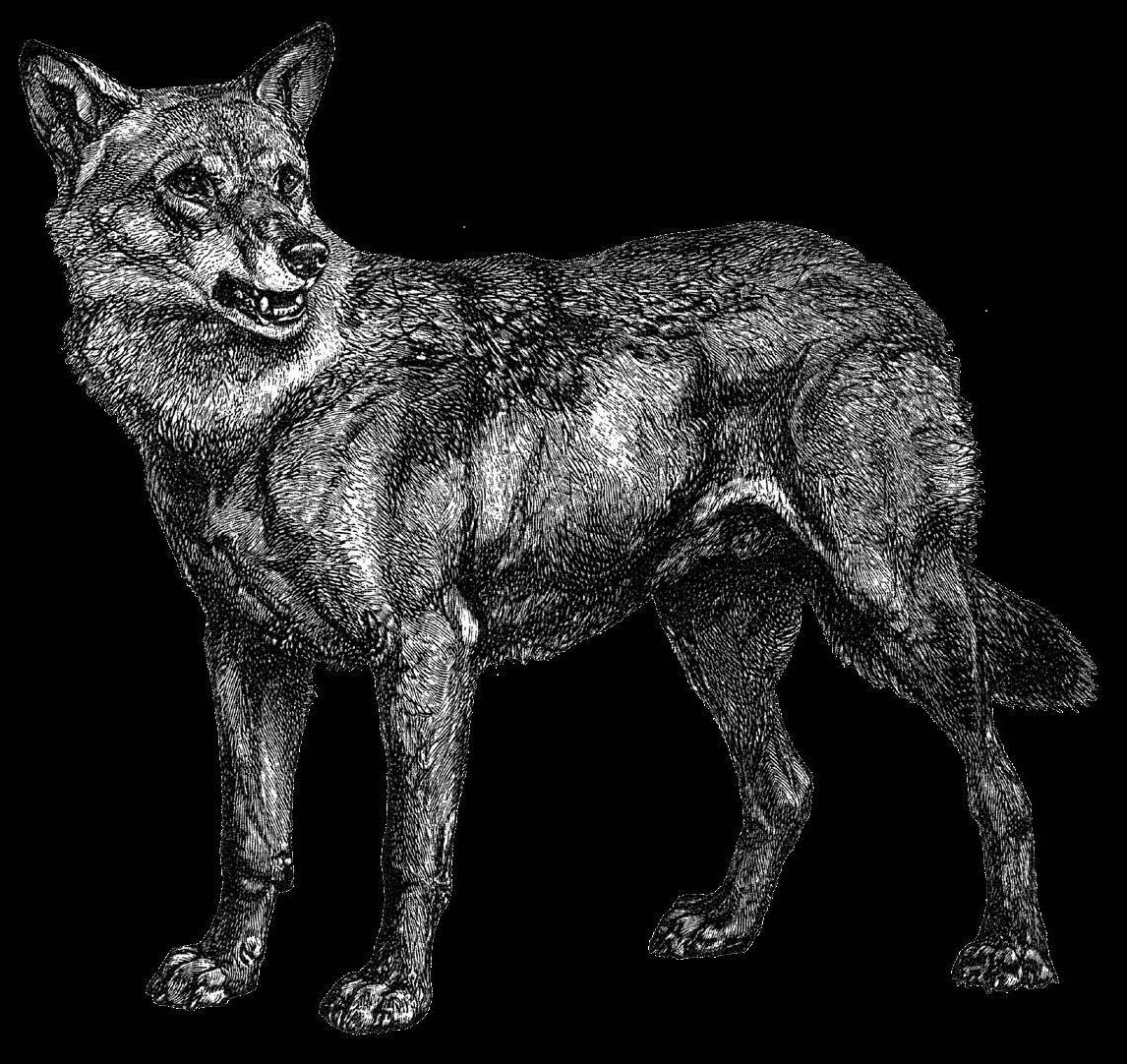
MAKE EXTRAORDINARY CONNECTIONS NETWORK AND BUILD RELATIONSHIPS WITH EXPERIMENTAL BIOLOGISTS FROM AROUND THE WORLD
THINK BIG TAKE PART IN CROSSDISCIPLINARY CONFERENCES AND SHARE INNOVATIVE AND INSPIRING DATA, IDEAS AND RESULTS
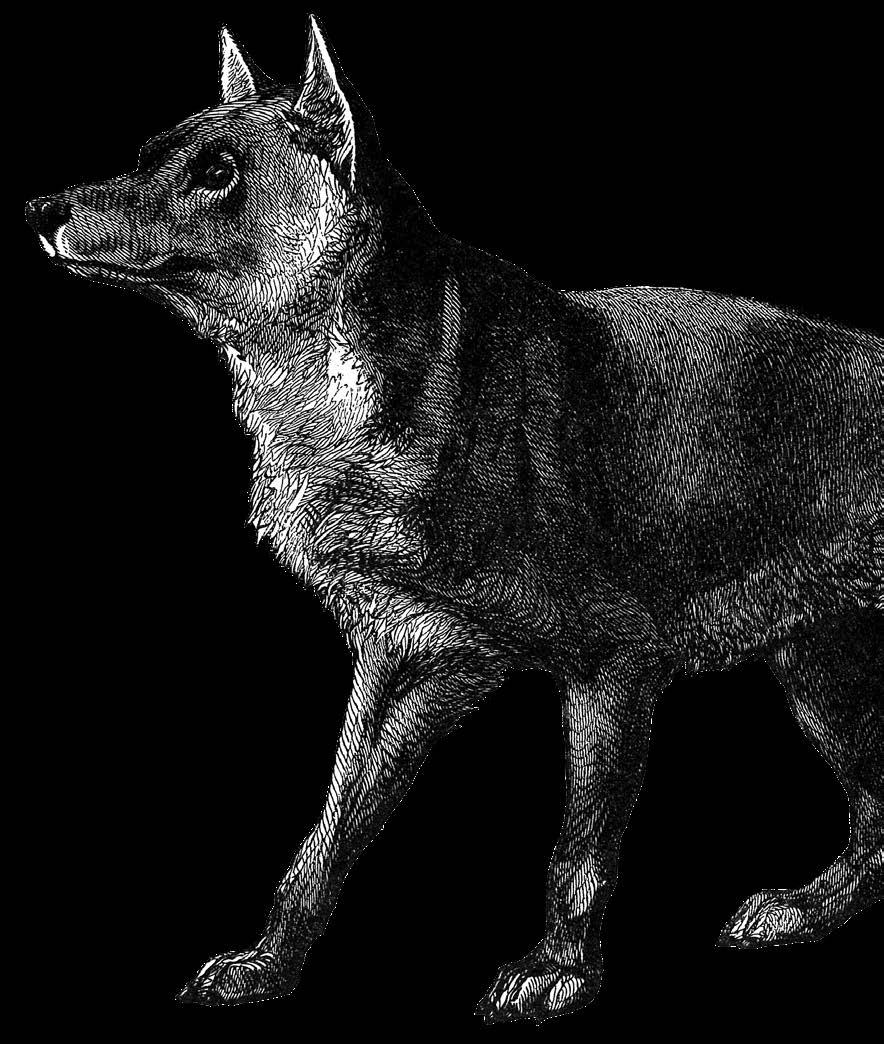
DO MORE APPLY FOR GRANTS AND SPONSORSHIP TO INCREASE YOUR OPPORTUNITIES
FAST TRACK YOUR CAREER ACCESS JOURNALS, EDUCATION AND TRAINING SUPPORT
ORGANISED BY: RAINER MELZER (UNIVERSITY COLLEGE DUBLIN), DR ZIXIA HUANG (UNIVERSITY COLLEGE DUBLIN)
TRNA HALVES FACILITATES TRANSLATIONAL REPRESSION DURING PLANT SEXUAL REPRODUCTION
Tuesday 7th July 2026 09:00
German Martinez (Swedish University of Agricultural Sciences, Sweden)
german.martinez.arias@slu.se
Intriguing accumulation of different types of small RNAs derived from tRNAs have been reported in multiple organisms and tissues, especially under stress conditions, but their biogenesis pathways and functions remain largely unknown. The plant male reproductive structure, the pollen grain, experiences a strong translational repression through undefined molecular mechanisms that is key to ensure proper pollen grain germination and transmission of the male gametes to the female ovule. Here we show that theArabidopsis thalianapollen grain naturally accumulates tRNA halves that are responsible for the proper translational repression that this structure experiences in its mature stage. We show that tRNA halves are generated through a developmentally controlled pathway that involves reprogramming of tRNA posttranscriptional modifications and activity of class II RNases of the T2 family. We used a integrative analysis of RNA-, co-translational RNA decay-, and proteome-sequencing to identify their targeted genes which were translationally repressed but protected from degradation. Our data indicates that tRNA halves are key for proper pollen grain germination and that they are important for the developmentally regulated translation of key genes involved in this process. Conservation of tRNA halves accumulation across the tree of life indicates that the use of these sRNAs to control translation during male gamete maturation might be a conserved cellular mechanism in multiple species.
P7.2 THE LNCRNA LRSC1 IS A NOVEL AND UNEXPECTED REGULATOR OF PLANT RESPONSES TO CARBON DIOXIDE?
Tuesday 7th July 2026 09:30
Hurtado-Castano (University of Sheffield, United Kingdom), James Clark (University of Bath, United Kingdom), Alistair Hetherington (University of Bristol, United Kingdom), Julie Gray (University of Sheffield, United Kingdom), Dan Bose (University of Sheffield, United Kingdom), Stuart Casson (University of Sheffield, United Kingdom) n.hurtado@sheffield.ac.uk
Stomata are small pores found in the epidermal layers of the leaves, surrounded by two guard cells, which control the aperture and closure regulating gas exchange and transpiration. Changes in CO2 concentrations drive stomatal response to maintain the required levels for mesophyll carbon assimilation and to optimise water use efficiency. Studies have identified genes implicated in CO2 stomatal signalling; however, the understanding of how these genes are regulated is incomplete. In Arabidopsis thaliana we identified a lncRNA locus (Regulator of Stomatal CO2 sensitivity - LRSC1), whose transcripts are highly enriched in guard cells compared with other leaf cell types. Remarkably, lrsc1 mutants consistently display significantly increased evapotranspiration in response to increased [CO2 ].
To answer whether mutating LRSC1 affects transcriptional responses to [CO2 ] changes, we performed RNAseq and qPCR analysis on plants grown at 480 ppm CO2 and exposed to 1000 ppm CO2 . About 2000 genes, including LRSC1, were differentially expressed at 1000 ppm in wild-type (Col-0), while in lrsc1 mutants those genes did not change expression in response to elevated CO2 . Additionally, several genes in the wider locus show [CO2 ]-induced expression changes in Col-0 but not lrsc1-1.Together, this suggests a regulatory role, either at the transcriptome level or potentially as an enhancer, for the LRSC1locus.
Finally, this investigation will help us to comprehend the mechanism by which LRSC1 regulates plant responses to increasing [CO 2 ]. Understanding how plants respond to CO2 is vital to develop more resilient crops that maximise the positives of increasing [CO2 ], whilst mitigating trade-offs.
Tuesday 7th July 2026 09:50
Qiqi Zhi (University College Dublin, Ireland), Graham Hughes (University college Dublin, Ireland), Zixia Huang (University college Dublin, Ireland)
qiqi.zhi@ucdconnect.ie
The insertion of mitochondrial DNA (mtDNA) fragments into nuclear DNA (NUMTs) is an ongoing process. Although most NUMTs are nonfunctional and may mislead mtDNA research or contribute to human disease and ageing, they may also present valuable genetic material for studying genome evolution and can serve as informative phylogenetic markers. Accurate NUMT identification is therefore essential for related research. Multiple tools have been developed for NUMT identification, but they often produce inconsistent results. There is still a lack of a comprehensive benchmark to evaluate the performance of these tools and to provide a standard pipeline for NUMT prediction. To address this issue, we conducted a systematic benchmarking analysis of different NUMT prediction tools and applied them to 155 species representing diverse evolutionary lineages across the Tree of Life, including plants, animals, fungi, and protists. We selected three broadly used tools, including blastn, last, and lastz, and evaluated them under two settings: noswap (nuclear genome as database, mitochondrial genome as query) and swap (mitochondrial genome as database, nuclear genome as query). Tool performance was assessed using precision, sensitivity, specificity, accuracy, F1 score, and an overall ranking score at different confidence levels (≥2, ≥3, ≥4, and ≥5 supporting methods). Using comparative phylogenetic methods, we further explored genomic characteristics that may influence the choice of optimal NUMT identification pipelines. This benchmarking framework established a robust and broadly applicable strategy for accurate NUMT identification across diverse species spanning the Tree of Life.
Tuesday 7th July 2026 14:00
Zixia Huang (University College Dublin, Ireland), Bastian Fromm (The Arctic University of Norway, Norway), Paolo Devanna (The Max Planck Institute for Psycholinguistics, Netherlands), Elise Lauterbur (University of Vermont, United States), Liliana Davalos (Stony Brook University, United States), Emma Teeling (University College Dublin, Ireland), Sonja Vernes (University of St Andrews, United Kingdom)
zixia.huang@ucd.ie
MicroRNA seed regions are powerful drivers of evolutionary divergence, as single-nucleotide substitutions can rewire entire gene regulatory networks. Whether such changes are repeatedly exploited by natural selection to drive lineage-specific adaptation, however, remains unclear. Here, we show that bats have harnessed this evolutionary potential through lineage-specific innovation of the deeply conserved microRNA Mir-337-3p, giving rise to a multi-layered regulatory architecture that has been stably maintained across bat evolution. Analysing 103 chromosome-level genomes spanning all extant bat families, we identified two fixed seed substitutions in Mir-337-3p that arose in the ancestral bat lineage and have been conserved for over 50 million years. These genomic changes are coupled to a bat-specific regulatory phenotype characterised by highly precise miRNA biogenesis, dramatically elevated Mir-337-3p expression, and pervasive adenosine-
to-inosine (A-to-I) editing within the seed region. Functional assays demonstrated that co-evolved sequence variants in the bat Mir-337 precursor create an optimal RNA structural context for efficient ADARmediated editing, effectively generating a second, distinct miRNA with a divergent seed and an independent target repertoire. Comparative analyses across the bat radiation revealed that targets of the edited isoform are more broadly conserved than those of the canonical form and are enriched for fundamental developmental processes. We propose that bats have evolved a “dual-track” regulatory system from a single conserved miRNA locus, in which a seed mutation and its coupled editing machinery synergistically diversify gene regulation without gene duplication, illustrating how purifying selection can stabilise an integrated adaptive program to drive lineage-specific regulatory innovation.
Tuesday 7th July 2026 14:30
Matteo Toscani (University College Dublin, Ireland), Afshen Malik (University College Dublin, Ireland), Ainhoa RieraBegue (University College Dublin, Ireland), Caroline Dowling (University College Dublin, Ireland), Quentin Rougemont (Universite Paris-Saclay, France), Ricardo C. R. De la Vega (Universite Paris-Saclay, France), Tatiana Giraud (Universite Paris-Saclay, France), Susanne Schilling (University College Dublin, Ireland), Rainer Melzer (University College Dublin, Ireland)
matteo.toscani@ucdconnect.ie
Sex determination in dioecious plants remains poorly understood, and the genetic basis of monoecy, where male and female flowers occur on the same individual, is largely uncharacterised.Cannabis sativa is an ideal model system for studying sex determination, possessing one of the oldest known pairs of sex chromosomes in flowering plants, and displaying both dioecious and monoecious cultivars within the same species.
We performed a multi-method investigation combining QTL mapping, comparative transcriptomics and genomic analysis of X-Y chromosome divergence to identify the genetic basis of sex determination and monoecy in hemp.
QTL mapping identified Monoecy1, a locus on the X chromosome explaining 15% of phenotypic variance for the monoecy/dioecy trait. The Monoecy1 locus is located in the most ancient and diverged region of the sex chromosomes, where approximately 40% of X-encoded genes lack a Y chromosome counterpart and genes with extremely high ds values reside.
Within Monoecy1, three key genes contributing to sex determination were identified:CsKAN4, a KANADI transcription factor gene that is downregulated in monoecious plants, CsREM16, a B3 domain transcription factor gene that is overexpressed in female plants and lncREM16, a long non-coding RNA with male-exclusive expression despite being located on chromosome X, and a partial sequence identity to CsREM16. We propose a regulatory model on how those genes interact to transition between sexual phenotypes in Cannabis.
Tuesday 7th July 2026 14:50
Mohit P Mantri (Indian Institute of Science Educaton and Research Pune, India), Drishti Kataria (Indian Institute of Science Educaton and Research Pune, India), Anjan K Banerjee (Indian Institute of Science Educaton and Research Pune, India)
mantri.mohit@students.iiserpune.ac.in
Gibberellic acid (GA) is an important phytohormone that governs tuber development in potato. In the photoperiod-sensitive Solanum tuberosum ssp. andigena, short-day conditions triggers the induction of belowground modified stem (stolon) to form tuber. This stolon-to-tuber transition requires a rapid decline in bioactive GA, mainly mediated by the upregulation of StGA2OXIDASE1 (StGA2ox1), a GA catabolic gene. Transcription factors such as StSP6A and StBEL5 are shown to upregulate StGA2ox1 in tuberizing stolons; however, the mechanistic basis of StSP6A-mediated regulation remains unexplored. Here, we demonstrate that the Tuberigen Activation Complex (TAC)–comprising StSP6A, StFDL, and St14-3-3–directly binds to the StGA2ox1 promoter to activate its expression. This finding provides new insights into the transcriptional regulation of GA homeostasis. Phased short-interfering RNAs (phasiRNAs) are emerging as critical post-transcriptional regulators of tuber development. We show that the TAS-like locus StTm2 is cleaved by miR6026-3p to generate phasiRNAs, of which siRD8(+) specifically targets StGA2ox1. Through cleavage site mapping and transient-overexpression assays, we validated the RDR6-dependent generation of phasiRNAs and confirmed the functionality of this posttranscriptional regulatory module in controlling StGA2ox1 expression. Stable transgenic potato lines of siRD8(+) are being assessed to determine its role in tuberization. Collectively, this study reveals a dual regulation of StGA2ox1, wherein TAC-mediated transcriptional activation and phasiRNA-mediated post-transcriptional silencing finetune its expression in potato. This work highlights how transcriptional and small RNA-mediated pathways could coordinate to regulate hormonal balance during complex developmental transitions in plants.
Wednesday 8th July 2026 18:00-20:00
Chanseok Shin (Seoul National University, Korea (South)), Sang-Yoon Shin (Research Center for Plant Plasticity Seoul National University, Korea (South))
cshin@snu.ac.kr
The MIR173–TAS1/2 pathway generates trans-acting siRNAs (tasiRNAs) that regulate target genes in plants. Although the evolutionary history of the TAS1/2–PPR pathway has been extensively studied, the TAS1–HTT pathway has so far been described only in Arabidopsis thaliana, leaving its evolutionary origin largely unclear. Here, we investigated the diversification and evolutionary conservation of the TAS1–HTT pathway. Starting from the observation of ecotype-specific reductions in tasiRNA accumulation and sequence variation at the TAS1b locus in A. thaliana, we examined the diversification of TAS1 family sequences across A. thaliana ecotypes and explored the conservation of MIR173, TAS, and HTT genes across diverse plant species. Our analyses revealed that the MIR173–TAS pathway is partially conserved among Brassicaceae species possessing HTT family genes, suggesting a stepwise evolutionary relationship between these components. Notably, we found that sequence diversification of HTT-targeting tasiR255-like elements and copy number variation within TAS1 loci represent key evolutionary features associated with the neofunctionalisation and diversification of this pathway. Together, these findings reveal previously unrecognised evolutionary dynamics of the TAS1–HTT pathway in Brassicaceae and provide new insight into the molecular evolution of tasiRNA-mediated thermotolerance regulation in plants.

Thursday 9th July 2026 11:00
Jake Harris (University of Cambridge, United Kingdom)
cjh92@cam.ac.uk
CRISPR-based systems have emerged as powerful tools for recruiting epigenetic machinery to precise locations throughout the genome. In principle, they allow us to ask conceptually simple questions about chromatin function in plants, and open the door to the rational design of epigenetic states that support improved resilience. In practice, however, such experiments require carefully considered controls for valid interpretation, and the extent to which different genomic regions are amenable to modulation by CRISPR-mediated approaches remains largely unexplored. In this talk, I will discuss progress, perspectives, and prospects in this area.
P8.2 MECHANISTIC ROLES OF DNA METHYLATION AND NON-CG CHROMOMETHYLASES IN CROP EPIGENETIC INHERITANCE
Thursday 9th July 2026 11:30
Claudia Martinho (University of Dundee, United Kingdom) CMartinho001@dundee.ac.uk
Epigenetic modifications, including DNA methylation, are strongly associated with somatic and transgenerational heritable changes in gene expression in plants. However, despite these strong correlations, causal links between specific methylation marks and stable gene regulation remain underexplored, particularly in non-model species. Focusing on non-CG methylation, I combine classical reverse genetics with CRISPR-based epigenome editing to test how targeted manipulation of DNA methylation affects heritable chromatin states in crop plants.
Thursday 9th July 2026 12:00
Adam Hannan Parker (University of Sheffield, United Kingdom), Peijun Zhang (University of Sheffield, United Kingdom), Kwok Yin Man (University of Sheffield, United Kingdom), George Cawood (University of Sheffield, United Kingdom), Louis Tirot (University of Sheffield, United Kingdom), C. Jake Harris (University of Cambridge, United Kingdom), Lisa M. Smith (University of Sheffield, United Kingdom), Stephen A. Rolfe (University of Sheffield, United Kingdom), Samuel W. Wilkinson (University of York, United Kingdom), Jurriaan Ton (University of Sheffield, United Kingdom)
a.hannanparker@sheffield.ac.uk
Epigenetic reprogramming is increasingly recognised as a regulator of plant immune memory, yet the underlying molecular pathways remain poorly defined. Although genetic mutant lines have advanced the field considerably, their constitutive nature limits the analysis of dynamic and reversible epigenetic underlying this memory. Here, we employed complementary epi-mutagenic tools to assess the contribution of DNA (de)methylation to immune memory against plant pathogens. We generated Arabidopsis lines harbouring an inducibleAtROS1construct, enabling transient and dose-dependent activation of this DNA demethylase. EctopicAtROS1induction resulted in immune memory against biotrophic pathogens, which persisted for at least one week post-induction but was erased within two weeks. This transient memory coincided with reduced small RNA abundance and non-CG methylation across chromosome arms, both of which gradually returned to baseline levels over time. In contrast, pericentromeric regions displayed persistent increases in these epigenetic marks, which outlasted the memory phase and involved regulation by CLSY3. Integration of methylome, small RNA, and transcriptome sequencing revealed novelcis-regulated targets within chromosome arms that are antagonistically controlled by RNA-directed DNA methylation and AtROS1. Notably, we uncovered one epi-locus in the promoter of theNPR1gene, a key activator of salicylic-acid-dependent immunity. Using the SunTag-dCas9-TET1 system for targeted demethylation, we demonstrate that loss of DNA methylation at this epi-locus enhancesNPR1expression and improves plant pathogen resistance. Collectively, our results establish dynamic DNA methylation changes in the chromosome arms as the main driver of transient plant immune memory and highlight opportunities for epigenetic engineering strategies to enhance crop protection.
Tuesday 7th July 2026 16:00
Kaitlin Saward (University of Southampton, United Kingdom), Mark Carine (Natural History Museum, United Kingdom), Chris Dixon (Natural History Museum, United Kingdom), Geoffrey Kitchener (Halstead Kent, United Kingdom), Mark A Chapman (University of Southampton, United Kingdom)
ks5g22@soton.ac.uk
Hybrids are widespread in the British flora; it is estimated that ¼ of species hybridise, but hybrid propensity and the fertility of hybrids is unequal between genera. Hybridisation can have substantial positive and negative effects on the native flora, from parental extinction to adaptive introgression. Therefore, it is important to understand what constrains or promotes hybridisation and the fertility of hybrids.
Parental genetic divergence is expected to be negatively correlated with hybrid formation and fertility due to an increase in incompatible loci between parents. However, previous studies have found a lack of consistent correlation between genera, but this could be due to results being based on a limited number of barcode loci. In addition, previous work has relied on anecdotal evidence of hybridisation, with hybrid fertility measurements often absent.
Here we analyse the impact of parental genetic divergence on hybrid viability and fertility, focussing on a genus of British plant species Epilobium (Onagraceae). By combining genetic data from >1000 genome-wide molecular markers with pairwise cross data from 12 species we were able to measure the effect of parental genetic divergence on hybridisation outcome in one genus which has undergone a recent rapid radiation, and we are following up in another genus to look for parallel patterns.
With global environmental change and anthropogenic disturbance influencing species’ geographical and phenological overlap it is becoming increasingly important to predict the likelihood of hybridisation of species pairs we expect to overlap in the future. This could highlight species more at risk at hybridisation-related extinction.
P9.2
ROLE OF GERANIOL SYNTHASE AND GERANIOL 10-HYDROXYLASE IN PICROSIDE
BIOSYNTHESIS IN PICRORHIZA KURROA USING MASS SPECTROMETRY IMAGING
Tuesday 7th July 2026 16:02
MONIKA CHOUHAN (CSIR-Institute of Himalayan Bioresource Technology, India), Rajiv Kumar (CSIR- Institute of Himalayan Bioresource Technology, India)
monikachauhan660@gmail.com
Picrorhiza kurroa Royle ex Benth., a perennial medicinal herb of the family Plantaginaceae, produces iridoid glycosides known as picrosides (I-IV) that exhibit various medicinal values. Picrosides are synthesized via a combined route of the mevalonate (MVA), non-mevalonate (MEP), shikimate/phenylpropanoid, and iridoid pathways. Despite their therapeutic importance, little is known about the spatial distribution of picroside and the genetic regulation of its biosynthesis. In this study, matrix-assisted laser desorption/ionization mass spectrometry imaging (MALDI-MSI) was employed to investigate thein situspatial distribution of picrosides and iridoid pathway intermediates across leaf, root and rhizome. MALDI-MSI revealed distinct tissue-specific accumulation patterns with significantly higher levels of Picrosides in rhizome compared to root and leaf, which were further validated by UPLC.
Furthermore, two iridoid pathway genes, geraniol synthase (PkGS) and geraniol 10-hydroxylase (PkG10H), have been selected to understand the regulatory role in picroside biosynthesis. In continuation, we developed the virus-induced gene silencing (VIGS) protocol in P. kurroa,to study gene function. Transient overexpression and VIGS were conducted in P. kurroa, followed by gene expression analysis (RT-PCR) and metabolite profiling using both UPLC and MALDI-MSI. Overexpression of PkGS and PkG10H enhanced picroside accumulation, whereas VIGS-mediated silencing significantly reduced their levels. MALDI-MSI further confirmed altered metabolite distribution patterns in both overexpression and silenced lines, demonstrating the regulatory roles of PkGS and PkG10H in picroside biosynthesis and spatial localization. This integrative approach combining spatial metabolomics and functional genomics provides critical insights for metabolic engineering strategies aimed at enhancing picroside production.
Tuesday 7th July 2026 16:04
Veronica Giourieva (Aristotle University of Thessaloniki, Greece), Christos Tersenidis (Aristotle University of Thessaloniki, Greece), Stylianos Poulios (Aristotle University of Thessaloniki, Greece), Anna Kouskouveli (Aristotle University of Thessaloniki, Greece), Alkiviadis Athanasiadis (Aristotle University of Thessaloniki, Greece), Konstantinos Vlachonasios (Aristotle University of Thessaloniki, Greece), Emmanuel Panteris (Aristotle University of Thessaloniki, Greece), George Komis (Aristotle University of Thessaloniki, Greece)
giounika@bio.auth.gr
Sterol biosynthesis supports essential physiological functions in plants, including the production of membrane structural sterols and key hormones. Inhibition of sterol biosynthesis has been shown to disrupt multiple aspects ofArabidopsis thalianadevelopment. In this work, the effects of lovastatin, an inhibitor of HMG-CoA reductase, on root development were investigated with emphasis on auxincytokinin distribution and transport. Lovastatin treatment inhibited primary root growth, especially cell elongation, in a dose-dependent manner. Additionally, lateral root density was considerably increased and lateral root primordia (LRP) emerged ectopically. In accordance with the above defects, auxin/cytokinin imbalance was recorded by the ectopic presence of the synthetic auxin marker DR5 and a significant decrease of cytokinins, as revealed by depletion of the TCS marker. Plasma membrane localization of PIN auxin efflux carriers declined significantly, showing additional diffuse cytoplasmic localization in LRP cells. However, the cell-specific localization patterns of several PINs and their abundance at the transcript and protein level appeared unaffected or slightly increased. Fluorescence recovery after photobleaching (FRAP) analysis of PIN2 revealed altered PIN2 membrane dynamics, while transmission electron microscopy (TEM) showed ultrastructural defects at the plasma membrane-cell wall interface. Together, these results support that sterol biosynthesis is essential for maintaining plasma membrane organization, essential for proper distribution of hormones and root developmental patterning.
Tuesday 7th July 2026 16:06
Carlos A Avila (Texas AM AgriLife Research, United States), Raja S Srungarapu (Texas AM AgriLife Research, United States), Ainong Shi (University of Arkansas, United States)
carlos.avila@ag.tamu.edu
Anthracnose, caused by Colletotrichum dematium, has emerged as a major foliar disease that threatens spinach (Spinacia oleracea L.) production. In this study, a diverse panel of 266 accessions was evaluated under field conditions to dissect the genetic architecture of anthracnose resistance. Substantial phenotypic variation was observed, with disease severity indices (DSI) ranging from 1 (highly resistant) to 10 (highly susceptible). A total of 20 accessions showed moderate to high resistance (DSI ≤ 4), representing valuable resistance sources. Genome-wide association study (GWAS) identified 20 significant SNPs. The most consistent marker (SOVchr3_19667279) explained up to 66.8% of phenotypic variance, and several associated SNPs were located within or near putative defense-related genes. Genomic
prediction (GP) using multiple models demonstrated that predictive accuracy increased when a set with more SNPs was used. The gBLUP model achieved the highest accuracy (r = 0.92), while BRR model attained the best predictive accuracy (r = 0.51) when using twenty GWAS-derived SNPs, highlighting the value of integrating association mapping with prediction approaches. Cross-population prediction performed well (r = 0.58-0.71), whereas across-population prediction showed reduced accuracy (r = 0.10-0.14), indicating the influence of genetic background on model transferability. This integrative genomic study provides novel insights into the genetic basis of anthracnose resistance in spinach and demonstrates the potential of GWAS and GP in accelerating resistance breeding.
Tuesday 7th July 2026 16:08
Vishal Saini (CSIR - Institute of Himalayan Bioresource Technology Palampur, India), Rajiv Kumar (CSIR - Institute of Himalayan Bioresource Technology Palampur, India) vishalsaini29895@gmail.com
Being sessile and climate change are the two integral components that force plants to come across diverse abiotic stresses. Under such conditions, the complex molecular talk at the genetic level plays a crucial role in structuring the phenotypic, physiological, and biochemical responses. In the previous studies, de novo transcriptomics along the altitudinal gradient of the Himalayan range suggested the significant increase in Pk8858 contig expression in Picrorhiza kurroa Royle ex Benth. a high-altitude medicinal herb (3000-5000 masl) of the Himalayas. Therefore, the Pk8858 gene could be involved in plant adaptation towards multiple abiotic stress combinations. To address our hypothesis, we identified Pk8858 contig, later annotated as PkPLAT (Polycystein, Lipoxygenase, Alphatoxin, Triacylglycerol Lipase) as a multi-stress responsive gene. Under in silico analysis, PLAT showed a conserved domain in the plant system having a consistent stressresponsive LH2 (Lipoxygenase Homology2) domain. The confocal microscopy was showing PkPLAT gene localization in the plasma membrane of the cell along with stomatal guard cell membrane, conferring its diverse biological role. Expression analysis using qRTPCR shows significant expression both in single and multiple abiotic stress combinations, further supporting our objectives. Moreover, promoter analysis showed strong induction under different abiotic stresses. These findings laid down the foundation for the PkPLAT gene as a promising candidate to show impactful results under multifactorial stress conditions.
Tuesday 7th July 2026 16:10
Charles.ologidi@ndu.edu.ng
Taro [Colocasia esculenta L. (Schott)] is an important indigenous crop in communities in Africa, in Asia-Pacific, and the Americas. African soils have low to moderate fertility with even some nutrients like iron and zinc having low bioavailability. Factors responsible for poor soil health include lack of soil rejuvenation, soil degradation, and poor nutrient replenishment. Fertilizer and manure use improves soil health, but there are limitations and variability in bioavailability of nutrients to taro and its consumers. The variability was indeed observed when plant collections obtained from the Niger Delta were planted in the Research Farm of the Department of Biological Sciences. This was done as a preliminary check. The soil properties included the following; pH 6.45±0.19, total organic matter (%) 4.40±0.28, cation exchange capacity (meq/100g) 17.47±0.41, divalent iron (ppm) 3.45±0.24 Zn2+ (ppm) 5.35±0.20. Further studies are being conducted to characterise more collections for morphological, genetic, and mineral uptake.
Tuesday 7th July 2026 16:12
Varsha Meena (Adam Mickiewicz University, Poland)
Varmee@amu.edu.pl
Chloroplast–nucleus communication plays an essential role in coordinating plant stress responses, yet the molecular mechanisms linking plastid status to nuclear transcription remain poorly understood. The dual-localized single-stranded DNA/RNA-binding proteinWHIRLY1has been implicated in development and stress signaling, but its role in abscisic acid (ABA)-mediated transcriptional regulation is unclear. To investigate this, we performed RNA sequencing of Arabidopsis thaliana wild-type, why1 knockout, and WHY1 overexpression seedlings following short-term ABA treatment. Global transcriptome analysis revealed genotype-dependent ABA responses, with distinct transcriptional profiles between mutant and overexpression lines. Interaction modeling identified genes whose ABA responsiveness was specifically altered in the WHY1 overexpression background. Functional enrichment analysis indicated that these genes are associated with stress response, seed maturation, and metabolic processes. Promoter motif enrichment analysis further revealed significant enrichment of ABRE-related motifs recognized by ABA-responsive transcription factors includingABI5and ABF family regulators. Comparative transcriptome analysis also identified genes displaying opposite expression patterns between why1 mutants and WHY1 overexpression plants, suggesting that WHIRLY1 acts as a transcriptional modulator of ABA-responsive gene expression. Together, these results indicate that WHIRLY1 contributes to fine-tuning ABAdependent transcriptional programs and may provide a mechanistic link between plastid signaling and nuclear stress responses.
Tuesday 7th July 2026 16:30
Pranshu Kr. Pathak (CSIR-CIMAP, India)
author:prabodht@hotmail.com
Terpenoids are among nature's most chemically diverse metabolite families, playing a crucial role in plant growth and development. Terpenoids, Squalene, and Phytosterols are essential to pharmacology, but little information is known about their molecular regulation in plants. Squalene synthases (SQSS), the key gene of the terpenoid pathway, are involved in sterol and triterpene biosynthesis in most organisms. Light is a well-known regulator of both flavonoid and terpenoid biosynthesis. HY5 is a key regulator of flavonoid and terpenoid synthesis and has been extensively explored; however, squalene biosynthesis and light regulation remain poorly understood. In this study,in silicoanalysis of the AtSQS1promoter,which revealed the presence of G-boxes, suggested that it might be regulated by light. Through Y1H and EMSA, we reported that HY5 physically interacts with theAtSQS1 promoter. Additionally, histochemical analysis of the AtSQS1 promoter in hy5215 mutant and HY5OX backgrounds suggested HY5 negatively regulatesAtSQS1 expression. Metabolic analysis also revealed that HY5 negatively regulates squalene production and is required for light-dependent regulation ofAtSQS1. This study demonstrates that HY5 controls squalene production by regulatingAtSQS1. These findings will be essential components to understanding the cross-talk between terpenoid and flavonoid metabolism in Arabidopsis thaliana. Our study offers a management strategy to control abiotic stresses, such as drought, temperature, and nutrient deficiency, highlighting the roles of SQS1 and HY5.Keywords: Genome-Editing, Terpenoids, Flavonoids, AtSQS1, HY5
Tuesday 7th July 2026 16:45
Firdous Rasool Sheikh (CSIR - Institute of Himalayan Bioresource Technology Palampur, India), Joel Jose Santhi (CSIR Institute of Himalayan Bioresource Technology Palampur H.P. India, India), Diksha Kalia (CSIR Institute of Himalayan Bioresource Technology Palampur H.P. India, India), Rajesh Kumar Singh (CSIR Institute of Himalayan Bioresource Technology Palampur H.P. India, India) rajeshextol@gmail.com
Saffron,derived from the stigma of theCrocus sativusflower, is a highly valued culinary and medicinal product. Its productivity is closely linked to flower formation, which is regulated by temperature. Suboptimal temperatures can lead to flower atrophy, resulting in reduced or absent flowering. To investigate the influence of temperature on
saffron flowering, we conducted morphological, transcriptomic, and metabolic analyses on meristem-enriched tissues from corms grown under non-inductive (8 °C) and inductive (25 °C) conditions during the flowering stage. Morphological and histochemical observations indicated that higher temperatures promote floral induction, whereas lower temperatures suppress it. Integrated transcriptomic and metabolomic analyses revealed a key role for sugar metabolism in temperature-mediated floral regulation. Genes and metabolites associated with starch, sucrose, trehalose and raffinose metabolism were differentially regulated between the two temperature regimes. At the inductive(25 °C) temperature, increased starch degradation and accumulation of soluble sugars—particularly sucrose and trehalose-6phosphate—were observed. In contrast, raffinose levels were elevated under non-inductive (8 °C) conditions. These findings suggest that sucrose and trehalose-6-phosphate act as positive regulators of floral induction, whereas raffinose functions as a repressor. Exogenous application of sugars further supported these observations: sucrose enhanced, while raffinose inhibited, floral induction in saffron. Functional validation through ectopic expression and complementation studies in Arabidopsis, along with Virus-Induced Gene Silencing (VIGS) in saffron, demonstrated that CsatTPS2 and NAC14 positively regulates, while CsatTPP3 and CsGLOS1 and LHY negatively regulates flowering. Together, this study uncovers a temperature-dependent regulatory mechanism in saffron, in which the balance of sugar metabolites and their signalling pathways governs floral induction.
Tuesday 7th July 2026 17:00
Sara Beltrami (University of Florence-CNR, Italy), Sara Beltrami (University of Florence-CNR, Italy), Cassandra Detti (University of Florence, Italy), Lapo Azzini (University of Florence, Italy), Francesco Paolo Nicese (University of Florence, Italy), Carlo Stella (Pastella Factory SRL, Italy), Francesco Ferrini (University of Florence-CNR, Italy), Antonella Gori (University of Florence-CNR, Italy), Cecilia Brunetti (CNR-University of Florence, Italy)
sara.beltrami@unifi.it
The biochemical and physiological mechanisms underlying Cinnamomum camphora(L.) Presl responses to water stress remain poorly understood, despite their relevance to both ornamental value and bioactive secondary metabolite production. This study aimed to: 1) characterize the physiological and biochemical responses of adult plants under moderate (WS1, 60% of full irrigation) and severe (WS2, 30% of full irrigation) water stress; 2) identify robust physiological and biochemical markers for drought-induced adaptation; 3) validate a novel pocket Leaf Water Meter (pocketLWM) sensor for real-time monitoring of water stress; 4) define stress thresholds to inform precision irrigation. Under WS1, plants exhibited transient reductions in photosynthesis and stomatal conductance, fully reversible upon rewatering, without impairing growth. These physiological adjustments were associated with activation of photoprotective mechanisms and a reconfiguration of flavonoid metabolism, including increased chlorogenic acid and acetylated kaempferol derivatives. Notably, shifts in kaempferol acetylation emerged as a key biochemical marker of antioxidant response. In contrast, WS2 caused irreversible damage to the photosynthetic apparatus (Fv /Fm ), altered pigment composition, reduced secondary metabolites, and significantly reduced plant growth. The pocketLWM sensor effectively tracked leaf dehydration,
demonstrating higher sensitivity to early-stress signals than traditional relative water content (RWC) measurements. Overall,C. camphora exhibits high tolerance to moderate water stress through coordinated physiological and biochemical plasticity. The integration of flavonoidbased biochemical markers with novel sensor measurements of leaf water status provides a practical framework for monitoring stressadaptation in woody species and supports sensor-guided moderate deficit irrigation as a sustainable strategy to optimize water use without compromising plant performance.
SALINITY-
ABERRATIONS IN CORTICAL MICROTUBULE AND PHRAGMOPLAST ORGANIZATION AND ABNORMAL CELL PLATE DEPOSITION IN ARABIDOPSIS
Thursday 9th July 2026 15:00
Anna Kouskouveli (Aristotle University of Thessaloniki, Greece), Emmanuel Panteris (Aristotle University of Thessaloniki, Greece), George Komis (Aristotle University of Thessaloniki, Greece)
akouskouv@bio.auth.gr
Plants are frequently exposed to adverse environmental conditions compromising their viability and productivity. Heat and salinity are major abiotic stresses that may immediately impact cellular integrity before evoking tolerance and adaptation mechanisms, adversely affecting intracellular organization and architecture. In this line, we focused on the effects of increased heat or salinity on cortical microtubule and phragmoplast organization, as well as cell plate deposition, in wild type (Col-0) and katanin mutant (fra2) Arabidopsis thaliana root cells, applying transmission electron microscopy. Both stresses induced rearrangements in cortical microtubules and produced abnormal phragmoplasts and cell plates in Col-0 and fra2 root cells, after short exposure to 37°C or 250 mM NaCl. Specifically, cortical microtubules in interphase cells lost their transverse orientation, while phragmoplasts consisted of very few microtubules -or none at all- in most cases, resulting in aberrant cell plate formation. In cases where phragmoplast microtubules were present, they were longer than normally, in an acute angle to the cell plate, pointing towards the daughter nuclei. Stress-affected cell plates in both Col-0 and fra2 were thick, comprising malformed oversized vesicles, exhibiting defective fusion with the parental wall and displaying gaps even after completion of cytokinesis. Furthermore, cytokinetic and post-cytokinetic cells exposed to increased heat or salinity contained numerous Golgi-derived vesicles, possibly reflecting an attempt to amend cell plate deficiencies.
Thursday 9th July 2026 15:02
Juan Enciso (Juan Enciso, United States), Jose Carlos ChavezOrtiz (Texas AM AgriLife Research, United States), Carlos Avila (Texas AM AgriLife Research, United States), Kranthi Mandadi (Texas AM AgriLife Research, United States) jencisom@yahoo.com
This study evaluated the response of three onion (Allium cepa L.) varieties to different irrigation regimes and a seaweed-based biostimulant using UAV-based multispectral and thermal imaging to identify varieties with greater tolerance to water stress. The experiment was conducted in Fall 2025 using a split-split-plot randomized complete block design with four replications under subsurface drip irrigation. Treatments included three soil matric potential thresholds (30, 60, and 90 centibars), two biostimulant rates (0 and 1.2 L acre ¹), and three onion varieties (Rio Dulce, Dulciana, and BGS 380 F1). Full irrigation was applied until bulb formation (~75 days after planting), after which controlled water stress was imposed.
UAV flights conducted biweekly collected RGB, multispectral (Red Edge and Near Infrared), and thermal imagery to derive NDVI, NDRE, and canopy temperature. Dulciana and Rio Dulce showed high vegetation indices under full irrigation. Under water stress, Dulciana maintained higher NDVI and NDRE and smaller temperature increases relative to controls. Mixed-model ANOVA revealed a significant irrigation × variety interaction, with Dulciana performing best under limited irrigation. Biostimulant application did not significantly affect yield.
These results highlight Dulciana as a promising variety for water-limited environments and demonstrate the value of UAV-based phenotyping for screening drought tolerance in onion.
Thursday 9th July 2026 15:04
Alkiviadis Athanasiadis (Aristotle University of Thessaloniki, Greece), Veronica Giourieva (Aristotle University of Thessaloniki, Greece), George Komis (Aristotle University of Thessaloniki, Greece)
alkathnik@bio.auth.gr
Studying the behavior of intracellular components such as actin microfilaments often requires quantification of their dynamical properties and subsequent statistical analysis. Time series from confocal laser scanning microscopy can be used to quantify the dynamics by comparing stacks of frames and calculating Pearson’s Correlation Coefficient (PCC) to describe them in a time dependent manner. Specifically, PCC is a statistical method that compares two images pixel by pixel and returns a value corresponding to their difference. Should a researcher conduct these kinds of experiments, specialized software will be valuable to provide all the measurements, statistics and graphs. Up until now, there were no available online programs dedicated to these procedures. Here, a new online available, stand-alone software called Cell-Corr is proposed, programed in python 3.12 and converted to an executable (.exe). Cell-Corr can be accessedviaa simple Graphical User Interface and is designed to eliminate the need for coding experience, as it can integrate .avi videos directly. To showcase CellCorr’s capabilities, two examples are presented: (1) the dynamics of actin microfilament, inArabidopsis thalianaplants expressing the
LifeAct-eGFP marker, treated with SMIFH2 and CK666, two inhibitors for Formins and ARP2/3 complex, respectively, and (2) the dynamics of endoplasmic reticulum in HDEL-GFP transgenic line under the influence of an actin depolymerizing chemical, latrunculin B.
STRATEGIES FOR MITIGATING HEAT-INDUCED RICE SPIKELET STERILITY: VARIETAL DIFFERENCES IN CONTROL OF POLLEN GRAIN VOLUME, MOTION, AND METABOLISMS DURING POST-POLLINATION
Thursday 9th July 2026 15:06
Hiroshi Wada (Ehime University, Japan), Yuto Hatakeyama (Ehime University, Japan), Takumi Muneta (Ehime University, Japan), Rosa Erra-Balsells (University of Buenos Aires, Argentina), Yoko Yamaga-Hatakeyama (Ehime University, Japan), Hiroshi Nonami (Ehime University, Japan), Takuya Araki (Ehime University, Japan), Hikari Ueda (Ehime University, Japan)
hwada@agr.ehime-u.ac.jp
Extreme heat events at flowering cause rice sterility, reducing yield, although little is known about on-stigma pollen behaviour prior to germination. Our previous research suggests that viscous picolitre pollen exudation accompanied by a reduction in pollen grain volume (Vpollen ) and subsequent ‘roly-poly toy’ motion during the post-pollination stage, plays a crucial role in optimising pollen adhesion and germination, ensuring fertility. However, pollen dynamics and metabolisms in heat-tolerant cultivars (HTVs) under heat stress remain unexplored. In this work three HTVs (Houmanshindenine, N22, and Kaluheenati) and a heat-sensitive cultivar (Koshihikari) were used to analyse Vpollen dynamics and pollen motion, with single-cell metabolomics employed to determine the exudate composition. When cross-pollinated with heat-treated pollen grains onto non-stressed plants, all HTVs marked high fertility, but lower in Koshihikari even with sufficient on-stigma grain number. Heat stress shortened the half-time of Vpollen reduction, corresponding to the exudation rate, only in Koshihikari. Metabolome analysis shows that exudate composition varies by cultivar during heat acclimation. Except for Kaluheenati, the initial Vpollen of the cultivars declined under heat stress, smaller Vpollen was associated with greater rocking distance and larger rotation angle. Additionally, the uniformity of contact angles at pollen adhesion was higher in HTVs than in Koshihikari. Taken together, our findings suggest that HTV pollen grains acclimate to heat by modulating Vpollen and exudate composition. These changes alter each on-stigma motion patterns, thereby facilitating pollen adhesion and germination. Consequently, the high fertility observed in HTVs under heat stress can be partially attributed to these heat-induced pollen responses.
Thursday 9th July 2026 15:12
Quentin Herzig (Lancaster University, United Kingdom)
q.herzig@lancaster.ac.uk
2A peptides enable expression of multiple proteins from a single transcript, allowing for compact co-expression cassettes crucial for applications like gene therapy and plant genome engineering. However, most well-characterized 2A sequences are derived from pathogens like foot-and-mouth disease virus and porcine teschovirus-1, which may present regulatory or public acceptance challenges in translational contexts. We investigated a non-viral alternative derived from the algaChlorella variabilis, named CV2A. Although previously identified in silico and validated in vitro, CV2A had yet to be tested in vivo. To assess CV2A’s functionality, we replaced the viral-derived 2A sequences used in the RUBY visual reporter with CV2A. Each enzyme was epitope-tagged to quantify cleavage efficiency. This work evaluates the potential of an algal-derived 2A peptide as a compact, non-pathogen derived tool for coordinated multi-gene expression. Use of non-viral 2A sequences such as CV2A rather than previously used viral 2A sequences may improve consumer or patient acceptance of biotech solutions.
Thursday 9th July 2026 15:15
Luiza Teixeira-Costa (Meise Botanic Garden, Belgium), Yuliya Krasylenko (Palacký University Olomouc, Czech Republic)
luiza.teixeirac@gmail.com
Parasites are interesting models to analyse the effects of climate change on ecological relationships. Among plants, this is especially true for holo-parasites, which lack photosynthetic capacity and rely entirely on their hosts for nutrition. Most of these parasites also remain below ground during long periods. In Lathraea squamaria (Orobanchaceae), known as common toothwort, plants can persist underground for up to a decade before initiating flowering aboveground. To assess the effects of climate change on the reproductive phenology and seed output of this species, we conducted a 14-year long population monitoring study. Our data show that the average onset of flower anthesis and seed dispersal have shifted -0.4 and -0.3 days/year over time, respectively. This resulted in these phenophases stating 5 days (anthesis) and 9 days (seed release) earlier in 2021 compared to 2007. Nevertheless, these phenological changes were not significantly correlated with local temperature and precipitation, suggesting that developmental timing in L. squamaria may be more influenced by host-derived physiological cues. Indeed, early flowering has also been reported by one of the most common host species in the region, Carpinus betulus (Betulaceae). Earlier flowering of common toothwort may also lead to temporal mismatches with pollinators, such as bumblebees. These findings underscore the importance of host–parasite synchrony in understanding the ecological resilience of holoparasitic plants under changing environmental conditions.
P9.19 INVESTIGATING PATHOGENICITY OF SAFFLOWER PATHOGENS:FUSARIUM OXYSPORUM F.SP. CARTHAMI AND FUSARIUM PROLIFERATUM THROUGH COMPARATIVE GENOMIC ANALYSIS AND EFFECTOR REPERTOIRES.
Thursday 9th July 2026 15:30
ANMOL KALRA (Department of Botany University of Delhi, India), Pooja Jangir (Department of Botany University of Delhi, India), Rupam Kapoor (Department of Botany University of Delhi, India), Shailendra Goel (Department of Botany University of Delhi, India)
anmolkalra0921@gmail.com
Safflower (Carthamus tinctorius L.), belonging to the Asteraceae family, is a self-pollinating, semi-arid crop known for its high-quality seed oil. Plant pathogens, such as Fusarium, pose a major constraint on safflower production, causing symptoms including wilting, stunted growth, yellowing, and root or stem decay. The Fusarium genus comprises a variety of species known to infect a wide range of plants. The Fusarium genome is divided into core and accessory chromosomes or lineagespecific (LS) region, where the core region is known to be conserved, and the accessory region tends to vary among species or even amongformae speciales.In the study, two Fusarium species are considered: Fusarium oxysporum f.sp.carthami and Fusarium proliferatum, to understand the molecular mechanisms of pathogenicity among the species.The genomes of both species were sequenced using PacBio HiFi technology. Raw data were further processed, and assembly was performed using Hifiasm. Repeat sequences were characterised, and protein-coding genes were functionally annotated, including pathogenicity-related genes. Through a comparative genomics approach, variation in core chromosomes, genomic diversity, and species-specific features, along with effector prediction, was studied. The study will facilitate the development of better approaches for effective management and prevention of wilt by the two pathogens.
Thursday 9th July 2026 15:45
Rehema E Mwaipopo (University of Plymouth, United Kingdom), Ciaran Griffin (University of Plymouth, United Kingdom), Mark D Fricker (University of Oxford, United Kingdom), Jonathan S Ellis (University of Plymouth, United Kingdom), Miriam O Ruiz (Public University of Navarre, Spain), George R Littlejohn (University of Plymouth, United Kingdom)
rehema.mwaipopo@plymouth.ac.uk
Magnaporthe oryzae, the filamentous fungus responsible for rice blast disease, is a major threat to global food security, reducing annual rice production by enough to feed up to 60 million people. Yield declines are expected to worsen as climate change and other environmental stresses intensify, enabling pathogens to expand into new regions.
To invade its host, the fungus develops a specialised infection cell, an appressorium, which uses enormous physical pressure to rupture the plant surface. Although the infection process of the fungus is well understood under stable, controlled laboratory conditions, it is not fully understood how it behaves in real-world environments where conditions constantly change, like the rhythmic rise and fall of day and night temperatures (DTR). This study aims to investigate developmental and morphological plasticity across disease-permissive conditions. Physiological, developmental and molecular characterisation was used along with endpoint functional validation of fungus and plant-pathogen interactions. We investigated how DTR influences the temporal dynamics of early infection structures, exploring the hypothesis that these thermal cycles interact with the fungal circadian clock to gate developmental transitions. From in vitro assays, it was found that warmer nights, delays development and results in abnormally long germ tubes and irregularly formed appressoria. However, when spores harvested from plates grown in altered DTR regimes were later transferred to constant laboratory conditions, their development resembled that of non-entrained spores. These findings are shifting our understanding of rice blast biology to an ecologically relevant one, which is essential for developing resilient crop protection strategies in a changing climate.
Thursday 9th July 2026 16:00
Manasa Kulkarni (Indian Institute of Science, India), Nehal Vijay Naik (University of Toronto, Canada), Jyothilakshmi Vadassery (National Institute of Plant Genome Research, India), Renee M. Borges (Indian Institute of Science, India) manasakulkarni@outlook.com
Mutualisms are beneficial interactions marked by reciprocal exchange of services and resource rewards. Understanding this trade from an elemental perspective gives new insights that has rarely been examined in pollination mutualisms. In fig trees, flowers located inside an enclosed inflorescence called a fig syconium, are pollinated by wasps that simultaneously oviposit into some flowers. The seeds and pollinator offspring receive nutrition from the host and develop within a syconium. To understand this trade at the elemental level, we used two measures, Biogeochemical Niche (BN) and Trophic Stoichiometric Niche (TSR). BN presents concentrations of all or most animals in an organism as an area in a 2D-space. TSR is a measure of mismatch in elemental concentrations between the consumers and their resources. We obtained male and female pollinators, fig seeds, and syconial wall tissue (proxy for resources available to developing seeds and pollinators) from experimentally manipulated syconia and measured concentrations of important macro- and micro-elements. The BN of all syconial components were distinct, highlighting the differences in their elemental composition. Differences in elemental composition of seeds and pollinators can facilitate their co-development and put a distinct nutritional pressure on the host. TSR values indicated mismatch between pollinators and the host resources, especially in case of nitrogen, zinc and sulphur, highlighting the need for the pollinators to compensate for these nutrients, that can potentially lead to limiting their numbers. Our study is the first to demonstrate the use of tools like BN and TSR to understand the working of mutualism.


Thursday 9th July 2026 09:00
Iva Mozgová (Biology Centre CAS)
Organisation of DNA into chromatin in the plant nucleus determines genome expression. Evolution of the mechanisms that shape the plant epigenome remains enigmatic due to missing information on epigenome organisation in models other than land plants. We are interested in the evolution and function of the Polycomb repressive complexes (PRCs). We focus on PRC2, a conserved histone methyltransferase that establishes trimethylation of lysine 27 on histone H3 (H3K27me3), a chromatin mark found in conditionally repressed genes. Targeting 30% of all genes, absence of PRC2 in plants has severe developmental consequences. The function of PRC2 in gene repression is thought to be derived from repression of transposable elements in unicellular ancestors but further testing of these hypotheses is impossible without available reference models in the green (plant) lineage.I will present our work analysing the epigenome of the unicellular chlorophyte alga Chlorella sorokiniana (Chlorella) and the impact of different chromatin marks and their combinations on the genome expression. We find both common and unique patterns of chromatin organisation. Importantly, we identify two main H3K27me3-associated heterochromatin states: one constitutive state, in which H3K27me3 marks transposable elements, and a second state in which H3K27me3 and gene-body methylation mark proteincoding genes. We propose that PRC2 ensures both constitutive and facultative repression in unicellular green algae, raising the possibility that this may reflect an ancestral mode of operation. We ask how functionally distinct chromatin territories may have emerged and what mechanisms contribute to the evolutionary shift in function and genomic targeting of chromatin modifiers.
Thursday 9th July 2026 09:45
Mateusz J Olechowski (Institute of Biochemistry and Biophysics of the Polish Academy of Sciences, Poland), Lidia Polkowska-Kowalczyk (Institute of Biochemistry and Biophysics of the Polish Academy of Sciences, Poland), Michał Krzysztoń (Institute of Biochemistry and Biophysics of the Polish Academy of Sciences, Poland), Grażyna Dobrowolska (Institute of Biochemistry and Biophysics of the Polish Academy of Sciences, Poland), Anna Kulik (Institute of Biochemistry and Biophysics of the Polish Academy of Sciences, Poland)
mateuszolechowski1@gmail.com
ATAF1 (Arabidopsis thaliana ACTIVATING FACTOR 1) belongs to one of the largest plant-specific transcription factor families, defined by the presence of an NAC domain in the N-terminal region that mediates protein dimerization and DNA binding. ATAF1 forms transcriptionally active homo- and hetero-complexes. It exhibits a dual function, acting as both an activator and a repressor of gene expression depending on developmental stage or environmental conditions. This study reveals a previously uncharacterized role for ATAF1 in the regulation of seed biology. In ataf1 mutant seeds, an imbalance in the expression of genes associated with the phytohormones abscisic acid and gibberellins was observed. This imbalance corresponds to altered hormone levels and delayed germination in ataf1 mutants compared to wild-type seeds. Additionally, ataf1 mutants exhibit increased expression of DOG1, a key regulator of seed dormancy. Disruption of the metabolism of major storage proteins, such as cruciferins and albumins, was also detected in ataf1 mutants, suggesting a potential cause for impaired seed function. Additionally, the reduced longevity of ataf1 seeds may result from decreased expression of longevity-associated genes, such as BG14, and a compromised reactive oxygen species (ROS) elimination system due to lower ALDH7B4 gene expression.
In summary, ATAF1 acts as a novel regulator of seed germination and a determinant of seed longevity, likely through the regulation of key gene expression controlling the abscisic acid and gibberellin balance, reactive oxygen species (ROS) homeostasis, and seed storage protein metabolism.
This research was supported by the National Science Centre in Poland, grant number 2022/45/B/NZ3/03222
Thursday 9th July 2026 10:00
Marco Incarbone (Max Planck Institute of Molecular Plant Physiology, Germany), Gesa Hoffman (Max Planck Institute of Molecular Plant Physiology, Germany), Sri Pravallika Sadhu (Max Planck Institute of Molecular Plant Physiology, Germany), Gabriele Bradamante (Gregor Mendel Institute, Austria), Antonia Proschwitz (Max Planck Institute of Molecular Plant Physiology, Germany)
marco.incarbone@mpimp-golm.mpg.de
The propagation of a viral infection from a host parent to its progeny is known as vertical transmission, or seed transmission in plants. It allows viral infections to rapidly spread locally via pollen and worldwide through seeds. To be vertically transmitted to each progeny, a virus must pass through the tight bottleneck of at least one cell per parent – the gametes. Therefore, stopping infection during sexual reproduction is of vital importance to generate healthy offspring. Accordingly, vertical transmission of plant viruses often occurs at very low rates, if at all, suggesting the existence of highly effective – yet unknown – antiviral defenses in pre-meiotic cells, gametes and/or embryos. In this study, we show that AGO5, an RNA interference factor expressed specifically in shoot apical meristem (SAM) stem cells and the germline ofA. thaliana, drastically reduces the vertical transmission of Turnip yellow mosaic virus (TYMV). Through a series of controlled pollination experiments leveraging different zygosity ofago5knock-out, cell type-specific rescue ofago5and TYMV detection in whole-mount reproductive tissues, we provide evidence that AGO5 acts in pollen and sperm cells to restrict virus transmission to progeny. We further show that triggering antiviral RNA interference specifically in sperm cells leads to a significant reduction in TYMV vertical transmission. In summary, this study provides the first description of a gamete-specific antiviral defense mechanism restricting virus vertical transmission, paving the way for new strategies to prevent the spread of pollen- and seed-borne viral epidemics.
Thursday 9th July 2026 10:15
Mohd Shahber (Institute of Experimental Botany, Czech Republic)
shahber.m@ueb.cas.cz
Efficient regeneration and transformation remain major bottlenecks in Cannabis sativa, limiting the application of modern plant biotechnology tools. One promising strategy to overcome this recalcitrance is the controlled expression of morphogenic regulators; however, their constitutive overexpression often results in developmental abnormalities. Here, we aimed to develop efficient, tightly controlled expression systems that allow the conditional activation of morphogenic genes.
We first conducted a comparative evaluation of widely used chemically inducible systems (GVG, VGE, XVE, and OpOn) in Nicotiana benthamiana using their respective inducers. Various promoter–reporter combinations were tested to assess induction strength, background leakiness, and responsiveness. Reporter activity (GFP/DsRed) was analyzed via fluorescence microscopy and quantitatively measured using Tecan plate reader assays. The results revealed clear differences in induction efficiency and basal expression among the systems.
As an alternative to multiple independent chemically inducible promoters, we engineered a Bean yellow dwarf virus (BeYDV) geminivirus-based In Plant Activation (INPACT) cassette designed to undergo Rep/RepA-mediated circularization, resulting in episomal amplification and strong transgene activation. Functional validation in N. benthamiana and C. sativa confirmed circularization-dependent reporter expression through fluorescence imaging.
Currently, we are replacing reporter genes in both inducible and INPACT platforms with morphogenic regulators to enable controlled, highlevel expression aimed at stimulating regeneration while minimising pleiotropic effects. This ongoing work seeks to establish modular and tunable expression systems as foundational tools to improve transformation and regeneration efficiency in Cannabis sativa, supporting future applications in functional genomics and metabolic engineering applications.
Thursday 9th July 2026
11:00
Plastid capture refers to the acquisition of plastids from one plant species by another through asexual means. Recent research has demonstrated that this phenomenon can occur through horizontal genome transfer during grafting. However, due to complex interactions between the nuclear and organellar genomes after long-term coevolution, captured plastids may not always be compatible with the recipient nuclear genome, resulting in phenotypic abnormalities such as bleaching, variegation, or lethality. The mechanisms underlying these incompatibilities are poorly understood. In this study, we aim to transfer the plastid genome of Nicotiana tabacum into different Nicotiana species through grafting. We are interested in investigating the compatibility of the captured plastids with the nuclear genomes of the recipient plants.To date, we have generated and characterized 12 Nicotiana species whose plastids were replaced with plastids from N. tabacum by grafting and horizontal genome transfer. Eight Nicotiana species with newly captured plastids underwent comprehensive phenotypic and photosynthetic assessments during their growth periods, particularly at the seedling stage under various environmental conditions. Our study revealed that most plastid capture plants carrying the N. tabacum plastid genome exhibited morphological and physiological properties that were similar to those of the recipient species, even under stressful conditions. This overall suggests a high level of compatible interaction between the N. tabacum plastid genome and the nuclear genomes of various Nicotiana species. Interestingly, in a reciprocal experiment, with N. tabacum carrying the N. otophora plastid genome, the plants exhibited persistent leaf chlorosis, particularly under
high light conditions. These findings indicate a potential plastid-nuclear genome incompatibility in this combination, highlighting the need for further investigation to elucidate the underlying mechanisms.
Thursday 9th July 2026 11:30
Marek Szecówka (Institute of Experimental Botany Czech Academy of Sciences, Czech Republic), Marie Chudecká (Ghent Univeristy, Belgium), Pavel Jedlička (Department of Plant Developmental Genetics Institute of Biophysics of the Czech Academy of Sciences, Czech Republic), Radim Čegan (Department of Plant Developmental Genetics Institute of Biophysics of the Czech Academy of Sciences, Czech Republic), Václav Mahelka (Institute of Botany Czech Academy of Sciences, Czech Republic), David Kopeck ý (Institute of Experimental Botany Czech Academy of Sciences, Czech Republic)
szecowka@ueb.cas.cz
Barley (Hordeum vulgare L.) is the fourth most important cereal crop worldwide. Its wild relatives are a valuable source of secondary and tertiary gene pools for improving the crop. Horizontally transferred DNA from panicoid grasses is widespread in wild Hordeum species, some of which contain foreign protein-coding segments that could play a role in stress responses. In this study, we examined the evolutionary dynamics of horizontally acquired DNA in 21 wild Hordeum species by analysing chromosome-scale genome assemblies. We identified 370 regions of panicoid origin, reconstructed their gain-and-loss history across the phylogeny and characterised their transposable element (TE) landscape, uncovering broader geographical and evolutionary patterns in the process. Most foreign regions contained a single gene, whereas some comprised larger DNA segments harbouring multiple genes, in some cases due to post-transfer duplication of horizontally acquired genes. These observations suggest that foreign sequences can undergo further amplification after integration. Our results suggest that the largest number of foreign DNA segments were acquired in South America during a period spanning approximately 4.5 to 2.4 million years ago (Mya). We also detected frequent secondary losses across the phylogeny, with American I-genome species showing the highest level of loss within that clade. Together, these findings demonstrate that horizontal transfer has been a recurring and dynamic component of the evolution of the genomes of wild Hordeum species, and lay the groundwork for future research into the functional and evolutionary significance of foreign DNA in barley relatives.
Thursday 9th July 2026 11:45
Jana Szecówka (Institute of Experimental Botany CAS, Czech Republic), Marek Glombik (John Innes Centre Norwich, United Kingdom), Joanna Majka (The Institute of Crop Science and resource Conservation Bonn, Germany), Alžběta Doležalová (Institute of Experimental Botany CAS, Czech Republic), Yasmim Dutra Santos (Institute of Experimental Botany CAS, Czech Republic), Marek Szecówka (Institute of Experimental Botany CAS, Czech Republic), Mehrdad Shahbazi (Institute of Experimental Botany CAS, Czech Republic), David Kopeck ý (Institute of Experimental Botany CAS, Czech Republic) szecowkaj@ueb.cas.cz
Interspecific hybridization and all opolyploidy are key drivers of plant evolution, and vital tools in breeding to introduce valuable traits into elite cultivars. However, non-Mendelian inheritance, whereby chromosomes are not transmitted equally to successive generations, occurs in some interspecific hybrids, causing the elimination of chromosomes from one parent. This can lead to issues with trait inheritance. The responsible mechanisms remain poorly understood.
Our results in Festuca x Lolium, commercially important grass hybrids, suggest that preferential chromosome elimination is associated with allele-specific silencing of kinetochore genes during meiosis. To further study the underlying mechanisms, we expanded our focus to include Arabidopsis thaliana x A. lyrata hybrids. We employ protein modeling and protein–protein interaction assays to investigate the compatibility of kinetochore components from different parental genomes. Additionally, we examine the chromosome composition of F2 hybrid generations both cytogenetically and via hiplex amplicon sequencing to asses the extent of chromosome elimination.
So far, our data suggest that Arabidopsis hybrids do not naturally exhibit chromosome elimination, but this can be induced using A. thalianakine to chore gene mutants.
These findings offer new insights into the mechanisms of chromosome elimination in hybrids and have practical implications for plant breeding, aiding in the selection of parental lines. The project is funded from TANGENC (TowArds Next GENeration Crops), reg. no. CZ.02.01.01/00/22_008/0004581.
P11.9 UNVEILING THE ROLE OF HVD14 AND HVD53 IN BARLEY: FROM TRANSCRIPTION REGULATION TO MORPHOLOGICAL AND PHYSIOLOGICAL TRAITS
Thursday 9th July 2026 12:00
Weronika M Buchcik (University of Silesia in Katowice, Poland), Krzysztof J Sitko (University of Silesia in Katowice, Poland), Marek A Marzec (University of Silesia in Katowice, Poland)
correspondence: weronika.buchcik@us.edu.pl
Strigolactones (SLs) are hormones that regulate plant development via the DWARF14 (D14) receptor and the DWARF53 (D53) repressor. While SL-responsive genes are well characterised in model species, our understanding of genes responding to SLs in Hordeum vulgare (barley) remains scarce.
Using the HorTILLUS (Hordeum-TILLING-University of Silesia)
population developed for the spring barley cultivar Sebastian, we identified SL-signaling mutants: the high-tillering semi-dwarf hvd14.d and the low-tillering hvd53.f. To explore their epistatic relationship and confirm if HvD53 acts downstream of HvD14, we generated the hvd14.d hvd53.f double mutant.
To provide molecular insights, RNAseq was performed on shoots across all genotypes. These data allowed for the quantification of differentially expressed genes (DEGs) and the identification of transcription factors (TF) that potentially govern the SL-mediated signaling network in barley. Among these DEGs, we identified four genes common to both hvd53.f and hvd14.d hvd53.f, that are expressed in the shoot. These genes are specifically involved in the chlorophyll biosynthesis process.
Phenotypic analyses revealed that the double mutant exhibits an intermediate stature and tillering compared to the single mutants. Notably, both hvd53.f and the double mutant showed significantly reduced chlorophyll content relative to the wild-type. Furthermore, the relative variable fluorescence (ΔVt) reached similar levels in both hvd53.f and the double mutant, suggesting a shared physiological impact on the photosynthetic apparatus. Those observations are consistent with data obtained through RNAseq.
*This work was supported by a research grant from the National Science Centre in Poland (Sonata Bis 2023/50/E/NZ3/00236).
Thursday 9th July 2026 12:15
Anna Kocjan (University of Silesia Faculty of Natural Sciences, Poland), Dawid Szromek (University of Silesia Faculty of Natural Sciences, Poland), Jolanta Kwasniewska (University of Silesia Faculty of Natural Sciences, Poland), Miriam Szurman-Zubrzycka (University of Silesia Faculty of Natural Sciences, Poland)
anna.kocjan20@gmail.com
Aluminium is the third most abundant element in the Earth’s crust after oxygen and silicon. In neutral or alkaline soils it occurs mainly in stable mineral forms that are not harmful to plants. Under acidic conditions, however, aluminium becomes soluble and forms highly reactive and phytotoxic Al³⁺ ions. As more than half of the world’s soils are acidic, and soil acidification is further intensified by industrial activity and the use of ammonium-based fertilisers, aluminium toxicity represents a major limitation to agricultural productivity.
Plants have evolved several mechanisms to mitigate aluminium toxicity. One important strategy involves the secretion of organic acid anions from root cells into the rhizosphere, where they chelate toxic Al³⁺ ions. In addition, aluminium can be detoxified through sequestration into the vacuole. These processes are largely regulated by transcription factors such as STOP1 (Sensitive To Proton Rhizotoxicity 1), which control the expression of genes associated with aluminium tolerance. Among these genes, the ABC-family transporter ALS1 is thought to play a key role in the vacuolar transport of aluminium–organic acid complexes.
This study focuses on aluminium stress responses in barley (Hordeum vulgare), the fourth most important cereal crop worldwide, primarily cultivated for animal feed and considered one of the most aluminiumsensitive crop species. We present preliminary results suggesting the involvement of selected barley genes in aluminium stress responses. The analyses were performed using mutant lines identified through a TILLING approach in the HorTILLUs population.
Thursday 9th July 2026 14:30
Ansgar Gruber (Institute of Parasitology Biology Centre CAS, Czech Republic)
Plastids of diatoms and related algae with complex plastids of red algal origin, are surrounded by four membranes, which also define the periplastidic compartment (PPC), the space between the second and third membranes. This topology is centralto the physiology of algae with complex plastids, which are among the globally most important photosynthetic organisms. However, this same topology also adds challenges to genome annotation and protein targeting predictions. One challenge is that common annotation tools do not account for the existence of the PPC. Another challenge is that pre-sequences of plastid targeted proteins in organisms with complex plastids start with ER-type signal peptides, not with plastid transit peptidesas in plants. Therefore, many annotation tools developed for plants, cannot be usedin these algae. A third challenge is the N-terminal completeness of the predictedproteome, targeting pre-sequences are not conserved on the sequence level, and inhomology-based gene modelling, a shorter model excluding the pre-sequence mayobtain higher scores than a complete gene model. Despite these challenges, the intracellular distribution of metabolic pathways in cellswith complex plastids has been shown to substantially differ from plants, e.g. inglycolysis, or carbon concentration mechanisms, contributing to the photosynthetic efficiency of these algae. In this talk I will present approaches and tools for the prediction of plastid and PPC targeted proteins in organisms with complex plastids of red algal origin, and highlight findings on the intracellular distribution of metabolic pathways in cells with complexplastids. Publication: doi 10.1111/tpj.70138Web service:https://asafind.jcu.cz/
Thursday 9th July 2026 15:00
Tamara Lechon (Cardiff University, United Kingdom), Charlotte L Wilson (Cardiff University, United Kingdom), Jim A Murray (Cardiff University, United Kingdom), Hilary J Rogers (Cardiff University, United Kingdom) lechongomezt@cardiff.ac.uk
Berries are a high value crop widely consumed around the world. Climate change and a growing global population have created an urgent need to improve berry yield. Unlike typical model plants, berries like raspberry and strawberry reproduce both sexually via fruiting lateral branches and asexually via runners. Both structures develop from axillary buds, making the regulation of axillary bud fate central to plant productivity. In strawberries, runner removal increases fruit number and size, highlighting the importance of resource allocation between clonal and reproductive growth. Most knowledge of axillary bud regulation comes from model species like Arabidopsis thaliana, which lack clonal reproduction. Therefore, studying runnering plants is essential to understand axillary bud differentiation. Overall, our research aims to study the genomic mechanisms that contribute towards
axillary bud differentiation and outgrowth in red raspberry (Rubus idaeus) cultivars. Its diploid genome, wide range of available genomic resources, and high genomic synteny with other crops in the Rosaceae family make R. idaeus a useful organism for the study of gene function during development. We have identified candidate genes involved in axillary bud fate in raspberry using axillary bud transcriptomic data from different R. idaeus cultivars. Advancing our understanding of the genes and genomic mechanisms involved in axillary bud fate will provide valuable insights into plant architecture, fruit yield and potential genetic targets for commercial breeding programs.
Thursday 9th July 2026 15:15
Rida Faizi (University of Warwick, United Kingdom)
ridafaizi@gmail.com
The model legume Medicago truncatula forms symbiotic relationships with rhizobial bacteria, housing the bacteria in specialised root nodules, and using the ammonia the bacteria produce in exchange for carbon provision. The study aims to uncover mechanisms that synchronize reproductive transition with symbiotic capacity, offering insights into how legumes balance growth and nitrogen fixation under variable environmental conditions.
The disruption of a key clock regulatory gene Leaf Elongated Hypocotyl (LHY) in M. truncatula affects nodule development. The nodules in plants that are smaller and have fewer root nodules. In M. truncatula, photoperiodic cues are perceived via the circadian clock to regulate the expression of the florigen gene FT(MtFTa1), ensuring flowering occurs under favourable seasonal conditions. Gene expression analysis confirms that MtFta1 is involved in the photoperiod response in M. truncatula, and that MtFta1 upregulation is suppressed in the lhy-2 mutant. The research suggests that the upregulated activity of MtFTa1 in leaves of M. truncatula under long day (LD) conditions while MtFTa1 upregulation is not observed in the lhy-2 mutant, implicating the role of MtLHY in photoperiod-dependent upregulation of FT. Core clock components such as LHY may affect FT expression and thus its interaction with symbiotic pathway to influence nodulation.
These results suggest that symbiosis-photoperiod response pathway exists in M. truncatula, which integrates photoperiod-signals with the circadian clock to regulate nodulation in a photoperiod dependent manner.
Thursday 9th July 2026 15:45
Mengting Wu (Max Planck Institute of Molecular Plant Physiology, Germany)
demonstrated strong potential in controlling Coleopteran pests, as transplastomic plants can accumulate high levels of long doublestranded RNA (dsRNA) due to the absence of endogenous RNAi machinery in plastids. However, RNAi efficiency varies considerably across pest species, and the broader applicability of plastid-mediated RNAi remains unclear.In this study, we evaluated plastid-mediated RNAi in four sap- and piercing-sucking pests. The strategy proved effective against western flower thrips, spider mites, and aphids, but not against whiteflies, which lack access to plastid-derived contents during feeding. Furthermore, we compared the accumulation and efficacy of two RNAiinducing molecules, dsRNA and hairpin RNA (hpRNA), expressed in plastids. While hpRNA and dsRNA exhibited comparable pest control efficiency—primarily dependent on RNA accumulation levels—the hpRNA cassette showed reduced genetic stability. This instability is likely due to microhomology-mediated recombination events that lead to cassette loss from the plastid genome.
Overall, our findings demonstrate that plastid-mediated RNAi can be extended beyond chewing insects to certain sap-feeding pests, but its effectiveness is constrained by the pest’s feeding behavior and access to plastid contents. These insights provide important guidance for expanding RNAi-based pest control strategies across diverse insect groups.
The field of pest management is undergoing a significant transformation with the emergence of RNA interference (RNAi) as a sustainable and species-specific alternative to conventional chemical pesticides. Plantmediated RNAi strategies—particularly plastid-mediated RNAi—have
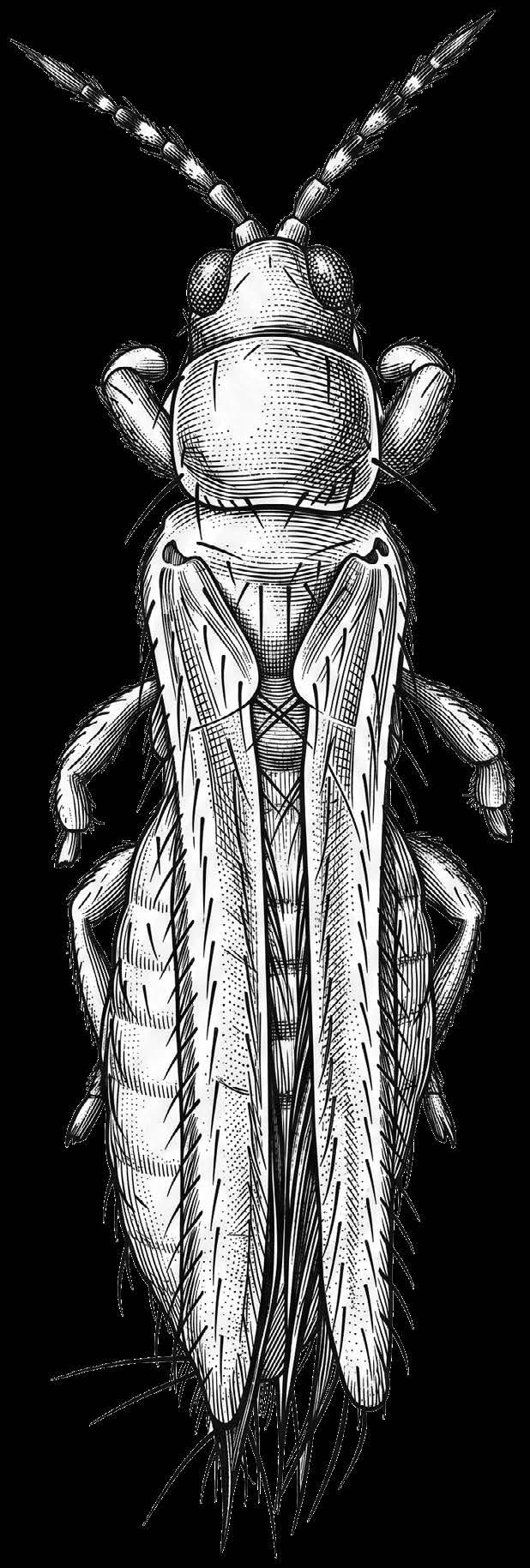
ORGANISED BY: ISABEL MONTE (UNIVERSITY OF TUEBINGEN), KASPER VAN GELDEREN (COS UNIVERSITY OF HEIDELBERG)
Thursday 9th July 2026 09:00
Rashmi Sasidharan (Utrecht University, Netherlands)
R.Sasidharan@uu.nl
Extreme precipitation events driven by global warming has increased the incidence of flooding. This has major negative consequences for plant performance, biodiversity and crop productivity. Flooding limits plant gas exchange, leading to substantial changes in internal levels of oxygen, ethylene, reactive oxygen species, and carbohydrates and most terrestrial plants cannot sustain normal functioning under wet conditions. Flooding-induced endogenous changes, while detrimental to plant performance are also important stress cues triggering survival responses. Crucially, these signals vary across tissues and over time, enabling plants to interpret the severity and progression of flooding. Plant responses are therefore spatially and temporally regulated, supporting stress adaptation and post-flood recovery. In my presentation I will talk about how plants use these dynamic stress cues to sense, respond to and survive flooding. Based on results from two ongoing projects in the lab, I will highlight how spatial and temporal signal patterning encodes information about flooding conditions.
P12.5 SOURCE–SINK BIOMASS PARTITIONING AND CARBOHYDRATE ACCUMULATION UNDER COMBINED HEAT AND DROUGHT STRESS IN DURUM WHEAT-THINOPYRUM PONTICUM7A-7EL1 INTROGRESSION LINES
Thursday 9th July 2026 09:30
Marco Saveriano (University of Tuscia, Italy), Maria Lia Di Romana (University of Tuscia, Italy), Alessandra Capoccioni (University of Tuscia, Italy), Ljiljana Kuzmanovic (University, Italy)
marco.saveriano@unitus.it
Rising temperatures and more frequent droughts during grain filling can severely reduce durum wheat (Triticum durum) productivity, urging identification of novel genetic resources, including wild relatives, to enhance crop resilience.
Understanding source–sink dynamics is essential in this context. We investigated biomass partitioning and water-soluble carbohydrate (WSC) accumulation under heat and drought (HD) and ear shading (EAR), in two durum wheat-Thinopyrum ponticum recombinants, R23+ and R112+, carrying alien chromatin on the distal 28% and 40% of 7AL, respectively. Plants were evaluated at anthesis (ANT) and ANT+7d before stress, then exposed to HD (6d), EAR (until maturity), and HD+EAR, with further analyses conducted after HD and at maturity. Partitioning analysis revealed preferential biomass allocation to spikes only in R23+ under HD and EAR due to its alien segment (+9% grain and -15% stem biomass at maturity vs. the segment-free control line R23-), indicating a more efficient sink-oriented resource distribution. Peduncle WSC in R23+ compared to R23- remained significantly higher across treatments (average +41%), suggesting a key role in sugar storage (sink strength) and remobilisation to grains (+43% under HD+EAR). Stressinduced remobilisation in R23+ was likely linked to higher pre-stress WSC accumulation in flag leaves (+47% average at ANT and ANT+7d) and awns (+91% at ANT+7d) as well. Despite lower grain weight, R23+ matched control spike yield via 17–32% higher grain number, indicating enhanced sink allocation associated with gene content within the proximal 28-40% alien segment fraction present exclusively in R23+ and absent in R112+.
Thursday 9th July 2026 09:45
Hubert Matkowski (University of Silesia in Katowice, Poland), Anna Collin (University of Silesia in Katowice, Poland), Ewa Sybilska (University of Silesia in Katowice, Poland), Beata Chmielewska (University of Silesia in Katowice, Poland), Justyna Zbieszczyk (University of Silesia in Katowice, Poland), Agata Daszkowska-Golec (University of Silesia in Katowice, Poland)
hubert.matkowski@us.edu.pl
Drought is a yield-limiting factor in the face of climate change, underscoring the need to uncover key regulators that will allow for a better understanding of plant resistance mechanisms. Phytohormone priming represents a promising strategy, and abscisic acid (ABA) act as phytohormone coordinating stress responses. Mutations in the mRNA cap-binding complex (CBC) increase ABA sensitivity and enhance drought tolerance, but it is unclear whether CBC modulates ABAmediated priming. To test how CBC affects ABA priming in barley we used hvcbp20.ab, hvcbp80.b and unique hvcbp20.ab/hvcbp80.b double
mutants obtained using TILLING on "Sebastian" (WT) background. We applied ABA during tillering and imposed drought during pre-flowering stage, followed by rewatering. We integrated physiological parameters with transcriptome profiling, including alternative splicing analyses. ABA priming did not consistently improve drought performance in CBC mutants, but induced distinct, subunit-dependent drought responses. Integration of physiological parameters with transcriptome profiling indicates that CBC is an important factor of how ABA-priming signals are integrated and translated into downstream responses under drought stress. In particular, CBC-dependent differences in photosynthetic efficiency and drought-related gene expression and alternative splicing suggest coordinated transcriptional and post-transcriptional control of priming outcomes. Overall, these findings indicates CBC as a key modulator of ABA-priming signal integration and drought reprogramming in barley.
This work was supported by the National Science Center, Poland project SONATA BIS10 ‘(QUEST) Quest for climate-smart barley–the multilayered genomic study of CBC function in ABA signaling’ (2020/38/E/NZ9/00346).
Thursday 9th July 2026 10:00
Hilde Nelissen (VIB-UGent Center for Plant Systems Biology, Belgium)
Hilde.Nelissen@psb.vib-ugent.be
Drought is a challenging stress, not only for farmers but also for plant researchers. To study drought in the greenhouse researchers mainly document the developmental timing when the stress occurs or the severity of the drought, but our data show that also the way the water is administered determines the physiological effect on plants. With a standardized drought assay that reduces growth rate, we study drought induced growth effects at tissue, cellular and molecular level and evaluate single gene and multiplex gene editing approaches towards yield stability.
Thursday 9th July 2026 11:00
Marcel Quint (Institute of Agricultural and Nutritional Sciences at Martin Luther University Halle–Wittenberg, Germany)
marcel.quint@landw.uni-halle.de
Two decades of work in Arabidopsis thaliana have mapped the signaling network through which plants perceive moderately elevated temperature and adjust their growth and architecture — a process called thermomorphogenesis. But how relevant are these lab-derived mechanisms in the field, where plants face fluctuating, multifactorial conditions? In this talk I focus on bringing thermomorphogenesis into native environments. As part of the GrENE-net consortium's evolving
experimental populations, genome-wide allele-frequency dynamics tracked across climates reveal that divergent selection leaves clear signatures in contributing genes within just a few generations. In a complementary effort, machine-learning-based eco-transcriptomics on plants sampled across seasons both confirms known regulators of thermomorphogenesis and predicts novel ones, which we then validate in controlled environments. Together, these approaches establish temperature as the major climate factor shaping shoot architecture in the wild and point toward a reverse strategy — moving from the field back to the lab — to identify the next generation of targets for breeding climate-resilient crops.
Thursday 9th July 2026 11:30
Eduardo Andre Zelada (Lancaster University, United Kingdom), Jason P Moore (Lancaster University, United Kingdom), Christoph-Martin Geilfus (Hochschule Geisenheim University, Germany), Alex Mithöfer (Max Planck Institute for Chemical Ecology, Germany), Wagdy Y Sobeih (Lightworks Poly, United Kingdom), Anna Amtmann (University of Glasgow, United Kingdom), Ian C Dodd (Lancaster University, United Kingdom), Michael R Roberts (Lancaster University, United Kingdom)
e.zeladalau@lancaster.ac.uk
Rising temperatures increasingly threaten tomato (Solanum lycopersicum) production, affecting seedling establishment and harvest yield. Seed priming improves germination and stress tolerance, but traditional priming relying on imbibing seeds compromises seed longevity. By contrast, physical priming treatments (e.g., ultraviolet (UV) radiation, cold plasma) demonstrate similar improvements, indicating that priming can be independent from imbibition. Here, we show that UV-B priming treatment of tomato (cv. Alisa Craig) dry seeds leads to a higher germination percentage, particularly after artificial aging, demonstrating improved seed vigour. RNAseq analysis of primed embryos revealed earlier expression peaks and enrichment of heat stress related genes, suggesting their involvement in UV-B priming mechanisms. Consequently, we determined whether our seed priming treatment mitigates detrimental effects of long-term heat stress. We evaluated physiological responses of primed and non-primed plants under control (26/20°C) and heat stress (40/32°C) for 7 days. Although heat stress similarly affected physiological and morphological parameters in both treatments, primed plants had lower stomatal conductance and elevated leaf temperatures at some points during stress treatment, with a significant relationship between these traits. Phytohormone profiling revealed that heat stress suppressed jasmonic acid biosynthesis, with primed plants maintaining more stable JA levels, suggesting jasmonate involvement in the priming response. These physiological patterns were validated under polytunnel conditions using F1 tomato hybrids. Since UV-B seed priming affected tomato physiological responses, we aim to elucidate priming-induced genetic and hormonal mechanisms upon prolonged heat stress. Overall, these early results suggest our UV-B priming treatment improves seed vigour and heat stress responses in tomato.
Thursday 9th July 2026 11:45
Surabhi Tomar (Jaypee Institute of Information Technology Noida, India), Jayram Bagri (National Agri-Food Biotechnology Institute Mohali, India), Ashwani Pareek (National Agri-Food Biotechnology Institute Mohali, India), Snehlata S Pareek (International Centre for Genetic Engineering and Biotechnology New Delhi, India)
tomar.surabhi@gmail.com
CBS domain containing proteins are evolutionarily conserved across all domains of life, yet their functional roles in crop plants remain largely unexplored. Here, we report the functional characterization ofOsCBSX2, a single CBS domain protein in rice, which shares 69% sequence identity with the Arabidopsis ortholog AtCBSX1. Loss-of-functionatcbsx1mutants exhibited increased sensitivity to salt, oxidative stress, and Antimycin A, whereas heterologous complementation withOsCBSX2restored stress tolerance, indicating functional conservation between monocots and dicots. Overexpression ofOsCBSX2in rice conferred enhanced tolerance to multiple abiotic stresses, associated with improved water retention, membrane stability, photosynthetic efficiency and antioxidant enzyme activity. Notably, overexpressing lines exhibited reduced yield penalty under stress, with significant improvements in grain filling and harvest index, without compromising grain quality. Protein interaction assays revealed that within chloroplast, it interacts with Thioredoxin y (Trx y) and NTRC, to activate ROS-scavenging enzymes like 2-Cys Peroxiredoxin and PMSR (Peptide methionine sulfoxide reductase). In the cytosol, OsCBSX2 interacts with CSN5A, triggering a signaling cascade involving CML18, CBL9, and CIPK23 to regulate NHX1 and AKT1 transporters for ion homeostasis. Additionally, its interaction with OsRAC3 (a small GTPase) modulates plasma membrane-bound RbOH D activity. Metabolite profiling of seeds from overexpression and wild-type plants revealed stress-induced metabolic reprogramming inOsCBSX2transgenics, including elevated levels of carbohydrates, amino acids, and organic acids, indicating enhanced osmoprotection, ROS detoxification, and energy buffering. Together, these findings establish OsCBSX2 as a key regulator of redox balance and metabolic adaptation under abiotic stress and a promising target for developing climate-resilient rice.
Thursday 9th July 2026 12:00
Bao-huynh Nguyen (INRAE, France), Romain LARBAT (INRAE, France), Florent PANTIN (INRAE, France)
bao-huynh.nguyen@inrae.fr
Plant robustness to pathogens may be elicited by activators of plant immunity. Acibenzolar-S-methyl (ASM), a synthetic analog of
salicylic acid (SA), is a long-standing plant resistance inducer capable of activating systemic acquired resistance.ASM effectively protects apple plants against Erwinia amylovora (the fire blight bacterium) or Venturia inaequalis (the apple scab fungus). However, we recently showed (10.1111/pce.70256) that pre-exposing apple plants to a short heatwave (max. 35°C) strongly impedes the protective effect of ASM against both pathogens, compromising plant robustness under challenging environmental conditions. Contrary to Arabidopsis, we found no evidence that SA metabolism is thermosusceptible in apple. Moreover, we identify no major alterations in the ASM-induced transcriptional activation of known defence genes upon heatwave. Here, we further investigated whether metabolic regulation could underlie the loss of ASM-induced plant robustness at high temperature. Untargeted metabolomic profiling of leaf extracts revealed more than 1,000 metabolic features, among which a subset displayed distinct accumulation patterns associated with temperature regime, ASM treatment, and their interaction. Focusing on features affected by the temperature × ASM interaction, we identified one purine whose accumulation correlates with disease susceptibility in ASM-treated plants exposed to high temperature. We explored to what extent this purine may serve as a substrate for the pathogen’s growth or virulence. Our current findings rather suggest that part of the purine enzymatic machinery is blocked by ASM at high temperature, which drives pleiotropic effects on plant immunity. Our unpublished results highlight metabolism as a key for plant robustness to multiple biotic and abiotic stresses.
Thursday 9th July 2026 12:15
Carmen S Padilla (Texas AM AgriLife Research, United States), Kranthi K Mandadi (Texas AM AgriLife Research, United States), Sonia C Irigoyen (Texas AM AgriLife Research, United States)
Carmen.PadillaMarcia@ag.tamu.edu
Citrus greening (Huanglongbing) and potato zebra chip are among the most destructive diseases affecting citrus and potato production worldwide. Both diseases are associated with fastidious, phloemlimited, and unculturable bacteria belonging to ‘Candidatus Liberibacter spp.’, which are transmitted by insect vectors. Defensins are small (~40–50 amino acids), cysteine-rich antimicrobial peptides that are key components of innate immunity in plants, animals, and insects, and they exhibit broad-spectrum activity against bacterial and fungal pathogens. In this study, we investigated whether expression of spinachderived defensins in citrus and potato could confer tolerance to diseases caused by Ca.Liberibacter spp. Because Ca.Liberibacter spp. cannot be cultured in vitro, the antimicrobial activity of two spinach defensins, SoAMP1 and SoAMP2, was first evaluated using an ex vivo microbial hairy root system. Both peptides significantly reduced Ca.Liberibacter spp. levels in citrus and potato hairy roots compared with controls. Mechanistic assays indicated that these defensins disrupt bacterial cell membranes and increase membrane permeability, leading to cell death, as demonstrated through cytotoxicity assays using the culturable surrogate bacterium Liberibacter crescens. Moreover, heterologous expression of SoAMP1 and SoAMP2 in citrus and potato through genetic engineering or viral vector–mediated delivery enhanced plant tolerance to Ca.Liberibacter spp. infection significantly improved the yield of infected plants. These findings suggest that spinach defensin
peptides have potential as crop protection tools for managing citrus greening, potato zebra chip, and potentially other related diseases.
Thursday 9th July 2026 14:30
Amy T Austin (CONICET University of Buenos Aires, Argentina)
austin@ifeva.edu.ar
Drylands cover more than 40% of the Earth’s land surface and play a major role in global carbon cycling. These ecosystems are often viewed as highly resistant and resilient to environmental variability because they operate under strong climatic constraints, support relatively low biodiversity, and are characterized by plant growth that is often limited by water availability. Yet whether dryland ecosystem processes will remain robust under rapid environmental change remains uncertain. In this talk, I examine how plant controls on carbon cycling shape the vulnerability and resilience of drylands in a changing world. Drawing on field studies across gradients of climate and vegetation structure, I explore how plants regulate ecosystem processes through traits associated with growth, litter chemistry, and community structure. In many drylands, controls on carbon fixation and loss are strongly decoupled, creating pathways and drivers of carbon cycling that differ from the more synchronous patterns common in mesic ecosystems. At the same time, land-use change, including grazing and afforestation, reshaping plant and microbial communities. These changes highlight the need to identify the controls on carbon cycling that are unique to drylands, including the ways in which plants modulate carbon inputs and losses, in order to better understand whether dryland ecosystem processes will remain robust under future environmental change.
Thursday 9th July 2026 15:00
Hayley Cameron (The University of Melbourne, Australia) hayley.cameron1@unimelb.edu.au
Phytoplankton fix 50% of the planet’s atmospheric carbon and underpin the world’s aquatic food chains and fisheries. But global change is altering the environments that phytoplankton experience, and the resources that they can access. In rivers and coastal environments, light availability is decreasing due to high nutrient inputs from landrunoff; while the warming of lakes and open oceans strengthens thermoclines and generates nutrient-poor conditions in well-lit surface waters. Such changes to temperature, light and nutrient regimes impact phytoplankton population dynamics; but the synergistic effects of these climatic stressors remain unclear. Here, I explore how multiple climatic stressors interactively alter the covariance between key demographic parameters that underpin the resilience and resistance of phytoplankton populations: their intrinsic rate of increase (r); and carrying capacity (K). Using a meta-analytic approach, I compiled >1000 estimates of
r and K for >100 species of aquatic phytoplankton under different temperature, light and nutrient (nitrogen and phosphorous) regimes. I show that although r and K are typically assumed to trade-off (negatively covary); different environmental combinations can yield r-K covariances that vary from strongly negative to strongly positive. These findings provide new insights into the potential resistance and resilience of phytoplankton populations to global environmental change – with important implications for predicting disruptions to primary productivity, as well as food-web and algal bloom dynamics, in future aquatic ecosystems.
Thursday 9th July 2026 15:15
Paolo Stincone (Center for Plant Molecular Biology (ZMBP) University of Tübingen Tübingen 72076 Baden-Württemberg, Germany), Alberto Pedrero-Méndez (Center for Plant Molecular Biology (ZMBP) University of Tübingen Tübingen 72076 Baden-Württemberg, Germany), Adrián Vojtaššák (Center for Plant Molecular Biology (ZMBP) University of Tübingen Tübingen 72076 Baden-Württemberg, Germany), Ulrike Herzog (Center for Plant Molecular Biology (ZMBP) University of Tübingen Tübingen 72076 Baden-Württemberg, Germany), Sebastian Wolf (Center for Plant Molecular Biology (ZMBP) University of Tübingen Tübingen 72076 BadenWürttemberg, Germany), Sven Nahnsen (Quantitative Biology Center University of Tübingen Otfried-Müller-Str. 37 72076 Tübingen Baden-W, Germany), Eric M Kemen (Center for Plant Molecular Biology (ZMBP) University of Tübingen Tübingen 72076 Baden-Württemberg, Germany), Isabel Monte (Center for Plant Molecular Biology (ZMBP) University of Tübingen Tübingen 72076 Baden-Württemberg, Germany)
paolo.stincone@uni-tuebingen.de
Beneficial fungi of the Trichoderma genus are widely used as biological control agents (BCAs) in crops because they can promote plant growth, enhance immunity, and increase tolerance to biotic and abiotic stresses. However, we still lack a mechanistic understanding of how the interaction between beneficial microbes and plants confers plant robustness to diverse stresses. We recently discovered that Trichoderma induces robustness to pathogens and heat stress in the non-vascular plant Marchantia polymorpha. These results suggest that potentially all land plants might benefit from interactions with the fungus Trichoderma. In addition, we observed that Trichoderma directly antagonize plant bacterial pathogens from the Pseudomonas genus, suggesting that Trichoderma may exerts direct and indirect biocontrol abilities, activating plant defences. Like other fungi, Trichoderma secretes a myriad of molecules during the interaction with flowering plants, including cell-wall-degrading enzymes and metabolites that may modulate plant defences and/or interfere with the microbiome, indirectly contributing to robustness by limiting pathogen colonization. To understand the molecular basis for Trichoderma-induced plant robustness, we will exploit machine learning and comparative multiomics including novel datasets on the bryophyte Marchantia and the eudicot Arabidopsis inoculated or not with Trichoderma and subsequently challenged with a bacterial pathogen or heat stress. Untargeted metabolomics (LC-MS/MS) and advanced data analysis tools will facilitate the identification of candidate fungal metabolites involved in plant robustness. Our work provides a mechanistic framework to
understand how beneficial fungi modulate plant signaling pathways conferring plant robustness across evolutionary lineages.
Thursday 9th July 2026 15:30
Emma Hardy (University of Dundee, United Kingdom), Martin Balcerowicz (University of Dundee, United Kingdom) 2517887@dundee.ac.uk
Our warming climate requires a deeper understanding of how plants sense and adapt to their environments. In Arabidopsis thaliana, thermomorphogenesis – defined as warm temperature-induced morphological changes in plant growth – promotes plant cooling. While key regulators of this pathway have been identified, many molecular mechanisms remain unclear. Here, we identify AUXIN RESPONSE FACTOR 2 (ARF2) as a novel regulator of thermomorphogenesis. ARF2 is a known repressor of auxin signaling, a phytohormone pathway central to plant growth and development. Loss-of-function arf2 mutants exhibit an enhanced thermomorphogenic response, indicating ARF2 as a negative regulator of temperature-induced growth. We further demonstrate that warm temperature regulates ARF2 translation, an effect mediated by its 5’ untranslated region (UTR). Functional analysis in vitro shows that several upstream open reading frames (uORFs) in the 5’ UTR exert temperature-dependent effects on ARF2 translation. Together, these findings uncover a previously uncharacterized mechanism linking temperature-regulated growth to uORF-mediated translational control, revealing a new layer of regulation in the plant heat response with potential implications for improving crop resilience under climate change.
Wednesday 8th July 2026 18:00-20:00
P12.1 THE ENIGMATIC ROLE OF LEAF APOPLASTIC BARRIERS: OCCURRENCE AND POSSIBLE ROLE IN THE GENUS PLANTAGO
Barbora Skulníková (Department of Experimental Plant Biology Faculty of Science Charles University Prague, Czech Republic), Helena Lipavská (Department of Experimental Plant Biology Faculty of Science Charles University Prague, Czech Republic), Hana Konrádová (Department of Experimental Plant Biology Faculty of Science Charles University Prague, Czech Republic) skulnikb@natur.cuni.cz
Apoplastic barriers are predominantly associated with root endodermis and help maintain plant´s homeostasis. While thoroughly studied in roots, similar structures in above-ground parts remain poorly understood. In leaves, bundle sheaths form the interface between vasculature and mesophyll. When Casparian strips or extensive suberization are present, they may function analogously to endodermis. Such endodermis-like structures are rare among flowering plants, however, the genus Plantago represents an exception. Cells with lignified strips in leaf bundle sheaths (Casparian bundle sheath; CBS) have been repeatedly reported, though mainly from structural perspective. Another distinct trait of Plantago genus is production of sugar alcohol – along with sucrose Plantago plants produce sorbitol as primary photosynthetic product. Sorbitol plays significant role in longdistance carbon transport and enhances stress tolerance.
In order to advance the understanding of how sorbitol metabolism and pronounced apoplastic barriers contribute to stress tolerance in Plantago, we performed anatomical–histochemical analyses to map CBS presence in several Plantago species differing in salinity tolerance. Besides that, we identified genotype-specific differences in sodium and potassium uptake as well as changes in carbohydrate spectrum. To map ion distribution, we used TEM–EDS microscopy for subcellular localization. We propose that CBS help to direct sorbitol transport precisely, thereby supporting key physiological functions necessary for plant resilience. Therefore, CBS may represent additional adaptive mechanism and could help to focus breeding strategies for improved salt and drought tolerance in sorbitol-producing crops, including members of the Rosaceae.
Key words: Plantago, apoplastic barriers, Casparian strips, sorbitol, stress
Acknowledgement - The work is supported by Charles University Grant Agency – Project 460325
P12.2 MUTATIONS IN THE CAP-BINDING COMPLEX
Kacper Milanowski (University of Silesia in Katowice, Poland), Ebe Merilo (University of Tartu, Estonia), Agata DaszkowskaGolec (University of Silesia in Katowice, Poland)
kacper.milanowski@us.edu.pl
Drought is a major environmental constraint limiting crop productivity, and its increasing frequency underscores the need to elucidate mechanisms conferring plant tolerance to water deficit. Stomata are central to the early plant response to dehydration. Under water deficit conditions, abscisic acid (ABA) rapidly induces stomatal closure, reducing transpiration and preserving leaf water status.
Here, we investigated the role of nuclear cap-binding complex (CBC), a key regulator of mRNA metabolism, in hormonal signaling governing stomatal regulation in barley. We characterized TILLING-derived mutant lines carrying changes in genes encoding the two CBC subunits (hvcbp20.ab, hvcbp80.b, and the corresponding double mutant) alongside WT plants.
To test stress-related signaling pathways, plants were exposed to exogenous ABA application and elevated vapor-pressure deficit (VPD), which stimulates atmospheric drought by promoting transpirational water loss. CBC mutations significantly altered stomatal conductance and were associated with distinct transcriptional reprogramming. Notably, a substantial fraction of the differentially expressed genes
(DEGs) mapped to ABA and jasmonic acid (JA) signaling pathways, indicating that CBC influences the coordination of hormone-dependent stress responses. Collectively, our findings demonstrate that the capbinding complex contributes to the modulation of ABA- and JAassociated transcriptional networks underlying stomatal regulation and drought adaptation in barley.
This work was supported by the National Science Center, Poland project SONATA BIS10 ‘(QUEST) Quest for climate-smart barley–the multilayered genomic study of CBC function in ABA signaling’ (2020/38/E/NZ9/00346).
Karnik Gupta (University of Calgary, Canada), Chris Fawcett (University of Calgary, Canada), Shakshi Dutt (University of Calgary, Canada), Marcus Samuel (University of Calgary, Canada)
karnik.gupta@ucalgary.ca
Soil salinization is a major abiotic stress that limits crop productivity worldwide and is intensifying due to climate change-driven increases in the frequency of drought conditions that promote salt accumulation in soils and render agricultural land unsuitable for cultivation. Canola (Brassica napus), is the cornerstone of Canadian agriculture generating ~$44B annually to the economy. However, canola is highly sensitive to saline conditions, and this prevents using the millions of acres of class 4 marginal saline lands in Canada for growing canola. The Salt Overly Sensitive 1 (SOS1) gene is a salt transporter, which when overexpressed is known to mitigatecellular salt stress in the model organism Arabidopsis, a close relative of canola.
We previously demonstrated that overexpression of full-length SOS1 significantly improved germination and yield maintenance of transgenic canola under highly saline conditions. While this is promising, recent research has shown that truncation of the C-terminal autoinhibitory domain of SOS1 could lead to enhanced activity of SOS1 independent of upstream signals.
Building on our previous work, in this study we generated canola transgenic lines overexpressing a truncated version of SOS1 lacking the C-terminal regulatory domain and evaluated its performance relative to the line with the full-length SOS1 under a suite of saline conditions during seed germination, plant development and reproduction. Deployment of this technology could enable productive cultivation of canola on marginal saline soils, contributing to agricultural sustainability under changing climate conditions.

Dean, R.A.
Nicola, E.H.D.
Dubiner, S.
BEN, M.A.
Koch, M.M.
Mitchell, M.
Sun, S.
Roberts, K.T.
A10.26
A10.27
A10.29
A10.30
A10.31
A10.32
A10.33
A10.34
Lechner, E.R. A10.35
Furic, C. A10.36
Fernandes, J.F.D.C. A10.38
Huang, S. A10.39
Richard, R. A10.41
Wilkie, M.P. A10.42
Souques, C.
Tamarit, M.E.
A10.43
A10.44
Queiros, Q. A11.1
Kamska, V. A11.2
Clark, T.D.
Garzon, F. A11.4
Kuchenmüller, L.L.
Trueman, C.
Abel, M.G.
Hargiyatno, I.T.
Rudd, J.L. A11.9
Gamperl, A.K.
Cortese, D.
Thambithurai, D.
Goodrich, H.R. A12.9
Huysduynen, A.H.V. A12.10
Abonyi, A.
Tüzün, N.
Gurung, A.
Theys, C.
Almeida, R.A.
A11.10
A11.11
A11.12
Abe, T.K. A11.14
Govaert, L. A12.6
Boukal, D. A12.7
Hasnain, S.S.
A12.11
A12.12
A12.13
A12.14
A12.15
Leite, C.A.C. A12.1
Lamaizi, A. A12.2 Carmo, J.M.S.
Silva, B.S. A12.4
Jamil, F.
Shama, L.N.
Pitt, M.D.
Peters, A.
Malik, T.G.
Tsang, C.T.T.
Hsu, B.
Costa, M.S.
Müller, W.
Crespel, A.
English, S.
Garcia-Co, C.
Langlois, C.
Ruuskanen, S.
Kohlsdorf, T.
Du, W.
Cordero, G.A.
Cowan, Z.
Rummer, J.L.
Pottier, P.
A12.8
Ruthsatz, K.
A12.5
A13.1
A13.2
A13.3
A13.4
A13.5
A13.6
A13.7
A13.8
A13.9
A14.1
A14.2
A14.3
A14.4
A14.5
A14.6
A14.7
A14.8
A14.9
A14.10
A14.11
Green, L.
Gvoždík, L.
Noble, D.
Vámos, M.S.
Schumm, M.
Bettinazzi, S.
Geessinck, Q.F.
Jaspers, V.L.
Marasco, V.
FENNI, N.E.
Wiil, J.
Prokic, M.D.
Petrovic, T.G.
Pottier, P.
Green, L.
Kendall-Bar, J.
Opinion, A.G.R.
Linden, J.F.
Hasegawa, T.
Thaker, M.
Choy, E.
Flávio, H.
Schreck, L.
A14.12
A14.13
A14.15
A14.16
A14.17
A14.18
A14.19
A14.20
A14.21
A14.22
A14.23
A14.24
A14.25
A14.26
A14.27
A16.9
A16.10
A16.11
A16.12
A16.13
A16.14
A16.15
A16.16
Donaldson, A.C. A16.17
Birnie-Gauvin, K. A16.18
Sparkes, M.G.R.
C.J.
Bihun, C.J. A17.62
Hoots, M.E.C. A17.63
Akter, S. A17.65
Blurton, C. A17.66 Lignot, J. A17.67
Berg, M.M.V.D.
Nati, J.J.
Idowu, A.B.
Rato, A.
Howell, B.E.
Pettinau, L.
Uesaka, L.
Urca, T.
Shokri, M.
Last, K.
Cadonic, I.G.
Merza, O.
Allen, G.J.
Toisoul, L.
awan, U.M.
Adeosun, A.
Durnford, F.P.H.
Huang, M.C.
Yang, C.
Hsu, C.
Wilde, M.D.
Hsu, P.
Lignot, J.
Roussel, D.
Murase, I.
Gundiah, N.
Leiva, F.P.
Toit, H.D.D.
Kirsten, T.B.
Rasmussen, A.S.S.
Weihrauch, D.
Nowack, J.
A17.68
A17.69
A17.70
A17.71
A17.72
A17.73
A17.74
A17.75
A17.20
A17.21
A17.22
A17.23
A17.24
A17.25
A17.26
A17.28
A17.29
A17.30
A17.31
A17.32
A17.33
A17.34
A17.35
A17.36
A17.37
A17.38
A17.39
A17.41
A17.42
A17.43
A17.44
A17.45
Baldry, C.J.
Crovetto, L.
Pozzo, C.F.S.D.
Moses, C.A.
Berenbrink, M.
A17.48
A17.49
A17.51
A17.76
Berenbrink, M. A17.80
Souques, C. A17.78 Georgoulis, I.
Fortuny, J.
Wood-Bailey, A.P.
Iken, S. A2.20 Chatar, N. A2.21 Bouda, M.
Montealegre-Z, F.
M.E. A2.24
A.R.M.
Prescott, T.L. A2.10
Wagner, N. A2.11
Garcia-Escolà, L.
Herde, M.
Wilson, M.E.
Schwarz, D.
Giustina, F.D.
Prino, A.
A2.12
A2.13
A2.14
A2.15
A2.16
I.
Schwaner, M.J.
S.
Forouhar, D.
Davies, Z.T.S.
Koeda, T.
Kornev, K.
Inada, Y.
Posada, G.C.
Kumar, G.
Unterholzner, J.J.
Sathe, E.A.
Wassenbergh, S.V.
Gurka, R.
Koehnsen, A.
Annear, E.
Marcé-Nogué, J.
Modert, M.
Pal, I.
Certini, D.
Harrison, S.L.
Gorp, M.V.
López-Pachón, M.
Thomas, J.
Shimakawa, S.
Montanez-Rivera, I.
Inada, Y.
Watkins, S.
Wölfer, J.
Berndt, M.H.G.
Ridder, T.D.
Mielke, M.
Kuchibhotla, S.
Zhang, B.
Dorsch, M.N.
A5.64
A5.65
A5.25
A5.67
A5.68
A5.69
A5.70
A5.71
A5.72
A5.73
A5.74
A5.75
A5.76
A5.77
A5.78
A5.79
A5.80
A5.81
A5.82
A5.84
A5.85
A5.26
A5.27
A5.28
A5.29
A5.30
A5.32
A5.34
A5.35
A5.36
A5.37
A5.38
Tan, M.M.R. A5.39 Gladman, N.W.
Amador, G.J.
Zullo, L.
Emter, G.
Dethlefs, L.
Scheidt, A.
Berg, O.B.
A5.40
A5.41
A5.42
A5.43
A5.44
A5.45
A5.46 Günther, M.
Wong, J.C.
Mylo, M.D.
Kamalakanthan, Y.
A5.47
A5.48
A5.49
A5.50 Koeber, C.
Brook, C.A.C.
A5.51
A5.54 Eilhardt, R.
Modert, M.
Meer, N.M.V.
Nyakatura, J.A.
Steinkampf--Pellecuer, N.
Yamamoto, Y.
Baars, A.J.
Hormozi, H.
Schaaf, M.
A5.55
A5.56
A5.57
A5.58
A5.59
A5.60
A5.61
A5.66
A6.1
Hubbard, P.C. A6.2
Majelantle, T.L. A6.3
Forin, C. A6.4
Joshi, M. A6.5
Gilmour, K.M. A6.6
Mohanty, N.P. A6.7 Nacarino-Meneses, C. A6.8
Singh, H.R.
Meul, Y.
Afonso, S.
Schoenaers, S.
Haas, K.T.
Somoza, S.C.
WANG, H.
Potocký, M.
Denninger, P.
Balcerowicz, D.
Belloli, M.
Feijo, J.
Pejchar, P.
Sadanandom, A.
Menke, F.L.
Sybilska, E.
Benczúr, K. C4.4
Tabler, J. C4.5
Benham, A.
Lignot, J.
Carvalho, M.D.G.S. C4.8
Lucas, M.D. C4.9
Mehra, P. C4.10
Agnessens, J. C4.11
Kashif, S.Z. C4.12
Basu, A. C4.13
Bennett, T. C4.14
Davies, T. C4.15
Tetzlaff, S.L.
Marcia, M.G.
Vocelle, D.
Venn, A. C4.20
An, D.H. C4.21
Perry, D.
Garden, C.L.
Grant, M.
Smith, D.G.
McCrone, L.D.
Rasmussen, A.
Rayment, S.J.
Moult, P.
Krogsaeter, H.
Savickaite, S.
Spanu, P.D.
McCaughey, L.
Murray, R.R.
Shu, E.X. OED5.4
Lopez-Juez, E.
Edmunds, K.
Murray, R.R.
OED6.1
OED6.2
Bell, E. OED6.3
Alvey, E. OED6.4
McClure, C.D.
OED6.5
Lamb, J. OED7.2
Millward, J.K.
OED7.3
Millward, J.K. OED7.1
Voelkel, S.
Mutwil, M.
Mure, S.
OED8.1
P1.1
P1.2
Xu, R. P1.3
Lopez, M.
H.
Hocini, F.I.
Wendering, P.
Jindamol, H.
Cangemi, M.
Allmen, R.V.
Tei, A.
Emmerson, R.
PRODJINOTO, H.
Agosti, A.
Myers, C.
Renella, A.
Vincenzi, E.
Avila, C.A.
GOEL, K.
Jones, S.L.
Masetlana, T.I.
Maccaferri, M.
Chir, L.
Degand, T.M.
Littlejohn, G.R.
Tudor, E.B.
Wada, H.
RAPPARINI, F.
P1.9
P1.10
P1.11
P1.12
P10.11
P10.26
P10.12
P10.13
P10.14
P10.15
P10.10
P10.27
P10.17
P10.18
P10.19
P10.20
P10.21
P10.16
P10.2
P10.22
P10.23
Cicchi, C. P10.24
Rotthier, D. P10.25 Hill, J.
Jiang, M.
Trupiano, D.
J.
Ghannoum, O.
Shrestha, M.S.
Caine, R.S.
Nieves, M.T.
Steppe, K.
Dresch, C.
Soualiou, S.
Wassenaar, M.
Regnier, N.
Alegria, E.V.
Luyckx, A.
Ekele, J.U.
Dupont, K.
Shao, M.B.
Tardieu, F.
Saha, S.
Asayesh, E.J. P3.14
Lawson, T. P3.15
Coindre, E. P3.16
Jayasankar, K.
Strand, D.D.
Fridman, E.
Loiacono, V.F.
Theeuwen, T.
Arimura, S.
Berg, F.V.D.
Štorchová, H. P4.7
Forner, J. P4.8
Barnard-Kubow, K.
Bodenheimer, S.
Gonzalez-Duran, E.
Touzet, P.
Kashkan, I.
Poorter, H.
Bouidghaghen, J.
P4.9
P4.10
P4.11
P4.12
Ferguson, J.N. P5.1
Smet, I.D.
Merilo, E.
Wang, Y.
Pridgeon, A.J. P5.5
McAusland, L. P5.23
Santelia, D. P5.6
Shan, Y. P5.7
Berg, T.E.V.D.
Iamprasertkun, M.N.
Lawson, T.
Miart, F.
Croft, H.
P5.8
P5.9
P5.10
P5.11
P5.12
Fan, M. P5.13
Hõrak, H. P5.14
Al-Salman, Y. P5.15
Ivandi, E. P5.16
Dong, Y. P5.17
Jalakas, P.
P5.19
FORGET, G. P5.20
Papanatsiou, M. P5.21
Tulva, I. P5.22
Ullah, S. P7.1
Baccio, D.D. P7.2
Muller, O.
Johnson, K.
D'Agostino, M.
Parent, B.
Draye, X. P7.10
Lejeune, P.
Dudley, C.E.
Solin, J.
Athanasiadis, I.N.
Rousseau, D.
Liu, S.
Abdelhakim, L.
Enciso, J.
Chapman, S.
Zhu, C.
Cioppo, G.D.
Lemaire, L.
Stevens, F.
Sarkar, A.
Vreken, L.V.D.
Basak, R.
Roychoudhry, S.
Fendrych, M.
Bianco, M.D.
Khan, K.
Sajjad, M.A.
Uzilday, R.O.
Kirschner, G.
P7.11
P7.12
P7.13
P7.14
P7.15
P7.16
P7.17
P7.18
P7.19
P7.20
P7.21
P7.22
P7.23
P8.2
P8.3
P8.4
P8.5
P8.6
P8.7
P8.8
P8.9
P8.10
P8.11
Farooq, M.A.
Truffault, V.
Fagan, S.
Lloyd, J.P.
Raines, C.
Lopez-Juez, E.
Cavanagh, A.P.
Taylor, S.H.
Busch, W.
Patil, S.
Joshi, S.
Arazi, T.
Shameer, S.
Wang, T.
Mason, S.E.
Beauchet, A.
Geurts, R.
Joubert, T.
Lopes, T.S.
Kaste, J.A.
BHAKTA, S.
Gharabaghlou, M.S.E.
Çelik, M.B.
Perry, D.
Kalia, M.D.
Mandadi, K.K.
P8.12
P8.13
P8.14
P8.15
P9.1
P9.2
P9.3
P9.4
P9.5
P9.6
P9.7
P9.8
P9.9
P9.10
P9.11
P9.12
P9.24
P9.25
P9.26
P9.27
P9.13
P9.14
P9.16
P9.18
P9.19
P9.20
Lee, K. P9.21
Bianco, M.D. P9.23
Mack, K.
SAB1.1
Catchen, J. SAB1.2
Karapli-Petritsopoulou, A. SAB1.3
Feugere, L. SAB1.4
Desvignes, T.
Beck, E.A.
Williams, B.
Frisch, D.
Lefevre, S.
Hsi-Mei, L.
Hay, F.R.
Tomlinson, S.
Firth, B.L.
Groves, M.V.
Pitcher, T.E.
Pichaud, N.
Bererd, S.
Aminot, M.
Tremblay, N.
CALOSI, P.
Sokolova, I.
Paya, C.E.
Watson, J.
Léopold, G.
Roussel, D.
Chevret, C.J.L.
Mélançon, V.
Rivera-Ingraham, G.A.
Bertrand, P.
SAB1.6
SAB1.7
SAB1.8
SAB1.9
SAB1.10
SAB1.5
SAB2.1
SAB2.2
SAB2.3
SAB2.4
SAB2.5
SAB3.1
SAB3.2
SAB3.3
SAB3.4
SAB3.5
SAB3.6
SAB3.7
SAB3.8
SAB3.9
SAB3.10
SAB3.11
SAB3.12
SAB3.13
SAB3.14
SEB journals stand Meet the editorial staff and find out more about our journals


Meet the editors Wednesday 8 July, lunchtime • Informal session with J Lorem ipsum ohn Lunn (editor-in-chief, JXB), Tracy Lawson (editor, TPJ), Andrea Fuller (editor-in-chief, Conservation Physiology), Marco Giovannetti (academic editor, Plant Direct)
Journal of Experimental Botany • The Plant Journal • Plant Biotechnology Journal •Conservation Physiology • Plant Direct
• All income reinvested in the community
• Progressive on open data
• Discounted publishing fees for SEB members
• Constructive peer review
• Format-free submission
• Supportive of ECRs
• Committed to a high standard of ethics