TRUSTEES’
REPORT AND
STATEMENTS FOR THE YEAR ENDING 2024

The Society for Experimental Biology is a company, no. 01314879, and charity, no. 273795, registered in England and Wales.

SOCIETY


REPORT AND
STATEMENTS FOR THE YEAR ENDING 2024
The Society for Experimental Biology is a company, no. 01314879, and charity, no. 273795, registered in England and Wales.
SOCIETY
The stated objective in the Articles of Association for the Society for Experimental Biology (SEB) is to promote the art and science of experimental biology in all its branches.
STRATEGIC REVIEW 2020–2025
The Strategic Review 2020 – 2025 1 set out the Society’s principal objectives for that period;
• To encourage and support the practice of, and scientific careers in experimental biology in research and development programmes in universities, institutes, government bodies and the private sector throughout the world.
• To help the public understand the value that experimental biology brings to their lives and how to use information derived from experimental biology to make informed decisions.
• To develop and maintain thriving partnerships with other learned societies that have common objectives
1 https://www.sebiology.org/who-weare/structure-and-governance/strategy.html

and to encourage support for experimental biology from decision makers and funding organisations.
• To set the highest ethical standards in all the Society's activities in order that it is seen as an open and transparent organisation that holds the improvement of the lives of people and the environment as core values.
• To maintain robust financial performance and governance structures that support the above aims.
The Directors/Board of Trustees (Council) review the objectives periodically. The current charitable objectives are set out below.
The Society aims to promote, and increase the influence of Experimental Biology within the scientific community and Society by:
• developing the field of, and scientific careers in, experimental biology;
• developing education and public awareness in experimental biology;
• developing collaborative partnerships;
• maintaining transparency, ethical and environmental sensitivity in every sphere of activity;
• ensuring the financial viability of the Society.
In pursuit of its aims SEB’s activities include:
• the organisation and sponsorship of experimental biology conferences, both independently and in collaboration with other life science societies;
• the publication and dissemination of a range of scientific literature;
• education, outreach and careers engagement (often in collaboration with other life science societies);
• the administration of travel grants for young researchers;
• offering membership to experimental biology researchers in academia working at post-graduate level and above.
The activities that provide direct public benefit include:
• Publishing publicly available journals and scientific texts
• Organising scientific conferences and courses that are open to all
• Providing educational materials for outreach
• Participating in sessions at public science festivals
• Developing the subject of experimental biology

• Developing opportunities for young scientists and careers in the field.
The Society sought to continue to deliver across all the pillars of the Strategy; specific objectives for 2024 included:
• Delivering a range of successful SEB sponsored and supported events, including:
• Annual conference to be held in Prague: 2nd-5th July 2024.
• Cell Symposia in Clermont Ferrand, France: 10th-12th July 2024.
• OED Symposia at Imperial College London: 10th-11th September 2024.
• Regular virtual webinars for the SEB journals, highlighting key, high impact papers.
• A range of OED arranged activities for SEB members and the public.
• Planning for JXB 75-year anniversary celebrations in 2025.
• Continue to deliver high quality peer reviewed journals, including:
• establish a working group to carry out a full analysis of options to change the publication model from a standard hybrid model to an Open Access journal for the Journal of Experimental Botany, JXB.
• Improve Member engagement and acquire new members at each career stage. 2
• Maintain the provision of Grants.
Consider the introduction of a new grant to support educational research in 2024.
• Further expansion of the Outreach, Education and Diversity (OED) portfolio reflecting our commitment to fostering inclusivity and engagement within the SEB community
-Taking forward plans to develop engagement within South America
• Policy development
-increase our involvement in policy development and advocacy efforts within the biosciences.
• Improved governance including:
- Appointing two Trustees; the Animal Section Chair and OED Trustees for their second term in office.
-Appointing two new Trustees: Plant and Cell Section Chairs.
-Creating a new deputy chair role and appointing the first deputy chairs in cell and plant.
2 This objective is part of the four-year Membership Strategy. The yearly objectives are:
• 2022 – To ensure complete functionality and set up of our CRM system
- Holding a series of meetings with staff and Trustees to begin reviewing the strategic plan and agreeing a revised plan for 2025-2030.
- Formalising reporting on trustees who receive renumeration for editorial services for SEB’s journals.
• Continuing to make improvements to our IT and Data.
- improve on and follow best practice where possible on our data and information management processes.
- optimise output from the Pixl8 CRM system.
The criteria for measuring success in these objectives were:
• Numerical data in relation to publications (e.g., impact factors, download numbers etc.).
• Numbers of early career scientists participating at events.
• Attendance numbers at events organised by the Society and analysis of the feedback from those attending Society events.
• Numbers and type of grants awarded.
• Engagement levels of membership surveys.
• Feedback from members and nonmembers attending OED and/or career support events.
• 2023 - To improve retention and support for the existing membership base
• 2024-2025 – To increase engagement and new member acquisition for each career stage
• Communication statistics; aiming for higher levels of engagement from members and the public.
• The achievements that helped the Society meet its annual objectives are set out in the “Achievements” section below.
The trustees confirm that they have complied with the duty in Section 17 of the Charities Act 2011 to have due regard to the Charity Commission's general guidance on public benefit, "Charities and Public Benefit". The Society has referred to this guidance when reviewing its aims and objectives and planning future activities.
Across 2024, the Outreach, Education, and Diversity (OED) department built on strong foundations from previous years. Our focus remained on extending the Society’s reach and engagement, embedding inclusion and diversity, and attracting and developing the next generation of scientists. Alongside our regular career-building workshops, the return of our mentoring scheme, and participation in school visits and science festivals, we expanded opportunities while widening our
reach. We introduced a new educational research grant and created professional development opportunities for members in science communication. We also increased our contributions to policy work and developed a strategy to strengthen support for experimental biologists in South America.
This continued expansion has been driven by the active engagement of the OED Working Group, whose members contribute through regular online meetings and take leading roles in various initiatives. Their enthusiasm and leadership have fostered a strong community of researchers eager to support one another and shape the Society’s outreach and diversity efforts. For the 2024 annual conference, we had eight OED themed sessions and workshops, reflecting the group’s growing influence. In addition, members are spearheading future events and initiatives, further embedding a culture of collaboration
and shared commitment to advancing experimental biology.
The Storytelling & Narrative Workshop, led by Suzanne Whitby, provided participants with practical techniques for using narrative structures to effectively share science and communicate research results. The workshop was delivered in two interactive sessions, each designed to accommodate up to 16 participants. A total of 31 individuals registered, with 16 attending in the morning and 13 in the afternoon. Participants ranged from undergraduate students to established researchers, representing 13 countries. Feedback was highly positive, with an average relevance score of 8.8 and an overall satisfaction rating of 9 out of 10. Given its success, we plan to continue offering this workshop in future years.
Led by Suzanne Whitby, this interactive workshop guided researchers in designing and presenting effective conference posters. The event was divided into two sessions, with 43 participants registering across the morning and afternoon slots. Attendance varied, with 54% in the first session and 33% in the second. Participants represented
20 different countries, and feedback was overwhelmingly positive, with a relevance score of 9 and an overall satisfaction rating of 8.4. Due to its continued popularity, this workshop will remain a key feature in our career development offerings.
Facilitated by Philipp Gramlich, this networking-focused workshop provided insights into building professional connections for career advancement. With 24 registered participants, attendance was lower than expected at 37.5%. However, feedback from those who attended was excellent, with an average satisfaction rating of 4.8 out of 5 and particularly strong praise for the facilitator. Notably, participants expressed high interest in a future workshop on "How to Start Your Own Lab," which we will explore offering in upcoming years.
Dr Catherine Pope led this workshop, helping researchers establish and manage an online professional presence for improving visibility to employers, collaborators, and funders. The session had 42 registrants, with a total attendance of 40%. While participants found the content useful, the feedback highlighted a preference for more practical sessions and enhanced engagement. We will consider these recommendations when
planning future iterations of this session.
This workshop, also led by Dr Catherine Pope, focused on equipping researchers with project management techniques for research projects. With 44 registered participants, overall attendance reached 61%. The session received strong feedback, with participants appreciating its structured approach and practical applications. Suggestions included adjusting the format to better accommodate researchers balancing academic and professional commitments. The positive response indicates a continued demand for project management training, which we will take into account for future programming.
In 2024, we successfully launched the revised peer mentoring programme, building on the pilot initiative from the centenary year. Following initial training, we matched over 20 partnerships and will provide support and resources throughout 2025. The programme, in collaboration with Research Coach, is designed to run biennially, with mentoring partnerships taking place in odd years and even years dedicated to review and preparation. This structure allows for continuous improvement and ensures the programme remains engaging and effective. The mentoring scheme will continue throughout 2025, fostering
career development through shared experiences.
This year, we introduced a new paid freelance science writing opportunity for members, contributing to both the SEB magazine and website. The initiative proved highly popular, attracting significant interest from members and potentially leading to six new memberships, based on the timing of sign-ups relative to application submissions. As a result of this opportunity, we have identified two science writers who can contribute regularly, as well as two additional writers available for one-off pieces throughout the year. This initiative has not only expanded our pool of contributors but has also strengthened member engagement and visibility of SEB’s activities.
In 2024 we launched a Biology Practicals for Higher Education repository, a freely accessible resource designed to support lecturers and lab technicians in delivering practical sessions for undergraduate students. The repository allows users to submit, search for, edit, re-use, and share biology practicals, fostering collaboration and innovation in teaching. So far, six practicals have been contributed, covering a range of topics from enzyme purification, plant photoreceptors, organelle interdependence, and experimental
design with the iodine clock reaction. By providing an open platform for educators to share their expertise and build on existing resources, we aim to enhance hands-on learning experiences for students across higher education. Looking towards 2025, we will continue to encourage contributions to expand this valuable teaching resource.
In February 2024, we co-organised a successful public engagement event at Southwell Minster as part of the Nottingham Festival of Science and Curiosity. Four SEB stalls were featured, including one activity funded by the SEB outreach grant which focused on the microbiology of chocolate-making. The interactive drop in session allowed visitors to explore microbial fermentation through interactive play with microbe toys and samples of single-source chocolates. We also led a series of activities on thermal imaging in animal experimental biology. Over 400 attendees participated, and the event received positive feedback. Activity booklets were provided to extend engagement beyond the event.
In 2024, we provided support to students at various stages of their academic careers, from ages 11 to 21, by offering information and resources on careers in biosciences. On 6 March
2024, the OED Manager attended a school careers fair in Kent, aimed at secondary students aged 11–18. The SEB hosted a stall to promote bioscience careers and developed new resources to assist school leavers interested in pursuing this field. These resources were shared with the Linnean Society, the Royal Society of Biology, and the British Ecological Society, who used them at various career events throughout the year.
Across 2024, SEB played an active role in policy discussions, contributing to key UK focused debates on artificial intelligence in education, climate change, and the economic impact of science and innovation. SEB provided evidence for the Royal Society of Biology’s (RSB) response to the Department for Education’s call for evidence on generative AI in higher education. Drawing on insights from our Outreach, Education, and Diversity Working Group and wider membership, SEB highlighted both the opportunities and challenges of AI in education, including concerns around student misuse, the reliability of AI-generated information, and the need for teacher training (link here).
SEB also contributed to the UK Government Environmental Audit Committee’s inquiry into climate change and security, working alongside RSB to provide expert input on the challenges posed by environmental change. Our involvement helped ensure that bioscience perspectives
were reflected in discussions on policy interventions and future sustainability strategies
Additionally, SEB played a role in shaping discussions on the UK economy by briefing Viscount Stansgate ahead of the House of Lords debate on 31 October 2024 regarding the contribution of science and innovation. The briefing, prepared by our OED Manager with input from Trustees, was acknowledged during the debate, with SEB receiving a mention and special thanks. A copy of the briefing is now archived in the Parliamentary Library, ensuring SEB’s contribution is part of the official record in Hansard.
Throughout the year, our on-demand outreach resources were widely used by members, the public, and other organisations, as well as being shared at virtual science engagement events such as the Royal Society of Biology’s (RSB) Biology Week. These free resources, available on our website, include educational games, worksheets, and interactive experiments. Since their launch, they have been accessed thousands of times, with particularly high engagement in activities like the Plant Cell Spot the Difference Game and The Carbon Cycle Crossword Puzzle. We will continue to expand these resources to support science communication and education over 2025.
In 2024 we launched a new South American strategy focusing on expanding SEB reach and collaborations in the region. Interviews with Brazilian members highlighted the need to make SEB's benefits clearer, improve targeted communication, enhance visibility in Brazil through partnerships and events, and address financial barriers for researchers from the Global South.
The SEB Outreach and Engagement Officer gave talks across Brazil, reaching 1,400 individuals from various academic levels in five different regions and main institutions in Brazil, raising awareness of SEB's benefits, particularly around career development. SEB also sponsored the Brazilian Proteomic Society's event and distributed SEB’s membership benefits flyers across different events. These efforts have so far proved successful. In 2023 SEB had 11 members in South America, representing 0.8% of SEB's total membership. This has now grown to 16 members, corresponding to 1.25% of total membership, with Brazilian membership rising by 57%.
We also established new strategic partnerships in the region with the Federation of Experimental Biology Societies (FeSBE) and the Brazilian Society of Plant Physiology (SBFV) with efforts to boost SEB’s profile in
South America and provide new opportunities to support our member in that region.
Over the past year, we have taken significant steps to ensure that the nomination and judging processes for SEB awards are transparent, equitable, and straightforward. Key improvements include implementing a lower threshold score to maintain the prestige of awards, providing clearer guidance on scoring, and introducing centralised oversight by the Joint Sections Committee before finalists are contacted. These changes help reduce bias and ensure that only truly outstanding nominees’ progress. Additionally, the transition to using the online awards function for judging has streamlined the process, making it more efficient and user-friendly for conveners and judges alike. Further refinements will continue to enhance fairness and clarity in SEB’s awards framework.
The Awards Nomination Task Force has played a key role in enhancing diversity and inclusion in SEB’s awards nominees. In its first year, the task force successfully nominated nine individuals from diverse geographical backgrounds, including the United States, United Kingdom, Nigeria, and Brazil. Of these, four were women and five were men, with representation across animal, cell, and plant biology.
The impact was evident in 2024, as half of SEB’s six prizes were awarded to task force nominees at the Annual Conference in Prague. This success highlights the importance of proactive nominations in recognising excellence among underrepresented scientists.
In 2024, discussions began on collaborating with the Biochemical Society to expand the initiative. The task force has also prepared an article on its first-year achievements, set for submission to the Journal of Science, Humanities and Arts (JOSHA) in 2025, to share insights and promote equitable recognition in bioscience.
Throughout 2024, we have strengthened existing partnerships and established new collaborations to extend its global reach and enhance member benefits. These efforts have included both one-off events and the creation of long-term strategic partnerships with organisations such as Native Scientists, the Federation of Experimental Biology Societies (FesBE), and the Brazilian Society of Plant Physiology (SBFV), as well as renewing relationships with the Society for Integrative and Comparative Biology (SICB) and formalising a partnership with the Association of Applied Biologists (AAB).
A notable new collaboration was established with Native Scientists, an organisation that connects migrant
children with scientists through outreach activities in their heritage languages. SEB has provided £10,000 in sponsorship to support ten "interventions", including resource development, workshops, and followup engagement activities. These initiatives aim to involve up to 50 scientists and reach 500 children across multiple countries. Native Scientists will also deliver a workshop on developing public engagement activities at SEB’s 2025 Annual Conference in Antwerp.
In line with our strategy to expand engagement in South America with a particular focus on enhancing SEB’s visibility within the Brazilian scientific community, we initiated new partnerships with the Federation of Experimental Biology Societies (FesBE) and the Brazilian Society of Plant Physiology (SBFV). Discussions with FesBE, which connects 24 experimental biology societies across Brazil, are focused on joint sessions, special issues in JXB, and conference sponsorships. These initiatives will help increase SEB’s presence in South America, aligning with our goal of fostering international collaboration and advancing scientific exchange.
Additionally, we formalised a partnership with SBFV, which hosts Brazil’s largest plant physiology congress. This partnership aims to strengthen connections with plant scientists across the country. We explored opportunities for Journal
Affiliation to encourage submissions from SBFV members, Special Issue Collaborations based on research presented at their meetings, and Joint Sessions at both SEB and SBFV conferences. These partnerships, negotiated in 2024, will be formalised in 2025, further enhancing our member benefits.
Our ongoing partnerships are crucial to meeting our charitable aims, and we highly value the knowledge and input of our collaborators. In 2024, we renewed our partnership with the Society for Integrative and Comparative Biology (SICB). This renewed agreement will see SEB sponsoring sessions at SICB’s conferences and supporting early career researchers in attending both organisations’ events and vice vera. SEB has continued to engage with a variety of other organisations. In early 2024, we met with the Campaign for Science and Engineering (CaSE) to discuss ways SEB can more proactively contribute to their policy work. SEB has also participated in joint events with societies like the British Ecological Society (BES) and the Royal Society of Biology (RSB), including a Public Engagement Networking Day that brought together professionals from across the biosciences.
In 2024, our events department focused on the delivery of the Annual Conference, which took place in Prague, Czech Republic. The SEB also supported the delivery of two Symposiums: a cell symposium, “Impact of Nuclear and Chromatin Dynamics on Plant Traits”, and an Outreach, Education and Diversity Symposium, “Empowering Research for Community Impact”.
The 2024 Annual Conference was held at The Clarion Congress Hotel, Prague, from 2-5 July, attracting 726 attendees. The programme featured 10 parallel sessions running concurrently, showcasing an impressive and diverse array of scientific content for all sectors of the SEB community.
The conference incorporated several social events, providing networking opportunities for attendees at all career stages and an opportunity to explore the host city of Prague:
• An Early Career Researcher (ECR) Networking Evening
In 2024 we held the first ECR networking event, sponsored by the Journal of Experimental Botany.
This successful event took place before the official start of the Annual
Conference, presenting an opportunity to meet with people at a similar career stage and offering a platform to network and form new connections. We will continue to include this networking event in our annual conference programme.
• The Awards Dinner
The event was hosted at the National House Vinohardy, located at Náměstí Miru. The collection of SEB awards were made and attendees had the opportunity to enjoy a meal and live entertainment from a string quartet and a DJ.
The 2024 annual conference took place in Prague from 2-5 July, attracting 726 attendees. Attendance was lower than last year, as expected due to the much smaller venue size and the fact last year was our centenary, but still surpassed Montpellier 2022.



Fig. 1: Graph showing a breakdown of attendees at the 2024 Annual Conference
• SEB annual conference Montpelier 2022 – 534 attendees
• SEB centenary conference 2023
– 1050 attendees
Overall, we had attendees from 44 countries spanning every region of the world (Table 1). Europe was segmented as it holds the largest proportion of attendees (42%) followed by the United Kingdom at 23%. The 39 attendees with non-disclosed information predominantly include SEB & Underline Staff and Exhibitors.
Table 1: 2024 annual conference attendee distribution by global region
Table 2: Member and Non-member delegate breakdown*
*Please note this table does include: Council members (6), SEB/Underline Staff (21), Presidents’ medallists/plenaries/YSAS winners (9) across various categories.
Last year’s Annual Conference was well received by the wider scientific community, and this is reflected in the positive post conference feedback. In total, we had 60 responses on the postevent survey representing just over 8% of the total attendees. Delegates had the option to remain anonymous; email addresses were only collected in cases where delegates wanted to find out more information on grants, proposals or underline video library.
Fig. 2: Delegate responses on 2024 annual conference enjoyability
Table 3: Delegate ratings on specific conference elements
Feedback highlights
• “It was a perfect experience.”
• “Unlike other conferences I attend I felt able to attend nearly all the talks of interest at SEB, with few conflicts.”
• “Really diverse with some pointing edge subject in each session.”
• “The venue was good, and the ability to stay in accommodation onsite at a fair price was extremely convenient. The amount of food and refreshments available was also excellent and unexpected.”
• “Lecturers and organization. The former were amazing, high level and timely. The organization was smooth, it worked well and let people socialise.”
• “Friendly atmosphere, interesting talks and activities, wonderful location.”
• “It is a small conference with a chance to speak with many researchers. Talks from many researchers. Very family-like environment.”
Based on survey and staff feedback, please see below a condensed list of key areas which have been highlighted for improvement alongside our initial plans for Antwerp 2025.
Workshops: A dedicated section in the programme has been created exclusively for workshops to take place on Day 3 of the conference, so that sessions don’t detract from the workshops. As well as having workshops for each section, we are inviting our partner organisations to
present workshops and public engagement sessions.
Programme: The length of Day 3 has been reduced to allow more time for delegates between the conference and the Awards Dinner. We have also updated the format of the programme in terms of how time is allocated to each session: Each session is allocated a set number of 1.5-hour slots, rather than “half days” or “full days”; this makes it clearer to everyone exactly how much time they have, as it was previously confusing with days being different lengths.
In 2024 we held two Symposiums, one Cell and one OED.
The symposium took place at the University Clermont Auvergne, Medical School Facilities, from July 10th-12th 2024. Over 200 attendees participated, including faculty members, postdocs, and PhD students affiliated with the former INDEPTH Cost Action 16212 and the French GDR EpiPlant network. The event attracted a diverse group of participants from across Europe, with 10 invited speakers contributing to the discussions.
The OED Symposium on Empowering Research for Community Impact took place at Imperial College London from
9th–12th September 2024. Aimed at early career scientists and participants from the London Doctoral Partnerships, the symposium sought to support scientists and lecturers working in broadening the impact of their research and engaging non-academic communities. However, attendance was lower than anticipated. While the proposal was strong, engagement from the target audience was limited, suggesting that the scope may have been too narrow.
To improve future OED-funded symposia, we would encourage proposals with multiple co-chairs and support from the OED working group. Their wider networks could help increase participation and ensure that the topics covered are more representative of the interests of potential attendees.
The Society offers two main travel grants, the Company of Biologists Travel Grant and the SEB Travel Grant, alongside additional funding including our outreach, diversity, and hardship grants.
The Company of Biologists travel grant supports SEB student and early career members in attending conferences, workshops, research trips, and laboratory visits. Eligible members may
also apply for funding to support registration for virtual or online events and training courses. In 2024, the Company of Biologists awarded the Society a total of £37,500.
The funding enabled us to support 64 students and early career researchers, spending a total of £36,700 of the grant available. Reports from travel recipients are published on the SEB’s news page on our website as well as bi-annually in the SEB member magazine.
After the 2024 grants were awarded, we had accumulated £24,207 in unspent funds over several years, much of which is due to a reduction in applications during COVID travel restrictions.
In accordance with our agreement with the Company of Biologists, SEB may carryover any unspent funds. We plan to utilise the unspent funds to supplement the Company of Biologist Travel Grant budget for the next 3 years. This will provide an additional £8,069 each year, which can support around 10 applications per year. The Company of Biologist Grant Fund for 2025 will be £37,500 + £8,069 = £45,569.
In addition to the Company of Biologists grant, the Society also provides £20,000 annually to support students attending and presenting at our Annual Conference to assist those facing significant financial barriers to attending in person.
The total funding distributed was £19,832, supporting 58 applicants.
Now in its fourth year, the SEB Outreach and Engagement Grant supports projects that enhance public understanding of biosciences and promotes engagement with experimental biology. This year, a total of £4,642.61 was awarded to eight successful applicants, enabling a diverse range of outreach activities across different disciplines and audiences.
• Dr Sarah Rayment, Nottingham Trent University – Developed a “Bioskills in the Classroom” pack to help further education students build essential pipetting and analytical skills through engaging, hands-on activities.
• Dr Karen Cloete, UNESCOUNISA Africa and Nanosciences African Network – Created a virtual gallery showcasing digital art inspired by phytomining plants and nano/biofertilisers, raising awareness of sustainable agricultural biotechnologies.
• Miss Ally Harrison-Smith, UK Civil Service – Organised the Civil Service STEM Challenge, engaging 14–15-year-olds from underrepresented backgrounds in problem-solving exercises that highlight the role of STEM in government policy.
• Dr Marta Del Bianco, Italian Space Agency – Led an event for the International Day of Plant
Fascination, featuring interactive activities and exhibitions on the role of plants in space exploration and Bioregenerative Life Support Systems.
• Miss Isabelle Firth, University of Essex – Curated 'Nature’s Canvas: Creating Art through Science', a postgraduate-led art exhibition to creatively communicate cutting-edge life sciences research to the public.
• Mr Luis Fernando Flores, Agricultural and Environmental Biotechnology Club, Argentina – Organised two 'Experimental Biology Editathons' in Patagonia to improve public access to experimental biology information and research through Wikipedia content creation.
• Miss Jessica Okoro, BeScience STEM C.I.C – Hosted an Experimental Biology Hackathon in a Hackney secondary school, empowering students from underrepresented groups to solve real-world biological challenges.
• Dr Hollie Watmuff, Northwest Women in STEM – Delivered a seminar and practical session series highlighting female contributions to biotech, pharma, and diagnostics, providing career insights and hands-on experience for young women in science.
These projects demonstrate the breadth of outreach initiatives supported by the SEB and their impact in fostering
engagement with experimental biology across different communities.
The SEB Diversity Grant, also now in its fourth year, supports initiatives that promote inclusivity in the biosciences. In 2024, we awarded two grants, totalling £2,000, to the following projects:
Dr Nick Freeston, Kingston University
– Dr Freeston ran a project to develop a student-led resource showcasing the contributions of under-represented scientists. Designed as electronic or printed materials, it helped educators introduce diverse perspectives into the curriculum. Students contributed by identifying scientists from their own backgrounds, ensuring greater representation beyond Eurocentric and ableist narratives.
Professor Yoselin Benitez-Alfonso, University of Leeds – Professor Benitez-Alfonso organised the Black in Plant Science (BiPS) Conference, providing a platform for Black plant scientists at all career stages to network, share experiences, and explore career development opportunities. The event highlighted Black researchers' contributions, created safe spaces for discussion, and featured workshops on funding and careers beyond academia. The grant supported participation from under-represented early career researchers.
The SEB also promotes inclusion by focusing on removing barriers to
accessing the Society. We therefore also offer a Hardship Fund to support members during challenging times in their career or a period of financial hardship, providing a reduced or full fee waiver for one year of membership. This will allow them to continue to access the career development resources and research network provided by the SEB. In 2024, we supported two students and two early career researchers.
In 2024 a new £10,000 educational research grant was established to support pedagogical research and the development of teaching materials. In the first round in the second half of 2024, two projects were awarded £2,000 each:
• Dr Rebecca Cramp from the University of Queensland is developing a Conservation Physiology Educators Toolbox, designed to enhance practical training in conservation physiology for undergraduate biology courses, combining both laboratory and field-based learning.
• Dr Claire Donald and Dr Nicola Veitch are working on a project exploring the integration of pedagogy and learning theory into virtual reality (VR) experiences, focusing on peer-to-peer learning within VR lessons to further enhance student engagement and understanding.
To raise awareness and foster interest in the initiative, we partnered with the British Ecological Society for a joint webinar in November 2024, attracting 70
registrants. The session highlighted both grants, explored key aspects of pedagogical research, and shared success stories from the inaugural recipients. This collaborative effort has laid a strong foundation for the continued success and growth of the educational grant programme.
Following the successful centenary year of 2023, which saw the first membership increase since 2017 and the society’s largest post-pandemic membership total, SEB’s membership base has experienced a modest 4.6% decrease in 2024 (Figure 3). A slight fall was expected following the centenary year when there was a boost in membership to attend the centenary conference in Edinburgh and participate in various other centenary initiatives that benefited our membership base. This trend aligns with the broader academic membership sector, which, on average, is experiencing a gradual decline in subscriptions, attributed to various factors, including the rising cost of living (Memberwise, 2024).
At the end of 2024, a breakdown of SEB’s 1,227 members by membership category and subscription type is provided in Fig. 4 and Table 4. This year brought a shift in SEB’s membership composition, with rising student and early career numbers alongside a decline in full membership.
• Student Membership has grown steadily, now representing 40% of total membership—a 4% increase from 2023. Students are now the largest membership category. Growth is strongest in 3-year subscriptions, driven by grant eligibility requirements.
• Full Membership has declined to 36% in 2024, down from 43% in 2023 and 50% in 2022. The most significant drop was in 1-year Full memberships (-27%); this may be partly due to a CRM system error that allowed lapsed members to register for events at member rates so lack of current membership was not noticed- this issue has now been corrected. We completed a review of our member benefits to identify improvements to our offering, including the suitability of our webinar programme and grant portfolio, to increase subscriptions and retain current full members.
• Early Career Membership continues to rise, now comprising 21% of total membership, up from 16% in 2023. Growth is strongest in multi-year subscriptions, reflecting high engagement with grants and eligibility criteria.
The SEB remains an international community with members based in over 68 countries. Our top 10 countries (Table 5) have remained largely consistent over the years; however, in 2024, we saw the inclusion of the Czech Republic and Norway. The former is a result of our annual conference location in Prague.
Fig 3: Total SEB Membership Figures 2014-2024.
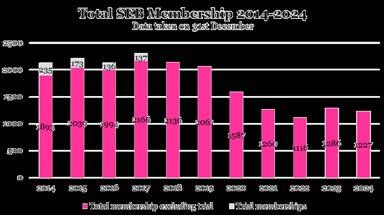
Fig 4: Total SEB membership by category.
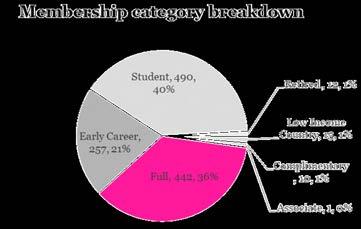
Table 4: 2024 SEB Membership totals per subscription category.
In 2024, membership transitioned into the engagement phase of the overall membership strategy, focusing on implementing plans to diversify our membership offerings and highlight additional benefits beyond the annual conference.
The focus shifted to understanding the structure and management of SEB Sections, with the overarching goal of improving engagement between special interest groups (SIG) and their communities.
The Membership Manager and Outreach and Education Officer conducted a review of the CRM groups function to explore features and draft a usage document for SIG convenors, which will be completed following several updates to the CRM (further details in Year end and Future initiatives section- page 43). Efforts were also directed towards ensuring each Section had a full convenor base, with recruitment for missing deputy convenors commencing in Q4 2024 to facilitate knowledge transfer and prevent gaps.
The Membership Manager and Communications Manager collaborated to introduce the Member Resource Hub within the members' area, creating a central space where members can access past webinars, career-building workshops, and a range of other valuable materials.
Additionally, advertising and the recruitment process for the creation of
an SEB podcast began in Q4 2024, aimed at broadening SEB's reach, explaining the impact of experimental biology to the public, and expanding our presence within the existing community.
The SEB Annual Conference: Prague, July 2024
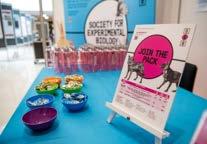
The annual conference saw the return of the prominent membership stand, which included a buzz-wire game designed to engage our audience. The activity required players to update their membership contact preferences and check their details before playing, resulting in over 120 records being corrected or updated and 32 new nonmembers added to our mailing list.
Staff attendance at the "Meet Your Convenors" lunch also facilitated 24 additional sign-ups for various special interest groups.
Bristol University, September 2024
The Membership Manager and Events Manager represented SEB at a student careers day at the University of Bristol. The SEB engaged with students to highlight the benefits of joining a learned society and the support it could offer. As a result, 28 undergraduates were added to the respective SEB mailing lists.
Excellence Industry Conference: London, November 2024
The Membership Manager attended the 2024 MEMX conference in London, focusing on driving membership growth through optimized retention, recruitment, value provision, and enhanced engagement.
The British Ecological Society (BES) Annual Conference: Liverpool, December 2024
A reciprocal agreement between BES and SEB allowed both societies to be represented at each other's annual conferences. The Membership Manager and Membership & Administrative Officer attended on
3 •Enhanced email personalisation and tailored event email templates.
• Improved groups function to better facilitate interaction between convenors and Special Interest Groups (SIGs), plus automated sign-up capabilities for a smoother joining process.
• Automated invoice chasing for events and membership, significantly reducing admin time.
behalf of SEB to engage in networking events and showcase our membership offerings. Over 44 individuals were added to our mailing lists, and contacts for other relevant exhibiting sponsors were collected. The venue is also a potential location for our own annual conference, so imagery and details were gathered for future planning.
Throughout 2024 progress was made to the CRM and associated data management. To further enhance cyber security, two-factor authentication has been enabled for all staff using the CRM.
The membership manager led on the installation of 12 significant upgrades to the CRM in 2024. Pixl8 began work in Q4 2024, with internal testing, issue resolution, and the official launch scheduled for completion in Q1 2025.
CRM enhancements are set out at the footnote. 3
In October 2024, SEB started testing the Pixl8 Abstract module, with an agreement to use it without invoicing,
• Automated membership subscription payments available across multiple providers.
• Streamlined member renewal process, making it easier to update details and change subscription length.
• New membership options, including multicontact subscriptions, ideal for labs and organisations
to assess its suitability for the society’s needs.
Key testing areas included scheduling abstracts, assigning timeslots to presentation types, submission export functions, and word limits.
The module will be tested and if considered suitable will be used for the 025 Antwerp conference. 4 with testing is set to conclude in Q1 2025.
The past year has been interesting for SEB’s communications strategy, marked by challenges and great achievements.
Key initiatives included expanding to Bluesky; reinforcing engagement with the community; expanding our digital reach; and improving our content.
Finally, we continued to promote our diverse portfolio of events to highlight the offering to our members and to attract possible new members.
Over the past year, SEB’s social media presence has seen growth across all platforms, with the notable exception
of X. This is in line with the platform’s overall decline in its user base.
Between March 2024 and March 2025, X (ex-Twitter) experienced a decrease in followers (-3.61%), as biologists moved to other platforms. To counter this decline, it is important to underline the successful launch and rapid expansion of SEB’s Bluesky presence, which grew from 694 followers in November 2024 to 1,423 in March 2025 (+105.04%).
YouTube (+14.35%), Facebook (+0.62%), LinkedIn (+3.68%), and Instagram (+10.89%) all showed growth, which confirms interest in SEB’s content and community.
A full breakdown of users is shown below:
March 2024: 8596
November 2024: 8589 (-0.08)
March 2025: 8286 (-3,53)
March 2024 – March 2025: (-3,61)
YouTube
March 2024: 976
November 2024: 1090 (+11,6)
March 2025: 1120 (+2,75)
March 2024 – March 2025: (+14.35)
March 2024: 3626
November 2024: 3642 (+0,4)
4 If the Pixl8 Abstract system is unsuitable, efforts will shift to enhancing the current abstract system (Powered by Humans Abstract system).
March 2025: 3650 (+0,22)
March 2024 – March 2025: (+0.62)
March 2024: 5 323
November 2024: 5477 (+2,8)
March 2025: 5519 (+0,77)
March 2024 – March 2025: (+3,68)
March 2024: 404
November 2024: 429 (+6,1)
March 2025: 448 (+4,43)
March 2024 – March 2025: (+10.89)
Bluesky
March 2024: -
November 2024: 694
March 2025: 1423 (+105.04)
March 2024 – March 2025: (+1423)
Over the period from March 2024 to March 2025, the website saw 80,000 active users, indicating a significant level of engagement.
Active users are defined as visitors who interacted with the site beyond a single-page view, such as navigating multiple pages, spending time on content, or engaging with embedded media.
Key points:
• Top 3 countries driving traffic were the USA, UK, and China, reflecting strong international reach and interest.
• The most visited page was the 2024 Annual Conference in Prague, accumulating 66,319 visits, in website traffic.
Since March 2024, we have sent a total of 83 emails aimed at engaging our members. These campaigns included newsletters, reminders, and communications about upcoming events.
The average click-through rate (CTR) has been favourable, reflecting good engagement with our audience.
Additionally, a version of our newsletter is now available on our website and shared across social media.
Through the past year, our communication efforts have been strongly focused on promoting the SEB Annual Conference in Prague, ensuring visibility before, during, and after the event. This strategy helped maintain engagement across multiple channels and reinforced the conference’s impact.
The SEB summer Magazine reached 1,317 impressions (number of times the magazine was displayed to users, whether or not they engaged with it) and 47,430 reads (the number of users who actively opened and engaged with the content.
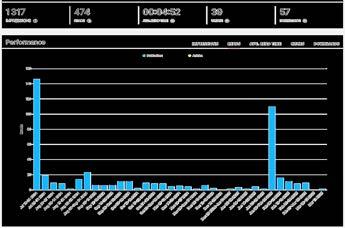
The Winter 2024 edition of the SEB Magazine had 184 impressions and 30 reads.
The engagement with this magazine was disappointing; the delayed release of this edition may have impacted
Fig. 6: Graph showing Summer 2024 Magazine Performance
overall engagement, potentially limiting its reach and effectiveness
In 2025, we will look to review distribution channels for future issues. We aim to promote the magazine by sending a virtual copy to our university contacts and asking them to share with students via email or a display boards on campus.
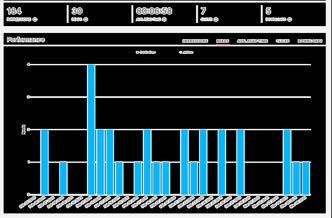
Fig. 7: Graph showing Winter 2024 Magazine Performance
The Society owns five scientific research journals. These journals rank highly among other journals publishing similar scientific content and are wellregarded by the communities they support.
Table 5: Journal-level metrics in 2023 (announced in June 2024) 5
The Plant Journal is a hybrid journal co-owned by the SEB and Wiley. Katherine Denby began her term as Editor-in-Chief in January 2024. After a proposal from the journal’s publisher, the management committee decided to move the journal to a continuous publication model from January 2025.
Plant Direct is a sound-science journal co-owned by the SEB, Wiley and the American Society of Plant
Biologists (ASPB). The journal receives rejected manuscripts from the SEB’s other plant science journals, as well as from other relevant plant journals published by Wiley, thereby representing a mechanism to retain manuscripts within the Society’s portfolio.
Plant Biotechnology Journal is an open access journal co-owned by Wiley, the SEB and the Association of
5 Journal Impact Factor = the yearly mean number of citations to items published in the previous two years.
Normalised Eigenfactor = the total importance of a scientific journal (incoming citations from highly ranked journals score more highly).
Journal Citation Indicator = normalises mean citations for topic, article age and article type.
CiteScore = similar to impact factor but referenced to the Scopus database, and includes items published over the previous four years instead of two years.
Applied Biologists (AAB). The journal is included in a Wiley transfer arrangement that includes The Plant Journal and Plant Direct, to provide a pathway to retain rejected Plant Biotechnology Journal manuscripts within the SEB journal stable.
Conservation Physiology is an open access journal co-owned by the SEB and Oxford University Press (OUP). The journal’s founding Editor-in-Chief Steven Cooke stood down from the
role in July 2024, with Andrea Fuller taking over the role.
The Journal of Experimental Botany is a hybrid journal owned by the SEB and published by OUP. Throughout 2023 and early 2024, the SEB conducted a full assessment of switching the journal to open access in 2025. At a special Council meeting in February 2024, Trustees decided to delay transitioning the Journal of Experimental Botany to open access (see open access section, below).
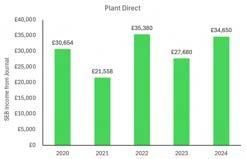
Income to the Society from each journal in 2024 is given below, with data from the preceding four years for comparison.
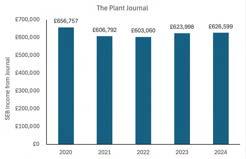
At The Plant Journal subscription revenue decreased by 11% compared to the previous year, but open access revenue increased by 27%. Total journal revenue to the society was very similar to 2023 (a 0.4% increase).
The SEB receives a royalty (30% of revenue) and so publisher costs do not affect the SEB’s income from The Plant Journal.
Compared to 2023, submissions in 2024 were 12.9% higher and output was up 13.1%.
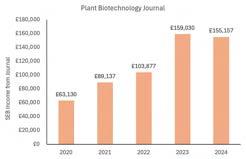
The SEB receives a royalty (20% of revenue) for Plant Biotechnology Journal and so again publisher costs do not affect SEB income.
Journal revenue and SEB profit in 2024 decreased by 2.4% versus 2023. As the journal is open access, revenue depends almost exclusively on open access income.
Compared to 2023, submissions in 2024 were 10.9% higher but output was reduced by 6.9%.
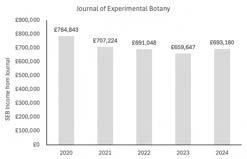
The SEB receives a share of the profit (69%) for the Journal of Experimental Botany.
Subscription income increased by 1% versus 2023, while open access income rose by 8%. Costs were well controlled and consistent with output. Journal profit was 5% higher than in 2023.
The SEB receives a payment from OUP for the editorial costs, and any underspend will be held in a fund to support the future transition of the journal to Open Access.
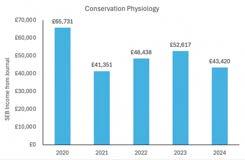
The SEB receives a share of the profit (50%) for Conservation Physiology.
The number of published papers declined in 2024, resulting in lower revenue via open access payments.
SEB income from the journal decreased by 21% in 2024.
The SEB relies on its two hybrid journals (Journal of Experimental Botany and The Plant Journal) for a large proportion of the Society’s income. The SEB is committed to open access, but is cognizant that the income these journals generate will reduce significantly during the transition periods
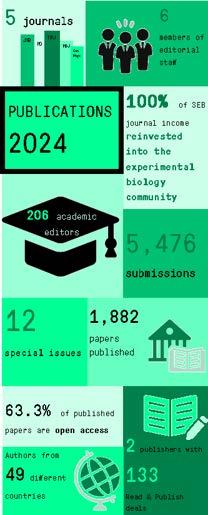
Both publishers continue to announce additional Read & Publish deals with specific consortia, allowing researchers in represented institutions to continue to publish in the Society’s hybrid journals. Uptake has been close to projected levels, but the publishing fee paid by researchers through these deals is lower, often substantially so, than the fee for direct payments.
Subscription income has also declined because of cuts to library budgets and the move towards supporting open access. During 2024, the Society continued to work with the publishers (Wiley and OUP) to monitor the situation.
The SEB receives a share of the profit (30%) for Plant Direct.
Journal revenue increased in 2024 versus 2023 despite fewer papers being published. Costs were well controlled.
SEB income in 2024 from Plant Direct rose 25% versus 2023.
The Society considered financial modelling to flip the Journal of Experimental Botany to an open access journal in 2025. After extensive analysis of the effect this would have on the journal and the income it provides to the Society, at a special Council meeting in February 2024, Trustees decided to delay transitioning the Journal of Experimental Botany to open access. This decision was also influenced by the inequitable nature of the current gold open access model. The Publications Management Committee will continue to monitor the performance of the journal (submissions, income streams, OA uptake) and the open access environment in general and will, at least annually, discuss internally how the journal is positioned for a flip.
Council agreed to the establishment of a designated fund to support the transition of JXB and TPJ in the coming years. Details on this fund can be found in note 14 to the Financial Statement (p.68).
The next full financial reassessment of the decision to flip is planned in 2027 for a 2028 flip, to coincide with the end of the journal’s current publishing contract.
The Society also considered financial modelling to flip The Plant Journal to gold open access status.
The Society will continue to monitor the journal’s performance to help decide the optimal time to transition the journal in order to reduce disruption and ensure it flourishes after flipping.
The Society will continue to review the financial position and prepare the transitions including reviewing future publishing agreements
The Publications Management Committee own and regularly revise a Journal Risk Register .
The major risks are as follows: switching the Society’s hybrid journals to an open access model, the level of service provided by the journals’ publishers, the reliance by some of the Society’s journals on a specific market for submissions, and cyber security breaches.
6 The new risk of COUNTER 5.1 was added. COUNTER updated their reports to make it more likely that institutional/consortium subscribers would cancel subscriptions to the SEB’s hybrid journals SEB decided not to increase the amount of subscription-controlled content in these journals, as it would rather focus on moving the journals to
The risk register was reviewed in December 2024. Details of key changes can be found at footnote. 6
open access than holding on to subscription income.
• The risk of cyber security breaches was increased, due to these events becoming
London Accommodation
Staff have been home-based since March 2020. The Society retains a contract with the FORA (formally TOG) who manage Tintagel House, which serves as a postal address. In person staff meetings take place from time to time across the year alongside a mixture of virtual and in person governance meetings.
Lancaster Accommodation
SEB (JXB) staff continue to predominately work from home although have the option of using the offices within the University of Lancaster where the Registered Office is for SEB:
County Main, AO12/AO13, Lancaster University, Bailrigg, LA1 4YW
IMPROVEMENTS
Infrastructure improvements continued in 2024, a significant amount of work was done to ‘clean’ and update the data held in the CRM. (see update in the Membership section on p. 23)
BOARD OF TRUSTEES

In July 2023 the Society appointed Professor Gudrun De Boeck to be the Vice President.
Professor Tracy Lawson became the President in July 2023.
Professor Lawson will serve until July 2025.


Professor De Boeck is studying the effects of environmental factors on fish. She will serve two years as Vice President and take up the role of President in July 2025.
more frequent and targeting other publishers.
• Revised descriptions of the impact of a future global pandemic and global international political events.


Doctor Diana Santelia was appointed as the Publications Officer and will serve her first fouryear term until 2028.
Professor George Littlejohn joined as the Plant Section Chair and will serve his first four-year term until 2028.


The Society was also pleased to confirm that Professor Sheila AmiciDargan and Doctor Felix Mark were appointed for their second four-year terms as OED Trustee and Animal Section Chair respectively.
In 2024, SEB continued our commitment to enhancing the security of our data and IT systems. A strategy to enhance our cyber security; staff and trustee training and data management procedures were created in 2023, and work to embed carried out across 2024.
Main steps towards this included:
• Receiving the Cyber Essentials accreditation in March 2024.
• A new file management system and information naming
convention to better protect and manage our data.
• Multifactor Authentication put in place.
• Systems in place to make sure internet connection is more secure when connecting to work systems.
The data and cyber security strategy is reviewed annually, and work will continue to proactively ensure our systems are as secure as possible.
The society is committed to transparency in all activities undertaken by Trustees in SEB related business.
In 2024, three trustees held roles as editors for SEB’s journals. While SEB Trustees and the Executive did not have any influence over the appointment of these trustees, the society has decided to monitor and record this activity as it pertains to Journals where we have full or partial ownership.
After consideration of the matter, at a Council meeting held in March 2024, (including consideration of the Charities Act 2011 and the SEB’s Articles of Association) It was unanimously agreed that the three trustees could serve both in the role of Trustee and editor, receiving renumeration for the latter.
Full details of this honoraria were included in the Financial Notes to the Annual Report in 2023 and can be found on page 62 in this year’s report. Council approved contracts for the Trustees who would be serving as editors in 2024 to standardise the process. This matter, and the respective contracts will be reviewed annually by Council and the Audit and Risk Committees.
The following staff changes were made in 2024:
Olubunmi Oduah joined the team as the Administration Officer in April 2024.
Following the departure of our Events Manager, Louise Tully, in recognition of our team’s talent Jennifer Symons and Keji Aofiyebi were promoted from within the team to co-manage the events department, ensuring a smooth transition.
The trustees who are also directors of the charity, for the purposes of the Companies Act 2006, present their report with the financial statements of the charity for the year ended 31 December 2024. This report has been prepared in accordance with Part 8 of the Charities Act 2011 and constitutes a directors’ report for the purposes of company legislation.
The financial statements have been prepared in accordance with the accounting policies set out on pages 56-59 and comply with the charitable company’s memorandum and articles of association, applicable laws and Accounting and Reporting by Charities: Statement of Recommended Practice applicable to charities preparing their accounts in accordance with the Financial Reporting Standard applicable in the United Kingdom and Republic of Ireland (FRS 102).
ADMINISTRATIVE DETAILS
Registered company number: 1314879
Registered charity number: 273795
Registered office: County Main, AO12/AO13, Lancaster University, Bailrigg, LA1 4YW
Professor Tracy Lawson, University Professor, President until July 2025
Professor Gudrun De Boeck, University Professor, Vice president from July 2023 and President from July 2025.
Professor John Love, University Professor, Treasurer.
Dr Felix Mark, Research Scientist, Animal Section Chair.
Professor Rosangela Sozzani, University Professor, Cell Section Chair
Professor George Littlejohn, University Professor, Plant Section Chair,
Dr Robyn Emmerson, Research Fellow, Early Career Scientist Trustee.
Doctor Diana Santelia, Senior Scientist, Publications Officer.
Professor Sheila Amici- Dargan, OED Trustee, Associate Professor
Ms Ji Young Park, Independent trustee.
The Chief Executive Officer, Pamela Mortimer, also serves as the Company Secretary.
Buzzacott Audit LLP, 130 Wood Street, London, EC2V 6DL.
JS2 Ltd provide financial services including the preparation of the annual financial statements.
NatWest is the principal bank for the Society, in addition accounts are held with Skipton Building Society and NS&I
The Society for Experimental Biology is a company limited by guarantee governed by its Memorandum and Articles of Association dated 24th May 1977 and amended to ensure correct references to the Companies Act, 2006 and new governance arrangements on 1 July 2011. The Society is registered as a charity in England and Wales (Registered charity number: 273795).
The society is funded by subscriptions from its members, gifts from donors and the income generated from its activities (largely from its scientific journals) and investment income. Every member agrees to contribute £1 in the event of the charity being wound up.
The trustees are: the President, Vice President, Treasurer, Publications Officer, Animal Section Chair, Cell Section Chair, Plant Section Chair, an Outreach, Education and Diversity Trustee and an Early Career Scientist or Researcher Trustee plus one or two independent representatives who sit on the Council as well as the Audit and Risk Committee and the Human Resources and Remuneration Committee.
The section chairs are nominated and elected by the members of the Society. The Vice-President is nominated by each section (on a rotational basis every two years) and then appointed by Council. The appointment is for two years after which the Vice President is appointed President for a further two years.
The independent members are appointed by the Council after a process of selection with the Council being mindful of any shortfall in knowledge or experience within its ranks.
New members of the Society's Council receive written information on the Society and the obligations of their position.
The Board of Trustees serves as the Council of the Society and guides the strategy and administration of the Society. The Council meets at least three times a year and there are committees covering each the following: scientific themes of the Society (Animal, Cell and Plant Biology), Outreach, Education and Diversity, Audit and Risk and a Publications Management. All the above committees are chaired by one of the Society's trustees.
In addition, there are ad hoc working groups to focus on targeted areas of business.
A Chief Executive Officer (CEO) is appointed by the trustees to manage the day-to-day operations of the charity within a delegation framework approved by the Council.
The key management personnel in charge of directing and controlling the charity on a day-to-day basis comprises the trustees and the Chief Executive Officer. Trustees are not remunerated for their role as trustees to the Society. Details of remuneration paid to key management personnel is set out in note 7.
The Society does not actively engage in traditional forms of fundraising activity such as collections or appeals, and as such, the trustees do not consider it necessary for Society to adopt any particular code of practice in this area, or to enlist the support of third parties. No complaints have been received by the Society in relation to fundraising.
The Council of the Society is responsible for the management of risk.
The Audit and Risk Committee regularly reviews the Society's risk register, and the Council annually reviews the major risks to which the Society is exposed and the systems that have been established to manage those risks.
Delegated authority has been given to three trustees, the President, Vice President and Treasurer to take decisions on behalf of Council on matters arising that need resolution in
between regular Council meetings. These trustees work with the CEO to resolve and/or mitigate any emerging issues.
Internal control risks are minimised by implementing procedures for authorisation and monitoring of expenditure. A key element in the management of financial risk is the setting of a reserves policy and its regular review by the Audit and Risk Committee, which advises the Council.
The principal risks and uncertainties identified by the trustees and how these risks are being managed is set out below:
The main financial risk to the Society continues to relate to its dependency on income from publishing activities.
Changes in financial models within the journal publishing sector create concern and uncertainty in the sustainability of the revenue streams and their respective surplus margins. In particular, these include the move away from the subscription to Open Access model, and the impact of ‘cOAlition S 7’ and associated initiatives from research funding bodies. The Society has two journals that are not Open Access and with the publishers (Wiley Blackwell and Oxford University Press) it continues
to proactively engage with developments in this area.
Whilst publishers are taking action with regard to read and publish deals, this may adversely impact other income streams within existing contracts. We are keeping this situation under review.
In 2024, the Society continued its fullscale review of the feasibility of changing the business model for the Journal of Experimental Botany from a standard hybrid journal to an Open Access journal. Further information is provided on page 68.
The trustees consider the global fluctuations in investment fund values and variability of investment returns to be a risk for the Society and are cognisant that markets have fluctuated significantly due to world events over recent years and note that the markets are volatile as we start 2025 (Q1) due to geopolitical uncertainty.
The Society investments are held in a medium risk portfolio that is actively and expertly managed and administered by Brooks Macdonald. Funds are invested in a diverse portfolio comprising commodities, equities, bonds and gilts. This managed strategy mitigates
7 www.coalition-s.org/ Is an initiative to make full and immediate Open Access to research publications a reality; it was formed by a group of national research funding
organisations, with the support of the European Commission and the European Research Council (ERC).
fluctuations in fund values and seeks opportunities for fund growth and income. The trustees consider this approach helps to mitigate the subsequent exposure to any investment risk.
The Trustees’ have agreed that the portfolio will be reviewed every three years, with the next review being due in 2026. In 2023, following a review with the investment managers, Council agreed that the investment portfolio will continue to be managed as a medium risk portfolio, which is considered appropriate given the longterm aims and objectives of the Society remain unchanged.
There is a reliance on the Annual Conference to recruit and retain members; the income generated from membership is not a significant income stream (currently around £40K/<2%) and we deliberately choose to significantly offset the cost of delivering the conference to those members who choose to attend. As publication income is decreasing it is important that we keep the level of subsidy under review and will seek to reduce the level of subsidy over the period 2025-2030.
We also acknowledge the potential (developing) risk that there may be a change in consumer attitudes to whether they choose to attend the conference in person. To address this risk and provide opportunities for
those less able to travel or able to afford to attend in person to participate we have chosen to continue to provide conference attendance as part of a hybrid conference plan. The hybrid element is at an additional cost to the Society and as with all our core regular conference contracts we will continue to seek best value for money.
Investment policy and performance of investments:
All funds of the Society not immediately required to be used or applied for the ordinary purposes of, or in carrying out the objects of, the Society and any property held by the Society, subject to the terms of any trust, may be invested by the Board of Trustees on behalf of the Society in any permitted investment.
The Board of Trustees may appoint and terminate the appointment of investment managers upon such terms and conditions as the Board may from time to time determine, except that no person should be appointed as investment manager unless authorised for this purpose in accordance with the Financial Services Act 2010 or any statutory modification thereof or replacement thereof.
Under delegated authority from the Board of Trustees, administration of the funds of the Society and all financial matters relating to the Society, subject to the overall authority of the Board, are conducted by the Audit and Risk Committee. The
principal custodian of investment securities is Brooks Macdonald.
Surplus cash is held in deposit accounts with the Society's bankers, NatWest.
The market value of investments at 31 December 2024 was £5,416,622 compared with £5,016,802 at 31 December 2023.
Income and Interest from investments during the calendar year 2024 amounted to £103,298 (2023: £86,744) representing an income yield of approximately 1.91% (2023: 1.71%) based on the portfolio value as at 31st December 2024. The total return on the portfolio for the 12 months to 31 December 2024 was 7.98% compared to a return on the MSCI PIMFA 8 Balanced Index of 8.28%.
On review the Trustees are content with the annual performance of the fund.
The Audit and Risk Committee has considered the Society's reserves requirements and advised on the same to the charity's Board. When reviewing the reserves policy, the Audit and Risk Committee and the Board considered the points below.
Part of the charity's net assets is represented by the net book value of Society’s interest in its tangible and
intangible fixed assets. The availability of these assets is essential to the day-to-day work of the charity and as such, the value of these assets cannot be regarded as funds that would be realisable with ease, in order to meet future contingencies. As such, an amount equal to the net book value of the tangible fixed assets has been separated from the charity's general funds and held as a separate designated fund. At the year end, the balance on this fund was £57,685 (2023: £91,110).
At 31 December 2024, funds totalling £34,808 (2022: £32,372) comprised restricted funds which must be applied in accordance with the wishes of the donor.
A designated investment fund is held to match the value of the investment portfolio. The value of the fund is held to create long term investment return and to help fund the day-to-day operations of the charity. At 31 December 2024, this amounted to £5.4m (2023: £5m).
Following a review started in late 2023 of the Journal of Experimental Botany’s publication business model, Council decided in February 2024 to formally designate a fund to support future transitions in publishing model for two of the Society’s journals: the Journal of Experimental Botany and The Plant Journal. Any surplus
generated from the JXB publications contract in year will be transferred to the Publications Open Access Designated Fund. The designated fund at the 31st December 2023 was £300,000.
In addition, following analysis of the year end accounts, the Treasurer and CEO made a recommendation to the Audit and Risk committee, and then Council, of a possible transfer of further additional surplus. A transfer of £450,000 will be made in 2024.
At 31 December 2024, the charity held free reserves totalling £3.8M (2023: £3.6M). The free reserves held represent 1 years and 10 months operating expenditure. The trustees are satisfied with the level of free reserves held as at the 31 December 2024, as this meets the requirement of 2 years' operating costs that, in the very unlikely event of the Society's demise and becoming insolvent, would be required to responsibly wind down the Society.
The trustees have assessed whether the use of the going concern assumption is appropriate in preparing these financial statements. The trustees have made this assessment in respect to a period of one year from the
date of approval of these financial statements.
The trustees of the charity have concluded that there are no material uncertainties related to events or conditions that may cast significant doubt on the ability of the charity to continue as a going concern. They are of the opinion that the charity will have sufficient resources to meet its liabilities as they fall due. The most significant areas of judgement that affect items in the financial statements are detailed above. With regard to the next accounting period, the year ending 31 December 2025, the most significant areas that affect the carrying value of the assets held by the charity are the level of investment return and the performance of the investment markets.
Information regarding SEB’s financial policies can be found in the notes to the financial statements: pp 60-69.
The most significant undertaking since year end has been the revision of our five-year strategic plan.
In late 2024 and Q1 2025, staff and trustees began a series of workshops, to refresh the strategy for 2025-2030.
The Society has built the strategy on eight key themes that form the framework for our five-year strategic plan.
1. Extend the reach and engagement of the Society
2. Embed inclusion and diversity
3. Optimise our scientific meetings
4. Attracting and developing the next generation
5. Enhancing the Society’s journals and strengthening the links between journals and the Society
6. Review structure of the society
7. Strengthening corporate governance
Though the plan is largely a revision of our successful 2020-2025 strategy, some notable updates include:
renewing our Articles of Association; ensuring best practice in our governance and board structure; safeguarding the financial stability of our Annual Conference; increasing engagement within our Scientific Sections; supporting our members across all career stages and global regions; and creating opportunities preserving SEB’s history and archive material.
The plan is currently being finalised and will published on the website in April 2025.
2025 has brought an unpredictability in the landscape of world politics; decreases in funding for research and science; and changing publication models. For these reasons, SEB can be less reliant on our current income streams.
In light of this, SEB has undertaken extensive analysis of our Annual Conference, which SEB currently heavily subsidises for member and other attendance and facility provision; over recent years the level of subsidy has been between £150 and 500K; that level of subsidy is not sustainable.
A working group, including the President, Treasurer and CEO, created a proposal to safeguard the financial future of the society, by reducing the overspend of the annual conference to a maximum of £100,000 per year by 2030
At a council meeting on 24th March 2025, the board approved the initial proposal and agreed that changes to the Annual Conference should be implemented from 2026.
Ahead of this date, staff, trustees and the Events Committee will work to create a detailed implementation plan in order to carry out these changes and safeguard the future of SEB and our Annual Conference.
SEB and our external HR team are currently undertaking a wide scale review and update across all of SEB’s policies.
This update will include adding several new policies reflecting changes in legislation and modern practices and technologies, including an AI Policy and Data and Cyber Security. These documents will be implemented in Q2 2025.
A longstanding partner organisation of SEB, the Company of Biologists, held a conference to celebrate their
centenary from 24th-27th March 2025 at the ACC Liverpool, UK.
SEB held a satellite meeting on Monday 24th March, chaired by two of SEB’s Members, PEPG Convenor, Amanda Cavanagh and deputy Cell Section Chair, Ari Sadanandom.
The session’s talks covered media engagement, interdisciplinary research and policy involvement, as well as scientific talks on solutions to climate change and biodiversity loss.
The event was highly attended, particularly by early career researchers and students.
There was also a lot of engagement with our membership stand, and we recruited new members, and many people signed up to the newsletter.
Key objectives, by topic, for 2025 include:
The Society will look to appoint a Vice President and Treasurer in 2025. The Vice President is selected on a rotational basis, from each of the three scientific sections, and this year it is the turn of the Cell Section.
Consideration will be given to the appointment of two new independent trustees to further enhance the expertise of the board.
SEB has planned the following events in 2025:
• Annual conference to be held in Antwerp: 8th-11th July.
• PEPG Workshop in Clermont Ferrand, Portugal: 10th-15th September.
• JXB’s 75th Anniversary Symposium in Edinburgh, Scotland on 17th-19th September.
A range of virtual webinars and workshops will be held for SEB members and the public. These will be organised by the Publication and OED teams, covering themes such as key articles from SEB’s journals and career building workshops.
As described above a key workstream will be the planning for and implementation of the recently agreed
structural and financial model changes for the 2026 annual conference.
Membership From 2024 into 2025, the SEB has entered the engagement phase of its overall membership strategy, focusing on deepening member engagement by expanding the membership benefit offering, showcasing benefits beyond the annual conference, and tracking participation in various society initiatives. To support this, the next membership survey is scheduled for the end of Q2 2024, providing valuable insights to guide future initiatives.
A summary of the year’s results is provided on pages 73-75 of the attached financial statements.
Total income for the year amounted to £2,917,162 (2023: £2,880,732). The principal funding sources were: publications £2,484,279 (2023: £2,407,391), meetings and symposia £190,546 (2023: £293,805), membership subscriptions £36,906 (2023: £43,470), investment income £166,461 (2023: £116,970) and grants of £38,500 (2023: £19,096).
Total expenditure for the year amounted to £2,321,779 (2023: £2,703,741). £2,283,442 (2023: £2,669,257) of the expenditure
incurred in the year, representing 98% (2023: 99%) of the total expenditure incurred, was spent on charitable activities, which includes directly attributable costs, project costs and overhead costs supporting core charitable objectives.
The net income for the year before investment gains and losses was therefore £595,383 (2023: £176,991).
After accounting for the net gains generated on the revaluation and disposal of listed investments totalling £334,110 (2023 – gains £308,434), the charity's overall funds increased by £929,493 (2023: increased £485,425).
The trustees (who are also the directors of The Society for Experimental Biology for the purposes of company law) are responsible for preparing the trustees’ report and the financial statements in accordance with applicable law and United Kingdom Accounting Standards (United Kingdom Generally Accepted Accounting Practice). Company law requires the trustees to prepare financial statements for each financial year which give a true and fair view of the state of affairs of the charitable company and of the incoming resources and application of resources, including the income and expenditure, of the charitable company for that period. In preparing those financial statements, the trustees are required to:
·select suitable accounting policies and then apply them consistently;
·observe the methods and principles in the Charity SORP;
·make judgements and estimates that are reasonable and prudent;
·prepare the financial statements on the going concern basis unless it is inappropriate to presume that the charitable company will continue in business. The trustees are responsible for keeping proper accounting records which disclose with reasonable accuracy at any time the financial position of the charitable company and to enable them to ensure that the financial statements comply with the Companies Act 2006. They are also responsible for safeguarding the assets of the charitable company and hence for taking reasonable steps for the prevention and detection of fraud and other irregularities. In so far as the trustees are aware:
·there is no relevant audit information of which the charitable company's auditors are unaware;
·the trustees have taken all steps that they ought to have taken to make themselves aware of any relevant audit information and to establish that the auditors are aware of that information.
Approved by the trustees and signed on their behalf by:
Signature:

Trustee: Tracy Lawson
Approved by the trustees on 22ndSeptember2025.
Independent auditor’s report to the members of The Society for Experimental Biology
Opinion
We have audited the financial statements of The Society for Experimental Biology (the ‘charitable company’) for the year ended 31 December 2024 which comprise the statement of financial activities, the balance sheet, and statement of cash flows, the principal accounting policies and the notes to the financial statements. The financial reporting framework that has been applied in their preparation is applicable law and United Kingdom Accounting Standards, including Financial Reporting Standard 102 ‘The Financial Reporting Standard applicable in the UK and Republic of Ireland’ (United Kingdom Generally Accepted Accounting Practice).
In our opinion, the financial statements:
♦ give a true and fair view of the state of the charitable company’s affairs as at 31 December 2024 and of its income and expenditure for the year then ended;
♦ have been properly prepared in accordance with United Kingdom Generally Accepted Accounting Practice; and
♦ have been prepared in accordance with the requirements of the Companies Act 2006.
We conducted our audit in accordance with International Standards on Auditing (UK) (ISAs (UK)) and applicable law. Our responsibilities under those standards are further described in the auditor’s responsibilities for the audit of the financial statements section of our report. We are independent of the charitable company in accordance with the ethical requirements that are relevant to our audit of the financial statements in the UK, including the FRC’s Ethical Standard, and we have fulfilled our other ethical responsibilities in accordance with these requirements. We believe that the audit evidence we have obtained is sufficient and appropriate to provide a basis for our opinion.
In auditing the financial statements, we have concluded that the trustees’ use of the going concern basis of accounting in the preparation of the financial statements is appropriate.
Based on the work we have performed, we have not identified any material uncertainties relating to events or conditions that, individually or collectively, may cast significant doubt on the charitable company’s ability to continue as a going concern for a period of at least twelve months from when the financial statements are authorised for issue.
Our responsibilities and the responsibilities of the trustees with respect to going concern are described in the relevant sections of this report.
The other information comprises the information included in the annual report, including the trustees’ report, other than the financial statements and our auditor’s report thereon. The trustees are responsible for the other information contained within the annual report. Our opinion on the financial statements does not cover the other information and, except to the extent otherwise explicitly stated in our report, we do not express any form of assurance conclusion thereon.
In connection with our audit of the financial statements, our responsibility is to read the other information and, in doing so, consider whether the other information is materially inconsistent with the financial statements or our knowledge obtained in the course of the audit or otherwise appears to be materially misstated. If we identify such material inconsistencies or apparent material misstatements, we are required to determine whether there is material misstatement in the financial statements or a material misstatement of the other information. If, based on the work we have performed, we conclude that there is a material misstatement of this other information, we are required to report that fact. We have nothing to report in this regard.
In our opinion, based on the work undertaken in the course of the audit:
♦ the information given in the trustees’ report, which is also the directors’ report for the purposes of company law for the financial year for which the financial statements are prepared is consistent with the financial statements; and
♦ the trustees’ report, which is also the directors’ report for the purposes of company law has been prepared in accordance with applicable legal requirements.
In the light of the knowledge and understanding of the charitable company and its environment obtained in the course of the audit, we have not identified material misstatements in the trustees’ report. We have nothing to report in respect of the following matters in relation to which the Companies Act 2006 requires us to report to you if, in our opinion:
♦ adequate accounting records have not been kept, or returns adequate for our audit have not been received from branches not visited by us; or
♦ the financial statements are not in agreement with the accounting records and returns; or
♦ certain disclosures of trustees’ remuneration specified by law are not made; or
♦ we have not received all the information and explanations we require for our audit; or
♦ the trustees were not entitled to prepare the financial statements in accordance with the small companies regime and take advantage of the small companies’ exemptions in preparing the trustees’ report and from the requirement to prepare a strategic report.
As explained more fully in the trustees’ responsibilities statement, the trustees (who are also the directors of the charitable company for the purposes of company law) are responsible for the preparation of the financial statements and for being satisfied that they give a true and fair view, and for such internal control as the trustees determine is necessary to enable the preparation of financial statements that are free from material misstatement, whether due to fraud or error.
In preparing the financial statements, the trustees are responsible for assessing the charitable company’s ability to continue as a going concern, disclosing, as applicable, matters related to going concern and using the going concern basis of accounting unless the trustees either intend to liquidate the charitable company or to cease operations, or have no realistic alternative but to do so.
Our objectives are to obtain reasonable assurance about whether the financial statements as a whole are free from material misstatement, whether due to fraud or error, and to issue an auditor’s report that includes our opinion. Reasonable assurance is a high level of assurance but is not a guarantee that an audit conducted in accordance with ISAs (UK) will always detect a material misstatement when it exists. Misstatements can arise from fraud or error and are considered material if,
Auditor’s responsibilities for the audit of the financial statements (continued)
individually or in the aggregate, they could reasonably be expected to influence the economic decisions of users taken on the basis of these financial statements.
Irregularities, including fraud, are instances of non-compliance with laws and regulations. We design procedures in line with our responsibilities, outlined above, to detect material misstatements in respect of irregularities, including fraud. The extent to which our procedures are capable of detecting irregularities, including fraud is detailed below:
Our approach to identifying and assessing the risks of material misstatement in respect of irregularities, including fraud and non-compliance with laws and regulations, was as follows:
♦ we identified the laws and regulations applicable to the charitable company through discussions with management, and from our commercial knowledge and experience of the sector;
♦ we focused on specific laws and regulations which we considered may have a direct material effect on the financial statements or the operations of the charitable company, including those that relate to the reporting framework (Statement of Recommended Practice: Accounting and Reporting by Charities preparing their accounts in accordance with the Financial Reporting Standard applicable in the United Kingdom and Republic of Ireland (FRS 102)), the Charities Act 2011 and the Companies Act 2006;
♦ we assessed the extent of compliance with the laws and regulations identified above through making enquiries of management and inspecting correspondence; and
♦ identified laws and regulations were communicated within the audit team and the team remained alert to instances of non-compliance throughout the audit.
We assessed the susceptibility of the charitable company’s financial statements to material misstatement, including obtaining an understanding of how fraud might occur, by:
♦ making enquiries of management as to where they considered there was susceptibility to fraud, their knowledge of actual, suspected and alleged fraud; and
♦ considering the internal controls in place to mitigate risks of fraud and noncompliance with laws and regulations.
To address the risk of fraud through management bias and override of controls, we:
♦ performed analytical procedures to identify any unusual or unexpected relationships;
♦ tested journal entries to identify unusual transactions;
♦ assessed whether judgements and assumptions made in determining the accounting estimates set out in the accounting policies were indicative of potential bias; and
♦ investigated the rationale behind significant or unusual transactions.
In response to the risk of irregularities and non-compliance with laws and regulations, we designed procedures which included, but were not limited to:
♦ agreeing financial statement disclosures to underlying supporting documentation;
♦ reading minutes of meetings of those charged with governance; and
♦ enquiring of management as to actual and potential litigation and claims.
There are inherent limitations in our audit procedures described above. The more removed that laws and regulations are from financial transactions, the less likely it is that we would become aware of non-compliance. Auditing standards also limit the audit procedures required to identify non-compliance with laws and regulations to enquiry of the trustees and other management and the inspection of regulatory and legal correspondence, if any.
Material misstatements that arise due to fraud can be harder to detect than those that arise from error as they may involve deliberate concealment or collusion.
A further description of our responsibilities is available on the Financial Reporting Council’s website at www.frc.org.uk/auditorsresponsibilities. This description forms part of our auditor’s report.
This report is made solely to the charitable company’s members, as a body, in accordance with Chapter 3 of Part 16 of the Companies Act 2006. Our audit work has been undertaken so that we might state to the charitable company's members those matters we are required to state to them in an auditor's report and for no other purpose. To the fullest extent permitted by law, we do not accept or assume responsibility to anyone other than the charitable company and the charitable company's members as a body, for our audit work, for this report, or for the opinions we have formed
24/09/2025
By
For and on behalf of Buzzacott Audit LLP, Statutory Auditor 130 Wood Street London EC2V 6DL
All recognised gains and losses are included in the above statement of financial activities. All of the charity’s activities continued during the above two financial years.
Creditors
Approved by the Board of Trustees on 22ndSeptember 2025 and signed on its behalf by:
Tracy Lawson
Trustee (Treasurer)
The Society for Experimental Biology – Company Registration Number 01314879 (England and Wales)
Notes to the statement of cash flows for the year to 31 December:
B Analysis of changes in cash and net
The principal accounting policies adopted, judgements and key sources of estimation uncertainty in the preparation of the financial statements are laid out below.
Basis of preparation
These financial statements have been prepared for the year to 31 December 2024 with comparative information given in respect to the year to 31 December 2023.
The financial statements have been prepared under the historical cost convention with items recognised at cost or transaction value unless otherwise stated in the relevant accounting policies below or the notes to these financial statements.
The financial statements have been prepared in accordance with the principles set out in Accounting and Reporting by Charities: Statement of Recommended Practice applicable to charities preparing their financial statements in accordance with the Financial Reporting Standard applicable in the United Kingdom and Republic of Ireland (Charities SORP FRS 102) issued on 16 July 2014, the Financial Reporting Standard applicable in the UK and Republic of Ireland (FRS 102) and the Companies Act 2006.
The principal accounting policies of the charitable company have remained unchanged from the previous year.
The financial statements are presented in sterling and are rounded to the nearest pound.
Critical accounting estimates and areas of judgement
The items in the financial statements where these judgements and estimates have been made include:
♦ the estimates of the useful economic lives of tangible and intangible fixed assets used to determine the annual depreciation/amortisation charges;
♦ the assumptions adopted by the trustees and management in determining the value of any designations required from the charity’s general unrestricted funds; and
♦ the basis on which support costs have been allocated across expenditure headings.
The trustees have assessed whether the use of the going concern assumption is appropriate in preparing these financial statements. The trustees have made this assessment in respect to a period of one year from the date of approval of these financial statements.
The trustees of the charity have concluded that there are no material uncertainties related to events or conditions that may cast significant doubt on the ability of the charity to continue as a going concern. They are of the opinion that the charity will have sufficient resources to meet its liabilities as they fall due. The most significant areas of judgement that affect items in the financial statements are detailed above. With regard to the next accounting period, the year ending 31 December 2024, the most significant areas that affect the carrying value of the assets held by the charity are the level of investment return and the performance of the investment markets.
Income recognition
Income is recognised in the period in which the Society has entitlement to the income, the amount of income can be measured reliably, and it is probable that the income will be received.
Income comprises donations, legacies, grants, income from charitable activities including subscriptions, grants, meetings, journals and publications and investment income.
In accordance with the Charities SORP FRS 102 volunteer time is not recognised within the financial statements.
Donations and legacies
Donations are recognised when the Society has confirmation of both the amount and settlement date. In the event of donations pledged but not received, the amount is accrued for where the receipt is considered probable. In the event that a donation is subject to conditions that require a level of performance before the Society is entitled to the funds, the income is deferred and not recognised until either those conditions are fully met, or the fulfilment of those conditions is wholly within the control of the Society and it is probable that those conditions will be fulfilled in the reporting period.
Legacies are included in the statement of financial activities when the Society is entitled to the legacy, the executors have established that there are sufficient surplus assets in the estate to pay the legacy, and any conditions attached to the legacy are within the control of the Society.
Subscriptions
All annual subscriptions due and received during the year are treated as income of that year. Life subscriptions and five yearly subscriptions are carried forward and written off over a period of fifteen years and five years respectively.
Royalties, journals and other publications
The Society accounts for all income and related expenditure on journal sales and other publications on an accruals’ basis.
Royalties are recognised in the financial statements as they are received or become receivable.
Other income excluding meetings
All other income, excluding meetings activities, is accounted for on a receivables’ basis.
The meetings committee has responsibility for the administration of all Society meetings with certain administrative tasks delegated to designated employees. All income is accounted for when receivable and all expenditure is accounted for on an accruals’ basis. On the conclusion of each meeting any surplus arising there from is identified, and deficit being met by the Society in the period to which it relates.
The Annual Budgets, and any changes to existing grant criteria, are pre-approved by council in the preceding year. In year, staff can reject applications that clearly fall outside of the grant criteria and manage the administration for all grants. Staff have delegated authority to approve the allocation of SEB Travel Grant and Hardship Grant, so long as it is done in accordance with the criteria and budget pre-agreed by Council. Applications for all other grants are reviewed by either the Section Chairs or the Outreach, Education and Diversity Trustee.
Funding requests issued from Section Funds and Small Conference Funds are approved at Section Committee Meetings and are ratified at Joint Section and Council Meetings. Managers or Section Chairs present updates on how all grants have been allocated at Council meetings. Overall grant allocation is also considered at Council meetings as part of the review of Management Accounts.
Liabilities are recognised as expenditure as soon as there is a legal or constructive obligation committing the Society to that expenditure, it is probable that a transfer of economic benefits will be required in settlement and the amount of the obligation can be measured reliably. Expenditure is accounted for on an accruals basis and has been classified under headings that aggregate all cost related to the category. Where costs cannot be directly attributed to particular headings, they have been allocated to activities on a basis consistent with the use of resources.
Grants offered subject to conditions which have not been met at the year-end date are noted as a commitment but not accrued as expenditure.
Costs of generating funds comprise the costs associated with seeking voluntary income and investment management fees.
Charitable expenditure comprises those costs incurred by the Society in the delivery of its activities and services for beneficiaries. It includes both costs that can be allocated directly to such activities and those costs of an indirect nature necessary to support them.
Support costs include governance costs which are costs associated with meeting the constitutional and statutory requirements of the Society and include the audit fees and costs linked to the strategic management of the Society.
All costs are allocated between the expenditure categories of the statement of financial activities on a basis designed to reflect the use of the resource. Costs relating to a particular activity are allocated directly; others are apportioned on an appropriate basis. For example, time spent.
Depreciation is provided at the following annual rates in order to write off each asset over its estimated useful life.
♦ Freehold property - 2% on cost
♦ Fixtures and fittings - 25% on cost
♦ Computer equipment - 25% on cost
Where indication exists that there has been an impairment to the value of a fixed asset an impairment review is carried out.
Items purchased costing less than £1000 are not capitalised and are expensed through the statement of financial activities.
The Society’s policy is to capitalise intangible assets where future economic benefits from the asset are expected and the cost of the asset can be reliably measured. Amortisation has been calculated to write off the cost of intangible fixed assets over their expected lives.
♦ Intangible fixed assets - 20% on cost
Investments are included in the balance sheet at their market value; realised and unrealised gains (losses) arising on the investments are credited (debited) in the statement of financial activities. Income arising from these investments is recorded on a receivable basis within investment income in the Statement of Financial Activities.
The Society is a UK registered charity and, therefore, is not liable to income tax or corporation tax on income derived from its charitable activities, as it falls within the various exemptions available to registered charities.
General funds are unrestricted funds, which are available for use at the discretion of the trustees in furtherance of the general objectives of the Society, and which have not been designated for other purposes.
Restricted funds are funds, which are to be used in accordance with specific restrictions imposed by donors, or which have been raised by the Society for specific purposes.
Designated funds are unrestricted funds earmarked by the trustees for particular purposes.
Assets and liabilities in foreign currencies are translated into sterling at the rates of exchange ruling at the balance sheet date. Transactions in foreign currencies are translated into sterling at the rate of exchange ruling at the date of transaction. Exchange differences are taken into account in arriving at the operating result. All differences are taken to income and expenditure through the statement of financial activities.
The Society only holds basic financial instruments as defined in FRS 102. The financial assets and financial liabilities of the Society and their measurement basis are as follows:
Financial assets – other debtors are basic financial instruments and are debt instruments measured at amortised cost. Prepayments are not financial instruments.
Cash at bank and short-term deposits – classified as a basic financial instrument and is measured at face value.
Financial liabilities – accruals and other creditors are financial instruments and are measured at amortised cost.
1 Investment
2 Income
In 2024, £38,500 of income from charitable activities was restricted (2023: £19,096).
3 Charitable activities costs
3 Charitable activities costs (continued)
In relation to the above costs, all cost were unrestricted with the exception of £36,064 (2023: £21,938) which was restricted.
Direct staff costs have been apportioned to the charity’s activities based on the percentages detailed in Note 7.
4 Grants payable
The
grants paid to institutions during the year was as follows:
The total grants paid to individuals during the year was as follows:
5 Net income
This is stated after charging:
6 Trustees’ remuneration and benefits
Two members of the council received emoluments worth £4,164 during the year (2023: £4,400) for services rendered as editor for The Journal of Experimental Botany. The institutions that the council members work for are entitled to receive a flat rate honorarium of £1,000. During the year the total amounts of honorarium paid was £7,000 (2023: £6,000). No emoluments are paid to Council members for their services as trustees to the Society (2023 – none).
Trustees’ expenses
Total expenses paid to trustees for attending council meetings was £4,606 (2023: £nil) and amounts paid for other trustee expenses and Society committee meetings was £1,483 (2023: £3,303). The total number of trustees in receipt of payment of expenses in the year was 8 (2023: 9).
All of the trustees are members of the Society and as such pay an annual membership subscription. The trustees do not benefit from any discounts in the subscription rates set by the Society.
SEB provides charity trustees’ management liability coverage under our combined commercial insurance. The excess applicable for trustee liability is £1,000, and we have a coverage limit of up to £1,000,000 for the trustees' limit of liability.
The average number of employees of the company during the year and their aggregate emoluments are shown below:
The average number of employees of the company during the year was 15 (2023: 16).
Staff costs are apportioned to the charities activities during the year using the following percentages:
The number of employees whose remuneration (excluding employer pension contributions) was £60,000 or more were as follows:
The key management personnel in charge of directing and controlling the charity on a day-to-day basis comprises the trustees and the Chief Executive Officer. Trustees are not remunerated for their role as trustees to the Society.
The total employee benefits including employer pension contributions and National Insurance contributions of the key management personnel were £127,313 (2023 - £130,687).
8 Tangible fixed assets
9 Intangible fixed assets
10 Fixed asset investments
Historical cost of the investments at 31 December 2024 was £4,468,749 (31 December 2023£4,487,797).
Listed investments
No investments held at 31 December represent over 5% of the portfolio value.
The total unrealised gains as at 31 December included in the above constitute movements on revaluation of the charity’s listed investments. Movements during the year were as follows:
11 Debtors: amounts falling due within one year
12 Creditors: amounts falling due within one year
13 Deferred income
The deferred income at 31 December represents advance membership income received in advance for future years.
14 Movement in funds
14 Movement in funds (continued)
Comparative figures for the year ended 31 December 2023
Restricted funds
Grants
Fixed assets fund
The balance on the fixed asset fund represents the carrying value of the charity’s tangible fixed assets and intangible fixed assets. The availability of these assets is essential to the day-to-day work of the charity and as such, the value of these assets cannot be regarded as funds that would be realisable with ease, in order to meet future contingencies. As such, an amount equal to the net book value of the fixed assets has been separated from the charity’s general funds and held as a separate designated fund.
Investment fund
The investment fund has been created to cover the cost of the investment portfolio. The value of the fund is held to create long term investment return and to help fund the day-to-day operations of the charity.
The fund represents the Grant money received from the Company of Biologists Limited towards providing travel grants to help members attend the SEB meetings.
Irene Manton fund
The fund represents funds received to be used to provide awards as part of the annual meetings.
This fund was created to accommodate the additional expenses in 2023 to support a wide range of events and initiatives planned in honour of the SEB's 100th Anniversary. This fund facilitated grants, collaborative projects with other organisations, and a plethora of member-focused events and initiatives.
This fund was opened in Q1, 2024 to support future transitions to an Open Access publishing model for two of the Society’s journals: the Journal of Experimental Botany and The Plant Journal. A further £450,000 was designated in Q1, 2025.
The company is registered as a Charity and the exemption contained in the Income and Corporation Taxes Act 1988 and subsequent legislation which generally relate to Charities are applicable to this company.
17 Contingent liabilities
The Society’s employees participate in the Universities Superannuation Scheme (USS) which is a defined benefit multi-employer scheme. It is not possible or appropriate to identify assets and liabilities of the schemes which are attributable to the Society. Consequently, the Society’s contributions are recognised in the statement of financial activities in the year of payment.
According to the latest actuarial valuation of the USS, as at 31 March 2023 the USS’s assets were sufficient to cover 74% of its liabilities. Following this valuation, the standard contribution rate to be borne by the charity, has reduced from 20.6% to 19.4% from 1 April 2025.
The pensions charge for the year represents contributions payable of £92,721 (2023: £110,177).
18 Related party transactions
Other than those disclosed in note 6 and note 7, there were no related party transactions during the year.
19 Share capital
The company is limited by guarantee. Under the provisions of the Memorandum and Articles of Association, in the event of a winding-up, the individual members liability is limited to a maximum of £1.