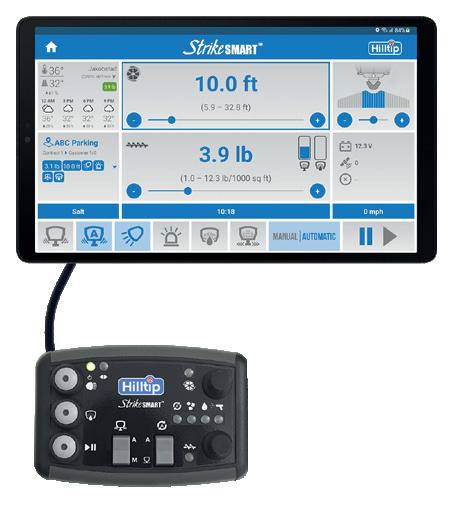
Examining the logistics failures that drove the 2025-26 shortage, and strategies companies can adopt to protect their supply and operations

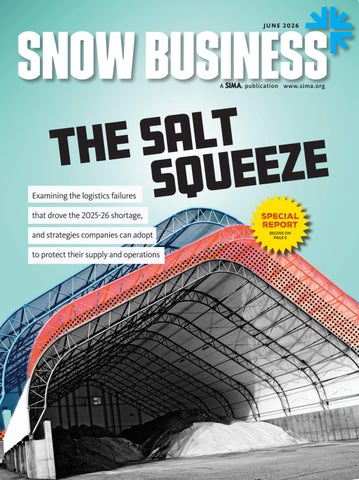
Examining the logistics failures that drove the 2025-26 shortage, and strategies companies can adopt to protect their supply and operations


built with clarity
make all the
methods in
cut it
It’s not just that private contractors have not had the same collective buying power as the public sector; we also have not collaborated on
a unified message as to why safety is as important on private property as it is on roads and highways.
It was only January when I got the first few emails and phone calls and read the social media posts. Snow fighters were going to run out of rock salt. Stockpiles were dwindling, suppliers notified customers they were being cut off, and prices started to rise rapidly. How was this happening again? This was the third or fourth time I’ve witnessed this in close to 20 years.
Salt applicators, both large publicsector users and private-sector users, were coming off a couple of years of relatively low snowfall. There was some anticipation that lower snow could be a new normal, so preseason purchasing was conservative. Many companies do not have the storage capacity to hold a full season’s supply of salt, so they rely on suppliers to store salt until needed. The cost of purchasing and paying in advance for a full season of anticipated salt use is not realistic. Then, when an early winter starts, a chain reaction of supply and demand-driven economics occurs, leaving the private sector last in line to secure additional salt.
A report from Phoenix Intelligence was widely circulated on social media and provides a thorough analysis. I read a mix of reactions and emotions as frustration ensued. My analysis: The systemic issues of rock salt availability have not been resolved.

One of the bigger “pain points” stems from municipalities procuring the first access to bulk rock salt. This has long relied on a 1992 Marquette University study, which found that applying rock salt can reduce vehicle accidents by up to 88% and injuries by 85%. This makes for an easy decision for legislators and regulatory decision-makers; if we want to save lives in winter storms, let’s make sure the public sector has priority access to rock salt.
This issue of Snow Business features a special section that offers insights into why the supply shortages occur and strategies to help stay ahead of the situation. Coverage begins on Page 7.

It’s not just that private contractors have not had the same collective buying power as the public sector; we also have not collaborated on a unified message as to why safety is as important on private property as it is on roads and highways.
Then, during winters with active storms requiring salt application, a majority of salt is earmarked for the public sector, creating a secondary market as the primary supplier to the private sector. Price gouging and some doubling or more of prices ensue.
Can we move the needle?
This is managing the problem, not fixing it. Fixing it may require more in-depth inquiries, such as what it will take to fully ensure an adequate supply. Take a fire department, for example. If there’s no water, it can’t be effective in fighting fires. All of us, in supporting our public works, make sure firefighters have access to water—whatever it takes.
Are we ready to take some collective action to initiate change? Some of us want to try. To get involved, visit sima.org/volunteer. Fill out the form and choose “Legislative representative for state / province.”
Scan the QR code to access these additional salt supply shortage resources:
Marquette University study: Accident Analysis of Ice Control Operations
Phoenix Intelligence report: Commercial Salt Allocation Crisis: January 2026 winter storm market analysis
Lindsay Landscape’s Jeff Plante, CSP, ASM, LinkedIn post: The Great North American Salt Shortage of 2026: Why it is happening and how we can navigate it?
Ninja De-Icer blog post: Is There a Rock Salt Shortage This Year?


The Snow and Ice Management Association is proud to announce the formation of a dedicated SIMA Sales and Engagement Team—a strategic investment in the growth and long-term strength of the association and the industry it serves.
Andrew LaPorte, Senior Manager Membership and Engagement, leads the team with a focus on membership growth and retention, as well as connecting members and non-members with SIMA’s industry-leading education programs and credentials. He brings together a group of focused professionals each dedicated to a specific area of SIMA’s membership and member services efforts.



Veronica Polcyn, CSP, Manager of Member Experience and Relations, focuses specifically on supplier member relationships— working directly with the companies that provide products, services and technology to the snow and ice industry.
Aimee Krzywicki, Manager of Advertising and Industry Partnerships, leads SIMA’s print and digital advertising efforts.
With a focused team in place, SIMA is better equipped to serve its membership across four key areas:
• Contractor Member Recruitment—Expanding SIMA’s reach to bring more snow and ice professionals into the community.
• Education Sales—Connecting members and non-members with SIMA’s industry-leading training programs and credentials.
• Supplier Engagement—Building and deepening relationships with the suppliers who power the industry.
• Print and Digital Advertising—Connecting partners with SIMA’s engaged audience through Snow Business magazine and SIMA’s growing suite of digital platforms.
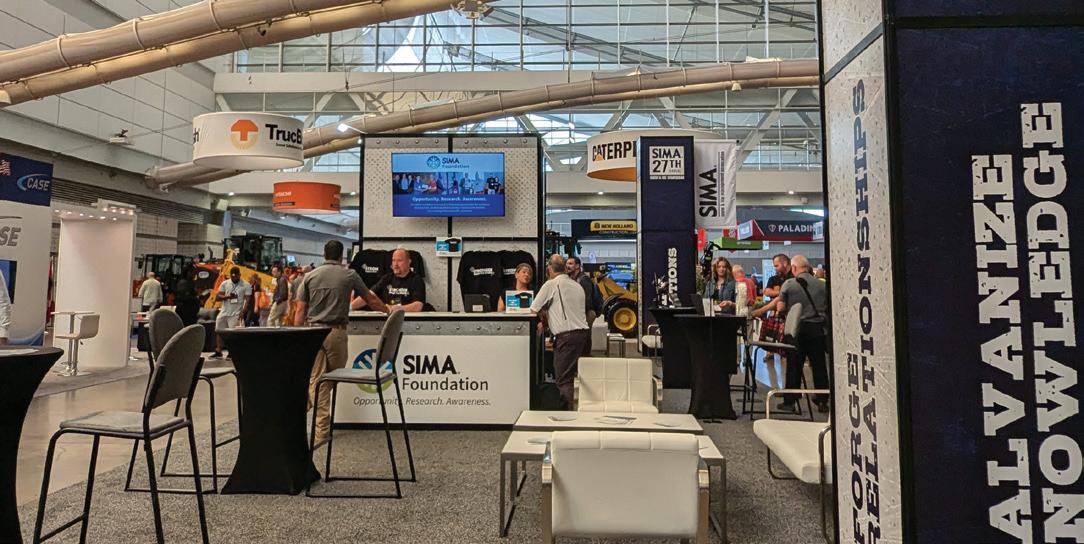

If you’re attending the Snow & Ice Symposium June 23-26, make sure to stop by the SIMA booth during trade show hours to meet the staff, take advantage of special discounts on Advanced Snow Manager and Certified Snow Professional programs, and have a chance to win fun prizes! #seeyouatSIMA! Show.sima.org
To connect with Veronica about supplier membership, email Veronica@sima.org. For advertising and partnership inquiries, contact Aimee at Aimee@sima.org. For membership and education information, email Andrew@sima.org. You can also reach the team anytime at sales@sima.org.
Veronica Polcyn, CSP, Manager of Member Experience and Relations, joined the SIMA team in May. She brings 17 years of hands-on experience from the contractor side of the commercial snow industry, giving her a perspective that is both broad and deeply practical. She has worked in administration, finance, operations and sales. She most recently served as a general manager in Illinois, where she applied her expertise in financial management, data analysis and workplace culture to drive meaningful results for her organization.
SIMA is hosting its annual regional events in September. If you’re in the “neighborhood,” make plans to join us for a day of learning and connecting with your fellow snow pros! Details are still being finalized but registration is open for these events:
New Hampshire Salt Symposium Sept. 15 Concord, NH sima.org/nhss
Midwest Snow & Ice Conference Sept. 23 Pewaukee, WI sima.org/msic
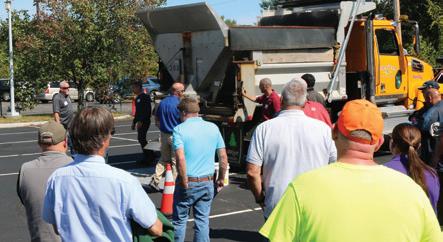
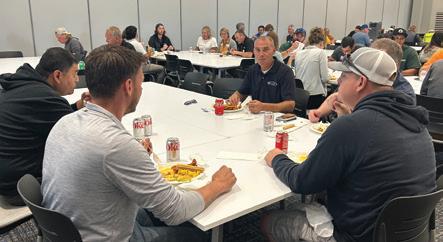
Akehurst Landscape Service is celebrating its 150th anniversary in 2026, marking a century and a half of commitment to quality, integrity and innovation.
Founded in 1876, Akehurst Landscape Service has grown from its humble beginnings into a respected organization serving customers, partners and communities across Maryland.

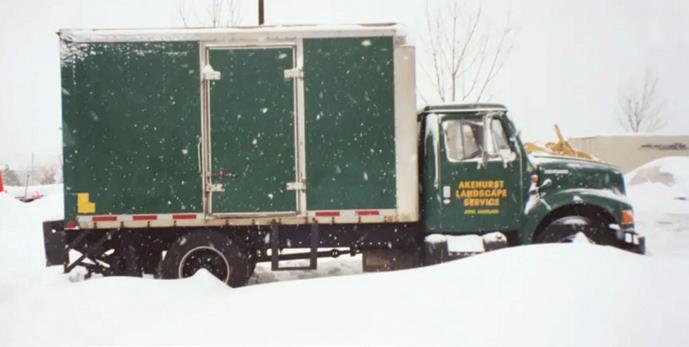
“Reaching this milestone is a testament to the dedication of our employees, the loyalty of our customers and the support of the communities we serve,” said President John Akehurst. “For 150 years, we have focused on doing what’s right, investing in people and building a business that stands the test of time.”
If you are a SIMA member and have special news or milestones to promote, email your news releases to editor@sima.org.
Missed any of SIMA’s Snow Talk podcasts this season? Check out the episodes at sima.org/podcast:
JANUARY | Aligning sales & operations for efficiency
FEBRUARY | Hurricane relief: A call to action in snow management
MARCH | What’s different about snow & ice management in the UK?
APRIL | 2025-26 winter season analysis
MAY | Have a purpose in professional development



explore financing that’s tailored to your goals.
Supply chain failure didn’t happen overnight— the fault lines have been growing for years

By PHILL SEXTON, ASM
The winter of 2025–26 significantly strained the already limited deicing salt supply across North America. But the shortage wasn't caused by a single storm or season. Rather it is the result of a “domino effect” of systemic vulnerabilities that have been developing for years.
The "early demand" spike Road salt demand typically increases in late December. However, the

2025–26 winter started aggressively with significant snow and ice events in early November and December depleting municipal and contractor stockpiles faster than replenishment cycles could keep up. We forgot these types of November / December storms are “normal.”
Inventory bias
North American salt supply capacity has declined due to several factors, including Stone Canyon Industries’ reduction of excess capacity after acquiring K+S Americas in 2020; Compass Minerals’ 2024 strategic production cuts at its Goderich and Cote Blanche mines; and the permanent loss of capacity from the 2022 closure
of Cargill’s Avery Island mine (2.5 million tonnes) and a major Cincinnati salt terminal (over 200,000 tons).
After several mild winters (2023–2025), regional distributors and ports lowered their “carryover” inventory levels to reduce overhead. By moving the demand timeline forward by six weeks, they were caught with their guard down when a “normal” winter returned. Mines were playing catch-up from the beginning, shipping record tonnages in January just to meet immediate needs, which left them unable to rebuild strategic reserves.
production disruptions
Unplanned maintenance delays at key North American salt mines and equipment failures at loading ports created a bottleneck at the source.
Several major salt mines, particularly in the Great Lakes region and Eastern Canada, faced structural maintenance delays, labor disputes and increasing environmental liabilities throughout 2024 and 2025. This reduced the “piling capacity” at major ports in Milwaukee, Cleveland, upstate New York and Newark, N.J., leaving the supply chain without the necessary and usual buffer.
logistics chokepoint(s)
A critical shortage of CDL drivers— exacerbated by aging demographics and increased competition from longhaul freight—and rail capacity meant that even when salt was available at the port, there weren’t enough
wheels to move it the “last mile” to contractors’ and municipalities’ storage yards during peak demand. Even contractors and municipal organizations with “guaranteed” contracts saw delivery windows slip from 24 hours to 10 days.
The municipal priority
State and city contracts often include “first-priority” clauses, leaving private contractors at the bottom of the delivery list during a crisis. When supply gets tight, the “public safety” hierarchy kicks in. Under emergency declarations, salt barges from overseas and rail cars were legally diverted to state and municipal agencies, leaving private commercial contractors to fight over the “scraps” in the retail market, with some paying $300/tonne or more—if they could find any salt at all.
Continued on page 8
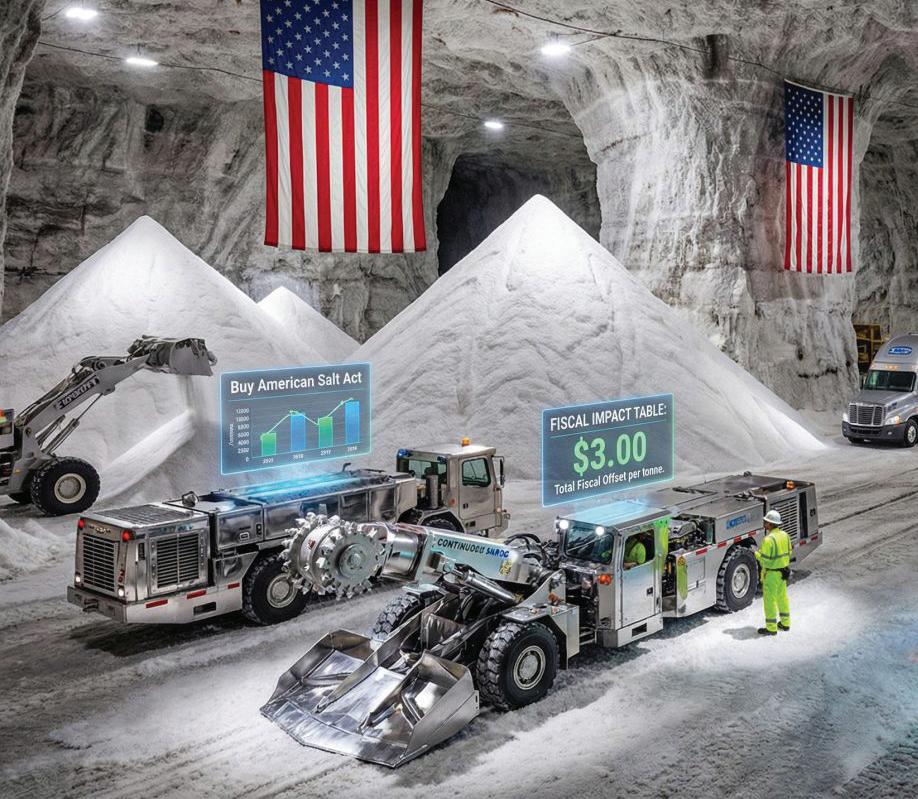
Two winters ago (2024-25), the New York state-legislated “Buy American Salt Act” contributed to the depletion of salt at two of the major Northeast salt mines. The New York state DOT was “cut off” and left to scramble for its supply, thus virtually cutting off the private industry of its typical “just-in-time deliveries” when the state—under eminent domain—legally seized a majority of the bulk salt inventories available in New York. The New York governor has since paused this act.

SURVEY SAYS:
274 snow management professionals completed a survey about their salt supply in the 2025-26 winter. Those responses are included throughout this special section. Respondent breakdown: 26% Eastern Canada, 42% Midwest, 15% Northeast, 13% Mid-Atlantic, 2% Southeast.
10 Salt logistics
14 Salt strategies
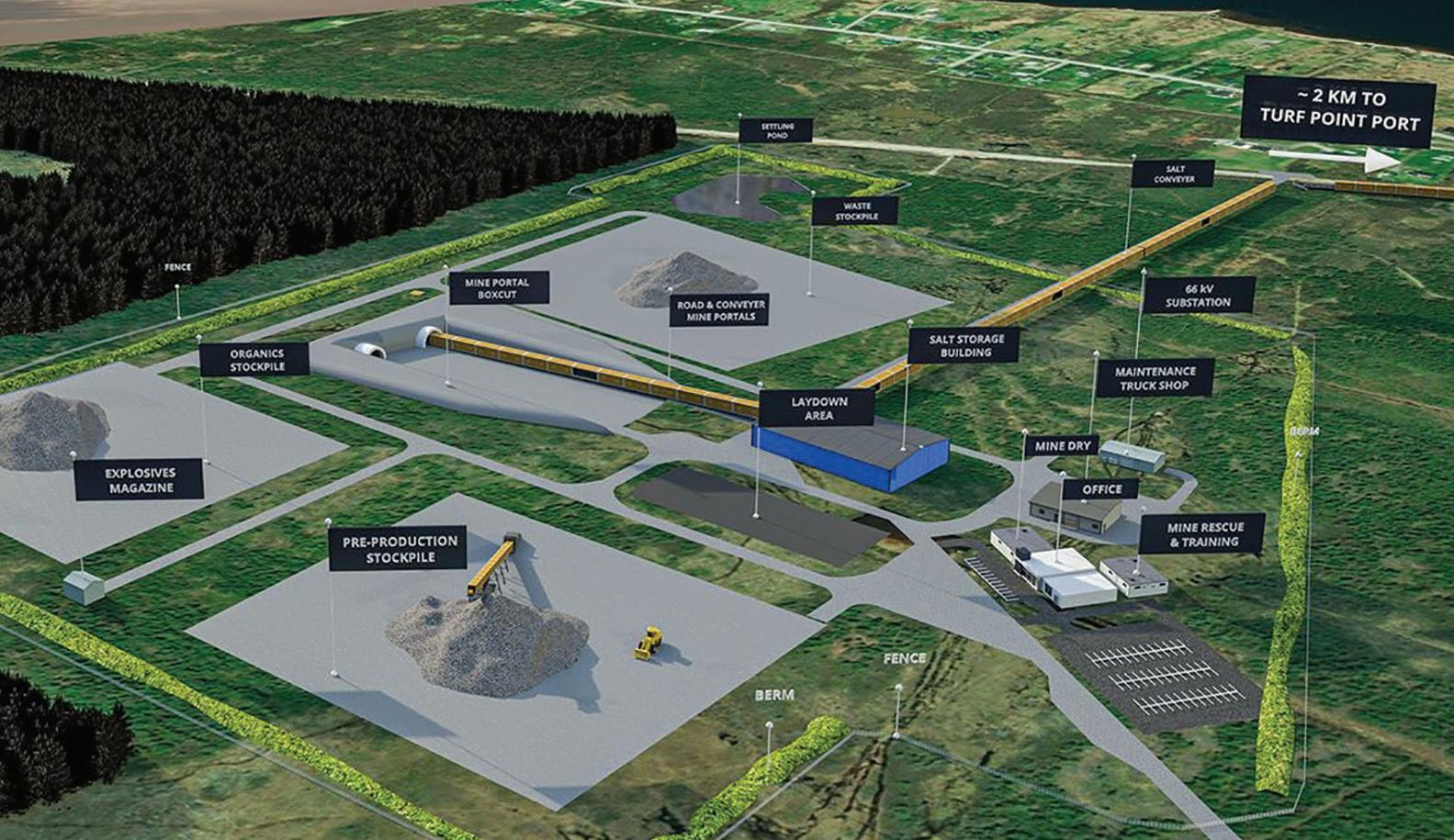
ATLAS SALT’S GREAT ATLANTIC PROJECT in Newfoundland is set to begin construction this year with production starting in 2029. It will be the first new mine to open in North America since New York’s American Rock Salt mine in 2001. The company estimates that once online it will be able to produce 4 million tons per year. The project provides a significant logistical advantage, with the ability to service the U.S. East Coast, New England, Quebec and Atlantic Canada far quicker than turnaround times by international competitors.
The economic fallout of the shortage is characterized by extreme volatility and structural inflation. Many private contractors reported pricing skyrocketed—if they could get salt at all.
Private contractors faced staggering price hikes due to low supply and priority given to municipal contracts.
Inventory & Supply Rationing
Logistics & Procurement
Product Scarcity & Quality Shift
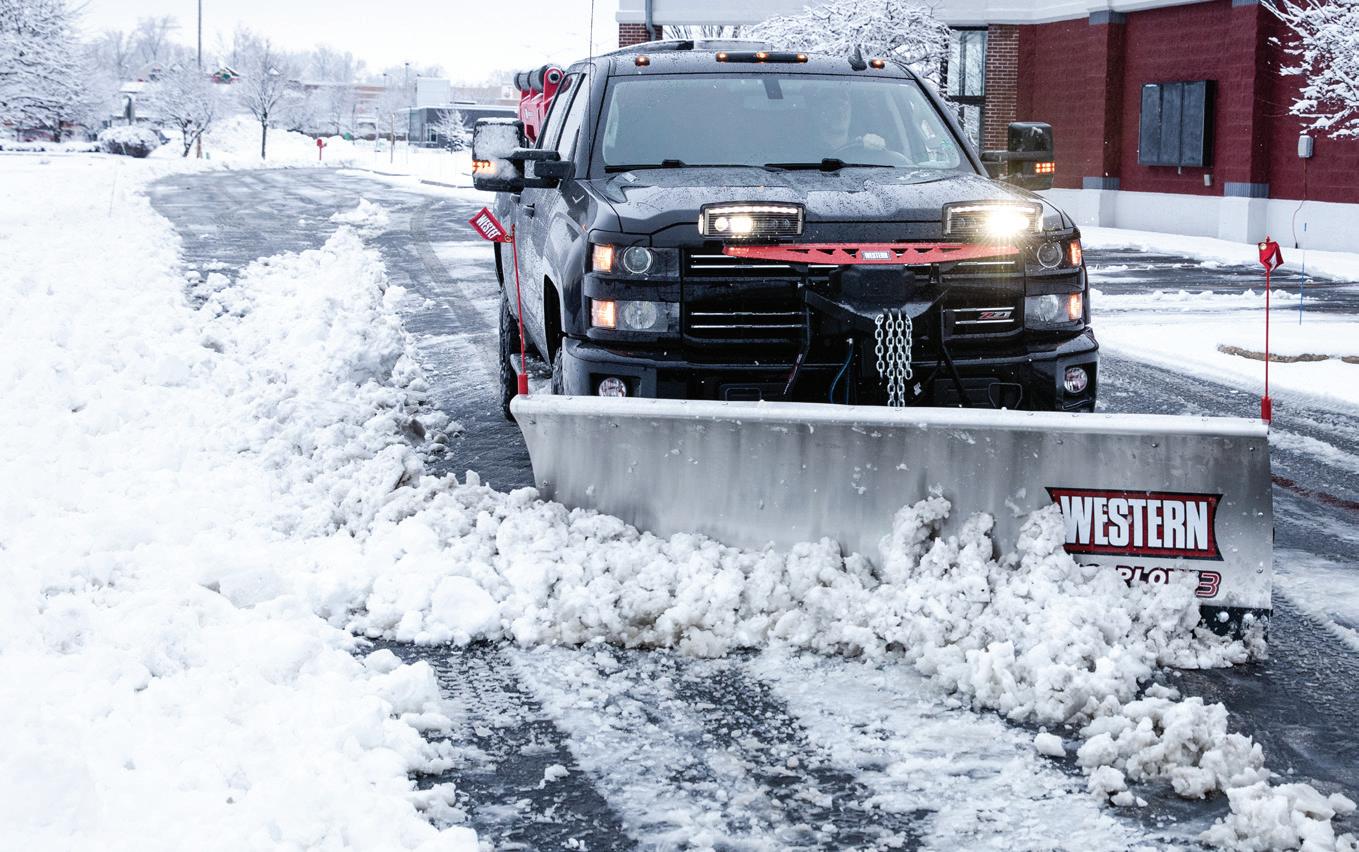
Suppliers limited the amount of salt private firms could purchase, preventing necessary stockpiling for future storms.
Contractors wasted significant time and resources searching for and waiting for salt, severely limiting their operational efficiency during storms.
Total depletion of local yards and retail shelves forced contractors to use alternative, less-effective materials.
Continued from page 7
Historically, imports from neighboring countries served as a critical buffer against domestic supply shortages. In early 2025, President Trump’s imposition of 25% tariffs on imports from Canada and Mexico made existing domestic salt supply issues worse. These tariffs, combined with global freight delays affecting shipments from Chile and Egypt, significantly increased the risk of the East Coast running out of inventory. Imported salt became too expensive to be competitive in the bidding market. As a result, U.S. service providers who relied on Canadian salt faced a choice: absorb a direct 25% price hike or be forced to switch to domestic suppliers who were already struggling to keep up with demand.
Phill Sexton, ASM, has been developing, practicing, and teaching winter management standards for over 30 years. Contact him at psexton@ witadvisers.com or visit www.witadvisers.com/swim.
The Snow Business content team contributed research to this special report.

Did you have salt supply seized or were your contracts cut off due to governmental agencies’ demand for salt?
61% NO 39%
The rock salt industry is a massive, often-overlooked logistics network. This "invisible giant" manages a complex journey—from deep-earth mining to maritime transport—but its "just-in-time" delivery system is currently facing significant strain.
Labor and operational issues severely affected mines in Goderich and Windsor, Ontario. The Goderich Mine's 2025 performance suffered from ongoing labor unrest, post-2018 strike restructuring, and equipment failures, forcing Compass Minerals to declare a force majeure and cut off private distributors. Similarly, the Ojibway Mine faced a massive regional stockpile deficit following a 192-day strike; its subsequent ramp-up was slow, with intermittent idling in early 2026. Friction between ownership and the unionized workforce has created a rigid production environment unable to surge output to meet demand.
When the Great Lakes or the St. Lawrence Seaway freeze early (as seen in early 2026), shipping stops. This forces the entire supply chain onto rail and trucks, which lack the "surge capacity" to keep up. This resulted in prices in regions like Ontario and the U.S. Northeast spiking from $70 to over $300 per ton.
Mines Seleine in the Magdalen Islands, Quebec, is the sole regional domestic source, reliably producing about 1.3 million tonnes annually. However, it is logistically isolated and relies on vulnerable barge shipments due to severe winter storms in the Gulf of St. Lawrence. A significant development is the partial revival of Nutrien’s Picadilly mine in New Brunswick, which began supplying salt (approximately 100,000 tonnes/month) in March 2025, providing a crucial but insufficient new volume for the Maritimes and the broader U.S. East Coast deficit.
Persistent, historic drought has crippled the Mississippi River's salt transport "superhighway" for four consecutive years. Army Corps of Engineers restrictions require light-loading barges (e.g., 25-30 barges instead of 40, with less tonnage each, restricting supply) and intermittent closures for dredging. As a low-priority commodity competing with grain and fuel, salt shipments face delays or are priced out. Consequently, delayed late-2025 salt barges left Midwest terminals with unfilled stockpiles entering winter.
Source: U.S. Geological Survey, Mineral Commodity Summaries, February 2026
In 2025, the United States estimated its domestic salt production to be 40 million tons. Of this, approximately 39 million tons were sold or used, with an estimated total value of $2.6 billion. Salt was produced by 25 companies operating 60 plants across 15 states.
states
Kansas, Louisiana, Michigan, New York, Ohio, Texas and Utah were the primary producers, accounting for about 95% of the total U.S. salt supply in 2025.
IMPORT SOURCES (2021–24): Mexico, 26%; Chile, 23%; Canada, 21%; Egypt, 6%; and other, 24%
Salt consumption increased in 2025 compared to recent years. The breakdown of salt sold or used by type was:
in brine
Deicing represented a significant portion of the total. An increase in consumption by local and state transportation departments led to an estimated rise in rock salt imports in 2025 compared with the previous year.
(Data in thousand metric tons unless otherwise specified)
American Rock Salt’s Hampton Corners mine in Mt. Morris, N.Y., is the primary supplier for New York and Pennsylvania. In 2025, ARS shipped 2.1 million tons by January, exceeding its entire previous season's output. Despite running 24/7 schedules and investing in new underground conveyors to boost daily output by 25%, ARS hit its physical ceiling. The mine's "hoist capacity"—the speed at which salt can be lifted from the mine floor to the surface—became the bottleneck. The company was forced to open its strategic reserves, depleting the safety stock meant for emergency scenarios.
The East Coast relies entirely on imports for rock salt, utilizing deep-water ports like Boston to receive shipments from Chile, Egypt and Atlantic Canada. Transit times from Chile and Egypt exceed 14 days, hindering quick responses to weather changes. Furthermore, the Jones Act mandates expensive, scarce U.S.flagged vessels for domestic salt movement, making Egyptian imports often cheaper than shipping from Louisiana, and increasing the international supply chain risk.

By PHILL SEXTON, ASM
FThe 2025-26 salt shortage was predictable —avoid getting caught up in the next one
rantic mid-January calls, empty salt storage bins and soaring costs that were 3x–4x normal rates (upwards of $300/ton) defined the 2025-26 winter season. The good news is that many of these problems are avoidable when we as an industry rally together to follow sustainable winter management standards.
While many blame the weather, the road salt shortage was a systemic failure further enabled by outdated “plowand-salt” methods and mentalities. The opportunity over the next decade is for snow and ice management operators to transition from being salt consumers to sustainable winter management pros.
1 Measure: Know your Numbers
Visualize what using less salt looks like with affordable technology.
Action: Contractors and municipalities must move away from “guessing” how much salt is needed.
Strategy: Map every property and roadway with GIS technology and meter salt with GPS technology—both are now easy and affordable. Calculate exact square footages to benchmark with targeted salt rates (per acre/center lane mile/linear foot). Salt applications aren’t one-sizefits-all. Every storm, you should be using all available data—including surface (not air!) temperature, time of day, sun angle, etc.— to determine if salt is even necessary.
salt-strategy roundtable
Attending the Snow & Ice Symposium? Don’t miss the “Where’s my salt?” roundtable strategy session on Friday, June 24.
Hear more from Phill on the June episode of Snow Talk. sima.org/podcast

2 Calibrate: Stop the Waste
The fastest way to “find” more salt is to stop throwing away what you are already wasting.
Action: Calibrate your material outputs. An uncalibrated spreader is a “material-waster” and “profit-leaker.” Out of the box, most spreaders are inaccurate. A calibrated spreader ensures that 400 lbs. per acre means 400 pounds—not 800 pounds. If a fleet of 20 trucks improves accuracy and efficiency by 25%-50%, the contractor effectively creates 5 to 10 extra truckloads of salt supply they didn’t have to buy.
Strategy: Implement preseason and mid-season equipment calibration. Sustainable Winter Management contractors have proven season over season that calibrated equipment can improve salt output by 25% (and more) while maintaining or improving their level of service when following these and other standards.
3 Prevent: Anti-icing and The Brine Revolution
Action: Shift from reactive de-icing to proactive anti-icing.
Strategy: Prevent the bond…prevent the bond…PREVENT THE BOND! If you’ve been on the fence about using liquids, now is the time to rethink your hesitancy. Applying salt brine (77% water/23% salt) before the storm prevents the snow-to-pavement bond, making mechanical removal more effective by producing a “cleaner scrape” and drastically reducing the need for bulk rock salt applications later. If you aren’t willing or able to anti-ice, then you won’t be able to save on salt because you will be forced to use 4 to 10 times more salt to break the bond.
4 Analyze & Improve: Data-Driven Performance
Action: Use post-storm audits to identify “salt-heavy” operators or sites.
Strategy: Develop a system to track your application rates against actual applications. Leverage GPS-enabled salt meters to see where salt was over-applied. Constant improvement means using the lowest possible application rate that achieves safer site/road performance targets.
How did survey respondents respond to supply shortages/ depletions during the season?
48% Prioritized sites/areas to service to use less product
45% Reduced application rates to use less product
39% Plowed more frequently
29% Mixed de-icing product with aggregate (e.g., sand) to stretch supply
24% Used liquids or other materials (e.g., calcium chloride, bagged products)
Survey respondents plan to use several tools at their disposal to get ahead of future supply shortages, including ordering earlier (35%) and as much as they can acquire, regardless of anticipated need (28%); securing a new supplier (25%); and requiring clients to pay in advance for projected salt use (6%).
57%
Build larger storage to accommodate more product 41%
Contract with additional suppliers to increase supply 37%
5 Optimize: Mechanical Efficiency
Add/increase use of liquids to lower salt use
Action: Prioritize the plow over the spreader.
Strategy: Invest in segmented plows and/or aftermarket segmented cutting-edge technology that conform to the pavement’s contour. And blower/broom attachments give you more tools at your disposal to reduce your applications. The more snow you remove mechanically, the less salt you need to melt what’s left behind.
When faced with salt supply challenges, transparent and proactive communication with your customers is key:
Review contracts and scope of work: Examine your existing contracts, the agreed-upon scope of work and client expectations to identify any terms that can lead to overuse. If sites have been over-serviced, communicate necessary adjustments to conserve salt while still meeting all contractual obligations.
Continued on page 14 1 2 3
Address pricing and risks: Review your current pricing structure and check for contract clauses that protect your business from sudden extreme cost increases, such as material price escalation clauses or salt surcharges. If a price increase is unavoidable, discuss and negotiate it with the client before the season begins, as clients prefer this advance notice for better budget planning.
Communicate shortages effectively: Use a collaborative approach with your clients to problem solve any supply challenges. Clearly state the problem, look at different options to cut back on salt use, recommend the best plan, put it into action and monitor the results. Additionally, clearly explain the factors limiting supply— not merely material cost.

Continued from page 13
The 2025-26 winter season proved (once again) that perton, per volume, and time and material billing models are a liability. They incentivize the contractor to use more salt to make more money—a strategy that fails when salt is unavailable.
Action: Rethink your billing model. Explain to your clients and constituents how traditional contracts encourage salt waste.
Strategy: Propose a performance-based contract model where contractors are paid for the outcome (i.e., safer, clear pavement) rather than the volume of salt dumped. This aligns the contractor’s profit with salt conservation—making salt inventory shortages less impactful and more profitable.
EXAMPLE: Sustainable Winter Management seasonal variance contracts that are inclusive of all services and are outcome-based. Contractors are paid for the Level of Service—keeping the lot and walks safer and clear—rather than the volume of product applied. They have proven to save on salt and are more profitable year over year.
The 2025-26 road salt shortage is another wakeup call. We cannot control the weather or the salt mines. What we can control is our methods, our salt application rates, and how we are paid for the services and materials we provide.
1 Commit early: Act now, rather than wait until November to secure your salt supply and develop improvement plans to cut your salt use by 50% (or more ��). Establish purchase agreements with multiple suppliers to reduce risks associated with supply and cost volatility.
2 Measure: Measure your properties and estimate no more than 300-400 pounds/acre multiplied by the number of application occurrences (trips) per season. Invest in GPS salt meters and controllers. You can now prescribe the application rate in any salt spreader if you are willing to make the investment. You won’t regret it—you’ll save 50% of your salt if you meter and control the salt you are applying.
3 Storage: Increase your storage capacity (if possible) to store 75% of your annual estimated inventory.
4 Brine baby brine: Invest in a liquid brine infrastructure.
5 Respect: Treat salt as the precious and volatile commodity it has become.
RESOURCE: SIMA’s Sustainable Salt Use Best Practices offers guidance on purchasing, storage and transport, operations policies, calibration and more. Get it at resources.sima.org/download
The winter of 2025-26 was dicey for 80% of those responding to the survey— either running out of salt temporarily or completely while the rest made it through, although their stockpiles took a hit. 17%
51%
We had enough salt but year-end inventory was lower than usual 20% No inventory challenges

12%
We didn’t have enough salt to complete at least 1 event
materials in short supply
We ran completely out of salt

The SR MAG, Snowrator ® and SR Scout are the right-size solutions for all your snow removal and ice control needs, giving you a range of capabilities to clear the sidewalks you service.
A contractor who cannot perform due to lack of materials may be seen as breaching both contractual and common law duties.
Winter risk management is one of those operational realities that quietly carries outsized legal exposure. Snow and ice accumulation—particularly in Northern climates—creates a predictable hazard, and courts routinely treat mitigation (including salting) as part of a property owner’s or contractor’s duty of care. But what happens when the system breaks down not because of neglect, but because you simply run out of salt?
This scenario—once rare—is increasingly plausible given supply chain disruptions, extreme weather cycles and regional shortages. The legal consequences, however, haven’t softened. If anything, they highlight a gap between operational risk and contractual planning.
At its core, a slip-and-fall claim arising from ice is governed by general negligence principles. In other words: Did a legal duty exist? If so, was that duty breached? And did the breach cause injury?

Jared Nusbaum is an attorney with the law firm of Zlimen & McGuiness, PLLC in St. Paul, Minn. His practice areas include employment law, small business law, litigation and bankruptcy. Email him at jnusbaum@zmattorneys.com.
Property owners and snow/ice contractors are generally expected to take reasonable steps to maintain safe conditions. If a hazardous condition exists—like untreated ice—and someone is injured, the inquiry becomes whether the responsible party acted reasonably under the circumstances.
A supply shortage may be relevant to that analysis, but it is not a safe harbor. Courts are unlikely to accept “we ran out of salt” as a complete defense where: the shortage was foreseeable (e.g., ongoing severe weather); the party failed to plan or procure alternative materials; no interim safety measures were implemented (e.g., sanding, barricades, warnings); or the party continued to hold itself out as providing full winter maintenance services.
In practice, the shortage becomes a fact issue, not a legal shield.
In many cases, liability exposure turns less on whether someone was negligent and more on contract structure.
Property owners typically retain nondelegable duties to maintain reasonably safe premises. Even where a snow removal contractor is engaged, plaintiffs frequently sue both the owner and contractor. Owners therefore face residual exposure unless their contracts clearly shift risk.
Snow and ice contractors face direct exposure when they: undertake comprehensive maintenance obligations; fail to perform within agreed service levels; or exercise discretion in determining when and how to treat conditions.
A contractor who cannot perform due to lack of materials may be seen as breaching both contractual and common law duties.
Standard snow removal agreements often address timing, trigger depths and pricing— but many omit any meaningful treatment of material availability. This is where risk can be proactively managed, including through provisions such as a Force Majeure Provision that is tailored to supply chain issues instead of being limited to “acts of God” and weather events, and allowing for material substitutions in the contract in the event that salt is scarce.
Of course, limitation of liability and indemnification provisions are always key, but they can be especially helpful in salt scarcity situations. Contracts should avoid performance guarantees, instead installing a “reasonableness” standard.
Proper contract drafting is vital in addressing numerous issues, and product and supply shortages are no exception. Make sure to review your contracts to confirm these necessary provisions are included.
Resources: SIMA members can download contract clauses, including an example of a salt supply clause, at train.sima.org

Cold air and frequent snows dominated the East while the West got a late start with minimal returns

By FRANK LOMBARDO
The 2025–26 season delivered a sharp and uneven return to winter across North America. The winter featured two simultaneous, yet interconnected, seasonal patterns governed by different atmospheric rules. Persistent warmth and ridging in the West extended far north into Canada, fueling deep Arctic intrusions into the East. This repeatedly channeled cold air into the Midwest, Northeast and eastern Canada. These successive waves of Arctic air often struck with little time for recovery, and any available moisture was likely to fall as snow.
A rebound and intensification
Following one of the leanest snowfall seasons on record two years ago, the 2024–25 winter marked a return to colder, snowier conditions. This trend intensified during the 2025–26 season,
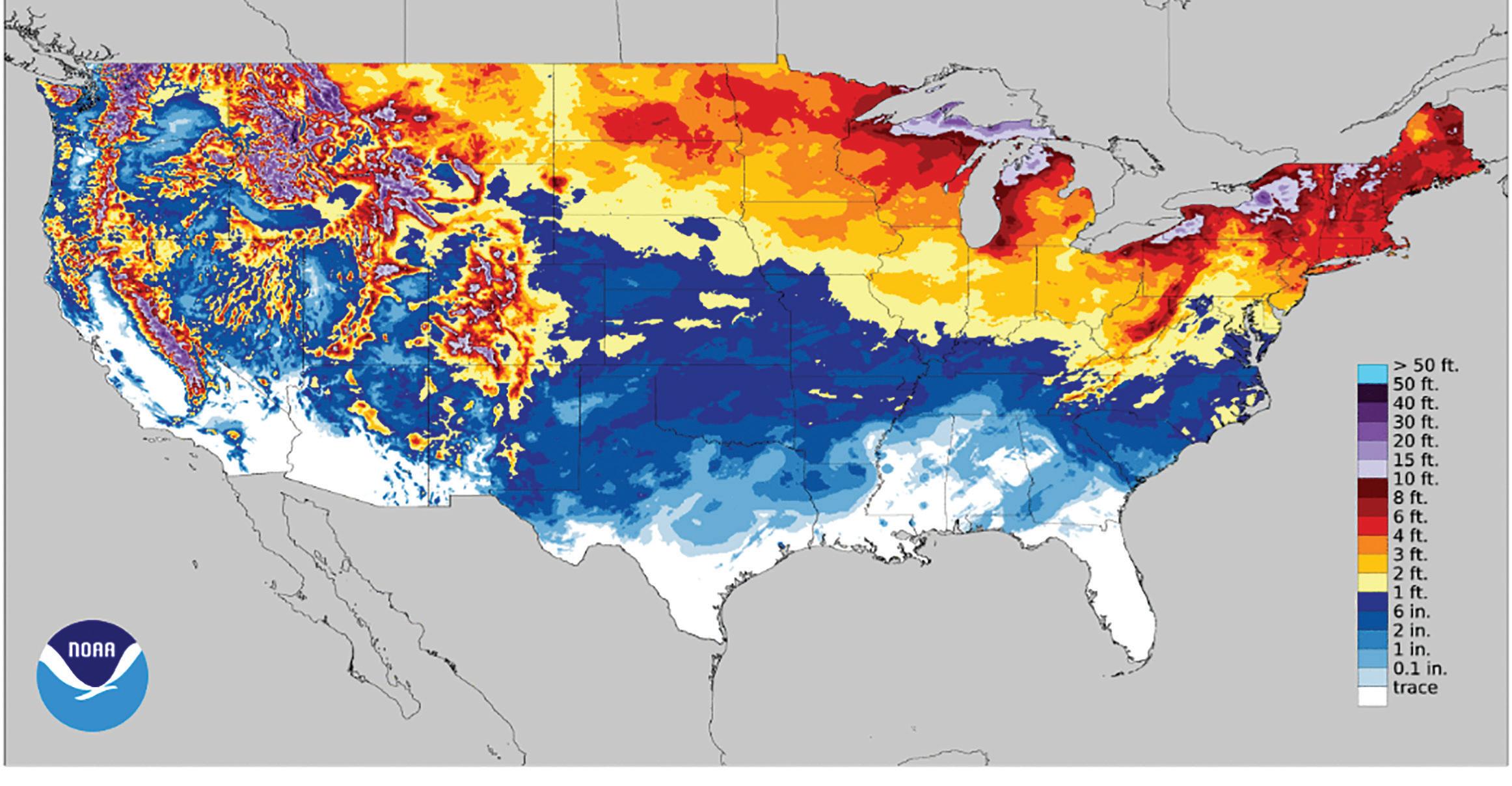
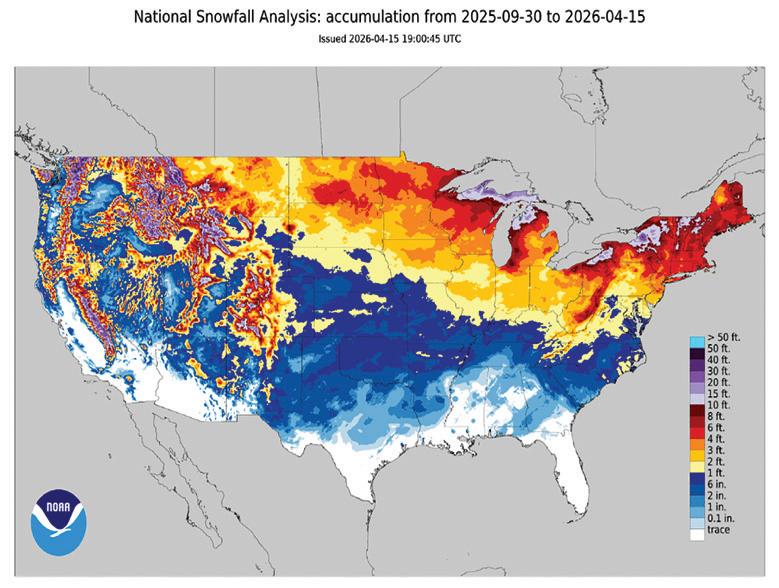
SNOWFALL TOTALS: Snowfall accumulation across North America in 2025-26 highlights a strong East vs. West contrast, with widespread deficits across the West and more consistent snowfall across the Midwest and Northeast.
particularly in the East and parts of the Midwest.
Eastern markets saw increased snowfall and more frequent storms, supported by sustained cold. Conversely, the Plains and
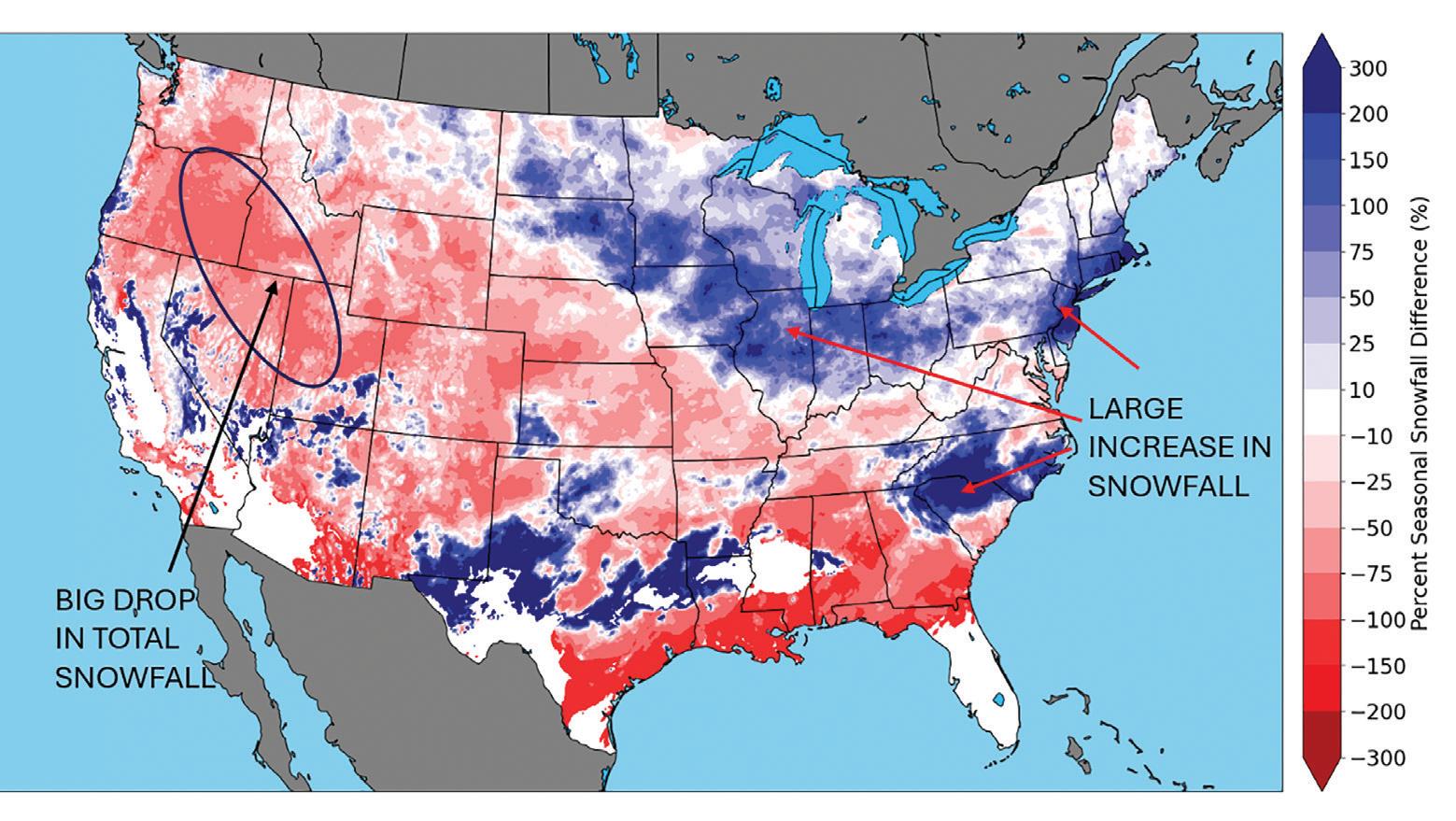
The historic January 23-27 storm was the most widespread, from a foot of snow in New Mexico to significant icing in the southern Appalachians, sleet in the Mid-Atlantic states and record snows in Toronto and other areas.
Rockies had a slow start. Late-season snowfall in mid-March and early April only partially offset earlier deficits. Areas west of the Plains ended with 25%–75% less snowfall than the prior year, with much of this accumulation arriving with a mid-March blizzard and early April snow.
What made this winter different?
The defining characteristic of the 2025–26 winter was not snowfall
Continued on page 20
The 2025–26 winter generated two different narratives in the snow and ice industry. Some contractors describe it as one of the snowiest winters in years, while others barely dropped a plow until March. Some endured relentless cold and nonstop work that pushed employees to the brink; others recall a slow start, limited snowfall and long stretches of inactivity.
The reality is, both accounts are accurate. This past winter was characterized not only by extremes but by stark contrast, with contractors experiencing different impacts on contracts, costs and, most notably, expectations.
Operationally, the season created exceptional demand across Eastern markets, particularly during a prolonged Arctic outbreak from late January through mid-February. In contrast, contractors in the West, particularly those operating under per-push or perinch contracts, found themselves with limited revenue well into February.
Cold, storms take their toll
Fatigue, minimal downtime and continuous service demands characterized the season.
Cities like Cleveland, Toronto, Ottawa, Syracuse, Philadelphia and New York experienced one of their most persistent stretches of subfreezing temperatures in over a decade. In the Greater Toronto Area, temperatures stayed below freezing almost continuously from Jan. 14 through Feb. 16.
Those conditions plus the high frequency and intensity of storms— including several over 10 inches (25 cm) and a peak near 20 inches (50 cm)—pushed contractors and crews across the Northeast to their operational limits.
The meteorological winter is defined as December through February. However, in the snow and ice industry, winter behaves very differently and rarely do we encounter what we can call “normal.”
As an old friend and experienced contractor once said, “Winter is not made up of just three months but six.” November and December serve
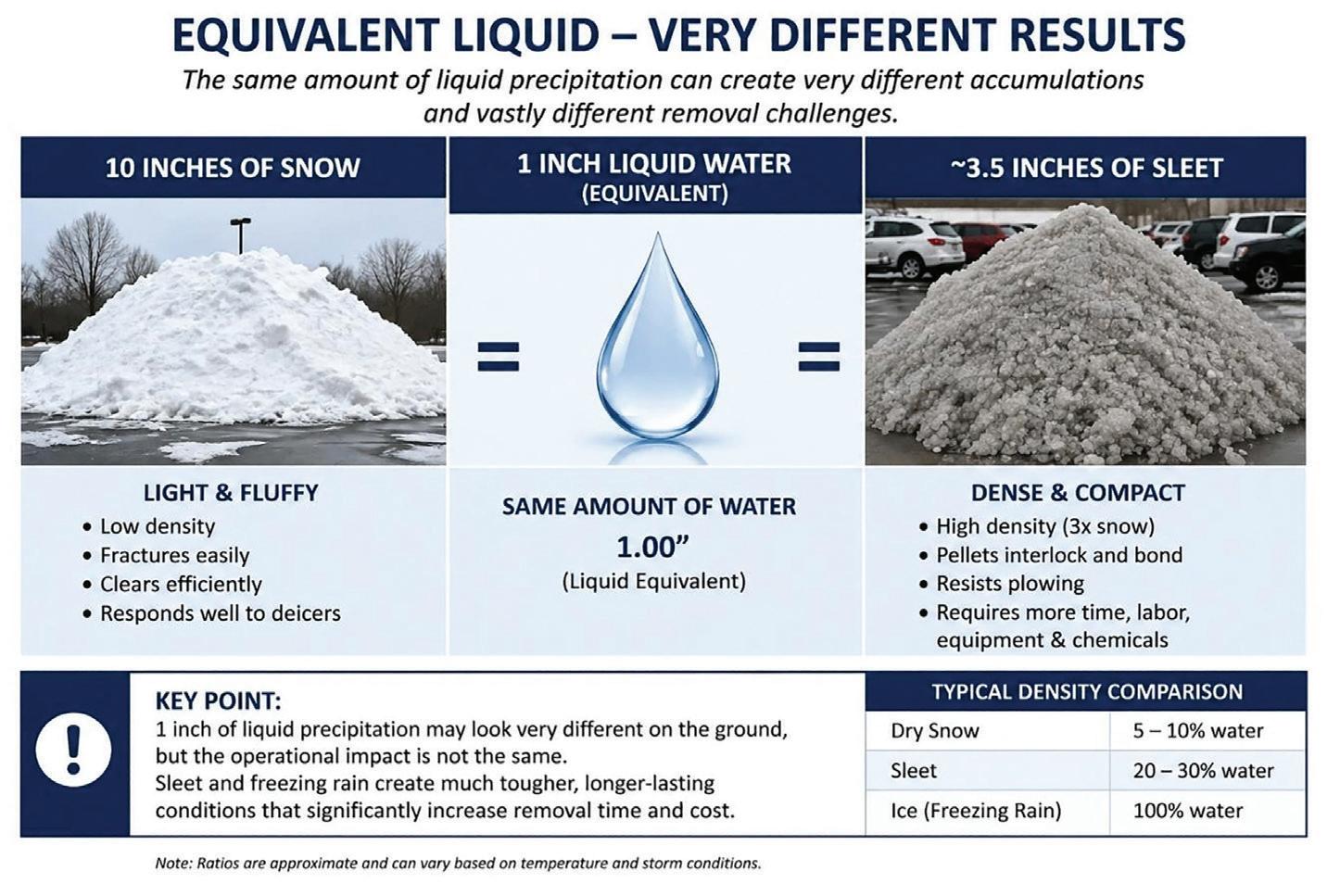
The January 25–26, 2026, storm was one of the season’s most operationally challenging events, with significant snow or ice accumulations from northern Texas to Montreal. In the Mid-Atlantic, a typical snow event rapidly transitioned into a sleet- and icedominated storm. Heavy snow fell pre-dawn in 10-15 degree Fahrenheit temperatures, limiting deicer effectiveness. As the storm progressed, dense sleet and freezing rain aided in creating a compacted, bonded surface, quickly forming deep, compacted piles. Sleet accumulated 2-6 inches from northern Virginia to central New Jersey.
While frozen precipitation totals measured 6-10 inches, including the 2-6 inches of sleet, the liquid equivalent was comparable to a 15-18-inch snowstorm.
Unlike snow, the sleet compacted quickly under traffic, increasing blade resistance and reducing plowing efficiency. Freezing rain working through the molecular structure of the snow and sleet further strengthened surface bonding, requiring repeated mechanical removal, heavier equipment and multiple treatment cycles. The deep freeze before and during the storm, coupled with extended subfreezing temperatures that followed, made the storm particularly challenging. This prevented effective melting, forcing repeated applications for days after the storm and significantly increasing labor, material usage and equipment strain.
as the early phase, often with easier storms and a slow push into the season—a time for testing new equipment and acclimating crews. January and February are the true test, bringing the core operational grind and the worst cold. If you can endure it, you are likely to make it to another winter.
March and April introduce high volatility, unpredictability and shifting
expectations. It could be smooth sailing into the green season, or you could find yourself switching back and forth between late winter storms and spring.
The 2025–26 winter season reaffirmed a critical reality for the snow and ice industry: winter is not diminishing, but
Continued from page 18
but the persistent cold. A sustained stream of Arctic air dominated the Eastern half of the continent through much of the winter, while a semipermanent ridge of high pressure blocked cold air and suppressed snowfall across the West.
This marked the second consecutive winter that temperatures in the East diverged from the broader long-term
NOAA tracked 21 significant storms across North America and three major storms; the midMarch upper Midwest and central Canadian storm was ranked the first Category 5 winter storm since 2016.
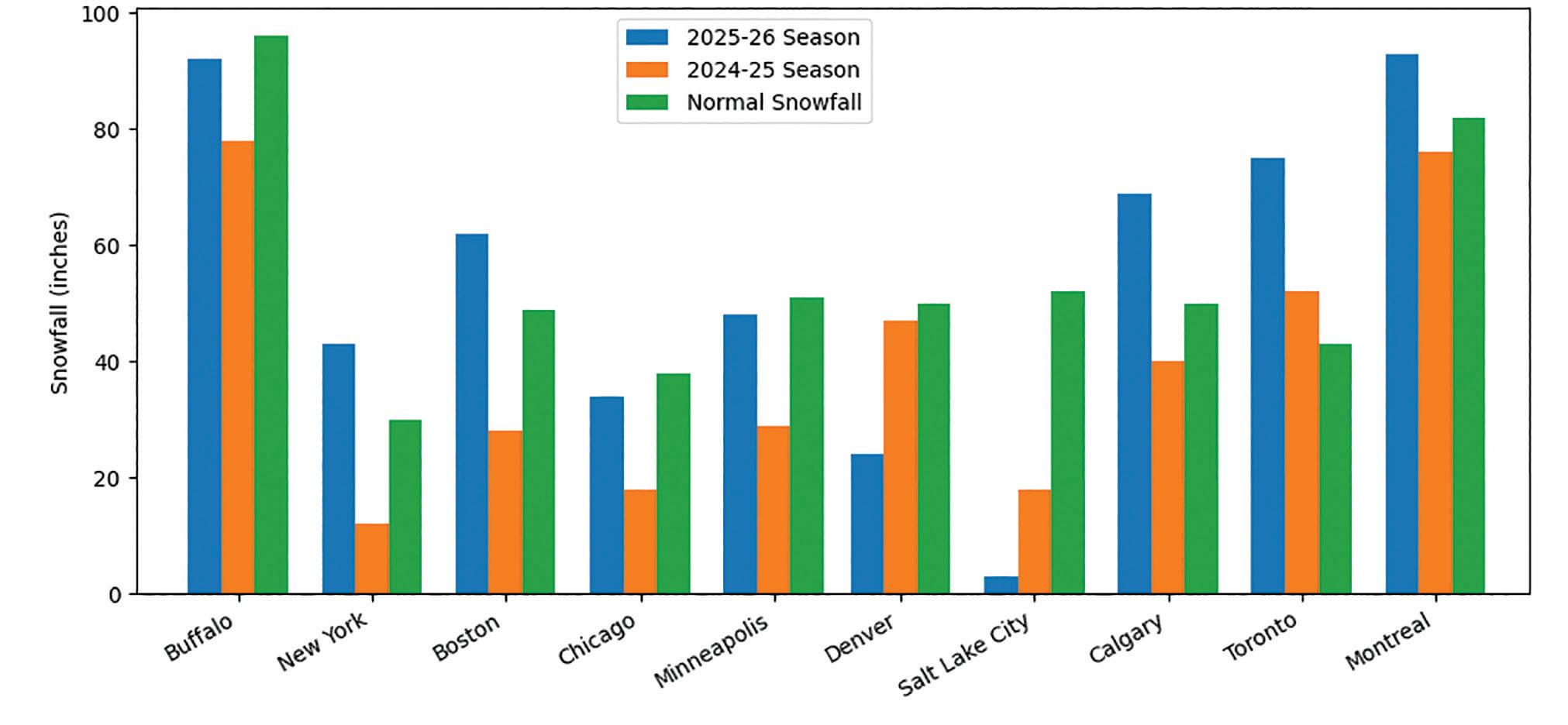
SNOWFALL TOTALS COMPARISON, SELECT CITIES: Snowfall totals across key North American markets highlight the uneven distribution of winter conditions, with significant regional variability compared to both the prior season and long-term averages.
Source: WeatherWorks, an AEM Company
warming trends, resembling winters more typical of 10 or 20 years ago.
Early-season signals of this pattern emerged in the second week of November with the first Arctic outbreak, which dropped out of central Canada into the heart of the U.S. and reached as far south as


Florida. Temperatures dropped into the teens in Atlanta and below freezing in northern Florida, with Jacksonville recording a record low of 28 degrees Fahrenheit. Early snow accumulated from the mountains of North Carolina through West Virginia up to Vermont.
Continued on page 22





The West and Plains experienced the warmest winter in 131 years.
Continued from page 20
As the bitter cold Arctic air raced across the Great Lakes’ warm waters, the resulting instability fueled the season’s first widespread lake effect snows from Indiana to New York.
The season soon revealed a pronounced East-West divide, with sustained colder, snowier conditions across the East contrasting with record warmth across much of the West. This pattern remained the dominant driver throughout the winter.
While two colder seasons in the East do not reverse more than a century of gradual warming across North America, the 2025–26 winter still ranked as the warmest on record across
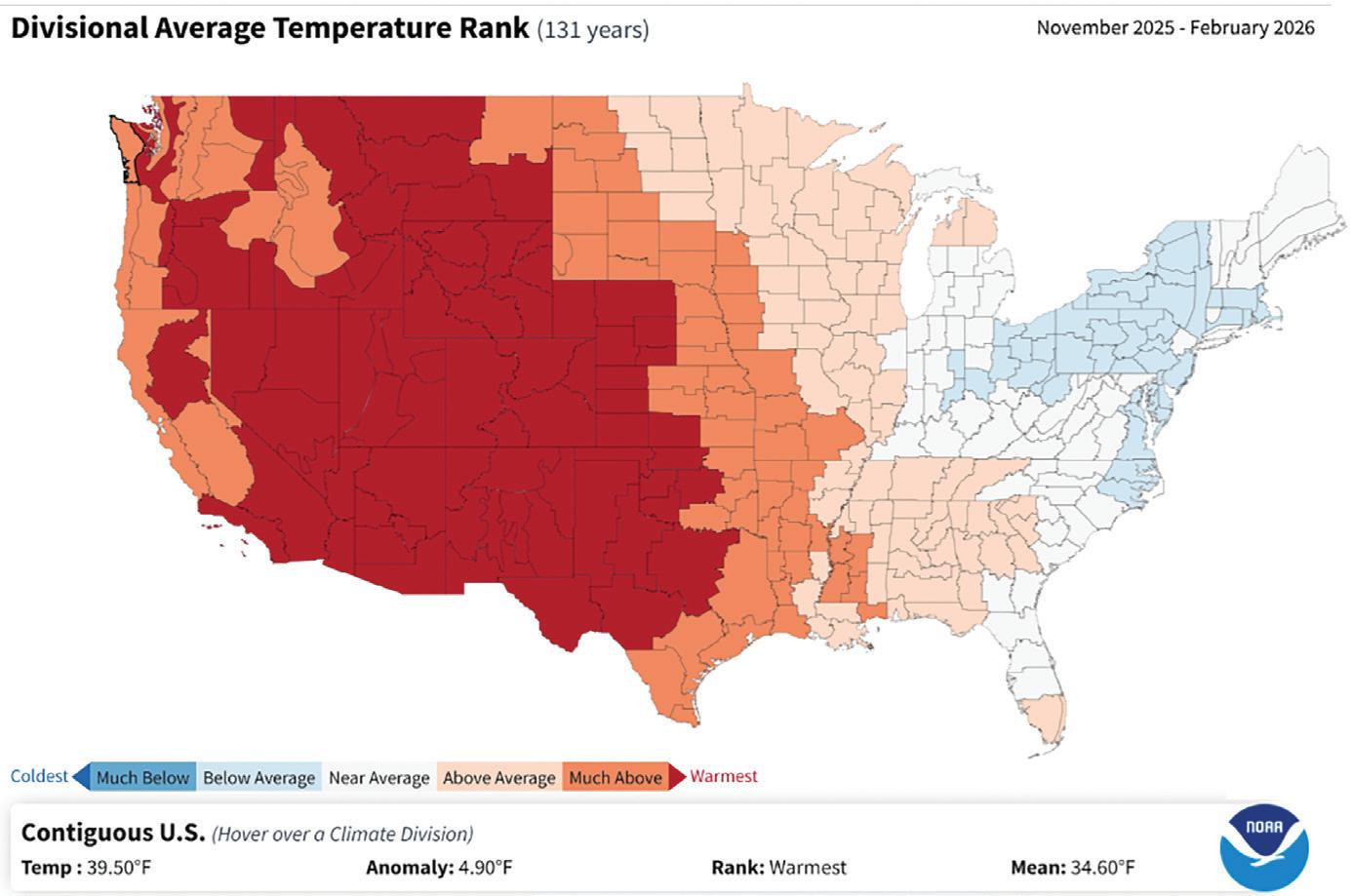
EAST/WEST DIVIDE: NOAA divisional rankings show widespread record warmth across the western U.S., while much of the East experienced below-average temperatures for a second consecutive winter, highlighting the pronounced East/West divide.
the U.S., with average temperatures increasing by approximately 0.4 degrees F, even as the Northeast cooled by 2 degrees to 4 degrees F. Though
long-term warming trends will likely continue, individual seasons will still deliver extreme weather, cold and snow at times.








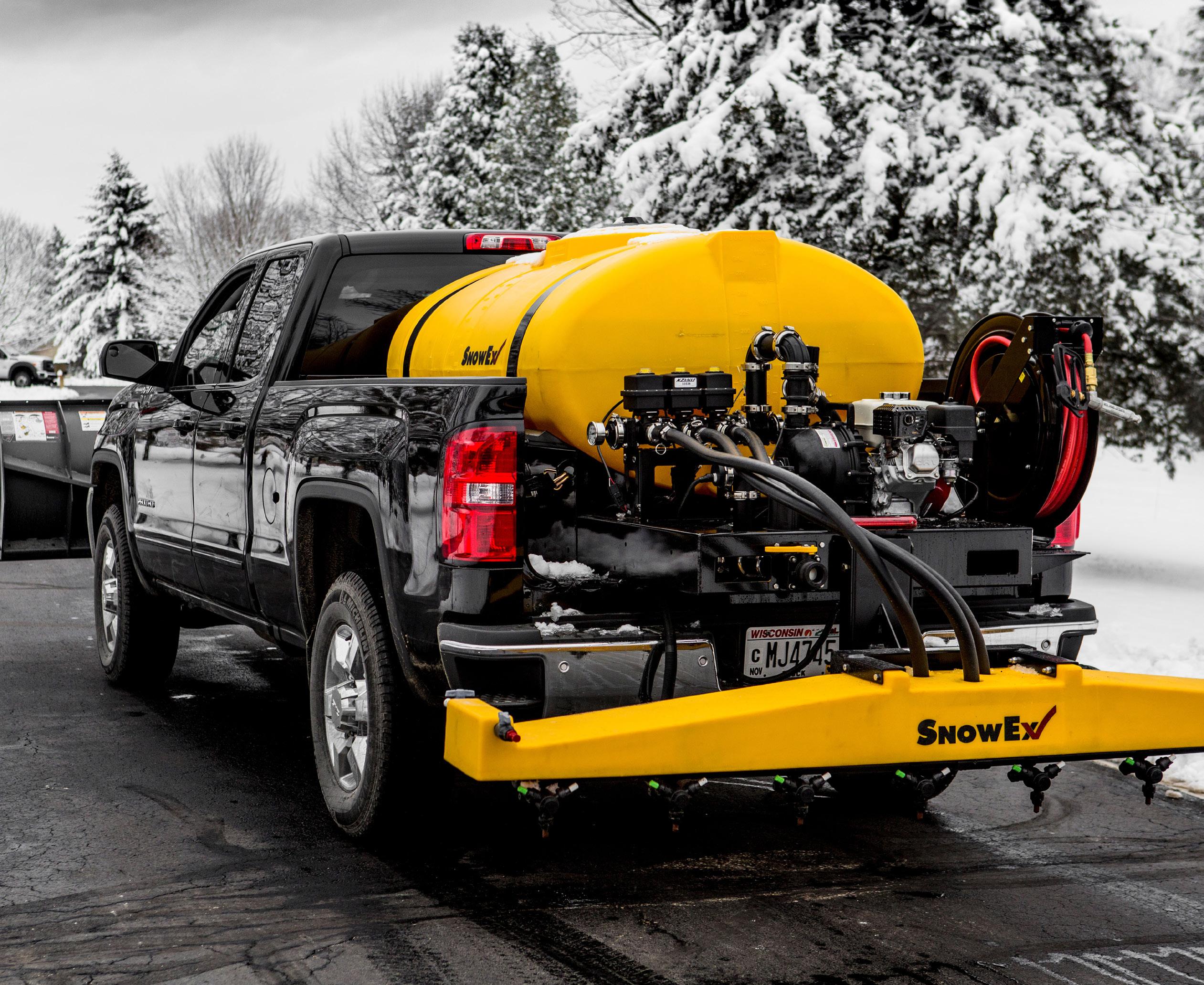
Applying brine ahead of a storm gives you the upper hand, as it simplifies plowing and conserves salt. But it’s complicated, right?
Not with the SnowEx Liqui Maxx spray system. It’s a step ahead of the competition, with easy setup and operation. The modular design lets users choose the tank size and pump type to best fit their needs. And with available features such as electric start and automatic flow rate adjustment, it’s ideal for both brine rookies and veterans alike.
MAKE YOUR MARK.

Continued from page 19
Built for professionals who demand durability without compromise, our new stainless drop spreader is engineered to stand the test of time. Crafted from corrosion-resistant stainless steel and precision components, it delivers consistent, accurate spreading season after season—no rust, no warping, no shortcuts. It’s not just a new tool—it’s a long-term investment in reliability, efficiency, and confidence on every pass.








SL4 Headlights deliver premium visibility, redesigned optics and rugged durability to stand out in any storm.
BOSS SL4 LED Headlights. Standard on all Cold Front Technology Plows.

All-in-One Solution
Built-in turn signals, parking, warning and accent lights for unmatched safety.

Engineered for Extreme Environments
Features aluminum housing, polycarbonate lenses, a heated grid and an upgraded light bar to withstand the harshest conditions.

ClearBeam Technology
Over



A solid foundation is needed to establish your company as a go-to destination

BY EVAN TACHOIR
Do you want to have the best team working for your company? Have you found it challenging to hire and/or retain good people or enough people?
Solid employee engagement is the solution. Employee engagement is how much employees are committed to helping their organization achieve its goals. It’s demonstrated by how employees think, feel and act, as well as the emotional connection employees feel toward their organization, their work and their team. Step one is understanding the difference between hygiene and motivational factors.
Hygiene factors are things like compensation, benefits and work conditions. Think of these like “table stakes” for entering the game. They need to be at the right level for each person’s budget, standard of living, and lifestyle, or employees will be dissatisfied. On the other hand, increasing them beyond that level will not lead to additional engagement. In other words, you can’t buy your way into being a preferred employer.
The takeaway with hygiene factors is to benchmark them against other companies in your area to ensure you are paying at or above market rate and offering good benefits; and that you are providing safe, clean and structured
Editor’s note: This article is part one of a three-part series on employee engagement and focuses on the “hygiene” factors that play into becoming a preferred employer. Motivational factors will be the focus of parts two and three of the series.

Employee engagement is not just a corporate-sounding term. Getting this right has a real effect on your bottom line. Companies in the top 25% of employee engagement scores, according to decades of Gallup research across several industries, experience the following benefits:
24-59% lower turnover 23% greater profitability 18% higher sales productivity
63% fewer safety incidents
78% less absenteeism
working conditions. Think about hygiene factors as your foundation. When it is solid, you can build on your foundation with what decades of research shows impacts employee engagement. Weaknesses here are like cracks in a building’s foundation. Everything built upon that will be unstable and could fall apart.
Make sure your hygiene factors are solid by considering the following:
1 Research similar jobs and companies in your region to see if you are paying at or above market rate (AI can help with this), and review sites that include compensation data (e.g., Glassdoor, Payscale, Salary.com). Look at jobs with similar titles on Indeed and other job boards to see what compensation they are offering. You can also reach out to local staffing agencies to see if they offer free salary guides.
2 Create a compensation plan where you budget for wage adjustments for factors such as inflation, cost of living in different areas, promotions, merit increases, etc.
3 Consider different benefit options like:
• High-deductible health plans with Health Saving Accounts (HSAs).
• Flat monthly defined contributions that employees can use toward purchasing their own health insurance.
• Dental, vision, life, accident or critical illness insurance.
• Simple Retirement Plans (Simple IRA and Safe Harbor 401ks).
4 Prioritize safe and clean work conditions.
These hygiene factors are important. But if you want to build a thriving workplace where people prefer to work, you need to focus on, measure and consistently improve motivational factors to drive employee engagement. Come back for parts two and three in future issues to learn how motivational factors will help you build an engaged workforce that will make you a preferred employer.
Evan Tachoir is the founder of Jack of All People Trades, HR/People Consulting to help snow companies recruit, develop and retain the best employees. He leads the monthly networking/teaching series NET Gain. Email him at evan@jackofallpeopletrades.com.

Manage the storm—and your business—with the new Auto Speed Control from Western Products, engineered and designed to optimize your de-icing material applications. Equipped with a familiar and user-friendly control interface, the Auto Speed Control automatically adjusts material flow rate based on truck speed to deliver controlled application—saving you time, material, and money.
• Set desired spread rate, material type, and hopper spreader delivery system and the control takes it from there
• Features an easy-to-use control layout similar to previous hopper spreader controls
• Uses OBD-II port to instantly adjust de-icing material flow to changes in vehicle speed, stopping the flow when the vehicle stops or exceeds travel speeds over 35 mph
• Compatible with WESTERN hoppers equipped with the FLEET FLEX electrical system INTRODUCING THE ALL-NEW AUTO SPEED HOPPER SPREADER CONTROL
August 16–18, 2026 | Savannah, GA

Unrivaled Networking
Actionable Takeaways
—Build connections with like-minded leaders—


Presenting Sponsors

Opening Reception
DeSoto Harborview Room
Meet up with fellow attendees and enjoy a bird’s-eye view of our historic host city during the opening reception on Sunday, August 16.
Leadership Link-Up
Green-Meldrim House
Step back in time at the Green-Meldrim House, home to Gen. Sherman’s Civil War headquarters, for happy hour on Monday, August 17.
Gold Sponsors


Penny Zenker The Reset Mindset and Personalizing the Employee Experience in the AI Age

Byron McFarland Design a Future That Works for You and Your Business
Klyn Elsbury The Persuasion Playbook

Rachel Druckenmiller The Power of Borrowed Belief: How Great Leaders Grow Themselves & Others
John Lund Activating AI in Your Business


By TORY CHLANDA, CSP
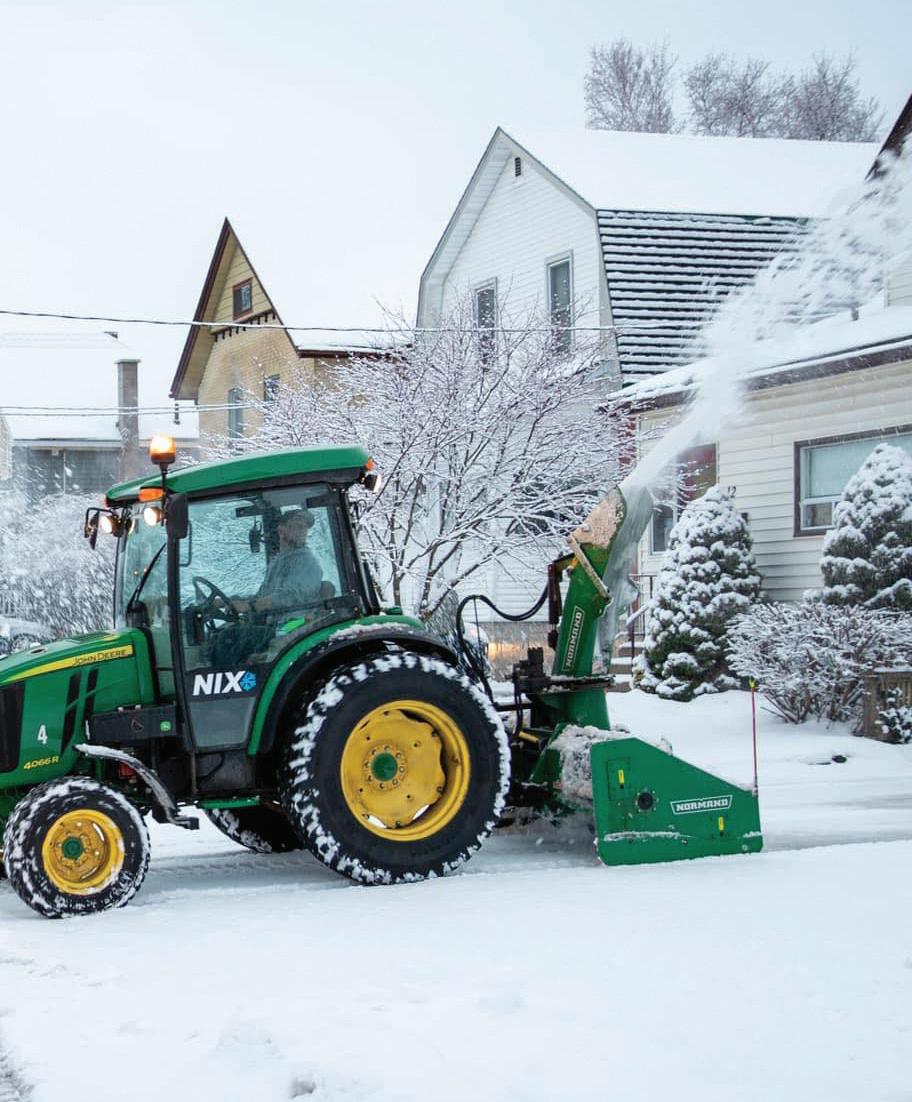
Residential snow service is often viewed as the “less serious” side of snow and ice management. It’s commonly labeled as “too unpredictable,” “too price sensitive” and “too much hassle for not enough return.”
I’ve spoken with many contractors who have nearly walked away from residential snow—and for good reason. In low-snow years, the traditional per-push model often fails to cover even basic expenses. When you factor in the high upfront costs— preseason preparation, equipment and staffing—one mild winter can quickly erase the profitability of an otherwise healthy business.
But I’m here to challenge that thinking. When done right, residential snow can be both stable and highly profitable—even in fluctuating snow markets. It starts with breaking the feast-or-famine cycle and building a residential snow program that is resilient, reliable and respected.
To help get there, I’ve outlined five key strategies. Implementing even one will move the needle. Applying them together is where you’ll start to see real, lasting results.
Relying solely on per-push pricing leaves your business exposed. In light winters, especially common in transitional or variable snow regions, you’re stuck hoping for accumulation that may never come. Traditionally, snow contractors over-promise and take on far too many accounts. If they can’t properly service the accounts, their reputations could take a hit and cost them money in insurance claims.
That’s why my company shifted to a hybrid pricing model for residential: 70% of our clients are on fixed-price seasonal contracts, and 30% remain on per-push billing. This gives us a steady, predictable revenue stream throughout the winter, regardless of snowfall totals.
The per-push accounts offer upside when storms hit hard, but the prepaid clients help us weather lean seasons with confidence and a solid budget that keeps the lights on through the winter.
This kind of model turns snow from a gamble into a calculated, sustainable service.
If you’re not offering ice management services to your residential clients, you’re leaving money (and safety) on the table.
Too often, contractors assume homeowners won’t pay for ice
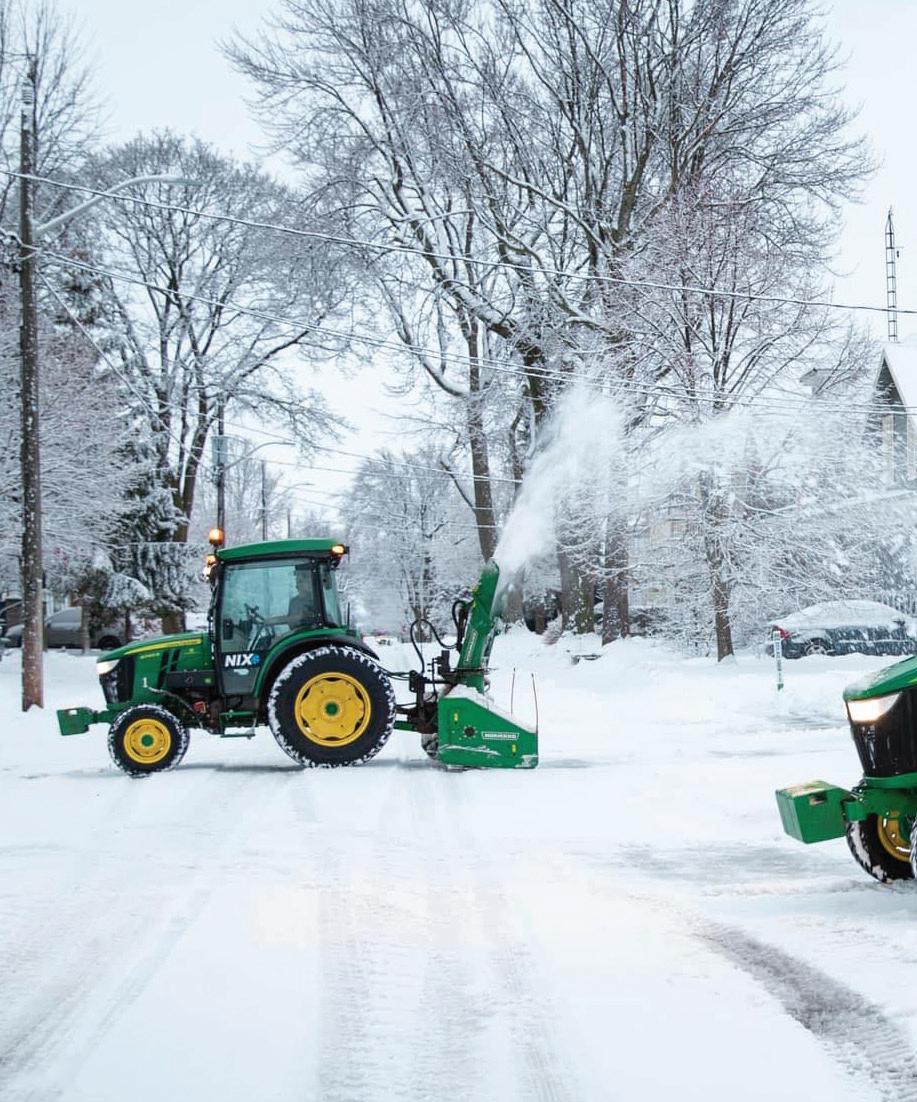
management, but that’s a mistake. In our business, ice control makes up nearly 30% of our residential snow revenue, and we apply deicing agents more than 30 times each season.
Think about it: Your clients care about their kids getting to school safely, their elderly parents navigating steps, and the Amazon driver not slipping on the porch. Ice-related injuries can be even more dangerous than snowfall, and your clients are often willing to invest in preventing them if you educate them properly.
Efficiency is key in any profitable business. In residential snow, efficiency equates to profit. If your routes are scattered or your equipment isn’t right-sized for your accounts, you’re burning time, fuel and money.
Consider the following to tighten up your operation:
• Optimize route density by focusing on neighborhoods, not ZIP codes.
• Eliminate outliers who require long drive times for limited payoff.
• Invest in the right tools: snow blowers, UTVs, plows and salters designed for residential scale.
• Build repeatable systems for communication, scheduling and safety.
When your crews can handle more accounts in less time with fewer headaches, even small storms can become profitable events.
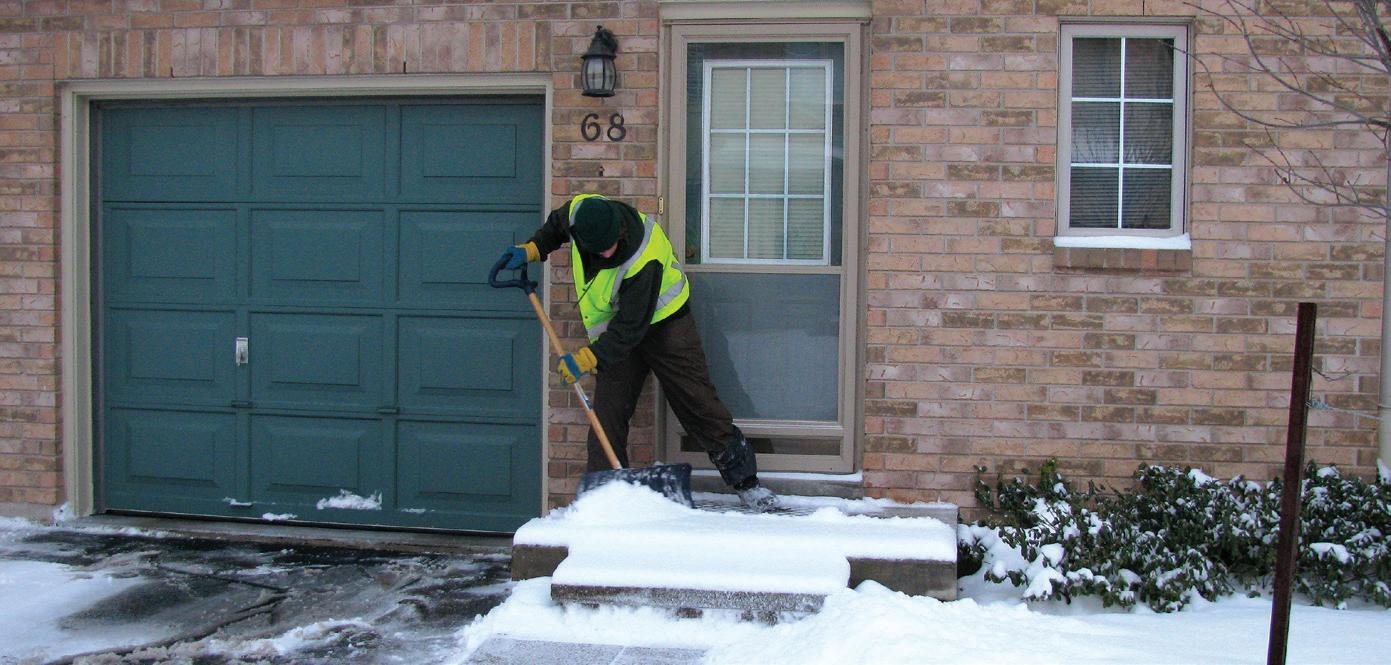
While our goal is to build a residential snow program that stands on its own, some years may require supplemental winter revenues, especially in transitional climates.
For landscape companies or small teams, consider:
• Winter pruning or small property work.
• Holiday lighting installations.
• Firewood delivery.
• Event-based snow clearing (weddings, rentals, venues).
These aren’t replacements for a snow business; they’re fallback options for lean years that can keep staff engaged and morale high while maintaining cash flow.
Here’s something I teach my team and share with other contractors all the time: I tell them, “We’re not in the snow removal business. We’re in the safety business.”
While very true in the commercial snow sector, it is also true in residential work. Homeowners aren’t just buying snow services. They’re also buying:
• Peace of mind for their family and guests.
• Safe access for themselves and their kids.
• Protection from liability or injury. This is what really sells to the right clients who value your service. This is what builds long-term trust. And this is what separates your company from the “guy with a plow” charging half your rate.
One surprising result of our optimized residential snow program was that we cut our client list nearly in half and became more profitable in both heavy and low snow years.
By shifting to a safety-first, fixedrate model with clear expectations and consistent communication, we attracted the right clients: the ones who valued our service and paid accordingly. We eliminated the ones who drained our time and energy. And when we did that, we were able to:
• Serve fewer clients better.
• Improve route density.
• Increase per-client revenue.
• Reduce stress and staff burnout. Ironically, less became more and it created room to grow, if and when we chose.
If you’re struggling with the ups and downs of residential snow or considering abandoning it entirely, I get it: The feast-or-famine cycle is real. But there’s a better way.
With the right pricing model, smart service add-ons, operational efficiency, and a message built around safety, you can build a residential snow business that thrives, even in the lean years.
And best of all? You’ll serve your clients better, take care of your team, and regain control of your business instead of letting the weather control it for you.
Tory Chlanda is owner of Better View Landscapes, a residential snow contractor based in Amherst, MA. Contact him at tory@betterviewlandscaping.com.

By AVI S. OLITZKY
Most snow and ice operations are built to survive the next storm. Fewer are built to survive the next decade.
Future-proofing is often misunderstood as a technology problem or a capital investment challenge. Leaders assume it means buying newer equipment, adding software, or chasing the latest operational trend. Those things matter, but they are not the foundation. The organizations that endure are not the most modern. They are the most adaptable.
In an industry shaped by weather volatility, labor shortages, tightening margins and rising client expectations, future-proofing is about resilience. It is the ability to absorb shocks, adjust quickly, and continue delivering value without burning out people or breaking systems.
The question is not whether conditions will change. They already have. The real question is whether your operation is designed to respond or simply react.
Many leaders equate stability with consistency. They lock in processes, pricing, routes and staffing models, and hope conditions remain predictable enough to support them. When change arrives, those same structures become constraints.
True stability comes from flexibility. That does not mean constant change or lack of discipline. It means designing operations that can bend without snapping.
Labor challenges are no longer cyclical. They are structural. Aging workforces, changing expectations around work-life balance, and competition from other industries are reshaping the talent landscape permanently.
Future-proofing requires leaders to stop planning as if staffing levels will return to “normal.” Instead, they redesign work to fit the reality they have.
This often means simplifying routes, standardizing equipment and reducing unnecessary complexity. It means investing in supervisors who can lead people, not just schedules. It also means rethinking incentives so they reward reliability, safety and teamwork, not just hours logged.
Organizations that depend on a few indispensable individuals are fragile. Organizations that distribute knowledge and responsibility are durable.
Technology plays a role in future-proofing, but only when it supports clear operational goals. Software does not fix broken processes. Automation does not compensate for unclear accountability.
Strong operators start by asking what decisions need to be made faster, what information needs to be more reliable, and where human judgment matters most. Only then do they select tools to support those outcomes.
Future-ready organizations use technology to reduce friction. They streamline reporting, improve visibility and eliminate guesswork. They do not use it to add layers of oversight or complexity.
When technology simplifies work, adoption follows. When it complicates work, it becomes shelfware.
Many operations struggle not because they lack demand, but because their pricing models no longer reflect actual risk. Weather volatility has increased. Service expectations have tightened. Liability exposure has grown.
Future-proof operators revisit pricing and contracts regularly. They educate clients on what has changed and why adjustments are necessary. They frame conversations around sustainability rather than short-term cost.
This requires confidence and clarity. Leaders who avoid these conversations often absorb risk silently until margins collapse. Leaders who address them early protect both their business and their crews.
Future-proofing is not about charging more indiscriminately. It is about aligning value, risk and responsibility in a way that can be sustained over time.


Continued from page 32
Future-proof operators build optionality into their systems. They cross-train staff so absences do not cripple coverage. They diversify service offerings so one revenue stream does not determine survival. They avoid single points of failure, whether in people, equipment or clients.
Flexibility is not chaos. It is intentional redundancy, paired with clear decision rules that guide adjustments when conditions shift.
Decision-making speed matters more than precision
In uncertain environments, waiting for perfect information is a liability. The organizations that outperform are not always the most accurate. They are the fastest to adjust.
Future-ready operations define decision thresholds in advance. They establish triggers for route changes, staffing adjustments and client
1 Build flexibility into your systems
Design routes, staffing plans and equipment deployment so they can adjust without breaking. Avoid single points of failure in people, assets or processes.
2 Plan for the workforce you have, not the one you miss
Assume labor constraints are permanent. Simplify operations, cross-train roles and invest in supervisors who can lead under pressure.
3 Use technology to reduce friction
Adopt tools that improve visibility and decision-making, not ones that add reporting layers or slow crews down. Technology should simplify work, not complicate it.
4 Revisit pricing and contracts regularly
Align pricing with today’s risk, not yesterday’s assumptions. Clear, proactive client conversations protect margins and reduce conflict during events.
5 Define decision triggers in advance
Establish clear thresholds for route changes, staffing shifts and client communication. Speed comes from knowing when action is required.
6 Turn every season into data
Conduct structured post-season reviews. Identify patterns, not anecdotes, and adjust systems based on evidence.
7 Invest in culture as infrastructure
Curiosity, accountability and trust are operational assets. A culture that adapts together will outlast one that relies on heroics.

Teams are far more willing to adapt when they see that lessons lead to real improvements.
communication. They empower leaders at multiple levels to act without waiting for top-down approval.
This reduces lag and prevents small issues from compounding. It also builds confidence across the organization. People know what to do when conditions change because the rules are clear.
Speed without direction creates chaos. Direction without speed creates stagnation. Future-proofing requires both.
Learning must be systematic
Adaptability depends on learning. Not informal learning, but structured learning that turns experience into improvement.
Future-proof organizations treat every season as data. They track what worked, what failed and why. They identify patterns rather than anecdotes. They adjust processes based on evidence, not memory.
Post-season reviews are not optional. They are strategic inputs. When learning is systematic, change feels intentional rather than reactive.
Teams are far more willing to adapt when they see that lessons lead to real improvements.
Culture is the ultimate hedge
No system survives without people willing to use it. Culture determines whether future-proofing efforts stick or fade.
Cultures that value curiosity, accountability and shared ownership adapt faster. Cultures that rely on heroics and silence struggle when conditions shift.
Future-proof leaders model openness to change. They invite ideas from the field. They treat uncertainty as a shared problem rather than a leadership failure.
When people believe the organization will adapt with them, not at their expense, resilience becomes collective.
Preparing for what you can’t predict
Future-proofing is not forecasting. It is preparation. It accepts that leaders cannot control weather, labor markets or client behavior. What they can control is how the organization responds.
The strongest operations invest in clarity, flexibility and trust. They design systems that support people under pressure rather than relying on them to compensate for weak structures.
In an industry defined by uncertainty, the most competitive advantage is not size, speed or technology. It is the ability to adapt without losing integrity.
That is what future-proofing really means.
Avi S. Olitzky is the president and principal consultant of Olitzky Consulting Group, based in Minneapolis, MN. Contact him at avi@olitzkyconsulting.com.





By KEN BOEGEMAN JR., CSP, ASM
now and ice contracts are often treated as standard paperwork before the season begins, but they function as operational systems that define how service is triggered, executed and documented in real conditions.
They also establish the boundaries of responsibility, including what is covered, what is excluded and how those decisions will be evaluated after an incident.
Contracts matter most when they are precise enough to hold up under real conditions that do not match assumptions. Clarity in calm weather determines whether expectations remain aligned when the work is under pressure. When language is vague at the start, it does not become clearer in a storm. It becomes a liability.
Your contract defines what you are responsible for, what you are
EDITOR’S NOTE:
This is the last article in a series addressing practical risk strategies across the snow season. Additional topics (visit resources.sima.org for past articles):
9/25: Become a snow company that carriers want to insure
10/25: Use documentation to build your legal defense
12/25: In-season documentation that defends
2/26: What to keep and how to store it
Many snow portfolios operate with a mix of service models. Some properties are tied to automatic triggers with defined accumulation thresholds. Others operate on a will call basis that requires explicit authorization before service is deployed. This is where contract language becomes dispatch logic.
The responsibility at this level is ensuring that those distinctions are clearly defined, consistently maintained and accurately reflected in dispatch systems before a storm begins.
Breakdowns occur when trigger status, thresholds or service authorization are not clearly organized or are inconsistently applied during dispatch. In those cases, crews may be sent into the field without reliable clarity on what standard applies at each location.
The operational requirement is simple. Dispatch decisions must reflect contract structure without requiring real-time interpretation.
not responsible for and how those boundaries will be interpreted later. When incidents occur, courts do not evaluate intent, they evaluate language.
Even strong operations can be put at risk by vague or non-existent scope definitions, inconsistent terminology, or assumptions that are never written down.
Most liability does not come from missing contracts. Liability comes from unclear operational boundaries inside otherwise complete agreements. Common problem areas include:
1 Unclear start and end of a storm event. A contract that uses language such as “as needed” without defining the need, or isn’t clear about dispatch authority, creates uncertainty about when service is authorized, not just when it is performed. Similar problems can occur with undefined or inconsistently applied service triggers, such as fluctuating automatic thresholds or inconsistent will-call status. Unless it’s documented, the client may assume you are undertaking responsibilities that extend beyond written scope when conditions change.
2 Unclear definitions. When contracts do not clearly define what constitutes a single-service occurrence, billing, documentation and claim evaluation can all become disconnected from how work was actually executed in the field. Varying definitions of service types, including plowing, deicing, pre-treatment and monitoring, can also contribute to the disconnect.
3 Refreeze obligations. When refreeze is treated as an ongoing obligation rather than a defined and limited-service window, it creates expectations that exceed operational or budgetary reality. Without clear boundaries on monitoring frequency, responsibility for nonweather causes of ice formation and service intervals, refreeze shifts from a defined scope element into an assumed continuing duty.
Strong contracts are built on clarity in a few critical areas:
• Indemnification and liability allocation.
• Scope of work written in specific, measurable terms.
Field crews execute service based on dispatch direction and routines, not contract interpretation.
Their role is to complete the assigned work as communicated, whether that is plowing, deicing, pre-treatment or no action, depending on site instructions.
Clarity at this level depends entirely on whether dispatch instructions accurately reflect site requirements at the time of service. When instructions are incomplete or unclear, crews rely on operational judgment to proceed safely and efficiently.
These execution decisions become part of the permanent record through logs, timestamps and service documentation, which are often reviewed later in claims or incident analysis.
Administrative records determine how work is understood after the fact.
Service logs, communication records and documentation of completed work must align with dispatch instructions and defined service expectations. When those records do not clearly match the intended scope or timing of service, reconstruction of events becomes dependent on interpretation rather than documented fact.
Consistency between dispatch, execution and documentation is what determines how defensible the record is later.
• Governing law and jurisdiction.
• Defined service triggers distinguishing automatic dispatch from will call authorization.
• Explicit expectations for retreatment and refreeze response, including limitations on monitoring frequency.
These clauses are not administrative details. They are what determine how decisions are evaluated later.
Strong contracts are built from multiple lenses that each define a different form of risk and responsibility:
• Ownership defines acceptable exposure and business tolerance for risk.
• Operational reality defines how work behaves under storm conditions.
• Legal structure defines how language will be interpreted when it is challenged.
Each lens sees the same contract differently. The gap between those perspectives is where most failures begin.
In owner-operated companies, the challenge is not who is involved. It is whether those perspectives are being evaluated separately when defining risk and scope.
The most valuable operational input comes from professionals who have seen how contracts perform across storms, sites, and slip and fall claim environments. Certified Snow Professionals with extensive litigation or expert witness experience bring a deeper understanding of this space because they have seen how language is interpreted after an incident, not just how it is executed.
Contracts are strongest when they are tested against how they perform during the season—not just how they read before it starts. They must be evaluated against real storm conditions, decisions and outcomes. This means identifying where:
• field teams had to interpret instead of follow;
• expectations shifted beyond what was written; and
• decisions would be difficult to explain later.
Internal review often focuses on readability and intent. The real test is whether it holds up when applied to unpredictable field conditions and later interpretation through claims or litigation.
This is where vague language becomes unenforceable and creates exposure. The goal is not complexity. The goal is precision under real conditions.
Contracts do not sit in one place in a snow operation. They show up in scheduling decisions, dispatch instructions, field execution and documentation that may later be reviewed in a claim or dispute. Problems do not usually come from intent. They come from how consistently the contract is applied in real decisions.
Contracts are not validated when they are signed. They are validated when trigger logic, occurrence boundaries and service limitations are tested under real storm conditions and later reviewed through claims interpretation. The difference between a contract that protects and one that exposes is not intent. It is clarity under pressure.
Ken Boegeman is the President of SG Advantage and Swinter Group. He has over 13 years of experience as a snow and ice slip and fall expert and more than 30 years in the snow industry. Contact him at kenb@swintergroup.com.

By ERIK DYBA, CSP, ASM
At The Bruce Company of Wisconsin, equipment is treated as a year-round asset, not something that sits idle between seasons. That mindset didn’t happen overnight. It developed over time through changes in how we operate, purchase and maintain our fleet.
Today, that approach is built around consistency in equipment, disciplined maintenance and the ability to use assets across multiple service lines. When those elements are aligned, equipment becomes a steady contributor to performance throughout the year.
The move toward this model began with a broader operational shift. Equipment strategy was not the starting point—organizational alignment was.
Historically, our divisions operated independently, often resulting in what was described internally as a “rainbow fleet.” While functional, it created unnecessary complexity in maintenance, parts and training. Moving toward more consistent equipment platforms became a natural next step as the organization aligned. That transition was gradual. Disparate equipment was replaced with more uniform options as it reached the end of its useful life, while purchasing decisions were centralized to ensure alignment across departments and long-term planning.
At its core, this approach comes down to capital efficiency. Every piece of equipment represents an investment,
and how that investment is used determines its return.
“There’s always a finite amount of cash flow,” says Mike Koeppen, chief financial officer of The Bruce Company of Wisconsin. “You want to invest in equipment that’s going to generate the greatest return, not tie that investment up in assets that only produce for part of the year.”
That mindset shifts decision-making toward versatility. Equipment is evaluated not just on upfront cost, but on how consistently it can contribute.

“If we can invest in the right piece of equipment and use it year round, it reduces the cost per hour significantly,” Koeppen adds. “We may have to turn it more often, but it’s worth it when it’s contributing to revenue instead of sitting idle.”
It sounds simple, but it takes discipline to execute.
Adopting a year-round fleet approach requires more than using equipment more often. Without the right foundation, increased use can lead to more breakdowns, rather than better performance and efficiency. The right approach depends on the business’ structure and the services it provides. Some things to consider:
1 The most effective path is to simplify first, then scale.
2 For smaller or growing companies, the approach should be measured. Align equipment investments with workload and financial capacity.
3 Start by establishing equipment standards that meet the majority of operational needs. Build a consistent maintenance program. Align purchasing decisions across the organization. Once those elements are in place, utilization can be expanded with confidence.
4 A disciplined fleet strategy also recognizes when not to own. Highly specialized equipment used occasionally is often better sourced through a service partner, a subcontractor or a rental. This avoids tying up capital in underutilized assets while still allowing the work to be completed efficiently.

“When you’re working on the same equipment over and over, you become more efficient,” Newport says. “The tech knows what it needs and how to fix it.”
Reducing variation improves speed, reliability and overall performance. But every piece of equipment doesn’t need to fit this model, and trying to force it usually creates more problems than it solves.
AD-PROPOSALS SNOWPLOW.pdf 1 17/04/2026 11:14:51 a. m.
Continued on page 40
SEE WHAT MATTERS
EVO-X™ reveals what others miss.
Precision optics and intelligent technology put light exactly where it matters, delivering clarity, control, and confidence in every condition.
Additional benefits include 5-in-1 forward lighting functionality, Dual Burn® technology for enhanced beam control, and optional, industry-leading SmartHeat® technology.







Continued from page 39
Equipment is evaluated more thoroughly when it enters the shop, with the goal of preventing issues rather than simply addressing immediate failures.
“At the end of the day, we make money by keeping crews producing,” Koeppen adds. “The less downtime we have, the more revenue-generating work we can complete.”
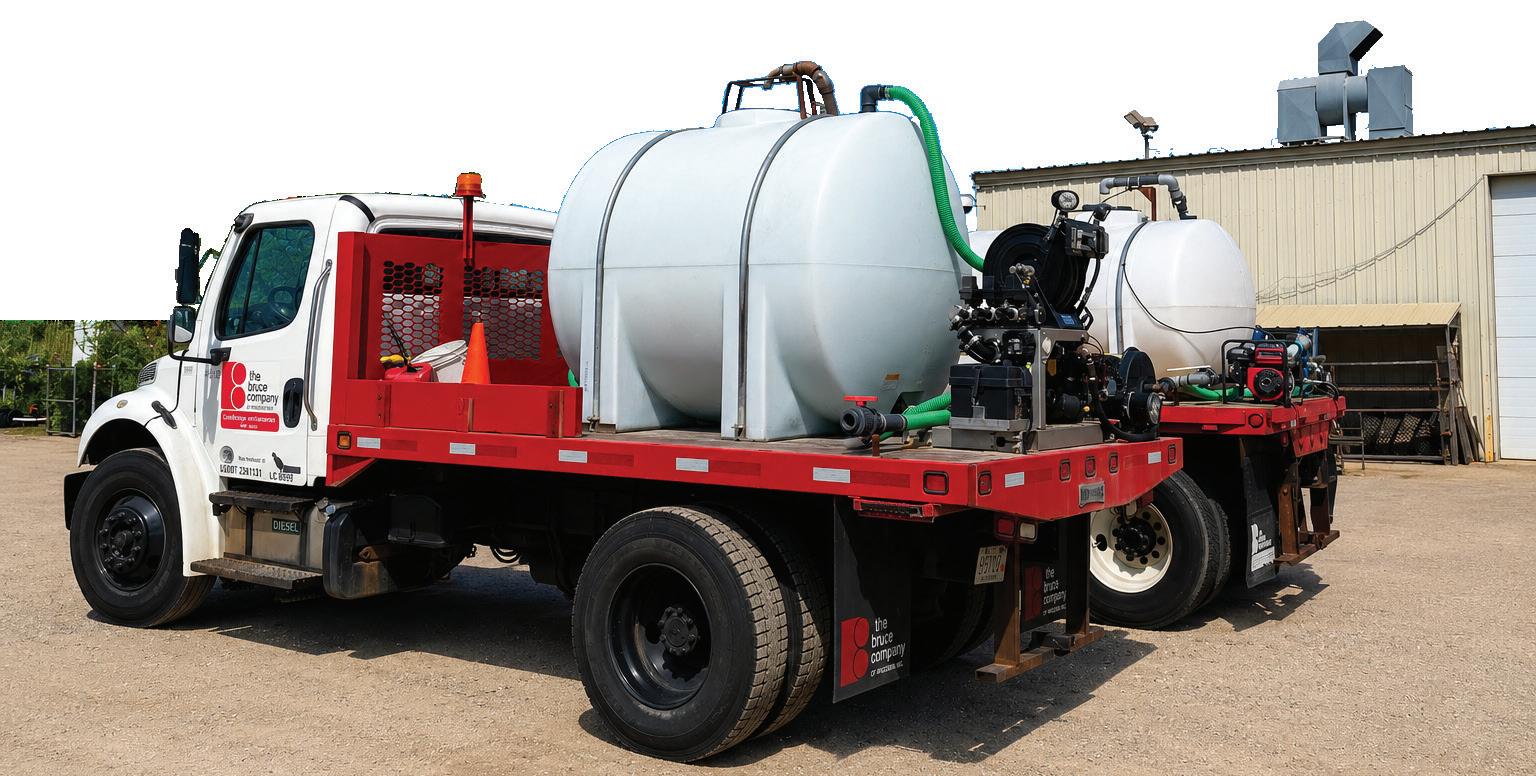
Practical application in the field Equipment is selected and configured with versatility in mind. In some cases, that means eliminating unnecessary transitions. For example, water trucks that were once converted for winter use are now maintained in a configuration that allows for a smoother transition into brine application, reducing downtime and improving efficiency.
That same thinking applies to smaller equipment. Units like Z-Sprays, traditionally used for herbicide and pesticide applications in lawn care, are also used for brine application on walks. By aligning components
When equipment platforms are aligned, technicians become faster, parts inventory is simplified, and onboarding becomes easier.

such as pumps and spray systems, the transition between seasonal uses becomes seamless while also providing redundancy for parts and maintenance. Other equipment naturally supports this structure. Skid steers remain one of the most versatile assets in the fleet due to their ability to operate in a wide range of conditions.
The pressure on equipment costs, labor availability and operational efficiency will continue to increase.
Companies that treat equipment as a strategic asset within their operating model will be better positioned to adapt.
When supported by consistency and maintenance discipline, this approach improves financial performance, increases flexibility and builds a more reliable operation.
Erik Dyba, CSP, ASM is the Specialty Services Operations Manager at the Bruce Company of Wisconsin, a SIMA Foundation board member, and a Wisconsin Salt Wise subject matter expert. Contact him at EDyba@brucecompany.com.


When winter gets tough, get even tougher with the FISHER® XV2™ v-plow. Built to power through any storm, the FISHER XV2 v-plow comes equipped with extreme flared wings—up to 45"—and double-acting cylinders to easily handle anything thrown in its path. Plus, it’s qualified for vehicles up to Class 6, so it’s as versatile as it is hardworking.

Unique Features
Trip-Edge Design
Protects you and your equipment. Only the bottom edge trips, so the blade stays upright and plowed snow stays in front of the blade.
Exclusive X-Bracing Design
Four vertical ribs and eight X-bracing ribs reinforce the blade for structural integrity and torsional strength.

By MIKE McCARRON
As snow and ice contractors expand their service areas, the gap between forecasted conditions and actual on-site conditions can also grow. It’s common for one property to receive several inches of snow while a location just minutes away gets almost nothing. These micro-climate differences can create confusion for clients and inconsistencies in invoicing unless your team documents conditions accurately and consistently. One of the simplest tools to strengthen your documentation is a handheld temperature gun. For about $30 at any hardware store, every truck and supervisor can carry a device that provides real-time, site-specific data that no weather app can match.
Slip-and-fall claims, invoice disputes and service questions are part of the industry. When these situations arise,
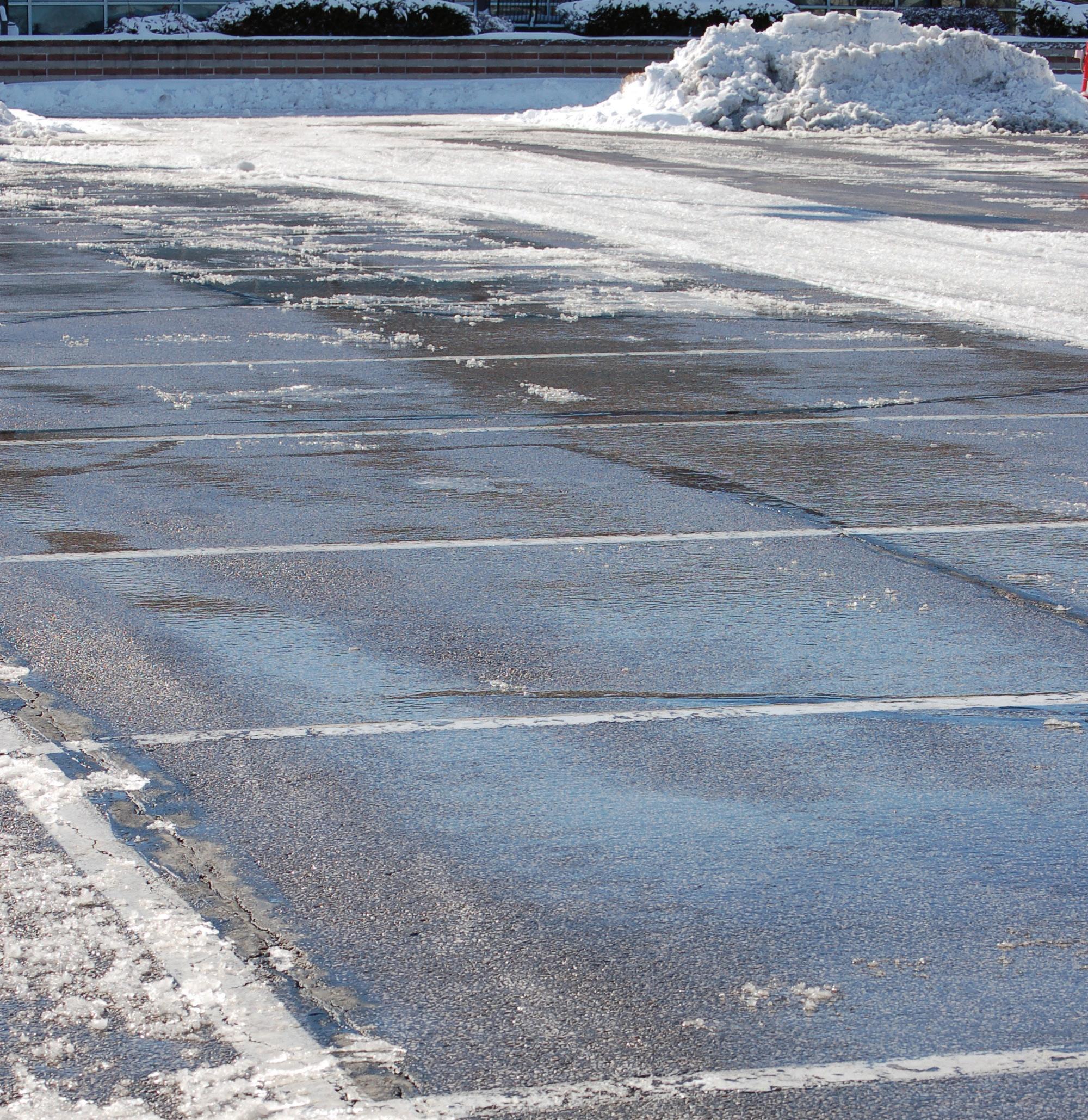
Air temperature alone doesn’t tell the full story. Pavement and sidewalk temperatures determine:
• whether snow will bond to the surface;
• how quickly ice forms;
• how well deicers will perform;
• whether refreeze is likely; and
• whether service is necessary at all.
Ground temperature can be several degrees warmer or colder than the air, especially near buildings, shaded areas or high‑traffic zones. Recording these readings helps justify your decisions and supports your documentation in case of disputes.

Integrating temperature readings into your service routine is easy and adds only a few minutes to each visit. Here’s a streamlined process your crews can follow:
1 ARRIVAL PHOTOS
Take clear, time‑stamped photos of the site before any work begins. Capture sidewalks, parking lots, entrances and any visible accumulation or icing.
2 INITIAL TEMPERATURE READING
Use the temperature gun to measure pavement and sidewalk temperatures. Record readings immediately in your software.
3 REVIEW SITE NOTES
Check for special instructions, known problem areas or client preferences before starting work.
4 PERFORM ASSIGNED TASKS
Complete plowing, shoveling, deicing or other services as required.
5 COMPLETION PHOTOS
Take follow‑up photos showing cleared and treated areas. These images confirm the quality and completeness of your work.
6 FINAL TEMPERATURE READING
Before leaving, take another set of temperature readings. This helps document whether conditions improved, worsened or require follow‑up monitoring.

strong documentation is your best defense. Temperature readings paired with photos and notes provide:
• proof of on-site conditions;
• justification for material usage;
• evidence of industry-standard practices; and
• support for your operational decisions.
Courts and insurance adjusters rely heavily on objective data. A simple temperature reading can validate why your team treated a site—or didn’t.
A temperature gun is inexpensive, easy to use and incredibly valuable. When every crew uses the same process, your documentation becomes consistent, accurate and defensible. It strengthens client trust, improves software accuracy, and protects your company when conditions vary across your service area. In a business where weather changes block by block, temperature guns are one of the most reliable tools you can carry.
Mike McCarron is president and founder of Image Works Landscape Management, a commercial landscape maintenance and snow removal firm in the Northern Virginia market. He has 20+ years of industry experience. Email him at mike@imageworkslandscaping.com.








Why using only old-school methods in winter services doesn’t cut it

SBy JP SANIESKI, CSP, ASM
now and ice management has changed over the years. The concept is still the same, but the parameters of what is needed to complete a season have evolved a great deal. What used to be built on radios, gut instinct, paper route sheets, and “we’ll figure it out when it starts snowing” is no longer enough. Today’s customers expect more. They want speed, transparency, documentation and confidence their properties are safe before they even arrive on-site.
Contractors who still rely only on old-school methods will always be fighting uphill. The contractors who embrace technology are building stronger operations, protecting margins and winning better clients.
Technology in winter services is no longer a luxury. It is a necessity.

Every storm begins with a forecast, but not every contractor uses forecasting the same way. Looking at a weather app on your phone is not weather management.
Professional operations use multiple forecasting sources, radar tools, pavement temperature models, snowfall timing windows and live storm tracking. Why? Because timing is everything.
Knowing the difference between rain changing to ice at 2 a.m. versus 4:30 a.m. can determine when crews mobilize, when salt is applied and whether you prevent a slip-and-fall claim.
The best operators don’t react to weather. They stay ahead of it.
2
In the past, if a customer questioned whether a property was serviced, you might rely on memory or handwritten notes. That does not hold up anymore.
Modern winter operations use service logs, timestamps, route data, photos and digital check-ins. Every push, salt application, sidewalk clearing and revisit can be documented in real time.
This protects the contractor, the property manager and the customer.
When someone asks, “Was this lot serviced?” the answer should never be a guess. It should be backed by data and “YES, see attached document.”
3
GPS tracking is one of the most valuable tools in snow operations. It tells you where trucks are, how long they were on site, route progress, idle time and travel inefficiencies. Without GPS, managers spend storms chasing trucks by phone. With GPS, they can manage the entire fleet from one screen. Benefits include:
• Faster dispatching to priority sites.
• Better route density and reduced windshield time.
• Proof of arrival and departure times.
• Reduced fuel waste and idle time.
• Stronger accountability across crews and subcontractors.
When margins are tight, route efficiency matters. GPS helps recover wasted dollars that many companies never even realize they are losing.
4
Winter payroll can get messy fast. Overnight shifts, split shifts, multiple properties, standby hours, loaders, sidewalk crews, emergency callbacks — all of these happen regularly during a storm.
Manual timecards create errors, and errors create overpayment, underpayment, frustration and lost trust. Digital timekeeping systems tied to GPS and job codes help solve this. Employees clock in accurately. Hours are assigned to the right accounts. Managers can review labor costs in near real time.
The result is cleaner payroll, stronger job costing and better visibility into whether a storm made money or lost money.
5
Large storms create another challenge: snow stacking, hauling, relocations, loaders, trucking and cleanup.
Technology helps manage these moving parts. Dispatch boards, live maps, equipment tracking, text updates, and internal communication tools allow companies to shift
resources quickly. Instead of chaos, you get command and control.
The best winter operations today look less like landscaping companies and more like emergency response centers.
Property managers and facility leaders are under pressure, too. They need updates for their tenants, leadership teams and liability concerns. Technology allows contractors to communicate professionally during storms with storm alerts before events, service completion updates, photo reports, priority issue notifications and realtime status dashboards.
Clients remember who keeps them informed. Communication often wins renewals as much as plowing does.
Data builds better businesses
Technology is not just for the storm. It helps after the storm, too. Reviewing data from the season can reveal:

• Which clients required excessive revisits.
• True labor cost per event.
• Salt usage trends.
• Response time gaps.
That information allows smarter pricing, better staffing, stronger routing and improved service plans next season.
still requires operators in cabs at 3 a.m., shovel crews grinding in freezing wind, mechanics keeping iron alive, and leaders making hard calls under pressure.
Technology does not replace bluecollar effort. It sharpens it.
The best companies combine oldschool work ethic with modern tools. They use experience, instinct and hustle — all backed by systems that make them faster, safer and more professional.
JP Sanieski, CSP, ASM is director of commercial accounts for Perrone Landscaping. Email him at jp@perronelandscaping.com. 6 7 8
• Which routes were unprofitable.
• Which trucks underperformed.
Some people hear “technology,” and think it replaces hard work. It does not! Snow still requires grit. It
During winter services, storms are unpredictable, but operations should not be. If you want to scale, protect your company, improve margins, win better customers and run cleaner events, technology must be part of the operation. Because in today’s snow business, the companies using yesterday’s methods are already behind.


The goal is not to have more tools but to maximize the tools you have
By JENNY GIRARD,

LASM
et’s call this what it is. Most companies in the snow and ice industry are not struggling because they lack technology. They are struggling because of how they are using it.
“Tech stack” gets thrown around like it is something strategic and intentional, but for most operations it is not something that was designed. It is something that happened over time. A system gets added to solve a problem, then another, then another. Before long, you have multiple tools in place, partial processes, and gaps that are being filled manually. It works well enough to keep things moving, but not well enough to give you real clarity.
At some point, the question must shift. It is not about what else you need. It is about whether you are using what you already have.
There is no single system that does everything. There is not one platform that will cover every part of your operation perfectly. That is not how this works. A tech stack exists because it must. Different tools are built to do different jobs. You would not use a shovel when you need a plow, and the same logic applies here. The issue is not the number of tools in place; it is whether there is a clear understanding of what each one is responsible for and how it is supposed to be used.
Where things start to break down is not usually because something is missing, but because there is overlap. This begins when teams are not fully confident in what their systems can already do. Something new gets added to solve an immediate problem, which may not have been a gap, and over time that creates duplication.
Information ends up in more than one place—the same data tracked in different ways. People rely on what they trust instead of what is standardized, and the operation starts to drift.
That drift comes with a cost beyond subscription fees, which shows up in small ways throughout the day and beyond. Mainly from the extra step to enter something twice or time spent double checking information that should already be clear. The hesitation when numbers do not match and no one is sure which one is right.
In an industry where timing matters, those small delays add up quickly. Decisions slow. When that happens in snow operations, you are already behind.
This is where the conversation needs to shift from technology to usage. It is not about having the right system on paper. It is about whether it is being used in a way that supports the operation.
That starts with a simple question that is often harder to answer than it should be: Do you know what your systems are capable of?
Not what they were set up to do originally, and not what you remember from when they were first implemented, but what they are capable of today in your current operation. Because in many cases, the
functionality is already there. It is just not being used consistently.
When that happens, people fill in the gaps themselves. They build their own trackers, keep their own notes or default to whatever feels easiest in the moment. Sometimes that leads to adding another tool because it seems like the fastest way to solve the problem.
But every time that happens, you add another layer. Another place where information can get out of sync. Another place where time is spent maintaining something instead of improving something.
This is where the financial side of the conversation becomes more important. The cost of your tech stack is not just what you pay for the systems. It is how those systems impact the way you operate.
Time spent entering the same information in multiple places, correcting errors, and reconciling different versions of the same data is a cost—as are decisions made without clear information.
When you look at it that way, it stops being a technology conversation and instead becomes an operational and financial one.
There is a pattern that is hard to ignore. When something feels off, the
You can see tech stack breakdowns clearly when you look at salt tracking. Not from a high level, but at the operational level, such as what and where it was applied and how that ties back to your operation.
Salt is one of the largest variable costs in a snow operation, but it is also one of the areas where tracking tends to break down. Not from the lack of tools to manage it, but because it is not being done consistently within the systems that already exist.
If you cannot clearly connect material usage back to work that was performed,

you are missing a critical part of your financial picture. You are also putting yourself in a position where you cannot fully support or defend what was done. Guidance from the Snow & Ice Management Association continues to emphasize the importance of documentation and material tracking as part of reducing exposure and improving operational control. That is not about adding more systems. It is about creating consistency in how the work is recorded and understood.
instinct is often to look for something new. A new platform, a new feature, something that promises to make things easier or more connected.
And sometimes that is the right move, but not always.
A new tool does not fix a lack of clarity. It does not fix inconsistent processes. If anything, it can make those issues bigger by adding another layer on top of what already exists.
The strongest operations are not the ones with the most tools. They are the ones that understand how their systems fit together and how they are meant to be used. They know where their information lives, how it flows through the operation, and how it connects back to the decisions they are making.
That is where the real value is.
The question becomes straightforward: Is your tech stack helping you run your business, or is it something you are constantly managing just to keep things moving?
Can your team use it consistently without creating workarounds? Can you trust the information you are looking at? Can you connect what is happening in the field to what is happening financially?
If the answer to these questions is no, it is worth stepping back
Continued on page 48
Continued from page 47
before adding anything new. Look at what you already have. Understand it. Define how it should be used. Close the gaps that exist because of process, not because of technology. Because the goal is not to have more tools but to maximize the tools you have before saying you need more.
At the end of the day, your tech stack is not about how many systems you have. It is about how well they support the way you operate. There will always be multiple tools. There will always be some level of separation between them. That is not the problem to solve.
The real question is whether you understand what you have, whether your team is using it consistently, and whether it is giving you the clarity you need to run the business the way you want to run it. Because when your systems are
Use this as a quick gut check across your operation:
✔ Do you know what each system is responsible for?
✔ Do you know exactly what your systems are capable of?
✔ Are you and your team properly trained in the systems you utilize?
✔ Do you have processes and procedures around data entry?
✔ Can your team consistently follow the same process without workarounds?
✔ Can you clearly track material usage and tie it back to work performed?
✔ Do you trust the data enough to make real time decisions? If not, why?
✔ Before adding a new tool, have you fully explored what your current systems can already do?
If multiple answers are no, the issue is likely not what you are missing but that you don’t fully know what you already have and how is it being used.
aligned with your operation, things get simpler. Decisions get faster. You spend less time managing information and more time acting on it.
When your tech is not working for you but against you, it shows up everywhere—in your numbers, in your processes and in the amount of effort it takes just to keep things moving.
Before you look for something new, take a step back and look at what is already in place. There is usually more value there than you think.
Jenny Girard, ASM, is a client success implementation specialist for The Integra Group. Contact her at Jenny.Girard@TheIntegraGroup.com or 518-231-9748.
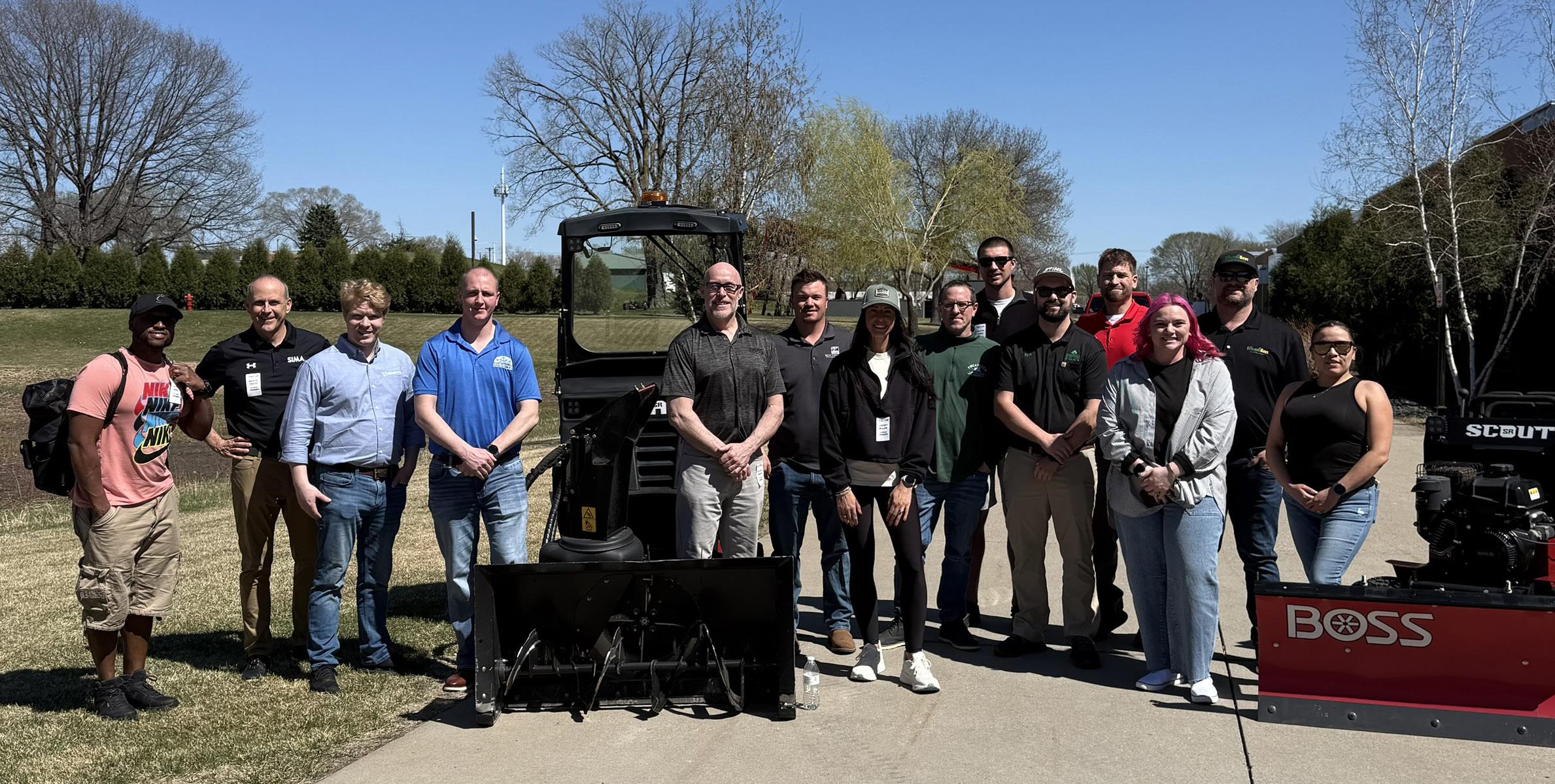


Program Highlights
• Develop the skills and confidence to lead with purpose
• In-person and virtual sessions from August 2026–June 2027
• Complimentary registration to the 2026 Leadership Forum and 2027 Snow & Ice Symposium
• Networking with industry leaders and Accelerate alumni
Ideal for new/emerging
managers, and team leads. Invest in your next generation of leadership. Apply now!

By DAVID GALLAGHER
Software implementation is a pivotal process for any organization, often marking a significant shift in operations, productivity and business outcomes. Whether deploying new accounting software, a new operating platform or add-on, the stakes are high. The complexity of modern software, coupled with the unique requirements of each business, makes the role of a consultant indispensable in ensuring a smooth and successful implementation.
Consultants bring expertise, objectivity and a structured approach to software implementation projects. Their primary role is to bridge the gap between technical solutions and business needs. Consultants assess the organization’s existing processes, identify potential challenges and recommend tailored strategies that align with business goals. They facilitate communication between stakeholders, including IT teams, management and end-users, ensuring that everyone understands the project scope and objectives.
Software projects can quickly become overwhelming due to the sheer volume of tasks, technical requirements and potential for unforeseen issues. Consultants often possess deep industry knowledge and hands-on experience managing similar projects, enabling them to anticipate problems and address them proactively. Their familiarity with best practices, common pitfalls and proven methodologies helps organizations avoid costly mistakes and delays.
One of the most challenging aspects of software implementation is managing organizational change. Employees may resist new systems due to unfamiliarity or fear of disruption.
Consultants play a critical role in change management by helping to develop training programs, providing guidance and fostering a culture of acceptance. They tailor communication strategies to address concerns and ensure that users feel supported throughout the transition. Effective change management is essential for maximizing user adoption and realizing the full benefits of the new software.
Software implementation projects are prone to risks like budget overruns, timeline delays and technical failures. Consultants help identify potential risks early in the process and develop mitigation strategies. Their objective perspective allows them to make unbiased recommendations, ensuring that decisions are based on facts and data rather than internal biases. When problems arise, consultants are equipped to troubleshoot quickly and efficiently, minimizing disruptions to business operations.
No two organizations are alike, and off-the-shelf software may not fully meet specific business requirements. Consultants work closely with clients to customize solutions, configure settings and integrate new software with existing systems. This technical expertise ensures that the software functions seamlessly within the organization’s ecosystem, enhancing productivity and efficiency. Consultants also help establish protocols for ongoing maintenance and upgrades, ensuring long-term value.
Successful software implementation requires meticulous project management. Consultants often serve as project managers, overseeing timelines, budgets and deliverables. They coordinate tasks, monitor progress and keep stakeholders informed, ensuring that the project stays on track. By holding all parties accountable and maintaining clear documentation, consultants help prevent misunder-
If you’re planning to implement new software, a consultant can help by:
• Offering organizational assessment to align tech purchases
• Identifying issues early and mitigating risks
• Overseeing timelines, budgets and deliverables
• Providing unbiased insights based on facts and data
standings and miscommunication that can derail a project.
Hiring consultants may seem like an added expense, but their involvement frequently leads to greater efficiency, reduced risk and improved outcomes. By ensuring the software is implemented correctly and that users are well prepared, consultants help organizations achieve a faster return on investment. Their strategic guidance enables businesses to leverage technology more effectively, allowing them to gain a competitive edge in the marketplace.
The importance of consultants in supporting software implementation cannot be overstated. Their expertise, objectivity and commitment to success transform complex projects into manageable endeavors. By guiding organizations through each stage of implementation—from planning and customization to training and ongoing support—consultants empower businesses to realize the full potential of their software investments.
In today’s fast-paced digital landscape, partnering with a consultant is not just a wise choice, it is essential for ensuring lasting success.
David Gallagher is principal for Spiritus Business Advisors. He has over 25 years of experience as a senior service-oriented leader in all aspects of property service. Contact him at david@spiritusba.com.
Streamline and scale your snow removal business with Aurora Suite. Automate routing, billing, tracking and enhance customer satisfaction. Built for snow pros of all sizes. https://try.aurorasuite.ca

Green Guy Solutions provides bidding and estimating retainers and consulting services. Extend the time of your sales staff when business gets busy, without the cost of a full-time employee. www.greenguysolutions.com
The ultra-compact ST4215 GPS tracker offers high-precision tracking, internal antennas, IP67 ruggedness, backup battery, motion sensor and DPA alerts for shock/collision, enabling comprehensive vehicle monitoring and safety. www.rastrac.com
Recruiting done differently by BR1 helps snow and ice management companies attract, hire and retain the right people. A proud SIMA member, BR1 brings deep knowledge of the snow industry and its talent. Free, no-pressure consultations available.
www.BusinessResourcesOne.com


LMN and Greenius by Granum give snow and ice pros the tools to run profitable operations and build safer, bettertrained crews. From contract estimating and routing to on-demand safety training, we’re here to help you take control of every season.
www.granum.com/lmn


FolloSOFT streamlines your entire snow removal operation— from contracts to dispatch and field tracking—giving you real-time visibility to save time, reduce errors, improve service quality and scale your business with confidence throughout the entire winter season.
www.follosoft.com

Qmmand is the modern operating system for snow and landscape companies, delivering the analytics, automation and control needed to win in the field and office. www.qmmand.com
Launching in Fall 2026, NorCast Predikt is a new platform that combines AI, sensors and our custom forecast modeling. It generates a high level of impact prediction that aides in improved timing, safer decisions, and more efficient/cost-effective use of crews and materials. www.norcast.tv


SG Advantage pairs with your existing software as the first hybrid bidding, routing, management and CRM platform for snow and ice—focused on liability protection, training and smarter operations for contractors of all sizes. www.sgadvantage.com

SmartAsset helps snow and landscape contractors track trucks, equipment and drivers in one platform. Improve safety with AI dashcams, reduce lost or idle equipment, and gain real-time visibility to lower costs and increase operational efficiency. www.smartasset.biz

Since 1946, Weather Command has provided superior service to weather forecast clients. When your business success depends on accurate, reliable and timely weather information beyond generic apps, Weather Command helps you plan with confidence, eliminate “Weather Hype” and protect what matters most. www.weathercommand.com
The Landscape CRM is an all-in-one sales and marketing system built for landscapers. Organize leads, automate follow-ups, manage your pipeline and keep marketing running, all from one simple platform designed for the way you work. www.intriguemedia.com
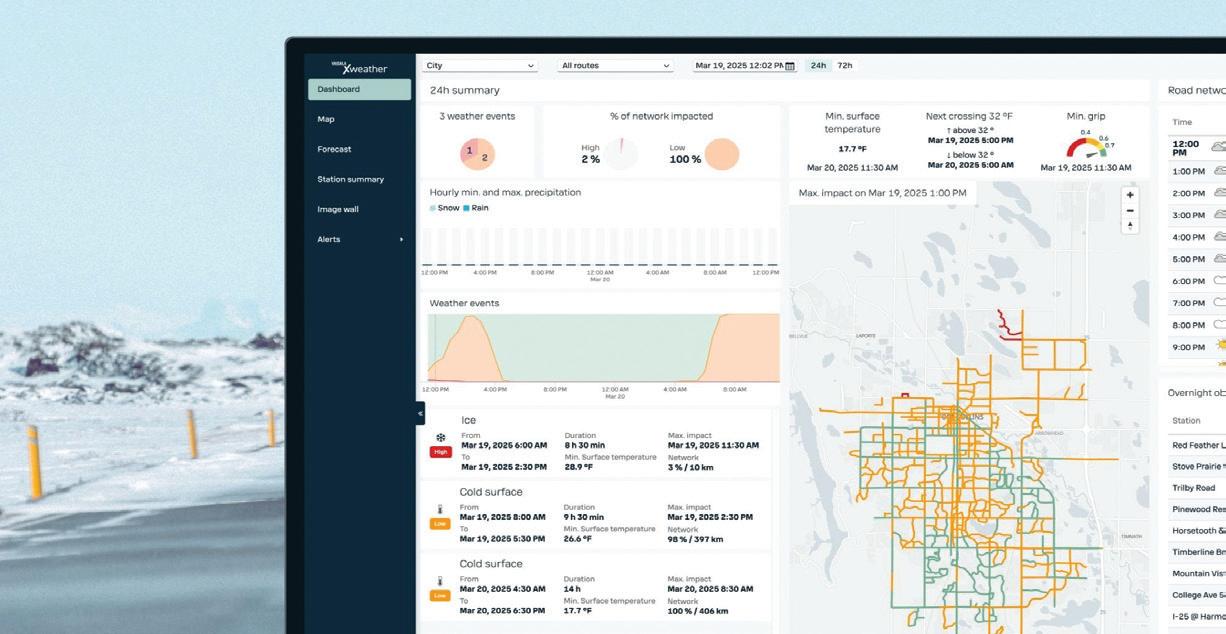
Vulcan® Edges Last 3X Longer—So You Can Plow Profitably on Every 2-3" Snow Event
Most contractors skip plowing light snowfalls (2-3") because factory edges wear out too fast. Instead, they dump expensive salt. That changes with Vulcan®
Our boron steel cutting edges with cast steel PlowGuards filled with Americanmade Winter Carbide™ last 3x longer than factory edges. Install once in fall, then plow confidently all season—even those light dustings that used to cost you in chemical treatments.
Stop leaving money on the table. Scrape the light snow. Save on salt. Make more profit per storm.
Fits BOSS, Western, Fisher, and SnowEx V-plows. American-made. 5-star rated by contractors. $1,285-$1,565 depending on plow size.
Vaisala Xweather
See which sites need treatment before sending crews. Xweather Horizon forecasts pavement temperature, surface conditions and humidity 72 hours ahead. Get treatment recommendations, issue work orders and log your actions, all in one tool. www.xweather.com


WeatherGuidance SiteWarn provides custom, location-specific weather information, forecasts and storm warnings, including detailed ice and snow forecasts, warnings and postevent documentation of precise ice/ snow amounts.
www.weatherguidance.com
Certified Snowfall Totals deliver precise, verifiable measurements of snow, sleet and freezing rain for every storm. Trusted by contractors, insurers and property managers, our reports support billing, reduce disputes and ensure confidence.
www.CertifiedSnowfallTotals.com
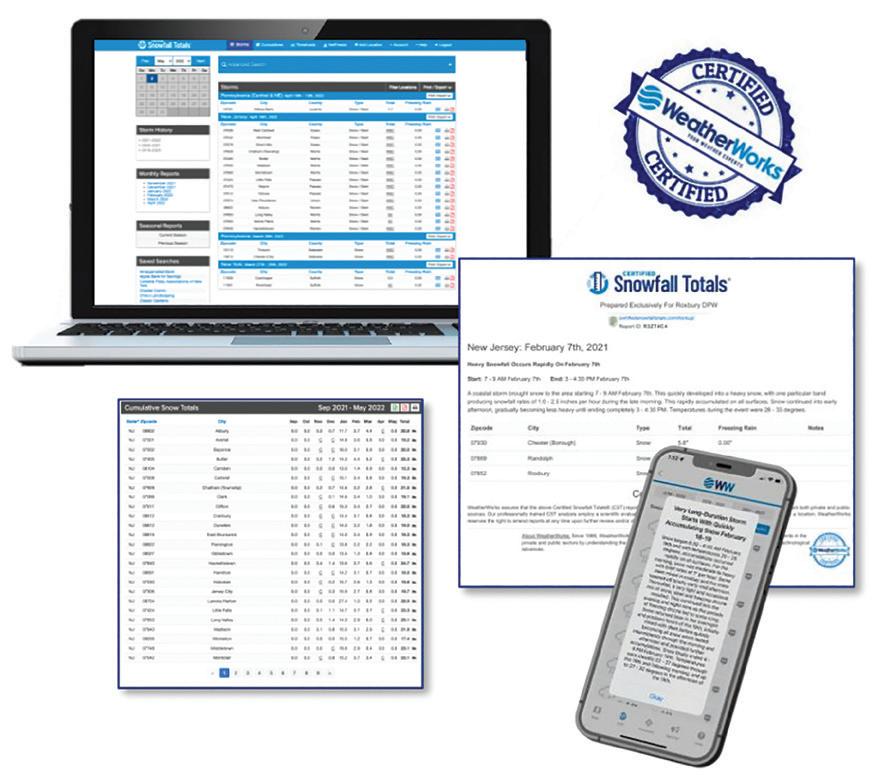
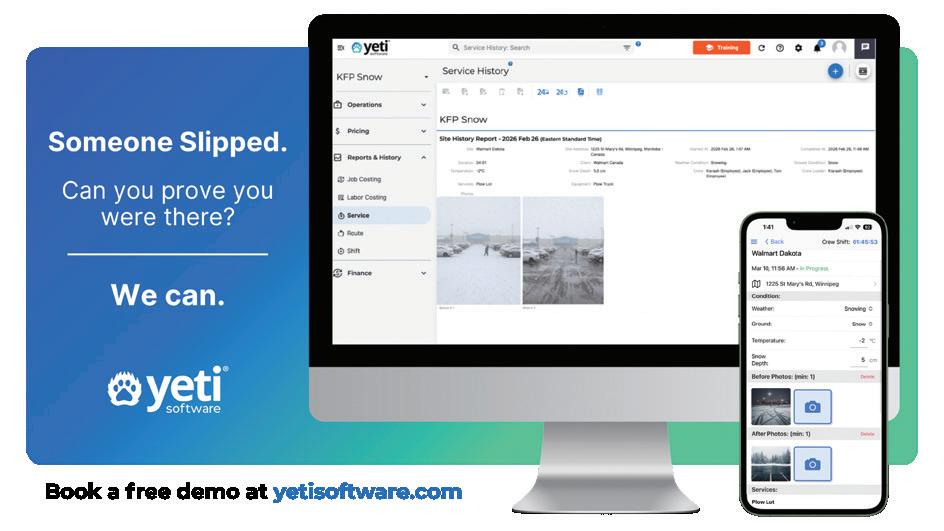
Liability claims can sink your business. Yeti Software captures real-time data and GPS proof to protect you from false disputes. Don’t leave your reputation to chance. Visit yetisoftware.com to request your professional demo and work with confidence. www.yetisoftware.com
The first winter tire for tractors, Nokian Hakkapeliitta TRI , makes sure your winter contracting has all the grip and control you need –with or without studs.


The first winter tire for wheel loaders, Hakkapeliitta Loader, offers you speed, stamina and control. Unmatched grip and durability in the market –both winter and summer.


The SnowTrack AI-powered dashcam is built for snow and landscape contractors, delivering automatic tracking, photos, job notes and salt usage. Improve safety, ensure accurate records and eliminate paperwork—your crew drives while our AI handles the rest. www.viaesys.com







SIMA LEADERSHIP
Chief Executive Officer
Martin Tirado, CAE martin@sima.org
K.C. Hallgren
Chief Business Officer
CONTENT MANAGEMENT
Education & Content Director
Cheryl Higley cheryl@sima.org
Design & Production
Lisa Lehman lisa@sima.org
SALES AND ENGAGEMENT
Andrew LaPorte
Membership and Engagement Senior Manager
Veronica Polcyn, CSP
Member Experience and Relations Manager
Aimee Krzywicki
Advertising and Industry Partnerships Manager
EDUCATION AND EVENTS
Heather Carew
Events Director
Ellen Lobello
Education Senior Manager
MARKETING AND DESIGN
Gwendolyn Gabree
Brand and Design Manager
Stephanie Orvis
Marketing and Operations
Senior Manager
Talyn Gilliland
Marketing and Communications Specialist
10140 N. Port Washington Road, Mequon, WI 53092 414-375-1940 // info@sima.org // www.sima.org
BUSINESS | ADMINISTRATION
Nikki Luedtke
Office Manager / Executive Assistant
Nakishia Randle
Business Process Manager
Amanda Peacock
Accounts Receivable Specialist
EDITORIAL COMMITTEE
Charmaine Allen
Allen Builders & Landscape
Nichole Ashton, CSP
North Country Snow and Ice Management
Jim Hornung Jr., CSP
Elbers Landscape Service
Rick Kier, CSP
Forge Ahead Consulting and Software LLC
William Moore, CSP, ASM
Executive Property Maintenance
Dean Outhouse, CSP, ASM North Point Outdoors
Jason Ostrander, CSP
Eastern LLC
Thomas Skuta, CSP
USM
Robert Young, CSP
K.E.Y. Property Services
Michael Wagner, CSP, ASM
Colorado DesignScapes Co.
SIMA BOARD OF DIRECTORS OFFICERS
Board Chair
Jeff Heller, CSP, Innovative Maintenance Solutions
Immediate Past Chair
Chris Hinton, CSP, GRM Inc.
Vice Chair
Chris Thacker, CSP, Mr. Mow It All Secretary / Treasurer
Tom Fitzgerald, CSP, Donovan Property Service
Directors
Matt Crinklaw, Greenius by Granum
Connie Gaul, ASM, SNOWGO National Services
Andy McArdle, CSP, ASM
Douglas Dynamics
Robert Miller Jr., CSP, ASM
RPM Landscape Contractor
Dean Outhouse, CSP, ASM
North Point OUtdoors
Robert Young, CSP
K.E.Y. Property Services
RENEW AND SUBSCRIBE www.sima.org/subscribe
Resource: With a workforce where Spanish is the native tongue for a large portion of "snowfighters," bilingualism within the corporate structure has moved from being a "desirable" skill to an operational necessity. Read the English version in the Snow & Ice Resource Center at resources.sima.org
En snow and ice industry, la comunicación clara es tan crítica como el mantenimiento de las palas de un grupo. Con una fuerza laboral donde el español es la lengua materna de una gran parte de los "snowfighters", el bilingüismo dentro de la estructura corporativa ha dejado de ser una habilidad "deseable" para convertirse en una necesidad operativa.
1
La seguridad no admite errores de interpretación
En condiciones de tormenta, donde la visibilidad es baja y la fatiga es alta, una instrucción malentendida puede derivar en accidentes costosos o lesiones graves. Un líder bilingüe garantiza que los protocolos de seguridad, el manejo de químicos (ice melt, rock salt, brine) y las rutas de limpieza se comprendan a la perfección. La seguridad es un lenguaje universal, pero se ejecuta mejor cuando se comunica en el idioma en el que el trabajador se siente más seguro.

Invertir en personal bilingüe o en la capacitación lingüística de los líderes no es un gasto administrativo; es una inversión en infraestructura humana.
3
Retención de talento y cultura organizacional
El sector de la nieve enfrenta una competencia feroz por la mano de obra calificada. Las empresas que fomentan un entorno bilingüe demuestran respeto por la identidad de sus empleados. Esto crea una cultura de lealtad y pertenencia. Un trabajador que se siente escuchado y comprendido es un trabajador que se queda, reduciendo los costos de rotación y capacitación constante.
4 2
Eficiencia operativa y reducción de errores
El costo de "volver a hacer el trabajo" (re-work) puede hundir los márgenes de beneficio en una temporada difícil. Cuando los supervisores y mandos intermedios pueden comunicarse directamente en español con las cuadrillas:
• Se mejoran los tiempos de respuesta.
• Se reportan averías mecánicas con mayor precisión.
• Se eliminan los cuellos de botella causados por intermediarios que no dominan la terminología técnica del sector.
El puente hacia el crecimiento
Ser bilingüe dentro de la compañía permite identificar líderes internos que de otro modo pasarían desapercibidos. Al cerrar la brecha lingüística, la empresa puede promover a operarios experimentados a roles de supervisión, aprovechando su conocimiento práctico y su capacidad de guiar a otros en su propio idioma.
Invertir en personal bilingüe o en la capacitación lingüística de los líderes no es un gasto administrativo; es una inversión en infraestructura humana. En una industria donde cada segundo cuenta, hablar el mismo idioma que tu equipo es la ruta más rápida hacia el éxito.




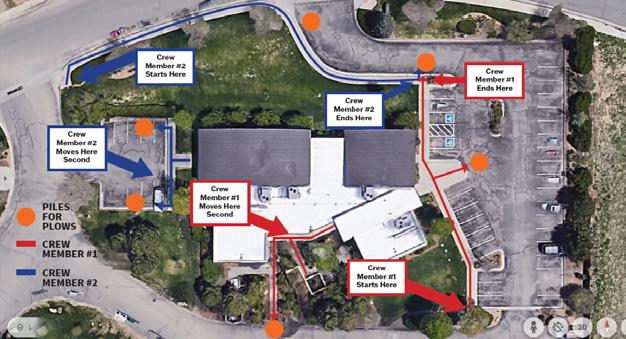
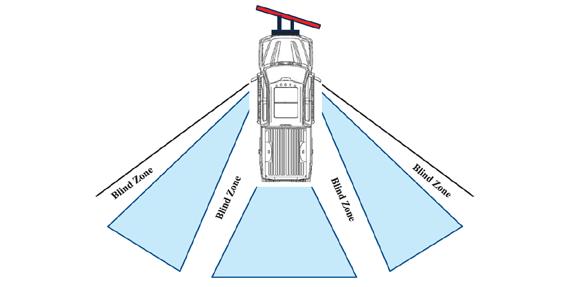
SIMA MATERIALES: SIMA cuenta con varios materiales en dos idiomas para ayudar a capacitar a su equipo. Puede revisarlos en train. sima.org y resources.sima.org