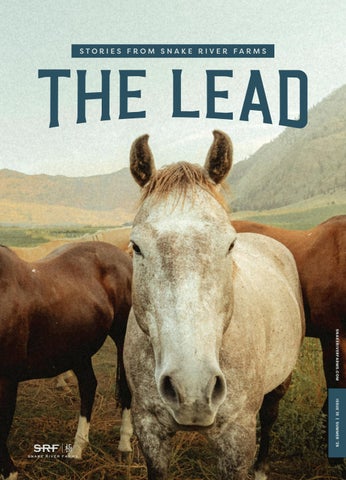
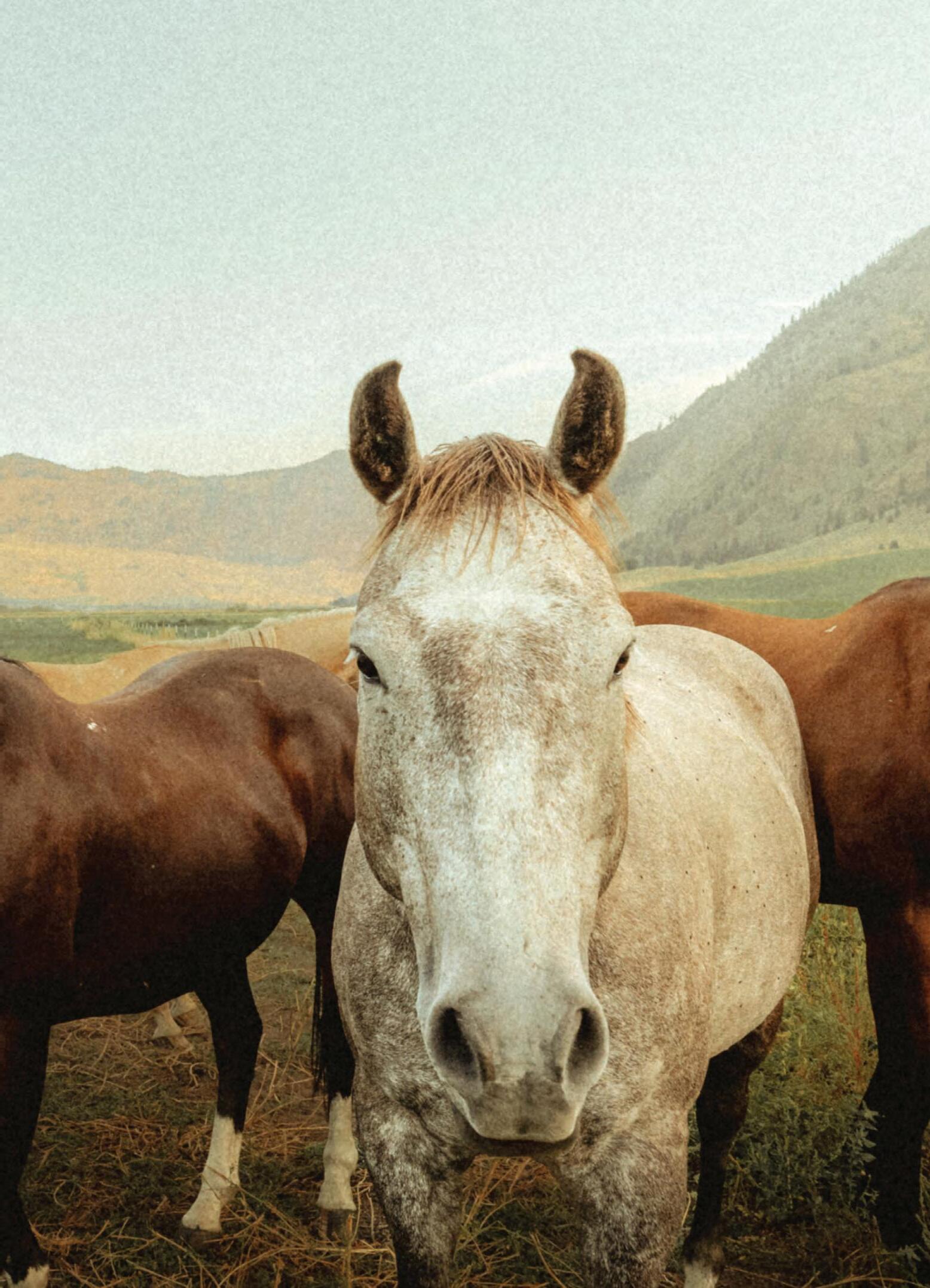
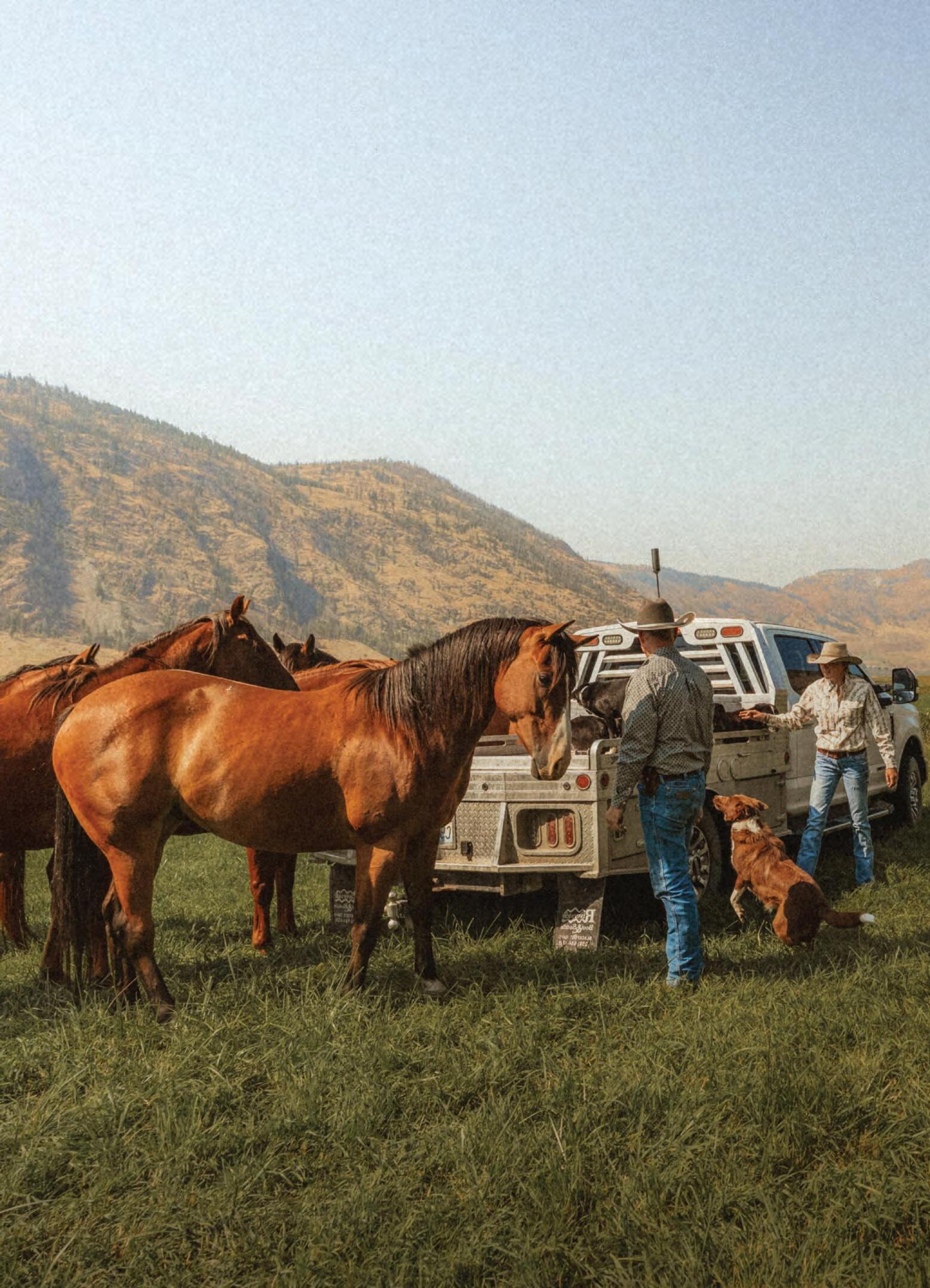
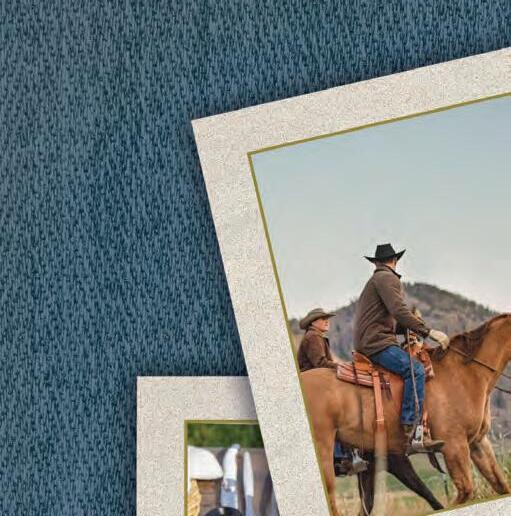
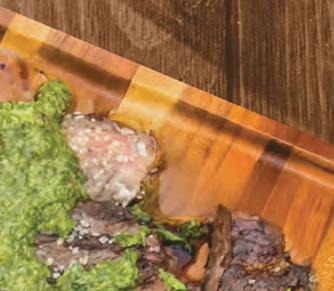
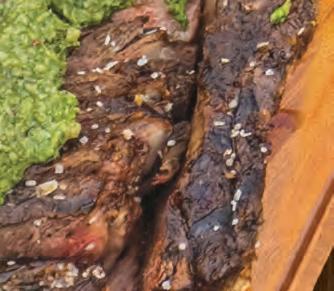
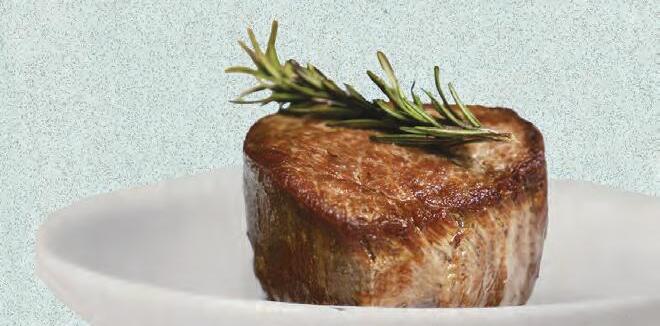
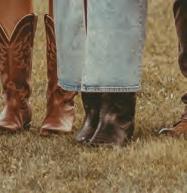
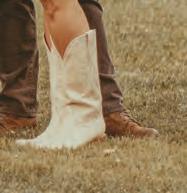
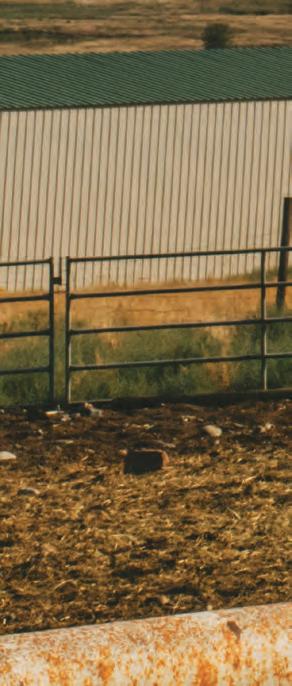
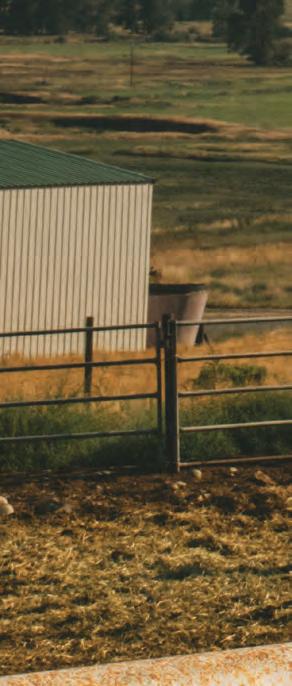
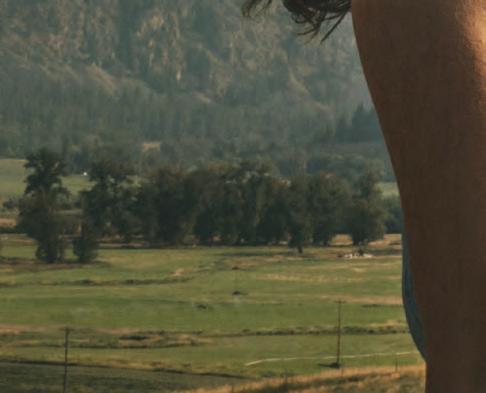
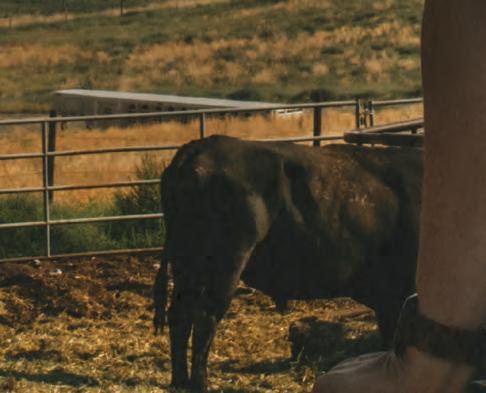
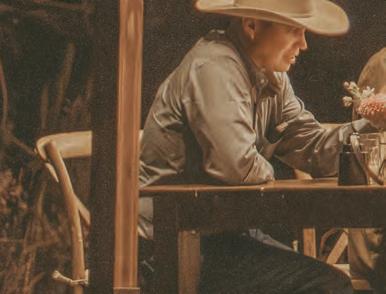
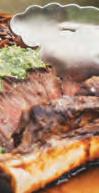
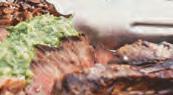
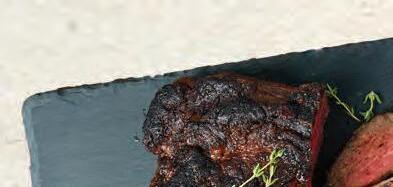
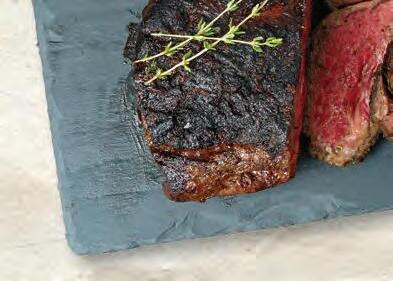
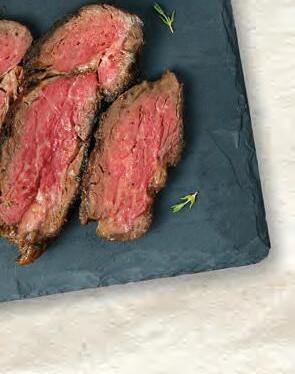
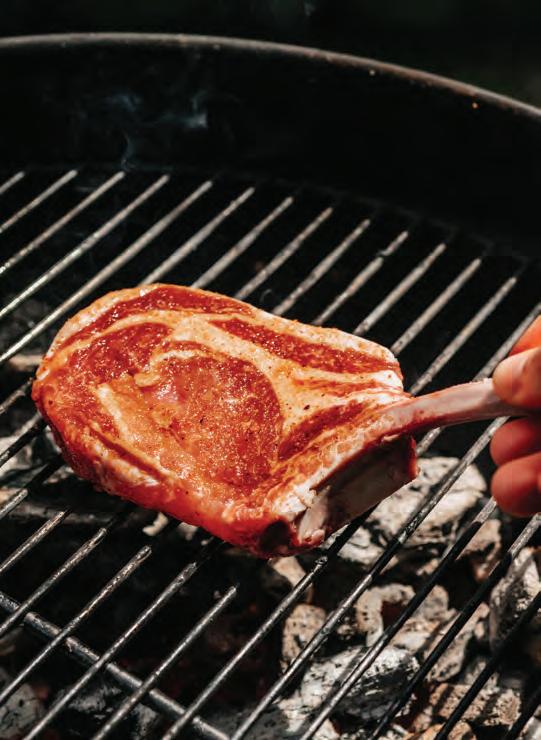
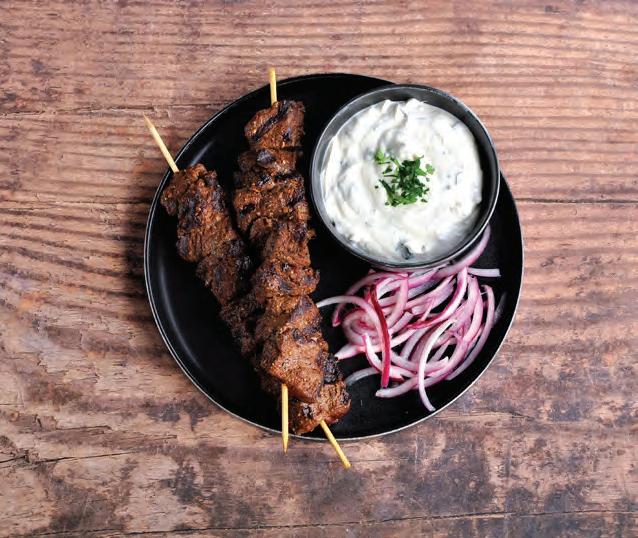
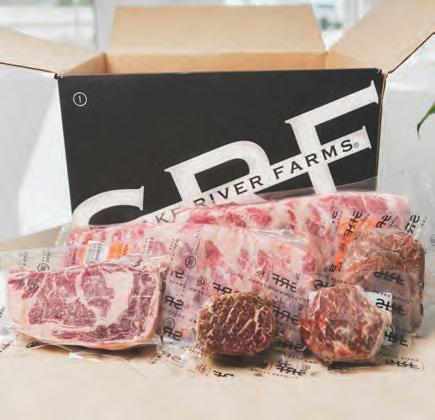
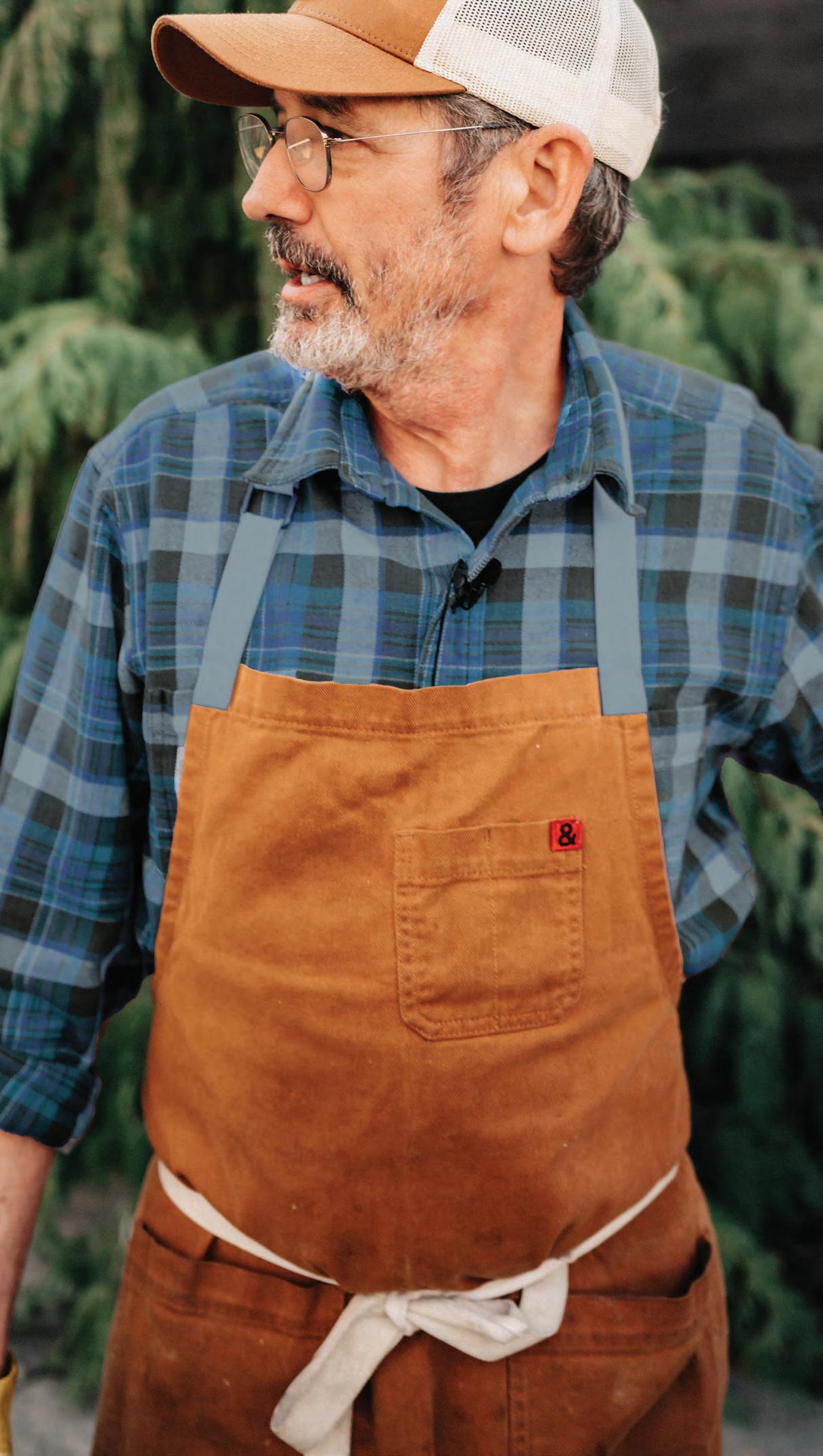
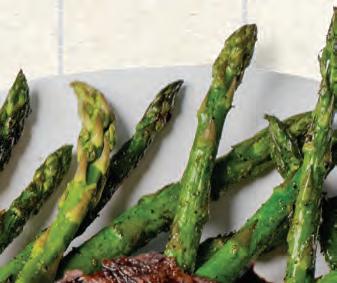
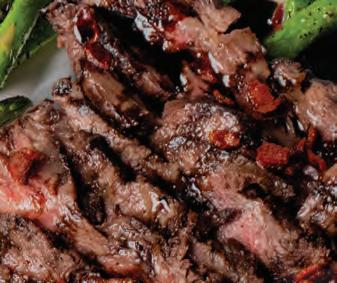
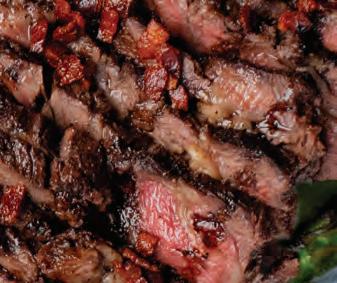
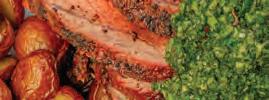
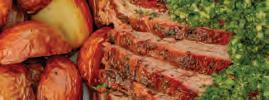
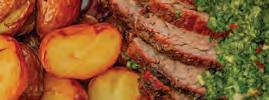
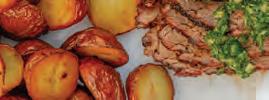
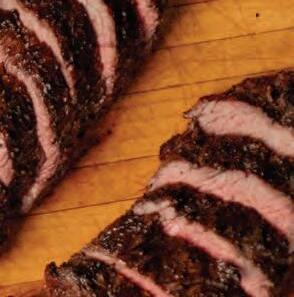
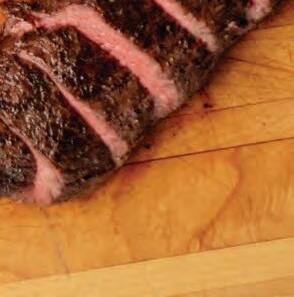
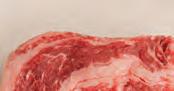
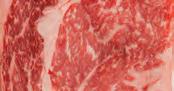
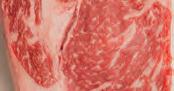
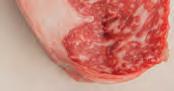
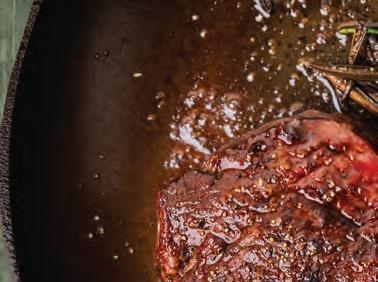
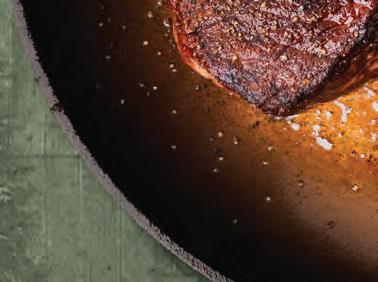
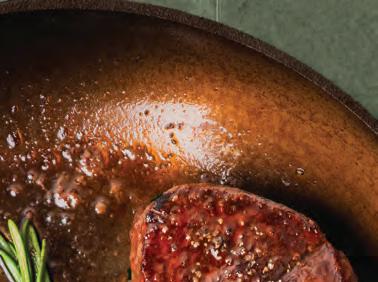
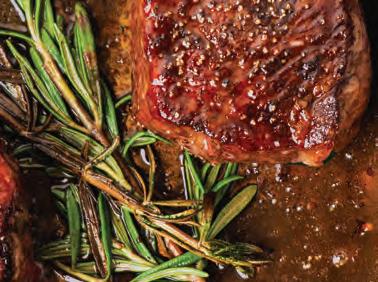
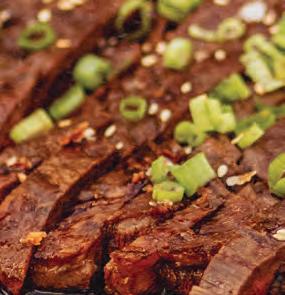
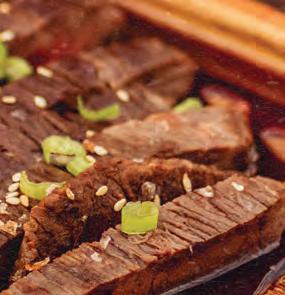
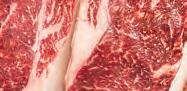
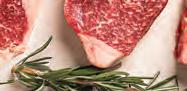
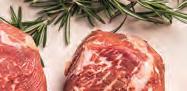
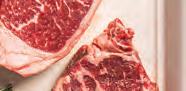
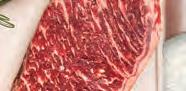
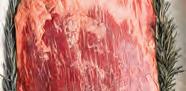
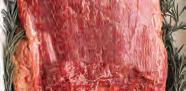
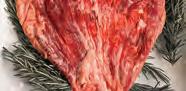
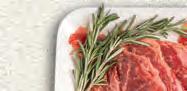
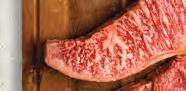
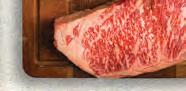
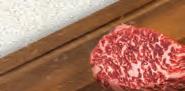
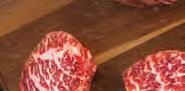
After a long day on the ranch, hunger is sharp and earned, and nothing tastes quite like the meal you share afterward. When you pull down the tailgate for a makeshift picnic. Or come together around a farmhouse table at the end of a long summer’s day. Passing around simple dishes made fresh from what’s raised on the ranch. The steak seared and still smoking hot from the wood-fired grill. It hits the spot on a soul level.
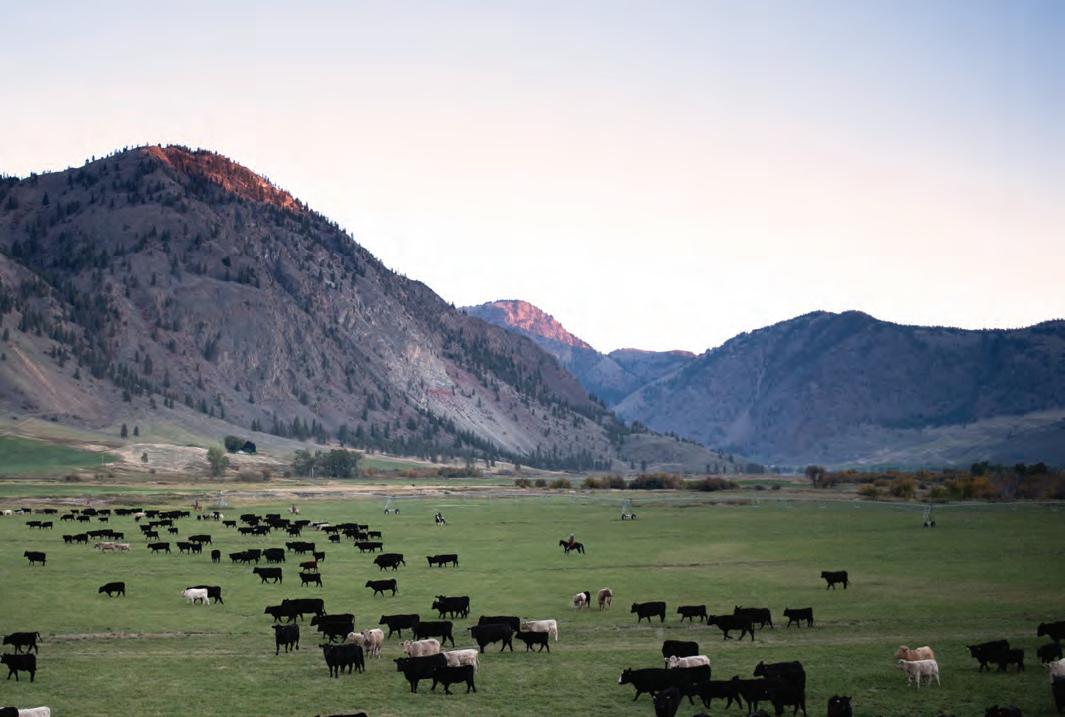
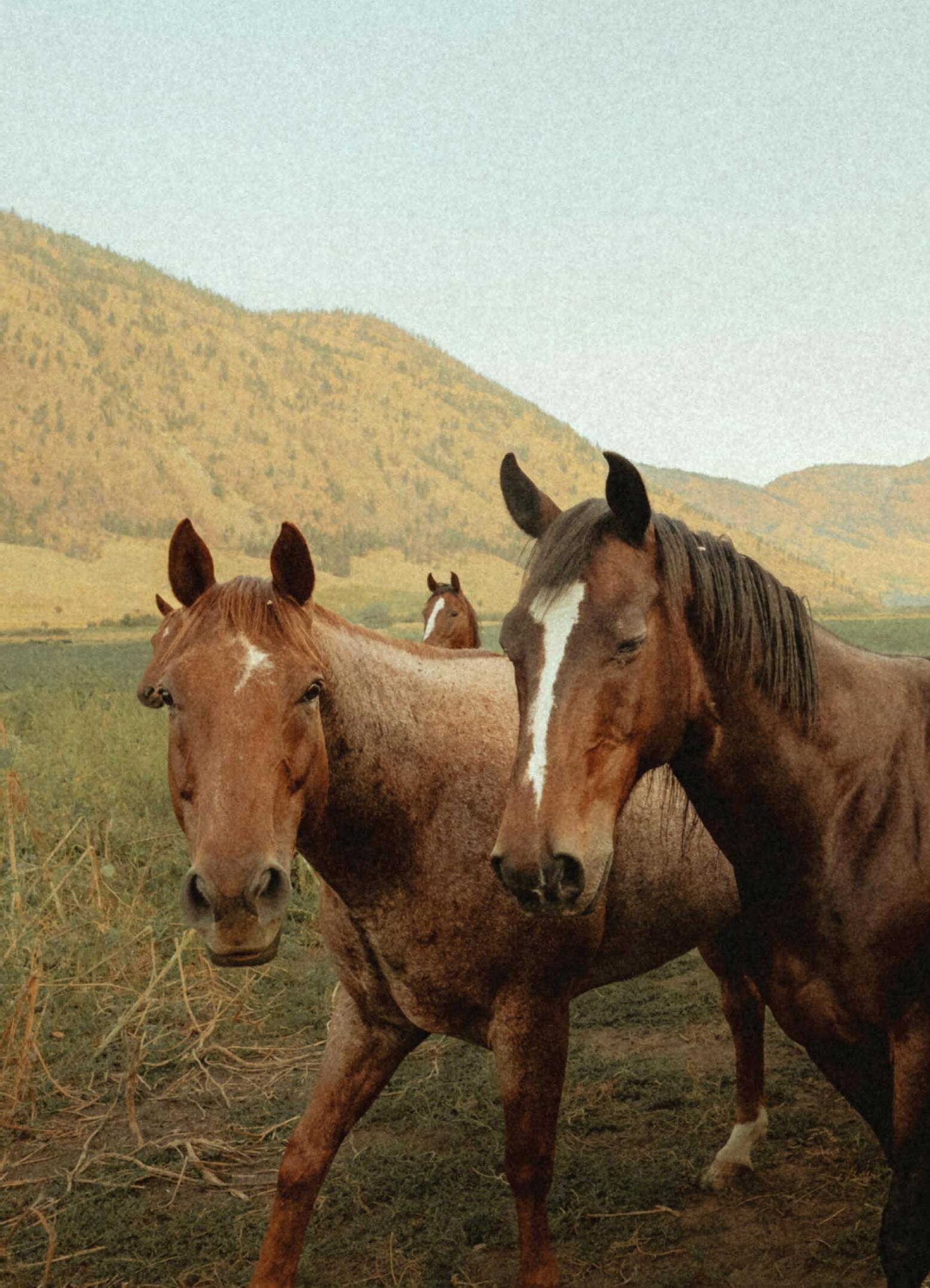
In this issue, we’re inviting you to our table. It’s full of memories from our working ranch located on 80,000 breathtaking acres in the Okanogan region of Washington, where we raise our Wagyu herd.
Go on, dig in.
built something rare: legendary beef and
COOKING WITH TUFFY STONE
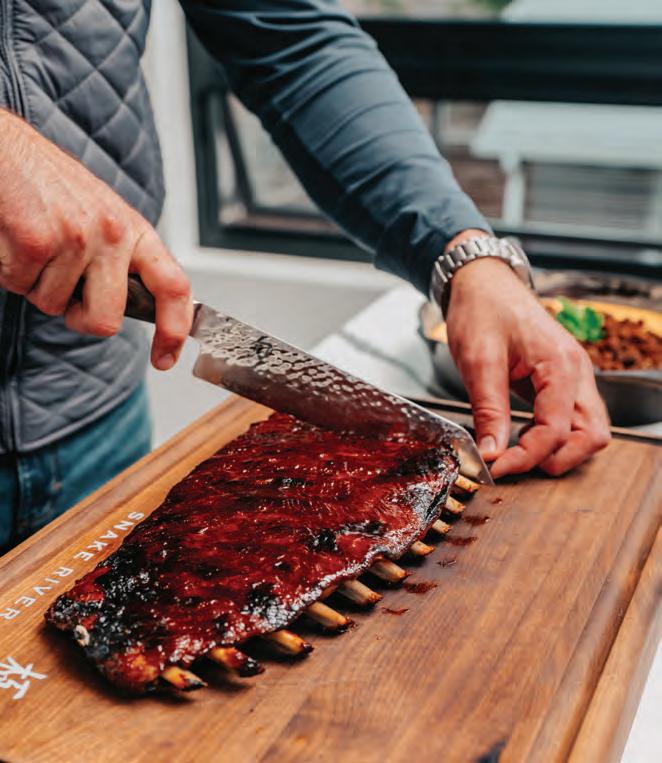
Tuffy Stone, shares his fire-forged wisdom, tips and recipes for the grill.
THE RANCHER’S WISHLIST:
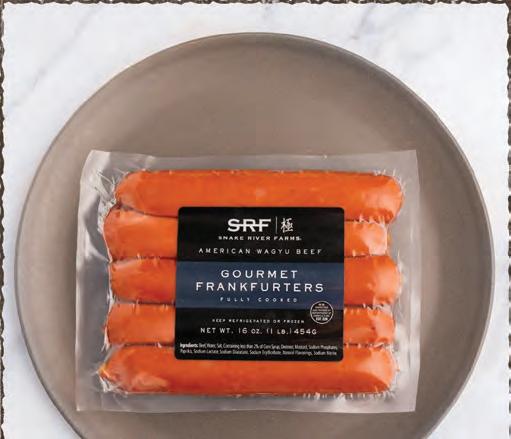
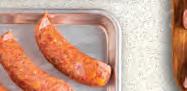
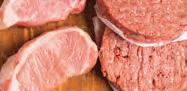
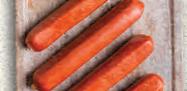
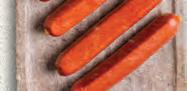
From filets to franks, these top 10 picks are the greatest gifts the ranch
shared story of bourbon and Wagyu
IN A VALLEY A HALF MILE WIDE, SURROUNDED BY STEEP MOUNTAINS,
STEEP MOUNTAINS,
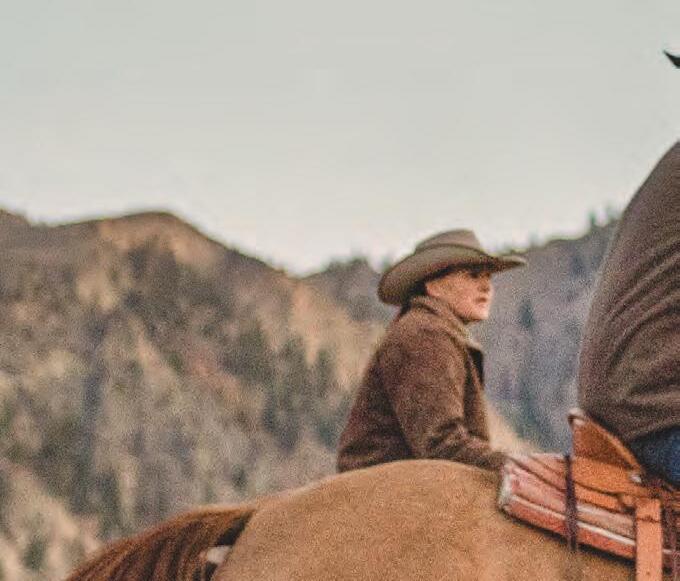
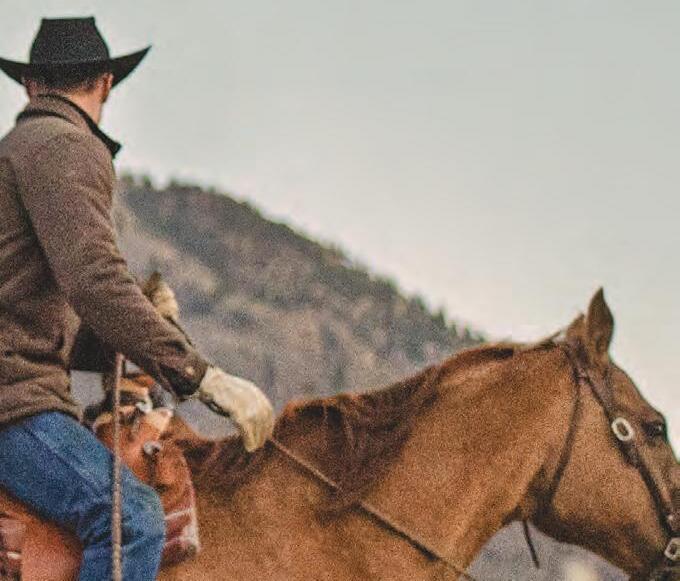
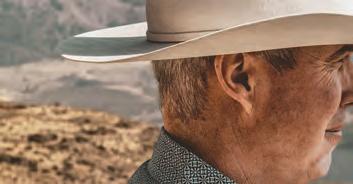
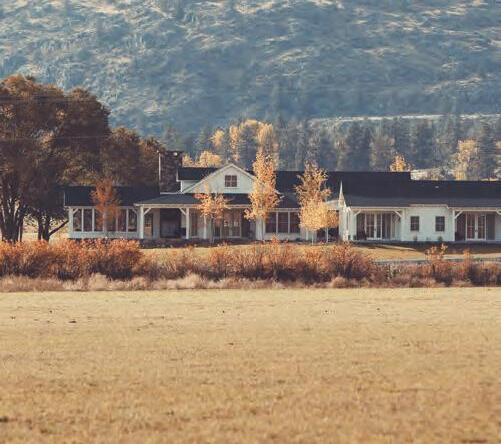
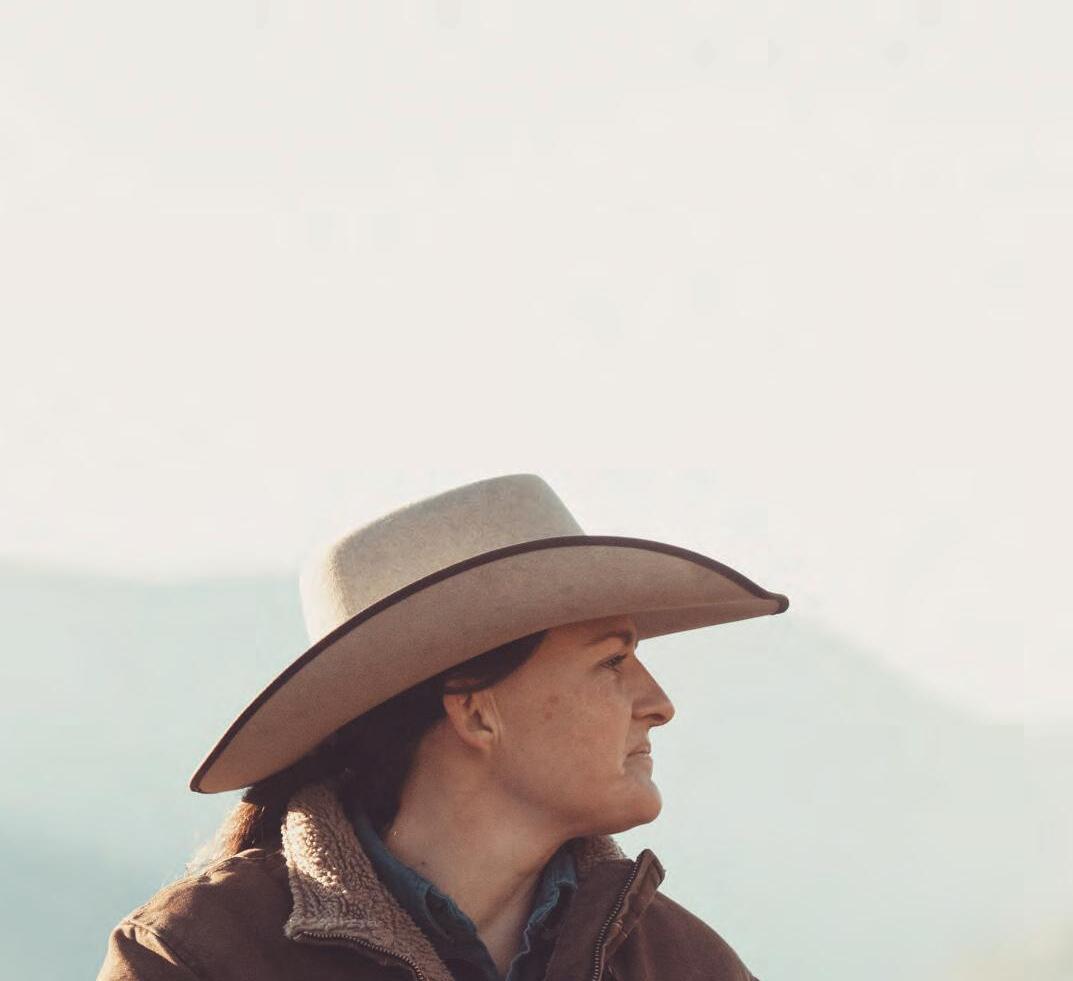
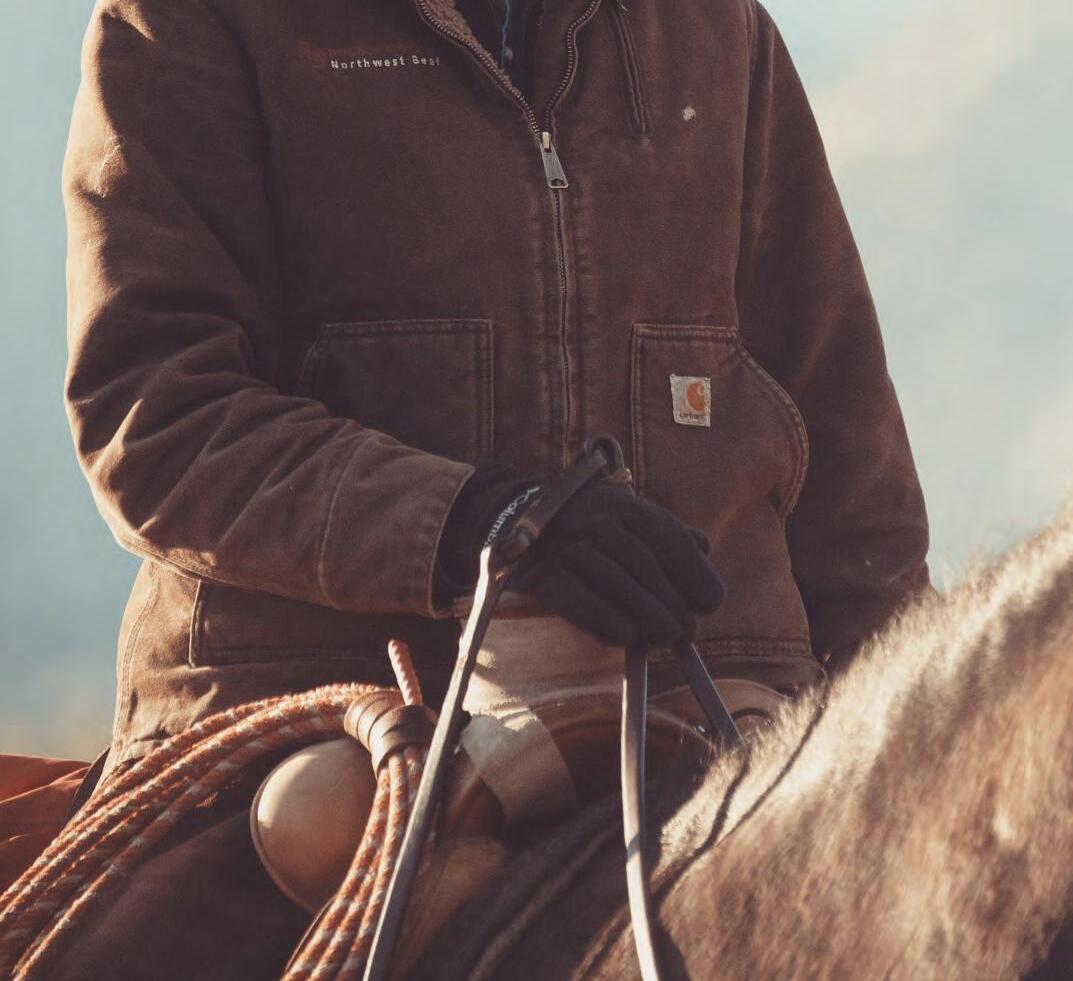
Kent and Lana Clark run the Double R Ranch in the Okanogan highlands of Washington State. This is where they've raised four children and a Wagyu herd of about 1,800 cows roaming over 80,000 acres at any
“When you sit here and look out from the dining room table at the Guest House, it’s quite the view,” Lana observes. “Deer and quail walk by while we’re eating.
People can hear the coyotes at night and see the stars. They’re always amazed by the splendor of it all.”
The Guest House has an open barn feel with wood beam ceilings, vaulted windows and a stone fireplace. It’s designed for cooking and eating together. The family-style table technically seats twelve but will squeeze in sixteen. The stainless steel kitchen is chefready on a literal level.
Michelin-starred restaurateur Wolfgang Puck has stayed here. Thomas Keller of The French Laundry, Per Se and a host of other restaurants recently came with a team of executive chefs. Eric Hellner, head of The Metropolitan Grill in Seattle that’s famous for high-end beef, has a standing room reserved and holds the status as one of the first (and now most frequent) guests the Clarks hosted on the ranch.
spring menu,” Lana says. “They made beautiful plates it, my family got to eat. How many people can say
behind the legendary beef of Snake River Farms. “Our
RANC
Kent & Lana Clark
Double R Ranch Guest House
A PERFECT STEAK GOES BACK TO THE FUNDAMENTALS.
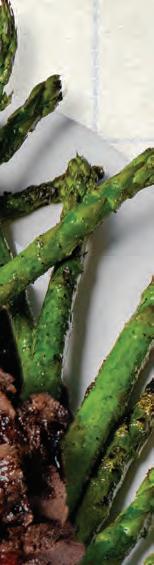
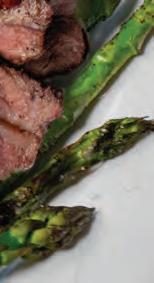
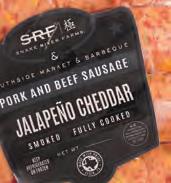
While the steak is searing, Lana serves appetizers made from whatever is in season. Strawberries in the spring. Asparagus that grows wild. Green beans and tomatoes in the summer. Sourdough bread if her daughter’s in town. She also mixes in SRF meat. Bacon jalapeño poppers. Mushrooms with sausage. Pork tenderloin smoked with apricot sauce. Always bacon the next day, served with eggs from their chickens.
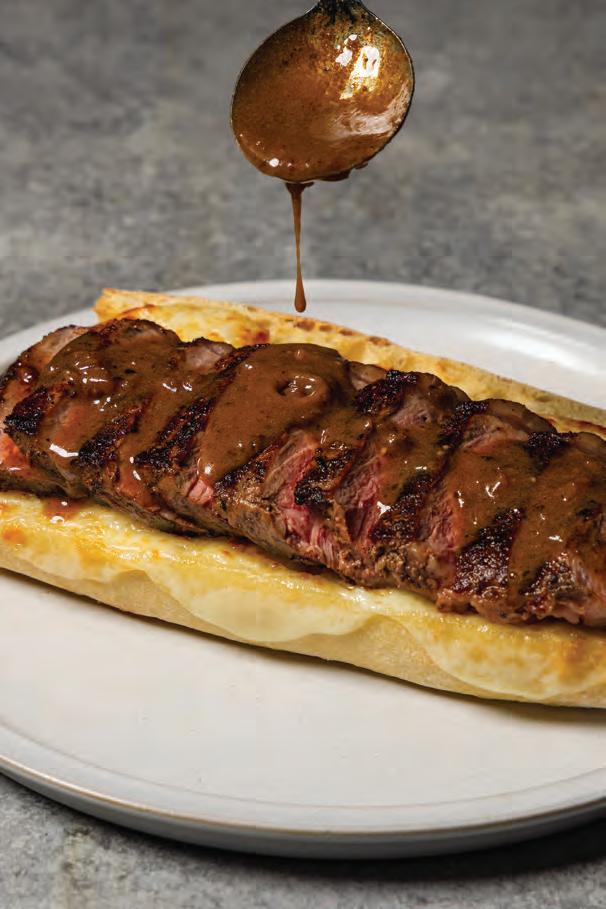
steaks, it's about the steak. We're trying to highlight our meat. New York strip or ribeye. Different cuts for restaurants we're trying out. Tenders. Flank steaks. Skirts. Zabuton. Shanks. Every cut you can imagine. But I cut them thick. The temp of that grill is usually 800 little bit of pepper. Cook them medium rare, let them rest."
“It’s neat to be a rancher in the restaurant world. To see it all the way to the table, all year round,”
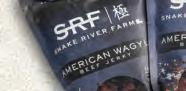
Not every day is a “we’re hosting a famous chef” day. There are a lot of long hours spent tending to their Wagyu herd in wide open terrain. That’s when the Clarks stash jerky in their saddle packs or cut summer sausage for the hardworking crew from the flat bed of the pickup. Out here, every meal comes with a
WITH THE LAND AND THE WORK DONE RIGHT ON IT.
Every September, Snake River Farms gathers a select group for an experience few have ever seen firsthand. The annual gathering is called Fall Feast (part culinary retreat, part reunion). Over two days, Team SRF, made up of chefs, partners and friends, reconnects and deepens their connection to Snake River Farms.
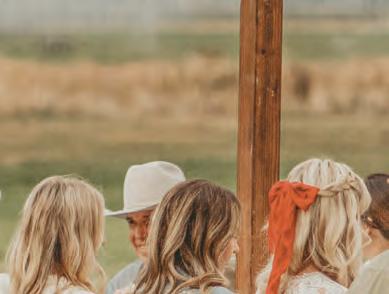
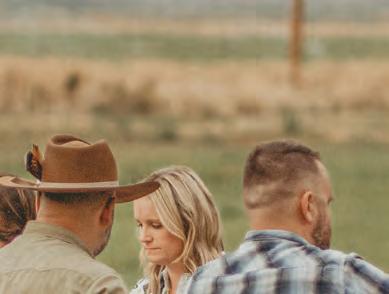
In 2025, the event included a visit to the source of Snake River Farms American Wagyu: the Double R Ranch in the Okanogan region of Washington. It was a unique opportunity for Team SRF to sit down at the rancher’s table.
Pike Place Market
The adventure began in Seattle with a visit to Pike Place Market. For many in the group, it was their first visit to the historic waterfront destination. One food highlight? The raw scallops on the half shell.
We sampled all kinds of fresh fruit, artisan foods, incredible seafood and got to witness the iconic fish toss.”
The Metropolitan Grill
Seattle’s legendary Metropolitan Grill has long been a showcase for Snake River Farms beef. For Team SRF, dinner here was both a celebration and an inspiration. It was the chance to experience the product they cook all year, prepared by one of the country’s most respected steakhouses. one
perfection — sharing great steaks in a classic restaurant with the SRF team.”
Double R Ranch
The next morning, the group headed north to the Double R Ranch in Loomis, Washington. Surrounded by mountains and forests, the scale and beauty of the ranch slowly revealed itself. Ranch Manager, Kent Clark, guided the team through the pastures, offering a firsthand look at the care, science and dedication behind raising world-class beef. breathtaking. One thing I couldn’t get over was how peaceful it was outside — just pure tranquility.”
roam freely gave me a whole new appreciation for the land and the care that
The Fall Feast
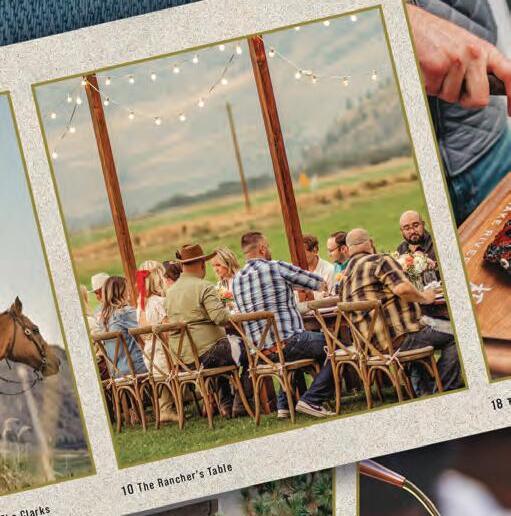
As the sun dipped behind the mountains, the ranch became the setting for Fall Feast. A long table stretched beneath the open sky, where great food, good company and the beauty of the landscape came together for an unforgettable evening.
place home. The ranch is unlike any other cattle ranch I’ve visited. I’ll come back here every chance I get. Especially if Kent and Lana are firing steaks on the grill. And some good friends are around to enjoy them with.”
more of what SRF is all about — learning the process, strengthening relationships and supporting one another.”
ROUTE Heading Home
Like all good gatherings, Fall Feast eventually came to an end. But the memories, shared meals, new friendships and a deeper connection to the land — and the ranchers who care for it — traveled home with
a every member of Team SRF.
“It’s hard to explain the bond that forms when you only get a few days together each year, but those moments turn
a team into friends, and friends into family.”
Fall Feast is more than a trip. It’s a reminder that behind every cut of beef is a story — of land, of ranchers and of the people who share a passion for cooking and bringing great food to the table.
For Team SRF, the experience always ends the same way: already looking forward to next year.
TIPS & TRICKS
As the days stretch and the season settles in, great meals become something simple and shared. With techniques and premium cuts, it’s easy to elevate your backyard grilling. Gather your people and dig in.
Reel It In
Wild-caught in the cold waters of the Pacific Northwest, this cod is prized for its clean flavor and firm, flaky texture. Light and versatile, it’s an easy addition to any warm-weather table. Northwest Pacific Cod, 6 oz. – 2 pack $28.00
The Best Bite
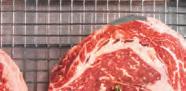
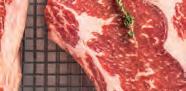
Ask any steak lover which part of the ribeye they reach for first, and it’s almost always the cap. Richly marbled and incredibly tender, this prized cut delivers the bold, buttery flavor that makes ribeye famous. Served as its own steak, the cap offers an indulgent experience from edge to edge. Now available in SRF Gold PlusTM — our best.
SRF Gold PlusTM Wagyu Cap of Ribeye Steak
22 oz. $279
Turn up the Crunch
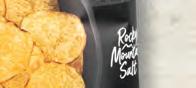
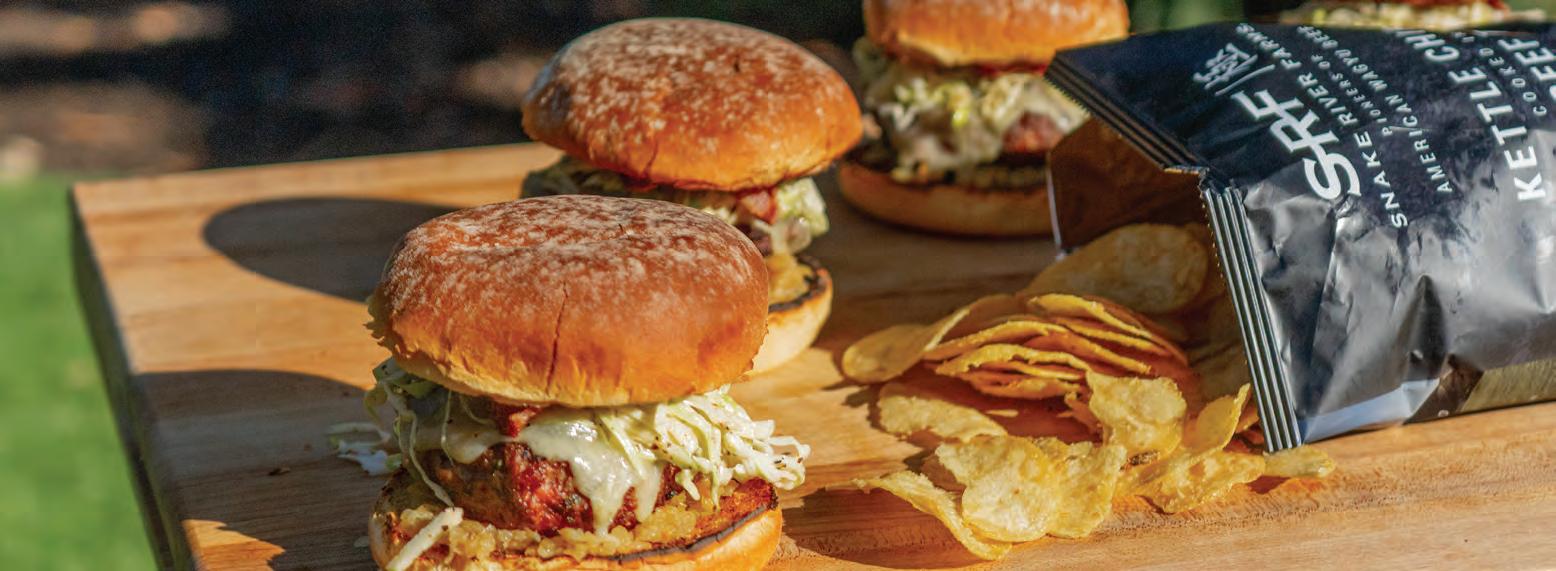
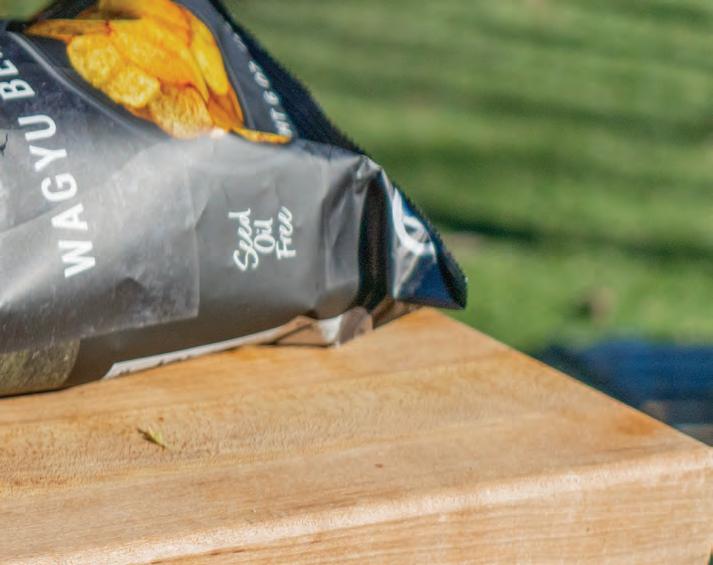
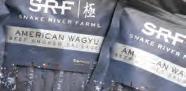
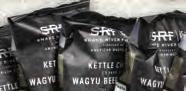
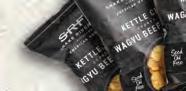
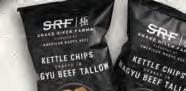
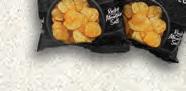
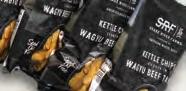
Cooked in rich Wagyu beef tallow, these kettle chips deliver a deep, savory flavor and perfectly crisp bite. Finished with a touch of Rocky Mountain salt, they’re the ideal pairing for a stacked sandwich or for eating straight from the bag.
Wagyu Beef Tallow Kettle Chips
1.5 oz. bags – 12 pack $49.00 6 oz. bags – 5 pack $55.00
Refuse to Settle
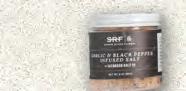
Always shake your seasoning before applying it to your steak or chop. Heavier ingredients settle to the bottom. A vigorous shake mixes up all the spices for a balanced flavor.
5.5 oz. $15.00
SRF Signature Steak Seasoning
Mix It Up
Steak might headline the grill, but Kurobuta pork chops deserve a spot on the grates too. These are sourced from heritage Berkshire pork, bringing rich marbling, deep flavor and juiciness to the table. Choose bone-in for a classic presentation or boneless for easy grilling. Either way, they cook beautifully over open flame and pair perfectly alongside your favorite steaks.
Kurobuta Pork Chop, 6.5 oz. $16.00 Frenched Kurobuta Pork Chop, 6 oz. $21.00
Bring the Smoke, Bring the Heat
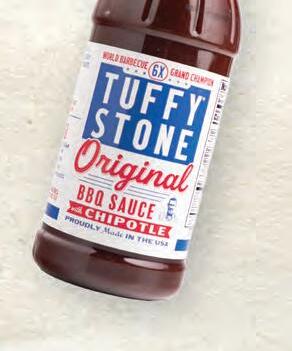
This sauce brings competition-level flavor to your spread. A balanced blend of tomato, garlic, cumin, black pepper and chipotle delivers smoky heat and tangy depth that works just as well brushed on during the cook as it does passed around the table.
Tuffy Stone Original BBQ Sauce with Chipotle
16 oz. $10.00
Top It Off
Whether you're tending the fire or just soaking up the summer sun, this SRF hat is built for the occasion. It’s the perfect addition to the closet to keep the sun off your face in style.
All-Black Signature Cap $20.00
Put on the Sauce
Hold off on the sauce until your meat is almost finished cooking. Brush it on too early and the sugars will scorch, leaving you with a burnt, bitter flavor. Finish strong with a quick glaze right before it comes off the grill.
Grillside Essentials
A good grill session starts with the right gear. Make sure your grilling kit is stocked and ready to go before you fire things up.
Spring-loaded tongs
The longer the better.
Grilling gloves
Protect your hands from high heat.
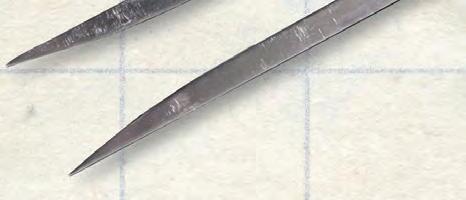
Stainless steel skewers
Grill pans
Great for containing vegetables and smaller items.
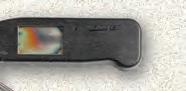
Fast-read thermometer
They can take the heat and keep your kebabs on the grill.
Eliminate the guesswork and nail your preferred doneness.
Extra fuel
Break It Down
Charcoal, gas tank or wood pellets.
Using yogurt as a marinade for pork is a highly effective, chef-approved technique that tenderizes the meat, keeps it moist and adds a subtle, tangy flavor. Yogurt's natural lactic acid and calcium break down muscle fibers more gently than acidic marinades like lemon juice or vinegar. The pork won’t become mushy — even when left to marinate for 12 to 24 hours.
Chef-Approved Steaks on Repeat
There’s nothing worse than realizing you’re out of steak on a perfect grilling day. A Snake River Farms subscription keeps your freezer stocked with the cuts you love, delivered on your schedule so you’re always ready to light the fire.
Bonus: all subscriptions ship free!
STORY & PHOTOS BY MANDY TANNER
SEASONED MEMORIES
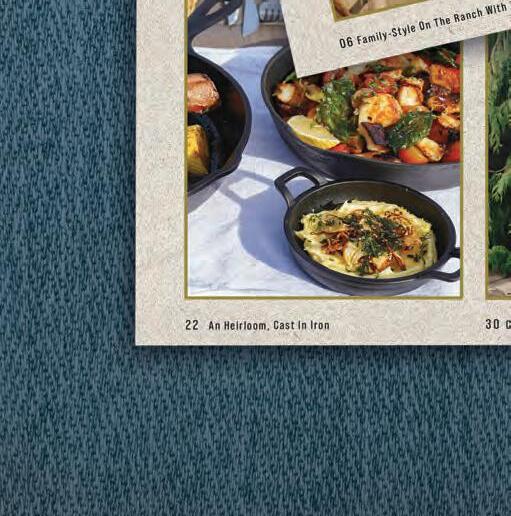
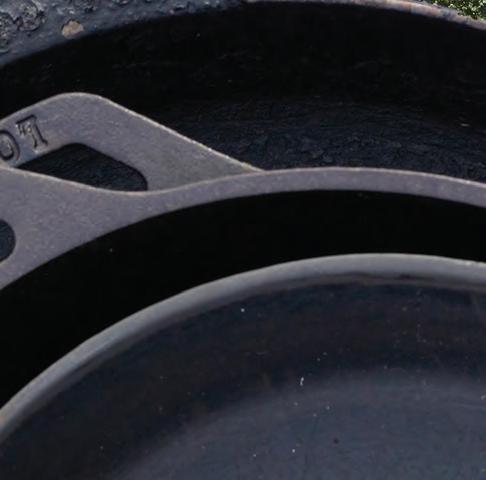
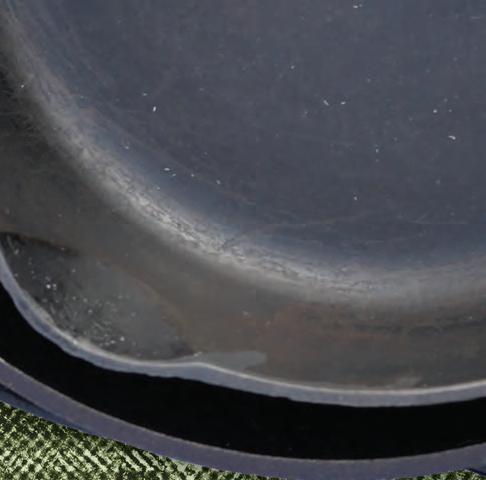
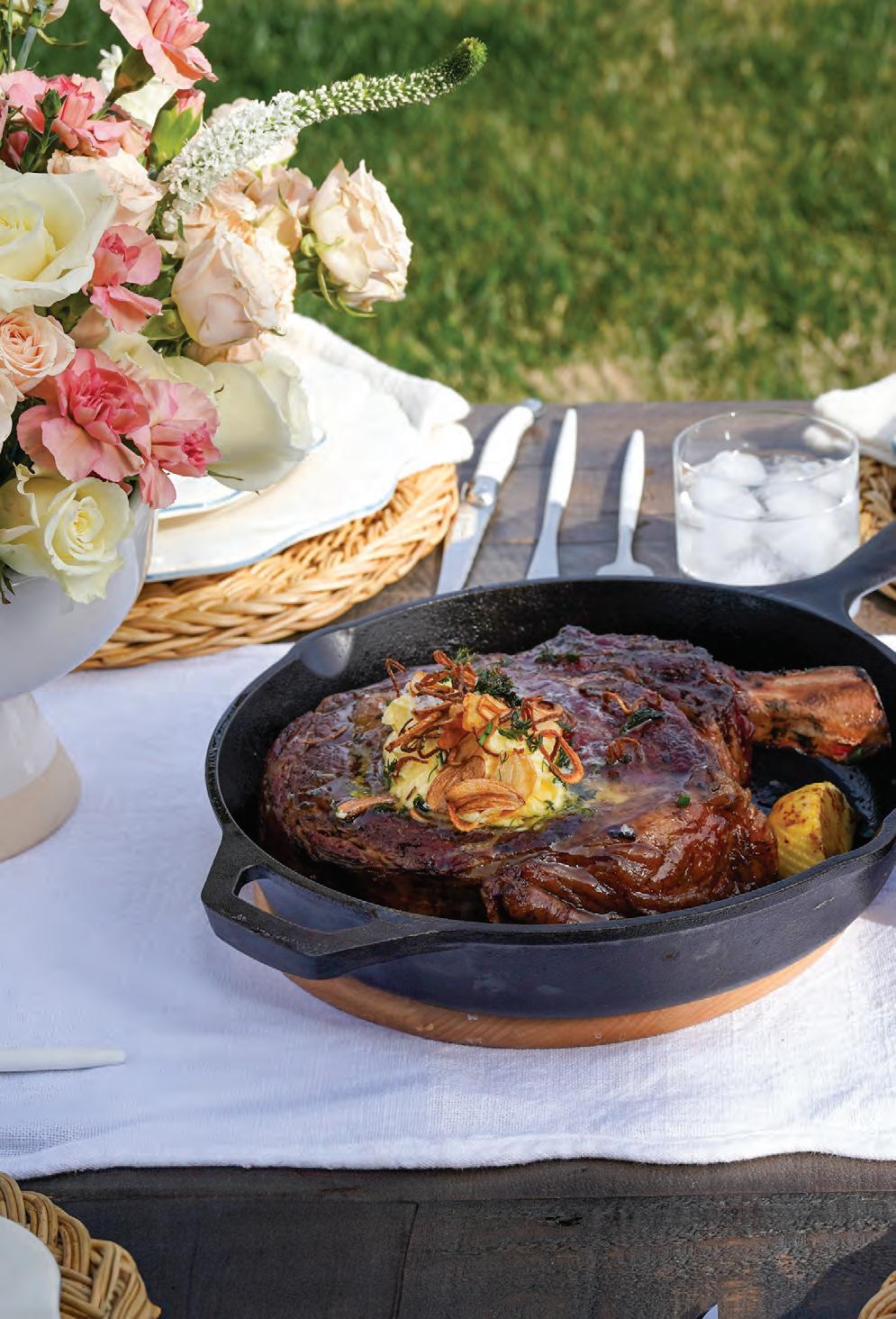
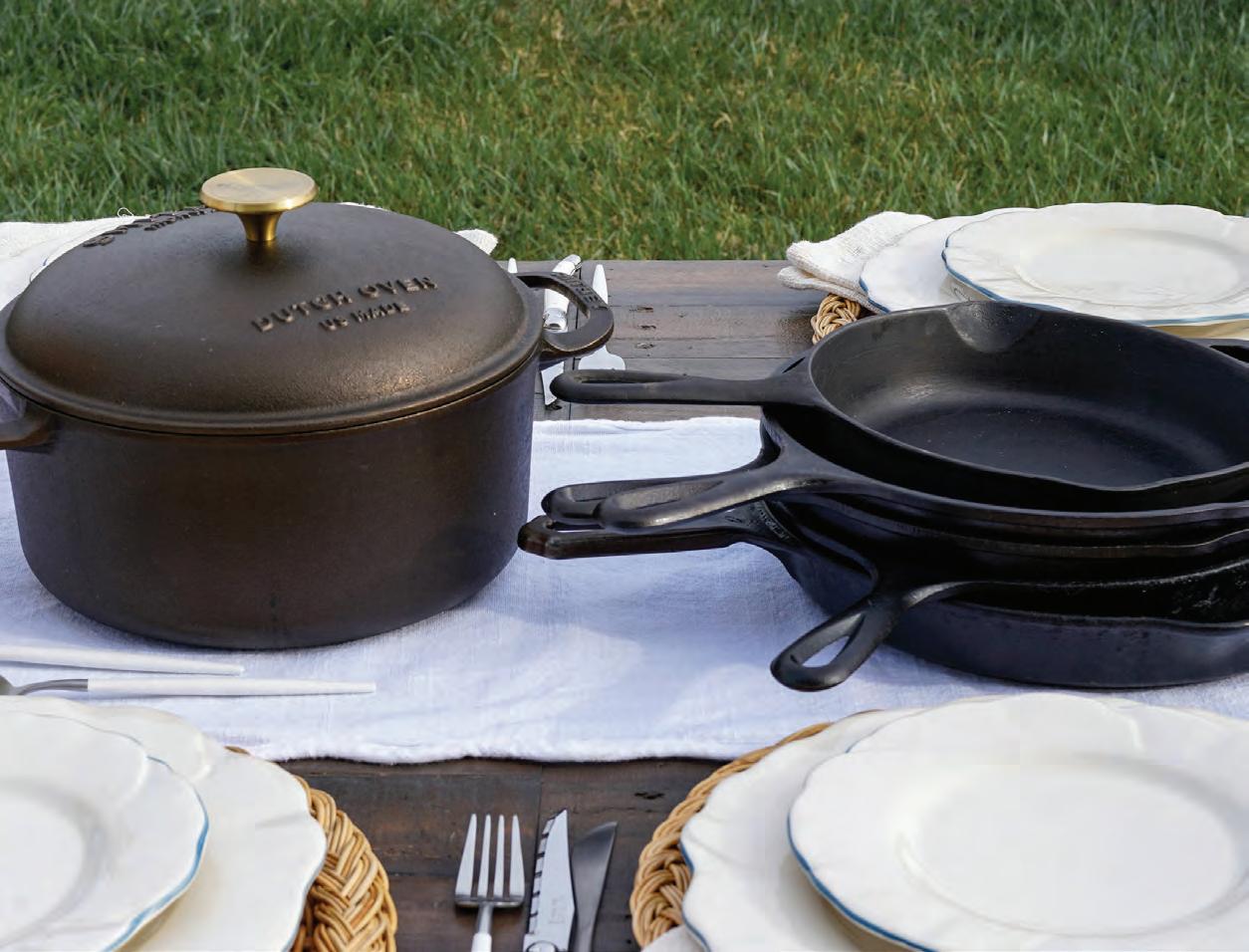
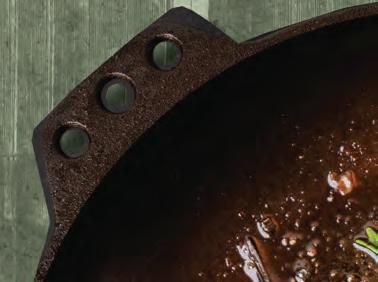
Great cooking begins in cast iron. A treasured part of family meals, it is humble and hardworking, yet capable of quiet magic. Think of a grandmother’s secret recipe made only in her well-seasoned skillet with years of memories baked into every layer. That pan is often the piece the family treasures most.
A new cast iron pan is a worthy investment, one that can become an heirloom for future generations. Sear a steak, cook a side, build a sauce. Bacon grease from breakfast becomes the golden base for yeast rolls, cornbread or focaccia.
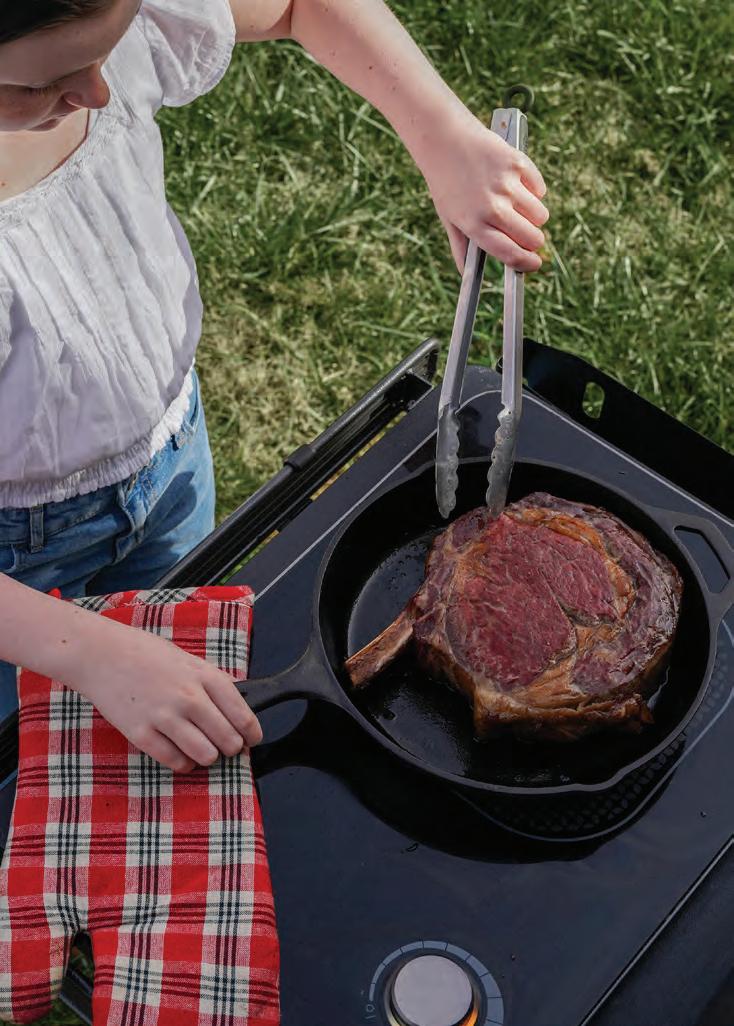
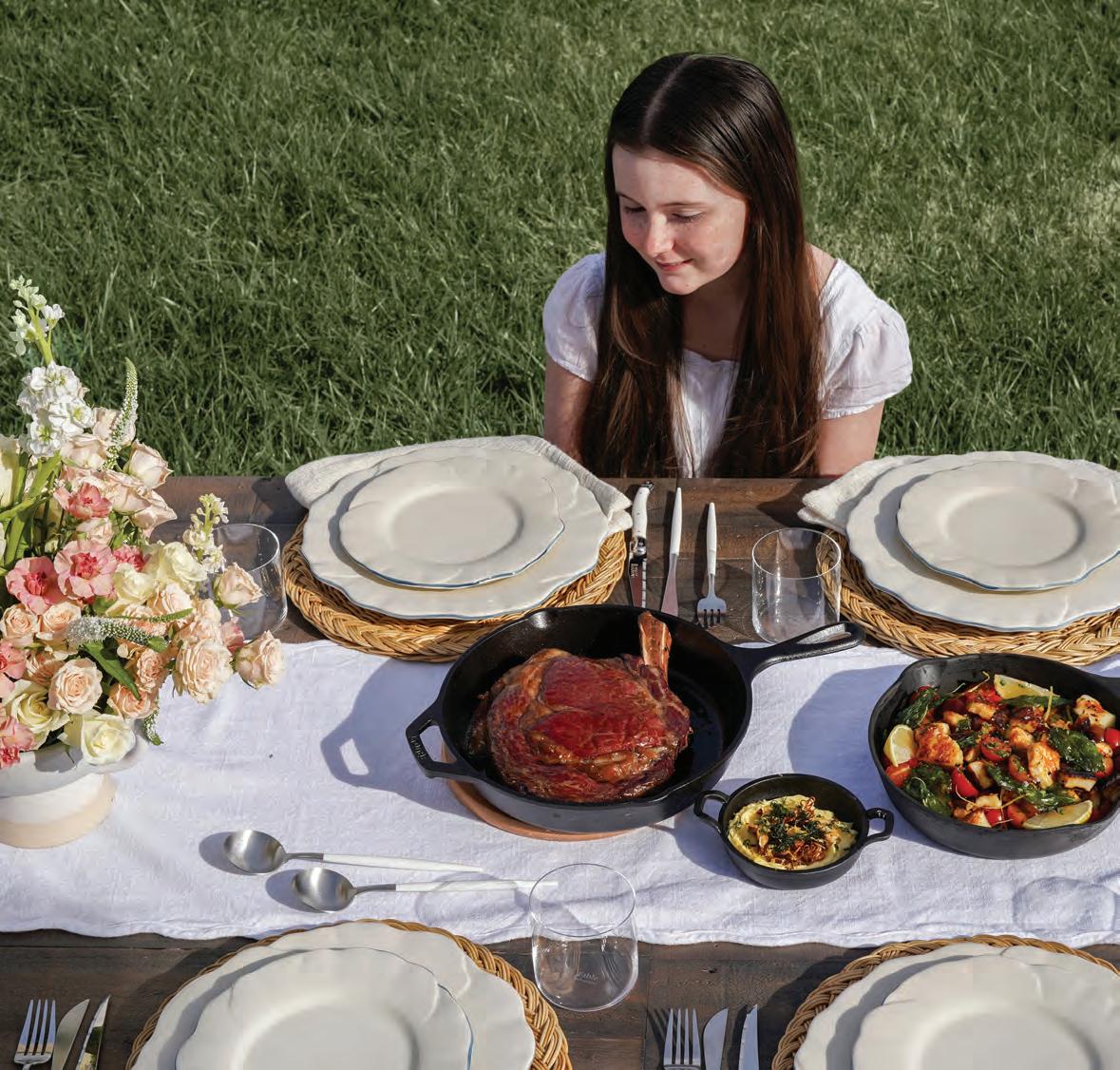
For me, cast iron is about more than food. It holds the moments we share around it. My daughter grew up beside me in the kitchen, cooking with our cast iron pans. Now confident on her own, she has mastered the art of searing a steak. One day, sharing one of these pieces with her, she will carry forward a small but meaningful part of our family’s story.
BRANDS & PRICE POINTS
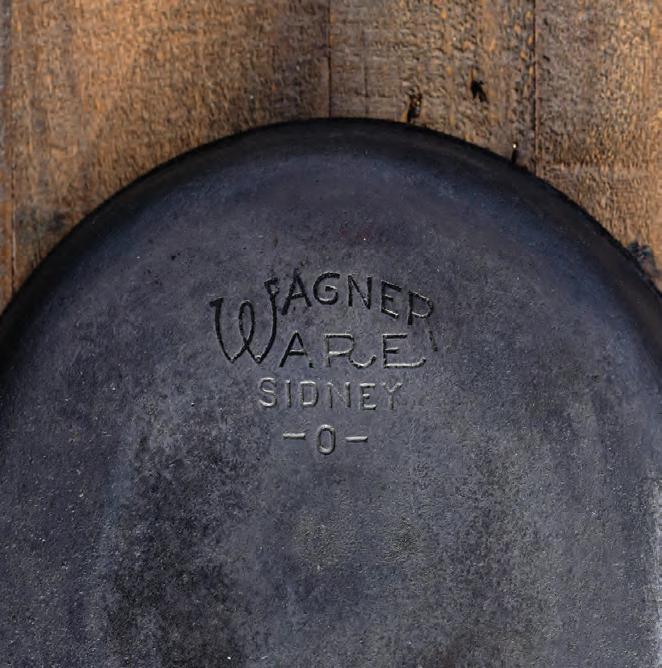
You can find used cast iron at thrift stores, antique shops and online auctions. Wagner is a treasured heritage brand and frequently appears on the resale market.
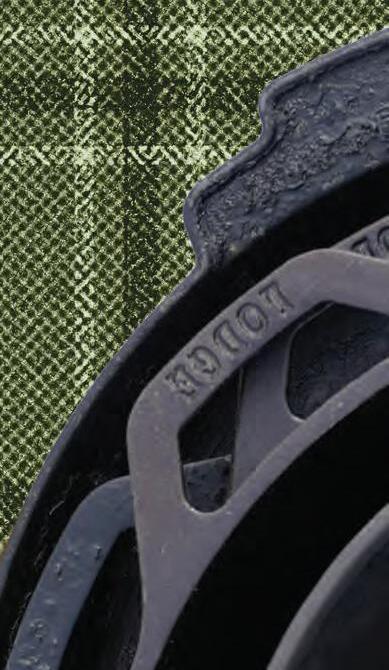
There are many options for new cast iron. Lodge is an affordable brand that is available everywhere from camping stores to grocery aisles. Their cookware is pre-seasoned, durable and steeped in history. Lodge periodically releases special designs that are sought after by collectors.
Newer companies like Finex, Butter Pat and Smithey are reimagining traditional cast iron with innovative shapes and refined design, elevating it from basic cookware to a beautiful, lasting gift.
DON’T BE AFRAID OF DIRECT HEAT. CAST IRON IS A LIVE-FIRE FAVORITE. A DUTCH OVEN ON A CAMPFIRE CAN HOLD ANYTHING FROM CHILI TO CHERRY PIE.
PROPER CARE & COOKING
Cast iron is easy to care for and built to endure. Even neglected pans can be restored. Unlike other cookware, cast iron gets better with each use. Every meal cooked creates a well-seasoned pan that becomes naturally nonstick so even delicate egg breakfasts are foolproof.
Contrary to popular belief, it is safe to clean cast iron with mild dish soap and won’t harm a well-seasoned pan. Dry your cast iron thoroughly after washing to prevent rust, then apply a thin layer of oil to keep it sealed and ready for the next meal.
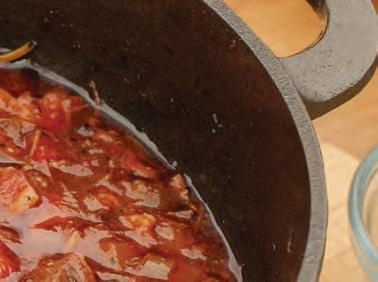
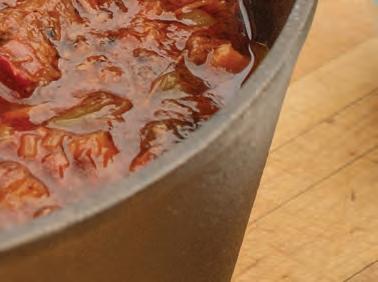
Cast iron is a live-fire favorite and excels with direct heat. A Dutch oven on a campfire holds anything from chili to cherry pie. It is ideal for braised dishes that cook for hours. A skillet placed over a bed of coals creates an unbeatable sear.
Cooled with ice, cast iron stays chilled for an extended period — perfect for drinks or a composed salad.
THE SECRET TO A PERFECT STEAK
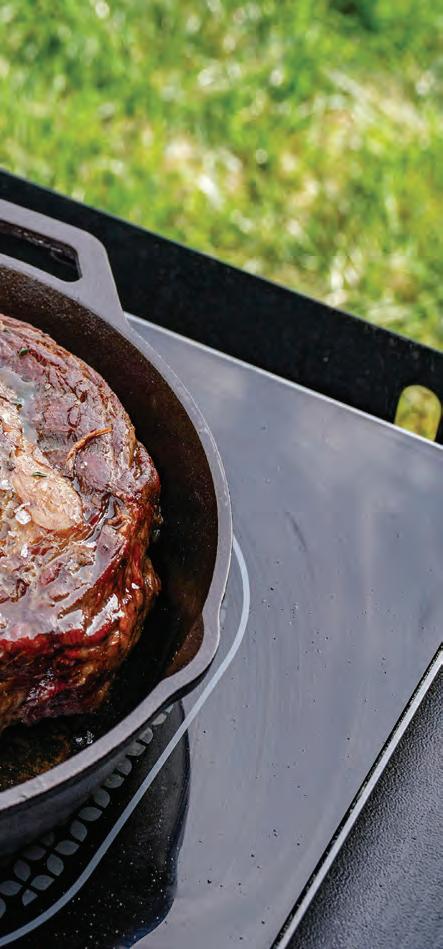
Personally, I feel there is no better way to make a steak than with cast iron. Thanks to the full contact between meat and pan, the crust you get from the Maillard reaction is incredible. Use a grill press or weight to improve the contact and deepen the sear.
My favorite cooking technique for thick steaks is the reverse sear. Start by cooking the steak at a low temperature in an oven, smoker or grill, then finish on all sides with a hard sear in cast iron.
For thinner cuts like outside skirt, flank, flat iron or 1 inch steaks like ribeye and New York strips, a hot and fast sear on each side works best. The surface area of a cast iron pan allows for more direct contact and cooks the steak evenly.
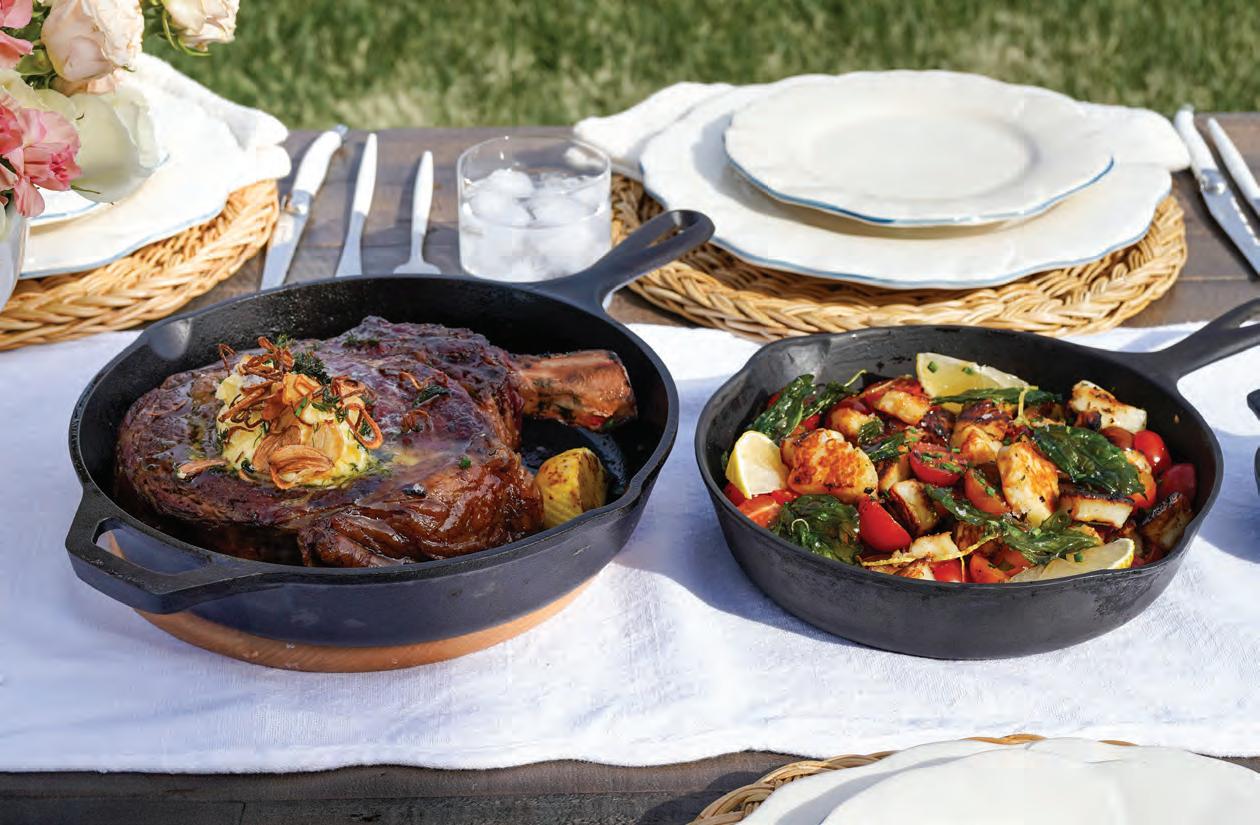
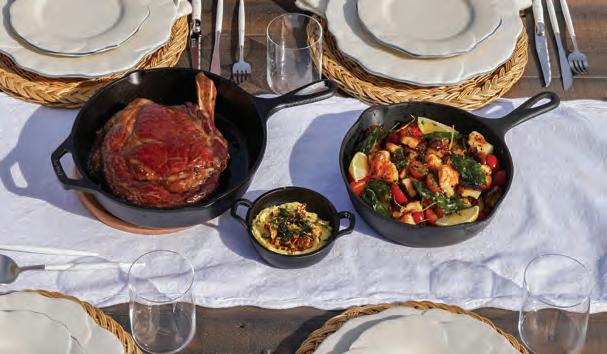
Follow the two recipes on the next page to produce a spectacular spread that’s perfect for warm-weather dining. You’ll find that a thick ribeye sizzling in cast iron is a sight to behold!
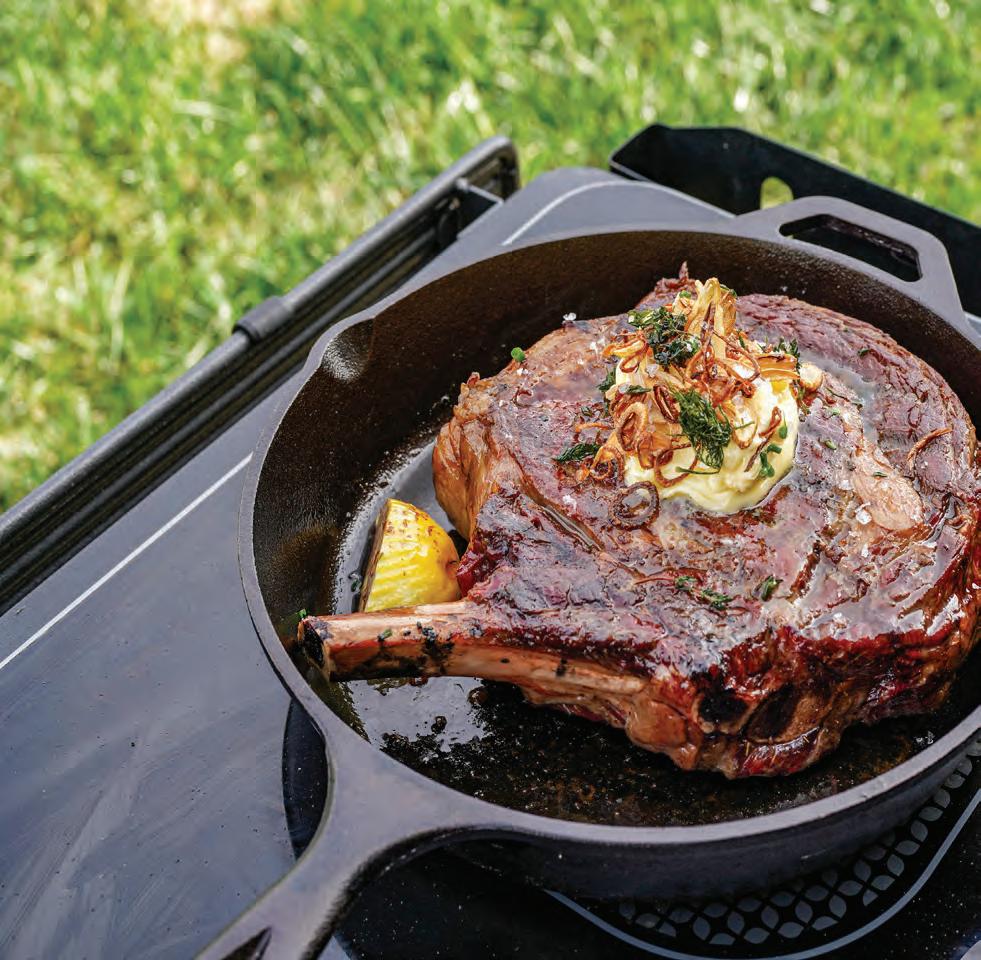
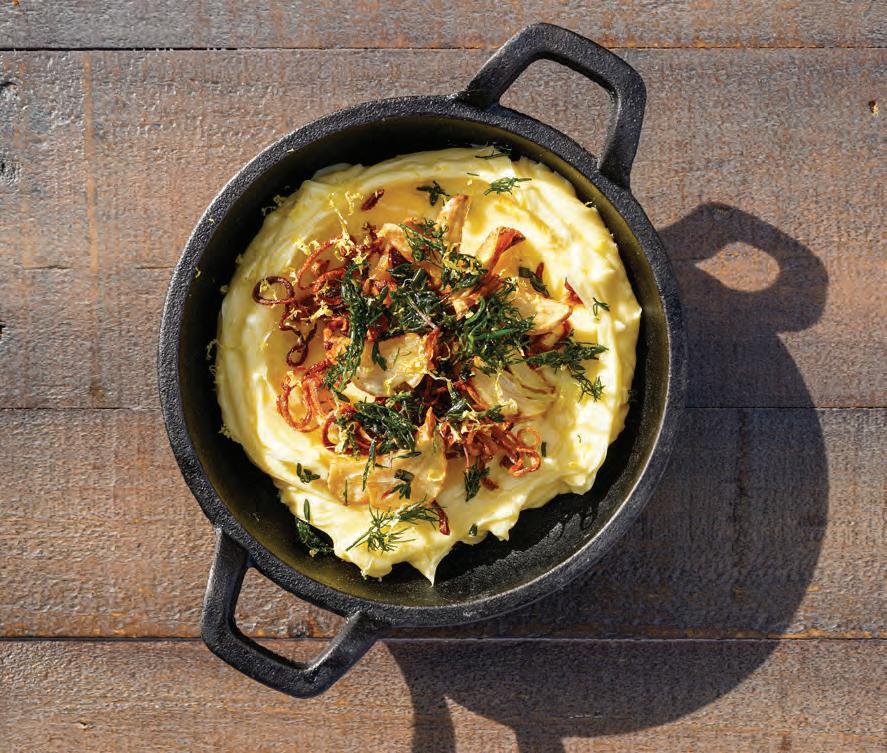
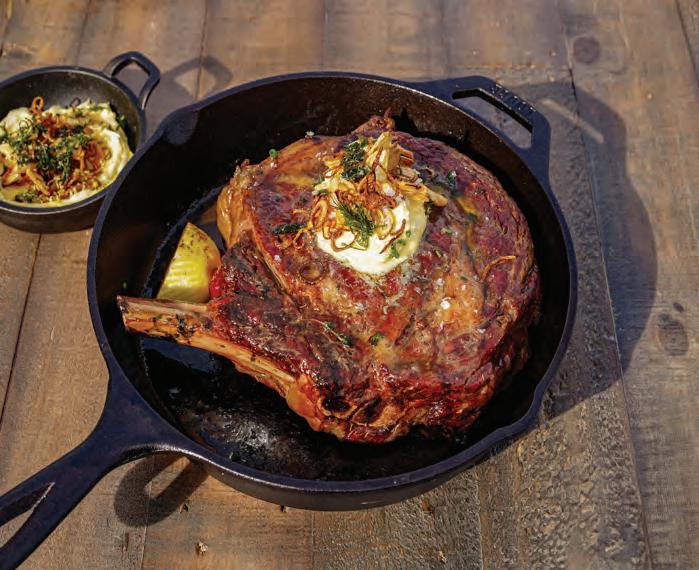
A reverse sear is the best method for preparing a cowboy steak. It works equally well in the oven, on a grill or on a smoker. Start at a low temperature for an even cook, then finish in cast iron to create a caramelized crust. Top with compound butter made with crispy aromatics and fried herbs for an unforgettable steak. 4 servings
INSTRUCTIONS
INGREDIENTS
1 Snake River Farms American Wagyu Gold® Cowboy Steak (about 2.5 pounds)
1 tablespoon kosher salt
4 tablespoons avocado oil or other high-heat neutral oil
4 cloves garlic, thinly sliced
1 shallot, thinly sliced into rings
1 tablespoon fresh thyme leaves
1 tablespoon fresh dill
8 tablespoons butter, softened Flaky salt, as needed
1 lemon, zested then halved
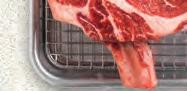
1. Season the cowboy steak on all sides with kosher salt. Place on a rack over a rimmed baking sheet and refrigerate uncovered overnight for 12 to 24 hours. Shortcut: season all sides of the steak with kosher salt and rest at room temperature for 45 minutes.
2. Preheat the oven or smoker to 225°F.
3. Place the steak on a baking sheet on a rack in the center of the oven or place the steak directly on the grill grates of the smoker. Cook until the internal temperature reaches 110°F — about 1 hour but will vary based on the shape and size of the steak.
4. While the steak cooks, make the compound butter. In a cast iron skillet over medium heat, add 2 tablespoons of oil and the garlic. Fry for 1 to 2 minutes until light golden brown, then remove and place on a baking sheet lined with paper towels.
5. Add the shallots and cook for 5 to 6 minutes, stirring frequently, until golden brown. Remove and place on the baking sheet. Add the thyme and dill. Cook until crispy, about 1 minute, then remove and add to the other fried items. Leave the seasoned oil in the pan for searing the steak.
6. Place the softened butter in a bowl or serving dish, and top with the shallots, garlic, crispy herbs, zest of half a lemon and flaky salt.
7. Remove the steak from the oven or smoker. Reheat the cast iron pan over medium heat. Sear the steak on all sides, until the internal temperature reaches 130°F or desired doneness. Cut the lemon in half and sear lemon cut-side down for 1 to 2 minutes.
8. Top the steak with half of the compound butter and let rest for 5 to 10 minutes before slicing. Serve with additional butter and lemons.
HOT HONEY HALLOUMI
AND CHERRY TOMATO SALAD
PREP TIME:
COOK TIME: YIELD: 10 minutes 5 minutes 4 servings
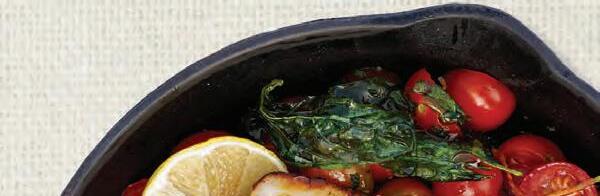
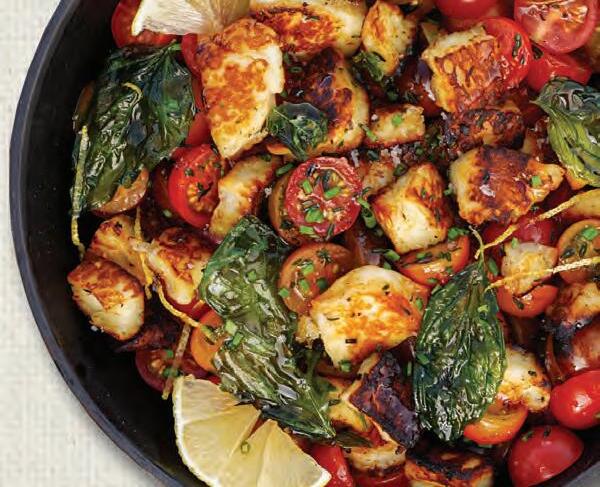
Halloumi is a heat-friendly cheese that acts as a savory alternative to croutons. Crispy basil and thyme bring an extra layer of texture. Use any cherry or small tomatoes, though Sungolds are especially good when in season. The salad holds well at room temperature — ideal for entertaining or a summer picnic.
INGREDIENTS
2 tablespoons avocado oil or other high-heat neutral oil
8 fresh basil leaves
8 ounces halloumi cheese, sliced into bite-sized pieces
1 tablespoon white balsamic or other sweet vinegar
½ teaspoon kosher salt
½ teaspoon freshly ground pepper
1 lemon, zested then quartered
1 tablespoon hot honey
INSTRUCTIONS
1. Line a plate with a paper towel. In a medium cast iron pan over medium heat, add the avocado oil and basil leaves. Fry until crispy and translucent, flipping with tongs as needed, about 1 minute. Remove and drain on a paper towel-lined plate.
2. Add the halloumi and thyme leaves and cook. Flip the cheese as needed to brown on all sides, about 3 to 4 minutes. Remove from the heat. Season with lemon juice from a fourth of the lemon.
3. In a medium bowl, add the tomatoes, chives, olive oil, vinegar, salt, pepper and lemon zest. Toss to combine. Add the halloumi and thyme, then top with the basil leaves. Drizzle with hot honey and serve at room temperature with additional lemon wedges, as desired.
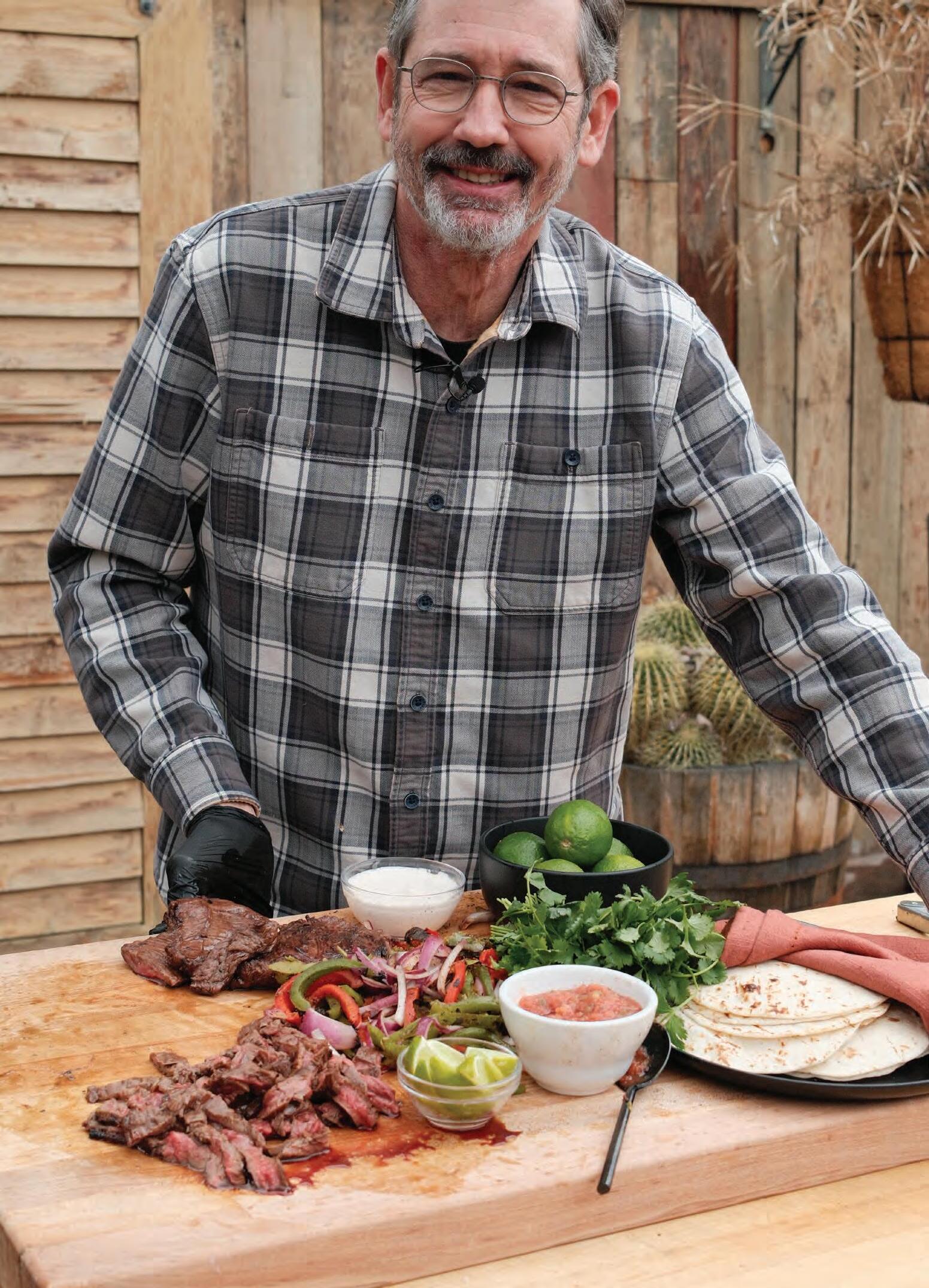
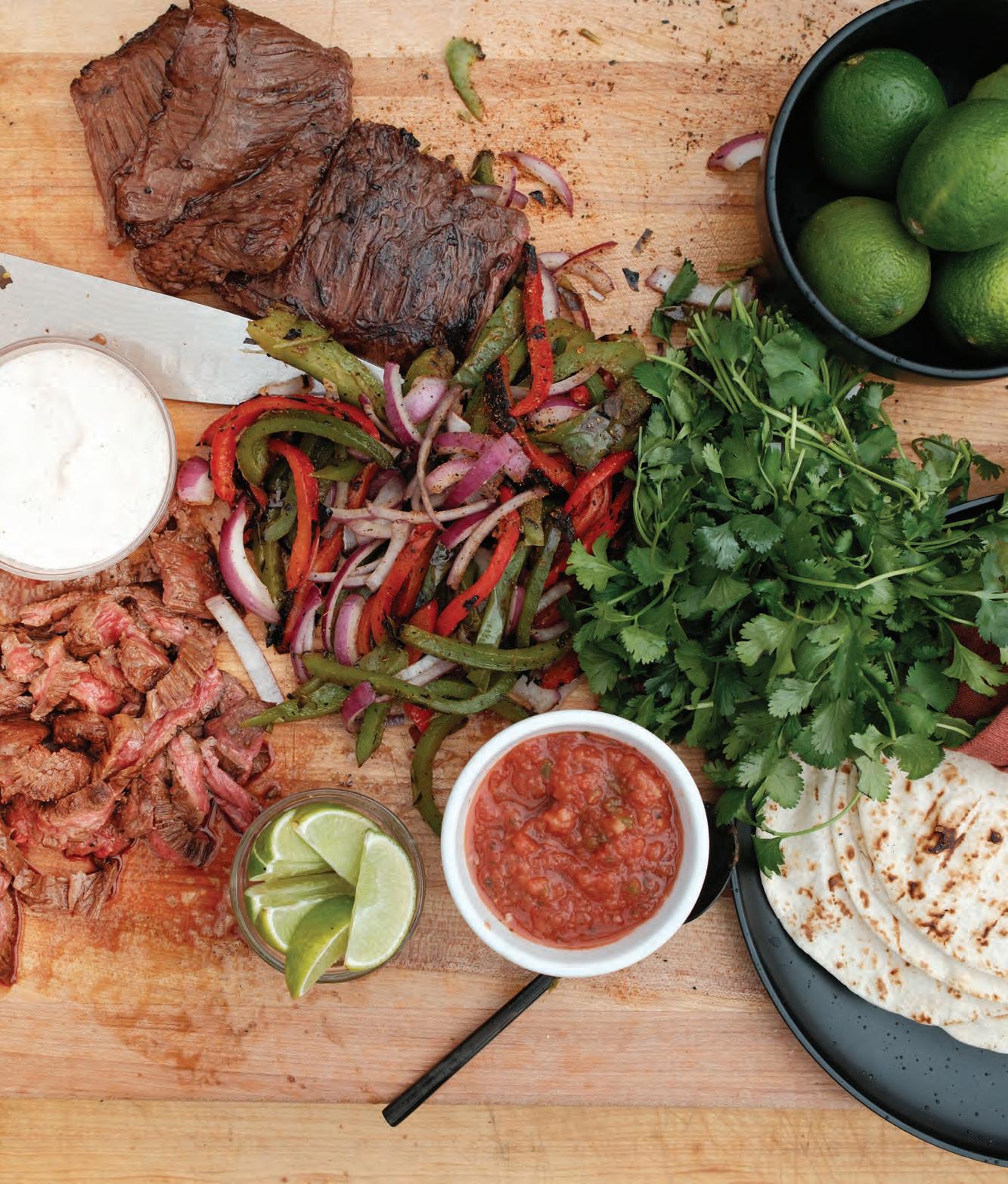
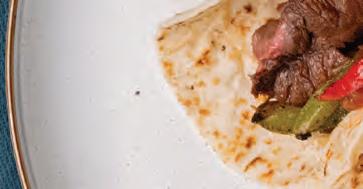
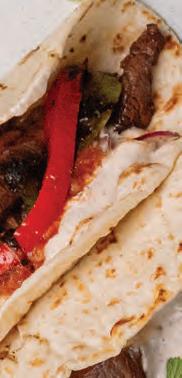
Tuffy Stone pointed to a cutting board loaded with skirt steak, grilled veggies, warm flour tortillas and all the fixings. “Help yourself to some fajitas,” he offered. He didn’t need to ask twice. I loaded up a tortilla and took a bite. It was incredible — with layers of flavor and contrasting textures. I’ve eaten fajitas hundreds of times. None of them ever tasted this good.
The legendary pitmaster and old friend of Snake River Farms stopped by Boise to showcase his smoking and grilling skills (he likes meat like we like meat). For three days, he cooked, educated and entertained. Lucky for us (and you), we documented it all. From the fire-forged wisdom and plates of "The Professor," here are some hot tips and recipes that will make your backyard spread the envy of the neighborhood.
of Smoke & flavor
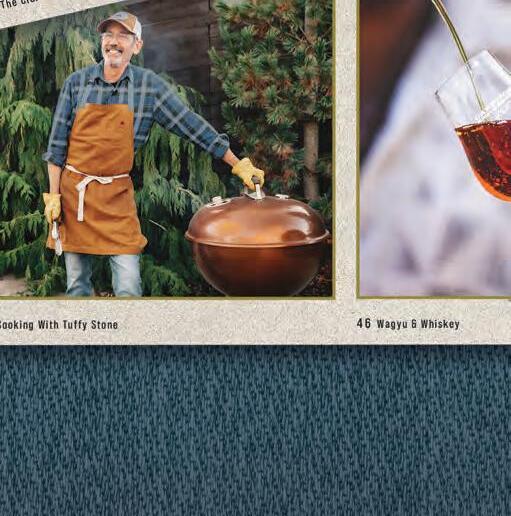
Meet Tuffy Stone. Six-time World Barbecue Champion, Barbecue Hall of Fame inductee, former Marine, French-trained chef and longtime Snake River Farms partner.
A Virginia native and author of Cool Smoke:The Art of Great Barbecue, Tuffy earned the nickname “The Professor” for his legendary precision and deep understanding of the science of smoke. That reputation has taken him far beyond the competition circuit. He served as a judge and co-host on Destination America’s BBQ Pitmasters and shared his craft everywhere from Kuwait (cooking for U.S. troops) to New Zealand, Australia and Brazil.
Today, Tuffy continues to share his love of barbecue through weekend cooking classes, where you can learn from "The Professor" himself. You can also bring the flavor to your own backyard with his signature line of sauces, seasonings and rubs at tuffystone.com — with a select number of items available at snakeriverfarms.com.
Q & A with The grill master
Spending time with Tuffy was a masterclass in smoking and grilling. During his visit, he shared tips as he worked his magic with the grill and smoker. We asked him some of the frequent questions we receive from SRF customers.
Q: I’VE NEVER COOKED A STEAK BEFORE. CAN YOU GIVE ME SOME BASICS?
A: "You want to cook the best steak you can afford," recommends Tuffy. "You're looking for good color and good marbling. Get a ribeye or a New York strip and make sure it's at least 1 inch thick. For seasoning, it can be just as simple as salt and pepper to let the flavor of the beef be the star.”
"I've done a lot of competition BBQ in my life, and they say taste is the most important thing. I'd argue that tenderness is more important," he adds. "You can control this through doneness. Use a high quality thermometer to get it perfect, about 125°F for medium rare."
Q: WHAT’S THE BEST METHOD TO SEASON? I DON'T WANT TO PUT TOO MUCH ON.
A: "Give your rub a good shake, then get a nice uniform, even coat all over the outer surfaces," Tuffy reveals. "The bigger the cut of meat, the more rub I use and the longer I let it sit. The thinner the cut, the less rub and less time."
Tuffy suggests looking at the ingredient list on your seasoning first. He notes that most rubs contain salt. "Salt can actually 'cook' the meat," he says. "For timing, look for the salt to dissolve, let the meat start to sweat and get a little flavor penetration."
Q: I USE A GOOD THERMOMETER TO KEEP AN EYE ON MY COOK. OTHER THOUGHTS?
A: "Use your senses," suggests Tuffy. "Listen when your meat hits the grill. Did you hear it sizzling or was it dead quiet? The same goes for smell. When baking something, you can tell from the aroma if it's about ready to come out. It's the same with cooking meat. You can smell when it's getting ready to come off the grill."
"Keep an eye on your BBQ toward the end of the cook," recommends Tuffy. "The Professor" adds this analogy: "When a train is stopped and starts to go, it's really slow to get going. As it gains momentum, that speed starts to escalate. If I'm smoking a 20 pound pork shoulder at 225°F, that meat is about 40°F when it goes on. It's going to take a while to get to 80°F. But as it starts to get momentum, it goes from 80°F to 120°F a lot faster."
Q: WHEN SHOULD I SEASON MY STEAK?
A: "Generally speaking, for a steak 1 inch or more thick, I pull it out of the refrigerator, pat it dry with a paper towel, set it on a plate, season it and let it sit at ambient room temperature for 10 to 15 minutes. Then head to the grill."
Q: ANY OTHER ADVICE?
A: "Don't overcook your steak," says "The Professor." "Don't undercook your barbecue."
Wagyu Skirt Steak Fajitas
SRF Wagyu skirt steak is a fantastic cut full of rich flavor. Tuffy’s marinade infuses the skirt steak with bright and bold ingredients to create a showstopper dish.
YIELD: 4-8 SERVINGS
INGREDIENTS
1 SRF Black® American Wagyu skirt steak (about 1½ pounds)
3 bell peppers, cut into ¼" strips
1 red onion, cut into ¼" strips
1 tablespoon neutral cooking oil
¼ teaspoon kosher salt
¼ teaspoon freshly ground black pepper
2 cups of your favorite salsa
8 flour tortillas, about 6" diameter
1½ cups packed fresh cilantro leaves
2 avocados, pitted, peeled and diced
2 limes, cut into wedges
1 cup sour cream
INSTRUCTIONS
1 cup soy sauce
½ cup fresh lemon juice
¼ cup garlic, minced
¼ cup shallots, minced
¼ cup jalapeño, minced
¼ cup red wine vinegar
½ cup bread and butter pickle juice
2¼ teaspoons freshly ground black pepper
1. Make the marinade the day before you plan to cook. Combine the soy sauce, lemon juice, garlic, shallot, minced jalapeño, vinegar, pickle juice, salt and black pepper. Cover and refrigerate overnight.
2. The next day, place the skirt steak in a shallow dish. Pour the cold marinade through a strainer over the skirt steak to completely cover. Refrigerate for 1 hour, turning the steak after 30 minutes.
3. In a large bowl, toss the bell peppers and red onion with neutral cooking oil. Season with salt and black pepper and toss again. Place the peppers and onions in a grill basket and set aside.
4. Remove the steak from the marinade and pat dry.
5. When you are ready to cook, heat the grill to 500°F for direct grilling.
6. Place the grill basket with the peppers and onions directly over the heat, close the lid and cook for 5 minutes. Set aside.
7. Place the skirt steak directly over the heat, close the lid and cook for 5 minutes. Then flip and cook for another 3 to 5 minutes, or until a meat thermometer placed in the thickest part of the steak reads an internal temperature of 125°F (medium rare). Remove from heat and let the meat rest for 5 minutes.
8. While the steak rests, grill the tortillas directly on the hot grill. Toast for about 5 seconds, then flip and toast the other side. Stack tortillas on a plate and cover with a napkin to keep warm until ready to serve.
9. Slice the steak across the grain. Divide the steak slices and pepper-and-onion mixture evenly among the tortillas. Garnish with salsa, cilantro and avocado. Serve with the lime wedges on the side.
Marinade
Kurobuta Pork Burger
Tuffy’s riff on the classic backyard cheeseburger was a surprising star of our cooking sessions. Kurobuta pork packs a juicy flavor, while the slaw adds a tart crunch. The apple-onion jam is sweet and savory, rounding out this memorable burger experience.
YIELD: 6 SERVINGS
INGREDIENTS
2 pounds SRF Kurobuta ground pork
1 tablespoon plus 1 teaspoon caraway rub (recipe on page 40)
¼ cup shallots, finely chopped
2 tablespoons jalapeños, finely chopped
1½ cups apple-cabbage slaw (recipe on page 39)
INSTRUCTIONS
6 slices white cheddar cheese
¾ cup apple-onion jam (recipe on page 39)
9 bacon slices, cooked and cut in half
6 potato rolls, halved and toasted
1. Prepare the caraway rub and the apple-cabbage coleslaw. The apple-onion jam can be prepared up to 5 days in advance or sooner. Give it enough time to cool before using.
2. In a medium bowl, combine the ground pork, shallots, jalapeño and caraway rub. Use your hands to gently mix. Divide the pork mixture into 6 portions and shape them into patties.
3. When you are ready to cook, heat the grill to 450°F, using the direct grilling method.
4. Place the pork patties directly on the grill and cook for 5 minutes, then flip and cook for an additional 5 minutes, or until a meat thermometer inserted into the thickest part of the meat reads 160°F.
5. A minute before you remove the burgers from the grill, top each with a slice of cheese and heat just long enough to melt the cheese.
6. To assemble, spread 1 tablespoon apple-onion jam on each side of the rolls (2 tablespoons per burger). On the bottom half of each roll, place a burger patty and three bacon slices. Top with about ¼ cup of the apple-cabbage slaw. Serve immediately.
INGREDIENTS
Apple-Onion Jam
1 tablespoon neutral cooking oil
2½ cups yellow onions, finely diced
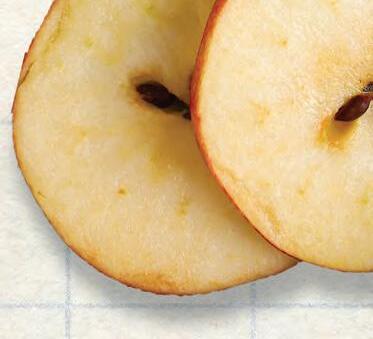
3 cups tart apples, peeled and finely diced
3 tablespoons sugar
1 tablespoon kosher salt
2 tablespoons apple cider vinegar
5 sprigs of thyme
2 teaspoons mustard seeds
INSTRUCTIONS
1. In a heavy-bottomed 2-quart saucepan, heat the oil over medium heat. Add the onions and cook, stirring, for 5 to 7 minutes until the onions begin to caramelize.
2. Add the apples, sugar, salt, vinegar, thyme and mustard seeds, then cover and reduce the heat to low. Cook for 15 minutes, or until the apples are tender, and mash easily with a fork.
3. Remove from heat, uncover and let the jam cool completely. Refrigerate in an airtight container until ready to use, up to 5 days.
INGREDIENTS
Apple-Cabbage Slaw
¾ pound green cabbage, sliced thin, julienne style
¾ pound Granny Smith apples, cored, thinly sliced, julienne style
1 cup mayonnaise (Tuffy recommends Duke’s)
¼ cup apple cider vinegar
3 tablespoons sugar
¾ teaspoon caraway seeds
INSTRUCTIONS
1. In a medium bowl, whisk together the mayonnaise, vinegar, sugar, caraway seeds, salt and pepper. Set aside.
2. In a large bowl, combine the cabbage and apple. Add the mayonnaise dressing and toss to coat. Season with salt and pepper.
3. Serve immediately or refrigerate until ready to serve. Toss again before serving.
Caraway Rub
INGREDIENTS
3 tablespoons kosher salt
1 teaspoon black pepper, freshly ground
1 teaspoon crushed red pepper
1 teaspoon granulated garlic
½ teaspoon granulated onion
INSTRUCTIONS
1 tablespoon caraway seeds, freshly ground
In a medium bowl, mix all the ingredients together thoroughly. Store in an airtight container in a cool, dark place until ready to use.
Wagyu Teres Major with Cumberland Sauce
The teres major is also called the shoulder tender since it comes from the chuck (or shoulder) and is very tender. It’s shaped like a small beef tenderloin and is full of beefy flavor that pairs well with Cumberland sauce, a British classic that is tart, sweet and spicy. Traditionally, the sauce is served at room temperature, but feel free to serve it warm.
INGREDIENTS
2 SRF Black® Wagyu teres majors (about 1½ pounds)
1 container Tuffy Stone Steak Night Prime Seasoning
1 cup apple juice, in a spray bottle for the grill
Cumberland Sauce
1 cup port wine
¼ cup finely diced shallots
½ cup demi-glacé
1 tablespoon lemon zest
1 tablespoon orange zest
½ teaspoon dry mustard
½ teaspoon caraway
½ cup red currant jelly
½ teaspoon black pepper, ground
INSTRUCTIONS
YIELD: 4SERVINGS 4. 5. 6. the side.
1. Season the teres majors on all sides. Let them sit at room temperature for 1 hour.
2. Place the teres majors on the hot side of the grill, close the lid and cook for 12 minutes, rolling the steaks a quarter turn every 3 minutes and spraying with apple juice to moisten.
3. Move the steaks to the cool side of the grill, close the lid and cook for another 8 to 10 minutes, or until a meat thermometer placed in the thickest part of the teres major reads an internal temperature of 125°F.
Transfer to a platter or a cutting board and let the steaks rest for 10 to 15 minutes before carving.
Mix together the Cumberland sauce (up to a day in advance) and check the consistency before serving. If it has thickened too much, stir in hot water as needed, 1 teaspoon at a time, to reach the desired consistency.
Slice the steaks across the grain and serve with the Cumberland sauce on
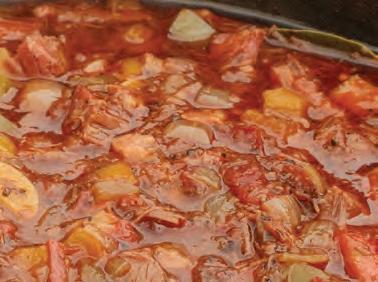
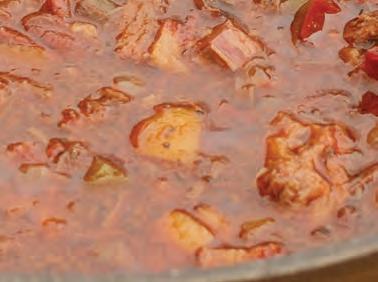
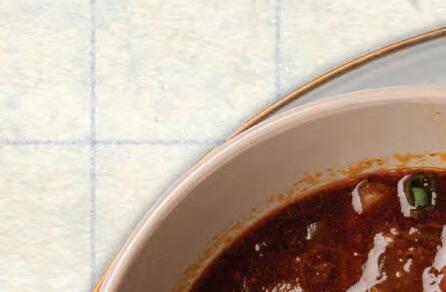
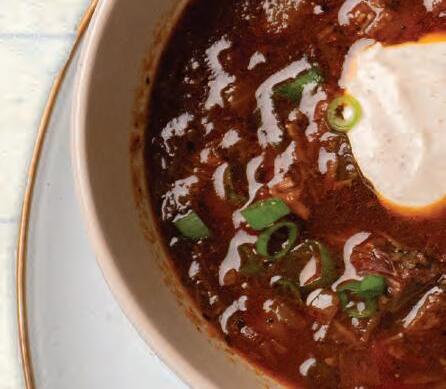
Smoked Brisket Chili
We’re not going to cover how to smoke a brisket here (Tuffy has books on that topic), but we often have leftover brisket after a cook. Smoked Brisket Chili might be our favorite way to make use of cooked brisket to create something that stands on its own.
YIELD: 4-6 SERVINGS
INGREDIENTS
4 cups SRF brisket, smoked, large dice
2 tablespoons smoked chili powder (recipe on page 43)
1 teaspoon neutral cooking oil
1 cup bacon, chopped
1½ cups yellow onion, medium dice
1½ cups green bell pepper, medium dice
1½ cups red bell pepper, medium dice
2 tablespoons garlic, thinly sliced
1 can (7 oz.) chipotles in adobo sauce
1 can (14½ oz.) diced tomatoes
1 can (12 oz.) dark beer
2 cups beef stock
¼ cup tomato paste
1 tablespoon kosher salt
½ teaspoon black pepper, freshly ground
2 tablespoons light brown sugar
2 bay leaves
1 bunch scallions, thinly sliced
1 cup cilantro leaves
2 limes, quartered
¾ cup sour cream
INSTRUCTIONS
1. In a heavy-bottom 4-quart pot, heat the oil over medium-low heat. When oil is hot, add the bacon and cook for 3 to 5 minutes, until golden brown and most of the fat has rendered out. Add the onion, peppers and garlic to the pot and cook, stirring frequently for 5 minutes.
2. Add 2 chopped chipotles, adobo sauce, tomato paste, smoked chili powder, brown sugar, salt and black pepper. Add the beer and cook for 7 to 10 minutes, or until the liquid is reduced by half. Add the tomatoes, bay leaves, brisket and stock. Cook uncovered for 30 minutes.
3. Meanwhile, prepare the smoked chili sour cream by mixing in ½ teaspoon smoked chili powder and ½ teaspoon kosher salt with ¾ cup sour cream. Refrigerate in an airtight container until ready to use.
4. When you are ready to serve, taste the chili and adjust the seasoning as needed. Serve in bowls and top with 1½ to 2 tablespoons of the smoked chili powder sour cream. Sprinkle each serving with scallions and cilantro. Serve with a wedge of lime.
INGREDIENTS
1 cup smoked paprika
Smoked Chili Powder
5 tablespoons plus 1 teaspoon Greek oregano, dried
3 tablespoons plus 1 teaspoon cumin, ground
3 tablespoons plus 1 teaspoon granulated garlic
3 tablespoons plus 1 teaspoon cayenne pepper
2 tablespoons granulated onion
INSTRUCTIONS
Mix all ingredients together thoroughly. Store in an airtight container in a cool, dark place until ready to use.
1. American Wagyu Filet Mignon SRF Black®, SRF Gold®
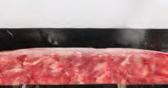
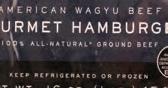
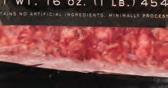
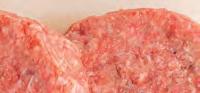
2. American Wagyu Ground Beef
3. American Wagyu New York Strip SRF Black®, SRF Gold®
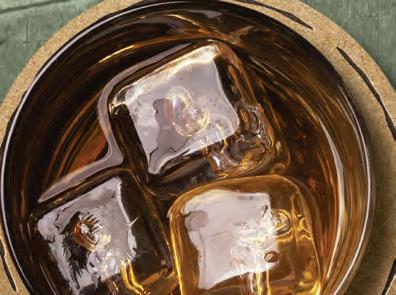
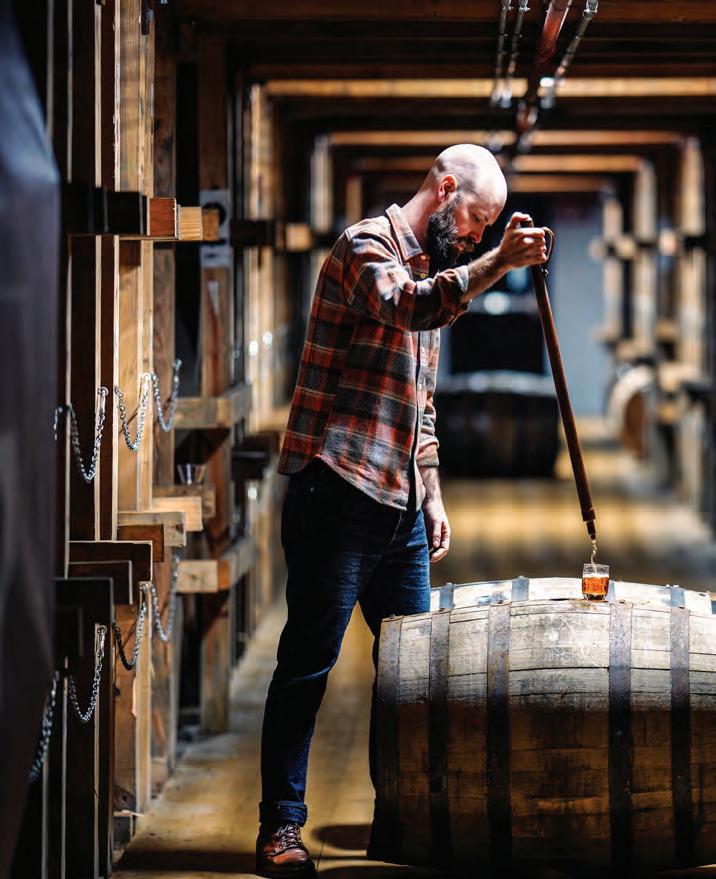
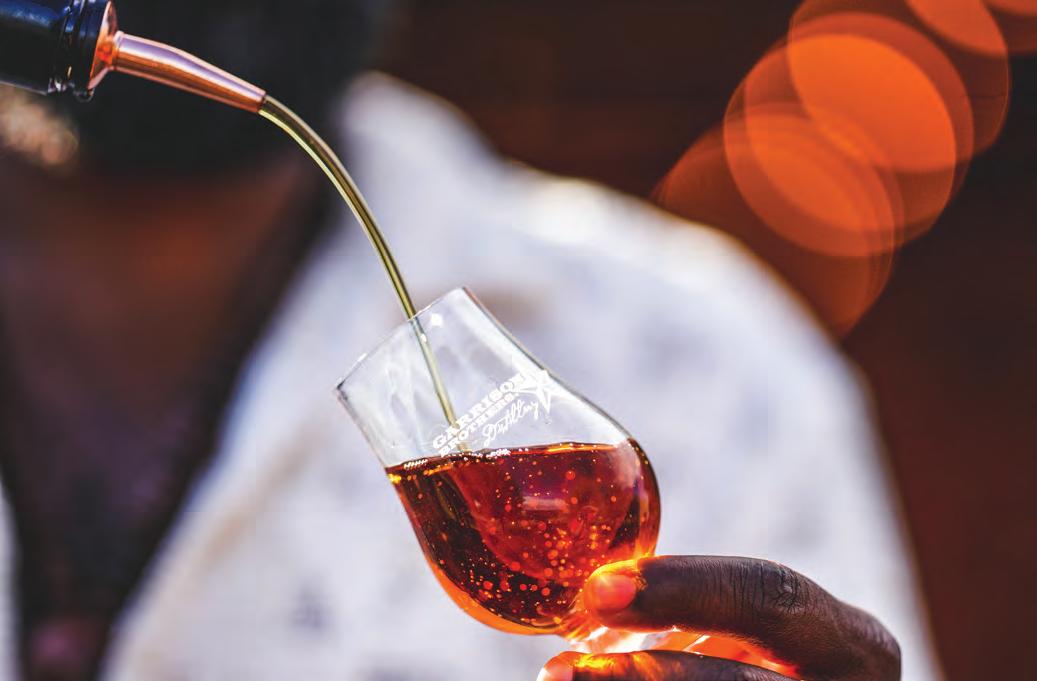
A glass of bourbon and a good steak. This straightforward pairing is distinctly American. It reflects our land, our ingenuity and our drive to draw hard-won rewards from nature over time. Together, they have shaped our culture in ways most people overlook.
Different products with distinct origins, both are shaped by shared forces that bind them to American identity.
Both are important to American culture because they are American culture. Agriculture, livestock, spirits and cuisine are all reflections of the culture that shapes them, and vice versa.
— OWEN MARTIN, MASTER DISTILLER AT ANGEL’S ENVY
I live in Texas and have visited local cattle ranches. I’ve traveled west to visit Snake River Farms facilities from their ranches to their USDA processing plant. Wanting the same understanding of bourbon, I spent time in Kentucky. I visited large legacy operations like Buffalo Trace Distillery, which produces everything from everyday bottles to highly sought-after Pappy Van Winkle, and smaller operations like Angel's Envy, known for its finishing process and more curated approach. Despite differences in scale and style, all distilleries follow the same basic method.
The Way It’s Done
There’s a saying in Kentucky: “All bourbon is whiskey, but not all whiskey is bourbon.” In the United States, bourbon is among the most regulated spirits. An act of Congress in 1964 declared it “a distinctive product of the United States,” meaning it cannot legally be made anywhere else. To qualify as bourbon, it must meet strict requirements.
At least 51% of the mash bill must be corn, with the remainder typically made up of rye, wheat, or barley.
“One of the greatest creative opportunities for bourbon is the mash bill,” says Angel's Envy's Master Distiller, Owen Martin. “Bourbon, being majority corn, is reminiscent of cornbread — sweet and oily — while rye whiskey is more like rye bread on a Reuben: dry, snappy, spicy and herbal.”
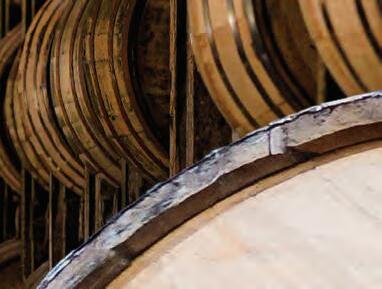
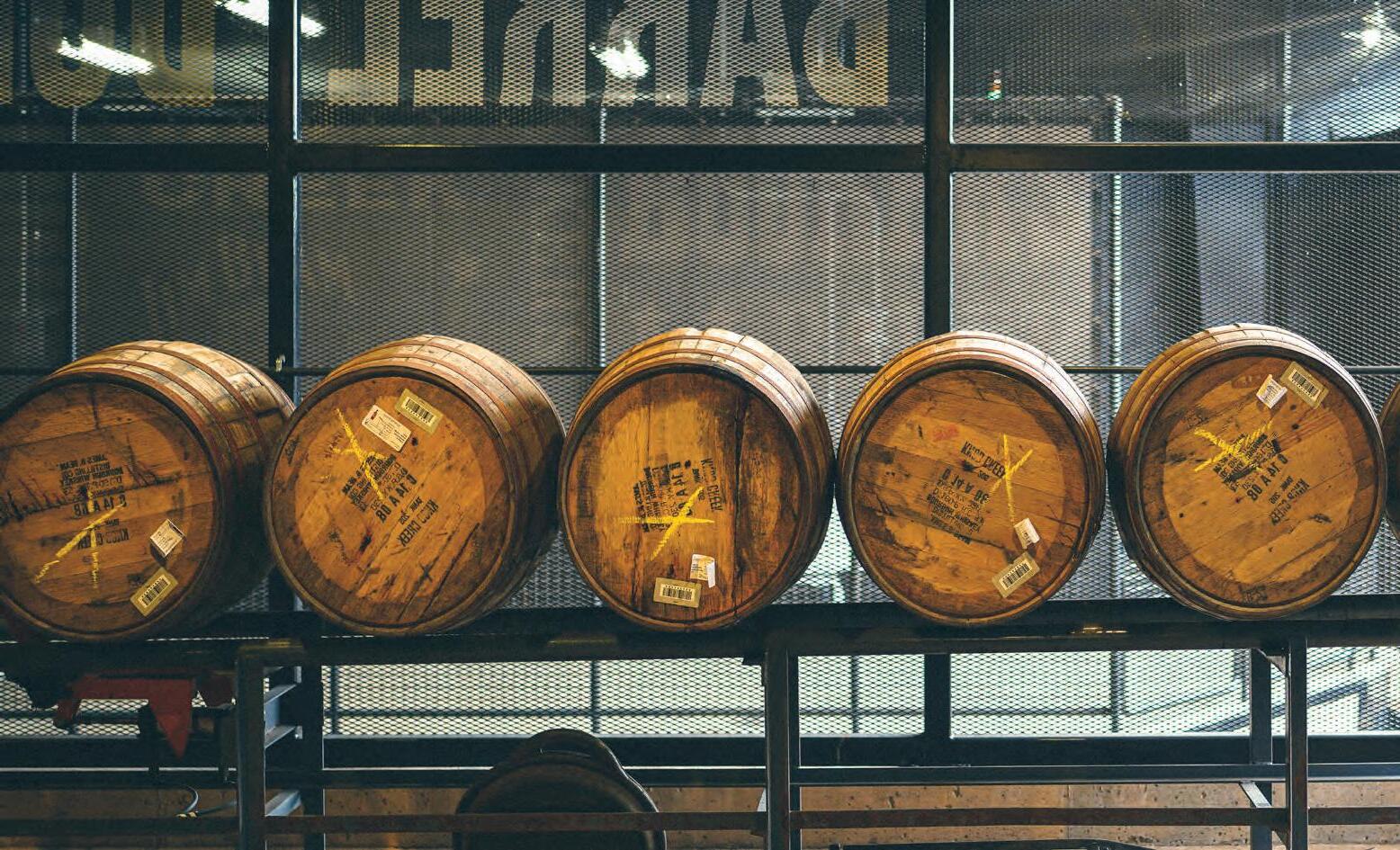
Bourbon must be aged in new, charred white oak barrels. It can contain no additives or coloring, cannot be distilled above 160 proof, cannot enter the barrel above 125 proof, and cannot be bottled below 80 proof.
Every distillery interprets these rules in its own way, just as every ranch approaches premium beef differently. The core idea is the same: use what the land provides, refine it and improve with time.
On New Ground
Immigrant farmers were the original distillers, turning excess grain into something more valuable. European distilling traditions met an American abundance of corn. Scotch and Irish settlers brought techniques and yeast strains that, combined with local grains and hard water, produced a whiskey with a distinctly sweet, robust character.
The term “bourbon” did not come into common use until the 1840s, though Elijah Craig is often credited as an early pioneer producing corn-based, barrel-aged whiskey in Kentucky as early as 1789.
The cattle industry followed a similarly expansive path. Introduced by Spanish colonists in the 16th century, livestock spread across the Southwest and Great Plains. In Texas, Longhorn herds once roamed open range.
Like bourbon, ranching evolved alongside infrastructure and regulation. Barbed wire closed the open range, leading to more managed operations now found in all 50 states. Refrigerated railcars and centralized processing turned beef into a national commodity, while advances in distillation and distribution expanded bourbon’s reach.
Markets and regulation shaped both industries. Excise taxes and temperance laws transformed distilling, just as land policy, grazing rights and food safety laws reshaped ranching. In both cases, regulation did more than constrain, it defined standards that helped establish identity and value.
WAGYU & WHISKEY
Shaped by the Elements
Mashing, fermentation, distillation, barreling and aging define the whiskey-making process. The key elements are water, grain, yeast, wood and time. Each matter, but water is especially critical. Many early distilleries were built near rivers where limestone-filtered water, which is high in calcium and low in iron, supports efficient fermentation.
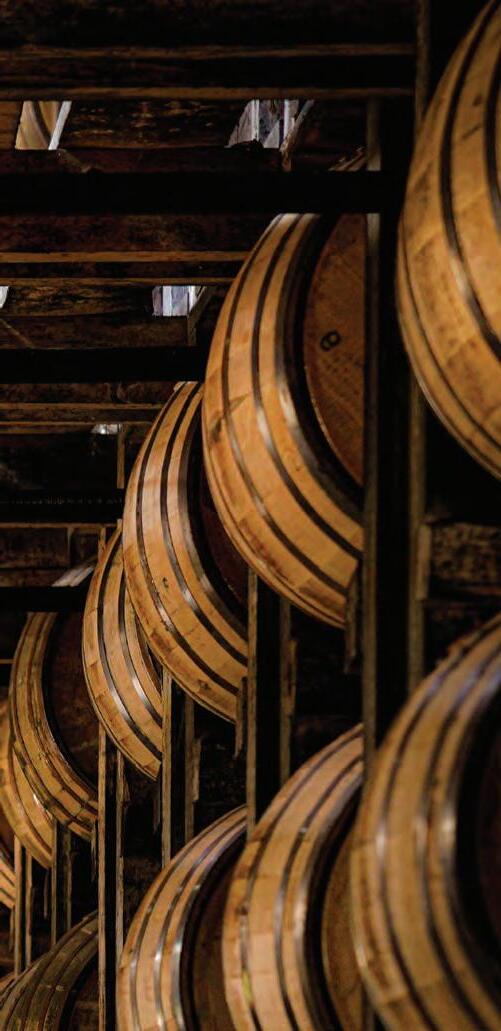
Wood plays an equally important role. Charred oak barrels influence flavor, color and texture. As temperatures rise, the spirit expands into the wood; in colder months, it contracts, drawing out compounds that create notes of vanilla, caramel and brown sugar. Some estimates suggest that up to 70% of bourbon’s flavor comes from the barrel.
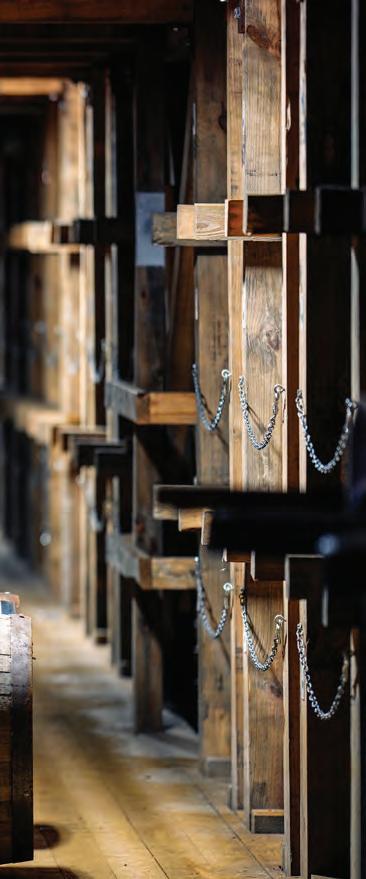
Mash bill, yeast, climate and even barrel placement within a rickhouse all affect the final product. No two barrels are identical, and once emptied, a barrel cannot be reused for bourbon.
While bourbon and cattle differ in process, fermentation and distillation versus grazing and digestion, their trajectories are closely linked. Both rely on local resources: corn, oak and limestone water for bourbon; grassland and open range for cattle.
Each has become a regional expression with cultural meaning beyond its economic role.
There are also practical connections. For example, distillers’ grains are widely used as cattle feed. One craft supports the other.
Slow on Purpose
Many master distillers believe the best bourbon has yet to be made. It is a bold claim, given the legends that came before. Many ranchers would say the same about beef.
In a fast-moving world, both bourbon and beef demand patience. Harlen Wheatley, Master Distiller at Buffalo Trace, puts it simply: “You can’t cheat Mother Nature or Father Time.” The process enforces restraint. Good bourbon takes time. Great bourbon takes years. The same is true for beef, where careful breeding and feeding programs continue to improve quality over generations.
Beef and bourbon endure because they reward patience. They reflect a kind of American resourcefulness grounded in land, time and craft.
Bourbon speaks to hospitality and craftsmanship. Beef carries the legacy of cattle drives and open range. Both tell stories of resilience, independence and refinement over time.
Some things are better with age — and some are only possible because of it.
WAGYU
The best summer meals don’t need much, just exceptional food and good company. No reservations required. We asked Team SRF — our crew of grill masters, chefs and outdoor cooks — to share the Snake River Farms boxes they’re firing up this season. You handle the guest list.
ASSORTMENT
"Three Prime cuts made for summer grilling. New York strips are my weeknight workhorse with hardly any prep and a quick sear. The ribeyes are the showstoppers, and the top sirloins? Slice 'em up to feed
the whole crew."
INSTAGRAM @SAUCYBEARDBBQ
with steak. Deep, buttery marbling on the ribeyes, bold beefy punch from the sirloins. Two cuts, one grade, zero compromises. This is the bundle you put in front of people
INSTAGRAM @COALHEARTEDBBQ
"Surf and turf is in our DNA on the Gulf Coast. These SRF Gold® Wagyu ribeye filets are the most buttery steaks I’ve ever put on a live fire, and the Maine Lobster Tails turn it into the kind of spread that stops a backyard party in its tracks."
INSTAGRAM @CASTIRONSKILLZ
kids means dinner needs to pull its weight. The Wagyu tri tip is my centerpiece, the flank steak hits the grill fast on weeknights and the ground beef becomes whatever the
INSTAGRAM @
chefkellycahoon
dinners for our family. Strip slices hit the cast iron for date night, smash burgers take over the weekend and sausage feeds the group when they come around."
INSTAGRAM @NATHANMICHAEL
"When you're out from first light to last, you need fuel that keeps you going. Jerky, beef sticks and tallow chips are what I reach for when I’m hours deep in the wilderness. My boys are learning to hunt the same land I did, and they're snacking
INSTAGRAM @GMAS101
GO-TOS
"This is my go-to for tailgates or those Saturdays when the neighbors wander over. Steaks with the Signature Steak Seasoning hit the grill, everyone grabs a plate and pours a good bourbon. That’s
the move."
INSTAGRAM @THATGRILLERGUY
"When this box showed up, I knew it was something special. There are cuts in here most people have never heard of, and the marbling alone is a showstopper. But once it hits the fire, that’s when the real story starts."
INSTAGRAM @BRIEWILLY
IRON RANCH COLLECTION
most nights, but for Father's Day, I bring it inside. I sear SRF Gold® Wagyu ribeye filets in my Smithey No. 10 Cast Iron Skillet, then finish with garlic and black pepper salt. They hit the table, the twins go
dad celebrates.”
INSTAGRAM @THISJEWCANQUE
DAD'S GREATEST HITS
“Cowboy steaks are impressive, thick-cut, bone-in ribeyes. They're easy to prepare when you have an accurate thermometer and good seasoning. Bring them to temp on the grill and sear on hot cast-iron
INSTAGRAM @CHEFMANDYTANNER
"King crab, Gulf shrimp and Wagyu sausage only mean one thing in my kitchen — gumbo. A big, beautiful, feed-the-whole-family pot you make on a Saturday. And somehow it tastes even better the next day."
INSTAGRAM @JULIA_AND_CHILD
STEAKHOUSE RESERVE
"I’ve photographed pitmasters in Texas and distillers in Kentucky, and they all say the same thing: the craft is in the details. This is the kind of high-quality spread you sit with — great meat, a pour of bourbon