After attending my first lecture at Smithsonian Associates, I was hooked. I'm proud to help ensure Associates can thrive for decades to come in a way that makes sense for my family and finances as a Legacy Society member.
“ “
After attending my first lecture at Smithsonian Associates, I was hooked. I'm proud to help ensure Associates can thrive for decades to come in a way that makes sense for my family and finances as a Legacy Society member.
“ “
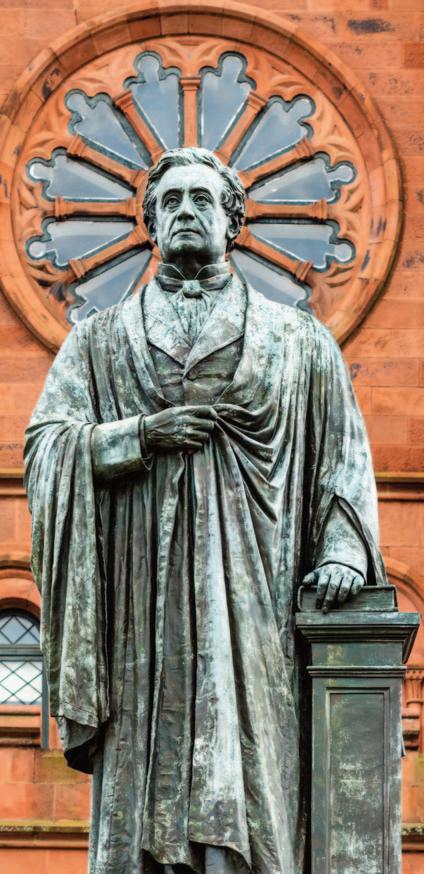
In the 1830s, a gift from a single benefactor led to the birth of the Smithsonian. Today, you can share the same visionary spirit and generosity embodied by James Smithson by becoming a founding member of the Associates Legacy Society.
Smithson saw the new institution as a place uniquely dedicated to learning. And from its founding 60 years ago, Smithsonian Associates has been committed to the same goal: creating opportunities for learning for people of all ages.
Your own legacy gift—of any size—will ensure that we are able to continue that vital work for current and future generations. And at the same time, you’ll be able to take advantage of income and tax benefits for yourself and your heirs.
By joining the Associates Legacy Society you can:
• Specifically designate your gift to support Smithsonian Associates.
• Retain control of your assets during your lifetime.
• Change your beneficiaries at any time.
• Provide for the people in your life.
• Make a gift in honor or memory of a loved one.
Members also receive invitations to special programs and Smithsonian Associates learning experiences.
We invite you to connect with us and learn more about how planned giving through the Associates Legacy Society can play a significant role in your future—and ours.
Please contact Elizabeth Moloney, Director of Advancement, at (202) 633-8697 or DonorServices@si.edu.
Dear Friends and Members,
An inviting corner of Belvidere, the Swarthmore, Pennsylvania, garden featured on the cover, illustrates how all gardens, no matter their scale, are intimate portraits of the people who shape them and have been part of the American landscape for more than 250 years.
Spring is the perfect time to focus on gardens, and horticulturist Andrew Bunting of the Pennsylvania Horticultural Society shares how his vision of Belvidere as a personal landscape continues to bloom (p. 27).
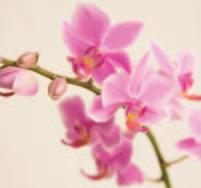
Are orchids your passion? A noted orchid expert explains how a 120-million-year lineage has given rise to the family of flowering plants known as Orchidaceae (p. 27). An ecologist offers innovative ideas for creating a garden that welcomes wildlife into your backyard habitat (p. 28).

Step into some of the most exquisite private gardens in the Philadelphia area—including Belvidere—as well as some exceptional public sites. A horticulturist guide opens the gates during this 2-day study tour (p. 54). Swap your garden gear for a camera in a studio arts class and learn how to capture the distinctive features, such as architecture and outdoor sculpture, that make images of botanic gardens or arboretums memorable (p. 52).
Gardening features among Smithsonian Associates' celebrations of the nation's 250th anniversary. In collaboration with the Embassy of the Principality of Monaco and Smithsonian Gardens, join us to honor beloved movie star and devoted gardener Princess Grace. This special program includes a presentation by the Princess Grace Foundation followed by a discussion of her life and legacy (p. 3).


You'll find many more ways to commemorate and learn about America's 250th throughout this guide. I look forward to meeting you in the gardens and exploring many other Smithsonian treasures together. Happy spring!
Frederica R. Adelman, Director adelmanf@si.edu


2026

with this icon showcase the Smithsonian’s Our Shared Future: 250 initiative that celebrates 250 years of American independence in 2026

Associates (USPS 043-210) Vol. 54, No. 9, May 2026. Published monthly by Smithsonian Associates, Smithsonian Institution, 1100 Jefferson Drive, S.W., Washington, D.C. 20560. Periodicals postage paid at Washington, DC. and at additional mailing offices. Robert A. Sacheli, Editor; Ric Garcia, Visual Specialist. Copyright 2026 by the Smithsonian Associates. POSTMASTER: Send address changes to the Smithsonian Associates, P.O. Box 23293, Washington, D.C. 20026-3293. Printed in the U.S.A. on recyclable paper.


instagram.com/smithsonianassociates issuu.com/smithsonianassociatesprograms

As the United States enters its semiquincentennial year, Smithsonian Associates launches two special program series and a host of commemorative programs as part of Smithsonian’s Our Shared Future: 250. Marking 250 years of the nation’s experiment in self-government, these programs explore the people, ideas, conflicts, and aspirations that have shaped America—and how the past informs the challenges and possibilities ahead.
Hosted in partnership with the Smithsonian’s Office of Global Affairs and with embassies that have built strong, lasting relationships with the United States, this series honors the vital role diplomacy, cultural exchange, and mutual respect have played in shaping our nation and its place in the world. From the earliest days surrounding the signing of the Declaration of Independence to contemporary collaborations in science, art, and global affairs, people-to-people and global cultural exchange have helped advance dialogue and deepen understanding. In this milestone year, these programs underscore how international friendships—nurtured through history, culture, and creativity—continue to strengthen the American story. Each program is free, requires registration, and includes a light reception.
Rooted in the nation's commitment to freedom of belief, this five-part series explores the rich and evolving landscape of religion and spirituality in America—including Jewish,
Islamic, Christian, Buddhist, Hindu, and Native American spiritual practices, among others—through celebrations of sound. Programs, offered free to the public, feature performances and conversations that reveal the human connections that emerge when sounds resonate in harmony. From the sounding of the horn to the strike of the daf, from the healing of the jingle dress to a cantor’s call to prayer, these soundscapes reflect the tones, textures, and connections of American spirituality across the nation.
Four in-person sessions—hosted in some of the Smithsonian’s marquee performance venues on the National Mall and streamed to audiences around the world—delve into the ways sound can reflect, shape, and amplify diverse faith traditions. The final virtual program weaves together elements of the nation’s spiritual practices, culminating in a symphony of uplifting sound.
Brazil and America in Concert
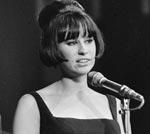
The semiquincentennial brings with it an opportunity to celebrate the roots of some of the United States’ most vibrant cultural expressions. Music, notable among them, acts as a bridge to link people because it operates on emotional, cultural, and social levels simultaneously. Following opening remarks from Brazil’s ambassador to the United States, Maria Luiza Ribeiro Viotti, historian Bryan McCann spotlights the cross-pollination of bossa nova music, which originated in Brazil, and New Orleans jazz and shares some of their key components. Afterward, Brazilian-born singer Rose Moraes gives a performance that celebrates the heart and soul of bossa nova.
MEMBERS ONLY: Thurs., May 7, 6 p.m.; residence of Brazil’s ambassador; CODE 1TDIPLO1; free, registration required
Indigenous Art and Scientific Research in the Peruvian Amazon

Efforts to preserve cultural heritage and biodiversity in the Peruvian Amazon are increasingly interconnected. Learn how Indigenous Shipibo-Konibo artistic traditions and Smithsonian-supported research work in tandem during a panel discussion with a National Museum of Natural History senior scientist and two Shipibo-Konibo artists.
Registration for this free June 24 program at the Embassy of Peru begins in May.

A historian from the Princess Grace Foundation recounts the story of the princess—who was American film star Grace Kelly before she married Prince Rainier III—her support for the performing arts, and her years as a Hollywood icon. Afterward, Princess Grace’s life and legacy are commemorated in a discussion.
Presented in collaboration with the Embassy of the Principality of Monaco and Smithsonian Gardens.
Registration for this free Sept. 1 program at the Arts and Industries Building begins in May.
The Key Role of Bernardo de Gálvez
Spain provided essential support to the American colonies during the Revolutionary War, with Bernardo de Gálvez, the Spanish governor of Louisiana, playing a critical role. A historian illuminates Spain’s contributions to American independence, and a National Portrait Gallery curator highlights a painting of de Gálvez.
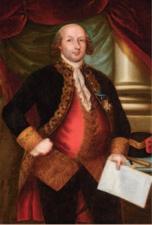
Registration for this free Sept. 17 program at the Embassy of Spain begins in August.
Italian-born physicists Enrico Fermi, Emilio Segrè, and Bruno Rossi were instrumental in the 20th century’s scientific revolution in America. Learn more from a panel of experts, including a professor of experimental physics at the University of Padua, moderated by a National Museum of American History curator.
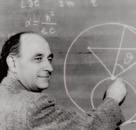
Registration for this free Oct. 27 program at the Embassy of Italy begins in September.
The horn is one of the first instruments to appear in the texts of the Abrahamic faiths—Judaism, Islam, and Christianity—and as each faith has forged its place in the American experience, each has announced itself in its own way with the horn. Featuring the music of brass bands, the sounding of the shofar, and more, this program explores how American spiritual communities use the horn today to celebrate their faith in harmony.
Thurs., May 14, 6 p.m; Oprah Winfrey Theater, National Museum of African American History and Culture; CODE 1W0-998; free, registration required
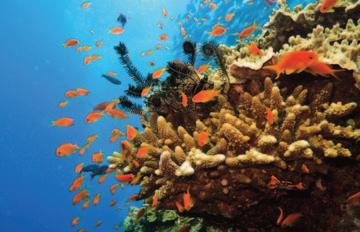
There are 1,248 UNESCO World Heritage Sites, each one offering a glimpse into the evolution of complex civilizations, empires, and religions. In this monthly series, historian Justin M. Jacobs gives an in-depth overview of both well-known and lesser-known locations.
Stretching for more than 1,400 miles across the northeastern coast of Australia, the Great Barrier Reef is home to the world’s largest coral reef system as well as an extraordinary range of marine life. Jacobs highlights the geological and biological evolution of the reef, its evolving cultural importance, and the manmade and environmental forces that now threaten its existence.
Tues., May 5, 6:45 p.m.; CODE 1J0-546; Members $25; Nonmembers $35

Spread out over a scenic rift valley created by the separation of two tectonic plates and riddled with unusual geologic features, Thingvellir National Park marks the site of the first open-air parliament in Iceland. It also serves as the historical backdrop for the transformation of seafaring Vikings into some of the most isolated and hardy farmers in the world. Jacobs explores the Vikings’ migrations, their strategies for survival on an impoverished and volatile island, and the innovative political institutions they developed to prevent large-scale violence in Iceland.
Wed., June 10, 6:45 p.m.; CODE 1J0-556; Members $25; Nonmembers $35
When Mount Vesuvius erupted in the year 79, it inadvertently preserved the most extensive and intact ruins anywhere in the ancient world. Drawing on the material remains of Herculaneum and Pompeii, Jacobs paints a lively portrait of daily urban life in the Roman Empire. He explores the fascinating history of the earliest digs at these sites during the 18th century, when they were regarded as a private quarry of Roman antiquities for a Bourbon king.
Wed., July 22, 6:45 p.m.; CODE 1J0-564; Members $25; Nonmembers $35
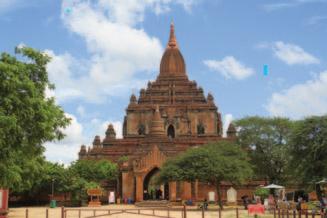
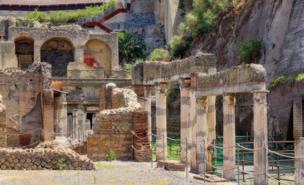
Nearly 4,000 Buddhist shrines, temples, and monasteries dot the arid plains around the ancient walled city of Bagan in Upper Myanmar, dating mostly from the 11th to 13th centuries. Jacobs examines one of the earliest and most spectacular Buddhist kingdoms in Southeast Asia, with a focus on the art and architecture of Bagan and the religious monuments erected during the height of its power.
Wed., Aug. 19, 6:45 p.m.; CODE 1J0-566; Members $25; Nonmembers $35
The American War of Independence freed the 13 British colonies in North America from Crown rule and set the stage for the United States’ bold experiment in self-government. Drawing on primary sources, historian Christopher Hamner explores the pivotal turning points and strategic choices that shaped the course of the war.
MAY 21 Christmas 1776: Trenton and Princeton
JUNE 25 British Strategy in the American War of Independence
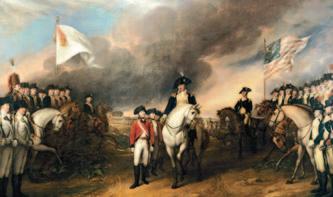
In the fall, a second 4-part series carries the revolution from Valley Forge through Saratoga, Yorktown, and the challenges of civil–military relations in the early American Republic.
Individual sessions: Thurs., May 21 (CODE 1D0-140C), Thurs., June 25 (CODE 1D0-142D); 6:45 p.m.; detailed program information on website; Members $30; Nonmembers $40
An ambitious expedition left central Mexico in 1540 as Francisco Coronado led nearly 2,000 Spaniards north in search of mythical golden cities. Instead of wealth, they confronted the vast, unmapped American West and formidable Indigenous nations who controlled it. Over two years, the expedition crossed more than 2,500 miles. Hard terrain, starvation, internal collapse, and Indigenous resistance devastated the force, 90 percent of which never returned.
Peter Stark, author of The Lost Cities of El Norte, examines how Indigenous power and the landscape combined to halt European domination of the Southwest and Plains for the next three centuries.
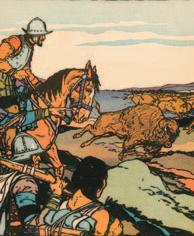
Mon., May 4, 7 p.m.; CODE 1NV-187; Members $25; Nonmembers $35 Explorers: Francisco Vasquez de Coronado in Kansas, 1931

Our programs... your time
Historically, most attention has been given to the Eastern Theater of the American Civil War— largely due to the presence of Confederate Gen. Robert E. Lee in the east and the fact that some of the costliest battles of the war were fought in Pennsylvania, Maryland, and Virginia. The Eastern Theater was also the location of the capitals of the United States and the Confederacy, and the war there was fought in the glare of politics and the press.
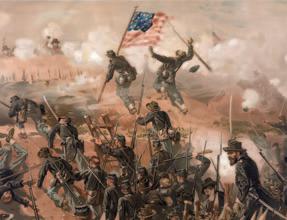
However, asserts military historian Kevin Weddle, the area west of the Appalachians and east of the Mississippi was at least as strategically important. He explains the significance of the Western Theater in the conflict, its primary campaigns and personalities, and the aspects that made it crucial to the war’s outcome.
Tues., May 5, 6:45 p.m.; CODE 1K0-693; Members $25; Nonmembers $35
Registered for a Smithsonian Associates online program but missed it because of a schedule conflict? Wish you could take a second look at a presentation you loved? Associates Encores offers the answer to these questions—and more.
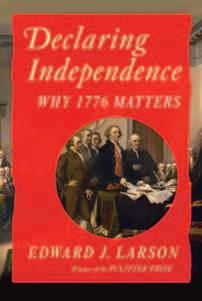
At the start of 1776, few Americans sought independence, grounding their protests instead in the rights of British subjects. By year’s end, independence had become unavoidable.
Historian Edward J. Larson chronicles this pivotal year in American history, from the inspiring appeals of Thomas Paine’s Common Sense in January; through midsummer, when the Second Continental Congress grounded independence in the “self-evident” truths of human equality and individual rights; to Paine’s urgent pleas of December, when “the times that try men’s souls” required Americans not to “shrink from the service of their country.”
Larson’s new book, Declaring Independence: Why 1776 Matters (W.W. Norton), is available for purchase.
Tues., May 5, 7 p.m.; CODE 1CV-085; Members $20; Nonmembers $30
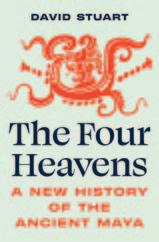
Maya history, once thought lost when Europeans first encountered ancient ruins, has been revived through the decipherment of hieroglyphics. Historian and archaeologist David Stuart, a leading figure in this achievement, offers a vivid account of Maya civilization from their own perspective. Drawing on indigenous texts and recent archaeological discoveries, he shows the Maya experienced cycles of growth and collapse spanning three millennia.
Stuart traces the emergence of rainforest settlements that blossomed into monumental architecture and thriving urban centers during the Classic period. He highlights the grandeur of royal courts, bound by alliances, marriages, and wars, particularly between the Kaanul and Mutul dynasties. Their rivalry shaped kingdoms and contributed to the “Great Rupture” of the 9th century.
Stuart is professor of Mesoamerican art and writing and director of the Mesoamerica Center at the University of Texas at Austin. His book The Four Heavens: A New History of the Ancient Maya (Princeton University Press) is available for purchase. Wed., May 6, 6:45 p.m.; CODE 1K0-694; Members $20; Nonmembers $30
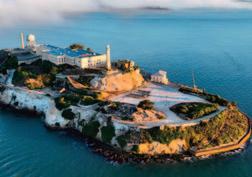
Alcatraz is America’s most notorious island, and its most misunderstood, says historian John Martini From its sighting by Europeans in 1769 through its present standing as the top ticketed attraction in San Francisco, its history is multi-layered.
Martini uncovers the island’s infamous past as a federal penitentiary from 1934 to 1963 and its lesser-known roles as a Civil War fortress, political prison for Confederate sympathizers, and military prison for defiant U.S. Army soldiers and Native American warriors.
Martini also covers the Native American occupation of 1969–1971; Alcatraz in American popular culture; the seldom-seen tunnels; its evolution as a National Park site; the island’s resurgent natural life; and the challenges of preserving its aging infrastructure. Martini worked as a National Park Service ranger for more than 25 years at sites including Alcatraz.
Wed., May 6, 7 p.m.; CODE 1NV-186; Members $25; Nonmembers $35
The Battle of the Atlantic was the longest and most technologically dynamic campaign of World War II, a struggle where engineering, intelligence, and industrial power proved as vital as courage at sea. Historian Marcus Jones traces the evolution of German U-boats and their early successes that threatened Britain’s lifeline. He examines how the Allies gradually built an effective counter-system through convoys, radar, long-range aircraft, high-frequency direction finding, and escort carriers.

Central to the story is the breaking of the German navy’s Enigma code, which reshaped the campaign’s direction. Jones presents the Atlantic war as a human ordeal of innovation, strategy, and endurance against daunting odds.
Wed., May 6, 6:30 p.m.; CODE 1H0-907; Members $30; Nonmembers $45
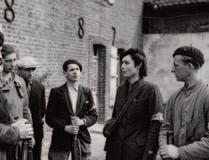
The French Resistance was a remarkable network of everyday citizens—students, clergy, aristocrats, communists, Protestants, Muslims, and many Jews—who risked everything to oppose Nazi occupation and the Vichy regime during World War II. Through espionage, sabotage, rescue missions, and intelligence gathering, they played a crucial role in aiding the Allies and protecting vulnerable people.
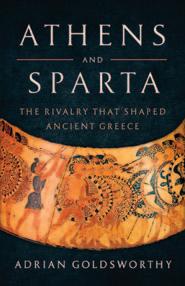
The Rivalry That Shaped Ancient Greece
Classical Greece shaped the Western world more than any other era, and at its heart stood Athens and Sparta— cities whose partnership and rivalry defined an age. They united to defeat the Persian Empire, the dominant power of their time, but later unleashed turmoil across the eastern Mediterranean, culminating in the devastating Peloponnesian War.
Lyon became one of the group’s major hubs, where men and women organized escape routes and provided vital intelligence for Allied soldiers and airmen behind enemy lines. Historian Ralph Nurnberger examines how this extraordinary coalition defied Nazi occupation to safeguard their fellow citizens.
Thurs., May 7, 6:45 p.m.; CODE 1D0-152; Members $20; Nonmembers $30
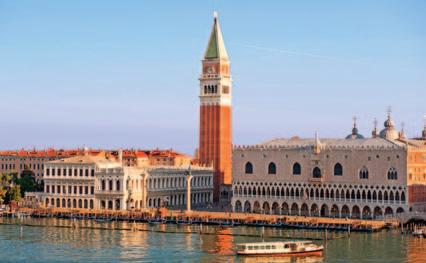
The fall of the Venetian Republic to Napoleon in 1797 set Venice on a dramatic new course. Once a proud maritime power, the city came under French and then Austrian rule. Venice itself was transformed: Churches were demolished, canals filled in, and streets and squares widened—all to accommodate heavy industry.
These changes ignited a clash between preservation and modernization and led to Venice’s turn from industry to tourism. Historian Dennis Romano, author of Venice: The Remarkable History of the Lagoon City, explores how the 19th century became one of the most consequential periods in Venice’s history, reshaping its physical landscape and cultural identity.
Fri., May 8, 12 p.m.; CODE 1D0-153; Members $20; Nonmembers $30
Historian Adrian Goldsworthy explores their tense relationship, contrasting Sparta’s militarized discipline with Athens' radical democracy. Together, these cities shaped Greece at its height— before nearly tearing it apart.
Goldsworthy’s book Athens and Sparta: The Rivalry That Shaped Ancient Greece (Basic Books) is available for purchase.
Wed., May 13, 12 p.m.; CODE 1D0-154; Members $20; Nonmembers $30
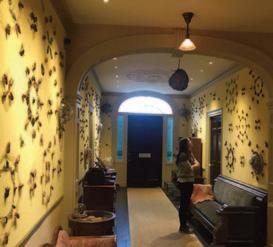
Historic house museums are more than time capsules of architecture and décor: They are vibrant portals into human experience, holding visceral connections to the complexities of the past. Public historian Ken Turino examines how these historic houses serve as unique repositories of personal narrative and cultural and social history.
With the traditional model of the historic house at a crossroads, Turino argues, ensuring these museums remain not just preserved but powerfully alive requires tapping their potential to transform people’s thinking about history. He explores efforts to reimagine these institutions, confront difficult histories, engage with contemporary social issues, and experiment with new forms of storytelling and community partnership.
Wed., May 13, 6:30 p.m.; CODE 1W0-006; Members $20; Nonmembers $30
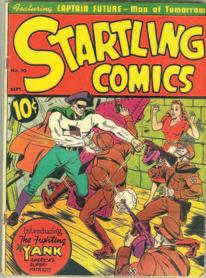
The superhero burst onto the American scene in the late 1930s, offering readers a new kind of champion at a moment of profound national struggle. From Superman’s first appearances during the Great Depression to the patriotic fervor embodied by figures like Captain America and Wonder Woman, these characters helped shape a booming comic book industry and the cultural imagination of a nation on the brink of global conflict.
History professor Brian Puaca explores the origins and evolution of the superhero during the 1930s and early 1940s. Puaca discusses how Jewish writers and artists played a foundational role in crafting the genre and how comic books urged the United States toward engagement in World War II.
Thurs., May 14, 6:30 p.m.; CODE 1T0-068; Members $20; Nonmembers $30
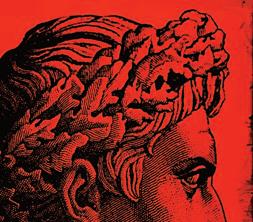
The word “Caesar” often evokes Julius Caesar, but many Caesars shaped the Roman Empire over more than 300 years, from Augustus to Constantine. Classicist Barry Strauss explores how Romans were willing to do whatever it took to survive as a center of imperial power. Though conquerors, they also welcomed immigrants, looked beyond the elite to lure promising talent from poorer regions, and included women in the power structure of ruling families. The Romans, says Strauss, offer both positive lessons in leadership and cautionary ones on ego and drive that can be relevant today.
NEW DATE: Tues., May 26, 6:45 p.m.; CODE 1H0-906; Members $30; Nonmembers $45
Richard III has remained one of England’s most divisive monarchs for over five centuries. Was he a loyal protector or the ruthless usurper immortalized by Shakespeare? Newly surfaced letters hint that his nephews may have survived the Tower of London, while fresh reassessments renew suspicions of his guilt. The last English king to die in battle, Richard’s legacy is steeped in controversy.
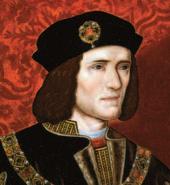
Tudor and Shakespeare historian Carol Ann Lloyd-Stanger explores his life as a medieval warrior, his role in averting civil war, and his conflicting portrayals on stage and screen. She examines the dramatic 2012 discovery of his remains beneath a parking lot in the English city of Leicester, the disputes over his royal reburial, and the ongoing debates— including a 2025 court case—about how Richard is remembered and why his story still matters.
Thurs., May 14, 6:30 p.m.; CODE 1M2-458; Members $30; Nonmembers $45
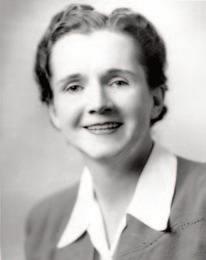
Rachel Carson became a celebrated writer through her poetic explorations of the natural world, especially the ocean. Her articles in major magazines and bestselling books earned her the title “Biographer of the Sea,” supported by her marine zoology background and years with the U.S. Fish & Wildlife Service. In 1962, Silent Spring reshaped environmental awareness. Environmental educator Rebecca Henson examines Carson’s evolution as a science writer, how she crafted Silent Spring, why it changed public perception, and the directions Carson hoped to pursue, illuminating the ecological philosophy and wonder in the living world around her that define Carson’s legacy.
Wed., May 20, 6:30 p.m.; CODE 1W0-008; Members $20; Nonmembers $30
All Smithsonian Associates online programs are closed captioned
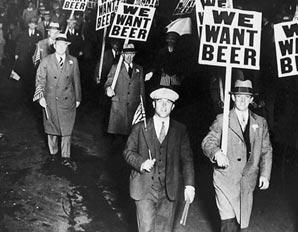
The 1920s is one of the most vibrant and rebellious periods in modern American history. A Constitutional amendment that took effect in 1920 kicked off the decade by prohibiting the consumption of alcohol. This was supposed to solve some of the nation’s most pressing social issues but instead uncorked a cultural rebellion and a host of new social problems.
Historian Allen Pietrobon examines the role that alcohol played in American life leading up to Prohibition. He delves into how drinking had become such a problem that the U.S. banned “intoxicating beverages,” why trying to outlaw all alcohol backfired spectacularly, and how American society and culture changed throughout the 1920s.
Wed., May 27, 6:45 p.m.; CODE 1J0-550; Members $20; Nonmembers $30
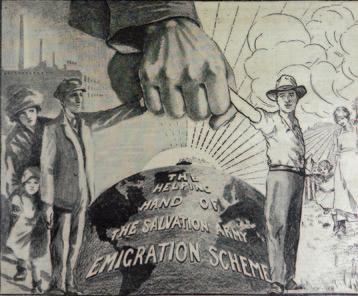
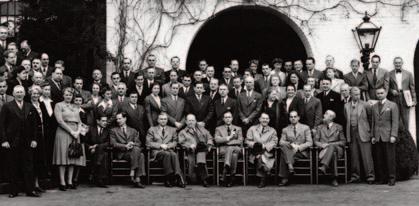
In 1953, the Salvation Army described itself as “the largest voluntary emigration agency” in the world. In the preceding 50 years, it had assisted nearly a quarter of a million people to emigrate from the British Isles to the then-British Dominions, specializing in “conducted” migration to Canada, Australia, and New Zealand.
Archivist Ruth Macdonald explores how the Salvation Army went from being a local Christian revival society in East London to a global emigration agency and how migration from the British Isles was both promoted and contested as a solution to economic and social welfare issues.
Thurs., May 28, 6:30 p.m.; CODE 1W0-009; Members $20; Nonmembers $30
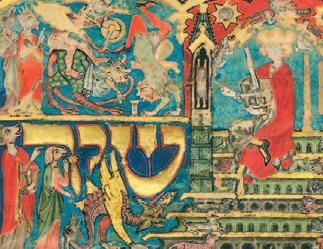
Throughout the Middle Ages, Jews lived in various diaspora communities, in foreign lands under both Muslim and Christian rule. Biblical scholar and historian Gary A. Rendsburg explores such communities in Egypt, Italy, England, and Spain—all well documented with historical evidence, including financial records, tomb inscriptions, biblical manuscripts, and more.
At times, Jews flourished in these foreign lands, though at other times anti-Jewish fervor resulted in massacres, expulsions, and ghettoization. In a full-day seminar, Rendsburg surveys both the highs and the lows in his examination of Jewish life in the medieval era.
Sat., May 30, 10 a.m.–4 p.m.; detailed program information on website; CODE 1M2-459; Members $100; Nonmembers $125
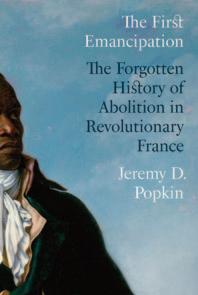
On Feb. 4, 1794, the legislators of France’s revolutionary government abolished slavery in all its colonies. Their decree made France the first country to end an institution that had been fundamental to the enterprise of European colonization for three centuries.
Historian Jeremy Popkin tells how pressure from the enslaved populations of France’s colonies met the idealistic principles of the French revolutionaries. The rise of Napoleon Bonaparte just five years later saw the Black populations of most French colonies forced back into slavery. But his first great military defeat was in 1804, as the former French colony Haiti became the second independent nation in the Americas.
Popkin’s new book, The First Emancipation: The Forgotten History of Abolition in Revolutionary France (Princeton University Press), is available for purchase.
Tues., June 2, 6:30 p.m.; CODE 1W0-010; Members $20; Nonmembers $30
In the chaotic days after the bombing of Pearl Harbor, the Roosevelt administration made a controversial decision. To encourage reciprocal treatment of U.S. diplomats trapped abroad, it sent hundreds of Axis diplomats living in the United States to remote luxury hotels. Already stunned by the attack on Honolulu that killed more than 2,400 service members and civilians, many Americans were enraged by the government’s magnanimity towards its enemies.
Harvey Solomon, author of Such Splendid Prisons: Diplomatic Detainment in America during World War II, makes this story come alive as he interweaves eyewitness accounts and personal stories backed by official and private documentation, unpublished memoirs, and contemporaneous reporting.
Wed., June 3, 6:45 p.m.; CODE 1J0-552; Members $20; Nonmembers $30
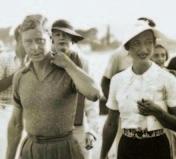
The Wall Street crash of 1929 unleashed a chain of global events. In Britain, the impact was enormous and led some to refer to this dire economic time as the “devil’s decade.”
During those years of high unemployment, hunger marches, and a growing class divide, the public sought escapism in lavish entertainment. Tabloids also provided distraction, showcasing high-profile murders and royal scandals. The growing threat of Hitler and Mussolini reached British shores in the form of Oswald Mosely’s black-shirted Union of Fascists.
Historian Julie Taddeo discusses the 1930s in which remnants of the Victorian past clashed with an increasingly modern, technological, and socially divided age.
Mon., June 8, 6:45 p.m.; CODE 1K0-714; Members $25; Nonmembers $35
In an era marked by concerns over tariffs, political polarization, and shifting global alliances, questions about the durability of the U.S. dollar’s international dominance are becoming increasingly urgent. Economist Barry Eichengreen traces the evolution of cross-border money from the earliest coinage of the 7th century B.C.E. to modern cryptocurrencies and emerging central bank digital currencies. Eichengreen examines patterns in the life cycles of international currencies over the past 2,500 years, offering valuable lessons and insights about how currencies rise and why they fall.
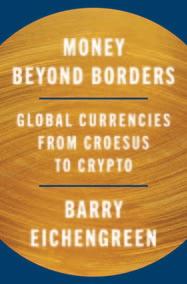
Eichengreen’s new book, Money Beyond Borders: Global Currencies from Croesus to Crypto (Princeton University Press), is available for purchase.
Mon., June 8, 7 p.m.; CODE 1CV-088; Members $20; Nonmembers $30
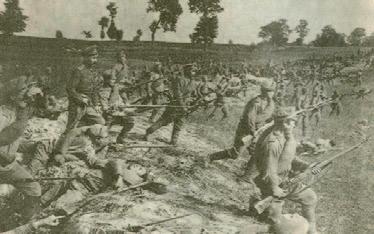
The Brusilov Offensive, fought while the battles of Somme and Verdun raged, was responsible for over 2.5 million casualties. Historian and documentarian Indy Neidell explores how, in hindsight, the Brusilov Offensive was the only realistic chance for World War I to end before it did in 1918.
The Imperial Russian Army very nearly forced an armistice, thanks to Gen. Aleksei Brusilov’s pioneering use of practices taken for granted in war today, such as shock troop tactics. Had it done so, the world of 1916 would have been the basis of a postwar future that would have looked very different indeed.
Tues., June 9, 12 p.m.; CODE 1W0-012; Members $20; Nonmembers $30
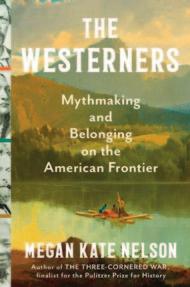
Megan Kate Nelson’s newest book, The Westerners, reframes the 19th-century American West by revealing how varied communities built the region even as national myths erased them. She traces federal policies and individual actions that shaped this contested landscape, challenging the celebration of white settler individualism.
Nelson highlights figures such as Sacajawea, not just Lewis and Clark’s guide but an explorer who forged her own path; Jim Beckwourth, a biracial frontiersman whose cultural fluency brought renown; and Polly Bemis, a Chinese immigrant who forged a life in Idaho despite exclusionary laws.
The Westerners: Mythmaking and Belonging on the American Frontier (Scribner) is available for purchase.
Tues., June 9, 7 p.m.; CODE 1NV-190; Members $25; Nonmembers $35
Since the Victorian era, the London Underground has shaped daily life in the city. It also served as the first model for modern subway systems. From smoke-filled, steam-powered trains to today’s 11-line, 250-mile network, the Underground has been central to London’s growth.

Writer Christian Wolmar traces this evolution through electrification, world wars, and 21st-century expansion. He also highlights key visionaries who helped make the Underground possible: Charles Pearson, who imagined railways beneath the streets; Charles Yerkes, who built major new lines; and Frank Pick, the design pioneer behind the famous logo.
Thurs., June 11, 12 p.m.; CODE 1CV-089; Members $20; Nonmembers $30
Rear Adm. Samuel Francis Du Pont, once hailed as one of the U.S. Navy’s most capable officers, saw his reputation collapse after the failed ironclad assault on Charleston in April 1863. Though celebrated early in the Civil War for securing a key Union victory in South Carolina, he later became unfairly remembered as a commander who resisted innovation.
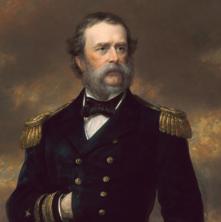
Military historian Kevin J. Weddle argues that Du Pont supported technological progress but strongly opposed using the new ironclads against Charleston, warning they were unsuited for the mission. Overruled by superiors, he carried out the attack, sealing his downfall. Weddle highlights Du Pont’s strategic influence and his vital role in modernizing the Navy between the Mexican and Civil Wars.
Mon., June 15, 6:45 p.m.; CODE 1K0-700; Members $25; Nonmembers $35
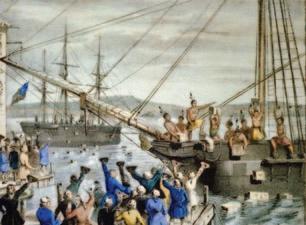
The 1773 Boston Tea Party erupted in response to the Tea Act, a measure meant to curb smuggling and bolster the East India Company but perceived in Boston as a monopolistic threat to colonial liberty. Local merchants denounced the act as tyrannical, and when three tea-laden ships arrived, about 100 men boarded the vessels and dumped the cargo into the harbor, transforming protest into dramatic defiance.
Historian Richard Bell interprets the event as America’s first major uprising against corporate power and global economic influence, an act he also frames as domestic terrorism that accelerated the breakdown between Britain and its colonies.
Tues., June 16, 6:30 p.m.; CODE 1M2-462; Members $25; Nonmembers $35
What time does the program end? Unless noted, Smithsonian Associates programs run 1 hour 15 min.–2 hours, including Q&A
Despite prevailing isolationist public opinion and an obstructionist government, an informal American humanitarian network of citizen activists delivered aid to and rescued many victims of Nazi oppression before and during World War II. This group of citizens organized to provide emergency relief, establish programs overseas, and resettle thousands of persecuted people in safe havens stretching from Latin America to East Asia. Operating in the shadows, these idealists devised pragmatic, sometimes controversial, solutions to overcome obstacles.

History professor Andrew Falk tells the story of these courageous people and how they bypassed organizational rules to funnel money to relief efforts, created schemes to circumvent Nazi currency regulations, and interpreted U.S. immigration laws to resettle persecuted academics.
Wed., June 17, 6:30 p.m.; CODE 1T0-073; Members $20; Nonmembers $30
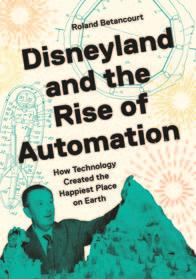
Disneyland’s 1955 opening revealed the hidden world of factory automation through groundbreaking attractions. Historian Roland Betancourt traces the park’s first three decades of innovation, highlighting how industrial and military systems were reimagined for themed experiences: Magnetic tape once used for missile testing powered the Enchanted Tiki Room’s animated birds, while programmable logic controllers from assembly lines drove the Matterhorn Bobsleds and Space Mountain. These attractions helped ease public anxieties about automation and job loss in midcentury America, says Betancourt. His book Disneyland and the Rise of Automation: How Technology Created the Happiest Place on Earth (Princeton University Press) is available for purchase.
Tues., June 23, 6:30 p.m.; CODE 1W0-014; Members $20; Nonmembers $30
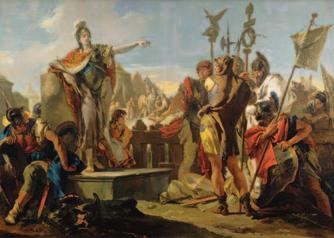
By the year 235, at the end of ancient Rome’s golden age—the Pax Romana—two centuries of peace gave way to relentless border invasions, civil wars, monetary debasement, and a virulent pandemic, leaving a once-unified empire fragmented.
Yet amid the chaos, asserts historian Colin Elliott, the Roman Empire demonstrated exceptional resilience: By 285, what survived was no longer the classical empire of senators and citizen-legions but a more centralized, militarized state strong enough to survive the collapse of the West and carry the Roman name for another thousand years in the East.
Mon., June 22, 6:45 p.m.; CODE 1K0-709; Members $25; Nonmembers $35
Rome did not conquer the Mediterranean by force alone; it engineered it. Aqueducts carried water across valleys and into cities at an unprecedented scale, making dense urban life possible. Bridges transformed rivers from barriers into corridors, binding provinces together year-round. Temples, forums, and public buildings functioned not only as religious or civic spaces but as enduring statements of Roman authority, rendered in stone and concrete.
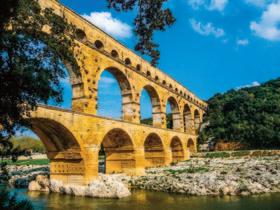
Archaeologist and historian Darius Arya examines the logistical systems that made Roman expansion possible: ports capable of feeding the empire’s major cities, roads that moved armies, goods, and information with speed and reliability, and urban plans that replicated Rome across three continents. Together, these systems turned geography into infrastructure—and infrastructure into power. Rome’s empire endured not simply because it was vast but because it worked.
Fri., July 10, 12 p.m.; CODE 1D0-162; Members $20; Nonmembers $30
Historian Richard Bell numbers the War of 1812 among the most misunderstood wars in American history. Its causes, course, and consequences have long been overshadowed by the American Revolution and the Civil War.
The War of 1812 blended battlefield violence with deep political and social conflict at home. It echoed the Revolution’s struggles over loyalty and the Civil War’s battles over slavery, with enslaved people shaping events in decisive ways.
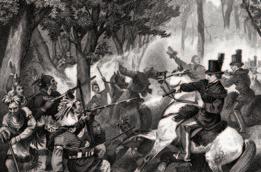
The Battle of the Thames and the Death of Tecumseh (detail), War of 1812 commemorative engraving
Though the military outcome was uncertain, the war secured U.S. independence, strengthened national identity, expanded states’ rights in the South, and fueled American expansionism. These, however, came at extraordinary human costs. Bell illuminates this by examining the wartime experiences of soldiers and seamen, merchants and laborers, enslaved African Americans, and Native Americans—groups whose stories have often been obscured by history.
Wed., July 15, 6:30 p.m.; CODE 1M2-464; Members $25; Nonmembers $35
Italy’s Miraculous Postwar Transformation

At the end of World War II, Italy was devastated—occupied by foreign armies, politically fractured, and humiliated by the collapse of Fascism and Benito Mussolini. Yet in the 1950s and 1960s it became one of Europe’s major economic success stories. Though home to Western Europe’s largest Communist Party, Italy aligned with the capitalist world and embraced consumerism. FIAT cars, Vespa motorbikes, Olivetti typewriters, and Italian fashion became global icons. Through popular films, advertising, and design, Italy projected an image of modernity, elegance, and pleasure that captivated audiences worldwide.
Writer and lecturer Adam Tanner explores how this carefully crafted myth of la dolce vita—born from the imagery of Italy’s postwar boom—continues to shape how the nation is imagined both at home and abroad.
Thurs., July 16, 12 p.m.; CODE 1NV-198; Members $25; Nonmembers $35
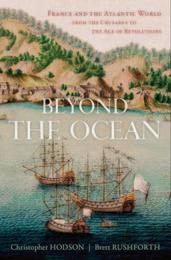
Between 1400 and 1800, Europe, Africa, and the Americas grew more connected by overseas trade and colonization. According to historians Christopher Hodson and Brett Rushforth, accounts of this era have overlooked the reach of the pre-Napoleonic French Empire, which claimed nearly a third of North America and controlled a substantial proportion of the trans-Atlantic slave trade.
Hodson and Rushforth examine the significant role that France played in the history of the Atlantic world and the ways it shaped France in return. They offer an interpretation of French colonialism influenced as much by Native Americans and West Africans as by kings and bureaucrats.
Their book, Beyond the Ocean: France and the Atlantic World from the Crusades to the Age of Revolutions, (Oxford University Press), is available for purchase.
Thurs., July 16, 6:45 p.m.; CODE 1K0-717; Members $20; Nonmembers $30
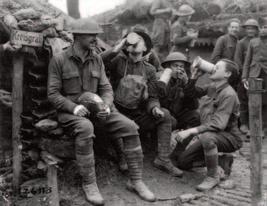
From September to November 1918, a hard-fought World War I battle that pitted green, poorly equipped American doughboys against combat-hardened German troops saw the U.S. military come of age in just 47 days in the brutal, devastating clash known as the Battle of the Meuse –Argonne. In that short period, Americans pushed back the enemy and forced the Germans to surrender, bringing the conflict to an end—a feat the British and the French had not achieved after more than three years of fighting.
Military historian Mitchell Yockelson tells the story of the cast of remarkable individuals, including original fighter ace Eddie Rickenbacker; artillery officer and future president Harry S. Truman; innovative tank commander George S. Patton; John J. “Black Jack” Pershing; and Douglas MacArthur, the Great War’s most decorated soldier.
Mon., July 20, 6:30 p.m.; CODE 1H0-914; Members $20; Nonmembers $30
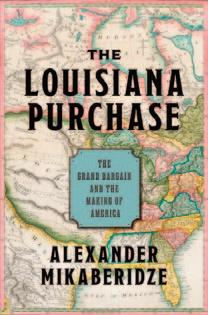
The Louisiana Purchase and the Making of America
The Louisiana Purchase is remembered as a bargain that doubled the size of the nation overnight. The story is more complex and consequential, says historian Alexander Mikaberidze, who examines how the 1803 purchase from France redefined the United States and reshaped the world.
Far from a straightforward land deal, he argues, the agreement transferred not land but the authority to negotiate for it—territory owned by Native nations. This shift launched the U.S.–Indian treaty system and led to more than 200 land cessions with far-reaching consequences for Indigenous peoples. Mikaberidze situates the purchase within European imperial rivalries, showing how a debt-ridden colony became a prize and how ambitions reshaped the nation.
His newest book, The Louisiana Purchase: The Grand Bargain and the Making of America (Oxford University Press), is available for purchase.
Tues., July 21, 6:30 p.m.; CODE 1M2-465; Members $25; Nonmembers $35
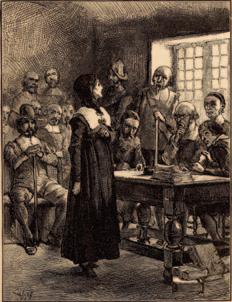
Anne Hutchinson can be regarded as the founding mother of religious freedom in America, says historian Fred Zilian. In the 1630s, her outspoken theological views brought her into conflict with the Puritan leadership of the Massachusetts Bay Colony. Tried for sedition and heresy in 1637–38, she was excommunicated from the church and banished from the colony—an extraordinary punishment for a woman in early New England.
Zilian traces Hutchinson’s life, beginning with her early years in England, her marriage, and her journey to New England. The lecture explores the religious meetings that led to her prosecution, the dramatic civil and church trials that sealed her fate, and her banishment and settlement on Aquidneck Island in Rhode Island.
Thurs., July 23, 6:30 p.m.; CODE 1CV-090; Members $20; Nonmembers $30
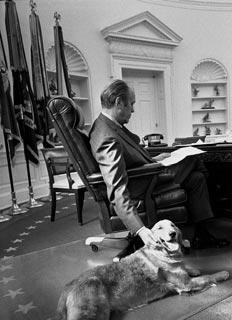
Throughout American history, presidential pets have been far more than loyal companions. They served symbolic roles, shaped public perceptions, softened political images, and offered revealing glimpses into the private lives of the nation’s leaders.
Whether cherished dogs and cats or more exotic creatures, the animals of the White House reflect changing ideas about family, leadership, and American society itself. Former White House correspondent Ken Walsh shares stories from two centuries of presidential pet-keeping.
From Theodore Roosevelt’s lively White House menagerie—including dogs, cats, a snake, guinea pigs, a small brown bear, and a badger—to Macaroni, the pony beloved by John F. Kennedy’s children, Walsh explores how the animal residents of 1600 Pennsylvania Avenue reveal power, personality, image-making, and the human side of the presidency.
Thurs., July 23, 6:45 p.m.; CODE 1D0-164; Members $20; Nonmembers $30
Read more about programs in this guide on our website. Search by code or date. Expanded program descriptions, presenters’ information, and more at SmithsonianAssociates.org.
American Identity and the Conquest of the West
For more than 1.5 million families, the Homestead Act of 1862 offered a 19th-century version of the American Dream, providing 160-acre plots of land on which farms sprang up across the trans-Mississippi West. It triggered a massive wave of migration and contributed key elements to an emerging American identity.
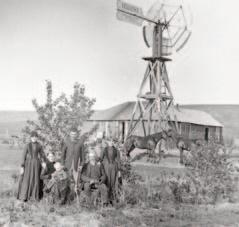
Edward T. O’Donnell, professor of history at Holy Cross College, explores the familiar telling of the Homestead Act’s history, as well as the often-overlooked reality that many homesteaders failed; that fraud and lack of oversight allowed railroads and ranchers to acquire vast numbers of homesteads; and that the great influx of white settlers into the West sparked deadly clashes with Native Americans.
Thurs., July 23, 6:30 p.m.; CODE 1H0-915; Members $20; Nonmembers $30
Early in his career Thomas Jefferson maintained that “To glide unnoticed thro’ a silent execution of duty is the only ambition which becomes me,” yet the trajectory of his long political career landed him in a highly visible role in shaping the new American Republic. Out of the shadows, he quickly learned to create and manage a public image aimed at supporting his political goals.
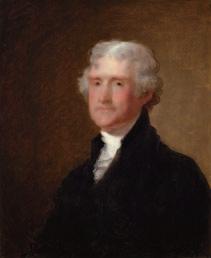
His image underscored where he stood on political issues, says Gaye Wilson, former Shannon Senior Historian at the Robert H. Smith International Center for Jefferson Studies at Monticello. Wilson uses portraits, correspondence, period newspapers, and personal records to decipher Jefferson’s public image and what it reveals of his vision and ambitions for the nation.
Tues., July 28, 7 p.m.; CODE 1CV-091; Members $25; Nonmembers $35
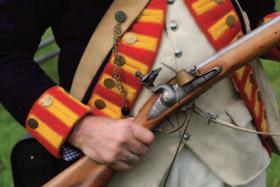
Both sides in the American Revolution knew the importance of firearms, artillery, and swords in making war. From the familiar “Brown Bess” flintlock musket to the innovative breech-loading Ferguson rifle, and from smuggled French guns to domestically made swords, Revolutionary-era weapons teach us a lot about how people experienced the war and the ways in which the Patriots and the British sought to win by supplying weapons as much as by actually fighting with them.
Kenneth Cohen, the National Museum of American History’s curator of early America, explores how these arms illuminate new dimensions of the American Revolution, telling a larger story about the lives of ordinary men, advances in technology, and the web of trade in which it all happened.
Wed., July 29, 6:30 p.m.; CODE 1W0-019; Members $20; Nonmembers $30
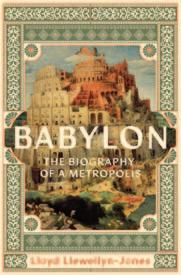
Babylon is a name that denotes both the great ancient Mesopotamian city and a symbolic, imagined version of Babylon that appears in many cultural traditions—from the Tower of Babel in the Hebrew Bible and the Whore of Babylon in the New Testament to the 1970s reggae song “Rivers of Babylon.”
Lloyd Llewellyn-Jones, professor in ancient history at Cardiff University, traces Babylon’s growth from its first royal dynasty to its emergence as superpower in the Near East. The kingdom of Babylonia came into being and, governed by mighty Babylon, set the agenda for what civilization meant. Llewellyn-Jones explores Babylon’s reputation as a city with a dual legacy by exploring its rich ancient past and its fabled mythic legacy. His newest book, Babylon: The Biography of a Metropolis (Pegasus Books), is available for purchase.
Mon., Aug. 3, 12 p.m.; CODE 1D0-166; Members $20; Nonmembers $30
Saint, Soldier, and Leader
In April 1429, Joan of Arc rode into the besieged city of Orleans. In May 1431, she was burned at the stake in Rouen. The 25 months between changed the histories of France, of England, and, as the Hundred Years War played out, of Europe itself. Few people in history have achieved so much in so little time, says military historian Michael Livingston, and few have captured the imagination of the world so thoroughly.
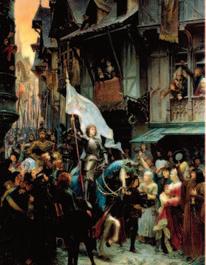
Drawing from his 2025 book Bloody Crowns, a critical revision of how modern Europe arose from medieval battlefields, Livingston re-examines the story of Joan—what we know of her, how we know of her, and how a teenaged girl could have such an impact on a male-dominated age.
Tues., Aug. 11, 6:45 p.m.; CODE 1K0-720; Members $25; Nonmembers $35
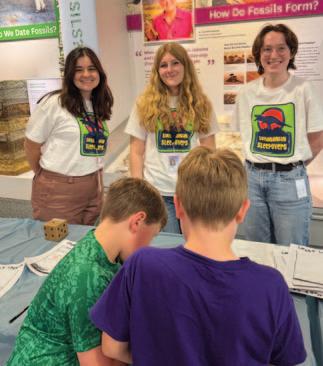
“I have learned so much at Smithsonian Associates, particularly in the areas of object-based learning, teaching, and administration. It has cemented my choice to go into museum education, and the staff has given me a lot of advice regarding my future path.”
—2025 intern
The Destruction and Rebirth of a City
For almost five days in early September 1666, London was engulfed in flames. Beginning in a bakery, the fire spread quickly, ultimately destroying the heart of the third-largest city in the Western world. Although urban fires were common, a unique combination of circumstances allowed this one to race through the city, igniting stores of combustible goods.
Tudor and Shakespeare historian Carol Ann Lloyd-Stanger examines how decisions made by city leaders, changes in weather conditions, and actions taken by the royal family influenced the fire’s spread and eventual containment. She traces the event’s lasting impact, including debates over how the city would be rebuilt and how those decisions shaped London’s future. She also surveys the social, economic, and political effects of the fire in the years that followed.
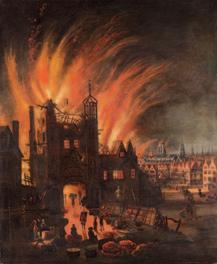
Wed., Aug 12, 6:30 p.m.; CODE 1M2-470; Members $25; Nonmembers $35
Each summer, Smithsonian Associates offers transformative internships to college students who help deliver vibrant and memorable hands-on learning experiences to more than 1,000 children in our summer camps on the National Mall. For many interns, a paid opportunity makes all the difference. In 2025, three dedicated interns were welcomed into the program.
With your support, this year we can once again attract the best and brightest candidates and ensure that these talented and passionate young adults—regardless of financial background—can access these life-changing roles and build skills in museum education, project management, event planning, and problem solving.
This summer, we’re excited to welcome three interns, each receiving a $7,700 stipend. To fully support their experience, we’re aiming to raise $23,100. Your contribution—at any level—will help us reach that goal.
To donate or learn more about supporting paid internships for Smithsonian Summer Camp, please scan the QR code or visit SmithsonianAssociates.org/invest

Unless noted, all programs are presented on Zoom; listed times are Eastern Time. Online registration is required.
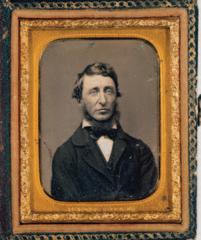
Many people know Henry David Thoreau as the author of Walden and “Civil Disobedience.” Fewer know him as a founder of environmentalism or for his inspiration for nonviolence movements. Fewer still are aware of his work as a geologist, botanist, pencil-production inventor, poet, and early adopter of Darwinian theory—just several of the many facets of Thoreau’s life and work and his impact on American history and thought.
Scholar Randall Fuller presents Thoreau as being actively engaged in the America of his time, an artist and scientist who in many ways embodied the promise of a “new” citizen in the early Republic.
Mon., May 4, 6:45 p.m.; CODE 1K0-704; Members $25; Nonmembers $35
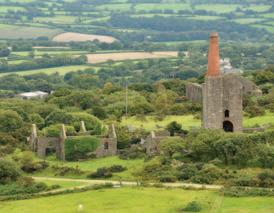
In the British television series “Poldark,” Ross Poldark returns to Cornwall after the American War of Independence to find his estate in ruins, his finances exhausted, and his first love engaged to his cousin. Determined to rebuild, he reopens his copper mines, marries his former kitchen servant, and champions the working class, even risking his life in a duel.
Historian Julie Taddeo finds that Ross embodies the era’s social tensions, bridging rigid class divides. She analyzes the show’s treatment of economics, religion, marriage, medicine, social customs, fashion, and everyday life in Cornwall and London, highlighting what the series portrays accurately and where it takes creative liberties.
Tues., May 12, 6:45 p.m.; CODE 1K0-703; Members $25; Nonmembers $35
“It’s a Wonderful
For more than 125 years, filmmakers have been drawn to the vitality of New York City. Its dramatic architecture, vibrant neighborhoods, universally recognized landmarks, and 8 million stories have helped make the city a featured player in more than 17,000 movies. The city has starred in a wide variety of films, including King Kong, On the Town, West Side Story, Breakfast at Tiffany’s, and Do the Right Thing. With more than 50 clips, media historian Brian Rose demonstrates the changing ways New York has been captured on film and why it remains a star attraction today.
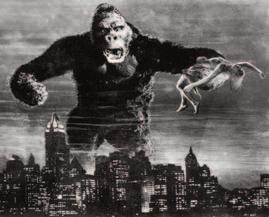
Thurs., May 7, 6:30 p.m.; CODE 1J0-544; Members $25; Nonmembers $35
World Art History Certificate elective: Earn ½ credit each
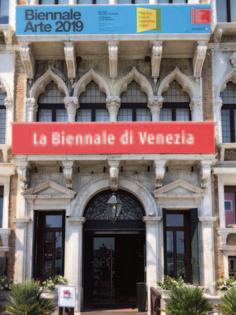
Every two years, the Venice Biennale transforms Venice into a living museum. This cultural extravaganza has grown into one of the world’s most influential exhibitions of contemporary art, architecture, cinema, dance, music, and theater, showcasing groundbreaking work from more than 90 nations. Art historian Jennie Hirsh explores the biennale’s rich past and its landmark 2026 edition.
MAY 14 A History of the Venice Biennale
JUNE 18 The 2026 Biennale: “In Minor Keys”
2-session series: Thurs., May 14 and June 18, 12 p.m.; detailed program information on website; CODE 1D0-160; Members $40; Nonmembers $50
Individual sessions: Thurs., May 14 (CODE 1D0-160A); Thurs., June 18 (CODE 1D0-160B); 12 p.m.; Members $25; Nonmembers $35
From Genesis to Paradise Lost and East of Eden
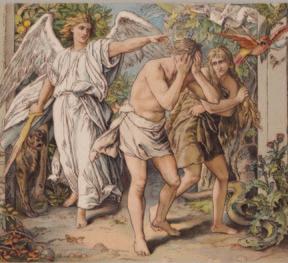
Joseph Luzzi, professor of literature at Bard College, explores the literary elements of the first book of the Bible, Genesis, and then considers its afterlife in two major literary works: John Milton’s brilliant epic, Paradise Lost, and John Steinbeck’s East of Eden, a modern-day classic. Luzzi explains the rhetorical structures of the Bible and provides a sense of how its brilliant storytelling techniques shaped the development of modern literature.
Sat., May 16, 10 a.m.–3 p.m.; detailed program information on website; CODE 1J0-547; Members $80; Nonmembers $100
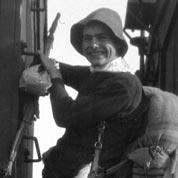
When Ernest Hemingway was a teenager, his ambition was to become an explorer and natural history writer like his childhood hero, Teddy Roosevelt— an ambition nurtured by his physician father, who was himself an amateur naturalist. But the influence of his mother, a professional musician, and the family’s early adopter approach to emerging technologies positioned him to emerge from the crucible of World War I on a path to change the landscape of American letters.
Drawing on his personal papers and private photograph collection, Hemingway biographer Hilary Justice recreates how Hemingway worked, illustrating the writer’s process: Experience sparks inspiration, and creativity meets craft in service of “one true sentence.”
Tues., May 19, 6:30 p.m.; CODE 1W0-007; Members $20; Nonmembers $30

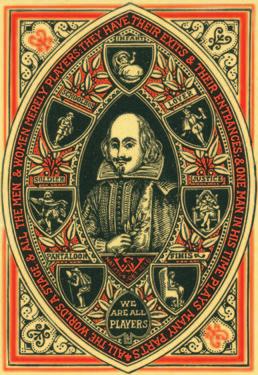
One of Shakespeare’s most beloved and aesthetically brilliant comedies is Twelfth Night from 1602. Joseph Luzzi, professor of literature at Bard College, guides participants through an in-depth discussion of the play’s key elements, including its gorgeous lyricism, emphasis on masks and shifting identity, and exploration of the complexities of love. Luzzi also examines how Shakespeare’s mix of tragic and comic elements brings an element of astonishing originality to the play.
Thurs., May 28, 12 p.m.; CODE 1J0551; Members $25; Nonmembers $35
Subscribe now to our topic-based eAlerts to match your interests. You can look forward to receiving timely information about new programs, special Smithsonian offers, our curated Digital Digest newsletter, and much more to spark your imagination and inspire learning.
You’re sure to find something to enjoy among the outstanding online programs offered each month. Get ready to explore a whole world of subjects—from art and architecture to history, culinary arts to science, travel to literature, and so much more!
Simply sign up at SmithsonianAssociates.org/eAlerts and you’re set.
Spend two fascinating Friday evenings expanding your knowledge of the world of wine as you sip along with sommelier Erik Segelbaum in a series of delectable adventures. Each immersive program includes a curated personal tasting kit to enhance the experience.

Many of the world’s best winemakers are applying new techniques and technologies and thus changing the rules of winemaking. This seminar explores wines that are both literally and figuratively cool (from a cool climate and/or an exciting region) and hot (from a warm climate and/or popular wines) from some of the most influential producers around the globe.
Burgundy is considered one of the apex wine regions of the world. Outside of Burgundy, many producers use the Burgundian viticultural model as the benchmark for their wines. This deep dive examines the styles of Burgundian wines and the viticultural and winemaking techniques that producers are adopting to push their wines to great heights.
Individual sessions: Fri., May 22 (CODE 1T0-063); Fri., June 26 (CODE 1T0-064); 6 p.m.; Members $70; Nonmembers $85
Wine-tasting kit information: The cost includes a curated personal tasting kit with enough wine for one person to sample the full lineup of wines. Additional participants must register individually to receive their own tasting kit, which is an essential component of the workshop.
Update: Kits are available during two scheduled pick-up times the day before the program and the day of the program at Cowbell Seafood & Oyster (Union Market, 1309 5th St. NE, Washington, D.C.; Metro: NoMa–Gallaudet U station, Red line.)
NOTE: Patrons will receive additional wine tasting kit pick-up information by email prior to the program.
Due to state and federal laws, Smithsonian Associates cannot ship wine kits. However, SOMLYAY may be able to provide kits to participants outside the Washington, D.C., area (who must cover shipping costs). Please contact erik@thesomlyay.com for more information.
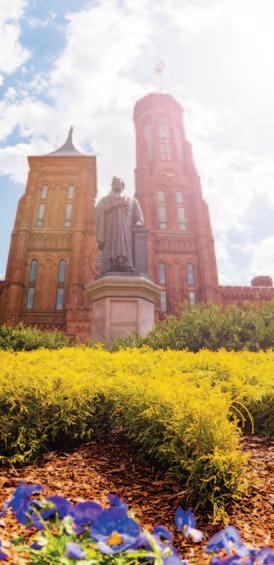
For six decades, education has been at the heart of our work at Smithsonian Associates: opening the Smithsonian’s vast resources to people of all ages.
Unlike the museums, Smithsonian Associates is not federally funded and relies entirely on donations and essential membership support to bridge the gap between program expenses and registration revenue. If the joy of learning enriches your life, please consider a charitable gift in support of the rich educational experiences that bring the Smithsonian's world of knowledge to a vibrant learning community across the country.
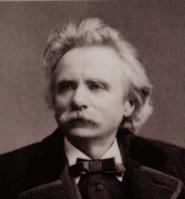
Geography, geology, wind and weather, legend and language all play a role in shaping the artistic vocabulary of national identity, none more so than in the countries situated around the Baltic, North, and Norwegian seas.
The best-known composers from this region have long held a cherished place in concert halls.
Edvard Grieg, Jean Sibelius, Carl Nielsen, and Arvo Pärt are among those who shaped the understanding of their varied cultures. Popular speaker and concert pianist Rachel Franklin uses live piano demonstrations and film clips to explore both well- and lesser-known masterpieces from the ancient nations of the North.
4-session series: Thurs., May 21–June 11, 12 p.m.; detailed program information on website; CODE 1K0698; Members $100; Nonmembers $125
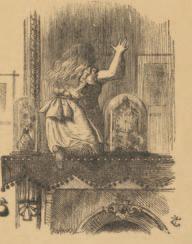
Disney’s Literary History
Disney has long adapted Victorian children’s literature, from Alice in Wonderland to Peter Pan and Hans Christian Andersen’s tales. Literary scholar Patrick Fleming, author of Animating the Victorians: Disney’s Literary History, follows these works from concept to film release and into sequels, merchandise, and theme park attractions that form Disney franchises.
Across the production cycles, studio writers engaged with the original texts, their historical contexts, authors’ lives, and prior adaptations. Walt Disney’s career parallels that of Charles Dickens, says Fleming, and Victorian ideologies shape the Disney princess franchise. Fleming examines how Disney’s musicals, parks, copyright strategies, and marketing rely on cultural frameworks emerging from 19th-century England.
Wed., June 3, 6:30 p.m.; CODE 1W0-011; Members $20; Nonmembers $30
In Person
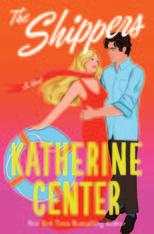
Novelist Katherine Center and Why Love
Romance novelist Katherine Center has written more than a dozen novels about women finding resilience, joy, and love. Her newest, The Shippers, follows JoJo Burton as she boards a cruise for her sister’s wedding determined to fix her unlucky love life by pursuing an old crush.

Katherine Center
She recruits her childhood best friend Cooper as her wingman, but the trip that forces them to share close quarters (and sunburns) rekindles old feelings as they stumble into realizing they might be meant for each other.
Center discusses how—and why—she writes about love, the ways life’s lessons have shaped her work, and why she thinks falling in love is good for you. The Shippers (St. Martin’s) is available for purchase.
Mon., June 1, 6:30 p.m.; Ripley Center; CODE 1W0-999; Members $20; Nonmembers $30
For more than seven decades, Carl Reiner and Mel Brooks made America laugh, through either their remarkable solo careers or their legendary partnership. These giants of American comedy conquered every medium they took on: television, films, Broadway, and recordings.
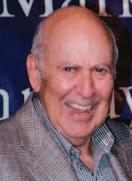
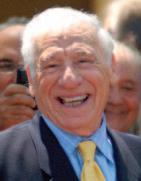
Media historian Brian Rose takes a look at (and gives a listen to) their extraordinary achievements, from their work together on comedian Sid Caesar’s “Your Show of Shows” and their creation of the classic 2,000-Year-Old Man sketches to their accomplishments as writers, directors, and performers.
Thurs., June 4, 6:30 p.m.; CODE 1J0-553; Members $25; Nonmembers $35

Under the artistic direction of maestro Charlie Young, the Smithsonian Jazz Masterworks Orchestra (SJMO) has celebrated some of the greatest jazz music as one of the crown jewels of the Smithsonian’s National Museum of American History. The orchestra’s 2026 concerts add to that tradition.
Since 1776, generations of Americans have pursued life, liberty, and happiness—the “unalienable rights” enshrined in the nation’s founding document. These enduring ideals have been a source of inspiration, hope, and, at times, conflict, as Americans have wrestled with their meaning and struggled to bring them to life. In honor of the nation’s 250th anniversary, SJMO presents a powerful concert that explores the role of jazz as a guiding force in the national journey to “a more perfect union.” Jazz, with its roots in resilience, resistance, and reinvention, has long been a soundtrack to America’s evolving story. The program features stirring works that capture the spirit of protest, the hope of freedom, the depth of spirituality, and the pride of patriotism. Highlights include Billy Taylor’s poignant “I Wish I Knew How It Would Feel to Be Free,” Charles Mingus’ “Fables of Faubus,” and Max Roach’s “Freedom Day.”
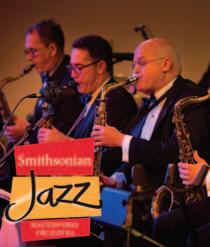
Fri., June 5, 7 p.m.; Warner Bros. Theater, National Museum of American History; CODE 1P0-894; Members $30; Nonmembers $40; Program content is subject to change.
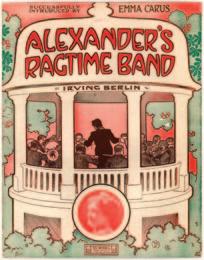
for “Alexander's Ragtime Band," 1911
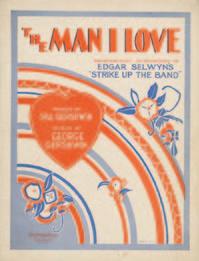
1924
Irving Berlin and George and Ira Gershwin
Explore and enjoy glorious songs from the great American Songbook with stories about their long, oftenunexpected lives. Emmy Award–winning writer and documentary filmmaker Sara Lukinson’s abundant sampling of clips—and lively storytelling—make for joyful and moving evenings to spend with Irving Berlin and George and Ira Gershwin, along with the artists who keep their songs alive.
JUNE 9 Let’s Face the Music and Dance: Songs by Irving Berlin
JUNE 23 It’s Wonderful: The Songs of George and Ira Gershwin
2-session series: Tues., June 9 and 23, 6:45 p.m.; detailed program information on website; CODE 1K0710; Members $50; Nonmembers $70
Individual sessions: Tues., June 9 (CODE 1K0-711); Tues., June 23 (CODE 1K0-712); 6:45 p.m.; Members $30; Nonmembers $45
Before the rise of the cliched “small, winged fairy” in the 19th century, fairies encompassed a vast range of supernatural, human-like creatures—from the elves of Scandinavia and the aos sí of Ireland to the vilas of the Balkans and the fadas of Iberia.
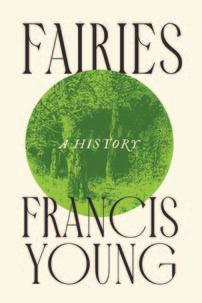
Historian and folklorist Francis Young traces the roots of fairy belief across Europe, from ancient folklore to the Middle Ages and beyond. He explores how belief in these beings became a global phenomenon and considers the surprising ways these beliefs endure today, revealing how fairy lore continues to influence culture. His book Fairies: A History (Polity) is available for purchase.
Wed., June 10, 12 p.m.; CODE 1D0-156; Members $20; Nonmembers $30
What time does the program end?
Unless noted, Smithsonian Associates programs run 1 hour 15 min.–2 hours, including Q&A
Yoga therapist Linda Lang offers an introduction to accessible yoga practices designed for individuals who prefer or require seated and chair-based movement. Grounded in classical yoga principles and informed by an integrative medicine perspective, Lang demonstrates how yoga postures, breathing techniques, and mindful movement can be adapted to accommodate physical changes while maintaining therapeutic benefit.
Participants explore essential seated poses, supported standing practices, and everyday movement strategies that support balance, joint health, and functional mobility. The session is inclusive and experiential, welcoming both observation and participation, and includes time for questions and discussion.
Thurs., June 18, 12 p.m.; CODE 1NV-192; Members $30; Nonmembers $45
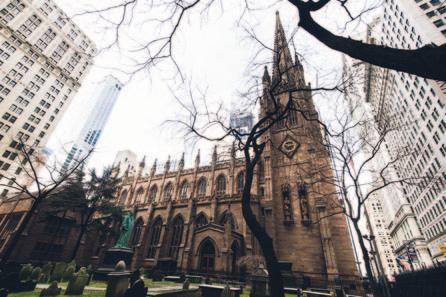
Trinity Church, where Hamilton worshipped and was buried

As the Schuyler sisters proclaim, “The revolution’s happening in New York.” Step into that turbulent city during the 18th century and explore the places, people, and events that inspired Lin-Manuel Miranda’s groundbreaking Hamilton: An American Musical
Led by the owner of Broadway Up Close, Tim Dolan, this time-travelling virtual tour traces Alexander Hamilton’s life and legacy through the streets that shaped him, examining how New York functioned as a crucible for revolution, finance, politics, and ideas in the 1700s. Along the way, Dolan links moments from the long-running musical to their historical foundations and uncovers lesser-known stories about Hamilton and his contemporaries. He also pulls back the curtain on the creation of the musical, sharing insights and anecdotes that reveal how Revolutionary-era history was transformed into a modern cultural phenomenon.
Wed., June 24, 7 p.m.; CODE 1NV-194; Members $25; Nonmembers $35
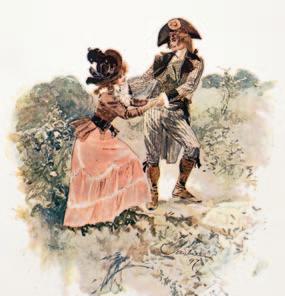
It’s easy to think of fairy tales as something distinctly European or antiquated. After all, many of the most famous fairy-tale collectors and writers lived hundreds of years ago in Germany (the Grimms), France (Beaumont and Perrault), or Denmark (Hans Christian Andersen). But fairy tales can be found all over the world, including in the United States, where they’re still being created and told today.
Folklorists Sara Cleto and Brittany Warman discuss fairy-tale traditions and stories from around the United States, including the Jack Tales of Appalachia, Black folk and fairy tales from the South, and the rise of the Disney fairy-tale empire. They also offer insights into how these supposedly frivolous stories permeate American culture and stay with us ever after.
Wed., July 8, 6:45 p.m.; CODE 1J0-560; Members $25; Nonmembers $35
Read more about programs in this guide on our website. Search by code or date. Expanded program descriptions, presenters’ information, and more at SmithsonianAssociates.org.

Stunt performers risk their lives to craft the breathtaking illusions of action cinema, diving from horses, smashing through vehicles, and executing feats—sometimes with clothes aflame—that no leading actor could safely attempt.
In old Hollywood, the work of stuntmen and stuntwomen remained anonymous. But later it became known that Yakima Canutt—not John Wayne—made the daring horseto-horse leap in 1939’s Stagecoach, and that Rick Sylvester stood in for Roger Moore in several James Bond entries. A few actors, like Buster Keaton and later Jackie Chan, performed their own stunts without doubles.
Film historian Max Alvarez jumps into a multimedia exploration of this tradition, revealing the secrets behind Harold Lloyd’s clock dangling in Safety Last and the behind-the-scenes stunt miracles of Vic Armstrong in Raiders of the Lost Ark
Wed., July 8, 6:30 p.m.; CODE 1K0-715; Members $30; Nonmembers $45

Costume design shapes a film’s storytelling by using clothing to express character, history, and emotion while anchoring the narrative in a specific time, place, and genre. In Hollywood’s studio era, vast wardrobe departments dressed stars in glamorous, idealized designs for historical epics and contemporary films—often influencing mainstream fashion.
As independent filmmaking grew and realism became more valued, costume design reflected authentic, characterdriven choices that span a broader range of experiences. Working with actors, designers use custom creations, costume houses, and contemporary clothing to help performers inhabit their roles. Nancy Friedland, librarian for film studies and performing arts at Columbia University, traces the evolution of costume design in American cinema and explores how wardrobe remains an essential element of character and narrative.
Thurs., July 9, 7 p.m.; CODE 1NV-196; Members $25; Nonmembers $35
In 2004’s National Treasure, historian cryptographer Benjamin Franklin Gates hunts for a lost treasure using a secret map hidden on the back of the Declaration of Independence. This fan favorite has introduced a generation of young people to the wonders of the past while raising questions about America’s founding era.
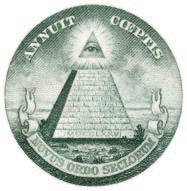
Historian Denver Brunsman separates fact from Hollywood fiction, using film clips to explain the real stories behind the Declaration, the Freemasons, and other historical references. In this case, truth proves even more stirring than fiction: The Declaration’s history is almost as improbable as a movie plot. Brunsman traces how a years-long crisis with imperial Britain culminated in the document, which—against all expectations— became synonymous with independence and has inspired Americans and the world, including filmmakers and filmgoers, for 250 years.
Thurs., July 9, 6:30 p.m.; CODE 1W0-015; Members $20; Nonmembers $30
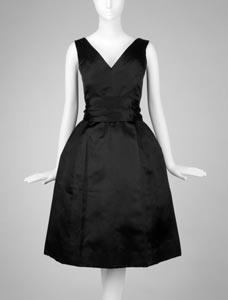
Versatile and timeless, the little black dress is the fashion equivalent of the popular Model T Ford in its time. In this illustrated lecture, cultural historian Leslie Goddard traces the evolution of this enduring style icon. Discover how Coco Chanel transformed black from a color of mourning into a symbol of modern elegance; how Audrey Hepburn cemented the little black dress’s place in popular culture; and how tastemakers and designers—from Betty Boop to Prada—have continually reinvented it for new generations.
Thurs., July 30, 7 p.m.; CODE 1CV-092; Members $20; Nonmembers $30
The Smithsonian Institution and the National Comedy Center hold outstanding collections of objects that illustrate the importance of comedy in American life, from 19th-century vaudeville, minstrel, and puppet shows to stand-up comedians, television satire, and internet memes. The new book Funny Stuff: How Comedy Shaped American History showcases these collections with photographs and essays.
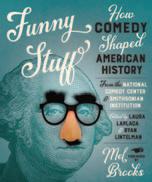
Coauthors Laura LaPlaca, head of the National Comedy Center’s Carl Reiner Department of Archives & Preservation, and Ryan Lintelman, entertainment curator at the Smithsonian’s National Museum of American History (NMAH), tell the stories of rarely exhibited artifacts and recount the lives of several comics and their influence on American culture. Following the lecture, attendees view objects from NMAH that are not currently on public display.
Funny Stuff: How Comedy Shaped American History (Rutgers University Press) is available for sale and signing.
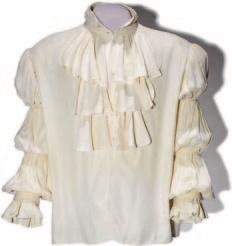
Fri., July 31, 12 p.m.; National Museum of American History, Nicholas and Eugenia Taubman Hall of Music; CODE 1J0-563; Members $20; Nonmembers $30
The story of “Bluebeard” has a long history and a strong presence in the annals of the fairy tale. The classic version by Charles Perrault tells of a beautiful young girl who is swept off her feet by a wealthy man and brought to his splendid castle. When she enters the forbidden chamber, she discovers that he has murdered all his previous wives, and she only escapes their fate with the aid of her siblings. Variants of the story can be found around the world.
Folklorists Sara Cleto and Brittany Warman of the Carterhaugh School of Folklore and the Fantastic do a deep dive into “Bluebeard,” exploring what some of the oldest versions look like, why it has periods of popular resurgence, and how the story has been retold in contemporary times. This lecture includes prompts for audience interaction.
Wed., Aug. 5, 6:45 p.m.; CODE 1J0-565; Members $25; Nonmembers $35
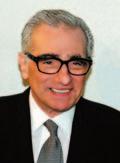

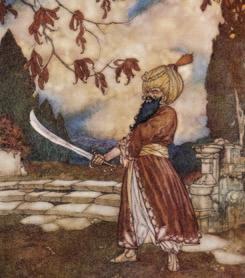
During the past half century, director Martin Scorsese and actor Robert De Niro have crafted epic explorations of the dark side of American society and human nature. In 10 titles from Mean Streets to Killers of the Flower Moon, De Niro brilliantly applied his Method acting training to electrify audiences with characters marked by a deceptive, calculating detachment.
The Scorsese–De Niro collaborations are legendary and influential for their striking use of camera choreography, precision editing, explosive musical soundtracks, unglamorized mental or physical violence, and gritty dark humor. While filmmakers have attempted to replicate Scorsese’s directorial techniques, most have failed to capture the psychology and historical awareness behind his stylistic and narrative ironies. Film historian Max Alvarez pays tribute to a director–actor team unsurpassed in Hollywood history.
Wed., Aug. 5, 6:30 p.m.; CODE 1K0-716; Members $30; Nonmembers $45
Spend three fascinating Friday evenings expanding your knowledge of the world of wine as you sip along with sommelier Erik Segelbaum in a series of delectable adventures. Each immersive program includes a curated personal tasting kit to enhance the experience.
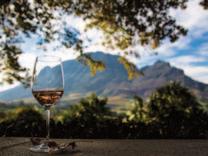
The storied wine history of South Africa—which began in the 1650s—predates that of many regions in France and the rest of Europe. The country’s world-class winemaking is reflected in its diversity of styles, unique grapes, and commitment to sustainability and environmental responsibility. Jim Clarke, marketing manager of Wines of South Africa for the United States, joins Segelbaum to explore some of the nation’s most exciting wines.
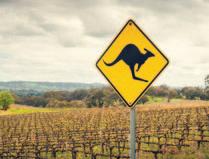
Australia’s wine industry dates back to 1788. Over the years it has evolved into a global powerhouse known for quality, innovation, and uniqueness. While most famous for Shiraz (Syrah), Australia has over 60 distinct wine regions across an immense diversity of geography.
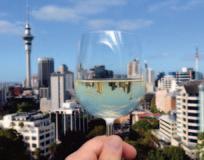
While New Zealand might be best known for Sauvignon Blanc, there’s much more to explore. Learn how the region’s high level of ultraviolet radiation and oceanic proximity (every vineyard is within 80 miles of the ocean) influence the tastes and terroirs. Discover why this small multi-island nation is a leader in premium, foodfriendly wine as you taste through some of New Zealand’s most exciting wines and wineries.
3-session series: Fri., July 24, Aug. 21, and Sept. 18, 6 p.m.; CODE 4WINE2026; Members $180; Nonmembers $225
Individual sessions: Fri., July 24 (CODE 1T0-075); Fri., Aug. 21 (CODE 1T0-076); Fri., Sept. 18 (CODE 1T0-077); 6 p.m.; Members $70; Nonmembers $85
Wine-tasting kit information: The cost includes a curated personal tasting kit with enough wine for one person to sample the full lineup of wines. Additional participants must register individually to receive their own tasting kit, which is an essential component of the workshop.
Update: Kits are available during two scheduled pick-up times the day before the program and the day of the program at Cowbell Seafood & Oyster (Union Market, 1309 5th St. NE, Washington, D.C.; Metro: NoMa–Gallaudet U station, Red line.)
NOTE: Patrons will receive additional wine tasting kit pick-up information by email prior to the program.
Due to state and federal laws, Smithsonian Associates cannot ship wine kits. However, SOMLYAY may be able to provide kits to participants outside the Washington, D.C., area (who must cover shipping costs). Please contact erik@thesomlyay.com for more information.

The anime creations of Studio Ghibli in Japan have traversed the globe since it was founded in 1985. Linda Ehrlich, who has taught Asian studies and Japanese film for several universities, focuses on the artistic and cultural influences of two of the studio’s key films: Spirited Away (Sen to Chihiro no kamikakushi, 2001), directed by Miyazaki Hayao, and The Tale of Princess Kaguya (Kaguya-hime, 2013), directed by Takahata Isao.
Ehrlich also analyzes other Studio Ghibli films, including Miyazaki’s Princess Mononoke (1997) and Takahata’s Only Yesterday (Omoide poro poro, 1991). In addition, she considers what might happen to the Ghibli brand after the death of Takahata and the (frequently) announced retirement of Miyazaki.
NEW DATE: Mon., Oct. 5, 6:45 p.m.; CODE 1J0-542; Members $20; Nonmembers $30
Unless noted, all programs are presented on Zoom; listed times are Eastern Time. Online registration is required.
Tens of billions of birds share the planet with us, an astonishing array of species that are present nearly everywhere humans call home—and many places we do not. They are delicate creatures with hollow bones and thin skin protected by downy feathers, but birds actually evolved from dinosaurs over 150 million years ago.
Evolutionary biologist Steve Brusatte explores how dinosaurs gradually developed the trademark features of birds one by one, why birds were the only dinosaurs to survive the cataclysmic asteroid impact 66 million years ago, and chronicles how these survivors proliferated to produce the many avian species seen today.
Brusatte’s new book, The Story of Birds: A New History from Their Dinosaur Origins to the Present (Mariner, HarperCollins), is available for purchase.
Tues., May 5, 12:30 p.m.; CODE 1T0-067; Members $20; Nonmembers $30
Renewal and Resilience in the Natural World
Forests around the world face growing threats from human activity and a changing climate. Forest ecologist Suzanne Simard—whose groundbreaking research revealed the intricate communication networks connecting trees— explores how nature’s own regenerative systems can guide more sustainable approaches to forest stewardship.
Simard considers the forest as a symphony of carefully tuned processes such as aging “mother trees” passing resources and genetic knowledge to younger ones.
Simard uncovers how nature’s deeply rooted cycles of renewal can sustain ecosystems and demonstrates how recognizing these interdependent relationships offers a path forward for the future of forests.
Her book When the Forest Breathes: Renewal and Resilience in the Natural World (Knopf) is available for purchase.
Tues., May 12, 6:45 p.m.; CODE 1D0-151; Members $20; Nonmembers $30
Orchids have been a focus of human attention since 500 B.C.E. Learn about their evolution plus trivia, fun facts, and famous orchids. Orchid expert Barbara Schmidt explains how 120 million years of evolution have created the family of flowering plants known as Orchidaceae
Wed., May 6, 7 p.m.; CODE 1E0-AGU; Members $25; Nonmembers $35
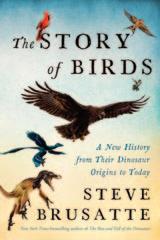
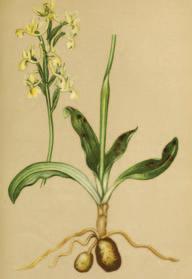
Illustration of Orchis provincialis Balb., 1912
What time does the program end? Unless noted, Smithsonian Associates programs run 1 hour 15 min.–2 hours, including Q&A

Follow the 25-year journey of noted plantsman and the Pennsylvania Horticultural Society’s vice president of horticulture, Andrew Bunting, as he transforms his suburban Philadelphia property into Belvidere, a private garden featuring a series of distinctive small spaces, including his newly established gravel garden featured in The New York Times.
Learn how a professional designs containers for the summer, herbaceous borders, and woodland gardens with a pond. He shares the story of how a joint project with a neighbor helped to create a 4,000-square-foot fruit and vegetable garden, providing the best of each season’s bounty. Bunting describes his approach to garden design, plant choice, seasonal displays, and his maintenance regime and covers the challenges of creating a personal landscape that provides practical lessons and creative ideas for home gardeners.
Wed., May 13, 7 p.m.; CODE 1NV-185; Members $25; Nonmembers $35; Related program: Private and Pubic Gardens of the Philadelphia Region, p. 50
These programs are part of Smithsonian Associates I N SI DE S C I ENCE
Restoring Natural Landscapes
Designing a garden, whether small or large, means considering many factors. Ecologist Shaun McCoshum offers innovative conservation and ecological ideas to create a garden in a way that he says can help restore broken natural processes and build resilient ecosystems. While native plants are essential, McCoshum believes it’s also important to understand the needs of animals, their habitats, and how natural systems work together. He even explains how to replicate the roles of animals not likely to be in the typical backyard, including bison, wolves, and beavers.
McCoshum’s new book, Natural Habitats and Wildlife Gardening: Inviting Nature into Your Backyard (Princeton University Press), is available for purchase.
Mon., May 18, 6:30 p.m.; CODE 1CV-086; Members $20; Nonmembers $30
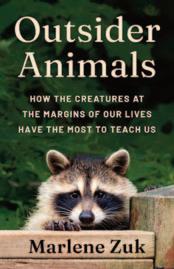
Evolutionary biologist and writer
Marlene Zuk highlights overlooked animals that live in proximity to humans, from raccoons and coyotes to gulls and cockroaches, revealing the insights they offer into cognition, behavior, adaptation, and cohabitation on a crowded planet.
She explains why these often shunned creatures teach us about relationships with other species, our place in nature, and what it means for an animal to belong somewhere.
Zuk explores how coyotes and snakes illuminate human coevolution with predators; cockroaches reveal the evolution of pregnancy; butterflies expose pollution’s effects; and cowbirds and mynas reshape thinking about invasive species. Zuk's book Outsider Animals (Princeton University Press) is available for purchase.
Tues., June 2, 6:30 p.m.; CODE 1M2-460; Members $20; Nonmembers $30
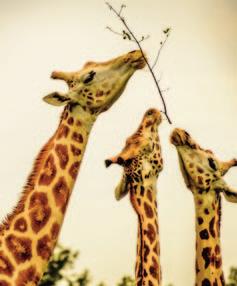
The first scientific field study of giraffes was conducted by Anne Innis Dagg in 1956, but giraffe studies largely disappeared for decades. When researchers returned to the field nearly two decades later, they discovered that giraffes maintain complex social systems. Although they live in very flexible groups, giraffes form lifelong friendships, establish babysitting crèches, follow matriarchal leaders, and sustain enduring mother–daughter bonds. Giraffes also watch out for one another while feeding, drinking, and resting. As researchers uncover their social lives, however, giraffe populations have declined by roughly 40 percent in 30 years, placing them at risk of extinction. Wildlife conservation biologist Fred Bercovitch explores the hidden social lives of giraffes.
Tues., May 19, 7 p.m.; CODE 1CV-087; Members $20; Nonmembers $30
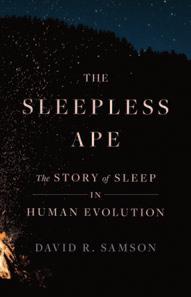
What does evolution reveal about the way we sleep—and why do so many people struggle today? David R. Samson, associate professor of evolutionary anthropology at the University of Toronto, uncovers how our ancestors’ move from the safety of the forest canopy to more dangerous ground shaped the sleep patterns we follow today.
He examines how these informed the brain—supporting memory, creativity, and our capacity to thrive—and explores modern sleep challenges, illustrating how understanding this evolutionary heritage can improve health and wellbeing.
His book The Sleepless Ape: The Story of Sleep in Human Evolution (Princeton University Press) is available for purchase.
Thurs., June 11, 6:45 p.m.; CODE 1D0-157; Members $20; Nonmembers $30
These programs are part of
Spencer Baird, the second Secretary of the Smithsonian, dispatched naturalist Edward W. Nelson to the wilds of Alaska for four years (1877-1881), where he became known as “the man who collects good-for-nothing things.”
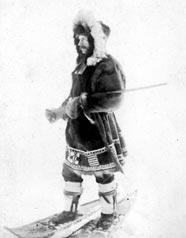
Those things are now among the treasures of the Smithsonian’s anthropology collection, including ivory carvings, ceremonial masks, kayaks, and songs. The Smithsonian also sent scores of other naturalists and scientists to Labrador, Greenland, Canada, Alaska, and Siberia to document Arctic cultures in the circumpolar region.
The Smithsonian’s Arctic Studies Center continues this legacy by conducting research throughout the Arctic in collaboration with Indigenous communities. Director William Fitzhugh discusses how Nelson’s research laid the foundation for 150 years of natural history and anthropological studies, as well as exhibits and public programs.
Mon., June 15, 6:30 p.m.; CODE 1T0-072; Members $20; Nonmembers $30
Charles Darwin reshaped the Victorian world, and his life mirrors the sweeping transformations of the 19th century. His theory of evolution, emerging amid empire and industrial capitalism, revolutionized science and influenced literature, art, philosophy, religion, and politics.
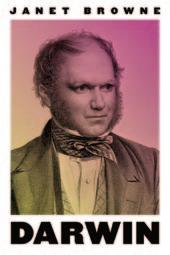
Historian and author Janet Browne follows Darwin from his voyage on the HMS Beagle to his rise as a scientific celebrity after On the Origin of Species. Using letters and archival material, she demonstrates how one naturalist forever changed the way life on Earth is understood.
Browne’s newest book, Darwin: A Biography (Princeton University Press), is available for purchase.
Tues., June 23, 12 p.m.; CODE 1D0-158; Members $20; Nonmembers $30
The reasons behind why the daytime sky is blue, what causes a rainbow, and the creation of a halo around the moon or sun all involve how sunlight interacts with the Earth’s atmosphere. J. Kelly Beatty, senior editor at Sky & Telescope magazine, unveils a score of atmospheric phenomena that you can see in a daytime sky, from sun pillars at dawn to the Belt of Venus at dusk.
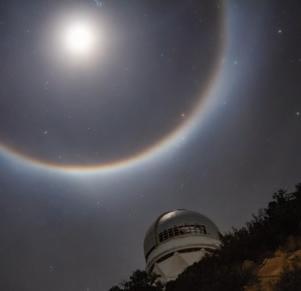
Thurs., June 18, 6:45 p.m.; CODE 1J0-559; Members $20; Nonmembers $30
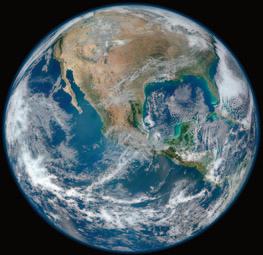
Time-travel with atmospheric scientist Edward Graham as he leads a 4.6-billion-year journey through the climate history of Earth. Starting in the Precambrian, he employs the fundamentals of geology to determine the age of the most ancient rocks on early Earth and what they reveal about its environments, which he describes as distinctly alien. He fast-forwards through various geological epochs, discovering how the eventual blossoming of life helped to regulate Earth’s atmosphere, increasing its oxygen content and making the sky blue. He also considers the important lessons from a study of past Earth climate to understand the escalating climate crisis of the Anthropocene.
Fri., June 26, 12 p.m.; CODE 1K0-701; Members $30; Nonmembers $45
Read more about programs in this guide on our website. Search by code or date. Expanded program descriptions, presenters’ information, and more at SmithsonianAssociates.org.
These programs are part of Smithsonian Associates
Explore the spectacular geology and scenery of Iceland in a virtual field trip led by Kirt Kempter, who has led more than 30 tours to the country. He discusses the geologic origin and development of Iceland and how the coincidence of a hot spot and a plate boundary has brought Iceland above sea level over the past 15 million years.

The volcanic awakening of the Reykjanes Peninsula, starting in March 2021, has signaled a new chapter of volcanic activity in Iceland, less than 50 kilometers from the capital city of Reykjavik. Kempter examines this activity along with other famous volcanoes and eruptions in Iceland since human settlement.
Mon., June 29, 7 p.m.; CODE 1NV-193; Members $25; Nonmembers $35
Safari destinations like Kenya, Tanzania, and Botswana have long stood at the center of African travel. Yet conservation pioneers and local communities elsewhere are quietly opening remote regions where wildlife thrives in solitude and timeless landscapes remain untouched by mass tourism.

Wilderness guide Russell Gammon leads an immersive exploration of two of Africa’s most rewarding but least-visited safari destinations: Zambia and Uganda.
Gammon shares the wonder of sitting quietly among a family of mountain gorillas, listening to chimpanzees call through the forest at dawn, and moving through landscapes where primates, predators, and scenery converge in a tapestry of biodiversity. Through storytelling, decades of firsthand experience, and ecological insights, he reveals why these countries are emerging as part of the future of conservation-focused travel. Sat., July 11, 10 a.m.–3 p.m.; detailed program information on website; CODE 1J0-561; Members $80; Nonmembers $100
Naturalist and photographer Matt Felperin leads a visual exploration of Costa Rica’s Caribbean lowlands, foothills, and highland cloud forests, spanning the lush river corridors of Sarapiquí to the mist-laden peaks of the Talamanca Mountains. Traversing forest trails, river edges, and moss-draped ridgelines, Felperin documents the remarkable avian variety of these globally significant biodiversity hotspots.
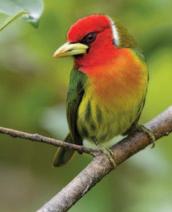
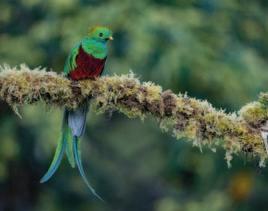
Along the way, encounter trogons, tanagers, hummingbirds, and toucans; observe mixed-species feeding flocks and high-elevation natives; and gain insight into the elusive species that help define one of the richest bird habitats on Earth. Interwoven with field observations and narrative accounts from the rainforest, Felperin offers both a vivid visual record and an informed perspective on the ecological complexity of tropical bird communities.
Tues., July 7, 7 p.m.; CODE 1NV-195; Members $25; Nonmembers $35
Smithsonian Associates members now can select how you hear from us. Visit SmithsonianAssociates.org, log into “My Account,“ select “Go Green & Contact Preferences,” and you’re ready to fly.
Choose email-only or email with a printed Smithsonian Associates program guide. Our communications will be winging their way to you—just the way you like.
Ambition, Illusion, and the
We are told, says philosopher Ben Bramble, that humanity’s destiny lies beyond Earth with the promise of cities on Mars, asteroid mining, lunar industries, and even “backup planets” to secure our survival. But is becoming a multiplanetary species the wisest path forward?
Bramble, a mission specialist for the Australian National University’s Institute for Space, argues that many of the visions of the New Space Age rest on confusion about risk, progress, and what makes a human future genuinely good. If we care about humanity’s long-term flourishing, he suggests we should look less to Mars—and more carefully at Earth.
His new book, Lunacy: Ten False Promises of the New Space Age (Princeton University Press), is available for purchase.
Wed., July 15, 6:30 p.m.; CODE 1W0-016; Members $20, Nonmembers $30
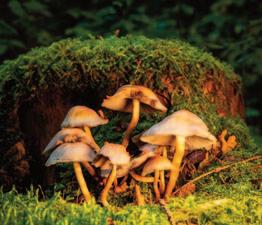
With more than 170,000 described species—and countless more to be discovered—the kingdom Fungi is one of the most astonishing branches of the tree of life. Today mycology, the study of fungi, is enjoying a surge of popular attention, captivating foragers and food lovers, scientists and artists, and naturalists of all ages and experience levels.
Though fungi can seem mysterious and even bewildering, mycologist David Hibbett illuminates their remarkable variety and explains what fungi are, how they live and grow, and the ways they shape the ecosystems around us. He uncovers the surprising roles fungi have played in human cultures across time—from food and fermentation to medicine and myth. Hibbett provides helpful context and resources to deepen an understanding and appreciation of this extraordinary and often-hidden world.
Tues., July 21, 7 p.m.; CODE 1NV-199; Members $25; Nonmembers $35
From the country’s earliest days, Americans’ survival, economy, and cultural development have been deeply tied to the natural environment. Thus, in an era of rapid environmental change, it has become vital to better understand the world around us and protect it for future generations.
The Smithsonian Environmental Research Center (SERC) is a world leader in science that connects people and ecosystems. William “Monty” Graham, the new director of SERC, discusses the center’s work, beginning with a look at how Americans used the land and its resources 250 years ago. With a combination of knowledge from the past and innovative technology, Graham says, Smithsonian scientists can peer into the future for a glimpse at what it holds for the United States’ environment.
Wed., July 22, 12 p.m.; CODE 1T0-079; Members $20; Nonmembers $30
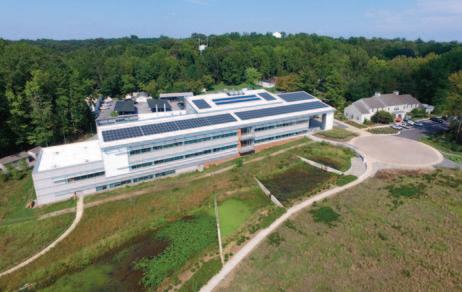
Smithsonian Environmental Research Center, Edgewater, Maryland

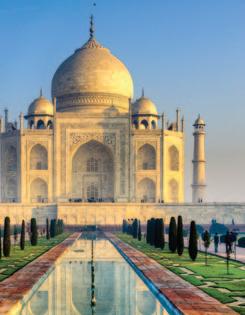
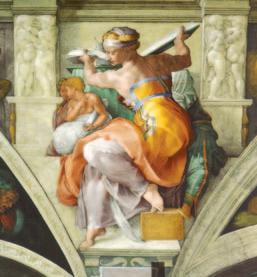
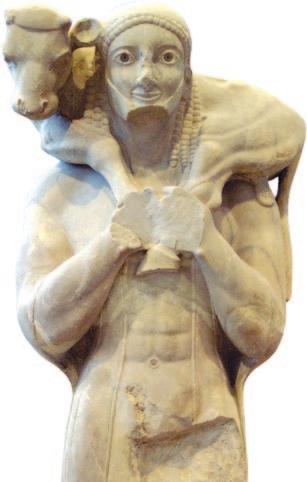
Now become the expert you’ve always wanted to be.
Art is all around us. It excites us, enriches our lives, and enlivens our imaginations. But to truly appreciate any work of art, we need to understand the context and culture in which it was produced. That’s why Smithsonian Associates offers an exciting World Art History Certificate Program.
The wide-ranging offerings are designed to provide a global perspective on art and architecture and draw on the Smithsonian’s world-class collections, the rich resources of other Washington institutions, and noted national and international museums.
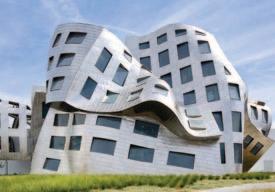
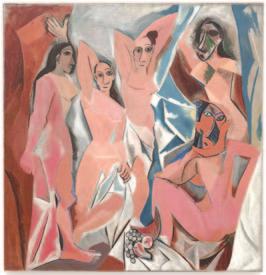
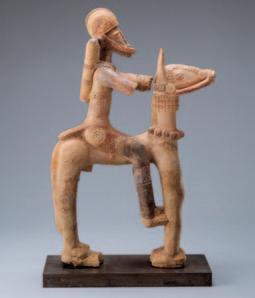
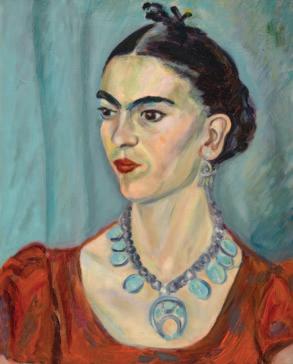
The core courses and electives in this program are selected from among Smithsonian Associates’ ongoing courses, seminars, study tours, and Studio Arts classes. You’ll find an expanded roster of instructors and a new range of course topics.
Complete the program requirements at your own pace and track your credits online. Credits are counted from the day of program registration and are not given retroactively.
To learn more about the Smithsonian Associates World Art History Certificate Program, visit SmithsonianAssociates.org/ArtCertificate
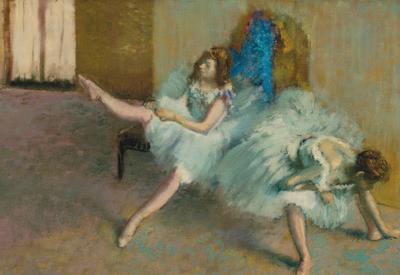
*from Smithsonian museum collections
Unless noted, all programs are presented on Zoom; listed times are Eastern Time. Online registration is required.
World Art History Certificate elective: Earn 1 credit
The English painters, poets, and critics who gave birth to the Pre-Raphaelite Brotherhood in 1848 wanted to reform art by rejecting what they called the melodramatic style of High Renaissance artists like Raphael. The founding Pre-Raphaelites, including Dante Gabriel Rossetti, John Everett Millais, and William Holman Hunt, were determined to return their art to the clear storytelling and intense colors of early Italian and Flemish Renaissance painting .
In a full-day seminar, art historian Bonita Billman traces this fascinating movement from its origins to flowering conclusion as well as examines its influence on the Arts and Crafts movement and its legacy of beauty.
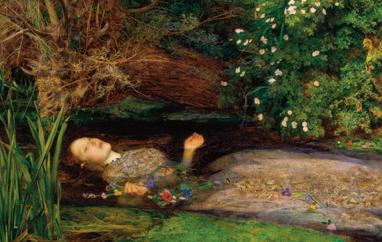
Sat., May 2, 10 a.m.–4 p.m.; detailed program information on website; CODE 1M2-457; Members $100; Nonmembers $125
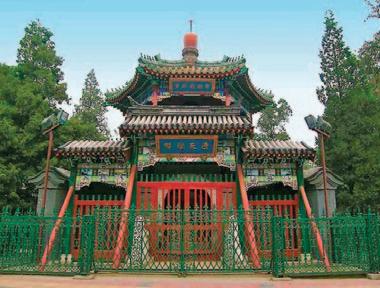
World Art History Certificate core course: Earn 1 credit
Islamic art and architecture are both distinctive and varied. Sean Roberts, a teaching associate professor of art history at the University of Tennessee Knoxville, provides an overview of the historical and societal contexts in which this tradition developed. The narrative covers 14 centuries and spans from the central Islamic lands across the globe.
4-session series: Mon., May 4–June 1 (no class on May 25), 6:30 p.m.; detailed program information on website; CODE 1T0-065; Members $100; Nonmembers $125
World Art History Certificate elective: Earn 1 credit
Over nearly 250 years, the National Mall has evolved as the center stage of the nation’s capital. The Founding Fathers saw the District of Columbia as a shining beacon of democracy for a newly independent nation, reflected in the L’Enfant Plan’s vision of the National Mall as its ceremonial core.
In the first program of a two-part series Carolyn Muraskin, founder of DC Design Tours, traces the Mall’s transition from pasture lands to military training grounds and from mud flats to grand monuments, sharing the complex and lesser-known history of some of the most enduring national landmarks including the Capitol, Washington Monument, White House, Jefferson Memorial, Lincoln Memorial, and the Tidal Basin and its famed cherry blossoms.
Wed., May 6, 7 p.m.; CODE 1NV-188; Members $25; Nonmembers $35
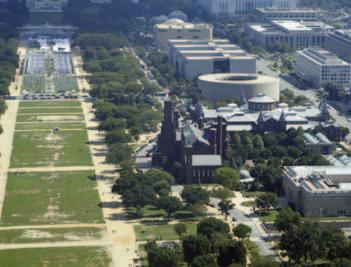
What time does the program end? Unless noted, Smithsonian Associates programs run 1 hour 15 min.–2 hours, including Q&A
In this ongoing series, Renaissance art expert Rocky Ruggiero spotlights the significant collections of sometimes-overlooked museums and churches throughout Italy.
World Art History Certificate elective: Earn ½ credit for each
Casa Buonarroti in Florence offers an intimate perspective on Michelangelo’s life and legacy, distinct from his monumental public works. The house museum is a carefully constructed site of family memory, shaped by Michelangelo’s descendants in the 17th century. Through Casa Buonarroti’s architecture, decorative programs, and collection of early works—including the “Madonna della Scala” and “Battaglia dei Centauri”—Ruggiero reveals how examples of artistic genius were curated within a domestic setting.
Wed., May 20, 6:30 p.m.; CODE 1J0-548; Members $30; Nonmembers $45
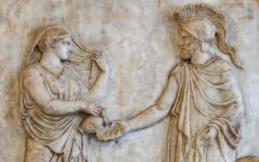
Home to extraordinary finds from Pompeii and Herculaneum, the Naples National Archaeological Museum offers a glimpse into the ancient Roman world. Ruggiero introduces some of the museum’s most compelling treasures, from breathtaking mosaics and monumental sculptures to everyday objects that reveal how Romans lived, worked, and found pleasure nearly 2,000 years ago.
Mon., June 8, 6:30 p.m.; CODE 1J0-555; Members $30; Nonmembers $45
Founded by the hermit monks of San Girolamo in 1396 in Venice, the Church of San Sebastiano can be described as Venetian artist Paolo Veronese’s “Sistine Chapel.” The church houses a cycle of paintings that are the most important works Veronese created. Other notable works found in the church and sacristy include Titian’s St. Nicholas and works by Paris Bordone, Jacopo Sansovino, Palma il Giovane, Alessandro Vittoria, Jacopo Tintoretto, and Bonifacio de’ Pitati. Ruggiero discusses the significance of Veronese’s paintings and highlights other noteworthy works in the church.
Mon., July 13, 12 p.m.; CODE 1J0-562; Members $30; Nonmembers $45
World Art History Certificate elective: Earn ½ credit each Salon Societies
The Women Who Shaped Modern Art
Long before modern art found its home in museums, it thrived in salons, collections, and networks cultivated by women. From gatherings in Europe to avant-garde circles in early 20th-century New York, these women nurtured artists, championed emerging talent, and shaped the tastes that defined modern culture. Art historian Jennie Hirsh highlights the salonnières and patrons whose influence extended far beyond the studio or gallery.
MAY 7 Gertrude Stein, Helene Kröller-Müller, Margherita Sarfatti
JUNE 4 Katherine Dreier, Florine Stettheimer, Gertrude Vanderbilt Whitney
JULY 9 Abby Aldrich Rockefeller, Lillie P. Bliss, Peggy Guggenheim
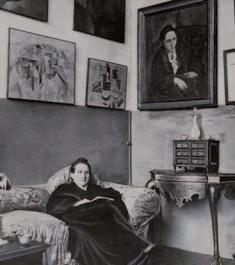
3-session series: Thurs., May 7, June 4, and July 9, 12 p.m.; detailed program information on website; CODE 1D0-161; Members $60; Nonmembers $75
Individual sessions: Thurs., May 7 (CODE 1D0-161A); Thurs., June 4 (CODE 1D0-161B); Thurs., July 9 (CODE 1D0-161C); 12 p.m.; Members $25; Nonmembers $35
Art historian Sophia D’Addio of Columbia University, an expert in Italian Renaissance art and architecture, has traveled widely across the Italian peninsula over the past 20 years. In a series of illustrated talks, she explores two distinctive regions of Italy, revealing their histories, mysteries, and pleasures. Each session requires individual registration and carries ½ credit as a World Art History Certificate elective.
The Green Heart of Italy, Umbria is known for hill towns, majestic landscapes, and the legacy of Saint Francis. Perugia, Assisi, Spoleto, and Orvieto hold medieval and Renaissance treasures. Umbria’s culinary specialties focus on prized local ingredients such as black truffles, wild boar, lentils, and olive oil.
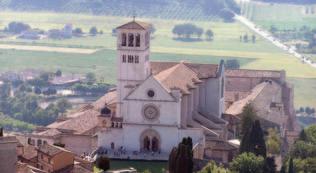
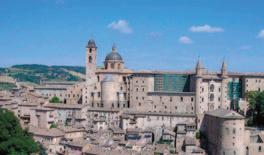
Le Marche, along the Adriatic east of Umbria, features beaches, Apennine peaks, and rolling hills with towns. Urbino, Raphael’s hometown, shines as an artistic hub, while Loreto has drawn pilgrims since the 14th century. Beyond these marvels, D’Addio highlights more offthe-beaten-path destinations.
Tues., May 12, 6:30–8:15 p.m.; CODE 1M2-452; Members $30; Nonmembers $45
World Art History Certificate elective: Earn ½ credit
Innovation, Influence, and Legacy
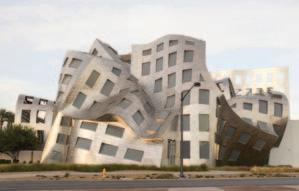
Frank Gehry emerged as one of modern architecture’s most influential and debated figures, reshaping skylines and expanding what buildings could express. Rejecting rigid Modernism early in his career—most notably in his own radical Santa Monica house—he developed a design language rooted in experimentation, unexpected forms, and material clarity.
With the rise of digital tools, his work grew increasingly sculptural, seen in landmarks like the Guggenheim Museum Bilbao, Walt Disney Concert Hall, and Fondation Louis Vuitton. Though linked to Postmodernism and Deconstructivism, Gehry avoided strict labels, pursuing ideas freely. Celebrated and controversial, his legacy remains transformative. Bill Keene, a lecturer in history, urban studies, and architecture, examines Gehry’s life and work. Mon., May 11, 7 p.m.; CODE 1NV-189; Members $25; Nonmembers $35
Tues., June 9, 6:30–8:15 p.m.; CODE 1M2-453; Members $30; Nonmembers $45
World Art History Certificate core course: Earn 1 credit
As the Impressionist movement evolved, it became a symbol of modern art and began to transcend national boundaries. Art historian Joseph Paul Cassar examines why the emphasis on natural light and the depiction of everyday life became a hallmark influencing artists across the globe. Today, the development and practice of Impressionism is seen less as a uniquely French movement and instead as a major influence on the world’s visual culture. Cassar surveys its influence in Russia, Italy, Holland, Belgium, and Great Britain.
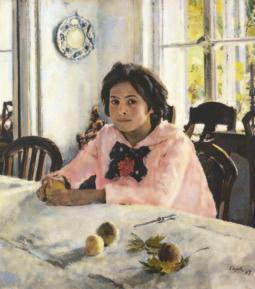
4-session series: Wed., May 13–June 3, 10:30 a.m.; detailed program information on website; CODE 1K0-697; Members $100; Nonmembers $125
All Smithsonian Associates online programs are closed captioned
World Art History Certificate elective: Earn ½ credit
A Time, a Place, a Legacy
By the end of the 1950s, New York Abstract Expressionism began to wane. Painters adopted the large scale and rich palette of artists like Barnett Newman and Mark Rothko but with new processes and goals in mind. Many of these painters lived in Washington, D.C., where their originality earned them the name Washington Color School.
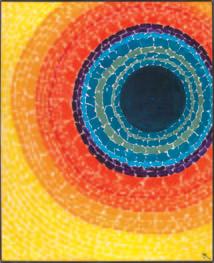
Morris Louis, Kenneth Noland, Gene Davis, and Paul Reed, among others, were important innovators. Art historian David Gariff examines this golden age in the history of modern American art including works by second-generation D.C. colorists.
Fri., May 15, 12 p.m.; CODE 1H0-905; Members $25; Nonmembers $35
World Art History Certificate elective: Earn ½ credit
The Ganges River Basin was the heartland of South Asian urban development in the 6th century B.C.E., and the river remains deeply important to many people in ways that are both physical and conceptual. Art historian Robert DeCaroli traces the Ganges from its origins in the peaks of the Himalayas to the Bay of Bengal, exploring historic and sacred locations along this mighty river.
The physical river, however, is only half the story. Since ancient times, the Ganges has been embodied as the goddess Ganga, and her reach stretches well beyond the riverbanks. DeCaroli examines the art and architecture used to enhance and replicate access to Ganga’s sacred waters.
Thurs., May 21, 6:30 p.m.; CODE 1J0-549; Members $30; Nonmembers $45
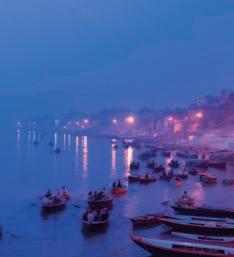
World Art History Certificate elective: Earn ½ credit
Croatia From Pula to Dubrovnik
You may recognize the towering walls of Dubrovnik, the famed city-state of the Renaissance, but Croatia has countless other art and architectural treasures. Standing at the geographic intersection of several cultures, the country has been coveted by various foreign powers for centuries, with Romans, Byzantines, Venetians, and Ottomans all leaving their mark.
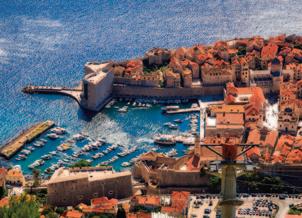
Past and Future of Human Habitation
Architect and urban planning scholar Stefan Al traces human habitation from ancient pithouses to modern skyscrapers, blending archaeology, engineering, social history, and environmental science. He reveals how ordinary architectural features like corridors and door knockers shaped social interaction, while material choices transformed the planet. Looking ahead, he evaluates emerging housing technologies such as 3D-printed buildings, arguing that understanding housing’s long history is crucial for building a sustainable future that transforms humanity’s defining challenge into its greatest opportunity.
Aneta Georgievska-Shine, a scholar of Renaissance and Baroque art, examines the artistic legacy of this long and tangled history as she explores the UNESCO World Heritage Site city of Dubrovnik as well as other significant locations.
Tues., May 19, 6:30 p.m.; CODE 1K0-713; Members $30; Nonmembers $45

His book Dwelling on Earth: The Past and Future of the Places We Call Home (W.W. Norton) is available for purchase.
Thurs., May 28, 6:45 p.m.; CODE 1K0696; Members $20; Nonmembers $30
Read more about programs in this guide on our website. Search by code or date. Expanded program descriptions, presenters’ information, and more at SmithsonianAssociates.org.
World Art History Certificate elective: Earn ½ credit
Art and Mystery at the Isabella Stewart Gardner Museum
On March 18, 1990, two thieves disguised as police officers walked into Boston’s Isabella Stewart Gardner Museum and committed one of the largest art thefts in modern history. Thirteen works— including masterpieces by Vermeer, Rembrandt, and Degas—vanished into the night. The empty frames remain on the museum’s walls, a powerful reminder of what’s missing.
Art historian Laura Morelli examines the stolen treasures, explores their significance, explains why their loss still haunts the art world, and considers the latest theories about their whereabouts.
Fri., May 29, 12:30 p.m.; CODE 1H0-908; Members $20; Nonmembers $30
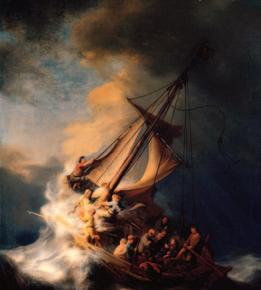
World Art History Certificate elective: Earn ½ credit for each
Raphael, celebrated as one of the three great masters of the Italian High Renaissance alongside Michelangelo and Leonardo da Vinci, left an enduring legacy of beauty, grace, and harmony despite his life ending at 37. In just over two decades, he rose from a promising painter in Urbino to the favored artist of popes and princes, his name becoming synonymous with ideal beauty and artistic perfection. The Metropolitan Museum of Art exhibition “Raphael: Sublime Poetry” brings his genius back into focus.
2026 SM
Ruffolo traces his extraordinary ascent—from apprenticeships under Perugino to encounters with Michelangelo and Leonardo in Florence, culminating in his crowning achievements in Rome. Through serene figures and masterful compositions, Raphael came to embody the very spirit of the Renaissance, securing his place in history.
Fri., May 22, 12 p.m.; CODE 1D0-147; Members $25; Nonmembers $35
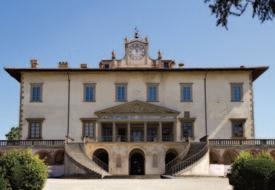
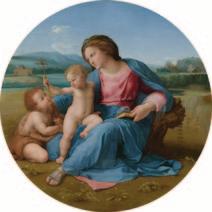
The Medici family ruled Florence for centuries and profoundly influenced European culture. Their patronage of both art and science fostered new architectural styles and introduced the ideal of villa life—residences designed for harmony with nature and intellectual leisure.
These villas became centers of recreation, scholarship, experimentation, business, and romance, each reflecting the Medici’s political ambitions and cultural ideals. Ruffolo examines how the family’s public works and private desires shaped these architectural spaces, tracing developments from medieval forms to Mannerist innovation, where aesthetics, creativity, and power converged.
Fri., June 5, 12 p.m.; CODE 1D0-155; Members $25; Nonmembers $35
All Smithsonian Associates online programs are closed captioned
Creative Writing Inspired by Visual Art
Discover how visual art can inspire creative writing and how writing can offer a powerful way to experience art. Mary Hall Surface, the founding instructor of the National Gallery of Art’s Writing Salon, leads workshops that explore essential elements of writing and styles through close looking, word-sketching, and imaginative response to prompts.
The sessions spotlight a wide range of visual art chosen to inspire writers of all experience levels to deepen their process and practice. Each workshop has a limited enrollment to maximize interaction among the instructor and students.
JUL 7 Dialogue: Spoken and Unspoken
JUL 14 Impact: Tone and Mood
JUL 21 Memoir: Setting and Identity
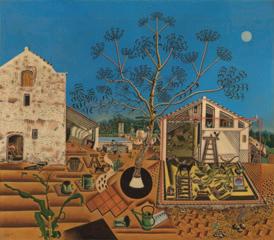
3-session series: Tues., July 7, 14, and 21, 10 a.m.; detailed program information on website; CODE 1K0-705; Members $105; Nonmembers $125
Individual sessions: Tues., July 7 (CODE 1K0-706); Tues., July 14 (CODE 1K0-707); Tues., July 21 (CODE 1K0-708); 10 a.m.; Members $40; Nonmembers $50
World Art History Certificate elective: Earn ½ credit
World Art History Certificate elective: Earn ½ credit
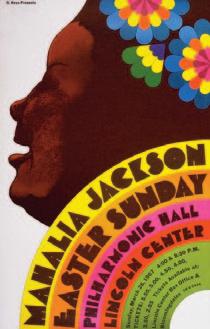
Galvanized by the post-World War II decolonization of African nations and the civil rights, Black power, anti-war, and feminist and womanist movements, African-descendant cultural producers in the United States began claiming a Black aesthetic that emerged from the lived experience of Black people. The Black Arts Movement permeated rural and urban areas, drawing on blues, jazz, Black folk culture, and Black idiomatic expressions. Spend a day with Michele L. Simms-Burton, scholar of African American and Africana studies, exploring the Black Arts Movement in the United States. Study the post-World War II historic moments and cultural events that fostered an emergent Black aesthetic. Encounter artists, composers, musicians and writers from rural and urban areas and learn how their lives and experiences informed their artistic achievements.
Sat., June 6, 10 a.m.–3:30 p.m.; detailed program information on website; CODE 1J0-554; Members $80; Nonmembers $100
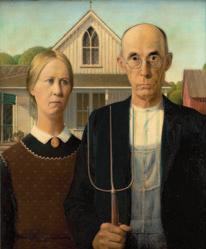
Grant Wood, famed for American Gothic, was far more intricate than his public image suggested. Though he styled himself a “farmer painter,” his creativity was shaped less by agriculture than by artistic community, family entanglements, and a carefully crafted persona.
Art historian R. Tripp Evans uncovers Wood’s formative Iowa years and his intense relationships with his mother and sister Nan, a model for American Gothic. He also examines how Wood’s closeted homosexuality energized his art and imperiled his career. Drawing on autobiographical fragments, documents, and paintings, Evans reveals the private tensions that gave Wood’s Regionalism its emotional force.
Wed., June 10, 6:45 p.m.; CODE 1D0-159; Members $20; Nonmembers $30
World Art History Certificate elective: Earn ½ credit
The Iconography of Saints
Saints are present in so many works of art. But how did medieval viewers know which saint was being depicted, when most couldn’t read? Art historian Noah Charney explores the use of saints and their associative meaning in paintings created during the period.
By recognizing attributes linked to a saint’s martyrdom—such as Saint Lucy’s eyes on a platter or Saint Peter’s upside-down cross—viewers could identify which saint they were seeing and why. Charney teaches the art of identifying key saints and reading religious paintings like a detective. Using Carlo Crivelli’s Demidoff Altarpiece as his guide, he explores the meanings behind the faces and attributes of these artistic tropes.
Mon., June 8, 12 p.m.; CODE 1H0-912; Members $30; Nonmembers $45
World Art History Certificate elective: Earn ½ credit
The Smithsonian Institution has shaped the character of the National Mall since 1855. Washington’s beloved museums trace the arc of American architecture, from James Renwick’s Gothic design of the Smithsonian Castle to the contemporary National Museum of African American History and Culture by Phil Freelon. Romanesque to Victorian, Neoclassical to Brutalist, each unique building is an architectural study all its own.
Carolyn Muraskin, founder of DC Design Tours, investigates the style, design, controversy, construction, and fascinating backstories behind these celebrated museums.
Wed., June 10, 7 p.m.; CODE 1NV-191; Members $25; Nonmembers $35
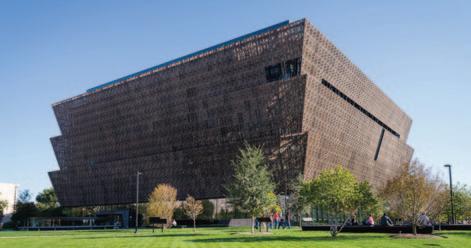
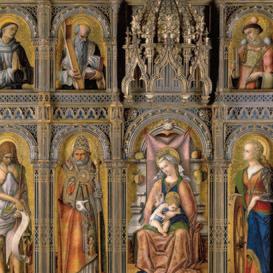
World Art History Certificate elective: Earn ½ credit
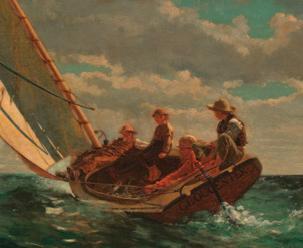
The term American Realism most often refers to the Ashcan School, a group led by Robert Henri that depicted the gritty realities of New York City at the turn of the 20th century. But the term “realism” may also be applied to the work of artists like John Singleton Copley in the colonial era, trompe-l’oeil still-life painters like Rembrandt Peale and William Harnett, and artists such as Winslow Homer, Thomas Eakins, and John Singer Sargent in the 19th century. The word has also been applied to later movements in painting, such as Socialist Realism and Photo-Realism.
Art historian Heidi Applegate traces the movement’s origins in literature and helps differentiate the various uses of “Realist” and “Realism” throughout the history of art.
Fri., June 12, 12 p.m.; CODE 1H0-910; Members $20; Nonmembers $30
What time does the program end? Unless noted, Smithsonian Associates programs run 1 hour 15 min.–2 hours, including Q&A
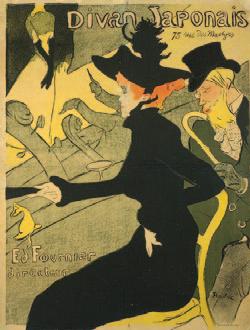
World Art History Certificate elective: Earn 1 credit
The year 1900 found three of Europe’s greatest cities entering defining eras in their historical and cultural development. In a richly illustrated seminar, cultural historian George Scheper, a senior lecturer in advanced academic programs at Johns Hopkins University, explores how the alignment of creative forces shaped a trio of highly distinctive urban milieus—Vienna, Paris, and London—each nourished by the energy and excitement of new ideas and each witnessing the birth of modernism in the coming century.
Sat., June 13, 10 a.m.–3:15 p.m.; detailed program information on website; CODE 1M2-461; Members $80; Nonmembers $100
World Art History Certificate elective: Earn ½ credit Transformed and Deformed:
Tsukioka Yoshitoshi (1839-1892) is often regarded as the last ukiyo-e artist, working across the transition between the feudal Edo period (1603-1868) and the Westernization of Japan in the Meiji era (18681912). Yoshitoshi is known as an artist of the macabre, with his chimidoro-e (“blood-covered pictures”) and grotesque imagery seemingly related to his history of mental health issues. However, this ghoulish reputation can obscure the important contributions he made to the development of new artistic genres and the sensitive turn that his supernatural imagery took toward the end of his life. Kit Brooks, curator of Asian art at the Princeton University Art Museum, explores Yoshitoshi’s career, examining what makes his art—and life—so haunting.
Thurs., June 11, 6:30 p.m.; CODE 1J0-557; Members $20; Nonmembers $30

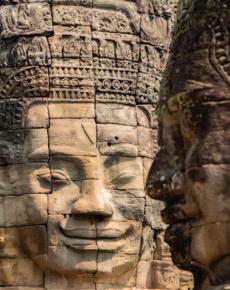
World Art History Certificate core course: Earn 1 credit
Strategically located for trade, rich in resources, and containing a variety of cultural traditions, the civilizations of mainland and island Southeast Asia are among the most dynamic in the world. Art historian Robert DeCaroli examines the cultural and artistic traditions of ancient Southeast Asia from the earliest archaeological evidence to the onset of colonialism, with a focus on the royal arts of the great civilizations that arose within the borders of modern Indonesia, Cambodia, Vietnam, Burma (Myanmar), and Thailand.
4-session series: Tues., June 16–July 7, 6:30 p.m.; detailed program information on website; CODE 1J0-558; Members $100; Nonmembers $125
All Smithsonian Associates online programs are closed captioned
World Art History Certificate elective: Earn ½ credit
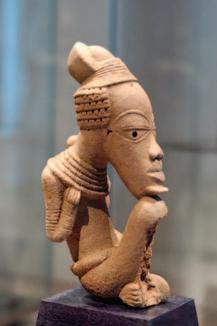
Art historian Joseph Paul Cassar offers an overview of African art, outlining key aesthetic concepts such as the flexed-knee motif and themes of maternity and fertility. He examines a wide range of mask styles in materials like wood, ivory, and bronze, emphasizing their expressive and abstract qualities.
Cassar also addresses the challenges of studying African art, including the continent’s cultural and linguistic variety, the assorted terminology often applied to its artistic traditions, and the difficulty of interpreting works without full contextual knowledge. Drawing on a decade of research in Africa, he traces the influence of African art on modern European artists.
Wed., June 17, 12 p.m.; CODE 1K0-699; Members $25; Nonmembers $35
World Art History Certificate elective: Earn ½ credit
William Blake, one of the most prolific artists and poets of the Romantic period, united painting and poetry most effectively in his “illuminated books.” Recalling medieval illuminated manuscripts, these richly illustrated volumes allowed Blake to address major themes such as religious hypocrisy, poverty, inequality, and human existence.
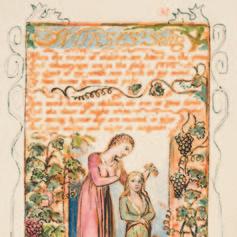
Blake’s books represented the marriage of painting and poetry through carefully etched poems and accompanying images. His best-known works are Songs of Innocence and Songs of Experience, illustrated collections of lyric poems that were combined into one volume in 1794. Although Blake frequently turned to the Christian Bible for inspiration, his poetry and works of art reflect his own personal visions. Art historian David Gariff offers insights into Blake’s achievements as both poet and artist.
Sun., June 21, 3 p.m.; CODE 1H0-911; Members $25; Nonmembers $35
World Art History Certificate elective: Earn ½ credit
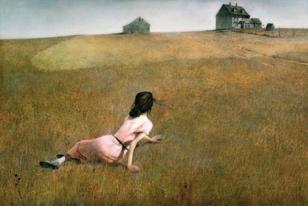
Andrew Wyeth, a leading 20th-century American realist, drew lifelong inspiration from the rural worlds of Chadds Ford, Pennsylvania, and Cushing, Maine. Trained at home by his illustrator father, N.C. Wyeth, he embraced his own path by using tempera, creating austere, contemplative works such as Christina’s World
Though labeled a realist, he viewed himself as an abstractionist, stripping away detail to reveal emotional truth. His output spans drawings, watercolors, drybrush, and tempera, depicting landscapes, still lifes, and local people with empathy. Art historian Bonita Billman highlights a range of works from Wyeth’s extraordinary oeuvre.
Mon., June 22, 6:30 p.m.; CODE 1M2-463; Members $25; Nonmembers $35
World Art History Certificate elective: Earn ½ credit
At the turn of the 15th century, Guido di Pietro, later known as Fra Angelico, lived a quiet life of devotion in the hills above Florence. Among his Dominican brothers, he carried out the work of illuminating religious manuscripts and, later, painting fresco.
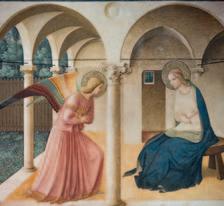
But when Cosimo de Medici established himself as the patron of a new Dominican community in the 1430s, Fra Angelico was given the opportunity to transform the stark walls, monastic cells, and corridors of the priory of San Marco into spaces of contemplation through frescoes both otherworldly and deeply human.
Art historian Laura Morelli explores the unique convergence of talent, faith, and patronage that made Fra Angelico a master of devotional painting—and thrust him from cloistered solitude into the vibrant artistic life of Renaissance Florence.
Fri., June 26, 12 p.m.; CODE 1H0-909; Members $20; Nonmembers $30
World Art History Certificate elective: Earn 1 credit
A picture is not only worth a thousand words: It can sometimes inspire a whole invented world. Independent art historian Heidi Applegate explores the art and artists behind three works of historical fiction by contemporary authors.
Gain new perspectives on the works of Johannes Vermeer, Leonardo da Vinci, and Henri Matisse by delving into the novels followed by Applegate’s examination of the factual background along with the fiction. It’s a “novel” way to explore the arts.
3-session series: Wed., July 8, Aug. 12, and Sept. 9, 12 p.m.; detailed program information on website; CODE 1H0-916; Members $75; Nonmembers $95
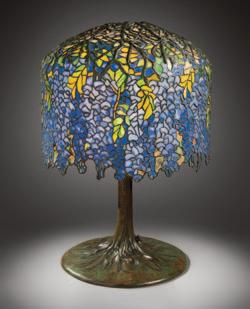
World Art History Certificate elective: Earn ½ credit
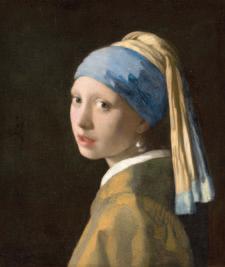
The late-19th and early-20th centuries were a time of extraordinary creativity in the arts, as New York City emerged as a global center of innovation and design. Among the leading figures of this era was Louis Comfort Tiffany, whose spectacular stained-glass windows, lamps, vases, and elegant home furnishings transformed decorative arts into coveted works of fine art.
In his several studios, Tiffany pursued what he called a lifelong “pursuit of beauty,” experimenting boldly with color, light, and new glassmaking techniques. His designs—at once opulent and organic— captured the spirit of the Gilded Age and the Art Nouveau movement while redefining the relationship between art and everyday life.
Art historian Janetta Rebold Benton, herself a collector of Tiffany lamps, explores Tiffany’s fascinating life, artistic vision, and why they continue to enchant today.
Tues., July 14, 7 p.m.; CODE 1D0-163; Members $20; Nonmembers $30
World Art History Certificate elective: Earn ½ credit
The Etruscans hold a reputation for mystery, but we actually know a lot about these creative ancient Italians and their remarkable contributions to the history of art. Contemporaries of the ancient Greeks and Romans, the Etruscans maintained a distinctive language and visual culture.
Art historian and author Laura Morelli explores this culture using samples of masterworks of Etruscan painting, sculpture, and metalwork. She examines how the Etruscans adorned the places where they planned to spend eternity and the incredible luxury objects they took with them.
Morelli delves into what makes Etruscan culture unique in the Mediterranean world; how to appreciate the hallmarks of its visual art; and why Etruscan archaeology is among the most vibrant fields of study today.
Fri., July 17, 12 p.m.; CODE 1H0-913; Members $20; Nonmembers $30
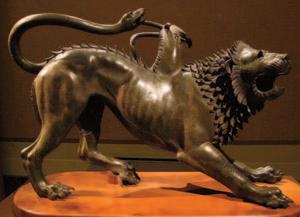
Read more about programs in this guide on our website. Search by code or date. Expanded program descriptions, presenters’ information, and more at SmithsonianAssociates.org.


An Architect’s Personal World
From his strong-willed mother to his artistic sister, and from the devoted wife who raised his first six children to the client’s wife he ultimately left her for, Frank Lloyd Wright’s personal story can be told through the women he loved and the homes he built for them. Signature works such as the Winslow House, the Prairie-era homes of Oak Park, and Taliesin itself reflect these relationships, serving as laboratories for Wright’s ideas about family life, artistic partnership, and the integration of architecture and landscape.
Seen through this lens, Wright’s buildings become deeply personal expressions as well as milestones in the development of modern American architecture. Master storyteller
Timothy Totten shines a sympathetic light on the women who played influential roles in the story of Wright’s life and work.
Wed., July 15, 7 p.m.; CODE 1NV-197; Members $25; Nonmembers $35
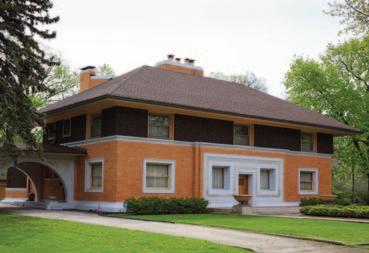
By the mid-20th century, architects in the United States were redefining the modern city, transforming how people live, work, and experience space. They developed a distinctive vocabulary of modern and postmodern design, experimenting with new forms, materials, and structural ideas that influenced architects and artists worldwide.
Art historian Jennie Hirsh examines both celebrated and lesser-known projects— residences, office buildings, theaters, civic spaces, and campus structures—tracing the innovations and vision of architects such as Louis Kahn, Philip Johnson, Denise Scott Brown, I.M. Pei, and Eero Saarinen.
Through examples in Chicago, New York, Philadelphia, and beyond, Hirsh explores how these practitioners balanced functionality, elegance, and human scale, ultimately reshaping American architecture and leaving a legacy that continues to inspire the built environment today.
Wed., July 29, 6:45 p.m.; CODE 1D0-165; Members $20; Nonmembers $30
Architect and owner of DC Design Tours Carolyn Muraskin explores the rich engineering, architectural, and cultural history of Washington, D.C.’s most significant bridges. Trace how these myriad structures have shaped movement, commerce, and identity in the nation’s capital from the 19th-century Old Aqueduct Bridge—once a vital link between Georgetown and Virginia—to today’s well-traveled Francis Scott Key Bridge and the historic Dumbarton and Chain bridges.
Muraskin examines how designers responded to the challenges of spanning the Potomac River and Rock Creek, highlighting innovations in materials, structural systems, and aesthetic ideals. These crossings reveal a layered narrative of urban growth, transportation planning, and civic ambition, offering insight into their roles as both feats of engineering and enduring symbols of Washington’s evolving landscape.
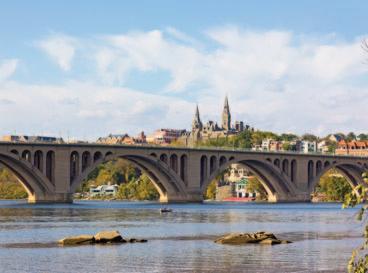
Thurs., July 23, 12 p.m.; CODE 1NV-200; Members $25; Nonmembers $35 Key Bridge
World Art History Certificate elective: Earn 1 credit
Paul Cézanne broke from artistic tradition through a radically new way of seeing, transforming ordinary objects into subjects of wonder. Though he paved the way for the 20thcentury avant-garde, he remained deeply engaged with the art of the Old Masters.
Like many artists of his era, he sought to capture fleeting visual impressions, yet his focus on solid forms, broad planes of color and light, and shifting viewpoints set him apart from the Impressionists. Even as his work moved toward abstraction, Cézanne stayed rooted in the observable world, exploring how perception unfolds over time.
In a full-day seminar, art historian Aneta Georgievska-Shine examines how his groundbreaking approach—balancing tradition and innovation—allowed him to forge an entirely new mode of representing reality.
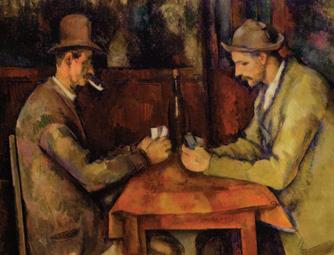
Fri., July 24, 10 a.m.–4 p.m.; detailed program information on website; CODE 1K0-719; Members $100; Nonmembers $125
World Art History Certificate elective: Earn 1 credit
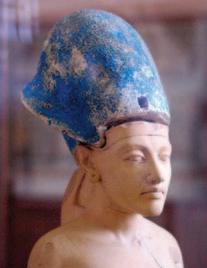
The secret to understanding the daily life and culture of ancient Egypt under its great rulers and pharaohs is right before our eyes—in its art and architecture. Examinations of these vast treasures reveal how they influenced Egyptian cultural identity and how religion shaped artistic production.
During this full-day seminar, Jacquelyn Williamson, a specialist in Egypt and an associate professor of ancient art and archeology at George Mason University, draws on evidence from the most recent archaeological discoveries to survey the social and historical realities of this civilization from its early pyramids through its art created under King Akhenaten, who upended centuries of tradition to create new artistic conventions.
Sat., July 25, 10 a.m.–3 p.m.; detailed program information on website; CODE 1M2-466; Members $80; Nonmembers $100
World Art History Certificate elective: Earn ½ credit
Milton Avery, Adolph Gottlieb, and Mark Rothko’s shared summers in Gloucester, Massachusetts, in the 1930s and 1940s had a lasting impact on the work of these three pivotal 20th-century American artists. Featuring 82 works from 26 collections, the Cape Ann Museum and The Phillips Collection present “Avery, Gottlieb & Rothko: By the Sea,” a new exhibition that explores their bond.
Eliza Rathbone, chief curator emerita of The Phillips Collection, talks with Cape Ann Museum director Oliver Barker about the impact of Gloucester’s coastal landscape on the three artists and shares behind-the-scenes details about the exhibition. “Avery, Gottlieb & Rothko: By the Sea” is on view at the Cape Ann Museum June 30–Sept. 27 and at The Phillips Collection Oct. 24–Jan. 24, 2027.
Mon., July 27, 6:30 p.m.; CODE 1W0-018; Members $20; Nonmembers $30

No. 20 by Mark Rothko, 1949
• Receive a digital version of the member program guide so you can read it anywhere
• Receive important notices regarding your ticket purchases along with other useful information
World Art History Certificate core course: Earn 1 credit
During the Italian Renaissance, works of art could serve many functions. From sacred paintings to refined portraits of the elite to the funerary monuments of rulers, each form was designed to serve a specific purpose and to elicit a certain type of response in its viewers. Architectural structures were also designed to convey similar ideas and to shape visitors’ experiences.
Art historian Sophia D’Addio introduces the visual culture of the 14th through 16th centuries in programs covering a range of images, objects, and structures. She examines some of the most influential and fascinating works of the period, exploring their formal innovations and the relationships between powerful patrons and skilled artists that resulted in their creation.
5-session series: Tues., July 28–Aug. 25, 6:30 p.m.; detailed program information on website; CODE 1M2-467; Members $110; Nonmembers $135
World Art History Certificate elective: Earn ½ credit Surrealism
In 1924 the French writer André Breton composed the first of several manifestos outlining a radical new approach to literature, painting, sculpture, film, and other forms: Artists should draw their inspiration from dreams and the unconscious rather than academic training and rational thought. Christened Surrealism, it dominated avant-garde European and American art during the late 1920s and ’30s, as seen in the work of such prominent figures as Salvador Dalí, René Magritte, Max Ernst, Frida Kahlo, and Dorothea Tanning. Museums celebrated the movement’s centenary with a raft of major exhibitions throughout Europe, the U.S., and as far afield as China.
Art historian Nancy G. Heller traces the evolution and influence of Surrealism from its beginnings in Europe through the first quarter of the 21st century.
Thurs., July 30, 6:30 p.m.; CODE 1M2-468; Members $30; Nonmembers $45
World Art History Certificate elective: Earn ½ credit
Pierre-Auguste Renoir, celebrated as a founding member of the Impressionists, is also hailed by modern Realists for his painterly technique and happy subjects. Renoir’s work reflected one central tenet: “To my mind, a picture should be something pleasant, cheerful and pretty. …There are too many ugly things in life as it is without creating still more of them.” No stonebreakers or railway stations for him.
He reveled in lush color that can be seen in sensual nudes, family portraits, landscapes, and genre depictions such as Luncheon of the Boating Party. Art historian Bonita Billman showcases selections from Renoir’s prolific oeuvre of more than 4,000 works as she illustrates why he is one of the most highly regarded artists of his time.
Thurs., Aug. 6, 6:30 p.m.; CODE 1M2-469; Members $25; Nonmembers $35
What time does the program end? Unless noted, Smithsonian Associates programs run 1 hour 15 min.–2 hours, including Q&A
Studio Art classes are taught by professional artists and teachers | Read more about these classes at SmithsonianAssociates.org
Visual Journaling: Creativity Workout
INSTRUCTOR: Renee Sandell
ONLINE: Sat., May 16, 1 p.m.; CODE 1E0-AJN; Members $80; Nonmembers $95
NEW | Masters and Mediums Wildlife Artists
Learn about the history of master wildlife artists such as John Audubon, Albrecht Dürer, Carel Fabritius, Maria Sibylla Merian, Károly Lotz, and Diego Velazquez. Work in a variety of mediums to capture the wildlife of your choice.
INSTRUCTOR: Lori VanKirk Schue
ONLINE: Thurs., May 21, 1 p.m.; CODE 1E0-AHT; Members $55; Nonmembers $70
Digital Drawing:
Remixing the Collection
INSTRUCTOR: Mike O’Brien
ONLINE: Wed., May 6, 6 p.m.; CODE 1E0-AJD; Members $60; Nonmembers $75
Sketching the Smithsonian: Weekly Lunchtime Daytime Series
INSTRUCTOR: Morgan Kuster
ONLINE: Thurs., May 7 (CODE 1E0-AKJ4); Thurs., May 14 (CODE 1E0-AKJ5); Thurs., May 21 (CODE 1E0-AKJ6), 12 p.m.; Members $20; Nonmembers $30
World Art History Certificate elective: Earn 1/2 credit
Breaking the Line Contours Inspired by Delacroix and Rembrandt
INSTRUCTOR: Nick Cruz Velleman
ONLINE: Sun., May 10, 10 a.m.; CODE 1E0-AJK; Members $65; Nonmembers $80
World Art History Certificate elective: Earn 1/2 credit
Van Gogh’s Toolbox Expressive Techniques in Drawing for Self-Taught Artists
INSTRUCTOR: Nick Cruz Velleman
ONLINE: Sun., May 17, 10 a.m.; CODE 1E0-AJL; Members $65; Nonmembers $80
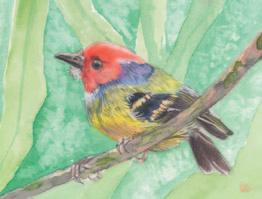
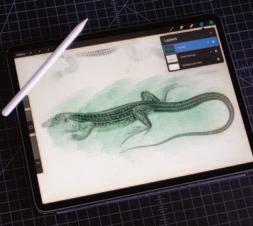
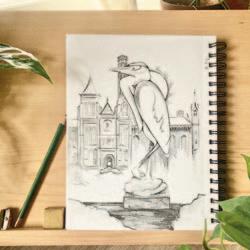

World Art History Certificate elective: Earn ½ credit
Sketching Turner Expressing Atmosphere and Skies in Watercolor
INSTRUCTOR: Nick Cruz Velleman
ONLINE: Wed., May 6–20, 10 a.m.; CODE 1E0-AJG; Members $150; Nonmembers $175
Mixed Media Art Warmups
INSTRUCTOR: Marcie Wolf-Hubbard
ONLINE: Mon., May 4 and 11, 1:30 p.m.; CODE 1E0AHX; Members $115; Nonmembers $140
Embroidery on Paper and Photographs
INSTRUCTOR: Patricia Howard
ONLINE: Sat., May 2 and 9, 10 a.m.; CODE 1E0AJM; Members $110; Nonmembers $135
NEW | How Knitting Changed the World Explore the key role of knitting in American women’s battle to gain the right to vote, the survival of the musk ox, and anthropological understanding of past cultures and the rise and fall of civilizations. Learn just how powerful a beloved handicraft can be.
INSTRUCTOR: Ann Richards
ONLINE: Wed., May 13, 7 p.m.; CODE 1E0-AHJ; Members $25; Nonmembers $35
NEW | Wirework Intensive: Netting and Knitting
Using only wire, create a stunning necklace featuring a Viking knit chain. Dating back to the 8th century, Viking knit is traditionally used to create a strong, flexible chain to wear as jewelry or trim for clothing.
INSTRUCTOR: Mïa Vollkommer
ONLINE: Sat., May 2–16, 12 p.m.; CODE 1E0-AJC; Members $165; Nonmembers $200

INSTRUCTOR: Sushmita Mazumdar
ONLINE: Mon., June 29–Aug. 3, 12 p.m.; CODE 1E0-AMY; Members $160; Nonmembers $195
Developing Your Creative Practice
INSTRUCTOR: Kate Lewis
ONLINE: Mon., June 29, July 13, July 27, and Aug. 10, 10:30 a.m.; CODE 1E0-ALG; Members $215; Nonmembers $240

IN PERSON
Observation and Perception:
Unlocking the Skill of Drawing
INSTRUCTOR: Shahin Talishkhan
IN PERSON: Sat., July 11–Aug. 15, 10:15 a.m.; Ripley Center; CODE 1E0-AMK; Members $235; Nonmembers $270
Introduction to Figure Drawing
INSTRUCTOR: Tom Kim
IN PERSON: Sun., July 12–Aug. 9, 11 a.m.; Ripley Center; CODE 1E0-ANB; Members $210; Nonmembers $245
Figure Drawing
INSTRUCTOR: Shahin Talishkhan
IN PERSON: Sun., July 12–Aug. 16, 2:30 p.m.; Ripley Center; CODE 1E0-AML; Members $265; Nonmembers $300
Studio Arts classes are taught by professional artists and teachers. View detailed class descriptions and supply lists at SmithsonianAssociates.org/studio
INSTRUCTOR: Nick Cruz Velleman
ONLINE: Sun., Aug. 16, 10 a.m.; CODE 1E0-AMD; Members $60; Nonmembers $75
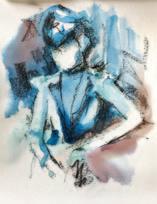
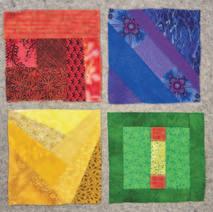
By Lauren Kingsland
Explore how and why color elements interact within a composition, particularly when using found colors in the form of fabrics and papers. Create samples to be used as studies or combined in a larger piece.
INSTRUCTOR: Lauren Kingsland
ONLINE: Mon., July 13–Aug. 3, 5 p.m.; CODE 1E0-ALH; Members $145; Nonmembers $170
Portrait Drawing
INSTRUCTOR: Eric Westbrook
ONLINE: Wed., July 1–15, 7 p.m.; CODE 1E0AKS; Members $155; Nonmembers $180
NEW CLASSES
INSTRUCTOR: Sue Fierston
ONLINE: Sun., July 12, Aug. 2, and Aug. 16, 10 a.m.; CODE 1E0-AMX; Members $165; Nonmembers $190
Explore creative approaches to drawing animals and nature using both wet and dry media. Drawing inspiration from Smithsonian’s National Zoo photographs and other reference images, students practice careful observation and expressive sketching.
INSTRUCTOR: Marcie Wolf-Hubbard
ONLINE: Wed., July 8–29, 6:30 p.m.; CODE 1E0-ALS; Members $155; Nonmembers $180
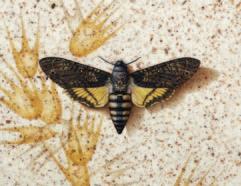
By Scott Rawlins
To prepare for drawing insects, learn about their classification, anatomy, and relationships with other forms of life. A short history of entomological illustration introduces entomological drawing techniques.
INSTRUCTOR: Scott Rawlins
ONLINE: Thurs., July 2–Aug. 6, 11 a.m.; CODE 1E0-ALY; Members $225; Nonmembers $260
Beginning Drawing
INSTRUCTOR: Josh Highter
ONLINE: Sun., July 12–Aug. 16, 10:30 a.m.; CODE 1E0-ALF; Members $220; Nonmembers $255
Digital Drawing Fundamentals
INSTRUCTOR: Mike O’Brien
TWO ONLINE OPTIONS: Wed., July 15, 6 p.m. (CODE 1E0-ALW); Wed., Aug. 12, 6 p.m. (CODE 1E0-ALX); Members $65; Nonmembers $80
INSTRUCTOR: Lori VanKirk Schue
ONLINE: Thurs., July 30 and Aug. 6, 1 p.m.; CODE 1E0-ALK; Members $95; Nonmembers $120
World Art History Certificate elective: Earn 1/2 credit
The Mark of van Gogh
INSTRUCTOR: Nick Cruz Velleman
ONLINE: Wed., Aug. 5–19, 10 a.m.; CODE 1E0AMA; Members $165; Nonmembers $190
Tap your inner naturalist and draw mushrooms on coquille board, a textured paper that reduces drawn lines to a stipple-like pattern resembling a mezzotint. Experiment with a variety of colored media on this unique surface.
INSTRUCTOR: Scott Rawlins
ONLINE: Thurs., July 9–30, 6 p.m.; CODE 1E0-AMG; Members $155; Nonmembers $180
Shadows First
An Alternative Approach to Drawing Portraits
INSTRUCTOR: Nick Cruz Velleman
ONLINE: Thurs., Aug. 6–20, 10 a.m.; CODE 1E0-AMB; Members $165; Nonmembers $190
into Acrylic Painting
INSTRUCTOR: Carolyn Marshall Wright
TWO IN-PERSON OPTIONS: Sat., July 11, 10:30 a.m. (CODE 1E0-AKP); Sat., July 25, 10:30 a.m. (CODE 1E0-0AKQ); Ripley Center; Members $135; Nonmembers $150
Oil Painting
INSTRUCTOR: Shahin Talishkhan
IN PERSON: Sat., July 11–Aug. 15, 2:30 p.m.; Ripley Center; CODE 1E0-AMJ; Members $240; Nonmembers $275

Weekly Lunchtime Drawing Series
Travel the world with the summer edition of Sketching the Smithsonian as you take an artful break and explore the fascinating, vast collections of this extraordinary museum.
INSTRUCTOR: Morgan Kuster
ONLINE: Tues., July 14–Aug. 18, 12 p.m.; CODE 1E0AMF; Members $95; Nonmembers $130; individual sessions also available
INSTRUCTOR: Lori VanKirk Schue
ONLINE: Thurs., Aug. 13 and 20, 1 p.m.; CODE 1E0-ALL; Members $135; Nonmembers $160

INSTRUCTOR: Shahin Talishkhan
IN PERSON: Sun., July 12–Aug. 16, 10:15 a.m.; Ripley Center; CODE 1E0-AMM; Members $285; Nonmembers $320
An Introduction to Watercolor: Loose and Beautiful
INSTRUCTOR: Lubna Zahid
IN PERSON: Sat., July 18, 10:15 a.m.; Ripley Center; CODE 1E0-ALP; Members $140; Nonmembers $165
World Art History Certificate elective: Earn 1/2 credit En Plein Air Painting in a Smithsonian Garden Post-Impressionism Inspired by Cézanne
INSTRUCTOR: Sandra Gobar
IN PERSON: Sun., Aug. 2 and 9, 11 a.m.; Ripley Center; CODE 1E0-AME; Members $145; Nonmembers $170
Painting Vacation Memories
Capture the magic of your travels in a whole new way. Learn how to transform your favorite vacation photos of places into beautiful, expressive paintings in watercolor and ink. INSTRUCTOR: Lubna Zahid IN PERSON: Sun., July 19, 10:15 a.m.; Ripley Center; CODE 1E0-ALQ; Members $140; Nonmembers $165
Continued Watercolor
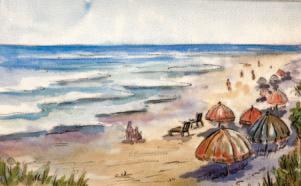
By Lubna Zahid
Introduction to Watercolor
INSTRUCTOR: Josh Highter
ONLINE: Mon., June 29–Aug. 3, 6:30 p.m.; CODE 1E0-ALD; Members $240; Nonmembers $275
The Magic of Light and Shadow in Watercolor
INSTRUCTOR: Lubna Zahid
ONLINE: Tues., June 30–Aug. 18, 10 a.m.; CODE 1E0-ALM; Members $275; Nonmembers $310
Textures and Techniques in Watercolor
INSTRUCTOR: Lubna Zahid ONLINE: Tues., June 30–Aug. 18, 5 p.m.; CODE 1E0-ALN; Members $275; Nonmembers $310
Mixed Media Constructions
INSTRUCTOR: Sharon Robinson
IN PERSON: Sat., July 11–Aug. 1, 2:15 p.m.; Ripley Center; CODE 1E0-AMT; Members $145; Nonmembers $170
Celebrating Smithsonian Gardens
From Sketching to Creating in Mixed Media
INSTRUCTOR: Marcie Wolf-Hubbard IN PERSON: Sun., July 12, 10:15 a.m.; Ripley Center; CODE 1E0-ALT; Members $115; Nonmembers $130
INSTRUCTOR: Josh Highter ONLINE: Tues., June 30–Aug. 4, 6:30 p.m.; CODE 1E0-ALE; Members $240; Nonmembers $275
Principles of Abstraction
INSTRUCTOR: Shahin Talishkhan ONLINE: Wed., July 1–Aug. 5, 6 p.m.; CODE 1E0-AMH; Members $240; Nonmembers $275
Watercolor Journeys Travel Sketching
INSTRUCTOR: Cindy Briggs ONLINE: Tues., July 7 and Wed., July 8, 6 p.m.; CODE 1E0-AKR; Members $140; Nonmembers $165
Abstract Watercolor The Next Level
INSTRUCTOR: Heather Kerley ONLINE: Thurs., July 30–Aug. 20, 12 p.m., CODE 1E0-AKW; Members $145; Nonmembers $170
Landscape Painting from Photos
INSTRUCTOR: Eric Westbrook ONLINE: Wed., Aug. 5–19, 7 p.m.; CODE 1E0AKT; Members $145; Nonmembers $170
From Frustration to Flow Harnessing Wet Techniques in Watercolor
INSTRUCTOR: Nick Cruz Velleman ONLINE: Sun., Aug. 9, 10 a.m.; CODE 1E0AMC; Members $60; Nonmembers $75
Getting a grip on the myriad of tools and materials for mixed media can be daunting. Explore paints, mediums, inks, adhesives, and the array of equipment that can accelerate your creativity and ensure that your artwork is finished to a high standard.
INSTRUCTOR: Sharon Robinson
IN PERSON: Sun., July 12, 1 p.m., Ripley Center; CODE 1E0-AMV; Members $70; Nonmembers $85

INSTRUCTOR: Sharon Robinson
IN PERSON: Sun., July 26, 10:30 a.m.; Ripley Center; CODE 1E0-AMW; Members $80; Nonmembers $95
INSTRUCTOR: Sharon Robinson
IN PERSON: Sat., Aug. 8 and 15, 1 p.m., Ripley Center; CODE 1E0-AMU; Members $120; Nonmembers $145
INSTRUCTOR: Heather Kerley
IN PERSON: Sat., July 25, 10:15 a.m.; Ripley Center; CODE 1E0-AKV; Members $75; Nonmembers $90

INSTRUCTOR: Tea Okropiridze
ONLINE: Tues., June 30–Aug. 4, 6 p.m.; CODE 1E0-ANA; Members $175; Nonmembers $210
INSTRUCTOR: Sharon Robinson
ONLINE: Tues., June 30–July 14, 6:30 p.m.; CODE 1E0-AMQ; Members $105; Nonmembers $130
INSTRUCTOR: Marcie WolfHubbard
ONLINE: Wed., July 8–29, 1:30 p.m.; CODE 1E0-ALR; Members $130; Nonmembers $155
Learn delicate stitch patterns and new techniques to knit lace. Discover easier methods to achieve the unique texture of lace and get ideas for new projects.
INSTRUCTOR: Ann Richards
ONLINE: Mon., June 29, 12 p.m.; CODE 1E0-AKM; Members $55; Nonmembers $70
Explore ways to incorporate embroidered stitching into mixed-media artworks on paper and fabric, including hand-printed and handpainted fabric, image transfer
In this playful two-session class, create a lively quilted table runner using stacked and shuffled shapes. Working by machine, layer, cut, and rearrange fabric to discover unexpected patterns and movement.
INSTRUCTOR: Lauren Kingsland
ONLINE: Sat., July 11 and 18, 12 p.m.; CODE 1E0ALJ; Members $110; Nonmembers $135
Studio Arts classes are taught by professional artists and teachers. View detailed class descriptions and supply lists at SmithsonianAssociates.org/studio
INSTRUCTOR: Bonnie Fitzgerald
IN PERSON: Sat., July 18, 10:15 a.m.; Ripley Center; CODE 1E0-AKN; Members $95; Nonmembers $110
INSTRUCTOR: Sushmita Mazumdar
IN PERSON: Sat., Aug. 8, 10:15 a.m.; Ripley Center; CODE 1E0-AMZ; Members $80; Nonmembers $95
Fibula Pin Workshop
INSTRUCTOR: Mïa Vollkommer
ONLINE: Sat., July 11, 11 a.m.; CODE 1E0-ALU; Members $75; Nonmembers $90
On-Location Photography
INSTRUCTOR: Joe Yablonsky
IN PERSON: Sun., July 12–Aug. 16, 1:45 p.m.; Ripley Center; CODE 1E0-ALC; Members $205; Nonmembers $240
If you appreciate the beauty of book forms as three-dimensional art and love collage, this class is for you. Learn different ways to create simple handmade books, including drum leaf binding, accordion (concertina), and types that use pamphlet and other simple stitching.
INSTRUCTOR: Sharon Robinson
IN PERSON: Sat., July 11–Aug. 1, 10:15 a.m.; Ripley Center; CODE 1E0-AMS; Members $145; Nonmembers $170
INSTRUCTOR: Sharmila Karamchandani
ONLINE: Sat., July 11–Aug. 1, 1:30 p.m.; CODE 1E0-AMN; Members $140; Nonmembers $165
INSTRUCTOR: Mïa Vollkommer
ONLINE: Sat., Aug. 8, 12 p.m., CODE 1E0-ALV; Members $75; Nonmembers $90
INSTRUCTOR: Sharmila Karamchandani
ONLINE: Sat., Aug. 8 and 15, 1:30 p.m.; CODE 1E0-AMP; Members $105; Nonmembers $130
Photo 101
Learn how to get out of Auto mode and use your camera to its full potential. Dive into what the settings mean and how to use them. Participants are shown how to make the appropriate changes on their cameras.
INSTRUCTOR: Joe Yablonsky
ONLINE: Thurs., July 2–23, 6:30 p.m.; CODE 1E0-AKZ; Members $160; Nonmembers $185
Macro Photography
INSTRUCTOR: Joe Yablonsky
ONLINE: Wed., July 1 and 8, 6:30 p.m.; CODE 1E0-AKX; Members $90; Nonmembers $115
Studio Arts classes are taught by professional artists and teachers. View detailed class descriptions and supply lists at SmithsonianAssociates.org/studio
Learn strategies to capture the beautiful features, including architecture and outdoor sculpture, that make your local botanic garden or arboretum unique. Take these techniques out in the field and come back for photo sharing, follow-up questions, and feedback.
INSTRUCTOR: Joe Yablonsky
ONLINE: Thurs., July 30 and Aug. 6, 6:30 p.m.; CODE 1E0-ALA; Members $90; Nonmembers $115
One-Hour Photo
Learn how to capture eye-catching photos, then go out during your lunch hour and photograph the architecture, public sculpture, and city life that surround you. Bonus: While taking pictures, you also reduce stress and increase mindfulness.
INSTRUCTOR: Joe Yablonsky
ONLINE: Wed., Aug. 5–19, 6:30 p.m.; CODE 1E0-AKY; Members $125; Nonmembers $150
Smithsonian Associates expert-led Study Tours offer one-of-a-kind in-person experiences. They’re the perfect way to learn more about the places and topics that fascinate you, and you’re sure to discover plenty of new favorites along the way.
5-Day Tour
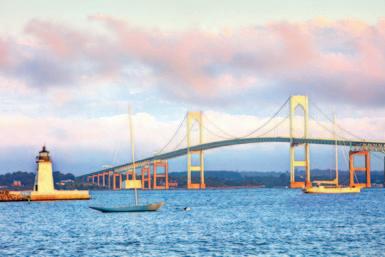
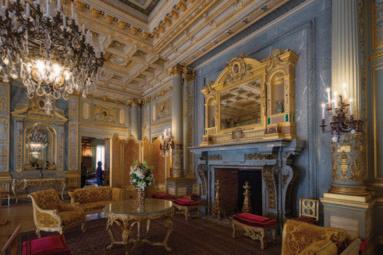
Newport, Rhode Island, is one of America’s earliest colonial seaports and a cradle of both freedom and fortune. Founded in 1639, Newport flourished as a center of trade, religious tolerance, and revolutionary thought before transforming into the summer playground of America’s elite during the Gilded Age. Participants in a 5-day tour led by historian and guide Fred Zilian discover Newport’s layered history—from its cobblestone colonial streets and harbor-front wharves to its grand seaside mansions that stand as monuments to an era of opulence and innovation.
Highlights of the tour include self-guided visits to four Newport mansions: The Breakers, the grand palatial residence of the Vanderbilts; The Elms, inspired by an 18thcentury French château; Marble House, a dazzling symbol of wealth and artistry; and Rough Point and estate gardens, the eclectic home of heiress Doris Duke.
Connect with Newport’s natural splendor on the Cliff Walk, a trail where the rugged Atlantic shoreline meets the manicured lawns of magnificent estates, offering sweeping views that capture Newport’s blend of wild beauty and refined elegance. Experience the coastline from a different perspective aboard a harbor cruise and take in some of Newport’s most recognizable lighthouses.
Beyond the mansions, immerse yourself in Newport’s colonial roots during a guided walking tour led by the study leader, exploring the city’s historic streets. A guided visit to the International Tennis Hall of Fame, housed in the 19th-century Newport Casino, celebrates a beloved American pastime.
And during an evening at Newport Vineyards enjoy a tour of the winery and a tasting, followed by a farm-to-table buffet dinner.
Sun., May 3, 6 p.m.–Thurs., May 7, 3:30 p.m.; detailed tour information on website; CODE 1CN-NEW; Members $1,943 Nonmembers $2,590
World Art History Certificate elective: Earn 1 credit
Join art historian Bonita Billman for a special celebration of the nation’s 250th anniversary with “A Nation of Artists,” a collaborative exhibition of the Philadelphia Museum of Art and the Pennsylvania Academy of the Fine Arts. Featuring more than 1,000 works—including over 120 highlights from the private Middleton Family Collection—the exhibition offers fresh perspectives on the evolving story of American art.
At the Philadelphia Museum of Art, enjoy a guided tour tracing American creativity from 1700 to 1960 across furniture, decorative arts, painting, and sculpture. The exhibition illuminates the essential contributions of Indigenous, African American, and other historically underrepresented artists. Visitors encounter the realism of Charles Willson Peale, the Impressionism of Mary Cassatt, the powerful work of Horace Pippin, and the color fields of Mark Rothko.
At the Pennsylvania Academy of the Fine Arts, celebrate the reopening of the Historic Landmark Building, the first U.S. structure designed for both exhibiting and teaching art. A thematic guided tour of the exhibition explores contemporary art in conversation with artists of the 18th through 20th centuries, including Benjamin West, Winslow Homer, and Georgia O’Keeffe Lunch at the Philadelphia Museum of Art café is included.
Sat., May 16, 7 a.m.–7:30 p.m.; by bus; detailed tour information on website; CODE 1CD-008; Members $268; Nonmembers $328
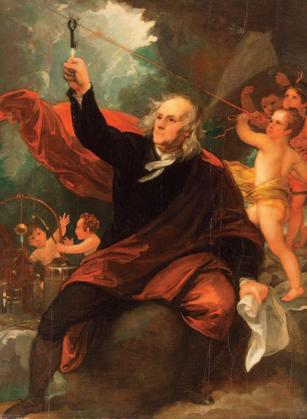
A Springtime Extravaganza
Celebrate the height of spring blooms with two full days devoted to the artistry of garden design. The tour, led by horticulturist Chelsea Mahaffey, offers visits to three private gardens opened exclusively for Smithsonian Associates. Each reflects the creativity, dedication, and distinctive vision of its owner. A garden of roses and perennials is at the center of Hedgleigh Spring, the product of family stewardship for more than a century. Intimate, expressive garden rooms reflect the horticulturist behind Belvidere. May is the ideal month to view WynEden in Chadd’s Ford, considered one of the most stunning private landscapes in the Mid-Atlantic region.
The tour’s public gardens are equally exceptional. At Chanticleer—often called the most beautiful garden in America—discover a living masterpiece of horticultural imagination, where each area reveals inventive plant combinations, bold color, and an unmistakable sense of joy. A former Gilded Age estate has been reimagined as Stoneleigh, a natural garden filled with native plants, historic trees, and graceful stonework that honors the landscape’s past while embracing its ecological future. Also visit Jenkins Arboretum, a serene, 48-acre oasis where native plants, woodland trails, and seasonal blooms create a vibrant sanctuary for nature lovers and garden enthusiasts alike. Wed., May 20, 7:15 a.m.–Thurs., May 21, 7 p.m.; by bus; detailed tour information on website; CODE 1NN-PAG; detailed tour information on website; Members $748; Nonmembers $990
Related program: Belvidere: The Evolution of a Plantsman’s Garden, p. 27

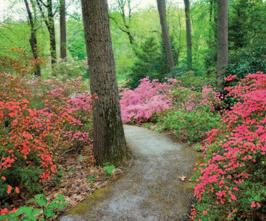
Just a few miles north of the White House, D.C.’s Northwest neighborhoods feel a world away from the towering monuments and expansive boulevards of downtown Washington. Sixteenth Street bisects the District along its north-south axis, as the area transitions from law firms and think tanks to embassies and urban parks. The neighborhoods along this crucial thoroughfare, like Columbia Heights, Mount Pleasant, and Adams Morgan, have long been recognized for their historical and cultural richness. Home to ambassadors and politicians, revolutionaries and civil rights leaders, these areas have hosted and housed every type of District resident.
Join Carolyn Muraskin, founder of DC Design Tours, for a walk through some of Washington’s most vibrant communities and hear stories of movers and shakers, protests, disasters, and social scandals. Explore the oasis of Meridian Hill Park, visit the site of a former castle, learn about the “Empress of 16th Street,” and see what used to be the largest fire station in the city.
THREE OPTIONS: Thurs., May 21 (CODE 1CW-A07); Fri., May 22 (CODE 1CW-B07); Sat., May 23 (CODE 1CW-C07); 10 a.m.–12 p.m.; detailed tour information on website; Members $50; Nonmembers $70
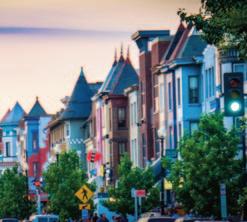
Fleeing Ford’s Theatre on the night of April 14, 1865, John Wilkes Booth traveled through Maryland into Virginia, where, a few days later, he was found and fatally shot. Historian Michael Kauffman retraces Booth’s escape route and reveals the personalities and intrigues surrounding the Lincoln assassination.
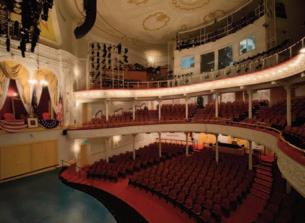
Stops include Ford’s Theatre; the house near Clinton, Maryland, belonging to Mary Surratt, who was hanged for her involvement in the plot; and the house of Dr. Samuel A. Mudd, who set Booth’s broken leg.
Enjoy a seafood lunch at Captain Billy’s Crab House at Popes Creek Landing, near where Booth and co-conspirator David Edgar Herold crossed the Potomac. In Virginia, visit sites where they contacted local sympathizers and where Booth was captured and died.
Sun., May 31, 8 a.m.–8 p.m.; by bus; detailed tour information on website; CODE 1CD-009; Members $193; Nonmembers $253
World Art History Certificate elective: Earn ½ credit
New York City, Johnson’s Glass House, and the Yale Campus
Explore the creative synergy between architecture and design over three fascinating days in New York City and Connecticut on a tour led by architecture and urban studies specialist Bill Keene
The Manhattan itinerary includes a docent-led walk along the High Line, the public park built on a 1930s elevated freight rail line that runs from the Meatpacking District to West 34th Street. Visit one of New York’s unique landmarks, the Vessel, designed by London’s Heatherwick Studio. Composed of 154 intricately interconnecting flights of stairs and 80 landings, the 150-foot-high structure is an interactive public art piece designed to be climbed.
Before leaving the city, board the yacht Manhattan for a private early-morning tour of New York harbor. Led by a member of the New York chapter of the American Institute of Architects, the excursion covers architectural and engineering landmarks from all eras of the city’s history, as well as current urban planning and environmental issues affecting urban waterfronts.
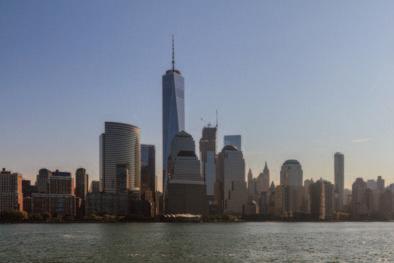
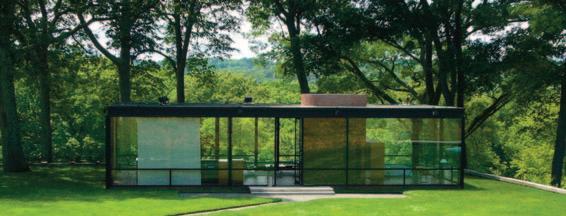
Begin a visit to Connecticut with the Glass House, completed by Philip Johnson in 1949. This symbol of the International Style is the centerpiece of the architect’s compound in New Canaan, which also encompasses a guest house, lake pavilion, painting and sculpture galleries, and other structures, all set in 49 beautiful acres. Participants visit the Glass House and other Johnson-designed buildings on an in-depth guided 2½-hour tour of the site’s pastoral landscape, including his newly opened studio.
Enjoy a morning walking tour of Yale’s campus that offers a look at three centuries of architecture and urbanism and focuses on great modern works by Louis Kahn, Eero Saarinen, Johnson, Cesar Pelli, and Paul Rudolph. A three-course lunch follows at New Haven’s Union League Café, located in a Beaux Arts–era landmark.
Accommodations are at the EVEN Hotel in Times Square South (near Hudson Yards) and the EVEN Hotel in Norwalk, Connecticut. Important note: This is an active tour that involves significant walking and standing at all sites.
Sun., May 31, 8 a.m.–Tues., June 2, 9:30 p.m.; by bus; detailed tour information on website; CODE 1NN-DES; Members $1,456; Nonmembers $1,942
Japanese Forest Bathing in Rock
Shinrin-yoku, or forest bathing, began in Japan in the 1980s and draws on Shinto and Buddhist reverence for nature. The practice encourages slow, full-sensory immersion in the outdoors. Studies from Japan, Europe, and North America show that quiet time in nature can lower blood pressure and stress hormone levels while improving mood and cognition, with new research focused on the benefits of natural spaces within cities.
Join certified forest-therapy guide and author Melanie Choukas-Bradley for a 2-hour walk along a scenic stretch of Rock Creek in the nation’s oldest urban national park. Move slowly, taking in the flowing creek, lush June foliage, and calming sights, sounds, and scents. This restorative late-spring experience offers an inviting introduction to why forest bathing is gaining popularity worldwide.
Participants receive a signed copy of Choukas-Bradley’s Wild Walking—A Guide to Forest Bathing Through the Seasons
TWO OPTIONS: Thurs., June 4 (CODE 1CS-A02); Fri., June 5 (CODE 1CS-B02); 8:30–10:30 a.m.; detailed tour information on website; Members $60; Nonmembers $80
Shaped by History, Musical Legends, and Relative Newcomers
The U Street NW neighborhood has long been a vibrant corridor for the rich social, civic, and cultural life of Washington’s African American community. Join local guide Lynn O’Connell on a walking tour that focuses on the history of the neighborhood.
The tour begins at the African American Civil War Memorial, which honors the more than 200,000 African American soldiers and sailors who served during the Civil War. It continues to several of the sites for which U Street was dubbed the Black Broadway—clubs and performance venues like the legendary Howard Theatre and the Lincoln Theatre, which drew audiences to hear headliners such as Cab Calloway, Louis Armstrong, and D.C.-born Edward Kennedy “Duke” Ellington.
Along the way, learn about the riots that started on April 4, 1968, following the assassination of the Rev. Martin Luther King Jr. Traverse the area known as Little Ethiopia, named for the large Ethiopian population who settled there in the 1990s. Discover one-of-a-kind murals featuring such history makers as Ellington and go-go legend Chuck Brown.
THREE OPTIONS: Fri., June 5 (CODE 1CW-A08); Sun., June 7 (CODE 1CW-B08); Wed., June 10 (CODE 1CW-C08); 6–8 p.m.; detailed tour information on website; Members $50; Nonmembers $70
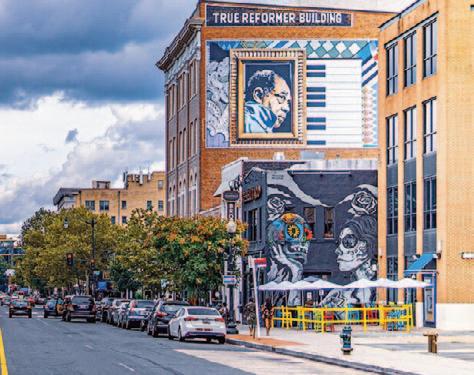
Read more about programs in this guide on our website. Search by code or date. Expanded program descriptions, presenters’ information, and more at SmithsonianAssociates.org.
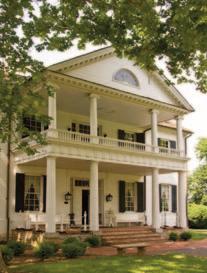
Frederick County, Maryland, established in 1748, played a pivotal role in early American history. Nestled at the crossroads of major colonial roads, it became a hub for trade, agriculture, and settlement. The county saw action during both the Revolutionary War and the Civil War, providing troops, supplies, and refuge. Today, Frederick County and its biggest city, Frederick, are known for well-preserved architecture, historic charm, and a vibrant cultural and artistic community. Spend the day exploring some of the county’s highlights with local guides.
Begin at the Frederick Visitor Center, where your guide discusses the county’s founding, Revolutionary War roots, and role in shaping the region. Embark on a guided walking tour of the city of Frederick, focusing on the history, art, and architecture of the well-preserved downtown.
After lunch at Dutch’s Daughter, travel to Rose Hill Manor Park and Museums, a scenic estate that immerses visitors in 18th-century plantation life. Explore historic farm buildings, period gardens, and exhibitions that reveal the daily rhythms, crafts, and traditions of the area’s residents. Complete the day at Catoctin Furnace, an 18th-century iron-making site that produced iron goods and ammunition for the Continental Army and grew into a thriving industrial village staffed by enslaved African Americans and later European immigrants. Guides tell the site’s history as you explore the remaining furnace stack and surrounding village structures. Sat., June 6, 7:30 a.m.–7 p.m.; by bus; detailed tour information on website; CODE 1CD-010; Members $191; Nonmembers $255
Beginning with Capt. John Smith’s expedition in 1608 to the upper Chesapeake Bay (the first by a European), through the British attack on Fort McHenry in 1814, to the 21st-century cruise liners and cargo vessels that dock there, the Port of Baltimore is one of the country’s preeminent maritime centers. Naval historian Abby Mullen leads a day in the harbor exploring three vessels and celebrating Baltimore’s role as a vital port in maritime history.
At the USS Constellation—an 1854 sloop-of-war and the last sail-only warship designed and built by the U.S. Navy—a guided tour examines how sail-powered vessels shaped diplomacy, commerce, and conflict in the 19th century. The day continues at the USS Torsk, a World War II-era submarine whose compact spaces and advanced technology reveal a dramatically different mode of naval warfare. Participants then explore the Liberty ship SS John W. Brown, one of only two remaining vessels of the historic fleet that moved troops and supplies throughout the European and Pacific theaters during World War II. The day concludes with a harbor cruise, offering a fresh perspective on the Port of Baltimore.
Sat., June 13, 8:30 a.m.–5:30 pm.; by bus; detailed tour information on website; CODE 1CD-011; Members $220; Nonmembers $280; a boxed lunch is included
Washington, DC, Architecture Cruise
Spend a summer evening sailing on the Potomac, taking in Washington, D.C.’s architectural icons and history from a new perspective.
Cast off from Georgetown with your architecture guide from DC Design Tours and professional crew from Capitol River Cruises. As you cruise south on the Potomac, soak in sunset views of the Francis Scott Key Bridge and Georgetown waterfront, then sail past Theodore Roosevelt Island, under Arlington Memorial Bridge, and along the National Mall and Tidal Basin while learning about iconic landmarks ranging from the Watergate Hotel to the Lincoln Memorial to Arlington National Cemetery. Along the way, discover other gems, such as the C&O Canal, Lyndon Baines Johnson Memorial Grove, and Navy and Marine Memorial.
TWO OPTIONS: Thurs., July 16 (CODE 1CS-A03); Thurs., July 23 (CODE 1CS-B03); 6–8 p.m.; detailed tour information on website; Members $70; Nonmembers $90
Set amid the rolling landscape of Virginia’s Shenandoah Valley, three distinguished historic houses—Glen Burnie, Belle Grove, and Long Branch—offer a window into the region’s architectural and cultural heritage. Led by regional historian Hayden Mathews, explore how these estates shaped life in the valley from the mid-18th through the early 19th centuries.
Begin at Glen Burnie House, the late 18th-century home of Winchester founder James Wood and now part of the Museum of the Shenandoah Valley. A guided tour from the head curator highlights the Wood family, the house’s Georgian craftsmanship, and an exceptional collection of decorative arts, followed by a walk through its terraced gardens.
After a boxed lunch, continue to Belle Grove. The 1794 limestone manor built for one of James Madison’s sisters reflects the cultural traditions of early settlers and late 18th-century architectural ideals. A guided tour examines its Jeffersonian design and collections while also considering the lives of the free and enslaved people who lived and worked on the estate.
At Long Branch Historic House, a refined Classical Revival mansion whose design was influenced by Benjamin Henry Latrobe, the second Architect of the Capitol, discover early 19th-century grandeur set against the Blue Ridge Mountains.
Conclude at the Burwell-Morgan Mill, an operational 18th-century gristmill illuminating the agricultural economy that sustained the valley’s great houses.
Sat., July 18, 8:15 a.m.–7:15 p.m.; by bus; detailed tour information on website; CODE 1CD-013; Members $206; Nonmembers $270
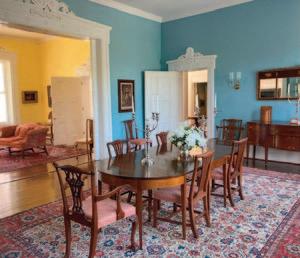
World Art History Certificate elective: Earn 1 credit
The Morgan Library & Museum, Neue Galerie New York, and Frick Collection
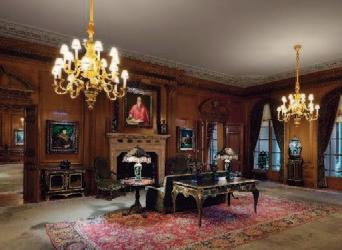
Discover three of New York City’s most renowned cultural treasures, including the Frick Collection. The museum, reopened in 2025 after four years of restoration, has returned to its historic home in the Upper East Side mansion of industrialist Henry Clay Frick.
Led by art historian Judy Pomeranz, spend an afternoon at the Morgan Library & Museum, whose architectural history is as rich as its collections of over 350,000 illuminated manuscripts, rare books, literary and historical manuscripts, music manuscripts, and drawings, spanning from antiquity to the present day. Designed in 1904 for banking magnate Pierpont Morgan, the opulent private library has a collection that includes original manuscripts by Charles Dickens and Leonardo da Vinci. A guided tour offers a curated exploration of its treasures, followed by time to explore on your own.
Monday morning begins with a private tour before opening hours of the Neue Galerie New York’s main collection and a special exhibition, “German Masterworks from the Neue Galerie.” The exhibition showcases significant German art from 1890 to 1940, highlighting movements like Die Brücke, Der Blaue Reiter, Neue Sachlichkeit, and the Bauhaus. Works by artists such as Kirchner, Kandinsky, Dix, and Klee are featured, along with a powerful piece by Felix Nussbaum that reflects the horrors of the National Socialist era.
Explore the Frick Collection’s remarkable range of artwork, spanning from the Renaissance to the early 20th century. Wander through masterpieces by Old Masters such as Vermeer, Rembrandt, and Goya and experience the grandeur of the museum’s collection of decorative arts and period rooms. These beautifully preserved spaces offer a glimpse into the lavish lives of New York’s Gilded Age elite. The heart of the Frick, the serene Garden Court, provides a peaceful retreat year-round.
Tour participants stay at The Iroquois New York. An early three-course supper is included before you set off on Monday.
Sun., July 26, 8 a.m.–Mon., July 27, 10:30 p.m.; by bus; detailed tour information on website; CODE 1CN-ART; Members $765; Nonmembers $1,020
World Art History Certificate elective: Earn ½ credit
The Hirshhorn Museum and Glenstone
Join art guide Nancy Hirshbein as you spend a summer’s day immersed in the ideas, rivalries, scientific and social developments, and collectors that shaped modern and contemporary art.
Begin with a lecture from your tour leader, then visit the Hirshhorn Museum before opening hours, where your study leader takes you through “Revolutions: Art from the Hirshhorn Collection, 1860–1960,” an exhibition charting the rapid succession of movements that shaped Modernism and ushered in the rise of Abstraction. The exhibition features works by artists such as Pablo Picasso, Henri Matisse, Georgia O’Keeffe, and Joan Miró plus works from 19 contemporary artists whose contributions underscore how many of the revolutionary ideas introduced years ago continue to resonate today.
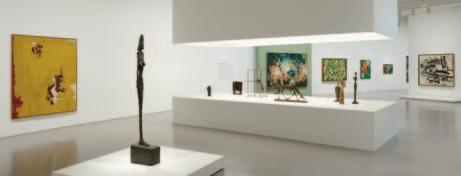
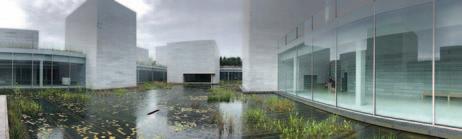
En route to Glenstone, your study leader provides an overview of the museum and selected works. Spend the afternoon enjoying a self-guided exploration of the campus. Set in a sweeping natural landscape, the museum invites visitors to delve into modern and contemporary art both indoors and among its integrated outdoor sculptures. “Ties of our common kindred” marks the 250th anniversary of the signing of the Declaration of Independence, tracing the evolution of American art through works by figures such as Jackson Pollock, Willem de Kooning, Cindy Sherman, and Andy Warhol alongside a focused presentation of three of Jasper Johns’ influential paintings.
Lunch at a local restaurant is included.
Fri., July 31, 8:15 a.m.–5 p.m.; by bus; detailed tour information on website; CODE 1CD-014; Members $158; Nonmembers $218
At the turn of the 20th century, Buffalo was a prosperous industrial city, drawing worldwide attention as the site of the 1901 Pan-American Exposition. The city attracted well-known architects for high-profile projects, including H. H. Richardson, Louis Sullivan, and Daniel Burnham—as well as upstarts like Frank Lloyd Wright, who looked to make his name with his first major office building.
The Larkin Soap Company’s headquarters brought him that recognition, as well as the foundation for a lasting friendship with one of his most important patrons, Darwin D. Martin. Over the next decades, Wright would go on to produce many iconic structures, but he referred to the complex he built for Martin and his family as “perfect.” The Martin House and Wright’s other Buffalo designs have become vital parts of the city’s architectural history. Bill Keene, a lecturer in architecture and urban studies, leads a 5-day tour that highlights significant works by Wright and his contemporaries.
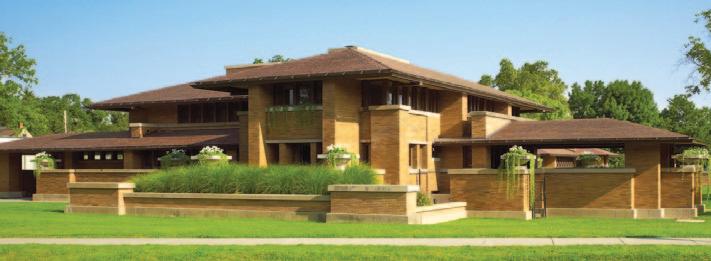
DAY 1: Participants arrive in Buffalo. The tour opens with a welcome lecture and dinner.
DAY 2: Begin your Buffalo adventure with a driving tour led by local architectural historian Martin Wachadlo, highlighting the rich architectural heritage of the city, stopping at and touring many buildings by masters of American architecture. After lunch, spend the afternoon touring the East Aurora campus of the Roycrofters, members of an early 20th-century American Arts and Crafts movement. View a printing demonstration and try your hand making your own print and binding a journal. Dinner is at the historic Roycroft Inn.
DAY 3: The day begins with a guided tour of the Richardson Olmsted Campus, a National Historic Landmark designed by Henry Hobson Richardson with Frederick Law Olmsted and Calvert Vaux. Afterward, enjoy a tour of Buffalo City Hall, an Art Deco gem known for its striking mosaics, followed by a guided visit of the 1905 Martin House complex. The buildings were commissioned by Martin and stand as one of Wright’s most significant early works, reflecting the height of his Prairie School period. The tour includes the main residence, Barton House, and the gardener’s cottage.
DAY 4: At Graycliff, Darwin and Isabel Martin’s summer house overlooking Lake Erie, master docents detail the history of the light-filled house, created by Wright at the request of Isabel Martin in reaction to the couple’s darker residence in town. The afternoon includes a guided riverboat tour that travels the nearby historic waterways.
DAY 5: Before airport departures, enjoy a morning tour of two Wright designs built posthumously: the Fontana Boathouse—originally created in 1905 for the University of Wisconsin and finally constructed in 2007 on Lake Erie for the West Side Rowing Club—and the Buffalo Filling Station, designed in 1927 and realized in 2014 inside the Buffalo Transportation Pierce-Arrow Museum.
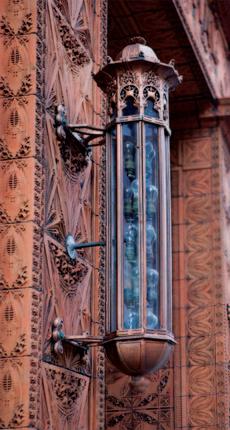
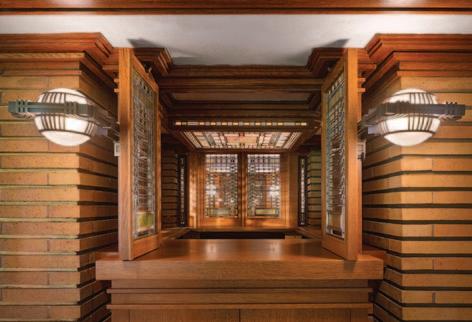
Wed., Aug. 19, 6 p.m.–Sun., Aug. 23, 1 p.m.; detailed tour information on website; CODE 1CN-BUF; Members $2,060; Nonmembers $2,745
NOTE: Flights are not included; participants make independent flight arrangements to Buffalo.
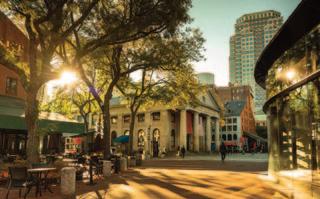
Few American cities are as deeply entwined with the birth of the nation as Boston. From village greens where militias first mustered to crowded wharves and meetinghouses alive with revolutionary debate, trace the dramatic opening chapters of the American Revolution. Guided by historian Fred Zilian, explore the landscapes and ideas that transformed a cluster of colonial towns into the epicenter of a struggle for independence.
DAY 1: Participants arrive in Boston. Begin with a welcome orientation, dinner, and lecture at the hotel from your study leader introducing the people, politics, and pivotal events of Boston’s revolutionary world.
DAY 2: During a morning excursion to Lexington and Concord, stand on the village green in Lexington and at the North Bridge in Concord and visualize how local resistance ignited a war that reshaped history. Back in Boston, a driving tour reveals the city’s evolving civic and architectural identity, from Beacon Hill to Harvard Square.
DAY 3: A guided walking tour traces key sites of protest, debate, and defiance along the Freedom Trail, with time to explore Faneuil Hall and Quincy Market. Then move on to Boston Harbor for a cruise that highlights the city’s maritime and military significance. The day concludes in the North End with visits to Copps Hill Burying Ground, Old North Church, and the Paul Revere House.
DAY 4: Conclude with a visit to the Old South Meeting House, Old State House, and USS Constitution, the oldest commissioned warship still afloat, before your airport transfer.
Sun., Sept. 13, 6 p.m.–Wed., Sept. 16, 4 p.m.; detailed tour information on website; CODE 1CN-BOS; Members $1,747; Nonmembers $2,329
NOTE: Flights are not included; participants make independent flight arrangements to and from Boston.
Step into the heart of America, where history echoes through classic landmarks from the soaring Gateway Arch to neighborhoods shaped by immigration, innovation, and art. This 4-day journey explores St. Louis’s pivotal role in westward expansion, global ambition, and social change—set within a region long home to Indigenous communities—from the Mississippi River and the legacy of the 1904 World’s Fair to the communities that continue to define it. Through notable sites and local stories, discover how St. Louis became both gateway to the West and mirror of the American experience. Tami Goldman, director of tourism and visitor experience at the Missouri Historical Society, is the guide.
Highlights include
Gateway Arch National Park
The stainless steel arch rises above the Mississippi as a symbol of national expansion. From the top, enjoy sweeping views of the riverfront city that launched the Corps of Discovery in 1804. St. Louis stood as the final major outpost before Lewis and Clark traveled west.
Missouri History Museum (Forest Park)
Located on the former grounds of the 1904 World’s Fair, the museum features exhibitions on the fair and the evolution of Forest Park. A special behind-the-scenes experience provides rare access to collections and curatorial insights.
Missouri Botanical Garden
Founded in 1859, this internationally renowned institution is a leader in plant science and global conservation. Its historic landscapes and the Climatron, the first geodesic dome greenhouse, reflect St. Louis longstanding commitment to scientific inquiry.
National Blues Museum
Explore the music that shaped American culture through immersive exhibits celebrating the history and influence of the blues.
National Museum of Transportation
Home to one of the nation’s largest collections of period locomotives and railcars, the museum highlights the rail networks that helped open the American West.
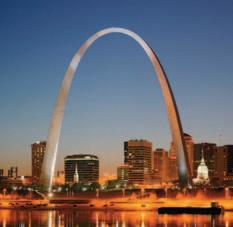
Foundry Hall (City Foundry)
A vibrant food hall featuring independent chefs and flavors that reflect the city’s immigrant roots and contemporary creativity.
Sat., Sept. 26, 6 p.m.–Tues., Sept. 29, 4 p.m.; detailed tour information on website; CODE 1NN-STL; Members $1,491; Nonmembers $1,988
NOTE: Flights are not included; participants make independent flight arrangements to St. Louis.
COST INCLUDES: 3 nights of accommodations, bus transportation, services of a study leader and Smithsonian representative, 8 meals (3 breakfasts, 2 lunches, 3 dinners), gratuities, taxes, and entrance fees.
In 1883, Theodore Roosevelt looked to the Badlands of western North Dakota as a place where he could transform himself from an asthmatic 24-year-old New Yorker into a big-game hunter, rancher, and authentic cowboy. A year later, it took on new meaning as a place of refuge and solace after the deaths of his wife and mother.
Over the course of the more than three decades he lived or visited there, the Badlands did indeed transform Roosevelt into the kind of vigorous outdoorsman that he’d idealized as a youth—and that shaped his public image as president. Perhaps more importantly, this corner of the West turned him into a passionate conservationist dedicated to the preservation of the rugged landscapes and native wildlife of the place he described as “where the romance of my life began.”
Experience those landscapes—filled with dramatic vistas, vividly colored canyons, and wandering herds of wild bison—on a 6-day study tour led by naturalist Melanie Choukas-Bradley that brings you into the heart of Roosevelt’s Badlands, the national park that bears his name, and the brand-new Theodore Roosevelt Presidential Library in Medora.

The tour begins in Bismarck with a welcome dinner and introduction by the tour staff. The following morning, travel by bus to the historic town of Medora, where the Rough Riders Hotel (the modern incarnation of an inn where TR once stayed) provides a base for the group. Over the course of the next days, explore the north and south units of Theodore Roosevelt National Park by bus and on foot, as well as the site of Roosevelt’s Elkhorn Ranch along the Little Missouri River. Clay Jenkinson, Theodore Roosevelt Humanities Scholar at Dickinson State University’s Theodore Roosevelt Center, and National Park Service rangers offer insights into Roosevelt’s pivotal years in the Badlands and the area’s natural history.
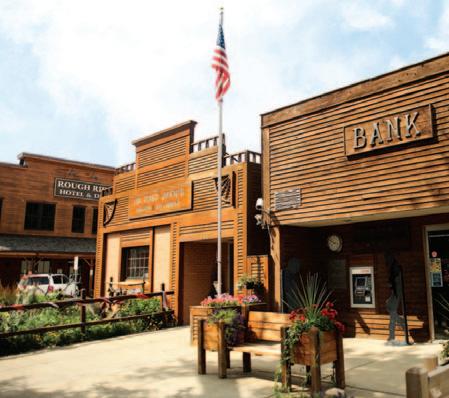

The next morning, visit the newly opened Theodore Roosevelt Presidential Library, which explores the life and legacy of the 26th president. After special programming with library staff, stroll the elevated boardwalk that gives 360-degree views of the grasslands, explore the museum, and dine in the café. Enjoy your last evening in Medora with a private reception and a performance by local musician Jessie Veeder at the North Dakota Cowboy Hall of Fame.
The next morning, the return trip to Bismarck includes a stop at the North Dakota Heritage Center and State Museum before your transfer to the airport.
Sat., Oct. 10, 6 p.m.–Thurs., Oct. 15, late afternoon; detailed tour information on website; CODE 1CN-TND; Members $2,325; Nonmembers $3,100
NOTE: Flights are not included; participants make independent flight arrangements to Bismarck.
Effective April 1, 2025
Members-only priority program registration before programs go on sale to the public (some exclusions apply)
Ability to purchase one registration per program at the discounted member price
Subscription to the monthly Smithsonian Associates program guide
Subscription to the monthly Smithsonian Associates digital program guide
Access to members-only in-person and online programs
Access to free Associates in-person and online programs as available (notification sent via email)
3-day viewing access to Associates Encores recordings of online programs (some exclusions apply)
Subscription to the Smithsonian Associates Digital Digest
Ability to purchase up to four registrations per program at the discounted member price
Smithsonian magazine delivered to your home
Ability to purchase up to six registrations per program at the discounted member price
Member discounts on Art Collectors Program fine-art prints
Advance digital copy of the monthly Smithsonian Associates program guide
Two complimentary registrations for an online program, in-person lecture, or performance (value equal to $35 per registration or less)
Priority consideration for wait-listed programs (some exclusions apply)
Advance registration for high-demand programs (notification sent via email)
Ability to participate in Smithsonian Summer Camp registration lottery
Two complimentary registrations for a Smithsonian Insider event
No $3 phone order processing fees for program registrations conducted over the phone
Monthly donor preview digital communications for select upcoming programs
NEW: Registration access to complimentary Associates Insider Tours in Washington, D.C. (notification sent via email)
Copy of the Smithsonian’s annual report
Recognition on the Smithsonian Associates website, in the program guide’s annual donor list, and on the annual plaque at our headquarters in Washington, D.C.
One gift membership at the Explorer level to give to a family member or friend (restrictions apply)
Reserved seating at most Smithsonian Associates in-person programs
Invitations to backstage meet-and-greets at select Smithsonian Associates in-person programs
Dedicated concierge phone line for inquiries and program registration
Invitation for two to the prestigious annual Smithsonian Weekend
Recognition in the Smithsonian’s annual report
Four complimentary registrations for an online program or in-person lecture (value equal to $35 per registration)
Additional 20% discount on member prices for Art Collectors Program fine-art prints
Two gift memberships at the Explorer level to give to family members or friends (restrictions apply)
Special event invitations as available
Quarterly Director’s Roundtable digital communications (opportunities to gather in person when applicable)
Invitation to a private event with members of Associates’ leadership