After attending my first lecture at Smithsonian Associates, I was hooked. I'm proud to help ensure Associates can thrive for decades to come in a way that makes sense for my family and finances as a Legacy Society member.
“ “
After attending my first lecture at Smithsonian Associates, I was hooked. I'm proud to help ensure Associates can thrive for decades to come in a way that makes sense for my family and finances as a Legacy Society member.
“ “
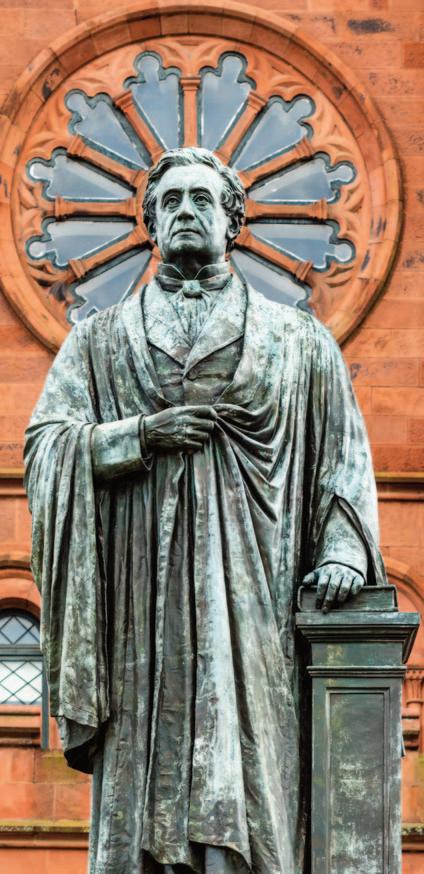
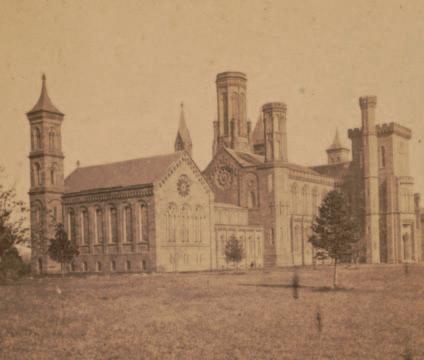
In the 1830s, a gift from a single benefactor led to the birth of the Smithsonian. Today, you can share the same visionary spirit and generosity embodied by James Smithson by becoming a founding member of the Associates Legacy Society.
Smithson saw the new institution as a place uniquely dedicated to learning. And from its founding 60 years ago, Smithsonian Associates has been committed to the same goal: creating opportunities for learning for people of all ages.
Your own legacy gift—of any size—will ensure that we are able to continue that vital work for current and future generations. And at the same time, you’ll be able to take advantage of income and tax benefits for yourself and your heirs.
By joining the Associates Legacy Society you can:
• Specifically designate your gift to support Smithsonian Associates.
• Retain control of your assets during your lifetime.
• Change your beneficiaries at any time.
• Provide for the people in your life.
• Make a gift in honor or memory of a loved one.
Members also receive invitations to special programs and Smithsonian Associates learning experiences.
We invite you to connect with us and learn more about how planned giving through the Associates Legacy Society can play a significant role in your future—and ours.
Please contact Elizabeth Moloney, Director of Advancement, at (202) 633-8697 or DonorServices@si.edu.
Dear Friends and Members,
The vista captured in Albert Bierstadt’s Among the Sierra Nevada, California reminds us that nature’s power and beauty are reflected in every season. At Smithsonian Associates, spring can’t arrive soon enough for us, particularly as this year it brings far more than cherry blossoms. We look forward to welcoming you into a season packed with fresh ideas and unforgettable experiences that carry you from early spring into summer. There’s so much to fit in, so we created an expanded program guide that brings together the March and April issues.
The session that explores how Bierstadt’s 1868 painting helped create the nation’s vision of the American West (p. 45) is among the Associates’ offerings featured in the Smithsonian’s Our Shared Future: 250 initiative. The initiative also encompasses two special series of free programs, introduced on pages 2 and 3, that focus respectively on the world of diplomacy and the celebration of sound in faith traditions.
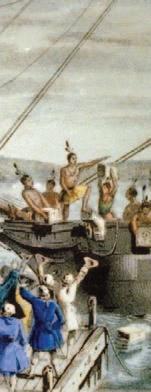
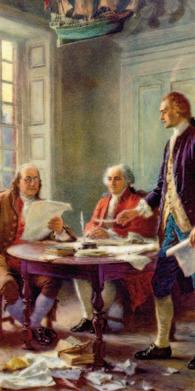
The Our Shared Future: 250 logo appears on a variety of offerings that invite reflection on the past, consideration of the present, and imagination of the future. Join us to gain perspectives on the nation’s birth in a series that examines its roots from the 1770s through the opening campaigns of the American Revolution (p. 8), the impact of the Boston Tea Party (p. 19), and the importance of the Declaration of Independence (pp. 5, 14, and 20).
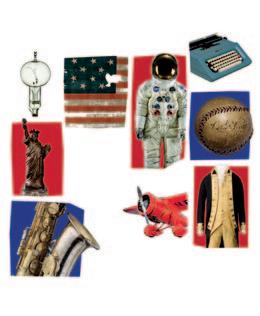
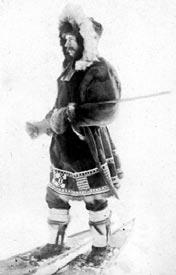
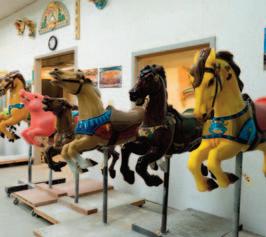
Smithsonian experts discuss patriotism, resilience, and hope through stories and objects that shaped our national identity in the new book The Promise of a Nation (p. 11). A naturalist’s 19th-century Arctic expedition laid the foundation for 150 years of natural history and anthropological studies at the Institution (p. 38). And saddle up for a ride on the Smithsonian’s beloved carousel after you’ve heard how it was made ready to return to the National Mall (p. 12).

See you at the carousel—and throughout the Smithsonian—this spring!

P.S.: This expanded guide is a single-issue exception. Look for your next program guide in May. Programs with this icon showcase the Smithsonian’s Our Shared Future: 250 initiative that celebrates 250 years of American independence in 2026

Frederica R. Adelman, Director adelmanf@si.edu



As the United States enters its semiquincentennial year, Smithsonian Associates launches two special program series and a host of commemorative programs as part of Smithsonian’s Our Shared Future: 250. Marking 250 years of the nation’s experiment in self-government, these programs explore the people, ideas, conflicts, and aspirations that have shaped America—and how the past informs the challenges and possibilities ahead.
Hosted in partnership with the Smithsonian’s Office of Global Affairs and with embassies that have built strong, lasting relationships with the United States, this series honors the vital role diplomacy, cultural exchange, and mutual respect have played in shaping our nation and its place in the world. From the earliest days surrounding the signing of the Declaration of Independence to contemporary collaborations in science, art, and global affairs, people-to-people and global cultural exchange have helped advance dialogue and deepen understanding. In this milestone year, these programs underscore how international friendships—nurtured through history, culture, and creativity—continue to strengthen the American story. Each program is free, requires registration, and includes a light reception.
Rooted in the nation's commitment to freedom of belief, this five-part series explores the rich and evolving landscape of religion and spirituality in America—including Jewish,
Islamic, Christian, Buddhist, Hindu, and Native American spiritual practices, among others—through celebrations of sound. Programs, offered free to the public, feature performances and conversations that reveal the human connections that emerge when sounds resonate in harmony. From the sounding of the horn to the strike of the daf, from the healing of the jingle dress to a cantor’s call to prayer, these soundscapes reflect the tones, textures, and connections of American spirituality across the nation.
Four in-person sessions—hosted in some of the Smithsonian’s marquee performance venues on the National Mall and streamed to audiences around the world—delve into the ways sound can reflect, shape, and amplify diverse faith traditions. The final virtual program weaves together elements of the nation’s spiritual practices, culminating in a symphony of uplifting sound.

The semiquincentennial brings with it an opportunity to celebrate the roots of some of the United States’ most vibrant cultural expressions. Music, notable among them, acts as a bridge to link people because it operates on emotional, cultural, and social levels simultaneously. Following opening remarks from Brazil’s ambassador to the United States, Maria Luiza Ribeiro Viotti, historian Bryan McCann spotlights the cross-pollination of bossa nova music, which originated in Brazil, and New Orleans jazz and shares some of their key components. Afterward, Brazilian-born singer Rose Moraes gives a performance that celebrates the heart and soul of bossa nova.
MEMBERS ONLY: Thurs., May 7, 6 p.m.; residence of Brazil’s ambassador; CODE 1TDIPLO1; free, registration required
Indigenous Art and Scientific Research in the Peruvian Amazon

Efforts to preserve cultural heritage and biodiversity in the Peruvian Amazon are increasingly interconnected. Learn how Indigenous Shipibo-Konibo artistic traditions and Smithsonian-supported research work in tandem during a panel discussion with a National Museum of Natural History senior scientist and two Shipibo-Konibo artists.
Registration for this free June 24 program at the Embassy of Peru begins in May.

A historian from the Princess Grace Foundation recounts the story of the princess—who was American film star Grace Kelly before she married Prince Rainier III—her support for the performing arts, and her years as a Hollywood icon. Afterward, Princess Grace’s life and legacy are commemorated in a discussion. In collaboration with the Embassy of the Principality of Monaco and Smithsonian Gardens
Registration for this free Sept. 1 program at the Arts and Industries Building begins in May.

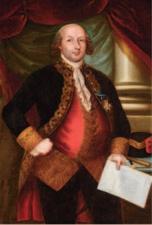
The Key Role of Bernardo de Gálvez
Spain provided essential support to the American colonies during the Revolutionary War, with Bernardo de Gálvez, the Spanish governor of Louisiana, playing a critical role. A historian illuminates Spain’s contributions to American independence, and a National Portrait Gallery curator highlights a painting of de Gálvez.
Registration for this free Sept. 17 program at the Embassy of Spain begins in August.
Italian-born physicists Enrico Fermi, Emilio Segrè, and Bruno Rossi were instrumental in the 20th century’s scientific revolution in America. Learn more from a panel of experts, including a professor of experimental physics at the University of Padua, moderated by a National Museum of American History curator.
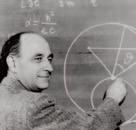
Registration for this free Oct. 27 program at the Embassy of Italy begins in September.
The horn is one of the first instruments to appear in the texts of the Abrahamic faiths—Judaism, Islam, and Christianity—and as each faith has forged its place in the American experience, each has announced itself in its own way with the horn. Featuring the music of brass bands, the sounding of the shofar, and more, this program explores how American spiritual communities use the horn today to celebrate their faith in harmony.
Thurs., May 14, 6 p.m; Oprah Winfrey Theater, National Museum of African American History and Culture; CODE 1W0-998; free, registration required
There are 1,248 UNESCO World Heritage Sites, each one offering a glimpse into the evolution of complex civilizations, empires, and religions. In this monthly series, historian Justin M. Jacobs gives an in-depth overview of both well-known and lesser-known locations.
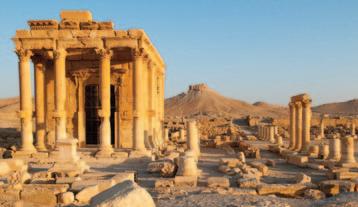
During the first several centuries of the current era, the Syrian desert oasis of Palmyra was a crucial link in an overland trade network that stretched from Rome to India. The profits of this trade were invested in stunning monuments and works of art that fused Western and Eastern sensibilities. Jacobs explores the history of Palmyra, its monuments and sculptures, and its fate during the Syrian civil war.
Wed., March 4, 6:45 p.m.; CODE 1J0-527; Members $25; Nonmembers $35

The picture-perfect snowcapped cone of Mount Fuji has attracted Japanese artists and pilgrims for more than a thousand years. Jacobs examines the history of human influences on this dormant volcano and its dynamic—and symbolic—role in Japanese history, including the elaborate network of Shinto and Buddhist shrines that that have drawn countless pilgrims from far away.
Wed., April 22, 6:45 p.m.; CODE 1J0-539; Members $25; Nonmembers $35
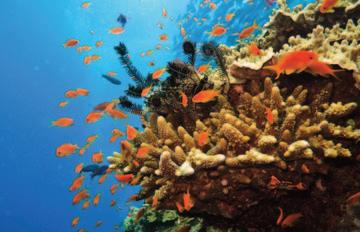
Stretching for more than 1,400 miles across the northeastern coast of Australia, the Great Barrier Reef is home to the world’s largest coral reef system as well as an extraordinary range of marine life. Jacobs highlights the geological and biological evolution of the reef, its evolving cultural importance, and the manmade and environmental forces that now threaten its existence.
Tues., May 5, 6:45 p.m.; CODE 1J0-546; Members $25; Nonmembers $35

Spread out over a scenic rift valley created by the separation of two tectonic plates and riddled with unusual geologic features, Thingvellir National Park marks the site of the first open-air parliament in Iceland. It also serves as the historical backdrop for the transformation of seafaring Vikings into some of the most isolated and hardy farmers in the world. Jacobs explores the Vikings’ migrations, their strategies for survival on an impoverished and volatile island, and the innovative political institutions they developed to prevent large-scale violence in Iceland.
Wed., June 10, 6:45 p.m.; CODE 1J0-556; Members $25; Nonmembers $35
Unless noted, all programs are presented on Zoom; listed times are Eastern Time. Online registration is required.
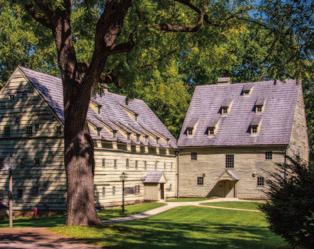
Tucked away in Lancaster County, Pennsylvania, Ephrata is living testament to William Penn’s “Holy Experiment,” his ambitious vision of a society built on religious freedom, tolerance, and communal living. Founded in 1732 by a German immigrant seeking religious refuge, Ephrata became a beacon of this ideal, where celibate and married members embraced spiritual devotion over material wealth.
Though the Ephrata Cloister dissolved in 1934, its legacy is remarkable: over 1,000 hymns; intricate Germanic calligraphy; and striking buildings that still stand today. The distinctive architecture of the cloister—featuring steep gabled roofs, stone walls, and intricate wooden structures— reflected the celibates’ deep spirituality and commitment to simplicity and beauty. Brad Smith, curator at the Ephrata Cloister, leads a virtual journey into its rich history.
Tues., March 3, 7 p.m.; CODE 1NV-170; Members $25; Nonmembers $35
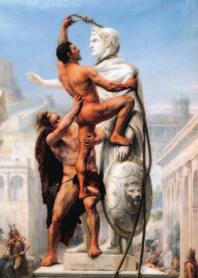
Between 350 and 750, western Europe underwent a profound transformation. The Roman empire, which had dominated the ancient world for more than half a millennium, collapsed. The last Western Roman emperor was deposed in 476, while new peoples competed with the Roman population and with each other.
Historian David Gwynn traces the entangled stories of the Goths, Huns, Franks, and Anglo-Saxons, each of which interacted in different ways with the Roman empire and its legacy and together shaped the history of Christian Europe and Western civilization.
4-session series: Wed., March 4–25, 12 p.m.; detailed program information on website; CODE 1J0-526; Members $100; Nonmembers $125

Your programs...your time
The Declaration of Independence is a peculiar document. It’s a literary masterpiece that was written jointly by a committee of five people. It’s short and punchy—just 1,310 words long—but still somehow daunting and difficult to fully understand.
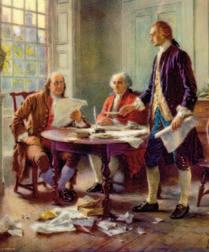
In a full-day seminar, historian Richard Bell explores the declaration’s nature, questioning whether it serves as a birth certificate heralding a new beginning, a petition for divorce steeped in grievance and score-settling, or something entirely different. He considers its intended audience and reflects on whether it marked the first declaration of independence or followed a well-established genre. He examines how contemporaries perceived it, what transformations it triggered, and why it continues to hold significance.
Sat., March 7, 10 a.m.–4 p.m.; detailed program information on website; CODE 1M2-444; Members $100; Nonmembers $125
Registered for a Smithsonian Associates online program but missed it because of a schedule conflict? Wish you could take a second look at a presentation you loved? Associates Encores offers the answer to these questions—and more.

In 1871, Smithsonian-backed geologist Ferdinand Hayden led scientists into Yellowstone Basin, one of the last unmapped places on the continent, seeking proof of majestic landscapes and natural wonders. Hayden urged Congress to claim the land and place it under the Department of the Interior, an unprecedented extension of federal authority. On March 1, 1872, President Ulysses S. Grant signed the Yellowstone Act into law with little fanfare.
Megan Kate Nelson, author of Saving Yellowstone: Exploration and Preservation in Reconstruction America, traces its transformation from wilderness to national icon. She highlights conflicts, from Sitting Bull defending Hunkpapa Lakota rights to railroad magnate Jay Cooke seeking expansion. Nelson critically examines the Yellowstone Act, showing that while national parks are hailed as “America’s best idea,” support has never been unanimous.
Wed., March 11, 7 p.m.; CODE 1NV-179; Members $25; Nonmembers $35
The state of Oaxaca in Mexico, and its Spanish colonial capital city of the same name, have been important cultural crossroads from preColumbian times to the present day. Cultural historian George Scheper surveys Oaxaca’s rich cultural history and the peoples—the Zapotecs and Mixtecs—who shaped it over the centuries.
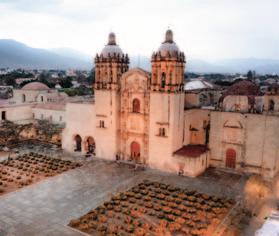
He explores Oaxaca as a Spanish colonial capital and as a contemporary international arts center. Now a UNESCO World Heritage Site, Oaxaca and its hinterland are home to an array of Spanish colonial churches and palaces, making it one of the best-preserved capitals of New Spain. Today its vibrant cultural scene extends from galleries of fine art and folk art to exuberant street art.
Thurs., March 12, 6:30 p.m.; CODE 1M2-447; Members $30; Nonmembers $45
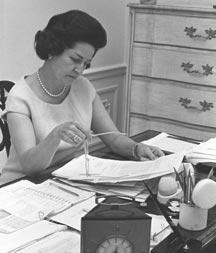
In October 1964, a 19-car campaign train dubbed the Lady Bird Special left Washington, D.C., bound for New Orleans. Lady Bird Johnson made history as the first presidential spouse to take a leading role on the campaign trail. Her mission was to aid her husband, Lyndon B. Johnson, in territory roiling with animosity after his signing of the Civil Rights Act three months earlier. Her whirlwind tour, making 47 stops through eight states in four days, aimed not just to garner votes for Lyndon in the November election but to help bridge the divide.
Historian Shannon McKenna Schmidt follows the Lady Bird Special’s journey into the Southern politics of the day. Schmidt’s new book, You Can’t Catch Us: Lady Bird Johnson’s Trailblazing 1964 Campaign Train and the Women Who Rode with Her (Sourcebooks), is available for purchase.
Tues., March 10, 6:30 p.m.; CODE 1CV-080; Members $20; Nonmembers $30
Spain’s Camino de Santiago is a 1,200year journey through history, faith, and geopolitics centered on the tomb of St. James the Apostle. Alongside Jerusalem and Rome, it ranked among medieval Christendom’s three great pilgrim destinations. Legends of miracles helped northern Spain assert a sacred legacy during wars and invasions, while pilgrim traffic fostered monastic growth and energized city life as believers trekked to the western edge of the known world.
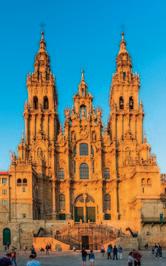
After centuries of decline, the pilgrimage revived in the late 20th century, becoming both spiritual quest and cultural phenomenon. George Greenia, professor emeritus of medieval studies at William & Mary, highlights the history of this pilgrimage route and its continued popularity as a religious and secular destination for seekers of spiritual clarity.
Thurs., March 12, 6:30 p.m.; CODE 1H0-900; Members $20; Nonmembers $30
As Elizabeth I sought to tighten England’s grip on Ireland, Grace O’Malley, who commanded her own fleet and was one of the most famous woman sea captains of all time, led the fight against English rule. In a time of political and military struggle, these powerful women met face-to-face in an encounter that would shape the fate of Ireland.
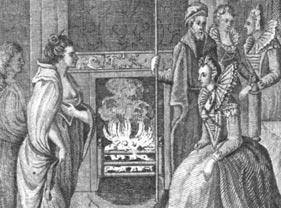
Historian and author Carol Ann LloydStanger traces O’Malley’s remarkable life, from working alongside her father at sea to gaining wealth and land through marriage and battle to continuing to resist English authority. She explores O’Malley’s extraordinary political maneuvering in securing a personal audience with Elizabeth in 1593—and emerging victorious—and examines O’Malley’s enduring legacy as one of Ireland’s most legendary pirates.
Mon., March 16, 6:30 p.m.; CODE 1M2-446; Members $25; Nonmembers $35
The three voyages of maritime exploration undertaken by Captain James Cook from 1768 to 1779 were filled with high drama, tragedy, intrigue, and humor, and their stories have been retold for centuries. Justin M. Jacobs, professor of history at American University, places Cook and his world in historical context, highlights his substantive connections with the Polynesian world, examines his search for the “Great Southern Continent” and Northwest Passage, and analyzes social and political relationships both on board the ships and with the people of the many shores that were visited.
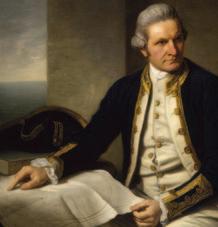
5-session series: Wed., March 18, 25, April 1, 8, and 15, 6:45 p.m.; detailed program information on website; CODE 1J0-530; Members $110; Nonmembers $135
Individual sessions: Wed., March 18 (CODE 1J0-530A); Wed., March 25 (CODE 1J0-530B); Wed., April 1 (CODE 1J0-530C); Wed., April 8 (CODE 1J0-530D); Wed., April 15 (CODE 1J0530E); 6:45 p.m.; detailed program information on website; Members $30; Nonmembers $45
The Unsung Career of Quartermaster Montgomery Meigs
Montgomery C. Meigs was one of the most influential yet underrated figures of 19th-century America, observes Carolyn Muraskin, founder of DC Design Tours. Renowned for energy, precision, and prickly determination, his legacy is stamped across the nation’s capital.
As quartermaster general of the Union Army, Meigs was indispensable to Abraham Lincoln—supplying and equipping more than 2 million troops. He also proposed transforming the Lee family estate at Arlington into a burial ground for Union soldiers.
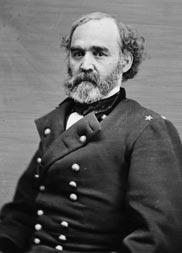
Before the Civil War, Meigs served in the Army Corps of Engineers, working with Robert E. Lee on river surveys, fort construction, and Washington’s infrastructure. He masterminded the aqueduct system and oversaw the U.S. Capitol expansion and the Pension Office (now the National Building Museum). His final design was his own monumental tomb at Arlington, marked with the epitaph he chose: “Soldier, Engineer, Architect, Scientist, Patriot.” Wed., March 18, 7 p.m.; CODE 1NV-180; Members $25; Nonmembers $35; Related tour: Montgomery Meigs in Washington, p. 61
What time does the program end? Unless noted, Smithsonian Associates programs run 1 hour 15 min.–2 hours, including Q&A
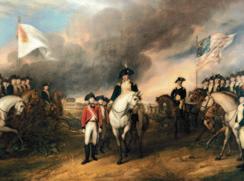
The American War of Independence freed the 13 British colonies in North America from British rule and set the stage for the United States’ bold experiment in self-government. Drawing on primary sources, historian Christopher Hamner traces the war from its roots in the crises of the 1770s through the opening campaigns of the war, culminating in the American victories at Trenton and Princeton and an examination of British strategy.
MAR 19 Opening Shots: The Boston Massacre, Lexington, Concord, and Bunker Hill
APR 23 Dunmore’s Proclamation: The Paradox of Freedom in the War of Independence
MAY 21 Christmas 1776: Trenton and Princeton
JUNE 25 British Strategy in the American War of Independence
In the fall, a second 4-part series carries the revolution from Valley Forge through Saratoga, Yorktown, and the challenges of civil–military relations in the early American Republic.
4-session series: Thurs., March 19, April 23, May 21, and June 25, 6:45 p.m.; detailed program information on website; CODE 1D0-142; Members $100; Nonmembers $120
Individual sessions: Thurs., March 19 (CODE 1D0-142A); Thurs., April 23 (CODE 1D0-142B); Thurs., May 21 (CODE 1D0-142C); Thurs., June 25 (CODE 1D0-142D); 6:45 p.m.; Members $30; Nonmembers $40
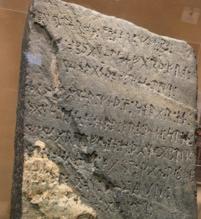
Around the year 1000, explorer Leif Erikson crossed west from Greenland and made his way down the coast to the Gulf of St. Lawrence. Viking activity in the Americas has been more precisely dated to 1021 by scientists examining a Norse settlement at L’Anse aux Meadows in Newfoundland. But there is more to the story of Norse exploration of North America. Historian Eleanor Barraclough digs into other evidence, such as an annal entry from the 14th century describing a ship that got blown by a storm from Labrador to Iceland. Barraclough also delves into the 19th-century afterlife of Viking adventures, when forgeries and fake Viking runestones, weapons, and armor turned up in areas where many people had Scandinavian roots.
Fri., March 27, 12 p.m.; CODE 1T0-057; Members $20; Nonmembers $30
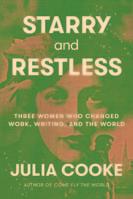
In the mid-20th century, three trailblazing women journalists bore witness to the great changes happening and transformed readers’ understanding of the world. Martha Gellhorn stowed away in the bathroom of a Red Cross hospital ship to report from Omaha Beach on D-Day. Emily “Mickey” Hahn filed stories from Japanese-occupied Shanghai that transported American readers into the wartime life of a Chinese family. Rebecca West interviewed the sister of Archduke Franz Ferdinand’s would-be assassin in 1930s Yugoslavia and then covered the Nuremberg trials. Journalist Julia Cooke shows how they not only found stories that others overlooked but also pioneered new ways of telling them. Cooke's new book, Starry and Restless: Three Women Who Changed Work, Writing, and the World (Farrar, Straus, and Giroux), is available for purchase. Thurs., March 26, 6:30 p.m.; CODE 1W0-001; Members $20; Nonmembers $30
California and Paris on the Global Stage World’s fairs have long captured the world’s imagination, bringing together nations to showcase breakthroughs in technology, art, and design. From St. Louis in 1904 to San Francisco and San Diego in 1915, and Paris in 1925, these iconic expositions dazzled millions of visitors, introducing inventions, bold architecture, and unforgettable spectacles that continue to influence design, technology, and culture today.
Art historian Jennie Hirsh delves into two pivotal fairs, revealing how each presented the latest innovations and shaped culture, design, and the world’s vision of the future.
MAR 30 California 1915: Two World’s Fairs, One Golden State
APR 27 Paris 1925: Art Deco on an International Scale
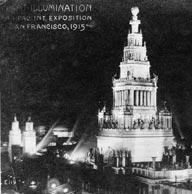
Individual sessions: Mon., March 30 (CODE 1D0-140B); Mon., April 27 (CODE 1D0-140C); 6:45 p.m.; detailed program information on website; Members $25; Nonmembers $35
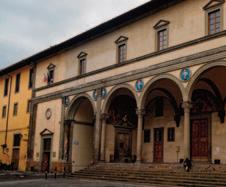
Florence’s Hospital of the Innocents, founded in 1445, was Europe’s first orphanage for abandoned children. In an era when children were often trafficked or left to roam the streets, an orphanage devoted to their care was a striking innovation. Designed by Filippo Brunelleschi, the institution known as the Innocenti became a haven for more than 400,000 children across five centuries.
Joseph Luzzi, author of The Innocents of Florence: The Renaissance Discovery of Childhood and a professor of literature at Bard College, explores how the Innocenti revolutionized our understanding of childhood through its breakthroughs in childcare and childhood education. Luzzi covers the good and the bad of this groundbreaking humanitarian institution that helped shape education and childcare for generations to come.
Thurs., April 2, 12 p.m.; CODE 1J0-537; Members $20; Nonmembers $30

In the years following its disappointing air combat performance over Vietnam, the U.S. set out to improve its training of fighter pilots. Among the initiatives was a top-secret project launched in the late 1970s known as Constant Peg. The program pitted clandestinely obtained Soviet MiG-21s and MiG-23s flown by a cadre of highly experienced pilots—known as Red Eagles—against fighter pilots of the Air Force, Navy, and Marine Corps. Constant Peg helped set an unprecedented air-to-air kill ratio during Operation Desert Storm in the Gulf War. Retired Air Force Lt. Col. Rob Zettel, a Red Eagles veteran, shares an insider’s view of the project.
Zettel’s new book, American MiG Pilot: Inside the Top Secret USAF Red Eagles MiG Squadron (Osprey Publishing), is available for purchase.
Thurs., April 2, 6:30 p.m.; CODE 1T0-059; Members $20; Nonmembers $30
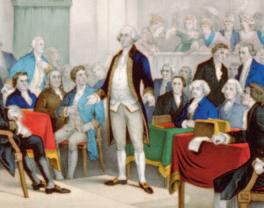
On June 15, 1775, the Second Continental Congress appointed George Washington commander in chief of the Continental Army. He held the post throughout the Revolutionary War, resigning on December 23, 1783. While the title is common in U.S. history, Washington’s role was unique: Few leaders commanded both the nation’s principal field army and the military overall. Only Ulysses S. Grant briefly held a similar dual role during the Civil War.
Washington’s tenure lasted eight and a half years, marked by unprecedented challenges. The year 1777 proved pivotal, framed by victories at Trenton and Princeton and ending with his leadership after Saratoga and the march to Valley Forge. These events tested and strengthened him as commander in chief. Historian Kevin Weddle highlights how Washington’s experiences in 1777 prepared him for ultimate success and ensured American independence.
Tues., April 7, 6:45 p.m.; CODE 1K0-681; Members $25; Nonmembers $35
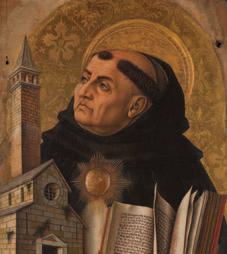
Thomas Aquinas transformed the Western intellectual tradition through his vast philosophical and theological work, especially the Summa theologiae His vision has shaped thinkers and religious believers from his own era to today. Grounded in Christian scripture, established doctrine, and the theological traditions of his time, Aquinas combined these sources with insights drawn from ancient philosophy and the emerging university methods of the medieval world.
His synthesis produced a strikingly original and sophisticated account of reality—one that explains the nature of God, the created world, and, crucially, the relationship between the divine and the human person. For Aquinas, human fulfillment lies in understanding and loving a God who ultimately surpasses comprehension. Aquinas scholar Scott MacDonald of Cornell University explores some of the bold and perennially relevant ideas fundamental to Aquinas’ distinctively philosophical theology.
Thurs., April 9, 6:30 p.m.; CODE 1M2-449; Members $30; Nonmembers $45
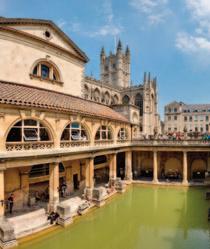
The cities, towns, and countryside of Britannia in 350 were part of a functioning, vibrant Roman province sustained by a robust economy, an expanding urban infrastructure, and all the cultural markers and creature comforts characteristic of the later Empire.
Those same cities and towns and country estates would be barely recognizable a hundred years later. Britain’s urban fabric lay in ruins, its Romanized economy disappeared, and its political culture was atomized, chaotic, and coming to be dominated by speakers of English.
How this once-prosperous province came to tumble out of the Roman Empire has long resisted easy answers. Historian Samuel Collins surveys what is known now and looks at the innovative ways in which new light is being shed on old problems in the fall of Roman Britain.
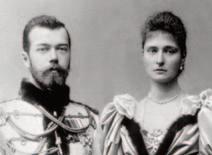
Nicholas and Alexandra
In 1917, revolution shattered Russia, ending the 300-year Romanov dynasty and overthrowing Tsar Nicholas II. The monarchy’s collapse, accelerated by World War I and Nicholas’ weak leadership, culminated in the brutal murder of the imperial family at Ekaterinburg in 1918—a tragedy that continues to haunt history.
Thurs., April 9, 6:30 p.m.; CODE 1H0-903; Members $20; Nonmembers $30
In 1996, historian Anthony Cohen set out on an 8-week journey to explore the Underground Railroad, the secret network to freedom of enslaved self-liberators. Cohen traced the steps of freedom-seekers along wilderness trails and waterways, traveling by foot, boat, and rail across 5 states and 1,200 miles from Maryland to Canada. He stopped at towns along the way, visiting historic safehouses, African American communities, and Quaker sanctuaries, to chronicle stories of freedom through artifacts, documents, and oral accounts.
In 2026, on the 30th anniversary of his walk—and to mark the 250th celebration of the nation’s founding— Cohen retraces his historic trek to Canada, by foot, once again. He shares stories and images from his 1996 expedition and discusses his plans and aspirations for 2026’s journey of remembrance.

Mon., April 13, 6:30 p.m.; CODE 1W0-003; Members $20; Nonmembers $30
Historian Siobhan Clark explores the causes of the revolution, the tsar’s failings, and the devastating impact on the Russian people. She examines the deep love between Nicholas and Alexandra, a bond that blinded them to reality and sealed their fate. She reflects on the four Romanov sisters, remembered as martyrs of a revolution, who were also innocent victims of a mother and father so divorced from reality that they unwittingly condemned their beloved family to a terrible fate.
Tues., April 14, 12 p.m.; CODE 1M2-450; Members $25; Nonmembers $35
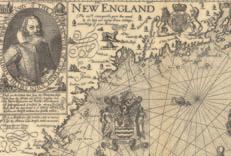
For over 500 years, America has been defined through maps. Whether handmaidens of diplomacy, tools of statecraft, instruments of social reform, or advertisements, these sources record efforts to make sense of the world. They invest information with meaning by translating it into visual form and in the process reflect decisions about how the world ought to be seen.
Above all, maps provide reminders that the past is not just a chronological story but also a spatial one. For these reasons, maps offer unique windows onto the past. Author and historian Susan Schulten explores some of the maps and stories that tell the story of American history.
Wed., April 15, 6:30 p.m.; CODE 1H0-901; Members $20; Nonmembers $30
Read more about programs in this guide on our website. Search by code or date. Expanded program descriptions, presenters’ information, and more at SmithsonianAssociates.org.
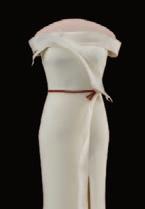
Located in the Smithsonian’s National Museum of American History, “The First Ladies” exhibition explores the unofficial but important position of first lady. Objects including gowns, tableware, and invitations from first ladies such as Mamie Eisenhower, Jacqueline Kennedy, Barbara Bush, and Hillary Clinton tell the story of the first ladies as public and private figures. Lisa Kathleen Graddy, curator of the exhibition, brings this historic collection to life.
One designer holds the distinction of having two gowns in the collection. Hervé Pierre, a French-American fashion and costume designer, has designed for four United States first ladies since the 1990s: Hillary Clinton, Laura Bush, Michelle Obama, and Melania Trump. Pierre shares his experiences.

Mon., April 20, 12 p.m.; CODE 1T0-060; Members $20; Nonmembers $30
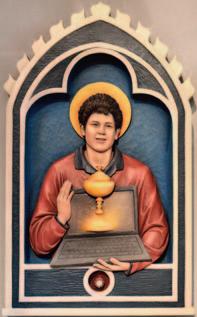
The recent canonization of “millennial saint” Carlo Acutis, who died in 2006 at age 15, demonstrates that the desire to venerate holy people is undimmed in the contemporary Catholic Church, says Kate E. Bush, a visiting assistant professor of history at the College of the Holy Cross. Bush explores how saints have been made through the centuries, detailing how Catholicism moved from accepting saints by popular acclamation to papal canonization. Even today, though, the devotion of everyday people is the main ingredient needed to make a saint, she argues.
And just as the youthful, internetsavvy Acutis reflects Catholic preoccupations today, Bush says, the saints of each era are a window through which the Catholic Church’s power and concerns are visible.
Wed., April 22, 6:30 p.m.; CODE 1T0-074; Members $20; Nonmembers $30
The 250th anniversary of the United States marks a milestone, representing two and a half centuries of upholding democracy, building communities, and working to become a more perfect union. In celebration, the Smithsonian Institution created a new book, The Promise of a Nation: Commemorating 250 Years of Patriotism, Resilience, and Aspirations from the National Collection, in which curators reflect on how objects and people have shaped the national identity. During this free evening presentation, Smithsonian curators are joined by members of the editorial committee to share the story of how the publication came together, reflect on its themes, and highlight selected decades from the 1770s to the 2020s.
Moderator: Rebecca Roberts, deputy director, Library Events Office at the Library of Congress
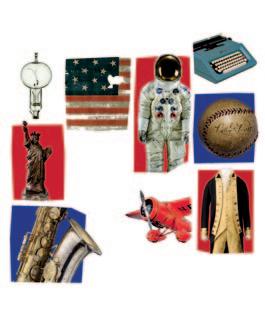
Welcome and opening: Lisa Sasaki, deputy under secretary for special projects at the Smithsonian Institution
Curators: Barbara Clark Smith, curator in the division of political history at the National Museum of American History; Damion L. Thomas, sports curator at the National Museum of African American History and Culture; Teasel Muir-Harmony, curator, National Air and Space Museum
Editorial Committee, The Promise of a Nation: Tasha Coleman, senior adviser for strategy and implementation, Office of the Secretary, Smithsonian Editorial Committee chair; James Deutsch, senior content coordinator
Tues., April 21, 6:30 p.m.; CODE 1T0-066; Mary Louise and Elmer Rasmuson Theater in the National Museum of the American Indian, with reception in the Potomac Atrium; free, registration required
Support for this program provided by the Secretary of the Smithsonian and the Smithsonian National Board
The Life and Legend of Marie Antoinette
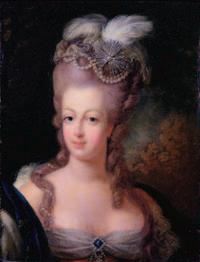
Marie Antoinette’s life unfolds like a tragic opera. Born an Austrian archduchess, she married into Versailles at 14 and was executed before 40. Arriving as a symbol of Franco-Austrian alliance, her foreign origins haunted her reputation. Versailles was both theater and trap, where she navigated rigid etiquette, intrigue, and the impossible role of queen. She became France’s most visible— and vilified—figure, embodying grace, excess, fascination, and resentment.
Historian Alexander
Mikaberidze re-examines her beyond caricature, revealing a complex political actor negotiating power, motherhood, and identity in revolutionary times. Through art, correspondence, and accounts, he shows how her image was constructed, weaponized, and transformed from scapegoat to enduring icon.
Thurs., April 23, 6:30 p.m.; CODE 1M2-455; Members $25; Nonmembers $35
This year marks the 250th anniversary of the Declaration of Independence, a document that proclaimed the liberty and equality of all human beings but produced a country that often failed to agree upon—or live up to—those ideals.

Pulitzer Prize–winning historian Beverly Gage made 13 trips throughout the country to visit museums, historic sites, roadside attractions, reenactments, and souvenir shops where Americans learn and argue about our history. Gage shares her experiences at locations such as Mound Bayou, Mississippi; Medora, North Dakota; and Dearborn, Michigan. She also examines key moments that define America’s greatest successes and challenges.
Gage’s new book, This Land Is Your Land: A Road Trip Through U.S. History (Simon & Schuster), is available for purchase.
Tues., April 28, 6:45 p.m.; CODE 1J0-541; Members $20; Nonmembers $30
This spring, 55 colorful carved horses—plus one dragon—will again canter in circles on the National Mall when the Smithsonian Institution’s historic carousel returns after two years of restoration work. Built in 1947, the carousel was originally installed in Gwynn Oak Amusement Park outside of Baltimore. After years of protests by civil rights activists, the amusement park was desegregated on Aug. 28, 1963, the day of the March on Washington.
In 1981, the carousel was moved to the National Mall. After the Smithsonian purchased it in December 2022, Carousels and Carvings, Ohio-based experts in carousel restoration and fabrication, disassembled the carousel to begin restoration work. The carousel’s return to the Mall is part of the Institution’s celebration of the nation’s 250th birthday.
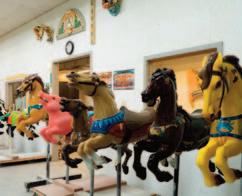
Carousels and Carvings owner and president Todd Goings illuminates the intricate process of refurbishing the carousel, including steps taken to preserve its visual integrity and history.
Thurs., April 30, 6:30 p.m.; CODE 1W0-005; Members $20; Nonmembers $30
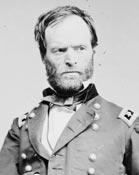
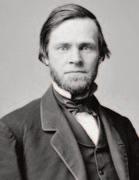
Most Americans are familiar with William T. Sherman, one of the most famous generals of the Civil War. Fewer are aware of his younger brother, John Sherman, who entered the U.S. Senate in 1861 and went on to become one of the longest-tenured officials in its history. For the Shermans, the Civil War was the central event of their lives—a conflict that became a true “brothers’ war” as each relied on the other during some of its darkest moments. Historian Bennett Parten discusses how the Shermans navigated the Civil War, with both rising to personal and professional heights during the conflict. He also examines how they approached the war in its earliest days and how they revolutionized it, albeit in their own unique ways
Thurs., April 30, 6:45 p.m.; CODE 1K0-692; Members $25; Nonmembers $35
Nature, History, and the Rise of Early Christianity
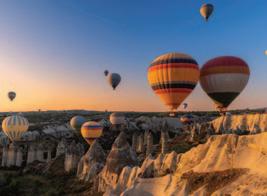
Cappadocia in central Turkiye is best known for its surreal landscapes of sculpted tuff, fairy chimneys, and ancient underground cities. Shaped over millions of years by volcanic eruptions and erosion, these otherworldly formations have become both a geological wonder and a canvas for human creativity.
But Cappadocia is more than just a natural marvel. Its valleys and rock-cut dwellings reveal a rich tapestry of history, from Hittite strongholds and Persian satrapies to Roman and Byzantine settlements. The region also played a vital role in the story of Christianity: The three theologians known as the Cappadocian Fathers helped shape Christian theology, while monastic communities carved entire sanctuaries into the rock.
Turkish tour guide Serif Yenen brings Cappadocia to life by weaving together its natural beauty, historical depth, and religious significance.
Thurs., April 30, 12 p.m.; CODE 1J0-543; Members $20; Nonmembers $30
In 1535, Sir Thomas More defied King Henry VIII of England and died on the scaffold for refusing to accept the king’s break with the Catholic Church. He was canonized in 1935, but recent scholarship has uncovered a darker side to More’s career as a persecutor of early Protestants in England. Modern views of More are far more nuanced than those in the famous portrayal of the saint in the 1966 film A Man for All Seasons, as seen in the negative picture of More in Hilary Mantel’s Wolf Hall
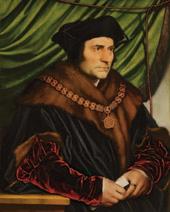
Historian Jennifer Paxton explores More’s life and legacy, examining the ways in which he offers both a window onto the complexities of life in Tudor England and an example of political courage that still inspires today.
Thurs., April 30, 6:30 p.m.; CODE 1M2-456; Members $30; Nonmembers $45
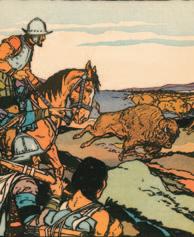
An ambitious expedition left central Mexico in 1540 as Francisco Coronado led nearly 2,000 Spaniards north in search of mythical golden cities. Instead of wealth, they confronted the vast, unmapped American West and formidable Indigenous nations who controlled it. Over two years, the expedition crossed more than 2,500 miles. Hard terrain, starvation, internal collapse, and Indigenous resistance devastated the force, 90 percent of which never returned.
Peter Stark, author of The Lost Cities of El Norte, examines how Indigenous power and the landscape combined to halt European domination of the Southwest and Plains for the next three centuries.
Mon., May 4, 7 p.m.; CODE 1NV-187; Members $25; Nonmembers $35
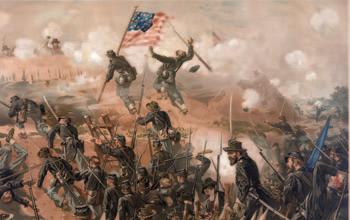
Historically, most attention has been given to the Eastern Theater of the American Civil War—largely due to the presence of Confederate Gen. Robert E. Lee in the east and the fact that some of the costliest battles of the war were fought in Pennsylvania, Maryland, and Virginia. The Eastern Theater was also the location of the capitals of the United States and the Confederacy, and the war there was fought in the glare of politics and the press. However, asserts military historian Kevin Weddle, the area west of the Appalachians and east of the Mississippi was at least as strategically important. He explains the significance of the Western Theater in the conflict, its primary campaigns and personalities, and the aspects that made it crucial to the war’s outcome.
Tues., May 5, 6:45 p.m.; CODE 1K0-693; Members $25; Nonmembers $35
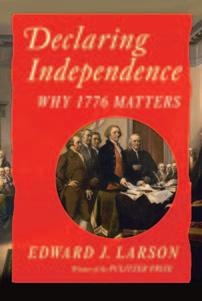
At the start of 1776, few Americans sought independence, grounding their protests instead in the rights of British subjects. By year’s end, independence had become unavoidable.
Historian Edward J. Larson chronicles this pivotal year in American history, from the inspiring appeals of Thomas Paine’s Common Sense in January; through midsummer, when the Second Continental Congress grounded independence in the “self-evident” truths of human equality and individual rights; to Paine’s urgent pleas of December, when “the times that try men’s souls” required Americans not to “shrink from the service of their country.”
Larson’s new book, Declaring Independence: Why 1776 Matters (W.W. Norton), is available for purchase.
Tues., May 5, 7 p.m.; CODE 1CV-085; Members $20; Nonmembers $30
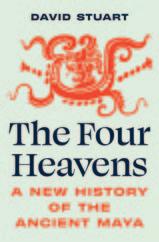
Maya history, once thought lost when Europeans first encountered ancient ruins, has been revived through the decipherment of hieroglyphics. Historian and archaeologist David Stuart, a leading figure in this achievement, offers a vivid account of Maya civilization from their own perspective. Drawing on indigenous texts and recent archaeological discoveries, he shows the Maya experienced cycles of growth and collapse spanning three millennia.
Stuart traces the emergence of rainforest settlements that blossomed into monumental architecture and thriving urban centers during the Classic period. He highlights the grandeur of royal courts, bound by alliances, marriages, and wars, particularly between the Kaanul and Mutul dynasties. Their rivalry shaped kingdoms and contributed to the “Great Rupture” of the 9th century.
Stuart is professor of Mesoamerican art and writing and director of the Mesoamerica Center at the University of Texas at Austin. His book The Four Heavens: A New History of the Ancient Maya (Princeton University Press) is available for purchase. Wed., May 6, 6:45 p.m.; CODE 1K0-694; Members $20; Nonmembers $30
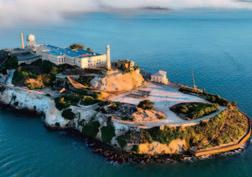
Alcatraz is America’s most notorious island, and its most misunderstood, says historian John Martini From its sighting by Europeans in 1769 through its present standing as the top ticketed attraction in San Francisco, its history is multi-layered.
Martini uncovers the island’s infamous past as a federal penitentiary from 1934 to 1963 and its lesser-known roles as a Civil War fortress, political prison for Confederate sympathizers, and military prison for defiant U.S. Army soldiers and Native American warriors.
Martini also covers the Native American occupation of 1969–1971; Alcatraz in American popular culture; the seldom-seen tunnels; its evolution as a National Park site; the island’s resurgent natural life; and the challenges of preserving its aging infrastructure. Martini worked as a National Park Service ranger for more than 25 years at sites including Alcatraz.
Wed., May 6, 7 p.m.; CODE 1NV-186; Members $25; Nonmembers $35
The Battle of the Atlantic was the longest and most technologically dynamic campaign of World War II, a struggle where engineering, intelligence, and industrial power proved as vital as courage at sea. Historian Marcus Jones traces the evolution of German U-boats and their early successes that threatened Britain’s lifeline. He examines how the Allies gradually built an effective counter-system through convoys, radar, long-range aircraft, high-frequency direction finding, and escort carriers.

Central to the story is the breaking of the German navy’s Enigma code, which reshaped the campaign’s direction. Jones presents the Atlantic war as a human ordeal of innovation, strategy, and endurance against daunting odds.
Wed., May 6, 6:30 p.m.; CODE 1H0-907; Members $30; Nonmembers $45
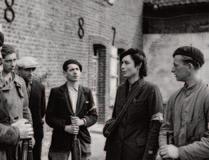
The French Resistance was a remarkable network of everyday citizens—students, clergy, aristocrats, communists, Protestants, Muslims, and many Jews—who risked everything to oppose Nazi occupation and the Vichy regime during World War II. Through espionage, sabotage, rescue missions, and intelligence gathering, they played a crucial role in aiding the Allies and protecting vulnerable people.
Lyon became one of the group’s major hubs, where men and women organized escape routes and provided vital intelligence for Allied soldiers and airmen behind enemy lines. Historian Ralph Nurnberger examines how this extraordinary coalition defied Nazi occupation to safeguard their fellow citizens.
Thurs., May 7, 6:45 p.m.; CODE 1D0-152; Members $20; Nonmembers $30
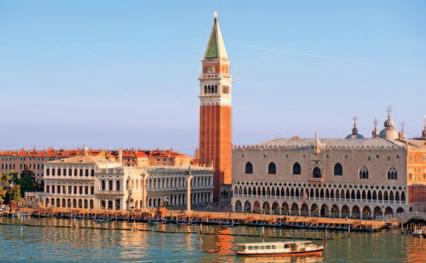
The fall of the Venetian Republic to Napoleon in 1797 set Venice on a dramatic new course. Once a proud maritime power, the city came under French and then Austrian rule. Venice itself was transformed: Churches were demolished, canals filled in, and streets and squares widened—all to accommodate heavy industry.
These changes ignited a clash between preservation and modernization and led to Venice’s turn from industry to tourism. Historian Dennis Romano, author of Venice: The Remarkable History of the Lagoon City, explores how the 19th century became one of the most consequential periods in Venice’s history, reshaping its physical landscape and cultural identity.
Fri., May 8, 12 p.m.; CODE 1D0-153; Members $20; Nonmembers $30
The Rivalry That Shaped Ancient Greece
Classical Greece shaped the Western world more than any other era, and at its heart stood Athens and Sparta— cities whose partnership and rivalry defined an age. They united to defeat the Persian Empire, the dominant power of their time but later unleashed turmoil across the eastern Mediterranean, culminating in the devastating Peloponnesian War.
Historian Adrian Goldsworthy explores their tense relationship, contrasting Sparta’s militarized discipline with Athens' radical democracy. Together, these cities shaped Greece at its height— before nearly tearing it apart.
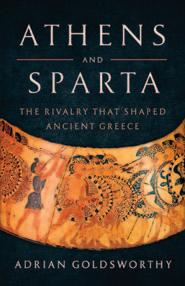
Goldsworthy’s book Athens and Sparta: The Rivalry That Shaped Ancient Greece (Basic Books) is available for purchase.
Wed., May 13, 12 p.m.; CODE 1D0-154; Members $20; Nonmembers $30
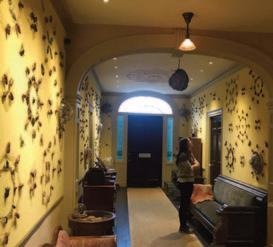
Historic house museums are more than time capsules of architecture and décor: They are vibrant portals into human experience, holding visceral connections to the complexities of the past. Public historian Ken Turino examines how these historic houses serve as unique repositories of personal narrative and cultural and social history.
With the traditional model of the historic house at a crossroads, Turino argues, ensuring these museums remain not just preserved but powerfully alive requires tapping their potential to transform people’s thinking about history. He explores efforts to reimagine these institutions, confront difficult histories, engage with contemporary social issues, and experiment with new forms of storytelling and community partnership.
Wed., May 13, 6:30 p.m.; CODE 1W0-006; Members $20; Nonmembers $30
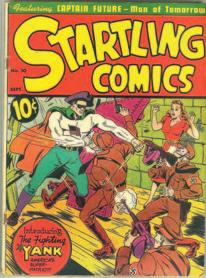
The superhero burst onto the American scene in the late 1930s, offering readers a new kind of champion at a moment of profound national struggle. From Superman’s first appearances during the Great Depression to the patriotic fervor embodied by figures like Captain America and Wonder Woman, these }characters helped shape a booming comic book industry and the cultural imagination of a nation on the brink of global conflict.
History professor Brian Puaca explores the origins and evolution of the superhero during the 1930s and early 1940s. Puaca discusses how Jewish writers and artists played a foundational role in crafting the genre and how comic books urged the United States toward engagement in World War II.
Thurs., May 14, 6:30 p.m.; CODE 1T0-068; Members $20; Nonmembers $30
The word “Caesar” often evokes Julius Caesar, but many Caesars shaped the Roman Empire over more than 300 years, from Augustus to Constantine. Classicist
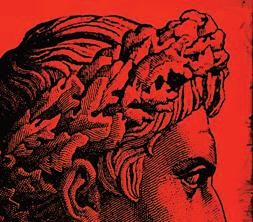
Barry Strauss explores how Romans were willing to do whatever it took to survive as a center of imperial power. Though conquerors, they also welcomed immigrants, looked beyond the elite to lure promising talent from poorer regions, and included women in the power structure of ruling families. The Romans, says Strauss, offer both positive lessons in leadership and cautionary ones on ego and drive that can be relevant today.
Mon., May 18, 6:45 p.m.; CODE 1H0-906; Members $30; Nonmembers $45
Richard III has remained one of England’s most divisive monarchs for over five centuries. Was he a loyal protector or the ruthless usurper immortalized by Shakespeare? Newly surfaced letters hint that his nephews may have survived the Tower of London, while fresh reassessments renew suspicions of his guilt. The last English king to die in battle, Richard’s legacy is steeped in controversy.
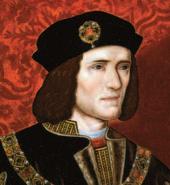
Tudor and Shakespeare historian Carol Ann Lloyd-Stanger explores his life as a medieval warrior, his role in averting civil war, and his conflicting portrayals on stage and screen. She examines the dramatic 2012 discovery of his remains beneath a parking lot in the English city of Leicester, the disputes over his royal reburial, and the ongoing debates— including a 2025 court case—about how Richard is remembered and why his story still matters.
Thurs., May 14, 6:30 p.m.; CODE 1M2-458; Members $30; Nonmembers $45

Rachel Carson became a celebrated writer through her poetic explorations of the natural world, especially the ocean. Her articles in major magazines and bestselling books earned her the title “Biographer of the Sea,” supported by her marine zoology background and years with the U.S. Fish & Wildlife Service. In 1962, Silent Spring reshaped environmental awareness. Environmental educator Rebecca Henson examines Carson’s evolution as a science writer, how she crafted Silent Spring, why it changed public perception, and the directions Carson hoped to pursue, illuminating the ecological philosophy and wonder in the living world around her that define Carson’s legacy.
Wed., May 20, 6:30 p.m.; CODE 1W0-008; Members $20; Nonmembers $30
All Smithsonian Associates online programs are closed captioned
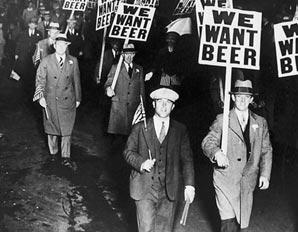
The 1920s is one of the most vibrant and rebellious periods in modern American history. A Constitutional amendment that took effect in 1920 kicked off the decade by prohibiting the consumption of alcohol. This was supposed to solve some of the nation’s most pressing social issues but instead uncorked a cultural rebellion and a host of new social problems.
Historian Allen Pietrobon examines the role that alcohol played in American life leading up to Prohibition. He delves into how drinking had become such a problem that the U.S. banned “intoxicating beverages,” why trying to outlaw all alcohol backfired spectacularly, and how American society and culture changed throughout the 1920s.
Wed., May 27, 6:45 p.m.; CODE 1J0-550; Members $20; Nonmembers $30
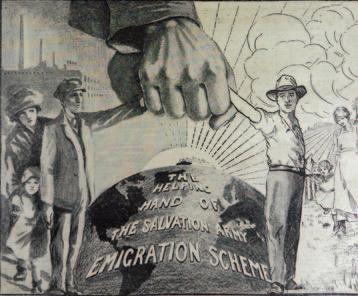
In 1953, the Salvation Army described itself as “the largest voluntary emigration agency” in the world. In the preceding 50 years, it had assisted nearly a quarter of a million people to emigrate from the British Isles to the then-British Dominions, specializing in “conducted” migration to Canada, Australia, and New Zealand.
Archivist Ruth Macdonald explores how the Salvation Army went from being a local Christian revival society in East London to a global emigration agency and how migration from the British Isles was both promoted and contested as a solution to economic and social welfare issues.
Thurs., May 28, 6:30 p.m.; CODE 1W0-009; Members $20; Nonmembers $30
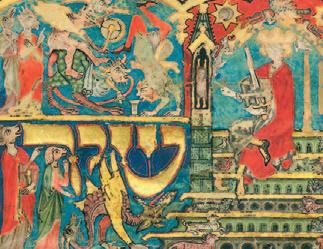
Throughout the Middle Ages, Jews lived in various diaspora communities, in foreign lands under both Muslim and Christian rule. Biblical scholar and historian Gary A. Rendsburg explores such communities in Egypt, Italy, England, and Spain—all well documented with historical evidence, including financial records, tomb inscriptions, biblical manuscripts, and more. At times, Jews flourished in these foreign lands, though at other times anti-Jewish fervor resulted in massacres, expulsions, and ghettoization. In a full-day seminar, Rendsburg surveys both the highs and the lows in his examination of Jewish life in the medieval era.
Sat., May 30, 10 a.m.–4 p.m.; detailed program information on website; CODE 1M2-459; Members $100; Nonmembers $125
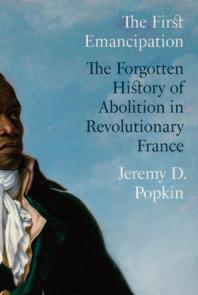
On Feb. 4, 1794, the legislators of France’s revolutionary government abolished slavery in all its colonies. Their decree made France the first country to end an institution that had been fundamental to the enterprise of European colonization for three centuries.
Historian Jeremy Popkin tells how pressure from the enslaved populations of France’s colonies met the idealistic principles of the French revolutionaries. The rise of Napoleon Bonaparte just five years later saw the Black populations of most French colonies forced back into slavery. But his first great military defeat was in 1804, as the former French colony Haiti became the second independent nation in the Americas.
Popkin’s new book, The First Emancipation: The Forgotten History of Abolition in Revolutionary France (Princeton University Press), is available for purchase.
Tues., June 2, 6:30 p.m.; CODE 1W0-010; Members $20; Nonmembers $30
In the chaotic days after the bombing of Pearl Harbor, the Roosevelt administration made a controversial decision. To encourage reciprocal treatment of U.S. diplomats trapped abroad, it sent hundreds of Axis diplomats living in the United States to remote luxury hotels. Already stunned by the attack on Honolulu that killed more than 2,400 service members and civilians, many Americans were enraged by the government’s magnanimity towards its enemies.
Harvey Solomon, author of Such Splendid Prisons: Diplomatic Detainment in America during World War II, makes this story come alive as he interweaves eyewitness accounts and personal stories backed by official and private documentation, unpublished memoirs, and contemporaneous reporting.
Wed., June 3, 6:45 p.m.; CODE 1J0-552; Members $20; Nonmembers $30
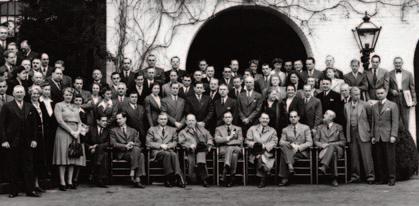
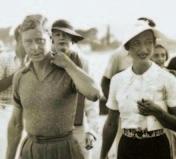
The Wall Street crash of 1929 unleashed a chain of global events. In Britain, the impact was enormous and led some to refer to this dire economic time as the “devil’s decade.”
During those years of high unemployment, hunger marches, and a growing class divide, the public sought escapism in lavish entertainment. Tabloids also provided distraction, showcasing high-profile murders and royal scandals. The growing threat of Hitler and Mussolini reached British shores in the form of Oswald Mosely’s black-shirted Union of Fascists.
Historian Julie Taddeo discusses the 1930s in which remnants of the Victorian past clashed with an increasingly modern, technological, and socially divided age.
Mon., June 8, 6:45 p.m.; CODE 1K0-714; Members $25; Nonmembers $35
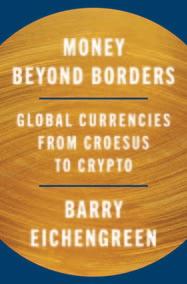
In an era marked by concerns over tariffs, political polarization, and shifting global alliances, questions about the durability of the U.S. dollar’s international dominance are becoming increasingly urgent. Economist Barry Eichengreen traces the evolution of cross-border money from the earliest coinage of the 7th century B.C.E. to modern cryptocurrencies and emerging central bank digital currencies. Eichengreen examines patterns in the life cycles of international currencies over the past 2,500 years, offering valuable lessons and insights about how currencies rise and why they fall.
Eichengreen’s new book, Money Beyond Borders: Global Currencies from Croesus to Crypto (Princeton University Press), is available for purchase.
Mon., June 8, 7 p.m.; CODE 1CV-088; Members $20; Nonmembers $30
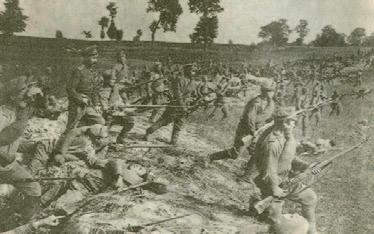
The Brusilov Offensive, fought while the battles of Somme and Verdun raged, was responsible for over 2.5 million casualties. Historian and documentarian Indy Neidell explores how, in hindsight, the Brusilov Offensive was the only realistic chance for World War I to end before it did in 1918.
The Imperial Russian Army very nearly forced an armistice, thanks to Gen. Aleksei Brusilov’s pioneering use of practices taken for granted in war today, such as shock troop tactics. Had it done so, the world of 1916 would have been the basis of a postwar future that would have looked very different indeed.
Tues., June 9, 12 p.m.; CODE 1W0-012; Members $20; Nonmembers $30
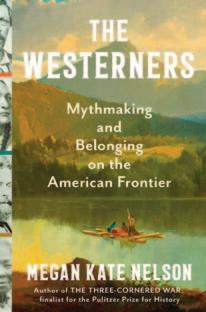
Mythmaking and Belonging on the American
Megan Kate Nelson’s newest book, The Westerners, reframes the 19th-century American West by revealing how varied communities built the region even as national myths erased them. She traces federal policies and individual actions that shaped this contested landscape, challenging the celebration of white settler individualism.
Nelson highlights figures such as Sacajawea, not just Lewis and Clark’s guide but an explorer who forged her own path; Jim Beckwourth, a biracial frontiersman whose cultural fluency brought renown; and Polly Bemis, a Chinese immigrant who forged a life in Idaho despite exclusionary laws.
The Westerners: Mythmaking and Belonging on the American Frontier (Scribner) is available for purchase.
Tues., June 9, 7 p.m.; CODE 1NV-190; Members $25; Nonmembers $35
Since the Victorian era, the London Underground has shaped daily life in the city. It also served as the first model for modern subway systems. From smoke-filled, steam-powered trains to today’s 11-line, 250-mile network, the Underground has been central to London’s growth.

Writer Christian Wolmar traces this evolution through electrification, world wars, and 21st-century expansion. He also highlights key visionaries who helped make the Underground possible: Charles Pearson, who imagined railways beneath the streets; Charles Yerkes, who built major new lines; and Frank Pick, the design pioneer behind the famous logo.
Thurs., June 11, 12 p.m.; CODE 1CV-089; Members $20; Nonmembers $30
Rear Adm. Samuel Francis Du Pont, once hailed as one of the U.S. Navy’s most capable officers, saw his reputation collapse after the failed ironclad assault on Charleston in April 1863. Though celebrated early in the Civil War for securing a key Union victory in South Carolina, he later became unfairly remembered as a commander who resisted innovation.
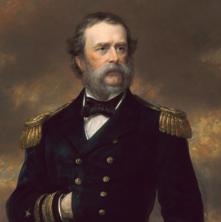
Military historian Kevin J. Weddle argues that Du Pont supported technological progress but strongly opposed using the new ironclads against Charleston, warning they were unsuited for the mission. Overruled by superiors, he carried out the attack, sealing his downfall. Weddle highlights Du Pont’s strategic influence and his vital role in modernizing the Navy between the Mexican and Civil Wars.
Mon., June 15, 6:45 p.m.; CODE 1K0-700; Members $25; Nonmembers $35
The 1773 Boston Tea Party erupted in response to the Tea Act, a measure meant to curb smuggling and bolster the East India Company but perceived in Boston as a monopolistic threat to colonial liberty. Local merchants denounced the act as tyrannical, and when three tea-laden ships arrived, about 100 men boarded the vessels and dumped the cargo into the harbor, transforming protest into dramatic defiance.
Historian Richard Bell interprets the event as America’s first major uprising against corporate power and global economic influence, an act he also frames as domestic terrorism that accelerated the breakdown between Britain and its colonies.
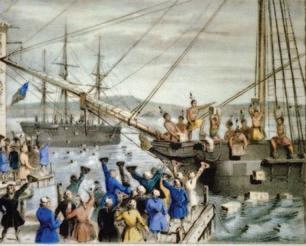
Tues., June 16, 6:30 p.m.; CODE 1M2462; Members $25; Nonmembers $35
Despite prevailing isolationist public opinion and an obstructionist government, an informal American humanitarian network of citizen activists delivered aid to and rescued many victims of Nazi oppression before and during World War II. This group of citizens organized to provide emergency relief, establish programs overseas, and resettle thousands of persecuted people in safe havens stretching from Latin America to East Asia. Operating in the shadows, these idealists devised pragmatic, sometimes controversial, solutions to overcome obstacles.

History professor Andrew Falk tells the story of these courageous people and how they bypassed organizational rules to funnel money to relief efforts, created schemes to circumvent Nazi currency regulations, and interpreted U.S. immigration laws to resettle persecuted academics.
Wed., June 17, 6:30 p.m.; CODE 1T0-073; Members $20; Nonmembers $30
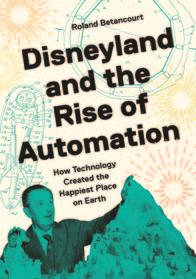
Disneyland’s 1955 opening revealed the hidden world of factory automation through groundbreaking attractions. Historian Roland Betancourt traces the park’s first three decades of innovation, highlighting how industrial and military systems were reimagined for themed experiences: Magnetic tape once used for missile testing powered the Enchanted Tiki Room’s animated birds, while programmable logic controllers from assembly lines drove the Matterhorn Bobsleds and Space Mountain. These attractions helped ease public anxieties about automation and job loss in midcentury America, says Betancourt. His book Disneyland and the Rise of Automation: How Technology Created the Happiest Place on Earth (Princeton University Press) is available for purchase.
Tues., June 23, 6:30 p.m.; CODE 1W0-014; Members $20; Nonmembers $30
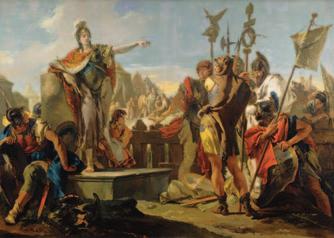
By the year 235, at the end of ancient Rome’s golden age—the Pax Romana—two centuries of peace gave way to relentless border invasions, civil wars, monetary debasement, and a virulent pandemic, leaving a once-unified empire fragmented.
Yet amid the chaos, asserts historian Colin Elliott, the Roman Empire demonstrated exceptional resilience: By 285, what survived was no longer the classical empire of senators and citizen-legions but a more centralized, militarized state strong enough to survive the collapse of the West and carry the Roman name for another thousand years in the East.
Mon., June 22, 6:45 p.m.; CODE 1K0-709; Members $25; Nonmembers $35
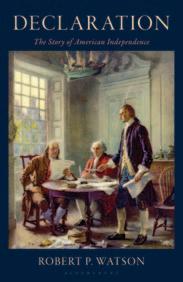
The Untold Stories Behind America’s Founding Document
Distinguished Professor of American History at Lynn University, Robert Watson, reveals the lesser-known stories, surprising twists, and forgotten voices behind the most iconic document in U.S. history.
Drawing from a wealth of primary sources, he reconstructs the debates, drafts, and drama that surrounded the creation of the Declaration of Independence.
Focusing on the influence of women, enslaved individuals, and Indigenous peoples, Watson brings to light the varied cast of often-forgotten characters and perspectives that shaped the American experiment in his book, Declaration. Along the way, he explores the document’s philosophical roots, its political impact, and the enduring struggle to realize its lofty promises of liberty and equality.
Tues., June 30, 6:45 p.m.; CODE 1K0-702; Members $25; Nonmembers $35

Spend a fascinating Friday evening expanding your knowledge of the world of wine as you sip along with sommelier Erik Segelbaum in a delectable adventure. This immersive program includes a curated personal tasting kit to enhance the experience.
Nestled halfway between Los Angeles and San Francisco sits Paso Robles wine country. The climate is perfect for the production of world-class wines, ranging from Bordeaux varieties to Rhône varieties. Whether rich, intense, and full-bodied; crisp, clean, and light; or somewhere in the middle, there’s likely a Paso Robles wine for every palate. This session explores the versatility of Paso Robles wines from some of the finest producers and subregions.
Fri., March 20, 6 p.m.; CODE 1T0-052; Members $70; Nonmembers $85
Wine-tasting kit information: The cost includes a curated personal tasting kit with enough wine for one person to sample the full lineup of wines. Additional participants must register individually to receive their own tasting kit, which is an essential component of the workshop.
Update: Kits are available during two scheduled pick-up times the day before the program and the day of the program at Cowbell Seafood & Oyster (Union Market, 1309 5th St. NE, Washington, D.C.; Metro: NoMa–Gallaudet U station, Red line.)
NOTE: Patrons will receive additional wine tasting kit pick-up information by email prior to the program. Due to state and federal laws, Smithsonian Associates cannot ship wine kits. However, SOMLYAY may be able to provide kits to participants outside the Washington, D.C., area (who must cover shipping costs). Please contact erik@thesomlyay.com for more information.
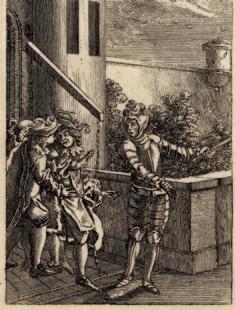
Shakespeare’s tragedy Hamlet is considered one of the greatest works in English literature. With such famous quotes as “To be, or not to be, that is the question,”
“Something is rotten in the state of Denmark,” and “Brevity is the soul of wit,” this play about murder, revenge, and madness resonates with generations of readers (and viewers). Joseph Luzzi, a professor of literature at Bard College, leads participants through a detailed exploration of this extraordinary work, focusing on Shakespeare’s philosophical brilliance, linguistic inventiveness, and ability to capture the most complex—and often unsettling—human emotions. Luzzi highlights how and why Hamlet remains one of the most beloved and frequently performed of Shakespeare’s plays.
Thurs., March 5, 12 p.m.; CODE 1J0-528; Members $20; Nonmembers $30
The Guinness company was founded by Arthur Guinness in 1759, marked by the signing of a 9,000-year lease on a rundown brewery at St. James’s Gate in Dublin. From these humble beginnings, the Guinness Brewery grew rapidly, becoming the largest brewery in the world by the 1880s.
Eibhlin Colgan, Guinness archive and heritage manager, traces the history of the company from the bold business decisions of its founder to the adoption of the Brian Boru harp as the official brand logo in 1862 to the pioneering social initiatives championed by later generations of management.
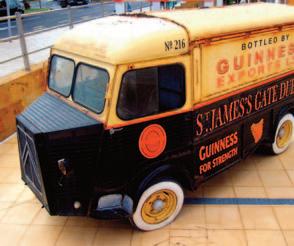
Guinness company van
Thurs., March 5, 12 p.m.; CODE 1CV-082; Members $20; Nonmembers $30
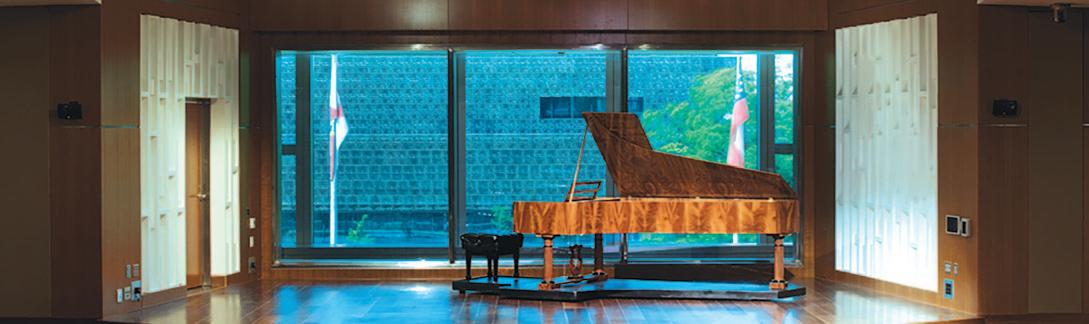
The 49th season of the Smithsonian Chamber Music Society (SCMS) features musical masterpieces from the early 17th century to the middle of the 20th, played on some of the world’s most highly prized musical instruments. Concerts (with one exception) take place in the National Museum of American History’s intimate Nicholas and Eugenia Taubman Hall of Music, with repertoire ranging from acclaimed masterpieces to undeservedly obscure gems by frequently overlooked composers. Veteran SCMS musicians are joined on many of the programs by emerging artists. Kenneth Slowik, SCMS artistic director and recipient of the Smithsonian Distinguished Scholar Award, curates a series of pre-concert talks one hour prior to most of the programs, shedding light on the glorious music and the lives and times of the featured composers.
For a full season overview visit SmithsonianAssociates.org/scms
Smithsonian Chamber Music Society audiences have the unparalleled experience of being able to hear two magnificent quartets of instruments—one made by Antonio Stradivari, the other by his teacher Nicolò Amati—in this popular four-concert series. The Axelrod Quartet welcomes its new violist, Joan DerHovsepian, principal violist of the Houston Symphony, whose distinguished career includes membership in the Everest Quartet.
Upcoming concert: Music of Haydn, Bartók, and Beethoven, Sat., April 11, 7:30 p.m.
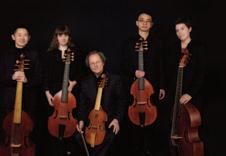




The Smithsonian Consort of Viols returns in March with a concert of music by John Ward, revered until the time Henry Purcell, and Purcell himself, who penned the last—and arguably some of the greatest— essays in the contrapuntal consort genre. Catherine Manson, concertmaster of the Amsterdam Baroque Orchestra, and Slowik perform sonatas of J. S. Bach in mid-April. The season concludes mid-May with Schubert’s magnificent String Quintet in C Major, given by the Smithsonian Chamber Players on five Stradivarius instruments from the museum’s rich collection.
Upcoming concerts: Music of John Ward and Henry Purcell, Sun., March 15, 6:30 p.m., Smithsonian Consort of Viols; Sonatas of Johann Sebastian Bach, Sun., April 19, 6:30 p.m., Catherine Manson, violin; Kenneth Slowik, harpsichord; Music of Schubert, Sun., May 17, 6:30 p.m., Edwin Huizinga and Natalie Kress, violin; Kyle Miller, viola; Rebecca Landell, cello; Kenneth Slowik, fortepiano and cello
All programs and artists are subject to change. For complete concert schedules, repertoire, subscriptions and individual concert tickets, and bonus offerings for subscribers visit SmithsonianAssociates.org/scms
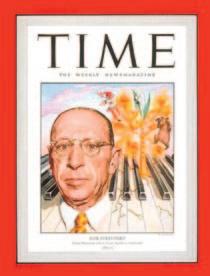
Beethoven never made it to America, but hundreds of important musicians and composers did. From early touring megastars like Paderewski to refugee émigrés such as Rachmaninoff, America has drawn renowned musical talents since its early years. Dvořák directed a music conservatory in New York; Korngold wrote scores for Hollywood; Tchaikovsky marveled at the warmth of American hospitality; and Schoenberg played tennis regularly with Gershwin.
In a unique course, speaker and concert pianist Rachel Franklin explores the siren call of America to musicians throughout the world.
4-session series: Mon., March 9–30, 12 p.m.; detailed program information on website; CODE 1K0-675; Members $100; Nonmembers $125

For more than 70 years, the adventures of secret agent James Bond have thrilled readers and left them wondering if any of his escapades are actually possible. Author Kathryn Harkup, a former chemist, investigates 007’s exploits and the weapons, technologies, tactics, and downfalls of his various foes. She assesses the practicalities of building a volcano-based lair; whether being covered in gold paint really would kill you; and if your plan is to take over the world, whether it is better to use bacteria, bombs, or poison. One thing is certain: When you are masterfully combining science and a larger-than-life charismatic hero who fights villains, nobody does it better than Bond—James Bond.

Thurs., March 12, 12 p.m.; CODE 1T0-058; Members $20; Nonmembers $30
Media historian Brian Rose examines the many ways the internet has radically transformed the old media of newspapers, magazines, the recording industry, film, radio, and television. Rose traces how this digital revolution took place in such a short time and what lies ahead in the continually changing era of new media.
He explores questions such as whether printed newspapers will exist 10 years from now; if newsstands and bookstores will disappear as fast as record stores did; if movie theaters will continue to exist in their present form; and whether broadcast and cable TV will vanish, replaced entirely by streaming.
Mon., March 23, 6:30 p.m.; CODE 1J0-531; Members $25; Nonmembers $35
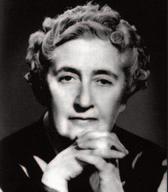
This year marks three major milestones for the Queen of Crime: the centenary of The Murder of Roger Ackroyd, the 50th anniversary of Agatha Christie’s death, and 100 years since her mysterious disappearance. Christie remains the best-selling novelist of modern times, with over 2 billion books sold. Renowned for her ingenious plots and unforgettable detectives Hercule Poirot and Miss Marple, she authored 66 novels, 14 short story collections, and enduring plays like Christie’s 1926 disappearance captivated the world, ending in a puzzling reappearance at a Yorkshire spa. Intensely private, she once observed, “People should be interested in books, not their authors.” Author Daniel Stashower explores her legacy, while actors Scott Sedar and Bari Biern bring Christie’s beloved characters to life. It would be a crime to miss them.
Thurs., March 26, 6:45 p.m.; CODE 1D0-143; Members $20; Nonmembers $30
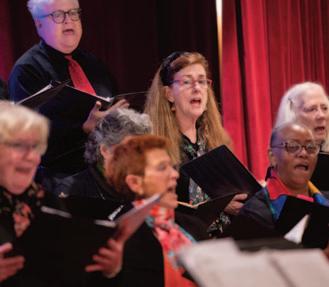
A choral program celebrating memorable American music, led by conductor, performer, and educator Melodia Mae Rinaldi, invites singers to explore arrangements of beloved songs by artists such as Dolly Parton, Pete Seeger, Stevie Wonder, and Irving Berlin. Repertoire is selected to match the ensemble’s vocal strengths. No audition is required, but participants should sing on pitch, read basic notation, follow a choral score, and practice with provided rehearsal tracks. Rehearsals conclude with a free performance for invited guests.
10 sessions plus performance: Mon., March 30–June 8, 6:30 p.m.; no rehearsal May 25; Mon., June 15 performance, 7:30 p.m.; Ripley Center; CODE 1P0-904; Members $150; Nonmembers: $165
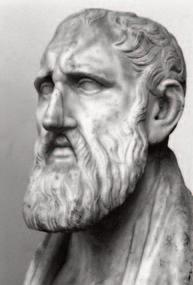
Stoicism is an ancient Greek philosophy that teaches that virtue, reason, and living in agreement with nature are the keys to a happy and flourishing life. A foundational idea of Stoicism is that people appear to go through life reacting directly to events.
That appearance is an illusion. Individuals react to their judgments and opinions—to thoughts about things—not to things themselves. Stoics seek to become conscious of those judgments, to find the irrationality in them, and to choose them more carefully.
Drawing from his book The Practicing Stoic: A Philosophical User’s Manual, Ward Farnsworth, a professor at the University of Texas School of Law, presents the heart of Stoic philosophy, offering practical insights about seeing more clearly, living more wisely, and bearing the burdens of life with greater ease.
Tues., March 31, 6:45 p.m.; CODE 1K0-684; Members $25; Nonmembers $35
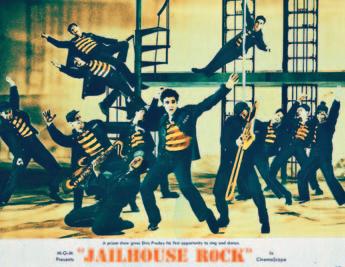
Lobby card promoting the film Jailhouse Rock, 1957
From 1956 to 1969, Elvis Presley made 31 films, starring in all but one. That’s an extraordinary achievement, and it helped make him one of the wealthiest performers in Hollywood. But Elvis’ dream of being taken seriously as an actor was never fulfilled, due to the crass commercial instincts of his manager, Col. Tom Parker.
Media historian Brian Rose examines Presley’s Hollywood career, which started off with such promise in films such as King Creole and Jailhouse Rock but concluded with dozens of cheap, mediocre movies like Harum Scarum and Paradise, Hawaiian Style. Rose also looks at the musical highlights of Presley’s movies, including “Love Me Tender,” “Return to Sender,” and “Viva Las Vegas.”
Thurs., April 2, 6:30 p.m.; CODE 1J0-533; Members $25; Nonmembers $35
Subscribe now to topic-based eAlerts to match your interests. You can look forward to receiving timely information about new programs, special Smithsonian offers, a monthly curated Digital Digest newsletter, and much more to spark your imagination and inspire learning. Explore a whole world of subjects—from art and architecture to history, culinary arts to science, travel to literature, and so much more!
Simply sign up at SmithsonianAssociates.org/eAlerts and you’re set.



A painter can create entire worlds on a flat piece of paper. But where is a composer to start when seeking to represent the natural universe through sound? Centuries of exquisite nature-inspired concert works show just how well it can be done through direct imitation, allegory, and symbolism. Over time, composers have fashioned powerful musical vocabularies that guide listeners to see harmony as visual image.
In a 4-session course, popular speaker and concert pianist Rachel Franklin uses her unique live piano demonstrations and fascinating film clips to explore how numerous composers from Vivaldi to Vaughan Williams found inspiration to create beloved works that conjure the natural world.
4-session series: Mon., April 6–27, 12 p.m.; detailed program information on website; CODE 1K0680; Members $100; Nonmembers $125


The wine regions of South America all create world-class wines. Their uniting element is the influence of the Andes, stretching over 5,500 miles along the western coast of South America. This immense geological feature shapes the land and the flavors in the wines of Chile, Argentina, Uruguay, Bolivia, and Peru. In this delicious seminar, you taste remarkable wines from both sides of the range.
Spend three fascinating Friday evenings expanding your knowledge of the world of wine as you sip along with sommelier Erik Segelbaum in a series of delectable adventures. Each immersive program includes a curated personal tasting kit to enhance the experience.
Many of the world’s best winemakers are applying new techniques and technologies and thus changing the rules of winemaking. This seminar explores wines that are both literally and figuratively cool (from a cool climate and/or an exciting region) and hot (from a warm climate and/or popular wines) from some of the most influential producers around the globe.

Burgundy is considered one of the apex wine regions of the world. Outside of Burgundy, many producers use the Burgundian viticultural model as the benchmark for their wines. This deep dive examines the styles of Burgundian wines and the viticultural and winemaking techniques that producers are adopting to push their wines to greater heights.
3-session series: Fri., April 17, May 22, and June 26, 6 p.m.; CODE 3WINE2026; Members $180; Nonmembers $225
Individual sessions: Fri., April 17 (CODE 1T0-062); Fri., May 22 (CODE 1T0-063); Fri., June 26 (CODE 1T0-064); 6 p.m.; Members $70; Nonmembers $85
Wine-tasting kit information: The cost includes a curated personal tasting kit with enough wine for one person to sample the full lineup of wines. Additional participants must register individually to receive their own tasting kit, which is an essential component of the workshop.
Update: Kits are available during two scheduled pick-up times the day before the program and the day of the program at Cowbell Seafood & Oyster (Union Market, 1309 5th St. NE, Washington, D.C.; Metro: NoMa–Gallaudet U station, Red line.)
NOTE: Patrons will receive additional wine tasting kit pick-up information by email prior to the program. Due to state and federal laws, Smithsonian Associates cannot ship wine kits. However, SOMLYAY may be able to provide kits to participants outside the Washington, D.C., area (who must cover shipping costs). Please contact erik@thesomlyay.com for more information.
Under the artistic direction of maestro Charlie Young, the Smithsonian Jazz Masterworks Orchestra (SJMO) has celebrated some of the greatest jazz music as one of the crown jewels of the Smithsonian’s National Museum of American History. The orchestra’s 2026 concerts add to that tradition.
Fri., April 17 | Jazz Across America
Jazz Appreciation Month
Jazz is more than just music: It is a living cultural narrative that mirrors the complexities, struggles, and triumphs of American society. From its early roots in ragtime and on the streets of New Orleans to the expansive experimentation of the avant-garde, jazz has continually redefined itself, evolving with each generation to extend the boundaries of the genre. During Jazz Appreciation Month, SJMO invites audiences to experience this vibrant story in sound. Filled with variety, the concert celebrates jazz in all its forms—contrasting styles, expressive interplays, and musicians who hail from every corner of the country and every occupation. Selections include Jelly Roll Morton’s “Black Bottom Stomp,” Sun Ra’s “Kingdom of Not,” and Leonard Bernstein’s “Meditation #1.”
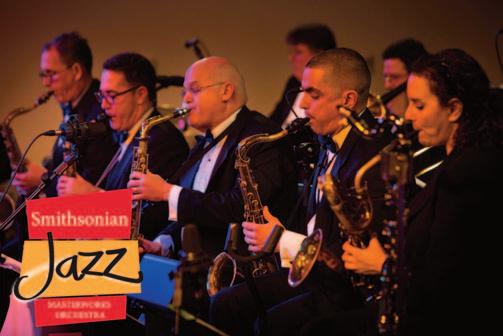
Fri., June 5 | Let Freedom Ring
Since 1776, generations of Americans have pursued life, liberty, and happiness—the “unalienable rights” enshrined in the nation’s founding document. These enduring ideals have been a source of inspiration, hope, and, at times, conflict, as Americans have wrestled with their meaning and struggled to bring them to life. In honor of the nation’s 250th anniversary, SJMO presents a powerful concert that explores the role of jazz as a guiding force in the national journey to “a more perfect union.” Jazz, with its roots in resilience, resistance, and reinvention, has long been a soundtrack to America’s evolving story. The program features stirring works that capture the spirit of protest, the hope of freedom, the depth of spirituality, and the pride of patriotism. Highlights include Billy Taylor’s poignant “I Wish I Knew How It Would Feel to Be Free,” Charles Mingus’ “Fables of Faubus,” and Max Roach’s “Freedom Day.”
Individual concerts: Fri., April 17 (CODE 1P0-893); Fri., June 5 (CODE 1P0-894); Members $30; Nonmembers $40
All concerts feature the full orchestra and take place at 7 p.m. in the Warner Bros. Theater, National Museum of American History. Program content is subject to change.
Willa Cather called her 1927 novel Death Comes for the Archbishop her best book. The Atlantic magazine concurred, including Archbishop on its Great American Novels list in 2024. Cather visited the Southwest six times between 1912 and 1926, and from those journeys came three novels, the last of which was Death Comes for the Archbishop
Beautifully written in Cather’s sparse but descriptive language, the novel’s chapters are based on Cather’s own research and travels, and the many places she described are real. Author Garrett Peck explores Cather and her partner Edith Lewis’s travels through the Southwest to write one of the 20th century’s greatest novels and Cather’s favorite. Peck is the author of the newly released book The Bright Edges of the World: Willa Cather and Her Archbishop
Tues., April 7, 7 p.m.; CODE 1NV-182; Members $25; Nonmembers $35
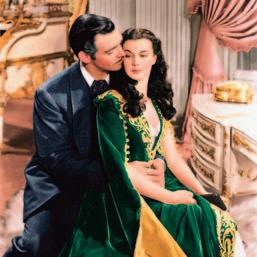
Step behind the silver screen with design historian Cathy Whitlock as she explores the artistry that brings movies to life. Based on her book Designs on Film: A Century of Hollywood Art Direction, Whitlock leads a journey through the sets, locations, and design stories behind films such as Gone with the Wind, The Great Gatsby, and La La Land. She reveals how production designers and set decorators translate a director’s vision into the world we see on screen, shaping not only the look of movies but also our collective imagination of style, architecture, and design.
Mon., April 27, 6:45 p.m.; CODE 1J0-540; Members $20; Nonmembers $30
Hollywood has long imagined the presidency, casting stars like Michael Douglas and Harrison Ford as fictional leaders. Film historian Max Alvarez guides audience members through nine decades of cinematic Oval Office portrayals.

Early Hollywood largely avoided presidents, with rare exceptions that struggled at the box office. By the 1960s, the JFK era briefly revived interest, though depictions soon faded until the 1990s, when presidential dramas and thrillers returned in force.
Television offered its own interpretations, from network mini-series in the 1970s to Aaron Sorkin’s “West Wing” and later darker portrayals in “House of Cards” and “Veep.” Alvarez also spotlights the variety of performers who enacted Nixon and LBJ, blending history with Hollywood spectacle.
Thurs., April 16, 6:30 p.m.; CODE 1K0-691; Members $30; Nonmembers $45
The Life and Imagination of Roald
Few storytellers have captured the imaginations of readers like Roald Dahl. Best known for his children’s books—including Charlie and the Chocolate Factory and Matilda—Dahl created worlds of dark humor, mischievous heroes, and villainous grown-ups that continue to delight audiences of all ages. Adventurer, fighter pilot, inventor, and eccentric, Dahl served in World War II, married actress Patricia Neal, and, prompted by their son’s brain injury, helped develop a life-saving medical device. His adult fiction reveals the darker, sharper side of his wit. Unconventional to the end, he requested to be buried with his snooker cues and a good bottle of wine.
Historian and author Daniel Stashower explores Dahl’s remarkable life and work while actor Scott Sedar brings to life some of the writer’s most memorable stories.
Tues., April 28, 6:45 p.m.; CODE 1D0-149; Members $20; Nonmembers $30
Dining in the Time of Shakespeare
In Elizabethan England, feasts were grand, daylong spectacles overflowing with a sumptuous array of fanciful foods (but without knives or forks). The table manners and dining customs that seem unusual today were once the height of fashion for the well-behaved, well-fed courtier. Guests might encounter fire-breathing roast peacock, deer-shaped dinner rolls filled with spiced-wine “blood,” or savory pies with peacock claws poking through the crust.
Food historian Francine Segan, author of Shakespeare’s Kitchen, serves up rich tidbits of culinary history, introducing Elizabethan cooks, their recipes, and the extravagant dining customs of 16th- and 17th-century Europe. Along the way, she shares a sampling of the bawdy jokes, puns, and riddles traded between courses and offers registrants a handful of recipes adapted for today’s kitchens so they can explore the tastes and traditions of the Elizabethan table at home.
Wed., April 29, 6:45 p.m.; CODE 1D0-150; Members $20; Nonmembers $30
Miyazaki, Takahata, and Beyond
The anime creations of Studio Ghibli in Japan have traversed the globe since it was founded in 1985. Linda Ehrlich, who has taught Asian studies and Japanese film for several universities, focuses on the artistic and cultural influences of two of the studio’s key films: Spirited Away (Sen to Chihiro no kamikakushi, 2001), directed by Miyazaki Hayao, and The Tale of Princess Kaguya (Kaguya-hime, 2013), directed by Takahata Isao.
Ehrlich also analyzes other Studio Ghibli films, including Miyazaki’s Princess Mononoke (1997) and Takahata’s Only Yesterday (Omoide poro poro, 1991). In addition, she considers what might happen to the Ghibli brand after the death of Takahata and the (frequently) announced retirement of Miyazaki.
Wed., April 29, 6:45 p.m.; CODE 1J0-542; Members $20; Nonmembers $30
An American Original
Many people know Henry David Thoreau as the author of Walden and “Civil Disobedience.” Fewer know him as a founder of environmentalism or for his inspiration for nonviolence movements. Fewer still are aware of his work as a geologist, botanist, pencil-production inventor, poet, and early adopter of Darwinian theory—just several of the many facets of Thoreau’s life and work and his impact on American history and thought. Scholar Randall Fuller presents Thoreau as being actively engaged in the America of his time, an artist and scientist who in many ways embodied the promise of a “new” citizen in the early Republic.
Mon., May 4, 6:45 p.m.; CODE 1K0-704; Members $25; Nonmembers $35

“It’s a Wonderful Town”:
For more than 125 years, filmmakers have been drawn to the vitality of New York City. Its dramatic architecture, vibrant neighborhoods, universally recognized landmarks, and 8 million stories have helped make the city a featured player in more than 17,000 movies. The city has starred in a wide variety of films, including King Kong, On the Town, West Side Story, Breakfast at Tiffany’s, and Do the Right Thing. With more than 50 clips, media historian Brian Rose demonstrates the changing ways New York has been captured on film and why it remains a star attraction today.
Thurs., May 7, 6:30 p.m.; CODE 1J0-544; Members $25; Nonmembers $35
Smithsonian Associates online programs are closed captioned

instagram.com/smithsonianassociates facebook.com/smithsonianassociates

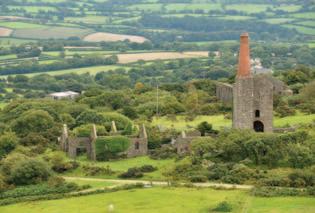
In the British television series “Poldark,” Ross Poldark returns to Cornwall after the American War of Independence to find his estate in ruins, his finances exhausted, and his first love engaged to his cousin. Determined to rebuild, he reopens his copper mines, marries his former kitchen servant, and champions the working class, even risking his life in a duel.
Historian Julie Taddeo finds that Ross embodies the era’s social tensions, bridging rigid class divides. She analyzes the show’s treatment of economics, religion, marriage, medicine, social customs, fashion, and everyday life in Cornwall and London, highlighting what the series portrays accurately and where it takes creative liberties.
Tues., May 12, 6:45 p.m.; CODE 1K0-703; Members $25; Nonmembers $35
From Genesis to Paradise Lost and
Joseph Luzzi, professor of literature at Bard College, explores the literary elements of the first book of the Bible, Genesis, and then considers its afterlife in two major literary works: John Milton’s brilliant epic, Paradise Lost, and John Steinbeck’s East of Eden, a modern-day classic. Luzzi explains the rhetorical structures of the Bible and provides a sense of how its brilliant storytelling techniques shaped the development of modern literature.
Sat., May 16, 10 a.m.–3 p.m.; detailed program information on website; CODE 1J0-547; Members $80; Nonmembers $100
World Art History Certificate elective: Earn ½ credit each
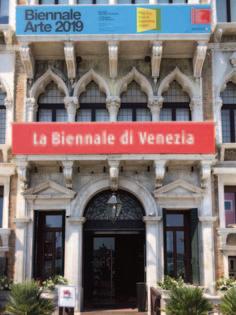
Every two years, the Venice Biennale transforms Venice into a living museum. This cultural extravaganza has grown into one of the world’s most influential exhibitions of contemporary art, architecture, cinema, dance, music, and theater, showcasing groundbreaking work from more than 90 nations. Art historian Jennie Hirsh explores the biennale’s rich past and its landmark 2026 edition.
MAY 14 A History of the Venice Biennale JUNE 18 The 2026 Biennale: “In Minor Keys”
2-session series: Thurs., May 14 and June 18, 12 p.m.; detailed program information on website; CODE 1D0-160; Members $40; Nonmembers $50
Individual sessions: Thurs., May 14 (CODE 1D0-160A); Thurs., June 18 (CODE 1D0-160B); 12 p.m.; Members $25; Nonmembers $35
When Ernest Hemingway was a teenager, his ambition was to become an explorer and natural history writer like his childhood hero, Teddy Roosevelt—an ambition nurtured by his physician father, who was himself an amateur naturalist. But the influence of his mother, a professional musician, and the family’s early adopter approach to emerging technologies positioned him to emerge from the crucible of World War I on a path to change the landscape of American letters.
Drawing on his personal papers and private photograph collection, Hemingway biographer Hilary Justice recreates how Hemingway worked, illustrating the writer’s process: Experience sparks inspiration, and creativity meets craft in service of “one true sentence.”
Tues., May 19, 6:30 p.m.; CODE 1W0-007; Members $20; Nonmembers $30
Geography, geology, wind and weather, legend and language all play a role in shaping the artistic vocabulary of national identity, none more so than in the countries situated around the Baltic, North, and Norwegian seas.
The best-known composers from this region have long held a cherished place in concert halls. Edvard Grieg, Jean Sibelius, Carl Nielsen, and Arvo Pärt are among those who shaped the understanding of their varied cultures. Popular speaker and concert pianist Rachel Franklin uses live piano demonstrations and film clips to explore both well- and lesser-known masterpieces from the ancient nations of the North.
One of Shakespeare’s most beloved and aesthetically brilliant comedies is Twelfth Night from 1602. Joseph Luzzi, professor of literature at Bard College, guides participants through an in-depth discussion of the play’s key elements, including its gorgeous lyricism, emphasis on masks and shifting identity, and exploration of the complexities of love. Luzzi also examines how Shakespeare’s mix of tragic and comic elements brings an element of astonishing originality to the play.
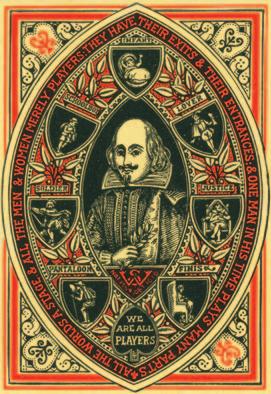
4-session series: Thurs., May 21–June 11, 12 p.m.; detailed program information on website; CODE 1K0-698; Members $100; Nonmembers $125
Disney’s Literary History
Disney has long adapted Victorian children’s literature, from Alice in Wonderland to Peter Pan and Hans Christian Andersen’s tales. Literary scholar Patrick Fleming, author of Animating the Victorians: Disney’s Literary History, follows these works from concept to film release and into sequels, merchandise, and theme park attractions that form Disney franchises.
Across the production cycles, studio writers engaged with the original texts, their historical contexts, authors’ lives, and prior adaptations. Walt Disney’s career parallels that of Charles Dickens, says Fleming, and Victorian ideologies shape the Disney princess franchise. Fleming examines how Disney’s musicals, parks, copyright strategies, and marketing rely on cultural frameworks emerging from 19th-century England.
Wed., June 3, 6:30 p.m.; CODE 1W0-011; Members $20; Nonmembers $30
Thurs., May 28, 12 p.m.; CODE 1J0-551; Members $25; Nonmembers $35
For more than seven decades, Carl Reiner and Mel Brooks made America laugh, through either their remarkable solo careers or their legendary partnership. These giants of American comedy conquered every medium they took on: television, films, Broadway, and recordings.
Media historian Brian Rose takes a look at (and gives a listen to) their extraordinary achievements, from their work together on comedian Sid Caesar’s “Your Show of Shows” and their creation of the classic 2,000-Year-Old Man sketches to their accomplishments as writers, directors, and performers.
Thurs., June 4, 6:30 p.m.; CODE 1J0-553; Members $25; Nonmembers $35
What time does the program end? Unless noted, Smithsonian Associates programs run 1 hour 15 min.–2 hours, including Q&A

Irving Berlin and George and Ira Gershwin
Explore and enjoy glorious songs from the great American Songbook with stories about their long, oftenunexpected lives. Emmy Award–winning writer and documentary filmmaker Sara Lukinson’s abundant sampling of clips— and lively storytelling—make for joyful and moving evenings to spend with Irving Berlin and George and Ira Gershwin, along with the artists who keep their songs alive.
JUNE 9 Let’s Face the Music and Dance: Songs by Irving Berlin
JUNE 23 It’s Wonderful: The Songs of George and Ira Gershwin
2-session series: Tues., June 9 and 23, 6:45 p.m.; detailed program information on website; CODE 1K0-710; Members $50; Nonmembers $70
Individual sessions: Tues., June 9 (CODE 1K0-711); Tues., June 23 (CODE 1K0-712); 6:45 p.m.; Members $30; Nonmembers $45

Yoga therapist Linda Lang offers an introduction to accessible yoga practices designed for individuals who prefer or require seated and chair-based movement. Grounded in classical yoga principles and informed by an integrative medicine perspective, Lang demonstrates how yoga postures, breathing techniques, and mindful movement can be adapted to accommodate physical changes while maintaining therapeutic benefit. Participants explore essential seated poses, supported standing practices, and everyday movement strategies that support balance, joint health, and functional mobility. The session is inclusive and experiential, welcoming both observation and participation, and includes time for questions and discussion.
Thurs., June 18, 12 p.m.; CODE 1NV-192; Members $30; Nonmembers $45
Historian and folklorist Francis Young traces the roots of fairy belief across Europe, from ancient folklore to the Middle Ages and beyond. Before the rise of the cliched “small, winged fairy” in the 19th century, fairies encompassed a vast range of supernatural, human-like creatures—from the elves of Scandinavia and the aos sí of Ireland to the vilas of the Balkans and the fadas of Iberia.
Young explores how belief in these beings became a global phenomenon and considers the surprising ways these beliefs endure today, revealing how fairy lore continues to influence culture. His book Fairies: A History (Polity) is available for purchase.
Wed., June 10, 12 p.m.; CODE 1D0-156; Members $20; Nonmembers $30
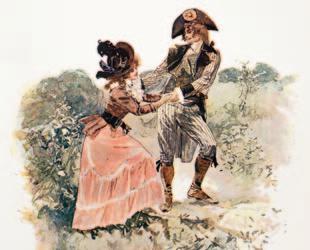
It’s easy to think of fairy tales as something distinctly European or antiquated. After all, many of the most famous fairy-tale collectors and writers lived hundreds of years ago in Germany (the Grimms), France (Beaumont and Perrault), or Denmark (Hans Christian Andersen). But fairy tales can be found all over the world, including in the United States, where they’re still being created and told today.
Folklorists Sara Cleto and Brittany Warman discuss fairy-tale traditions and stories from around the United States, including the Jack Tales of Appalachia, Black folk and fairy tales from the South, and the rise of the Disney fairy-tale empire. They also offer insights into how these supposedly frivolous stories permeate American culture and stay with us ever after.
Wed., July 8, 6:45 p.m.; CODE 1J0-560; Members $25; Nonmembers $35
Read more about programs in this guide on our website. Search by code or date. Expanded program descriptions, presenters’ information, and more at SmithsonianAssociates.org.
Unless noted, all programs are presented on Zoom; listed times are Eastern Time. Online registration is required.
Learn about one of America’s favorite houseplants from orchid care expert Barbara Schmidt. She delves into the origins of our love for orchids, explains how they grow in their native environments, and provides beginner care instructions to keep your orchids blooming in your home. In a hands-on activity, repot a Phalaenopsis orchid, one of the easiest orchids to raise indoors.
Tues., March 3, 6:30 p.m.; CODE 1E0-ADL; Members $30; Nonmembers $40
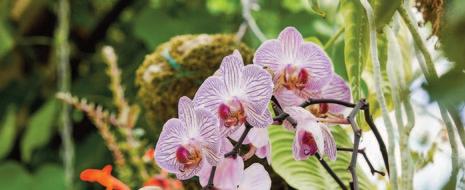
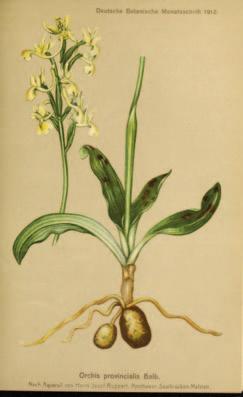
Orchids have been a focus of human attention since 500 B.C.E. Learn about their evolution plus trivia, fun facts, and famous orchids. Orchid expert Barbara Schmidt explains how 120 million years of evolution have created the family of flowering plants known as Orchidaceae.
Wed., May 6, 7 p.m.; CODE 1E0-AGU; Members $25; Nonmembers $35
Soundless but sentient, trees were absent for all but the last 10% of Earth’s history yet are essential to all air-breathing life on the planet today. They are the longest-living organisms on Earth, can communicate to one another through intricate underground soil networks, and even thermoregulate, all while rarely ever dying from old age.
Liana Vitali, a naturalist and educator at Jug Bay Wetlands Sanctuary (and self-proclaimed treehugger), leads an immersive audiovisual journey into the fascinatingly complicated and connected life of trees—from their first tiny emergence through the topsoil as seedlings to their lasting value to forest life as fallen logs.
Thurs., March 5, 6:45 p.m.; CODE 1K0-673; Members $25; Nonmembers $35

Insects began no more successful than spiders, millipedes, or centipedes. Their evolutionary breakthrough came with larvae—grubs, maggots, caterpillars—occupying niches distinct from adults. This innovation allowed more species to thrive in shared environments. Larvae specialized in rapid growth, efficiently converting food into biomass. Yet vulnerability demanded inventive survival strategies. Evolution produced remarkable defenses: mimicry of snakes or alligators, complex social behaviors, and other adaptations. Emmy Award–winning filmmaker Steve Nicholls explores these extraordinary lives, their origins, and survival tactics. Some caterpillars are even deadly to humans, underscoring their evolutionary power.
Fri., March 6, 12 p.m.; CODE 1K0-677; Members $25; Nonmembers $35
The splendor of springtime in Washington is world-renowned, owing largely to the Japanese flowering cherry trees that have encircled the Tidal Basin for over a century. Yet the cherry blossoms are a single aspect of the city’s spectacular flowering spring—only one of the city’s vibrant seasons.
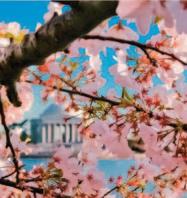
Victorian Science, Empire, and Entertainment
The Victorians prided themselves on their interest in technology and closely followed innovations in medicine and science. There was sometimes a fine line, however, between pseudoscience and academic knowledge and practices in the 19th century.
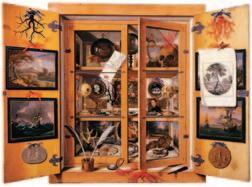
Tour guide, naturalist, and nature-book author Melanie Choukas-Bradley leads a virtual journey of seasonal transformation. Through beautiful photos captured across four seasons and her sensitive observations, she highlights beloved D.C.-area landmarks from downtown to suburban oases. She also shares thoughts of nature lovers who sojourned in the city, from presidents and politicians to naturalists.
Tues., March 10, 7 p.m.; CODE 1NV-178; Members $25; Nonmembers $35
In December 1872, the HMS Challenger embarked on the first round-the-world oceanographic expedition. During the next 42 months, the naturalists on board identified major ocean currents and defining features of the seafloor; measured worldwide sea temperatures and chemistry, creating baseline data for ocean research; and collected nearly 5,000 sea creatures and plants new to science.
More than 150 years later, the expedition’s findings are also shining a light on the effects of climate change. Off Portugal, the scientists encountered a brilliant starfish now threatened with extinction by microplastics; in St. Thomas, they saw teeming coral habitats that today have been severely damaged by ocean warming. Author Gillen D’Arcy Wood considers this scientific odyssey and its legacy.
Wood’s new book, The Wake of HMS Challenger: How a Legendary Victorian Voyage Tells the Story of Our Oceans’ Decline (Princeton University Press), is available for purchase.
Thurs., March 12, 7 p.m.; CODE 1CV-081; Members $20; Nonmembers $30
Historian Julie Taddeo examines such popular fads as mesmerism, phrenology, and spiritualism to show how broadly Victorians interpreted science and consumed it as entertainment. Their homes exhibited “trophies of empire”—exotic objects, artifacts, and specimens brought back from Britain’s colonies—in their cabinets of curiosities. Public shows featuring ethnographic exhibits and individuals with physical differences misused Darwin’s theories to justify imperial expansion and Britain’s “civilizing mission.” Even Queen Victoria followed the latest scientific sensations, while ordinary Britons used them to make sense of their uncertain world. From mummy unveilings to traveling “Zulu exhibitions,” science, empire, and entertainment were inextricably connected in the Victorian world.
Thurs., March 12, 6:45 p.m.; CODE 1K0-678; Members $25; Nonmembers $35
The earliest flight evolved in insects, long before birds, pterosaurs, or bats took to the skies. In fact, dragonflies and damselflies and their ancient relatives were the first to fly. Since then, over 400 million years of evolution have shaped the adaptations that support these insects’ aerial feats. While some use the power of flight to traverse the globe as long-distance migrants, others stay local, maneuvering around ponds, lakes, and rivers. Entomologist Jessica Ware explores the evolution of flight in dragonflies and damselflies, discussing the basis for their acrobatic and aerodynamic skills.
Thurs., March 26, 6:45 p.m.; CODE 1J0-532; Members $20; Nonmembers $30
These programs are part of Smithsonian Associates

In 1803, Meriwether Lewis and William Clark began their journey to explore the Louisiana Purchase, mapping vast western lands and cataloguing America’s natural heritage. Now, in honor of America’s 250th, William McShea of the Smithsonian Conservation Biology Institute and SnapshotUSA are launching an effort to resurvey mammals along the Lewis and Clark Expedition Trail—and they could use your help.
McShea, a conservation biologist and leading expert in the use of camera traps for wildlife surveillance, explains the development of wildlife observation and tracking protocols and how ordinary people can help advance scientific knowledge of mammals and the ecosystems they inhabit with this project and beyond.
Mon., April 6, 6:30 p.m.; CODE 1W0-002; Members $20; Nonmembers $30
On a July afternoon in 1878, the moon’s shadow descended on the American West, darkening skies from the Montana Territory to Texas. This rare total solar eclipse prompted a clutch of enterprising scientists to brave the frontier in a grueling race to the Rocky Mountains.
Drawing from his 2017 book American Eclipse, science journalist David Baron describes the jockeying that came to dominate late 19th-century American astronomy and the challenges faced by three of the most determined eclipse chasers: James Craig Watson, an asteroid hunter who fantasized about becoming a Gilded Age Galileo; Vassar astronomer Maria Mitchell, who fought to demonstrate that science and higher learning were not anathema to femininity; and the irrepressible Thomas Edison, a young showman who braved the wilderness to prove himself to the scientific community.
Thurs., April 9, 6:45 p.m.; CODE 1K0-683; Members $25; Nonmembers $35
These programs are part of Smithsonian Associates
How did the world as we know it— from the soil beneath our feet to the air we breathe and the life that surrounds us—come to be? Geologists have proposed one set of answers while biologists have proposed another. Paleontologist and geobiologist Andrew Knoll reveals why we should listen to both voices— the physical and the biological—to understand how we and our planet became possible.

Surveying 4 billion years of history, he shows how Earth and life interact to cycle the elements of life from rocks, water, and air and how these and related processes control climate, regulate the atmosphere, and support varied life-forms great and small.
Knoll’s book Earth and Life: A Four Billion Year Conversation (Princeton University Press) is available for purchase.
Tues., April 14, 6:45 p.m.; CODE 1K0-695; Members $20; Nonmembers $30
A quirky 18th-century international dispute over natural history quickly took on political overtones. Thomas Jefferson wanted to refute the theory of French naturalist Georges-Louis Leclerc, the comte de Buffon, that all life in America was degenerate and weak, so he asked that a large dead moose be shipped to France. Jefferson believed that the giant moose would help demonstrate that a young America was every bit the equal of a well-established Europe.
The theory, however, continued to have scientific, economic, and political implications for 100 years. Evolutionary biologist Lee Alan Dugatkin highlights this tale that merges nature and history.
Thurs., April 16, 6:45 p.m.; CODE 1J0-534; Members $20; Nonmembers $30
How Mathematics Explains the Universe
Astrophysicist Mario Livio explores why mathematics is as powerful as it is in terms of explaining the cosmos—a phenomenon Eugene Wigner, a Nobel laureate in physics, dubbed “the unreasonable effectiveness of mathematics.”
From ancient times to the present, philosophers and scientists have marveled at how a seemingly abstract discipline, which appears to have been a product of human thought, could so perfectly explain the natural world. Livio examines the ways in which mathematics has often made predictions, for example, about the existence of then-unknown subatomic particles, which were later proven to exist.
He also discusses an intriguing question with which mathematicians, physicists, psychologists, and philosophers have struggled for decades: Is mathematics ultimately a discovery or merely an invention of the human mind?
Thurs., April 16, 6:30 p.m.; CODE 1M2-454; Members $25; Nonmembers $35
Sorting Fact from Fiction in Pop Culture
Cephalopod Portrayals
Who’s your favorite fictional cephalopod or cephalopod-inspired character? Pop culture offers plenty of choices, from Squidward of “SpongeBob SquarePants” to the heptapod aliens of Arrival. Whether these portrayals accurately represent the biology, anatomy, and behavior of the animals that inspired them is another question.
Find out how quickly Finding Dory’s Hank could regenerate his eighth arm, whether a kraken could really sink a ship, and why realistic octopus mermaids wouldn’t look like Ursula the sea witch. As for science fiction, assess the likelihood that other planets might host cephalopod-like aliens or that Marvel’s Doc Ock could become a reality as engineers learn to mimic octopus arms.
Cephalopod expert Danna Staaf debunks myths and proves that truth can be stranger than fiction.
Mon., April 20, 6:45 p.m.; CODE 1J0-538; Members $20; Nonmembers $30
Through the story of a pebble, paleobiologist Jan Zalasiewicz illuminates a complex history that begins in the farthest reaches of space and continues on Earth with volcanic eruptions, extinct animals and plants, long-vanished oceans, and underground transformations.
Imagine pools of magma gathering deep in the Earth and rising to erupt a billion years ago on a continent that later disappeared. Worn down across geological ages, sediment particles wash across the bottom of an ancient sea filled with creatures whose remains imprint into the sediment layers that will create the pebble.
Within the Earth’s crust, the pebble is restructured before it slowly ascends to the surface, where it is eroded by waves. The pebble's story shows how geologists reveal the Earth's past by forensic analysis of its mineral matter—geologic time in a tiny package.
Thurs., April 23, 12 p.m.; CODE 1W0-004; Members $20; Nonmembers $30
Deep in the heart of Siberia lies Lake Baikal, a lake of superlatives and stories. At more than a mile in depth, it is the deepest lake on Earth and the most voluminous as well. And with over 2,000 species of plants and animals identified in the lake so far, nearly two-thirds are found nowhere else.

The story of Lake Baikal is also deeply human. In 1643, Cossacks arrived there and brought the surrounding land of Buryatia into the Muscovite empire. Centuries later, the Trans-Siberian Railroad reached its shores. For the indigenous Buryat Mongols, however, Lake Baikal’s waters hold profound spiritual meaning, woven into centuries of Shamanist and Buddhist belief.
Historian Daniel Schlafly and limnologist Michael Meyer explore the intertwined natural and human histories of Lake Baikal, from its geological origins at least 25 million years ago to the present.
Wed., April 29, 7 p.m.; CODE 1CV-084; Members $20; Nonmembers $30
These programs are part of Smithsonian Associates
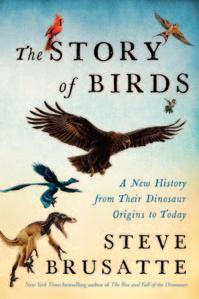
Tens of billions of birds share the planet with us, an astonishing array of species that are present nearly everywhere humans call home—and many places we do not. They are delicate creatures with hollow bones and thin skin protected by downy feathers, but birds actually evolved from dinosaurs over 150 million years ago.
Evolutionary biologist Steve Brusatte explores how dinosaurs gradually developed the trademark features of birds one by one, why birds were the only dinosaurs to survive the cataclysmic asteroid impact 66 million years ago, and chronicles how these survivors proliferated to produce the many avian species seen today.
Brusatte’s new book, The Story of Birds: A New History from Their Dinosaur Origins to the Present (Mariner, HarperCollins), is available for purchase.
Tues., May 5, 12:30 p.m.; CODE 1T0-067; Members $20; Nonmembers $30
Renewal and Resilience in the Natural World
Forests around the world face growing threats from human activity and a changing climate. Forest ecologist Suzanne Simard—whose groundbreaking research revealed the intricate communication networks connecting trees—explores how nature’s own regenerative systems can guide more sustainable approaches to forest stewardship.
Simard considers the forest as a symphony of carefully tuned processes such as aging “mother trees” passing resources and genetic knowledge to younger ones.
Simard uncovers how nature’s deeply rooted cycles of renewal can sustain ecosystems and demonstrates how recognizing these interdependent relationships offers a path forward for the future of forests.
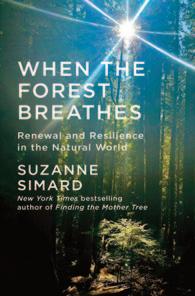
Her book When the Forest Breathes: Renewal and Resilience in the Natural World (Knopf) is available for purchase.
Tues., May 12, 6:45 p.m.; CODE 1D0-151; Members $20; Nonmembers $30
What time does the program end? Unless noted, Smithsonian Associates programs run 1 hour 15 min.–2 hours, including Q&A

Follow the 25-year journey of noted plantsman and the Pennsylvania Horticultural Society’s vice president of horticulture, Andrew Bunting, as he transforms his suburban Philadelphia property into Belvidere, a private garden featuring a series of distinctive small spaces, including his newly established gravel garden featured in The New York Times.
Learn how a professional designs containers for the summer, herbaceous borders, and woodland gardens with a pond. He shares the story of how a joint project with a neighbor helped to create a 4,000-square-foot fruit and vegetable garden, providing the best of each season’s bounty. Bunting describes his approach to garden design, plant choice, seasonal displays, and his maintenance regime and covers the challenges of creating a personal landscape that provides practical lessons and creative ideas for home gardeners.
Wed., May 13, 7 p.m.; CODE 1NV-185; Members $25; Nonmembers $35; Related program: Public and Private Gardens of the Philadelphia Region, p. 67
These programs are part of
Restoring Natural Landscapes
Designing a garden, whether small or large, means considering many factors. Ecologist Shaun McCoshum offers innovative conservation and ecological ideas to create a garden in a way that he says can help restore broken natural processes and build resilient ecosystems. While native plants are essential, McCoshum believes it’s also important to understand the needs of animals, their habitats, and how natural systems work together. He even explains how to replicate the roles of animals not likely to be in the typical backyard, including bison, wolves, and beavers.

McCoshum’s new book, Natural Habitats and Wildlife Gardening: Inviting Nature into Your Backyard (Princeton University Press), is available for purchase.
Mon., May 18, 6:30 p.m.; CODE 1CV-086; Members $20; Nonmembers $30

Evolutionary biologist and writer
Marlene Zuk highlights overlooked animals that live in proximity to humans, from raccoons and coyotes to gulls and cockroaches, revealing the insights they offer into cognition, behavior, adaptation, and cohabitation on a crowded planet.
She explains why these often shunned creatures teach us about relationships with other species, our place in nature, and what it means for an animal to belong somewhere. Zuk explores how coyotes and snakes illuminate human coevolution with predators; cockroaches reveal the evolution of pregnancy; butterflies expose pollution’s effects; and cowbirds and mynas reshape thinking about invasive species. Zuk's book Outsider Animals (Princeton University Press) is available for purchase.
Tues., June 2, 6:30 p.m.; CODE 1M2-460; Members $20; Nonmembers $30
The first scientific field study of giraffes was conducted by Anne Innis Dagg in 1956, but giraffe studies largely disappeared for decades. When researchers returned to the field nearly two decades later, they discovered that giraffes maintain complex social systems. Although they live in very flexible groups, giraffes form lifelong friendships, establish babysitting crèches, follow matriarchal leaders, and sustain enduring mother–daughter bonds. Giraffes also watch out for one another while feeding, drinking, and resting. As researchers uncover their social lives, however, giraffe populations have declined by roughly 40 percent in 30 years, placing them at risk of extinction. Wildlife conservation biologist Fred Bercovitch explores the hidden social lives of giraffes.
Tues., May 19, 7 p.m.; CODE 1CV-087; Members $20; Nonmembers $30
What does evolution reveal about the way we sleep—and why do so many people struggle today? David R. Samson, associate professor of evolutionary anthropology at the University of Toronto, uncovers how our ancestors’ move from the safety of the forest canopy to more dangerous ground shaped the sleep patterns we follow today.
He examines how these informed the brain—supporting memory, creativity, and our capacity to thrive—and explores modern sleep challenges, illustrating how understanding this evolutionary heritage can improve health and wellbeing.
His book The Sleepless Ape: The Story of Sleep in Human Evolution (Princeton University Press) is available for purchase.
Thurs., June 11, 6:45 p.m.; CODE 1D0-157; Members $20; Nonmembers $30
These programs are part of Smithsonian Associates I N SI DE S C I ENCE
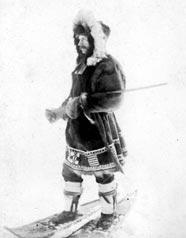
Spencer Baird, the second Secretary of the Smithsonian, dispatched naturalist Edward W. Nelson to the wilds of Alaska for four years (1877-1881), where he became known as “the man who collects good-for-nothing things.”
Those things are now among the treasures of the Smithsonian’s anthropology collection, including ivory carvings, ceremonial masks, kayaks, and songs. The Smithsonian also sent scores of other naturalists and scientists to Labrador, Greenland, Canada, Alaska, and Siberia to document Arctic cultures in the circumpolar region.
The Smithsonian’s Arctic Studies Center continues this legacy by conducting research throughout the Arctic in collaboration with Indigenous communities. Director William Fitzhugh discusses how Nelson’s research laid the foundation for 150 years of natural history and anthropological studies, as well as exhibits and public programs.
Mon., June 15, 6:30 p.m.; CODE 1T0-072; Members $20; Nonmembers $30
The reasons behind why the daytime sky is blue, what causes a rainbow, and the creation of a halo around the moon or sun all involve how sunlight interacts with the Earth’s atmosphere. J. Kelly Beatty, senior editor at Sky & Telescope magazine, unveils a score of atmospheric phenomena that you can see in a daytime sky, from sun pillars at dawn to the Belt of Venus at dusk.

Thurs., June 18, 6:45 p.m.; CODE 1J0-559; Members $20; Nonmembers $30
Many of the most significant areas of mathematics have emerged from questions about extremes: the shortest path between two points on a curved surface, the fewest colors needed for a map, the fastest fall, the weirdest symmetry, or the shortest proof. To illuminate how mathematicians drive knowledge forward by reaching for the edges, author and mathematician Ian Stewart explores stories of superlative problems—their history, the struggles to solve them, and the uses of some of the results. His new book, Reaching for the Extreme: How the Quest for the Biggest, Fewest and Weirdest Makes Math (Princeton University Press), is available for purchase.
Wed., June 17, 12 p.m.; CODE 1W0-013; Members $20; Nonmembers $30
Charles Darwin reshaped the Victorian world, and his life mirrors the sweeping transformations of the 19th century. His theory of evolution, emerging amid empire and industrial capitalism, revolutionized science and influenced literature, art, philosophy, religion, and politics.
Historian and author Janet Browne follows Darwin from his voyage on the HMS Beagle to his rise as a scientific celebrity after On the Origin of Species Using letters and archival material, she demonstrates how one naturalist forever changed the way life on Earth is understood.
Browne’s newest book, Darwin: A Biography (Princeton University Press), is available for purchase.
Tues., June 23, 12 p.m.; CODE 1D0-158; Members $20; Nonmembers $30
These programs are part of Smithsonian
Time-travel with atmospheric scientist Edward Graham as he leads a 4.6-billion-year journey through the climate history of Earth. Starting in the Precambrian, he employs the fundamentals of geology to determine the age of the most ancient rocks on early Earth and what they reveal about its environments, which he describes as distinctly alien.
He fast-forwards through various geological epochs, discovering how the eventual blossoming of life helped to regulate Earth’s atmosphere, increasing its oxygen content and making the sky blue. He also considers the important lessons from a study of past Earth climate to understand the escalating climate crisis of the Anthropocene.
Fri., June 26, 12 p.m.; CODE 1K0-701; Members $30; Nonmembers $45
Explore the spectacular geology and scenery of Iceland in a virtual field trip led by Kirt Kempter, who has led more than 30 tours to the country. The 20-day eruption on the Reykjanes peninsula during the summer of 2025 signaled a new chapter in volcanic activity, and Kempter explores its future implications.
He also discusses the boundary between North American and Eurasian plates; unusual volcanoes that form beneath vast glaciers; famous volcanoes, including Hekla and Surtsey; and historic eruptions that impacted global climate and human populations.

Mon., June 29, 7 p.m.; CODE 1NV-193; Members $25; Nonmembers $35
These programs are part of Smithsonian Associates
For six decades, education has been at the heart of our work at Smithsonian Associates: opening the Smithsonian’s vast resources to people of all ages.
Unlike the museums, Smithsonian Associates is not federally funded and relies entirely on donations and essential membership support to bridge the gap between program expenses and registration revenue. If the joy of learning enriches your life, please consider a charitable gift in support of the rich educational experiences that bring the Smithsonian's world of knowledge to a vibrant learning community across the country.
Now become the expert you’ve always wanted to be.
Art is all around us. It excites us, enriches our lives, and enlivens our imaginations. But to truly appreciate any work of art, we need to understand the context and culture in which it was produced. That’s why Smithsonian Associates offers an exciting World Art History Certificate Program.
The wide-ranging offerings are designed to provide a global perspective on art and architecture and draw on the Smithsonian’s world-class collections and the rich resources of other Washington institutions.
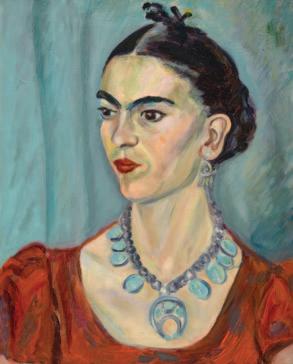
The core courses and electives in this program are selected from among Smithsonian Associates’ ongoing courses, seminars, study tours, and Studio Arts classes. You’ll find an expanded roster of instructors and a new range of course topics.
Complete the program requirements at your own pace and track your credits online. Credits are counted from the day of program registration and are not given retroactively.
To learn more about the Smithsonian Associates World Art History Certificate Program, visit SmithsonianAssociates.org/ArtCertificate
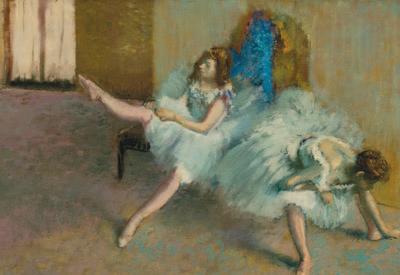
*from Smithsonian museum collections
World Art History Certificate elective: Earn ½ credit for each
Elaine Ruffolo, a Florence-based Renaissance art historian, examines the rich heritage of Italian art and architecture
Celebrate Michelangelo’s 551st birthday by exploring the making of one of history’s most brilliant and complex artistic minds.
Born on March 6, 1475, Michelangelo Buonarroti lived nearly 89 years, during which he transformed Western art through sculpture, painting, architecture, and poetry.
Many believed Michelangelo’s talent to be a miraculous product of divine genius—a myth the artist himself encouraged. Like all Renaissance apprentices, the young Michelangelo studied his craft by learning from masters, copying the ancients, and experimenting with materials and styles.
Ruffolo traces his journey from student to master, spanning his adolescence in the household of Lorenzo il Magnifico to the execution of his masterpiece, the “David,” completed when he was not yet 30 years old.
Fri., March 6, 12 p.m.; CODE 1D0-146; Members $25; Nonmembers $35
Raphael, celebrated as one of the three great masters of the Italian High Renaissance alongside Michelangelo and Leonardo da Vinci, left an enduring legacy of beauty, grace, and harmony despite his life ending at 37. In just over two decades, he rose from a promising painter in Urbino to the favored artist of popes and princes, his name becoming synonymous with ideal beauty and artistic perfection. The Metropolitan Museum of Art’s upcoming exhibition “Raphael: Sublime Poetry” brings his genius back into focus. Ruffolo traces his extraordinary ascent—from apprenticeships under Perugino to encounters with Michelangelo and Leonardo in Florence, culminating in his crowning achievements in Rome. Through serene figures and masterful compositions, Raphael came to embody the very spirit of the Renaissance, securing his place in history.
Fri., April 3, 12 p.m.; CODE 1D0-147; Members $25; Nonmembers $35
The Medici family ruled Florence for centuries and profoundly influenced European culture. Their patronage of both art and science fostered new architectural styles and introduced the ideal of villa life—residences designed for harmony with nature and intellectual leisure.
These villas became centers of recreation, scholarship, experimentation, business, and romance, each reflecting the Medici’s political ambitions and cultural ideals. Ruffolo examines how the family’s public works and private desires shaped these architectural spaces, tracing developments from medieval forms to Mannerist innovation, where aesthetics, creativity, and power converged.
Fri., June 5, 12 p.m.; CODE 1D0-155; Members $25; Nonmembers $35
World Art History Certificate core course: Earn 1 credit
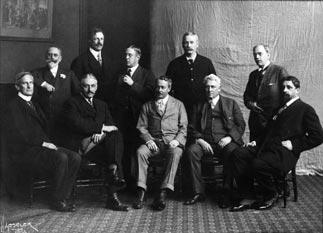
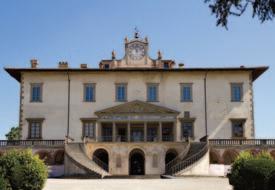
In the last quarter of the 19th century, American art students studying in Paris were deeply influenced by the work of the founding French Impressionists. Many returned to the United States to exhibit and teach the tenets of their style. A group of American Impressionists exhibited together for 20 years as “The Ten American Painters” or “The Ten.”
By the time of their last exhibition in 1918, the world had changed due to World War I, the formation of the Ashcan School of painters, and the Armory Show. Modern European art became much more abstract, and Impressionism was now viewed as passé. Art historian Bonita Billman examines the defining style, subjects, and masterpieces of American Impressionists. 4-session series: Mon., March 2–23, 12 p.m.; detailed program information on website; CODE 1M2-443; Members $100; Nonmembers $125
Creative Writing Inspired by Visual Art
Discover how visual art can inspire creative writing and how writing can offer a powerful way to experience art. Mary Hall Surface, the founding instructor of the National Gallery of Art’s Writing Salon, leads workshops that explore essential elements of writing and styles through close looking, word-sketching, and imaginative response to prompts. The sessions spotlight a wide range of visual art chosen to inspire writers of all experience levels to deepen their process and practice. Each workshop has a limited enrollment to maximize interaction among the instructor and students.
MAR 3 First Person: Monologues and More
MAR 10 Collage and Poetry
MAR 17 Place and Perspective
JUL 7 Dialogue: Spoken and Unspoken
JUL 14 Impact: Tone and Mood
JUL 21 Memoir: Setting and Identity
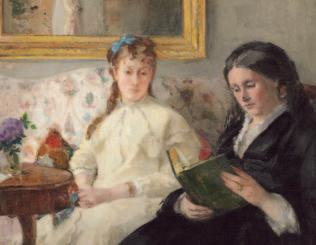
3-session series: Tues., March 3, 10, and 17, 10 a.m.; detailed program information on website; CODE 1K0-685; Members $105; Nonmembers $125
Individual sessions: Tues., March 3 (CODE 1K0-686); Tues., March 10 (CODE 1K0-687); Tues., March 17 (CODE 1K0-688); 10 a.m.; Members $40; Nonmembers $50
3-session series: Tues., July 7, 14, and 21, 10 a.m.; detailed program information on website; CODE 1K0-705; Members $105; Nonmembers $125
Individual sessions: Tues., July 7 (CODE 1K0-706); Tues., July 14 (CODE 1K0-707); Tues., July 21 (CODE 1K0-708); 10 a.m.; Members $40; Nonmembers $50
Designed for writers of all levels, and for the curious, the reflective writing workshops led by Mary Hall Surface invite you to look outwardly at art and look inwardly through writing. These reflections can become creative fertile ground for memoir, poetry, and more.
In this workshop, participants explore the innovative compositions of the 20th-century Dutch printmaker M.C. Escher to discover how his interlocking forms and shifting patterns inspire creative reflection about the connections and transformations in our lives.
Wed., April 1, 10 a.m.; CODE 1K0-689; Members $40; Nonmembers $50
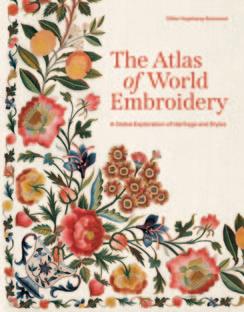
World Art History Certificate elective: Earn ½ credit
Found in every region of the globe, embroidery is one of the most widely shared forms of creative expression—and one of the most varied. Gillian Vogelsang-Eastwood, director of the Textile Research Centre in Leiden, the Netherlands, guides audiences through this rich tapestry, from the quillwork and birch boxes of Indigenous North America to the matyó embroidery of Hungary, the intricate zardozi of India, and the elegant satin stitches of Han Dynasty China. She explores the materials, tools, designs, and symbolic meanings of embroidery, as well as the communities and individual makers who sustain these traditions.
Her book The Atlas of World Embroidery: A Global Exploration of Heritage and Styles (Princeton University Press) is available for purchase.
Tues., March 10, 12 p.m.; CODE 1D0-144; Members $20; Nonmembers $30
Art historian Sophia D’Addio of Columbia University, an expert in Italian Renaissance art and architecture, has traveled widely across the Italian peninsula over the past 20 years. In a series of illustrated talks, she explores four distinctive regions of Italy, revealing their histories, mysteries, and pleasures. Each session requires individual registration and carries ½ credit as a World Art History Certificate elective.
Liguria, famed for idyllic Riviera towns like Portofino, Rapallo, and Camogli, has Genoa as its capital. Once a major maritime power during medieval, Renaissance, and Baroque eras, Genoa boasts grand monuments and is celebrated for pesto, crafted from locally grown basil, a cherished culinary delicacy.
Tues., March 10, 6:30–8:15 p.m.; CODE 1M2-440; Members $30; Nonmembers $45
Tuscany, cradle of the Renaissance, boasts Florence’s unparalleled artistic wealth alongside Siena, Pisa, and Lucca’s cultural treasures. Renowned for its simple yet flavorful cuisine and its prized wines, the region blends medieval charm, coastal beauty, and enduring culinary and viticultural traditions into Italy’s cultural heart.
Tues., April 14, 6:30–8:15 p.m.; CODE 1M2-451; Members $30; Nonmembers $45
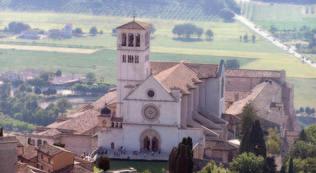
The Green Heart of Italy, Umbria is known for hill towns, majestic landscapes, and the legacy of Saint Francis. Perugia, Assisi, Spoleto, and Orvieto hold medieval and Renaissance treasures. Umbria’s culinary specialties focus on prized local ingredients such as black truffles, wild boar, lentils, and olive oil.
Tues., May 12, 6:30–8:15 p.m.; CODE 1M2-452; Members $30; Nonmembers $45
Le Marche, along the Adriatic east of Umbria, features beaches, Apennine peaks, and rolling hills with towns. Urbino, Raphael’s hometown, shines as an artistic hub, while Loreto has drawn pilgrims since the 14th century. Beyond these marvels, D’Addio highlights more off-the-beaten-path destinations. Tues., June 9, 6:30–8:15 p.m.; CODE 1M2-453; Members $30; Nonmembers $45
World Art History Certificate elective: Earn 1/2 credit
Seeking Solace in Art
Toward the end of his long and prolific career, Claude Monet, one of France’s masters of Impressionism, created his enchanting Water Lilies series inspired by the ponds at his home in Giverny.
Monet’s intention for painting the luminous large-scale works was to provide an “asylum of peaceful meditation.” However, the calm and beauty of the paintings belie the personal turmoil, frustration, and anguish Monet endured in the last 15 years of his life: the deaths of his wife and eldest son, increasingly cloudy vision, and the horrors of the First World War. Despite these travails, he turned to his art once again—and continued until his death in 1926.
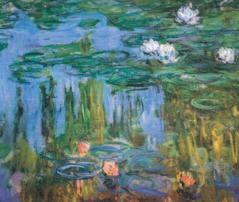
Author Ross King explores these celebrated paintings as he brings to life the extraordinary accomplishment of Monet’s later years. Tues., March 17, 12 p.m.; CODE 1H0-899; Members $20; Nonmembers $30
World Art History Certificate elective: Earn ½ credit for each
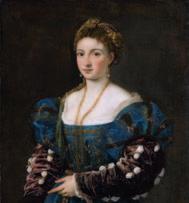
In this ongoing series, Renaissance art expert Rocky Ruggiero spotlights the significant collections of sometimes-overlooked museums and churches throughout Italy.
Originally part of the residence of the Medici dynasty, the Palatine Gallery encompasses the entire second floor of the Pitti Palace in Florence, Italy. Its collection includes the largest concentration of paintings by Raphael in the world, as well as works by Titian, Tintoretto, Caravaggio, and Rubens. The paintings in their lavish frames entirely cover the walls. Ruggiero discusses the importance of this gallery and some of its most impressive works.
Mon., March 16, 6:30 p.m.; CODE 1J0-529; Members $30; Nonmembers $45
The Gallerie dell’Accademia in Venice contains a wealth of masterpieces of Venetian painting. The most notable piece in the collection, which is only rarely on display due to its fragile nature, is Leonardo da Vinci’s Vitruvian Man. The collection also includes works by Bellini, Carpaccio, Giorgione, Tintoretto, Titian, and Veronese. Ruggiero showcases gems from this treasure trove.
Mon., April 13, 6:30 p.m.; CODE 1J0-535; Members $30; Nonmembers $45
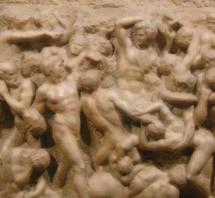
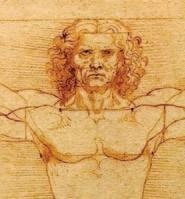
Casa Buonarroti in Florence offers an intimate perspective on Michelangelo’s life and legacy, distinct from his monumental public works. The house museum is a carefully constructed site of family memory, shaped by Michelangelo’s descendants in the 17th century. Through Casa Buonarroti’s architecture, decorative programs, and collection of early works—including the “Madonna della Scala” and “Battaglia dei Centauri”—Ruggiero reveals how examples of artistic genius were curated within a domestic setting.
Wed., May 20, 6:30 p.m.; CODE 1J0-548; Members $30; Nonmembers $45
Home to extraordinary finds from Pompeii and Herculaneum, the Naples National Archaeological Museum offers a glimpse into the ancient Roman world. Ruggiero introduces some of the museum’s most compelling treasures, from breathtaking mosaics and monumental sculptures to everyday objects that reveal how Romans lived, worked, and found pleasure nearly 2,000 years ago.
Mon., June 8, 6:30 p.m.; CODE 1J0-555; Members $30; Nonmembers $45
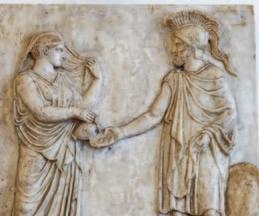
World Art History Certificate elective: Earn ½ credit each
Speaker Paul Glenshaw returns to the Art + History series to look at great works of art in their historical context. He delves into the time of the artist and explores the present they inhabited and what shaped their vision and creations.
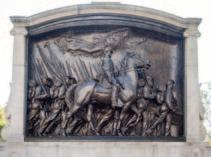
The African American soldiers of the Massachusetts 54th in Augustus Saint-Gaudens’ Shaw Memorial stride confidently toward battle for a cause they are willing to die for—freedom. Almost half the members of the regiment, including their white commanding officer, Col. Robert Gould Shaw, would be killed in the July 1863 attack on Fort Wagner, South Carolina. The original memorial stands in Boston Common, with a plaster version on display at the National Gallery. Saint-Gaudens took great pains to make sure each soldier was a portrait. Who were the Massachusetts 54th and Shaw? What brought them together? How was the Civil War—and these soldiers in particular—being remembered in 1897 when the memorial was unveiled?
Tues., March 24, 6:45 p.m.; CODE 1K0-679; Members $25; Nonmembers $35
World Art History Certificate elective: Earn 1/2 credit
Did St. Francis Kick-start the Renaissance?
A Fresh Look at Giotto, Dante, and Humanism in Art
Historically the beginning of the Renaissance has been tied to the rediscovery of antiquity as the primary driver of the era’s artistic revolution. However, art historian Liz Lev proposes that it was the result of the new mendicant orders, which emphasized the human elements of the Gospel narrative and whose members committed to a vow of poverty.
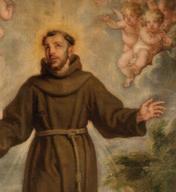
This majestic landscape, painted in 1868, is many things all at once. It is Bierstadt’s personal expression of his joyful first sight of the Sierra Nevada and a scene he thoroughly invented. It’s a depiction of the natural beauty of the American West and part of a brazen marketing scheme.

The painting, along with Bierstadt’s many similar works, was a powerful lure for immigrants and settlers drawn by the promise of the American West, yet it also reveals the complicated legacy of Manifest Destiny. Glenshaw traces Bierstadt’s path from his immigrant childhood in Massachusetts through training in Düsseldorf and painting in Rome, culminating in extravagant exhibitions—before his rapidly declining popularity.
Tues., April 21, 6:45 p.m.; CODE 1K0-690; Members $25; Nonmembers $35
World Art History Certificate elective: Earn 1/2 credit
Glamour, Tropical Modernism, and Preservation
Miami Beach boasts the world’s largest collection of Art Deco architecture—pastel-hued buildings with curves, glass block, and nautical motifs. Rooted in Streamline Moderne, this style embraced modernity and optimism. In the late 1920s, architects like Henry Hohauser and L. Murray Dixon tailored European Modernism to Florida’s climate, creating “Tropical Deco,” with Ocean Drive and Collins Avenue becoming showcases of American modern design.

St. Francis of Assisi, founder of the Franciscans, demonstrated profound holiness, and when his “story went viral,” it inspired others including Giotto, Italy’s foremost painter, and Dante, its greatest poet. They reformed art to celebrate the human condition with its quirks, foibles, and heroic journeys.
Interweaving The Divine Comedy with frescoes from the Upper Basilica of Assisi and the Scrovegni Chapel in Padua, Lev argues Renaissance art was propelled more by spirituality than pagan ideals. Fri., March 20, 12 p.m.; CODE 1H0-898; Members $20; Nonmembers $30
Urban historian Bill Keene traces the global rise of Art Deco and Miami’s unique evolution, spotlighting landmarks like the Colony Hotel, Carlyle Hotel, and Bass Museum. Postwar development and changing tastes led to decades of neglect, with many buildings threatened by demolition. But through preservation efforts, the Miami Art Deco District was officially designated a U.S. historic district in 1979, securing its legacy as a vibrant architectural treasure.
Tues., March 24, 7 p.m.; CODE 1NV-181; Members $25; Nonmembers $35
World Art History Certificate elective: Earn ½ credit
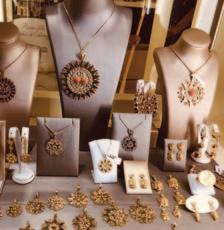
For centuries, the central Italian region of Abruzzo has quietly preserved some of Italy’s most exquisite and symbolic goldsmithing traditions. From the richly detailed presentosa, a starshaped pendant given as a love token, to the intricate filigree work worn by women as markers of social status and regional identity, Abruzzese jewelry is more than adornment—it is a living chronicle of history, devotion, and craftsmanship.
Cultural historian Viviana Altieri, executive director of Istituto Mondo Italiano in Pittsburgh, explores the origins, meanings, and social significance of traditional gold jewelry from Abruzzo. Highlighting images of heirloom pieces, she traces how these ornaments reflect evolving customs, women’s roles, and the cultural pride of an often-overlooked mountainous region.
Wed., March 25, 6:30 p.m.; CODE 1M2-445; Members $25; Nonmembers $35
World Art History Certificate elective: Earn 1 credit
The Bauhaus, founded in 1919 in Weimar, Germany, by the young architect Walter Gropius, was part Modernist school of art and design and part dream factory. Its approach was a blend of practical work and theoretical teaching. Students were taught in workshops led by both craftsmen and artists and the curriculum included everything from fine art, typography, and graphic design to interior design and architecture.
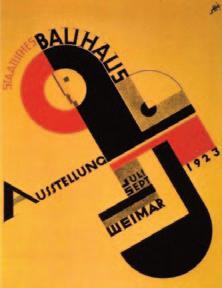
World Art History Certificate elective: Earn 1/2 credit
From the classical villas of ancient Rome to the landscaped estates of the Renaissance, artists and patrons have long sought to bring sculpture into dialogue with nature. The modern sculpture garden emerged in the mid-20th century, when museums and collectors began creating outdoor settings designed for large-scale contemporary works— inviting visitors to experience art as part of the living landscape.
Art historian Jennie Hirsh traces the history and vision behind three of the world’s most inspiring contemporary sculpture gardens: Storm King Art Center in upstate New York, Glenstone Museum in Potomac, Maryland, and Château La Coste near Aixen-Provence. These sites reveal how artists and architects continue to redefine the possibilities of sculpture, scale, and place—and the interplay between art and landscape.
Fri., March 27, 12 p.m.; CODE 1D0-141; Members $20; Nonmembers $30
World Art History Certificate elective: Earn ½ credit
Alexander “Sandy” Calder, son and grandson of Philadelphia sculptors, transformed modern sculpture with color, movement, and playfulness. Rejecting traditional monochrome stone or wood, he used steel to create mobiles—kinetic works shifting endlessly in space. Calder’s mobiles ranged from earrings for Peggy Guggenheim to an 85-foot-wide installation at the National Gallery of Art. He also made “stabiles,” stationary sculptures, and hybrids combining bases with mini-mobiles.
Art historian Joseph Paul Cassar explores the importance and enduring influence of the Bauhaus, covering its origin and aims, unity of art and technology, teachers, and legacy.
4-session series: Wed., April 8–29, 10:30 a.m.; detailed program information on website; CODE 1K0-682; Members $100; Nonmembers $125
Calder’s art embodied whimsy, from his miniature “Calder’s Circus” to monumental public works like “Stegosaurus,” a 50-foot-tall red-orange abstraction evoking prehistoric forms. His creations made sculpture fun, accessible, and dynamic, reshaping how people experienced three-dimensional art. Art historian Nancy G. Heller presents an overview of Calder’s life and work, including pieces in Calder Gardens, Philadelphia’s new indooroutdoor space.
Wed., April 8, 6:30 p.m.; CODE 1M2-448; Members $25; Nonmembers $35
World Art History Certificate elective: Earn 1/2 credit
From ancient gods and goddesses to timeless heroic narratives, classical myths have long shaped artistic expression—but how do these age-old stories resonate in modern and postmodern art? Art historian Jennie Hirsh explores the surprisingly vital and often overlooked role of classical mythology in contemporary art, showing how artists use these stories both to illustrate and engage with questions of identity, power, gender, and society.

Hirsh highlights work by artists including Cy Twombly, Roy Lichtenstein, and Yayoi Kusama to examine how classical narratives are reimagined from a contemporary perspective and how these enduring stories continue to illuminate both artistic expression and critical interpretation today.
Thurs., April 9, 12 p.m.; CODE 1D0-148; Members $20; Nonmembers $30
World Art History Certificate core course: Earn 1 credit
Many of the most beautiful buildings of the last 600 years have been erected in Asia, which is also known for its boldly modern cities. Kathleen JamesChakraborty, a professor of art history and architectural historian at University College Dublin, looks across the continent from Iran to Japan at both historic and contemporary buildings from different architectural traditions. She also highlights the important contributions that women have made as patrons and designers of innovative architecture.
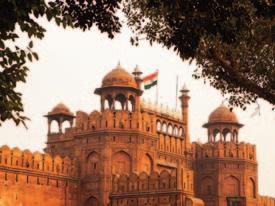
World Art History Certificate elective: Earn 1 credit
Gothic Grandeur
Soaring spires, glittering stainedglass windows, and sculpted figures that seem to breathe with life are the hallmarks of Gothic art, which transformed cathedrals, churches, and civic spaces across medieval Europe.
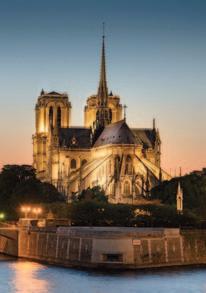
Beginning in the mid-12th century, the thick stone walls and small windows of Romanesque buildings gave way to soaring walls of unprecedented height, supported by innovations such as pointed arches and flying buttresses. Enormous stained-glass windows filled interiors with luminous scenes that instructed, adorned, and transformed sacred spaces. Gothic style extended its expressive reach from architecture to sculpture and painting, where figures conveyed human emotion with remarkable naturalism.
Art historian Janetta Rebold Benton, author of Art of the Middle Ages, explores this extraordinary period.
2-session series: Sat., April 11 and 18, 1 p.m.; detailed program information on website; CODE 1D0-145; Members $90; Nonmembers $110
Contrary to his public persona as a purported scoundrel, Frank Lloyd Wright was entrusted with commissions of more than a dozen churches and spiritual spaces. From the soaring Beth Sholom Synagogue outside of Philadelphia to the intimate William L. Danforth Chapel at Florida Southern College, Wright was responsible for sanctuaries for a wide range of religious groups, including Jewish, Protestant, Greek Orthodox, and Unitarian.
4-session series: Fri., April 10–May 1, 12 p.m.; detailed program information on website; CODE 1T0-061; Members $100; Nonmembers $125
Through hundreds of photos and a dozen historical accounts, master storyteller and Wright expert Timothy Totten shows how the architect differentiated each space for its specific congregation and illustrates Wright's beliefs about the ways worshippers should interact with one another and with their faith.
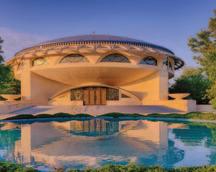
Tues., April 14, 7 p.m.; CODE 1NV-183; Members $25; Nonmembers $35
World Art History Certificate elective: Earn ½ credit
In the opulent Paris of the Belle Époque, René Lalique emerged as the most daring and imaginative jeweler of his age. He revolutionized jewelry by blending precious metals with enamel, horn, glass, and semi-precious stones. His creations shimmered with vitality: dragonflies, orchids, nymphs, and mythological figures transformed into poetic, wearable works of art.
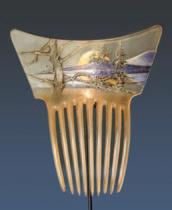
Lalique’s vision elevated adornment to fine art. Collaborations with Sarah Bernhardt and commissions for the fashionable elite introduced a new kind of luxury—defined by creativity, naturalism, and craftsmanship rather than ostentation. His work embodied the spirit of Art Nouveau, uniting art and life, dissolving boundaries between decorative and divine.
Art historian Tosca Ruggieri traces Lalique’s evolution, his patrons, avant-garde techniques, and extraordinary masterpieces, including rarely seen private works.
Tues., April 21, 7 p.m.; CODE 1NV-184; Members $25; Nonmembers $35
World Art History Certificate elective: Earn ½ credit
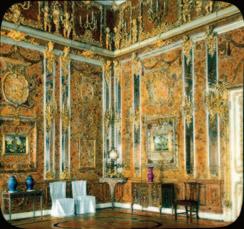
For decades the Amber Room has been the subject of fantasy and speculation—dazzling, invaluable, and considered the “eighth wonder of the world.” Originally constructed for the Charlottenburg Palace in Berlin and gifted to Peter the Great by the king of Prussia, the decorative ensemble of amber, semiprecious stones, and gold embellishment came to represent the wealth and prestige of the Russian imperial family.
Witness to Russia’s great age of empire, looted by the Nazis, destroyed or perhaps still hidden somewhere underground, and reconstructed by the contemporary Russian state, the Amber Room has transformed from an emblem of global power to a phantasm of renewed imperial ambitions. Molly Brunson, associate professor of art history at Yale University, delves into the history of this unique, lavish—and missing—room.
Tues., April 28, 6:30 p.m.; CODE 1H0-902; Members $20; Nonmembers $30
World Art History Certificate elective: Earn ½ credit
The Federal Art Project and the Great Depression Among President Franklin D. Roosevelt’s New Deal recovery programs was the Works Progress Administration (WPA). Within the WPA, the Federal Art Project offered a crucial source of income and creative purpose for thousands of artists at a time when galleries were shuttered and patrons scarce. At its peak, the program employed over 5,300 artists, who produced everything from prints and paintings to large-scale public murals—many of which still adorn civic buildings today.
Art historian Nancy Elizabeth Green explores the enduring legacy of the Federal Art Project, illuminating how art and government together helped to lift the spirits of a nation during one of its darkest times.
Thurs., April 23, 6:30 p.m.; CODE 1CV-083; Members $20; Nonmembers $30
World Art History Certificate elective: Earn 1 credit
The English painters, poets, and critics who gave birth to the Pre-Raphaelite Brotherhood in 1848 wanted to reform art by rejecting what they called the melodramatic style of High Renaissance artists like Raphael. The founding Pre-Raphaelites, including Dante Gabriel Rossetti, John Everett Millais, and William Holman Hunt, were determined to return their art to the clear storytelling and intense colors of early Italian and Flemish Renaissance painting.
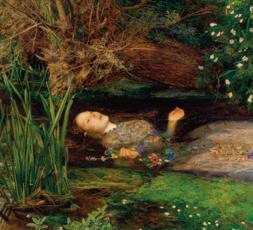
Ophelia by John Everett Millais, 1851–52
In a full-day seminar, art historian Bonita Billman traces this fascinating movement from its origins to flowering conclusion as well as examines its influence on the Arts and Crafts movement and its legacy of beauty.
Sat., May 2, 10 a.m.–4 p.m.; detailed program information on website; CODE 1M2-457; Members $100; Nonmembers $125
World Art History Certificate core course: Earn 1 credit
Islamic art and architecture are both distinctive and varied. Sean Roberts, a teaching associate professor of art history at the University of Tennessee Knoxville, provides an overview of the historical and societal contexts in which this tradition developed. The narrative covers 14 centuries and spans from the central Islamic lands across the globe.

4-session series: Mon., May 4–June 1 (no class on May 25), 6:30 p.m.; detailed program information on website; CODE 1T0-065; Members $100; Nonmembers $125
World Art History Certificate elective: Earn ½ credit each
The Women Who Shaped Modern Art
Long before modern art found its home in museums, it thrived in salons, collections, and networks cultivated by women. From gatherings in Europe to avant-garde circles in early 20th-century New York, these women nurtured artists, championed emerging talent, and shaped the tastes that defined modern culture.
Art historian Jennie Hirsh highlights the salonnières and patrons whose influence extended far beyond the studio or gallery.
MAY 7 Gertrude Stein, Helene Kröller-Müller, Margherita Sarfatti
JUNE 4 Katherine Dreier, Florine Stettheimer, Gertrude Vanderbilt Whitney
JULY 9 Abby Aldrich Rockefeller, Lillie P. Bliss, Peggy Guggenheim
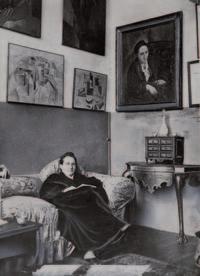
3-session series: Thurs., May 7, June 4, and July 9, 12 p.m.; detailed program information on website; CODE 1D0-161; Members $60; Nonmembers $75
Individual sessions: Thurs., May 7 (CODE 1D0-161A); Thurs., June 4 (CODE 1D0-161B); Thurs., July 9 (CODE 1D0161C); 12 p.m.; Members $25; Nonmembers $35
World Art History Certificate elective: Earn ½ credit
Evolution of the National Mall
The National Mall has transformed over nearly 250 years into the symbolic heart of the nation’s capital. The Founding Fathers envisioned Washington, D.C., as a beacon of democracy, with the L’Enfant Plan placing the Mall at its ceremonial center. But fewer than 40 years after the city’s founding, Charles Dickens famously dismissed Washington as a “city of magnificent intentions,” reflecting its unrealized ambitions.
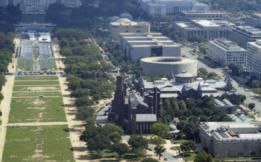
Carolyn Muraskin, founder of DC Design Tours, traces the Mall’s evolution from open pasture to military training ground and from muddy, undeveloped flats to a landscape of grand monuments.
Wed., May 6, 12 p.m.; CODE 1NV-188; Members $25; Nonmembers $35
Innovation, Influence, and Legacy
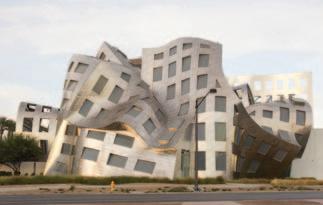
Frank Gehry emerged as one of modern architecture’s most influential and debated figures, reshaping skylines and expanding what buildings could express. Rejecting rigid Modernism early in his career—most notably in his own radical Santa Monica house—he developed a design language rooted in experimentation, unexpected forms, and material clarity.
With the rise of digital tools, his work grew increasingly sculptural, seen in landmarks like the Guggenheim Museum Bilbao, Walt Disney Concert Hall, and Fondation Louis Vuitton. Though linked to Postmodernism and Deconstructivism, Gehry avoided strict labels, pursuing ideas freely. Celebrated and controversial, his legacy remains transformative. Bill Keene, a lecturer in history, urban studies, and architecture, examines Gehry’s life and work. Mon., May 11, 7 p.m.; CODE 1NV-189; Members $25; Nonmembers $35
World Art History Certificate core course: Earn 1 credit
World Art History Certificate elective: Earn ½ credit
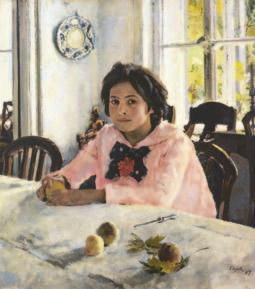
As the Impressionist movement evolved, it became a symbol of modern art and began to transcend national boundaries. Art historian Joseph Paul Cassar examines why the emphasis on natural light and the depiction of everyday life became a hallmark influencing artists across the globe. Today, the development and practice of Impressionism is seen less as a uniquely French movement and instead as a major influence on the world’s visual culture. Cassar surveys its influence in Russia, Italy, Holland, Belgium, and Great Britain.
4-session series: Wed., May 13–June 3, 10:30 a.m.; detailed program information on website; CODE 1K0-697; Members $100; Nonmembers $125
By the end of the 1950s, New York Abstract Expressionism began to wane. Painters adopted the large scale and rich palette of artists like Barnett Newman and Mark Rothko but with new processes and goals in mind. Many of these painters lived in Washington, D.C., where their originality earned them the name Washington Color School.
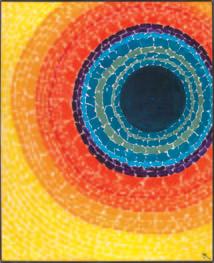
Morris Louis, Kenneth Noland, Gene Davis, and Paul Reed, among others, were important innovators. Art historian David Gariff examines this golden age in the history of modern American art including works by second-generation D.C. colorists.
Fri., May 15, 12 p.m.; CODE 1H0-905; Members $25; Nonmembers $35
World Art History Certificate elective: Earn ½ credit
Croatia From Pula to Dubrovnik
You may recognize the towering walls of Dubrovnik, the famed city-state of the Renaissance, but Croatia has countless other art and architectural treasures. Standing at the geographic intersection of several cultures, the country has been coveted by various foreign powers for centuries, with Romans, Byzantines, Venetians, and Ottomans all leaving their mark.
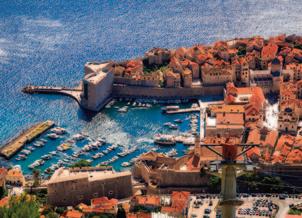
Aneta Georgievska-Shine, a scholar of Renaissance and Baroque art, examines the artistic legacy of this long and tangled history as she explores the UNESCO World Heritage Site city of Dubrovnik as well as other significant locations.
Tues., May 19, 6:30 p.m.; CODE 1K0-713; Members $30; Nonmembers $45
World Art History Certificate elective: Earn ½ credit
The Ganges River Basin was the heartland of South Asian urban development in the 6th century B.C.E., and the river remains deeply important to many people in ways that are both physical and conceptual. Art historian Robert DeCaroli traces the Ganges from its origins in the peaks of the Himalayas to the Bay of Bengal, exploring historic and sacred locations along this mighty river.
The physical river, however, is only half the story. Since ancient times, the Ganges has been embodied as the goddess Ganga, and her reach stretches well beyond the riverbanks. DeCaroli examines the art and architecture used to enhance and replicate access to Ganga’s sacred waters.
Thurs., May 21, 6:30 p.m.; CODE 1J0-549; Members $30; Nonmembers $45

Read more about programs in this guide on our website. Search by code or date. Expanded program descriptions, presenters’ information, and more at SmithsonianAssociates.org.
The Past and Future of Human Habitation
Architect and urban planning scholar Stefan Al traces human habitation from ancient pithouses to modern skyscrapers, blending archaeology, engineering, social history, and environmental science. He reveals how ordinary architectural features like corridors and door knockers shaped social interaction, while material choices transformed the planet. Looking ahead, he evaluates emerging housing technologies such as 3D-printed buildings, arguing that understanding housing’s long history is crucial for building a sustainable future that transforms humanity’s defining challenge into its greatest opportunity.
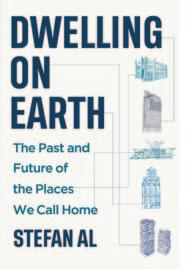
His book Dwelling on Earth: The Past and Future of the Places We Call Home (W.W. Norton) is available for purchase.
Thurs., May 28, 6:45 p.m.; CODE 1K0-696; Members $20; Nonmembers $30
World Art History Certificate elective: Earn ½ credit
World Art History Certificate elective: Earn ½ credit Missing
Art and Mystery at the Isabella Stewart Gardner Museum
On March 18, 1990, two thieves disguised as police officers walked into Boston’s Isabella Stewart Gardner Museum and committed one of the largest art thefts in modern history. Thirteen works— including masterpieces by Vermeer, Rembrandt, and Degas—vanished into the night. The empty frames remain on the museum’s walls, a powerful reminder of what’s missing.
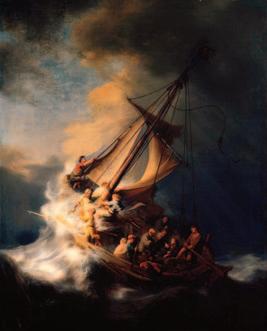
Art historian Laura Morelli examines the stolen treasures, explores their significance, explains why their loss still haunts the art world, and considers the latest theories about their whereabouts.
Fri., May 29, 12:30 p.m.; CODE 1H0-908; Members $20; Nonmembers $30
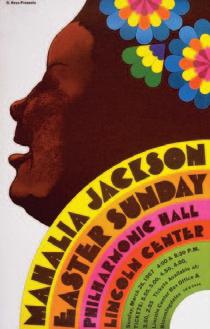
Galvanized by the post-World War II decolonization of African nations and the civil rights, Black zpower, anti-war, and feminist and womanist movements, African-descendant cultural producers in the United States began claiming a Black aesthetic that emerged from the lived experience of Black people. The Black Arts Movement permeated rural and urban areas, drawing on blues, jazz, Black folk culture, and Black idiomatic expressions. Spend a day with Michele L. Simms-Burton, scholar of African American and Africana studies, exploring the Black Arts Movement in the United States. Study the post-World War II historic moments and cultural events that fostered an emergent Black aesthetic. Encounter artists, composers, musicians and writers from rural and urban areas and learn how their lives and experiences informed their artistic achievements.
Sat., June 6, 10 a.m.–3:30 p.m.; detailed program information on website; CODE 1J0-554; Members $80; Nonmembers $100
World Art History Certificate elective: Earn ½ credit
Man Behind American Gothic
Grant Wood, famed for American Gothic, was far more intricate than his public image suggested. Though he styled himself a “farmer painter,” his creativity was shaped less by agriculture than by artistic community, family entanglements, and a carefully crafted persona.
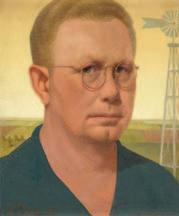
Art historian R. Tripp Evans uncovers Wood’s formative Iowa years and his intense relationships with his mother and sister Nan, a model for American Gothic. He also examines how Wood’s closeted homosexuality energized his art and imperiled his career. Drawing on autobiographical fragments, documents, and paintings, Evans reveals the private tensions that gave Wood’s Regionalism its emotional force.
Wed., June 10, 6:45 p.m.; CODE 1D0-159; Members $20; Nonmembers $30
World Art History Certificate elective: Earn ½ credit
The Smithsonian Institution has shaped the character of the National Mall since 1855. Washington’s most beloved museums trace the arc of American architecture, from James Renwick’s Gothic design of the Smithsonian Castle to the contemporary National Museum of African American History and Culture by Phil Freelon. Romanesque to Victorian, Neoclassical to Brutalist, each unique building is an architectural study all its own.
Carolyn Muraskin, founder of DC Design Tours, investigates the style, design, controversy, construction, and fascinating backstories behind these celebrated museums.
Wed., June 10, 7 p.m.; CODE 1NV-191; Members $25; Nonmembers $35
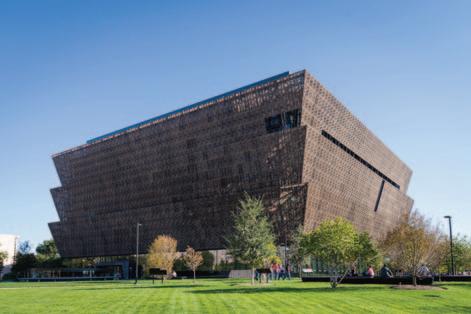
The Golden Ages of Vienna, Paris, and London

The year 1900 found three of Europe’s greatest cities entering defining eras in their historical and cultural development. In a richly illustrated seminar, cultural historian George Scheper, a senior lecturer in advanced academic programs at Johns Hopkins University, explores how the alignment of creative forces shaped a trio of highly distinctive urban milieus—each nourished by the energy and excitement of new ideas and each witnessing the birth of modernism in the coming century.
Sat., June 13, 10 a.m.–3:15 p.m.; detailed program information on website; CODE 1M2-461; Members $80; Nonmembers $100
World Art History Certificate elective: Earn ½ credit

Tsukioka Yoshitoshi (1839-1892) is often regarded as the last ukiyo-e artist, working across the transition between the feudal Edo period (16031868) and the Westernization of Japan in the Meiji era (1868-1912).
Yoshitoshi is known as an artist of the macabre, with his chimidoro-e (“blood-covered pictures”) and grotesque imagery seemingly related to his history of mental health issues. However, this ghoulish reputation can obscure the important contributions he made to the development of new artistic genres and the sensitive turn that his supernatural imagery took toward the end of his life. Kit Brooks, curator of Asian art at the Princeton University Art Museum, explores Yoshitoshi’s career, examining what makes his art—and life—so haunting.
Thurs., June 11, 6:30 p.m.; CODE 1J0-557; Members $20; Nonmembers $30
Strategically located for trade, rich in resources, and containing a variety of cultural traditions, the civilizations of mainland and island Southeast Asia are among the most dynamic in the world. Art historian Robert DeCaroli examines the cultural and artistic traditions of ancient Southeast Asia from the earliest archaeological evidence to the onset of colonialism, with a focus on the royal arts of the great civilizations that arose within the borders of modern Indonesia, Cambodia, Vietnam, Burma (Myanmar), and Thailand.
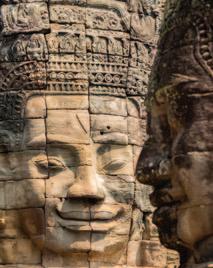
4-session series: Tues., June 16–July 7, 6:30 p.m.; detailed program information on website; CODE 1J0-558; Members $100; Nonmembers $125
World Art History Certificate elective: Earn ½ credit
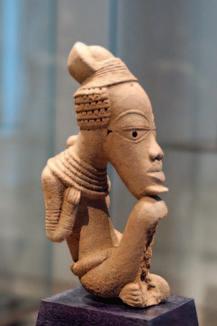
Art historian Joseph Paul Cassar offers an overview of African art, outlining key aesthetic concepts such as the flexed-knee motif and themes of maternity and fertility. He examines a wide range of mask styles in materials like wood, ivory, and bronze, emphasizing their expressive and abstract qualities.
Cassar also addresses the challenges of studying African art, including the continent’s cultural and linguistic variety, the assorted terminology often applied to its artistic traditions, and the difficulty of interpreting works without full contextual knowledge. Drawing on a decade of research in Africa, he traces the influence of African art on modern European artists.
Wed., June 17, 12 p.m.; CODE 1K0-699; Members $25; Nonmembers $35
World Art History Certificate elective: Earn ½ credit
Andrew Wyeth, a leading 20th-century American realist, drew lifelong inspiration from the rural worlds of Chadds Ford, Pennsylvania, and Cushing, Maine. Trained at home by his illustrator father, N.C. Wyeth, he embraced his own path by using tempera, creating austere, contemplative works such as Christina’s World
Though labeled a realist, he viewed himself as an abstractionist, stripping away detail to reveal emotional truth. His output spans drawings, watercolors, drybrush, and tempera, depicting landscapes, still lifes, and local people with empathy. Art historian Bonita Billman highlights a range of works from Wyeth’s extraordinary oeuvre.
Mon., June 22, 6:30 p.m.; CODE 1M2-463; Members $25; Nonmembers $35
& PRACTICE Painting in the Key of Color A Streamlined Approach to Color in Painting
INSTRUCTOR: Nick Cruz Velleman
ONLINE: Sat., March 7, 10 a.m.; CODE 1E0-AFP; Members $60; Nonmembers $75
INSTRUCTOR: Renee Sandell
ONLINE: Sat., March 7, 1 p.m.; CODE 1E0-AFU; Members $80; Nonmembers $95
The Art of Journaling in Pen and Watercolor
INSTRUCTOR: Lubna Zahid
ONLINE: Tues., March 31–May 19, 5 p.m., no class May 12; CODE 1E0-AHW; Members $245; Nonmembers $270
INSTRUCTOR: Theresa Otteson
ONLINE: Mon., April 13–May 4, 6:45 p.m.; CODE 1E0-AKF; Members $165; Nonmembers $190
Hues in Harmony
Color Mixing and Maximizing Your Palette
INSTRUCTOR: Nick Cruz Velleman
ONLINE: Thurs., April 30–May 21, 10 a.m.; CODE 1E0-AJH; Members $165; Nonmembers $190
Visual Journaling: Creativity Workout
INSTRUCTOR: Renee Sandell
ONLINE: Sat., May 16, 1 p.m.; CODE 1E0-AJN; Members $80; Nonmembers $95
Artists throughout the world have developed practices that allow them to center themselves and prepare for making art. Students explore some of these techniques: mark making with lines, swirls, and puddles and using paper to experiment with folding and tearing.
INSTRUCTOR: Sushmita Mazumdar
ONLINE: Mon., April 13–May 18, 12 p.m.; CODE 1E0-AKD; Members $160; Nonmembers $195
World Art History Certificate elective: Earn ½ credit Masters and Mediums Illustrators
Study master illustrators including N.C. Wyeth, Arthur Rackham, Alphonse Mucha, Norman Rockwell, and Beatrix Potter. The aims of this class are to explore the history of these artists and to apply their approaches in a variety of mediums.
INSTRUCTOR: Lori VanKirk Schue ONLINE: Thurs., April 16, 1 p.m.; CODE 1E0-AHU; Members $55; Nonmembers $70

World Art History Certificate elective: Earn ½ credit
Masters and Mediums
Wildlife Artists
Learn about the history of master wildlife artists such as John Audubon, Albrecht Dürer, Carel Fabritius, Maria Sibylla Merian, Károly Lotz, and Diego Velazquez. Work in a variety of mediums to capture the wildlife of your choice.
INSTRUCTOR: Lori VanKirk Schue ONLINE: Thurs., May 21, 1 p.m.; CODE 1E0-AHT; Members $55; Nonmembers $70

Drawing
INSTRUCTOR: Shahin Talishkhan
Beginning Drawing
INSTRUCTOR: George Tkabladze
IN PERSON: Tues., April 7–May 19, 10:30 a.m.; Ripley Center; CODE 1E0-AHC; Members $255; Nonmembers $290
Intermediate Drawing
INSTRUCTOR: George Tkabladze
IN PERSON: Tues., April 7–May 19, 2 p.m.; Ripley Center; CODE 1E0-AHD; Members $265; Nonmembers $300
Observation and Perception
Unlocking the Skill of Drawing
IN PERSON: Sun., April 12–May 17, 10:15 a.m.; Ripley Center; CODE 1E0-AJQ; Members $255; Nonmembers $290
Exploring Alcohol Inks
INSTRUCTOR: Sharon Robinson
IN PERSON: Tues., April 18–May 2, 10:15 a.m.; Ripley Center; CODE 1E0-AJY; Members $130; Nonmembers $155
This course is based on contemporary research about visual perception and its application to the practice of drawing.
INSTRUCTOR: Shahin Talishkhan
IN PERSON: Sat., April 4–May 16, 10:15 a.m.; Ripley Center; CODE 1E0AKL; Members $255; Nonmembers $290
INSTRUCTOR: Mike O’Brien ONLINE: Thurs., April 2, 6 p.m.; CODE 1E0-AJE; Members $60; Nonmembers $75
Sketchbook Habit: The Art of Everyday Life
INSTRUCTOR: Sue Fierston ONLINE: Sat., April 4, 25, and May 16, 10 a.m.; CODE 1E0-AKB; Members $165; Nonmembers $190
Beginning Drawing
INSTRUCTOR: Josh Highter ONLINE: Sun., April 12–May 17, 10:30 a.m.; CODE 1E0-AHR; Members $220; Nonmembers $255
Sketching the Smithsonian Weekly Lunchtime Drawing Series
INSTRUCTOR: Morgan Kuster
ONLINE: Thurs., April 16–May 21, 12 p.m.; CODE 1E0-AKJ; Members $95; Nonmembers $130; individual sessions also available
Introduction to Biological Illustration
INSTRUCTOR: Scott Rawlins
ONLINE: Thurs., April 16–May 21, 6 p.m.; CODE 1E0-AJP; Members $225; Nonmembers $260
Colored Pencils
INSTRUCTOR: Lori VanKirk Schue
ONLINE: Thurs., April 23 and 30, 1 p.m.; CODE 1E0-AHS; Members $135; Nonmembers $160
Digital Drawing: Remixing the Collection
INSTRUCTOR: Mike O’Brien
ONLINE: Wed., May 6, 6 p.m.; CODE 1E0-AJD; Members $60; Nonmembers $75
Beginning Oil Painting
Discover the timeless elegance of silverpoint, a drawing technique dating back to the Middle Ages. Learn the history, materials, and methods of silverpoint drawing, including how to prepare a gessoed ground, handle a silver stylus, and develop refined, detailed artwork.
INSTRUCTOR: Theresa Otteson ONLINE: Sat., April 25, 10 a.m.; CODE 1E0-AKH; Members $60; Nonmembers $75
World Art History Certificate elective: Earn 1/2 credit
Breaking the Line
Contours Inspired by Delacroix and Rembrandt
INSTRUCTOR: Nick Cruz Velleman ONLINE: Sun., May 10, 10 a.m.; CODE 1E0AJK; Members $65; Nonmembers $80
By Theresa Otteson
World Art History Certificate elective: Earn 1/2 credit Van Gogh’s Toolbox
Expressive Techniques in Drawing for Self-Taught Artists
INSTRUCTOR: Nick Cruz Velleman ONLINE: Sun., May 17, 10 a.m.; CODE 1E0-AJL; Members $65; Nonmembers $80
INSTRUCTOR: Shahin Talishkhan
IN PERSON: Sat., April 4–May 16, 2:30 p.m.; Ripley Center; CODE 1E0-AJU; Members $260; Nonmembers $295
Beginning Acrylic Painting
INSTRUCTOR: Carolyn Marshall Wright
TWO IN-PERSON OPTIONS: Tues., April 7–May 12, 3 p.m. (CODE 1E0-AGX); Tues., April 7–May 12, 6 p.m. (CODE 1E0-AGY); Ripley Center; Members $240; Nonmembers $275
Springtime Sketching in the Smithsonian Gardens
INSTRUCTOR: Sue Fierston
IN PERSON: Sun., April 19 and May 3, 10:15 a.m.; Ripley Center; CODE 1E0-AKA; Members $130; Nonmembers $155
This intermediate-level oil painting class for students who are new to drawing the human figure, as well as those with previous experience, provides the opportunity to explore figure painting from a live model.
INSTRUCTOR: Shahin Talishkhan IN PERSON: Sun., April 12–May 17, 2:30 p.m.; Ripley Center; CODE 1E0-AJR; Members $285; Nonmembers $320
Studio
Introduction to Watercolor
INSTRUCTOR: Josh Highter
ONLINE: Mon., March 30–May 18, 6 p.m.; CODE 1E0-AHP; Members $275; Nonmembers $310
Still Life in Oil
Exploring Color Through Observation
INSTRUCTOR: Michelle Cobb
ONLINE: Tues., March 31–April 28, 1 p.m.; CODE 1E0-AHH; Members $200; Nonmembers $235
INSTRUCTOR: Lubna Zahid
ONLINE: Tues., March 31–May 19, 10 a.m., no class May 12; CODE 1E0-AHV; Members $245; Nonmembers $270
INSTRUCTOR: Josh Highter
ONLINE: Wed., April 1–May 20, 10:30 a.m.; CODE 1E0-AHQ; Members $275; Nonmembers $310
World Art History Certificate elective: Earn 1/2 credit Techniques in Modernist Painting
INSTRUCTOR: Shahin Talishkhan
ONLINE: Tues., April 7–May 19, 6 p.m.; CODE 1E0-AJT; Members $260; Nonmembers $295
INSTRUCTOR: Theresa Otteson
ONLINE: Thurs., April 14–May 5, 6:45 p.m.; CODE 1E0-AKG; Members $165; Nonmembers $190
World Art History Certificate elective: Earn 1/2 credit
Drawing Light
How the Masters Did It in Color
INSTRUCTOR: Nick Cruz Velleman
ONLINE: Thurs., April 30–May 21, 2:30 p.m.; CODE 1E0-AJJ; Members $165; Nonmembers $190
Landscape Painting from Photos
Learn the fundamentals of landscape painting using photos or masterworks as a reference. The focus is on composition, color, atmosphere, and contrast in a painting.
INSTRUCTOR: Eric Westbrook ONLINE: Wed., April 15–May 20, 7 p.m.; CODE 1E0-AHB; Members $225; Nonmembers $260
Expression and Sketching in Watercolor
INSTRUCTOR: Nick Cruz Velleman ONLINE: Tues., May 5–19, 10 a.m.; CODE 1E0AJF; Members $150; Nonmembers $175
Studio Arts classes are taught by professional artists and teachers. View detailed class descriptions and supply lists at SmithsonianAssociates.org/studio
By Eric Westbrook
World Art History Certificate elective: Earn ½ credit
Sketching Turner
Expressing Atmosphere and Skies in Watercolor
INSTRUCTOR: Nick Cruz Velleman ONLINE: Wed., May 6–20, 10 a.m.; CODE 1E0AJG; Members $150; Nonmembers $175
Watercolor Journeys
Quick-Sketch Your Travels
INSTRUCTOR: Cindy Briggs
INSTRUCTOR: Sharon Robinson
IN PERSON: Tues., March 31–April 21, 6:30 p.m.; Ripley Center; CODE 1E0-AJX; Members $140; Nonmembers $165
Gel Print Journal and More
INSTRUCTOR: Sharon Robinson
IN PERSON: Sat., April 4–May 2, 2:15 p.m., no class April 11; Ripley Center; CODE 1E0-AJZ; Members $140; Nonmembers $165
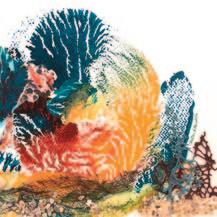
By Sharon Robinson
INSTRUCTOR: Marcie Wolf-Hubbard
ONLINE: Wed., April 8–May 13, 1:30 p.m.; CODE 1E0-AHY; Members $190; Nonmembers $225
INSTRUCTOR: Marcie Wolf-Hubbard
ONLINE: Wed., April 15–May 13, 6:30 p.m.; CODE 1E0-AHZ; Members $165; Nonmembers $200
Heart to Heart
Pop-up Cards for Mother’s Day
ONLINE: Wed., May 20 and Thurs., May 21, 6 p.m.; CODE 1E0-AGZ; Members $140; Nonmembers $165
INSTRUCTOR: Delna Dastur
ONLINE: Thurs., April 16–May 21, 12 p.m.; CODE 1E0-AHA; Members $250; Nonmembers $285
INSTRUCTOR: Marcie Wolf-Hubbard ONLINE: Mon., May 4 and 11, 1:30 p.m.; CODE 1E0-AHX; Members $115; Nonmembers $140
For the heartwarming occasion of Mother’s Day, create an elegant handmade pop-up card for your mom or other beloved women in your life. Learn how to craft and construct different types of 3D pop-up cards.
INSTRUCTOR: Sharmila Karamchandani ONLINE: Sun., April 26 and May 3, 12 p.m.; CODE 1E0AJW; Members $115; Nonmembers $140
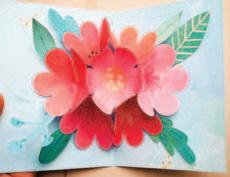
By Sharmila Karamchandani
INSTRUCTOR: Tea Okropiridze
IN PERSON: Tues., April 7–May 19, 6 p.m.; Ripley Center; CODE 1E0-AKE; Members $185; Nonmembers $220
INSTRUCTOR: Heather Kerley
ONLINE: Tues., March 31–April 21, 12 p.m.; CODE 1E0-AHF; Members $135; Nonmembers $160
Embroidery on Paper and Photographs
INSTRUCTOR: Patricia Howard
ONLINE: Sat., May 2 and 9, 10 a.m.; CODE 1E0AJM; Members $110; Nonmembers $135
Advanced Embroidery Stitches
Expand your knowledge of embroidery into more challenging stitches and learn how to best use them in designs. Study the “families” of stitches and explore their many variations.
INSTRUCTOR: Heather Kerley ONLINE: Wed., April 29–May 20, 12 p.m.; CODE 1E0-AHG; Members $135; Nonmembers $160

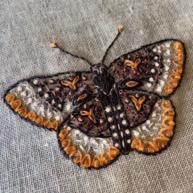
By Heather Kerley
Explore the key role of knitting in American women’s battle to gain the right to vote, the survival of the musk ox, and anthropological understanding of past cultures and the rise and fall of civilizations. Learn just how powerful a beloved handicraft can be.
INSTRUCTOR: Ann Richards ONLINE: Wed., May 13, 7 p.m.; CODE 1E0-AHJ; Members $25; Nonmembers $35

By Bonnie Fitzgerald
Discover the luminous beauty of tempered, or “crash,” glass in this hands-on workshop. Layer personal imagery, papers, and delicate embellishments to form a collage, then seal it beneath a glimmering glass overlay.
INSTRUCTOR: Bonnie Fitzgerald
IN PERSON: Sat., April 18, 10:15 a.m.; Ripley Center; CODE 1E0-AGV; Members $95; Nonmembers $110
Introduction to Blackletter
Calligraphy: Textura
INSTRUCTOR: Sharmila Karamchandani
ONLINE: Sat., April 4–25, 1:30 p.m.; CODE 1E0AJV; Members $135; Nonmembers $160
Contemporary Mosaics: Ancient Motifs, Modern Materials
INSTRUCTOR: Bonnie Fitzgerald
ONLINE: Tues., April 14–May 5, 6:30 p.m.; CODE 1E0-AGW; Members $165; Nonmembers $200
INSTRUCTOR: Arrin Sutliff
ONLINE: Wed., April 15–May 20, 7:30 p.m.; CODE 1E0-AGT; Members $160; Nonmembers $195
The Japanese Art of Color Printing with Fish
INSTRUCTOR: Sue Fierston
ONLINE: Sat., April 18, 10 a.m.; CODE 1E0-AKC; Members $80; Nonmembers $95
INSTRUCTOR: Mïa Vollkommer
ONLINE: Thurs., April 23 and 30, 7 p.m.; CODE 1E0-AJA; Members $135; Nonmembers $160
Read more about programs in this guide on our website. Search by code or date. Expanded program descriptions, presenters’ information, and more at SmithsonianAssociates.org.
Weave a whimsical fish-shaped pendant in this workshop. Pick up the techniques and learn what materials are needed to add your fish to a necklace or, if you make two fish, create a delightful pair of earrings.
INSTRUCTOR: Mïa Vollkommer
ONLINE: Sat., April 18, 12 p.m.; CODE 1E0-AJB; Members $80; Nonmembers $95
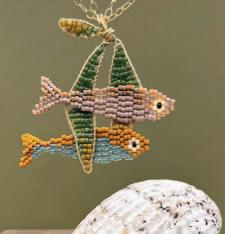
Using only wire, create a stunning necklace featuring a Viking knit chain. Dating back to the 8th century, Viking knit is traditionally used to create a strong, flexible chain to wear as jewelry or trim for clothing.
INSTRUCTOR: Mïa Vollkommer
ONLINE: Sat., May 2–16, 12 p.m.; CODE 1E0-AJC; Members $165; Nonmembers $200

INSTRUCTOR: Andargé Asfaw
TWO IN-PERSON OPTIONS: Tues., March 31–May 19, 3 p.m. (CODE 1E0-AGR); Tues., March 31–May 19, 6:30 p.m. (CODE 1E0-AGS); Ripley Center; Members $255; Nonmembers $290
INSTRUCTOR: Joe Yablonsky
IN PERSON: Sun., April 12–May 17, 1:45 p.m.; Ripley Center; CODE 1E0-AHK; Members $205; Nonmembers $240
INSTRUCTOR: Joe Yablonsky
ONLINE: Thurs., April 2–23, 6:30 p.m.; CODE 1E0-AHM; Members $160; Nonmembers $185
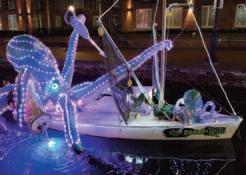
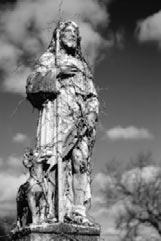
Monuments and memorials range from monumental and famous to obscure and in danger of being forgotten. Discuss tips, tricks, and strategies to take great photos of such structures, plus everything from statues and fountains to battlefields and murals.
INSTRUCTOR: Joe Yablonsky
ONLINE: Wed., April 15–29, 6:30 p.m.; CODE 1E0-AHL; Members $125; Nonmembers $150
Develop the skills to capture the essence and sense of place of your next travel destination. Step into documenting your travels from the angle of a photojournalist.
INSTRUCTOR: Joe Yablonsky
ONLINE: Thurs., April 30–May 21, 6:30 p.m.; CODE 1E0AHN; Members $160; Nonmembers $185
INSTRUCTOR: George Tkabladze
IN PERSON: Tues., April 7–May 19, 6 p.m.; Ripley Center; CODE 1E0-AHE; Members $310; Nonmembers $345
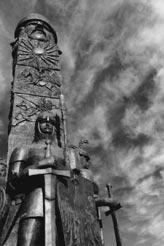
By Joe Yablonsky
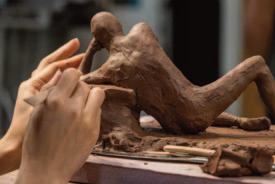
Associates’ study tours are designed for people who want more than just a getaway: They offer one-of-a-kind experiences combined with opportunities to gain new insights into the topics that fascinate you.
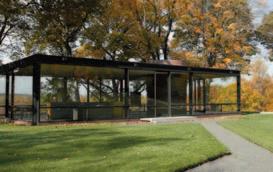
Sun., May 31–Tues., June 2 (on sale, see p. 68)
Explore the intersection of architecture and design on a three-day journey through New York and Connecticut, featuring the High Line, Hudson Yards, an AIA-led harbor tour, Yale’s celebrated campus, and an in-depth visit to Philip Johnson’s iconic Glass House, a modernist masterpiece that anchors his visionary architectural compound.
Leader: Bill Keene
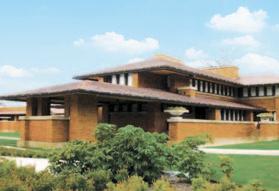
Wed., Aug. 19–Sun., Aug. 23
(on sale, see p. 71)
In the early 20th century, Frank Lloyd Wright and his contemporaries turned Buffalo into a showcase for some of the most dazzling and innovative public and private architecture. A five-day tour surveys this rich heritage.
Leader: Bill Keene
Sat., Aug. 22–Sun., Aug. 23 (on sale May 1)
An overnight escape to Manhattan that holds three art museums and an evening on your own in the city is the perfect late-summer retreat.
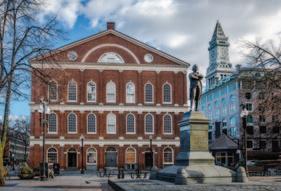
Sept. 2026 (on sale May 1)
Boston is where history comes alive along the Freedom Trail and at legendary Revolutionary War landmarks. Mark America’s 250th anniversary year in the city where the fight for independence began. Leader: Fred Zilian
Sept. 2026 (on sale May 1)
Step into the heart of America for a three-day, in-depth exploration where history echoes through landmarks from the soaring Gateway Arch to the vibrant neighborhoods shaped by immigration, innovation, and art. Uncover stories of exploration, civil rights, world fairs, and artistic triumphs that continue to shape the city's soul.
Sun., Oct. 4–Mon., Oct. 5 (on sale June 1)
Explore the serene autumn landscapes of New York City’s most storied cemeteries on this two-day journey from Washington, D.C. From Green-Wood’s winding Victorian paths to Woodlawn’s grand mausoleums, uncover the legacies of artists, innovators, and notables laid to rest in these breathtaking outdoor museums.
Sat., Oct. 10–Thurs., Oct. 15 (on sale, see p. 72)
Fly west and experience the wild beauty of the Dakota Territory that shaped young Theodore Roosevelt’s course as a conservationist and naturalist. Follow the future president’s steps in these landscapes—filled with dramatic vistas, vividly colored canyons, and wandering herds of wild bison.
Leader: Melanie Choukas-Bradley
Sun., Nov. 8–Tues., Nov. 10 (on sale June 1)
Art and culture take center stage during three days of discovery in the Steel City. Dive into the vibrant scene with a visit to the 59th Carnegie International exhibition, the Andy Warhol Museum, the lively National Aviary, and the bustling Strip District. Leader: Richard Selden
Note: All tour dates and content are subject to change.
Smithsonian Associates expert-led Study Tours offer one-of-a-kind in-person experiences. They’re the perfect way to learn more about the places and topics that fascinate you, and you’re sure to discover plenty of new favorites along the way.
Rooted: Origins of American Gardening
Whether it’s the memory of a grandparent’s backyard garden or a beloved family recipe that starts with a homegrown herb or vegetable, our personal, cultural, and horticultural traditions help shape how we garden. A celebration of gardening origin stories inspires the theme of this year’s Philadelphia Flower Show, “Rooted: Origins of American Gardening,” and is captured by creative designers of floral arrangements, lush gardens, and landscapes for visitors from around the world. Experience memories and magnificence in a day spent at the show.
Started in 1829 by the Pennsylvania Horticultural Society, the show is both the nation’s largest and the world’s longest-running horticultural event, known for acres of beautiful displays. In addition, the 2026 Philadelphia Flower Show explores the traditions, practices, and personal journeys that shape our relationship with plants. Sustainable plant varieties and garden and design concepts are introduced at the show. It also offers horticulture and artistic floral arranging competitions, gardening presentations, lectures, demonstrations, and special events.
Horticulturist Chelsea Mahaffey leads the tour. A gourmet box lunch is provided. Participants purchase their own supper before departure in the evening.
Fri., March 6, 9 a.m.–8:30 p.m.; by bus; detailed tour information on website; CODE 1CD-004; Members $199; Nonmembers $260
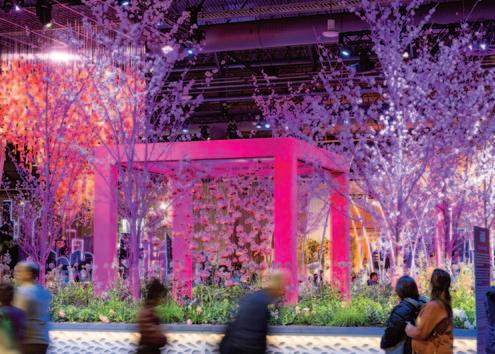
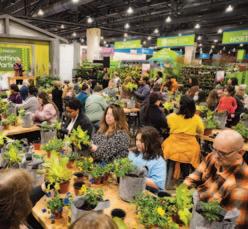
Read more about programs in this guide on our website. Search by code or date. Expanded program descriptions, presenters’ information, and more at SmithsonianAssociates.org.
Discover the deep-rooted and multifaceted history of Jewish life in the nation’s capital during a tour of key landmarks and institutions led by Carolyn Muraskin, founder of DC Design Tours. The day begins at the Capital Jewish Museum, where visitors gain a comprehensive introduction to Jewish life in the city from the 18th century to the present day. A guided walking tour of the historic 7th Street corridor, once a bustling center of Jewish-owned businesses, offers insight into the enterprising spirit that helped shape the neighborhood. Enjoy a stop for lunch at Loeb’s NY Deli, a classic Jewish deli.
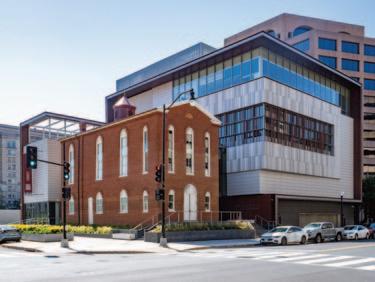
The tour continues past the Albert Einstein Memorial at the National Academy of Sciences and the Oscar Straus Memorial, commemorating the first Jewish member of a U.S. presidential cabinet and a champion of religious liberty. At the historic Sixth & I Synagogue, explore one of the city’s oldest Jewish houses of worship, now a vibrant hub for spiritual and cultural events.
Ride through Southwest Washington, including a brief stop at Arena Stage, co-founded by pioneering theater director Zelda Fichandler, whose progressive vision helped shape modern American theater. A visit to the Museum of American Jewish Military History rounds out an illuminating look at Jewish life and its legacy in Washington’s historic corridors.
Thurs., March 12, 9 a.m.–5:30 p.m.; by bus; detailed tour information on website; CODE 1ND-002; Members $197; Nonmembers $260
World Art History Certificate elective: Earn ½ credit
Are you a mystery fan? Experience a unique immersive adventure with study leader and storyteller Paul Glenshaw inspired by his Smithsonian Associates’ Art + History series. Here’s the twist: Participants register for a full-day tour without knowing where the journey will lead.
Travel with Glenshaw to three to five distinctive sites around the Washington, D.C., area as he reveals hidden stories, lesser-known facts, and fascinating connections among art, architecture, and the historical moments they represent. The day includes a 3-course meal at a leading D.C. restaurant. The tour’s itinerary is provided to registrants as they gather at the departure point (which won’t be a mystery). Are you game for this artfully secretive—but rewarding—excursion?
Sat., March 14, 8:30 a.m.–6:30 p.m.; by bus; detailed tour information on website; CODE 1ND-001; Members $215; Nonmembers $275
Montgomery Meigs is best known as the quartermaster general of the Union Army who played a key role during the Civil War. Less known, however, is that he also was an engineer, architect, inventor, patron of the arts, and regent of the Smithsonian. Delve into his life and legacy as you enjoy a full day of history and architecture with the Washington, D.C., area as your backdrop.
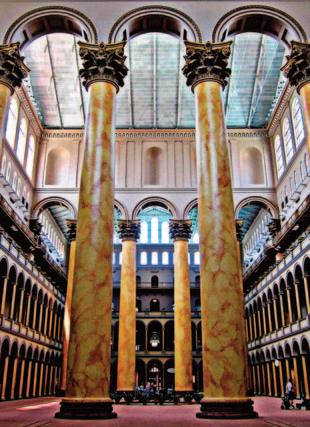
As an engineer, Meigs was responsible for the construction of the dome of the U.S. Capitol and the design and construction of the aqueduct bringing water to Washington. As an architect, he developed the original concept for the Smithsonian Arts and Industries Building and oversaw the design and construction of what is now the National Building Museum as well as numerous military buildings, including one that remains at Fort Myer. Meigs held 13 patents for his inventions. In addition, he was a patron of the arts and a member of the National Academy of Sciences and the American Philosophical Society.
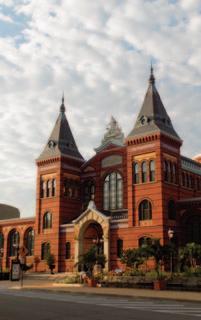
The
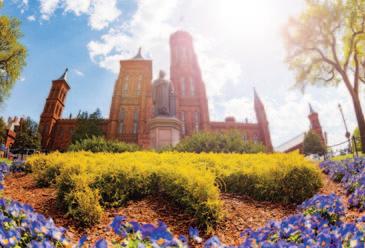
The tour visits the Arts and Industries Building, the National Building Museum, Battleground National Cemetery, Fort Stevens, and the Commissary Sergeant’s Quarters at Fort Myer in Virginia. You also view other buildings and works by Meigs. Lunch is at a local restaurant. Bill Keene, a lecturer in history, urban studies, and architecture, leads the tour.
Fri., March 27, 8:30 a.m.–5:30 p.m.; by bus; detailed tour information on website; CODE 1CD-005; Members $184; Nonmembers $245; Photo ID is required for this program. Related program: Soldier, Engineer, Architect, Scientist, Patriot, p. 7
Unlike the museums, Smithsonian Associates is not federally funded and relies entirely on donations and essential membership support to bridge the gap between program expenses and registration revenue. If the joy of learning enriches your life, please consider a charitable gift in support of the vibrant educational experiences that open the Smithsonian's world of knowledge to audiences across the country.


Founded in 1682, Philadelphia has long stood at the heart of American history and culture. As the meeting place of the First and Second Continental Congresses and the nation’s temporary capital, the city played a defining role in the fight for independence and the founding of the United States. Not far from the city lies Valley Forge, where 12,000 Continental soldiers under George Washington’s command endured the brutal winter of 1777–1778, a turning point in America’s struggle for freedom. Join historian Denver Brunsman for a two-day exploration of Philadelphia and its Revolutionary legacy.
Begin in Old City at the Museum of the American Revolution. A guided tour brings to life the experiences of soldiers, women, African Americans, Native Americans, children, and others whose lives were transformed by the war for independence. Enjoy a lunch-and-learn session with museum educators discussing Philadelphia during the revolution.
Inside Independence Hall, a National Park Service ranger leads you through the Assembly Room, where the Continental Congress declared independence in 1776 and the U.S. Constitution was debated and signed in 1787. Look for the Rising Sun Chair, which George Washington sat in as he presided over the Constitutional Convention.
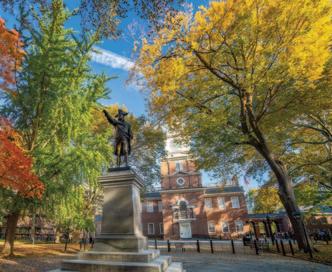
Just blocks away, tour the Powel House, home of Samuel and Elizabeth Powel. Their soirées drew many of the era’s leading figures, including Washington. Elizabeth Powel—educated, insightful, and politically astute—became one of Washington’s closest confidants before, during, and after his presidency.
Continue to Christ Church, attended by many of the revolution’s most notable participants, including Washington, Benjamin Franklin, and Betsy Ross. Then visit Christ Church Burial Ground, where Franklin and the Powels rest among other prominent Philadelphians. Dinner is at Moshulu, a four-masted tall ship docked at Penn’s Landing, which formerly spent decades transporting cargo across the globe.
A morning walking tour through Old City immerses you in colonial history, winding along cobblestone streets such as Elfreth’s Alley, one of the oldest continuously inhabited residential streets in the United States. Conclude at Valley Forge National Historical Park, where the Continental Army transformed from a struggling militia into a disciplined fighting force. On a guided driving tour, trace the hardships and triumphs of the 6-month encampment that proved pivotal to America’s independence. Visit Muhlenberg’s Brigade, where regiments led by Brig. Gen. Peter Muhlenberg built their huts during the encampment, and Washington’s Headquarters, the stone house where George and Martha Washington, Alexander Hamilton, and other members of Washington’s “military family” lived.
Sat., April 18, 7:15 a.m.–Sun., April 19, 9 p.m.; by bus; detailed tour information on website; CODE 1CN-PHL; Members $716; Nonmembers $960
The Baltimore and Ohio Railroad, America’s first common carrier, was a pioneer in many components of railroading. None was more important than its innovations in propulsion. Rail historian James Reeves leads an exploration of more than a century of locomotive history at the Baltimore & Ohio Railroad Museum in Baltimore. A Smithsonian Affiliate, the museum houses an outstanding collection of 19th-century locomotives—including an array on loan from the Smithsonian Institution.
Tour these machines and go behind the scenes at the world’s oldest continually operating railroad restoration shop, where skilled craftsmen bring historic locomotives back to life. Established in 1829, the facility still maintains and restores more than 200 examples of 19th- and 20th-century locomotives and rolling stock.
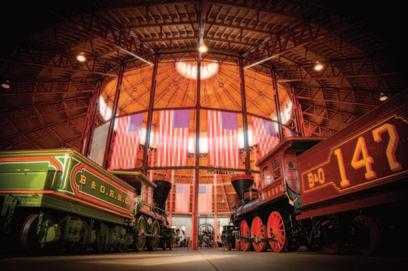
Trace the evolution of rail power as you encounter original, replica, rebuilt, and modified artifacts in the museum’s roundhouse. And no day devoted to railroad history would be complete without a train ride: Weather permitting, travel along the first 1½ miles of the original B&O main line to the site where the railroad’s first stone was laid in 1828.
A catered box lunch is included.
Sat., April 18, 8:45 a.m.–5:15 p.m.; by bus; detailed tour information on website; CODE 1CD-012; Members $181; Nonmembers $245
Oak Spring and Blandy Experimental Farm
Historic Garden Week in Virginia offers the opportunity to visit beautiful homes and gardens in the state, ranging from classic to modern. This year, Oak Spring, the former home of philanthropists Paul Mellon and Rachel “Bunny” Mellon—usually closed to the public—opens its doors for this special event.
Although she had no formal training, Bunny Mellon designed landscapes for many of the Mellons’ properties and is known for her 1961 redesign of the White House Rose Garden and East Garden. Spend the morning discovering the nearly 700-acre Oak Spring estate. The visit includes the main Mellon residence and its extensive gardens, the formal greenhouse, Oak Spring Gallery, and the Broodmare Barn, where Paul Mellon raised his most successful thoroughbreds. Distinctive features of the walled garden, which Bunny Mellon created, include fruit trees trained to grow flat against walls, reflecting pools, and a bridge to a garden pavilion.
The afternoon takes you to the University of Virginia’s Blandy Experimental Farm, which includes the State Arboretum of Virginia. Learn about Blandy’s history and visit the arboretum, native plant garden, and historic Quarters building. Since 1924, the University of Virginia has owned the 712 acres of former estate land, using it to train college students in farming methods and to perform scientific experiments. In the 1980s, it was opened to the public.
Horticulturist Chelsea Mahaffey leads this tour and lectures en route. Members of the Middleburg Garden Club welcome you at Oak Spring and offer interpretation throughout the estate. Hands-on activities, demonstrations, and tastings are available during the visit. A boxed lunch is included. Fri., April 24, 7:30 a.m.–5:30 p.m.; by bus; detailed tour information on website; CODE 1CD-007; Members $233; Nonmembers $295
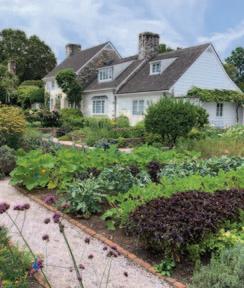
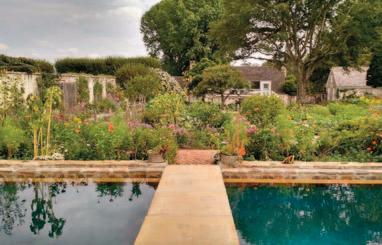
Read more about programs in this guide on our website. Search by code or date. Expanded program descriptions, presenters’ information, and more at SmithsonianAssociates.org.
During the late 1800s, Washington’s movers and shakers strolled the streets of Dupont Circle, where Massachusetts Avenue was the city’s premier residential address. Heiresses, industrial magnates, newspaper tycoons, and political elites built opulent mansions along the avenue, in architectural styles including Neoclassical, Beaux Arts, and Queen Anne. Designed to entertain and impress, these homes were filled with the finest artwork and furnishings money could buy.
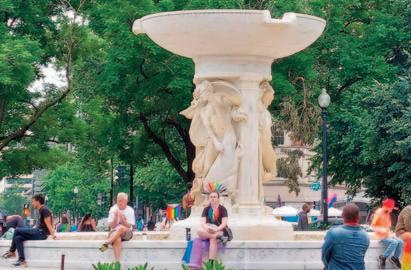
However, this lavish lifestyle collapsed during the Great Depression, after which many of these magnificent mansions were sold and converted into embassies, social clubs, and offices. Carolyn Muraskin, founder of DC Design Tours, leads a walk through the neighborhood as she provides views of grand homes such as the Walsh-McLean House (now the Embassy of the Republic of Indonesia), Townsend House (now the Cosmos Club), Woodrow Wilson House (now a museum), and Franklin Delano Roosevelt House (now the residence of the ambassador of Mali).
THREE OPTIONS: Thurs., April 23 (CODE 1CW-A06); Fri., April 24 (CODE 1CW-B06); Sat., April 25 (CODE 1CW-C06); 10 a.m.–12 p.m.; detailed tour information on website; Members $50; Nonmembers $70
Geology, Architecture, and Natural Beauty
Meet in Arizona and embark on a springtime exploration of some of the Grand Canyon State’s best-known sites (as well as hidden gems) that highlight its rich ecology, geology, stunning landscapes, and architectural masterworks. Wayne Ranney, a geologic educator, author, lecturer, and trail and river guide, leads the outdoor adventure.
DAY 1: Participants arrive in Phoenix. The tour opens with a welcome orientation and dinner at the hotel.
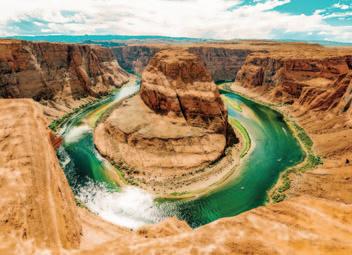

DAY 2: Start your Arizona explorations at Boyce Thompson Arboretum, the state’s oldest and largest botanical garden, set in a beautiful natural environment along Queen Creek Canyon in the Sonoran desert. Next, uncover the genius of Frank Lloyd Wright at Taliesin West. On a guided tour, learn about the innovative designs and philosophies that define this architectural masterpiece set against a desert backdrop.
DAY 3: Delve into geology and history in Sedona, where red-rock formations and vibrant landscapes inspire awe. Take a Jeep tour into the canyons; view the hilltop chapel inspired by Frank Lloyd Wright; travel scenic route 89A; and enjoy free time for lunch in the culinary mecca of Sedona. Move on to Flagstaff, your home base for the next three nights.
DAY 4: Travel to the Grand Canyon’s South Rim and set off on a 3-mile walk along the scenic Rim Trail with your study leader. Learn about the canyon’s formation and the unique ecosystems that thrive here and spend some free time at the visitor’s center. End the day with dinner in the park.
DAY 5: Visit Antelope Canyon X, known for its breathtaking light beams and swirling sandstone formations. This slot canyon is on Navajo land steeped in cultural significance. A guided tour includes insights into the nation’s traditions and the geology of the area. Stop at Horseshoe Bend, formed over thousands of years through erosion of the Colorado River, showcasing both natural beauty and geolog ical processes at work.
DAY 6: After a visit to Flagstaff’s Museum of Northern Arizona, share your tour experiences over a farewell meal at a local restaurant, followed by a transfer to the Phoenix airport for your flight home.
Sat., April 25, 6 p.m.–Thurs., April 30, 4 p.m.; detailed tour information on website; CODE 1NN-ARZ; Members $2,581; Nonmembers $3,300
NOTE: Flights are not included; participants make independent flight arrangements to Phoenix.
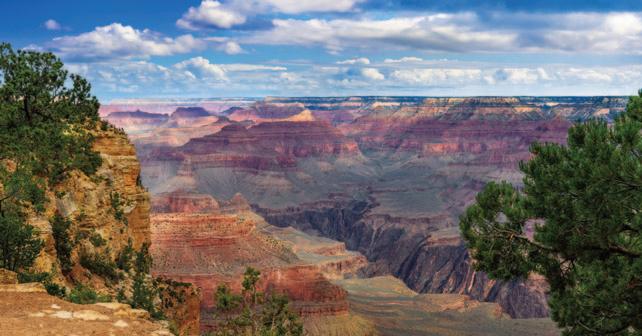
Colonial Roots to Gilded Grandeur
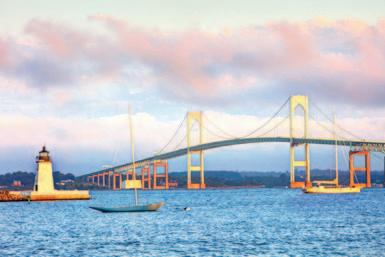
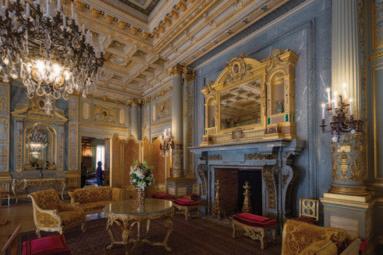
Sun., May 3, 6 p.m.–Thurs., May 7, 3:30 p.m.; detailed tour information on website; CODE 1CN-NEW; Members $1,943 Nonmembers $2,590 5-Day Tour
Newport, Rhode Island, is one of America’s earliest colonial seaports and a cradle of both freedom and fortune. Founded in 1639, Newport flourished as a center of trade, religious tolerance, and revolutionary thought before transforming into the summer playground of America’s elite during the Gilded Age. Participants in a 5-day tour led by historian and guide Fred Zilian discover Newport’s layered history—from its cobblestone colonial streets and harbor-front wharves to its grand seaside mansions that stand as monuments to an era of opulence and innovation.
Highlights of the tour include self-guided visits to four Newport mansions: The Breakers, the grand palatial residence of the Vanderbilts; The Elms, inspired by an 18thcentury French château; Marble House, a dazzling symbol of wealth and artistry; and Rough Point and estate gardens, the eclectic home of heiress Doris Duke.
Connect with Newport’s natural splendor on the Cliff Walk, a trail where the rugged Atlantic shoreline meets the manicured lawns of magnificent estates, offering sweeping views that capture Newport’s blend of wild beauty and refined elegance. Experience the coastline from a different perspective aboard a harbor cruise and take in some of Newport’s most recognizable lighthouses.
Beyond the mansions, immerse yourself in Newport’s colonial roots during a guided walking tour led by the study leader, exploring the city’s historic streets. A guided visit to the International Tennis Hall of Fame, housed in the 19th-century Newport Casino, celebrates a beloved American pastime.
And during an evening at Newport Vineyards enjoy a tour of the winery and a tasting, followed by a farm-to-table buffet dinner.
World Art History Certificate elective: Earn 1 credit
Join art historian Bonita Billman for a special celebration of the nation’s 250th anniversary with “A Nation of Artists,” a collaborative exhibition of the Philadelphia Museum of Art and the Pennsylvania Academy of the Fine Arts. Featuring more than 1,000 works—including over 120 highlights from the private Middleton Family Collection—the exhibition offers fresh perspectives on the evolving story of American art.
At the Philadelphia Museum of Art, enjoy a guided tour tracing American creativity from 1700 to 1960 across furniture, decorative arts, painting, and sculpture. The exhibition illuminates the essential contributions of Indigenous, African American, and other historically underrepresented artists. Visitors encounter the realism of Charles Willson Peale, the Impressionism of Mary Cassatt, the powerful work of Horace Pippin, and the color fields of Mark Rothko.
At the Pennsylvania Academy of the Fine Arts, celebrate the reopening of the Historic Landmark Building, the first U.S. structure designed for both exhibiting and teaching art. A thematic guided tour of the exhibition explores contemporary art in conversation with artists of the 18th through 20th centuries, including Benjamin West, Winslow Homer, and Georgia O’Keeffe
Lunch at the Philadelphia Museum of Art café is included.
Sat., May 16, 7 a.m.–7:30 p.m.; by bus; detailed tour information on website; CODE 1CD008; Members $268; Nonmembers $328
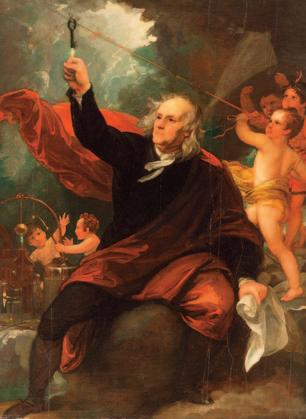
A Springtime Extravaganza
Celebrate spring blooms with two days devoted to garden artistry. At Chanticleer—often called the most beautiful garden in America—discover a living masterpiece of horticultural imagination, where inventive plant combinations, bold color, and joy abound. Continue to Stoneleigh: A Natural Garden, a former Gilded Age estate reimagined as a sanctuary of native plants, historic trees, and graceful stonework honoring the past while embracing an ecological future. Visit Jenkins Arboretum, a serene 48-acre oasis where native plants, woodland trails, and seasonal blooms create a vibrant sanctuary for nature lovers.
Led by horticulturist Chelsea Mahaffey, the tour also includes three private gardens opened exclusively for Smithsonian Associates. Each reflects the creativity and vision of its owner, offering meticulously curated collections, artful outdoor living spaces, and rare opportunities to engage directly with the gardeners.
Wed., May 20, 7:15 a.m.–Thurs., May 21, 7 p.m.; by bus; detailed tour information on website; CODE 1NN-PAG; detailed tour information on website; Members $748; Nonmembers $990 Related program: Belvidere: The Evolution of a Plantsman’s Garden, p. 36

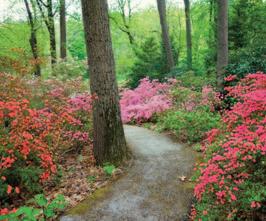
Just a few miles north of the White House, D.C.’s Northwest neighborhoods feel a world away from the towering monuments and expansive boulevards of downtown Washington. Sixteenth Street bisects the District along its north-south axis, as the area transitions from law firms and think tanks to embassies and urban parks. The neighborhoods along this crucial thoroughfare, like Columbia Heights, Mount Pleasant, and Adams Morgan, have long been recognized for their historical and cultural richness. Home to ambassadors and politicians, revolutionaries and civil rights leaders, these areas have hosted and housed every type of District resident.
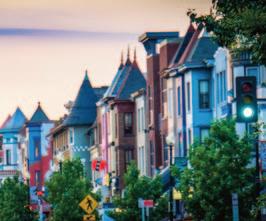
Join Carolyn Muraskin, founder of DC Design Tours, for a walk through some of Washington’s most vibrant communities and hear stories of movers and shakers, protests, disasters, and social scandals. Explore the oasis of Meridian Hill Park, visit the site of a former castle, learn about the “Empress of 16th Street,” and see what used to be the largest fire station in the city.
THREE OPTIONS: Thurs., May 21 (CODE 1CW-A07); Fri., May 22 (CODE 1CW-B07); Sat., May 23 (CODE 1CW-C07); 10 a.m.–12 p.m.; detailed tour information on website; Members $50; Nonmembers $70
Fleeing Ford’s Theatre on the night of April 14, 1865, John Wilkes Booth traveled through Maryland into Virginia, where, a few days later, he was found and fatally shot. Historian Michael Kauffman retraces Booth’s escape route and reveals the personalities and intrigues surrounding the Lincoln assassination.
Stops include Ford’s Theatre; the house near Clinton, Maryland, belonging to Mary Surratt, who was hanged for her involvement in the plot; and the house of Dr. Samuel A. Mudd, who set Booth’s broken leg.
Enjoy a seafood lunch at Captain Billy’s Crab House at Popes Creek Landing, near where Booth and co-conspirator David Edgar Herold crossed the Potomac. In Virginia, visit sites where they contacted local sympathizers and where Booth was captured and died. Sun., May 31, 8 a.m.–8 p.m.; by bus; detailed tour information on website; CODE 1CD009; Members $193; Nonmembers $253
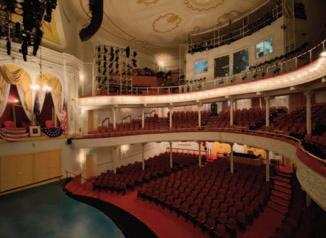
World Art History Certificate elective: Earn ½ credit
New York City, Johnson’s Glass House, and the Yale Campus
Explore the creative synergy between architecture and design over three fascinating days in New York City and Connecticut on a tour led by architecture and urban studies specialist Bill Keene
The Manhattan itinerary includes a docent-led walk along the High Line, the public park built on a 1930s elevated freight rail line that runs from the Meatpacking District to West 34th Street. Visit one of New York’s unique landmarks, the Vessel, designed by London’s Heatherwick Studio. Composed of 154 intricately interconnecting flights of stairs and 80 landings, the 150-foot-high structure is an interactive public art piece designed to be climbed.
Before leaving the city, board the yacht Manhattan for a private early-morning tour of New York harbor. Led by a member of the New York chapter of the American Institute of Architects, the excursion covers architectural and engineering landmarks from all eras of the city’s history, as well as current urban planning and environmental issues affecting urban waterfronts.
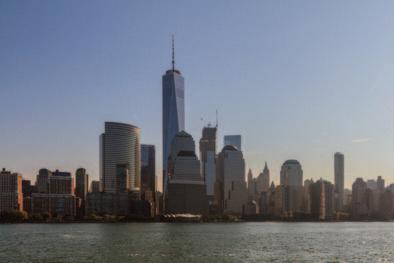
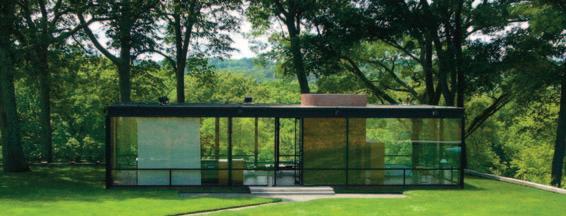
Begin a visit to Connecticut with the Glass House, completed by Philip Johnson in 1949. This symbol of the International Style is the centerpiece of the architect’s compound in New Canaan, which also encompasses a guest house, lake pavilion, painting and sculpture galleries, and other structures, all set in 49 beautiful acres. Participants visit the Glass House and other Johnson-designed buildings on an in-depth guided 2½-hour tour of the site’s pastoral landscape, including his newly opened studio.
Enjoy a morning walking tour of Yale’s campus that offers a look at three centuries of architecture and urbanism and focuses on great modern works by Louis Kahn, Eero Saarinen, Johnson, Cesar Pelli, and Paul Rudolph. A three-course lunch follows at New Haven’s Union League Café, located in a Beaux Arts–era landmark.
Accommodations are at the EVEN Hotel in Times Square South (near Hudson Yards) and the EVEN Hotel in Norwalk, Connecticut. Important note: This is an active tour that involves significant walking and standing at all sites.
Sun., May 31, 8 a.m.–Tues., June 2, 9:30 p.m.; by bus; detailed tour information on website; CODE 1NN-DES; Members $1,456; Nonmembers $1,942
Japanese Forest Bathing in Rock Creek Park
Shinrin-yoku, or forest bathing, began in Japan in the 1980s and draws on Shinto and Buddhist reverence for nature. The practice encourages slow, full-sensory immersion in the outdoors. Studies from Japan, Europe, and North America show that quiet time in nature can lower blood pressure and stress hormone levels while improving mood and cognition, with new research focused on the benefits of natural spaces within cities.
Join certified forest-therapy guide and author Melanie Choukas-Bradley for a 2-hour walk along a scenic stretch of Rock Creek in the nation’s oldest urban national park. Move slowly, taking in the flowing creek, lush June foliage, and calming sights, sounds, and scents. This restorative late-spring experience offers an inviting introduction to why forest bathing is gaining popularity worldwide.
Participants receive a signed copy of Choukas-Bradley’s Wild Walking—A Guide to Forest Bathing Through the Seasons
TWO OPTIONS: Thurs., June 4 (CODE 1CS-A02); Fri., June 5 (CODE 1CS-B02); 8:30–10:30 a.m.; detailed tour information on website; Members $60; Nonmembers $80
The U Street NW neighborhood has long been a vibrant corridor for the rich social, civic, and cultural life of Washington’s African American community. Join local guide Lynn O’Connell on a walking tour that focuses on the history of the neighborhood.
The tour begins at the African American Civil War Memorial, which honors the more than 200,000 African American soldiers and sailors who served during the Civil War. It continues to several of the sites for which U Street was dubbed the Black Broadway—clubs and performance venues like the legendary Howard Theatre and the Lincoln Theatre, which drew audiences to hear headliners such as Cab Calloway, Louis Armstrong, and D.C.-born Edward Kennedy “Duke” Ellington.
Along the way, learn about the riots that started on April 4, 1968, following the assassination of the Rev. Martin Luther King Jr. Traverse the area known as Little Ethiopia, named for the large Ethiopian population who settled there in the 1990s. Discover one-of-a-kind murals featuring such history makers as Ellington and go-go legend Chuck Brown.
THREE OPTIONS: Fri., June 5 (CODE 1CW-A08); Sun., June 7 (CODE 1CW-B08); Wed., June 10 (CODE 1CW-C08); 6–8 p.m.; detailed tour information on website; Members $50; Nonmembers $70
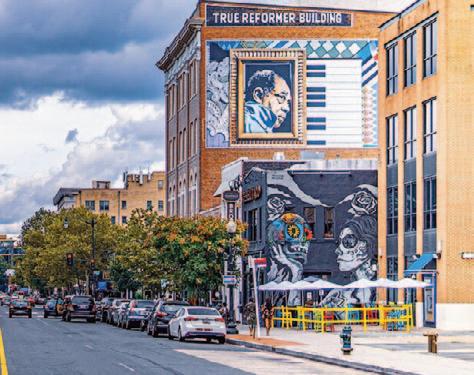
Read more about programs in this guide on our website. Search by code or date. Expanded program descriptions, presenters’ information, and more at SmithsonianAssociates.org.
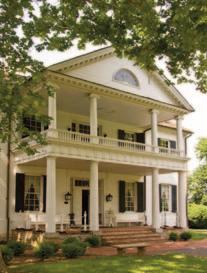
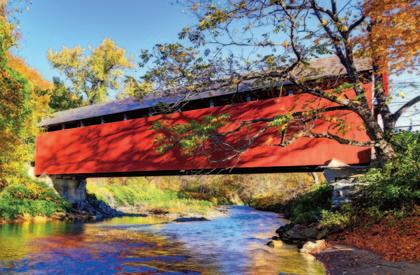
Frederick County, Maryland, established in 1748, played a pivotal role in early American history. Nestled at the crossroads of major colonial roads, it became a hub for trade, agriculture, and settlement. The county saw action during both the Revolutionary War and the Civil War, providing troops, supplies, and refuge. Today, Frederick County and its biggest city, Frederick, are known for well-preserved architecture, historic charm, and a vibrant cultural and artistic community. Spend the day exploring some of the county’s highlights with local guides.
Begin at the Frederick Visitor Center, where your guide discusses the county’s founding, Revolutionary War roots, and role in shaping the region. Embark on a guided walking tour of the city of Frederick, focusing on the history, art, and architecture of the well-preserved downtown.
After lunch at Dutch’s Daughter, travel to Rose Hill Manor Park and Museums, a scenic estate that immerses visitors in 18th-century plantation life. Explore historic farm buildings, period gardens, and exhibitions that reveal the daily rhythms, crafts, and traditions of the area’s residents. Complete the day at Catoctin Furnace, an 18th-century iron-making site that produced iron goods and ammunition for the Continental Army and grew into a thriving industrial village staffed by enslaved African Americans and later European immigrants. Guides tell the site’s history as you explore the remaining furnace stack and surrounding village structures. Sat., June 6, 7:30 a.m.–7 p.m.; by bus; detailed tour information on website; CODE 1CD-010; Members $191; Nonmembers $255
The borough of Staten Island is often overlooked by visitors—and fellow New Yorkers. On a two-day excursion led by arts journalist Richard Selden, discover an array of cultural and historic treasures that prove this island deserves to shed its underdog reputation.
Begin at Snug Harbor Cultural Center & Botanical Garden. This Smithsonian Affiliate is a 19th-century architectural crown jewel turned vibrant cultural center and botanical garden. Amid its stately Greek Revival buildings and landscaped grounds lies one of New York’s hidden gems: the New York Chinese Scholar’s Garden, a tranquil haven of pavilions, waterfalls, and winding paths inspired by Ming Dynasty design. A visit to the Jacques Marchais Museum of Tibetan Art, a hilltop retreat modeled after a Himalayan monastery, includes a private reception. At Clear Comfort, the waterfront home of pioneering photographer Alice Austen, step inside a National Historic Landmark that captures both the artist’s spirit and sweeping views of New York Bay.
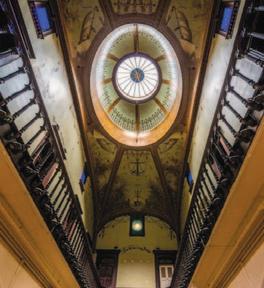
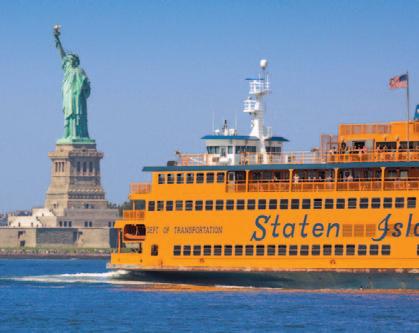
Tour the lively St. George Historic District, stroll along the South Beach boardwalk with its panoramic vista of the Verrazzano-Narrows Bridge, and take in classic harbor views aboard the Staten Island Ferry. As with any New York borough, no visit is complete without sampling beloved local fare, from neighborhood favorites to seaside snacks.
Sun., June 7, 7:30 a.m.–Mon., June 8, 9 p.m.; by bus; detailed tour information on website; CODE 1CN-STN; Members $693; Nonmembers $925
Read more about programs in this guide on our website. Search by code or date. Expanded program descriptions, presenters’ information, and more at SmithsonianAssociates.org.
Beginning with Capt. John Smith’s expedition in 1608 to the upper Chesapeake Bay (the first by a European), through the British attack on Fort McHenry in 1814, to the 21st-century cruise liners and cargo vessels that dock there, the Port of Baltimore is one of the country’s preeminent maritime centers. Naval historian Abby Mullen leads a day in the harbor exploring three vessels and celebrating Baltimore’s role as a vital port in maritime history.
At the USS Constellation—an 1854 sloop-of-war and the last sail-only warship designed and built by the U.S. Navy—a guided tour examines how sail-powered vessels shaped diplomacy, commerce, and conflict in the 19th century. The day continues at the USS Torsk, a World War II-era submarine whose compact spaces and advanced technology reveal a dramatically different mode of naval warfare.
Participants then explore the Liberty ship SS John W. Brown, one of only two remaining vessels of the historic fleet that moved troops and supplies throughout the European and Pacific theaters during World War II. The day concludes with a harbor cruise, offering a fresh perspective on the Port of Baltimore.
Sat., June 13, 8:30 a.m.–5:30 pm.; by bus; detailed tour information on website; CODE 1CD-011; Members $220; Nonmembers $280; a boxed lunch is included
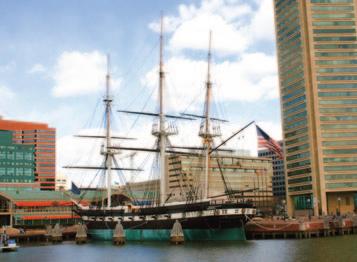
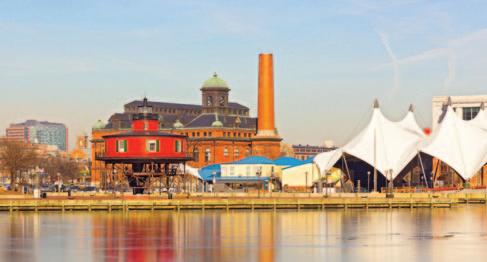
At the turn of the 20th century, Buffalo was a prosperous industrial city, drawing worldwide attention as the site of the 1901 Pan-American Exposition. The city attracted well-known architects for high-profile projects, including H. H. Richardson, Louis Sullivan, and Daniel Burnham—as well as upstarts like Frank Lloyd Wright, who looked to make his name with his first major office building.
The Larkin Soap Company’s headquarters brought him that recognition, as well as the foundation for a lasting friendship with one of his most important patrons, Darwin D. Martin. Over the next decades, Wright would go on to produce many iconic structures, but he referred to the complex he built for Martin and his family as “perfect.” The Martin House and Wright’s other Buffalo designs have become vital parts of the city’s architectural history. Bill Keene, a lecturer in architecture and urban studies, leads a 5-day tour that highlights significant works by Wright and his contemporaries.
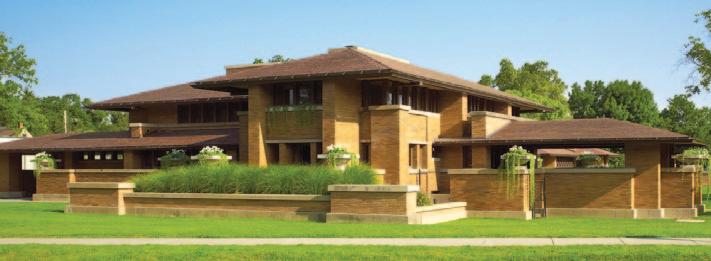
DAY 1: Participants arrive in Buffalo. The tour opens with a welcome lecture and dinner.
DAY 2: Begin your Buffalo adventure with a driving tour led by local architectural historian Martin Wachadlo, highlighting the rich architectural heritage of the city, stopping at and touring many buildings by masters of American architecture. After lunch, spend the afternoon touring the East Aurora campus of the Roycrofters, members of an early 20th-century American Arts and Crafts movement. View a printing demonstration and try your hand making your own print and binding a journal. Dinner is at the historic Roycroft Inn.
DAY 3: The day begins with a guided tour of the Richardson Olmsted Campus, a National Historic Landmark designed by Henry Hobson Richardson with Frederick Law Olmsted and Calvert Vaux. Afterward, enjoy a tour of Buffalo City Hall, an Art Deco gem known for its striking mosaics, followed by a guided visit of the 1905 Martin House complex. The buildings were commissioned by Martin and stand as one of Wright’s most significant early works, reflecting the height of his Prairie School period. The tour includes the main residence, Barton House, and the gardener’s cottage.
DAY 4: At Graycliff, Darwin and Isabel Martin’s summer house overlooking Lake Erie, master docents detail the history of the light-filled house, created by Wright at the request of Isabel Martin in reaction to the couple’s darker residence in town. The afternoon includes a guided riverboat tour that travels the nearby historic waterways.
DAY 5: Before airport departures, enjoy a morning tour of two Wright designs built posthumously: the Fontana Boathouse—originally created in 1905 for the University of Wisconsin and finally constructed in 2007 on Lake Erie for the West Side Rowing Club—and the Buffalo Filling Station, designed in 1927 and realized in 2014 inside the Buffalo Transportation Pierce-Arrow Museum.
Wed., Aug. 19, 6 p.m.–Sun., Aug. 23, 1 p.m.; detailed tour information on website; CODE 1CN-BUF; Members $2,060; Nonmembers $2,745
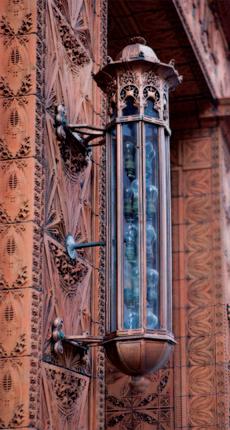
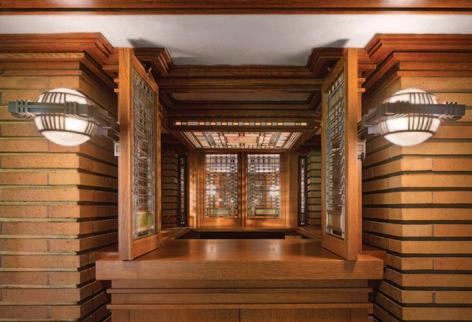
NOTE: Flights are not included; participants make independent flight arrangements to Buffalo.
In 1883, Theodore Roosevelt looked to the Badlands of western North Dakota as a place where he could transform himself from an asthmatic 24-year-old New Yorker into a big-game hunter, rancher, and authentic cowboy. A year later, it took on new meaning as a place of refuge and solace after the deaths of his wife and mother.
Over the course of the more than three decades he lived or visited there, the Badlands did indeed transform Roosevelt into the kind of vigorous outdoorsman that he’d idealized as a youth—and that shaped his public image as president. Perhaps more importantly, this corner of the West turned him into a passionate conservationist dedicated to the preservation of the rugged landscapes and native wildlife of the place he described as “where the romance of my life began.”
Experience those landscapes—filled with dramatic vistas, vividly colored canyons, and wandering herds of wild bison—on a 6-day study tour led by naturalist Melanie Choukas-Bradley that brings you into the heart of Roosevelt’s Badlands, the national park that bears his name, and the brand-new Theodore Roosevelt Presidential Library in Medora.

The tour begins in Bismarck with a welcome dinner and introduction by the tour staff. The following morning, travel by bus to the historic town of Medora, where the Rough Riders Hotel (the modern incarnation of an inn where TR once stayed) provides a base for the group. Over the course of the next days, explore the north and south units of Theodore Roosevelt National Park by bus and on foot, as well as the site of Roosevelt’s Elkhorn Ranch along the Little Missouri River. Clay Jenkinson, Theodore Roosevelt Humanities Scholar at Dickinson State University’s Theodore Roosevelt Center, and National Park Service rangers offer insights into Roosevelt’s pivotal years in the Badlands and the area’s natural history.
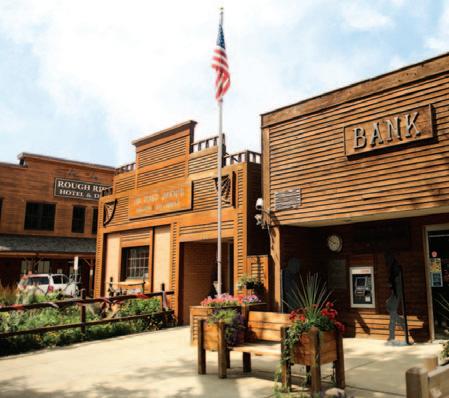

The next morning, visit the newly opened Theodore Roosevelt Presidential Library, which explores the life and legacy of the 26th president. After special programming with library staff, stroll the elevated boardwalk that gives 360-degree views of the grasslands, explore the museum, and dine in the café. Enjoy your last evening in Medora with a private reception and a performance by local musician Jessie Veeder at the North Dakota Cowboy Hall of Fame.
The next morning, the return trip to Bismarck includes a stop at the North Dakota Heritage Center and State Museum before your transfer to the airport.
Sat., Oct. 10, 6 p.m.–Thurs., Oct. 15, late afternoon; detailed tour information on website; CODE 1CN-TND; Members $2,325; Nonmembers $3,100
NOTE: Flights are not included; participants make independent flight arrangements to Bismarck.
Read more about programs in this guide on our website. Search by code or date. Expanded program descriptions, presenters’ information, and more at SmithsonianAssociates.org.
Effective April 1, 2025
Members-only priority program registration before programs go on sale to the public (some exclusions apply)
Ability to purchase one registration per program at the discounted member price
Subscription to the monthly Smithsonian Associates program guide
Subscription to the monthly Smithsonian Associates digital program guide
Access to members-only in-person and online programs
Access to free Associates in-person and online programs as available (notification sent via email)
3-day viewing access to Associates Encores recordings of online programs (some exclusions apply)
Subscription to the Smithsonian Associates Digital Digest
Ability to purchase up to four registrations per program at the discounted member price
Smithsonian magazine delivered to your home
Ability to purchase up to six registrations per program at the discounted member price
Member discounts on Art Collectors Program fine-art prints
Advance digital copy of the monthly Smithsonian Associates program guide
Two complimentary registrations for an online program, in-person lecture, or performance (value equal to $35 per registration or less)
Priority consideration for wait-listed programs (some exclusions apply)
Advance registration for high-demand programs (notification sent via email)
Ability to participate in Smithsonian Summer Camp registration lottery
Two complimentary registrations for a Smithsonian Insider event
No $3 phone order processing fees for program registrations conducted over the phone
Monthly donor preview digital communications for select upcoming programs
NEW: Registration access to complimentary Associates Insider Tours in Washington, D.C. (notification sent via email)
Copy of the Smithsonian’s annual report
Recognition on the Smithsonian Associates website, in the program guide’s annual donor list, and on the annual plaque at our headquarters in Washington, D.C.
One gift membership at the Explorer level to give to a family member or friend (restrictions apply)
Reserved seating at most Smithsonian Associates in-person programs
Invitations to backstage meet-and-greets at select Smithsonian Associates in-person programs
Dedicated concierge phone line for inquiries and program registration
Invitation for two to the prestigious annual Smithsonian Weekend
Recognition in the Smithsonian’s annual report
Four complimentary registrations for an online program or in-person lecture (value equal to $35 per registration)
Additional 20% discount on member prices for Art Collectors Program fine-art prints
Two gift memberships at the Explorer level to give to family members or friends (restrictions apply)
Special event invitations as available
Quarterly Director’s Roundtable digital communications (opportunities to gather in person when applicable)
Invitation to a private event with members of Associates’ leadership
Mon., March 2–23
March 15, April 19, and May
April 11 and 18
Masterpieces of the Middle Ages: Gothic Grandeur
Fri., April 17 and, June 5
Smithsonian Jazz Masterworks Orchestra
Mon., May 4–June 1
Islamic Art: A Global Heritage
Thurs., May 7, June 4, and July 9
Salon Societies: The Women Who Shaped Modern Art
May 13–June 3
June 9 and 23
June 16–July 7 Art and Kingship in Southeast Asia
July 7, 14, and 21
Please visit SmithsonianAssociates.org for more details
MEMBERSHIP Depending on your level of support, you will receive special benefits, including significant savings on most Smithsonian Associates program registrations and a monthly Smithsonian Associates program guide, and much more. Visit SmithsonianAssociates.org/join for more information. Become a member today!
Online.......................SmithsonianAssociates.org
Phone .........................202-633-3030, from 10 a.m. to 3 p.m. ET, Monday through Friday.
Phone registration orders are subject to a $3 handling fee.
Email CustomerService@SmithsonianAssociates.org
Mail Smithsonian Associates, P.O. Box 23293, Washington, D.C. 20026-3293
Phone 202-633-3030, from 10 a.m. to 3 p.m. ET, Monday through Friday.
Confirmed registrants receive an email from no-reply@zoom.us at least 24 hours prior to the program date that provides a link to join your session on Zoom.
All program registrations are subject to a 10% processing fee to defray administrative costs. Registrants will see this fee applied during the checkout process. Exclusions are transactions for Discovery Theater, Smithsonian Summer Camp, Studio Arts, and Study Tours.
Credit for cancellations or exchanges are only available for orders that cost more than $40. If in compliance with the specific guidelines below, credit is issued to your Smithsonian Associates account, not your credit card. Credits are non-transferable.
Important note: Cancelling your program in the Zoom personal link that you received does not initiate the Smithsonian Associates credit or refund process. Please contact Customer Service via email at least two weeks in advance to request a change to your registration
For all Smithsonian Associates online programs, study tours, and Studio Arts classes: If you wish to cancel or exchange an order costing more than $40, please contact Customer Service via email at least two weeks before the program date to request a credit. Please note that there is a $10 cancellation fee, as well as a cost adjustment when there is a price difference if you are applying your credit to another program.
Courses: To receive credit to your Smithsonian Associates account for a course, (excluding Studio Arts classes), please contact Customer Service via email at least two weeks before the first session. Credit will also be issued within two weekdays after the first session, provided that Customer Service is contacted within that period. Credit will be prorated to reflect the cost of the first session. No credit will be given after the second session.
REFUNDS are only issued when a program is cancelled or if it sells out before we receive your order.
CHANGES I N PUBLISHE D SCHE DU LES Smithsonian Associates reserves the right to cancel, substitute speakers and session topics within a course, and reschedule any program, if needed. Occasionally, a time or date of a program must change after it has been announced or registrations have been reserved. Participants are notified by email. Check SmithsonianAssociates.org for latest updates.
MOVING? If you are receiving our print publications, please email or write us with your new information and allow 6 weeks for the change of address to take effect.
PHOTOGRAPHY AND VIDEO Smithsonian Associates reserves the right to take photographs or videos (or audio) during programs for the educational and promotional purposes of the Smithsonian Institution or authorized third parties. By attending a program, the participant agrees to allow their likeness to be used by Smithsonian Associates or Smithsonian-authorized third parties without compensation to the participant. Participants who prefer that their voice and/or image not be used must notify us in writing prior to the beginning of the program.