Note: Remember that this e-book contains links that you have to click, make sure you read it with a proper program or app, such as adobe acrobat reader or similar. Welcome to the first step in the smartlemon.net path to earning online.
IF YOU WANT TO START EARNING RIGHT AWAY, CREATE FREE ACCOUNTS BY CLICKING ON THESE LINKS, THEN FIGURE OUT HOW TO TAKE ADVANTAGE OF THEM
1) Register your domain with Bluehost.
2) Create your site for FREE with Nicepage.
3) Create the perfect landing page for FREE with Instapage.
4) Open your first e-commerce for FREE with Shopify.
5) Hire a freelancer to create your content with Fiverr.
6) Create your FREE account on the best Email Marketing platform Getresponse.
7) Skip all the steps and learn directly from the best in the world AMAZING COURSE.
8) Join the WHOP community and learn how to earn money.
Now, you will discover so many ways to earn money online, however, especially in the beginning, you can't do it all..affiliate marketing, blogging, e-commerce, social media manager etc..there are so many areas on which to engage that it can be difficult to untangle an unknown jungle of information.
Try to figure out which, among these opportunities is most for you, which job is most in your wheelhouse. In each chapter you will find a link to purchase, with a one-time offer, an e-book or course to go deeper and become an expert. This is the real way to earn online. study and learn, no more..no less.
Have a good journey into your future!
INTRODUCTION
Why Earning Money Online is
a Great Opportunity
In today's digital age, earning money online is no longer just a trend, it's a transformative way to create income and achieve financial independence.
The internet has opened up countless opportunities, accessible to anyone with a computer or smartphone and a reliable connection. Whether you're looking to supplement your current income, build a side hustle, or create a full-time online business, the possibilities are endless.
Your journey to earning online begins with a single step. Whether you’re launching a blog, starting an e-commerce store, or exploring affiliate marketing, the tools and strategies outlined in this guide will help you get started.
The beauty of earning online is the flexibility it offers. You can work from anywhere, set your own schedule, and choose a path that aligns with your interests and skills. It’s no longer necessary to rely on traditional 9 to 5 jobs to achieve your goals.
With determination and the right knowledge, anyone can start building their online income.
"Earning online isn’t just a way to make money, it’s an opportunity to transform your life, especially if you’re feeling stuck or dissatisfied with your current financial situation. But like any great journey, it requires commitment, a willingness to learn, and the courage to take consistent action.
Success is within your reach if you’re ready to embrace the challenge and invest in yourself."
Who is This E-book For?
This e-book is designed for beginners—those who are curious about earning money online but don’t know where to start. You might be:
● A student looking to make extra money while studying.
● A stay-at-home parent seeking a flexible income stream.
● A professional aiming to diversify your income or escape the rat race.
● Someone looking to turn your passion into profit.
No matter your background or experience, this guide will provide you with a clear and concise introduction to the world of online earning.
You won’t find any "get rich quick" schemes here. Instead, this e-book focuses on proven methods that require effort, dedication, and the right strategy. The goal is to equip you with the knowledge to take your first steps confidently and avoid common pitfalls.
Now, finally, Let's find out together what are, today, the main ways to earn money online
Chapter 1
Affiliate Marketing
How It Works and How to Start
What is Affiliate Marketing?
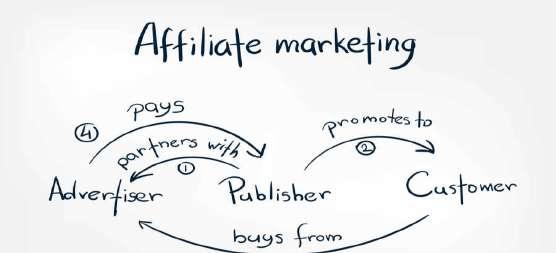
Affiliate marketing is a way to earn money by promoting products or services from other companies. When someone makes a purchase through your unique affiliate link, you earn a commission. It’s one of the easiest ways to start making money online without creating a product yourself.
This model benefits both businesses and affiliates. Companies gain new customers, and affiliates earn commissions without the hassle of creating or managing their own products.
How Does It Work?
1.Sign up for an affiliate program (e.g., Amazon Associates, ClickBank, or CJ Affiliate).
2.Get unique links to share with your audience.
3.Every time someone makes a purchase through your link, you earn a percentage of the sale.
Practical Examples of Affiliate Marketing
● Emma, the food blogger: Emma runs a blog about recipes. In each post, she includes affiliate links to kitchen tools she uses. When her readers click on those links and buy the tools on Amazon, Emma earns a commission. She now makes €1,000 a month from her links alone.
● Luca, the tech reviewer: Luca has a YouTube channel where he reviews tech gadgets. He shares affiliate links to the products in his video descriptions. Every month, he earns up to €2,500 from his YouTube audience and the Amazon affiliate program.
Why Affiliate Marketing?
● No upfront investment: You don’t need to create a product or manage inventory.
● Scalability: The more people you reach, the more potential income you generate.
● Flexibility: Work from anywhere, promoting products you’re passionate about.
Steps to Start Affiliate Marketing
1.Choose a niche:
● Focus on a topic you’re passionate about and has a large audience.
● Examples: tech, fitness, cooking, fashion, etc.
2.Join an affiliate program:
● Amazon Associates: Perfect for beginners, offering commissions for almost every category.
● ClickBank: Ideal for digital products like courses and software.
● CJ Affiliate: A platform with a wide range of brands and products.
3.Create valuable content:
● Start a blog, YouTube channel, or use social media to talk about products.
● Content ideas:
● Tutorials on how to use a product.
● In-depth product reviews.
● Recommendation lists (e.g., "Top 10 Kitchen Gadgets You Need").
4.Share your affiliate links:
● Add affiliate links to your blog posts, social media posts, or video descriptions.
● Be transparent: Let your audience know you earn a
● commission.
Useful Tools for Affiliate Marketing
● Canva: Create eye-catching visuals for your social posts or blog.
● Google Analytics: Track traffic to your affiliate links.
● WordPress: Start a professional blog with ease.
Advanced Strategies
● Email marketing: Build an email list to share product recommendations with affiliate links.
● SEO (Search Engine Optimization): Optimize your content to rank higher on Google.
● Social ads: Use Facebook or Instagram ads to promote your content.
What to Avoid
● Promoting irrelevant products: This can damage your audience’s trust.
● Creating low-value content: Don’t make your content look like an ad. Always provide value.
Quick Checklist to Get Started
1.Choose a niche that excites you.
2.Sign up for an affiliate program.
3.Create your first piece of content with affiliate links.
4.Promote your content on social media or your blog.
5. Monitor your results and keep improving.
Affiliate Marketing in Action
For example, let’s say you run a fitness blog. You could join Amazon Associates and promote fitness equipment like yoga mats or dumbbells. Write a detailed blog post
about the "Top 5 Home Gym Essentials" and include affiliate links to each product. Share this post on your social media, and with consistent traffic, you could start earning commissions.
"Getting started is simple: no technical skills or big investments are required. Over time, affiliate marketing can become a steady, scalable source of income. The first step is all you need to begin your journey to online success."
Affiliate Platforms vs. Affiliate Programs
To fully understand the options available to affiliate marketers, it’s important to distinguish between affiliate platforms and affiliate programs:
Affiliate Platforms
These are networks or marketplaces that bring together multiple affiliate programs under one roof. Examples include ClickBank, ShareASale, and CJ Affiliate. Once you sign up with a platform, you gain access to a wide range of brands and advertisers in various niches. This centralized approach simplifies the management of affiliate links, payments, and performance tracking.
Affiliate Programs
Affiliate programs are standalone partnerships offered directly by companies. For instance, Amazon Associates or Shopify Affiliates allow you to sign up and promote their specific products or services without going through a third-party platform. This option is ideal if you’re focused on a particular brand or product category.
Can You Skip Affiliate Platforms Altogether?
Yes, you can bypass affiliate platforms and work directly with individual programs. Many companies—especially large or niche-focused ones—manage their own affiliate programs independently. You simply apply to their program, receive your unique affiliate link, and start promoting.
Affiliate Platforms: Pros
1.Access to Multiple Brands: With one account, you can promote products and services from various companies.
2.Centralized Management: Manage your performance, payments, and links in a single dashboard.
3.Advanced Tools: Platforms often provide marketing resources, deep linking tools, and detailed analytics.
4.Trusted Payments: You don’t need to worry about tracking payments from multiple advertisers.
Affiliate Platforms: Cons
1.Fees or Thresholds: Some platforms require fees or minimum payouts before you get paid.
2.Competition: With so many affiliates promoting similar products, competition can be high.
3.Limited Control: Advertisers can change commission rates or pause programs at any time.
Direct Affiliate Programs: Pros
1.Higher Commissions: By cutting out the middleman, companies often offer better commission rates.
2.Closer Relationship: You can build a direct relationship with the brand, which can lead to exclusive offers or perks.
3.Specialized Focus: Ideal if your audience aligns closely with a specific brand’s products or services.
Direct Affiliate Programs: Cons
1.Limited Product Options: You’re restricted to promoting only that company’s offerings.
2.Fragmented Management: If you work with multiple direct programs, managing links, performance, and payments can become time-consuming.
3.Risk of Non-Payment: Smaller companies may lack robust tracking and payment systems.
Which Approach is Best for You?
The choice between using affiliate platforms or direct programs depends on your goals, niche, and resources:
● If you’re new to affiliate marketing or want access to a variety of products, affiliate
platforms provide a convenient starting point.
● If you have a specific audience or want higher commissions, consider partnering directly with individual affiliate programs. Ultimately, you can mix both approaches—use platforms to diversify your offerings and direct programs for niche-focused promotions.
The Affiliates platform
The Top 10 Affiliate Marketing Platforms
Affiliate marketing has become one of the most effective ways for individuals and businesses to generate income online. The platforms listed here represent the most established and high-performing options available. Many of these networks have been operating for decades, support affiliates globally, and connect marketers with reputable merchants. Here's an overview of the best affiliate platforms ranked by importance, based on their reach, reliability, and earning potential.
1. Amazon Associates
A fantastic starting point for beginners due to Amazon’s vast product catalog and global trust. However, the low commission rates in certain categories (like electronics) mean you’ll need high traffic to generate substantial income.
● Founded: 1996
● Global Reach: Available in major markets like the US, UK, Europe, India, and Japan.
● Affiliate Count: Millions worldwide.
● Overview: Amazon Associates is one of the largest and most accessible affiliate programs. It allows affiliates to earn commissions by promoting products from the Amazon marketplace, covering nearly every category imaginable.
● Why It’s Important: Trusted by customers globally, Amazon offers a massive product catalog and a reliable reputation.
● Commission Rates: 1%–10%, depending on the product category.
● Pros:
● Broad product range.
● Recognized brand.
● Easy for beginners to start.
● Cons:
● Low commission rates for some categories like electronics.
2. ShareASale
A versatile platform that works well for affiliates in various niches. The user-friendly interface makes it easy to manage campaigns, but success depends on choosing the right merchant partnerships.
● Founded: 2000
● Global Reach: Primarily US-based merchants, with growing international availability.
● Affiliate Count: Over 1 million affiliates.
● Overview: ShareASale offers access to 4,000+ merchants across diverse industries.
● It’s a versatile platform for affiliates in niches like fashion, tech, and lifestyle.
● Why It’s Important: Known for its transparency and reliable payment system, it connects affiliates with top brands.
● Commission Rates: Vary by merchant.
● Pros:
● Wide merchant variety.
● User-friendly dashboard.
● Trusted reputation.
● Cons:
● Some programs have stricter approval processes.
3. CJ Affiliate (Commission Junction)
A go-to platform for experienced affiliates working with high-profile brands. The learning curve can be steep, but the robust reporting tools and premium advertisers make it worth the effort.
● Founded: 1998
● Global Reach: North America, Europe, and Asia.
● Affiliate Count: Over 3 million.
● Overview: CJ Affiliate is a leading affiliate marketing network with premium merchants, including global brands like Barnes & Noble and Overstock.
● Why It’s Important: Known for its powerful tracking and reporting tools, CJ Affiliate is favored by professional marketers.
● Commission Rates: Vary by merchant.
● Pros:
● High-quality advertisers.
● Excellent reporting tools.
● Cons:
● Steeper learning curve for beginners.
4. Rakuten Advertising
Known for its premium merchant connections, Rakuten is ideal for affiliates focusing on quality over quantity. However, beginners may struggle with the limited options in some niches.
● Founded: 1996
● Global Reach: Strong presence in the US, Europe, and Japan.
● Affiliate Count: Over 150,000 affiliates.
● Overview: Rakuten Advertising connects affiliates with high-profile brands,
particularly in retail, travel, and electronics.
● Why It’s Important: Known for working with premium merchants and offering long-term partnerships.
● Commission Rates: Vary by brand.
● Pros:
● Trusted global network.
● Exclusive partnerships with premium brands.
● Cons:
● Limited selection in certain niches.
5. ClickBank
A top choice for affiliates targeting digital products and recurring income. While it offers high commissions, be cautious of product quality, as not all items meet the same standards.
● Founded: 1998
● Global Reach: Over 200 countries.
● Affiliate Count: Over 6 million affiliates.
● Overview: ClickBank specializes in digital products, including eBooks, courses, and software, making it a go-to platform for marketers in niches like fitness, self-help, and finance.
● Why It’s Important: High commission rates and recurring income opportunities make it attractive for affiliates.
● Commission Rates: Up to 75%.
● Pros:
● Lucrative commissions.
● Diverse range of digital products.
● Cons:
● Variable product quality.
6. Impact
Perfect for advanced affiliates who value direct relationships with brands and detailed reporting. The high level of customization can feel overwhelming for beginners, but it offers excellent long-term potential.
● Founded: 2008
● Global Reach: North America, Europe, Asia-Pacific.
● Affiliate Count: 500,000+ affiliates.
● Overview: A modern affiliate platform designed for direct relationships between affiliates and brands, with advanced tracking and automation features.
● Why It’s Important: Ideal for affiliates looking for premium brands and detailed performance metrics.
● Commission Rates: Vary by brand.
● Pros:
● Advanced tools and reporting.
● Premium advertiser partnerships.
● Cons:
● More suitable for experienced marketers.
7. Awin
A globally respected network with diverse merchant categories, Awin is ideal for affiliates targeting international audiences. The $5 sign-up fee can be off-putting but is refundable upon approval.
● Founded: 2000
● Global Reach: Available in over 180 countries.
● Affiliate Count: 200,000+ affiliates.
● Overview: A global affiliate network with merchants across retail, travel, and finance, including Etsy and Under Armour.
● Why It’s Important: Awin is known for its transparency and growing global presence.
● Commission Rates: Vary by advertiser.
● Pros:
● Extensive international reach.
● Diverse categories.
● Cons:
● $5 sign-up fee (refundable).
8. FlexOffers
A reliable platform with fast approvals and a wide range of advertisers. While the interface feels dated, it’s a solid choice for affiliates looking to scale their campaigns quickly.
● Founded: 2008
● Global Reach: Worldwide.
● Affiliate Count: Over 100,000 affiliates.
● Overview: FlexOffers connects affiliates with thousands of advertisers in multiple niches, from travel to technology.
● Why It’s Important: Known for fast approval processes and competitive payouts.
● Commission Rates: Vary by advertiser.
● Pros:
● Fast payments.
● Large merchant database.
● Cons:
● Interface can be less intuitive.
9. AvantLink
A premium option for affiliates in outdoor, fitness, and travel niches. The high-quality brands are a big draw, but beginners may find it challenging to break into the network.
● Founded: 2005
● Global Reach: US, Canada, and Australia.
● Affiliate Count: 50,000+ affiliates.
● Overview: AvantLink is a premium network for outdoor, fitness, and travel brands, focusing on high-quality partnerships.
● Why It’s Important: Its niche focus attracts affiliates in specialized markets.
● Commission Rates: Vary by merchant.
● Pros:
● High-quality advertisers.
● Advanced tools.
● Cons:
● Not beginner-friendly.
10. PartnerStack
Best for tech-savvy affiliates targeting SaaS products, PartnerStack offers excellent recurring commission opportunities. However, its narrow focus may not appeal to generalist affiliates.
● Founded: 2015
● Global Reach: Focused on North America and Europe.
● Affiliate Count: 50,000+ affiliates.
● Overview: A network specializing in SaaS and B2B programs, offering affiliates recurring commissions for software subscriptions.
● Why It’s Important: Perfect for affiliates targeting software and business audiences.
● Commission Rates: Up to 50% recurring.
● Pros:
● Lucrative recurring commissions.
● Strong SaaS programs.
● Cons:
● Limited niches outside of software.
Affiliate programs
1. Shopify Affiliate Program
● Overview: Shopify is a leading e-commerce platform that allows users to set up online stores. Its affiliate program is designed for marketers who want to promote Shopify’s services to entrepreneurs and businesses looking to establish an online presence.
● Commission Structure: Affiliates earn 200% of the referred customer’s first monthly subscription fee. For example, if a customer subscribes to Shopify’s $79 plan, you earn $158. Enterprise-level plans offer even higher payouts.
● Promotional Resources: Shopify provides affiliates with banners, landing pages, and insights to optimize campaigns.
● Who It’s For: Bloggers, digital marketers, and influencers targeting entrepreneurs and small business owners.
● Comment: The high commissions make Shopify an appealing option for affiliates focusing on e-commerce. It’s especially profitable if your audience includes aspiring entrepreneurs or small businesses.
2. Teachable Affiliate Program
● Overview: Teachable is a platform that allows individuals to create and sell online courses. Its affiliate program rewards marketers for driving new course creators to the platform.
● Commission Structure: Affiliates earn 30% recurring commissions for the lifetime of the referred customer’s subscription. This means long-term earnings as your referrals continue using the platform.
● Promotional Resources: Affiliates receive access to promotional materials, detailed analytics, and dedicated support.
● Who It’s For: Education bloggers, course creators, and influencers in the online learning industry.
● Comment: The recurring commission model ensures steady income over time, making it an ideal choice for affiliates in education or skill-building niches.
3. Fiverr Affiliates
● Overview: Fiverr is a global marketplace for freelancers offering services like graphic design, writing, and programming. The Fiverr Affiliates program allows you to earn commissions by promoting these services.
● Commission Structure: Fiverr offers a tiered commission model:
● Fiverr CPA (Cost Per Acquisition): Up to $150 for first-time buyers, depending on the service category.
● Promotional Resources: Fiverr provides banners, links, and content to help affiliates market effectively.
● Who It’s For: Bloggers, marketers, and influencers targeting freelancers, entrepreneurs, and small business owners.
● Comment: Its tiered commission model is versatile and allows affiliates to choose between high upfront payouts or long-term revenue sharing.
4. Grammarly Affiliate Program
● Overview: Grammarly is a popular writing tool that enhances grammar, spelling, and clarity. Its affiliate program is designed to help affiliates target writers, students, and professionals.
● Commission Structure:
● $0.20 for free sign-ups.
● $20 for each premium subscription.
● Promotional Resources: Affiliates gain access to banners, text links, and performance analytics.
● Who It’s For: Education bloggers, writing-focused websites, and marketers targeting students or professionals.
● Comment: With its dual rewards for free sign-ups and premium upgrades, Grammarly’s affiliate program is ideal for affiliates focusing on volume-driven campaigns.
5. Bluehost Affiliate Program
● Overview: Bluehost is a well-known web hosting provider, offering services for bloggers, website owners, and small businesses. Its affiliate program is highly popular due to its reliability and generous payouts.
● Commission Structure: $65 per referral, with opportunities to earn higher payouts based on performance.
● Promotional Resources: Affiliates receive banners, links, and in-depth guides to optimize their campaigns.
● Who It’s For: Tech bloggers, website developers, and marketers in the web hosting niche.
● Comment: Bluehost’s high payouts and trusted reputation make it a top choice for affiliates promoting hosting solutions.
6. WP Engine Affiliate Program
● Overview: WP Engine specializes in managed WordPress hosting, catering to high-traffic and enterprise-level websites. Its affiliate program offers lucrative payouts for affiliates in the WordPress ecosystem.
● Commission Structure: Affiliates earn $200 per referral or 100% of the customer’s first-month payment, whichever is higher.
● Who It’s For: WordPress developers, web designers, and marketers targeting businesses needing premium hosting.
● Comment: While the niche focus limits its audience, the high commissions make it a strong contender for affiliates targeting WordPress users.
7. HubSpot Affiliate Program
● Overview: HubSpot is a comprehensive CRM and marketing platform used by businesses of all sizes. Its affiliate program targets marketers promoting software solutions for lead generation, customer management, and marketing automation.
● Commission Structure: Up to $1,000 per sale, depending on the product tier.
● Promotional Resources: Affiliates receive a dedicated dashboard, banners, and performance insights.
● Who It’s For: B2B marketers, SaaS-focused affiliates, and tech bloggers.
● Comment: The high payouts and strong brand reputation make HubSpot a premium choice for affiliates targeting business audiences.
8. ConvertKit Affiliate Program
● Overview: ConvertKit is an email marketing platform tailored for creators, bloggers, and small businesses. Its affiliate program
rewards marketers for promoting its services to content creators.
● Commission Structure: 30% recurring commission for the lifetime of the referred customer.
● Promotional Resources: Affiliates gain access to guides, banners, and exclusive content to maximize conversions.
● Who It’s For: Bloggers, content creators, and marketers in the digital marketing space.
● Comment: With its recurring income model, ConvertKit is ideal for affiliates promoting long-term email marketing solutions.
9. eBay Partner Network
● Overview: eBay’s affiliate program allows marketers to earn commissions by promoting products sold on eBay’s marketplace. It’s an excellent option for affiliates targeting niche products.
● Commission Structure: 1%–4% of the sale price, depending on the category.
● Promotional Resources: Affiliates receive access to eBay tools like custom links and promotional banners.
● Who It’s For: Affiliates focusing on collectibles, electronics, or niche product categories.
● Comment: While the commission rates are lower than Amazon’s, eBay’s vast product range and global reach make it a solid choice for niche markets.
10. AliExpress Affiliate Program
● Overview: AliExpress is a massive online retailer, particularly popular in the dropshipping community. Its affiliate program allows affiliates to earn commissions by
● promoting low-cost products.
● Commission Structure: 3%–9%, depending on the product category.
● Promotional Resources: Affiliates can use the AliExpress portal to create banners, product links, and widgets.
● Who It’s For: Dropshipping affiliates, product review websites, and bloggers targeting budget-conscious shoppers.
● Comment: A great option for affiliates working with international audiences, though long shipping times can affect customer satisfaction.
Chapter 2.. Blogging
What is Blogging and Why Start a Blog?
Blogging involves creating and maintaining a website where you regularly publish articles (also called blog posts) on specific topics. A blog can serve various purposes: sharing knowledge, building an online presence, or monetizing your content. Why start a blog?
● Low Initial Investment: Starting a blog requires minimal costs—just a domain name and hosting plan.
● Scalability: Over time, blogs can attract thousands of readers and generate passive income.
● Creative Freedom: Write about topics you love and establish yourself as an authority in your niche.
● Multiple Revenue Streams: From ads to affiliate marketing, a blog opens doors to diverse income opportunities.
How Blogging Works
1. Choose a Niche Your niche defines the central theme of your blog. Successful niches cater to specific audiences, solve problems, or fulfill a demand. Examples include health and fitness, parenting tips, personal finance, or digital marketing.
2. Set Up Your Blog
○ Domain Name: Pick a unique and memorable domain name that reflects your niche (e.g., FitLifeTips.com).
○ Hosting: Use reliable hosting providers like Bluehost or SiteGround to ensure your blog runs smoothly.
○ CMS (Content Management System): WordPress is the most popular choice due to its flexibility and vast library of plugins.
3. Create Content
Content is the heart of your blog. Write informative, engaging, and SEO-friendly posts that resonate with your target audience. Aim to publish consistently, such as 1–2 posts per week.
4. Drive Traffic
Attracting readers is essential for monetization. Use strategies like search engine optimization (SEO), social media marketing, and email newsletters to grow your audience.
5. Monetize Your Blog
Once your blog gains traction, you can start earning through methods such as:
○ Ads: Use platforms like Google AdSense or Mediavine.
○ Affiliate Marketing: Promote products related to your niche and earn commissions.
○ Sponsored Content: Partner with brands for paid posts.
○ Digital Products: Sell e-books, courses, or printables.
Practical Examples of Blogging
● Marco, the travel blogger: Marco started a blog about budget travel tips. He writes guides like “How to Visit Paris for Under €500.” His traffic comes from Google searches, and he earns through Google AdSense ads and affiliate links for travel gear.
● Sara, the parenting blogger: Sara shares her experiences as a mother on her blog. She promotes baby products through affiliate links and collaborates with brands for sponsored posts. Her blog now generates €1,200 per month.
Key Blogging Tools
● WordPress: Build and manage your blog.
● Grammarly: Improve your writing quality.
● Canva: Design graphics for your blog and social media.
● Google Keyword Planner: Research keywords to optimize your posts for search engines.
Advanced Strategies
● Build an email list: Encourage readers to subscribe to your newsletter for exclusive content.
● Create pillar content: Write in-depth posts that become evergreen resources for your audience.
● Diversify income: Combine ad revenue, affiliate marketing, and product sales.
Practical Tips for Blogging Success
● Be Consistent: Regular posting builds trust and keeps your audience engaged.
● Focus on Quality: Well-researched, detailed, and error-free content performs better than generic posts.
● Engage with Your Readers: Respond to comments, ask for feedback, and build a sense of community.
● Diversify Your Income: Don’t rely on just one monetization method—explore multiple streams to maximize revenue.
Common Pitfalls to Avoid
1. Unrealistic Expectations
Blogging is not a "get-rich-quick" scheme. Building a successful blog takes time, often 6–12 months of consistent effort before seeing significant results.
2. Overlooking SEO
Neglecting SEO can limit your blog’s visibility. Even great content won’t perform well without optimization.
3. Burnout
Many bloggers quit early due to lack of results or overwhelming workloads. Avoid this by setting realistic goals and creating a content schedule.
4. Ignoring Analytics
Use tools like Google Analytics to track your blog’s performance. Understand which posts
5. drive the most traffic and revenue, then create similar content.
Blogging in Action: An Example
Imagine starting a blog called "Healthy Eats on a Budget", targeting readers who want affordable, healthy meal ideas. Your steps might include:
● Publishing recipes and meal prep tips tailored to budget-conscious families.
● Partnering with grocery delivery services through affiliate marketing.
● Selling a digital e-book with a 30-day meal plan.
Over time, consistent content and SEO optimization help your blog rank higher, attract readers, and generate income.
How to Create a Blog
Creating a blog may seem daunting at first, but with the right tools and steps, anyone can get started quickly and efficiently. This section will walk you through the process, from choosing a
Comparison of two of the most popular blogging platforms: Blogger and WordPress.
Step 1: Choose Your Blogging Platform
The first decision you need to make is selecting the platform on which to build your blog. Two of the most popular options are Blogger and WordPress. Let’s explore the features of each:
Blogger
Blogger is a free blogging platform owned by Google, accessible option for beginners.
Key Features:
● Ease of Use: Ideal for those with little to no technical experience. You can set up a blog in minutes.
● Free Hosting: Blogger provides free hosting, so there are no upfront costs.
● Integration with Google Tools: Easily connects with Google Analytics, AdSense, and more.
● Custom Subdomain: Your blog URL will look like yourname.blogspot.com unless you purchase a custom domain. Limitations:
● Limited design flexibility compared to other platforms.
● Fewer advanced features for scaling a blog into a business.
Best For: Beginners, hobby bloggers, or those looking for a simple, no-cost way to get started.
WordPress is the most popular content management system (CMS), powering over 40% of websites on the internet. There are two versions:
1. WordPress.com (hosted, free with limitations).
2. WordPress.org (self-hosted, requires hosting and a domain). Key Features of WordPress.org (Recommended):
Customization: Offers thousands of themes and plugins to enhance your blog’s design and functionality.
● Control: You have complete ownership of your blog and its content.
● Monetization: Full control over ads, affiliate links, and other monetization methods.
● SEO-Friendly: WordPress is highly optimized for search engines.
Limitations:
● Requires some technical knowledge to set up and maintain.
● Hosting and domain registration involve upfront costs.
Best For: Bloggers aiming for long-term growth, professional branding, or advanced customization.
Step 2: Choose a Domain Name
Your domain name is your blog’s address on the internet (e.g., yourblogname.com). Keep it:
● Short and Memorable: Easy for readers to remember.
● Relevant to Your Niche: Reflects your blog’s purpose or topic.
● Unique: Check availability on platforms like GoDaddy or Namecheap.
Step 3: Purchase Hosting (If Using
For self-hosted WordPress blogs, you’ll need to purchase a hosting plan. Some reliable hosting providers include:
● Bluehost: Affordable and beginner-friendly.
● SiteGround: Known for excellent performance and customer support.
● HostGator: Budget-friendly with solid uptime.
Step 4: Install Your Blogging Platform
● For Blogger:
○ Sign in to your Google account.
○ Go to Blogger.com.
○ Follow the prompts to name your blog and choose a template.
● For WordPress:
○ Log in to your hosting account and use the one-click WordPress installation tool.
○ Choose a theme and install essential plugins like Yoast SEO (for optimization) and Jetpack (for security).
Step 5: Design Your Blog
● Choose a Theme: A theme defines your blog’s look and layout. For WordPress, marketplaces like ThemeForest offer thousands of premium themes. Blogger also provides free, simple templates.
● Customize Colors, Fonts, and Menus: Ensure your blog is visually appealing and easy to navigate.
Step 6: Create and Publish Content
● Write Your First Blog Post: Use a clear, engaging structure (headline, introduction, main content, conclusion).
● Optimize for SEO: Include relevant keywords, meta descriptions, and proper headings to improve visibility.
● Add Images and Media: Visuals enhance reader engagement. Use free resources like Unsplash or Canva for high-quality graphics.
Step 7: Promote Your Blog
Once your blog is live, start driving traffic:
● Share posts on social media platforms like Facebook, Twitter, and Pinterest.
● Build an email list with tools like Mailchimp or ConvertKit.
● Network with other bloggers by commenting on their posts or collaborating on guest content.
Cost Free (optional domain costs) Hosting and domain required
Ease of Use Beginner-friendly Slight learning curve
Customization Limited Highly customizable
Monetization Basic (AdSense only) Full control (ads, affiliates, etc.)
Scalability Limited Suitable for long-term growth
Other Blogging Software:
Simpler Alternatives to WordPress
While WordPress is undoubtedly the most popular and versatile blogging platform, it’s not the only option available. For some users, especially beginners, WordPress might feel overwhelming due to its steep learning curve and technical requirements like hosting and plugin management. Thankfully, there are other platforms that offer a more streamlined experience for creating and managing a blog. These alternatives are often simpler to use, with drag-and-drop interfaces, built-in hosting, and minimal setup requirements.
They may lack some of the advanced features and flexibility of WordPress, but they make up for it with user-friendliness and speed.
Whether you’re looking for a modern, visually stunning platform or a minimalistic tool focused on writing, these options provide powerful yet straightforward solutions for creating a blog.
Let’s explore Wix, Squarespace, Ghost, and Medium, some of the best alternatives to WordPress for beginners and seasoned bloggers alike.
1. Wix
Wix is a drag-and-drop website building platform that makes creating a blog easy and visually appealing.
Main features:
● Ease of Use : No need to know code; just drag and drop elements.
● Eye-catching Designs : Offers hundreds of modern and customizable templates.
● SEO Integration : It has built-in SEO tools to improve the visibility of the blog.
● App Market : Wide range of plugins to add functionality (newsletter, galleries, etc.).
Limitations:
● Less flexible than WordPress for complex projects.
● The free version includes Wix ads, and a custom domain requires a paid plan.
Best for:
Beginners or creative bloggers who want a modern design without technical complications.
2. Squarespace
Squarespace is an all-in-one platform known for its elegant design and focus on creatives, artists, and businesses.
Main features:
● Professional Design : Refined and mobile-friendly templates.
● Blogging Tools : Intuitive editor and tools for managing posts, traffic analysis and comments.
● Integrated E-commerce : Ideal for those who want to sell products or services from their blog.
Limitations:
● It is more expensive than other platforms (plans starting at $12/month).
● Less flexibility and customization options than WordPress.
Best for:
Bloggers who want a professional looking site with little technical maintenance.
3. Ghost
Ghost is a modern and minimalist platform designed specifically for bloggers and content creators.
Main features:
● Optimized for blogging : Content-focused platform, with Markdown editor and clean interface.
● Performance : Faster than WordPress thanks to lighter, more modern code.
● Integrated Monetization : Supports subscriptions and memberships for paid content.
Limitations:
● Requires separate hosting (similar to WordPress.org).
● Fewer customization options than WordPress.
Best for:
Professional bloggers who want a fast, streamlined platform that's optimized for writing and monetization.
4. Medium
Medium is a simple, social-oriented blogging platform that’s perfect for those who want to focus exclusively on writing.
Main features:
● Easy to use : No need to worry about site design or maintenance.
● Built-in Audience : The platform has an active community, increasing the chances of being discovered.
● Monetization : The Medium Partner Program allows you to earn based on the time your articles are read.
Limits:
● You don't own your blog; the content remains hosted on Medium.
● Lack of customization and branding.
Best for: Writers and bloggers who want to focus on content rather than site management.
Which platform is the most used after WordPress and Blogger?
After WordPress and Blogger, Wix is probably the third most popular blogging platform, thanks to its ease of use and modern designs. Squarespace is another popular choice, especially among creative professionals.
If you're looking for something minimalistic and blogging-specific , Ghost is gaining traction among modern content creators.
Which one to choose?
● WordPress is still the best choice for those who want total control, scalability and flexibility.
● Wix or Squarespace are great for those who want quick solutions with eye-catching designs.
● Ghost is ideal for those looking for speed and monetization with simplified management.
● Medium is perfect for those who just want to write without thinking about technology.
"Starting
a blog is like planting a seed. It takes time and care, but once it grows, it can bear fruits of creativity, influence, and financial rewards. The sooner you start, the sooner you’ll see the results."
Chapter 3. E-commerce
Selling Physical or Digital Products
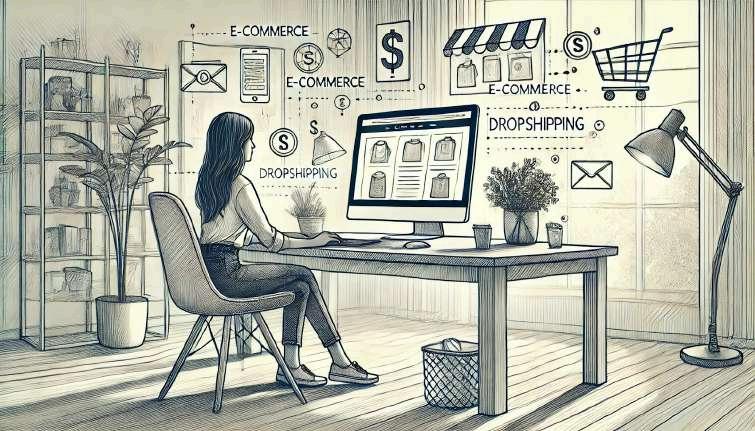
E-commerce is one of the most lucrative ways to earn money online, offering the flexibility to sell either physical products or digital goods. Whether you want to create your own brand or leverage third-party tools, e-commerce provides endless opportunities for scaling your business.
In this section, we’ll explore the basics of e-commerce, the key differences between selling physical and digital products, and why dropshipping is a game-changer for aspiring entrepreneurs.
What is E-commerce?
E-commerce refers to the buying and selling of goods or services over the internet. It includes everything from running your own online store to selling products on third-party marketplaces like Amazon or Etsy.
E-commerce has revolutionized the way people shop, offering consumers convenience and variety while giving entrepreneurs the ability to reach a global audience with minimal upfront costs.
Selling Physical Products
Physical products are tangible items that customers can hold, such as clothing, electronics, or handmade crafts. Selling these products typically involves three main models:
1. Inventory-Based Model:
You purchase products in bulk and store them before selling, often through your own e-commerce site or marketplaces like Amazon.
Pros:
○ Full control over product quality and branding.
○ Higher profit margins when sourced directly from manufacturers.
Cons:
○ Requires upfront investment in inventory.
○ Risk of unsold stock and storage costs.
2. Dropshipping:
With dropshipping, you don’t need to handle inventory or shipping. Instead, you partner with suppliers who ship products directly to your customers.
Pros:
○ Low startup costs.
○ No need to manage inventory or logistics.
○ Scalable, as you can add more products without worrying about storage.
Cons:
○ Lower profit margins compared to owning inventory.
○ Limited control over product quality and shipping times.
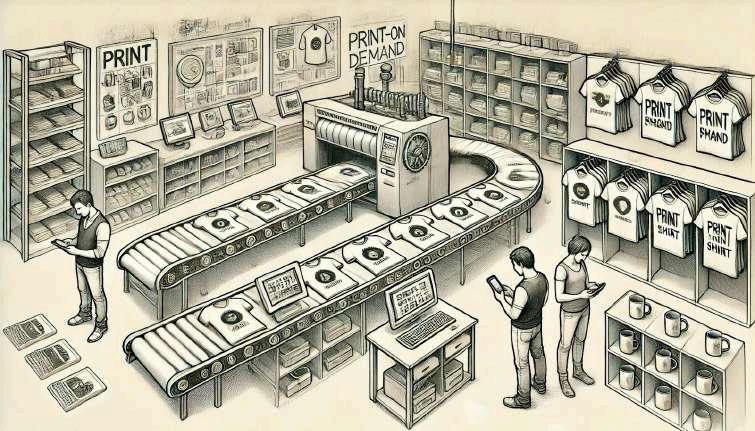
3. Print-on-Demand:
Ideal for creators, this model lets you sell customized items like t-shirts, mugs, or notebooks without holding inventory. Products are created and shipped only when an order is placed.
Selling Digital Products
Digital products are intangible items like e-books, online courses, software, or templates. They are an excellent option for individuals with creative or technical skills.
Advantages of Digital Products:
● High Profit Margins: No manufacturing or shipping costs.
● Scalable: Sell the same product repeatedly without additional effort.
● Global Reach: Easily accessible to anyone with an internet connection.
Examples of Digital Products:
● E-books (e.g., “How to Start a Business Online”).
● Success depends on marketing and audience trust.
The Benefits of Dropshipping
Dropshipping has become one of the most popular methods for starting an e-commerce business, especially for beginners. Here’s why it’s such an attractive option:
1. Low Startup Costs
Unlike traditional e-commerce, you don’t need to invest in inventory or warehousing. All you need is an online store and partnerships with reliable suppliers. Platforms like Shopify and WooCommerce make it easy to set up a dropshipping store.
2. Wide Product Range
Dropshipping allows you to offer a broad range of products without the need to stock any of them. This flexibility makes it easier to test different niches and find what sells best.
3. No Inventory Management
With dropshipping, suppliers handle inventory, packaging, and shipping, freeing you to focus on marketing and growing your store.
4. Scalability
Because you don’t need to worry about storage or logistics, you can easily scale your business by adding more products or targeting new markets.
5. Location Independence
You can run a dropshipping store from anywhere in the world, as long as you have an internet connection.
How to Start a Dropshipping Business
1. Choose a Niche Research trending products or underserved markets. Use tools like Google Trends, AliExpress, or Oberlo to identify in-demand items.
2. Select a Platform
○ Shopify: Perfect for beginners, with built-in dropshipping integrations like Oberlo.
○ WooCommerce: For those familiar with WordPress, it’s a customizable, self-hosted option.
3. Find Reliable Suppliers
○ Use platforms like AliExpress, Spocket, or CJ Dropshipping to connect with suppliers.
○ Ensure they offer quality products, reasonable shipping times, and responsive support.
4. Build Your Online Store
○ Use templates and drag-and-drop tools to design a professional-looking store.
○ Include clear product descriptions, high-quality images, and customer reviews.
5. Market Your Products
○ Leverage social media ads, especially on platforms like Facebook and Instagram, to drive traffic.
○ Use influencer marketing to reach niche audiences.
6. Analyze and Optimize
Monitor your store’s performance using tools like Google Analytics. Identify top-performing products and refine your marketing strategies accordingly.
E-Commerce Success Stories: Dropshipping in Action
●
Example 1: Fashion Accessories
A dropshipping store focused on affordable jewelry and accessories targets budget-conscious shoppers. By leveraging Instagram influencers and offering flash sales, the store scales quickly without holding any inventory.
●
Example 2: Home Office Products
With the rise of remote work, a store selling ergonomic chairs and desk organizers becomes profitable by targeting professionals through LinkedIn ads.
Shopify: A Deep Dive into the Platformand Its Connection with AliExpress
Shopify has become one of the most popular platforms for creating e-commerce stores, especially for entrepreneurs venturing into dropshipping. Known for its user-friendly interface, powerful tools, and seamless integrations, Shopify makes it easy to launch and manage an online store, even for beginners.
In this section, we’ll explore Shopify’s key features, its advantages for dropshipping, and how it connects with AliExpress to create a streamlined, profitable business model.
Why Choose Shopify for E-Commerce?
Shopify stands out as an all-in-one solution for creating and managing online stores. Its features are tailored to meet the needs of businesses of all sizes, from small startups to large enterprises.
Key Features of Shopify:
1. User-Friendly Interface: Shopify’s drag-and-drop builder makes it easy to design a professional-looking store without any coding knowledge.
2. Customizable Themes: Shopify offers a wide range of free and premium themes optimized for mobile and desktop.
3. Integrated Payment Options: Accept payments from global customers through Shopify Payments, PayPal, Stripe, and other gateways.
4. App Store:
Access to thousands of apps to extend your store’s functionality, from marketing tools to inventory management.
5. Scalability: Suitable for businesses of all sizes, with plans that scale as your store grows.
6. 24/7 Support:
Shopify provides round-the-clock customer support through live chat, email, and phone.
Why Shopify is Perfect for Dropshipping
Shopify’s ease of use and integrations make it particularly suited for the dropshipping business model. You can set up your store, connect with suppliers, and automate much of the process—all in one platform.
Benefits of Using Shopify for Dropshipping:
● Automation: Tools like Oberlo (a Shopify-owned app) simplify product imports, order processing, and tracking.
● Global Reach: Shopify supports multiple currencies and languages, enabling you to target international customers.
● No Inventory Management: Partnering with suppliers like AliExpress means you don’t have to handle inventory or shipping.
● Analytics and Optimization: Shopify’s built-in analytics tools help track sales, customer behavior, and marketing performance.
How Shopify and AliExpress Work Together
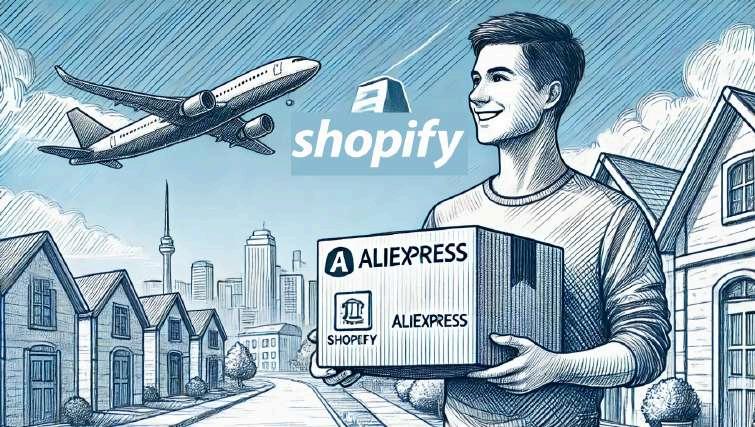
AliExpress is one of the largest online marketplaces, offering millions of products at wholesale prices. By integrating Shopify with AliExpress, you can easily find products to sell and automate the entire dropshipping process.
Step-by-Step Guide to Dropshipping with Shopify and AliExpress
1. Set Up Your Shopify Store
● Sign up for a Shopify account at Shopify.com.
● Choose a theme from Shopify’s library to match your brand. Customize it with your logo, colors, and fonts.
2. Install a Dropshipping App
● Use apps like Oberlo, DSers, or Spocket to connect Shopify with AliExpress.
○ Oberlo: Simplifies importing products directly from AliExpress to your Shopify store.
○ DSers: A robust alternative that offers bulk order management and advanced automation.
3. Find Products on AliExpress
● Browse AliExpress for products that align with your niche. Look for:
○ High customer ratings and positive reviews.
○ Reliable suppliers with fast shipping options.
○ Products with competitive pricing to maintain profit margins.
4. Import Products to Your Store
● With Oberlo or DSers, you can import products to your Shopify store with one click. The app will automatically sync product descriptions, images, and prices.
● Customize the product descriptions and set your retail prices.
5. Set Up Payment Gateways
● Enable payment gateways like Shopify Payments or PayPal to accept payments from customers worldwide.
6. Market Your Store
● Use Shopify’s marketing tools or external platforms to drive traffic:
○ Run ads on Facebook, Instagram, or Google.
○ Collaborate with influencers in your niche.
○ Use email marketing to re-engage visitors.
7. Process Orders Automatically
● When a customer places an order, the dropshipping app automatically forwards it to the AliExpress supplier.
● The supplier ships the product directly to the customer, and tracking information is updated in your Shopify dashboard.
Advantages of Using Shopify with AliExpress
1. Product Variety:
Access millions of products across virtually every niche.
2. Time Efficiency:
Automation tools save you hours by handling order processing and inventory updates.
3. Low Startup Costs:
There’s no need to invest in inventory upfront.
4. Global Shipping Options:
Many AliExpress suppliers offer shipping options like ePacket, which ensures faster delivery times.
5. Scalability:
As your store grows, Shopify and its apps can scale with your business needs.
Challenges and How to Overcome Them
1. Shipping Times:
○ Problem: Standard AliExpress shipping can take weeks.
○ Solution: Choose suppliers with fast shipping options like ePacket or warehouses in your target region.
2. Product Quality:
○ Problem: Some AliExpress products may not meet quality expectations.
○ Solution: Order samples from suppliers to verify quality before selling.
3. Profit Margins:
○ Problem: Competition can lead to lower profit margins.
○ Solution: Focus on unique products or bundle items to add value.
A Dropshipping Success Example
Imagine running a Shopify store called "Pet Paradise", targeting pet owners. Using Oberlo, you import unique pet accessories like customizable collars, pet grooming kits, and interactive toys from AliExpress.
● You market these products through Facebook ads, highlighting their affordability and convenience.
● With no inventory to manage, you focus on scaling your ad campaigns and optimizing your product listings.
● Within months, your store generates consistent sales, allowing you to reinvest in marketing and grow further.
Conclusion: E-Commerce as a Gateway to Online Success
Whether you choose to sell physical products, digital goods, or explore the world of dropshipping, e-commerce is a powerful way to build a sustainable online income. While each model has its pros and cons, the key to success lies in understanding your audience, offering value, and staying adaptable in a competitive market.
Dropshipping, in particular, offers an unparalleled opportunity for beginners to enter the e-commerce space with minimal risk and maximum potential for growth. With the right strategies and tools, you can turn your online store into a thriving business.
Shopify, paired with AliExpress, is an incredibly powerful combination for anyone looking to start a dropshipping business. It offers an accessible way to enter e-commerce without the traditional hassles of inventory and logistics. By leveraging automation, global reach, and effective marketing strategies, you can create a successful online store that generates consistent income.
"E-commerce is a gateway to freedom. Whether you want to sell handmade goods, dropship products, or offer digital services, your store is your canvas. Start today, and with time and dedication, you can turn your passion into profit."
In the next chapter we will talk about something that any online business needs we will choose : Email marketing
Chapter 4:.. Email Marketing
Build Relationships and Earn
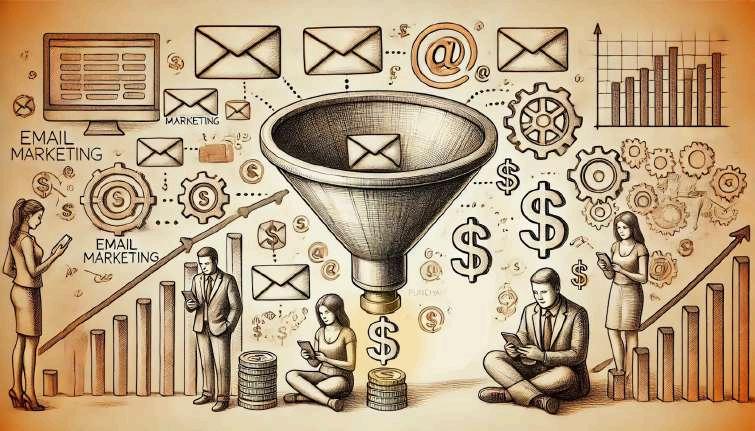
Email marketing is a strategy to build and maintain a direct relationship with your audience by sending them valuable content and promotions. By creating a list of subscribers, you can consistently engage with potential customers, leading to repeat business and long-term loyalty.
How Does It Work?
1. Offer something valuable (like a free eBook or guide) in exchange for a user’s email address.
2. Build a list of subscribers who are interested in your niche.
3. Send personalized, relevant emails to inform, engage, and convert your audience into customers.
Practical Examples of Email Marketing
● Marta, the yoga instructor: Marta offers a free “5-Day Yoga Challenge” guide on her website. Readers sign up with their email to receive the guide. Over time, Marta emails them yoga tips and promotes her paid online classes. This strategy brings in €2,000 per month in course sales.
● Alex, the tech enthusiast: Alex runs a blog about the latest gadgets. He sends a weekly email with reviews, tips, and affiliate links. His growing email list generates €1,500 per month through affiliate commissions.
Why Email Marketing?
● High ROI: For every €1 spent on email marketing, the average return is €36.
● Direct communication: Emails land directly in your audience's inbox, unlike social media posts that can be missed.
● Automation: Tools allow you to set up automatic email sequences to save time.
Steps to Start Email Marketing.
1. Choose an email marketing platform: ○ Getresponse: Simply The best.
○ Or ConvertKit: Ideal for creators and bloggers.
○ Or ActiveCampaign: Advanced features for automation.
2. Build your email list:
○ Create a lead magnet (free eBook, checklist, discount code).
○ Use a sign-up form on your website or landing page.
○ Promote your offer through social media or ads.
3. Create your first email sequence:
○ Welcome email: Introduce yourself and your mission.
○ Value emails: Share tips, resources, or exclusive content.
○ Promotional emails: Offer products, services, or discounts.
4. Analyze and improve:
○ Track open rates, click-through rates (CTR), and conversions.
○ Test different subject lines and email formats to find what works best.
Key Email Marketing Tools
● Canva: Design visually appealing email headers or promotional images.
● Grammarly: Ensure your emails are error-free and professional.
● Zapier: Automate workflows between tools (e.g., new subscribers to your email list).
●
Advanced Strategies
● Segmentation: Divide your list into smaller groups based on interests or behaviors for personalized content.
● A/B Testing: Test different email subject lines, images, or call-to-action buttons to optimize performance.
● Funnel Automation: Create an automated sequence that guides subscribers from free content to paid offers.
What to Avoid
● Spamming: Sending too many promotional emails can lead to unsubscribes.
● Ignoring your audience’s preferences: Always send relevant content based on their interests.
● Neglecting mobile optimization: Ensure your emails look great on both desktop and mobile devices.
Quick Checklist to Start Email Marketing
1. Choose an email marketing platform.
2. Create a lead magnet to attract subscribers.
3. Set up your first email sequence with a welcome email and value-added content.
4. Promote your sign-up form through social media, ads, or your website.
5. Monitor your metrics and continuously improve your strategy.
"Email marketing is your direct line to your audience’s heart (and inbox). With the right strategy, you can build trust, deliver value, and create a consistent income stream.
Start today, and watch your email list become your most powerful business tool."
Deep Dive: Mastering Email Marketing with GetResponse and Frank Kern’s Strategies
Why GetResponse?
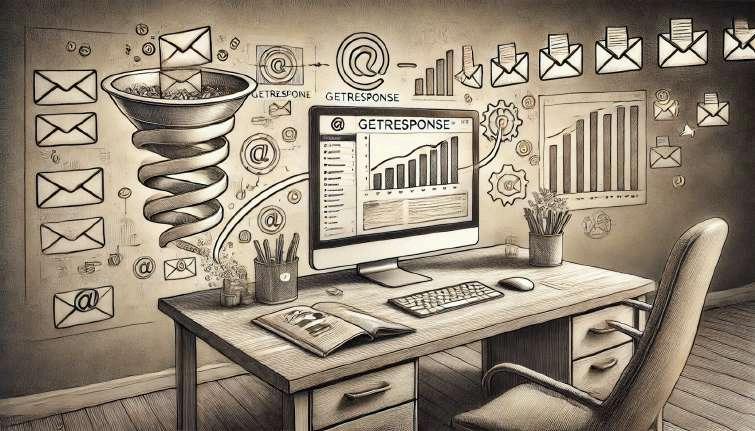
GetResponse is one of the most powerful email marketing platforms for beginners and advanced marketers alike. It offers a range of features that allow you to create effective campaigns, automate workflows, and maximize conversions.
Core Features of GetResponse
1. Email Creator and Templates:
○ Professionally designed templates that save time and ensure your emails look great on any device.
○ Drag-and-drop builder for customizing emails without needing design skills.
2. Marketing Automation:
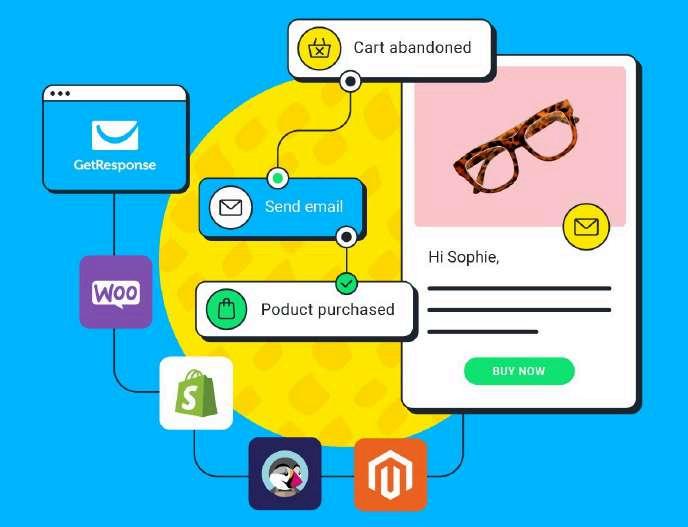
○ Advanced workflows to automate sequences based on user behavior (e.g., abandoned carts, downloads, clicks).
○ Visual automation builder to map out your customer journey step-by-step.
3. Landing Pages:
○ Easy-to-build, high-converting landing pages to promote lead magnets and grow your email list.
4. Webinars:
○ Integrated webinar functionality to engage your audience directly.
○ Perfect for pitching high-ticket products or offering live Q&A sessions.
5. Advanced Analytics:
○ Detailed insights into email open rates, click-through rates (CTR), and conversions.
○ A/B testing to identify what resonates most with your audience.
How to Use GetResponse Like a Pro
1. Create a Compelling Lead Magnet:
○ Examples: A free eBook, exclusive video series, or a cheat sheet.
○ Use GetResponse's landing page builder to design a professional sign-up page.
2. Set Up an Automated Email Sequence:
○ Start with a welcome email: Introduce yourself, share your story, and set expectations.
○ Follow with value-driven emails: Share tips, tricks, or tools related to your niche.
○ End with a call-to-action: Invite them to purchase a product, book a consultation, or join a webinar.
3. Segment Your Audience:
○ Use tags and filters to group your subscribers by behavior or interest.
○ Send targeted emails that address their specific needs and increase engagement.
4. Optimize with A/B Testing:
○ Experiment with subject lines, email designs, and CTAs to find what works best.
○ Test one element at a time to ensure clear results.
5. Integrate Webinars:
○ Host live sessions to showcase your expertise or promote products.
○ Use email follow-ups to nurture attendees and convert them into customers.
Frank Kern’s Email Marketing Philosophy
Frank Kern, a renowned internet marketing strategist, has developed an email marketing approach centered on creating value, building trust, and driving action. His "Value First" strategy transforms subscribers into loyal customers.
Frank Kern’s Core Strategies
1. The Goodwill Sequence:
○ Send a series of emails purely to provide value without asking for anything in return.
○ Examples: Tutorials, free tools, or insightful blog posts.
○ Purpose: Build trust and establish authority in your niche.
2. The “Results in Advance” Approach:
○ Show your audience how they can achieve small wins before asking for a commitment.
○ Example: If you sell fitness programs, send a 3-day free workout plan that delivers noticeable results.
3. Scarcity and Urgency:
○ Create limited-time offers or bonuses to encourage immediate action.
○ Examples: “Only 3 spots left for my live workshop” or “Offer expires in 48 hours.”
4. Storytelling Emails:
○ Use personal anecdotes to connect emotionally with your audience.
○ Example: Share your journey from struggling to finding success in your niche, highlighting relatable challenges and solutions.
5. Email Frequency and Consistency:
○ Kern suggests maintaining regular contact without overwhelming your subscribers.
○ A schedule like 2-3 emails per week works well to stay top-of-mind without becoming intrusive. Implementing Frank Kern’s Techniques with GetResponse
1. Design a Goodwill Campaign:
○ Use GetResponse’s automation builder to create a sequence of value-driven emails.
○ Example Sequence:
■ Email 1: A helpful tip or hack.
■ Email 2: A free resource, like an eBook or template.
■ Email 3: A story about your personal journey and how you overcame a specific challenge.
2. Incorporate “Results in Advance”:
○ Set up a drip campaign where each email provides a small win:
■ Day 1: Share a quick tutorial or checklist.
■ Day 2: Highlight a case study or success story.
■ Day 3: Invite them to a webinar or course that builds on their progress.
3. Use Scarcity Effectively:
○ Create countdown timers for offers using GetResponse’s landing page features.
○ Send follow-up emails emphasizing the urgency of limited-time deals.
4. Leverage Analytics:
○ Monitor open and click-through rates to refine your campaigns.
○ Use segmentation to send follow-ups only to those who haven’t opened or clicked.
Advanced Tactics from Frank Kern
● The "Four-Day Cash Machine": A quick, intense campaign designed to generate immediate revenue:
○ Day 1: Announce a special offer with a story or anecdote.
○ Day 2: Remind your audience of the benefits and address objections.
○ Day 3: Emphasize scarcity with phrases like “Only 24 hours left.”
○ Day 4: A final email with a strong call-to-action before the deal expires.
● Behavior-Based Triggers:
○ Set up triggers in GetResponse to send personalized emails based on user actions.
○ Example: If a subscriber clicks on a specific link but doesn’t purchase, send them a follow-up email with additional incentives.
Final Thoughts
Combining GetResponse’s robust features with Frank Kern’s proven strategies creates a powerful email marketing system. By focusing on delivering value, building trust, and using automation effectively, you can transform casual subscribers into loyal customers.
"Email marketing isn’t just about selling; it’s about building relationships that last. Invest in your audience, and they’ll invest in you."
Chapter 5.. Microtasking
Earn Money Quickly
Microtasking involves completing small, straightforward tasks online for payment. These tasks often require minimal skills and can be done in your spare time. While not a full-time income source, it’s a great way to make quick cash or supplement other earnings.
How Does It Work?
1. Sign up on a microtask platform.
2. Choose tasks that fit your skills or interests.
3. Complete tasks like data entry, online surveys, testing websites, or transcription.
4. Get paid for each task completed.
Practical Examples of Microtasking
● Giulia, the website tester: Giulia earns €300 per month by testing websites and apps through platforms like UserTesting. She provides feedback on usability, which helps companies improve their products.
● Marco, the data entry worker: Marco spends two hours daily completing simple data entry tasks on Amazon Mechanical Turk. This work adds an extra €200 to his monthly income.
Why Try Microtasking?
● Low barrier to entry: Most tasks don’t require specialized skills.
● Flexible schedule: Work whenever you have spare time.
● Quick payments: Many platforms offer weekly or even daily payouts.
Steps to Start Microtasking
1. Choose a reputable platform:
○ Amazon Mechanical Turk (MTurk): Offers a variety of tasks like data tagging, surveys, and transcription.
○ UserTesting: Earn money by testing websites and providing feedback.
○ Appen: Focuses on tasks like AI training data and content evaluation.
○ Fiverr: Create a profile to offer freelance services like graphic design or writing.
2. Set up your account:
○ Create a professional profile showcasing your skills.
○ Ensure you have payment methods like PayPal or bank transfer set up.
3. Start with simple tasks:
○ Begin with entry-level tasks like surveys or tagging images.
○ Gradually move to higher-paying tasks as you build experience and trust on the platform.
4. Manage your time effectively:
○ Dedicate specific hours to microtasking.
○ Focus on high-paying tasks to maximize earnings.
Key Platforms for Microtasking
● Amazon Mechanical Turk: Perfect for small tasks like tagging images or categorizing data.
● Clickworker: Offers tasks like data collection, writing, and proofreading.
● Fiverr: Allows you to create gigs for services you can offer, from design to voiceovers.
● Prolific: Best for academic surveys, with higher payouts compared to typical survey sites.
Tips to Maximize Microtasking Earnings
1. Choose the right tasks: Focus on tasks that pay well for the time required.
2. Improve your skills: Learn basics like fast typing or attention to detail for transcription and data entry.
3. Diversify platforms: Sign up for multiple sites to access more tasks and increase your earning potential.
4. Stay consistent: Regular work can lead to better opportunities and higher-paying tasks.
What to Avoid
● Unverified platforms: Be cautious of sites that ask for upfront fees or seem too good to be true.
● Overcommitting: Don’t accept tasks you can’t complete on time; this could affect your ratings.
● Undervaluing your time: Calculate the hourly rate for tasks to ensure it’s worth your effort.
Quick Checklist to Start Microtasking
1. Sign up for 2-3 microtask platforms.
2. Complete your profile with accurate and relevant information.
3. Start with basic tasks to get familiar with the process.
4. Track your earnings and focus on the most profitable tasks.
5. Withdraw your earnings regularly to avoid holding balances on platforms.
Final Motivation
"Microtasking may not make you rich, but it’s a simple way to earn money on your terms. Whether you’re saving for a goal or just want extra cash, every small task gets you closer to financial flexibility."
Chapter 6.. Surveys and Paid Interviews
Get Paid for Your Opinions
Surveys and paid interviews are simple ways to earn money by sharing your opinions. Companies, researchers, and organizations need feedback on their products, services, or ideas, and they’re willing to pay for it. Surveys are typically quick and easy, while paid interviews involve more in-depth discussions.
How Does It Work?
1. Sign up on survey or interview platforms.
2. Complete your profile to qualify for relevant opportunities.
3. Participate in surveys or scheduled interviews.
4. Receive payment in cash, gift cards, or vouchers.
Practical Examples of Surveys and Paid Interviews
● Simone, the student: Simone spends an hour a day completing surveys on platforms like Toluna and Swagbucks. He earns around €150 per month, which he uses for online shopping vouchers.
● Chiara, the participant in research interviews: Chiara takes part in academic and market research studies through Prolific and UserInterviews. Each interview pays between €50 and €100, making it a flexible and rewarding side income.
Why Participate in Surveys and Paid Interviews?
● No special skills required: Anyone can share their opinions.
● Flexible schedule: Complete surveys anytime or schedule interviews at your convenience.
● Global access: Participate from anywhere, often with just an internet connection.
●
Steps to Start Earning with Surveys and Interviews
1. Sign up for reputable platforms:
○ Survey Platforms:
■ Toluna: Offers a mix of surveys and polls, paying in points redeemable for cash or vouchers.
■ Swagbucks: Earn points for surveys, watching videos, or completing simple tasks.
■ OpinionWorld: Rewards surveys with cash and vouchers.
○ Interview Platforms:
■ Prolific: Focuses on academic research with higher-than-average payouts.
■ UserInterviews: Connects participants with businesses for market research studies.
■ Respondent: Pays participants for professional and consumer insights.
2. Complete your profile:
○ Be honest and detailed about your demographics, interests, and skills to qualify for more surveys and interviews.
3. Start with surveys:
○ Choose shorter surveys with clear instructions to build momentum.
○ Accumulate points or cash rewards over time.
4. Progress to interviews:
○ Apply for interviews that match your expertise or interests.
○ Prepare by reading any required materials or answering pre-screening questions.
Key Platforms for Surveys and Paid Interviews
● Toluna: Great for earning gift cards and cash through a variety of surveys.
● Swagbucks: A versatile platform offering rewards for surveys, videos, and more.
● Prolific: Pays well for academic research studies and ensures fair compensation for participants.
● UserInterviews: Perfect for higher-paying interviews and focus groups.
● Respondent: Ideal for professional and consumer interviews, often paying €50–€200 per session.
Tips to Maximize Earnings
1. Prioritize high-paying opportunities: Focus on surveys or interviews with the best time-to-reward ratio.
2. Stay consistent: Check platforms daily to find new surveys or interview slots.
3. Refer friends: Many platforms offer referral bonuses for inviting others.
4. Be reliable: Complete surveys honestly and participate fully in interviews to maintain eligibility for future opportunities.
What to Avoid
● Scam platforms: Avoid websites that ask for upfront payments or promise unrealistic earnings.
● Incomplete profiles: An incomplete profile can limit the opportunities you qualify for.
● Rushing through surveys: Low-quality responses can disqualify you from future tasks.
Quick Checklist to Start with Surveys and Paid Interviews
1. Sign up for 3–5 survey and interview platforms.
2. Complete your profile thoroughly.
3. Start with quick surveys to get familiar with the process.
4. Apply for high-paying interviews once you gain confidence.
5. Track your earnings and cash out regularly.
Final Motivation
"Your opinion matters. With surveys and interviews, you can turn your thoughts into rewards, whether it's extra cash, vouchers, or valuable experience in research participation. The more you share, the more you earn."
Chapter 7.. Freelancing
Turn Your Skills into Income
Freelancing involves offering your skills and services to clients on a project-by-project basis. You work independently, set your own rates, and choose the projects that suit you. Popular freelance categories include writing, graphic design, programming, and virtual assistance.
How Does It Work?
1. Identify a skill you can offer (e.g., writing, graphic design, coding).
2. Sign up on freelancing platforms to connect with clients.
3. Bid on projects or list your services.
4. Complete the project and get paid.
Practical Examples of Freelancing
● Elena, the content writer: Elena started freelancing on Upwork as a writer. She creates blog posts and website copy for small businesses, earning €2,000 per month while working from home.
● Raj, the graphic designer: Raj uses Fiverr to design logos and social media banners. By offering affordable packages, he attracts clients globally and earns €1,500 per month.
● Sofia, the virtual assistant: Sofia manages emails, schedules, and data entry for busy entrepreneurs. She works remotely and earns €20 per hour through platforms like Freelancer.com.
Why Freelancing?
● Flexibility: Work from anywhere and set your own schedule.
● Scalability: Start small and grow your client base over time.
● Variety: Work on diverse projects that match your interests and skills.
Steps to Start Freelancing
1. Identify your skill set:
○ Writing, graphic design, social media management, web development, virtual assistance, etc.
○ If you’re unsure, consider what you enjoy or have experience in.
2. Create a profile on freelancing platforms:
○ Upwork: Best for long-term and high-paying clients.
○ Fiverr: Perfect for offering gig-based services.
○ Freelancer.com: Great for bidding on diverse projects.
○ Toptal: Focused on high-quality, specialized freelancers.
3. Build your portfolio:
○ Showcase your skills with examples of your work.
○ If you’re new, create sample projects to demonstrate your expertise.
4. Start applying for projects:
○ Write personalized proposals highlighting how you can help the client.
○ Focus on smaller, easier projects initially to build credibility and reviews.
5. Deliver high-quality work:
○ Meet deadlines and communicate clearly with clients.
○ Ensure the quality of your work exceeds expectations to build lasting relationships.
Key Freelancing Platforms
● Upwork: Ideal for beginners and experienced freelancers across multiple industries.
● Fiverr: Great for offering fixed-price services.
● Toptal: Focuses on top-tier freelancers for programming, design, and finance projects.
● Freelancer.com: A versatile platform for projects in various categories.
● PeoplePerHour: Connects freelancers with clients seeking quick and specific tasks.
Tips to Succeed as a Freelancer
1. Specialize: Focus on a niche to stand out from the competition.
2. Set competitive rates: Start with rates that attract clients, then increase as you gain experience.
3. Build strong relationships: Maintain clear communication and deliver quality work to earn repeat business.
4. Market yourself: Use LinkedIn, personal websites, or social media to showcase your skills and services.
5. Keep learning: Upgrade your skills regularly to stay competitive.
What to Avoid
● Overcommitting: Don’t take on more projects than you can handle.
● Underpricing your work: Set rates that reflect your skill level and time investment.
● Ignoring contracts: Always have clear agreements to protect yourself and your client.
Quick Checklist to Start Freelancing
1. Choose your skill or service to offer.
2. Create profiles on 2–3 freelancing platforms.
3. Build a portfolio with your best work or sample projects.
4. Apply for small projects to gain experience and reviews.
5. Deliver exceptional work and ask satisfied clients for testimonials.
Freelancing with Fiverr
Fiverr is a popular platform where freelancers offer specific services, called “gigs.” It's ideal for beginners and those who prefer a streamlined approach.
How Fiverr Works
1. Create a Gig:
○ Choose a service you can provide (e.g., logo design, voiceovers, data entry).
○ Write a detailed description, set prices, and upload examples of your work.
2. Clients Come to You:
○ Fiverr operates on a marketplace model. Clients browse gigs and purchase the one that fits their needs.
3. Deliver and Get Paid:
○ Complete the order by the agreed deadline. Payments are processed through Fiverr, which takes a 20% commission.
Pros
of Fiverr
● Beginner-Friendly: You don’t need to search for clients; they find you.
● Fixed Pricing: Set clear prices for basic, standard, and premium packages.
● Global Reach: Access to a worldwide client base, from startups to established businesses.
Cons of Fiverr
● High Competition: Popular categories like graphic design have thousands of sellers.
● Platform Fees: Fiverr takes 20% of your earnings.
● Perceived Low Rates: Many buyers expect low-cost services, especially in saturated niches.
Best Tips for Fiverr
1. Optimize Your Profile: Use a professional profile photo and write a clear, compelling bio.
2. Stand Out with Extras: Offer add-ons like faster delivery or premium quality for an additional fee.
3. Promote Your Gigs: Share your gig links on social media or personal websites.
Section 2: Freelancing with Upwork
Upwork is a freelancing platform where professionals bid on jobs posted by clients. It’s ideal for skilled freelancers seeking high-quality, long-term projects.
How Upwork Works
1. Create a Profile:
○ Highlight your expertise, past experience, and portfolio.
○ Include certifications or samples relevant to your niche.
2. Bid on Jobs:
○ Clients post jobs with details about their requirements.
○ Use “Connects” (Upwork’s bidding currency) to submit proposals tailored to each project.
3. Win and Complete Projects:
○ Once awarded, communicate with the client to deliver the work. Payments are held in escrow until the client approves.
Pros of Upwork
● High-Paying Opportunities: Projects range from one-off gigs to long-term contracts.
● Reputation System: Positive reviews improve your visibility and help you attract better clients.
● Diverse Categories: From programming to virtual assistance, there’s a wide range of work
Cons of Upwork
● Learning Curve: New freelancers may find it challenging to win projects without prior reviews.
● Platform Fees: Upwork charges a sliding fee: 20% for the first $500 earned with a client, 10% for earnings between $500.01 and $10,000, and 5% thereafter.
● Competition: Freelancers from around the world bid on the same jobs, often lowering rates.
Best Tips for Upwork
1. Craft Personalized Proposals: Address the client’s needs directly, mentioning specific solutions you can provide.
2. Focus on a Niche: Specialize in one area to stand out and command higher rates.
3. Build Relationships: Deliver excellent work to turn one-time clients into long-term partners.
Final Motivation
"Freelancing offers unlimited opportunities, whether you want quick gigs or long-term collaborations. By mastering platforms like Fiverr and Upwork, you can turn your skills into a consistent and rewarding income. The choice is yours—start small, dream big."
Chapter 8.. Selling Digital Products
Create Once, Sell Forever
Digital products are non-physical items that can be created once and sold repeatedly online. Examples include eBooks, online courses, printables, templates, and software. Unlike physical products, digital items don’t require inventory or shipping, making them a highly scalable income source.
How Does It Work?
1. Identify a skill, knowledge area, or resource you can monetize.
2. Create a digital product that provides value or solves a problem.
3. List your product on marketplaces or sell it directly through your website.
4. Market your product to reach your target audience.
Practical Examples of Digital Products
● Sophia, the educator: Sophia creates online courses about photography. By selling her courses on platforms like Udemy, she earns €5,000 per month while helping thousands of students worldwide.
● Liam, the designer: Liam sells Canva templates for social media posts on Etsy. His pre-designed templates attract small business owners, earning him €1,500 per month.
● Emma, the author: Emma wrote an eBook about time management tips for busy professionals. She sells it directly through her website, generating €1,000 monthly in passive income.
Why Sell Digital Products?
● High Profit Margins: Create once and sell repeatedly with minimal additional costs.
● Scalability: Reach a global audience without worrying about inventory or shipping.
● Passive Income: Once created and marketed, digital products can generate income with little ongoing effort.
Types of Digital Products to Consider
1. eBooks: Share knowledge or tell a story. Ideal for authors, educators, or niche experts.
2. Online Courses: Teach skills or concepts through videos, PDFs, and assignments.
3. Templates: Design templates for presentations, social media posts, or resumes.
4. Printables: Calendars, planners, or educational worksheets that buyers can print at home.
5. Memberships: Exclusive content, communities, or resources available through subscriptions.
6. Stock Assets: Sell photos, videos, music, or sound effects to creatives.
Steps to Start Selling Digital Products
1. Identify Your Niche and Audience:
○ What problem can you solve or value can you provide?
○ Research your target audience’s needs and preferences.
2. Create Your Digital Product:
○ Use tools like Canva for design, Teachable for courses, or Scrivener for writing eBooks.
○ Ensure your product is high quality, easy to use, and visually appealing.
3. Choose a Platform:
○ Marketplaces: Etsy (for printables and templates), Gumroad (for eBooks and courses), or Creative Market (for design assets).
○ Your Own Website: Use platforms like Shopify or WordPress with plugins like WooCommerce to sell directly.
4. Price Your Product:
○ Consider the time and effort spent creating it.
○ Research competitor pricing in your niche.
5. Promote and Market:
○ Use social media, email marketing, and paid ads to drive traffic.
○ Offer discounts or bundles to encourage initial sales.
Key Tools for Creating Digital Products
● Canva: For designing eBooks, templates, and printables.
● Teachable/Thinkific: Platforms for creating and hosting online courses.
● Gumroad: A simple marketplace for selling any type of digital product.
● Adobe Creative Cloud: Professional tools for design, video editing, and more.
Advanced Strategies for Selling Digital Products
1. Upselling and Cross-Selling:
○ Offer related products or premium versions to increase average order value.
○ Example: Bundle an eBook with a video course on the same topic.
2. Affiliate Marketing:
○ Partner with affiliates who promote your product in exchange for a commission.
○ Use platforms like ShareASale to find affiliates.
3. Create a Funnel:
○ Offer a free lead magnet (e.g., a free guide or mini-course) to collect email addresses.
○ Follow up with automated email sequences to convert leads into customers.
4. Leverage Social Proof:
○ Display testimonials, reviews, or case studies from satisfied customers.
○ Share user-generated content to build trust.
What to Avoid
● Overcomplicating Your Product: Keep it simple and user-friendly.
● Neglecting Marketing: Even the best product won’t sell without proper promotion.
● Underpricing: Don’t undervalue your work—price it competitively while considering your effort.
Quick Checklist to Start Selling Digital Products
1. Identify a topic or resource you can turn into a digital product.
2. Create the product using the appropriate tools and platforms.
3. Choose where to sell (marketplace or your own website).
4. Promote your product through social media, email, and ads.
5. Analyze sales data and improve your product or marketing strategy.
Final Motivation
"Digital products are the ultimate form of passive income. They allow you to share your knowledge, creativity, or skills with the world while earning money endlessly. The sooner you start creating, the sooner you’ll reap the rewards."
Chapter 9.. Social Media Management
Help Brands Shine Online
Social media management involves creating, scheduling, analyzing, and engaging with content posted on social media platforms for individuals, brands, or businesses. As a social media manager, you help businesses grow their online presence, connect with their audience, and achieve marketing goals.
How Does It Work?
1. Businesses hire you to manage their social media accounts.
2. You create and schedule posts, engage with followers, and track performance.
3. You get paid for helping them achieve growth, visibility, and engagement.
Practical Examples of Social Media Management
● Anna, the small business manager: Anna manages Instagram and Facebook for a local bakery, creating weekly posts and running promotions. She earns €500 monthly for 5 hours of work per week.
● Jason, the brand strategist: Jason works with an e-commerce brand to optimize their TikTok and Pinterest strategies. By boosting their engagement, he’s helped them increase sales by 20%, earning €1,500 per month.
Why Become a Social Media Manager?
● High demand: Businesses of all sizes need a strong social media presence.
● Flexible work: Manage accounts from anywhere, often on a part-time basis.
● Scalable income: Start with one or two clients and grow to manage multiple accounts or a team.
Key Responsibilities of a Social Media Manager
1. Content Creation:
○ Develop visually appealing posts, reels, and stories.
○ Write captions that engage and encourage interaction.
2. Scheduling and Posting:
○ Use tools like Buffer or Hootsuite to plan and automate posts.
3. Community Management:
○ Respond to comments, messages, and reviews to maintain brand reputation.
4. Analytics and Reporting:
○ Track metrics like reach, engagement, and conversions to show the impact of your work.
5. Strategy Development:
○ Help clients set social media goals and align them with broader business objectives.
Steps to Start as a Social Media Manager
1. Learn the Basics:
○ Familiarize yourself with platforms like Instagram, Facebook, TikTok, LinkedIn, and Pinterest.
○ Study trends, hashtags, and algorithms to understand what works.
2. Build Your Portfolio:
○ Manage social media accounts for yourself or friends to showcase your skills.
○ Include metrics like follower growth, engagement rates, or campaign results.
3. Offer Your Services:
○ Start by reaching out to small businesses in your area or niche.
○ List your services on platforms like Fiverr, Upwork, or LinkedIn.
4. Set Competitive Rates:
○ Charge hourly or package rates based on the services you offer (e.g., €20–€50/hour or €300–€1,000/month).
5. Use Social Media Tools:
○ Tools like Canva (for design), Later (for scheduling), and Google Analytics (for insights) are essential for streamlining your workflow.
The 7 Best Social Media Management Tools in 2024
Save time, automate processes, get in-depth analytics, and more with these best-in-class social media tools for 2024.
On any given day, you're creating social media posts, repurposing existing content, staying on top of trends across platforms, reviewing your analytics for social media reporting, and so much more.
Phew. Doing all of this manually can make you bone tired and burned out. Luckily, there are plenty of social media management tools to take some of the tasks off your to-do list
Here are the 7 best ones, plus who they're best for — along with plenty of alternatives to each tool, if you need them. At a glance: The 7 best social media management tools. 1.Buffer 2.Hootsuite 3.Tailwind 4.SocialPilot 5.Zoho Social 6.Sprout Social 7.Oktopost
Tool Name Free Plan/Trial
Buffer
Hootsuite
Free forever for up to 3 social media channels
No free plans 30-day free trial
Tailwind
SocialPilot
Free plan for one account and five posts per month
No free plan 14-day free trial for paid plans
$6/month/ channel
Creators and small business owners
Zoho Social No free plan. 15-day free trial
$99/month for 10 social media channels
$19 99/mo nth for 400 posts on one account
$30/month for one user and 10 accounts
€15/month for one user and 10 accounts
Sprout
Social No free plans. 30-day free trial
Mid-sized businesses praccing social listening
Managing Pinterest accounts
Ideas app to store ideas, Buffer Remix app to repurpose URLs into images, Start Page for customized link-in-bio landing pages
Amazing social listening dashboard, granular control over access, competor analysis
Browser extension to save and create pins, schedule pins at preset intervals, SmartGuide for best pracces
Separate dashboards for clients, simple approval processes, auto-send personalized performance reports
Sendible, SocialBee, Pallyy
Zoho users
Integraon with Zoho CRM and Desk, custom social listening dashboards, automated reposng
HubSpot, MeetEdgar
$249/seat/ month for five profiles
Social media and influencer markeng
Performance reports, built-in influencer markeng, employee advocacy features
Meltwater, Brandwatch
Oktopost
Pricing not publicly available
Pricing not publicly available B2B companies
Prebuilt dashboards, campaign-based post assignments, buyer journey tracking
Content Studio, Missingler
Advanced Strategies
1. Focus on a Niche:
○ Specialize in a specific platform or industry (e.g., Instagram for fashion brands or TikTok for startups).
2. Stay Updated:
○ Keep up with platform updates, algorithm changes, and new features to offer cutting-edge strategies.
3. Offer Additional Services:
○ Expand to include ad management, influencer collaborations, or email marketing integrations.
4. Create Content Calendars:
○ Develop monthly plans for clients, outlining post schedules, content themes, and key dates.
What to Avoid
● Overpromising Results: Social media growth takes time, and instant results aren’t always guaranteed.
● Ignoring Analytics: Data-driven decisions are crucial for successful campaigns.
● Taking on Too Many Clients: Quality can drop if you overcommit.
Quick Checklist to Start Social Media Management
1. Master popular social media platforms and their best practices.
2. Build a portfolio with examples of content and results.
3. Create a list of services and package prices.
4. Reach out to local businesses or list your services online.
5. Use analytics tools to track and showcase the impact of your work.
Final Motivation
"Social media management is more than just posting content; it’s about connecting brands with their audience. With creativity, strategy, and dedication, you can turn this skill into a thriving career that grows alongside the digital world."
Chapter 10.. Online Tutoring
Teach and Earn Worldwide
Online tutoring involves teaching students or professionals through virtual platforms. Whether it's academic subjects, test preparation, or specialized skills like coding or music, online tutoring allows you to share your knowledge with learners worldwide.
How Does It Work?
1. Identify a subject or skill you can teach.
2. Sign up on tutoring platforms or promote your services independently.
3. Conduct lessons using video conferencing tools.
4. Get paid per session or on a subscription basis.
Practical Examples of Online Tutoring
● Maria, the language tutor: Maria teaches Spanish to students globally via Preply. By offering 20 sessions a week, she earns €1,800 monthly.
● James, the coding instructor: James teaches beginners how to code through Udemy courses and 1:1 sessions on Wyzant. He combines passive income from course sales with active tutoring, generating €3,000 per month.
● Nina, the test prep coach: Nina specializes in SAT preparation and charges €50 per hour for her expertise. She books students on Chegg Tutors and through word of mouth.
Why Become an Online Tutor?
● Flexible Schedule: Choose your working hours and workload.
● Global Audience: Teach students from different countries and cultures.
● Scalable Income: Combine live lessons with pre-recorded courses for passive income.
Key Responsibilities of an Online Tutor
1. Plan Lessons: Tailor your sessions to meet the specific needs of your students.
2. Deliver Engaging Content: Use visual aids, presentations, and interactive tools to make lessons dynamic.
3. Assess Progress: Provide feedback, assignments, and practice tests to track improvement.
4. Communicate Effectively: Build rapport with students to ensure a productive learning environment.
Steps to Start Online Tutoring
1. Identify Your Expertise:
○ Academic subjects (math, science, languages).
○ Test prep (SAT, TOEFL, IELTS).
○ Specialized skills (coding, music, art).
2. Choose a Platform:
○ Preply: Ideal for language tutors.
○ Chegg Tutors: Great for academic subjects and test prep.
○ Italki: Specializes in language teaching.
○ Udemy: Best for creating and selling courses.
○ Wyzant: Connects you with students in various subjects.
3. Set Competitive Rates:
○ Start with beginner-friendly rates (€15–€30/hour) and increase as you gain experience.
4. Promote Your Services:
○ Use social media, LinkedIn, or personal websites to attract students.
5. Prepare for Classes:
○ Invest in quality equipment (camera, microphone) and tools like Zoom or Google Meet.
Best Tools for Online Tutoring
● Zoom/Google Meet: For video conferencing.
● Kahoot: For creating interactive quizzes.
● Canva: For designing visually appealing lesson materials.
● Google Drive: For sharing notes and assignments.
● Whiteboard Apps: Tools like Miro for visual explanations.
Advanced Strategies
1. Create Online Courses: Record and sell self-paced courses on platforms like Udemy or Teachable.
2. Specialize in High-Demand Areas: Focus on skills like coding, data analysis, or language learning to attract premium students.
3. Offer Group Lessons: Teach multiple students in one session to maximize your earnings.
4. Upsell Services: Offer additional resources like eBooks, study guides, or mock exams for an extra fee.
What to Avoid
● Overloading Your Schedule: Balance live sessions with preparation and rest.
● Neglecting Student Feedback: Always adapt to meet your students’ needs.
● Underpricing Your Services: Value your expertise and set fair rates.
Quick Checklist to Start Online Tutoring
1. Choose a subject or skill to teach.
2. Sign up on 1–2 tutoring platforms.
3. Set up your profile with a professional photo, bio, and rates.
4. Prepare lesson plans and practice using teaching tools.
5. Start teaching and ask students for reviews to build credibility.
"Teaching
it’s
Final Motivation
online isn’t just about earning money;
about empowering others with knowledge. Whether you teach languages, coding, or test prep, every lesson you deliver is an opportunity to make a difference while building a sustainable income."
Chapter 11.. Selling Stock Media
Photos, Videos, and Music
Selling stock media, photos, videos, and music is an excellent way to generate passive income online. Businesses, marketers, and content creators need high-quality assets for their projects, and stock platforms allow creators to meet this demand while earning from their talents.
What is Stock Media?
Stock media refers to pre-produced content that is licensed to users for specific purposes. This includes high-resolution images, short video clips, and audio tracks that can be purchased and used in commercials, websites, social media, or other media projects. As a creator, you earn a royalty or a percentage of the licensing fee every time your content is downloaded.
Types of Stock Media
1. Stock Photos:
Still images covering themes such as landscapes, business scenarios, food, technology, and more.
○ Example: A photo of a laptop on a desk in a well-lit office.
2. Stock Videos:
Short video clips used for advertisements, social media posts, or presentations.
3. Stock Music and Sound Effects: Audio tracks and effects for movies, advertisements, podcasts, or games.
○ Example: A calming piano melody or a sound effect of a door creaking.
How to Get Started with Stock Media
1. Choose Your Focus Area
Decide what type of stock content you want to create based on your skills and equipment.
● Photos: Ideal for photographers with a good camera or smartphone.
● Videos: For videographers who can shoot high-resolution clips (4K is highly preferred).
● Music: For musicians or producers with access to digital audio workstations like Logic Pro or Ableton Live.
2. Understand the Market
Browse stock platforms to identify trending themes. Look for content gaps or underserved niches, such as unique cultural visuals, specific industries, or rare sound effects.
3. Create High-Quality Content
● Photos: Use professional equipment and ensure proper composition, lighting, and editing.
● Videos: Record steady, clean footage with minimal noise. Edit using tools like Adobe Premiere Pro.
● Music: Produce clean and well-mixed tracks. Consider creating loops or variations for flexibility.
4.
Use Stock Platforms
Sign up with stock platforms that align with your media type:
● Photos: Shutterstock, Adobe Stock, Alamy.
● Videos: Pond5, VideoHive, Shutterstock.
● Music: AudioJungle, Epidemic Sound, Pond5.
5. Upload and Optimize
● Add descriptive titles and keywords to help buyers find your content.
● Ensure proper categorization (e.g., “Corporate Office” for a business-themed photo).
6. Promote Your Portfolio
Share your portfolio on social media, personal websites, or blogs to increase visibility and sales.
Earning Potential
● Per Download: Most platforms offer a royalty percentage (15%–60%).
● Passive Income: Content remains available indefinitely, generating sales without additional effort.
● High Demand: Unique, high-quality assets often sell consistently over time.
Advantages of Selling Stock Media
1. Passive Income Stream:
Once uploaded, your content can generate revenue repeatedly without further input.
2. Global Reach: Platforms attract buyers worldwide, expanding your audience and opportunities.
3. Flexible Schedule:
You can work on your content at your own pace.
Challenges and How to Overcome Them
1.
Competition
The stock market is saturated with content. Focus on creating niche-specific or highly creative material to stand out.
2. Platform Fees
Stock platforms take a significant cut of the licensing fee. To maximize income, upload to multiple platforms.
3. Quality Standards
Platforms have strict quality requirements. Always check for technical issues, like poor lighting in photos or background noise in music, before submitting.
4. Building a Portfolio Takes Time
Success doesn’t happen overnight. Consistency in uploading and understanding trends is key.
Case Study: Stock Photography Success
Imagine you specialize in landscape photography. You upload a portfolio of breathtaking mountain and coastal images to Shutterstock. A marketing agency purchases your images for an advertising campaign, and over time, your collection generates regular downloads. As you expand your portfolio to include more themes like urban photography or seasonal events, your earnings grow steadily.
Conclusion
Selling stock photos, videos, and music offers a scalable way to monetize your creative talents. Whether you’re a photographer capturing moments, a videographer shooting cinematic clips, or a musician composing soundtracks, the world of stock media provides a platform to showcase your work while earning passive income. By understanding the market and staying consistent, you can build a successful stock media business.
Chapter 12.. The Sales Funnel
Why It’s the Foundation of Continuous Sales and Marketing Success
If you’re serious about growing your online income, creating a sales funnel isn’t just an option, it’s a necessity.
Whether you’re selling digital products, physical goods, or services, the sales funnel is the engine that drives consistent and scalable results.
It’s the difference between sporadic, unpredictable sales and a system that works seamlessly to generate revenue, nurture leads, and build customer loyalty.
In this chapter, we’ll dive deep into why a sales funnel is the cornerstone of any successful online business, why email marketing plays an irreplaceable role, and why even those focused on branding can’t ignore the power of funnels.
Why a Sales Funnel is Fundamental to Success
At its core, a sales funnel is a structured process that converts strangers into paying customers. Here’s why it’s essential:
1. Consistent Sales, Even While You Sleep
Without a funnel, your sales rely on active effort—posting on social media, running ads, or directly pitching to customers. A funnel automates much of this, working 24/7 to attract, nurture, and convert leads. Once it’s set up, it becomes a reliable revenue stream, freeing you to focus on scaling your business or developing new products.
2. A Step-by-Step Journey
Customers rarely make purchases on impulse. They need to know, like, and trust you before they buy. The sales funnel guides them through this journey:
● Awareness: Introduce them to your brand.
● Interest: Show them how you can solve their problem.
● Decision: Offer a compelling reason to buy now.
3. Maximizes the Value of Every Lead
A funnel doesn’t just convert leads into customers—it encourages repeat purchases. Through follow-up emails, upsells, and cross-sells, it increases the lifetime value of each customer, making every lead far more profitable.
4. Data-Driven Optimization
Funnels provide measurable insights into customer behavior. You can track exactly where people drop off, what drives conversions, and how to refine your approach for better results.
The Role of Email Marketing in Your Funnel
Many businesses overlook the power of email marketing, assuming social media is enough. But here’s the truth: email marketing is the backbone of a successful sales funnel. Why? Because it allows you to connect with your audience directly, build relationships, and drive conversions in a way no other channel can.
Why Email Marketing is Irreplaceable
1. Direct Access to Your Audience
Social media algorithms can limit your reach, but emails go straight to your subscribers' inboxes.
2. High ROI Email Market
3. Personalization and Segmentation
With email, you can deliver highly targeted messages based on your audience’s preferences, behaviors, or purchase history.
4. Retention and Loyalty
Regular emails keep your brand top of mind, turning one-time buyers into repeat customers.
Even Branding Needs Funnels
If your primary goal is branding, you might think a sales funnel isn’t relevant to you. That couldn’t be further from the truth. Even the biggest brands rely on email funnels to grow their audience and build loyalty. Here’s why:
● Brand Awareness Isn’t Enough
Just because someone recognizes your logo doesn’t mean they’ll buy from you. A funnel ensures that your audience is nurtured and ready to take action.
● Engaging Your Audience
Consistent email communication keeps your audience connected to your brand’s story, values, and offerings.
● Turning Followers Into Customers
Social media followers are not guaranteed buyers. A funnel converts them into email subscribers and then into paying customers.
● Scalable Relationship Building
Through automated email sequences, you can maintain a personal touch with thousands of people simultaneously.
A Step-by-Step Guide to Building Your Funnel
Here’s how you can create a funnel that works:
Step 1: Build Awareness with a Lead Magnet
A lead magnet is a free resource you offer in exchange for an email address. Examples include:
● Free e-books or guides.
● Checklists or templates.
● Webinars or free trials.
Example: If you sell productivity tools, create a free “Daily Planner Template” that visitors can download by signing up.
Step 2: Nurture Leads with Email Sequences
Once someone subscribes, don’t let them go cold. Send a series of automated emails to build trust and establish authority.
● Welcome Email: Introduce yourself and deliver the promised lead magnet.
● Value Emails: Share helpful tips, case studies, or success stories.
● Soft Sales Emails: Gradually introduce your product or service, highlighting how it solves their problem.
Step 3: Convert Leads into Customers
Your emails should lead to a clear call-to-action (CTA) that guides subscribers to a landing page or product page. Offer incentives like:
● Discounts or bonuses.
● Limited-time deals to create urgency.
● Hands
Step 4: Retain Customers and Upsell
The funnel doesn’t end with a sale. Use follow-up emails to:
● Upsell higher-value products or services.
● Offer exclusive deals to loyal customers.
● Collect feedback to improve future offerings.
Tools to Build and Manage Your Funnel
1. Email Marketing Platforms: Getresponse, Mailchimp, or ActiveCampaign for creating automated sequences.
2. Landing Page Builders: Instapage, Leadpages, or Unbounce for capturing leads.
3. Analytics Tools: Google Analytics or Hotjar to track and optimize performance.
Why You Can’t Ignore Funnels
A sales funnel isn’t just another marketing strategy; it’s the lifeline of any online business. Whether you’re focused on selling, branding, or growing your audience, a funnel ensures you’re turning effort into results. Without it, you risk losing potential customers and leaving long-term profits untapped.
Remember, even the biggest brands, Apple, Nike, Amazon, use funnels. Why? Because they work. Start building yours today, and you’ll have a system that not only grows your business but also gives you the freedom to focus on what you love.
Chapter 13.. Perfect Landing Page
The most powerful tools in online marketing
A landing page is one of It’s a standalone webpage designed specifically to capture leads, promote a product, or drive conversions. Whether you’re building an email list, promoting an affiliate product, or launching a course, a well-designed landing page can make or break your campaign.
In this chapter, we’ll explore how to create an effective landing page using two of the best platforms available: Instapage and GetResponse.
What is a Landing Page and Why is It Important?
A landing page is a focused, distraction-free page where visitors are encouraged to take one specific action, such as signing up for a newsletter, downloading an e-book, or purchasing a product.
Why Every Online Business Needs Landing Pages:
1. Increases Conversions: By removing distractions like menus or external links, landing pages keep visitors focused on your offer.
2. Captures Leads: It’s the best way to grow your email list or collect customer information.
3. Optimized for Marketing Campaigns: Perfect for paid ads or social media promotions, ensuring visitors land on a page tailored to the offer.
The 7 Essential Elements of a Perfect Landing Page
1. A Compelling Headline:
○ Grab attention immediately. Your headline should clearly state the benefit of your offer.
○ Example: “Unlock the Secrets to Earning Online with Our Free Guide!”
2. Clear Subheadline:
○ Expand on the headline with a brief explanation of what the visitor will gain.
3. Eye-Catching Visuals:
○ Use relevant images, videos, or animations to engage visitors and reinforce your message.
4. Value Proposition:
○ Explain the unique benefits of your offer and why it’s worth their time or money.
5. Call-to-Action (CTA):
○ Use a bold, action-oriented button. Example: “Download Now” or “Start Free Trial”.
6. Social Proof:
○ Add testimonials, reviews, or trust badges to build credibility.
7. Simple Form:
○ Keep your forms short and to the point. For example, ask only for name and email unless more details are essential.
Building a Landing Page with GetResponse
GetResponse is an all-in-one marketing platform that offers an intuitive landing page builder. Here’s how to create a landing page step by step:
Step 1: Choose a Template
● Log in to your GetResponse account and go to the "Landing Pages" section.
● Select a template that suits your goal (e.g., lead capture, webinar registration, product promotion).
Step 2: Customize the Design
● Use the drag-and-drop editor to add or modify elements like text, images, and buttons.
● Keep your design clean and aligned with your branding.
Step 3: Add a Form
● Insert a sign-up form to collect visitor details. Sync it with your email list to automate follow-ups.
Step 4: Optimize for Mobile
● Ensure your landing page is responsive and looks great on smartphones and tablets.
Step
5: Set Up Your Thank You Page
● After visitors complete the form, redirect them to a thank-you page that confirms their action and provides further instructions.
Building a Landing Page with Instapage
Instapage is a premium platform specializing in landing pages, offering advanced features for optimization and scalability.
Step 1: Start with a Template
● Choose from hundreds of pre-designed templates tailored to different industries and goals.
Step 2: Drag-and-Drop Customization
● Customize every element of the page using Instapage’s user-friendly editor.
● Use dynamic text replacement for personalized experiences.
Step 3: A/B Testing
● Create multiple versions of your landing page to test which one performs better.
● Example: Test different headlines or CTAs to find the highest-converting option.
Step 4: Integrate Analytics
● Sync your landing page with tools like Google Analytics or Facebook Pixel to track performance.
Step 5: Publish with
One Click
● Publish your landing page to a custom domain or directly connect it to your website.
Tips for Optimizing Your Landing Page
1. Focus on Benefits: Highlight what your audience will gain, not just the features of your product.
2. Limit Distractions: Remove unnecessary links or navigation menus.
3. Test and Refine: Continuously A/B test elements like headlines, visuals, and CTAs.
4. Use Urgency: Add phrases like “Limited Time Offer” or countdown timers to encourage immediate action.
Example: A Perfect Landing Page in Action
Let’s say you’re promoting a free e-book about earning money online. Your landing page might include:
● Headline: “Learn How to Make Your First $1,000 Online in Just 30 Days!”
● Visuals: A mockup of the e-book cover.
● Value Proposition: “This guide reveals 10 proven methods to earn online without experience.”
● CTA: A bold button saying “Download Your Free Copy Now!”
● Form: A simple two-field form asking for name and email.
Once visitors sign up, they’re redirected to a thank-you page with a teaser for your advanced e-book.
Why Landing Pages Work
Unlike standard web pages, landing pages are laser-focused on one goal: converting visitors. They eliminate distractions, present a clear value proposition, and use psychological triggers like urgency and social proof to drive action.
By mastering tools like GetResponse or Instapage, you can create professional, high-converting landing pages that serve as the foundation for your marketing campaigns.
Extra content..
Essential Tools
When starting your online earning journey, having the right tools is critical. These tools can streamline your workflow, boost productivity, and help you achieve results faster. Here are some essential platforms, software, and resources to set you up for success.
Recommended Platforms to Get Started
1. Website Builders:
○ WordPress.org: The most flexible platform for creating blogs or websites.
○ Wix: Ideal for beginners with its drag-and-drop interface.
○ Shopify: Perfect for launching an e-commerce store.
2. Affiliate Marketing Platforms:
○ ClickBank: Great for digital products.
○ CJ Affiliate: Ideal for working with big brands.
○ ShareASale: Offers a wide range of affiliate programs.
3. E-Commerce Solutions:
○ Shopify: For dropshipping or managing your own inventory.
○ WooCommerce: A WordPress plugin for customizable e-commerce stores.
4. Freelancing Platforms:
○ Upwork: Great for finding clients in various industries.
○ Fiverr: Perfect for offering creative or specialized services.
Software
and Resources
1. Content Creation:
○ Canva: For designing graphics, presentations, and social media posts.
○ Adobe Creative Cloud: A suite of professional tools for graphic design, video editing, and photography.
2. SEO Tools:
○ Ahrefs: To analyze competitors and find keywords.
○ Yoast SEO: A plugin for WordPress to optimize your content for search engines.
3. Email Marketing:
○ Getresponse : The best Email marketing platform for building and automating email lists.
○ ConvertKit: Ideal for bloggers and content creators.
4. Productivity Tools:
○ Trello: For organizing tasks and projects visually.
○ Google Workspace: Essential tools like Gmail, Google Drive, and Google Docs.
5. Analytics and Performance:
○ Google Analytics: To track your website’s performance.
○ Hotjar: For understanding user behavior with heatmaps and session recordings.
Getting Started
Getting started requires clarity and focus. Here’s how to identify the best path for you and lay the foundation for success.
How to Choose the Best Method for You
1. Assess Your Skills and Interests: Choose a method that aligns with your strengths and passions. For example:
○ Are you creative? Try blogging or selling stock media.
○ Have a knack for sales? Consider affiliate marketing or e-commerce.
2. Understand Your Resources:
○ Time: How much time can you commit daily or weekly?
○ Budget: Determine how much you can invest in tools, hosting, or advertising.
3. Test Small, Scale Big:
Start with low-risk experiments. For instance, write a few blog posts before committing fully to a blogging strategy.
Planning and Setting Realistic Goals
1. Define Your Objective: Are you aiming for extra income, or do you want to build a full-time business.
2. Set SMART Goals:
○ Specific: "Earn $500/month within 6 months."
○ Measurable: Track progress using analytics tools.
○ Achievable: Start with attainable milestones.
○ Relevant: Focus on tasks that align with your larger goals.
○ Time-bound: Set deadlines for accountability.
3. Create a Weekly Action Plan: Break tasks into manageable chunks, such as:
○ Research affiliate programs (Day 1).
○ Create social media accounts (Day 2).
○ Publish a blog post (Day 3).
4. Stay Consistent: Consistency is the key to success. Small, daily efforts add up to big results over time
A Call-to-Action for the Reader
Don’t let hesitation hold you back. Start small, experiment, and learn as you go. Take one actionable step today:
● Sign up for a platform.
● INVEST IN YOUR LEARNING, BUY THE BOOKS AND COURSES YOU NEED TO LEARN HOW TO MAKE MONEY
● Create your first blog post.
● Set up your email list.
Each small step brings you closer to achieving your goals.
An Invitation to Explore the Advanced E-Book
Ready to take your journey to the next level? This guide is just the beginning. Dive deeper into advanced strategies, exclusive tips, and expert advice with our Advanced Online Income Mastery E-Book.
● Sign up for essential tools like email marketing software.
● Start creating content or products.
● Promote and refine your strategy.
With these tools and strategies, you’re well-equipped to start your journey. Remember, success doesn’t happen overnight, but with consistency and effort, your online income dreams are within reach!
Your Journey Starts Now
Congratulations on taking the first step toward transforming your life!
The road to earning online isn’t just about making money—it’s about creating opportunities, achieving freedom, and building a brighter future for yourself and your family.
Success in the digital world requires perseverance, dedication, and a willingness to learn. Every great achievement starts with a commitment to grow, adapt, and push beyond your comfort zone. Embrace the challenges, celebrate the small wins, and keep moving forward. Remember, the most rewarding journeys are rarely the easiest, but they are always worth it.
Invest in your knowledge, seek out new skills, and never stop exploring. Each lesson learned, every strategy tested, and every moment spent improving will bring you closer to your goals. By believing in yourself and taking consistent action, you can achieve more than you ever imagined. This eBook is only the beginning. Stay curious, keep learning, and take advantage of the resources available to you. The future is yours to shape. Now, it’s time to take the leap, build your dreams, and create the success you deserve. Your journey to success starts now. Make it extraordinary.