

FLYERS / STICKERS / POSTERS / BANNERS / DESIGN GUIDELINES / INFO GRAPHICS / ADS

INCORPORATED ARE VIEWS INSPIRED FROM AROUND THE AIRPORT, INCLUDING THE SUPERSTITION MOUNTAINS, AS WELL AS GATEWAY’S FRONT ENTRY MONUMENT SIGNAGE THEME.


U.S.

WEBSITE DESIGN
WEBSITE DESIGN / CMS / WORDPRESS / HTML / CSS / DIGITAL GRAPHICS




The total predicted annual energy consumption for the project is 794,172 kWh/year of electricity, 15,030 therms/year of purchased chilled water and 23,445 therms/year of purchased steam.
• Efficient wall and roof construction and low-E insulated glazing reduces building heat gain/loss.
• Photo sensors automatically control lighting, which improves energy efficiency.
• Building HVAC operations managed remotely using energy management control systems to monitor efficiency.
INDOOR ENVIRONMENTAL QUALITY
Environmental Tobacco Smoke Control Northern Arizona University is a tabacco and smoke-free campus.
Low-Emitting Materials
All paints, carpets, composites, adhesives and sealants are low-VOC content, which reduces the quantity of indoor air contaminants that can cause eye, nose, throat irritation, headaches, loss of coordination and nausea.
MATERIALS & RESOURCES
(86.39%)
To encourage environmentally responsible forest management, certified wood products were selected for 86.39% of all new wood materials used in the building.
(16.09%)
16.09% of building materials and products were extracted, harvested and manufactured regionally (within 500 miles of the project site): drywall, steel, concrete and masonry.
INNOVATION IN DESIGN
Brochure Prepared By: DWL Architects + Planners, Inc. www.dwlarchitects.com
SUSTAINABILITY PROMOTION / BROCHURE / POSTER BOARD
GUIDE TO SUSTAINABLE FEATURES
SUSTAINABLE SITE
GUIDE TO SUSTAINABLE FEATURES
Accessibility & Universal Design
NAU is committed to providing equitable access to its working, learning and cultural activities for all individuals. Therefore, a snow-melt system was installed at the ramps leading to the entrances for building access and safety during the winter months.
Site Selection
The first floor is elevated above the recorded 100-year floodplain to minimize issues associated with potential flooding.
Heat Island Effect
A combination of shading and high reflective materials were provided for 100% of the site hardscape. High reflective roofing material is used to keep the building cooler and reduce the “heat island effect.”
WATER EFFICIENCY
Water Use Reduction (reduced by 44.74%)

INDOOR ENVIRONMENTAL QUALITY
Environmental Tobacco Smoke Control
Northern Arizona University is a tabacco and smoke-free campus.
Low-Emitting Materials
All paints, carpets, composites, adhesives and sealants are low-VOC content, which reduces the quantity of indoor air contaminants that can cause eye, nose, throat irritation, headaches, loss of coordination and nausea.
MATERIALS & RESOURCES
Certified Wood (86.39%)
To encourage environmentally responsible forest management, certified wood products were selected for 86.39% of all new wood materials used in the building.
Regional Materials (16.09%)
16.09% of building materials and products were extracted, harvested and manufactured regionally (within 500 miles of the project site): drywall, steel, concrete and masonry.
INNOVATION IN DESIGN
NAU STUDENT & ACADEMIC SERVICES BUILDING
NAU STUDENT & ACADEMIC SERVICES BUILDING
NAU has reduced water consumption in many buildings around campus through the installation of low-flow water fixtures such as sinks, showers and toilets, as well as the use of reclaimed water for toilets and urinal flushing.
GUIDE TO SUSTAINABLE FEATURES
Water Efficient Landscaping (reduced by 74.54%)
Northern Arizona University (NAU) Student and Academic Services (SAS) Building is a United States Green Building Council (USGBC) LEED® Gold certified building.
Utilization of native and adapted plants, along with zoning low-water use species, together with the irrigation design, reduces the demand for irrigation water.
ENERGY & ATMOSPHERE
Green Cleaning
A Green Cleaning Plan was implemented to reduce exposure to the building’s occupants and maintenance personnel from potentially hazardous chemical, biological and particulate contaminants, which adversely affect air quality, human health, building finishes, building systems and the environment.
Active Occupants
The LEED (Leadership in Energy and Environmental Design) Green Building Rating System is the nationally accepted benchmark for the design, construction and operation of high performance green buildings.
Optimize Energy Performance
The total predicted annual energy consumption for the project is 794,172 kWh/year of electricity, 15,030 therms/year of purchased chilled water and 23,445 therms/year of purchased steam.
LEED promotes a whole-building approach to sustainability by recognizing performance in five key areas of human and environmental health: sustainable site development, water savings, energy efficiency, materials selection and indoor environmental quality.
• Efficient wall and roof construction and low-E insulated glazing reduces building heat gain/loss.
• Photo sensors automatically control lighting, which improves energy efficiency.
• Building HVAC operations managed remotely using energy management control systems to monitor efficiency.
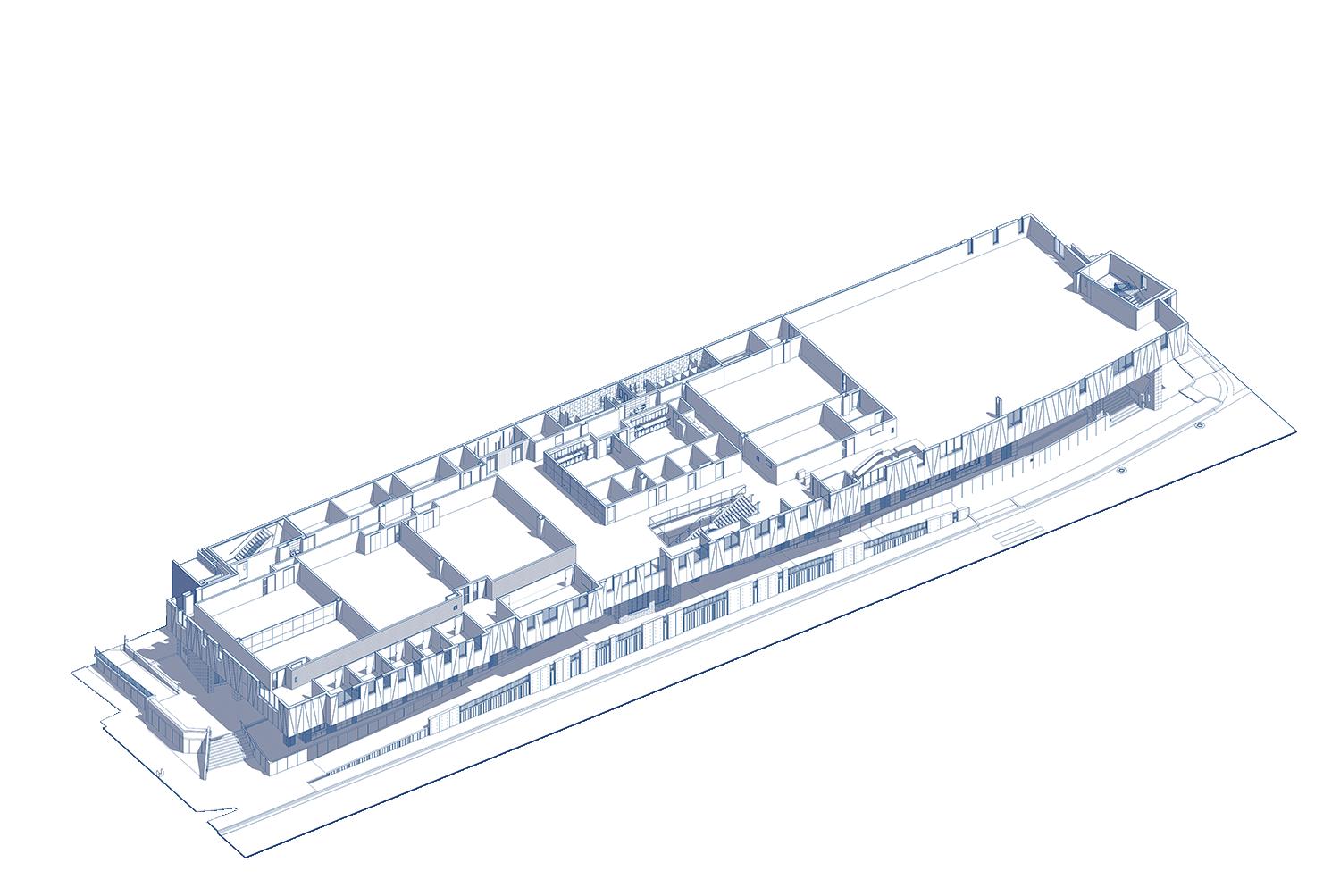
The building has two main stairs, which enables occupants to travel between the building’s entrance floor to occupant’s own destination floor and common use floors. Signage encouraging stair use is placed adjacent to the stairs and elevator waiting areas of each floor.


BROCHURE
DESIGN / GRAPHICS / LAYOUT / TYPOGRAPHY


NAU STUDENT & ACADEMIC SERVICES BUILDING SIGNAGE