TommyHernelind
Theforgotten historyand the forgotten chronicle
©2024 Tommy Hernelind
Publisher: BoD– Books on Demand, Stockholm, Sweden
Print: BoD– Books on Demand, Norderstedt, Germany
ISBN:978-91-8057-865-3
First editionCover: Sara Berntsson
Graphic design andtypesetting: Sara Berntsson
Tommy MarcHernelind
Preface
Iwas borninStockholminthe 1960s,and have always hada keen interest in historyand genealogy. Since1980 Ihavetaught basic andadvanced coursesingenealogy, historyand paleography. I have also studied historyatuniversity.For thelast10yearsI have studied medieval historyand spenta lotoftimeinthe archives studying medieval letters. Ihavepreviously writtentwo family books andalsoa book of poetry. Thefamilybook is asequeland a result of 25 yearsofresearchand questions that have arisen overthe years.
Ithink about how important family reunions were to me as ayoung man, hearingfrommygrandmother thestories about the family that shehad heardasa child.Itisfascinating that she, whohad never done anygenealogical research,has been able to reproduceour familyhistory so perfectly.WhatI find in thearchivestodayreinforces my grandmother'soralhistory.The informationshe providedis invaluable to me andothersofmyown generation.
Ihavetried to pass on theoraltradition to my childrenand nephews. Also to tell theexcitinghistory of our family. Both about themaleheroes, such asFalethe Younger. Nilsson, whoas alawmanfought forhis country andtoprotect hisfamily, and how he finallygavehis lifeinthe battlesatthe Church of Denmark in 1363. AfemaleheroisCatharina Bure,who not only managedtoescapeher deathsentenceasanaccusedwitch.She also managedtostopthe witchtrialsinGävleborg.
As an author,I hope that thecontentsofthe book can contribute to creatinga broaderand greater interest in historyand in genealogy in general. Perhapsalsoa newinterestinSwedish history.
Tommy Hernelind
Introduction ..................................................................................7
Chapter1:Bure, accordingtochronicles andlegends...............9
Chapter2:Buremagistrates in the 14thcentury......................29
Chapter3:The noblefamilyofBureNo126.........................50
Chapter4:Mayor Olof Bure's ring............................................63
Chapter5:Anna AndersdotterBure.......................................66
Chapter6:Grubb'sdescendants.................................................73
Chapter7:Burmandescendants..............................................107
Chapter8:Stenklyft'sdescendants..........................................123
Chapter9:Biographies of theBoersettlers............................147
Chapter10: Descendants of Olof Härsesson........................253
Chapter11: My Bure family lines..............................................285
Chapter12: Y-DNA of theBurefamily..................................314
Chapter13: Bure andthe WitchTrials ...................................335
Introduction
My interest inhistoryand also in genealogy started veryearly.It probablystarted when Isat andlistenedtomygrandmother's storiesabout our family. Breathtakingstories about battles to win theSwedish crownand how our ancestors helped shapethe country's early history.
As lawmen,churchmenand theking'sbailiffs,theywere involvedinvarious stages of Swedishhistory.I have laterbuilt on my knowledge by readinghistory andthrough many yearsof research on my family. In addition, Ihavecollected theY-DNA research that hasbeen done on theBureätten.
It is one of theoldestand most controversialfamilies, but thankstoJan Guillou's portrayal of Arninfilms andbooks, interest in thehistory of this familyhas increased.
In the13th-century power strugglebetween Eriksätten and Sverkersätten, Bureättenwas apowerfulally of Eriksätten. During the14thcentury,Bureätten'slawyers andbailiffs were closetothe king andthe rulingmen.
Inow realizethe importanceofthe oral traditions andthe accuracy of thestories that JohanBurerecorded in hisfamily book, whichwas recentlyfound in theNationalArchivesin Helsinki.
It has not beenpossible to write this book without the help of my mentors anddiscussions with otherresearchers. Abig thankyou to ThordBylund, Sten Lundgren,LarsBäcklund andMichael HäggmarkaswellastoChristerHäggmark, UrbanSikeborgand John von Walter. Special thanks to OweRosén andMarianne Andersson whohavehelpedmewith boththe linguistic part and theresearch forthe book.
Iwishyou alla good read
Thefirst generationsofthe JohanBurefamily book.
Chapter1:Bure, accordingtochronicles andlegends
AccordingtoJohanBure'sfamily book fromthe 17thcentury andthe Chronicles,aswellasJan Guillou'sbook andfilmabout the BattleofLenaand Gestilren,the Bure family'solder lineagewas preceded by amulti-generationalpower strugglebetween the Eriksätten andthe Sverkersätten.
TheErikfamilywas one of twofamiliesthatfought forpower overSweden between around 1130 and1250. Theother wasthe Sverkersätten. Thenamecomes from thefirst king of thedynasty, Erik theHoly. TheEriksättencould count on supportfrom Svealandand Norway,unlikethe Sverkersätten, whichhad support from Småland,Östergötland andDenmark. TheEriksättenwantedasmuchindependenceaspossiblefrom thePope in Rome andthe self-appointed bishops in thecountry The Sverkersätten, however,had more supportfromDenmark and thePope andtherefore oftenhad thesupportofthe Church in the fight againstthe Eriksätten,which favored VarnhemMonastery. Many membersare buriedthere.The last regent wasErikläspe ochhalte whodiedchildless in 1250. Thus,Eriksättenbecame extinct.
The Sverkers'dynasty began with Sverkerthe Elder anddiedout on themalesidein1222 with JohanSverkersson. However, afterKnut Eriksson wonthe government in 1167, thesituationhad stabilized and thefollowing yearswerecharacterized by political consensus. On hisnatural deathin1195, thecrown passedtoSverker the Younger.
However, when he appointed hisunderage sonasearl, Knut Eriksson'sfour sons rebelled in 1205, leadingtothe Battleof ÄlgaråsinTiveden.Three of Erik's brothers were killed andthe only survivingson,ErikKnutsson, fled to Norway In 1208, he againchallengedKingSverker at theBattleofLena(also known asKungslena)inVästergötland.
The outcome of this battle forced KingSverkertoflee to Denmark, only to return twoyearslater with thehelpofDanishtroops to reclaimhis lost crown. At Gestilren,ErikKnutssontriumphed onceagain,while Sverkerfell. In thesameyear,King Eric was crowned by Archbishop Valerias.The Battle of Gestilren marked the endof thepower strugglebetween theErikfamilyand theSverker family.
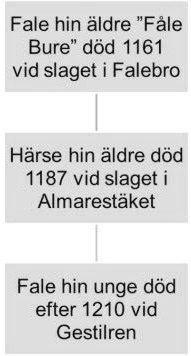
Afternearly acentury of conflict, thepolitical situationin Sweden stabilized andconsolidation of thekingdom began. In 1156, Fåle Bure enters therecords. He is themagistrateofGreater Hälsinglandand with thehelpofÖstmanGuttorm,the warchief ofJämtland, they conquerthe crownin1156 forErikthe Holy Fale theElder wasa magistrate in Medelpad andanadultin Hälsingland. He fought forHälsinglandand King Erik theHoly, whowon thebattlein1156 with thehelpofFaleand Guttorm Östmansson. Fale wasmadea country judge andwas also the leaderofthe Hälsinglanders underthe aforementionedking. He conqueredFinland whereHelsinki,thenHälsingland, is believed tohavebeennamed afterhis people.HeismentionedasFåle Bureinthe chronicles (Source: Erik's ChronicleThe original version wasinterpreted by theprofessor andhistoriographer Johannes Loccenius,who wroteinLatin "Svensk historia frånår 1654").
Erik's Chronicleiswritteninrhymingverse in Latin, but the oldest part of theoriginalChronicle, dating from thetime of Erik the Saint, andErik'sChronicleasa whole, have not been preserved. Erik's Chronicletodayisa copy in sixdifferent parts, i.e. handwrittencopies from thesecondhalfofthe 15thcentury, whichare usually designatedbythe lettersA-F,and also in 14 laterversions (G-T), themostrecentfromthe beginning of the 17thcentury.Philological research hasshownthatA (Codex Holmensis B2)isthe oldest surviving part andthe versionwas writtenaround 1450-1470, starting with Erik theWiseand ending inthe 1220s.
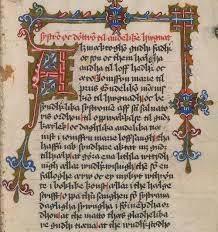
Thereare threethings Iwanttohighlight andpresent:
1.) Erik's chronicleisnot in theoriginal. We onlyhavea small partofErik'schronicleleftand thereare sixmanuscripts.The earliestmanuscriptisfromthe 1400s,over300 yearslater
2.) Handwrittencopies of Erik's chronicleremain, beginning with thelastofthe Erik family, namely Erik the"Lisp andLame". i.e. fromthe 1220s.Erik'schronicle shouldstart with thefirst Erik in theErikfamily,namely"Erik theHoly," i.e. from the1160s. 3.)The historians fromthe 1400s and1500s OlausPetri,Johannes Magnus,Peder Swartand JohannesLoccenius.JohanBurealso discussesthispower struggleand it is mentionedinall the chronicles availabletohis contemporaries. Today, thereare onlya fewplacesinthe chronicles that address
this historical power struggleand clashesbetween theEmpireand theLeague of Nations
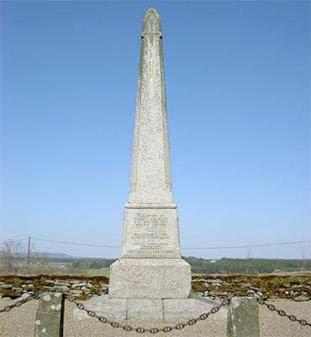
Fålebro is thenameofthe bridge overthe riverSävjaån in the parish of DenmarkinUppland. TodayitiscalledFårebro andwas pronounced with å. Theplace wasnamed afterFåleBureland judge whoismentionedinvarious chronicles.The original Erikskrönika doesnot exist, theolder sections fromErikthe Saint'stimeare gone.Fortunately,other chronicles such as the CronologicaVetus dealswith thebattleof1205 in Älgarås, and theSigtuna annals deal with thebattleof1208 at Lena andthe Manx Chroniclementions thechief writer fromJämtland, Östman Guttormssonand thecountry magistrate Fåle Bure's help in 1156 to winthe crownfor Erik the Holy.Danish-Swedishannals from 916-1263. Here is theoldest theannals of theBattleofGestilrenin1210.
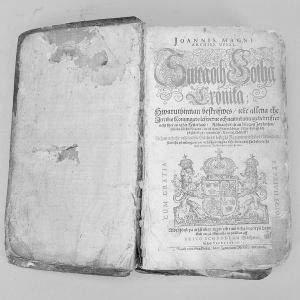
Thechronicles of JohannesMagnus andEricusOlai, tell of the
Bure'did in thebattleofFålebro overthe riverSävjaån in the parish of DenmarkinUppland. Fåle Bure waschief magistrate for Greater Hälsingland, whichatthattimeincludedJämtland, Medelpad,Ångermanland andHälsingland (Source: Johannes Magnus chapter12).
"His father's father (grandfather)may have been calledFalethe elderorthe oldman in Byrestad,chief of theHelleneswho avengedthe deathof St.Erik. He wasbeaten to deathatFålebro,which is wherehegot hisname. May18, 1161, occisusSanctus Ericus." (Source: JohanBure'sfamily book in autograph, fol. 139v, [p.67] fol.140r [p.68],Finnish NationalArchives, Armfeltska arkivet III:14-15.)
ThenobleKingErikIXsufferedanignominious deathat UppsalaonMay 18, 1160 by theroyalassassin, theDanish prince Magnus Henriksson. LedbyFålei Byrestad or Fåle Bure,he, theHälsinglanders andthe Norrlanders (Hälsingland, Medelpad,Ångermanland, Jämtland) thus raised alarge army, marchedtoUppland andthere, outside Uppsala, defeated King Erik's murdererina battleonMay 16,1161atFålebro,near Uppsala, whichissaidtohavebeennamed afterthe leader. Fåle fought bravelyamong theforemostinthiscruel battle.Hefell gloriously not farfromthe bridge namedafterhim,Fålebro.Heis said to have exclaimed in thedeathstruggleitself: "I have lived enough, forI dieundefeated". Magnus Henriksson's Danes and Sverkerand hisallieshad so much manpower that they could hardly find amessengertotellthemabout thedefeat of Denmark. When Fåle Bure thus avengedthe soul of thepious king Erik IX,Fåledied, but thehonor of hisvirtuelives on. With hisarmed handheraisedthe freedomofthe fatherland andthe authorityof Karl Sverkersson, with thesamehandthatheraisedthis honorable trophy of victoryand againstall enemiesheerected a memorial,and he is immortalized in thechronicles,Herse Bure theonlyson of thepraised hero,whosenamethanks to the chronicles hascometoour knowledge. (Source: ProstenOlof BromanExtract from hismasterpiece Glysisvallurand other writings concerning Hälsingland, part 3, Uppsala1953.)
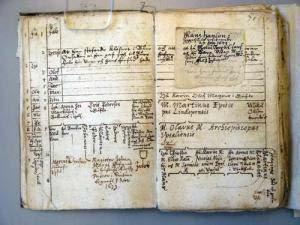
Härsehin elder in Byrestad.(Source: JohanBure'sfamilybook by hisown hand (1613),p.129v-130, [246r]Finnish National Archives, Armfeltska arkivetIII:14-15)
Härseisprobablythe Härsewho died at Almarestäket in 1187 together with JonEdvardssonand is mentioned. (Source: Erik's chronicle(original version) interpretedbyprofessorand historiographerJohannesLoccenius,who wroteinLatin "Svensk historia frånår1654".
When Fåle Bure thus avenged thesoul of thepious King Erik IX,Fåledied, butthe honor of hisvirtuelives on.With hisarmed hand he raised thefreedom of thefatherlandand theauthorityof Karl Sverkersson, with thesamehandthatheraisedthis honorable trophy of victoryand againstall enemies, he erected a memorial,and he is immortalizedinthe chronicles.Härse,the only sonofthe praised hero,whosenamethankstothe chronicles has come to our knowledge.(Sources: 1.) Nils Casström'sdoctoral thesis in 1746.
2.) Olaus Petri,A Swedish Chronicle,)
ThebattleatLenain1208 is mentionedinthe Sigtuna annals: "There wasa waronFebruary5,1208. Therewas abattleinLena whereEbbe andLarsSunesonclashed with themost renowned soldiers of Denmarkand Valdemar Sej(thevictor). King Sverker fled after the Danish defeat,and theremnantsofthe Danish army fled with great shame."
Danish-Swedish annals 916-1263: This is theoldestannalnote on Gestilren.These annals wouldhavebeen writteninLund by the Dominicansnolater than 1254, whichmakes theinformation fairly up-to-datefor thefirst part of the13thcentury.Itisbelieved that themanuscriptthencametoSweden. In Sweden,the five youngest notes,which relate to theyears1255-1263, have been added sometimeafter 1263: "1210. Thebattle of GestilrenonJuly18, whereKingSverker and Earl Folkefell'.
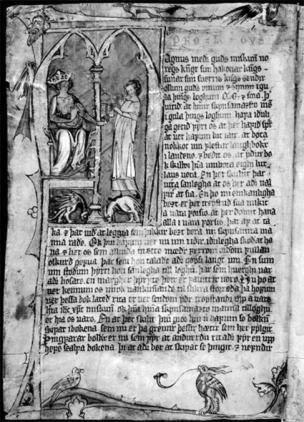
In theKing'sChronicle of Västgötalagen it says about Sverkerthe younger "thatthe People'sKings killed SverkerinGestilren in 1210", similar to thelengthofthe Västergötland lawman,anaddition that was linkedtothe olderVästgötland lawaround 1325 by thesocalledVidhempriest.
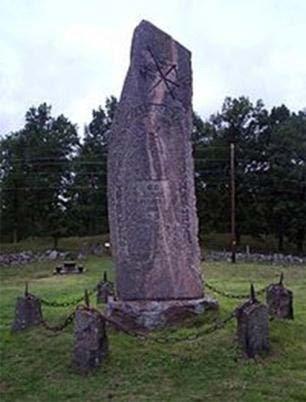
Fale hinUngealsomentioned in Johan Bure'sfamily book.
Extract from thefamilybook:
"Falehin unge wasa "Wijdhfäring",and when he served in King Knut Eriksson's court, King Sverkermadewar on King Knut's sons andhad them slain. Then Fale fled with King Knut's son Duke Erik,first hometoByrestadand then to Norway wherehe provided him witha wararmy,toclaim his father's kingdomagain andtake revenge."(Source: JohanBure'sfamilybook in autograph, page 132, page 133)
".thedeathofhis brothers.Assoon as he cameinoverthe mountains, Fale traveled all of Jämtland, Hälsingland, Medelpad and as much of Ångermanland as is in Strinna,and went south andwarredwith King Sverkerwhich happenedatLenain1208 as theversesread:"Anno milleno, 4bis,duo cente no plenoBellum SverconisStetitinFesto
Gereonis ContigitinLenum two Danske lupo for oneofSvenskom Svenom togo dorsumverbere plenum." Forthe Daneshelped King Sverkeragainst King Erik,JohannesMagnus writesthat Sverker was beaten"(Source: JohanBure'sfamilybook in autograph, p. 134, fol. 137r.).
".when on hissecond journey: 1210 he fought againstthe Swedish nobles,at Gestilbro.(Gestilren.) When Erik Knutssonhad come to the kingdom,hemadeFalehin Ungea lord and improved his nobility,givinghim an armedarm as ashield, because he had carried himonhis armawayfromdanger, andonhis helmettwo Norwegianaxes, because he hadbegun to take the kingdom with Norwegianmen, so thathebecame king.Then King Erikgave him allofMedelpadand apartofÅngermanland and Jämtland as agift."(Source: JohanBure'sautographfamily book, fol. 137v, fol. 138.)
"His gravestoneliesinSkön'scemetery, and withthe coat of arms carvedonit. The same coat of arms waspainted with gold andfinecolorsand hung on thechurch wall there. Anddid he himselforHerse in Bure,his son, as some believe,write the chroniclethatwas stored in Skön'schurch andcontained what had happenedinFales'time(etc.)."(Source: JohanBure'sfamily book in autograph, fol. 138v, fol. 139r.)
"Fale'sstone is so setwith five crosses, theshieldisalmost five-sided,soisthe helmet"."Hisfather'sfather(grandfather) was called Fale theelder or theold maninByrestad, chiefofthe Helleneswho avengedthe deathofSt. Erik.Hewas beaten at Falebro, theplace that got itsname. 1161 May18occisusSanctus Ericus"(Source: Johan Bure's autographfamilybook, fol. 139v, fol. 140 r.).
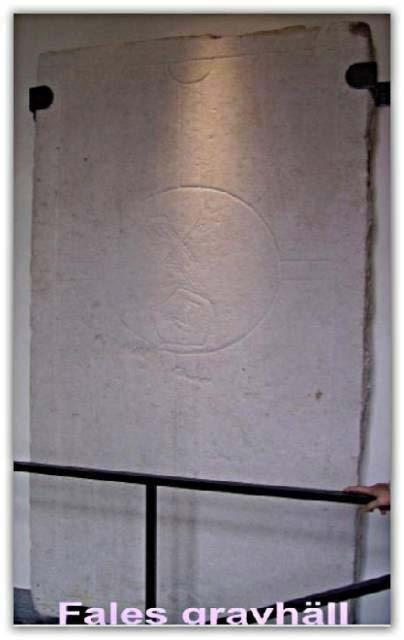
Fale Bure,Kistlock(tombstone)ofwhite marble-likestone can be found in Skön's church. Todayitisonthe wall on the leftsideat the entrance to thechurchhall. It is describedashavinga frieze around its outer edge andcircles in allfour corners. Thereare Maltese crossesonthe stone andanother crossand within this a wide circle depictinga coat of arms,a coat of arms whichhas alwaysbeen calledthe Bure coat of arms.Itrepresentsan armed curved armand above it apairofcrossedcars. The parish of Skön placedthe describedcoatofarmsasits parish seal (Source: Säbråbokenp.80-84).
Ihavetaken up the old chronicles andthe historyofSweden's oldest family,how membersofthis family were involved in shaping Sweden's history, one of the most famous Fale helped Erik Knutssontothe king's throneand is probably thesame person as the fictional Arn, This Fale haddecisiveroletogether with Sune Folkesson in the battle of Gestilrenand Lena.