EDITOR-IN-CHIEF
SOPHIA YANG
OLLY MYLON
BIOLOGY
MORAN LIU
MAGGIE CABOT
PHYSICS
KATIE CHEN MX
DR. STEVEN MYLON
EDITOR-IN-CHIEF
SOPHIA YANG
OLLY MYLON
BIOLOGY
MORAN LIU
MAGGIE CABOT
PHYSICS
KATIE CHEN MX
DR. STEVEN MYLON
We are so excited to be in the third publishing year of the Middlesex Science Magazine, DNA-MX [‘dynamics’].
Student contributors look forward to sharing their exploration of and insight on a breadth of science fields. In this issue, students engaged with topics including budding biomedical research techniques, modern physics phenomena, and sustainability efforts at Middlesex.
Through combining thoughtful literary craft with our shared passion for science, we publish this magazine in hopes that our work will inspire student participation within the STEM community both in and outside of the classroom. We aim to expand our Middlesex Circle through intellectual curiosity and creativity.
We encourage you to seek out our editing staff if you have any questions or are interested in contributing to future issues! We hope you enjoy reading!
- Sophia Yang ‘25




Michelle Cai ‘27
The Middlesex Science Department is rife with passionate scientists and researchers who excel in their area of study. When taking a deeper dive into this talented department, who is the distinguished John MacMullen? Students may recognize him as Mr. Mac, the science teacher who wears a navy puffer vest and baseball cap, and coaches the girls’ JV soccer team Yet, his students may not be familiar with his passion and expertise that extend far beyond the freshman biology classroom and the beautiful game of fútbol.
Mr Mac received a bachelor's degree in Environmental Studies from Brown University During his four years at Brown, he was immersed in various types of research, data sampling, and field work, as well as the more typical lecture-style classes. While studying coastal ecology, Mr. Mac and his classmates took a trip to the salt marshes in Cape Cod to take samples of gas and nutrient levels. In his junior year, he took a trip to Australia, where he snorkeled in the ocean reefs to collect underwater data samples On campus, he worked at the Center in Coastal Studies, where he helped coordinate marine education for the general public.
Mr. Mac’s entire family has pursued careers in teaching. His parents both taught at Taft School, a private boarding high school in Connecticut. During his undergraduate years at Brown, Mr. Mac volunteered his free time in Providence’s local schools, mentoring young students in the Brown Elementary Afterschool Education Program After graduating in 2018, Mr Mac started his official teaching career at Middlesex, now currently teaching biology and environmental science This is his seventh year working at Middlesex, and he is especially excited for his Marine Biology class’s annual spring trip to the New England Aquarium in Boston.
Outside of teaching, Mr. Mac enjoys being outside and participating in adventurous activities while observing the environment His favorite activity of all time is fishing, especially for striped bass, as well as kayaking on the Boston Harbor He also likes to surf, skimboard on the beach, and hike. One of his most memorable was his five day hike in New Hampshire’s White Mountains, a mountain range with a beautiful view of the fall foliage.
Mr. Mac, though seemingly just recently graduated from college, holds a plethora of knowledge and experiences, which he is eager to share with others Whether it is about his travels in Australia, the bass he caught this summer, or how the soccer team is doing, Mr. Mac always demonstrates his passion in his interests, in his teaching, and most importantly, in helping others.
Allison
Luo ‘27
Look around your room Do you have a rug, a fridge, or a couch? Do you plan to throw them away at the end of the year? Do you plan to get new furniture next year? If your answer is ‘yes’ to any of these questions, Middlesex has come up with an environmentally friendly and sustainable solution the Green Sale!
At the end of the past few school years, members of Middlesex’s environmental club, Common Sense, and the Sustainability Officers have provided students the opportunity to donate their old dorm essentials, such as rugs, fridges, and beanbags, as opposed to throwing these items away and ultimately sending them to landfills
The following fall, Common Sense members organize the items, advertise, and run the Green Sale At the sale, students can buy these items at comparably lower prices, often under five dollars The Green Sale not only decreases excessive purchasing of new dorm decor and furniture, but also provides students with an opportunity to find inexpensive options for dorm decorations The heads of Common Sense this year, Isla Ferrari ’25, Luisa Ferrari ’26, and Lulu Goulet-Hofsass ’26, say that their overall goal is to “promote sustainability on campus.”
After the sale, Common Sense donates all proceeds to local environmental organizations. Last year, with the profits from the Green Sale in addition to the money raised during the Under The Lights game bake sale, Middlesex raised around $1,000! The members of Common Sense decided to donate those funds to Gaining Ground, a nonprofit organization in Concord that grows fresh food for meal programs and food pantries.

Two years ago, Common Sense gave the money to the Concord Land Conservation Trust, an organization devoted to preserving the historic lands here in Concord This year, Middlesex raised around $900, and Common Sense is currently researching local groups and organizations to reach out to and support.
Middlesex continues to prioritize environmental activism through our Sustainability Officers, who will make announcements to educate the community about taking care of our environment, saving water on campus, and assisting with the Green Summit in April. With help from the community, the Sustainability Officers and Common Sense hope to make the Green Sale and clothing recycling on campus even more successful next year.
If you want to participate in this initiative or contribute to environmental sustainability in general, join Common Sense! They meet during lunch on Mondays in the Barron Room. The heads hope to “encourage students to shop more sustainably instead of adding more waste to the Middlesex community ” Together as a community, we can work together to preserve a green and healthy campus!
Tucked away on the fifth floor of the Variety Club Building, in the southeastern corner of London’s Great Ormond Street Hospital, you’ll find Europe’s most advanced clinical research centre for childhood leukemia affectionately called the Fox and Robin Wards (GOSH). There, thirteen-year-old Alyssa sat with bated breath as Dr. Robert Chiesa and Dr. Christos Georgiadis delivered the results of her first response assessment Two months earlier, in April 2022, when her cancer relapsed for the second time, her family had been told that her only option was end-of-life care In June, just two months later, Alyssa became one of the first people cured by off-the-shelf CAR T-cells (UCL)
What is Leukemia?
Leukemia, like all cancers, involves abnormal cells that divide rapidly and ignore stop signals Leukemia affects the bone marrow, where blood cells are produced: vast numbers of malfunctioning white blood cells flood into the patient’s bloodstream, crowding out normal white blood cells. Patients, defenseless without the functioning white blood cells, are vulnerable to fatal infection
What is CAR T-therapy?
The two standard cancer treatments of the last seventy years have been chemotherapy and radiotherapy Both are brutal, indiscriminately destroying rapidly dividing cells, killing non-cancerous cells along with cancer.
After decades of research, CAR T-therapy emerged in the 2010s as a new option for cancer treatment The “T” in CAR T stands for killer T-cell, a natural member of our immune system that kills infected, damaged, and cancerous cells Because cancers “hide” from killer T-cells, researchers give the patient’s T-cells a new identification tool: “CAR” stands for Chimeric Antigen Receptor, a genetically engineered “machine arm” that recognizes and binds to “flags” present on the surface of cancer cells
Without the CAR, T-cells are like skilled gardeners struggling to find weeds in a vast garden The CAR is like a flashlight that illuminates a mark carried only by the weeds, absent from the other plants The killer T-cell is now able to see the cancer cells covered in glowing flags and then destroy them.
Currently, CAR T-therapy faces several limitations, including the difficulty of infiltrating solid tumors However, CAR T-therapy has shown great success in treating blood cancers, curing certain types of leukemia in 80 to 90% of patients (Sun et al). This very active and new area of research is thus rapidly becoming an essential tool for cancer treatment.
A major challenge: The lengthy process of making autologous CAR T-cells from scratch
The CAR T-cells currently in use are autologous CAR T-cells, generated from the patient’s own T-cells through a lengthy process. T-cells are first collected from blood samples, then engineered to express CARs in the lab, before being cultured and expanded to provide a sufficient quantity for treatment The CAR T-cells are checked for quality and only then injected back into the patient
This time-consuming process causes two main problems. Firstly, during the weeks it takes to generate CAR T-cells, patients’ cancer frequently progresses Secondly, this time constraint generally means that the generated cells are sufficient for only one round of treatment; if the cancer only partially goes away, a possibly life-saving second round cannot be generated in time (Depil et al)
The “simple” solution: Pre-manufacturing allogeneic CAR T-cells
If the root of the problem is the time it takes to generate CAR T-cells from scratch, the apparent solution is to pre-manufacture them using T-cells from other people aka allogeneic CAR T-cells Frozen vials of allogeneic CAR T-cells, industrially produced in massive quantities, would be immediately ready to use off-the-shelf for as many rounds of treatment as necessary
As in other types of transplantation, immune rejection complicates matters, but it is not unresolvable. Transplanting allogeneic CAR T-cells was at the center of Alyssa’s treatment: researchers silenced the genes responsible for coding the “ name tags” that identify the transplanted T-cells as foreign Coupled with a strong immunosuppressive regimen, Alyssa remained rejection-free (Chiesa et al)
So where are we now, and where could we go?
Currently, allogeneic (transplanted) CAR T-cell therapy is still in its infancy, especially compared to autologous (native) CAR T-therapy. Whereas eight autologous CAR T-therapies are already approved for commercial use, only one of the ongoing allogeneic CAR T-trials has currently progressed to Phase II (Moradi et al) Moradi’s review provides an excellent table summary of this disparity
Dr. Chiesa and Georgiadis’s paper, published in the New England Journal of Medicine in 2023, features Alyssa as “Patient 1.” Titled “Base-Edited CAR7 T Cells for Relapsed T-Cell Acute Lymphoblastic Leukemia,” it is a brief, Open Access paper that would be an interesting read for anyone interested in CAR Ttherapy
One day, allogeneic CAR T-therapy could reshape the face of cancer treatment: industrial manufacturing could bring down costs, and immediate availability could improve outcomes Alyssa was told she’d die when she was thirteen, but today, she attends high school like you and me We’re closer to a world where cancer can be treated from an off-the-shelf vial than one might think.
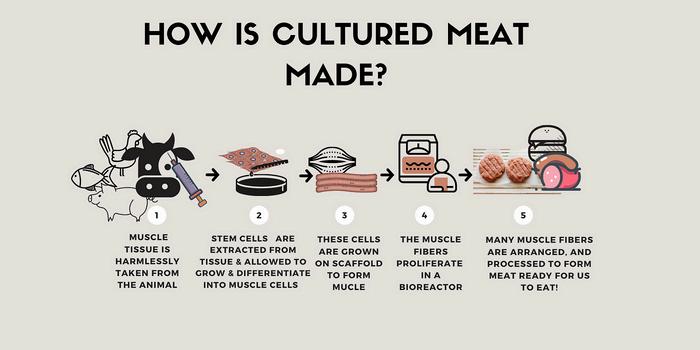
Have you ever wondered where the meat you’re eating comesfrom?Whileitremainsthecasefornowthatthemeat people eat relies on the slaughter of animals, the new advancement of the “Lab-Grown Meat” technology brings a newapproachtomeatproduction
Lab-grownmeat,alsoknownasculturedmeat,isatechnique aimed to produce an ethical alternative to conventional animal farming Through the cultivation of stem cells from animals,itbypassestheneedtoraiseandslaughteranimals
Scientistsbeginbyextractingasmallsampleofanimalstemcellsfromliveanimals Selectedcellsarethenplacedinapetridish andsuppliedwithaminoacidsandotherproteins Then,thecellsareplacedinbioreactorswheretheygrowandreplicate After sufficientcellmultiplication,theresultingproductresemblesgroundbeef
Bioreactors increase production capacity and improve control over cell conditions, aiming to maximize productivity, reduce costs, and enable larger-scale manufacturing Additionally, several other advancements such as 3D-bioprinting and induced pluripotentstemcellsfurtherenhanceculturedmeatproduction
Thegrowingfieldofculturedmeatrepresentsseveraladvantages Culturedmeatdecreasesthenecessityofanimalslaughter, providingamorecompassionatesubstituteforconventionalmeatproductionbyusinganimals’cellswithoutcausingharmto theanimalsthemselves Moreover,culturingmeatcanminimizenegativeenvironmentaleffectsofagriculturebyreducingland useandgreenhousegasemissions Furthermore,meatculturedinlabsallowsforthemodificationofitsnutritionalcomposition andreducesdiseaseassociatedwithraisinganimals
However, challenges arise from the process of culturing meat Firstly, despite considerable reduction in production costs over pastyears,lab-grownmeatisstillmuchmoreexpensivethantraditionalmeatandthusnotyetmassmarketcost-competitive Secondly, the nutritional value of lab-grown meat is still under examination as its vitamin and mineral compositions may not perfectly match those of conventional meat Lastly, consumer acceptance continues to be a key problem as many consider culturedmeattobe“unnatural”
Lab-grown meat represents an exciting new development that has the potential to completely change the way humans produceanduseanimalproducts Thoughtherearetechnicalandfinancialobstaclesthatmustfirstberesolved,culturedmeat couldbecomecommerciallywidespreadinthenearfutureduetoitsmanypotentialhealthandenvironmentaladvantages
Gina Zhao ‘26
The CRISPR (Clustered Regularly Interspaced Short Palindromic Repeats) system of gene editing became prominent following the groundbreaking work of biochemists Jennifer Doudna and Emmanuelle Charpentier in 2012. CRISPR utilizes a guide RNA (gRNA) to direct the Cas9 protein to a specific DNA sequence, then breaks up the double strand. The cell itself then repairs this break, either through a non-homologous end joining (NHEJ) or homology-directed repair (HDR). While NHEJ often leads to disruptive DNA base pair insertions or deletions, HDR can be harnessed to introduce intentional mutations or new genes, making targeted genetic modifications possible for the first time in human history (Doudna & Charpentier, 2014).
CRISPR is promising in the medical field, particularly in gene therapy. It can correct genetic mutations responsible for inherited diseases such as Huntington’s and sickle-cell anemia. In 2021, the first clinical trials using CRISPR to treat sickle-cell disease positively demonstrated the technology's ability to produce healthy red blood cells (Frangoul et al., 2021).
In addition to genetic disorders, CRISPR represents a stride forward in the continuous fight against cancer. By targeting and disrupting genes that contribute to tumor growth, CRISPR creates new therapeutic strategies that, unlike chemotherapy and radiation therapy, inflict minimal harm on the already weakened human body (Khan et al., 2019).
In biotechnology, CRISPR has facilitated the development of more efficient microbial strains for industrial applications. For instance, genetically modified bacteria can be engineered to produce biofuels or pharmaceutical drugs with higher efficiency and at lower costs (Wang et al., 2020).
Despite its potential, CRISPR raises considerable ethical concerns. One major issue is the possibility of "off-target" effects, in which CRISPR unintentionally modifies other parts of the genome, leading to unforeseen consequences. This risk necessitates rigorous testing before clinical applications can become mainstream (Kim & Kim, 2016).
Another ethical dilemma involves germline editing—altering the DNA of embryos or reproductive cells. While this could eliminate genetic disorders, it also raises questions about the long-term biodiversity of the human gene pool and the implications of "designer babies." The ability to select for specific traits could exacerbate social inequalities and lead to unforeseen genetic consequences (Lanphier et al., 2015).
As CRISPR technology advances, regulatory frameworks must evolve to address the ethical and safety concerns associated with its use. Policymakers, scientists, and ethicists collaborate to establish guidelines that ensure responsible use of CRISPR while promoting innovation.
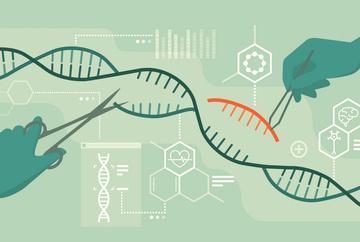
The future of CRISPR technology is promising, with ongoing research aimed at improving its precision and efficiency. Innovations such as CRISPR-Cas12 and CRISPR-Cas13 offer alternative systems that may reduce off-target effects and expand the range of applications. Furthermore, the integration of CRISPR with other growing technologies such as synthetic biology and artificial intelligence could amplify its capabilities (Zhang et al., 2020). As research continues and technology evolves, CRISPR will likely play an increasingly vital role in shaping the future of genetics and its applications in our lives.
Lucy Wang ‘26
Let us start with the word ‘synthetic’ to understand synthetic biology. Synthetic means developed artificially through chemical reactions. When we modify living organisms or pathways to perform new functions, it is called synthetic biology.
Synthetic biology uses a variety of tools to modify organisms and even build new forms of life from scratch. One of the most common techniques is gene editing. Deoxyribonucleic acid (DNA) is the molecule containing the genetic “instructions” of living organisms; synthetic biology allows scientists to alter these instructions. By modifying genes or creating new ones, scientists can customize organisms’ behaviors.
A synthetic biology project follows this general process:
1
Identify and prepare genes of interest: Scientists first decide the function for cells to perform, from producing a drug to detecting toxins in the environment Scientists then design a DNA sequence a series of genetic instructions that can produce the desired function. This DNA could be chemically synthesized or cloned from other organisms Finally, the designed DNA, along with a gene expression system such as a plasmid vector, is then inserted into the cell Several gene editing tools can be used in this stage, including restriction enzymes and CRISPR-Cas9
Discovering how synthetic biology revolutionizes our world to solve medical, agricultural, and environmental challenges.
Medicine: One of the most exciting applications of synthetic biology is in medicine. Scientists are using synthetic biology to advance drug production and even create personalized treatments based on an individual's genetic makeup.
Agriculture: By modifying the genes of plants, synthetic biologists can create crops that are more resistant to drought, pests, and diseases. For example, scientists have developed genetically modified corn, cotton, and brinjal that produce their own insecticide, reducing the need for chemical pesticides. In addition, we can synthesize microbes to naturally convert nitrogen from the air into a form that plants can use as an alternative to chemical fertilizers.
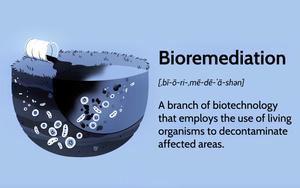
Bioremediation: Bioremediation is the process of using organisms to clean up environmental pollutants. Synthetic biology can be used to engineer bacteria that can break down harmful chemicals in oil spills, industrial waste, or plastic pollution.
While synthetic biology offers many exciting possibilities, it also raises important ethical questions and risks. The main concern with synthetic biology is the safety of ecosystem biodiversity, as a synthetic organism could pose unintentional threats to native species.
To address these concerns, scientists are developing safeguards to control synthetic organisms. For example, they might design organisms that can only survive in specific environments or that can be easily killed if they escape.
Other major concerns regard the concept of creating life, including bioterrorism or the potential misuse of synthetic biology for harmful purposes. To mitigate this risk, governments and international organizations are working to establish regulations and monitoring systems.
Test and Refine: After the DNA is inserted, scientists monitor the cell’s behavior. If the mechanism doesn't work as planned, the DNA sequence is adjusted and the process is repeated.
2. Upscale: Once the synthetic organism functions as intended, scientists can grow it in large quantities. 3
Bioplastics: Traditional plastics are made from petroleum, a non-renewable resource, and they take hundreds of years to decompose. Synthetic biology offers an alternative by creating bioplastics—plastics made from renewable resources like plants— which are biodegradable and have a lower environmental impact.
Biofuel: Scientists can modify microorganisms like bacteria, yeast, and algae to efficiently convert biomass into biofuels, such as ethanol, biodiesel, and biohydrogen—addressing key challenges of biofuel sustainability.
From curing diseases to addressing environmental challenges, synthetic biology has the potential to transform our world in ways that once seemed to be science fiction. The ability to manipulate genetic material continues to improve, so it remains essential to approach synthetic biology with caution and responsibility. By balancing innovation with ethical considerations and safety measures, we can use this powerful technology for the greater good.

What is Triple E?
Eastern Equine Encephalitis (EEE), commonly called Triple E, is a rare but serious virus transmitted by the bite from an infected mosquito
Symptoms & Effects
Individuals infected with the virus often have flu-like symptoms, including fever, chills, and body aches As the disease progresses, severe cases can lead to inflammation of the brain (encephalitis), causing headaches, seizures, disorientation, and even coma. The long-term effects can include permanent neurological damage, including cognitive impairment, seizures, and paralysis Unfortunately, about one-third of those who contract Triple E do not survive.
Where Did Triple E Originate?
Triple E was first identified in Massachusetts in the 1830s when it affected horses The virus mainly survives today in North American bird populations, particularly in marshlands and swampy areas where mosquitoes are densely populated.
Geographical Areas Affected
Triple E is predominantly found in the eastern United States, particularly in the Atlantic and Gulf Coast states, as well as the Great Lakes region Massachusetts, Florida, New Jersey, and Michigan have seen the most significant activity
Recently, cases have been reported in New Hampshire, Vermont, Massachusetts, and New Jersey. In addition to the U.S., Triple E cases have also been reported in eastern parts of Canada, particularly Ontario and Québec
How do Mosquitoes Spread Diseases?
When a mosquito bites, it takes blood from the host and consequently may also take in pathogens circulating in this blood Those pathogens can then multiply in the mosquito's body When the mosquito bites another host, the pathogens are transmitted through the mosquito’s saliva, infecting the new host. Viruses like malaria, West Nile, dengue, and Triple E are spread due to mosquitoes’ ability to carry viruses and parasites from one host to another
Triple E Transmission
Mosquitoes become carriers when they bite infected birds, which are the virus’s primary hosts Once a mosquito is infected, it can transmit the virus to humans and other animals including horses.
In addition, urbanization and climate change are believed to contribute to the spread of Triple E by expanding mosquito habitats Warmer temperatures also extend mosquito breeding seasons

Howard Liu ‘26
VOC and Pollution
As the current major contributor to global atmospheric pollution transitions from coal combustion to PM25 (inhalable particles with a diameter of 25 μm or less) and O3 this complex issue will continue to exacerbate if not properly treated Industrial development has led to dramatically growing emissions of volatile organic compounds (VOCs) into the atmosphere, which are major precursors for PM25 and O3 Most notably, in China industrial VOC emissions increased from 153 TgC/y (Teragram carbon per year) in 2011 to 294 TgC/y in 2013, with an average annual growth rate of 383%
Most VOCs are toxic and can cause severe health issues, posing a serious threat to both human health and ecological stability In short-term exposure VOCs can cause eye nose and throat irritation as well as headaches memory loss and damage to the liver, kidneys, and nervous system many of which are fatal and irreversible diseases Therefore it is crucial to develop specialized adsorbents to treat VOCs with physical and chemical properties In recent years, molecular sieve-based materials have stood out from a variety of VOC-capturing materials showing exceptional performance in both research and engineering applications
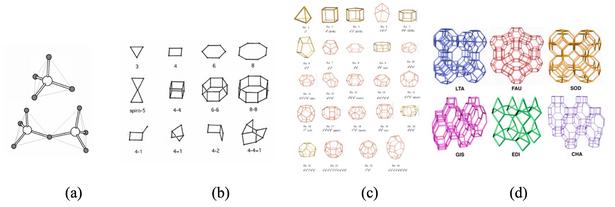
The most basic structural units (Figure 1a) of molecular sieves are zeolites (aluminosilicates) – AlO4 (alumina) and SiO4 (silicate tetrahedron) Different types of molecular sieves are made up of different amounts of AlO4 and SiO4 The secondary structure (Figure 1b) is a cyclic compound (or ring compound) created by connecting AlO4 and SiO4 end-to-end The tertiary structures (Figure 1c) are cages made by secondary structures sharing sides Usually, molecular sieves are referred to using their tertiary structures for example β-zeolite Finally, the functional giant-structure crystals (Figure 1d) are made by combining one or more cages in a repeating pattern, creating a porous molecular sieve material capable of adsorbing particles (Quick note: Adsorption is a process in which atoms, ions or molecules from a substance adhere to the surface of another material; it is not absorption in which a substance permeates or is taken up into the bulk of another material)
Molecular sieves are typically classified based on their pore size into macroporous (>50 nm) mesoporous (2-50 nm), and microporous (<2 nm) which directly dictates the sieve’s ability to adsorb specific types of VOC molecules The kinetic diameters of most VOCs are less than 1 nm but effective adsorption is only possible when the tiny VOC molecules can enter the molecular sieve s pores, which ideally have slightly bigger kinetic diameters than that of its adsorbate Since the molecular sieve crystals are made from a repeating pattern, each sieve has a uniform pore size This unique physical property allows the material to perform selective adsorption a process by which the sieve selectively adsorbs certain molecules from a mixture based on size, shape, or polarity In very simple words, this concept is quite similar to the shape sorter game toddlers play – a square block cannot go through a circle hole

Figure 2: Illustrates (an oversimplification of) the concept of selective adsorption
Selective adsorption allows for efficient separation in which only unwanted substances are adsorbed, while neutral particles such as nitrogen gas pass through Consequently pollutant filtering becomes more cost-effective, as selective adsorption reduces the need for multi-step separation processes of other conventional materials such as activated carbon
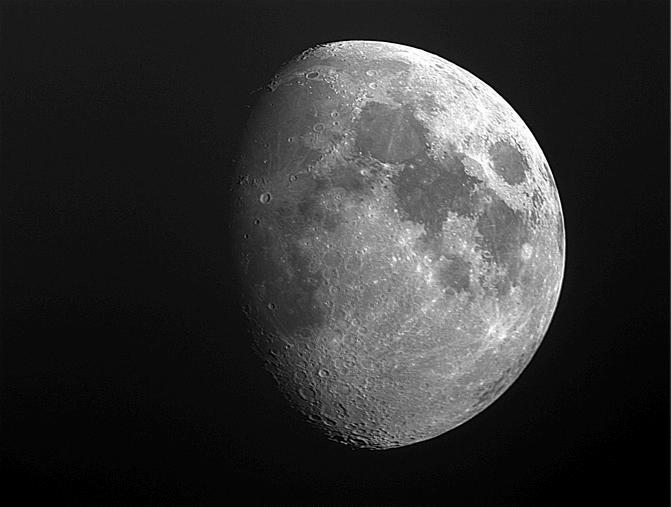
Why we know so little about our universe
Katherine Deng ‘26
Imagine you are working on an art project that requires you to use a sheet of plastic, but you only have a small square. What do you do? Either buy a whole new sheet, or take a heat gun to the offending material Under the heat gun, the plastic begins to expand and stretch So what does this have to do with Dark Matter and Dark Energy?
Think of the sheet of plastic as the universe It might have some bumps or bruises here and there, which we can equate to the visible planets and stars that litter our universe But what holds this plastic together? Why does it not fall apart and dissolve into the air? There is a molecular answer to this question, but it is probably not something we think about on a day to day basis. Instead, we might just assume something acts on the plastic to keep it in place. Even when we do not necessarily see anything, the plastic’s inherent structure and strength hold everything in place. This inherent bind is how Dark Matter exists in our universe. Simply put: Dark Matter's gravitational pull keeps galaxies and galaxy clusters bound together
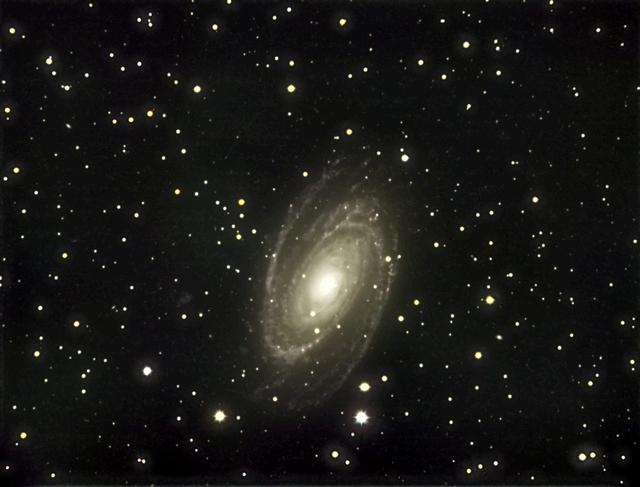
Now, how is it possible that the plastic changes if something is holding it together? Well, that is where the heat gun came in: we were able to use the heat to warp the shape of the plastic. Conceptually, Dark Energy acts the same way. While Dark Matter acts as an invisible force in the universe, Dark Energy causes our universe to stretch and expand. Furthermore, the longer the “heat gun” remains over the plastic, the hotter the plastic becomes, and the plastic will warp faster Similarly, Dark Energy causes the universe's expansion to accelerate over time
However, Dark Matter and Dark Energy are merely placeholders to account for apparent inconsistencies in Einstein's Theory of General Relativity when applied on a large cosmic scale Although Einstein’s Theory’s predictions for our solar system are consistent with scientists’ observations, when we look further into the distance, something is amiss. Dark Matter an Dark Energy attempt to explain thes inconsistencies.
Matter that makes up what we can se including planets and stars, can only account fo 5% of our universe. Dark Matter and Dark Energ are believed to make up the other 27% and 68 respectively.
One idea is that Dark Matter consists o hypothetical particles called “supersymmetr particles” that are partners to the know standard model which consists of 1 fundamental particles. This theory proposes tha Dark Matter particles are light enough to be produced in a particle collider a machine that uses electromagnetic fields to propel charged particles at high speeds and energies to contain them in beams
magnets work to “squeeze” the particles together to increase the chance of collision, the challenge of making them collide is “akin to firing two needles 10 kilometers apart with such precision that they meet halfway.”

One of the most famous of these machines is the Large Hadron Collider (LHC) at the European Organization for Nuclear Research (CERN) Although in theory, the particle itself would not be detected, their existence can be implied by factors that succeed them, such as energy and momentum: collisions with supposed Dark Matter particles would show a lack of energy and missing momentum. However, although thousands of
Because we know so little about Dark Matter particles, many other experiments are in progress. PICASSO-COUPP (PICO) uses superheated liquid detectors of perfluorobutane C4F10 to contrast and detect Dark Matter, while Cryogenic Dark Matter Search (CDMS, now run as its successor SuperCDMS), uses a cryogenics system to maintain germanium and silicon detectors at temperatures just above absolute zero to detect the minute crystal lattice vibrations and charge resulting from the collisions between the detector nuclei and Dark Matter particles. Nonetheless, all Dark Matter experiments have yet to yield conclusive results, and scientists persist in their search for a possible explanation for phenomena unexplained by observable matter.
Albert Einstein’s 1916 theory of relativity offered a prediction on the origins of gravitational waves. His theory essentially states that enormous, accelerating objects will cause a disruption within space and time and, as a result, emit rippling waves of oscillating space-time that travel at light speed away from the source. This phenomenon can occur when black holes or neutron stars orbit one another, but the most dramatic ripples occur during collisions.
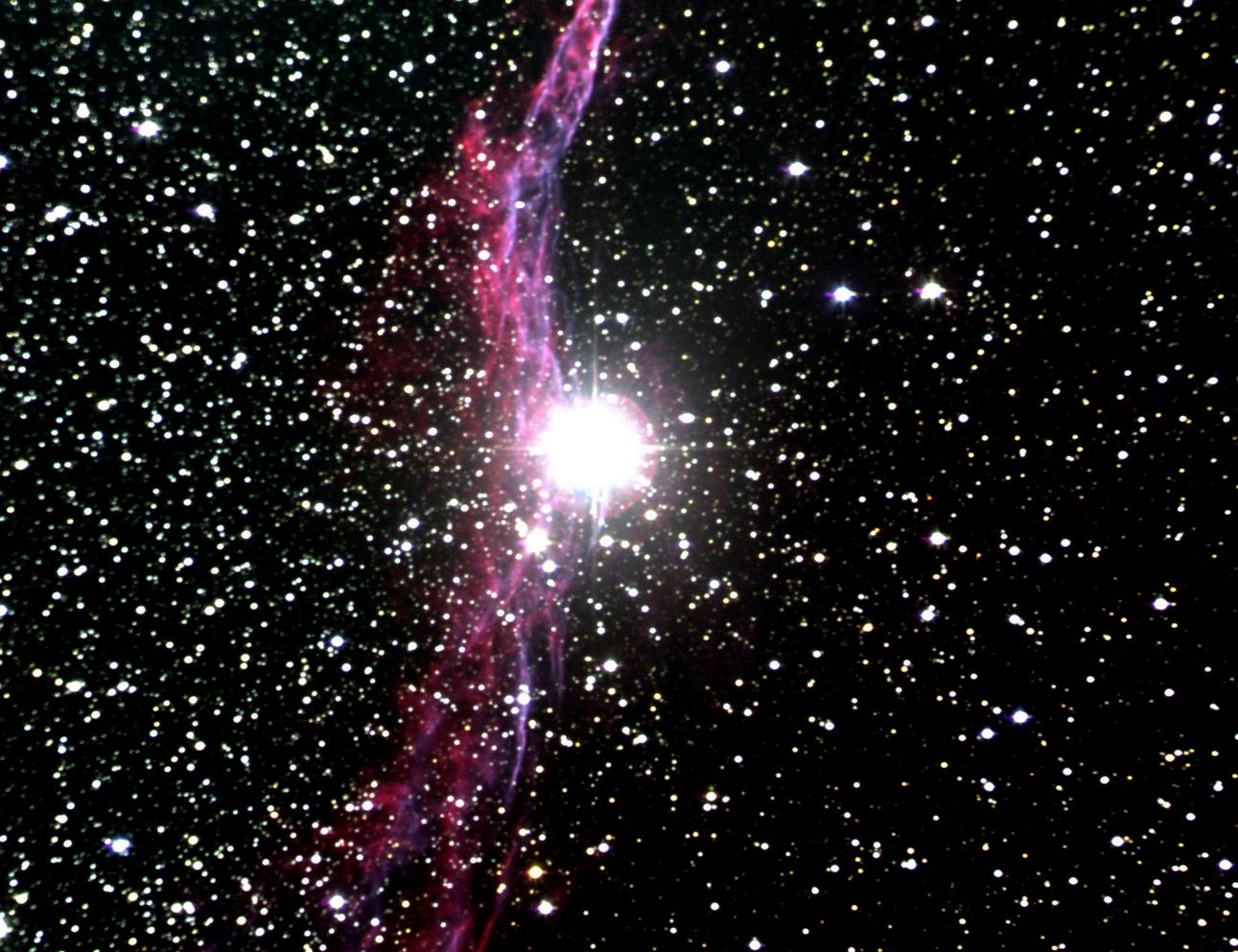
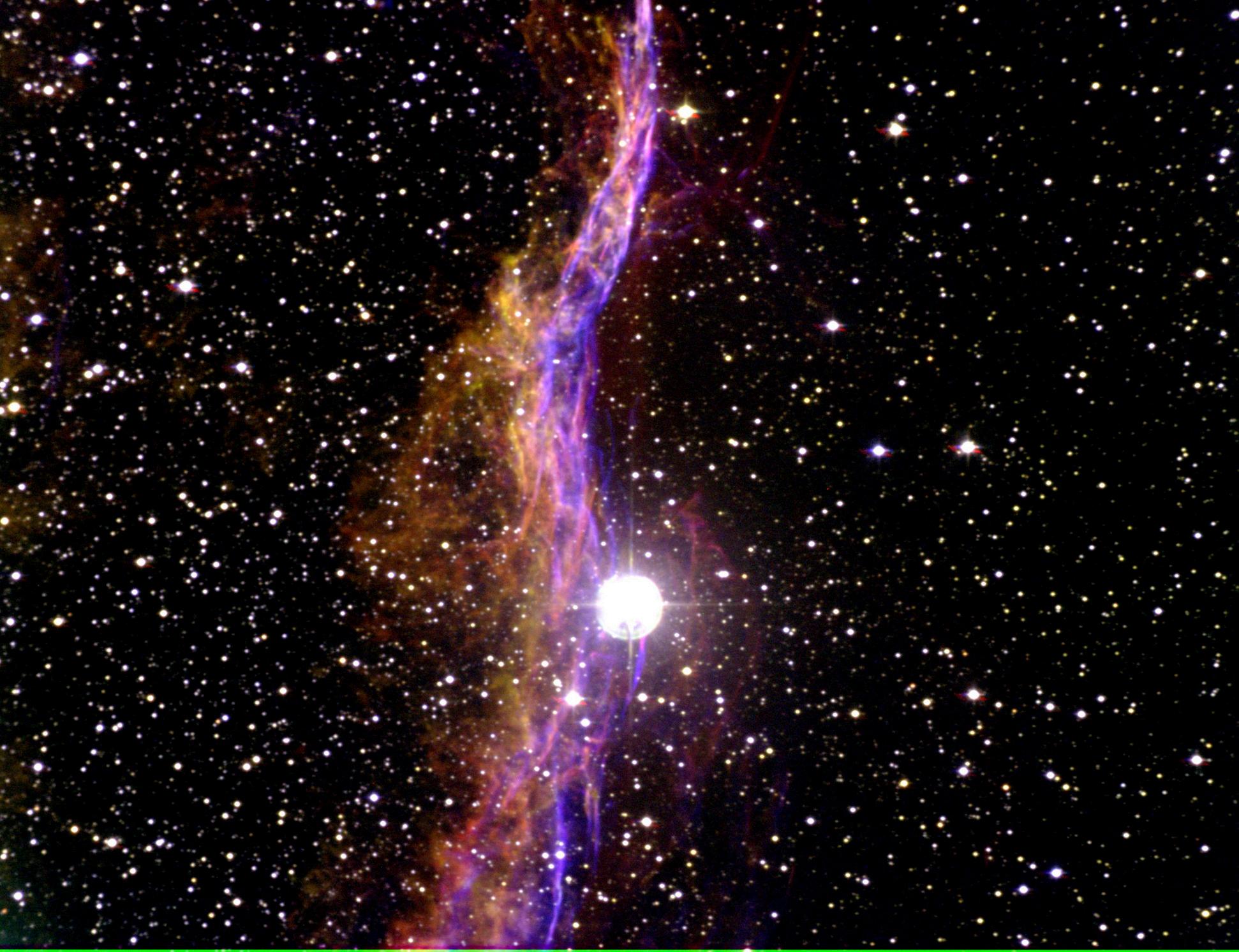
In 1974, astronomers Russell Hulse and Joseph Taylor conducted the first proof of Einstein's theory. Hulse and Taylor detected a binary pulsar— neutron stars that produce radio wave beams—21,000 light years away, and they tracked its radio emissions. A subsequent discovery of an indication of the stars’ growing proximity to one another validated their acceleration as hypothesized by Einstein’s theory of general relativity—given that the measured waves were in fact gravitational waves. Hulse and Taylor ultimately received a Nobel Prize in Physics for this discovery. Years later, on September 14, 2015, U.S National Science Foundation Laser Interferometer GravitationalWave Observatory (LIGO) sensed physical undulation caused by the collision of two black holes, which released gravitational waves of huge magnitudes.
What do these findings tell us? Well, we can learn a lot about neutron stars from their emission of gravitational waves. Neutron stars emit continuous gravitational waves—waves kept at a relatively consistent frequency. Thus, irregularities picked up in their wave pattern indicate bumps or imperfections in the neutron star. Additionally, neutron stars are incredibly dense, thus possessing powerful gravitational fields. Therefore, they present astronomers with a fantastic opportunity to test Einstein’s theory of relativity in a high-gravity environment.
LIGO and the VIRGO Consortium partnered in 2017 to study GW170817, a gravitational-wave signal that was detected from two combining neutron stars. This signal offered insight into the neutron stars’ tidal love numbers— numbers which define the shape rigidity of the neutron stars under tidal pressures. The researchers then applied the theory of universal relations to determine the moment of inertia from the double pulsar. Linking this inertia calculation with the tidal love number obtained from the gravitational waves, the scientists found that their results held true with the theory of universal relations—thus proving the validity of Einstein’s theory of relativity in highgravity environments.

In the 1970s, Stephen Hawking proposed that black holes emit radiation and eventually completely evaporate, destroying everything inside However, this proposal created an information paradox, as the rules of quantum mechanics dictatethatinformationcannotbelost,evenwhenmatterisswallowedbyablackhole Eversincethen,thisparadoxhas puzzled scientists, and new theories that could provide solutions are constantly emerging, including the holographic principle,firewalls,quantumscrambling,andaconceptknownas“softhair.”
Tounderstandtheblackholeinformationparadox,itiscrucialtoknowwhathappenswhenmatterfallsintoablack hole:blackholesareregionsinspace,formedfromthecollapseofmassivestars,wheregravityissointensethatnoteven light can escape—giving them their name When anything, including matter and radiation, crosses the black hole's boundary,knownasthe“eventhorizon,”itisbelievedtobelostforever
In 1974, Stephen Hawking proposed that black holes emit a faint glow, known as “Hawking radiation.” Over time, the black hole loses mass and eventually evaporates entirely. But Hawking radiation—as it does not seem to carry any information about the matter that fell into the black hole—raises a critical question: what happens to the information? If the black hole disappears, then the information seems to vanish with it This clashes with a fundamental principle of quantummechanics,whichsaysthatinformationcannotbedestroyed Thus,the"informationparadox"wasborn
PHYSICISTS HAVE BEEN SEARCHING FOR WAYS TO RECONCILE THE LAWS OF QUANTUM MECHANICS WITH THE BEHAVIOR OF BLACK HOLES. IN RECENT YEARS, SEVERAL THEORIES HAVE EMERGED THAT PROVIDE A POSSIBLE SOLUTION
One of the most intriguing ideas is the “soft hair” hypothesis, introduced by Hawking, Malcolm Perry, and Andrew Strominger in 2016. In the past, black holes were thought to be described only by three properties: mass, charge, and angular momentum However, the soft hair hypothesis suggests that black holes might not be as featureless as once thought According to this theory, black holes may also possess low-energy, information-storing quantum excitations, known as "soft hair" Soft hair consists of photons or gravitons that cling to the black hole's surface near the event horizon. These quantum particles might carry information about the objects that have fallen into the black hole, posing thattheinformationisnotlostbutratherencodedinthesofthair.Thistheoryhasprovidedapromisingwaytoresolvethe paradoxbyshowingthatblackholesdonotcompletelyerasetheinformationtheyconsume
Another possible solution comes from the holographic principle, which was developed from string theory and the work of physicist Juan Maldacena This principle suggests that all the information contained in a three-dimensional space, such as the inside of a black hole, can be encoded on a two-dimensional boundary, like the event horizon. According to this theory, the information about objects falling into a black hole may be stored on the surface of the event horizon, much like a hologram Even if the black hole evaporates, the information remains imprinted on this boundary The holographic principle has gained considerable support because it aligns with many aspects of quantum mechanics and blackholephysics,offeringawaytopreservetheinformationwithoutviolatingthelawsofmodernphysics
Theblackholeinformationparadoxhasdrivenphysiciststoexplorenewandexcitingtheoriesattheintersectionof quantum mechanics and gravity. From the soft hair hypothesis to the holographic principle and quantum scrambling, these ideas represent significant steps toward resolving the paradox Although none of these solutions have been universally accepted, they offer hope that black holes might not be ultimate destroyers of information As researchers continue to explore the mysteries of black holes, the answers they find could reshape our understanding of the universe andthefundamentallawsofphysics.
Chiesa, Robert, et al “Base-Edited CAR7 T Cells for Relapsed T-Cell Acute Lymphoblastic Leukemia ” The New England Journal of Medicine, vol 389, no 10, 14 June 2023, https://doi org/10 1056/nejmoa2300709
Depil, S , et al ““Off-The-Shelf” Allogeneic CAR T Cells: Development and Challenges ” Nature Reviews Drug Discovery, vol 19, no 3, 3 Jan 2020, pp 185–199, https://doi org/10 1038/s41573-019-0051-2
GOSH “Clinics and Wards Used by the CAR T Cell Therapy Team ” GOSH Hospital Site, 2020, www gosh nhs uk/wards-and-departments/departments/clinicalspecialties/car-t-cell-therapy-information-for-patients-and-their-families/clinics-andwards-used-by-the-car-t-cell-therapy-team/ Accessed 12 Oct 2024
Moradi, Vahid, et al “The Paths and Challenges of “Off-The-Shelf” CAR-T Cell Therapy: An Overview of Clinical Trials ” Biomedicine & Pharmacotherapy, vol 169, 1 Dec 2023, pp 115888–115888, https://doi org/10 1016/j biopha 2023 115888 Accessed 15 Feb 2024
Sun, Dahua, et al “CAR T Cell Therapy: A Breakthrough in Traditional Cancer Treatment Strategies (Review) ” Molecular Medicine Reports, vol 29, no 3, 23 Jan 2024, https://doi org/10 3892/mmr 2024 13171 Accessed 3 Mar 2024
UCL “World-First Use of Base-Edited CAR T-Cells to Treat Resistant Leukaemia ” UCL News, 12 Dec 2022, www ucl ac uk/news/2022/dec/world-first-use-base-edited-car-tcells-treat-resistant-leukaemia
Images
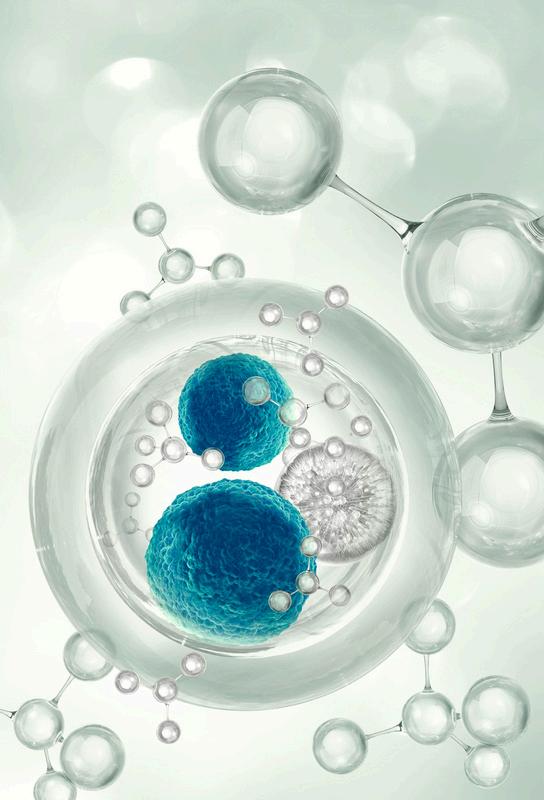
https://penntoday upenn edu/news/penn-medicine-armored-car-therapy-producessignificant-responses-cancerpatients
Lab-Grown Meat
Chriki, Sghaier, and Jean-François Hocquette “The Myth of Cultured Meat: A Review ” Frontiers in Nutrition, vol 7, no 7, 7 Feb 2020, www ncbi nlm nih gov/pmc/articles/PMC7020248/pdf/fnut-07-00007 pdf, https://doi org/10 3389/fnut 2020 00007
GCF Global “The Now: What Is Lab-Grown Meat?” GCFGlobal org, 2019, edu gcfglobal org/en/thenow/what-is-labgrown-meat/1/
Hong, Tae Kyung, et al “Current Issues and Technical Advances in Cultured Meat Production: A Review ” Food Science of Animal Resources, vol 41, no 3, 1 May 2021, pp 355–372, www ncbi nlm nih gov/pmc/articles/PMC8112310/, https://doi org/10 5851/kosfa 2021 e14
Rubio, Natalie R , et al “Plant-Based and Cell-Based Approaches to Meat Production ” Nature Communications, vol 11, no 1, Dec 2020, https://doi org/10 1038/s41467-02020061-y
Swartz, Elliot, and Claire Bomkamp “The Science of Cultivated Meat ” The Good Food Institute, 2022, gfi org/science/the-science-of-cultivated-meat/
Thompson, Joanna “Lab-Grown Meat Approved for Sale: What You Need to Know ” Scientific American, Scientific American, 30 June 2023, www scientificamerican com/article/lab-grown-meat-approved-for-sale-what-you-needto-know/
Images
https://cmsymp medium com/why-cultured-meat-infographic-dd92f2d83477
CRISPR
Doudna, J A , & Charpentier, E (2014) Genome editing with CRISPR-Cas9 Science, 346(6213), 1258096
Frangoul, H , et al (2021) CRISPR-Cas9 Gene Editing for Sickle Cell Disease and βThalassemia New England Journal of Medicine, 384(25), 2400-2411
Khan, M A , et al (2019) CRISPR-Cas9 technology and its applications in cancer therapy Current Stem Cell Research & Therapy, 14(6), 475-483
Kim, H K , & Kim, J S (2016) A guide to genome engineering with CRISPR/Cas9 Nature Reviews Molecular Cell Biology, 17(1), 1-13
Lanphier, E , et al (2015) Don’t Edit the Human Germ Line Nature, 519(7544), 410-411 Wang, H , et al (2020) CRISPR/Cas9-based genome editing for industrial microorganisms Biotechnology Advances, 38, 107378
Zhang, F , et al (2020) CRISPR/Cas9: A new tool for genetic engineering in agriculture Nature Biotechnology, 38(11), 1395-1398
Zhang, Y , et al (2018) Applications of CRISPR/Cas9 in crop improvement Nature Reviews Molecular Cell Biology, 19(5), 300-313
Images
https://www the-scientist com/crispr-gene-editing-prompts-chaos-in-dna-of-humanembryos-67668
Engineering Life For A New Era
Encyclopaedia Britannica "Synthetic Biology " Britannica, Encyclopaedia Britannica, https://www britannica com/science/synthetic-biology
United States Government Accountability Office Science & Tech Spotlight: Synthetic Biology GAO, Gao-23-106648, 17 Apr 2023 https://www gao gov/products/gao-23106648
Garner, Kathryn L "Principles of synthetic biology " Essays in biochemistry 65, no 5 (2021): 791-811
Voigt, C A Synthetic biology 2020–2030: six commercially-available products that are changing our world Nat Commun 11, 6379 (2020) https://doi org/10 1038/s41467020-20122-2
Images
https://www investopedia com/terms/b/bioremediation asp
A Green Middlesex
Images
Middlesex School (Oct 2022), Photo by Sophia Yang
An Environmental Enthusiast
Images
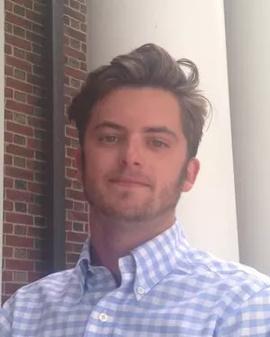
Mr John MacMullen, Photo via Middlesex School Website Estabrook Woods (Sept 2022), Photo by Sophia Yang
https://www cdc gov/eastern-equine-encephalitis/data-maps/current-year-data html
https://www cdc gov/eastern-equine-encephalitis/datamaps/index html#: :text=Eastern%20equine%20encephalitis%20virus%20is,are%20less%2 0likely%20to%20go
https://en wikipedia org/wiki/Eastern equine encephalitis
https://www cdc gov/eastern-equine-encephalitis/about/index html
https://school eb com/levels/high/article/encephalitis/32586#302227 toc
Images
Canva Template
Molecular Sieves
Cho, M -W , Kim, J , Jeong, J M , Yim, B , Lee, H -J , & Yoo, Y (2019) Excellent toluene removal via adsorption by honeycomb adsorbents under high temperature and humidity conditions Environmental Engineering Research, 25(2), 171-177
https://doi org/10 4491/eer 2018 444
Liu, P , Wu, Q , Yan, K , Wang, L , & Xiao, F -S (2023) Solvent-free synthesis of FAU zeolite from coal fly ash Dalton Transactions, 52(1), 24-28 https://doi org/10 1039/d2dt03196e
Majano, G , Delmotte, L , Valtchev, V , & Mintova, S (2009) Al-Rich zeolite beta by seeding in the absence of organic template Chemistry of Materials, 21(18), 4184-4191 https://doi org/10 1021/cm900462u
Nada, M H , Larsen, S C , & Gillan, E G (2019) Mechanochemically-assisted solvent-free and template-free synthesis of zeolites zsm-5 and mordenite Nanoscale Advances, 1(10), 3918-3928 https://doi org/10 1039/c9na00399a
Wu, Q , Liu, X , Zhu, L , Ding, L , Gao, P , Wang, X , Pan, S , Bian, C , Meng, X , Xu, J , Deng, F , Maurer, S , Müller, U , & Xiao, F -S (2015) Solvent-Free synthesis of zeolites from anhydrous starting raw solids Journal of the American Chemical Society, 137(3), 10521055 https://doi org/10 1021/ja5124013
Xie, B , Zhang, H , Yang, C , Liu, S , Ren, L , Zhang, L , Meng, X , Yilmaz, B , Müller, U , & Xiao, F -S (2011) Seed-directed synthesis of zeolites with enhanced performance in the absence of organic templates Chemical Communications, 47(13), 3945 https://doi org/10 1039/c0cc05414c
Neutron Star Mergers
"Quantum Noise and Gravitational-Wave Detectors " Physics American Physical Society, 28 May 2021 https://physics aps org/articles/v14/66
"What Are Gravitational Waves?" LIGO Caltech https://www ligo caltech edu/page/what-are-gw
Fraser, Cain "What Are Gravitational Waves? LIGO and Gravitational Wave Astronomy " YouTube, 4 April 2016 https://www youtube com/watch?v=0QomwKeWbws
Images
Photos by Skip Pass (Middlesex Astronomy Technician), taken with MX Telescope
Dark Matter & Dark Energy
“Experiment Overview | Super Cryogenic Dark Matter Search ” n d Supercdms slac stanford edu https://supercdms slac stanford edu/overview/experiment-overview
“Phys org - News and Articles on Science and Technology ” n d Phys org https://phys org/tags/dark+energy/
Amole, C , M Ardid, D M Asner, D Baxter, E Behnke, P Bhattacharjee, H Borsodi, et al 2015 “PICASSO, COUPP and PICO - Search for Dark Matter with Bubble Chambers ” Edited by L Bravina, Y Foka, and S Kabana EPJ Web of Conferences 95: 04020 https://doi org/10 1051/epjconf/20159504020
CERN 2019 “Dark Matter | CERN ” Home cern CERN 2019 https://home cern/science/physics/dark-matter
CERN 2019 “The Large Hadron Collider | CERN ” Cern CERN 2019 https://home cern/science/accelerators/large-hadron-collider
Nichol, Robert 2024 “Dark Energy: Could the Mysterious Force We Think of as Constant Actually Vary over Cosmic Time?” Phys org October 10, 2024 https://phys org/news/2024-10-dark-energy-mysterious-constant-vary html
Tillman, Nola Taylor, Meghan Bartels, and Scott Dutfield 2023 “Einstein’s Theory of General Relativity ” Space com Space com May 14, 2023 https://www space com/17661-theory-general-relativity html
Images
Moon (Feb 2024), Photo by Skip Pass Star, Photo by Skip Pass Aurora Borealis at Middlesex School (Oct 2024), Photo by Sophia Yang
Black Hole Information Paradox
Hawking, S W , Perry, M J , & Strominger, A (2016) Soft Hair on Black Holes Physical Review Letters, 116(23), 231301
Maldacena, J (1999) The Large N Limit of Superconformal Field Theories and Supergravity International Journal of Theoretical Physics, 38, 1113–1133
Mathur, S D (2005) The Fuzzball Proposal for Black Holes: An Elementary Review Fortschritte der Physik, 53(7), 793–827
Polchinski, J , & Almheiri, A (2013) Black Holes: Complementarity or Firewalls? Journal of High Energy Physics, 2013(2), 62
Preskill, J (1992) Do Black Holes Destroy Information? International Journal of Modern Physics, 1(6), 193–199
Cover Images
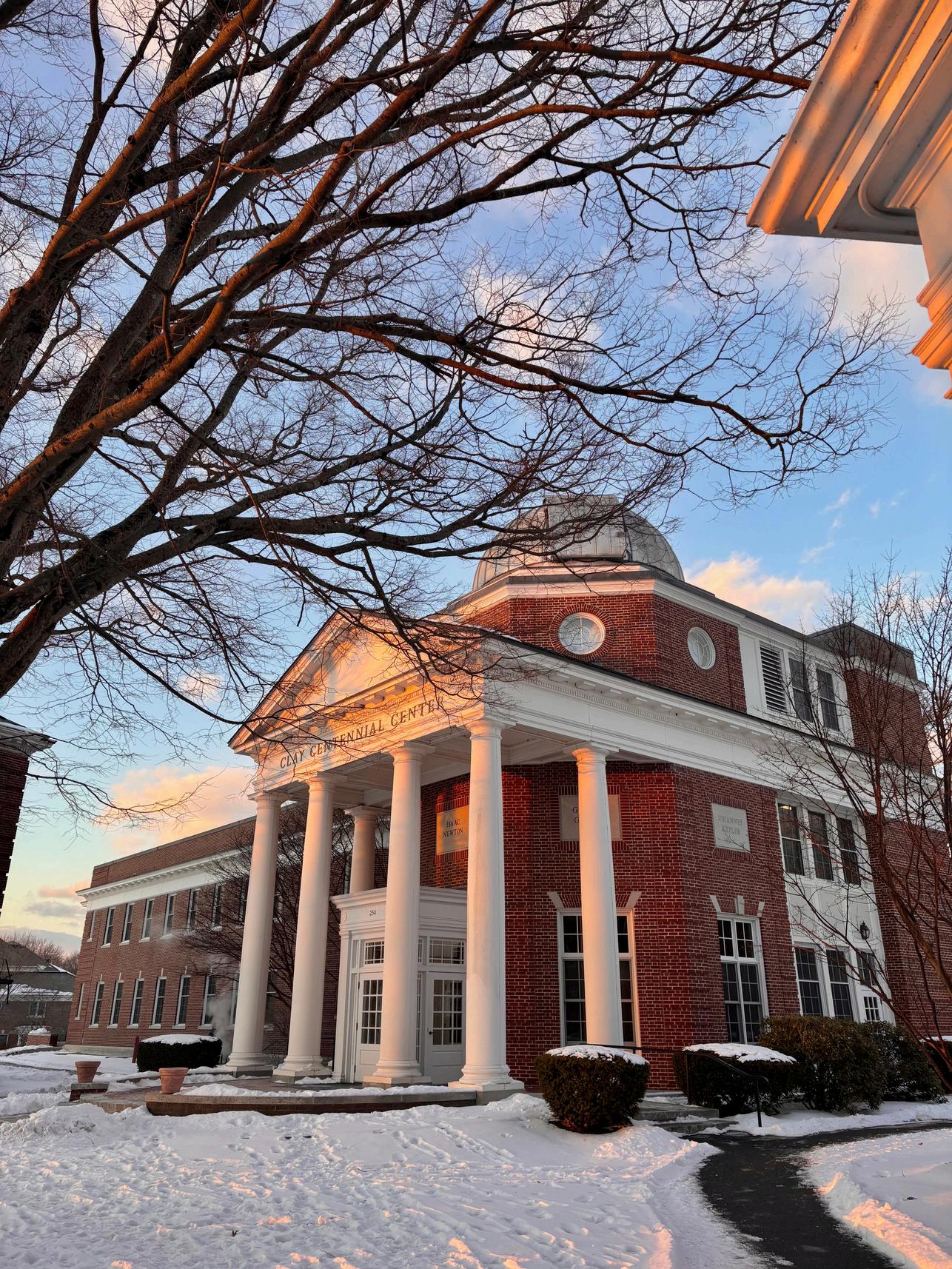
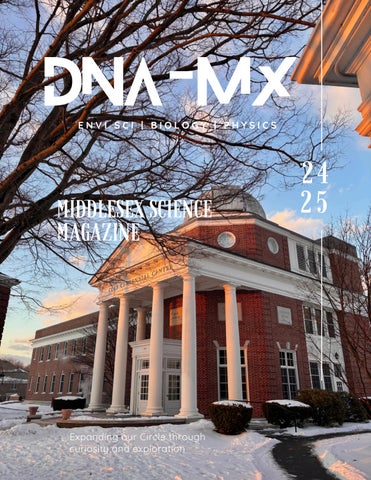
FRONT - Clay Centennial Center (Jan 2025), Photo by Sophia Yang BACK - Middlesex Circle & Chapel (Jan 2025), Photo by Sophia Yang
Section Divider Page Images
Lowell Road (Nov 2023), Photo by Sophia Yang Foliage (Nov 2023), Photo by Sophia Yang Middlesex School (Oct 2024), Photo by Sophia Yang

24 25