CLIMATE ACTION PLAN 2024 - 2030
SLOVENIAN TOURIST BOARD
NET ZERO BY 2050
#ifeelsLOVEnia
#myway
SLOVENIAN TOURIST BOARD
NET ZERO BY 2050
#ifeelsLOVEnia
#myway
CLIMATE ACTION PLAN 2024-2030 - Slovenian Tourist Board: Net Zero by 2050
Published by the Slovenian Tourist Board (2026) www.slovenia.info

Dimičeva ulica 13, SI-1000 Ljubljana, Slovenia All rights reserved.
Supported by the European Travel Commission (2025) in Brussels. www.etc-corporate.org
European Travel Organisation
Rue du Marché aux Herbes 61 1000 Brussels, Belgium
Edited by AGEG Tourism for Sustainability www.ageg-tourism.de
Barbara Fritz, Sustainable Tourism Expert Managing Owner
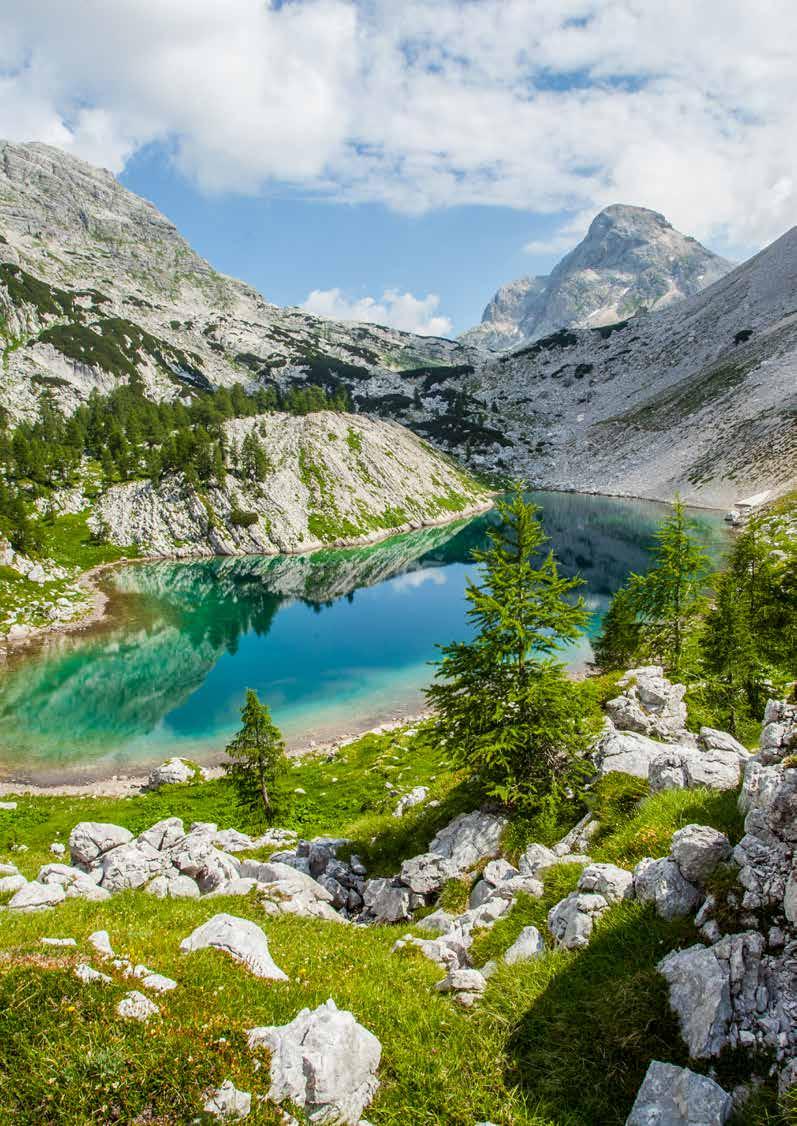
Cover Photo: Triglav National Park, Aleš Zdešar
Copyright © Slovenian Tourist Board 2025
Print: Rolgraf d.o.o. • Number of copies: 150



Slovenia, nestled in the heart of Europe, is renowned as a leader in green and sustainable tourism. Sustainability is deeply woven into the country’s identity, with care for nature and mindful living forming an integral part of everyday life for many Slovenians.

Slovenia, nestled in the heart of Europe, is renowned as a leader in green and sustainable tourism. Sustainability is deeply woven into the country’s identity, with care for nature and mindful living forming an integral part of everyday life for many Slovenians. In 2016, Slovenia became the first country in the world to be declared a ‘Green Destination’ by the Green Destinations international organisation.
The Slovenian Tourist Board (STB) is the national organisation responsible for planning and implementing the marketing of Slovenia’s comprehensive tourism products and services. The STB is also entrusted with a range of tasks related to the development of Slovenian tourism. Through systematic planning, development and promotional activities, sustainable and digital transformation, destination management and a modern approach to positioning Slovenia on the global tourism map, the STB has, in recent years, strengthened the visibility and reputation of the country to ensure it is recognised as a safe, authentic boutique destination committed to sustainability and acting responsibly towards the natural environment, guests, local residents, tourism workers and businesses.
However, the STB’s role is limited in many respects to marketing and promotion as the Ministry of the Economy, Tourism and Sport is the central public authority that sets tourism policy and the regulatory framework, coordinates the sector at national level, and designs and administers public support measures for tourism and hospitality. The Ministry of the Environment, Climate and Energy is the key public authority responsible for addressing present and future challenges in the fields of environmental protection, efficient energy supply and modern energy policies, such as increasing the share of renewable energy, and tackling climate change across different sectors.


Slovenia’s efforts and achievements in the field of sustainable tourism development have been recognised by international organisations such as Green Destinations, the Global Sustainable Tourism Council (GSTC), the European Travel Commission (ETC) and UN Tourism. Furthermore, Slovenia’s commitment to sustainability has been recognised by numerous renowned international media outlets – most notably by National Geographic, which honoured the country with the prestigious Destination Leadership Award in 2017, and by Condé Nast Traveller, which named Slovenia the “Top Holiday Destination for 2021” for its forward-looking environmental efforts.
The STB currently holds the position of vice-chair in the European Travel Commission’s Chapter Earth. The ETC supports the development of the STB’s Climate Action Plan.
Slovenia demonstrates a strong commitment to sustainability through its policies and educational initiatives aimed at preserving the country’s natural and cultural heritage. This is also reflected in its National Tourism Strategy, which focuses on attracting environmentally conscious travellers, promoting climate action across the Slovenian tourism sector and delivering a high-quality, responsible tourism offer.
The STB has played a key role in initiating and shaping this vision, fostering broad consensus across the industry. What began as a strategic direction has evolved into an everyday operating principle, embraced by a wide network of stakeholders and embedded as a shared value and common goal throughout Slovenian tourism.
Slovenia has established a solid framework for the sustainable development of tourism at a national level. Established by the STB, the Green Scheme of Slovenian Tourism (GSST) is a national programme designed to advance sustainability in tourism, aligned with internationally recognised standards (among them GSTC and Green Destinations). This comprehensive Slovenia Green labelling approach targets destinations, parks, accommodations, restaurants, tourist agencies and other tourist service providers. As of 2025, the Green Scheme of Slovenian Tourism includes 58 certified destinations – representing 90% of all overnight stays in the country –along with more than 220 tourism businesses, all united under a single national sustainability label. Furthermore, the STB has developed and manages several other labels that reflect its commitment to sustainability, safety and authenticity, such as the Green & Safe label, which stands for high hygiene and sustainability standards for tourism providers and destinations, and Slovenia Unique Experiences, which promotes high-quality local products and experiences. The Green & Healthy Office initiative helps destinations and tourism businesses embed responsible, low-carbon and wellbeing-focused office practices – so sustainability that starts in the office can scale across Slovenian tourism.
Central to all of the STB’s efforts is close cooperation with tourism stakeholders. Participation, partnership and shared values are at the heart of all of the STB’s initiatives to support a more resilient and future-ready tourism sector.
Slovenia is green by nature. It is the only country in Europe where four geographical regions meet: the Alps, the Mediterranean, the Pannonian Plain and the Karst. The country boasts exceptional biodiversity, with around 13% of its territory designated as protected areas, an additional 35% covered by Natura 2000 and forests covering three-fifths of the country’s surface area. In Slovenia, no city is far from nature – forests, rivers and green spaces are always within easy reach.
In addition to its rich and breathtaking natural heritage, Slovenia’s tourism products are mainly designed with a sustainability approach and a view to authenticity. Slovenia’s tourism offer is based on the country’s natural, cultural and culinary diversity and cultural heritage. It focuses on outdoor activities and authentic cuisine using local ingredients. All these attributes have led the STB to identify green, sustainable tourism as the key development opportunity for the destination Slovenia over a decade ago.
The goal of the STB’s Climate Action Plan
The goal is to identify and outline activities that can be carried out by the STB, in order to reduce our own carbon footprint. Additionally, the plan also encompasses measures for raising awareness about climate change among the entire Slovenian tourism sector. As a national tourism board, it is our responsibility also to motivate and educate our partners on a national level – businesses as well as destinations.
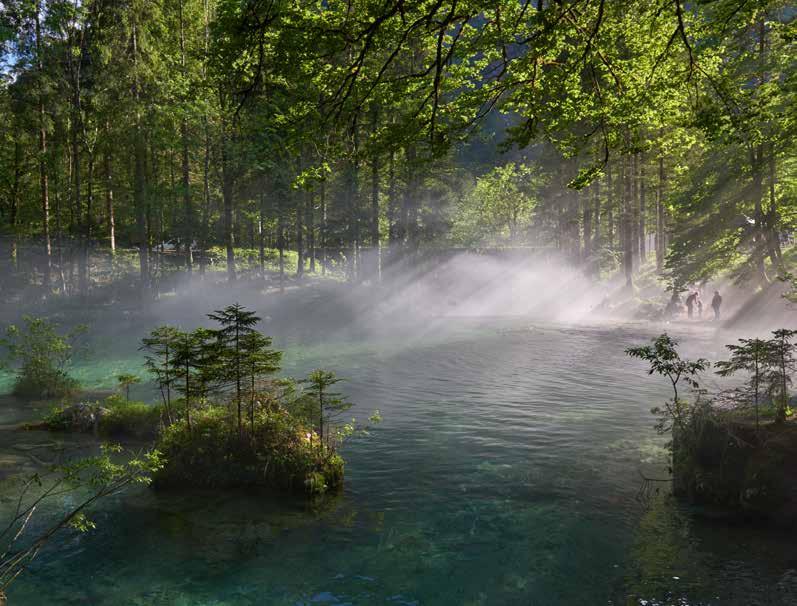
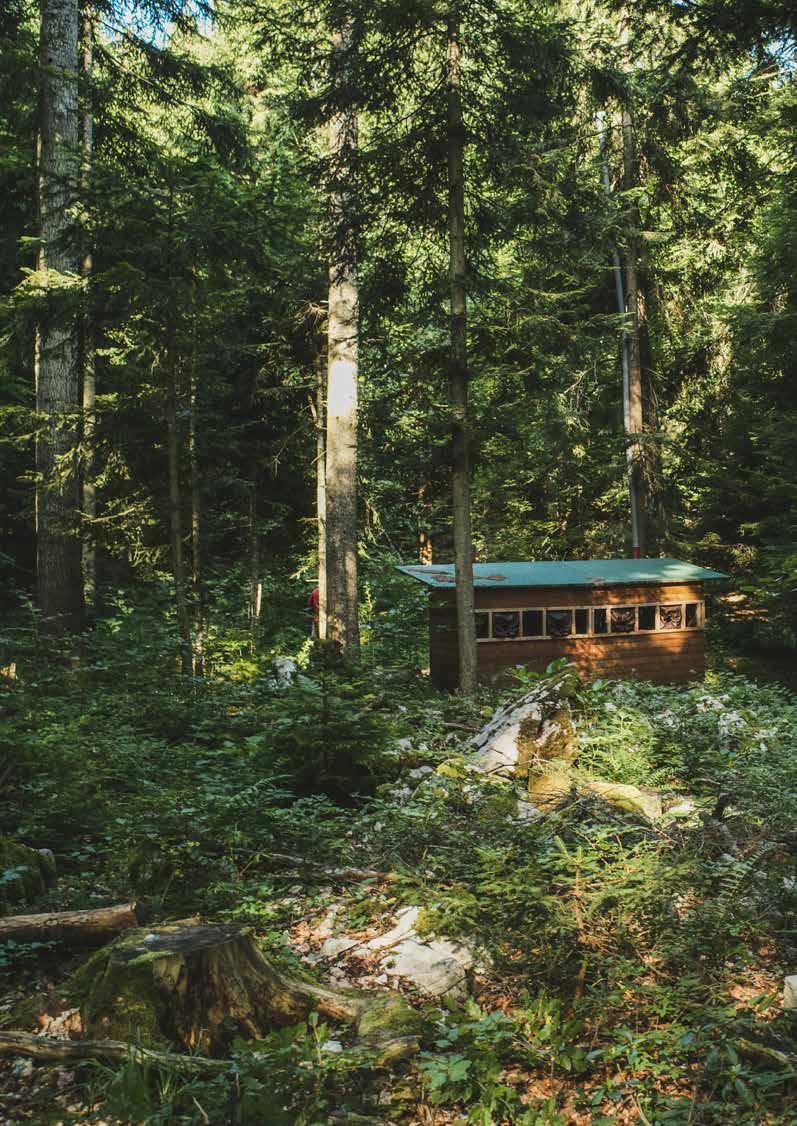
Misty forest, photo: Iztok Medja
Now is the time for the next step – to accelerate climate action. “


Tourism is one of the key drivers of the global economy. It’s a job creator, contributes significantly to economic development, supports local communities and enhances the quality of life in destinations. At the same time, tourism is a major driver of greenhouse gas (GHG) emissions that cause global warming. Drastic climate change phenomena such as snowless winters in the Alps or severe floods, extreme drought and forest fires in the Mediterranean and Central Europe are threatening Europe’s status as a leading tourist destination.
Tackling climate change is one of the biggest challenges that the European tourism industry is currently facing.
Climate change also poses a significant threat to the Slovenian tourism industry. This includes increased flooding, landslides, large-scale wildfires and extreme weather events such as heavy rainfall. Winter sports are particularly affected due to reduced snow cover and rising temperatures. Coastal and inland regions face growing risks of water shortages, while extreme heat and unpredictable weather increasingly disrupt both outdoor activities and urban life.
However, it is important to keep in mind that the challenges posed by climate change are also an opportunity for innovations and sustainable development.
Slovenia is actively responding to these challenges by focusing on sustainability, developing mitigation and adaptation strategies, and implementing measures like water saving and infrastructure renovations to mitigate impacts and reduce carbon footprint. The country recognised the need for action to reduce emissions and adapt to changing conditions due to climate change. Regional strategies and action plans are in the making, and tourism is included as one of the important sectors.
In 2023, the STB took an important step towards climate action in tourism and officially signed the Glasgow Declaration.

The Glasgow Declaration for Climate Action in Tourism is the most comprehensive global climate change commitment ever in the tourism sector, promising to halve emissions by 2030 and to reach net zero as soon as possible before 2050. The Declaration provides a framework that, for the first time ever, brings together tourism stakeholders worldwide around five shared commitments under which all Climate Action Plans should be framed: (1) Measure, (2) Decarbonise, (3) Finance, (4) Collaborate, and (5) Regenerate.
The Slovenian Tourism Strategy 2022-2028 calls on the entire tourism sector to support the commitments of the Glasgow Declaration with the goal of carbon-neutral tourism. Amongst other organisations, the STB signed the Glasgow Declaration and committed itself to the following:
Support the global climate goals to halve emissions by 2030 and reach net zero as soon as possible before 2050.
Deliver its Climate Action Plan within 12 months from becoming a signatory (or updating existing plans) and start implementing it.
Align the Climate Action Plan with the five pathways of the Glasgow Declaration (Measure, Decarbonise, Regenerate, Collaborate, Finance).
Report publicly on an annual basis on progress against interim and long-term targets, as well as on actions being taken.
Work in a collaborative spirit, sharing good practices and solutions, disseminating information to encourage additional organisations to become signatories, and supporting one another to reach targets as quickly as possible.
The STB’s Climate Action Plan sets out its own actions and also aims to accelerate climate action in Slovenian tourism, in line with the National Tourism Strategy, the National Climate Strategy and the Glasgow Declaration. It covers an initial period of six years (2024–2030) and is focused on the STB’s key areas of influence. To deliver this Climate Action Plan, the STB will collaborate with all relevant tourism stakeholders from tourism businesses to destinations, other private and public authorities, visitors and, most importantly, residents.
Our goal is to reach net zero emissions from our operations as well as to accelerate the development of carbon-neutral tourism in Slovenia.
Our climate target is to keep global temperature rise below 50%
The first part of our Net Zero strategy involves reducing our emissions by by 2030
303.28 (in tonnes of CO2e)
Total carbon footprint (2023)
1.5oC
CARBON FOOTPRINT OF THE SLOVENIAN TOURISM (2023)
Total carbon footprint (2023)
1.157.285,67 t CO2
PROMOTION OF SUSTAINABLE PRODUCTS, SERVICES AND PRACTICES WITH LOW CARBON IMPACT
Through the Green Scheme for Slovenian Tourism promotion of:
Sustainable destinations
Sustainable
Promotion of low carbon transport and active travel to experience Slovenia
Promotion of authentic and sustainable experiences in Slovenia
Promotion of local, authentic Slovenian products and crafts
Promotion of a regenerative travel approach conserving the biodiversity
Signature of the Glasgow Declaration
STB vice-chair of ETC´s Chapter Earth
IMPROVEMENT OF KNOWLEDGE AND SKILLS OF THE SLOVENIAN TOURISM STAKEHOLDERS IN CLIMATE ACTION THROUGH:
Capacity building workshops on climate action in tourism
Tools & guidelines for the different tourism sectors to measure and decarbonise GHG emissions
Climate change guide for the Slovenian Tourism Integration of climate action activities into the Green Scheme of Slovenian Tourism criteria and its training programmes
Strategic Climate Action Working Group
Climate action guide for the Slovenian Tourism Climate Action Plan Cooperation with national organisations
2025
Climate Action Plan published Digital platform NiST for measurment launched National model to measure GHG emissions
The infographic below outlines the key steps that will be taken to reach the climate goals.
for measurement
Tools & guidelines capacity building for tourism stakeholders
Climate change guide for the Slovenian Tourism
National model of tourism adaptation to climate change
National system for measuring, reducing and offsetting the carbon footprint in tourism
ACCELERATE TRANSFORMATIONAL CHANGE IN SLOVENIAN TOURISM THROUGH CLIMATE ACTION
GLOBAL COOPERATION TO CATALYSE EFFORTS ON CLIMATE ACTION

ONLINE PLATFORMS FOR SLOVENIAN TOURISM STAKEHOLDERS
The online platform NiST is dedicated to measurements. It will also be used to measure the impact of Slovenian tourism and publicise the sector’s annual reported GHG emission. Other STB platforms will support Slovenian tourism providers and destinations by providing access to information, guidelines, practical tools, capacity building and examples of good practice regarding climate action in tourism.
UN Tourism ETC´s Chapter Earth
ACCELERATE GREEN TRANSITION IN SLOVENIAN TOURISM THROUGH CLIMATE ACTION
The Slovenian Tourist Board is the country's leading tourism marketing organisation. It will accelerate and foster the climate action planning process, setting an encouraging example for DMO's and tourism providers.
STB operation 2030
Emissions of STB operations reduced by 50%
Climate action integrated in the Green Scheme of Slovenian Tourism
NiST platform equipped with measurement information STB plaform is equipped with good practices, tools and guidelines


Foster Climate Action in Tourism: The STB is the national organisation that plans and implements the marketing of Slovenia’s comprehensive tourist offer and oversees tourism development. It applies systematic planning, development and promotional activities, and sustainable and digital transformation to enhance the visibility and reputation of the country.
The STB plays a leading role in guiding tourism stakeholders along the path to sustainability. Building on this foundation, the next step is to actively support partners across the sector in advancing climate action.
The outline of the STB’s role in terms of climate action:
Accelerate change and green transition in tourism
As the national tourism organisation, the STB plays a leading role in promoting Slovenia as a sustainable tourist destination. It will therefore drive change and accelerate climate action within its own organisation first. Furthermore, it will support broader climate action planning process, providing a role model for destination marketing organisations (DMOs) and tourism providers.
Catalyse climate action in Slovenia’s tourism destinations
As an umbrella organisation, the STB will empower stakeholders on their net zero journey by building the necessary capacity for action. These efforts include providing practical tools and guidance and the establishment of a digital platform for measurement. The aim is to accelerate climate action, enhance skills and knowledge in regard to climate action and encourage collaboration between our tourism stakeholders in Slovenia.
Measure, decarbonise and mitigate emissions
The STB’s role is focused on measuring and accelerating the reduction of its own emissions first, and then also fostering the process amongst other tourism stakeholders, thereby contributing to the global effort to combat climate change.




















In September 2023, the STB signed the Glasgow Declaration on Climate Action in Tourism. With this signature it officially aligned itself with the global commitment to halving its emissions by 2030 and reaching net zero by 2050. At the same time, it also outlined its engagement regarding climate action and tourism in Slovenia.
On 16 January 2024, the director of the STB appointed a Strategic Working Group responsible for the preparation and implementation of the Climate Action Plan for the STB.
The next step was taken on 31 January 2024, when the group prepared the plan to implement the commitments of the Glasgow Declaration on Climate Action in Tourism at the STB.
From that point on, the group began working on activities, such as collecting relevant data, planning the development of the Climate Action Plan and developing capacity-building programmes for STB employees.
In 2024, the STB started to strengthen the cooperation with its tourism partners in the destination on climate action. Close cooperation was initiated with the University of Maribor, Faculty of Tourism in the field of climate action in tourism. Between 2021 and 2023 the national research project “Climate Change and Sustainable Development of Tourism” was financed by the Ministry of Economy, Tourism and Sports and National Research and Innovation Agency with STB having a highly active role in the project.
One of the outcomes of this cooperation was the Climate Change Guide for Slovenian Tourism, prepared by University of Maribor, Faculty of Tourism and partners, published by the STB in early 2024.
Additional activities included a training programme on climate change and Slovenian tourism, delivered by the STB within the framework of the Tourism Management Academy. This was followed by further capacity-building initiatives targeting STB employees. At the same time, international cooperation on climate action in tourism was strengthened, including active involvement in initiatives such as the ETC’s Chapter Earth and the GSTC.
In September 2023, the STB signed the Glasgow Declaration on Climate Action in Tourism. With this signature it officially aligned itself with the global commitment to halving its emissions by 2030 and reaching net zero by 2050.
Several activities were launched at the national level to gather relevant data. In June 2024, the STB published its second comprehensive sustainability report, including information on climate action and measurement of the carbon footprint of its’ operations. In June 2025, the National Intelligence System for Tourism (NiST) was launched as a digital platform, to collect and process data relevant to tourism, aimed at enabling effective data-based decision making, advancing sustainability and increasing added value in the tourism sector.
As a first step toward understanding its climate impact, the STB began estimating the carbon footprint of its operations in 2020.
Another outcome of the University of Maribor, Faculty of Tourism led research project was development of a model of estimating carbon footprint of overnight tourist in Slovenia. STB then took the next step and in cooperation with the Statistical office of Republic of Slovenia implemented the model in the NiST in September 2025. Every Slovenian municipality can now access the data on the estimated carbon footprint of tourists that spent at least one night in that municipality. The data is calculated automatically for the past 5 years, free of charge and allows for comparison based on the tourists’ origin destination and the four areas of the carbon footprint: transport to the destination, accommodation, activities at the destination and food and beverage.
Together with the representatives of the STB strategic working group, the first actions and realistic targets for the Climate Action Plan were defined in the following key action areas of the Glasgow Declaration for tourism: (1) Collaborate, (2) Measure, (3) Decarbonise, (4) Regenerate, and (5) Finance. Two key areas were added: (6) Adapt and (7) Communicate.
The STB’s marketing department began exploring creative ways to raise awareness about the importance of climate action and to communicate related activities to residents and visitors in engaging and appealing formats.
Based on the ETC Climate Action Handbook (published in January 2025), the STB started preparing the STB Climate Action Plan. Good practices were exchanged within the ETC’s Chapter Earth, where the STB currently holds the vicepresidency.
The STB calculated the required budget for planning, developing and implementing the Climate Action Plan, and allocated sufficient funds to its work programme.
The STB reports annually to UN Tourism and publicly publishes its progress in sustainability reports.
In June 2025, the National Intelligence System for Tourism (NiST) was launched as a digital platform, to collect and process data relevant to tourism, aimed at enabling effective data-based decision making, advancing sustainability and increasing added value in the tourism sector.
The key areas of action of the Climate Action Plan are aligned with the pathways of the Glasgow Declaration for Climate Action in Tourism, with two more key areas added (“adapt” and “communicate”). It incorporates concrete targets and actions in terms of climate action.
The STB started a cooperation process with tourism stakeholders and is strengthening national and international cooperation on climate action in tourism.
The STB measures its own emissions and provides support for the measurement of all travel and tourism related emissions within Slovenian destinations.
Activities are coordinated to reduce greenhouse gas emissions from the STB’s operations and other tourism stakeholders are encouraged to follow.
The STB encourages DMOs and tourism providers to create appropriate offerings through a variety of incentive measures.
The STB is responsible for the marketing of Slovenia as a tourist destination. Therefore, it is vital that sustainability and climate action form a core pillar of its communication, marketing and promotional activities. That’s why the Climate Action Plan includes an extra key area:
The necessary resources and capacity are being secured to support the implementation of the STB’s Climate Action Plan.
The STB is adapting its own operations and encourages other stakeholders in Slovenian tourism to follow suit.
The STB’s communication efforts focus on raising awareness of climate action in tourism across domestic and international markets, while also promoting innovative, climate-resilient tourism products.


Green boutiqueness. Smaller footprint. Greater value for all.
Collaborative working with tourism partners in the climate action field in projects, presentations and events.
Capacity building measures and the development of standards and application tools on climate action for tourism stakeholders in the destination within the framework of the Green Scheme of Slovenian Tourism and the STB Academy for Management in Tourism.
Information, guidelines and good practice exchange on climate action in tourism on a STB platform.
Establishment of a national system for measuring, reducing and offsetting tourism's carbon footprint, the National Intelligence System for Tourism (NiST).
Measuring the carbon footprint of STB's operations and related activities.
Establishment of a national model of tourism adaptation to climate change (in cooperation with the Ministry of Economy, Tourism and Sport and the Ministry of Natural Resources and Spatial Planning).
Through the Green Scheme for Slovenian Tourism the promotion of:
- Sustainable destinations
- Sustainable accommodation
- Sustainable restaurants and other tourism businesses.
Promotion of low carbon transport and active travel to reach and experience Slovenia.
Promotion of authentic and sustainable experiences in Slovenia (e.g. Slovenia Unique Experiences).
Promotion of local, authentic Slovenian products (e.g. authentic cuisine and crafts).
Promotion of a regenerative travel approach conserving biodiversity.
Actions through the Green and Healthy Slovenia Friendly Office.
As signatories of the Glasgow Declaration, working in a collaborative spirit is key. This involves sharing good practices and solutions; disseminating knowledge, guidelines, tools and information; and encouraging our tourism partners in the public and private sectors to take action on climate change. It also means supporting one another to reach targets as quickly as possible. At the national level, the STB intends to collaborate with residents, destinations, tourism providers, ministries and educational institutes, and at international level, it intends to align with organisations active in the field of climate action.
The main targets and activities in this area are as follows:
Target: Raise the standard of the STB organisation’s capacity on the topic of climate action in tourism.
Activities:
• Assure that STB staff have a shared understanding of climate action in tourism.
• Organise capacity building measures on relevant topics such as climate action in tourism, measuring and reducing GHG emissions in daily operations, innovative product development through adaptation to climate change and the concept of regenerative travel.
Target: Provide guidance and tools for stakeholders to transfer up-to-date knowledge on climate action in the tourism sector.
Activities:
• Provision of practical tools and guidance on climate action for tourism partners through the integration of climate action in tourism in the Green Scheme of Slovenian Tourism.
• Provision of capacity building for the tourism stakeholders on topics such as (1) climate resilience, (2) the reduction of GHG emissions and cost saving potentials, (3) adaptation to climate change, (4) the regenerative travel approach, and (5) how to market climate action through workshops and webinars via the Green Scheme of Slovenian tourism and the STB Management Academy.
Target: Collaboration with key strategic national partners (ministries, tourism universities, business associations, Destination Management Organisations, etc.) to share ideas and best practices and develop joint project initiatives and thus accelerate the destination’s journey towards net zero.
Activities:
• Cooperation with the Ministry of Economy, Tourism and Sport and the University of Maribor, Faculty of Tourism to establish a national system for estimating the carbon footprint of Slovenian overnight tourism, including transport to the destination.
• Via the Green and Healthy Slovenia Friendly Office, development of joint projects, initiatives, presentations or events focusing on climate action in tourism.
• Motivating key tourism partners (DMOs, parks, tourism providers, etc.) to sign the Glasgow Declaration and join STB on its journey towards net zero in Slovenian tourism.
Target: Cooperation with international organisations, initiatives and national organisations that are active in the sector of climate action in tourism.
Activities:
• Assume an active role in the Chapter Earth working group of the European Travel Commission.
• Participation in the activities of the Global Sustainable Tourism Council on the topic of climate action, as an active member of this organisation.
• Frequent exchange on latest developments with UN Tourism about climate action.

All signatories to the Glasgow Declaration commit to measuring their emissions. The Declaration describes this commitment as »measuring and calculating all travel and tourism related emissions within the destination«.
To meet national decarbonisation targets, it is essential that all tourism stakeholders in the destination are able to adequately measure their emissions and track progress towards shared targets.
In Slovenia, sustainability is a fundamental pillar of the tourism policy. Therefore, the establishment of a national system for estimating the carbon footprint in tourism is an important measure set out in the Slovenian Tourism Strategy 2022–2028. The methodologies to estimate GHG emissions in tourism are quite complex and still developing. It is therefore crucial to:
The STB aims to provide and promote tools, guidelines and capacity building to support tourism stakeholders in assessing GHG emissions of their organisations. The STB already estimates emissions generated by its Green and Healthy Slovenia Friendly Office and will review (and if needed improve) the estimation and measurement of the input data related to emissions from its organisational operations.
The main targets and activities in this area are as follows:
Target: Measure, monitor and annually report the GHG emissions generated by the different sources of operation of the STB organisation.
Activities:
• Conduct a comprehensive GHG emission inventory of operations, divided into areas such as:
• Daily operations (electricity, waste, heating, digital supply, etc.)
• Travel: emissions generated through business travel of staff members
• Key events: emissions generated by the organisation of STB events including venue, meals, travel and accommodation of both staff and attendees
• Marketing: emissions generated by marketing and promotion
• Define a methodology for accurately measuring the emissions.
• Annual reporting, monitoring of progress and publication of results as part of the STB’s sustainability report.
Target: Actively support the measurement process of the GHG emissions generated by the different tourism sectors in Slovenia.
Activities:
• Awareness raising of the importance of appropriate measurement among the stakeholders in the tourism industry in the destination.
• In cooperation with the Ministry of Economy, Tourism and Sport, establishment of a national system to measure the carbon footprint of Slovenian tourism.
Target: Support to establish an appropriate methodology for measuring the emissions of STB operations and of the Slovenian tourism industry’s different sectors.
Activities:
• Establish a model for measuring the GHG emissions of Slovenia’s tourism destinations.
• Identify key tourism sectors relevant for GHG emissions measurements (accommodation, transport, tour operators, events, etc.)
• Emission reporting at the digital reporting platform NiST.
Target: Provide specific tools, tailored guidelines and capacity building to the different tourism sectors (e.g. accommodation, events).
Activities:
• Support the different sectors of the tourism industry (e.g. the accommodation sector) by suggesting the most suitable measurement tool.
• Include GHG emission measurement actions in Green Scheme of Slovenian Tourism standard.
• Include GHG emission measurement in capacity building (e.g. handbooks, training) by the Green Scheme of Slovenian Tourism.
• Provide guidance and capacity building tools for tourism providers (e.g. a webinar on a selected GHG calculator) on the climate section of a digital STB platform.
• Measure the impact of tourism within the framework of the NiST.
05 Keep updated, consult and exchange regularly
Target: Keep updated on global developments and standards and consult and exchange regularly with other NTOs and organisations on the topic.
Activities:
• Participate in events and workshops organised around the topic of climate action in tourism such as standards, indicators, measurement tools and instruments, new initiatives, and the latest developments.
• Stay updated on the latest developments led by UN Tourism.
• Exchange good practices and benchmark with other NTOs within the framework of the ETC Chapter Earth group.
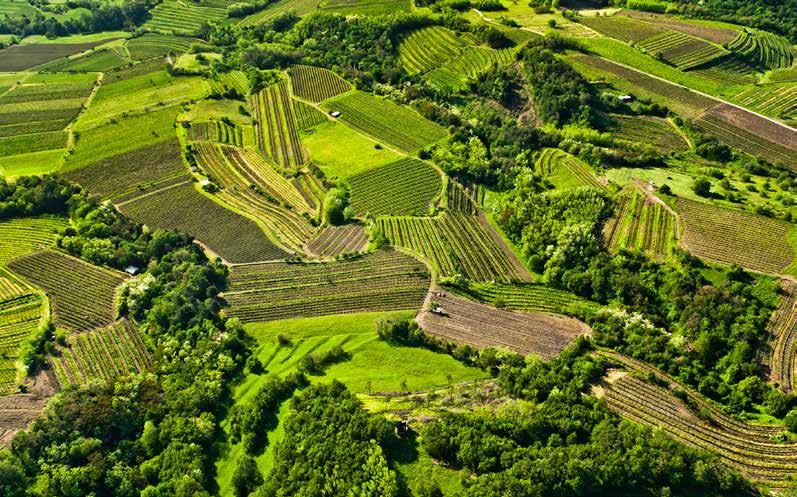
The decarbonisation of the tourism industry is one of the key areas involved in aligning the destination with the Glasgow Declaration. This primarily involves STB operations and subsequently focuses on raising awareness of climate action across the Slovenian tourism sector, including transport, infrastructure, accommodation, leisure activities, food and beverage services, and tourism-related waste management.
Reducing and offsetting the carbon footprint in tourism is an important measure set out in the Slovenian Tourism Strategy 2022–2028.
The main targets and activities in this area are as follows:
Target: Reduce the greenhouse gas (GHG) emissions generated by STB’s operations.
Activities:
• Conduct a comprehensive inventory of GHG emissions and identify areas for reduction (e.g. energy and water use, daily office operations, business travel, commuting, events, marketing).
• Monitor and promote efficient use of electricity, heating and water in the rented office premises, in cooperation with the building manager where applicable.
• Address emissions related to employees commuting by encouraging low-carbon transport options and supporting flexible work arrangements.
• Reduce emissions from business travel by prioritising low-emission transport options, optimising the necessity of travel and encouraging the use of virtual or hybrid meetings.
• Apply sustainable procurement principles in office operations (e.g. use of recycled office supplies, environmentally preferable products).
• Reduce resource consumption through green office practices, including waste prevention and separation, reduced paper use, and responsible use of office equipment.
• Implement measures to reduce the digital carbon footprint of STB operations through responsible data storage, regular deletion of obsolete files and efficient digital communication.
• Promote a healthy, safe and supportive working environment that encourages sustainable behaviours and employee well-being.
• Raise awareness and provide guidance to STB staff members on low-carbon and resource-efficient work practices.
• Include sustainability and low carbon impact aspects in the organisation of all STB events.
• Offset residual emissions through regeneration activities.
Target: Work with transport operators, destinations and businesses to support low carbon transport options in the tourism destinations.
Activities:
• Encourage the development of low-carbon transport alternatives for the tourism sector, e.g. support businesses that work with itineraries based on rail transport or slow mobility options.
• Promote and highlight existing low-carbon transport travel options and initiatives in Slovenia.
Target: Development of tools and strengthening the Green Scheme of Slovenian Tourism by integrating guidance for the reduction of GHG emissions to support the accommodation sector to become net zero.
Activities:
• Provide guidance on low carbon practices for the accommodation sector and their integration in the Green Scheme of Slovenian Tourism.
• Offer targeted capacity-building activities focused on carbon emission reduction in the accommodation sector – including topics such as the circular economy, use of renewable energy, and implementation of recycling measures.
Target: Encourage restaurants and local food producers to acknowledge the role of the food systems in GHG emissions and support F&B providers to make their operations more climate friendly.
Activities:
• Provide guidance on low carbon practices for the F&B sector and their integration in the Green Scheme of Slovenian Tourism.
• Offer targeted capacity-building activities focused on carbon emission reduction in the F&B sector — including topics such as the carbon footprint of different types of food, seasonal menus, reduction of food waste and local procurement.
Target: Encourage destinations and tourism providers to create appropriate offerings through a variety of incentive measures.
Activities:
• Encourage the development of low-impact tourism products, e.g. Rail-to-Slovenia, or scenic Slovenia rail tours and thematic hiking or cycling routes.
• Promote and highlight existing low-impact tourism products, e.g. the cycling route Slovenia Green Gourmet Route.
• Accelerate the development of further authentic tourism products with greater geographical and seasonal spread that encourage visitors to stay longer and thus maximise the economic and social benefits while minimising their carbon footprint.
Target: Support the development of low carbon/net zero events considering all aspects involved (location, transport, activities, food and drink, and relevant service providers).
Activities:
• Providing guidance on sustainable, low carbon event planning.
• Provide capacity building programmes on low-carbon, sustainable event planning.
• Collaboration with sustainable event suppliers.
• Provide incentives for the organisation of sports events with the aim of reducing GHG emissions.
• Collaborate with international frontrunners currently working on sustainable event frameworks such as the Global Destination Sustainability Movement (GDS), the Global Sustainable Tourism Council (GSTC) or Green Destinations.
Target: Support and guide the Destination Management Organisations within the destination on their journey towards net zero and reward the good practice examples.
Activities:
• Raise awareness among DMOs of the importance of climate action within the destination.
• Encourage Slovenian DMOs to sign the Glasgow Declaration for Tourism.
• Motivate DMOs to develop a Climate Action Plans for their destination.
• Provide capacity building on climate action and decarbonisation in tourism via the Green Scheme of Slovenian Tourism (criteria, handbooks and training) and on a digital STB platform (e.g. webinars).
• Exchange good practices on climate action and decarbonisation in tourism with the destinations via a digital STB platform.
• Develop a system of rewards for the destinations that show exceptional progress, e.g. providing additional promotion by STB for these destinations.
Target: Encouraging holidays at home and exploring Slovenian destinations through the domestic market campaign “Take your time. My Slovenia”.
Activities:
• Foster the development of attractive, innovative products that particularly appeal to domestic target groups.
• Maintain and further develop targeted marketing activities for domestic tourism.
• Foster cooperation with neighbouring countries and develop cross-border itineraries e.g. cultural routes, cycling routes or cross-border hiking.
• Promote and highlight existing cross-border products, e.g. the Alpe Adria Trail.
Target: Support the offer of local and authentic products, which are sourced in the destination, in the accommodation and gastronomy sector.
Activities:
• Encourage the development of offerings focussing on authentic experiences and products.
• Integrate the offer of local products as a criterion in the sustainable businesses criteria of the Green Scheme of Slovenian Tourism.
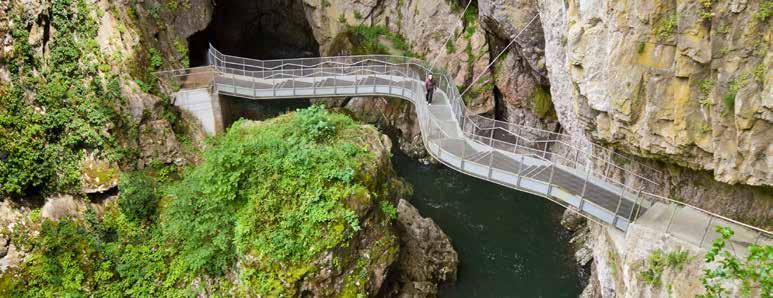

Regeneration is another pathway of the Glasgow Declaration. Regenerative travel goes further than the sustainability approach in tourism. As well as minimising the impact of tourism, it involves actively investing in the recovery and rebuilding of ecosystems and communities. Rather than simply ‘doing less harm’, regenerative travel is about having a positive impact in a way that strengthens both the environment and the cultural identities of the destinations visited.
The STB supports the concept of regenerative travel and promotes its development within the destination, focusing not only on preventing negative impacts of tourism on biodiversity but on the active role tourism can have in supporting biodiversity protection and combating deforestation.
The main targets and activities in this area are as follows:
Target: Raise awareness of the concept of regenerative travel among the tourism stakeholders in the destination.
Activities:
• Build awareness and understanding of the concept of regenerative travel. Raise awareness on the concept of regenerative travel via social media.
Target: Provide guidance on regenerative travel principles and good practice examples to the destination’s tourism stakeholders.
Activities:
• Cooperate with the managers of protected areas in Slovenia to foster the positive role tourism can have on biodiversity protection and combating deforestation, including limiting and dispersing tourism flows where necessary.
• Provide tourism stakeholders with good practices on regenerative travel via the STB digital platform.
• Provide capacity building on the principle of regenerative travel, the guidelines, and how tourism stakeholders can get involved.
Target: Encourage the development of initiatives on regenerative travel in the destination.
Activities:
• Encourage the development of flagship initiatives or projects on regenerative travel in the destination.
• Promote existing regional regenerative travel initiatives and approaches.
• Integrate of the regenerative travel approach and its marketing and promotion into the national marketing strategy.
The finance pathway of the Glasgow Declaration on Climate Action in Tourism is the fifth of five shared pathways designed to help the tourism sector accelerate and ensure consistent climate action. This pathway focuses on generating the necessary funding to support climate initiatives by creating an enabling environment for both public and private investment and support identifying financial instruments for a sustainable transition.
The goal is to raise awareness of the need for sufficient funding for climate action, as well as to support the promotion of financial instruments such as green loans for tourism businesses.
The STB ensures sufficient funding, resources and capacity to meet the targets set out in the Climate Action Plan.
The main targets and activities in this area are as follows:
Target: Ensure sufficient funding for the implementation of the STB’s Climate Action Plan.
Activities:
• Set aside part of the STB annual budget for the development of the Climate Action Plan and the other activities foreseen within this Climate Action Plan.
• Initiate research on international and EU-funded projects on decarbonisation of the tourism sector.
Target: Support the sharing of knowledge about funding opportunities for the tourism sector with tourism stakeholders in the destination.
Activities:
• Initiate research into funding opportunities at EU and national level for SMEs and public and private entities in the green transition sector and climate action in the tourism sector.
• Map and promote the available EU, national and regional funding schemes for decarbonising the tourism sector via a digital platform managed by STB.
• Offer tailored guidance and capacity building for tourism stakeholders in the destination (e.g. tools and webinars).
Target: Create opportunities for your Slovenia’s tourism stakeholders to help develop a low-carbon destination.
Activities:
• Through the further promotion of Green Scheme of Slovenian Tourism, strengthen the industry´s close and self-sustaining ecosystem working towards low-carbon practices and reducing the overall footprint of the Slovenian tourism industry.
• Highlight and promote tourism businesses (accommodation, restaurants, travel agencies) at the forefront of decarbonisation through the Green Tourism Scheme of Slovenian Tourism.
• Highlight destinations, parks and attractions that are members of the Green Scheme of Slovenian Tourism in the STB’s promotional channels.
Target: Benchmark how other destinations and NTOs finance their climate action work in tourism.
Activities:
• Participate in events focused on the topic of climate action at international and European level and exchange ideas with other destinations and organisations.
• Actively participate, discuss and exchange good practices within the ETC’s Chapter Earth group on the topic of financing options for climate action activities in tourism.
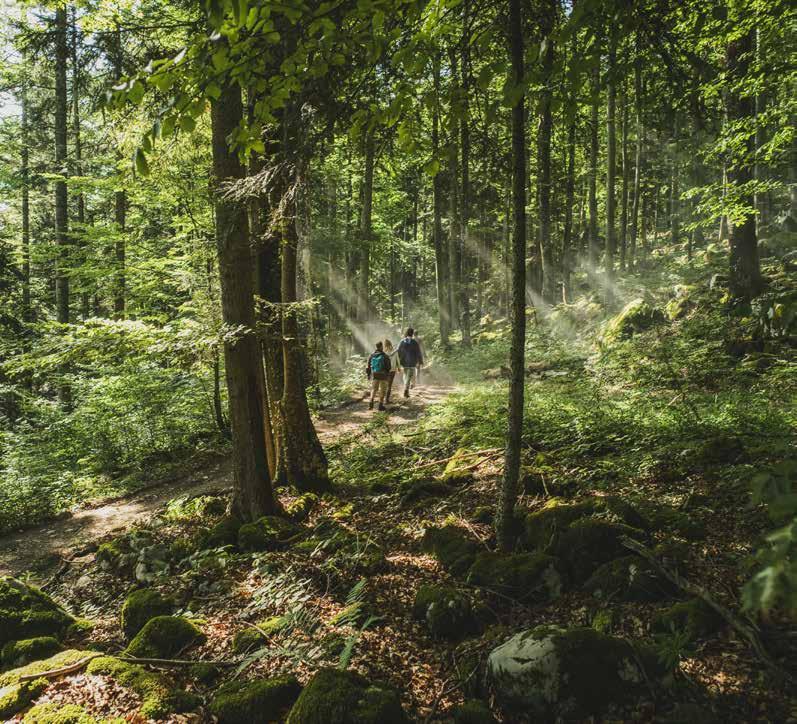
The STB ensures sufficient funding, resources and capacity to meet the targets set out in the Climate Action Plan.
Tourism destinations and businesses are highly vulnerable to climate change. Drastic climate change phenomena such as snowless winters, severe floods, and extreme drought and summer forest fires threaten Europe’s status as a tourism destination. It is therefore vital for destinations to adapt to the effects of climate change if they are to remain competitive.
Slovenia has already suffered due to the impact of climate change.
Slovenia's tourism sector has recognised adaptation to climate change as a priority area and the development of a national model for adaptation to climate change is an important measure set out in the Slovenian Tourism Strategy 2022–2028.
The STB will work towards innovative and creative adaptation to climate change in tourism and will also support tourism partners within Slovenia in this regard.
The main targets and activities in this area are as follows:
Target: Contribute to a climate adaptation strategy for the Tourist destination Slovenia.
Activities:
• Cooperate with the Ministry of the Environment, Climate and Energy in including tourism in the regional and national adaptation climate change strategies and action plans.
• Define a clear vision and adaptation strategy for aligning Slovenia’s tourism offer and destination image with the realities and impacts of climate change.
Target: Accelerate the development of climate adaptation concepts and products for the destination.
Activities:
• Raise awareness among the tourism partners of the importance of adaptation to climate change in tourism.
• Encourage the development of innovative, sustainable, low-carbon tourism products that adapt to the impact of climate change for Slovenia.
Target: Actively promote climate adaptation efforts and products to visitors.
Activities:
• Actively promote climate efforts and newly developed tourism concepts and products to visitors via the STB’s digital promotion and marketing channels.
• Support tourism partners in Slovenia in understanding that climate adaptation models and products can turn into a competitive advantage for the destination.
Tourism destinations and businesses are highly vulnerable to climate change. This means that their cultural and natural assets and revenue drivers are under threat. At the same time, tourism itself contributes to at least 8% of global greenhouse gas emissions.
By not taking action to reduce these emissions, tourism destinations are risking their own future. Another important consideration is that climate action is increasingly becoming a competitive factor for destinations.
To be and stay well positioned in the international tourism market, it is crucial to demonstrate and communicate commitment to climate action in Slovenia. To remain at the forefront of the sustainable tourism market, climate action planning is vital.
The goal of STB is to maintain Slovenia’s leading position in Europe as a sustainable tourist destination. That requires primarily including climate action activities in destination management and development activities, such as the Green Scheme of Slovenian Tourism. By extension, we will also include climate topics in our promotional and marketing activities.
The main targets and activities in this area are as follows:
Target: Inspire, inform, and encourage visitors to choose sustainable, low-carbon options both during trip planning and throughout their stay.
Activities:
• Promote greater geographical and seasonal spread of visits, encourage visitors to stay longer and travel sustainably throughout the year.
• Promote low-carbon transport options to visitors to reduce the number of miles travelled by car.
• Highlight and promote the committed and responsible low-carbon frontrunners among the tourism providers of the Slovenian tourism sector.
• Focus marketing activities on the target group of visitors wanting to travel low-carbon and looking for unique and authentic experiences in pristine nature, as well as sustainable, low-carbon services.
02 Active communication of climate action activities
Target: Integrate the communication and key messages on climate action activities in all of the STB’s relevant marketing channels.
Activities:
• Internal awareness-raising campaign for more orderly, hospitable and green, sustainable and climate friendly Slovenia.
• Systematically integrate sustainability and climate action messages into existing and new promotional campaigns.
• Promote regenerative practices such as biodiversity protection and combating deforestation, local food, cultural heritage and community-based tourism, giving visitors the opportunity to give back to destinations.
• Promote Slovenia as a sustainable tourist destination that is active in climate action, based on stories of five key products (art and culture, historic towns, outdoor activities, health and well-being, sport events, training camps gastronomy and the meetings industry). This will be achieved through collaboration with destinations and associations, adopting a coordinated approach across all marketing and communication channels.
• Adopt a holistic approach to developing sustainability and climate action-related content on STB websites and communicate this content through various STB campaigns and activities. These efforts include the publication of boutique sustainable stories and boutique stories on www.tasteslovenia.si, as well as the promotion of sustainable providers.
Target: Reduce of the carbon footprint of marketing activities by applying a low carbon procurement approach.
Activities:
• Engage with local companies and sustainable suppliers and apply sustainability and low-carbon impact criteria to campaign production (e.g. using recycled materials, reducing waste, low-carbon food production and ensuring efficient logistics).
• Follow a digital-first approach where effective, while producing printed materials responsibly and with a lowcarbon footprint (e.g. using recycled paper, limiting print runs, and using eco-friendly inks).
• As a signatory of the Glasgow Declaration, the STB is committed to applying net zero advertising standards – reducing the carbon footprint of operations, production, media buying and messaging – and aligning with global best practice.
Target: Set up strategic partnerships and use their marketing channels to communicate climate action in Slovenian tourism to create a multiplier effect.
Activities:
• Use existing partnerships to promote climate action and responsible behaviour among visitors. For example, the Safe in the Mountains partnership promotes responsible behaviour in mountain areas and involves national stakeholders such as the STB, the Slovenian Mountain Rescue Service, the Alpine Association of Slovenia, the Police, the Environmental Agency, and the Julian Alps and Triglav National Parks.
• Encourage co-marketing partnerships on climate action with providers/destinations that comply with Slovenia Green or other sustainability standards.
• Partner and collaborate with ambassadors of Slovene tourism, such as athletes and artists, who can promote healthy lifestyles, environmental responsibility, and the urgent need for climate action in an authentic way.