


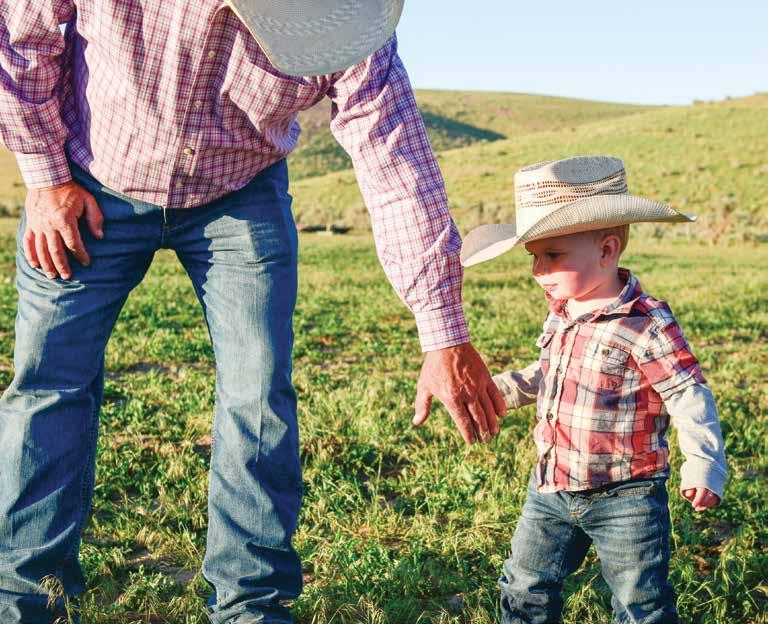
Reporting livestock movements in the Canadian Livestock Tracking System (CLTS) may seem like extra work today, but it makes all the difference when time matters most. Accurate digital records mean faster action during a disease outbreak and a stronger, more resilient industry. It’s not just about compliance. It’s about protecting your herd, your livelihood and the next generation that will carry your legacy forward.
Wherever you go, you feed your family the best. With BrettYoung forages, quality is key. We stand by our products with an industry-leading, 100% establishment guarantee. Choose from one of our carefully crafted stock blends or custom build your own mix for a happy, healthy herd.
To determine the right blend for your farm, visit brettyoung.ca/stock-blend-selector.

A Saskatchewan Stock Growers Association (SSGA) Publication
General Manager: Chad MacPherson
Box 4752, Evraz Place, Regina, SK S4P 3Y4
Tel: 306-757-8523
Email: gm@skstockgrowers.com Website: www.skstockgrowers.com
Managing Editor: Kori Maki-Adair
Tel: 403-680-5239 Email: kmaa@shaw.ca
Agri-business Advertising Sales: Diane Sawatzky Tel: 306-716-4271 Email: sales@skstockgrowers.com
Livestock Advertising Sales: Samantha Chamberlin Tel: 306-528-7658 Email: livestocksales@skstockgrowers.com
Subscriptions
Box 4752, Evraz Place, Regina, SK S4P 3Y4
Tel: 306-757-8523 Email: office@skstockgrowers.com
Subscription Rate: One year $26.50 (GST included) Published five times per year
Design and Layout: Bumble & Vine Creative | Candace Schwartz Tel: 306-772-0376 Email: candace@bumbleandvine.ca
Prairie Conservation Action Plan (PCAP)
Manager: Carolyn Gaudet
Box 4752, Evraz Place, Regina, SK S4P 3Y4 Tel: 306-352-0472 Email: pcap@sasktel.net
SSGA reserves the right to refuse advertising and edit manuscripts. Contents of Beef Business may be reproduced with written permission obtained from SSGA's General Manager, and with proper credit given to Saskatchewan Stock Growers Association. Articles submitted may not be the opinion of SSGA. SSGA assumes no responsibility for any actions or decisions taken by any reader from this publication based on any and all information provided.
Publications Mail Agreement #40011906
Return undeliverable Canadian addresses (covers only) to: Saskatchewan Stock Growers Association Box 4752, Evraz Place, Regina, SK S4P 3Y4
Jason Pollock
Leanne
Garth

If you’re managing livestock on the Prairies, whether on pasture, in barns, or in intensive production systems, upcoming changes to provincial animal protection legislation are worth your attention. The Government of Saskatchewan has introduced The Animal Protection Amendment Act, 2025, aimed at strengthening animal welfare rules while bringing more consistency and transparency to how those rules are enforced across the province.
When the legislation was introduced on November 19, thenAgriculture Minister Daryl Harrison said the changes are intended to reflect evolving international trade requirements and rising public expectations around animal care; pressures Saskatchewan livestock producers increasingly face in both domestic and export markets.
Kori Maki-Adair
Animal welfare inspectors with an education focus – New inspector roles will not only enforce regulations, but also provide education and guidance to livestock producers and the public. For many producers, this could mean more proactive communication and fewer unexpected enforcement actions.
A telewarrant is a warrant that was applied for by telephone or other means of telecommunication to a designated justice. Unlike regular applications for judicial authorizations, this form of application does not require that the applicant peace officer appear in person before a justice of the peace to obtain the warrant.
The Criminal Law Notebook www.criminalnotebook.ca
Telewarrants in urgent situations –Inspectors will have the authority to obtain telewarrants when animals are believed to be in distress, allowing for quicker responses. While this strengthens animal protection, it also highlights the importance of documenting management decisions during challenging conditions such as storms, drought, or disease outbreaks.
The province has also issued a Request for Proposal to identify organizations interested in delivering animal welfare enforcement services under the new legislative framework. According to the government, the goal is to create a more sustainable and consistent enforcement model—an issue many livestock producers have raised in recent years.
The legislation is expected to pass in spring 2026, giving producers time to understand how the amendments will be implemented and what they will mean at the farm or facility level.
Strong animal care has long been a point of pride across Saskatchewan’s livestock sector. These amendments aim to align enforcement with the day-to-day realities of livestock production more effectively, while responding to growing public and trade expectations.
Earlier this year, the Ministry of Agriculture consulted with producer groups, service providers, and other stakeholders and heard a common concern: animal welfare enforcement has not always felt consistent or predictable across Saskatchewan. For livestock producers managing everything from extreme weather events to feed, water, and housing challenges, clarity and fairness in enforcement matter.
The proposed amendments are intended to standardize enforcement, reduce uncertainty, and give producers clearer processes when animal welfare concerns arise.
A formal code of conduct, along with the creation of a chief officer role, is designed to improve accountability and oversight. For producers, this should result in more consistent and professional interactions with enforcement personnel.
An appeals board – One of the most significant changes for producers is the authority to establish an appeals board to review decisions related to animal disposition and recovery of associated costs. This provides a clearer path to due process if disputes arise.
As the changes move forward, staying informed and continuing to document sound animal husbandry practices can help ensure livestock operations remain well positioned and confidently prepared when the new rules come into force.
november/19/government-enhanceslegislation-for-animal-protection-insaskatchewan
A new national research report is calling for a fundamental rethink of how agricultural risk is managed in Canada, warning that the current emphasis on reactive Business Risk Management (BRM) programs may leave sectors such as Saskatchewan’s beef industry increasingly vulnerable to future shocks.
The report, Striking the Balance: Proactive Strategy versus Reactive Response, prepared for the Canadian Agri-Food Policy Institute by Farm Management Canada, argues that while insurance-style programs remain important, long-term resilience depends on greater investment in proactive risk planning, skills development, infrastructure, and farm data systems.
For Saskatchewan’s cow-calf operators, backgrounders, and feedlot managers, whom routinely contend with weather extremes, rising input costs, animal health challenges, labour shortages, and market uncertainty, the findings closely reflect on-the-ground realities.
Heavy Reliance on Reactive Programs Raises Sustainability Concerns
The report notes that agricultural risk management in Canada is often narrowly defined by BRM programs such as AgriStability, AgriInsurance, and AgriRecovery. These programs are designed primarily to help producers recover after losses occur, rather than preventing those losses in advance.
Spending on BRM programs has increased significantly in recent years, raising concerns about the long-term fiscal sustainability of relying on reactive support as production, market, and climate risks continue to intensify. For Saskatchewan’s beef sector, where drought, wildfire, feed shortages, and price volatility are recurring challenges, the report suggests this model may struggle to keep pace without stronger preventative measures.
Kori Maki-Adair
The report defines proactive risk management as a focus on planning, prevention, and preparedness. In practical terms for Saskatchewan beef operations, this includes:
• Financial planning tools such as costof-production analysis, budgeting, and stress testing for feed, interest rate, and market scenarios;
• Biosecurity, animal health, and welfare protocols to reduce the likelihood and impact of disease outbreaks;
• Infrastructure investments, including water development, feed storage, fencing, and facility maintenance, to improve resilience to extreme weather;
• Market planning strategies that reduce overreliance on a single buyer or pricing mechanism; and
• Human resource planning, safety systems, and succession planning, particularly relevant for larger feedlots and family-run operations.
The report emphasizes that these practices reduce exposure to loss as well as improve productivity, profitability, and long-term competitiveness.
Beyond economics, the report highlights a strong connection between proactive risk management and farmer mental health. Research cited in the study shows that a majority of Canadian farmers experience moderate to high stress, driven largely by unpredictability and a perceived lack of control over outcomes.
Producers who engage in written business planning and structured risk management practices demonstrate greater confidence, improved decision-making, and stronger coping mechanisms during periods of stress. These findings are particularly
relevant in Saskatchewan’s beef sector, where many operations are multigenerational and family decision-making adds another layer of complexity.
From a Saskatchewan policy perspective, the report raises concerns about the decline in provincial support for farm business management and risk planning services. Producers in Saskatchewan and several other major agricultural provinces no longer have access to costshared funding specifically targeted at business management training and advisory services.
The report suggests this shift may discourage adoption of proactive risk management practices at a time when farm risks are becoming more complex. It also highlights a disconnect between policy objectives aimed at resilience and the practical tools available to producers to achieve it.
For the Saskatchewan Ministry of Agriculture, the report points to an opportunity to reassess how programming under the Sustainable Canadian Agricultural Partnership can better support proactive risk management alongside traditional BRM tools.
Another key finding focuses on the need for improved national farm data harmonization. The report argues that standardized, high-quality financial and production data would strengthen cost-of-production benchmarking, improve lender confidence, and allow governments to design more targeted and effective risk management programs.
For feedlot operators, access to consistent performance metrics could enhance risk assessments, financing discussions, and operational planning.
continued on page 8
The report outlines several recommendations that would directly affect Saskatchewan’s beef industry, including:
• Developing a nationally-aligned risk management framework that integrates proactive and reactive approaches;
• Establishing a national risk management task force with strong producer and industry involvement;
• Expanding education, training, and advisory services focused on risk assessment and planning;
• Incentivizing comprehensive farm risk assessments through grants or tax measures; and
• Re-evaluating existing BRM programs to improve effectiveness and redirect resources toward prevention-focused initiatives.
While many recommendations are national in scope, the report emphasizes that provincial governments play a critical role in implementation and must tailor delivery to regional production realities.
The report does not advocate eliminating BRM programs. Instead, it calls for a better balance; one that maintains emergency and recovery support while placing greater emphasis on tools that help producers anticipate and reduce risk before losses occur.
For policymakers, the challenge lies in ensuring that programming, funding, and extension services reinforce preparedness and resilience, rather than responding only after a crisis has already taken hold.
For Saskatchewan beef producers and feedlot operators, the message is that proactive risk management is becoming increasingly central to long-term viability.
Saskatchewan Stock Growers Association
President Jeff Yorga said, “As risk exposure continues to grow across the beef sector, Saskatchewan producers need a robust suite of Business Risk Management programs that reflects today’s realities. Strengthening BRM tools, while integrating proactive planning supports, will help producers manage both immediate shocks and long-term challenges in partnership with government. Ongoing collaboration with government will be critical to ensuring these programs remain responsive and effective for producers.”
Striking

MARCH
3, 2026 AT
Kori Maki-Adair
Canada’s Grocery Sector Code of Conduct is moving from concept to implementation, a development that beef producers may want to keep on their radar as changes at the retail level continue to influence the entire supply chain.
At the end of November, federal Agriculture Minister Heath MacDonald and Quebec Agriculture Minister Donald Martel acknowledged a key milestone: the Office of the Grocery Sector Code of Conduct has finalized its governance framework and opened recruitment for voluntary membership across the grocery supply chain.
Although the Code is primarily focused on relationships between grocery retailers and their suppliers, its intent (to improve predictability, fairness, and transparency), has implications that extend well beyond the retail counter. For beef producers, particularly those connected to integrated processing and retail channels, improvements in downstream business practices may help reduce friction that could ultimately affect pricing signals, contracting approaches, and overall market stability.
The Office is now operating under newly established governance, including an elected Board of Directors that will represent stakeholders from across the grocery supply chain. Earlier in 2025, Karen Proud was appointed President and Adjudicator of the Office. In this role, she will oversee implementation of the Code, support dispute resolution, and guide adjustments as the framework evolves with industry needs.
Governments have emphasized that the Code is industry-led, with success dependent on participation by retailers and suppliers. Initial setup of the Office was supported by short-term federal, provincial, and territorial funding through the Sustainable Canadian Agricultural Partnership. Within two years, the Office is
expected to transition to full self-funding through membership fees paid by participating companies.
The next major milestone is fast approaching. Full implementation of the Code, including enforcement measures, formal dispute resolution processes, and the payment of membership fees, is scheduled to begin on January 1, 2026.
For beef producers, the months ahead will be worth watching closely. While the Code does not directly regulate farm-level transactions, stronger accountability and clearer expectations further along the supply chain could contribute to a more predictable business environment overall.
As retailers, processors, and suppliers decide whether to sign on, the extent of
adoption will ultimately determine how much the Code strengthens confidence and stability across Canada’s beef value chain.
REFERENCE:
Agriculture and Agri-Food Canada Minister MacDonald and Minister Martel congratulate the Office of the Grocery Sector Code of Conduct on finalizing governance framework and launching recruitment November 28, 2025 https://www.canada.ca/en/ agriculture-agri-food/news/2025/11/ minister-macdonald-and-ministermartel-congratulate-the-office-ofthe-grocery-sector-code-of-conducton-finalizing-governance-frameworkand-launchi.html


The federal government’s Buy Canadian Policy is moving from commitment to action, with nearly $186 million in new investments announced in Budget 2025 to strengthen domestic supply chains and prioritize Canadian-made goods and services.
The announcement was made on November 12th in Clyde River, Prince Edward Island, by Agriculture and Agri-Food Canada, following earlier remarks by Prime Minister Mark Carney this fall outlining a shift from “best efforts” to a clear objective to buy Canadian across federal procurement.
Kori Maki-Adair
Public Services and Procurement Canada, along with $7.7 million over three years for the Treasury Board Secretariat.
• Provide $79.9 million over five

On November 10th, the Honourable Heath MacDonald, Minister of Agriculture and Agri-Food, detailed how Budget 2025 funding will support full implementation of the policy across federal departments, agencies, and Crown corporations. The goal is to increase domestic production capacity, improve access to federal procurement for Canadian businesses, and ensure public spending supports jobs and economic growth at home.
As part of the announcement, Minister MacDonald visited MacPhee’s Meats in Clyde River, meeting with local business owners and Canadian Meat Council Chair Russ Mallard. The visit highlighted the role of family-run processors in connecting Canadian farmers with consumers and reinforcing resilient local food systems.
What the funding includes
Under Budget 2025, the federal government proposes to:
• Invest $98.2 million over five years (starting in 2026–27), plus $9.8 million ongoing, to support Buy Canadian implementation through
years to Innovation, Science and Economic Development Canada to deliver the Small and Medium Business Procurement Program, helping Canadian small and medium-sized enterprises better access to federal contracts.
The Buy Canadian Policy comes into force this month and will initially apply to defence, construction, and other strategic procurements. Full implementation is expected by spring 2026, with the policy extending to infrastructure spending and other federal funding streams.
Ottawa estimates that up to $70 billion in public investment could ultimately be directed toward Canadian-made products and services.
“The Buy Canadian Policy is an important signal that government recognizes the value of domestic food production and processing. For livestock producers,
policies that strengthen Canadian supply chains and keep public investment circulating in rural communities help build long-term resilience. We will continue to advocate for measures that ensure producers and processors are positioned to benefit as this policy evolves,” said Saskatchewan Stock Growers Association President Jeff Yorga.
While the policy initially focuses on steel, wood products, and aluminum, it is designed to be flexible and expand over time.
For livestock producers, processors, and rural communities, the policy signals a broader commitment to domestic production, value-added processing, and stronger Canadian supply chains, factors that contribute to longterm market stability and food security.
Industry organizations, including Saskatchewan Stock Growers Association, are monitoring how the policy may support Canadian agri-food businesses, particularly small and medium-sized operations seeking to grow their market reach.
REFERENCE
Government of Canada
From Reliance to Resilience: Budget 2025 delivers new investments to Buy Canadian and build Canada's industrial strength
November 10, 2025
https://www.canada.ca/en/publicservices-procurement/news/2025/11/ from-reliance-to-resilience-budget2025-delivers-new-investments-tobuy-canadian-and-build-canadasindustrial-strength.html
Kori Maki-Adair
Change arrived at the Cabinet table in early December, but not a wholesale shakeup. Instead, Premier Scott Moe opted for a recalibration, blending experience with a new generation of leadership as Saskatchewan’s government looks ahead to the next phase of its mandate.
In a cabinet shuffle announced December 11th, five MLAs entered cabinet for the first time, all of whom were first elected in 2024. Moe said the timing was deliberate, allowing newer members to gain experience before taking on ministerial responsibilities.
“Nearly half of our government caucus was first elected in 2024, but I didn’t want to bring too many brand new members into cabinet right after the election,” Moe said, adding that the changes
create “a strong balance of experience and fresh perspectives.”
The five new cabinet ministers are:
• Mike Weger, Minister of Community Safety and Minister responsible for the Saskatchewan Public Safety Agency
• Chris Beaudry, Minister of Energy and Resources
• Darlene Rowden, Minister of Environment
• Kim Gartner, Minister of Highways
• Sean Wilson, Minister of SaskBuilds & Procurement
Continuity in key portfolios
Eight ministers remain in their existing roles, including Deputy Premier and Finance Minister Jim Reiter, Health
Minister Jeremy Cockrill, and Education Minister Everett Hindley, providing continuity across core government functions.
Portfolio shifts
Four ministers retained cabinet positions while taking on new responsibilities. Notably for industry and producers, David Marit returns as Minister of Agriculture and Minister responsible for the Saskatchewan Crop Insurance Corporation, while Warren Kaeding adds responsibility for the Saskatchewan Liquor and Gaming Authority alongside his trade portfolio.
Legislative roles and next steps
The new cabinet was sworn in by Lieutenant Governor Bernadette McIntyre. Three departing cabinet ministers, Travis Keisig, Daryl Harrison, and Colleen Young, are expected to continue contributing as legislative committee chairs.


Premier Moe also appointed eight Legislative Secretaries to support ministers across agriculture, health, education, trade, and social services, reinforcing the government’s legislative capacity.
For Saskatchewan industries, the shuffle signals stability at the top, paired with new voices shaping files tied to agriculture, energy, infrastructure, and trade, areas expected to remain central to the province’s economic agenda in the year ahead.
Kori Maki-Adair
For Saskatchewan’s beef producers and feedlot operators, research delivers the most value when it reflects real-world production challenges: from rising input costs to environmental stewardship and animal care expectations.
That producer-focused approach is central to the Livestock and Forage Centre of Excellence (LFCE), where beef, forage and bison research are integrated into a single, modern facility designed to support industry, academia and government priorities.
Located near Saskatoon and operating as an independent unit of University of Saskatchewan, the LFCE brings together expertise in animal science, veterinary medicine, forage and soil science, environmental engineering, and agricultural economics.
By housing all stages of beef cattle research under one roof, the centre provides a platform where applied questions can be examined across the production chain.
The LFCE supports research, teaching and outreach related to cow-calf and beef cattle production, forage breeding and grazing management, as well as world-class bison research focused on reproduction, disease control, vaccine development and nutrition. Its mandate is clear: to provide sciencebased answers that address animal welfare, environmental sustainability and profitability for Western Canadian livestock producers.
The LFCE was established following consultations led by the Saskatchewan Ministry of Agriculture beginning in 2014, with the goal of modernizing livestock research and training infrastructure in support of the provincial economy.
Previously, beef and forage research in Saskatchewan was conducted across multiple aging and geographically dispersed facilities. Consolidation into the LFCE has created efficiencies while strengthening collaboration among researchers, producers and policymakers.
Since the centre reflects every stage of the cattle production system, researchers can assess the economic, environmental and animal health implications of management decisions under realworld conditions.
For feedlot operators, this includes evaluating cost-effective herd management strategies. For cowcalf producers, it includes applied research on forage systems, grazing management and production efficiency. Environmental research is also a key focus. The LFCE offers a rare opportunity to study the long-term impacts of intensive livestock operations on a greenfield site, allowing scientists to develop best practices for minimizing impacts on soil and water resources— work with direct relevance for regulators, producers and the public.
to campus, which is an increasingly important advantage as the industry looks to train and retain skilled professionals.
Jourdyn Sammons, a first-year veterinary student at Western College of Veterinary Medicine (WCVM),, completed her Master of Science at University of Saskatchewan conducting grazing research at the LFCE’s Forage Cow-Calf Research Teaching Unit.
“I grew up on a mixed-farming operation north of Gleichen, Alberta, where I developed a passion for beef production,”
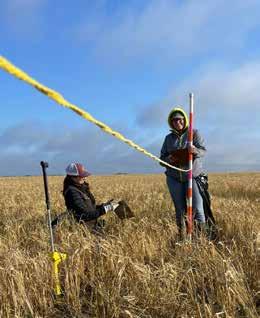
Sammons said.
“I recently completed my MSc, studying the effects of annual and perennial forage systems on forage and soil microorganisms under the supervision of Dr. Bart Lardner. My grazing study took place at the Forage Cow-Calf Research Teaching Unit at the LFCE.”
Sammons noted the centre provides significant learning opportunities for students across disciplines.
In addition to research, the LFCE plays a critical role in hands-on education. Students at University of Saskatchewan have access to advanced handling facilities, modern technologies and large numbers of cattle located close
“Currently, I am a first-year veterinary student at the WCVM, and I look forward to cattle-related labs and rotations at the LFCE throughout my program,” she said.
Student Voices at the Governance Table
Beyond research and teaching, Sammons also served as a student exofficio member on the LFCE Strategic Advisory Board (SAB) from 2023 to 2025, representing the graduate student
perspective alongside producers, industry representatives, researchers and government officials.
“I was approached and asked to share the graduate student perspective on the SAB to help ensure that the development of the LFCE initiatives aligns with student research and teaching needs,” she said.
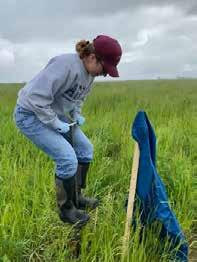
Her role involved participating in SAB meetings and contributing student viewpoints during board discussions.
“I enjoyed sitting on the SAB as a student representative,” Sammons said. “It is not uncommon for graduate students to spend long days at the LFCE when collecting data for their research projects, so I was pleased to have the opportunity to share those experiences with various board members.”
She added that the experience provided valuable insight into the centre’s longterm direction.
“I also appreciated gaining a broader understanding of the LFCE’s diverse nature and the centre’s varied long-term objectives,” she said.
Strengthening Industry–Academic Collaboration
Sammons believes student participation strengthens the LFCE by ensuring research and teaching decisions remain grounded in practical realities.
“Students are often the individuals who spearhead the research activities for their projects and are most directly impacted by the practical implications of changes at the LFCE,” she said. “Additionally, the LFCE is a wonderful facility that provides many learning opportunities, whether through
research activities, scheduled labs or classes.”
Her time on the SAB also reinforced the importance of collaboration across sectors.
“The experience in the room ranged from producers to government representatives, showcasing a diverse pool of knowledge working together to advance the LFCE,” Sammons said. “Industryacademic collaboration is invaluable, ensuring that scientific progress and initiatives address practical producer-driven concerns.”
The LFCE’s vision—connecting soil, forage, animals and people—continues to guide its work as it supports innovation, sustainability and profitability across Saskatchewan’s livestock sector.
Through its integrated research model, hands-on training and collaborative governance structure, the centre provides a clear return on investment for producers, industry partners and governments alike.
As Sammons noted, student involvement remains an important part of that success.
“The multidisciplinary nature of the LFCE is partly driven by student involvement, whether through conducting research projects or participating in tech-transfer and engagement sessions,” she said. “This helps ensure that practical teaching and research opportunities prepare students for future roles beyond the LFCE.”
For Saskatchewan’s beef industry, the LFCE stands as a practical example of how coordinated research, education and industry engagement can help position the sector for long-term resilience and growth.



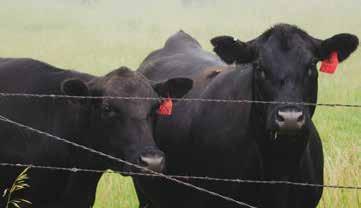
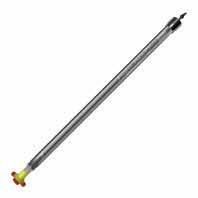
For more than 50 years, Pneu-Dart has offered the best remote injection equipment for your drug delivery needs.
Our Remote Drug Delivery (RDD) systems are designed to capture or medicate while minimizing stress on animals. Whether you're treating freerange cattle, sedating cervid livestock, or assisting in the translocation of wild animals, Pneu-Dart manufactures the products to handle every target situation.






Kori Maki-Adair
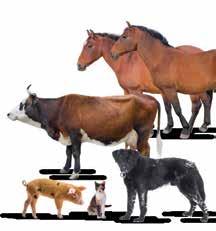
At first glance, a recent pilot study on radio frequency identification (RFID) bolus identification in goat kids may seem far removed from the day-to-day realities of beef production. However, for beef producers and feedlot operators, the findings offer useful insight into where Canada’s traceability system is headed and why ongoing technology evaluation matters.
Led by Canadian Cattle Identification Agency (CCIA), this study evaluated the safety, retention, and readability of passive RFID boluses in young goats. While boluses are not proposed for use in cattle, the results have broader relevance for the beef sector.
Reinforcing confidence in RFID traceability
Beef producers already operate under mandatory RFID ear tagging, and the goat study reinforces a key message: RFIDbased identification can be reliable, safe, and performance-neutral when properly designed and applied. The study found no impact on growth or health, alongside 100 per cent retention and readability— outcomes that underpin trust in electronic identification systems across species.
For feedlots, where accurate identification is critical for inventory management, regulatory compliance, and market access, this reinforces the importance of robust, science-based traceability standards.
Technology validation strengthens the entire system
Although cattle identification relies on external (ear) tags rather than boluses, validating new technologies in other livestock sectors helps future-proof Canada’s traceability framework. It demonstrates that:
• Identification tools are rigorously tested before being considered for regulatory use;
• Animal welfare remains central to traceability decisions; and
• The system can adapt as production practices, risks, and market expectations evolve.
For beef operations, if ever proposed, this means changes are more likely to be evidence-driven and consultative, rather than reactive.
From a disease response perspective, reliable animal identification is foundational. Lessons from the goat

study (e.g., minimum weight thresholds, proper administration techniques, and monitoring protocols), can inform training and preparedness planning relevant to beef producers, feedlots, and veterinarians involved in multi-species emergency responses (e.g., Foot-andMouth Disease).
High retention and readability rates are particularly relevant in feedlot and processing environments, where rapid animal identification is essential during movement controls or investigations.
Canada’s beef sector competes in markets that increasingly expect strong traceability and welfare assurances. Demonstrating ongoing evaluation of identification technologies—even outside the cattle sector—helps maintain Canada’s reputation as a leader in livestock traceability, supporting export credibility and domestic consumer trust.
The goat RFID bolus study does not signal changes to cattle identification requirements, but it does highlight a system that is:
• Continuously tested and improved;
• Grounded in animal health and performance data; and
• Designed to remain credible under regulatory, trade, and disease-response scrutiny.
For beef producers and feedlot operators, that translates into a traceability framework that supports business continuity, market access, and long-term sector resilience.
To learn more about this research, visit: https://www.canadaid.ca/wp-content/ uploads/2025/12/FOR-IMMEDIATERELEASE_Passive-Goat-BolusStudy-09122025.pdf
Tristina Miller
It’s a great time to expand your cattle feeding knowledge base! Saskatchewan Cattle Feeders Association, Government of Saskatchewan and University of Saskatchewan will be jointly hosting the 28th Western Canada Feedlot Management School at the Saskatoon Inn & Conference Centre from February 10-12, 2026.
This year’s agenda features experienced cattle feeders and trusted experts on animal health, markets, feedlot nutrition programs and the overall business of cattle feeding. In addition, there will be virtual tours of Blackshirt Feeders—a newly constructed, innovative, technology-driven cattle feeding operation.
Eric Behlke, one of the partners in this operation, will join us in Saskatoon for
interactive question and answer sessions following the virtual tours.
Once again, the Livestock and Forage Centre of Excellence will host an afternoon of hands-on demonstrations.
The event will kick off with a presentation from Evan Shout on how to strengthen your cattle feeding workforce with a focus on creating an attractive work culture and implanting effective management training.
Some additional highlights of the threeday event include respiratory diseases and advancements in available vaccines, understanding cost of production, strategies for risk management, and looking at ways to improve gut health and mineral status of feeder cattle to increase productivity.
A thought-provoking panel session will feature a group of experienced producers discussing opportunities for use of hybrid rye in cattle feeding.
For more information, including the complete agenda or to register online, please visit Saskatchewan Cattle Feeders Association’s website at www.saskcattle.com
A block of rooms is reserved at Saskatoon Inn until January 9, 2026. Please note that all attendees must register in advance of the event.
B
Please contact the Saskatchewan Cattle Feeders Association office for more information by email at office@saskcattle.com

























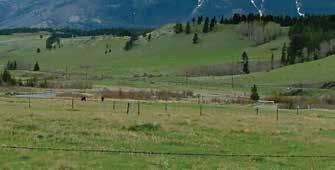







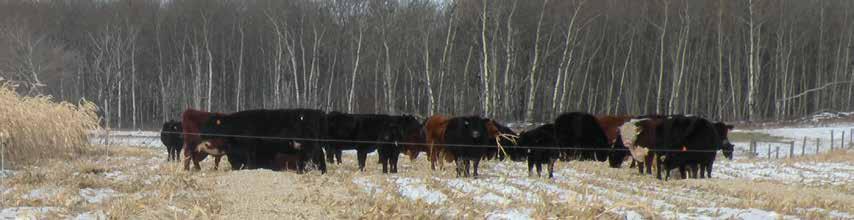
Standing corn has become a reliable winter-feeding strategy across the Prairies, delivering high yields per acre with comparatively-low machinery use and manure handling. Yet success depends on many factors, including maturity of the plant, how well the cattle utilize the whole plant, and how consistently you protect rumen health while they are grazing.
The most cost-effective systems combine frequent moves; achieve the desired corn maturity; target fibre, protein, and mineral supplementation; and continuously observe the cattle’s grazing behaviour and health.
A concern with grazing corn is rumen acidosis and one producer from Southeast Saskatchewan came up with an innovative idea to help alleviate this concern.
Acidosis: What It Is, Why It Happens, and How to Prevent It
To begin our look into corn grazing, we first need to understand grazing behaviour. When first introduced to standing corn, cows preferentially select cobs, then husks and leaves, leaving stalks for last. Once only the stalks remain, their intake can decrease.
Rumen acidosis (i.e., grain overload) occurs when cattle experience a sudden, large shift from high -fibre roughage to low-fibre, high - carbohydrate grain such as barley, wheat, or corn. Rapid swings in
total dry matter intake, from empty to full, can also induce acidosis even on forage. This can be the case if we push them to clean up stalks for a long period of time and then introduce them back into cobs.
Four to 10 hours after animals are provided with a large allotment of grain (a.k.a., cobs), rumen microbes shift toward lactic-acid producers, rumen pH falls, and digestive distress follows. Acute acidosis, with rumen pH at or below about 5.0-5.5, damages the rumen lining and can cause severe abomasal and intestinal inflammation, poor feed efficiency, founder, and in severe cases, sudden death.
Subacute acidosis occurs when rumen pH sits at 5.5–5.8 for four hours or more; it may be missed on casual observation but still impairs fibre digestion and performance. Signs include panting, excessive salivation, diarrhea, belly kicking, aimless wandering, falling, and soil ingestion. Even subacute cases can cause lasting damage if repeated.
Some research suggests an internal feedback mechanism—animals may limit intake of feeds that cause stomach pain; however, survival of the first episode is required and evidence is inconsistent. Practical experience confirms that even seasoned corn - grazing herds can suffer acute acidosis; so, producers should not rely on their herd’s self- limiting behaviour as a safety net.
Now that we’ve looked into grazing behaviour and rumen acidosis, we have a better idea of why short rotations are beneficial when grazing corn. The mechanism is straightforward: when cows receive access to a new paddock, they select the cobs first, dislodging kernels by rolling cobs in their mouths or eating entire cobs, then moving to husks and leaves, with stalks last.
Longer allotments let individuals load up on high -starch grain for several days, followed by a slump when only stalks remain—reducing utilization and contributing to unstable rumen conditions. Short rotations encourage a more uniform whole -plant diet and better stalk cleanup, translating into more cow- days per acre and lower cost per head per day.
Producers have also had success by providing an alternative forage source (e.g., hay bales) which cattle can consume, while corn grazing, to provide additional fibre in their diets.
Producers often focus on seed, fertility, and growing conditions; however, another important factor to maximize the success of a crop for grazing is utilization. When cows are managed to consume cobs,
husks, leaves, and stalks when corn grazing, the unit cost drops, cleanup improves, and rumen microbes receive a more stable daily diet.
Work conducted at the Western Beef Development Centre compared herds offered a fresh paddock of corn every three days versus every nine days, with and without supplemental hay. Performance indicators such as body condition score and average daily gain were similar across treatments, but economics and digestion dynamics differed.
More frequent moves improved whole -plant use, feeding more cows per acre and cutting the corn feed cost roughly from $1.49 to $1.14 per head per day compared with nine - day moves. Even after adding about $0.11 per head per day in yardage for more frequent fencing, the net return favoured three - day rotations— worth approximately $2,100 over three months for a 100 - cow herd moving 30 times instead of 10.
Sizing Strips: A Quick Calculation (and Why to Adjust It)
A practical way to size paddocks is to estimate yield and demand, then refine in the field: assume around five tons dry matter (DM) per acre (yields vary). A 1,400 - lb cow at three per cent body weight needs approximately 42 pounds DM per day. For 150 cows over three days, that is 42 × 150 × 3 = 18,900 pounds DM required. At 10,000 pounds DM per acre (five tons × 2,000 pounds), a two -acre paddock provides about 20,000 pounds DM, close to the need.
These calculations rest on assumptions (cow size, intake, yield, waste), and must be validated and adjusted after observing actual cleanup and cow behaviour. Planning paddock lines before seeding to make fencing easier, and setting up a second/backup paddock if cattle break into the next paddock before they are moved, are smart contingencies.
Nine Management Levers to Reduce Risk and Improve Use
1) Target the right kernel maturity. Choose
corn adapted to reach roughly half milk line at the first killing frost. As the milk line advances, kernel starch increases and acidosis risk rises. Drier, more mature kernels are more easily dislodged; monitor for empty cobs as a threshing indicator. If maturity advances too far, consider harvesting as grain or silage.
2) Feed test whole -plant corn. Because cows can select different fractions (cob, leaves, stalks) with distinct nutrient profiles, test for dry matter, crude protein (CP), ash, neutral detergent fibre (NDF), acid detergent fibre (ADF), fat, calcium, and phosphorus to identify deficits (often protein and calcium) and excesses (rapidly fermentable carbohydrates). Use results to meet the animals’ energy, protein, mineral, and vitamin requirements.
3) Observe daily. Corn grazing is not “set and forget.” Monitor cattle for subacute signs of rumen acidosis and intervene early by adjusting strip size, timing, and fibre supplementation.
4) Right-size paddocks and plan fences. As a planning baseline, standing corn may yield about five tons of DM per acre. A 1,400 -pound cow eating around three per cent of bodyweight needs roughly 42 pounds DM per day. Multiply by herd size and days per strip to estimate acres, then adjust for actual yields and cleanup. Pre -plan electric line placement and consider a backup paddock in case of breakouts.
5) Use hay strategically. Hay increases rumen fill during stalk cleanup and before opening a fresh strip, reducing the initial grain binge; it also supplies protein
(alfalfa or alfalfa/grass) and improves crop utilization by encouraging stalk consumption.
6) Respect the weather. Extreme cold and windchill raise energy demand and intake, increasing risk if hungry cows enter a fresh strip; blizzards can force fasting and later gorge feeding. Time moves to avoid empty rumens before turning your animals into a new paddock of corn grazing.
7) Prioritize vulnerable groups. Late - gestation and lactating cows, and those with lower body condition score, have greater appetite and energy needs, heightening risk when new paddocks open. Manage these groups conservatively.
8) Mind stalk size and plant maturity. Larger- diameter stalks and plants that were more mature before freezing tend to be less palatable, which can depress intake during cleanup and prompt
continued on page 22


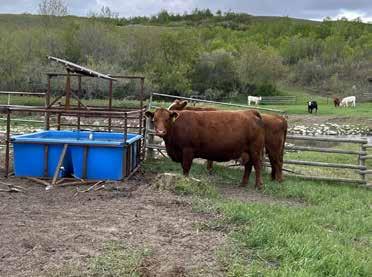

gorging when fresh cobs are offered.
9) Allow back- grazing. Let cows move back to previous areas to finish stalks; this supports consistent rumen fill and improves overall utilization.
To reduce grain - overload risk and deliver more uniform nutrition with every bite, a producer in Southeast Saskatchewan tried chopping standing corn into windrows or piles mid-winter once the crop was dry. His approach used a six-row header to merge 12–18 rows into one swath (with interest in going wider), then fenced into separate paddocks.
Trials with three - day, one -week, and two -week allotments found that two weeks increased waste (trampling, defecation on feed); while, three days and one week minimized losses. In this circumstance, he received the benefits of grazing corn, including high yields per acre, reduced labour and manure handling while balancing nutrition and improving whole -plant intake—stalks, leaves, kernels in each mouthful.
He also processed the kernels with the silage harvester; so, the animals had access to more starch and energy, and the risk of grain overload appeared lower compared to unchopped standing corn. The animals were provided with an
additional protein source and mineral program to round out their nutrition.
Trade - offs he mentioned were: custom chopping costs, potential snow burial of windrows (wider, bulkier swaths would help alleviate this concern), and freeze–thaw cycles that could embed fines in ice.
Design for three - day moves. Lay out fence lines, access, and water with short rotations in mind; the modest yardage increase is outweighed by feed savings and more stable rumen function.
Aim for half milk line at frost. Choose hybrids for your heat units to hit approximately 50-per-cent milk line at the first killing frost; monitor kernel maturity and pivot to grain or silage if starch concentration or kernel dryness becomes excessive.
Feed test and balance nutrition. Use alfalfa or alfalfa - grass hay and a targeted mineral plan to cover nutritional gaps and stabilize rumen fill during stalk cleanup and before opening new paddocks.
Right-size allotments and let cows back- graze. Start from DM estimates, adjust to your field reality, and allow back- grazing to finish stalks and maintain steady rumen fill.
Observe cattle daily and time moves with weather. Do not turn hungry cows
into fresh allotments during extreme cold or immediately after storms that force fasting.
Watch especially late - gestation, lactating, and low- BCS animals.
To alleviate some risk when it comes to rumen acidosis, evaluate the risks and benefits of chopping corn into windows.
Conclusion: Prioritize Management, Unlock Value
Corn grazing continues to evolve as producers seek to balance cost-effective feeding with the health and performance of their cattle. The system’s success ultimately depends on understanding cattle behaviour, avoiding large fluctuations in starch intake, and adopting management practices that keep rumen conditions stable.
Grazing standing corn can be economical, efficient, and safe—provided management leads. Short rotations improve whole -plant use and lower the per- head, per- day feed cost even after accounting for yardage; while, vigilant observation, feed testing, and strategic hay feeding stabilize rumen function and reduce acidosis risk.
Where conditions warrant, chopped- corn swath grazing delivers uniform intake and further risk reduction, so long as chopping costs and weather exposure are managed.

















A recent survey of more than 300 cow-calf producers across Western Canada showed only 59 per cent of respondents had used lab-based feed testing at least once in the past three years. Among those who hadn’t tested, two-thirds believed it wasn’t necessary because their animals appeared healthy.
However, subclinical nutrient deficiencies such as inadequate energy, protein or minerals can go unnoticed while quietly reducing animal performance, leading to reduced profits. Additionally, forage quality can vary significantly within a field and from year to year.
While feed testing may seem like an additional expense, the investment pays off by allowing producers to make informed decisions about ration balancing, feed efficiency, and herd health.
Below are three scenarios that highlight how feed testing can unlock cost savings or protect revenue in cow-calf operations.
Scenario 1: Lower Feed Costs While Maintaining Cattle Body Condition
Feed testing and ration balancing allows producers to incorporate alternative or lower-cost feedstuffs confidently without compromising cattle health —this is particularly valuable during times of high hay prices or limited forage availability.
In this example, switching to the mixed ration saves $6,750 over 90 days for 100 cows.
Consider a 90-day mid-gestation feeding period for 100 cows at 1,400 pounds and a body condition score (BCS) of 3.0 in early winter at -10 °C degrees. Table 1 compares two rations: one based solely on grass hay, and another using a blend of grass hay, straw, and grain.
Estimated using Cowbytes version 5.41, assuming 1,400 lb mature cow weight, six months pregnant, temperature at -10°C current and -5°C previous month, 1.3 cm hair depth, 10 KMH wind speed, ADG = 0.25 lbs, Expected Birth Weight at 95 lbs.
While straw has a lower nutritional value, it can be used to replace a portion of forage in early- to mid-gestation diets, effectively. However, when lower-quality forages are used, protein supplementation is often required to maintain proper nutrition. Forage testing helps determine exact supplementation needs, preventing over or underfeeding.
In this example, switching to the mixed ration saves $6,750 over 90 days for 100 cows. Feed testing, which costs around $165 (assuming one sample each of hay, straw and grain at $55 per sample), pays for itself many times over.
Even for producers growing their own hay, the benefit is substantial—especially areas with prolonged drought in recent years resulting in homegrown forage supplies running short, forcing herd reductions or costly hay purchases.
By incorporating alternative feedstuffs, total hay used in the above example drops
by 60 per cent. This strategic shift not only reduces dependency on hay but also ensures cows receive adequate nutrition at a lower cost—when paired with feed testing and precision ration balancing.
Scenario 2: Feeding the Right Forage at the Right Time
Feed testing is also essential for strategic nutrient allocation—matching forage quality to cow nutrient requirements at different stages of production.
Forage nutrient content can vary significantly depending on maturity at harvest, legume proportion, soil fertility and weather conditions. A general recommendation for cow nutritional requirements is 55-60-65 per cent for TDN and 7-9-11 per cent for CP for mid gestation, late gestation and lactation, respectively. Without a feed test, it is not possible to know if a forage is meeting these requirements at different stages.
continued on page 26

A feed test result is only as good as the sample provided. Follow proper sampling techniques to ensure an accurate test result.
G Group and collect forage samples in lots , which could be based on forage maturity, variety, harvest date, a single field or a single cutting.
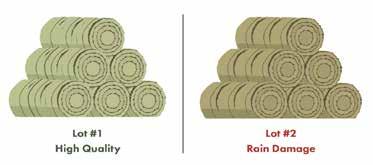
Collect samples w when management decisions are being made or as c close to feed-out as possible. For ensiled forages, collect samples during harvest or wait a m minimum of four weeks after ensiling before sampling.
• Forage probe
• Clean container for collecting samples
• Plastic sample bags
• Clippers (for standing or swathed forage)
Work with your nutritionist or local extension office to obtain a forage sample probe.

Collect samples at random for each forage lot. DO NOT avoid bales that appear below average or areas in a field with poor forage cover.
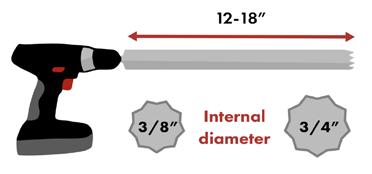

Allow a minimum t two-week turnaround time from when you collect samples and receive lab results.

C Clearly label samples with farm name, forage type, date collected, plus lot number or description. Contact your laboratory for further labelling instructions.
A list of Canadian feed testing labs is available at: BeefResearch.ca/labs.




Work with your nutritionist or input feed analysis results into ration-balancing software to f formulate balanced feed rations for your herd.
CowBytes ration-balancing software is available for purchase at CowBytes.ca

Feed Testing cont. from pg. 24
In this example, feed testing saved the producer $1,585 in costs for 100 cows.
Consider an alfalfa-grass hay-based ration as an example. Without testing, a producer might assume average forage quality—around 60 per cent TDN and nine per cent CP—and balance a ration accordingly. For a 1,400-pound cow, about 32 pounds of hay with 87 per cent dry matter (two per cent of body weight in dry matter intake) would be sufficient for the mid- and late-gestation stages, but supplemental energy and protein would be needed for the lactation stage with additional cost.
Suppose the lactating ration, composed of the alfalfa-grass hay and mineral supplementation plus three to four pounds of barley grain, was fed to 100 cows for about 45 days before cattle go on grass. The total barley grain needed adds up to approximately seven tonnes. If prices were around $250/tonne, the total cost would be $1,750.
In contrast, feed testing can identify quality differences across hay inventories and allow producers to manage feed more efficiently. For example, testing might reveal:
• Lot A: 53 per cent TDN, seven per cent CP, 58 per cent NDF
• Lot B: 58 per cent TDN, nine per cent CP, 56 per cent NDF
• Lot C: 63 per cent TDN, 11 per cent CP, 52 per cent NDF
With this information, the producer could feed Lot A during mid-gestation, when nutrient demands are lowest, use Lot B in late-gestation and reserve the higherquality Lot C for lactating cows. This approach eliminates the need for grain supplementation in early lactation and uses existing forage more effectively.
Nutrient Planning Without Feed Test With Feed Test
Forage Nutrient Data Known No, assumed average Yes
Forage Allocation Random distribution Matched by stage
Supplement Needed in Lactation
Yes (7 tonnes grain at $250/t = $1,750)
Cost of Feed Test (3 hay lots) $0
Net Feed Cost Savings $0
Outcome
None (high-quality hay used)
~$165 (one sample from each lot, total three samples at $55/ sample)
$1,585 ($1,750 in grain – $165 for feed testing)
Unnecessary grain supplementation Efficient forage use, no grain needed
Beyond cost efficiency, feed testing can prevent productivity losses due to underfeeding —this can be particularly important for gestating cows ahead of calving.
In this example, feed testing could have saved this operation over $4,000 in losses.
Consider a swath grazing example: without a feed test, a producer assumes the crop provides 58 per cent TDN and nine per cent CP. Therefore, they decide to feed the crop to mid-gestating cows with a BCS of 3.0 with the expectation that the cows will maintain condition during the feeding period. However, the actual forage quality is lower—closer to 53 per cent TDN and seven per cent CP. As a result, cows lose weight and calve underconditioned at a BCS of 2.5 instead of the ideal 3.0.
This drop in condition can significantly impact reproductive performance. Cows calving at BCS 2.5 face higher risks of abortion (2.5 per cent vs. 1.6 per cent), increased stillbirths (four per cent vs. 2.7 per cent), and delayed rebreeding. For a 100-cow herd, this translates to at least two fewer live calves—representing over $4,275 in lost revenue in Western Canada (based on Oct–Nov 2024 Alberta prices at $415/cwt and 515-pound weight), or $4,150 in Eastern Canada (at $403/cwt).
The long-term impact can be even greater. Underconditioned cows have reduced pregnancy rates (91 per cent at BCS 2.5 vs. 94 per cent at BCS 3.0), potentially resulting in two to three additional open cows in this herd and nearly $8,000 in losses.
These outcomes could have been avoided with a simple feed test and modest ration adjustment—such as adding three to four pounds cereal grain—once the nutrient shortfall was identified.
Similarly, standing corn for winter grazing can appear adequate, but nutrient content varies widely depending on hybrid, maturity and kernel-to-stover ratio. Without testing, cows may not meet energy or protein targets, leading to hidden deficiencies that can compromise reproductive success. Testing can identify when protein supplementation is needed to match nutrient supply to demand.
For producers that purchase most of their feed, having a feed test performed prior to purchase allows for a direct comparison between feeds on a cost-pernutrient basis.
Feed testing is also a critical tool for preventing costly and potentially
devastating issues related to moulds, mycotoxins, nitrates, and mineral imbalances. A simple feed test can detect these risks early, allowing producers to adjust or blend feedstuffs to safeguard herd health and productivity.
BOTTOM LINE:
Feed testing is a low-cost management tool that delivers high-value results. It helps producers make informed decisions—whether it’s stretching feed supplies, targeting nutrition by stage of production or avoiding costly underfeeding of nutrients.
In operations where every dollar and every calf counts, a small investment in feed testing can prevent thousands in losses and improve overall herd performance. It’s not just a test— it’s a tool for better returns.
Condition
Feed Value
Overestimated (assumed 58% TDN, 9% CP) Tested (e.g., 52% TDN, 7% CP)
Supplement Added No (underfeeding) Yes (e.g., cereal grains or protein supplementation)
Cow Body Condition at Calving
Calf Losses
Lost Revenue
Feed Test Cost (swath sample)
Outcome
2.5
2 per 100 (due to abortion or still birth)
Over $4,000 (2 calves × $2,100 avg. value)
$0
Missed deficit, lost revenue
~$110 (2 samples at $55/ sample)
Timely correction, no additional calf loss
The original article was posted by Beef Cattle Research Council at https://www.beefresearch.ca/blog/feed-testing-a-tool-for-better-returns/.




Kori Maki-Adair
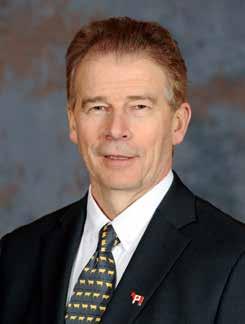
When Dennis Laycraft talks about leadership, he rarely speaks in terms of authority or accomplishment. Instead, again and again, he returns to preparation, listening, and people.
“You learn more listening than you do talking,” he says plainly. “And there’s no substitute for doing the work.”
Those two principles, quiet diligence and deep respect for others, have shaped Laycraft’s personal leadership style and the modern Canadian beef industry itself. After 35 years as Executive Director of the Canadian Cattle Association (CCA), and more than four decades in the cattle sector overall, Laycraft is preparing to step away from the role he has held longer than anyone in history.
His retirement, announced in October 2025, marks the end of an era defined by trade battles and breakthroughs, industry-wide crises and recoveries, and a steady, unflappable approach to advocacy that earned respect far beyond Canada’s borders.
Yet for Laycraft, this moment is less about legacy and more about continuity.
age-related than anything. I turned 70 last June. I still felt like I had gas in the tank, but at some point, you set a timeframe and stick to it.”
Laycraft’s story begins far from boardrooms and briefing notes, on a ranch in Southern Alberta’s Porcupine Hills, country he still describes as “one of the prettiest places on the planet.”
“When you grow up on a ranch, cattle don’t take a day off,” he says. “Your first mission is to take care of the cattle, and they’ll take care of you. That was my mom’s line, and it stuck.”
Growing up as one of four brothers, Laycraft learned early that ranch life required self-reliance, adaptability, and community. When something broke, help wasn’t a phone call away.
“You learned to think on your feet,” he recalls. “You did just about everything yourself, and you had amazing neighbours because you needed each other. That sense of community is ingrained in this industry.”
“This has been in the works for about five years,” he explains. “It’s honestly more
Those lessons followed him to Olds College, where he studied livestock production, and into a string of early industry roles, from feedlots and purebred operations to a stint as a nutritionist; but it was an opportunity with the Alberta Cattle Commission (ACC) in 1980 that set his career on a different trajectory.
“I wasn’t even as familiar with the ACC as I probably should have been,” he admits with a laugh. “It wasn’t easy to do research back
then. You didn’t just Google things. But the more I learned, the more I thought, ‘This is a fascinating job.’”
He turned down other offers and waited, and was rewarded with a role that immersed him in field services, market information, and policy across Alberta’s nine cattle zones.
“That job showed me how many different perspectives exist within one industry,” he says. “Northern Alberta versus Southern Alberta. Cow-calf producers versus feeders. You learn quickly that listening matters.”
By 1990, Laycraft joined the Canadian Cattle Association, bringing with him a deep understanding of production realities and provincial dynamics. What surprised him most was how much of the industry’s fate was shaped far beyond the farm gate.
“There’s a lot more going on in policy and
international marketing than you ever see when you’re busy running an operation,” he says. “But those relationships between different parts of the industry—that’s where success comes from.”
The timing was pivotal. The late 1980s and 1990s were a period of profound change: the Canada–U.S. Free Trade Agreement, the emergence of the World Trade Organization, rapid growth in feedlot capacity, and a renewed focus on export markets.
“Beef is one of the longest products to produce—from conception to consumption—and one of the most expensive proteins as a rule,” Laycraft notes. “If you’re going to succeed, quality and market access are everything.”
Among Laycraft’s most enduring contributions is one that unfolded with little fanfare at the time: the transformation of Canada’s beef grading system and its global reputation for consistent quality.
“In the early 1990s, we were about 50–50 on whether consumers were getting a positive eating experience,” he says. “That was unacceptable.”
Working with processors, retailers, and producers, CCA helped lead a multi-year effort to align grading with marbling and eating quality, transitioning away from the old A1, A2, A3 system toward what would become today’s AAA and Prime standards.
“If you want to be the premium protein in the supermarket, you have to deliver,” Laycraft says. “And not just once— every time.”
Those changes, combined with sustained industry development workshops and export market alignment, paid dividends domestically and internationally.
“All of that work contributed to both our domestic success and our export success,” he reflects. “It changed the trajectory of Canadian beef.”
No chapter looms larger in Laycraft’s career, or in Canadian beef history, than the bovine spongiform encephalopathy (BSE) crisis of 2003.
“We’d hoped we’d never need the preparation we’d done,” he says. “But luck favours the prepared.”
Canada had already implemented critical safeguards: a national identification system, feed bans, and traceability measures; many of them industry-led. When borders slammed shut, those systems became the foundation for recovery.
“As leaders, you can’t give false assurance,” Laycraft says. “But you have to demonstrate that every possible effort is being undertaken. Producers were in desperate situations. Emotions were high. You don’t take that personally. You listen.”
CCA helped establish the BSE Roundtable, which met 52 times, pulling together industry and government in what Laycraft calls an “all hands on deck” effort.
“That’s why organizations exist,” he says. “To deal with moments like this. That’s when we’re needed the most.”
The years that followed, marked by currency volatility, recession, drought, and trade disputes, became known as the “dark decade.” Through it all, Laycraft remained focused on long-term solutions rather than short-term wins.
“In our industry, sometimes it takes five years to resolve an issue,” he says. “But once you do, you get a long runway.”
Trade was never just about tariffs for Laycraft; it was about relationships built long before trouble struck.
“It’s easier to look to your friends than to look for friends when things are going south,” he says.
For Dennis Laycraft, moving the beef industry forward required more than good intentions; it required properly resourced organizations.
“Our job was to move the metre every day,” he says. “Sometimes that meant pushing it forward. Sometimes it meant making sure it didn’t move the wrong way.”
Canada’s beef sector, he notes, led early in establishing checkoffs to ensure industry bodies were adequately funded to plan ahead and do the work that mattered.
That capacity proved critical as public scrutiny of beef production increased. With strong investment, the industry could engage proactively, backed by science, sustainability data, and credibility, rather than reacting defensively.
That philosophy paid off during battles over mandatory United States Country of Origin Labelling (COOL), which Laycraft estimates cost Canadian producers roughly $45 per head. After five years of World Trade Organization litigation and relentless state-by-state engagement, COOL was repealed.
“We turned dark moments into eventual victories,” he says. “But it takes time and trust.”
Laycraft recalls one meeting that perfectly captured both the unpredictability of the job and the value of a well-timed sense of humour.
He had been invited to speak at a North Idaho Cattlemen’s regional meeting, “not the easiest place to get to,” he notes, at a time when Canada–U.S. trade relations were under intense scrutiny. The room, he remembers, was filled with serious faces.
“These were some fairly stern-looking individuals,” Laycraft says. “They looked like they hadn’t cracked a smile for several years.”
As he was called to the podium, the organizers presented him with a gift: a T-shirt boldly declaring, Eat beef. 20 Canadian wolves can’t be wrong. continued on page 30
Dennis Laycraft's Legacy cont. from pg. 29
“It was unexpected,” Laycraft laughs. “And it immediately told me why I’d been invited.”
Wolves had become a flashpoint issue in the region, after animals relocated by U.S. wildlife authorities began appearing in cattle country, much to the frustration of local ranchers. Laycraft didn’t miss the opening.
“I told them, first of all, we couldn’t believe our good luck when someone would actually take them,” he says. “Secondly, I was pretty sure they’d just been repatriated—because they originally came up from Montana. And third, I asked them: can you really blame us for getting rid of them?”
For the first time that morning, the room softened.
“Even a couple of them cracked a smile,” Laycraft says. “And once that happened, the meeting changed.”
What began as a tense discussion about trade and policy quickly became productive and collegial. The T-shirt broke the ice, but the exchange that followed reinforced something Laycraft had learned over decades of cross-border work: relationships matter as much as positions.
“That was more of a funny moment than a funny event,” he reflects. “But in this industry, you come to expect the unexpected.”
It’s also a reminder of why Laycraft was so effective in rooms like that one. Prepared, unflappable, and quick with dry humour when it counted, he understood that progress often starts with trust, and sometimes, with a joke printed on a cotton T-shirt.
Those same relationships underpinned Canada’s role in science-based, rulesdriven trade systems, from North American integration to broader global agreements.
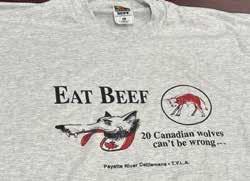
A well-timed icebreaker: the T-shirt presented to Dennis Laycraft at a North Idaho Cattlemen’s meeting—“Eat beef. 20 Canadian wolves can’t be wrong”—helped ease crossborder tensions and turn a serious trade discussion into a productive conversation grounded in shared ranching realities.
“We all depend on predictable, evidencebased standards,” Laycraft says. “That’s how you move product and industries forward.”
Ask colleagues to describe Laycraft, and words like “patient,” “measured,” and “bridge-builder” surface repeatedly. He accepts the labels, but quickly deflects credit.
“An organization is only as good as the sum of its parts,” he says. “I’ve been fortunate to work with incredible staff, directors, and partners.”
His leadership habits were simple but consistent: preparation, respect, and restraint.
“Take the high road,” he advises. “You can disagree and still be respectful. Almost without exception, there are areas where you can agree.”
He credits mentors like Stan Wilson and Jim Graham for shaping his approach; leaders who combined clarity of thought with diplomacy and deep industry knowledge.
“They taught me that the best decisions are made with the best information,” Laycraft says. “That stayed with me my whole career.”
In 2025, Laycraft was named an inductee to the Canadian Agricultural Hall of Fame, an honour he describes as both surprising and deeply meaningful.
“I honestly didn’t think much about those things,” he says. “What meant the most was knowing that people I respected took the time to nominate me. Sharing that evening with them and my family—that was special.”
When asked what he considers his signature legacy, Laycraft returns not to a single policy or agreement, but to outcomes achieved collectively.
“If there’s one thing that changed the industry quietly, it’s the work on beef quality,” he says. “That set us on a path we’re still benefiting from today.”
As for regrets?
“None,” he says simply. “Once you make a decision with the best information you have, it’s the right decision.”
Though retiring from full-time duties, Laycraft remains engaged through the transition period as CCA prepares for new leadership. He is keenly aware that challenges remain, from trade reviews under Canada-United States-Mexico Agreement (CUSMA – a free trade agreement that replaced NAFTA in 2020), to evolving public expectations around sustainability and animal care.
“There’s still much work to do,” he says. “But the industry is well positioned.”
Asked what advice he would offer the next generation of beef leaders; his answer echoes the principles that guided him.
“Prepare. Listen. And remember that this industry is about people—independent people—who care deeply about what they do.”
As for retirement?
“I’m looking forward to spending time differently,” he says. “With family. On the land. Maybe doing a little less rushing.”
For 35 years, Dennis Laycraft helped steer Canadian beef through uncertainty and
opportunity alike; often without fanfare, always with conviction. His leadership shaped policy, opened markets, and strengthened institutions, but its most enduring impact may be less tangible.
at home and abroad.
“If people feel good about our industry, they feel good about eating our product,” he said. That simple insight captures a career devoted to earning confidence, B
As Laycraft steps away, the industry he leaves behind is stronger, more connected, and better prepared for what comes next. There’s no substitute for doing the work. And that, perhaps, is the greatest testament to a leader who always believed that success is built quietly, together, over time.
To support continuity during a critical period for the beef sector, Dennis Laycraft has extended his time as Executive Director of the Canadian Cattle Association until March 1. Following that transition, he will continue working on key trade files through the completion of the CUSMA review, helping ensure stability and institutional knowledge as the industry navigates complex negotiations.
Jeff Gaye
Since acquiring South Central feedlot from Gibson Livestock in 2020, Top Gun Feeders has transformed the operation to accommodate not only conventional beef cattle, but also dairy cows and beef-ondairy bred animals.
The lot, 12 kilometres south of Moose Jaw, is running near capacity with more than 15,000 head.
Top Gun carried on the Gibson operation pretty much as it had been running, before making major changes in 2022.
“[The owners] decommissioned everything that we call the ‘home lot’ today, which would have been the east yard of South Central right against the highway,” said Top Gun Feedlot Manager Bill Coventry. “The only thing that remained by the time they were done the decommissioning was the mill area, one
large barn, and a couple shops.”
The most noticeable change has been the addition of two large calf barns. These give the smaller animals a better start to their feeding and help the dairy animals acclimatize from a life indoors before moving them to outdoor pens.
“The barns and stuff were a way to be able to carve out a niche market for the yard, with being able to buy in those really small animals, to be able to house them properly and maintain their health,” Coventry said.
When Top Gun receives the animals, they go to the barns for at least 45 days. Coventry says that is primarily to manage the transition from dairy barns to living outside.
“Most of the facilities those animals are coming out of are 100 per cent controlled, temperature-wise and air-wise,” he said.


“Our barns aren’t quite that extensive. We have curtains on the side of the barns; we have doors that we can open. So, we’re constantly getting the animals more ready to live outside than they would have ever seen.”
Coventry says Top Gun’s barns are a unique feature. They’re roughly 150 feet wide by 300 feet long, with 12 pens inside to house 550 animals. Every barn pen has a door to an outside pen.
Knowing the different characteristics of their three classes of cattle—beef, beefon-dairy, and dairy—is where Top Gun finds itself best able to serve its niche market.
According to Coventry, the smaller classes in the barn area are more labour intensive, requiring twice-daily walkthroughs. “We want to make sure we’re on top of those cattle all the time, the Holsteins and the cross cattle, because they’ve been so heavily handled by humans,” he said.
“It makes it a little bit more challenging to pen check, to move, to do anything with them because they always want to be in close proximity. A beef animal that’s been out on the grass, they’re used to their own space and they want to keep it that way.”
For feeding in the barns, every three pens receive one drop of feed. “That way we can monitor intakes a little bit better rather than saying the whole side of the barn is one drop,” Coventry says.
Size is the main difference between the dairy and the beef cattle, so when the dairy or cross animals come in at 300 to 400 pounds, “they will generally receive an extra implant than we would see typically if they came in at 600, 700 pounds. Every class of cattle has its own unique challenges,” Coventry said.
“With the little babies, they start on quite a bit higher forage-based diet. We’re also feeding Cel-Max, which is a yeast to help with their ruminant function inside the facility,” he said. “After 45 days, these cattle will come out of the barn and then they’ll go into the outside pens.”
The new pens outdoors all have rollercompacted concrete (RCC) surfaces. These are easy to clean and maintain, and result in cleaner product going from the pens to the field.
The pens have a central dirt mound on natural surface. This prevents the bed
pack from sliding onto the RCC and keeps it stable.
The ”home lot” consists of 24 RCC pens. Eighteen of these hold 320 animals each, while six smaller pens hold approximately 150. There are another 49 pens outside the barn area with a capacity of about 80 five-weight animals each.
Pens on the home lot are serviced from an extra-wide “cowboy alley.”
The rations include rolled tempered barley and rolled tempered oats. “We have wet and dry distillers, flax meal inside the baby-calf ration, screenings, whole oats, silage, and ground hay,” Coventry said.
“What deserves to be said clearly is that what you see here today is the result of the dedication and hard work of both past and present Top Gun Feeders employees. Much of this operation was built by our own people, not by outside crews. The employees deserve the credit.”
Bill Coventry Top Gun Feeders Yard Foreman
The extra width permits the pens to be cleaned, pulled, or otherwise serviced without interfering with the operation of the feed trucks.
Two 70-tonne bins above the mill hold the grain, which is mixed with hot water. After about six hours, the grain is rolled.
“What the tempering process does when you run the grain through the mill is reduce the fines that you would have under a normal dry roll,” Coventry said. “Because the grain has soaked up some of that moisture that you added in, then it just kind of presses the kernel rather than breaks it apart.
“It doesn’t matter what class or type of cattle they are, we have set rations and all the cattle will see them depending on how big they come in. About the only thing we’ve been doing with the Holsteins is trying to get them up on a warmer ration sooner than we would probably a straight beef,” he said. “The dairy is geared for that hotter ration, they’re used to being on that kind of feed, so we try and get them up on feed sooner than we would a normal beef animal.”
Top Gun works with Telus out of Coaldale, Alberta, on nutrition and animal health protocols. “We’re in constant contact with them,” says Coventry.
“We collaborate on protocols and programs for specific types and sizes of cattle. And then if something arises that throws a twist at us, well, they’re only a phone call away to see where we can go to resolve it, or see if they’ve run across it somewhere else.”
continued on page 34
Managing a clean operation and following best practices for environmental stewardship are also top of mind for the Top Gun operation. Pens are cleaned out every 10 to 14 days, and Coventry says they keep up a year-round spreading regime on their own fields.
Top Gun participates with the City of Moose Jaw in an effluent irrigation project using “grey” water from the city to water their four pivots.
The City of Moose Jaw designed and funded the original project. The participants’ group has since purchased some of the infrastructure as they eventually take over the whole project. “It’s a mutual benefit for the patrons as well as for the city,” Coventry said. “They don’t have to treat that water to do something with it. We can put it on the land; we can get benefit out of it.”
Proximity to the city also helps Top Gun find and retain workers. Coventry says for an enterprise that requires people to work hard out in the elements, staffing can be a challenge.
“It’s great to be so close to town. I would say probably 90 per cent of our labour force lives in Moose Jaw itself, and that seems to be something that the workers are really concerned about these days— their housing and their cost to get to and from work,” he said. “Most of the workers, because they’re local, if they like cattle they’re not going to find a much better place to go than here.”
“We’ve built a pretty good reputation out there that we’re a fair company to work for.”
For efficiency’s sake, Top Gun operates on cycles of three days, three weeks, and
Top Gun Feeders cont. from pg. 33 B
Top Gun has temporary foreign workers hired for two-year contracts under Labour Market Impact Assessment. Coventry says it’s good to have the stability that comes with that. “Those guys sign a two-year contract to go through that program. So, unless something doesn’t work out, we know they’re here for two years,” he said.
“We actually had a meeting here two weeks ago, and I was saying to them, you know, if we can shave one second off every animal that’s here, it’s 18,000 seconds in a day, which equates to five hours,” Coventry said.
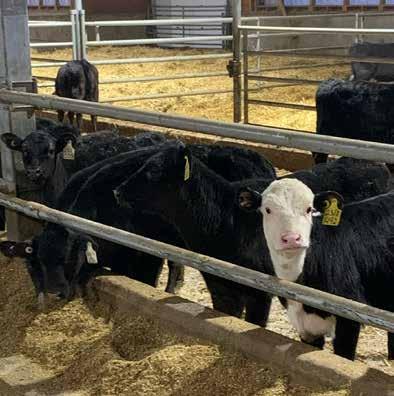
three months. For Coventry, keeping the three-day plan in front of the team is one of his biggest challenges.
“Every day, that day drops off and the next day is already pre-planned out so that the crews know for those immediate three days what’s happening,” he said. “We have a monthly meeting where we talk about the three-week goal and then the threemonth target.
“So, it’s always a moving target that’s rolling out ahead of us, but the biggest challenge is that they understand and know what they need to be doing so that we’re moving with efficiency.”
Efficiency matters, and small-time savings add up.
“So, for five health checkers, that gets you an extra hour a day to help out with doing something else, whether it be helping with bedding or cleaning water bowls or whatever.”
Zeroing in on serving the dairy niche has positioned Top Gun to take in animals they might not otherwise get. It certainly hasn’t hurt their relationships with other players in the supply chain.
“There are a lot of feed yards feeding beef-on-dairy or even straight dairy Holstein animals, but not many have the capability, or want to take the risk, to buy those really small lightweight calves and throw them to the elements right away,” Coventry said.
“I would say that relationship-wise, nothing’s been affected by doing this niche type of thing. I think the flip side of that coin is actually better because we’ve met new people and learned different ways to do things.”



Between now and December 31st, 2026 active Members of the SSGA will receive a $1,250 Young’s Equipment Gift Card for Parts and/ or Service at any Young’s Equipment location with the purchase of any of the following new units:
- Case IH MFD Loader Tractor (60-185 HP)
- Case IH Balers
- NDE Vertical Mixer
- Highline Feed Systems
In addition to that, we will donate $250 per unit sold to the Saskatchewan Stock Growers Association to support their formidable cause.
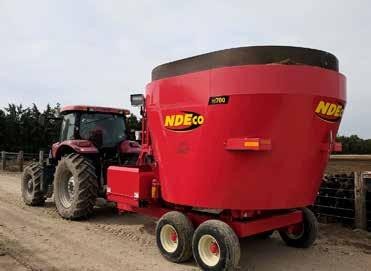
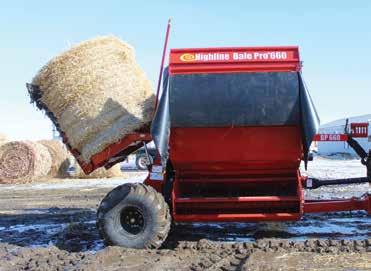



The Honourable David Marit, Minister of Agriculture, Minister Responsible for Saskatchewan Crop Insurance Corporation, Minister Responsible for Saskatchewan Water Security Agency, MLA for Wood River
As Saskatchewan’s livestock sector navigates a period marked by strong market signals, persistent environmental challenges, evolving regulations, and heightened global uncertainty, the role of public policy has never been more consequential. From business risk management and wildlife pressures to disease preparedness, trade access, and value-added growth, producers are seeking clarity, predictability, and partnership.
In this year-end interview, Saskatchewan’s Minister of Agriculture, the Honourable David Marit, reflects on priorities for the months ahead and offers insight into how the province is positioning its livestock industry for resilience and long-term competitiveness.
The conversation spans on-the-ground realities for producers, intergovernmental collaboration, and Saskatchewan’s place in an increasingly complex global agri-food landscape. We appreciate the Minister’s willingness to engage directly on the issues that matter most to livestock producers as they look toward 2026.
Saskatchewan Stock Growers Association (SSGA): Congratulations on your reappointment as Minister of Agriculture, as you look back on your previous tenure as Agriculture Minister, is there any unfinished business that you would like to prioritize?
The Honourable David Marit (HDM): Thank you, I’m honoured to be back as the Minister of Agriculture and to have the opportunity to reconnect with Saskatchewan’s farmers, ranchers, agribusinesses and stakeholders.
Ensuring Saskatchewan producers have stability and access to global markets is a priority. During his time as Minister of Agriculture, Daryl Harrison participated in trade missions to strengthen relationships and diversify our export markets. As Minister, I will continue to advocate for Saskatchewan farmers on the international stage.
Agriculture is always evolving, and our government remains committed to investing in agriculture research that drives innovation, improves sustainability and strengthens sector competitiveness. Over the past five years, we’ve invested more than $166 million in our crop and livestock research facilities in partnership with the federal government.
I am committed to supporting livestock and crop producers as they deal with dry conditions, working closely with our federal partners and industry organizations to help mitigate the impact. From 2021 to 2024, more than $7.5 billion was provided to producers through crop insurance, AgriStability and wildlife support programs. While we always hope for a successful growing season, when hail, excess moisture or dry conditions impact production, my priority is ensuring producers are heard and supported.
SSGA: What stands out to you as the most significant developments affecting Saskatchewan’s livestock industry, whether in policy, markets, or on-theground realities for producers?
HDM: It is encouraging to see higher cattle market prices and strong demand for beef. At the same time, dry conditions persist in some areas, input costs remain high, and we are seeing the impacts of a smaller herd which all test the resilience of the sector.
We’re focused on supporting producers through these challenges while building on the positive momentum in the market. High cattle prices have made it attractive for producers to downsize or exit the industry, but more difficult for producers to enter or expand. Access to land and capital are both real challenges. Our priority is to strengthen Saskatchewan’s cattle industry, create opportunities for growth and ensure long-term resilience for producers committed to its future.
SECTION 1 – Risk Management, Business Risk Management Programs and Tax Policy
Livestock Price Insurance and BRM Reform
SSGA: Producers continue to emphasize the importance of Livestock Price Insurance (LPI), especially during the volatile markets. SSGA has called for LPI premiums to be treated like other Business Risk Management (BRM) tools, with federal and provincial cost-sharing. What is the status of this ask with the Federal Government?
HDM: The Ministry of Agriculture continues to be a strong proponent of LPI and we’re encouraged by the success of the Maritime LPI and its extension until 2028 as a step towards LPI becoming a national program. The ministry continues to advocate for business risk management
tools that support Saskatchewan farmers and ranchers.
SSGA: Is the Ministry of Agriculture planning to adopt the parameters of the Alberta AgriStability?
HDM: At the September Ministers Conference, Ministers of Agriculture confirmed their intention to implement the necessary adjustments to include feed costs associated with rented pasture as an allowable expense starting in the 2026 program year, while exploring the possibility of adding further allowable expenses to improve program effectiveness.
Starting in the 2026 program year, AgriStability will see adjustments to the feed inventory pricing for livestock producers. This permanent change ensures the AgriStability program appropriately captures the feed inventory valuation method for inventories destined to be used on farm and not sold. This change ensures calculations properly reflect farm realities, especially in years of dry conditions.
In addition, at their meeting in September 2025, Ministers confirmed their intention to implement the necessary adjustments to include feed costs associated with rented pasture as an allowable expense starting in the 2026 program year.
SSGA: Is the Ministry of Agriculture looking to implement sector specific AgriStability parameters (eligible expenses, trigger points, payout percentages)?
HDM: The ministry continues to use the tools available to support industry. In 2025, the AgriStability enrolment deadline was extended to give producers additional time to evaluate their risk management options.
Additionally, the compensation rate for this year was increased from 80 per cent to 90 per cent, and the maximum payment per operation doubled from $3 million to $6 million.
Going forward, we will also be exploring the possibility of adding further allowable expenses to improve AgriStability’s program effectiveness.
Wildlife Population Management and Big Game
SSGA: Many producers say wildlife populations, particularly elk in some regions, are outpacing current management tools. What is your response to calls for:
• Producer big game tags,
• Landowner-distributed tags, and
• A free big game tag for every landowner to help manage populations and offset losses?
HDM: We recognize the concerns from producers regarding wildlife populations and impact on livestock and stored feed. The ministry continues to work collaboratively with Saskatchewan Crop Insurance Corporation and the Ministry of Environment to understand the impacts and consider potential avenues to address this impact.
The Government of Saskatchewan implemented a short-term hunt for antlerless elk in the southern half of the province in November to address concerns around elk damage to agricultural products. The Ministry of Environment will assess the results and use the findings to guide future management decisions.
SSGA: Ground squirrel control remains a major issue in many regions, and many producers still feel alternatives to strychnine are not adequate or costeffective. Minister MacDonald recently stated at the Federal Agriculture committee that he was open to relicensing strychnine. What is the status of the PMRA request?
HDM: Richardson’s Ground Squirrel (RGS) control remains a priority. We recognize
that producers need access to tools for RGS control that are both effective and economical.
Saskatchewan’s Ministry of Agriculture and Alberta’s Ministry of Agriculture and Irrigation submitted an emergency use registration request to PMRA for strychnine use in 2026. PMRA has not yet shared a final decision on this application.
Saskatchewan is also working towards the implementation of a multipronged RGS strategy to support producers with the management of RGS. The Saskatchewan Ministry of Agriculture’s RGS strategy includes:
Advocacy at federal, provincial and territorial tables for a science-based regulatory table that considers value and economic impact.
Programming to support farmers and ranchers with RGS management through the existing Gopher Control Program.
Research on best management practices to improve on-farm efficacy of registered control products, exploring potential risk mitigation measures to address environmental risk of chemical control and improved RGS population monitoring and modeling.
Extension activities on beneficial RGS management strategies focusing on optimizing the on-farm efficacy of strychnine alternatives.
SSGA: With the growing awareness of disease risks at the livestock-wildlife interface, producers have asked for risk-management tools that specifically address disease outbreaks. Does the province support the development of such tools, and what might they look like?
HDM: The ministry continually looks for ways to improve business risk management tools available to producers. continued on page 38
The ministry will begin consultations on the next policy framework in the new year and encourages industry to bring ideas forward as part of this process.
Disease preparedness is a collaborative process between federal and provincial governments. The ministry aims to collaborate with the Canadian Food Inspection Agency (CFIA) to be prepared for disease outbreaks.
Saskatchewan, alongside four other provinces, industry, and the CFIA, attended a trilateral Tri-National Accord animal disease tabletop exercise with Canada, United States and Mexico in August 2025. Animal disease preparedness has been an ongoing conversation at the Tri-National Accord for many years, with a focus on enhanced communication and collaboration across North America. Saskatchewan also attended a regional foreign animal disease exercise in Kansas in December 2025.
The ministry’s Livestock and Feed Extension Specialists team work with producers from their office locations across the province to provide biosecurity information to minimize the risk of disease.
SSGA: What is the status of the AgriRecovery funding request to assist producers involved in the bovine tuberculosis investigation with additional expenses as a result of the quarantine and cleaning and disinfection requirements?
HDM: The ministry continues to work with the CFIA, the cattle industry, and impacted producers to understand the impacts of the bovine tuberculosis investigation as new herds continue to be identified. The ministry continues to explore options for AgriRecovery and appreciates SSGA’s assistance to connect with impacted producers to understand the costs they are incurring.
SECTION 3: Native Prairie, Assessment Policy and Conservation
Saskatchewan Assessment Management Agency (SAMA) Assessments for Native Prairies
SSGA: SSGA has raised concerns that the SAMA assessment increases land value, and therefore taxes, when native prairie is broken, creating a disincentive for conservation. Do you believe the SAMA evaluation process needs modernization to recognize the ecological and public good value of intact prairies?
HDM: While property assessment falls under SAMA’s mandate, the ministry focuses on supporting conservation through other pathways, such as stewardship programs, sustainable grazing practices, and partnerships that promote prairie conservation.
SSGA: Are there discussions underway about potential reforms that could better support both conservation outcomes and the economic reality of ranching?
HDM: The ministry recognizes the critical role that ranchers play in maintaining the ecological value of Saskatchewan’s native prairie. Incentives related to the conservation of native prairie are multifaceted and involve a range of factors.
SECTION 4: Regulatory Agencies, Emergency Preparedness and National Policies
CFIA Readiness and Animal-Health Preparedness
SSGA: With global threats like Highly Pathogenic Avian Influenza (HPAI) and Foot-and-Mouth Disease (FMD) increasing, how confident are you in Canada's and Saskatchewan's preparedness for a major animal-health emergency?
HDM: Saskatchewan, and all of Canada, are actively improving preparedness and response capacity for foreign animal diseases, particularly through establishing pan-Canadian plans for African swine fever, as well as through the ongoing
response to HPAI.
All provinces and territories recognize the strengths, as well as opportunities for improvement, that exist in Canada to prevent and respond to foreign animal disease outbreaks. Saskatchewan has spent significant time working with the swine and poultry sectors to improve emergency response capacity. When it comes to both FMD preparedness and bovine tuberculosis, advancing these conversations with the cattle sector is a priority.
Recognizing the potential impact of FMD in Canada, it is critical that government and industry work together to strengthen prevention efforts and enhance response capacity for a coordinated and efficient eradication approach should the disease be detected. The federal government announcing signed contracts with vaccine manufacturers is a major step in preparedness for FMD.
SSGA: Where do you see gaps, and what role should the provinces play in strengthening Canada’s ability to respond quickly and effectively?
HDM: There are several opportunities to strengthen response capacity including enhancing traceability requirements, improving on-farm record keeping and biosecurity, addressing barriers in the compensation process, and continuing to build laboratory capacity.
The province is working towards addressing these gaps in collaboration with the CFIA. As producers play a critical role in prevention and early disease detection, the province will engage with impacted industry groups to work collaboratively towards addressing these gaps.
SSGA: What improvements do you hope to see in how federal agencies (PMRA, CFIA, Agriculture and Agri-Food Canada), consult, communicate, and collaborate with prairie agriculture?
HDM: The ministry is always seeking meaningful engagement from the
Minister of Agriculture Interview cont. from pg. 37 continued on page 40

Minister of Agriculture Interview cont. from pg. 38
federal government on policies and initiatives, and with agriculture being a shared jurisdiction, we recognize that collaboration is critical to having an effective agriculture sector.
We collaborate with the federal government and its agencies on many files and are always looking for ways to expand this collaboration. Saskatchewan proactively brings forward the concerns and needs of our sector at federalprovincial-territorial (FPT) tables to support our farmers, ranchers and agribusinesses.
SSGA: How would you describe Saskatchewan’s current relationship with the federal government on agriculture issues, and do you expect significant policy shifts in the coming year?
HDM: Saskatchewan is aligned with several of the federal government's efforts, and the province’s relationship with the
federal government has improved under Prime Minister Mark Carney. Saskatchewan will continue to advocate for producers at all levels of government. This includes advocating for the federal government and its agencies to implement an economic lens on regulatory initiatives, and ensuring the sector remains competitive globally.
SSGA: What will the ministry do to insulate livestock producers from CFIA overreach?
HDM: The CFIA’s role is to ensure that the country follows the requirements of the World Organization for Animal Health and Canada’s trading partners to ensure that export markets are maintained.
While the CFIA’s role is critical, it is important to ensure balance and transparency within their policy to ensure the realities of the livestock sector are taken into consideration. The province works with the CFIA to try and ensure this balance is achieved, including through
regular national FPT conversations, within Animal Health Canada’s board of directors and working groups, and through provincial-level conversations and participation in consultations.
The ministry will continue to engage regularly with the CFIA and ensure that Saskatchewan’s values and expectations are communicated nationally.
SSGA: What is the Ministry of Agriculture’s position on the proposed regulatory changes to require mandatory movement reporting?
HDM: A strong traceability system can mean the difference between quick eradication of disease versus months to years without the ability to access export markets. The ministry, along with industry, have provided input and feedback on the proposed federal regulatory amendments (Part XV of the Health of Animals Regulations). Our government will continue to prioritize finding the right balance between food
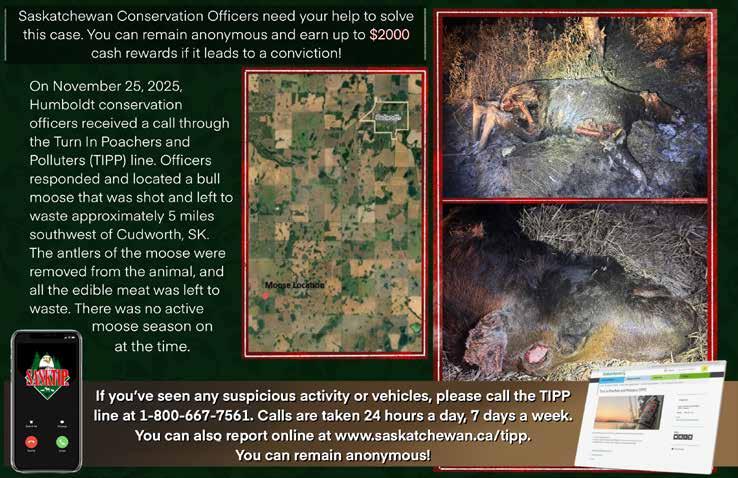
safety regulations and red tape reduction for our producers. It’s about finding common-sense solutions.
SSGA: Saskatchewan relies heavily on export markets for its beef, what do you see as the biggest trade opportunities for the province in the next 12-24 months?
HDM: The diversification of Saskatchewan’s economy and the growing diversity of its export markets make the province more resilient to market access risks, including tariffs and regulatory trade barriers. The Government of Saskatchewan will continue to conduct trade missions to China, United States and Mexico to build diplomatic relations that support market access. The province’s nine international offices are exploring cattle and meat opportunities for our sector in priority markets. Global demand for protein continues to increase due to population growth and growing middle class consumers.
SSGA: Are there current or emerging markets that Saskatchewan is prioritizing?
HDM: 2026 will be a very dynamic year for trade policy and market access. Canada has announced upcoming free trade agreement negotiations for markets like the United Arab Emirates and Thailand. We will be actively engaged with Canada to ensure market access for the beef sector is kept in mind during these talks.
Saskatchewan benefits from Canada’s established free trade agreements, including with trading partners across the Pacific in the Comprehensive and Progressive Agreement for Trans-Pacific Partnership and for Europe in the Comprehensive Economic and Trade Agreement.
One focus continues to be working with Canada on maximizing the benefits of these established trade agreements. We are also keen to continue working on
reducing longstanding non-tariff barriers we face in some agreements, like those that restrict beef market access to the United Kingdom.
SSGA: What risks or global trends concern you most, and what is the province preparing to safeguard the competitiveness of its beef industry?
HDM: The United States and Mexico markets remain Saskatchewan’s top markets for live cattle, genetics and meat exports. The joint review of the Canada-United States-Mexico Agreement (CUSMA) in 2026 is critically important for the Saskatchewan and Canadian cattle industry; the Saskatchewan Government will continue working with the Federal and other Provincial partners to ensure continued market access for agricultural exports.
At the sub-national level, Saskatchewan is very active with the organizations such as the National Association of State Departments of Agriculture in the U.S. and events/forums including the Tri-National Agriculture Accord.
At the Tri-National Accord, beef topics, such as animal disease preparedness, are discussed. The discussions resulted in a Foreign Animal Disease (FAD) Tabletop Exercise in 2025 focused on African swine fever that provided valuable lessons in cross-border communication for all FAD outbreaks. Dr. Stephanie Smith, Chief Veterinary Officer, participated in the session as well as another tabletop exercise in Kansas focused on FMD and vaccine distribution.
SSGA: How will the Ministry of Agriculture work with livestock producers to ensure that Occupational Health and Safety Regulations, 2020, are applied evenly and fairly?
HDM: The Ministry of Labour Relations and Workplace Safety recently sought public feedback on The Occupational Health and Safety Regulations, 2020,
which are currently under review. To ensure that the unique perspectives of agricultural producers were heard during this process, the Ministry of Agriculture took steps to ensure our stakeholders were aware and encouraged them to submit comments and be generally engaged in the overall discussion as the regulations are reviewed.
SSGA: After the recent conviction from a workplace fatality accident involving livestock, what can livestock producers do to protect themselves from prosecution?
HDM: Like many occupations, working in agriculture presents risks. The diversity of Saskatchewan’s agricultural operations results in unique safety hazards and risks on farms and ranches. Identifying potential risks and implementing preventive measures to avoid workplace injuries and fatalities is essential to farm safety.
The Saskatchewan Employment Act and The Occupational Health and Safety Regulations, 2020, apply to all workplaces in the province, including farming and ranching operations.
In addition to supporting the Agricultural Health and Safety Network and the Canadian Centre for Rural and Agricultural Health, the Government of Saskatchewan has a saskatchewan.ca page dedicated to farm safety that outlines important information including educational resources and tools. We encourage producers to become familiar with these resources to understand their obligations as employers and to help reduce workplace injuries and create a culture of safety across the sector.
The Ministry of Labour Relations and Workplace Safety's Farm Safety Program (https://publications.saskatchewan.ca/ api/v1/products/91921/formats/108865/ download) provides advice about training, clarifies employer and worker roles and responsibilities, and identifies common workplace hazards on the farm.
continued on page 42
SSGA: Discretionary use is the biggest roadblock to expansion of the livestock sector in Saskatchewan. What is the province planning to do to address this barrier?
HDM: Municipalities in Saskatchewan play an important role in land use planning on behalf of their communities and have considerable autonomy in the decisionmaking process. The Statements of Public Interest require municipalities to include intensive livestock operations within their zoning bylaws.
We have heard from industry that discretionary use approvals remain one of the greatest challenges to expansion and establishment of intensive livestock operations. The ministry remains open to engaging with partners to improve consistency and predictability for industry while providing support to rural municipalities (RMs) to address their challenges.
The ministry also created a dedicated resource to help intensive livestock operators in working with RMs to understand their requirements and approval process. We are committed to continuous improvement of the Ministry of Agriculture’s regulatory environment, which has been recently demonstrated by the change to The Agricultural Operations Regulations that allows for seasonal confinement of less than 300 animal units to not require approval in many cases.
SSGA: Is the Ministry of Agriculture receiving any interest from investors wanting to build livestock processing facilities in Saskatchewan?
Saskatchewan’s research network.
Recent examples of the province’s meat processing sector's expansion include Drake Meat’s new processing facility, currently under construction in Saskatoon. The facility is expected to open in late 2026.
Several meat processing operations have accessed the Saskatchewan Lean Improvements in Manufacturing Program (SLIM) to undergo facility enhancements which will result in expanding their plant capacities and improve efficiencies in their operations.
SSGA: The province has recently introduced amendments to The Animal Protection Act. Can you highlight the importance of the changes and the reason for the amendments?
HDM: The proposed amendments to The Animal Protection Act, 2018, are largely administrative and focused on strengthening the Act. The creation of animal welfare inspector positions, telewarrants, and clarity on the veterinarian's role will strengthen enforcement, while the creation of an administrative agreement, appeals board, chief position, code of conduct for animal protection officers, and cost of care regulations will bring in transparency and public accountability.
SSGA: Is there any news to report on the selection process for the new service provider as of April 1, 2026?
Minister of Agriculture Interview cont. from pg. 41 B
HDM: The Ministry of Agriculture received interest from provincial, outof-province, and international investors through Saskatchewan International offices in establishing new slaughter and processing facilities in Saskatchewan. The ministry engages investors with technical expertise, regulatory guidance, government program support and links to
HDM: The ministry opened a public competition in November 2025, through a Request for Proposal (RFP) to identify an alternate third-party organization to enforce The Animal Protection Act, 2018, starting April 1, 2026. The RFP closed on December 2, 2025, and the ministry is in the process of evaluating RFP applicants. The ministry will work with Animal Protective Services of Saskatchewan and the new service provider to support a smooth transition of animal welfare enforcement services.
SSGA: What message do you want to share with Saskatchewan’s livestock producers as they look ahead to 2026?
HDM: As we look ahead to 2026, I hope producers continue to benefit from strong market prices and that we see the moisture needed to ease dry conditions. Price trends suggest continued strength as we work toward rebuilding the herd. The livestock sector is a vital contributor to Saskatchewan’s economy and our Growth Plan goals, and I look forward to working with you in my role as the Minister of Agriculture to support future growth and address barriers impacting the sector.
SSGA: Is there anything else you would like to discuss?
HDM: I see we have already discussed a variety of topics. There is nothing further to add. Thank you for the opportunity to engage with you and the livestock sector through this conversation.
Conclusion
We extend our sincere thanks to the Saskatchewan Ministry of Agriculture and the Minister for taking the time to participate in this comprehensive and candid discussion. Meaningful dialogue between government and industry is essential to ensuring policies are grounded in operational realities while advancing shared goals for economic growth, environmental stewardship, and animal health and welfare.
Saskatchewan’s livestock producers recognize the importance of collaboration across ministries, governments, and the value chain. As the sector faces both opportunity and risk in the year ahead, continued engagement and open communication will remain critical.
We appreciate the Ministry’s ongoing efforts to listen, advocate, and work alongside producers in building a strong, competitive, and sustainable livestock industry for Saskatchewan’s future.

Chief Executive Officer Jason Pollock Livestock Services of Saskatchewan
Brands continue to hold strong interest with producers and the broader public as a proven way to protect livestock assets and preserve legacy. During our annual brand renewal cycle, that interest is clearly reflected in current activity levels as applications are arriving daily.
While brand renewal activity is seasonal, typically peaking in late fall and again in spring, the underlying demand remains consistently strong and is growing among younger producers either reactivating old family brands or creating a brand for the first time.
Considering the current price of animals and the prima facie proof of ownership that a brand provides (accepted as correct until proven otherwise), it is not a surprise that producers are securing their interest with a brand on their animals.
For producers with brands expiring in 2025, there will be a noticeable change to the renewal notice this year. Livestock Services of Saskatchewan (LSS) is transitioning from cardstock notices to standard paper wherever possible. This shift is part of a broader effort to manage costs responsibly while improving
Jason Pollock
administrative efficiency. The content and intent of the renewal process remain unchanged; this adjustment is simply a more practical approach to delivering the same essential information.
It is also important to clarify what a renewal represents. Brand renewal activity applies only to renewing an existing brand with no change to the registrant’s name. Any change in ownership structure, registrant identity, or legal status requires a separate process, administrative fee, and supporting documentation.
Producers choosing to register a brand in the name of a company should ensure they include proof of incorporation with their application, as it will be required prior to approval of the registration. In addition, the company must remain in good standing and registered with the Information Services Corporation (ISC) for the full duration of the brand registration period, which is currently 20 years. This requirement helps maintain clarity and legal certainty around ownership.
Brand ownership structure is another area that warrants careful consideration, particularly in succession and estate planning. Brands registered jointly to multiple individuals in Saskatchewan do not automatically pass to a surviving co-owner upon death.
Instead, the brand becomes part of the deceased person’s estate and must be administered accordingly by LSS. For some families, this process is straightforward; for others, it can introduce unintended hardship if funds must be held or directed into an estate when that outcome was not anticipated.
Registering a brand in the name of a corporate entity can help mitigate these risks. A corporately-held brand allows the business to continue marketing livestock
seamlessly, even in the event of the death of an owner or co-owner, providing continuity and reducing uncertainty during difficult transitions.
The public response to LSS’s move toward self-directed online services has been overwhelmingly positive. Brand renewals are among the first services offered through this digital approach, reflecting a broader shift toward accessibility and convenience for producers.
Looking ahead, LSS is in the early stages of analyzing options for digitizing historical brand registry records from a defined point in time. Maintaining an ever-growing volume of paper records presents logistical and administrative challenges, and thoughtful digitization will help preserve records while improving long-term efficiency.
As brand renewal season continues, producers are encouraged to review their registration details carefully and consider how ownership structures align with their long-term business and family plans.
It seems these articles have recurring seasonal themes. Despite this, I have been told that repetition of key elements is important and that it is part of continued communication efforts that help industry participants understand their role in the inspection process.
Every year in January, most of the world looks with some degree of eagerness at the new possibilities in the coming months. This is no different in the livestock industry as producers hunker down across the province with daily feeding routines waiting for the first calf and crocuses to announce the official start of spring.
Because of some operating conditions that forced our hand in our heifer breeding schedule last spring, our
planned 2026 calving season is set to start three weeks earlier than normal. I am not necessarily looking forward to this, and unfortunately, the first calf will be well ahead of the first crocus around our place. Living in the southwest corner of the province in the self-proclaimed “banana belt” doesn’t necessarily help when your operation is setup to calve on grass either.
Regardless of timing, one thing is certain: all our calves will get a brand when we process them prior to turn out on summer grass.
I encourage each of you to take some time this winter season to consider your brand options and how it impacts your operation.
I wish you all the best of success this coming year and that you can make the most of the current upswing in the industry.

Enter to win a Cowtown gift card by participating in our photo contest!
• Email your photos to ssgacommunications@ sasktel.net with the subject line: Photo Contest
• Include your name, mailing address and the location the image was taken
• Please insure the photo is high resolution and clear quality for full page printing
Set your camera to HIGH QUALITY and start tapping!
Winning photos will be used in Beef Business Magazine and SSGA Communications and will be credited in the masthead and elsewhere as appropriate
Bill & Wendy Ayrey
Evesham, SK
306-753-2500 (Home)
306-753-7040 (Cell) 780-753-7239 (Cole) 306-830-1282 (Jinaye) bwayrey@hotmail.ca www.ayreyherefords.com
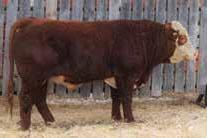
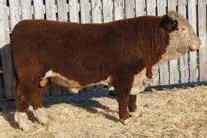
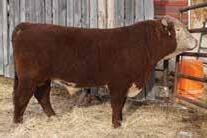
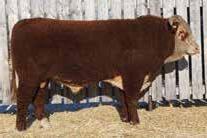
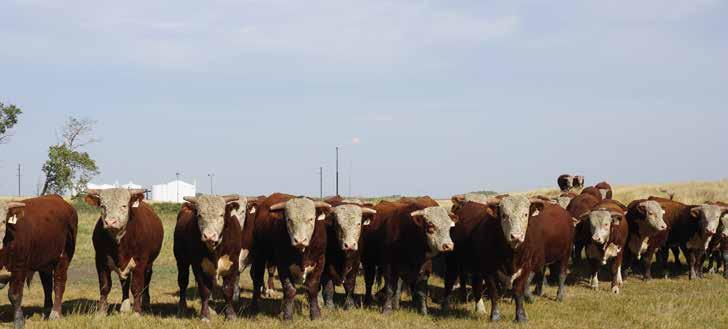
Canadian Cow-Calf Cost of Production Network
2024 COP Benchmark Results
Canfax Research Services
A large proportion of cow-calf producers’ total cost of production is associated with winter feed costs. In 2024, approximate feed costs (of purchased and homegrown feed) made up 63 per cent of cash costs and 37 per cent of total costs (cash, depreciation and opportunity costs). This is up from 56 per cent and 33 per cent, respectively, in 2020 as feed costs have driven cow-calf cost of production over the last five years. Typically, to be a competitive cow-calf producer you need to be a competitive producer of winter feed.
cow with the top-third most profitable benchmarks averaging $559/cow with 204 days on feed and daily feed costs of $2.76/head/day. While days on feed were not much different between the average and top-third, the daily feed cost was 26 per cent lower, contributing to the 19 per cent lower cost for the entire winter.
2024 Top 3rd Benchmark feed costs are:
• $2.76/head/day
• $559/cow/year
The daily feed cost is calculated by dividing approximate feed cost by the number of total winterfeeding days, based on the assumption that most of the costs for feeding and feed production are incurred during the winter-feeding period for most benchmark farms, except for year-round grazing operations. Daily feed cost for year-round grazing operations, is likely overestimated due to a short (60 days) winter-feeding period.
The Canadian Cow-calf Cost of Production Network (COP Network) uses standardized data collection, which allows for comparison both within and between provinces, and internationally.
Since launching in 2021, the COP Network has collected data from more than 235 producers contributing to 64 cow-calf benchmark farms that represent various production systems.
Each benchmark is based on data from three to seven producers. Data collection occurs every five years with annual indexing of input and output prices, as well as crop and forage yields, in subsequent years.
Individual benchmark farm summaries, can be found at: https://canfax.ca/ resources/cost-ofproduction/copresults.html
Within the COP Network, on average only 11 per cent of feed is purchased with 18 benchmark farms purchasing more than five per cent of their feed. These are typically in regions with surplus feed production. However, in general, farms with a higher proportion of purchased feed tend to have higher feed costs. Risks associated with a high reliance on purchased feed include cash flow in drought years, when feed costs surge. This makes the cost competitiveness of homegrown feed a key differentiator between profit and loss.
When machinery cost and fuel are considered, the average approximate feed cost1 was $690/cow in 2024, up five per cent from 2023. This was up three per cent or $20/cow in the West and up nine per cent or $64/cow in the East. Overall, 33 per cent of the benchmark farms have approximate feed costs below $600/
Benchmark farms were categorized by primary type of forage fed in the winter diet. These were:
• Annuals: including greenfeed, straw, swath graze, corn graze, crop residues
• Hay (perennial forages): including dry hay, haylage, baleage
management and utilization is within the overall operation. Efficient management practices, rather than feed type alone, play a crucial role in controlling feed costs.
It is not because things are difficult that we do not dare; it is because we do not dare that things are difficult.
~ Seneca
• Silage (annual forages): including oat silage, barley silage, pea silage, corn silage
There is a wide range of costs observed across different feed types (Figure 1). Farms can be either high-cost or lowcost using any of the feedstuffs. This suggests that it is not the feedstuff itself that determines whether a farm is high or low cost, but rather how effectively the
As input costs rise, it has raised questions about the relative competitiveness of different feedstuffs. Over the last five years, Hay/Silage has seen the largest increase in cost structure at 53 per cent; while Annuals/Silage has seen the smallest at 43 per cent and has maintained its position as the lowest cost on average.
While relatively higher productive regions have a yield advantage that supports competitiveness, it is possible for lower productive regions to be cost competitive.
• Forage Yield per Acre - Select species and varieties appropriate for your soil type, moisture conditions and growing season. Soil test to manage fertility and pH if needed. Cut at optimal maturity to balance yield and quality.
• Reduce Harvest Costs and LossesMinimize machinery passes. Optimize bale size and density to reduce labour, transport, and storage costs.
• Reduce Storage Losses - Use net wrap or plastic wrap to reduce leaf loss. Store bales off the ground and cover/tarp to avoid weathering.
• Feed Efficiency - Test forage quality to match cow nutritional requirements and avoid overfeeding protein or energy. Use lower-quality feed for dry cows and save higher-quality for lactating cows and heifers. Reduce waste during feeding, providing only what is needed for one to two days. $0
MB-4SK-8aBC-3MT-5MB-1SK-3BC-5BC-1BC-4SK-13MB-3aSK-9SK-12SK-4AB-11BC-6BC-2SK-1aAB-13AB-6LL_01AB-4BC-7LL_02
Source: Canfax Research Services, COP Network
REFERENCE:
1 Approximation of Feed Cost is calculated as feed cost (purchase feed + fertilizer, seed and pesticides for feed production) + machinery cost (machinery maintenance + depreciation + contractor) + fuel, energy, lubricants and water (such as irrigation).
MB-2AB-5AB-2AB-1AB-3SK-11aLL_06SK-5SK-11bAB-8 SK-8bMB-3b
AB-9MT-3QC-1AB-10SKAB-1LL_03QC-2QC-5ON-1SK-10MT-4QC-6MT-6AB-14MT-1QC-4ONMB-1MT-2SK-1bQC-3
SK-7SK-6LL_05QC-7LL_04ON-2AB-12ON-3
:
• You can be high or low cost with any feedstuff. Cost control is more about management than feed choice.
• Input cost inflation has impacted each feedstuff differently over the last five-years with some increasing more or less than others.
• Controlling homegrown forage production costs is key to being a competitivecow-calf producer.
Canfax is funded by Memberships, go to www.canfax.ca to subscribe.
Disclaimer / Copyright Notice: Canfax Research Services (CRS) tries to provide quality information, but we make no claims, promises, or guarantees about the accuracy, completeness, or adequacy of the information. CRS does not guarantee and accepts no legal liability arising from or connected to, the accuracy, reliability, or completeness of any material contained in our publications. Reproduction and/or electronic transmission of this publication, in whole or in part, is strictly forbidden without written consent from CRS.
October 21 to December 18, 2025
NOTE: If you have any information related to these or any missing livestock file, please contact Livestock Services of Saskatchewan or RCMP Livestock Investigator Cpl. Owen Third at 306-537-9448.




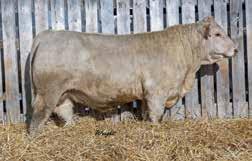
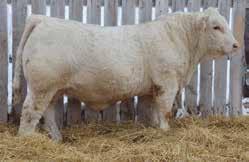
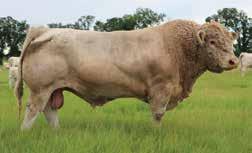
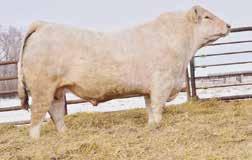





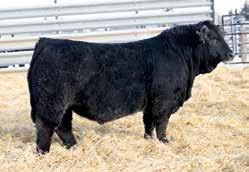

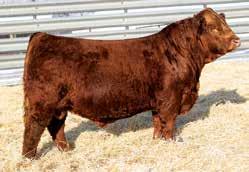
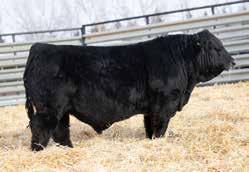

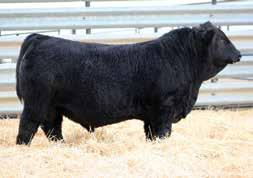
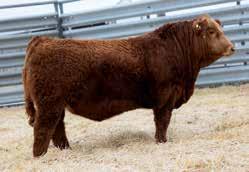
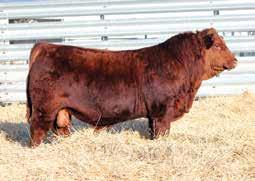
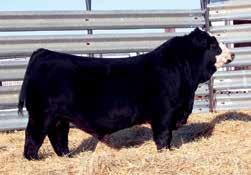





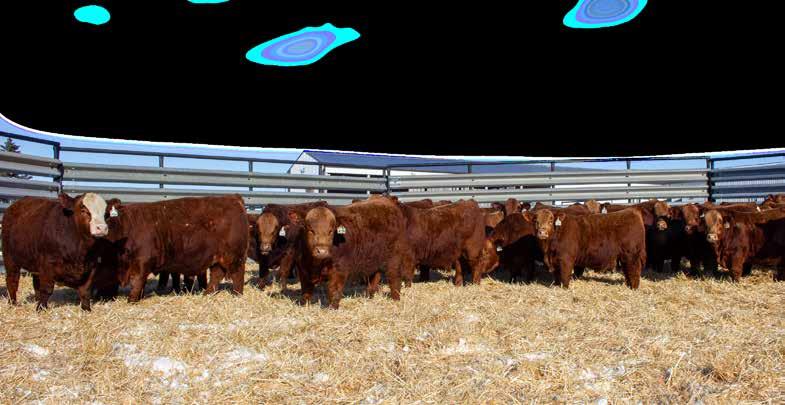



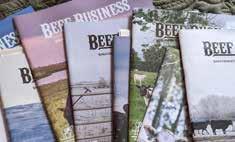
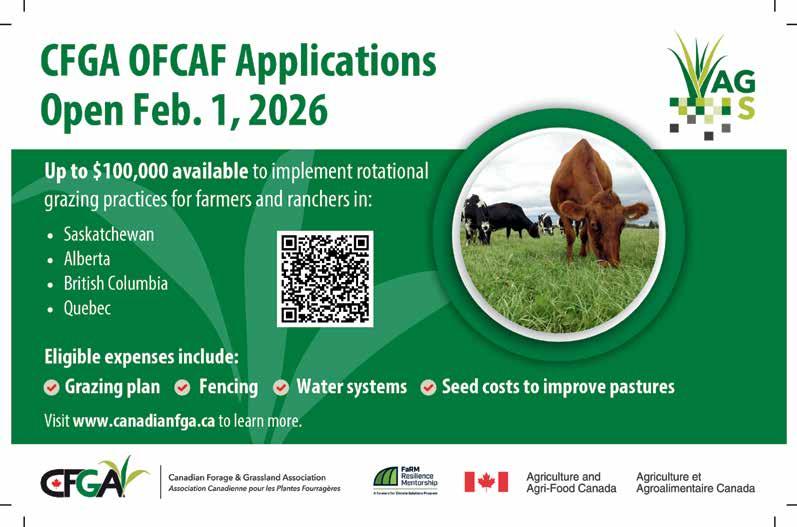
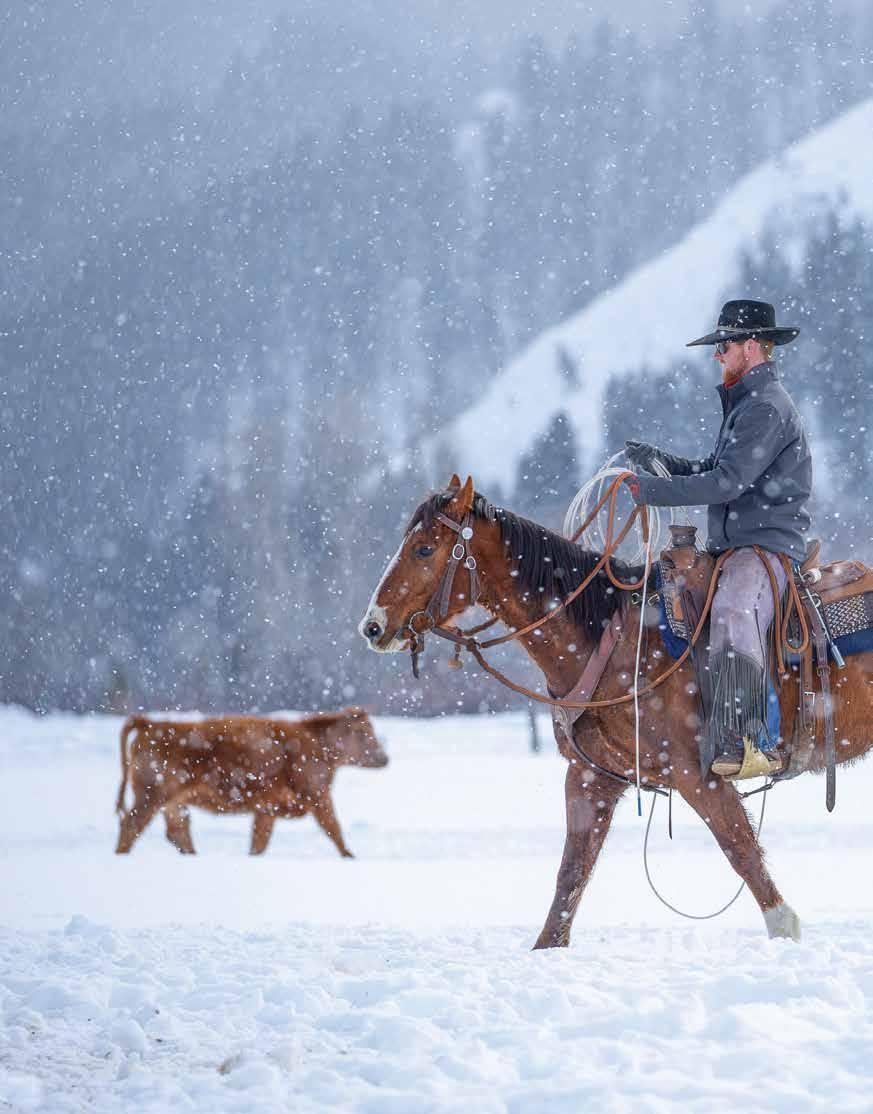
President Jeff Yorga Saskatchewan Stock Growers Association
I hope you had a Merry Christmas and that the New Year is happy and off to a great start. Welcome to the January 2026 edition of Beef Business Magazine.
I also hope you have been able to enjoy some down time with family and friends this Christmas. As an industry we have a lot to be thankful for and look forward to 2026 with optimism. The fall industry events and sales seem to share a new level of enthusiasm in the industry that we all hope stays for some time!
Our board has been active on many fronts; I would like to thank them for their continued dedication. The success of any organization is dependant on its people, and we are fortunate to have a long list of great people involved with Saskatchewan Stock Growers Association (SSGA).
Recently, the provincial cabinet was shuffled. The SSGA would like to thank former Minister of Agriculture Daryl Harrison for his contributions towards the betterment of our industry. Given Daryl’s roots in the cow business, I think this is more of a “see you later,” than a goodbye.
With that, we welcome back the Honourable David Marit. Given Minister
Marit’s experience in the chair, we are excited to continue working with him, and look forward to kicking things off in the new year.
Since the last issue, the antlerless elk draw across the province happened. So far, reports have been mixed. There have been some successful hunts, but there has also been a lot of traffic and questionable decisions made around access permissions.
Our organization will continue to work with both the Ministry of Environment and Ministry of Agriculture to come up with solutions that work for landowners and the hunting public.
Wildlife as a resource must be looked at harder. Several jurisdictions have made it a priority in the United States with great success. In Canada, the King owns the wildlife, but you pay the cost to house them and feed them. There is room for policy that recognizes that.
During Canadian Western Agribition, Federal Minister of Agriculture and Agri-Food Heath MacDonald held a roundtable discussion with provincial stake holders. The minister was pressed on a variety of topics, including business risk management (BRM) improvements, bovine tuberculosis (bTB) investigation mismanagement, interprovincial trade, and from SSGA—the upcoming changes to the traceability legislation.
(Please refer to page 22 of the May 2023 issue of Beef Business Magazine for a more detailed breakdown of the upcoming legislation in the feature article: Urgent Call for Industry’s Final Comments to Finesse Trace Regs—found online at https://issuu.com/skstockgrowers/docs/ beef_business_may_2023.)
The SSGA reminded the minister that this is nothing more than a tax on primary producers. Recently, this issue has caught
some more traction with the public on social media. With that, another webinar was hosted and industry again voiced its displeasure with the upcoming changes. The Canadian Food Inspection Agency (CFIA) reassured us that the increased reporting will help in the event of a major disease outbreak, and with foreign trade.
Both comments I find laughable. In the event of a Foot-and-Mouth Disease (FMD) outbreak in Canada, the border will be closed, the industry will suffer, and there is no quantity of tags or reporting that will save us. Should that occur, the only hope for our industry is that it happens in the U.S. first—our largest trading partner.
The recent bTB investigations were easier to conduct for the CFIA in dairy herds due to the software they use to track animal movement. This is not a fair comparison. Whether the bTB outbreak happened in the dairy sector or in a closed beef herd, the tracking would be just as easy.
When it comes to trade, there has yet to be a trade deal that has been stopped because the beef industry did not have a more robust animal movement tracking platform. Our trading partners speak quite positively of our current system and are NOT asking for the new enhancements. So, that begs the question: who is asking for these changes?
It has become quite clear that the only people asking for these changes are within the unelected, unaccountable bureaucracy that is the CFIA in Ottawa. Twenty years ago, the CFIA told us exactly what they wanted traceability to be: read-in and read-out of every premises at every movement.
When someone tells you what they want to do, believe them! Of course, at the time, industry said that was unrealistic and smaller steps were implemented towards that stated goal. Never, in the time that has passed, has industry been okay with
the increased regulations.
During the comment period, there wasn’t a single group that spoke in favour of the upcoming regulations. While some minor changes were made around the edges, the bureaucratic fever dream that is traceability moved forward 95 per cent unchanged.
During the recent webinar, the CFIA commented that their ask was more restrictive, and we should be happy with the changes they have made. Again, when someone shows you who they are, believe them! This legislation, is just another step along the road to 100 per cent reporting.
While politicians change, the bureaucracy is forever. I expect less than 10 per cent
compliance once implemented in late 2026. The CFIA indicated there will be an education period for producers to get their paperwork and processes in place. Once the education period has passed, they will be levying fines. The scale of which they have not indicated; likely, because they think you will comply.
Now, what can we do? We must make it clear to every elected official that the CFIA must be brought directly under the supervision of the Ministry of Agriculture, who would have the power to stop this type of nonsense.
Currently, the CFIA is not directly accountable to any elected official. That must change. It takes an act of Parliament to make these types of changes. I believe
that the Minister is hearing us, as this is not the only CFIA issue he has had to address. Please continue to write in and apply pressure where you can. Believe me, we will not let up either.
I am looking forward to our Semi-Annual General Meeting and Honour Scroll presentations on February 27, 2026, from 2:00 p.m. to 4:30 p.m. at Dakota Dunes Resort in Whitecap, SK. It will be a night of celebration and fellowship. Please mark it on your calendar. We look forward to seeing you there!
Until then,
Jeff
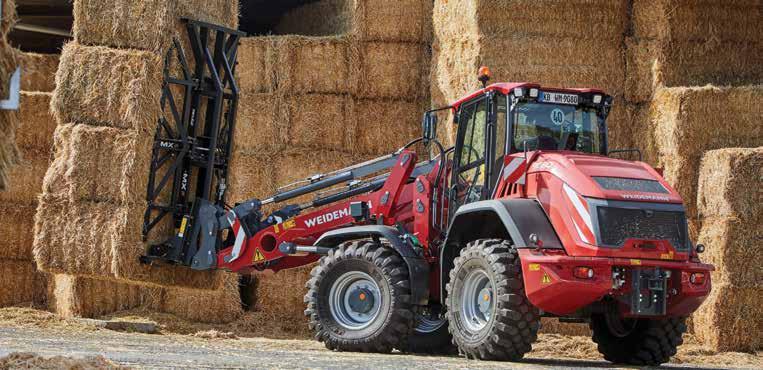

Kori Maki-Adair
A remarkable piece of prairie ranching history rooted in traditional craftsmanship and a lifetime of service to agriculture is set to find a new home while supporting producers in Southwest Saskatchewan.
The Zone 4 board in Maple Creek has received a generous and meaningful donation from the family of the late Sonny Anderson: a custom-built saddle he won in the mid-1970s through a Saskatchewan Stock Growers Association (SSGA) fundraising event. More than 50 years later, the saddle remains unused, carefully preserved, and cherished as one of Anderson’s prized possessions.
Zone 4 is now preparing to offer this oneof-a-kind saddle to the wider beef and ranching community through either a raffle or an auction at the Zone 4 Annual General Meeting on March 6, 2026, with proceeds directed toward Zone 4 initiatives.
The saddle was built by The Leather Spot of Medicine Hat, Alberta, a long-standing leather craft supply and retail store owned and operated by local craftsman Rolly (Roland) Marquet for more than 45 years.
Established as a hub for leatherworking in Southern Alberta, The Leather Spot became well known across the region for its high-quality leather goods and skilled custom repairs, including saddles, footwear, and ranch apparel. The shop also served as a primary supplier of leatherworking tools, dyes, and raw hides for both hobbyists and professional craftsmen.
Beyond retail and repair, Marquet played an important role in teaching leatherworking skills and preserving traditional techniques in a city with deep agricultural and ranching roots. Although the downtown Medicine Hat storefront closed in 2024 following Marquet’s retirement, the shop’s decades-
long presence helped cement the city’s reputation as a centre of prairie craftsmanship, alongside its well-known clay and pottery history.
The saddle’s pristine condition, never having been placed on a horse, speaks both to the quality of its construction and to the value Sonny Anderson placed on it.
While the saddle itself is a striking example of custom workmanship from an era when saddles were built to last a lifetime, its true value lies in its story.
Born in 1934 on a farm west of Robsart, SK, Sonny Anderson’s life was deeply woven into agriculture, rural communities, and public service. Over the years, he farmed, hauled freight, wrote, volunteered, and served at the highest levels of agricultural leadership.
generating funds that will directly benefit today’s producers.
Zone 4 plans to feature the saddle’s history and craftsmanship as part of its promotion, ensuring that bidders or
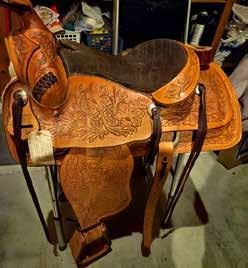

ticket buyers understand both what they are supporting and who they are remembering.
His career included roles as Chairman and Chief Executive Officer of Farm Credit Corporation, MLA for the Shaunavon constituency, Special Assistant to the Federal Minister of Agriculture, and service on numerous boards and organizations, including Saskatchewan Stock Growers Association.
Despite his many accomplishments, Anderson was known for his curiosity, independence, and love of conversation. Reflecting on his life, he once said, “I didn’t plan anything, it just happened.”
By donating the saddle, the Anderson family has created an opportunity to connect past and present, honouring Sonny Anderson’s legacy while
The initiative is expected to be both a strong revenue generator and a meaningful tribute, reflecting the generosity, optimism, and community spirit that defined Anderson’s life.
More details will be shared as Zone 4 finalizes whether the saddle will be offered through a raffle or an auction. Once confirmed, Saskatchewan Stock Growers Association will share information about the saddle and fundraising event on its Facebook page.
In the meantime, those seeking additional information are encouraged to contact Ross Martin of Maple Creek, SK, at (306) 662-8746 and watch for updates on this unique opportunity to own a piece of Saskatchewan ranching history. B
• Receive gift cards with the purchase Case IH MFD Loader Tractor (60-185 hp) or RB565 Round Baler from Young’s Equipment.................................$1,250
• Receive gift cards with the purchase NDE Vertical Mixers or Highline CFR Bale Processor from Young’s Equipment......................................................$1,250
• Receive exclusive fleet vehicle discounts on Dodge Ram trucks up to...........................................$14,000
• Receive 10% on all Mark’s Work Warehouse purchases plus access to exclusive preferred customer sales
• Receive SSGA communications including a Beef Business Subscription.......................................$50+
• Lobbying on your behalf.............................PRICELESS

$1,500 is the average cost for a producer for airfare, hotels, meals, taxi and other travel costs to lobby for 3 days in Ottawa?
MEMBERSHIP 1 Year - $157.50, 2 Year - $291.38, 3 Year - $393.75 SPOUSAL 1 Year - $78.75, 2 Year - $145.69, 3 Year - $196.88
1 Year - $26.75, 2 Year - $52.50, 3 Year - $78.75
HAVE YOUR VOICE HEARD. ENJOY THE BENEFITS.
Engage with like -minded producers, industry partners and government on policy, industry issues, animal health and environment.
Participate in grassroots democracy with leadingedge professional development.
Attend educational, social and networking events.
Receive timely communications through social media, weekly newsletters and our Beef Business magazine.



Shirley Bartz and Carolyn Gaudet, SK Prairie Conservation Action Plan
The 2026 International Year of Rangelands and Pastoralists (IYRP) was declared by the United Nations General Assembly and there are currently 104 countries supporting the declaration and 400 organizations participating in this global event. The Saskatchewan Prairie Conservation Action Plan (SK PCAP) and Partners have organized a Saskatchewan Working Group for the International Year of Rangelands and Pastoralists.
Saskatchewan Prairie Conservation Action Plan supports the IYRP because it aligns closely with PCAP’s goals to engage people of all ages in learning about native grasslands and the ecosystem services prairies provide.
As a non-profit, SK PCAP collaborates with non-profit organizations, students and researchers, landowners and managers, government and industry to conserve Saskatchewan’s native prairies, regularly organizing and participating in events that connect and inspire those interested in protecting this threatened ecosystem.
With its global focus and diverse international participation, IYRP promotes collaboration amongst livestock grazers, policymakers and organizations dedicated to conserving landscapes, lifestyles, and people active in rangeland stewardship around the world.
IYRP uses the word rangelands to describe the vast and vital ecosystems covering nearly half of Earth’s land surface, including grasslands, savannas, shrublands, deserts, wetlands, and mountain ranges. Rangelands host unique and biologically diverse plant and animal communities, while supporting the livelihoods of pastoralists with time-honoured traditions and knowledge of grazing practices.
Pastoralist is an inclusive term referring to people who raise livestock as a primary livelihood, such as ranchers, shepherds, or herders in rangelands. Millions of pastoralists worldwide manage around a billion animals and play a vital role in food production as well as in preserving traditional knowledge, cultural heritage, and identities linked to mobility and land stewardship.
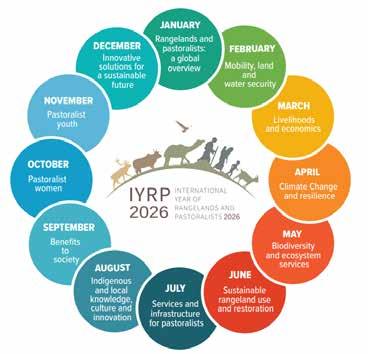
International Year of Rangelands and Pastoralists 2026 has 12 monthly themes to highlight issues associated with pastoralism and rangelands across the globe.
ecosystem services they sustain, and traditional ranching communities are increasingly vulnerable.
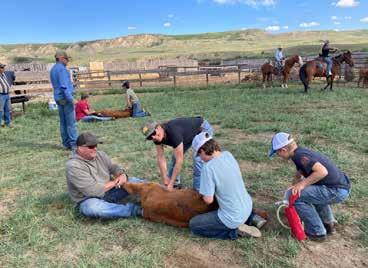
Well-managed rangelands provide ecosystem services such as carbon storage, water regulation, maintenance of biodiversity, and regulation of climate fluctuations. Despite their importance, many rangelands are degraded or threatened by drought and flood, land-use changes, rural-tourban migration, overgrazing, insecure tenure rights, and other complex issues. As a result, pastoral communities, the
The Saskatchewan IYRP Working Group, led by the SK Prairie Conservation Action Plan Partners, was formed to plan events and help other organizations plan activities around the IYRP 2026. The SK IYRP Working Group is planning a kick-off event in the new year, field tours, and workshops during the Prairie Conservation and Endangered Species Conference in May, a book club, a Native Prairie Appreciation Week field tour in June 2026, as well as programs and events with libraries.
The SK IYRP Working Group has also set up a Trello Board, which is a workspace platform with IYRP resources and events. The Trello Board has content around IYRP to help inform event planning and social media content and will provide a hub of information for all things IYRP 2026 (link provided in reference section).
To celebrate IYRP, SK PCAP Education Coordinator Shirley Bartz will be discussing key IYRP topics with students participating in SK PCAP’s Taking Action for Prairie (TAFP) and Adopt a Rancher (AAR) programs. All education program presentations in 2026 will begin by introducing IYRP and defining the terms rangeland and pastoralist.
Activities that will be integrated into SK PCAP’s education programs include locating Saskatchewan’s native grasslands within a global mosaic of rangelands. Saskatchewan’s ranchers will be compared to pastoralists worldwide, focusing on similar lifestyles and land-based science.
With sixth grade students, discussions will examine rangelands as refuges for species at risk and the medicinal use of native plants for humans and livestock.
Grade-seven students will investigate food webs, nutrient cycles, and pastoral stewardship that supports food and economic security.
Grade-eight student discussions will explore how human practices affect land productivity and species distribution in wetlands.
With grade-10 students in the Adopt a Rancher program, the evolution of grazers on Saskatchewan Prairies will be compared to rangelands in other countries.
Other topics of discussion include how precipitation has shaped rangelands and how climate change is affecting these grassland ecosystems. Discussions will include challenges that pastoralists experience in Saskatchewan and globally, such as drought, floods, takeover by largescale agriculture, and encroachment of industrial and urban growth.
In both SK PCAP education programs, we will talk about opportunities for kids their age to get involved in IYRP. By bringing the ranching way of life into a global context, students will feel a connection to
a larger, more vibrant community.
The 2026 International Year of Rangeland and Pastoralists has the potential to connect Saskatchewan ranchers, teachers, small agricultural businesses or grassroots organizers with a global community dedicated to livestock, rangeland conservation, and best management practices, offering opportunities to learn about international research and engage with others who share similar knowledge and lifestyles worldwide.
For more information:
• The IYRP website: IYRP.info
• SK Working Group IYRP Trello Board https://trello.com/b/ EKfGmpt0/2026-internationalyear-or-rangelands-andpastoralists-canadian-resources
• Pastoralist Knowledge Hub: https://www.fao.org/pastoralistknowledge-hub/en/
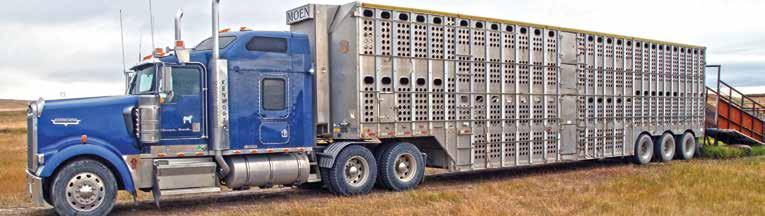
Livestock transportation is regulated provincially through The Animal Production Act and The Animal Production Regulations.
Where inspection is not required, livestock manifests are required for most livestock transportation situations in Saskatchewan.
Scan the QR code or call Livestock Services of Saskatchewan at 306-546-5086 to learn more about livestock transportation document requirements or to get a livestock manifest. saskatchewan.ca/livestock



Mindy Hockley-Anderson
Winter grazing is an important component of Saskatchewan’s prairie ranching systems. Extending the grazing season into the colder months helps reduce reliance on purchased or stockpiled feed, supports rangeland biodiversity, and sustains livestock body condition.
Native vegetation is especially valuable for winter grazing because it has evolved over thousands of years to withstand harsh prairie conditions while maintaining palatability and nutritional value late into the season; unlike many tame grasses that must be harvested, cured, and stored properly to achieve similar winterfeeding quality.
Tame grass species typically reach their nutritional peak from early spring to early summer. Once they mature and set seed, they can become coarse, less digestible, and less palatable. This makes them ideal for early-season grazing, when livestock can access them at their highest nutritional value and allows for later growing native grasses to establish without grazing pressure during sensitive growing periods.
The predictable yields and consistent plant populations found in tame grass stands are also essential for building reliable winter feed stockpiles. This predictability allows producers to plan grazing and harvest strategies with more confidence, ensuring adequate forage availability and quality during the winter months.
Native grasses, in contrast, often shine in the fall and winter when it comes to both forage quality and quantity. Many native species will retain their digestible leaf and stem material well after frost, maintain adequate crude protein levels, and persist in less-than-ideal conditions, such as under snow and ice. These traits make native species a valuable resource for ranchers with access to native rangeland; especially, those looking to reduce winter
feeding costs.
Winter grazing on native grasslands also benefits wildlife. The “Take Half, Leave Half” rule still applies to winter grazing, never grazing the vegetation down completely. This leftover plant material maintains soil protection properties, increasing winter cover, moisture retention, and nesting habitat for wildlife.
You can use stocking density to your benefit by reducing the number of animals or time grazing in one area to retain the patchy habitat that wildlife need. The idea of having some areas with short grass and others with taller grass creates habitat for various species that rely on different plant structures for their survival.
If you are planning to winter graze some pastures, you must ensure that the sites are rested enough to handle grazing pressure. This means resting the pastures as much as possible (ideally, not grazing at all), during the remainder of the year. If you do end up grazing it twice in a year, the plants may not be able to recuperate their energy stores and are at risk of reduced productivity and vigor in the long term.
Understanding your pastures and the grasses that call them home can also help guide grazing management decisions. Native grass species vary in growth patterns, palatability, and seasonal nutritional value, with certain species maintaining forage quality later into the year.
The following is a brief list of native grass species that can provide adequate nutrition and functional forage for winter grazing sites.
Western Wheatgrass (Pascopyrum smithii): This cool-season, sod-forming grass is known for its ability to retain green leaf material later into the season than other grasses, and for retaining crude protein
levels of seven to eight per cent into the winter months.
Western Porcupine Grass (Hesperostipa curtiseta): A cool season, bunchgrass with stiff stems that remain accessible under snow, providing roughage when shorter grasses may be buried or harder to access. The crude protein is similar to Western Wheatgrass and can remain at six to 10 per cent once the plant is matured.
Green Needlegrass (Nassella viridula): Another cool-season grass, but this one is more sensitive to heavy grazing pressure. The digestibility remains high, around 45 per cent with a crude protein around seven per cent. This grass is highly sought after by grazing animals and the soft awns of this grass are not problematic compared to other species.
Needle-and-Thread Grass (Hesperostipa comata): Continuing on the trend of cool-season bunchgrasses, it boasts an average digestibility of 40 to 50 per cent and holds its crude protein level of six to 10 per cent through the summer and late fall grazing seasons.
Blue Grama (Bouteloua gracilis): Shifting to a warm-season bunchgrass, this one is well adapted to our dry conditions and may be better utilized when snow cover is low because it is a shorter grass. Similar to the other grasses, it keeps a protein level between seven to nine per cent in the late season and moderate nutritional values.
Plains Rough Fescue (Festuca hallii ): This is another cool-season bunchgrass that is known for its high protein and digestible carbohydrates, even after curing on the stem. Good quality grazing in fall and winter, but extremely sensitive to spring and early summer grazing.
Winterfat (Krascheninnikovia lanata): Special mention goes to Winterfat, a native shrub well adapted to Saskatchewan’s winters and recognized continued on page 64
As Saskatchewan’s landscape changes, the Saskatchewan Stock Growers Foundation is working alongside ranchers to preserve native grasslands and keep working lands working, today and for generations to come.
Funding for Practical Support:
Cross fencing for improved grazing management
Invasive weed control measures
Livestock water system development
Native grass seeding
Wildlife friendly fencing
Term Conservation Easements
Perpetual Conservation Easements

Whether you're planning for the future or looking to enhance your land today, SSGF offers flexible, voluntary conservation options that work with your operation, not against it.
Contact Us
www.ssgf.ca
communications@ssgf.ca 1-306-530-1385

THANK YOU TO OUR



for its high winter protein content, which is approximately 10 to 12 per cent. Winterfat remains highly palatable and, because it extends above typical snow cover, is readily accessible to grazing livestock throughout the winter months.
If you are unsure of which species of grasses call your pastures home, reach out to Saskatchewan Stock Growers Foundation for a rangeland health assessment which will give you a complete idea of vegetation present, litter levels, and the overall health of the rangeland.
Increasing the understanding of speciesspecific traits and then working to implement managed grazing strategies, ranchers can maximize the benefits of winter grazing while sustaining productive, resilient grasslands; helping to guide management decisions and support long-term ranch viability.
For more information about our work and programs, visit www.ssgf.ca.

February 27, 2026 • 2:00 - 4:30 p.m.
Tatanka Room • Dakota Dunes Resort, White Cap, SK
Please submit meeting resolutions on or before February 25, 2026
Mail: Box 4752, Evraz Place, Regina, SK S4P 3Y4
Telephone: 306-757-8523
Email: gm@skstockgrowers.com

Dear Beef Business Readers,
We are excited to announce a regular series of feature articles that celebrate the remarkable contributions of women in agriculture. It is an opportunity to recognize and honour the inspiring women who are making a significant impact in Canadian agriculture.
We invite you to submit nominations for women who exemplify excellence, innovation, and leadership in agriculture. Whether they are livestock producers, researchers, educators, or advocates, we want to hear their stories!
Nomination Guidelines:
• Eligibility: Women who are or have dedicated their time and focus to any aspect of agriculture in Canada or abroad.
• Submission Details: Please email the nominee's name, contact information, a brief description of their contributions, and why you believe they deserve recognition to gm@skstockgrowers.com
• Deadline for Nominations: Ongoing
Your nominations will help us shine a spotlight on the incredible work being done by women in agriculture. Let’s celebrate their achievements and inspire future generations!
Thank you for your participation.
Best regards, The Editor






• SERVICES: Whether you are a specialty producer looking to get your product to a specific market or distributor, or if you are producing commodity livestock for sale, we can partner with you. From our multi-species capabilities to our ability to handle smaller volumes, we offer excellent capabilities for producers in the Canadian Prairies to maximize their profitability.
• FACILITY: We have a state-of-the-art facility to allow us to reach markets across Canada, the USA, and beyond. We understand producer’s needs, their care for their animals, and their honest, straightforward nature. Call us to hear how we can work together to get your product to market.

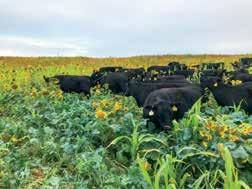












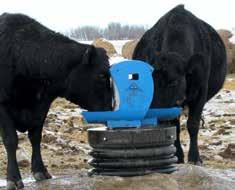






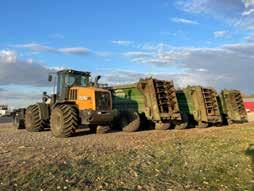

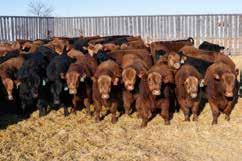




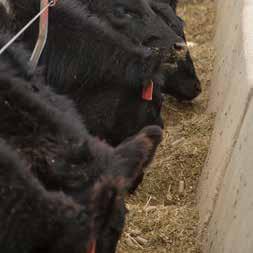



Murray & Jan Linthicum (306) 266-4377 Open replacement and bred heifers for sale. Black/black baldy heifers.




THE EXECUTIVE
Jeff Yorga



President Flintoft, SK Phone: 306-531-5717
Kelly Williamson
1st Vice President
Pambrun, SK Phone: 306-582-7774
Henry McCarthy
2nd Vice President Wawota, SK Phone: 306-577-8091
Garner Deobald Past President Hodgeville, SK Phone: 306- 677-7777
Chay Anderson
Finance Chair Fir Mountain, SK Phone: 306-640-7087
Find email contact for the Executive Directors at skstockgrowers.com
Neil Block, Abbey, SK 306-587-7806
Gerry Delorme, Assiniboia, SK 306-640-7493
Calvin Gavelin, McCord, SK 306-478-7748
Joe Gilchrist, Maple Creek, SK 306-662-3986
Adrienne Hanson, Langbank, SK 306-421-8538
Lance Hockley, Yellowgrass, SK 306-891-8189
Gord Kozroski, Gull Lake, SK 306-672-7463
Kelly Lightfoot, Assiniboia, SK 306-642-8977
Kurtis Reid, Martensville, SK 306-220-2226
Brooks Whitney, Maple Creek, SK 306-662-7777
Chris Williamson, Mankota, SK 306-478-7036
Kelly Williamson, Pambrun, SK 306-582-7774
Zone 1 - Henry McCarthy, Wawota, SK 306-739-2205
Zone 2 - Karen McKim, Milestone, SK 306-436-4616
Zone 3 - Larry Flaig, Assiniboia, SK 306-266-2070
Zone 4 - Brad Howe, Empress, AB 306-661-0409
Zone 5 - Aaron Huber, Lipton, SK 306-331-0097
Zone 6 - Dave McKenzie, Delisle, SK 306-493-8127
Philip Lynn, Marquis, SK 306-361-9299 Karla Hicks, Mortlach, SK 306-355-2265 • AgriInvest and
Zone 7 - Darcy Moen, Kyle, SK 306-962-3944
Zone 12 - Chay Anderson, Fir Mountain, SK 306-640-7087
Garner Deobald - SK Charolais Affiliate 306-677-2589
Gord Ell - SaskMilk Affiliate 306-535-1922
Kyron Manske - SK Simmental Affiliate 306-267-7530
Marlene Monvoisin - SK Angus Affiliate 306-648-8200
Rob O’Connor - SK Hereford Affiliate 306-550-4890
Ray Rintoul - SK Shorthorn Affiliate 306-917-7805
Gord Schroeder - SK Sheep Affiliate 306-933-5582
Trenton Vanderpost - SK Goat Breeders Affiliate
Jeff Yorga - SK Limousin Affiliate 306-531-5717
Ryan Beierbach, Whitewood, SK 306-532-4809 Garner Deobald, Hodgeville, SK 306-677-7777 Lynn Grant, Val Marie, SK 306-298-2268

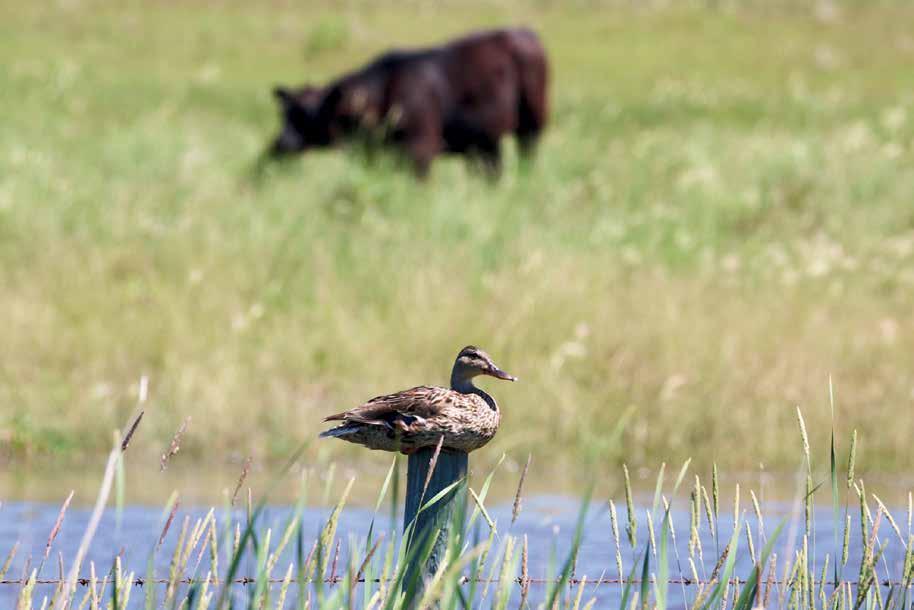
Across the working landscapes of Saskatchewan, the wetlands and grasslands needed by wildlife are owned and sustainably managed by ranchers like you.
Ducks Unlimited Canada (DUC) offers farmgate conservation programs designed to support your business and stewardship efforts:
Looking to buy land? DUC Conservation Easements pay up to 40% of FMV with no restrictions on haying or grazing.
Need more forage? Take advantage of financial incentives and expert advice with DUC’s Forage Conversion Program.
Or lease land through our annual Hay Tender Program.