WATERING THE GARDEN OF MEMORY
The Skirball stewards one of the world’s leading collections of art and artifacts related to Jewish life, religion, and culture. The museum preserves thousands of heirlooms from Jewish families across the world in a state-of-the-art storage facility. But not all treasures are found in museums; the majority are still in family homes. No matter their age or material, these objects deserve to be cherished and protected. Caring for such artifacts becomes especially important as memories begin to fade, languages and customs are forgotten, and many of us lose access to the places where we grew up or where our loved ones were born. They hold our families’ stories, helping us share them across generations and with other communities.
We hope this guide serves as a resource for how to keep your family’s treasures in good condition, offering practical tips for preservation and other suggestions for ways you can honor their histories. Family heirlooms are not only personal mementos that tell us about the lives of our loved ones, they are also part of a collective legacy. These treasures are as essential in tending to the garden of our past as they are in planting the seeds of our future. This document was inspired by the Hometown Treasures Toolkit created by the Smithsonian National Museum of African American History and Culture.
Objects that shed light on the historical and contemporary experiences of Persian Jews are few and far between in most American museum collections— even at the Skirball Cultural Center in Los Angeles, a city home to the largest community of Persian Jews outside of Israel.
To address this gap, the Skirball, in partnership with the Younes & Soraya Nazarian Family Foundation, has embarked on a new effort to deepen and expand the museum’s engagement with Persian Jewish life and heritage.
The first step of this collaboration with the Nazarian Foundation is a two-year research fellowship. Sophie Levy joined the Skirball’s Museum Department as the Nazarian Research Fellow in Persian Jewish Art, Culture, and History in late 2024. Her research is laying the foundation for future stages of this project, during which the Skirball seeks to integrate more Persian Jewish objects and stories into its collection, exhibitions, and public programs.
Avoid exposure to light, humidity, dust, pests, or extreme fluctuations in temperature
Try not to create folds, rolls, or creases when handling paper objects and textiles
Keep hands clean when handling
Use soft, lint-free cloths to gently clean your objects. Avoid cleaning products with harsh chemicals or intense scrubbing motions
Limit stacking objects on top of one another to prevent stress from weight or uneven pressure
Store photographs or paper documents between two sheets of acid-free paper instead of in plastic sleeves.
Find a Conservator via the American Institute for Conservation: culturalheritage.org/about-conservation/find-a-conservator
A conservator is a professional specialist who preserves, repairs, and maintains works of art and cultural artifacts to ensure they remain in good condition.
Find an Appraiser via the Appraisers Association of America: appraisersassociation.org/find-an-appraiser
An appraiser determines the monetary value of an artwork or object by assessing its authenticity, condition, historical significance, and current market demand.
• Interview older relatives who might have knowledge about when family heirlooms were made, who purchased them, or how they were used. Record your findings on your phone.
• See if you can find other related objects, photographs, or documents that create a fuller, more human story around a particular object. Photograph the collection of items together.
• Check out library books about Persian Jewish culture and history to learn about similar objects in museum collections and archives. You can also try uploading photos of your family artifacts to Google Reverse Image Search to find related items.
If you are interested in supporting the Skirball’s Persian Jewish Art and Culture Initiative, please email persianjewishculture@skirball.org.
The Skirball Cultural Center is a place of meeting guided by the Jewish tradition of welcoming the stranger and inspired by the American democratic ideals of freedom and equality. We welcome people of all communities and generations to participate in cultural experiences that celebrate discovery and hope, foster human connections, and call upon us to help build a more just society.

Sophie Levy is the Nazarian Research Fellow in Persian Jewish Art, Culture, and History at the Skirball Cultural Center, working under the guidance of Dr. Alissa Schapiro, Curator and Collections Specialist, and Museum Director Sheri Bernstein. Before joining the Skirball, she worked as an editor at a independent Jewish press in New York and was the co-founder of ZAMAN Collective, an online platform dedicated to exploring Middle Eastern Jewish culture and history through art and writing. Levy received a BA in Art History / Visual Arts from Barnard College with a focus in Jewish Studies.
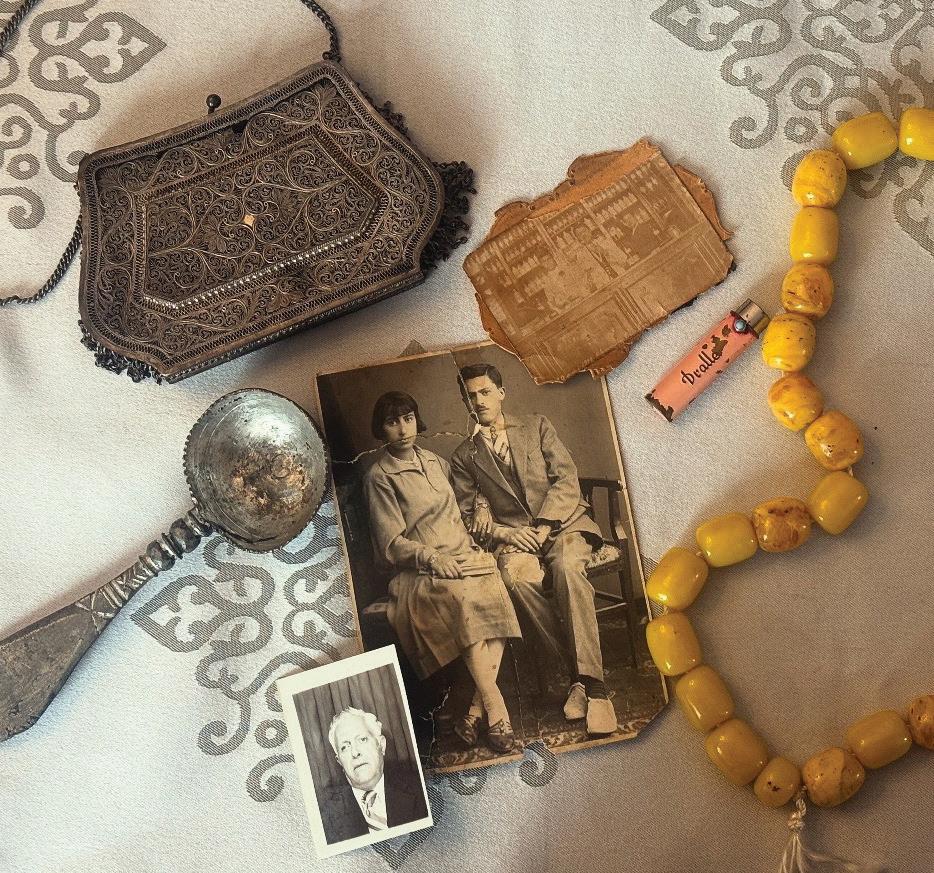
I. Domestic objects belonging to Khanbaba Soufer (1901–1998) and Bahareh Azizi Soufer (1913–2010).
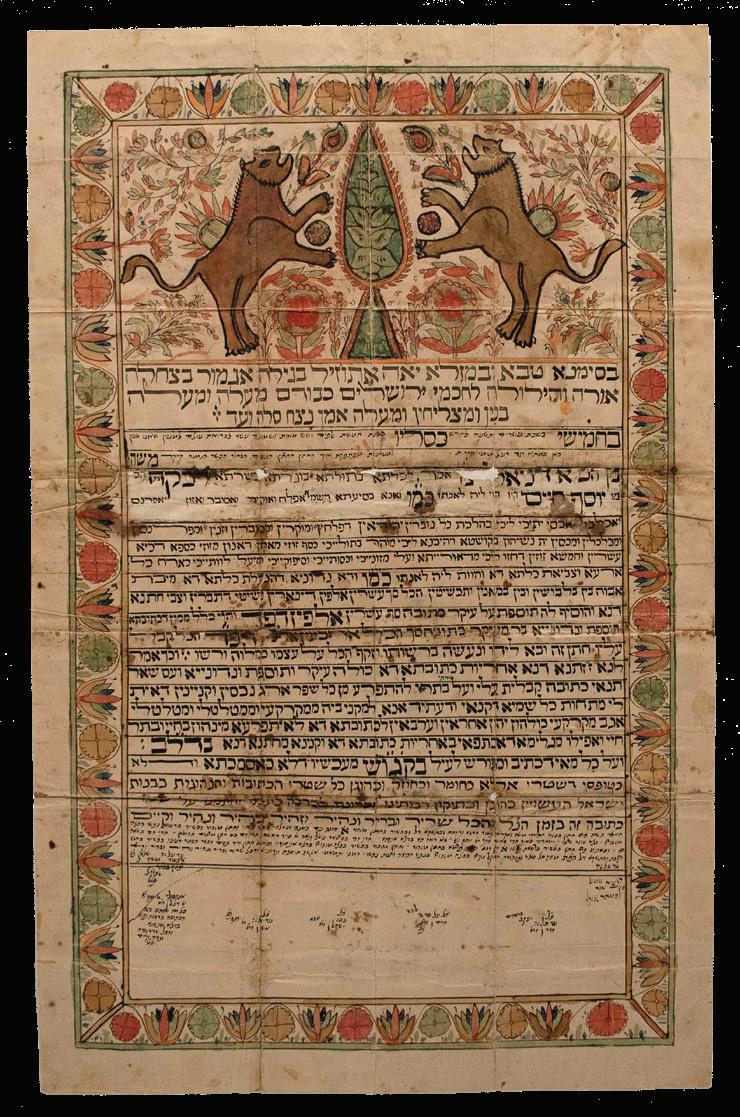
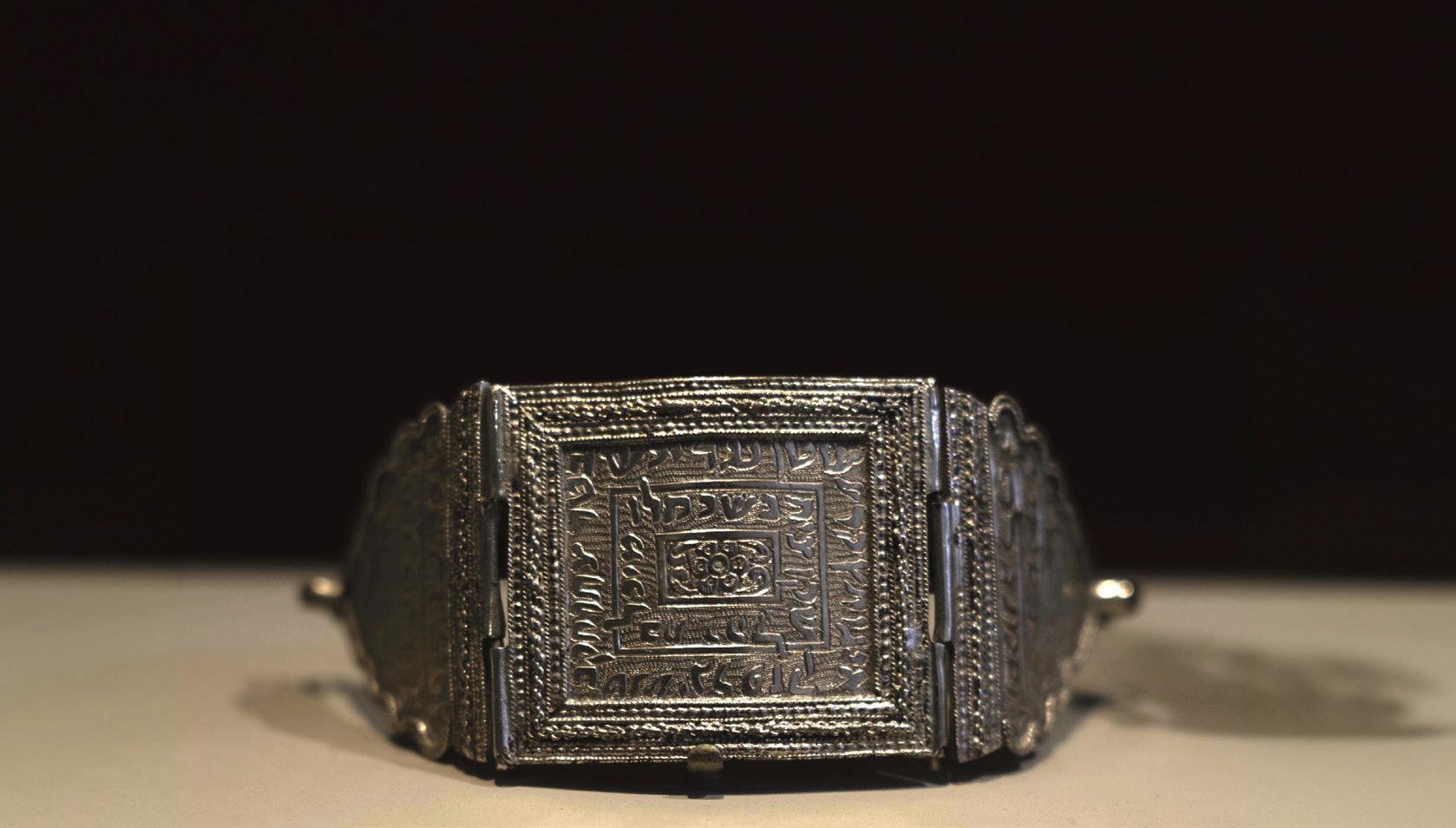
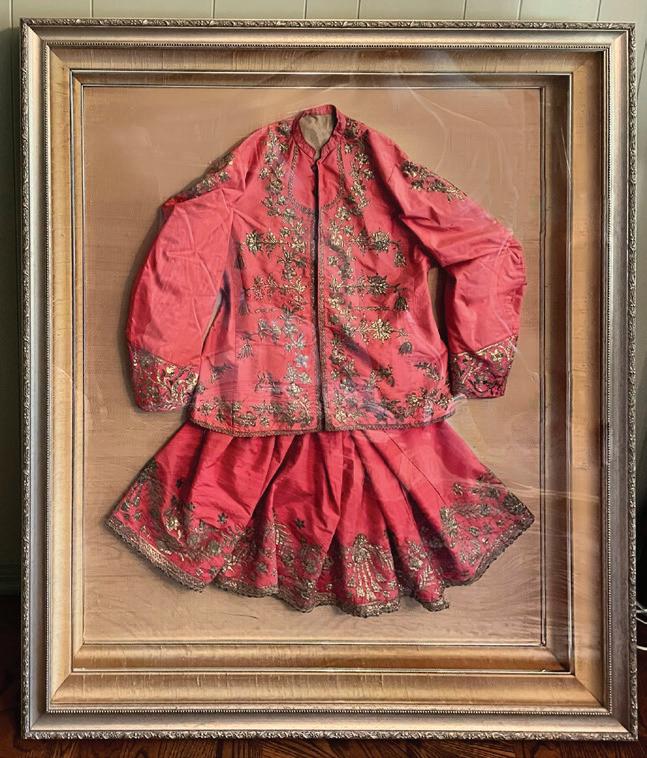
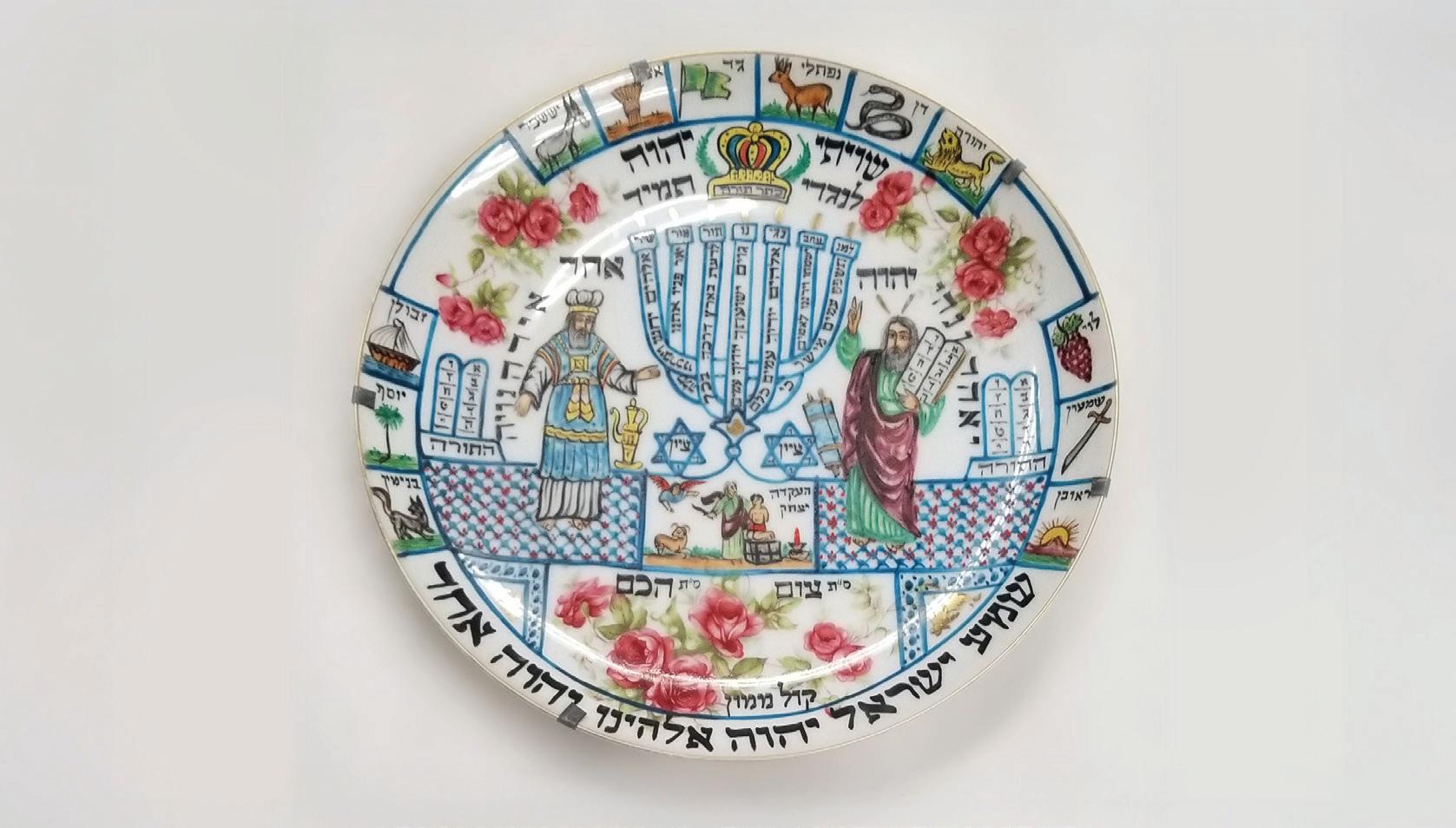
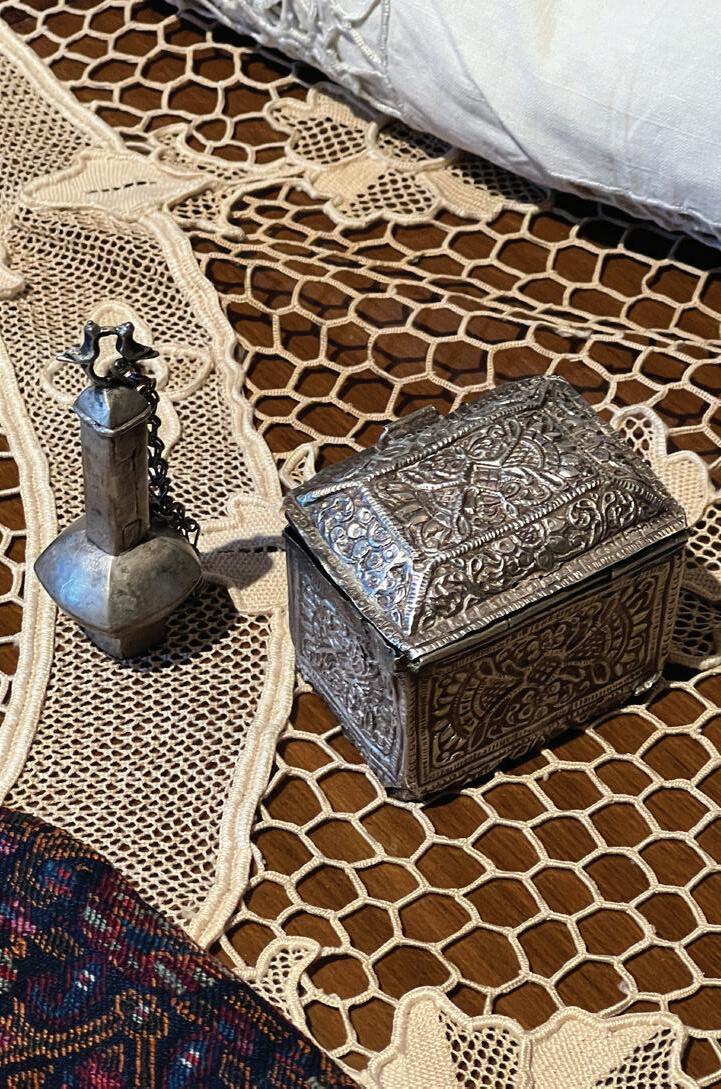
Photo courtesy of Farah Mokhtarzadeh. II. Childbirth amulet – SCC 2012.213.1. Iran, late 19th–early 20th century. Silver repoussé and chasing. III. Wedding outfit belonging to Monavar Hazan (1901–1984) –SCC 2026.1.1. Hamedan, c. 1915. Satin with silver thread embroidery. Gift of Nadereh Raouf Hariri, Avid Hariri Shooshani, and the Hazan Family. IV. Shiviti plate – SCC 2024.1.1. Isfahan, mid-20th century. Pigments on porcelain. Gift of Rashel Rokni in honor of her parents and their families, Mohebban and Zargaroff. V. Dowry items (kohl flask and sefidab container) belonging to Monavar Hazan – SCC 2026.1.2-3. Hamedan, c. 1915. Silver repoussé and chasing. Gift of Nadereh Raouf Hariri, Avid Hariri Shooshani, and the Hazan Family. VI. Ketubah – SCC 1980.19.1. Yazd, 1857. Ink and watercolor on paper. Elsie Gang Harris Fund.