

by Trisha Hochreiter,
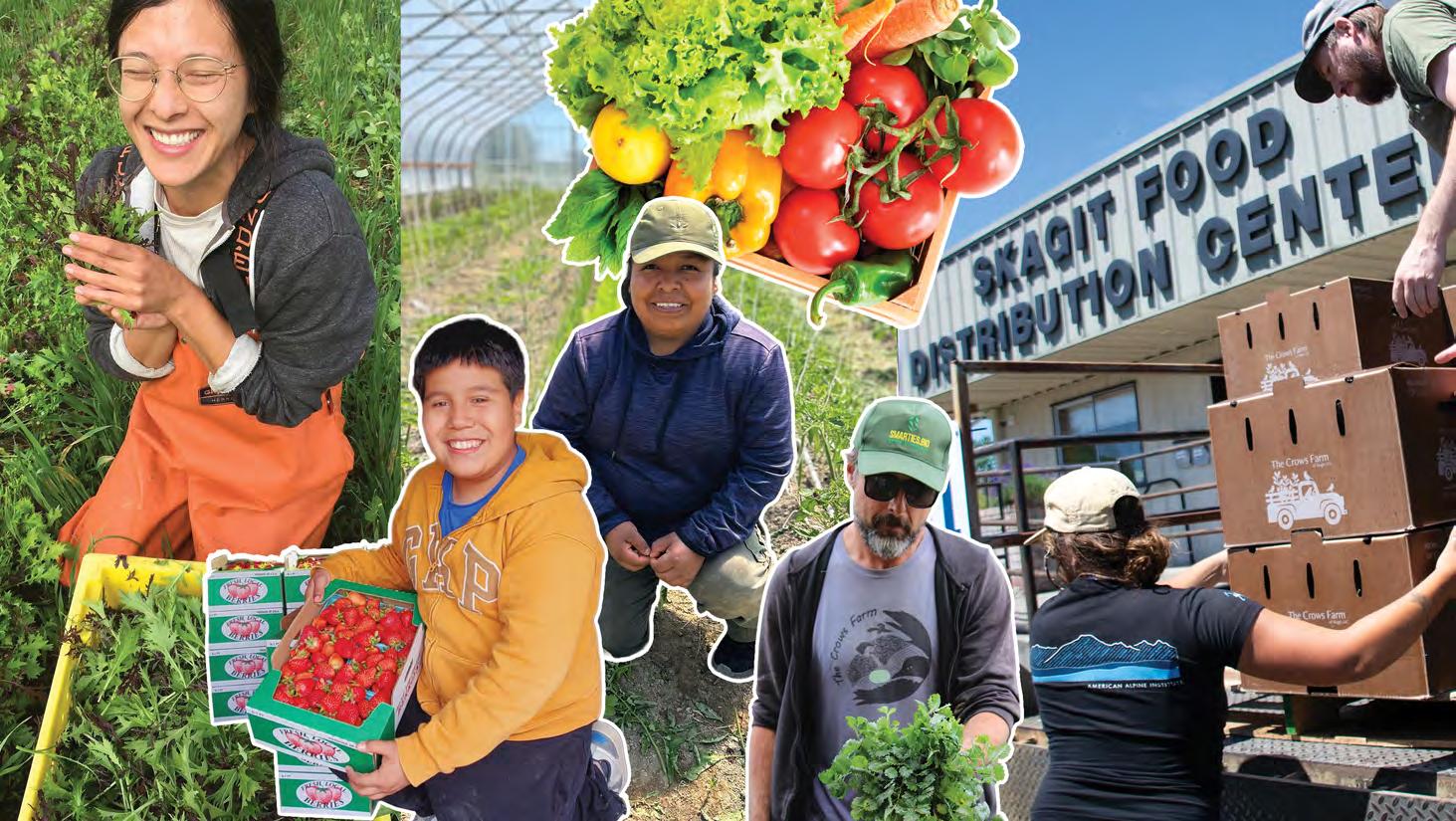
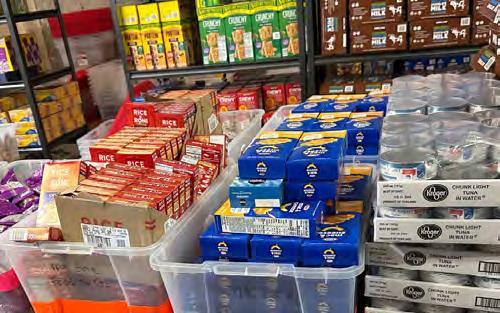
Thanks to the generous Growing Good Fund donation from the Skagit Valley Food Co-op, we were able to create a new opportunity to support Skagit County farmers while bringing more fresh, nutritious food to the families and individuals who rely on our community food programs. Through this funding, we were able to provide ten local farms with $7,000 each through a unique Farm-to-Food Bank loan program. Instead of traditional repayment, the farms will repay the funding over a five-year period through donations of produce, dairy, or protein. This timeline gives farmers the flexibility they need while allowing our food banks, food pantries, and meal programs to receive fresh food.
The donated items go directly to the 20 local food programs we
We are already seeing the impact of this partnership. Fresh donations like lettuce and garlic have arrived at food banks

Over the past several months, and in anticipation of our General Manager transition, the Board undertook a full review and revision of our governing policies. These policies form the foundation for how the Board fulfills its responsibilities—ensuring the Co-op remains financially healthy and operates in alignment with our values and mission. Our policies are built on the Policy Governance framework, widely used by food co-ops across the country and adopted by our Board in 2019 as our founding General Manager, Todd Wood, prepared to retire. The framework organizes our policies into four components: Ends Policies: the north star defining what the Co-op ultimately exists to achieve
General Manager Boundary Policies: boundaries that define how the General Manager may operate in pursuit of those Ends Board Process Policies: guidelines for how the Board conducts its own work
Board-GM Relationship Policies: directions that guide how the Board and General Manager work together toward our shared goals
By stepping back to review and refresh these policies as a cohesive whole, we’ve sharpened our collective clarity—on where we’re headed, and on how we’ll know when we’re getting there. This work also strengthens our commitment to accountability: to evaluating both our General Manager and ourselves with the rigor our membership deserves.
We’re also pleased to share that the Co-op has recently joined the Cooperative Board Leadership Development program, known as CBLD (pronounced “See-Build”), offered through Columinate, a national consulting cooperative serving mission-driven organizations, including food co-ops throughout the country. Columinate brings deep expertise in governance, strategic planning, and organizational effectiveness. Through CBLD, our Board gains access to a robust program of support: regular consulting, facilitated retreats, a rich library of online webinars and training resources, and practical tools for governing well. With two new Board members joining us, the timing couldn’t be better. CBLD gives us a strong foundation for onboarding, ensuring that every Board member—new and experienced alike—has the shared vocabulary and tools needed to engage productively in governance discussions.
The goal is a Board that’s aligned, efficient, and focused on what matters most: supporting our General Manager while holding ourselves and our leadership accountable to the membership we serve.
Taken together, these two developments reflect a Board that is investing seriously in its own capacity, and we’re energized by what lies ahead.
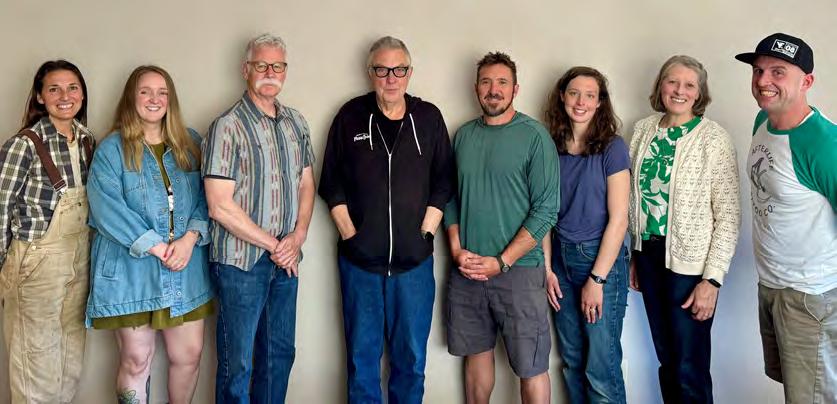
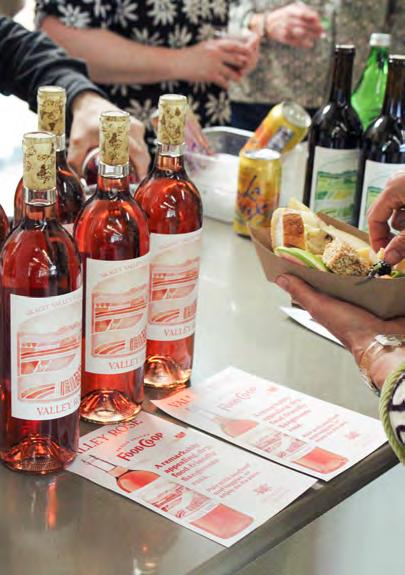
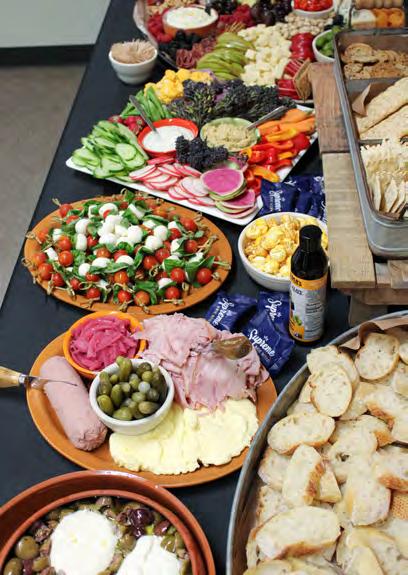
This year’s Annual Member Meeting was held on May 13th at the Skagit Transit Station just down the road from the Co-op. We had an excellent turnout and a record-setting number of votes in the 2026 Election—thank you to everyone who joined us and took the time to vote! It was a wonderful evening with delicious food, Co-op wine, and conversation with our new General Manager Leah Scates.
Our friends from Community Action Skagit and its Food Distribution Center gave an update on our Growing Good Fund’s Farm-to-Food Bank Loan Program and announced the local farm recipients (listed on this issue’s cover page).
We also opened the floor for questions to close out the evening, and you can find a summary of those questions (and answers!) on page 5.
The Board is happy to announce Nikki Boyce and Linda Fenstermaker were elected to the Board of Trustees and would again like to extend our appreciation to Casey Schoenberger who stepped down after serving for eleven years.
Casey will be missed, and yet, we are excited to get to work with our new group of dedicated Board Members.

Thank you for the support in the election and for wearing my buttons! I am honored to serve as your board member. The Co-op is a central part of our Mount Vernon community, and I can’t wait to start guiding its future direction. I am excited to bring my perspective as an organic vegetable farmer to the Board and am interested in serving on the Community Giving Committee. I look forward to getting to know our Board, General Manager, staff, and member-owners in my new role! –Linda Fenstermaker
I’m thrilled to continue serving on the Board. I’m excited to bring my experience as a farmer, operations manager, food systems nerd, and mama to the table as we welcome our new General Manager, Leah Scates. It’s an inspiring thing to own a grocery store with your friends and community, and I’m honored to help our Skagit Valley Food Co-op continue to thrive! –Nikki Boyce


Skagit Valley Food Co-op is a not-for-profit organization whose purpose is to provide good food at a fair price. As stated in the Co-op by-laws: “The Co-op shall promote member welfare by utilizing their united effort for the purchase and distribution of commodities in accordance with the following criteria…
A. Maintain the not-for-profit status of the Co-op
B. Offer high quality products that contribute to good nutrition
C. Support a low-impact, non-harmful approach to the environment
D. Support local suppliers and producers
E. A commitment to building a cooperative economy and supporting others who share that commitment
F. A commitment to educational programs relevant to members and non-members in the community."

This is my first summer here at the Co-op! Last summer, I was on maternity leave. This time last year I had just welcomed my little Joey into the world. Now, she is toddling around, laughing at our family’s silly animals, and trying her darnedest to say what is on her mind. And amongst all of Jo’s leaps and bounds, what impresses me most is her resilience. When she falls, she is fast to stand again, her scrapes and bruises heal quickly, and her tears turn to laughs just as fast as the upset happened.
Humans are remarkable creatures, and I am astounded by us every day! When thinking of what to write for this article and knowing a common summer theme is often “keep cool”, I immediately thought of all of us here at the Co-op. How do we “keep calm” and “co-op on” when there is always so much going on and so much to do?! If you ask me, the answer is to look forward. We have a lot to look forward to this summer at the Co-op.
First up, in July our Bulk Department will be receiving a major facelift! New bins that will make shopping easier, new signage that will help educate, and more opportunity for new products. I am so looking forward to this update—the Bulk Department is one of those differentiators that really makes the Co-op a special place.
On August 1, we will host the 13th Annual Bike to Farm event! Join us biking from Edgewater Park to Ralph’s Greenhouse to meet the farmers, tour the greenhouses, and learn more about this local farm that has provided to our Co-op for many years.
Something that I am really looking forward to—our Staff Party! On September 22, our store will close early at 5pm so we can appreciate all of our amazing hardworking staff with food, drinks, and music. Back in June, we hosted a staff meeting for our entire team of 180! The intention of the evening was connection. In order to sustain our Co-op for another 50 years, we have to focus on resilience. Building that resilience starts with our connection with one another, and I believe that the time spent at our meeting was a step in the right direction.
We have many opportunities (and plans!) to create positivity for our community both here at the Co-op and in Skagit Valley. And I hope you will join us in looking forward to it.
With gratitude,
Leah Scates General Manager
2025: the International Year of Cooperatives.
The theme: Cooperatives Build a Better World. It was another great year for our Co-op, with its fair share of milestones and challenges. Look for the 2025 Annual Report coming out this summer as we recap all the ways our Co-op is building a better world right here in Skagit Valley. Highlights include increased support of local agriculture, food access, and community engagement.
Summer is finally here! We had a blast seeing you out and about this spring. Whether it was YMCA’s Healthy Kids Day, the Chili & Chowder Cookoff at Farmstrong Brewing (hello three-peat!), or Berry Dairy Days, thanks for taking the time to mix and mingle with us!
We know the summer schedule can get a little hectic, but these events are worth the squeeze, and we’d love to see you there! PluS, they’re all F-r-e-e, Free!
july 25
11am – 3pm | Hillcrest Park
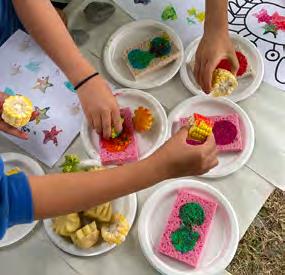
Visit us at the 40th Annual Youth Arts Festival! This free event is a great way to get the kids out of the house during summer break and enjoy some hands-on arts and crafts and children’s entertainment.
Bring the whole family, a picnic lunch, and enjoy the day together at Hillcrest Park in Mount Vernon.

8:30am – 12pm
Edgewater Park to Ralph’s Greenhouse
Join us for our 13th annual bike tour!
Take a behind-the-scenes look at one of our favorite local farms, Ralph’s Greenhouse. Meet the farmers and learn more about organic farming while taking in the beauty of Skagit Valley on two wheels. Round out the tour with a free ice cream cone at the Co-op.
reSource
10am – 4pm | Skagit County Fairgrounds
The fair is just around the corner! This year, your Co-op will be tabling to kick off opening day! Come connect with over 20 local community groups to see how we’re all helping each other.
Other Thursday events include the Diaper Derby at 11am and a Stuff the Bus Diaper Drive, where you get one free Skagit County Fair gate admission ticket per unopened package of diapers donated (located at the Cleveland Park Entrance on the north side of the Fairgrounds).

Salmon day at the FarmerS market
10am – 2pm | Riverwalk Plaza
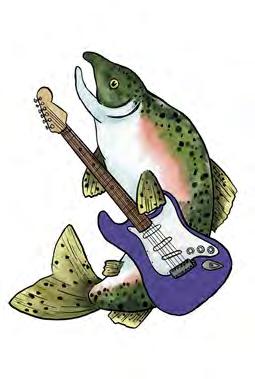
Join us for Salmon Day at the Mount Vernon Farmers Market! We’ll be giving out free samples and high fives. Come celebrate the salmon of the Skagit River and nerd out with fun fish facts, kids crafts, and as always, fresh fruit and vegetables grown by our local farmers.
9am – 4pm | Christianson’s Nursery
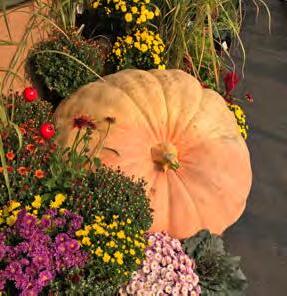
Kick off the season at Christianson’s Nursery to check out the giant pumpkins as they roll in and stick around for the weigh-off at 12:30ish—last year’s winner was a whopping 1,673 pounds!
The festival features food trucks, live music, coffee, and farm animals for the kiddos, and do visit our booth to enjoy free samples and other goodies!

Fidalgo bay day SeP 12 SeP 26
11am – 3pm | Fidalgo Bay Resort
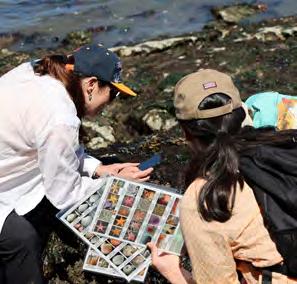
Join The Salish Sea School and friends for a fun- and fact-filled day learning the ins and outs of the Salish Sea from marine conservation groups across the region. Fidalgo Bay Day fosters public awareness and stewardship of our marine environment and helps strengthen partnerships with the local conservation community. Plus, you can take part in the day’s activities that include a beach seining demonstration, Forage Fish egg survey, Shannon Point Marine Center portable touch tanks, and FREE samples of local seafood!
by Elma Burnham, Viva Farms Communications Manager
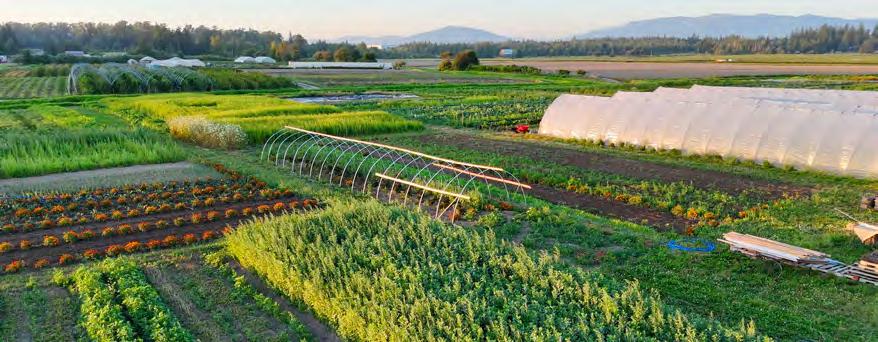
In late May, Viva Farms staff and farmers alike, gathered in the new Barn at Viva Farms for our quarterly farmer meeting. This was the first time in the new building for many; we closed the meeting with a tour of the new facility. As Rob pulled open the doors to the new cooler space, farmers exclaimed, “¡Hace tan frio!” “Wow, it’s so cold in here!” This summer at Viva Farms, we are keeping it cool in new and exciting ways.
The Barn at Viva Farms—a new multi-use farm facility where farmers can conduct all their postharvest activities including handling, aggregation, processing, storing, and distribution—is now open! The new cooler triples the organization’s cold storage capacity. And it is cold! We are committed to delivering healthy and fresh organic produce, and cold storage and transport are essential to making that possible.
As summer heats up, farmers adjust. They might harvest early in the morning or into the evening, trying to avoid the heat of the day. They may do smaller batches of harvesting in order to get food into coolers faster. They’ll make all sorts of efforts to keep it cool for their health and wellbeing, and to maintain the quality of the produce. With increased capacity, we are thrilled to offer the farmers operating at Viva Farms the space to strategically grow their businesses in a sustainable way that also centers produce quality.
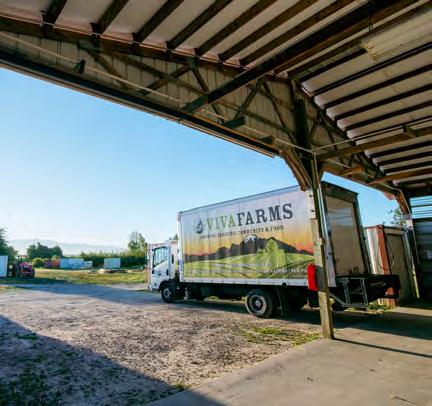
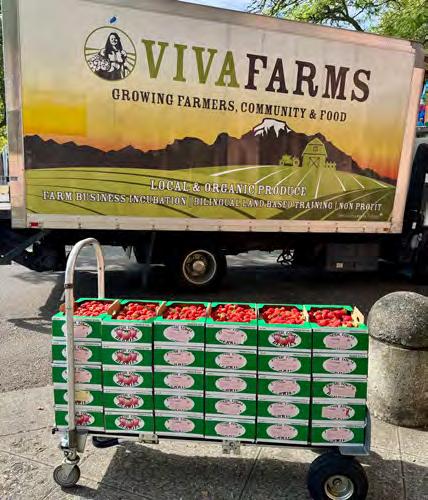
Skagit Valley Food Co-op supported The Barn at Viva Farms and most recently, a new refrigerated delivery truck. These are both essential pieces of infrastructure that support the growth of local farm businesses and increase access to food in our community. As incubating farms at Viva grow into mature, viable businesses, their available product and sales channels often increase along with their acreage. Walking the aisles of the produce section at the Co-op, you’ll find produce from current incubators like The Crows Farm and Dear Table Farm as well as established alumni like Boldly Grown Farm and First Cut Farm
Following the 8-month Practicum in Sustainable Agriculture course we offer, students are invited to apply to join the Farm Business Incubator and found their farm business at Viva Farms, with access to continued education, land, infrastructure, equipment, markets, capital, and community. For the first few years, most incubating farms are busy getting established. They are developing and mastering their systems. They are getting to know their customers and committing to sales channels. All along the way the farms are supported as Viva Farms walks alongside them at every stage of growth.
Soon, many farms are looking to grow and expand their acreage in order to start building towards independence and a viable, resilient family business. Following years of listening to farmers and developing this trajectory, we learned that the available infrastructure was a limiting factor for incubating farmers. We built The Barn at Viva Farms to match the scale of their businesses and strengthen the middle infrastructure of the Skagit Valley. We are so lucky to live in this place, where local food means

so much to so many. Our hope and plan is that The Barn at Viva Farms serves farmers, and the local regional food system, for years to come.
Farmers have been busy using the 1,188-squarefoot wash-pack all summer preparing the products that are delivered to homes like yours up and down the I-5 corridor. Come fall, farmers will use the 1,620 square feet of temperature-controlled dry storage space for curing crops like onions and squash. While The Barn will not be open to the public this summer, we welcome you to join us for a tour to learn more about the people behind your food and Viva Farms. Thank you Skagit Valley Food Co-op for the investment and making both The Barn and our new refrigerated truck available resources for our community today and in the years to come!
Viva Farms is a nonprofit farm business training program and incubator farm with locations in both Skagit and King County. Our mission is to empower aspiring and limited-resource farmers by providing bilingual (Spanish-English) training in holistic organic farming practices, as well as access to land, infrastructure, equipment, marketing, capital and community. We are growing farmers, community and food.
Learn more at vivafarms.org or join us for a tour this summer on July 18th, August 26th, or September 18th.

During the Annual Meeting, our new General Manager Leah Scates shared an update of goings-on at the Co-op and closed out the evening with a Question & Answer session with folks in the room: it was a friendly, productive dialogue, and we’re grateful for the feedback we received during this time.
Below is a summary of the questions and comments: WOW. I really had no idea how much work Community Action is doing and how many programs they offer for people. Thank you!
The Skagit Food Distribution Center and the Co-op’s Farm to Food Bank Loan Program is just one facet of the work being done at Community Action in its mission to break the cycle of poverty in Skagit County. Community Action supports eight major program areas with multiple and interrelated social services including basic needs, energy and utility assistance, outreach services, services for seniors, and more. Visit communityactionskagit.org to learn about all the ways they help connect Skagitonians to the resources they need.
Why was it decided to donate $300,000 to Viva Farms, when we’ve just heard from Community Action how much need there is from area farmers? (Community Action shared that the total ask amount for the Farm-to-Food Bank loan program far exceeded the amount available to give.)
When the Board of Trustees established the Growing Good Fund in 2023 the intent was to create systemic change within our local food system. After much discussion and deliberation, Viva Farms was selected as the first Growing Good Fund recipient for its longstanding work to support local, organic agriculture and the future of farming in Skagit Valley. Viva Farms is a non-profit organic farm as well as a beginning farmer support organization and has “incubated” over 90 successful farm businesses. The Board elected to repeat the donation for several reasons, including Viva Farm’s breadth of work, focus on sustainability, and commitment to increasing healthy food access through discounts and sliding scale pricing to individuals and food banks. Read more about Viva Farm’s current work on Page 4.
Why close the Deli at 8pm, if the store is open until 9pm? …I want my ice cream. :)
We decided to close the Deli and the Mercantile at 8pm, 1) because the sales don’t justify staying open, and 2) for the safety and security of our staff and merchandise. This decision is not permanent, and we will re-evaluate the Deli’s closing time again next spring.
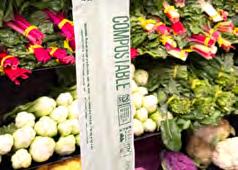
The new compostable bags in Produce don’t compost at home! And my veggies get soggy.
The new compostable bags in Produce are home compostable, but it will take some time. Please read Produce Manager Ben’s article (on this page) to learn more about them, along with ways to better preserve your produce this summer.
by Ben Goe, Produce Manager
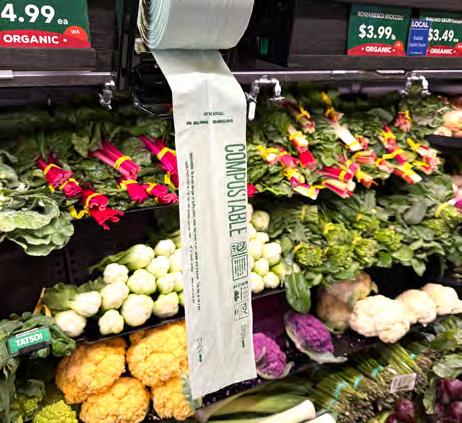
Food co-ops everywhere, including ours, have always tried to minimize their environmental impact—protecting the planet is baked into our founding principles. Bulk ingredients scooped into reusable containers, paper shopping bags (we’ve never offered plastic bags!), leftover produce cardboard boxes to pack your purchases in, and buying guidelines that prefer minimal, recycled, and recyclable packaging. Recently, at our Co-op, we’ve done away with plastic compostable cutlery, opting for returnable metal options, and we’ve been switching many single-use plastic items to compostable options.
In the produce department, we’ve switched all of our plastic bags out for compostable plastic bags. Made from non-GMO corn and potato starch, Crown Poly is one of the only home-compostable bioplastics available and is OK Compost HOME Certified. They do take longer to compost at home than most things—up to 180 days—but they will fully break down in your home garden compost pile. Be patient! We really like them and have decided to commit to them.
Since making the switch, though, there’s been a common complaint: “My vegetables don’t keep for nearly as long in these bags!” It’s true, but we’re here to help. Compostable bags allow a lot more moisture loss and can also trap ethylene, the gas produced by produce as it ripens or ages. Both of these factors cause your produce to spoil faster, so be sure to remove your produce from these bags when you get home and utilize these more effective and environmentally sustainable tips to keep your produce fresh!
Use the crisper drawer of your fridge, and turn the humidity up for things that wilt like leafy greens and carrots. Don’t wash before you store, you don’t want excess humidity. If things are wet when you get them home, dry them before refrigerating. Storing in damp, reusable cloth bags works well, or you can keep a clean, slightly damp cloth over the top of the produce in your drawer. For things that rot but don’t wilt, turn the humidity in the drawer down.
THE CROWS FARM
bunched herbs, edible flowers, dill, fennel, cilantro, bagged basil, iceberg lettuce, radicchio, heirloom + Roma tomatoes, bunched green + purple kohlrabi
In the meantime, a pro tip from Board Member, Tom T.! If you have a worm bin, put your food scraps inside the compostable bags and feed them to the worms… those babies will disappear in no time.
I miss when there were workshops upstairs…
We recognize the importance of community education. Unfortunately, workshops were suspended during the pandemic, and the Co-op is fully utilizing what was once workshop space on the 3rd Floor. In response, we have dramatically increased our outreach into the community and are still re-imagining ways to connect and educate in an impactful way in the store itself.
More education around sustainability please!
The Co-op certainly has a lot of opportunity to amplify sustainability messaging and we have a lot of ideas and projects in the works, including an update of the Bulk Department later this summer. We are always ready to hear any ideas you may have. You can visit our website’s Sustainability page to learn more about what we’re up to.
Thank you to all of you who joined us in conversation at the meeting. If you have other questions or comments, you can always email us: community@skagitfoodcoop.com
Melons, peppers, apples, and pears produce a lot of ethylene, so don’t store them in the same drawer as your carrots and greens. Avocados and tomatoes produce a lot of ethylene too, but you shouldn’t keep them in the fridge anyway. An open basket on the counter is best for them, or a rolled up paper bag if you’re trying to ripen. Same for bananas, mangos, papaya, and stone fruit like plums and peaches. Only refrigerate these things when they are fully ripe to slow them down, and not for long. Tomatoes should only go in the fridge if they are cut. Use an ethylene trapping device. We sell a product called Bluapple in produce—it’s a small, plastic container that holds a replaceable packet which absorbs ethylene in your fridge, and it works shockingly well. You can also buy reusable bags that wick ethylene out. They work incredibly well also, but have a major drawback: any produce not stored in them will spoil faster because of the increased ambient level of ethylene in the fridge.
Store mushrooms in a paper bag in the fridge. Don’t store them next to the greens and carrots, and don’t store them with the ethylene-producing veg either unless you are using a Bluapple or similar product. You can also store them in a glass jar with a damp paper or cloth over the top. They should stay fresh for one to two weeks.
Store potatoes, sweet potatoes, hard squash, garlic, and onions in a cool, dry place. Putting them in a burlap or canvas bag discourages sprouting. Onions and garlic produce a significant amount of ethylene which will encourage potatoes to sprout, so it’s best to keep them separate. Don’t keep them in the fridge.
Transfer berries to a clean, dry mason jar lined with a cotton cloth or paper towel to absorb excess moisture, and cover loosely with a lid or another cloth. Don’t wash berries (or really any produce) until you’re ready to use it.
For asparagus, green onions, parsley, cilantro, and other herbs, trim the ends, fill a glass vessel with about an inch of water, and stand them up. Put them in the fridge covered with a damp cloth. Basil is the exception; do the same thing but cover with an upside down (compostable) plastic bag instead of a damp cloth. Store it on the counter, out of direct sunlight.
Those are the major things to know, but by no means everything. If you ever want more information about storing methods or storing specific produce, please come talk to me or one of our other friendly and knowledgeable Produce staff members! We are always excited to share our expertise and to help you savor all of our wonderful produce for as long as possible.
HEDLIN FARMS
cauliflower, celery, peppers, broccoli, corn, English cucumbers
LOPEZ BROTHERS FARM raspberries, blackberries, strawberries
BOLDLY GROWN FARM green + purple bell peppers, red, green, and Savoy cabbage, Persian and Japanese cucumbers, hot peppers, assorted radicchio, collard greens, eggplant, sweet, pink, + red onions
SOUTHERN EXPOSURE assorted specialty VERY HOT chilies
LONG HEARING FARM
curly + Italian parsley, cilantro, baby spinach, baby arugula, spicy greens mix, baby kale mix, mini sweet peppers, carrots, radishes, chard, cherry tomatoes, purslane, turnips
HEDLIN’S FAMILY FARM lettuce, snap peas, assorted veg
July
FIRST CUT FARM green beans, baby bok choi, potatoes, sugar snap peas, shallots
WELL FED FARM
mixed salad greens, kale, lettuce, bunched carrots, red cabbage, tomatoes, bunched beets, radishes, zucchini, corn
RALPH’S GREENHOUSE
leeks, fennel, carrots, beets red + green dandelion, parsnips, kale, cabbage, lettuce
TOPS AND BOTTOMS FARM
Microgreens not certified organic but grown with organic seed mild mix, spicy mix, onion, radish, pea shoots
BROWNFIELD ORCHARDS assorted cherries + stone fruit
LOPEZ BROTHERS FARM + SILVA FAMILY FARM strawberries
August
BROWNFIELD ORCHARDS
Gala, Gingergold + Zestar apples, Starkrimson + Barlett pears
WILLOWROSE BAY aronia berries
BOW HILL BLUEBERRIES + BLUE HERON FARM blueberries
MOONDANCE FARM
sunflower greens, salad greens, Napa cabbage, fresh sweet onions, mixed peppers, escarole, frisee, specialty summer squash, eggplant, Shishito and Padron peppers
BLUE HERON + VIVA FARMS raspberries
CASCADIA MUSHROOMS
Shiitake, Oyster, Cosmic Queen Oyster, and Lion’s Mane mushrooms dried oyster, Reishi, + shiitake, Shiitake, Oyster, and Lion’s Mane mushroom growing kits
RABBIT FIELDS FARMS
dandelion greens, collard greens, radicchio, garlic scapes, garlic, Easter egg radishes, Shiso, bunched fresh onions
DEAR TABLE FARM radishes, baby broccoli
September
BROWNFIELD ORCHARDS Honeycrisp, early Fuji + Cosmic Crisp apples
EDIBLE ACRES
heirloom melons, Japanese + Italian eggplant
SILVA FAMILY FARM blueberries
HEDLIN FARMS cauliflower
by nancylee bouscher, Wellness Department Manager
There are moments in mothering that spark deep contemplation on how I was raised—my youngest turning eighteen this summer is one such moment. Being born in 1974, I land solidly in the Gen X Feral camp and am mostly fine with it. The neighbor crab apple wars happened before car alarms, so who is to say who put a dent in that car? Pretty sure it wasn’t me though. And sure, I was catapulted off the handle bars of my brother’s BMX bike countless times as he raced down the curbs, but I never knocked out a tooth, so what’s the harm?
I grant grace to my parents because, for the most part, I’m unscathed and happy. However, looking back I am continually shocked by the lack of two basic survival tools for a kid living in the South Bay of California: sun protection and drinking water; hence, I had a sunburn and a headache for most of my childhood. No wonder I complained all the time.
In my parents’ defense, it wasn’t until skin cancer rates started to rise in the 1990s that the use of sunblock became recommended (although a pair of shades would have definitely helped with the glare), and a water bottle? No, there’s the hose. Stop dirtying up cups. And who wants water when there’s Fruit Punch Kool-Aid inside that avocado green Tupperware pitcher with that strange star lid with the push button in the middle that magically seals.
Life has truly come full circle because despite escaping to the PNW, the heat and that glowing orb have continued to intensify, and we are facing another potentially recordbreaking summer with a healthy dose of drought. Some of you like the sensation of your skin melting off your bones, and I’m here for you, too. Maybe more so, because you probably actually GO INTO THE SUNSHINE and need all these reminders more than the shade-dwelling creatures like myself.
In the world of mineral sunblock (as opposed to chemical sunblock which we do not carry at the Co-op), zinc oxide acts as a physical barrier that reflects and scatters the full spectrum of UV rays, kind of like those wrist bands Wonder Woman wore, but with more science, less special effects. Some brands, like Badger, now use ZinClear which is “a specialized zinc oxide powder produced using a process that fuses zinc oxide nanoparticles together to create non-nano (>100nm) agglomerates.” While some brands coat their zinc to reduce the white cast and clumping, and to ease application with ingredients such as silicon dioxide, Badger continues to use uncoated zinc oxide, and their sunblocks are considered Reef Safe in case you have travel plans to Reef Land soon. Either way, safe for reefs means safe for you!
Our facial sunblock shelf welcomes a new diva to the ball; Trilogy’s Omega Boost Sheer Mineral Sunscreen with an SPF of 60, also with non-nano and uncoated zinc! This can be used daily as a 2-in-1 moisturizer/sun protector and includes their omega-rich organic rosehip oil that is favored by millions, including the Princess of Wales, Kate Middleton. If wearing makeup is part of your skincare routine, this works great as a primer, too.
If you aren’t in arm’s reach of a garden hose and are looking for ways to fancy-up your hydration game, give our newest hydration powder KLAR a try. Each packet has a combo of B vitamins, minerals, and a “focus stack” with
150mg of caffeine, Alpha GPC (a form of Choline often used for energy), Panax Ginseng, and aminos including 150mg of L-theanine and 200mg of L-tyrosine. All of this without any sugar and all the flavor. Try all four flavors to find your favorite—mine is Cactus Pear.
If you’d like an option with more sodium and no caffeine, check out Trace Mineral’s ZeroLyte powders: sugar-free with 1000mg of sodium, 500mg of potassium, 80mg of magnesium, along with trace minerals and coconut water powder—these have become popular with those folks who like to get all sweaty. Both options mix easily and are a refreshing drink to chug or sip, depending on how your day unfolds.
Because there’s so much DAY now, maybe you’ve put your vitamin D on pause. If you are really good at slathering on sunblock and hiding in the shadows, I’m looking at myself here, then consider if supplementing vitamin D year-round makes sense for you.
To me, the only thing that makes the heat worse is a summer head cold, so I’m determined to keep my immune system in fighting form by switching my omega oil to one that has a wee bit of vitamin D. Omega oils are another great way to keep skin feeling hydrated and healthy. Bonus point for the ways omegas can help our bodies reduce inflammation. Flax, algae, and fish are all good sources of omega-3, while borage and evening primrose oils are a source of omega-6 fatty acids and often found in products focused on skin health.
We offer options from our own private label, Nordic Naturals, New Chapter, and Natural Factors. Looking for a great combo? I often recommend Natural Factor’s Women Sense RxOmega-3 soft gels and continue to get great reviews about it from customers.
You do all of this and still, chances are high your skin is going to need some extra hydration and maybe even some burn care. Of course, you know my top recommendation for all burns is Arbordoun’s Calendula Cream, but did you know it also makes a great moisture mask for your face? True! Simply apply a generous amount to your clean face, relax, and let it work its magic. All of it will probably be soaked into your happy cheeks, but if not, you can rinse any excess with a damp cloth.
If you need a lighter body lotion for daily use, ShiKai’s Borage Therapy dry skin lotion with gamma-linolenic acid (GLA) from the borage is delightful and fragrance-free. This comes in several size options, including a great travel size. ShiKai’s Borage Therapy bar soap is also a popular choice for folks with sensitive skin concerns. We have the Borage Therapy hair care too, which is ideal for dry or itchy scalp. ShiKai, founded in 1970, is another great familyowned company we love to support.
In many ways, your food co-op is also a family-owned business, in that we are owned by many thousands of families with a simple desire to give their family good food and healthy products. I know my folks did the best they could with what they had, and even though I was usually burnt-crispy and dehydrated, I was also loved and cherished. Everyone deserves to feel that—and if our food co-op helps you in your quest to be the best version of yourself, so you can fully show up for yourself and your family—well, then our work here is done.


Go, go, go! Play, play, play! Summer in the Pacific Northwest can feel this way: we MUST take advantage of the sunshine, and we WILL trade rest and routine for a blazin’ good time. May we offer you a sweet reminder that sitting still is cool, too? Here, a few faves to help you chill out and just do you, on a busy summer day:
Bee Venom Mask
BIOHONEY
Don’t let the name fool you, this mask is potent in all the right ways—packed with powerful proteins that increase circulation and aid skin cell renewal, paired with world-famous Manuka honey. Gently apply, enjoy, and tell the world to buzz off. (But please don’t use if you’re allergic to bees or bee products.)
MICROJOY MUSHROOM GOODS
More than just a pretty package (but dang! look at that art), these mushroom and adaptogen infused gummies and powders are vegan, handmade, and put you on the fast track to feeling good or slowing down.
EVANHEALY
Rich, earthy and chocolatey patchouli and sweet, heady vanilla, this resplendent feast of botanicals work in perfect synergy to make skin soft, supple, and radiant. Say no more. Just sit back and let it all soak in.
MARLEY’S MONSTERS
Handmade with 100% cotton flannel just down the way in Eugene, Oregon these 2-ply facial rounds are an easy, reusable swap for disposable cotton balls and makeup remover wipes, whether you’re starting the day with your go-to toner or washing off a long day. Perfect for removing polish, too!
HABIT COSMETICS
“Your polish should be like your friends: supportive and non-toxic.” Amen! Make a new habit of decorating those digits with Habit’s breathable bio-based polish, available in cute, long-lasting colors like Chocolate Cherry and Tandoori.
HABIT COSMETICS
Nails in need of a little TLC? Habit puts the “cure” in manicure with nail treatments that include Hard Reset Protective Hardener, Comeback Queen Gel Nail Rehab, and Cutie Dew Quick Dry Cuticle Oil.

A life impossible to match, yet worth emulating. She requested no funeral or memorial, but as a wine connoisseur, she did say that you could get together in small groups and toast her as the opportunity arises. Go ahead and pour one out for my Mom!
–Kerrick Mainrender
Mariana became an active member of the Skagit Valley Food Co-op in 1984. During her membership, she ran for the board and was the secretary for over 20 years; she developed many friendships within the Co-op family.
Mariana was a true Renaissance woman. She grew up in Kansas during the Great Depression and at age 5, after the death of her mother, lived with her aunt and uncle while her father sought work wherever he could find it. Her aunt was very strict, but Mariana loved living on the farm, with access to three square meals a day.
At eighteen, she moved to Washington, where she was one of the first female students admitted to the chemistry department at the University of Washington. In the early 1940s, she left the University of Washington to work as a chemist at Hanford. She was also involved in the community theater in Richland, and it was during this time that she met and married her husband, Jim.
They moved to Bellingham, where she completed her education while Jim worked as an electrician. They later moved to Alaska and resided first in Adak and then Unalaska. While Jim worked on the pipeline, Mariana taught school. At that time, the principal only wanted the children to study reading and writing. Obviously, Mariana had her own thoughts of what would be useful life skills for her students, which included home economics, sewing, and social studies.
The principal and Mariana could not come to an agreement, and in true Mariana fashion, she left her teaching post to pursue other opportunities that better aligned with her values, including working for the University of Alaska, where she was part of a research group on land rights in the Pribilof Islands. She later went to testify on behalf of the indigenous residents in Washington, D.C.
Fun and adventure were a big part of Mariana's life, too.
After leaving Alaska, Jim and Mariana moved to Mobile, Alabama, where they worked as shipwrights. After their ship was completed, Mariana and Jim were part of the crew that navigated it through the Panama Canal and up the West Coast for delivery in Seattle.
Looking past four kinds of finches adorning a yellow feeder on my deck, I marvel at the drastic scene change from six months ago. Blue sky rests atop a wall of green; grass reaching for the sun is patchily filling in the lawn of sand; the river is safely within her sloping banks. As Skagitonians, we talk about the magic of the Skagit. Catching up with a neighbor, we discussed our flood evacuation during the winter. For as stressful as that situation was, living on the wrong side of the dike during summer is indeed magical.
Experiencing the magic of the Skagit awakens my senses. Breezes smelling of saltwater from Skagit Bay move upstream and come through my open windows, making my cabin breathe and stay cool on warm summer days. Trees lining the bank are filled with birds who sing a chorus so diverse one cannot pick out individual species. Caddisfly larvae dressed in homes they made themselves with pieces of pyrite, pebbles, and plant debris leave tiny highways as they trek along the shallow, sandy shores. The sun warms my body, feet in the frigid water. During this time of year, when the river reflects the color of lush foliage and cloudless sky, it is easy to forget that not so long-ago entire trees were churning past.
The river is just as magical with the color of winter. A color mirroring the grey clouds, leafless trees; the color of clay and earth lapping at the top of my steps. For this is what we have to thank for our fertile land. Skagit County has the highest concentration of small organic farms in Washington state, and our land is among the top of the most fertile soil on earth. This gives us an opportunity to eat locally year-round.
Reflecting on the landslide that closed northbound I-5 for weeks earlier this spring and recalling the record river levels this past winter, I realized if Skagit Valley were cut off from the rest of the fast-paced world, we would still eat well.
Most food travels about 1,500 miles before you prepare it for dinner, climbing mountains, flying over oceans, releasing exhaust and contributing to dreaded traffic; fresh basil in December has a much larger cost than what you’re paying for for a few leaves in a plastic clamshell. Why not use the abundance that can be grown yourself with a pot of dirt and a sunny spot? Buy it by the pound when your local farmer has more than they can sell and fit into their own freezer.
Freezing homemade pesto is an excellent way to make use of the abundance of Skagit Valley and to eat locally in the winter. Depending on where you live, buying farmdirect, from the farmers’ market or making your purchases at the Co-op cuts down your food miles by hundreds. Plus, the fact our local farmer is delivering fresh produce from their minivan or Subaru is endearing. Buying more locally grown food keeps Skagit farmland as such.
by Carol Veach, former Director
I met Mariana shortly after starting my tenure at the Co-op in 2015. I had just been hired as the Finance Director, and she came into my office after a board meeting to introduce herself. It was obvious when she walked into the office that she was well-known and respected. I remember thinking, "Wow, this woman is in her nineties and is totally amazing."
She walked with purpose and had the mental acuity of someone much younger. Our friendship began with conversations about the Co-op and over time became more personal. I loved listening to the stories of Mariana's life and adventures. I loved that she was direct, opinionated, and authentic and how I could be my true, authentic self with her. She was always eager to share her new favorite book, a cup of coffee, or a good glass of wine.
She was well loved by many others in her life, including fellow quilters, her Tai Chi students, and most of all, her daughter and nieces. Mariana was fiercely loyal to all of her family and friends and loved deeply. I am so thankful to have had such a meaningful relationship with this wonderful woman. She is survived by her daughter, Kerrick Mainrender, and several nieces and other family members.

by Magnolia Mullen, Garden Manager
If you don’t have the luxury of spending a sunny Sunday afternoon touring the Valley and going directly to farms, farmers markets are an excellent place to support many farmers at one stop. Buying based on blue tags showcasing local farmers at our Co-op is another way. We have a wealth of food within our borders. Do you really want to buy food that was harvested unripe and driven hundreds of miles? Wouldn’t you rather buy your food from a farmer who coos at her seedlings, buries an egg in the earth for good luck and asks how we can give back to the river that gives us so much?
One way to give back to the generous river and abundant land is to grow organically and support others who do so also. By reducing the chemicals we put onto the ground, we reduce the amount that finds its way to our waterways and our bodies. In our unfathomably connected web of life, our daily actions directly affect our own health. Aren’t we borrowing the land from future generations? Let’s leave clean water and healthy soil, trees, and birds. Make choices that will be received as a gift, not a curse.
Golden hour shines at 9 P.M. on countless shades of green. A drastic scene change from six months ago. Count the tree swallows in their tree; five, ten, fifteen. Listen to the coyotes, look for the moon. Acknowledge the fragility of this ecosystem and vow to protect it for the beings currently here and the next tenants. Marvel at the deep, cold, absolute natural wonder that carved this valley I am thankful to call home.

I like to make kebabs when I grill. That makes this salad even easier, since my vegetables are already in bite sized pieces. I highly recommend investing in metal skewers for grilling.
Directions
I dress my vegetables well for grilling, so no additional oil or salt is needed for me. If yours seems dry, add a little bit of olive oil. I keep it simple and light with a big handful of freshly chopped herbs and a splash of balsamic vinegar.
Use hardier herbs such as rosemary and thyme and swap out your salad green base for local radicchio or kale, add grated parmesan or local feta if desired. Start with literally whatever grilled veggies you have on hand. I often use: summer squash, mushrooms, onions, peppers, white salad turnips, scapes (...there are never any leftovers) Optionally: add in a grilled protein of your choice.
In a large bowl, put your base of salad greens. Again, whatever is in season or you have growing. Top with your mixed grilled veggies. Add a splash of balsamic vinegar and salt and pepper to taste. Enjoy the bounty of the season, stove free!


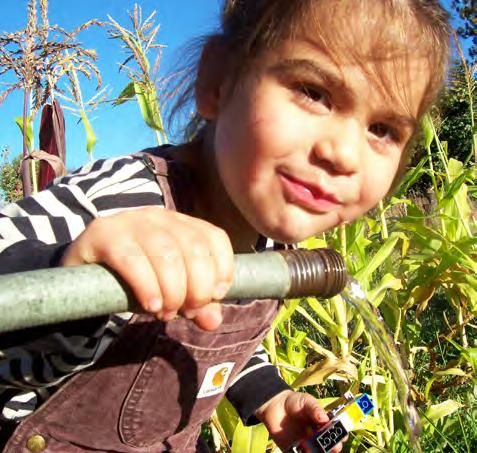
Children of the Valley (COV) provides a safe, positive, and enriching after-school program for under-resourced, low-income children in the Mount Vernon, Conway, Sedro-Woolley, and Burlington School Districts. COV now supports up to 200 students in grades K-8 who attend each of their district’s elementary and middle schools.
childrenofthevalley.org

One of our most exciting ways to support the community is through 5% Friday! You shop and together we give 5% of Co-op sales one Friday a month to a local community group. And just think—each of these organizations is, itself, supporting the community! What a great circle of giving.
Food to Go is a weekend food program serving children in the Anacortes School District. The program provides two breakfasts, two lunches, two dinners, healthy snacks, and fresh fruit every Friday to children who are experiencing weekend food insecurity. All donations are used to purchase food for the children enrolled in the program.
foodtogoanacortes.com

For twenty years, the Co-op hosted our 4% Friday Community Shopping Days, donating over $550,000 to local community groups—supporting hundreds of organizations, impacting the lives of thousands. This, all in part to your decision to shop on the fourth Friday of the month. In 2025, we made a change to 4% Friday: the Skagit Valley Food Co-op Board approved a generous increase to our flourishing giving program, 4% became 5%, and 5% Fridays commenced. Community groups received 5% of sales on their selected Friday, resulting in some big, big checks and very happy recipients.
Together, in 2025 we donated over $50,000 through 5% Friday, bringing our all-time program giving number to over $600,000! Thank you, shoppers, for your ongoing support of the Co-op and the causes you care about.
Now that it’s July, the Board of Trustees is again accepting applications for the Co-op’s 5% Friday Community Giving Day Program in 2027. Groups chosen, one per month for the calendar year, receive 5% of the day’s gross receipts at the Skagit Valley Food Co-op. These community groups are selected for their service to the community in the following areas: local community service, organic food, natural health, environmentally friendly and sustainable agricultural practices, human rights, environmental preservation, and other areas that reflect “like-minded” mission statements.
Applications are due September 30 and can be downloaded from our website: skagitfoodcoop.com/apply-for-5-friday
Once all applications are received, a small committee meets in October to select the new 5% Friday recipients. All groups will be notified of their application status by November. The 2027 groups are announced to the public in January.



L.U.C.H.A. (Latinx Unidos Con Honor y AmistadLatinx United With Honor and Friendship) is a Mount Vernon High School Club with the goals of raising awareness of culturally sensitive issues at MVHS and in our community, while also developing leadership skills and advocating for others through volunteer work and mentoring.
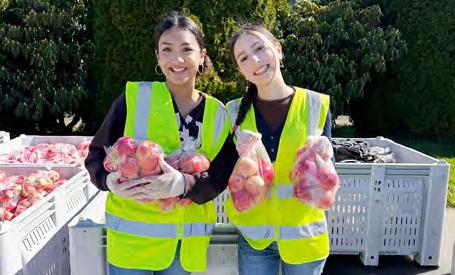

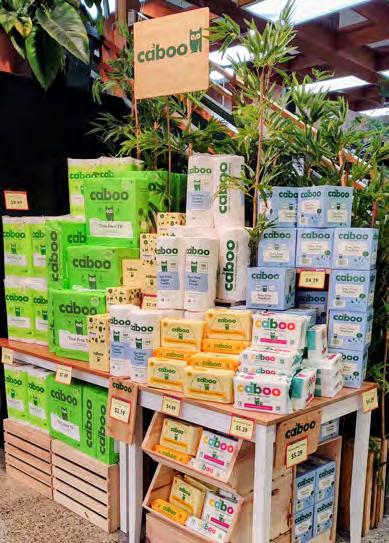
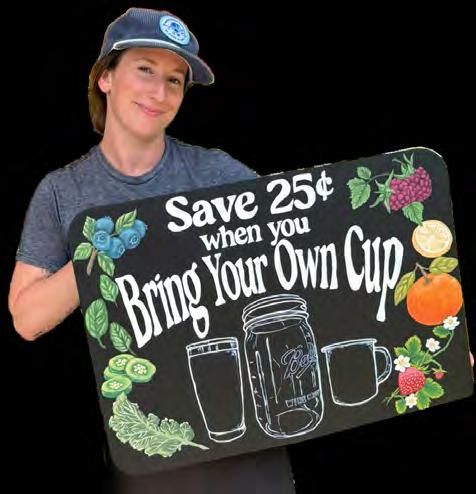
From bringing your own bag and bringing your own cup to scooping up savings in our bulk department and choosing planetfriendly products, there are so many ways to shop sustainably at the Co-op. And who knew? You can also save trees by purchasing Caboo. Caboo makes tree-free TP, baby wipes, paper towels, and other “paper” products using bamboo. Bamboo is one of the fastest growing, least needy grasses on the planet, and “farming” it helps support the livelihoods of rural families without wiping out forests. Woohoo!
And! A very special hooty-hoo to our Grocery Team, who won a contest for building a bamboo-tiful Caboo display during Earth Month. Thanks to them, and thanks to you, for prioritizing bamboo.
It’s up to us to save our butts!



cabooproducts.com/pages/sustainability

Last fall, we introduced our newest community giving program, Feeding Change! A register donation program, Feeding Change allows you to donate $1, $3, or $5 to Community Action Skagit’s Food Distribution Center during checkout, to help support local families experiencing hunger. Your generosity has been incredible! Thank you. Please note: giving is always optional, and there is no pressure to do so— the checkout process allows you to pay without an additional donation.
Over $68,000 donated so far in 2026!
by
Every time you bring in a reusable shopping bag, we honor your commitment to reducing waste with a token worth 8¢ that you can give back!



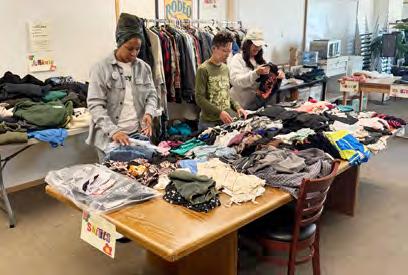
This spring, a few Co-op employees came up with the simple yet brilliant idea to host a FREE staff clothing swap!
Our cooperators brought in gently used clothes, shoes, and accessories, and for three days, we all shopped and swapped—a sweet, sustainable way for us all to save some money and the planet, and looking cute, to boot! All remaining items were donated to Alger Food Bank, who is a Tokens for Tomorrow group this summer!
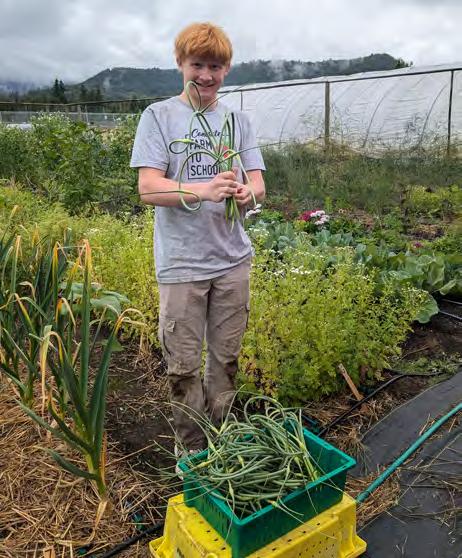
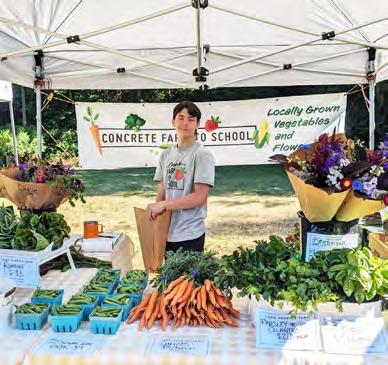
Summer is finally here and with these longer days our garden is growing at a rapid pace (as are the weeds, unfortunately). Garlic scapes are one of the first things we have in abundance in the school garden. We plant our hardneck garlic in the fall, usually around Halloween, and it stays in the ground until early July. Every year it seems like we find room for a little more garlic in the garden. And that means more garlic scapes in June!
Scapes are the flower stalks of hardneck garlic. They shoot straight up from the stem of the plant and then loop around and make beautiful, bouncy spirals. To encourage the plants to devote their energy to growing hearty garlic cloves, we snap off the scapes above the first leaf of the plant before they bloom, ideally after they’ve completed one loop-the-loop and before they start to stretch out again and point down (they become tougher and more fibrous at this point). There are a lot
of garlic scapes in the refrigerator right now and if you stop by the Farmstand in the Farm to School Classroom (located in Portable C at Concrete Elementary School) Tuesdays and Wednesdays, 9am-3pm, you can take some home!
Garlic scapes have a similar flavor to mature garlic bulbs, only much milder. At this time of year, I start almost every stir-fry variation (fried rice, sauteed greens, vegetable medleys) with some chopped up garlic scapes. They also roast well, or you can make a garlic scape pesto by replacing some or all the basil in your favorite pesto recipe. Freeze pesto in an ice cube tray and then transfer to a freezer bag to use in meals all summer long.
In addition to the Farmstand on Tuesdays and Wednesdays, Concrete Farm to School will be hosting community volunteer days on Thursday mornings from 9:30am–1pm this summer. A light vegetarian meal will be shared at the end of our work session. Bring your gloves! Children under 14 must be accompanied by an adult.
In August, we’re partnering with the Concrete Resource Coalition and Glacier Peak Institute to bring back summer camp, now as the Concrete Summer Leadership Adventure (CSLA). The new CSLA serves youth 12-15 years old, from Monday-Thursday, August 10-20. If you know a young person who would enjoy some games, good food, hiking, and biking, please send them our way! More information and registration can be found at UnitedGeneral.org/classes
Hope to see you in the garden or at the Farmstand this summer! Stop by the United General District 304 booth at Concrete Youth Activity Day on July 16 to say hi and sample a bicycle blender smoothie! Concrete Farm to School is one of over 50 programs offered by United General District 304 promoting health and wellbeing at every stage of life.

The Lincoln Theatre is a restored 1926 historic theatre in downtown Mount Vernon with a yearround schedule of concerts, films, and community events. On June 1st, the theatre began a construction project to help preserve the Lincoln, improve safety and comfort, and expand accessibility. Your tokens will contribute to upgrades, including an HVAC system and a more accessible backstage area for performers, to help ensure the Lincoln’s legacy is preserved for another 100 years... and beyond! lincolntheatre.org
Alger Community Food Bank is open the first and third Tuesday of every month, from 10am-2pm. Choose your own groceries from a variety of shelf-stable food, fruits, veggies, bread, eggs, and meat. The food bank also offers a second-hand room where the community can give and take household goods, clothing, books, and more. Everyone is welcome!

The Diaper Bank of Skagit County is committed to helping local families by providing essential diapering supplies to children in need. Their goal is to ensure that every child has access to clean diapers, regardless of a family’s financial situation. Donations directly support families facing hardship and help promote children’s health and well-being. Together, our community can make a meaningful difference in the lives of local families.

KSVR 91.7 FM Mount Vernon is a non-commercial educational radio station operated by Skagit Valley College. KSVR currently has around 30 student and community on-air volunteers, producing music shows and interviewing community members for public affairs programs like Skagit Talks. KSVR has been on the air since 1973 and offers about 50% of its programs in Spanish. Your donation will support KSVR’s mission to provide diverse, inclusive, non-commercial, local radio to Skagitonians!
by Leigha Staffenhagen
Long summer days, outdoor meals on the patio, and prepping for back to school and our regular routines (eventually).
These High Five recipes are made for thee season of backyard barbecues and lots of facetime with family and friends.
As always, these recipes are made with 5 main ingredients or less, so you can spend more time enjoying this sweet season and less time in the kitchen. That’s worth a high five!
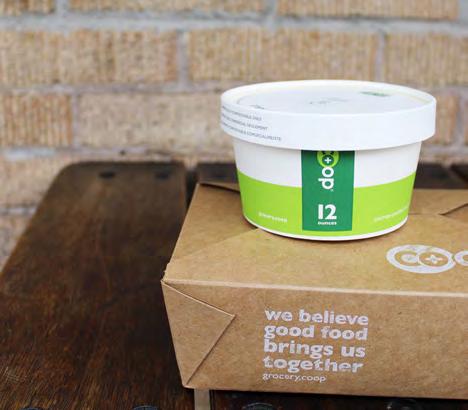
RECIPE + PHOTO COURTESY OF CO+OP
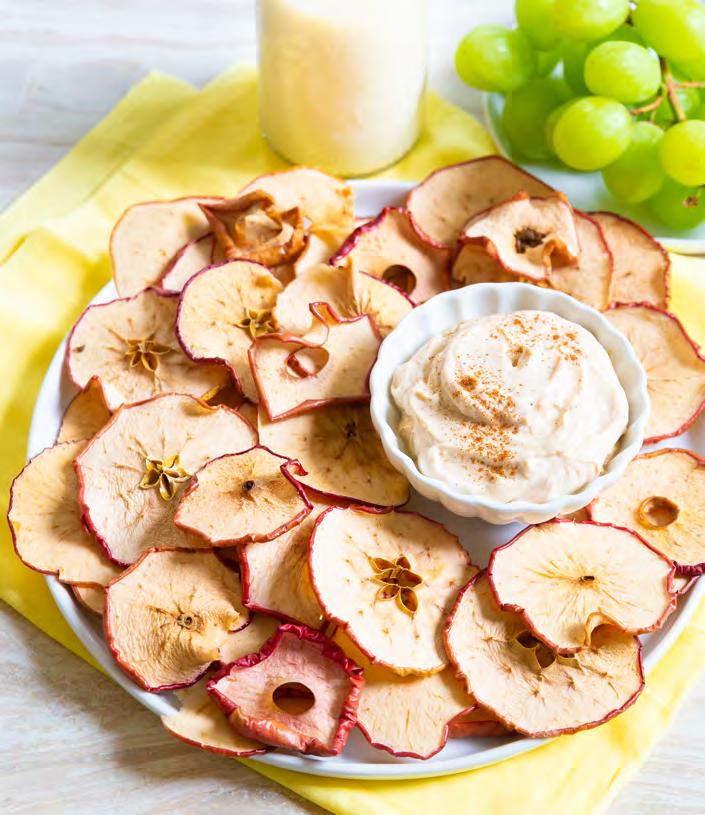
After-school munchies or midday mood dips are no match for these sweet and healthy apple chips! No need for a fancy food dehydrator, these snacks come together in your oven.
Ingredients
·4 large apples
· 2 tsp coconut oil
¼ cup creamy peanut butter
·¼ cup Greek yogurt
2 Tbsp honey
Additional pantry ingredients:
2 tsp cinnamon, 1 Tbsp sugar, 2 Tbsp honey
Directions
1. Heat oven to 200°F. Cut apples in half. Remove seeds, stems, and bottoms. Use a sharp knife to make thin crosswise slices. Place the half-rounds in a large bowl, and sprinkle with cinnamon and sugar. Toss to coat.
2. Drizzle two sheet pans with oil, then spread apple slices on the pans. Bake for 2½ hours. Place on racks to cool.
3. While apple chips cool, combine peanut butter, yogurt, and honey in a small bowl and stir. Place apple chips on a plate with the bowl of dip in the center and serve.

RECIPE + PHOTO COURTESY OF CO+OP
A tasty and healthy way to beat the heat while extending the berry season, these berry yogurt ice pops are an easy recipe to whip up with kids—or grandkids—during summer break. Try mix-n-matching with your favorite fresh fruit all summer long.
Ingredients
· 2 cups fresh berries, washed and chopped (use a single kind or a variety)
1/4 cup sugar
2 Tbsp honey
1 tsp lemon juice
1 ½ cups plain, nonfat Greek yogurt
Additional pantry ingredients: ¼ cup water
Directions
1. In a saucepan, bring berries, sugar, honey, and water to a boil. Simmer for a few minutes to dissolve sugar.
2. Remove from heat and pulse in a food processor until just chunky. Place mixture into a small bowl and cool in the refrigerator for 15-20 minutes.
3. Fold yogurt and lemon juice into the berry mixture until thoroughly combined.
4. Pour mixture into molds and freeze for at least 5 hours.
If you can’t find molds, use paper cups and wooden paddles or sticks.
5. When you’re ready to cool down, run molds under hot water to release the ice pops.
RECIPE + PHOTO COURTESY OF CO+OP
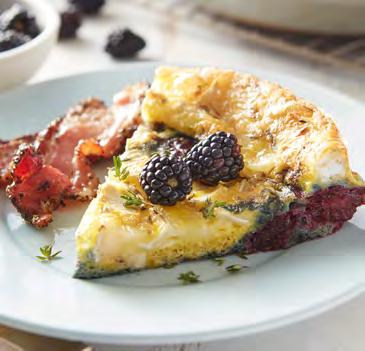
An abundance of wild blackberries filling your fridge? What a great problem to have! Save some of them for this summery frittata, perfect for your next brunch.
Ingredients
9 large eggs, lightly beaten
½ tsp salt
½ tsp dried thyme
7 oz Brie cheese
6 oz blackberries, washed and patted dry
Additional pantry ingredients: 1 Tbsp butter for pan
Directions
1. Preheat the oven to 375°F. Coat a pie pan with the butter.
2. In a medium bowl, whisk the eggs, then whisk in salt and thyme.
3. Tear brie into small bits and drop it into the egg mixture, then sprinkle in the berries.
Gently fold in the brie and blackberries, then pour into the prepared pan.
4. Bake for 30 minutes or until golden and puffed. Serve warm or chilled.
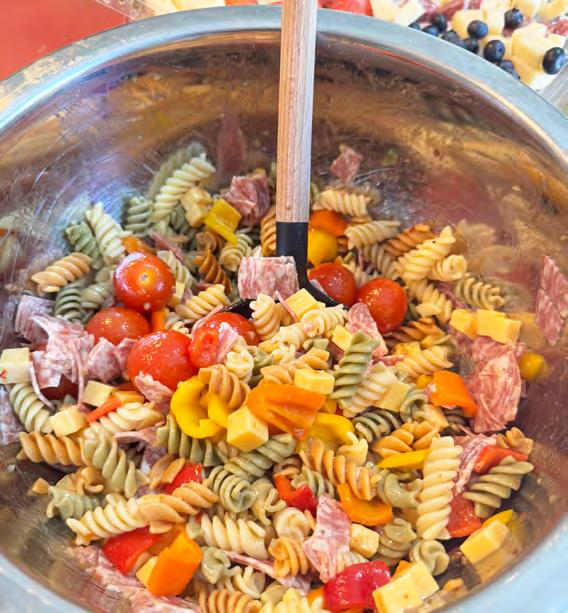
Growing up, this was a staple at every summer family BBQ, attended. Sometimes my mom made it, other times my Grammy did. It was delicious and so simple to make, every time. And the beauty of a pasta salad? Make it the day before and let it marinate—it tastes best the next day! This is exactly how our family always makes it, but there is an array of ways to take our version and make it your own with some simple swaps! Want more fiber? Add cannellini beans and extra veg. Not a fan of cheddar? Crumble in some feta! Want to make your own special dressing from scratch? Go for it! But if you, like me, enjoy a simple pasta salad that everyone will love—this is it, as-is. Double everything if you’re having a big family gathering!
Ingredients
· 1 lb tri-color pasta
1/2 cup cubed cheese of your choosing (we always used Tillamook Extra Sharp Cheddar, anything else was blasphemy)
· 1 pint cherry tomatoes (local is best, obvi)
1 lb diced salami Italian dressing (1/2 cup, or to taste)
Directions
1. Cook noodles according to package directions—do not overcook! Drain and rinse with cold water immediately. Place in the fridge to fully cool.
2. Meanwhile, cube the cheese, slice the tomatoes in half if they’re too large, and dice the salami.
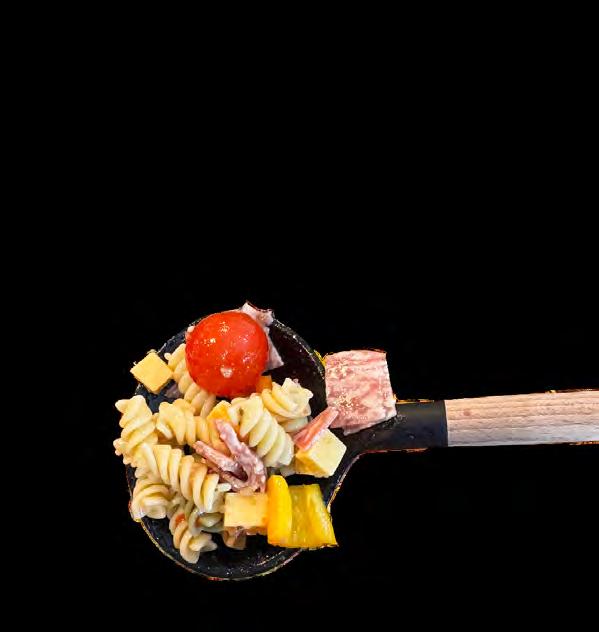
3. Remove pasta from the fridge, toss in remaining ingredients with your favorite Italian dressing, enough to coat all the ingredients, and save some for serving. Enjoy!
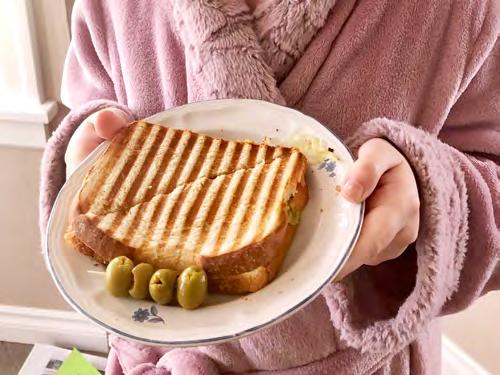
Nothing can make up for a classic rye Reuben, but this vegan version with mochi is a gently digestible alternative. The recipe ended up in my collection from cousin Leslie, when she worked as a macrobiotic chef in Hawaii.
Ingredients
· 16 oz tempeh (usually two packages)
2 medium or 1 large onion
· ½ to 1 cup sauerkraut
Olive or sesame oil
· 2 to 3 pieces brown rice mochi
·Parsley
Directions
1. First, slice the onions into thin crescents. Then cut the tempeh into ½ inch x 2 inch rectangular pieces. Heat a bit of oil in the pan.
2. Sauté the tempeh on one side until it turns brown, then turn it over and sauté the other side until also brown.
3. Pour water over the tempeh, enough to cover it, then add a layer of onion and sauerkraut. Cook on medium flame, covered, until it smells sweet.
4. Take thinly-sliced mochi and place it over the top of the tempeh mounds. Cover the pan again and steam until mochi melts. Garnish with fresh parsley.
We all know how to make a tuna sandwich, but Portland-based BUNK sells a version that is beyond your childhood’s after-school toaster melt. The filling is mayo-free, spiked with basil, balsamic, and chili flakes instead. A spicy twist on the classic.
Ingredients
· 2 cans (5 oz. each) local sustainable tuna
1/4 cup minced red onion
· 1/4 cup extra-virgin olive oil
1 Tbsp balsamic vinegar
· 1 Tbsp minced fresh basil leaves
1/2 tsp red chili flakes
1/2 tsp salt
1/2 tsp pepper
Directions
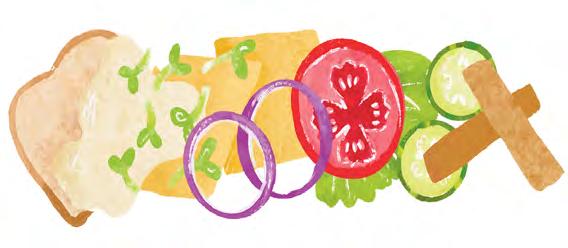
Sandwich: also a verb, describes putting something between two other things, like sandwiching gym class between math and lunch.
Sometimes sandwiched means being squeezed or crammed, like having to sandwich yourself between people on a crowded elevator or somehow sandwiching one more book onto the crowded shelf.
by Sarah Stoner
Did you know Americans consume somewhere around 300 million sandwiches daily? That’s along the lines of one sandwich a day per person.
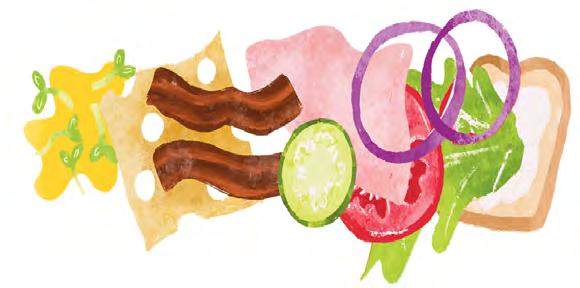
There’s no debating the portable ease and satisfaction of a sandwich. But is a hot dog a sandwich? And why does it matter? My 10th grader had to pick a side for an in-class debate this year and defend her position. She argued, emphatically: not.
The USDA classifies a sandwich as meat between two pieces of bread, bun, or biscuit. Handfuls of state courts as recent as 2025 have ruled the hot dog, legally, as a sandwich. But if you bristle at this conclusion, you align with a cultural view that strongly objects: a hot dog is not a sandwich, while PB&J clearly is. Food philosophers like my daughter might argue that a dog bun is not two separate pieces of bread, which aligns the hot dog more with a taco or a sub than a traditional sandwich.
Let’s keep it simple. Any way you slice it, we as North Americans love love love our sandwiches.
Sandwiches make for an easy grab-n-go food for an on-the-go culture. The hand-held food offers portability— no plate needed—and versatility: filled with meat, jam, vegetables, cheese, butters, and any combination thereof. Sandwiches can be cool as a cucumber or piping hot with gooey cheese stringing from every bite.
The sandwich we think of today was born some 300 years ago of a gambling drunkard who didn’t want to leave his seat to eat. I remember hearing about the 4th Earl of Sandwich in about 6th grade. My young etymology-minded brain ate up the idea that a familiar food item—also now a verb—began as a last name among many last names. Seems my elementary school left out the lazy gambler part of the story.
It turns out that around 1762, ole John Montagu, aka: Lord Sandwich, parked himself for hours on end at his card table—all day, every day. His unnamed cook would serve this lazy lord roast beef between two pieces of toasted bread. The handheld meal allowed the lord to continue gambling while eating, no fork needed, one hand available and clean for cards. Well, well, well, and good Lord. The full sandwich story, un-Wonderbreaded.
Long before the 4th Earl’s time, various cultures had their own versions of the sandwich. Thick slabs of stale bread, called “trenchers,” were used as plates for meats and beans in the Middle Ages. Lord Sandwich’s legendary eating style was simply the name inspiration that stuck for an already existing method of eating.
This moveable meal transcended gambling tables of England first as a late-night snack in polite English society. What followed next was the rise of industrial society and working classes in nineteenth century England. Fast, portable, inexpensive meals became essential.
The sandwich “represented not just an innovation in eating but also a shift in social and dining culture, as it allowed for a more informal and expedient dining experience compared to the elaborate multi-course meals of the time,” says James Hardy of the History Cooperative.
During the 1900s, the sandwich became a staple in the North American diet—portable for both schoolchildren and the workforce. Bakeshops began selling pre-cut bread slices around this time and, later on, the burger was born in New Haven, Connecticut, when diner owner Louis Lassen flipped beef patties onto bread. The hamburger, like the hot dog, is part of modern history’s sandwich timeline.
My own sandwich timeline includes so many of our collective North American favorites: the BLT, Reuben, Turkey Club, grilled cheese, and—of course—the PB&J, or maybe just the peanut butter or the jelly sandwich. Toasted or untoasted, that is the question. My mother is happy with either version.
I do love lightly toasted sandwich bread. My father’s grandmother was known for her mayo and salted tomato sandwiches—toasted a must. When the kids were little, I’d toast buttered brown bread and, still warm, smash a ripe banana onto the toast—a drizzle of honey, dash of cinnamon, and who needs to bake banana bread? Such quick comforting finger food. Ah, the unending variety of the sandwich!
A gamechanger in our family arrived with a panini press. Years ago now, a coworker and I dreamed up a sandwich bar lunch when looking for an easy office celebration that could accommodate everyone: meat eaters, veggie eaters, and dairy- or gluten-free people alike. But when Shelley showed up with two panini presses from home to plug in… I could not have dreamed how the office sandwich bar party reached a whole new level. Pesto. Warm gooey against buttery bread crunch. Heaven.
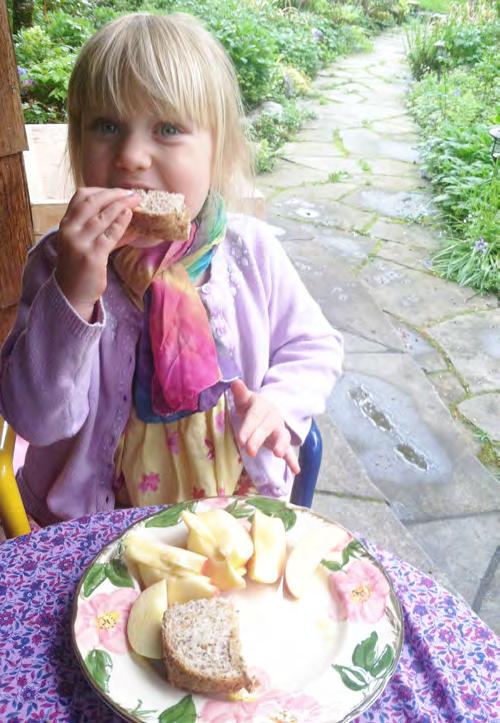
I brought the panini press revelation home to my kids. The timing was perfect. My then pre-tween daughter and tween son weren’t quite ready for unsupervised meal planning and making. The panini press filled my kids’ need for agency over how they fed themselves, and when. Keep meat, cheese, bread on hand, and let them enjoy a panini playground of discovery. My son loved building on the large rectangle sourdough slices; my daughter preferred nutty brown bread. Bacon bits or maybe pesto today? Just how much mayo—or butter— suited their taste? I let them have at it. My son especially delighted in his panini creations. A purposeful sprinkle of grated cheese on the exterior ended up his favorite discovery.
At my kids’ request, the panini press journeyed with us on camping trips. They wanted to share the panini world with their cousins on our summer campouts in northern Idaho. I loved having one less meal to plan and a bunch of happy kids chittering over how they were going to make their panini, or hearing them talk through the flavor combination for tomorrow. All this, overheard from my lakeside hammock spot under the ponderosa pine in the 90-degree shade.
It was on these same summer camping trips that I witnessed the weirdest sandwich filling encountered thus far. And it wasn’t my kids’.
On a generational hike in the dusty, dry Selkirk Mountains of August, my octogenarian uncle sat down for lunch along the cool creek we’d hiked to. Dan dug into his sandwich, delightedly. It was his lifelong favorite, he explained. Peanut butter, mayonnaise, and sliced pickles. I was equal parts horrified and intrigued. I have yet to try it, but maybe this summer, it’s time!
One might argue, what makes a sandwich? A medical journal uses the “Is a Hot Dog a Sandwich?” debate to teach how fundamental cultural ideas influence science, truth, and reality. Law libraries list case after case on the Jurisprudence of the Sandwich. Our world today indeed is so complex as to need legal rulings on the standing of hot dogs in a sandwich world.
But you know, why not keep it simple this summer? Find a lake or a hike or set out a panini press and fixin’s in your backyard—and kick back with your kids or cousins or just yourself, and take a bite of those two pieces of bread, any way you’ve sliced and filled it.
Skagit writer and eater Sarah Stoner these days is not gluten-able. Most of the time, going without gluten is easy but—when it comes to travelling, or hiking—the portability of a cold sandwich on a park bench can’t be beat. And, oh what she would do for a Croissant sandwich toasted with cool sliced turkey, mayo, and crisp lettuce. sarahjstoner@hotmail.com







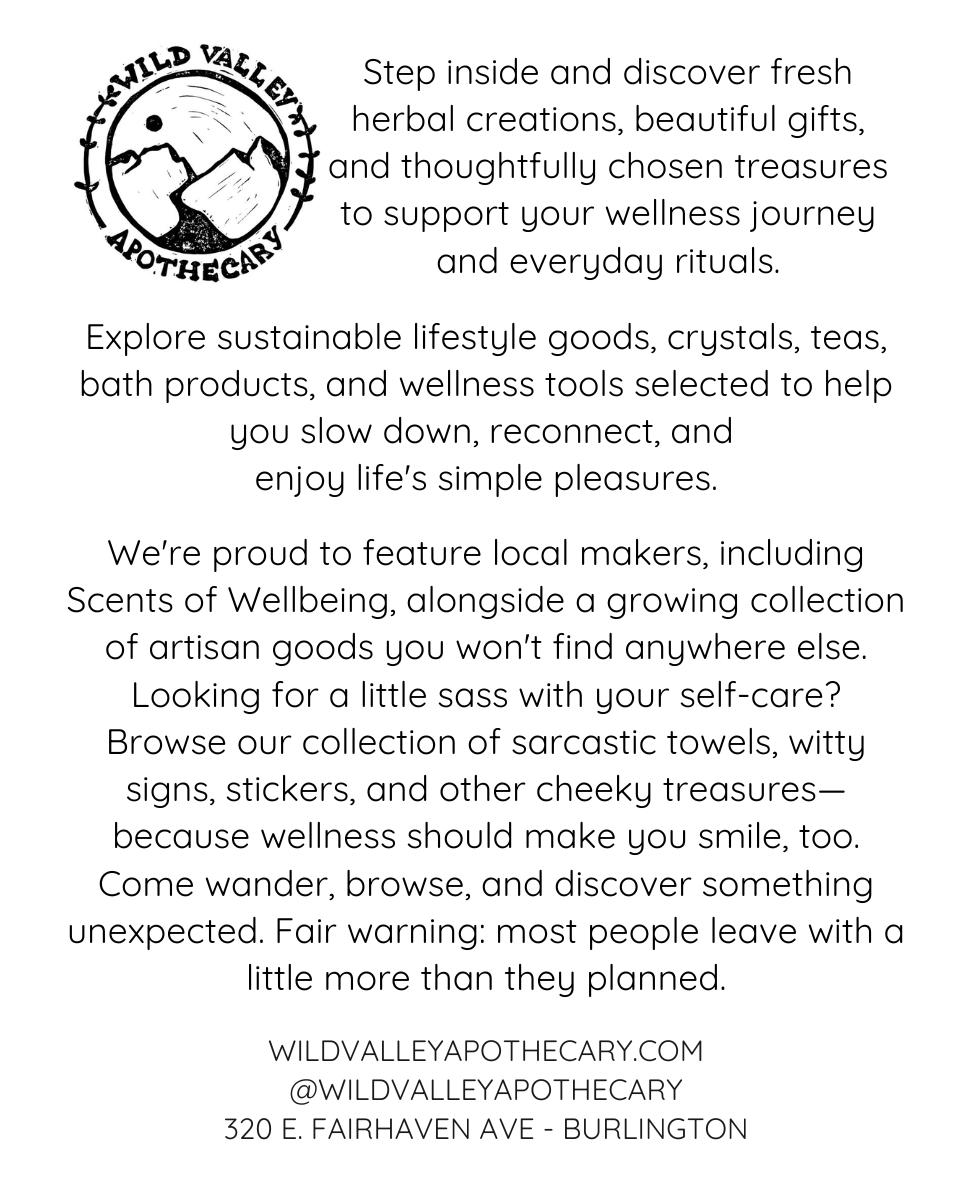



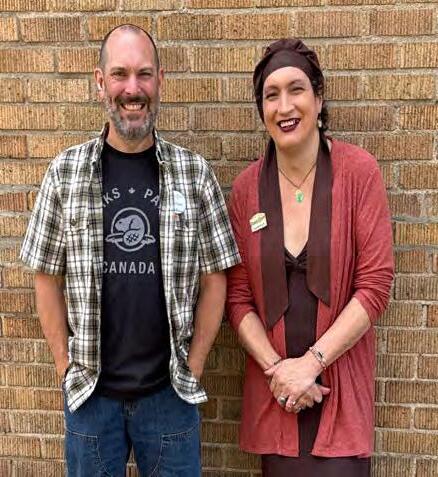




Favorite customer moment:
In the almost 9 years I’ve been here, there are way too many to count, honestly. I both love seeing folks who’ve been shopping here forever and have become good friends and community members who get a hug and quick check-in, as well as those who are brand new to the Co-op and are wowed as they make their way around the store for the first time. Currently, I’d say my favorite moment outside the hugs, is when Paul and his wife arrive weekly, and he plays for us all the handmade wooden Indigenous flutes that he creates. It’s like medicine during the long week.
Favorite items at the Co-op:
I’ve been gluten free for over 20 years, and I’m so thrilled we carry high quality GF items like Italian pasta, 5b’s Bakery breads, and delicious GF beers from almost a half dozen breweries. The new apple pie in the freezer section is awesome! It’s hard not to eat the entire pie in one sitting.
Favorite meal with Co-op ingredients: Pasta with our hand-cased sausage, organic veggies, and red wine, of course!
How I spend time outside of work:
I’m an instructor of naturalist studies and hold my professional certification in wild life tracking. I’m most alive when I’m out in the diverse landscapes of the PNW with likeminded people who want to connect with the land, our wild relatives, and continue to learn and be curious about all the mysteries in this place we call home.
Favorite customer moment:
I’m going to twist this question a bit—my favorite part (and why I stick around) is the daily connection I receive through a multitude of genuine, loving people. Often involving other awesome Co-op staff—the exchange, the storylines we are leading, insight and support being lent both directions. It’s really amazing how much more visible everything is when we connect like this. The Co-op is magical if you let it be.
Favorite items at the Co-op:
Oh easy, the Bacon-y Cubano (ty Justin!). In a previous life, pickles and mustard were not quite as uplifting as they are now.
Favorite meal with Co-op ingredients:
I like taking advantage of the random items and ingredients found in the staff free fridge and produce box. Finding an item that is calling my name on that particular day and then going with it—mood-derived meals for the win.
How I spend time outside of work:
I prioritize my two boys first (Jack 15, Henry 13), as time continues to slip away at a frightening rate (especially since I’ve just begun). When I need to escape the parent trap; I enjoy thrifting, sharing moments with an awesome friendship circle (cultivated here) of like-minded souls, or just settling in with my sweet cats, Laverne and Shirley.
When I need a larger reset, I’ve found forest bathing (specifically, guided by our wonderful Katie Posey of Cedar Wonder) to be deeper, more heartfelt, longer lasting than the two therapists I currently see on the regular.
The Co-op experience has been pivotal in my life, and the experiences and leveling-up I get to take part in, is something I will always consider sacred. I’ve worked retail for 30 years now, and the amount of straight up amazing people that I get to share my “workday” with continues to fuel this river of life, in a way that gets better and better.


by Leigha Staffenhagen
As far as the four seasons go, it’s mostly impossible to beat a Skagit summer: backyard hangs with your favorite people, blissful dips in the Magic Skagit, and what feels like an endless number of sweet celebrations under the sun. Whether it’s a random Tuesday in our slice of paradise, an extra day off, or that glorious annual camping trip, these new items need to be on your next shopping list—all selected to keep you cool and contented wherever you’re headed.
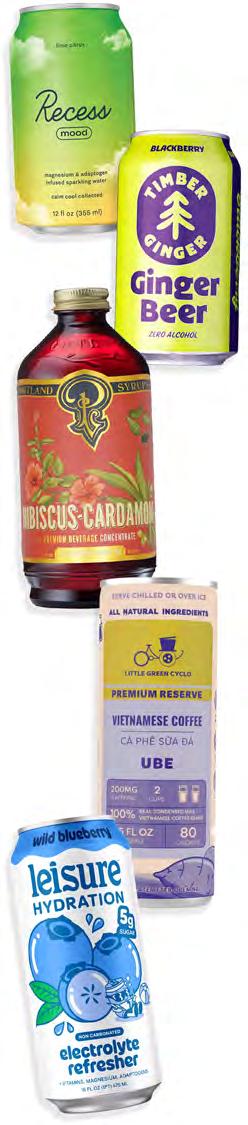
First things first: don’t forget to drink plenty of H2O! It’s going to be a hot-hot summer— it’s an El Niño year, and hydration will be key! With that out of the way, these new drinks will make it even easier to cool down when the temps go up. Find them all in the Deli drink cooler, and definitely add ice!
Infused Sparkling Waters | RECESS MOOD
Recess Mood Sparkling Waters are infused with magnesium and adaptogens to help you unwind during a particularly busy week, a long road trip with the kids, or once the campsite is finally ready. Enjoy them as-is or pair them with your favorite liquor (N/A or otherwise) for a mood-enhancing mocktail or cocktail that’ll keep you calm, cool, and collected. Give yourself a real-life recess with Strawberry Rose, Blood Orange, Grapefruit Tangerine, Peach Ginger, Black Cherry, or Raspberry Lemon
Ginger Beer | TIMBER GINGER
Timber Ginger says it best: they make ginger beer for people who *really* like ginger. And they aren’t kidding—when I first tried this on a whim during lunch, I instantly felt my nose tingle and my face scrunch up because the ginger was a-kickin’. If that’s your kind of ginger beer, Timber Ginger is definitely worth the sip. Locally made in Seattle and brewed with just water, ginger, PNW fruit, lemon juice, sugar, and herbs, choose from The OG, Blackberry, or Lemon Strawberry. Available in single cans and 4-packs. Did someone say Moscow Mule…?
Premium Beverage Mixers | PORTLAND SYRUPS
Cocktail, mocktail, or soda, these syrups are a mixologist’s dream. Crafted in PDX from 100% cane sugar, whole herbs, fruit purees, peppers, and spices, then steeped in giant stainless steel kettles, these syrups boast authentic flavors and elevate the everyday— just a splash will do! Choose from luxurious, unique flavors like Hibiscus Cardamom, Marionberry, Ginger, and Passionfruit Citrus. And if you’ve ever wondered why we’re always voted Best Gift Store, bring one of these to your next party and watch the host’s eyes light up. You’re welcome.
Vietnamese Coffee | LITTLE GREEN CYCLO
When you need a jolt of caffeine on-the-go and don’t feel like a doppio, snag a Vietnamese coffee from the cold case! Womenfounded and AAPI-owned, Little Green Cyclo started in San Francisco as one of the region’s first gourmet Vietnamese food trucks. Their ready-to-drink coffees are made from coffee beans directly sourced from small family farms in Vietnam’s Central Highlands and brewed the traditional phin way—slow-dripped for depth and balance. Caffeinate cooly with their Classic, Ube, Vegan Coconut Mocha, or Vegan Coconut Vietnamese coffees!
Fruited Hydration Refresher | LEISURE HYDRATION
Getting enough water can be hard! So, if you’ve had an exceptionally hot, active day, Leisure Hydration drinks are a functional, natural, and delicious way to hydrate, without artificial colors, sweeteners, or flavors. Filled with 700mg of electrolytes, 73 trace minerals, and just 5g of sugar, meeting your daily water-mark is easy. Try Lemonade, Tropical Mango, or Wild Blueberry

Frozen Desserts | GOODPOP
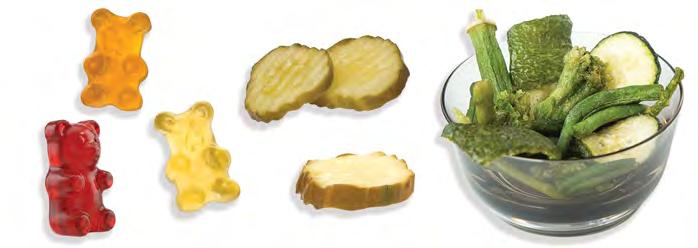
Hike, bike, hammock, or the daily drive home, no matter the reason, summer (and sanity) is all about the snacks. Here are some on-the-go, easy-to-eat snacks you should toss in your bag to keep the good times rollin’ this summer—a happy camper beats a hangry camper every time.
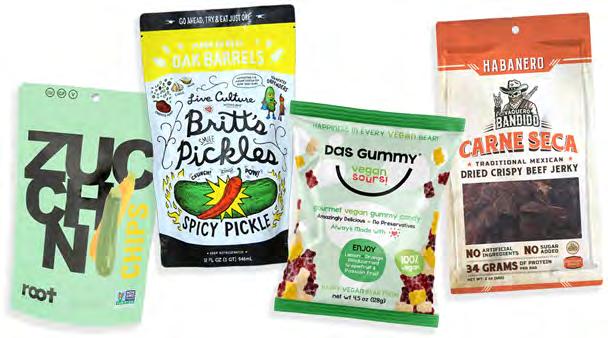
GF Veggie Chips | ROOT FOODS
Veggie chips can get a bad rap, but when I tasted Root Foods at a recent staff meeting, I had half a mind to snag the whole bag and boogie back to my desk. Made of farm-fresh veggies that are simply hand-sliced, flash-crisped in avocado oil, and sprinkled with sea salt, Root Foods chips are vegan, Non-GMO Certified, and gluten-free. Enjoy them with your favorite Co-op dip—our Jalapeño Artichoke Dip would be delish! Choose from Tomato, Onion, Zucchini, and Six Mix (okra, zucchini, green bean, bell pepper, asparagus, broccoli).
Pickle Pouches | BRITT’S FERMENTED FOODS
Fermented in oak barrels on Whidbey Island, Britts’ Fermented Foods pickles are a favorite around here! And just in time for picnics, parks, and long parking lot ferry lines, we’ve brought you snack sizes of three different flavors: I.P.O. (that’s Initial Pickle Offering (full sour)), Peace (horseradish-y), and Spicy (you guessed it… spicy). Take anywhere, eat everywhere!
Gourmet Gummy Bears | DAS GUMMY
What do you call a bear with no teeth? A gummi bear! Except these bears are no joke. Locally made in Enumclaw, Das Gummy bears come in yummy fresh picked fruit flavors like Blackcurrant, Pear, Grapefruit, and Passionfruit. A perfect sweet treat made for wherever your adventures take you. Sink your teeth into regular bears or sour vegan bears, both made without preservatives and 25% real fruit juice. Das seriously gud.
Carne Seca Mexican Jerky | VAQUERO BANDIDO
Gas station beef jerky is so last summer. This year, grab a bag, hit the road, and taste the difference. Carne seca translates literally to “dry meat”, these traditional Mexican marinated beef strips are slow-cooked at low temps for several hours with no sugar added, resulting in a jerky that’s tender and crispy, not chewy and unchewable. Vaquero Bandido is Hispanic- and Veteran-owned—choose from Original, Chile, Lemon, and Habanero
July is National Ice Cream Month! And as if you need an excuse to celebrate, we’ve refreshed our selection with brand new ice creams, popsicles, and other novelties to beat the heat for foodholiday’s sake all summer long.
We all scream it: Alden’s Ice Cream has been a Co-op staple forever-ever! You can always find classic flavors like vanilla and strawberry, but we dare you to try their new Banana Cookie Crumble Ice Cream. A chilly, banana pudding, anyone?
If you like to ‘scream without the spoon, we have new ice cream bars from Alden’s, in unique flavors, too! Try their Global Delight Flavor Duo: swicy (sweet + spicy) Mango Chamoy bars or Thai Tea Swirl bars, both made with organic ingredients. Or sandwich a treat in between this stop and the next with a Salted Caramel Mini Ice Cream Sammy Square
Nobody wants a vanilla summer—unless we’re talking ice cream—but these new flavors from GoodPop are definitely a departure from the norm! First up, Fruit Sours! Made from real fruit with no artificial dyes and no artificial flavors, these pops are sour candy-coated outside, with sweet fruit inside. Best enjoyed outside, inside, or riverside. You can’t go wrong with either flavor: Cherry & Melon or Green Apple & Lemonade pucker up!
Or, if you’re famous for dipping fries in your milkshake, you have to try GoodPop’s new Fudge n’ Vanilla French Fry Pops. Real, creamy ice cream is dipped in a chocolate shell loaded with crispy potato fries to create this one-of-a-kind hands-free treat. Might sound crazy… but it hits that salty-sweet craving perfectly!


celebrate national ice cream day Sunday, july 19 $1 oFF
ScooPS, SundaeS, milkShakeS, coneS, & hand Packed PintS!
by Leigha Staffenhagen
Way back in 2022, our long-time Natural Enquirer contributor Sarah Stoner wrote an article all about miso, aptly titled “Who’s your Umami?” (You can find it as a blog post on our website!)
First off, kudos to Sarah for the adorable wordplay, which many of you have likely enjoyed in her articles over the years. But secondly, that article opened my eyes to the wide world of miso, one that, culinarily, I had never been exposed to before.
For Sarah, miso is dark, earthy, and mysterious, reflecting the grey, dreariness of winter, the season in which she wrote the article. And because it's traditionally a homemade delicacy, Sarah shared the sentiment that this practice “leaves miso with a strong association of comfort—of home.” And while miso made in a factory is still delicious, there’s something special about making it the way it was intended: in small batches, by hand, with a love and passion for the art of fermentation.
Whether you cook with miso regularly or are interested in dipping your toes into a brand-new-to-you world of umami, meet Creative Koji, located in Twisp, Washington! Specializing in artisanal, small-batch miso crafted from locally grown, organically sourced ingredients, founder Gabe Garms has been fermenting for over 15 years.
What started as an interest in lacto-ferments like beverages, sourdough, vinegars, and cheese, pivoted to a fascination with miso after having read the Noma Guide to Fermentation
To build an even more creative miso experience, Gabe was on a mission to create miso out of just about everything except soybeans—the traditional main ingredient in miso. Instead, Creative Koji miso is made

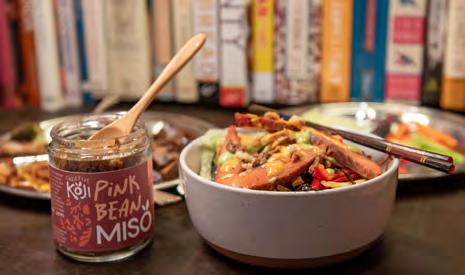
from a variety of other beans: black, pink, cranberry, and adzuki, to name a few. By combining traditional techniques with local flavors that are a departure from the norm, Creative Koji offers a high-quality, nontraditional selection of miso that celebrate our area’s biodiversity and diverse culinary experiences.
Gabe likes to create misos that celebrate the seasons in our state, crafting up unique flavor combinations like nettles and morel mushrooms to honor spring, and black bean dandelion for the summer. Gabe has also shared that he likes to play around with medicinal herbs in miso, with two favorites being nettles and rose petals. Gabe’s passion for miso is good news for miso newbies and aficionados alike: there is a never-ending supply of creativity at Creative Koji, so there’s always a new flavor or season to explore through umami!
Find These Varieties at the Co-op!
Adzuki Bean and Lemon Balm Miso
Cranberry Bean Miso
Black Bean & Sumac Berry Miso
Pink Bean & Dandelion Miso
Black Bean & Purple Corn Miso

Format
•Classical inspired 5 Element Acupuncture
•Traditional Chinese Medicine Acupuncture
New two-year intensive Chinese herbal program for those interested in NCCAOM herbal certification
•$50 Acupuncture Treatment (Discounts Available)
•Free Community Clinic on Tuesdays 9:00am – 11:00am
617 West Division Street Mount Vernon, WA 98273 360-336-6129 www.mwai.edu

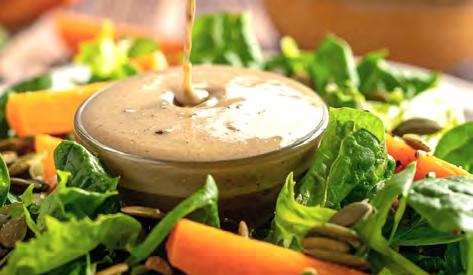
RECIPE + PHOTO COURTESY OF CREATIVE KOJI
Whether you want to make a salad, a wrap, or a pasta salad, try out this miso take on a classic Caesar dressing.
Ingredients
2 Tbsp Creative Koji miso paste
· ¼ cup olive oil
2 Tbsp lemon juice (freshly squeezed)
· 1 Tbsp rice vinegar
1 Tbsp Dijon mustard
· 2 Tbsp grated Parmesan cheese (optional)
1 clove garlic, finely minced or grated
1 tsp honey or maple syrup (optional, for balance)
Salt and freshly ground black pepper to taste
Directions
1. In a medium bowl, whisk together miso paste, olive oil, lemon juice, and rice vinegar until smooth and emulsified.
2. Add Dijon mustard, garlic, Parmesan cheese (if using), and honey/maple syrup. Whisk until well combined.
3. Add 1–2 tablespoons of water as needed to thin the dressing to your desired consistency.
Summer is here, and we’re making sensational food for fun in the sun! New to the lineup is our spectacular Spumoni Cake (gluten free, but you’d never know it), and July is National Ice Cream Month, so do grab a hand-packed pint of your favorite flavor from our dip well! Add berries, cool sides, and famous Co-op sandwiches for delightful deliciousness well into the dog days—all made by hand right here at your local Co-op!

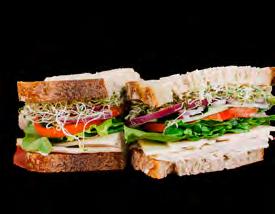
SePtember
Short and oh-so-sweet, local strawberry season is the ultimate treat. This year, we’ve been working with our friends at Hedlin’s Family Farm to add these juicy gems to our Deli dip well just in time for National Ice Cream Month!
Our Strawberry Sorbet and Strawberry Basil Balsamic Ice Cream are overflowing with farm-fresh berries. Swoop a scoop, order a milkshake, or make the season last even longer by picking up hand-packed pints of these berry delicious flavors.

Summer is supposed to be simple and sweet, but when things are tight, it doesn’t always feel that way. That’s why we’re here to sweeten the deal by offering up simple ways to save all season long.
It’s the Co-op MISSION to provide good food at a fair price! With big changes in bulk, budget-friendly foods, and boatloads of BOGOs, you’re sure to find fresh, flavorful food at favorable prices, and still have tons of fun in the sun while you’re at it.



The Co-op is one of the few places left to shop in bulk in Skagit Valley, and we’re not going anywhere. In fact, our Bulk Department is getting an update this summer.
We’re excited to bring you new offerings, while making it even easier to scoop into savings right here at the Co-op!

july 15 - auguSt 4
The first day of school is early this year, and so are the savings!
Pop up to our 2nd Floor Mercantile to score deals on cute stuff like backpacks, lunch boxes, and to-go cutlery. Never going back? This sale is great for your summer snacking adventures, too!
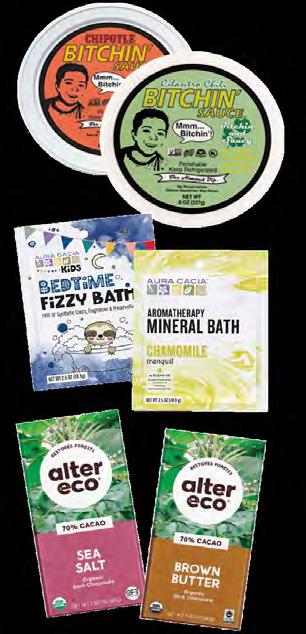

ICYMI! Field Day, the Co-op’s value brand, has new items popping up all over the store to give you even more ways to save on everyday items.
Field Day offers hundreds of non-GMO, organic, and quality products so you can fill your fridge and stock your pantry while stretching your hardearned dollars even further at the Co-op. Keep an eye out for the purple tag for everyday low prices in every aisle. New candy and salad dressing are coming in July, and affordable oats start rolling in this September!
Don’t forget! We’re having another big Field Day sale in November, so you can stock up for a flavorful, festive fall!
Sunday, july 19 national ice cream day!

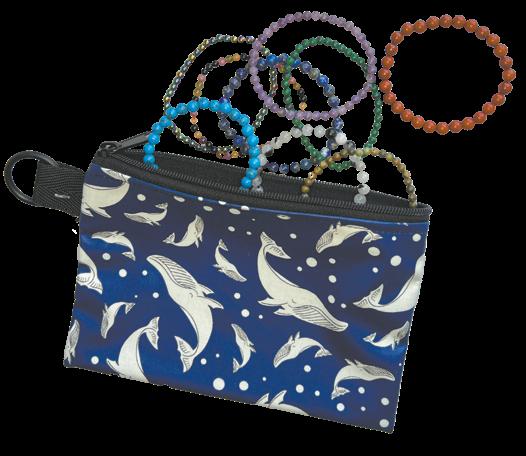
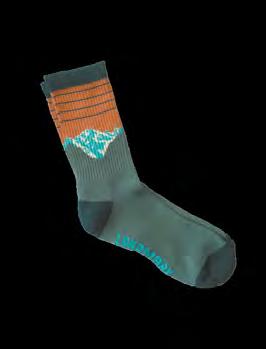
celebrate With $1 oFF
ScooPS, SundaeS, milkShakeS, coneS, & hand Packed PintS!



You’ll find big BOGOS in our Wellness Department too: Megafood Garden of Life Aura Cacia & more! bogoS on bogoS aug 19 - SePt 1
Seriously, so many BOGOS!
Buy One Get One FREE on favorites like: Ben & Jerry’s Bitchin’ Sauce Alter Eco chocolate
Thump, thump! These melons are ripe and ready
Cha-ching! It pays to sip sustainably: we upped our Bring-Your-Own-Cup discount to 25¢ off!
Whether you’re getting your morning espresso, fresh-pressed juice, or smoothie, don’t forget to bring in your cup to treat yourself to extra
too. Co-op barista Colee hand-painted this gorgeous sign as a friendly reminder to B-Y-O!