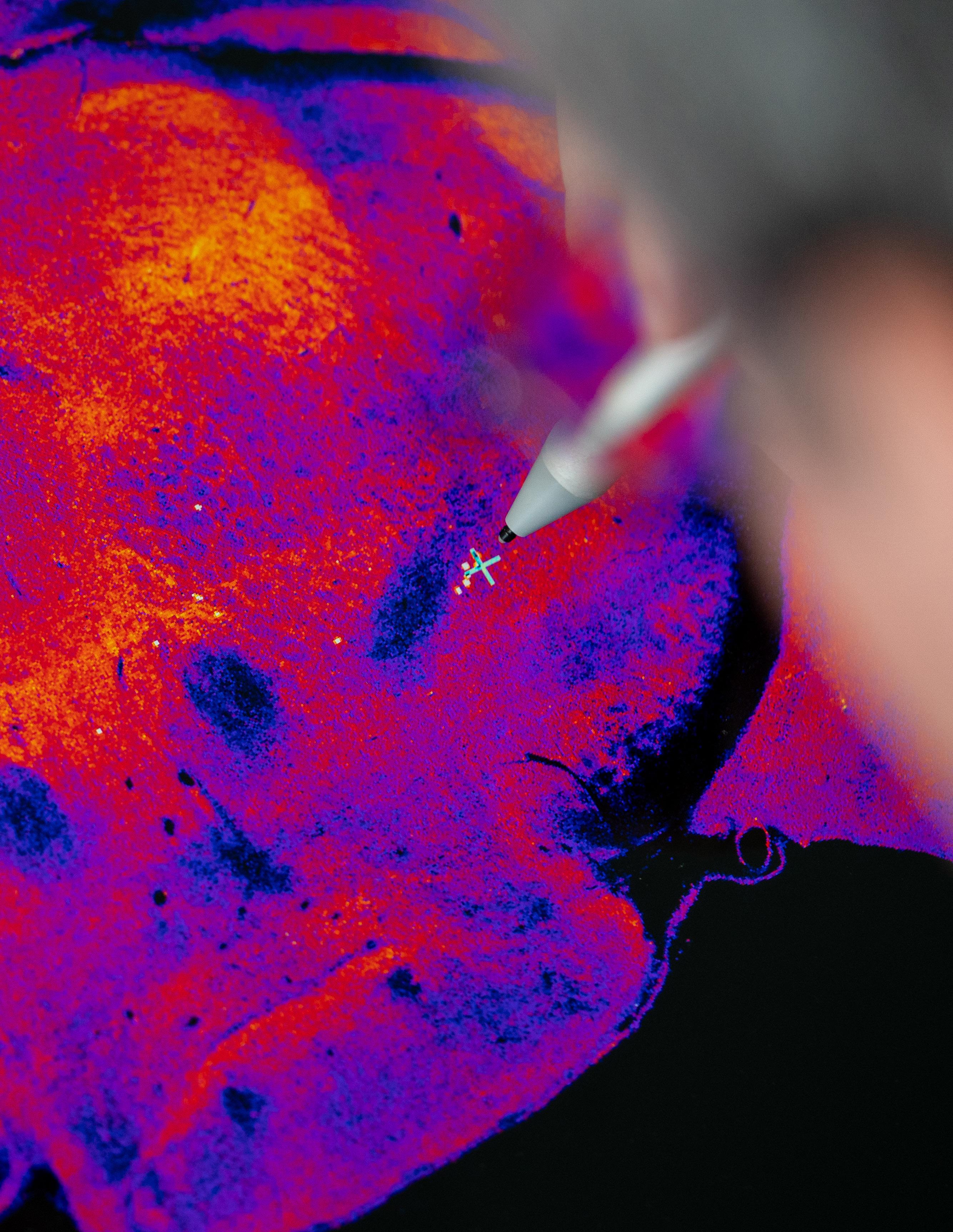
From new research platforms that help scientists ask bigger questions to discoveries that could inform future treatments and public health decisions, this quarter’s stories showcased the breadth of St. Jude impact. Coverage highlighted advances in cancer, neuroscience, immunology, and infectious disease, while also reflecting the institution’s growing influence. Together, these stories illustrated how St. Jude researchers are developing the tools, technologies and insights that accelerate discovery, deepen understanding of disease and create new opportunities to improve patient outcomes.
The quarter also highlighted the reach of St. Jude science beyond the laboratory. Research informed understanding of the global burden of childhood cancer, emerging infectious disease threats, and the long-term health of childhood cancer survivors. At the same time, institutional milestones, faculty honors and thought leadership opportunities reinforced St. Jude’s role as a trusted voice in pediatric medicine and biomedical innovation. Together, these stories demonstrate how St. Jude is not only generating new knowledge but helping translate discovery into action.
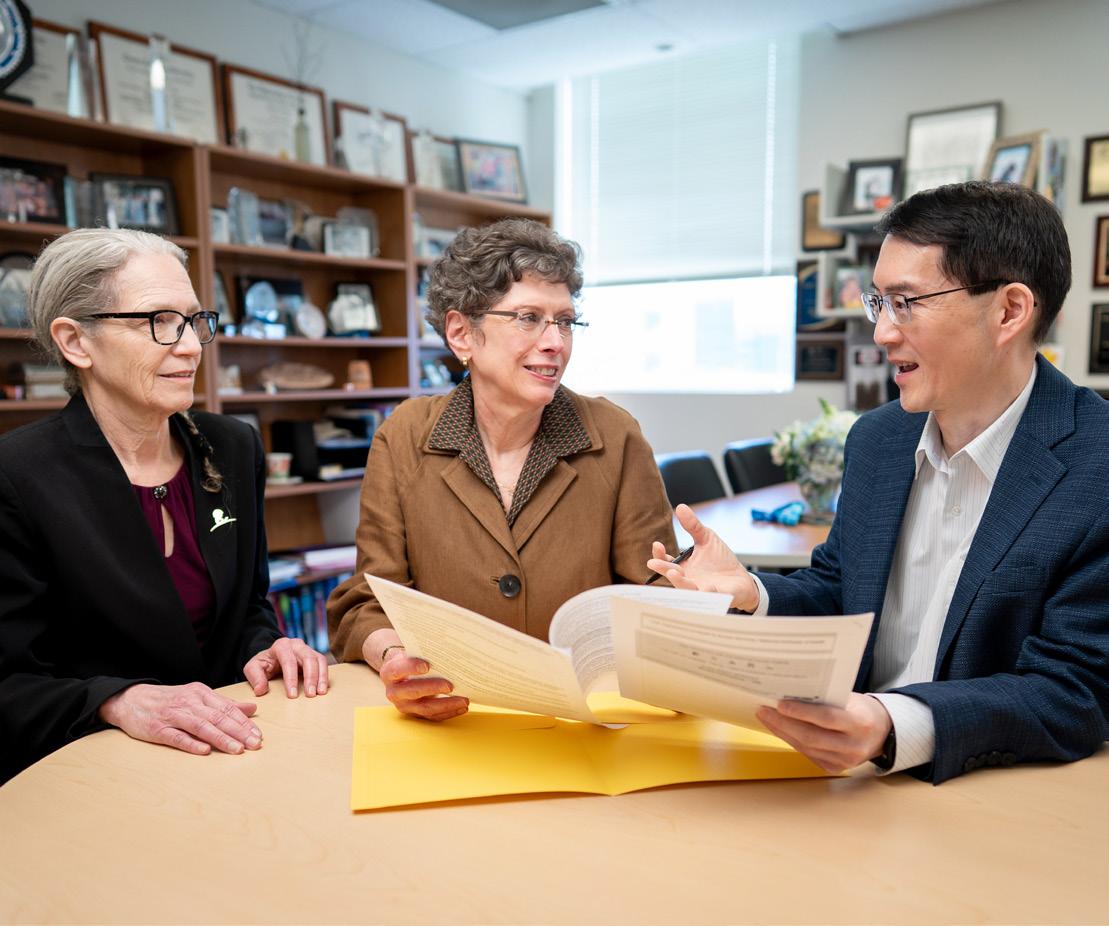
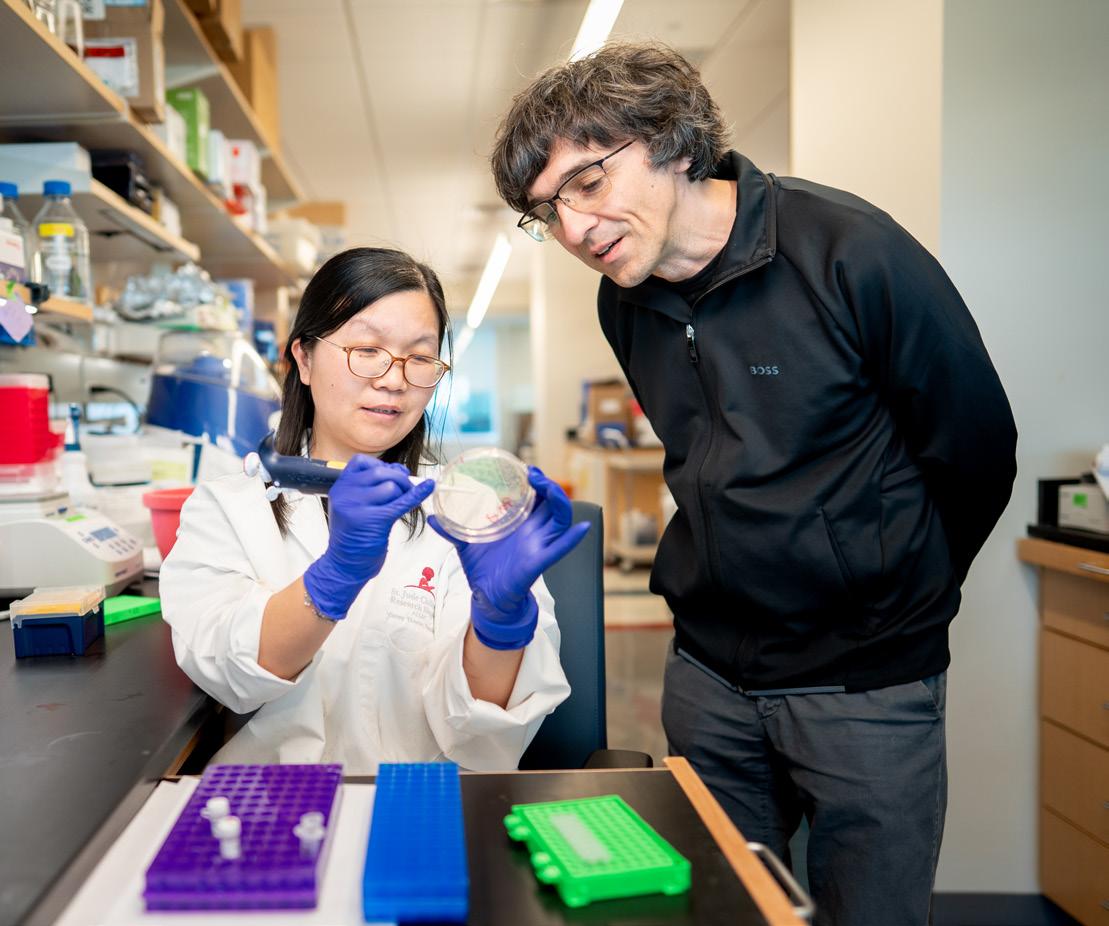
I-Chan Huang, PhD
Communications Medicine
• Childhood cancer survivors often face complex, lifelong health issues, making it difficult for doctors to anticipate and coordinate the care each individual may need.
• St. Jude researchers used artificial intelligence to identify patterns in survivor health records, which revealed how different health conditions tend to develop and interact over time.
• The approach could help clinicians predict future health risks, personalize follow-up care and improve quality of life for the growing population of childhood cancer survivors.
Mario Halic, PhD
Nature Communications
• “Jumping genes” move around the genome and can disrupt normal cellular functions if not tightly regulated, but scientists have not fully determined how cells keep potentially harmful invasive jumping genes under control.
• St. Jude researchers uncovered a key mechanism that cells use to recognize and silence invasive genetic elements before they cause damage.
• The findings provide new insight into how cells maintain genomic stability and may help researchers better understand diseases linked to genetic dysfunction.
Learn more: Visit the St. Jude Newsroom to read the full press release.
Learn more: Visit the St. Jude Newsroom to read the full press release.
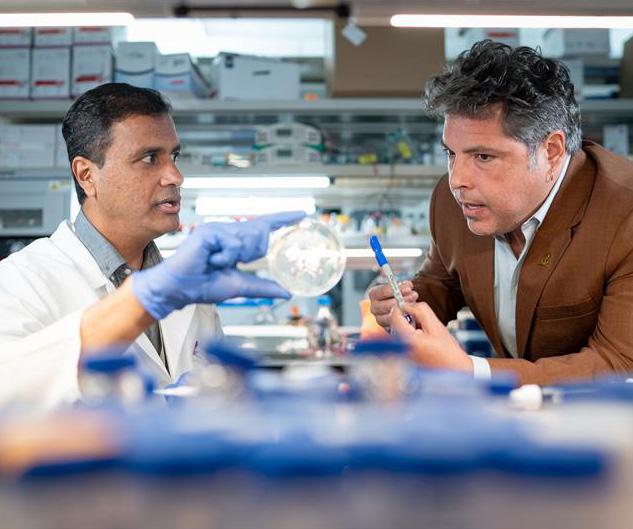
Salvador Almagro-Moreno, PhD
Nature Communications
• Cholera bacteria rely on a complex network of genetic signals to infect people, but some of the most important regulators have remained elusive.
• St. Jude scientists identified a previously unknown small RNA molecule that helps determine whether the bacterium can successfully cause infection.
• The finding reveals a new layer of control over a major infectious disease and could inform future strategies to prevent or disrupt infection.
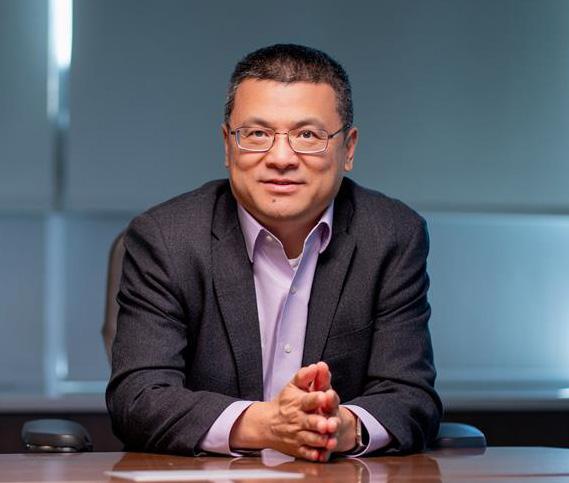
Hongbo Chi, PhD
• Many cancers create environments that suppress the body’s natural defenses, limiting the effectiveness of immunotherapy.
• St. Jude researchers found a way to reprogram a key immune cell that acts as a gatekeeper within tumors, helping restore anti-cancer immune activity.
• The work points to a potential strategy for making immunotherapies effective for a broader range of patients.
Learn more: Visit the St. Jude Newsroom to read the full press release.
Learn more: Visit the St. Jude Newsroom to read the full press release.
Marcin Wlodarski, MD, PhD
Nature Genetics
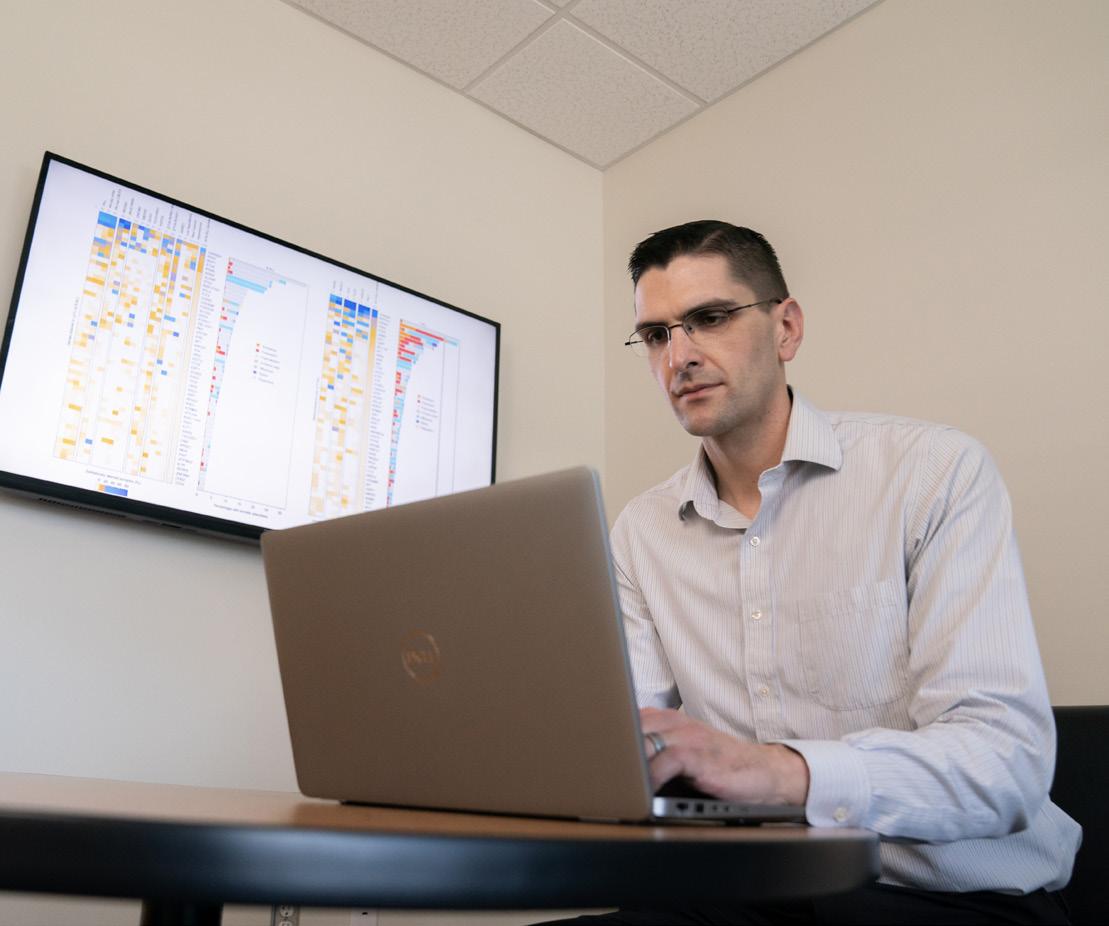
• In aplastic anemia, the immune system attacks bloodforming stem cells, but researchers have struggled to understand how some cells survive this assault.
• St. Jude scientists found that surviving stem cells repeatedly acquire similar genetic changes that help them escape immune attack.
• The findings offer new insight into disease progression and may help guide future approaches to diagnosis, monitoring and treatment.
‘Fingerprints’ of childhood cancer treatment provide clues that may help mitigate second cancers
Samuel
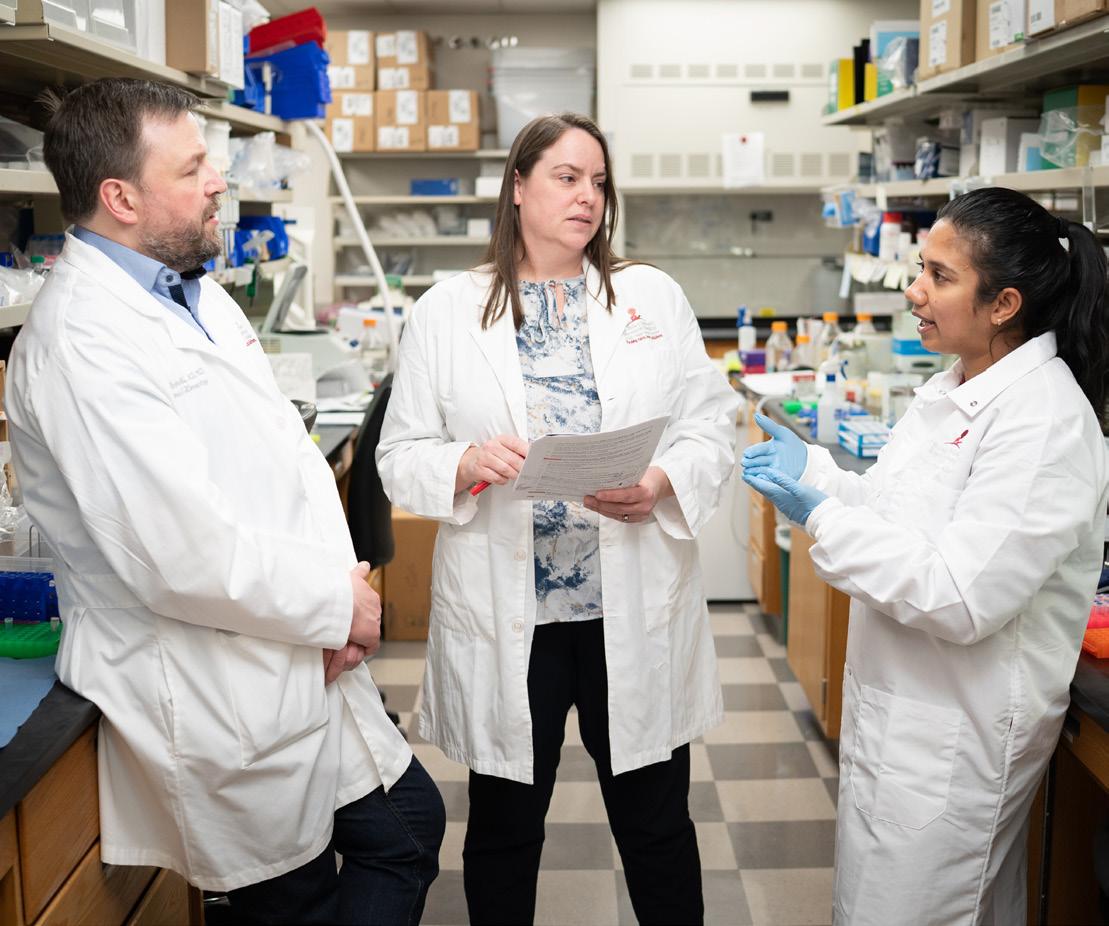
Brady, PhD; Jinghui Zhang, PhD; Greg Armstrong, MD, MSCE
• Childhood cancer survivors have an increased risk of developing new cancers years after treatment, but the biological reasons for this are not fully understood.
• St. Jude researchers identified distinct genetic “fingerprints” left behind by cancer therapies, revealing how treatments can contribute to later cancer development.
• Understanding these signatures could help scientists design safer therapies and develop strategies to reduce the risk of second cancers in survivors.
Learn more: Visit the St. Jude Newsroom to read the full press release.
Learn more: Visit the St. Jude Newsroom to read the full press release.
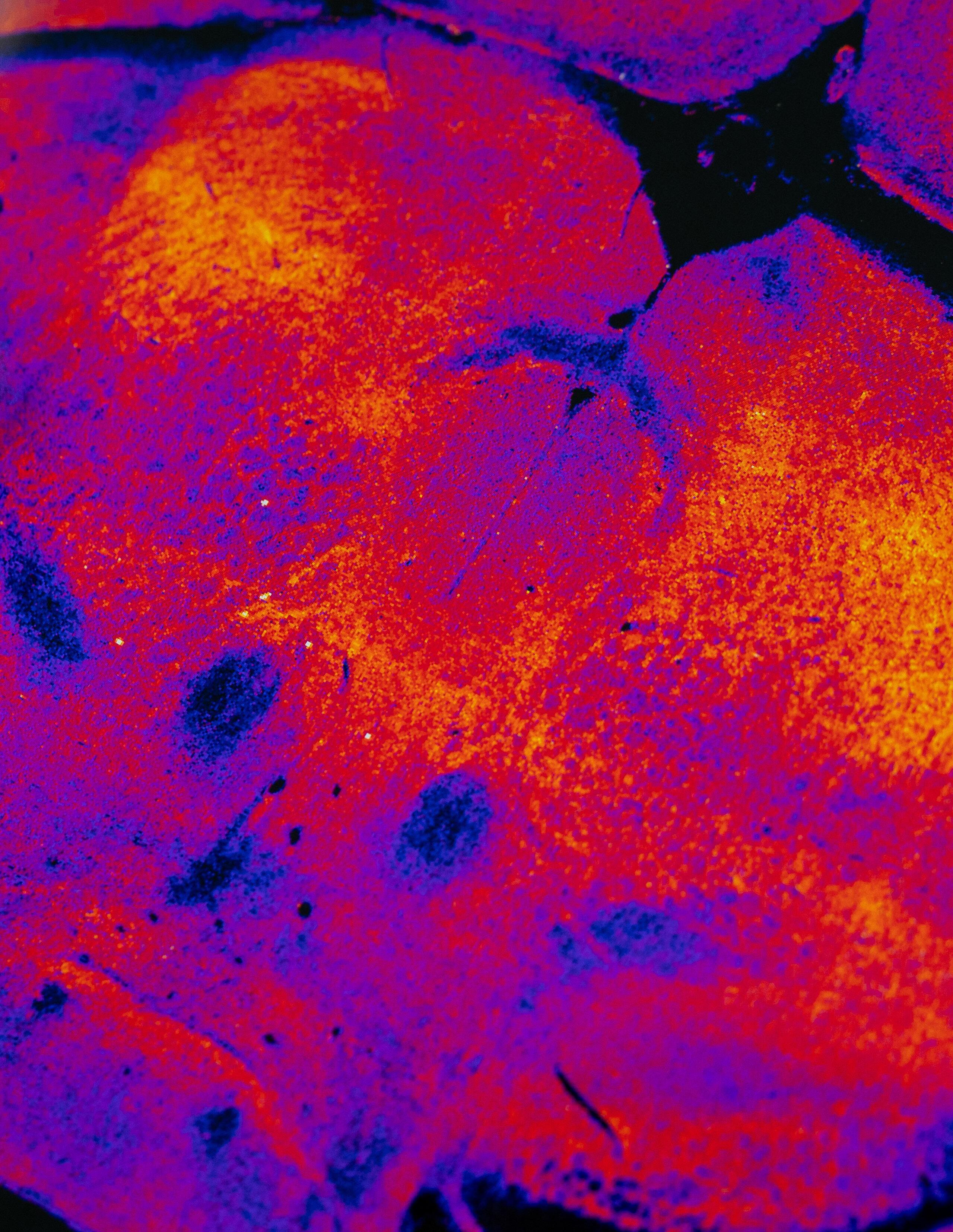
St. Jude research is shaping how the world understands and responds to major health challenges affecting children. By generating large-scale evidence on issues ranging from the global burden of childhood cancer to the drivers of emerging infectious diseases, St. Jude scientists provide data and insights that inform public health strategies, guide policy decisions and identify opportunities to improve outcomes worldwide. This work reflects a commitment not only to advancing discovery, but also to ensuring that scientific knowledge translates into action for children and communities around the globe.

First continent-wide map of dominant avian influenza strain explains its spread
Richard Webby, PhD
Nature Medicine
Understanding how viruses spread is critical to preventing future outbreaks. By creating the first continent-wide map of a dominant avian influenza strain, St. Jude researchers mapped patterns of transmission that can help guide disease monitoring and strengthen public health preparedness.
Childhood cancer is a substantial contributor to global childhood mortality and global cancer burden
Nickhill Bhakta, MD, MPH
The Lancet
Childhood cancer has long been underrepresented in global health data, making it harder to prioritize resources and care. St. Jude researchers helped quantify its true impact, providing evidence that can inform policy decisions and strengthen efforts to improve global outcomes for children with cancer.
Learn





Breakthroughs in science are often driven by new questions and by new ways of answering them. St. Jude researchers are building the tools, technologies and research platforms that enable scientists to see disease more clearly, analyze biological complexity on a greater scale and test ideas with unprecedented precision. Together, these innovations are transforming how discovery happens and closing the gap between insight and impact.
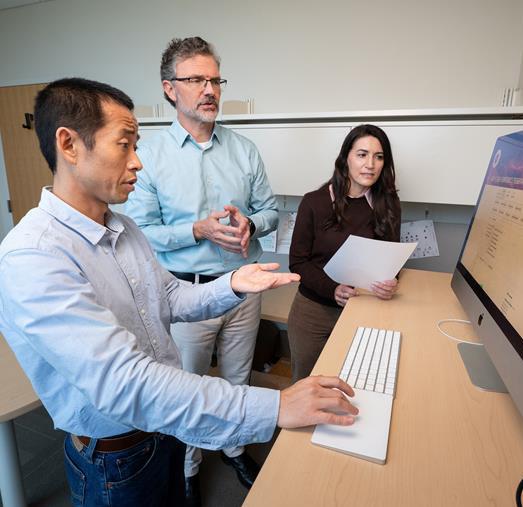

Important clues about blood cancers are often scattered across thousands of separate datasets, making it difficult for researchers to see the full picture. St. Jude researchers helped create a platform that brings genetic, molecular and clinical information together in one place, giving scientists a powerful new resource to accelerate discoveries and improve patient care.
Learn more: Visit the St. Jude Newsroom to read the full press release.





Martine Roussel, PhD Science Advances
Studying brain tumors in the laboratory has historically been challenging because traditional models do not fully capture how these cancers behave in patients. St. Jude researchers developed a collection of patient-derived 3D tumor organoids that more closely reflect real tumors, giving scientists a powerful new tool to better understand disease and develop new treatments.
Learn more: Visit the St. Jude Newsroom to read the full press release.
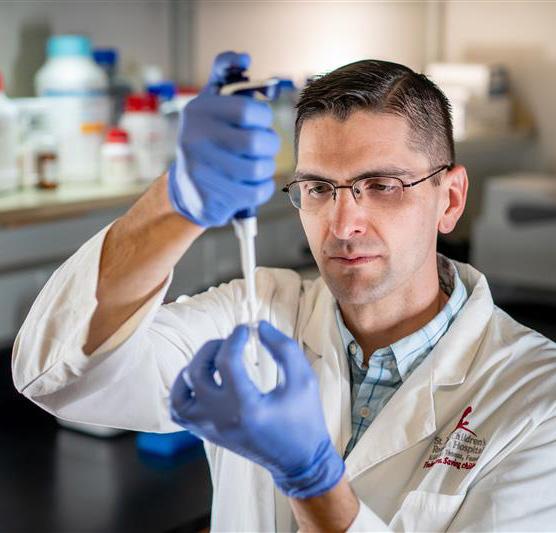

AI-assisted approach identifies IRS4 as a promising drug target in multiple solid tumors
Samuel Brady, PhD Science Advances
Finding new drug targets is one of the biggest challenges in cancer research, especially when tumors are driven by complex biology. St. Jude researchers used artificial intelligence to identify IRS4 as a promising target across multiple solid tumors, demonstrating how advanced computational tools can uncover new opportunities for cancer treatment.
Learn more: Visit the St. Jude Newsroom to read the full press release.

St. Jude researchers are revealing previously unknown biological dependencies, mechanisms and therapeutic opportunities that can be leveraged to develop more effective treatments. Together, these discoveries demonstrate how fundamental insights can open new paths toward therapies for diseases that have long resisted conventional approaches.



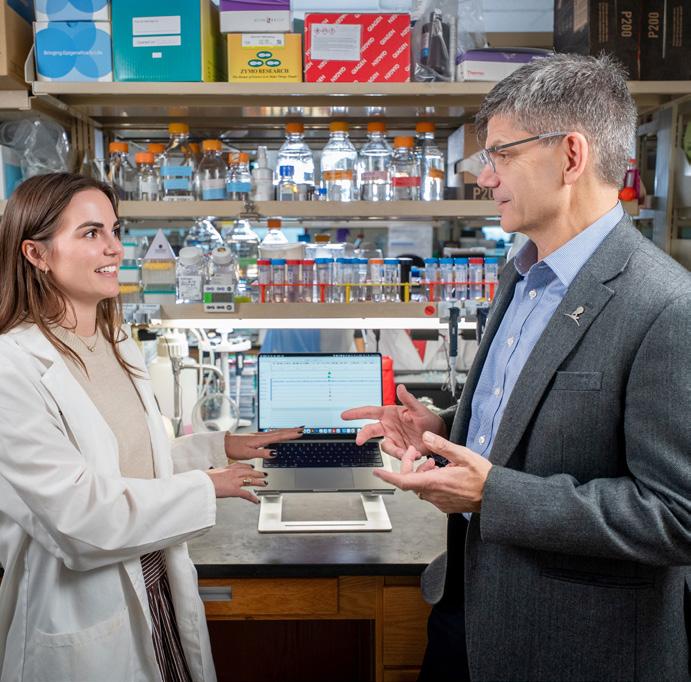
Charles W.M. Roberts, MD, PhD Nature Communications
Some cancers elegantly reconfigure cellular networks to maintain proliferation, making it difficult to identify therapeutic targets. St. Jude researchers discovered that cancers with SWI/SNF mutations rely on a protein called PHIP to survive, uncovering a potential new target for future therapies.
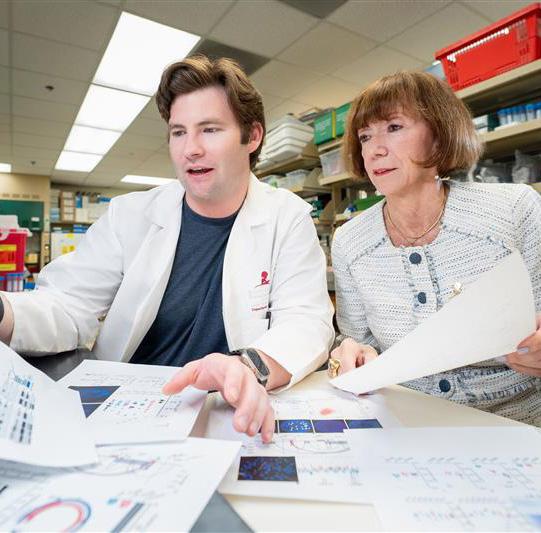
Enhancer
“undruggable” MYC in pediatric
Martine Roussel, PhD Cancer Research
Many childhood cancers are powered by biological drivers that remain difficult to treat. St. Jude researchers identified a regulatory switch that helps fuel MYC-driven medulloblastoma, revealing a promising new strategy for developing treatments against one of the most challenging pediatric brain tumors.
Learn more: Visit the St. Jude Newsroom to read the full press release.
Antisense oligonucleotide strategy reverses HNRNPH2-related neurodevelopmental disorder
J. Paul Taylor, MD, PhD Science Translational Medicine
Children with rare neurodevelopmental disorders often have few treatment options beyond supportive care. St. Jude researchers demonstrated that an RNA-targeting therapy could reverse diseaserelated changes in laboratory models, offering new hope for treatments that address the underlying biology of these conditions.
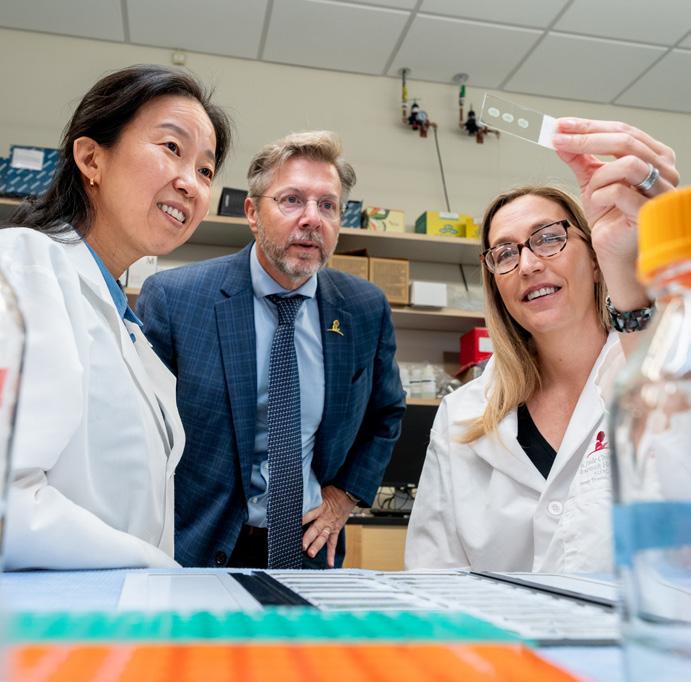
Learn more:


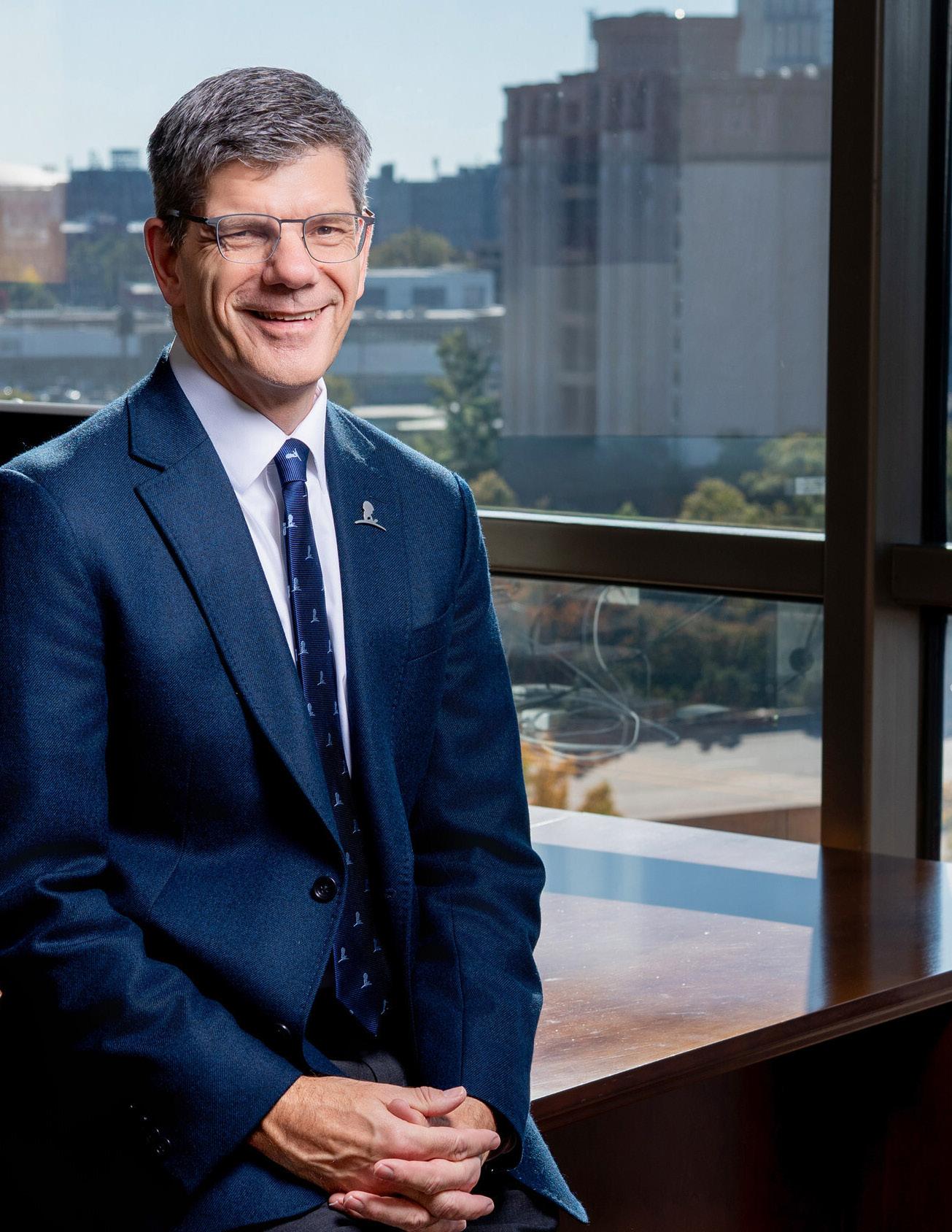
Hongbo Chi, PhD, Department of Immunology chair and Center of Excellence for Pediatric Immuno-Oncology co-director, was elected to the National Academy of Sciences — one of the highest honors in science. The recognition acknowledges his pioneering contributions to immunology and leadership in understanding immune regulation in health and disease.

Learn more: Visit the St. Jude Newsroom to read the full press release.
by the
Comprehensive Cancer Center Director
Charles W.M. Roberts, MD, PhD, was elected as a Fellow of the American Association for Cancer Research (AACR) Academy and received the AACR Daniel D. Von Hoff Award for Outstanding Contributions to Education and Training in Cancer Research. The honors recognize both his scientific leadership and his impact on developing the next generation of cancer researchers.
Learn more: Visit the St. Jude Newsroom to read the full press release.

Learn more: Visit the St. Jude Newsroom to read the full press release.
Emeritus faculty member Robert Webster, PhD, was elected as a Fellow of the American Association for the Advancement of Science (AAAS), recognizing a distinguished career that transformed the global understanding of influenza viruses. Widely regarded as one of the world’s leading influenza experts, Webster has led studies that have shaped infectious disease surveillance, preparedness and response.

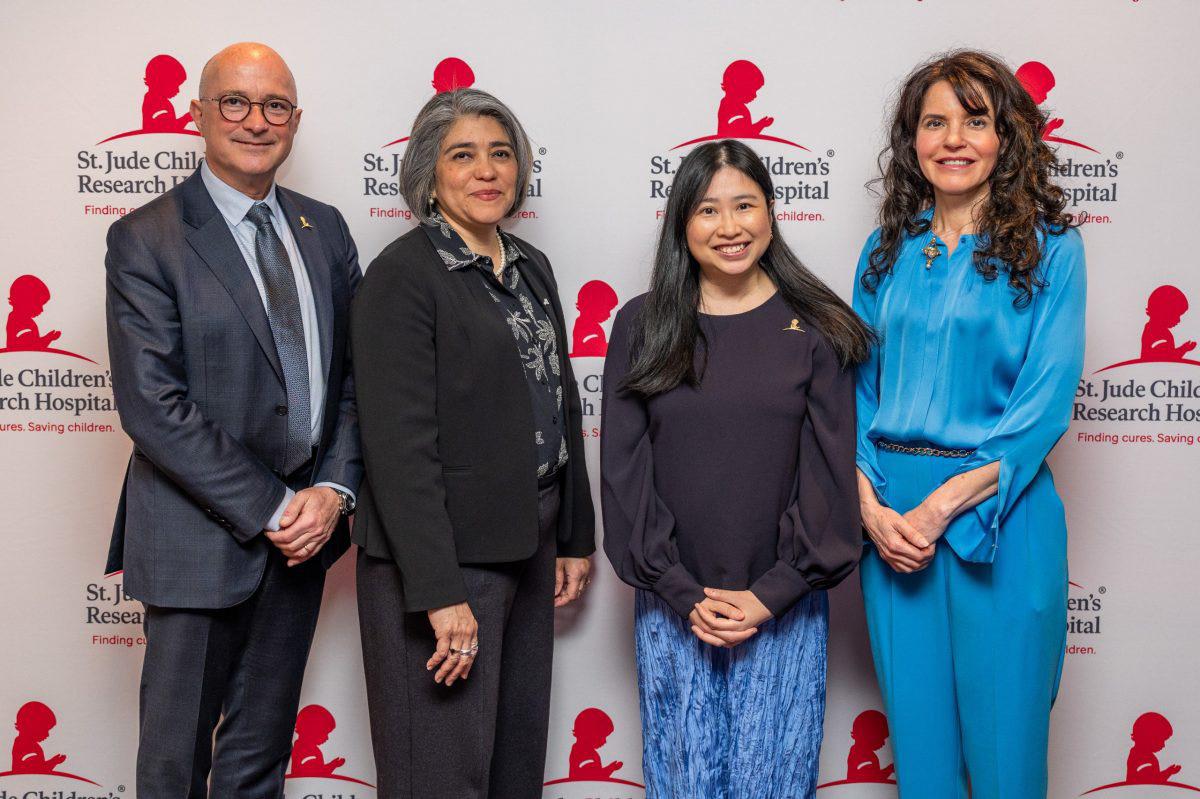
St. Jude was redesignated as the World Health Organization’s Collaborating Centre for Childhood Cancer, reaffirming its role as the first and only WHO Collaborating Centre dedicated to pediatric cancer. The designation recognizes the institution’s contributions to global childhood cancer policy, the strengthening of health systems and access to care, while reinforcing its partnership with WHO to improve outcomes for children with cancer worldwide.
Learn more: Visit the St. Jude Newsroom to read the full press release.


J. Paul Taylor, MD, PhD

This quarter, St. Jude voices contributed to national and international conversations on childhood cancer, survivorship, rare diseases, vaccine confidence, gene therapy, infectious disease surveillance and health care leadership. Through interviews, podcasts, conference presentations and media features, experts from across the institution translated complex science and clinical expertise for myriad audiences including patients, caregivers, policymakers, researchers and the public, reinforcing St. Jude as a trusted global voice in pediatric health and biomedical innovation.
Additional St. Jude Voices Featured
Greg Armstrong, MD, MSCE
Dana Tlais, MD
Nickhill Bhakta, MD, MPH
Robyn Diaz, JD
Senthil Bhoopalan, MBBS, PhD, FAAP
Lisa Kercher, PhD
Jinghui Zhang, PhD
Samuel Brady, MD
Erica Sirrine, PhD, LCSW, FT










The pioneering expertise of St. Jude is being showcased through featured content on Nature platforms, sharing stories of research and discovery with a global audience.
St. Jude research featured in Nature Briefing: Cancer reached an audience of more than 68,000 subscribers and highlighted the institution’s leadership in understanding cancer at its most fundamental levels; from decoding the genetic and cellular mechanisms that drive disease, to developing more precise therapeutic strategies and uncovering opportunities to improve long-term outcomes for survivors. Together, these discoveries reflect the institution’s commitment to translating deep biological insight into safer, more effective treatments for children with cancer and other life-threatening diseases.
Mark Hatley
Marcin Wlodarski
Kim Nichols
Charlie Roberts
Reaching more than 77,000 subscribers, Nature Briefing: Translational Research showcased the stewardship of St. Jude in uncovering the genetic and molecular mechanisms that drive childhood disease. Featured research advanced understanding of cancer-causing DNA alterations, tumor biology, precision genomic diagnostics and the fundamental protein dynamics that influence cell behavior; discoveries that are helping pave the way for more precise and effective treatments.
Babis Kalodimos
Stephen Mack and Kelsey Bertrand Lu Wang Jinghui Zhang
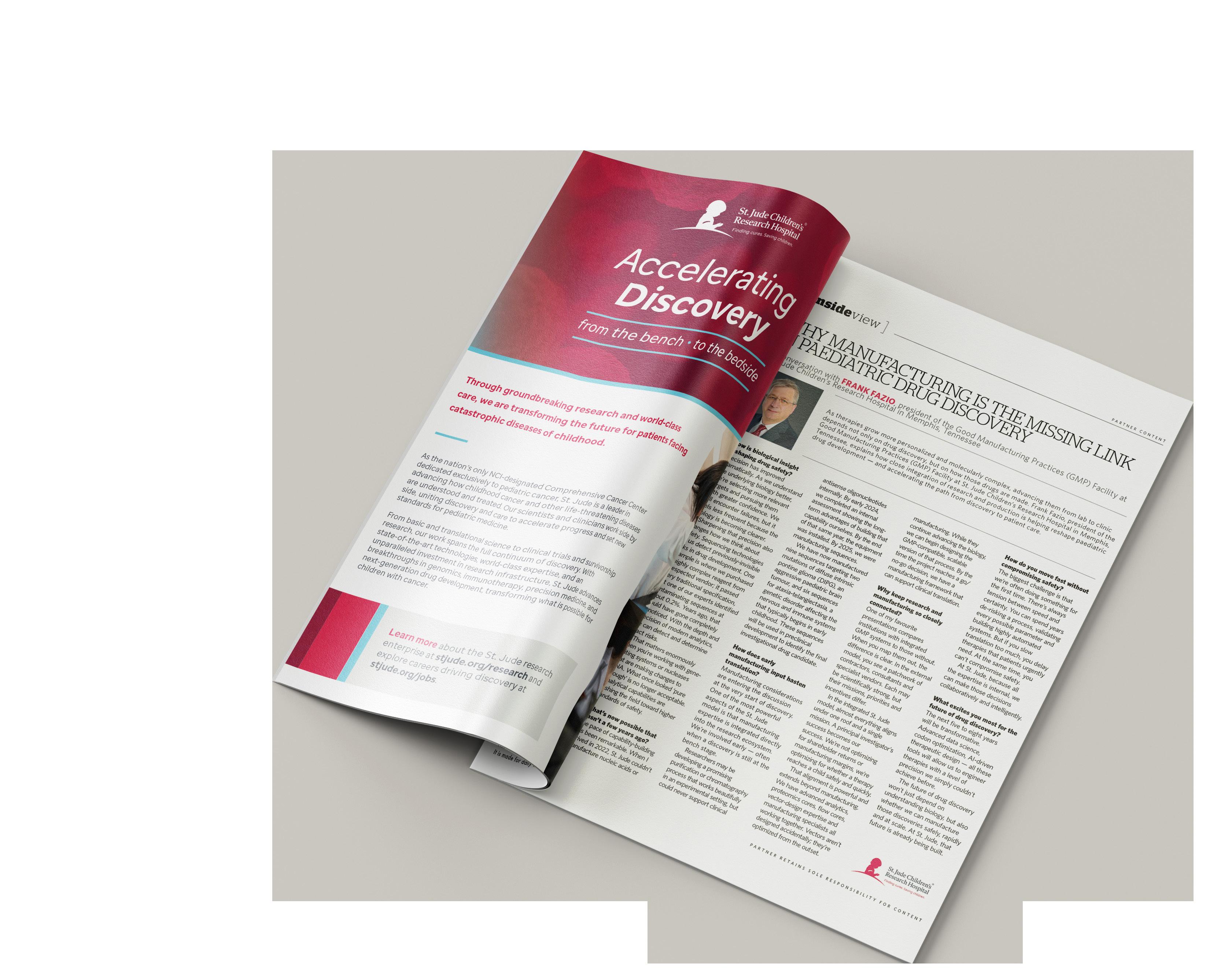
In Nature Inside View, St. Jude demonstrated its leadership in translating scientific discoveries into new therapies for children. The features showcased both the institution’s pioneering approach to identifying cancerspecific vulnerabilities and its investment in advanced manufacturing capabilities that move promising treatments from the laboratory to patients. Together, the articles exemplify the institution’s unique ability to integrate discovery science, technology and clinical translation to shape the future of pediatric medicine.
Visit Nature Portfolio to read the full articles.
• Why manufacturing is the missing link in paediatric drug discovery
• A new era in childhood cancer: targeting vulnerabilities

Over the past year, we have made substantial progress in achieving our mission. This Scientific Report highlights some of the more notable advancements St. Jude faculty and staff made in 2025. The work described in this report underscores the unique scientific culture at St. Jude and illustrates how it drives our faculty and staff to tackle the most challenging problems and answer the most complex questions.
Learn more: View the 2026 St. Jude Scientific Report as a digital flipbook.








Scientific advances make the mission of St. Jude Children’s Research Hospital possible every day. St. Jude Progress tells the stories of those advances from the investigators, laboratory researchers and clinical scientists who are making them.
Scan the QR code to learn more about St. Jude Progress