
What Is a Virtual Gallery Walk?
A Virtual Gallery Walk is a digital adaptation of a time-honored collaborative learning and reflection practice. Rather than moving through a physical space to view and respond to posted work, participants engage with each department’s contributions through an online format — allowing for broader access, richer documentation, and the ability to revisit content at any time.
This gallery walk was developed for the SIUE Student Affairs Leadership Council (SALC) Retreat as an opportunity for our departments to share, celebrate, and learn from one another’s work. Each department board was designed to invite reflection, spark conversation, and deepen our collective understanding of the contributions being made across our Division.
What Each Department Was Asked to Share
Each department director was invited to curate a board that captured the story of their unit’s year. Specifically, departments were asked to highlight:
Highlights & Contributions to Student Success: Key initiatives, programs, services, and outcomes that directly supported student learning, development, well-being, and success.
Alignment with the 4Ward Focus Framework: How their department’s work connects to and advances the Division’s four strategic pillars.
Annual Goals & Status: Department goals set for this year and a current update on progress — celebrating wins, acknowledging challenges, and looking ahead.
The 4Ward Focus Framework is the Division of Student Affairs’ strategic framework for student success. Grounded in our commitment to both heart work and hard work, the Framework organizes our collective efforts around four interconnected pillars — each designed to move students, and our Division, forward:
Student Basic Needs
Students must have their fundamental necessities met before they can fully engage academically.
Student Health and Wellbeing
Focused on helping students thrive holistically once their basic needs are met.
Career-Readiness Competencies
Preparing students for workplace success and lifelong career management through hands-on experiences.
Vibrant Campus Life
Creating intentional connections that help students feel they belong and matter at SIUE.
As you move through this gallery, we invite you to reflect, affirm, and connect — noticing both the unique contributions of each department and the common threads that unite us as one Division, moving 4Ward together.
CAMPUS RECREATION
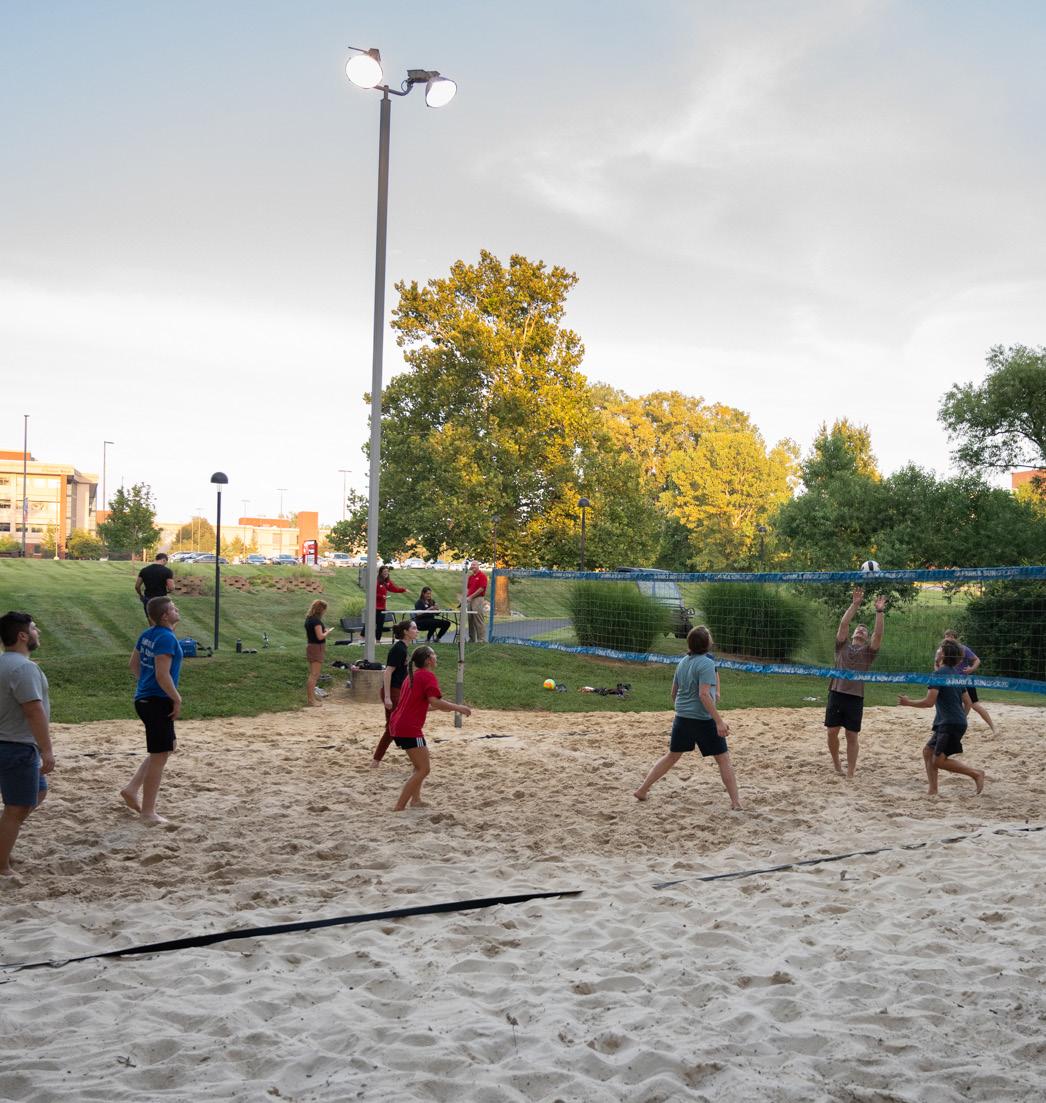
Campus Recreation, in collaboration with SIUE Institutional Research, found a consistent positive relationship between club sports participation and student retention. Logistic regression results showed increases in retention likelihood across multiple measures, including 6%–17% for fall-to-fall, 14%–20% for fall-to-spring, and 3%–13% improvements for continued retention into subsequent terms. Overall, participation in club sports was associated with higher retention regardless of the timeframe examined. The findings were shared with peers through a presentation at the 2025 IIRSA State Workshop by Keith Becherer and Natalie Rosales-Hawkins.
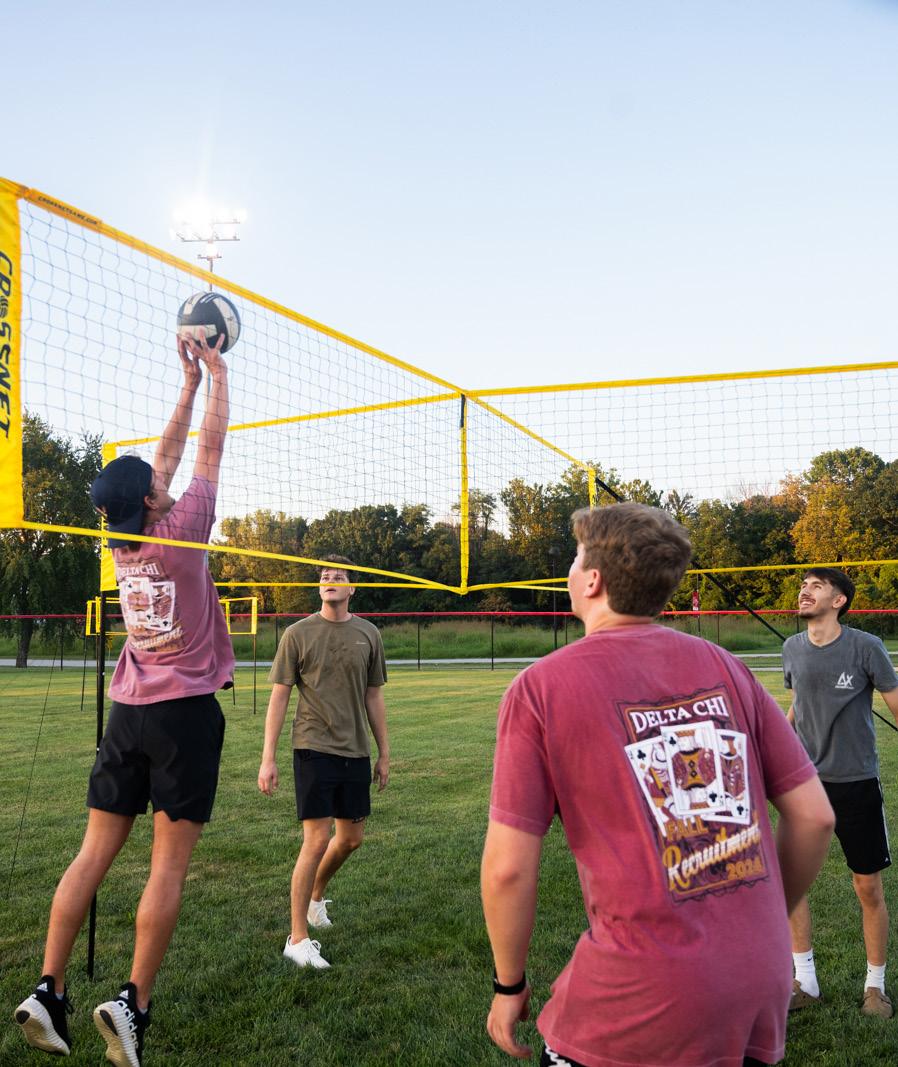
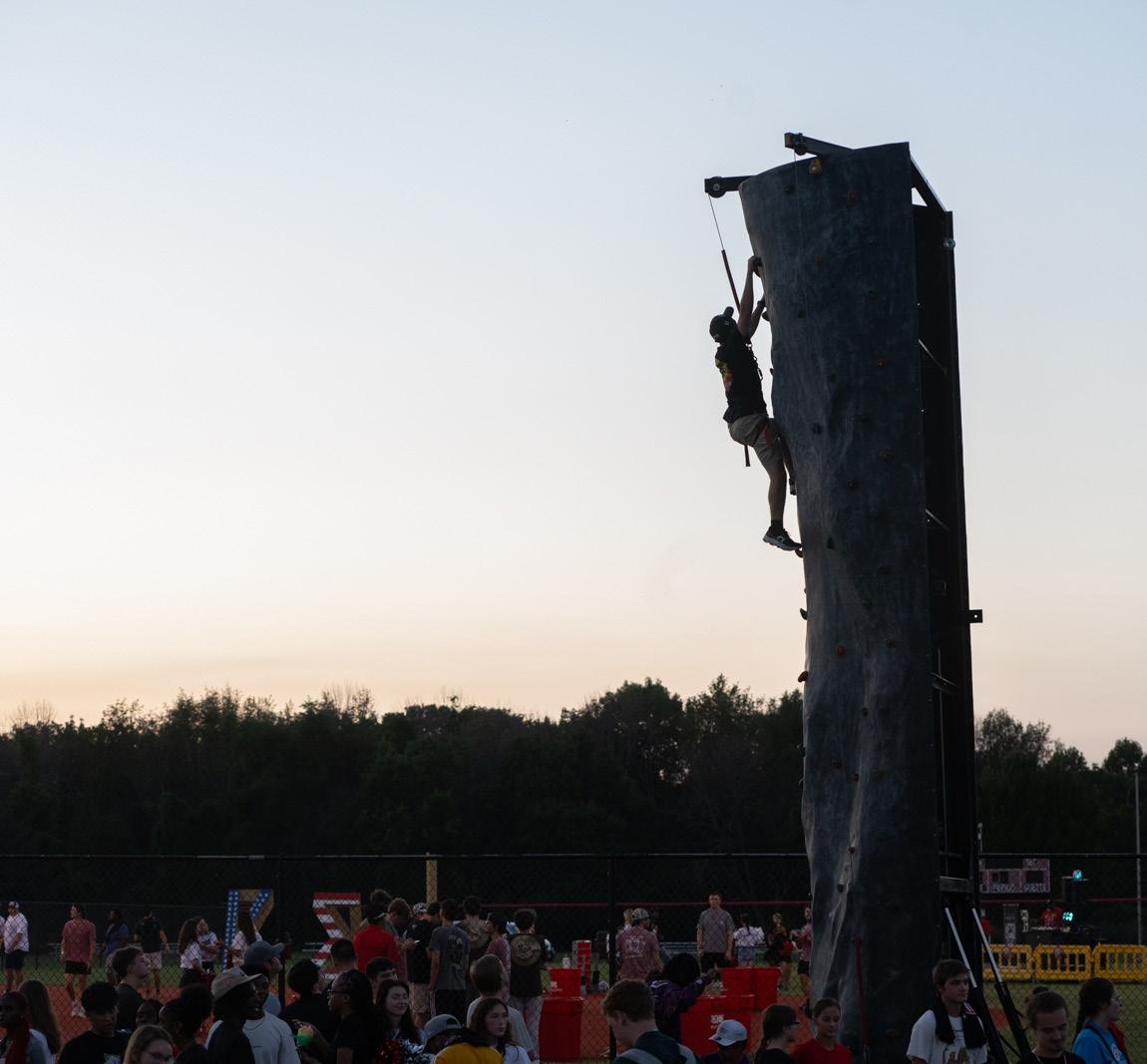
Campus Recreation will be the university’s leader in providing interactive experiences that encourage individuals to pursue lifelong wellness.
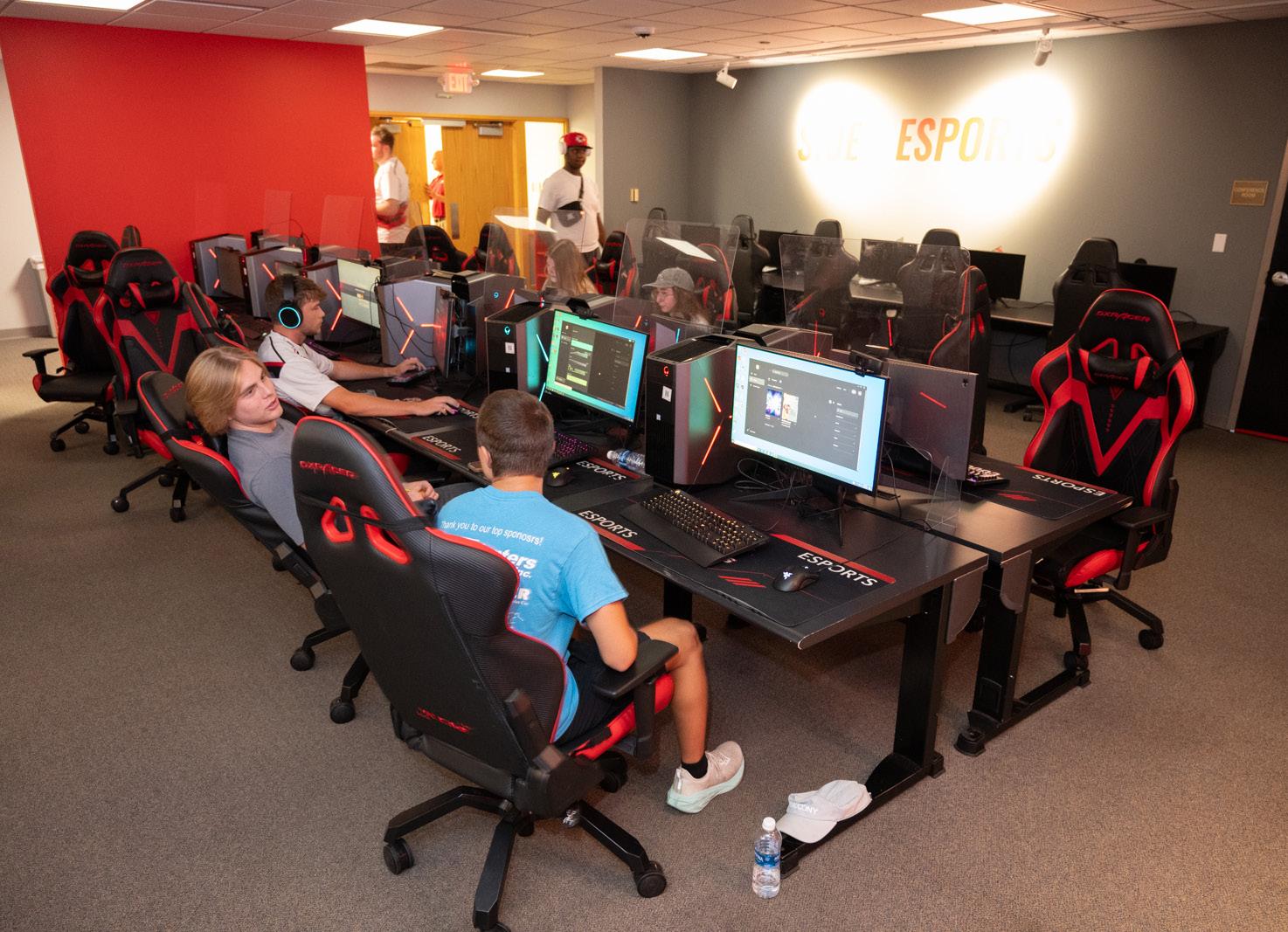
Campus Recreation enhances the collegiate experience through recreational and wellness opportunities, that foster personal growth while providing for cultural and social interaction.
Health and Well-Being
The Club Sports program received a grant to implement a mental health initiative focused on supporting club sport athletes by emphasizing the importance of mental performance alongside physical training. The program featured interactive sessions on topics like stress management, confidence, goal setting, and performance anxiety, and reached over 100 club athletes, highlighting strong demand and engagement.
Career Readiness
The department initiated a new employee mini conference which allowed student employees to attend a variety of professional and personal development sessions. Sessions ranged from a presentation from Career Services to a Financial Literacy presentation from the SIUE Credit Union to volunteer opportunities throughout the week. Students and GA’s were involved in the planning process and had the opportunity to present a session as well. A few weeks later, seven (7) students accompanied CREC full-time staff to the IIRSA State Workshop hosted by SIUC. Dustin Brakebill co-presented a session at the state workshop on the mini-conference concept. There were four (4) students who attended the NIRSA Region III Student Lead- on conference at Purdue University.
Goal 1 In Progress
Identify and increase additional revenue streams to the department by 3% in 20252026. Goal 2
Expand Collaboration with at least 5 campus and external partners to enhance student programming. This collaboration will focus on developing inclusive, engaging, and wellness-oriented that align with SIUE Campus Recreation.
Goal 3
Increase student participation rates in Intramurals and Club Sports by 3% from FY 24-25.
Enhance opportunities for professional development, especially for student employees who work for SIUE Campus Recreation in leadership and Graduate Assistant roles.
Utilize technology to maximize efficient use of resources including Artificial Intelligence, online registration, and data collecting tools. Goal 5 In Progress
CAREER DEVELOPMENT CENTER
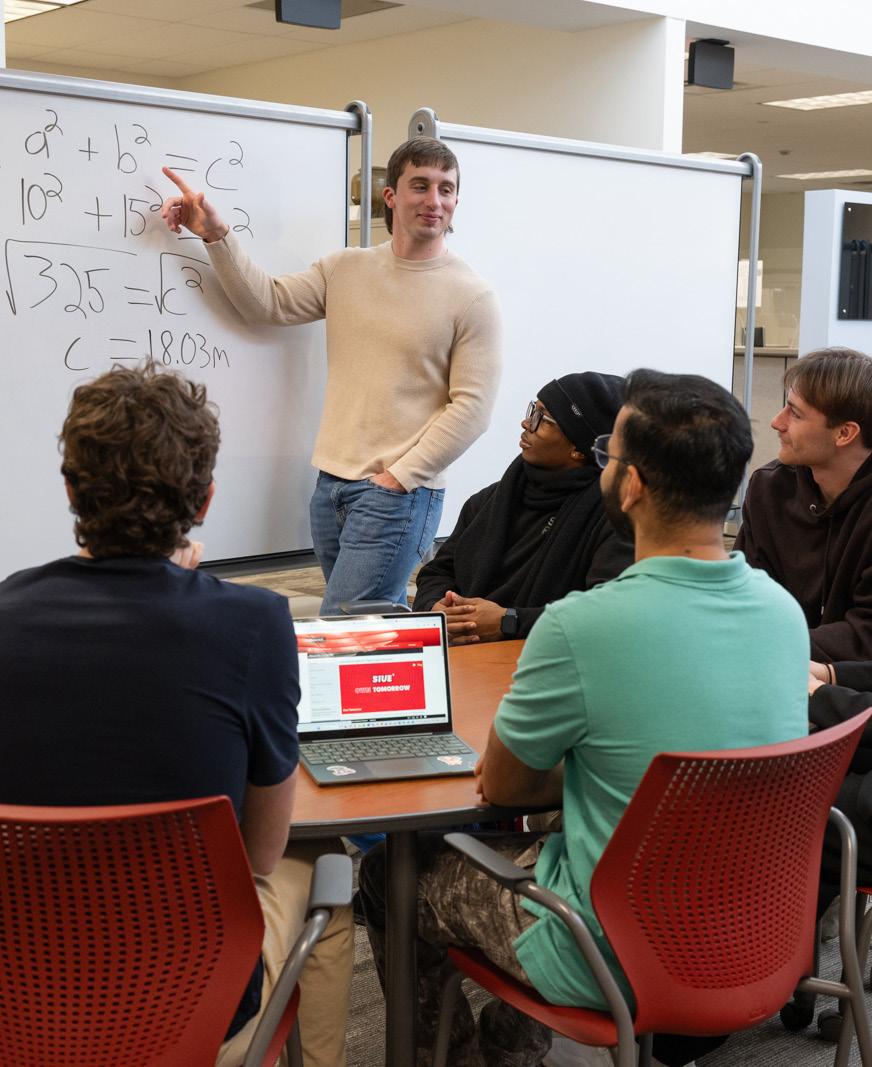
The initiative to increase student resume approvals directly supported career readiness by strengthening students’ ability to professionally articulate skills and experiences required for internships and employment. Resume approvals increased by 58 documents, from 1,163 in Spring, Summer, and Fall 2024 to 1,221 in Spring, Summer, and Fall 2025, reflecting a 5 percent increase in student engagement with resume development services. This growth was strongly influenced by faculty who require or recommend resume reviews as part of coursework or professional preparation activities, resulting in intentional student participation and increased exposure to career readiness competencies such as professional communication and self advocacy.
Empower students to build confidence and achieve career success.
Career Readiness
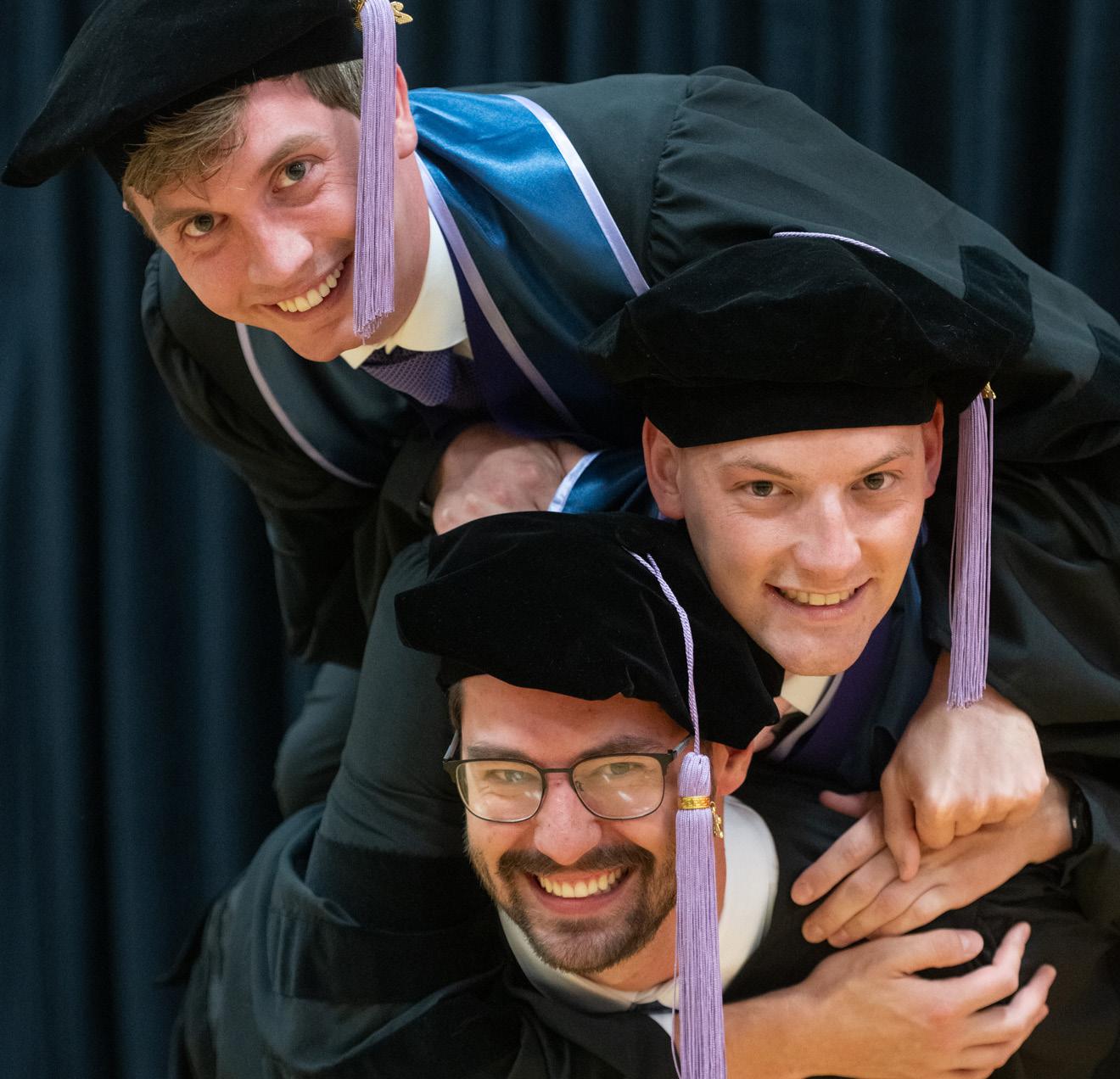
The Career Development Center has finalized a structured set of Career Readiness Competency learning modules aligned with the National Association of Colleges and Employers (NACE) approved competencies. These modules are designed to help students intentionally develop, articulate, and demonstrate competencies such as communication, professionalism, teamwork, leadership, and career and self-development. The modules support students in preparing for internships, co-ops, on-campus employment, and post graduation careers by translating experiential learning into clearly defined, employer-recognized competencies, reinforcing SIUE’s commitment to preparing students for lifelong career management.
Career Readiness
The CDC provides career employerexploration,connections, and developmentprofessionalservices to promote life-long learning, career success, andexcellence.professional
The CDC’s experiential learning initiatives demonstrate strong career readiness outcomes, with 96% of students rating their co-op or internship experience as outstanding or very good and 86% of employers rating student performance at the same level. Additionally, 127 students received official transcript recognition or CPT processing through the CDC, reinforcing the value of structured, high-quality experiential learning aligned with professional competencies and workforce expectations.
Goal 1 Compete
Goal 2 Complete
Launch Module 1 of the Career Readiness Competencies module for FST students by Fall 2025, with 100% of all artifacts created for the module rollout.
Goal 3 Complete
Finalize initial phases of both the Internship Readiness Badge & Internship Experience Badge, including the build-out the database platforms with the necessary information, forms, documents, and curriculum by August 1, 2025.
Goal 4 In Progress
Increase the number of employer participants at the College of Arts and Sciences/Business fair by 10% over FY25 participation numbers.
Goal 5
Maintain at least the same number of co-op and internship job postings as FY25.
Increase student resume approvals by 10% over FY25 resume numbers.
COUGAR CARE
This year, the Cougar Care Center transformed into an integrated, access-driven system of Complete Care. By uniting Health, Counseling, and Health Promotion, Cougar Care created a centralized hub that reaches students earlier, faster, and more effectively than ever before.
Open-access counseling now provides immediate support, while mental health screenings are integrated into 95% of all primary care medical visits. This coordinated approach created a more responsive system that drove significant growth in utilization and student engagement.
The Center also shifted from reactive crisis management to proactive prevention. Through embedded behavioral health support and peer-led outreach initiatives like Wellness Ambassadors and the Street Crew, Cougar Care reduced no-show rates while strengthening student engagement and satisfaction.
To sustain this momentum, Cougar Care strengthened its foundation through enhanced care technology, the MHEAC grant, expanded training opportunities, and key roles like the Behavioral Interventionist and Clinical Training Coordinator. Together, these efforts are reimagining student care while advancing the resilience, wellbeing, and academic success of the campus community.

We aspire to foster a campus hub that supports the mind and body – an environment where students are equipped to excel and lead fulfilling lives.
Our integrated team delivers compassionate, inclusive, comprehensive medical and behavioral health services that support student wellbeing, promote resilience, and limit interruptions in academic pursuits with a student-centered focus consistent with the mission of SIUE.
Student Basic Needs
Cougar Care expanded access to preventative and mental health care through enhanced insurance billing, increased clinical capacity, and the launch of a walk-in, open access counseling model. By reducing wait time and administrative barriers, this integrated approach ensures students can access timely physical and mental health support exactly when they need it most.
Health and Well-Being
Prioritizing a proactive safety net over reactive crisis management, Cougar Care transformed campus wellness through an integrated model of early intervention. By embedding behavioral health directly into medical care and utilizing routine mental health screenings, students were connected to tailored pathways ranging from workshops and skill-building sessions to group, individual, and immediate walk-in therapy.
This barrier-free approach expanded access dramatically, resulting in a 32.6% increase in unique students served, a 28.5% rise in visits, over 1,200 walk-in visits, and a 22.3% reduction in no-show rates. Student feedback further reinforced this impact, with 80% reporting they felt understood, supported, and met with effective, culturally responsive care.
Fully launch the JED Campus Initiative to strengthen campuswide mental health and wellbeing efforts
Integrate standardized depression and anxiety screenings into 60% of eligible primary care visits to support early identification and intervention.
Reduce no-show appointments across Counseling and Health Services by 15% from FY25 to improve student engagement and continuity of care.
Increase awareness and utilization of Cougar Care services, resulting in a 10% increase in unique students served.
DEAN OF STUDENTS AND STUDENT CARE/ADVOCACY
This academic year, the Dean of Students Office expanded student support and campus engagement despite staffing transitions. Care & Concern Referrals increased by 35%, driven by strong outreach efforts and expanded access tools, while McKinney-Vento connections rose by 300% through enhanced K–12 partnerships and earlier student engagement. Efforts to address basic needs insecurity also produced significant outcomes, including over 6,100 Cougar Cupboard visits and more than 34,000 pounds of food distributed, supported by new community partnerships. Additional support included nearly $17,000 in emergency funding, travel assistance for over 250 students, and expanded access to laptops.Overall, these initiatives reflect a coordinated, high-impact approach to advancing student well-being and strengthening a responsive, student-centered support system.
The Dean of Students Office creates a supportive and inclusive environment where all students can thrive.
The Dean of Students Office is dedicated to promoting the personal, social, and academic well-being of students. We strive to foster growth and development by teaching accountability, responsibility, and compassion. Our programs are designed to provide students with access to resources and protect their rights.
Student Basic Needs
Our office’s intentional efforts to build a culture of reporting—reflected in a 35% increase in Care & Concern Referrals—directly support the Student Affairs 4WARD Focus area of Basic Student Needs by strengthening early identification and connection to critical resources. By increasing campus awareness of and confidence in the reporting process through new hire and student orientations, Care Cards, and expanded access points, we have created more opportunities for students, faculty, and staff to recognize and respond to signs of need. By normalizing helpseeking and community responsibility, this initiative helps reduce stigma, close gaps in access, and create a more proactive, responsive infrastructure that addresses students’ foundational needs so they can more fully engage in their academic experience.
Health and Well-Being
Efforts to support students experiencing housing insecurity have significantly advanced student health and wellbeing through the expansion of the HOUSE Liaison role and a 300% increase in McKinney-Vento (MKV) connections. By strengthening partnerships with K–12 MKV liaisons, the office has improved early identification and engagement with students prior to their transition to campus, allowing for more proactive and coordinated support. These efforts help ensure greater housing stability, which is foundational to both physical safety and mental wellbeing, while reducing the stress and disruption that housing insecurity can cause in a student’s academic experience.
Goal 1 Complete
The number of Care & Concern Referrals will increase by 30% from the previous academic year, demonstrating improved campus familiarity with, and confidence in, the reporting mechanism.
Goal2 Complete
Goal 3 Paused
Enhance food accessibility for students by establishing at least three new partnerships or new initiatives through the Cougar Cupboard.
Enhance the learning outcomes of the student conduct process by integrating reflective practices, and skill-building sanctions and by clearing identifying intended learning outcomes for all sanctions.
Goal 4 Completed
Goal 5 In Progress
Increase engagement with students identified as housing insecure by at least 10%, expanding the HOUSE Liaison’s reach and strengthening their presence and impact across campus.
Define ways to increase efficiency in overall case management in the Dean of Students Office.
DINING SERVICES
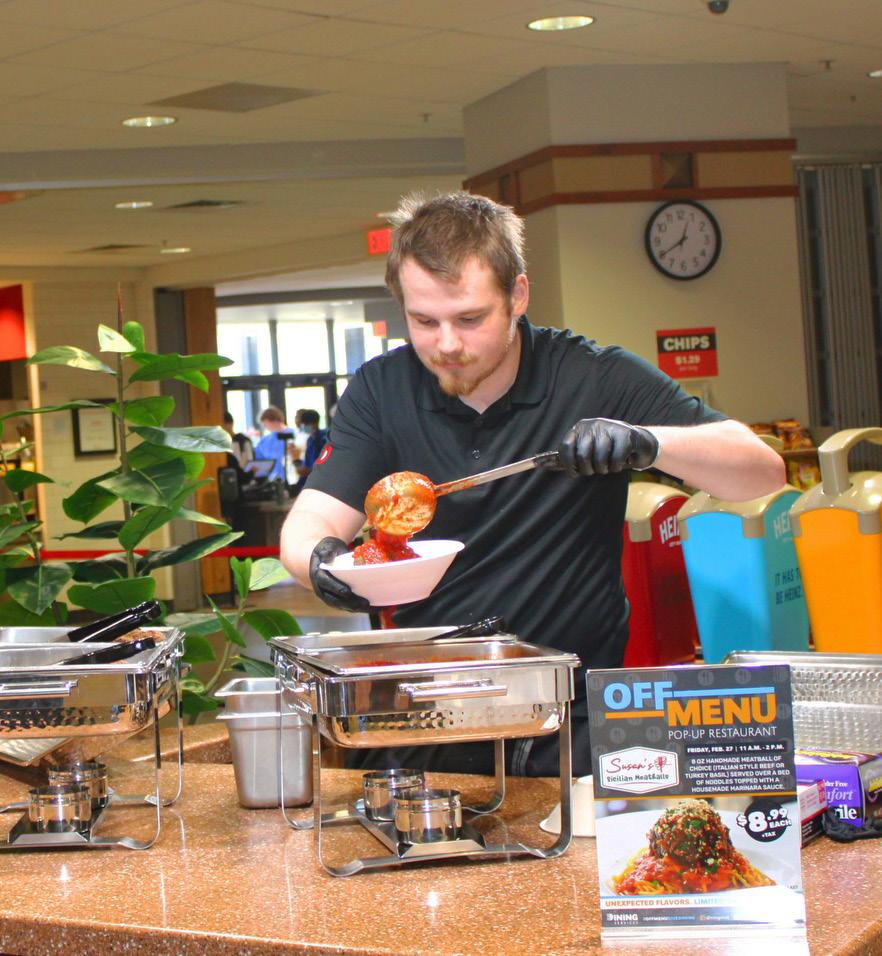
SIUE Dining Services launched a composting initiative in partnership with Total Organics Recycling, marking significant progress in reducing landfill waste and supporting campus sustainability. The program collects pre- consumer organic waste from multiple dining operations, with systems in place to manage and transport materials efficiently. Early success has led to expanded capacity and an anticipated diversion of over 1,000 pounds of waste per month, supported by staff training and plans for broader implementation. The partnership also offers cost-saving opportunities through reduced pricing on compost materials and has sparked community engagement with external organizations and school districts. Overall, the initiative provides a scalable foundation for continued growth in sustainability and responsible resource management.

Dining Services will seek innovative opportunities to exceed customer expectations daily while maintaining our commitments to financial, environmental, and social sustainability.

Dining Services provides quality food, service and experiences that feed the body and mind of the campus community.
Student Basic Needs
Our website was updated to include a section on Dietary Needs. This webpage addresses the top occurring dietary accommodations/ needs that we see at SIUE and provides a roadmap for students to navigate dining based on their dietary need. This webpage is linked to both Housing and ACCESS. An expansion of our Halal offerings has been well received. A newly introduced labelling program and printer allows top allergens to be marked on individual menu cards.
Vibrant Campus
Flavors The Connect Us is a monthly event that is free to students. Each month, we celebrate a country, culture or region in the world and explore their culinary traditions. Four recipes are selected and students get to learn more about that dish and its origin story. So far this year, we have featured foods from various countries/regions in South America, Ireland, South Africa, The Pacific Islands, Black History Month - Louisiana Chef’s, Holidays around the World, Native American cuisine. This series will continue to be a signature event for Dining Services into next year. Our plan moving forward is to have students submit regions/countries/ cultures that they would like to see via social media and we will build our calendar based on submissions.
Goal 2 In Progress
Expand access to affordable and nutritious meals by launching at least two new low-cost meal options, marketing the value priced options currently available, and explore a Food Drive to benefit the Cougar Cupboard.
Goal 3 In Progress
Develop and implement a Wellness Menu Program by May 31, 2026, featuring at least 10 new menu items that meet defined nutritional standards (e.g., low sodium, plant-based, allergen-friendly). Promote the program through monthly wellness campaigns and measure impact via a 15% increase in student engagement with wellness offerings. Onboard a dietitian to assist with developing processes and programs around students with dietary restrictions.
Goal 4 In Progress
Enhance the student employment experience by fully participating in the Student Employment Toolkit that includes self-evaluations, performance evaluations, and survey. Create a Student Employee of the Month program to increase engagement. Ensure at least 90% of student employees complete their survey. Support campus engagement by increasing catering support for student-led events by 25% and launching a Campus Dining Student Event Program that includes a student specific catering guide, customizable catering packages, event planning consultations, and feedback surveys to ensure a 90% satisfaction rate.
Goal 5 In Progress
Cross-Focus Integration - Dining Experience
Feedback Loop Establish a Dining Experience
Feedback Loop by May 31, 2026, including quarterly Dining Advisory Committee meetings, quarterly student focus groups, and digital feedback opportunities. Use the data to implement at least three service or menu improvements annually, supporting all four focus areas through responsive and student-centered operations. Create an internal Dining Recognition tool that allows dining employees to recognize one another that then funnels into the Student Affairs Golden Paw recognition program.
EARLY CHILDHOOD CENTER
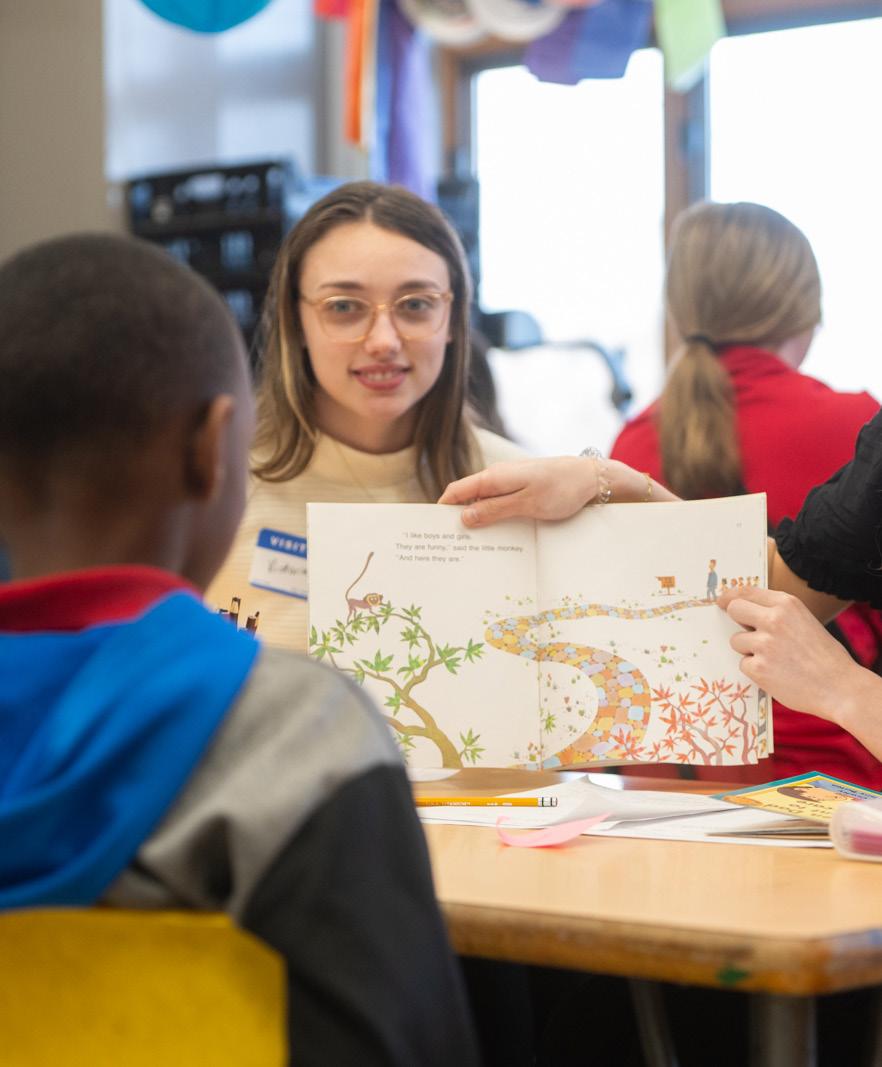
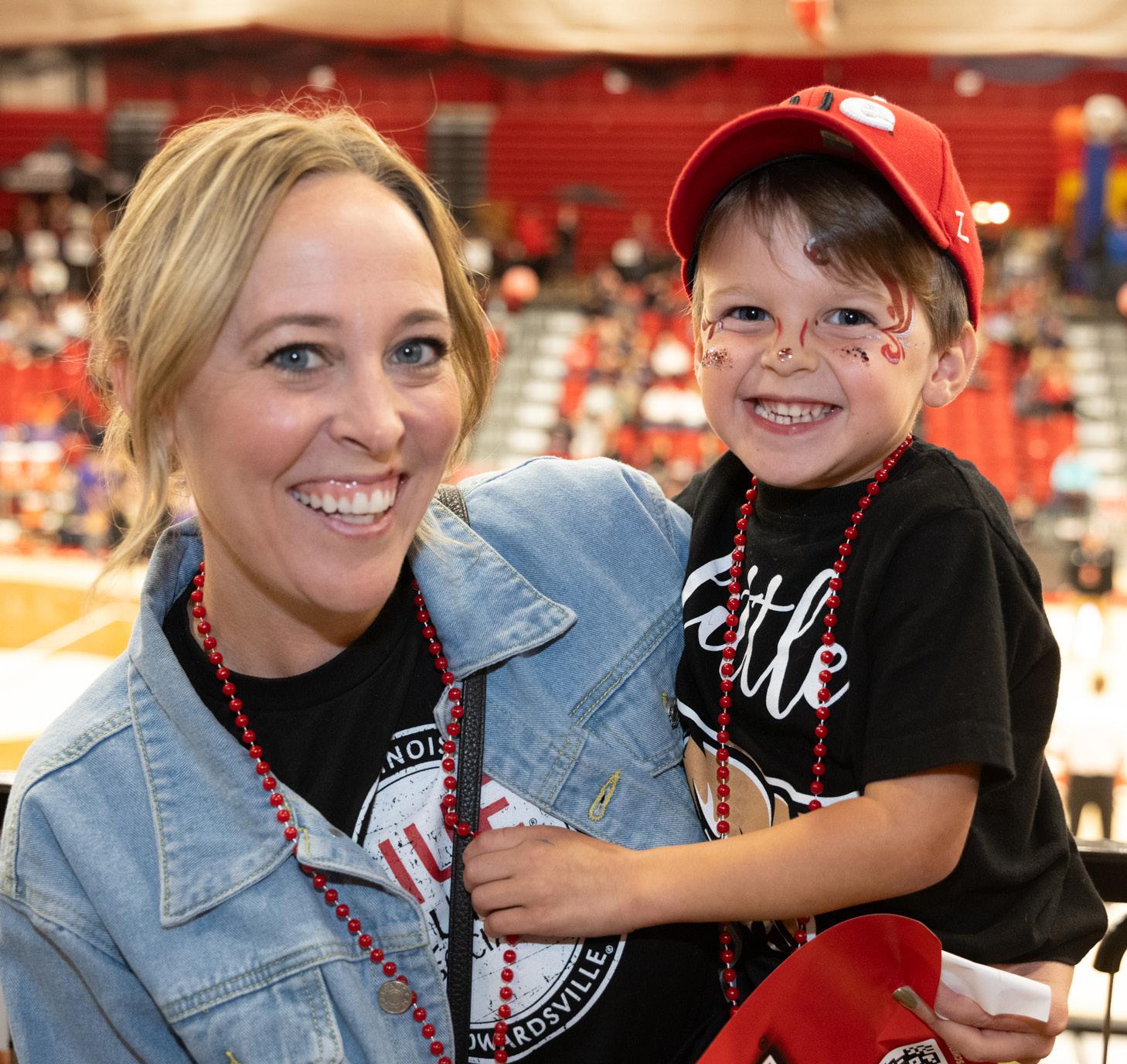
Successfully navigated the loss of CCAMPIS funding by securing institutional bridge support and transitioning families to CCAP ensuring continuity of care for approximately 50 student parents and supporting their persistence and progress toward degree completion.
Prepare children and the student parents we serve for life and learning.
Student Basic Needs
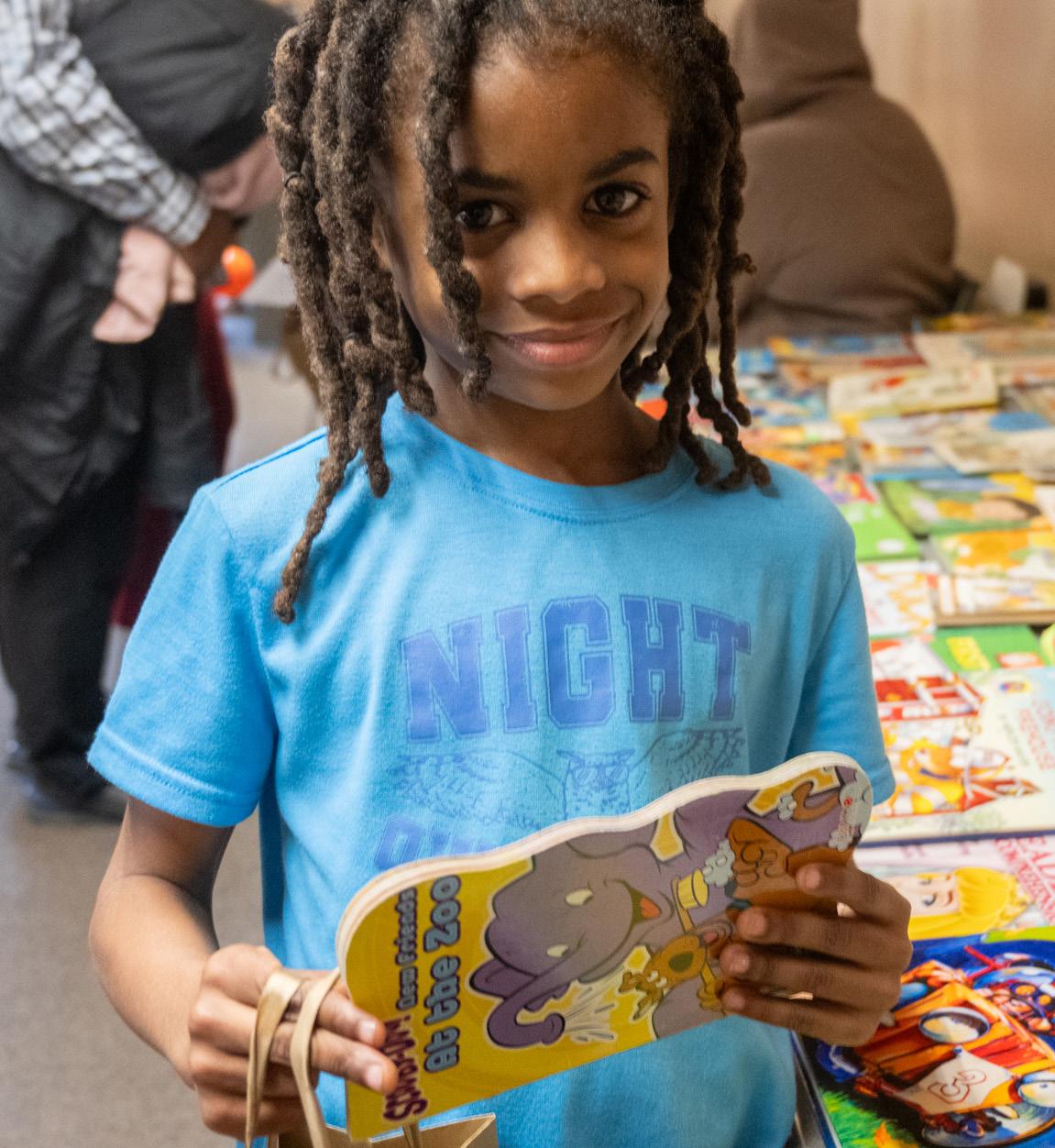
ECC supports student parents by increasing access to affordable childcare through CCAP navigation, referrals to Brightpoint, and targeted communication to help families secure financial assistance and maintain enrollment.
Career Readiness
ECC offers practicum placements and student employment opportunities that provide hands-on experience in early childhood education and related fields, supporting skill development and career pathways.
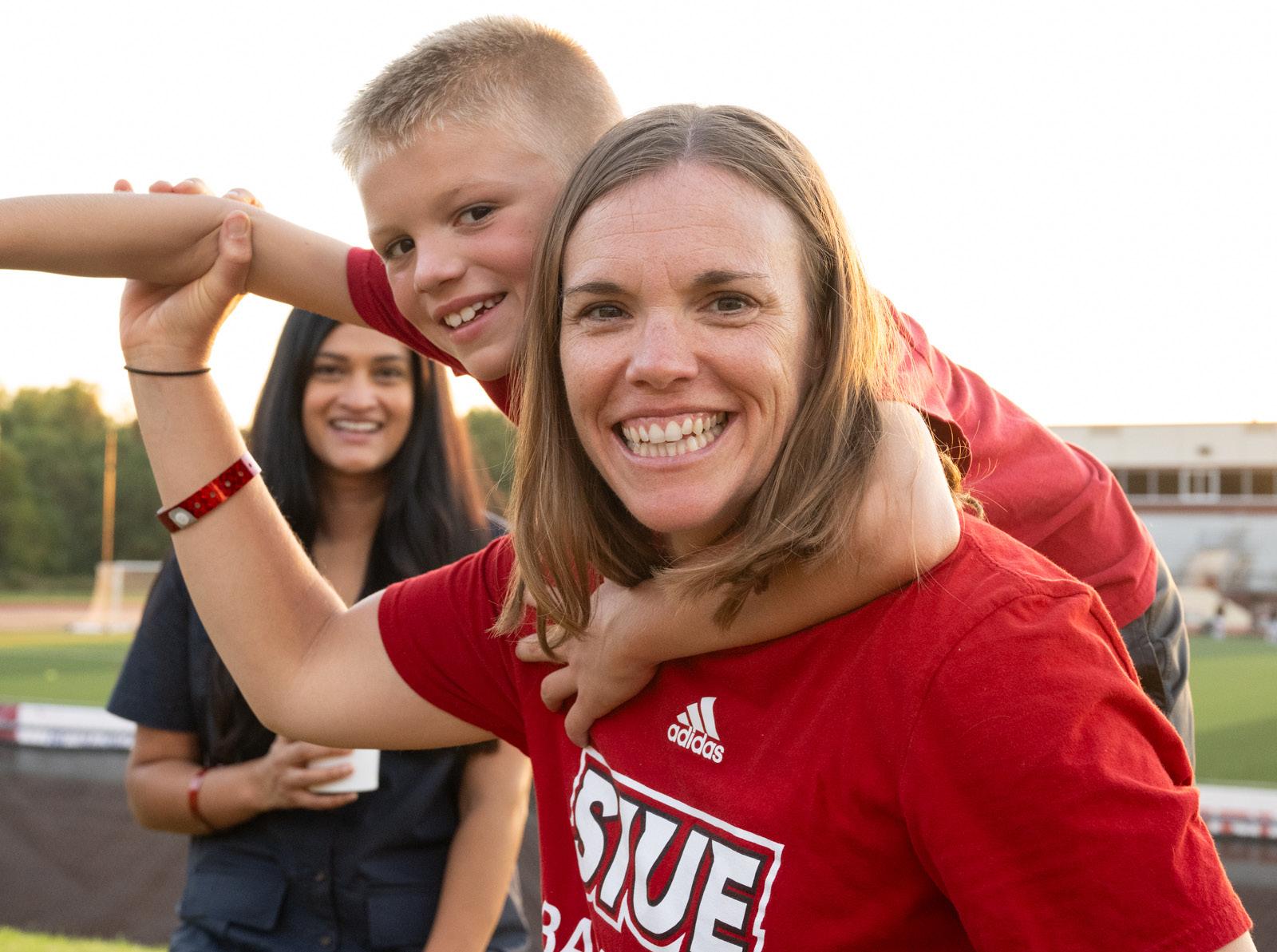
Provide high-quality early care and education for children ages two through five within the universitycommunity.
Goal 1 Complete
Goal 2 In Progress
Increase Access to Child Care for Student Families.
Goal 3 In Progress
Improve Outdoor Learning Environment
Goal 4 In Progress
Expand Career-Readiness Opportunities
Goal 5 In Progress
Strengthen Student Parent Experience
Goal 6 In Progress
Enhance Operational Systems & Efficiency
Strengthen funding alignment and affordability strategies to sustain access for student parents.
KIMMEL BELONGING AND ENGAGEMENT HUB
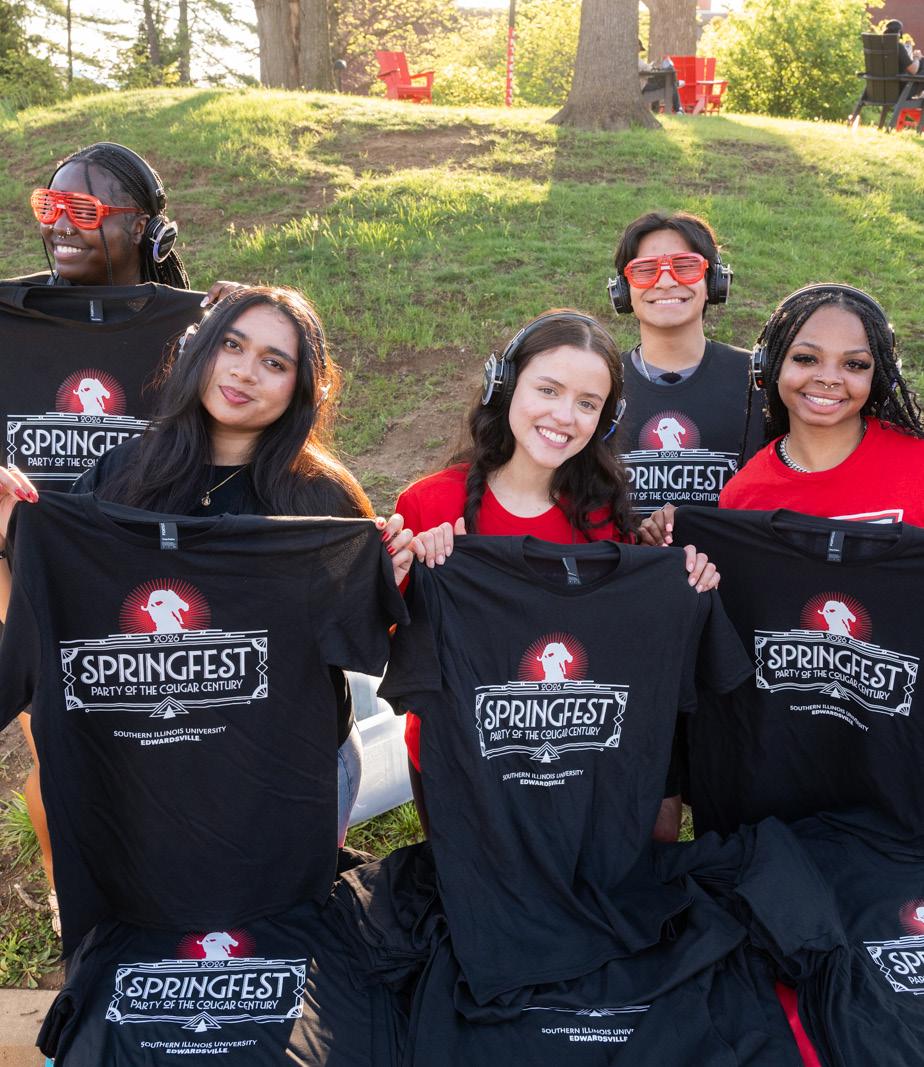
A highlight in the KHUB this year was the strong sense of belonging and community that was developed through the student employment experience within the office. Student Belonging and Engagement Ambassadors and Campus Activities Board (CAB) student employees consistently shared that involvement in the office helped them find their place, build meaningful relationships, and feel connected to the campus community. This was reflected in strong student employee retention, continued leadership involvement, and students returning to remain engaged in the work. Beyond operational support for programs and services, the student employment experience fostered personal growth, leadership development, and a sense of home for many students involved in the office.
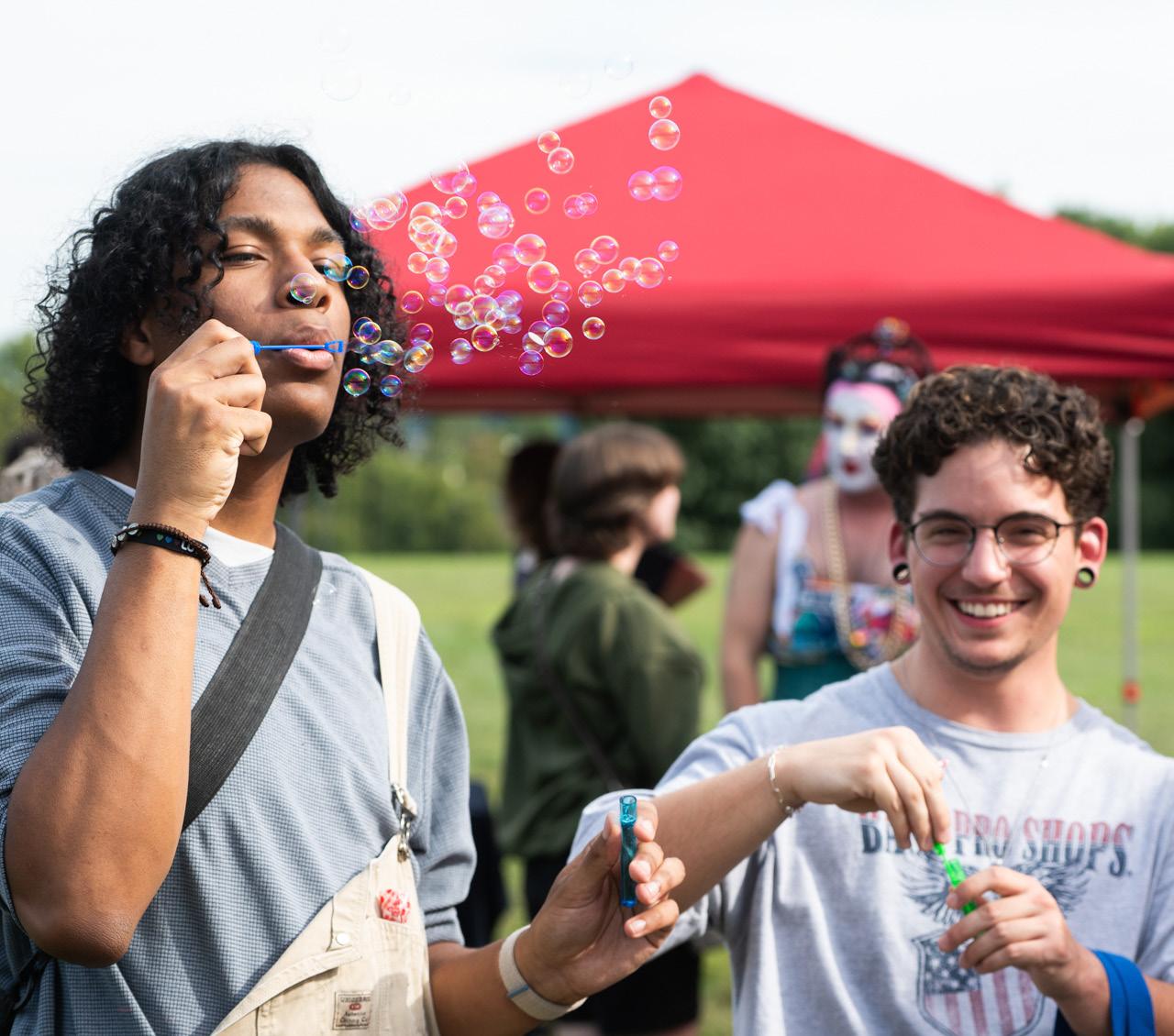
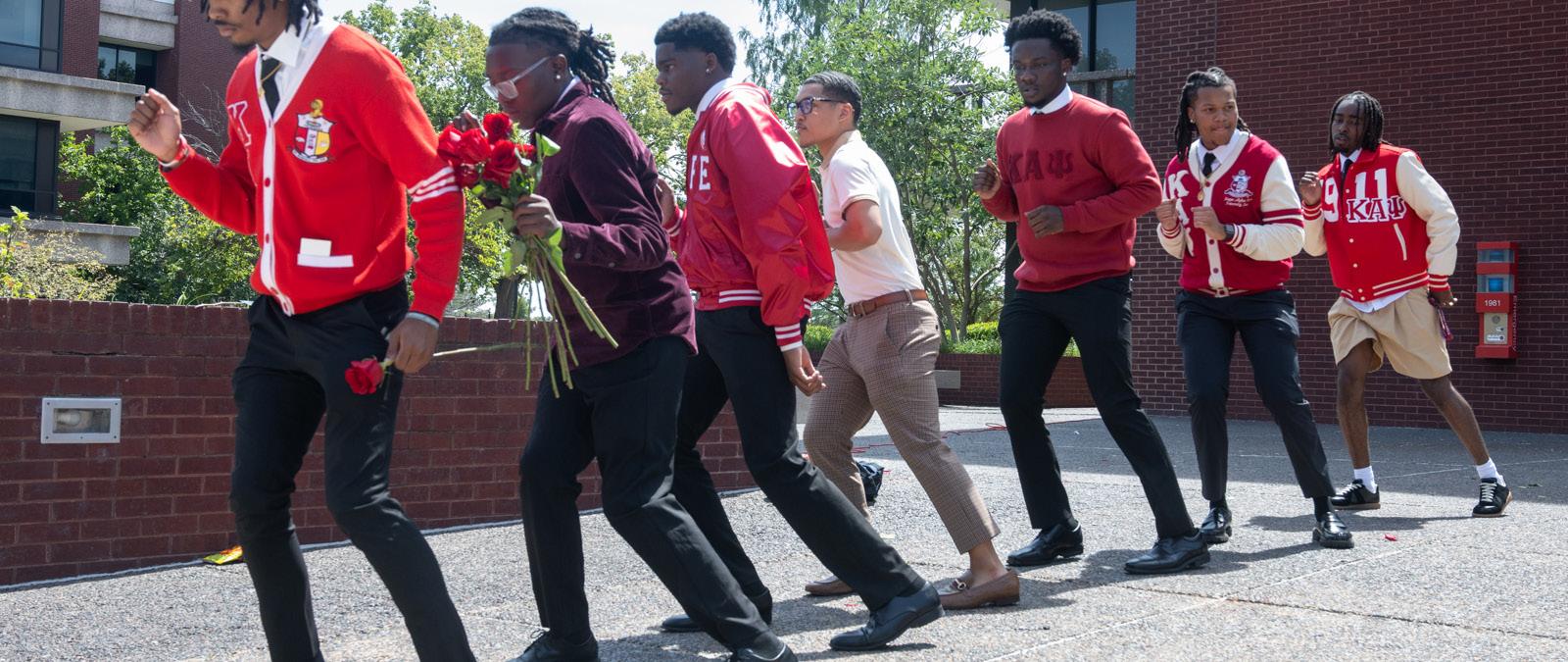
Through meaningful collaborations, the Kimmel Belonging and Engagement Hub curates transformational experiences where students learn to define their purpose and identify their impact. Students, faculty, staff, and community partners synergize to educate and empower in a vibrant and inclusive space that fosters belonging.
Career Readiness
Leaders and Luminaries incorporated an intentional reflection process through award applications and nominations that encouraged students and organizations to articulate their accomplishments, leadership development, and co-curricular involvement. This process supported students in developing language and confidence to discuss transferable skills and experiences in future professional settings, while also resulting in increased nominations compared to the previous year.
Vibrant Campus Life
The office hosted a large-scale spring concert in the Vadalabene Center that brought together more than 1,000 students during the last week of classes in spring semester. The event created a high-energy campus experience that fostered community connection, school spirit, and an opportunity for students to de-stress prior to finals week.
Goal 1
In Progress
Implement the NACE Career Readiness Competencies across all long-form leadership programs—including Emerging Leaders, ELTE, and the ADEI Leadership Certificate—to connect program learning with career readiness.
Goal2 Complete
Implement a comprehensive post-event evaluation process to intentionally integrate student voice into the assessment and future planning of Campus Activities Board (CAB) programs. Collect at least 300 completed student responses through Qualtrics during FY26 to inform program design, relevance, and satisfaction.
Goal 3 Paused
Develop and implement a comprehensive Student Organization Onboarding process for new and returning organizations to increase sustainability and successful re-registration year to year. Aim to achieve a 75% continuation rate among newly recognized organizations by the end of FY26.
Goal 4
In Progress
By May 2026, the office will establish a comprehensive student employment program that aligns all student positions with career readiness competencies, provides structured training and reflection opportunities, and assesses student growth to enhance their professional skill development.
MORRIS UNIVERSITY CENTER/ STUDENT SUCCESS CENTER
Opening of Chimega Mart (Amazon Just Walkout Store) has been a 3-year dream that came to fruition in 2026. This cashierless food option in the Student Success Center, the longest open building on campus, has been a welcome addition in supporting students who may not have made it to Dining operations but still want something substantial to eat. We have posted a QR Code to give students and guests an opportunity to share ideas of what they would like to see in the store.
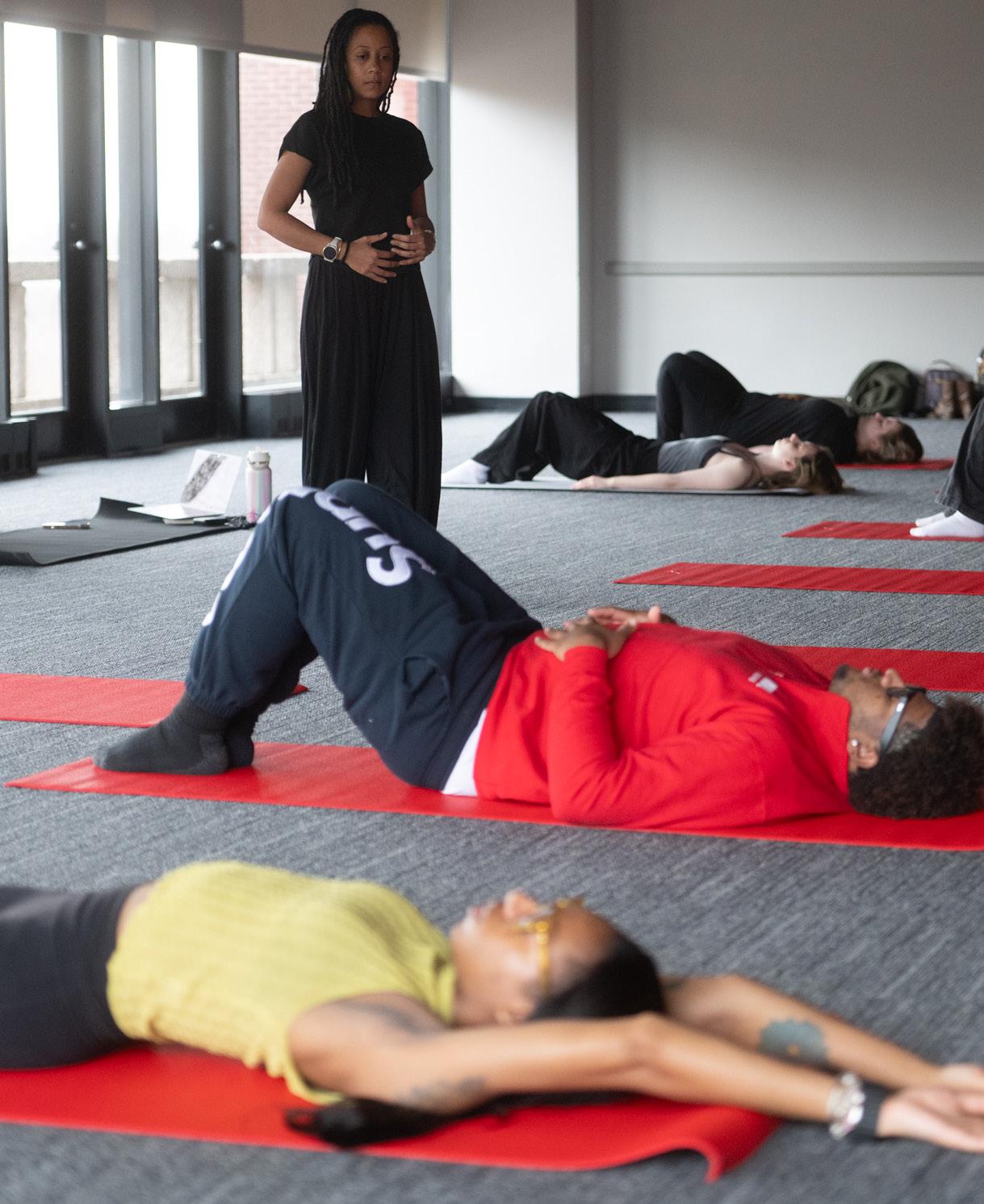
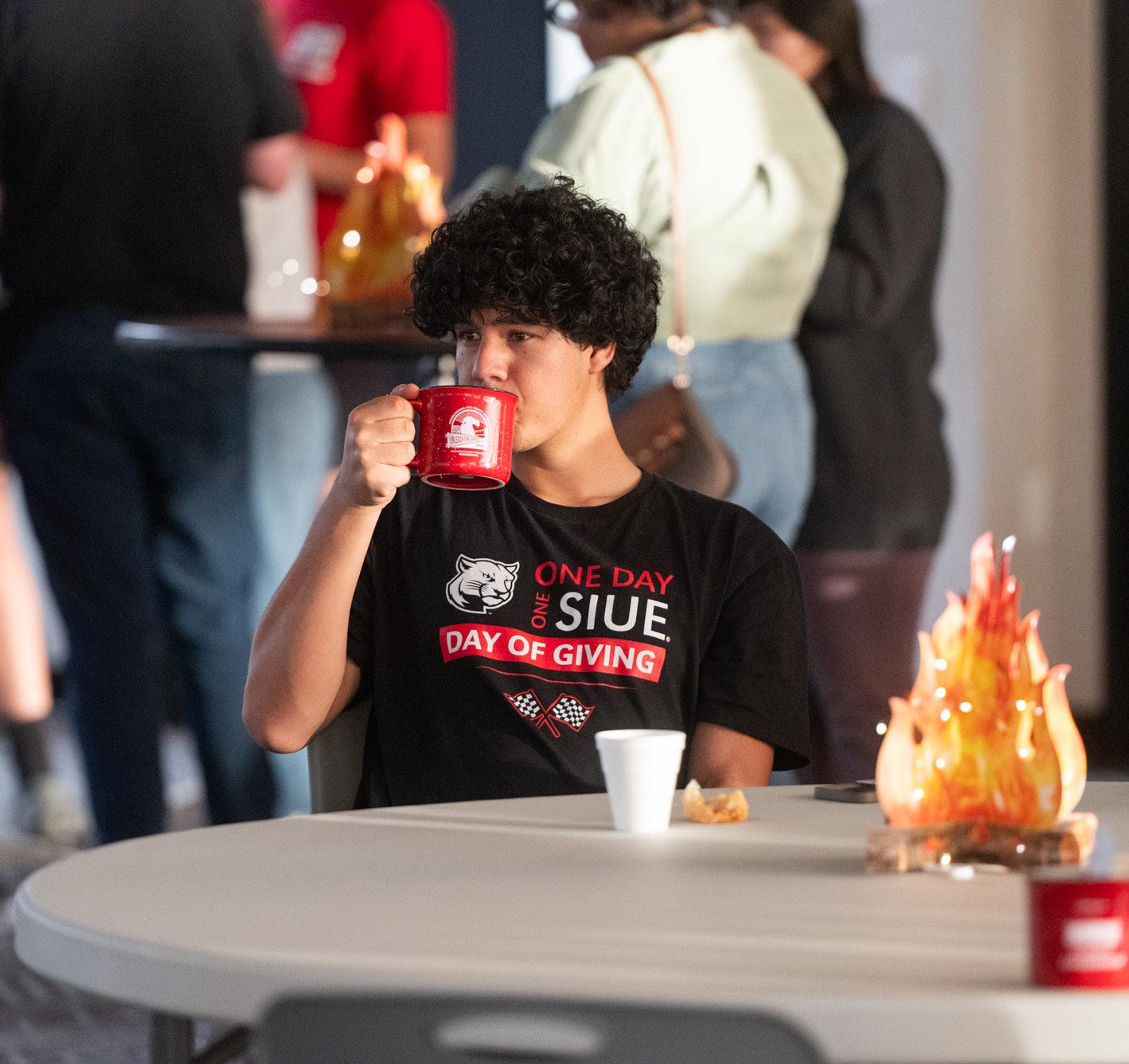
To be the center of a world class experience for all students and guests.
The Morris University Center is a welcoming and inclusive environment that serves as a catalyst for student success by providing high quality experiences retailprogramming,throughfacilities, and support services.
Student Basic Needs
Chimega Mart has supported this to the extent that for students who may be in the building outside of Dining hours, rather than missing a meal, they can now find something substantial at the store. Dining is continuing to fine tune the offerings, and next year meal plans (declining balances) can be used easily.
Vibrant Campus Life
A request came in from Student Government in the Fall to consider having the SSC open 24 hours during Finals. We were able to meet this request, visit the building count data afterwards and are going to continue this initiative for the Spring.
Goal 1
In Progress
Goal 2 In Progress
Increase student learning within student employees of the MUC by providing at least two (2) professional development opportunities per semester for student employees.
Goal 3 In Progress
Implement at least three new technology upgrades or access improvements across the MUC and SSC that directly respond to documented user demands, learned from ACUI/ Benchwork Survey.
By April 30, 2026, complete the ACUI/ Benchwork assessment and achieve a minimum 10% increase in overall satisfaction scores compared to the 2024 survey results, with at least 75% of respondents indicating satisfaction or higher in key focus areas.
NEW STUDENT AND FAMILY PROGRAMS
NSFP advanced student well-being by leading intentional community-building initiatives during National First-Generation College Celebration Week and Transfer Student Week, creating spaces where first-generation and transfer students could celebrate their identities, connect with peers, and engage with campus resources designed to support their success. These programs reinforced belonging, reduced transition isolation, and strengthened students’ connection to the SIUE community.
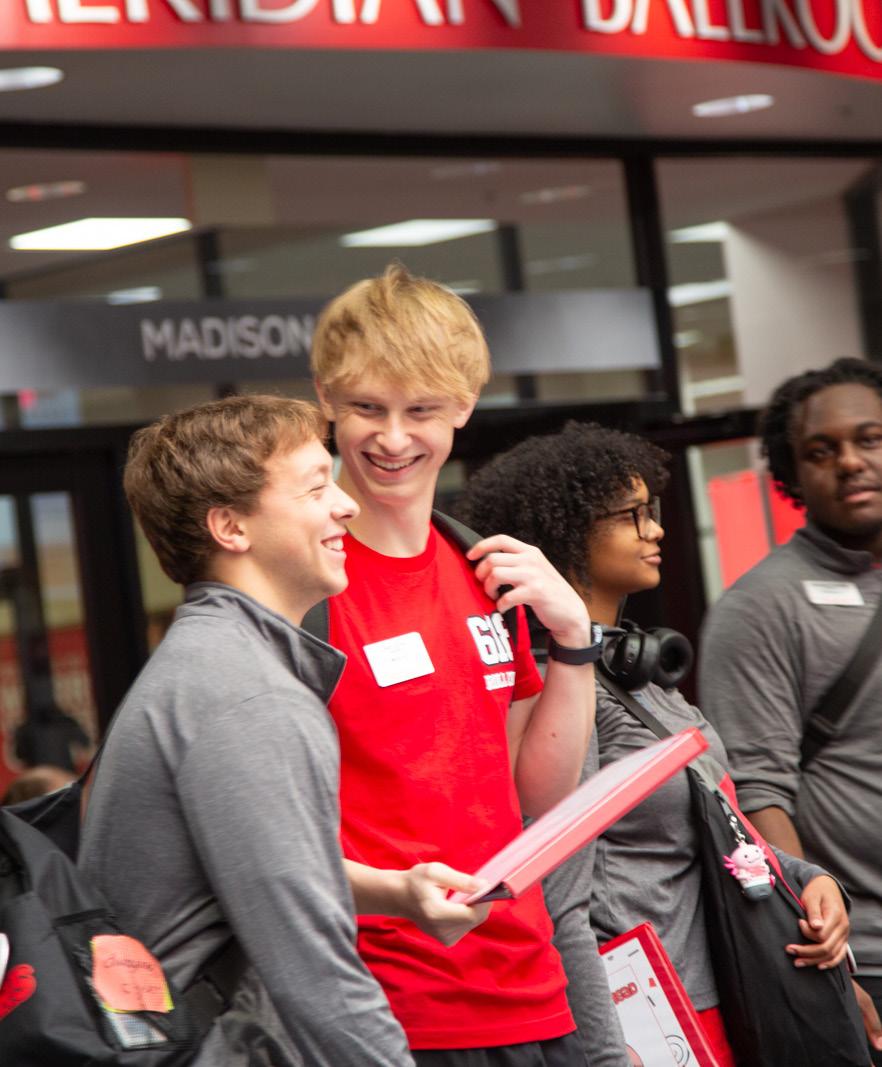

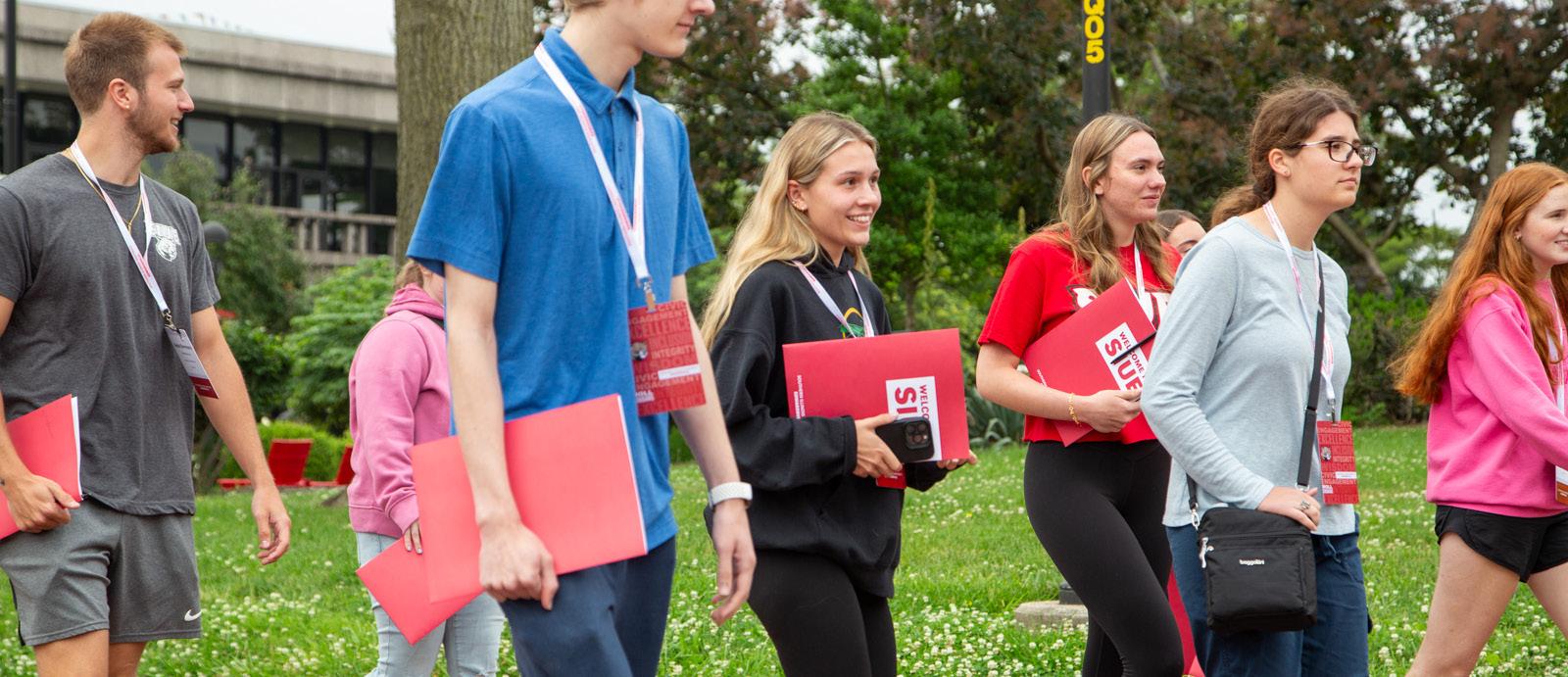
Student Affairs supports students as they learn from and navigate life’s opportunities and challenges. New Student and Family Programs strives to start this mission by ensuring all students and families experience a warm and supportive transition into the SIUE community with touchpoints through the first semester and beyond.
Health and Well-Being
NSFP advanced student well-being by leading intentional community-building initiatives during National First-Generation College Celebration Week and Transfer Student Week, creating spaces where first-generation and transfer students could celebrate their identities, connect with peers, and engage with campus resources designed to support their success. These programs reinforced belonging, reduced transition isolation, and strengthened students’ connection to the SIUE community.
Vibrant Campus Life
NSFP strengthened Welcome Weekend as a signature campus tradition by intentionally designing programming that connected students to institutional pride (Convocation), major pathways (Meet Your Major), campus involvement opportunities, and shared Cougar traditions that foster belonging from day one.
Goal 1 Paused
Achieve an 80% satisfaction rate among Orientation Leaders, with participants selfassessing as feeling ‘good’ or ‘excellent.’ Additionally, each Orientation Leader will identify a specific skill that they developed over the course of their training and employment as an OL.
Goal 2 Paused
NSFP will have a more consistent communication flow in RAFTR for supporters with a specific focus on first year supporters and first gen supporters. This will be evidenced by a communication flow and physical posts.
Goal 3 In Progress
We will continue to remove barriers for orientation by completing the following tasks for the FA26 orientation cycle: Provide 2 buses for Chicago Based students to attend in person orientation and administer a more robust digital orientation learning opportunity for students who cannot attend in person.
UNIVERSITY HOUSING
University Housing embraced a renewed spirit and structure for programming and engagement this year. A strategic decision to remove Area Councils and funnel that engagement towards the Residence Housing Association (RHA) was very successful and led to increased involvement with RHA, including a full executive board and growth in programming and advocacy. RHA hosted several well-attended events, including Mud Volleyball, HALL-o-ween Wars, and the RHA Carnival. In addition, RHA hosted valuable forums with Dining Services, University Housing leadership, and other partners, elevating the residential voice.
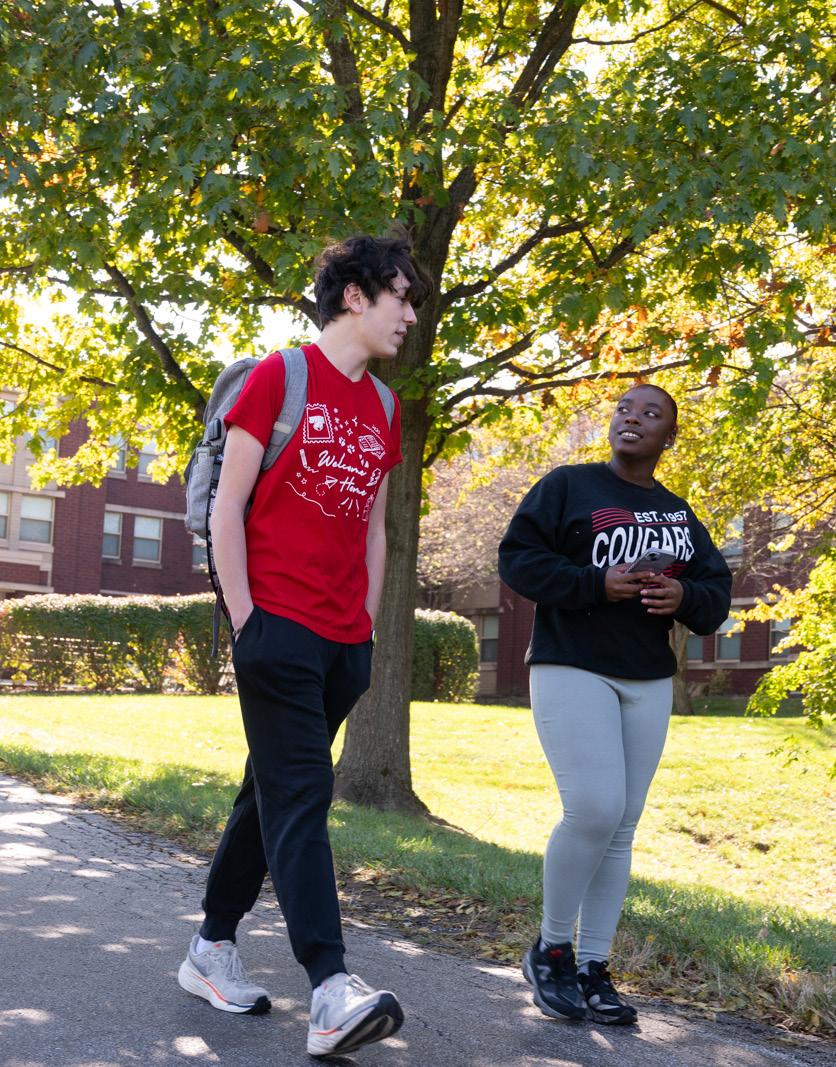

University Housing empowers residents to achieve their full throughpotentialcommunity engagement,experiencesdiverse and interactions, and personal growth.
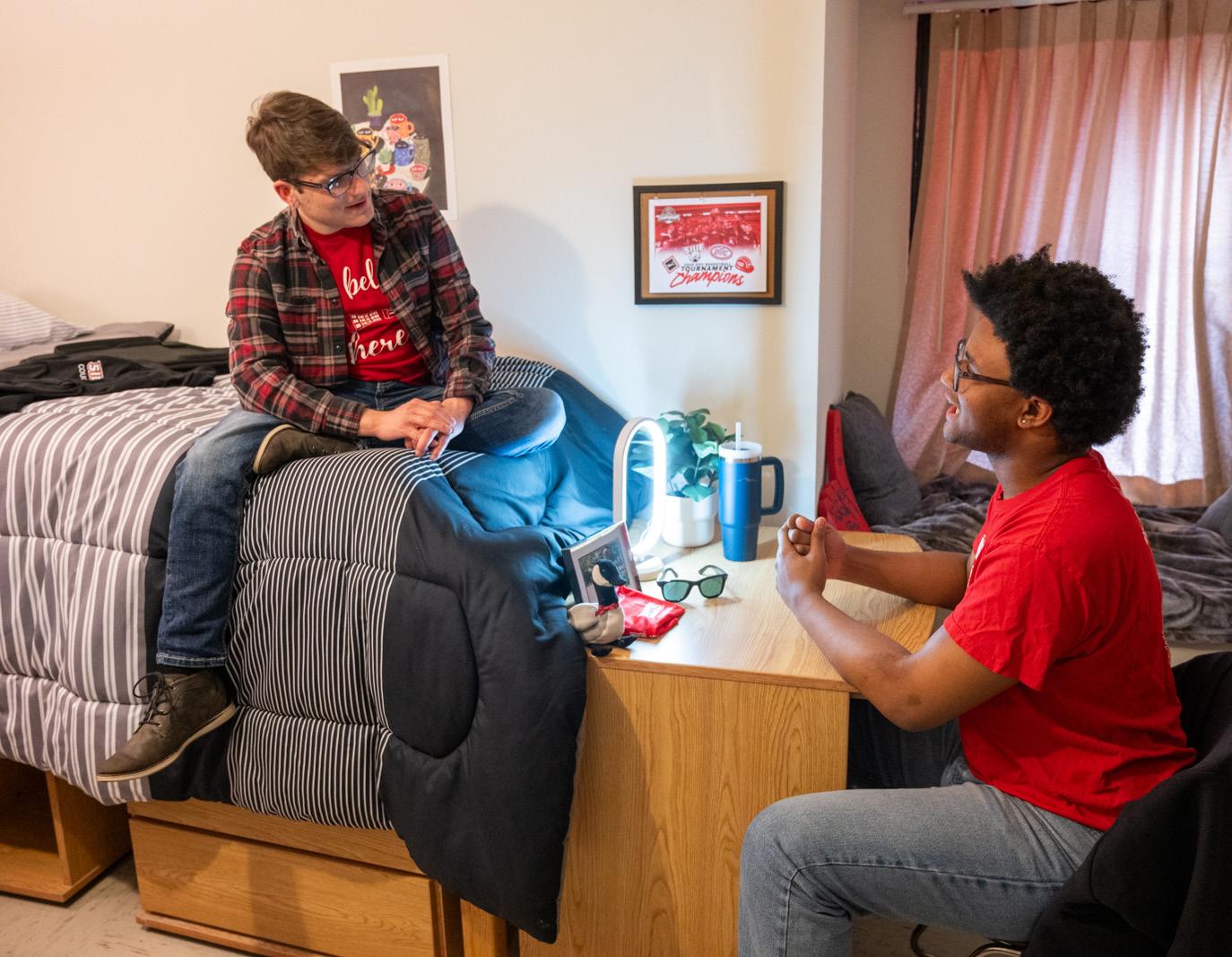
University Housing fosters a quality living and environmentlearning that promotes student success.
Health and Well-Being
University Housing built out an intentional process to connect with residential students who have Starfish flags. The multi-pronged approach includes follow-up from student staff and full-time staff in a variety of different ways, including phone calls and in- person visits. Over the course of this year, at least 119 unique students connected with housing staff after a campus partner raised a Starfish flag, with staff providing support, resources, and coordinating wrap around care as needed.
Career Readiness
University Housing launched an innovative new interview process for returning Resident Assistant staff that allowed students to showcase the learning they achieved in the current year as part of the employment reapplication process. The RA Symposium intentionally developed competencies around self-development, communication, and professionalism.
Goal 1
Complete
Goal 2
Complete
The average on-campus first-time, full-time freshmen GPA will be higher than off-campus students (both fall and spring semesters).
Goal 3
Complete
The average on-campus first-time, full-time freshman will attempt and complete more credit hours than off- campus students (both fall and spring semesters).
Meet or exceed 54% University Housing resident retention from fall 2025 to fall 2026.
Goal 4 In Progress
Goal 5 In Progress
Complete review of the Living Learning Community program, including but not limited to communities, program development, recruitment, faculty involvement and more.
Select the firm and complete the initial design phases of the Cougar Village Apartments construction process.
Goal 6
Complete
Maintain the FY25 satisfaction level about the room change process, as part of the Skyfactor Benchworks Resident Assessment.