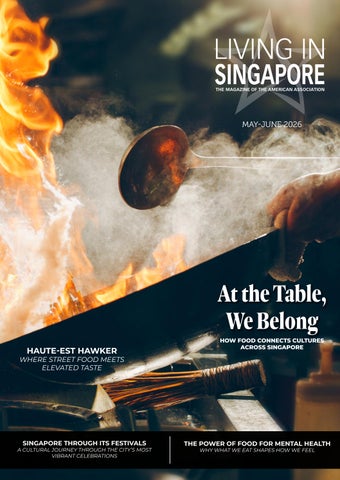




Food is one of the easiest ways to understand a place— and the people in it. We know how much Singapore loves its food! You can learn a lot standing in line at a hawker center, sharing a table with strangers, or lingering a little too long over a great meal.
In this issue, we explore how food and culture are constantly shaping each other here. We speak with the founder of Boutiques Fair, a now much-loved event that, at its heart, brings people together over creativity, craftsmanship, and—of course— something good to eat. It’s a reminder that culture isn’t static; it’s built, shared, and often served.
We also take a closer look at Singapore’s Michelinrecognized restaurants and hawkers—where fine dining and everyday meals sit side by side in a way that still feels uniquely Singaporean. And if you’ve noticed hawker fare getting a bit more elevated lately, you’re not wrong. One feature dives into the rise of “fancier” hawker stalls, where tradition meets a new generation of chefs and ideas.
But beyond the headlines and accolades, food is

We round things out with a look at festivals across Singapore, where arts, music, food, and culture help
revisiting an old one, we hope this issue encourages you to slow down, pull up a chair, and share a meal.
Editor-in-Chief
EDITORIAL
Editor-in-Chief: Susan Williams communications@aasingapore.com
Publishing Editor: Tara Strunk generalmanager@aasingapore.com
LAYOUT
Graphic Designer: Susan Williams graphics@aasingapore.com
ADVERTISING
Advertising Manager: Thila Chandra thila@aasingapore.com
COLUMNISTS
Andrea McKenna Brankin, Marc Servos
CONTRIBUTORS
Aimee, Aaron Arthur Foeste, Pedrinha Furtado, Richard Hartung, Siena Takebayashi, Leslie Tam
AMERICAN ASSOCIATION BOARD MEMBERS
President: Michelle Reeb
Vice President: Christopher Ellis
Treasurer: Olive Ngah
Secretary: Heidi Hughes
Directors-at-Large: Neetu Mirchandani, Daniel Moss, Tianna Nguyen, Colton Payne, Carlos Ruano, Carmen Schwender
AmCham: Dr. Hsien-Hsien Lei
AWA: Paige Jenkinson
SAFL: Stacy Ohrt-Billingslea
SAS: Chris Raymaakers
The American Club: Dan Gewirtz
Non-Voting Members
US Embassy: Lisa Liao
US Navy COMLOG WESTPAC: RDML Todd "Chimi" Cimicata
AAS: Tara Strunk
PUBLISHER – AMERICAN ASSOCIATION
American Association of Singapore (AAS) is a professional, not-forprofit organization established to enhance the well-being and living experience of Americans residing in Singapore and to promote relationships, both business and social, between Americans and those from different cultures and nationalities.
20 Anson Rd, Level 6, Singapore 079912 admin@aasingapore.com • www.aasingapore.com
Living In Singapore magazine will be released five times per year, with the purpose of enhancing the expatriate experience in Singapore.
SUBSCRIPTION
A subscription to Living in Singapore is complementary with an AAS membership. AAS annual family membership is $150.
To join, visit aasingapore.com and have Living in Singapore magazine delivered to your inbox. Reproduction in any manner, in English or any other language, is prohibited without written permission. Living in Singapore welcomes all contributions of volunteer time or written material. Living in Singapore is printed by NPE Print Communications Pte Ltd, 39 & 41 Kallang Place, 339169, License L007/12/2025. Living in Singapore magazine Print Permit No. MDDI (P) 060/04/2026.
FOLLOW US!

05. COMMUNITY NEWS
Check out what we've been up to and what's coming up
13. 90 ACTS OF CHARITY
See what our community has been doing to give back
15. SCOUTING
Find out what Scouts have been doing lately
17. HEADSPACE
Foods that help with mental health
19. LIVING SINGAPORE STORIES
How opium built colonial Singapore
23. AT THE TABLE, WE BELONG
How food connects cultures in Singapore
27. MICHELIN GUIDE TO SINGAPORE
288 exceptional places to eat
31. THE HAUTE-EST HAWKER CENTER
Where to find atas eats
34. BOUTIQUES FAIR SINGAPORE
An interview with founder Charlotte Cain
40. SINGAPORE THROUGH ITS FESTIVALS
Arts, music, and cultural events that bring the city to life

BY MICHELLE REEB
May and June bring a wonderful energy to Singapore. With school holidays around the corner, families are planning getaways, children are looking forward to a well-earned break, and there’s a lighter spirit in the air.
It’s a wonderful time to slow down and reconnect—whether that means discovering a new corner of the island, enjoying our green spaces, or simply spending more time together at home. It’s also a season for coming together, and I encourage you to mark your calendars and join us at the AAS Cinco de Mayo Family Day. Register now, before it sells out! It’s a chance to connect, celebrate, and enjoy the vibrant spirit of our community.
As the school holidays begin, make the most of this time—slow down, reconnect, and create lasting memories. And don’t miss the AAS Fourth of July Celebration, celebrating America's 250th birthday—come out, bring friends, and be part of another memorable gathering that brings our community together.
Warm regards,
Michelle González Reeb
President,
American Association of Singapore
PATRIOT PARTNERS


STARS & STRIPES PARTNER



COMMUNITY PARTNERS
















AAS paid members enjoy discounts at a range of local businesses. Check out our website for more details.
AAS members, be sure to log in to receive discount codes on the "Your AAS Membership Card" page.
























AAS Running Club @ Fullerton
May 3, 9:30 – 11:00 AM
Cinco de Mayo Family Day
May 3, 12:00 – 4:30 PM
AAS Running Club @ MacRitchie
May 10, 9:30 – 11:00 AM
AAS Running Club @ Fullerton May 17, 9:30 – 11:00 AM
The Expat Summer Blueprint May 19, 7:00 PM
Tree Planting with AAS May 22, 10:00 AM
AAS Running Club Park Run 5K May 23, 9:30 – 11:00 AM
AAS Presents America's 250th Birthday Bash July 4, 4:00 – 9:00 PM

Your elegant, family-friendly retreat in Sanur,

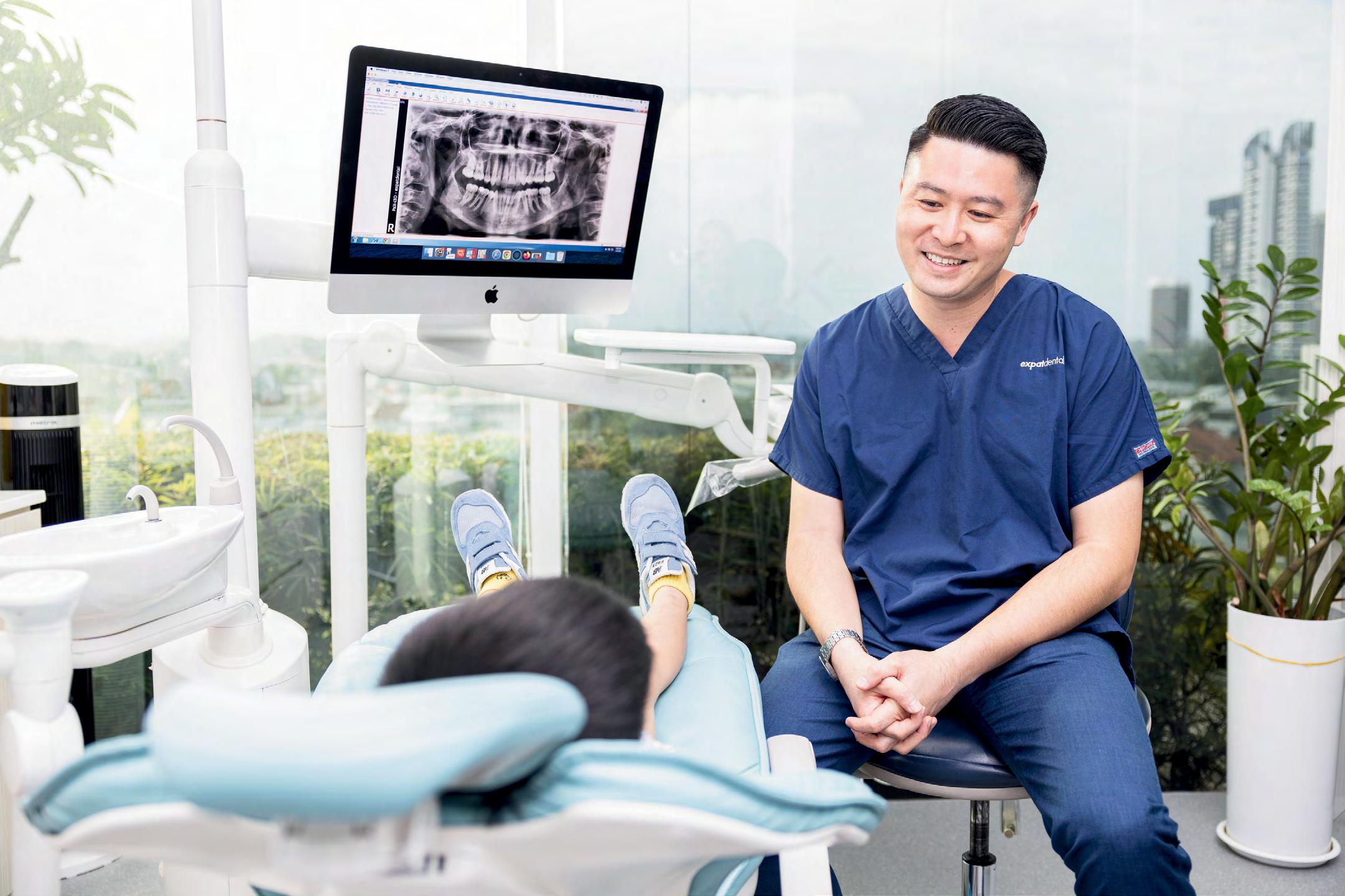
Dental care for children, teens and adults with Dr Josh Liu at expatdental®.
American dentist providing care for the whole family
Preventive care focused on long-term oral health
Children’s dentistry tailored for younger patients
Comprehensive dental care under one roof
Scan to chat with our team about AAS member pricing

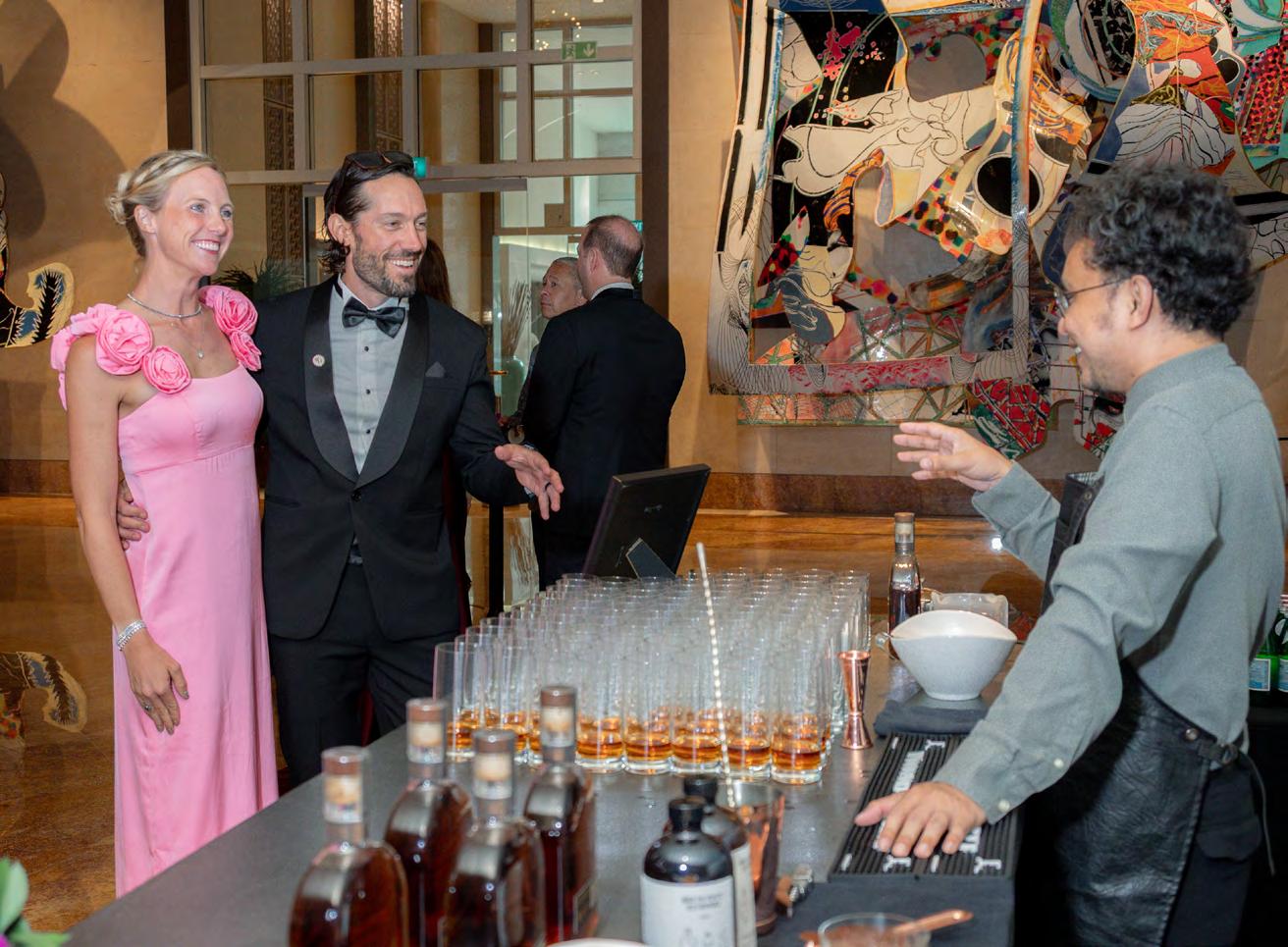
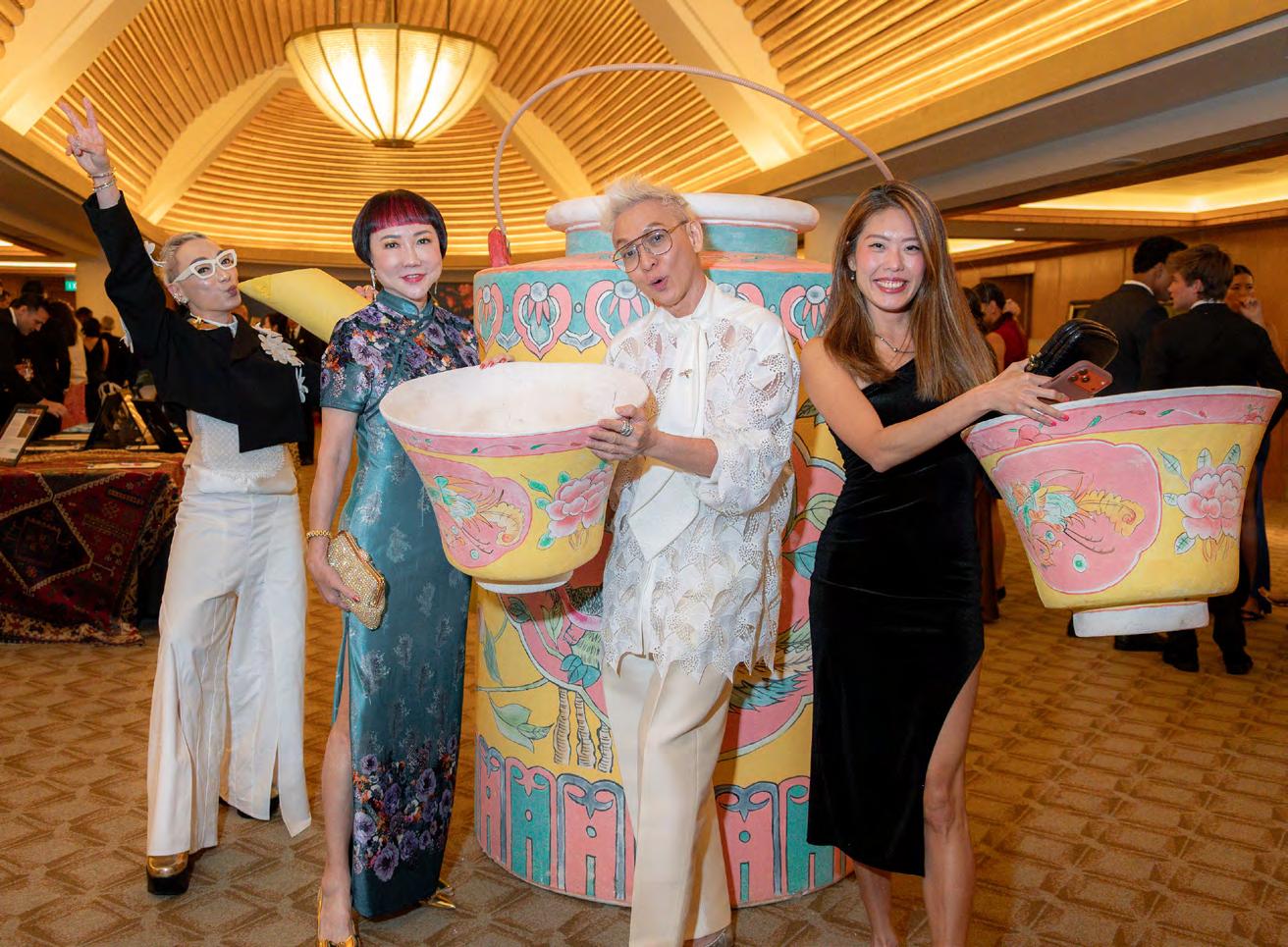
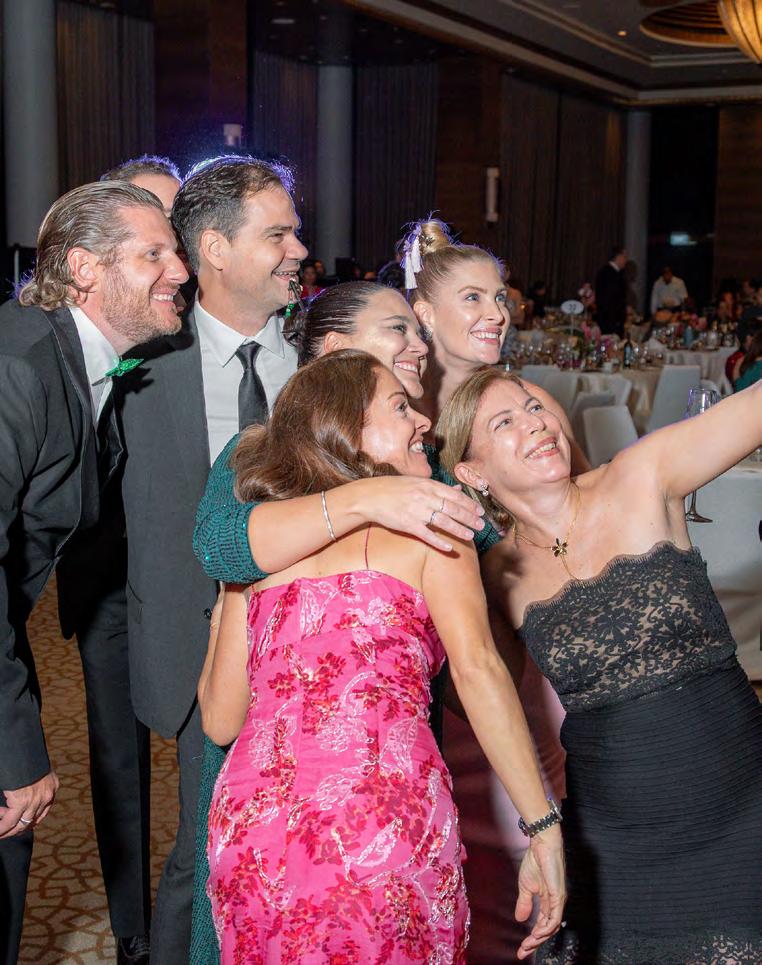
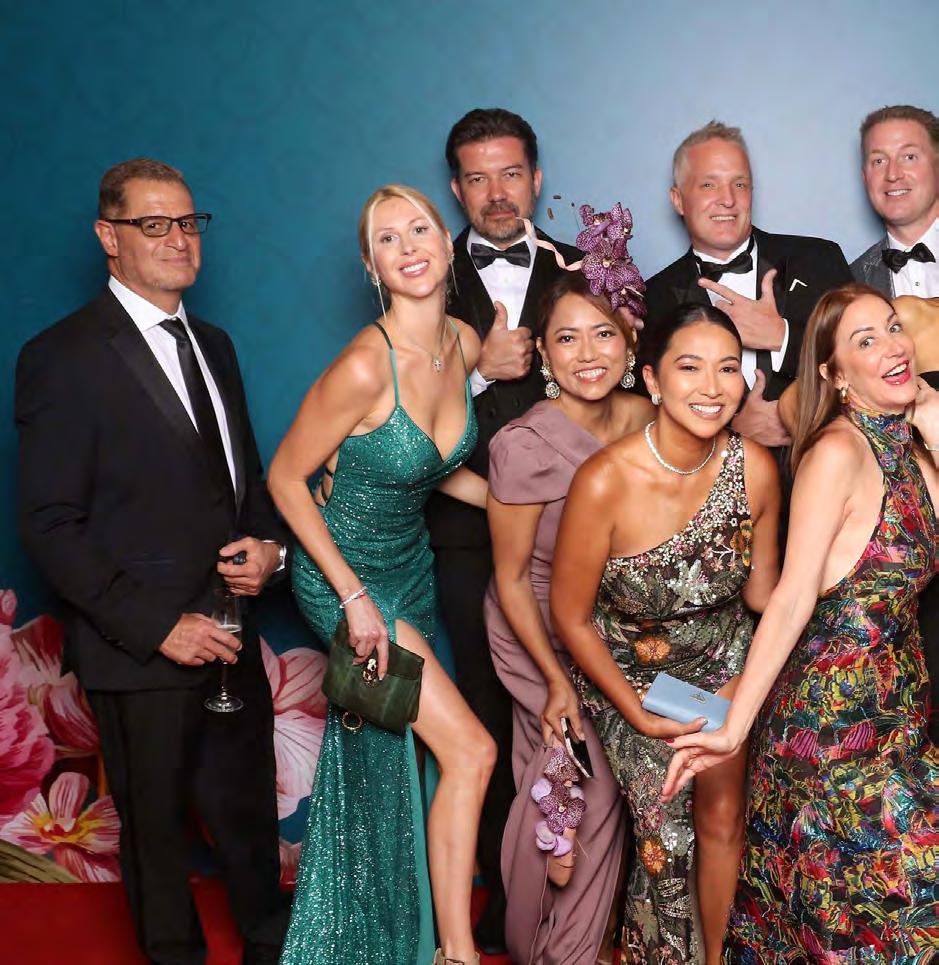
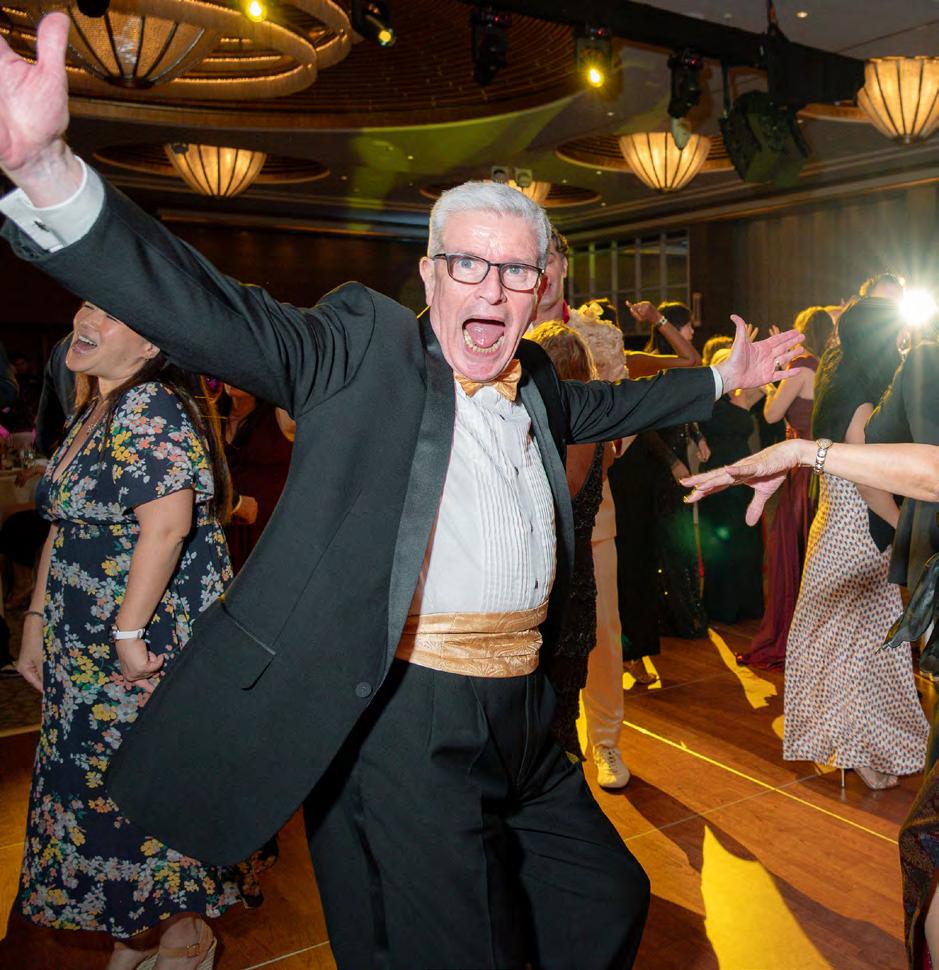
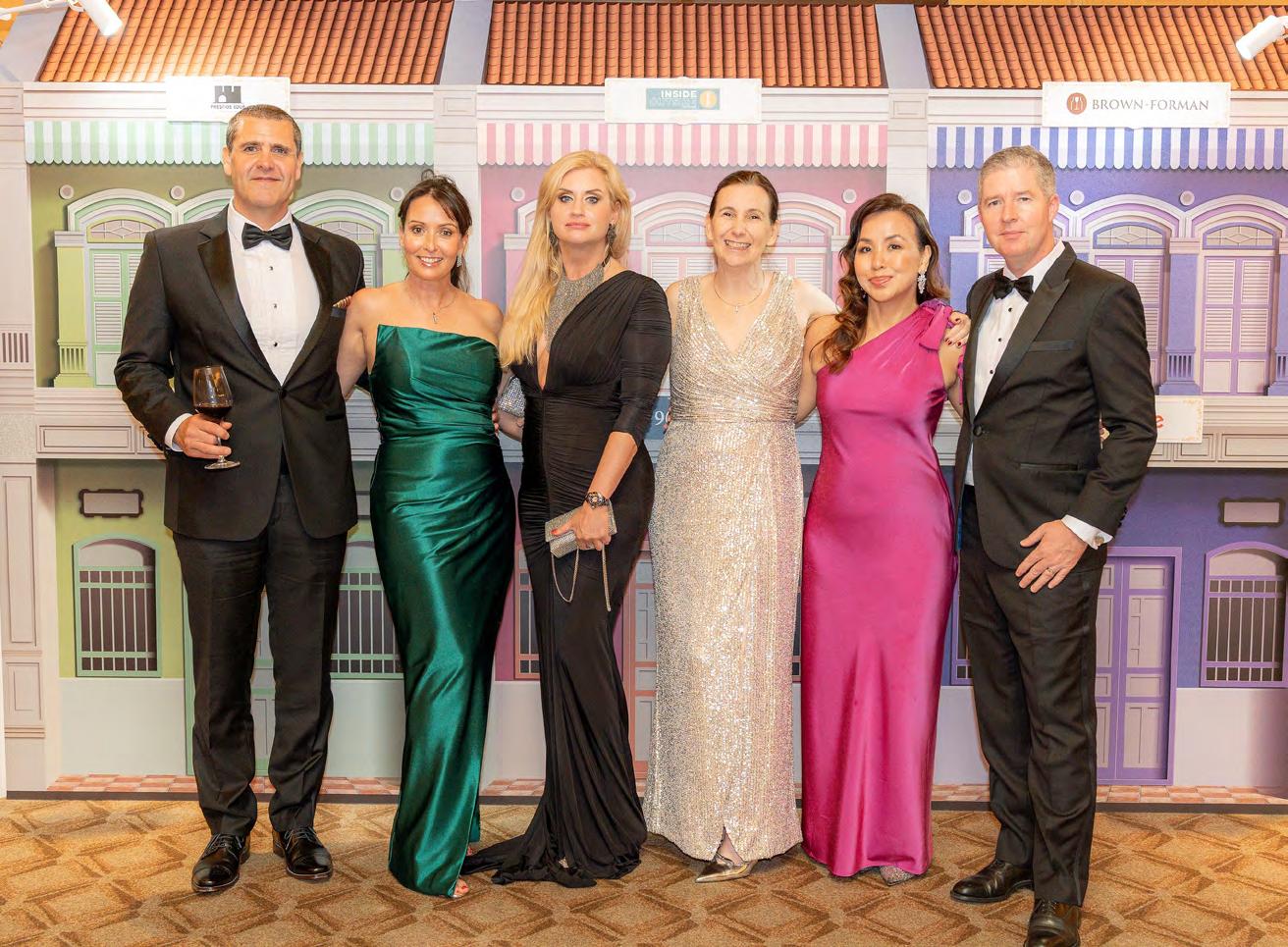

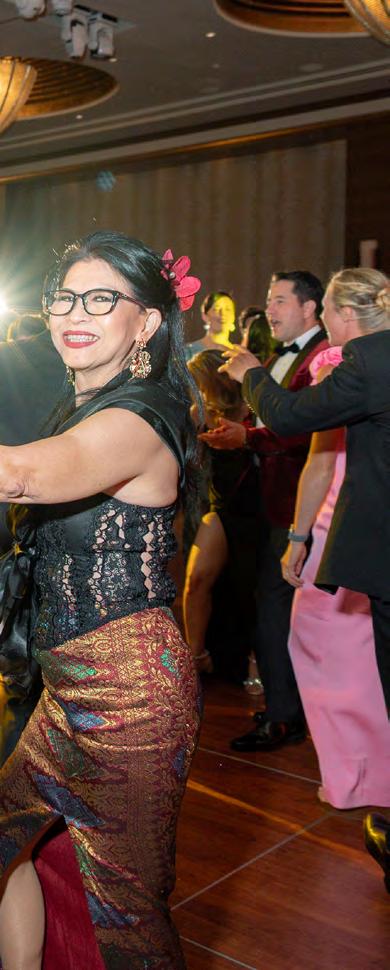
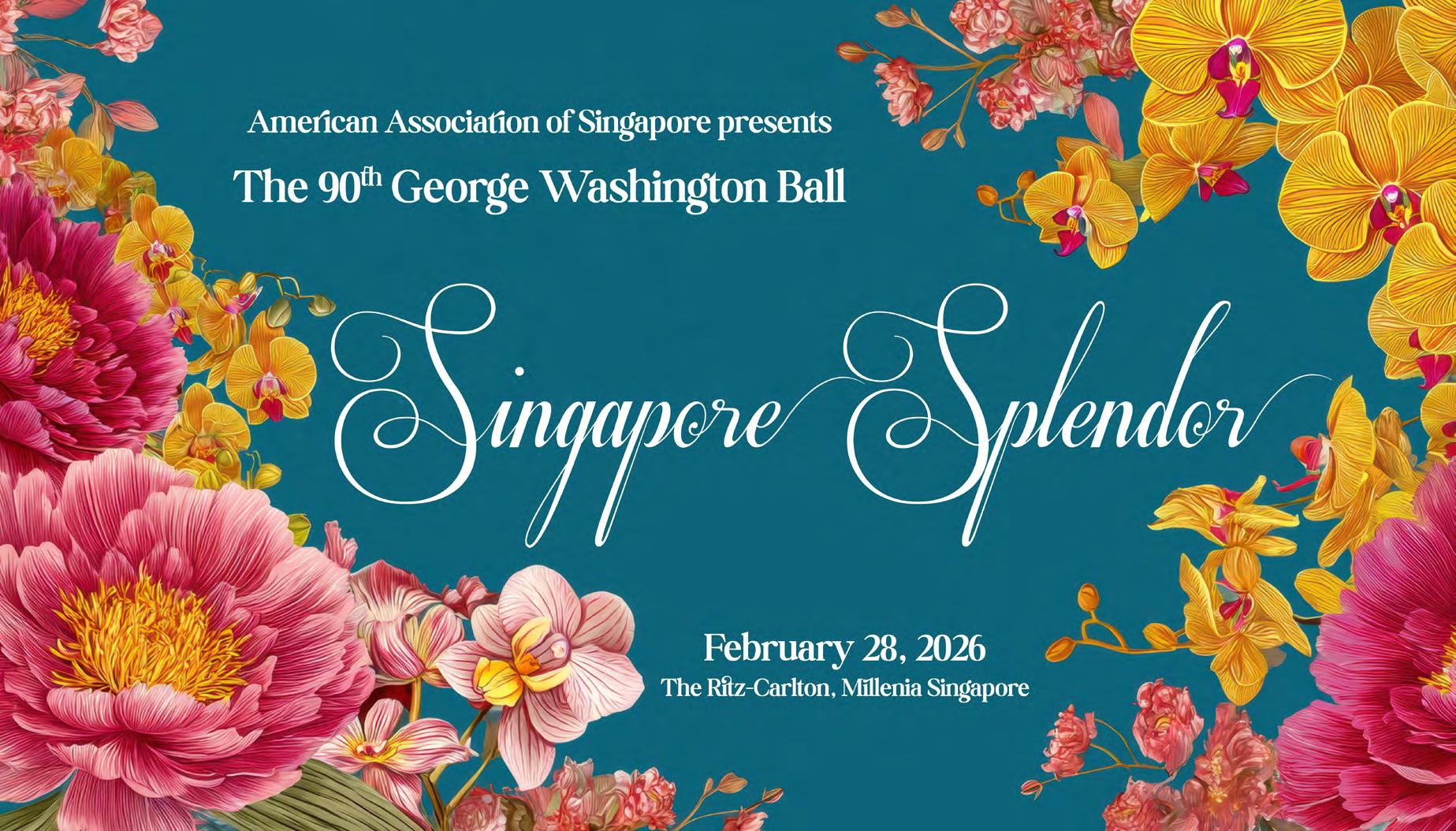
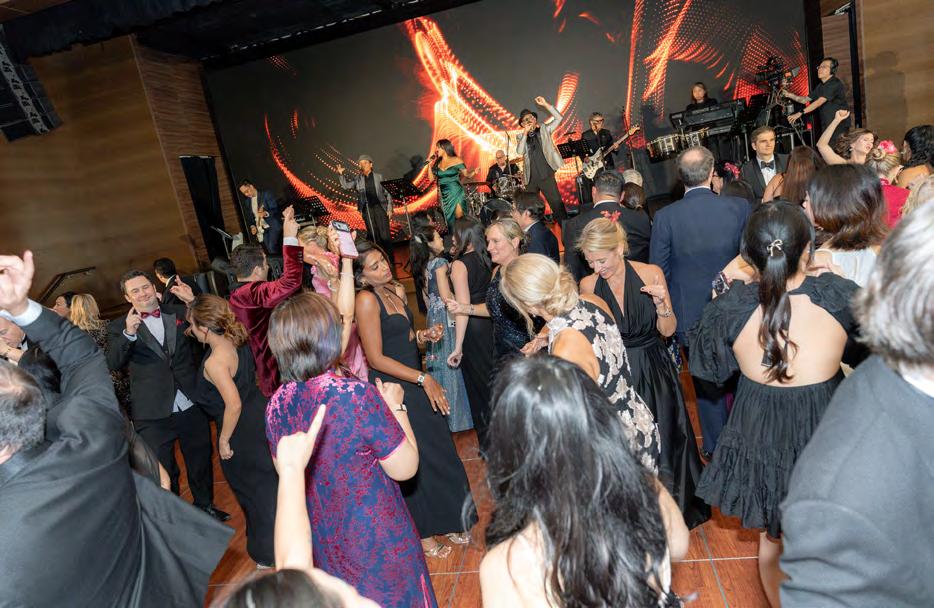
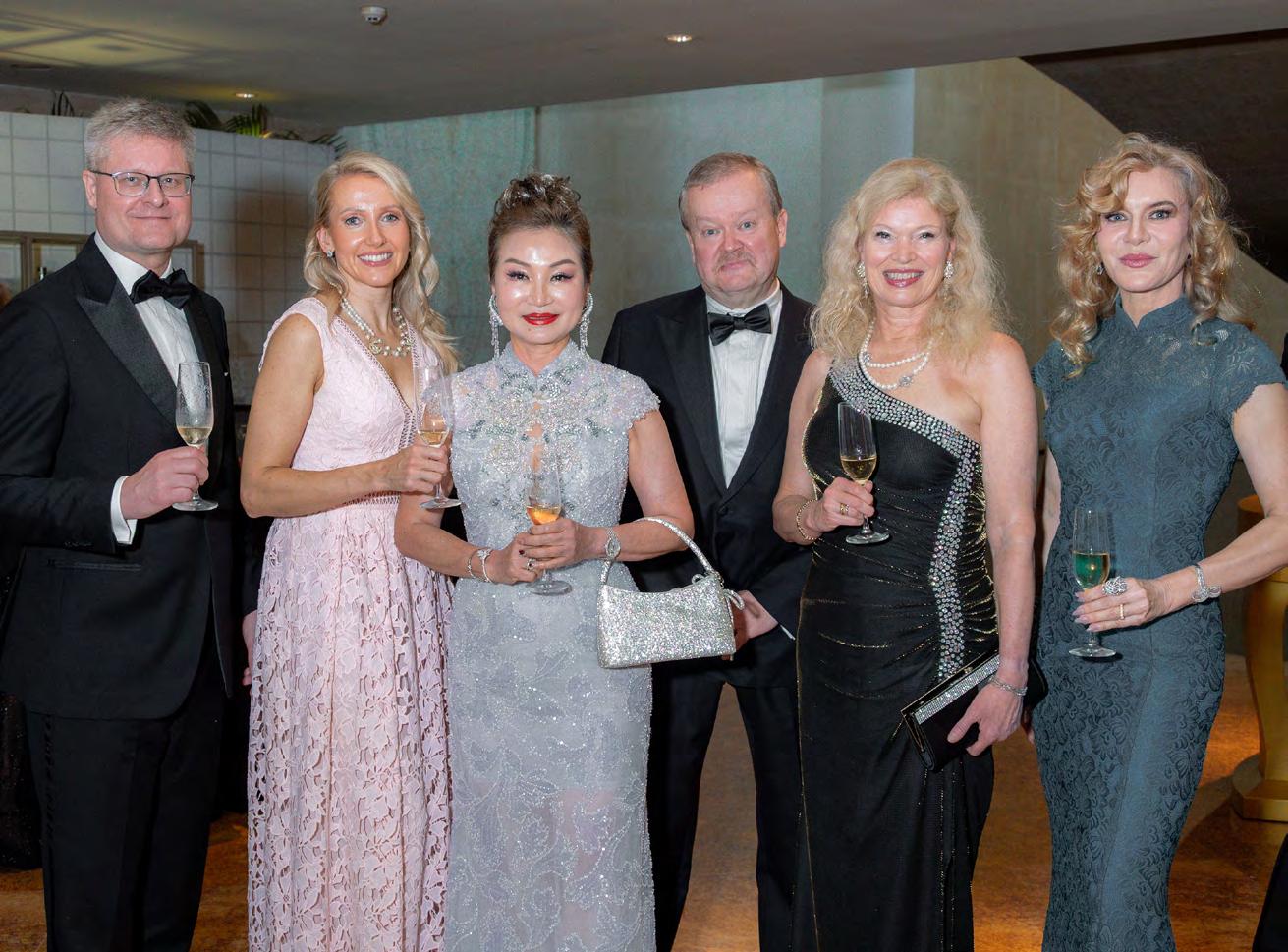
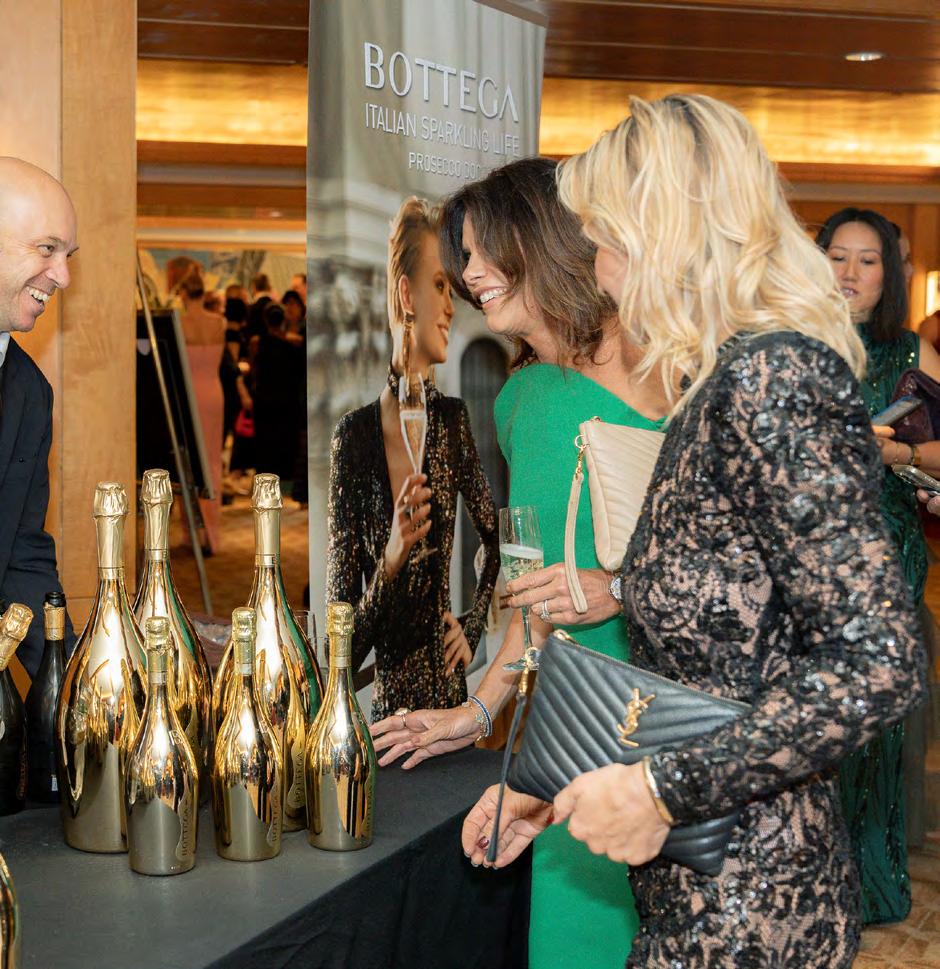
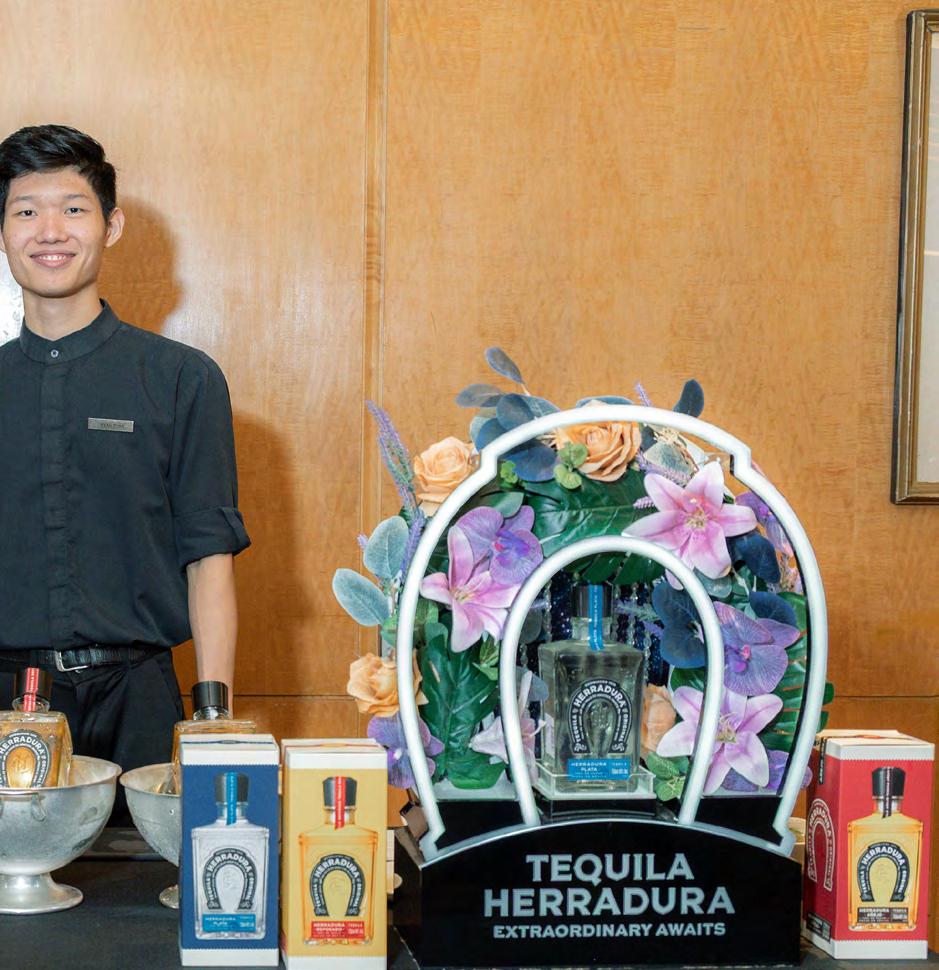
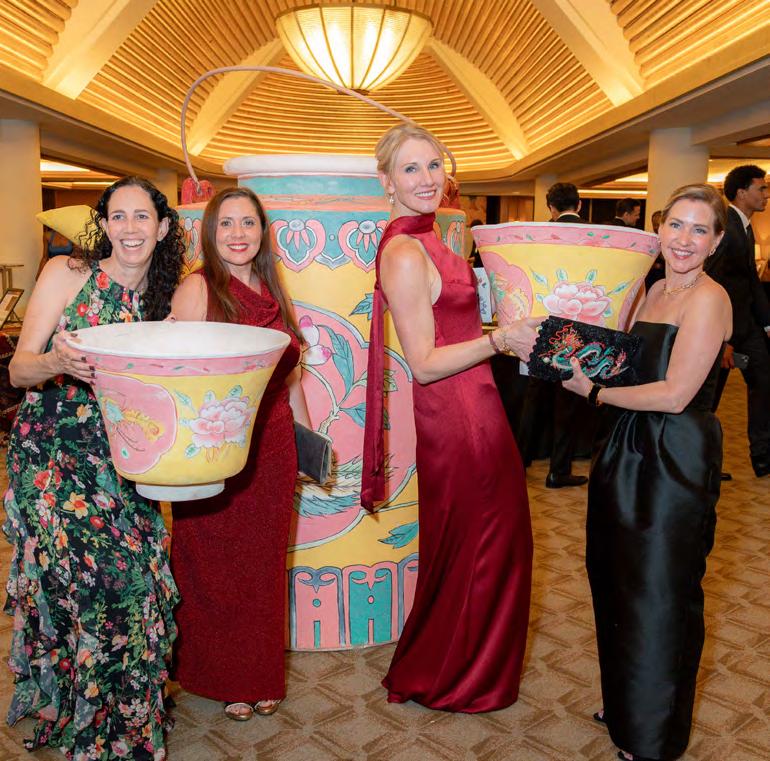
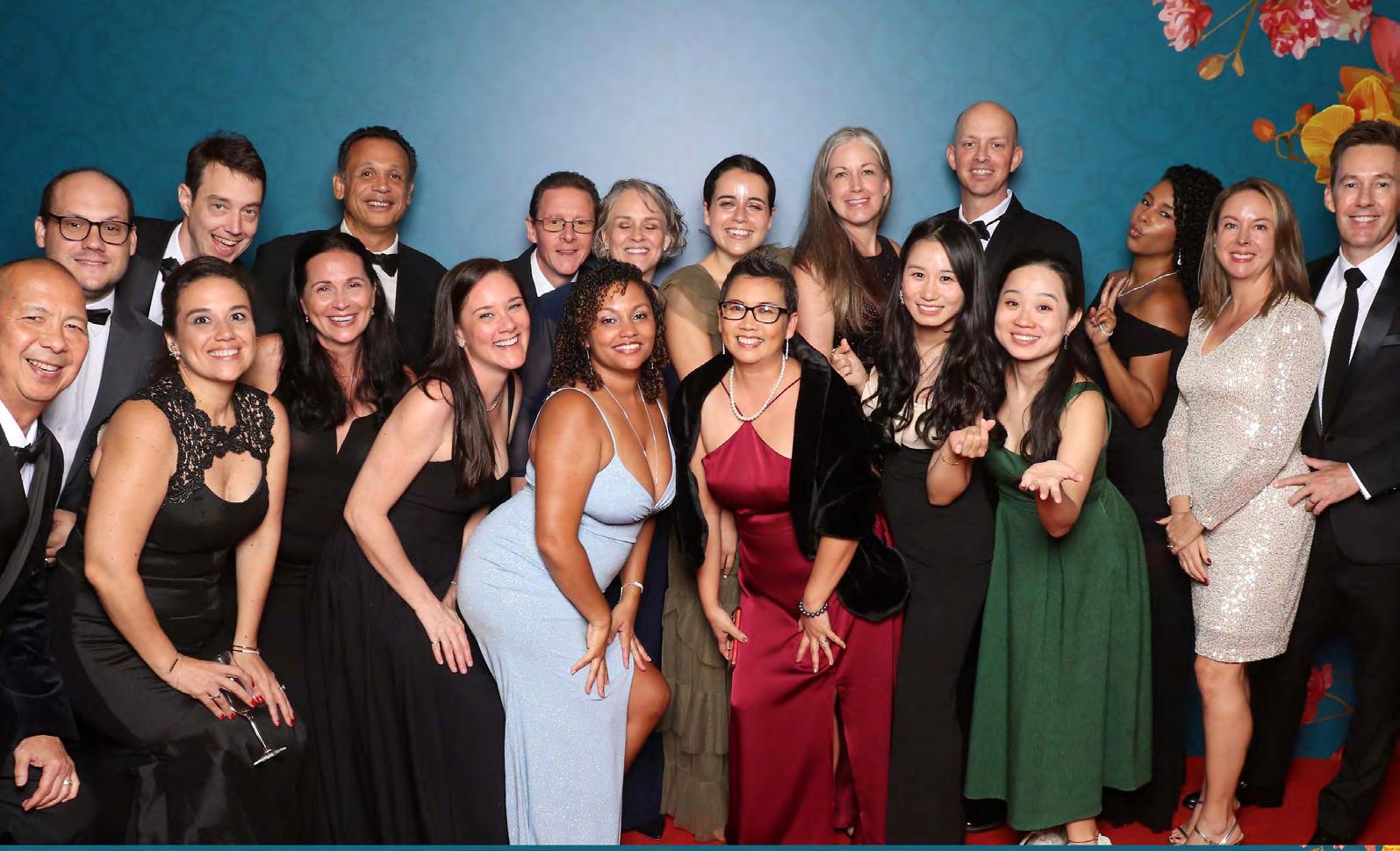
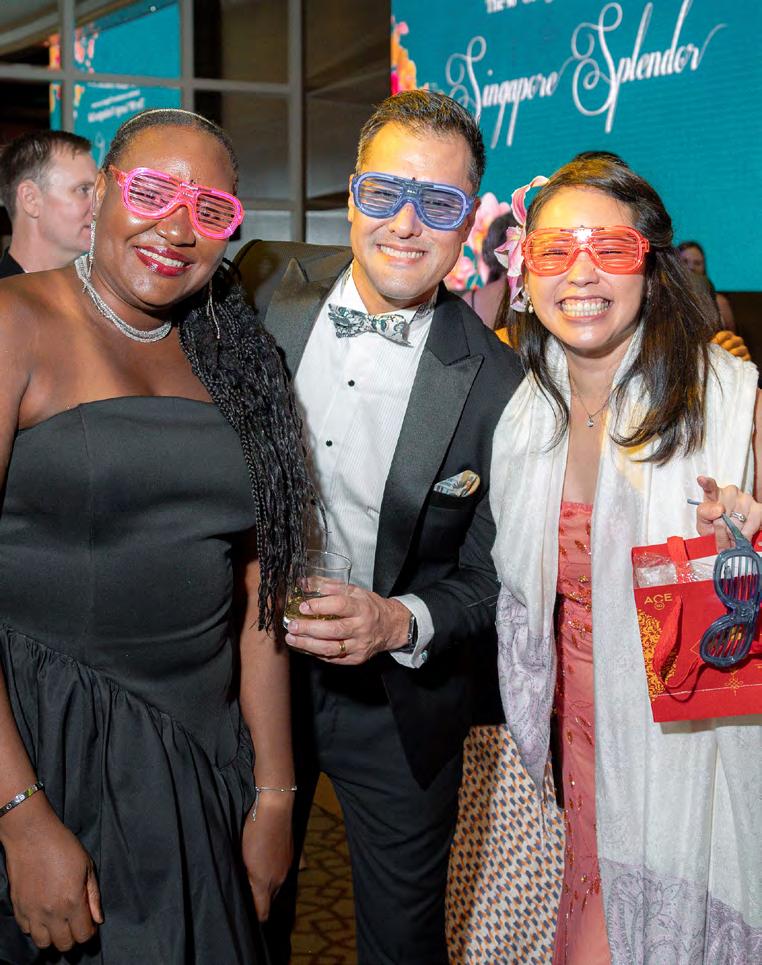
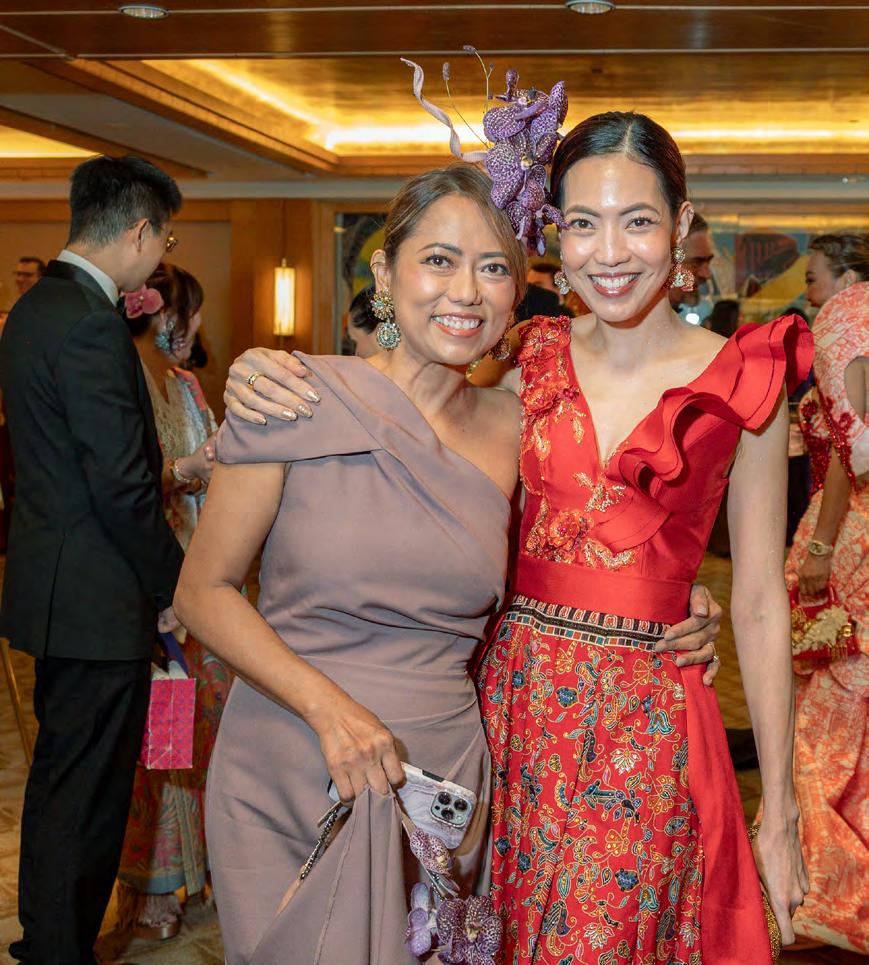
This year’s George Washington Ball was a resounding success. Guests embraced Singaporean culture at the 90th George Washington Ball, Singapore Splendor, held at the The Ritz-Carlton, Millenia Singapore.
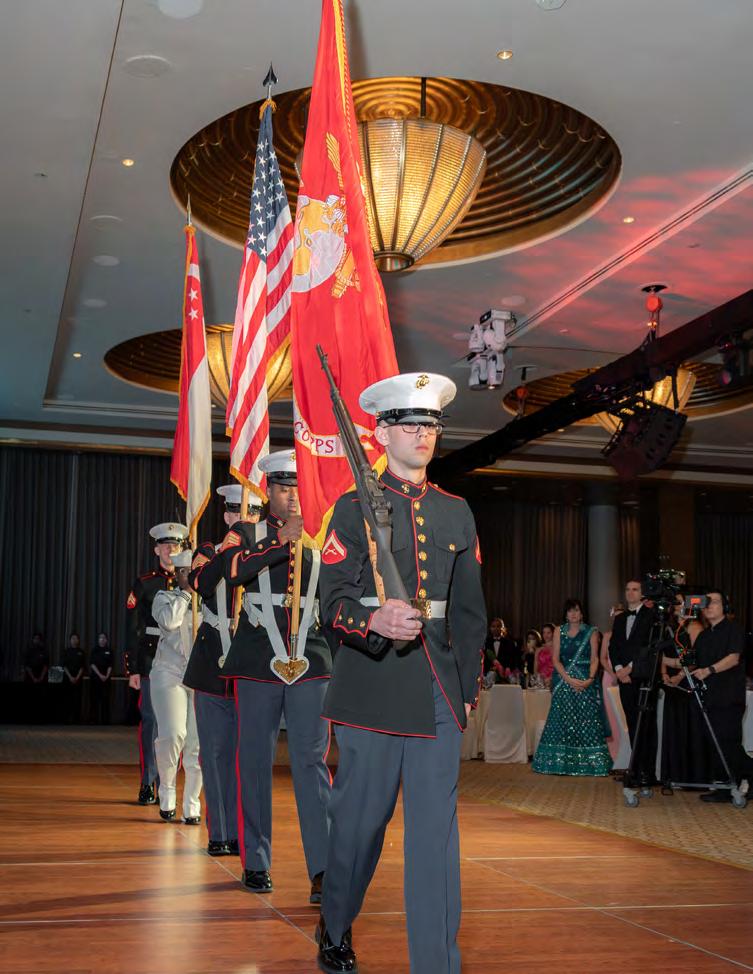
The evening opened with a vibrant showcase of traditional cultural dances, followed by a flag ceremony presented by the US Navy's Singapore Regional Ceremonial Guard. SAIS students Kavya Arora and Elliott Swann delivered stirring renditions of the national anthems, setting a meaningful tone for the night.
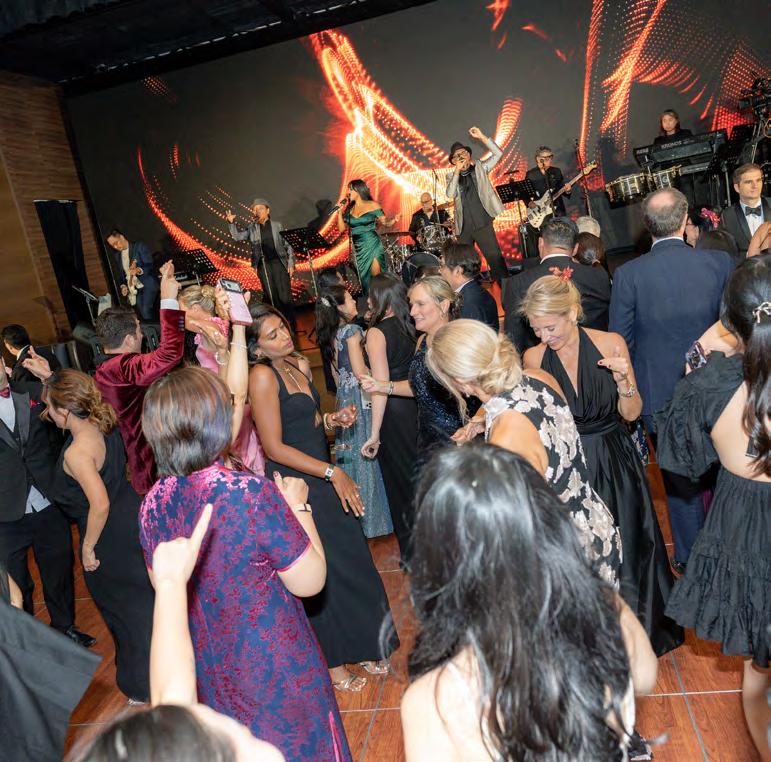
After dinner, nearly 400 guests took to the dance floor, celebrating late into the evening to the lively sounds of Jive Talkin’.
Thanks to the remarkable generosity of our donors, sponsors, and attendees, the event successfully raised funds in support of AAS’s 90 Acts of Charity initiative, as well as its broader slate of charitable and community programs.
To see more photos, visit gwb2026.aasingapore.com
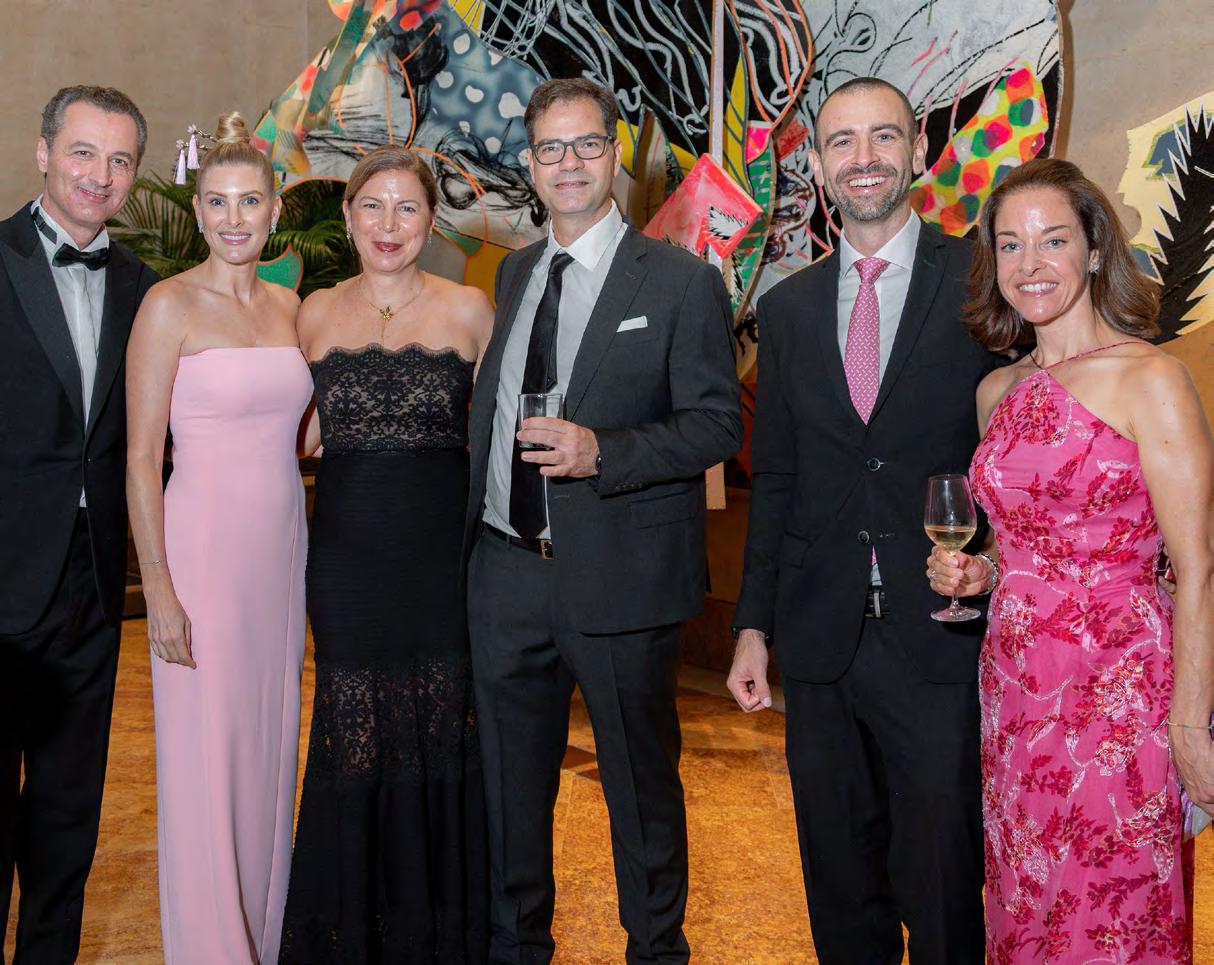

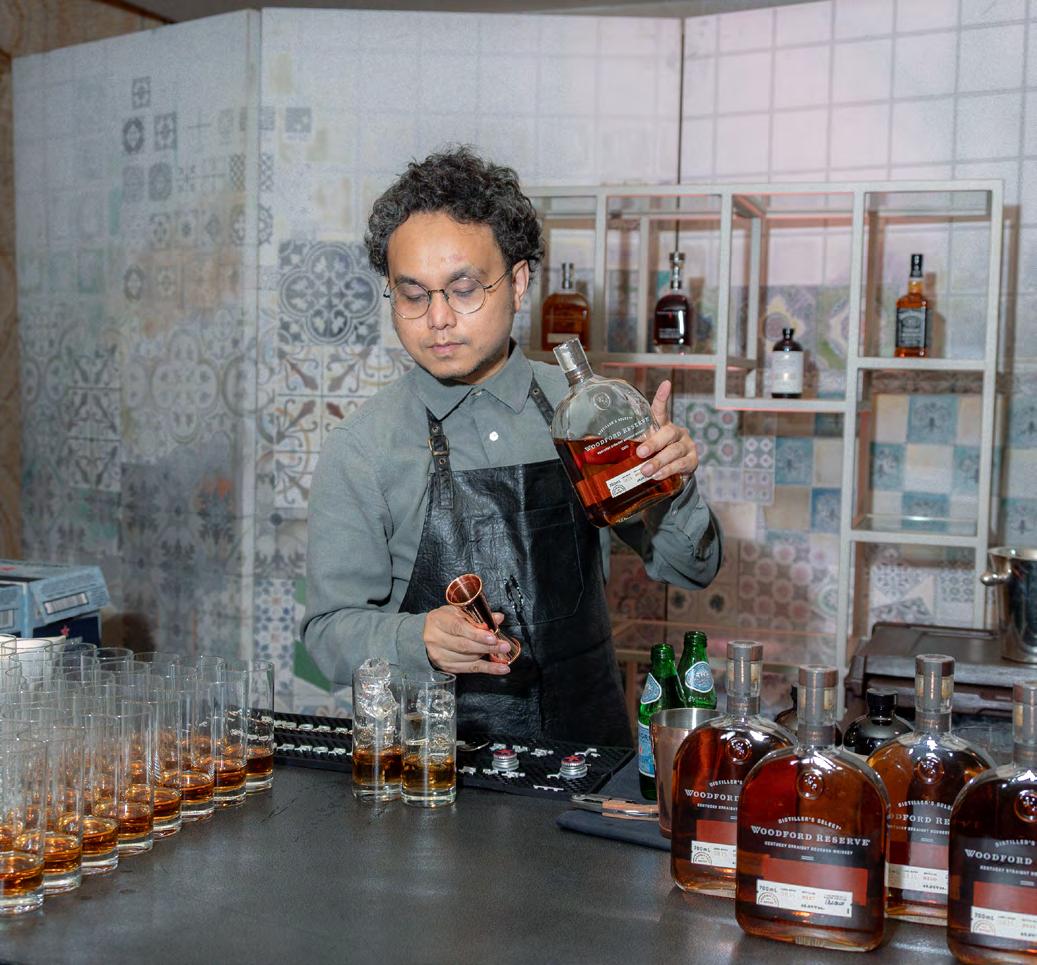
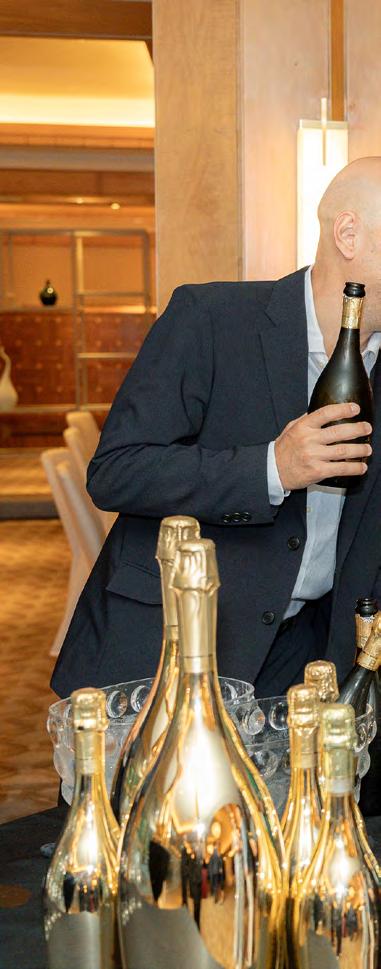
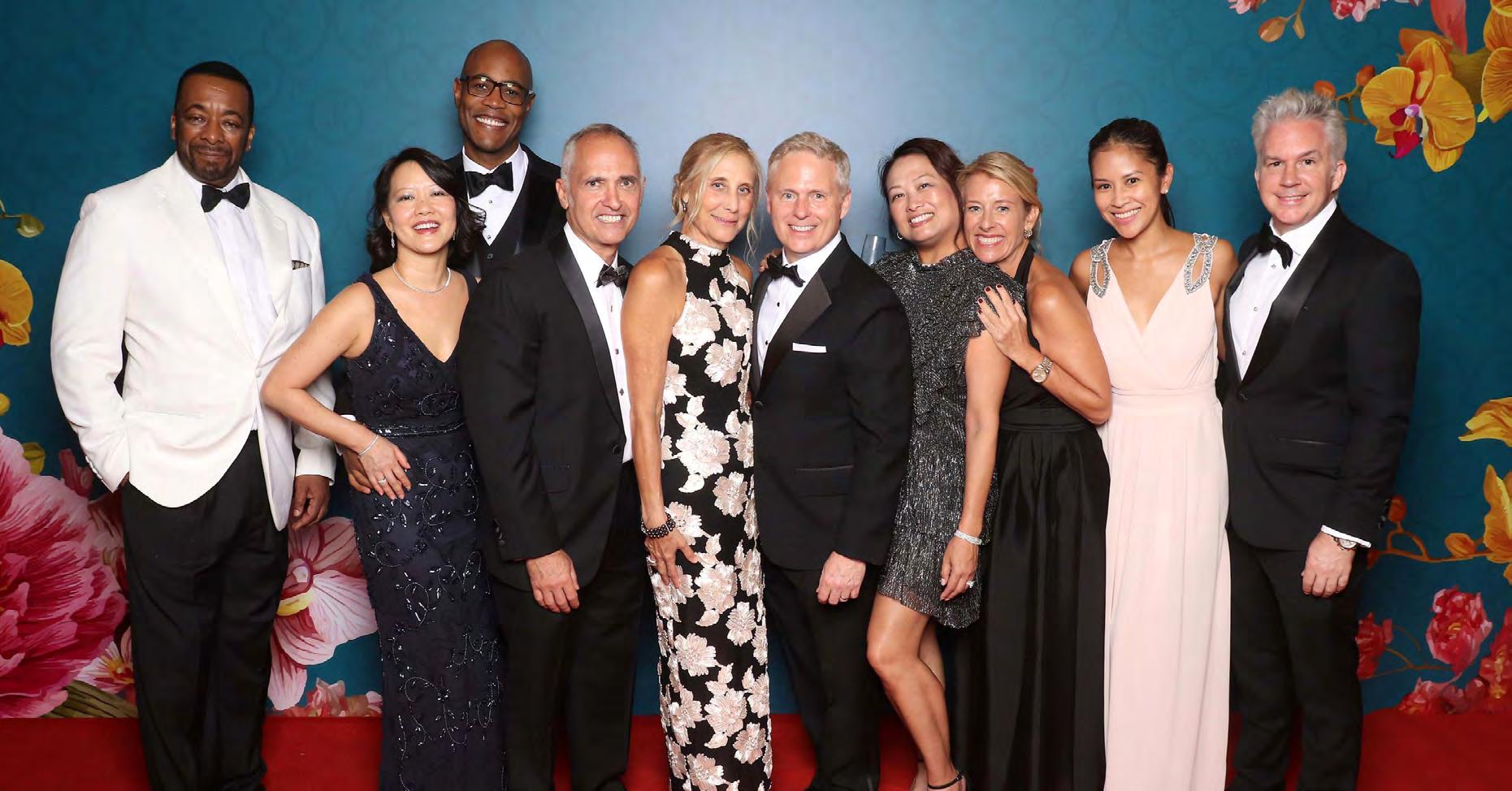

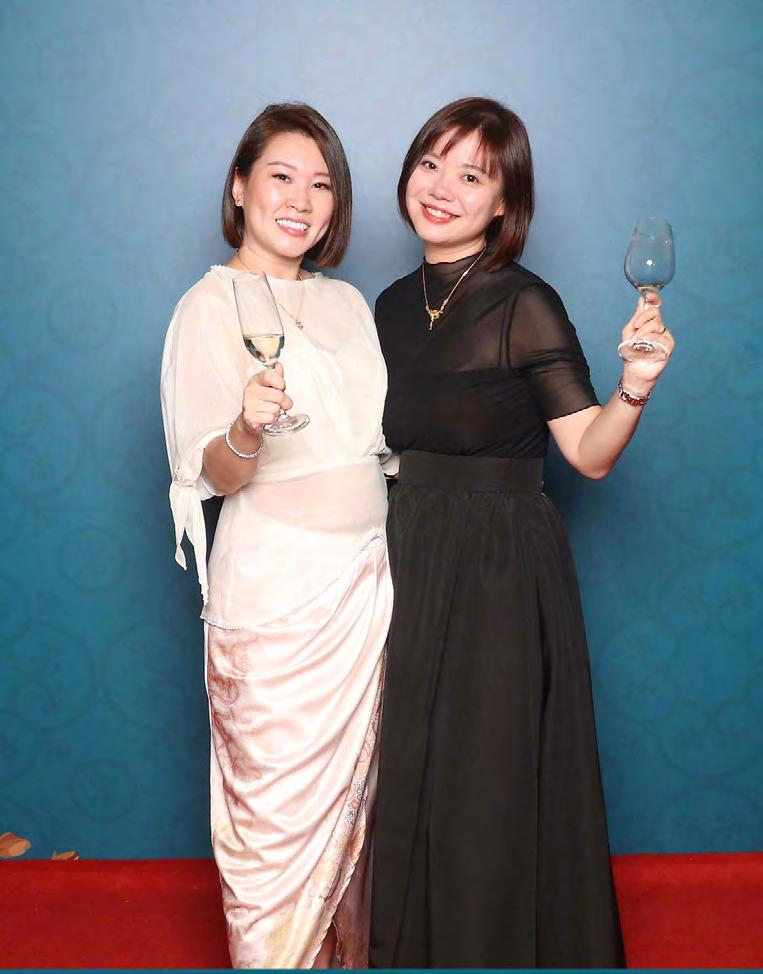
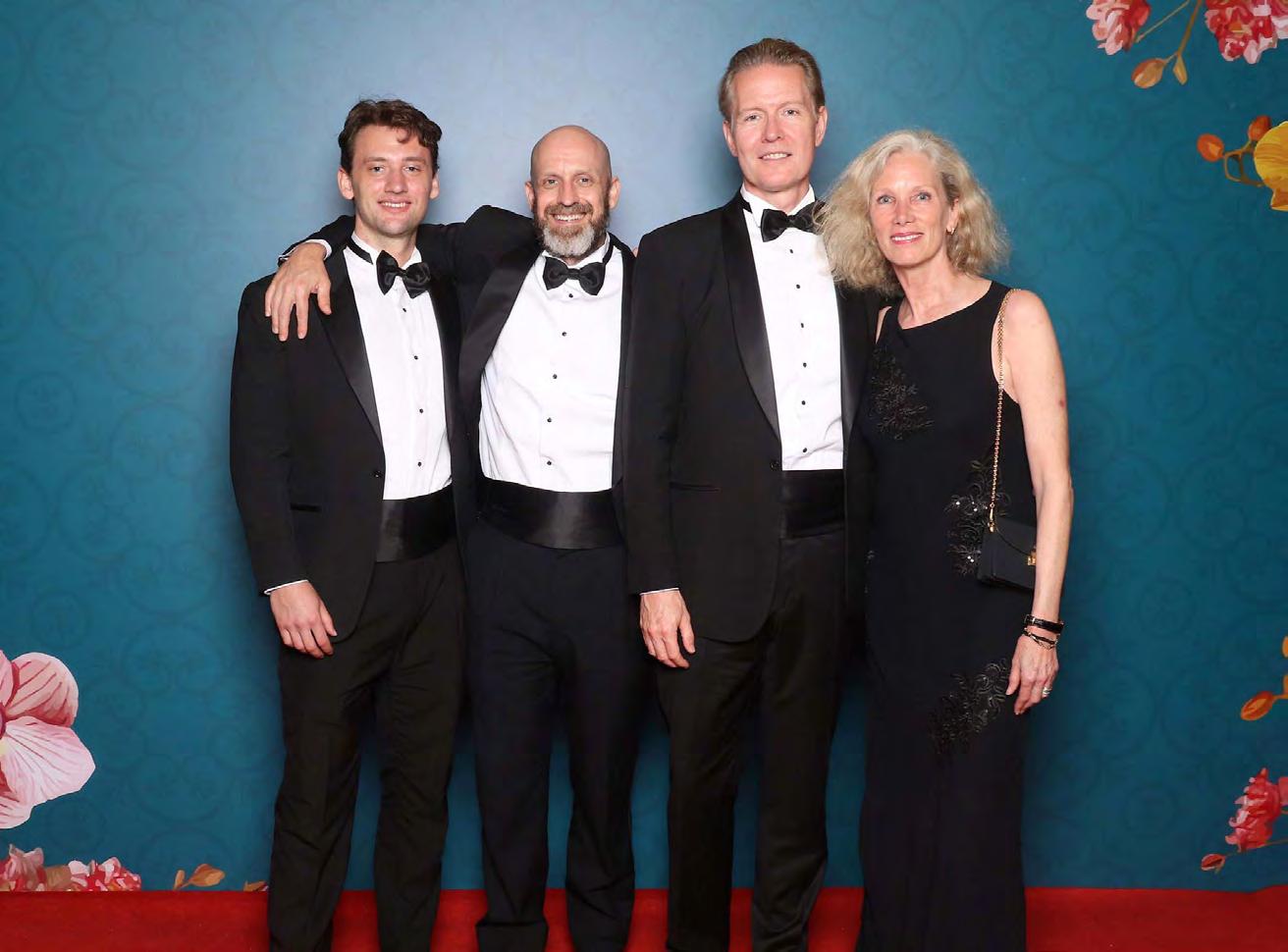
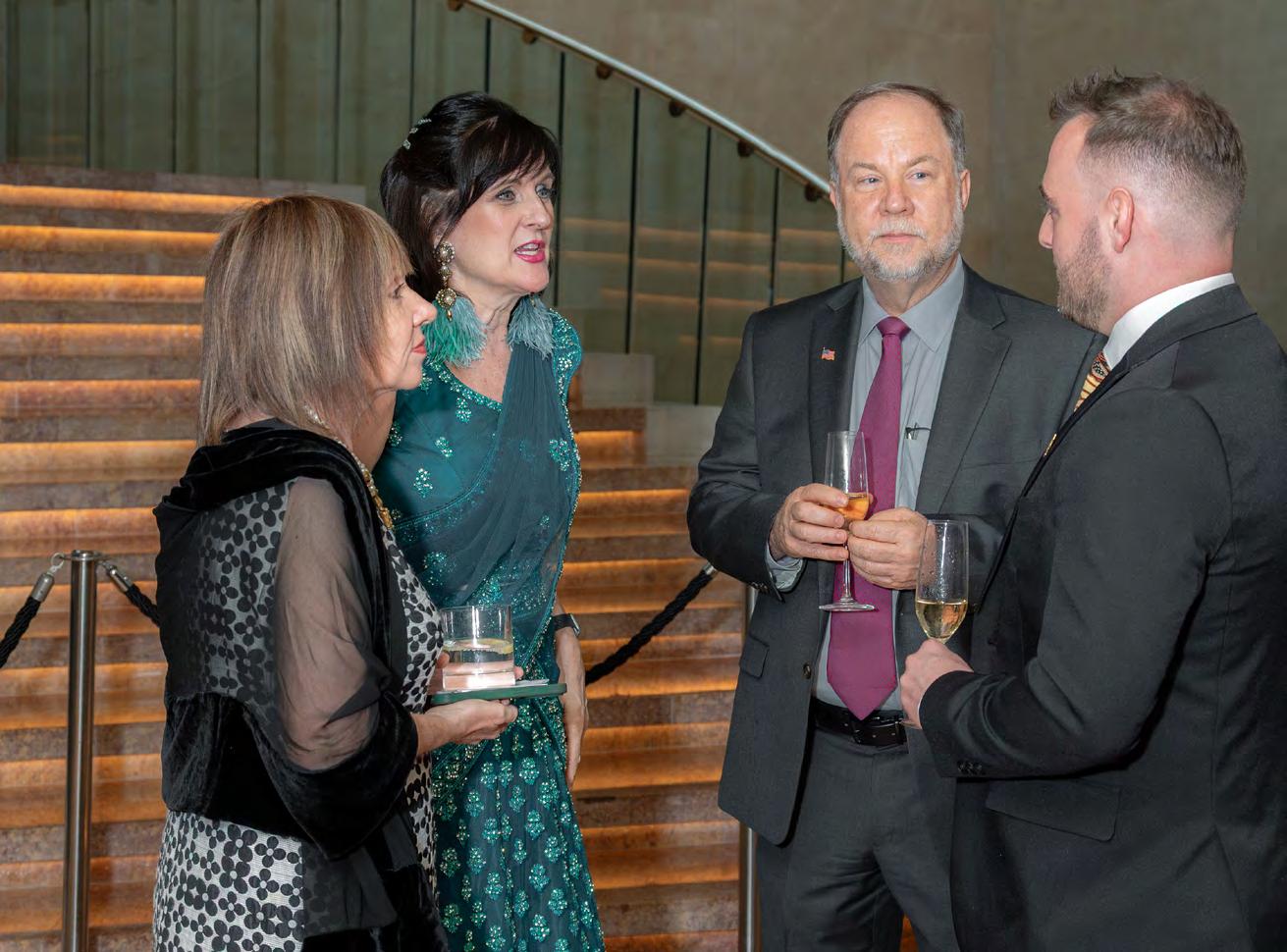
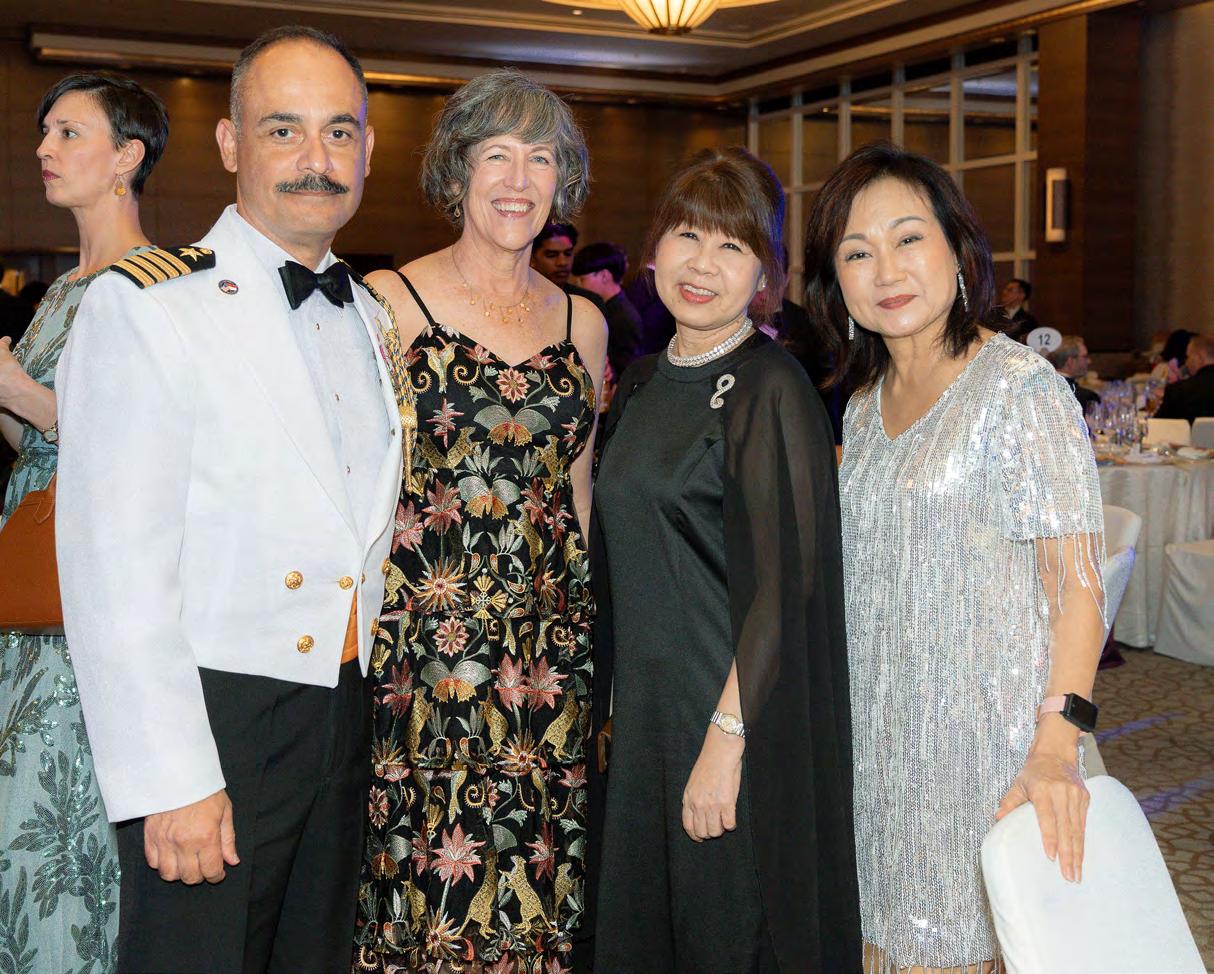
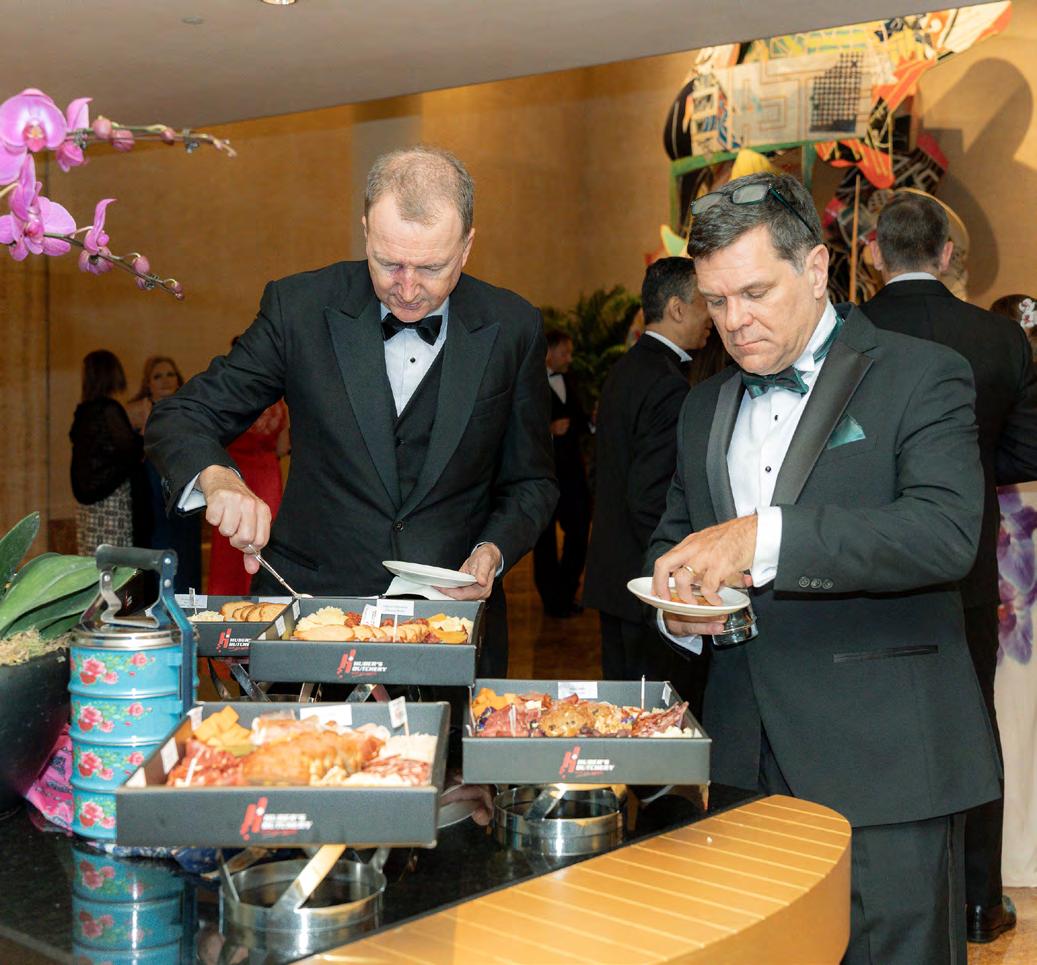
















































































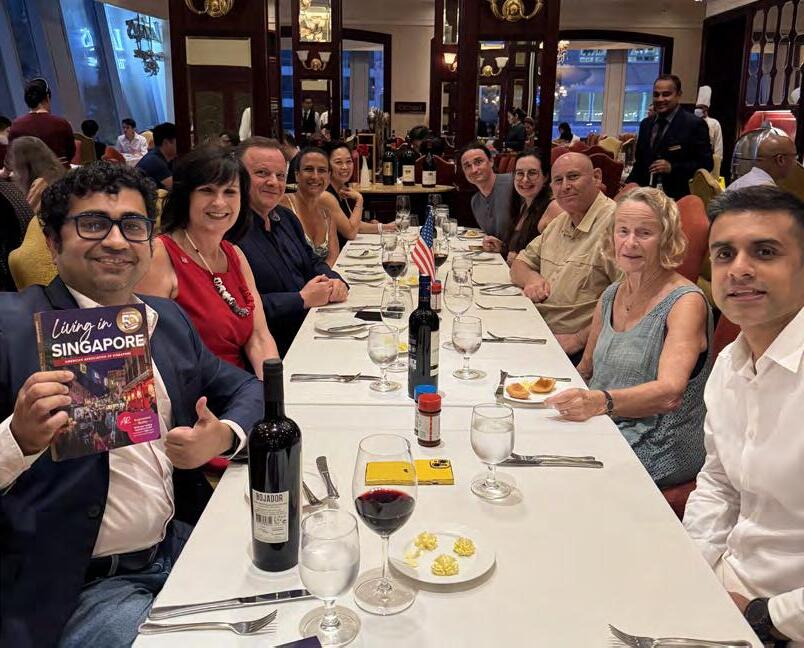
American Association of Singapore's Annual General Meeting was held at Lawry’s in Mandarin Gallery on Orchard Road, with 30 members attending both in-person and online.
Congratulations to Chris Ellis, Daniel Moss, Tianna Nguyen, Colton Payne, and Michelle Reeb, who were re-elected to the Board for another two-year term. Members also warmly welcomed Neetu Mirchandani, who joins the Board for a oneyear term. We would like to thank members for taking the time to vote and being part of the evening. Special thanks to Lawry's The Prime Rib for hosting us again this year. Members, make sure to take advantage of your special benefit when dining at their establishment.

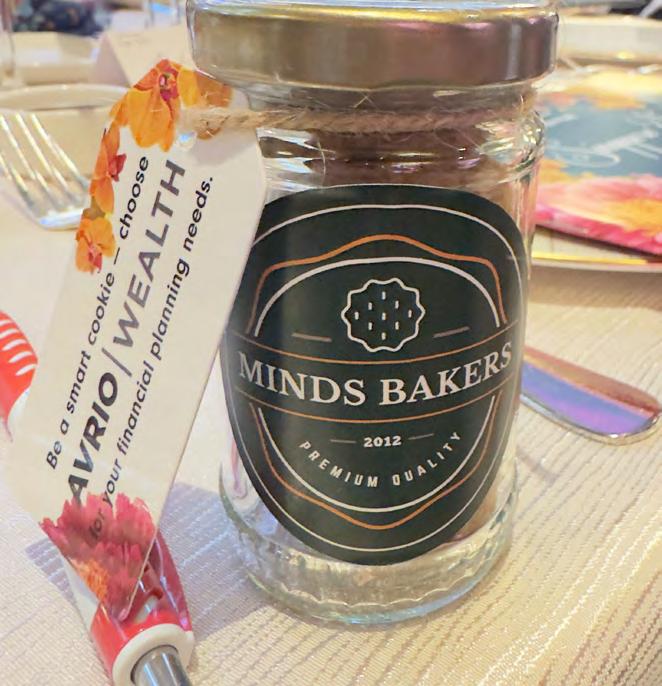
Avrio Wealth treated George Washington Ball guests to cookies from MINDS Bakers, a social enterprise dedicated to supporting bakers with special needs.
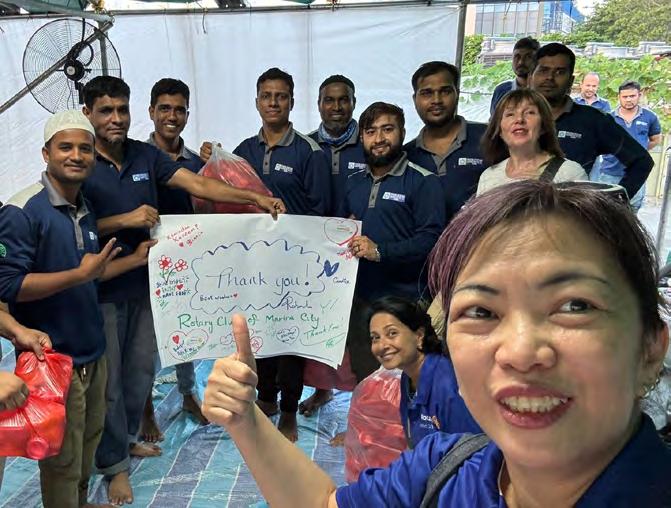
To support our migrant community during the breaking of fast, the Rotary Club of Marina City donated 100 meals to workers at the ECC CTQ Dormitory. Members had the rewarding opportunity to visit the dormitory in person, where they helped distribute the dinners.
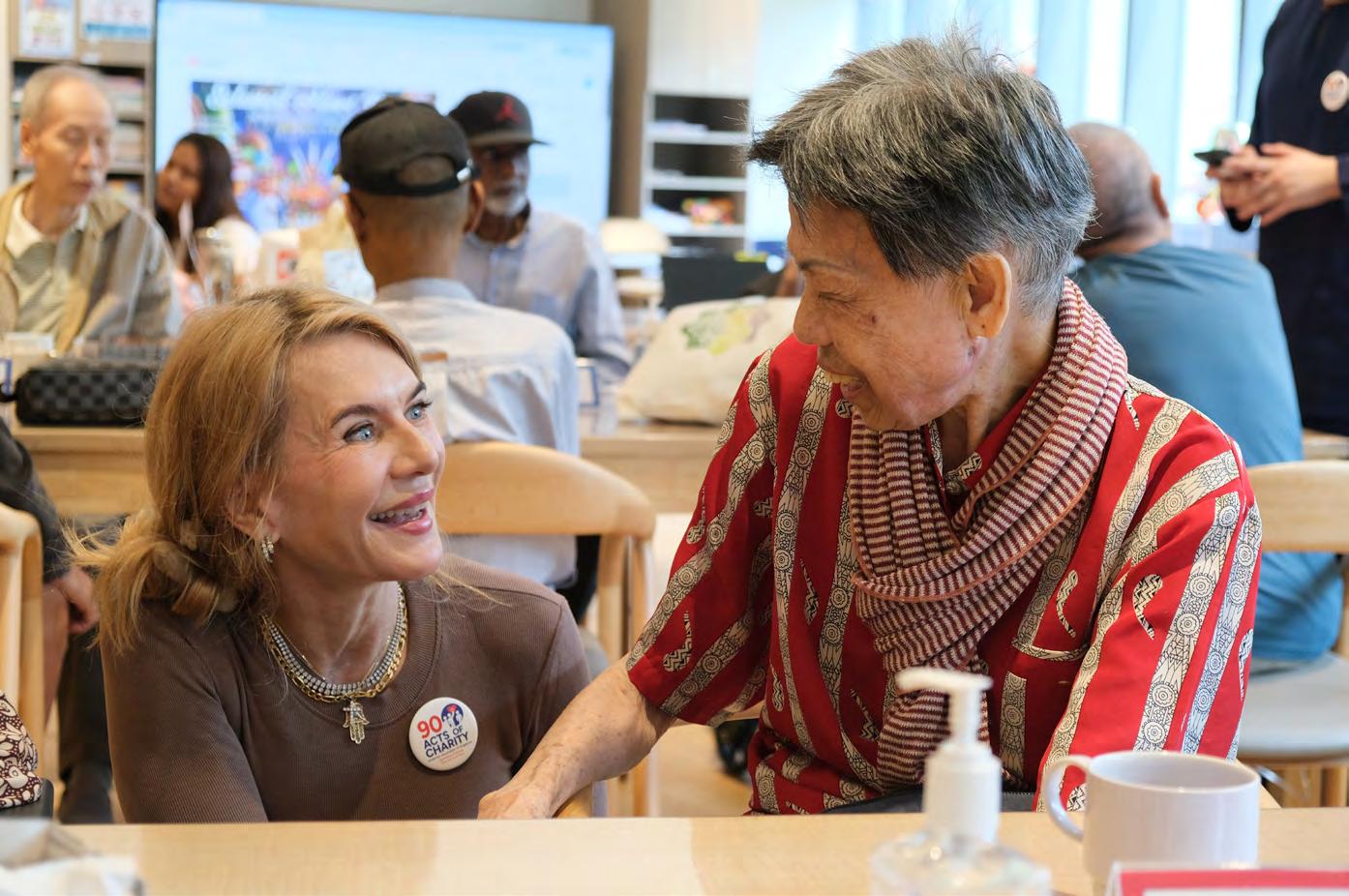
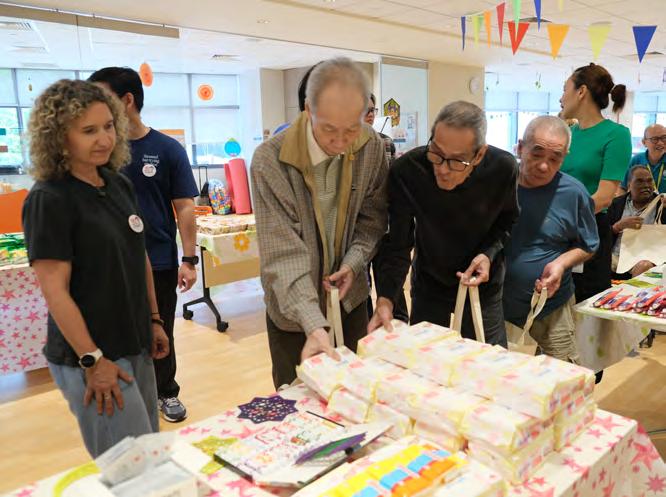
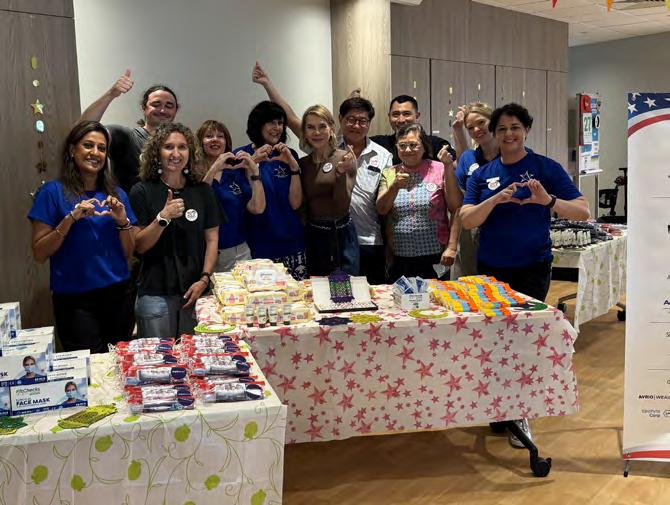
AAS members and staff shared a meaningful morning at Dover Park Hospice, bringing companionship and cheer to patients in palliative care. In celebration of Hari Raya, volunteers organized a festive lunch and a unique mini-shopping experience for 40 patients. Using tote bags hand-decorated by children at an AAS event, patients shopped for essential items and treats, providing a rare and welcome opportunity to socialize.
A special thank you to Kenvue for donating wipes and lotions, and to Expat Dental for providing dental kits.


Whether you’re moving for a new role or preparing for your next chapter, our experienced teams understand the unique challenges of relocating locally and internationally. With peak moving season approaching, now is the ideal time to start planning. Demand rises quickly, timelines tighten, and early preparation can make all the difference.
Backed by a worldwide network and decades of relocation expertise, we provide personalized moving solutions for individuals, families, and professionals. From navigating HDB or condominium requirements to managing international shipping, customs documentation, storage, and destination services, we handle the entire process so you can relocate with confidence. With a dedicated consultant guiding your move end-to-end, we’ll ensures a smooth, secure, and stress-free transition.
A dedicated consultant tailors and guides your move from start to finish for peace of mind every step of the way.
End-to-end household relocations managed by experienced movers with expert local knowledge and global coverage.
Allied is one of the largest and most respected providers of moving services with over 600 locations in more than 40 countries.
Secure short and long-term storage solutions with controlled environments available.
Secure transport with door-to-door coordination for a wide range of vehicle types ensuring careful handling and compliance
Scan for more info or get in touch for a free quote (+65) 6862 4700 allied.com/sg/



By Siena Takebayashi, Troop 1010G
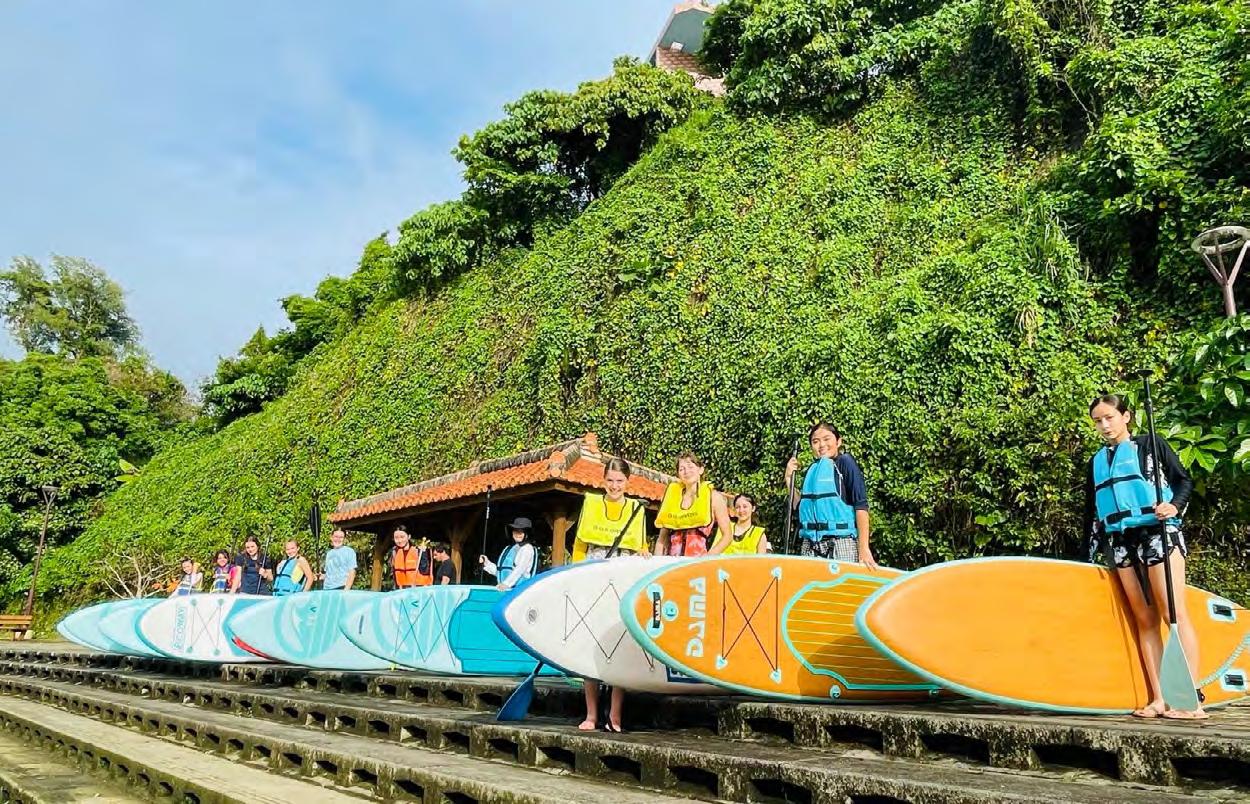
It was early May when we gathered around the river. The sun still hung high in the sky, and the waves were quite still, but the trees rustled in the wind.
Ms. Nettie, my Scoutmaster at the time, brought in lots of huge bags that contained an inflatable standup paddleboard for each of us, and her children dragged in the kayaks. It was my second time doing the kayaking merit badge and paddleboarding certification, but nonetheless, my friend and I inflated one of the paddleboards, taking turns to pump air into it. We watched as the paddleboard rose to life and set it down in the cool river water.
When everyone had gotten themselves situated, my Scoutmaster smiled.
“If we go down to the bridge, we might be able to see the koinobori, since it was just children’s day,” she remarked.
It felt like it had been forever since I'd hung up a koinobori myself. When I was younger, I always had either a red or blue paper koi fish, stuck to a stick, waving it in the wind every fifth of May.
Excited to see how far we could go, all the Scouts from troop 109 got onto their respective paddleboards or kayaks, and we headed out into the river.
The view that followed was beautiful, with trees and mangroves that swayed and covered the riverside, and short concrete buildings that showed even the smallest signs of people. I paddled, kneeling and trying to keep away from the walls.
At the halfway point, one of my friends stopped me so that I could kayak, and she could use the paddleboard. We both got off, plunging into the deep, cold water so that we could get on each other's boats. The water followed me into the kayak, and I felt it pool up around me as I sat inside it, but I didn’t really care too much about that since I couldn’t get the water out of the kayak without pulling myself out as well.
“That’s a lot of water in your kayak,” my Scoutmaster laughed as I passed by her.
“Yeah,” I agreed, laughing, “it’s almost like a bath!”
At that point, I was way far behind everyone, so I propelled myself forward, adding more speed as I went with a bright smile on my face.





The hot spring air dulled down as the sun started to sink into the deep blue water ahead of us. Suddenly, there we were, under all those koinobori Red, blue, yellow, green, all swimming in the sky above, swaying in the wind. We gathered together under the hundreds of koi fish that hung above us.
A picture is all we have to remember that moment, but it is still one of my favorite memories with my last troop.









By Leslie Tam, Troop 68 Co-Leader


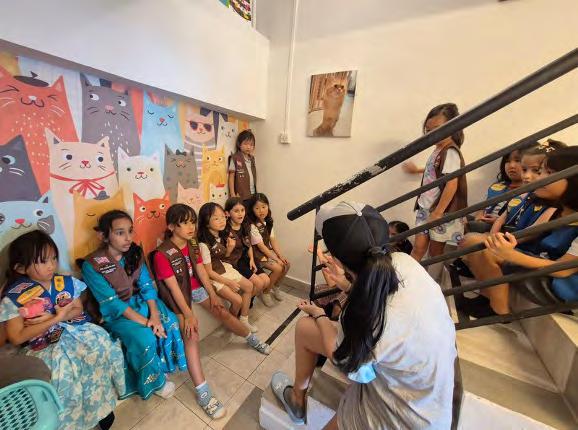
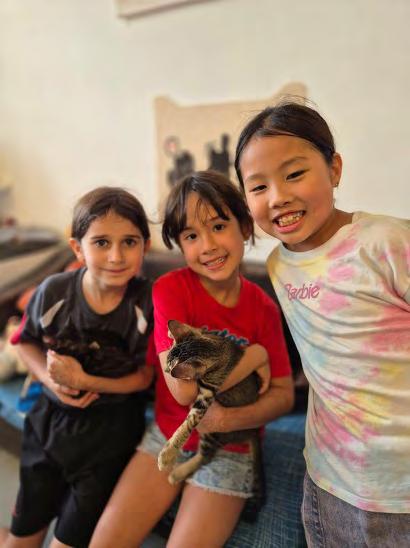
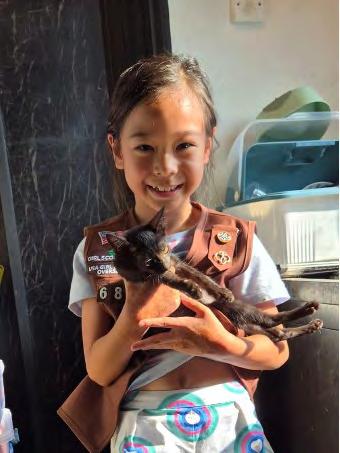
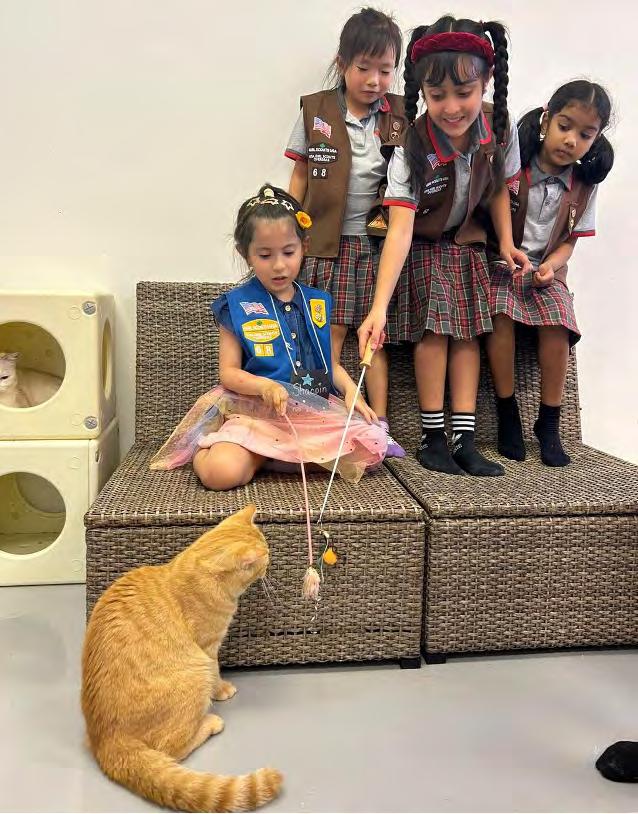
In November last year, our Girl Scout Troop 68 (a mix of Daisies and Brownies) visited Pat-A-Cat Café in Joo Chiat for a special Pet Badge experience. The visit was both fun and meaningful, giving the girls a chance to learn about animal care while spending time with some very friendly rescue cats. The highlight of the day? Playing with the cats and giving them plenty of gentle, loving attention!


During the visit, the girls learned what a cat rescue is and why it matters. A cat rescue helps abandoned, lost, or injured cats. These cats may have been living on the streets, feeling scared or hungry. Rescuers step in to provide food, medical care, and a safe place to stay until the cats can find loving homes. The girls quickly understood that rescue work is all about kindness and responsibility. They also learned about what cats should (and should not) eat. Cats need specially prepared cat food to stay healthy, though they can sometimes enjoy plain cooked chicken or fish. However, certain foods – like chocolate, onions, garlic, grapes, raisins, and cooked bones –are dangerous and should never be given to cats.
Another important lesson was what cats need in a home. The girls discovered that keeping a cat happy and healthy means providing fresh food and water, a clean litter box, a cozy place to sleep, toys for play, and a scratching post. Regular vet visits are also essential.


Of course, learning about cat behavior was a favorite part. The girls observed cats purring when content, meowing to communicate, and grooming themselves to stay clean. They also noticed behaviors like kneading (a sign of comfort) and hiding when cats feel shy or tired.
Finally, they learned that cats love to sleep in warm, quiet, and cozy spots – whether that’s a soft bed, a sunny corner, or even a simple cardboard box!
The visit was a wonderful mix of education and hands-on experience, helping the girls better understand the responsibility of pet ownership and the importance of compassion for animals.
If you’re interested in visiting Pat-ACat Café, you can find them here: www.facebook.com/patacatsg/ 408B Joo Chiat Road, Singapore 427635 Cats may be small, but they have big personalities—and even bigger hearts!



by






By Andrea McKenna Brankin
I didn’t always think about food as part of my mental health toolkit. For a long time, I treated eating like a separate lane—something I did because I had to, not something that could actually help me feel more stable. Living with bipolar disorder has taught me to pay attention to patterns, though, and over time, I started noticing that what I eat can either support me or make things a little harder.
I’m not saying food replaces medication or therapy—those are essential for me—but I’ve learned that certain foods genuinely help me feel more balanced. Kiwi, salmon, and nuts have become regulars in my routine, and honestly, they’ve made a difference I can feel. Let me start with kiwi. It’s not the most obvious “mental health food,” but I swear by it. I usually eat one in the morning before exercising for carb power. I make sure to eat the skin for double the fiber! Kiwis are packed with vitamin C, which not only builds resilience to colds but also helps with my stress levels. On days when I’m edging toward anxiety or feeling that restless energy that can tip into hypomania, starting my morning with something fresh and nutrient-dense feels grounding. It’s a small ritual, but it signals to my brain that I’m taking care of myself. Salmon has probably been the biggest game-changer for me. I try to eat it at least once a week—usually baked plain and paired with a raw green vegetable like bell pepper or baby spinach. The omega-3 fatty acids in salmon are known to support brain health, and for me, that translates into feeling a little steadier. My mood swings don’t disappear, but they feel less extreme, less jagged. When I’m consistent with eating salmon, I notice
fewer of those sharp dips where everything suddenly feels heavy and unmanageable. Then there are nuts—almonds, pistachios, cashews. I keep them in my workout/work bag and sometimes even carry them in my purse if I’m out and about. They’re my go-to snack, especially when I’m busy or when my appetite is off, which happens sometimes during both depressive and manic phases. Nuts are full of healthy fats, magnesium, and protein, and they help keep my energy levels from crashing. I’ve learned that blood sugar swings can mess with my mood, so having a handful of nuts instead of skipping meals or grabbing something sugary helps me stay more even throughout the day. Like the kiwis, I like to use nuts as a pre-workout snack. What’s really changed for me is how intentional I’ve become. I don’t just eat these foods randomly—I build them into my routine. Kiwi in the morning, nuts during the day, and salmon a couple of times a week for at least one dinner. I pack and plan these three items into my day and week. It’s not about perfection; there are plenty of days when I eat whatever’s convenient. But having these staples gives me a baseline that supports my mental health.
Living with bipolar disorder means I have to be proactive. I can’t control everything, but I can control some things. Food is one of them. And while it might seem simple, choosing to nourish myself in this way feels like a quiet, steady form of selfrespect—one that adds up over time.



At Stamford American International School, every journey is unique, leading to future-ready graduates. Graduation is more than end of school, it reflects years of growth and achievement.
A defining feature of Stamford American’s High School experience is the range of academic pathways available to students.
As Singapore’s only school offering the IB Diploma Programme (IBDP), Advanced Placement (AP), and BTEC pathways alongside a US High School Diploma, students can tailor their academic journey to their interests and strengths. This flexibility allows different learners to pursue different directions, while continuing to build the skills needed for life beyond school.


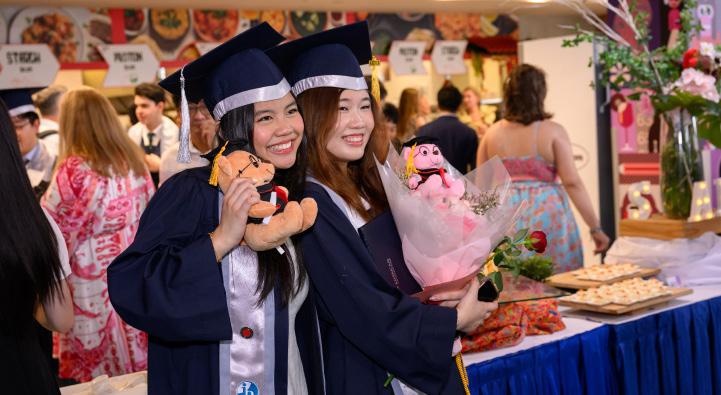
Supported by dedicated educators and comprehensive university counselling, students step into their next chapter ready to make a meaningful impact.
At Stamford American, students are empowered to define success in their own way, supported by a personalized approach to learning that nurtures their strengths and aspirations.
Discover how your child can embark on their own personalized journey at Stamford American International School.
Visit our campus today!

By Marc Servos
It is well-known that Singapore has stiff penalties for illegal drug trafficking. This includes the death penalty for traffickers for possession of controlled substances beyond certain thresholds, which was implemented in 1975 as an amendment to the Misuse of Drugs Act 1973. But ironically, during the colonial period, opium use was not only a legal practice, but it was also promoted by the British administration as its primary revenue, along with providing social stability for its labor force. Thus, opium was an essential factor of Singapore’s early economic landscape, and even architecturally, far from its perception of being a fringe underworld activity.
Sir Thomas Stamford Raffles established Singapore during his historic 1819 arrival as a free port, and therefore, no customs duties were collected on trade. As Singapore began to take shape, the need to fund roads, buildings, and even a fledgling police force grew urgent. William Farquhar responded by introducing tax farming—auctioning off to private groups the rights to collect opium taxes—despite Raffles’ objections. The British East India Company had already taken over the opium trade, and the administration auctioned off exclusive rights to wealthy Chinese syndicates in Singapore over the sale of chandu, opium in its smokable form. This was formalized as a legal framework with the Opium Regulation of 1830.
The First (1839-1843) and Second (1856-1860) Opium Wars between Britain and the Qing Dynasty, with the former's ally France being involved in the Second, removed opium trade barriers in China and supercharged the opium trade as a result.
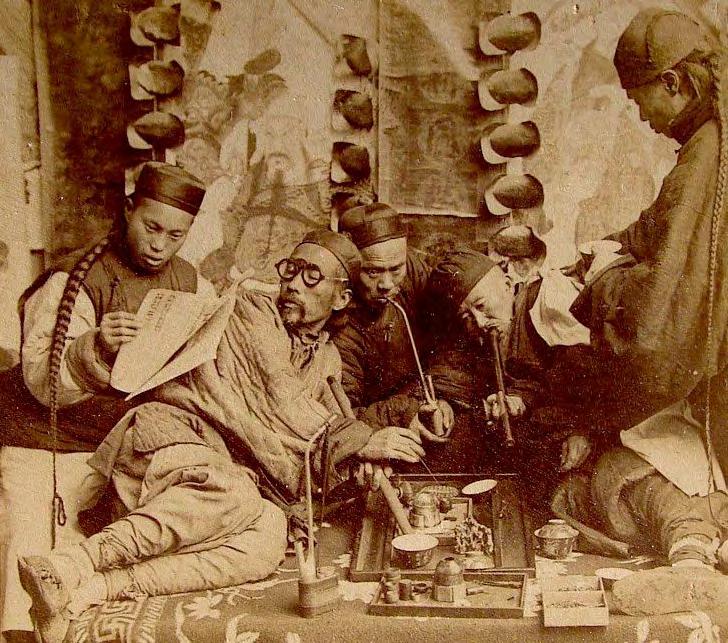

This turned Singapore into a global logistics hub, where imported raw opium from British India was stored in warehouses, known as godowns, at Boat and Collyer Quays, for export to China. This also ensured a steady, cheap supply of the drug, which in turn fueled the expansion of licensed opium dens in the colony.
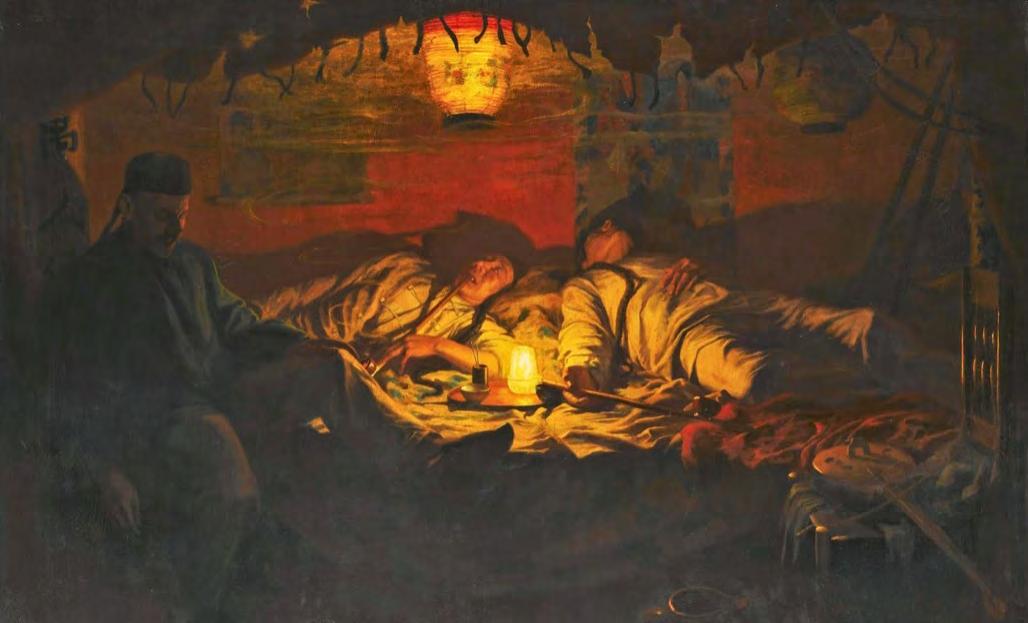
Over 550 licensed opium dens operated in Singapore by the early 20th century. The majority were located in Chinatown, the part of the city whose expansion and physical layout was a reflection of the opium trade revenues. Architecturally, these dens were housed in modified shophouses to accommodate the mass consumption.
Chinese laborers, known as "coolies," consisting mainly of rickshaw pullers and dock workers, sought respite in these opium dens from grueling 12-hour shifts and wretched living conditions. Opium numbed physical pain, suppressed hunger, and offered a brief escape from a life of poverty, being seen as a functional drug. Its use involved inhaling or smoking, and its paraphernalia included an opium pipe, which allowed the drug to vaporize with the heat of a special oil lamp, known as an opium lamp. Residue after the opium was smoked for the first time was also recovered by shopkeepers and sold at a cheaper rate for repeated use. This activity was typically conducted while resting on a crafted hardwood opium bed.
The opium trade created a class of "Opium Kings" who were prominent during the middle and late 19th century, including Cheang Hong Lim, Tan Seng Poh, and Tan Hiok Nee. They were seen as "respectable" community leaders and philanthropists, but also enforced the trade through secret societies known as Triads. They used armed enforcers to raid homes and shops, ensuring that no "illegal" or untaxed opium cut into the government’s and their own profits.

During the years around the turn of the 20th century, figures show that the opium trade accounted for roughly 40-60 percent of Singapore’s total revenue. But it was also around that time that its social cost became obvious, arguing that the substance abuse was destroying the Chinese community’s health and productivity. Advocates for reform included Dr. Lim Boon Keng, who founded the Anti-Opium Society in 1906, and Dr. Chen Su Lan, a later president of that Society, who opened the Anti-Opium Clinic in 1933. The British were reluctant to ban opium due to the massive revenue loss. It wasn't until the Japanese Occupation disrupted supply chains and the subsequent British return that opium was finally banned in 1946, with the Opium and Chandu Proclamation. Subsequent ordinances were implemented during the 1950s, and later, the Misuse of Drugs Act 1973 was enacted.
For more information on Singapore’s opium history, one can visit exhibits and galleries at the National Museum, Chinatown Heritage Centre, and Reflections at Bukit Chandu.
By Pedrinha Furtado
When people move to a new country, they often expect the biggest adjustments to be practical ones. Finding a home, navigating transport, and learning unfamiliar systems. Yet for many expats in Singapore, the first true sense of belonging doesn’t arrive through paperwork or orientation guides. It happens at a table.
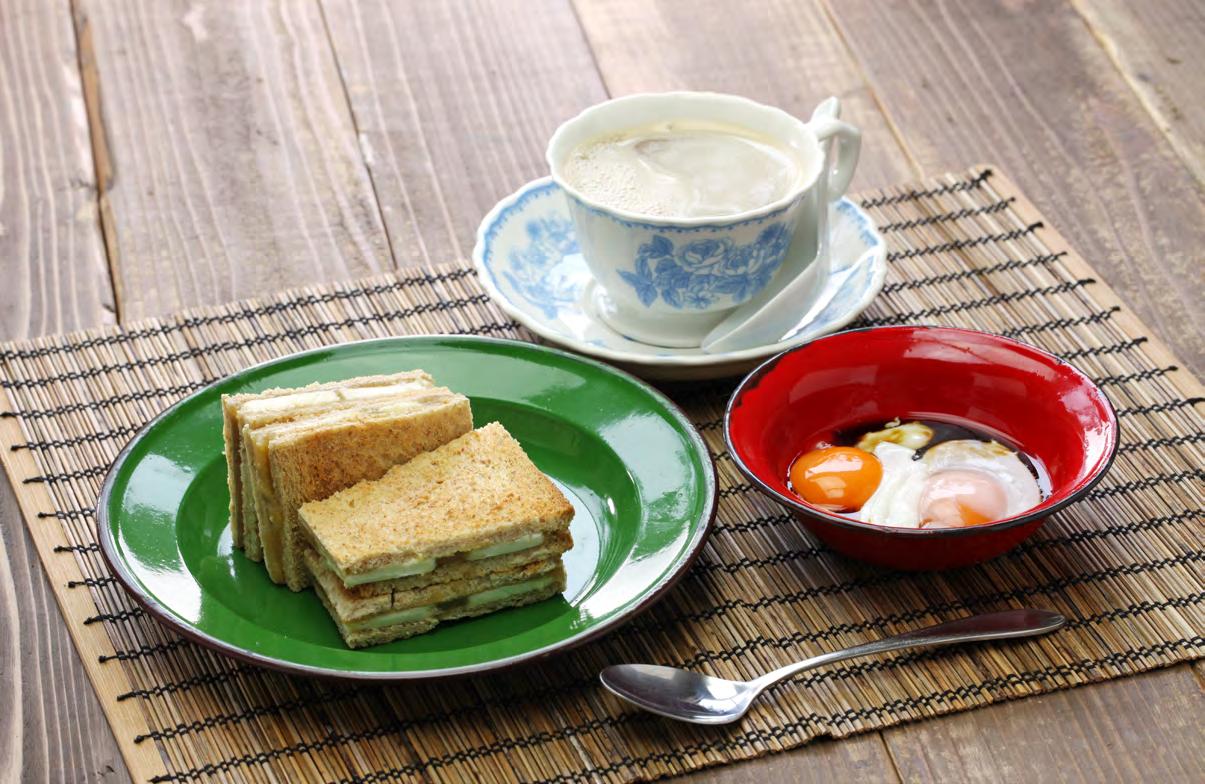
Sometimes it’s a small plastic table under bright lights at a hawker center. Sometimes it’s a café corner over a quiet cup of kopi (coffee in Malay). Sometimes it’s a dinner table shared with friends who slowly become family.
In Singapore, food is more than nourishment. It is a language. One that gently bridges cultures, generations, and stories. For newcomers, learning about the food culture is often one of the first ways to understand the rhythm of life here.
For many expats, the initiation begins at a hawker center.
Places like Maxwell Food Center, Lau Pa Sat, or Tiong Bahru Market can feel overwhelming at first. The sounds of sizzling woks, the rhythm of multiple languages being spoken, and the long rows of stalls serving dishes you may never have heard of.
There is a moment of hesitation. What should I order? How do I know what’s good? Do I queue here?
But then something shifts.
Perhaps a colleague points you to their favorite stall, one they’ve been visiting for years. Maybe a friendly hawker recommends a dish they are proud of. You sit down with your tray, take your first bite, and suddenly the experience feels less intimidating and more welcoming.
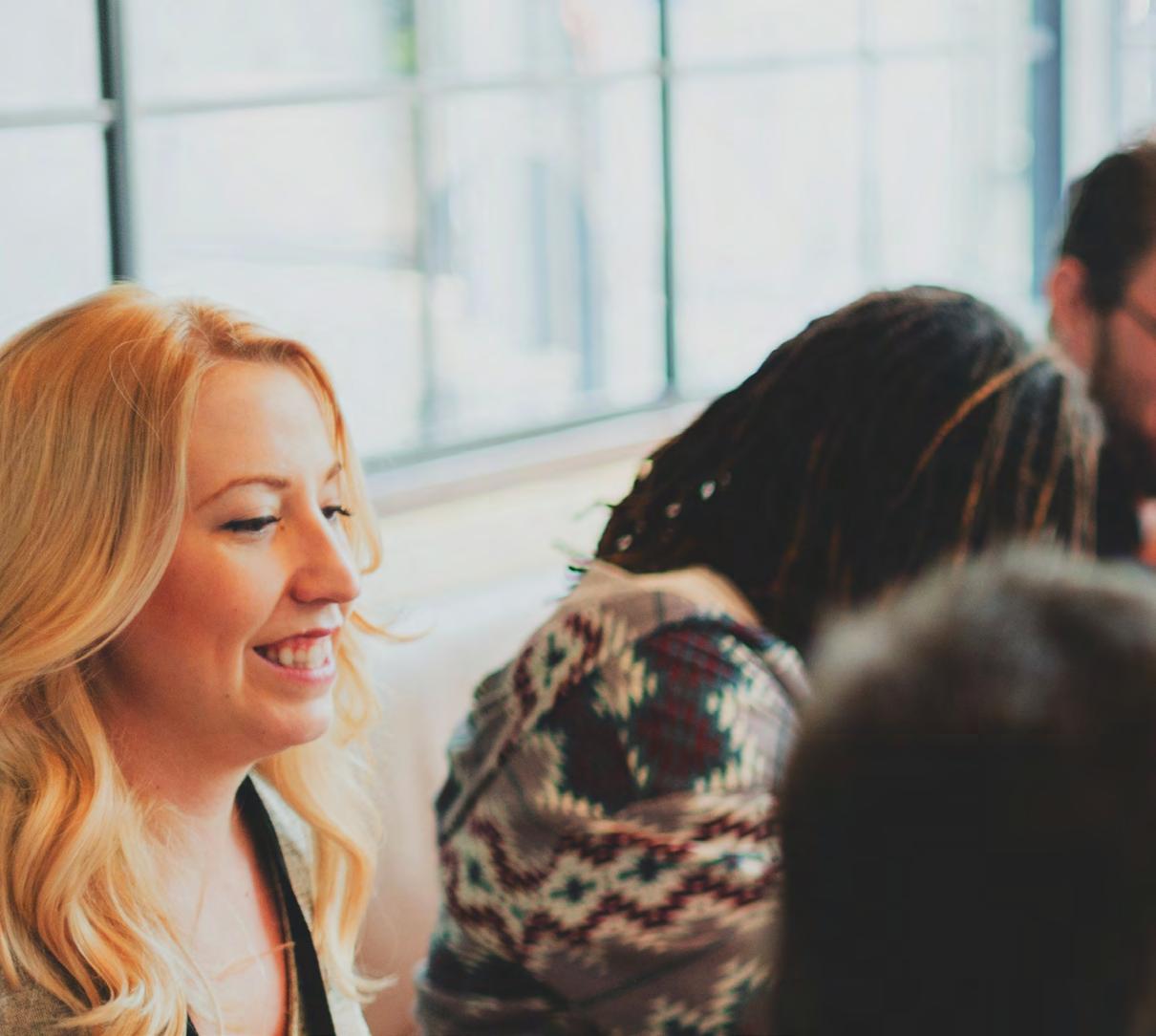
Hawker centers are one of Singapore’s most unique social spaces. Office workers sit beside retirees. Families share tables with solo diners. Tourists and locals weave through the same aisles. No reservations required. No dress code. Just food and the quiet understanding that everyone belongs there.
Singapore’s cuisine reflects the layered cultures that shaped the nation. Chinese, Malay, Indian, and Peranakan influences come together in dishes that carry stories of migration, adaptation, and community.
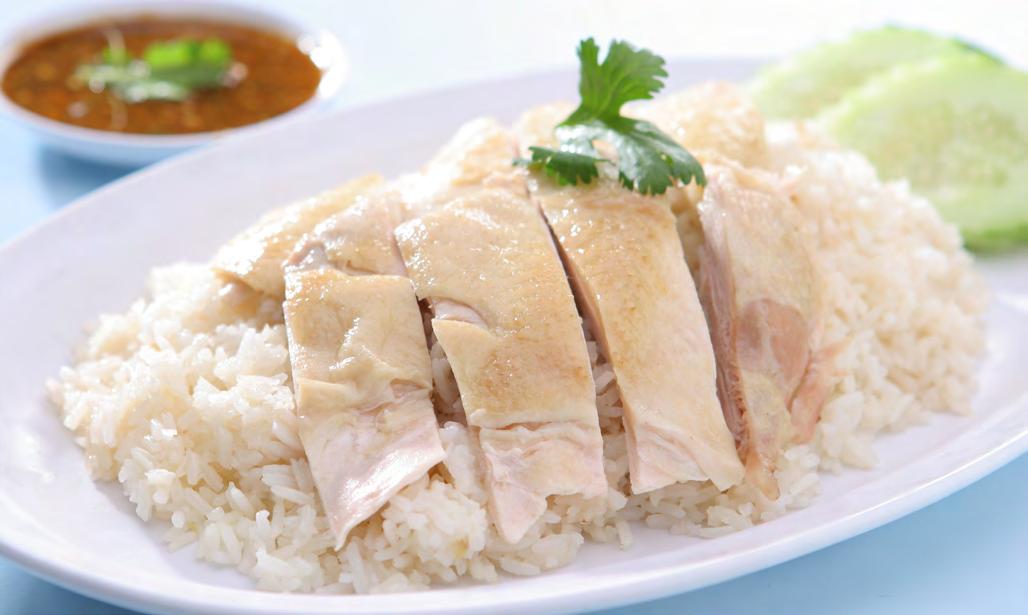
Take Hainanese Chicken Rice, often described as Singapore’s national dish.
Originally brought by Hainanese immigrants from China, the dish evolved locally into something uniquely Singaporean: tender poached chicken, fragrant rice cooked in chicken broth and garlic, and dipping sauces that vary slightly from stall to stall.
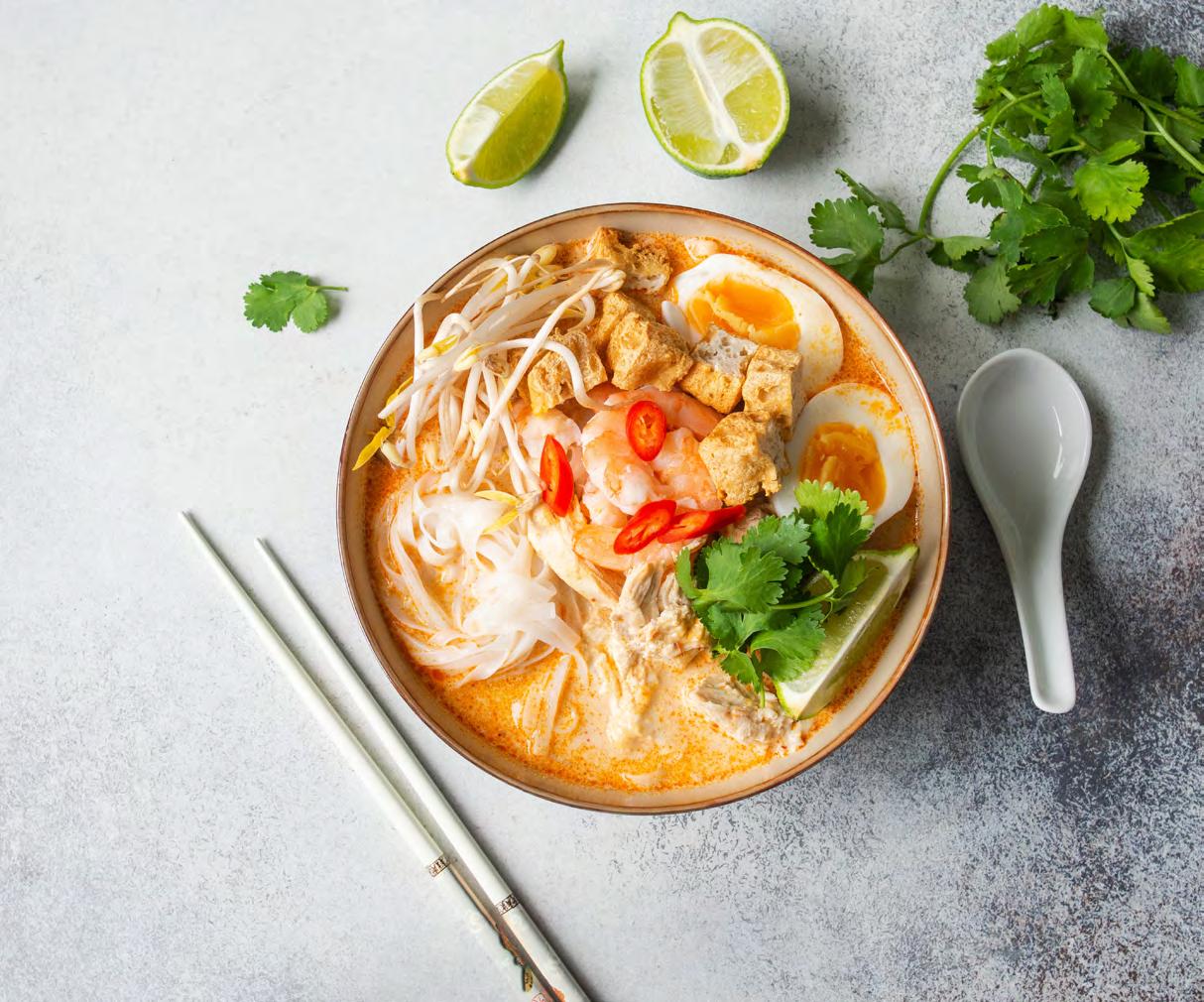
Another beloved favorite is Laksa, a rich, coconut-based noodle soup rooted in Peranakan heritage.
Even a humble breakfast of kaya toast reflects the blending of cultures. At cafés like Ya Kun Kaya Toast, toasted bread with coconut jam and butter is served with soft-boiled eggs and strong local coffee.
Each dish tells a story of cultures meeting, blending, and evolving. Discovering these foods becomes a small but meaningful form of cultural exploration. You learn not just what people eat, but why.
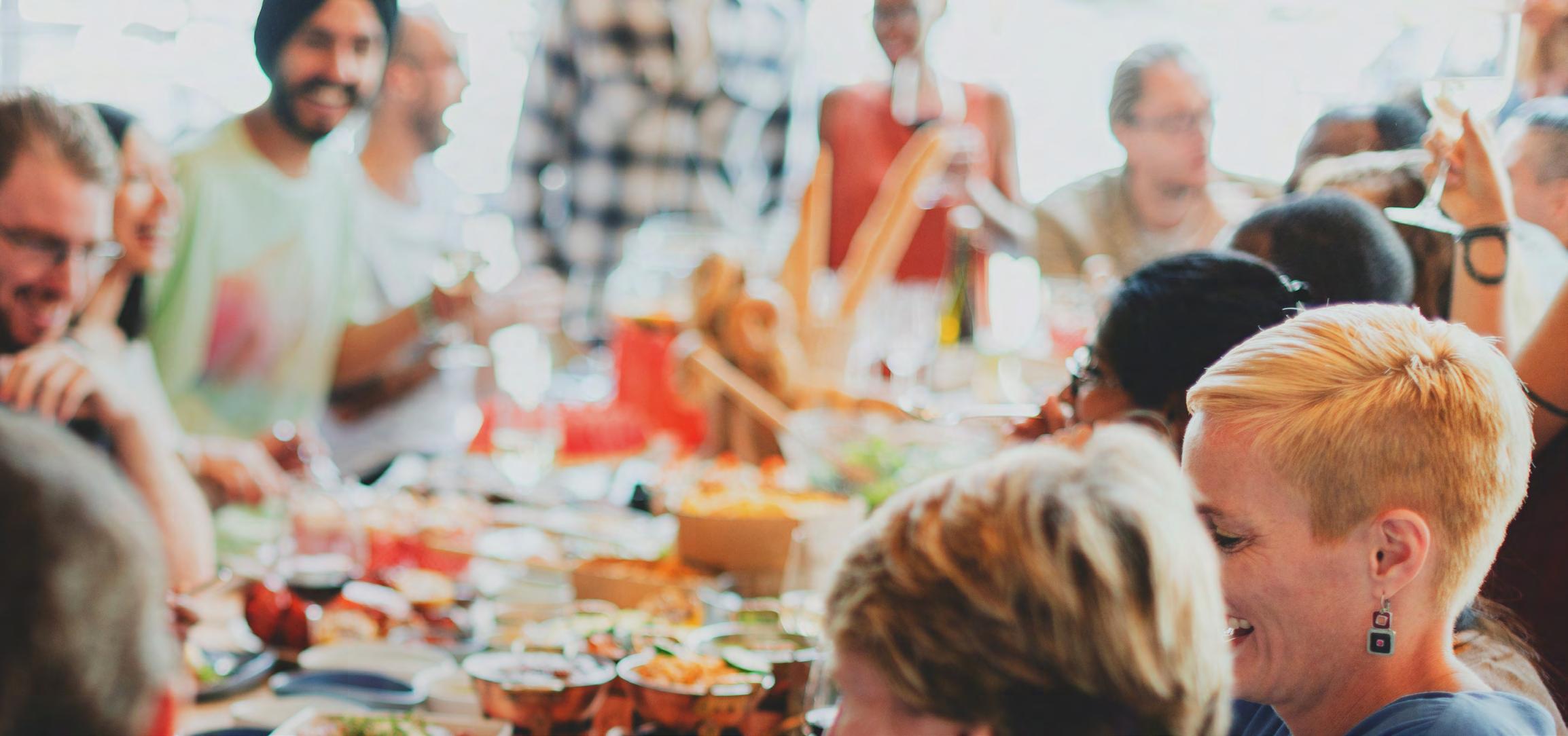
Beyond the food itself, hawker centers serve an important social role in Singapore. They are places where communities gather. Morning regulars read newspapers over kopi. Friends meet for lunch between work meetings. Families share dinner after a long day.
At night, places like Lau Pa Sat transform into vibrant open-air dining spaces where satay smoke fills the air and conversations stretch late into the evening.
These spaces remind us that food is rarely just about eating. It’s about connection. For those adjusting to life far from home, these casual communal environments often provide unexpected comfort.
Singapore’s food culture moves effortlessly between humble street food and world-class fine dining. The same city that celebrates its hawker heritage is also home to globally recognized restaurants such as Odette, known for its refined French cuisine and elegant culinary storytelling.
This coexistence, casual and sophisticated, traditional and innovative, reflects Singapore itself.
In a single day, you might enjoy kaya toast for breakfast, nasi lemak for lunch, afternoon kopi with friends, and a beautifully plated tasting menu for dinner.
Few places in the world offer such a seamless spectrum of culinary experiences.
One of the most beautiful aspects of Singapore’s food culture is how easily it brings people together. Food dissolves barriers.
A conversation that might feel awkward elsewhere becomes natural when people are sharing dishes. A colleague you barely know becomes a friend after several lunches together. Neighbors connect as they discuss where to find the best roti prata.
Even the simple question, “Have you eaten?” carries warmth. Across many Asian cultures, asking whether someone has eaten is another way of asking whether they are well. Whether they are cared for. For those navigating unfamiliar surroundings, that small gesture can feel deeply reassuring.
Over time, food becomes intertwined with personal memories of living in Singapore.
The hawker stall you return to after a long day.
The café where you meet friends after a Sunday morning run.
The late-night supper spot after an evening out.
These places quietly become landmarks in your story of the city. You begin to recognize familiar faces. The uncle who runs the noodle stall remembers your order. The kopi auntie knows exactly how you like your coffee.
Without realizing it, you’ve moved from visitor to participant. You’ve found your rhythm.
In a city as vibrant and multicultural as Singapore, belonging doesn’t always arrive through grand gestures. Often, it arrives quietly. Through the simple act of sitting down to eat.
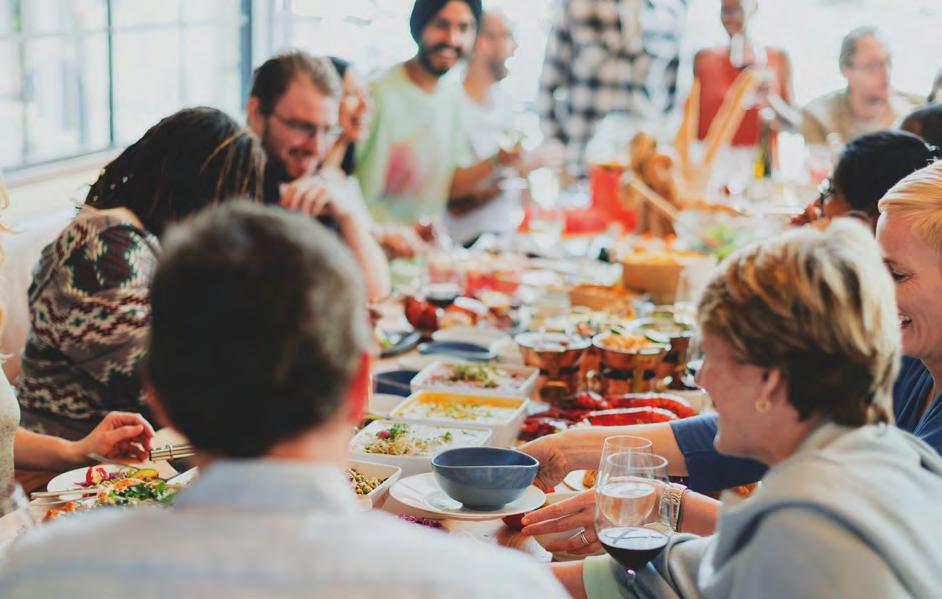
Food invites curiosity. It encourages conversation. It creates shared experiences that transcend language and culture. The table becomes more than a place to dine. It becomes a place to connect.
A place where strangers slowly become friends, and unfamiliar surroundings begin to feel like home. And in Singapore, a city where cultures meet and stories blend, belonging often begins with something beautifully simple:
Pulling up a chair. Sharing a meal. And discovering that, at the table, we belong.
Looking for a new adventure? BAE Systems is seeking talent to join our Maritime Solutions team in late 2026. Take your career to the next level. baesystems.com/SingaporeCareers

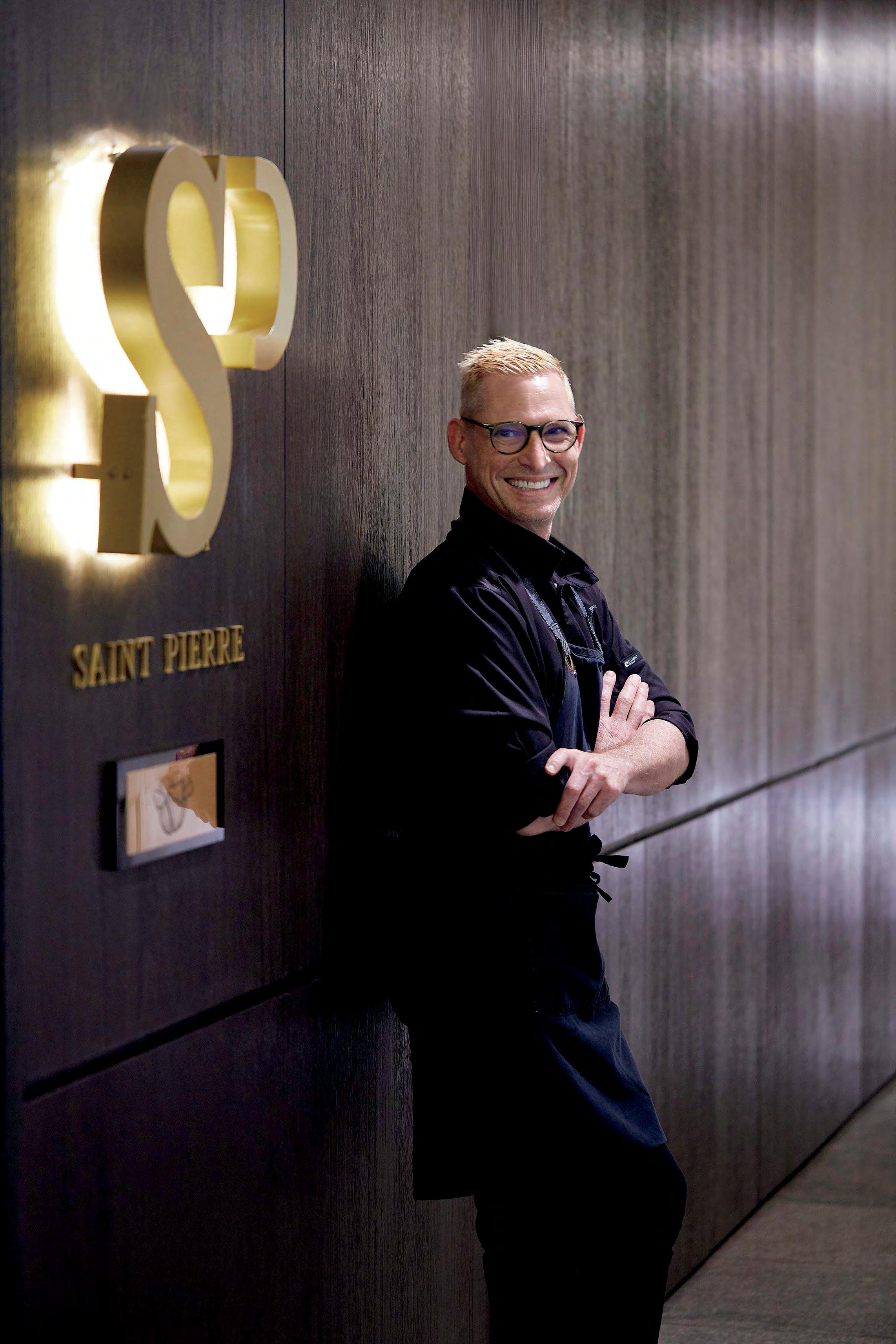
Celebrating 25 Years of Flavour & Passion
Celebrating 25 Years of Flavour & Passion
Celebrating 25 Years of Flavour & Passion
Join us at Saint Pierre for an unforgettable dining experience filled with signature flavours, a brand-new ambiance, and a celebration years in the making.
By Richard Hartung
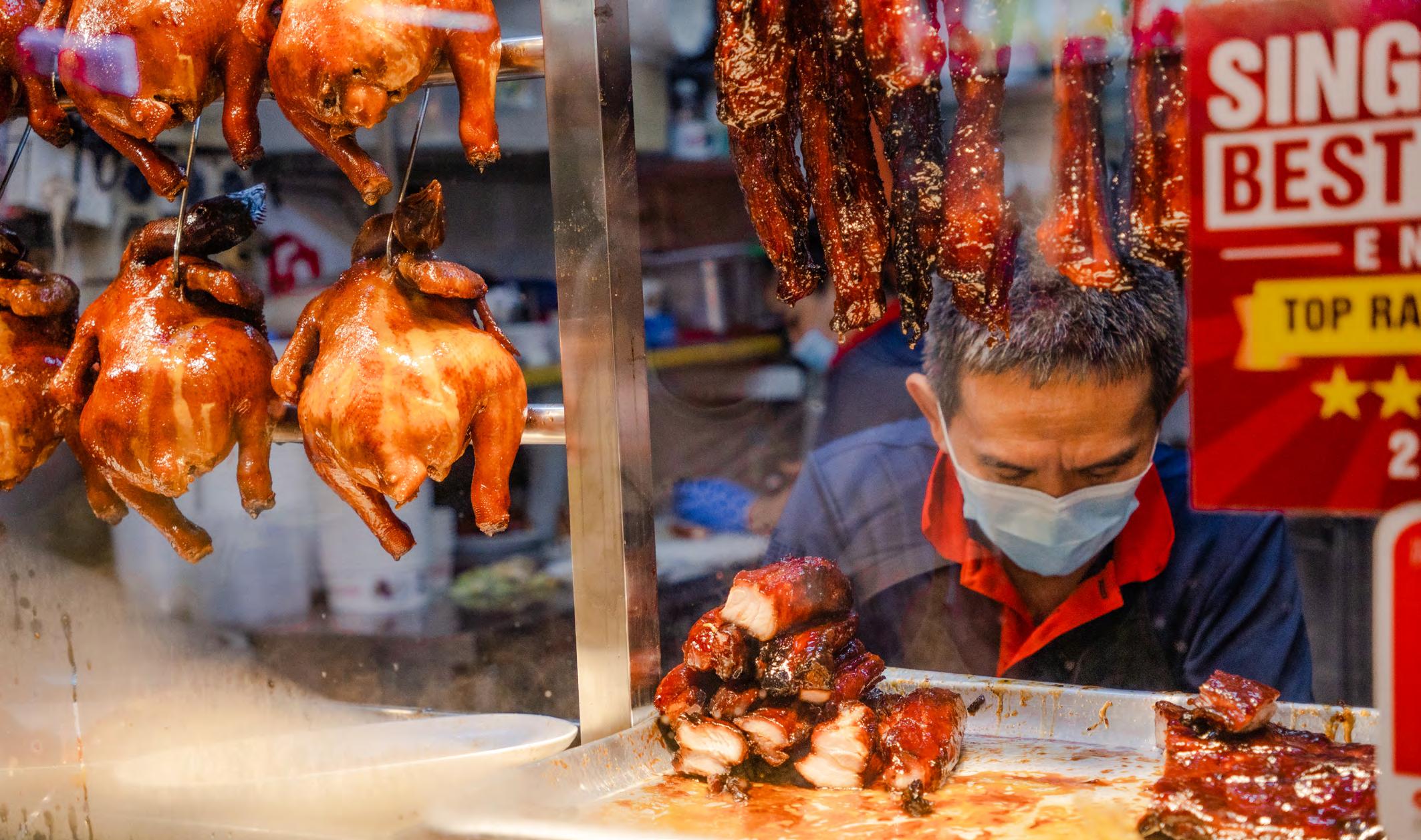
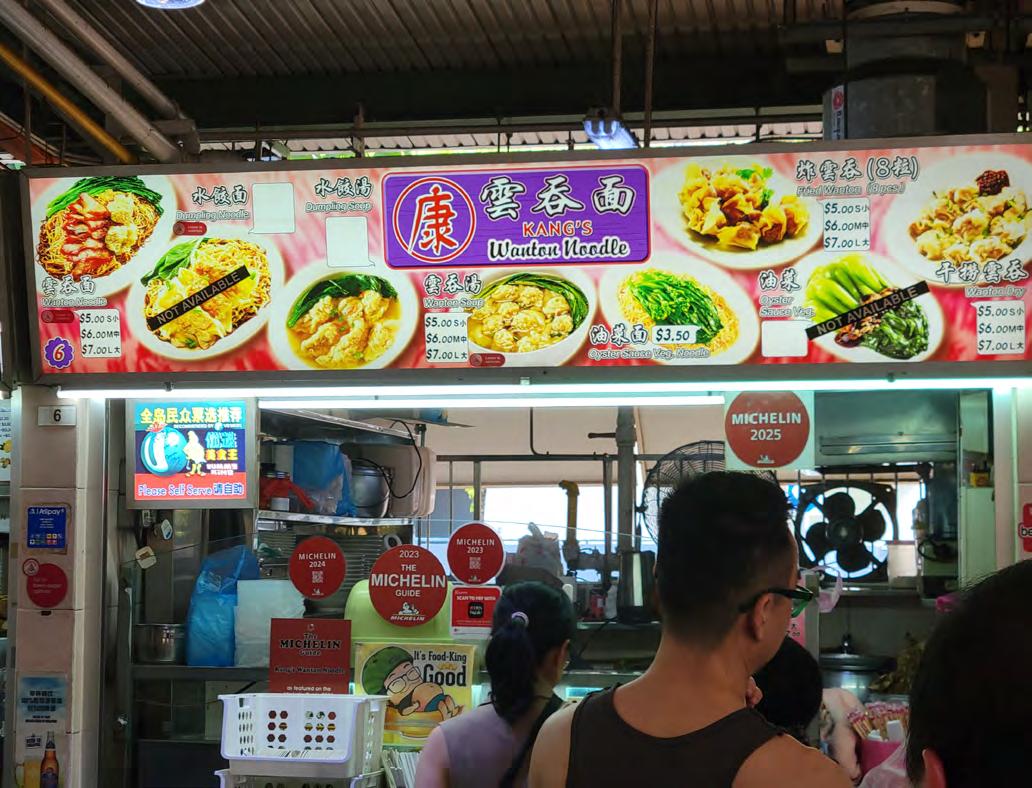
When I first ate noodles from a small hawker stall on Zion Road, it was early in the day. I picked them up quickly and didn’t notice anything special about the stall. They were really good. The next time I went back, for a midday lunch, there was a 20-minute queue of people waiting for noodles. I had more time to look around and finally noticed a MICHELIN sign. It turns out that Kang’s Wanton Noodle had won a Bib Gourmand award from the renowned food guide MICHELIN.
While MICHELIN is probably best known for its one-, two-, and three-star restaurants, its Bib Gourmand category recognizes excellent, more casual restaurants. My nearby hawker stall is one of them.
That small shop is part of a long and storied history.
The MICHELIN Guide dates back to 1880, when the two brothers who founded the Michelin tire company produced a guide listing places to eat or stay for the night, in hopes that more people would buy cars and need their tires. They continued in a simple format until they launched a brand-new MICHELIN Guide in 1920, which included fancy restaurants in Paris, organized into specific categories. Today, the MICHELIN Guide is recognized as a premier source of insights for foodies looking for the best meals in the world.
Michelin says full-time inspectors select restaurants by traveling the world, visiting everything from big metropolises to rural outposts. Restaurants receive one to three MICHELIN Stars for their food based on the quality of ingredients, mastery of flavors and cooking techniques, the chef's personality in the cuisine, harmony of flavors, and consistency.
After decades of focusing on high-end restaurants, MICHELIN created Bib Gourmand in 1997. Its Bibendum focuses on places that serve good cuisine at reasonable prices in simple spaces.
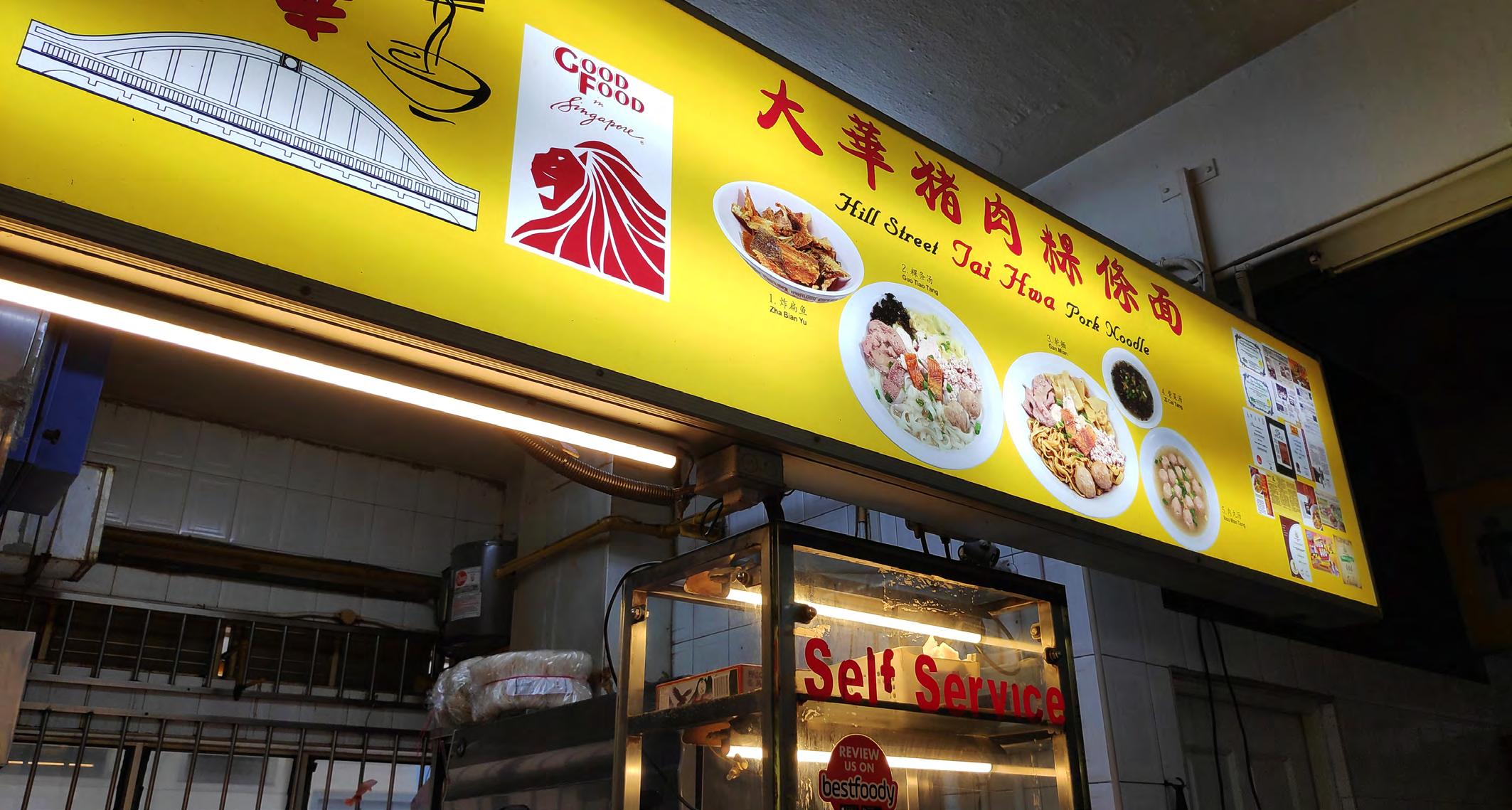
Only in 2016 did the Bib Gourmand expand to hawker stalls and street food, starting with Singapore, when Michelin released the 2016 MICHELIN Guide Singapore. Two hawker stalls, Hill Street Tai Hwa Pork Noodle and Hong Kong Soya Sauce Chicken Rice & Noodle, debuted with one-star ratings. Seventeen other hawkers have since received a Bib Gourmand listing. Since then, the Bibendum has expanded to other countries in Southeast Asia.
In its 2025 edition, Michelin featured 288 establishments in Singapore, including three Three MICHELIN Starred, seven Two MICHELIN Starred, and 32 One MICHELIN Starred restaurants, as well as 89 Bib Gourmand winners and 157 MICHELIN Selected Addresses, places that are recommended yet don’t reach the Bib standard. There are 151 hawker stalls on the list.
For top restaurants, stars are a key part of the business and help make them more discoverable. “For many international guests,” chef Sebastien Lepinoy of Les Amis told CNA, “the three stars are what first brings them to Les Amis. As more than 40 percent of our guests are tourists, we see the value of the Michelin stars as truly enormous.” An evening meal at Les Amis, Le Menu Degustation Printanier, costs S$550.
Hawkers benefit too. Chicken rice proprietor Chan Hong Meng told Business Insider that being named on the Michelin Guide's "budget" list is good for his food's reputation. Even after dropping to Bib Gourmand status in recent years, Chan said the recognition gives his food the same affirmation as a star. Chan’s chicken rice costs less than S$5.
A Bib Gourmand or Selected Address award can indeed make a difference. Sumadi Datang, the owner of Saprari Selamat at Adam Road Hawker Center, told CNA he estimates the increase in customers to be at least 30 percent.
MICHELIN isn’t the only player in the rating category, of course. Another well-known one is The World’s 50 Best Restaurants, along with Asia’s 50 Best Restaurants, with restaurants selected based on votes by chefs, restaurateurs, critics, and “well-traveled gourmets”.
A newer player is The Black Pearl Restaurant Guide, founded by Chinese retail giant Meituan in 2018. It focuses on fine dining in Asia through what it calls the perspective of Chinese consumers.
The next question, of course, is how to find the establishments that MICHELIN rates. Fortunately, it’s easy. Go online, head to guide.michelin.com/sg/en, type in Singapore, and you’ll find all the awardees on the island. You can type in “Three Star,” “Singapore Bib Gourmand,” “Singapore Street Food,” or another type to get a list of the awardees in a particular category.
Local media also covers new places when the awards are announced. CNA offered details of the new Bib Gourmand places last year, for example, and the Straits Times covered those awarded stars. MICHELIN itself and social media also provide details of the awards.
The challenge, then, is narrowing down the dozens of selections to the ones you’ll actually try. You could try a new place every weekday of the year and still not get to them all.
For me, I learned that a Sri Lankan restaurant near where I live is one of the recent awardees, so I’ll be going there to check it out. And I’ll continue to be a regular at Kang’s Wanton Noodle, enjoying MICHELIN-quality noodles for less than $5.












By Aimee @littleluxurylist
What dishes come to mind when you think of hawker food?
When I drift into these outdoor food centers with their Formica tables, hungry crowds, and backlit picture menus, I definitely have certain expectations. I look for classic Singaporean dishes, from roast chicken rice or fragrant nasi lemak on days when I’m hungrier, or yong tofu (maybe in a spicy sauce) on days when I’m trying to be a little healthier.
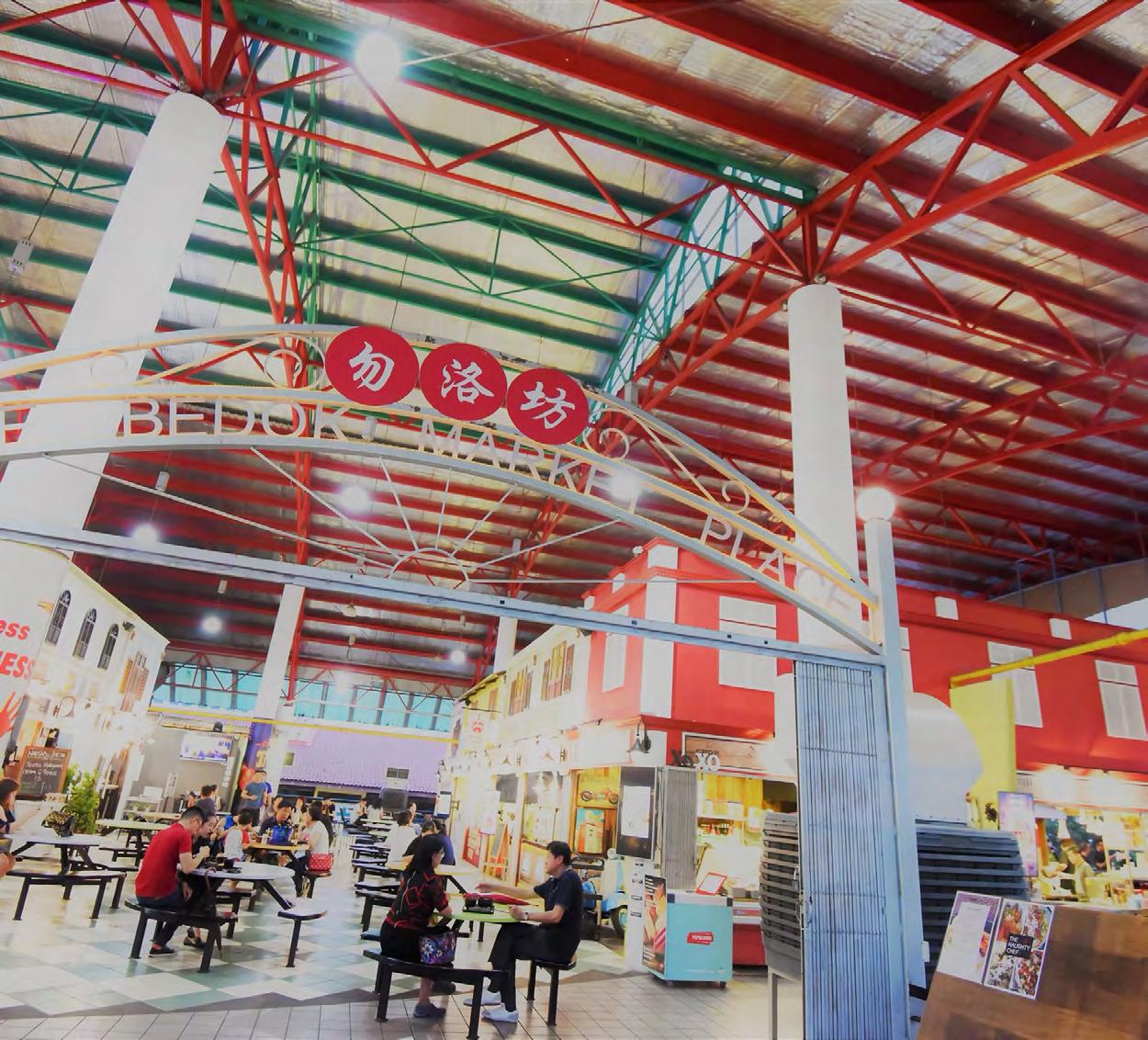
So I was pleasantly surprised when I discovered the most atas, or fancy, dishes at Bedok Marketplace by BC Food Concept. Head to the second floor of Bedok Marketplace and
Grilled meats with Japanese influences I tried Burning Oak several times because they have so many dishes that differ slightly, with some available only at lunch or dinner. They grill many different types of meat accompanied by Japanese side dishes. Lunch may be miso white fish over short-grain rice paired with furikake, omelet, and a side of miso soup. But you can get ribs at dinner (which I still have to try) or a juicy rib-eye. The dishes were well-cooked and flavored, though I found the grilled broccoli too charred for my taste. They go heavier on salt here, so keep that in mind.

you’ll instantly think something is different. You’re greeted by retro signs, faux shophouse exteriors, and the cutest VW Beetle as well. Then, when you peek a little closer, you’ll find the food is not your typical hawker food either.
You’ll find a range of cuisines from Japanese to pizza (made to order!) and upscale Filipino food in this unassuming hawker center. I took on the difficult and delicious task of taste testing many of the stalls. I tried more dishes at some stalls, but quickly found a few favorites.
Here’s my take on a few fancy stalls at Bedok Marketplace.
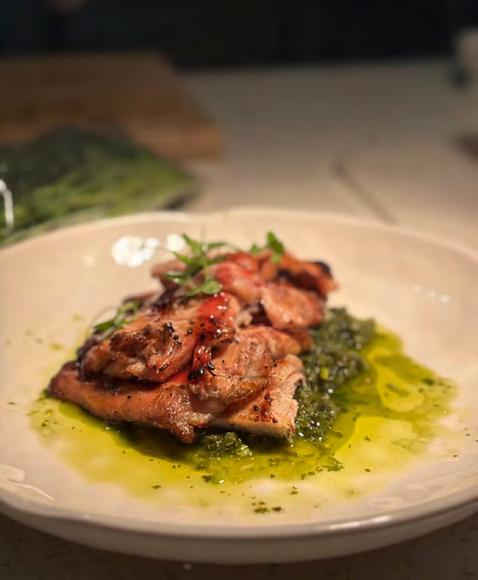
MR. KNEADY’S
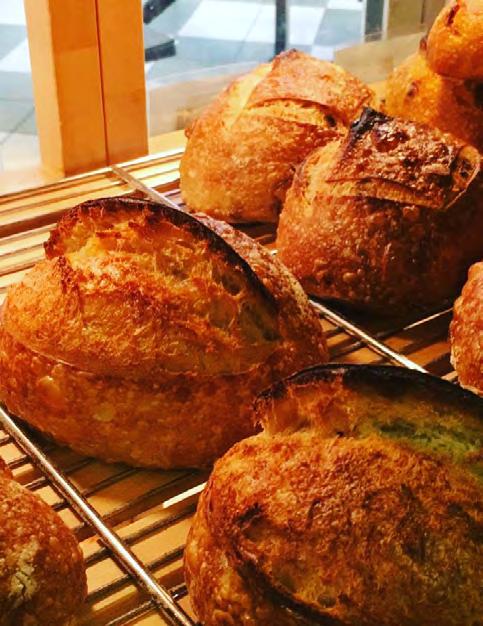
Sourdough bread and pizza
This is such an unexpected hawker center find - freshly made sourdough bread and pizza! There are only a handful of flavors, but since they had a pepperoni version with tomato sauce, my kids were happy and would definitely make the trek here again. The Remedy with white garlic sauce is tasty too! They make pizzas to order, so be patient. Sourdough pizza also isn't exactly like regular pizza. The crust may not be as crispy at the onset, and the flavor is slightly different. But I do like sourdough since it’s slightly healthier and the gluten is easier to digest, even for those sensitive to gluten. They also sell pre-made loaves of sourdough bread in different flavors.
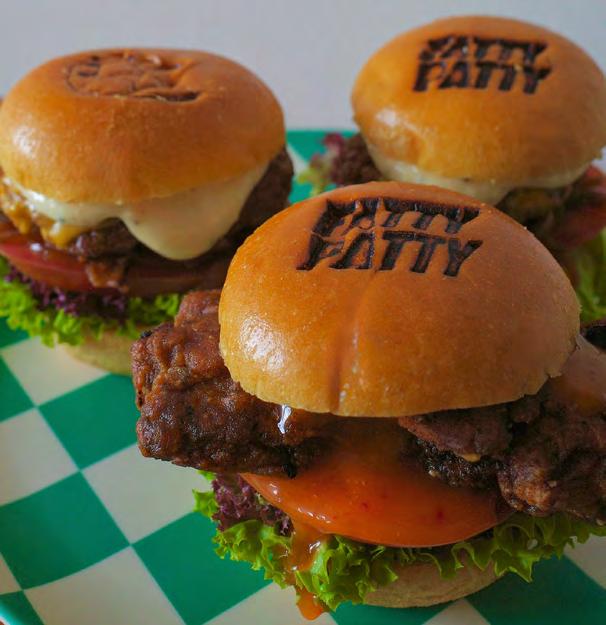
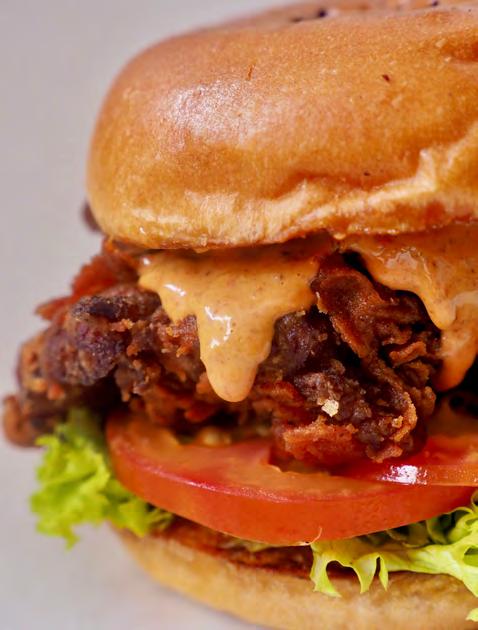
Burgers and fries aren’t entirely foreign to Singapore's hawker centers, but they are still hard to find. I tried the Cajun chicken burger with a crispy fried chicken patty. The sauce wasn’t exactly authentic Cajun, but fine enough. I didn’t try any of the beef burgers, but they have a few varieties of beef, chicken, and fish as well. In addition, they have truffle aioli fries or onion rings as sides too.
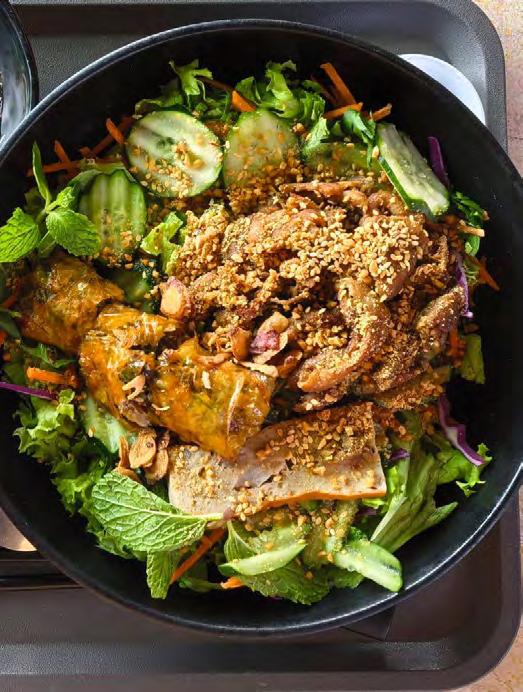
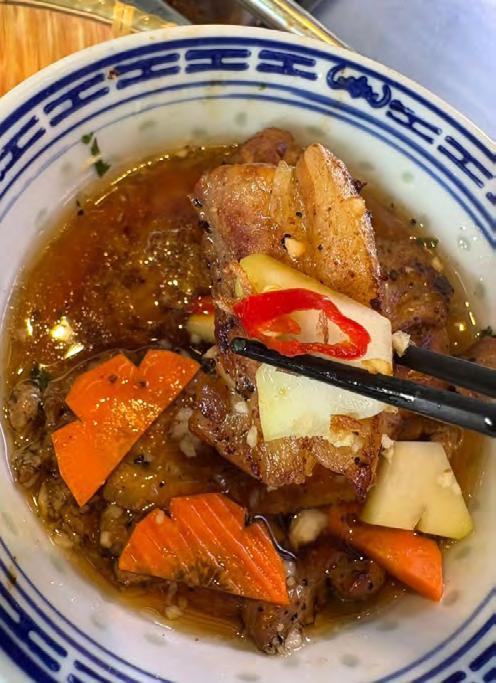
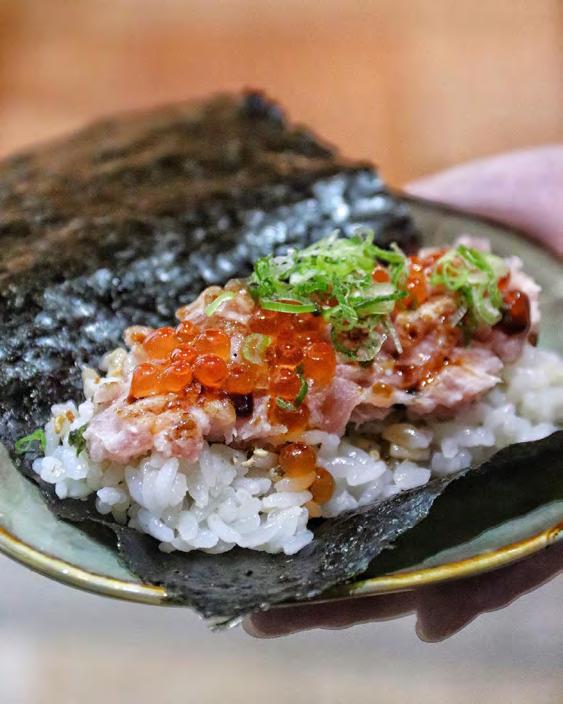
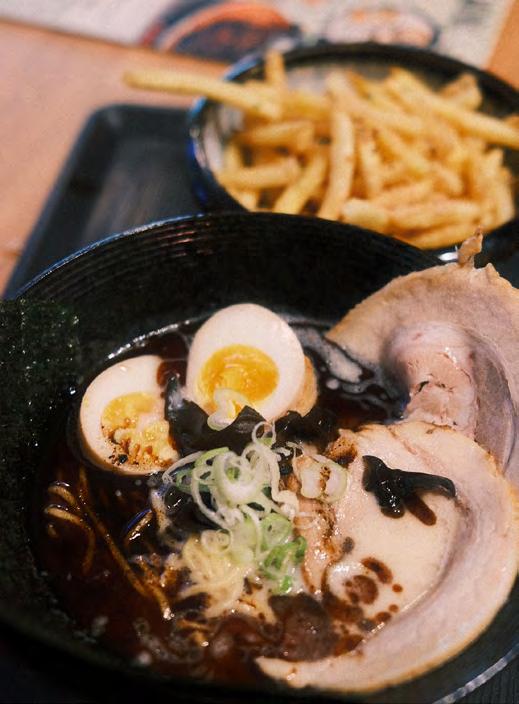
Sashimi and donburi
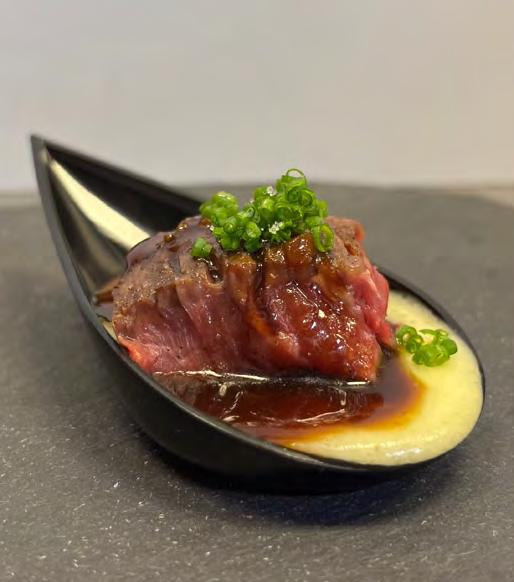
Who orders sashimi at a hawker center? I did and live to tell the tale! Monzen@Gardens offers a variety of Japanese donburi (rice bowls) and fresh fish flown in daily! The sashimi was indeed fresh and rich. Their signature dishes include wagyu beef don and black garlic tonkotsu ramen. But I would try their chirashi don or curry don another day!
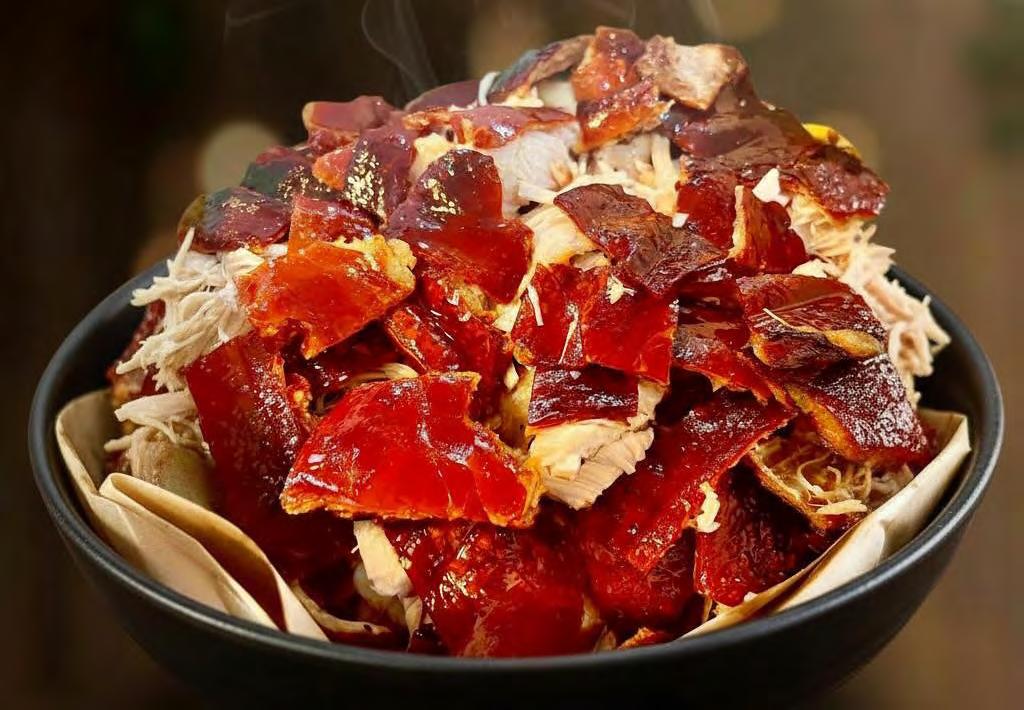
I love the clean, fresh flavors of Vietnamese food. I enjoy eating different grilled meats, along with fried pork-filled spring rolls doused in a liberal dose of Nước chấm - a savory, sweet, and spicy fish sauce-based condiment. The sauce here was definitely on point - even my kids couldn’t get enough of it with salad! We had the grilled pork dish with spring roll, vermicelli, and salad. This version is similar to a version you’d get at a good Vietnamese restaurant. The flavors are clean, bright, and savory. Or maybe that’s just the salad that’s making me feel better!
Filipino roast pork and other dishes
Filipino food isn’t common in Singapore, let alone at hawker centers (I’m not talking about Lucky Plaza!). This is a slightly upscale Filipino stall specializing in Cebuano lechon, or roast pork. They also have other dishes like lumpia, aka pork spring rolls (which were crispy and pretty good), and leche flan (a cream custard dessert). I didn’t have room to try their lechon - which is also available to pre-order for parties - but would go back for this sometime.

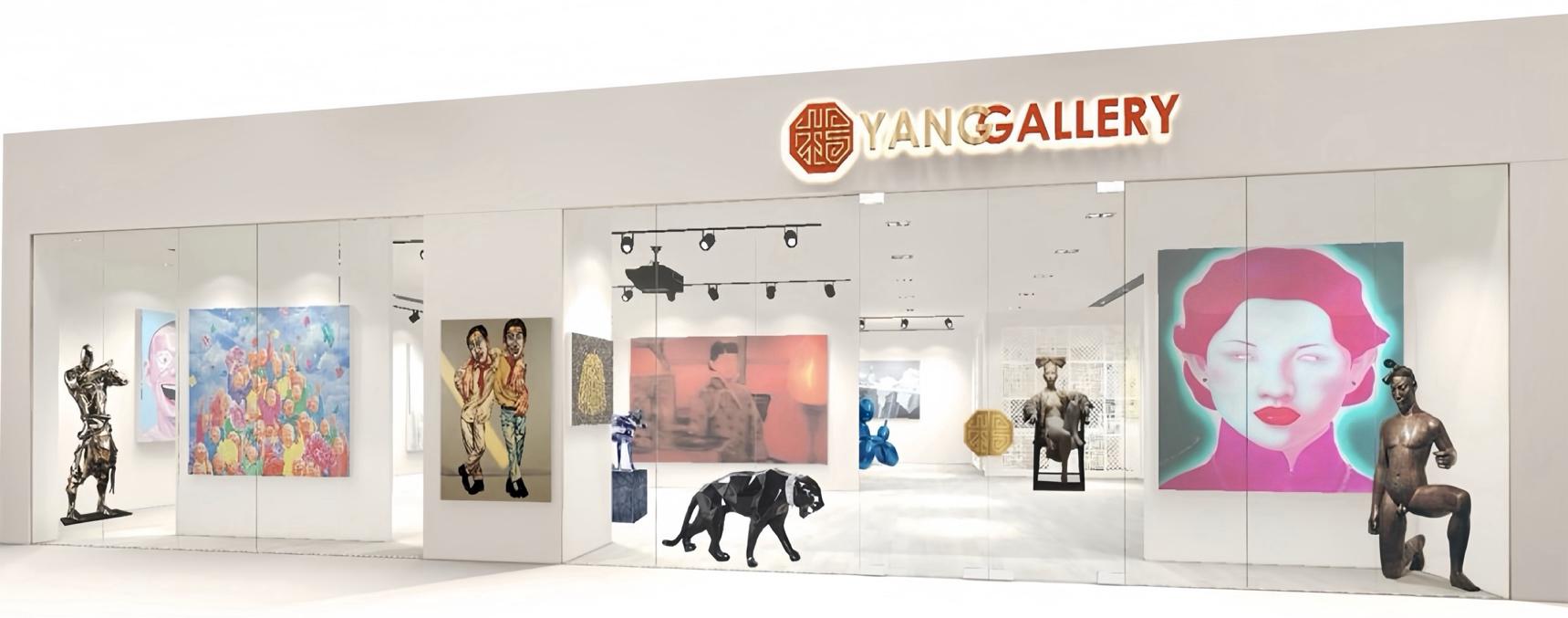
Yang Gallery
581 Orchard Road, #01-11 voco Orchard Singapore
+65 83891888 / info@yanggallery.com.sg
www.yanggallery.com.sg


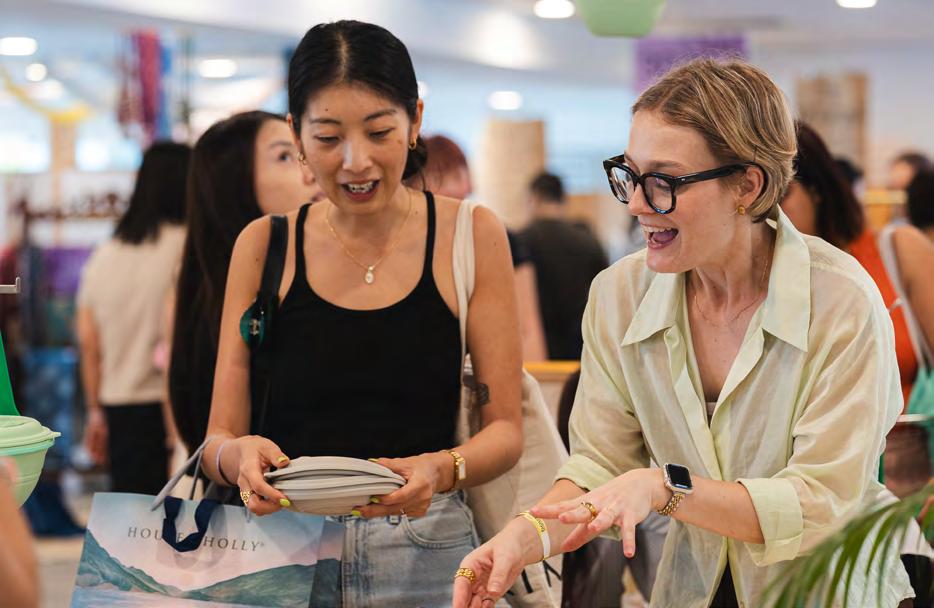
Save the dates May 15 to 17 for Boutiques Singapore: the Spring Summer Edition 2026. This is Singapore’s not-to-be-missed shopping, fashion, décor, and food event at the F1 Pit Building. The highly anticipated twiceyearly event never disappoints, revealing its latest selection of independent designers and brands and the customized food, retail, and cultural experiences it assembles for each event.
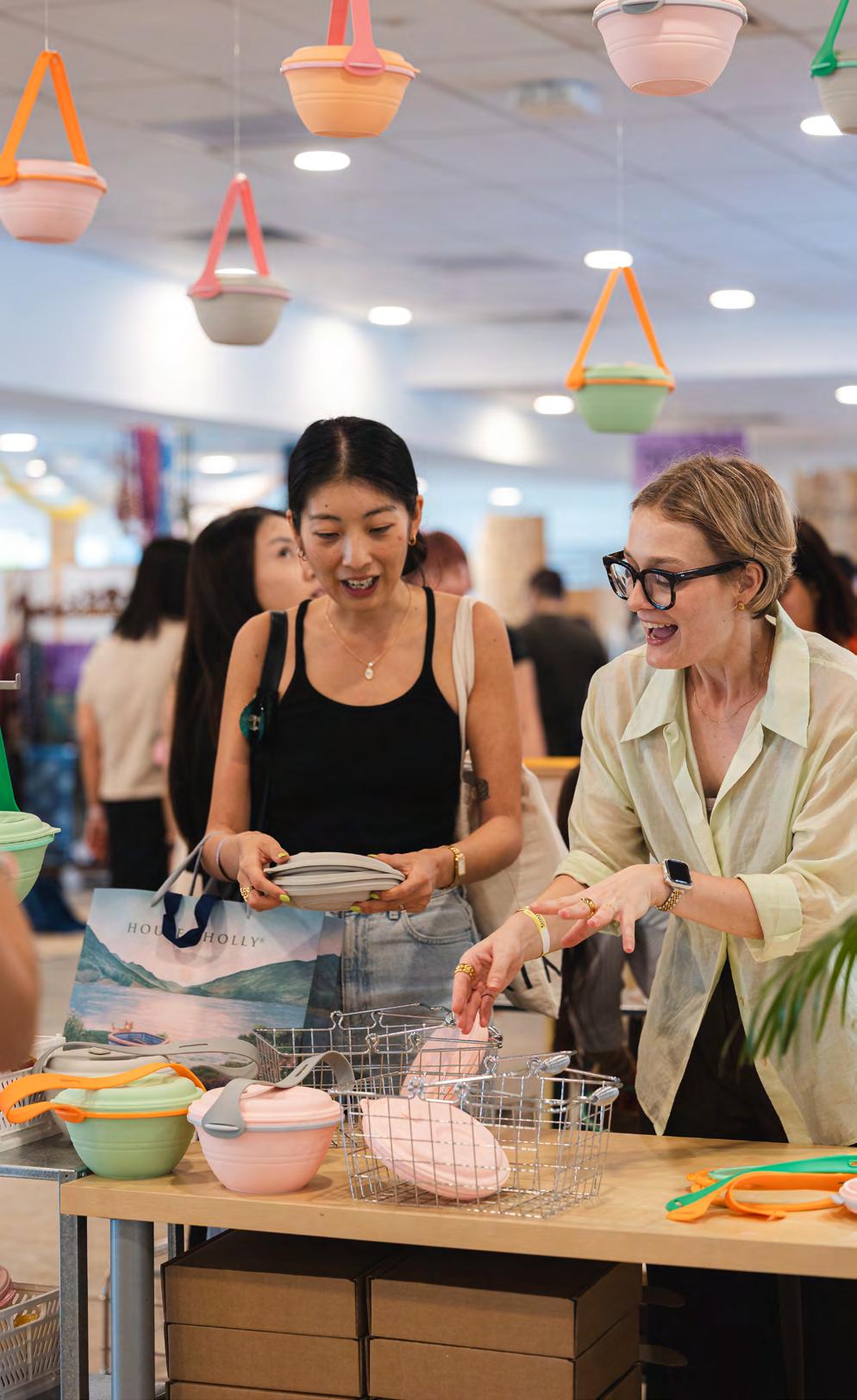
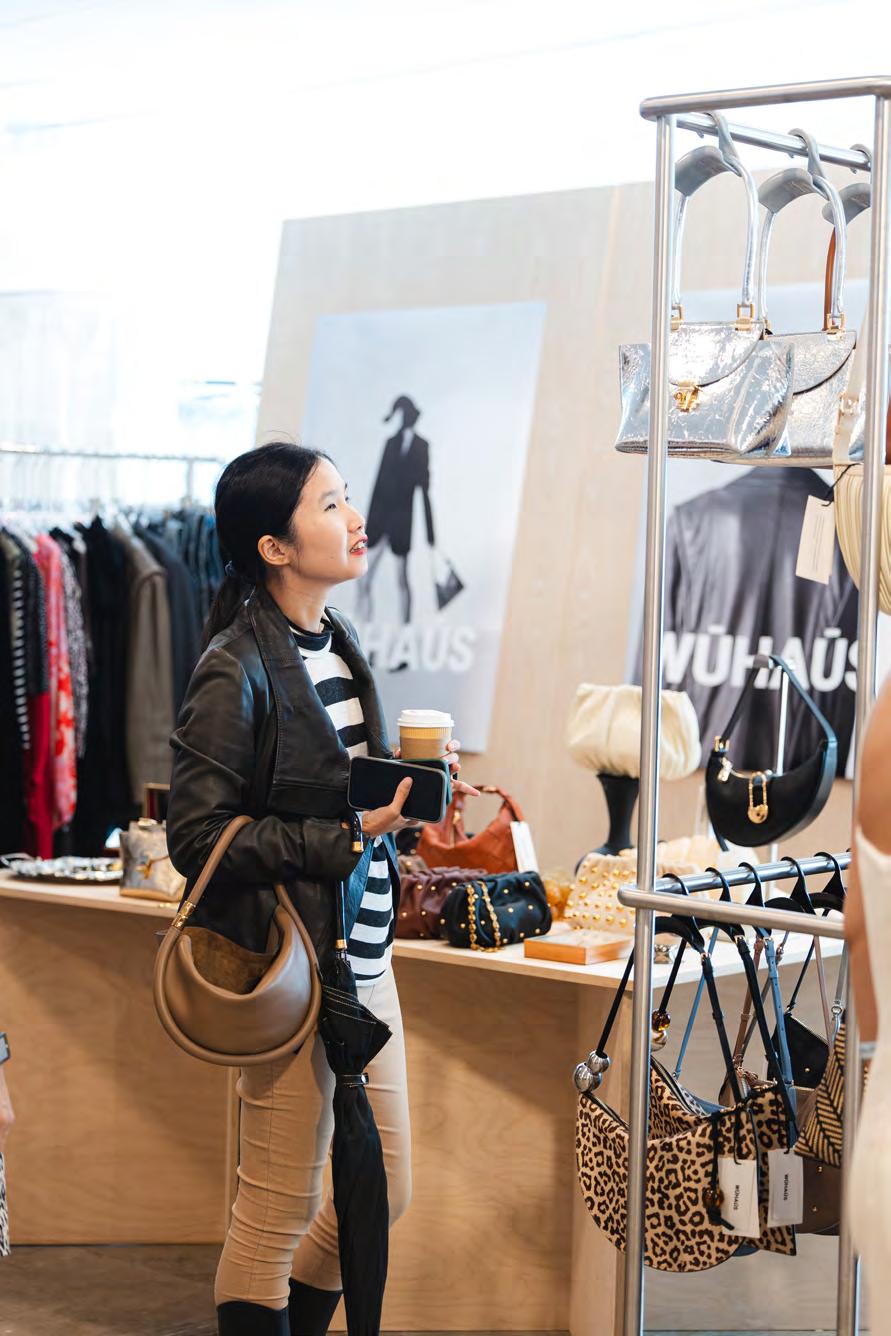
Come and be inspired. Browse, purchase, and sample items from over 300 vendors — as many as they can fit into the venue — who are painstakingly selected from a long list of applicants. Brand founders, designers, and makers are present to personally attend to shoppers. Interacting with them is part of the Boutiques’ experience. They’re happy to chat about their products and listen to feedback, which makes the event truly unique. And wildly popular: this month’s edition is on track to host over 35,000 visitors.
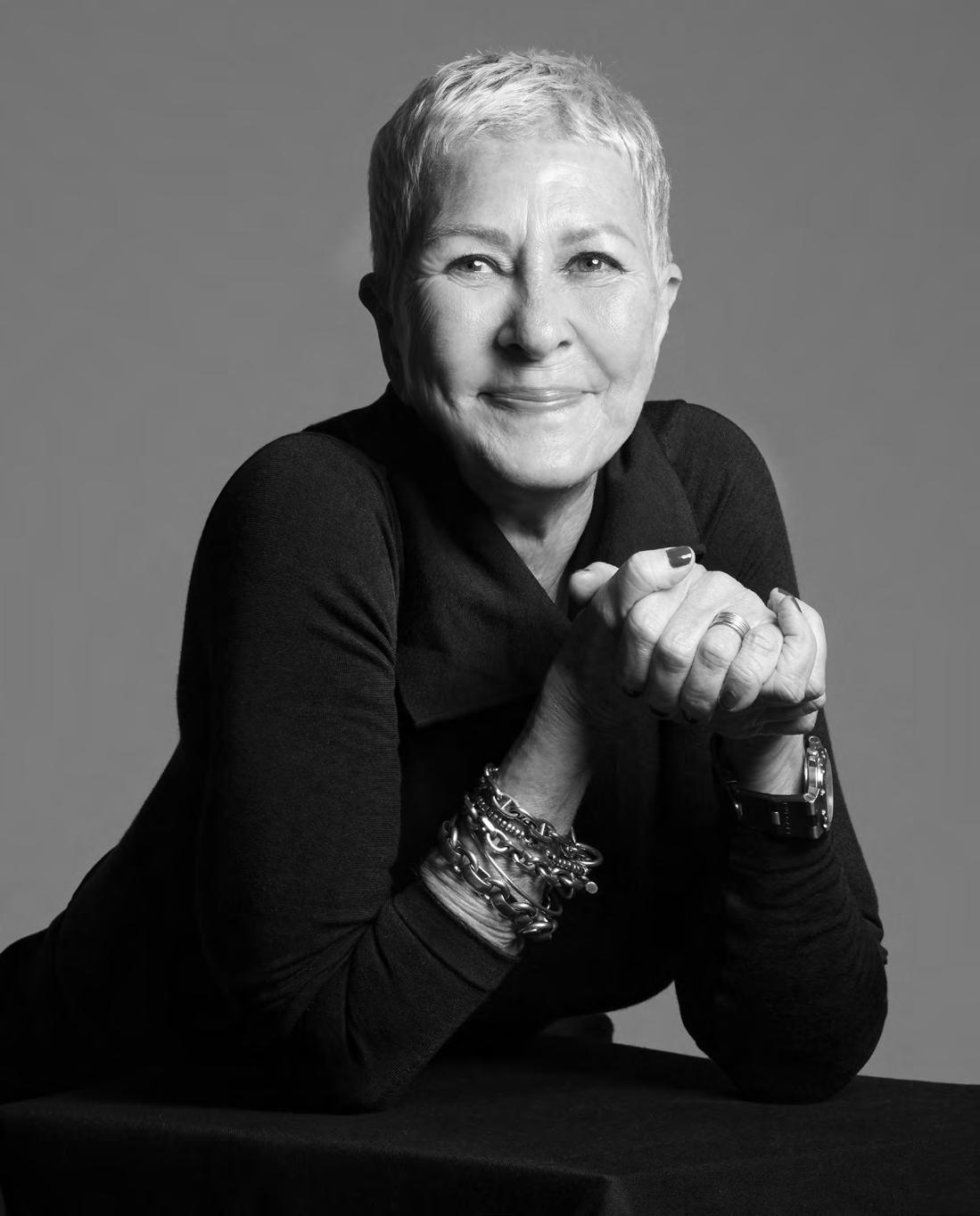
Boutiques Singapore is led by Danish founder Charlotte Cain. Unlike many businesses founded by international entrepreneurs that primarily cater to their founders’ own communities, Boutiques has cultivated a large and loyal following among Singaporeans, tourists, and the broader community alike. Its diversity, however, extends far beyond nationality.
Beyond the amazing shopping experience, this diversity has made Boutiques one of Singapore’s top destinations for people-watching. At its high-energy events, visitors arrive dressed as the most polished versions of themselves—glamorous, chic, traditional, sophisticated, bohemian, street, alternative, sporty, vintage, artsy, and even styles yet to be defined.
On the other hand, some shoppers have no interest in fashion at all – which is what I love. See and be seen. Or don’t bother. Visitors are comfortable being their authentic selves. The products and vendors are authentic. In a word, Boutiques is authentic. And diverse. And successful. A nearly unattainable trifecta of accomplishment in marketing and demographics. Somehow, Charlotte has blended haute couture, avant-garde designs, brutalist jewelry, feminine perfumes, organic mushroom farming, artisanal chocolate, and children’s socks into one must-attend event. And it works!
But how? I’m excited to meet Charlotte to ask questions about Boutiques. Questions I’ve been curious about for years. But first, some quick background information.
Over 35 years ago, Charlotte moved here as a trailing spouse. Working
around her children’s schedules, she took pottery lessons and discovered a hidden talent. She opened her own pottery studio and entered the world of exhibitions and galleries.
Aspiring makers and artists gravitated toward her, and she discovered another of her strengths: mentoring designers and founders with no business experience. In 2002, she launched Boutiques Fairs Singapore. Her first fair featured her items and those of 16 other artists.
To summarize, she’s multitalented, with a range of skills including handson creation, design, and mentorship. She’s cultivated expertise in business, organization, and management, and has grown her business into one of Singapore’s largest and most successful in its market segment.
Aaron: As someone who’s mentored many startups in design or maker-related businesses, what advice do you have for someone who has a talent in something and is considering making it a business? For example, the home cook whose friends say he should start a restaurant, or a leather-crafting hobbyist who dreams of becoming the next big brand.
Charlotte: It’s okay, or even important, to start small and build from there.
Stay true to your passion by never forgetting why you embarked on this journey. Always remember your brand values and what makes your brand standout from other brands. Do not be afraid to be different — brands at Boutiques, which see the strongest growth, are brands that distinguish themselves from others most often because of their perspective, originality, and last, but not least, quality. In essence, don’t feed into trends.
Speak to people who are interested in your work and learn from their feedback. Every good business owner needs to be constantly evolving, learning, and growing from the conversations we have.
Aaron: Thousands of people eagerly anticipate downloading their tickets for the next Boutiques. But there are another thousand or more vendor-applicants who eagerly wait to learn if they’ve been selected as one of the 300 to participate in each edition of Boutiques. Clearly, you and your team have a talent for curating and refreshing the right blend of vendors and products from a vast range of genres. Regardless of the market segment, what are the traits you look for in a product or vendor?
Charlotte: The most difficult part of the process for me is curating the event line-up because, having been a vendor myself, I understand the passion and personal commitment involved in each brand. It’s difficult not to be able to accept all brands that apply, knowing how much being part of Boutiques and our community can be a boost. At Boutiques, we look for brands and designers that prioritize original design, a strong brand story, and socially responsible practices. And we require the brand’s designers to be present at Boutiques.
Aaron: That is one of the aspects of Boutiques that I love and appreciate, and something that truly sets it apart: the presence of brand founders and designers. Their involvement creates a far more personal and meaningful experience, allowing for genuine conversations and connections. Over the years, I’ve had many memorable and insightful exchanges with founders at Boutiques, which adds a special depth to each visit.
Charlotte: Yes, we’ve created an event where designers can have intimate dialogues with their customers. In turn, customers connect deeply with brands and their products when designers share their experiences, inspirations, stories, and social purposes. Importantly, brands receive valuable feedback and forge deep connections with their audience.
Aaron: There’s an exponential leap going from holding your own small sale like you did 24 years ago, to organizing something the size of a school-wide event or hotel fair. Then there’s another leap, going from that to 35,000 visitors and 300 vendors at one of Singapore’s largest iconic venues. Are there clear stages you can identify in your business growth that require new and different ways of managing to succeed at each level?
Charlotte: I didn’t experience our growth in these clear stages. Instead, I would say our growth has been slow but intentional because we are serious about ensuring the right alignment between audience and vendors. We do our best to ensure the success of all vendors at Boutiques. We honed Boutiques over two decades and had the privilege of growing with demand. In the first ten years, we moved venues several times and introduced more brands. In 2014, we moved to the F1 Pit Building, where we are now. That year, we had 50 brands in one room. Today, we occupy 8 rooms across all three floors.
Aaron: What do the behind-thescenes of Boutiques look like now in terms of staffing and workload?
Charlotte: People are surprised to learn that our team works fulltime, year-round. To the public, Boutiques only takes place twice a year for three days in Singapore. But there’s an enormous amount of planning and consideration required to ensure an ideal experience for both our vendors and shoppers. We spend much of our time discussing the vendor curation, programming concepts that make each edition feel fresh and of-theseason, and working on the floor plan to ensure that quintessential “Boutiques” flow that shoppers love when they’re at the event.
Over and above this are social media, marketing, advertising, and partnerships. Not a single decision is made, be it from the placement of a brand to the color of a sofa, without much consideration.
Outside of the main shopping events, we organize networking sessions for vendors, collaborative opportunities, and onboarding sessions for our international vendors joining us. With the addition of Boutiques Asia, we now organize even more workshops that support the vendor community by providing resources on entering a new market. In short, there’s a lot of invisible labor and plenty that keeps us busy behind the scenes.
Aaron: Anyone who’s hosted a public event is familiar with the persistent background fear that something catastrophic could happen just before the event. Have you had any close calls in the past?
Charlotte: Undoubtedly, the pandemic was our biggest challenge. We needed to cancel three editions and took a two-year hiatus - but returned in 2022. When Boutiques restarted after the pandemic, we limited the crowd size due to Covid regulations and could only host a smaller number of brands.
Those years were tough on the business. However, when regulations eased, crowds returned, and more vendors joined. We came out of it stronger than ever.
Aaron: What steps do you take, and what is your philosophy behind those steps, to keep Boutiques fresh and interesting each season?
Charlotte: We analyze the demographics of our attendees and their responses toward each brand after each edition. Then we curate vendors. The goal is to align with the tastes and preferences of our attendees, who appreciate designforward designs and products. They comprise a wide range of demographic segments, but all share a passion for creative and thoughtful design, and value learning about the stories and craftsmanship behind each product. Our shoppers spend a lot of time at Boutiques and appreciate experiences beyond retail shopping.
So we’re always developing and refreshing our non-shopping experiences as well. We create different F&B concepts each edition, as we know food is a huge draw in Singapore. It’s important to make room for shoppers to breathe and take a moment, so we design different lounge spaces where they can listen to music, attend a talk, catch up with a friend, or take part in a workshop.
Aaron: What advice do you have – both personally and professionally – for someone who’s started a business that is experiencing early success and may grow exponentially?
Charlotte: I am a big believer in the power of dialogue. Speak with your customers. Consider all feedback as you are growing your business and develop filters to process feedback. Recognize what you can do and what you need help with — it is not realistic for one person to undertake everything. Don’t diversify or spread yourself too thin.
Lastly, remember your brand values. In times of difficulty, and there will be many, it always helps to remember who you are, why you are doing what you do, and how you want to do it.
Aaron: You’ve expanded Boutiques to Bangkok. Can you describe how that event is similar to or different from the Singapore event? What types of brands are you seeking for Bangkok, and how do vendors apply?
Charlotte: Yes, this is our first year of Boutiques Asia, and we are thrilled to be launching it in Bangkok this July, which is a thriving hub of design in the region. The event will showcase over 100 Singapore-based and regional brands for the first time in Bangkok. Boutiques Asia is built from the same
DNA as Boutiques Singapore - a highly curated platform for independent, design-led brands to come together and showcase their work.
Where it differs is that Bangkok is designed as both a consumer-facing event and a regional gateway, so we have deliberately built in more B2B elements in Bangkok and structured opportunities for brands to connect with potential retail partners.
Brands that take part in Boutiques Asia are typically well established in their home market and ready to step into a new one. Interested vendors can apply through our website.
Aaron: What do you have planned for the May 2026 Singapore event?
Charlotte: This upcoming event will feature our most exciting line-up of vendors yet, as we have 80 new brands and a record number of them in the fashion category.
Beyond being the first to shop over 200 exclusive launches at Boutiques, shoppers can also expect more new international brands, more design-driven concepts, and a more comfortable experience.
We are refreshing the Garage Cafe on L1 and introducing a bar concept with boutique wines, craft beer, and fresh oysters for shoppers to unwind and sip in style.
Hot food and more halal options will continue to remain in the Garage Cafe on L1 for diners.
shop in peace while their kids are safely immersed in activities.
We continue to have lovely seating nooks in each of the 7 rooms on L2 and L3 where customers can wind down, enjoy a drink, or a cup of coffee.
And finally, to indulge our ever culturally curious shoppers, we are thrilled to partner with Air New Zealand on an exclusive lucky draw, offering shoppers a chance to win a pair of premium economy return tickets to New Zealand.
We hope to see you in May!
In 2A, we are introducing a new lounge space centered on design and community. The space brings together immersive experiences and thoughtful programming, from community chess sessions by Aliwal Chess Club to art programs by GOFY, including live drawing sessions, artist talks, and paper vase-making.
Upstairs in 3A, we invite shoppers to step into a music-led lounge designed for slowing down — with highfidelity vinyl listening, a thoughtfully curated record library, and a one-ofa-kind ART/ST Records experience to press your own custom vinyl, alongside drinks and light bites.
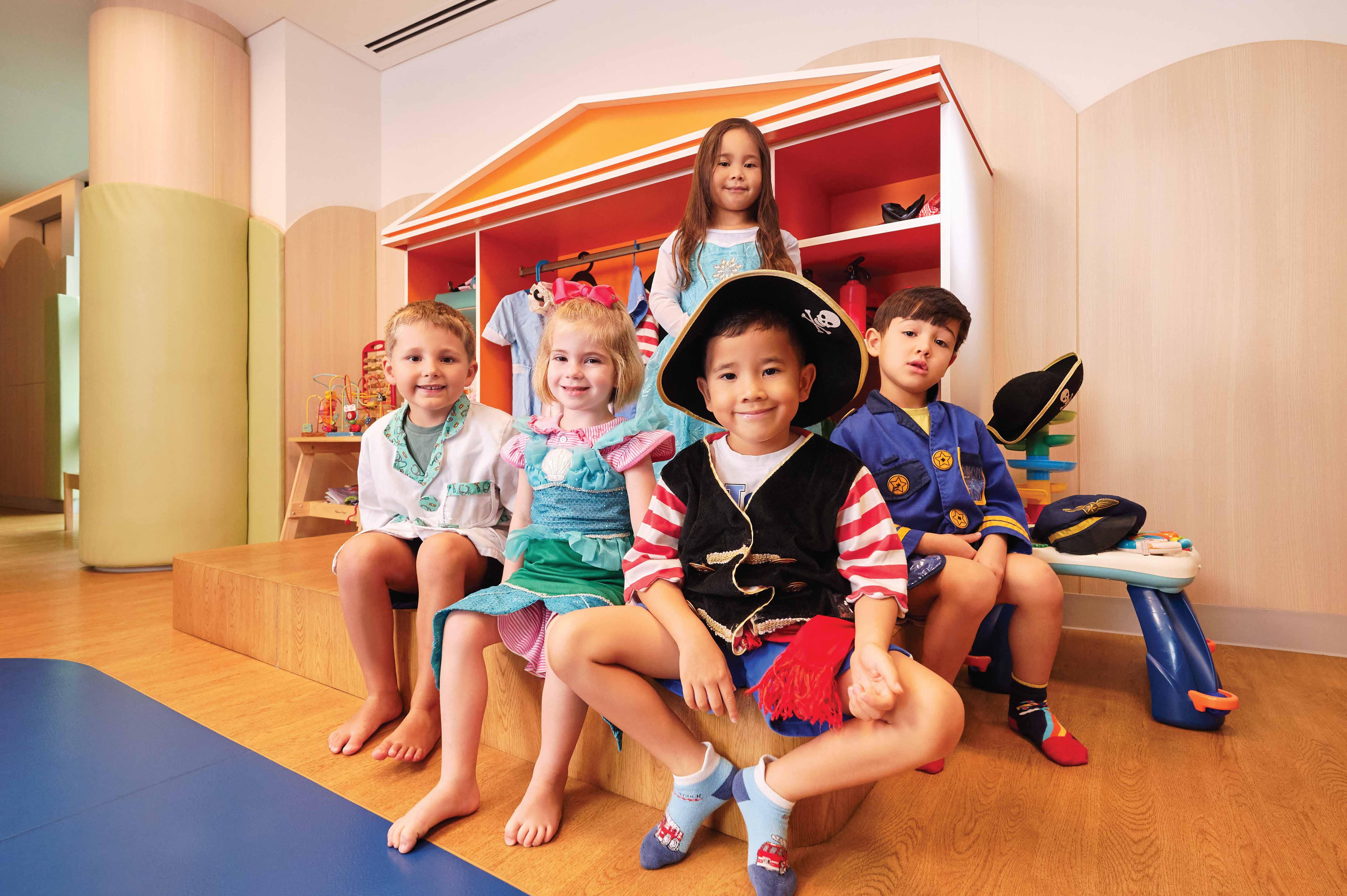
Families can continue to use our Kids’ Drop-off run by the arts charity The Artground in 3D, so parents can
Boutiques Singapore: The Spring Summer Edition 2026
Fri, May 15, 11am-9pm Sat, May 16, 11am-9pm Sun, May 17, 10am-6pm
F1 Pit Building 1 Republic Boulevard, Singapore 038975
Tickets available online at boutiquefairs.com.sg
A 1-Day Pass gives you entry to a single day at the event. Save up to 30% with ticket bundles or enjoy the flexibility of unlimited entry across Fri–Sun with our 3-Day Pass — limited quantities available.
Parking is not available onsite, but at Millenia Walk, where you can hop onto a complimentary shuttle bus to the F1 Pit Building. Shuttle buses run throughout the event.



By Pedrinha Furtado
When you first arrive in Singapore, you often notice the efficiency. The MRT runs on time, the streets are clean, and life moves with an unmistakable rhythm of productivity.
But spend a little longer here, and you begin to discover another layer of the city, one that is vibrant, creative, and deeply cultural.
Singapore may be a global financial hub, but it is also a city that celebrates art, music, food, and storytelling with remarkable enthusiasm. Throughout the year, festivals, performances, and cultural events transform theatres, museums, concert halls, and even outdoor spaces into places of connection.
For expats especially, these events offer something beyond entertainment. They are windows into Singapore’s identity, a place where traditions meet innovation, and where cultures from around the world coexist on a small island.
Whether it’s a world-class theatre production, an intimate candlelight concert, or an immersive art installation, Singapore’s festival calendar offers countless ways to experience the city beyond the everyday.
One of the country’s most celebrated cultural events is the Singapore International Festival of Arts, an annual showcase of theatre, dance, music, and multidisciplinary performances.
Held across venues such as The Arts House, Victoria Theatre, and Esplanade – Theatres on the Bay, SIFA brings together artists from Singapore and around the world, exploring contemporary themes through performance. Expect thought-provoking productions, experimental collaborations, and visually striking works that challenge traditional boundaries between art forms.
For those looking to understand Singapore’s evolving creative identity, SIFA offers a fascinating glimpse into the city’s artistic landscape. This year's festival takes place May 15-30. For tickets and more program details, visit sifa.sg or artshousegroup.sg
Candlelight Concerts: Music in an Intimate Setting
For a completely different atmosphere, the popular Candlelight Concerts Singapore offer a magical musical experience.
Beautiful venues across Singapore are transformed into candlelit performance spaces where musicians perform classical interpretations. From Mozart and Chopin to contemporary tributes to Coldplay, Taylor Swift, and Queen.
The result is an intimate, immersive concert where audiences sit surrounded by hundreds of flickering candles while listening to live music. An ideal evening for couples, friends, or anyone seeking calm, atmospheric enjoyment. For tickets, visit feverup.com
Arts Events Across the City
Singapore’s cultural life isn’t limited to large festivals. Every week, smaller performances, exhibitions, and creative events take place across the island.
Comedy shows, theatre productions, improv nights, and experimental art events regularly pop up in venues from heritage theatres to contemporary galleries.
Resources for discovering events:
• Eventbrite Arts & Comedy
• Arts Republic
• Time Out Singapore Arts
• The Smart Local Arts Events
For those who enjoy exploring beyond the typical tourist experiences, these platforms often reveal hidden gems, from independent theatre productions to underground music performances.
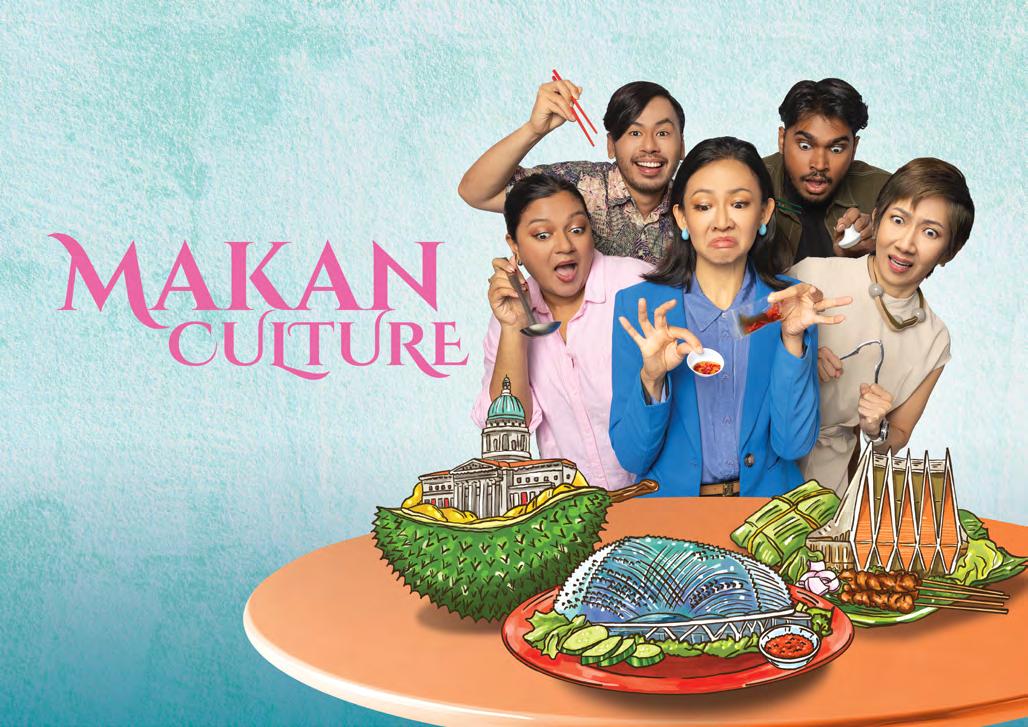
Interactive art experiences such as Friends: The Experience Singapore allow visitors to step into recreated sets from the beloved television series, blending pop culture with interactive design. For tickets, visit singapore.friendstheexperience.com.
For travelers and residents looking to discover unique cultural experiences. From food tours and craft workshops to creative city adventures, platforms like Seek Sophie (seeksophie.com) and Klook Singapore (klook.com) curate a wide range of thoughtfully designed activities.
These experiences allow participants not just to observe Singapore’s culture, but to actively engage with it.
Music Festivals and Live Performances
Singapore also hosts an impressive calendar of concerts and music festivals throughout the year.
The Singapore International Music Festival showcases talented musicians and orchestras from around the world, offering performances that range from classical symphonies to contemporary compositions.
More broadly, Singapore’s live music scene spans everything from arena concerts by global superstars to intimate performances in jazz bars and cultural venues.
Find upcoming concerts and live performances through Time Out Singapore Music, SISTIC Tickets, or Premier Ticketek.
Singapore Food Festival & Key Food Events 2026
Food is inseparable from Singapore’s identity, and the Singapore Food Festival celebrates this culinary heritage. While exact 2026 dates are pending, the festival typically takes place around September–October.
Key food-related events in 2026:
• Singapore Food Expo 2026: May 29 – June 1
• World Food Fair 2026: July (TBA)
For tickets and more information, visit Eatbook (eatbook.sg) or Singapore Travel Hub (singaporetravelhub.com).
Singapore Night Festival
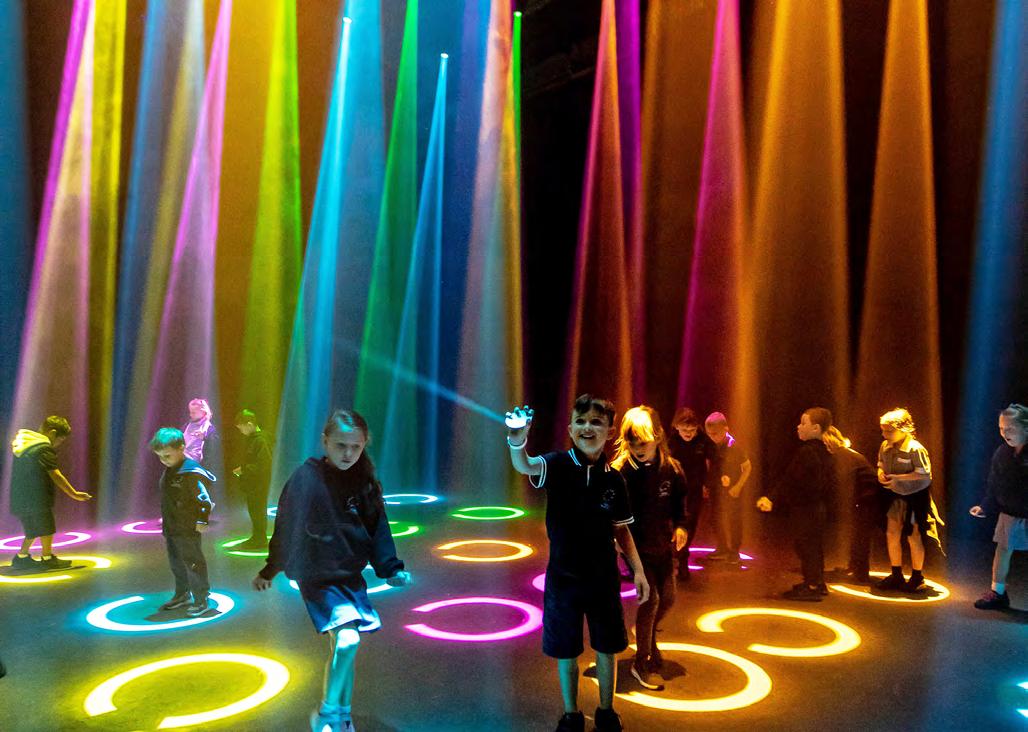
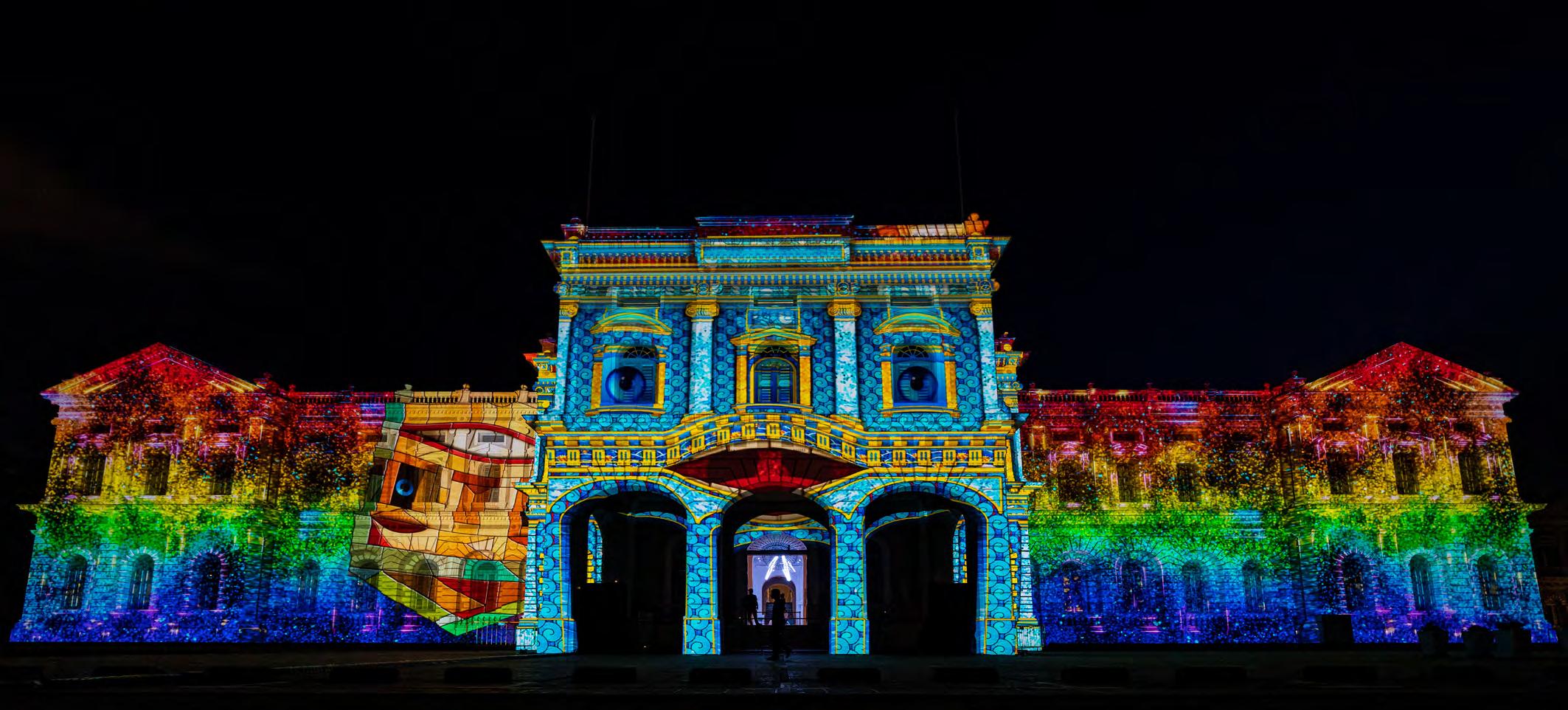
Held annually in the historic Bras Basah–Bugis district, the Night Festival transforms the area into a luminous playground of light installations, digital projections, performances, and interactive art. For more information, visit heritage.sg/sgnightfest
Family-Friendly Festivals
Many of Singapore’s festivals are designed with families in mind. Events such as the Singapore Night Festival, food fairs, and outdoor markets offer interactive installations, performances, and child-friendly activities.
Families can enjoy street performances, creative workshops, live music, and food stalls all in one place. Festivals often feel welcoming and accessible even for young children.
Researching Singapore’s festival calendar reminded me how easy it is to overlook the cultural heartbeat of a city when life becomes busy. Days fill quickly with meetings, school schedules, and routines.
But the festivals, the food markets, the music, the art installations lighting up historic buildings, offer gentle invitations to pause, to step outside our routines, and to experience the city not just as a place we live, but as a place that celebrates creativity and community.
Festivals become moments of connection. You might arrive not knowing anyone, yet find yourself standing beside strangers watching a performance, sharing street food, or listening to music under the night sky.
And slowly, the city begins to feel less like somewhere you arrived… …and more like somewhere you belong.


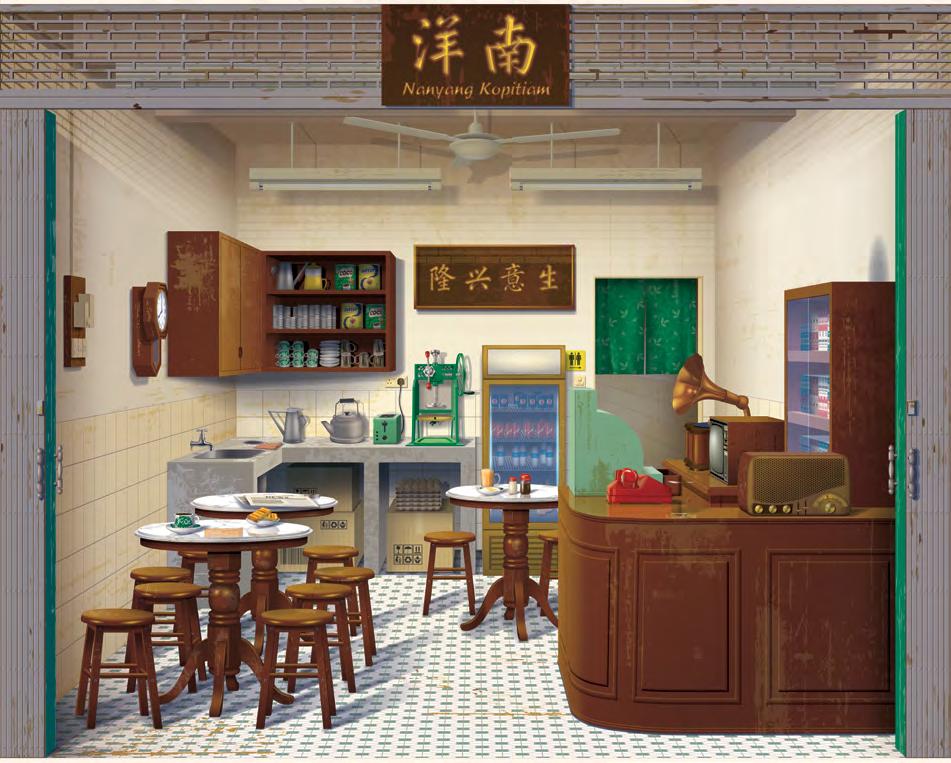
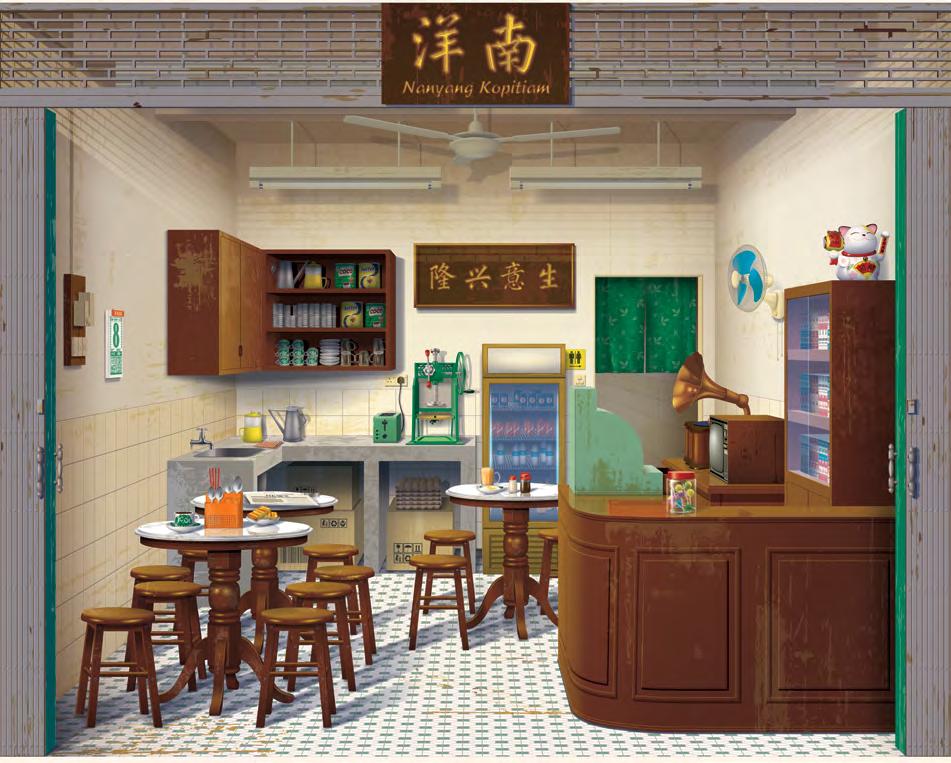
Across
1. Southeast Asian herb with a citrusy flavor
4. Casual coffee shop serving local drinks and food
8. Popular rice dish served with poached poultry
11. Stir-fried flat noodles with wok hei
15. Fermented shrimp paste
17. One of the main ingredients in orh jian
19. Savory pancake served with curry
20. Utensils commonly used instead of a fork and knife
Down
1. Spicy noodle soup with coconut milk
2. Local slang for “delicious”
Explore, solve, and see what discoveries you make.
3. Coffee with condensed milk
6. Thin rice noodles
7. Sweet treat often flavored with coconut and palm sugar
9. Bustling place to eat cheaply and well
10. Popular local breakfast toast with coconut jam
11. To reserve a table using a tissue packet
12. Pulled tea with frothy top
13. A strong aroma from high-heat wok cooking
14. Takeaway, in local slang
16. How a hawker center was described in this issue
18. Sucrose from sugar cane used to sweeten food and drink


For answers to this issue's puzzles, scan here.