

CONTENTS
EDITOR'S NOTE
PAGE: 03
From the Editor’s Desk
EVENTS IN TOWN
PAGE: 05
Your go-to guide to what’s buzzing in the city. From culture to nightlife, here’s what not to miss.

TRENDING NOW
PAGES: 06-22
What’s capturing attention across entertainment and culture.Featuring an exclusive with Mrunal Thakur, along with Mango Mania: 10 chef-curated recipes celebrating the king of fruits, from indulgent desserts to refreshing treats.
RETAIL
PAGE: 23-26
A curated roundup of the latest launches and must-haves. What’s new, noteworthy, and worth your attention.

DUSK
TO DAWN
PAGES: 28-33
A beginner-friendly guide to understanding and enjoying wine with ease. Plus, discover the latest nightlife spaces trending for their music, mood, and vibrant energy.
FASHION FORWARD

PAGES: 34-37
Summer style decoded by leading influencers.Fresh trends, effortless looks, and practical styling tips.

FOOD
PAGES: 39-41
A culinary journey through regional flavours and seasonal recipes. Featuring Odisha’s cuisine and refreshing summer coolers.

TRAVEL
PAGES: 44-46
Plan a soulful escape without overspending. Discover how to experience India’s spiritual depth with intention, not indulgence.

ARTS & CULTURE
PAGE: 48-52
Spotlighting emerging voices shaping the contemporary art scene. Five artists to watch and follow now.
INTERIORS
PAGE: 53-56
A glimpse into green living and mindful spaces. Actress Sada shares her love for gardening and home aesthetics.

STREAMING NOW
PAGE: 57-62
Explore new releases and evolving reading habits. Insights and trends shaping the world of books today, also exclusive with Akshay Kumar Feature, we take a look at the actor’s journey, craft, and perspectives.
From the E DITOR
This Summer, just be and go with the flow...

Summer has a way of announcing itself: loud, relentless, and impossible to ignore. The heat can feel exhausting, the days longer than usual, and everything seems to slow down just a little more than we’d like. And yet, somewhere in the middle of all that discomfort, there’s always something to look forward to. For me, it’s mangoes! That first bite instantly brings a sense of nostalgia and comfort, making the season feel a little more forgiving. It’s no surprise that this issue celebrates that joy with Mango Mania: a collection of recipes by chefs who’ve turned this beloved fruit into something truly special.
Summer also means the house feels different. Kids are home, restless, curious, sometimes bored, and as adults, we feel this quiet pressure to make the most of that one-month break. We plan trips, sign them up for classes, try to teach them something new, and somewhere in between, attempt to hold on to little traditions like making pickles at home. It’s chaotic, a little overwhelming, but also deeply meaningful in ways we often realise only later.
Personally, I’ve come to feel that summer isn’t something you can fully organise or control. The more you try to fit everything in, the more it slips away. Maybe it’s meant to be lived in fragments: slow afternoons, spontaneous plans, shared meals, and moments that aren’t always perfect but feel real.
This issue is built around that idea. From conversations with voices shaping entertainment and culture, to easy summer fashion, wellness

essentials, travel ideas, and food that feels both comforting and seasonal, it’s all designed to flow with your pace, not against it. Whether you’re flipping through for inspiration or simply taking a quiet break from the day, we hope it finds a place in your summer.
So this year, instead of fighting the heat or trying to do it all, maybe we just let go a little. Take the days as they come, enjoy the small joys, and trust that not everything needs a plan.

Sinduri Vuppala


Editor Sinduri Vuppala
Copy Editor
Sheba Joseph
Contributors
Lipika Varma
Ratna Bhupal
Rashmi Gopal Rao
Priyanka Goud
Aniket Pandey
A Pragnya Reddy
Bindu Gopal Rao
Mehak Walia
Dhanush Kumar
Manisha Pyaraka
Surabhi Goel
Designer
K Abhinay Raj Raju
Website and SEO Srinivas Vinay
Social Media
Vishal Goud
Aarthi Reddy
Editorial Office
B 10 Vikrampuri, Karkhana, Secunderabad, 500009. Contact: 6269 000 666
Marketing Office
Atin OOH
B19, Avenue 5, Banjara Hills, Hyderabad
Phone: 040 23355485
Cover
MRUNAL THAKUR


Hashtagmagazine.in
@hashtagmagazine.in
www.hashtagmagazine.in
Website: www.hashtagmagazine.in
Hashtag India Magazine is published and promoted by Nirvana Media House Hyderabad

UPCOMING EVENTS IN MAY 2026

Harsh’O’Ullas ft. Harsh Gujral
The stage is set for an electrifying night of laughter with Harsh Gujral bringing his wildly popular show Harsh’O’Ullas to life. Known for his razor-sharp wit, unapologetic humour, and crowd interactions that feel almost too real, Harsh turns everyday situations into explosive comedy. This isn’t a rehearsed script; it’s a living, breathing experience shaped by the audience itself. If you enjoy bold humour with no filters, this show promises a laughter riot that lingers long after the curtains close.
Date: Multiple dates between April and May 2026
Price: ₹ 799/- onwards
Venue: Multiple venues across cities (Bengaluru/ Mumbai)

A storm of laughter is quietly brewing, and Anubhav Singh Bassi is at the centre of it with Kisi Ko Batana Mat. Known for turning ordinary life into extraordinary comedy, Bassi crafts stories that feel like late-night conversations with an old friend, raw, real, and ridiculously funny. His signature style blends storytelling with punchlines that sneak up on you and hit harder than expected. It’s not just stand-up, it’s a shared experience where every laugh feels personal, yet echoes through the entire room.
Date: Multiple Dates Across April-May 2026
Price: ₹ 799/- onwards
Venue: Multiple Venues across cities (Delhi/ Gurugram)

An evening where music isn’t just heard, but deeply felt. SPB Charan steps onto the stage to revive a legacy that refuses to fade. Carrying forward the timeless magic of his father, he brings alive melodies that have lived in hearts for generations. This isn’t merely a concert; it’s a tribute woven with nostalgia, emotion, and soul-stirring performances. With a vibrant live band and an atmosphere soaked in reverence, this show promises a journey through music that connects the past and present in one unforgettable night.
Date: 2nd May 2026
Price: ₹ 799/- onwards
Venue: Odeum by Prism

A night where everyday life gets dissected with surgical precision and turned into pure comedy. Gaurav Gupta brings his signature Being Baniya humour to the stage with unapologetic flair. Known for his sharp observations on middle-class life, family quirks, and cultural truths, he delivers punchlines that feel both personal and wildly relatable. With his effortless stage presence and desi storytelling style, the show promises laughter that hits close to home and lingers long after it ends.
Date: Multiple dates between April and May 2026
Price: ₹ 799/- onwards
Venue: Shilpakala Vedika, Hyderabad
SPB Charan Live, Hyderabad
Kisi Ko Batana Mat by Anubhav Singh Bassi


Mrunal Thakur
Love, Insecurities and Finding Peace on
With Do Deewane Seher Mein now released, Mrunal Thakur steps into a romance that celebrates vulnerability, emotional honesty and modern companionship. Produced under Sanjay Leela Bhansali’s banner, the film explores relationships through a lens of hope and self-discovery. In an exclusive conversation with Lipika Varma, the actor opens up about insecurities, beauty stereotypes, marriage, and the quiet confidence she has grown into over the years.

Today, I realise insecurities only matter when you give them importance. I’m comfortable in my own skin now. I feel good the way I am.
You’ve spoken about insecurities before. What were your early struggles?
Even after moving to Mumbai, I struggled with confidence. I couldn’t answer questions in class because I was insecure about my English and my Marathi accent. My name is unisex, and boys would make fun of it. When I entered the industry, I felt I needed to sound “elite.” I thought accent and diction defined you.
Today, I realise insecurities only matter when you give them importance. I’m comfortable in my own skin now. I feel good the way I am.
Have you ever faced challenges because of being considered "too beautiful"?
Yes, sometimes people think that if you're beautiful and successful, life must be easy. It's not! There are moments when I wish I could just be normal. For Love Sonia, my audition was literally placed in a folder marked "Do Not Open.” Fortunately, the director opened it and felt I was right for the role. I had to convince the team that with prosthetics and makeup, we could make it work. People assume beauty makes everything easy. It doesn't. Everyone struggles. Beauty alone cannot carry you forward. There are a lot of things that have to fall in place.
I also remember attending a funeral and not being able to grieve freely because cameras were around. Sometimes you just want to be a daughter or sister, not an actor.

How was it working with Siddhanth on this film?
We're like friends who fight, tease, and care for each other. What matters is dedication, and Sidhant is extremely focused and hardworking. He doesn’t get carried away by popularity and genuinely wants his performances to feel real. We explored Mumbai together. I took him around my college area near Churchgate, Asiatic Library, and Kala Ghoda. Mumbai is deeply personal to me. Without Mumbai, I feel incomplete.
How was it working with Sanjay Leela Bhansali as a producer? We heard he never came to the set, but he was still deeply involved?
Being a Bhansali heroine is a dream! I think every actor dreams of working under his banner at least once. When I met him after Sita Ramam, he told me, "After a long time, a Maharashtrian girl has come who is making her mark across industries without noise." That was the biggest compliment of my life. Being appreciated by a master of Indian cinema is my biggest award, my biggest success. Whenever I go home and face any doubt, I remind myself that I am a Bhansali heroine. And that feeling is priceless.



Marriage is important, but only with the right person. Earlier, there was an "ideal age" for marriage: 18 to 23 for girls, 21 to 24 for boys. But today, what matters more is who you choose to spend your life with, one who also takes your drawbacks along with your good qualities.

Does the film promote marriage?
Marriage is important, but only with the right person. Earlier, there was an "ideal age" for marriage: 18 to 23 for girls, 21 to 24 for boys. But today, what matters more is who you choose to spend your life with, one who also takes your drawbacks along with your good qualities.
The film's core message is simple: Don’t just get married. Marry someone you can rely on. Someone who gives you strength. Someone who accepts your flaws instead of pointing them out. It's better to wait patiently than to rush into being with the wrong person.
For me, leadership quality is very important. I want someone who can take his family forward, respect my art, treat my parents like his own, and never make me feel judged for my choices. I want peace and happiness!
What is the biggest difference between the Hindi and South film industries?
The biggest difference is the language! Everything else is the same: the


passion, the professionalism, the love for cinema. But honestly, the biggest beauty of both industries is the audience. The love I receive both in Hindi and South is overwhelming.
AAM AFFAIRS: Chefs Bring You Their
Mango Best

As mango season arrives in full swing, Hashtag Magazine connects with chefs across the country who share their favourite recipes, bringing together creativity, flavour, and the essence of summer.
Mango Chia Pudding
Aruna Vijay, Chennai – Home Chef

Aruna Vijay is a passionate home chef whose culinary journey began during the lockdown, when she transformed her kitchen into a space of creativity, comfort, and discovery. Rising to prominence as a Top 4 finalist on MasterChef India, she won hearts by staying true to her Jain values, proving that authenticity and conviction are as powerful as skill. Her cooking celebrates simplicity, purity, and the richness of Indian flavours, turning everyday ingredients into soulful dishes. For Aruna, food is more than craft; it is an expression of devotion, creativity, and love.
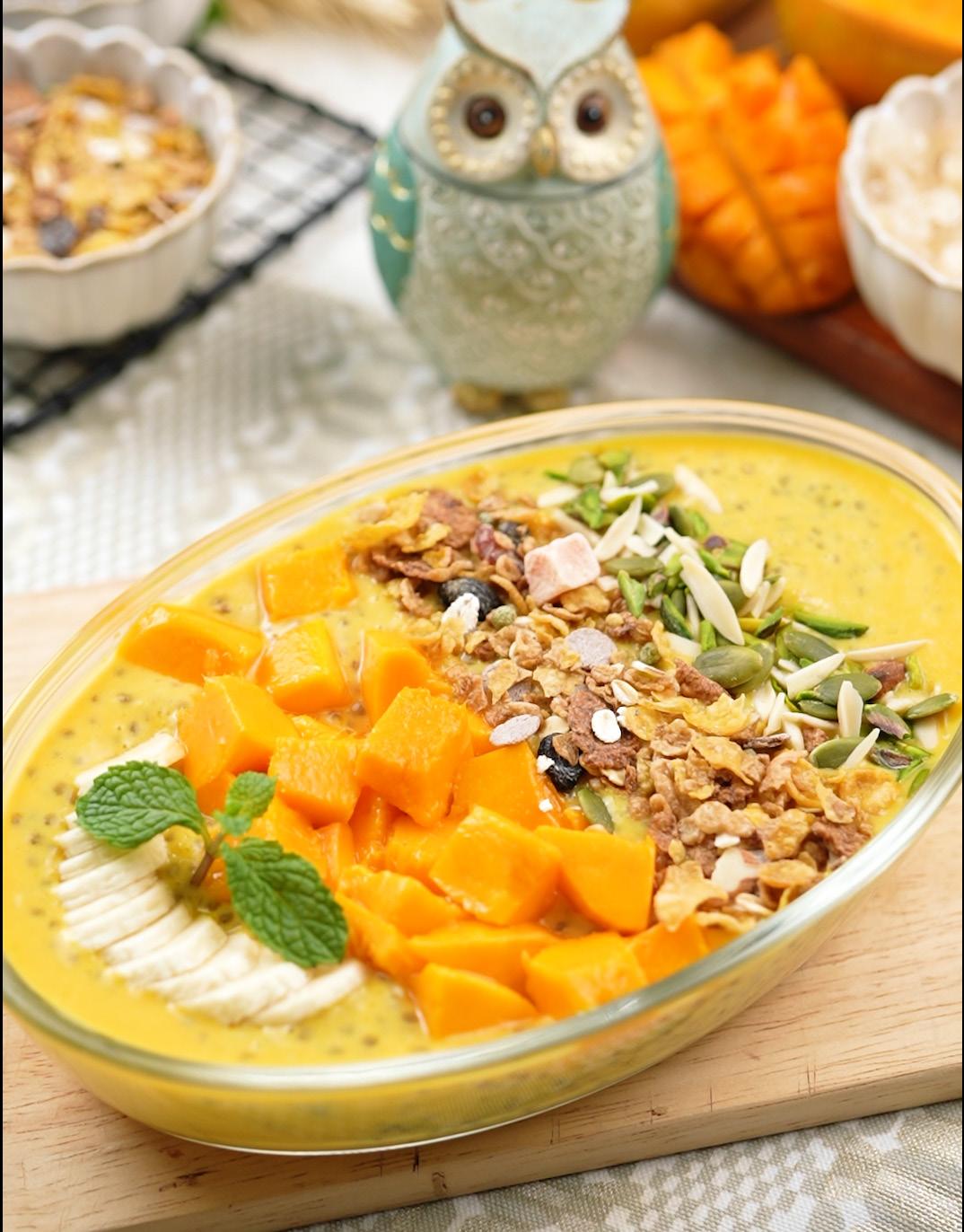
Soft, chilled, and refreshing, this Mango Chia Pudding is a perfect summer indulgence. Infused with the cooling properties of gond katira and the natural sweetness of mango, it strikes a balance between nourishment and indulgence.
Ingredients
To Soak:
• 1 tbsp gond katira
• 1 cup water
• 1 tbsp chia seeds
• ¼ cup water
For the Mango Purée:
• 1 ripe mango, chopped
• ½ cup milk
• 1 tsp honey
For Assembly & Toppings:
• Chopped mango
• Banana slices
• Muesli
• Mixed nuts
Method-
• Soak gond katira in 1 cup of water for 5–6 hours or overnight until it blooms and turns jelly-like.
• Soak chia seeds in ¼ cup water for 15–20 minutes until they swell and form a gel-like texture.
• Blend mango, milk, and honey into a smooth purée.
• Combine the purée with soaked gond katira and chia seeds. Mix gently.
• Pour into serving glasses or bowls.
• Top with mango, banana slices, muesli, mixed nuts, and pumpkin seeds.
• Chill for 30–60 minutes before serving.
• Pumpkin seeds Tips
• Adjust milk for desired consistency.
• Substitute honey with dates or jaggery for a refined sugar-free option.
• Use almond, coconut, or oat milk for a vegan version.
• Ideal for breakfast, dessert, or a healthy snack.
Mango Falooda
Mohammed Ashiq, Bangalore – Chef
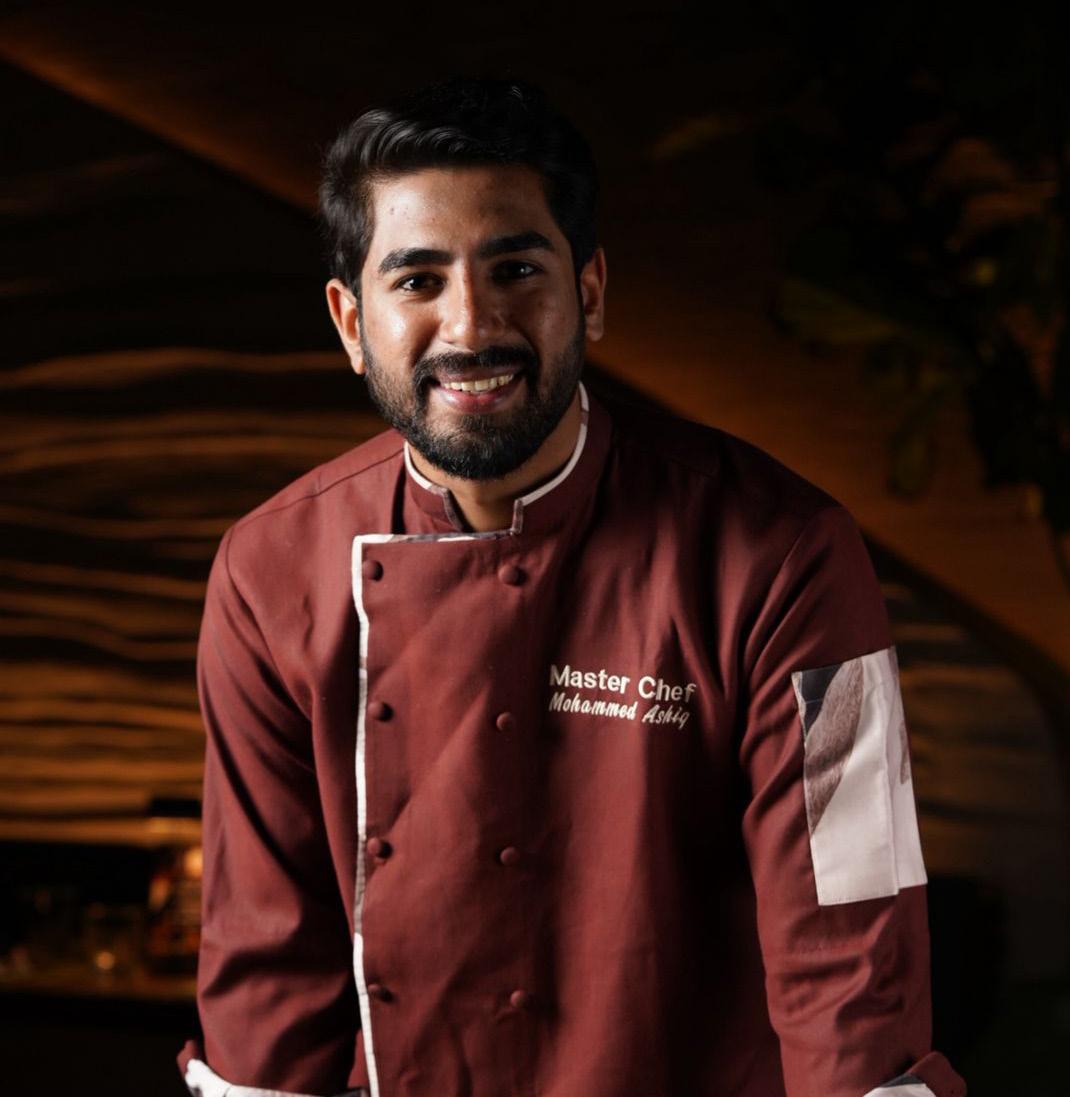
Chef Mohammed Ashiq rose to national prominence after winning MasterChef India Season 8, showcasing exceptional skill, creativity, and a flair for blending bold flavours with refined techniques. Known for his modern take on traditional cuisine, he has developed a distinctive culinary voice that balances comfort with innovation.
He is also the force behind Masara in Bangalore, where his signature style comes to life through thoughtfully crafted dishes and a strong focus on quality ingredients. With a growing reputation in the culinary space, Chef Ashiq continues to establish himself as a dynamic and promising name in contemporary Indian cuisine.


Recipe: Mango Falooda
Ingredients:
• Sevai (vermicelli) – 1 cup (uncooked)
• Ripe mango – 1 large, diced
• Mango purée – ½ cup
• Mango jelly – ½ cup, cubed (store-bought or homemade)
• Mango ice cream – 2–3 scoops
• Water – for boiling
• Sugar – 1 tsp (optional, if mango isn’t sweet)
Method:
1. Cook the Sevai Boil sevai in water until soft (about 4–5 minutes). Drain, rinse with cold water, and set aside to cool.
2. Prepare the Mango Components
Dice the mango into small cubes.
Blend a portion into a smooth purée, adding sugar if needed.
Cut the mango jelly into small cubes.
3. Assemble the Falooda
In a serving glass, layer:
• 1 tbsp cooked sevai
• A spoonful of mango cubes
• A few pieces of mango jelly
• A spoon of mango purée
• Repeat the layers once more for added richness and texture.
4. Finish
Top with a generous scoop of mango ice cream and serve chilled.
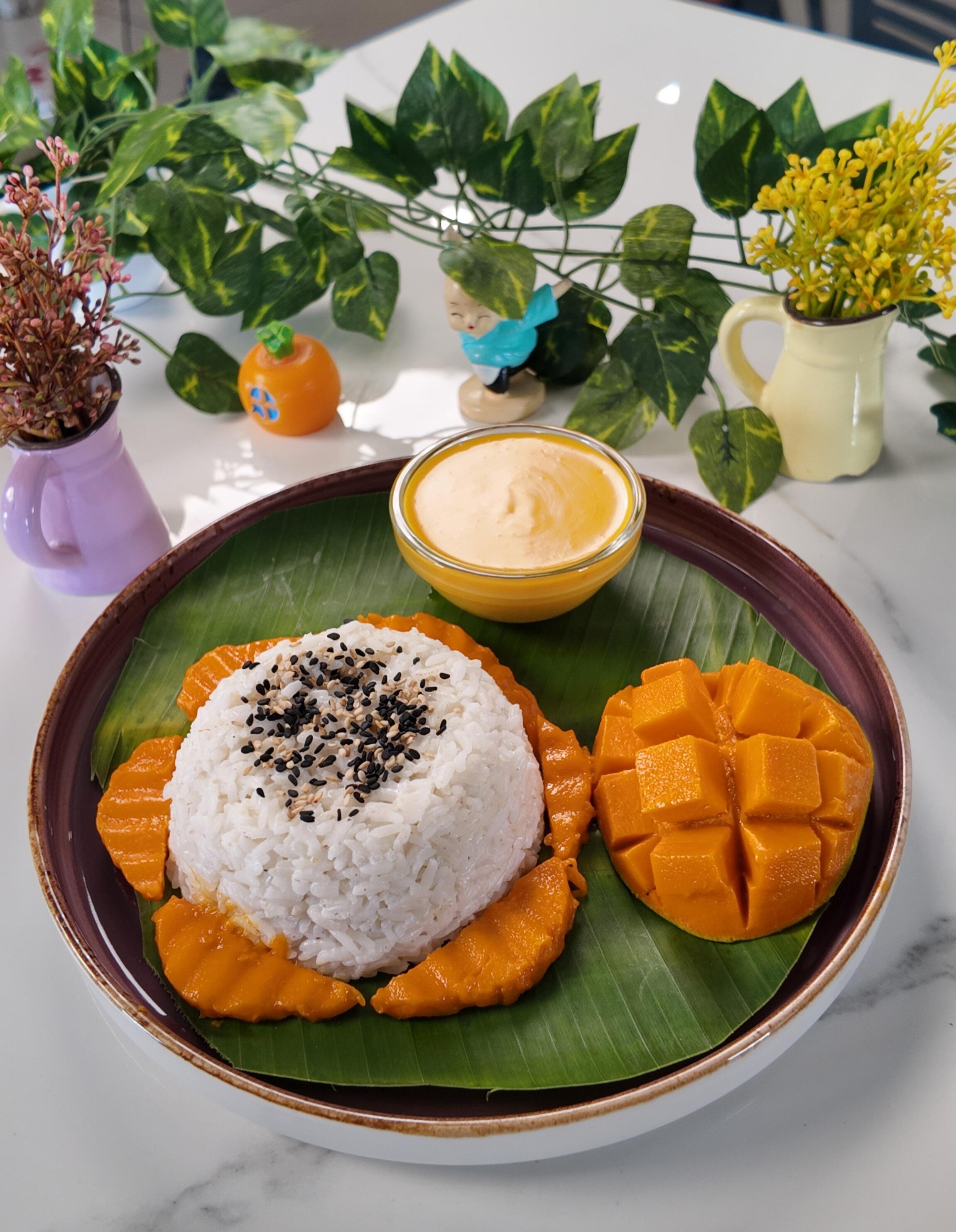
Mango Coconut Sticky Rice (Indian Twist)
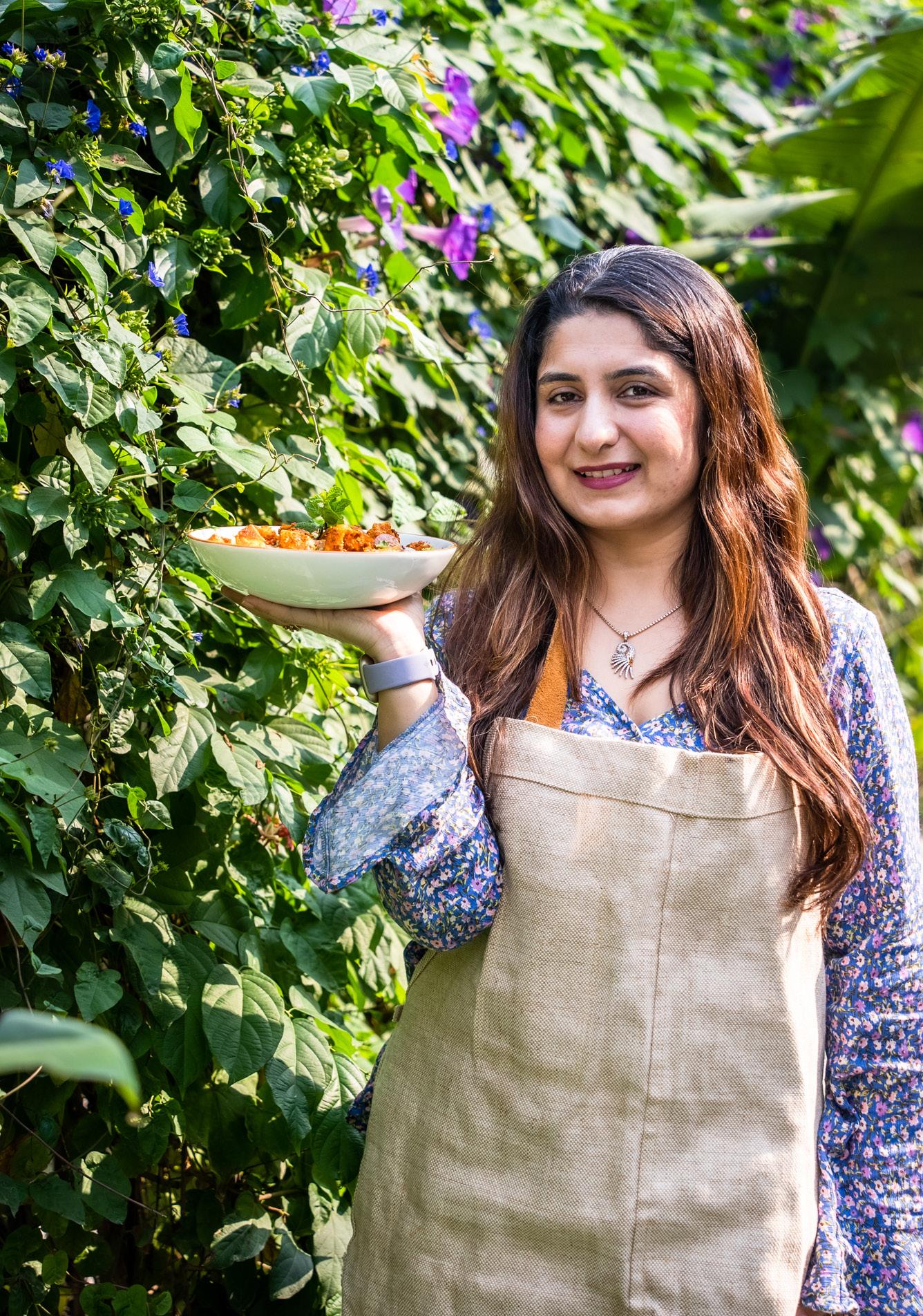
Kanak Gurnani,
Hyderabad – Home Chef & Content Creator
Kanak Gurnani’s journey is one of resilience and reinvention. A graduate in Management Studies, she spent four years in the corporate world before choosing to focus on her family post-marriage. A defining moment came when her young daughter remarked that laptops were “only for boys,” prompting Kanak to rethink her identity and aspirations.
When the pandemic disrupted her plans, she turned to cooking, transforming a personal passion into a digital platform. What began as a simple channel during lockdown soon gained momentum, with her Sindhi recipes and school tiffin ideas resonating widely.
Today, with over 600K followers, Kanak has built a strong presence in the food space, collaborating with leading brands and inspiring many to rediscover purpose beyond labels.

Recipe: Mango Coconut Sticky Rice (Indian Twist)
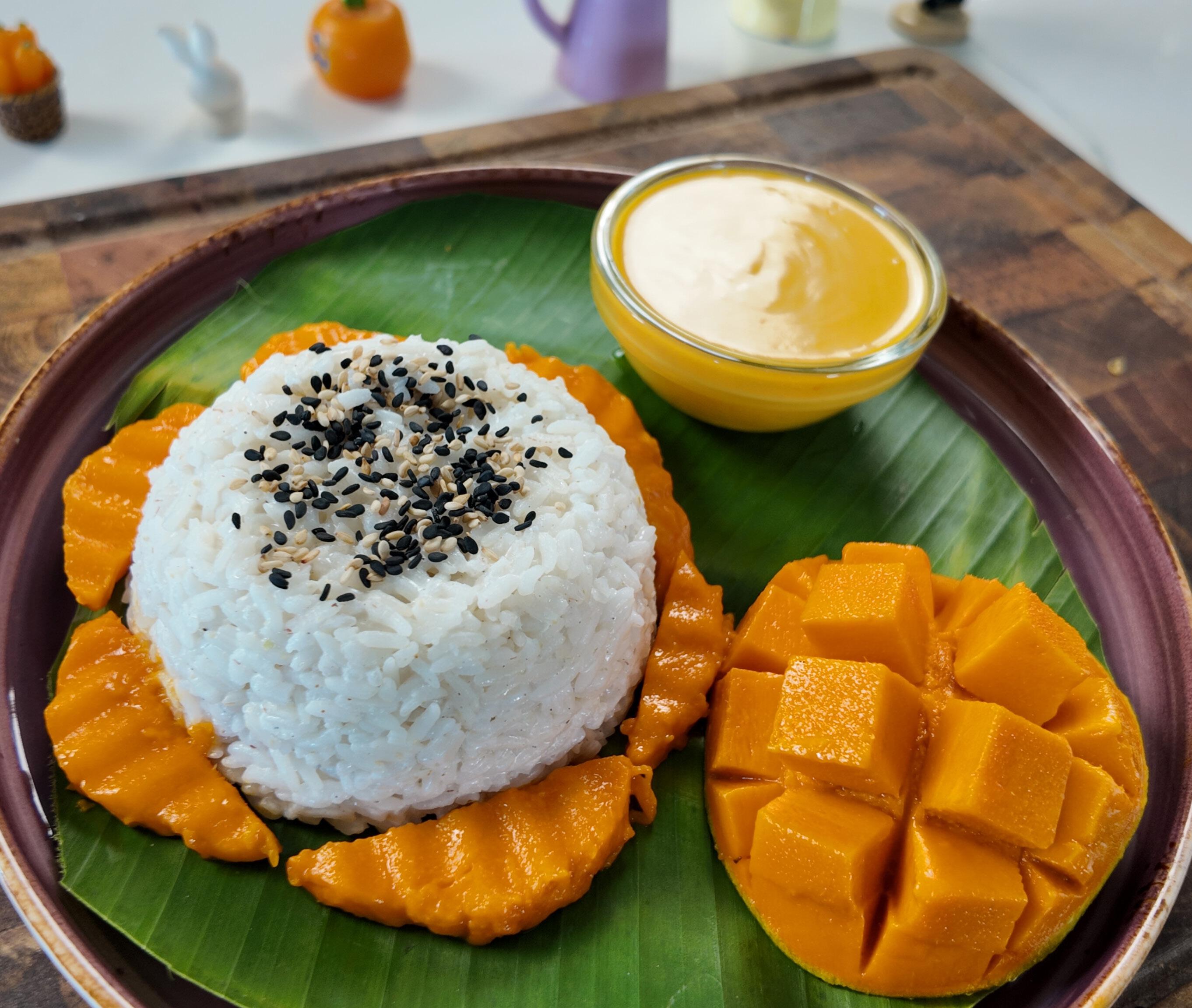
A Thai classic with a delightful Indian touch; this dessert pairs soft coconut-infused rice with sweet mangoes, enhanced with elaichi and finished with a rich mango coconut cream.
Ingredients
For Sticky Rice:
• Short grain rice – 1 cup
• Water – 2 cups
• Salt – a pinch
For Coconut Milk Sauce:
• Coconut milk – 1 cup
• Sugar – 3–4 tbsp (adjust to taste)
• Cardamom powder (elaichi) – ¼ tsp
• Ghee – 1 tsp
For Serving:
• Ripe mango (Alphonso/Banganapalli) – sliced
• Pistachios/almonds – chopped
• Saffron strands – a few
Method:
1. Cook the Rice
Wash and soak the rice for 20–30 minutes. Cook with water and a pinch of salt until soft and slightly sticky. Keep warm.
2. Prepare Coconut Sauce
Gently heat coconut milk (do not boil). Add sugar and cardamom powder, stirring until dissolved. Add ghee for richness.
Pour the warm sauce over the cooked rice, mix gently, and let it rest for 10–15 minutes.
3. Make Mango Coconut Cream
In a pan, combine coconut milk, mango pulp, and condensed milk. Cook on low heat, stirring well. Add cornflour slurry if needed for slight thickness. Cook until creamy and allow it to cool slightly.
4. Assemble
Place warm coconut rice on a serving plate. Arrange fresh mango slices alongside. Drizzle generously with mango coconut cream and garnish with nuts and saffron.
Chef Tips
• Use sweet, non-fibrous mangoes for the best flavour
• Avoid boiling coconut milk to prevent splitting
• Ensure rice remains soft and slightly sticky
• Serve warm for the best taste experience
Baked Eggless Mango Cheesecake
Kirti Bhoutika, Kolkata – Chef & Baker
Kirti Bhoutika is best known for winning MasterChef India Season 5 in 2016, becoming the youngest winner at just 20. She impressed judges with her exceptional baking skills and innovative approach to desserts.
Originally from Kolkata, Kirti founded her dessert brand SugarPlum Cakery even before her television debut. Since then, she has built a successful career as a celebrity chef, content creator, and baking mentor, conducting workshops and collaborating with renowned names in the industry. She is widely recognised for her modern, creative take on desserts and for making baking approachable for home cooks across India.


Recipe: Baked Eggless Mango Cheesecake (6-inch)
Ingredients
For the Base:
• 100 g digestive biscuits, crushed
• 50 g butter, melted
For the Cheesecake Filling:
• 200 g cream cheese, softened
• ¼ cup caster sugar
• ¼ cup fresh cream
• ¼ cup dahi (yoghurt)
• 1 tbsp cornflour
• Pulp of 1 Alphonso mango
• 1 tsp vanilla extract
For Topping:
• Freshly whipped cream
• Fresh Alphonso mango pieces
Method:
1. Prepare the Base
Preheat the oven to 180°C. Mix crushed biscuits with melted butter until it resembles wet sand. Press firmly into a lined 6-inch tin. Bake for 6–8 minutes until lightly golden. Set aside to cool.
2. Make the Filling
Whisk cream cheese until smooth. Add sugar, fresh cream, dahi, and cornflour, mixing until lump-free. Add mango pulp and vanilla extract. Blend into a smooth, creamy batter.
3. Assemble & Bake
Pour the filling over the base. Place the tin in a larger tray with hot water (water bath). Bake at 160°C for 35–45 minutes, until set with a slight jiggle at the centre.
4. Chill
Cool to room temperature, then refrigerate for 3–4 hours or overnight.
5. Garnish & Serve
Top with whipped cream and fresh mango pieces before serving.
Mango Ice Cream Pudding (No-Bake Dessert)
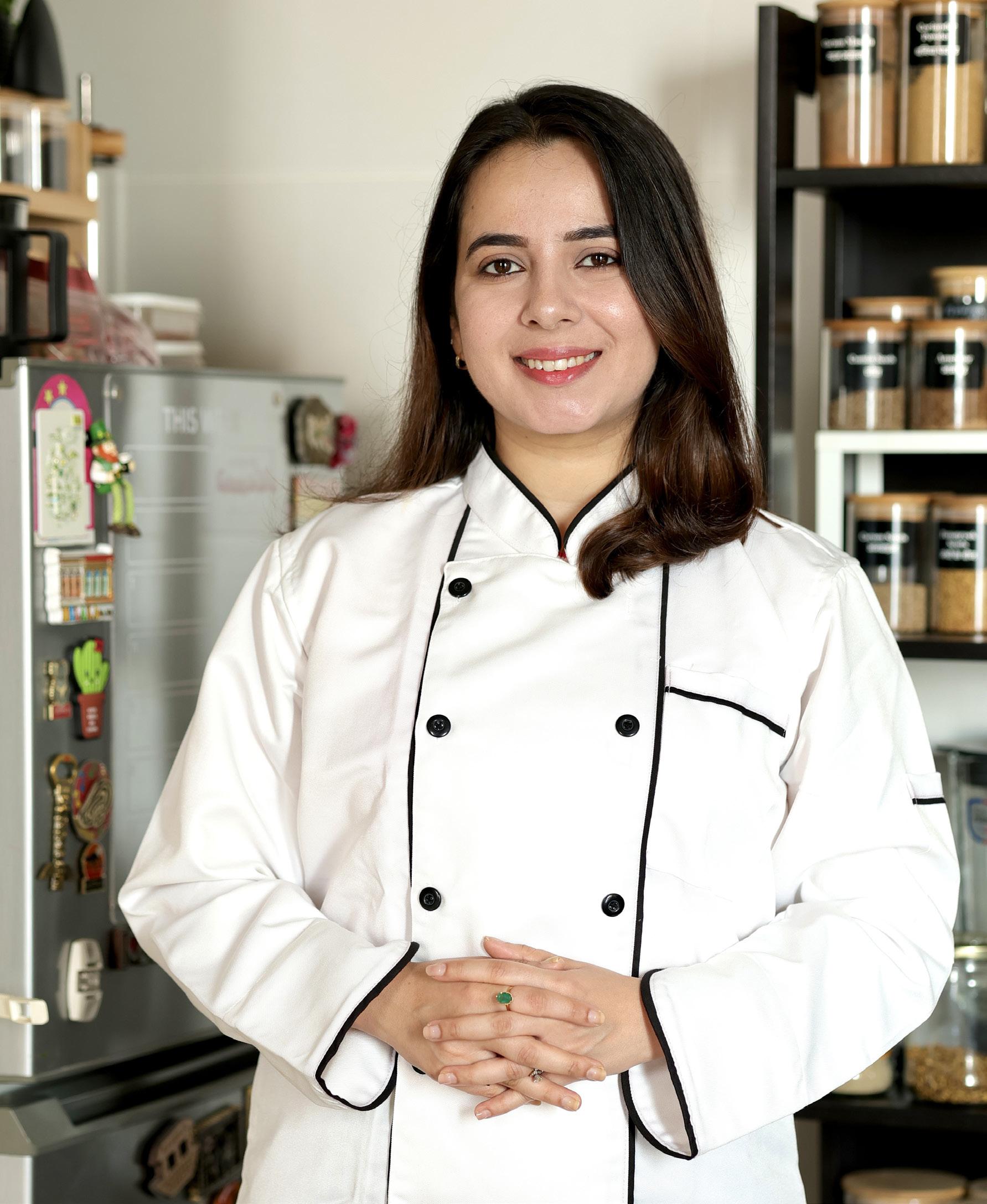
Mahima Dhoot, Mumbai – Content Creator & Home Chef

Mahima Dhoot is the creator behind Dining With Dhoot, where she shares wholesome, regional, and delicious recipes. Through her engaging content on Instagram and YouTube, she has built a strong community of over 500K followers and 172K subscribers. A recipient of the Times Now Power Creator Awards, Mahima has collaborated with leading food and hospitality brands. At the heart of her work is a simple passion, spreading joy through food, one recipe at a time.
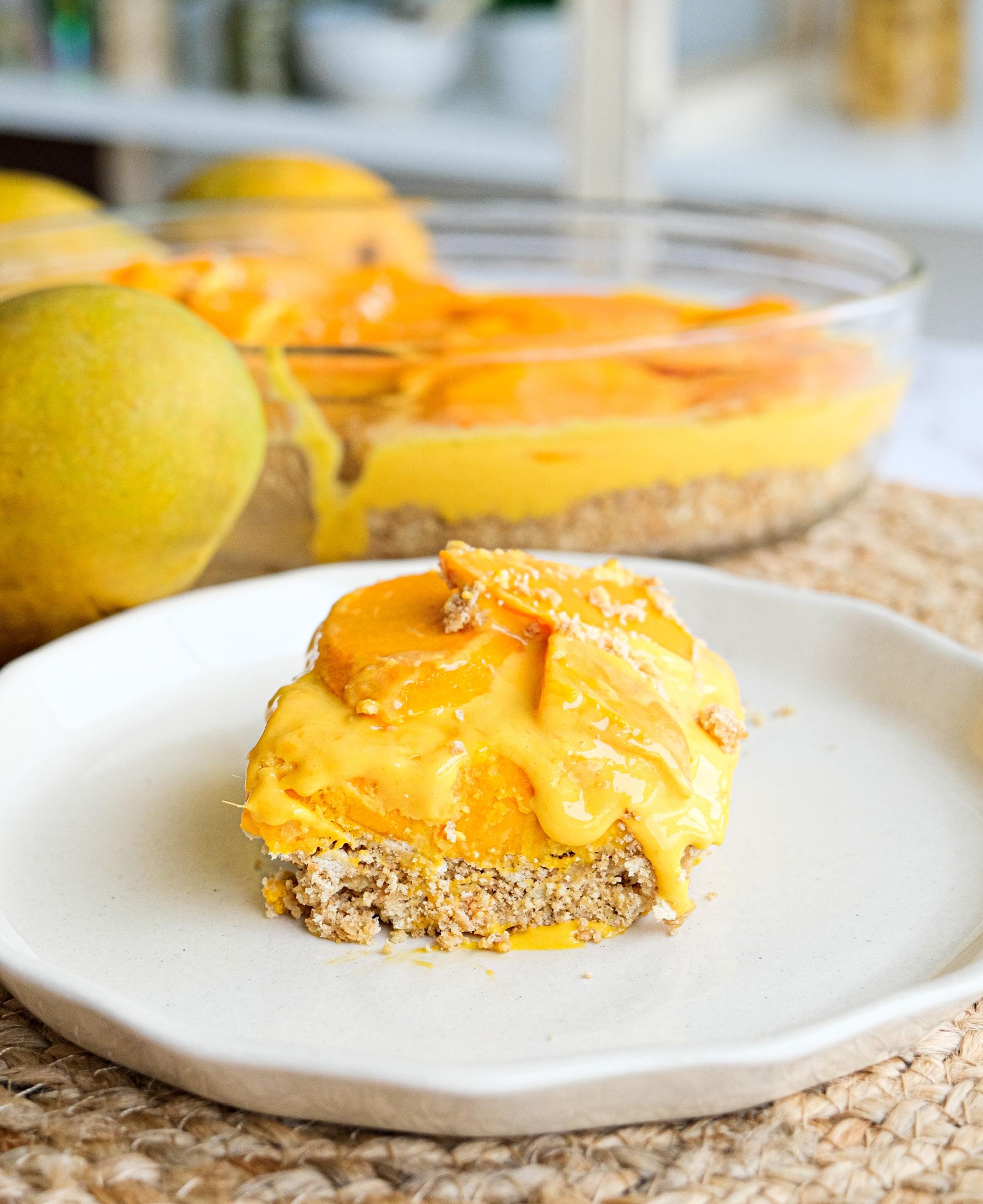
Recipe: Mango Ice Cream Pudding (No-Bake Dessert)
Ingredients
• 8–10 digestive biscuits
• 1 tbsp melted butter
• 1–2 cups vanilla ice cream
• 2 ripe mangoes, chopped
• 1 tbsp sugar (adjust to taste)
• Extra chopped mangoes (for layering & garnish)
Method:
1. Prepare the Biscuit Base
Crush the biscuits into fine crumbs. Mix with melted butter until it resembles wet sand. Press firmly into a serving dish to form an even base. Refrigerate for 1 hour to set.
2. Melt the Ice Cream
Allow the vanilla ice cream to melt at room temperature. Stir until smooth and lump-free.
3. Make Mango Purée
Blend chopped mangoes with sugar into a smooth purée. Adjust sweetness as needed.
4. Prepare the Mango Cream
Combine the mango purée with the melted ice cream. Mix well to form a smooth, creamy mixture.
5. Assemble
Remove the chilled base and layer with fresh chopped mangoes. Pour the mango ice cream mixture over it and spread evenly.
6. Freeze
Freeze for 3–4 hours, or until fully set.
7. Serve
Let it sit for 5–10 minutes before serving. Garnish with fresh mango chunks, slice, and enjoy chilled.
Makhana Mango Kulfi
Malvika Hada Kumar, Bengaluru – Recipe Developer & Food Content Manager
Malvika Hada Kumar is a recipe developer and food content manager with over eight years of experience in creating engaging culinary content. What began as a passion for cooking evolved into The Spicy Story, her platform dedicated to simple, creative, and approachable recipes. In just two years, she has built a vibrant community of over 1 million followers, inspiring food lovers with flavours, traditions, and stories from her kitchen.


Recipe: Makhana Mango Kulfi
Ingredients
• 2 large mangoes + 1 mango (preferably Alphonso)
• ¼ cup almonds
• ¼ cup cashews
• 1 cup makhana
• ¼ cup oats
• 6–7 dates (adjust to taste)
• 1½ cups milk / almond milk/coconut milk (hot)
• 1–2 tbsp milk powder (optional)
• 1 tsp vanilla extract
Method:
1. Soak the Ingredients
In a large bowl, combine almonds, cashews, makhana, oats, dates, and hot milk. Let it soak for 30–40 minutes.
2. Prepare the Mangoes
Scoop out the seed from 2 mangoes along with some pulp. Chop the third mango and set aside.
3. Blend the Mixture
After soaking, peel the almonds and grind everything into a slightly coarse paste along with milk powder, mango pulp, chopped mango, and vanilla extract. Add more milk if required for consistency.
4. Assemble & Freeze
Fill the hollowed mango shells with the prepared mixture. Cover the tops, seal with plastic wrap, and freeze overnight.
5. Serve
The next day, remove from the freezer, peel the mango skin, slice, and serve chilled.
Sabja ka Kabja
Nehal Karkera, Mumbai – Chef

Nehal Karkera is a professional chef with over 15 years of culinary expertise. Beginning his career in 2007 with five-star hotels, he has developed a strong foundation in continental cuisine and modern restaurant cooking. He went on to serve as Executive Chef for a renowned chain of Italian restaurants in Mumbai and further refined his skills under Michelin-starred mentorship in Atlanta, USA. His culinary journey also includes a stint with Disney Cruise Line, bringing global exposure to his craft.
In 2018, Nehal transitioned into food content creation, consulting for leading food platforms and creating innovative, relatable recipes. By 2020, he launched his own page focused on comfort food that is both delicious and easy to recreate at home. His diverse repertoire continues to bring global flavours to everyday kitchens.

Recipe: Sabja ka Kabja
Ingredients
• 1 mango, cubed
• 2 tsp honey
• 2 tbsp sabja (soaked)
• 8–10 mint leaves
• 100 ml tender coconut water
• Ice, as needed
• Basil or mint leaves, for garnish
Method:
1. Muddle the Base
In a glass, gently muddle the mango cubes with honey until slightly pulpy.
2. Add Flavours
Add soaked sabja seeds and mint leaves. Mix lightly to combine.
3. Build the Drink
Fill the glass with ice and pour in the tender coconut water.
4. Finish & Serve
Give it a gentle stir, garnish with fresh basil or mint leaves, and serve chilled.

Thanda Thanda Mango Sago
Nidhi Goyal, Jaipur – Content Creator & Home Chef
Nidhi Goyal is the creator behind Fun2oosh Food, a Jaipur-based platform she launched in February 2021 with a simple goal: to make cooking easy, relatable, and enjoyable for everyday households. What began as a passion project has grown into a thriving community of over 2 million followers on Instagram, making it a trusted space for quick recipes, comfort food, and honest inspiration. Her culinary philosophy is rooted in simplicity, authenticity, and practicality. Nidhi believes good food doesn’t have to be complicated, focusing on accessible ingredients and fuss-free methods suited for busy lifestyles. Recognised with multiple Best Food Blogger awards and collaborations with leading brands, she continues to inspire with content that celebrates comfort, joy, and connection through food.

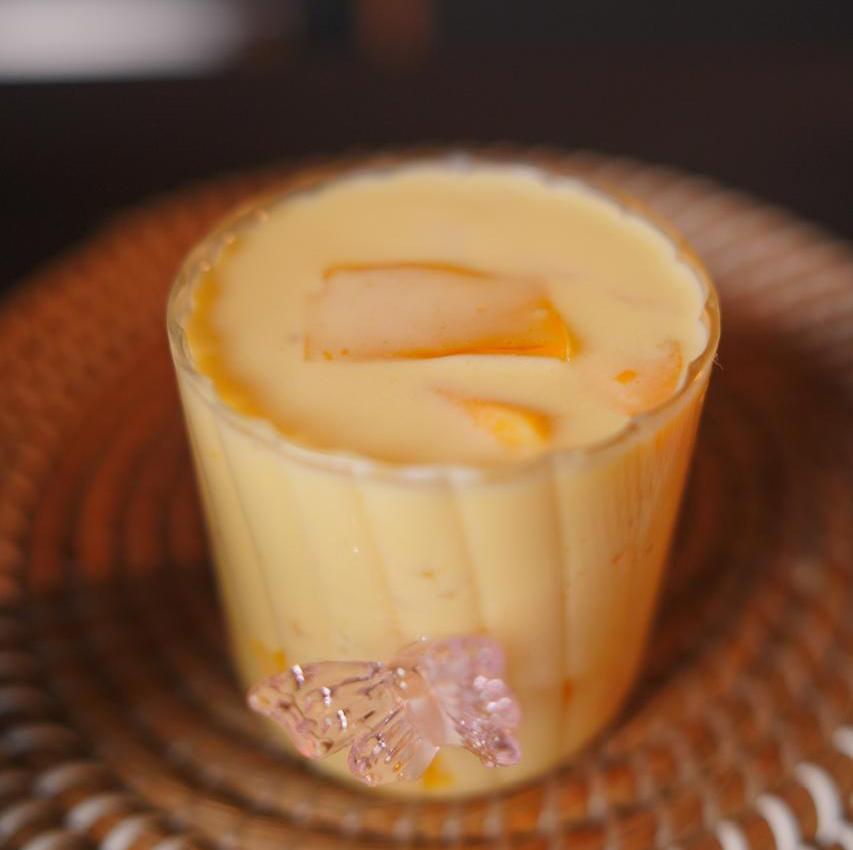
Recipe: Thanda Thanda Mango Sago
Creamy, chilled, and packed with mango goodness, this refreshing dessert is perfect for summer.
Ingredients
• ½ cup sago (sabudana)
• 1 litre of milk
• 1–2 mangoes (chopped)
• Mango purée (mango blended with milk)
• Mango jelly (store-bought, prepared as per instructions)
• Condensed milk (to taste)
• Vanilla ice cream
• Ice Method:
1. Prepare the Components
Prepare the mango jelly as per the packet instructions and set aside.
Boil sago for 25–30 minutes on medium heat until translucent. Strain and rinse under cold water.
Chop mangoes and blend some with milk to make a smooth purée
2. Assemble
In a large bowl, add ice and milk.
Mix in the mango purée, condensed milk, mango jelly, chopped mangoes, boiled sago, and a scoop of vanilla ice cream.
3. Serve Stir well and serve chilled for a refreshing summer treat.
Sticky Mango Chicken Wings
Parichay Sharma, Chandigarh – Chef & Content Creator
Chef Parichay, the creative force behind @bhukkadintown, represents a new wave of culinary storytellers redefining how India engages with food. Known for his inventive style, he blends street-food nostalgia with contemporary flavours, transforming everyday ingredients into bold, visually compelling dishes. From quirky innovations like the viral papad omelette to reimagined regional classics, his creations resonate strongly with a young, experimental audience.
With a rapidly growing digital presence, Chef Parichay continues to push boundaries, celebrating Indian flavours while making them accessible, engaging, and refreshingly modern. His work sits at the intersection of creativity, culture, and content, where food is not just made, but reimagined.


Recipe: Sticky Mango Chicken Wings
Ingredients
For Chicken Wings:
• 900 g chicken wings
• Salt and black pepper, to taste
• 1 tsp paprika
• 1 tsp garlic powder
• 1 tsp dried oregano
• 1 cup buttermilk
• Oil, for frying
For Sticky Mango Sauce:
• 1 ripe mango, peeled and sliced
• 2 tbsp butter
• 5–6 cloves garlic, chopped
• 1 cup chopped mango
• 1 tbsp mustard sauce
Method:
1. Marinate the Chicken
• 1 tsp red chilli flakes
• 1 tsp red chilli powder
• 4–5 green chillies, chopped
• 2 tsp vinegar
• Hot sauce, to taste
• 2 tbsp honey
• Salt, to taste
For Coating:
• 1 cup all-purpose flour
• 1 cup corn flour
• 1 cup rice flour
• Salt, pepper, paprika, garlic powder, oregano (to taste)
• 1 cup yoghurt mixed with minced garlic (for serving)
Combine chicken wings with salt, pepper, paprika, garlic powder, oregano, and buttermilk. Mix well and set aside.
2. Prepare the Mango Sauce
Heat butter in a pan and sauté garlic until fragrant. Add mango, mustard sauce, chilli flakes, chilli powder, green chillies, vinegar, and hot sauce. Cook until soft, then blend into a smooth paste. Return to the pan, add honey and salt, and cook until thickened.
3. Coat the Wings
Mix all coating ingredients in a bowl. Dip each wing into the dry mix, back into the marinade, and again into the dry mix for an even coating.
4. Fry
Heat the oil and fry the wings in batches until golden and crispy. Remove and drain. For extra crispiness, fry again briefly at high heat.
5. Toss & Serve
Toss hot wings in the sticky mango sauce until well coated. Serve immediately with garlic yoghurt dip on the side.
Mango Sticky Rice (Easy Home Version)
Prachi Agarkar, Mumbai – Chef & Content Creator

Chef Prachi Agarkar is a Mumbai-based culinary creator, educator, and TEDx speaker who gained national recognition as a contestant on MasterChef India Season 8. Formerly an assistant professor specialising in management and marketing, she transitioned from academia to follow her passion for cooking. Her work focuses on Maharashtrian cuisine and modern Indian flavours, shared with a growing community of over 630K followers on Instagram through @lets_eat_with_prachi.
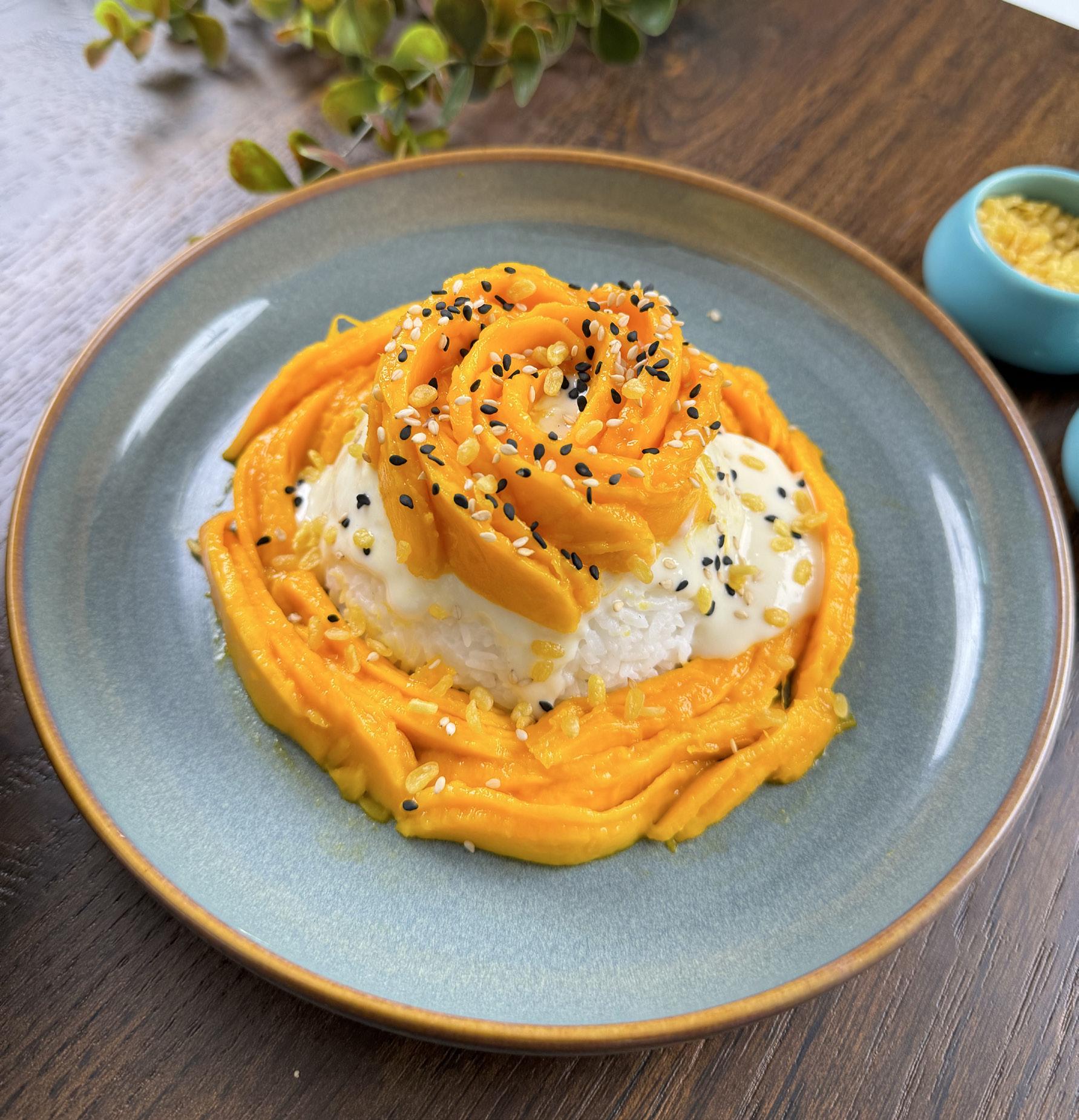
Recipe: Mango Sticky Rice (Easy Home Version)
Inspired by her travels to Thailand, this dish brings together comforting flavours and tropical sweetness: simple, nostalgic, and unforgettable.
Ingredients
• 1 cup Thai sticky rice (glutinous rice)
• 1½ cups coconut milk
• ⅓ cup sugar (adjust to taste)
• ½ tsp salt
• 1–2 ripe mangoes, sliced
For Coconut Sauce Topping:
• ½ cup coconut milk
• 1 tbsp sugar
• A pinch of salt
• 1 tsp cornstarch (optional)
Method:
1. Soak the Rice
Wash and soak the sticky rice for 4–6 hours or overnight for the best texture.
2. Cook the Rice
Steam the soaked rice for 20–25 minutes until soft and translucent.
3. Prepare Coconut Mixture
Heat coconut milk with sugar and salt until dissolved. Do not boil.
4. Combine
Pour the warm coconut milk over the cooked rice. Mix gently, cover, and let it rest for 20–30 minutes to absorb the flavours.
5. Make the Topping
Heat coconut milk with sugar and salt. Add a cornstarch slurry if you prefer a slightly thicker consistency.
6. Serve
Plate the sticky rice with fresh mango slices and drizzle generously with coconut sauc

HOT LAUNCHES
Hashtag Magazine, brings you a curated overview of the latest product launches shaping the market. From innovative essentials to standout trends, here’s what’s new and noteworthy.
Science-Led Skincare by KASS
Price Rs : 3,450/- ONWARDS
KASS presents a thoughtful, scienceled approach to skincare with formulations designed to restore balance and support the skin’s natural functions. The NOURISHING SLEEPMASQUE Direct to Skin Multivitamin Supplementation is a next-generation night cream mask that feeds nutrient-deprived skin through its Multi Nutri Matrix. Delivering highly absorbable actives directly to repair pathways, it helps replenish fatigued skin and restore lost vitality. With regular use, skin appears fuller, fresher, brighter, and visibly renewed, with overnight plumping and a softly radiant finish.
The BARRIER FORTIFY MOISTURIZER is engineered to strengthen and stabilise stressed, overworked skin. Powered by Lipid Lock Technology, it replenishes essential lipids, enhances moisture retention, and reinforces the skin’s protective barrier. Its cloud-light texture absorbs instantly, delivering deep hydration without heaviness, while helping skin feel calmer, smoother, and more resilient over time.
The OIL CLEANSE FACE WASH Gentle. Robust. Daily. | Tri-Facta Cleanser is a refreshing, non-drying foam cleanser powered by an Exfoliating, Mattifying, and Healing system. It targets the root causes of oily, breakout-prone skin by clearing pores, regulating sebum, and supporting blemish recovery—leaving skin clean, balanced, and comfortable without stripping moisture.
Together, these formulations reflect KASS’s philosophy of working with skin biology, using clinically validated actives and bio-mimetic design to deliver balanced, resilient, and healthier-looking skin.


Price: Rs: 399
Wellness routines today extend far beyond basic beauty, and brands are increasingly creating products that support both personal care and overall well-being. From nourishing haircare to supplements that promote better rest, products like the WOW Skin Science Petal Muse Body and Hair Perfume Mist, WOW Skin Science HyaNeon Bond Repair Moisturizing Shampoo, WOW Skin Science Scalp Reboot PreShampoo, and Zensium Magnesium Glycinate Tablets highlight this holistic approach.
The WOW Skin Science Petal Muse Body and Hair Perfume Mist is a lightweight fragrance designed for both hair and skin. Unlike heavier perfumes, it offers a refreshing floral scent that can be used throughout the day. Hair mists are typically formulated with conditioning ingredients so they refresh strands without drying them out, making them ideal for everyday use.
For haircare, the HyaNeon Bond Repair Moisturizing Shampoo focuses on repairing damaged strands while maintaining hydration. The formula includes hyaluronic acid, peptides, and plant keratin, ingredients known to strengthen hair bonds, improve elasticity, and lock in moisture. The sulphate-free formula gently cleanses while helping restore shine and smoothness to dry or chemically treated hair.
The Scalp Reboot Pre-Shampoo complements the routine by preparing the scalp before cleansing. Infused with vitamins like B3, B5, biotin, and hydrating ingredients, it helps remove build up, nourish the scalp, and create a healthier base for stronger hair.
Completing the wellness cycle is Zensium Magnesium Glycinate Tablets, designed to support relaxation and sleep. Magnesium glycinate is known for its high absorption and is widely used to help reduce stress, relax muscles, and improve sleep quality.


Together, these products reflect a growing trend: wellness brands now offer solutions that care for everything, from healthier hair to more restful nights.



Price: Rs : 2999
The Pure Nutrition All-in-One Whey Blend Filter Coffee is a comprehensive, performance-focused protein supplement designed for individuals seeking more than just basic protein intake. Delivering 26g of high-quality protein per serving, it combines multiple sources—whey protein isolate, whey concentrate, soy protein isolate, pea protein isolate, and micellar casein—to ensure both fast and sustained amino acid release. This makes it particularly effective for muscle recovery, maintenance, and overall performance support.
What sets this formulation apart is its inclusion of performance-enhancing ingredients like beta-alanine, creatine, and betaine, which help support strength, endurance, and workout intensity. It’s well-suited for gymgoers, athletes, and anyone following a structured fitness routine. Beyond performance, the blend incorporates adaptogenic botanicals such as ashwagandha root extract, lion’s mane mushroom extract, and organic matcha extract—ingredients known to support focus, stamina, and overall wellness.
The formula also addresses digestion and nutrient absorption, with a digestive enzyme blend and prebiotic fiber (FOS) to improve gut comfort and protein utilisation. Added micronutrients like Vitamin D3, K2, zinc, and magnesium further enhance its nutritional profile, supporting bone health, immunity, and metabolic function.
The filter coffee flavour offers a refreshing twist, making it an enjoyable addition to daily routines. Easy to mix and versatile in use, it can be consumed post-workout or between meals. Overall, this is a well-rounded, multi-functional protein blend that aligns with modern fitness and lifestyle needs, combining performance, recovery, and wellness in one formulation
Pure Nutrition All-in-One Whey Blend Filter Coffee



Pixi
Pixi Beauty’s Skintreats line is known for combining skincare ingredients with easy-to-use beauty products that deliver both nourishment and visible glow. Products like the DetoxifEYE Depuffing Eye Patches, On-the-Glow Blush, Antioxidant Tonic, and LipTreat Hydra are designed to work together to refresh, hydrate, and brighten the skin.
The Pixi DetoxifEYE Depuffing Eye Patches are hydrogel patches formulated to revive tired under-eyes. Key ingredients include caffeine, which helps reduce puffiness and stimulate circulation, cucumber extract that soothes and cools the delicate eye area, and gold, known for nourishing and strengthening skin. Together, these ingredients help minimise dark circles, smooth fine lines, and make the eye area look brighter and more awake.
The Pixi On-the-Glow Blush is a multi-use tinted balm that adds a natural flush to cheeks and lips while conditioning the skin. It is infused with ginseng, which revitalises the skin, aloe vera to soothe and hydrate, and a mix of fruit extracts and antioxidants like grape, blueberry, and raspberry that nourish and protect the skin. The creamy stick format makes it ideal for quick, on-the-go touch-ups while keeping the complexion fresh and dewy.
The Pixi Antioxidant Tonic acts as a refreshing treatment toner designed to balance and protect the skin. It typically includes superfood berry extracts for antioxidant protection, white ginger lily root to defend against pollution, and probiotics that help soothe and strengthen the skin barrier. These ingredients work together to tone, refresh, and support healthier-looking skin.
Completing the routine is the Pixi LipTreat Hydra, a nourishing lip treatment formulated with shea butter, avocado oil, sunflower oil, jojoba oil, and hyaluronic acid to deeply hydrate and soften lips. The formula also contains peptides and vitamin E, which help improve lip texture, lock in moisture, and protect against dryness.
Together, these Pixi essentials highlight the brand’s philosophy, combining skincare ingredients with makeup to create products that enhance natural glow while caring for the skin.




Decoding Wine: From First Sip to
Perfect Pairing
As India’s dining and drinking culture evolves, wine is shedding its niche, intimidating image to become part of a modern, experience-led lifestyle. To decode the basics, bust common myths, and explore its place in the Indian palate, Sinduri Vuppala speaks with Nikhil Agarwal, Founder of All Things Nice. With over two decades in the industry, he shares practical insights on wine fundamentals, pairing, and etiquette.

For someone new to wine, how would you explain the difference between red and white wines in simple terms?
The juice inside the grape is clear, and the colour in the wine comes from the skin. When making white wines, the skin of the grape is separated from the juice. This applies to white grapes like Chardonnay, Sauvignon Blanc, etc.
When making rosé, the skin of a red wine grape is kept in contact with the juice for a short period of time to extract a little colour and a longer time for red wine. The skin, while it provides colour, also provides flavour, structure and tannins.
What is the correct way to taste wine for beginners, and what should they actually look for?
They should look for pleasure. Does the wine smell and taste good? For beginners, that’s all that matters.
Does the type of glass or serving temperature really make a difference to the experience?
Serving wine in the wrong glassware can ruin a wine experience. You do not need to buy yourself expensive glassware, but a good thin glass for white, red, sparkling, etc., in the correct shape is a great start. Wine temperature plays an important role; white wine must be served at 11 degrees, red wine at 16 degrees and sparkling wine at 8 degrees.




How should someone start exploring wine without feeling intimidated?
To gain some confidence, start by buying a selection of wines representing different grape varieties and see what works for you. This way, you will understand the differences in the grape varieties and your own preferences. A great way to do this is to get a group of friends together to chip in for wine and start the journey together.
Wine Pairing with Indian Food
What are the basic principles of pairing wine with Indian cuisine?
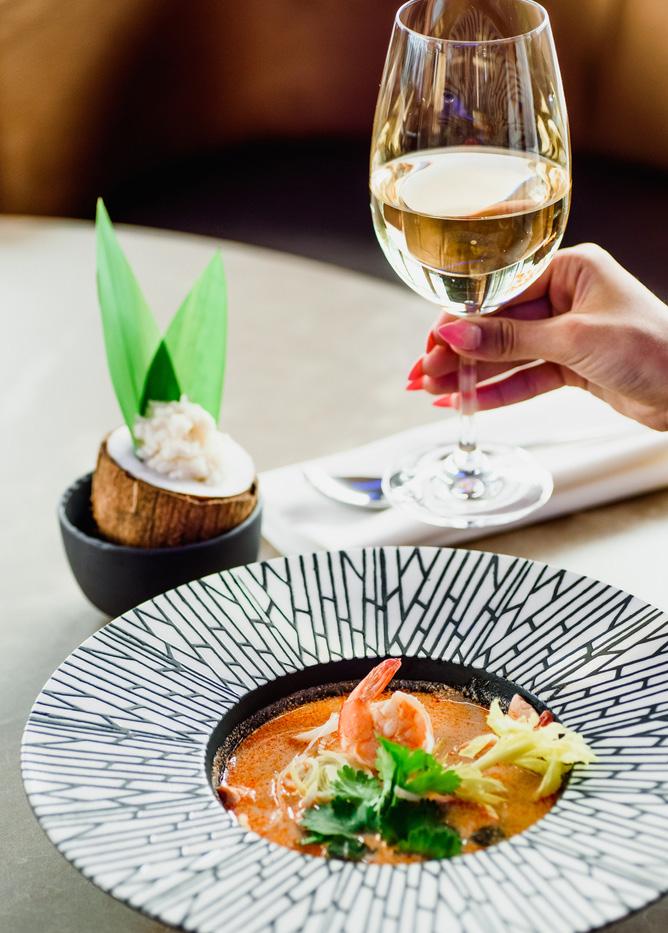
In our food, we tend to have many dishes at the same time, so pick a wine that you think will go along with most of them. Gravy, curries generally with medium to fullbodied reds and in some cases whites. If you like spice, then better to opt for white wine with tropical fruit flavours to cut the spice or a nice chilled rosé. Think lighter style dishes with lighter wines and vice versa.
Which types of Indian dishes pair best with red wines, and which work better with white?
Don’t think there is any one best, but I do like kebabs from the Tandoor with juicy reds and lighter curries (Prawn curry, for example) with whites that show refreshing acidity.versa.

How should spice levels and rich gravies influence wine selection?
Spice levels need to be balanced with wines that can cut the spice: off-dry or fruit-forward wines work best here. Big, bold tannic red wines with spice are not a good idea.
Rich gravies require wines that can match up to food. Oaked full-bodied whites and reds work best here.
Are there any unexpected or unconventional wine pairings with Indian food that you personally enjoy?
I love curd rice with a chilled glass of New Zealand Sauvignon Blanc. Or Vada pav with a Chardonnay.

Modern Wine Etiquette
What are the essential wine etiquette rules everyone should know when dining out or hosting?
There’s no strict etiquette; if you’re hosting, choose wines that suit the group, not just your own taste.
Is there a right way to hold, swirl, or smell wine, or are these often overcomplicated?
Hold the glass from the stem, swirl the wine to enhance the aromas, sip the wine and let it go all over your tongue. You don’t need to do this every time, just perhaps once to get a sense of the wine.
What are the most common wine etiquette mistakes people make?
Not having the wine at the right temperature or serving the wine in glassware that compromises the wine.

Practical, Everyday Guidance
If someone is ordering wine at a restaurant for the first time, how should they choose?
Think about what you want to eat and work the wine selection around it.
What is a simple rule of thumb for picking a good wine for a meal at home?
It depends on the meal, but for everyday dining, an easy, affordable wine that you can enjoy regularly works best.
What’s one myth about wine you’d like to debunk?
Many assume expensive wines taste better, but preference isn’t dictated by price; your palate judges the wine, not its cost.

TITLIE GOA’S NEW CHAPTER
ITS IS ALL ABOUT MOOD, MOVEMENT AND A VERY GOOD DRINK AT SUNSET
There are some places in Goa that you go to for the view, and then there are those where the view becomes part of the experience. Titlie, perched along the cliffs of Vagator, has always belonged to the latter, and with its recent revamp, it feels more intentional than ever.
The cocktail programme deserves attention. It doesn’t try too hard to be experimental, but still manages to feel inventive. The Aamras Picante, for instance, leans into familiar flavours: mango, lime, coriander and a touch of jalapeño, coming through slightly sweet but balanced with a gentle heat. The Titlie Paloma is sharper and far more refreshing, with citrus and pink guava working well for Goa’s humidity.
Beyond these, the menu plays around with moodier and more indulgent profiles too. The Smoked Manhattan is deep and layered, while the Arabica, their espresso martinistyle cocktail, is rich and creamy, ideal if you’re in the mood for something dessert-like. Even the highballs stand out, from playful options like the popcorn-infused Retrograde to citrusy, spice-led mixes like Tangerine Smash and the Chutney Mary Highball.


Arabica

Food here follows the same philosophy: globally influenced, but easy to approach. Small plates are designed for sharing. The fried chicken (or chicken popcorn) is a crowd-pleaser, crispy, well-seasoned and perfect with a drink. On the vegetarian side, the dumplings are light and clean, while dishes like the Titlie Hummus with crispy okra and puffed pita add a nice Indian twist to a familiar format. The beet salad with whipped ricotta and smashed cucumber and dragon fruit salad keep things fresh and vibrant for those leaning towards lighter plates.
The menu also leans into comfort with a mix of Italian and global mains. The classic Margherita pizza and four cheese pizza are straightforward but well executed, while pastas like the fettuccine with cherry tomato and feta sauce offer something familiar yet satisfying.
For something more indulgent, the pulled goat meat korma stands out, rich, slow-cooked and deeply flavourful, the kind of dish you take your time with. There’s also enough variety across bowls and larger plates, from Asian-style noodle bowls to curries and grills, to match the changing mood of the space.
Desserts are concise but thoughtful. The Basque cheesecake is a reliable finish, while the coconut milk panna cotta with mango jaggery feels more in sync with the coastal setting, light, slightly tropical and not overly sweet. The dark chocolate semifreddo is another good pick if you’re ending on a richer note.
What really ties everything together, though, is the setting. Few places manage to transition so seamlessly from a relaxed sundowner spot to a full-fledged night venue. The view over Vagator remains the constant, but the energy shifts around you; subtle at first, then unmistakable. By nightfall, DJs take over, the bar fills up, and the space turns into one of those high-energy weekend spots Goa is known for.

Titlie isn’t trying to be just a restaurant or just a bar; it sits comfortably somewhere in between. And that’s exactly what works. Whether you’re there for a long, lazy afternoon, sunset cocktails, or a late night that stretches longer than planned, it holds up across each version of the day.
Details
Where: 592/5 Bardez, Goa, Mapusa, Small Vagator, Goa 403509
Timings: Sunday to Thursday, 2:00 PM – 1:30 AM | Friday & Saturday, 2:00 PM – 3:00 AM
Reservations: +91 8882553395 / +91 8882553383
Cost for two: Approx. ₹3,500–₹5,000 (with cocktails)

SUMMER STYLE, SORTED

Summer dressing doesn’t have to mean choosing between comfort and style. This season, it’s all about breathable fabrics, soft palettes, and statement details that do the talking. We asked fashion creators to break down their go-to looks, so you can stay cool and effortlessly put together.
Jahanvi Tiwari, Mumbai
YouTuber & Beauty Content Creator
Jahanvi Tiwari, the face behind Thebrowndaughter, has built a strong voice in the beauty and lifestyle space with a community of nearly 1.5 million followers. Known for her authentic approach and focus on representation, her style reflects ease, confidence, and trend awareness.
Her Summer Essentials:
Linen Love: Invest in breathable linen trousers and shirts, easy, elevated, and perfect for the heat.
Soft Colour Palette: Think butter yellow, baby pink, and light blue for a fresh, summery feel.
Maximalist Accessories: Pair minimal outfits with bold bangles, rings, or waist chains to add personality.



Jahanvi Tiwari
Deepa Rani, Delhi
Fashion & Lifestyle Creator
Deepa Rani is known for her minimal, refined aesthetic rooted in simplicity and authenticity. Her style leans toward timeless pieces that feel both elegant and practical.
Her Summer Style Guide:
Breathable Fabrics Firs: Choose linen, cotton, and mulmul over synthetics for a luxe yet comfortable look.
Relaxed Silhouettes: Flowy trousers, oversized shirts, and coords keep things polished yet easy.
Minimal Accessories: Opt for dainty gold jewellery, a classic tote, or sleek sunglasses; less is more!







Odisha on Your Plate
At Amo Odisha at Sterling Puri, you are treated to a meal that celebrates local Odia cuisine in a five-star setting. If you enjoy local cuisine served with a touch of luxury, Amo Odisha, an Odia speciality restaurant voted among the Top 50 Restaurants in India at the FOOD FOOD Awards 2024, is your best bet in Puri. Bindu Gopal Rao visits to experience it firsthand.
Cosy vibe
Entering the reception of Sterling Puri, the expansive space that overlooks the ocean beyond sets the tone for the experience. A walk down a curvy staircase leads to the entrance of Amo Odisha, the specialty in-house restaurant. For someone who appreciates local food, this is a meal I am looking forward to. The cosy 38-seater space is done up in teal and chocolate-brown tones and features a showcase of local art from the nearby Raghurajpur craft village. With wall art that resembles waves, again a nod to the region, the restaurant is an intimate space that feels homely as well.
Food files
The restaurant is helmed by Chef Abhijit Nag, Executive/Cluster Chef at Sterling Holidays, who makes sure the food here stays true to the region. The menu offers a mix of dishes for every palate. There is a choice of beverages, from fresh fruit juices and mocktails of the day, as well as a chef's special soup of the day, offered in veg and non-veg options. Start with the Keonjhar Paneer Tikka, a silky dish made with cottage cheese cubes marinated in a delicious batter of
saffron-flavoured cream, gram flour, and yellow chilli, skewered and finished in a tandoor, that melts in your mouth. The Aloo Chop is another must-try. Made with mashed, boiled potatoes seasoned with spices, dipped in gram flour batter, and deep-fried, it is served with onions and green chutney. The Ball Yatra Special Chingudi, deep-fried maize flake crumb-marinated prawns served with spicy garlic dip, is a local favourite.

Dive in
If you like seafood, this is the place to be! There are chef's special dishes like Maansa Poorga, a mutton masala with succulent lamb pieces simmered in a tomato and yoghurt gravy, a delicacy from Western Odisha. Served with dalma, kachumber, ghee, and rice, this makes for a wholesome dish. They also have a section called ‘catch of the day’ that has some local delicacies like the Talapia (St Peter's Fish) Tawa fried/Masala fish that is cooked in a spicy, thick gravy with handmade spices, as well as the Pabda Macher Teel Jhal (Butter Catfish), a very soft fish cooked in onion masala with spices. The Fried Kali Maccha (Squids), Parse (Minjia fish), a homestyle traditional fish curry cooked in black cumin and onion gravy, and Betki fish (Sea Bass) curry, a rich and mildly spiced dish made with tender barramundi fillets simmered in a flavourful, aromatic gravy, are other choices.
Wholesome flavours
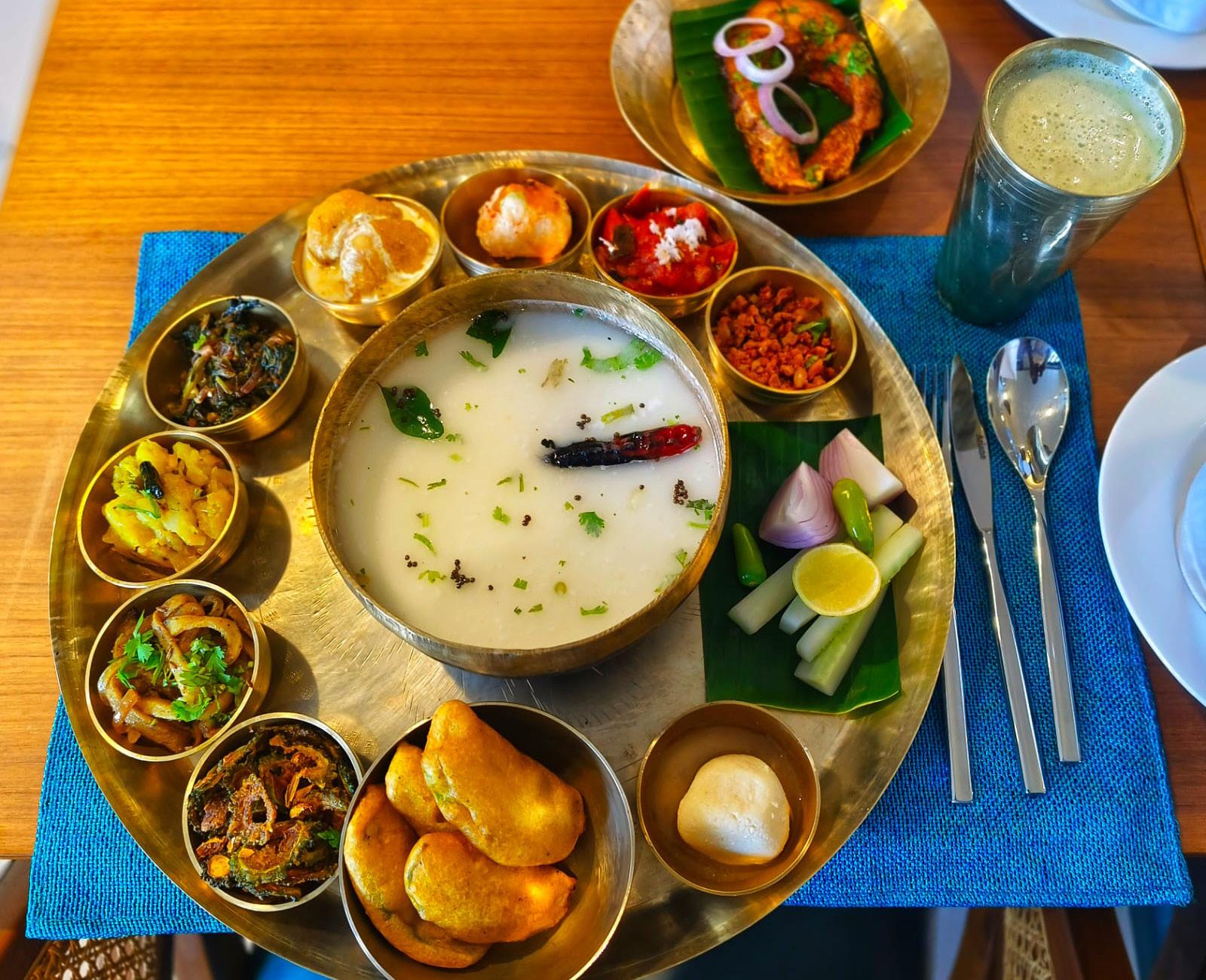
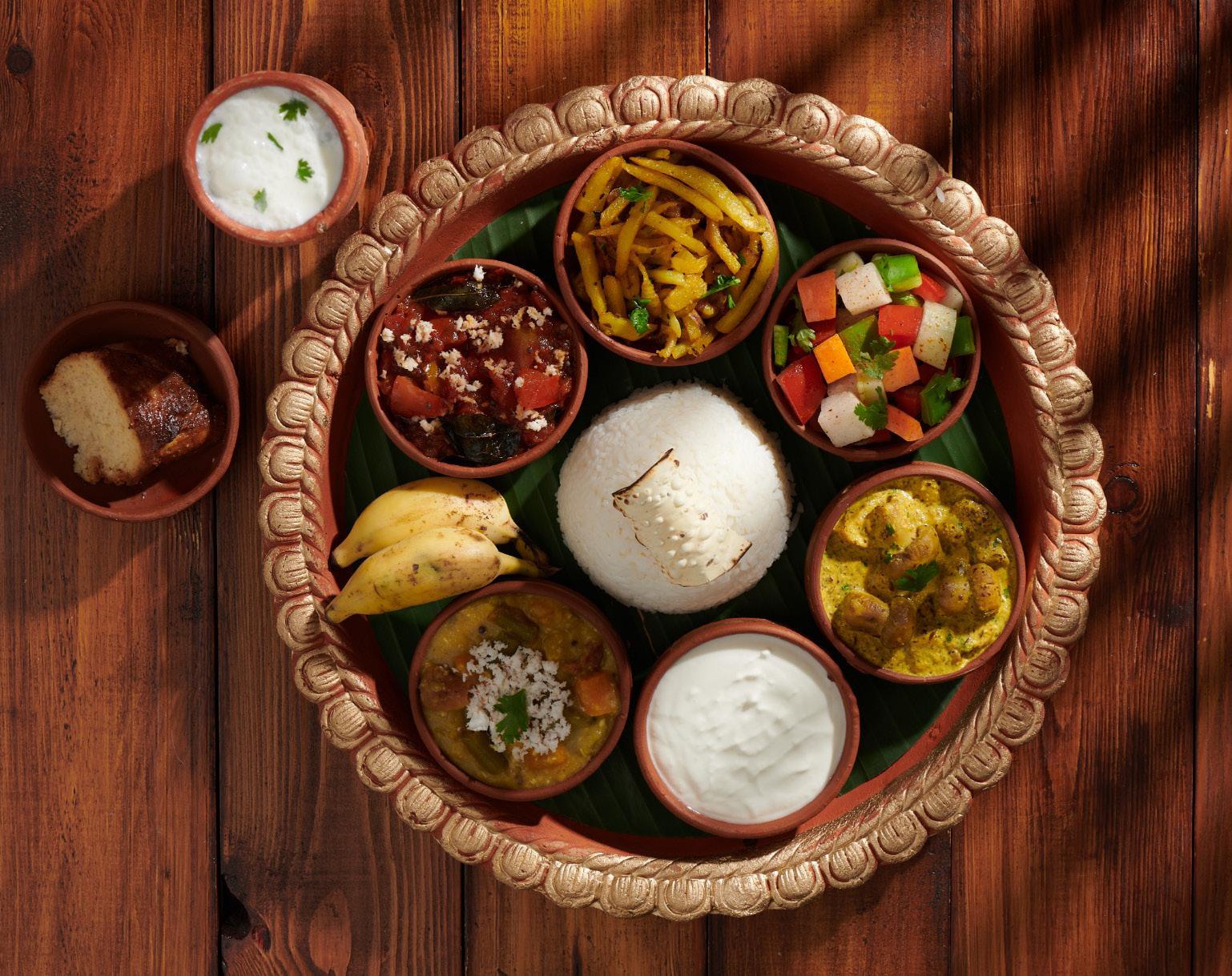
If you are feeling overwhelmed with choices, the best way to experience the cuisine is to opt for a thaali The array of rustic dishes served on earthenware. The vegetarian Niramisa Thali is served with dahi pana (a yoghurt-based drink), ghee arna, bhaja (a deep-fried vegetable fritter), dalma (a lentil stew with vegetables, a local version of dal), chatu besara cheena tarkari
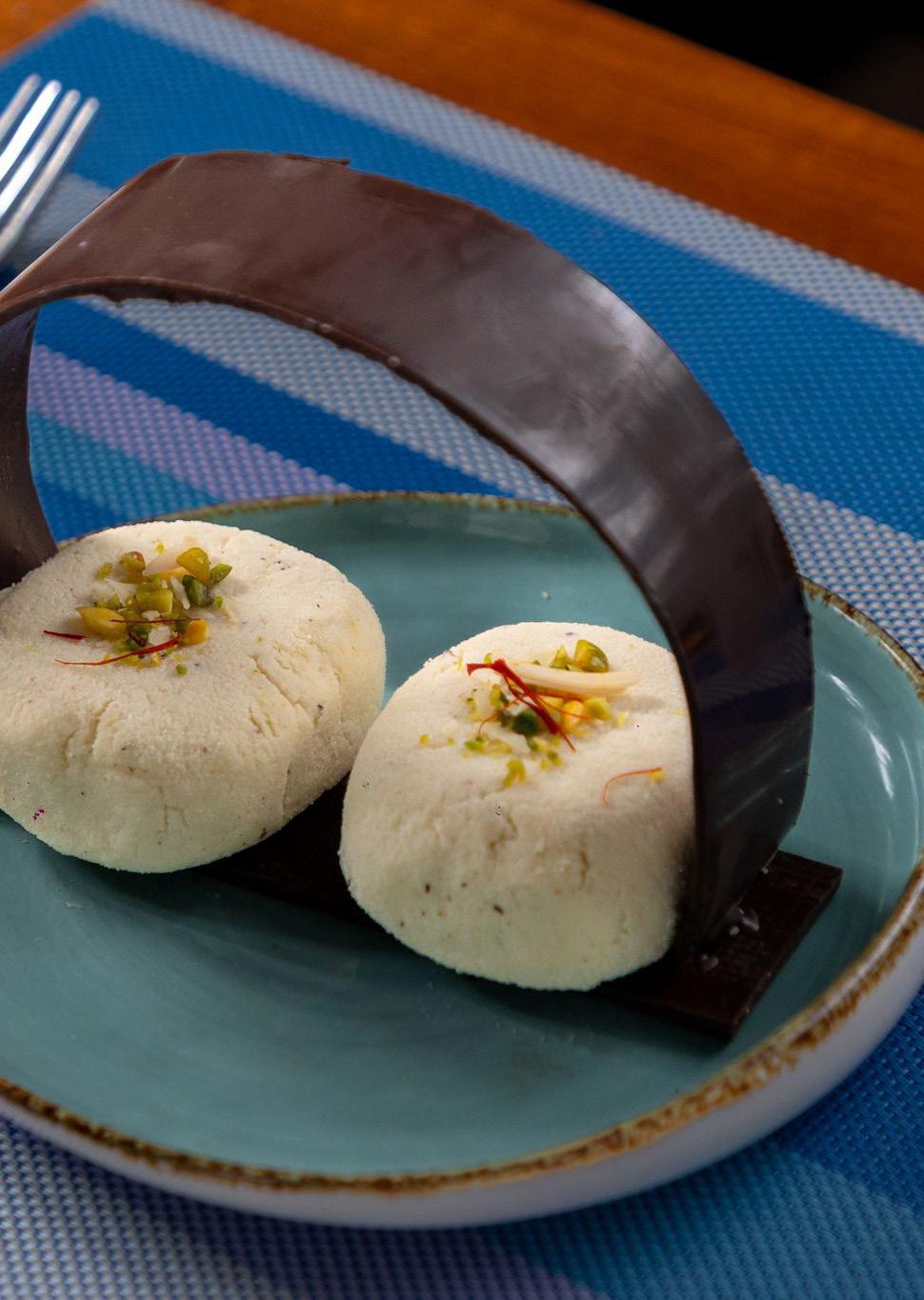
(mushroom mustard curry), khatta mitha (a raw mango gravy dish), podo (a dessert made with fermented rice and urad dal), phulka, traditional pickles, and salads. The nonvegetarian Aamisa Thali has dahi pana, ghee arna, bhaja, dalma, Chatu besara kukuda kassa (a chicken dish cooked in a semi-dry local masala), khatta mitha, podo, phulka, traditional pickle,s and salads. The traditional Chenna Podo is a must-try and a great way to finish your meal. This is a popular cheese dessert from Odisha, made with homemade fresh cheese, sugar, and semolina, baked for hours until it turns brown. Lalmohan, a rich khoya-based dumpling soaked in sugar syrup, and Amrita Rasmalai, flattened balls of chhena soaked in malai, flavoured with cardamom and saffron, are other must-try desserts. In all, a meal at Amo Odisha is sure to leave you feeling fully satiated. After all, isn’t that what a good meal is really all about?
Fact file
• Open for lunch and dinner. Timings: 12:30 pm-03:00 pm & 07:30 pm-10:30 pm
• Address: Ground Floor, Nos. 255/2 and 255/3, Subrata Sarkar Rd, Sterling Puri, Sipasurubili, Puri, Odisha 752001
• Phone: 085990 04607. Reservations are recommended.






Budget Spiritual Travel:
How to go Deep, Not Cheap in
India
In 2026, spiritual tourism in India has become a massive industry. From high-end meditation boutiques in the Himalayas to luxury detox villas in Kerala, it is easier than ever to spend a fortune on enlightenment. But here is the truth that every true seeker eventually realises: spirituality is one of the few things in life that actually becomes less authentic the more you pay for it.
Going deep isn’t about the thread count of your yoga mat; it’s about the intensity of your immersion. Dhanush Kumar writes about how to experience the spiritual soul of India without falling into the trap.
The Power of Seva: Amritsar
The Golden Temple is the ultimate classroom for humility. While thousands of tourists visit to take photos, the deep experience lies in the Langar, which is the community kitchen. Instead of just walking through, volunteer for two hours in the kitchen. Peeling garlic or washing giant vats alongside people from every walk of life is a more profound meditation than any paid workshop.
Arrive at 4 AM for the Paki Sahib procession. You will hear the low, rhythmic chanting of Gurbani hymns that seem to vibrate through the very marble floor. The air is cool, and the reflection of the illuminated temple in the Amrit Sarvoar creates a sense of being in a world between worlds.

The Path of Self Inquiry: Tiruvannamalai
While many spiritual hubs feel like a circus, the town of Tiruvannamalai, home to the sacred Arunachala Hill, remains a sanctuary for serious meditators. Stay at the Sri Ramanasramam or a nearby simple guesthouse. Avoid the spiritual cafes and instead participate in the Girivalam, a 14 km walk around the mountain at 4 AM with thousands of others, but the experience is intensely deep.
The scent of camphor from small roadside shrines and the looming presence of the dark hill to your left serve as a silent anchor for your thoughts.

The Global Pulse of Peace: Bodh Gaya
Bodh Gaya is where the Lord Buddha attained enlightenment. It is the place where the entire Buddhist world meets.
Entering the Mahabodhi temple complex at dawn is like walking into a living map of Asia. You will hear Tibetan monks chanting in deep bass tones, Thai pilgrims in bright orange robes walking in silent meditation, and Japanese Zen practitioners sitting in absolute stillness.
Sit under the Bodhi Tree. The experience is a mix of the sensory, the rustling of the heart-shaped leaves. You are sitting at the centre of a tradition that has lasted 2,500 years. The depth comes from realising you are part of a continuous, global pause of seeking.

The Discipline of the River: Rishikesh
While the main streets of Rishikesh can feel like a festival, the traditional ashrams offer a glimpse into the Gurukul way of life. It begins with the sound of a brass bell at 5 AM. The traditional ashram experience is of strict discipline, which includes cold water showers in the morning, simple white clothing, and communal chanting.
Sit by the Ganges at dusk. The experience of the Aarti is famous, but for a deeper connection, find a quiet ghat away from the speakers. The real experience is the sound of the fast-flowing river, a constant, powerful white noise that drowns out the internal chatter of the mind.



COLLECTORS’RADAR: 5 CONTEMPORARY ARTISTS TO WATCH IN 2026


Maya Burman
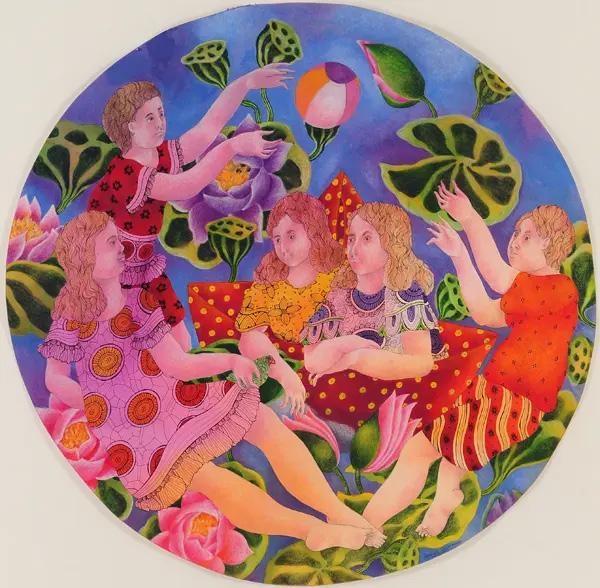
Born in Paris in 1971, Maya Burman’s work beautifully bridges Indian and French artistic traditions. She studied architecture in Paris for three years and naturally developed a meticulous approach to composition. This is pretty evident in the structural balance of her paintings. Her compositions are very intricate with surfaces that feature various patterns. Her style reflects French Art Nouveau and medieval European influences as well as Indian miniature painting and folk imagery. Hence, the result is a dreamlike universe in which myth, patterns, and narrative intertwine.
Her recent shows, such as Garden of Dreams (2025) and Games of Life (2022), brought Burman worldwide recognition and acclaim. Her work has been exhibited extensively across France, India, and the UK, among other places. What makes Burman’s art particularly interesting is her ability to create a visual dialogue between cultures. Global audiences are now increasingly embracing hybrid identities, hence Burman’s work feels especially resonant for the coming year.
Over the past decade, contemporary art has decisively moved beyond the boundaries of geography, medium, and inherited tradition. Today’s artists seamlessly fuse craft with critical inquiry, mythology with modern realities, and deeply personal narratives that resonate within global discourse. As we step into 2026, a compelling group of voices is demanding greater visibility and institutional recognition. Presented below are five contemporary artists whose evolving practices merit close attention in the year ahead, as highlighted by Mamta Rahate, Deputy Director at AstaGuru Auction House.

2.

Debraj Goswami
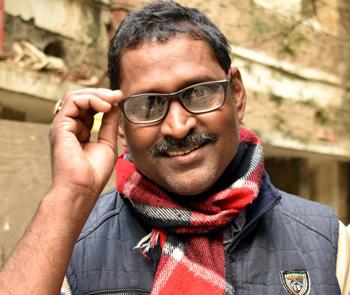
With the increasing interest in narrative figuration and culturespecific storytelling, Goswami’s work feels especially relevant as we look ahead to 2026. Born in 1973 in Serampore, West Bengal, Debraj Goswami has built a practice that is both poetic and visionary. He completed his Bachelor’s degree in Graphics from Rabindra Bharati University and earned his Master’s from the Faculty of Fine Arts at MS University, Baroda.
His early paintings in oil were bold and expressive, reflecting the assertiveness of youth. Later, his visual language evolved. Now, he prefers acrylic on paper and occasionally charcoal, using fine, delicate lines to create large figurative works. At first glance, his paintings appear whimsical, even playful. But beneath the subtle humour lies a sharp commentary on society. Goswami addresses themes such as cultural imitation, generational identity, and the tension between modern aspirations and traditions. His works use metaphors rather than direct declarations.
3. Arun Pandit
A graduate of the College of Arts & Crafts, Patna, Arun Pandit has steadily carved out a significant space within the contemporary Indian art scene. He completed his MFA from the Delhi College of Arts. In 1993, he was commissioned to build an Ashoka Pillar in Bihar, a formative project that established his enduring relationship with the material.
Pandit often draws inspiration from mythology and classical symbolism but adds a contemporary touch to his works. His monumental work, Garuda, unveiled at Tirupati Airport in 2015, had brought him national recognition. A year later, his solo exhibition ‘Power and Pathos’ at the Lalit Kala Academy further cemented his reputation. As India continues to expand its engagement with public art and large-scale commissions, Pandit’s command of form and material positions him strongly for broader attention in 2026.



4. Sumedh Rajendran
Contemporary artist Sumedh Rajendran, best known for employing wit and dark humour in his works, is from Trivandrum, Kerala. After completing his Bachelor’s degree in Sculpture from the College of Fine Arts in Kerala and his Master’s degree from the Delhi College of Art, Sumedh began exploring various themes. These included migration, displacement, and existential anxiety. His work reflects the tensions of urban life that he faced after moving to Delhi in the mid-1990s.
The materials he utilises are as important as his ideas. He works with industrial remnants, including tin sheets, rubber, concrete, and discarded metal. Thus assigning each of them a new meaning. These materials carry the weight of modernity and urban expansion. Through them, he creates hybrid, anthropomorphic forms that often suggest dystopian futures. Despite the seriousness of his themes, the absurdity in his sculptures softens the blow of their critique. Thus, inviting viewers to reflect rather than recoil. With global conversations intensifying around sustainability, migration, and fragile urban systems, his work feels increasingly urgent and timely.

5. Prajjwal Choudhury
Representing a generation of artists that is engaged with new media and experimental forms, Prajjwal Choudhury was born in 1980. Based in Baroda, his art challenges traditional formats and explores innovative approaches to image-making and conceptual art. His first solo exhibition at Project 88 was widely discussed for its freshness and bold thinking. These works revealed a young artist unafraid to push boundaries and question established processes.
Since then, he has participated in numerous international exhibitions and has been featured in significant contemporary collections as well. His willingness to experiment with the medium and thought is where his strength lies. As digital technologies and hybrid practices continue to reshape the contemporary art landscape, his artistic direction appears particularly promising.



A BALCONY FULL OF LIFE: SADAA’S GARDENING STORY

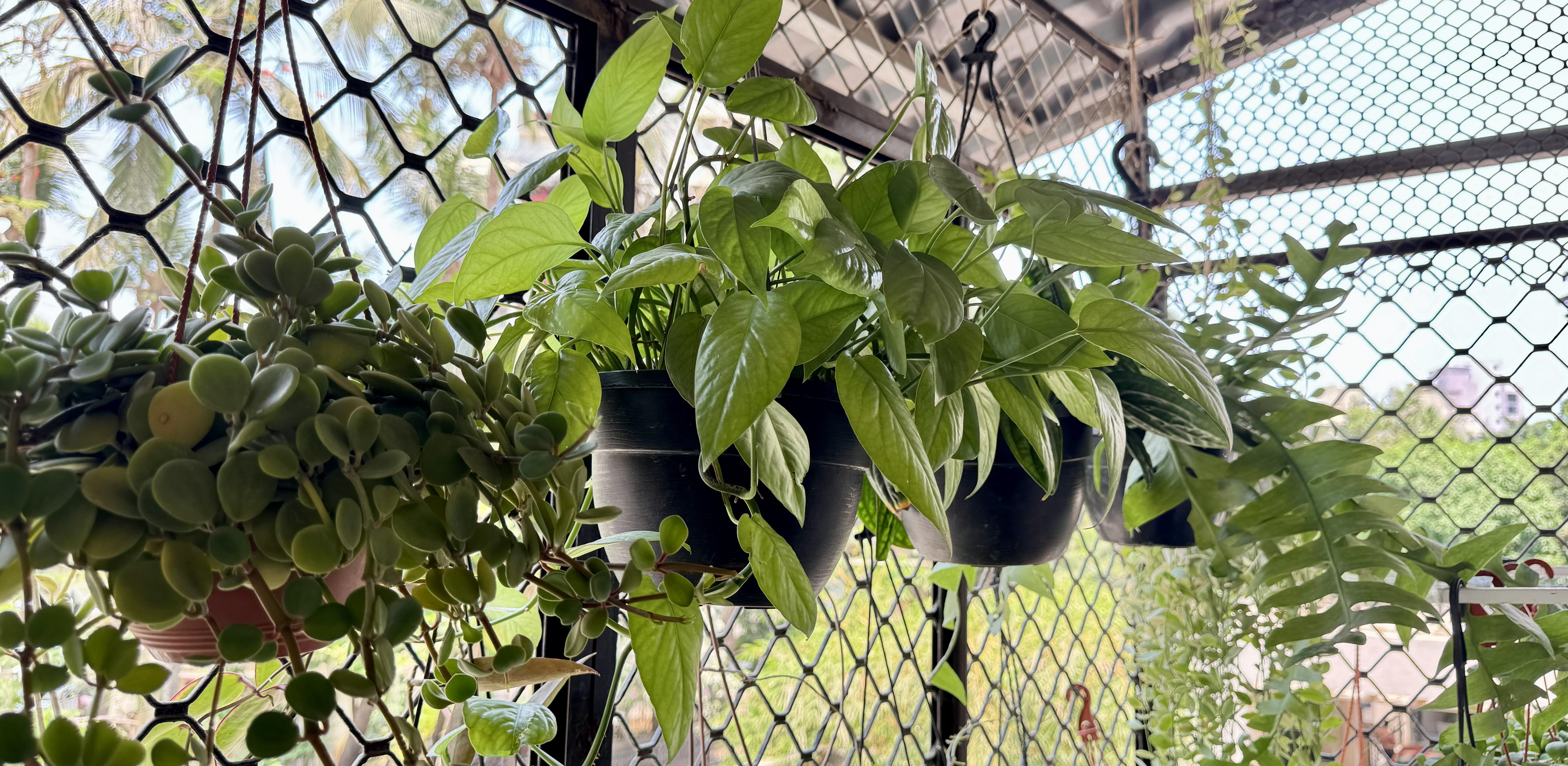
For actress Sadaa Sayed, best known for films like Jayam, Anninyan, Aethirree, etc., gardening wasn’t a lifelong passion; it was something that gently found its way into her life, one phase at a time. What began as a quiet act of rescuing dying plants during the stillness of lockdown slowly transformed into a deeply personal journey of healing, especially after the loss of her father. Today, her balcony is a thriving sanctuary of over 200 plants, with a special love for the delicate yet resilient Hoya family. But beyond the numbers and rare collections, it’s the emotional connection that defines her space. In an exclusive tête-à-tête with M Priyanka Goud, Sadaa shares how her garden is more than just greenery; it’s where grief softened, routines found meaning, and life, in its most organic form, continued to grow.
Her journey towards gardening
Gardening found me in phases. Growing up, I watched my father lovingly tend to everything, from chikoo and coconut trees to mango trees and vibrant flowering plants. But back then, I never felt that connection. Even later, in our Mumbai home, while my parents cared for hibiscus, tulsi, curry leaves, and humble money plants in our balcony, I remained a distant observer.
It was only during the lockdown that something shifted. I began rescuing dying plants I’d see outside shuttered shops, bringing them home and nurturing them back to life. That’s when I discovered my love for foliage, collecting varieties like Hoya and surrounding myself with greens that felt quietly alive. Life got busy again, and I was left with only the hardy ones, money plants and philodendrons, while delicate beauties like calatheas slowly faded away.


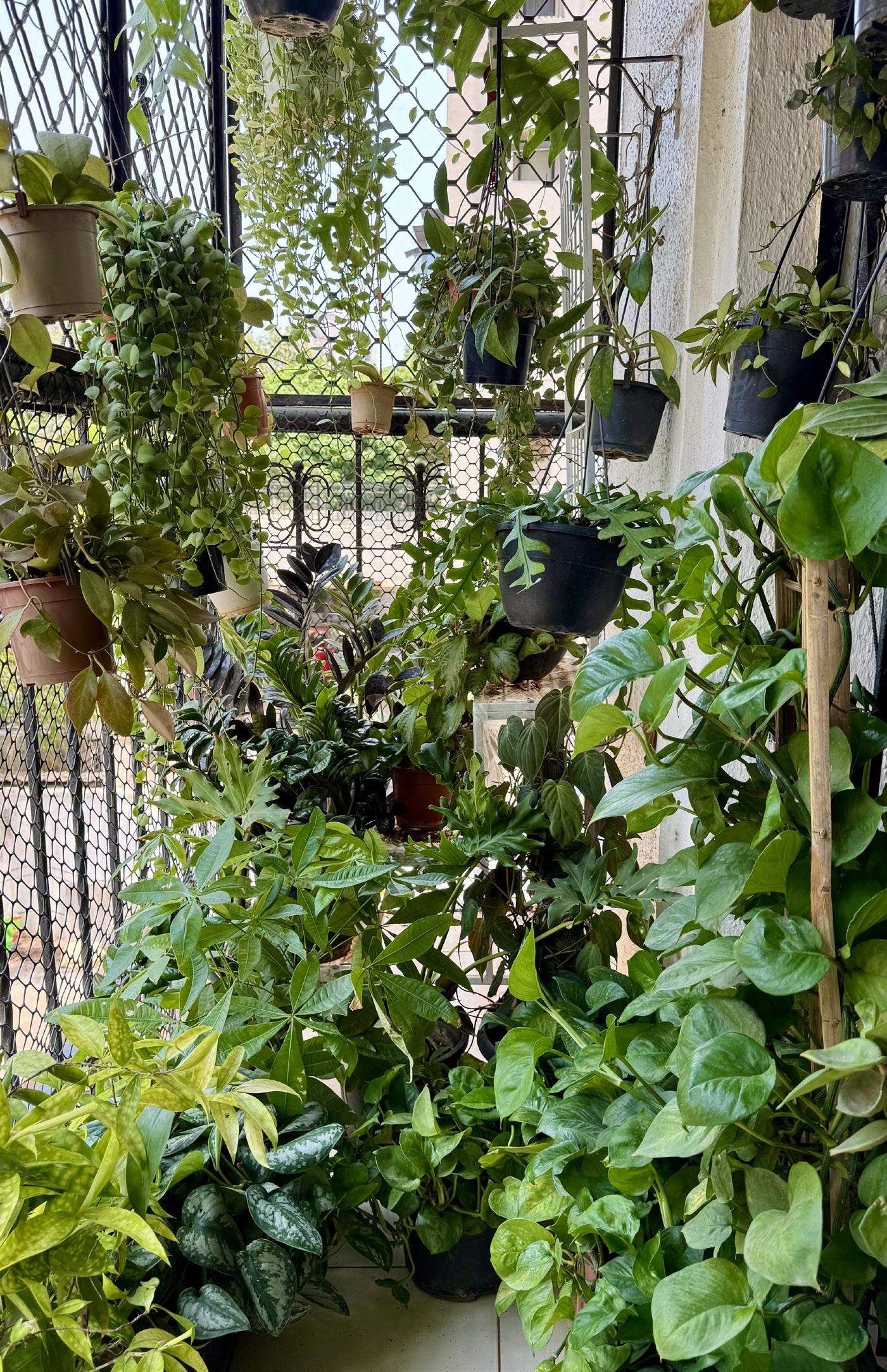
Gardening became therapy through life’s phases
After losing my father, I returned to my plants in a completely different way. Repotting root-bound greens and giving them fresh soil, I found myself healing alongside them. There’s something incredibly powerful about it: the moment your hands touch the soil, the noise fades. You become still, present… almost one with nature.
Gardening, I’ve realised, isn’t just about growing plants; it gently, silently grows you too, especially when you need it the most.
A home of 200 plants and a love for Hoyas
Today, my garden is home to more than 200 plants, and a big part of that love belongs to the Hoya family. I have hundreds of Hoyas, each one different, each one beautiful. They may seem rare and delicate, especially in India, where you mostly find them as tiny saplings, but once you understand their care needs, they’re actually quite resilient.
For me, it’s a challenge if a plant thrives with me beyond six or seven months, I know we’ve built something right. I don’t just grow plants; I build relationships with them. I know each one individually: how much water it needs, how much sunlight it needs, and when it needs attention. It’s like the way I care for my cats… deeply personal. Of course, I’ve lost a few along the way, and that used to break my heart. But that’s also a part of gardening; it teaches you to love, to let go, and to keep nurturing. While I do love my philodendrons and money plants, my heart always goes back to Hoyas. I can sit and look at them for hours. They bring me a quiet, pure happiness that’s hard to explain.
My garden is about beauty
My garden has always been about beauty; I’m drawn more to ornamental plants and foliage than growing vegetables. I haven’t really explored that side yet. My mom keeps a small section for basics like coriander and methi, but that’s about it.
That said, the idea of growing your own food and eating it is fascinating. Maybe someday, I’ll give it a try.

Plants are like pets; they understand and respond
I talk to my plants all the time, especially the fussy ones. Before leaving for a trip, I actually tell them, “Please don’t give up on me till I come back.” It might sound strange, but I truly believe they respond in their own way.
When you look at them with affection, when you acknowledge their growth from a tiny sapling to something thriving, I feel they sense it. Somewhere, I believe there’s an unspoken connection between all living beings, and we’ve just forgotten how to tune into it.


My balcony is my safe space
I find myself going back to my balcony several times a day; it’s almost like a quiet ritual. I love watching how my plants transform with light. In the soft morning glow of my west-facing balcony, they feel calm and subtle, but as the sun sets, the same leaves come alive in the most beautiful way. Watering them has also become something I look forward to, usually around mid-morning or in the evening when everything feels still. That’s when I truly spend time with them.
Following sustainable practices in gardening
For me, gardening is as much about sustainability as it is about growing plants. I avoid chemical fertilisers, even though they’re effective, because they can harm the soil and eventually our water systems. Instead, I use organic options like seaweed, leaf compost, and neem; they’re gentler and work beautifully.
I’m also mindful of reducing waste. Instead of collecting more plastic pots, I reuse the ones I already have and usually ask for plants as root balls so I can repot them myself. Since I have cats at home, everything I use, even for pest control, is natural, like neem oil. Gardening, for me, is about living in harmony with your plants, your home, and the environment.
Tips to start gardening
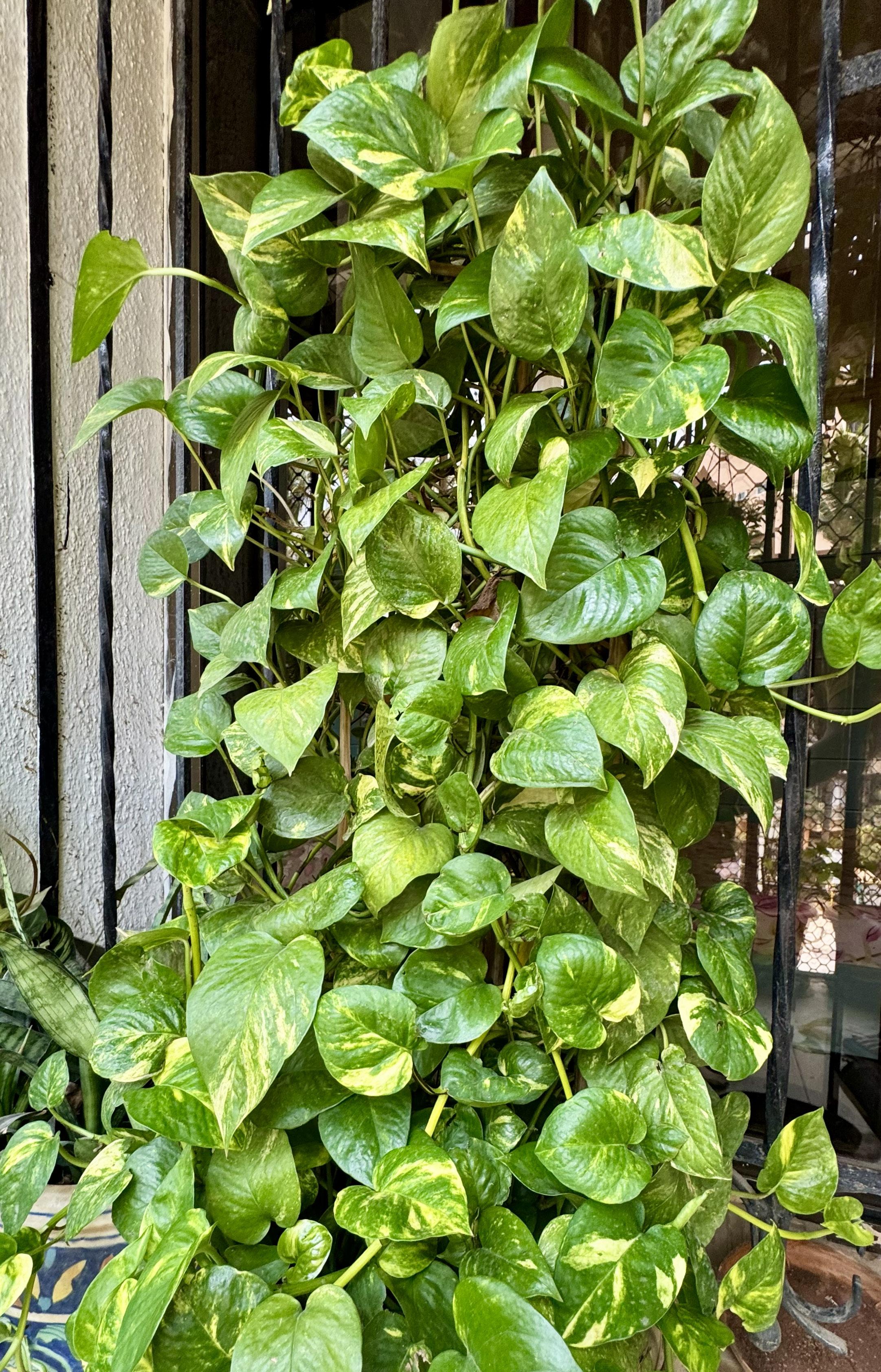
Even in cities, anyone can have plants; it’s really about understanding light. If you have a bright window, you can create a small setup with plant racks or stools so they get a few hours of sunlight every day. If you’re a beginner, there are many easy options. ZZ plants and snake plants are incredibly forgiving; they can handle neglect and even prefer less watering. Money plants are another favourite, with beautiful green, white, and yellow variegated varieties.
The idea is simple: start small, choose the right plants for your space, and grow from there.


Akshay Kumar ON BHOOT BANGLA:
“IT
FEELS LIKE A HOMECOMING”
As Akshay Kumar returns with Bhoot Bangla, the actor opens up about revisiting comedy, working with longtime collaborators, and why the genre deserves more respect. Lipika Varma gives us excerpts from the interview...
You’re reuniting with Priyadarshan after a long gap. What made Bhoot Bangla the right project? It really came down to the script. We’ve always shared a great creative rhythm, but timing never aligned. When this story came along, it felt like the right mix of humour, emotion, and scale. It has that classic Priyadarshan touch: clean, entertaining, and rooted in strong storytelling. For me, it wasn’t just another film; it felt like revisiting a space I truly enjoy working in.
How did it feel to work with the team again? Honestly, it felt like a ghar wapsi. There’s a certain comfort when you work with people who understand your timing and style. With Priyadarshan, there’s complete clarity; he knows exactly what he wants, which makes an actor’s job easier. And working with Tabu again after so many years was equally special. That comfort and mutual respect never really go away.


What sets Bhoot Bangla apart from other horrorcomedies today?
A lot of films today rely heavily on either horror or humour, but this one blends multiple elements: there’s fantasy, there’s situational comedy, and there’s an emotional layer as well. The humour isn’t forced; it comes naturally from the situations. That’s something I’ve always believed works best with audiences.
"A LOT OF FILMS TODAY RELY HEAVILY ON EITHER HORROR OR HUMOUR, BUT THIS ONE BLENDS MULTIPLE ELEMENTS: THERE’S FANTASY, THERE’S SITUATIONAL COMEDY, AND THERE’S AN EMOTIONAL LAYER AS WELL.

You’ve often spoken about situational comedy. Why does it work so well?
Because it feels real, the characters aren’t trying to be funny; they’re just reacting to situations, and that’s where humour comes from. But that’s also what makes it challenging. Even a simple line needs the right timing and expression to land well. It’s a very technical space, and I think people sometimes underestimate how difficult it is.
Do you think comedy actors get enough recognition in the industry?
Not really. Comedy is one of the toughest genres, yet it’s often treated separately. When someone does romance, they’re just called a great actor, but for comedy, there’s a different category altogether. If you look at legends like Charlie Chaplin or Jackie Chan, they created magic through humour, often without words. I feel actors in this genre deserve the same level of respect, and hopefully that will change over time.
You’ve always preferred speaking in Hindi, even at global platforms. Why is that important to you?
It’s simply about comfort and identity. I’ve always been more expressive in Hindi. Even at events where everyone is speaking English, I politely tell them that I’ll speak in Hindi. It’s important to stay rooted and be authentic to who you are.
Any memorable moments from the shoot?
We had a great time, especially during our schedule in Jaipur. One moment that really stayed with me was when a local woman came up for a selfie, covering her face with her veil. It was such a simple yet respectful gesture; it stayed with me because it reflected a certain cultural grace you don’t see everywhere.
You’ve had a long career with diverse experiences. Has any advice stayed with you over the years?
Yes, quite a few. One that really stayed with me came from Asrani ji. He once told me never to produce a film with my own money. He had gone through a very stressful phase after facing losses despite making a good film. It made me realise how unpredictable this industry can be, and that advice has always stayed at the back of my mind.
What can audiences expect from Bhoot Bangla?
It’s a complete entertainer: clean, family-friendly, and rooted in strong writing. There’s humour, there’s a bit of thrill, and overall it’s designed to give audiences a good time. At the end of the day, that’s what cinema should do: bring people together and leave them smiling.

TURNING PAGES, BUILDING COMMUNITIES:
ON THE EVOLVING WORLD OF READING Nidhi Gupta
In a time when attention spans are shrinking and digital content dominates, the enduring power of books continues to find new ways to resonate. At the helm of Crossword Bookstores, Nidhi Gupta has spent over 15 years shaping not just a retail brand, but a thriving reading culture. In this conversation, she reflects on her personal relationship with books, the shifting habits of modern readers, and why bookstores today are as much about community as they are about commerce.
You’ve spent over 15 years shaping Crossword’s journey. What role have books played in your own life, and which titles or authors have deeply influenced you personally and professionally?
I’ve always shared a deep connection with books. They hold many roles in our lives, serving as companions, guiding us as teachers, and opening windows to perspectives we might never otherwise experience. Growing up, reading helped shape my curiosity and empathy, and over the years, it’s become integral to how I think and make decisions. I’ve been deeply influenced by authors who combine storytelling with insight, whether it’s literary fiction that explores human complexity or business writing that sharpens perspective. Professionally, books have taught me the importance of staying adaptable and constantly learning, which is essential in an ever-evolving industry like ours.


In an age of short-form digital content and shrinking attention spans, how do you see the culture of reading evolving, especially among younger audiences in India? While it’s true that attention spans are being challenged, I don’t believe the desire to read has diminished. Younger audiences today are discovering stories in new ways, whether through curated recommendations, social media, or genre-driven communities. What’s encouraging is that when the right book reaches the right reader, the engagement is still deeply immersive. We’re also seeing a shift toward more accessible formats, relatable storytelling, and diverse voices, which is making reading feel more inclusive and relevant than ever before.


Crossword has positioned itself as more than just a bookstore. How important are community spaces, book events, and author interactions in keeping the reading ecosystem vibrant today?
They are absolutely essential. Bookstores today are not just retail spaces; they are cultural hubs. Communitydriven experiences like author interactions, workshops, and reading sessions bring stories to life and create meaningful connections between readers and writers. These spaces foster discovery, conversation, and a shared love for books, which is something digital platforms cannot fully replicate. At Crossword, we see firsthand how these interactions inspire new readers and deepen existing relationships with books.
With the rapid rise of e-books, audiobooks, and digital platforms, what do you believe the future of book publishing and bookselling will look like in the coming decade?
The future is not about one format replacing another; it’s about coexistence. Each format serves a different purpose depending on the reader’s lifestyle and preferences. While digital formats will continue to grow, physical books hold a unique, tactile appeal that remains irreplaceable. I believe the industry will become more
hybrid, more data-informed, and more reader-centric. For booksellers, the focus will be on creating curated, experience-led environments that go beyond transactions and truly celebrate the joy of reading.
For aspiring readers or those trying to build a reading habit, what practical advice would you give when it comes to choosing books and staying consistent with reading?
Start with what genuinely interests you. There’s no “right” or “wrong” book to begin with. The key is to make reading feel enjoyable rather than obligatory. Even setting aside 10–15 minutes a day can make a difference. It also helps to explore recommendations, join reading communities, or visit bookstores where you can browse and discover organically. Most importantly, don’t be afraid to put down a book if it doesn’t resonate. Reading should always feel like a pleasure, not a task.
Rapid Fire
One book you believe everyone should read at least once in their lifetime?
It’s hard to choose just one, but a timeless classic that offers perspective on life and human nature is always a great starting point.
Your favourite genre to unwind with after a long day?
It’s hard to choose just one, but a timeless classic that offers perspective on life and human nature is always a great starting point.
Physical books, e-books, or audiobooks: your personal pick and why?
Physical books, without a doubt. There’s something about the tactile experience, the feel of the pages, the act of turning them, that makes reading more personal and immersive for me.
NEW ON THE SHELF: FRESH READS TO PICK UP NOW
Hashtag magazine takes a look at some of the latest titles making their way onto bookshelves.
THE BOOK OF JOY
by Manoj V Jain

The Book of Joy by Manoj V Jain is a thoughtful and visually engaging exploration of happiness, inner peace, and mindful living. Rather than following a conventional self-help format, the book unfolds through a series of reflective quotes—each page offering a pause for thought rather than prescriptive advice.
Designed for today’s fast-paced world, it gently encourages readers to reconnect with themselves, shift perspective, and find clarity in everyday moments. The simplicity of its ideas makes it accessible, yet deeply resonant.
What sets the book apart is its artistic dimension— each quote is interwoven with evocative artwork by Pradeep Mishra, creating a harmonious blend of words and visuals. Subtle yet impactful, The Book of Joy is not about telling you how to live—but inspiring you to reflect, reset, and rediscover joy in your own way.

THE BALANCING ACT
by Nedra Glover Tawwab

From the bestselling author of Set Boundaries, Find Peace, The Balancing Act is a timely and insightful exploration of relationships, emotional boundaries, and self-awareness. The book centres on a simple yet powerful idea—every relationship requires balance. Too much dependence can make us lose ourselves, while too much independence can leave us isolated.
Blending psychological insight with practical guidance, Tawwab breaks down concepts like codependency, attachment styles, and emotional needs in an accessible, relatable way. She offers tools to help readers recognise unhealthy patterns, communicate better, and build meaningful connections without compromising individuality. Thoughtful yet practical, The Balancing Act serves as a guide to creating healthier, more authentic relationships while staying grounded in one’s own sense of self.
INTO THE LEOPARD’S DEN
by Harini Nagendra
Into the Leopard’s Den by Harini Nagendra is a gripping historical mystery set in 1920s India, part of the popular Bangalore Detectives Club series. The story follows amateur sleuth Kaveri Murthy, who, despite being pregnant and confined by societal expectations, is drawn into a complex murder case when an elderly woman dies clutching her photograph.
As the investigation unfolds, Kaveri travels from Bangalore to the misty coffee plantations of Coorg, where multiple mysteries intertwine—a ghost leopard haunting the forests, threats against a colonial plantation owner, and a growing list of suspects.
Rich in atmosphere, the novel blends suspense with themes of colonialism, gender roles, and environmental concerns. With a strong female protagonist at its core, the book offers both an engaging whodunit and a vivid portrait of a changing India.