EDITOR'S NOTE
PAGE: 03
From the Editor’s Desk
EDITOR'S NOTE
PAGE: 03
From the Editor’s Desk
PAGE: 23-26
PAGES: 05-11
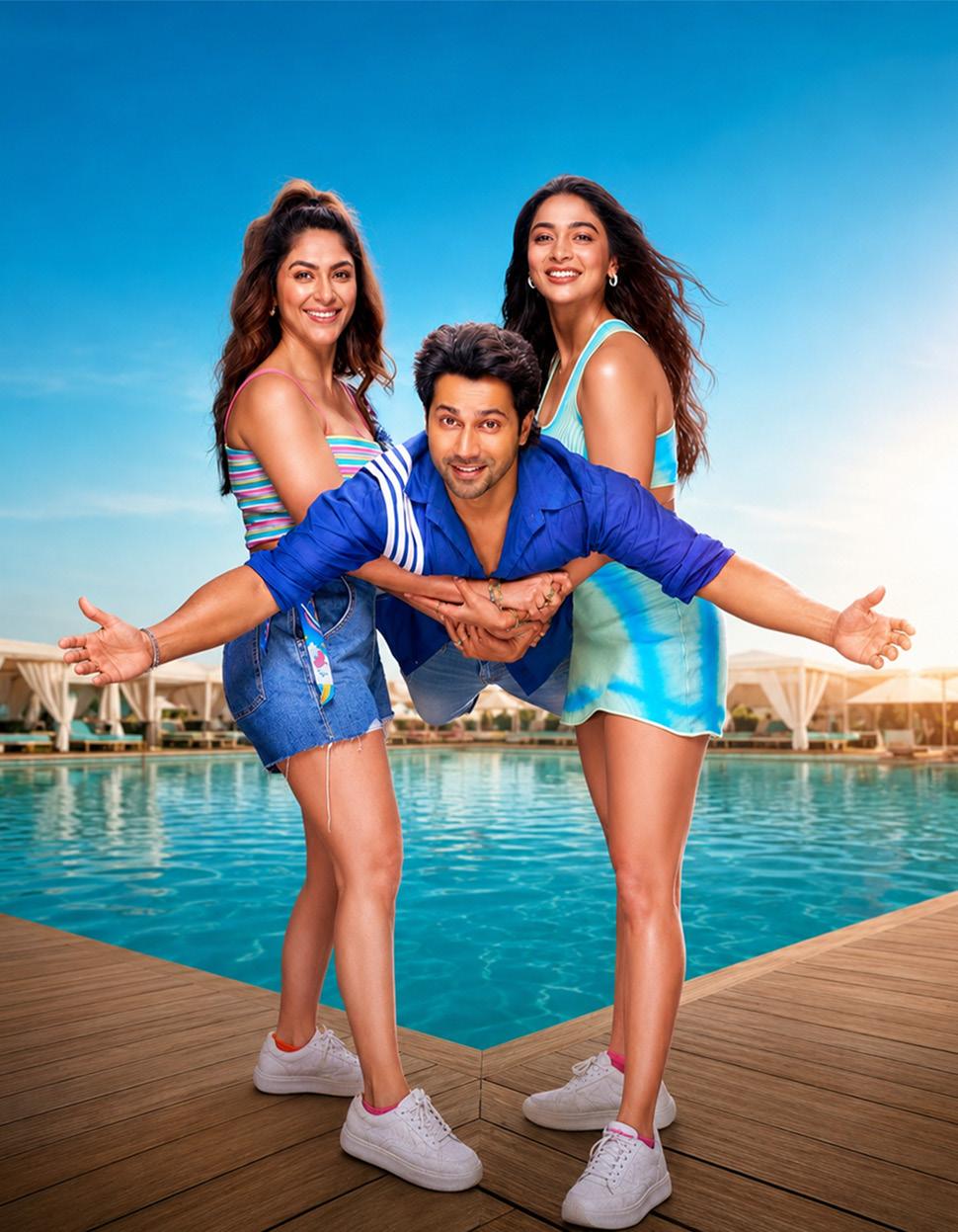
Varun Dhawan, Mrunal Thakur, and Pooja Hegde are creating major buzz with Hai Jawani Toh Ishq Hona Hai. We bring you exclusive excerpts from the interview...
PAGES: 12-15
Sassiest Healthcare is changing the conversation around sexual wellness with a doctor-backed, stigma-free approach focused on women and the LGBTQIA+ community. In this issue, we speak to the founders about building one of India’s boldest wellness startups and breaking taboos around intimate health.
PAGE: 16-22
Queer Communities: A closer look at queer voices, safe spaces, creators, and conversations shaping a more visible and inclusive cultural landscape.
The country after dark: from late-night cafés and rooftop scenes to everything that keeps urban life moving after sunset.
PAGE: 55-57
Discover high-performance gaming laptops with strong cooling systems designed to survive intense gaming sessions and rising Indian temperatures.
PAGES: 34-39
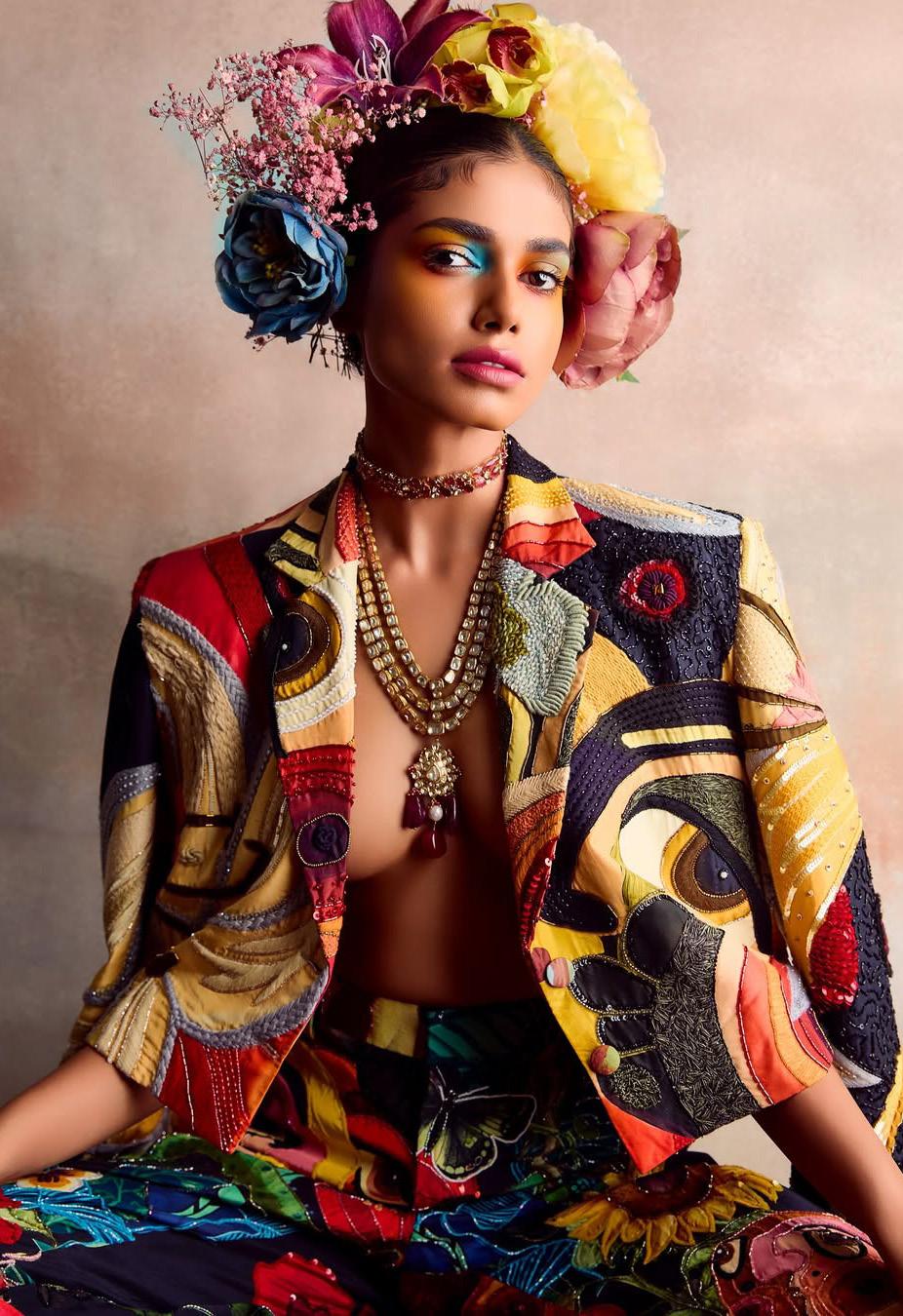
A new wave of queer-owned fashion labels is reshaping India’s style landscape. We explore the designers redefining style through fluid, fearless and deeply personal narratives.
PAGES: 41-48
This issue explores mindful living, from high-protein summer foods to wellness getaways. We tell you what’s trending in the world of health and healing.

PAGES: 59-62
From slow escapes to spontaneous road trips, discover travel ideas designed for every kind of explorer this season.
PAGE: 64-68
Meet independent tattoo artists redefining body art through personal storytelling, fine-line work, and custom contemporary designs.
PAGES: 69-72
Delhi’s social scene is evolving, and pets are now at the heart of it. What was once limited to parks and pet events has seamlessly moved into café culture.
PAGE: 74-76

PAGES: 27-32
We list the latest Gen Z-approved apps changing the way India shops online.
The newest binge-worthy content across OTT platforms includes gripping dramas and documentaries to feelgood entertainment. Also discover fresh literary releases that deserve a place on your reading list.
PAGES: 50-53
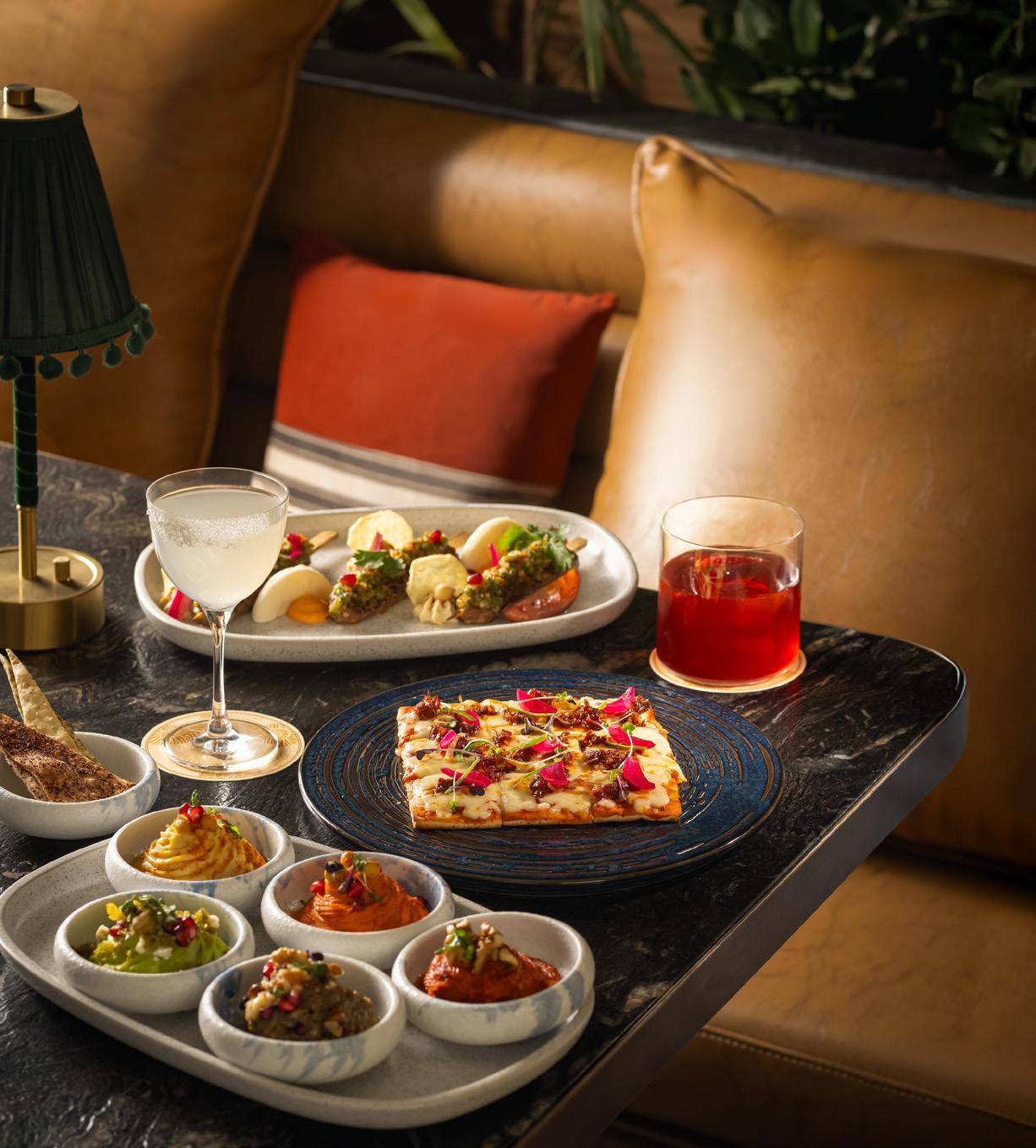
New flavours, hidden gems, chef-driven menus, and comforting classics: a curated look into the evolving food scene this season.

This month, while putting together our June issue, I realised it was Pride Month. I wanted to include as many queer stories and voices as possible, but while doing so, I also found myself thinking deeply about how little has truly changed despite how loudly the world claims to celebrate inclusivity. People are still judged for who they love, how they dress, what they choose to identify as, and simply for existing as their authentic selves. We speak about acceptance so casually, yet so many people continue to carry silent battles every single day. Honestly, if you have nothing nice to say, maybe it’s better to say nothing at all.
This month was personally difficult for me, too. I lost my pet dog, who was my baby. For two months, I went to every hospital, every vet, did every possible test, and tried everything I could to save him. But sometimes, despite all the hope, love, and effort in the world, life has its own plans. We buried him at the farm: his favourite place on earth. And somewhere in that grief, I realised how transient life truly is. No matter how much we manifest, plan, achieve, or hold on to appearances, none of it stays forever. We leave with nothing except the love we gave and the kindness we showed others.
Every person you meet is carrying some form of ache, loss, confusion, or loneliness. So why are we still so obsessed with judging each other? Let people live. Let people make mistakes. Let people learn, evolve, heal, and grow. Sometimes the kindest thing we can do is simply mind our own business and allow people the freedom to exist without explanation.
This issue celebrates exactly that spirit of inclusivity and individuality.

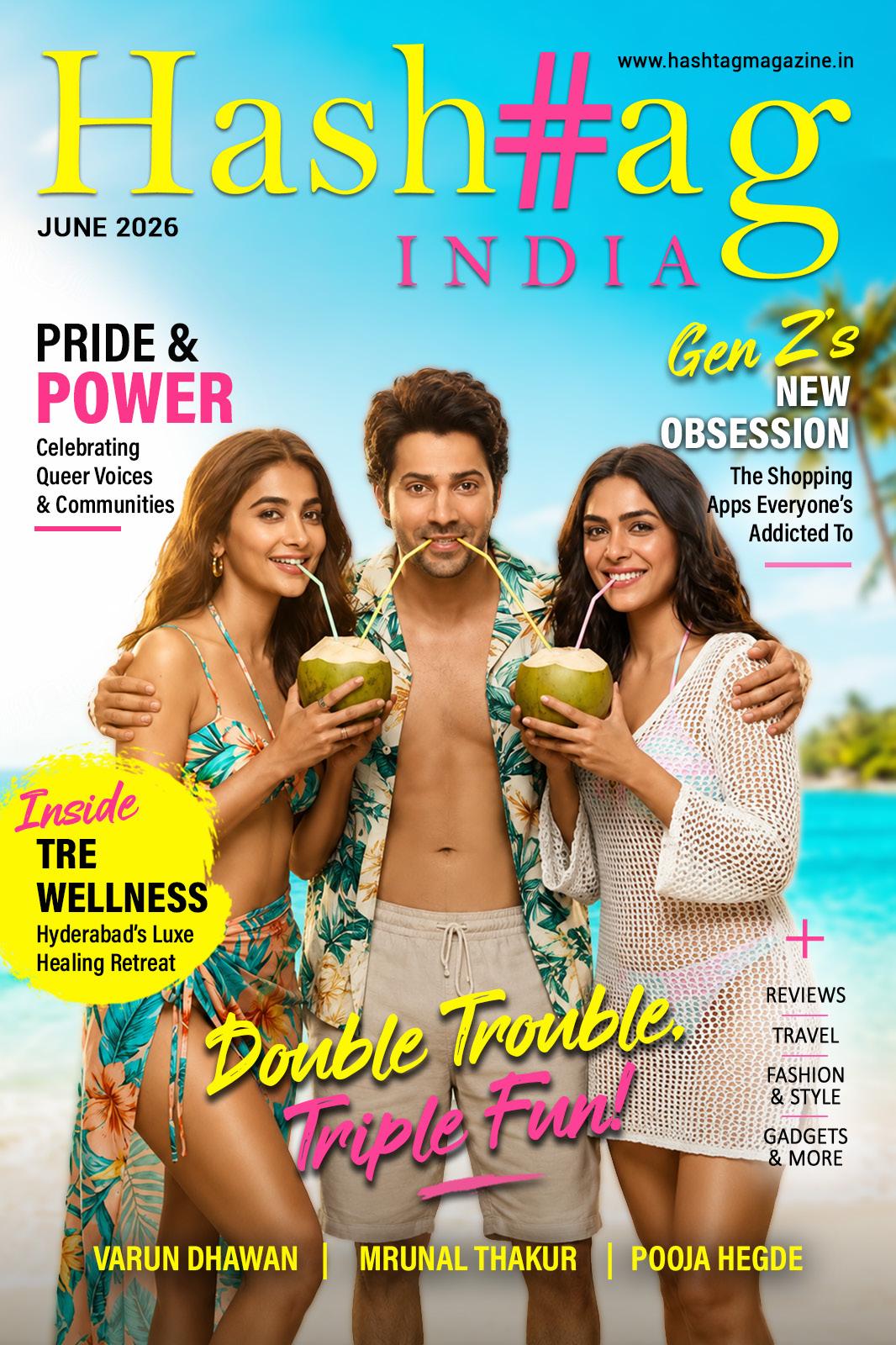
From powerful queer voices and community stories to conversations around fashion, wellness, culture, and identity, this edition is about celebrating people as they are. Inside, we spotlight inspiring queer entrepreneurs, communities, and changemakers, alongside features on Bollywood’s hottest trio– Varun Dhawan, Mrunal Thakur & Pooja Hegde, wellness escapes, Gen Z trends, tattoo culture, travel, and much more.
Here’s to living louder, loving kinder, and letting people simply be. Happy Pride, and happy reading.


Editor
Sinduri Vuppala
Copy Editor
Sheba Joseph
Contributors
Lipika Varma
Ratna Bhupal
Rashmi Gopal Rao
Priyanka Goud
Aniket Pandey
A Pragnya Reddy
Bindu Gopal Rao
Mehak Walia
Dhanush Kumar
Manisha Pyaraka
Surabhi Goel
Designer K Abhinay Raj Raju
Website and SEO
Anil Mandapati
Social Media
Vishal Goud
Aarthi Reddy
Editorial Office
B 10 Vikrampuri, Karkhana, Secunderabad, 500009. Contact: 6269 000 666
Marketing Office
Atin OOH
B19, Avenue 5, Banjara Hills, Hyderabad Phone: 040 23355485
Cover
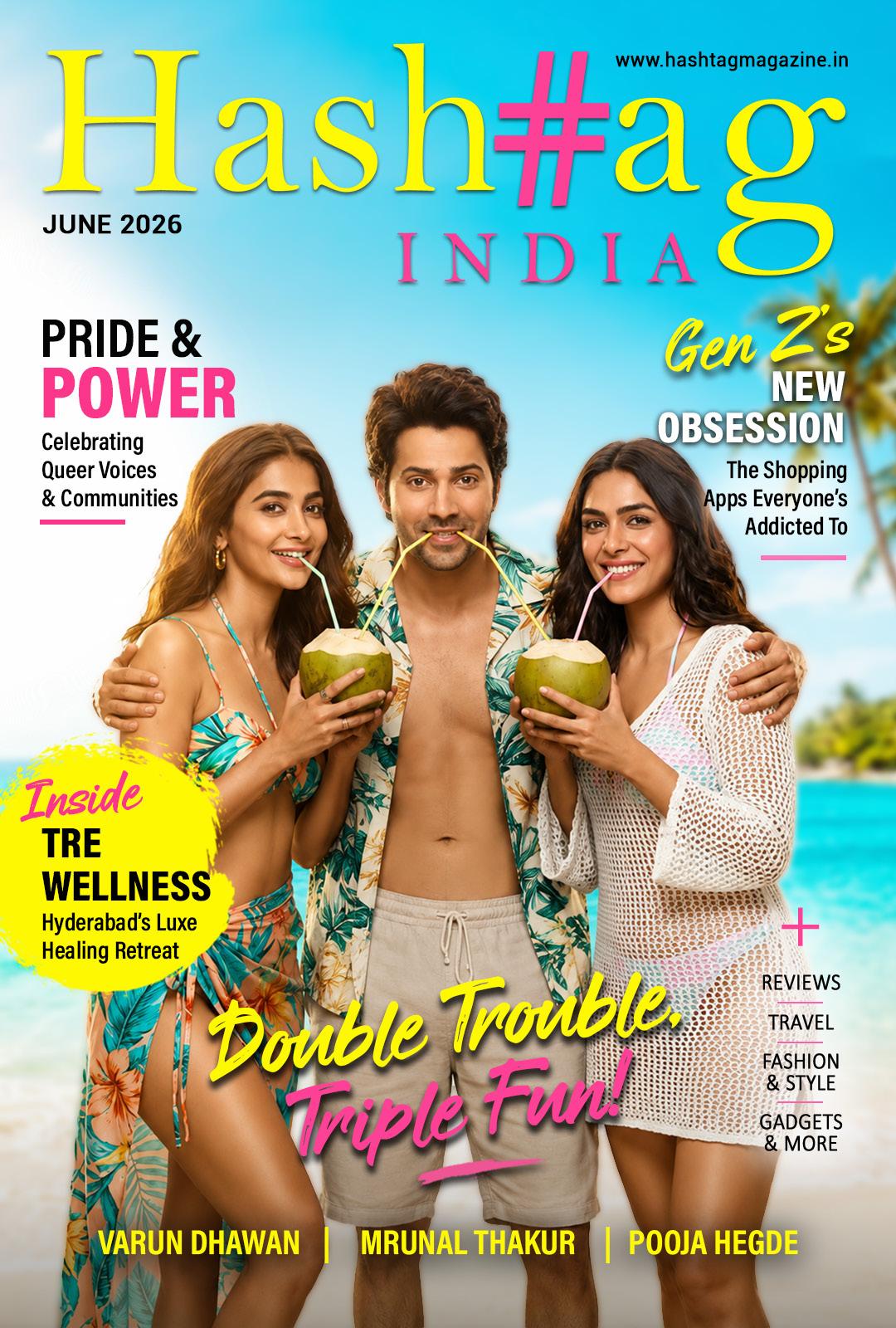
VARUN DHAWAN, MRUNAL THAKUR & POOJA HEGDE


Hashtagmagazine.in
@hashtagmagazine.in
www.hashtagmagazine.in
Website: www.hashtagmagazine.in
Hashtag India Magazine is published and promoted by Nirvana Media House Hyderabad



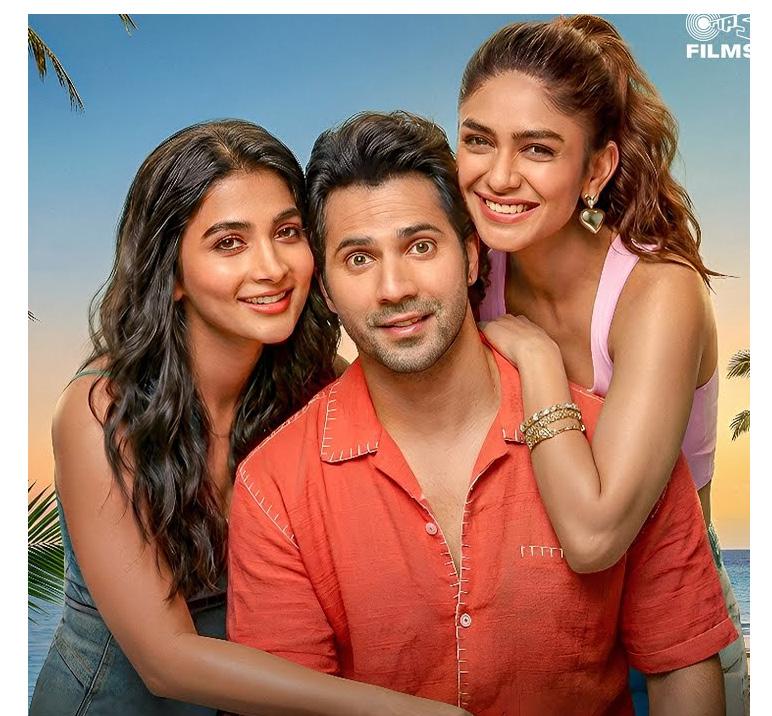
Varun Dhawan, Mrunal Thakur and Pooja Hegde step into a world of love triangles, high-voltage comedy and classic Bollywood chaos, where every scene is designed to make audiences laugh out loud. Behind the madness of Hai Jawani Toh Ishq Hona Hai lies a fast-paced entertainer shaped by humour, music and family drama in true David Dhawan style. Hashtag Magazine brings you a glimpse into the energy, spontaneity and comic rhythm that powers the film.
How is this film different from your earlier David Dhawan comedies?
Every film has its own madness. This one has double the confusion and double the fun. In a David Dhawan film, you have to stay alert all the time because he can suddenly change a scene, a reaction or even the way you say a dialogue. As an actor, you are always on your toes. You have to fully surrender to the comedy and conviction of the character.
Did you feel pressure working with your father again?
Working with him is never easy because he pushes me the most. He won’t go easy on me just because I’m his son. In fact, he becomes stricter. There’s pressure, because I know the audience has expectations from a David Dhawan comedy and from our combination as well. He’s very clear on set. If something is wrong, he says it immediately. There’s no sugarcoating.
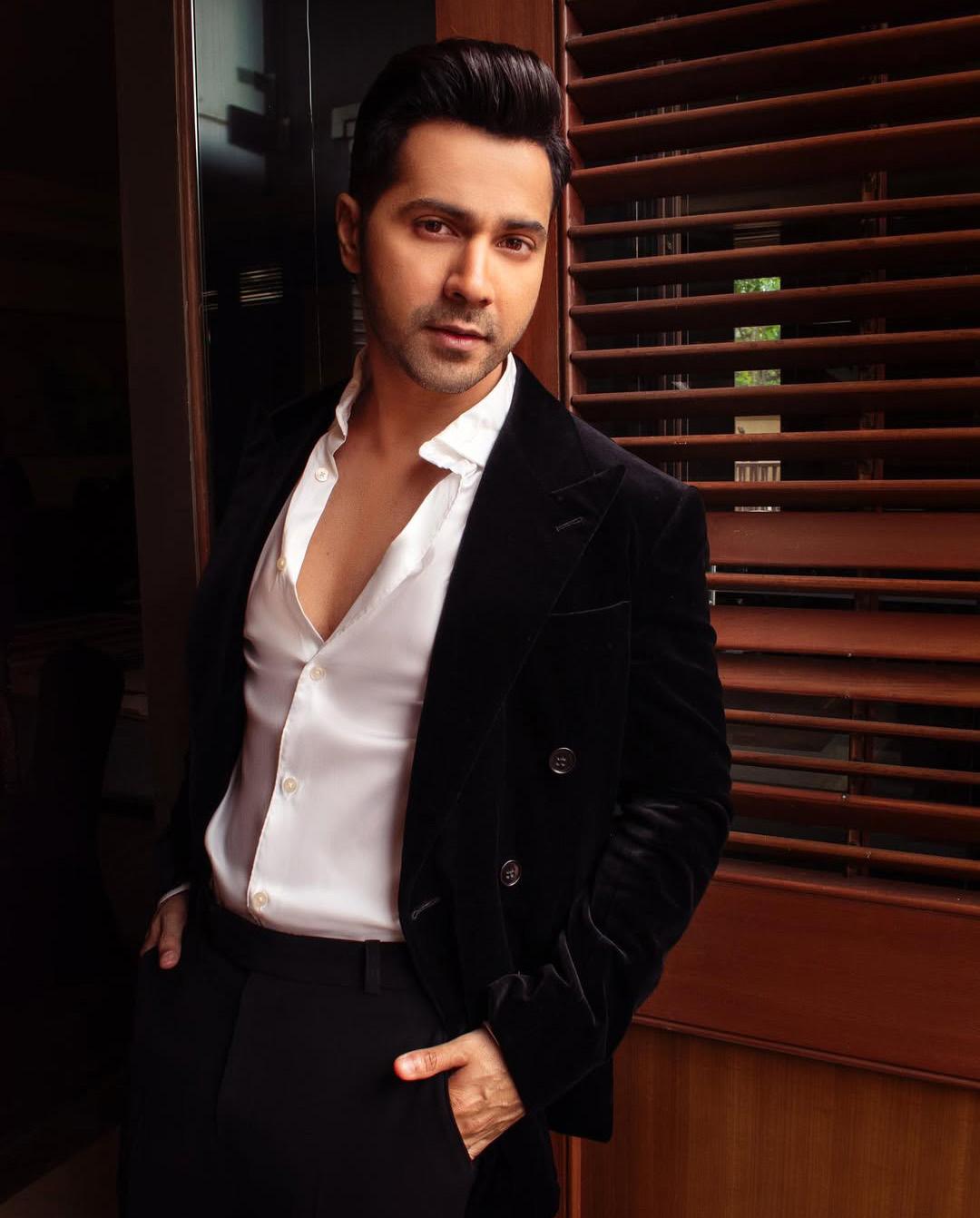
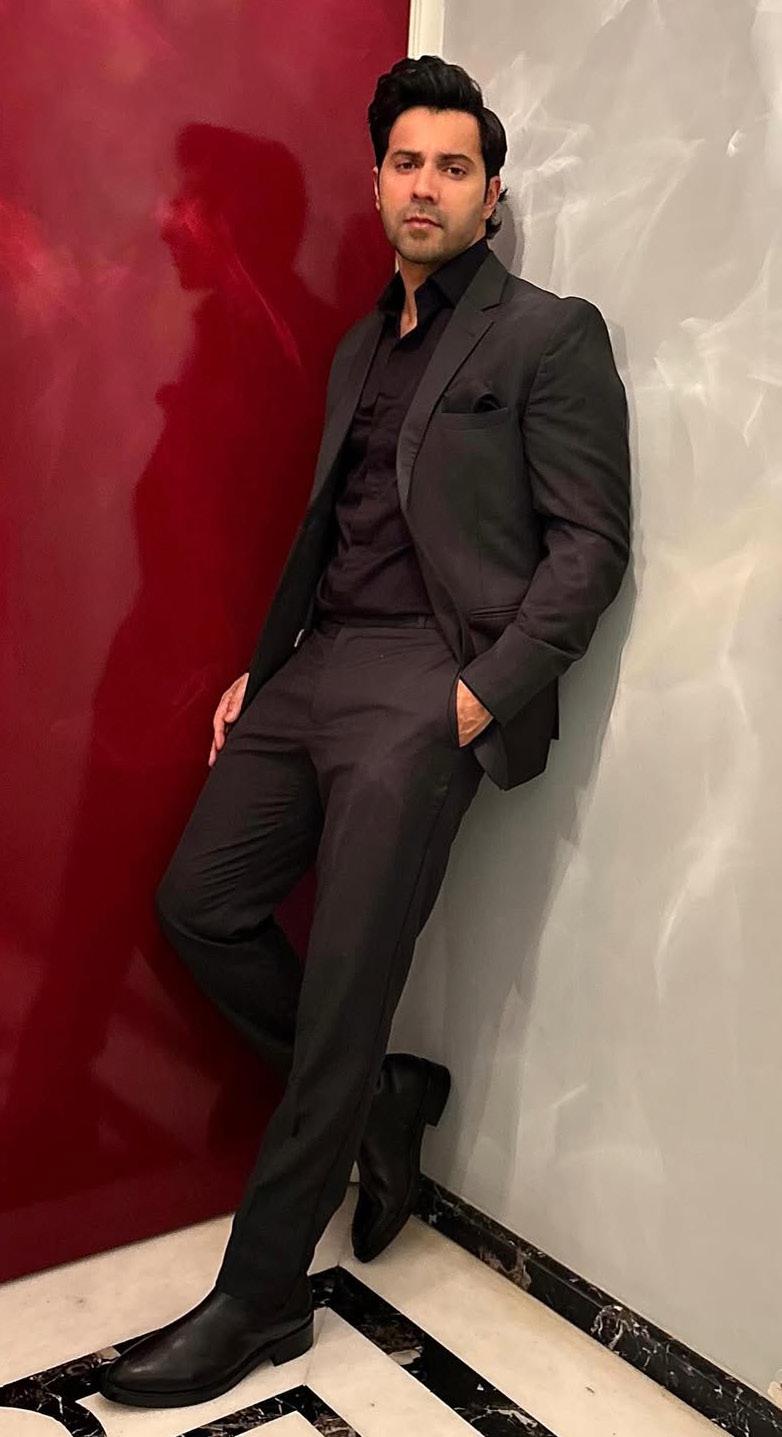
I grew up on Salman Sir’s films and songs, so for me it’s nostalgic and emotional. When he joked, saying, ‘Isne mera ek aur gaana uthaya,’ I just started laughing because somewhere he’s right also.
What was the toughest part of the film? Comedy timing is the toughest thing. People think comedy is easy because everyone is laughing, but it’s actually very technical. One second early or late, and the joke dies. Maintaining energy through chaotic scenes while keeping the rhythm correct was the hardest part. David Sir’s comedy looks effortless on screen, but while shooting, it’s extremely demanding physically and mentally.
Salman Khan joked that you keep recreating his songs. Your reaction?
I grew up on Salman Sir’s films and songs, so for me it’s nostalgic and emotional. When he joked, saying, ‘Isne mera ek aur gaana uthaya,’ I just started laughing because somewhere he’s right also. But those songs are iconic, and recreating them is a tribute from our side. You start feeling like Salman Khan after doing these songs because his swag is unmatched.
You recreated the iconic Chunnari Chunnari for this film, a song with huge nostalgia attached to it. How did you approach it?
Recreating it with Pooja and Mrunal was definitely exciting. We actually first heard the track while we were in Scotland during the shoot. Ramesh created the song beautifully. The challenge was really about committing to the song and the situation in the film. The recreated version has been designed differently to suit the film’s comic tone and storyline. In our movie, the context is completely different: it’s a comedy. There’s a doubletrouble situation happening, and that confusion itself creates the humour.
The film has all the hallmarks of a classic David Dhawan entertainer. What was it like stepping back into that world for the fourth time?
The film has all the ingredients of a classic family entertainer: humour, confusion, music and heart. This is a perfect mix of comedy, love, confusion and family drama. For me personally, every collaboration with dad is special, but this one carries something extra for so many reasons.
Why are you rejecting big film offers lately?
No matter how big the opportunity is, if I don’t connect emotionally with the story, I say no. Earlier, I used to feel scared about missing opportunities, but now I’ve understood that peace of mind and conviction are more important. I want to be proud of the films I choose. I don’t want to do films just because they are big-banner projects. The role should excite me as an actor.
Why did you choose this comedy film?
After doing emotionally heavy films, I genuinely wanted to explore something lighter and more entertaining. Comedy is actually very challenging because timing matters so much, and that excited me. Working with David Dhawan Sir on a commercial entertainer was something I had never experienced before. This film gave me the chance to be more carefree on screen.
What kind of roles do you want now?
I want flawed, unconventional characters. I don’t want women in films to exist only around the hero’s journey. I want stories where women have emotional depth, ambition, vulnerability and individuality. I’m attracted to characters that feel human and imperfect because audiences connect more honestly with them.
How was working with Varun Dhawan? Varun brings a lot of energy to the set. He’s constantly improvising and trying to make scenes more entertaining. That energy becomes infectious and helps everyone loosen up, especially in comedy scenes. His comic timing is excellent, and he makes coactors feel comfortable.
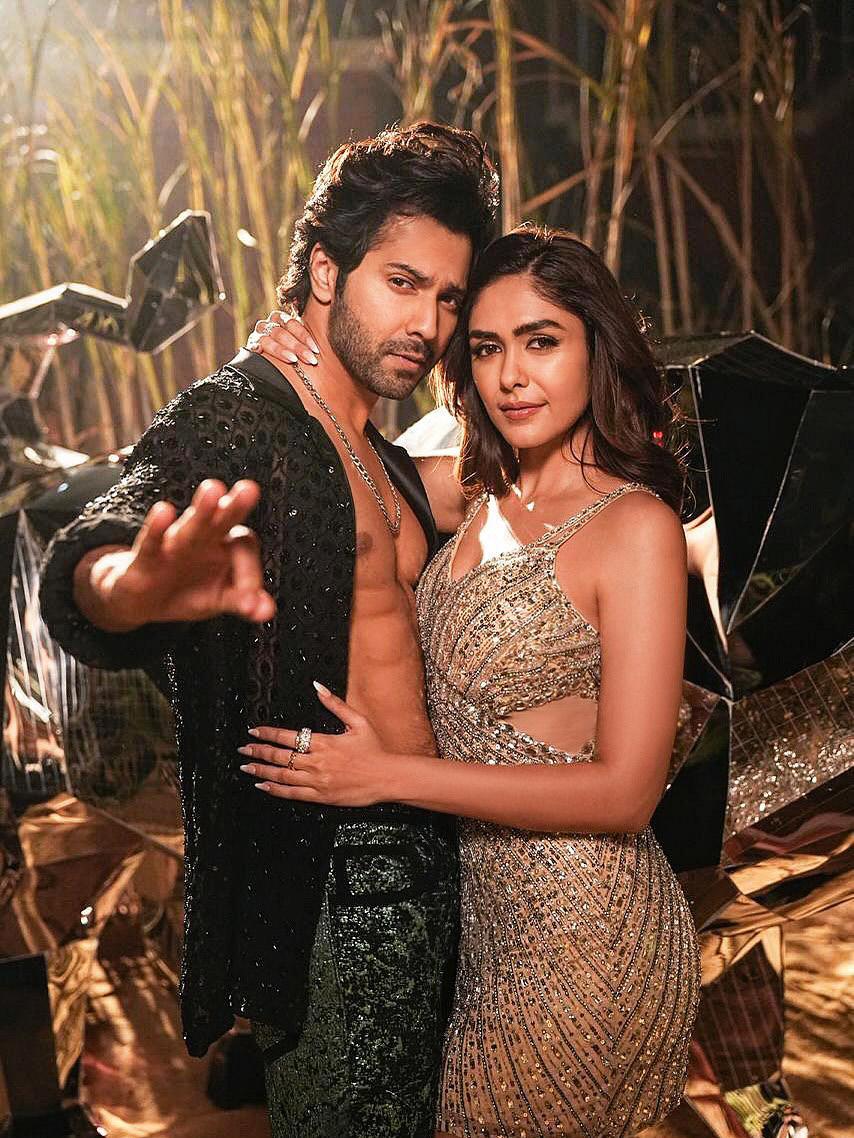
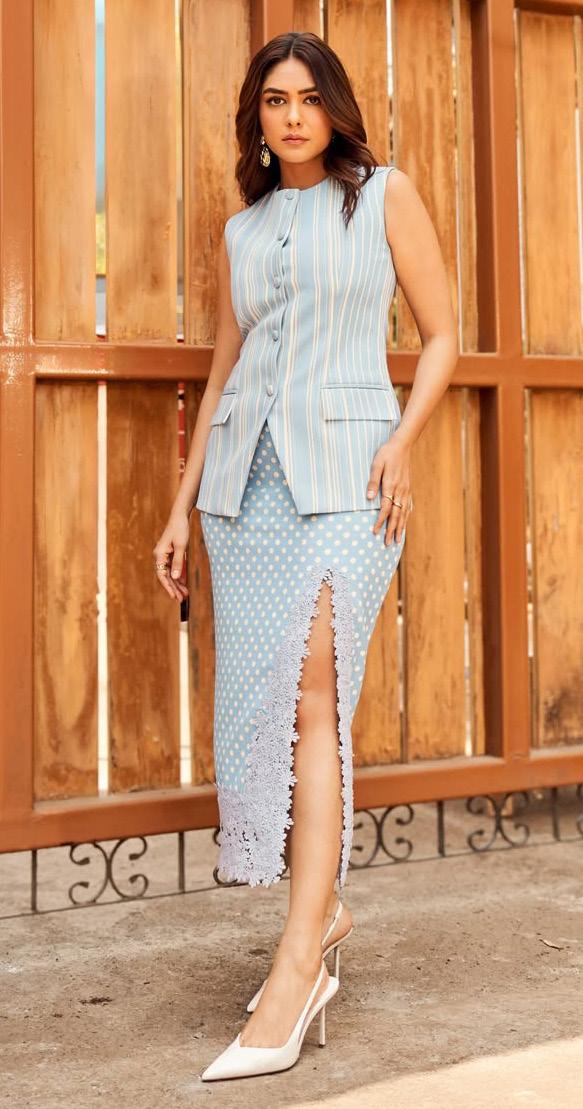
No matter how big the opportunity is, if I don’t connect emotionally with the story, I say no. Earlier, I used to feel scared about missing opportunities, but now I’ve understood that peace of mind and conviction are more important.
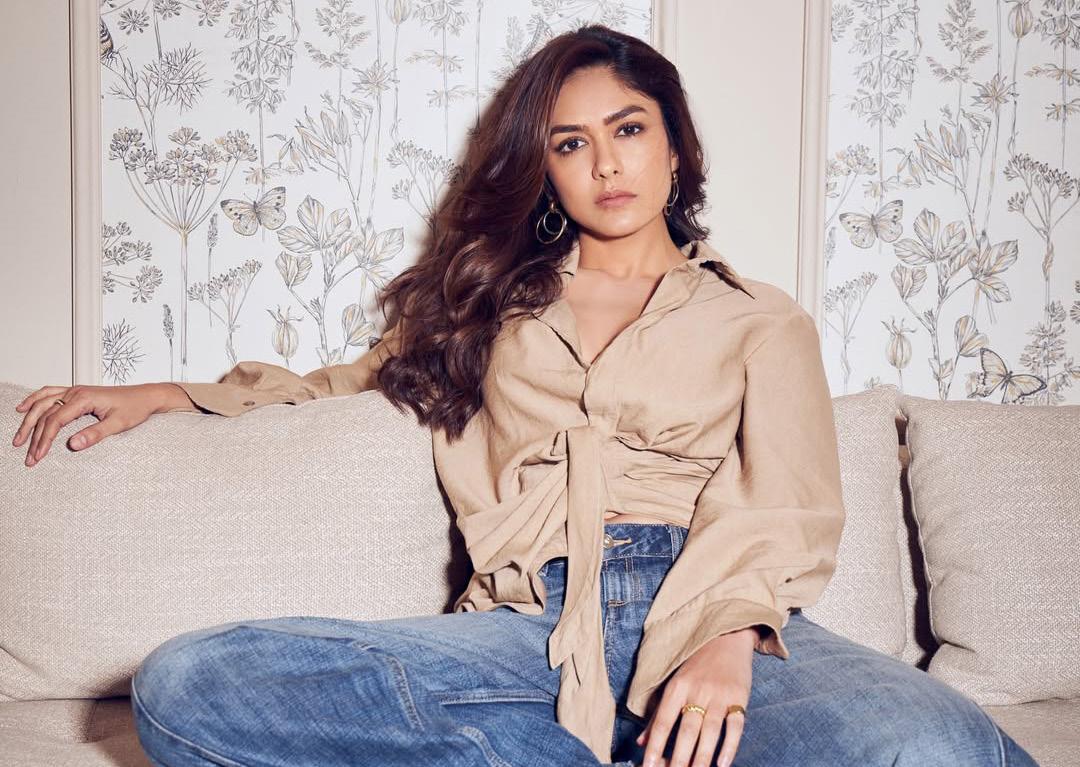
Was comedy difficult for you?
Honestly, not laughing during takes was the hardest thing. There were scenes where all of us would break character because the situations were so absurd and funny. Comedy looks effortless when done well, but while performing it, you realise how disciplined the rhythm and reactions need to be.
You signed on to this film before knowing the script, the story, or even who your co-star would be. Walk us through that first meeting with David Dhawan Sir. When I first met David Dhawan ji over a cup of chai, I had no idea what the film was, who the hero was, or what the story was. During that 45-minute conversation, sir told me just one thing: ‘You’re a good actor, and I want to present you with a role that will bring out the funny side of you as well.’ That was enough for me. I said yes right then.
Comedy is a very different gear from the intense roles you’re known for. Did stepping into this film feel like a risk?
I want flawed, unconventional characters. I don’t want women in films to exist only around the hero’s journey. I want stories where women have emotional depth, ambition, vulnerability and individuality. I’m attracted to characters that feel human and imperfect because audiences connect more honestly with them.
Did this film change you as a performer?
I genuinely feel my comic timing has improved after this movie. I have to credit David, sir, for that. Describing the whole collaboration as a memorable learning experience doesn’t do it justice; it was transformative in ways I didn’t expect going in.
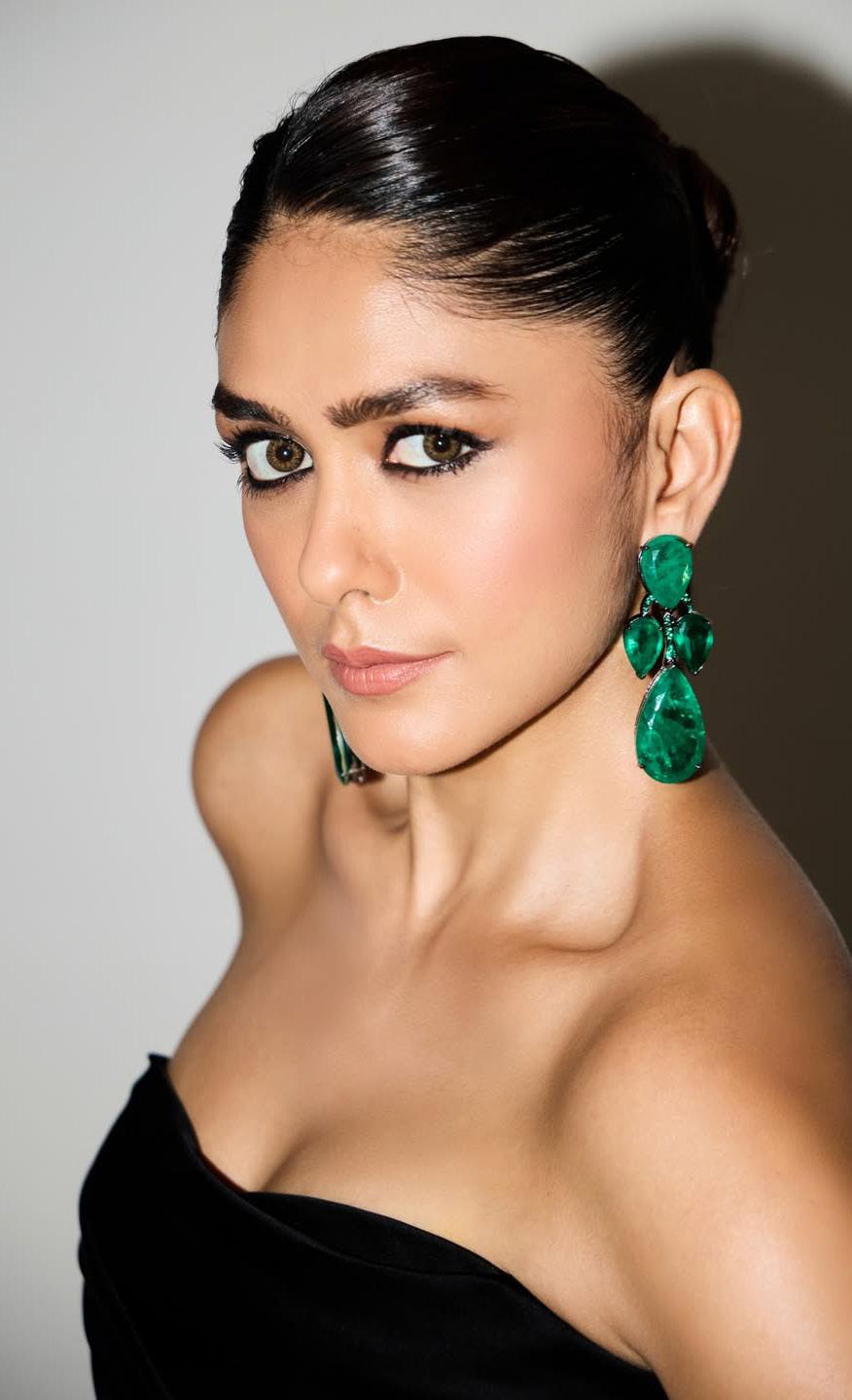
What specifically did David Dhawan Sir teach you about doing comedy on screen?
David sir, has always told us to act with conviction. He believes that we think quite a lot, and he’s advised us not to think much, because the idea is to spread laughter among the audience. That’s something I truly learned from David Sir. It sounds simple, but it’s actually the hardest note to follow because actors are trained to analyse everything.
There’s something to be said about a leading woman holding her own in a fullblown comedy. Do you think Bollywood underestimates women in the comedy space? I always feel that if a girl can do comedy, it’s a game-changer. Personally, I do love serious films, but every time I reach home after a hectic day of work, I always unwind by watching something that has comedy in it. There is a real craft in making people laugh, and I wanted to prove I could do it.
Why did you sign this film?
A David Dhawan comedy has its own charm and energy. I’ve grown up watching these entertainers, so being part of that world was exciting for me. The script had madness, humour, music and family emotions: all the ingredients of a classic commercial entertainer. I wanted to experience this kind of fast-paced comedy space because timing and spontaneity are very important here.
Who laughed the most during shoots?
Usually, Varun starts something, and then everyone breaks character. Once one person laughs, it becomes impossible to continue because the scenes themselves are already so chaotic. Sometimes we wasted more time laughing than actually shooting.
Was the film physically demanding?
The songs and comic sequences required a lot of energy. In comedy, your body language, reactions and expressions are constantly active, so it becomes physically exhausting after a point. The dance numbers especially needed stamina because David Sir likes highenergy songs with full performance.

I always feel that if a girl can do comedy, it’s a game-changer. Personally, I do love serious films, but every time I reach home after a hectic day of work, I always unwind by watching something that has comedy in it.

In a country where conversations about sex are still low-key at dinner tables and turn school classrooms awkwardly silent, brands like Sassiest are changing the script, one meme, conversation, and pleasure-positive post at a time. From cheeky Instagram content and relatable humour to refreshingly honest takes on intimacy, confidence, and selfexploration, the brand is helping young Indians approach sexual wellness with far less awkwardness and a lot more openness. Mehak Walia gets sassy with Aishwarya Dua and Karishma Chavan, the co-founders of Sassiest.

And honestly, that shift feels long overdue.
For years, discussions around pleasure and desire in India have either been buried under shame or treated like something too scandalous to say out loud, especially when women are leading the conversation. Founded by Aishwarya Dua and Karishma Chavan, Sassiest is pushing back against that discomfort with a voice that feels warm, inclusive, funny, and unapologetically real. Instead of sounding clinical or preachy, the brand creates space for conversations around boundaries, body confidence, emotional well-being, and

modern relationships in a way that actually feels relatable to today’s generation.
For years, discussions around pleasure and desire in India have either been buried under shame or treated like something too scandalous to say out loud, especially when women are leading the conversation.
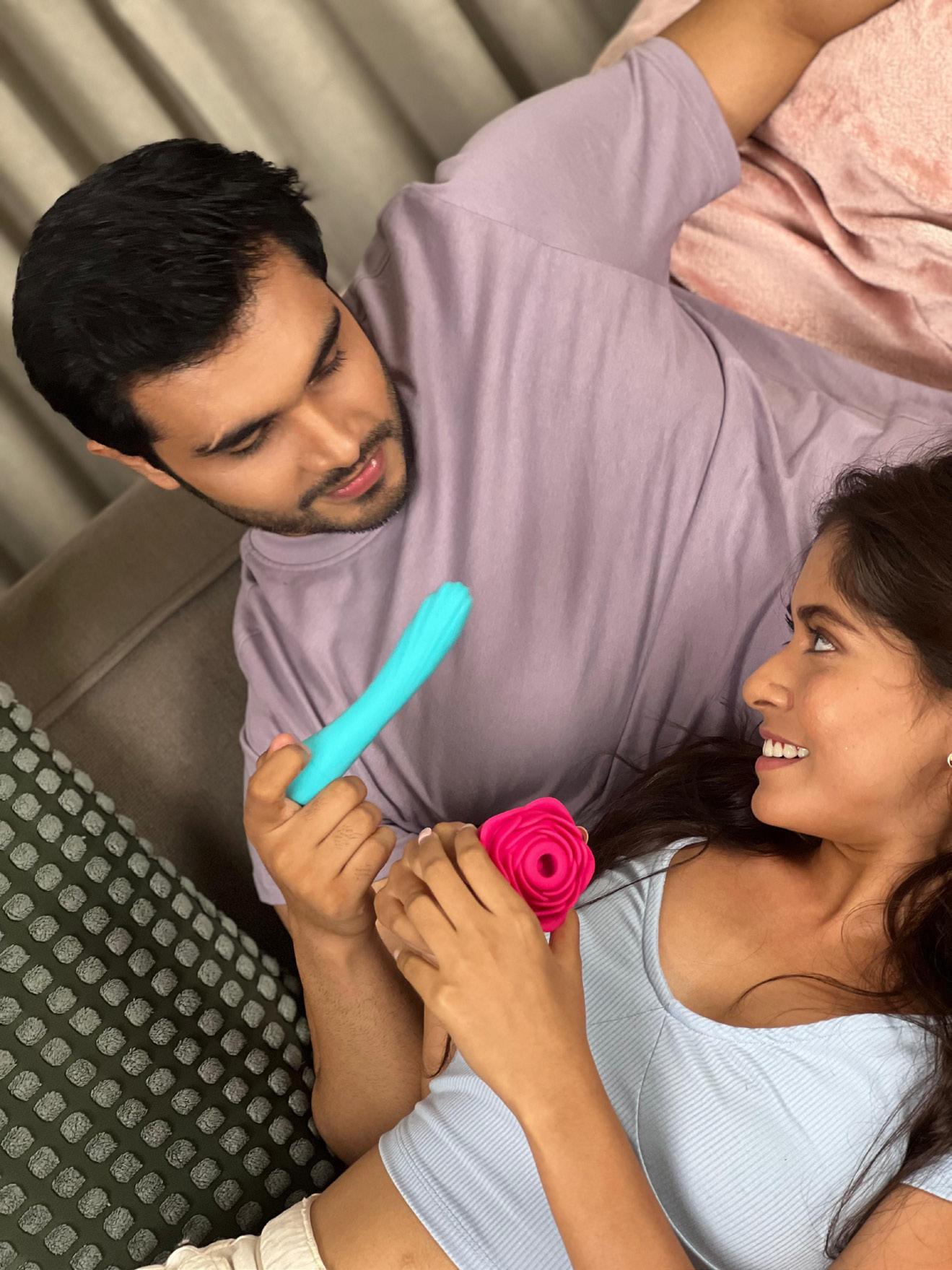
For Karishma, the inspiration behind the brand came from noticing just how disconnected many women grow up feeling from their own bodies. “Most conversations around intimacy here are either hidden, judged, or purely medical,” she says. “Nobody was really talking about pleasure, confidence, self-exploration, or emotional wellness in a way that felt normal, safe, and relatable.” That silence, she explains, extends far beyond intimacy itself. Shame and conditioning often shape confidence, relationships, and even the way women exist in the world. “I wanted Sassiest to feel less clinical and more like a movement,” Chavan shares. “A space where women and queer people could feel seen without embarrassment.”
Of course, building a sexual wellness brand in India came with its fair share of resistance. Aishwarya and Karishma admit that when Sassiest first launched, they faced hesitation from platforms, vendors, and audiences uncomfortable with open conversations around pleasure, especially when led by women. “We still live in a society where people consume sexual content privately but get uncomfortable when conversations become open, educational, or women-led,” they say. Yet despite the backlash, the response from audiences proved there was a genuine need for these discussions. Women began reaching out to the brand with messages thanking them for making topics around intimacy feel safe and normal for the first time.
“I think the backlash only reinforced why brands like Sassiest need to exist,” Chavan adds. One of the biggest reasons Sassiest has resonated so strongly online is its inclusive and pleasure-positive approach. Rather than limiting conversations to heteronormative ideas of intimacy, the brand actively creates space for people across genders, sexualities, and relationship dynamics. “Pleasure, intimacy, and emotional connection are human experiences; they’re not limited to one gender, sexuality, or type of relationship,” Aishwarya explains. “With Sassiest, inclusivity was never a marketing angle. It was a conscious decision to make people
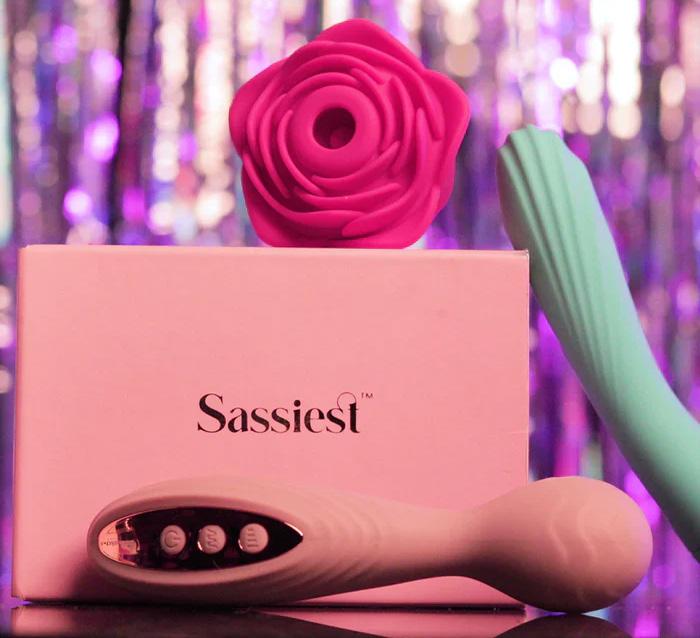
Most conversations around intimacy here are either hidden, judged, or purely medical, Nobody was really talking about pleasure, confidence, self-exploration, or emotional wellness in a way that felt normal, safe, and relatable.
feel like they belong here without having to explain themselves.”
In a country where many people still cannot openly discuss intimacy within their homes or social circles, digital spaces often become an important source of validation and education. Whether someone is “queer, single, married, exploring, healing, confident, awkward, or curious,” the co-founders believe everyone deserves access to wellness without shame. Another thing setting Sassiest apart is the way it blends education with humour. Scroll through the brand’s content, and you’ll find cheeky memes, relatable conversations, and playful storytelling sitting alongside discussions about consent, emotional well-being, confidence, and boundaries. For the founders, that balance is intentional. “Humour breaks fear,” they say. “The minute people laugh, they relax. And when they relax, they’re more open to learning.”

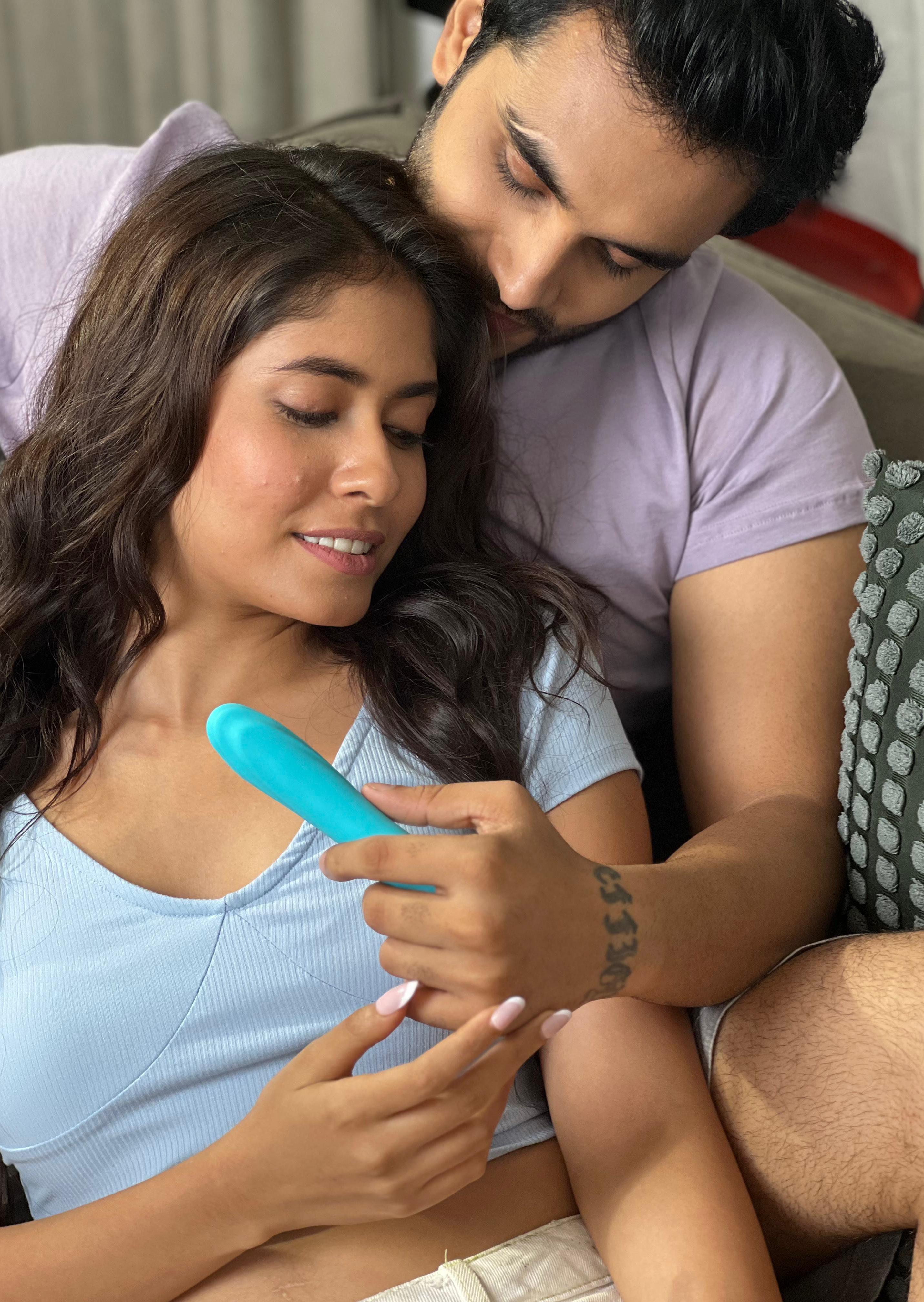
Furthermore, instead of speaking down to younger audiences, Dua and Chavan focus on making conversations feel approachable and culturally relevant. “Younger audiences today don’t want to feel like they’re being lectured,” the co-founders explain. “They want honesty. They want content that feels emotionally real.” At the same time, the brand remains mindful of responsibility. Behind every joke or viral post is an effort to make conversations around sexual wellness less intimidating without taking away from their importance.
The co-founders have also witnessed a major cultural shift in recent years, especially among Gen Z and millennials. Younger Indians are beginning to approach sexual wellness more holistically, linking intimacy with mental health, body confidence, emotional well-being, and identity rather than viewing it through the lens of shame. “The biggest shift is that people are finally starting to separate sexual wellness from shame,” the co-founders say. “Compared to even five years ago, the conversation today is louder, smarter, more inclusive, and far less apologetic.”
The biggest shift is that people are finally starting to separate sexual wellness from shame, Compared to even five years ago, the conversation today is louder, smarter, more inclusive, and far less apologetic.
Even so, they acknowledge that India remains deeply layered. While social media may appear progressive, misinformation and judgment still exist offline, especially in more conservative spaces and communities where conversations around intimacy are still treated as taboo or inappropriate. Yet the growing openness around therapy, boundaries, self-care, and selfexploration signals an undeniable cultural shift.
But Sassiest isn’t just resonating because of its online conversations. The brand’s growing range of pleasure and wellness products also reflects the same approachable, noshame energy that defines its digital presence. Instead of making intimacy feel awkward or overly clinical, Sassiest leans into playful branding, accessibility, and honest conversations, making intimacy and self-care feel less like forbidden topics and more like a normal part of everyday wellness. At its core, Sassiest represents something much bigger than a sexual wellness brand. In many ways, it’s doing more than selling wellness products. It’s helping create a generation
that feels less embarrassed about asking questions, setting boundaries, prioritising pleasure, and talking openly about intimacy. And in India, that shift might just be one of the most important conversations happening right now.

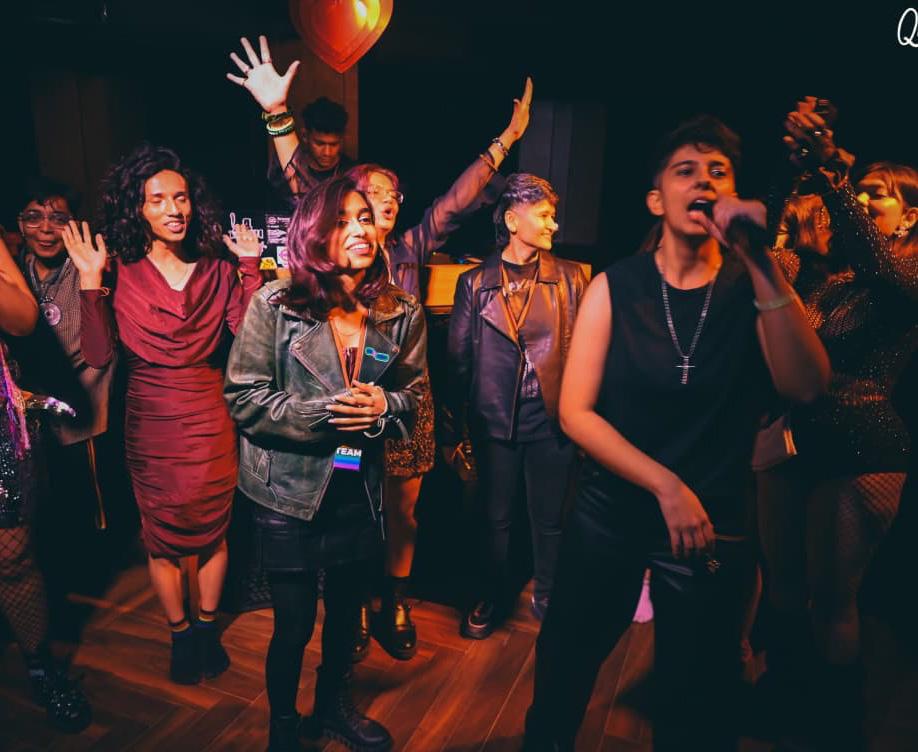
Every June, rainbow flags flood social media feeds, brands launch Pride-themed campaigns, and conversations around LGBTQIA+ visibility briefly take centre stage. But beyond the seasonal celebrations, India’s queer communities have been building something far more lasting. In 2026, Pride is no longer confined to marches or a single month of visibility. It has grown into a year-round network of support, creativity, friendship, and shared identity. Mehak Walia in conversation with the founders behind some of India’s most celebrated queer communities.
Across the country, various communities are creating spaces where queer individuals can connect beyond hashtags and headlines. From support groups and storytelling platforms to curated events, workshops, safe spaces, and online communities, these platforms are helping people find belonging in ways that feel
personal and continuous. What once centred largely around visibility and resistance is now evolving into everyday community-building, where queer Indians are not just showing up for Pride once a year, but for each other all year long.
Founded by Gurnoor Kaur Behl, (Delhi) Queer Spaces was born out of a feeling many queer people experience once Pride Month comes to an end. “At the end of Pride Month in 2022, I felt sadness at the season ending. A simple question, ‘Now what?’” Gurnoor says. What started as a WhatsApp community has now evolved into one of Delhi NCR’s most active queer collectives, built around the belief that “we are Queer 365 days, after all.” The community was created to address the lack of truly inclusive and safe queer spaces in the city. “There were LBT-focused or Gay-focused events, but nothing that was truly inclusive,” she explains. “I didn’t feel seen, heard,” Gurnoor adds, while speaking about identities that often remain overlooked even within mainstream LGBTQIA+ conversations. Today, DQS focuses on creating spaces where people can exist authentically, whether through mixers,
workshops, networking events, open mics, or community-led gatherings.
Their approach to queer safety is especially intentional and community-driven. “We want people to feel safe in their authenticity,” Gurnoor shares. “They are free to dress the way they feel like, and express the way they feel like in our space.” From pronoun stickers and “Ready To Mingle” tags to bright yellow “No Means No” stickers designed for closeted attendees who may not want to be photographed, DQS has built a nuanced understanding of what queer safety can look like socially. Over the years, the collective has grown to over 1000 members while building initiatives like Inside Out Mixers, Rainbow Mic & Movie Night, Qonnections, DQS Lit Club, and The DQS Pride Party. “Being in our space, being in our events means freedom and growth,” she says.
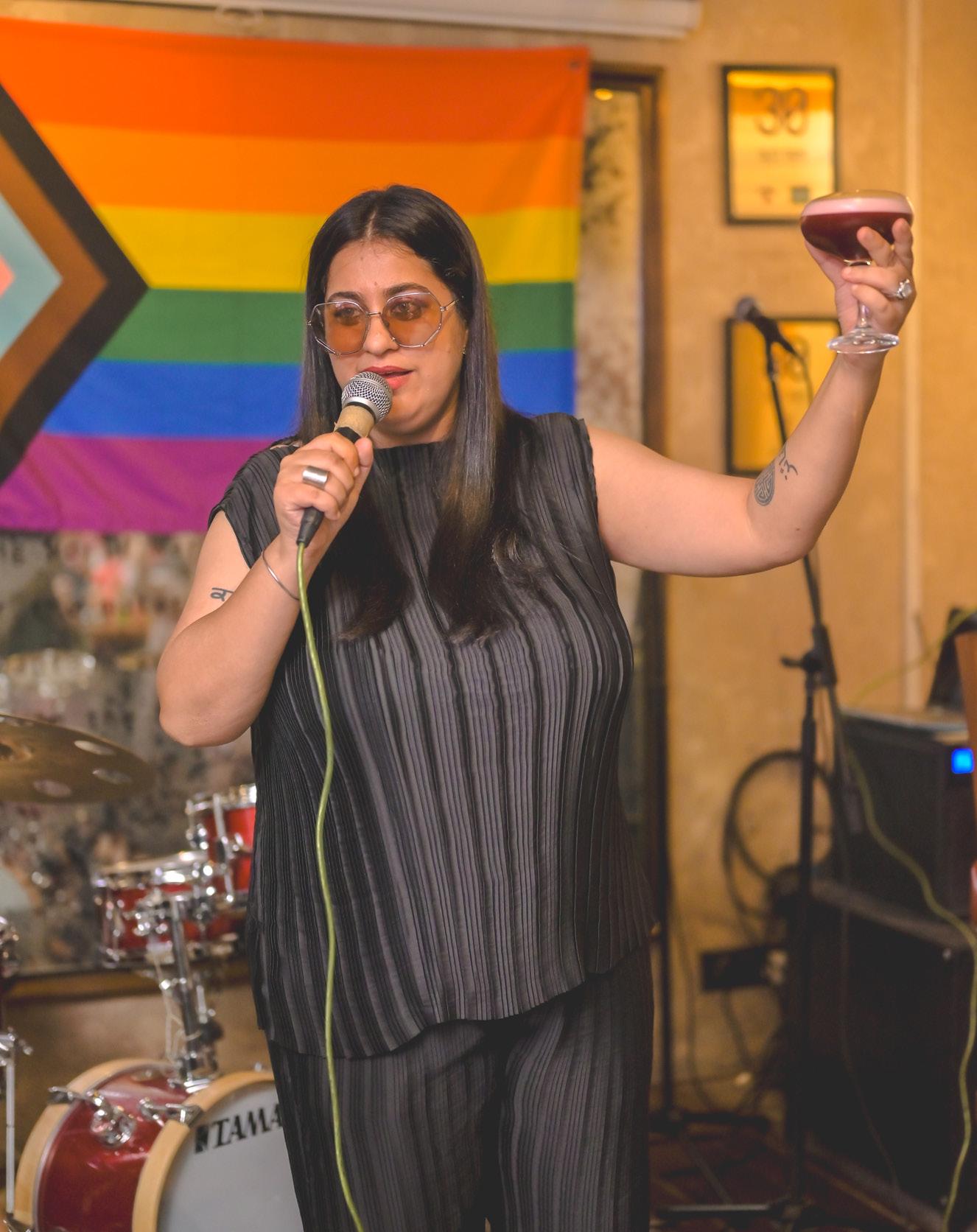
"We do less work, but impactful work, “entire purpose is to promote the ‘Homo Agenda’ of Pride being 365 Days.
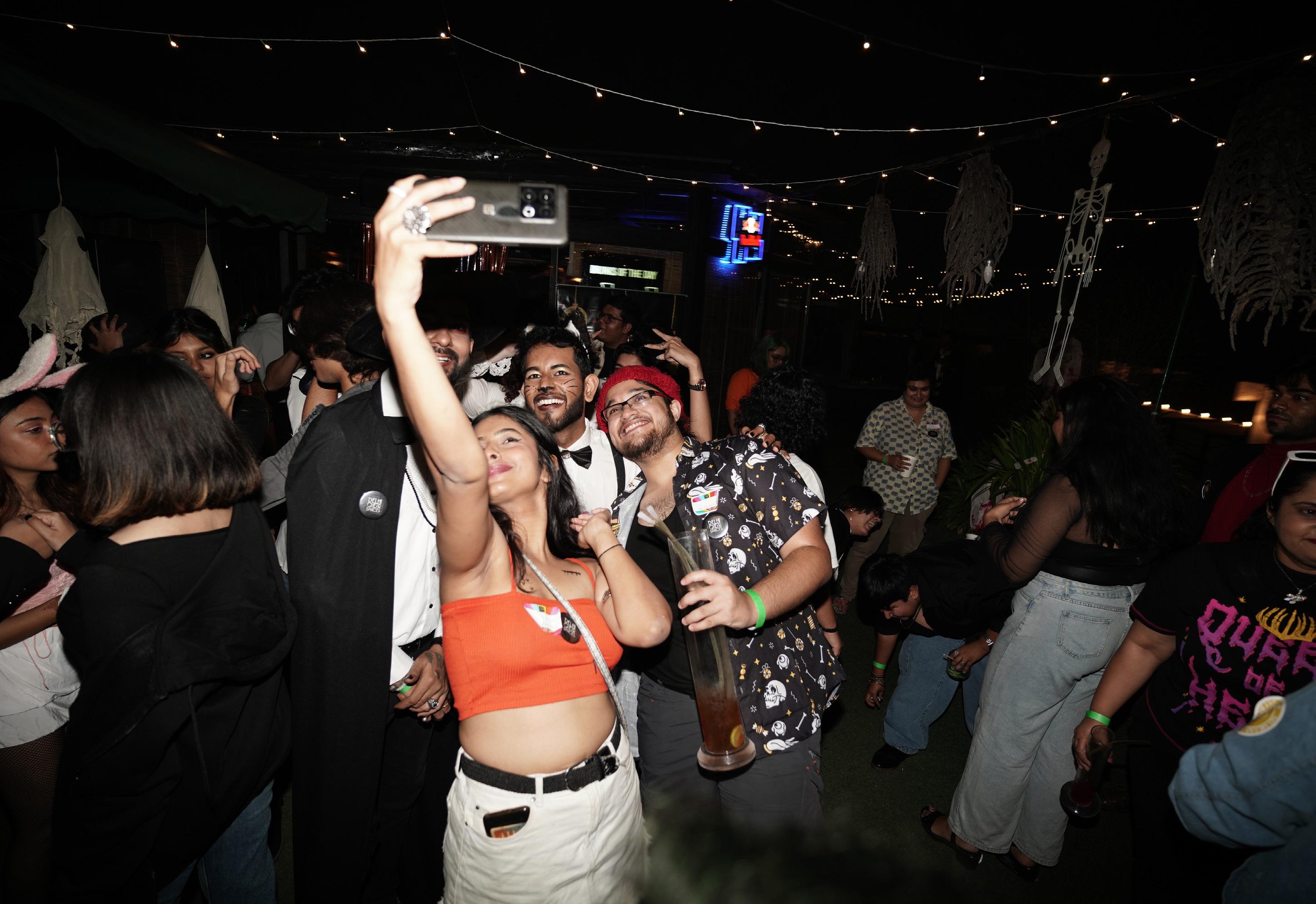
For Pride 2026, (Delhi) Queer Spaces is returning with one of its biggest calendars yet, starting with The DQS Pride Party & PopUp at Monkey Bar, Vasant Kunj on 6th June, alongside its first standalone queer marketplace. The collective will also participate in Depot48’s Pride Fair and collaborate again with Sidecar India’s Annual Pride Event through networking sessions, conversations, performances, and Pride celebrations across the month. Despite its rapid growth, DQS remains completely volunteer-run and communitydriven. “We do less work, but impactful work,” Gurnoor says, adding that their “entire purpose is to promote the ‘Homo Agenda’ of Pride being 365 Days.”
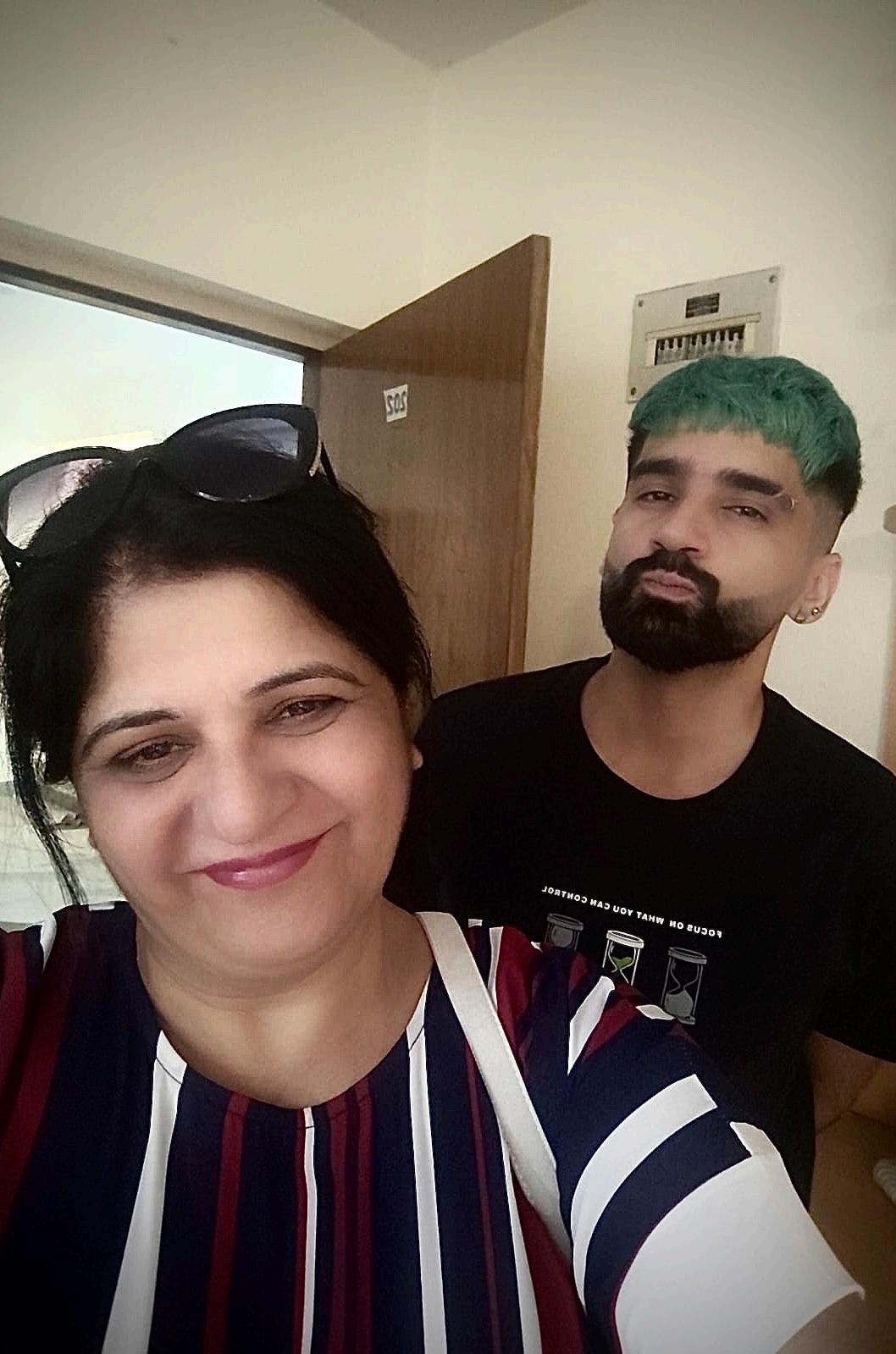
Ashish Chopra
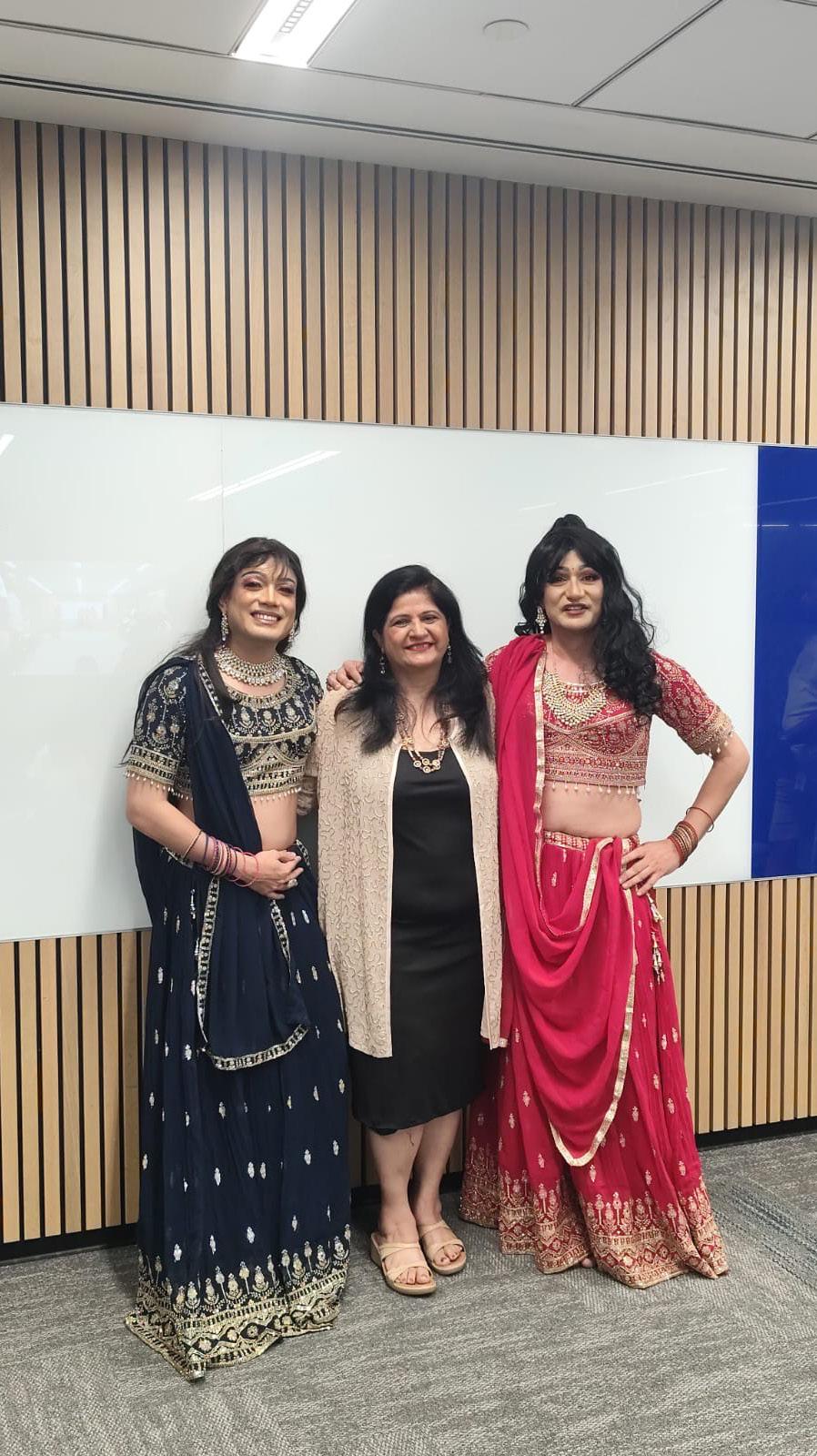
Co-founded by Simmi Nanda and Ashish Chopra, BeUnic began with a deeply personal journey that slowly transformed into a thriving queer safe space in Bengaluru. Recalling Ashish coming out to her, Simmi shares that her reaction “started with total denial,” but over time, she became “a big supporter of the community.” Wanting to support others navigating similar experiences, the duo decided to create a platform for queer individuals and families alike. “Like me, there must be so many parents and queer children struggling with their relationship,” she says. What started as “one WhatsApp group” has now grown into multiple active community circles focused on “hand-holding each other through life.”
Today, BeUnic has evolved into far more than just an online network. From helping members with job hunting and accommodation to creating spaces for friendships, matchmaking, and emotional support, the community functions as a year-round support system for queer individuals across the city. “Honestly, the community shares a lot of things here. They share their stories, feelings, and experiences,” Simmi says. “It’s a beautiful, safe space where no judgments are being passed on.” Over time, many members have also started looking at Simmi “like their own mother,” especially those who continue to struggle with acceptance at home.
For Pride 2026, BeUnic
"Honestly, the community shares a lot of things here. They share their stories, feelings, and experiences, It’s a beautiful, safe space where no judgments are being passed on.
is planning a mix of awareness-driven and celebratory events across Bengaluru, including corporate workshops, drag shows, panel discussions, and social gatherings for the queer community. Simmi and Ashish will also
be conducting sessions at workplaces focused on inclusion and allyship. “We are doing something unique,” Simmi shares. “Bangalore is going to be full of information, fun, and celebration.”
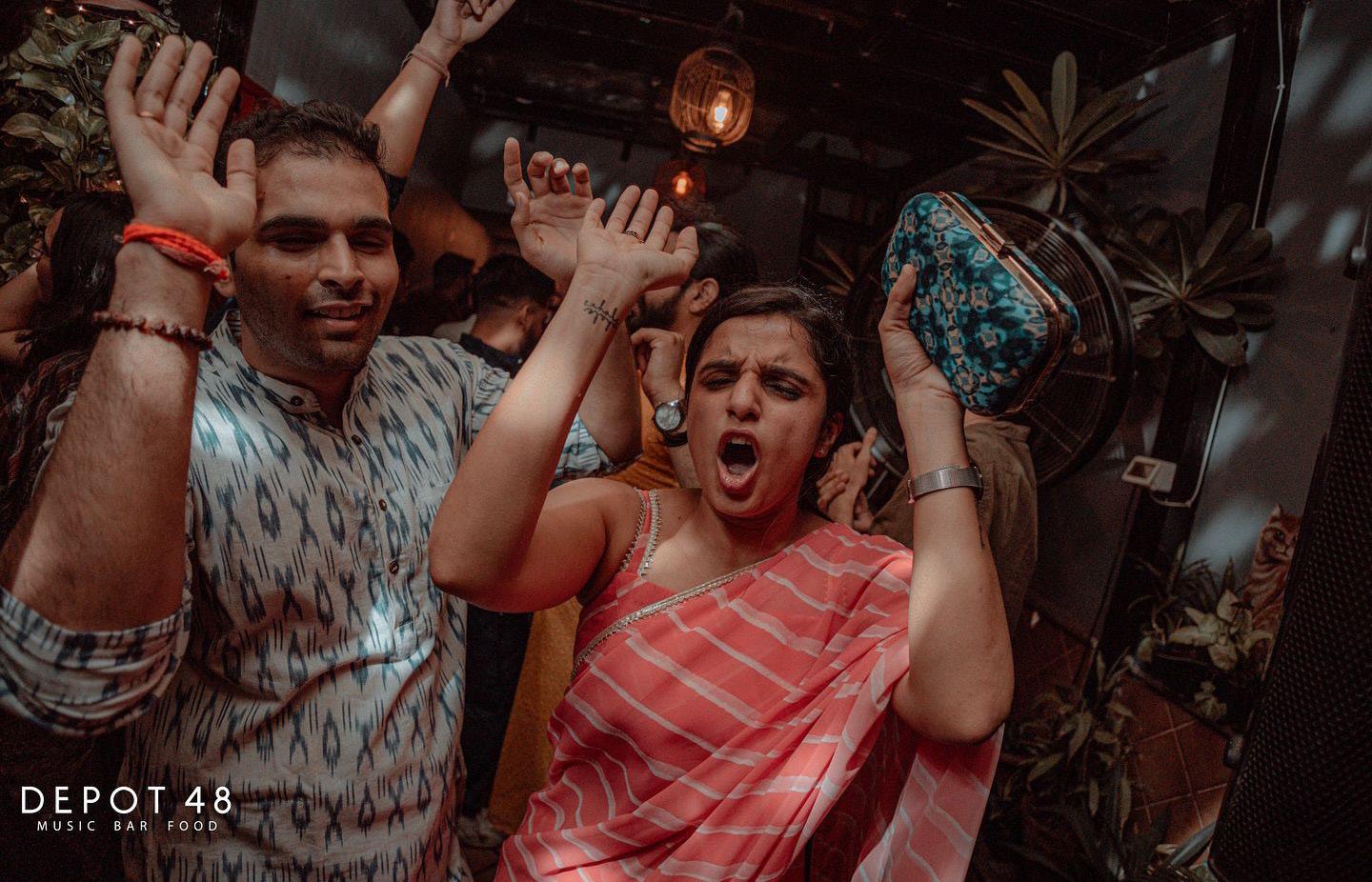
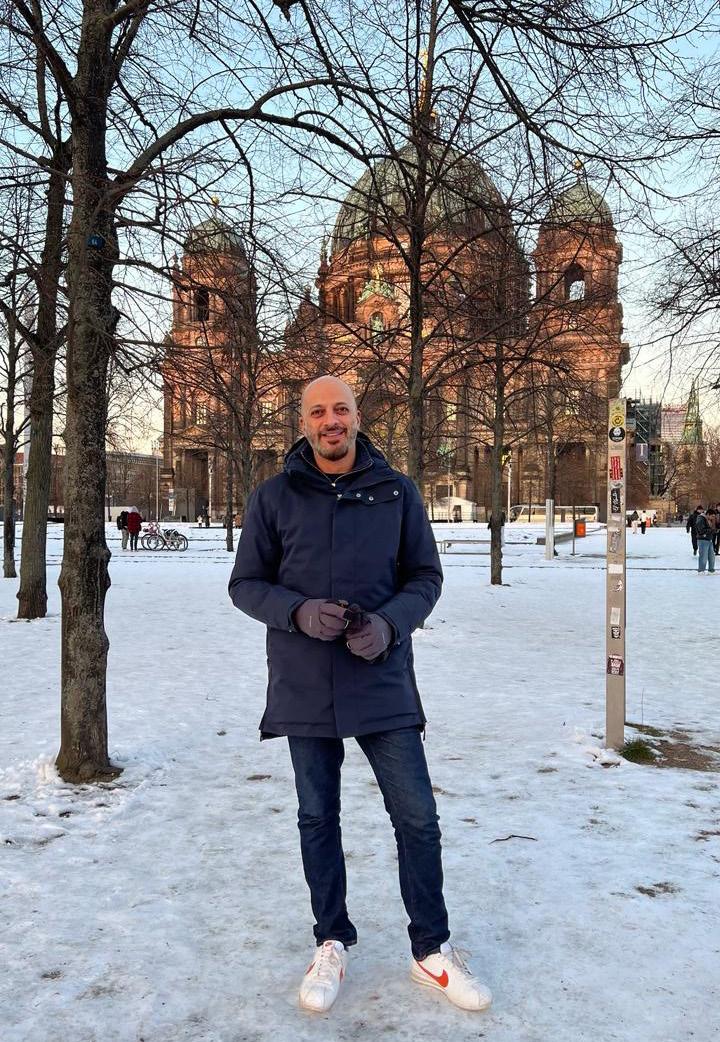
Depot 48, founded by Vikas Narula, has become one of Delhi’s most consistent queerfriendly community spaces, hosting drag nights, live music, queer events, and gatherings throughout the year. For Vikas, the idea came from a deeply personal place after coming out later in life and understanding “what it feels like to edit yourself depending on the room.” While Delhi already had nightlife and progressive spaces, he kept searching for a place “where queerness isn’t a theme night or a token gesture, but just part of how the room feels on any given Tuesday.” That vision eventually shaped Depot 48 into what he describes as “something warm, slightly chaotic, creative,” where queer people are not being accommodated but simply exist comfortably as part of the room.
Over time, the space has evolved into much more than a venue. Vikas believes safety goes beyond performative Pride branding and has to exist in the energy of the space itself. “We’re not interested in rainbow branding that disappears on the 1st of July,” he says, explaining that inclusivity shows up in everything from hiring and programming to how people are treated when they walk through the door. Alongside music and performances, Depot 48 has also become a place where friendships, relationships, and creative communities naturally form. “We’ve had people walk in who were still closeted and just needed to be in a room where they could breathe differently for a few hours,” he shares.

"We’re not interested in rainbow branding that disappears on the 1st of July,” inclusivity shows up in everything from hiring and programming to how people are treated when they walk through the door.
For Pride 2026, Depot 48 is planning drag shows, queer DJ nights, karaoke events, film screenings, queer-led markets, artist showcases, embassy collaborations, and conversations around identity. Many of these events are community-led, something Vikas strongly values because “we’re not programming Pride at people” but instead creating space for the community itself. For him, Pride is not limited to June alone. “A queer couple
coming in on a random October night should feel exactly as welcome as they do during Pride Month,” he says, adding that people ultimately “just need somewhere they can show up consistently and not feel like a guest.”
T and Suhani
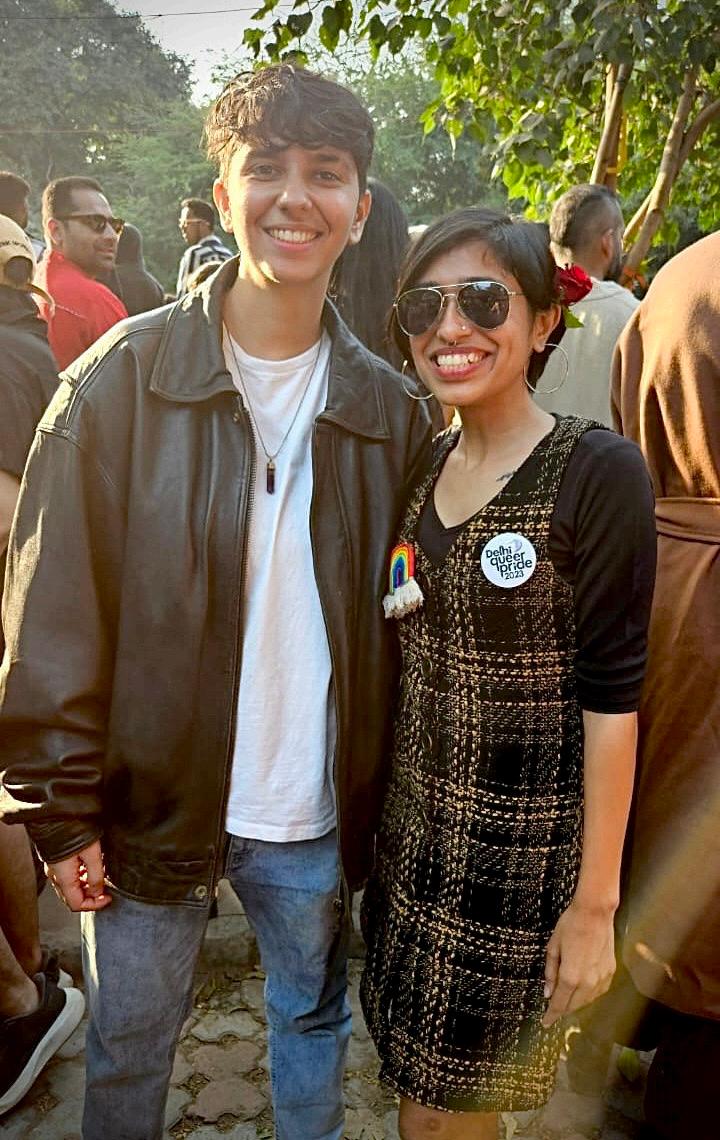
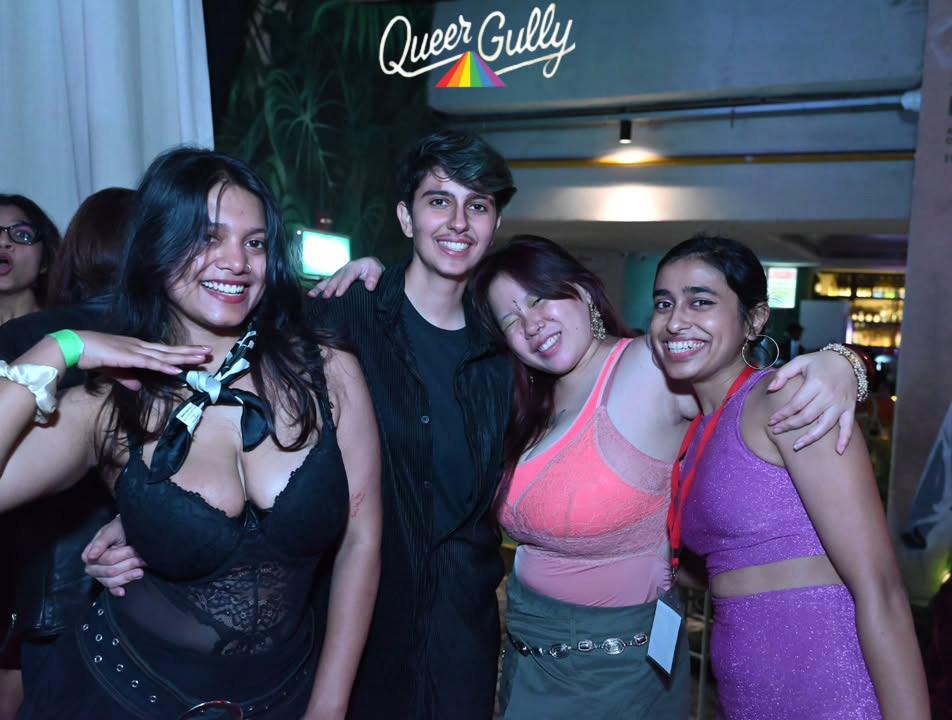
Founded by T and Suhani, Queer Gully was created from the founders’ own experiences navigating queer spaces in Delhi as nonbinary individuals. Despite attending multiple queer events over the years, they often found themselves feeling “left out, unseen, and even unsafe,” which eventually pushed them to create spaces of their own. “We decided to claim spaces that fully accept us,” they share, explaining that Queer Gully was built for people to celebrate their identities “without any fears.” Today, the collective focuses on creating communitydriven spaces where queer individuals, especially those from underrepresented groups, can feel genuinely welcomed and visible.
At its core, Queer Gully stands for inclusivity, accessibility, and representation beyond performative visibility. The founders believe safety is not limited to physical spaces alone but also includes “respect, visibility, and accessibility.”
Through their events and initiatives, they aim to amplify voices that often remain unheard within mainstream queer spaces, especially within the LBT+ community.
“Centring the LBT+ crowd allows us to give more space and voice to people who do not get access to it generally,” they explain, adding that the larger goal is to continue building spaces that feel reachable, welcoming, and community-oriented for more minorities within the queer community.
"By having a wide range of events, we hope to reach a diverse audience all year round, reinforcing their belief that Pride should exist as an ongoing act of community-building rather than a once-a-year celebration.
For Pride 2026, Queer Gully is hosting a wide mix of events focused on celebration, empowerment, and connection throughout the year. Their programming includes movement-based gatherings, art events, sports, nature-focused experiences, mental health spaces, drag events, and queer small-business initiatives designed to reach diverse audiences beyond a single Pride month. The collective
also continues to host free, pay-what-you-can, and zero-profit events in an effort to keep their spaces as accessible as possible. “By having a wide range of events, we hope to reach a diverse audience all year round,” they share, reinforcing their belief that Pride should exist as an ongoing act of community-building rather than a once-a-year celebration.
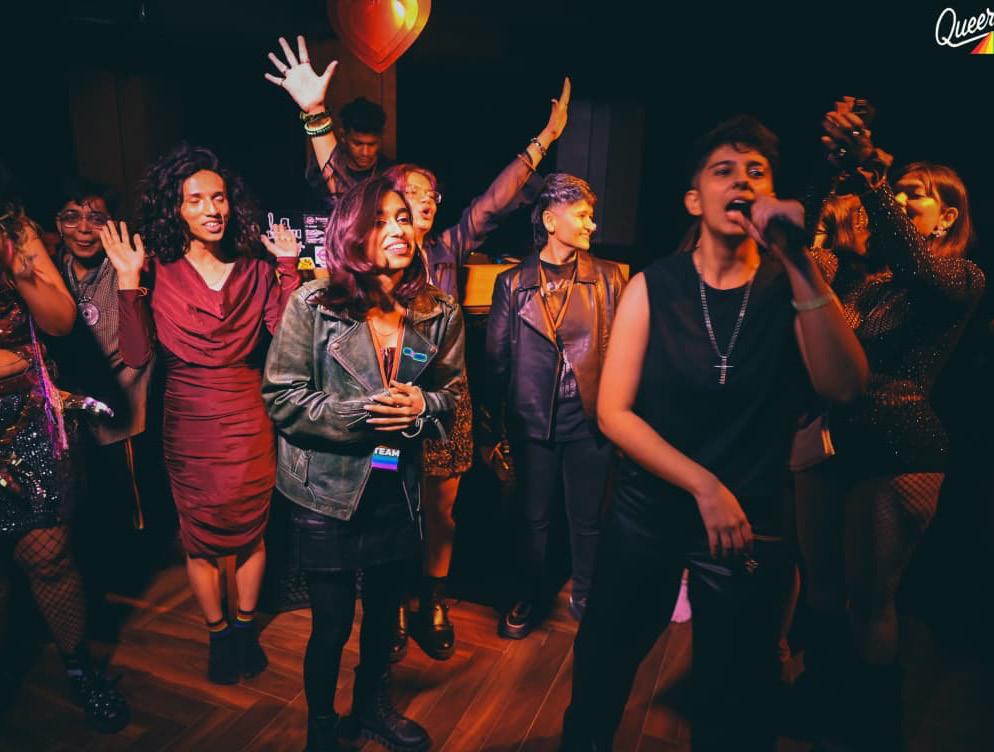
While newer queer collectives continue reshaping nightlife and community spaces across India, Gaysi Family remains one of the country’s most influential queer cultural platforms. Founded by Sakshi Juneja, Gaysi has spent years creating spaces where queer people can feel seen, heard, and represented beyond tokenistic visibility. What began as a digital storytelling platform gradually evolved into a larger community ecosystem spanning conversations around identity, relationships, art, mental health, queer joy, and chosen family. Through workshops, community gatherings, collaborations, and creative initiatives, Gaysi has consistently centred voices that often remain excluded from mainstream narratives while helping younger queer individuals find a sense of belonging within India’s rapidly evolving queer landscape.
For Pride 2026, Gaysi continues to expand that sense of connection through large-scale
cultural experiences and community-led programming across cities. One of the platform’s biggest highlights this year is the return of Tinder Queer Made Weekend, curated by Gaysi in partnership with Tinder India and Nodwin Gaming, bringing together queer-owned brands, performances, music, art, conversations, and community spaces in both Delhi and Mumbai.
Alongside these larger Pride celebrations, Gaysi has also continued organising workshops, conversations, and queer-focused events throughout the month, creating spaces that feel personal, expressive, and community-driven rather than purely performative. In many ways, Gaysi’s presence during Pride 2026 reflects the larger shift happening within India’s queer community, where Pride is no longer limited to marches or rainbow campaigns, but exists through everyday spaces of support, creativity, visibility, and collective care all year round.
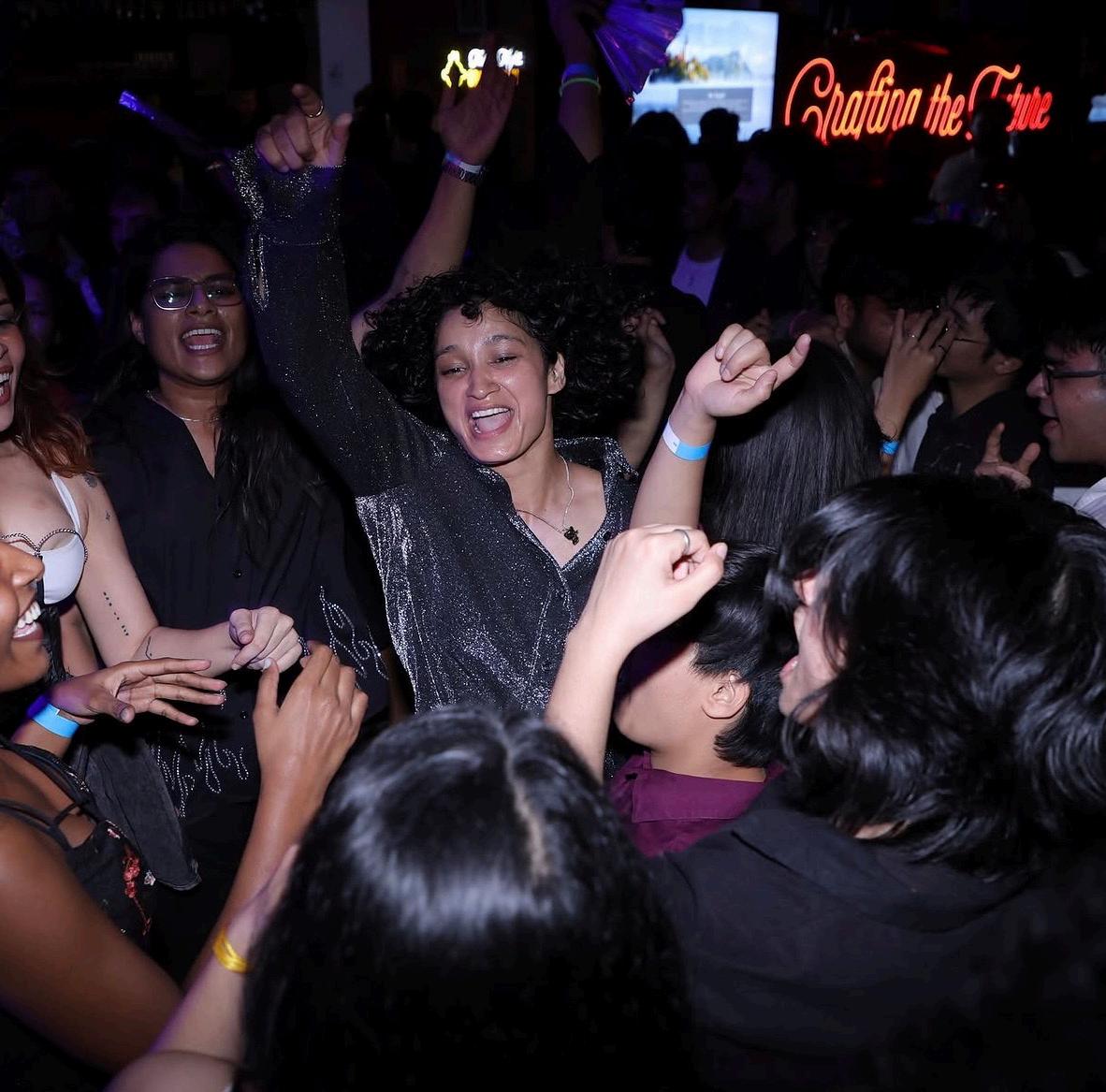
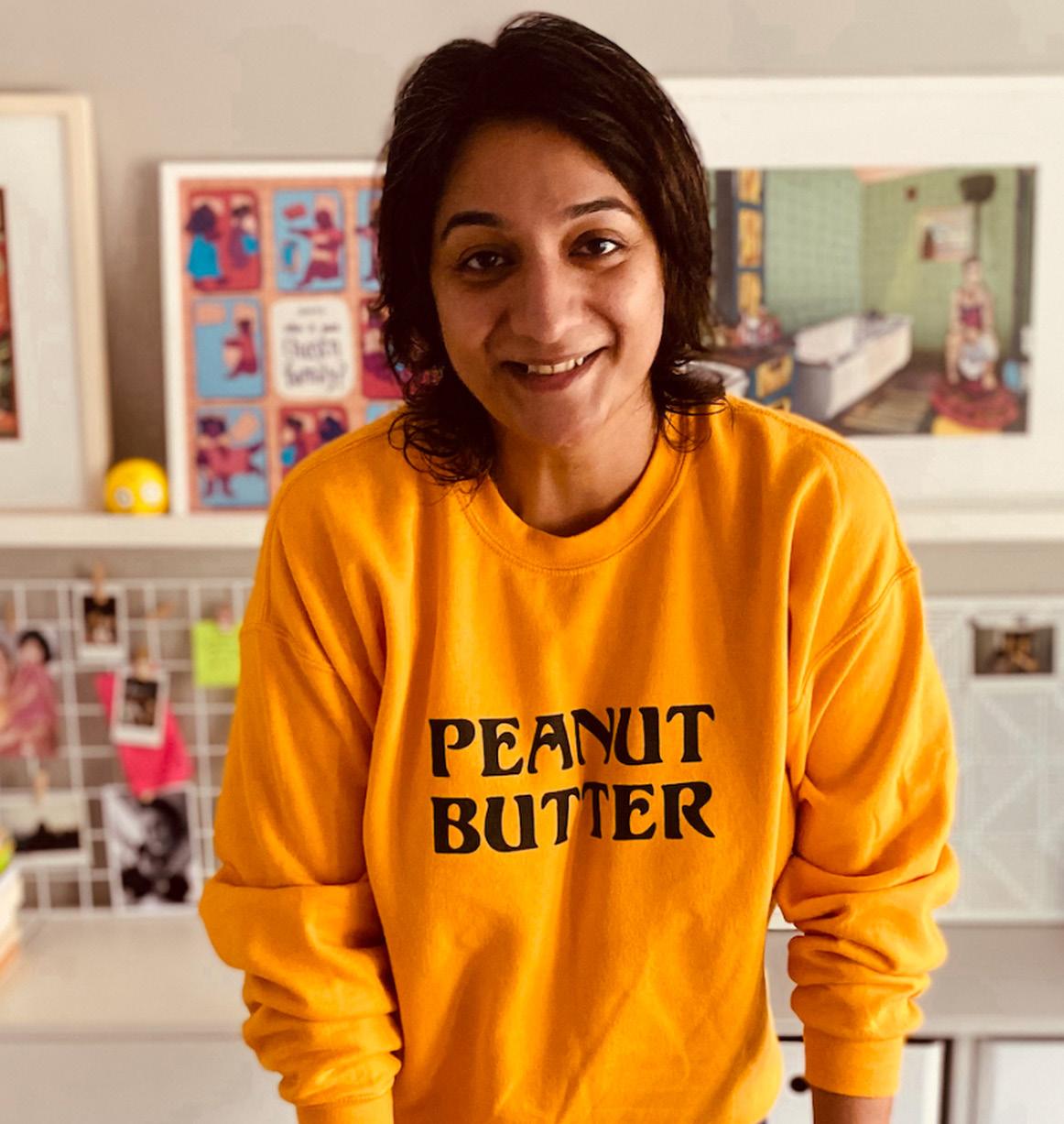
"What began as a digital storytelling platform gradually evolved into a larger community ecosystem spanning conversations around identity, relationships, art, mental health, queer joy, and chosen family.
As Pride continues evolving in India, these communities are proving that queer visibility cannot survive on rainbow logos and once-a-year celebrations alone. What truly sustains people are the spaces built in between, the WhatsApp groups that become chosen families, the open mics where people finally speak freely, the workshops that create connection, and the gatherings where queer individuals no longer feel the need to shrink themselves to fit in. Across cities, collectives are transforming Pride from a seasonal moment into an everyday culture of belonging. What makes these communities especially powerful is that many of them are being built quietly, intentionally, and often without large
funding or institutional backing. Yet they continue creating spaces rooted in safety, care, visibility, creativity, and joy.
Whether through storytelling platforms, nightlife spaces, networking events, support systems, or community-led initiatives, they are helping queer Indians find something far deeper than representation; they are helping people find home within each other. Perhaps that is the real future of Pride in India. Not just marches, campaigns, or visibility during June, but year-round spaces where queer people can exist openly, build meaningful relationships, and move through the world feeling seen, supported, and understood.
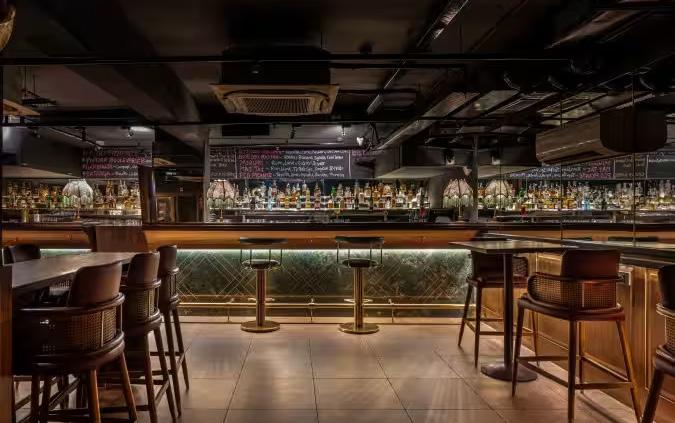
From skyline rooftops and cocktail-forward bars to immersive music-led lounges, the country's nightlife scene is entering a bold new era. Hashtag Magazine rounds up the hottest new spaces redefining how the city eats, drinks and unwinds after dark.
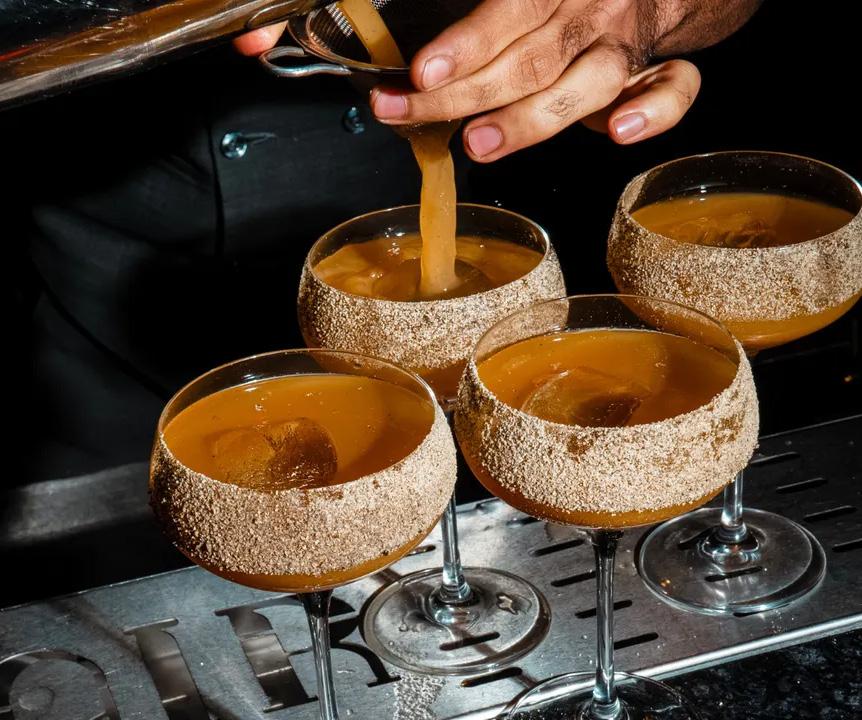
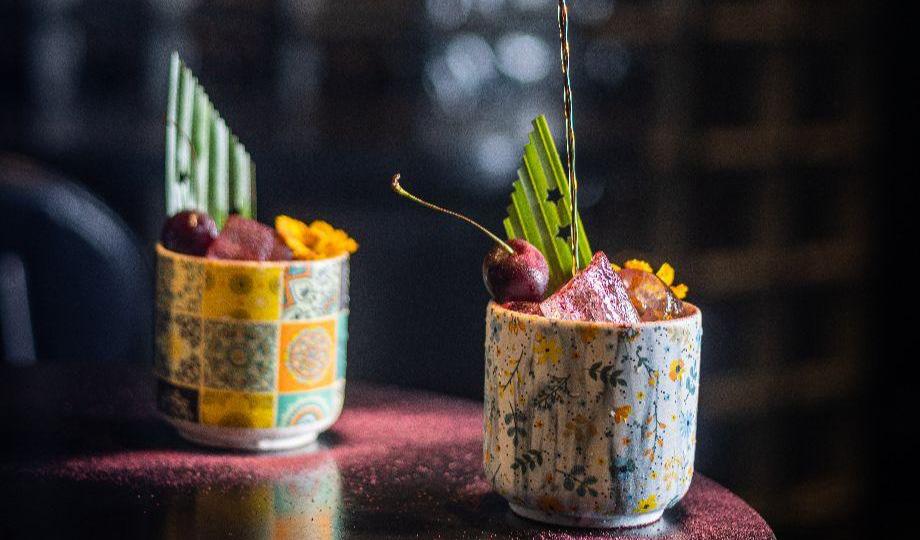
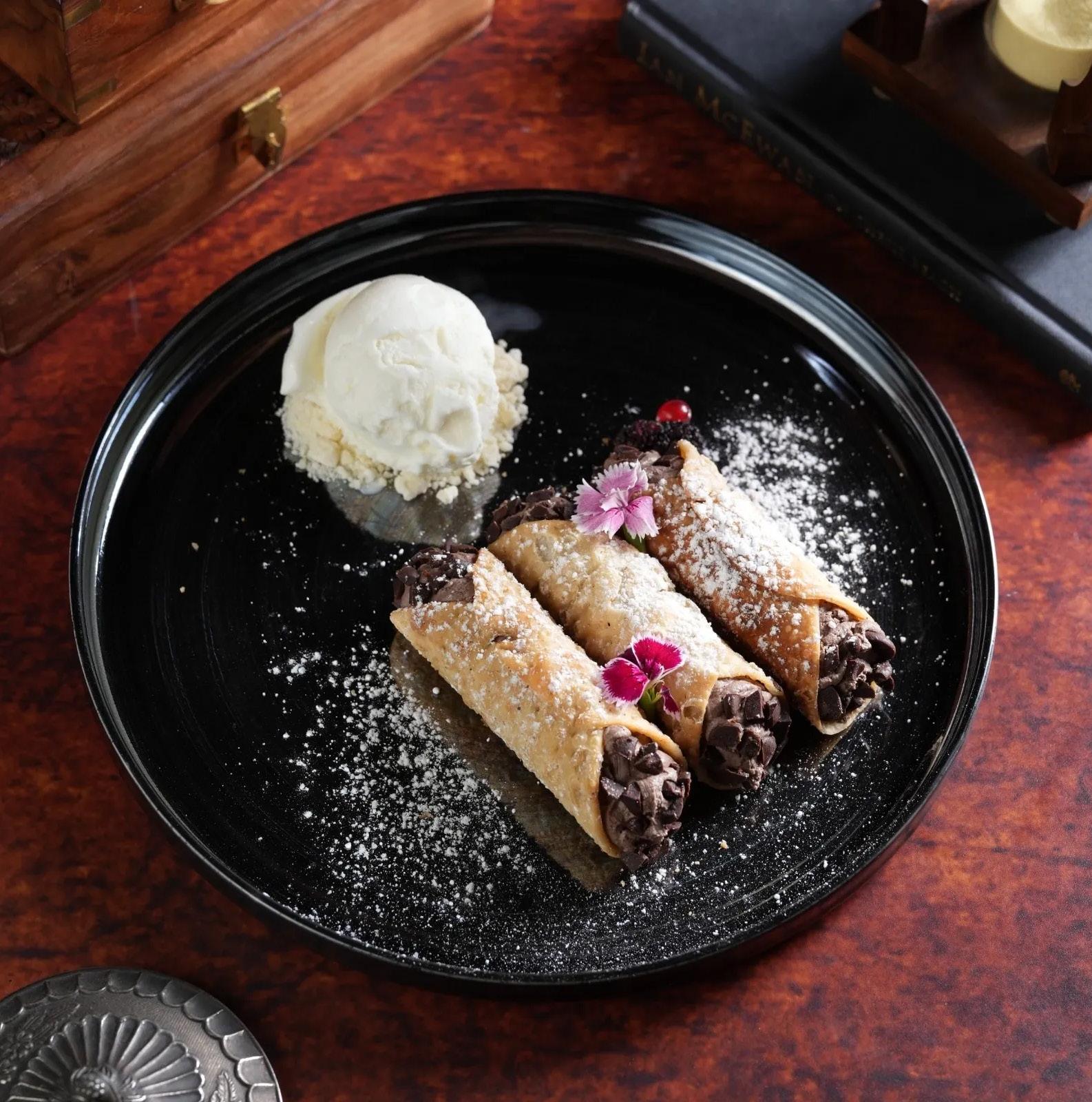
Tucked away in Vasant Vihar, Lair has quietly transformed into one of India’s most celebrated cocktail destinations, redefining the speakeasy experience with cinematic design, immersive mixology and an atmosphere that feels intentionally intimate. The monochromatic interiors, designed with sharp minimalism and moody lighting, create a space that feels more like a contemporary art installation than a conventional bar. What makes Lair stand out is its ability to balance technical precision with warmth. Every cocktail arrives as a carefully crafted sensory experience rooted in storytelling, texture and flavour. The drinks menu draws inspiration from ingredients sourced across India, transforming familiar regional flavours into inventive, globally styled cocktails. The bar’s immersive approach has earned it significant international recognition, including a spot on Asia’s 50 Best Bars list, cementing its reputation as one of the country’s most exciting nightlife spaces.
Complementing the cocktails is a refined pan-Asian menu and a soundtrack built around downtempo melodic music that encourages conversation rather than overwhelming it. Stylish yet understated, Lair feels like the future of Indian cocktail culture, immersive, thoughtful and deeply design-led.
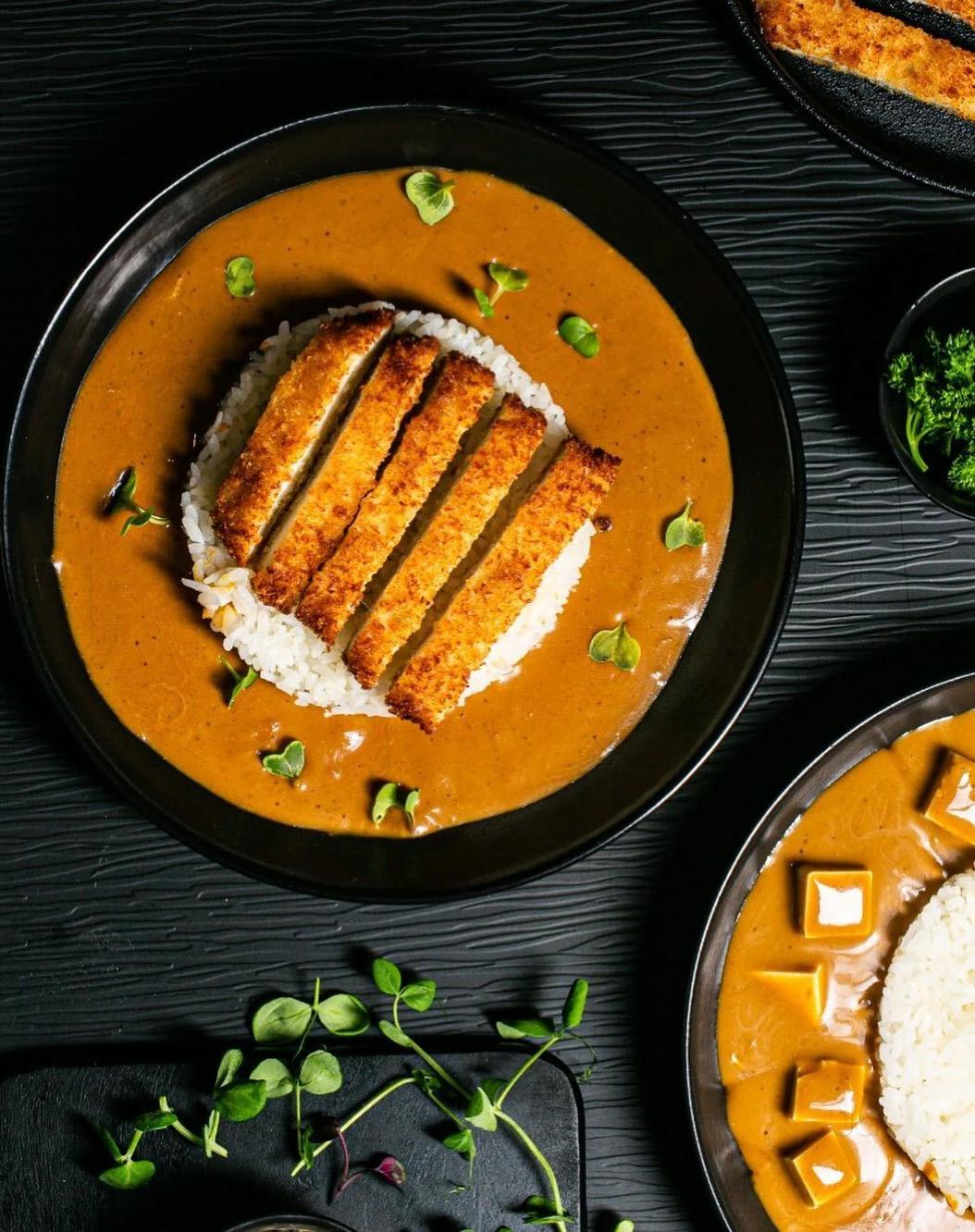
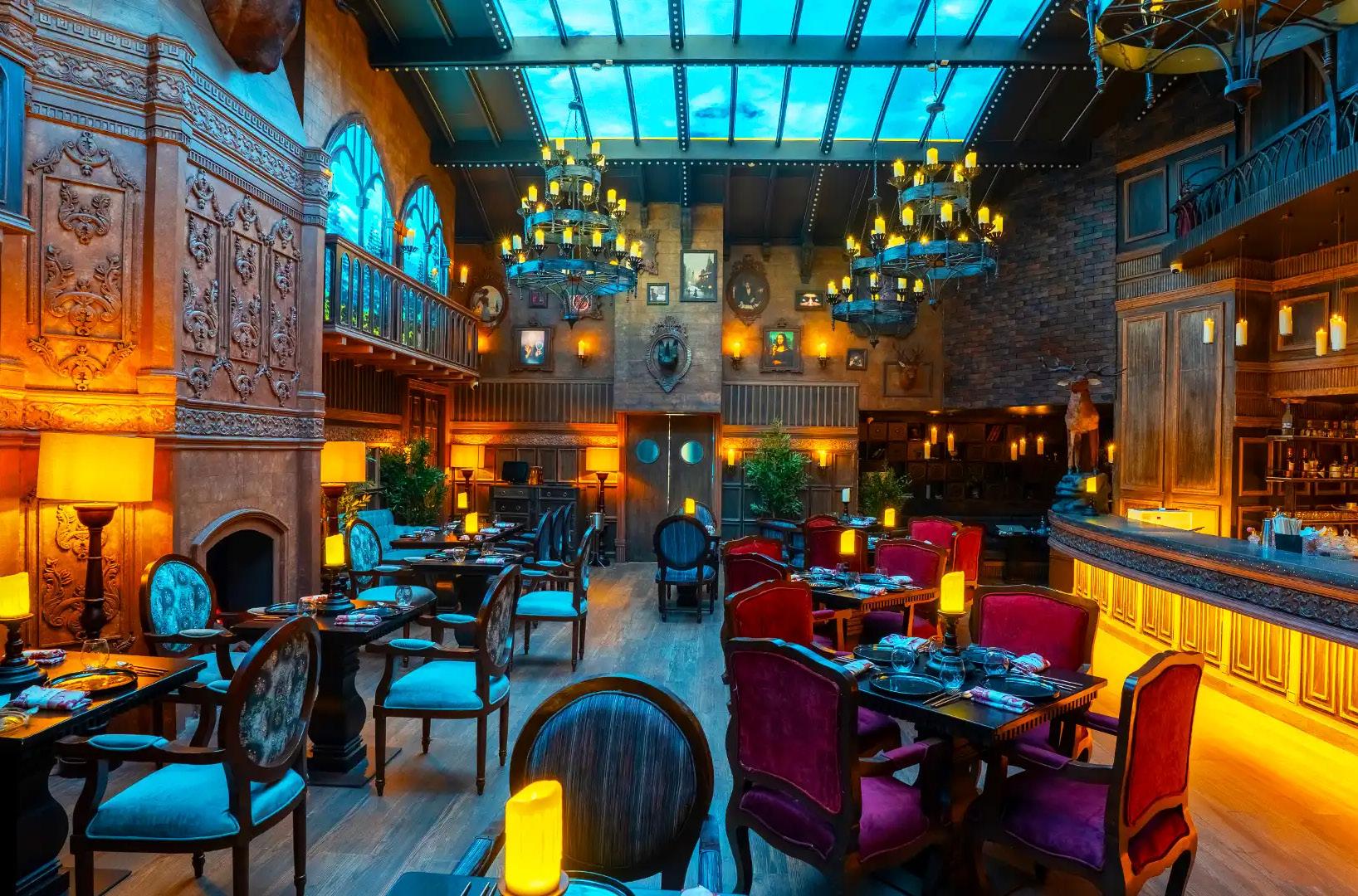
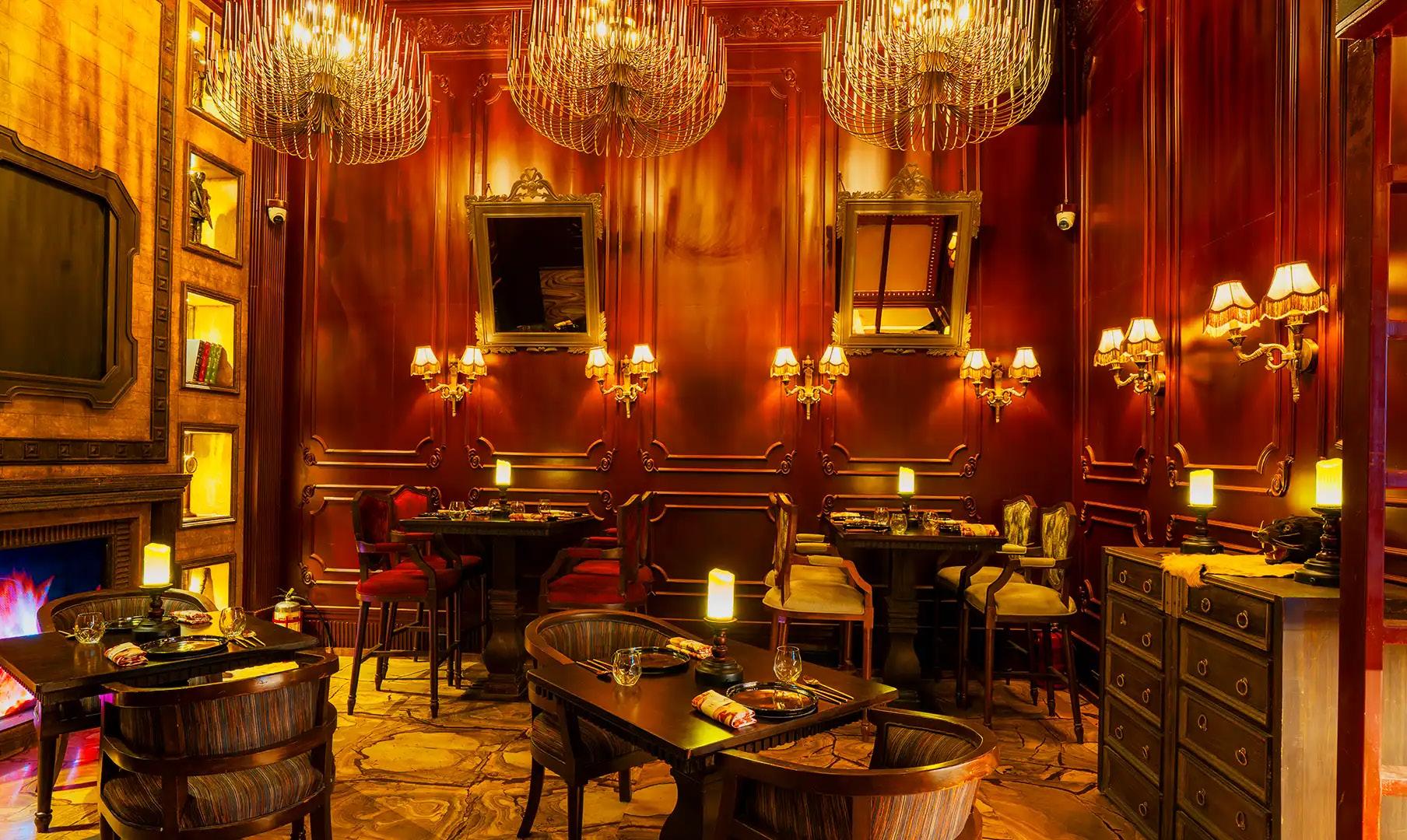
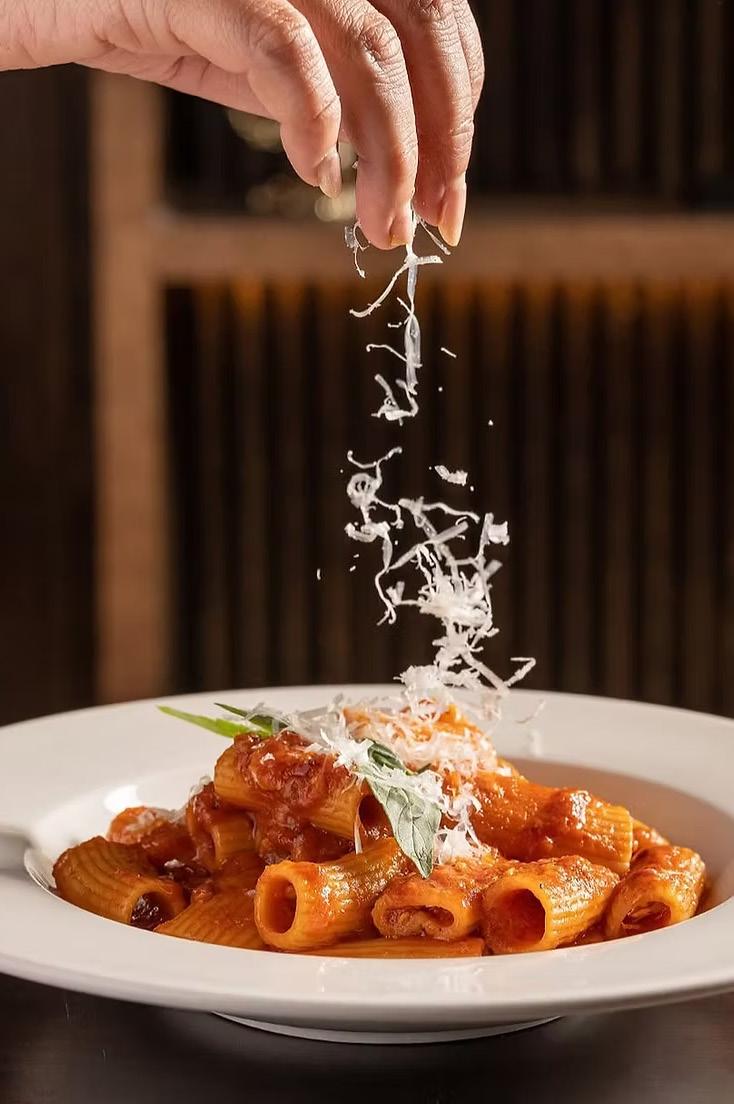
Mumbai’s nightlife scene embraces theatrical luxury with Luna et Sol, a dramatic Lower Parel destination that blurs the line between immersive dining and experiential nightlife. Inspired by European alpine aesthetics, the space transforms continuously through digital ceiling projections, mood-driven lighting and layered interiors that shift from warm daytime elegance to highenergy evening glamour. The result feels transportive, more destination experience than restaurant lounge.
The cocktail program is equally ambitious, with drinks crafted as narrative experiences under the direction of mixologist Aniket Rawool. Drawing inspiration from celestial themes and sensory storytelling, the cocktails combine theatrical presentation with technical sophistication. The food, led by chefs with global fine-dining experience, leans into French technique, Swiss Alpine comfort and Italian simplicity, offering refined dishes that complement the immersive environment without feeling overly experimental. What truly elevates Luna et Sol is its commitment to atmosphere. Every detail, from the changing visual projections and candlelit corners to the carefully choreographed music and service, is designed to create a memorable emotional experience. Opulent, cinematic and unapologetically indulgent, Luna et Sol represents Mumbai nightlife at its most immersive and visually ambitious.
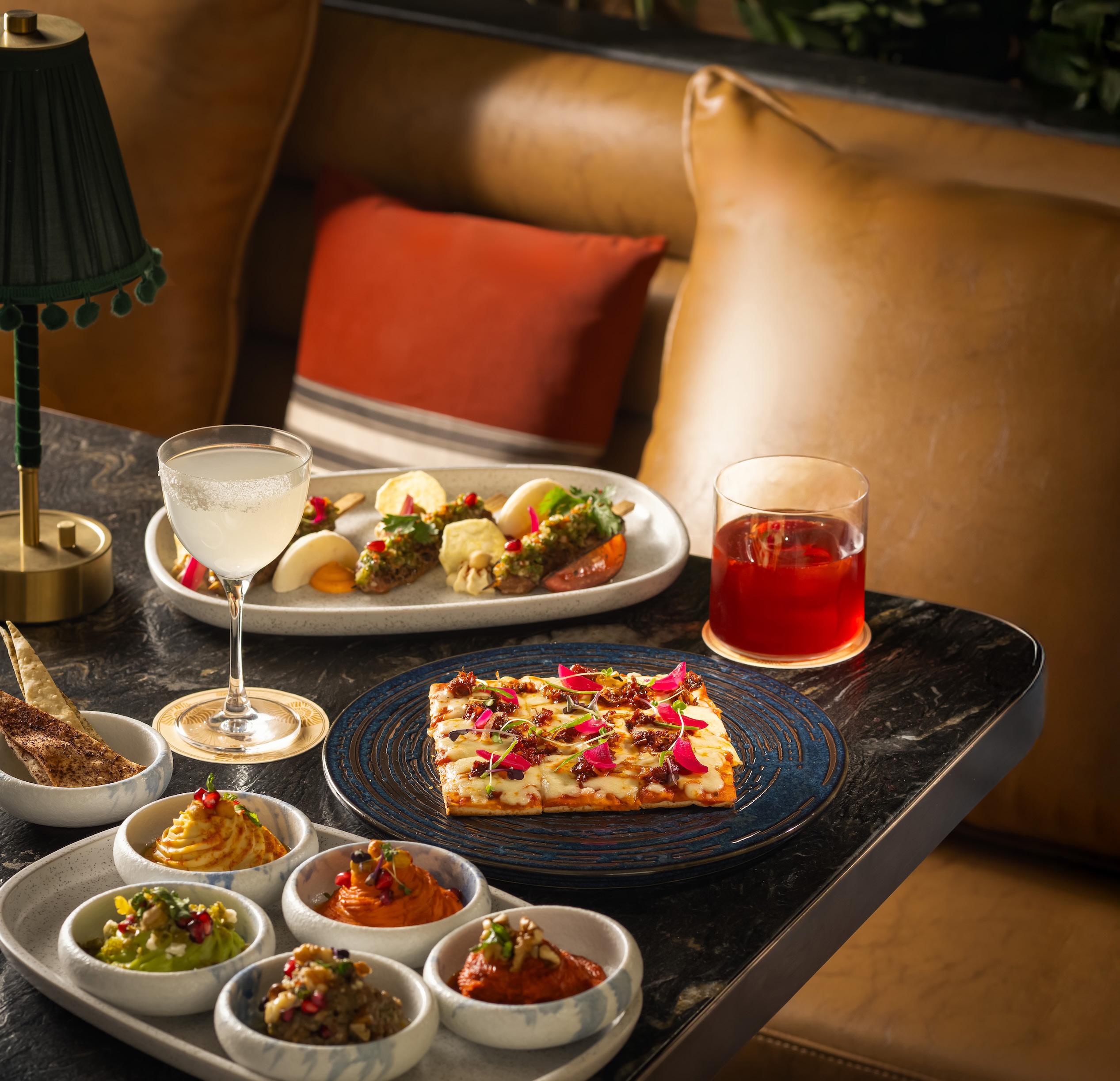
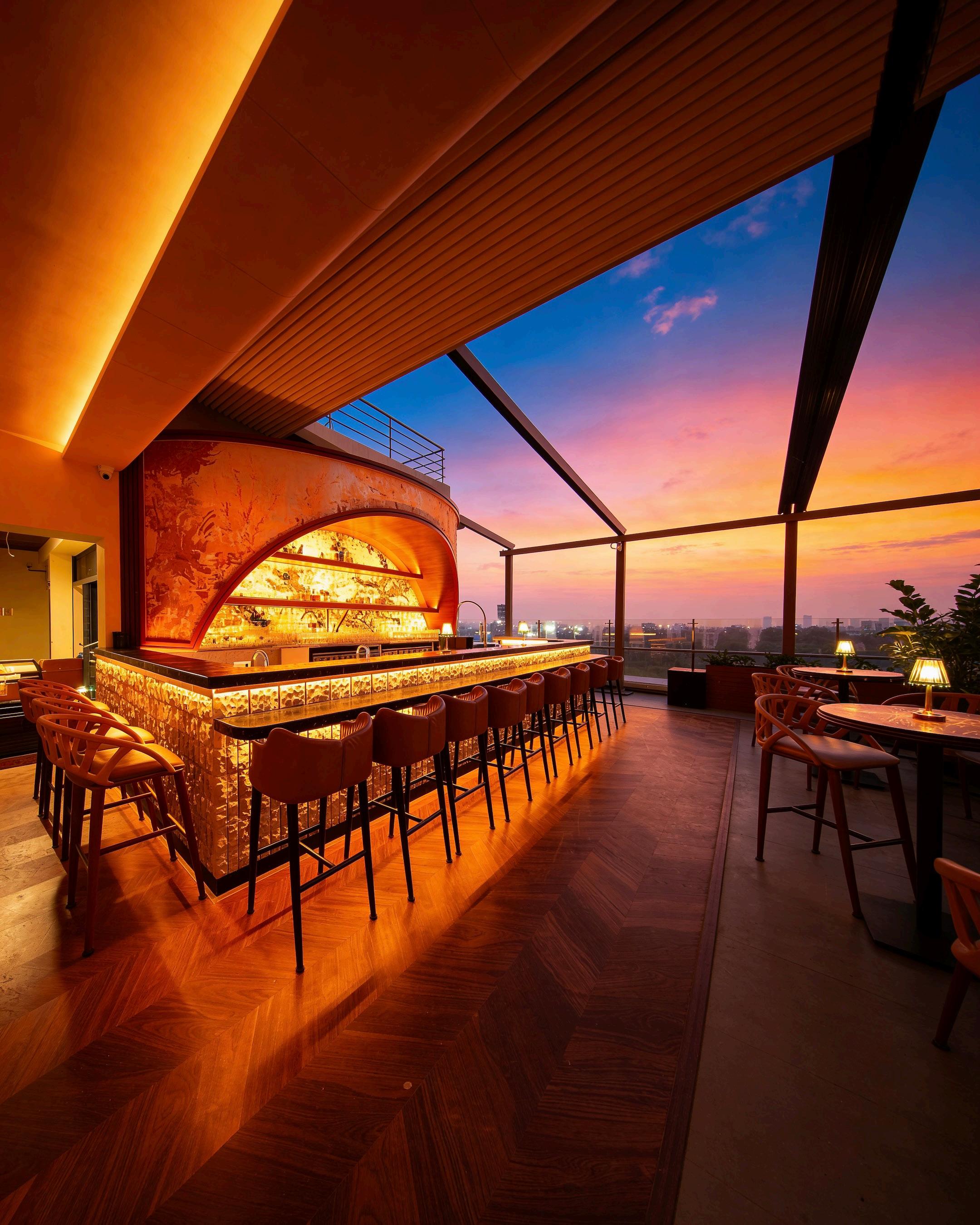
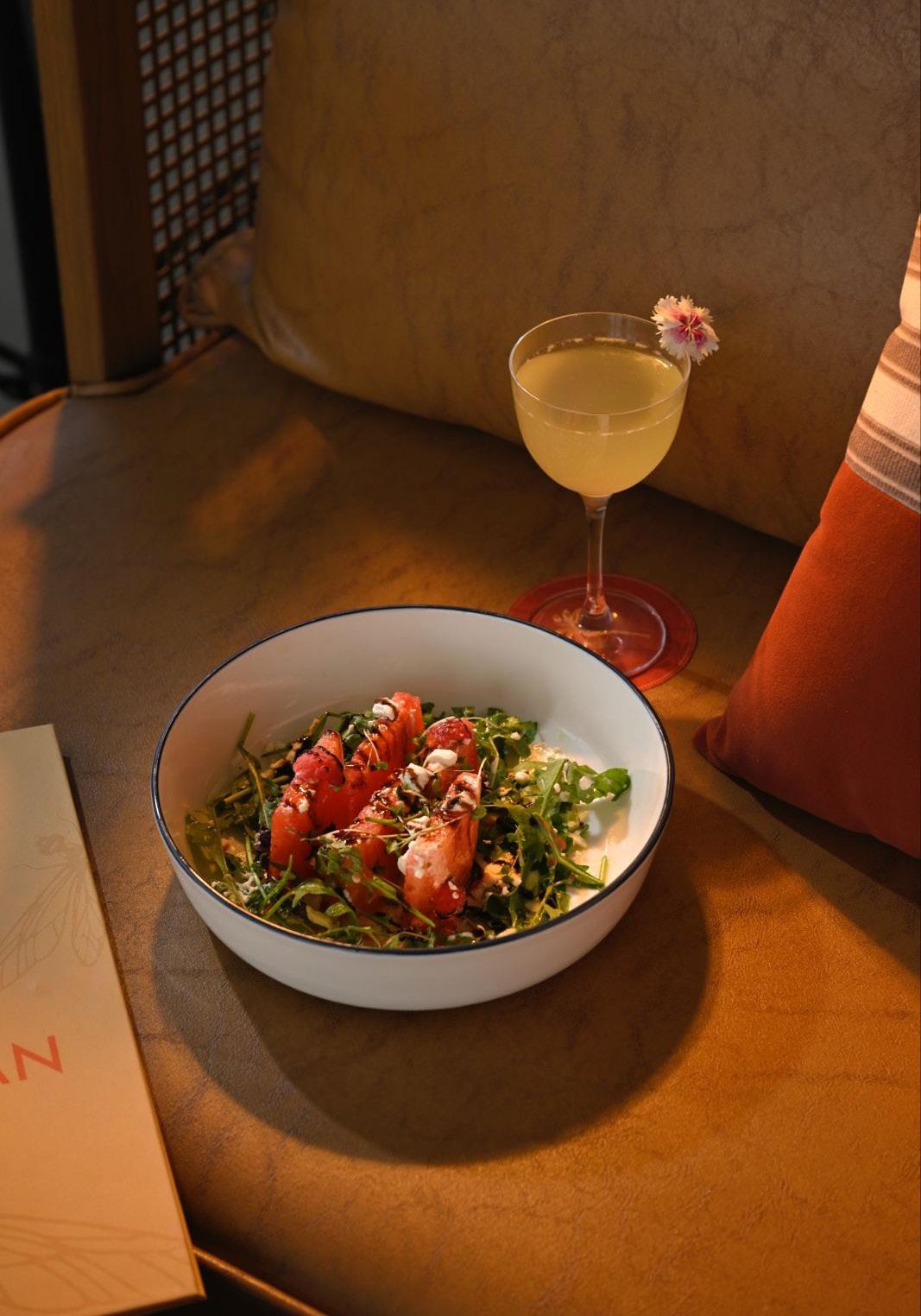
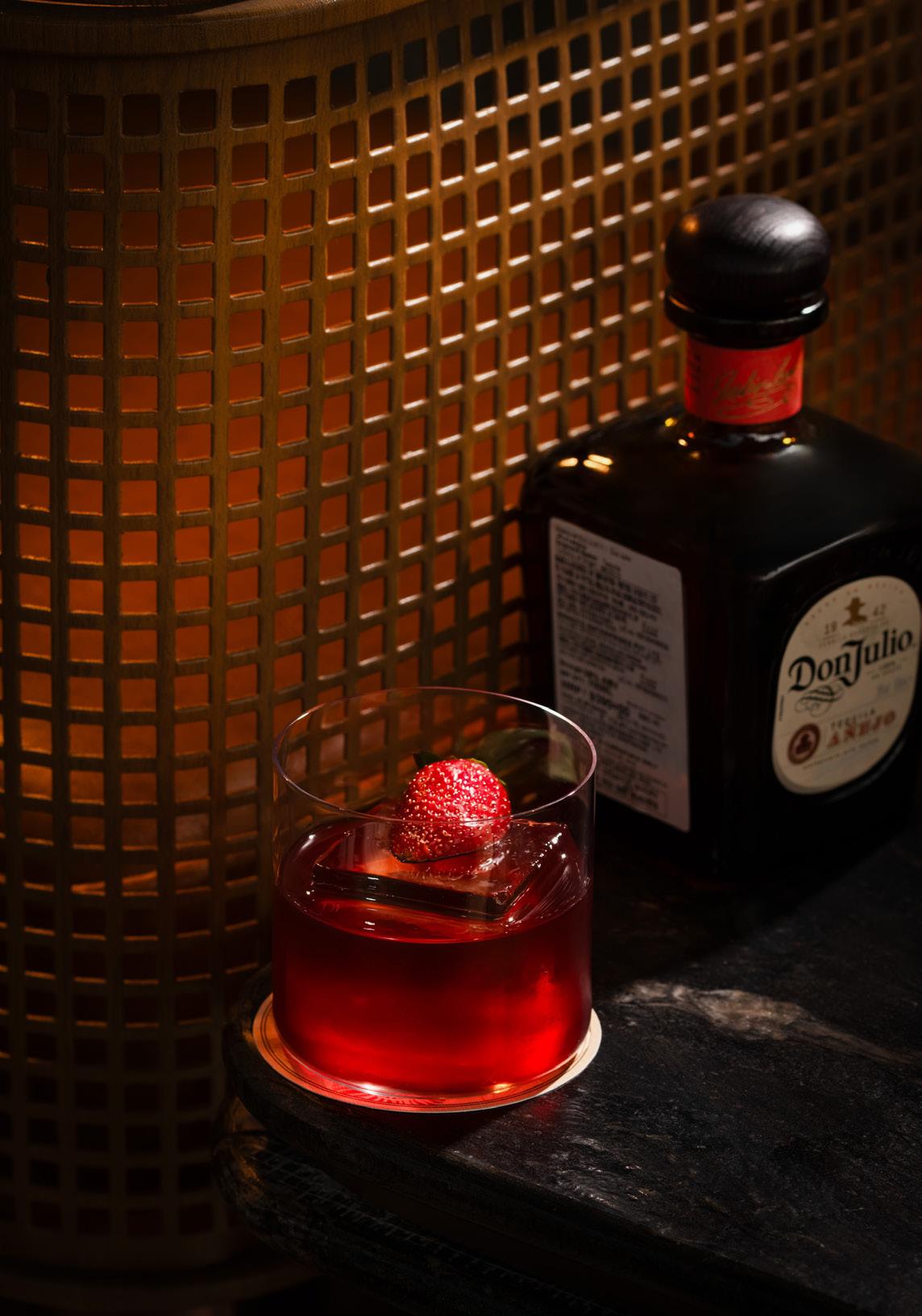
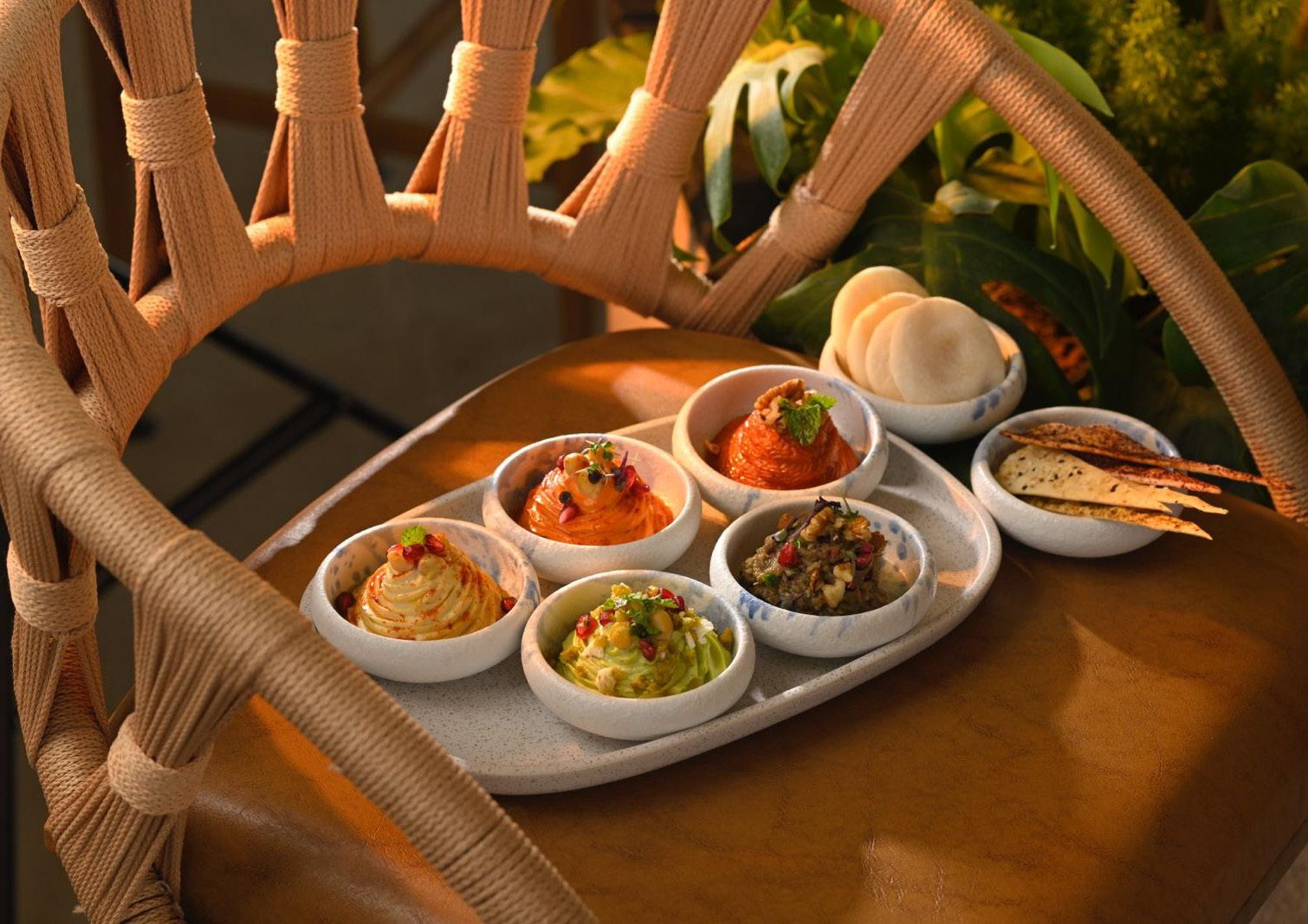
Perched above Vittal Mallya Road with uninterrupted views of Cubbon Park and the Bengaluru skyline, Novakan arrives as one of the city’s most ambitious rooftop launches in recent years. More than just a lounge with a view, the space has been envisioned as a complete sensory experience where music, mixology, cuisine and atmosphere merge seamlessly. The rooftop shifts effortlessly through the day, from relaxed brunches and goldenhour cocktails to high-energy evenings that feel reminiscent of a luxury beach destination.
What immediately sets Novakan apart is its attention to curation. The cocktail program, led by internationally recognised mixologist Matteo Cadeddu, pushes beyond standard rooftop bar offerings into immersive, techniquedriven creations rooted in storytelling and texture. The music identity, curated by Tulum-based selector Alexia Garcia, adds another dimension, bringing organic electronic sounds that elevate the mood without overpowering the setting.
The food menu complements the experience with restraint and sophistication. Led by Michelintrained Chef Gurudut, the cuisine focuses on elegant flavours and refined presentation rather than unnecessary excess. Combined with resort-inspired interiors and one of the city’s rarest panoramic views, Novakan feels less like a conventional rooftop and more like an urban escape suspended above Bengaluru’s skyline. Stylish, immersive and globally inspired, it sets a new benchmark for the city’s nightlife and dining culture.

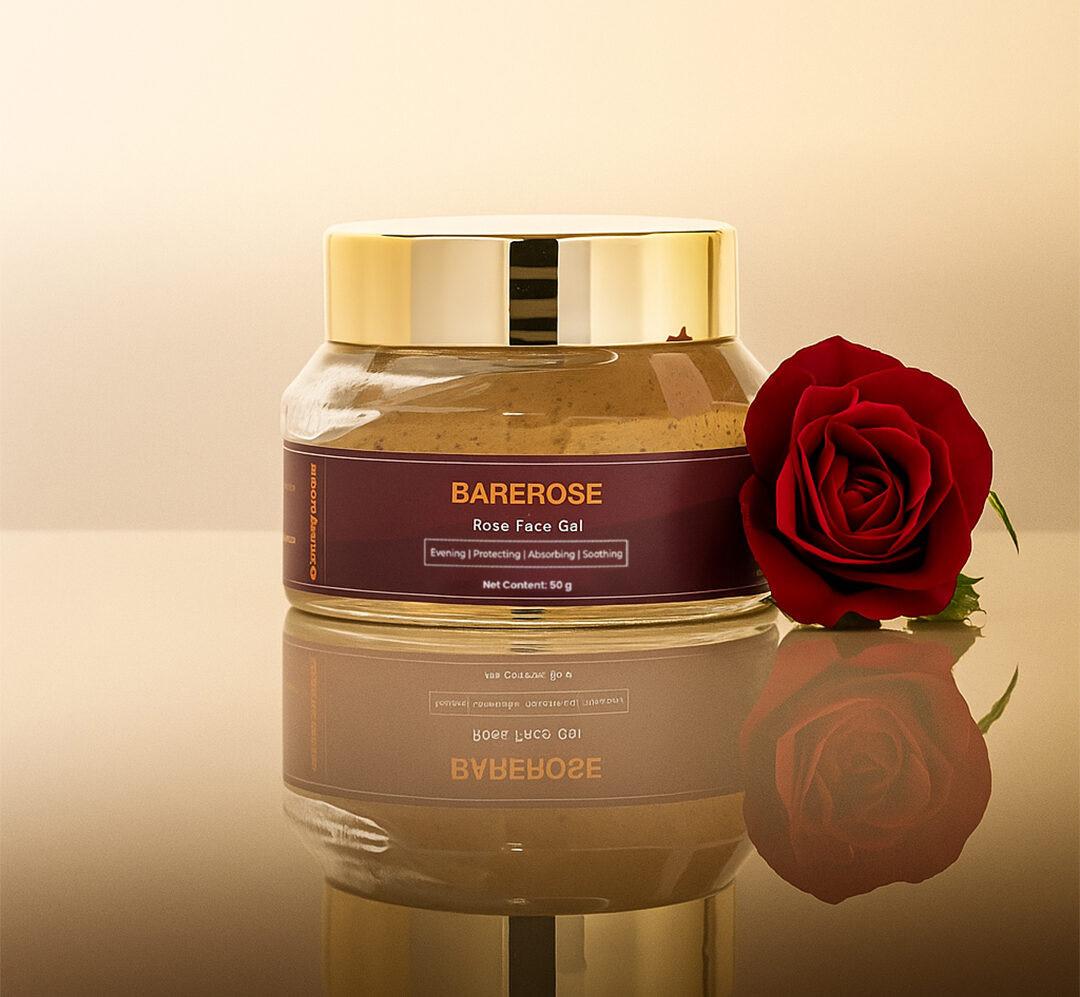
BareRose Face Gel by Dusky India
Price Rs : 999/-
With summer skincare leaning towards lightweight, breathable hydration, Dusky India’s new BareRose Face Gel arrives as a refreshing addition to the clean beauty space. Infused with aloe vera gel and rose powder — ingredients deeply rooted in Ayurvedic skincare traditions — the gel is designed to soothe, hydrate and calm skin stressed by heat and humidity. The texture is where BareRose stands out. It absorbs quickly without leaving behind a sticky residue, making it especially suitable for Indian summers. The aloe vera delivers an instant cooling effect, while rose powder helps brighten and refresh tired skin, leaving behind a soft, dewy finish. The formula is also free from parabens, sulphates, harsh chemicals and artificial fragrances, making it appealing for sensitive and acne-prone skin types. What makes the product particularly versatile is its ease of use — it works equally well as a daytime moisturiser under sunscreen or as a calming overnight hydrator.


Price: Rs : 224
Oshea Herbals’ UVShield SPF 50 PA+++ Sunscreen is positioned as an easy, everyday sun-protection essential that combines broadspectrum UVA and UVB defence with a lightweight, water-resistant formula suitable for all skin types. Designed for both men and women, the sunscreen focuses on offering effective protection against tanning, sunburn and skin darkening without the heaviness often associated with high-SPF products.
The formula blends chemical UV filters like Octinoxate, Avobenzone and Oxybenzone with skincare-focused ingredients such as papaya, green tea, aloe vera and glycerin. While papaya and green tea extracts help brighten and protect the skin with antioxidant support, aloe vera adds a soothing, hydrating element that feels particularly comforting in hot and humid weather. The texture absorbs quickly into the skin, leaving behind a non-greasy finish that works well for daily wear under makeup or on its own.
Its water-resistant finish makes it practical for outdoor activities and long summer days, though reapplication every few hours remains essential for optimal protection. Affordable, lightweight and functional, UVShield is a dependable sunscreen option for anyone looking for fussfree daily sun care with added botanical benefits.
Price: Rs: 399 onwards
Wellness routines today extend far beyond basic beauty, and brands are increasingly creating products that support both personal care and overall well-being. From nourishing haircare to supplements that promote better rest, products like the WOW Skin Science Petal Muse Body and Hair Perfume Mist, WOW Skin Science HyaNeon Bond Repair Moisturizing Shampoo, WOW Skin Science Scalp Reboot PreShampoo, and Zensium Magnesium Glycinate Tablets highlight this holistic approach
The WOW Skin Science Petal Muse Body and Hair Perfume Mist is a lightweight fragrance designed for both hair and skin. Unlike heavier perfumes, it offers a refreshing floral scent that can be used throughout the day. Hair mists are typically formulated with conditioning ingredients so they refresh strands without drying them out, making them ideal for everyday use.
For haircare, the HyaNeon Bond Repair Moisturizing Shampoo focuses on repairing damaged strands while maintaining hydration. The formula includes hyaluronic acid, peptides, and plant keratin, ingredients known to strengthen hair bonds, improve elasticity, and lock in moisture. The sulphate-free formula gently cleanses while helping restore shine and smoothness to dry or chemically treated hair.
The Scalp Reboot Pre-Shampoo complements the routine by preparing the scalp before cleansing. Infused with vitamins like B3 and hydrating ingredients, it helps remove build up, nourish the scalp, and create a healthier base for stronger hair.
Completing the wellness cycle is Zensium Magnesium Glycinate Tablets, designed to support relaxation and sleep. Magnesium glycinate is known for its high absorption and is widely used to help reduce stress, relax muscles, and improve sleep quality.

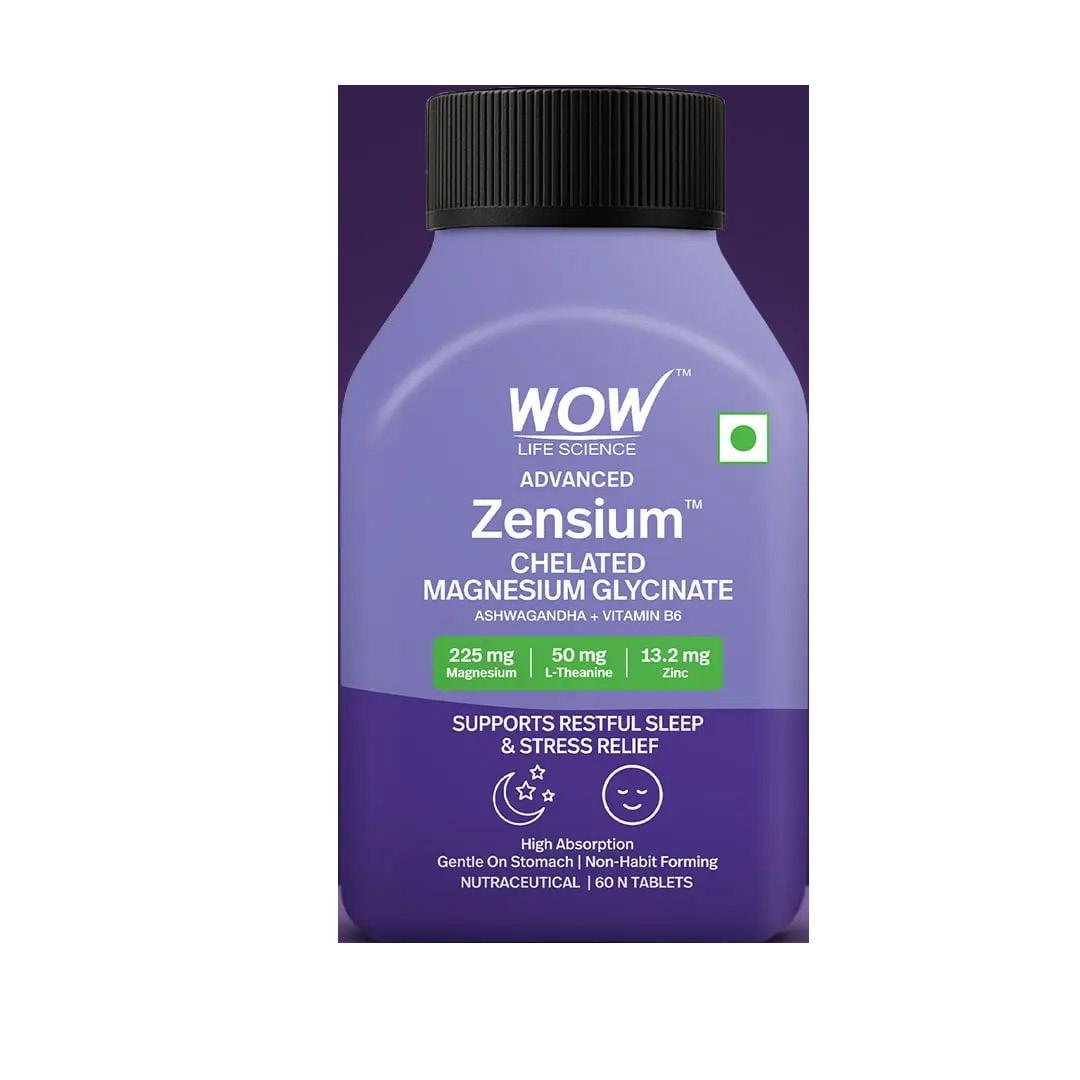
Together, these products reflect a growing trend: wellness brands now offer solutions that care for everything, from healthier hair to more restful nights.
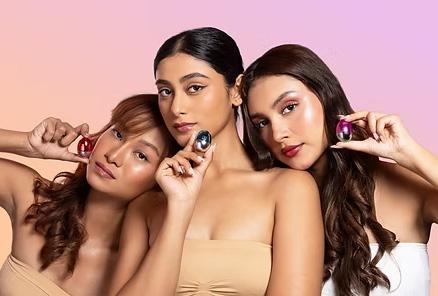
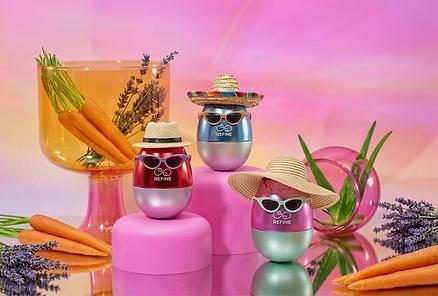


Beauty Launches Lip Balms, Tints & Glow Sticks
Price: ₹ 799 each
REFINE Beauty’s latest launch is designed for makeup lovers who want products that feel equal parts playful, functional and collectible. With sculptural packaging, skincare-infused formulas and multi-purpose textures, the brand leans into a modern beauty philosophy — fewer steps, effortless application and products that work beautifully on Indian skin tones. The launch includes the Oh-Mwah Melty Lip Balm, Oh My Melty Lip & Cheek Tint and Oh My Glow Blush + Highlighter.
The standout feature across the range is texture. The Melty Lip Balm glides on with a buttery finish while delivering hydration and a soft wash of colour. The Lip & Cheek Tint is compact and versatile enough for quick, on-the-go makeup, blending seamlessly across lips, cheeks and eyelids. Meanwhile, the Glow Blush + Highlighter stick adds a subtle luminous sheen that works well for both daytime freshness and layered evening looks.
What elevates Refine beyond functionality is its strong visual identity. The bold, design-forward packaging feels intentionally display-worthy, appealing to a generation that sees beauty products as accessories as much as essentials. Fresh, youthful and sensorial, Refines debut range balances practicality with personality.
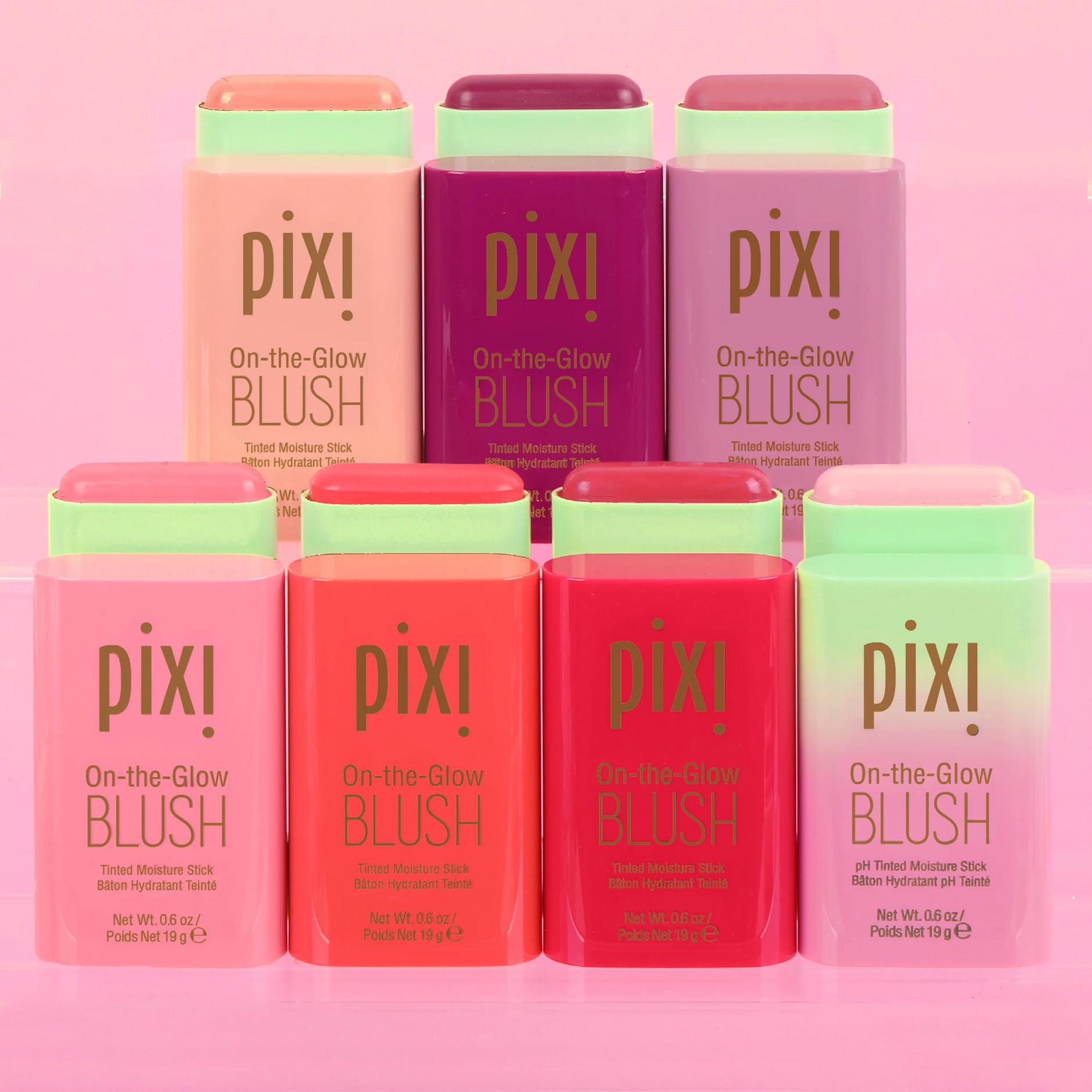
Pixi Beauty’s Skintreats line is known for combining skincare ingredients with easy-to-use beauty products that deliver both nourishment and visible glow. Products like the DetoxifEYE Depuffing Eye Patches, On-the-Glow Blush, Antioxidant Tonic, and LipTreat Hydra are designed to work together to refresh, hydrate, and brighten the skin.
The Pixi DetoxifEYE Depuffing Eye Patches are hydrogel patches formulated to revive tired under-eyes. Key ingredients include caffeine, which helps reduce puffiness and stimulate circulation, cucumber extract that soothes and cools the delicate eye area, and gold, known for nourishing and strengthening skin. Together, these ingredients help minimise dark circles, smooth fine lines, and make the eye area look brighter and more awake.
The Pixi On-the-Glow Blush is a multi-use tinted balm that adds a natural flush to cheeks and lips while conditioning the skin. It is infused with ginseng, which revitalises the skin, aloe vera to soothe and hydrate, and a mix of fruit extracts and antioxidants that nourish and protect the skin. The creamy stick format makes it ideal for quick, on-the-go touch-ups while keeping the complexion fresh and dewy.
The Pixi Antioxidant Tonic acts as a refreshing treatment toner designed to balance and protect the skin. It typically includes superfood berry extracts for antioxidant protection, white ginger lily root to defend against pollution, and probiotics that help soothe and strengthen the skin barrier. These ingredients work together to tone, refresh, and support healthier-looking skin.
Completing the routine is the Pixi LipTreat Hydra, a nourishing lip treatment formulated with shea butter, avocado oil, sunflower oil, jojoba oil, and hyaluronic acid to deeply hydrate and soften lips. The formula also contains peptides and vitamin E, which help improve lip texture, lock in moisture, and protect against dryness.
Together, these Pixi essentials highlight the brand’s philosophy, combining skincare ingredients with makeup to create products that enhance natural glow while caring for the skin.



Humuss Beauty’s Saffron Rush Anti-Aging Night Cream brings together traditional skincare ingredients and modern anti-aging actives in a lightweight overnight treatment designed for daily use. Infused with saffron, acai extract and aloe vera, the cream focuses on hydration, skin repair and improving visible signs of fatigue while you sleep. The formula also includes antioxidant-rich ingredients that help target fine lines, dullness and uneven texture, making it especially suitable for dehydrated or stressed skin.
What stands out is its balanced texture — nourishing without feeling overly rich or greasy. The saffron helps brighten and revive tired skin, while acai extract and aloe vera work together to calm, moisturise and restore softness overnight. The brand also highlights that the formula is lightweight, non-comedogenic, cruelty-free and free from parabens, silicones and harsh additives.
The cream pairs well with other products from the brand’s nighttime range, including the Moon Kissed Retinol Serum for a more intensive anti-aging routine. Affordable yet thoughtfully formulated, Saffron Rush is a comforting night cream option for those looking to add hydration, glow and gentle anti-aging support to their skincare regimen


Gen Z shopping in India is fast, trend-driven and completely digital, with fashion apps shaping what’s in and what’s out. From viral styles to budget-friendly finds, these platforms make it easy to build a wardrobe with just a few taps. Here are five of the best shopping apps Gen Z is obsessed with right now, curated by Sunerii Vennam.
Shopping today goes far beyond malls and offline stores. With just a few taps, you can build an entire wardrobe, whether it’s trend-led pieces or a carefully curated personal style. From Y2K revivals to ever-evolving microtrends, fashion is moving faster than ever. And somehow, our carts are filling up even faster. From aesthetic outfits to budget-friendly basics, these are the five apps Gen Z in India can’t get enough of right now.
Savana has become a go-to app for people chasing trendy, Pinterest-inspired looks because it's not just budget-friendly but also known for its new type of sales almost every week. This makes Savana one of the best apps for buying daily essential outfits or the best outfit maker for your next event. The app stands out because its collections often match current trends, making it popular among shoppers who enjoy experimenting with styles.
Sunerii’s Favourites: Unique tops and versatile jewellery


Littlebox India has become increasingly popular among Gen Z shoppers for outfits that look straight out of Pinterest mood boards. The app is known for trendy pieces, aesthetic collections and styles inspired by viral online fashion. Whether it’s oversized fits, co-ords or Y2K-inspired outfits, Littlebox has become one of the favourite apps for shoppers wanting stylish looks without spending too much. For many young shoppers, Littlebox feels less like shopping and more like building a whole aesthetic.
Sunerii’s Favourites: Tube tops and asymmetrical tops
Newme feels like an app built specifically for younger shoppers. The styles are bold, trendy and often inspired by what is currently popular online. The main fan favourites from this store are dresses and bodycons. Newme is expanding its base by also opening offline stores in multiple states across the country, such as Hyderabad, Bangalore, Delhi and more.
If keeping up with trends is important, Newme has become a familiar name.
Sunerii’s Favourites: Bodycon dresses and hoodies/ sweatshirts
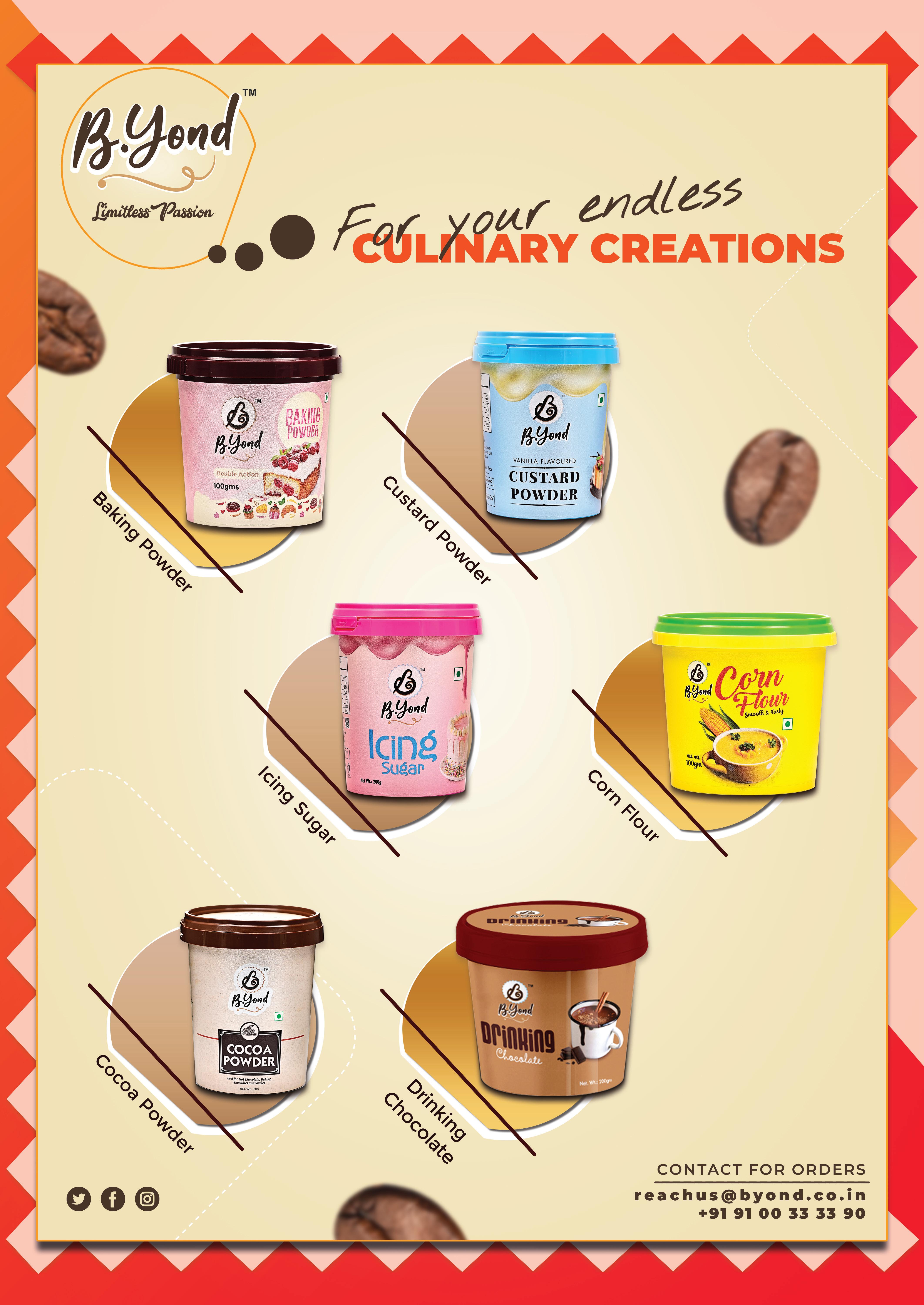
Urbanic has gained attention among younger shoppers because of its trendy collections and affordable pricing. From dresses to casual wear, the app often carries styles inspired by global fashion trends. For shoppers wanting outfits that look expensive without actually being expensive, Urbanic has become a common pick. The app works well for people who enjoy experimenting with styles while keeping up with rapidly changing trends.
Sunerii’s Favourites: Dresses and bottoms such as jeans or trousers.

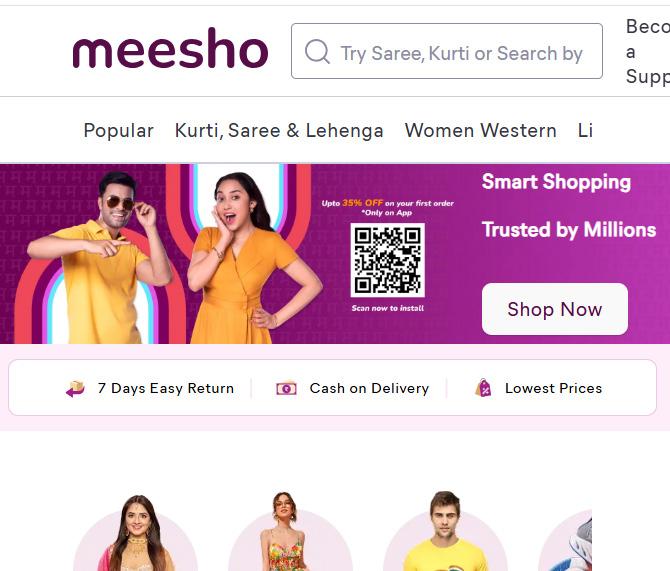
Not every shopping spree needs to empty a bank account. Meesho is popular because of its affordability across categories. Meesho is the perfect place to buy and style new outfits on a proper budget. Meesho doesn’t just have affordable clothes, but they also have super cute decor and posters for a very reasonable price, hence this being the iconic “budget” friendly shopping app.
Sunerii’s Favourites: Outfit accessories and room decor
meesho.com

The answer depends on what someone wants. Savana and Newme work well for trend-focused shopping, Meesho is known for affordability, while Myntra and Ajio offer greater variety. Gen Z shopping today is less about loyalty to one app and more about filling up their carts with hundreds of favourites and finding the best deal, fastest delivery and an outfit worthy of posting online.
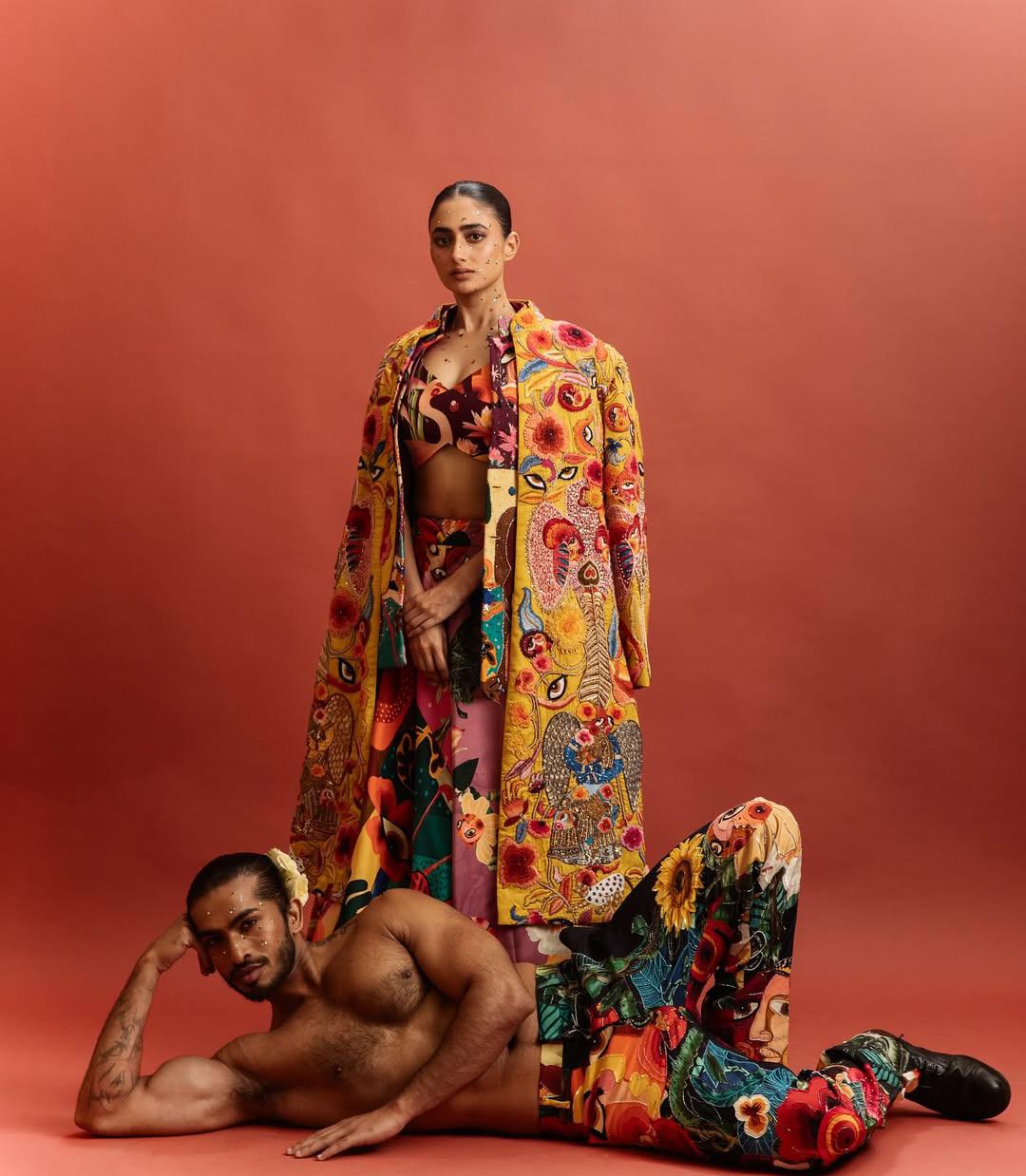
For years, queer expression in Indian fashion existed on the margins, within underground spaces, personal style, and communities that carved out their own visibility. Today, a new wave of queer-owned fashion brands is reshaping the industry, challenging rigid ideas of gender, beauty and self-expression with clothing that feels deeply personal and unapologetically authentic.
In 2026, these labels go beyond trends, creating spaces where identity is fluid, and fashion becomes a tool for visibility, resistance and storytelling. From bold, gender-fluid silhouettes to handcrafted, culture-rooted designs, they are redefining what Indian fashion can look like. Mehak Walia in conversation with the founders behind some of India’s most celebrated queer-owned fashion brands.
Founded by Ayushman ‘Bobo’ Mitra during his college years in London, Bobo Calcutta was born from the feeling of balancing two very different worlds at once. Immersed in London’s art and drag culture, Bobo found himself “always sketching, on magazines, notebooks, sometimes even on people before parties,” inspired by the city’s “freedom with identity and self-expression.” At the same time, Kolkata remained deeply rooted in his emotional and creative world. Bobo Calcutta eventually became, as he describes it, “a mix of both worlds.” London’s experimental energy and Kolkata’s emotional and cultural depth. Interestingly, the label itself first began as Mitra’s graduation collection, unknowingly becoming the start of one of India’s most distinctive contemporary fashion brands.
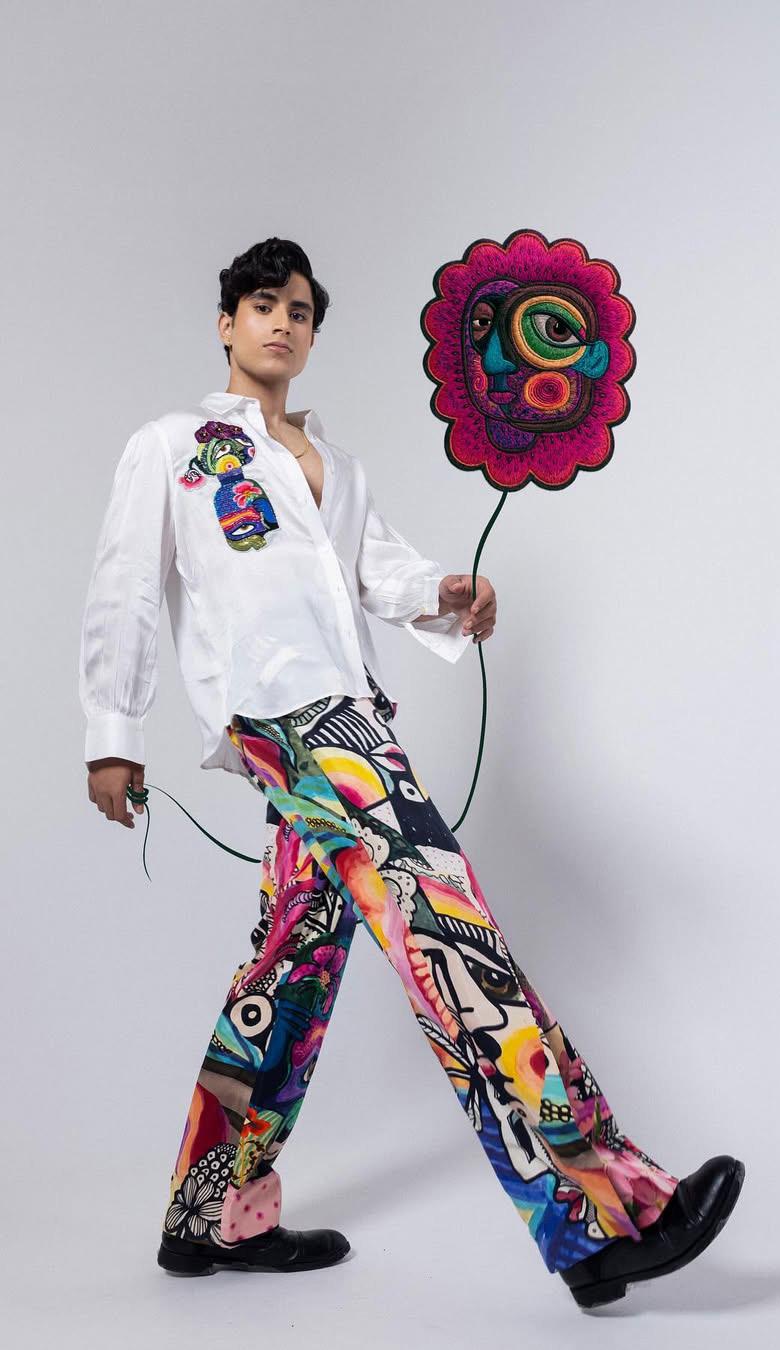
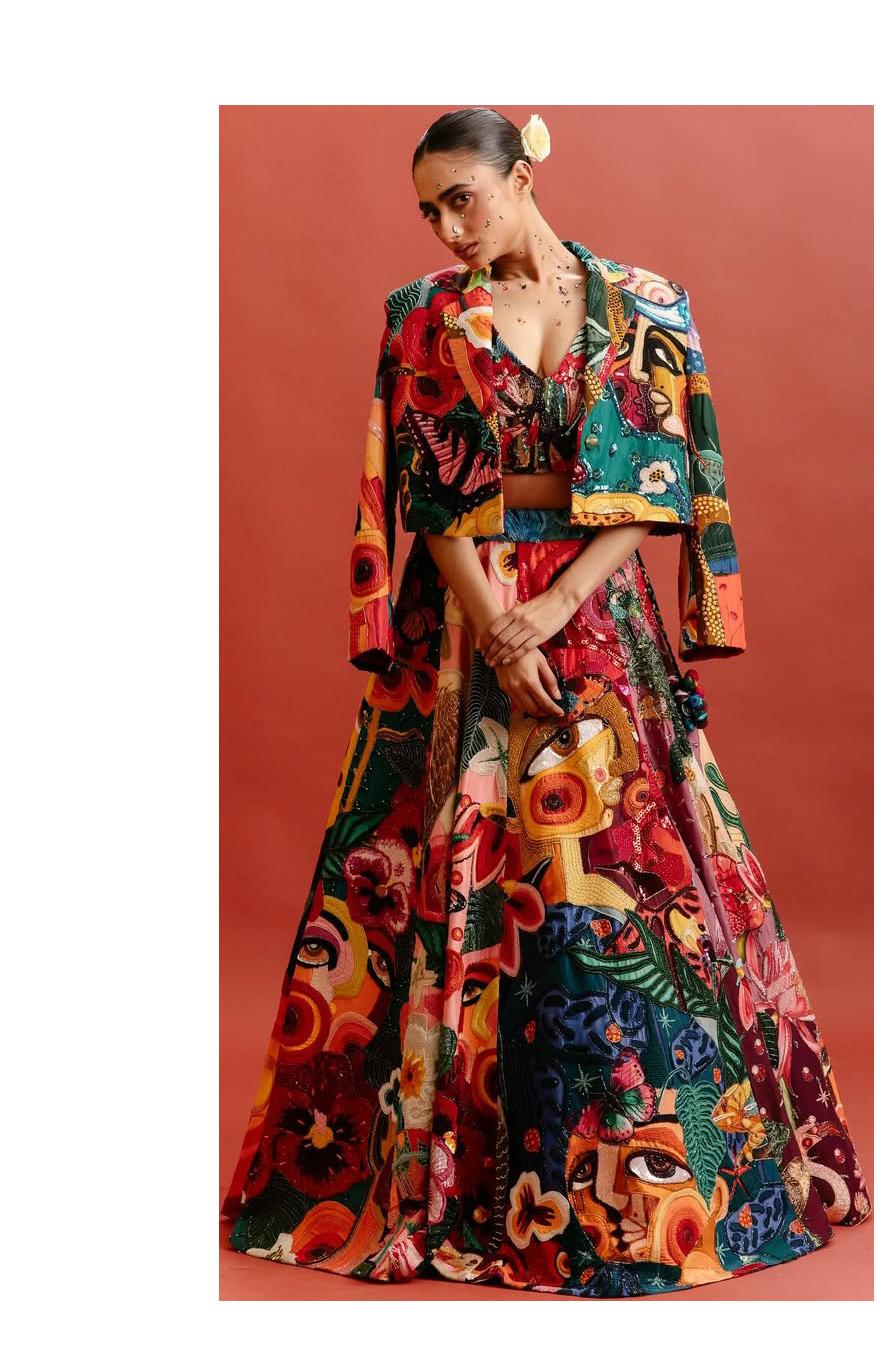
Today, Bobo Calcutta stands out for transforming original artwork into wearable pieces that feel deeply handmade and personal. Every garment begins as an original artwork first, “usually on paper or canvas,” before evolving through hand-painting, stitching, layering textures, and sculptural detailing. Faces, eyes, visible brushstrokes, and imperfect details remain intentionally preserved because, for Bobo, “the honesty of the artwork” matters most. “We refine the craftsmanship, but not the soul of the piece,” he says. “Even the slightest brushstroke, irregularity, or imperfection from the original artwork remains visible in the final garment.” Rather than separating himself from the label, he sees Bobo Calcutta as “an extension of how I see, feel, and express.” “I’ve always believed in expressing myself unapologetically and in full bloom,” he adds.
At its core, Bobo Calcutta is about helping people feel expressive, artistic, and emotionally connected to what they wear. For Bobo, “clothing should feel like a character almost, something emotional, cinematic, and personal,” rather than overly polished or perfect. He hopes people wearing his designs feel “more artistic, more free, or even slightly transformed emotionally.” “If someone wears Bobo Calcutta and feels more expressive and confident in their own way,” he says, “I think that’s really special.”
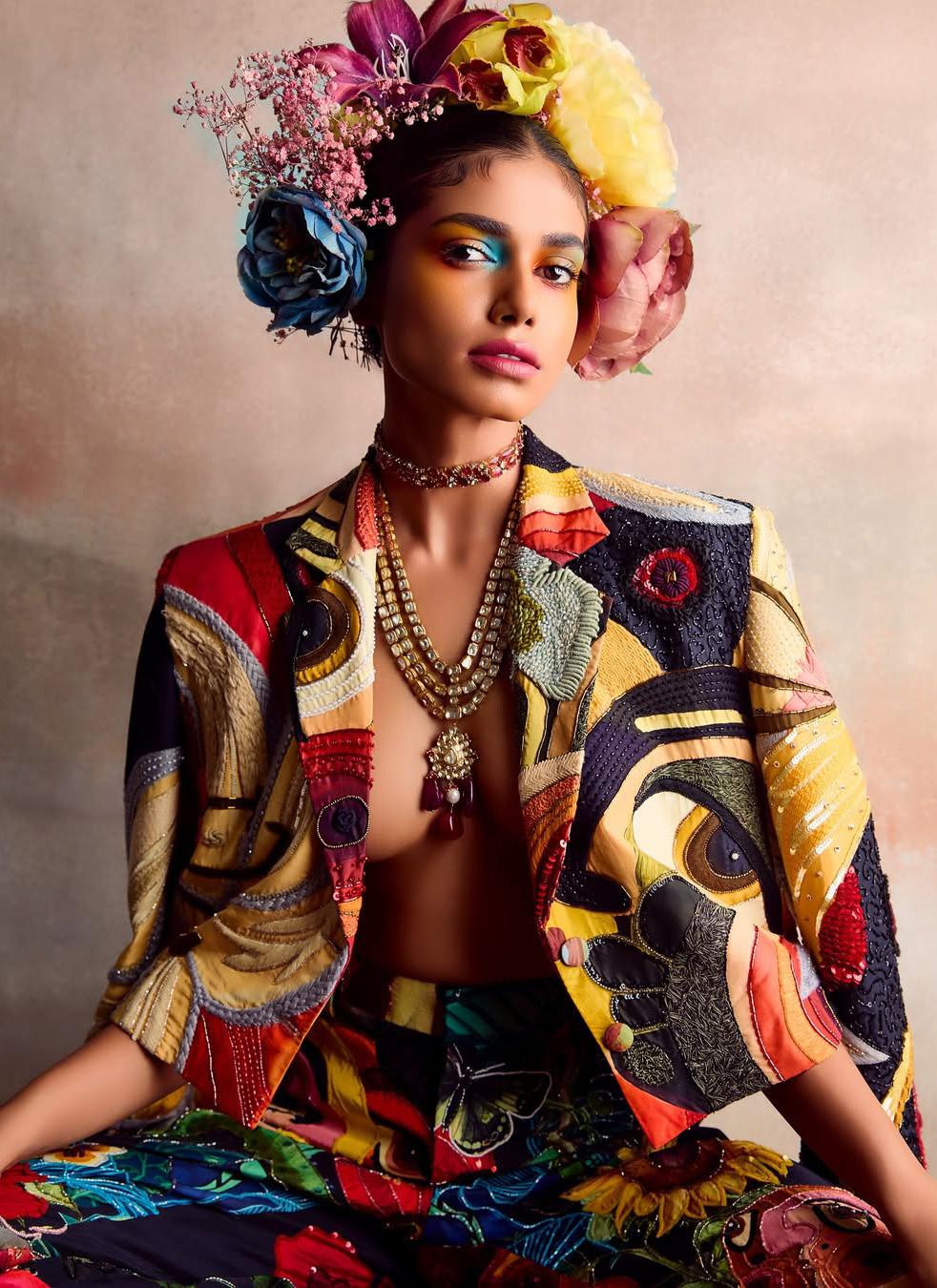
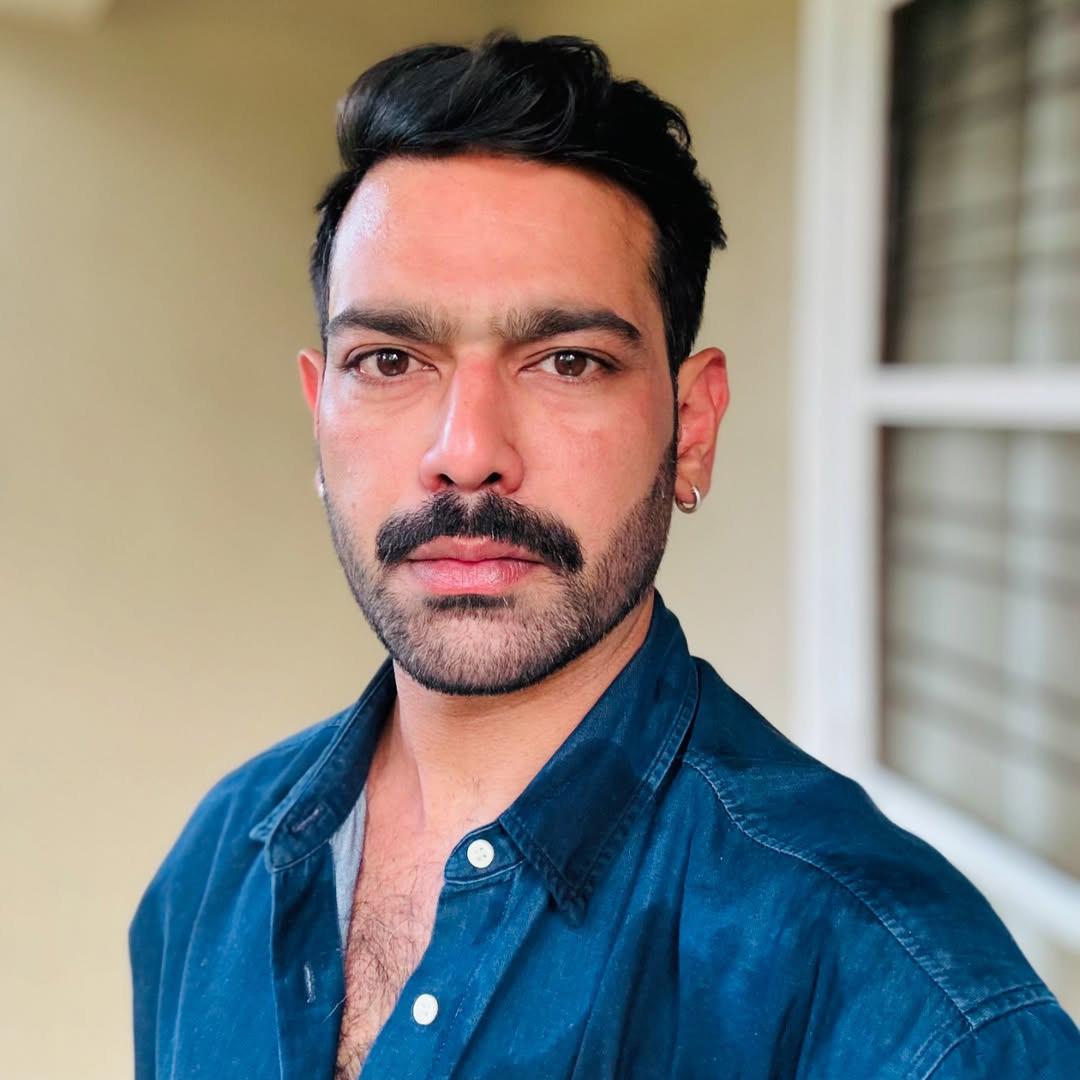
Even the slightest brushstroke, irregularity, or imperfection from the original artwork remains visible in the final garment.
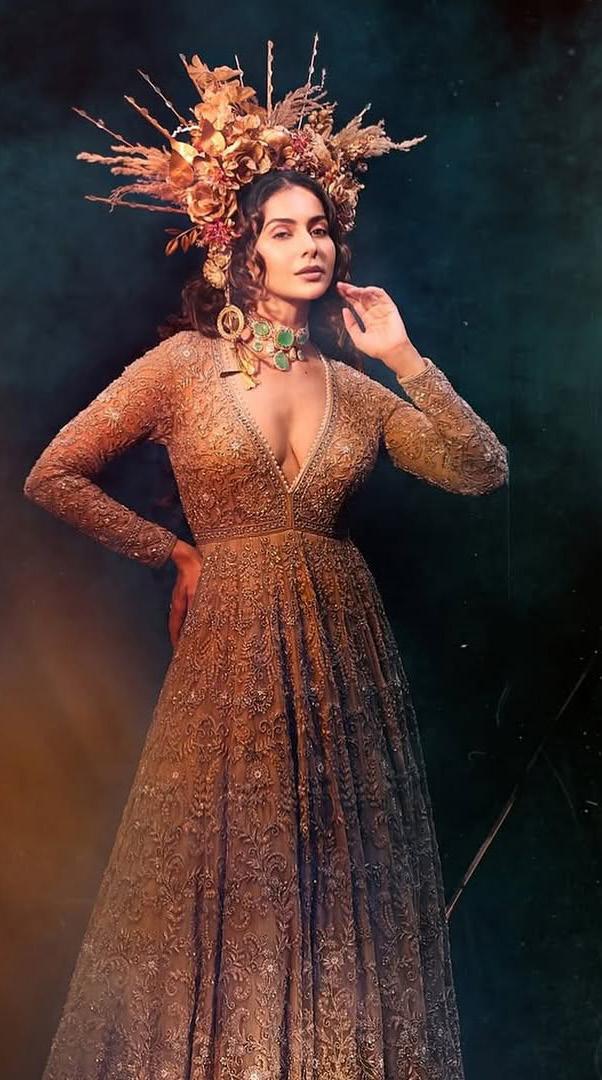
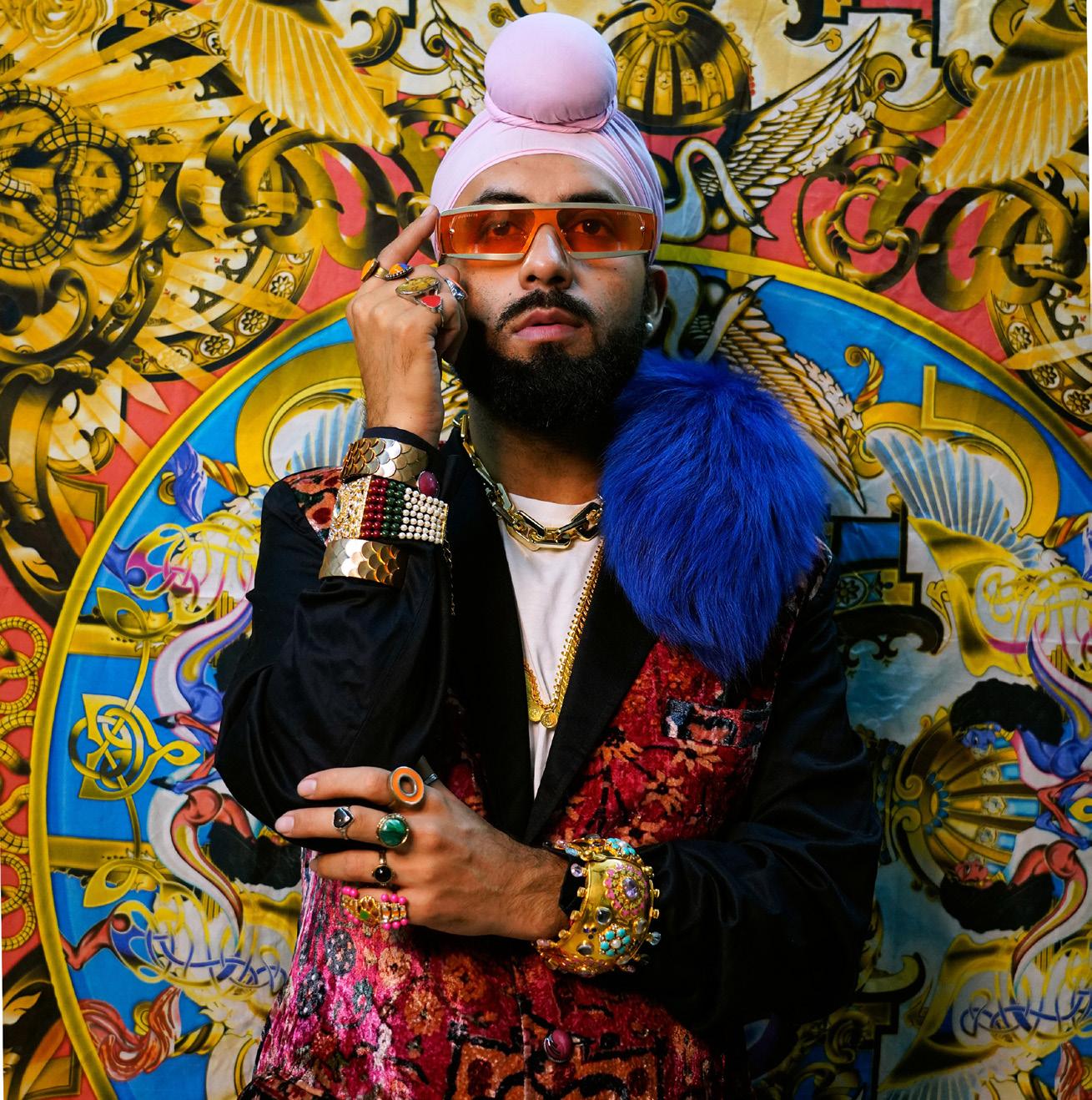
“Our lives do get better and bigger beyond our imaginations, just keep holding and keep paving your path.
Founded by designer Param Sahib, Param Sahib Clothing is a vibrant, maximalist label built around fearless self-expression and handcrafted fashion. Rooted in the philosophy of “handmade, manmade, made in India,” the brand also reflects Param’s personal journey growing up as a queer Sikh man in a space where, as he recalls, there were “no stories, no idols, no open platforms” to help him understand his identity. Speaking about that experience, he shares, “Our lives do get better and bigger beyond our imaginations, just keep holding and keep paving your path.” Despite the challenges, Param says he has always remained resilient, joking, “I’m like a cockroach. You’ll knock me down, I’ll rise up each time.”
His relationship with fashion began early in childhood while making clothes for his Barbies, eventually turning into a lifelong love for colours, textures, and dramatic silhouettes. “I’ve always been an artist and loved colours since my childhood,” he says, adding that he always knew he wanted a brand “synonymous with colours and everything maximal.” Today, the label stands out for its handcrafted textiles, bold surfaces, and storytelling through clothing. Param hopes every client experiences “a full-blown maximal experience” while embracing versions of themselves they may have hidden away.
At the heart of the brand is the desire to make people feel confident, expressive, and unforgettable. Param says he wants people wearing his designs to experience “a feeling of complete joy” along with “an adrenaline rush” that comes from wearing “a oneof-a-kind” outfit that commands attention while still feeling deeply comfortable.
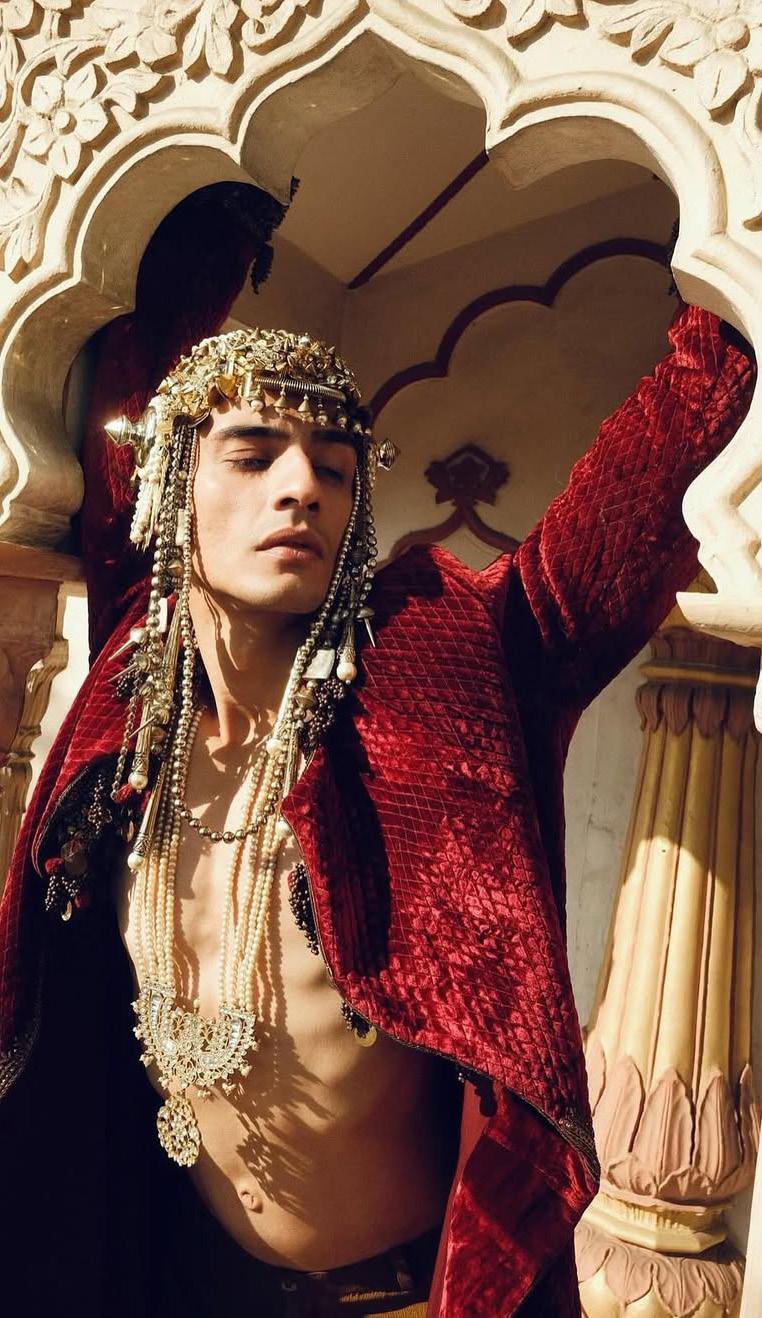
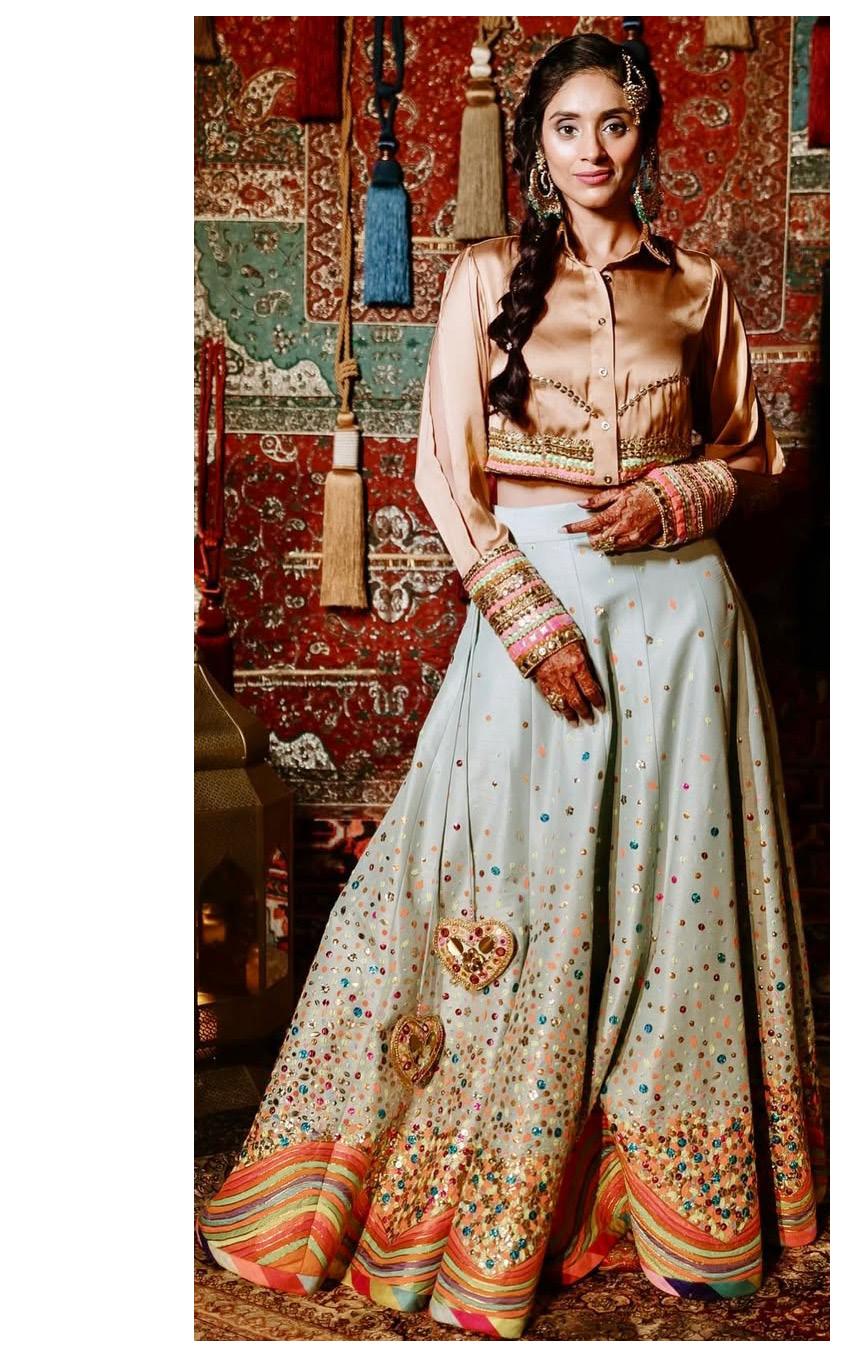
Founded by Randhir Pratap Singh while studying at NIFT Delhi, Subculture was born from the feeling that an entire side of fashion was missing in India’s mainstream space. While bridalwear, couture, and streetwear already existed, Randhir felt there was “almost no serious space for fetish fashion, kink, leather, latex, body harnesses, corsetry, or clothing that spoke to sexuality without shame.” What started with leather corsets and harnesses has now evolved into a larger world of latex, kink products, metalwear, and accessories centred around freedom and selfexpression. “The idea was never just to make ‘sexy clothes,’” he says. “The vision was to create a world where desire, craftsmanship, identity, and fashion could sit at the same table.”
Today, Subculture stands out for treating kink and fetish with the same seriousness often associated with couture fashion. “A harness is not just a harness for us. A corset is not just a corset,” Randhir explains, describing each piece as “an object of identity” that changes “the way someone stands, the way someone enters a room, the way they look at themselves.” Deeply rooted in craftsmanship, the brand refuses to dilute itself for acceptance. “It does not soften itself to be more acceptable. It does not ask for permission,” he says. “It is sexy, but not shallow. Bold, but not careless.”
At its core, Subculture is about helping people embrace every layered part of themselves through fashion. Randhir hopes people wearing his designs feel “powerful in a way that is very personal to them” while permitting themselves “to be complex, sensual, strange, dominant, soft, queer, fluid, masculine, feminine, or none of these things at all.” For him, Pride is about much more than visibility. “It is about the right to exist without reducing yourself



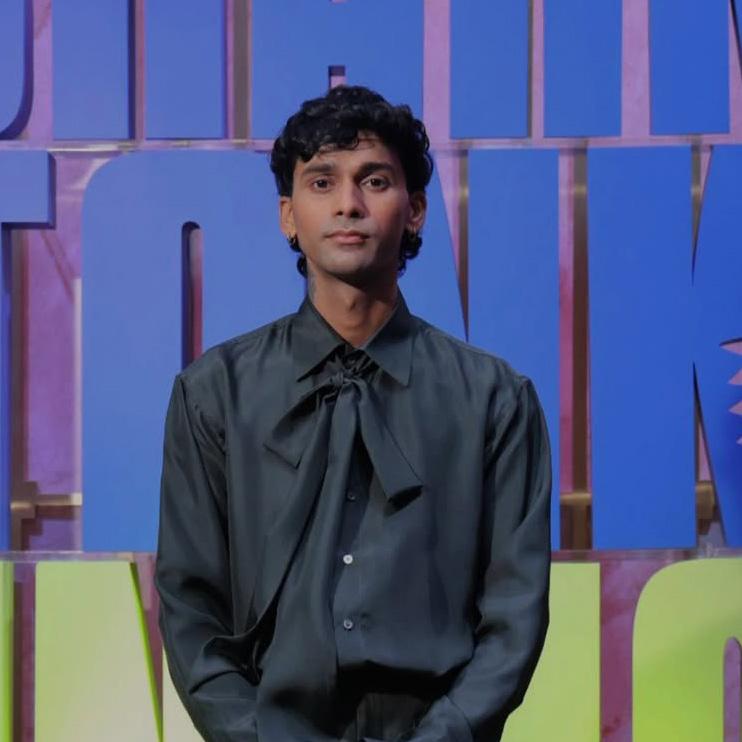
“It does not soften itself to be more acceptable. It does not ask for permission, It is sexy, but not shallow. Bold, but not careless.
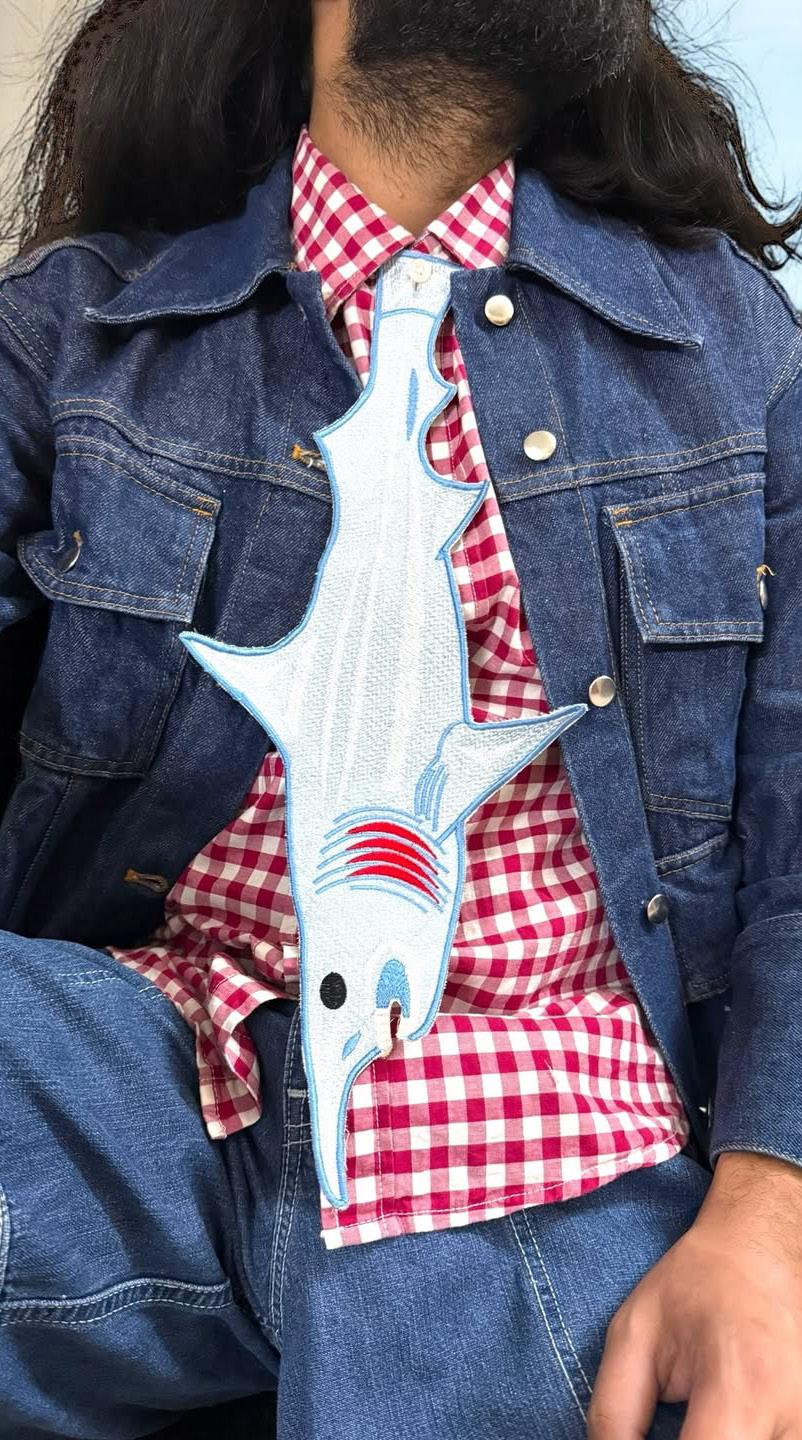
Founded by Deepak Tandon, who also co-founded Dee & Ron, Tanddon’s grew from a deeply personal relationship with fashion, creativity, and selfexpression. Dee recalls how clothing always held emotional value for her growing up, especially during festivals and special occasions when her parents would still try their best to buy her something new despite financial limitations. “I can still remember the feeling of holding those clothes close to me, almost like they carried love stitched into every thread,” she says. Over time, her love for fashion expanded into sewing, upcycling old clothes, and eventually discovering thrifting, which she describes as “finding a piece of myself I didn’t even know was missing.”
Before launching Tanddon’s, Dee worked a corporate job where she often felt undervalued and emotionally exhausted despite being genuinely good at her work. “There were days I came home emotionally exhausted, questioning my worth,” she shares. That difficult phase eventually pushed her toward starting a thrift store on Instagram, which slowly transformed into a brand built around individuality, creativity, and self-expression. Today, Tanddon’s stands out for blending thrifted finds, vintage aesthetics, upcycled clothing, and bold statement pieces in one space. “The brand is for people who don’t want to look like everyone else,” Dee says, adding that fashion should feel “exciting, not repetitive.”
At its core, Tanddon’s is about making people feel confident in being fully themselves. Dee hopes her designs make wearers feel “confident, expressive, and unforgettable,” whether through a vintage accessory, an upcycled piece, or a statement shirt. “I want someone wearing my clothes to walk into a room and instantly feel like the most authentic version of themselves,” she says. For Dee, fashion goes beyond trends and appearance. “Fashion doesn’t have to follow rules to be beautiful!” she exclaims with a smile.
There were days I came home emotionally exhausted, questioning my worth,That difficult phase eventually pushed her toward starting a thrift store on Instagram, which slowly transformed into a brand built around individuality, creativity, and self-expression.
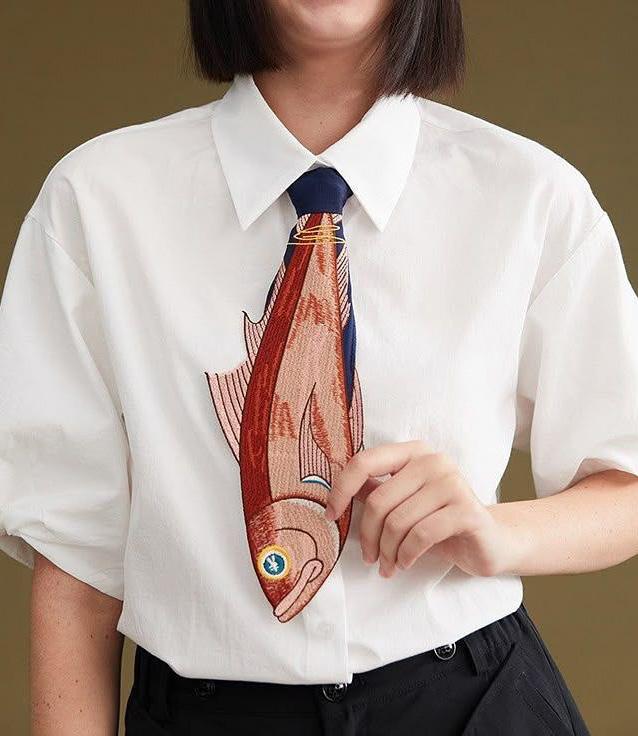



Just two hours from Hyderabad, surrounded by open skies, birdsong, and the calming calls of peacocks, Tre Wellness feels more like a serene healing sanctuary than a typical wellness escape. Located in Kolkunda, the 20-room retreat blends Ayurveda, naturopathy, and mindful hospitality into a deeply restorative experience. Sinduri Vuppala shares her stay at Tre Wellness, where every detail is thoughtfully designed around holistic wellbeing.
Ihonestly didn’t know what to expect before arriving. Wellness retreats often promise transformation, but very few manage to balance authentic healing with genuine comfort. Tre Wellness surprised me because it did both, thoughtfully, quietly, and without feeling performative.
The experience began on a warm and welcoming note the moment we checked in. Before anything else, there was a detailed wellness questionnaire followed by a one-on-one consultation with the in-house doctor that lasted close to 30 minutes. It didn’t feel rushed or standardised. The doctors genuinely tried to understand lifestyle patterns, health concerns, stress levels, sleep habits, digestion, and overall well-being before suggesting therapies.
What stood out immediately was how personalised everything felt. Rather than placing guests into fixed wellness packages, the team carefully blended Ayurveda and naturopathy based on individual needs. By lunchtime on the very first day, each of us already had a customised healing plan prepared.
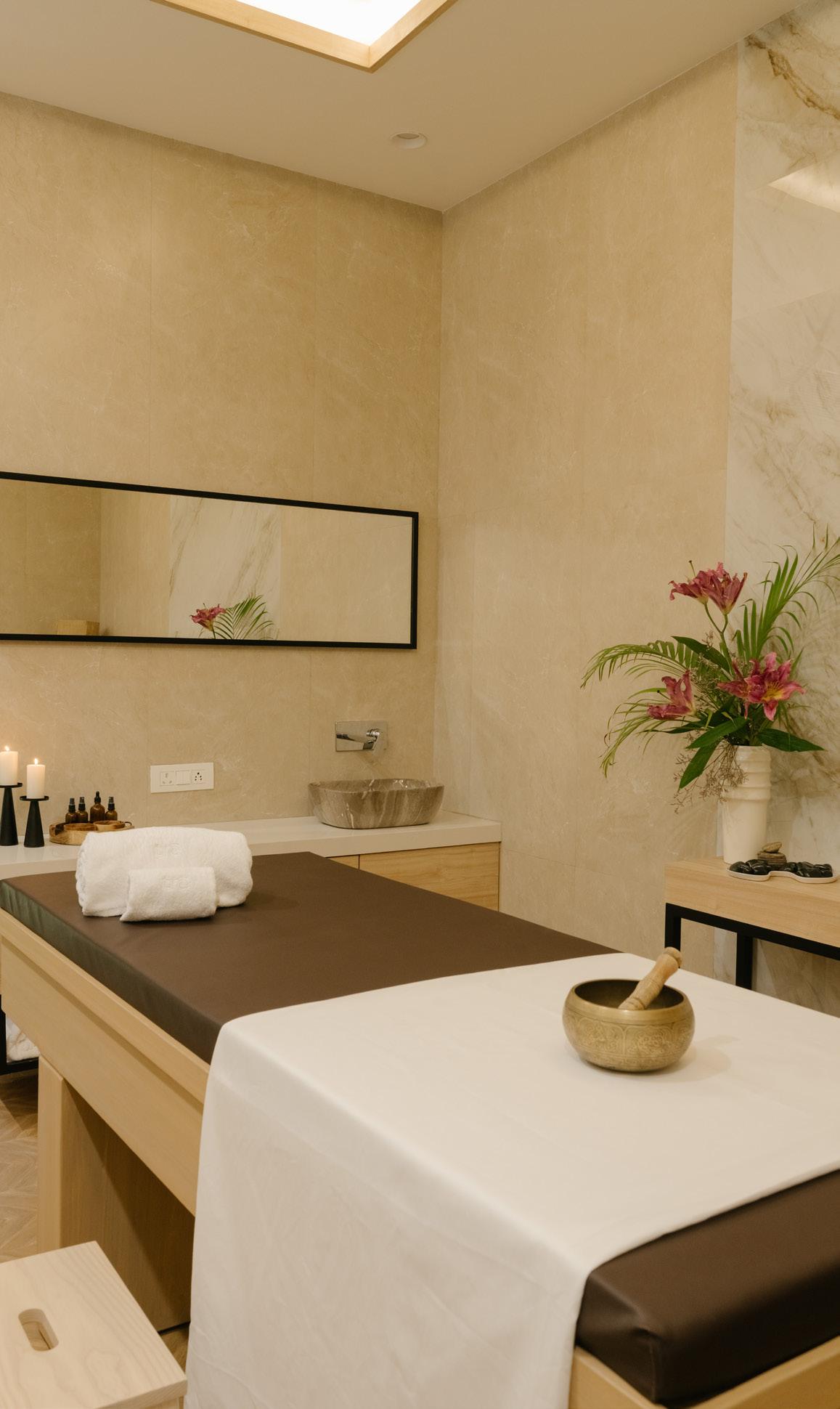
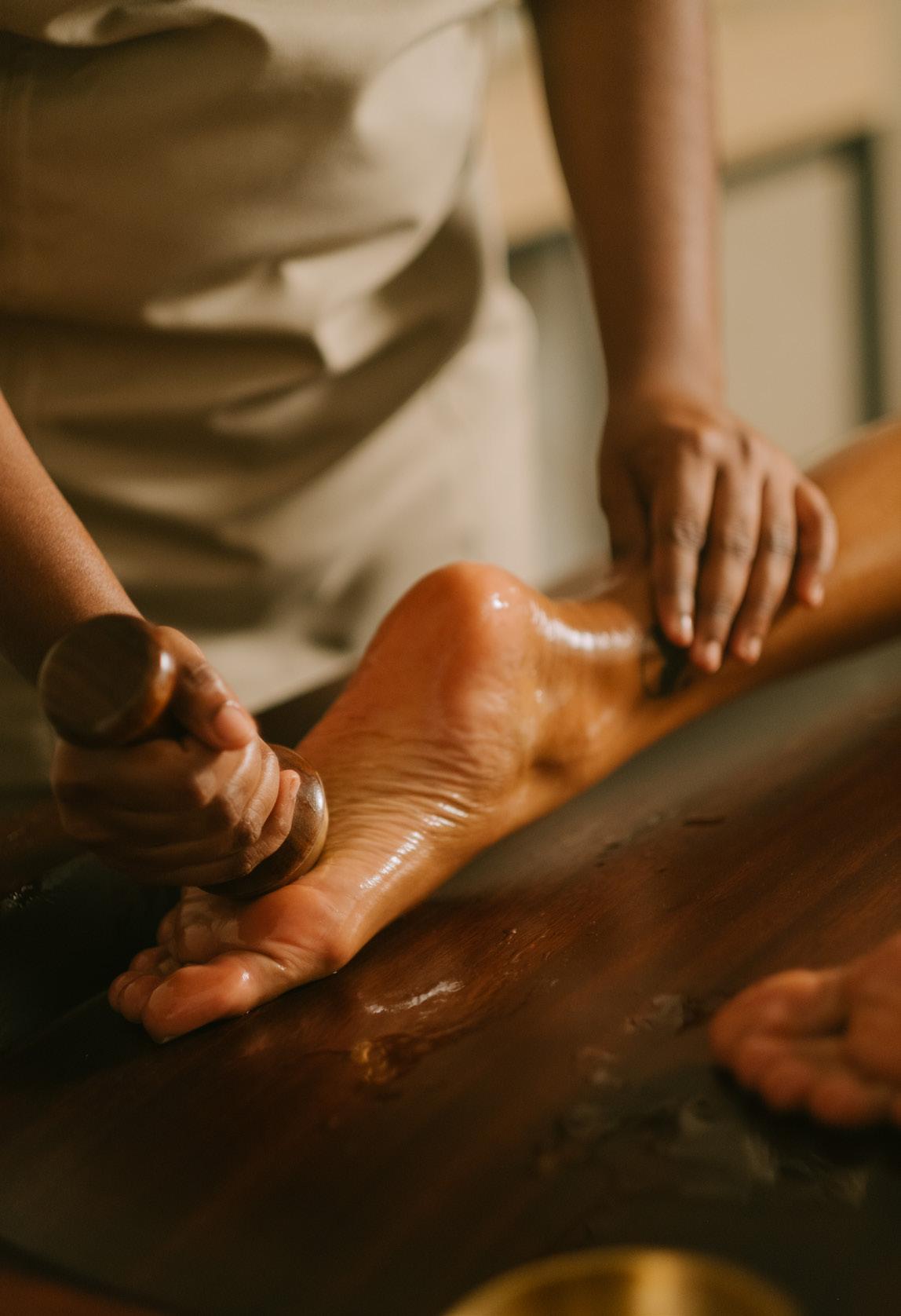
My therapies began with an Abhyanga massage, and from there, every treatment felt intentionally curated. Day two was Udwartana, an Ayurvedic dry powder massage therapy known for stimulating the lymphatic system and activating pressure points and improving circulation, while another involved a deeply relaxing potli massage. Reflexology is also given daily for around 15 minutes as part of the healing routine. There were also mud packs, liver treatments,
water yoga, face yoga, detox therapies, and herbal treatments woven seamlessly into the schedule.
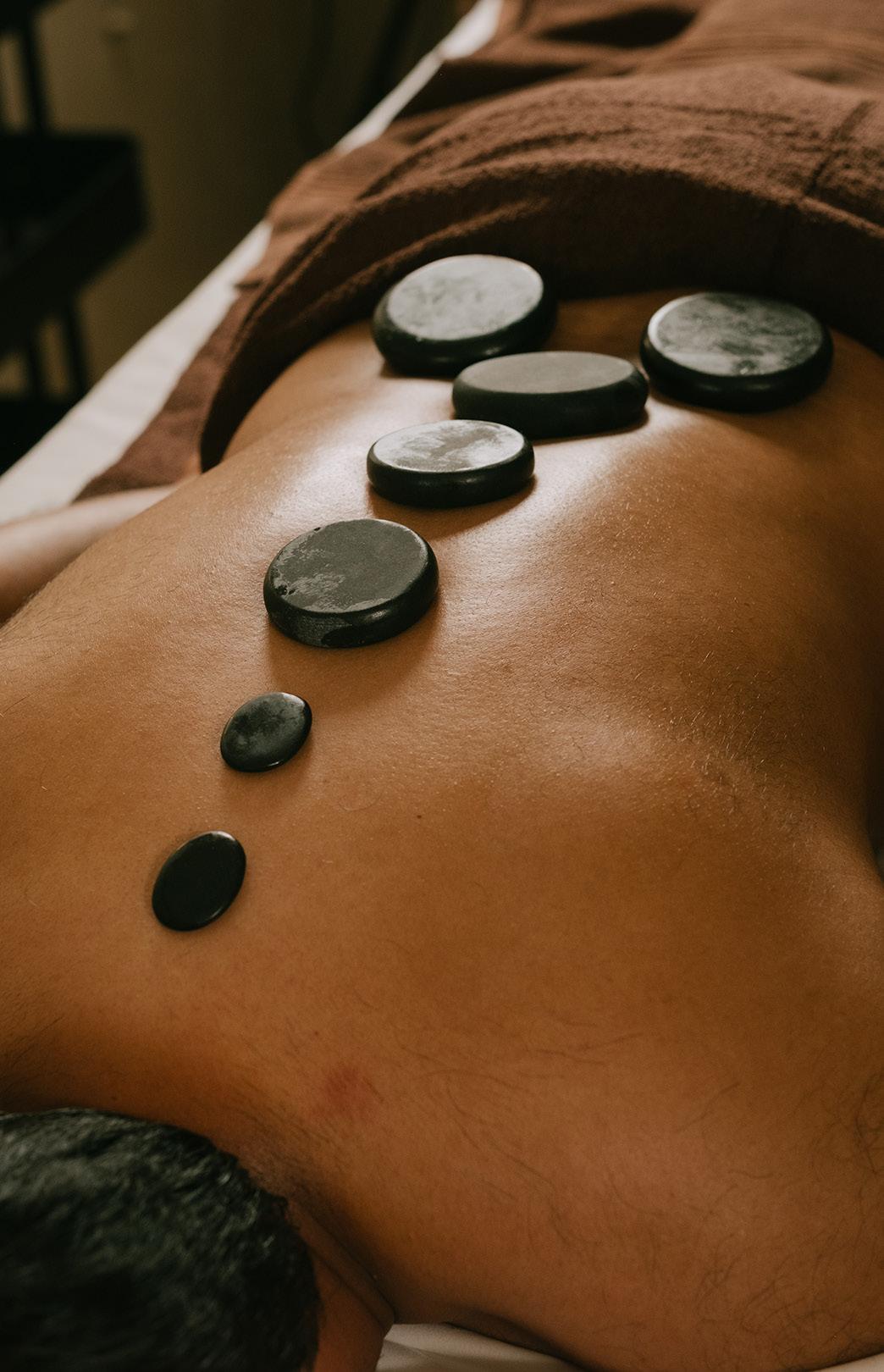
The food deserves special mention because it completely changed my perception of “wellness cuisine.” The meals are designed not just for nutrition but for recovery and balance.
Every guest follows a structured dinacharya, a daily wellness routine designed around healing. Typically, the day includes one major therapy and one minor therapy, along with yoga sessions in the morning and evening, guided wellness breaks, detox drinks, and nourishing mini meals between treatments. Even the bedtime drink delivered to the room each night felt like part of a larger healing philosophy.
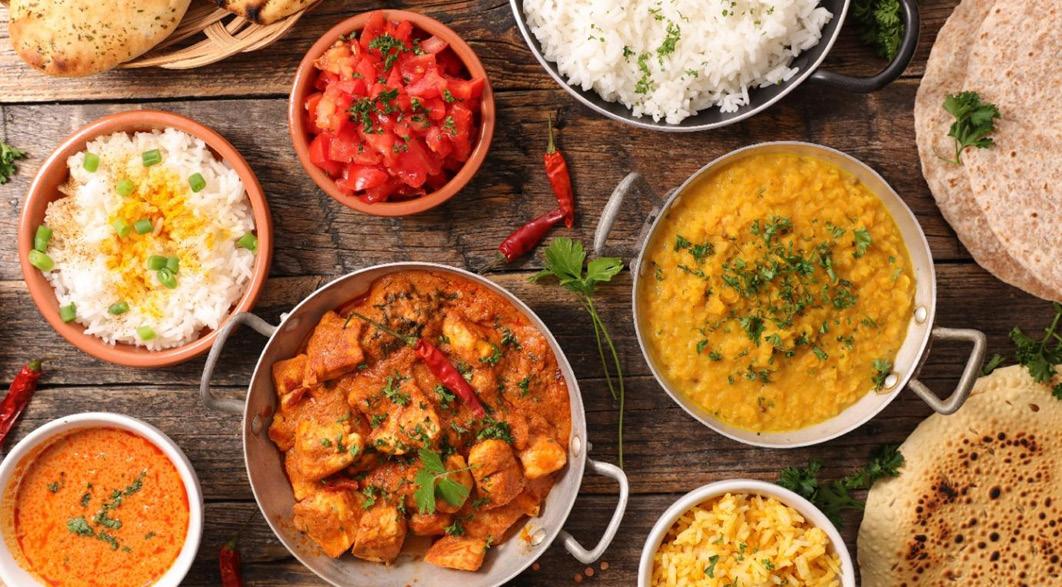
The food deserves special mention because it completely changed my perception of “wellness cuisine.” The meals are designed not just for nutrition but for recovery and balance. The kitchen follows an extremely clean philosophy: no refined sugar, no chillies, no gluten, minimal dairy, and absolutely no frozen ingredients. Everything is prepared fresh daily using seasonal produce, millets, sprouts, and healing ingredients.
What made the dining experience memorable was how interactive it felt. The dietician personally spent time with guests, explaining ingredients, nutritional benefits, and even simple ways to recreate certain dishes at home. Despite the restrictions, the food never felt limiting; there were healthy tacos, sprouted millet breads, naturally sweetened spreads, and beautifully plated meals that were both comforting and flavourful.
Another detail that reflects the retreat’s authenticity is that all the therapeutic oils used during treatments are freshly prepared on-site rather than sourced externally. Even the herbal packs and potlis are customised according to the guest’s body condition and wellness goals.
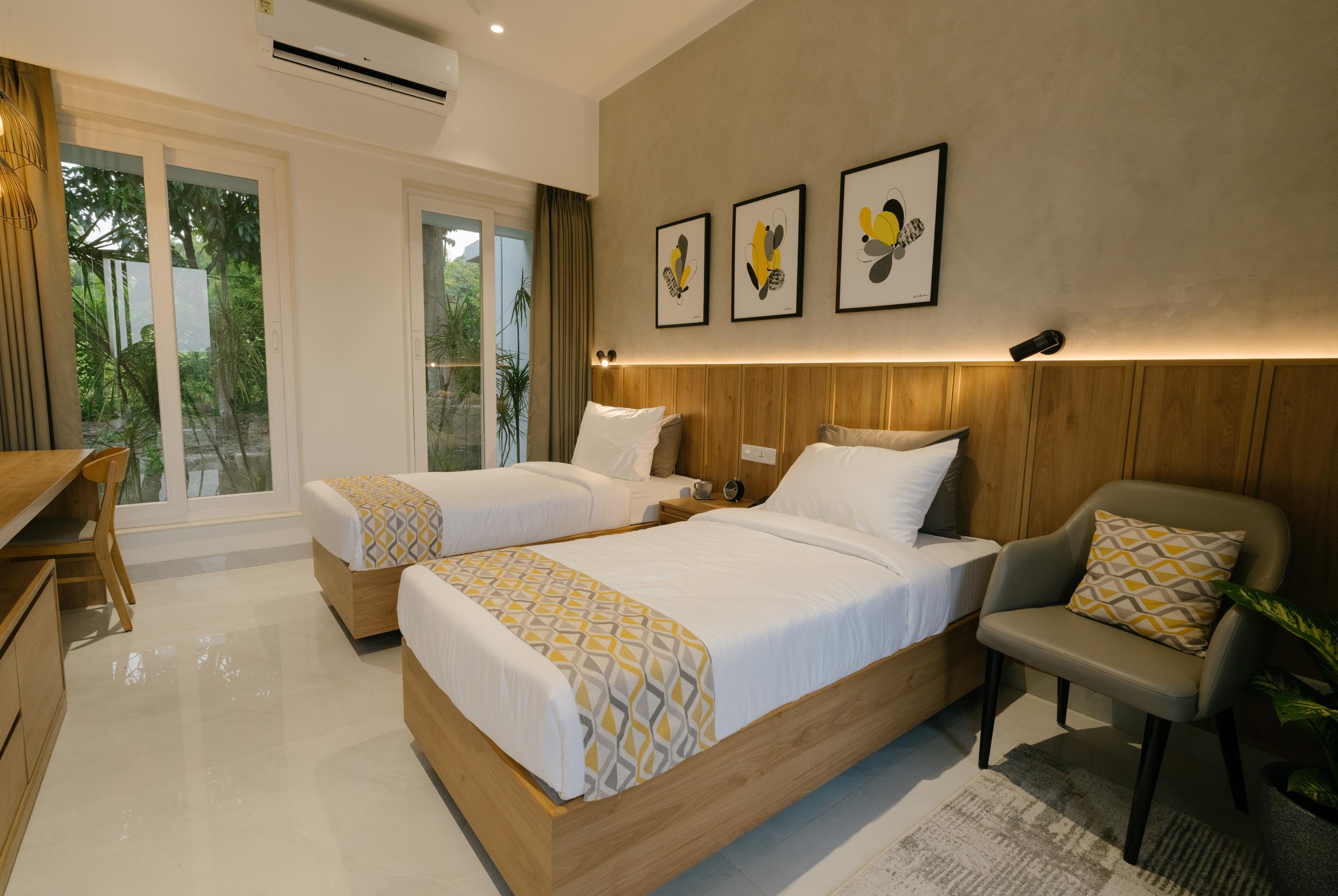
The rooms themselves are spacious, calming, and thoughtfully designed. Small details, like a pillow menu for personalised comfort, reflect the level of care that has gone into the guest experience. The architecture avoids visual clutter, allowing the surrounding greenery and open spaces to become part of the healing process itself.
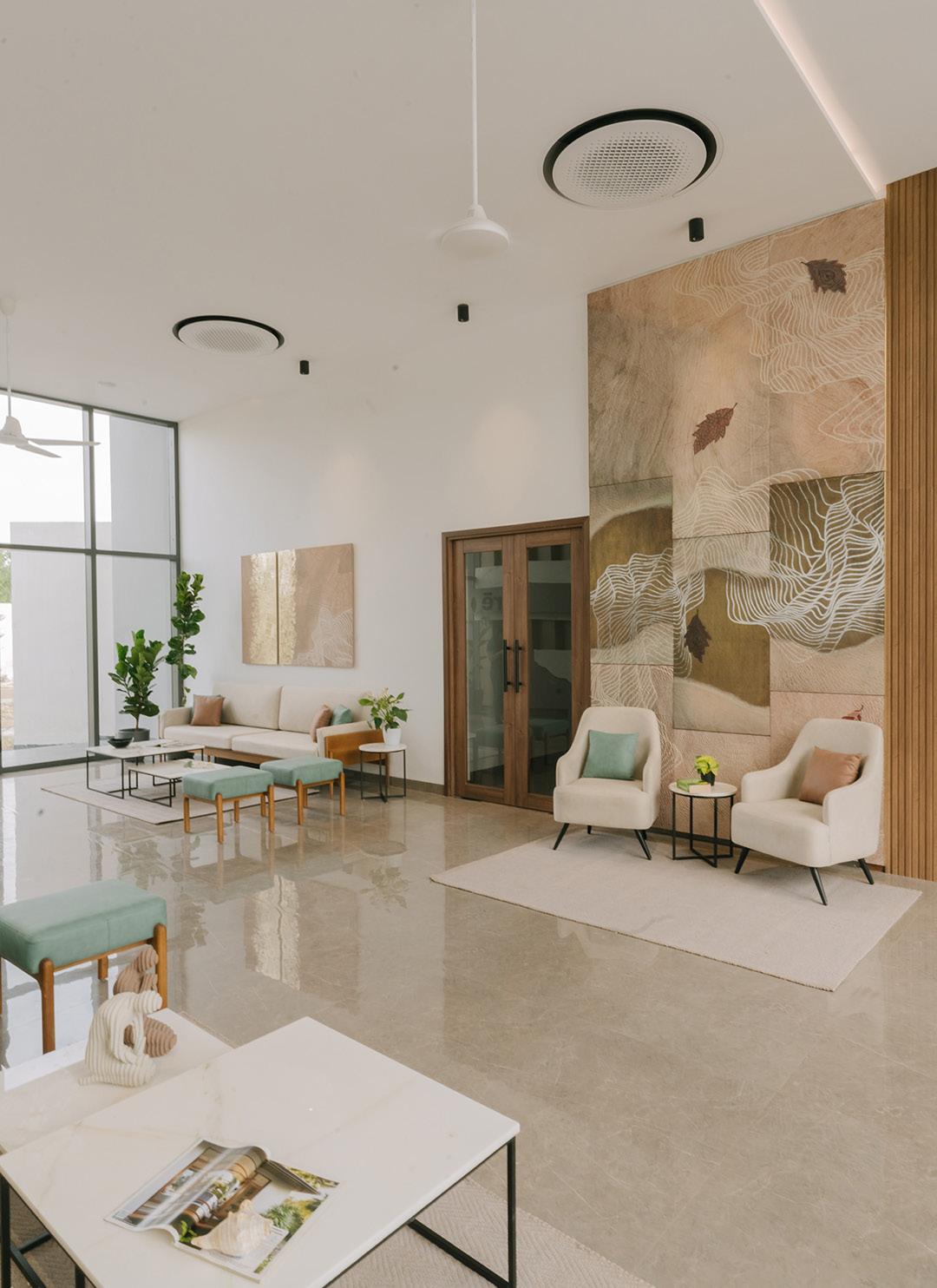
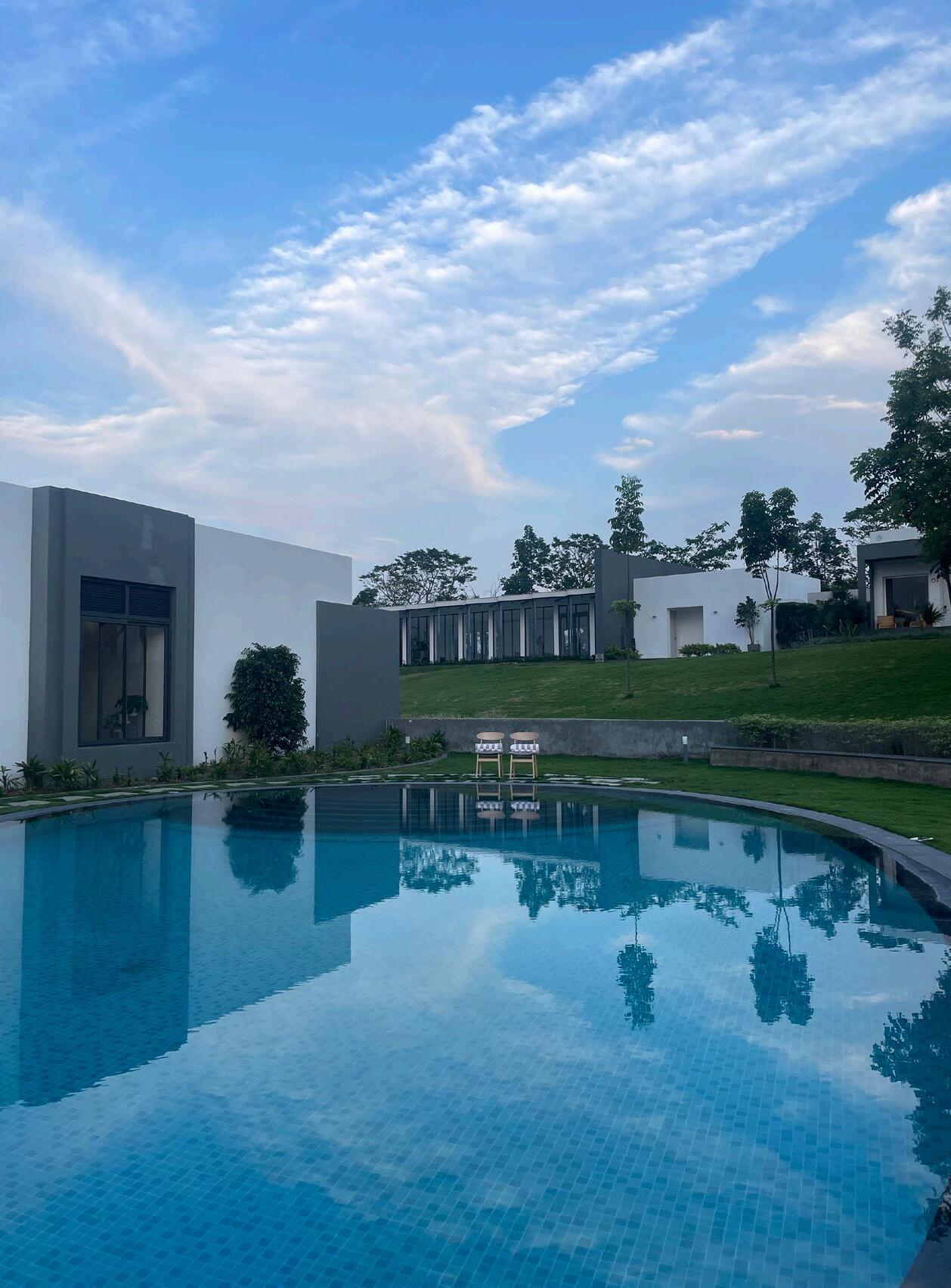
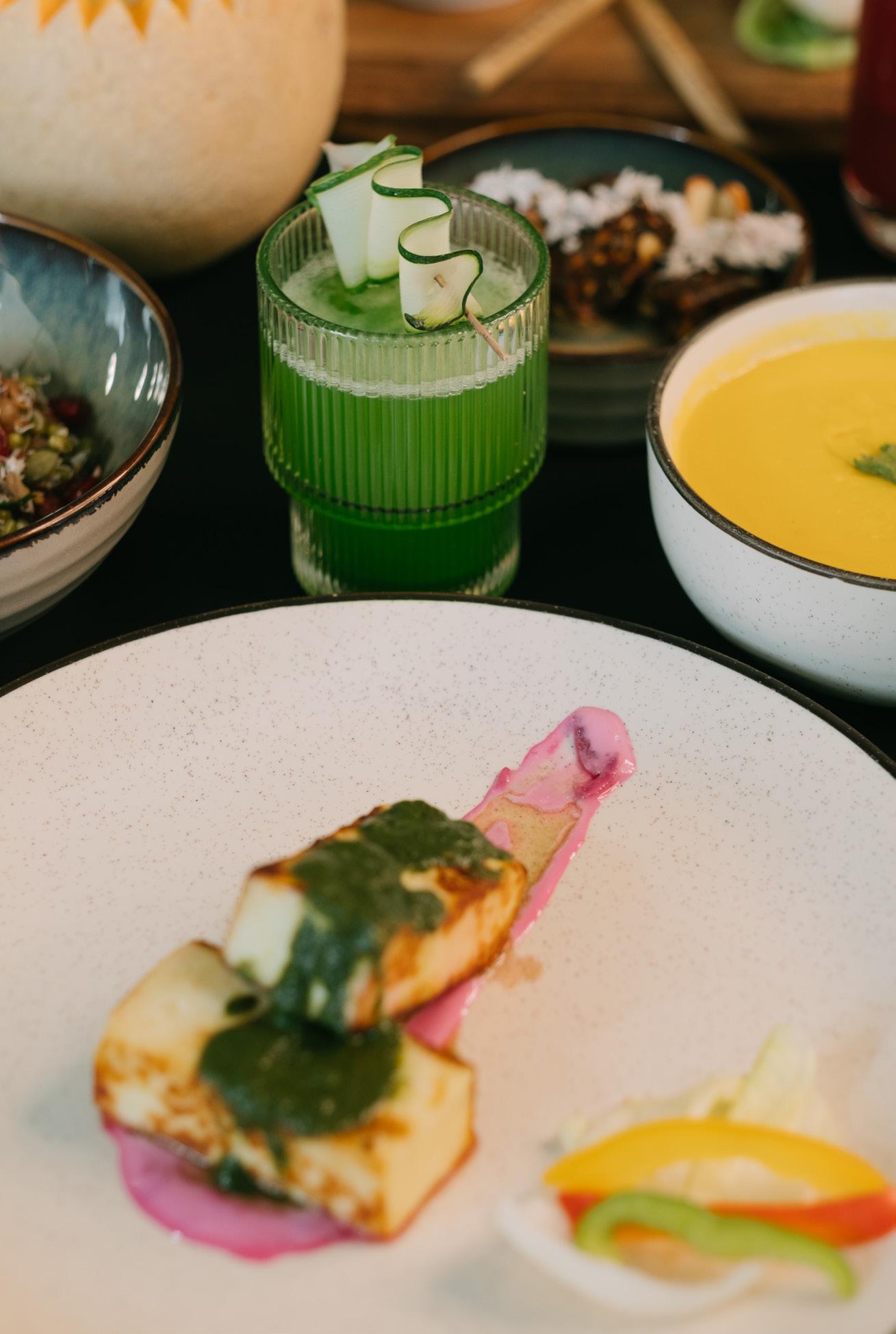
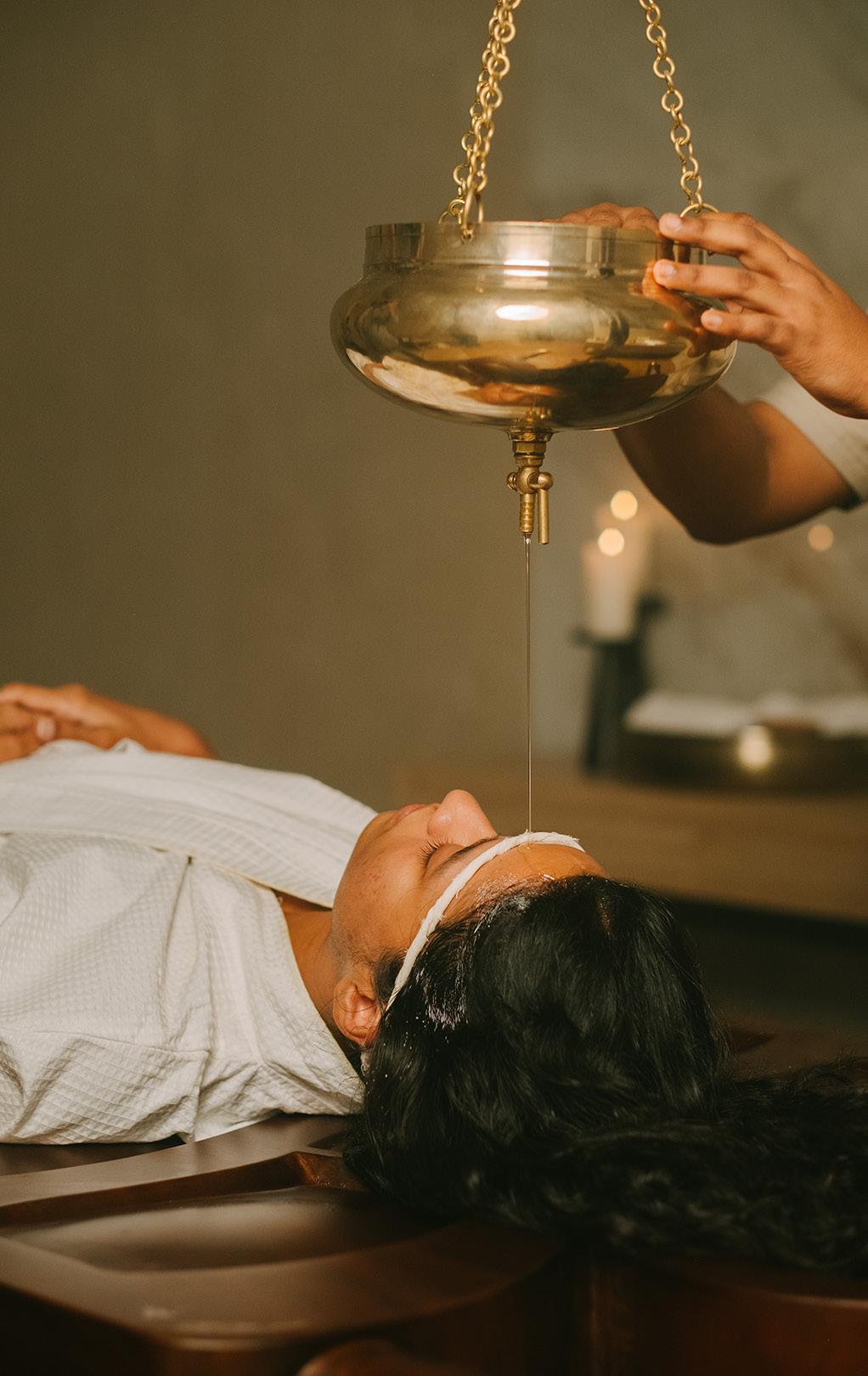
What makes Tre Wellness even more unique is that the property has been consciously designed around the five senses. The retreat is located in an area known for some of the best air quality in Telangana, and the environment itself feels deeply restorative. Visually, the spaces are calming and uncluttered, dominated by soothing greens, natural stone, and open landscapes. The sounds of birds and peacocks replace city noise, while healing food, fresh herbal oils, and grounding therapies create a sensory experience that feels intentional from start to finish.
What makes Tre Wellness even more interesting is the story behind its founder, Lakshmi Reddy.
Lakshmi’s journey into natural healing began after she was advised to undergo knee surgery following nearly two years of severe pain and mobility issues. Unsure about the procedure, she decided to try naturopathy first, a decision that ultimately changed her life. Within weeks of undergoing natural therapies, her pain disappeared completely. Years later, she still never needed surgery.
Another transformative moment came when her husband suffered from a chronic cough for over a year despite conventional treatments and steroids. A naturopathy practitioner diagnosed the issue through pulse reading and prescribed herbal remedies that resolved the problem within days. Those experiences deeply shaped Lakshmi’s belief in Ayurveda and naturopathy, eventually inspiring her to build Tre Wellness.
During her own wellness journeys, she noticed a major gap in the industry: clinically effective wellness centres often lacked comfort and hospitality, while luxury resorts focused more on aesthetics than authentic healing.And perhaps that’s what stays with you most after leaving Tre Wellness: the feeling that everything here has been designed with intention.
This is not a place that simply pampers you for a weekend. It’s a space that encourages you to slow down, reconnect with your body, and genuinely reset, physically, mentally, and emotionally. Whether you come for a short detox or a longer therapeutic program, the experience feels deeply personal from start to finish.
By the time I left, Tre Wellness no longer felt like just another wellness retreat near Hyderabad.
This is not a place that simply pampers you for a weekend. It’s a space that encourages you to slow down, reconnect with your body, and genuinely reset, physically, mentally, and emotionally.
It felt like a thoughtfully built sanctuary, one rooted in healing, simplicity, and care.

Here is what most people don’t know: the food you eat in summer decides how much energy you carry through the day. Heavy, oily meals make you sluggish. Too little food leaves you dizzy. But high-protein vegetarian meals, the kind Indian kitchens have been making for centuries, give your body exactly what it needs to stay sharp, stay cool, and stay strong. Dhanush Kumar writes about the Top 10 High-protein Indian vegetarian meals, which are not fancy supplements, no expensive imports. Just real Indian food, done right.
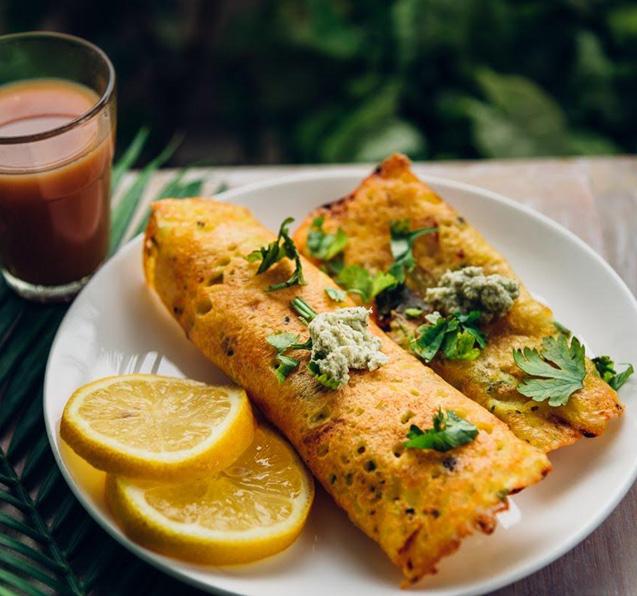
If you eat just one thing differently this summer, make it this. Moong dal chilla is a thin, crispy pancake made from soaked green moong, and it is one of the lightest, most protein-rich breakfasts in Indian cooking.
The magic of moong in summer is real. It is naturally cooling for the body, and it digests easily, so you don’t feel heavy after eating. Add some grated ginger and green chilli, a little ajwain, and serve with green chutney, and you have a breakfast that keeps you full till noon without weighing you down. Children love it. Office-goers love it. Your body in 42 degrees of heat will absolutely love it.
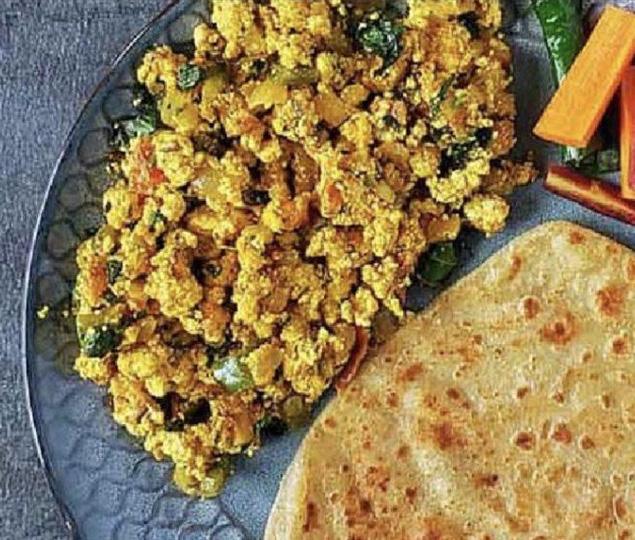
Paneer is India’s answer to the protein question, and paneer bhurji is the fastest way to get it on your plate. Scrambled, spiced with onions, tomatoes, turmeric, and a pinch of cumin, it comes together in under 10 minutes and delivers serious protein without a lot of effort.
In summer, skip the paratha and pair it with plain whole wheat roti instead. Less oil means your digestive system doesn’t have to work overtime in the heat. A small bowl of curd on the
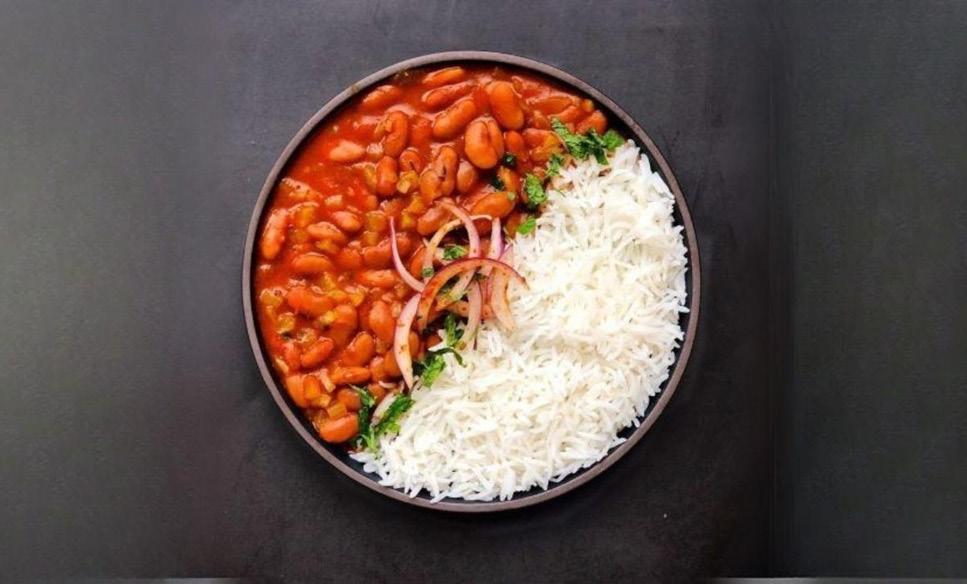
Yes, it is a classic. Rajma is one of the highest-protein legumes available in India, rich, thick, and deeply satisfying. Pair it with plain rice, and you have a complete meal with all the essential amino acids your body needs
The trick in summer is to make it lighter: Less oil, more tomatoes, skip the cream, and finally add a squeeze of lemon at the end. Eat it for lunch, rest for 30 minutes, and you will have the energy to power through an entire afternoon. Ask any Punjabi family, this is their summer secret weapon.
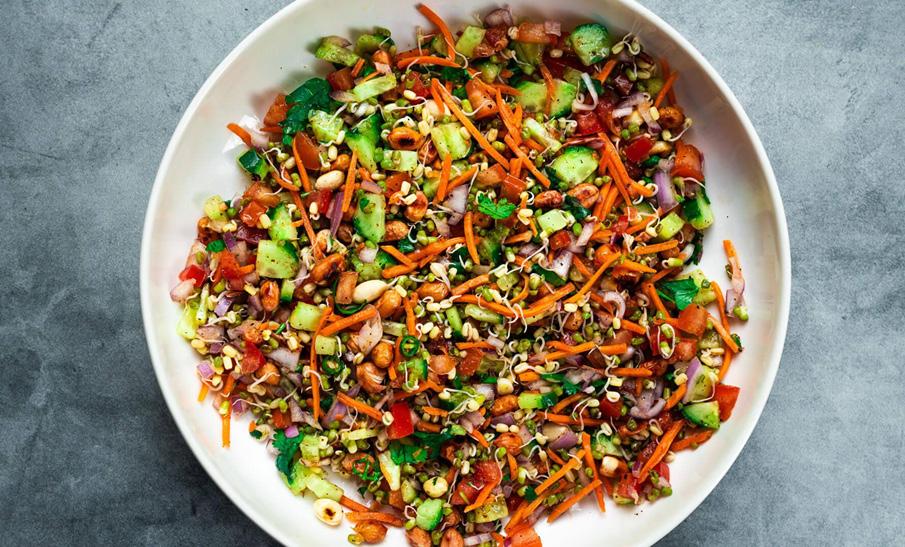
You do not always want to stand in front of a hot stove when it is 42°C outside. Sprouted moong salad requires zero cooking, just soak overnight, let the moong sprout for a day, then toss with cucumber, tomato, onion, lemon, chaat masala, and a handful of coriander.
Here is the nutritional magic: when moong sprouts, its protein becomes even easier to absorb. The vitamins multiply. It is essentially alive food, and it gives you clean, sustainable energy without any heaviness. Eat a big bowl as a mid-morning snack or a light lunch and feel the difference within an hour.
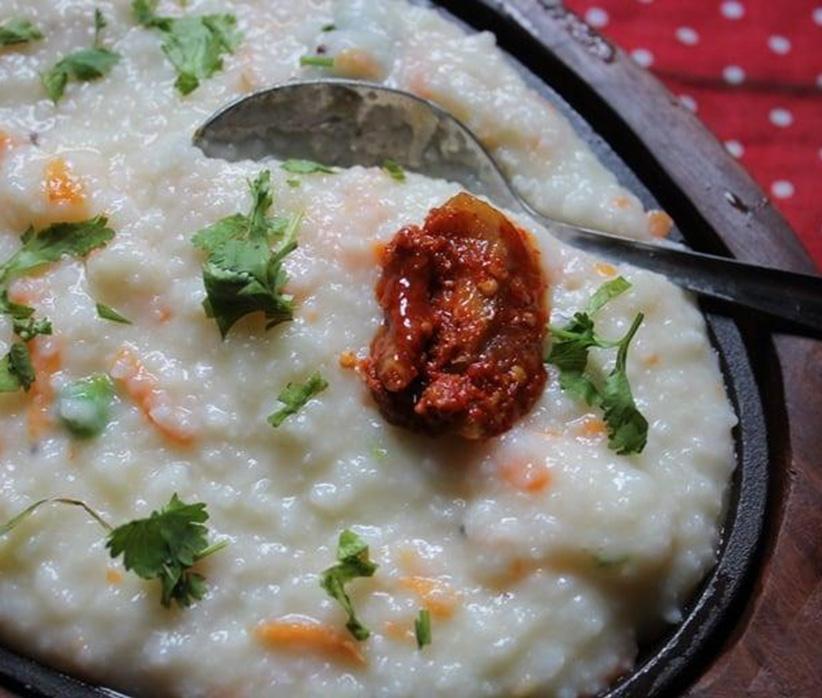
If South India had a mascot for surviving summer, it would be curd rice. Cold, creamy, tempered with mustard seeds, curry leaves, green chilli, and grated ginger, this dish is both food and medicine for the season.
Curd is packed with protein and probiotics. Rice gives you slow-release carbs. Together, they are one of the most balanced summer meals in the world. Eat it cold, eat it with any pickle, and immediately feel your body temperature drop. This is not just comfort food; it is science served in a bowl, and Tamil, Telugu, and Kannada kitchens have known this for centuries.
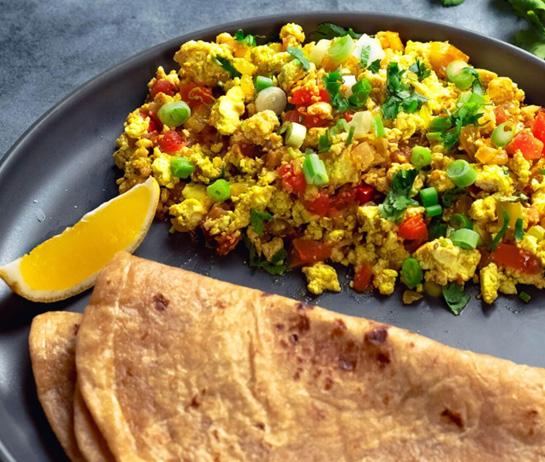
Tofu gets a bad reputation in India, mostly from people who have never had it cooked well. Crumbled and cooked exactly like paneer bhurji, with the same onion, tomato, and spice base, firm tofu is honestly hard to tell apart. And its protein profile is exceptional.
What makes tofu a summer star is that it is lighter than paneer and contains isoflavones that are genuinely good for your body in the heat. It also has no saturated fat, so your digestive system handles it effortlessly. If you are health-conscious, gym-going, or just want something that keeps you lean through the season, tofu bhurji deserves a real chance.
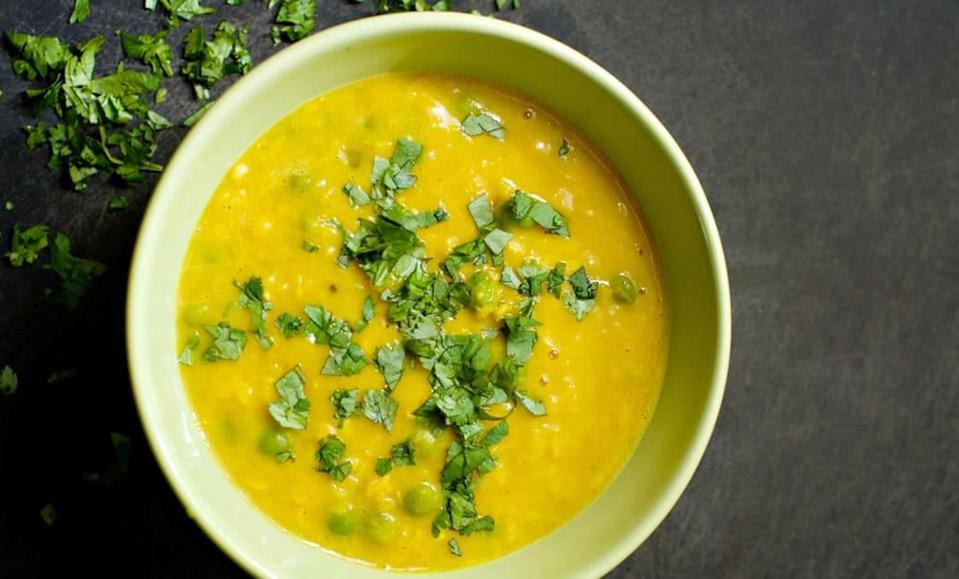
Chana dal is one of the most underrated protein sources in Indian cooking. It has more protein than most dals, a low glycaemic index, meaning it does not spike your blood sugar, and it is incredibly cheap. In summer, make it thin like a soup instead of thick like a curry.
A watery, lightly spiced chana dal with a tadka of jeera, garlic, and dried red chilli is one of the best things you can have for dinner in peak summer. It is warm but not heavy. It keeps you full through the night. And it costs almost nothing to make, which is always a good thing.
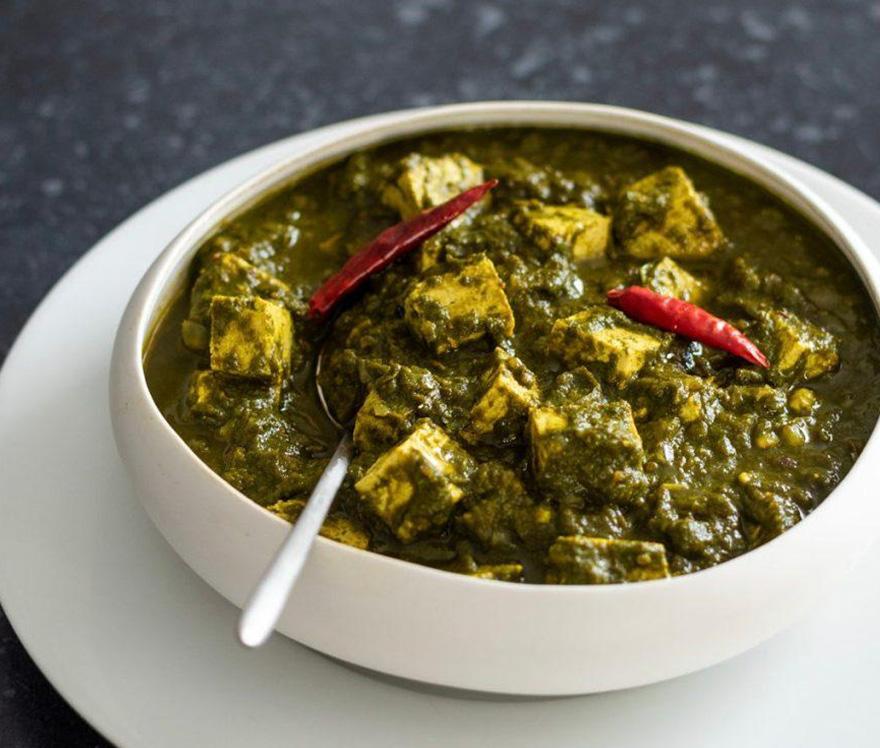
Palak paneer is not just delicious in summer; it is genuinely useful. Spinach is rich in iron, which your body loses faster when you sweat. Paneer gives the protein. Together, they restore exactly what the heat takes away from you.
The summer trick is to make it lighter than the restaurant version. Blanch the spinach instead of cooking it for a long time. Also, use minimal oil, and skip the cream entirely; the spinach puree itself gives you a creamy base. A little ginger and garlic, a few cubes of soft paneer, and you have a dinner that is both nourishing and genuinely good to eat. Your evening self will feel completely different to your midday self in the best way.
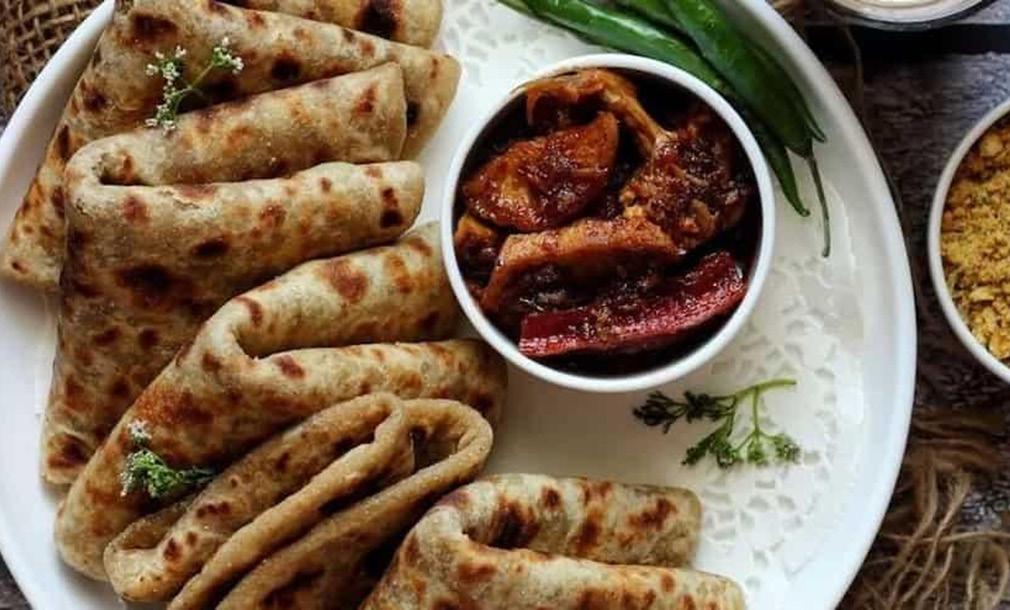
If you have never had sattu, you are missing one of India’s greatest nutritional gifts. Roasted chana flour, that is all it is. And yet it is one of the most protein-dense, bodycooling foods in the entire subcontinent.
In summer, drink it as a sharbat; mix sattu with cold water, a pinch of kala namak, roasted jeera powder, and a squeeze of lemon. It is earthy, refreshing, and fills you up for hours. In Bihar and UP, labourers have been drinking this through brutal summers for generations, and they are not wrong. You can also stuff it into parathas with onion and pickle for a protein-loaded breakfast. Cheap, ancient, and absolutely brilliant.
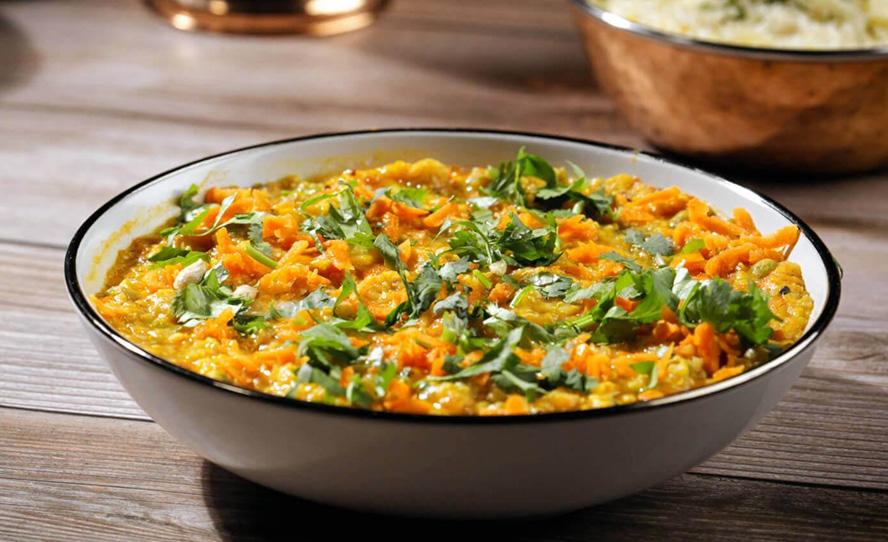
Khichdi is already one of the best summer meals, easy to digest, gentle on the stomach, and deeply satisfying. Now replace the rice with quinoa, and you have something extraordinary. Quinoa is one of the very few plant foods that contains all nine essential amino acids, making it a complete protein, which most Indian grains are not.
Cook it the same way as regular khichdi: moong dal, turmeric, ginger, and ghee tadka The quinoa cooks in about the same time as rice. The taste is nuttier and slightly different, but enormously good. It is the kind of meal that makes you feel genuinely restored after eating it, not heavy, not light, just exactly right.


New menus, exciting launches and fresh culinary concepts are redefining the way we dine. Hashtag Magazine rounds up the latest food spots and flavour-forward experiences worth checking out.
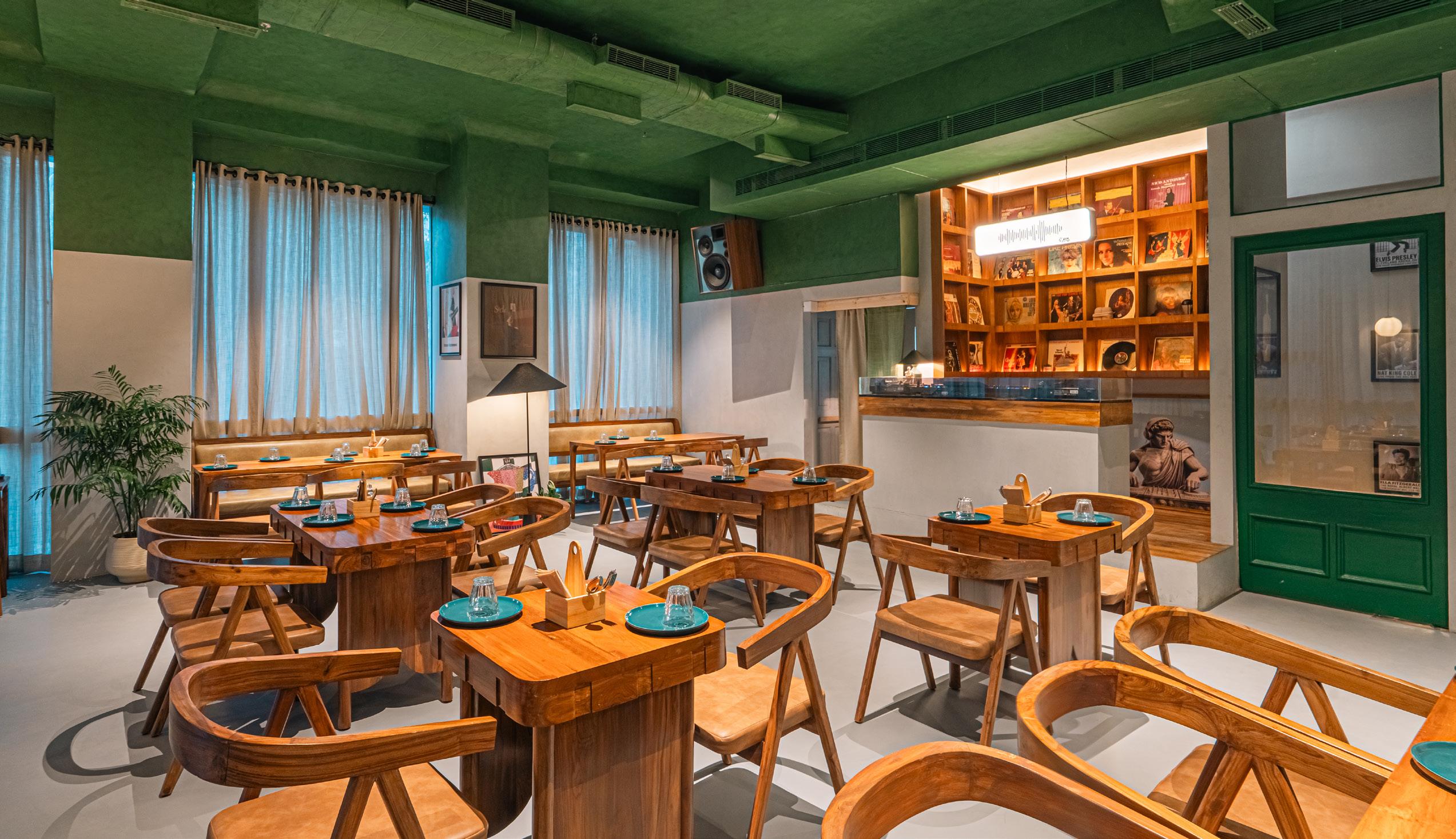
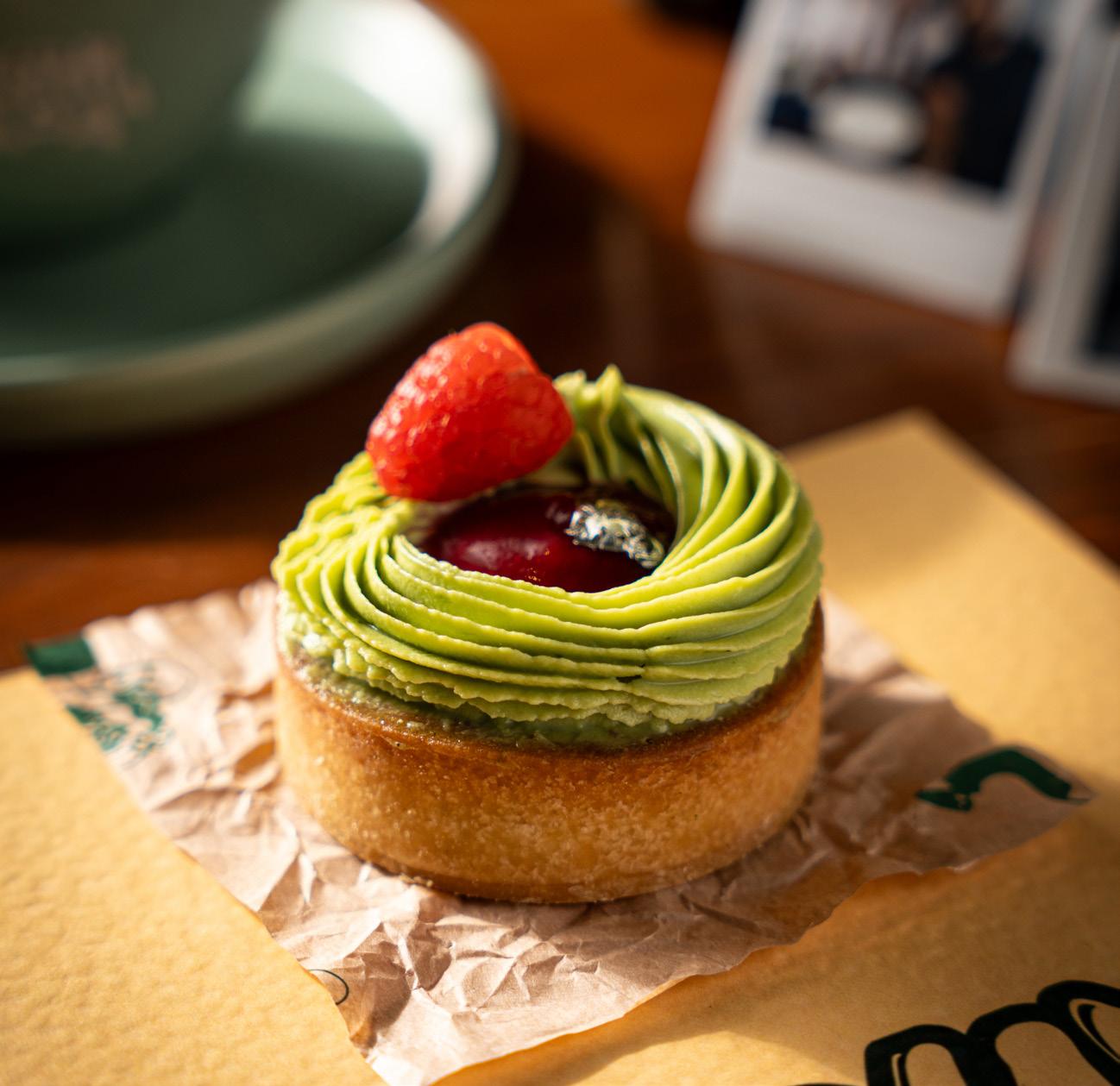
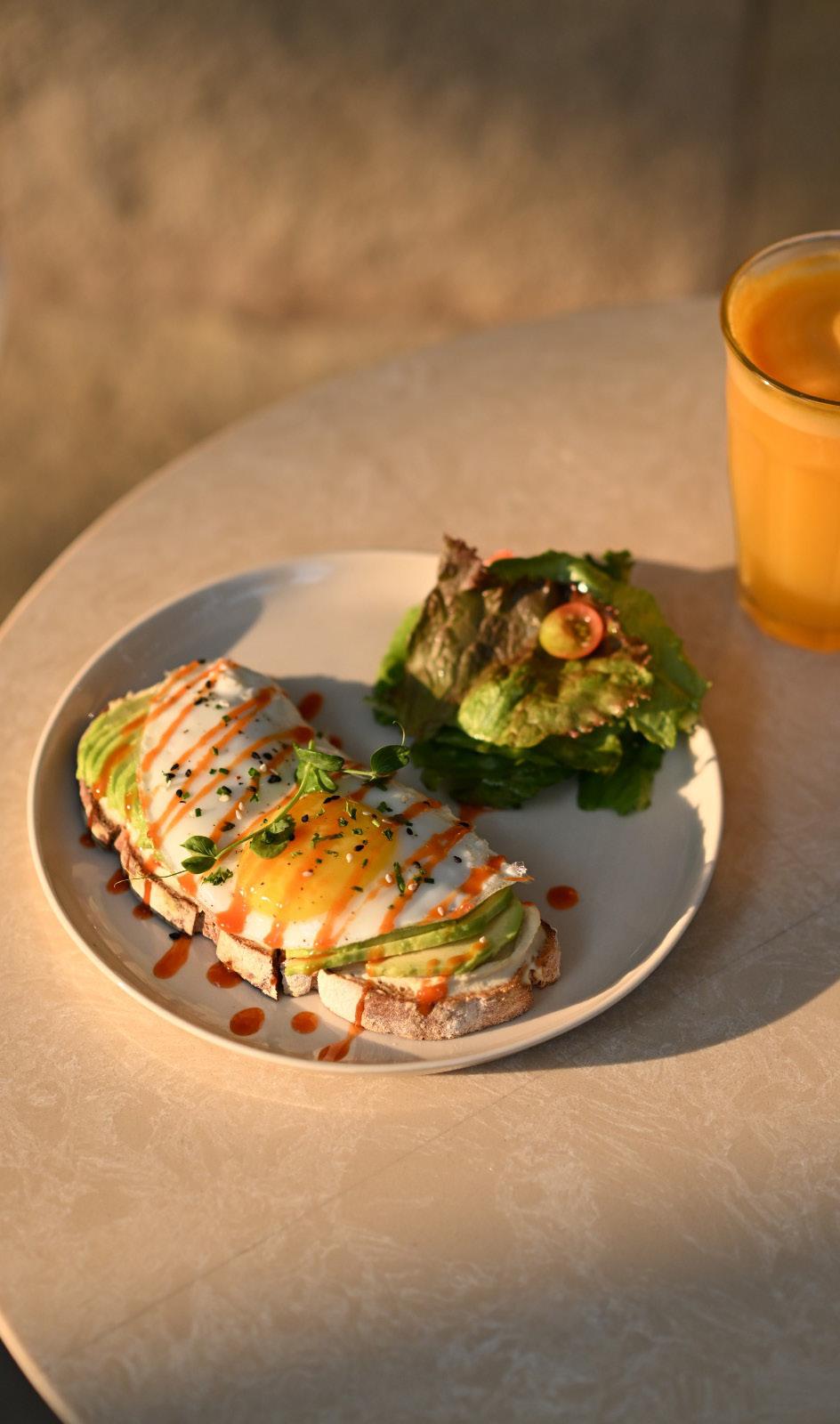
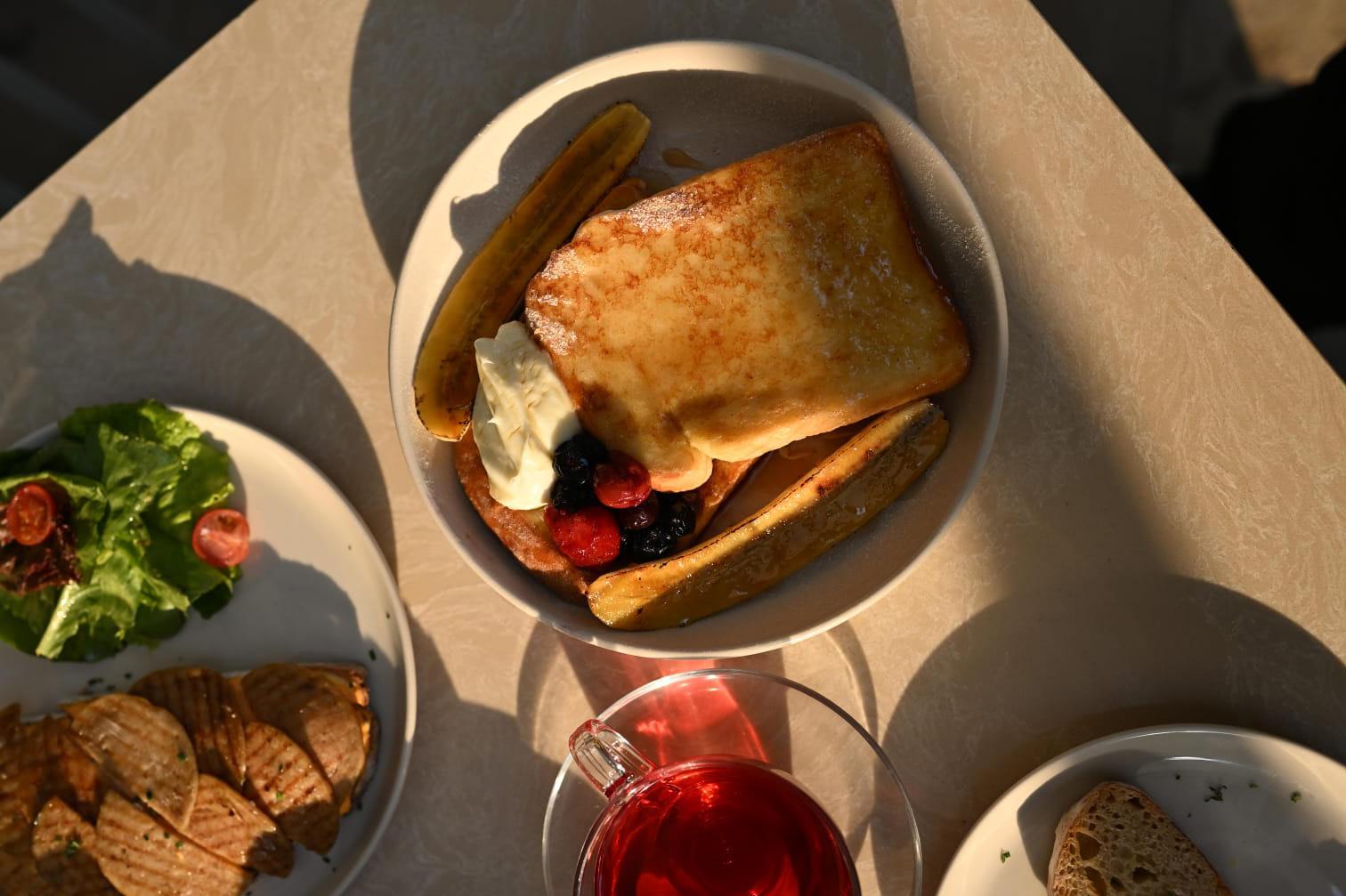
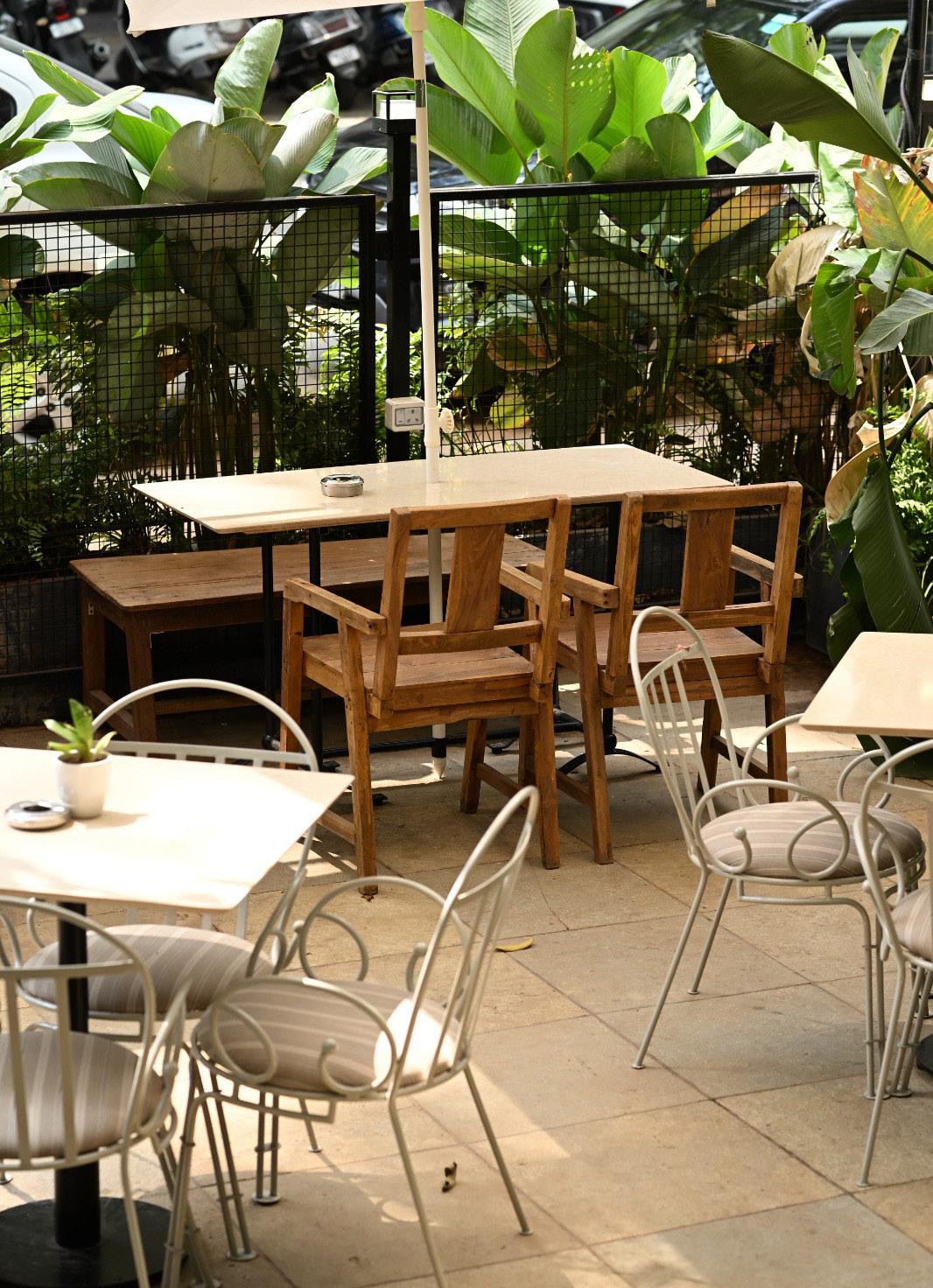
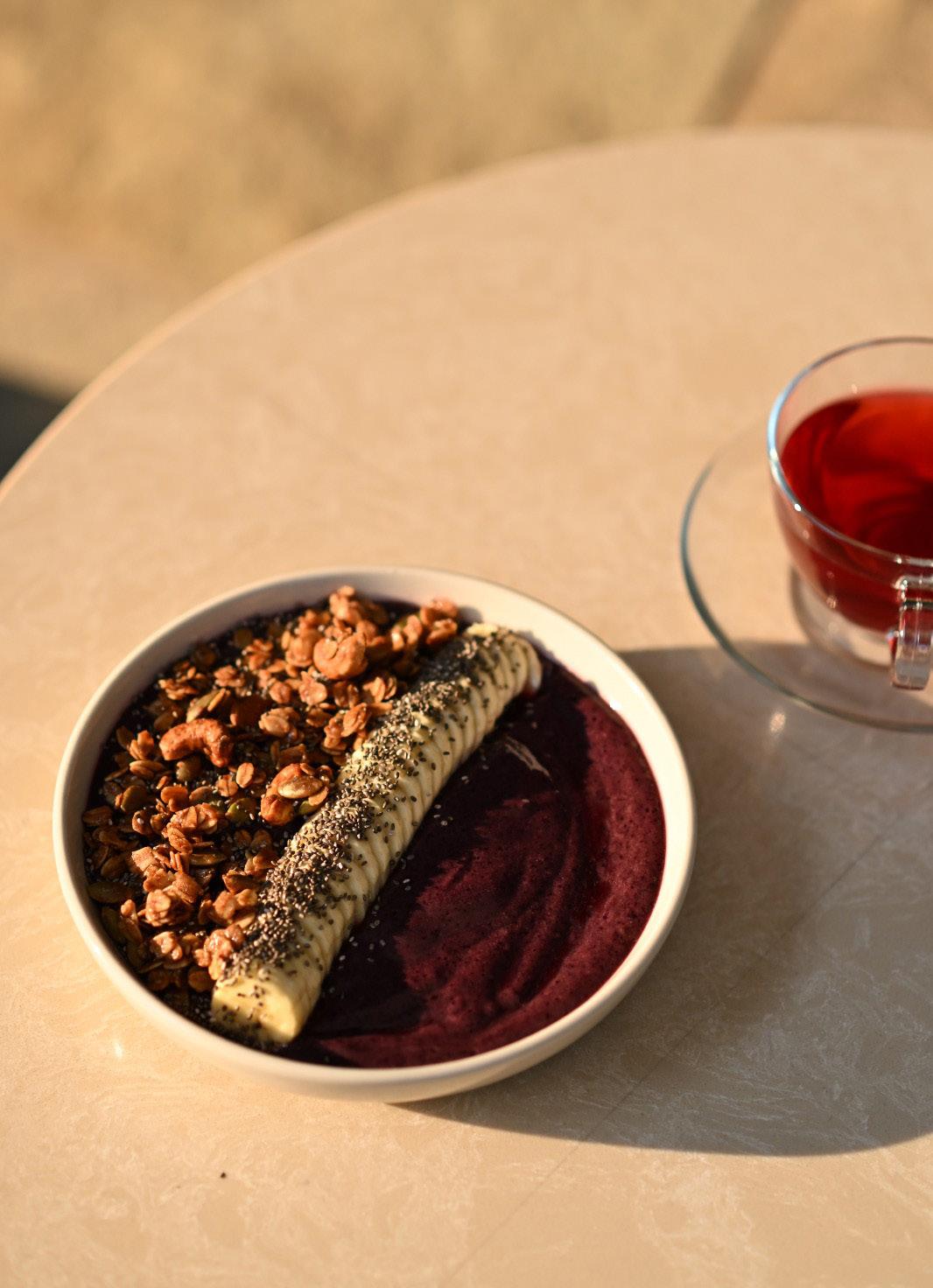
Mumbai’s café culture welcomes a refreshing new entrant with RumBabaa, an all-day coffee and vinylled space in Andheri that feels less like a conventional café and more like a carefully curated pause from the city’s pace. Rooted in Japanese minimalism and slow-living philosophy, the space combines warm lighting, natural textures and an intentionally unhurried atmosphere where music, coffee and conversation take centre stage. The vinyl setup at the heart of the café gives the space its soul, creating a rhythm that evolves gently from calm mornings to relaxed evening wine sessions. The menu balances nourishment with indulgence thoughtfully. Breakfast bowls, inventive egg dishes and globally inspired small plates sit comfortably alongside playful desserts and elevated comfort food. Dishes like the Krapow Omelette, Kataifi Prawns and Tiramisu French Toast showcase the café’s willingness to blend familiar flavours with creative presentation. The coffee programme is equally expansive, featuring everything from V60 pour-overs and cortados to flavour-forward creations like Mango Matcha, Black Sesame Latte and Salted Caramel Espresso Oat Latte. What makes RumBabaa stand out is its emotional warmth. It doesn’t rely on spectacle or excess, instead offering a slower, more mindful hospitality experience where good music, thoughtful food and excellent coffee come together effortlessly. Quietly stylish and deeply comforting, RumBabaa feels like the kind of neighbourhood café Mumbai didn’t realise it needed.

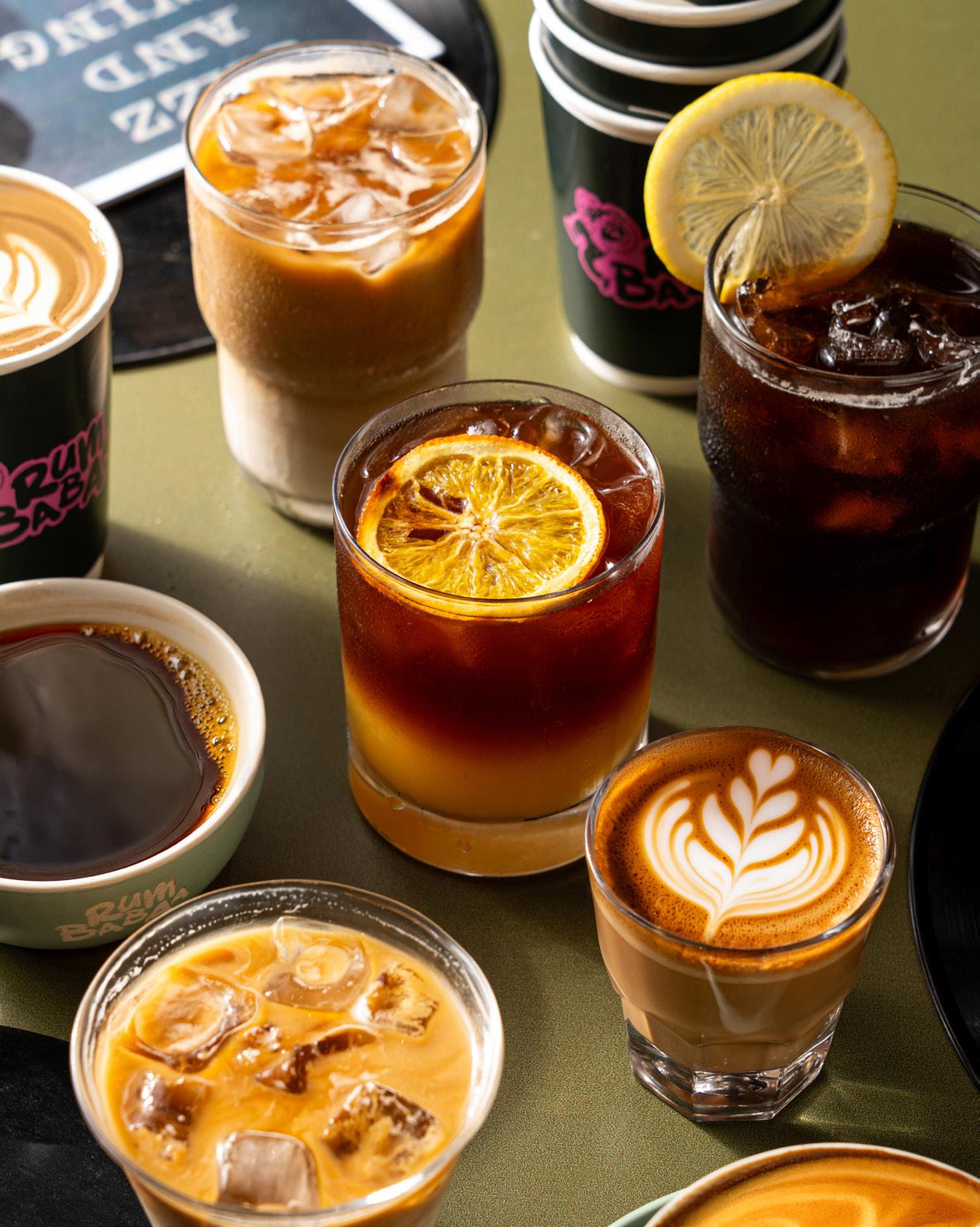
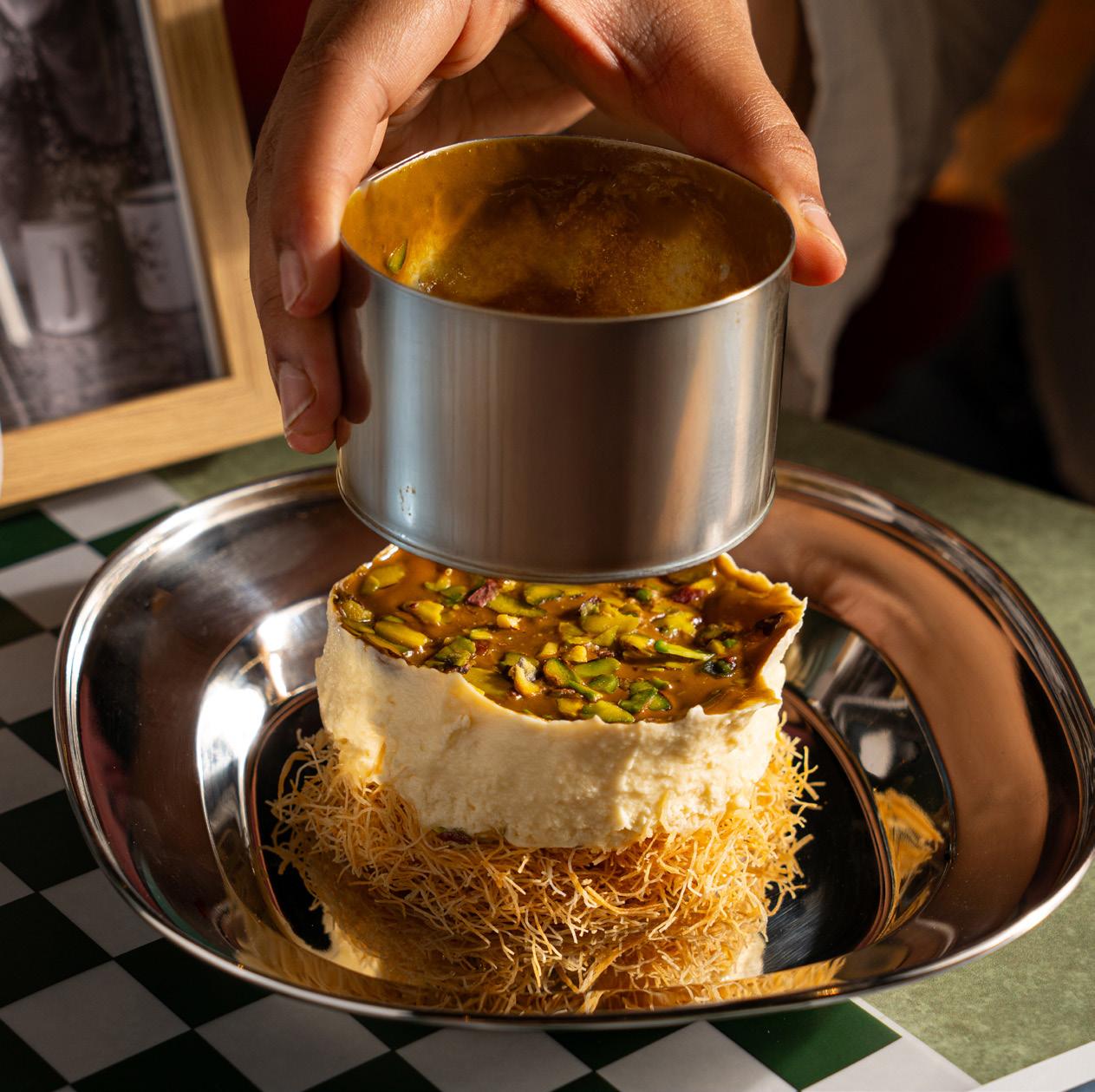
Pune’s café culture continues to evolve, and ButterBrews’ newest outpost in Aundh arrives with a format that feels larger, more polished and intentionally experience-driven. Designed as an all-day café built around comfort and community, the new space balances functionality with warmth through thoughtfully divided indoor, outdoor and amphitheatre-style seating zones. Whether for work meetings, long coffee catch-ups or casual evening hangs, the café feels built for repeat visits rather than occasional indulgence.
At the heart of the experience is coffee. ButterBrews continues its strong coffee-first approach with 100 percent Arabica beans, rotating speciality guest roasters and manually brewed options that cater to both everyday coffee drinkers and enthusiasts. The inclusion of roasters like Tulum and Ground Zero adds a layer of depth to the menu while keeping the offering dynamic and contemporary.
The food menu complements the café’s easygoing atmosphere with wholesome bowls, breakfast plates, vegan options and comfort-led café fare. Desserts from the in-house bakehouse, especially the Basque cheesecake and cinnamon rolls, stand out as crowd favourites. With its expanded format and elevated offering, ButterBrews Aundh positions itself as a strong new addition to Pune’s growing speciality café scene.
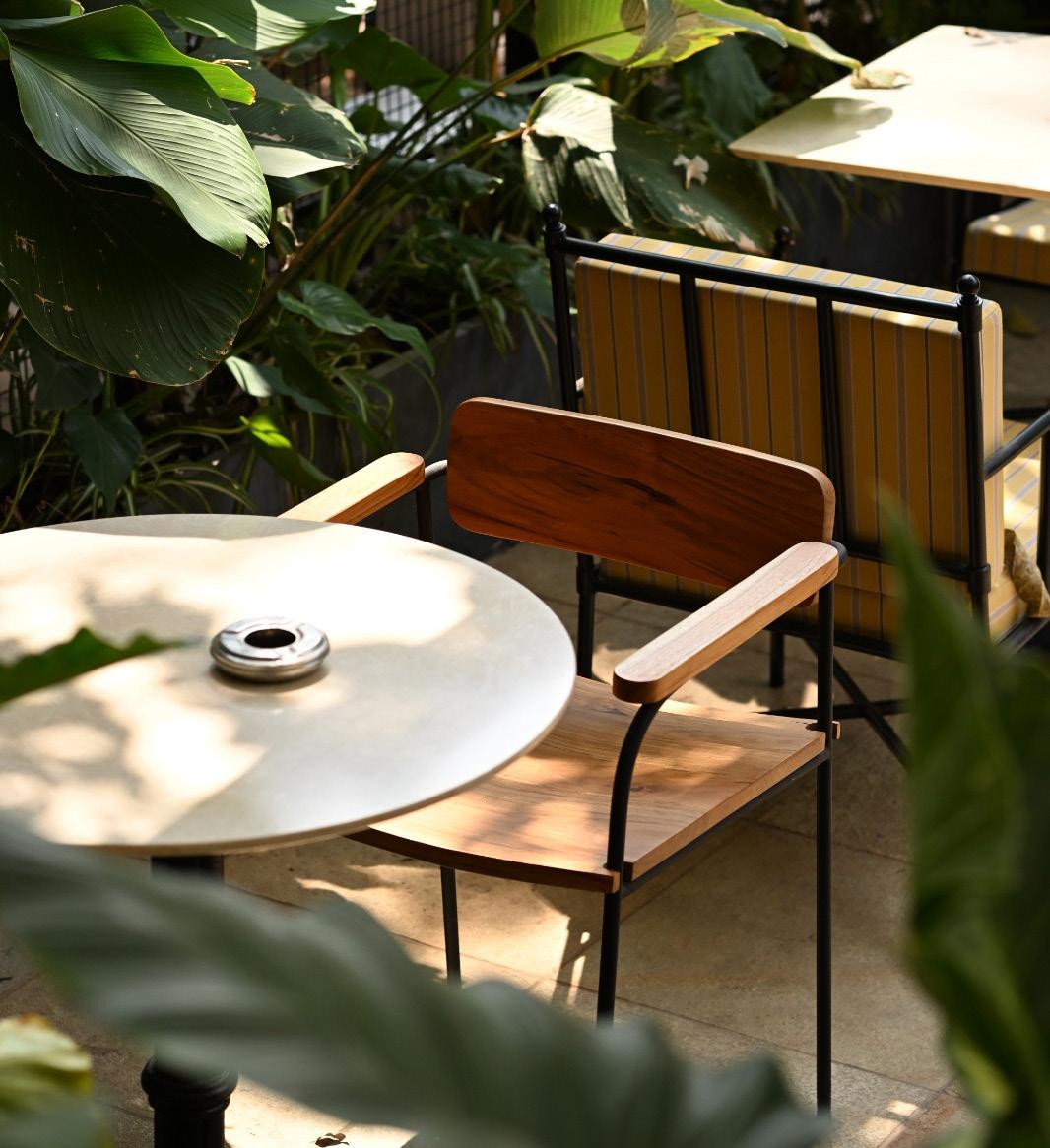
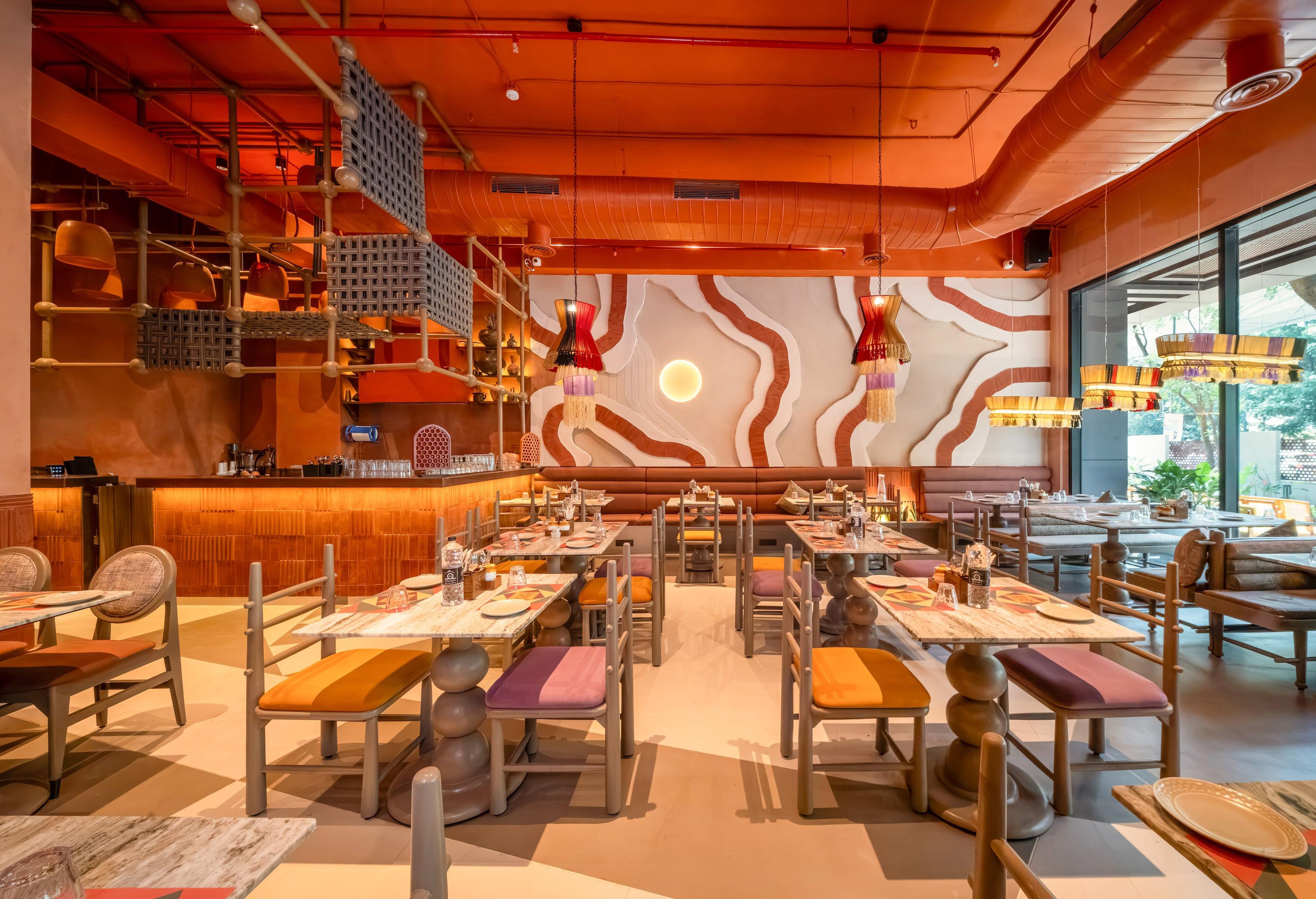
Mumbai’s much-loved vegetarian Punjabi brand, Oye Kake, arrives in Bengaluru with more than just a restaurant launch; it brings with it the warmth, nostalgia and generosity of an authentic Amritsari dining experience. Located on MG Road, the space beautifully blends Punjabi cultural storytelling with Bengaluru’s design sensibilities, creating a restaurant that feels immersive from the moment you enter. From phulkari-inspired textures and handcrafted details to the striking terracotta-pot chandelier, every corner reflects thoughtful craftsmanship and a strong sense of identity.
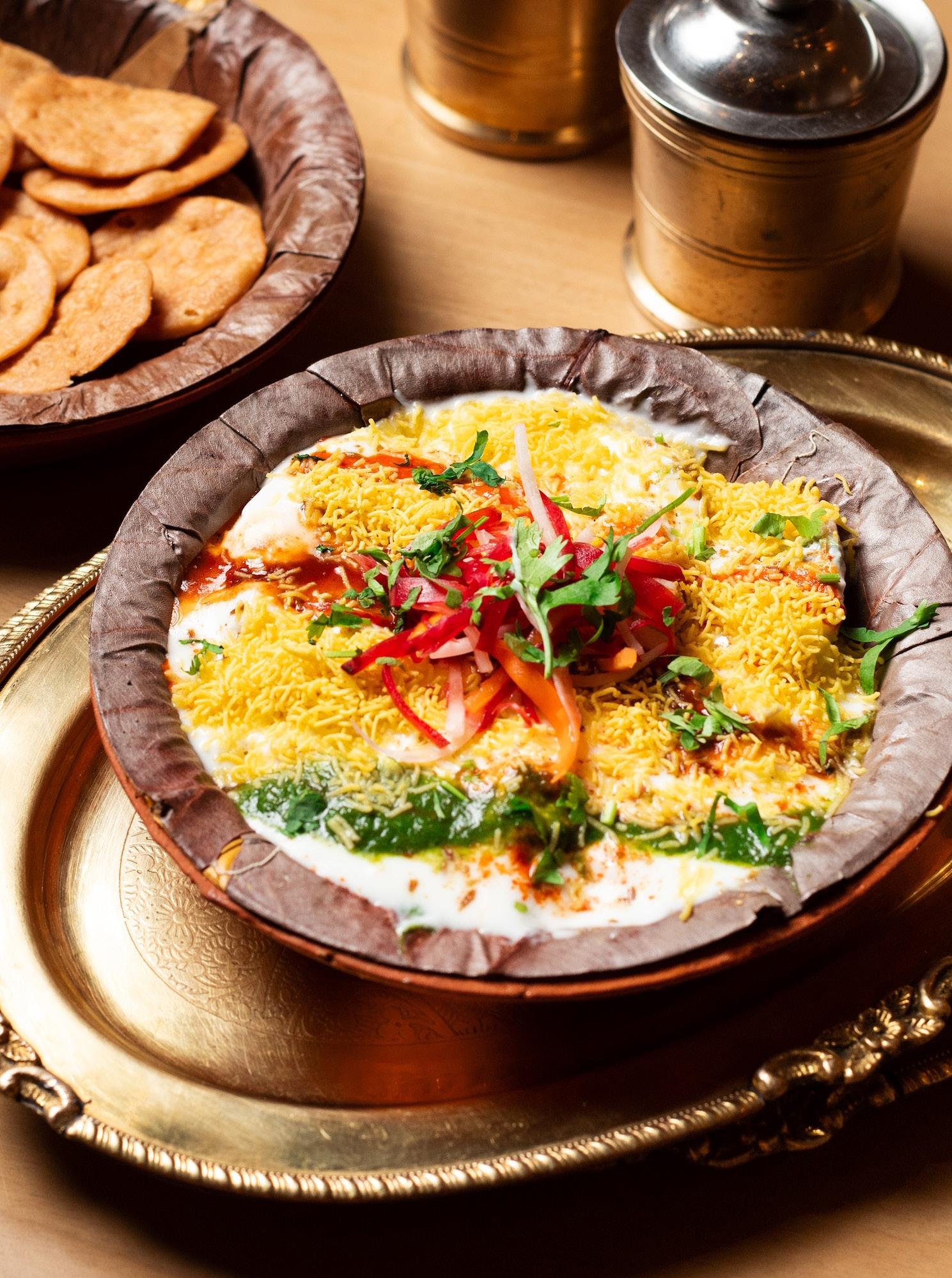
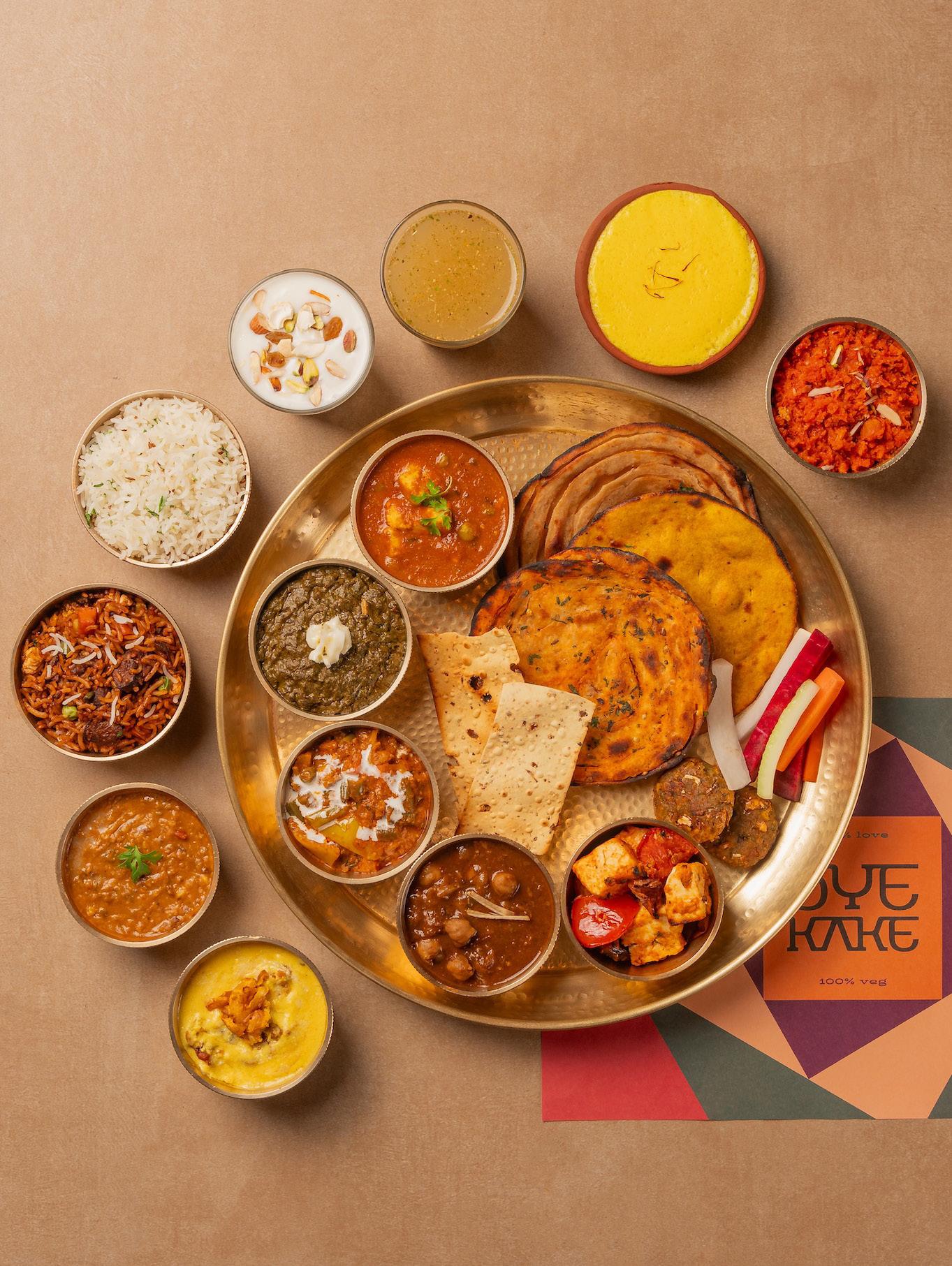
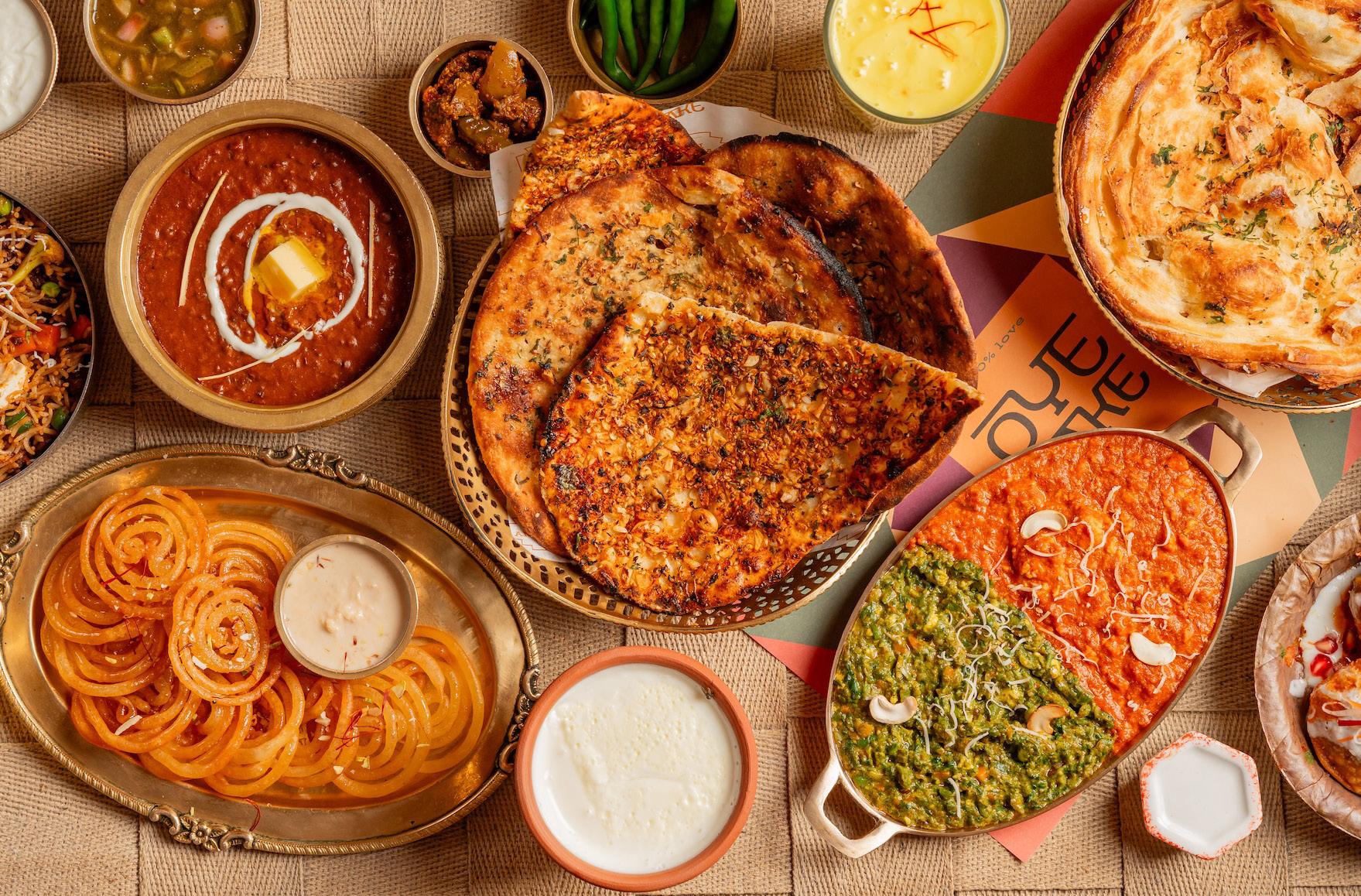
The food remains the true highlight. Built around the traditions of langar, Punjabi home kitchens and Amritsar’s vibrant street food culture, the menu is unapologetically indulgent and deeply comforting. The freshly made kulchas, slow-cooked dal makhani, Pindi chole and smoky tandoor dishes carry the richness and honesty of traditional recipes without feeling overly commercialised. The Kulhad Malai Lassi and Jalebi Rabdi make for a fittingly decadent finish.
What makes Oye Kake stand out is its commitment to preserving the vegetarian soul of Punjab while presenting it in a premium yet approachable format. Soulful, flavourful and rooted in memory, Oye Kake feels less like a restaurant and more like an experience built around food, family and cultural nostalgia.


Most laptops panic. The fans scream. The frame rates drop. The machine thermal throttles, which is a technical way of saying it gives up and slows down to stop itself from burning alive. But some laptops were built differently.
Dhanush Kumar writes about the laptops that handle the heat, keep their cool, and let you game through an Indian summer without melting down.
If there is one laptop that truly understands Indian summer, it is this one. Asus put a Tri-fan technology system inside the ROG Strix G16, three fans working together, so no single part of the machine overheats. There are also liquid metal thermal compound pads on the CPU, which is a premium touch you usually only find on much more expensive machines.
Even during long gaming sessions at room temperatures of 35 to 38 degrees, this laptop holds steady. Frame rates stay consistent. The keyboard doesn’t become a frying pan. The RTX 4070 inside pushes beautiful visuals in everything from BGMI to Cyberpunk. This is the one we would put our money on for an Indian summer.

This is not a subtle laptop. It is enormous, it is loud when pushed, and it costs a lot. But if you want raw power that refuses to throttle even when your room feels like a tandoor oven, the MSI Titan GT77 HX is your answer.
MSI’s Cooler Boost Titan System has seven heat pipes and four fans, more cooling hardware than some desktop PCs. The RTX 4090 inside can handle literally any game on the planet at maximum settings. Yes, it gets warm. But it manages that warmth incredibly well. This is the laptop for serious gamers and streamers who refuse to compromise.



Lenovo's Legion line has always been serious about thermal management, and the Pro 5i Gen 9 is their best effort yet. The Cold Front 5.0 cooling system uses a hybrid fan design with a bigger air intake. Translation: more cool air comes in, more hot air goes out, faster. What makes this special for India is how it handles dust. Indian summers come with dust. Lots of it. The Legion Pro 5i has a self-cleaning cooling system that pushes dust out of the vents automatically. Your laptop will breathe easily even six months from now. Solid RTX 4070 performance, great display, and a price that does not require a home loan

Not everyone can spend a lakh and a half on a laptop. The Acer Predator Helios Neo 16 is for the person who wants real gaming performance without selling a kidney, and it still handles Indian heat remarkably well.
The AeroBlade 3D fans are thin, fast, and move a lot of air. Acer also placed the vents strategically so the hot air exits from the back, away from your face and hands. Gaming at 38°C ambient temperature, this machine stays comfortable to use. The RTX 4060 inside is more than enough for competitive titles like Valorant, CS2, and even most open-world games at high settings.


The HP OMEN doesn’t get talked about as much as ASUS ROG or Lenovo Legion. That is a mistake. HP’s Thermal Grizzly liquid material on the CPU, combined with a redesigned fan with 83 blades, makes this one of the most thermally efficient gaming laptops at its price point.
HP also gives you the OMEN command centre software, where you can manually control fan curves. In Indian summer, that matters. Crank the fans up before your gaming session starts, and the laptop stays cool before it even has a chance to get hot. Proactive cooling, not reactive. Smart design for a smart price.

Use a laptop cooling pad. A good one with two strong fans costs under ₹1,500 and drops temperatures by 5-8°C easily.
Play in the evening or at night when the room temperature drops. Your laptop will thank you. Never game on a bed or sofa, soft surfaces block bottom vents and trap heat. Always use a hard, flat 10
Clean the vents every three months with compressed air. Dust in Indian cities clogs cooling systems fast. Keep the room as cool as possible. Even a ceiling fan aimed at the laptop makes a real difference.




The engine is humming, the bags are packed, and the open road awaits. But as every parent knows, a successful family road trip in India is a fine art. It requires more than just a GPS; it requires a strategy for clean restrooms, engaging pit stops, and food that won’t result in a backseat tantrum.
When the logistics are handled, a road trip becomes more than just travel; it becomes a core childhood memory. From the misty mountains of the North to the coastal breezes of the South, Dhanush Kumar brings you six iconic Indian routes designed to keep the kids happy and the parents’ stress levels low.
Delhi to Jaipur: The Golden Path
The transition from the skyscrapers of Gurgaon to the pink walls of Jaipur is a visual treat. The expansion of the NH48 makes this a smooth drive for families. You can break the journey at Neemrana Fort Palace, the sprawling gardens are perfect for kids to burn off energy, and the vintage car museum is a guaranteed hit. On the way, you can stop at a dhaba and order Paneer Parathas and fresh curd.



This route offers a dramatic climb through the Western Ghats. The Mumbai-Pune Expressway provides worldclass tarmac, while the climb to the hill station offers cooler air and scenic views. You can stop at Mapro Garden, also known as Panchgani. This isn’t just a stop, it’s a destination. With dedicated play zones and a chocolate factory tour, it’s the ultimate reward for a long drive.
The drive through the lush landscapes of Karnataka is refreshing, but the winding roads near the end require planned breaks to keep motion sickness at bay. A slight detour near Dubare Elephant Camp allows children to interact with elephants in a natural setting, which is a highlight of any trip. The must-try food here is Neer Dosa or Idli Platter. These watery crepes are incredibly light and easy for kids to digest.
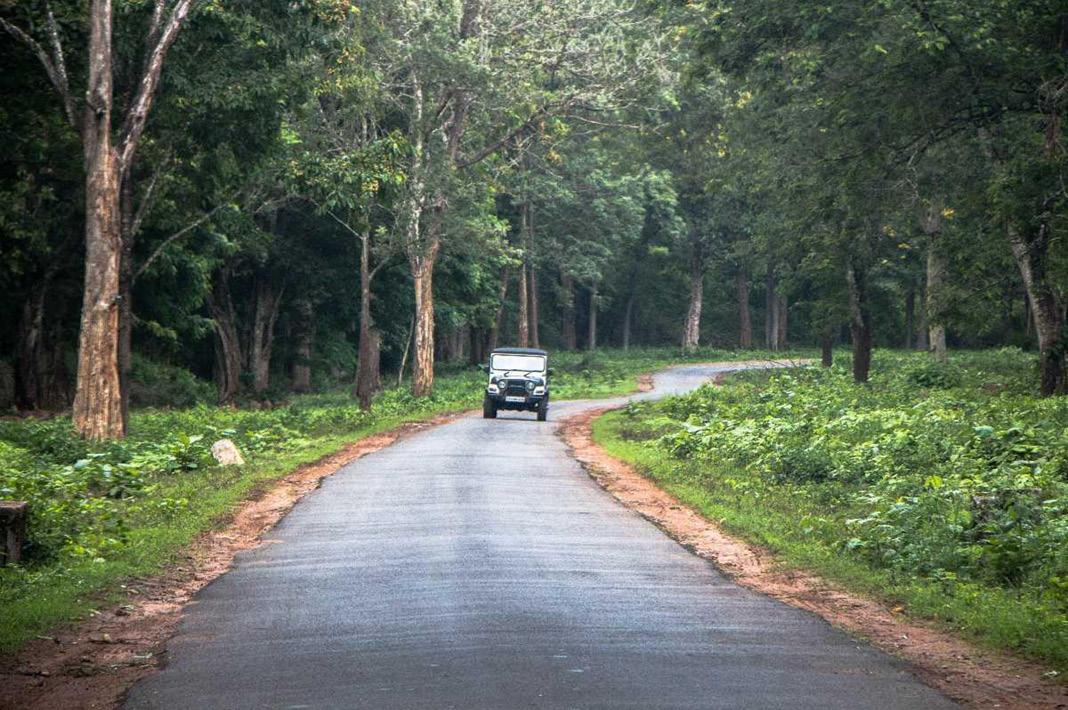

The East Coast Road is perhaps the most scenic drive in South India, offering constant views of the Bay of Bengal and plenty of seaside parks. You can stop at Dakshina Chitra Museum, a living history museum that offers craft workshops and puppet shows, turning a simple rest stop into a hands-on cultural adventure.
Grab a plate of Mini Ghee Podi Idlis. They are bite-sized, mess-free, and the clarified butter provides sustained energy. Follow it up with Fresh Coconut water sold along the roadside to keep everyone hydrated in the coastal heat.
The climb to Meghalaya is stunning, with well-paved roads that snake through pine forests and past massive reservoirs. Stop at Umiam Lake for a quick pedal-boat ride. The fresh mountain air and the vast expanse of water are perfect for refreshing the senses before the final ascent.
Look for Jhalmuri or Roasted Corn prepared with a mild lemon rub. For a proper meal, try Vegetable Chowmein, the Indo-Chinese Style in the hills is unique, flavorful, and always a winner with younger travelers.


With the opening of new tunnels, the hair-raising climbs have been replaced by a much smoother, safer experience for families heading into the heart of the mountains. Stop at Pinjore Gardens, located at the foothills. These massive gardens offer enough space for a full hour of running and exploring before the mountain ascent begins.
The ultimate comfort food here is Rajma Chawal served with a side of mountain-style curd. For a snack, Maggi with mountain veggies remains a legendary highway staple that no child can resist.

There was a time when getting tattooed meant walking into the most popular studio in town and choosing a design off a wall. But India’s tattoo culture has evolved far beyond that. Today, people are searching for something far more personal, with art that carries identity, emotion, storytelling, and individuality. In an era where selfexpression matters more than trends, independent tattoo artists are becoming the real stars of the ink scene. Mehak Walia in conversation with six independent tattoo artists, discussing their specializations and beyond.
From hyper-detailed realism and hand-poked art to experimental linework and culturally rooted designs, a new generation of tattoo artists across India is building loyal communities purely through their distinct styles and creative vision. They are not just creating tattoos; they are creating experiences, safe spaces, and deeply personal collaborations that stay with people for life. So, let’s just shine a spotlight on some of the most exciting independent tattoo artists making their mark and redefining what India’s modern ink culture looks like today.
AZ aka Azrael:
For Azrael, tattooing is far more than a profession; it is a deeply personal and meditative form of expression. Drawn to the idea of creating lasting art on somebody else’s skin, he describes the process as both peaceful and creatively fulfilling. “I love the whole process of creating art on somebody else’s skin,” he says, adding that tattooing is also where he feels most connected to music and to his own individuality as an artist.
“I feel like I want to do my own thing in my own way.” While many artists view tattooing purely as body art, Azrael sees the medium extending far beyond skin. Inspired by the intersection of fashion, design, and tattoo culture, he believes the industry has the potential to evolve into something much larger. Referencing pioneers like Ed Hardy, he shares that he wants to explore tattoo-inspired designs across apparel and other creative spaces to build stronger connections with wider communities.
Artistically, his work leans towards colourful and texture-driven designs that sit somewhere between realism and line work. “Nothing excites me more than different textures on skin,” he explains, highlighting his love for creating tattoos where the texture and artistic depth speak louder than rigid styles or categories.

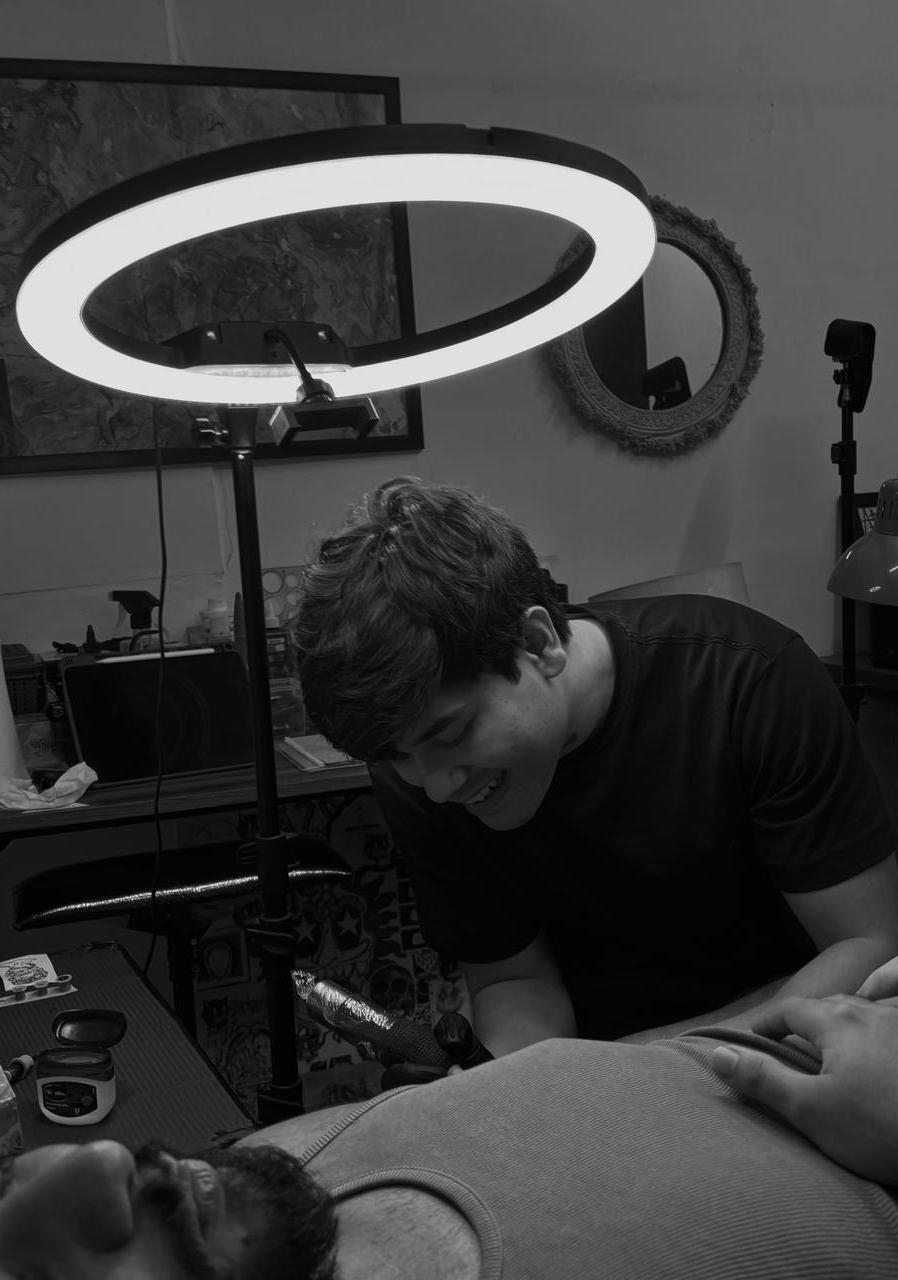
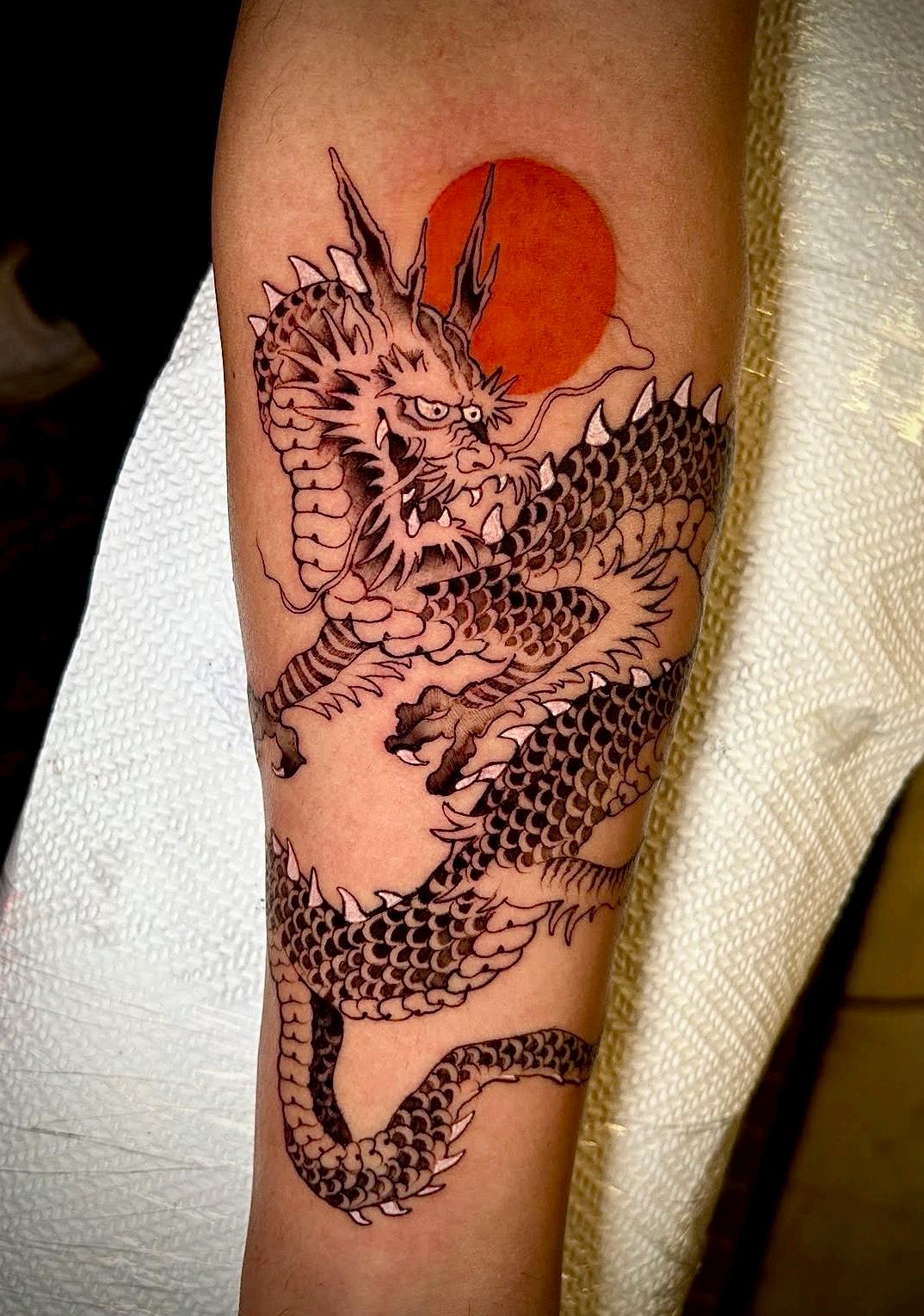
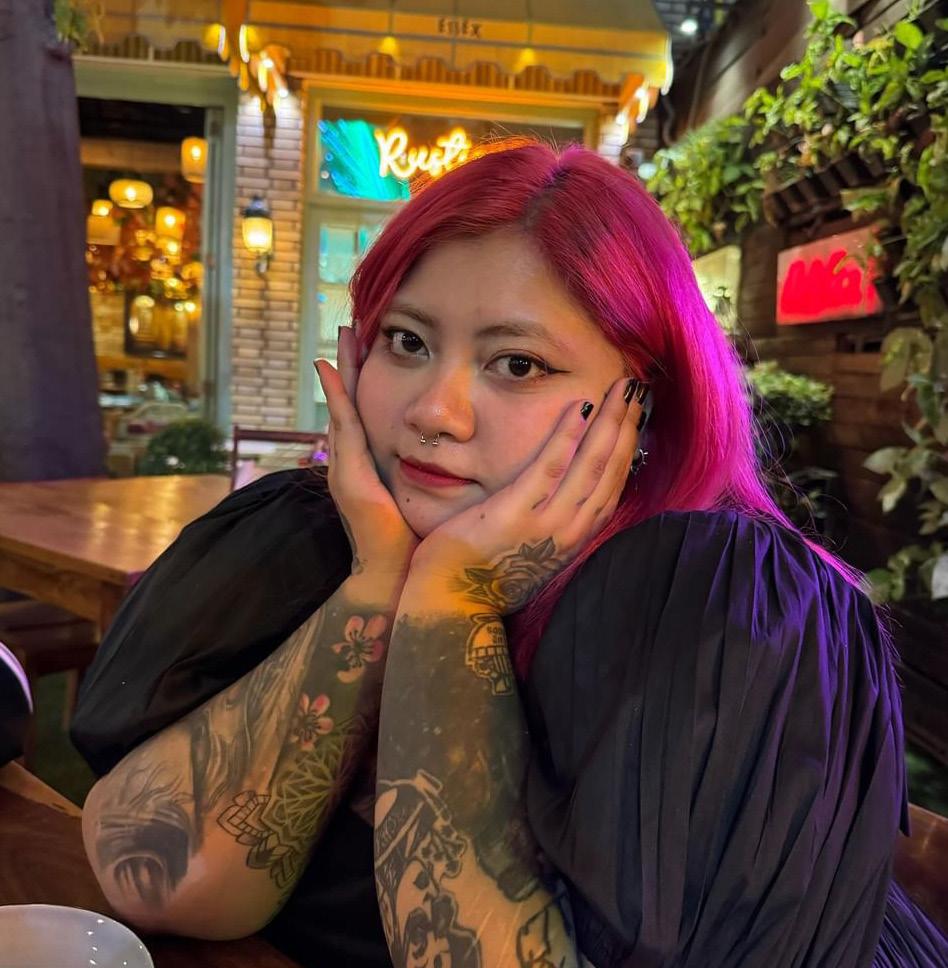
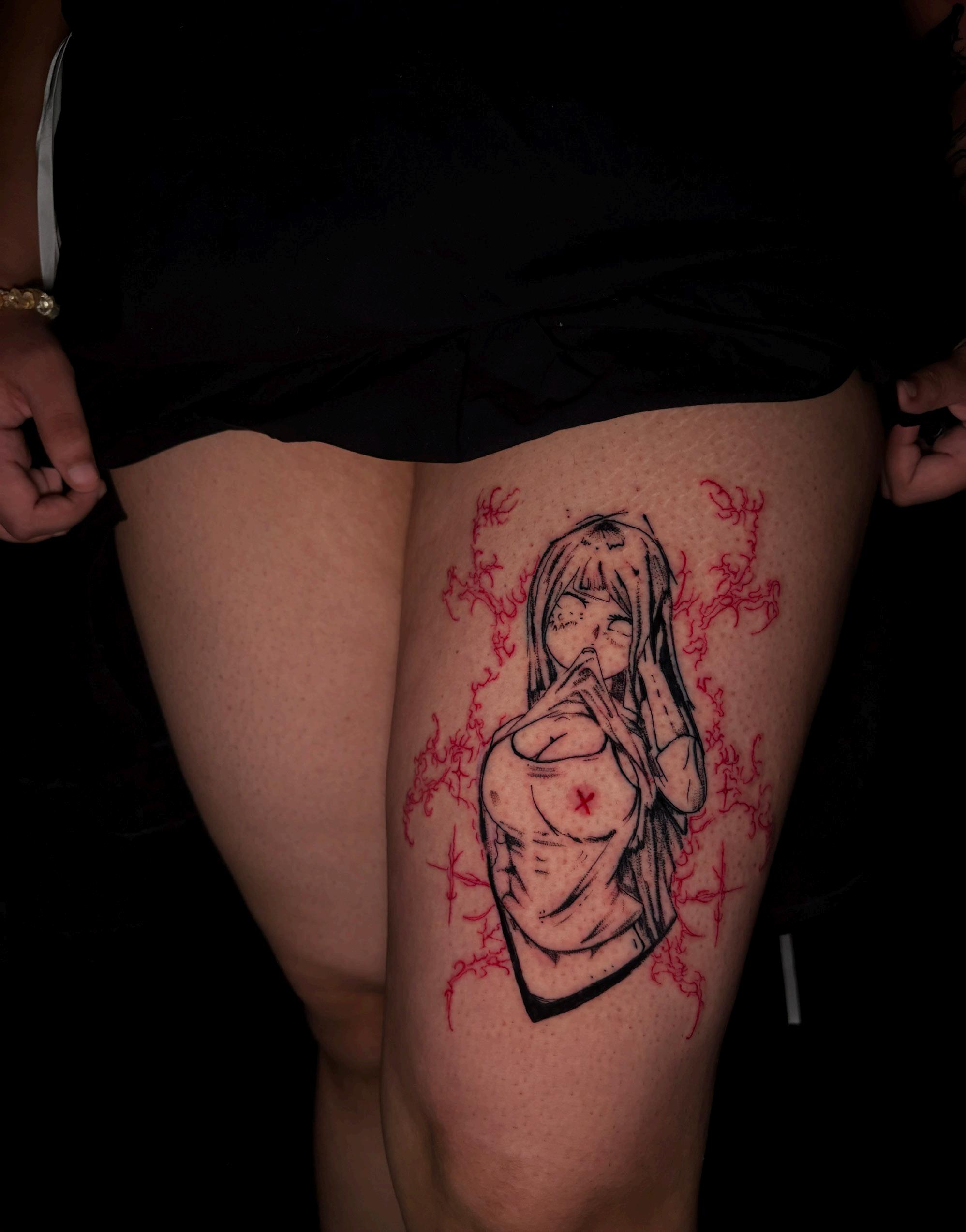
For Fifipoke, tattooing emerged naturally through a long-standing love for exploring different artistic mediums. What began as curiosity eventually turned into a deeper calling when they discovered handpoke tattooing and connected with its slow, intentional nature. “I fell in love with the intimate and intentional process of creating art that lives permanently on someone’s skin,” they say. For Fifi, the beauty of tattooing lies in its ability to transform emotions, memories, and personal stories into something timeless.
“The idea of turning emotions and stories into something timeless made me realise this was the form of art I truly wanted to pursue.” To them, tattoo art goes far beyond aesthetics and trends. They view it as a deeply personal form of selfexpression that becomes part of a person’s identity and journey. Specialising in handpoke tattooing inspired by pointillism, their work often incorporates Indian and desi visual influences while maintaining a sense of minimal storytelling.
Rather than chasing temporary trends, Fifi focuses on creating designs that feel intentional and personal to the wearer. “I focus on creating tattoos that feel personal and intentional, a balance between my artistic style and the individuality of the person wearing it,” they explain, highlighting the emotionally rooted approach that defines their work.
For Akki, tattooing is about transforming emotion, identity, and imagination into something permanent. Drawn to the idea of skin being “the coolest canvas on the planet,” the artist fell in love with the depth and storytelling that tattoo art allows. “Tattoos are the ultimate way to make art timeless, you’re literally wearing your story, your vibes, or just a beautiful piece of design forever,” she says. Beyond the creative aspect, what excites her most is the opportunity to collaborate with different people and bring their visions to life while maintaining complete artistic freedom.
“There’s honestly no better rush,” she adds. Working out of her own home studio has allowed Ink Hashira to move away from conventional trends and fully embrace experimental styles that reflect her artistic identity. For her, tattooing is about channelling “wild, personal energy into something permanent,” often through custom cybersigil and anime-inspired creations that feel futuristic and deeply individualistic.
Her signature aesthetic blends cybersigilism, anime art, gothic influences, and elements of traditional Japanese artistry to create tattoos that feel dark, immersive, and cinematic. “If you want something dark, futuristic, that’s exactly my playground,” she says. From sharp cyberpunk-inspired details to flowing body-conscious compositions, her work stands out for turning skin into a bold, sci-fiinspired canvas.
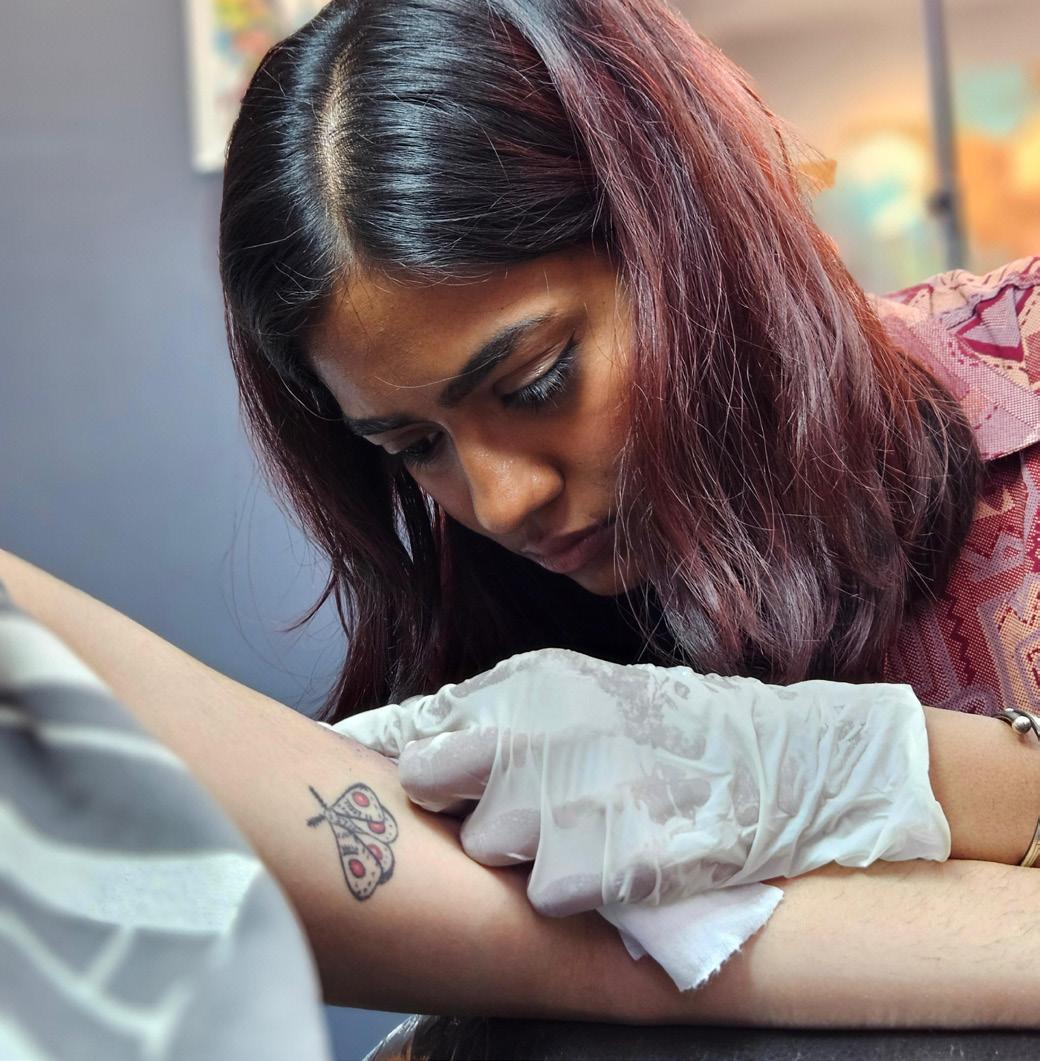
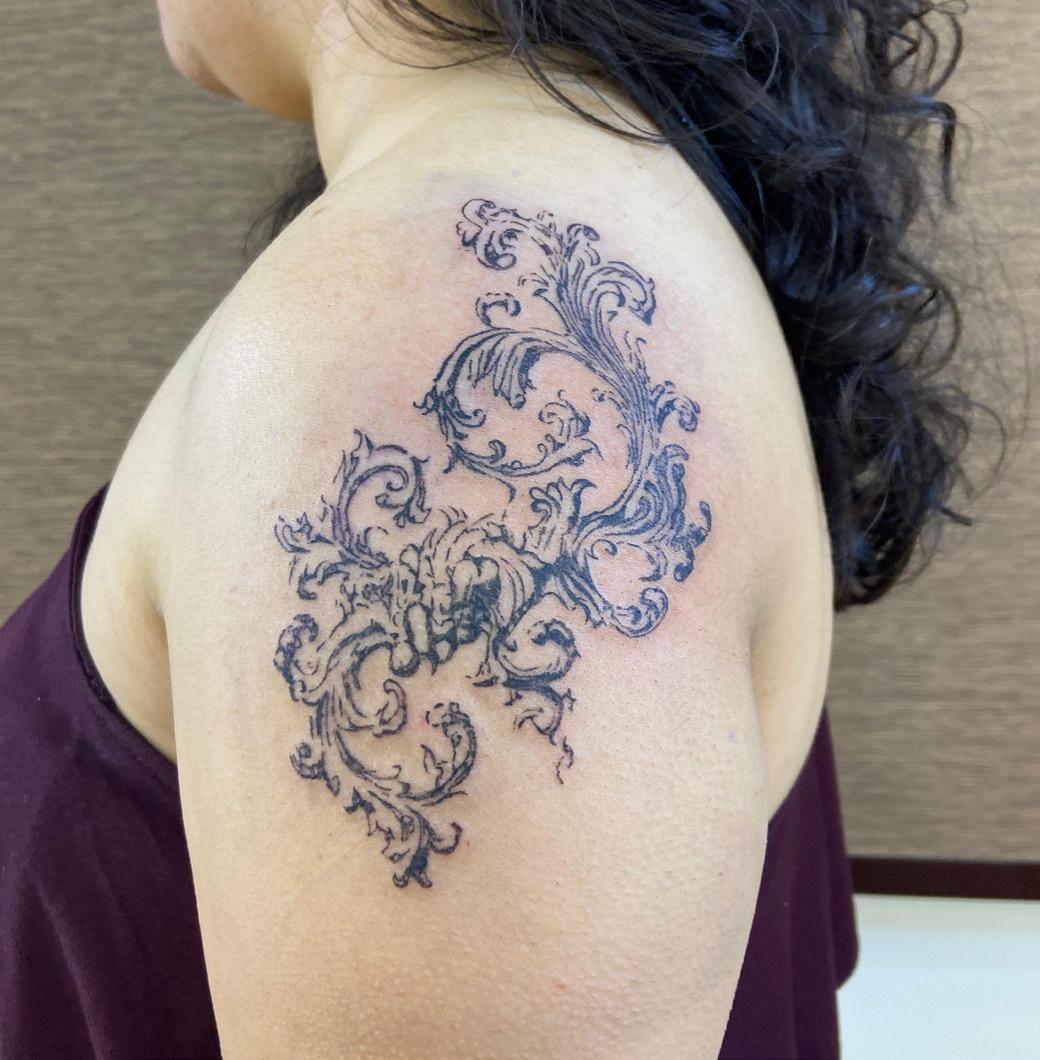
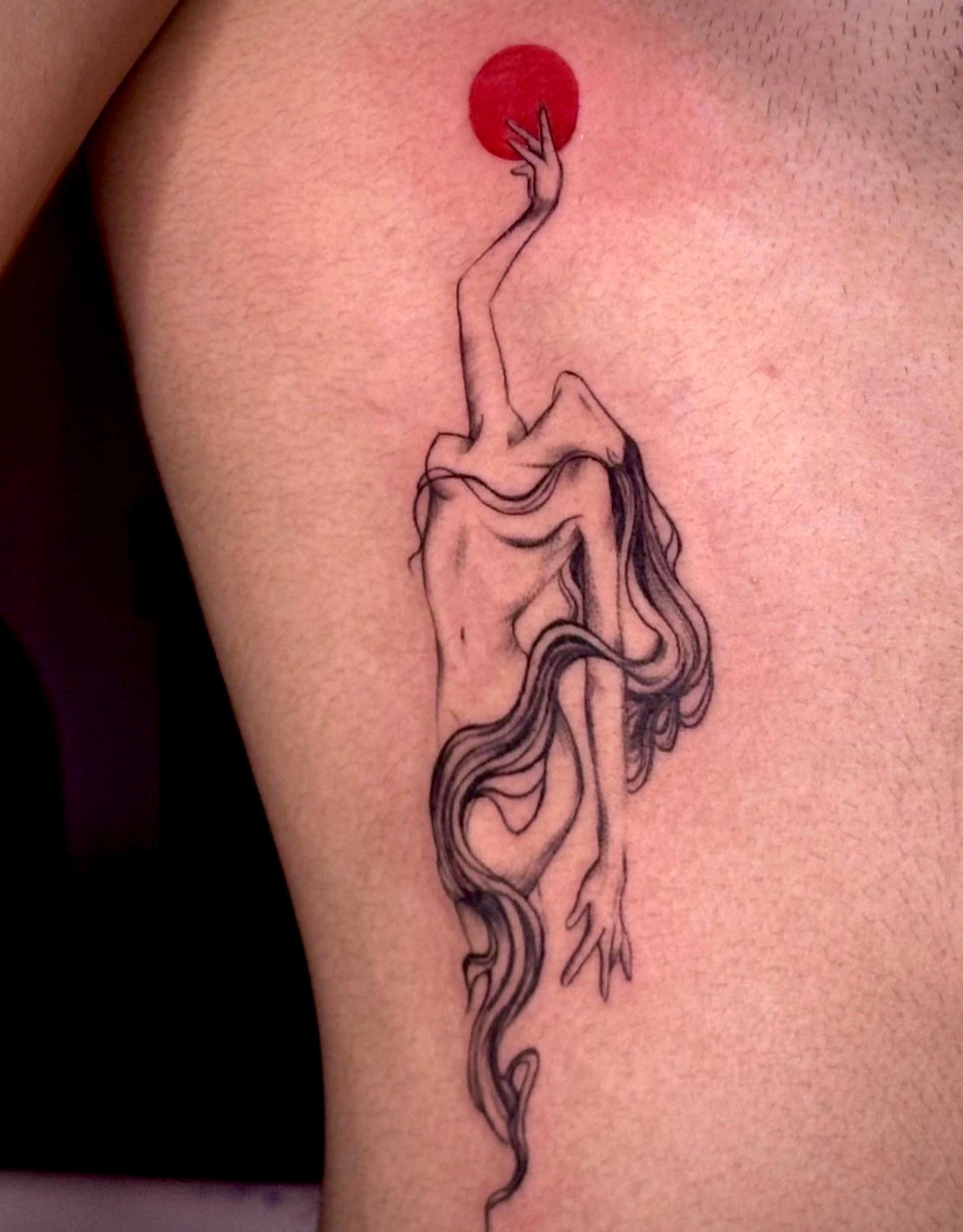
For Bruna, tattooing became more than just a creative profession; it became a space for freedom, self-expression, and human connection. As a trans woman, she shares that conventional corporate spaces never felt like they could offer the kind of independence she was looking for. Her journey into tattooing began while working as a social media manager at a tattoo studio, where she became fascinated by the idea of creating permanent art on somebody’s body.
“You are your own boss, which is very important,” she says, adding that connecting with people and turning their stories into tattoos is what made her fall in love with the craft. “When I started learning, I found my passion, and I genuinely don’t even feel like it’s work; it’s what I love to do.” To Bruna, tattoo art is both self-expression and self-celebration. She believes tattoos can carry deep emotional meaning while also existing as beautiful art.
One of her earliest tattoos, a sunflower and a woman emerging from a black hole that she tattooed on herself, reflected her experience of coming out as a trans woman.“ I felt like I’m finally coming out from a dark hole and blooming like a sunflower in a feminine body,” she shares. Having worked in the industry for over seven years, Bruna specialises in fine line and minimal tattoos, styles she admires for their delicacy and precision. “It looks easy, but there’s no room for error,” she says, explaining the discipline and practice that define her work.
For Mannat, becoming a tattoo artist felt less like a planned career move and more like fate taking its course. “Honestly, I can just say God’s plan,” she says, summing up her journey into tattooing with quiet honesty. Her relationship with tattoo art is deeply philosophical, viewing it as “a cool art form that expresses the desire to feel some sort of permanence in an otherwise uncertain and temporary life.” Whether decorative, ritualistic, deeply emotional, or completely meaningless, she believes tattoos hold space for all kinds of human experience and that freedom is what makes the medium so powerful.
Mannat specialises in freehand tattooing, a process that allows her designs to naturally flow with the body’s anatomy instead of feeling separate from it.
“I specialise in freehanding my designs, which helps me establish a relationship between my artwork and the natural anatomy of the body,” she explains. Rather than confining herself to one fixed aesthetic, she is drawn towards versatility and creative fluidity in her work.
Beyond her artistic practice, Mannat also points out that she was among the first few artists to introduce the concept of home studios in Delhi, something she feels helped create space for more independent artists, especially women, to emerge within the tattoo scene. For her, that growing sense of dialogue and community remains one of the most rewarding shifts within the industry today.
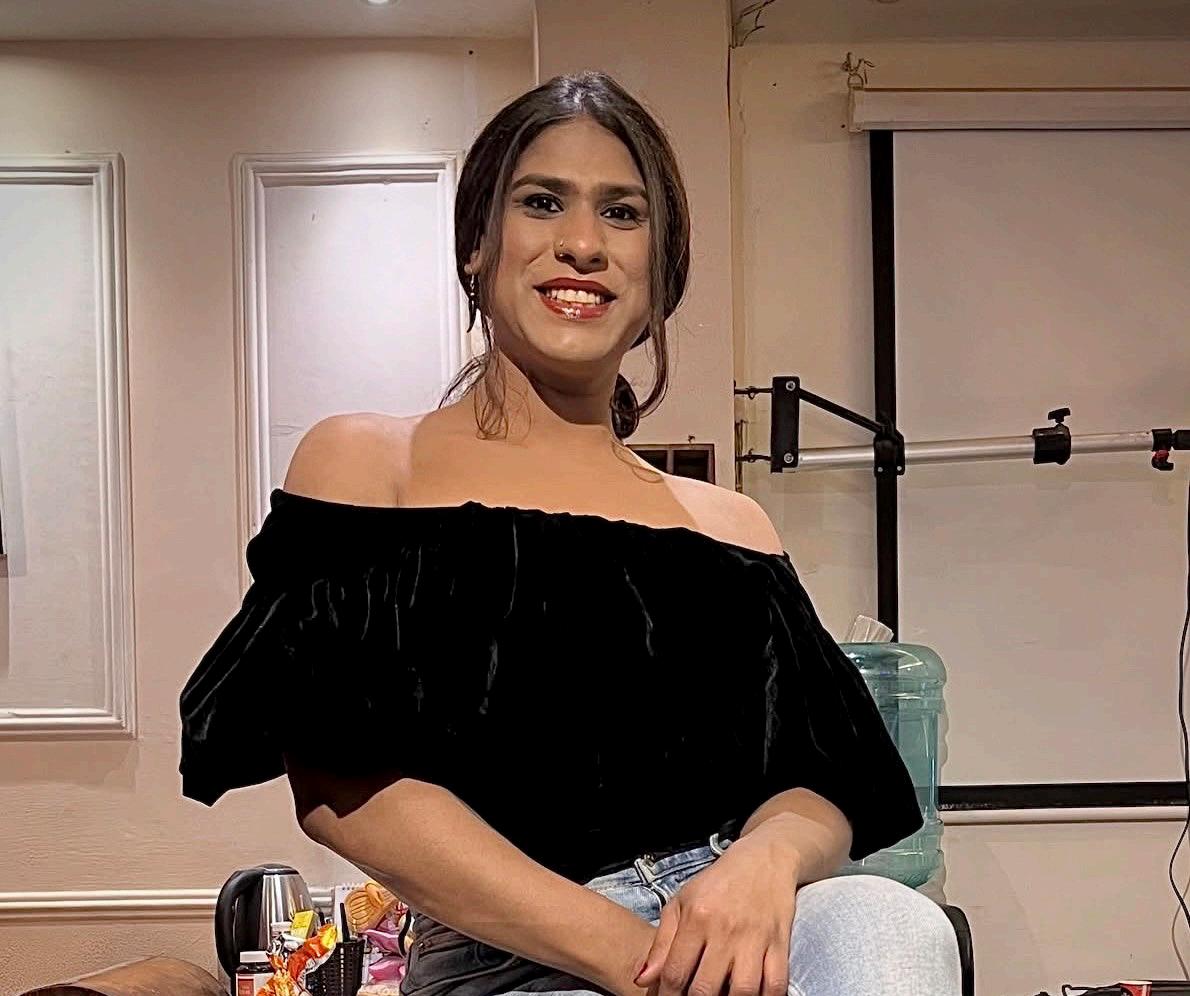
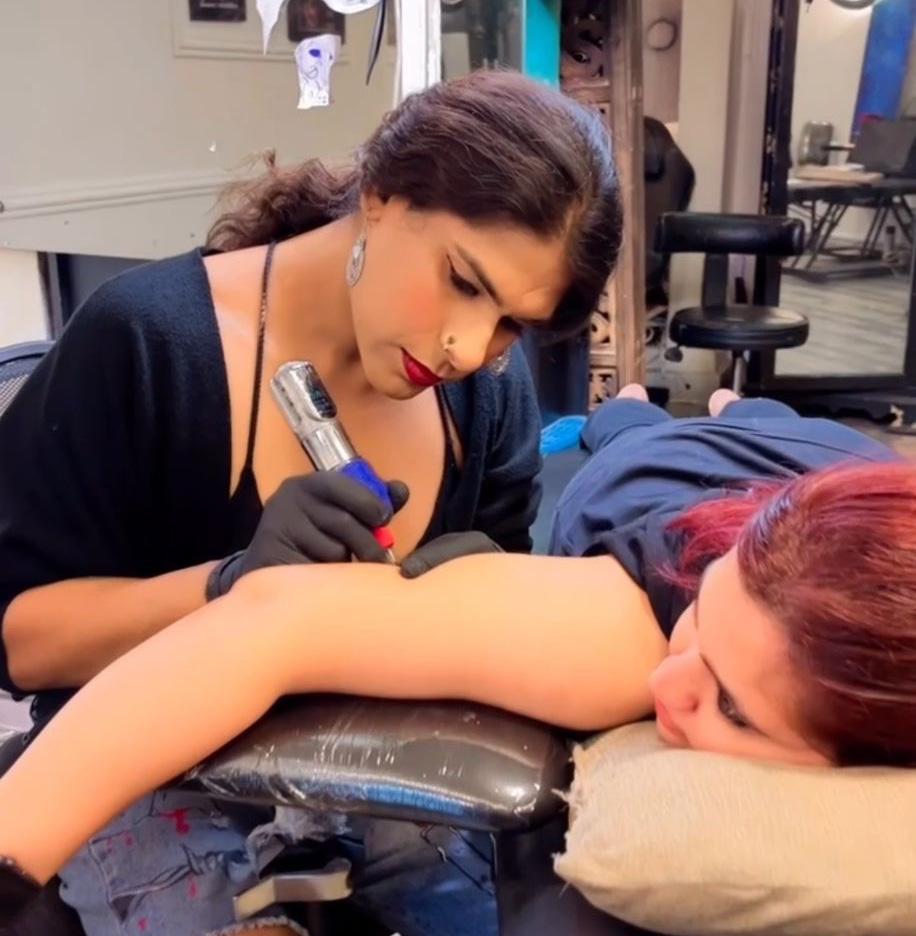
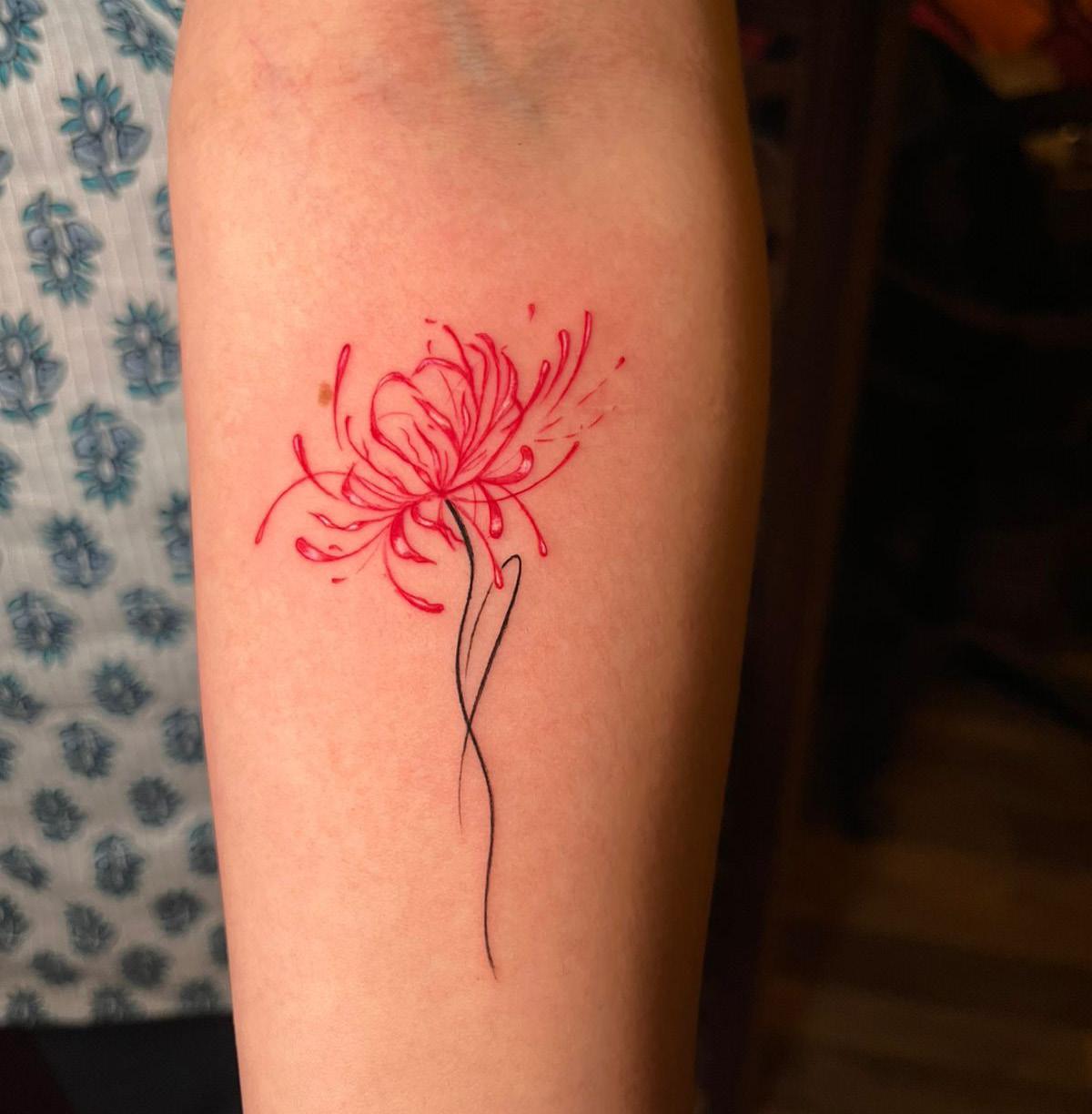

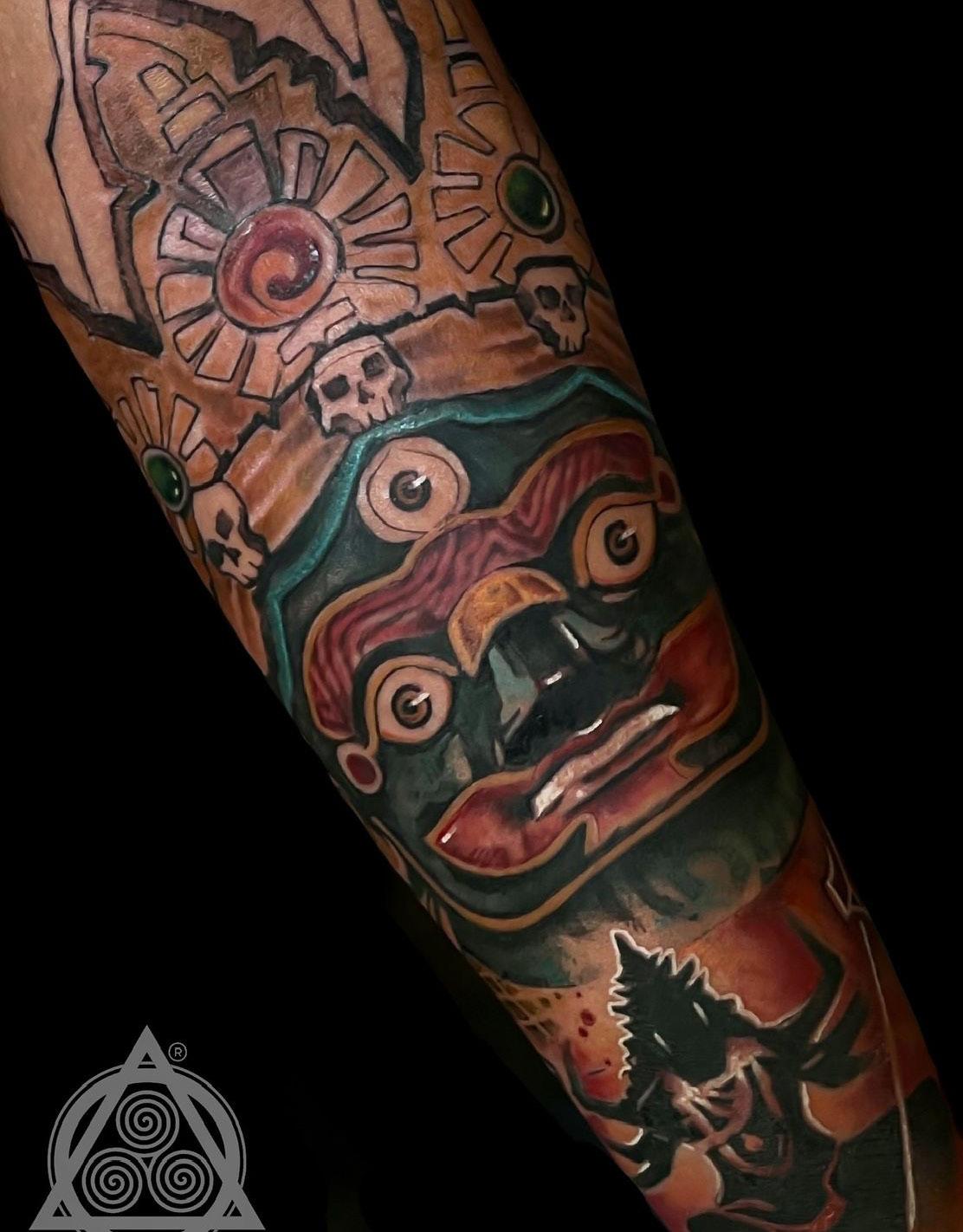
For Amey, tattooing was never a carefully planned career path but something that gradually became inseparable from his life. Having started tattooing over 16 years ago, he reflects on how his early years in football shaped his personality through discipline, patience, emotional strength, and resilience. Over time, art became the only outlet through which he could process and express his inner world.
“Tattooing gave me a purpose where human emotions, storytelling and creativity could exist together permanently on skin,” he says. What initially began as an escape slowly transformed into something far deeper and more devoted. To Amey, tattoo art exists far beyond trends or surfacelevel aesthetics. He describes it as “a conscious exchange of energy and emotions between two individuals,” where every tattoo carries a story, memory, belief, transformation, or personal scar that someone chooses to live with forever.
Specialising primarily in freehand tattooing, his work is deeply rooted in spiritual concepts, symbolic storytelling, organic flows, and bodyfitting compositions that move naturally with anatomy. Rather than relying on replicated designs, he prefers building tattoos through conversations and lived experiences. “For me, the strongest tattoos are the ones that feel lived in, personal and timeless,” he explains, highlighting the emotionally driven philosophy that shapes his artistic process.
The rise of independent tattoo artists in India signals a larger shift in the way people approach body art today. Tattoos are no longer seen as impulsive trends or decorative statements alone; they have become deeply personal extensions of memory, identity, emotion, and individuality. At the centre of that shift, independent artists are creating spaces that feel more collaborative, intimate, and creatively liberating for the people who walk into them.
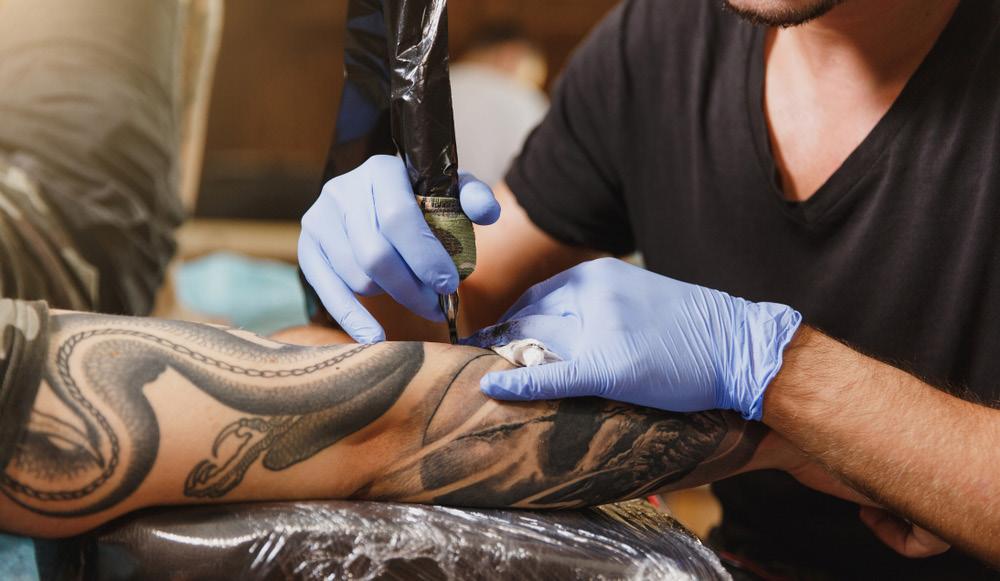

Delhi’s social scene is evolving, and pets are now at the heart of it. What was once limited to parks and pet events has seamlessly moved into café culture, with restaurants across the city welcoming furry companions alongside their humans. For millennials and Gen Z, pets are no longer just companions; they’re family, making petfriendly outings more important than ever.
This shift has led to a rise in cafés designed with both pets and people in mind, from open-air seating to relaxed, welcoming spaces across South Delhi, GK and Chhatarpur. Whether it’s a quiet coffee date or a lively brunch, these spots are redefining how the city dines out. Mehak Walia curates some of Delhi’s most loved pet-friendly cafés worth adding to your weekend list.

Bomba:
Located in Greater Kailash 3, Bomba has quickly become a favourite among Delhi’s younger crowd, especially pet parents looking for a stylish yet relaxed outing spot. The café’s open seating and lively atmosphere make it ideal for pets who enjoy being outdoors and socialising.
Known for its comforting food, pizzas, and easygoing vibe, Bomba feels less like a formal restaurant and more like a casual hangout where dogs are welcomed just as warmly as their humans. It’s the kind of place where pets naturally become part of the social experience, making it perfect for laid-back brunches and evening catch-ups.
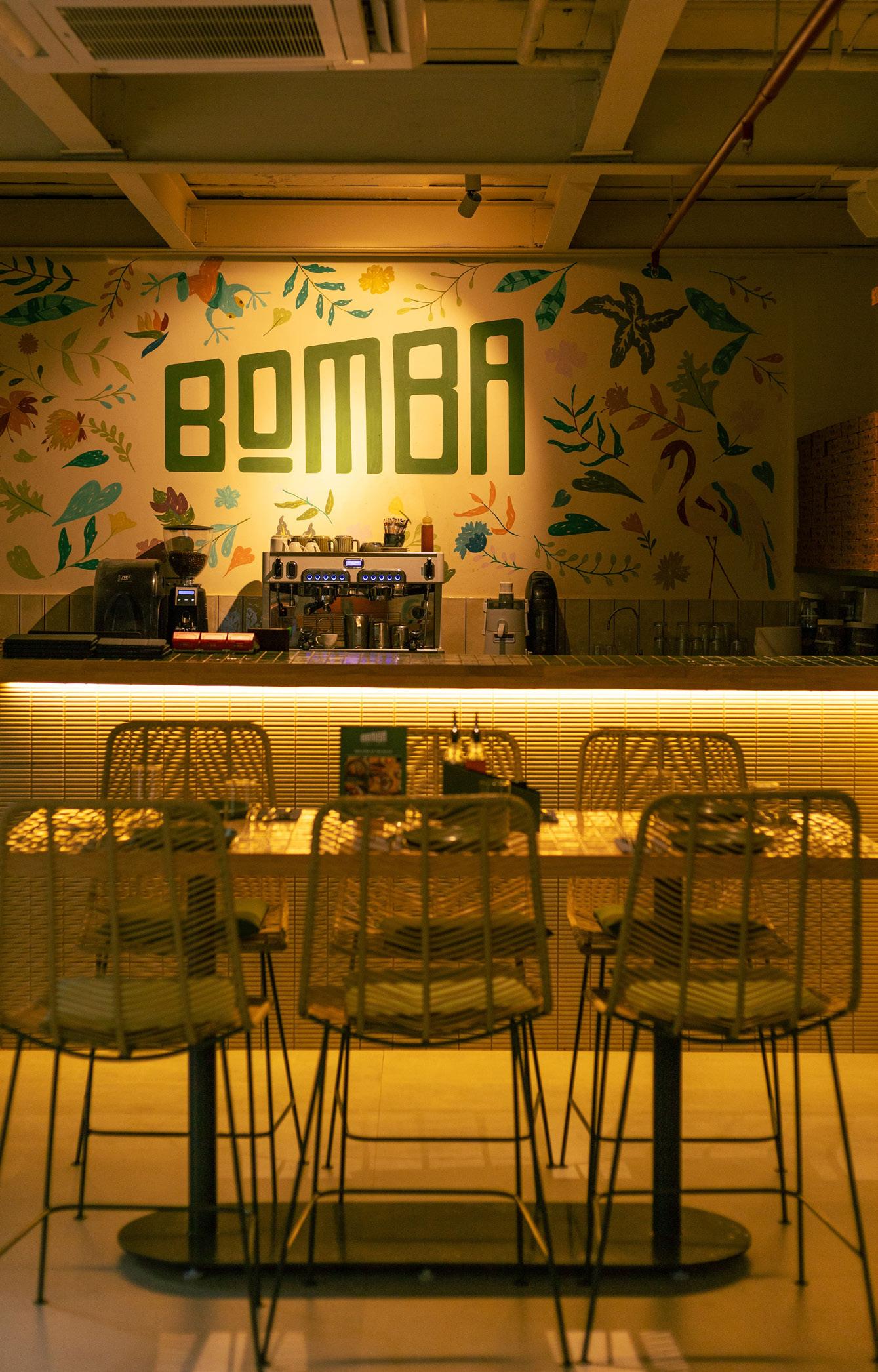
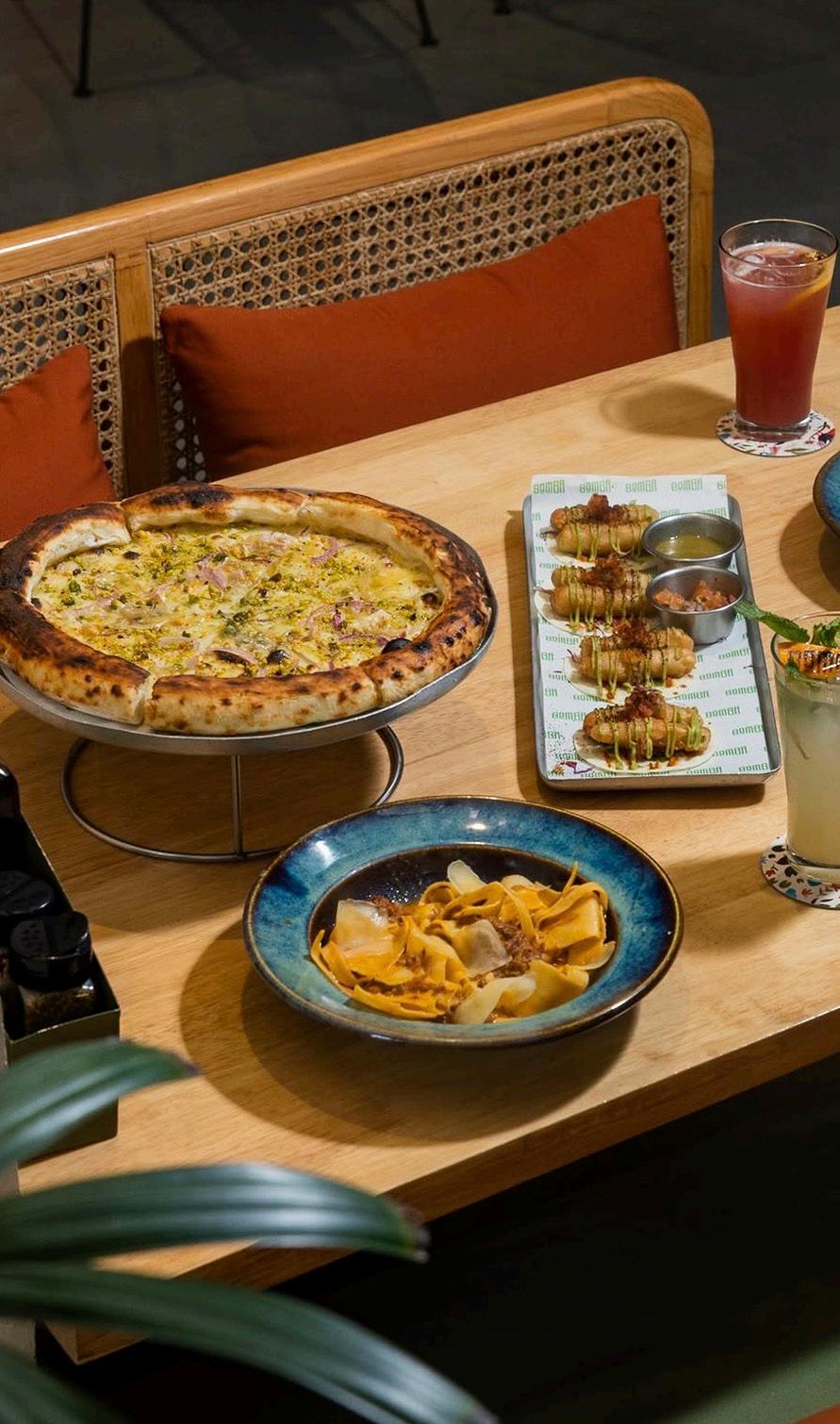
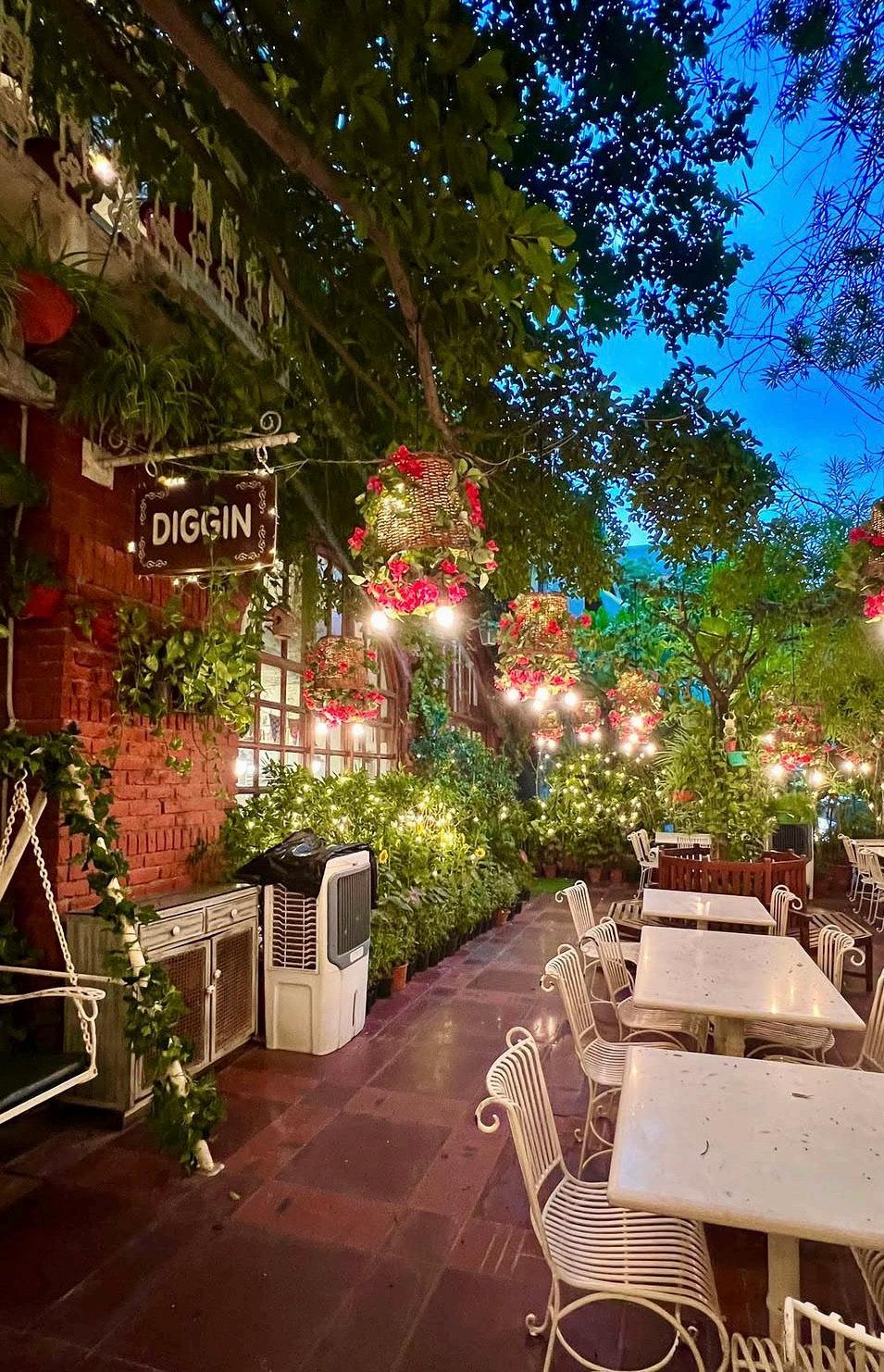
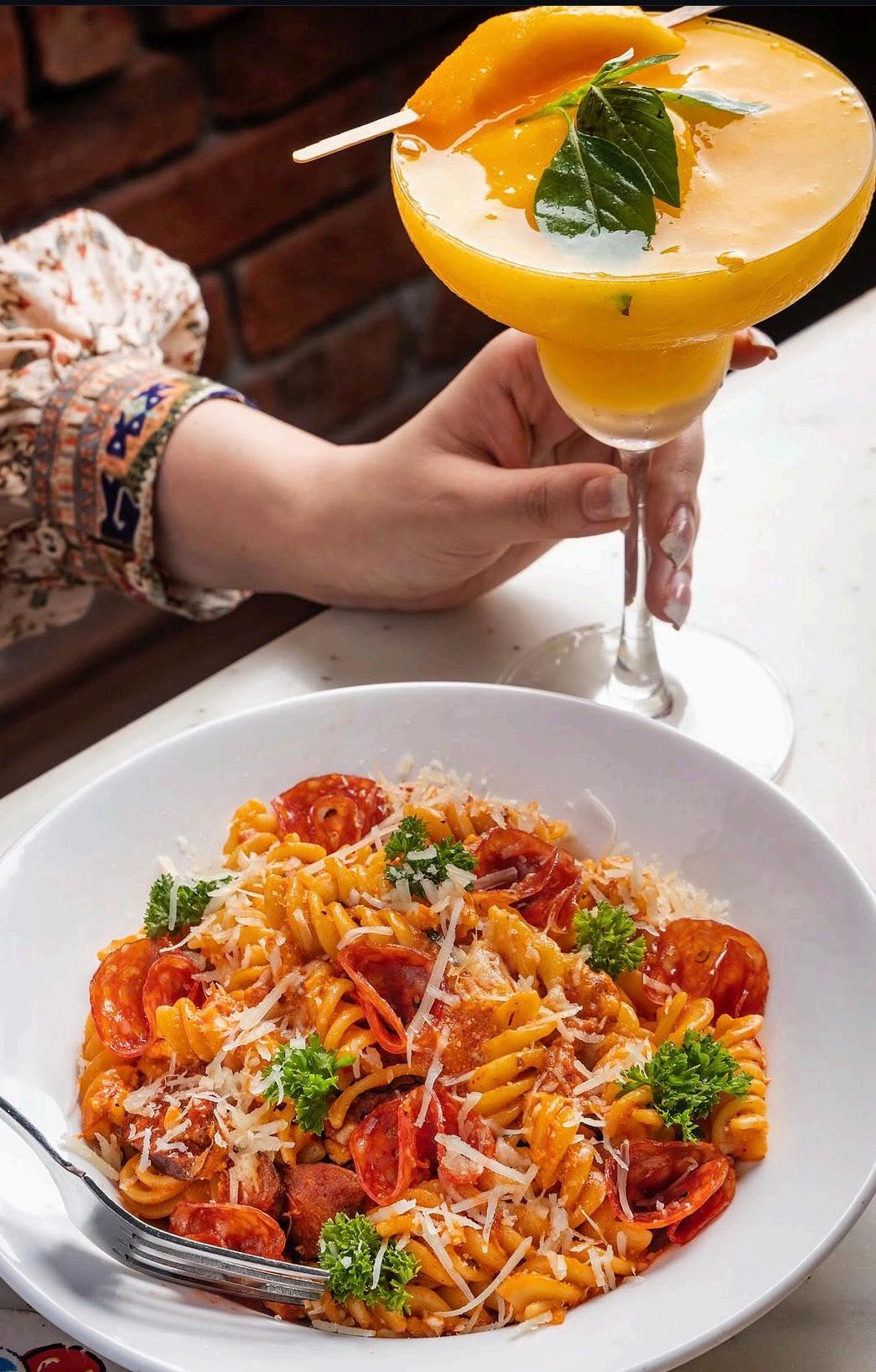
Few cafés in Delhi are as iconic as Diggin, and its Anand Lok outlet remains one of the city’s most charming pet-friendly spaces. Surrounded by greenery, fairy lights, and cosy European-inspired décor, the café offers a calm and comfortable environment for both pets and owners.
The outdoor sections allow dogs to lounge comfortably while visitors enjoy coffee, pasta, and desserts over long conversations. Beyond the aesthetics, what truly makes Diggin special is its relaxed energy, which makes spending hours there with your furry companion feel effortless.
Zazu:
Stylish, modern, and social, Zazu in GK3 has become a go-to destination for pet parents who enjoy chic dining experiences without leaving their pets behind. The café attracts a young and vibrant crowd, many of whom arrive with their dogs in tow.
Whether you’re planning a coffee outing, a dinner date, or simply an evening with friends, Zazu blends a contemporary dining experience with a warm, pet-friendly attitude. The comfortable outdoor seating ensures pets remain relaxed while owners enjoy the café’s upbeat ambience.
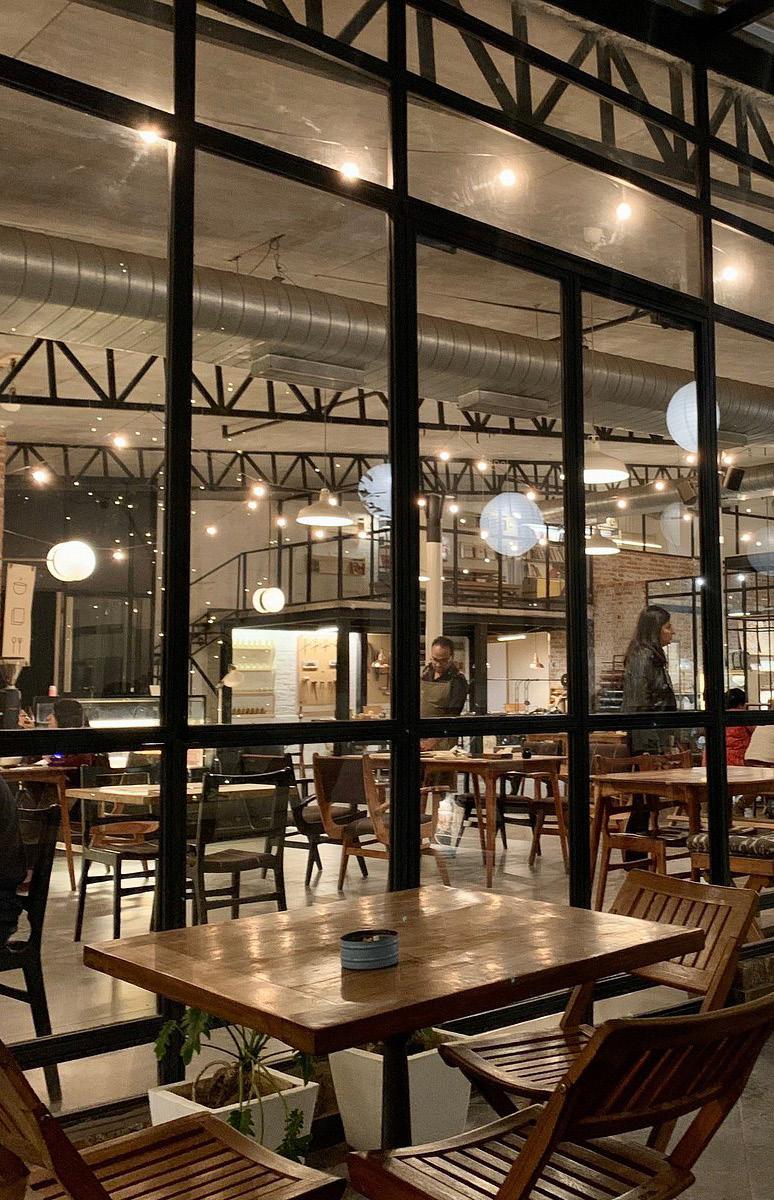
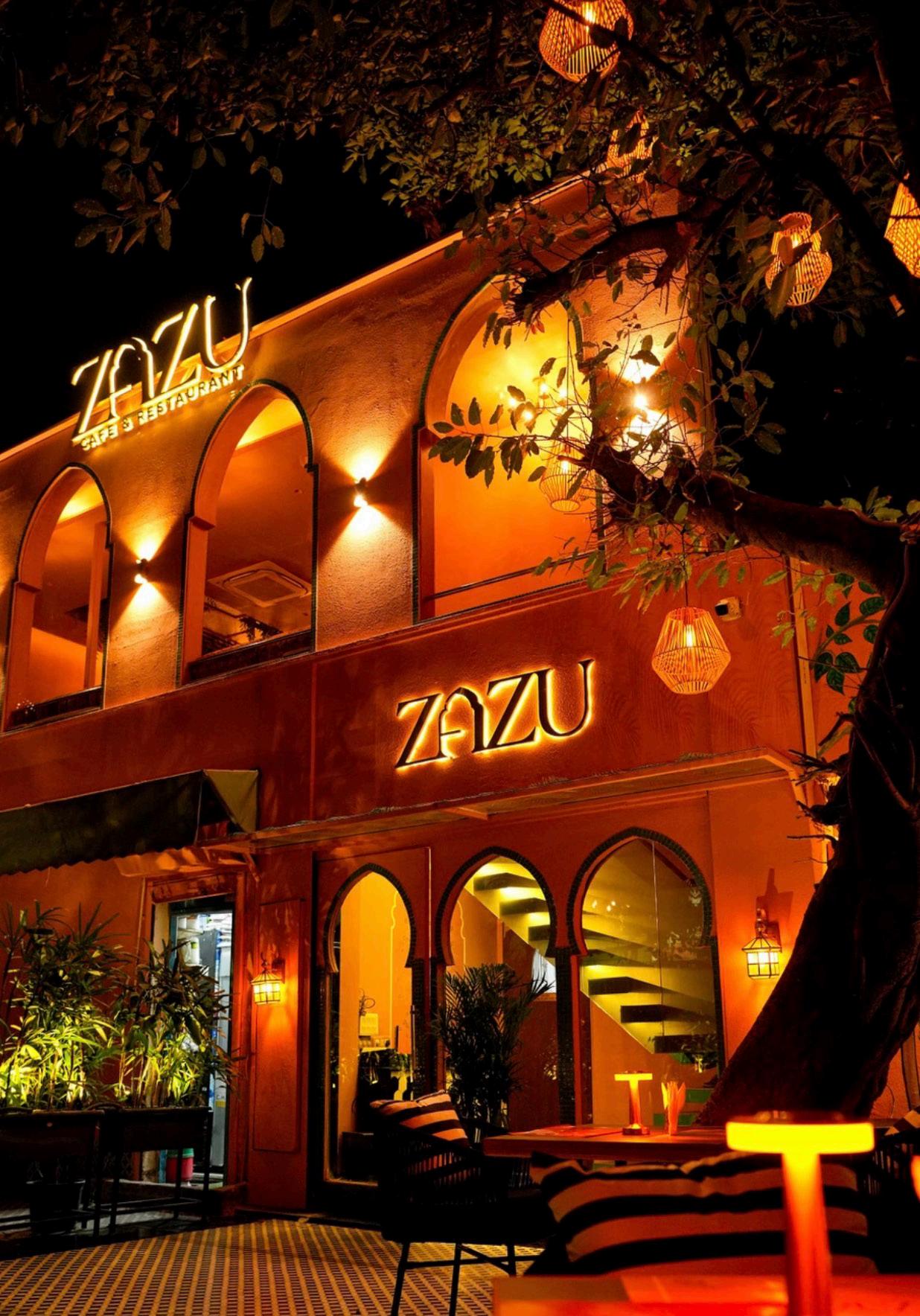
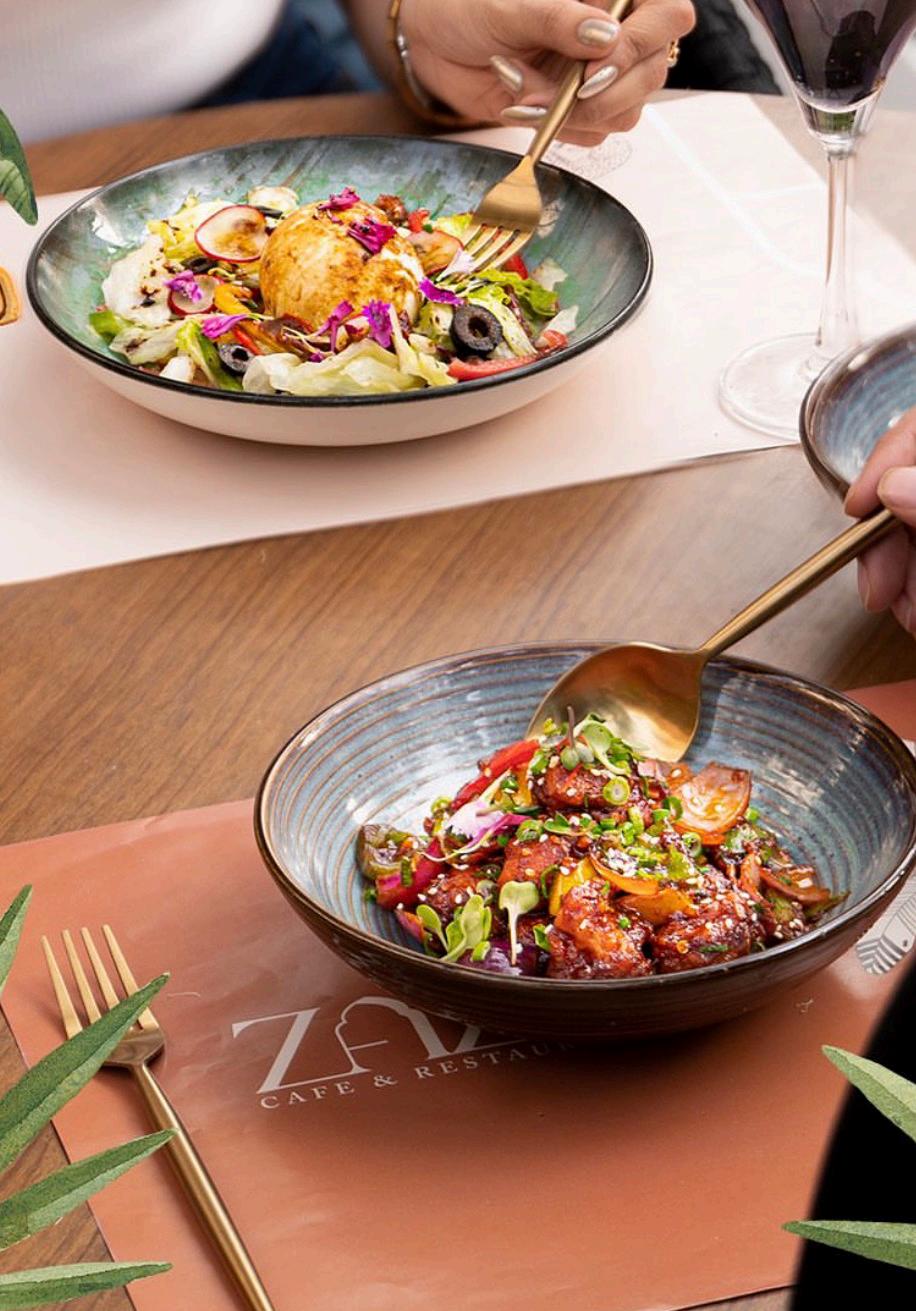
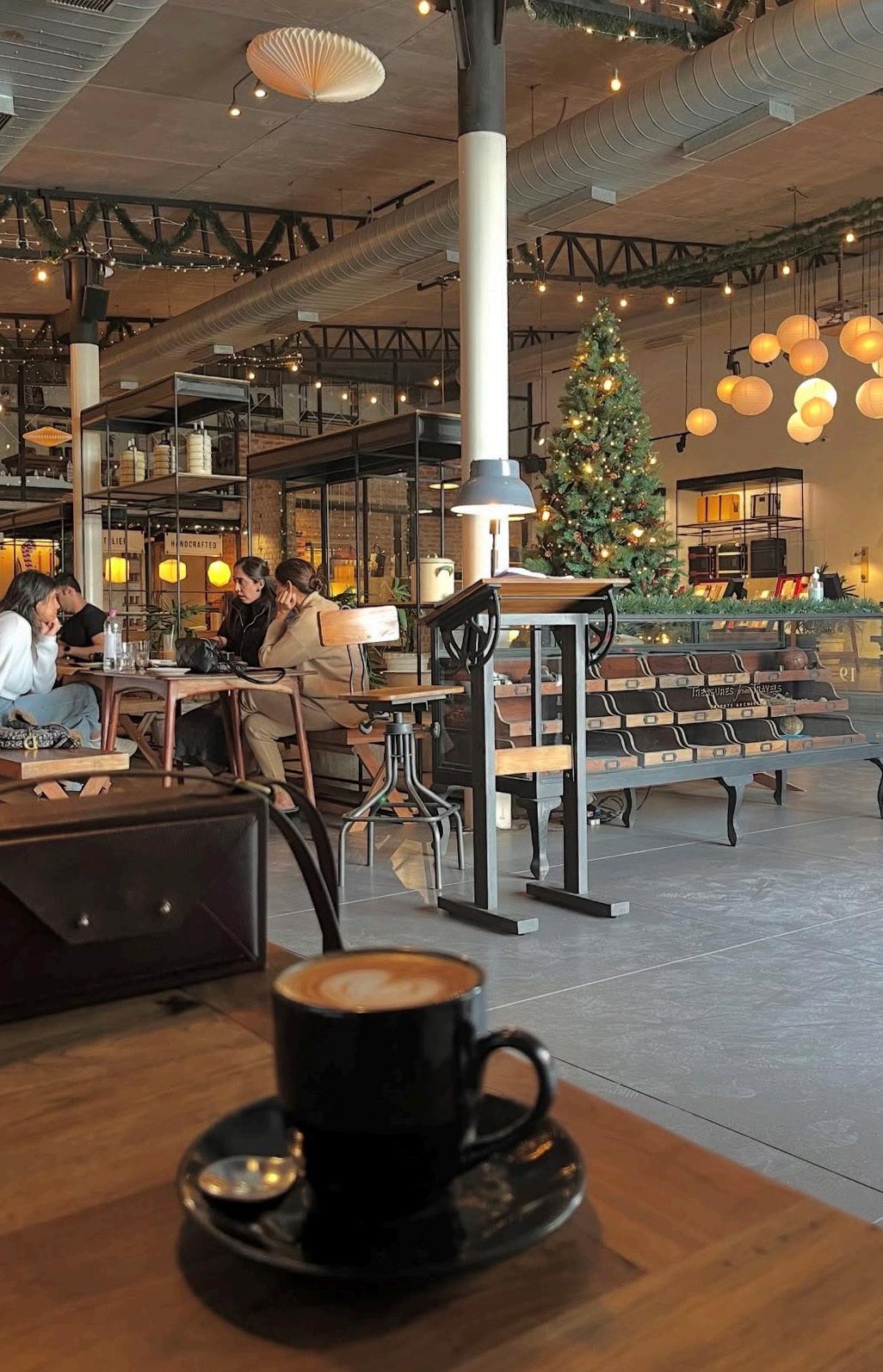
Tucked inside the popular Dhan Mill compound, Cafe Dori is easily one of Delhi’s most loved pet-friendly cafés. With earthy aesthetics, spacious outdoor seating, and a peaceful atmosphere, the café offers the perfect setting for slow mornings and relaxed afternoons with pets.
It’s common to see dogs comfortably stretched out beside tables while their owners sip coffee or work remotely. The café’s calm environment and community-like feel have made it especially popular among Delhi’s creative crowd and young professionals who often treat the space as a second home.
Known for indulgent comfort food and a relaxed vibe, Melt House in Greater Kailash 2 has become increasingly popular among Delhi’s pet-loving crowd. The café’s outdoor seating creates a comfortable environment for pets while owners enjoy hearty meals and long conversations.
Unlike louder dining spots, Melt House offers a more easygoing experience, making it ideal for pet parents who want a calm outing with their furry companions. Its cosy atmosphere and approachable menu only add to its appeal.
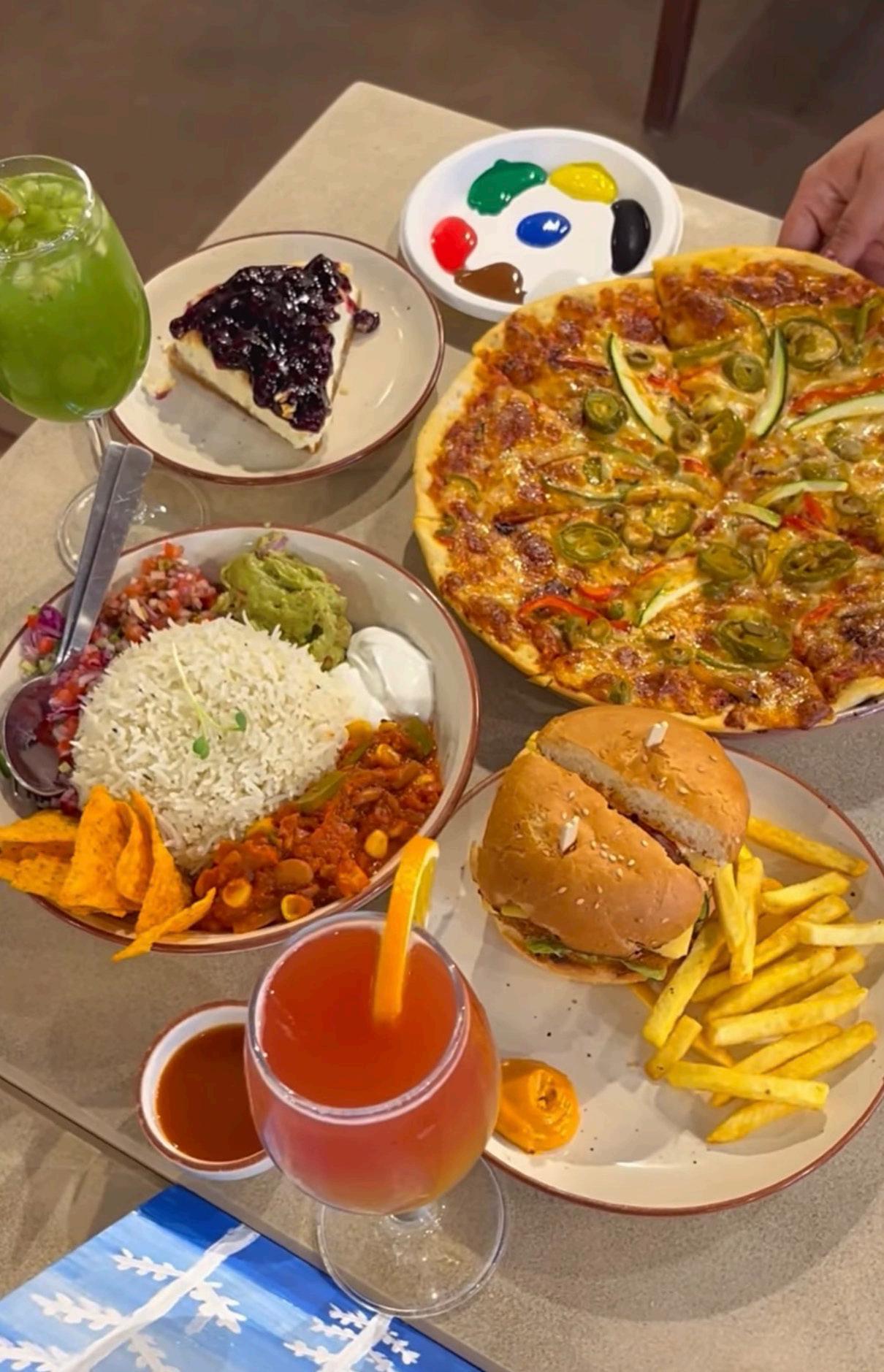
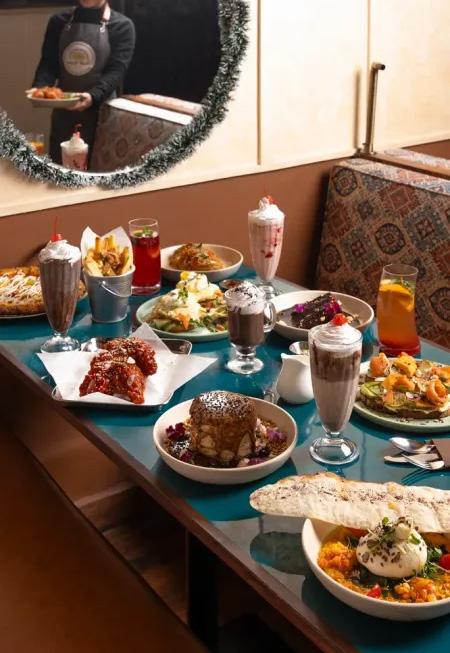
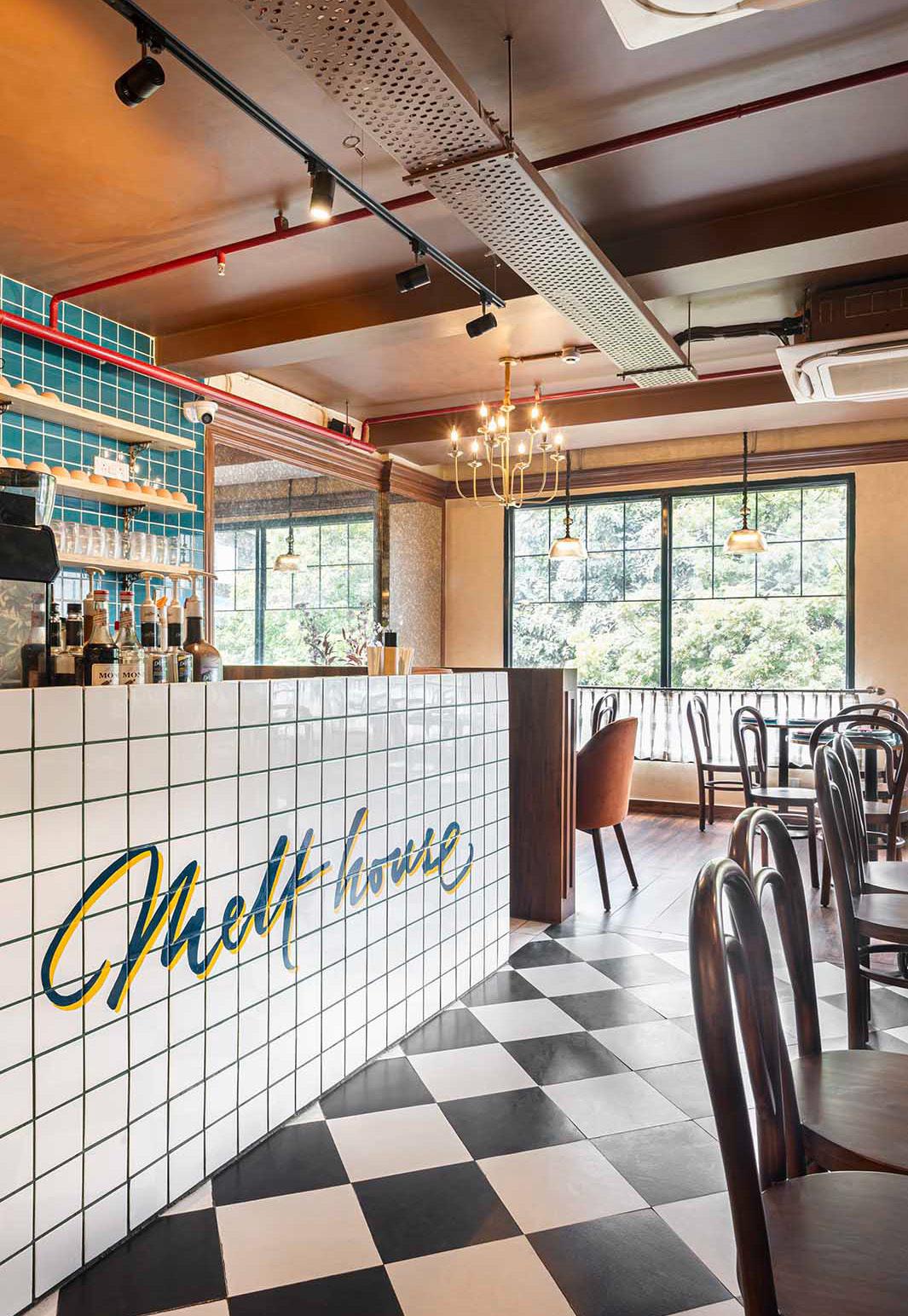
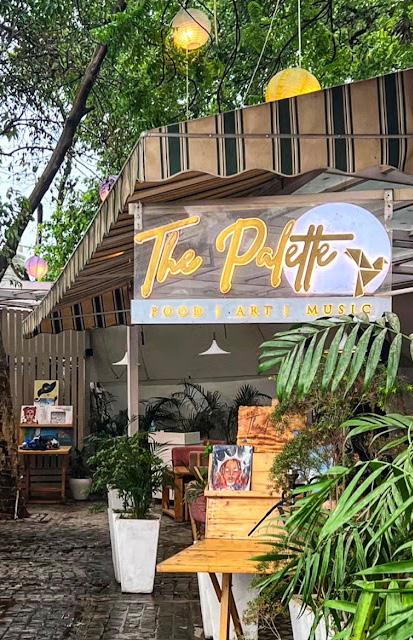
Artistic, colourful, and wonderfully welcoming, The Palette in Chhatarpur goes beyond simply allowing pets; it embraces them. The café’s open spaces and vibrant ambience make it a favourite among young dog parents looking for a lively yet comfortable social spot.
Pets are treated like part of the experience here, with staff and visitors often warmly interacting with furry guests. Whether it’s a weekend brunch or a casual coffee outing, The Palette creates an environment where both pets and owners can genuinely relax and enjoy themselves.
Delhi’s growing pet-friendly café culture reflects a larger shift in urban living, where pets are no longer left behind but embraced as part of everyday life. From open-air seating and pet menus to community-driven spaces, cafés across the city are creating more inclusive experiences for both humans and their furry companions.
Beyond convenience, these spaces offer something deeper, a sense of connection. In a fast-paced city, they give pet parents a chance to slow down, socialise and make memories with their pets by their side. Because the best plans are the ones your pet gets to be part of.



Fresh on the shelf and impossible to ignore, these new titles bring together urgency, insight and craft. From big ideas to quiet reflections, they define the current reading moment. Hashtag Magazine spotlights a few must-reads.
by Beth Gardiner
A gripping nonfiction exposé on the global plastic crisis, revealing its deeply entrenched, systemic roots.

Plastic Inc. is a powerful investigative work that uncovers the hidden forces behind the global plastic crisis. Moving beyond surface-level conversations about waste and recycling, the book shifts its focus to the powerful oil and petrochemical industries that drive plastic production at an unprecedented scale.
Through deeply researched reporting and compelling storytelling, Gardiner reveals how plastic became central to modern consumerism, and how corporations have deliberately expanded its use despite growing environmental concerns. Urgent and eye-opening, it challenges readers to rethink responsibility and recognise that the plastic problem is not just individual, but systemic and deeply entrenched.

by Manoj V Jain
A visually rich mindfulness and self-help book inspiring reflection, balance and everyday joy.
The Book of Joy by Manoj V Jain is a thoughtful and visually engaging exploration of happiness, inner peace, and mindful living. Rather than following a conventional self-help format, the book unfolds through a series of reflective quotes, each page offering a pause for thought rather than prescriptive advice. The simplicity of its ideas makes it accessible, yet deeply resonant.
What sets the book apart is its artistic dimension; each quote is interwoven with evocative artwork guided by Pradeep Mishra, creating a harmonious blend of words and visuals. Subtle yet impactful, The Book of Joy is not about telling you how to live, but inspiring you to reflect, reset, and rediscover joy in your own way.
A thoughtful travel and culture book exploring slow travel, the Himalaya and India’s spiritual landscapes.
Lokesh Ohri is a noted anthropologist, heritage conservationist and cultural historian known for his extensive work on the Himalayan region. Deeply engaged with the ecology, traditions and oral cultures of Uttarakhand, he has spent decades documenting local histories and indigenous knowledge systems. His writing reflects both scholarly insight and a personal connection to the mountains.
His book, Ambles Across Godland, is less a conventional travelogue and more a meditative journey through the sacred geography of Uttarakhand. Blending mythology, anthropology, folklore and personal reflection, Ohri invites readers to slow down and experience the Himalaya beyond tourism. It moves through rivers, temples, forests and mountain villages with an intimate understanding of local traditions and spiritual memory. Rather than romanticising the mountains, he presents them as living, breathing spaces shaped by centuries of belief and community practices.
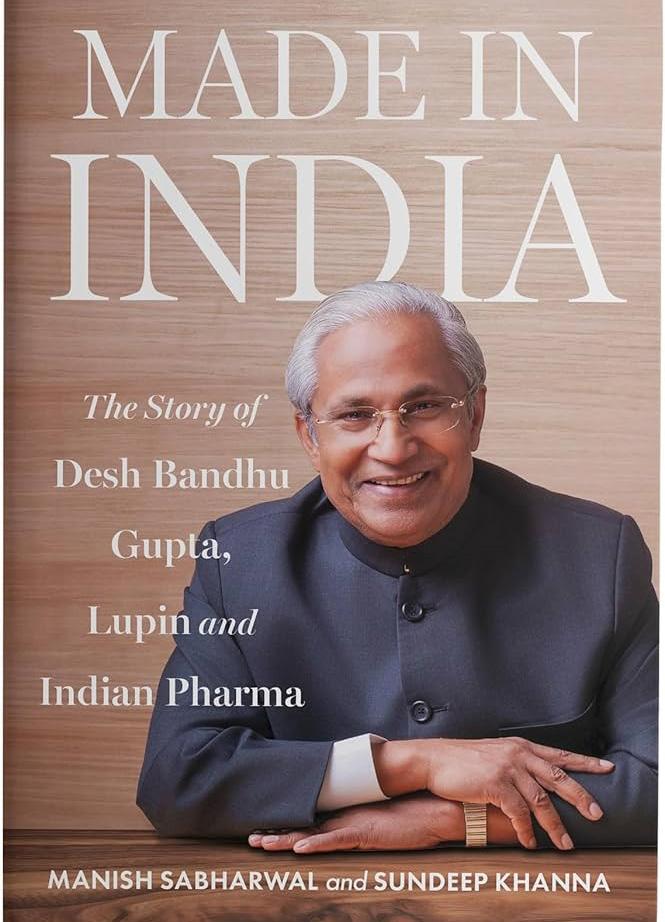
by Sundeep Khanna and Manish Sabharwal
A practical business book on startups, entrepreneurship and building sustainable growth beyond funding hype.
Doi Beni’s F*ck That Dough is a sharp, timely and refreshingly honest take on entrepreneurship in an era obsessed with startup valuations and funding headlines. Instead of glorifying hustle culture, the book turns its attention to founders who built sustainable businesses through discipline, resilience, and smart execution rather than endless rounds of investor capital. Through stories of companies like Zerodha, FusionCharts and Keka, Beni explores the realities of bootstrapping with clarity and nuance.
What makes the book engaging is its grounded, nononsense voice. Beni avoids motivational clichés and instead focuses on practical lessons: from managing cash flow and building customer trust to surviving setbacks and scaling responsibly. The writing is conversational yet insightful, making complex startup realities accessible even to non-founders.
Contemporary, relevant and deeply practical, F*ck That Dough is an insightful read for entrepreneurs, creators and anyone interested in the changing culture of modern business and independent growth.
An inspiring business biography on Indian pharma, Lupin and India’s rise as a global healthcare powerhouse.
Made in India: The Story of Desh Bandhu Gupta, Lupin and Indian Pharma by Sundeep Khanna and Manish Sabharwal is both a compelling business biography and a chronicle of India’s pharmaceutical rise on the global stage. The book traces the extraordinary journey of Desh Bandhu Gupta (DBG), who transformed a modest company founded in 1968 into Lupin, one of the world’s leading pharmaceutical giants. Through DBG’s visionary leadership, Lupin pioneered affordable, high-quality generic medicines, helping position India as the “pharmacy of the world.”
The narrative follows DBG’s evolution from rural Rajasthan to building a multi-billion-dollar healthcare enterprise rooted in compassion, scientific ambition and manufacturing excellence. What stands out is his unwavering commitment to accessible healthcare and nation-building, even while navigating regulatory shifts, market pressures and global expansion. Beautifully presented in a special premium box set, complete with archival imagery and elegant production, the book feels like a fitting tribute to DBG’s legacy.