

CONTENTS
EDITOR'S NOTE
PAGE: 03
From the Editor’s Desk
EVENTS IN TOWN
PAGE: 05
Your go-to guide to what’s buzzing in the city. From culture to nightlife, here’s what not to miss.

TRENDING NOW
PAGES: 06-10
Meet Kayadu Lohar the breakout name turning heads across the industry. Here’s why she’s capturing attention everywhere, and what makes her one to watch right now..
STARTUP
PAGES: 11-14
Inside the story of a brand making serious waves. As clean eating and traceability take centre stage, Dam Good Fish is transforming how fresh seafood reaches the modern consumer.
RETAIL
PAGE: 15-19
A curated edit of what’s new, now, and worth your attention, everyday essentials meet standout finds you didn’t know you needed.
DUSK TO DAWN
PAGES: 21-24
Think you know your beer? This guide might just change the way you experience your next Indian meal.

FASHION FORWARD
PAGES: 25-35
Decoding the new language of Indian fashion. Key takeaways from Lakmé Fashion Week 2026 and the trends shaping what’s next, from heritage craft to bold innovation.
HEALTH AND WELLNESS
PAGES: 37-43
Exploring wellness experiences in Goa. Also, take a look at celebrity summer care secrets.
FOOD
PAGES: 44-51
What’s hot, what’s new, and what’s worth a table reservation. A quick dive into the latest openings and dining trends.
AUTO & TECH
PAGE: 53-55
Smart tech that actually improves your day, from hydration reminders to wellness-focused devices designed for real life.

TRAVEL
PAGES: 57-60
Hit the road with routes perfect for families. Explore destinations through their bookstores and discover affordable ways to experience spiritual travel.
INTERIORS
PAGE: 62-64
Stay cool without cranking up the AC. Smart, simple hacks to beat the heat, stylishly.
PETS
PAGES: 65-67
Rising temperatures? Here’s how to keep your pets safe, comfortable, and happy all summer long.

STREAMING NOW
PAGE: 69-72
A must-read for aspiring founders, books packed with insights, ideas, and inspiration. Plus, what’s new from Siddharth Chaturvedi and why his latest work is gaining momentum.
From the E DITOR
Less, but Better: The New Way Forward

This year, as I sat watching the shows at Lakmé Fashion Week 2026, one word stayed with me: restraint. Not something we usually associate with Indian fashion, or even with our daily lives. And yet, there it was, quietly, powerful. A season where practicality met creativity, where clothes felt wearable, thoughtful, and occasionally experimental, without screaming for attention.
As the shows went on, that feeling only grew stronger. Restraint felt unexpected, almost radical. Indian fashion has always celebrated opulence and maximalism, but this time, the mood was different. Softer. More considered. It wasn’t about grabbing attention; it was about holding it.
The shift was subtle, but you could feel it. Clothes felt intentional. Not over-the-top, but not boring either. Not extravagant, yet far from ordinary. Even “naked dressing,” which once leaned on boldness, felt more grounded, especially in the context of Indian weddings. It wasn’t about shock anymore. It was about ease, fluidity, and confidence. About showing just enough, and knowing that just enough can be powerful!
And maybe that’s the real takeaway. We don’t always need to give in to the drama, on the runway or in life. Structured minimalism. Sustainable luxury. Thoughtful choices. It all points to something bigger. The idea that maybe our lives, like our wardrobes, could use a little editing. Less noise. More meaning.
Because somewhere between deadlines, expectations, and the constant pressure to do more, be more, have more, we’ve forgotten the value of restraint. Of pausing. Of choosing with intention. Of leaving space for what really matters.
This issue, in many ways, is about that space. About people finding the time to do what they love. Whether it’s

the rising journey of Kayadu Lohar, pet owners becoming more mindful about care, start-up founders breaking norms, or book lovers travelling and shaping what we now call bookstore tourism. It’s about slowing down just enough to follow what feels meaningful.
Because moving forward doesn’t always mean adding more, sometimes it simply means choosing less, but choosing better.
Less, but Better: The New Way Forward. Let’s follow this mantra.

Sinduri Vuppala


Editor
Sinduri Vuppala
Copy Editor
Sheba Joseph
Contributors
Lipika Varma
Ratna Bhupal
Rashmi Gopal Rao
Priyanka Goud
Aniket Pandey
A Pragnya Reddy
Bindu Gopal Rao
Mehak Walia
Dhanush Kumar
Manisha Pyaraka
Surabhi Goel
Designer K Abhinay Raj Raju
Website and SEO Anil Mandapati
Social Media
Vishal Goud
Aarthi Reddy
Editorial Office
B 10 Vikrampuri, Karkhana, Secunderabad, 500009. Contact: 6269 000 666
Marketing Office
Atin OOH
B19, Avenue 5, Banjara Hills, Hyderabad Phone: 040 23355485
Cover
KHUSHI KAPOOR
Website: www.hashtagmagazine.in


Hashtagmagazine.in
@hashtagmagazine.in
www.hashtagmagazine.in
Hashtag India Magazine is published and promoted by Nirvana Media House Hyderabad

UPCOMING EVENTS IN APRIL 2026

The king of EDM, Calvin Harris, arrives like a storm, loud, electric, unforgettable. This is not merely a concert. It is a collision of sound and spectacle. Expect thunderous basslines, hypnotic drops, and a sea of bodies moving as one. His music, the pulse of a generation, turns the night into something primal and alive. With chart-topping anthems and cinematic visuals, the experience blurs reality and rhythm. For a few hours, the world fades, and only music remains. A rare chance to witness a global icon in his element.
Date: 18th April 2026
Price: ₹ 3,000/- onwards
Venue: Infinity Bay, Mumbai.
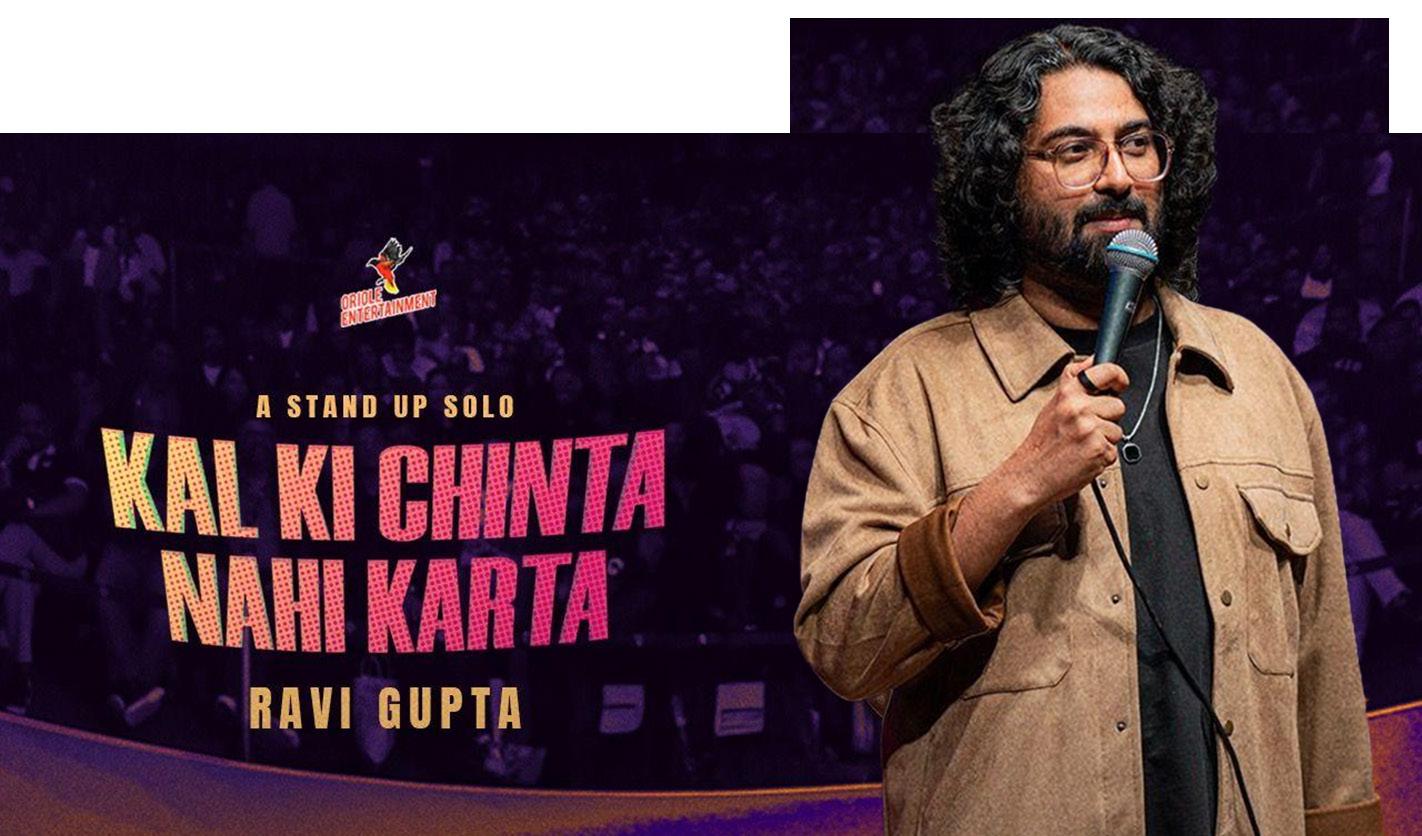
Some shows make you laugh. This one nudges you to laugh at life itself. Ravi Gupta walks in with the ease of a friend and the timing of a seasoned storyteller, turning everyday chaos into comedy gold. His humour doesn’t chase punchlines; it finds them in the ordinary, the awkward, the painfully relatable. The set flows like a conversation, light yet sharp, familiar yet fresh. You don’t just watch, you see your own life reflected, exaggerated, and made lighter. In a world obsessed with tomorrow, this show insists on one thing: laugh now, while you can.
Date: 4th April 2026-10th May 2026
Price: ₹ 799/- onwards
Venue: MLR Convention Centre, Whitefield, Bengaluru

Radhika Das-India Tour
In a world that rushes, this gathering asks you to slow down and listen within. Radhika Das brings more than music, he brings a current of devotion that flows through mantra and melody. Voices rise, hearts soften, and strangers become a single rhythm. This is not performance, it is participation, a shared stillness wrapped in sound. Rooted in Bhakti tradition yet alive with modern spirit, the experience lingers long after the final chant fades. If noise is the disease of our age, this is its quiet remedy, ancient, powerful, and deeply human.
Date: 4th April-5th April 2026
Price: ₹ 999/- onwards
Venue: Bhartiya Mall of Bengaluru
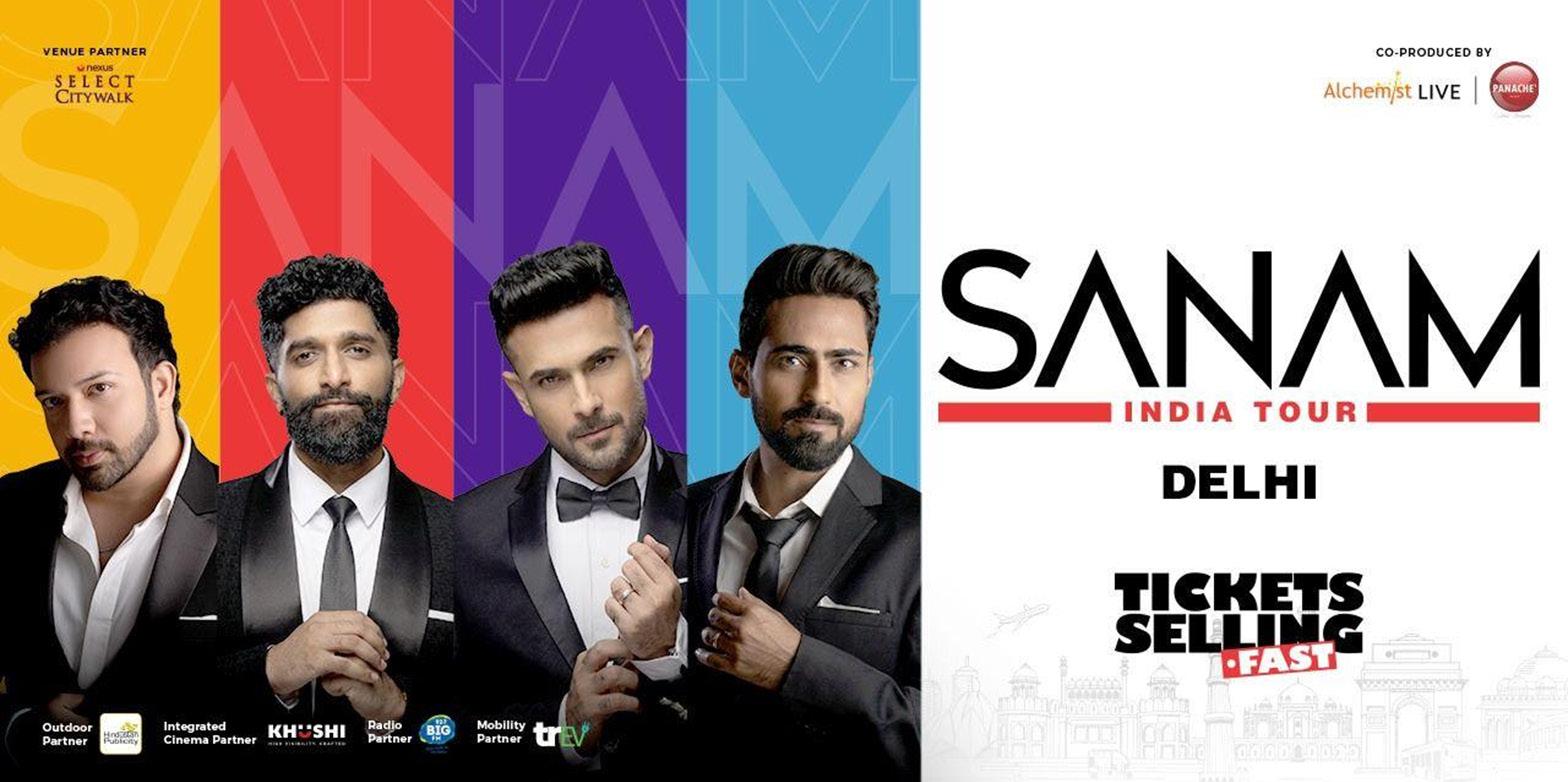
There’s a certain nostalgia that refuses to fade, and SANAM carries it like a torch into the modern light. Their music is not just heard, it is remembered. Old classics breathe again, wrapped in fresh sound, as voices in the crowd rise instinctively, word for word. What began as a digital journey has grown into a shared ritual, with fans, melodies, and memories colliding in harmony. This isn’t just a concert; it’s a bridge between generations, where love songs of yesterday meet the pulse of today. Come not just to listen, but to feel something familiar return.
Date: 18th April 2026
Price: ₹ 999/- onwards
Venue: Nexus Select Citywalk, Delhi
Calvin Harris live in Mumbai
Kal Ki Chinta Nahi Karta Ft. Ravi Gupta


Between Film Sets and Mountain
Escapes:
JOURNEY Kayadu Lohar’s
Long before the Tamil film Dragon became a cultural moment, Kayadu Lohar was quietly building her career across industries. A winner of the Everyuth Fresh Face, Kayadu stepped into cinema in her teens and gradually explored Kannada, Malayalam, Telugu, and Tamil industries with projects like Mugilpete, Pathonpatham Noottandu, Alluri, and Funky. But it was Dragon, opposite Pradeep Ranganathan, that turned her into a viral sensation, bringing widespread recognition and positioning her as one of the emerging pan-South talents to watch. In a candid conversation with Priyanka Goud, Kayadu opens up about sudden fame, navigating multiple film industries, and finding peace away from the spotlight through travel.

Acting Was Always the Plan
For Kayadu, acting wasn’t a coincidence; it was always the goal. “I always knew I wanted to be an actor,” she says. Winning the Fresh Face title during college became the first big push. “It gave me visibility, auditions, and belief. At just 18, I found myself travelling across cities for auditions, sometimes attending three to four in a single day. As a newcomer, you don’t always get full narrations. Many times, you say yes based on the production house or the hero attached.”
Navigating Languages and Cultures
Born into a North Indian family, speaking Nepali at home, fluent in Hindi and Marathi, and raised in Pune, entering South Indian cinema came with its own challenges. “South Indian languages aren’t my first language, so understanding the rhythm and culture initially took time,” she says.
But over the years, she developed her own process. For Kayadu, learning a language goes beyond memorising lines. “If I’m doing a Malayalam film, I’ll only listen to Malayalam songs during that phase. Music helps me understand the emotion and culture behind the language.”
The Dragon Effect
Her performance as Pallavi in Dragon proved to be a turning point. The film’s popularity on social media, i.e., edits, reels, and viral moments, brought her immense attention. “Dragon completely changed how people saw me and how I saw myself. It was heart-warming, but I kept reminding myself that viral moments are temporary. Consistency is what really matters. Scripts, characters, language preparation, and everything now carry deeper scrutiny. I don’t see films as just projects anymore. I see them as milestones that shape my journey.”
If I’m doing a Malayalam film, I’ll only listen to Malayalam songs during that phase. Music helps me understand the emotion and culture behind the language.

Dealing with the Noise
With fame came its share of challenges, rumours like the TAMSC scan case in Tamil Nadu, trolling, and online impersonation about her friend’s death in Vijay’s Karur stampede. “That was the most painful phase. I once believed not reading comments, just ignoring, is easy, and thought celebs just do drama, but when it happened to me, I realised how hard it is,” she admits.
“No matter how much you try, you do see them, and they affect you. There will always be thousands of opinions. If I let each one disturb me, I’ll never have peace.” She adds quietly, “Behind all the noise, I’m still a real person with real emotions.”
Learning from the Best
Her growing filmography has also meant working alongside some of the industry’s biggest stars. Having shot with Nani for the upcoming film The Paradise, she says she understood why he’s called the Natural Star. “He’s effortless and makes you feel completely comfortable on set. You don’t feel like you’re working with a superstar.” She is yet to begin shooting with Silambarasan, while working with Prithviraj Sukumaran taught her about screen presence.




A Special Bond with Tollywood Kayadu’s journey in Telugu cinema has been equally memorable. After Alluri, she explored comedy with Funky alongside Vishwak Sen. While the film received mixed responses, she says, “This was my second film in Tollywood, and I thoroughly enjoyed working on it because it’s a comedy genre.
The Telugu audience, she says, holds a special place in her heart. “The fan base here is incredible. Every actor dreams of that kind of love. Everything feels larger than life, and I’m looking forward to doing more films here. I’m here to stay.”
The Traveller Within
When she isn’t filming, Kayadu prefers to escape into nature. “If I weren’t an actor, I’d probably be a traveller,” she says with a smile. “Maybe working with National Geographic, travelling the world,
vlogging, and documenting stories. Travelling means everything to me, its escape, self-discovery, healing, and adventure all at once.”
After hectic schedules, she often returns to her hometown in Assam. “I love being surrounded by nature. It’s peaceful and keeps you grounded.”
Among her favourite destinations, one name comes instantly. “Nepal,” she says. “The beauty of the Himalayas, the calm valleys and the fresh mountain air make you realise how vast the world is and how small you are in it, which is strangely very peaceful. I also loved the warmth of the people and the food, especially momos and thukpa.”
If I weren’t an actor, I’d probably be a traveller,” “Maybe working with National Geographic, travelling the world, vlogging, and documenting stories.
Rapid Fire
Fame — blessing or responsibility?
Both.
If not acting?
Traveller.
Mountains or beaches?
Mountains, I’m a mountain girl, at heart!
Saree or gown?
Traditional any day — saree! Dream destination? The Himalayas!


From DAM TO DISH:
The Founders of Dam Good Fish on Reinventing India’s Seafood Story
With rising awareness around clean eating and traceable food sources, Dam Good Fish is rethinking how fresh seafood reaches urban consumers. Co-founders Shobhit Gaur and Shailesh Patel share how their unlikely partnership, built on complementary strengths in branding and aquaculture, led to a venture that prioritises natural sourcing, transparency, and freshness in India’s rapidly growing seafood market.
Tell us a little about yourselves, your backgrounds, and personalities.
Shobhit Gaur (Co-Founder & CEO):
With a Master’s in Business Management and several years as National Head at a leading advertising agency, my career has always combined creativity with strategy. I see myself as a big-picture thinker who enjoys building disruptive ideas in traditionally unorganised markets. I’m naturally outgoing and enjoy exploring new concepts, whether in business or food culture. When I’m not working, I’m usually tracking food trends or spending time working out.
Shailesh Patel (Co-Founder):
My background is rooted in science, followed by a Master’s degree in business. Over the past decade, I’ve worked with multinational organisations and helped build ventures centred around sustainable solutions. I’m very hands-on and detail-oriented, someone who thrives on execution. For me, strategy must always be backed by strong ethics and measurable results.
How did two people from different professional worlds come together to build a venture centred around fresh, natural seafood?
Our paths crossed through shared sporting networks, where casual conversations gradually shifted toward food, health, and sustainability. Shobhit’s expertise in media and branding combined naturally with my background in aquaculture. As we discussed cleanlabel foods and the gaps in India’s seafood ecosystem, it became clear there was a real opportunity. In 2023, we decided to bootstrap Dam Good
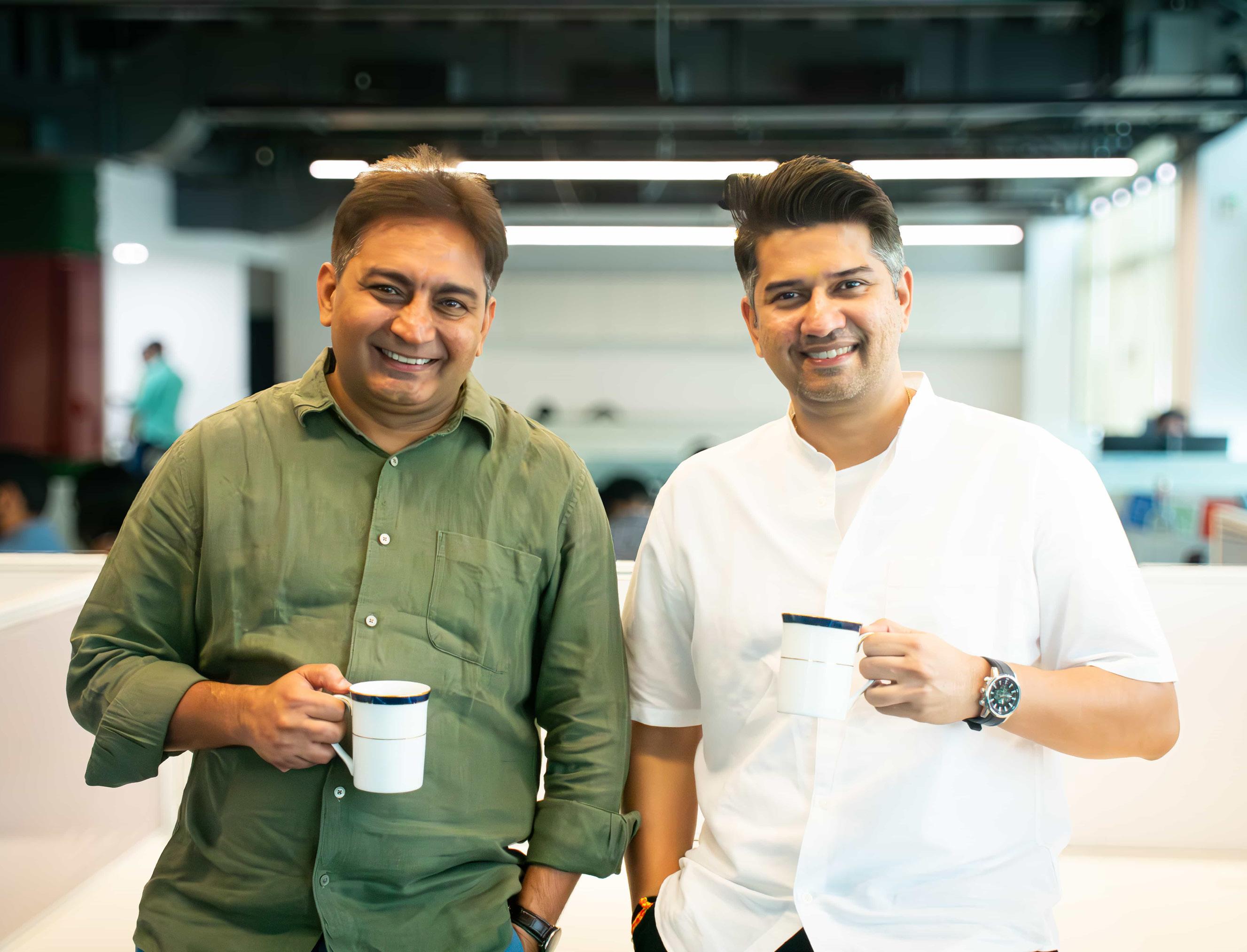
Fish. The idea was simple: combine strong storytelling and consumer awareness with operational expertise that ensures traceability and quality. Our complementary skill sets helped turn that idea into a working model.
Was there a personal moment that sparked the idea for Dam Good Fish?
Absolutely. What triggered the idea was a visible and widespread problem. Much of the “fresh fish” available in local markets was not fresh. It was often frozen for days, chemically treated to enhance appearance, and sourced from overcrowded ponds with questionable feeding practices.
When we dug deeper, we discovered an even bigger gap. Nearly 70% of India’s seafood consumption comes from freshwater sources, yet urban consumers rarely have access to
truly clean, naturally grown fish. That realisation became the turning point. It inspired us to build a dam-to-dish model that delivers naturally grown, chemical-free fish with complete traceability, restoring freshness, nutrition, and trust.

(Left) Shobhit Gaur & (Right) Shailesh Patel
What were the biggest gaps you observed in India’s seafood ecosystem before launching DGF?
Three major gaps stood out.
Quality and purity: Many small ponds rely on antibiotics, water-treatment chemicals, and artificial growth boosters. Imported fish is often frozen during transit, which reduces natural omega content, texture, and flavour.
Traceability: Consumers rarely know where their fish comes from. There is almost no pond-to-plate visibility.
Freshness for urban consumers: Multiple middlemen degrade product quality, and cold-chain systems are often missing in Tier-1 city supply chains.
India’s seafood market is already worth around $60 billion and growing at 8–10% annually, but sustainability and transparency still lag.
Many consumers don’t know the difference between dam-raised fish, farmed fish, and frozen imports. How would you explain it simply?
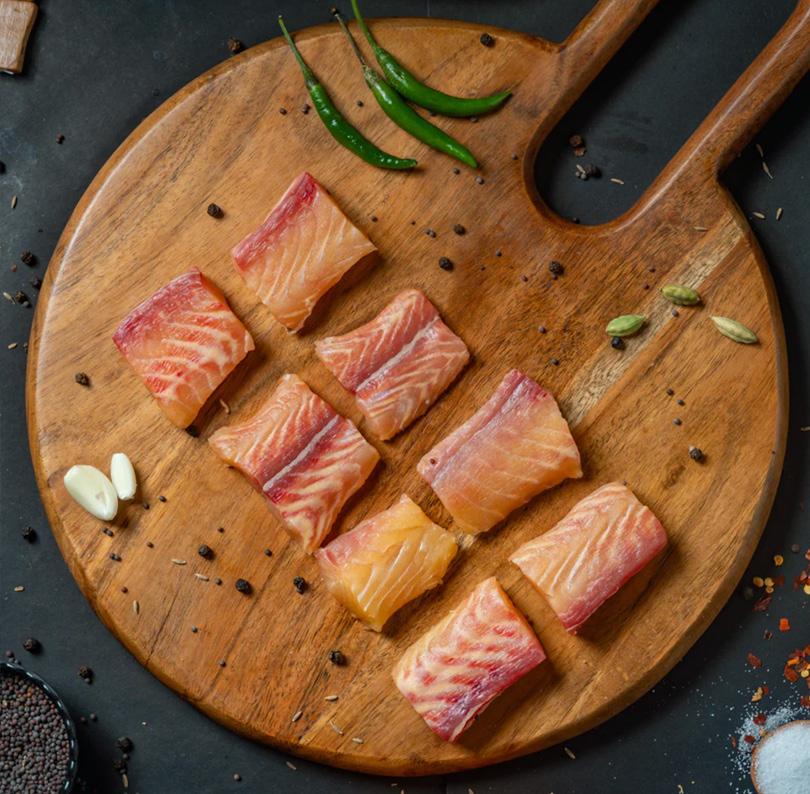
Our fish are wild-caught from certified dams and reservoirs, where species such as Rohu, Catla, Singhara, Sole, and Pabda grow naturally in clean freshwater ecosystems. There is no forcefeeding or artificial growth enhancement.
Once sourced, the fish is cleaned the same day in hygienic facilities and processed into curry cuts or fillets. It is vacuum-sealed, without ice or additives, and delivered via a cold chain to customers in Delhi NCR within 4 to 6 hours.
Each pack also includes QR code-based traceability, allowing consumers to see where their fish came from.
Your promise of “natural fish” includes no chemicals, antibiotics, or force-feeding. How challenging is it to maintain such purity at scale?
It’s challenging but achievable with the right systems. In the early days, we rejected nearly 30% of the catches because they didn’t meet our quality standards. Over time, we built strong relationships with dam-based fisher communities and introduced strict sourcing audits.
Today, technology helps us track each batch, ensuring transparency.

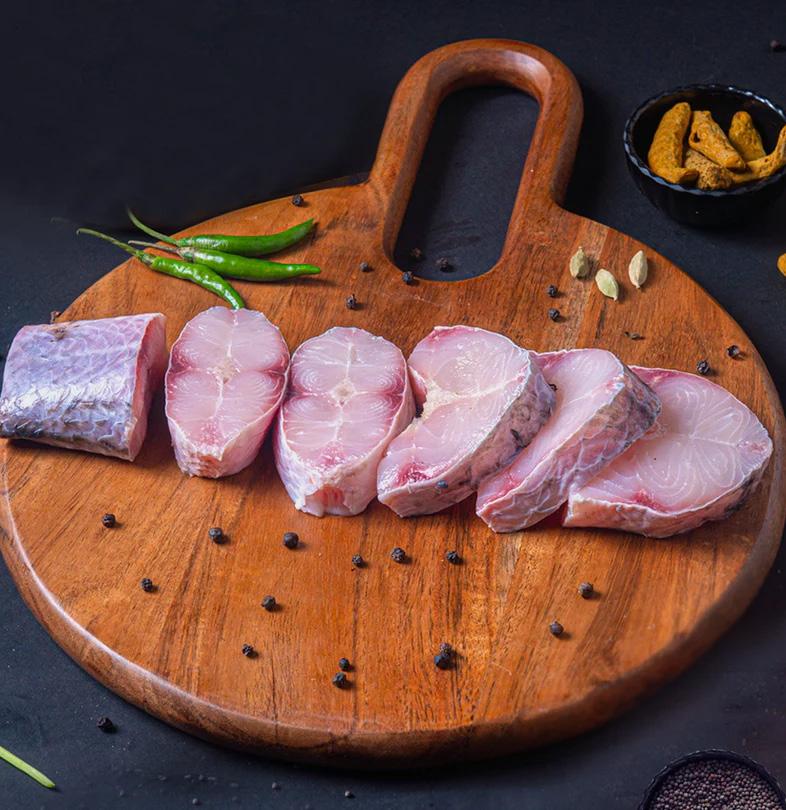
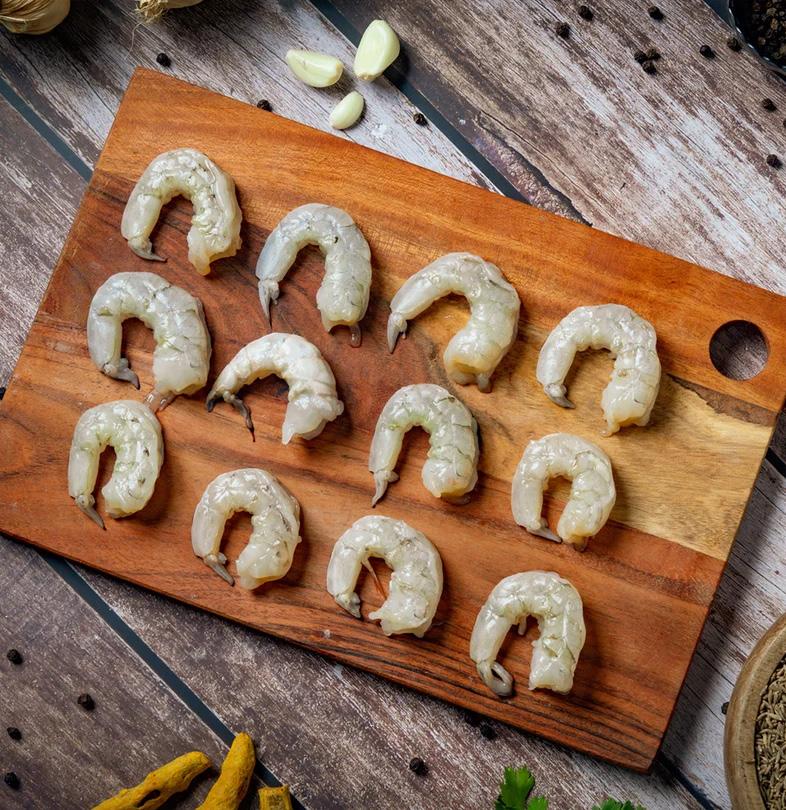
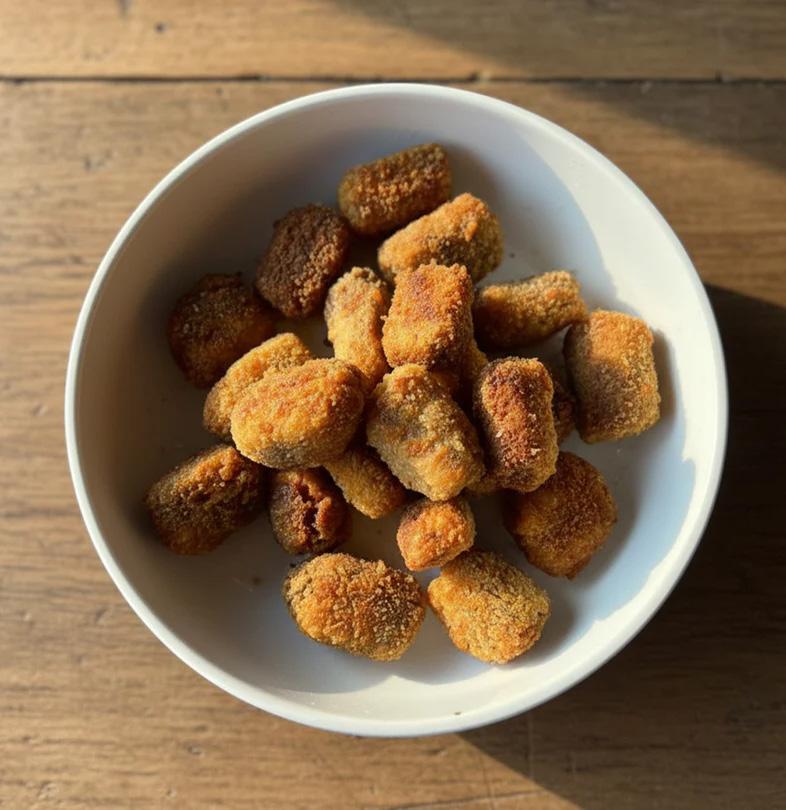
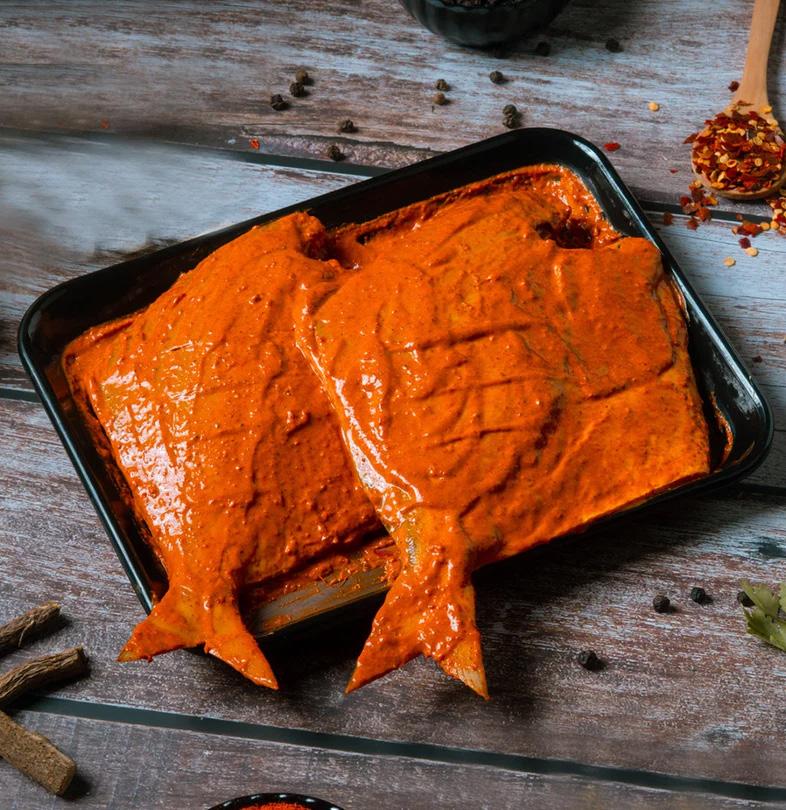
We’ve grown to serve over 1,000 monthly customers with a 20-member team, all while remaining bootstrapped. Maintaining purity requires higher upfront costs, but it builds long-term customer trust and loyalty.

Quick Take

What common myths do Indians believe about fish freshness?
One big myth is that “smelly fish means fresh.” In reality, a strong ammonia smell usually signals spoilage. Another misconception is that all farmed fish are the same; many lack the nutritional profile of wild fish.
How can consumers recognise good fish, especially when ordering online?
Look for bright colour and firm flesh rather than mushy texture. Online, check for vacuum-sealed packaging, batch traceability, and same-day dispatch. When the fish arrives, it should smell clean and ocean-fresh. not overly fishy.
Health benefits of natural dam-sourced fish?
Naturally grown fish often contain higher omega-3 fatty acids and vitamins, which support heart health, brain function, and child development. They are also free from chemical residues and offer high-quality protein that helps maintain muscle and manage weight. Regular consumption, about twice a week, can even be a healthier alternative to red meat for reducing inflammation.
What are the key differences between dam-raised, farmed, and frozen imported fish?
Dam-raised fish (wild-caught):
Sourced from natural reservoirs and dams. They are nutrient-rich, chemical-free, and naturally high in omega-3 fatty acids. Seasonal availability can be a limitation, but the quality is superior. This is the core of our sourcing model.
Farmed fish:
Typically raised in small ponds using feed. While supply is consistent, antibiotics and artificial feeding often reduce nutritional value.
Frozen imports:
These are shipped over long distances and kept iced. While they are widely available, freezing and glazing chemicals often degrade texture, flavour, and nutrient content.



HOT LAUNCHES
A quick look at the latest products making waves in the beauty, wellness, and lifestyle space. Hashtag Magazine takes a closer peek at what’s new on the shelves and worth adding to your routine.

Gracia Cero – A Mindful Way to Celebrate
Gracia Cero by Kantala Spirits introduces a modern, inclusive way to celebrate, especially when not everyone at the table chooses to drink alcohol. Positioned around the idea of mindful drinking and personal choice, the beverage allows people to participate in social rituals—raising a glass, sharing a toast—without pressure or compromise.
Recognised as India’s first non-alcoholic agave drink, Gracia Cero is completely alcohol-free (0% ABV) and sugar-free, containing only four calories per serving, making it an appealing option for wellness-focused consumers and those seeking lighter alternatives. Crafted with the natural goodness of agave, it offers a refreshing and flavourful experience without the heaviness or next-day fatigue associated with alcohol.
The drink is available in two vibrant variants—Raw ’n’ Wild Mango and Pineapple Piñata—bringing a playful tropical twist to alcoholfree beverages while maintaining a premium, celebratory feel. Whether served neat, lengthened with soda, or used in creative mocktails, Gracia Cero fits seamlessly into intimate dinners, date nights, and social gatherings.
By blending flavour, inclusivity, and wellness, Gracia Cero reflects the growing shift toward balanced lifestyles and mindful drinking, proving that zero-alcohol options can still feel sophisticated, festive, and enjoyable.
Price
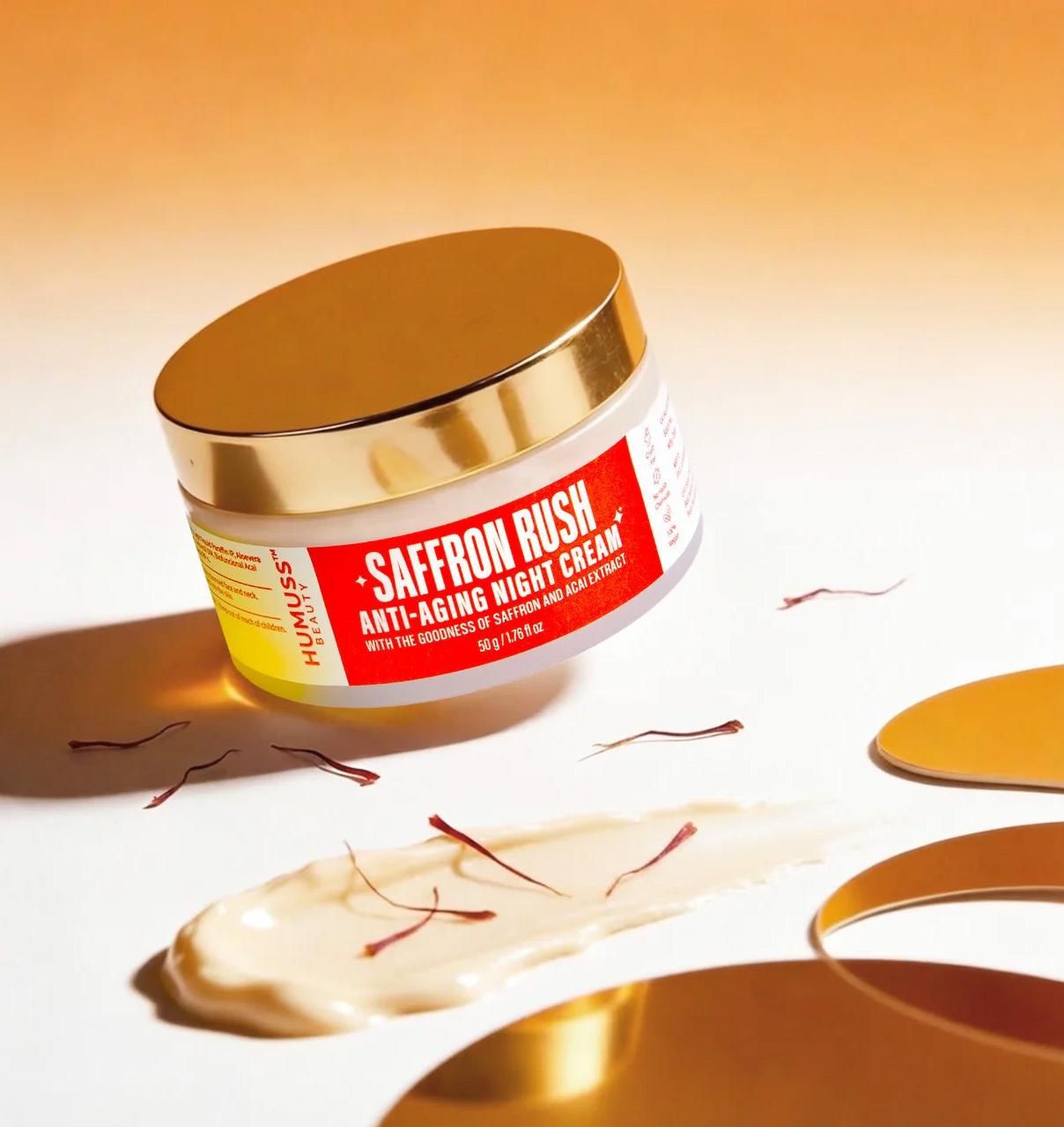
The Saffron Rush Anti-Aging Saffron Night Cream is a nourishing overnight treatment formulated to help restore skin while you sleep. Infused with saffron and acai extract, the cream is rich in antioxidants that help combat visible signs of ageing caused by environmental stress and free radicals. These ingredients work to support collagen production, helping improve skin elasticity, reduce the appearance of wrinkles, and gradually fade dark spots for a more even complexion.
The formula is further enriched with aloe vera, which helps soothe and deeply hydrate the skin, locking in moisture overnight. This combination of hydrating and antioxidant ingredients ensures that skin feels softer, smoother, and visibly refreshed by morning. Despite its nourishing properties, the cream has a lightweight, noncomedogenic texture, meaning it absorbs easily without clogging pores.
Designed for everyday night-time use, the formula is free from parabens, fragrance, and silicones, making it suitable for most skin types. It is also cruelty-free and vegan, reflecting a conscious approach to skincare. Dermatologist recommended and packed with skin-loving ingredients, Saffron Rush night cream works to leave the skin firmer, hydrated, and radiant with consistent use.

Price Rs: 1,299 /- ONWARDS
Saffron Rush – Anti-Aging Saffron Night Cream
Rs : 494/- ONWARDS
Everyday Wellness— from Haircare to Better Sleep by Wow Skin Science
Price: Rs: 399
Wellness routines today extend far beyond basic beauty, and brands are increasingly creating products that support both personal care and overall well-being. From nourishing haircare to supplements that promote better rest, products like the WOW Skin Science Petal Muse Body and Hair Perfume Mist, WOW Skin Science HyaNeon Bond Repair Moisturizing Shampoo, WOW Skin Science Scalp Reboot Pre-Shampoo, and Zensium Magnesium Glycinate Tablets highlight this holistic approach.
The WOW Skin Science Petal Muse Body and Hair Perfume Mist is a lightweight fragrance designed for both hair and skin. Unlike heavier perfumes, it offers a refreshing floral scent that can be used throughout the day. Hair mists are typically formulated with conditioning ingredients so they refresh strands without drying them out, making them ideal for everyday use.
For haircare, the HyaNeon Bond Repair Moisturizing Shampoo focuses on repairing damaged strands while maintaining hydration. The formula includes hyaluronic acid, peptides, and plant keratin, ingredients known to strengthen hair bonds, improve elasticity, and lock in moisture. The sulphate-free formula gently cleanses while helping restore shine and smoothness to dry or chemically treated hair.


The Scalp Reboot Pre-Shampoo complements the routine by preparing the scalp before cleansing. Infused with vitamins like B3, B5, biotin, and hydrating ingredients, it helps remove build up, nourish the scalp, and create a healthier base for stronger hair.
Completing the wellness cycle is Zensium Magnesium Glycinate Tablets, designed to support relaxation and sleep. Magnesium glycinate is known for its high absorption and is widely used to help reduce stress, relax muscles, and improve sleep quality.

Together, these products reflect a growing trend: wellness brands now offer solutions that care for everything, from healthier hair to more restful nights.


The PHD Panthenol Hydrating Gel Sunscreen SPF 60 PA++++ is a lightweight, dermatology-led formula designed to deliver high sun protection while keeping skin hydrated and comfortable. The gel-based sunscreen uses new-generation photostable UV filters that provide broad-spectrum protection against both UVA and UVB rays, helping prevent tanning, sun damage, and premature ageing.
One of its key ingredients is Panthenol (Pro-Vitamin B5), known for soothing the skin and strengthening the moisture barrier. The formula also includes Sodium Hyaluronate (Hyaluronic Acid) and Aquaxyl™, which help attract and retain moisture, keeping skin hydrated even under sun exposure. Antioxidants such as Vitamin C and Vitamin E support skin brightening and help defend against environmental stressors, while Thermus thermophilus ferment protects skin cells from infrared and heat-related damage.
The sunscreen combines chemical and mineral protection with ingredients like Zinc Oxide for added broad-spectrum coverage. Its quick-absorbing gel texture blends easily into the skin without leaving a white cast or greasy finish, making it suitable for everyday wear and ideal under makeup.
PHD Panthenol Hydrating Gel Sunscreen
Price: Rs : 539 onwards


Price
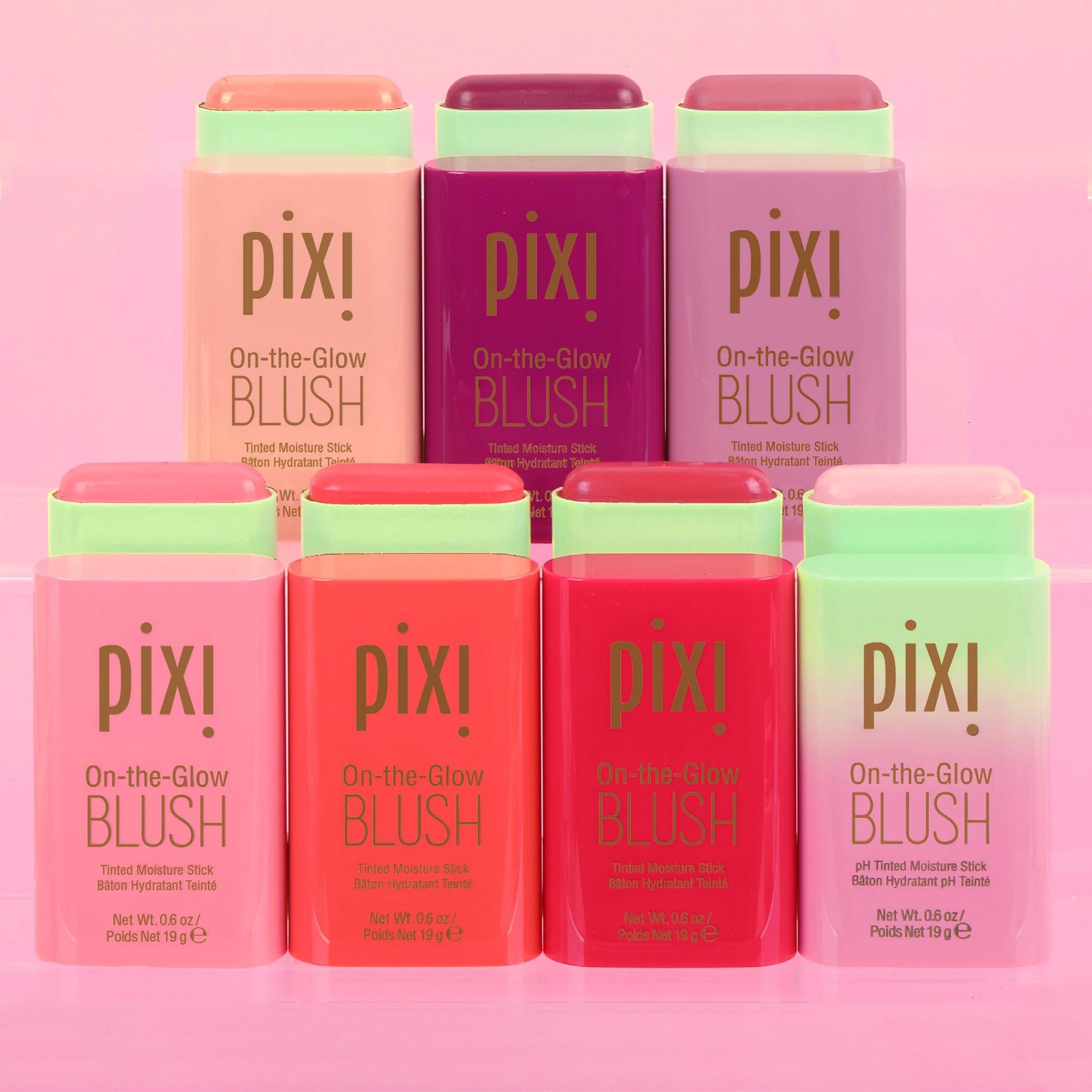
Pixi Beauty’s Skintreats line is known for combining skincare ingredients with easy-to-use beauty products that deliver both nourishment and visible glow. Products like the DetoxifEYE Depuffing Eye Patches, On-the-Glow Blush, Antioxidant Tonic, and LipTreat Hydra are designed to work together to refresh, hydrate, and brighten the skin.
The Pixi DetoxifEYE Depuffing Eye Patches are hydrogel patches formulated to revive tired under-eyes. Key ingredients include caffeine, which helps reduce puffiness and stimulate circulation, cucumber extract that soothes and cools the delicate eye area, and gold, known for nourishing and strengthening skin. Together, these ingredients help minimise dark circles, smooth fine lines, and make the eye area look brighter and more awake.
The Pixi On-the-Glow Blush is a multi-use tinted balm that adds a natural flush to cheeks and lips while conditioning the skin. It is infused with ginseng, which revitalises the skin, aloe vera to soothe and hydrate, and a mix of fruit extracts and antioxidants like grape, blueberry, and raspberry that nourish and protect the skin. The creamy stick format makes it ideal for quick, on-the-go touch-ups while keeping the complexion fresh and dewy.
The Pixi Antioxidant Tonic acts as a refreshing treatment toner designed to balance and protect the skin. It typically includes superfood berry extracts for antioxidant protection, white ginger lily root to defend against pollution, and probiotics that help soothe and strengthen the skin barrier. These ingredients work together to tone, refresh, and support healthier-looking skin.
Completing the routine is the Pixi LipTreat Hydra, a nourishing lip treatment formulated with shea butter, avocado oil, sunflower oil, jojoba oil, and hyaluronic acid to deeply hydrate and soften lips. The formula also contains peptides and vitamin E, which help improve lip texture, lock in moisture, and protect against dryness.
Together, these Pixi essentials highlight the brand’s philosophy, combining skincare ingredients with makeup to create products that enhance natural glow while caring for the skin.
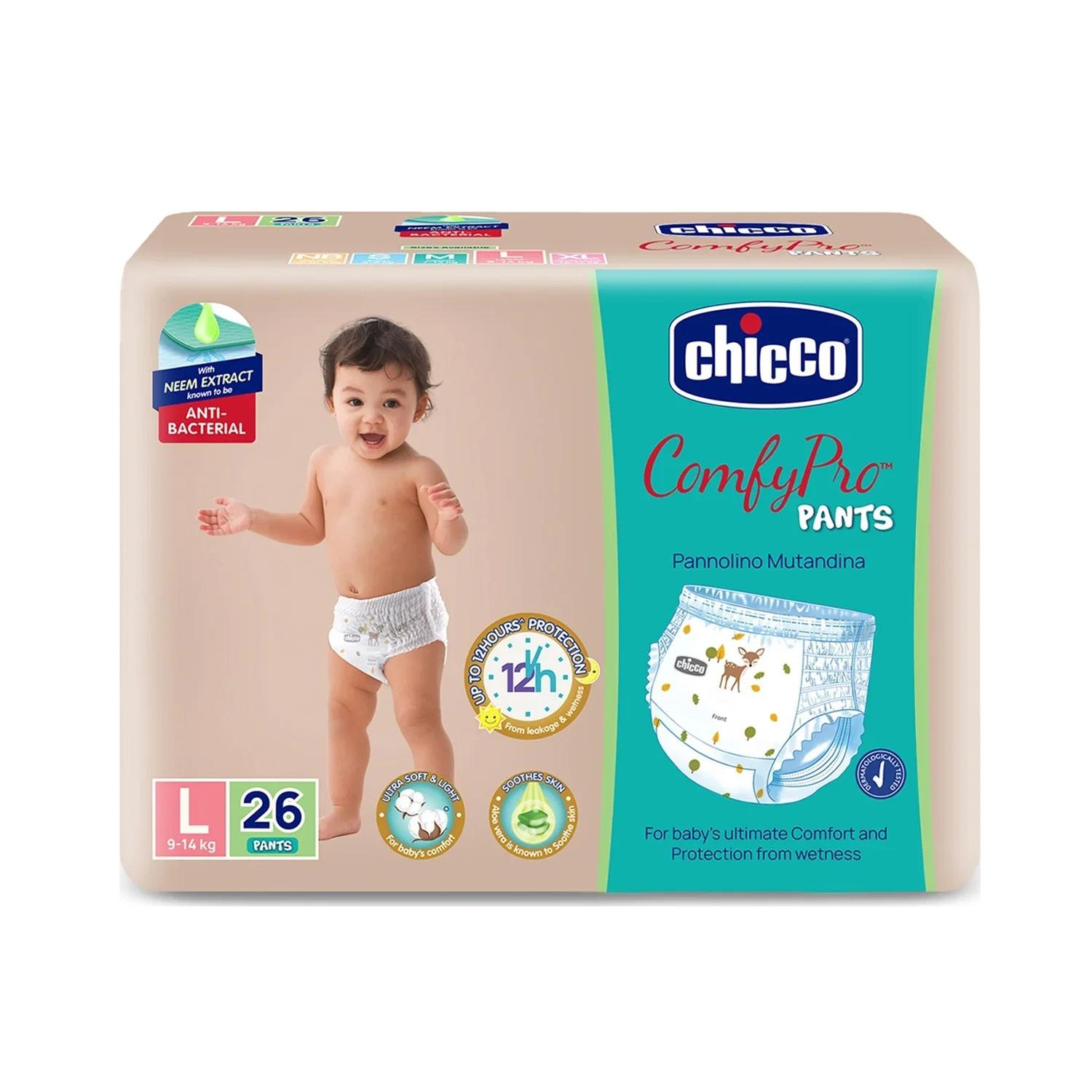
The ComfyPro Pants Style Baby Diaper is designed to provide babies with comfort, protection, and freedom of movement throughout the day. Its pant-style design makes diaper changes quick and convenient; simply pull it up like underwear, making it especially useful for active babies who are constantly crawling or walking.
One of its standout features is the inclusion of Neem extract, known for its natural antibacterial properties that help protect delicate baby skin from urine-related bacteria and irritation. The diaper is also enriched with Aloe Vera extract, which helps soothe the skin and reduce the chances of rashes, keeping the baby comfortable even during extended wear.
The diaper features a deep-absorbing core and absorbent sheet that locks in wetness and keeps the surface dry for up to 12 hours, reducing leakage and ensuring uninterrupted sleep. Its cottony soft material is lightweight and breathable, allowing gentle care for a baby’s sensitive skin while supporting easy movement.
Additional features, such as a wetness indicator, help parents know when it’s time for a change, while disposal tapes make diaper disposal more hygienic and convenient. Overall, ComfyPro Pants Style Baby Diapers combine skin-friendly ingredients, high absorbency, and ease of use, making them a practical choice for everyday baby care.
Chicco ComfyPro Pants Style Baby Diaper
Price: Rs : 890 onwards

NIVEA Luminous Even Glow Oil Control Day Cream SPF 50
NIVEA Luminous Even Glow Oil Control Day Cream SPF 50 is a multitasking day cream that combines sun protection, oil control, and pigmentation care in one lightweight formula. Designed for daily use, it provides SPF 50 with broad-spectrum UVA and UVB filters, helping protect the skin from sun damage, tanning, and UV-induced dark spots.
One of its key ingredients is Thiamidol, a patented anti-spot molecule known to target pigmentation at its root and gradually reduce dark spots and uneven skin tone with regular use.
Additional ingredients such as Vitamin E and glycerin provide antioxidant protection and help support the skin’s natural barrier. The cream has a lightweight, quick-absorbing texture that mattifies the skin and helps control excess oil for up to 12 hours, making it suitable for oily and combination skin types.
With regular use, the cream helps brighten the complexion, reduce pigmentation, and maintain a smooth, shine-free finish throughout the day. Its combination of skincare ingredients and high sun protection makes it a practical daily moisturiser for those looking to manage dark spots, oiliness, and sun exposure in one step.

Price Rs: 1,299 /- ONWARDS
A BREWER’S GUIDE TO PAIRING BEER WITH INDIAN FOOD
India’s food culture is vast, layered, and unapologetically flavour-forward. Every region brings its own mix of spices, textures, and cooking techniques, which makes pairing beverages with Indian cuisine both exciting and challenging. Beer, however, has a unique ability to hold its own. Its versatility, carbonation, and balance of malt and hops make it a surprisingly effective partner for Indian food.
A Night in Hyderabad That Proved the Point
On one of my visits to Hyderabad, I found myself at Zero40 Brewing with a group of friends. The table was overflowing with spicy chicken wings, tangy paneer masala, and a fragrant biryani that could have been a meal in itself.
Everyone was drinking my Munich Helles, the Go Swam–Light, crisp, and refreshing. It did a great job cooling the heat and giving us a clean palate between bites. But as the dishes got richer and more complex, the Helles didn’t quite elevate them. It refreshed, but it didn’t enhance.
That evening reminded me of something I’ve noticed repeatedly: beer can transform an Indian meal, but only when the style matches the dish.

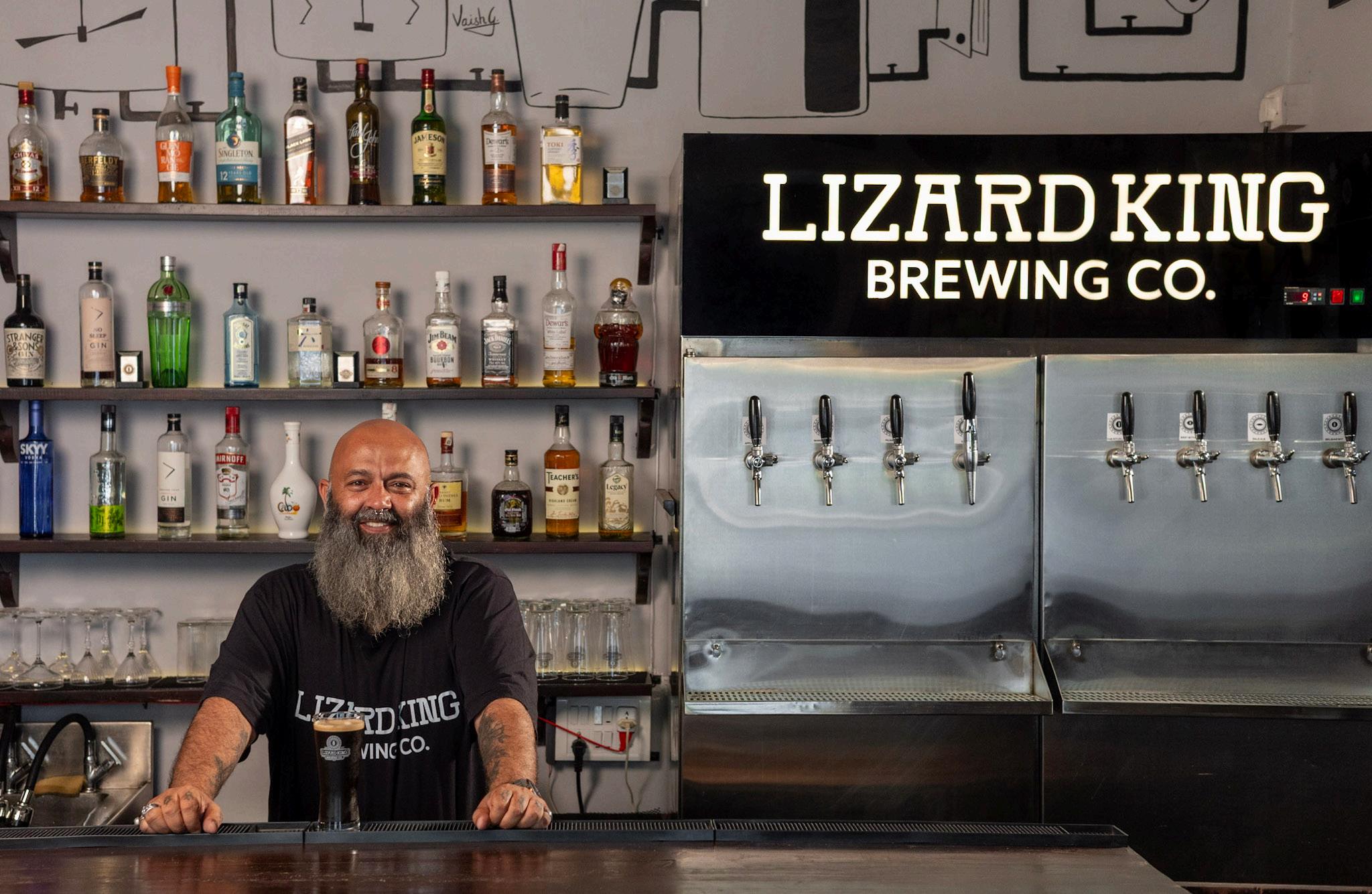
George Jacob Brewmaster
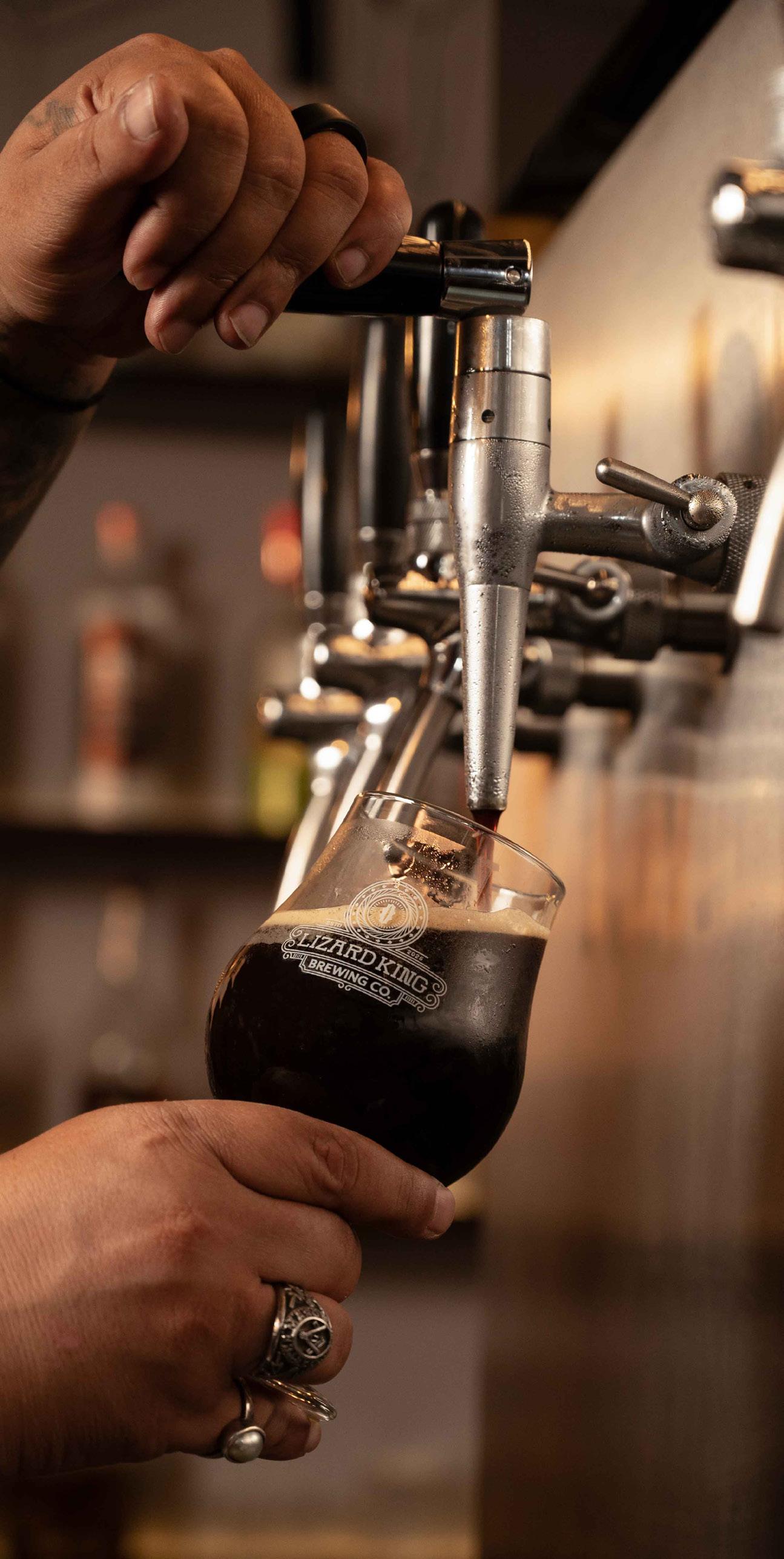

Why does beer work so well with Indian food?
Indian cuisine is built on intensity in terms of heat, tang, richness, smoke, and acidity. These flavours can overwhelm the palate quickly. Beer steps in with three key tools: Carbonation, Bitterness, and Malt sweetness.
Carbonation helps clean your tongue and resets the palate. Bitterness from hops helps manage the heat/ spice, and malty sweetness softens sharp edges and supports richer flavour profiles.
I remember a particularly spicy chicken curry where a simple sip of lager completely reset my palate. Suddenly, I could taste the dish again, not just the heat. That’s when beer stops being just a drink and becomes part of the meal.
Kebabs, Grills, and Meats: Where Lagers and Pilsners Shine
Seekh kebabs, tandoori chicken, bheja fry, mutton chops, these dishes are smoky, fatty, spicy, and salty all at once.
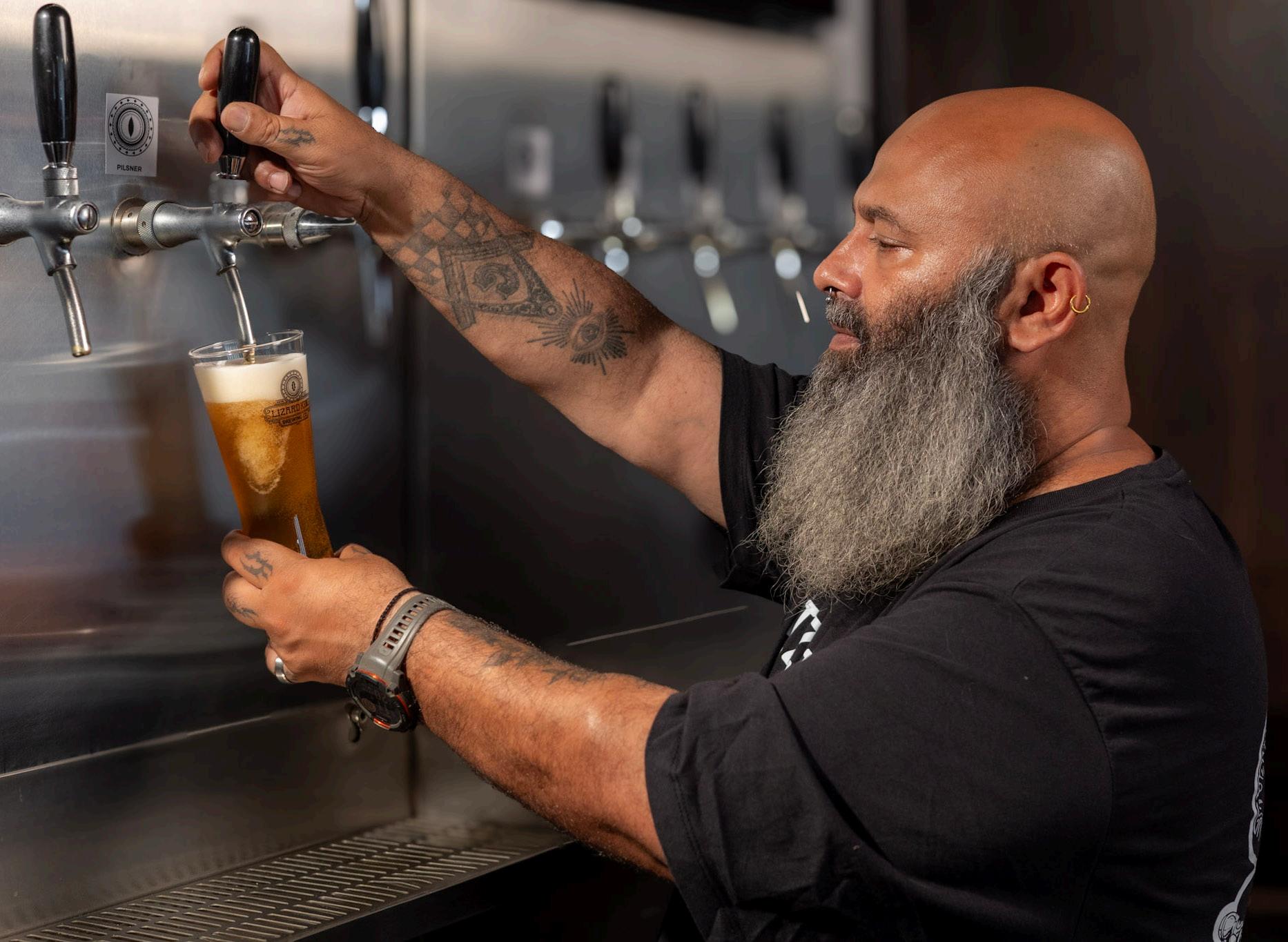
Lagers and pilsners pair beautifully here because their crisp, dry finish and medium levels of bitterness cut through
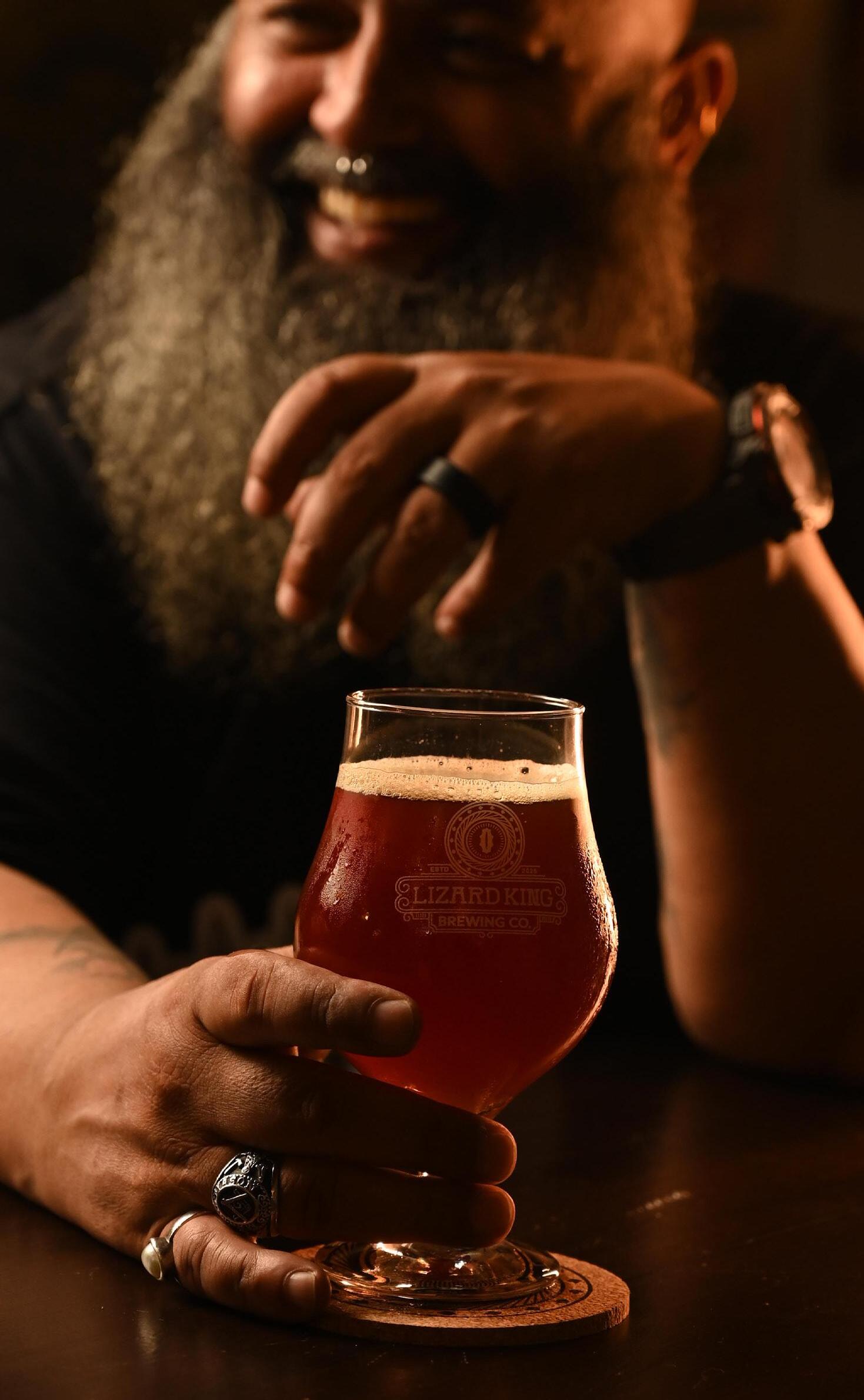
the spice and salt. Lagers are typically highly carbonated, and that helps lift the fat off the palate. The clean finish in a Lager also helps keep the meal from feeling heavy.
Take mutton chops with a cold lager. The beer refreshes your palate after every bite, letting you enjoy the richness without getting overwhelmed.
Rich Curries and Biryani: Bring in the Malt
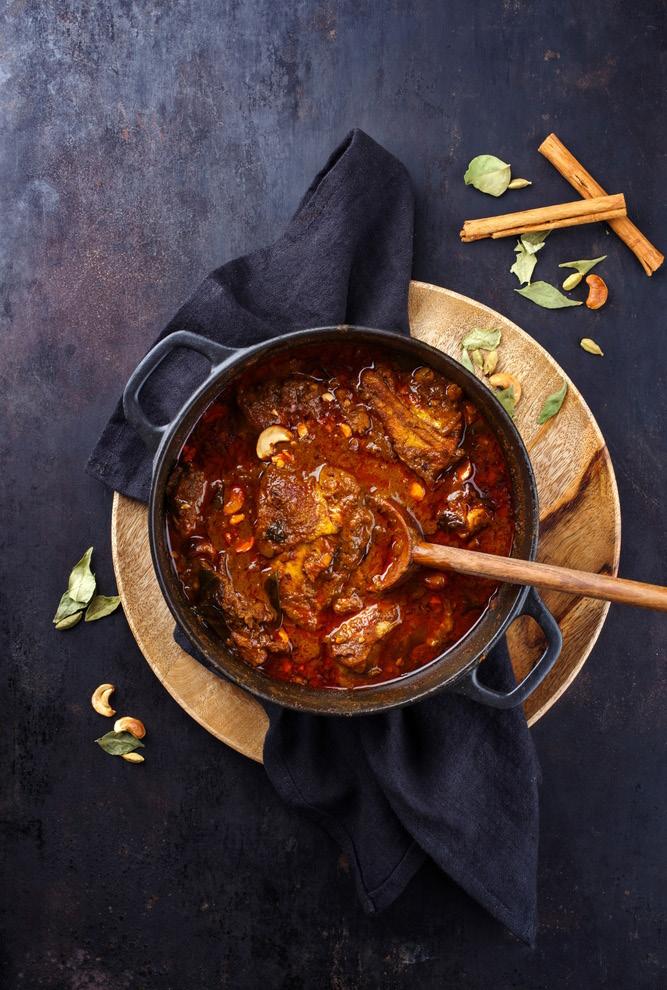
Butter chicken, rogan josh, Hyderabadi biryani, and Kolhapuri mutton; these dishes are slow-cooked, layered, and full of depth. Amber ales and maltforward beers work especially well because of the biscuity, caramel, or toasty notes typical of these styles. The flavour notes complement the richness of the heavy, wonderfully flavourful dishes. A hint of sweetness from the malt balances spice, and moderate bitterness helps keep the meal from feeling heavy.
Pairing butter chicken with an amber ale, for example, highlights the creaminess while supporting the spices instead of competing with them.
Indian Street Food: Light, Crisp, and Sessionable
Pani puri, vada pav, pav bhaji, and samosas, street food is bold, fried, tangy, and often layered with sweet, sour, and spicy notes. Crisp lagers and session beers are ideal because carbonation will cut through the oil, the light body keeps you from feeling too full too quickly, and lower alcohol lets you enjoy the flavours of the food without dulling your palate.
A hot samosa with a crisp lager is a simple but perfect pairing.
Coastal Cuisine: Let Hops Meet the Sea
Goan and coastal dishes often feature fresh seafood, coconut, vinegar, kokum, and curry leaves. Pale ales and citrus-forward beers pair beautifully due to the aromatic hop character that echoes the herbal notes in the food. Citrus is a beautiful pairing for any kind of seafood, and the bitterness balances coconut richness and vinegar heat.
A Goan fish curry with a hoppy pale ale creates a bright, refreshing contrast that brings out the best in both.
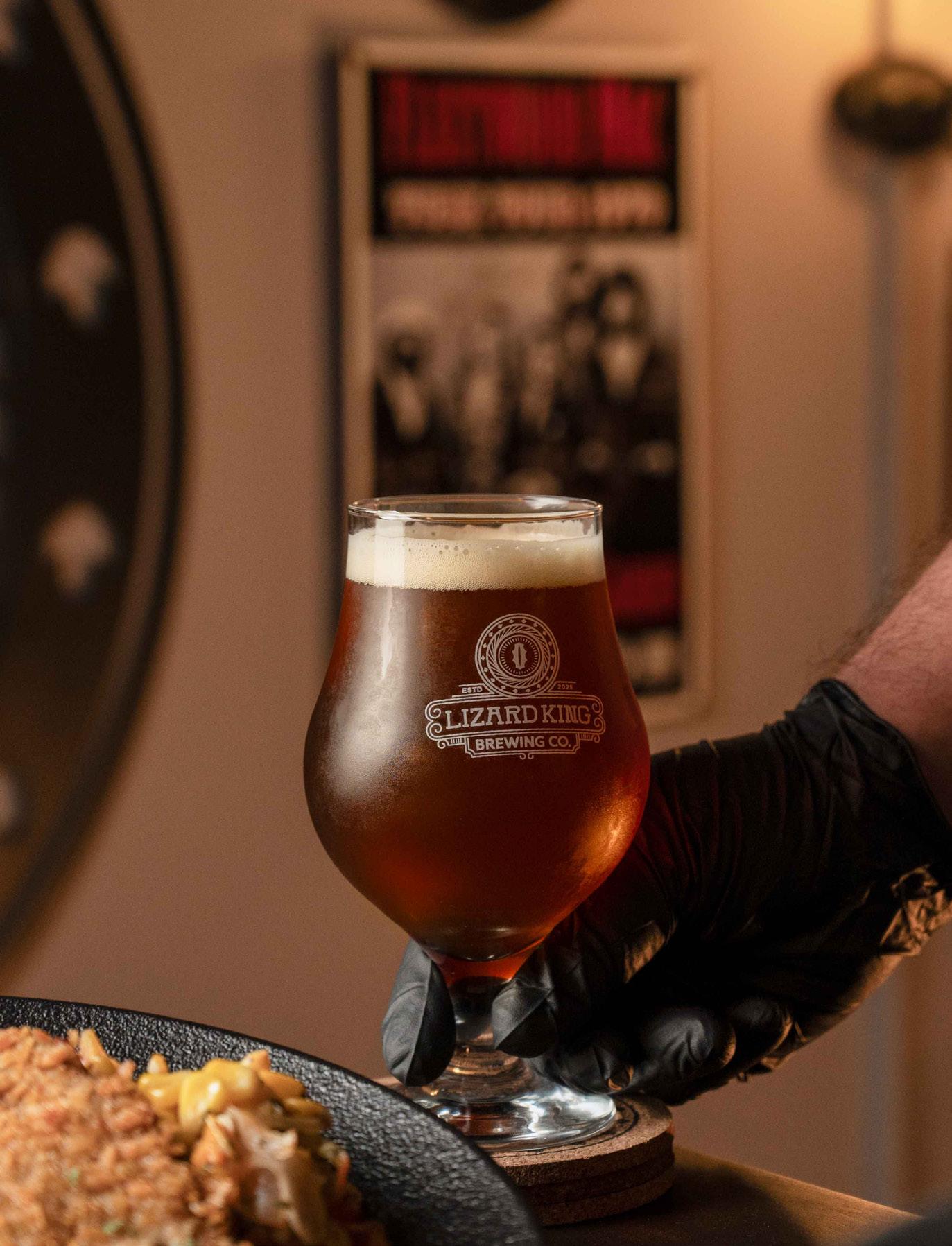
Pairing is about curiosity, not rules.
India’s culinary landscape is incredibly diverse, yet the beer choices people reach for often remain the same. As brewers, we think constantly about balance, bitterness, sweetness, aroma, mouthfeel, and those same principles apply when pairing beer with food.
The best advice I can offer is simple – Experiment!
Try different styles with everyday meals. Notice what works and what doesn’t. Let the food guide the beer, and let the beer guide the experience.
When done thoughtfully, beer doesn’t just accompany Indian food; it elevates it.
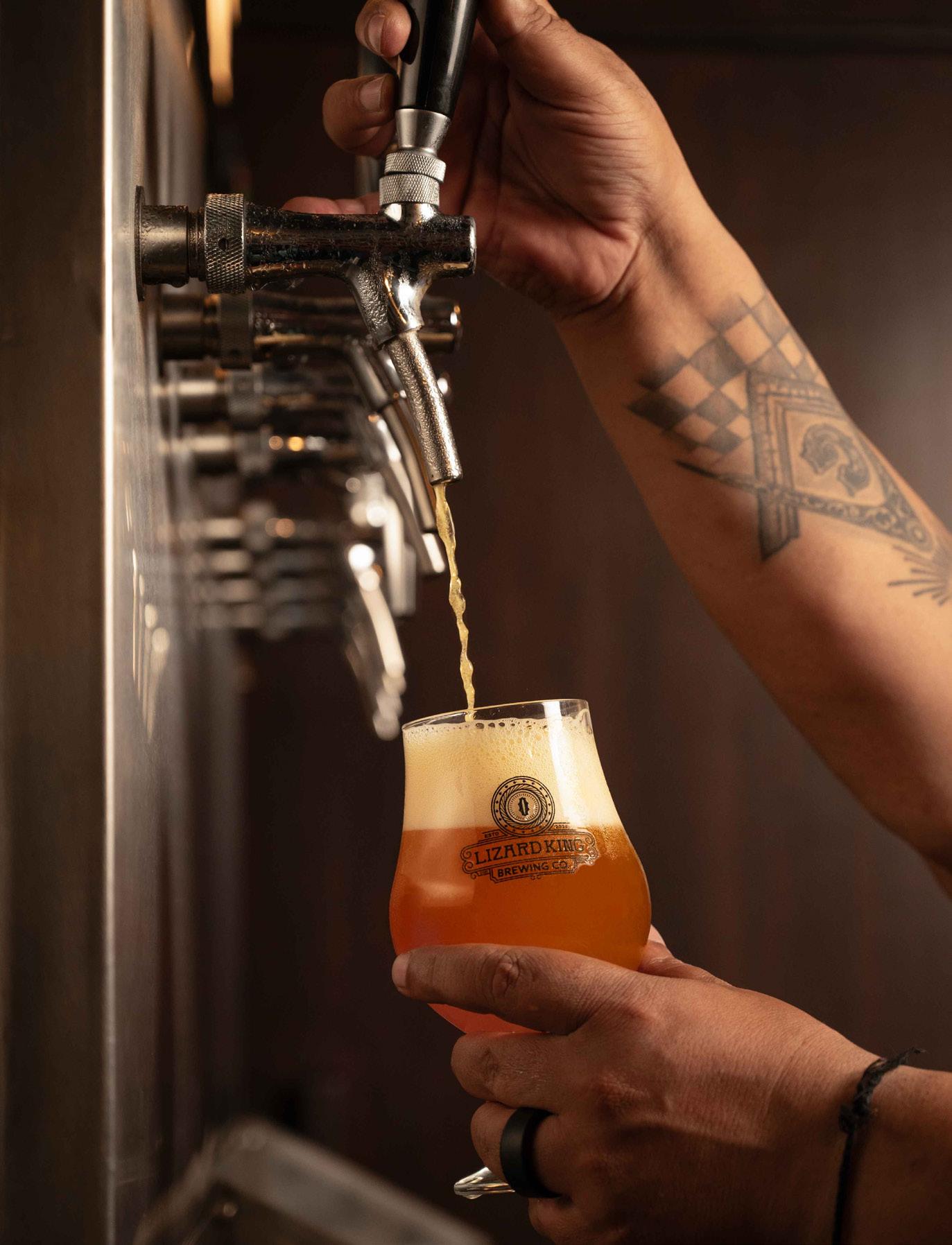



LAKMÉ FASHION WEEK 2026:
Designers Who Defined the Future of Indian Fashion
At Lakmé Fashion Week March 2026, Indian fashion moved beyond spectacle into a more processdriven, thoughtful era. This season wasn’t just about trends; it was about how clothes are made, who makes them, and why they matter. From artisanal revival to futuristic textiles, designers showcased a powerful blend of sustainability and innovation. Hashtag magazine gives you the key highlights....
& KEY HEADLINERS SHOWCASES
1. Péro
Aneeth Arora: Out of Office
Background: Known for "international clothing with an Indian heart," Aneeth Arora focuses on artisanal, handmade textiles.
Collection Spotlight: The runway was transformed into a theatrical office space complete with desks and telephones. The collection used a strict palette of blue and white to reimagine rigid workwear as playful, comfortable attire.
USP : Sartorial theatre that addressed the modern work-life balance through hand-embroidered, "carefree" garments.



Background: India’s premier bridal couturier, Malhotra, is famous for his cinematic glamour and association with Bollywood.
Collection Spotlight: This show marked his first dedicated luxury prêt (ready-to-wear) line and the launch of MM Accessories. The collection focused on "Quiet Luxury", multi-wear separates and travel-ready couture.
USP : Lifestyle Branding. A pivot from heavy bridal couture to a versatile, modern wardrobe that maintains his signature "timeless glamour".
by
2. Manish Malhotra: Luxury Prêt & Accessories Debut
3. AFEW by Rahul Mishra: White Gold
Background: Mishra is a global pioneer in sustainable luxury and was the first Indian to win the International Woolmark Prize.
Collection Spotlight: In partnership with SUPIMA, this collection explored the ecology of cotton. Motifs included dragonflies, marigolds, and insects, all hand-embroidered on fine cotton and Chanderi weaves.
USP : "Cotton into Couture."
Repositioning humble cotton as a high-luxury fibre through artisanal density and a quieter, more restrained aesthetic.










4.
Amit Aggarwal:
Background: A master of structured, architectural fashion who uses recycled materials and signature metallic polymer strips.
Collection Spotlight: In collaboration with Indriya Jewels, Aggarwal presented Orizon, inspired by light as a transformative force. It featured sculptural silhouettes in Banarasi weaves paired with heritage Polki jewellery.
USP : Illuminated
Structure. The seamless integration of futuristic, engineered garments with traditional Indian heritage jewellery.


5. Satya Paul x Aditi Rao Hydari: Capsule Collection
Background: Satya Paul is legendary for its bold, narrative prints. Aditi Rao Hydari stepped in as the brand's Co-Creative Director.
Collection Spotlight: The collection merged the brand's iconic dragonfly and floral motifs with modern layering, like sheer bomber jackets and trench coats.
USP : Celebrity Authorship. Moving beyond a celebrity showstopper to true design collaboration, creating a "lived-in elegance" that transitions from daywear to occasionwear.




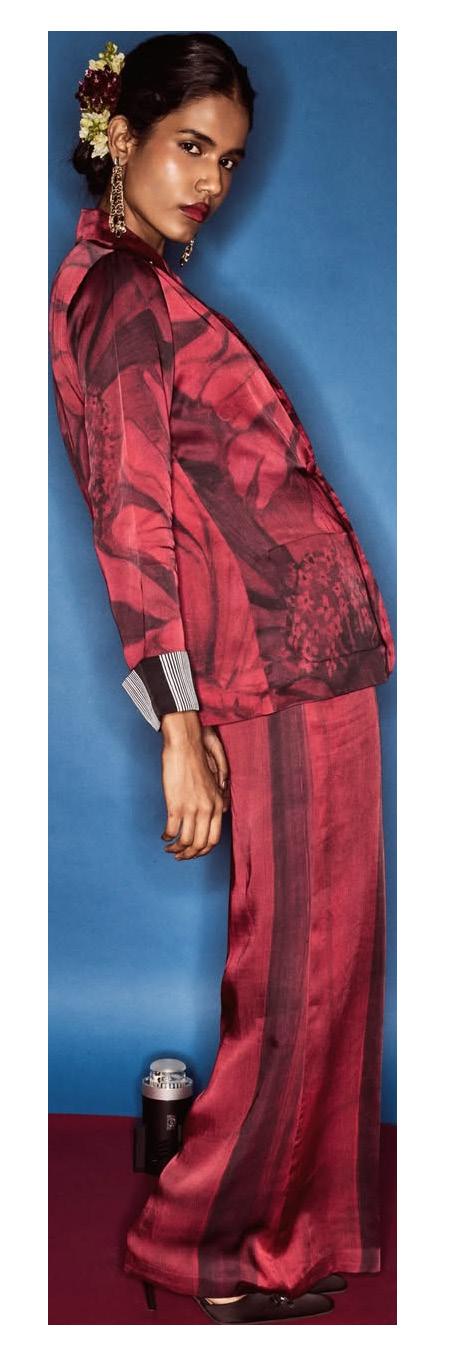
& NOTABLE DESIGNERS COLLECTIONS
1. Payal Pratap: Memories Pressed in Time
Background: Known for her craft-rooted aesthetic and effortless silhouettes, Pratap often draws from personal nostalgia and nature.
Collection Spotlight: This was her first-ever all-denim collection. Using sustainable R|Elan fabrics, she treated denim as a "living canvas," featuring cyanotypeinspired botanical prints and "fossil-like" floral impressions.
USP : The transformation of rugged denim into poetic, archival garments through intricate handwork and sustainable textile technology.

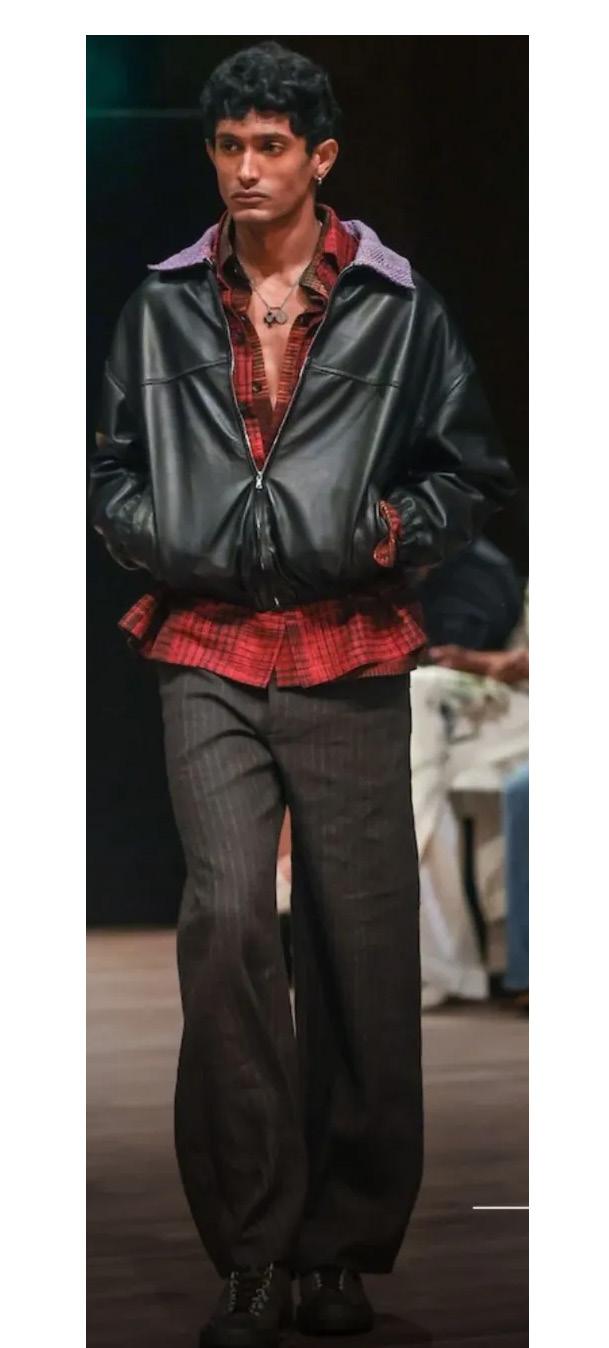

2. Kartik Research: India Runway Debut

Background: Founded by Kartik Kumra in 2021, the label is celebrated globally for restoring "humanness" to clothing through direct collaboration with local artisans.
Collection Spotlight: Marking his first-ever show in India, Kumra used Bhujodi khadi, Rabari embroidery, and hand knitting from Almora. The silhouettes were clean and tailored but finished with layered textures and patchwork.
USP : A "quiet, introspective energy" that successfully positioned traditional Indian craft within a modern, global menswear context.
3. Anamika Khanna: AK|OK
Background: An industry veteran and the first Indian woman to showcase at Paris Fashion Week, Khanna is a master of blending Indian craft with global silhouettes.
Collection Spotlight: Her opening night showcase featured the White Gold collection, celebrating 20 years of her label. It introduced fluid drapes, tropical prints, and a major foray into fluid menswear.
USP : "Democracy" in design and experience, featuring a seating plan that gave every guest a front-row view and clothes designed to blur gender boundaries.




Background: Based in Hyderabad, Rao is recognised for her maximalist approach to colour and intricate surface design.
Collection Spotlight: Inspired by Japanese artist Fumi Imamura, the collection blended Japanese minimalism with Indian craft. It featured an in-house developed "engineered mesh" that mimicked floral textures.
USP : The concept of "in-betweenness," where structural interdependence meets soft, detailed floral motifs in a high-glam, maximalist format.
4. Aisha Rao: Inter-Hana
5. Bhumika Sharma: Afterglow
Background: Sharma is known for her romantic, feminine aesthetic that often features vintageinspired prints and modern luxury tailoring.
Collection Spotlight: A showcase of modern femininity featuring romantic textures and subtle prints. The collection focused on dreamy, ethereal qualities intended for high-glamour occasions.
USP : The juxtaposition of sculptural forms with heritage-style luxury, creating a "vintage romance" feel for the contemporary woman.


GENNEXT: THE CLASS OF 2026–EMERGING SPECIAL SHOWCASES &
1. The Boys Club": Dedicated Menswear
Background: A curated segment featuring four distinct brands: Countrymade, Dhruv Vaish, Sahil Aneja, and Vivek Karunakaran.
Collection Spotlight: The showcase moved menswear away from "wedding wear" into utility-chic and relaxed tailoring. Countrymade used military-inspired silhouettes with hand-stitched detailing, while Vivek Karunakaran focused on "fluid luxury" using lightweight linens and silks.
USP : The "New Masculinity." A focus on gender-fluid silhouettes and high-utility garments that bridge the gap between street style and luxury.

Showcase

2. Navdhara Khadi: Modernising the Freedom Fabric

Background: A collaborative showcase by the Khadi and Village Industries Commission (KVIC) featuring veteran designers Samant Chauhan, Shruti Sancheti, and Pawan Sachdeva.
Collection Spotlight: Each designer reinterpreted Khadi (hand-spun cotton). Samant Chauhan used his signature embroidery on raw khadi silks, while Pawan Sachdeva created structured, sporty khadi jackets.
USP : Proving that Khadi is not just a "political" fabric but a high-fashion textile capable of structured tailoring and intricate evening wear.
3. Circular Design Challenge (CDC): Winner - CRCLE
Background: A global award recognising designers who incorporate circularity (recycling, upcycling, and ethical sourcing) into their core business model.
Collection Spotlight: CRCLE presented a collection entirely made from pre-consumer textile waste and deadstock fabrics, transformed into high-concept outerwear.
USP : Every garment featured a QR code that allowed buyers to track the source of the recycled materials and the artisans involved.


MAJOR TAKEAWAYS: WHAT WE LEARNED
For years, Indian fashion weeks were dominated by heavy, "once-in-a-lifetime" bridal lehengas. This year, the focus shifted to High-End Prêt (Ready-to-Wear).
The Concept: Designers like Manish Malhotra and Anamika Khanna moved toward "investment pieces", versatile blazers, silk trousers, and structured shirts that can be worn multiple times.
The Impact: Luxury is no longer reserved for the wedding aisle; it is now designed for the boardroom, luxury travel, and high-end social gatherings. The "unreachable" designer aesthetic is now becoming part of a daily, highquality wardrobe.
Menswear was the breakout star of 2026. Previously a supporting act, it took centre stage through dedicated segments like "The Boys Club" and major solo launches.
New Masculinity: The silhouettes moved away from stiff, traditional sherwanis toward fluid tailoring. Think oversized trench coats made of Khadi, sheer shirts, and draped trousers.
Mainstream Integration: Almost every major headliner, including Payal Pratap and Rahul Mishra, integrated menswear into their primary showcases, proving that the modern Indian man is now a primary driver of luxury consumption.

While Indian fashion is usually associated with a riot of colours, March 2026 saw a sophisticated, restrained palette dominated by Blue and White.
The Aesthetic: Led by Péro’s Grand Finale, the runway was flooded with deep indigos, sky blues, and crisp whites. This "Indigo Wave" reflected a sense of calm and professionalism.
Symbolism: This palette choice reinforced the "workwear" and "global traveller" themes, moving away from ethnic bolds toward colours that resonate with international fashion standards.
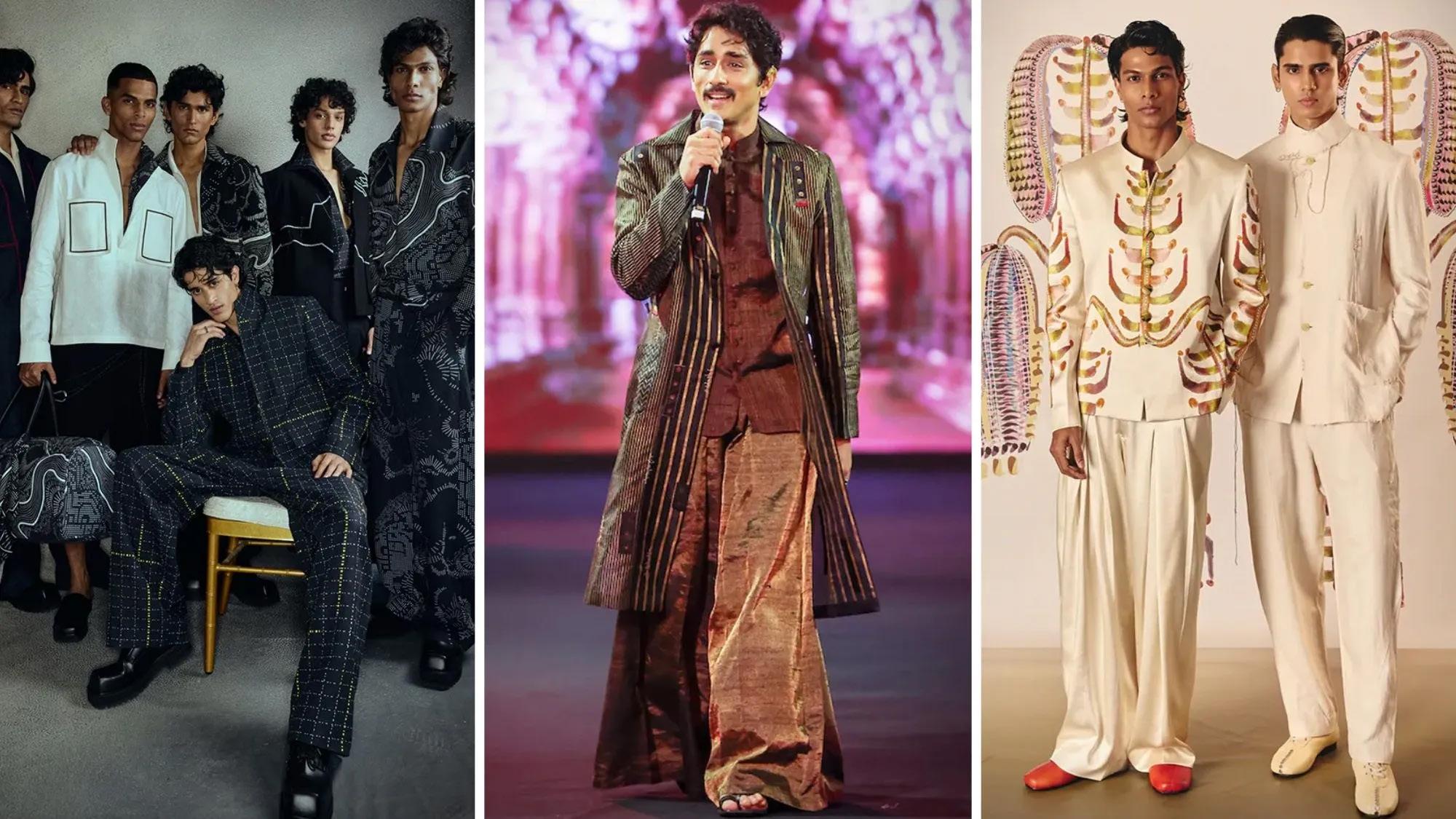
The shows were no longer just models walking in a straight line; they were theatrical experiences.
The Office Set: Péro turned the runway into a chaotic office to tell a story of escaping corporate life.
Sustainability is no longer a "niche" category at the event; it has become an invisible standard.
Beyond Organic Cotton: Designers moved toward Circular Design. The winner of the Circular Design Challenge, CRCLE, used 100% pre-consumer textile waste to create high-fashion outerwear.
Traceability: A major takeaway was Transparency. Several collections featured QR codes on tags that allowed buyers to see the entire journey of the garment, from the weaver in a village to the final stitch in the studio. This tech-driven sustainability aims to build trust with a more conscious, younger generation of buyers.
Heritage Tech: Amit Aggarwal used light and structural engineering to blend futuristic silhouettes with ancient jewellery, creating a narrative that spanned centuries.
The Takeaway: Fashion in 2026 is about selling a story and an emotion, not just a garment. Brands are realising that consumers want to "experience" the brand’s world.
1. The Democratisation of Luxury (Ready-to-Wear Over Couture)
2. The Global Rise of Indian Menswear
3. The "Indigo and Ivory" Colour Story
4. "Invisible" Sustainability & Circularity
5. The "Phygital" Narrative & Immersive Storytelling


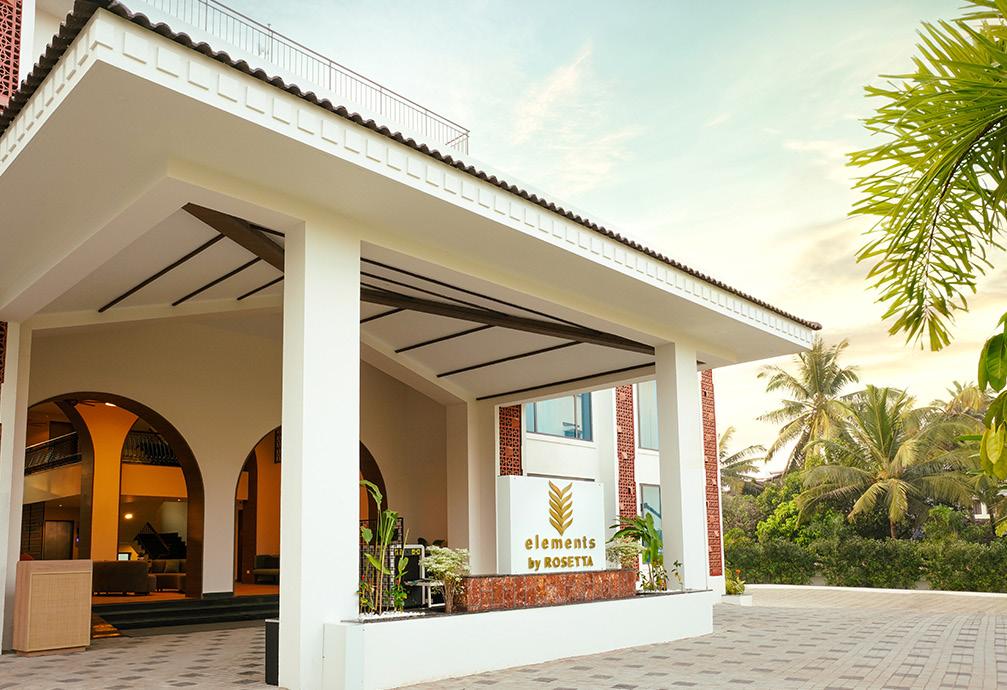
There’s a version of Goa that doesn’t try too hard to be seen. It’s quieter, a little more contained, and far more rewarding if you let yourself slow down. That’s the space Elements by Rosetta fits into.
A SLOWER SIDE OF GOA:
Elements by Rosetta and Evenings at Ouzo Delmar
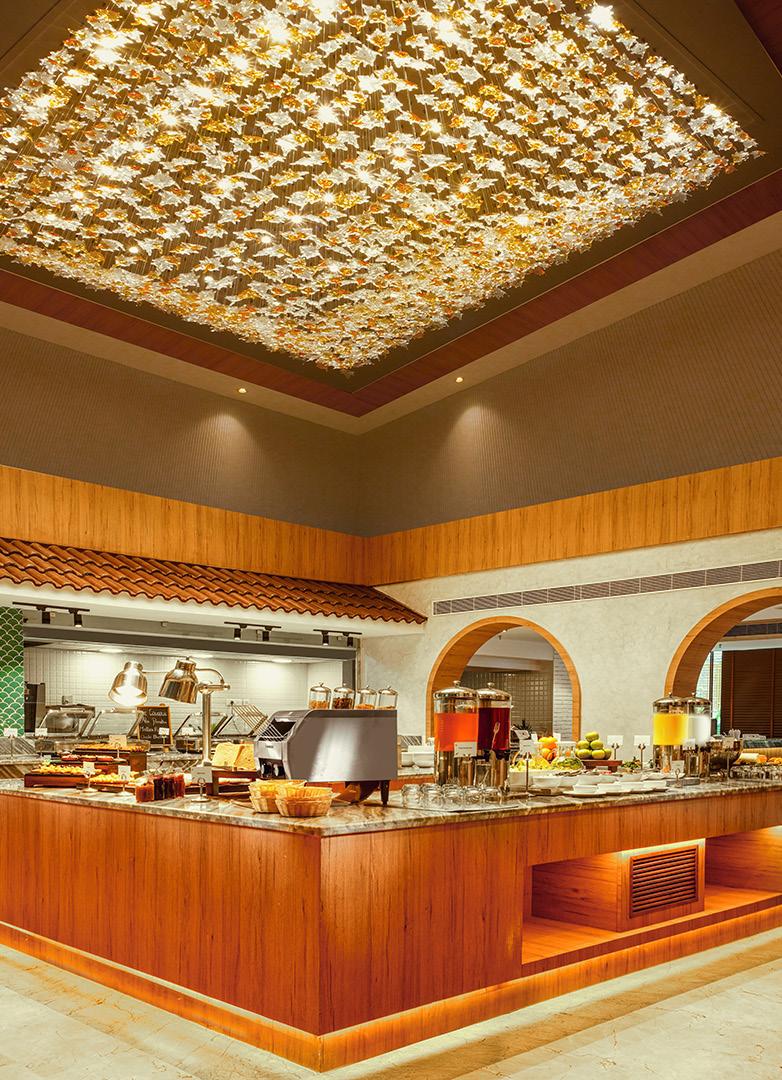
Set in Varca, slightly removed from the busier stretches, the property feels designed to hold you in, not isolate you, but gently detach you from everything outside. You’re close enough to the beach, but not constantly aware of it. Instead, the focus stays within, on space, light, and how you move through it.
The layout is simple but effective. Low-rise blocks frame a central pool that becomes the heart of the property. Most rooms face into it, so no matter where you are, there’s always a visual connection to water.
Check-in is smooth, without the usual overexplaining. You’re handed fresh coconut water, branded, yes, but still refreshing enough to land in your room, within minutes.
Room tariffs typically range from ₹10,000 to ₹15,000, with higher rates for premium categories. The jacuzzi room with direct pool access is easily the one to pick. It changes the way you use the space entirely. You’re not scheduling pool time, you’re stepping in and out of it between everything else.
The pool itself carries most of the day’s energy. Some people are stretched out with books, some in the water, others parked by the poolside bar, which adds just enough movement to keep things from feeling too still. It never tips into being loud, which is what makes it work.


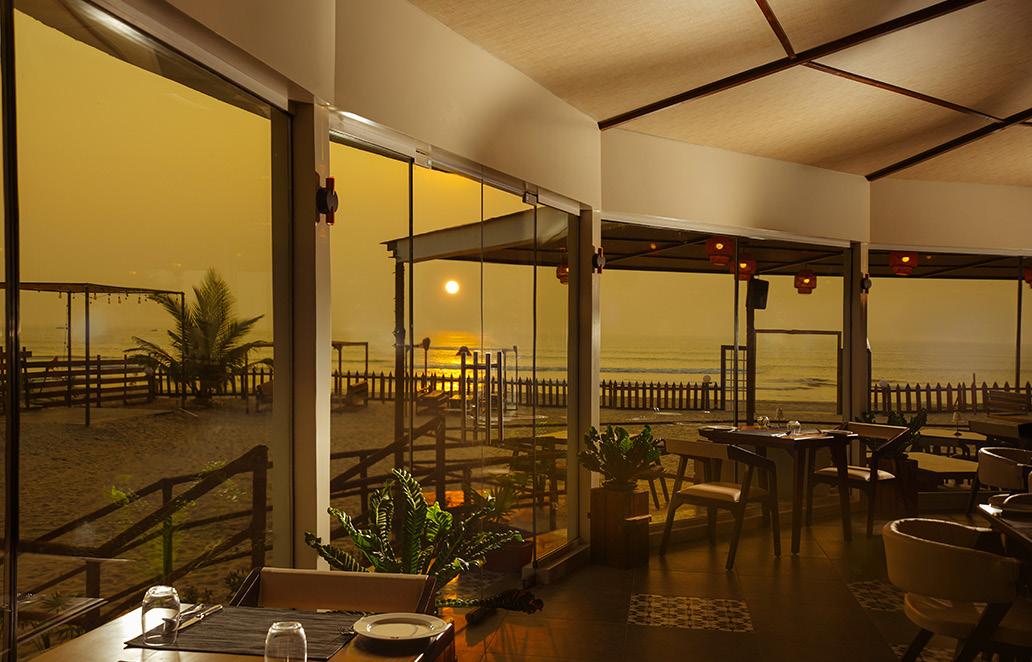
Mornings are slow. Afternoons are slower. Evenings naturally find their way back to the jacuzzi or a quiet corner of the property. It’s indulgent, but in a way that doesn’t feel forced.
Beyond the obvious, the property is fairly wellrounded. There’s a small game room, a gym, open green pockets, and spaces that let you do very little without feeling like you should be doing more.
The spa is worth calling out. It’s not treated like an afterthought. The menu is extensive: from Balinese-style therapies to Ayurvedic treatments like Ashwagandha and Rasayana, and the experience itself is unhurried. A couple’s massage here feels properly restorative, not transactional. You walk out quieter than you walked in, which is usually a good sign.
What also stays consistent throughout is the hospitality. It’s attentive, but never overbearing. Things get done without needing to be chased, and that makes a noticeable difference over even a short stay.
Lunch at Cucina, their all-day dining restaurant, follows the same tone. The space is open, easy, and doesn’t push itself on you. The menu is wide: Indian, Mediterranean, Italian, but importantly, it doesn’t overcomplicate things.
We started with a Dal Shorba, which turned out to be one of the more memorable dishes. Built on toor dal and ginger, it had that familiar, comforting base, but the addition of apple gave it a slight sweetness that lifted it without making it gimmicky.

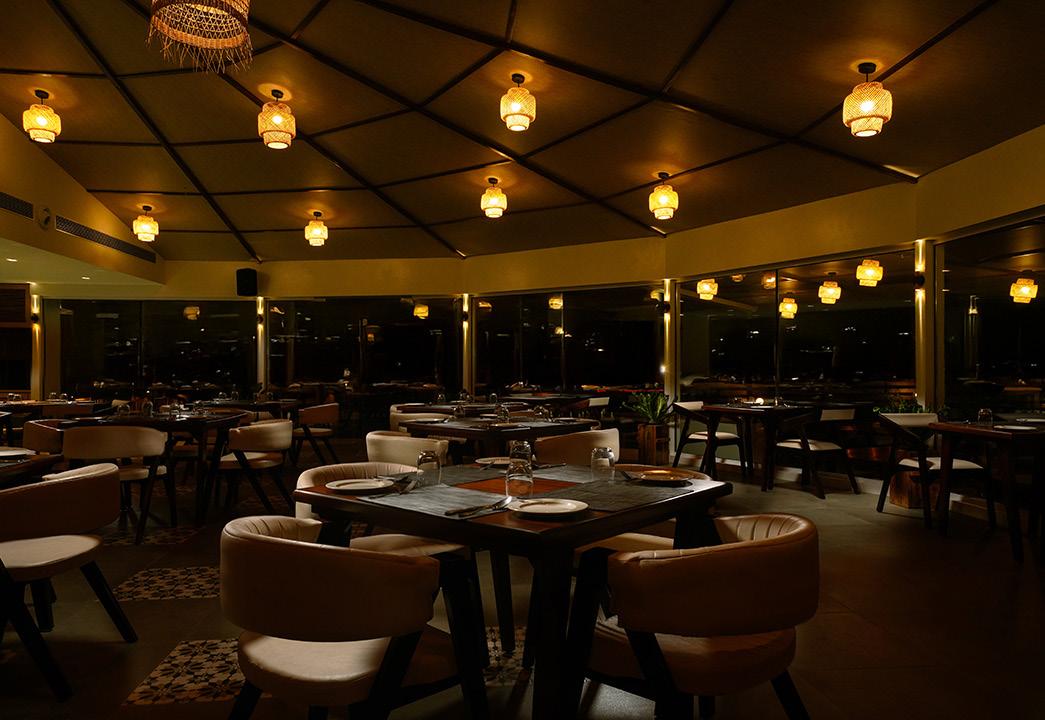
The Paneer Tikka was well done, with a good char, balanced flavour, and no excess. The Purani Delhi butter chicken leaned into what it needed to be: rich, familiar, and indulgent without going overboard. There’s enough range across the menu: pastas, sandwiches, grills, to keep things flexible, especially if you’re staying longer or ordering across meals. It’s not a menu that tries to constantly surprise you, but it does what it promises consistently.
Even desserts hold their own, from classics like Gulab jamun to slightly more modern options like a Raspberry Rose Panna Cotta or a Salted Caramel Moelleux. Enough variety to justify staying back at the table a little longer.
By evening, though, the mood shifts. A short drive takes you to Ouzo Delmar, the beachside extension of the property, and the contrast is immediate. From contained calm, you step into something more open, more social.
Set right on the sand, it’s built for that in-between hour, not quite day, not quite night. The bar sits facing the sea, simple and unfussy, letting the setting do most of the work.
The food here leans towards seafood and grills, fresh catch, grilled prawns, BBQ plates, the kind of dishes you share without thinking too much about structure. It fits the space.
The cocktails are easy, light, and suited to the setting. Nothing overly complex, just well-balanced drinks that you don’t rush through. It’s the kind of place where one drink turns into two without much discussion.
Just around it, you’ll find smaller local shacks, simpler setups, cold beer, fried seafood, and even kokum-based drinks. It’s a different pace altogether, and that contrast actually completes the experience. You move from curated to completely unfiltered within minutes.
Property Details
Core Facilities
• Large outdoor swimming pool (central feature)
• Spa & wellness centre
• 24-hour gym
• Indoor games (carrom, board games)
• Kids play area
• Lounge & landscaped garden spaces Services
• 24-hour room service
• Concierge & shuttle services
• Airport transfers (paid)
• Free Wi-Fi & parking
Experience Layer
• Event spaces (ballroom, lawn, conference areas)
• Shuttle access to Ouzo Delmar beach shack

At a Glance
Property: Elements by Rosetta
Location: Varca, South Goa
Average Price: ₹10,000 – ₹18,000 per night
Taken together, the stay doesn’t rely on one standout moment.
It’s a series of smaller things done right: the ease of the room, the pace of the pool, a surprisingly good soup, a massage that actually relaxes you, and a drink by the beach that stretches longer than planned. And that’s really what it is.
A place you settle into, without realising when it happened.


Beat the Heat: Actors
Share Their Simple Summer Skincare Hacks
With summer temperatures soaring, skincare routines often call for a seasonal reset. As heavy products take a backseat, hydration, sun protection, and simple habits become essential. In a candid conversation with Priyanka Goud, actresses Shraddha Das, Payal Rajput, Kavya Kalyanram, Avika Gor, and Bhagyashree Borse share their simple summer skincare routines. From coconut water and cooling sheet masks to aloe vera and sunscreen, they reveal easy tips to keep the skin fresh, calm, and protected during the hot months.

SHRADDHA DAS
“I keep my summer skincare routine quite simple. I rely mostly on dermatologist-recommended products, a vitamin C moisturiser along with sunscreen during the day. I also start my day with coconut water and include plenty of ghee in my diet, as it helps keep the body cool and hydrated from within.”
PAYAL RAJPUT
“For me, skincare isn’t just about products what you eat matters too. Diet plays a big role. During the summer, I keep myself hydrated with coconut water or buttermilk. Sunscreen is non-negotiable, and I reapply it every three hours. A small tip I follow is using a little glycerin mixed with lemon along with sunscreen.”


KAVYA KALYANRAM
“I have oily skin, so hydration is essential for me. I prefer using a lightweight, water-based sunscreen, and coconut water is my go-to summer drink. One hack I swear by is keeping sheet masks in the refrigerator and applying them on my face for 10–15 minutes. It soothes my skin and feels incredibly relaxing.”

AVIKA GOR
“My summer skincare hack is simple: hydration, lightweight products, and plenty of lip balm. I prefer letting my skin breathe instead of piling on too many products. I don’t stress about tanning either; I actually enjoy the sun-kissed glow of summer, knowing it eventually fades back to my natural tone. One simple hack I follow during summers is rubbing an ice cube wrapped in a soft cloth on my face.”

BHAGYASHREE BORSE
“Summers can be harsh on the skin, so I focus on keeping it calm and hydrated. I like using fresh aloe vera gel on my face whenever my skin feels irritated after sun exposure. Along with that, I never skip sunscreen and make sure to drink plenty of water and eat seasonal fruits to stay hydrated from within.”


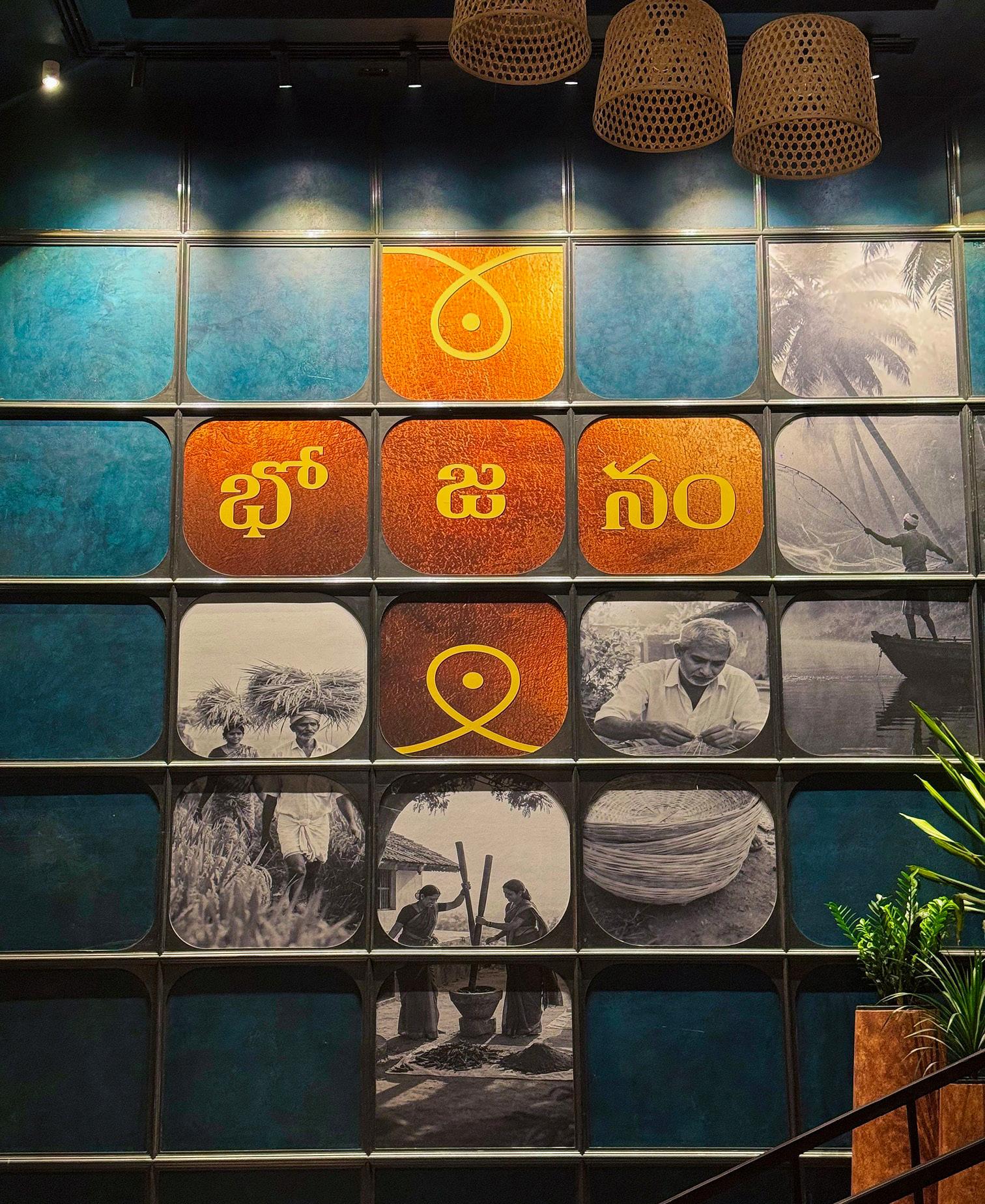
A MEAL WITH A SOUTHERN TOUCH
What: Bhojanam Where: Hyderabad
If you’re craving a meal that feels like home, Bhojanam in Jubilee Hills offers a warm, flavourful journey through the heart of Telugu cuisine.
When in the South, a thali is one of those experiences that instantly gets your lips smacking, comforting, wholesome food served traditionally on a banana leaf. In the heart of Hyderabad, Bhojanam brings this experience to life with authenticity and warmth.
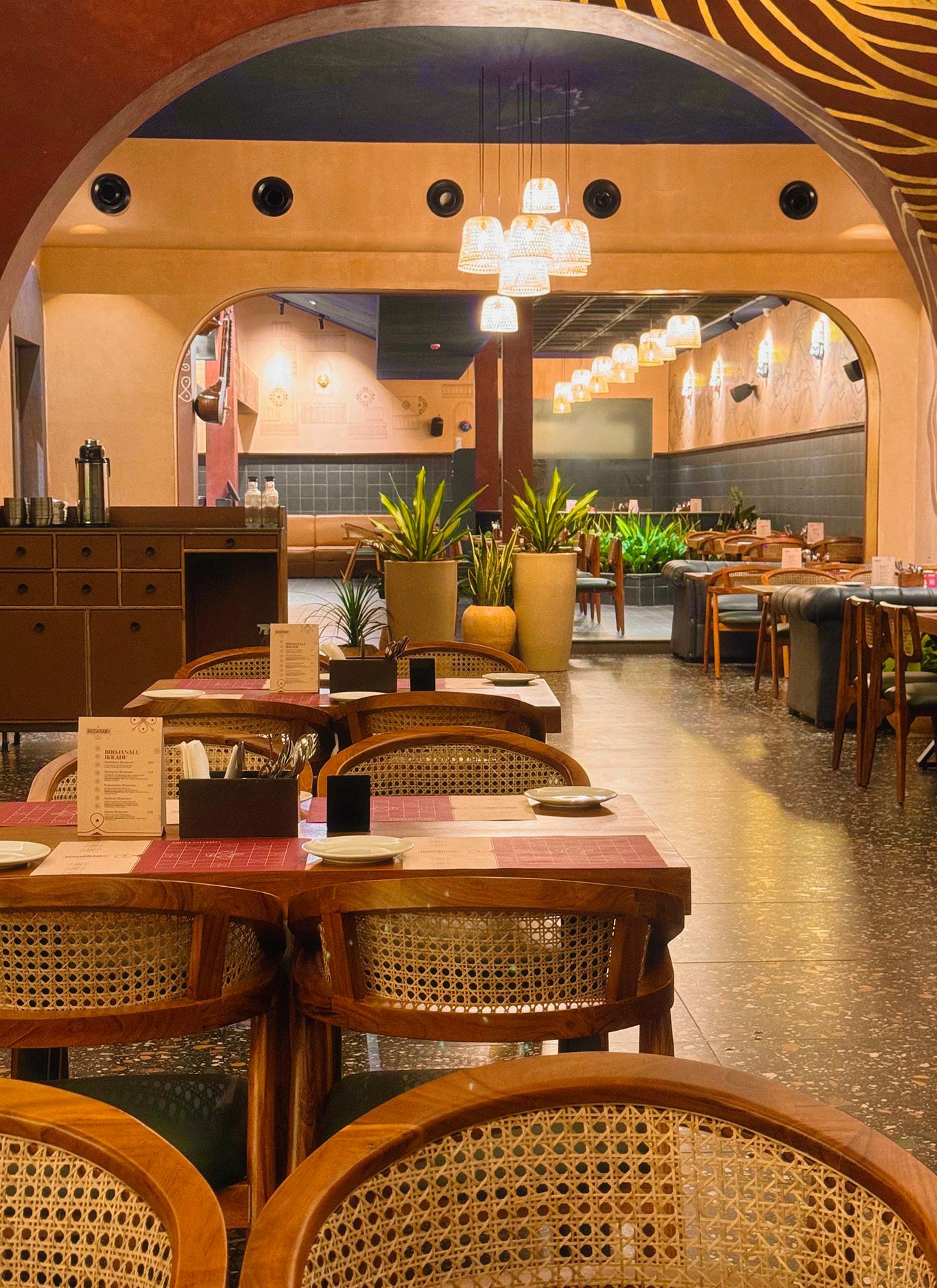
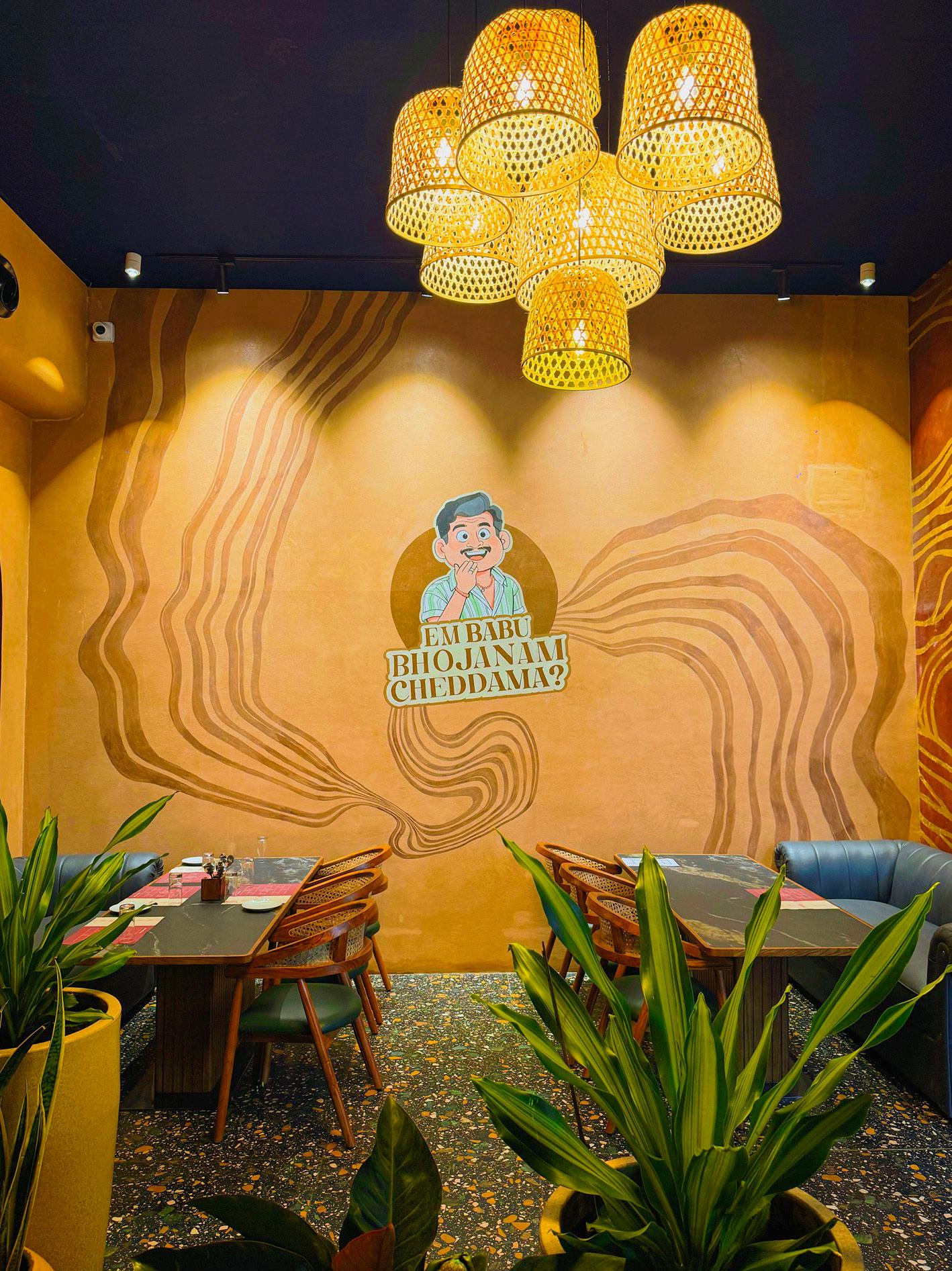
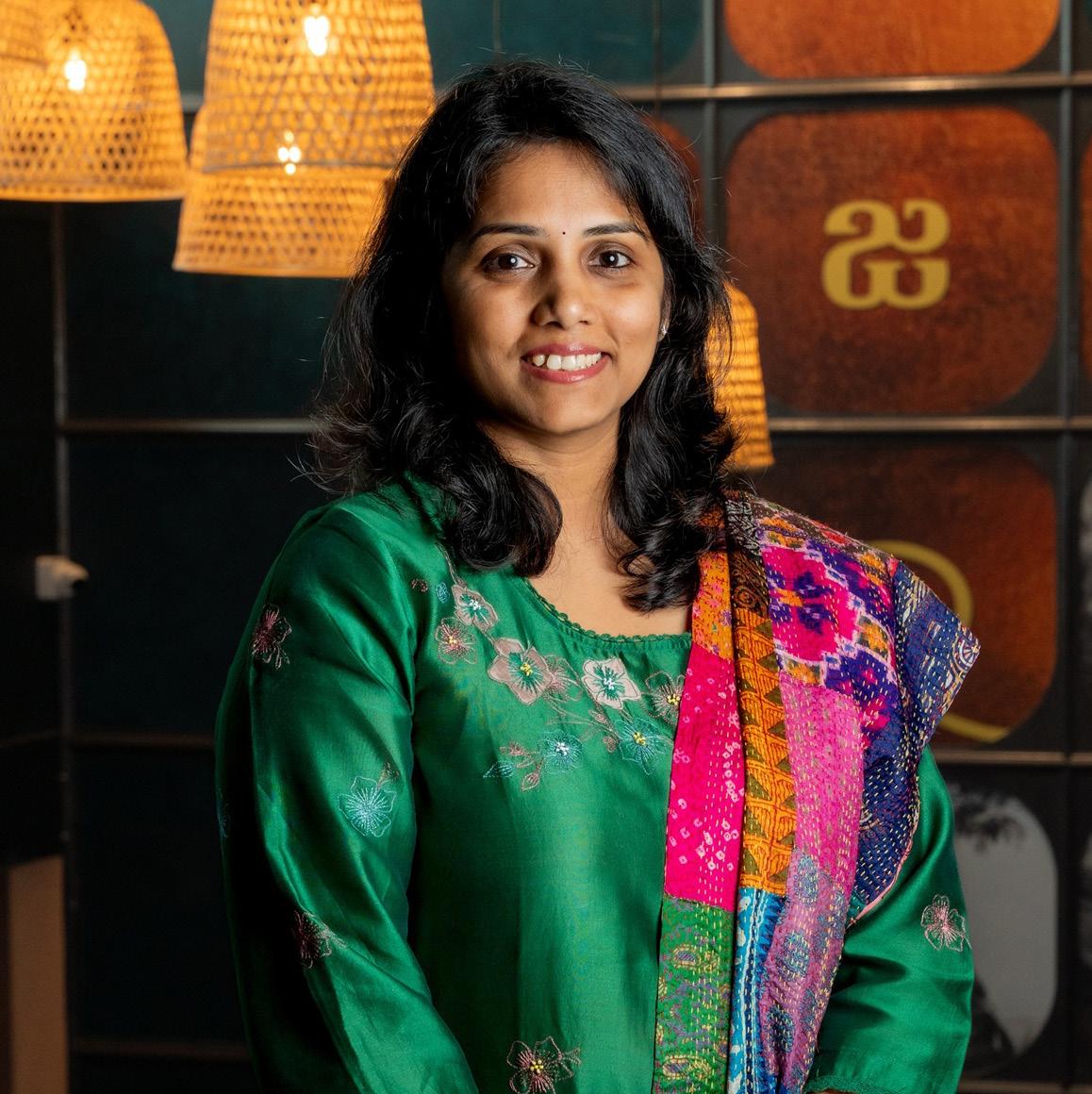
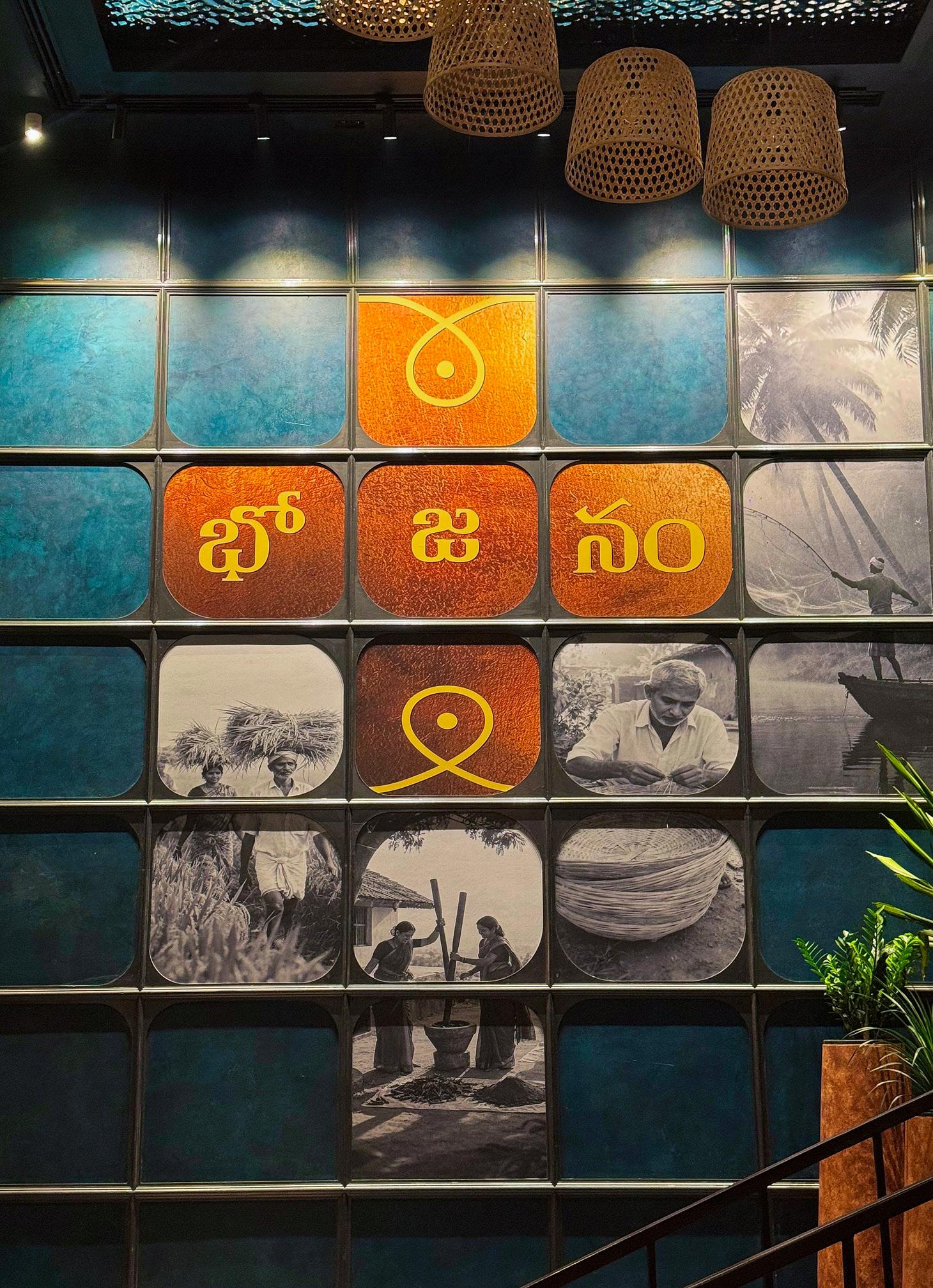
Located in Jubilee Hills, this sprawling 8,000 sq. ft. space has been thoughtfully put together by Pranavi Chekuri and Teja Chekuri under Fullstack Ventures. Every detail reflects a personal touch. Pranavi, who grew up learning traditional cooking from her grandmother, has incorporated her own family recipes into the menu, even something as simple as rasam is crafted with a deeply homely, authentic flavour.
The space is simple yet inviting, with indoor and outdoor seating, and an open kitchen where the aromas of freshly prepared dishes fill the air. At its core, Bhojanam celebrates the rich culinary heritage of the Telugu-speaking regions—Krishna, Godavari, Rayalaseema, and Telangana, through a thoughtfully curated, region-first thali experience.
Since I’m allergic to seafood, I opted for the Krishnamma Bhojanam. We began with fresh sugarcane juice, pressed on-site, with hints of lime and ginger, refreshing and perfectly balanced.
Pranavi Chekuri
What followed felt deeply personal. Pranavi joined us for the meal and made sure everything was served just right. Conversations flowed easily about food, influences, and the stories behind certain dishes, adding a layer of warmth to the experience. The meal included dishes like natu kodi vepudu and pulusu, each carrying a distinct homemade quality, nothing overdone, just honest flavours that felt like they belonged in a family kitchen.
During a conversation about local Telangana dishes, anapakaya ginjalu (hyacinth beans) came up, and Pranavi mentioned that they make vadas with these beans. Soon after, we were served anapakaya vada, a nutritious, protein-rich, and absolutely delicious dish. It’s these thoughtful, almost spontaneous additions that make the experience feel intimate and memorable.
Every dish felt comforting and familiar, but the rasam stood out as the highlight, simple, soulful, and full of flavour. Teja, who joined us a little later, also recommended the papucharu, which was equally satisfying and instantly reminiscent of a homecooked meal.
The menu extends beyond thalis, offering à la carte Indian and Chinese options, along with thoughtfully curated small plates for those who want to sample multiple dishes without committing to full portions. It’s a great way to explore the menu, especially if you’re dining solo or just feeling indulgent.
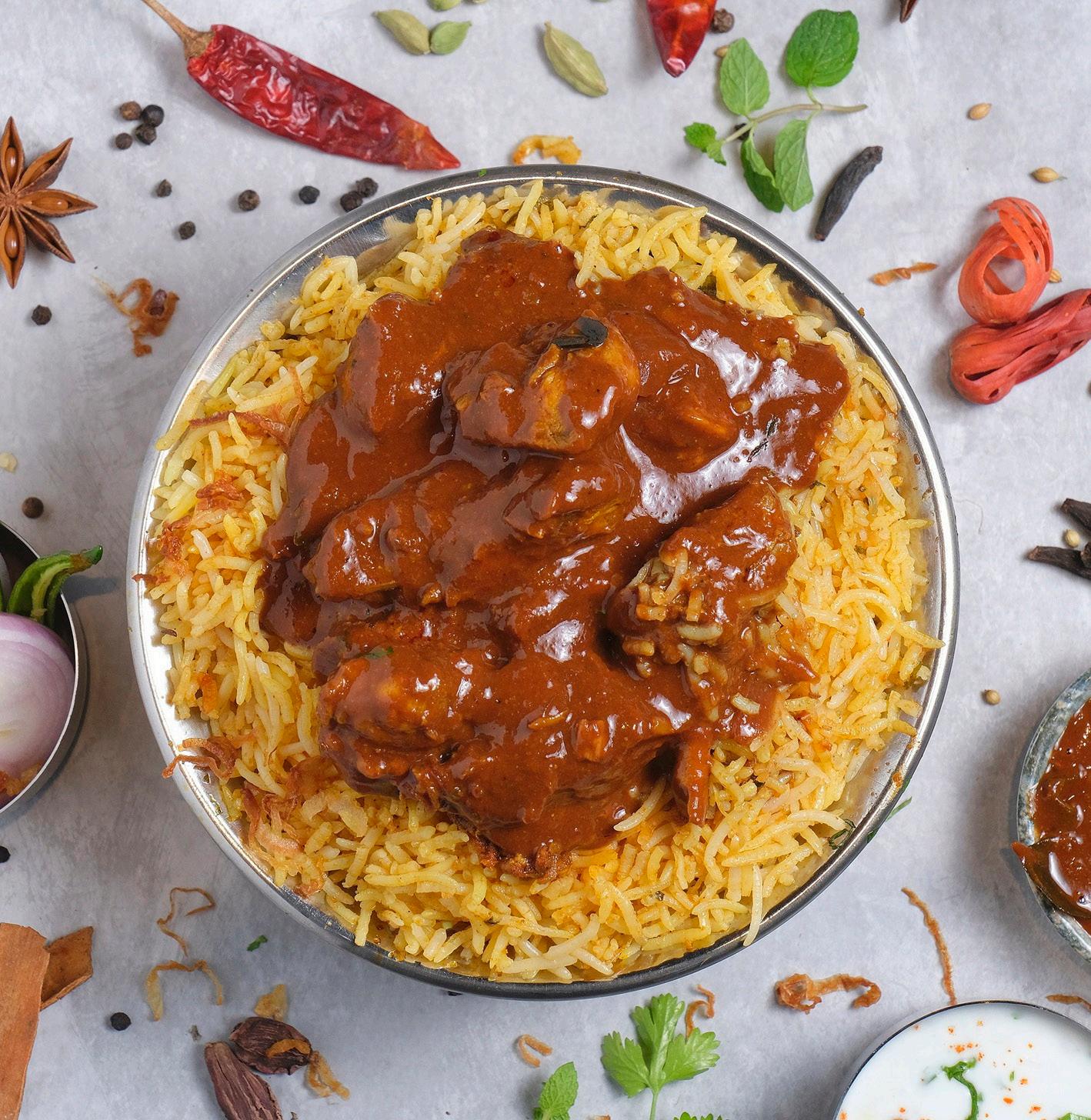
Another standout is the Matti Lo Manikyalu (pot biryani), available in variants like natu kodi, chapalu, mushroom, and jackfruit, some of which are served with the distinctive chitti muthyalu rice base. Slow-cooked and aromatic, these dishes add depth to the overall offering.
Each thali is a complete experience, featuring starters, mains, accompaniments, condiments, desserts, and house-made beverages rooted in traditional kitchens. It’s thoughtfully put together and leaves you feeling both satisfied and comforted. What sets Bhojanam apart is its philosophy; it doesn’t try too hard to be “authentic” or “traditional.” Instead, it simply serves the kind of food people have grown up eating, comforting, familiar, and deeply satisfying.
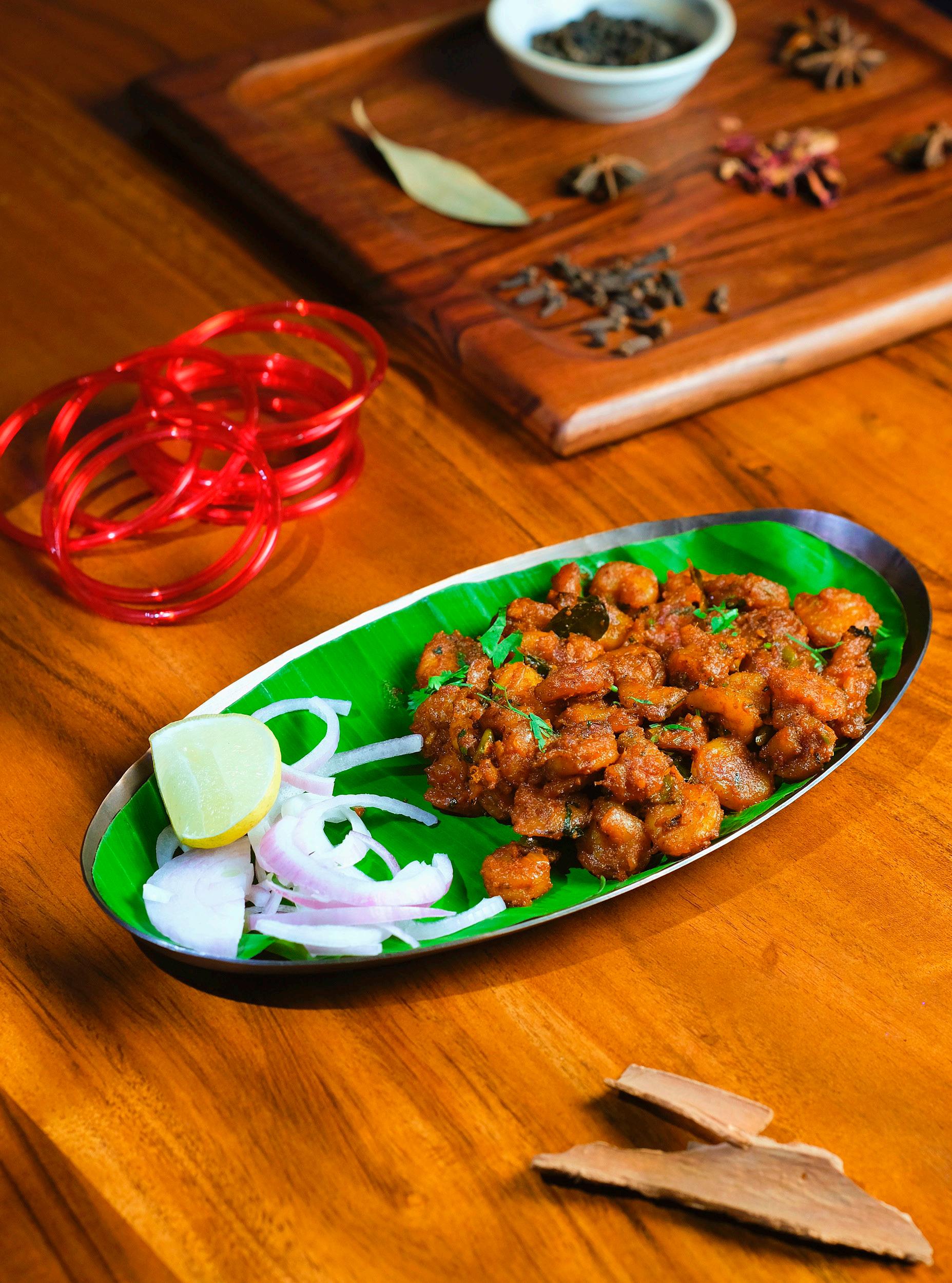
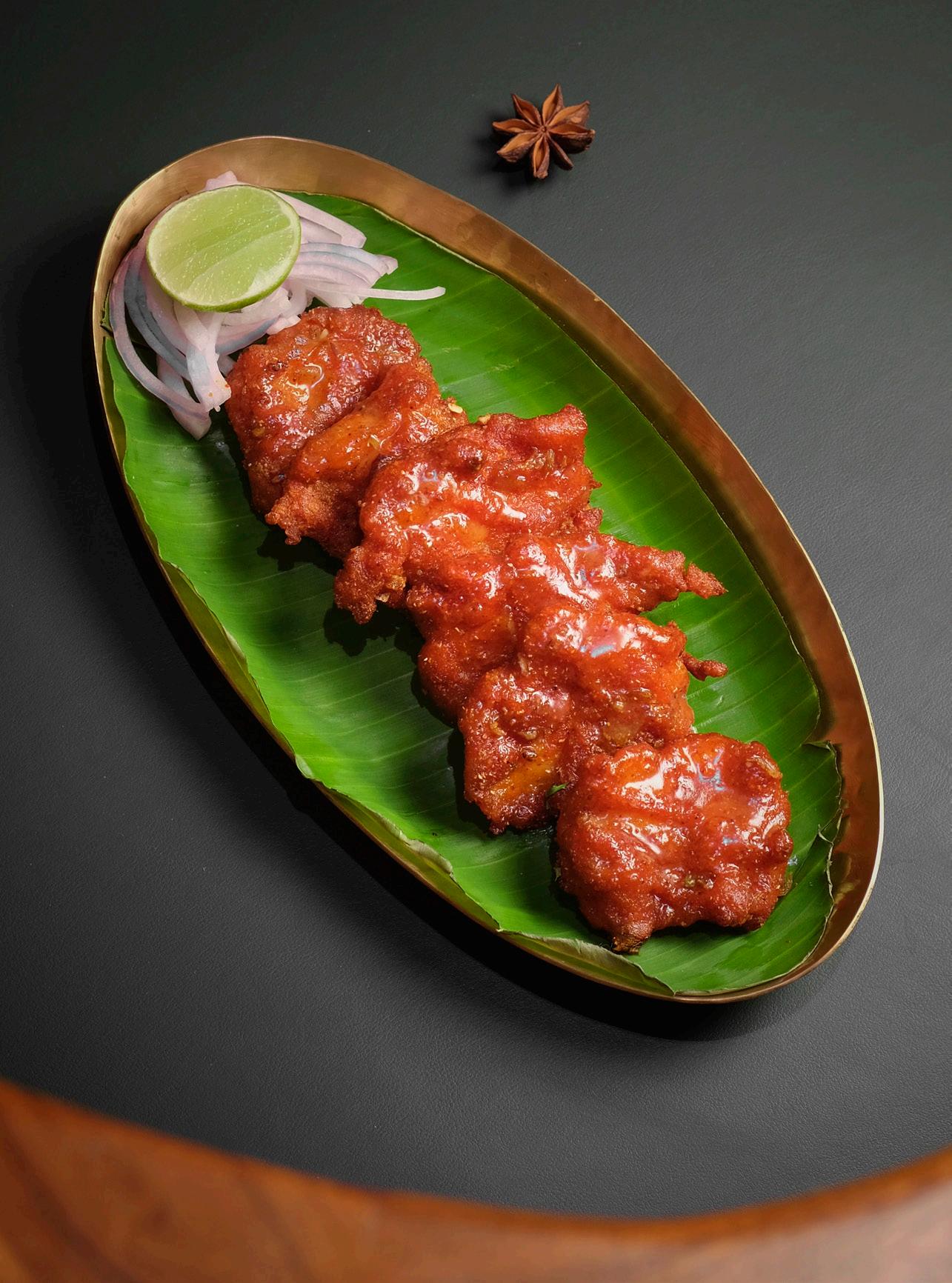
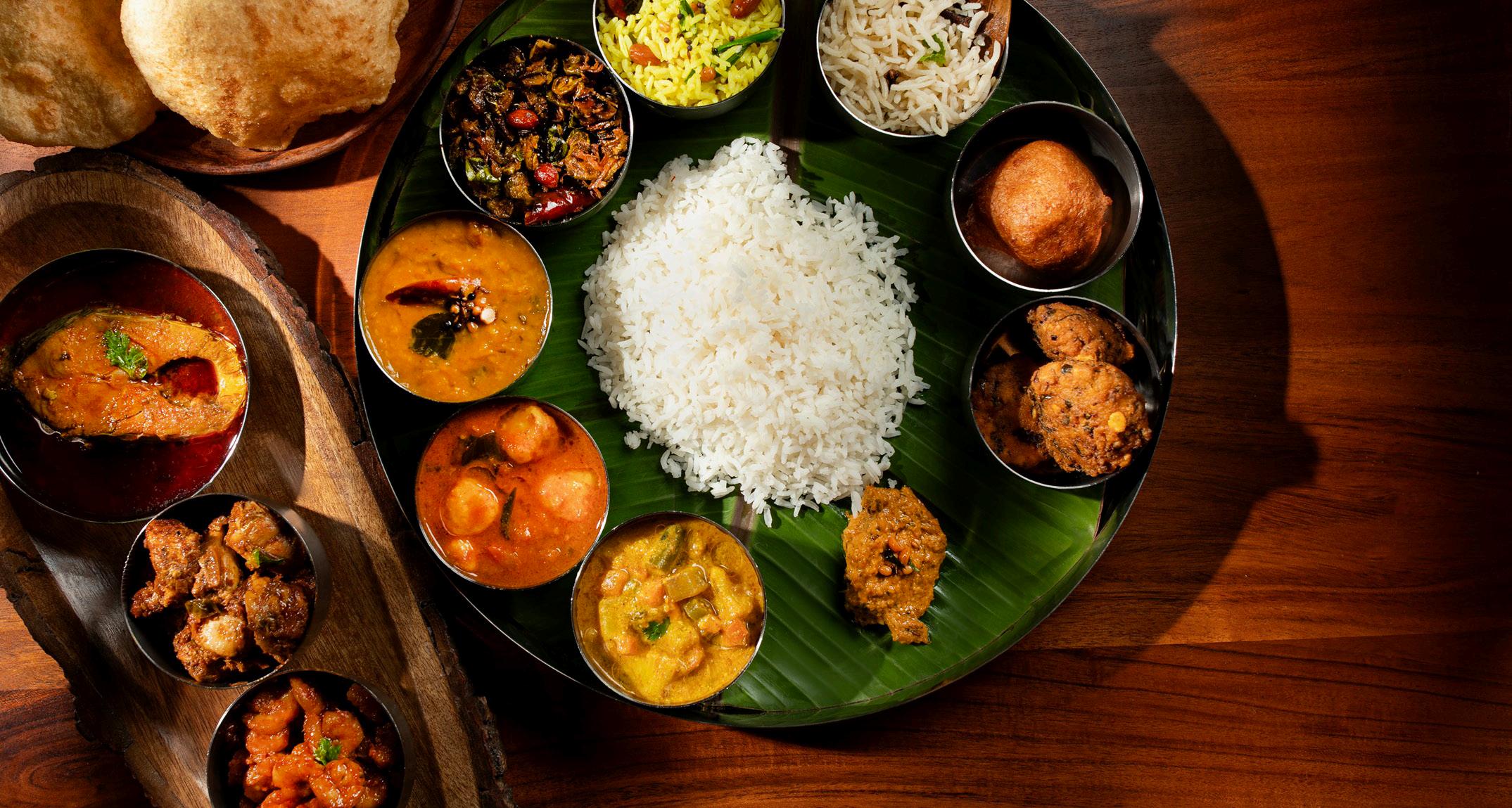
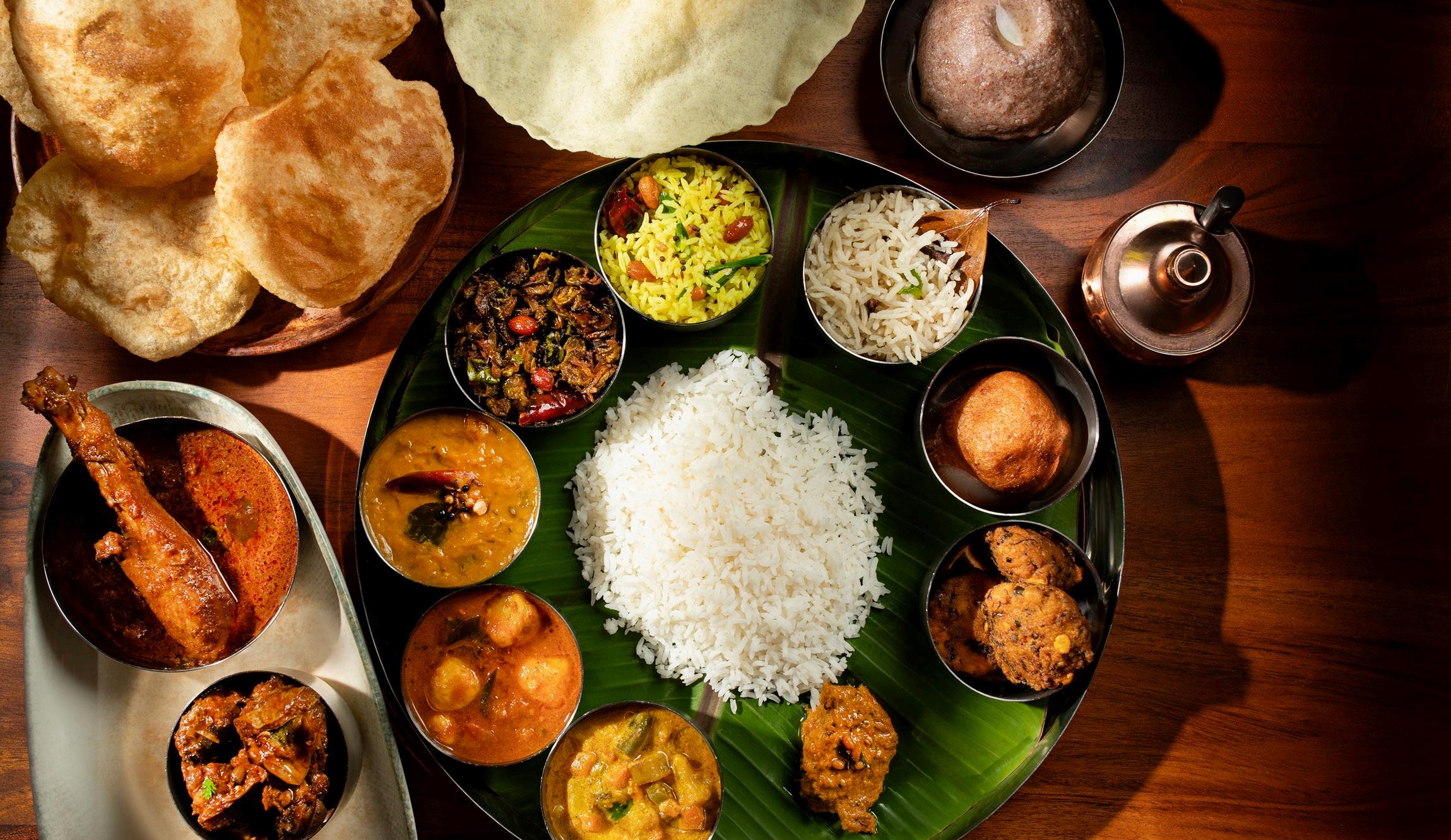
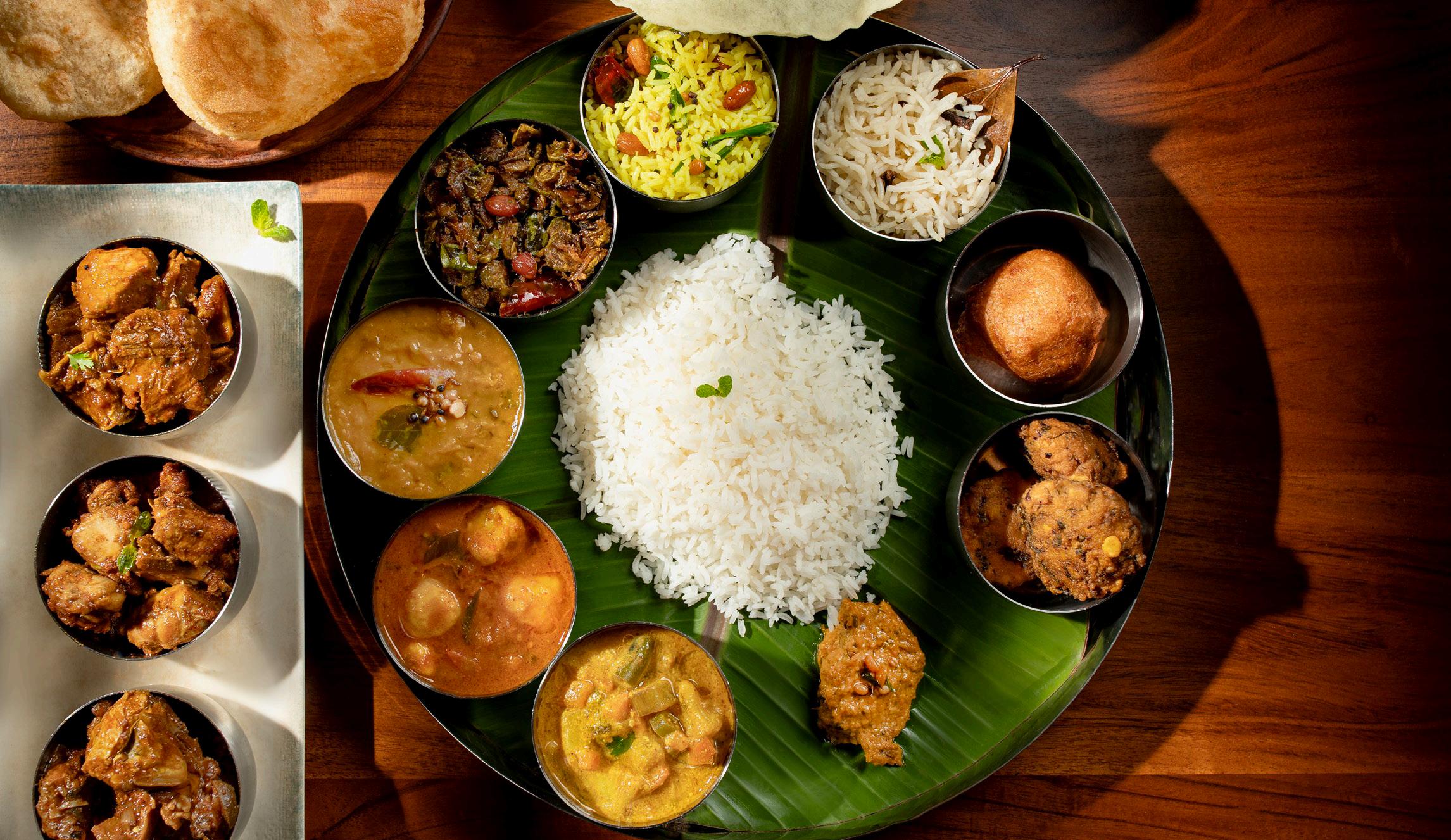
Chapa Chips
Chatti Yoyyala Vepudu
Godavari Thali
Seema Thali
Telangana Thali
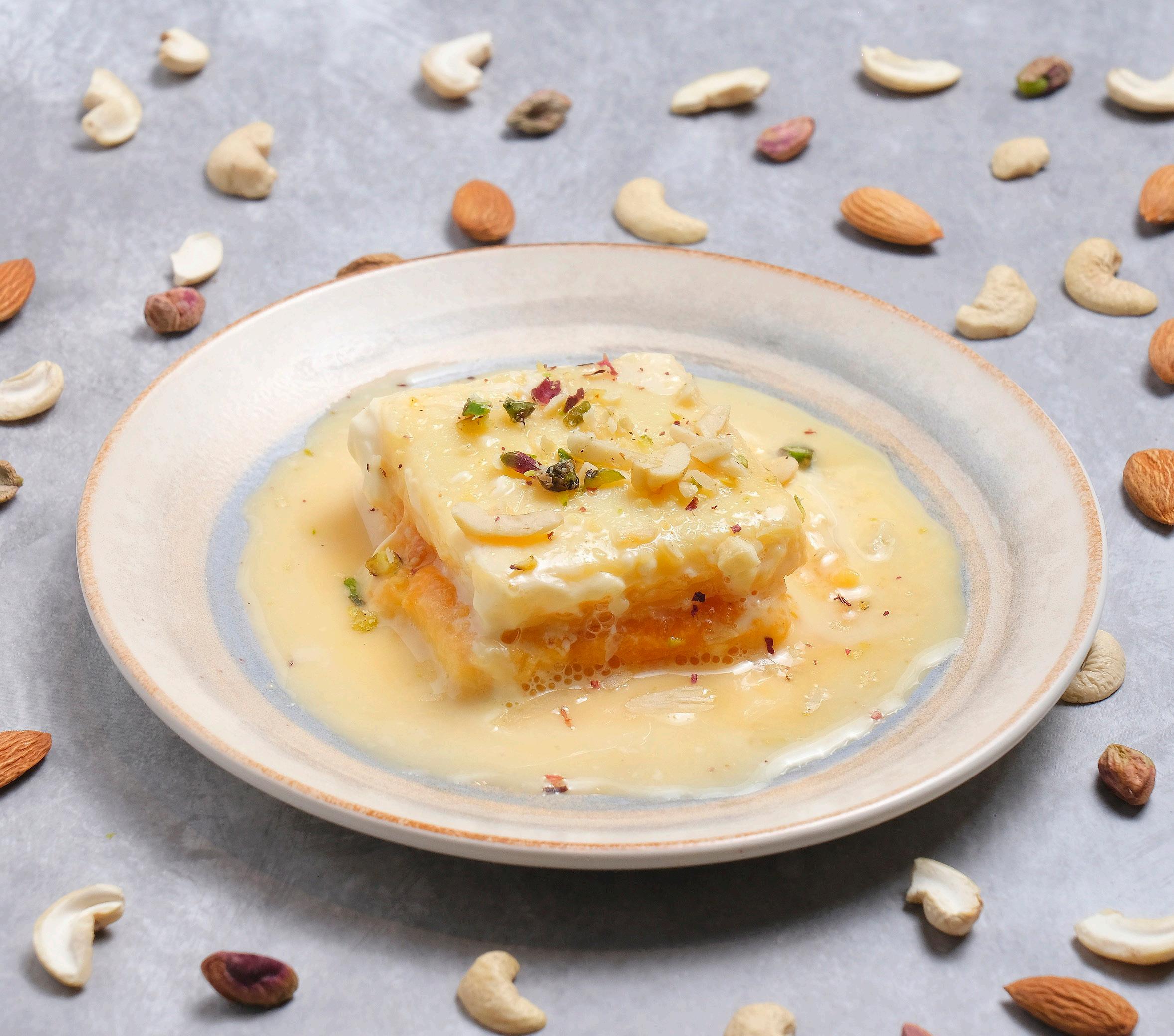
Do not miss the kova samosa, a standout dessert that is absolutely worth returning for.
Strategically located in the heart of Jubilee Hills with ample parking, Bhojanam is definitely a place I would recommend to friends, especially those seeking a heartfelt Telugu meal. With plans to expand to Delhi and Mumbai, the brand is clearly just getting started.
If it’s honest, home-style cooking and truly memorable flavours you’re after, Bhojanam is definitely worth a visit.
Where: 1200, Bhojanam, Road No. 36 & 59 junction, Jubilee Hills
Timings: 12:00pm-3:30pm & 7:00pm-10:30pm Meal for Two: INR 1200
For Bookings: 9838844999
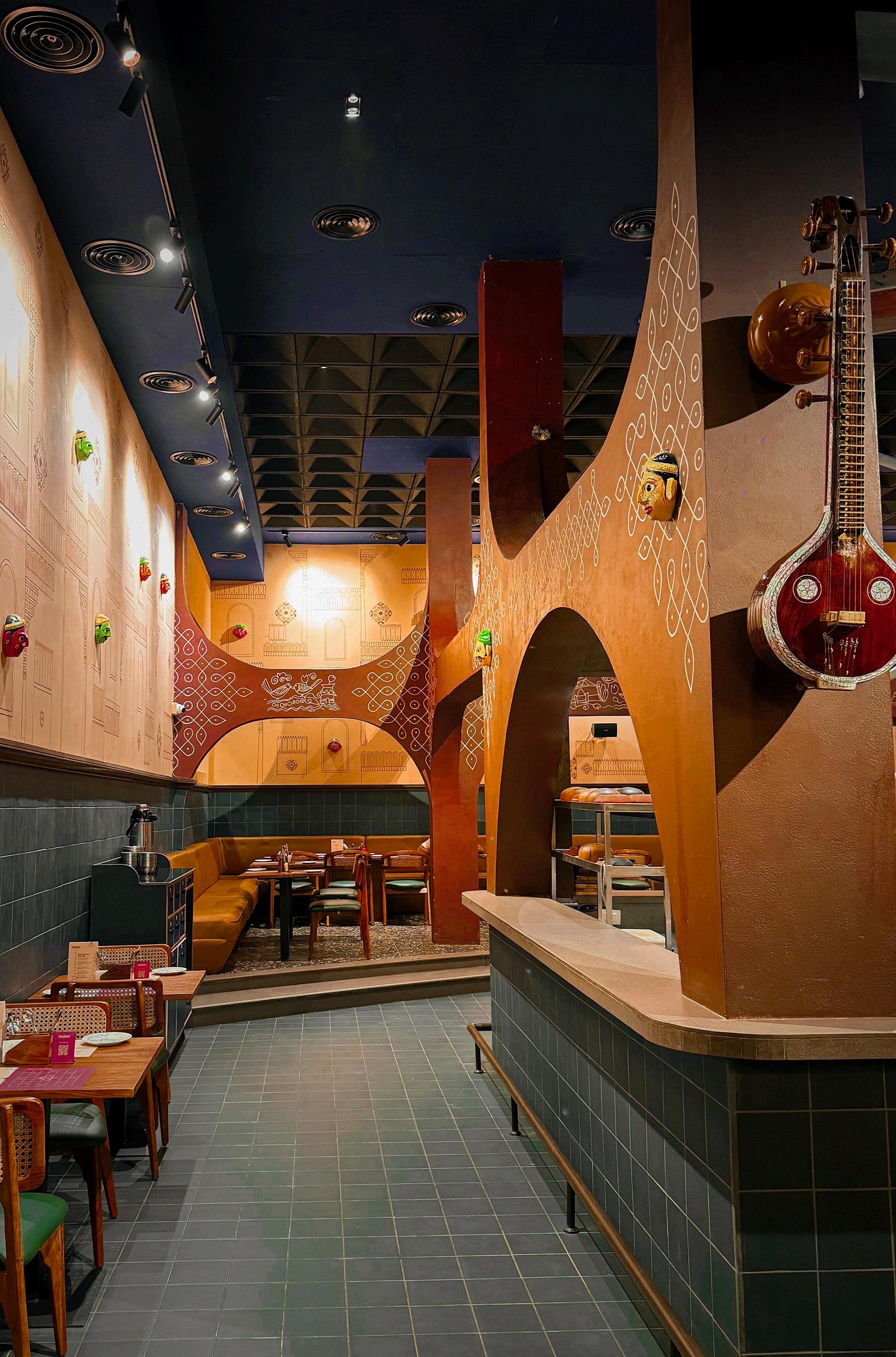
What’sNew?
Discover the latest restaurants, menus, and culinary concepts making waves across the city. From exciting new launches to fresh dining experiences, this section brings you the mustvisit spots every food lover should know about.
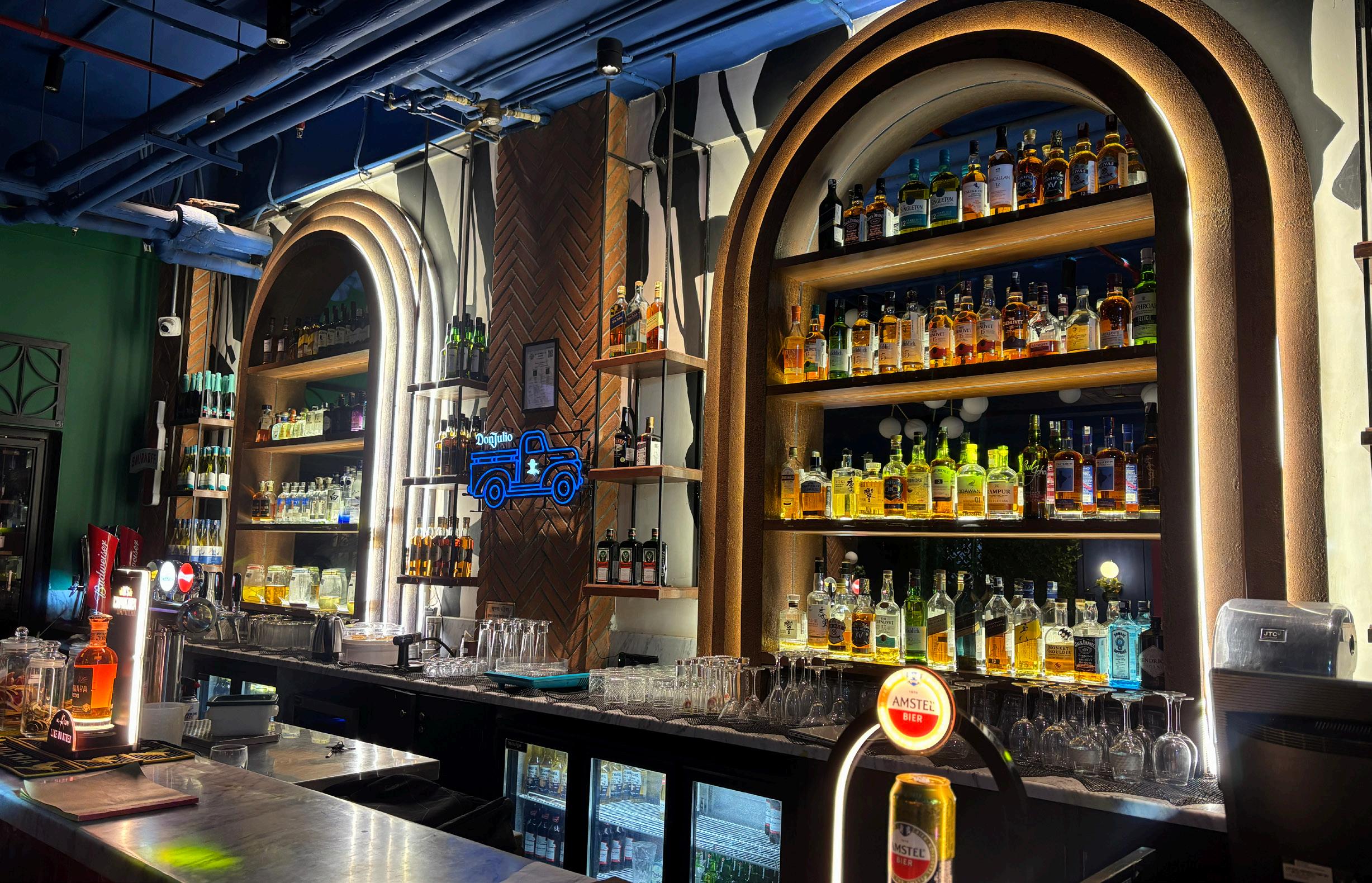
What: The Reservoire
Where: Bengaluru
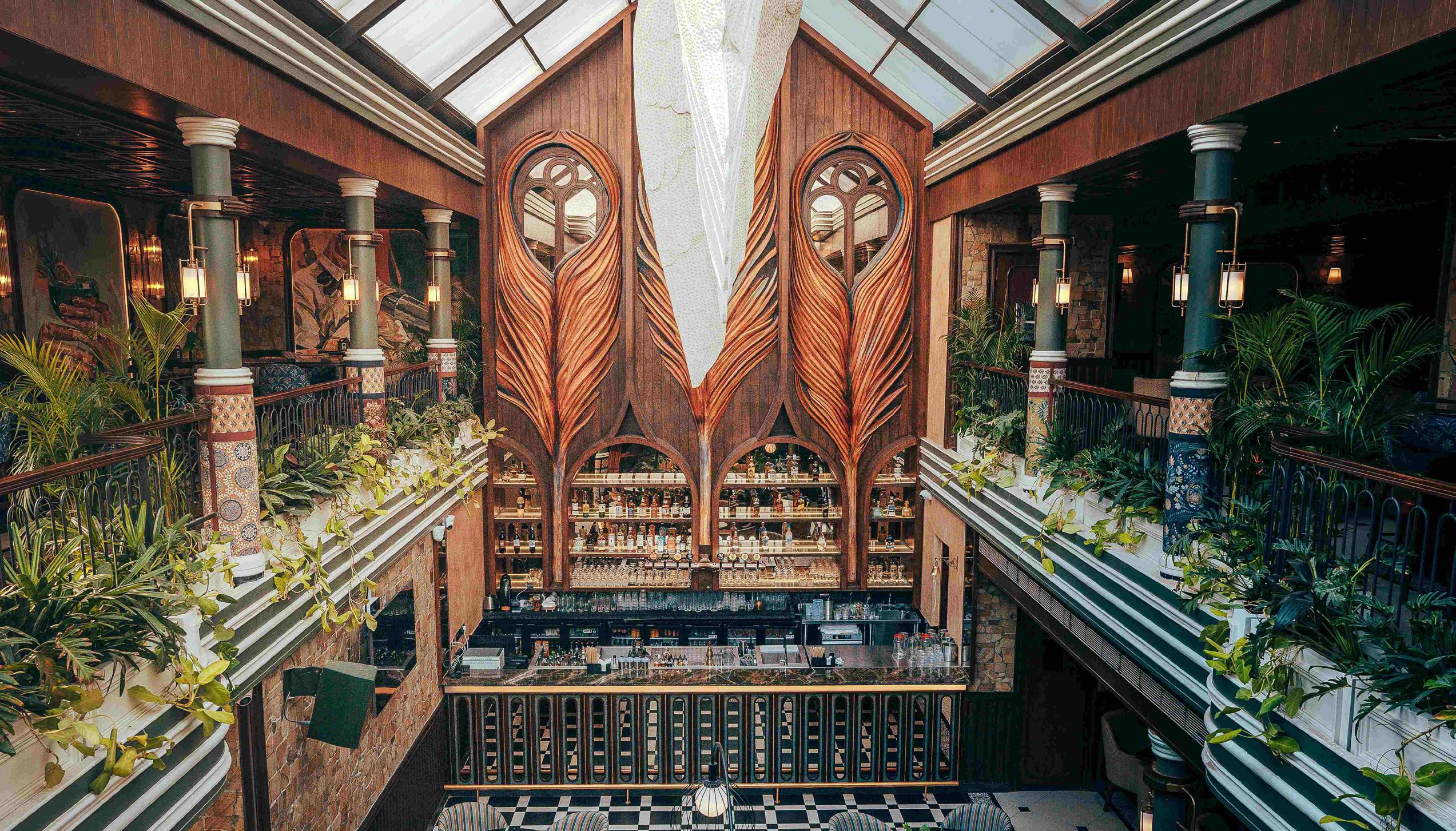
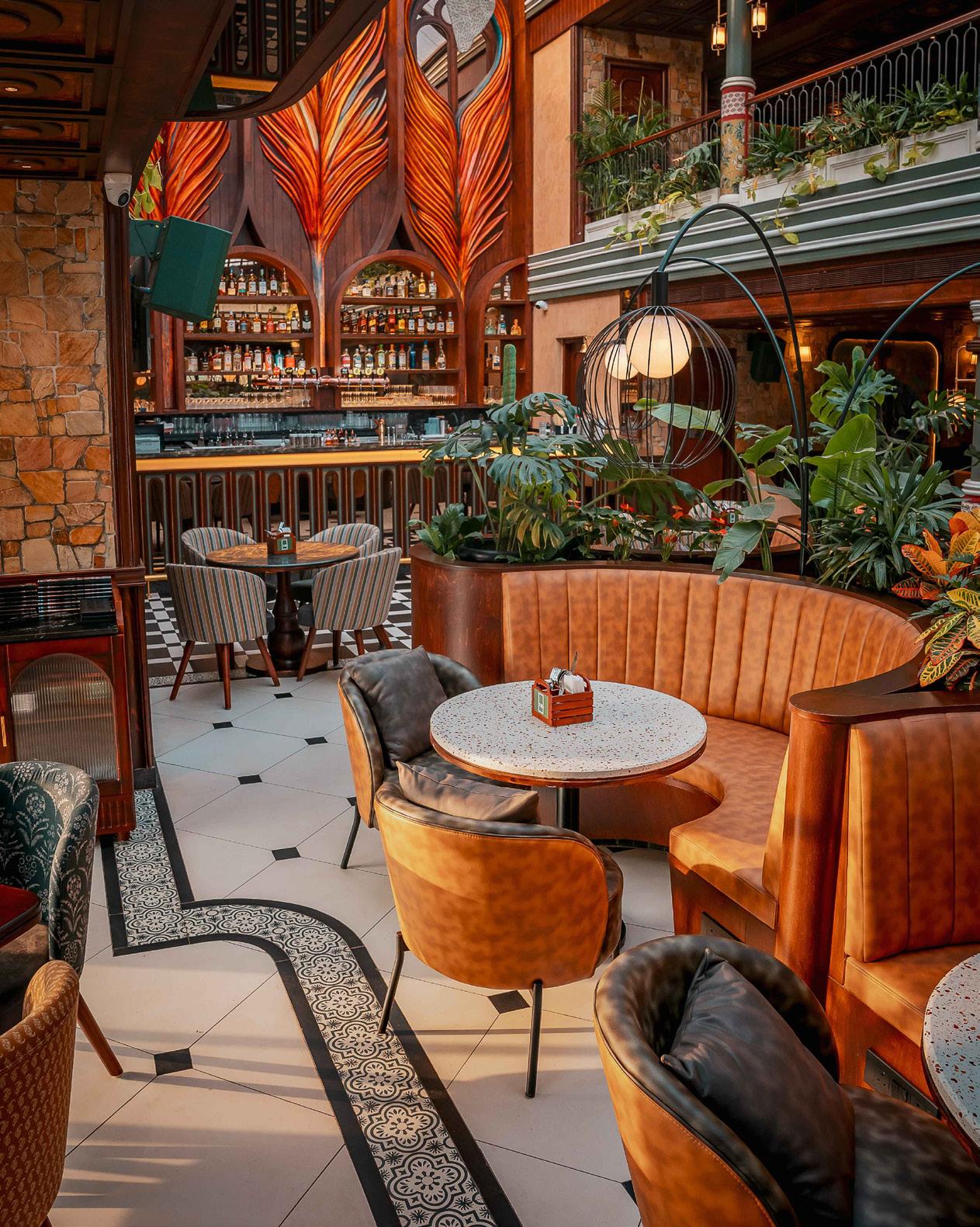
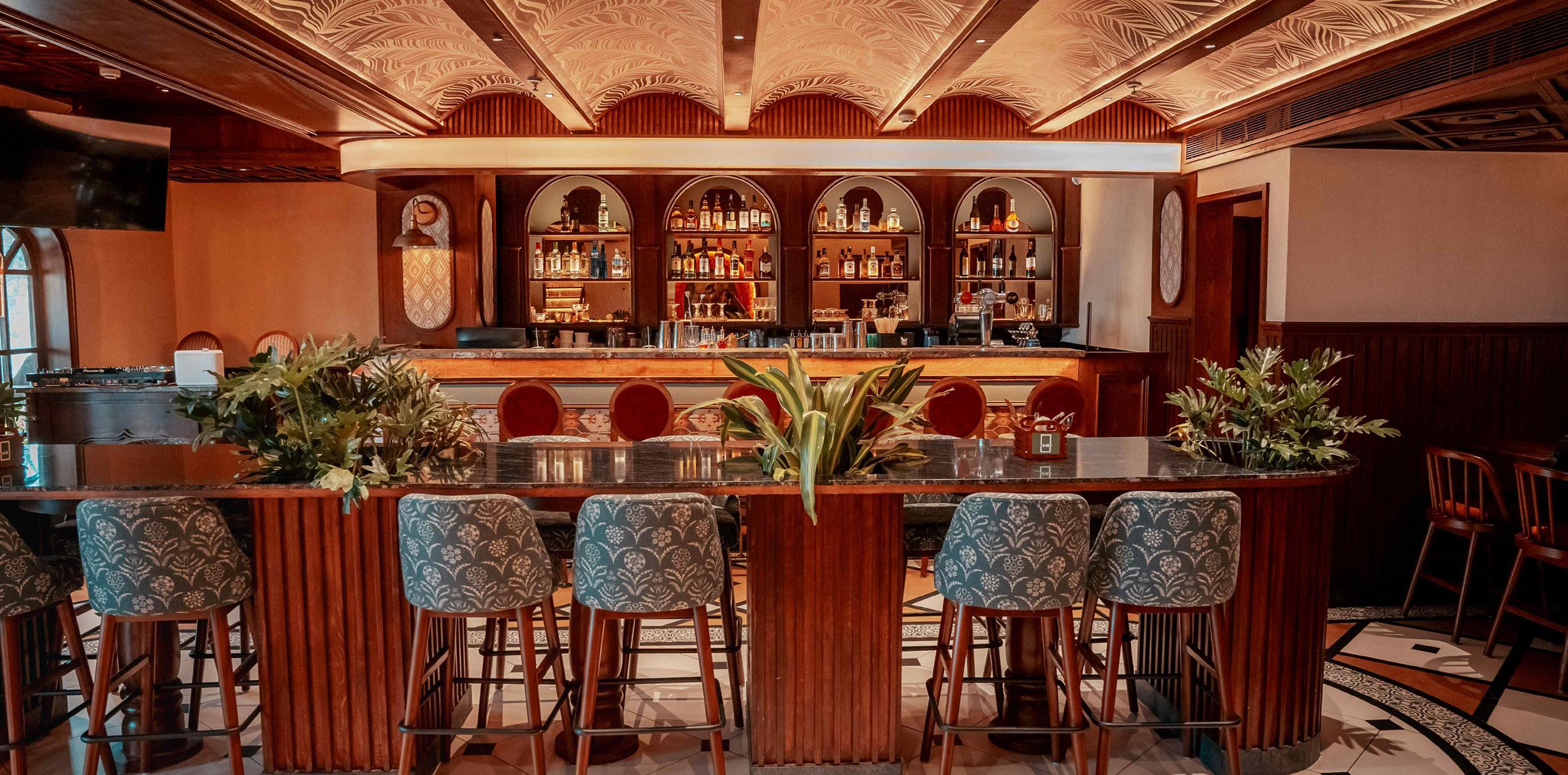
The Reservoire has emerged as India’s largest cocktail bar, setting a new benchmark in the country’s evolving drinking culture with an extraordinary menu of over 100 cocktails. Known for its cocktail-first philosophy, the Bengaluru hotspot blends experimentation, storytelling, and immersive hospitality to create a space where drinks are crafted as memorable experiences rather than just menu items.
The expansive cocktail program celebrates both innovation and familiarity. Signature creations such as Kokum Spiritz highlight regional Indian flavours, while indulgent blends like Strawberry Cheesecake blur the line between dessert and drink. Playful twists like Not A Pinacolada surprise the palate, alongside classics such as the Paloma and contemporary favourites like the Blueberry & Gin Sour. Other standouts include Mellow Minty, the bold GCT (Guava Chilli Tequila), the vibrant Blue Pea Ultimate G&T, and the house favourite Reservoire Drop.
With a menu designed for discovery and constant exploration, The Reservoire invites guests to experience cocktails more dynamically and experimentally. Combining scale with craftsmanship, the bar continues to position itself as a destination for cocktail enthusiasts and curious drinkers alike in Bengaluru’s thriving nightlife scene.

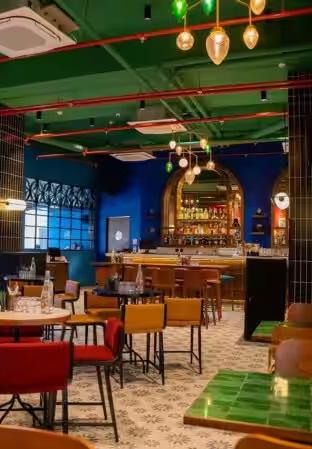
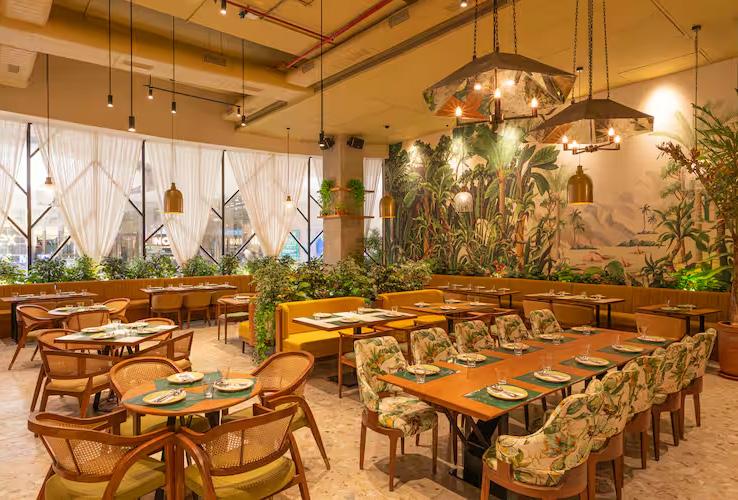
What: Shaara Where: Pune
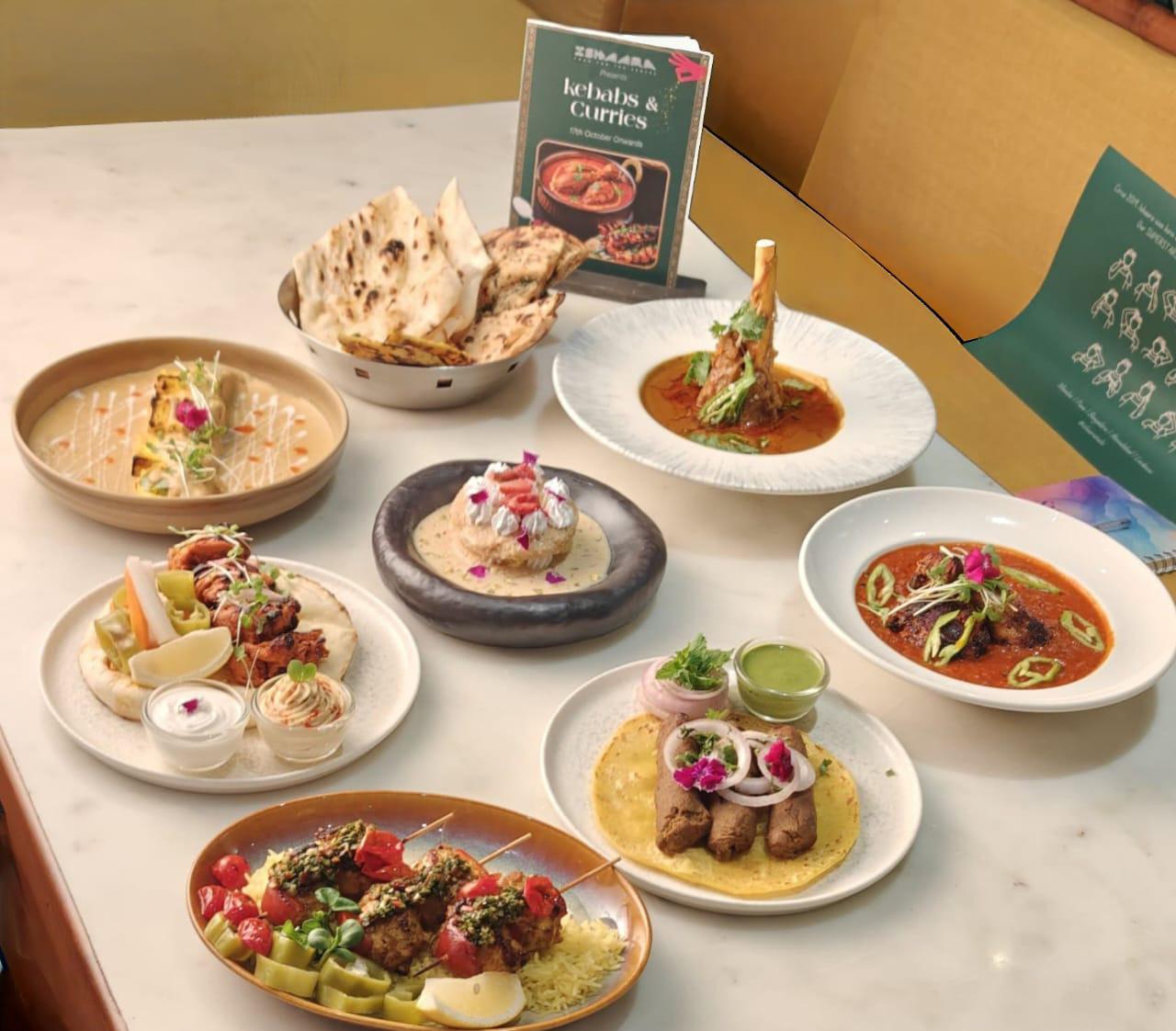
Ishaara, the experiential dining concept by Bellona Hospitality, has introduced a limited-time Kebabs & Curries Menu at its Pune outlets in Phoenix Marketcity, Viman Nagar and Phoenix Mall of the Millennium, Wakad. The special menu celebrates the rich culinary legacy of grilling and slow-cooked curries, drawing inspiration from Persian, Turkish, and Mughal traditions while presenting them with Ishaara’s contemporary finesse.
The menu features an array of flavourful kebabs such as Persian Jujeh Kebab, Turkish Adana Kebab, Burra Kebab, and the vegetarian favourite Mushroom Kakori, paired with hearty curries like Chicken Changezi, Mughlai Chicken, and Nalli Nihari. Vegetarian highlights include Awadhi Paneer Korma and Mushroom Do Pyaaza, offering comforting flavours rooted in heritage. Designed as a culinary storytelling experience, the menu reflects the cultural journeys and influences behind these iconic dishes. Available for a limited time, the offering invites diners to savour timeless recipes reimagined with thoughtful presentation and authentic ingredients.
What: MISU Pan Asian
Where: St. Marks Road,
Bengaluru
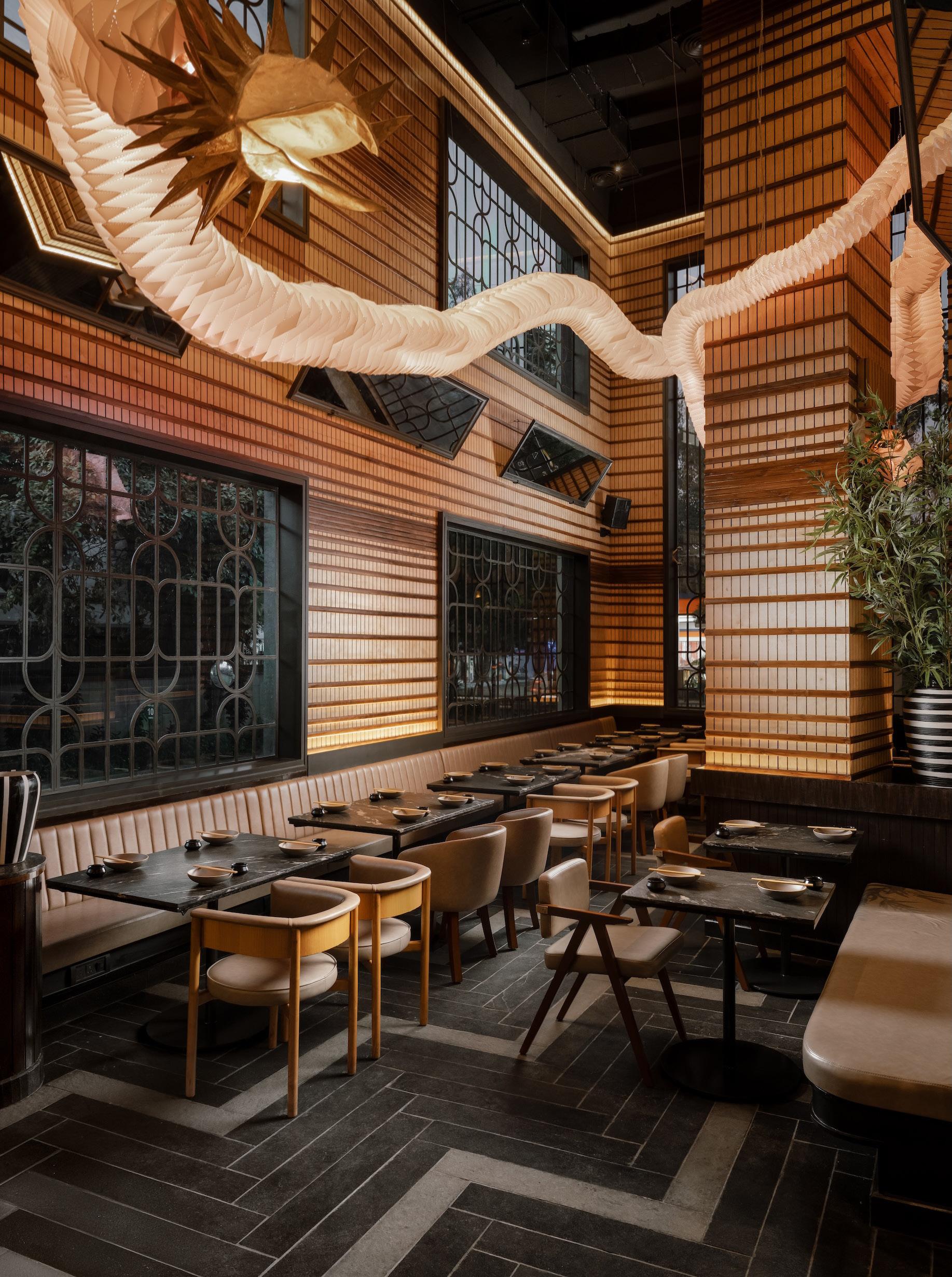
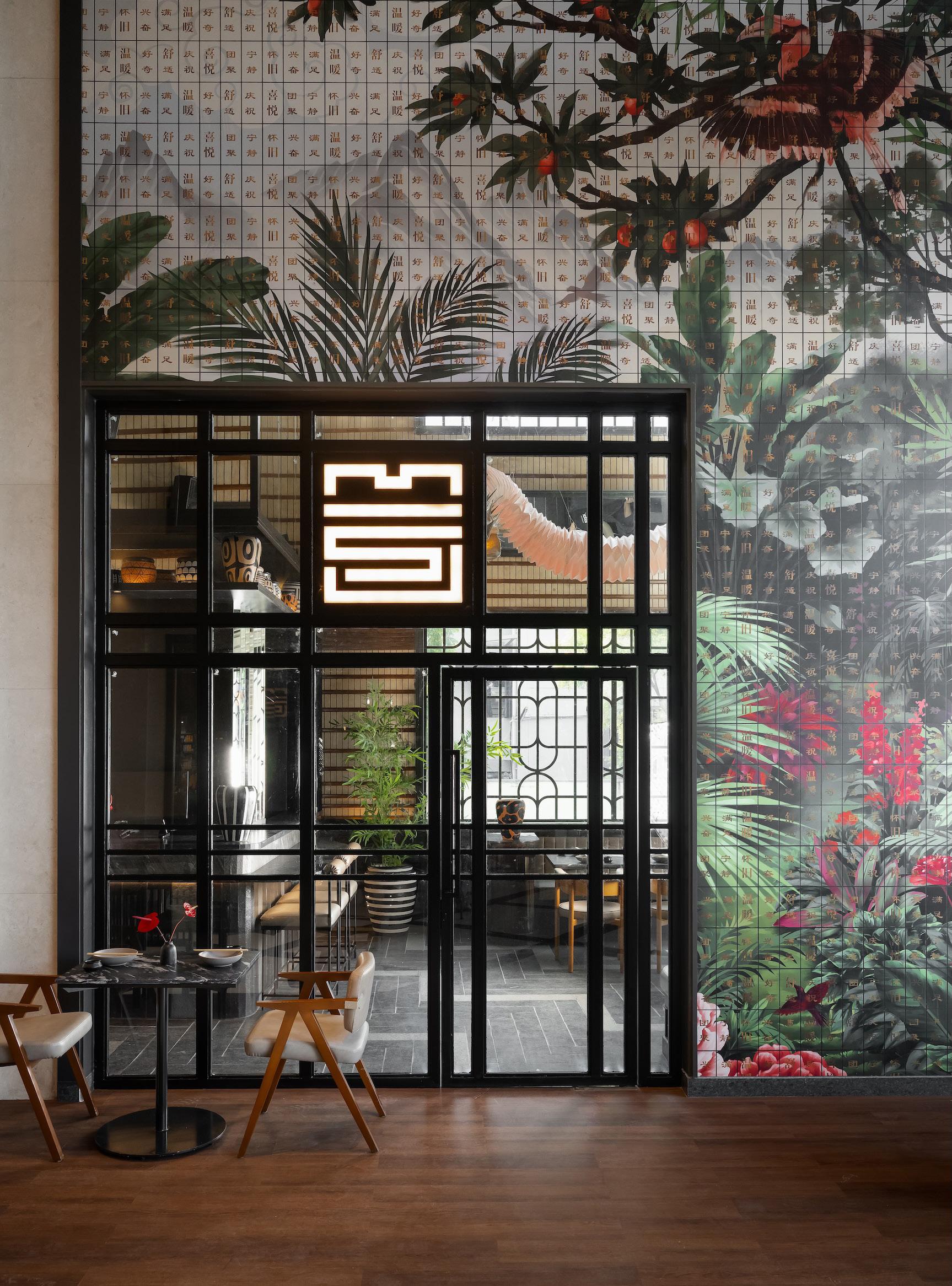
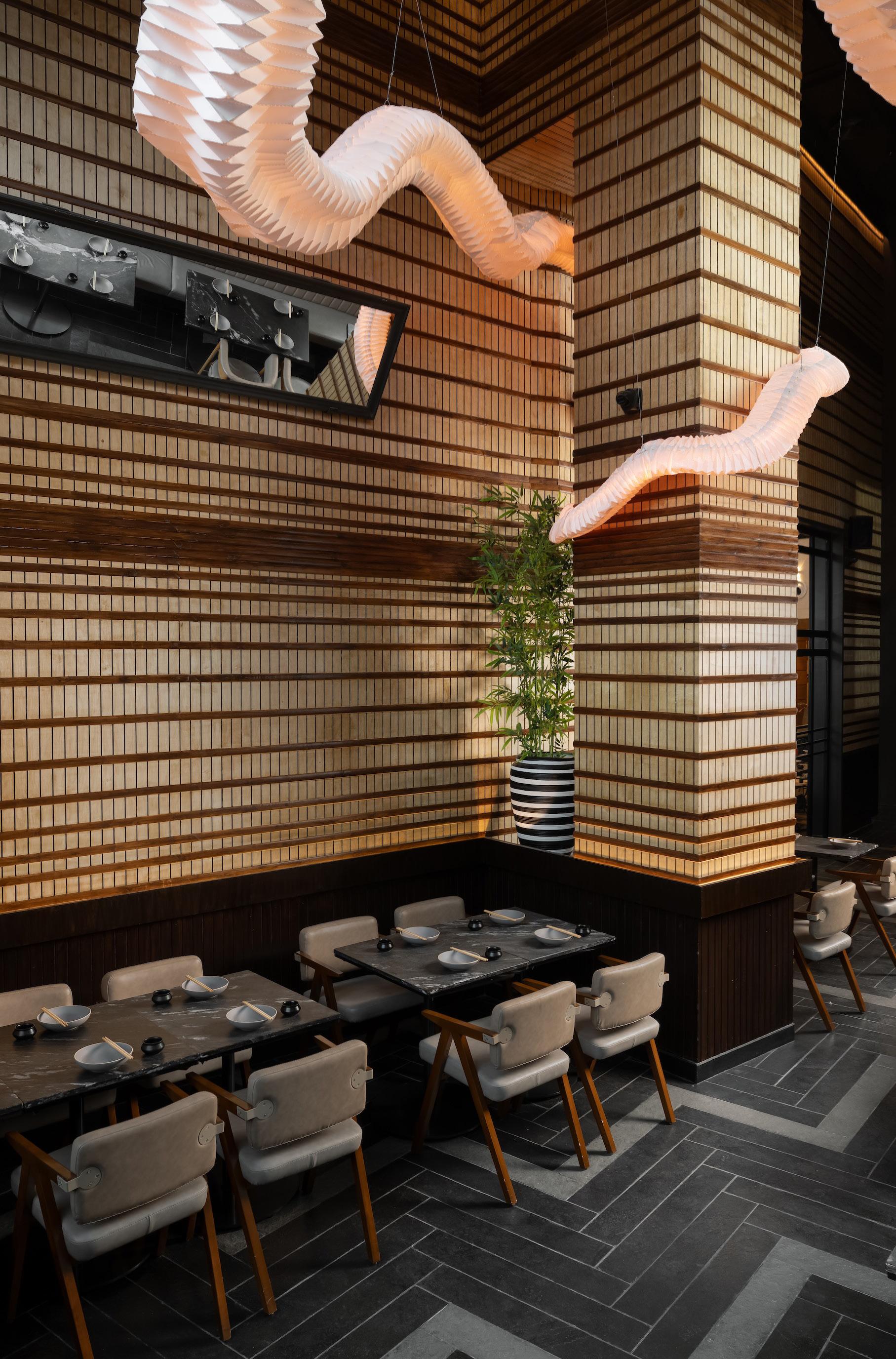
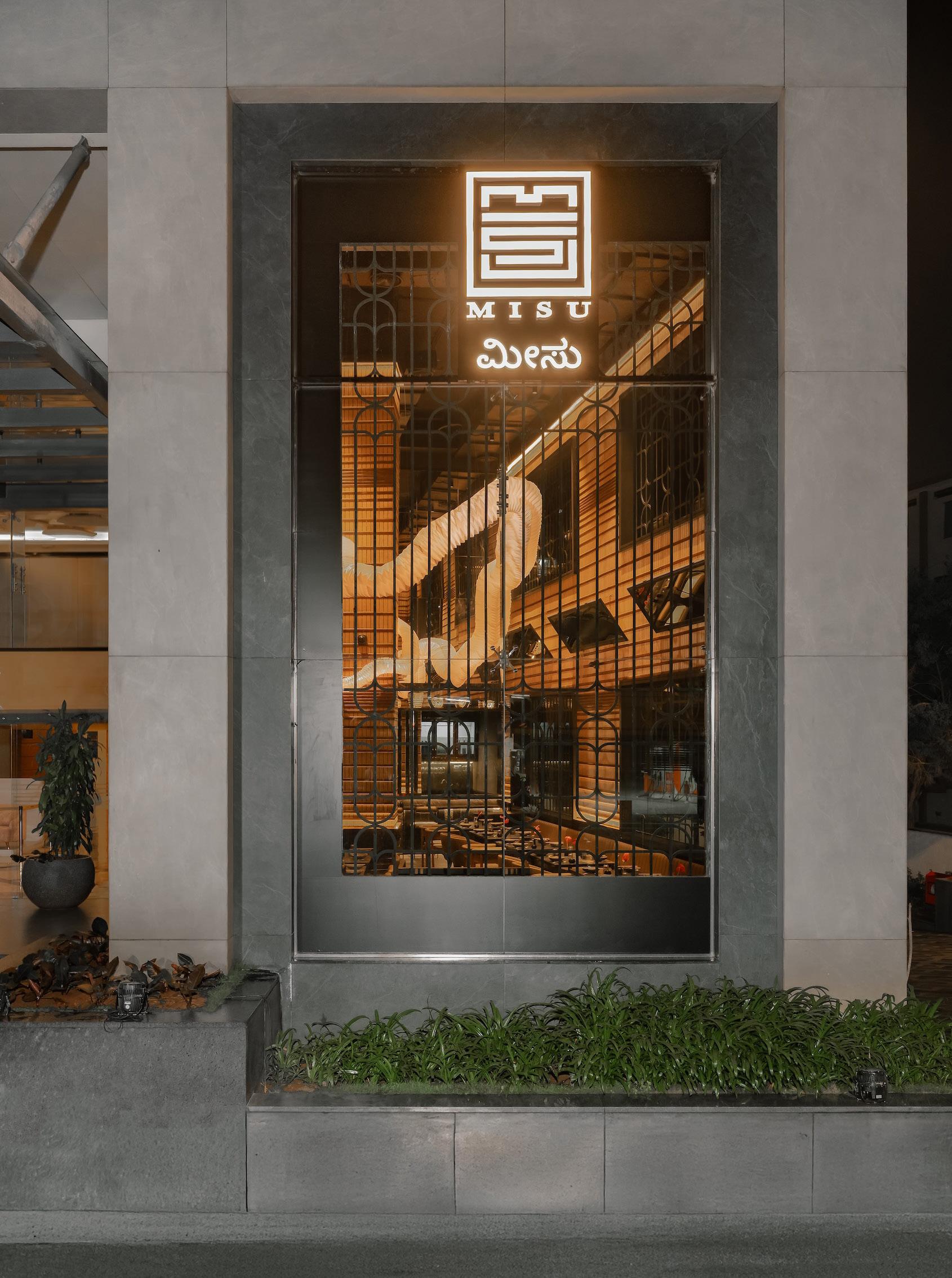
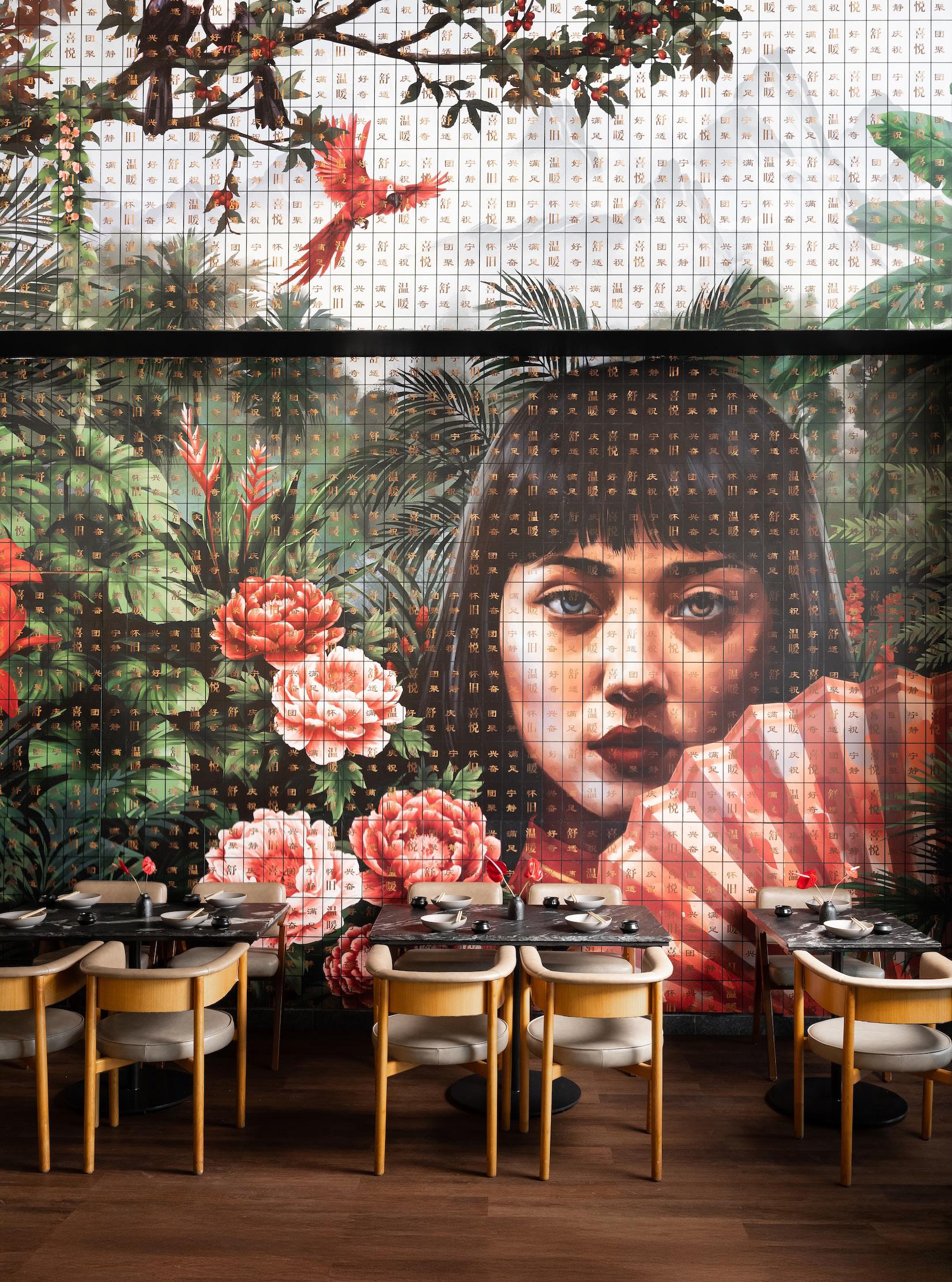
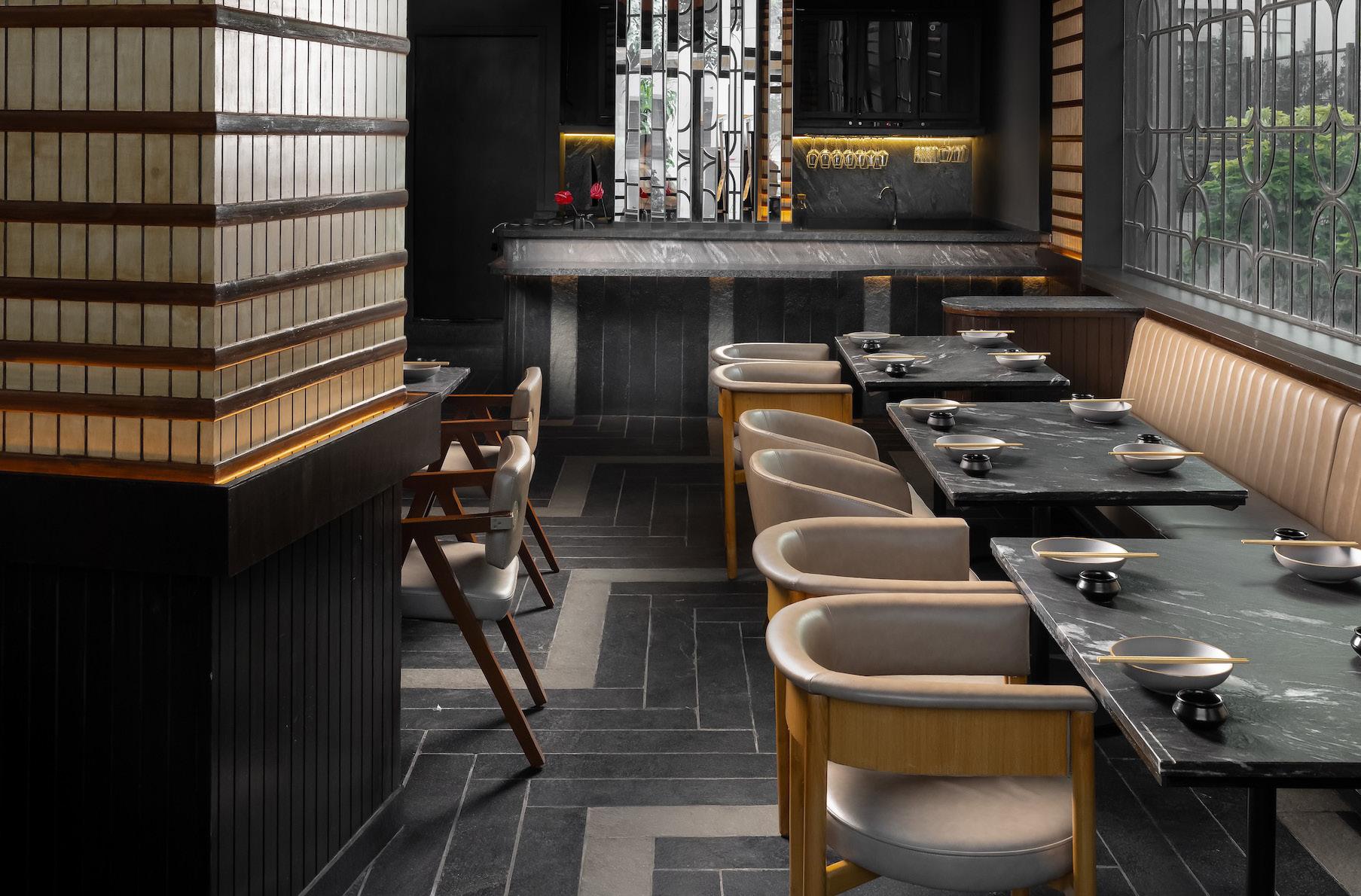
MISU unveils its newest Bengaluru outpost on St. Mark's Road, bringing its signature pan-Asian dining experience to the heart of the city’s CBD. Designed as an immersive, design-first space, the restaurant blends bold architecture with understated elegance, creating an atmosphere where interiors, light, and material textures shape the dining experience.
A dramatic origami-inspired light installation floats across the ceiling like a moving dragon, while a striking wooden mural façade inspired by Chinese street culture anchors the space visually. At the centre sits a vibrant bar focused on traditional soju and inventive cocktails, reinforcing the restaurant’s evening-led character.
Alongside the design evolution, MISU has also refined its food presentation and recipes, offering a more elevated, thoughtful take on pan-Asian flavours that complement the immersive setting.
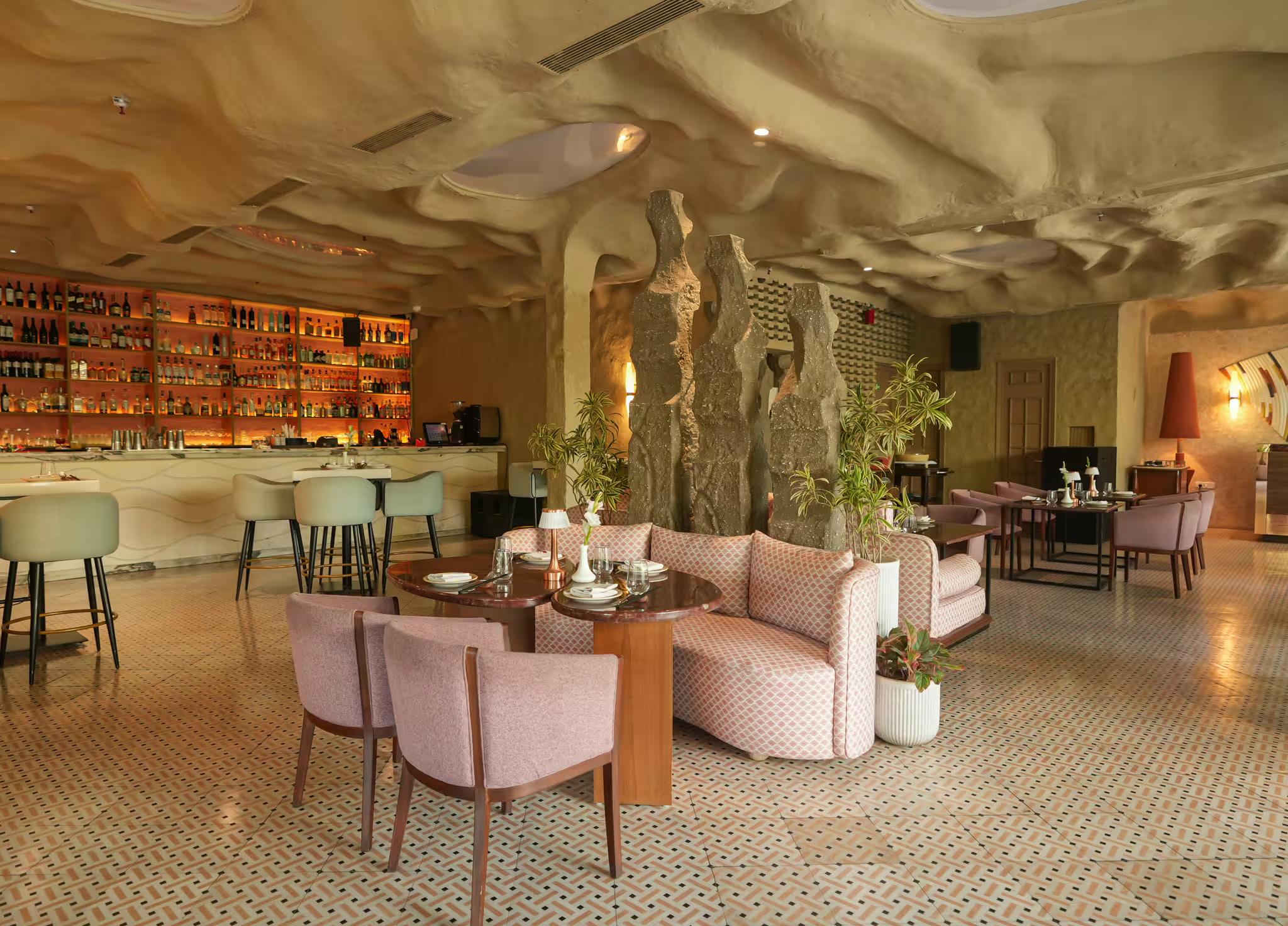
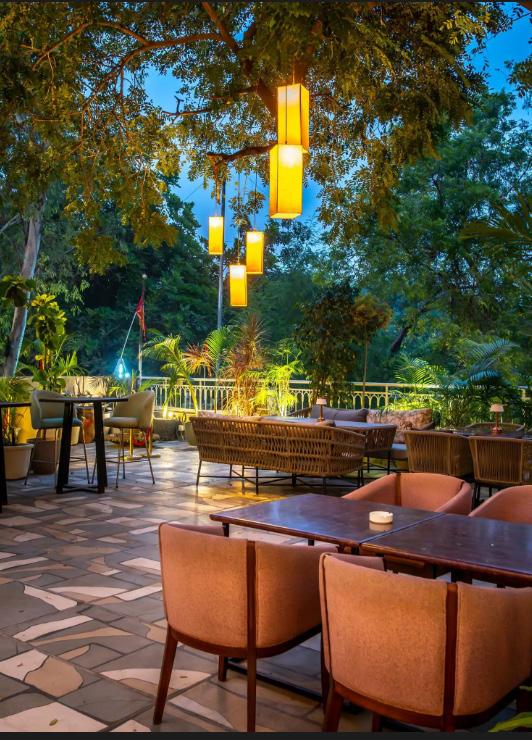
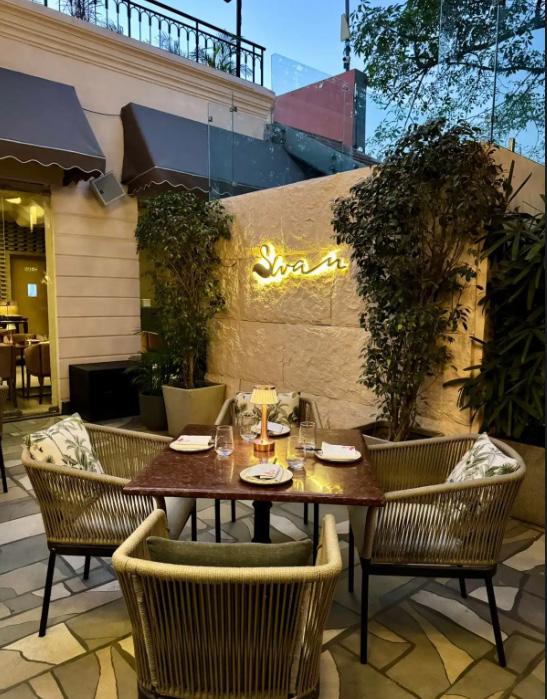
What: Swan Restaurant & Bar
Where: Mehrauli, New Delhi
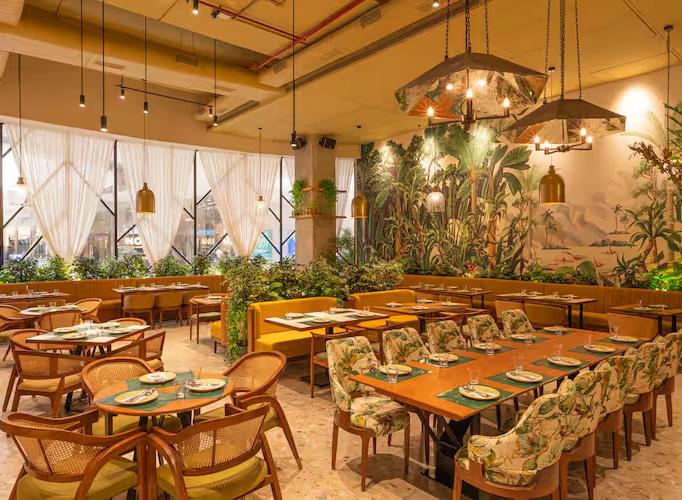
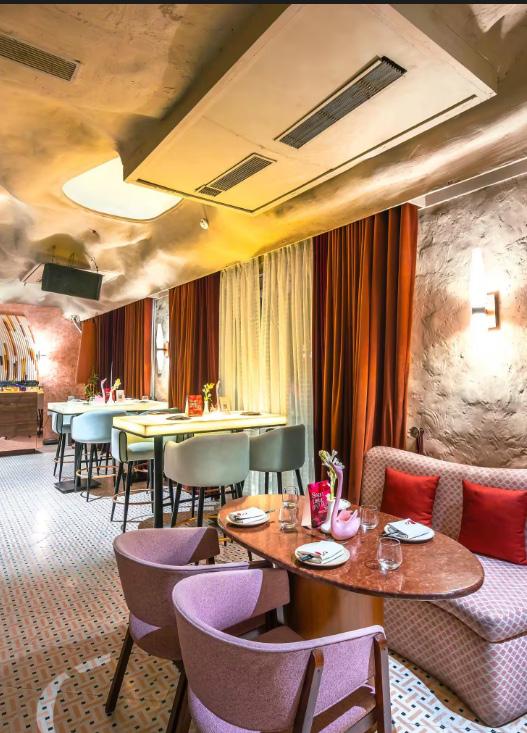
SSet against the stunning backdrop of the Qutub Minar, Swan Restaurant & Bar in Mehrauli offers a refined dining experience that blends authentic Japanese and Italian cuisines with a vibrant social atmosphere. The elegant space features sprawling terraces and an inviting al-fresco setting, allowing guests to dine with breathtaking heritage views.
The menu focuses on signature dishes crafted with high-quality ingredients, from handmade artisanal pastas and wood-fired pizzas to sophisticated Japanese plates led by chefs trained at the renowned Zuma.
Highlights include the Miso Chilean Sea Bass, Tuna Tataki ‘Thin as Air’ Pizza, and selections from the Robata grill. Complementing the menu is a curated cocktail program by London-based bar consultant Dino, featuring inventive drinks like Cosplay Collins and Shibuya Crossing that elevate the overall dining experience.ce.



TOP AI TOOLS EVERYONE MUST USE IN 2026
Artificial Intelligence is no longer limited to tech companies or programmers. In 2026, AI tools are becoming essential everyday companions for students, professionals, entrepreneurs, designers, and content creators. From writing emails and designing visuals to coding software and researching complex topics, AI-powered platforms are transforming how we work and create.
Experts say generative AI tools now help automate repetitive tasks, speed up creativity, and improve productivity across industries. They allow users to produce content, analyse data, generate visuals, and even compose music within minutes.
Here are some of the most powerful AI tools everyone should consider using in 2026.
ChatGPT – The All-Purpose AI Assistant
ChatGPT remains one of the most widely used AI tools globally. It can help users write articles, generate ideas, summarise information, plan projects, and even assist with coding. Its conversational interface allows people to interact with AI as if they were talking to a colleague.
Best for:
• Writing and editing content
• Brainstorming ideas
• Coding and debugging
• Learning new topics
For many professionals, ChatGPT has become a daily productivity companion.

Microsoft Copilot – The Workplace AI
Microsoft Copilot is embedded directly into Microsoft 365 apps like Word, Excel, Outlook, and Teams. It can generate reports, create presentations, summarise meetings, and analyse spreadsheets.
Best for:
• Office productivity
• Data analysis in Excel
• Drafting professional emails and reports
For businesses and corporate teams, Copilot acts like an AI colleague inside everyday tools.

Google Gemini – AI for Research and Productivity
Google Gemini is designed to integrate deeply with Google’s ecosystem, including Gmail, Docs, Sheets, and Android devices. It excels at analysing large amounts of information, summarising reports, and answering complex research questions.
Best for:
• Research and information analysis
• Email drafting and document summaries
• Data insights and knowledge work
Because of its integration with Google tools, Gemini is especially useful for students and professionals.


Midjourney – AI for Stunning Visuals
Midjourney is one of the most popular AI image generators. With simple text prompts, users can create detailed artwork, brand concepts, social media visuals, and illustrations.
Best for:
• Graphic design inspiration
• Marketing visuals
• Concept art and digital illustration For creators and marketers, it has become a powerful creative tool.

The Future of AI Tools
AI tools are rapidly becoming everyday digital assistants rather than niche technology products. They are helping individuals work faster, think creatively, and solve problems more efficiently.
Experts believe that mastering AI tools will soon become a basic professional skill, similar to learning how to use spreadsheets or search engines. As technology continues to evolve, the people who understand how to collaborate with AI will have a significant advantage in the future workplace.
In 2026, AI is not replacing human creativity; it is amplifying it.
Perplexity AI – The AI Search Engine
Perplexity AI is redefining how people search for information online. Instead of displaying a list of links like traditional search engines, it generates concise answers backed by sources.
Best for:
• Research and fact-checking
• Quick explanations of complex topics
• Academic and professional learning
It’s particularly useful for students, journalists, and researchers.

Adobe Firefly – AI for Professional Design
Adobe Firefly is part of the Adobe Creative Cloud ecosystem and offers advanced generative features like text-to-image and text-to-video creation. It also powers tools like Photoshop’s generative fill.
Best for:
• Professional graphic design
• Photo editing and visual effects
• Content creation for marketing and media
It is especially popular among designers and creative professionals.




BOOKSTORE TOURISM: India’s Most Beautiful Literary Escapes

In a world of digital scrolls, these physical spaces offer a sanctuary. They aren’t just shops; they are cultural anchors housed in heritage bungalows, 150-year-old mansions, and even on islands. Dhanush Kumar writes about the popular Indian bookstores that invite you to get lost in a labyrinth of stories.
1. Kitab Khana, Mumbai
Nestled in a 150-year-old building in the historic Fort area, Kitab Khana feels like a time capsule. With its soaring ceilings, Corinthian Columns, and floor-to-ceiling wooden shelves, it offers a majestic escape from Mumbai’s humidity. Find a corner by the tall windows and watch the world go by.
The bookstore has a Subko coffee outlet inside, blending Mumbai’s best third-wave coffee with its most beautiful reading room. They have one of the best collections of Marathi and Gujarati books in the city.

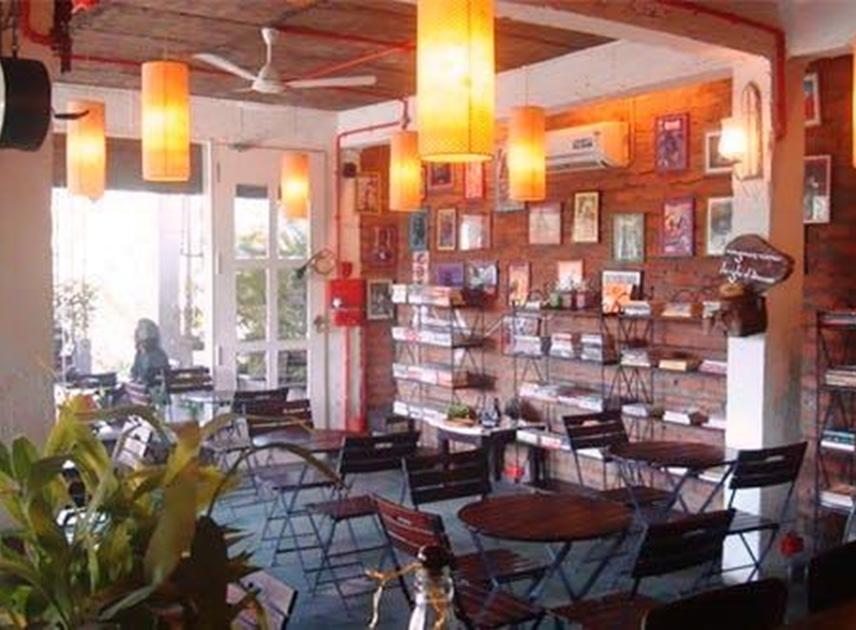
Forget the beach parties for attention. Located in a lush, redtiled Indo-Portuguese villa in Calangute, Literati is where the Slow Goa movement truly lives. Browse through sun-drenched rooms filled with second-hand treasures, then take your find out to the garden. It feels more like visiting a well-read friend’s home than a retail store.
Keep an eye out for first-edition Goan history books or rare out-ofprint paperbacks often tucked in the second-hand corners.
Perched in the heart of the Himalayas, Rachna Books is a pilgrimage site for bibliophiles. It’s a family-run space that has won “Bookstore of the Year” awards for its curated collection and cultural impact. This is a community hub. You will often find live music or poetry readings happening between the aisles. If you are lucky, you can stay at the Bookman’s BnB, right above the shop.
This is the place to buy books on Himalayan Flora, Fauna, and NorthEast Industry history that you won’t find anywhere else in India.
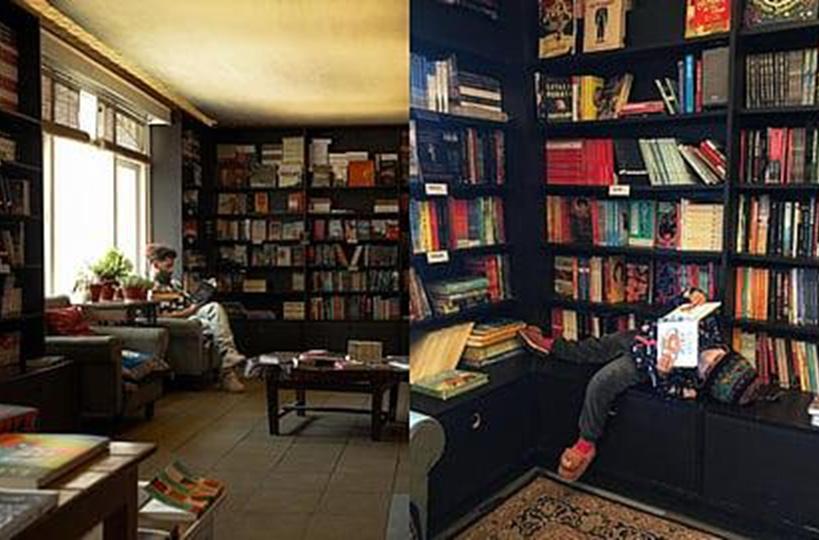

Located on Nehru Park Island on the Dal Lake, this is arguably the most unique bookstore in the world. It even holds a Limca Book of Records title as the only library bookstore on an island in India. You have to take a shikara ride to get here. Once inside, you are surrounded by over 80,000 books, with a 360-degree view of the lake and the Shankaracharya hill.
Buy a copy of Kashmiri folk tales or books on the architectural history of the valley.
2. Literati Bookshop and Café, Goa
4. Gulshan Books, Srinagar
3. Rachna Books, Gangtok
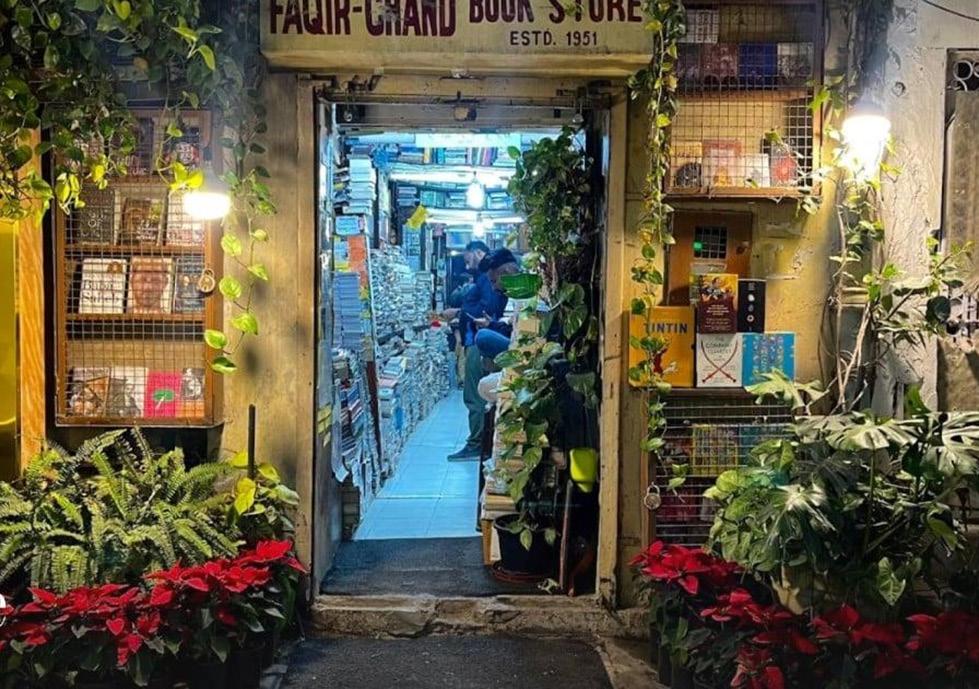
Established in 1951, this small but popular bookstore has witnessed the evolution of Delhi. While Khan Market has transformed into a high-end luxury hub, Faquir Chand remains stubbornly, beautifully unchanged. It is a labyrinth of floor-to-ceiling shelves where books are stacked with a precision that only the owners understand. It’s a narrow, crowded, and smells of old binding glue and ink. There is no browsing in the modern sense. You navigate the stacks and often find the owners, the Mammen family, personally guiding you to a hidden gem. It is a rite of passage for every writer and reader visiting the capital.
This is the place to buy hardcover memoirs and political biographies. They often have signed copies of books by Indian authors who frequently visit the shop.

As India’s oldest surviving bookstore, founded in 1844, the flagship store of Anna Salai is a masterclass in Palladian architecture. The white-and-blue façade and stained-glass windows make it an architectural marvel.
Walk through the massive arched doorways and explore the winding staircase. It’s quiet, grand, and smells of history. Look for vintage maps of Madras, beautiful hardbound classics that look like they belong in a museum.

6. Higginbothams, Chennai
5. Faqir Chand & Songs, Delhi


HOW TO KEEP YOUR HOME COOL WITHOUT INCREASING AC BILLS
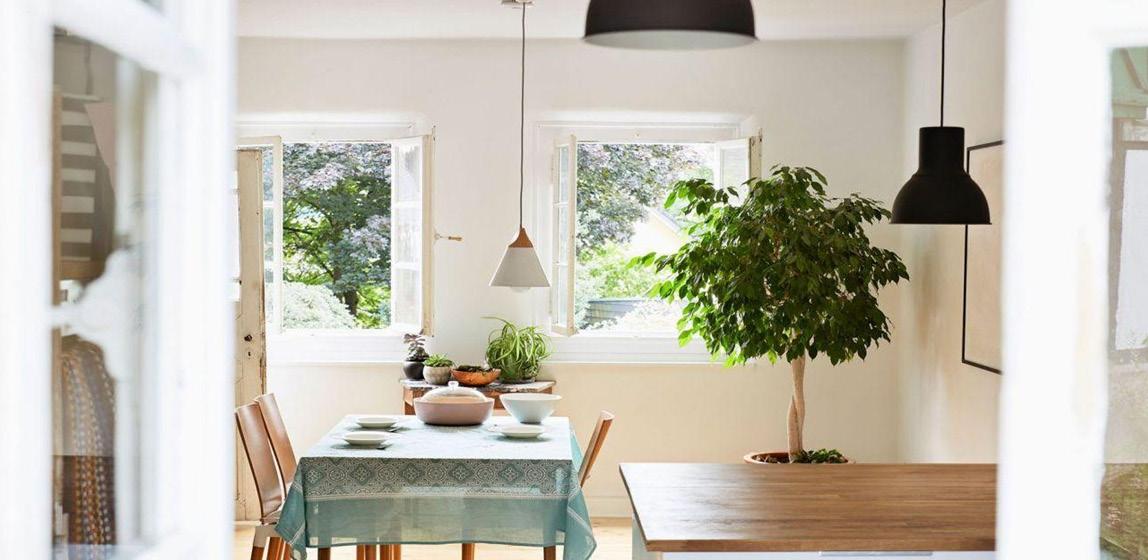
The good news is, you can! With a few strategic changes and smart habits, it’s possible to reduce heat indoors while keeping AC usage efficient and affordable. Dhanush Kumar brings you a practical, lifestyle-friendly guide to staying cool without overloading your electricity bill.
Block the heat before it enters
The easiest way to cool your home is to stop the heat at the source. Close curtains and blinds during peak sun hours. Sunlight streaming through windows can significantly raise indoor temperatures. Use thick curtains, blackout drapes, or reflective blinds during afternoon hours. Lightcoloured curtains work best as they reflect heat instead of absorbing it.
Additionally, using window films, which are heatreflective and affordable, can reduce solar heat gain without darkening your home too much.


Switch to Energy-Efficient Lighting
Traditional incandescent bulbs generate heat. Switching to LED lights not only lowers electricity consumption but also keeps rooms cooler.
LED bulbs consume less energy and emit minimal heat, a small change that makes a noticeable difference during peak summer.
TIPS
Let Air Circulate Naturally
Good airflow reduces dependence on air conditioning.
Cross Ventilation is Key
Open windows early morning and late evening when temperatures are lower. Allow fresh air to circulate naturally.
Use Ceiling Fans Smartly
Ceiling fans don’t cool the air; they circulate it. But that circulation helps sweat evaporate faster, making you feel cooler.
Pro tip: Set ceiling fans to rotate counter clockwise in summer for a cooling effect.
Seal Gaps and Insulate Properly
Cool air escaping means your AC works harder. Close gaps around doors, windows & AC vents. Use draft stoppers to prevent air leaks. Proper insulation keeps cool air inside longer, reducing AC runtime.
Avoid Heat-Generating activities during the day
Small lifestyle changes matter.
• Cook during early mornings or late evenings
• Avoid using ovens in peak afternoon heat
• Air-dry clothes instead of using dryers
• Unplug unused electronics
Even TVs, chargers, and laptops generate heat when running continuously.

Add Indoor Plants for natural cooling
Plants reduce moisture in the air through transpiration, subtly cooling indoor spaces.
Low maintenance options include:
• Areca Palm
• Snake Plant
• Aloe Vera
They enhance air quality and add aesthetic appeal, a win-win for lifestyle and comfort.

Use Light, Breathable Fabrics at Home
Swap heavy upholstery, rugs, and bedding for lightweight cotton or linen during the summer months. Dark and thick materials trap heat, while lighter fabrics keep interiors feeling airy and fresh.
Create a Night Cooling Routine
Before sleeping:
• Ventilate rooms if the outdoor air is cooler
• Turn off unnecessary lights
• Run fans alongside AC for better circulation
Using a fan with AC allows you to increase the thermostat temperature slightly while maintaining comfort.
Smart Cooling is Smart Living
Cooling your home isn’t about blasting the AC all day; it’s about working with your space intelligently. From blocking sunlight to improving airflow, these small changes collectively reduce heat build-up and energy strain. Energy efficiency is no longer just about saving money. It’s about sustainable living, mindful consumption, and creating comfort without excess.
A comfortable summer doesn’t have to mean shocking electricity bills. By combining smart habits, simple home upgrades, and mindful usage, you can maintain a refreshing indoor environment without overworking your AC.
After all, true lifestyle luxury isn’t about using more, it’s about using wisely. This summer, keep your cool and your budget intact.


Keep Them Hydrated
Always ensure access to fresh, clean water. You can add ice cubes or offer pet-safe hydrating treats.
Avoid Peak Heat Walks
Walk your pets early in the morning or late in the evening to prevent heat exhaustion.
Check Ground Temperature
Before walks, touch the pavement; if it’s too hot for your hand, it’s too hot for their paws.
Create a Cool Resting Space
Keep pets indoors during the day with fans, AC, or shaded areas.
KEEPING PETS SAFE & HAPPY THIS SUMMER:
Expert Tips Every Pet Parent Should Know
From hydration hacks to adjusted routines, summer care is all about small, thoughtful changes that make a big difference. We spoke to pet parents to understand how they’re keeping their pets safe, comfortable, and happy during the hottest months of the year.
Offer Cooling Foods
Give safe fruits like watermelon or vet-approved cooling treats in moderation.
Maintain Grooming

Regular brushing helps manage heat, but avoid over-shaving unless recommended.
Watch for Heatstroke Signs
Look for excessive panting, drooling, or low energy and act quickly if noticed.

PET PARENTS ON KEEPING THEIR FURRY FRIENDS COOL
Tanya Saini — Student & Content Creator
City: New Delhi
Pets: Ella (Golden Retriever, 3 years) & Asto (Indie, 10 years)
Summer Care
“During summers, I make sure Ella and Asto stay hydrated with fresh water and cooling treats like fruitbased popsicles and bone broth from GoofyTails. I avoid peak-heat walks, always check the ground temperature before stepping out to protect their paws, keep them indoors during the day, and pay close attention to small signs like low energy and never over-exercise them. I also ensure they have a cool resting space at all times, with constant access to fresh water.

Annapoorna Kumaar, Telepathic Animal Communicator and Aura Scope Reader
City: Ahmedabad, Gujarat
Pets: Olivia, Daria, Pixie & Misty
Summer Care
“In summer, I become a lot more mindful of them, constantly refreshing their water, adding hydrating fruits like watermelon and coconut water, and shifting walks away from the harsh heat. I also tune in telepathically to understand what they need, so they feel comfortable, happy, and at ease, even indoors.”


Suvidha Gusain — Social Escalation Specialist at Zomato
City: Gurugram
Pets: Muffin (Maltipoo, 3 months)
Summer Care
“Muffin is currently in his early growth stage, so his vaccinations and medications are still ongoing. Because of this, I make sure he stays well-hydrated and follows a balanced routine. I divide his meals into small portions every 4 hours, sometimes adding safe fruits as treats to keep things healthy and interesting for him.
He absolutely loves being around people. Our days are filled with cuddles, playtime, and his little moments of mischief. Along with his regular diet, I ensure he gets his immunity boosters and essential nutrients to support his growth and overall well-being.
For me, taking care of Muffin isn’t just about routines; it’s about building a bond, understanding his needs, and growing together every single day.”
Rakesh Nawani — Content Creator & Business Owner
City: Delhi
Pets: Lucky (Labrador)
Summer Care
“Making summer feel easy for my dog: fresh water all the time, morning play, and light meals mixed with cooling treats like curd or a little buttermilk.”



BOOKS EVERY ENTREPRENEUR SHOULD READ
Every successful entrepreneur shares one habit: they read constantly. Books allow founders to learn from decades of experience, failures, and breakthroughs in just a few hours. From Silicon Valley strategies to inspiring Indian startup stories, these titles have shaped how modern entrepreneurs think and build companies. Hashtag Magazines shortlists a few top recommendations...
Global Bestsellers Every Founder Should Know
THE LEAN STARTUP
by Eric Ries
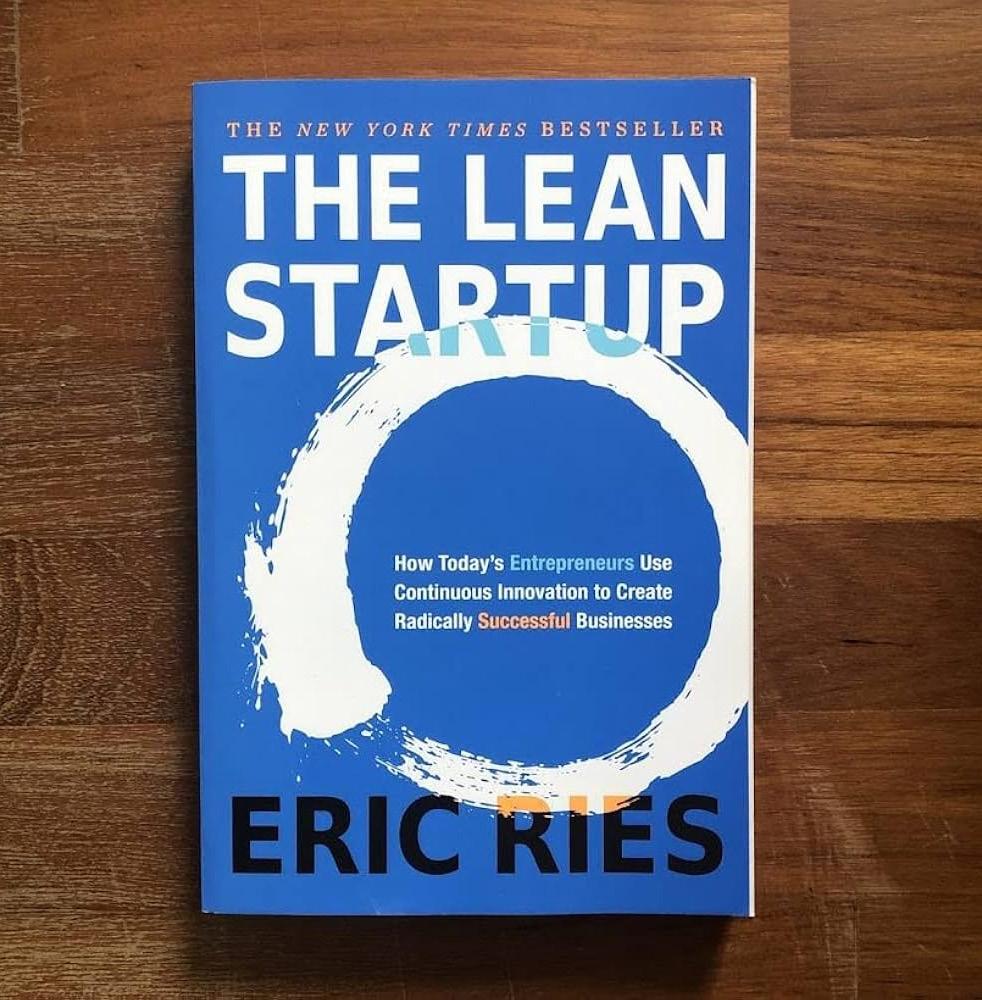
This book introduces the famous “Build–Measure–Learn” cycle used by startups worldwide. Instead of building a perfect product first, entrepreneurs create a Minimum Viable Product (MVP), test it quickly, and improve based on feedback.
How to read it: Treat it like a playbook, pause after each chapter and think about how to test your own idea.
ZERO TO ONE
by Peter Thiel & Blake Masters

A powerful guide on building truly innovative businesses instead of copying existing ones. Thiel explains why successful startups create unique markets rather than competing in crowded ones.
How to read it: Focus on the concepts about monopolies, innovation, and long-term thinking.
THE HARD THING ABOUT HARD THINGS
by Ben Horowitz

Unlike typical motivational books, this one talks about the real struggles of running a company, including layoffs, crises, and tough leadership decisions.
How to read it: Read it as a leadership manual for difficult situations in business.
RICH DAD POOR DAD
by Robert Kiyosaki

A classic that changed how millions think about money. It explains why building assets and financial intelligence is essential for entrepreneurs.
How to read it: Focus on the lessons about assets vs. liabilities and financial mindset.
Inspiring Indian Bestseller Books for Entrepreneurs
STAY HUNGRY STAY FOOLISH
by Rashmi Bansal
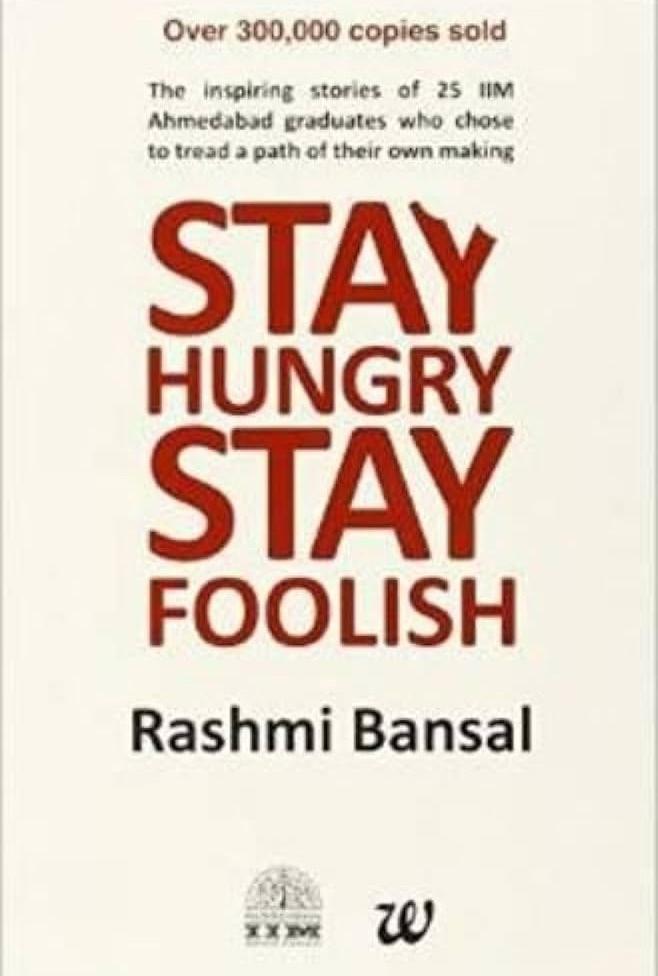
One of India’s most influential entrepreneurship books, telling the stories of 25 graduates from IIM Ahmedabad who left high-paying jobs to start businesses. The book sold hundreds of thousands of copies and became a landmark in Indian business writing.
How to read it: Read each story as a case study of risktaking and resilience.
HOW I BRAVED ANU AUNTY AND CO‑FOUNDED A MILLION DOLLAR COMPANY
by Varun Agarwal

A relatable story of a young Indian founder who built the company Alma Mater despite social pressure to choose a traditional career.
How to read it: Perfect for young entrepreneurs, read it for motivation and courage to pursue unconventional paths.
HOW I QUIT GOOGLE TO SELL SAMOSAS
by Munaf Kapadia

A fascinating journey of leaving a corporate job at Google to build a food startup called The Bohri Kitchen.
How to read it: Focus on the startup journey and brandbuilding lessons.
DEFYING THE ODDS: THE RISE OF DALIT ENTREPRENEURS
by Devesh Kapur, D. Shyam Babu & Chandra Bhan Prasad
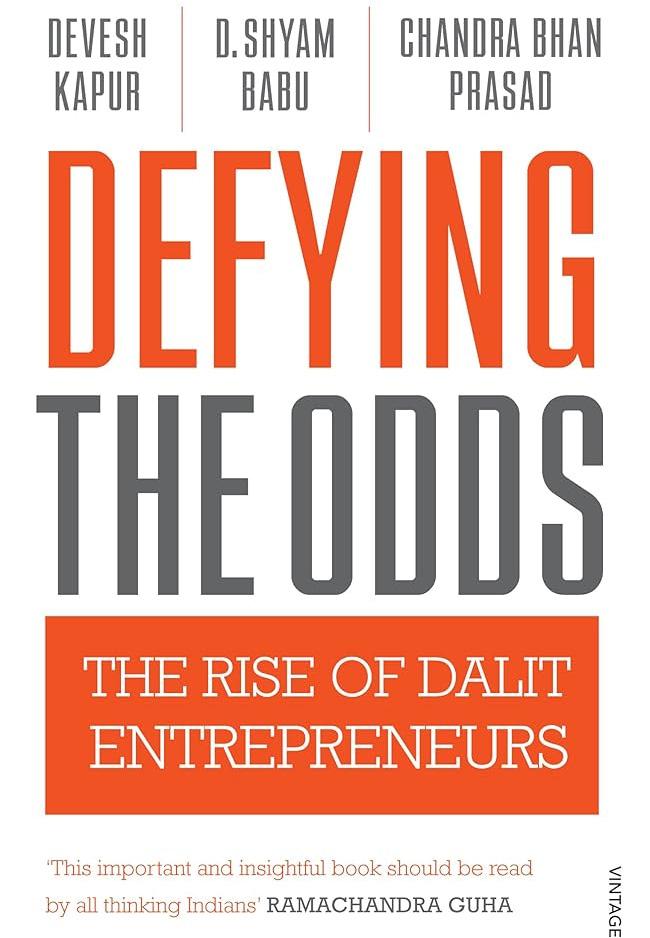
This book documents 21 entrepreneurs from marginalised communities who built successful businesses despite social barriers.
How to read it: Read it for perspective on perseverance and social entrepreneurship.