Kainayssini
The Creator put on this earth all peoples with a unique culture and language to occupy a specific territory of land to fulfill His purpose for creation.
Thus We, the members of Kainaiwa, a member of the Blackfoot Confederacy; speak the Blackfoot language; among other things, hold Ninastako and Mookowanssini as sacred monuments; which among other beliefs include the Sundance; socially and tribally organized into extended families, clans and tribes; govern ourselves according to customs given to our people by the Creator; presently occupying the Blood Indian Reserve lying between the Belly and St. Mary's rivers; To maintain ourselves under the guidance of our Creator; To
initiate a sense of responsibility to our people and nation; To continue to seek better means of survival; To provide for an orderly and accepted way of carrying on our culture; To allow for freedom of expression and diversity; and in general, to promote the rights, powers and welfare of our Nation; under the powers we hold as a sovereign people, do ordain and establish the "Tribal System."

Quality

Blood
Health
Human
Communications
Facility
Nurse
Home
Continuing
Community
Bringing
Lethbridge
Auditors
MESSAGE FROM THE CEO AND BOARD CHAIR
This Annual Report highlights our ongoing commitment to delivering high-quality, culturally informed care that is grounded in the values of our people. With a strong focus on improving community health outcomes, we remain guided by our mission to provide holistic, accessible, and culturally competent healthcare services for all Blood Tribe members. We recognize that the strength of our healthcare system is built not only on services, but also on meaningful relationships. This year, those relationships launched two major capital projects into development.
Through partnerships with the Government of Alberta, the City of Lethbridge, and the Lethbridge Housing Authority, construction began on the Lethbridge Wellness Shelter and Stabilization Unit Expansion. This project will increase our capacity by 200 emergency shelter beds, strengthening our support for those facing homelessness and addiction in the city of Lethbridge.
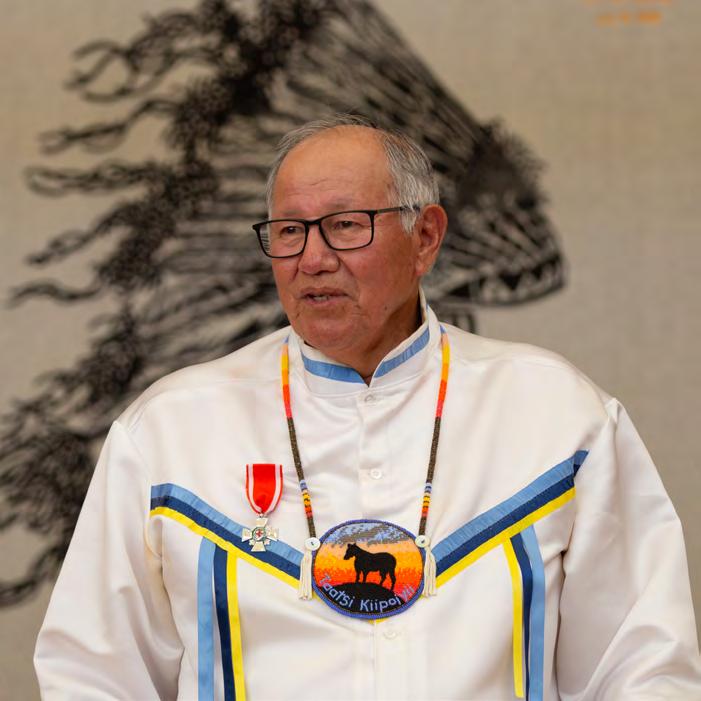
Alongside this, the Blood Tribe Recovery Community is taking shape as a 75-bed facility that will expand our capacity as an organization to offer recovery services from detox to post-treatment. We anticipate this facility will be operational by spring 2026 and it will play a vital role in long-term healing for our members and others in need. Our team worked closely with our partners to advance plans for the Continuing Care expansion, which will include additional beds for our beloved elders. It will also offer supportive living, palliative and end-of-life care, as well as services for those living with dementia.
We extend our appreciation to the outgoing Blood Tribe Chief & Council representatives: Martin Heavy Head, Maria Russell, and Piinaakoyim Tailfeathers. Your service and advocacy have made a lasting impact on the health and well-being of Blood Tribe members.
Finally, we want to acknowledge the dedicated team that forms the foundation of the Blood Tribe Department of Health. Our frontline staff, directors, technicians, and board members have created an environment where excellence, compassion, and cultural strength thrive. It is because of you that we continue to lead First Nations health and wellness services with pride and purpose. Together, with clear direction and shared commitment, we will continue building a stronger and healthier Blood Tribe.
Sincerely,
Paahtsi’kayiiksao’kaasimm Derrick Fox Chief Executive Officer Blood Tribe Department of Health
Taatsiikiipoyii
Charles Weaselhead Acting Chair, Blood Tribe Department of Health Board of Directors
About the Blood Tribe Department of HealtH

Vision:
Blood Tribe members to be living in a holistic lifestyle in healthy communities.
Mission:
To improve, promote and deliver accredited health services on the Blood Reserve and support Chief and Council in ensuring the protection of treaty health rights.
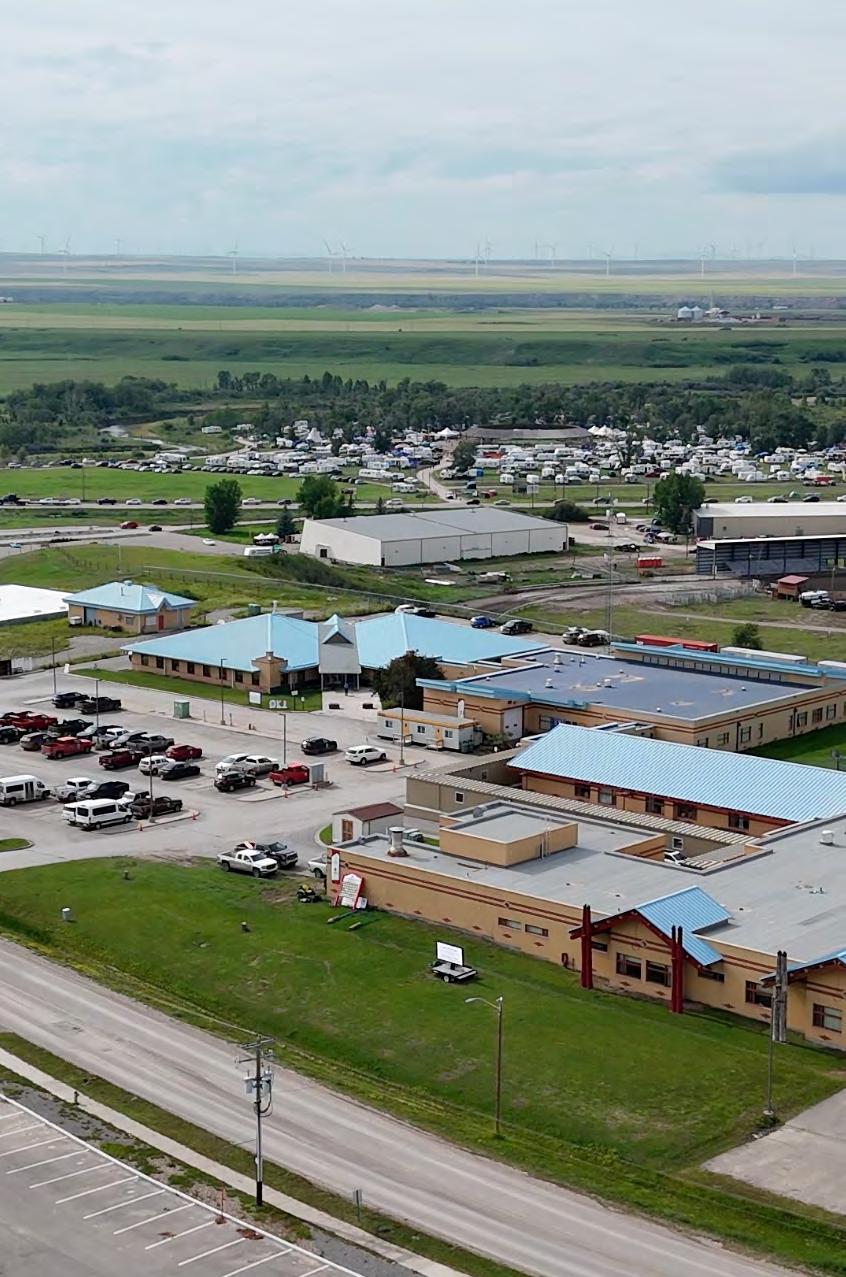
Since 1984, Blood Tribe Department of Health (BTDH) has provided comprehensive health and wellness programs and services for the Blood Tribe. BTDH employs approximately 500 employees both full time and part time. Currently the programs offered to the Blood Tribe Community include:
• Health Administration
• Facility Operations
• Emergency Services
• Community Health
• Wellness
• Client Services
• Bringing the Spirit Home
• Non-Insured Health Benefits
• Lethbridge Wellness Shelter and Stabilization Unit
Rental space is available to clinical programs offered by contracted services providers including Physicians, Dentist, and Pharmacist.
Board of Directors

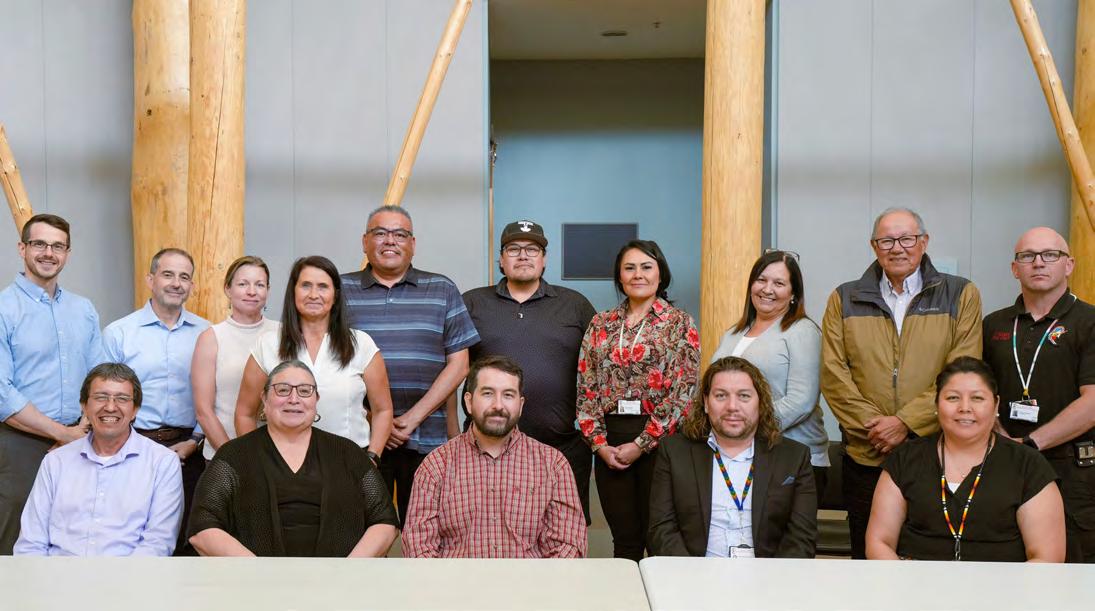
The Board of Directors of the Blood Tribe Department of Health Inc. is responsible for the governance of the Health Department, working in partnership with the Blood Tribe Chief & Council.
2024 – 2025 BOARD OF DIRECTORS
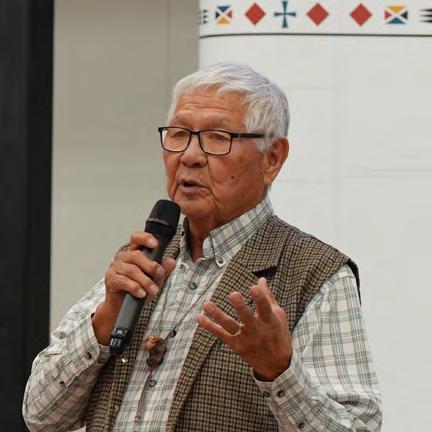
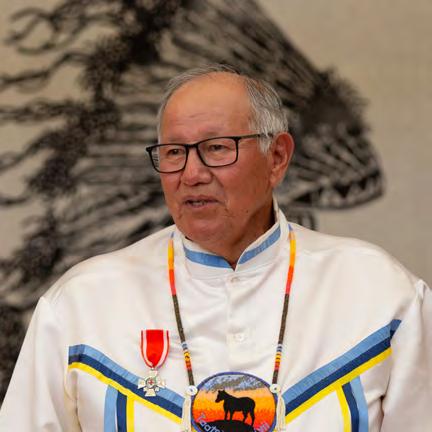
Martin Heavy Head Chairperson

Crystal Day Chief Board Member
Charles Weaselhead Vice Chairperson
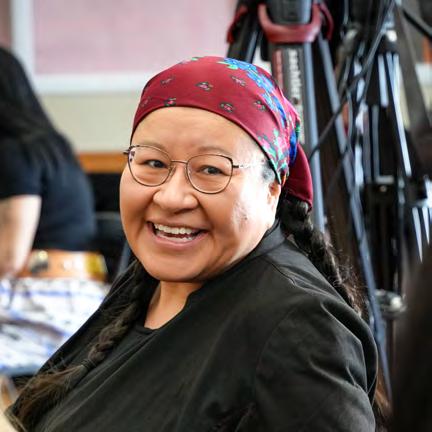
Shannon Wells Board Member
The offices of the Corporation (Board of Directors) are Chairperson, Vice Chairperson, and Secretary Treasurer, appointed by Ordinary Resolution of the Board.
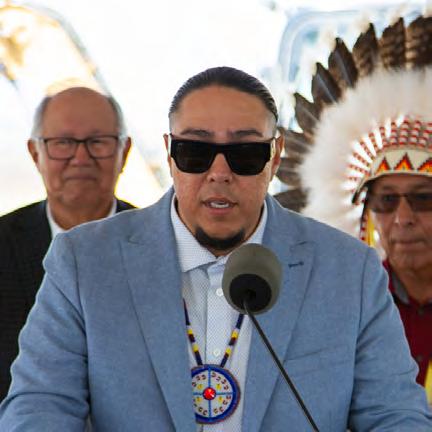
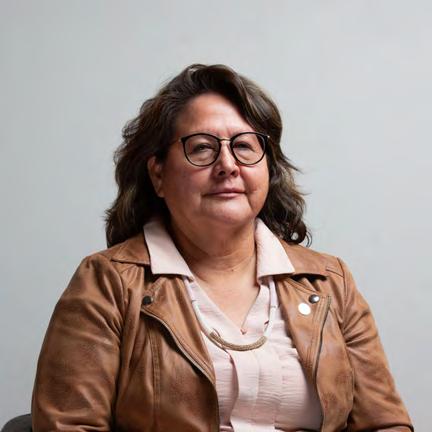
Piinaakoyim Tailfeathers Secretary Treasurer
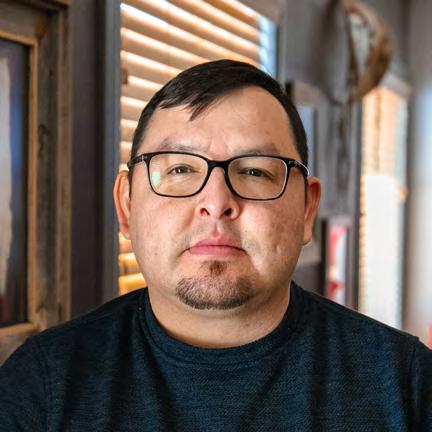
John Little Bear Board Member *
There was a Blood Tribe Chief and Council Election in November 2024 and John Little Bear was elected and appointed to the BTDH Board as a Class “B” Director in January 2025.

Maria Russell Board Member
Ponokaiksiksinam Taatsiikiipoyii Piinaakoyim Iitoominnimaakii
Tsuaakii Akok Piitah’komii
Quality Improvement and Accreditation
Since 2002, the Blood Tribe Department of Health (BTDH) has been an Accredited Health Facility under the Accreditation Canada Qmentum program. Accreditation represents BTDH's commitment to accountability, continuous improvement, and the delivery of safe, high-quality healthcare and social services for the community.
At the heart of this success is our Integrated Quality Management Framework (IQMF). Each team operates with clear terms of reference, ensuring accountability and alignment with organizational goals.


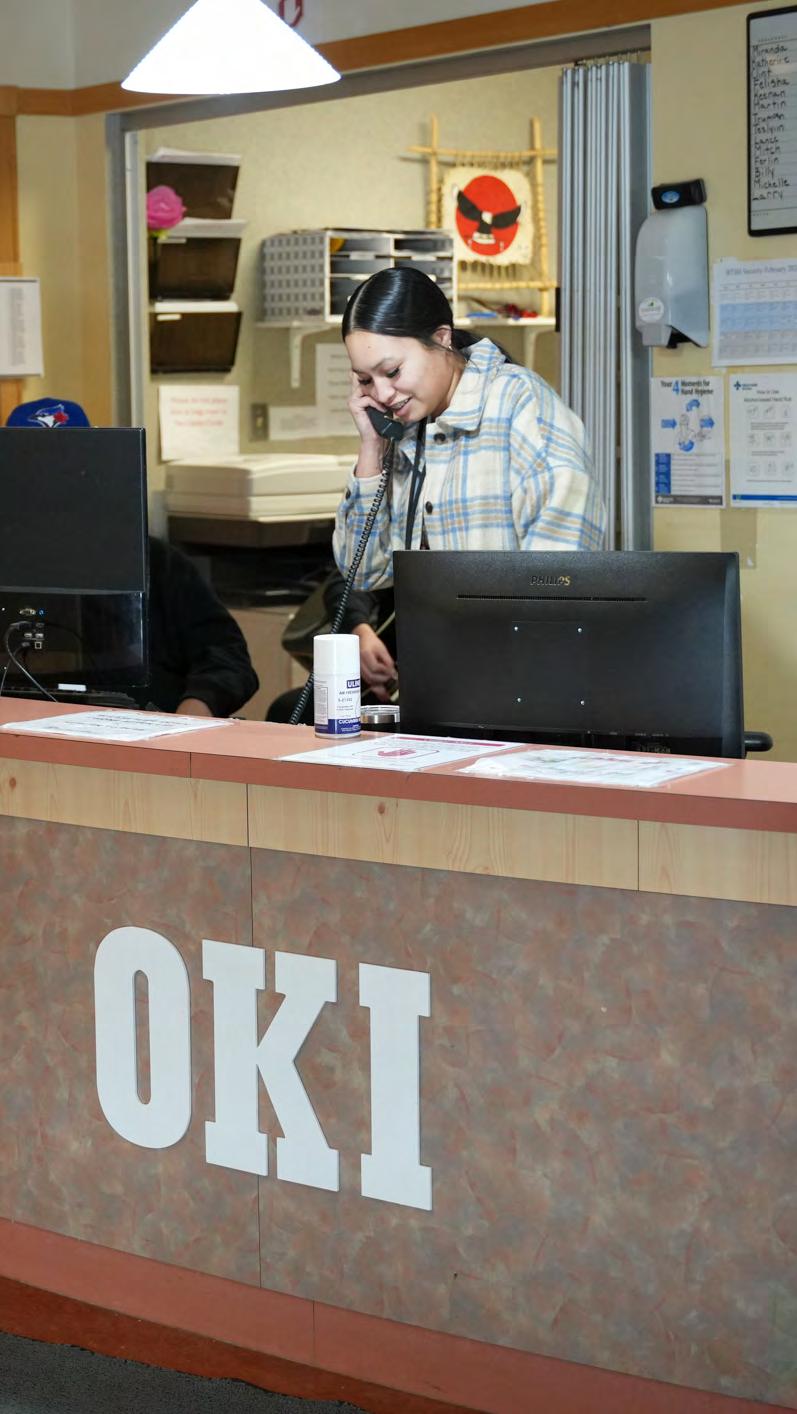
The focus of the Quality Improvement Committees is to:
• Continuously enhance the quality of care by meeting and exceeding client needs.
• Promote patient safety and organizational accountability.
• Foster collaboration across disciplines and departments.
• Support the sustainability of accreditation standards between survey cycles.
Our Accreditation with Commendation status demonstrates that quality is central to who we are as an organization, guiding service excellence in both day-to-day practices and long-term planning for the Blood Tribe community.
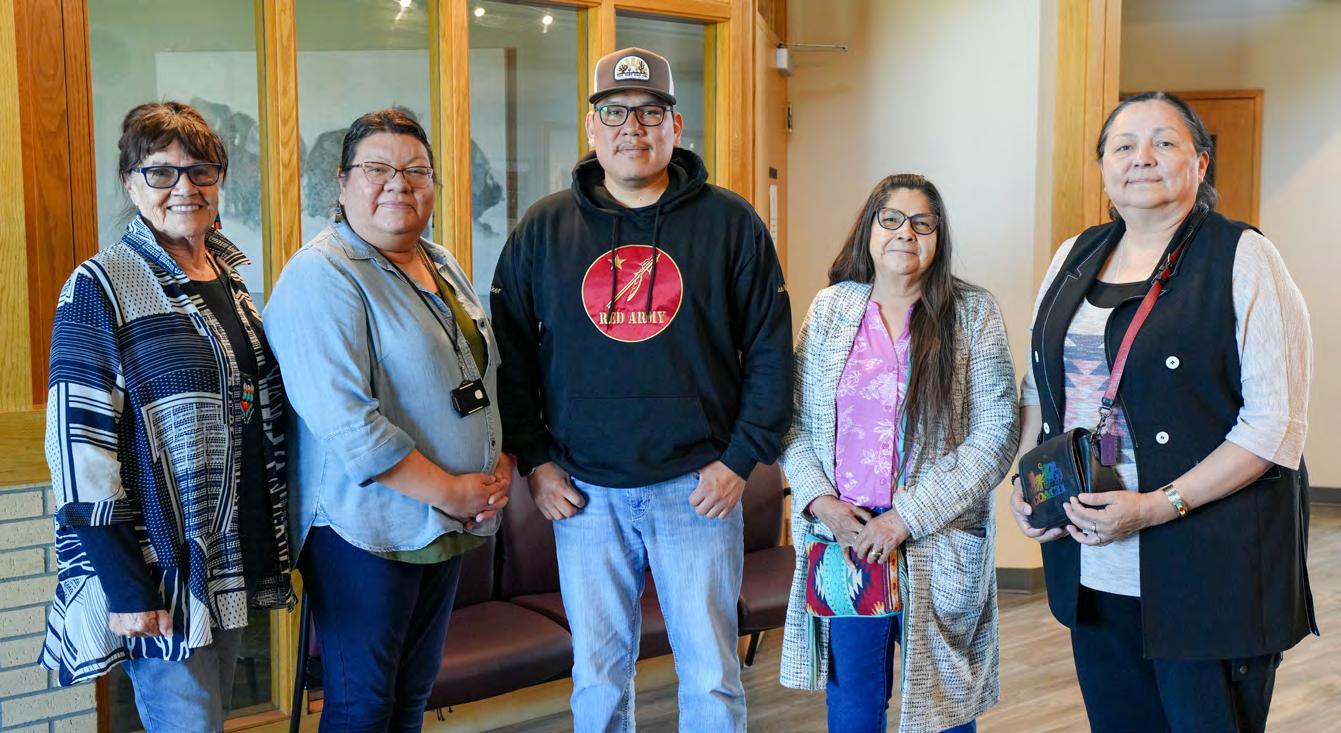
Why Health Matters
Guided by Kainayssini Traditional Values, the Blood Tribe Department of Health continues to shape the direction of health and wellness services, ensuring that the provision of our Treaty Right to Health remains central in the work we do for Kainaiwa.
The implied and verbal commitments within Treaty 7 included promises of non-interference with an existing way of life, provision of free medicine and medical care, and protection against pestilence, famine, sickness, and disease-alongside the broader promise to care for Indigenous peoples. In this spirit, we continue to build partnerships, advocate for our members, and develop strategies that ensure our relationships with governments and health providers reflect these treaty obligations.
According to the Indigenous Primary Health Care Advisory Panel's Honouring Our Roots Final Report (2023):
• For the first time in two decades, First Nations' life expectancy has dropped-from 70.3 years in 2019 to 63.2 years in 2021-leaving an 18.2year gap between First Nations and non-First Nations populations.
• Systemic racism, historical trauma, and jurisdictional ambiguity have created a patchwork health system that is not equitably funded, accessible, or culturally safe. These inequities directly affect the health outcomes of Indigenous peoples in Alberta.
• The 2021 Statistics Canada Census shows Indigenous people represent 6.8% of Alberta's population. While most Indigenous people live in urban areas, 36.2% of First Nations members reside on reserve. Unfortunately, the current federal policy relating to health services for First Nations often excludes funding for off-reserve care.
• The consequences of colonial policies-including residential schools, Indian hospitals, the Sixties Scoop, and ongoing racism in health, justice, education, and social systems-have caused lasting, intergenerational trauma.
• These impacts continue to shape the health and wellbeing of Indigenous families and communities. Because of systemic barriers and previous negative experiences, many Indigenous peoples delay accessing care until illnesses are advanced, often requiring more complex and acute interventions.
Through our ongoing work, we strive to change these realities-grounded in the commitments of Treaty 7, the strength of our people, and the belief that every Kainai member deserves equitable, culturally safe, and respectful health care.
This work matters because Kainaiwa matter.
Organizational Highlight

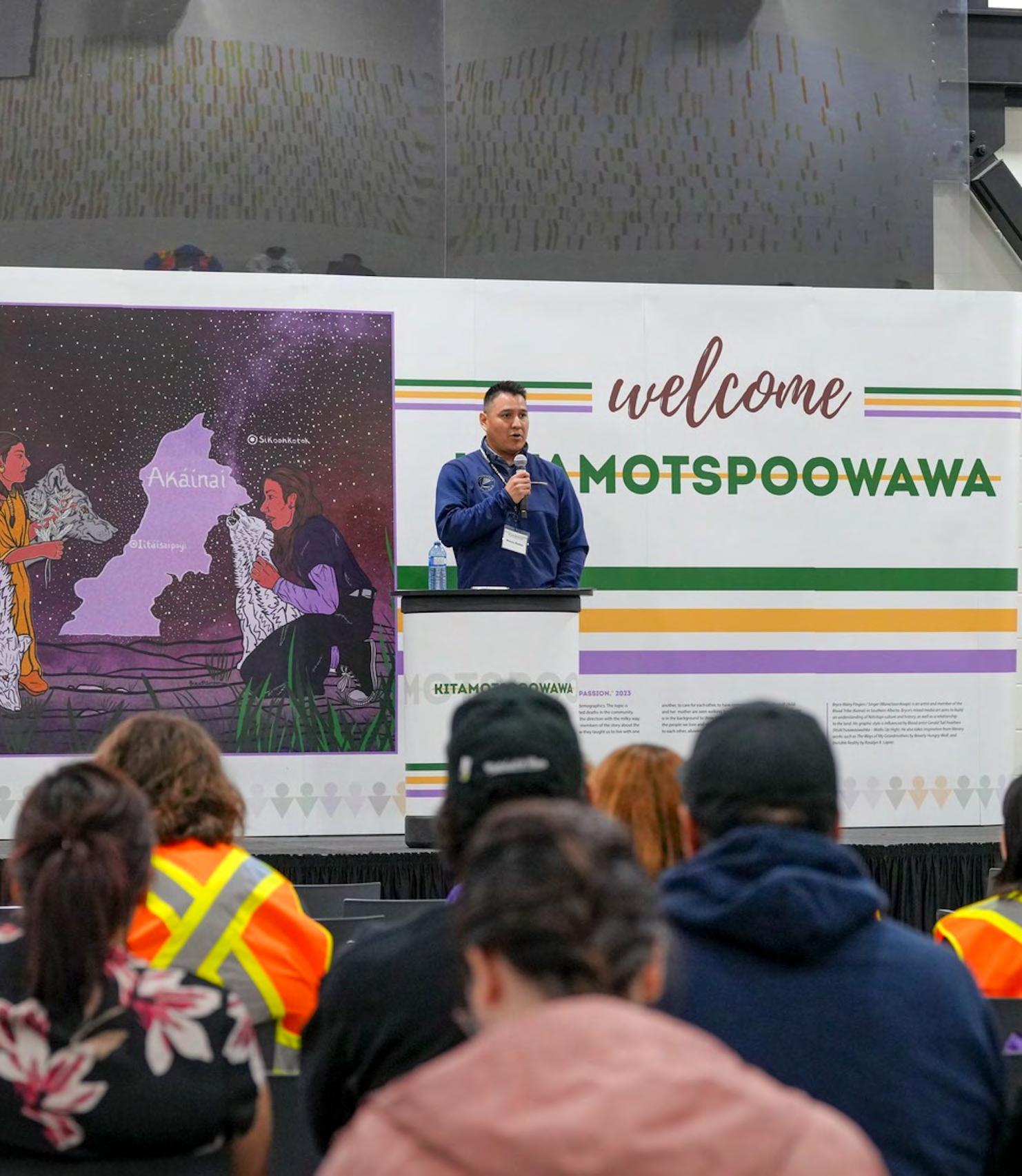
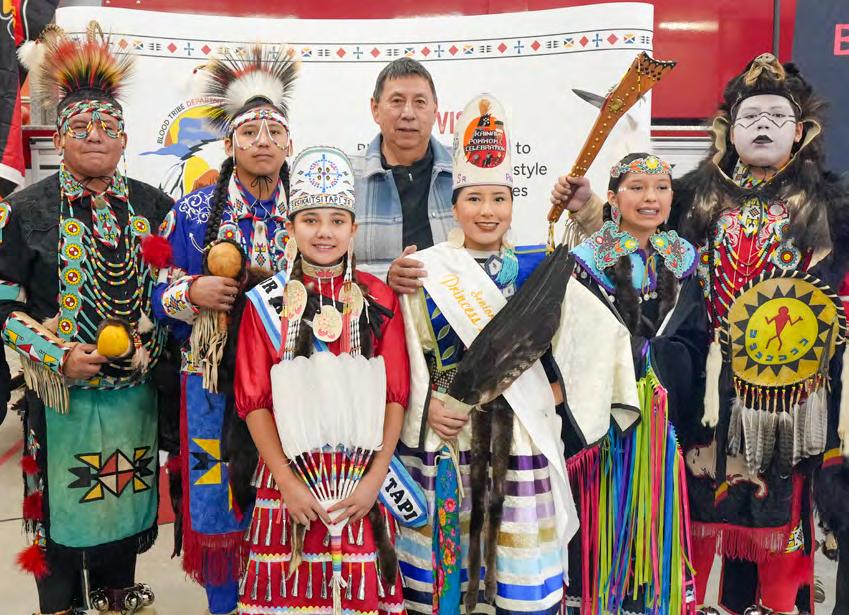
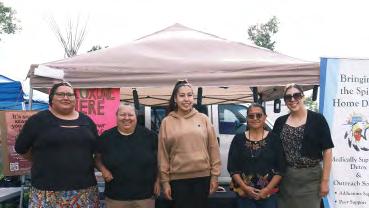
The Health Fair was a collaboration with Blood Tribe Entities and Departments to provide an opportunity for all community members to come together to learn, share, and celebrate the strengths of various health-related professionals, programs, services and partners.
Celebrating and honouring community members that have demonstrated their ways of knowing and living by Kainaysinni values was a major focus for the planning committee – especially as our community continues to face the struggles and challenges experienced by the effects of the opioid crisis and of course chronic disease management.
“To the organizers and planning committee, way to set the standards high for the next BT Health Fair. You all did an incredible job in communicating and carrying out this successful and much needed kick-off event.”
Witnessing the strengths our tribe has to offer in terms of health promotion and healing. Loved seeing how BTDH, RCCC and other BTA departments demonstrates carrying out their values towards one another and to the community.”
I really enjoyed the event, it had so much to offer, the presentations informative and there were a lot of community members taking it all in.”
Blood Tribe Health Fair
Health Administration
Health Administration at the Blood Tribe Department of Health (BTDH) provides the leadership, structure, and support necessary to deliver effective, highquality healthcare services to community members. This division oversees both clinical and administrative functions, ensuring programs are responsive, sustainable, and aligned with the organization’s mission, values, and strategic goals.
Chief Executive Officer (CEO)
Derrick Fox
The Chief Executive Officer provides overall leadership and direction for the Blood Tribe Department of Health. The CEO is responsible for advancing the vision, mission, and strategic priorities of the organization, while ensuring accountability to the Board of Directors and community members. The CEO guides long- and short-term planning, overseeing organizational performance, building partnerships, and advocating for the health needs of the Blood Tribe at regional, provincial, and national levels.
Chief Operating Officer (COO)
Kash Shade
The COO provides day-to-day leadership and management of the organization’s clinical and administrative operations, as directed by the CEO. By working closely with program leads, the COO ensures community members have access to quality healthcare services. In addition to overseeing operations, the COO supports program development, expansion, and innovation. The COO plays a key role in implementing BTDH’s strategic plans and special projects in collaboration with the CEO and Board of Directors.
Office Manager
Shannon Day Chief
The Office Manager ensures that organizational leadership is supported through efficient, timely, and effective administrative services. This role provides direct support to the CEO, COO, and Board of Directors, while also overseeing the delivery of quality initiatives through the Integrated Quality Management Framework.
Finance Director
Crystal Mountain Horse
The Finance department is responsible for managing the financial health of BTDH. They oversee budgeting, financial planning, and resource allocation to ensure funds are used efficiently and effectively across programs. The team ensures compliance with financial regulations, reporting requirements, and supports the long-term financial sustainability of BTDH operations.
Organizational Highlights:
• In partnership with the Government of Alberta, the City of Lethbridge, and the Lethbridge Housing Authority, construction is underway on the Lethbridge Wellness Shelter and Stabilization Unit Expansion. This project will add 200 emergency shelter beds, strengthening services for those experiencing homelessness and addiction in Lethbridge.
• The Blood Tribe Recovery Community, a 75-bed facility now under development, will provide care from detox through post-treatment. Anticipated to open in spring 2026, this facility will be a cornerstone for long-term healing and recovery for our members and others in need.
• The Sokkinakia’pi Community Health Needs Survey is guiding the creation of the Kainai Health Services Plan in 2025. By centering community voices, this survey ensures that future health planning reflects the real experiences and priorities of our people.
• Progress continues on strengthening internal processes and controls, with a focus on enhancing efficiency and accountability. This includes the upcoming ADP system upgrade, which will modernize payroll and HR functions, alongside other planned system integrations to streamline reporting, budgeting, and compliance.



Human Resources

Director: Kara Tail Feathers
The Human Resource department empowers staff by implementing fair and transparent policies that uphold the principles guiding BTDH. HR ensures a safe and healthy work environment while supporting professional development, workforce engagement, and accountability. By maintaining high standards, HR helps employees excel in their roles and contribute to the overall success of the organization.
Human Resources Statistics
Total employees ranged from 462-501.
Total permanent employees ranged from 249-298.

Total casual employees ranged from 121 to 236.
Total employees working in multiple positions within the organization ranged from 19 to 27.
A total of 38 new hires took place throughout the year.
A total of casual hires took place throughout the year.
31
102
199 Individuals were promoted throughout the organization.
Interviews were conducted for permanent positions.
76 Performance appraisals were completed.
14 Student clinical placements were provided within different program areas.
61
Event reports completed. Event reports are tracked to identify and improve workplace safety and ensure compliance with policies and regulations.
Communications
The Communications department manages both internal and external communications. This includes developing public health campaigns, maintaining media relations, and supporting community engagement. By keeping members informed and connected, the department plays a critical role in building trust, transparency, and awareness across the organization and community.

Quality Control

Manager: Janetta Soup
Communications Highlights:
• This year, we launched a new brand and website as part of our commitment to keeping Blood Tribe members and the public wellinformed. The design incorporates medicinal plants, landscapes, and cultural elements to reflect the traditions of Kainaiwa.
• Our communications strategies and health promotion campaigns have strengthened engagement, resulting in greater community participation and increased awareness, both locally and through external media coverage.
The Quality Control Manager leads initiatives to strengthen patient safety, quality improvement, and organizational performance. This role coordinates the development, implementation, and evaluation of quality assurance practices across all programs. By ensuring compliance with standards and maintaining accreditation requirements, the Quality Control Manager helps guarantee that BTDH services meet the highest levels of safety and care.
Quality Control Highlights:
• Hand hygiene continues to be one of the most effective ways to prevent infection and protect the health of our clients, patients, and staff. Through ongoing education and training, BTDH achieved an 88% attendance rate in hand hygiene sessions this year.
• Establishing a Joint Workplace Health and Safety Committee at the Lethbridge Wellness Shelter, encouraging front-line staff to identify and address health and safety concerns in the workplace.
• Collaboration with BTDH programs on the creation of a new Sexually Transmitted Blood Borne Infection (STBBI) Quality Improvement Plan

Facility Operations
Director: Josh Weasel Head
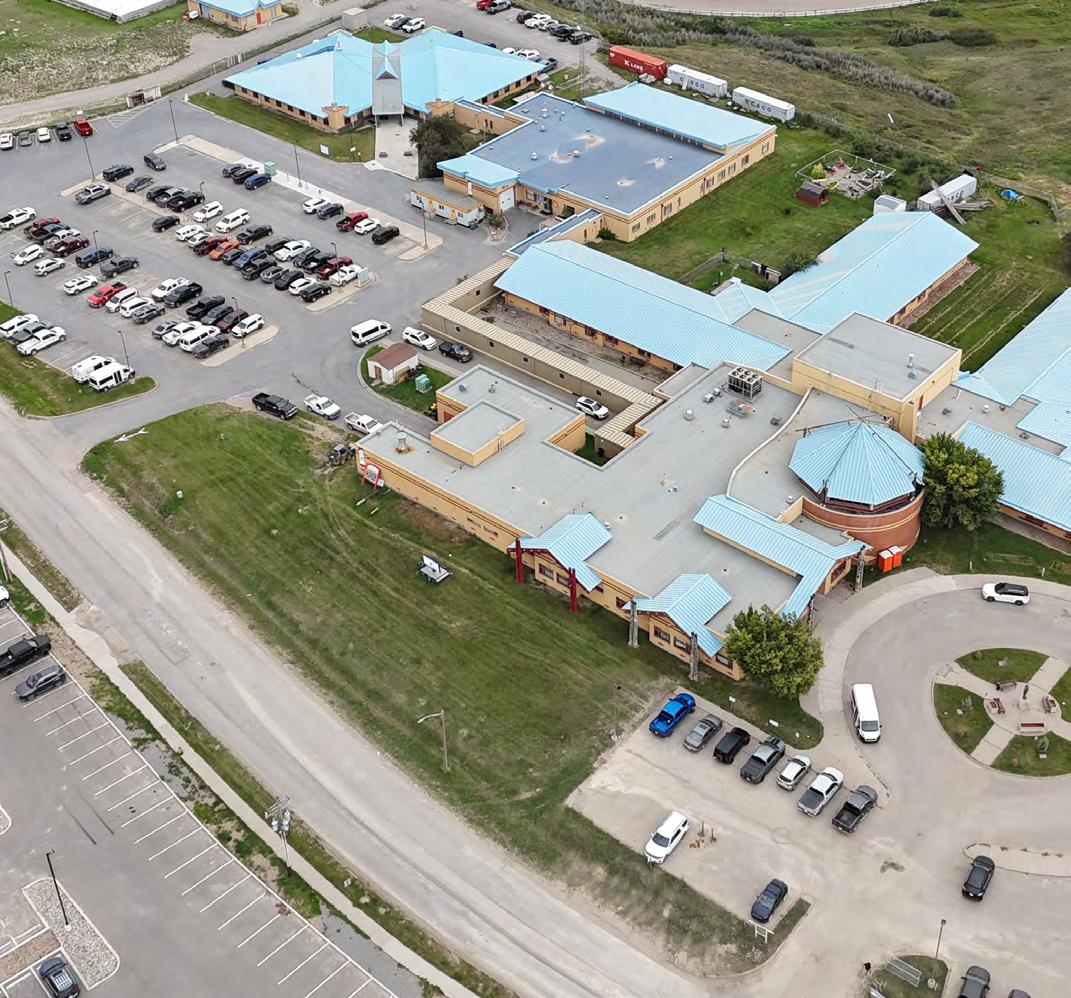
Facility Operations proudly maintains a clean, sustainable, healthy, and safe working environment for our clients, residents and BTDH staff. The department is responsible for building maintenance, materials management and sourcing, janitorial services, electrical, plumbing, HVAC, grounds, key and lock services, and security services.

Facility Operations Statistics: Facility Operations Highlights:
556 Preventative maintenance work ordered completed.
130,062 square ft Of space maintained by the team.
$105,000 Funding to replace windows in Administration, Standoff Clinic, Pharmacy and Dental offices. To improve Standoff Clinic exhaust fans. $25,000 Funding provided for additional parking stalls on west and north Standoff parking lot. $163,000
• As our buildings age and operations grow, we added a Heavy-duty Mechanic to our team, and one of our staff is completing a second-year plumber apprenticeship while working on the construction of the 75-bed Recovery Community.
• KCCC residents’ rooms were all renovated with new flooring and paint.

• New asphalt roof installed at Blood Tribe EMS building.
• BTDH exterior lighting changed throughout all facilities to enhance safety and security.
• Preventative maintenance and roadway repairs completed in parking lots
Nurse Practitioner (NP) Services
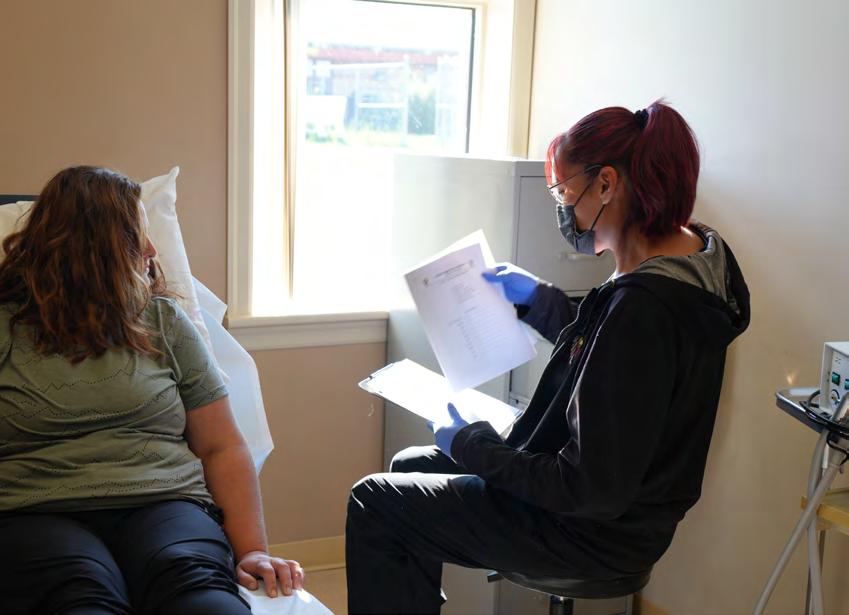
The Nurse Practitioners provide comprehensive healthcare services, including diagnosis, treatment, and the management of medical conditions. Beyond direct patient care, NP Services play a vital role in clinical education and capacity building for staff. This includes mentoring, hands-on training, and knowledge sharing with nurses, healthcare workers, and other providers to strengthen clinical skills and confidence.
Client Services
NP Services Highlights:
• NP Services addressed urgent education needs at the Lethbridge Wellness Shelter and Stabilization Unit, delivering training for stabilization staff in areas such as trauma-informed care, harm reduction, and medical management.
• Partnerships also expanded to meet program needs, including collaboration with the ARCHES Society to provide two days per week of clinical services at the Indigenous Recovery Coach Program house.
• The Foothills Treatment Medical Partnership flourished through strong use of the telehealth program.
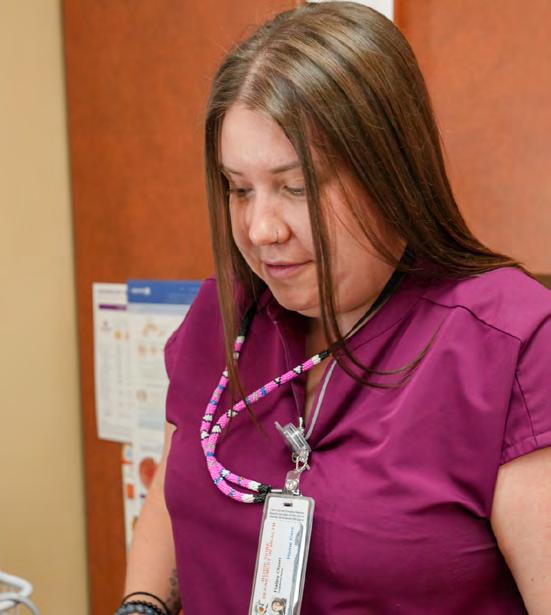
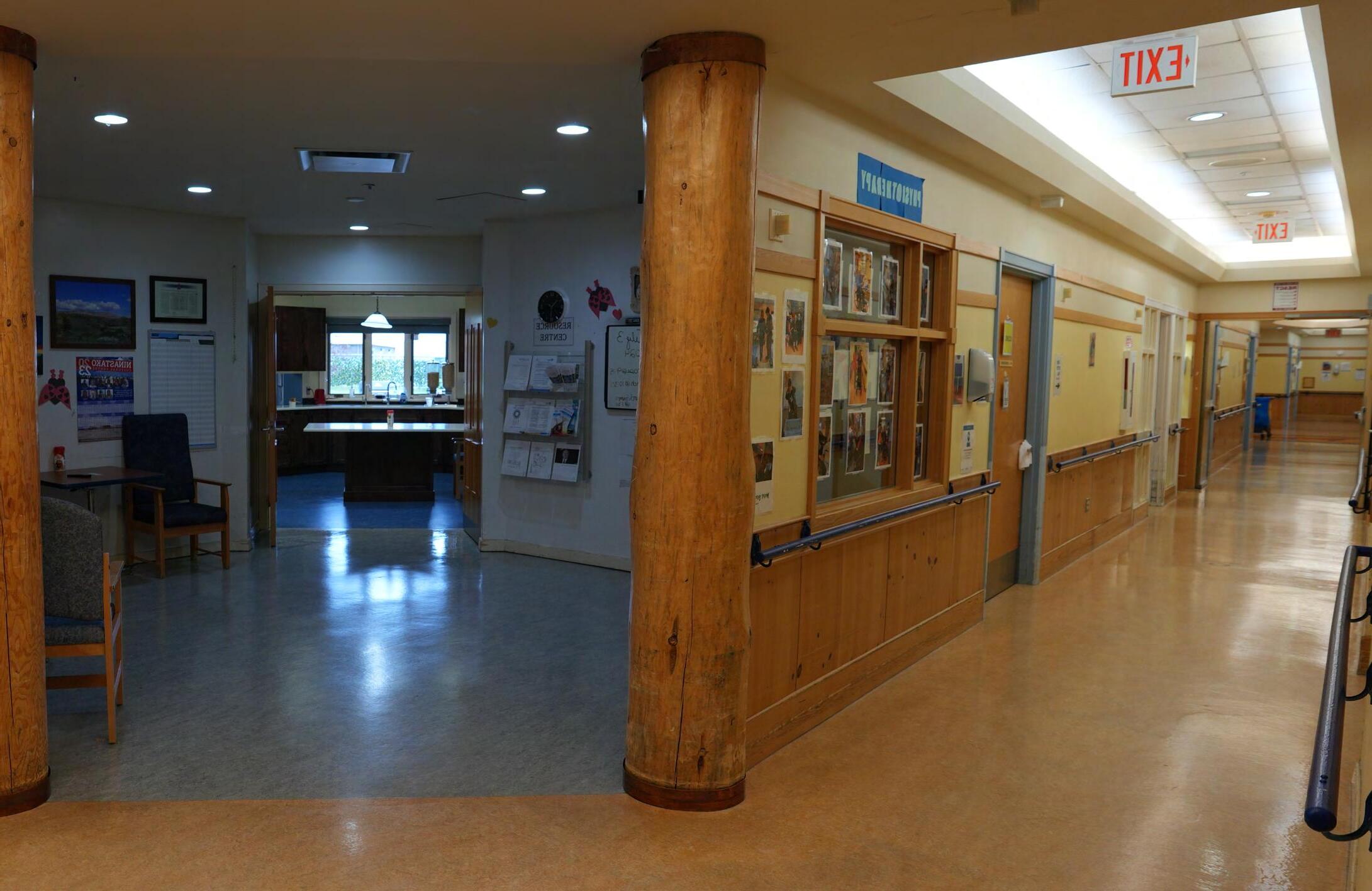
Client Services oversees Home Care services, the Continuing Care Centre and Long Term Care to ensure standard of care is achieved to continually meet and exceed Continuing Care Health Service Standards (CCHSS) and BTDH requirements with Accreditation Canada.
Client Services Highlights:
• The Client Services team expanded its supports with the addition of a Medical Social Worker, enhancing assistance for Home Care clients and Long-Term Care residents with essential applications and advocacy.
• A Clinical Educator was also introduced to provide the training required to uphold Long-Term Care licensing standards.
• Planning for the Continuing Care Centre Expansion is advancing and will add both supportive living and dementia care capacity.
• Client safety and quality of care have further improved through wound care services and training delivered across Home Care, Long-Term Care, and the community.
Suzanne Buchanan, MN, NP, HSM (C)
Director: Sandra Shade, RN, BN

Home Care

The Home Care program offers services to help Blood Tribe Community members with daily living activities and medical needs. This type of care is typically aimed at individuals who require assistance due to age, illness, disability, or recovery from surgery.
Manager: Nicole Long Time Squirrel, RN, BN
Our program includes several key services, each tailored to meet the unique needs of our clients:
Occupational Therapy (OT): OT is a privately contracted service that includes medical equipment repairs, fitting and provision of client medical equipment, ramp applications, admissions, and arranging rental equipment. On average, OT sees 122 Clients per month.
Physiotherapy (PT): PT is contracted service from Alberta Health Services that offers assessments and treatments, including exercises, acupuncture, and assistance with client mobilization. On average, PT sees 25 Clients per month.
Foot Care: The Foot Care program offers clinics twice a week (Tuesdays in Levern and Wednesdays in Standoff) for the Blood Tribe community. Home Care nurses also provide foot care in clients’ homes. Foot Care clinics see an average of 31 Clients per month.
Health Care Aide Program: The Whirlpool program is overseen by the HCA Supervisor, who supervises the HCAs and Medical Drivers. Services include in-home personal care assistance, such as showering or bathing. This service supports an average of 97 clients per month.
Medical Drivers: Home Care has three medical drivers who deliver supplies to clients and provide transportation for clients to the Whirlpool, Foot Care and Wound Care programs. They also ensure the maintenance and upkeep of Home Care vehicles. Medical Drivers perform an average of 69 transportation services per month.
Home Care Highlights
• Home Care transitioned to a new charting system, CARE, in September. This change has reduced paper usage in the program and allows all Home Care statistics to be managed within the same system.
• Home Care was able to procure two vehicles with funding received from First Nations Inuit Health.



• The Home Care Program continues to participate in weekly discharge planning at Cardston hospital to ensure optimal transitions. This allows the team to assist members in addressing their health needs and preparing for their return to the community.
Home Care Statistics
122
101
118
14
Clients were admitted.
Clients were discharged.
Average number of clients receiving services per month.
Continuing care referrals packages were completed, with 10 clients placed in care facilities.
Majority of clients were between 26-45 years old.
Majority of diagnosis on admission were for skin and subcutaneous conditions, followed by frail elderly.
593
9
Clients accessed transportation services from Home Care totaling 1623 pick-ups.
Clients were provided with Palliative Care Services.
94.5%
Average for the Health Care Aide Program on client satisfaction surveys.
92.5% Average for Home Care on client satisfaction surveys.
CONTINUING Care
The Continuing Care Program offers support for individuals of all ages with functional limitations and chronic illnesses.
Manager: Veronica Oka-Wells
Assistance is provided to residents if needed to perform daily routine activities including:
• Bathing and dressing
• Maintaining a healthy diet
• Administering medication
Recreational Therapy
Recreational Therapy is a form of therapy that uses recreational activities to improve the physical, emotional, cognitive, and social well-being of individuals with various health conditions or disabilities. These activities, which can include cultural activities, arts and crafts, games, music, and outdoor activities, are designed to enhance or restore a person’s functional abilities, foster independence, and promote overall quality of life.
Nutrition Services
Nutrition Services continues to provide food service delivery to the Continuing Care Centre residents and the clients of Bringing the Spirit Home (BTSH) in accordance with accommodation standards set out by the Continuing Care Health Services Standards. Threeweek rotational menus meet the nutrition requirements of Canada’s Food Guide and are reviewed and approved by the BTDH dietitian. Traditional meals are offered on the menu once a week.
Continuing Care Highlights
• The Continuing Care Centre received its Home -Type A Transitional Licence for the period of April 1, 2024, through April 30, 2025
• The Recreation Therapist completed five new resident orientations and sixteen assessment updates.
• There were five Resident Council Meetings, which exceeded the annual frequency requirement.




• Traditional programming includes exercise, outings, storytelling, crafts, movies, smudging, BBQs, hot dog roasts, ice cream socials, coffee time, and birthday celebrations.
• No hand games were offered this year due to low interest. Smudging was not offered until the latter part of the year due to the same reason.
• A new sewing program was introduced in March and has been very popular, with the first project—pillowcases— successfully completed. Residents are eager to begin the next sewing project.
• Satisfaction surveys indicate 87% are satisfied or very satisfied with meal service delivery, and 7% are not satisfied. 6% of residents declined the survey due to medical conditions or refusals.
Continuing Care Statistics
Pre-Admission Case Conferences. 5
626
Total recreation programs provided to residents. 329 were cultural events.
98% Resident participation in Recreation Therapy events.
21,663
11,414



LONG TERM Care
The Long Term Care is a 25-bed licensed facility at the centre of our community providing comprehensive health services in a culturally sensitive environment interconnected with all agencies and Alberta Health Services.
Nurse Manager: Renate Goodstriker, RN, BN
Long Term Care Statistics
81% Bed capacity filled for the year. New Admissions. 5 Case Conferences.
5 Expirations/Discharges.
The residents’ ages ranged from 64 to 100+ years old.
Common diagnosis of Long Term Care residents include diabetes, hypertension, dementia, arthritis, depression and asthma.
100% preventative maintenance conducted.
This includes cleaning and disinfecting, logs of equipment, bath-tub temperatures and Ario tub cleaning in the Otter and Horse wing.




Long Term Care Highlights
• A nurse educator has been added to the Long Term Care team to support the ongoing education and ensure compliance with the Continuing Care Health Services Standards.
• Case Conferences are held when required. Monthly reports indicate that the client-centered processes and assessments have been met.
• In December 2024, Long Term Care experienced a COVID outbreak. All residents were isolated, and three tested positive.
• In July 2024, Long Term Care experienced a C.diffcile (C-diff) outbreak, with two residents testing positive. The outbreak was resolved.
• During both outbreaks, AHS guidelines were followed throughout this period, including heightened cleaning practices, such as thoroughly wiping common areas. Employees and visitors were screened at facility entrances and infection prevention and controls were instated.
COMMUNITY HEALTH
Community/Public Health encompasses a wide variety of mandatory, core and supportive funded programs on reserve that provide wholistic healthcare through the life span as listed below.
Director: Lori Healy, RN, BN
Mandatory Programs include:
• Immunization
• Communicable Disease
223




• Environmental Public Health Immunization Statistics
Immunization
• Immunization rates for one-, two- and sevenyear-old children steadily increased over the years
• The increase in the immunization rates is related to the pertussis outbreak in 2023 and a measles outbreak in 2024. Efforts were made to increase MMR-V vaccination rate by improving access to clinics and distributing measles resources and updates to the community through an immunization communications campaign.
• Community Health staff meet monthly to strategize ways of locating where children without immunizations and partial immunizations reside in the community. The challenge remains with ensuring children that have temporary guardian orders received their scheduled immunizations.
• There are low rates of school immunizations due to low attendance, difficulty obtaining consents from parents, and staffing shortages. Low rates are prevalent across the province.
Vaccines given at Adult Clinics which include MMR, Hepatitis B, Pneumo 20 and dTap.
Influenza vaccines were administered. 1028
ONE YEAR OF AGE TWO YEARS OF AGE SEVEN YEARS OF AGE



Communicable Disease Statistics
6
Tuberculosis skin tests were administered.
21 A total of Animal bites were reported during the current fiscal year, compared to 36 bites in the 2023–2024 reporting period. Of these, 24 incidents were classified as provoked.
Notifiable Disease Reports were filled in the 2024-25 reporting period.
Communicable Disease Program Highlights
• Animal bites, particularly dogs, remain a potential risk for injury and/or death. We continue to lobby Blood Tribe Chief and Council for an animal control program.
• The TB Program had zero active cases of tuberculosis in this reporting period and one client on latent tuberculosis treatment, which was completed March 31, 2025. Tuberculosis screening tests (TST) continues to be offered for entry into various institutions.
• The STBBI Quality Improvement Plan, led by Community Health, has strengthened test-and-treat services through partnerships with the AHS Southern Alberta Clinic and ECHO Liver Health Project. Efforts are underway to standardize HIV, Hepatitis C, and STBBI testing and treatment, with partners collaborating on a coordinated on- and off-reserve service pathway.
11,414
27 A total of 4 8 1 14
Meals served to BTSH clients.
CDC Animal Bite Follow Up

Core Programs (Health Promotion) include:
• Infant/Maternal Child Health
• Preschool
• School
• Adult Health
Core Program Statistics
74
total births*
Blood Tribe average for breastfeeding at birth is
68%
while the Canadian average is 91% (Statistics Canada, March 2024).
*This number of births of mothers living on-reserve 2024-25; this number does fluctuate constantly due to families relocating on and off reserve.
Core Program Highlights
• The rate of babies accessing community health services has slowly decreased since 2005. This can be attributed to more members moving off reserve.
• There is a need for a Lactation Consultant within the Community Health team.
• Fewer than ten mothers reported substance use in 2024–25, and several infants were documented with neonatal abstinence syndrome.

Inaya Summer Small Eyes
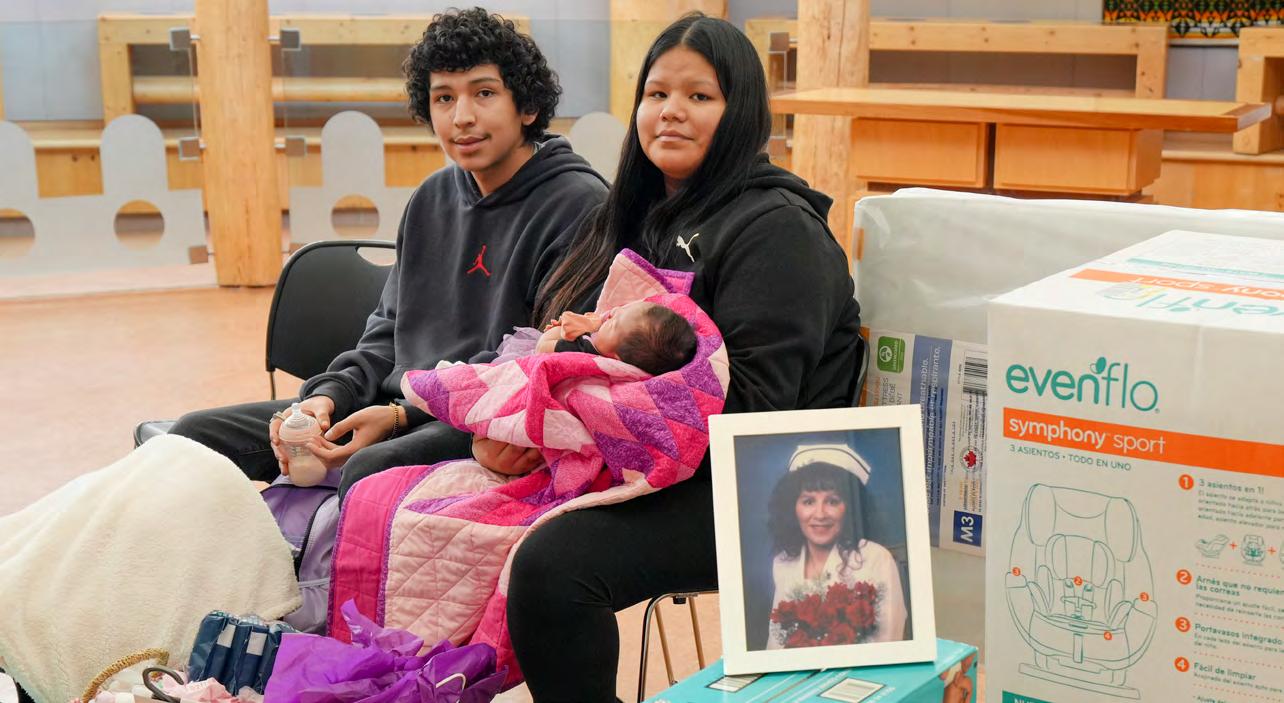
Born on January 1, 2025, at 8:18 p.m., Inaya Summer Small Eyes was the Blood Tribe 2025 New Year’s Baby. Her proud parents are Chezney Small Eyes and Chase Medicine Crane. Baby Inaya was surrounded by love and showered with gifts during the celebration, which also paid tribute to the remarkable legacy of Community Health Nurse Tina Pace.
Tina dedicated nearly 35 years to serving our community. Each year, she organized the celebration and fundraising efforts for baby items and gift cards. Additionally, she always personally donated a star blanket for the New Years baby.
In honour of her life and contributions, Tina's family continued her cherished tradition by donating a beautiful handmade star quilt and other thoughtful gifts to welcome Inaya.
Environmental Public Health Services (EPHS)
The Indigenous Services Canada (ISC)
Environmental Public Health Services team works with the BTDH Community Health team to identify and prevent environmental public health risks. These risks could negatively impact people’s health in both the natural and built environment.
Most of these services are provided by Environmental Public Health Officers (EPHOs). EPHOs are certified public health inspectors and identify public health risks by conducting public health assessments including:
• Inspections and monitoring
• Reviewing plans and investigations
• Providing advice and guidance to First Nations
• Delivering public education and awareness sessions, including training.
Environmental Health Highlights
• The water sampling rate from April 2024 to March 2025 nearly reached 100%. The efforts of the Community-Based Water Monitors (Molly Davis and William Little Bear) should be commended for their dedication and supported in achieving full sampling compliance. Issues with the courier service were noted and have since been resolved.
Environmental Health Highlights
170
28
Total number of inspections completed by EPHO. 105 consults were provided to Blood Tribe entities and departments.
Animal exposure reports followed up by Community Health Nurse, EPHO and ISC Medical Officer of Health
6
Food schools and safe food handling courses provided. Approximately 100 community members received training.
2767
Water sampling tests completed in the fiscal year.
Public Water Systems (water treatment plants)
1356
13
154
Weekly water tests. 28 sites are sampled weekly.
Boil water advisories issued.
Public sites treated and chlorine tested.
Other Water Systems (trucks, wells/cisterns, etc.) 2 Boil water advisories issued. 138
Boil water advisories issued for private well/cisterns Weekly water tests. 134 Private
Supportive funded programs include:
• Kainai Diabetes Program
• Maaksowattsimaani First Steps for Healthy Babies (FASD/MCH)
• Canadian Prenatal Nutrition Program
• Children’s Oral Health Initiative (COHI)
Supportive Program Highlights
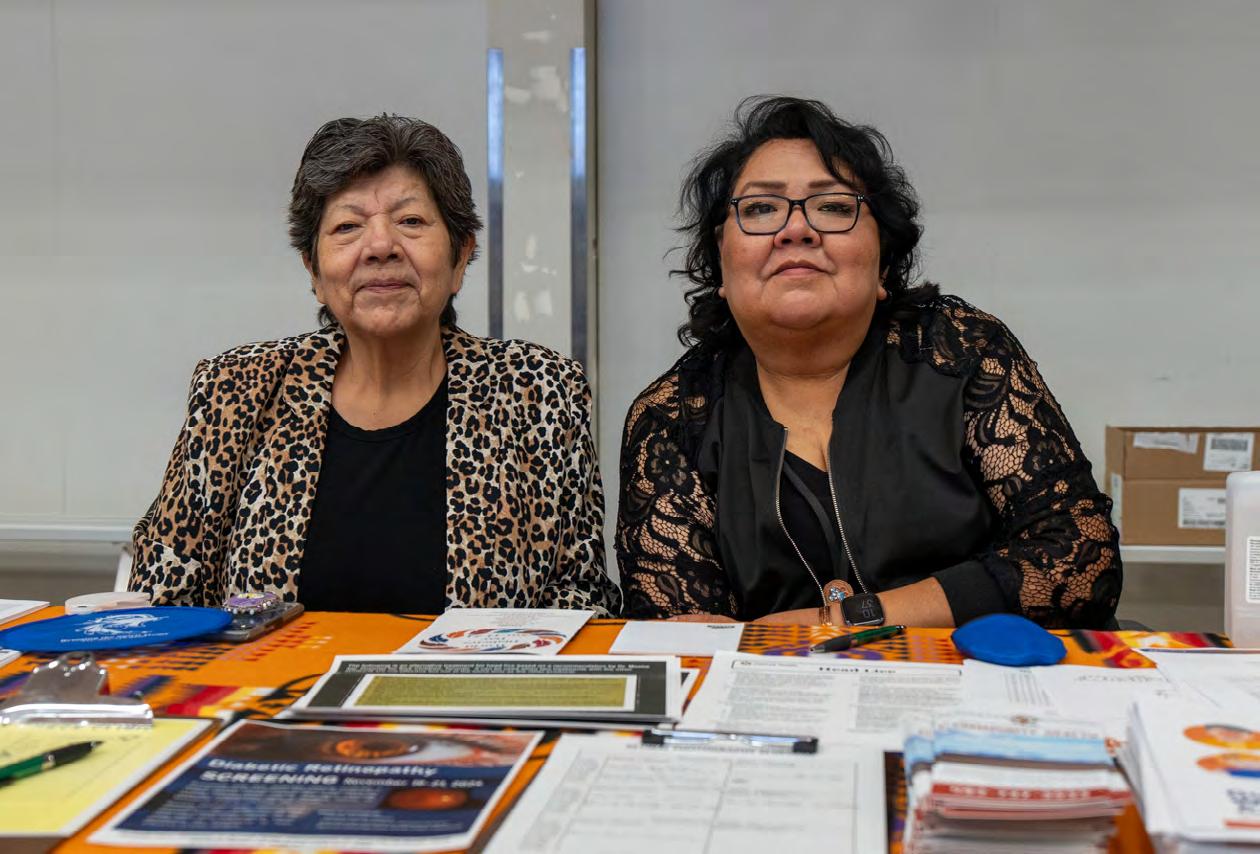
• Kidney Check screening for the early detection of kidney related diseases, a complication of diabetes, is being conducted in Standoff and Levern and in immunization clinics.
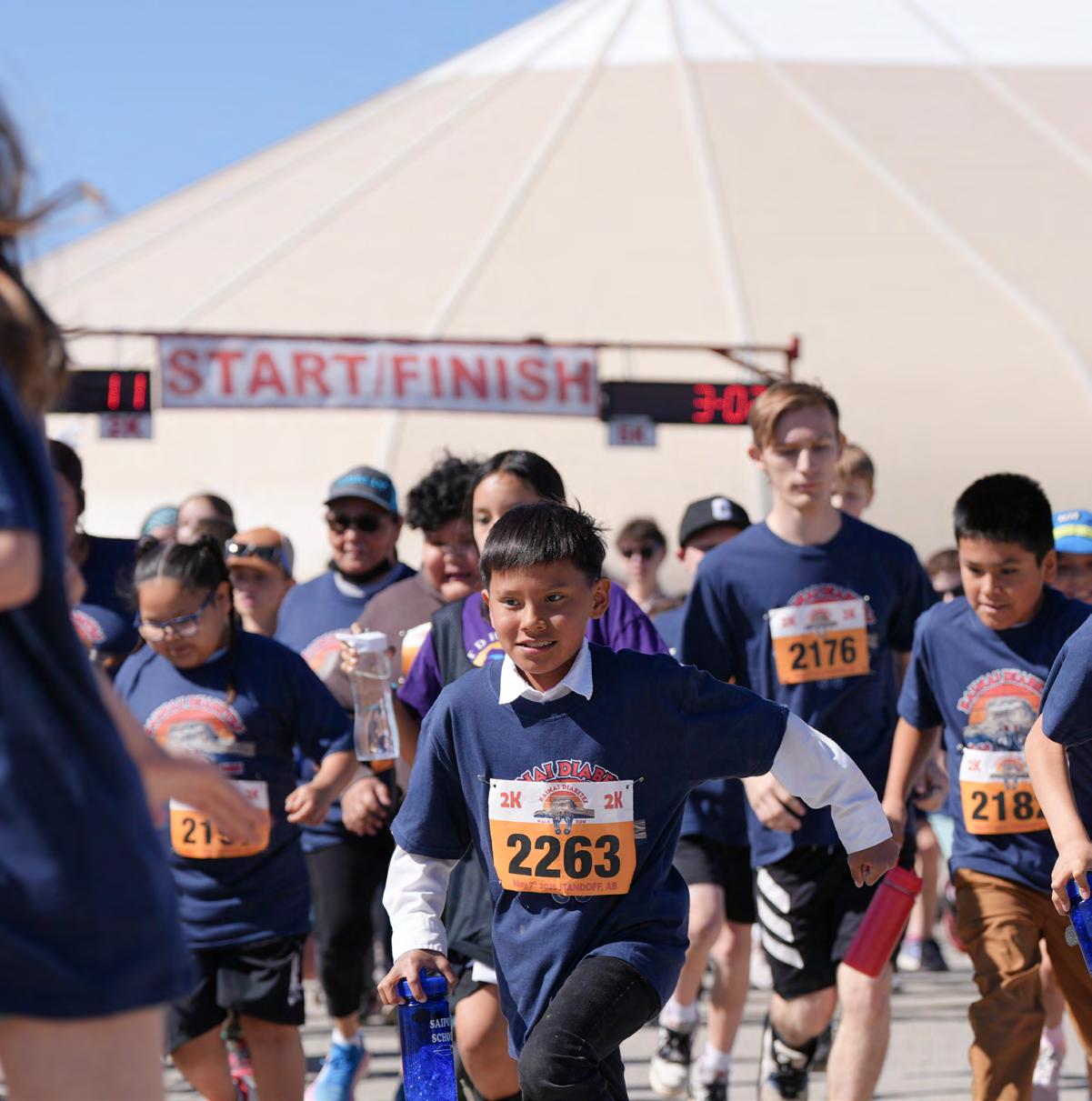
• There was an increase in cultural activities through Maaksikowattsimaani (FSHB) program and Akistowapsin (Men’s Program) such as Traditional Parenting supported by elder knowledge keepers, men’s group sweats, woman’s sewing classes, and Blackfoot historical site visits to Majorville to hunt Iniskim.
Supportive Program Statistics
3441
68
48
Client contacts made with Blood Tribe members in the Maaksowattsimaani program.
Clients as of March 31 in the Maaksowattsimaani program.
Cultural Events hosted by the Maaksowattsimaani program.
1047
224
63
Fluoride varnishes completed in the COHI program.
Cultural Events hosted by the Maaksowattsimaani program.
Blood Tribe men participated in the “Man Van” prostate specific antigen (PSA) blood testing
Emergency Services
The Blood Tribe Department of Health Emergency Services (BTES) is dedicated to protecting life, property and the environment by providing emergency response and community education. Prevent, Protect, Preserve and Respect.
Director: Travis Coleman
Emergency Services Statistics
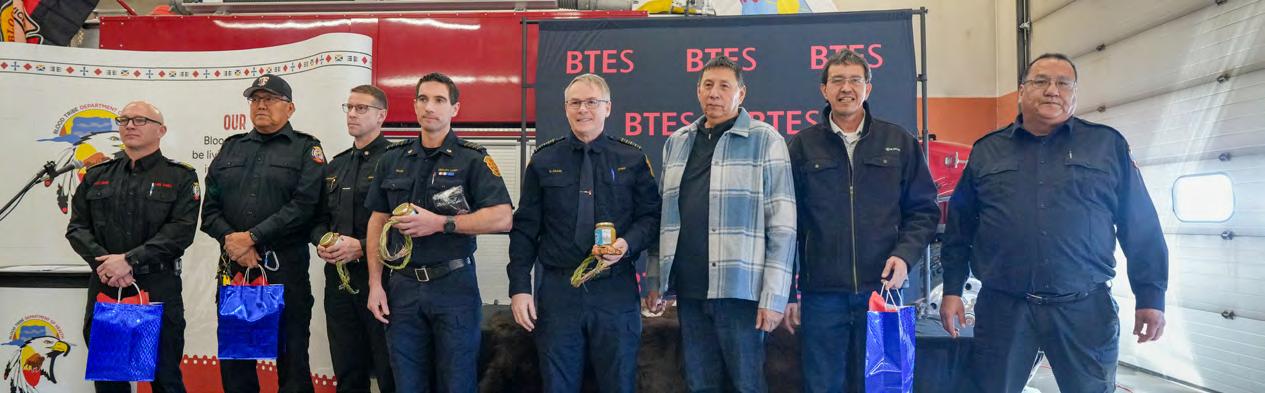
This year, Emergency services received over $800,000 in new funding.
3444 Patient Care Reports

Emergency Services Highlights
• Blood Tribe Emergency Services expanded its partnership with the Lethbridge Fire and Emergency Services’ Public Safety Communications Centre (PSCC) to now include fire dispatch services. Building on years of 9-1-1 call-taking support, this new collaboration strengthens regional emergency response and ensures seamless communication for the Blood Tribe community.
• The 2024/2025 year was one of the most productive and active periods for Blood Tribe Emergency Services. Our team delivered high-quality care and remained committed to enhancing emergency services for all Blood Tribe members.
• A strong emphasis was placed on professional development, with staff consistently engaging in training and courses to strengthen their skills. This focus on continuous improvement and employee retention has significantly enhanced the level of care we provide.
• Collaboration was central to our work, as BTES strengthened partnerships with both on- and offreserve departments to improve essential services. With a highly trained and dedicated staff committed to long-term careers, BTES continues to build capacity and ensure the highest standard of emergency response for the community.
BRINGING THE SPIRIT HOME
Bringing the Spirit Home (BTSH) is a 24-bed licensed detox facility program that provides a trauma-informed approach by offering medically supported and safe withdrawal services.
Participant Statistics
Post-Detox/Pre-Treatment Program
Total: 201 | Relapse Prevention Program: 16
Program Completion
To remain well-versed on issues affecting the community and the development of the addiction crisis, the BTSH program collaborates with services within and surrounding the Blood Tribe, as well as Alberta Health Services and other offreserve entities. BTSH provides highquality, culturally sensitive care to the Blood Tribe and surrounding communities. Services include:
• Medically supported detoxification
• STBBI testing and treatment Post Detox, Pre-Treatment Program
Standard 10-Day Detox & Opioid Agonist Therapy: 266
Discharged to Treatment Centres: 122
Discharged to Aftercare: 6
Returned Home/Discharge to Community: 27
Participants treated for various STBBI: 24
• Outreach Services BTSH Highlights
• The Post-Detox/Pre-Treatment program began providing services at their new location on April 15, 2024.
• Two Blood Tribe members successfully completed the Primary Care Paramedic program, registered with Alberta College of Paramedics, and have assumed their new roles as paramedics in the detox program. A long-term goal is to provide the FMR program to Blood Tribe members as an entry pathway into paramedicine.
• Successful Alberta Health Compliance Audits resulted in our license renewal.
• Strengthened relationships and collaborations with BTDH Wellness Program, Kainai Transition Centre Society, Blood Tribe Harm Reduction Project, and Kainai Healing Lodge.
• The Blackfoot Elders and Knowledge Keepers continue to provide cultural support at the Bringing the Spirit Home and PreTreatment trailers.
• Hosted two community BBQ’s and addictions awareness events in Standoff and Moses Lake.
• Provided sexual health kits, naloxone kits, water, and frozen treats for community members and guests at the annual Kainai Powwow & Celebration
• The Outreach Team assisted with the Opioid Response Community needle and paraphernalia pick up and safe disposal.
• Many First Nations communities across Canada continue to tour BTSH. The BTSH team understands the importance of sharing knowledge, challenges, and achievements to provide insight and support to other nations experiencing similar crises.
WELLNESS PROGRAM
The Blood Tribe Department of Health Wellness Program offers a variety of services and programs to meet the mental health needs of the Blood Tribe Community.
Director: Dr. Terri-Lynn Fox
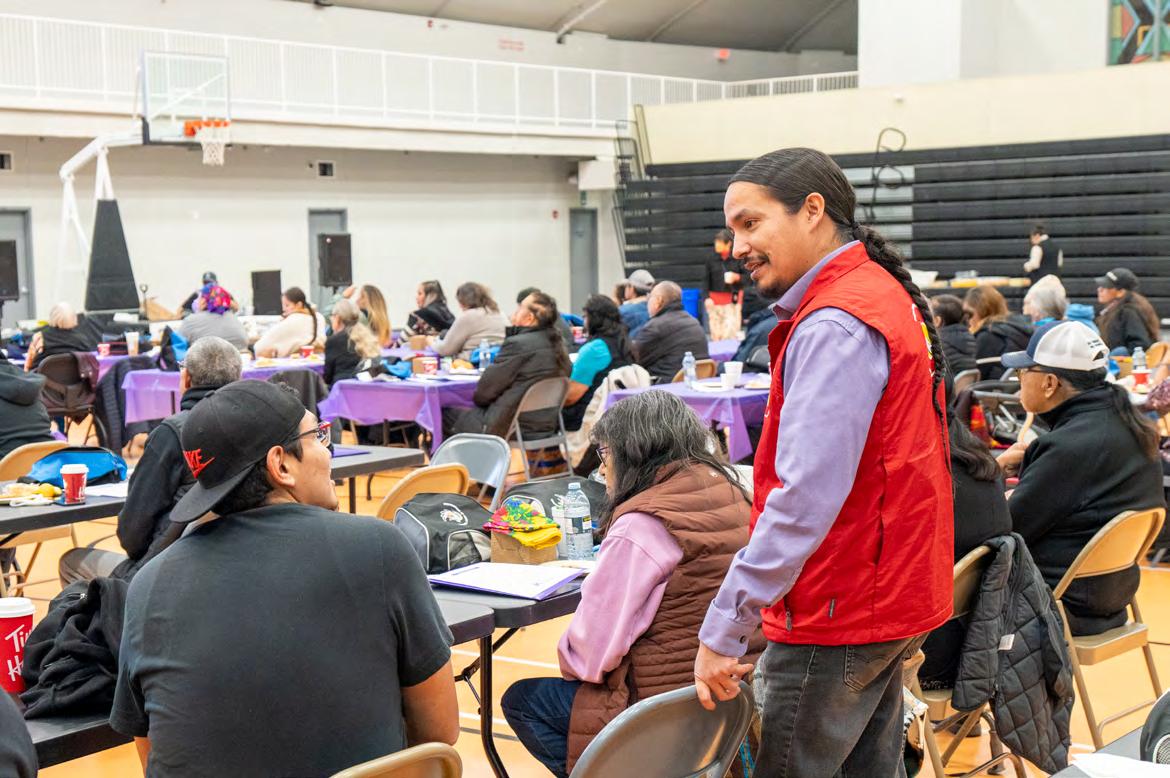
The population serviced by the Wellness Program ranges from children to older adults, families to groups and the community. While implementing innovative modes of health and healing, our program infuses both Western methods and Siksikaitsitapi ways of knowing and being into service delivery.
Programs and Services
• Mental Health Counselling, including Client Case Coordinators
• Clinical Psychologist
• Addictions Counselling (National Native Alcohol and Drug Abuse Program NNADAP)
• Crisis Intervention Program & Mental Wellness Crisis Response Team
• Interagency, Brighter Futures Initiative, & Prevention of Family Violence
• Community Engagement and Elder Program
• Honouring Life (National Aboriginal Youth Suicide Prevention Strategy)
• Indian Residential School, Indian Day School & Day Scholar Support Program
• Missing and Murdered Indigenous Women and Girls & Men and Boys (MMIWGMB)
• Standoff White Calf Shelter
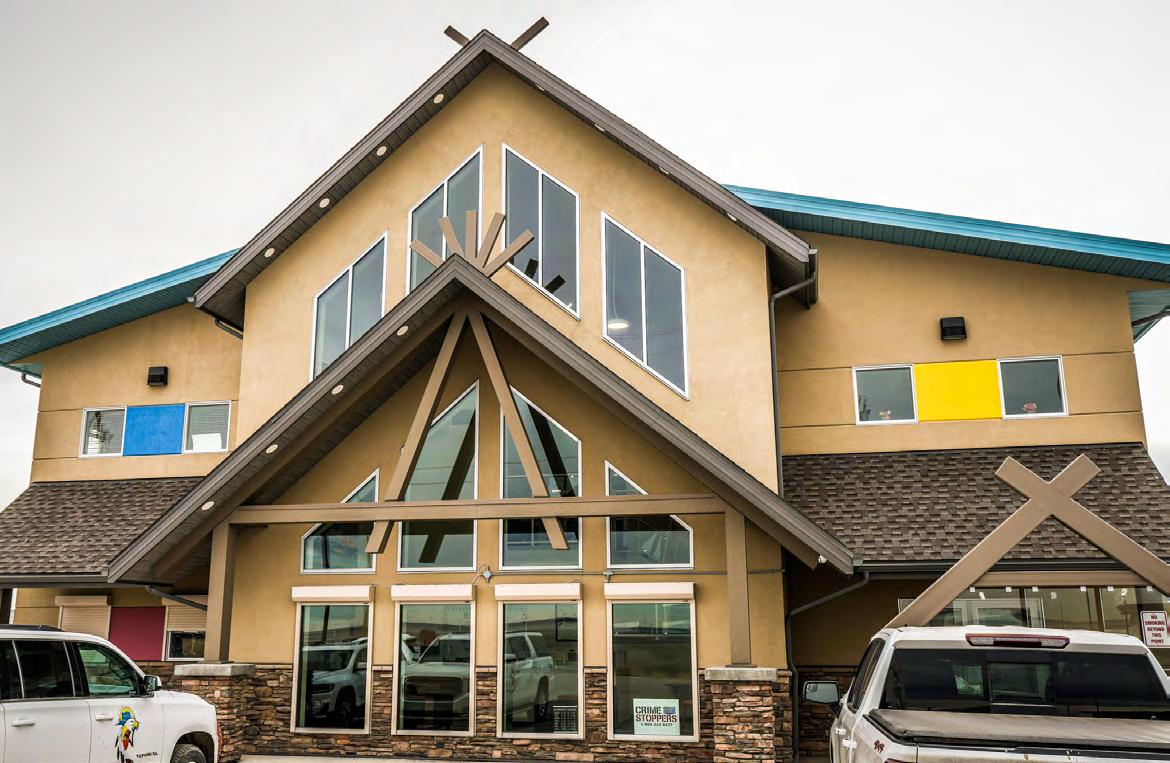
Wellness Program Clinical Team
- Mental Health and Addiction Counselling
In 2024-25, the Wellness Program (WP) Clinical Team worked demonstrated an unwavering commitment to delivering a wide range of programs and services rooted in our traditional Siksikaitsitapi ways. Clients are given the opportunity to work with a resident Elder and/or the Registered Psychologist alongside their mental health/ addiction counsellor as needed. Clients are encouraged to participant in other community events and activities organized by the Wellness Program. Actively participating in additional programming provides opportunities for healthy, positive interactions and helps foster strong, supportive relationships. These experiences are important factors in the journey toward overall health and wellness.
Mental Health and Addictions Statistics
Client age range: 7 years to 74 years.
Counselling sessions delivered.
200 New client intakes for counselling.
Blood Tribe members successfully graduated from day treatment program.
Participants in total for the bi-weekly Isspomaanitapiiysinni support groups.
Critical incidents responded to by the Crisis Intervention team.
Counselling sessions provided from the BTDH registered psychologist. 107 Fatalities responded to by the Crisis Intervention team. Alcohol is reported as most frequent substance being used.
Client support for mental health is higher than client support for substance abuse.
Total on-reserve referrals is higher than off-reserve referrals.
Primary substances being used: alcohol, opioids and crystal meth.
Mental Health and Addictions Highlights

• Supported incoming referrals from Tatsikiisaapo’p Middle School (TMS) to provide counselling for students suspended due to substance use, enabling their reinstatement to school.
• Successfully partnered with TMS to deliver workshops focused on bullying prevention and mental health awareness, strengthening school and community connections.
• The Day Treatment Program (DTP) has experienced an increase in the number of participants. Because of rising number of participants, we had to arrange an alternative place for DTP to take place.
• Isspomaanitapiiysinni (being helpful to others) is a monthly support group open to community members who are seeking support in a group setting for emotional well-being. On a bi-monthly schedule, the team facilitates a support group alternating for men and women. The first support group took place in September 2024.
• Addressed a wide range of trauma-related concerns— including PTSD, depression, anxiety, abuse, suicide risk, grief, and loss—helping both children and residential school survivors restore stability and meaning in their lives.
• Responded to the rise in bullying incidents at Blood Tribe schools, including cases linked to tragic outcomes. Successfully treated children with school phobia and supported residential school survivors in their healing journeys.

• Provided suicide assessment and intervention, crisis debriefing, child protection, and organizational consultation to address urgent individual and community needs.
• Developed a community-wide suicide prevention plan, launched monthly suicide assessment training for clinical and crisis teams, and expanded yearly suicide intervention education (Safe Talk) across BTDH.
• Implemented weekly debriefing, traumafocused care, and consultation to reduce burnout and vicarious trauma among crisis team members, while providing ongoing recommendations to leadership.
• There has been an increased in the number of the Blood Tribe Department of Health employees who accessed the Employee Assistance Program (EAP) counselling services.
• The 2024-25 fiscal year has been challenging for the team but has also demonstrated growth. At various points throughout the year, one or more team members were on leave, which has impacted the team’s operations and workload.
Client Success Highlights from The Team
• Provided counselling with referrals to the Kainai Healing Lodge and Traditional Parenting Course, leading to increased family visitation and eventual reunification with children.
• Clients expressed growth in cultural identity and personal development through counselling and referrals to holistic healing supports.
• Ongoing advocacy, networking, and comprehensive case management strengthened positive outcomes for clients.
• Witnessed client success stories, including completion of residential treatment programs and progression toward health and wellness through post-secondary enrollment.
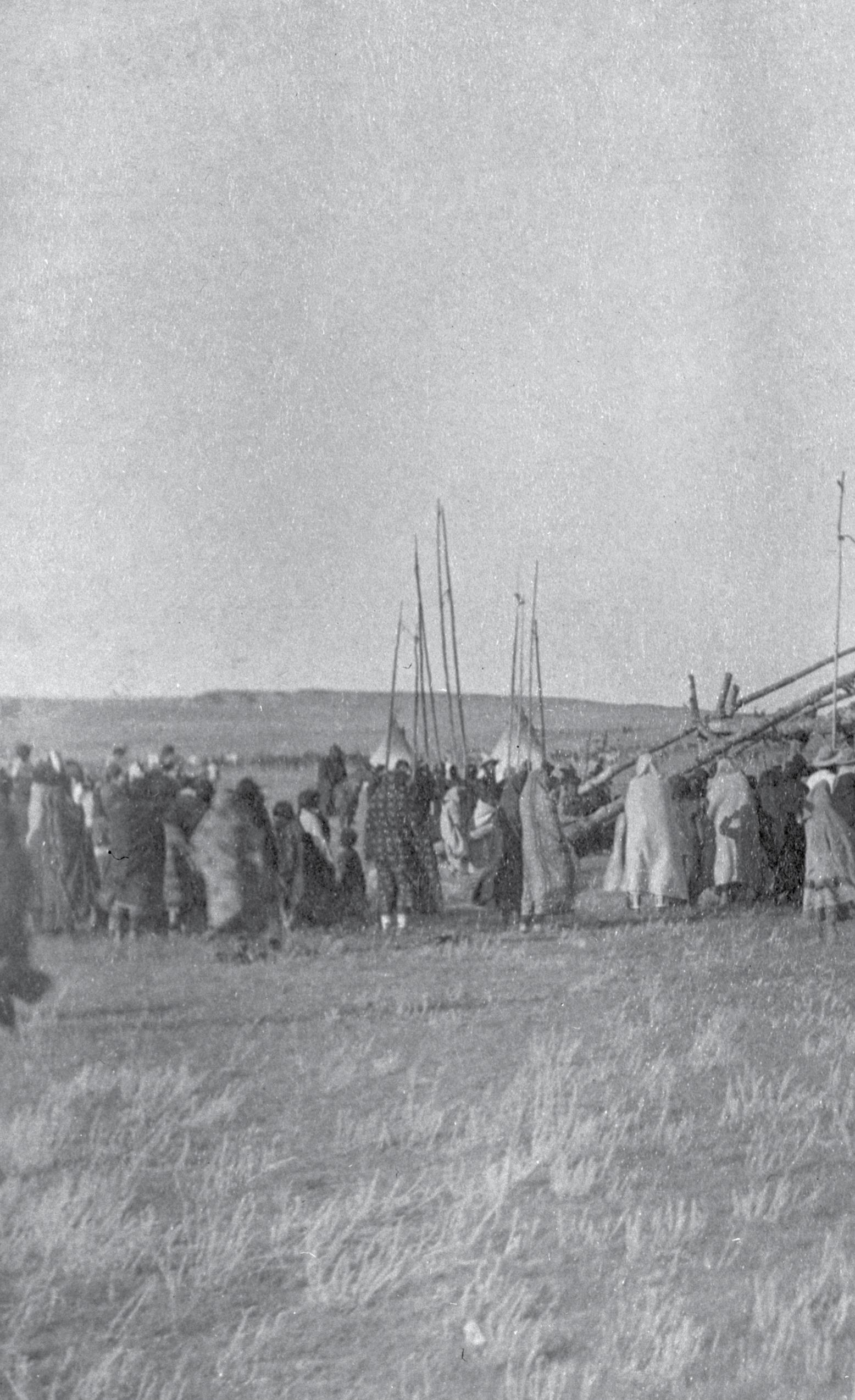
Day Treatment Program Client Testimonials
“
This session made me feel very proud of who I am, a Blood Indian. Very good information I never heard before. Makes me want to learn more.”
“
Awesome support group my friend. Enjoy everyone presence & their stories. Keep up the good work. God Bless! Thank you for being a friend, sister.”
“
I really like Dolly’s teachings, she really knows a lot.”
“
I used Artwork as a healing for years. That’s how I got sober. Thank you”
“
I really like being openminded and being listened to.”
“
I really enjoyed listening to everyone & got a lot of perspective out of today.”
“
Now I know I’m not alone going through what I’m going through. Was very impressed with everyone who share their stories”


Trauma Informed Health and Cultural Support Program (IRS/MMIP/Community Engagement)
Partnered with Bow Valley College and University of Calgary to provide cultural awareness, ceremonies, and academic guidance in alignment with TRC Calls to
Supported Kainai Healing Lodge, Kainai Peace Making Program, and Luna Child and Youth Advocacy Center with cultural teachings, ceremonies, and awareness
Worked with Alberta Justice and FILU to deliver cultural and spiritual support for offenders, victims of family violence, MMIP families, and IRS survivors across Alberta.
Served on the Governing Circle of the National Centre for Truth and Reconciliation and the National Advisory Committee on Missing Children and Unmarked Graves, sharing local updates and advancing
Collaborated with Kindex Research Centre on integrating traditional values and teachings into child and family services.
Brighter Futures, Interagency Committee and Prevention of Family Violence Highlights:
Minimal donations were distributed based on individual and group requests. We will resume the call for proposals on April 1,
Interagency meetings. These meetings have proven effective for improving communication and public information, community issues, and avoiding duplication
Received Band Council Resolution on July 12, 2024, for financial support from 3 Eagle Wellness Society. This funded events like the Day of Prayer, the Kainai Addictions Awareness Week and Feeding the Homeless Shelters in Standoff and Moses Lake.
Standoff White Calf Shelter Highlights:
• Provided 13,756 meals to the vulnerable members of the Community.
• Provided overnight shelter bed 5,435 times for homeless members of the community.
• Developed a full and comprehensive client case support service by building trusting relationships with the clients.
• Positive feedback from our community regarding the excellent service, safe and welcoming environment, and cleanliness of the Standoff Shelter.
• Recognition from outside communities about the excellent service, safe and welcoming environment, and cleanliness of the Standoff Shelter.
2nd Annual Ceremony and Knowledge Transfer: On-The-Land Learning.
Date: August 13–15, 2024
• Hosted a three-day Elder-led workshop using traditional practices to explore gender roles, value systems, and Siksikaitsitapi identity.
• Created a safe space for cultural learning, healing systemic barriers, and restoring traditional roles and responsibilities of men and women.
• Supported participants in building hope, strength, respect, and goal setting on their journey of sobriety.
• Held at Timber Limits, providing a safe and supportive environment; future camps are planned to continue fostering growth and healing.
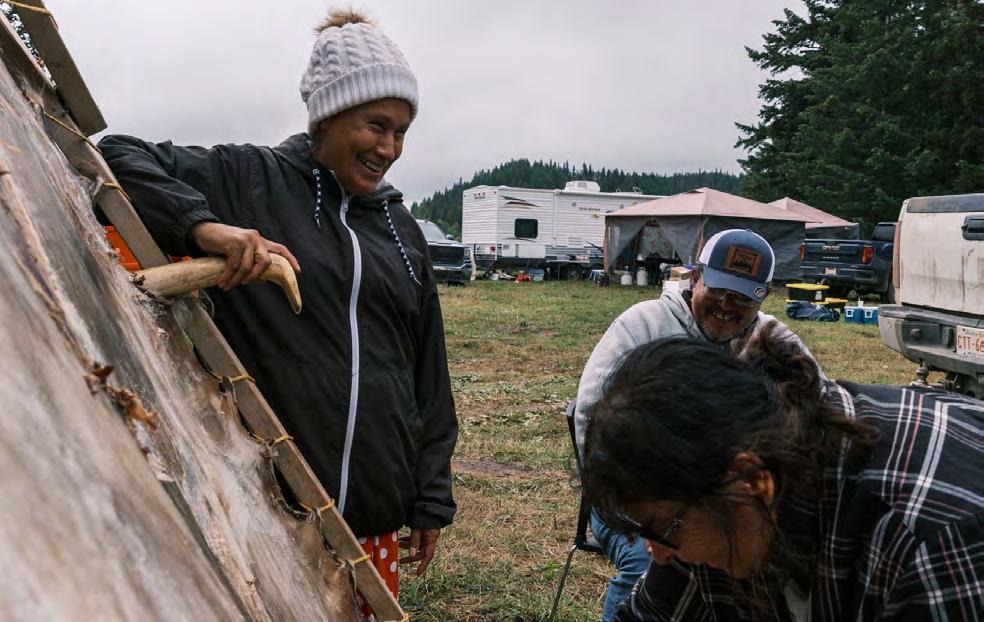
NON-INSURED HEALTH BENEFITS
The Non-Insured Health Benefits (NIHB) Program provides comprehensive healthcare services to clients, including access to the NIHB Navigator, Medical Transportation, Mobile Medical Unit, and Clinical Services.
Director: Craig Day Chief
NIHB Navigator
The NIHB Navigator provides medically necessary coverage under the NIHB Federal Program to eligible First Nations clients for a limited range of benefits and services for both insured and un-insured clients.
NIHB Navigator Statistics
300 Inquiries.
Appeals. 2 Referrals. 234
$15,537 Approved NIHB funding proposals for One-TimeOnly-Funding (OTOF).
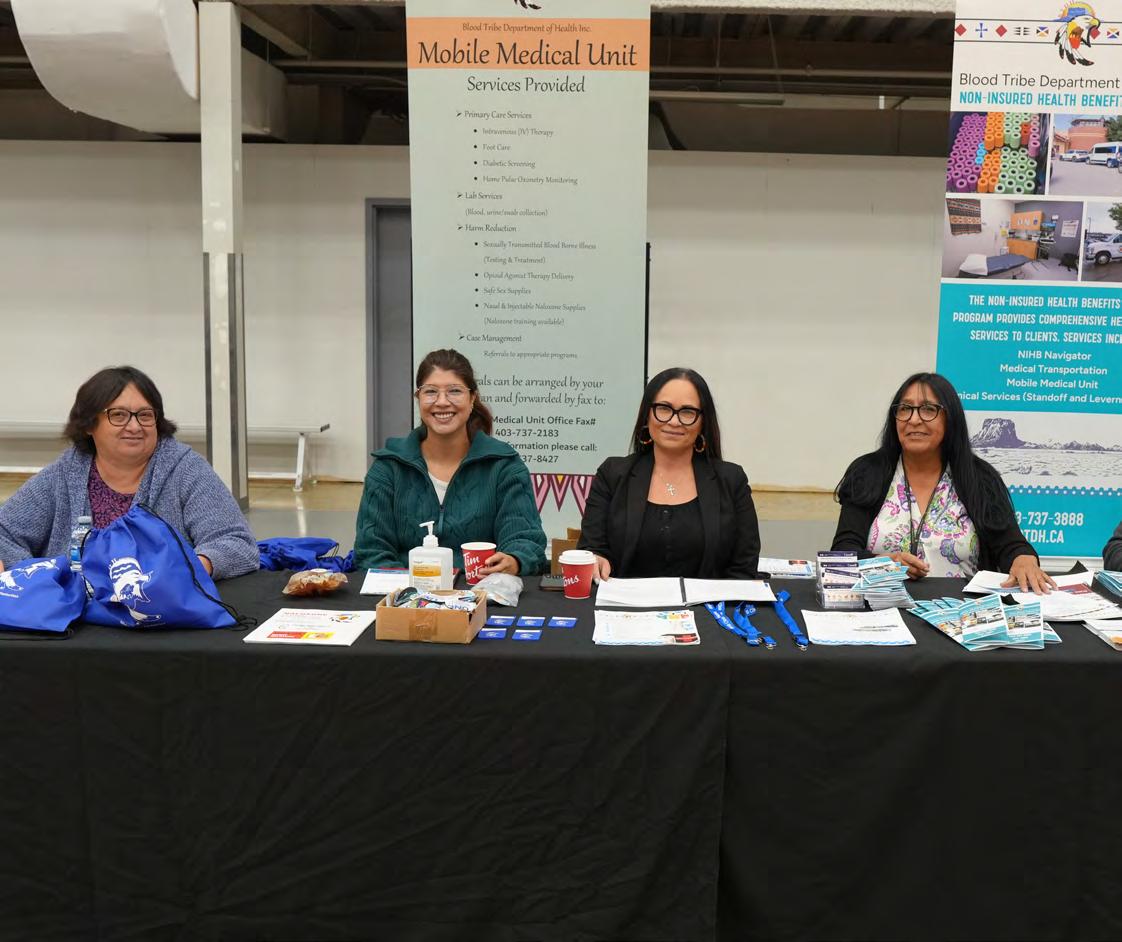
Highlights
• Throughout the fiscal year, referrals under the “Other” category, which are not covered by NIHB policy, were addressed on a case-by-case basis through BTDH’s internal One-Time-Only Funding (OTOF) and case management to support vulnerable populations.
• Mental Health, Dental, and other categories each recorded six requests, highlighting the ongoing need for dentalrelated assistance.
• Medical Transportation consistently received the highest volume of referrals, primarily related to addiction treatments and rescheduled specialist appointments.
NIHB Navigator


Medical Transportation
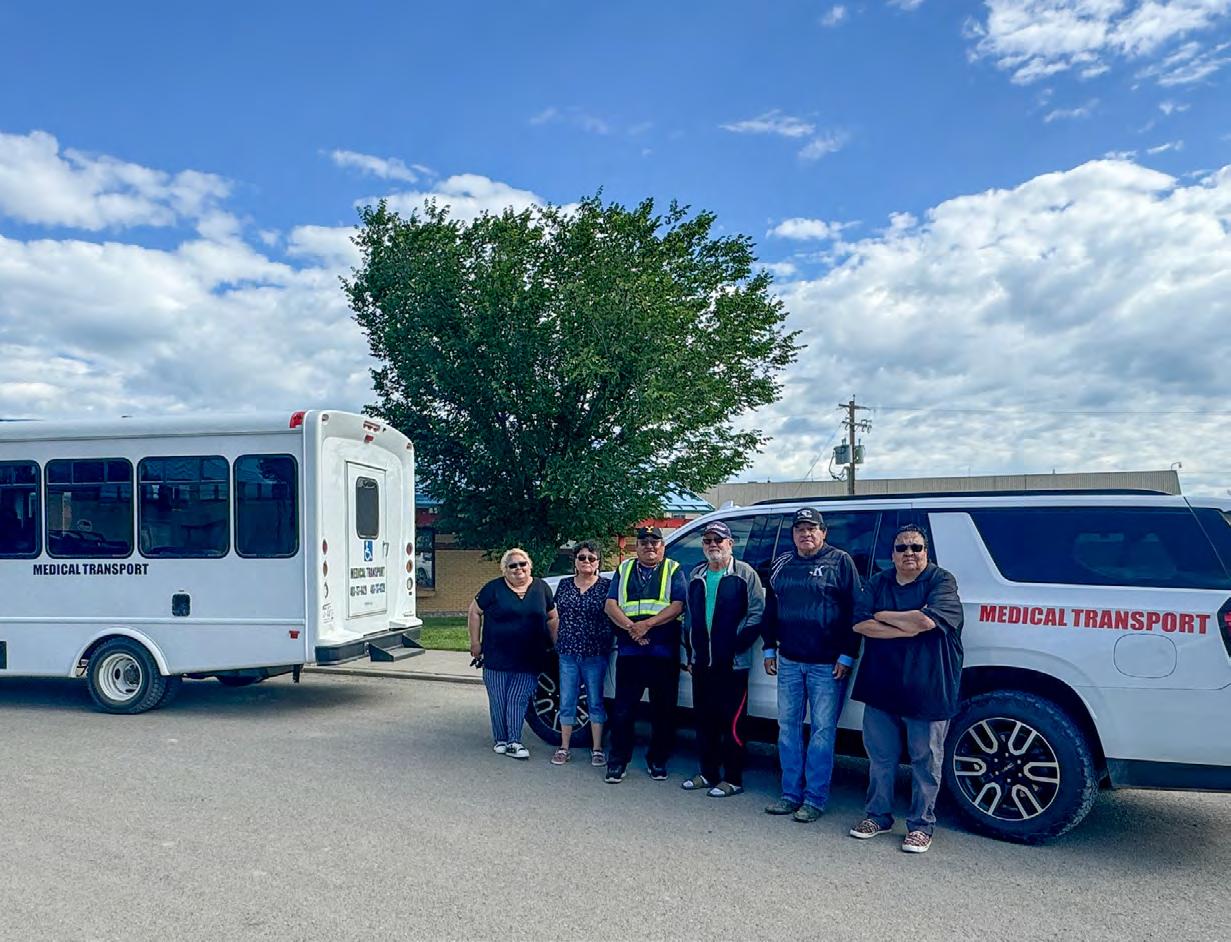
The Medical Transportation program provides direct transport to medical appointments, reimbursement for eligible expenses, and coordination of meals, accommodations, and taxi services for long-distance or overnight travel.
Medical Transportation Statistics: 9274 Total number of people transported.
Kilometres driven by Medical Transportation Vehicles.* 1.4 MILLION
$296,496.14
The Mobile Medical Unit (MMU) provides a range of health services and referrals to ensure comprehensive care for the Blood Tribe Community. Mobile Medical Unit

MMU Clinic Statistics
263
Total clients seen for primary care, IV therapy, STBBI testing and treatment and harm reduction supplies.
Standoff Lab Statistics
• 2390 total number of patients for the lab, 458 for x-ray services.
• 1824 blood draws completed
• 1082 urine samples collected
• 631 cultures processed
Naloxone training sessions held.
406 Nasal naloxone given.
54 Referrals. 573
MMU Highlights
• Over the fiscal year, the Mobile Medical Unit (MMU) consistently provided high levels of service, with Opioid Agonist Therapy (OAT) medication deliveries remaining the most frequent service. STBBI screening and treatment continued as needed, while incommunity IV antibiotic infusions maintained steady demand.
• Staffing constraints limited the ability to offer foot care and wound care through outreach or pop-up clinics. Harm reduction services were actively provided to vulnerable populations upon request.
Standoff Clinic Statistics
• 2410 primary care appointments held
• 817 primary care phone consults
• 351 primary care walk-ins
• 1202 primary care no shows
• 546 in clinic addictions and psychology appointments held
• 678 addictions and psychology phone consult appointments
• 476 addictions and psychology appointment no shows
• 103 ECG tests conducted
• 672 x-ray exams provided
Levern Clinic Statistics
• 1820 primary care appointments held
• 2164 primary care phone consults
• 605 primary care no shows
• 362 addictions and psychology appointments held
• 80 addictions and psychology phone consult appointments
• 113 addictions and psychology appointment no shows
Levern Lab Statistics
• 656 total number of patients for laboratory services
• 424 blood draws completed
• 336 urine samples collected
• 161 cultures processed
• 24 ECG tests conducted
LETHBRIDGE WELLNESS SHELTER

The Lethbridge Shelter and Stabilization Unit (LWSSU) provides a safe and trusting environment for shelter guests.
Staff provide housing and recoveryfocused interventions, providing pathways for our most vulnerable members. The LWSSU acknowledges Matpaiiakaipoiyi (the People have spoken), and vows to stand strong and resilient in the face of substance use disorder. We support all people who come to the Wellness Shelter and Stabilization Unit seeking safe, nonjudgmental, and holistic care.
Lethbridge Wellness Shelter and Stabilization Unit Statistics 1518 Event reports. 734 Overdoses were reversals completed by LWSSU staff. 254
5 Critical incident reports.
Individuals utilizing Overdose Prevention Site trailer. Violent incidents.
Director: Suzanne Buchanan, MN, NP, HSM (C)
Opioid Prevention Site Statistics
Opioid Prevention Site Highlights:
• The OPS outreach team has successfully connected with clients one-on-one, linking them to recovery pathways or other supports as needed. These efforts have fostered increased trust and respect toward the shelter over the past year.
• The OPS outreach team has been instrumental in assisting with needle debris, removing 2785 needles and 1081 pipes.
• Awareness of human trafficking has increased, and a workgroup was established in Standoff.
• The OPS and security team report improved pathways for guests experiencing mental health crisis, with support from the PACT team and AHS Community Paramedics, and new pathways were established in the past year.
Shelter Case Managers Highlight:
• 1145 total guests received support with medical, treatment, detox, ID clinic, housing, court, and any other concerns clients requested.
• The By-Names List (BNL) was maintained and run by one of the case managers, which involves adding new clients and their demographics as they enter the shelter Individuals are moved to the inactive list after three months of no contact. 759 unique individuals added to the BNL in the fiscal year.
• 381 unique individuals on the active list on March 31, 2025 .
• 160 unique individuals secured housing.
11,641 Encounters.
195
Treatment/detox referrals provided.
249 Hospital/EMS referrals provided.
321
Stabilization Unit referrals provided.
1707 Food security referrals. Partner referrals provided.
1457
968 Naloxone kits handed out.
Naloxone administered by staff. 226

Case Management Success Stories
Case 1
A couple with limited financial means entered shelter and, through case management referrals, secured disability benefits and subsidized housing. They also accessed gender-based violence funding that provided monthly financial support.
Case 3
An Indigenous trans participant received assistance with disability benefit applications and housing over an extended shelter stay. They were approved for benefits and eventually secured stable housing.
Addictions Counsellor Highlights:
• 319 people were provided stabilization supports
• 163 treatment medicals with 76 clients sucessfully treatment from the stabilization unit.
• The addictions counsellor worked with the recovery coach and 382 programing activities and interactions were completed including AA, NA meetings, how to cope with life stressors, money management and life skills.
Case 2
A young adult recently transitioned out of foster care with complex mental health needs entered the shelter. With coordination from multiple service providers, the young adult was referred to supportive living and placed in housing with intensive supports.
Case 4
A middle-aged participant with a brain injury and other health conditions entered shelter after hospital discharge. They faced financial exploitation but, with support, regained control of benefits and identification, and were connected to long-term care supports and housing.
Facilitator Statistics

Stabilization Unit Case Manager Highlights
• 297 Interactions
• 14 Treatment referrals
• 294 other referrals made for housing, treatment, financial support, tax support, legal and psychiatric assessments
• Recommendation that a greater effort be directed toward enabling public support systems to identify Persons with Developmental Disabilities (PDD) related issues when the clients are minors. Significant time is spent on assisting clients with accessing AISH, could be mitigated if such conditions have been diagnosed earlier, through improved access to medial assessments and timely interventions.
LWSSU Highlights
• A Joint Health and Safety Committee was formed in April 2024, giving frontline staff a stronger voice in addressing workplace concerns.
• Collaboration with AHS has brought Nurse Practitioner and Outreach visits twice weekly, with programming adjusted to strengthen client relationships.
• Community Paramedic services are available daily, with communication improvements enhancing coordination.
• A pharmacy partnership was established to prevent duplicate medication errors
• Meetings with local emergency services addressed EMS response concerns, police practices, and fire safety during construction.
• Expansion delays led to the Stabilization Unit closing on December 1, 2025. Clients were transferred to alternative programs, and staff redeployed to support shelter intake.
• The Lethbridge Housing Authority took ownership in April 2024 and continues to support effective operations during construction.
• Rising rates of HIV, Hepatitis, and Syphilis highlight the challenges of screening and treating transient populations.
• Staff accessed increased professional development and conference opportunities to strengthen skills and share expertise.
• Tours were hosted for health professionals, clients, and community members to build understanding and reduce stigma.
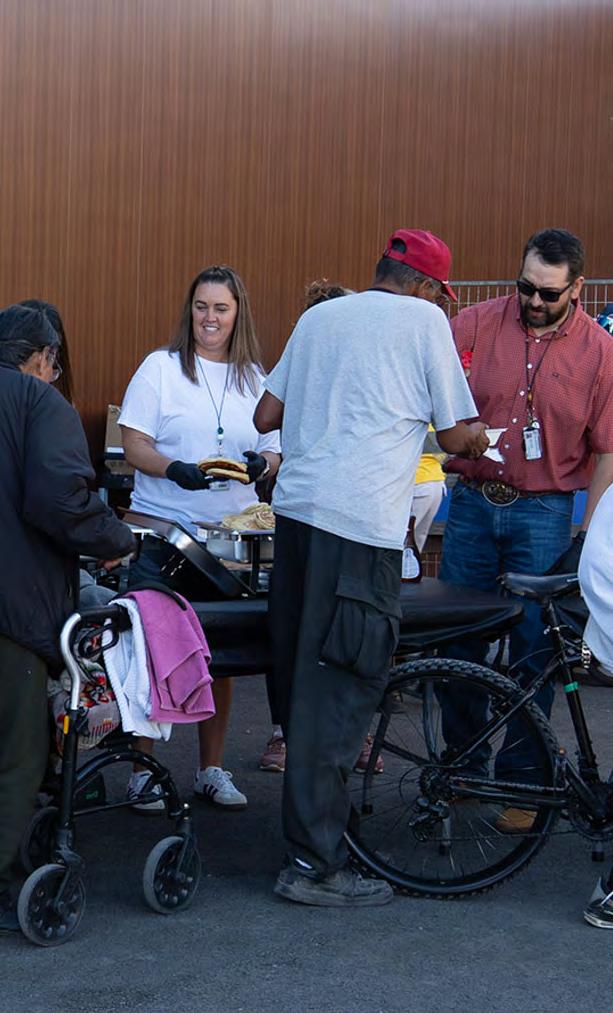
• Fun engagement activities included haircuts, a pancake breakfast, and a Christmas carnival with meals and care packages for guests.

P.O Box 229 Stand-Off, AB T0L 1Y0 403-737-3888 communications@btdh.ca www.btdh.ca