Blood Tribe Department of Health Welcomes Kash Shade as New Chief Executive Officer
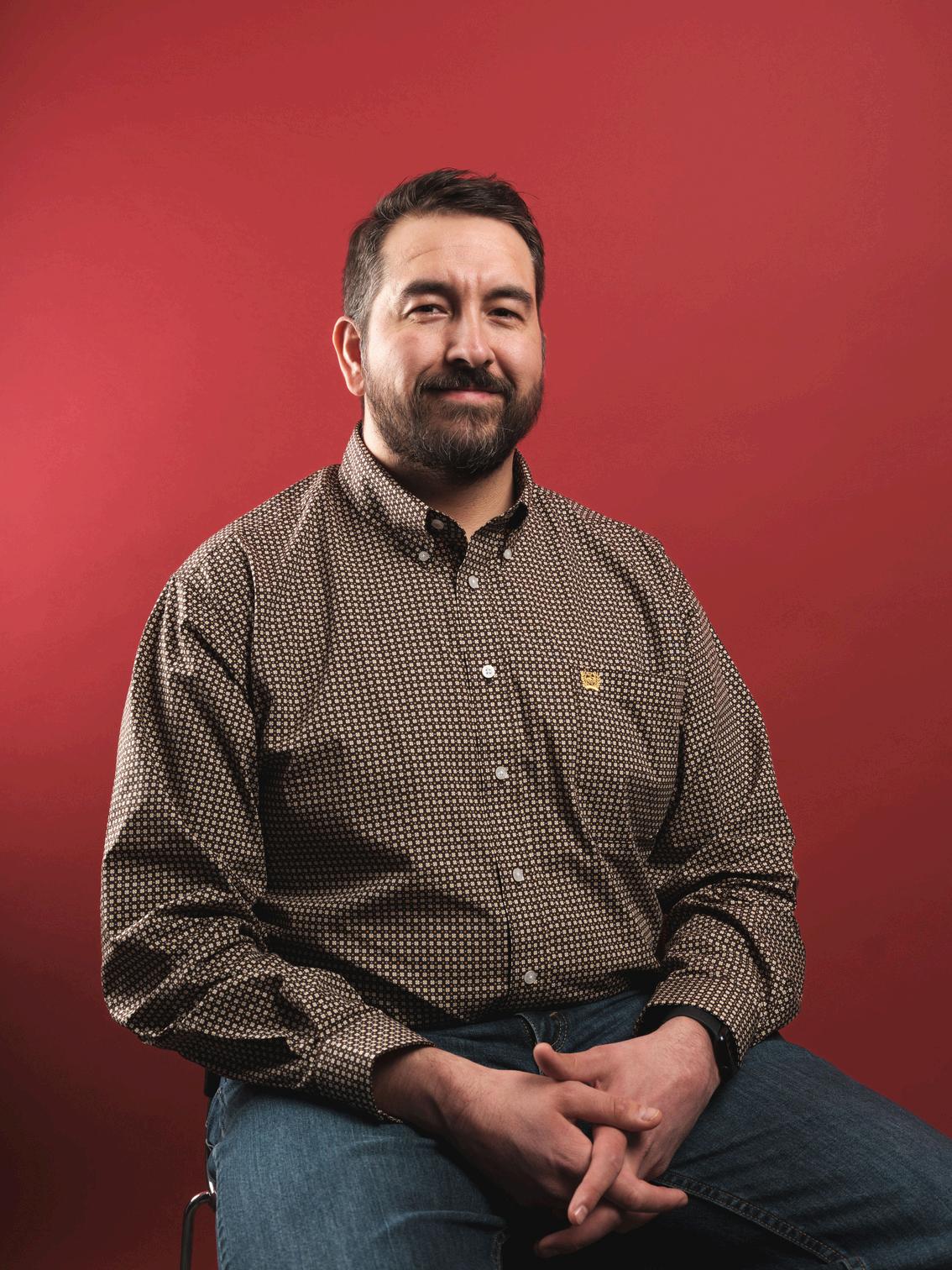
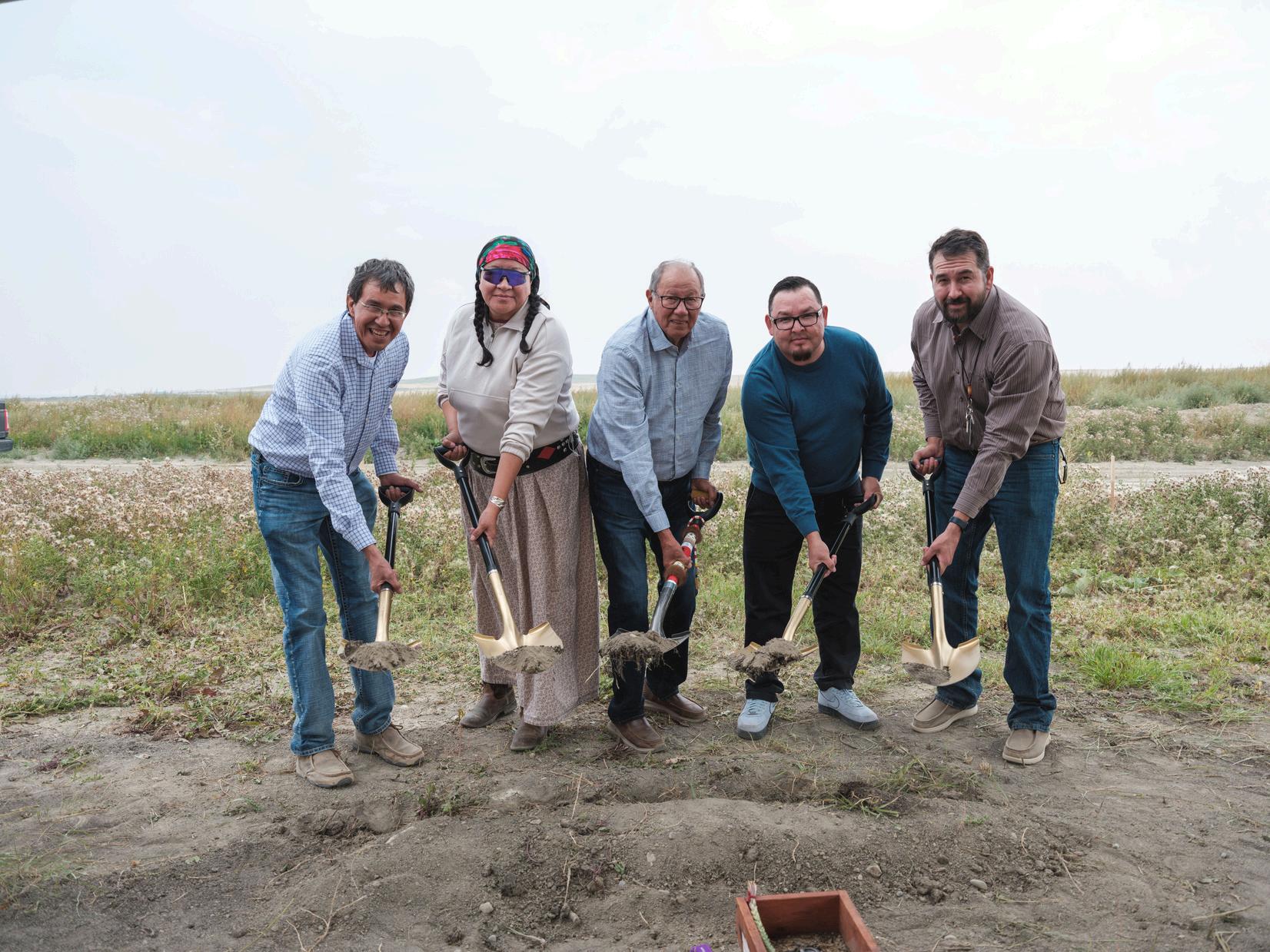
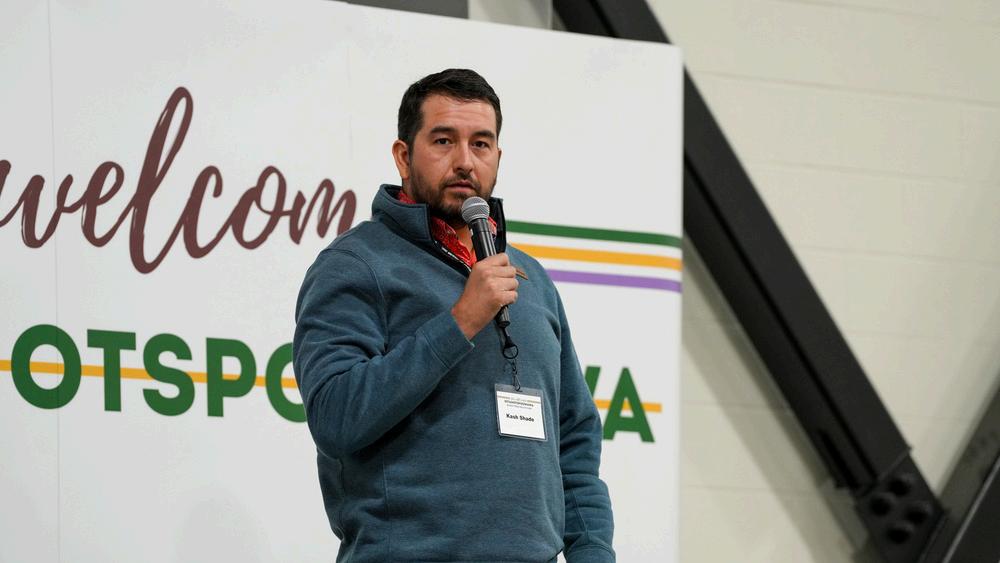
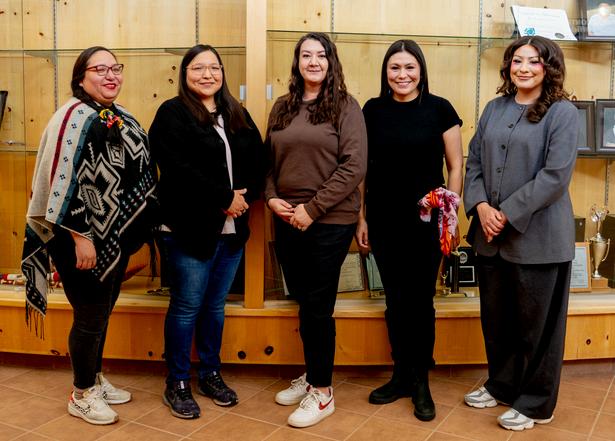
The Blood Tribe Department of Health (BTDH) proudly announces the appointment of Saakooyinaa Kash Shade RN, BN, MHSM as its new Chief Executive Officer,
Kash is a long-time employee of BTDH and has woven deep institutional knowledge and a forward-looking commitment to health sovereignty. As a seasoned leader, Kash has successfully navigated complex landscapes to champion equitable, culturally grounded care for the Blood Tribe.
Kash began his health career with the Blood Tribe Department of Health in 2012 as a Registered Nurse working within our Home Care program In 2019, he was appointed as the Non-Insured Health Benefits Program Director and Navigator, overseeing services including Medical Transportation, Mobile Medical Unit and Clinical Services
In 2022, he was named Chief Operating Officer where he was instrumental in the organizations program development, expansion, and innovation Kash played a key role in the establishment of the Lethbridge Wellness Shelter and Stabilization Unit and clinical partnerships aimed at improving the health outcomes and accessibility to health services for Blood Tribe members
Following the departure of former CEO Derrick Fox, Kash was named interim CEO in September 2025. Kash successfully merged this leadership transition with a strong foundation, a highly engaged team, and a clear strategic direction.
A dedicated family man and a champion of First Nations health, Kash is highly decisive and is committed to furthering BTDH’s mission to improve, promote and deliver accredited health services on the Blood Reserve and support Chief and Council in ensuring the protection of treaty health rights
FUTURE DEVELOPMENTS
KAINAI CONTINUING CARE AND LONG TERM CARE SOCIAL COMMITTEE
The KCCC / LTC Social Committee works to support staff engagement, teamwork, and workplace morale while helping create a positive, respectful, and compassionate care environment Through fundraising and staff initiatives, we organize activities and events that are meaningful and enjoyable for both staff and residents
Our goal is to encourage connection, appreciation, and a strong sense of community within our workplace With the support and generosity of our staff and community, we are able to provide fun activities, special events, and moments of joy that brighten the days of both our team and our residents Your continued support helps us make a meaningful difference for everyone who lives and works here
OPENING SOON
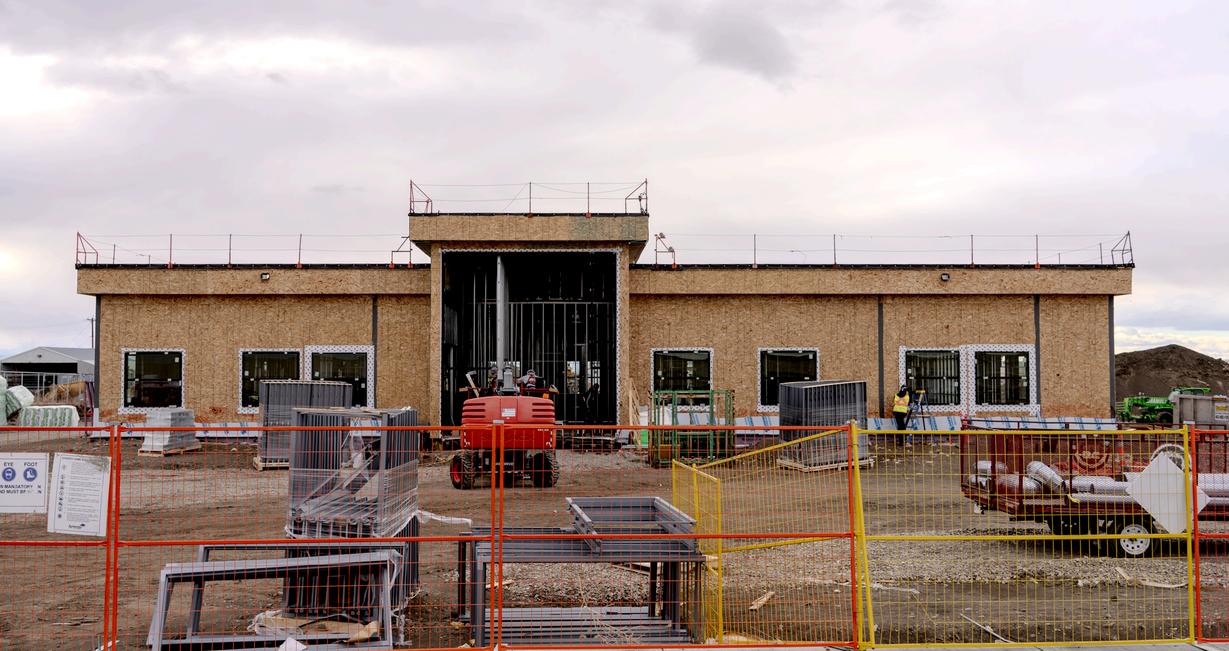
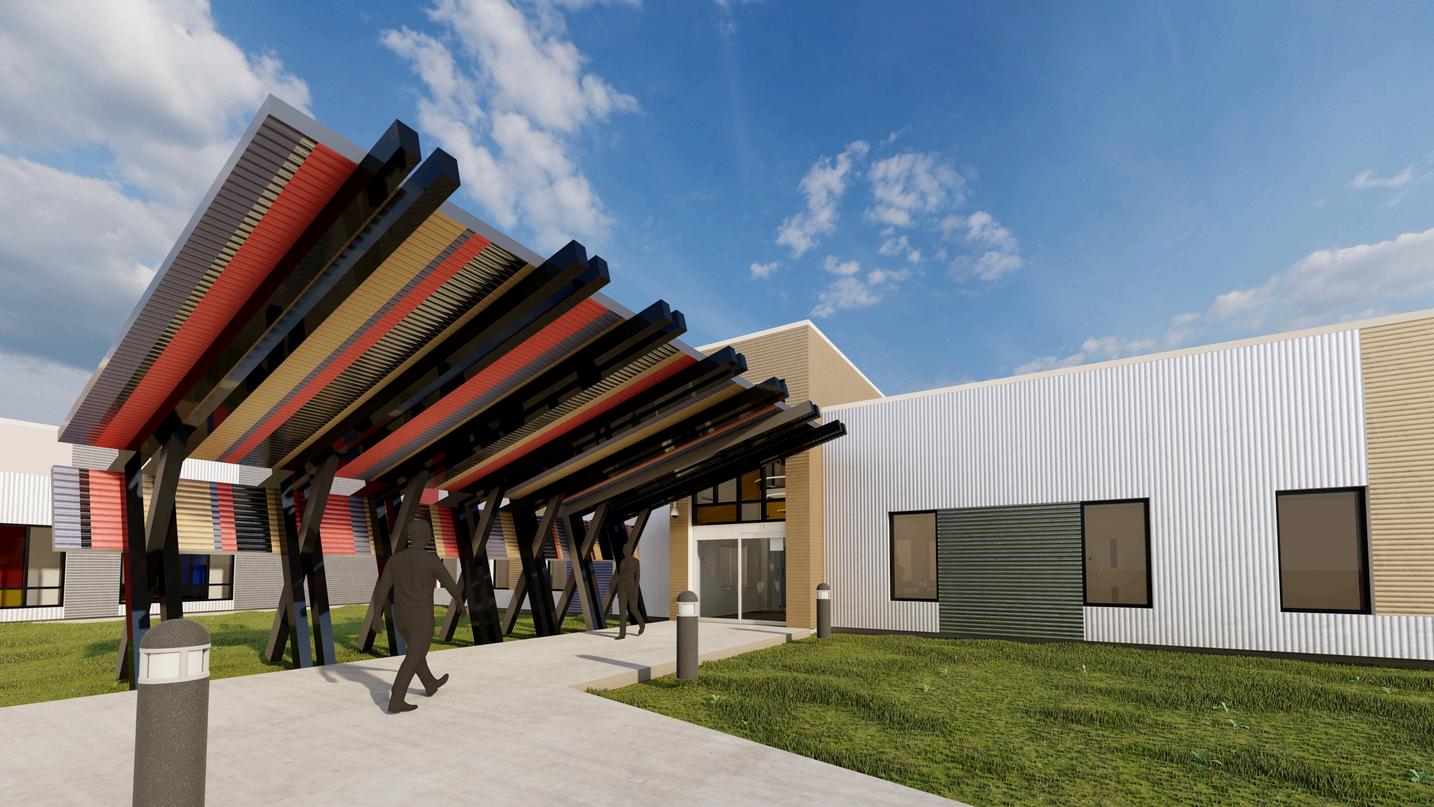
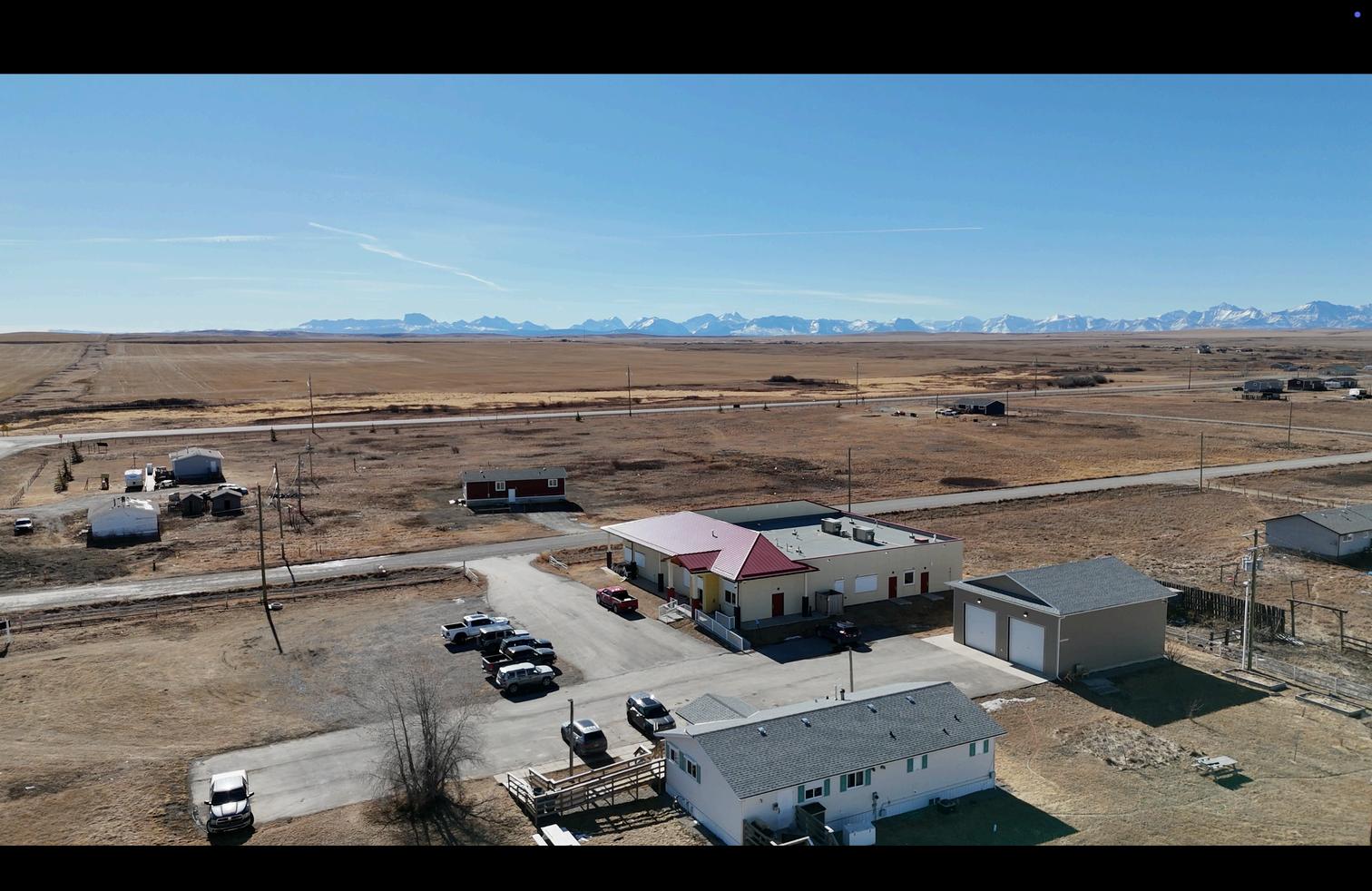
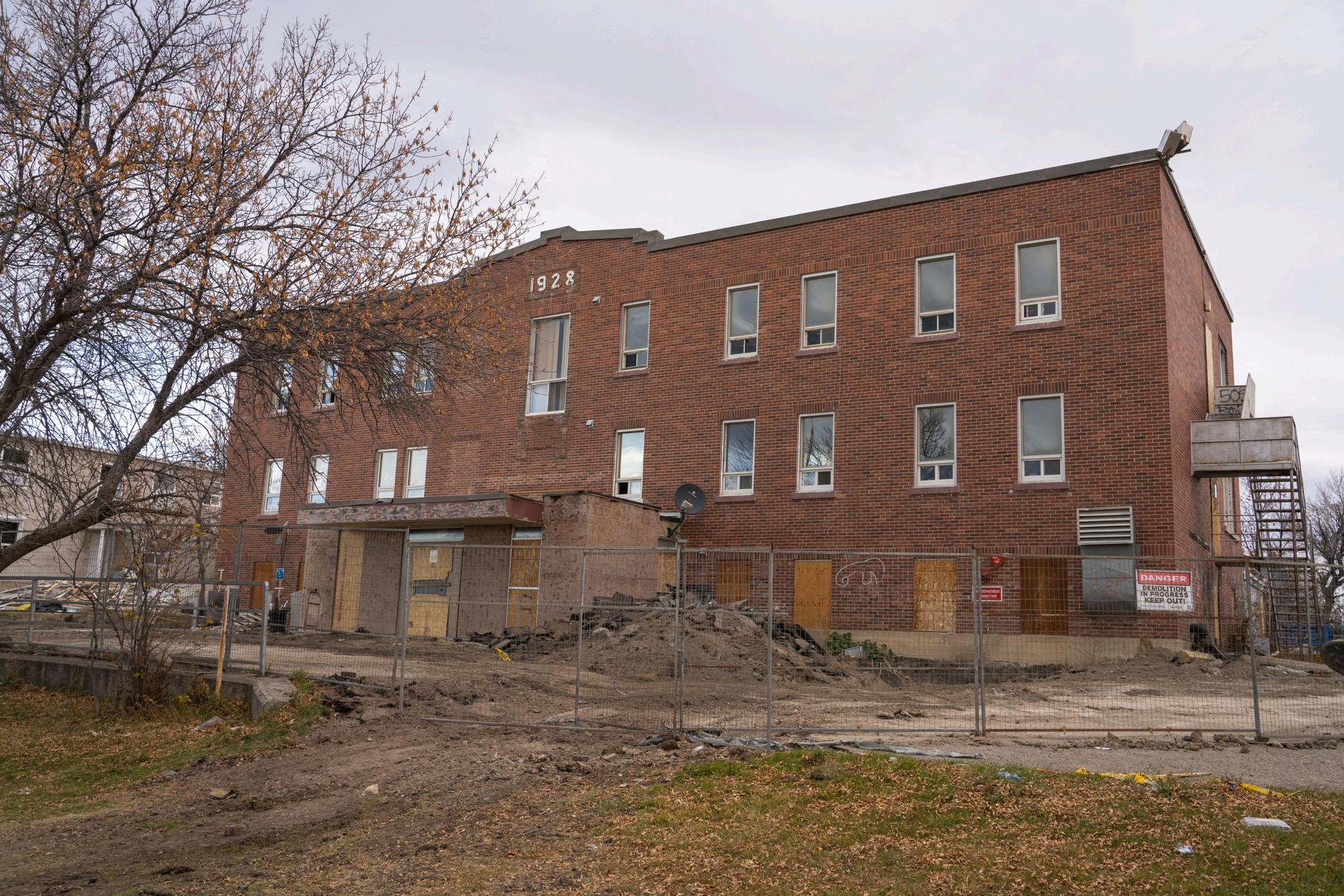
The BTDH Administration Building is a major capital project that will expand our service delivery capacity. As a growing organization, this new space reflects the important work we do and our commitment to meeting community needs. The building is expected to open by summer 2026. The new building is located near the Blood Tribe Early Learning & Childcare Centre in Standoff
Located in Moses Lake, the Blood Tribe Iitakamotsiipiohsopi Recovery Community supports individuals living with substance use challenges on their journey toward sustainable recovery and wellness
Our goal is that each person who comes through our doors leaves with strengthened life skills, renewed purpose, and the tools and relationships needed to maintain recovery, restore balance, and reconnect with family, community, and self
TAKE THE NEXT STEP IN YOUR RECOVERY, VISIT OUR WEBSITE FOR INFORMATION ON ADMISSIONS
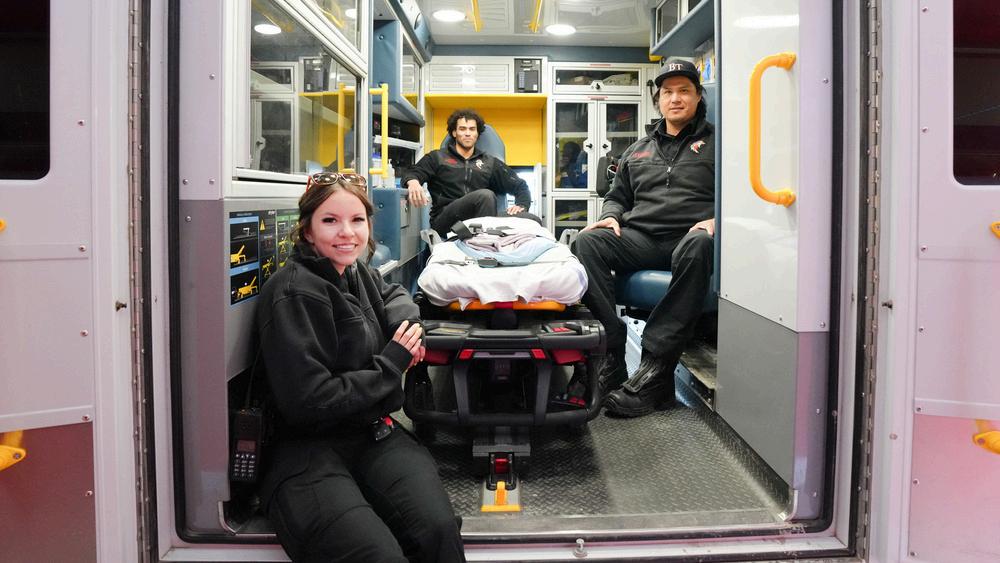
Blood Tribe Emergency Services Records Three-Month Streak of Zero Overdose Responses
Blood Tribe Emergency Services (BTES) has reported a significant milestone: zero overdose-related emergency calls since December 2025. This three-month period marks the longest stretch of zero drug-related interventions in recent history, signaling a decline in opioid overdoses and toxicity deaths on the Blood Tribe.
While the number of overdose related responses has dropped, BTES crews remain busy responding to emergency calls including grass fires, motor vehicle collisions, and medical assists
In the 2024-2025 fiscal year, BTES completed over 3400 patient care reports and reported 44 overdose related calls.
This historic news offers a rare moment of reprieve for first responders Blood Tribe Emergency Services reminds community members to never use substances alone In the event of an accidental overdose, having someone present can be the difference between life or death.
Blood Tribe Members can pick up Naloxone Kits at the following Blood Tribe programs and facilities:
Blood Tribe Department of Health: 403-737-3888
Levern Clinic: 403-737-8610
BTDH Emergency Services (Fire Hall): 403-737-2102
Blood Tribe Pharmacy: 403-737-3810
Blood Tribe Mapping Project to Improve Emergency Response on Reserve
The Blood Tribe Administration is developing a Nation-wide addressing system to improve emergency response times and community navigation By resolving issues like missing signage and outdated maps, first responders can now locate those in need more effectively
The mapping phase is nearly complete The final house numbers will be installed this spring and summer The next phase involves installing road signs at major intersections once names are finalized
Every home now has a unique house number When calling 911, please provide this number to ensure emergency services can navigate directly to your residence
If you have questions regarding this project, please contact the Blood Tribe Land Management Office at 403-737-8151
Blood Tribe New Year’s Baby
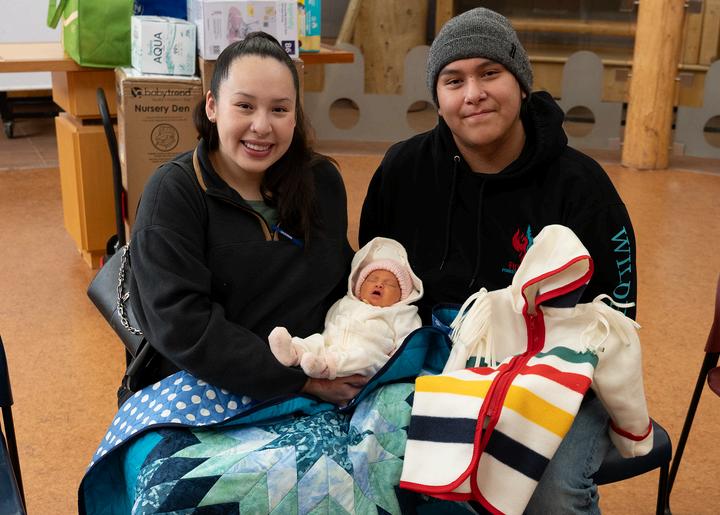
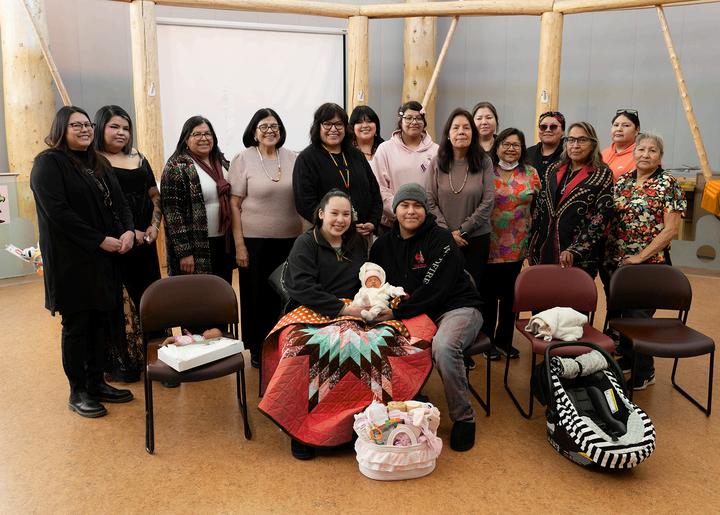
The Blood Tribe Department of Health was honoured to welcome and celebrate the Blood Tribe’s 2026 New Year’s Baby, Brynlee Rose Beatrice Big Swallow
Born on January 1, 2026, at 10:25 PM, Brynlee arrived weighing 5 lbs 1 oz. Her proud parents are Daylin Big Swallow and Charaya Mountain Horse, and her loving big sister Annatheaya.
The Community Health team and the Pace family came together to shower Brynlee with thoughtful gifts and a stunning Star Blanket. This meaningful blanket was donated on behalf of the Pace family in loving memory of Community Nurse Tina Pace, who worked diligently on the BTDH New Year’s Baby Celebration, including the donation of the baby star blanket yearly Through this continued tradition, Tina’s legacy of compassion, generosity, and community care lives on
We extend our gratitude to our generous partners for their donations and to the Pace family for honouring and carrying forward Tina’s beautiful legacy
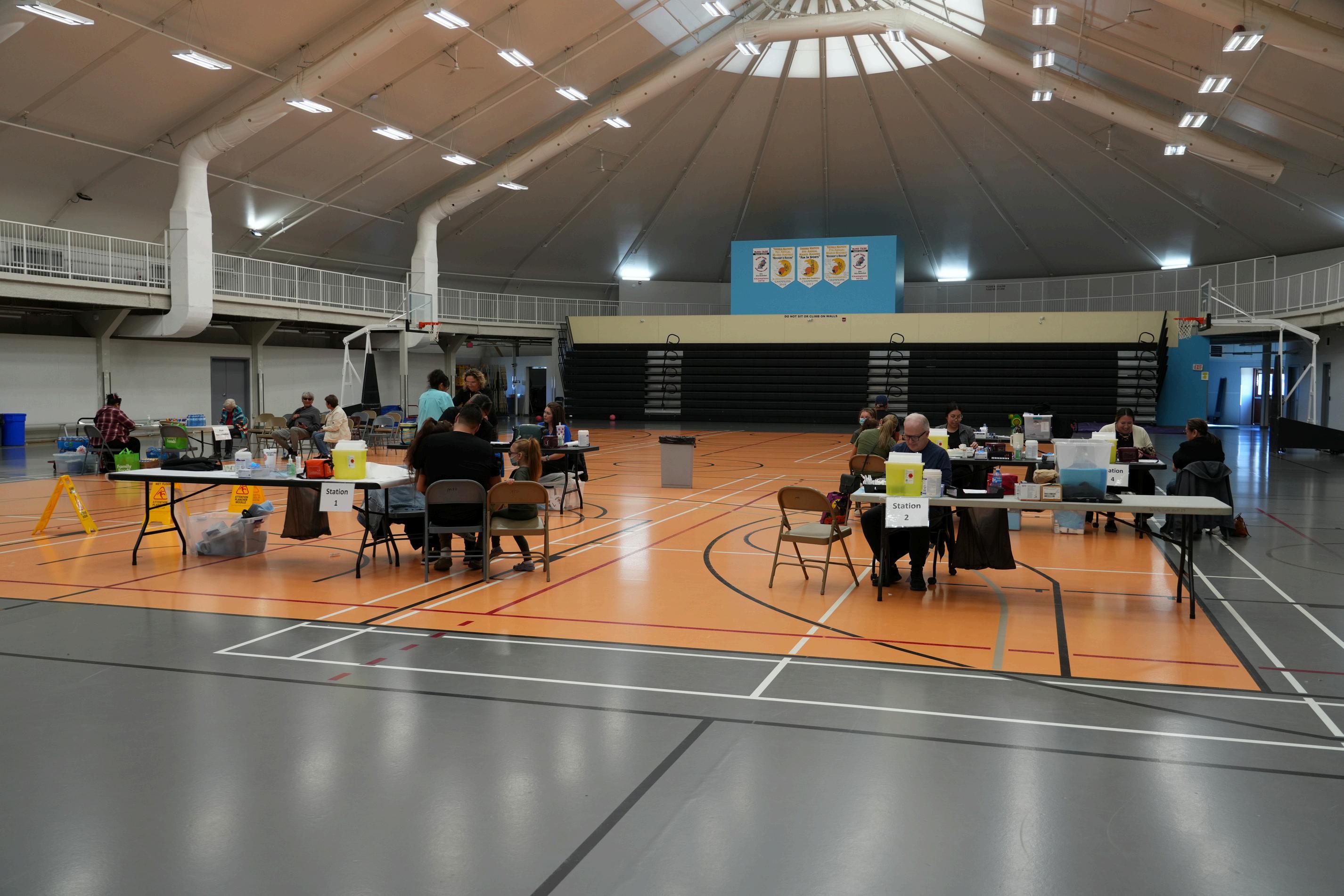
Time: 1:00 p.m to 4:00 p.m.
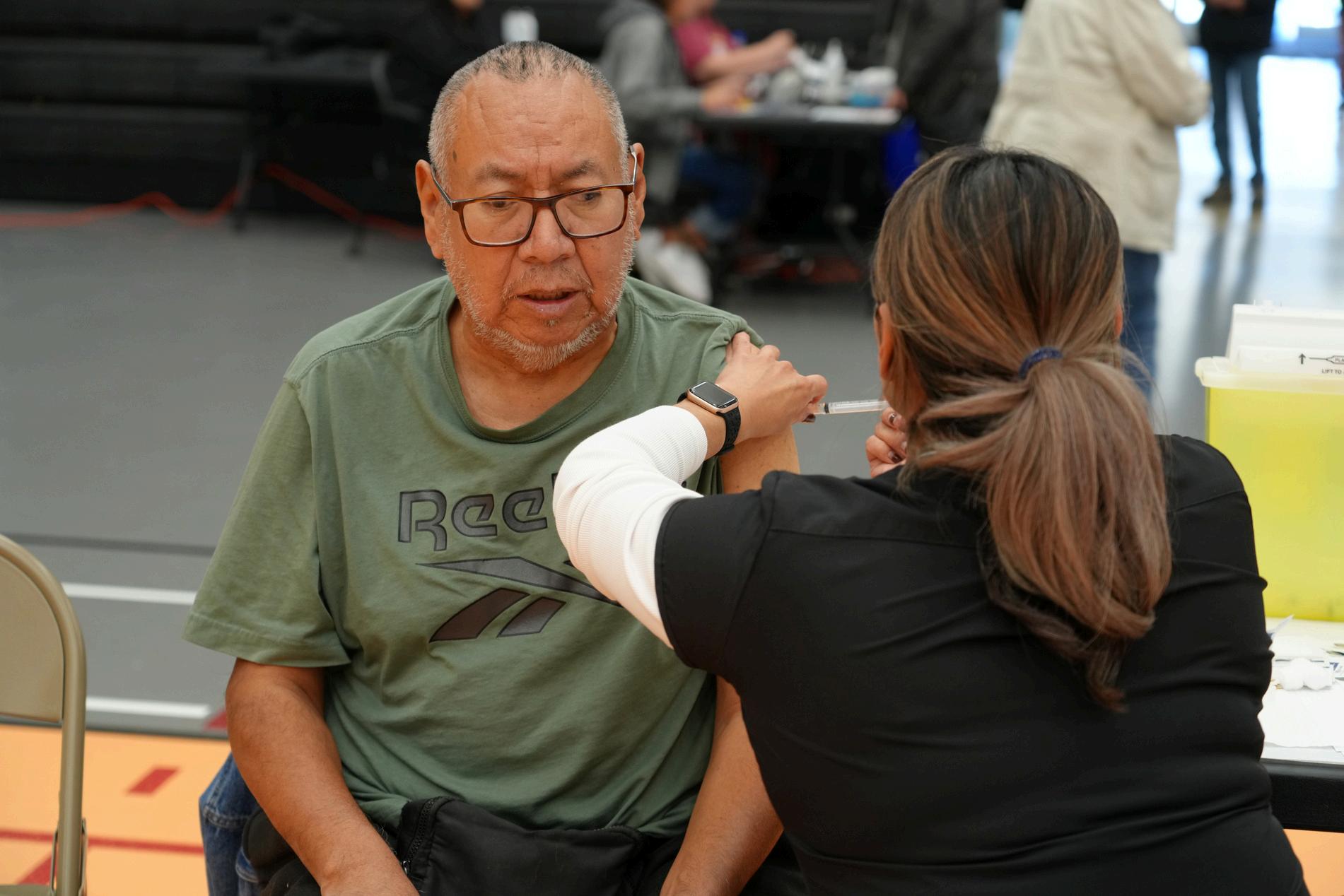
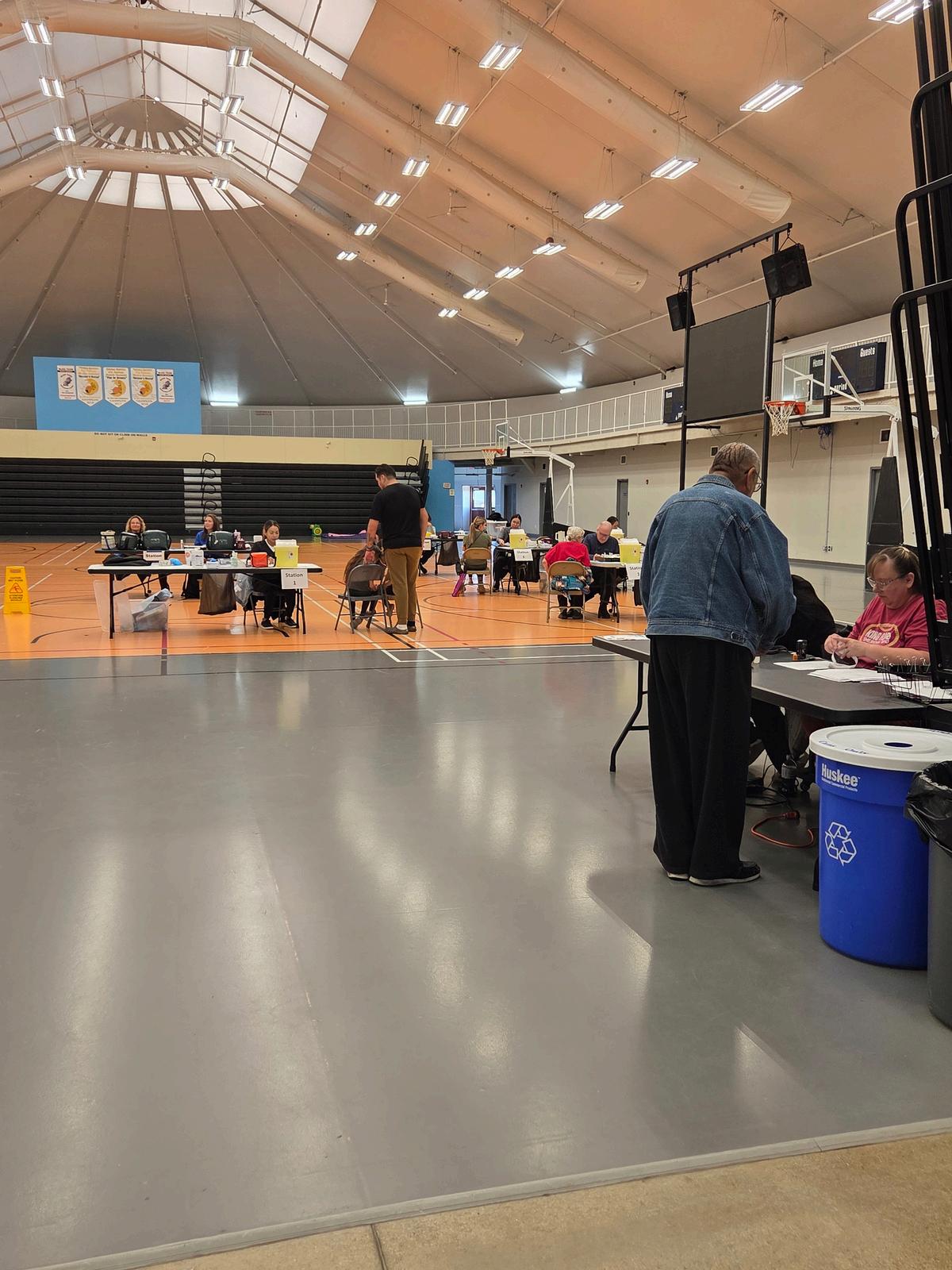
Immunization is the most effective way to protect against vaccine preventable diseases.
Vaccines are highly effective. Immunization protects both individuals who receive the vaccine and the people with whom they come in contact, especially those who cannot be vaccinated or are incompletely vaccinated due to medical conditions or age. The following vaccines are available for the Blood Tribe:
Influenza: Protects against 4 strains and all individuals 6 months and older are eligible Seniors, infants, and children, and pregnant people are at higher risk
Covid-19: Two MRNA vaccines available this year: Moderna Spikevax KP2 and Pfizer BionNTech vaccines. Product choice will depend on age (refer to IPSM for details)
RSV: Residents of continuing care and supportive living who are 60 years of age and older and community dwelling seniors who are over 75 years qualify for the RSV (abrysvo) vaccine.
Prevnar 20: Indigenous populations are at higher risk of Invasive Pneumococcal Disease (IPD) Prevnar 20 is available to all FN communities and can be offered year round
FirstStepsHealthyBabies
The First Steps Healthy Babies (FSHB) offers mentorship programs and run on a volunteer basis To help address transportation issues due to the large size of the Blood Reserve, programs work on a visitation model
Fetal Alcohol Spectrum Disorder Assessment Clinic
Since 2004, the Fetal Alcohol Spectrum Disorder (FASD) Program has provided vital assessment and support to Blood Tribe members
Originally established through the Alberta Parent-Child Assistance Program (PCAP) to address alcohol addiction, the initiative has since evolved to meet the complex challenges of the opioid crisis
Recognizing that the assessment process can be lengthy, the program offers dedicated long-term support for parents and young families navigating addiction both on-reserve and in urban centres like Lethbridge, Calgary, and Edmonton
Maaksikowattsimaani
The Men’s Mentorship Program
A Nitsitapi culture-based program to provide help and support fathers or soon-to-be fathers in the community, either raising their children on their own and to provide positive family supports. This program is open to all men in the community who face isolation, lack of support, struggle with mental health, and/or addiction
Programming events
Circle of Brothers meetings, every second Monday of the month from 4 PM to 7 PM.
Blackfoot culture sweats, usually for times a year, the latest was on March 13, 2026.
Visits to sacred sites in the region, Majorville, Napi’s Rock, Women’s Buffalo Jump, Snake Coulee, and Belly Buttes.
Local outings such as bowling, axe throwing, and a recent donation to the Calgary Flames Indigenous Night game.
Nitsitapi culture-based programming was incorporated into the FSHB Programs, such as traditional parenting, and includes Elders who share their knowledge to promote Blackfoot culture and values. Elders also assist in drum and rattle making, sewing classes, and sweats.
The Program assists first-time parents from prenatal care through children ages 6, promoting healthy living and guidance It also offers education support, developmental assessment
Participants are supported in a group setting and are also provided with immunization for both parents and children. Monthly events hosted by FSHB and are client-only based. The FSHB Program does take part in Community Health events.
The Maaksikowattsimaani Program is a safe place where men can connect, learn, and support one another while also reconnecting with our Nitsitapi values, teachings, and responsibilities as men.
The Maternal Child Health (MCH) Program
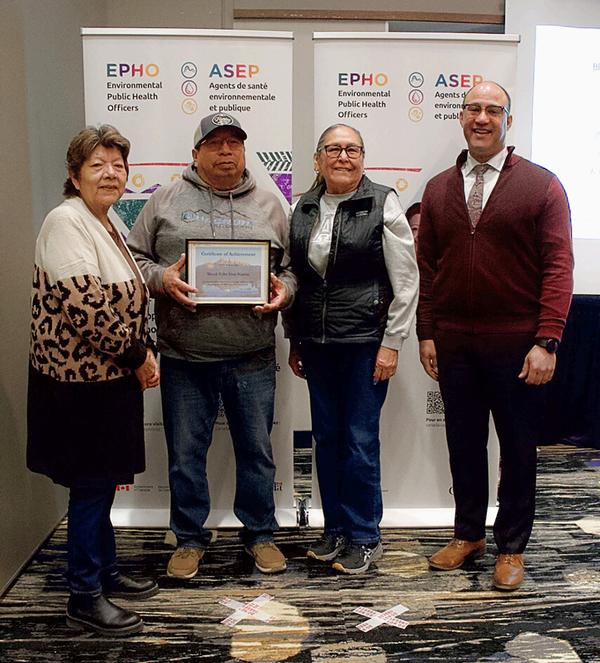
Community Health Team Awarded First in Water Sample Collection by ISC
Congratulations to the Blood Tribe Department of Health’s Environmental Public Health Team, who were awarded first prize for Water Sample Collection by Indigenous Services Canada!
Last year, the Community-Based Water Monitor Program, in collaboration with the ISC Environmental Public Health services team, completed over 2,700 water sampling tests at treatment plants and other water systems within the Blood Tribe
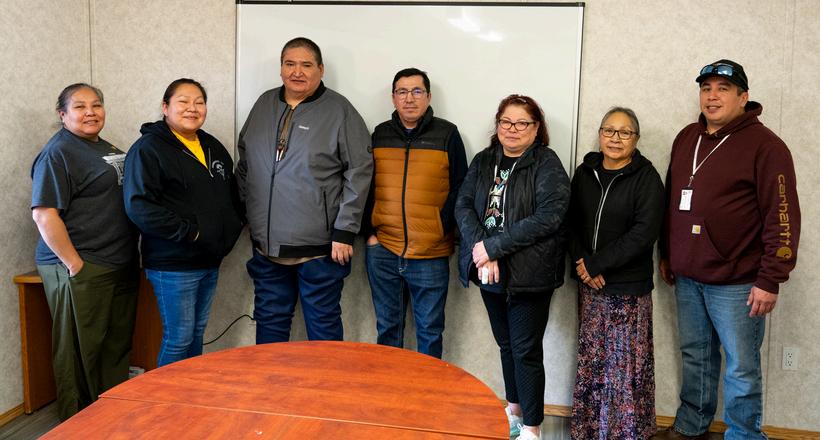
The team consists of William Little Bear, Molly Davis, Patty Eagle Child, Joanne Wells, and Charlene Raju. Their hard work and commitment to achieving full sampling compliance has been recognized as a standard of excellence in environmental public health for the Blood Tribe.
This recognition is a testament to the team's dedication and technical precision and keeping Blood Tribe members safe and healthy.
Kimohpipo’tookoyi
RESPONSIBILITY
What to do When a Boil Water Advisory Ends
Once a Drinking Water Advisory is lifted, you need to flush, clean, and sanitize the following:
Water pipes
Water treatment devices
Plumbed appliances
Water storage tanks
Before you use water in your home:
Remove all aerator or screen devices from faucets
Run hot and cold water faucets for at least five minutes before you use them
If you live in an apartment or condominium, run all faucets for at least five minutes, until the water is clear and any air in the plumbing has been released
Rinse out any sediment or debris from the aerator or screen devices and put them back on the faucet
Flush, clean, and sanitize appliances with water line connections (e g , fridges with water and ice dispensers) following manufacturer’s instructions.
Disinfect water filtration devices following manufacturer’s instructions.
Run your water softener through a regeneration cycle following manufacturer’s instructions.
Replace filters on any tap water filtration devices, and flush the fixture according to the manufacturer’s directions
Hot water heaters and hot water heating systems may require that water be drained to get rid of any sediment.
If your hot water heater was set below 45 °C, drain and refill the tank.
Community health
The BTDH Community Health team is dedicated to supporting the wellness of our community through accessible, preventative, and culturally respectful health services. Explore the programs available to help you and your family stay healthy.
School Immunization Services
Community Health nurses provide in-school immunizations for eligible students from Grades 1–9
These vaccines protect against serious illnesses such as Hepatitis B, HPV, meningococcal disease, and more Consent forms must be signed by a parent or guardian and are available at your child’s school or Community Health.
Additional support is available through Well Baby/Child clinics for children who may need extra care.
Pediatric COVID Clinic
COVID-19 vaccinations are available for children ages 6 months to 11 years at Community Health This clinic is offered by appointment only to ensure personalized care and support for families.
Unsure of your child’s vaccination status? Want to make an appointment for our clinics? We’re here to help! Call 403-737-3933 to speak with a Community Health Nurse.
Kidney Check Clinic
Kidney disease often has no early symptoms, but early detection can make a big difference The Kidney Check Clinic offers screening to help identify concerns early and support your long-term health Call to book appointment
Adult Clinic (STBBI Program)
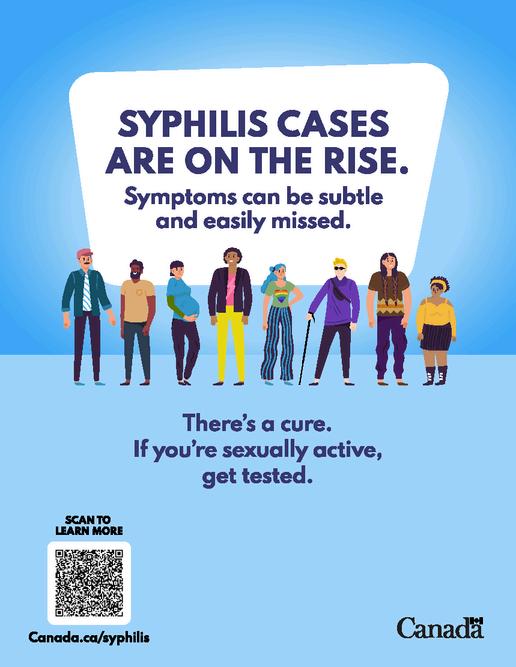
The STBBI Program offers free, confidential testing for sexually transmitted and blood-borne infections, along with routine immunizations.
Services are available at Community Health and Levern Clinic. Our nurses provide a safe and supportive space to ask questions, get tested, and take control of your health Call to book appointment
kainai Diabetes Program and Nutrition Counselling Service
The Kainai Diabetes Program (KDP) is here to walk with Kainai Nation members struggling with diabetes on their health journey. The program offers caring, one-on-one support to help people understand diabetes, manage blood sugars, and feel confident in everyday life. KDP also presents in the community on the impacts of diabetes and how to help manage it.
The prevalence of diabetes is ever-increasing in our community KDP is seeing community members being diagnosed with diabetes at younger ages and significantly more people being given a diabetes diagnosis If left untreated, diabetes causes a range of complications that can impact one’s whole body; however, if diabetes is managed, individuals can live long and healthy lives Lifestyle factors such as nutrition and exercise can make a big difference in the quality of life for those affected by diabetes
The KDP team can help with:
Learning about diabetes and how it affects your body
Support with medications, insulin, and blood sugar monitoring
Nutrition guidance that fits your family, budget, and food beliefs
Setting small, realistic health goals
Foot care, screening, and referrals to other services
Connecting traditional knowledge with medical care
KDP welcomes individuals, families, and caregivers. Whether you are newly diagnosed, supporting a loved one, or wanting to refresh your skills, the KDP team is here to listen, encourage, and support your wellness.
Located in the Community Health Building, members can meet with the KDP team individually for assessments, schedule community presentations, attend events, and check out the KDP webpage on the BTDH website (coming soon).
Upcoming events:
•Kidney Health Check: April 23, 2026
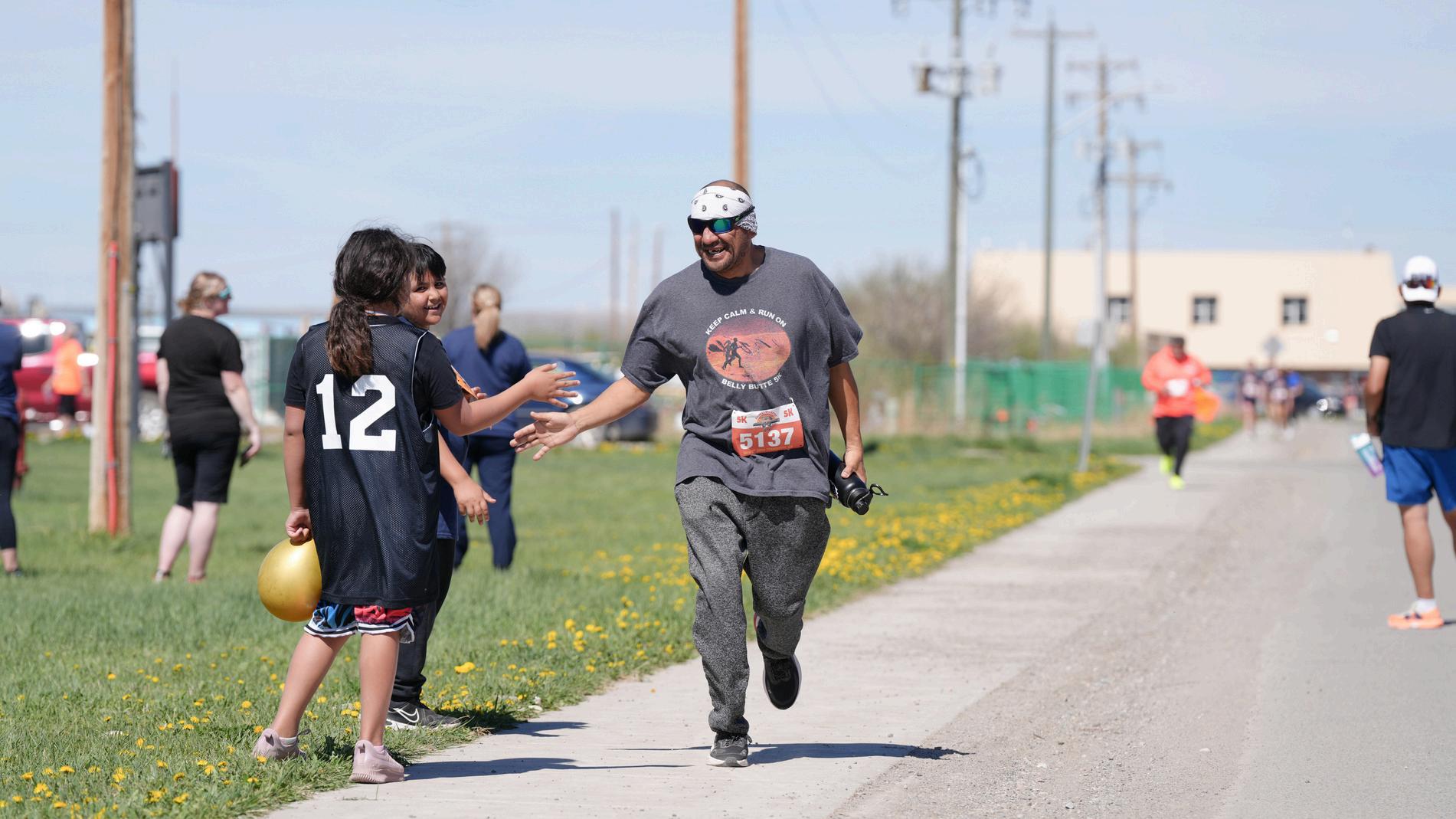
•Diabetes Run and Walk: May 6, 2026
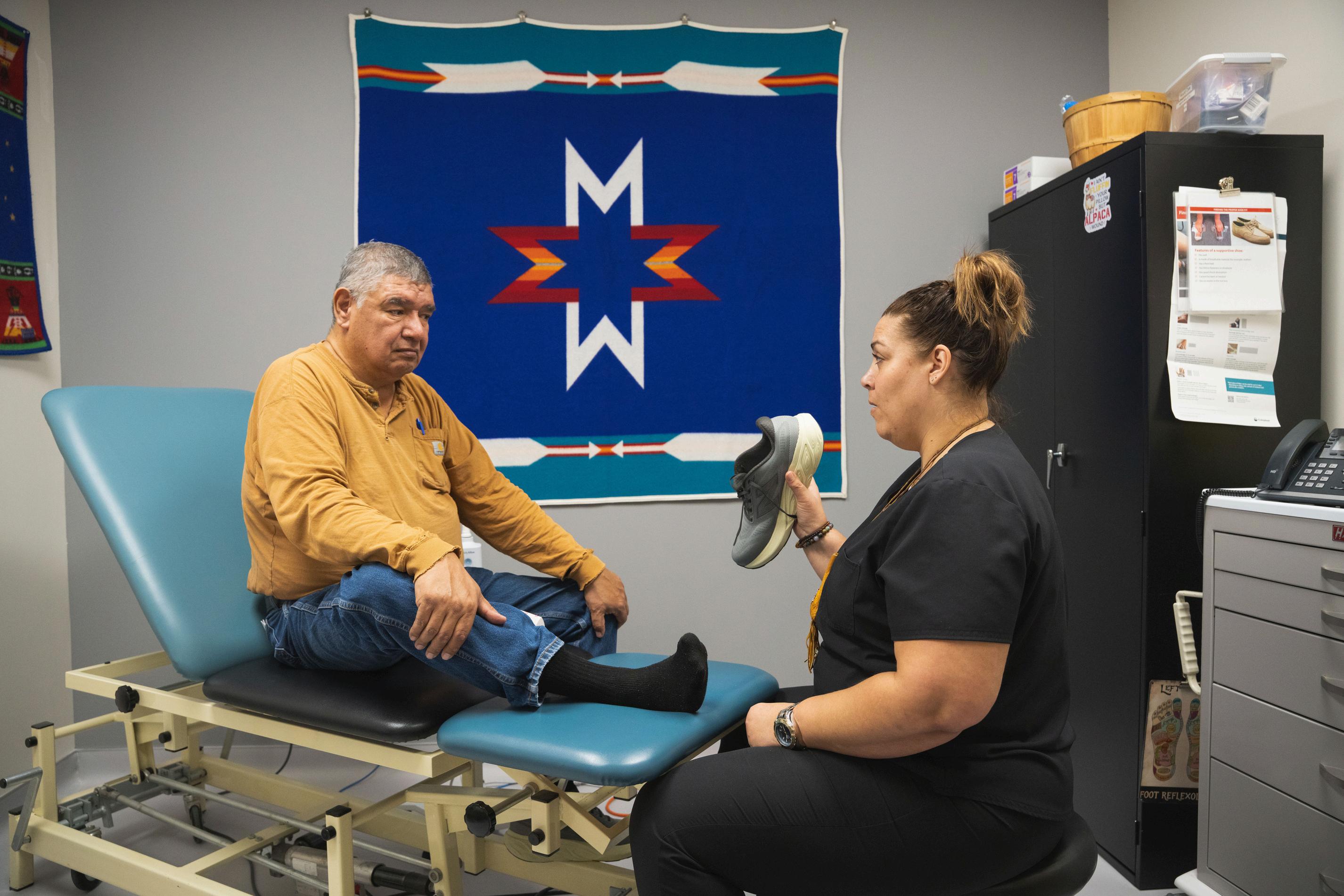
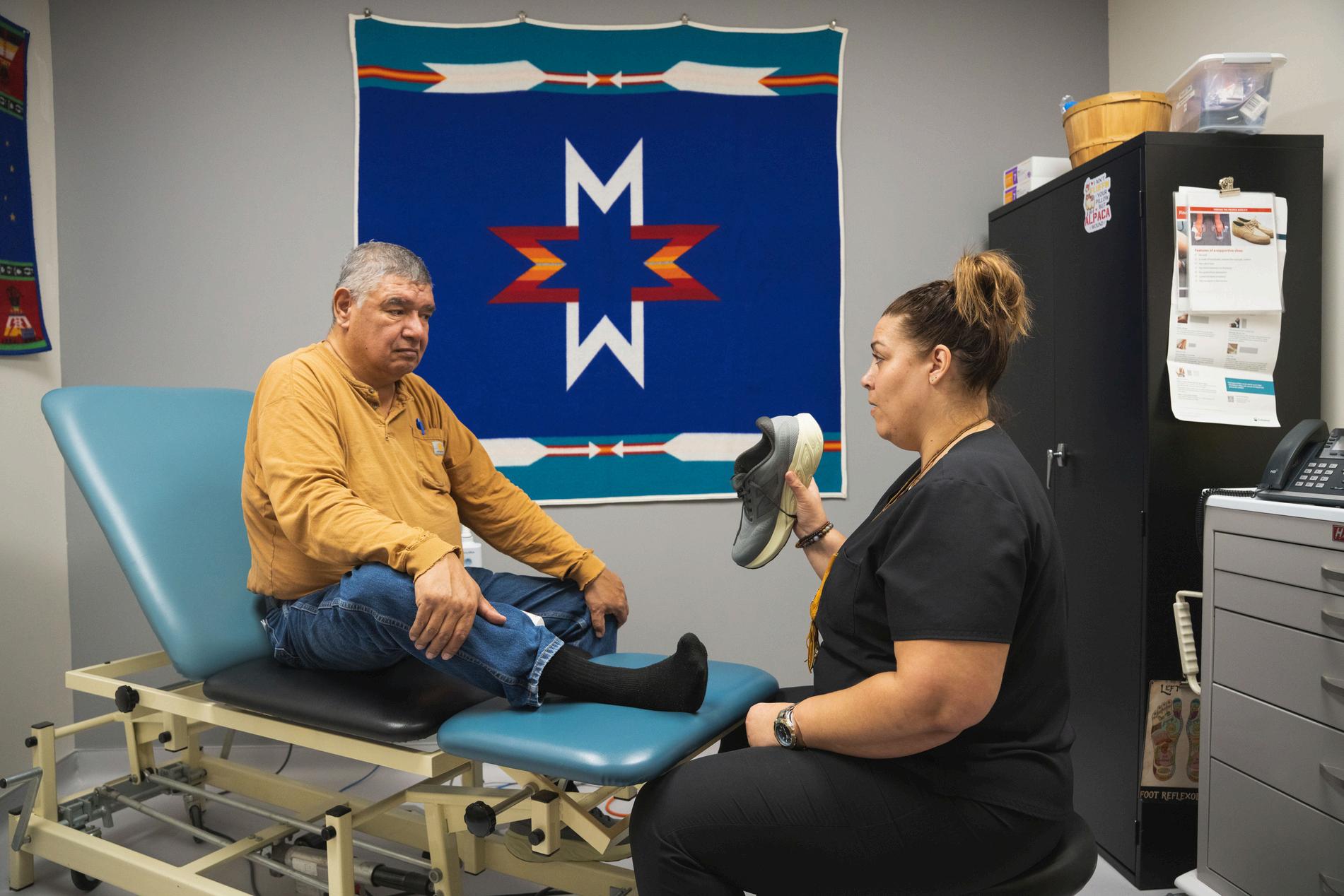
The BTDH Wound Care Program is located at the Levern Clinic and provides specialized care to help Blood Tribe members manage both complex and acute wounds within the community.
By offering advanced wound care services locally, the program reduces the need for community members to travel to Lethbridge or other urban centres for treatment. This improves access to care and supports healing close to home.
The program provides advanced wound care services such as debridement, and lower leg assessments which are used to determine if there is adequate blood flow to feet These services are particularly important for individuals with chronic conditions, injuries, or mobility challenges who may otherwise face barriers accessing specialized care outside the community
In addition to wound treatment, the program also offers foot care, education, and specialized clinical initiatives designed to support overall skin health and prevent complications
Each Wound Care client receives an individualized treatment plan based on their condition and overall health.
BTDH WOUND CARE PROGRAM
CORE AREAS OF SERVICE
WOUND CARE
The Wound Care Program treats a wide range of wounds affecting Blood Tribe members These may include: burns, lower leg assessment, chronic wounds, venous and arterial wounds, diabetic ulcers, traumatic wounds, etc.
Foot CARE
Foot care services are offered at Levern Clinic and focus on preventing complications, particularly for individuals with diabetes or circulation issues Services include: conservative sharp debridement, callus removal, corn removal, ingrown toenail assessment, foot health assessments
DermGen Research Project
DermGen uses donated human tissue that has undergone a process called decellularization, which removes DNA from the tissue while preserving the structural components that support healing Because the DNA is removed, the graft can be safely used regardless of a patient’s skin colour, age, or blood type
Education and Best Practices
The Wound Care program provides guidance and training and guidelines to health staff on wound management to promote the prevention and early intervention strategies Education helps strengthen the overall healthcare system within the community and ensures staff are equipped with up-to-date clinical knowledge
Wound Care Program
Beyond treating wounds, the program also supports clients with ostomy and continence care, helping individuals manage these conditions while maintaining independence and dignity.
Wound Care Program Referral
How do I access services?
Clients may be referred by physicians, health professionals, or community programs such as Home Care, the Healing Lodge, or detox services In some cases, individuals can also contact the clinic directly for assessment
The program also collaborates with other health professionals such as: diabetes specialists, nursing staff at Long-Term Care and Home Care, occupational therapists, orthotics and adaptive technology providers, physicians and nurse practitioners
This collaborative approach helps ensure clients receive comprehensive care that addresses both the wound and underlying health conditions.
Each client receives an individualized treatment plan based on their condition and overall health.
Supporting Independence and Dignity
Beyond treating wounds, the program also supports clients with ostomy and continence care, helping individuals manage these conditions while maintaining independence and dignity
Providing these services locally allows clients to receive ongoing specialized care without needing to travel outside the community.
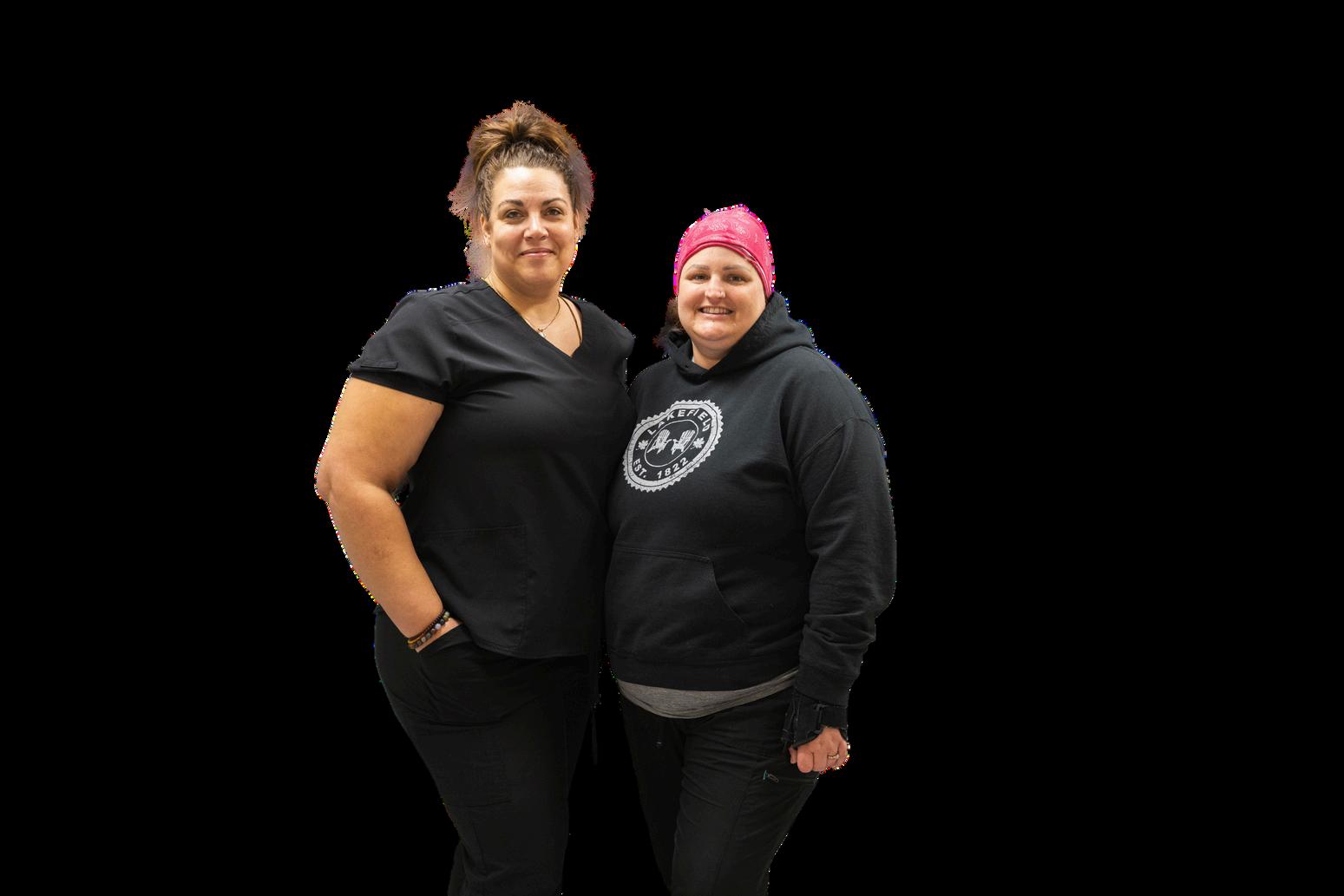
Wound Care Program Nurses
The Blood Tribe Department of Health Wound Care Program is staffed by the following nurses:
Together, they work to ensure Blood Tribe members receive high-quality, specialized wound care services close to home.
MISSING AND MURDERED INDIGENOUS PEOPLE & PINK SHIRT DAY
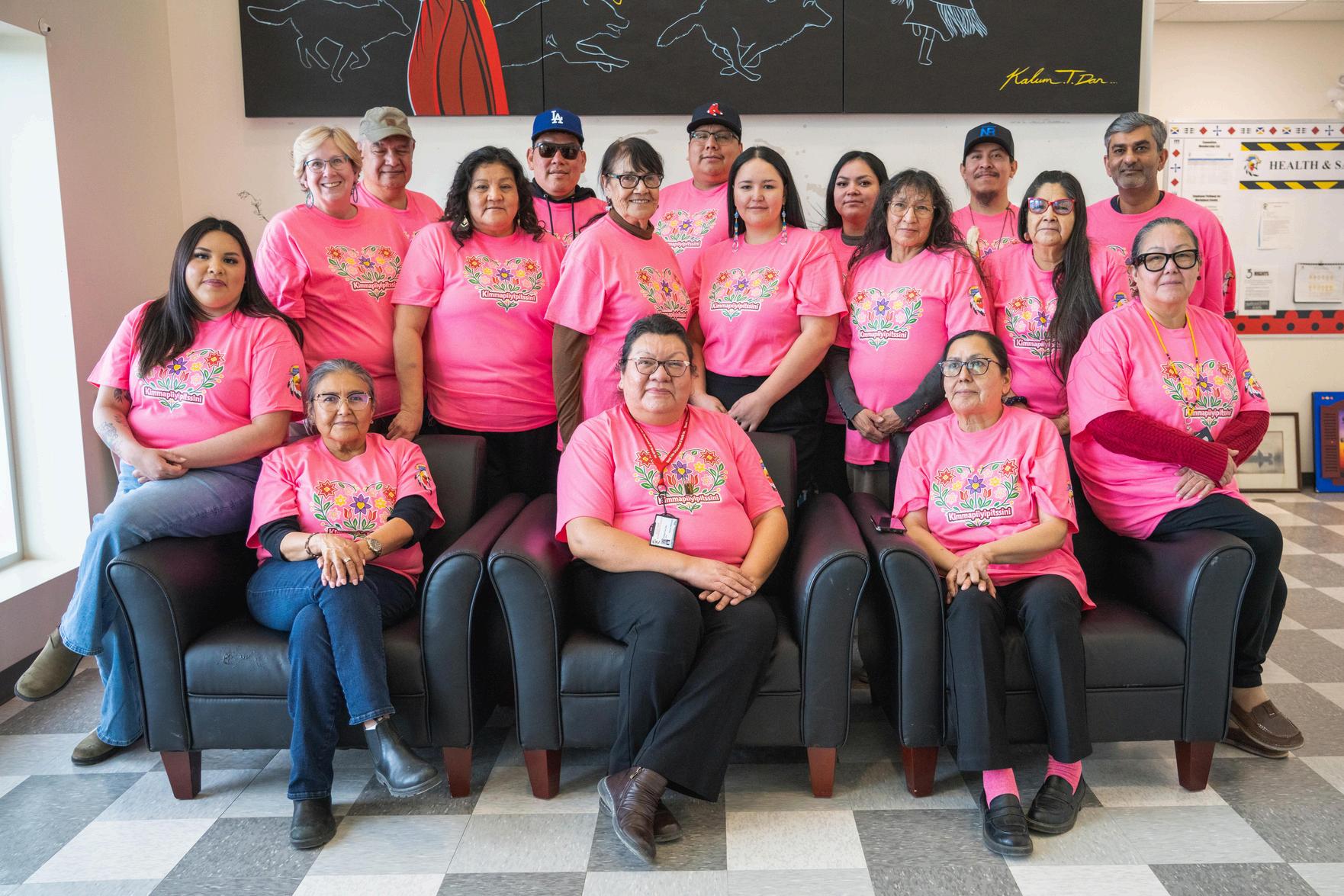
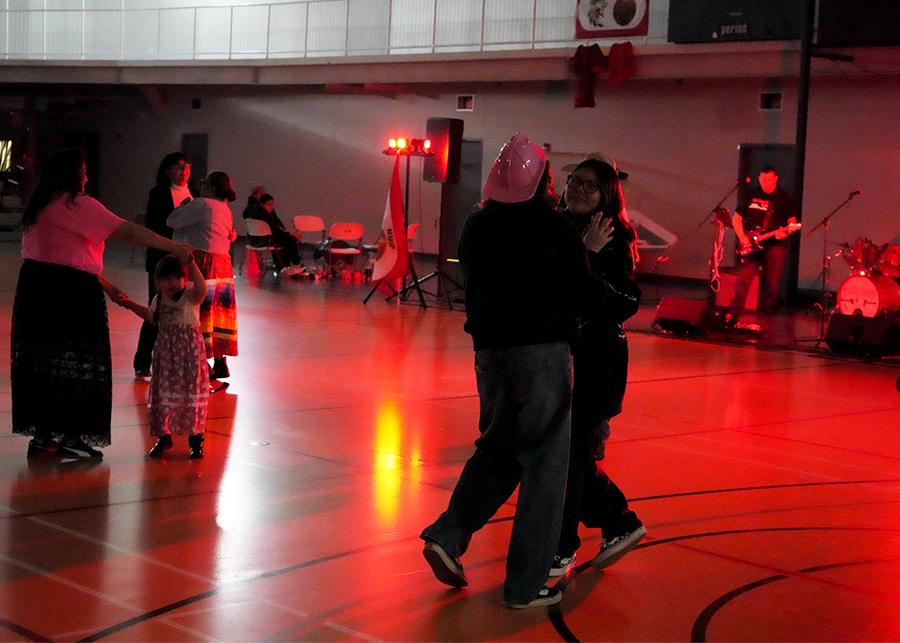
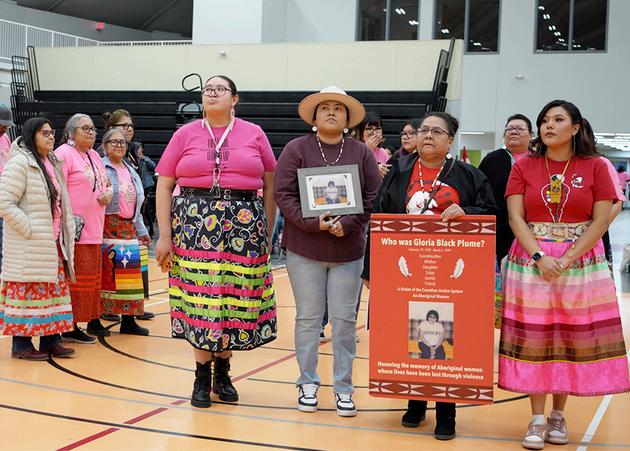
On Feb 27, 2026, the Wellness Program hosted a combined Pink Shirt Day and Missing and Murdered Indigenous People (MMIP) event focused on addressing violence, bullying and healing
The event welcomed 131 attendees and featured an honour dance recognizing loved ones who have been lost. Keynote speaker Marla Medicine Shields shared a personal story about her grandmother, Gloria Bird. She was joined by her sister Selena and her mother Kaily Bird.
Tony Delany served as master of ceremonies. Remarks were also delivered by BTDH CEO Kash Shade and board member Marcel Weasel Head Entertainment was provided by Rudz Crew and Baby Flats
The event aimed to raise awareness of MMIP, promote anti-bullying efforts and support community healing
Wellness Program
Pink Shirt Day
Pink Shirt Day is recognized annually across Canada in February It began in 2007 after a student in Nova Scotia was bullied for wearing a pink shirt to school The movement has since grown internationally as a symbol of standing against bullying.
Participants wear pink to promote inclusion, kindness and respect The day encourages individuals to foster safe and supportive environments in workplaces, schools and communities
This year’s theme, “Sprinkle Kindness, ” highlights compassion, inclusion and generosity. These values align with Kainai teachings, including: Kimmapiipitsiini (kindness) Ispommtsinni (giving and sharing) Aakomimhtaan (love and respect)
The Wellness Program continues to raise awareness of all forms of bullying, including physical, verbal and cyberbullying, while supporting truth and reconciliation efforts
Across Canada, communities gather annually on Feb. 14 for memorial marches honouring Missing and Murdered Indigenous Women, Girls and Two-Spirit people (MMIWG2S). These events provide space for remembrance, ceremony and advocacy, while amplifying Indigenous voices and calls for justice.
In Alberta, trauma-informed health and cultural support programs have expanded this framework to include men and boys, using the broader term Missing and Murdered Indigenous People (MMIP) The National Inquiry into MMIWG identified systemic factors contributing to violence against Indigenous Peoples, including colonial policies such as the Indian Act. These systems have contributed to ongoing disparities, including displacement, loss of language and cultural disruption
Indigenous women continue to experience disproportionately high rates of violence They are nearly three times more likely to experience assault than non-Indigenous women. Indigenous youth also face significantly higher suicide rates, estimated at four to five times higher than their non-Indigenous peers
According to the Justice Canada website, Indigenous Peoples are overrepresented in Canada’s criminal justice system as both victims and accused persons. In 2017, the homicide rate for Indigenous women increased by 32 per cent, while rates for Indigenous men have steadily risen since 2014.
The Federal Indian Hospitals Class Action Settlement officially opened on January 27, 2026, following the case of Ann Cecile Hardy v. the Attorney General of Canada
Under this settlement, individuals who were admitted to any of the 33 Federal Indian Hospitals between 1936 and 1981 may be eligible for compensation related to experiences of psychological, verbal, physical, and/or sexual abuse
In cases where a claimant passed away on or after January 25, 2016, their estate or eligible heirs may apply for compensation on their behalf The deadline to submit a claim is July 27, 2028
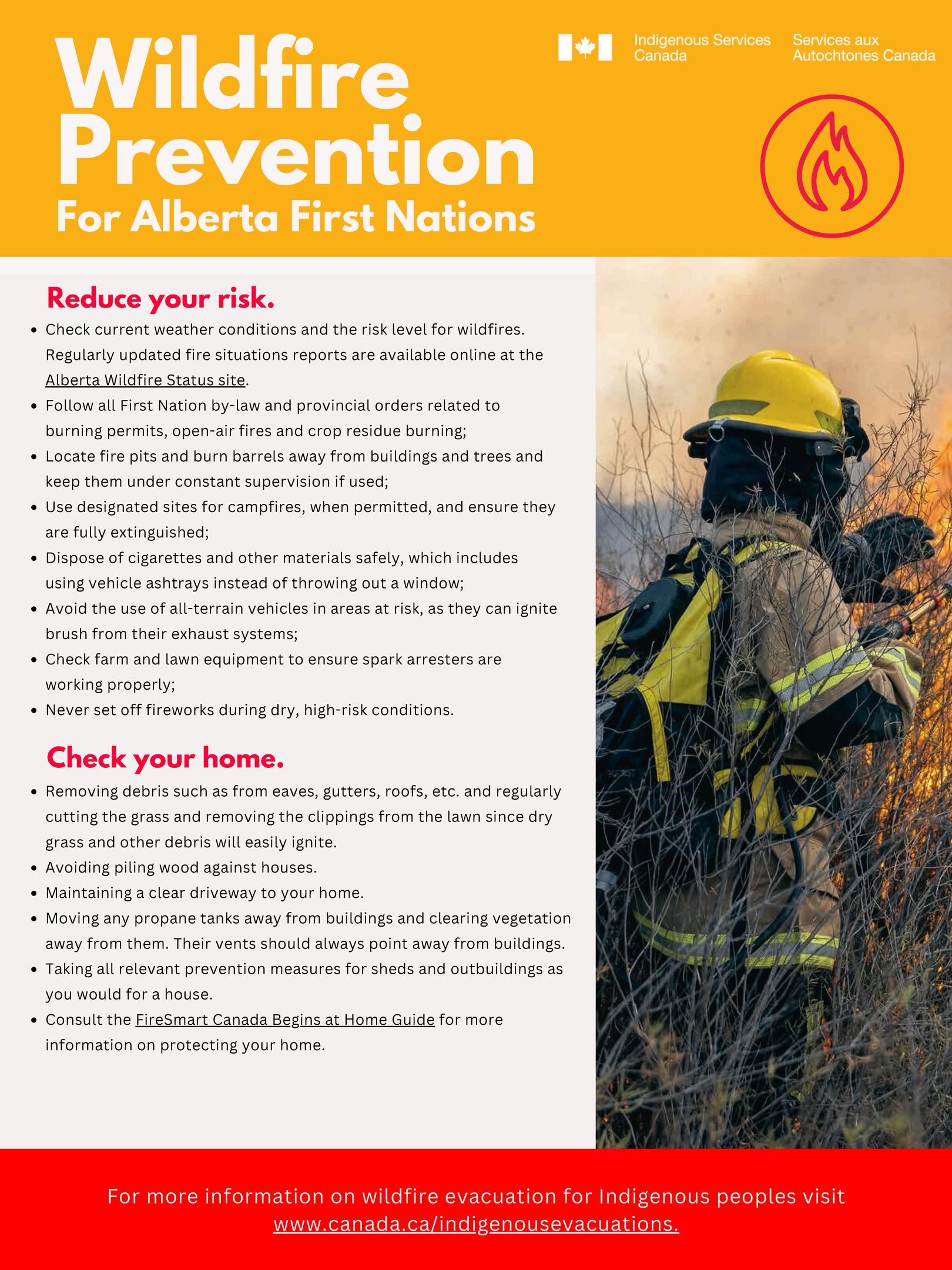
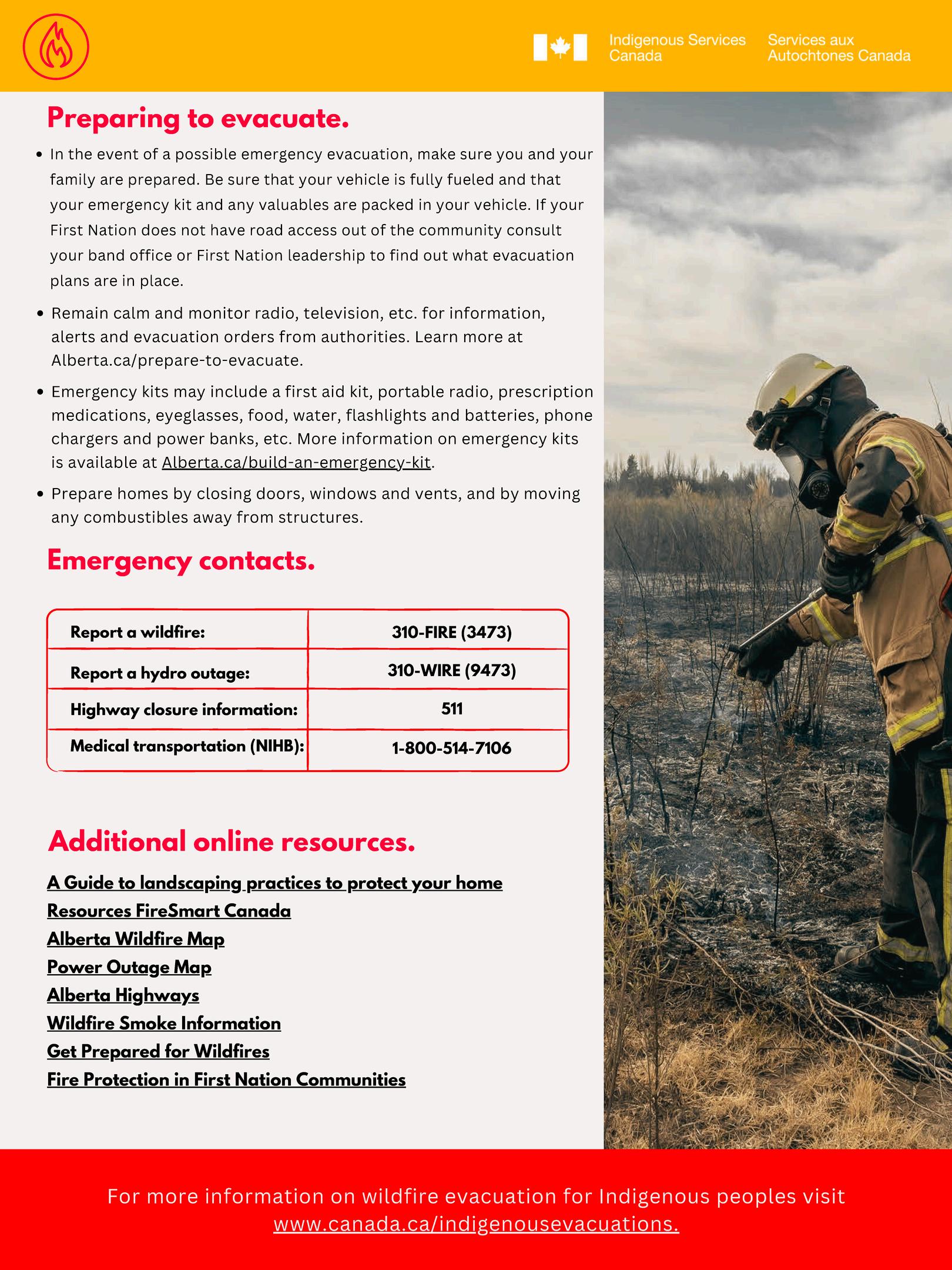
Scan to learn more about prevention and preparedness tips for wildfires
Screenings For:
Blood Sugar
What is the Test How Often
Lab work blood test for A1C number
This test should be done at diagnosis and every 3 months.
Blood Pressure Blood Pressure Machine At any visit with Doctor or KDP team
Screenings For What is the Test
Kidneys (Nephropathy)
Eyes (Retinopathy)
How often to screen
Where to Book
Our KDP team can order these for most physicians. Contact us to get a requisition today
No need to book special appointments
Where
to Book Type 1 Type 2
Blood and Urine Test 5 years after diagnosis and yearly follow up screenings
Variety of images via ophthalmologist (Eye Doctor)
Feet (Neuropathy)
5 years after diagnosis and over 15 years old and yearly follow up screenings
A foot exam, typically with an RN in the Diabetes Program 5 years after puberty and yearly follow up screenings
Heart (Cardiovascular) Lab work for cholesterol readings At diagnosis and every 1-3 years based on risk
At diagnosis and yearly follow up screenings
At diagnosis and every 1-2 years if normal
The KDP holds screening clinics once per month Contact us to book
We hold retinopathy clinics through KDP 1-2 times/ year Call to book in