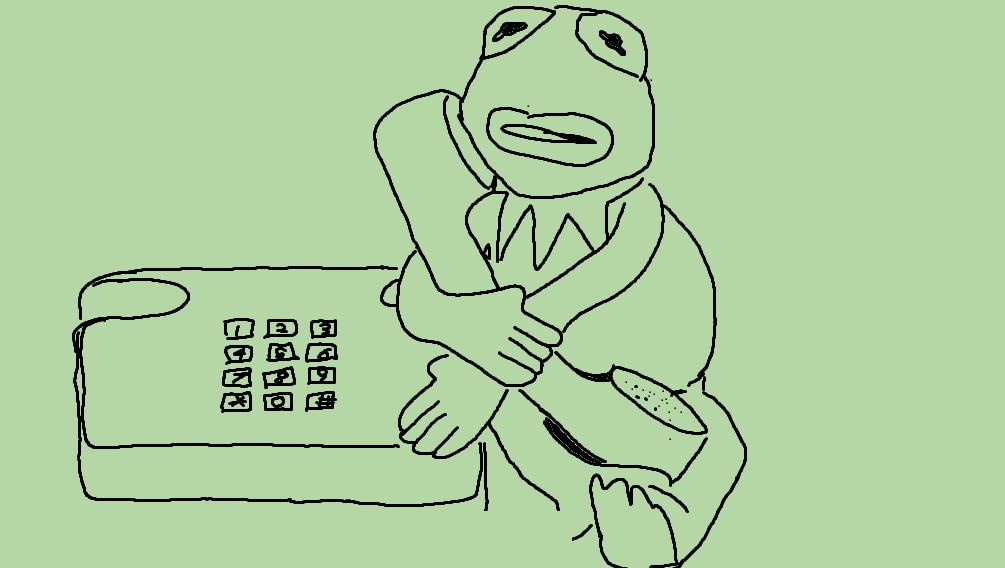
Do you pull your phone out for a specific purpose only to realize that you’ve forgotten what it was?
Us too. With devices always demanding our attention, it can be rare to have a true moment to ourselves. We want to start a conversation about phones demanding all of our attention. Tiktok, instagram, youtube, and any other apps we may use keep us chained and with less freedom to live the lives we’d like to.
We believe our current relationship does not use technology as the incredible tool it could be, but instead as a time suck and social crutch. More broadly, Simple Club rejects the idea that advancements in technology translate to social progress or the betterment of our lives. New technology has profound impacts on our lives (socially, at work, and how we understand and access the world), so we should have a say in what happens; technological “progress” is not inevitable! These changes won’t take place on their own; we need to come together and demand them It starts with you! Simple Club will strive to build an inclusive culture at Cal Poly and in SLO, focused on living intentionally. Read on to hear from some of the club’s first members:
Damian
My search for simplicity started in 2021, when after a year of teched out scrolling I was left with debilitating anxiety and a fear of social settings This was odd, since my life until then had been free of social anxiety. I may have felt social pressure at times but that was a great distance from the social fear that, after a year of covid year of phone frenzy and cheap stim, now debilitated me.
As I reflect now, it was clear that my problems stemmed from isolation and addictive tech habits, but this was unrealized and so no steps were taken to actualize any sort of meaningful change.
Life tended this way till I began dating my High School girlfriend, Vicky. We connected over how terrible it felt being a part of the post covid stimmed out culture . We’d spend hours reflecting on our own usage and creating goals to improve these facets of our lives.
It was through this experience of relationship based reflection that we were both able to delete social media, cut screen time, and eventually switch to a flip phone
Fast forward a couple years, when the aftermath of covid has come to fruition, it is apparent that as a society we’d like a change. I constantly hear folks talk about how their days feel robbed! Stolen by their phones for no reason other than it’s easy And so we let these devices creep into every crevice of our lives and make our lives more complicated than need be.
But to escape the media sludge and dredge toward simplicity can feel daunting, and to do it alone may very well be impossible
But together it is not! In fact, I know that through community and reflection we as humans are more than capable of shifting our perspectives and taking home some agency.
And so the answer to our problem?
It’s Simple.
Eva
Like many people, I have experienced the negative effects of excessive phone use It is easy to get caught in endless scrolling, constantly checking your phone, and feeling like it is hard to break free. We all know that too much phone time is unhealthy, but simply knowing this does not make it any easier to stop. It is an addiction that often goes unnoticed, and even when we are aware of its impact, breaking free can still feel impossible.
This struggle with technology led me to realize how deeply ingrained these habits are, not only in my own life but also in the lives of many others especially kids. I am passionate about advocating for policies that help young people manage their tech use in healthier ways. Kids are especially vulnerable to the addictive nature of technology—algorithms that keep them hooked with endless content and tailored recommendations. They are bound by a system designed to exploit their attention This can have a real impact on their mental health and development.
I am interested in holding tech companies accountable while helping families better navigate their relationship with technology. My goal is to create a culture where kids can grow up with tech that supports their well-being rather than exploiting it.
I also enjoy books, podcasts, and videos that dive deeper into the societal impact of technology, such as Jonathan Haidt’s recent The Anxious Generation These resources have shaped how I think about these issues and have motivated me to make a difference. If you relate to any of this, want to learn more, or just want to spend less time on your phone, I would love for you to join a meeting!
Drew
My journey with social media started from a young age, and looking back, I was far too young. I started downloading apps like Instagram and Snapchat at 13, when only a few daring 13 year olds would. In these apps, I was instantly immersed in the playful colors of the screens, the funny memes, and the constant updates from my friends and other people I “knew”. I would spend hours some days editing my profile and managing my following lists. Like many new technologies, I felt like I had so much power at my fingertips. Like I could somehow control my relationships on the screen I keep in my pocket. Like I was socially accepted only by the likes and comments I got on my posts. And I was only a kid.
My addiction with social media continued through high school. And there was no one to tell me that it was bad for me. It became “normalized” among my friends. You were an outcast if you didn’t have social media. At least that’s what it felt like. Eventually in college I hit a tipping point. I was tired of social media. I felt that I wasn’t making meaningful connections with people. I felt that I couldn’t focus on anything. My attention span had diminished from watching so much short form content
So I decided to delete my social media one day. I felt that I was going to be lost. Social media had me convinced that the whole world was on phones, so it was as if I was disconnecting from society. I would surely go crazy. But days and months passed and the world didn’t collapse. Nothing had changed, only the way I looked at the world now Instead of scrolling, I was out in nature I had more time to do the things I enjoy and I was picking up new hobbies, too. I learned to take things slowly and that we don’t have to be so connected to everyone and everything at every moment.
We can enjoy our own sphere of experience untainted by technology.
Soren
For the past five or six years I’ve been working on using my phone (and other screens) less. My original motivations included reclaiming time in my days and living more presently, though I didn’t always have a clear idea of what that meant. I had a feeling that my life was moving quickly and that I was somehow wasting it by staring at a screen. I felt that I was missing clarity in my thinking and understanding of the world, something I now would link to my attention span and my inability to sit with my thoughts and be bored.
I started with a general gravitation away from posting and engaging with social media, but was addicted to other things like mobile games and instagram reels. When I deleted Instagram I would guiltily pull it up on my browser, or go to Youtube shorts. Soon, everything was TikTokified with endless scrolling meant to suck users in, and it became impossible for me to avoid Over a year or two I slowly purged various apps from my phone, though I still was wasting more time than I wanted to (even on things like my email and LinkedIn!). I felt guilty because I thought that I should somehow be better than that. If I didn’t want to go on the apps, why did I keep wasting my time on them?
At some point my thinking changed as I seriously applied the concept of “addiction” to phone use. More important than my own will-power was the fact that I was chemically addicted to my phone – and it was designed to be that way. There was no need to feel guilty. With this weight off of my shoulders I looked into ways that people had broken their habits before me. With help from others I am continually learning how to manage my relationship with technology on my own terms. This drawing of experiences and community building is an essential part of Simple Club.
Lastly, I want to impart an important piece of nuance. While the decision to swap to a flip-phone or hop off of certain social media platforms may be the right decision for some, completely abstaining from technology use is not what we advocate for. Social media can allow for important on-the-ground reporting of marginalized voices (see Palestine), allow us to feel connected to current events and culture, or simply provide an escape from everyday stress and fears about our world. Instead, we urge you to re-examine your relationships with technology and your devices If you find you don’t have the time in your days to do what really matters to you, Simple Club will be there to help give you the tools to change things around.
What is a zine? Why Simple Club?
You can think of zine as being short for magaZINE (though the word originally comes from “fanzine”). With strong ties to the punk movement of the 70s and their anti-establishment and creative nature, zines have played large roles in many counter-cultural and political revolutions (such as Women’s suffrage, Asian American movement, Harlem Renaissance, LGBTQ movement). The fact that anyone (even you!) could make a zine independently and quickly allows them to tell a history subversive to what large corporations and media companies might permit. There are no rules!
After connecting through our various experiences with technology and online spaces as well as a desire for community, the founders of Simple Club came together (just like these frogs) to build a web of community here in SLO. I’ve summarized some of the most important parts of our club with this helpful graphic:
If you had the chance to read through this zine, please pass it on to someone else: (and initial below!)
If you are a fan o less, would like better, please attend one of the following events/meetings, reach out to simpleclubCP@outlook.com, or join our groupme!
Tuesday 2/4/25 - 7:30 to 8:30pm - Club Meeting
Tuesday 2/11/25 - 7:30 to 8:30pm - Club Meeting
Tuesday 2/18/25 - 7:30 to 8:30pm - Club Meeting
Tuesday 2/25/25 - 7:30 to 8:30pm - Club Meeting Look out for No-Phone-zones on Dexter Lawn and at the UU!