WHAT’S INSIDE
E-BOARD & CONTRIBUTORS
LETTER FROM THE EDITORS
written by Lamia Karabegovic & Ella Strasser
HYPERBOLE: Is Maximalism Too Much or Not Enough?
written by Jenna Caron and Calleigh Blyth
MACROTRENDS VS. MICROTRENDS: A Deep Dive
written by Katharine Stevens
NOTORIETY: Then vs. Now, from Scandalous Starlets to Ignorant Influencers written by Idalee Keller
THE ROTTEN PALETTE HAS IT ALL:
Three “Grotesquely Magnificent” Looks
by Daphne Leibowitz
UNCONVENTIONAL CANVASES: Exploring the Intersection of Art and Fashion Through Painting
written by Lucía Kitsos
2026 GRAMMYS FASHION: An Insider
Look at “Music’s Biggest Night”
written by Fiona Lui Martin and Molly Johnson
COOLNESS THROUGH A NORTHEASTERN ARCTIC BLAST
written by Leila Adelstein and Eliza Visconsi
THE SAPLING: A Short Story
by

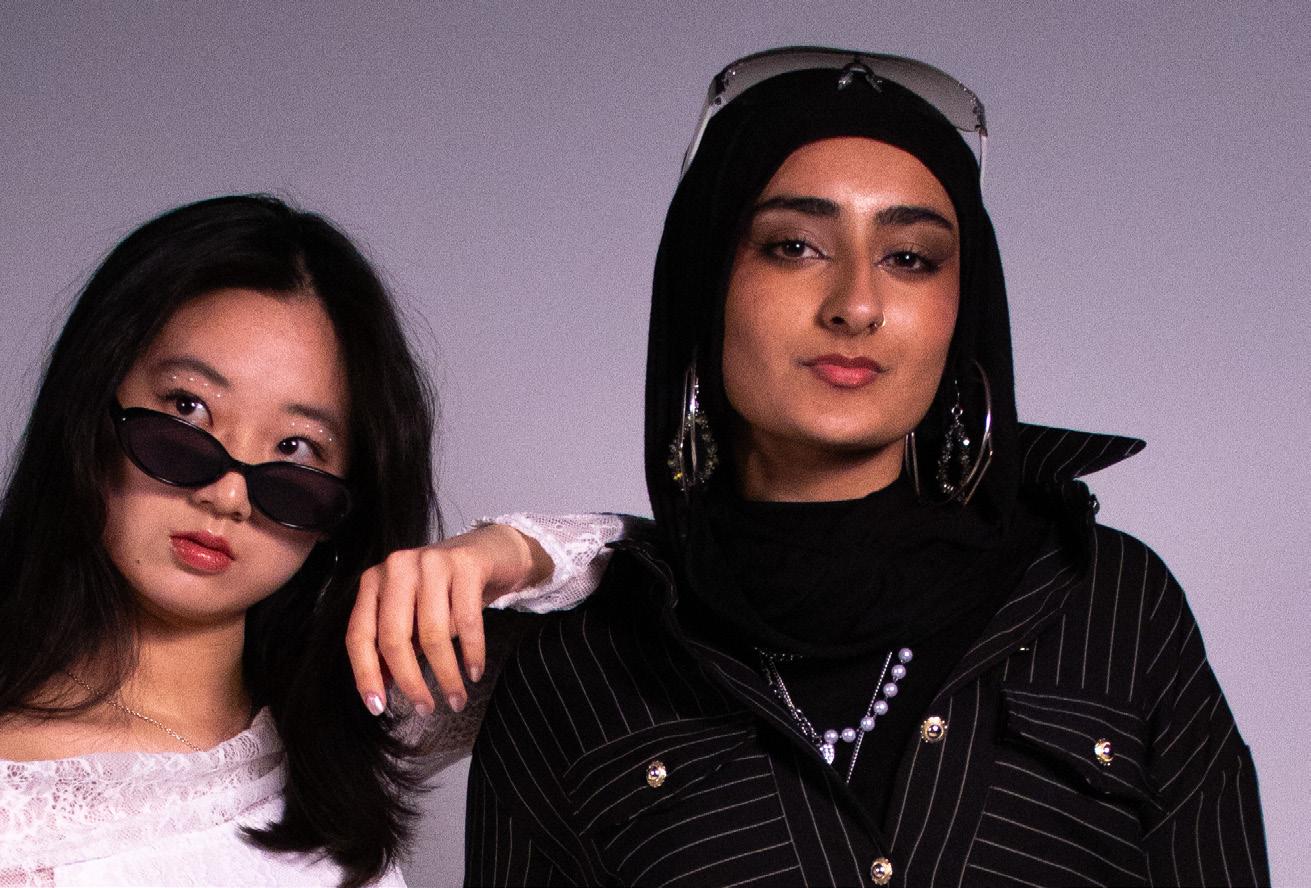
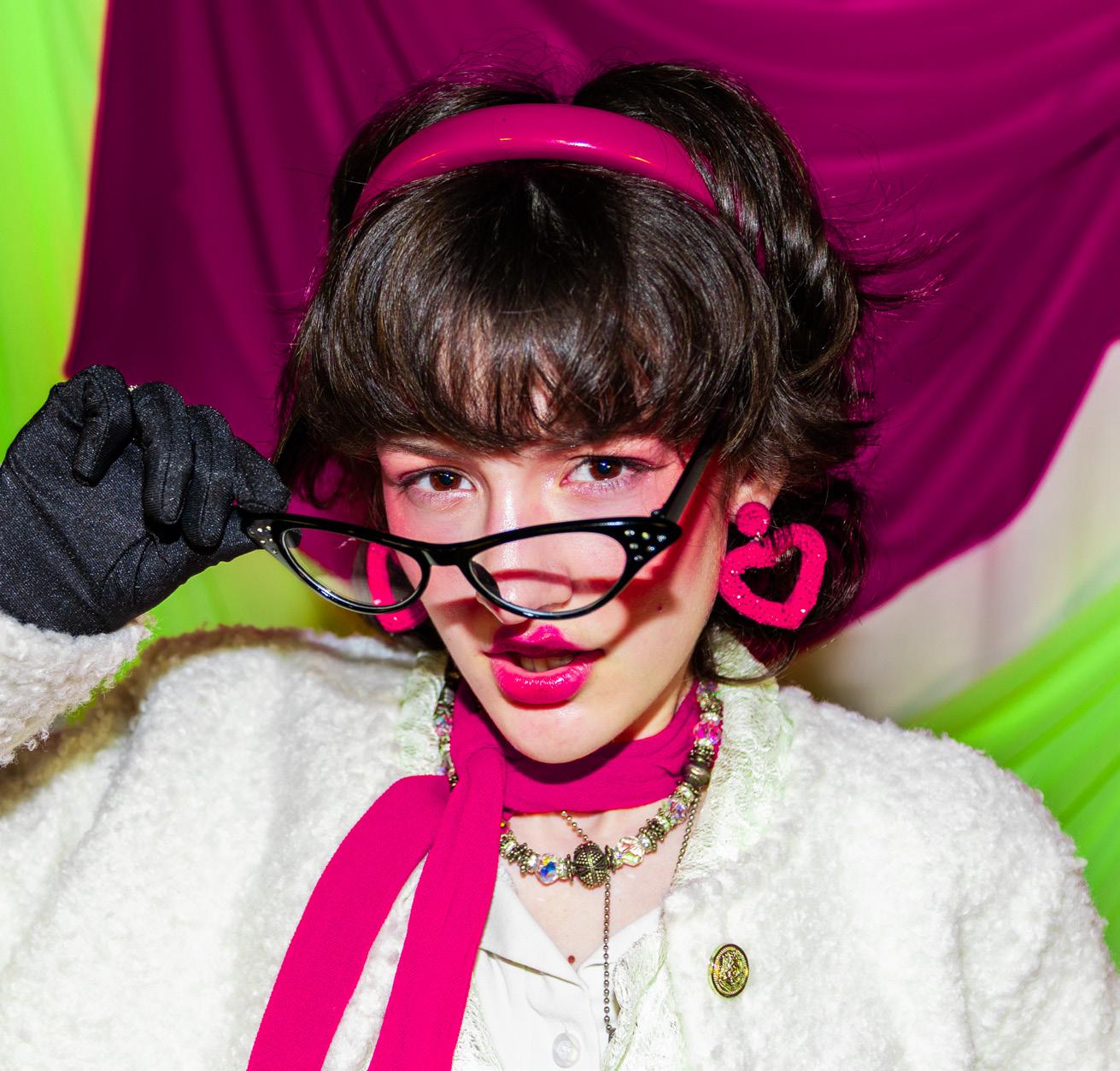
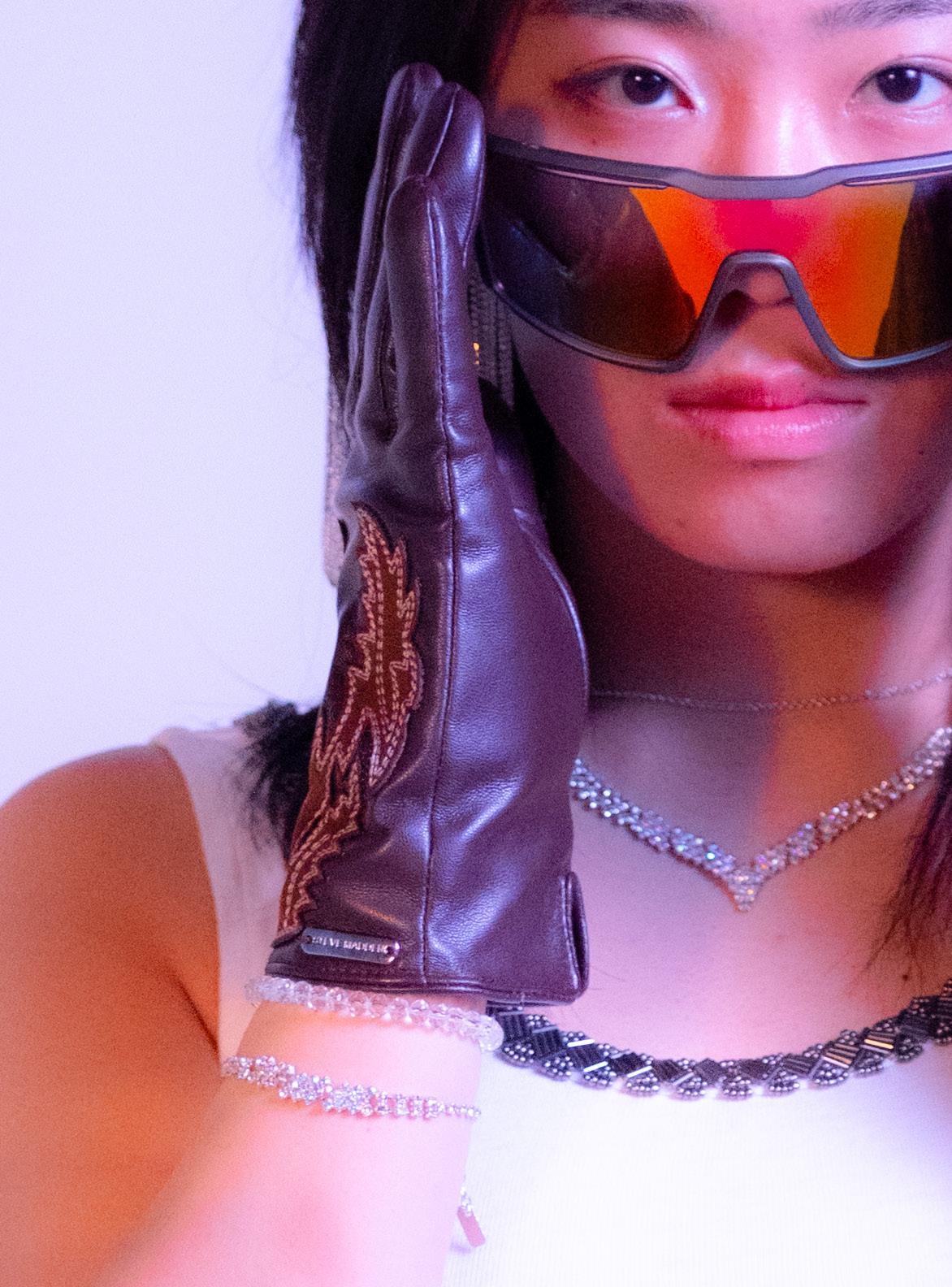
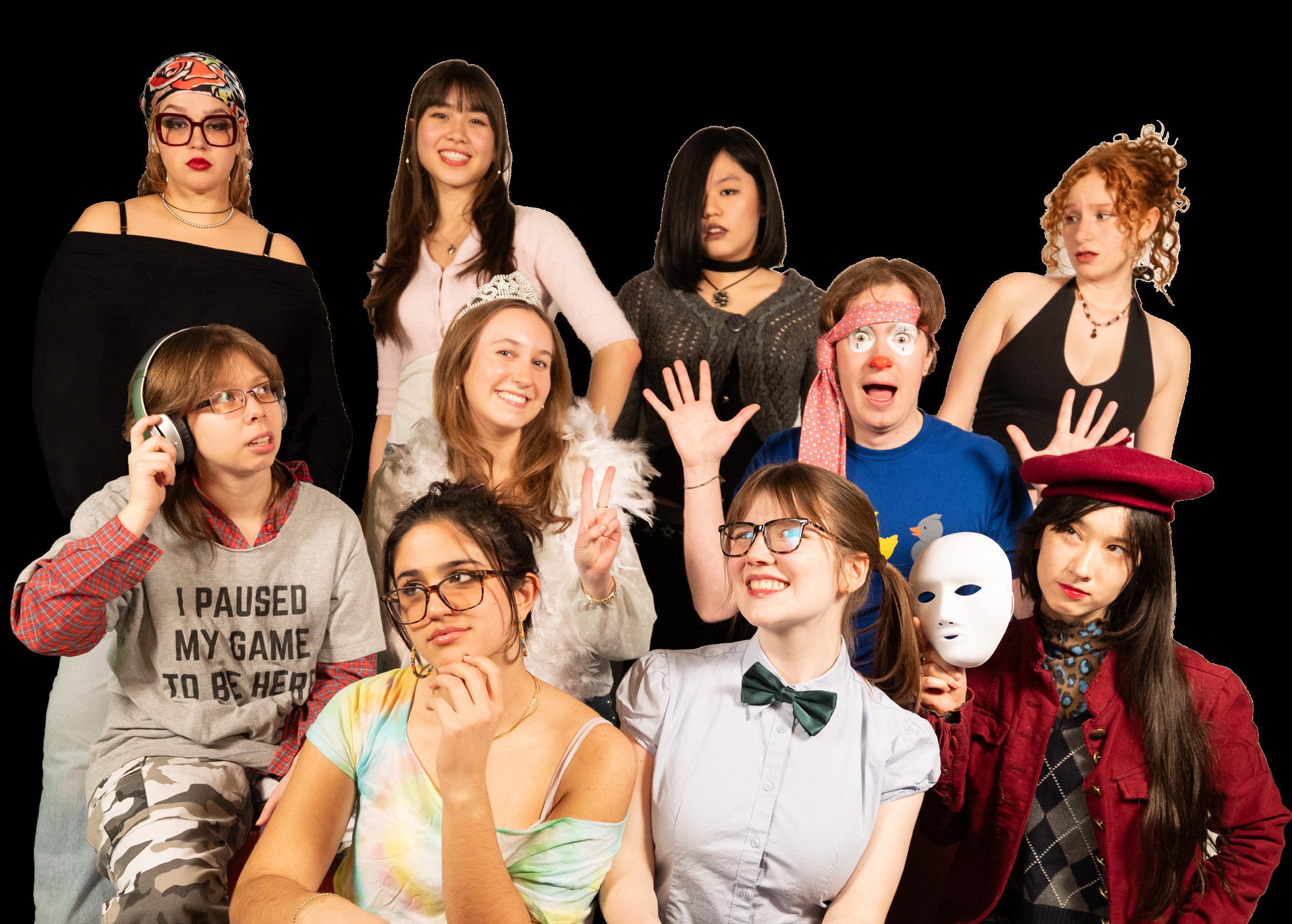
SIGNATURE STYLE E-BOARD

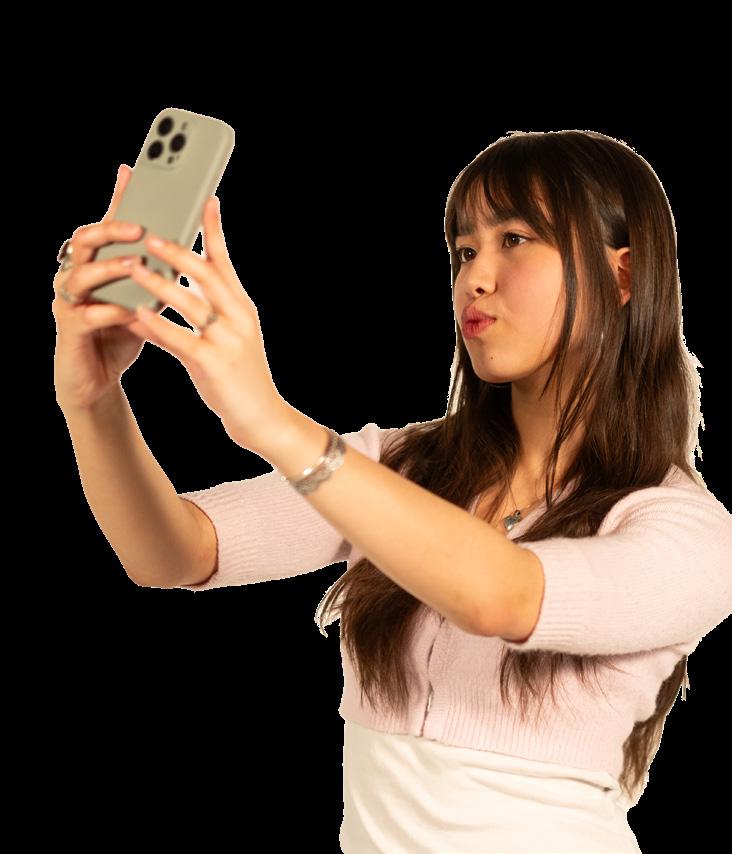
Editor-in-Chief “Miss Popular” ELLA STRASSER


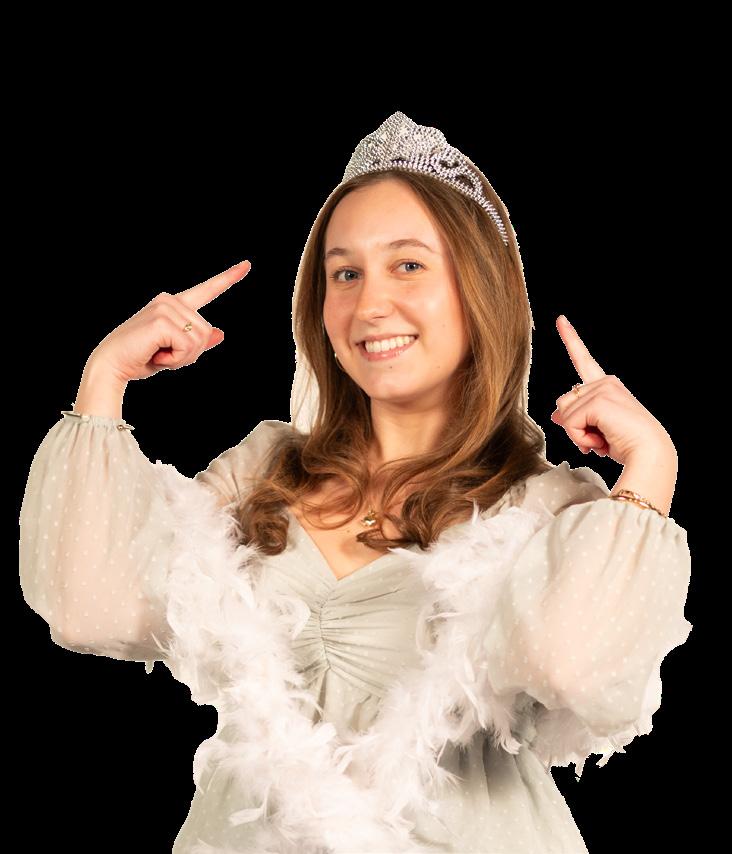

Editor-in-Chief “Prom Queen” LAMIA KARABEGOVIC


Graphic Design Manager “Emo” FIN
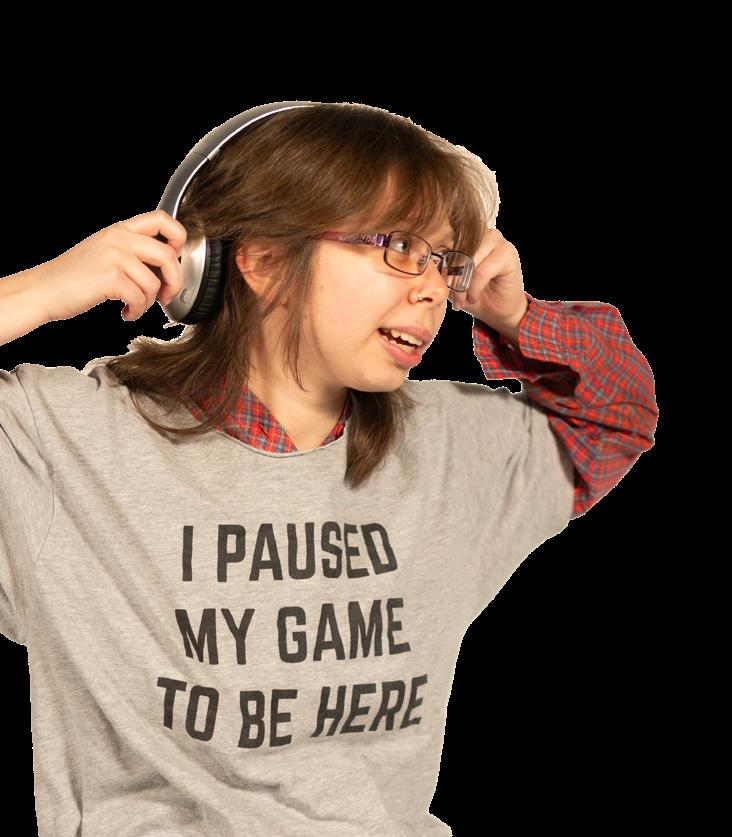
Head Layout Designer “Gamer” MINA STEVENS
CONTRIBUTORS
MAKEUP ARTISTS
Emma Henderson ‘26
Emma Rutkowski ‘29
LAYOUT DESIGNERS
Ruby Austin ‘29
Charlotte Dell’Olio ‘28
Ella Mathis ‘28
Claire Payne ‘28
WRITERS
Leila Adelstein ‘28
Calleigh Blyth ‘29
Jenna Caron ‘27
Molly Johnson ‘29
Idalee Keller ‘29
Lucía Kitsos ‘28
Daphne Leibowitz ‘29
Katharine Stevens ‘26
Charlotte Tsekerides ‘29
Eliza Visconsi ‘29
PHOTOGRAPHERS
Kathleen Blass ‘28
Diana Dai ‘29
Helen Gass ‘29
Abigail Griffin ‘26
Pedro Hernandez ‘29
Sophia Lostumbo ‘29
Haiqi Lyu ‘29
Lexi Prybyla ‘29
Liam Selendy ‘28
Bella Zhang ‘29

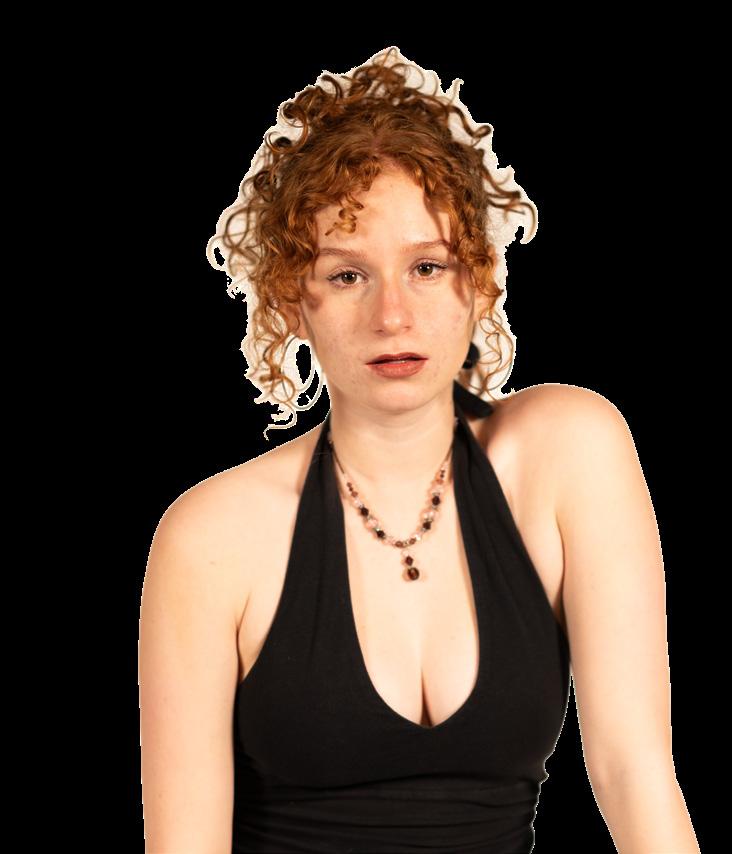

Managing Editor “Mean Girl” ILANA FRID-MADDEN
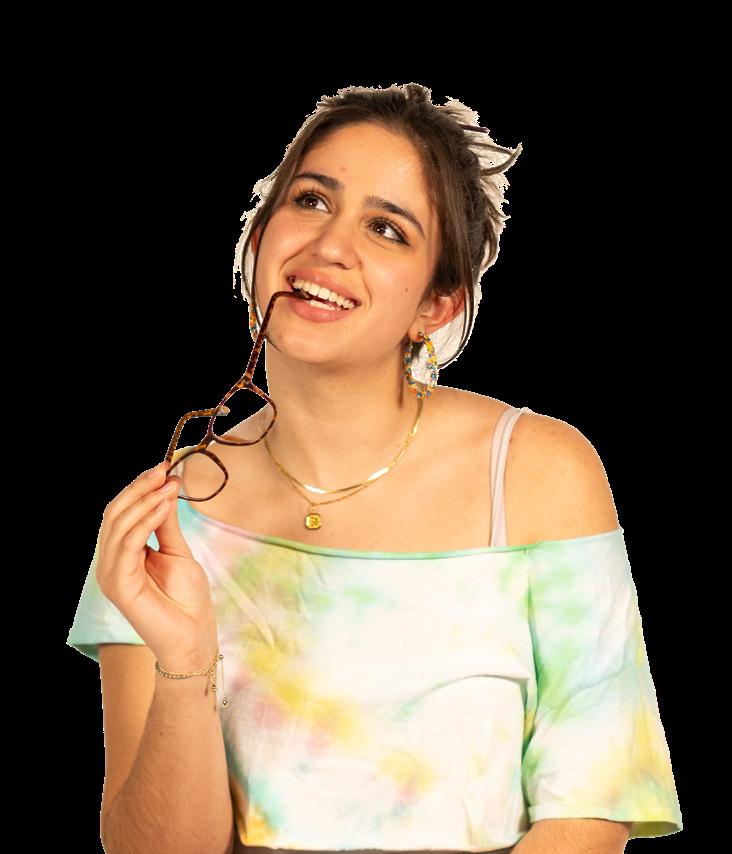
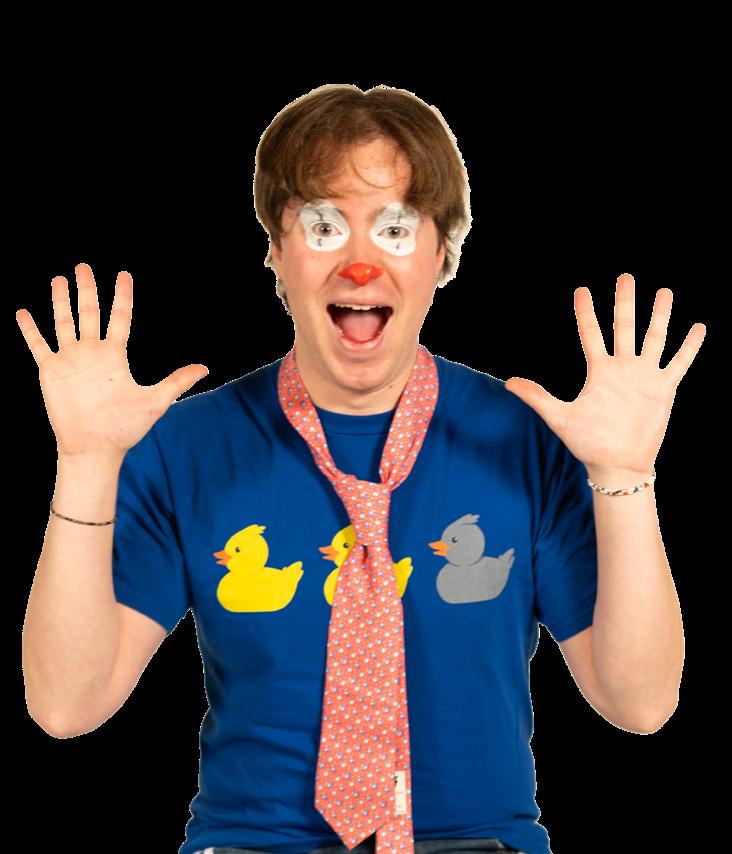



Head Photographer “Class Clown” JACK GAILLARD

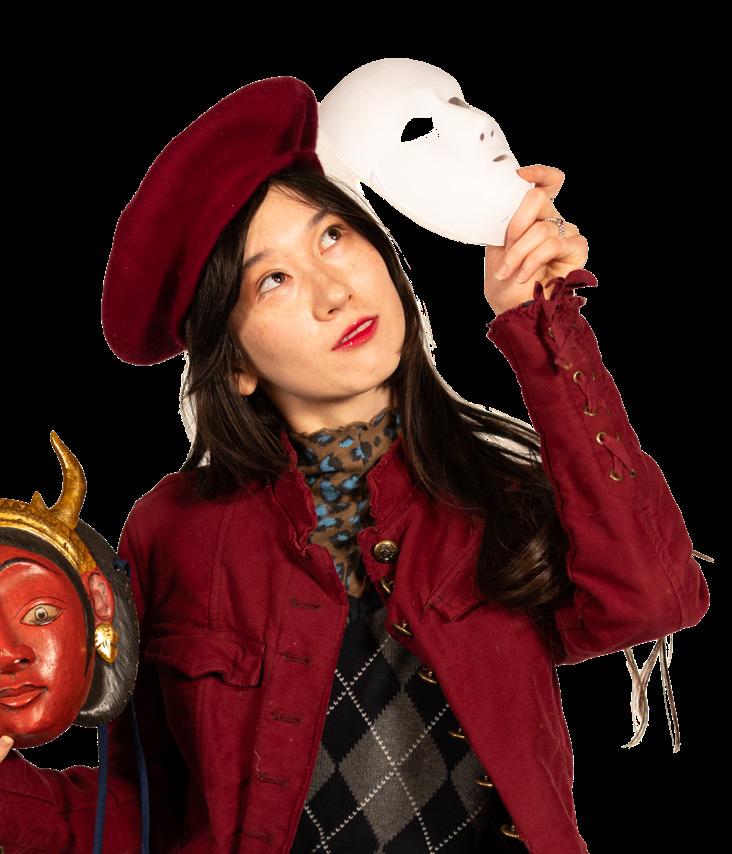
Beauty Director “Artsy Girl” SRI MASTURZO
Editorial Director “Theater Kid” FIONA LUI MARTIN
Social Media Coordinator “Nerd” RACHEL HAYDEN


Head Stylist “Rebel” SOFÍA ISABEL GONZALEZ ALVARADO
STYLISTS
Sadie Anderson ‘29
Ruby Austin ‘29
Kiran Bagga ‘29
Rose Bukowski-Thall ‘28
Maggie Finn ‘29
Sammy Higgins ‘26
Shan Hong ‘29
Daphne Leibowitz ‘29
Matilda Weskamp ‘29
Bella Zhang ‘29
MODELS
Leila Adelstein ‘28
Nell Di Bona Beck ‘27
Pati Cerda ‘26
Chi-hua-Xing ‘29
Grace Chu ‘26
Kate Connolly ‘26
Lula Dalupang ‘26
Rhea Ding ‘26
Lina Elattar ‘29
Zion Garris ‘29
Gemma Hacker ‘29
Madison Harland ‘26
Patricia Higgins ‘26
Victoria Holland ‘26
Idalee Keller ‘29
Lucía Kitsos ‘28
Jaiden Knowles ‘26
Daphne Leibowitz ‘29
Sarafina Madden ‘26
Vivian Miller ‘26
Qinxian Bonnie Ran ‘26
Arielle Sher ‘26
Phoebe Smith ‘26
Zarya Usman ‘29
Mimosa Van ‘26
Aubrey Wallen ‘26
LETTER FROM THE EDITORS

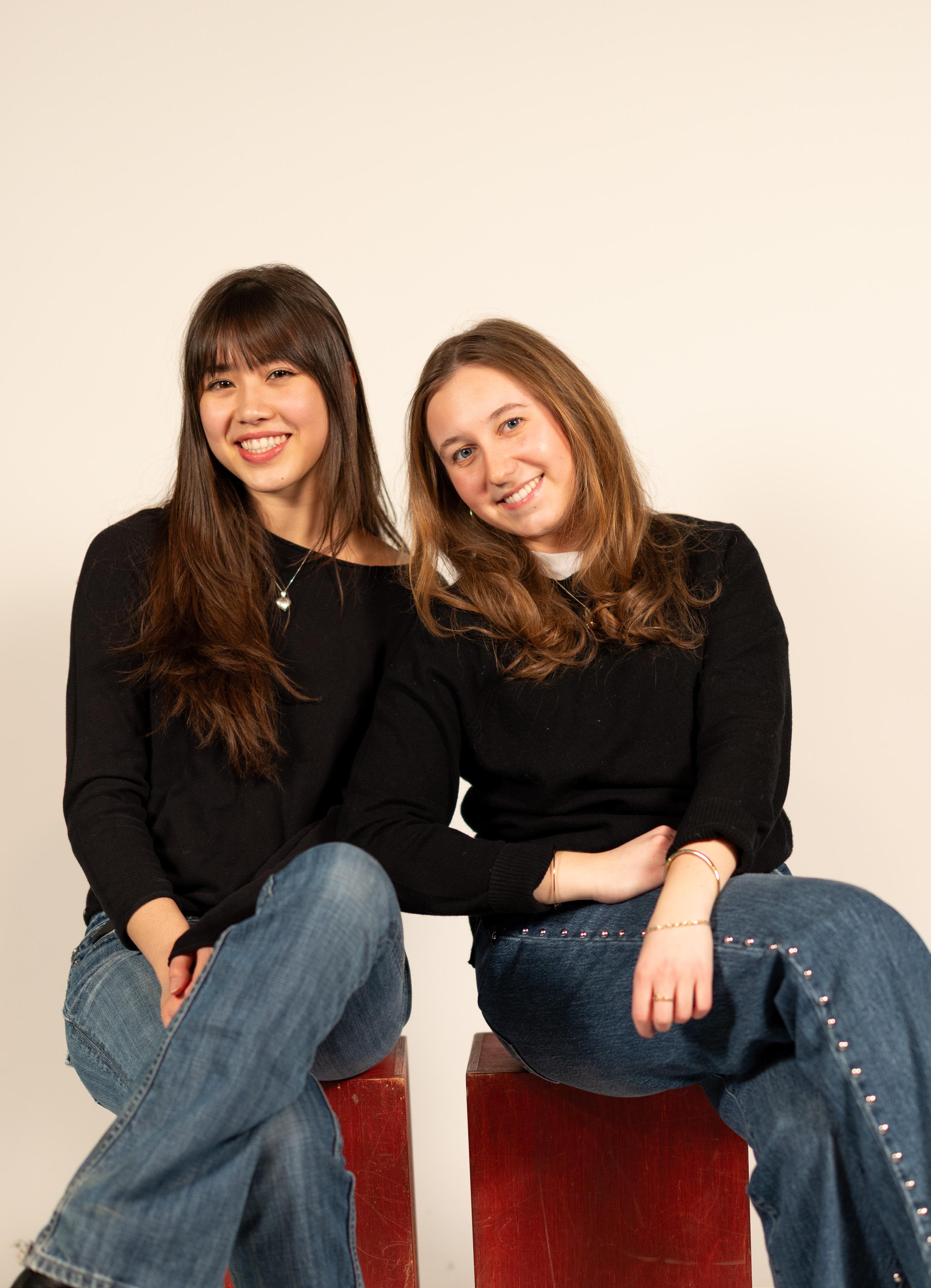
Hi Signature Style readers! We are so excited to share the 24th Edition of Signature Style with you all. Heading into our last semester working on Signature Style as seniors, we took pride in looking back at how far the magazine has come across the years, from the very first edition to the 24th.
This edition takes pride in capturing the electric and collaborative energy of the E-Board, models, photographers, and writers, who are all at the heart of the magazine. This semester, our team aimed to take on exciting approaches towards notoriety, extremes, human canvases, and trends encapsulating the 24th Edition. Through the determination and hard work of our Signature Style team, we were able to focus on the importance of self-expression across a wide range of mediums and perceptions, highlighting the intersection of artist and fashion guru.
We also want to give a special thanks to Hamilton’s Closet for their collaboration on our launch party this year. It means a lot to use our passion for fashion for a good cause and donate to the Legal Aid Society of Mid-New York this year through our launch party. This semester, we are especially proud of the impact Signature Style has had both on campus and off campus, as a magazine and an inspirational motivator.
Looking back at our past four years, starting out as writers and stylists, we are beyond proud of Signature Style and its ability to reflect the importance of teamwork and creativity. We have no doubt that amazing things await the magazine in the future.
XOXO, Ella and Lamia


BO LE
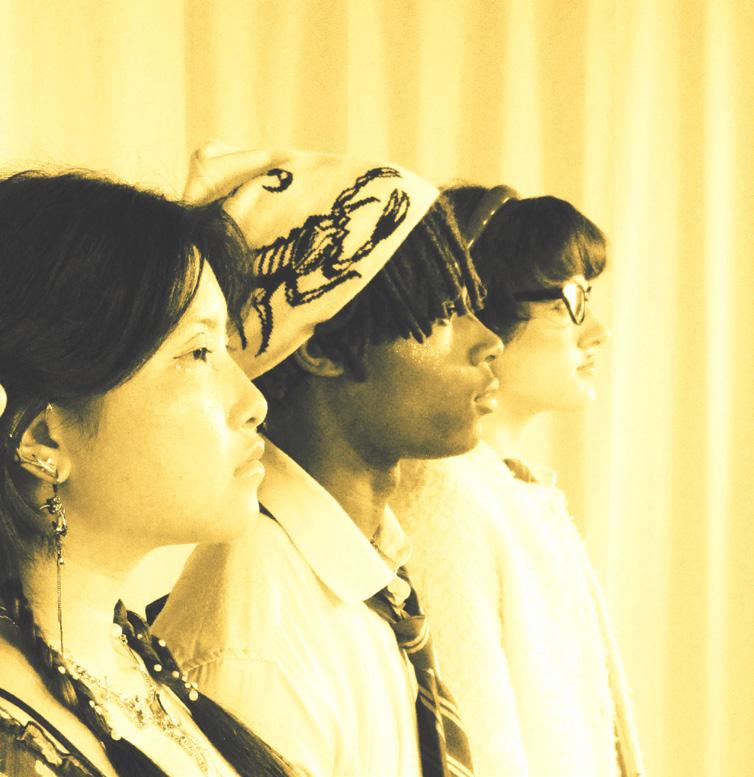
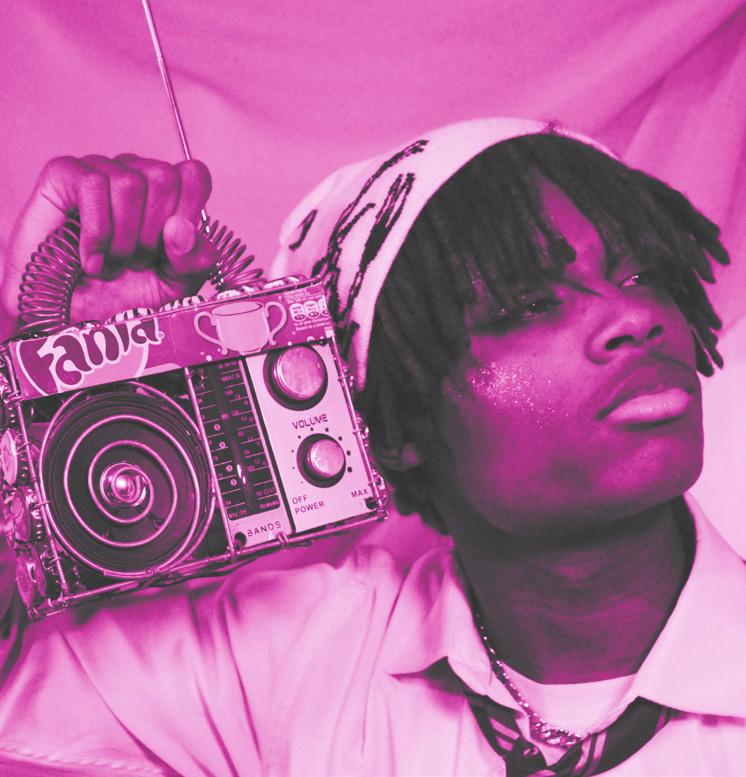
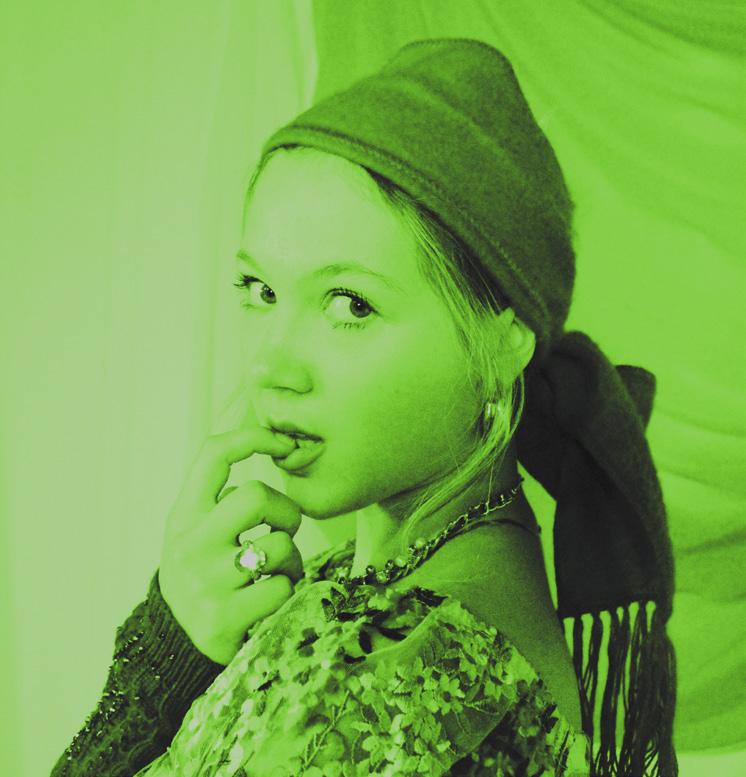
Maximalism Too Much or Not Enough?
When envisioning HYPERBOLE THROUGH STYLE what springs to mind?
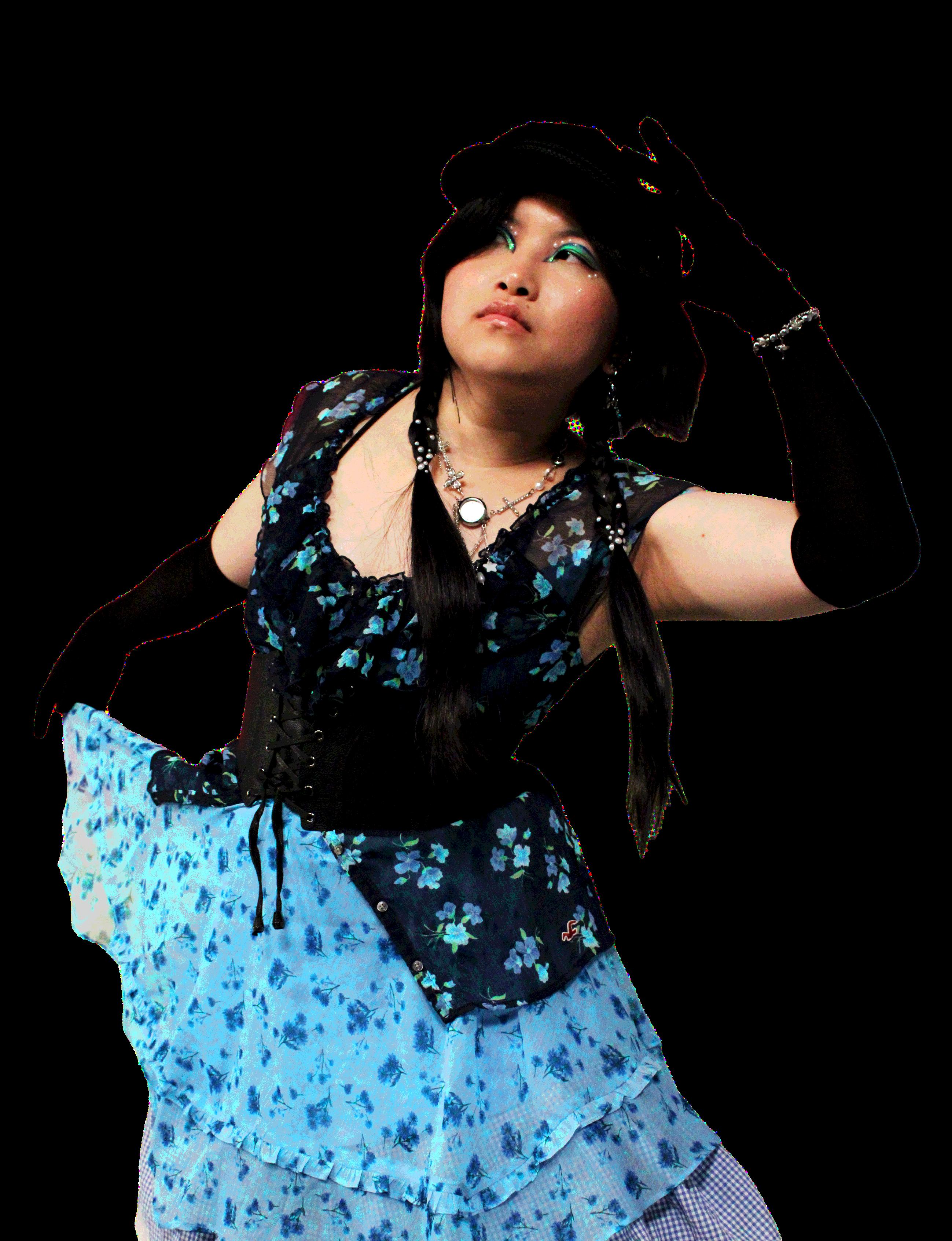
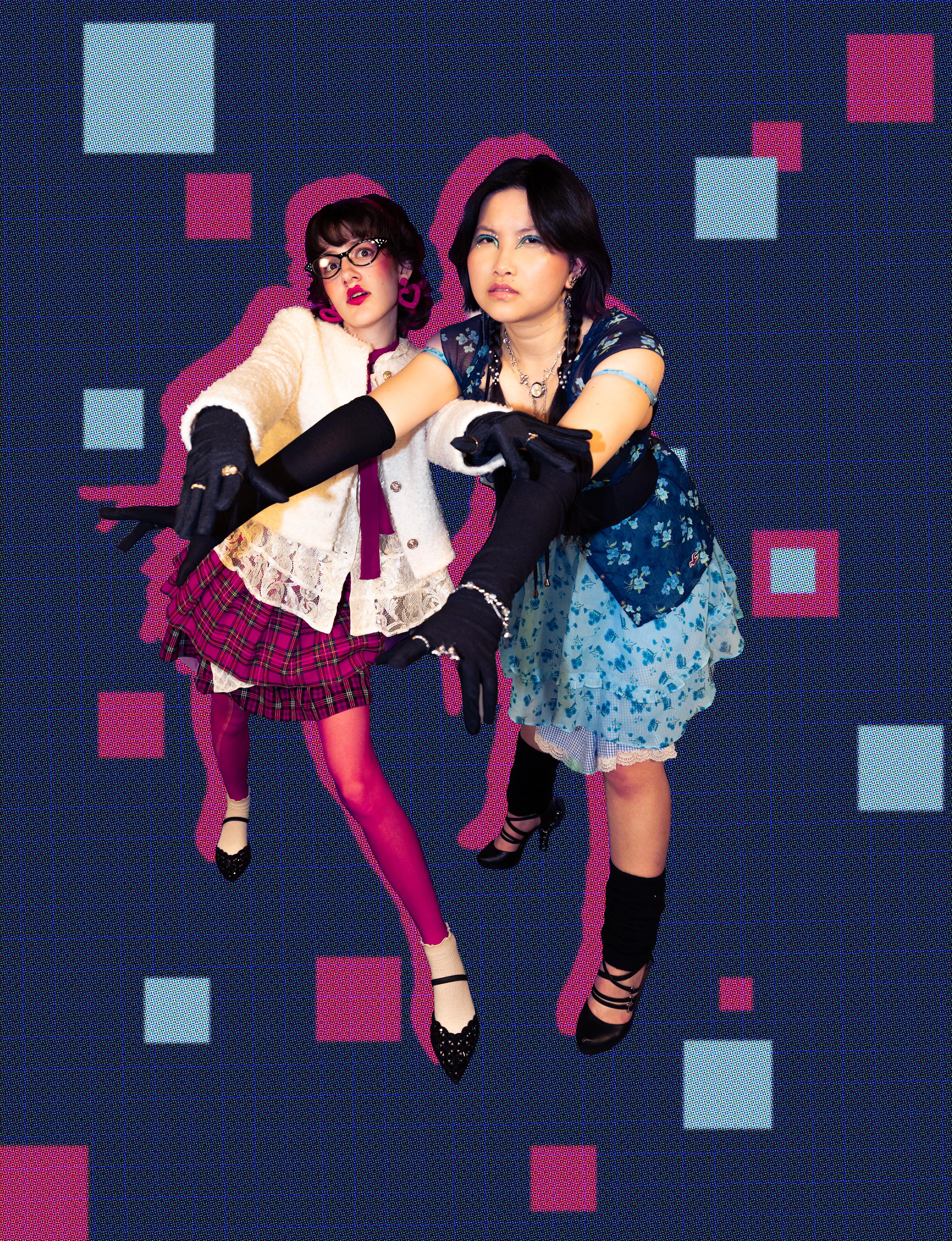
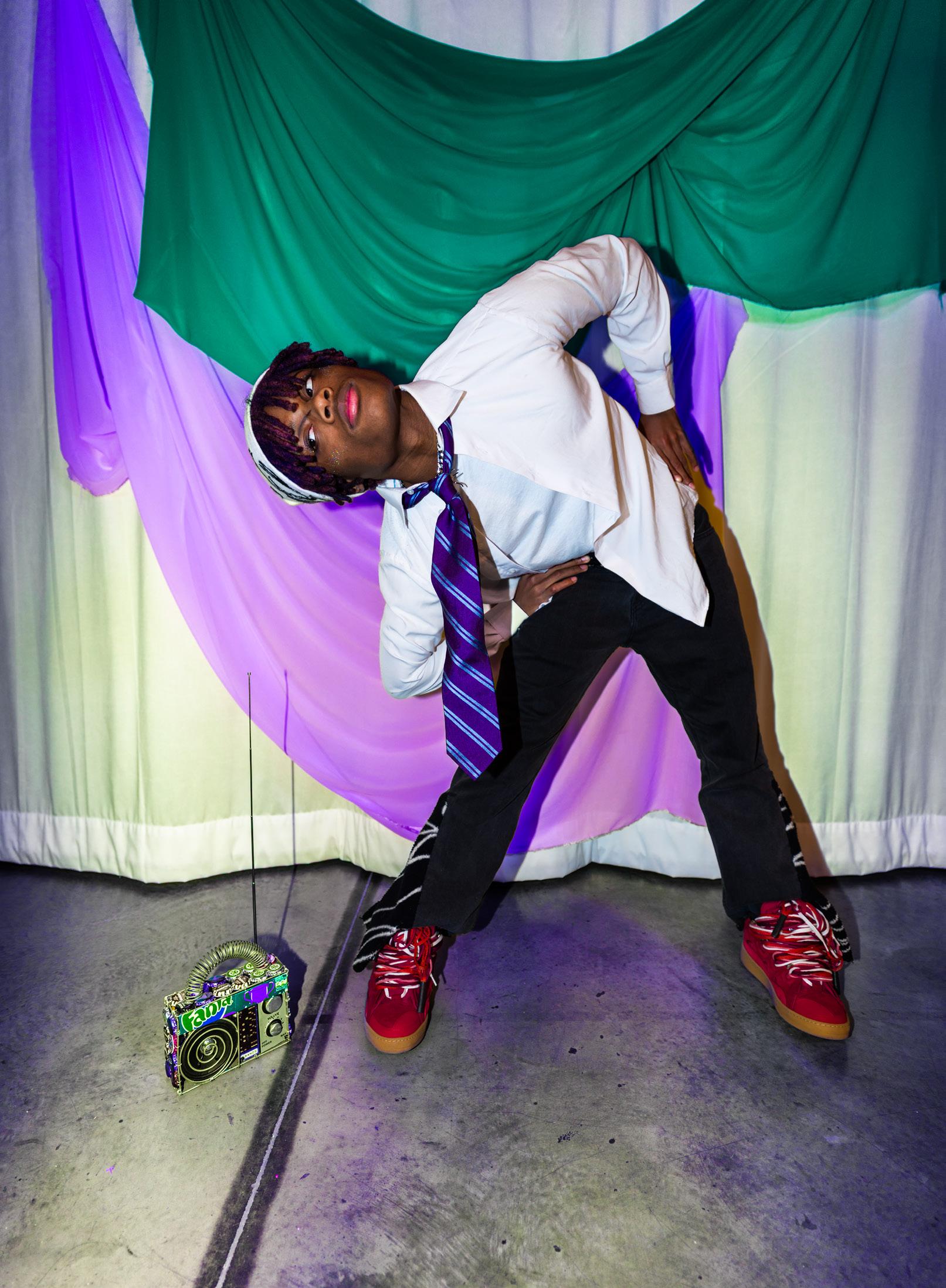
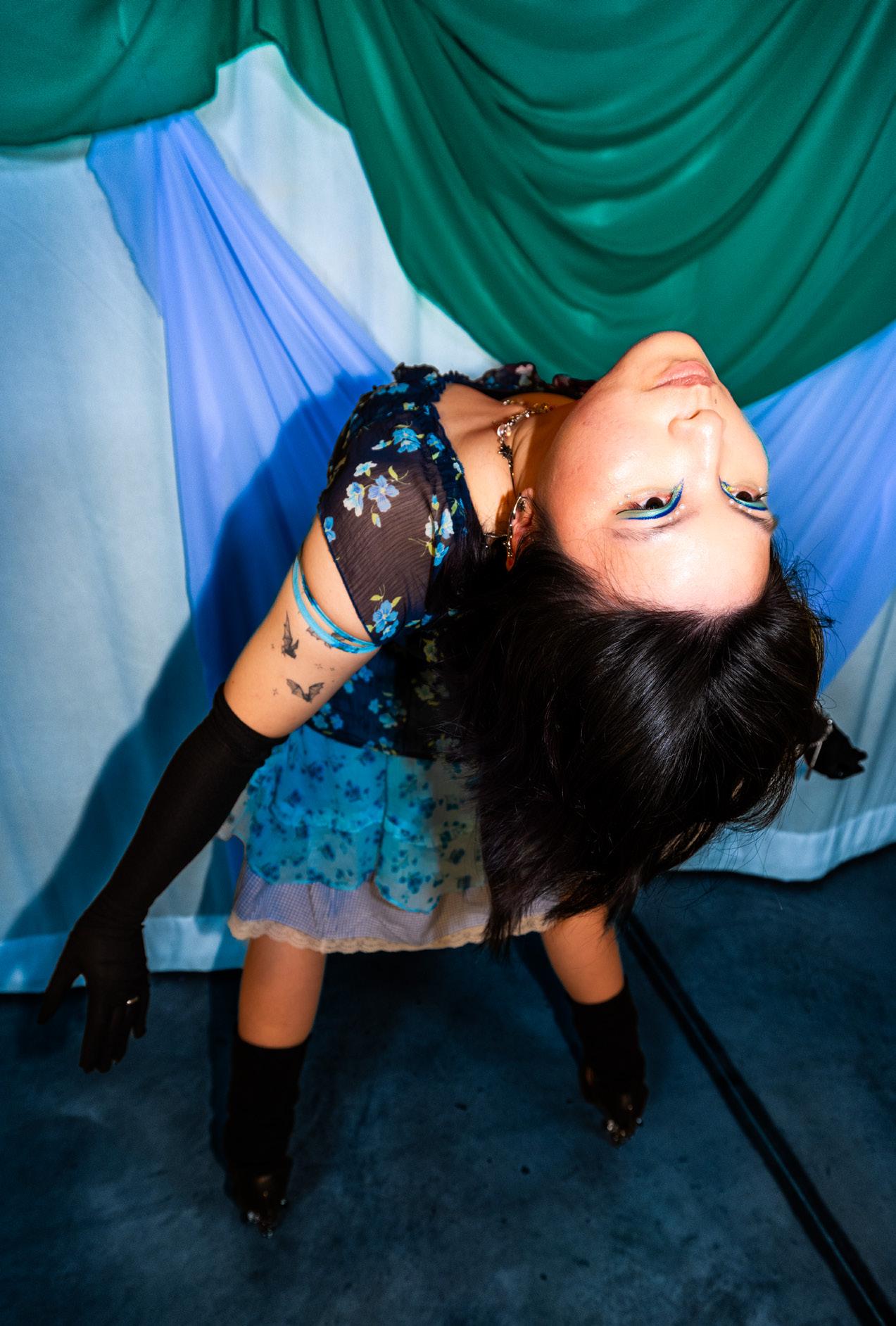
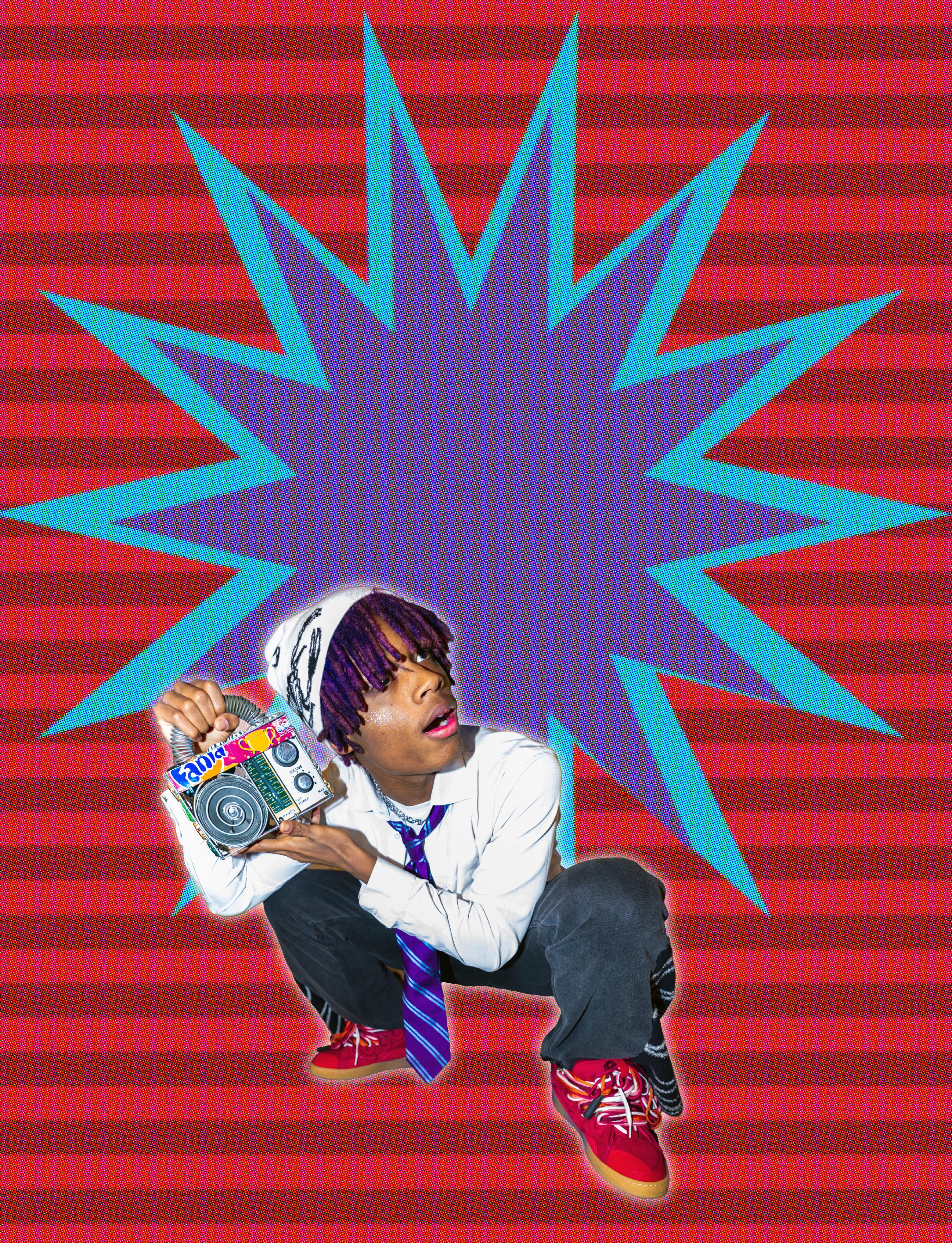
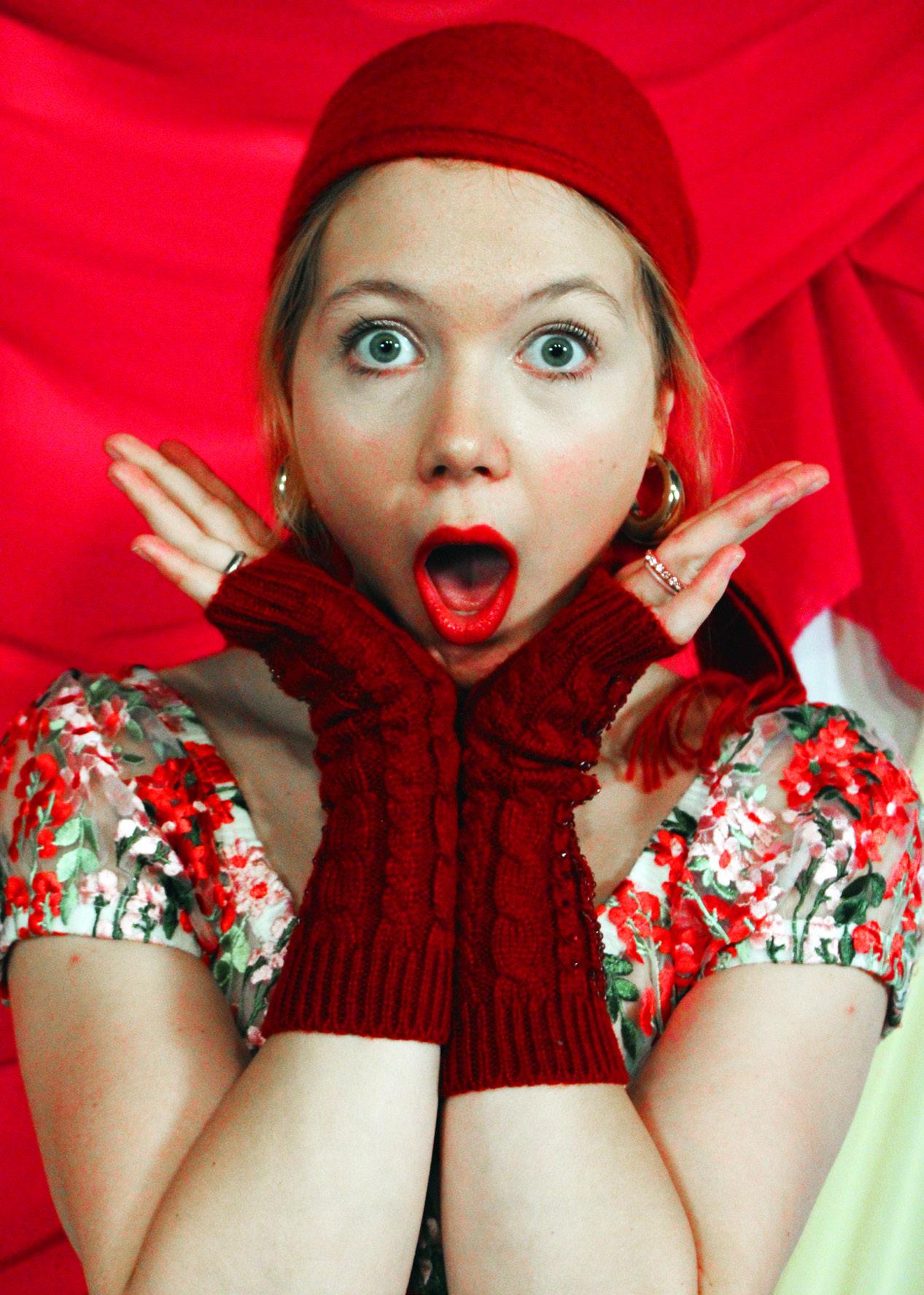
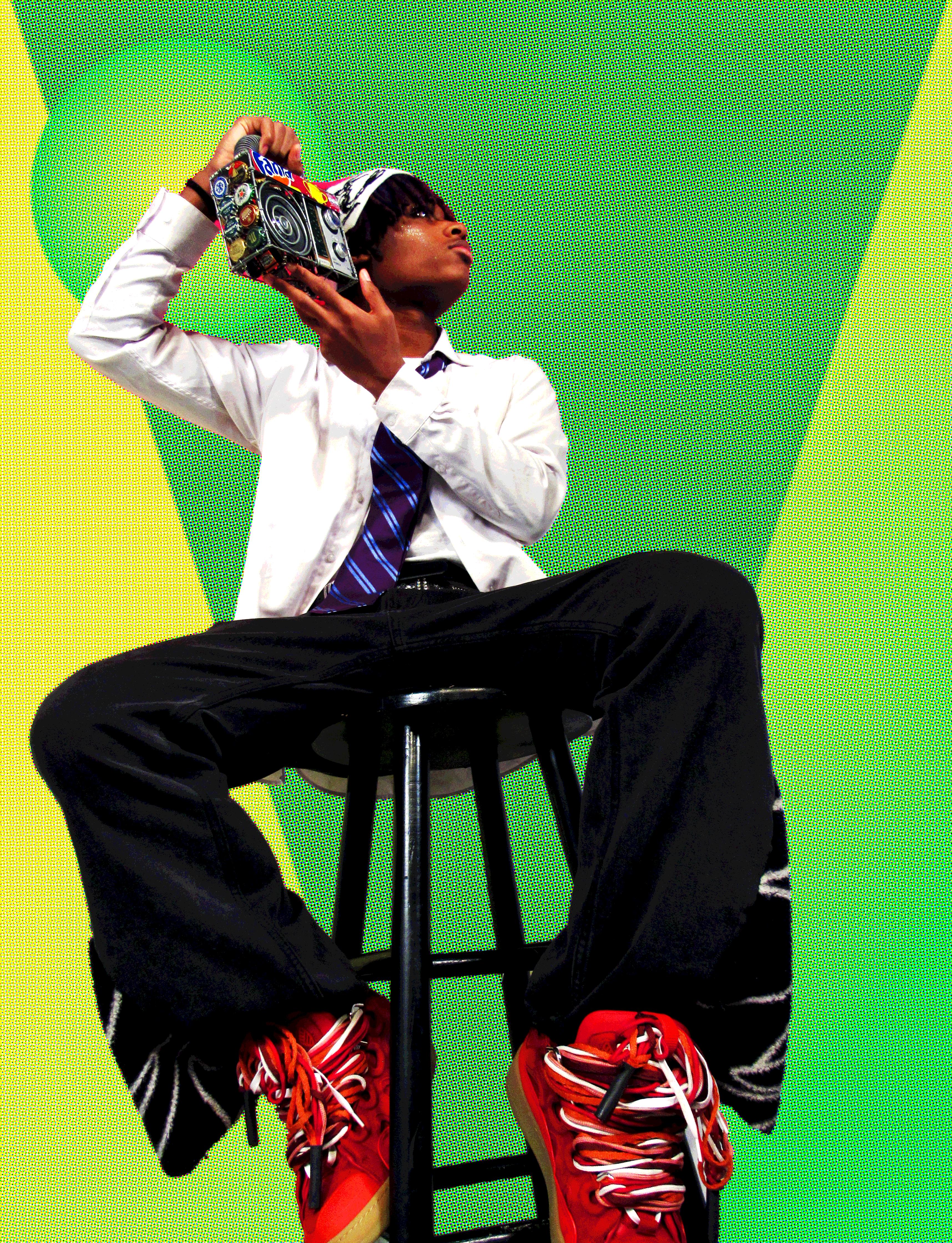
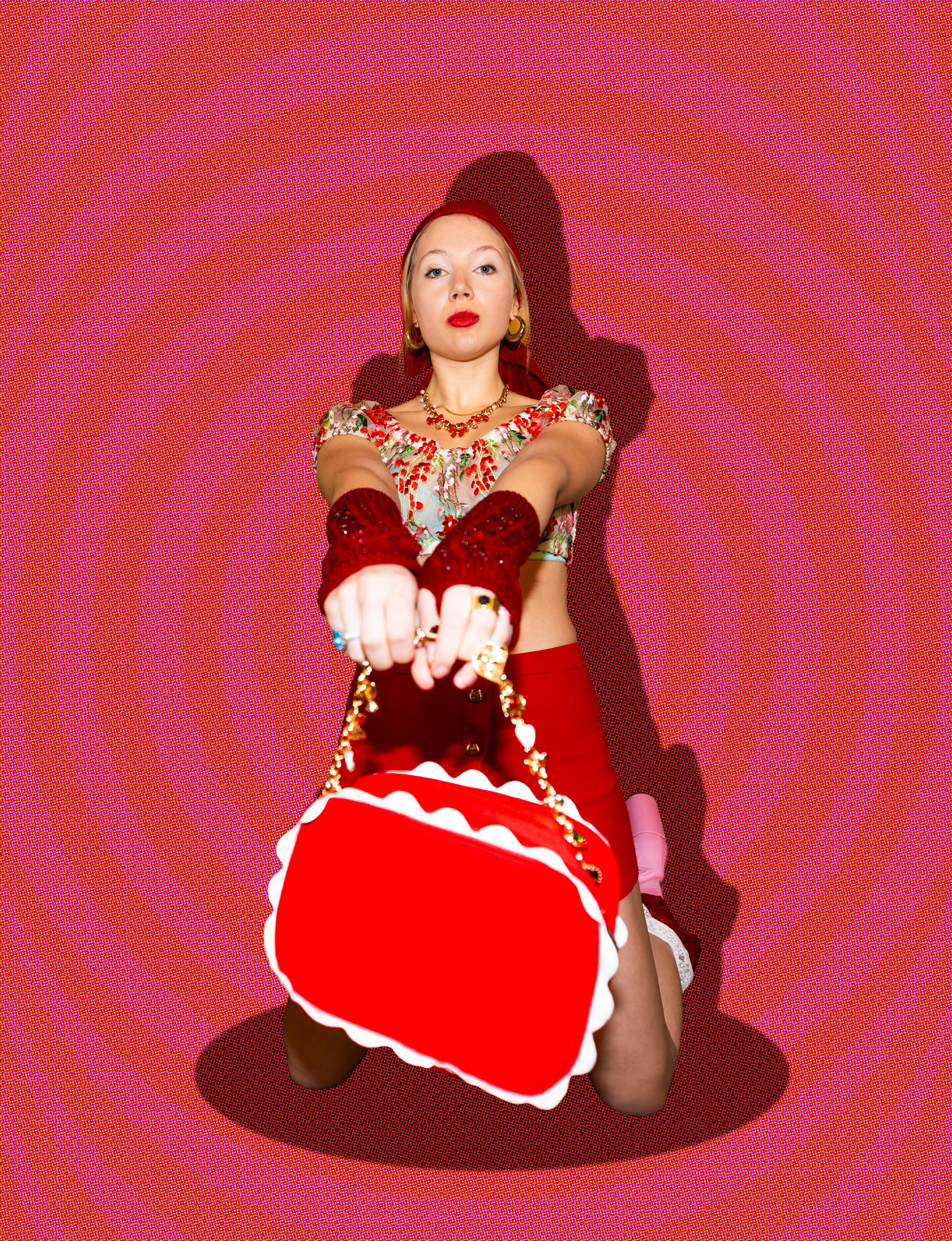
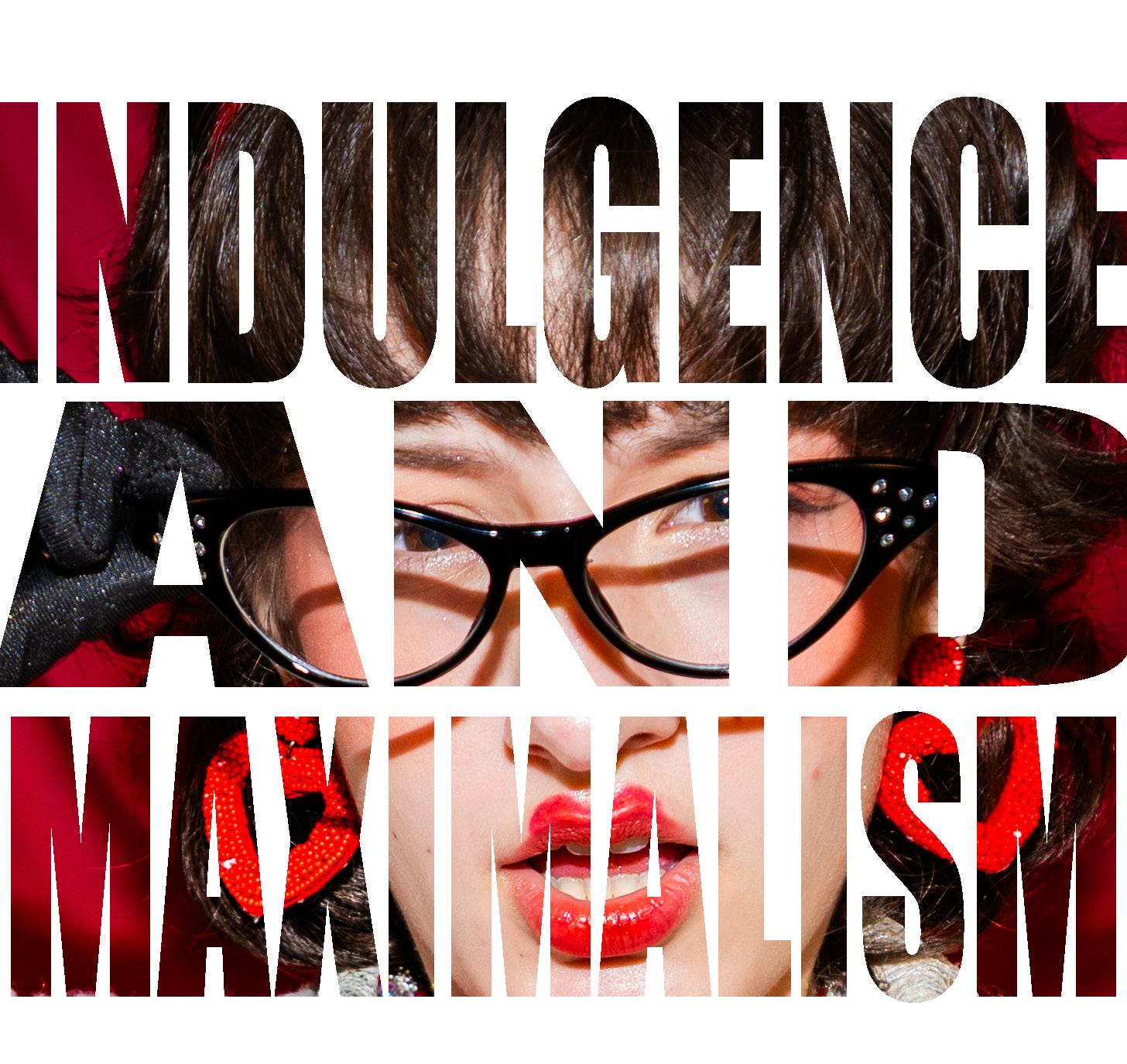
Dramatic shapes, quirky hairstyles, imaginative makeup, an emphasis on unique features, and a protest against “socially acceptable” dressing. In a world of expectations, utter indulgence in personal choice is rare. Hyperbolic fashion embraces the wild drama of maximalism, personifies a concept, and challenges norms. By telling stories or externalizing emotions, the four outfits pictured provide different paths for creative exaggeration. Ultimately, this photoshoot embodies individual self-expression “to the max.”
Notably, from the 1980s to 2010s, maximalist fashion experienced a resurgence through Harajuku street style. This alternative subculture, known for bright clashing colors and abundant accessorization, arose amongst youth in Tokyo’s Harajuku district.
Due to prolonged economic stagnation, also known as the Lost Decade, many Japanese teens rebelled by prioritizing individual self-expression. During the late 90s, Harajuku’s influence grew in the West, inspiring artists, including Gwen Stefani, and designers, such as Vivienne Westwood and Karl Lagerfeld.
CONFIDENCE IS UNMISTAKABLE
in Keller’s practically monochromatic red look, accentuated with lacy frills and pink boots. Pinks and reds are usually tied to romantic love—particularly Valentine’s Day. Originally a Christian holiday, Valentine’s Day has turned into a cash grab for companies. However, the over-the-top boldness of this outfit serves as a powerful indication of selflove. Not to mention, an outfit carrying all the hallmarks of Valentine’s Day while lacking the expected lover is the epitome of counterculture.
The Epitome of
Counterculture
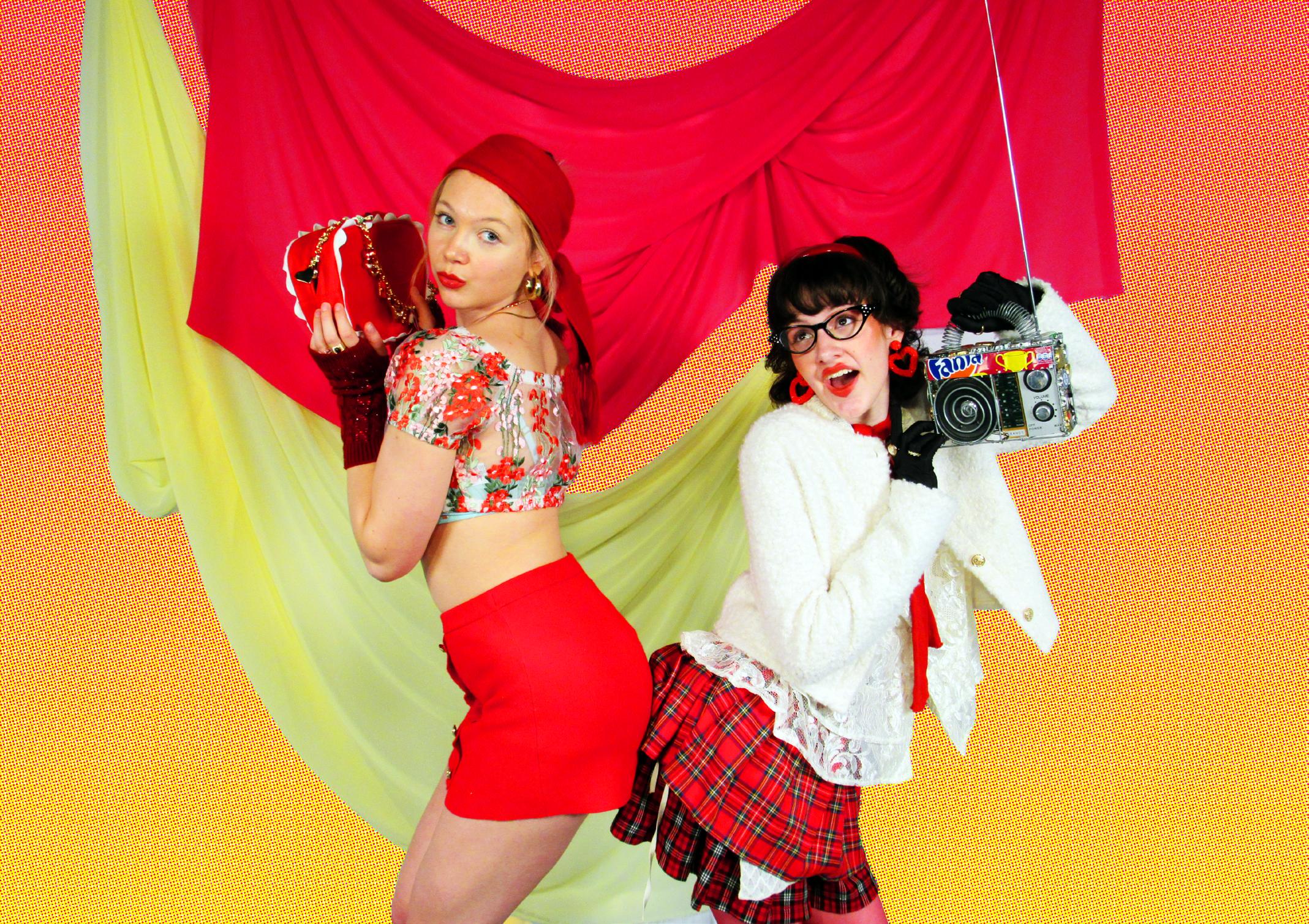
This next outfit’s various designs and layers develop a darkly whimsical scene. The unusual pairing of floral and gingham patterns creates a sense of childlike playfulness. In contrast, the black details—beret, waspie corset, and opera gloves—convey gravity and sophistication. This duality defies rules of cohesion yet ends up capturing the essence of a complex human psyche.
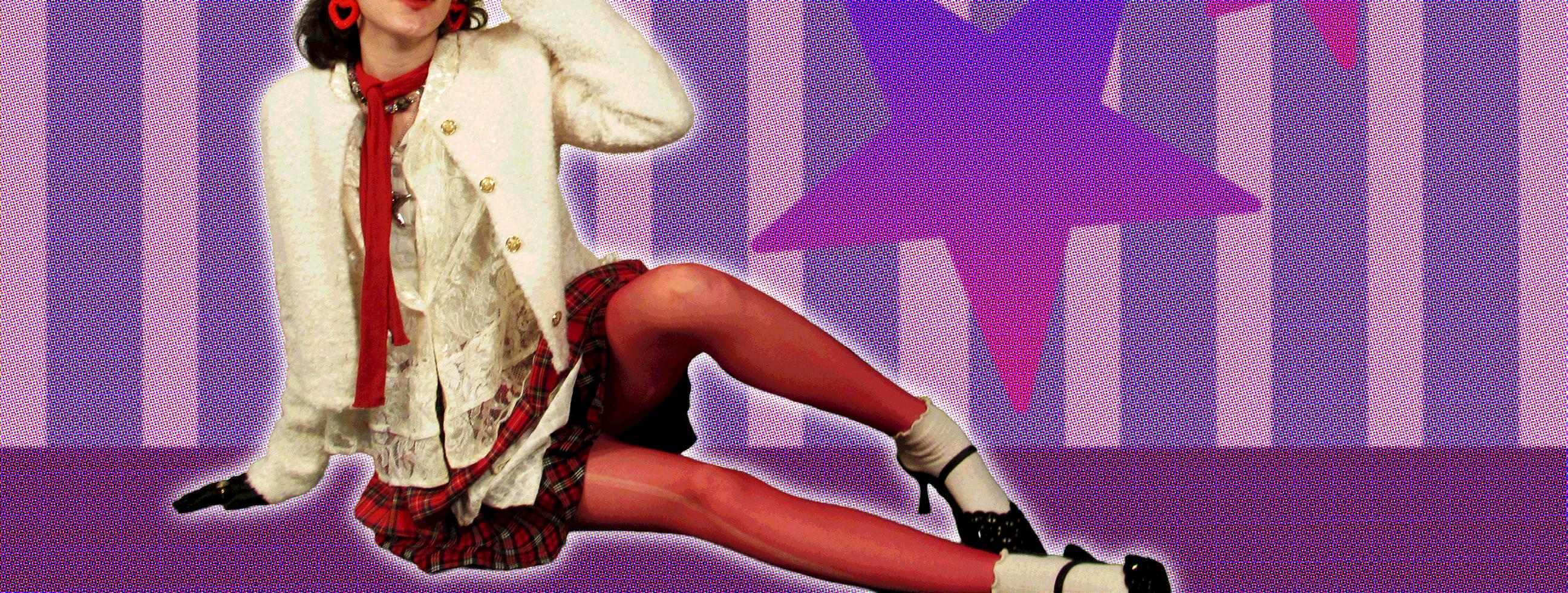
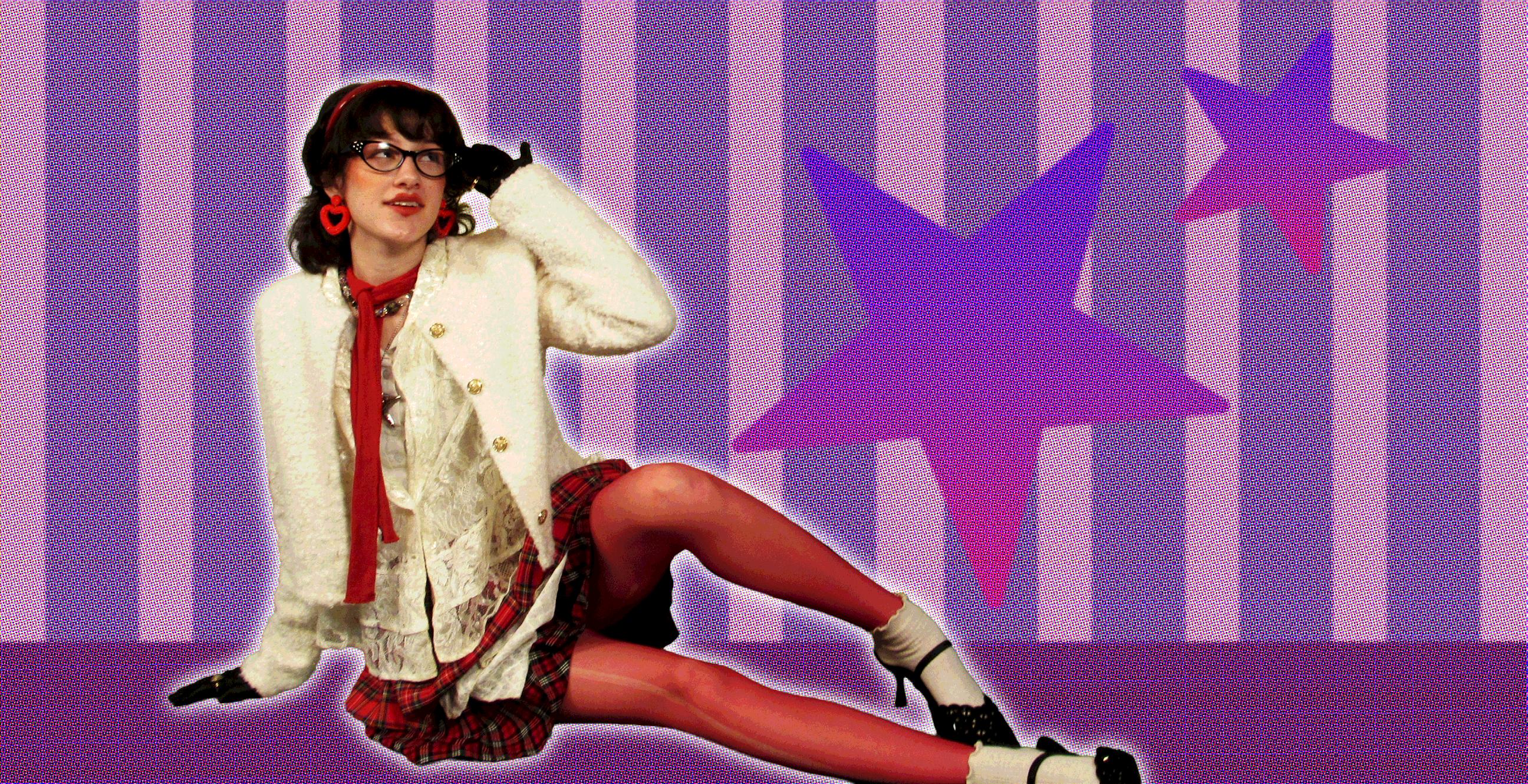
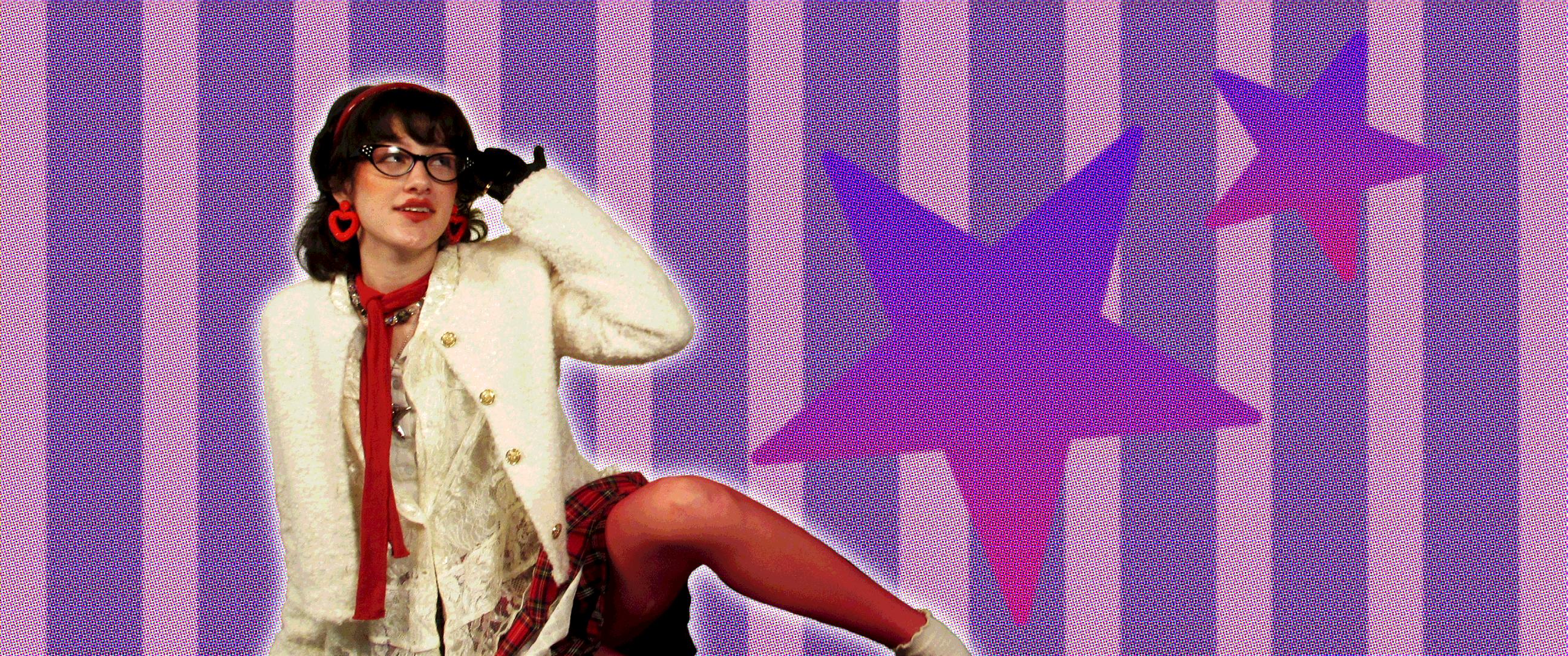
Featuring a bouclé cardigan, plaid mini-skirt, nylon tights, and bedazzled cat-eye glasses, this look typifies hyperbolic materiality. Evoking luxurious, school-girl aesthetics, this outfit functions as a funky, avant-garde version of Gossip Girl style.
Imbued with an air of cool self-assurance, the final outfit encapsulates fashion as an artistic means of affirming oneself. Model Zion Garris‘29 customized his pants, fusing organic shapes onto the side-panels. The spiderweb motifs running through the forms on his pants, black-and-white beanie, and chaotically bursting shoelaces exemplify



DIVE
written by Katharine Stevens
being said, the relatively recent emergence of social media, particularly TikTok, has resulted in the swift dissemination of all things style. This environment has engendered microtrends: short-lived fashion trends that rise and fall in a matter of six to eight weeks.
During the Covid-19 pandemic, microtrends reached an all-time high. Schools closed, careers went on hold, and self-discovery via online subcultures skyrocketed. Not only was TikTok expanding its breadth, but social media algorithms across the board enabled trends to circulate at an unprecedented rate. Various “core” and “girl” trends— like “cottagecore” and “clean girl”—thrived largely due to their hashtagability. This symbiotic relationship reveals the link between social media and microtrends.
Brands capitalized on this frenzy, producing high quantities of low quality products to meet consumer demand. Clicking buy on a $5 Shein corset top felt effortless and intoxicating. One purchase closer to attaining the cottagecore lifestyle of your dreams! Rather than choosing
between trends, consumers could afford to participate in all that piqued their interest, or so they thought. Because, ultimately, the rapid trend turnover proved unsustainable— environmentally, financially, and creatively. When trends cycle so rapidly that cheap clothes are constantly discarded in favor of the latest fad, the inevitable occurs: consumers feel shopping fatigue, the excitement that once animated diminishes, and individual style fragments.
Since then, overindulgence in microtrends has waned. For one, the detrimental effects of microtrends, including environmental degradation, ethical issues, and the loss of individuality, have become more widely recognized. Meanwhile, slow fashion trickles into the mainstream. Some people are choosing to shop intentionally by thrifting, prioritizing durability, and leaning into styles that really resonate with them.
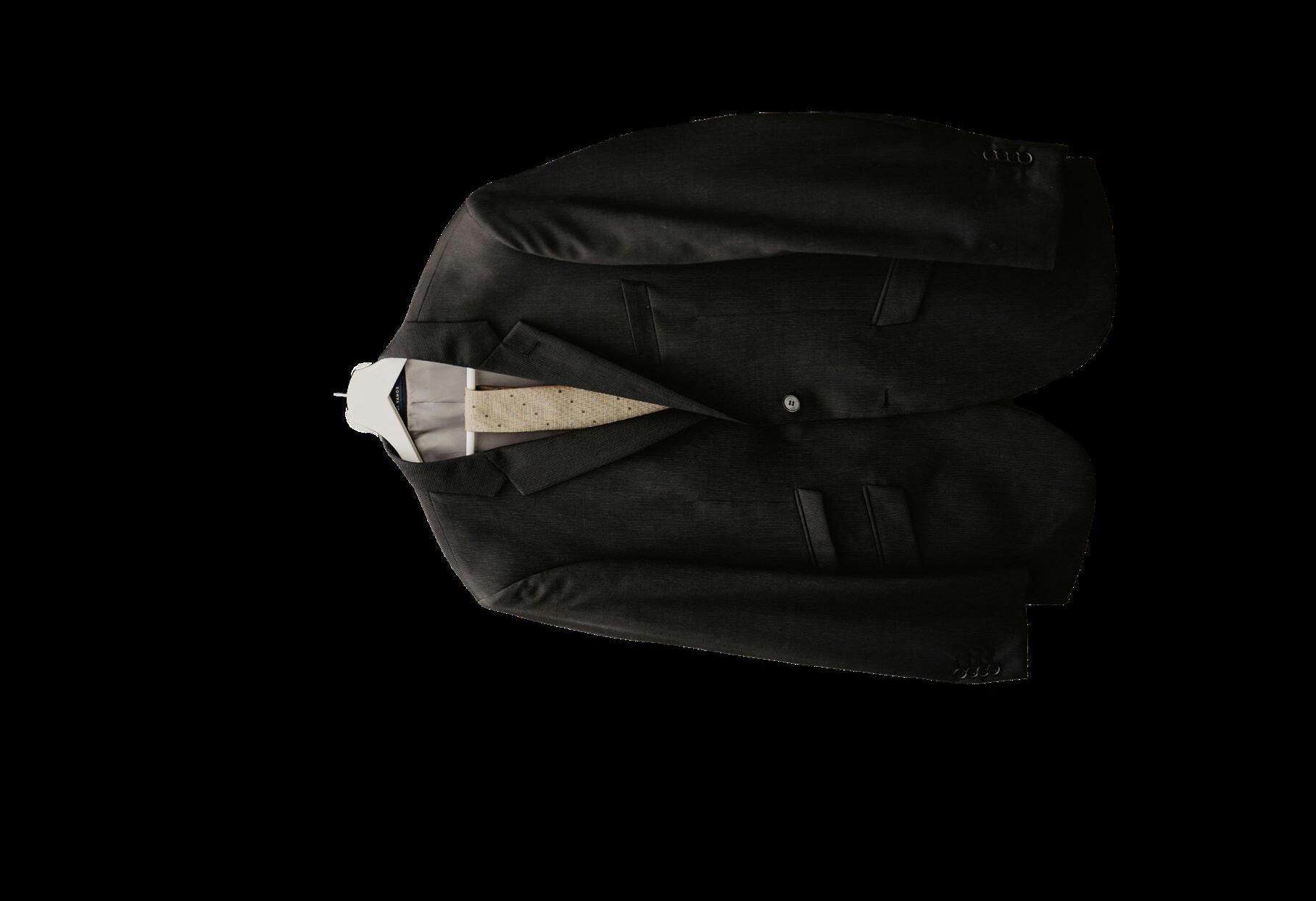
But is clothing ever truly timeless? Curating a capsule wardrobe may not be realistic. However, slow fashion still has merit. In contrast to microtrends, slow fashion can be thought of in terms of macrotrends. Macrotrends are significant, long-term trends
NOTORIETY
written by Idalee Keller
Then vs. Now, from Scandalous Starlets to Ignorant Influencers
Once, fame was veiled by a velvet curtain that rose intermitently so everyday people could take a quick look and imagine themselves living like the famous. Now, the curtain is sheer. Notoriety is “the
state of being famous or well-known for some bad quality or deed”
(Oxford Languages).
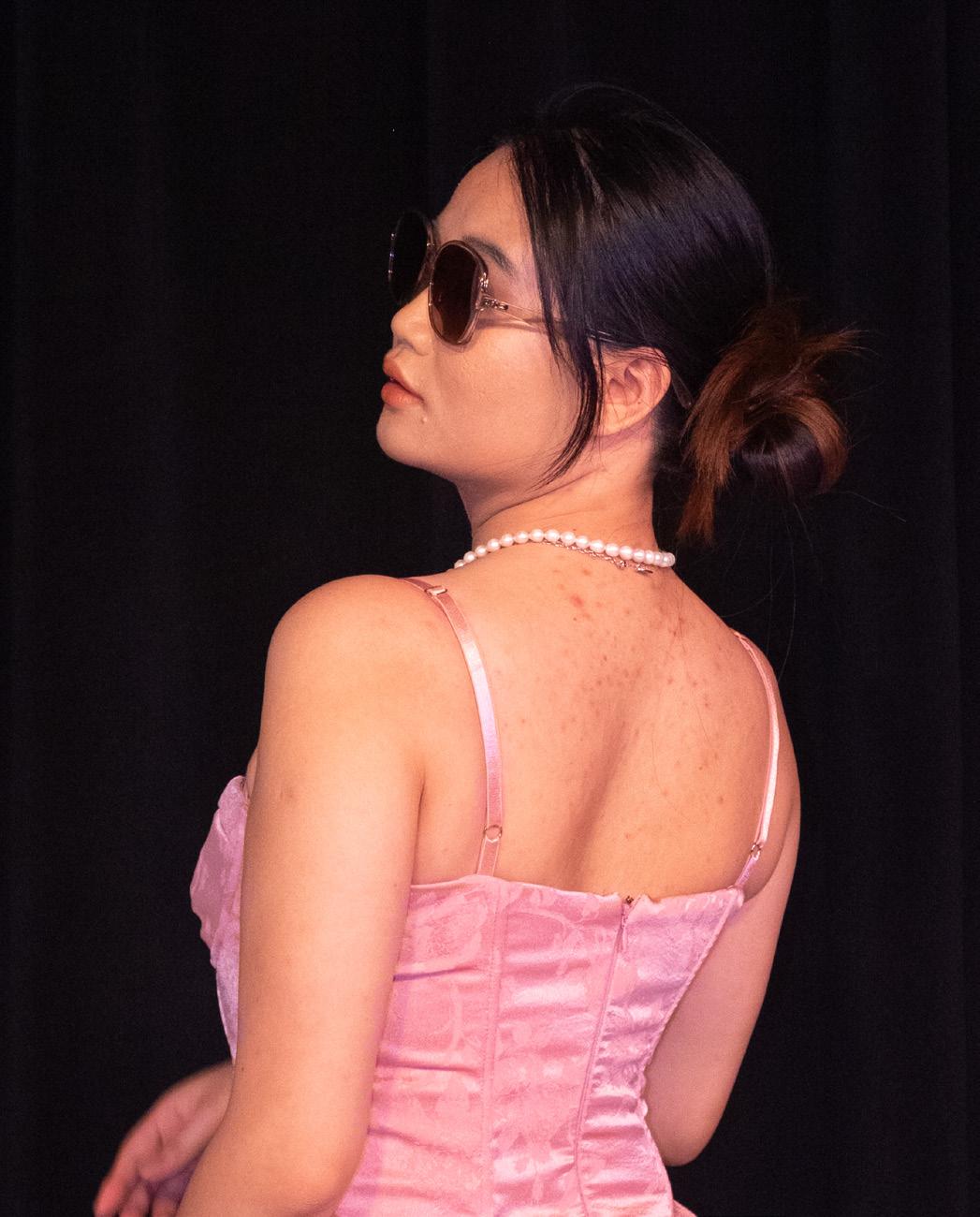
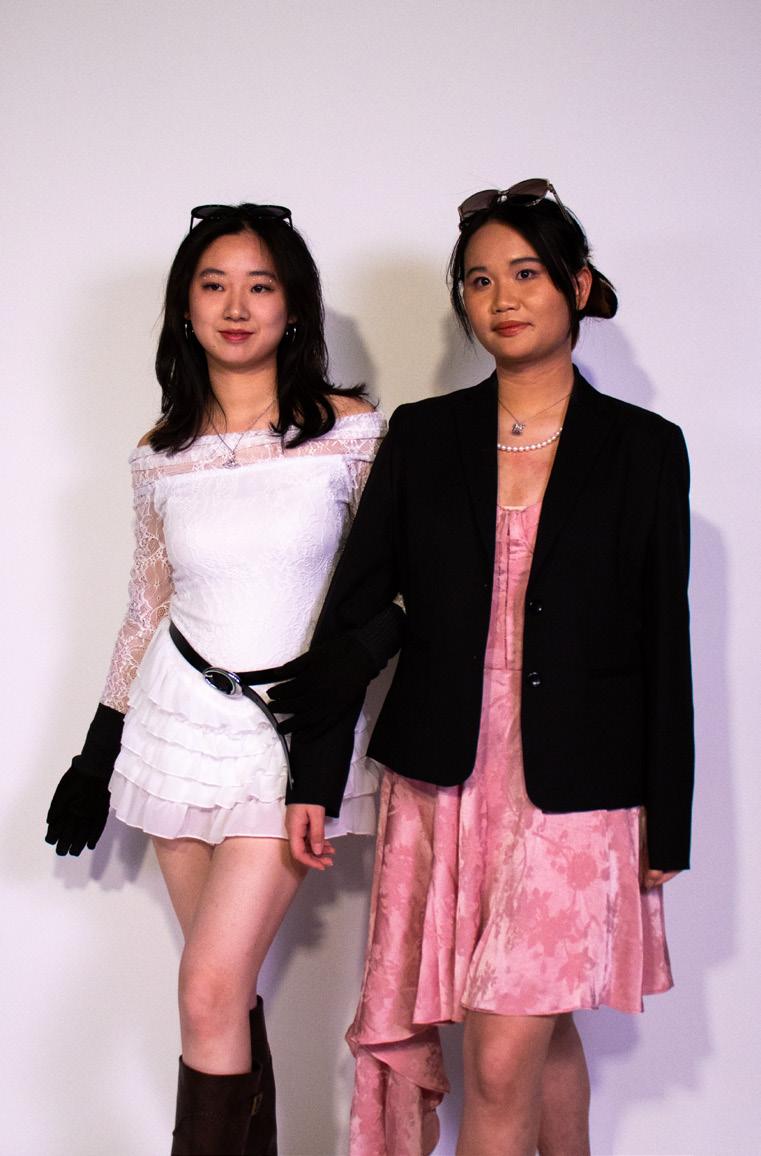
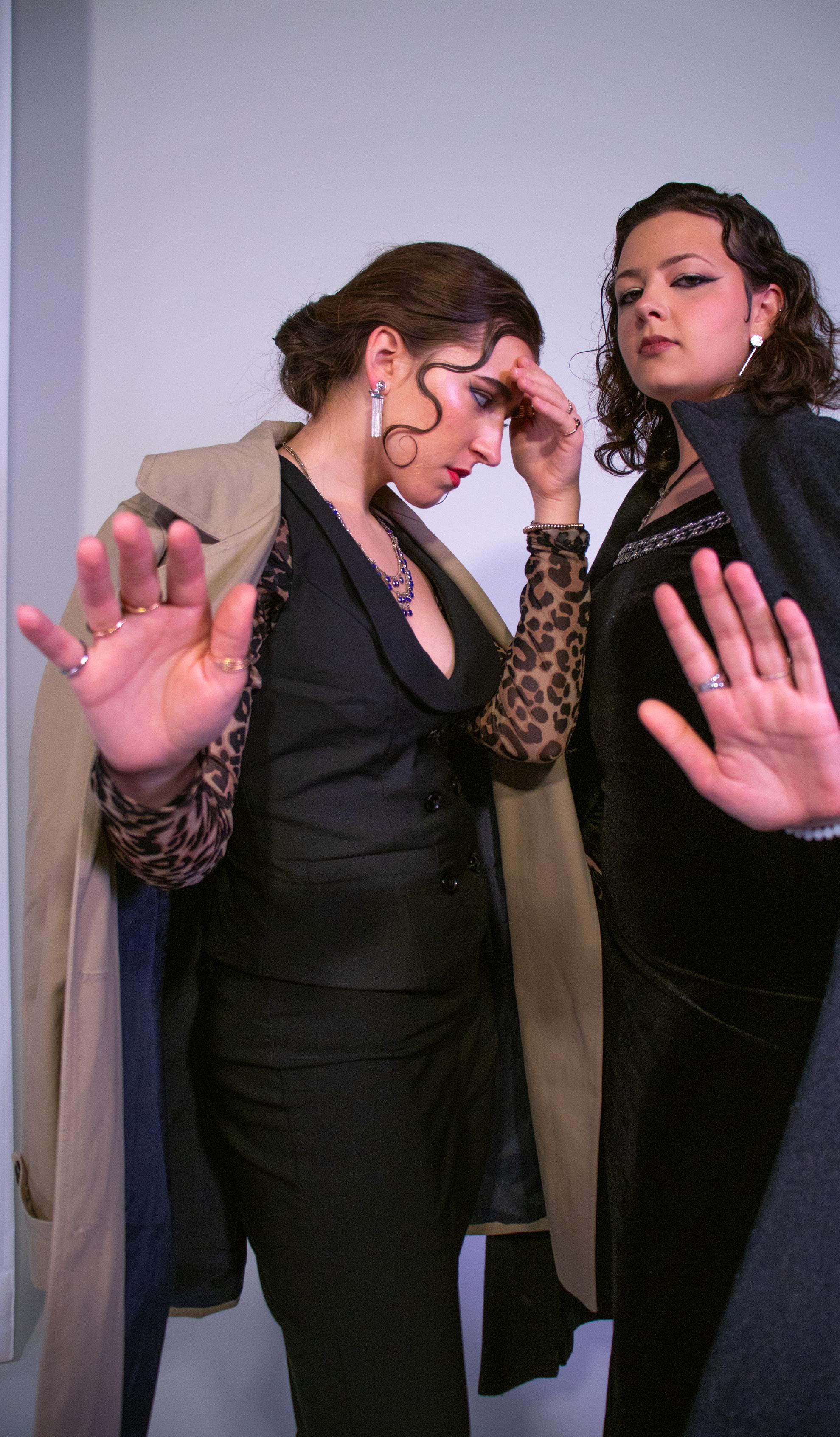
Think femme fatales, blond bombshells, Casanovas, rockstars, and rebels, such as Angelina Jolie, Marilyn Monroe, Elvis Presley, Prince, and Josephine Baker. For decades, society considered notoriety the exclusive realm of a select group—Hollywood stars, child prodigies, glamorous socialites, and wild performers. Times have changed. Long gone are the days of shadowing talent agents in the hopes of signing a deal and networking in jazz lounges. In 2026, global notoriety can be attained via TikTok. Does this increased accessibility lead to new voices, self-expression, and experimentation? Or to algorithmic conformity, objectification, and desensitization?
In an age where
anything can
go viral, has
notoriety lost all meaning ? With the rise of influencers, notoriety has taken new forms. An influencer is “a person who has become well known through regular social media posts and is able to promote a product or service by recommending or using it online” (Oxford Languages). Just a quick scroll through an influencer’s Instagram reveals a plethora of personal details, ranging from their diet, to their children, to their workout routine, to their preferred underwear brand.
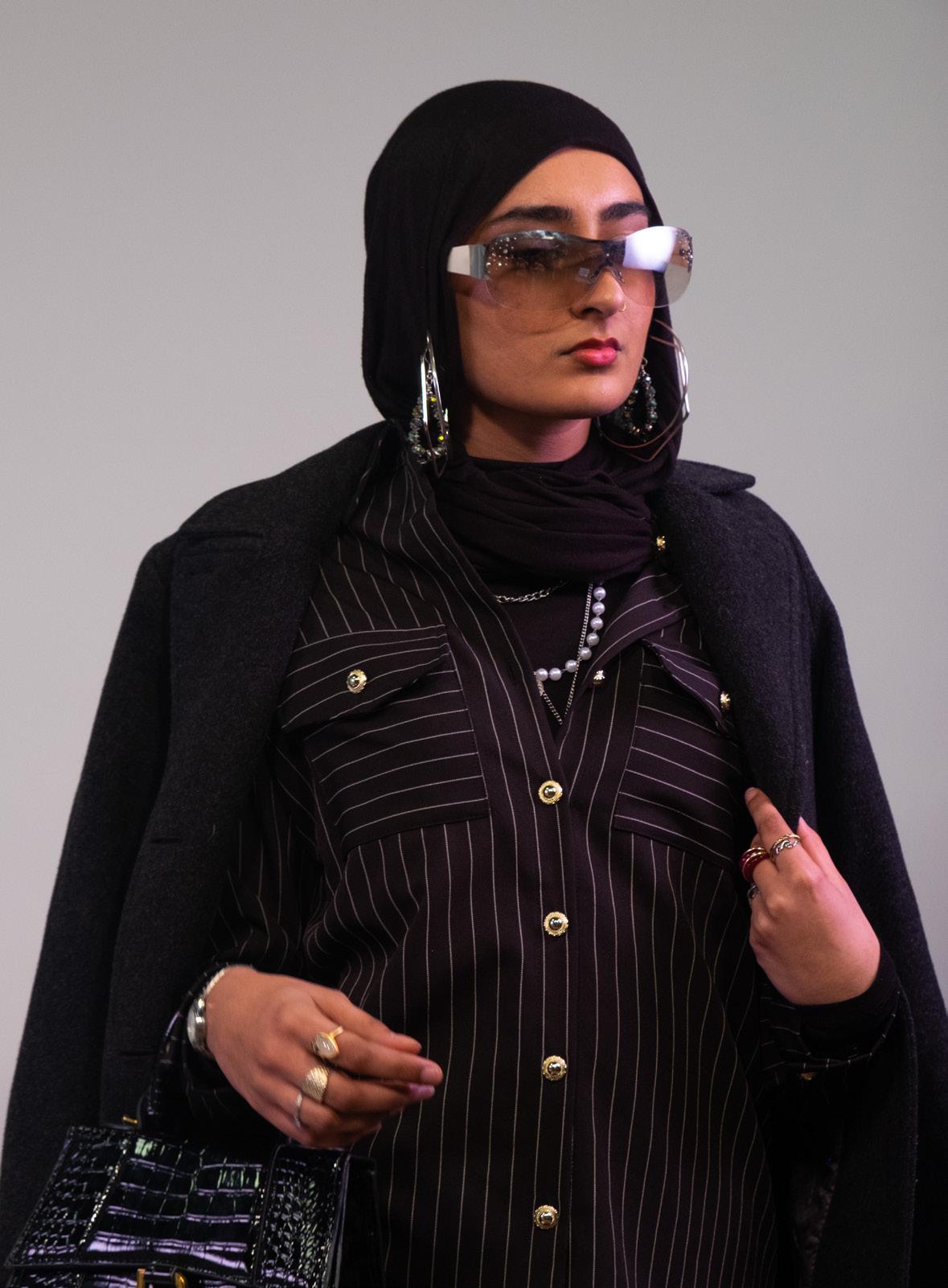
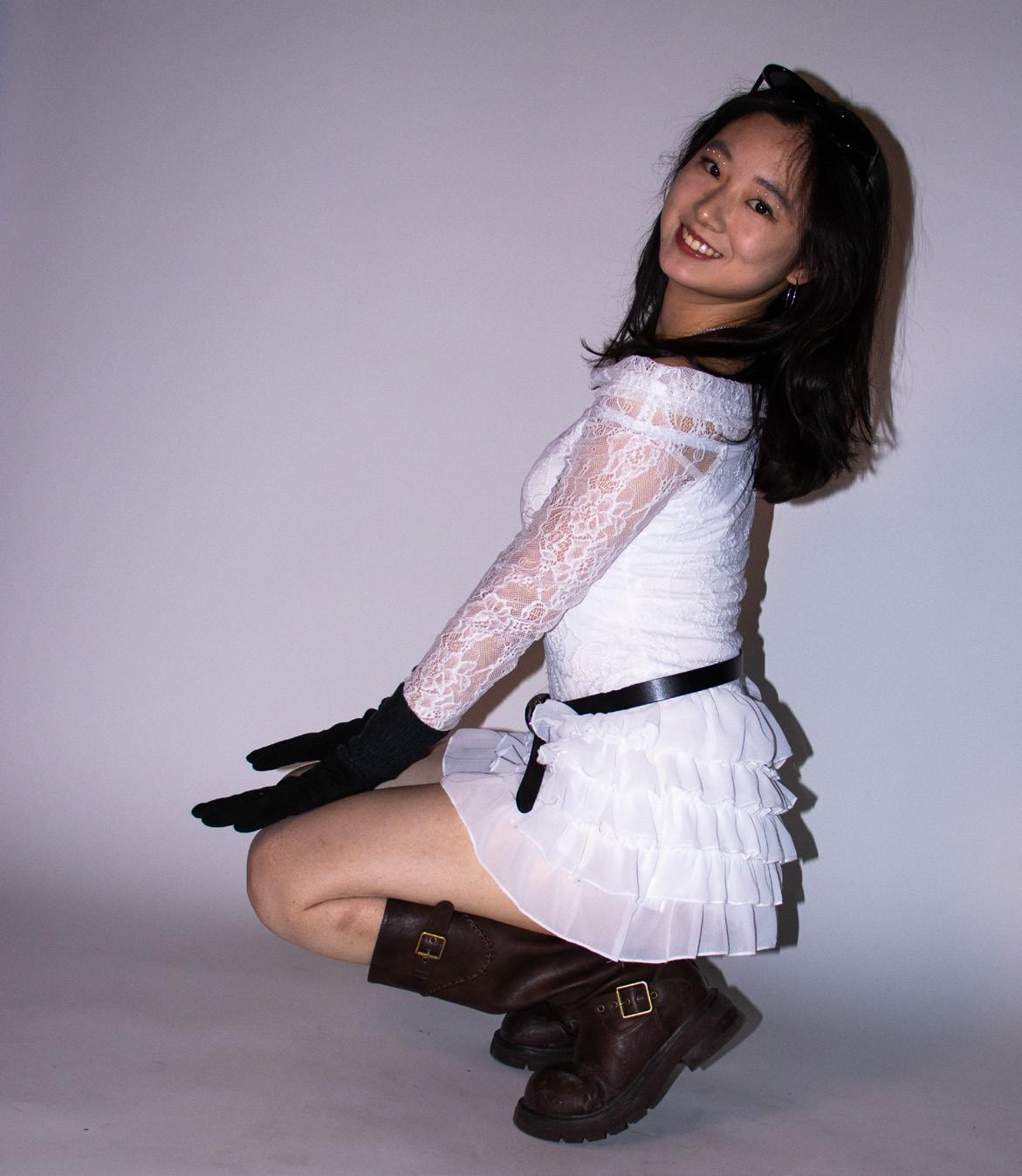
PRIVATE ? IS ANYTHING
Even a run-of-the-mill social media user isn’t immune to online oversharing. I, myself, the writer, am an actor, model, and social media user. I’ve posted my boyfriend, bikini photos, and funny anecdotes that divulge more about me than a stranger should probably know. Naturally, I weigh what is acceptable to share versus what should be kept private. However, I usually come to the same conclusion: in 2026, nothing is truly private.
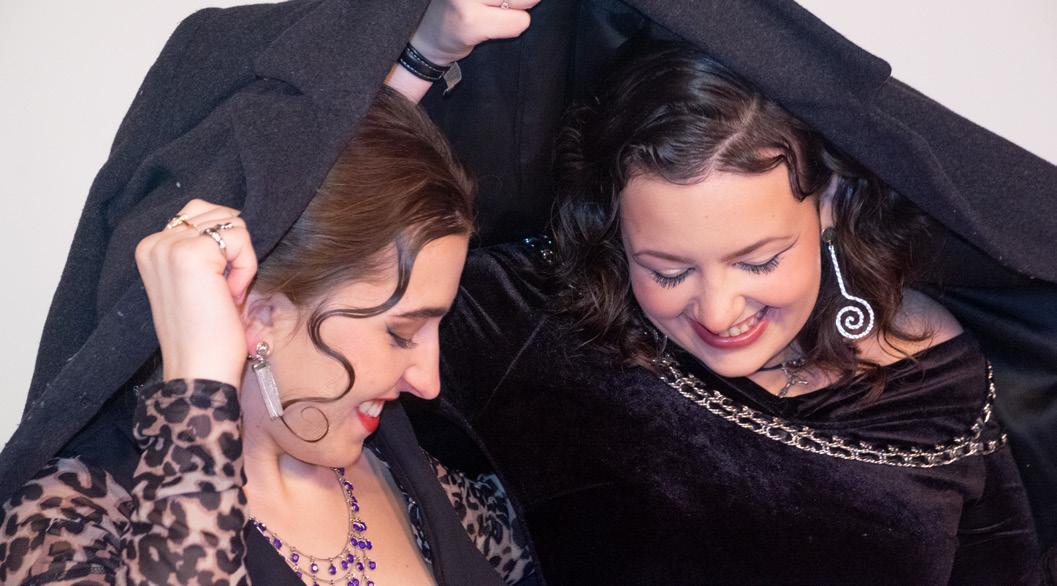
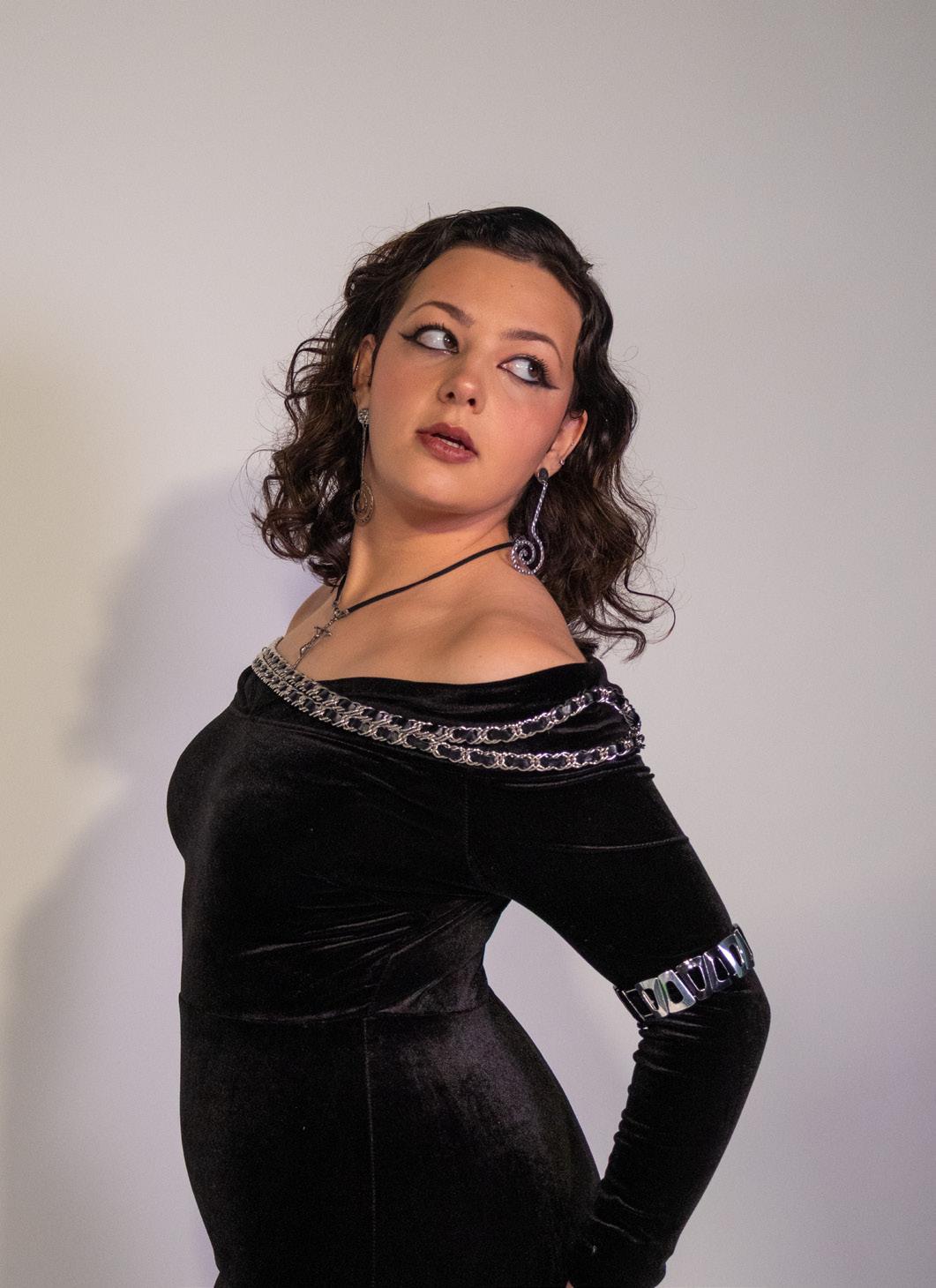
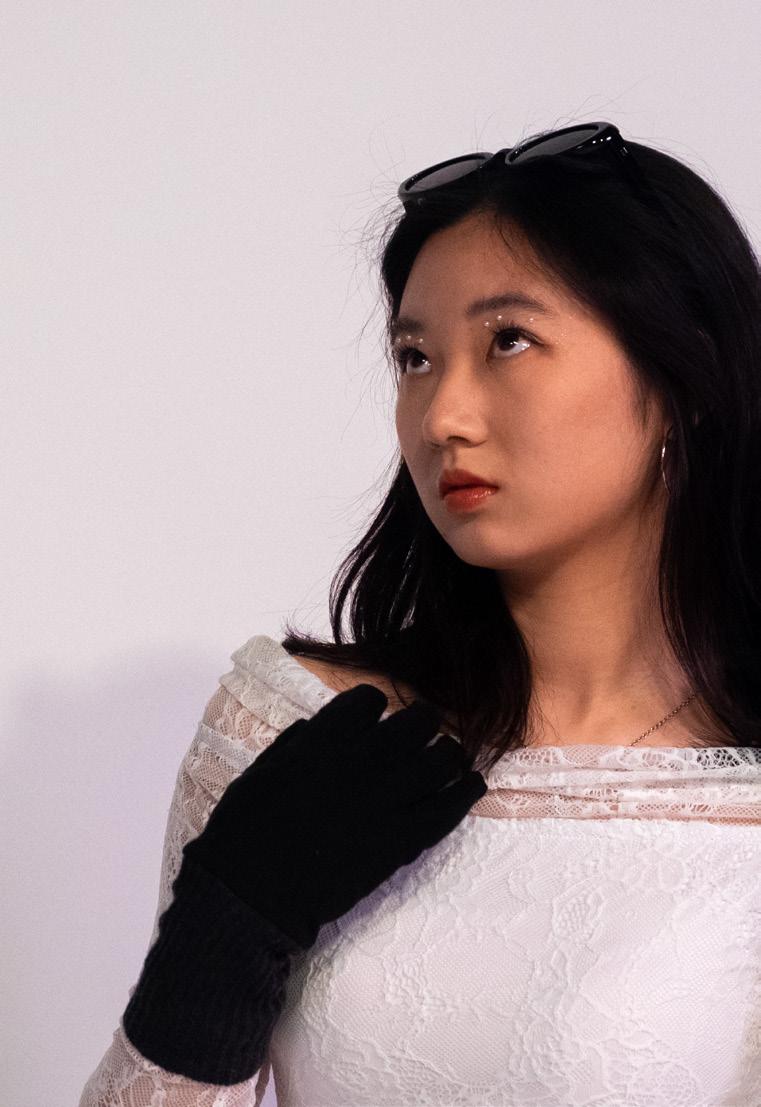
On Instagram, Kendall Jenner has gone from skimpy swimwear to full nudity. Sydney Sweeney recently launched a lingerie brand with the slogan “from the boobs and brains of Sydney Sweeney.” Not to mention, Diplo shared an image of himself with a rainbow photoshopped over his naked body for—get this—Earth Day.
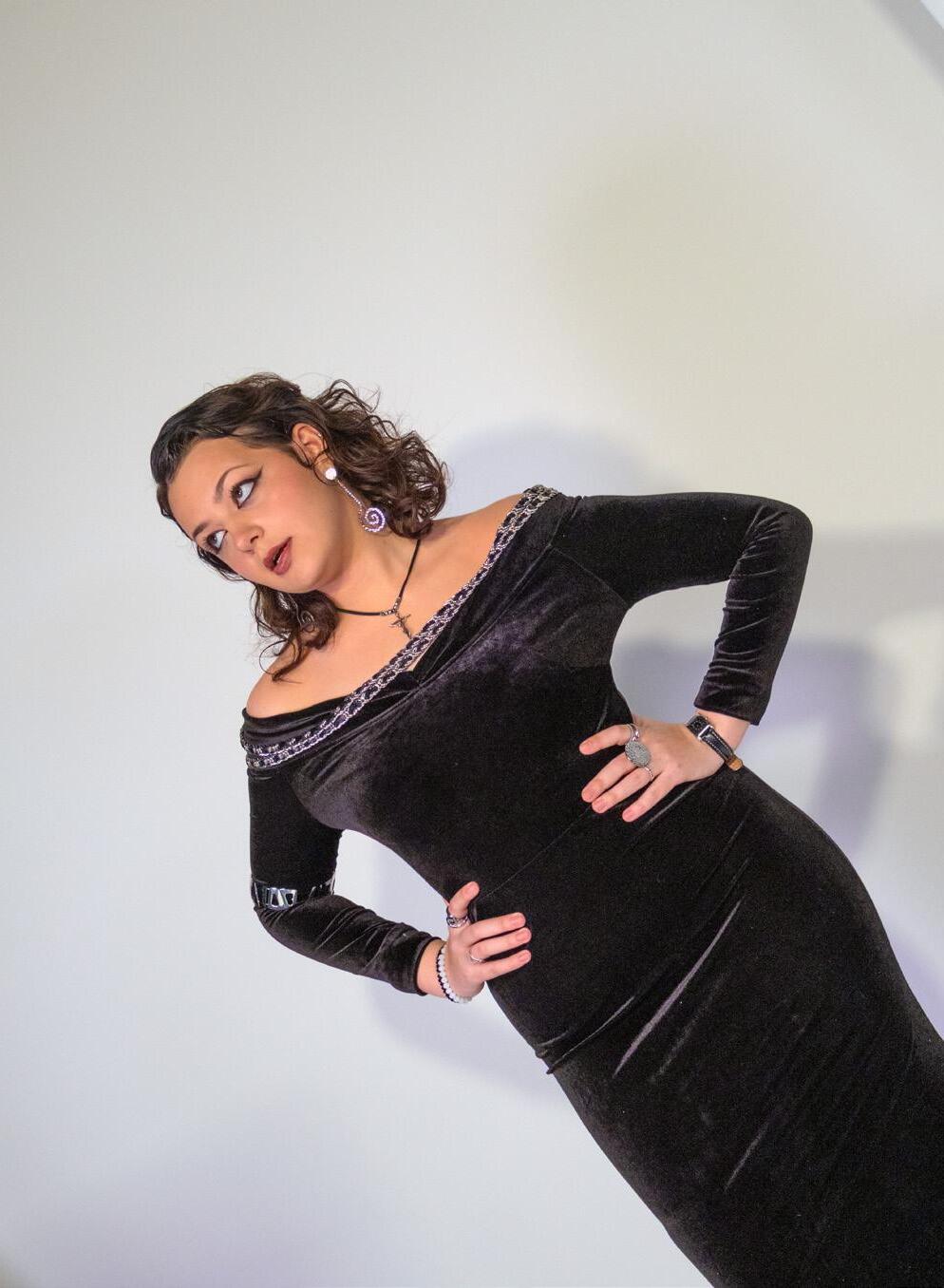
Of course, celebrities were scandalous and camp in the past as well as today. Every era has its Anna Nicole Smith. That being said, personal information was much more difficult to obtain, and hitting the Renegade wasn’t an option to get famous fast.
SIGNATURE STYLE #24
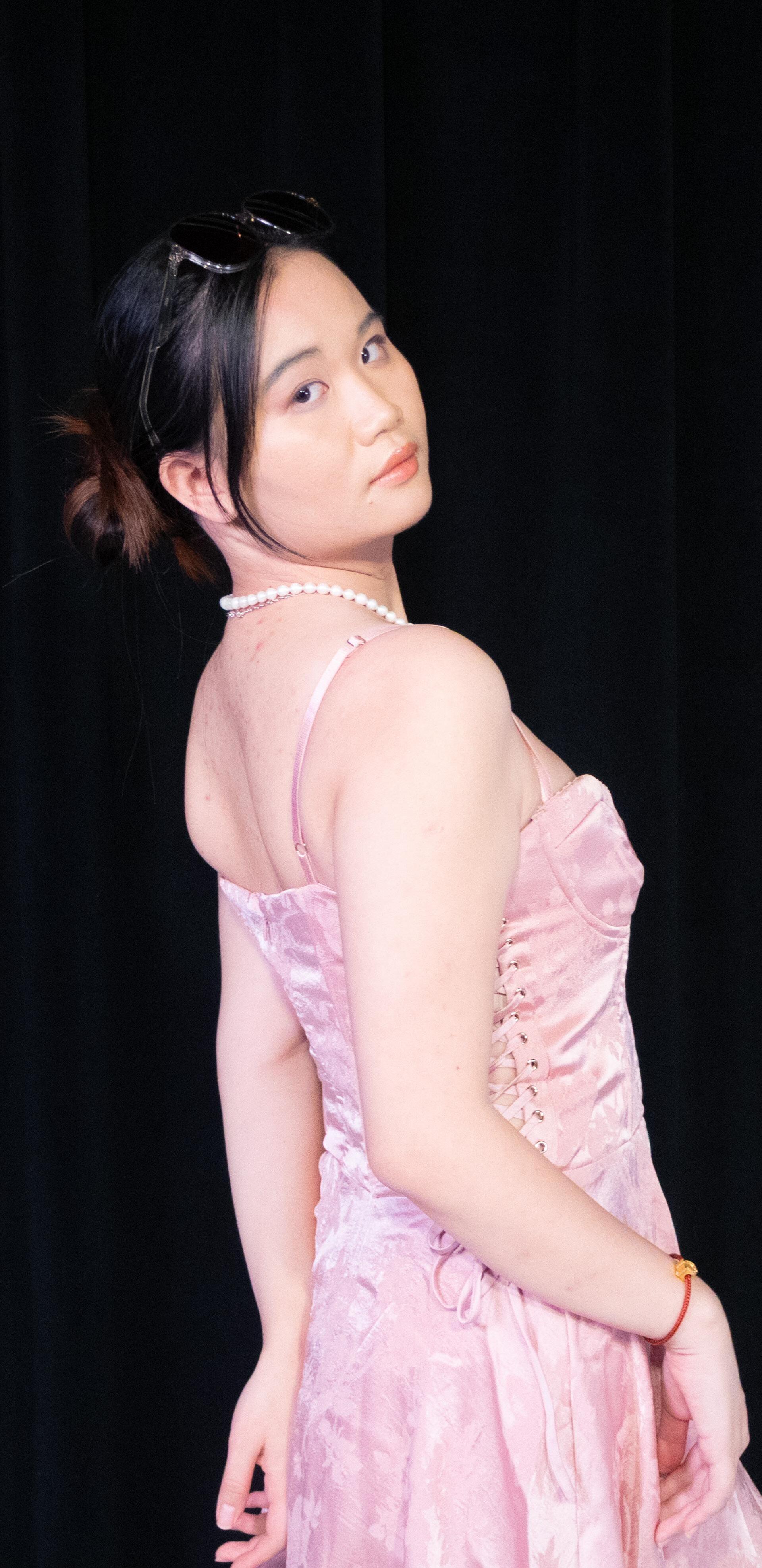
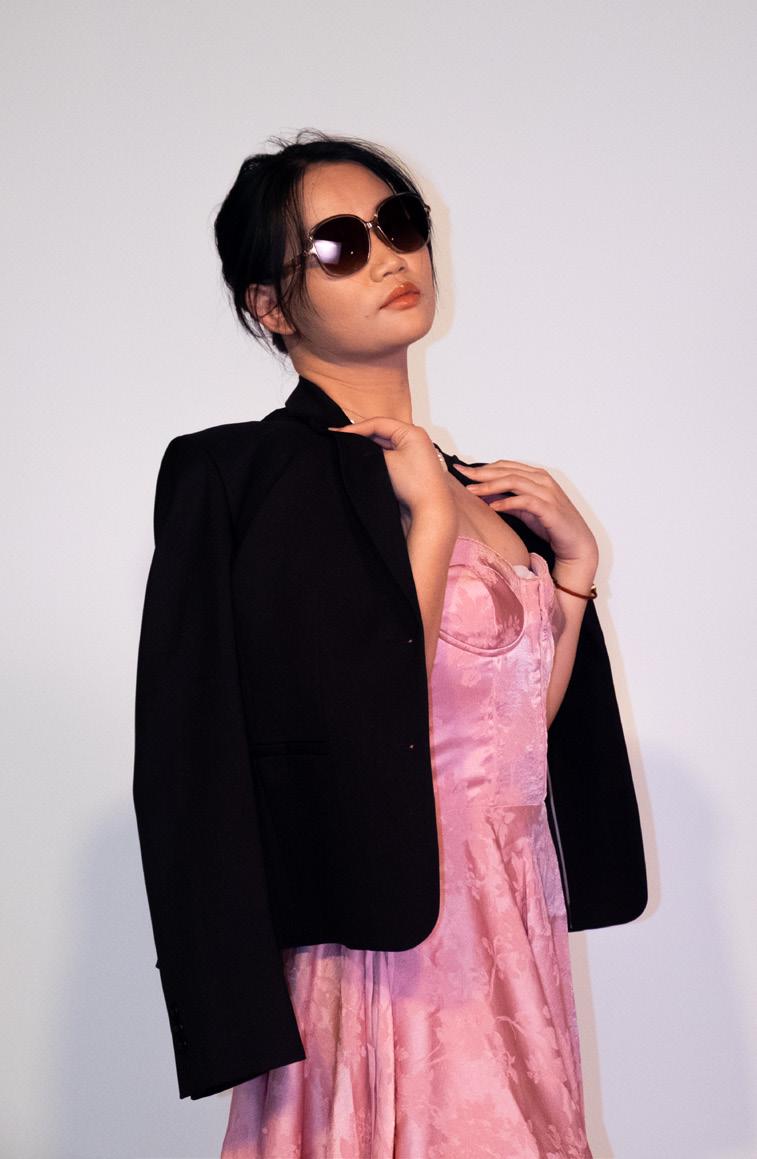
In the words of pop culture icon Marilyn Monroe: “I restore myself when I’m alone. A career is born in public – talent in privacy.”
I wonder what Monroe would make of contemporary careers built upon content creation.
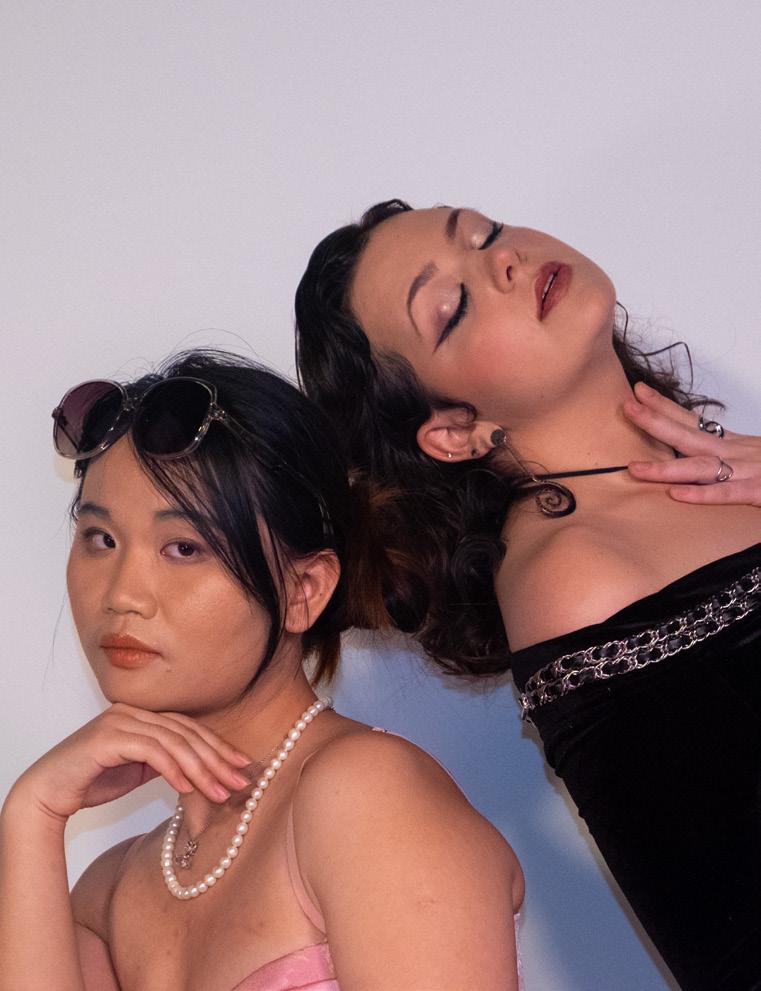
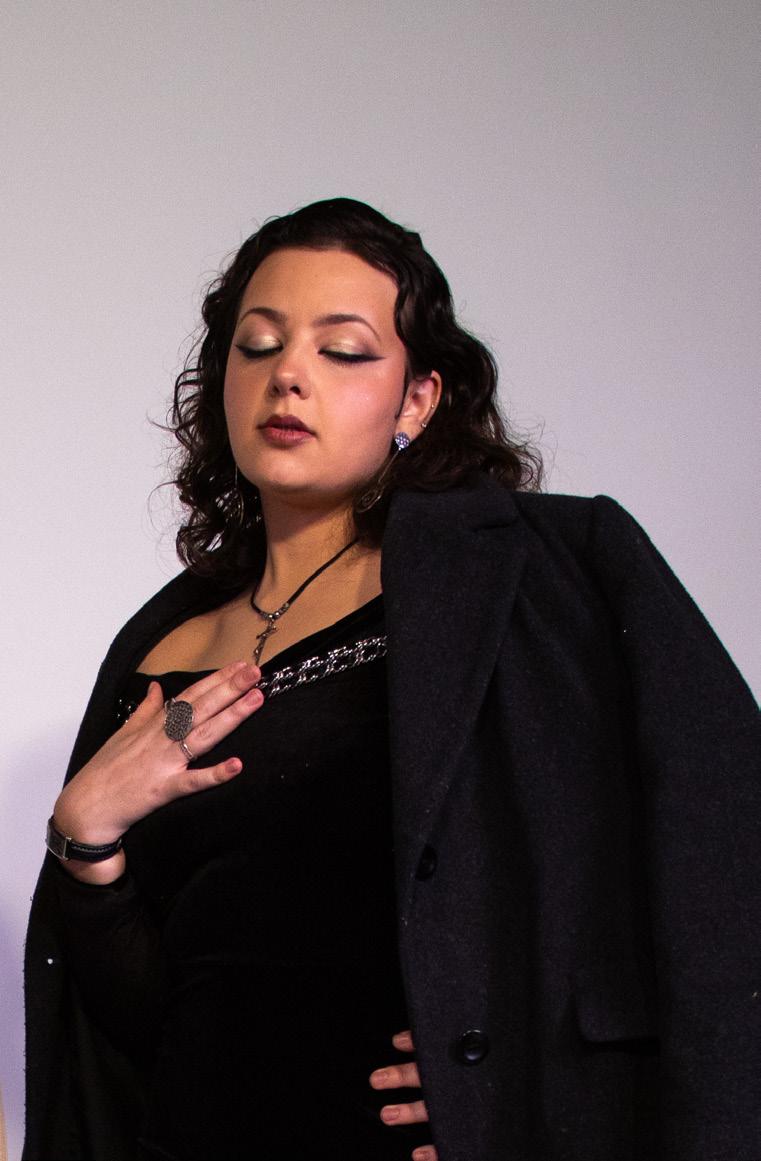
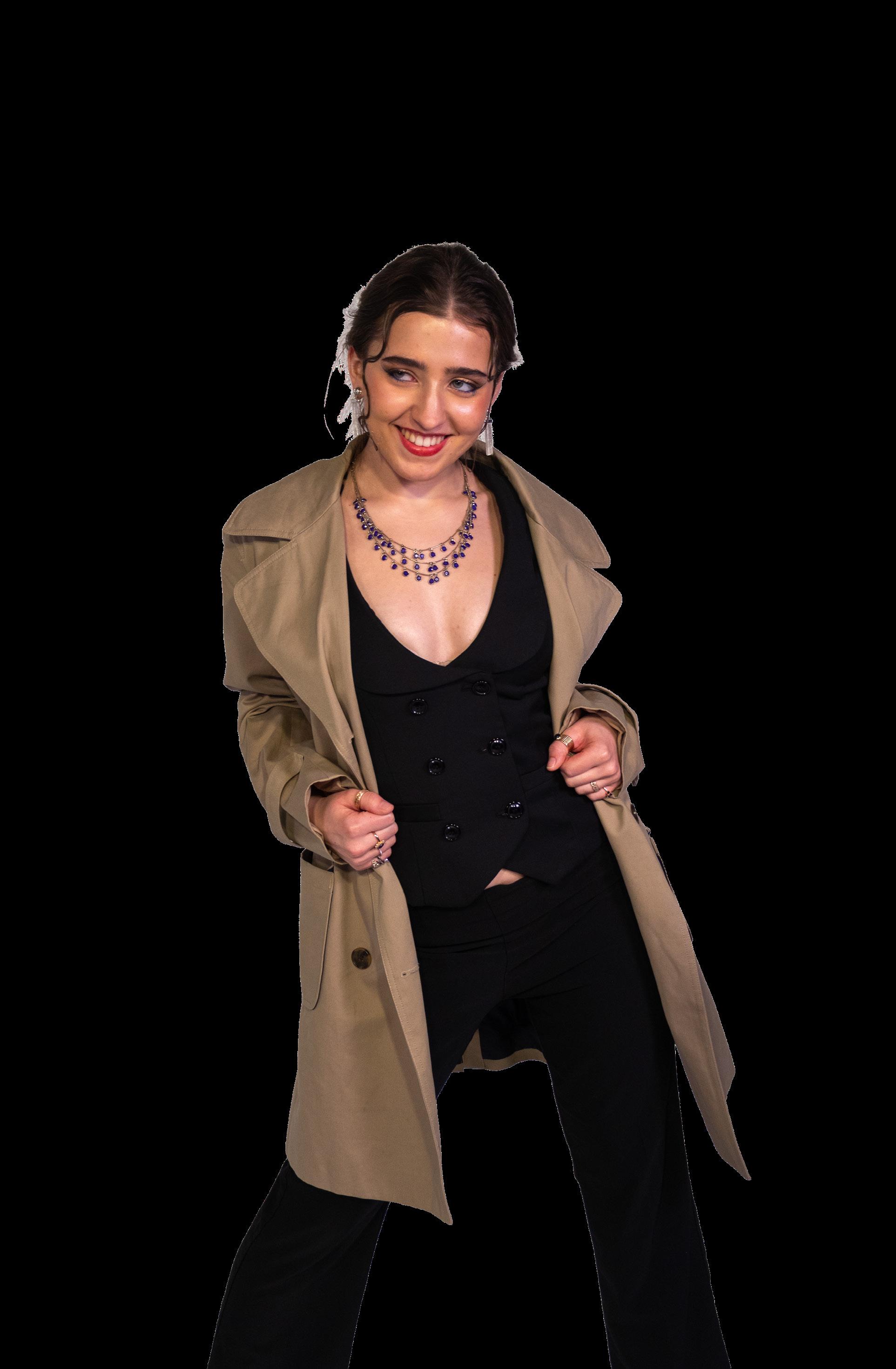
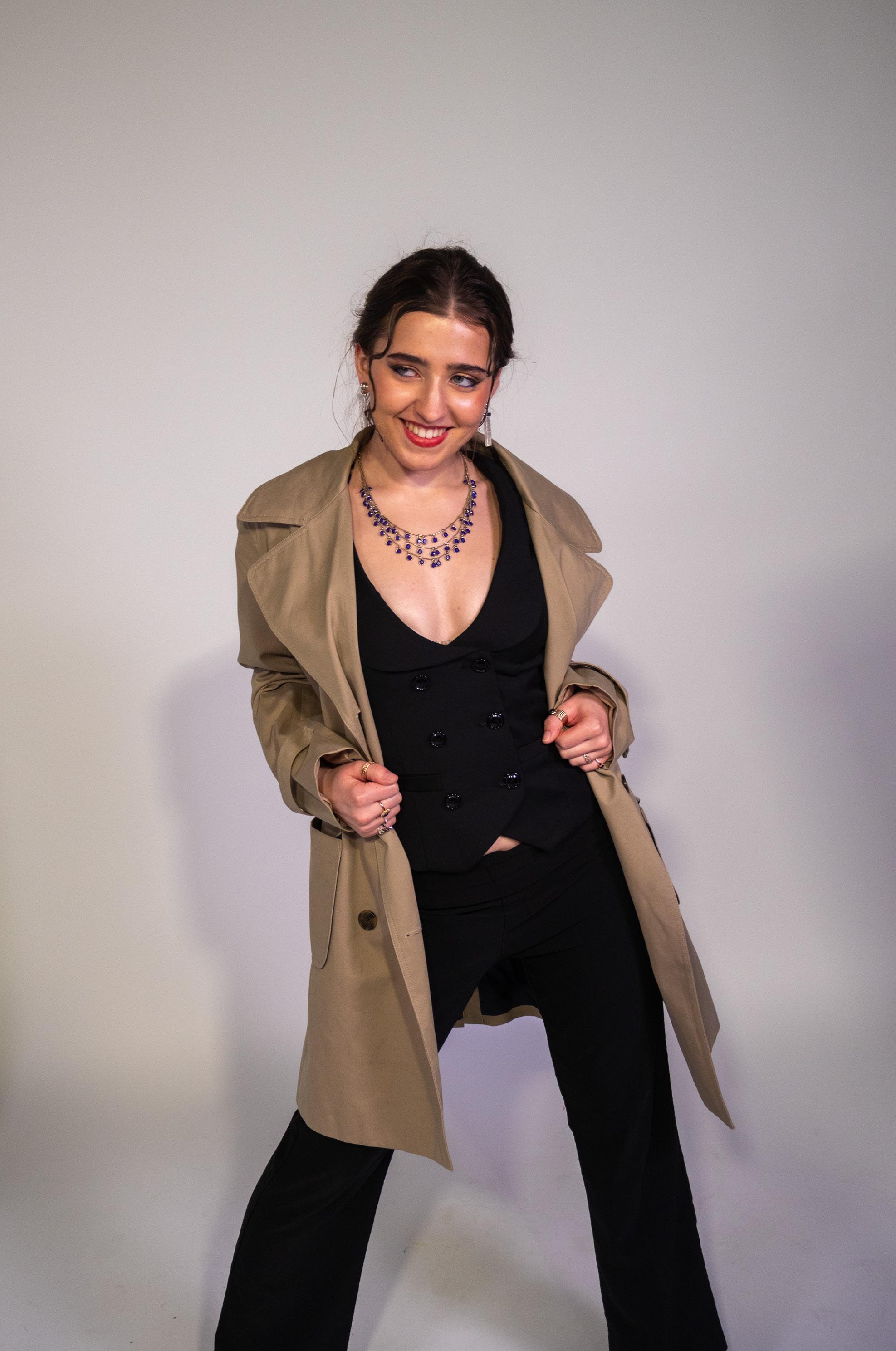
THE NEW AGE
A CAREER BORN
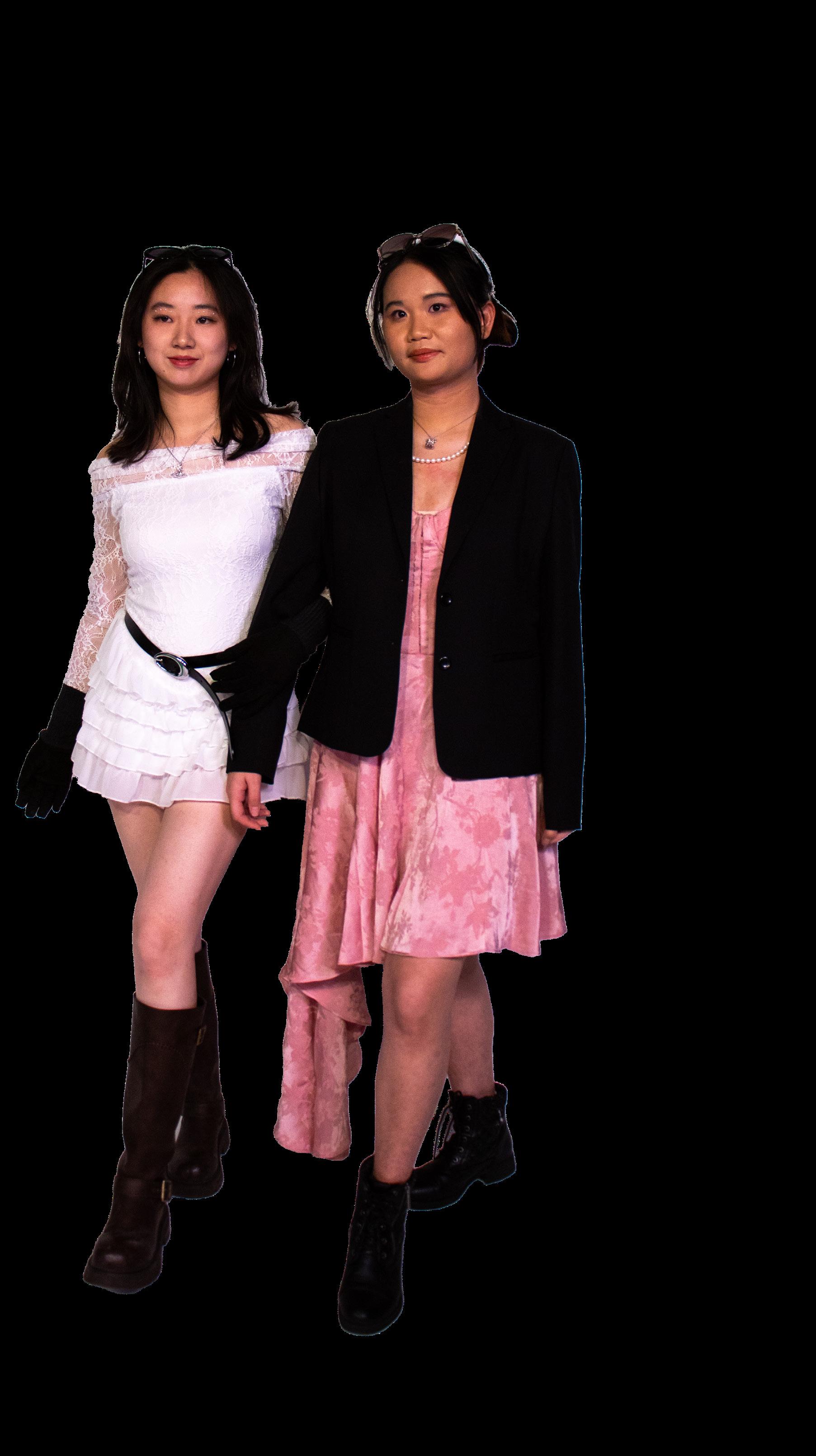
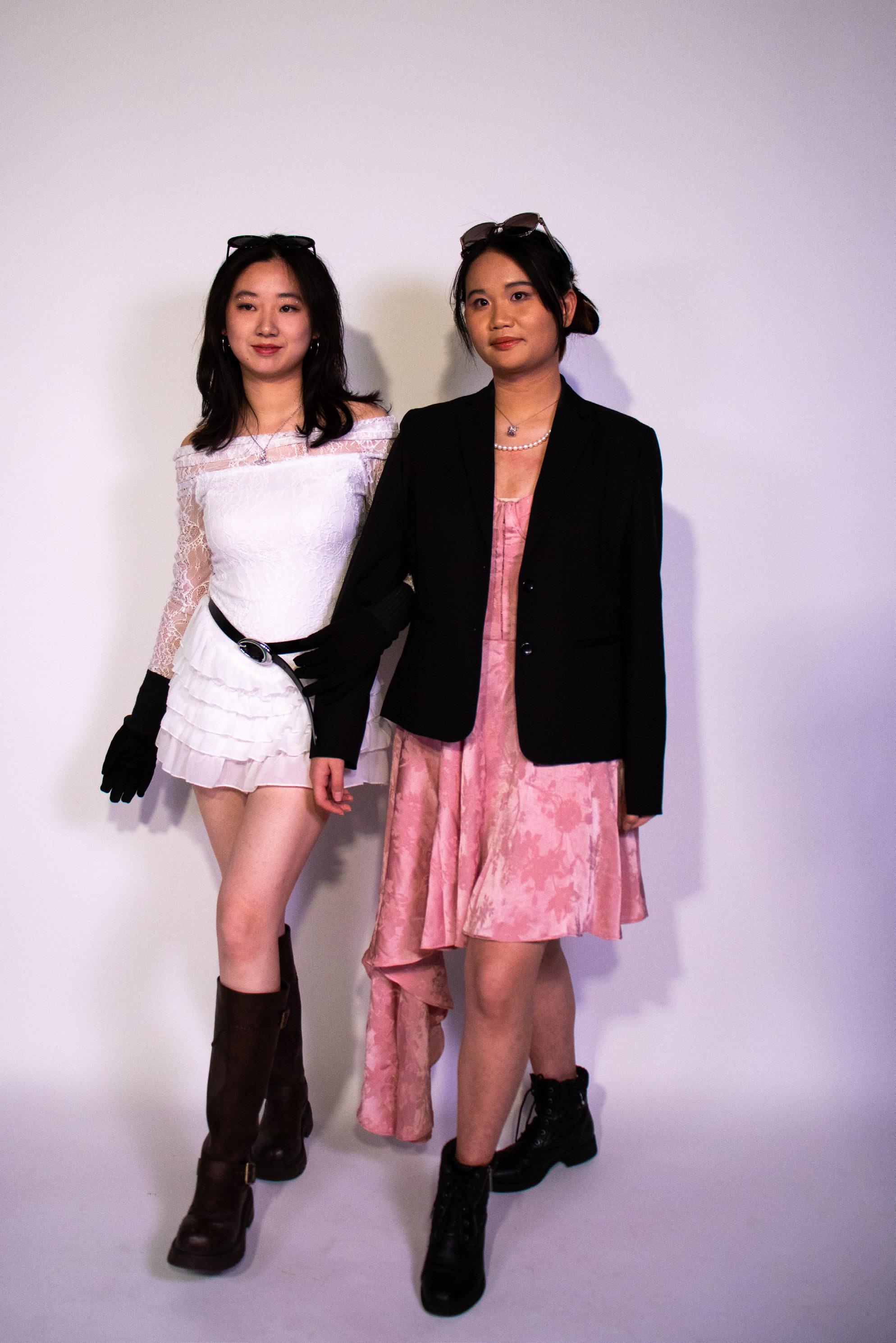
Additionally, American historian Daniel Boorstin argued that the “hero,” famous for greatness, and the “celebrity,” famous for being well-known, led us to “lose sight of the men and women who do not simply seem great because they are famous but are famous because they are great.” Along that line of thought, are influencers great or just famous? Some may think it’s a good thing that fame has become increasingly accessible. But, first, consider fame’s value, a quality that goes hand in hand with rarity. In this case, rarity refers to the few famous for their talents, beauty, scandals, or all of the above. Adobe’s 2022 Future of Creativity Study found that roughly 23% of social media users are creators, with almost half of non-professional creators monetizing their content (Adobe Newsroom).
So, in today’s oversaturated digital landscape, is fame truly a rarity? If 1 in 4 people have reached “influencer-status,” then does fame remain a big deal? What differentiates fame from influence? In large part, fame’s allure is linked to elitism. Celebrities are worshipped not for who they are but for what they represent: a celebrated, materially aspirational lifestyle. But, do we worship influencers like we do celebrities? And if anyone can be an influencer, what makes them so special? The next time you find yourself putting your favorite social media personality on a pedestal, ask yourself:
What sets them apart from me? The answer is nothing.


THEROTTENPALETTEHASITALL
Tree
Malaysian-Canadian
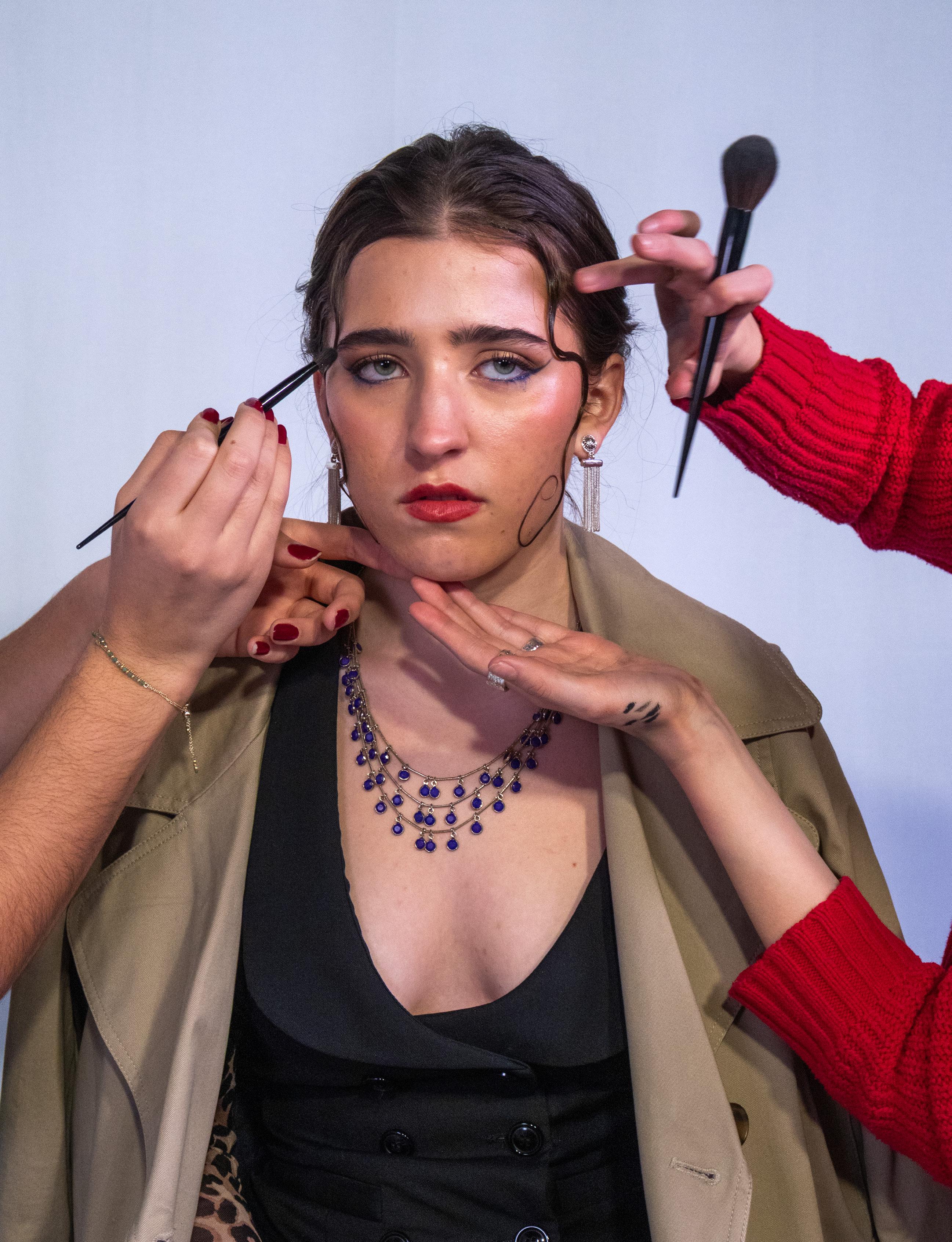
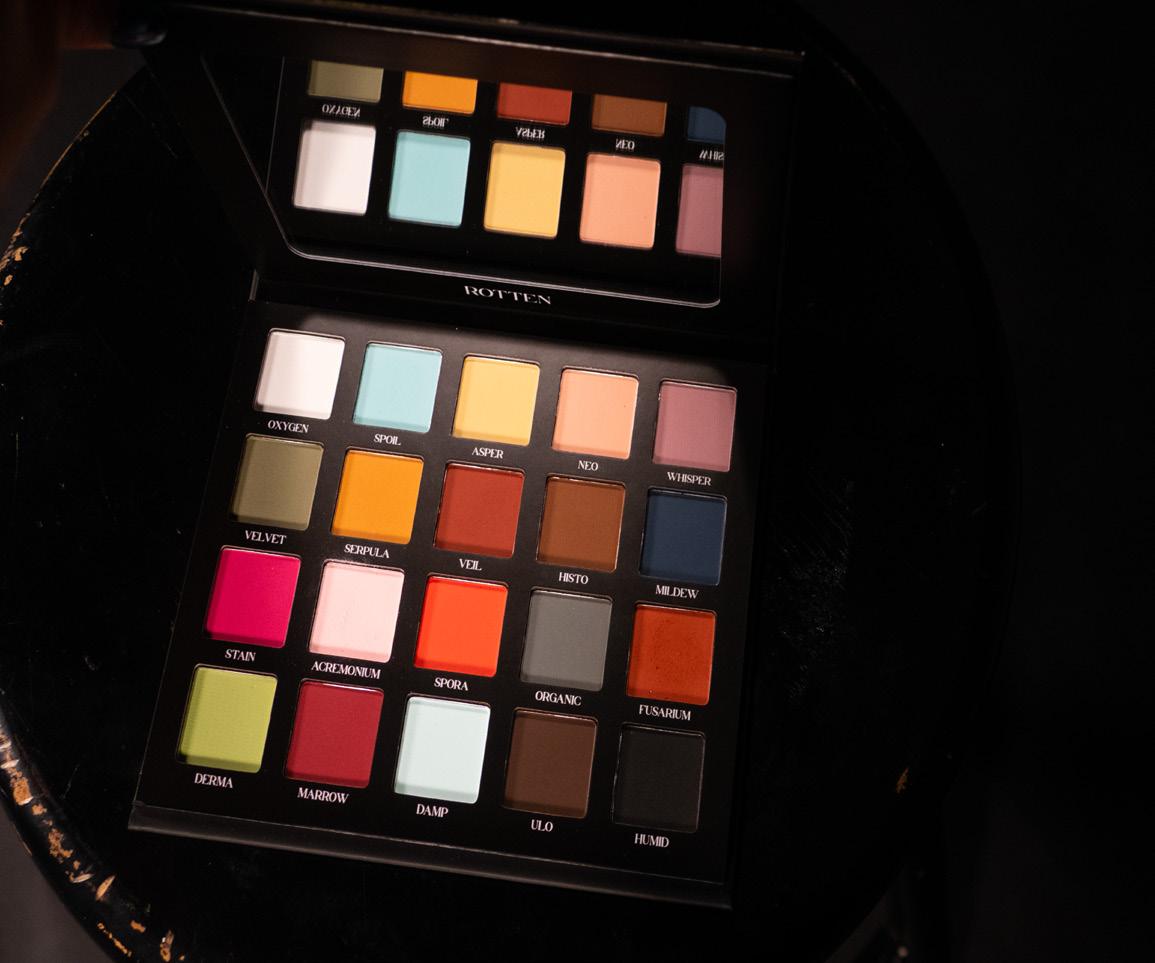
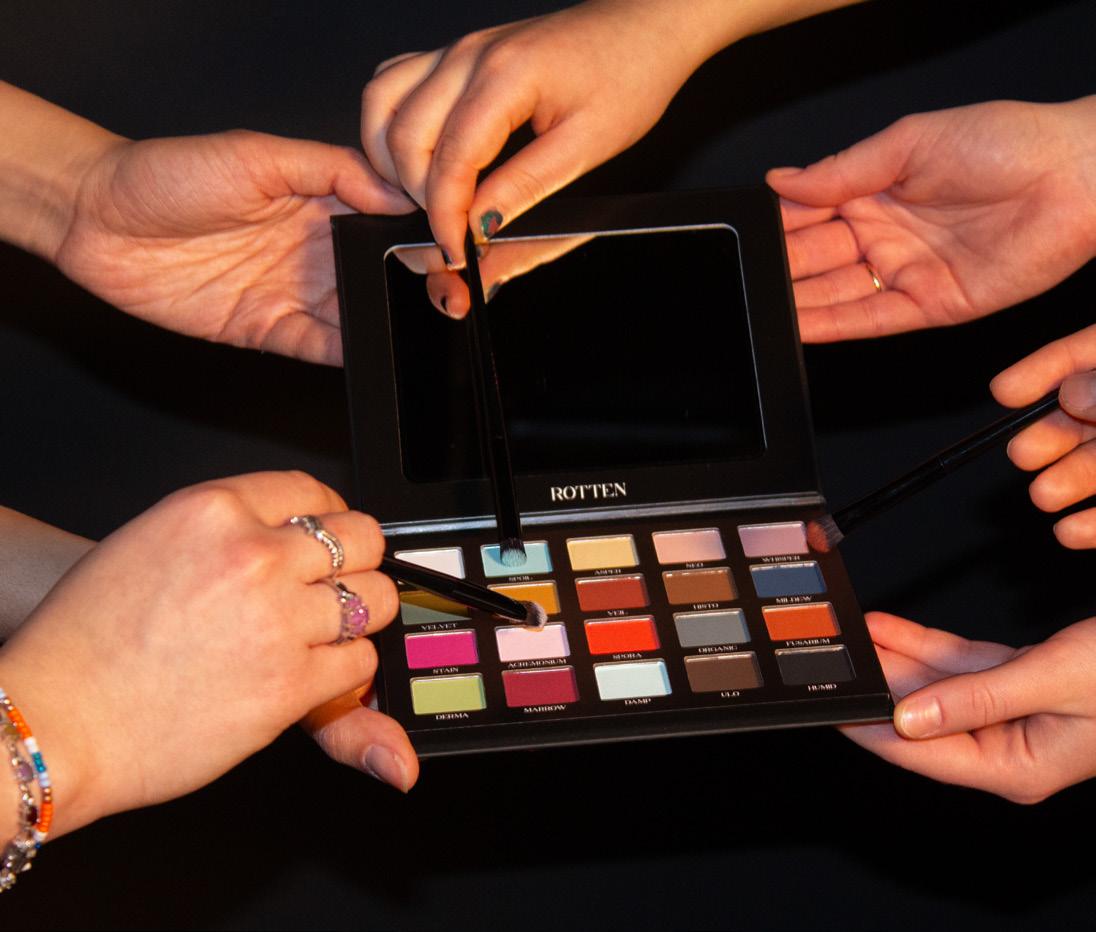
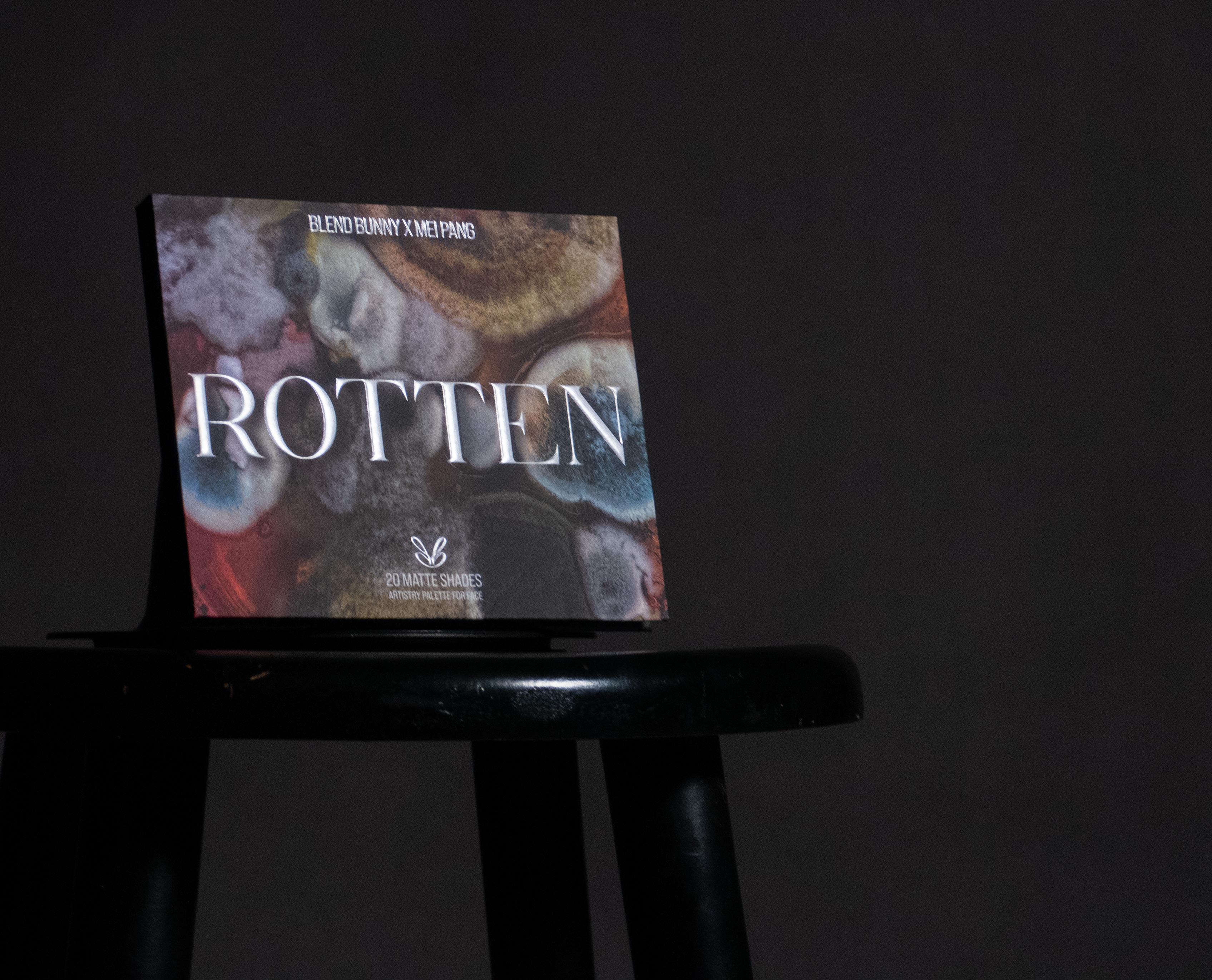
makeup artist and digital creator Mei Pang is known for her strikingly symmetrical tattoos and avant-garde conceptual makeup aesthetic. Last year, she collaborated with Blend Bunny Cosmetics to create the Rotten palette—“a study in contrast between decay and the divine.”
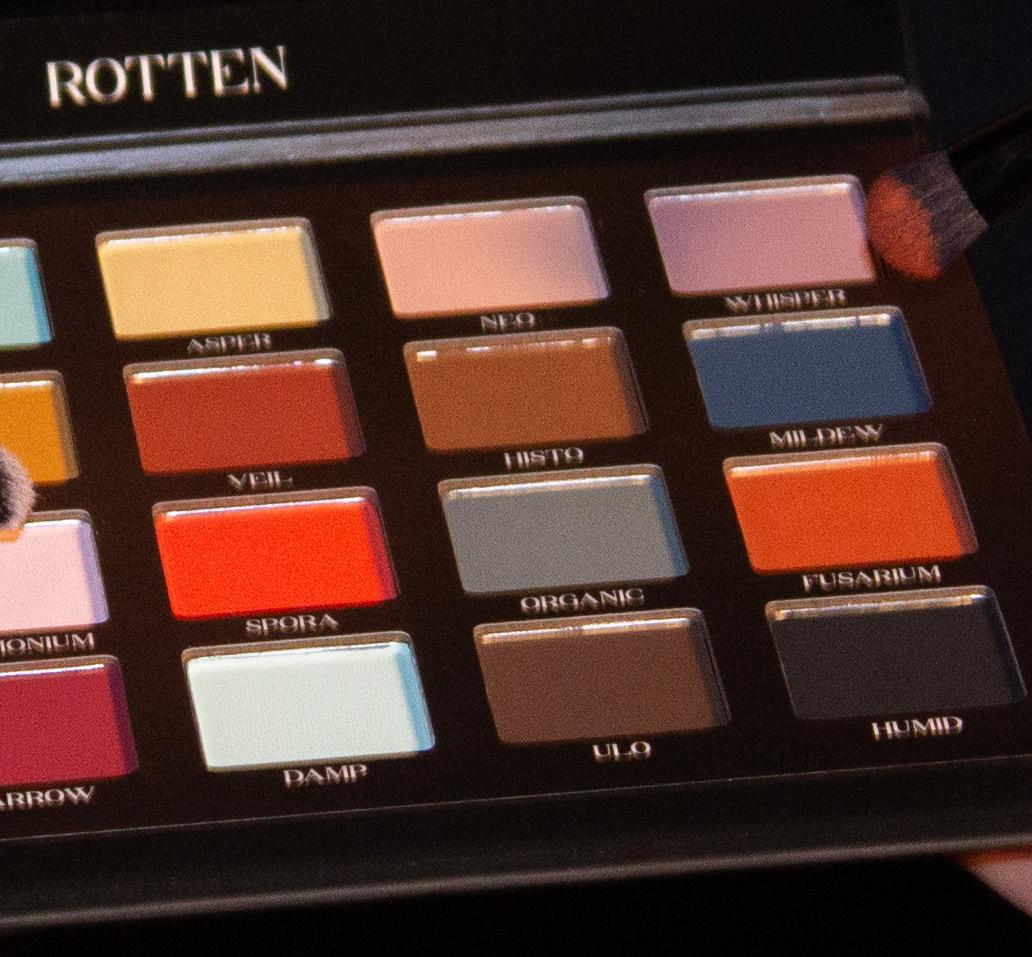
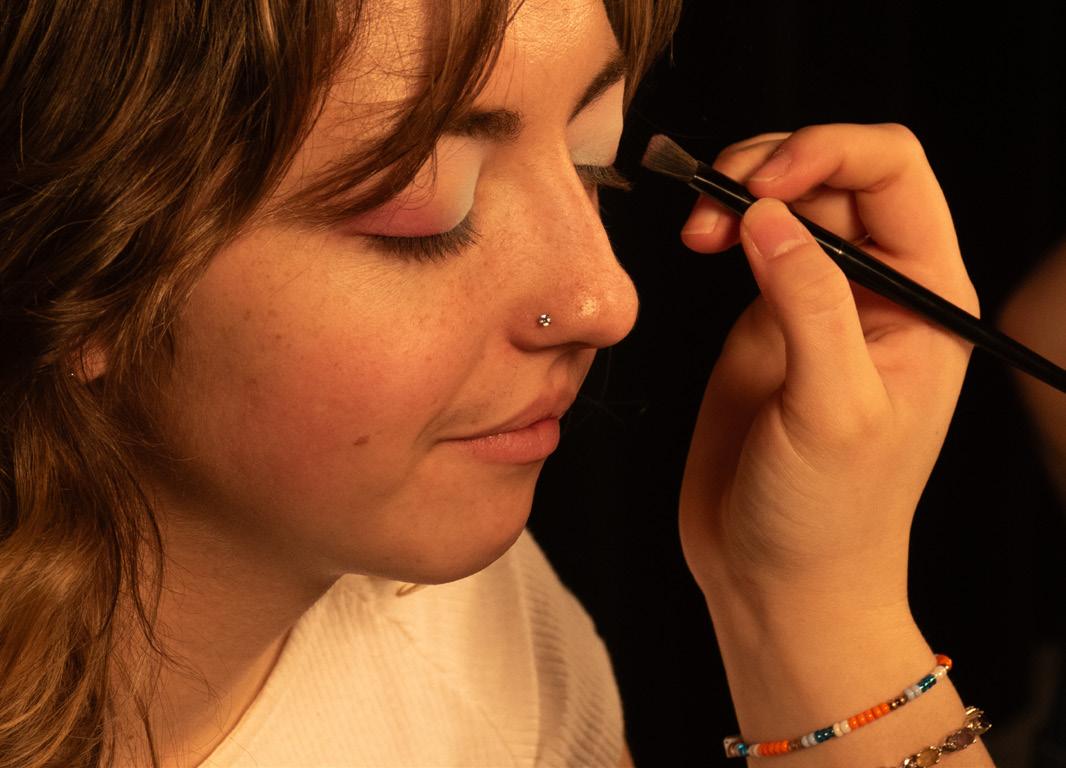
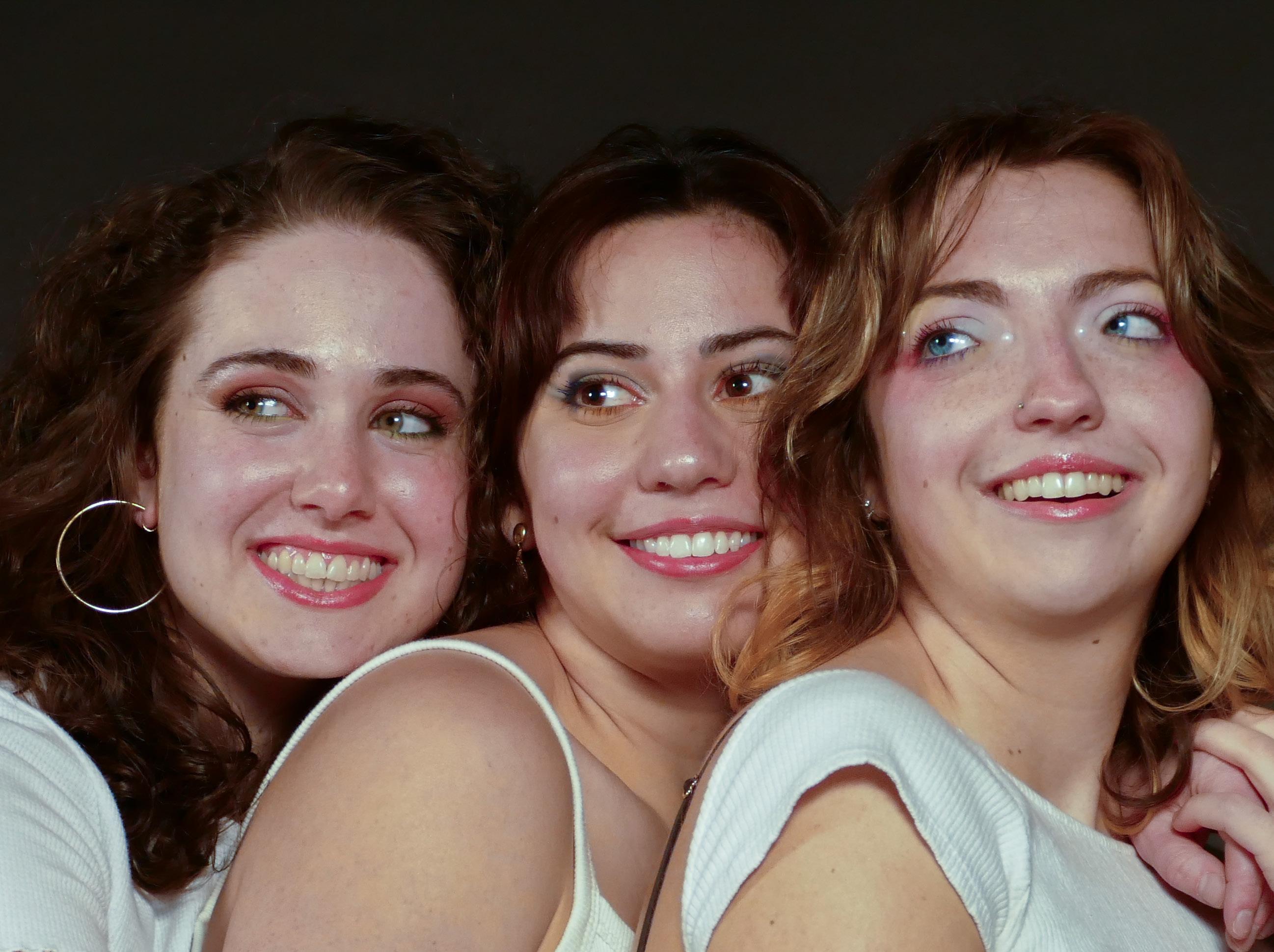
Made up of twenty matte eyeshadows inspired by mold—yes, that’s right: mold—the unconventional palette pushes artists to fnd beauty in the grotesque. Using Mei Pang’s naturalistic Gothic palette, Signature Style crafted three otherworldly looks.
“GrotesquelyMagnifcent”Looks writtenbyDaphne Leibowitz
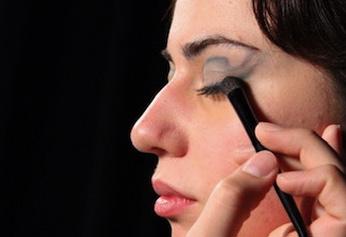
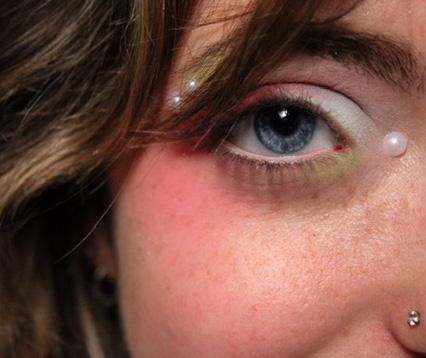
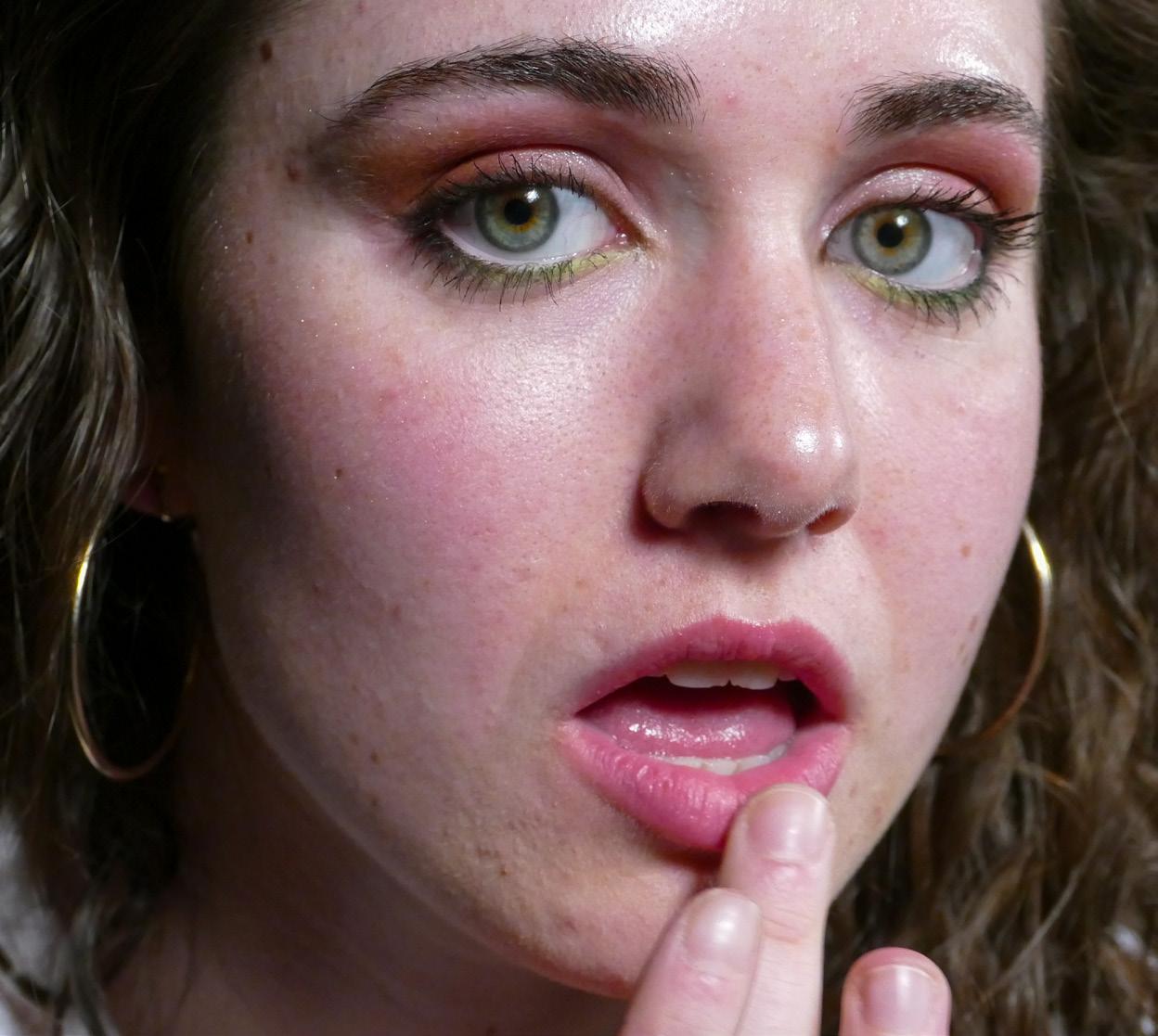
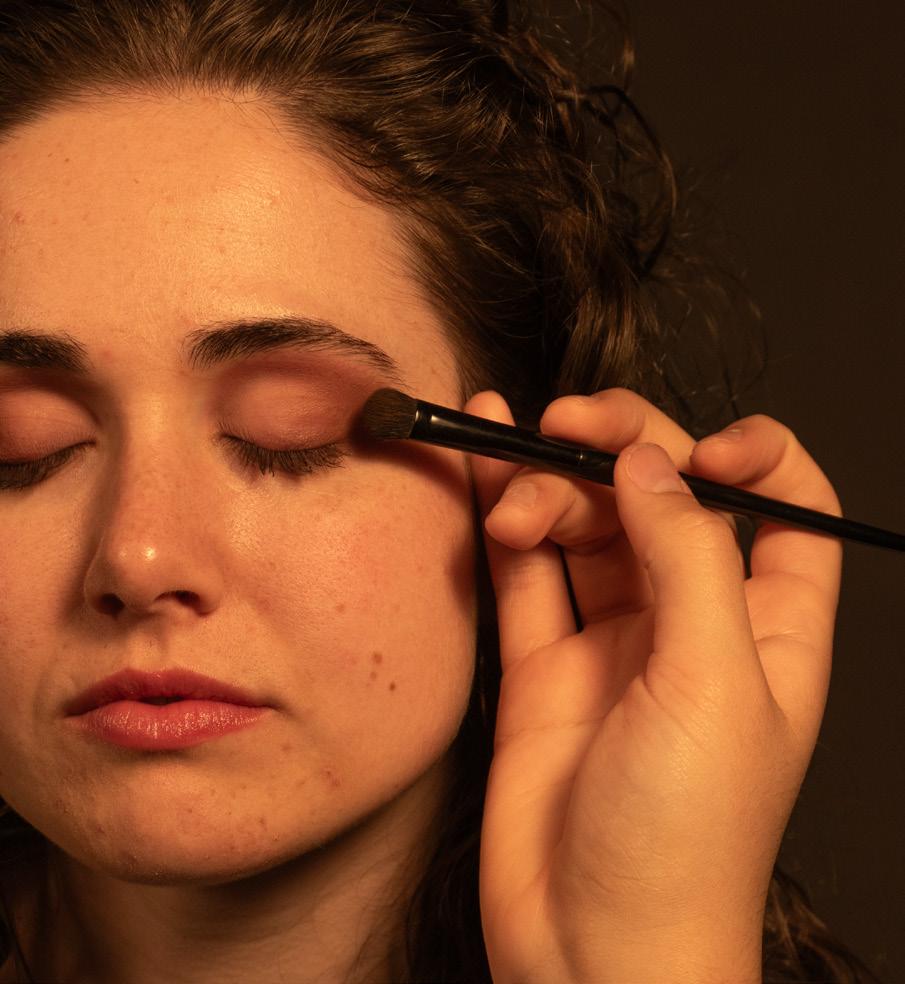
First, a smokey eye with a colorful twist. Beauty director Sri Masturzo ‘28 began by tapping “Histo,” a warm brown, and “Whisper,” a muted mauve, respectively onto model Patricia Higgins’ outer and inner eyelid corners before blending up along her upper eyelid creases. For a
vibrant gradient, Masturzo applied “Veil,” a burgundy, to Higgins’ inner corners and “Marrow,” a crimson, to her browbone. A q-tip dipped in micellar water and beigey pink “Acremonium” sharpened the smokey eye. To “help [Higgins] eyes pop,” Masturzo brushed shades of green “Derma” and “Velvet” across her waterline, then used a thin, angular brush coated in “Humid” for black eyeliner. “Ulo,” a deep brown, along the top of Higgins’ outer tear duct completed the cat eye effect.
To contrast her eyes’ earthy edge,
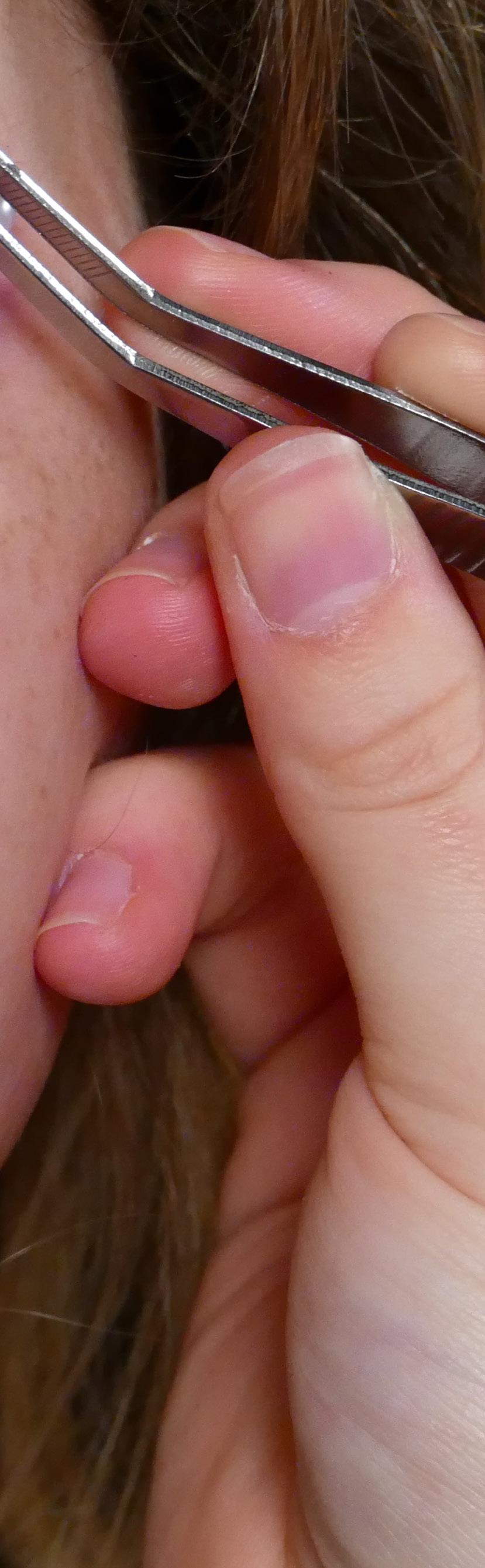
makeup artist Emma Rutkowski ‘29 transformed model Aubrey Wallen ‘26 into a “girly and fun” vision of ethereal whimsy. For a neutral base, Rutkowski covered Wallen’s eyelids in “Neo,” a pale peach, followed by a wash of “Acremonium.” Next, she packed “Damp,” a pastel blue, into the inner corners and “Spoil,” a turquoise, into the center of Wallen’s eyelids. “Stain,” a magenta, brought out
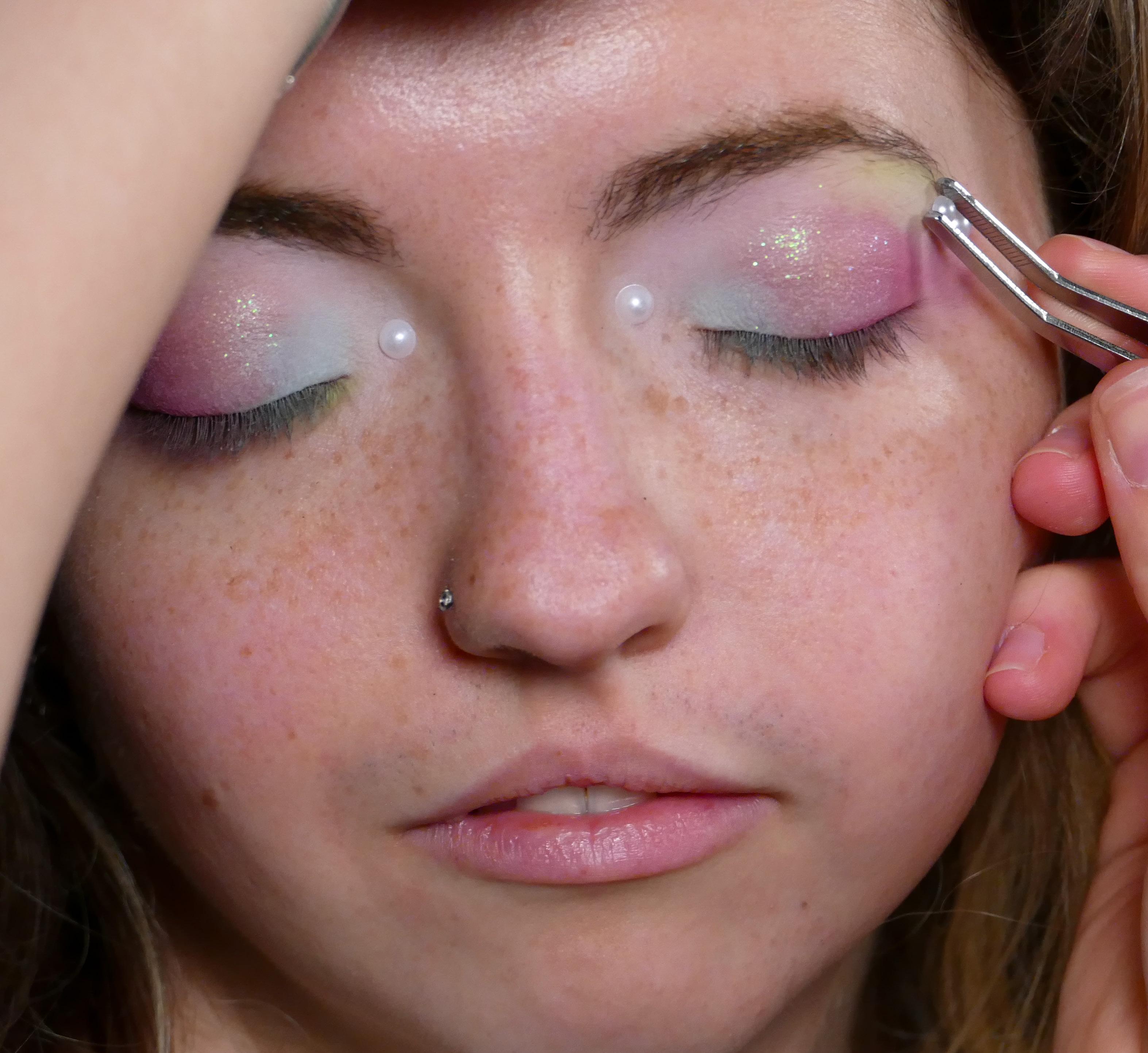

Finally, with “Mildew,”
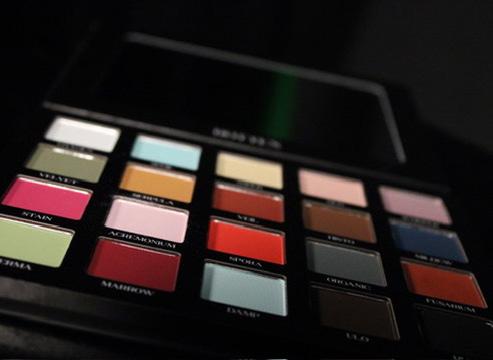
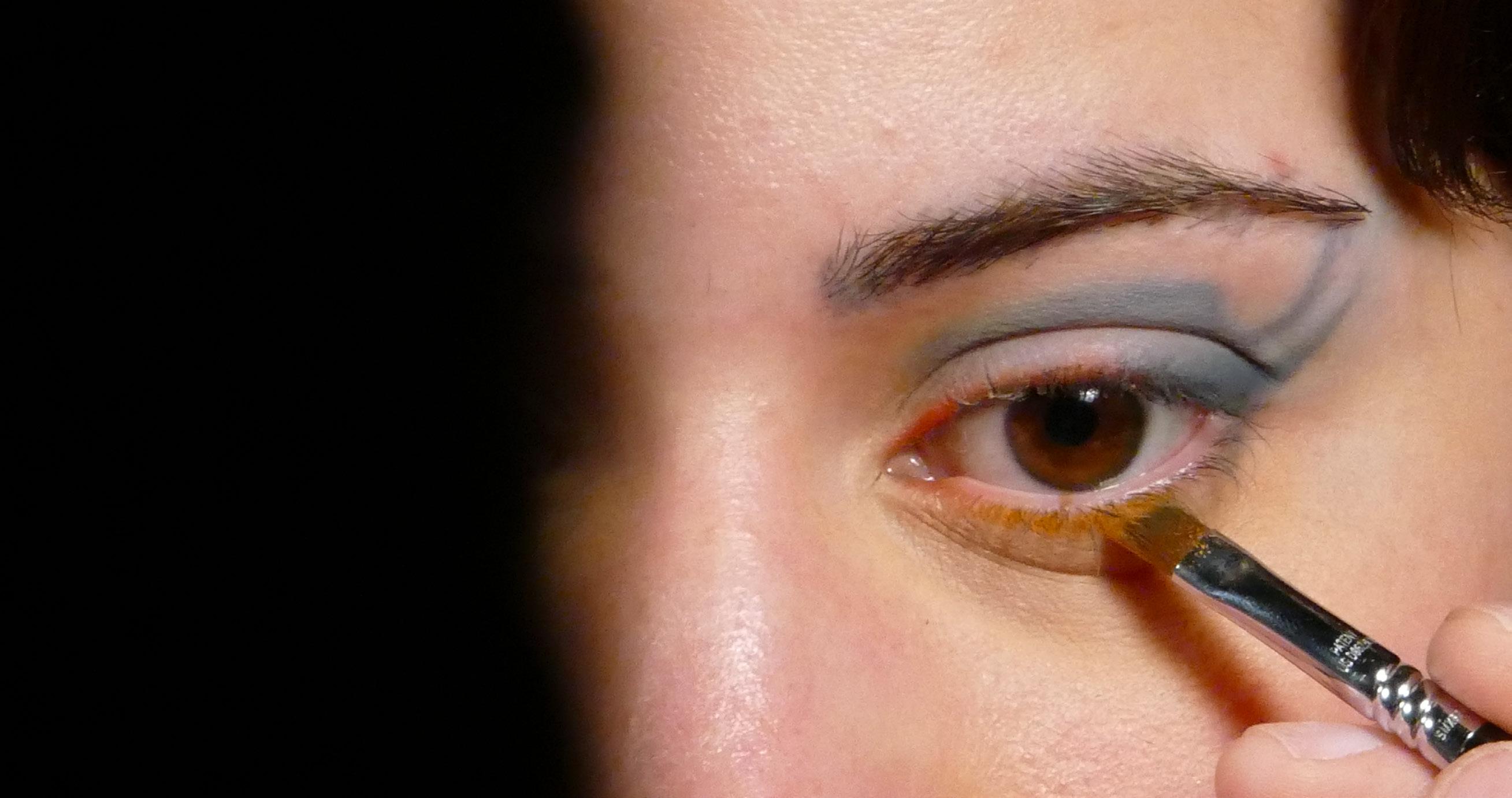
Masturzo drew two parallel curved navy blue lines across the lashline and above the eyelid crease of model Vicky Holland ‘26. To offset the cool tones of “Mildew,” “Organic,” and “Damp,” Masturzo added “Spora,” an orangey red, onto Holland’s inner corners and “Serpula,” an ochre, along her waterlines. Holland’s shimmery graphic glam was topped off by “Humid” on the outer corners as well as a blue-and-black mascara combo. Masturzo described her work as “a mixture of fluid and geometric,” giving Holland “a sharp look, while still having an
e “divine” diversity of looks achieved using only one palette es not only the artistry of Signature Style’s makeup artists but also the exceptional versatility of Mei Pang’s Rotten palette. From colorfully classic to softly surreal, this palette has it all!
written by Lucía Kitsos
UNCONVENTIONAL THROUGH PAINTING Canvases



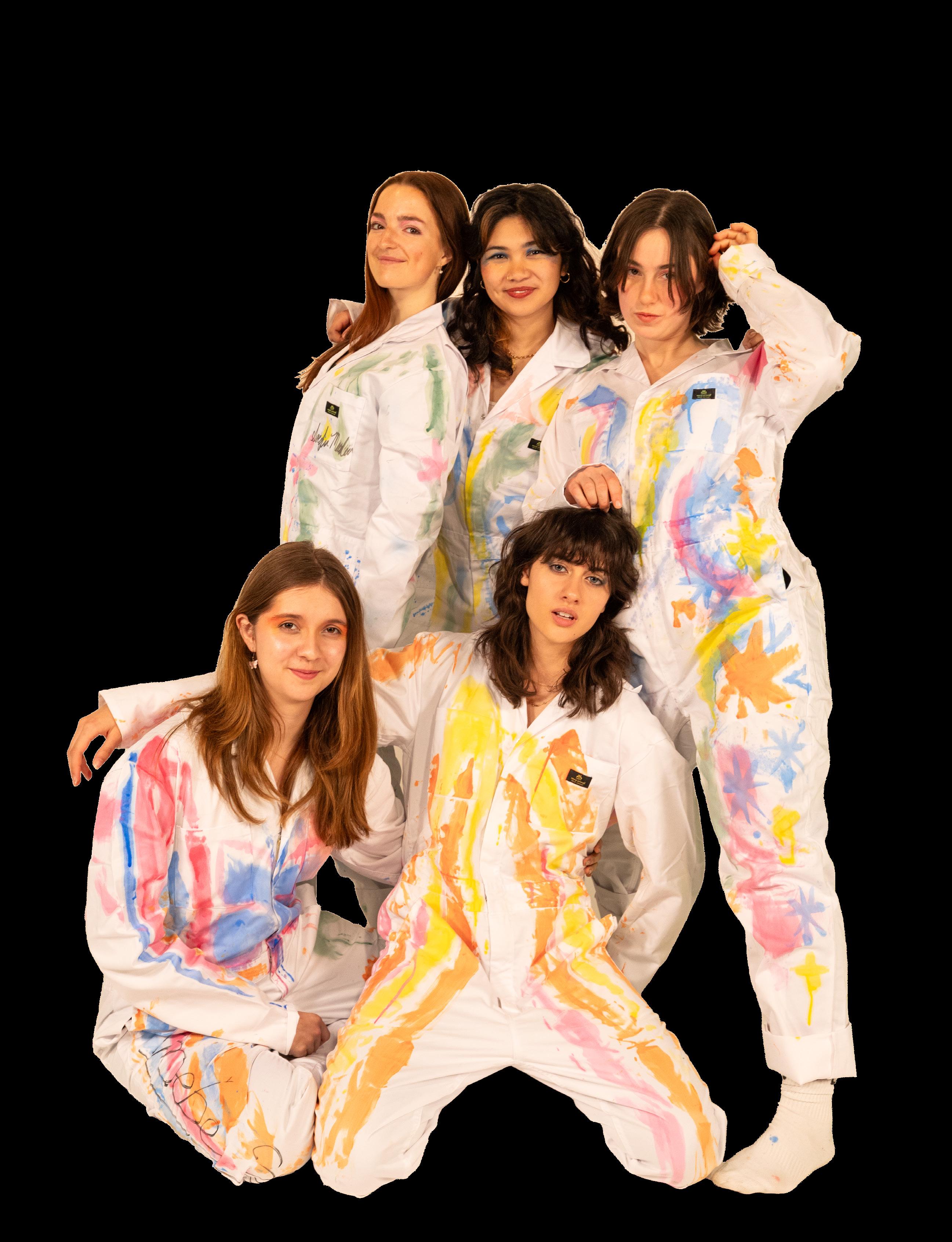




How does one express one’s individuality within a collaborative environment?
Is anything we ever do truly original? Or is everything mere imitation and accumulation gleaned from a life of consumption? In a culture that prizes personal identity, where is the line between creativity and performativity? Inspiration and duplication? Rebellion and conformity? Is this line static, or does it exist in a state of constant tension and renegotiation?
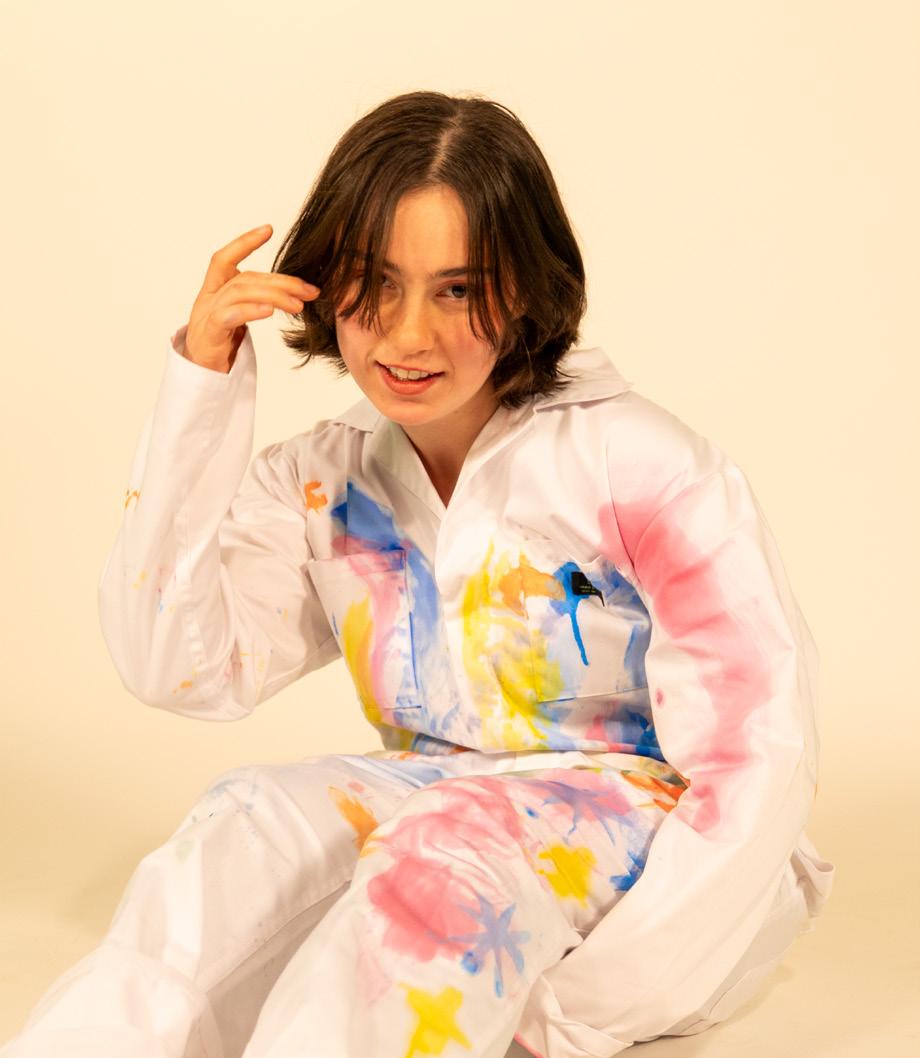
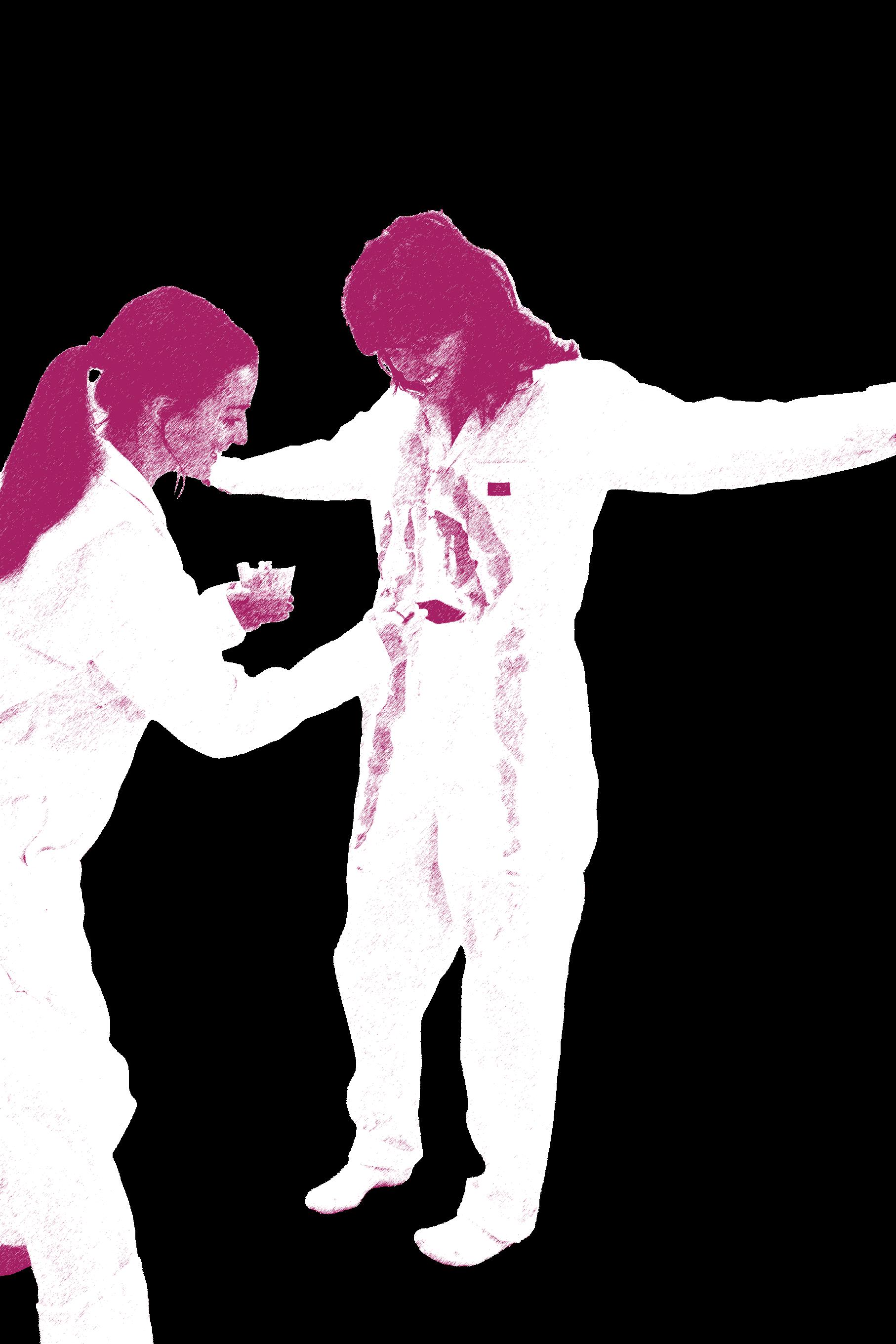
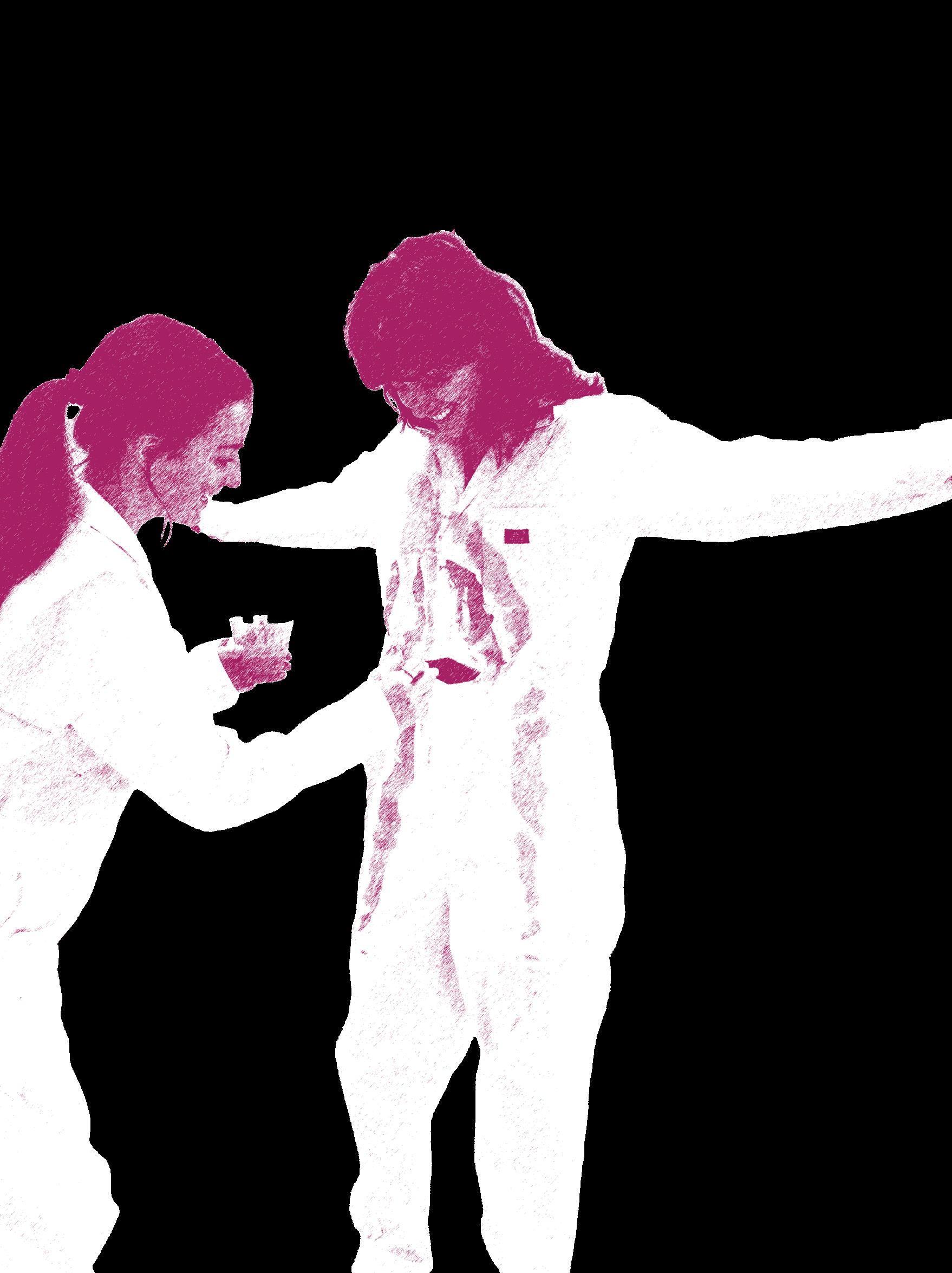
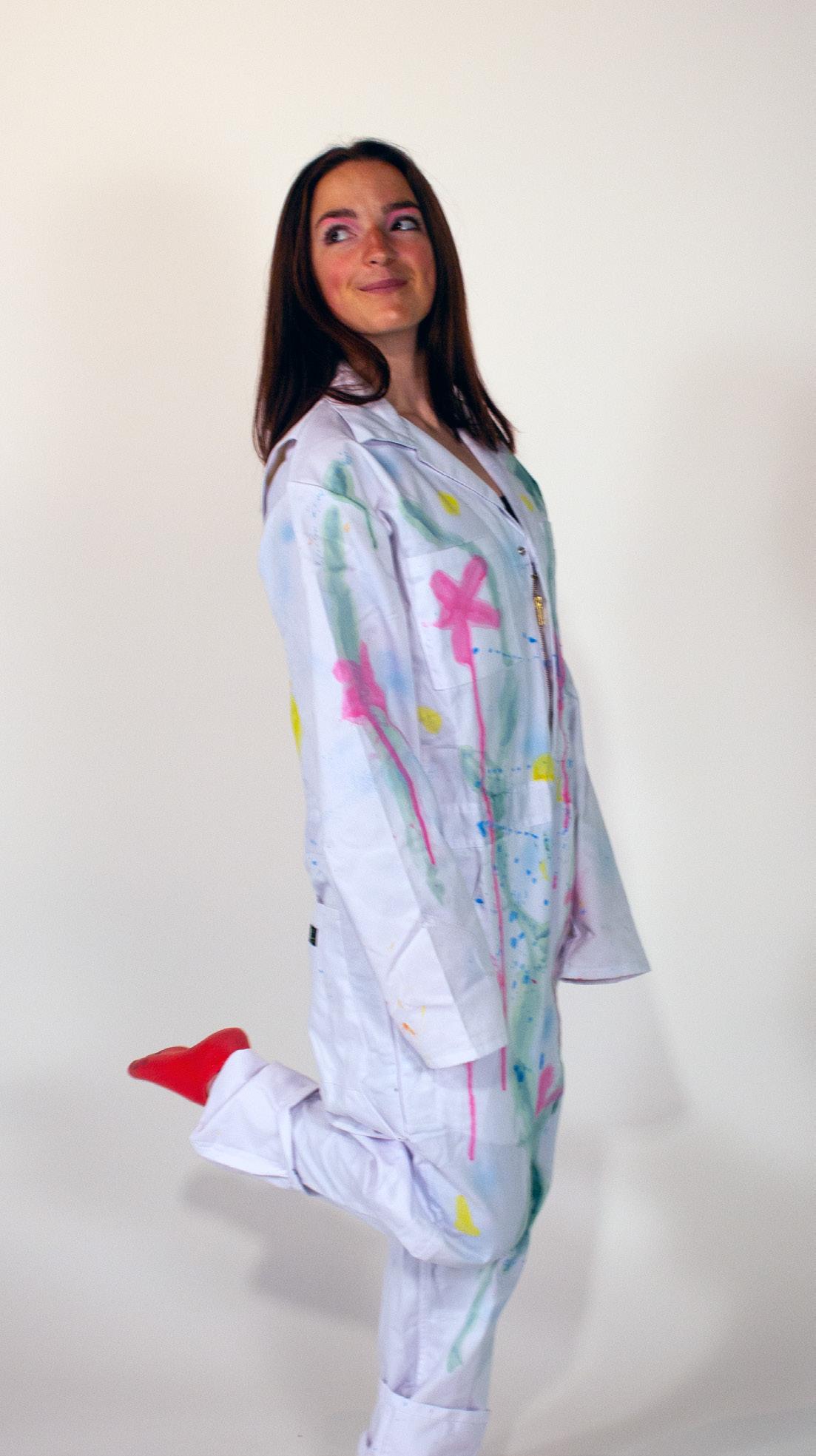
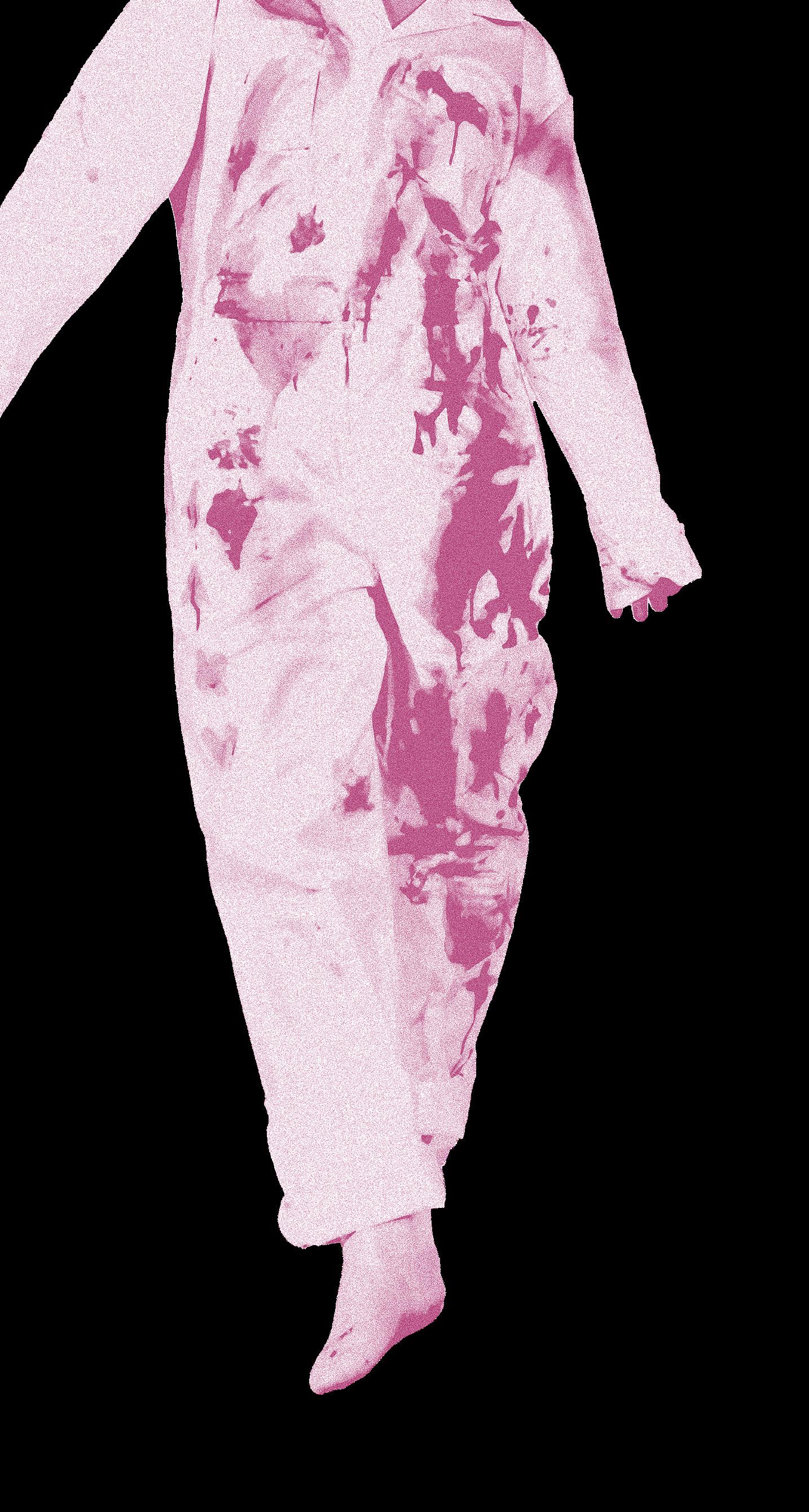
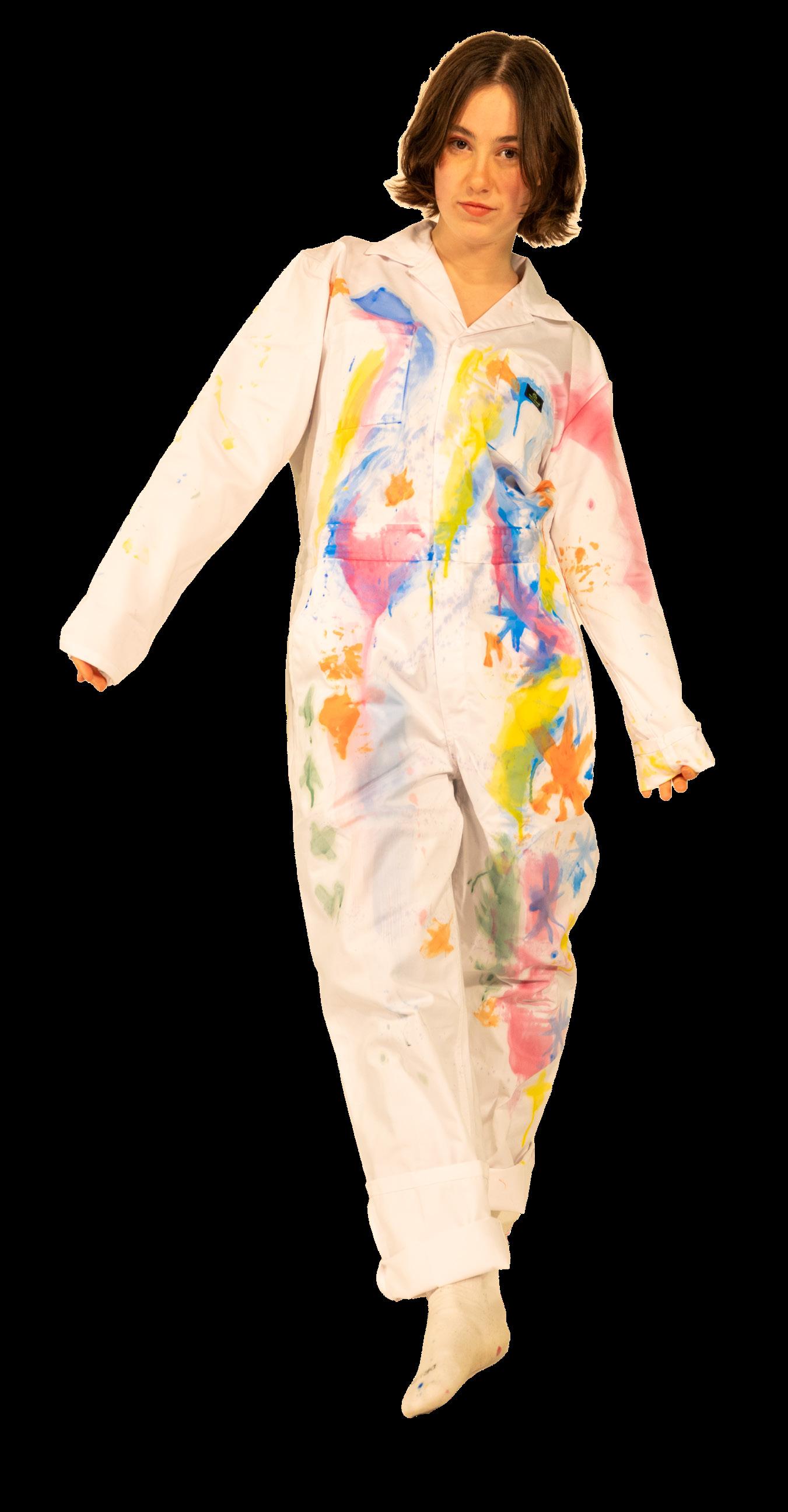
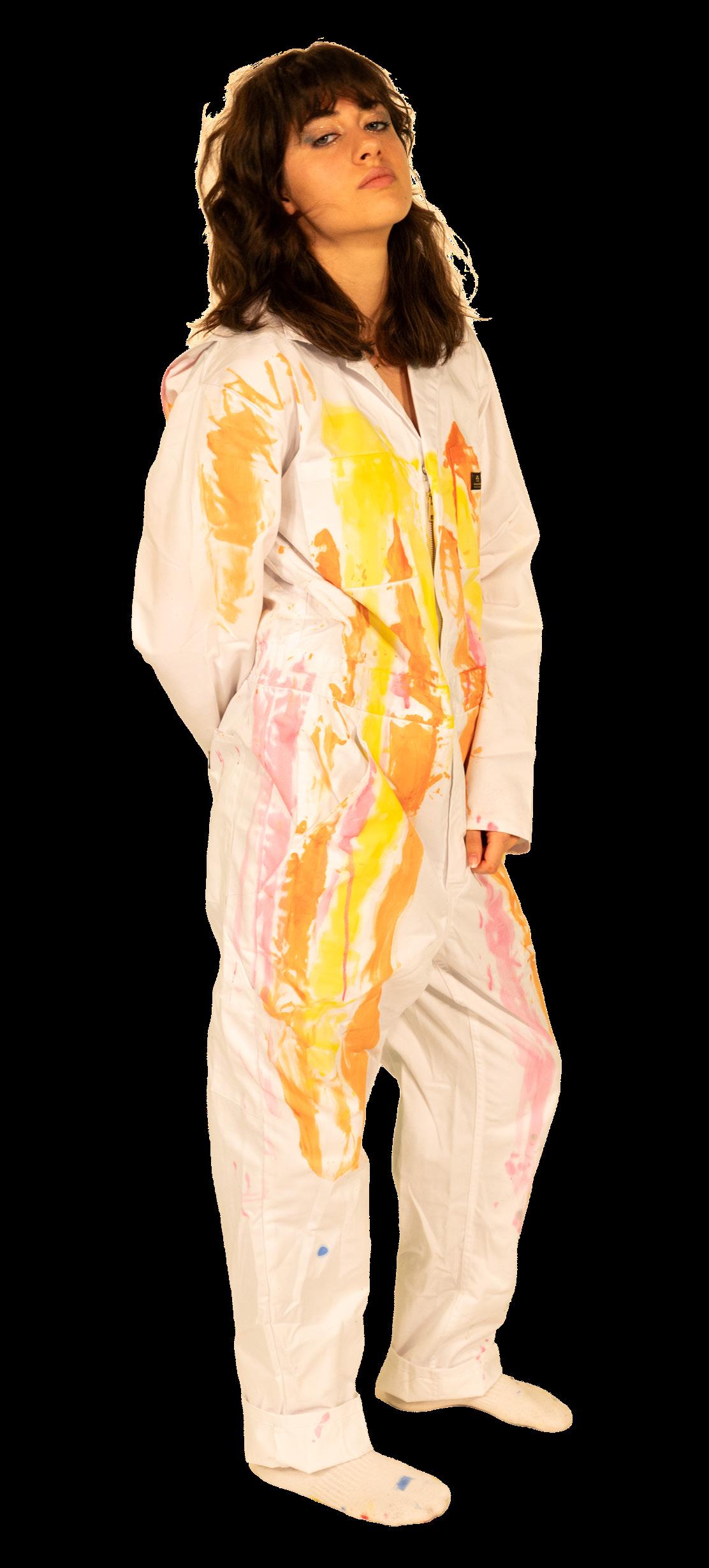
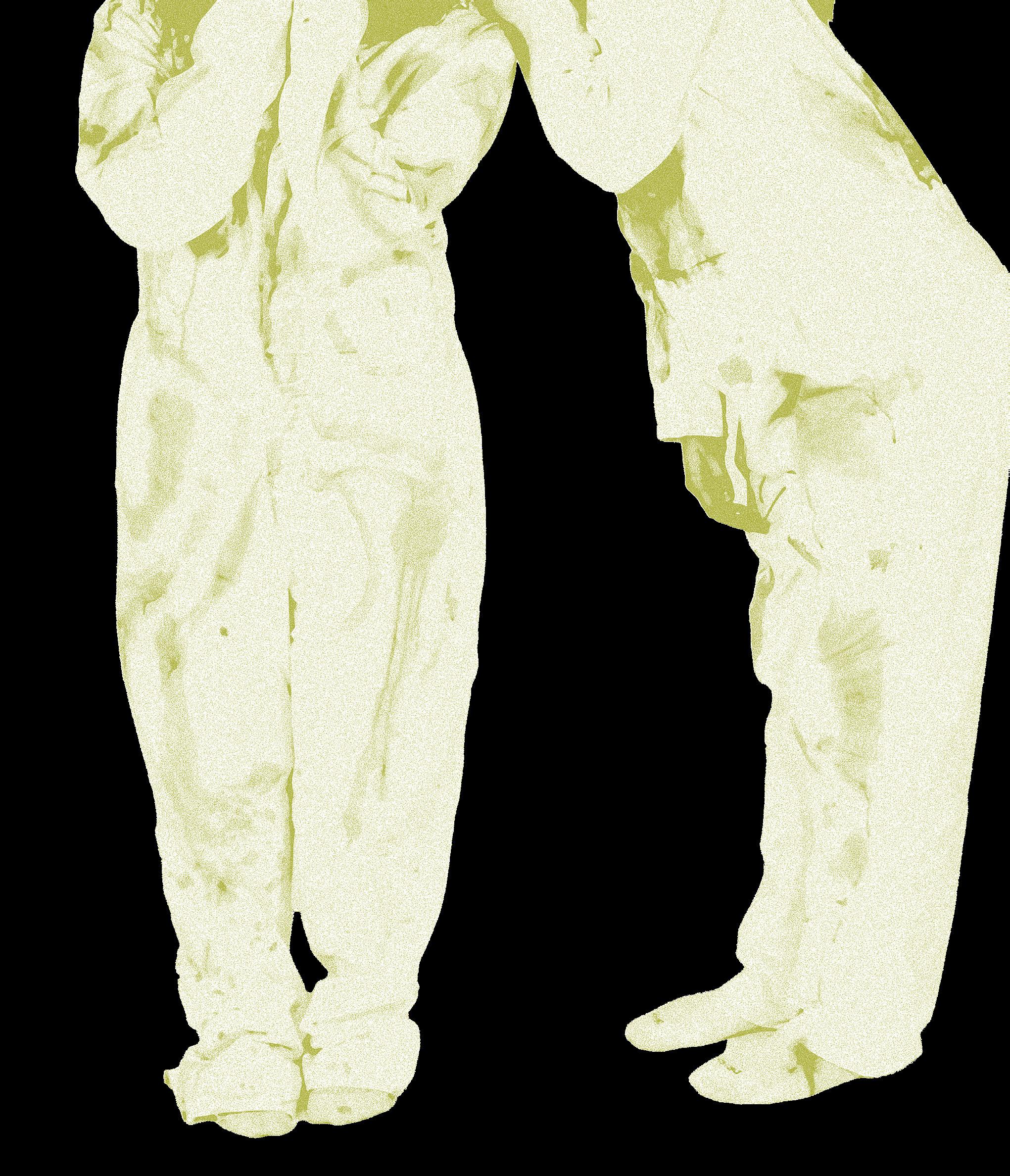
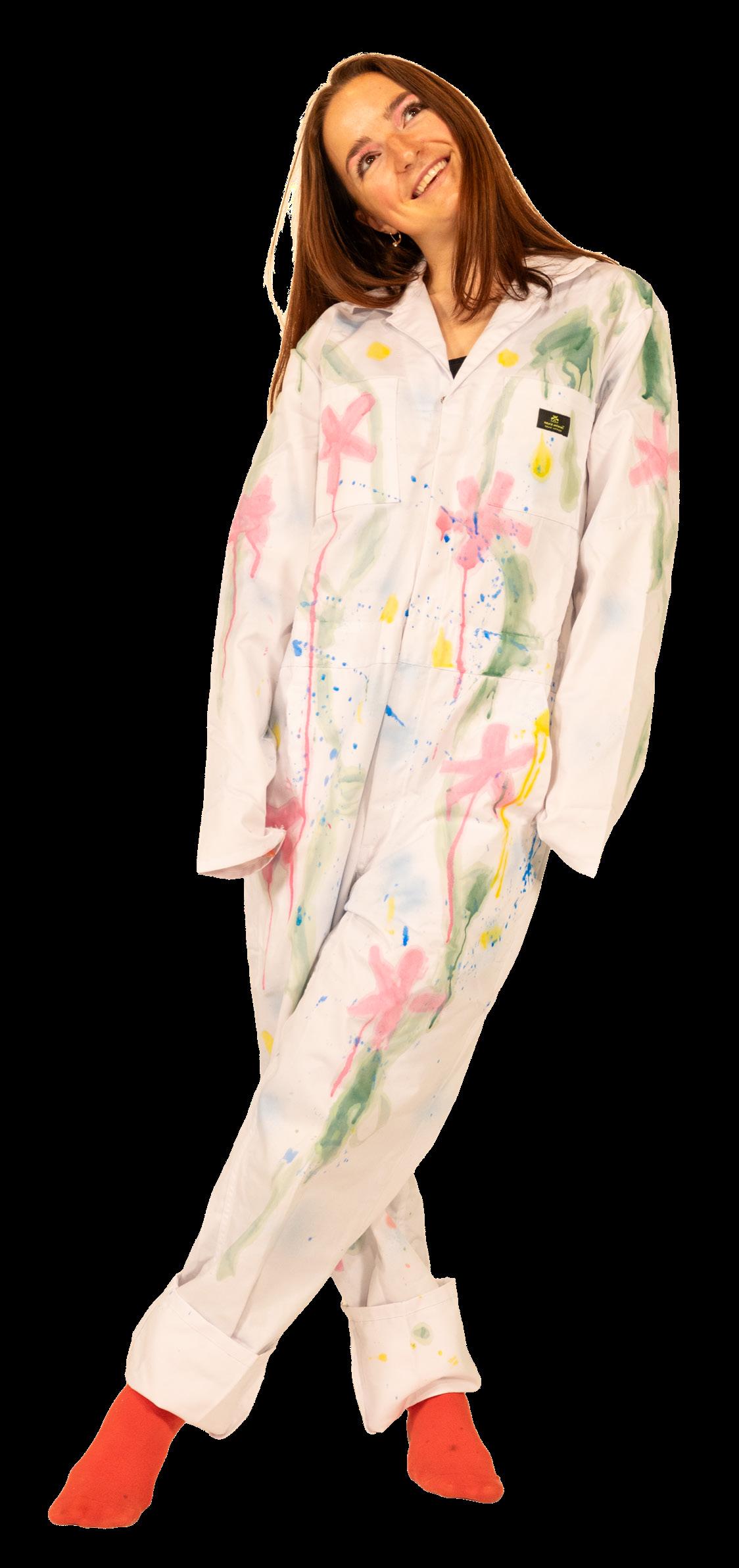
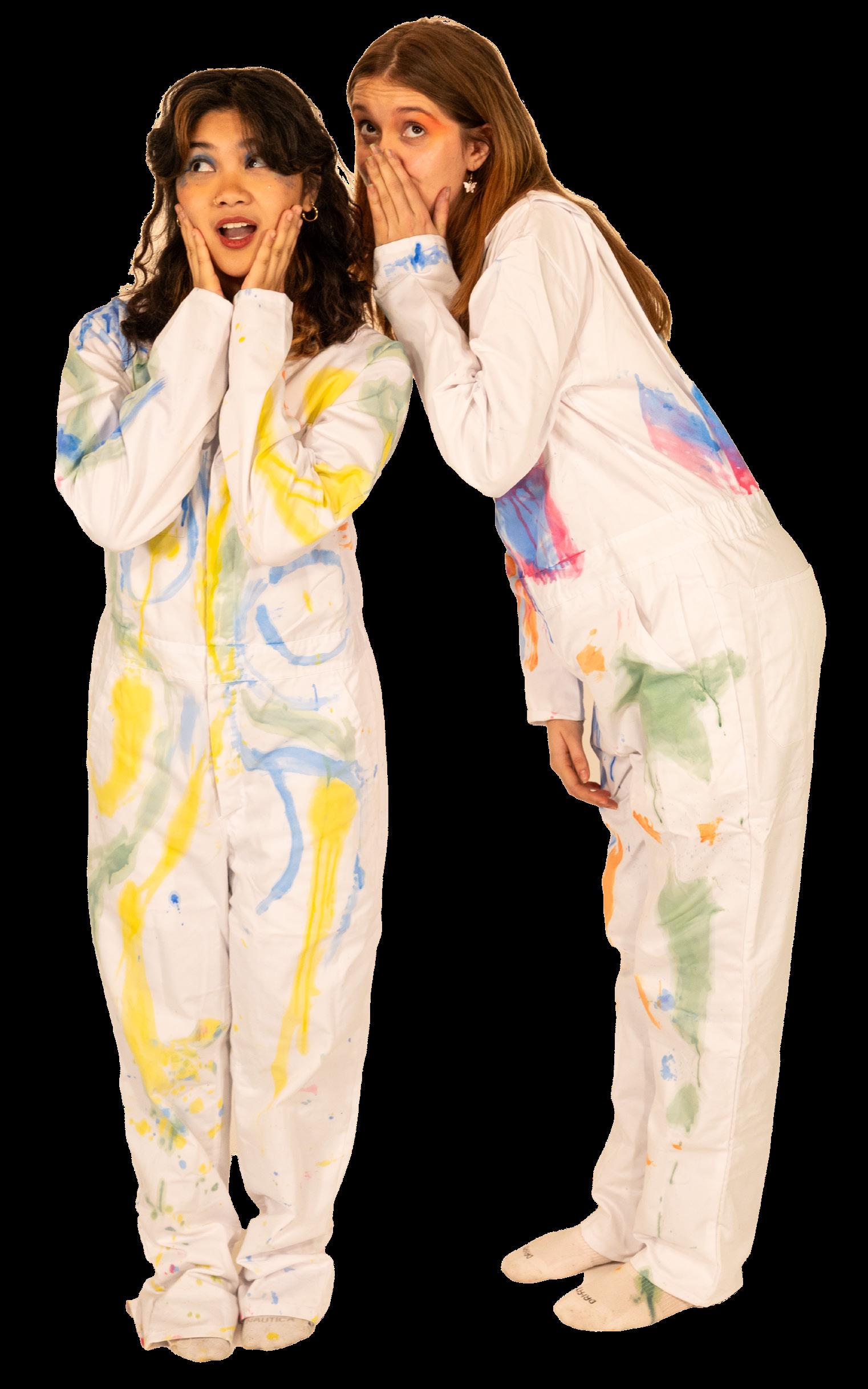
During a fashion shoot in which process played an integral role, the acts of preparing, painting, and photographing were inextricably intertwined. Self-expression and teamwork overlapped, mixing like watercolors on wet paper.
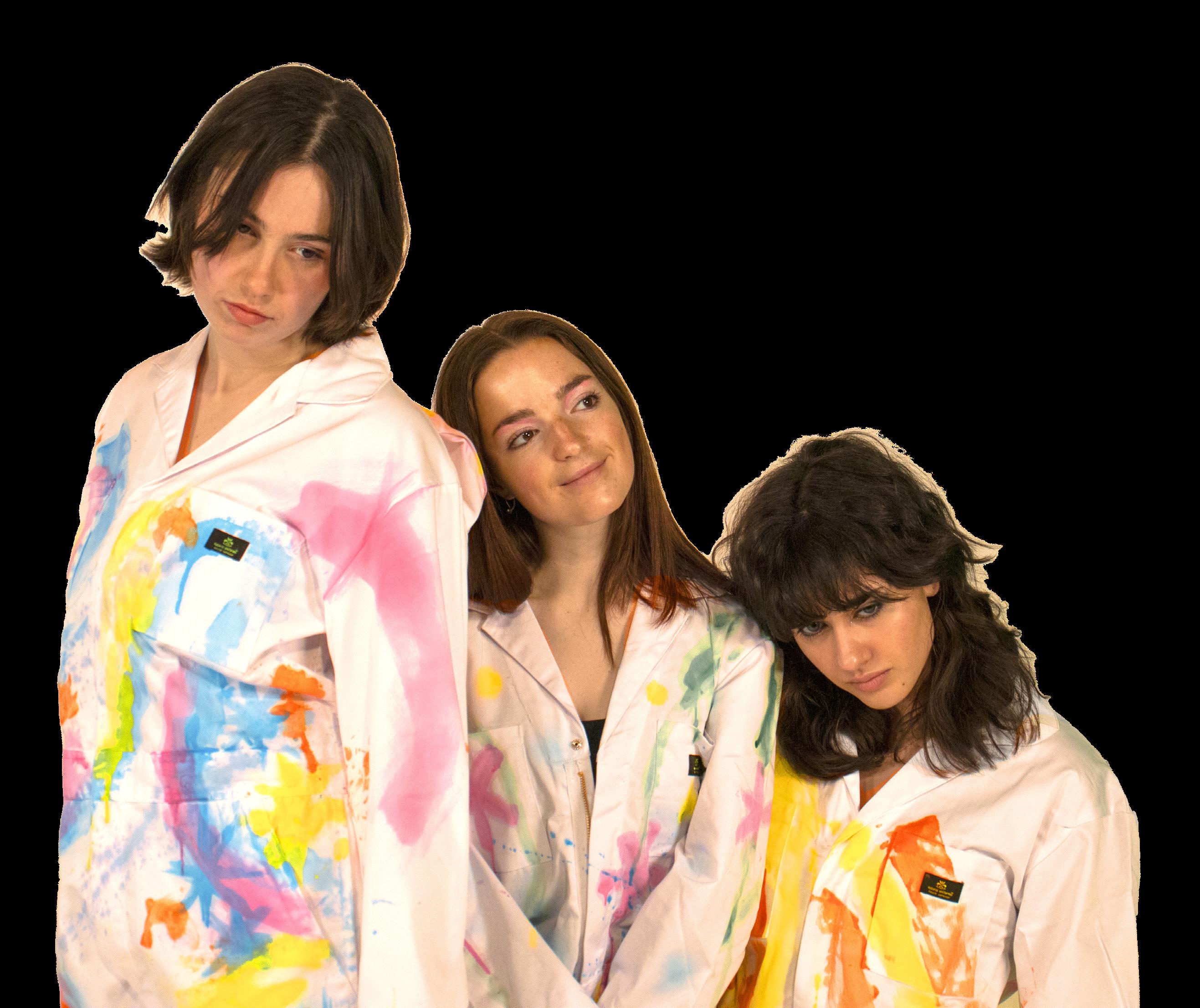
The long-running debate over whether or not fashion is art rages on. Personally, I found it difficult to divorce the two while literally painting onto clothes.
After all, what is clothing but wearable visual art?
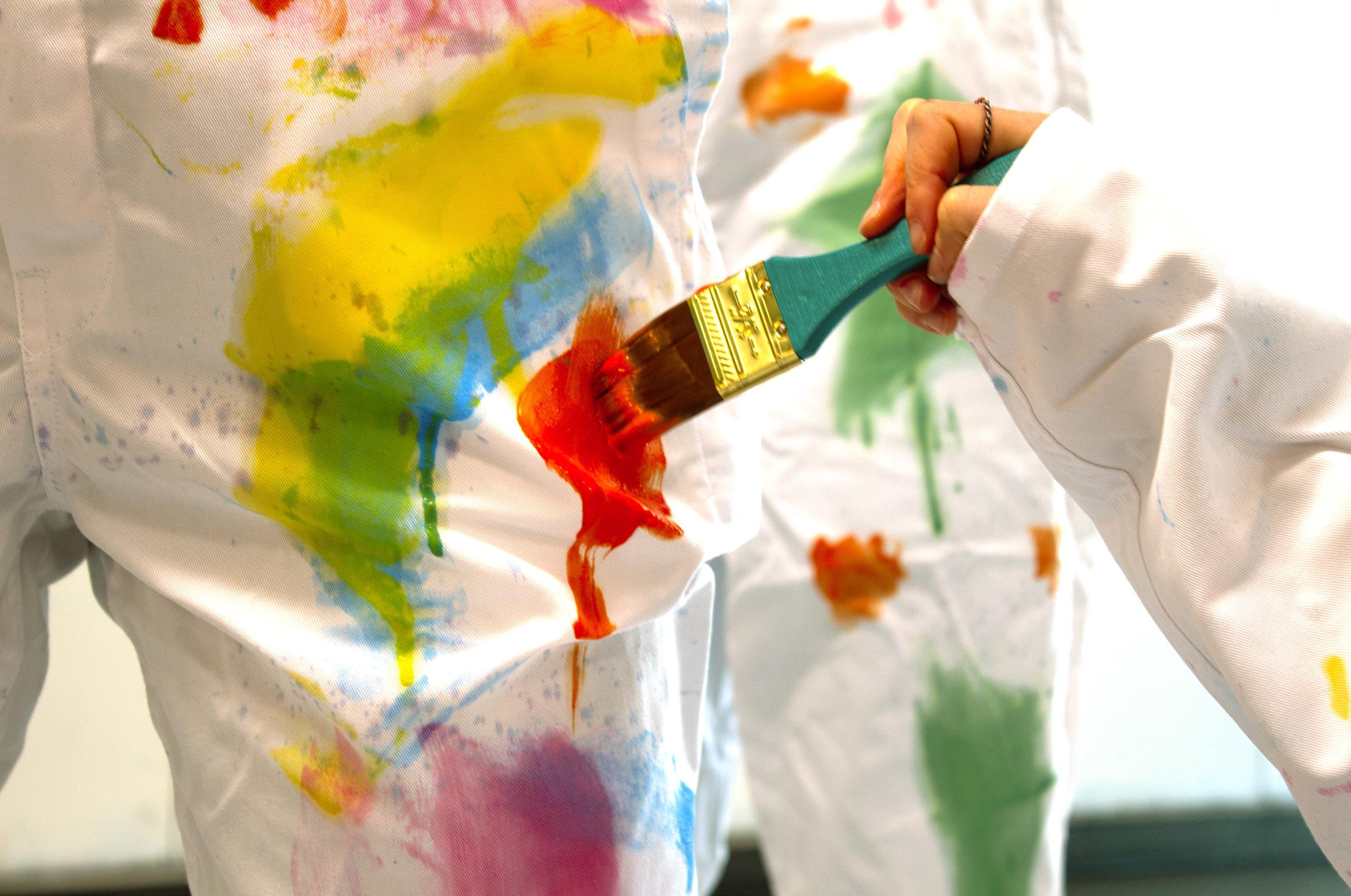


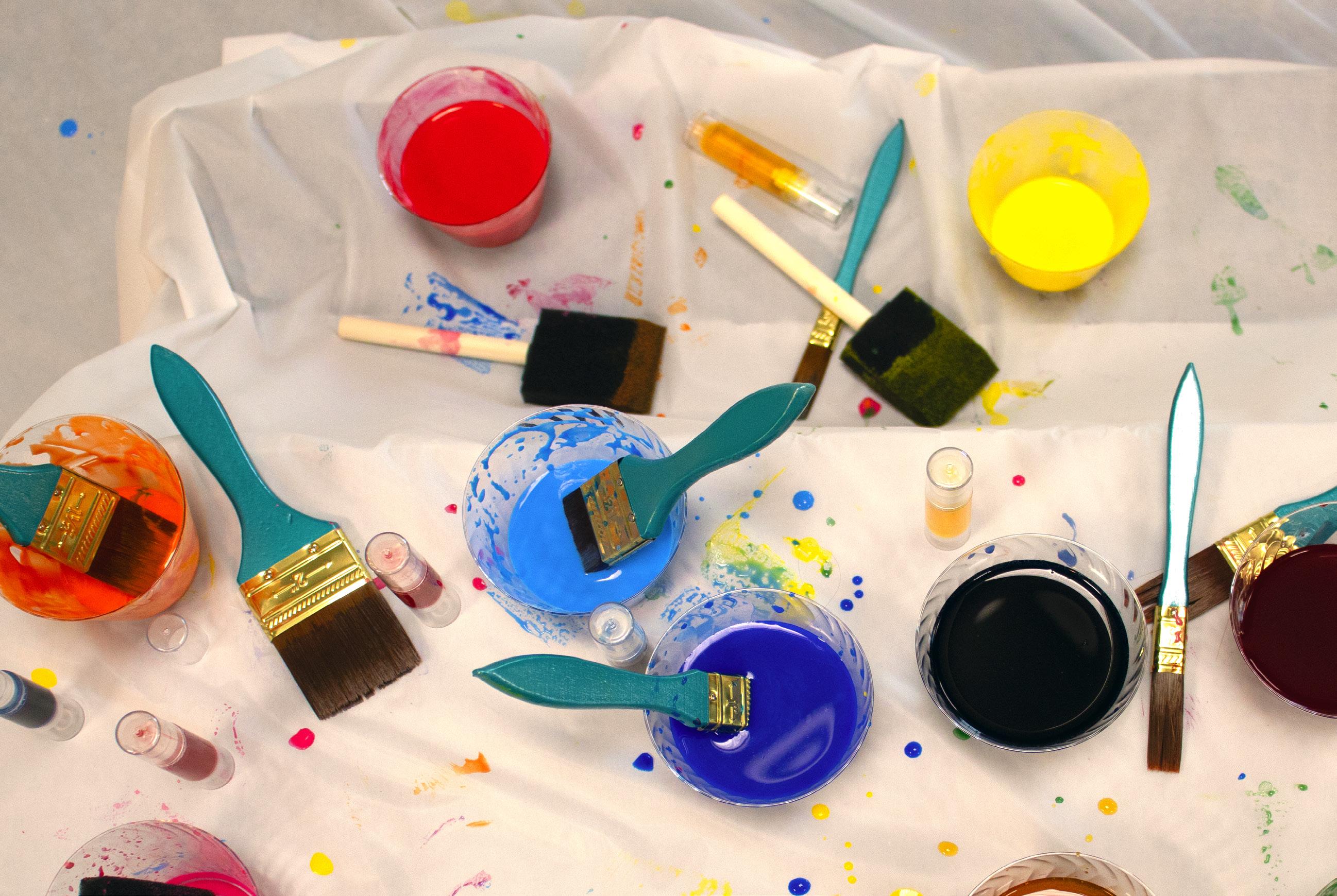

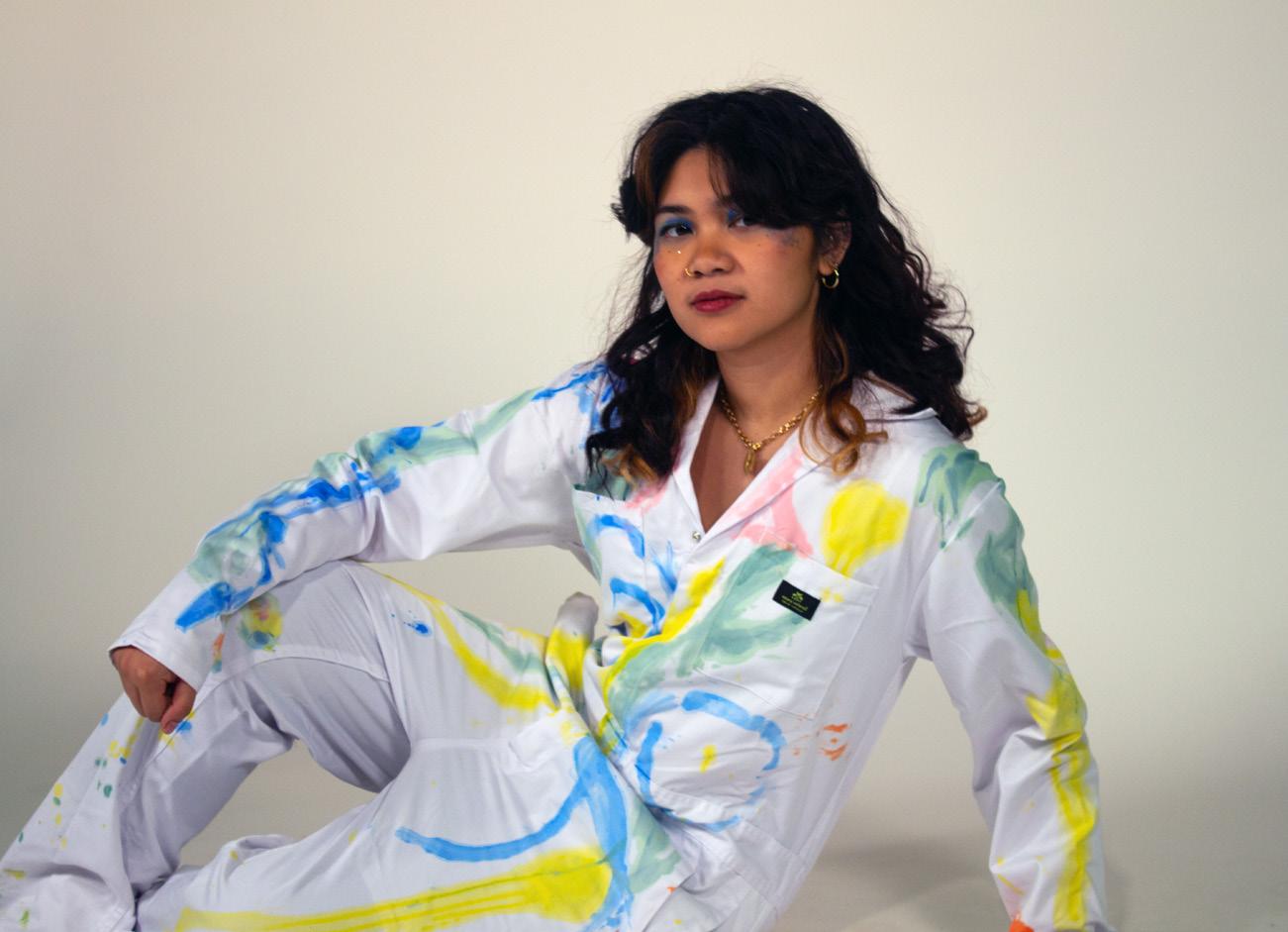
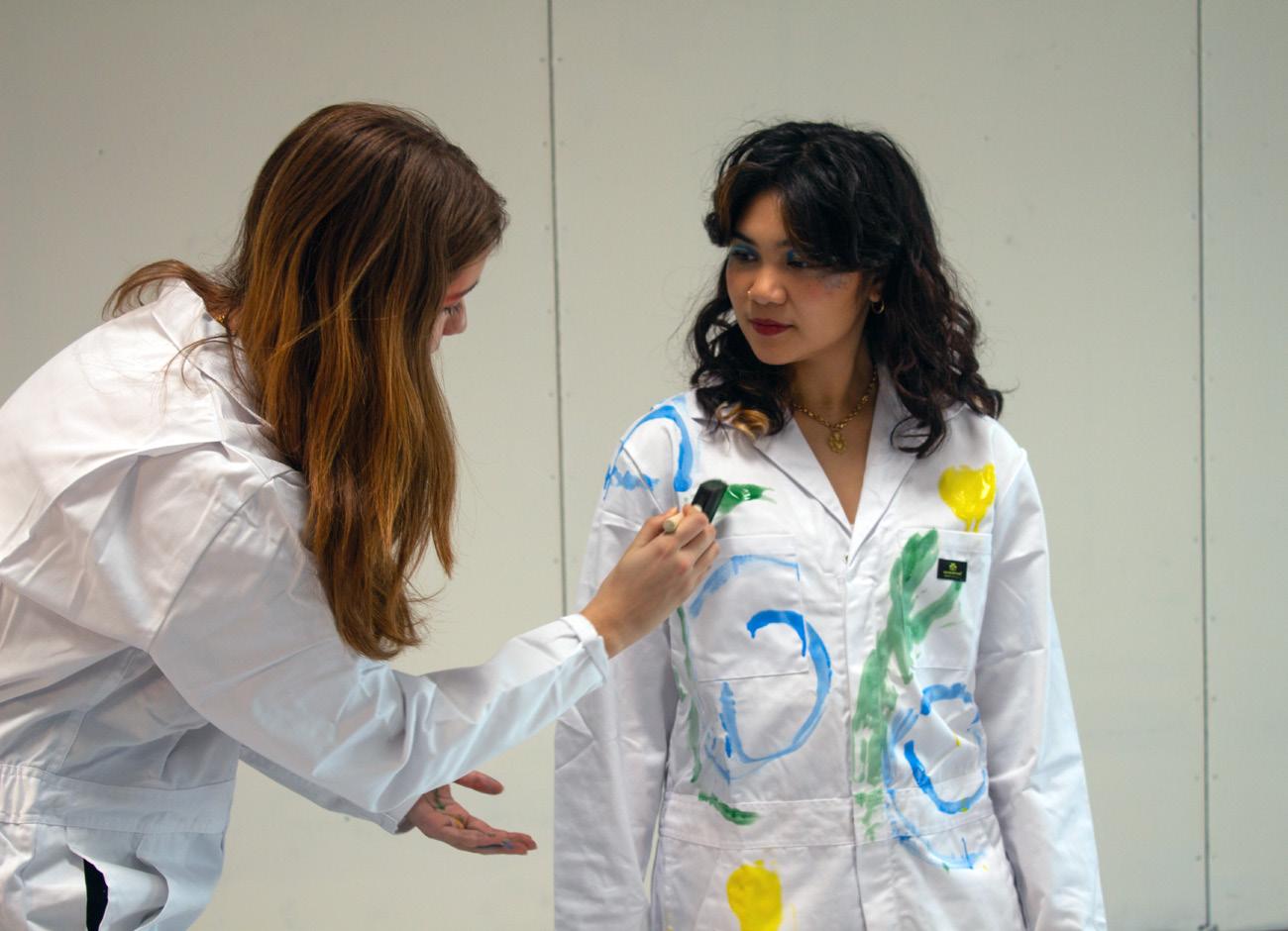
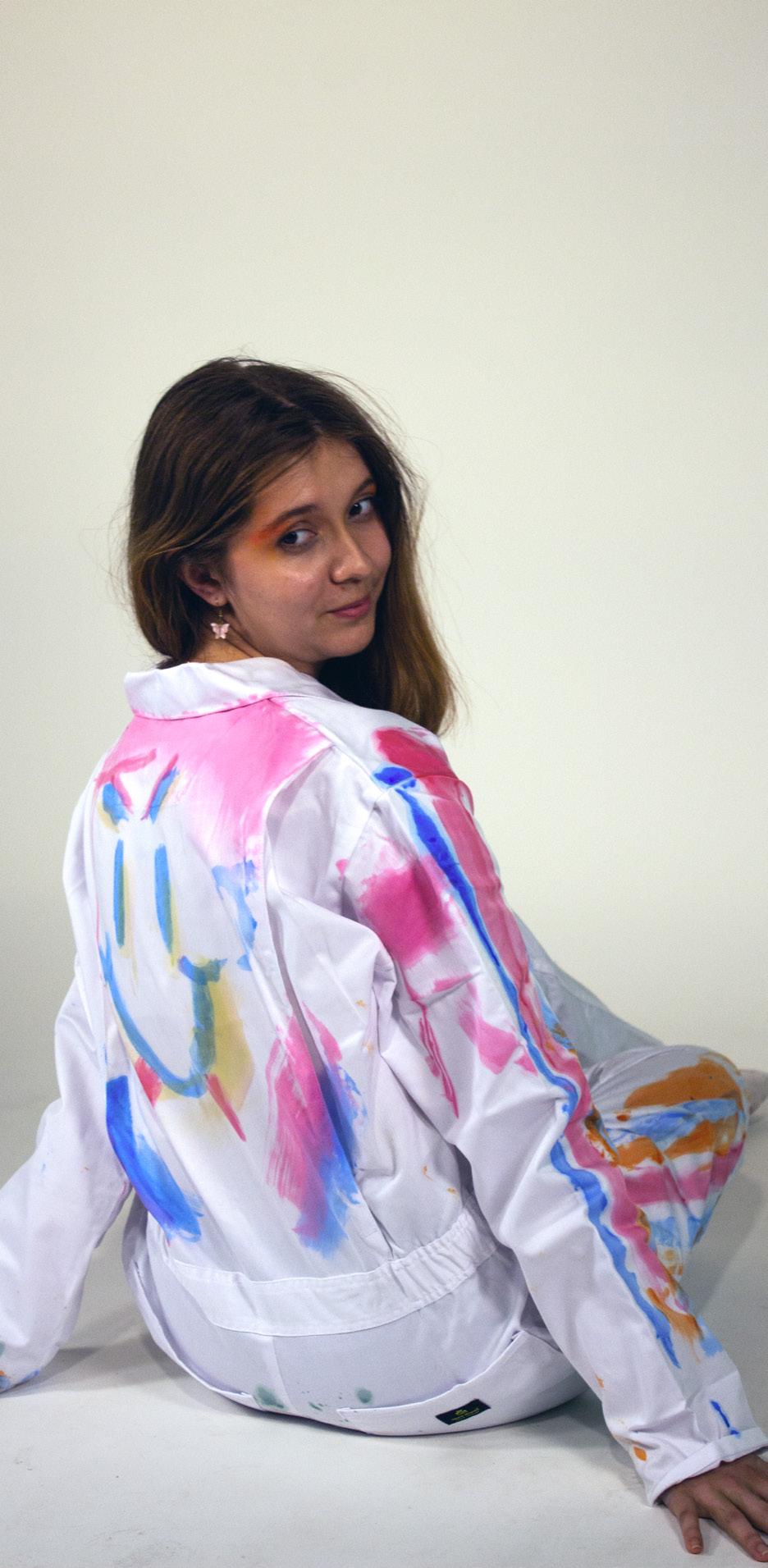
To unpack this idea, I interviewed photoshoot participants on their experiences working with such unconventional canvases.
Here’s what they had to say:
Model and painter Patricia Cerda ‘26 felt more artistic than she had in a long time, a sentiment echoed by many, including photographer Kathleen Blass ‘28 for whom nothing beats creative photoshoots. Model Lula Dalupang ‘26 described the dichotomy between the liberated pleasure of painting and the inherent selfconsciousness of posing for photos. For model Sarafina Madden ‘26, seeing the paint behave messily freed her from perfectionism while empowering her to embrace the chaos of creativity alongside its


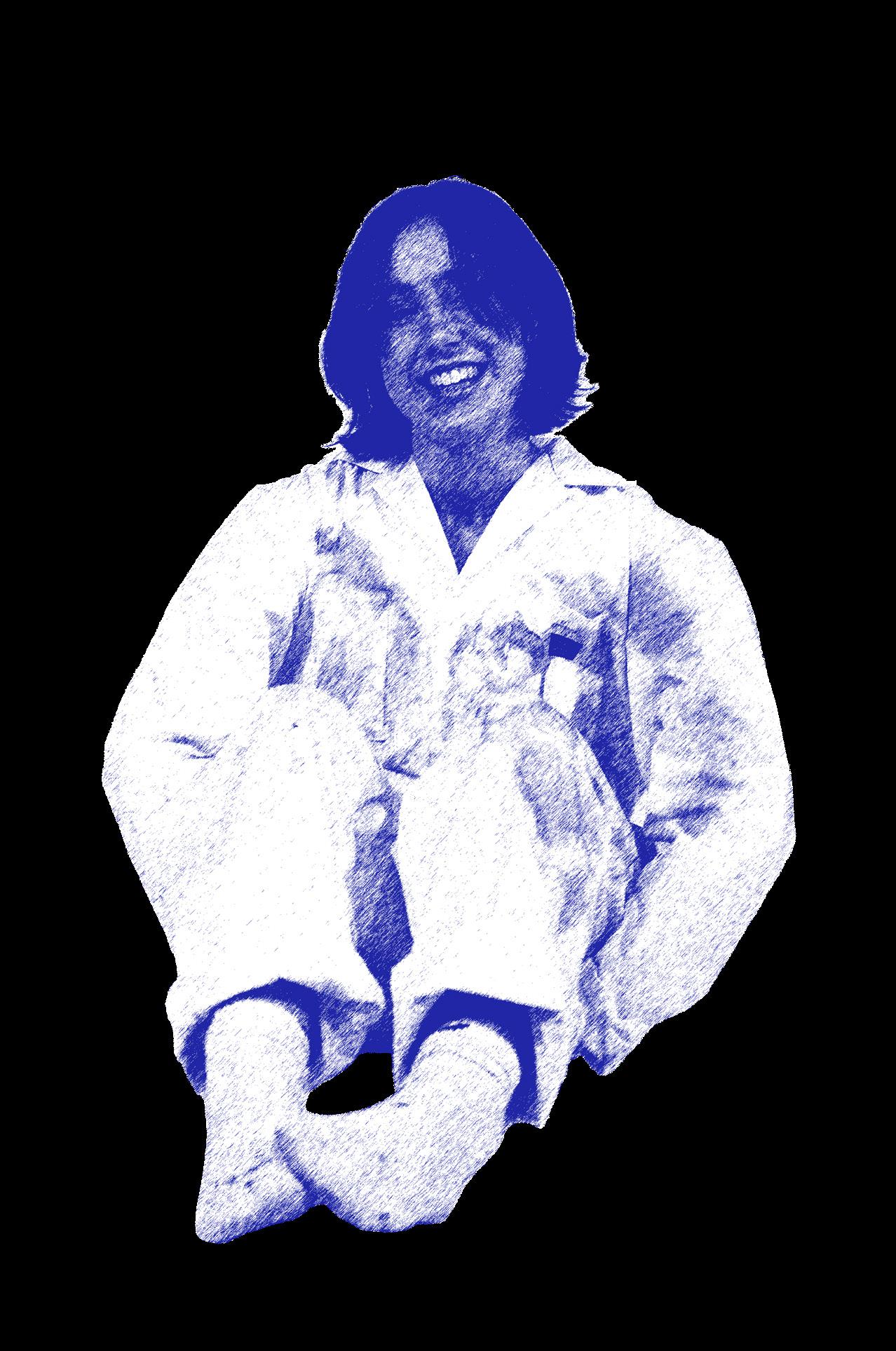
beauty. Photographer Liam Selendy ‘28 noted that the simultaneous uniformity and asynchronicity of the outfits allowed each model’s unique character—conveyed through movement—to really shine. Throughout the shoot, again and again, I observed a pattern. At first, painting a plain white jumpsuit seemed intimidating. Staring and stalling ensued. Suddenly, a spark! For instance, model Phoebe Smith ‘26 started with a sun—a bold, simple shape that could be built upon. Soon, uncertainty melted into playful experimentation. As time went on, the models relaxed and their energies shifted to correspond with the colorful designs drying on their jumpsuits. Or, might they have instinctively crafted designs that matched each other’s energy? And thus, their fabric paintings ended up reflecting one another?



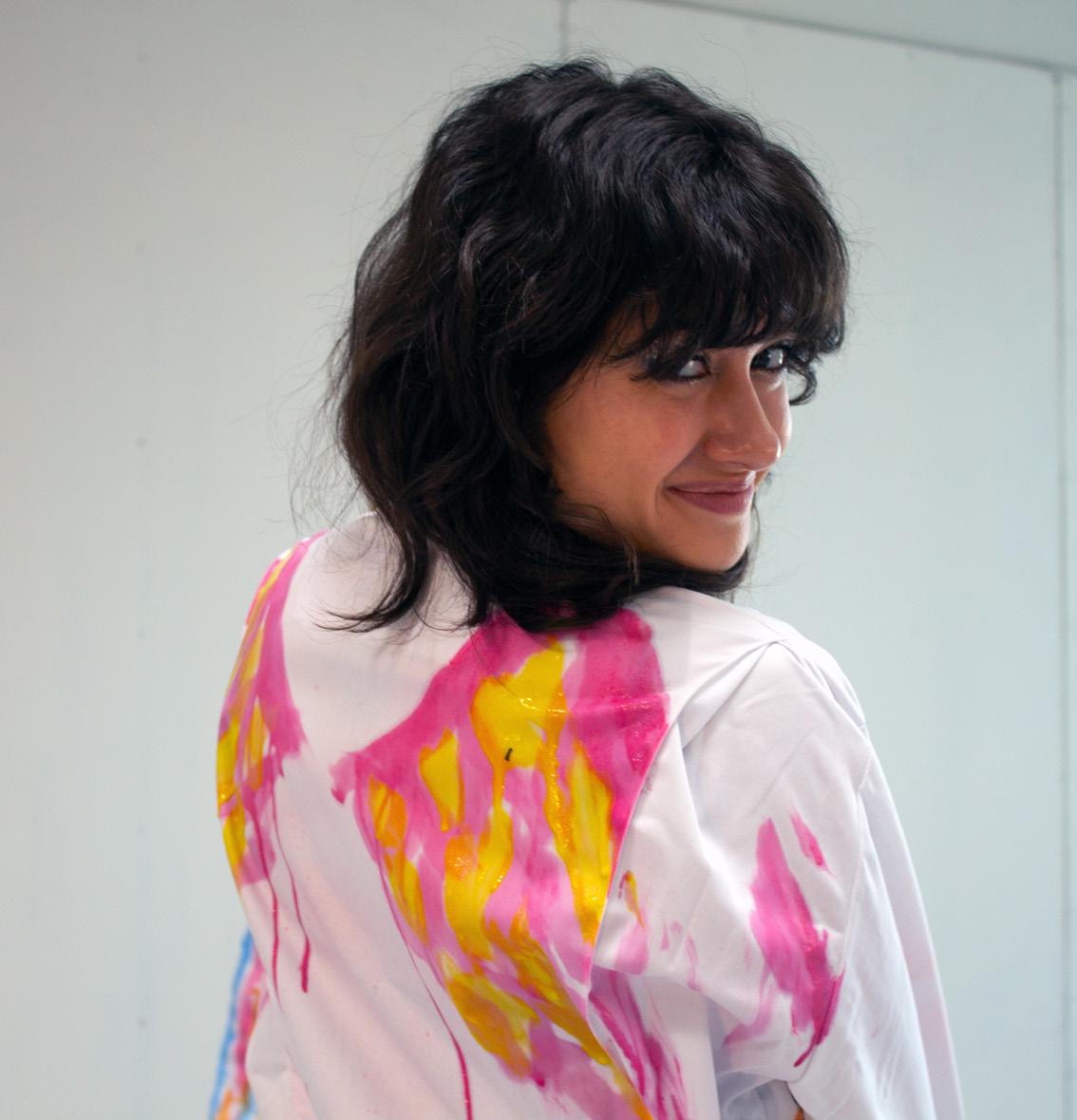

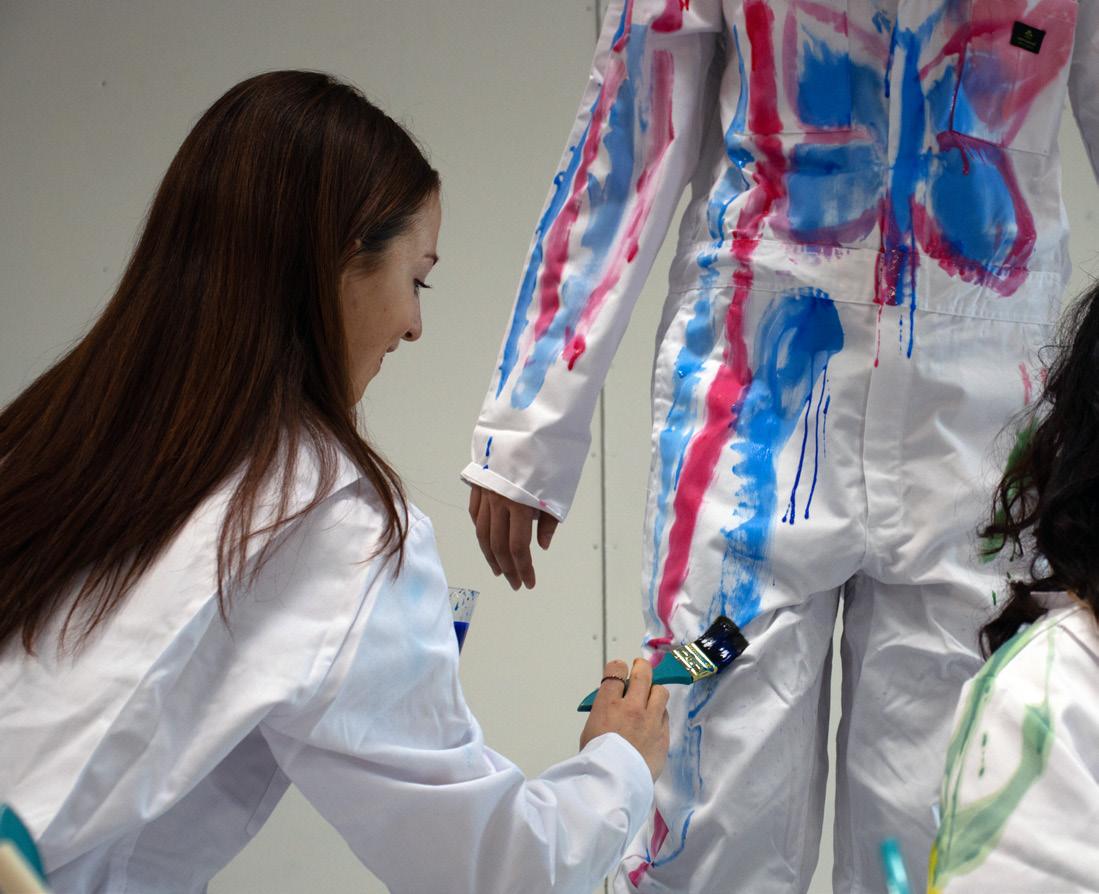
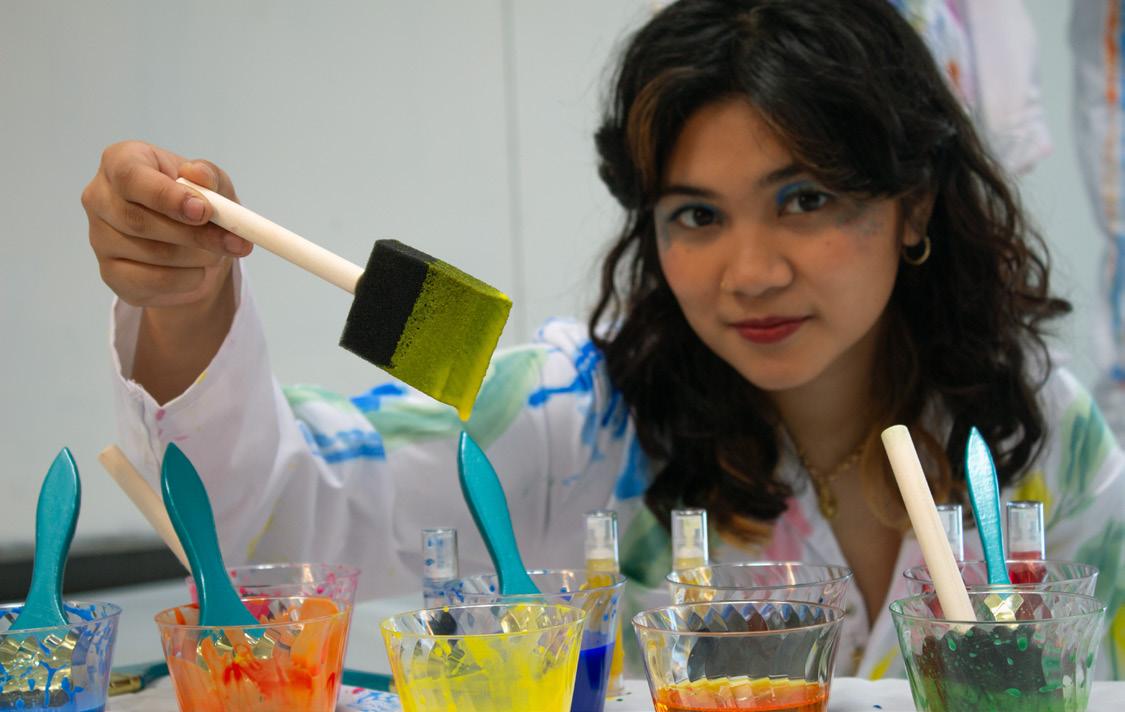

The essence of this photoshoot was creativity meets collaboration. Both collaboration among people as well as mediums, i.e. fabric, paint, and photography. Together, my fellow models and I rediscovered the joy of painting on dynamic, 3D surfaces—something many of us hadn’t experienced since we were kids, flaunting the rules by painting clothes, walls, and even ourselves.
Despite being significantly inspired by art, from Chinese porcelain to Picasso, fashion designer Karl Lagerfeld asserted “Art is Art. Fashion is Fashion” ( However, this photoshoot challenges that notion by calling into question the black-andwhite separation between art and fashion. It’s a thought that’s at once frightening and freeing. Whether we reject or welcome that intersection is up to us.
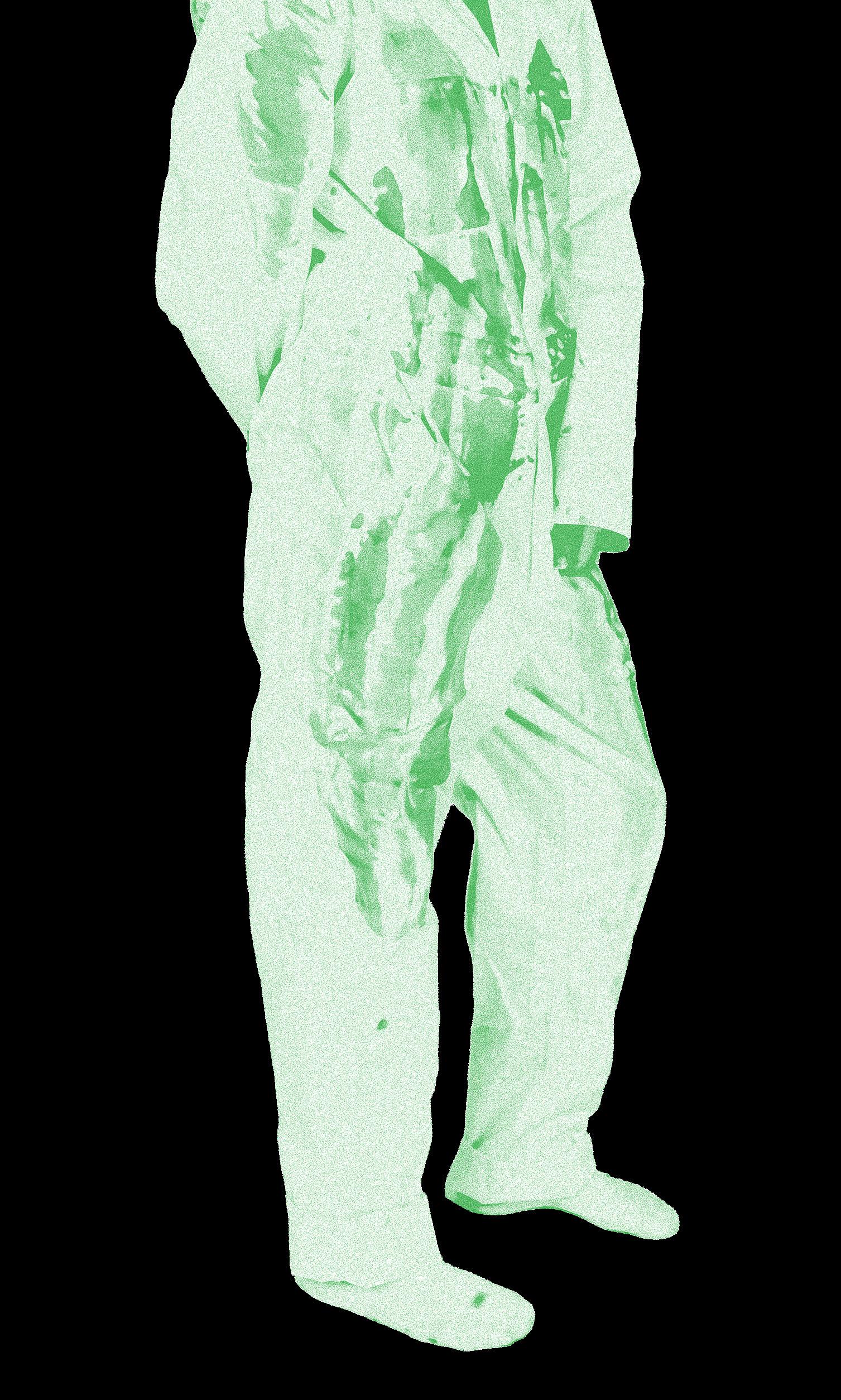

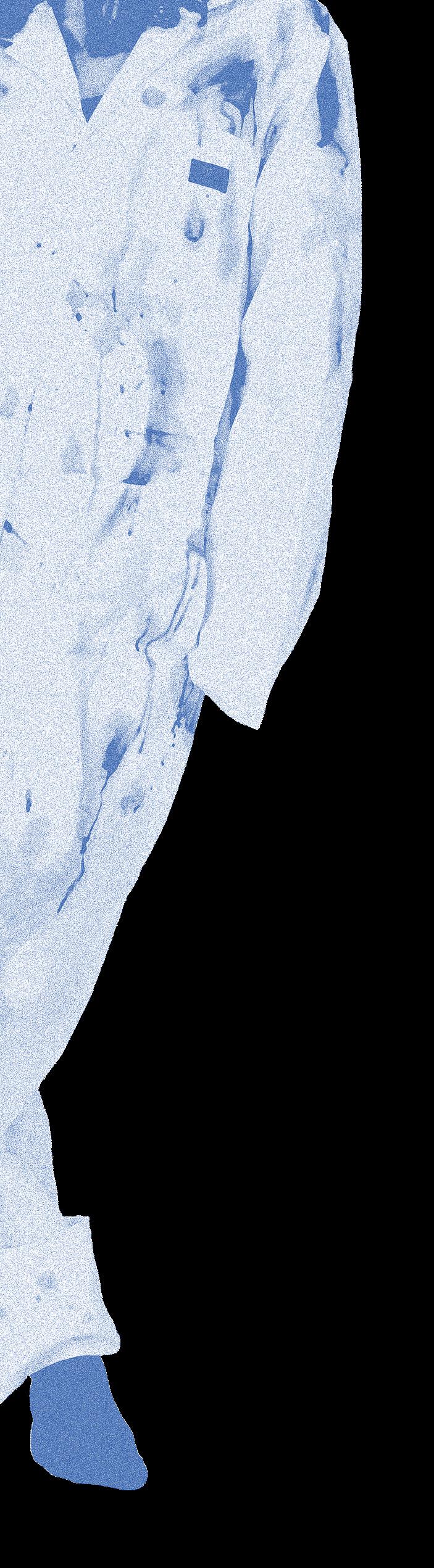
CREATIVITY AND INSPIRATION AND REBELLION AND CREATIVITY AND INSPIRATION AND REBELLION AND
2026 GRAMMYS FASHION: AN INSIDER LOOK AT “MUSIC’S BIGGEST NIGHT”
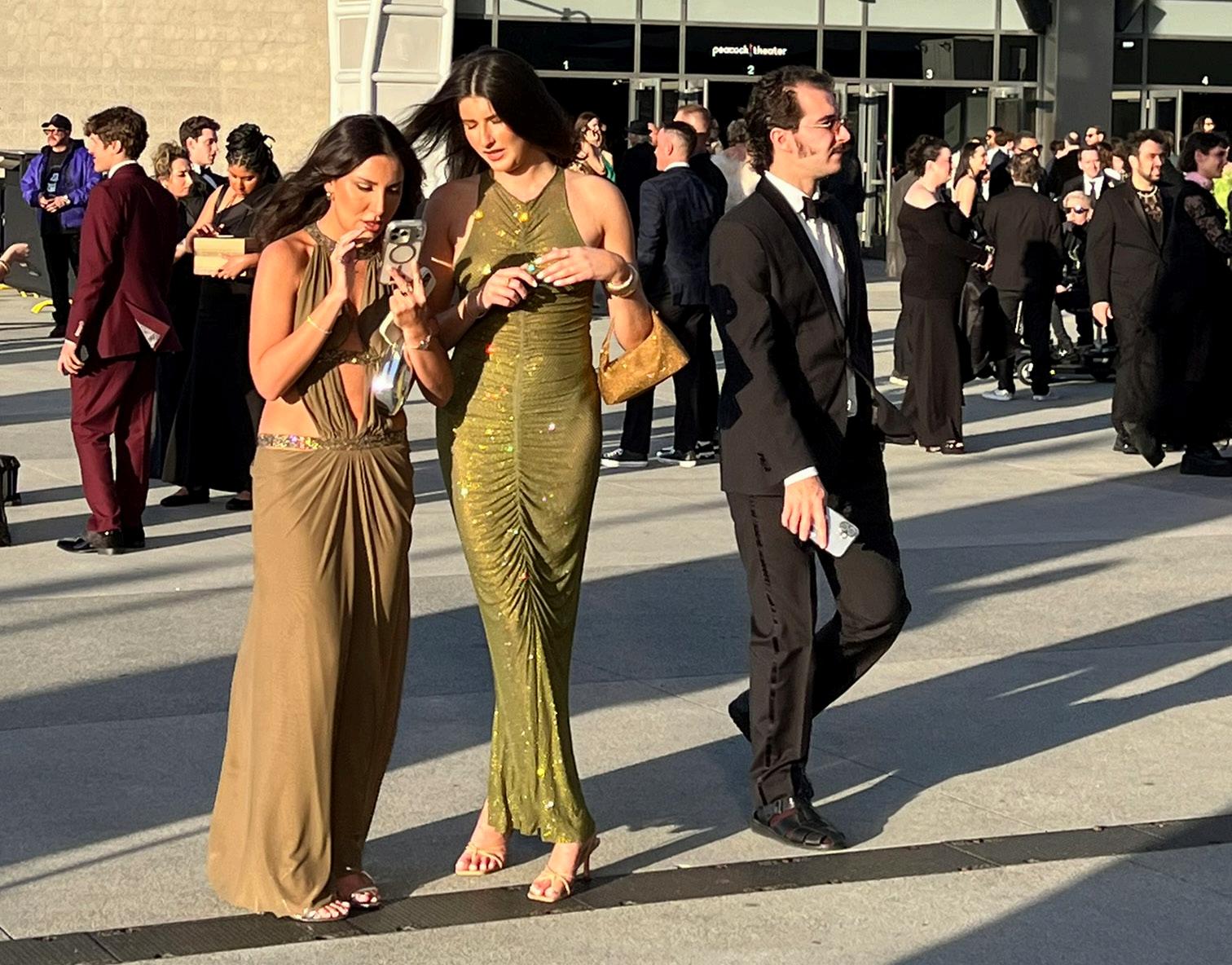
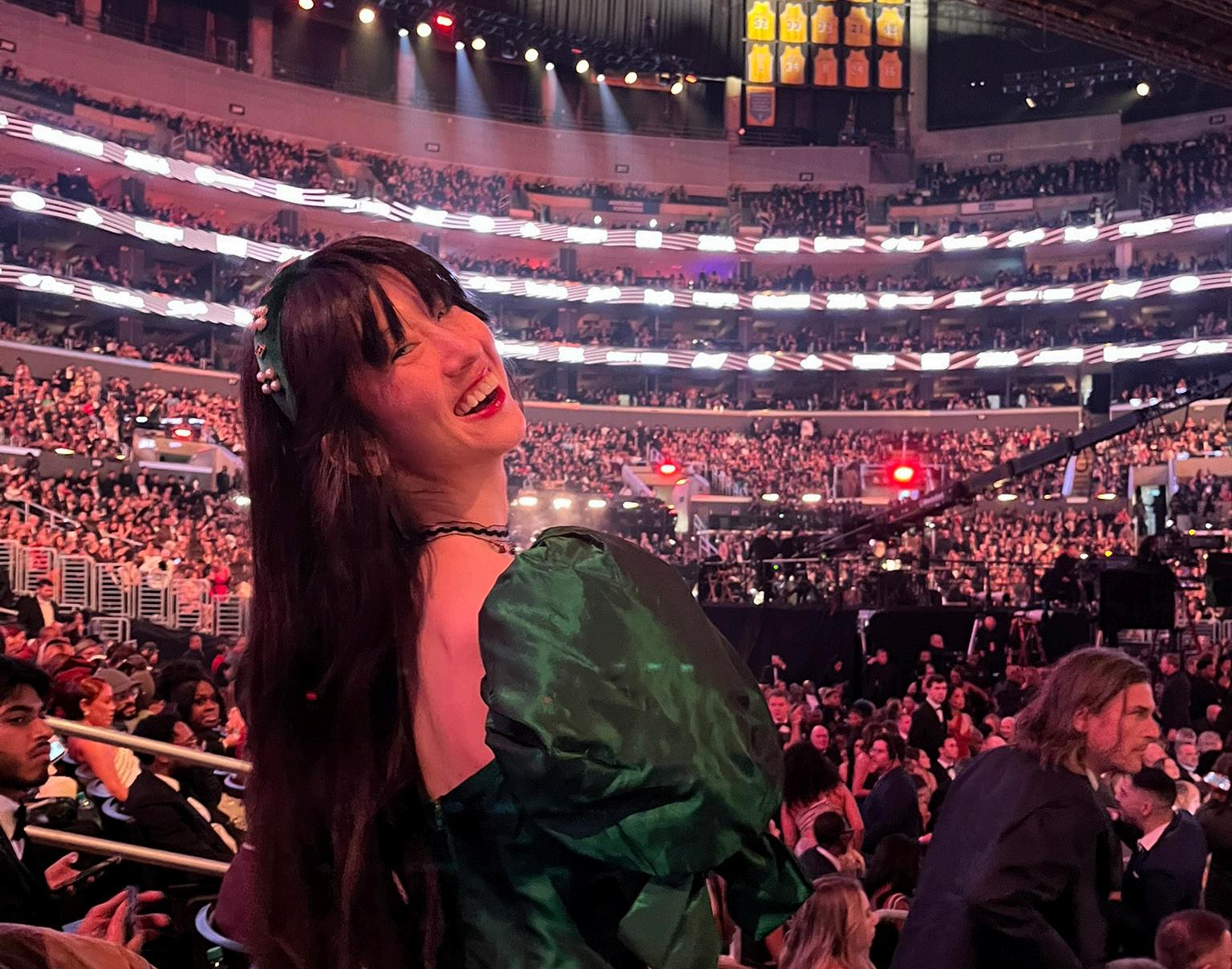
February 1, 2026. Los Angeles. Crypto.com Arena. The 68th Annual Grammy Awards—also known as “Music’s Biggest Night.” I tightened my golden belt bangle over my lacy black fingerless gloves and adjusted my jewel-studded headband. Around me, in stylized suits and glittering gowns, attendees—nominees, Recording Academy members, industry professionals, sponsors, staff, and seat fillers—twittered with anticipation as they made their way to their seats. Hard to believe that less than a day before I’d been studying in snowy Clinton, New York.
How did I get here? My dad is a music marketer serving as vice president of The Recording Academy’s New York Chapter. After some begging, my brother Liam and I secured spots as his plus-twos.
Trading in his hoodies, jeans, and sneakers for a rented navy blue suit, Liam looked sharp. For my own part, I rewore my prom dress—an iridescent emerald green vintage puff sleeve ball gown—with a boxy snap purse and dangle choker.
The Grammys are split into two parts: the Grammy Awards Premiere Ceremony and the main Grammy Awards Telecast. When most think “the Grammys” they’re probably picturing the latter. However, an overwhelming majority of the 95 Grammy Awards are actually rewarded during the premiere. Only nine Grammys are awarded during the telecast, reflecting its TV audience-geared, performance-focused, and celebrity-centric nature.
By 10:30am, a long queue of unconventionally welldressed people had formed outside Peacock Theater. The first in line had arrived at 9am, several hours before doors opened. Unassigned
first
come first serve seating led to a mad dash for good seats.
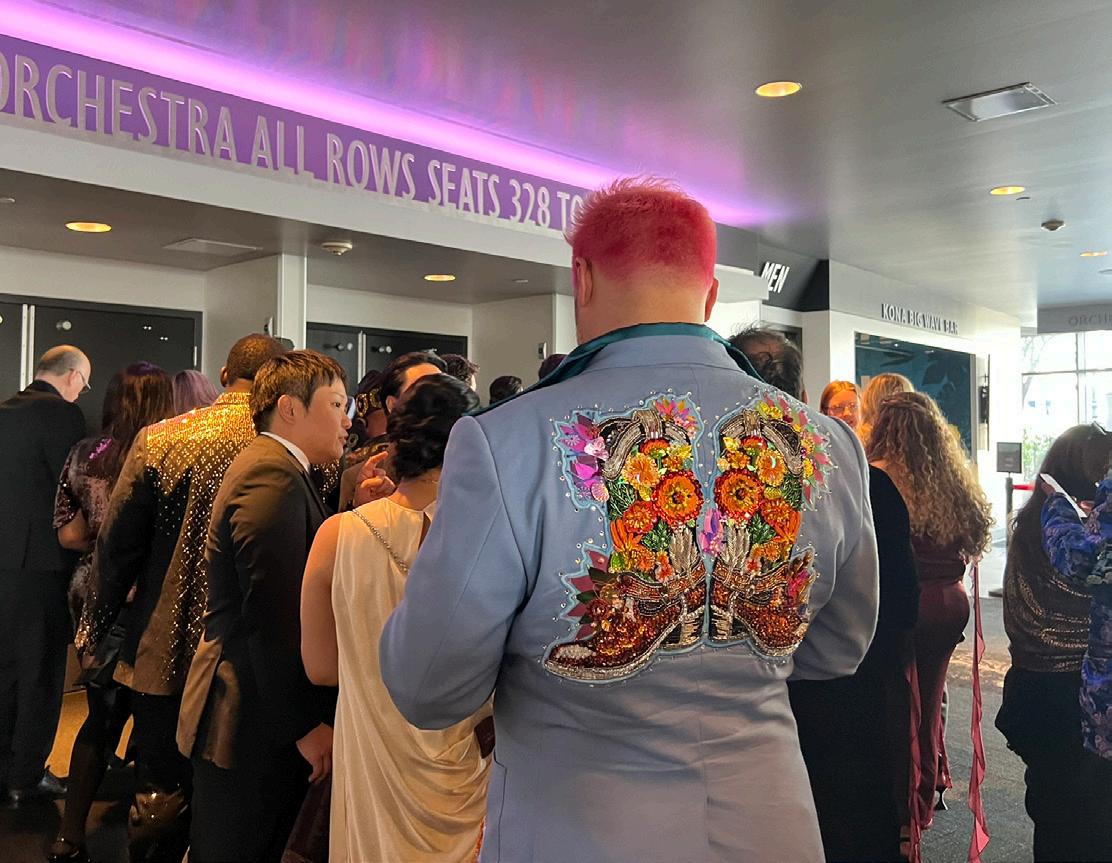
The crush of people—clad in jaunty berets, colorful shades, and silk slips—rushing to fill the auditorium was quite a sight.
From 12:30 to 3:30pm Pacific Time, the Grammy Awards Premiere Ceremony was hosted by Darren Criss, who, alongside Helen J. Shen, duetted the titular song from their Tony awardwinning Broadway musical Maybe Happy Ending. The rapid slew of award presentations (for diverse categories ranging from Best Score Soundtrack for Video Games and Other Interactive Media to Best Children’s Music Album) was punctuated by performances by Zara Larsson and Spiritbox among others.
Zara Larsson stunned in a sparkly golden-yellow twopiece by Kevin Germanier. Not only did her asymmetrical crop top bare her sculpted abs but detachable sun-rays transformed her into the “Midnight Sun” itself. Meanwhile, in the lobby, socializing was well underway and congratulations in order. As per usual, the women’s restroom served as a sacred site of hurried primping.
Then, the main Grammy Awards Telecast took place from 5 to 8:30pm, hosted by comedian Trevor Noah for the sixth and final year in a row.
According to ELLE Decor, Yellow Studio designed the Grammys set for the fifth consecutive year, drawing inspiration from the Yves Saint Laurent Museum in Marrakesh. In a departure from last year’s blue onyx themed palette, warm amber light, plush red upholstery, and ochre floral arrangements created an intimate
yet elegant environment. The stage was dominated by a gramophone tunnel, through which presenters and artists emerge, flanked by longenze-shaped screens. All centerpiece elements could be quickly whisked away by fly lines to accommodate performances. Directly in front of the stage, VIPs dressed to the nines as well as lucky seatfillers sat around cabaret-style tables.
Throughout the night, Bad Bunny won three prestigious awards, including Album of the Year, which he dedicated “to all the people that had to leave their homeland, their country to follow their dreams.” Leading with love, his touching Spanglish speeches called for “ICE out” and urged people to resist hatred in trying times.
Nor was he alone. Joni Mitchell, Justin Bieber, Samara Joy, Justin Vernon, and Amy Allen sported ICE OUT pins. Billie Eilish and Kehlani criticized ICE during their acceptance speeches. Not to mention, newcomer Olivia Dean, who won Best New Artist, declared “I’m up here as a granddaughter of an immigrant… I’m a product of bravery, and I think those people deserve to be celebrated.”
Those who couldn’t communicate their beliefs onstage took a stand through fashion. Political pins aside, I spotted a shoulder bag that read “ABOLISH ICE,” with a line slashed across the word “ICE.” Some attendees donned keffiyehs, traditional blackand-white checkered Palestinian scarves symbolizing Palestinian solidarity and resistance.
As the event progressed, a handful of high profile celebrities changed into multiple outfits. Take Sabrina Carpenter, who wore not only two but three different sparkly numbers. Her boho-chic Valentino red carpet look featured a sheer caplet, ruffled train, and beaded flowers.
Biggest 2026 Grammys beauty trend?
Less is more. Doechii, Miley Cyrus, PinkPanthress, and Karol G opted for minimalist makeup. Carpenter was no exception, forgoing her intense bubblegum pink blush, bold lip liner, and white waterline eyeliner for barely there eyeshadow and soft-focus skin. Very demure, very mindful.
In contrast, Carpenter’s airport-themed “Manchild” performance signalled a return to her referential signature style. Gliding onstage via baggage claim, the pop princess commanded the room in a sexy lace up pilot ensemble. Between the blonde curls, plunging neckline, and go-go boots, Carpenter’s campy captain costume bore the hallmarks of her iconic retro glam.
Compared to ceremonies which value sophisticated formality, such as the Academy Awards, the Grammys are less uptight, allowing for risque experimentation. Attending artists capitalize on clothing to build their personal brand, hint at an upcoming era, embrace trends, or challenge conventions. For example, Shaboozey paid homage to country music’s workingclass roots with an idiosyncratic combo—a classic tux juxtaposed against dark wash denim jeans.
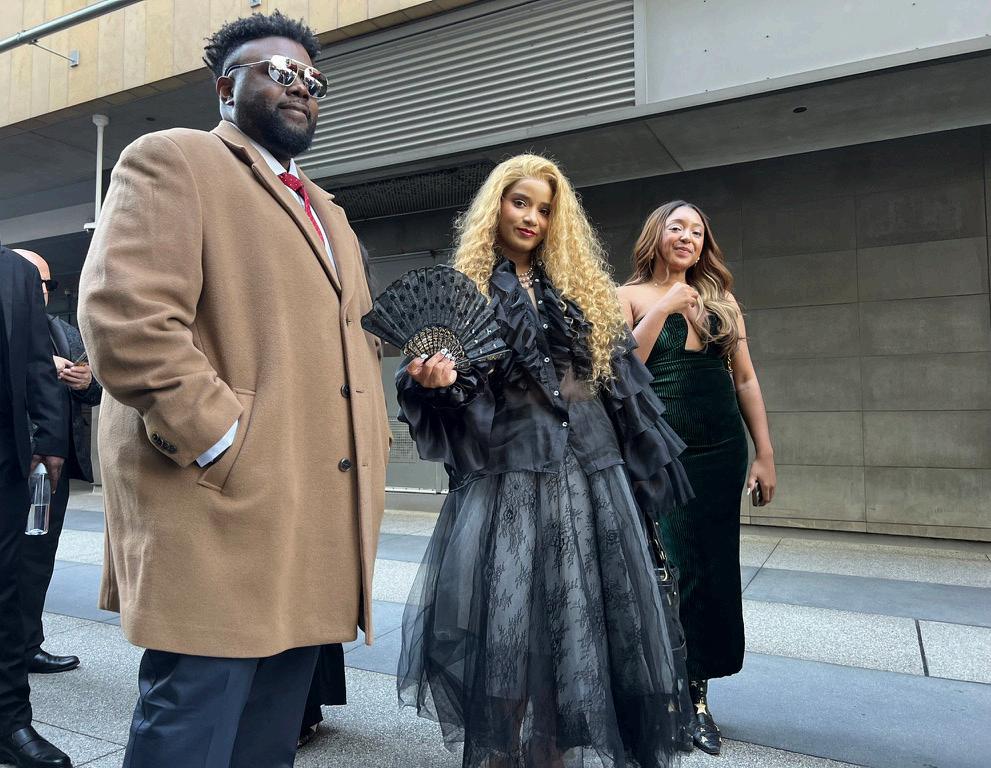
Naturally, famous people’s Grammy fits garner global attention, whereas non-celebrity attendees don’t appear on the broadcast (except as small nondescript figures) despite making up most of the audience. Although non-celebrities generally don’t have the wealth, haute couture, and stylists celebrities enjoy, they nevertheless seize the unique opportunity to dress up.
Singer-songwriter Qarmia looked radiant in a handpainted corset. A man decked out like a stylish anime villain—slick back and all—ordered from a concession stand. A rubber scent wafted up from a skirt constructed of balloons. A hot pink buzz popped against an embroidered baby blue set. David Bowie-esque face paint met piratecore. Meanwhile, a black sheath paired with statement jewelry recalled Breakfast at Tiffany’s. Fanciful headwear abounded: peacock feathers, top hats, birdcage veils. Rocking a rainbow tutu, flower crown, and neon hair, grunge musician Nicki Paige described her outfit in one word: clown.
Undeniably stylish, the artsy awards ceremony lends itself to flamboyant looks, giving everyone from underground DJs to the likes of Lady Gaga an occasion to express themselves through fashion.
CO OL NE SS
Through a Northeastern Arctic Blast
written by
Leila Adelstein and Eliza Visconsi
to survive treks across campus. When wearing anything but a parka and sweats feels impossible, it’s easy to dismiss winter as a wholly unfashionable season. But what if we embraced the coolness of winter? Literally and stylistically. As the Norwegian proverb goes,
“THERE’S NO SUCH THING AS BAD WEATHER, ONLY BAD CLOTHING.”




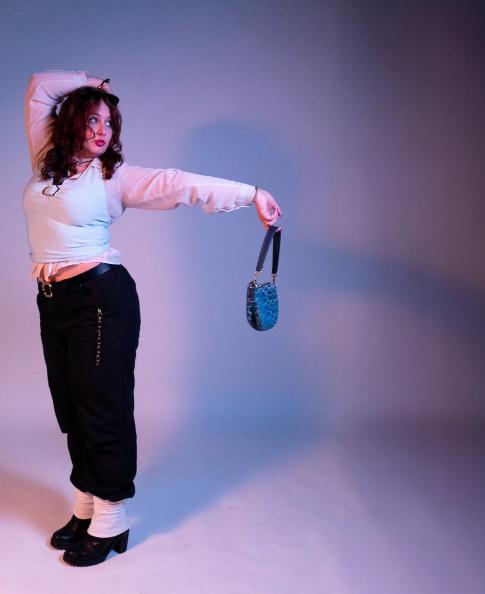


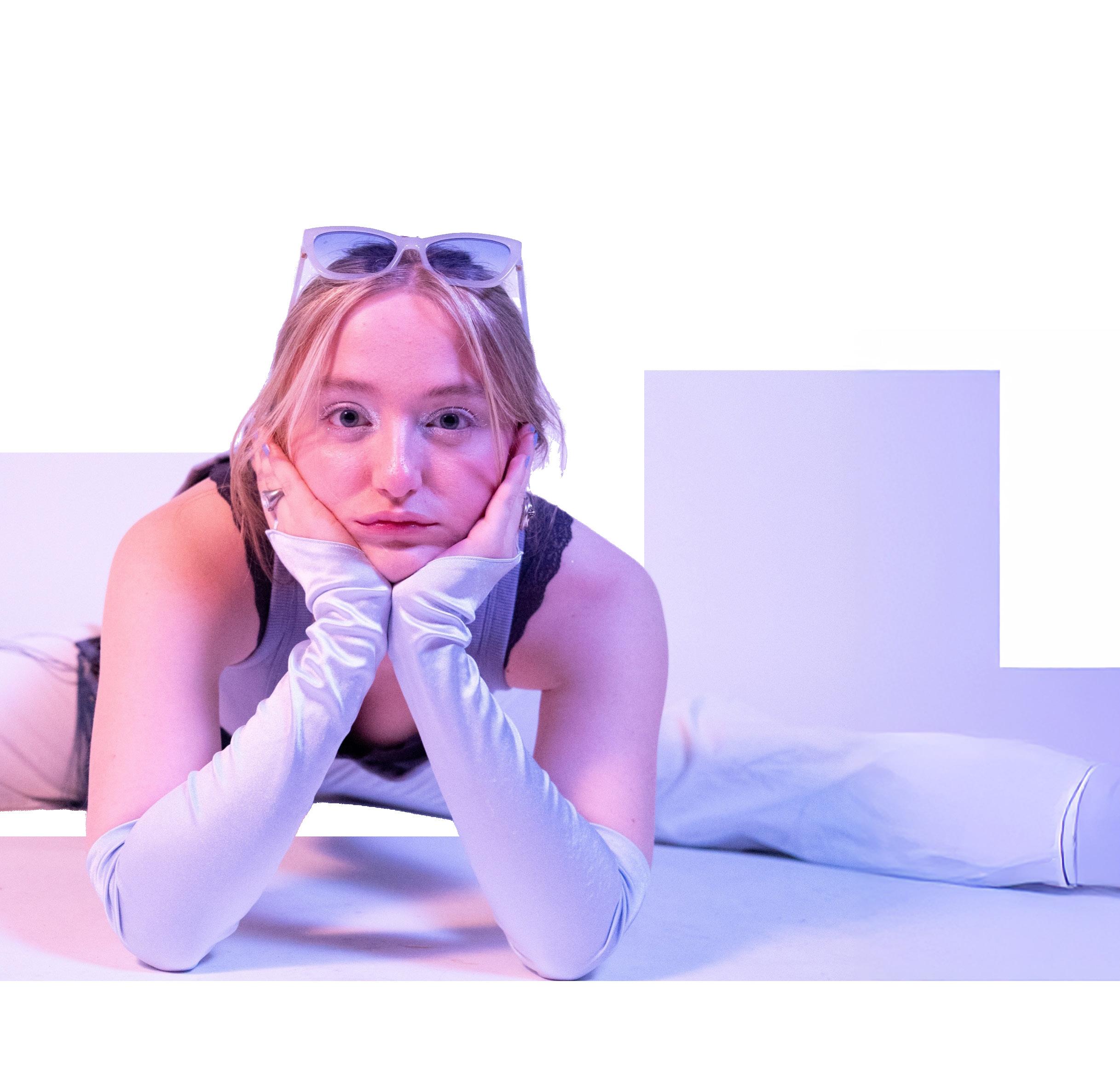



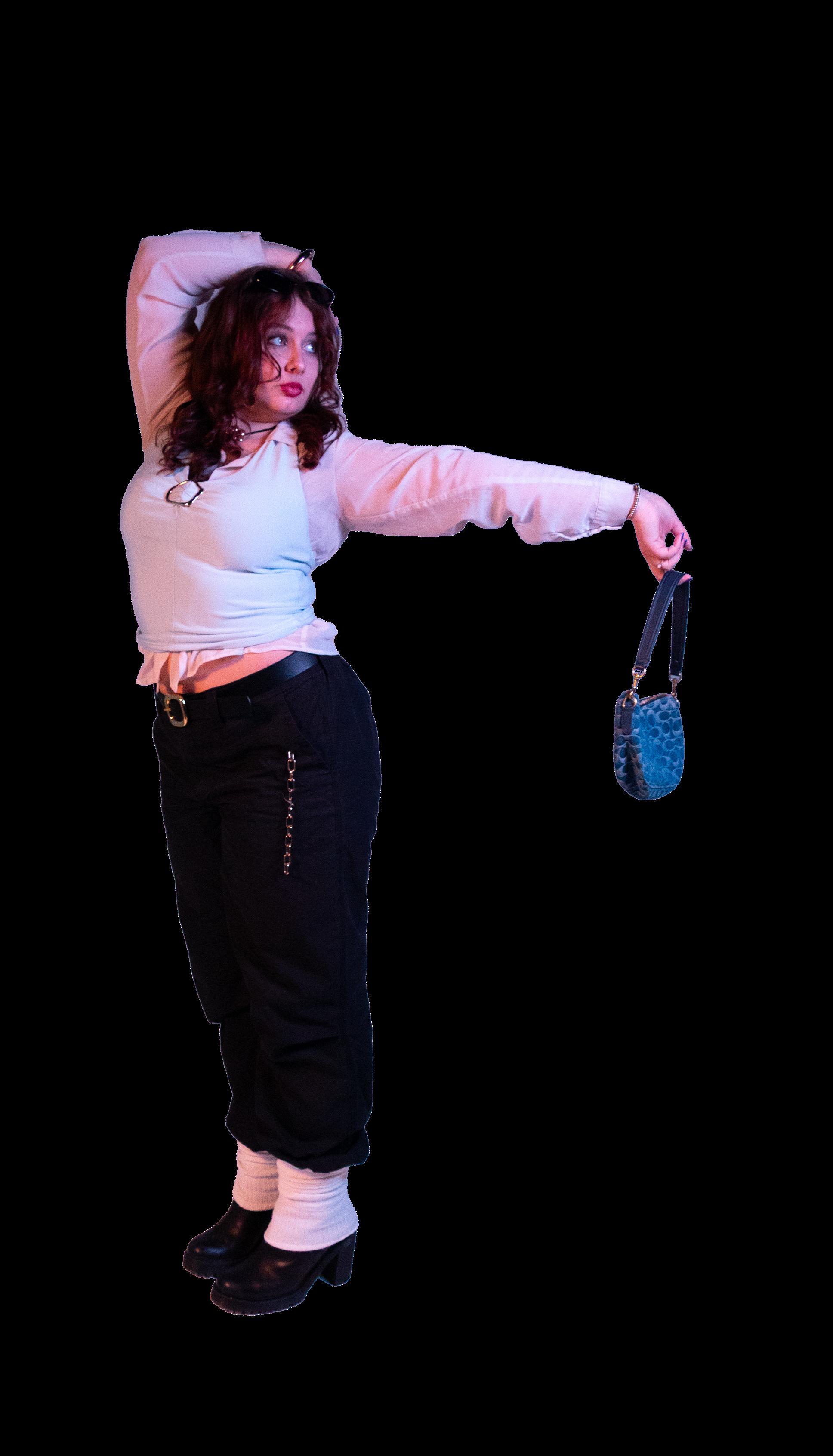
The functionality of winter garments doesn’t take self-expression out of the picture. For some, fashion-forward winterwear takes the form of a statement scarf or fleece-lined tights under a summery skirt. Many cozy up in thick knitwear, such as wool sweaters, mittens, and balaclavas.
Opting for patterned and brightly colored pieces is another way to add a pop of color to the muted monochrome of our snowy surroundings.
Furthermore, bundling up isn’t synonymous with hiding your sense of style. Quite the contrary, layering presents abundant opportunities for personal styling and accessorization. In other words,
IT’S POSSIBLE TO STAY WARM AND LOOK “COOL.”
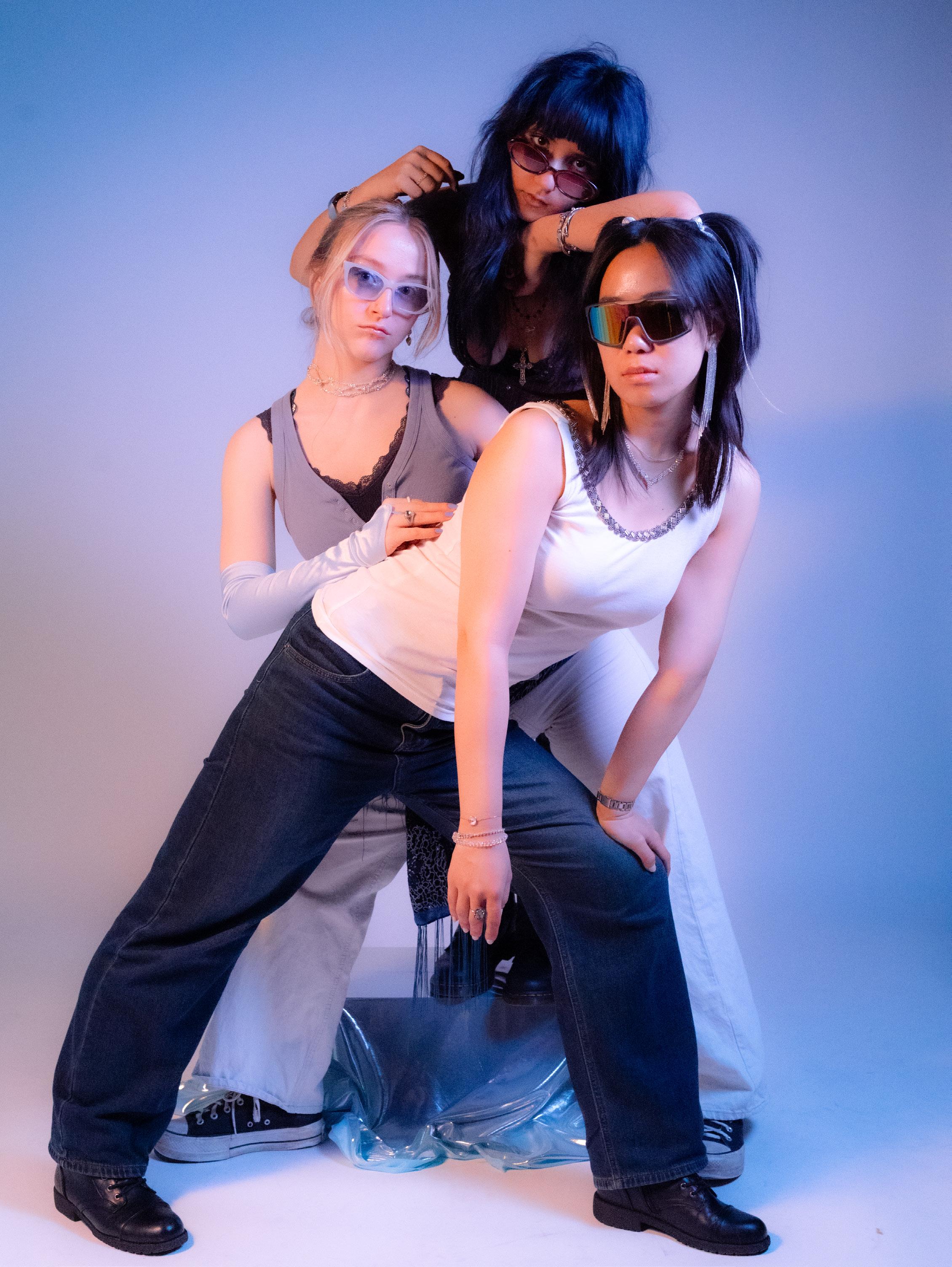
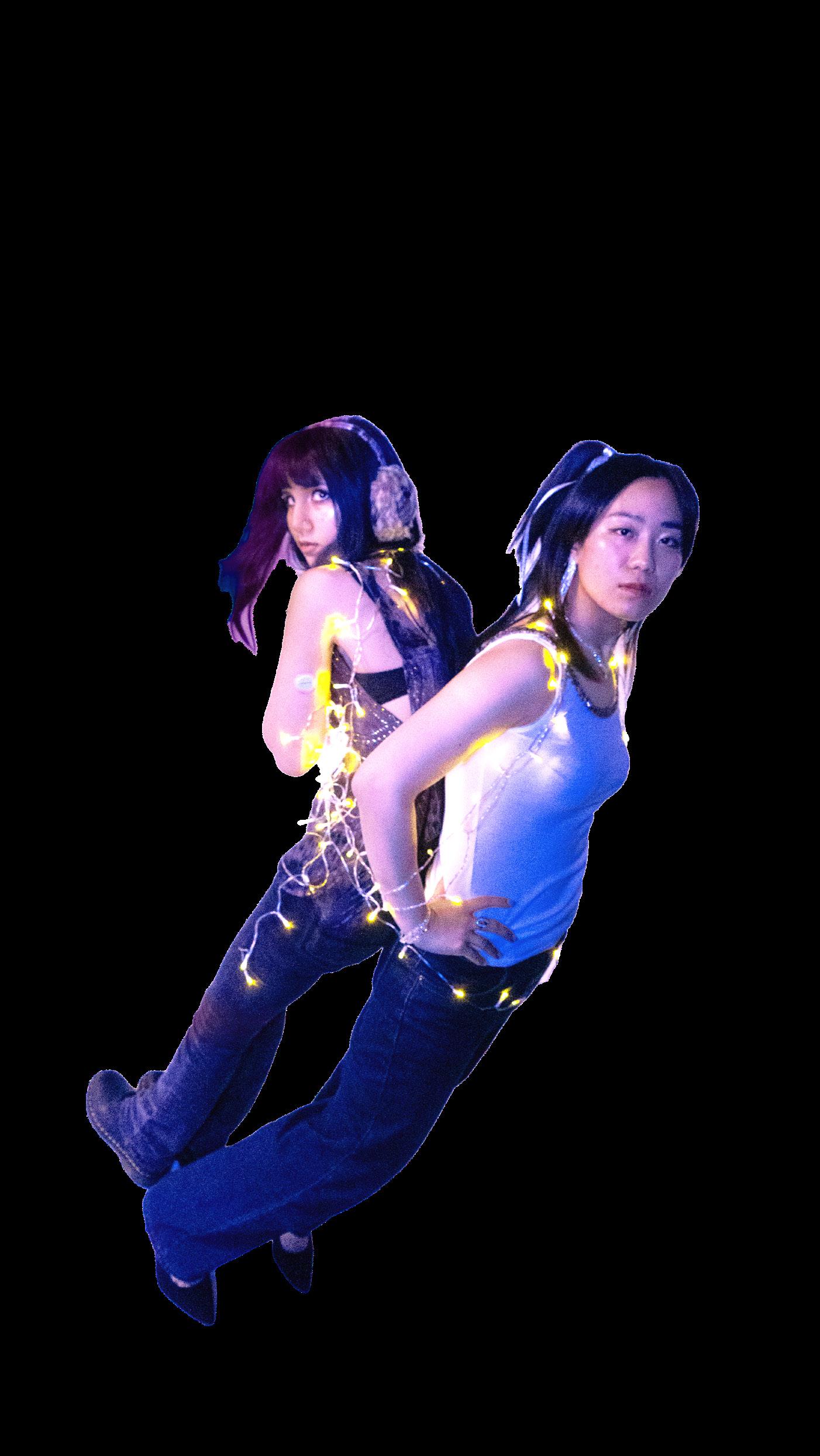
Of course, coolness is subjective. According to Signature Style’s models and stylists, the key to “coolness” is unapologetically embracing your authentic self. Cool means moving through the world confidently and fiercely—with a sharpened edge.
“COOLNESS EVERYWHERE” is
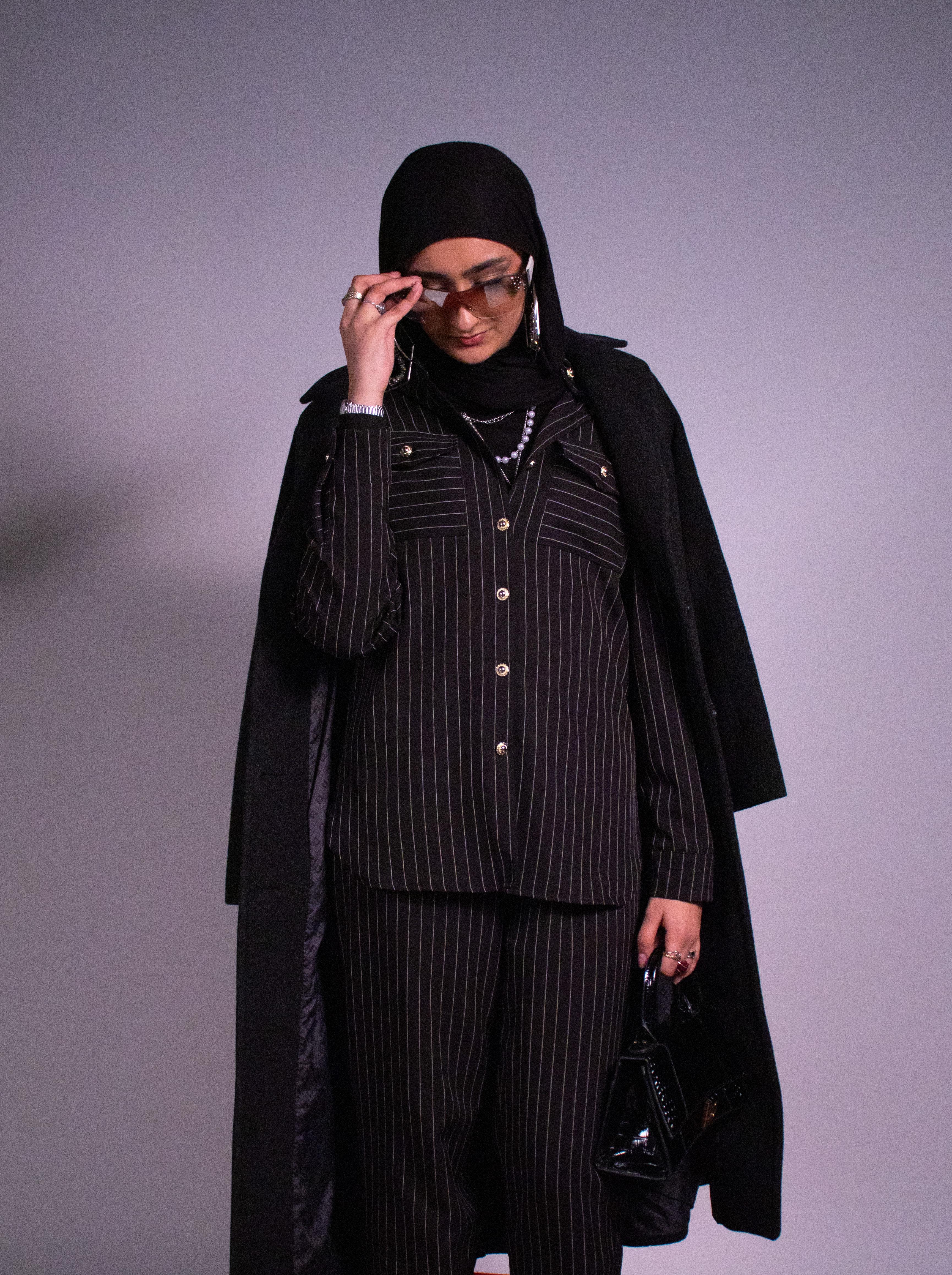
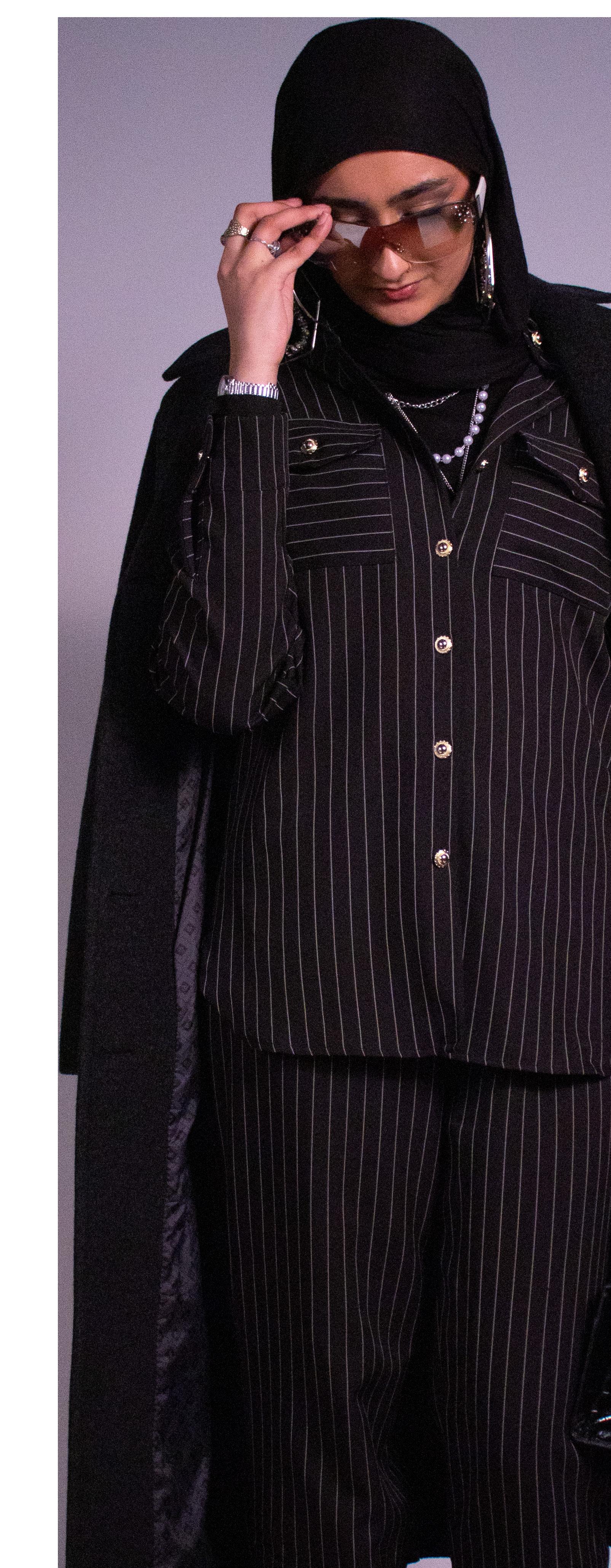
Like the icicles glittering on every eave and the snow blanketing the landscape as far as the eye can see, coolness is everywhere.
COOL CAN BE UNIQUE, MODEST, FLASHY, OR CHIC.
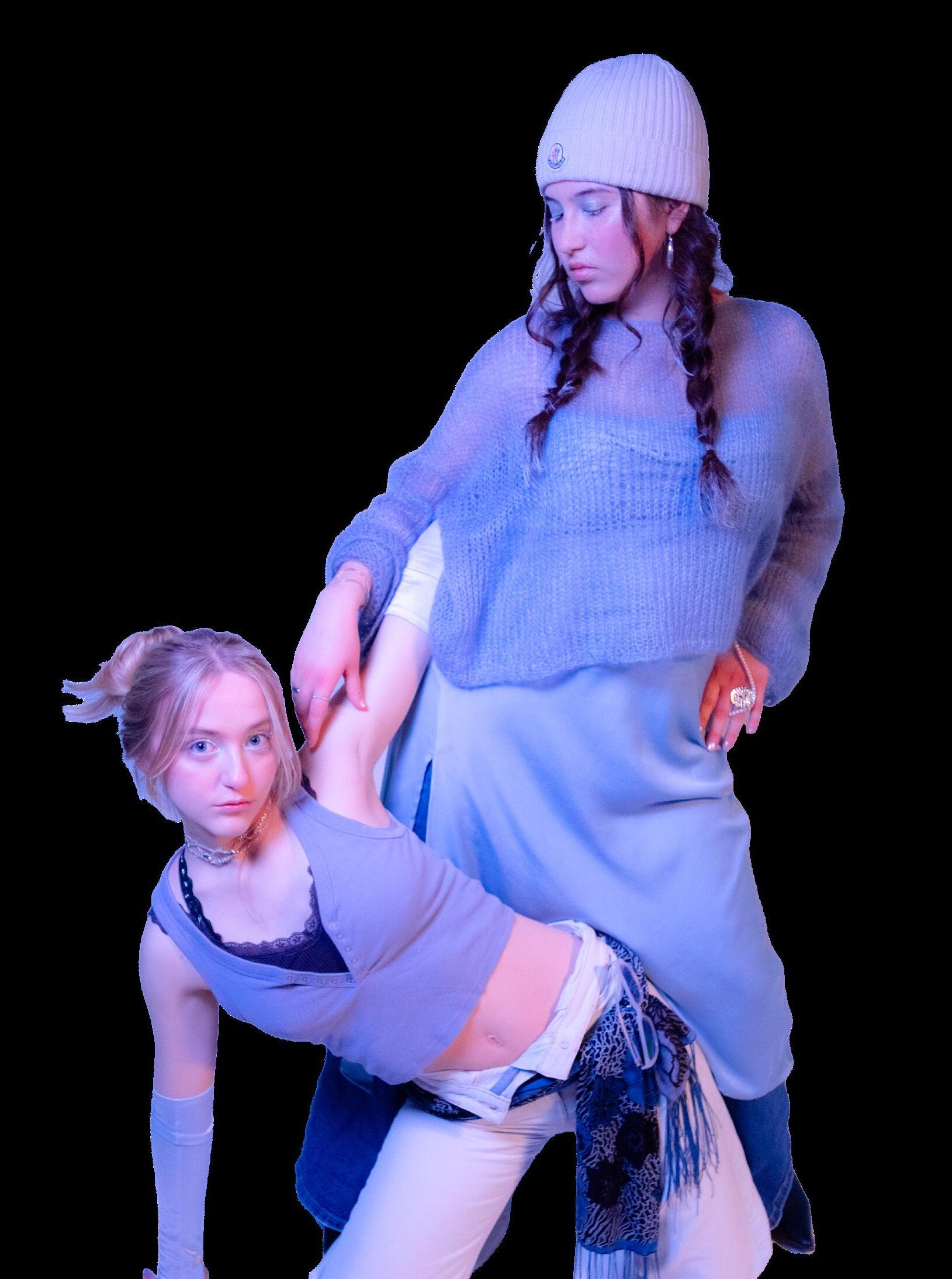
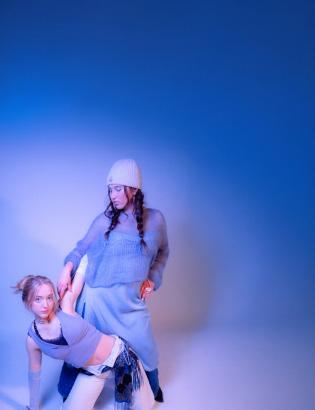
How the individual embodies this abstraction is up to them.
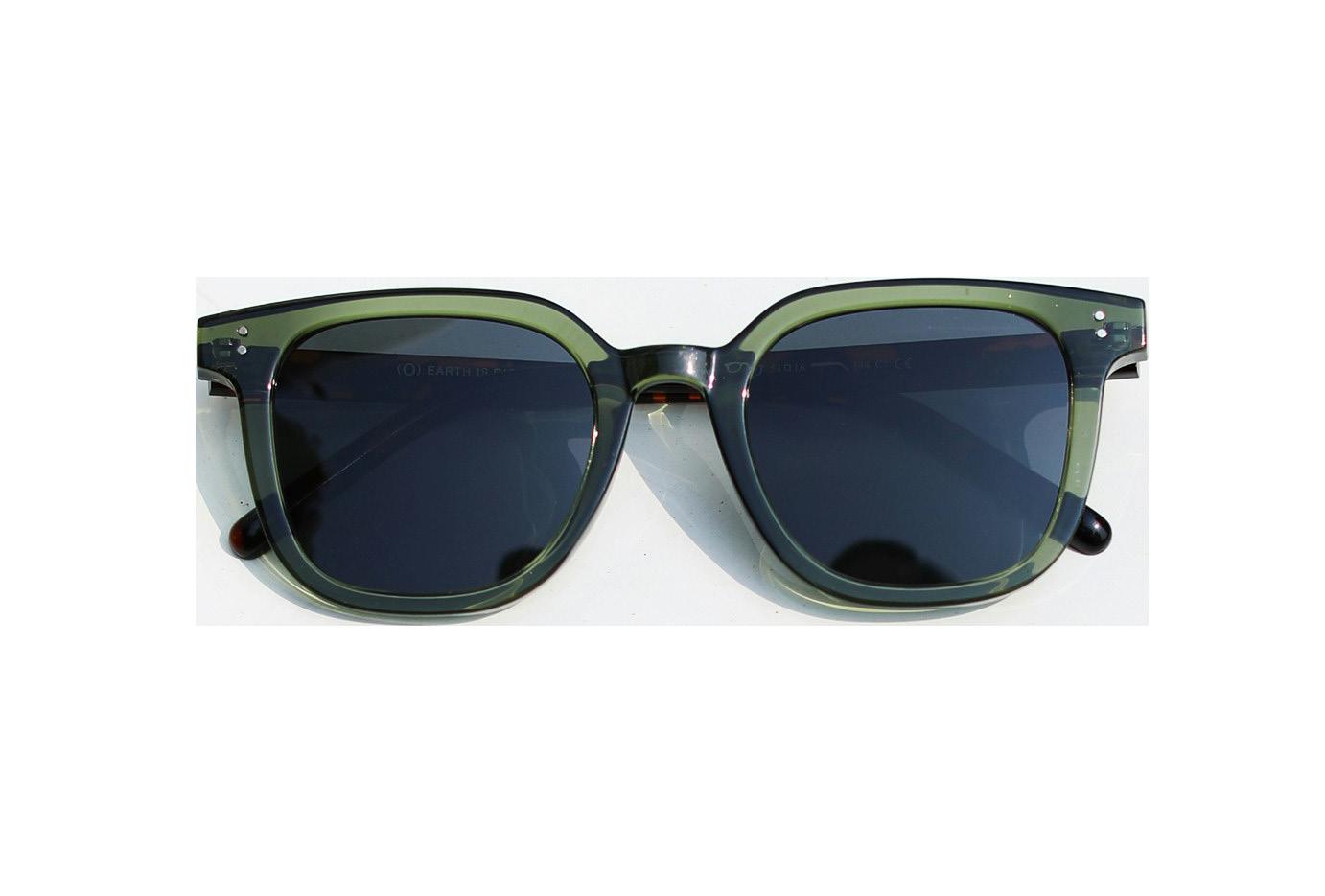
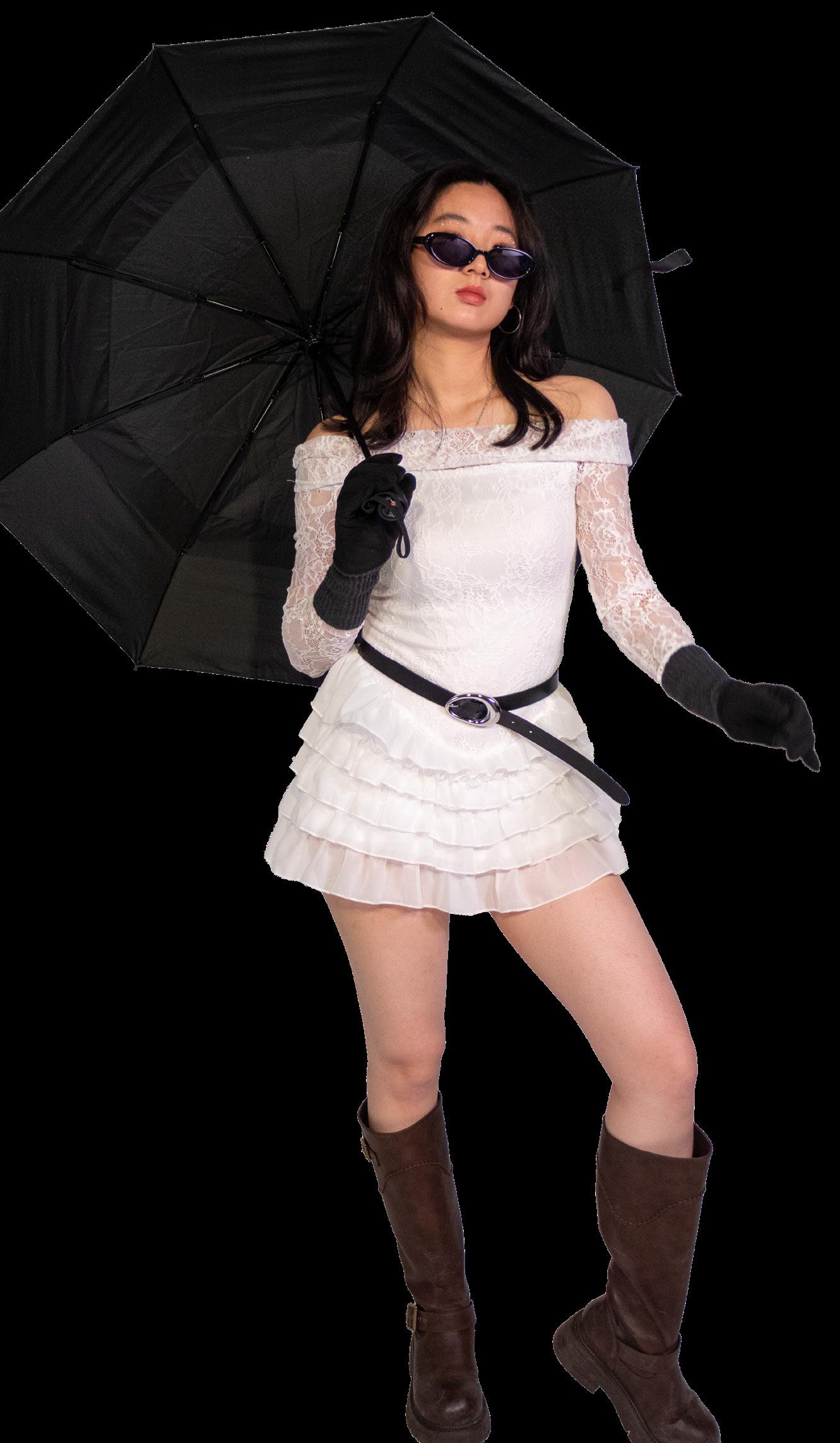
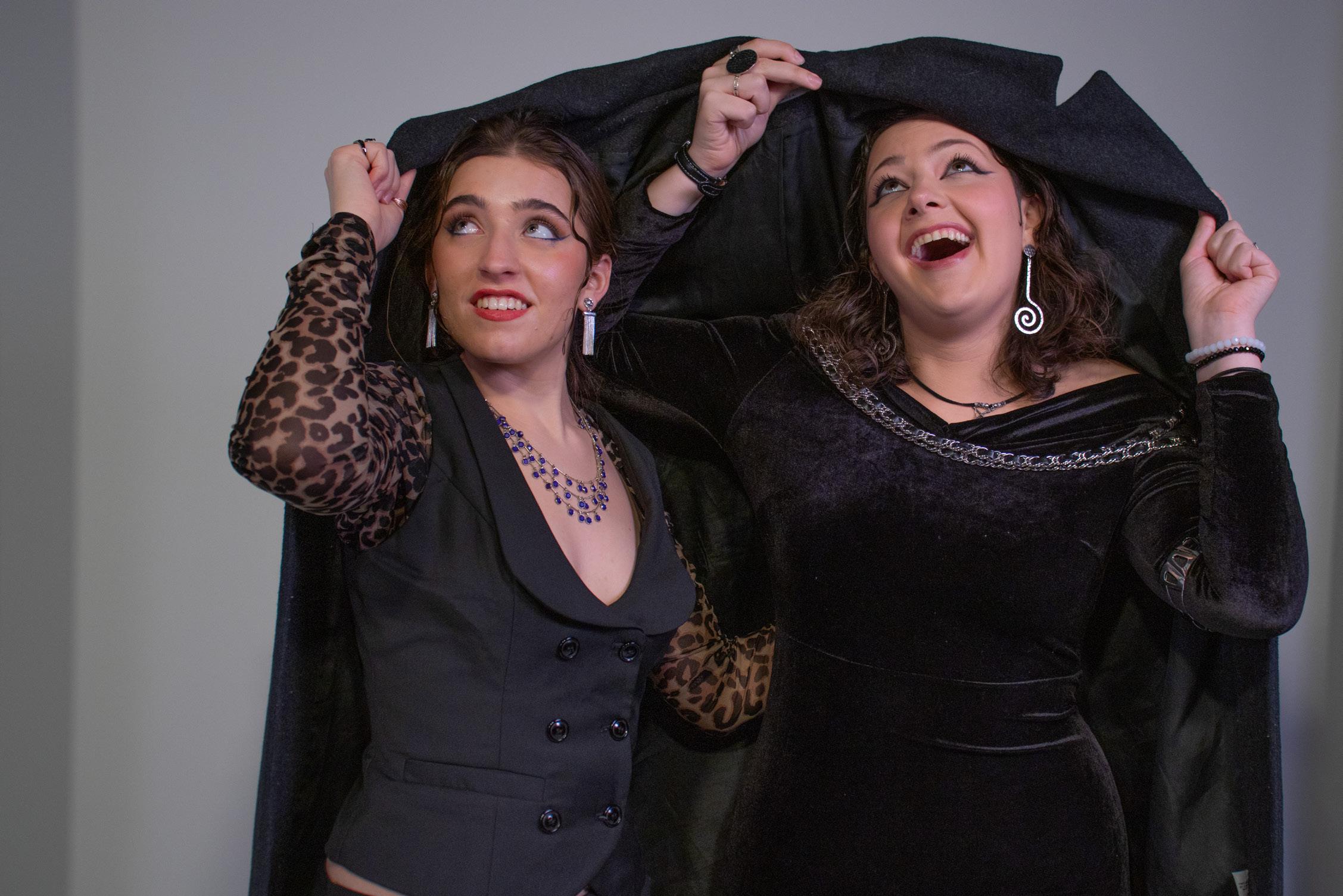
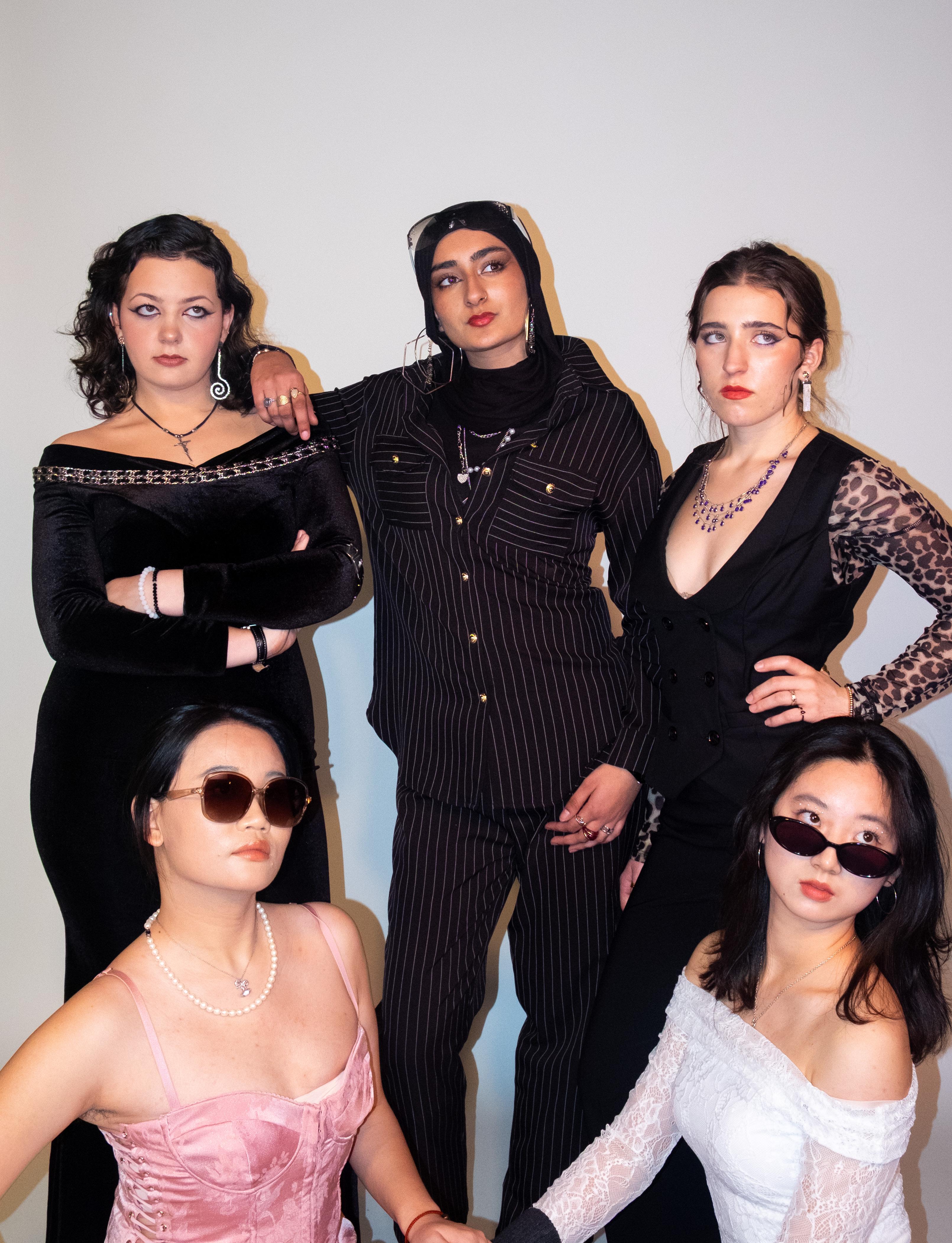
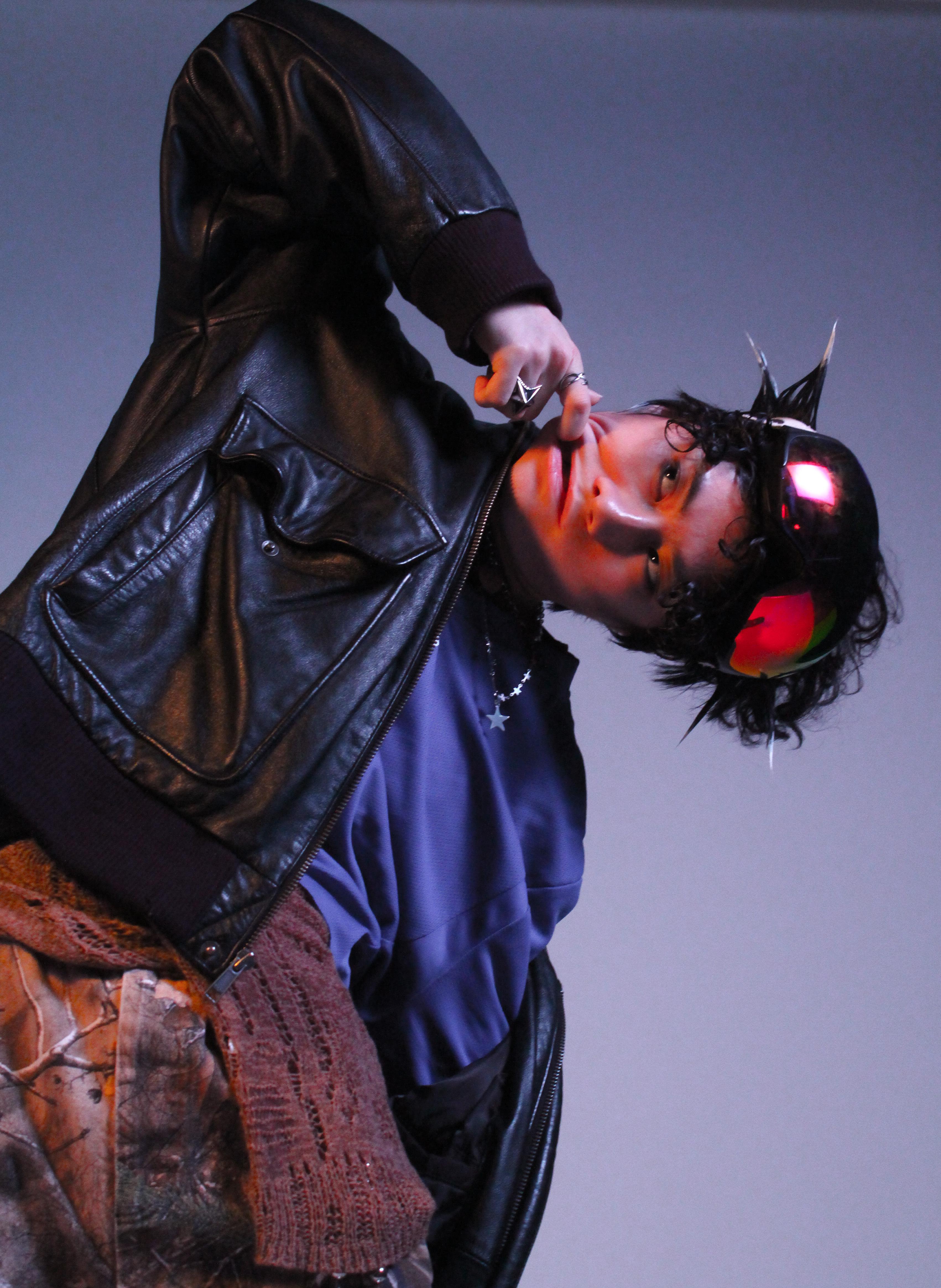
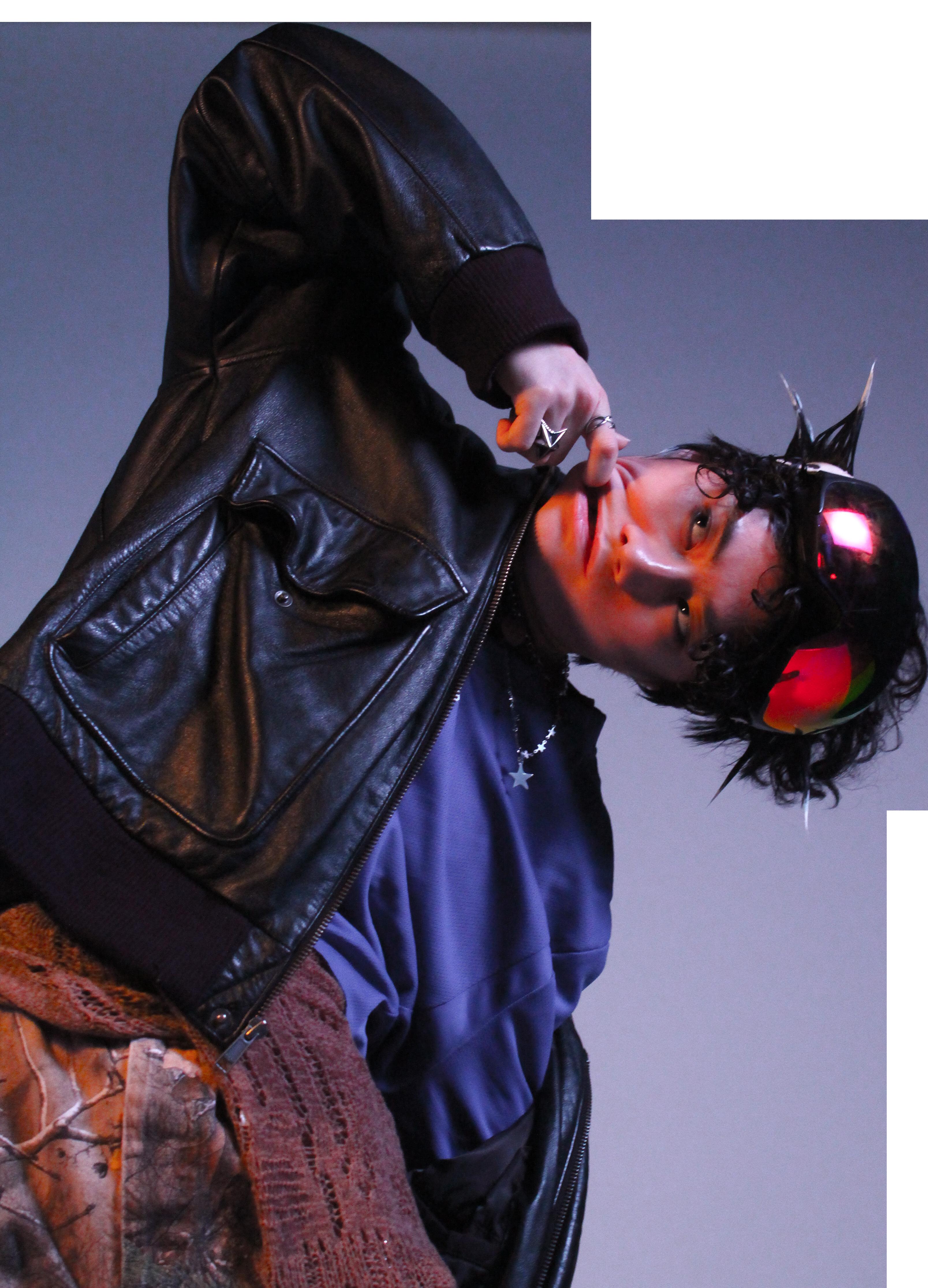
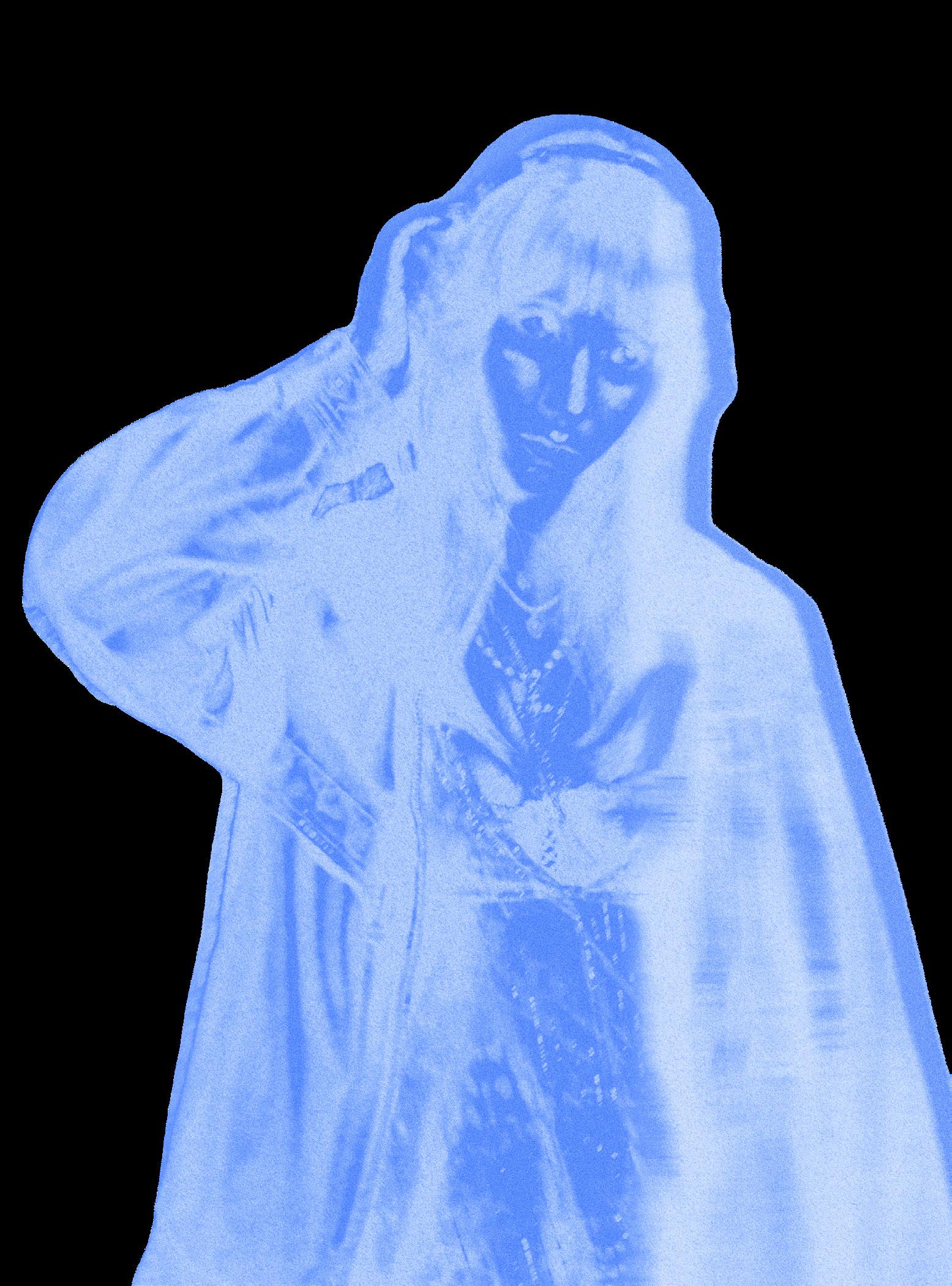
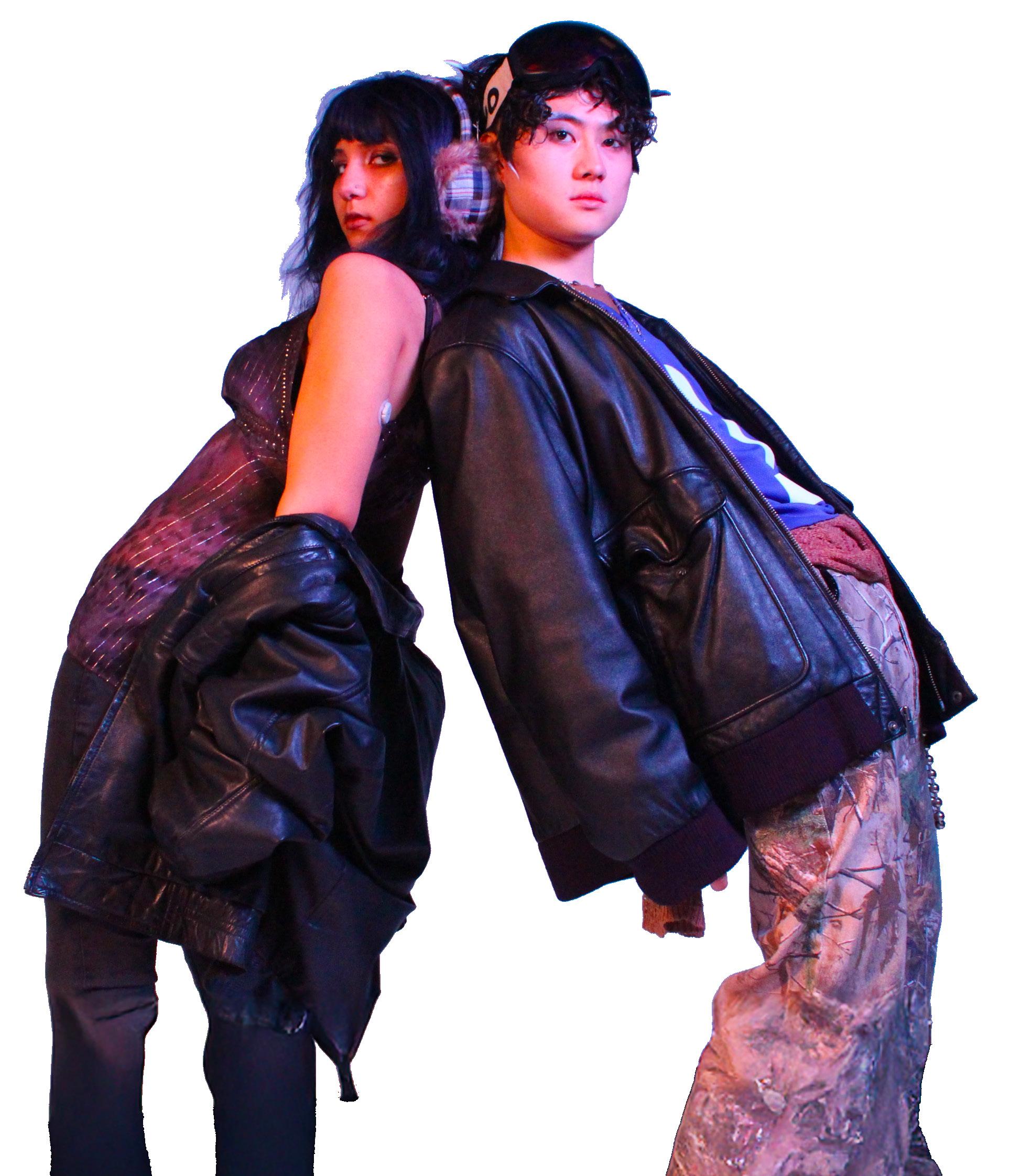
Encapsulating the concept of coolness, models dress in silky iridescent fabrics, silver sparkles, fanciful knitwear, voluminous coats, and frosted hair and makeup. Sunglasses tint the gaze, reinforcing how winter layers blend function with form and create an incognito identity.
In terms of photography, the dramatic foreshortened angles and cool-toned saturation demands attention, which is precisely the goal of cool winter style:
TO BE VISIBLE YET UNEXPOSED, STRIKING YET PHYSICALLY COVERED.
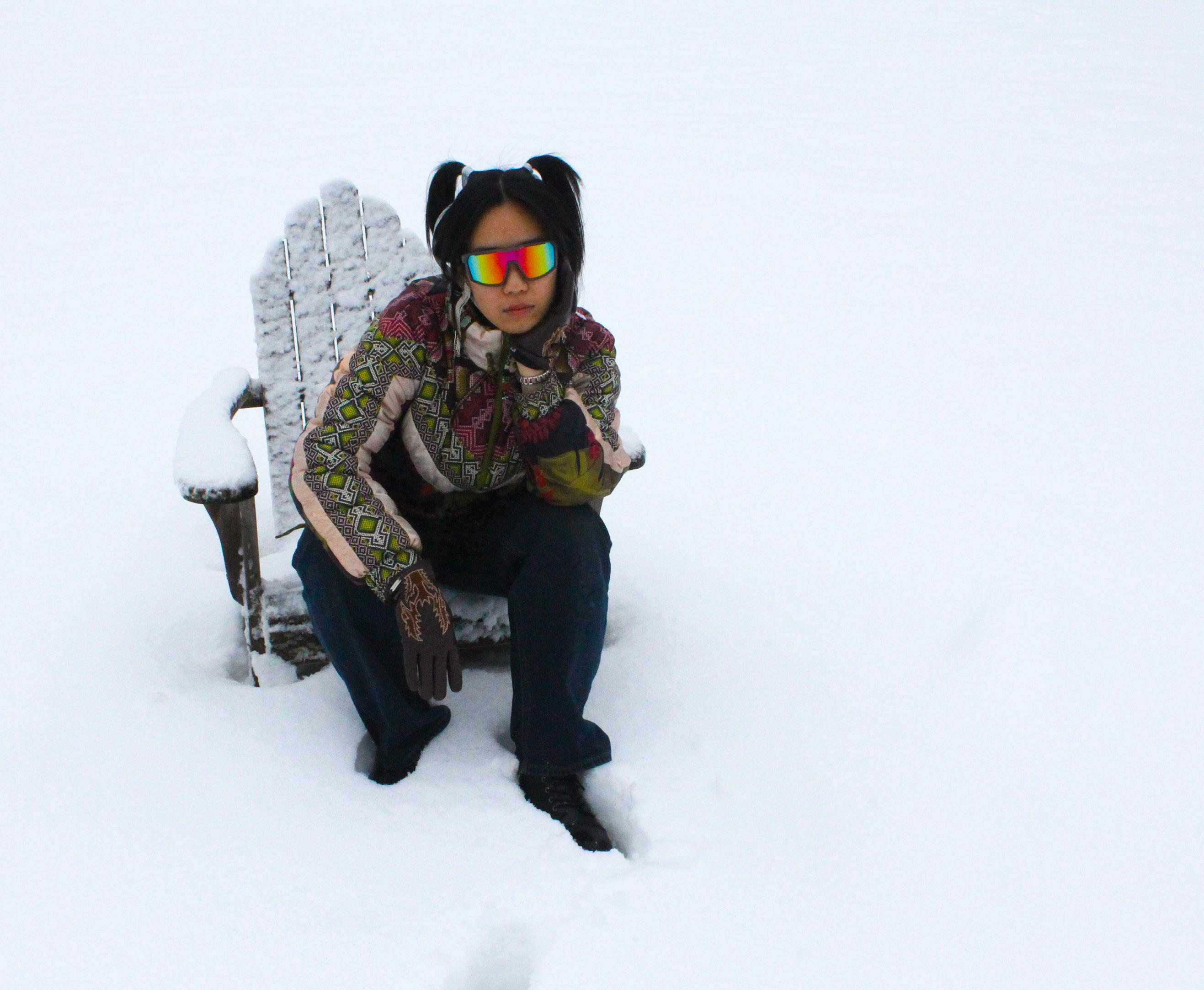
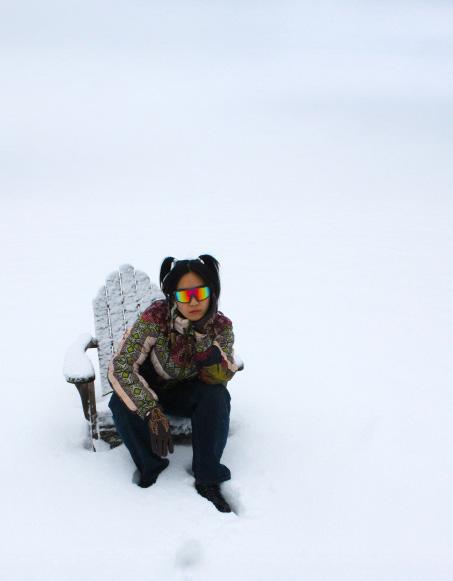



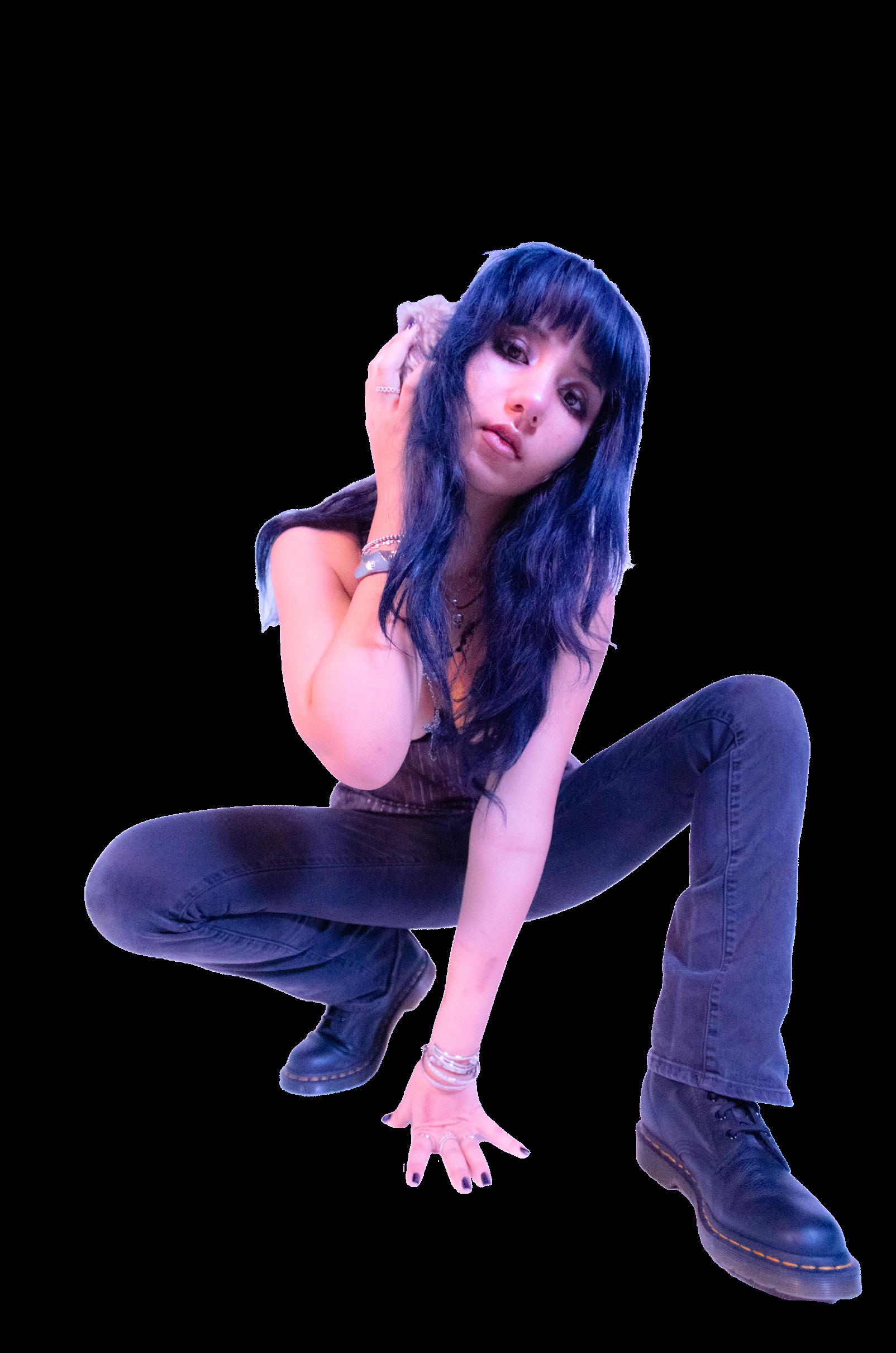
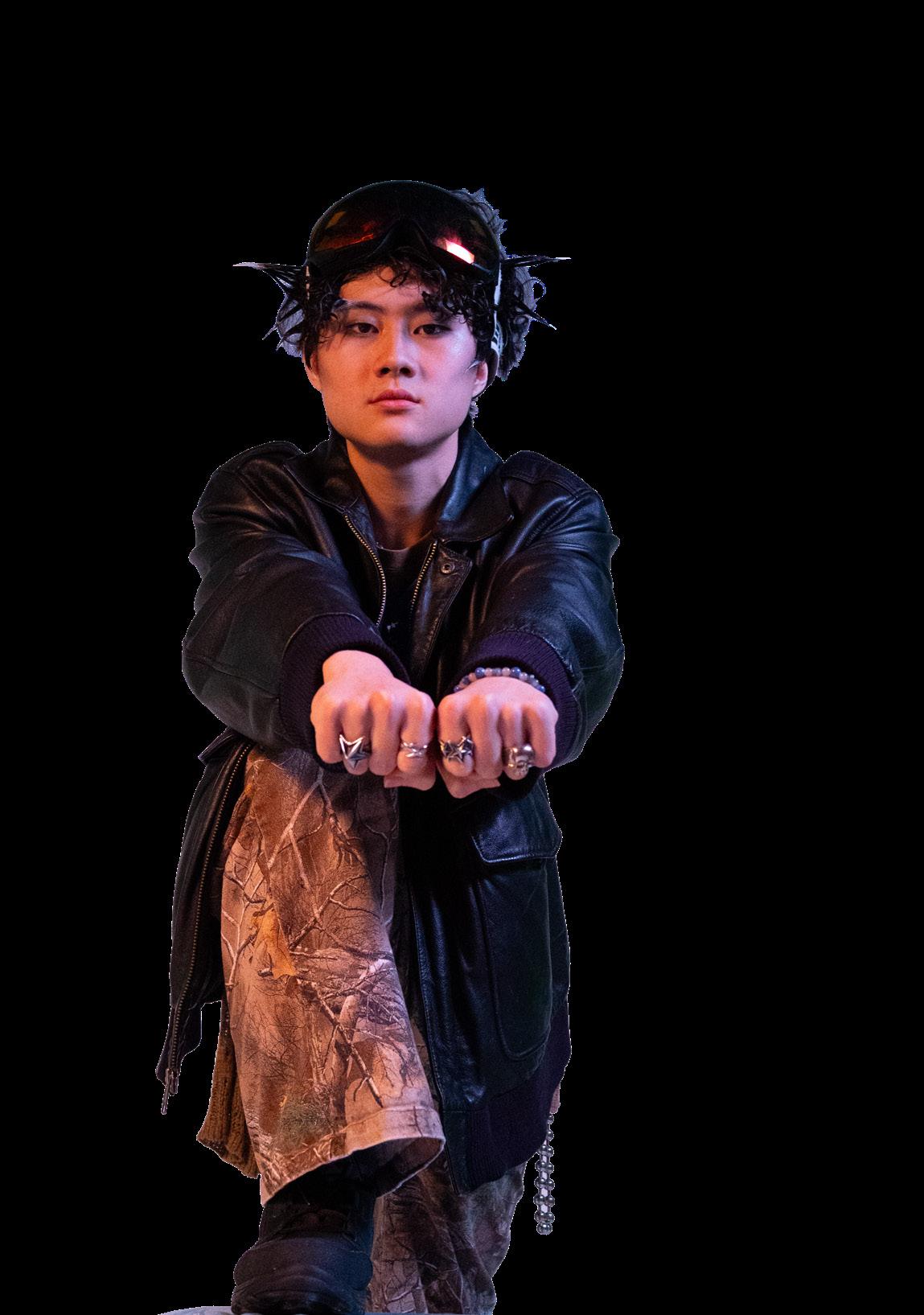
Strutting down salt-strewn sidewalks like they’re haute couture runways is one approach to winter fashion. However, subzero temperatures lead others to hunker down indoors and get crafty. In the wake of the
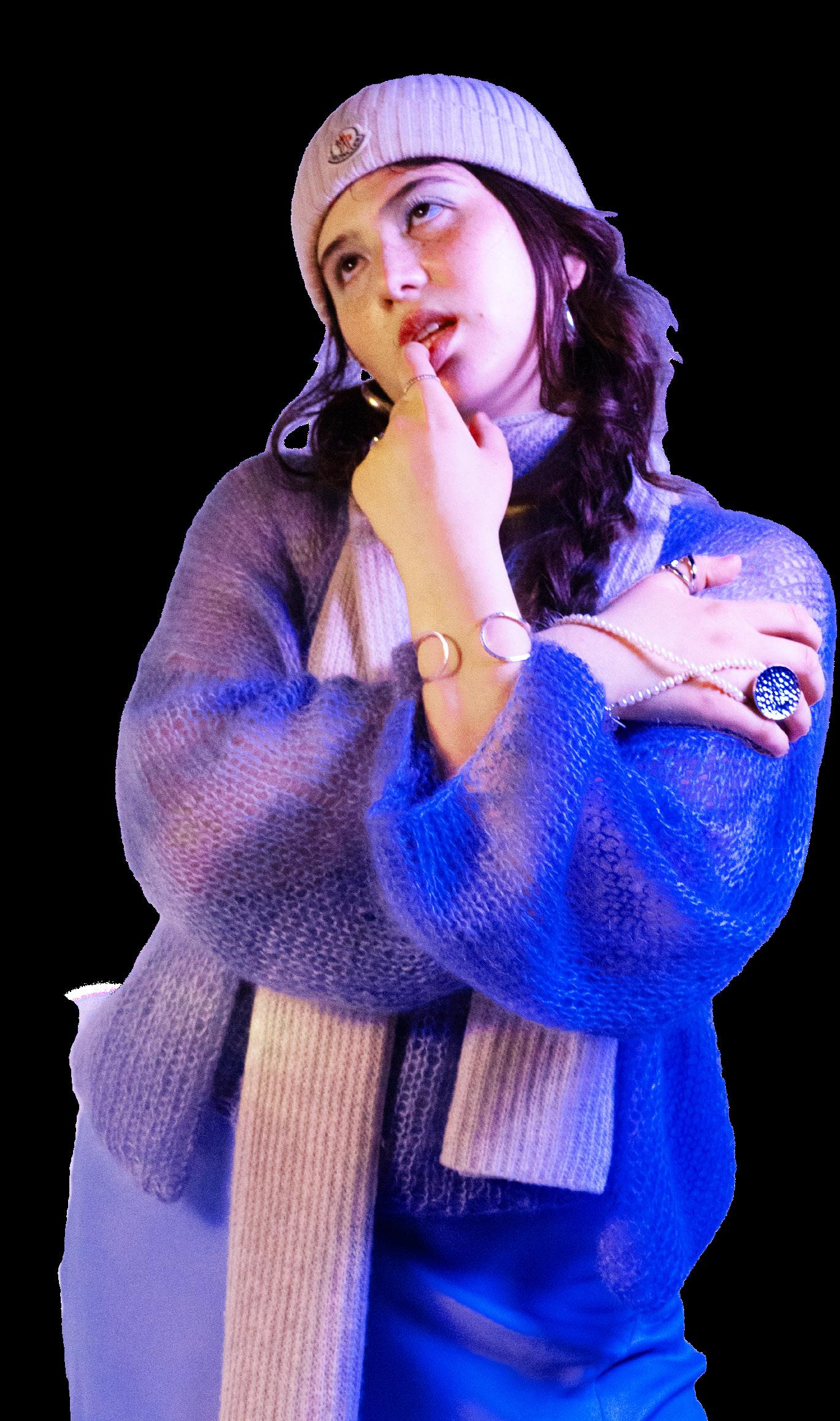
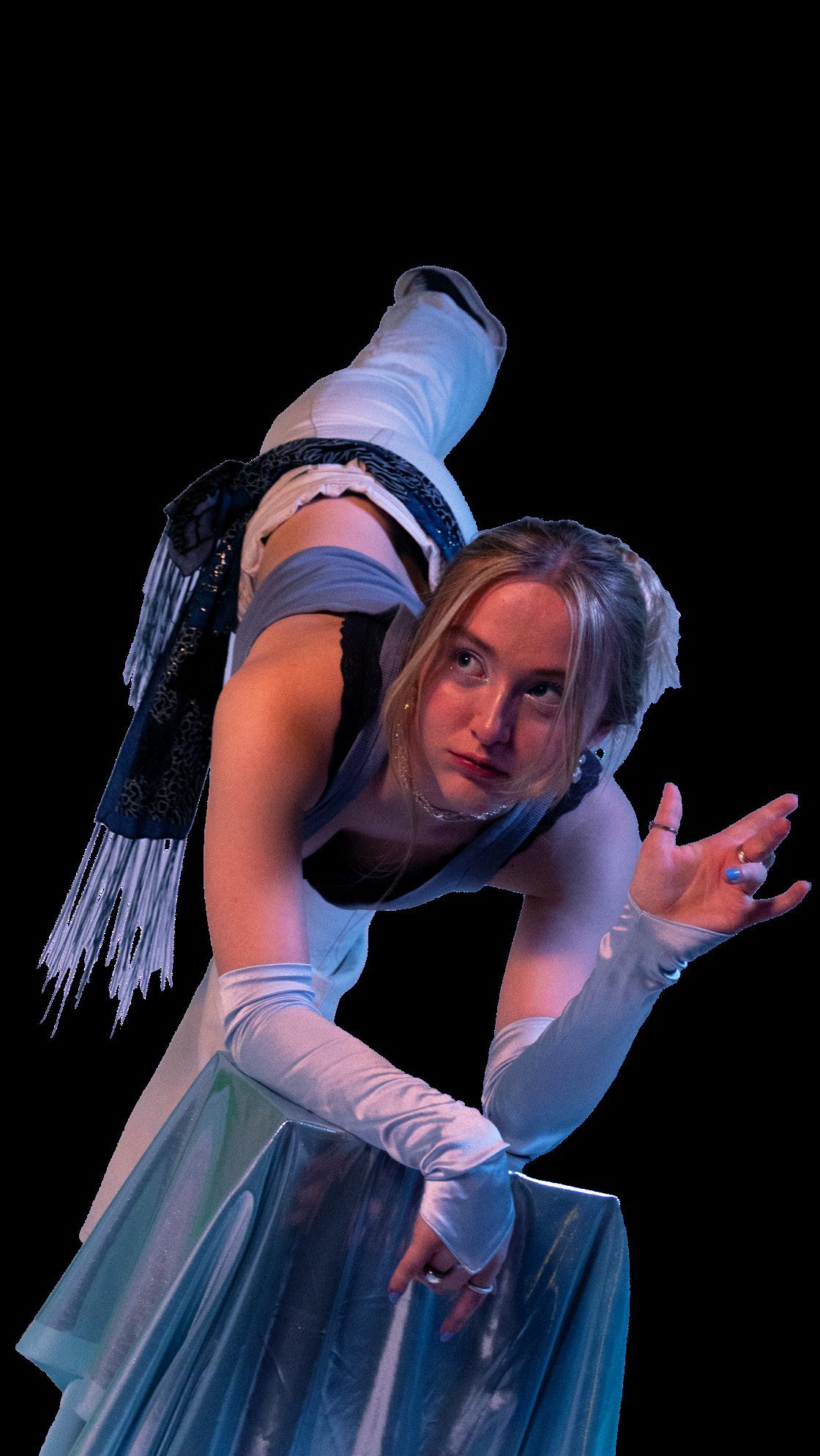
Although this northeastern winter seems to stretch interminably, spring is already on its way. Soon, crocuses will poke up their purple crowns and wool sweaters will be folded into storage.
SNOW AND ICE MAY MELT, BUT THE CONCEPT OF COOLNESS REMAINS.
THE SAPLING

A SHORT STORY BY Charlotte Tsekerides
THE ROOM SEEMED
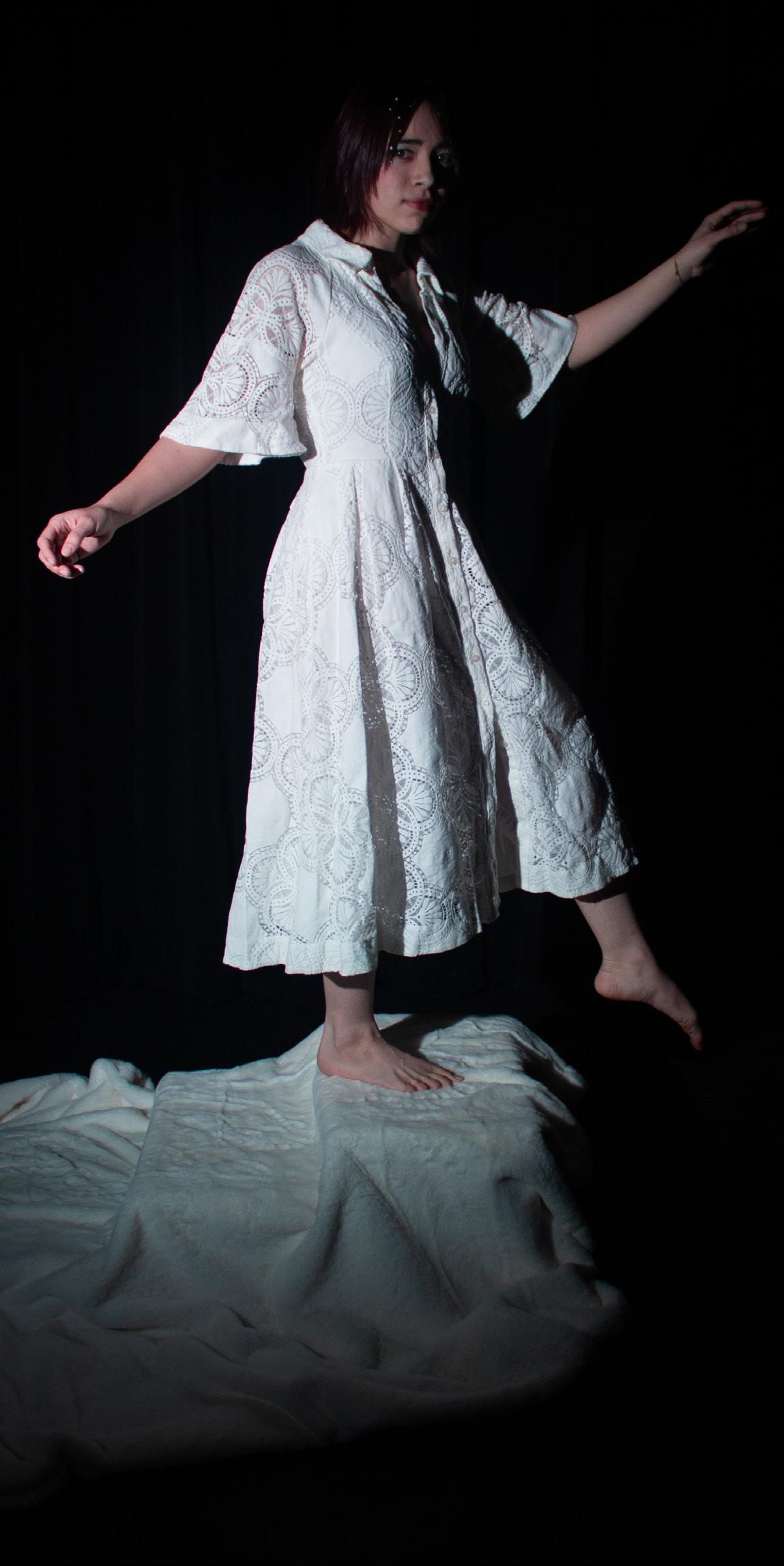
colder than it had ever been. A window had been blown open by the night’s harsh wind, and the house now paid the price. There was the thinnest layer of frost covering pale wooden floors, and the air smelled like metal. In the corner of the room, a twin bed stood atop an iron frame, a form under the blue blanket.
The blanket began to move, and out came a girl.
She had deep, dark circles under her eyes, which were just barely open. After a few seconds, they began taking in the changes of the room: the thrashing of the curtain back and forth was the first sign, besides the biting cold, that it was angry with her. She pushed herself upright and reached under the bed for her long socks. They were gone.
She cursed loudly, wrapped the blanket around her freezing shoulders, and made her way across the frozen floor to close the window. The curtain tried its best to stop her, but she managed to dodge it well enough to get the latch down. She stuck her tongue out at the nowstill drapes. The girl told herself they looked defeated and she felt slightly better. That was until she looked out the window and saw her socks hanging from the old willow tree in the yard.
“Real mature,” she muttered darkly. The curtains moved slightly.
Turning on her heel, she made her way out of the room and into the icy hallway. The wallpaper was pink, floral, and fading, but the girl could still remember what it used to look like, before the house turned on her. She ran her fingers along the wall, tracing the pattern. The paper started to curl beneath her touch. All around her, the walls started to wilt, as if the printed flowers were dying. Somehow, this seemed to calm her, distracting her from the bitter cold spreading throughout her body. She tore her eyes away from her blue hands and instead focused on the flakes of paper falling from the ceiling. It was like snow.
She got to the stairs and drew her hand away from the wall. Beyond the bottom landing of the stairs there was nothing, an inky black well where the stairs used to lead to the kitchen and living room and garage.
That was all gone now.
The girl sat on the first step and reached her hand out into the darkness. It was indescribable, like water but not wet – kind of silky, cold and smooth. The door was further away today. It really was mad at her.
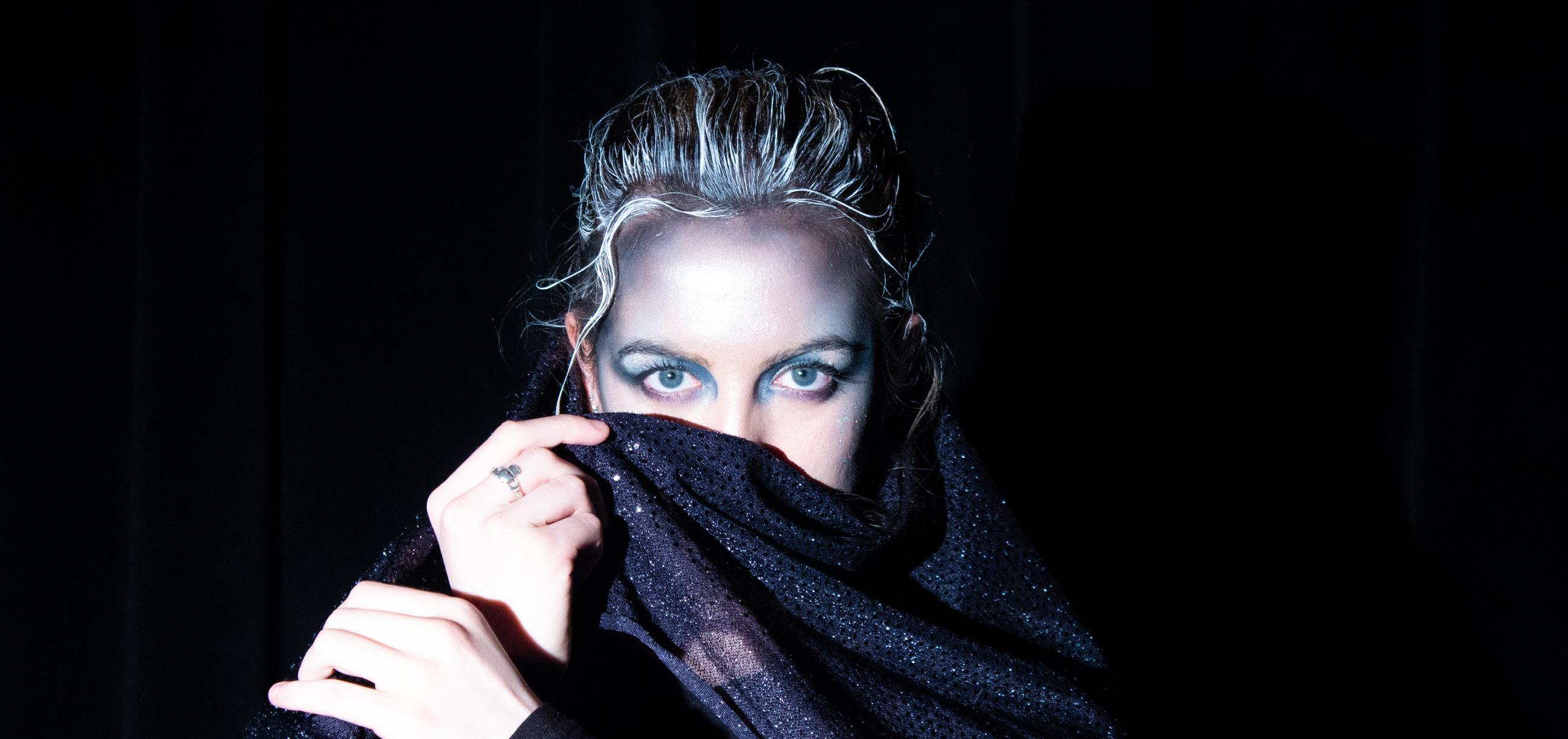
She stood up and went down a few more steps, stopped, and then down a few more. Soon the girl was at the landing, and she started to bend her knees. She closed her eyes, screwed up her face as if deep in thought, and then pushed hard off the floor. She kept her eyes closed for a few more seconds, and then peaked through her lids to see if it had worked. It had.
She was by the bright blue door, and her hand had somehow clasped onto the handle. The door was solidly in place,
but her feet hung below her, slightly swaying in the darkness that was all around; the stairs had vanished.
She turned the handle and pushed. It opened to a huge field covered in snow. The girl stepped through the door and onto the white earth. Her toes sank into the snow and a sharp pain shot up her legs, settling in her racing heart. She started to walk. It was dead silent apart from the low whistle of the wind, which lifted her nightgown as she walked.

After a while, her feet went numb. The only feeling she had left was a searing headache from the freezing wind beating against her forehead.
Her skin was blue and almost translucent now. Finally, she found what didn’t know she had been looking for. Actually, she was standing right in the middle of it: a giant spiral of her own making. It started to glow, faintly at first so the girl wasn’t sure if it was her imagination, but it quickly became brighter and brighter until she had to shut her eyes for fear it would burn right through her skull. The spiral was branded on the inside of her eyelids just as it was in the snow around her.
Suddenly she felt the ground move beneath her feet; she was being sent upwards. Her eyes were still squeezed

shut, but she started to smell something sweet and earthy. She felt herself rise higher and higher into the air. Finally, the movement came to a halt. She slowly opened her eyes and was surprised to see the entirety of the spiral visible below her. She must have been fifty feet in the air. She tried to move, but couldn’t. She couldn’t even turn her head. Out of the corner of her eye, she saw something waving in the wind.
Her long socks. They were wrapped around a branch.
A BRANCH THAT SEEMED TO BE ATTACHED TO HER.

BIBLIOGRAPHY
HYPERBOLE
Anderson, AK. “A Brief History of Harajuku Culture.” Strike Magazines, Strike Magazines, 31 Oct. 2025, www.strikemagazines.com/blog-2-1/abrief-history-of-harajuku-culture.
Suga, Reiko. “The Most Iconic Harajuku Street Style Shots of All Time.” SSENSE, 17 Feb. 2025, www.ssense.com/en-ph/editorial/fashion/tokyostreet-style-fruits-magazine-shoichi-aoki-interview.
NOTORIETY
Di Leva, Erin. “Adobe ‘Future of Creativity’ Study: 165m+ Creators Joined Creator Economy since 2020.” Adobe Newsroom, 25 Aug. 2022, news.adobe.com/news/news-details/2022/adobe-future-of-creativity-study-165m-creators-joined-creator-economy-since-2020.
2026 GRAMMYS FASHION
Montes, Geoffrey. “The Secret Design Language of the 2026 Grammy Awards Stage.” Elle Decor, 1 Feb. 2026, www.elledecor.com/life-culture/ a70173667/2026-grammy-awards-stage/.


Peters, Alex. “Unpacking Zara Larsson’s ‘Midnight Sun’ Look for the Grammys.” Dazed, 3 Feb. 2026, www.dazeddigital.com/beauty/article/69536/1/ zara-larsson-grammys-2026-look-mua-sophia-sinot.
Wodarcyk, Ariel. “The Surprising Makeup Trend That Swept the Grammys 2026 Red Carpet.” InStyle, 1 Feb. 2026, www.instyle.com/minimalist-makeup-trend-grammys-2026-11897150.
2026 GRAMMYS FASHION: An Insider Look at “Music’s Biggest Night”
COOLNESS THROUGH A NORTHEASTERN ARCTIC BLAST
THE SAPLING: A Short Story
HYPERBOLE: Is Maximalism Too Much or Not Enough?
MACROTRENDS VS. MICROTRENDS: A Deep Dive
NOTORIETY: Then vs. Now, from Scandalous Starlets to Ignorant Influencers
THE ROTTEN PALETTE HAS IT ALL: Three “Grotesquely Magnificent” Looks
UNCONVENTIONAL CANVASES: Exploring the Intersection of Art and Fashion Through Painting