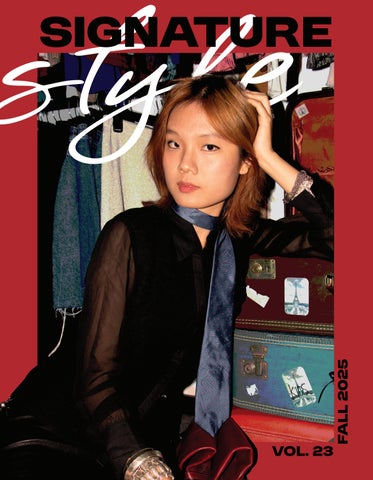
styleSIGNATURE

E-Board & Contributors
Letter from the Editors
Thrift “ish”
Monsters
Two Case Studies in Period Costuming
Street Photography
Faculty Spotlight: Bhen Alan Nostalgia Through Television Bratz vs. Barbies


EDITORS IN CHIEF:
MANAGING EDITOR:
EDITORIAL DIRECTOR:
HEAD PHOTOGRAPHER:
HEAD LAYOUT DESIGNER:
HEAD BEAUTY ARTIST:
HEAD STYLIST:
GRAPHIC DESIGN MANAGER:
Ella Strasser ‘26 & Lamia Karabegovic ‘26
Ilana Frid-Madden ‘27
Katrina Nelson ‘27
Jack Gaillard ‘26
Mina Stevens ‘26
Sri Masturzo ‘28
Esther Choi ‘27
Mia Piscitani ‘27





WRITERS
Paige Hescock ‘27
Leila Adelstein ‘28
Poppy Huffman ‘29*
Daphne Leibowitz ‘29
Fiona Lui Martin ‘29
STYLISTS
Peter Hinkle ‘26
Sarah White ‘26
Sadie Anderson ‘29
Kiran Bagga ‘29
Sofia Gutierrez ‘29
Shan Hong ‘29
Harper Wallace ‘29
MAKEUP ARTISTS
Haiqi Lyu ‘29

Emma Rutkowski ‘29
PHOTOGRAPHERS
Vicky Holland ‘26
Sasha Knoll ‘27
Alex Vasquez ‘27
Kathleen Blass ‘28
Gori Goto ‘28
Liam Selendy ‘28
Helen Gass ‘29
Lexi Prybyla ‘29
Stella Zhang ‘29
*research support
LAYOUT DESIGNER
Fin Ying ‘29
MODELS
Kendall Bocklet ‘26
Daphne Cerrato ‘26
Sofia Isabel Gonzalez Alvarado ‘26
Izzy Haller ‘26
Eval-Eniman Imoke ‘26
Elise Kwon ‘26
Sarah White ‘26
Anika Amann ‘27
Jenna Caron ‘27
Brigit Cook ‘27
Asher Kaplan ‘27
Sofia Maya ‘27
Sunny Yun ‘27
Rose Bukowski-Thall ‘28
Yahan (Diana) Dai ‘29
Haiqi Lyu ‘29
Lexi Prybyla ‘29
Geo Santos ‘29
Fin Ying ‘29






We are beyond delighted to present the 23rd Edition of Signature Style to you all. Watching this issue come to life has been so rewarding, and as first-time co-editors, we were given the chance to reflect upon and continue the legacy of Signature Style. Signature Style is known across campus as a magazine, but it is also a collaborative space for students to express their individuality, and of course, bring some fashion to rural New York.
Upon stepping into our co-editor roles, we got our bearings by educating ourselves on Signature Style’s history. We scrolled through the email inbox, dug through the Google Drive, and reread years of Instagram posts. The Signature Style Instagram, in particular, captures the voices of our organization’s past, once you look past the iconic overuse of hashtags and filters. In preparation for this edition’s launch, returning to these moments felt essential.
On December 10th, 2014, @hcsignaturestyle said, “Blizzard got you down? Stuck in the library? Cozy up with your copy of Signature Style and some opus- our first issue is on campus now!”
On May 10th, 2017, “Everyone else is reading Sig Style ISSUE 6– Why aren’t you?! Copies available in kj atrium, opus, science center and around campus!!”
On May 9th, 2022, “IT’S HERE!!!! Check out our 16th birthday issue around campus or online at the link in bio! we want to give profound thanks to EVERYONE involved in every stage of making this mag come together! We love you!”

Throughout each caption, the sense of pride for putting together the magazine primarily stands out.
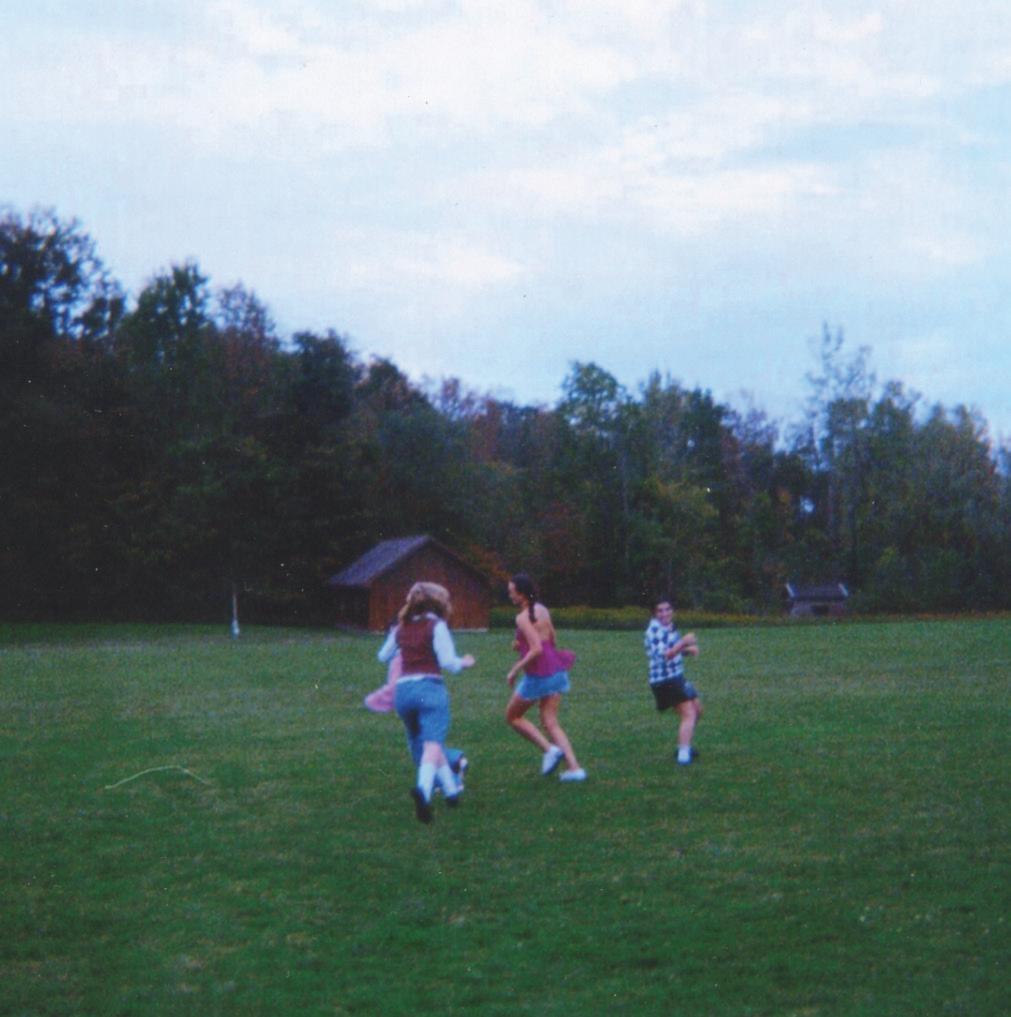
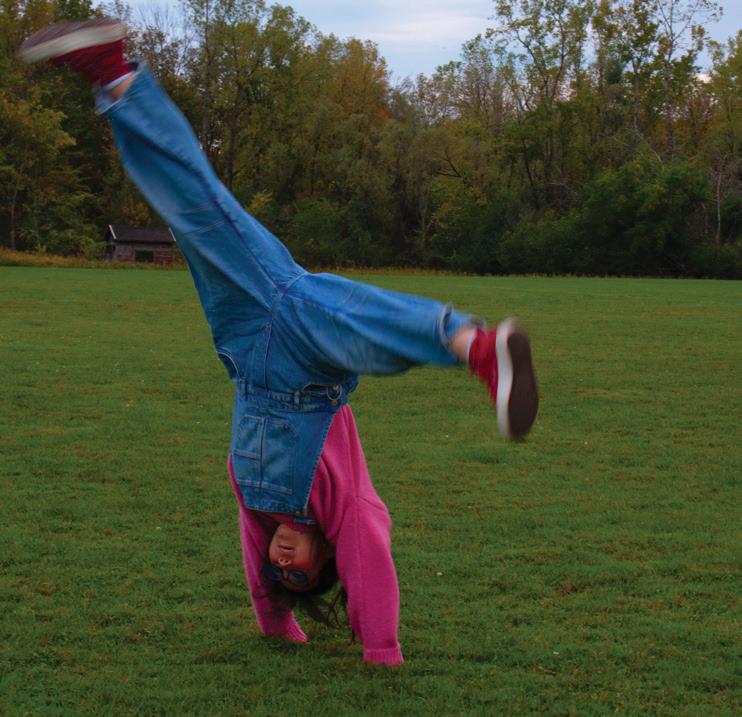
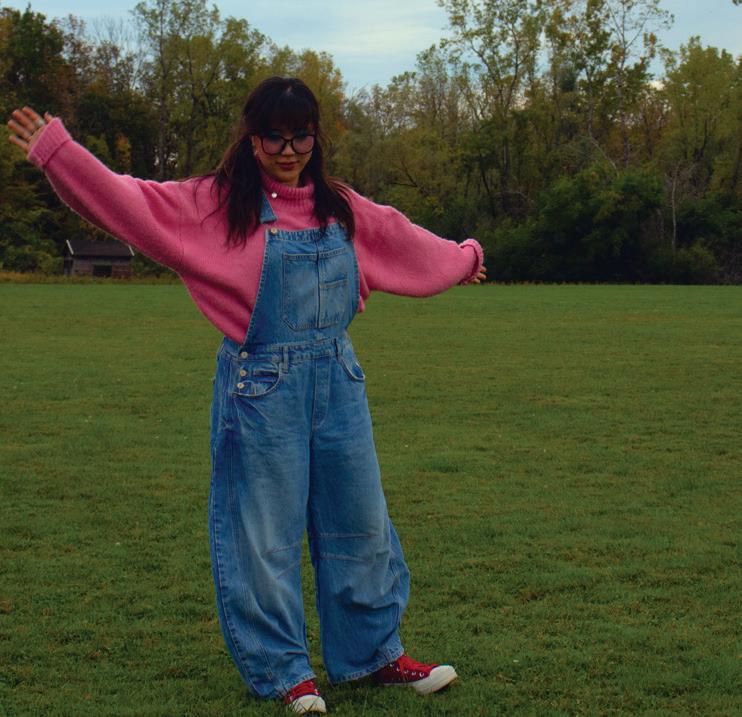
The connections formed along the way, from a mutual love of creativity and fashion, were the most memorable aspect of our experience working on Signature Style. From playing in Minor Field during our Nostalgia shoot and enabling our models to reconnect with their child side through a game of tag, to encouraging them to channel their inner monster during our Monsters shoot, we developed a strong sense of community. In addition, getting to know our multi-talented executive and general boards has been equally special. After the whirlwind that was putting the magazine together, the product is even more rewarding.
We want to give a special thanks to those who helped make this issue possible. Big thanks to Professor Bhen Alan for being such a wonderful host and for allowing us to enter his studio space to learn about his fascinating world. Thank you to Carlene Mahanna of Thriftish for giving us free rein of her wonderful clothing collection and providing her quaint vintage store in the village of Clinton for a fabulous photoshoot. We also want to thank our team of writers, stylists, beauty artists, layout designers, photographers, and models for their work this semester. Signature Style is such a special organization at Hamilton College, and we hope that it can continue to serve as a space for fashion, curiosity, and imagination for every student.
So much love,
“You’re a hoarder! ”
“No I’m not, Mom. You have to trust me.”

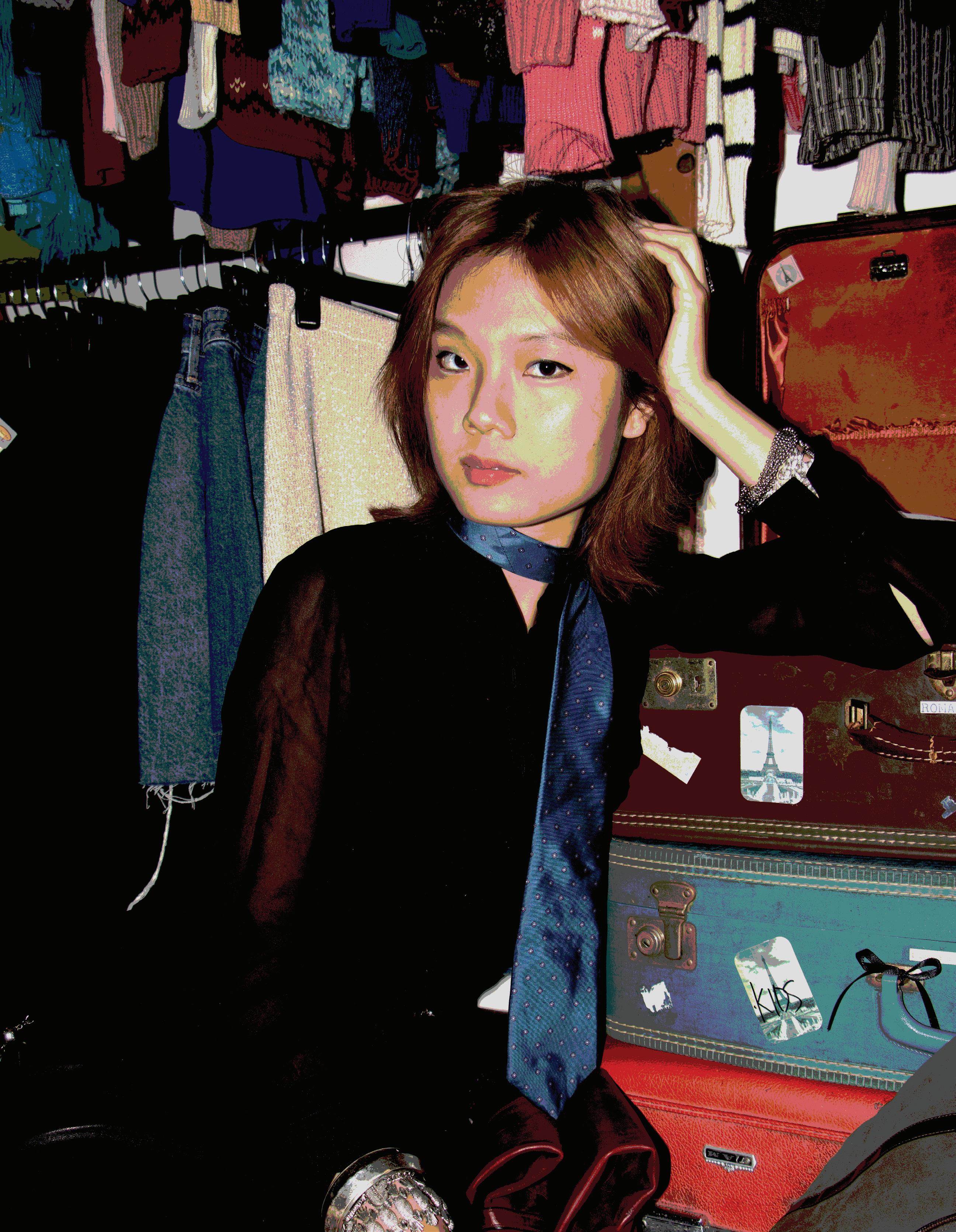
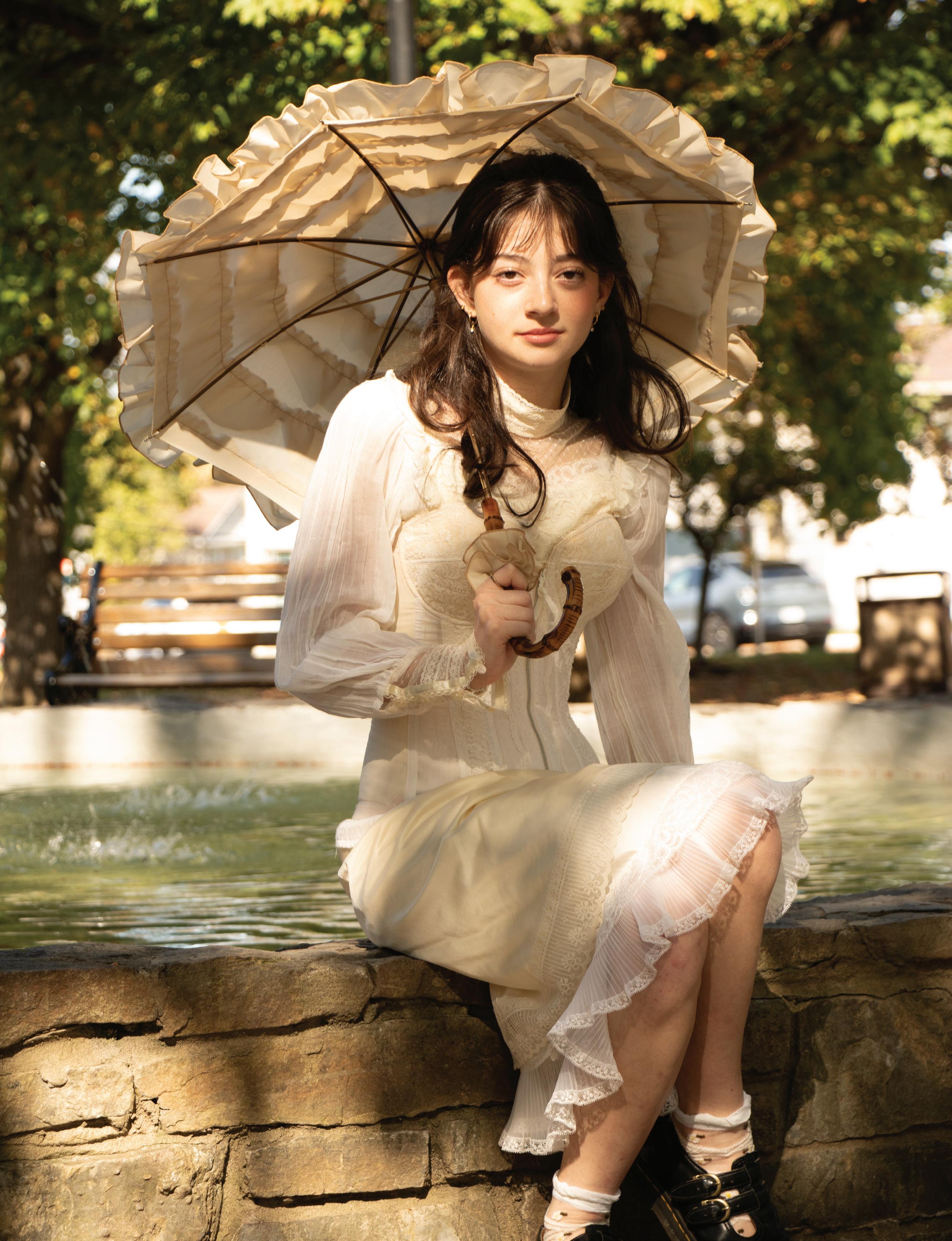
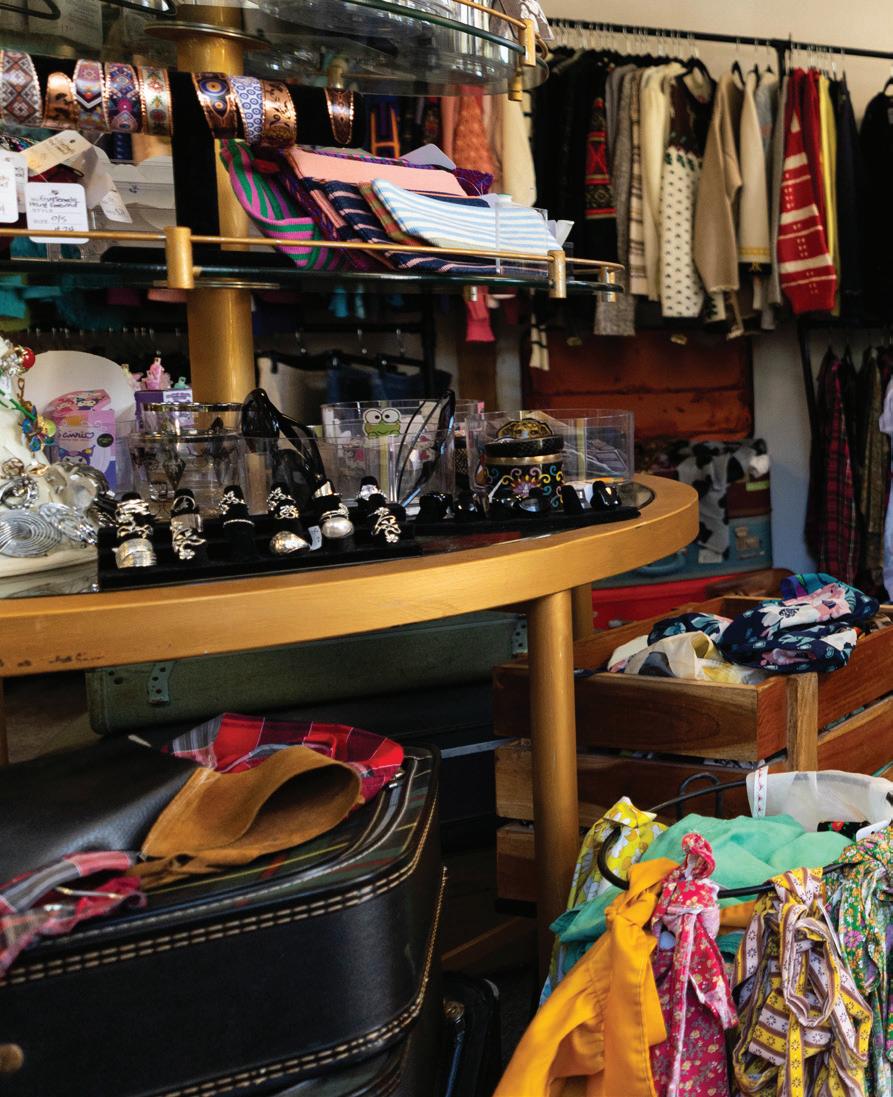
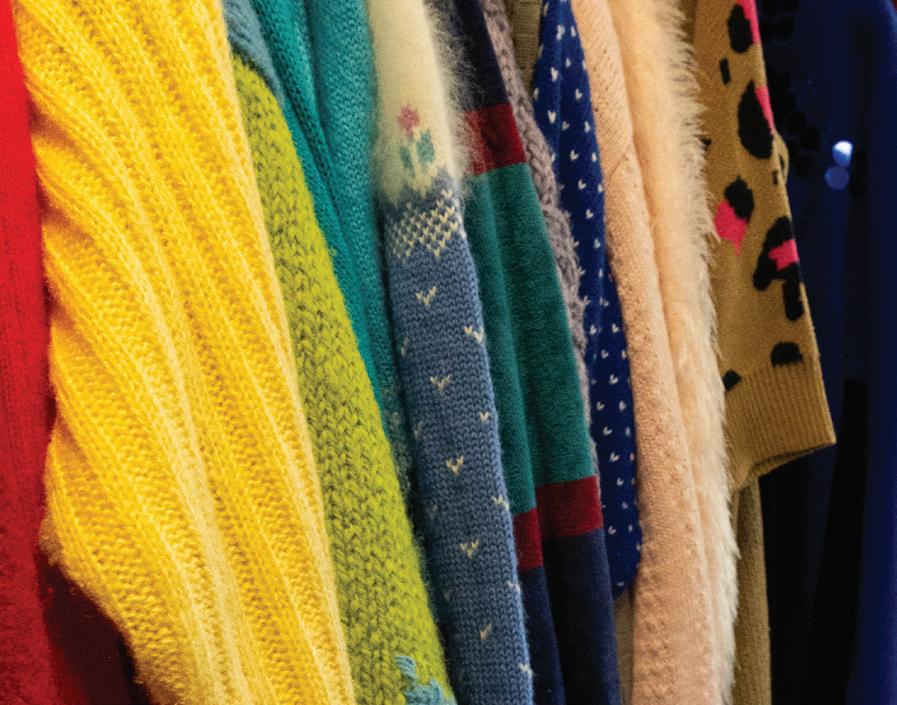
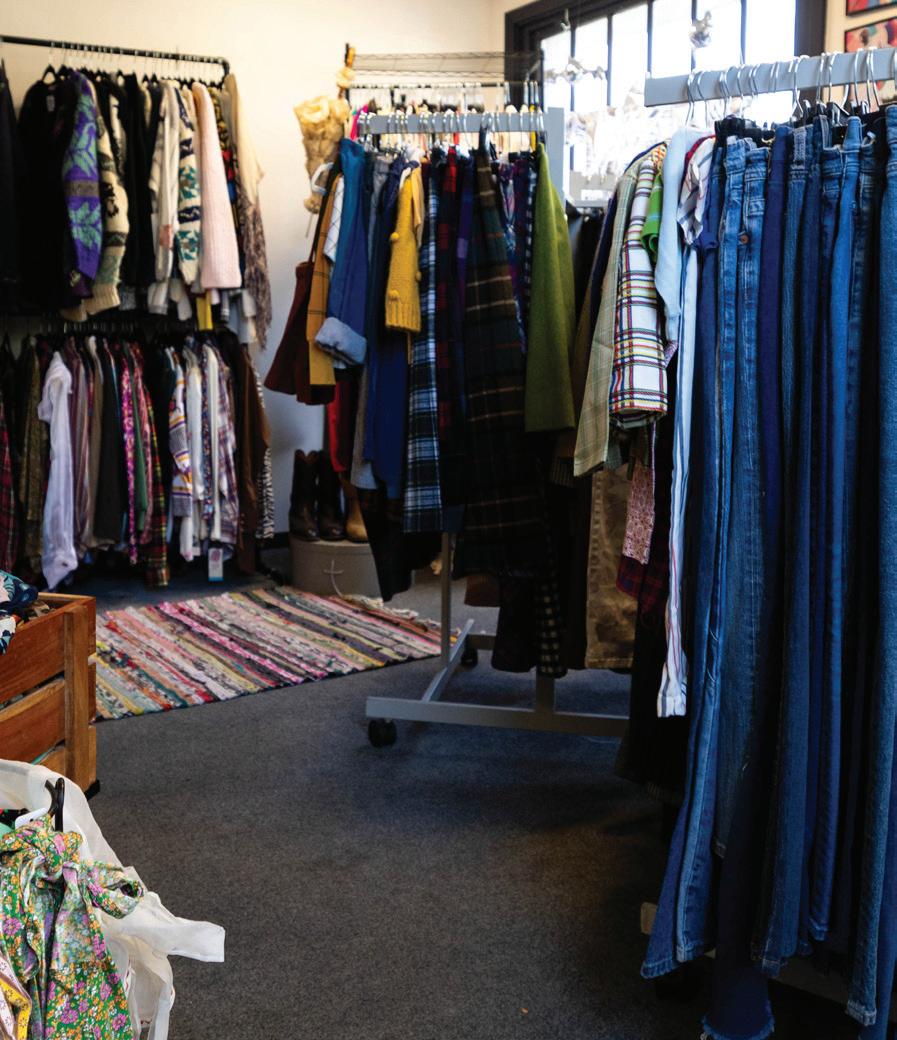
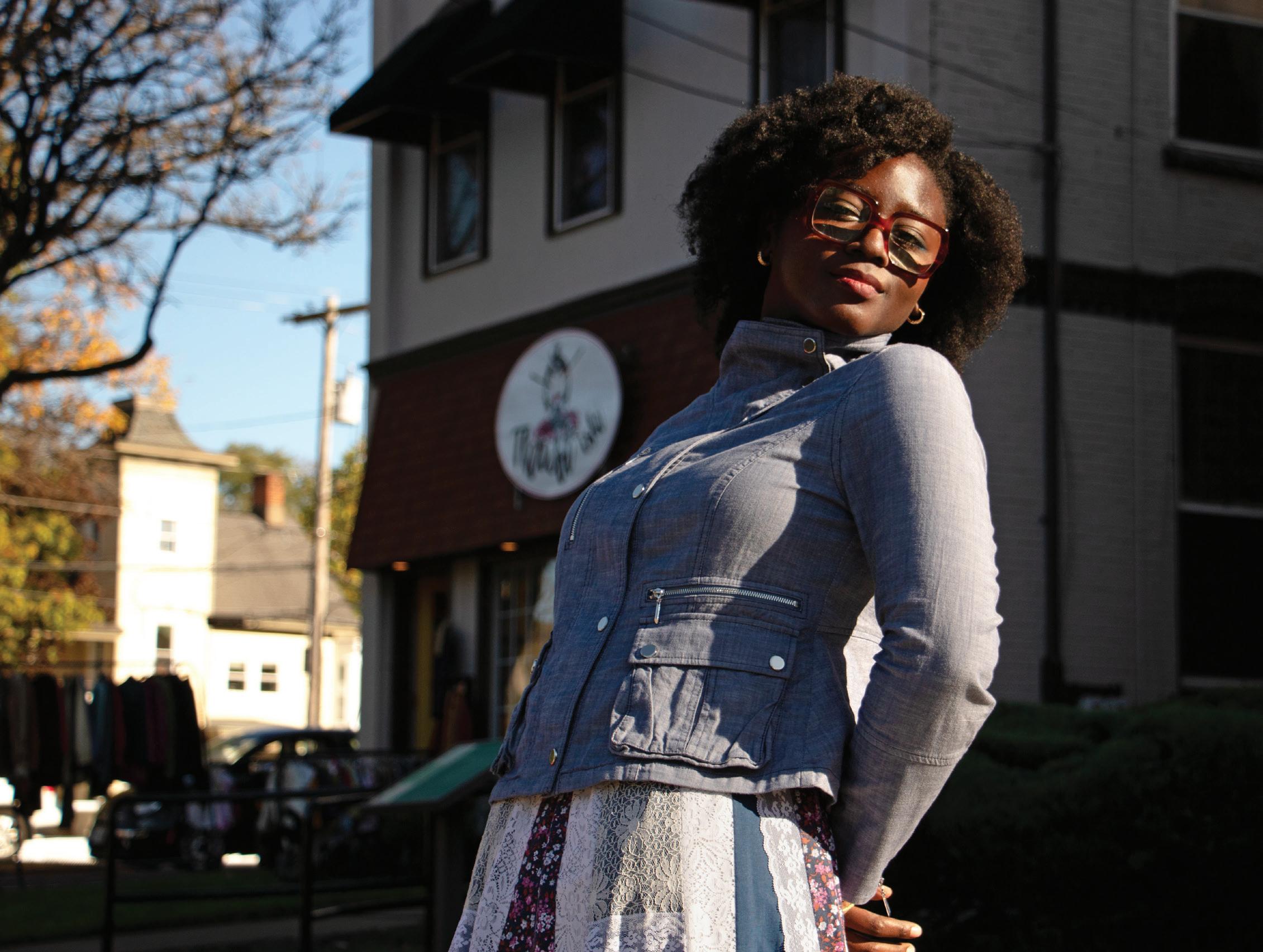
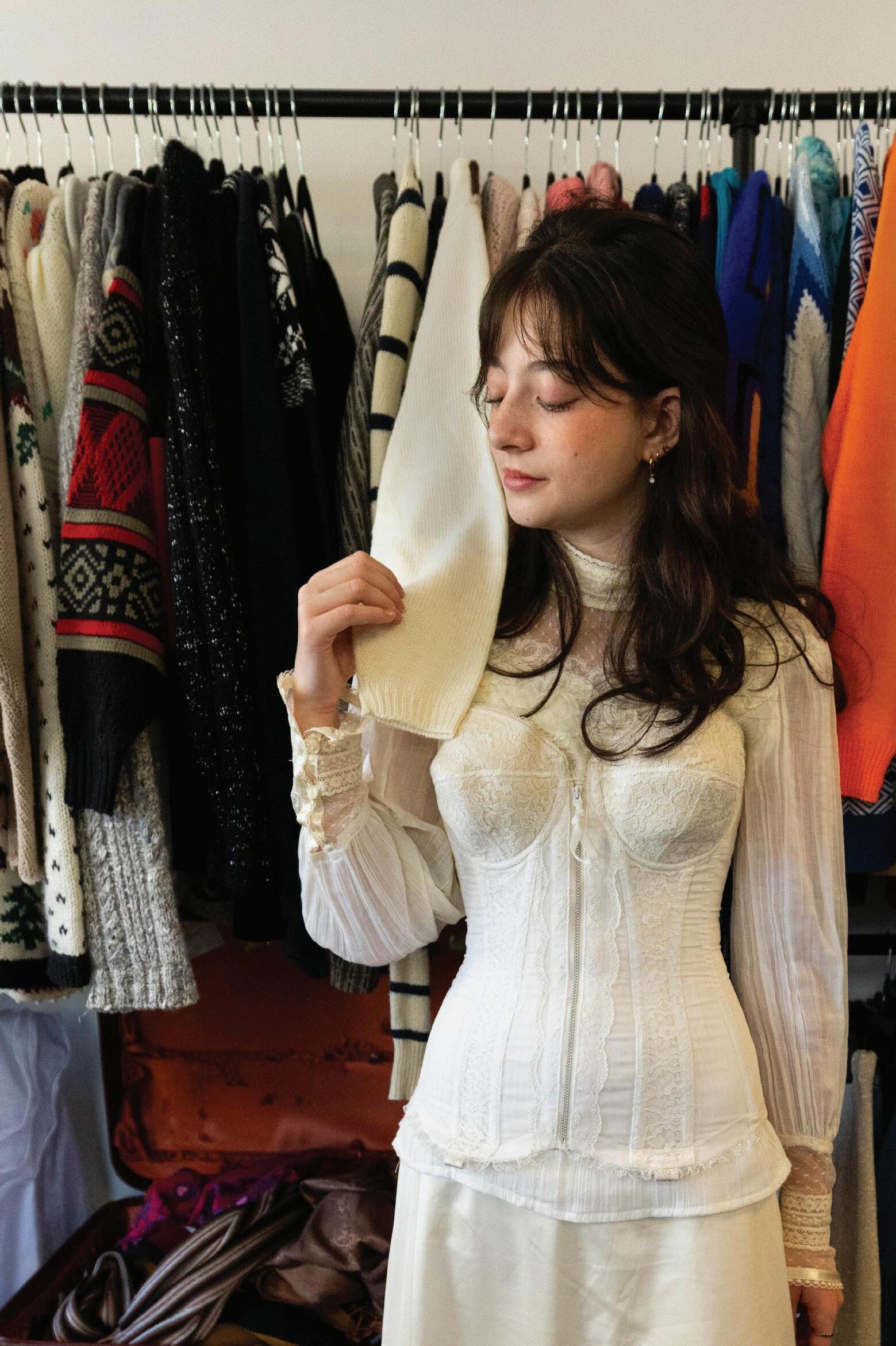
Even in the 1990s, Carlene Mahanna knew exactly what she was doing. With three storage units stashed full of vintage clothing from the 1960s and 70s, Mahanna had her retirement business venture mapped out by the time she was twenty. She began thrifting as a young adult during the nineties, looking for second-hand garments, some of which she upcycled and sold at flea markets, and the rest of which she stowed away for a time when she could sell them to a crowd that would appreciate them. That is why everything in her shop, Thrift-ish, located on the corner of 5 Park Row in Clinton, has such a vibrant appeal. Mostly everything is authentic vintage: made with exceptional quality and full of the swagger and quirks that you really cannot find at Hollister. Mahanna is a maximalist to her core. In her domain of fashion, prints are allowed to clash and colors do not have to coordinate, just as long as the clothes fit nicely. Sure, trendy clothes swing in and out of style, but there are still some mainstay silhouettes that retain their timeless allure. She likes to stick with the garments that fit well. In her words, “people still have two arms and two legs,” which means: the basics of clothing construction have not changed much over the past half-century. There are some extravagant pieces displayed in her shop, but you know they will flatter the curves of a person’s figure.

Mahanna’s maternal grandmother was a seamstress in Italy during the 1940s with a fascination for haute couture and Hollywood stars, such as Joan Crawford, Audrey Hepburn, and Marilyn Monroe. These women wore timeless, elegant clothing that emphasized their feminine beauty. Designers like Elsa Schiaparelli were an inspiration for her grandmother back then as well. A skilled seamstress, she taught ten-year-old Mahanna how to sew. She is grateful to have learned the craft, and since she has been practicing it from a young age, she has developed an “innate ability” to assess the fit, construction, and quality of garments and their materials; the drape and sheen of polyester is not the same as silk, and a crisp cotton feels cleaner and airier than any synthetic fiber. Mahanna inherited her bold taste in fashion from the women in her life. Growing up, she observed how her mother and grandmother consistently presented themselves in a polished, done-up manner: their hair, makeup, and outfits were always on point. Their meticulous grooming habits taught Mahanna that putting effort into your physical presentation allows you to project a more confident, positive energy into the world. You may attract attention for your external appearance, but more importantly, feeling good in your own skin can amplify your internal beauty.
As Hamilton College students, we are working on “Knowing Thyself”, which means figuring out who we are and then trying our best to show up authentically in the world. Our motto does not apply only to academic and professional pursuits. For many of us, one aspect of self-discovery relates to our physical appearance and presentation. While not everyone has a maximalist approach to fashion like Mahanna, we all communicate something about ourselves through our style of dress, even if it is subtle. You may wear your Hamilton athletic team’s merch or a skirt you snagged on clearance from Urban Outfitters or an heirloom bracelet passed down from your grandmother. This shows how we value athletics, our team, family heritage, or a good bargain. We collect clothing throughout our lives, and as college students, we are learning how to present ourselves as more mature individuals. Sure, we follow trends sometimes, but Mahanna believes that the only trend you really need is personal style. When students visit her shop to browse through her collection, she is amazed at the resulting combinations. She admires how students construct cohesive outfits that reflect their creativity and personal style. Although most of her garments are eclectic, according to Mahanna, an outfit will almost certainly work if you are confident while wearing it.


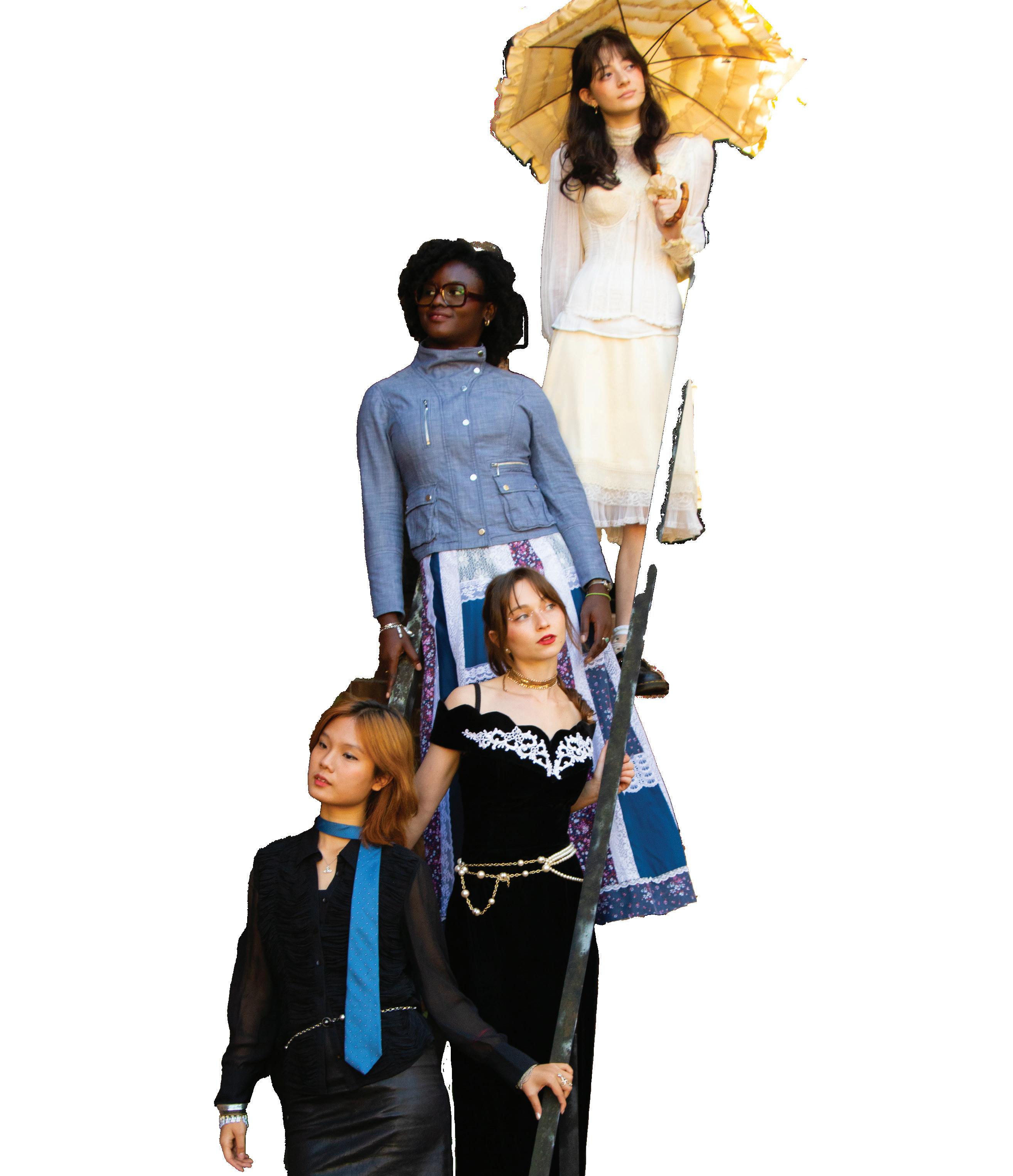
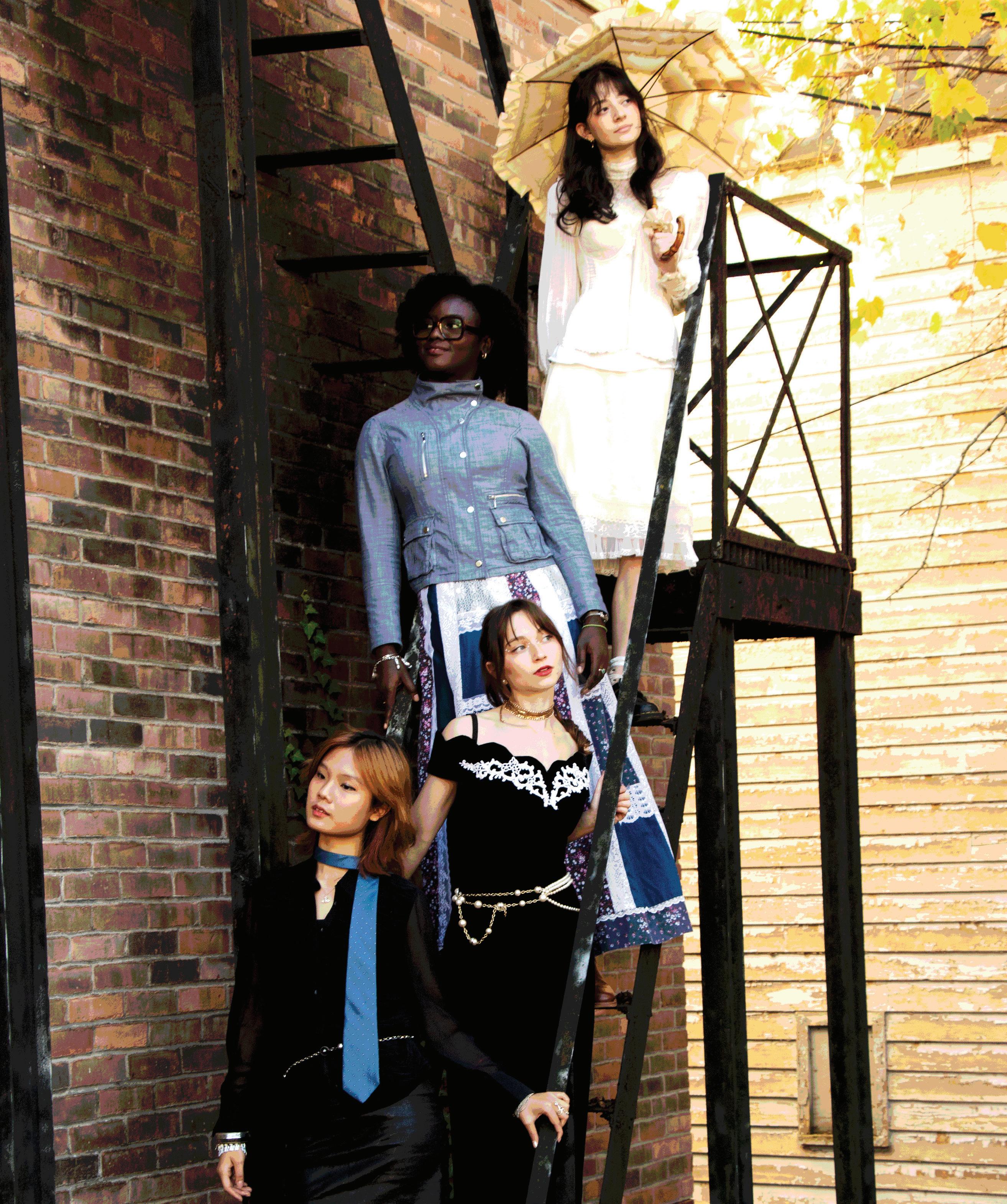
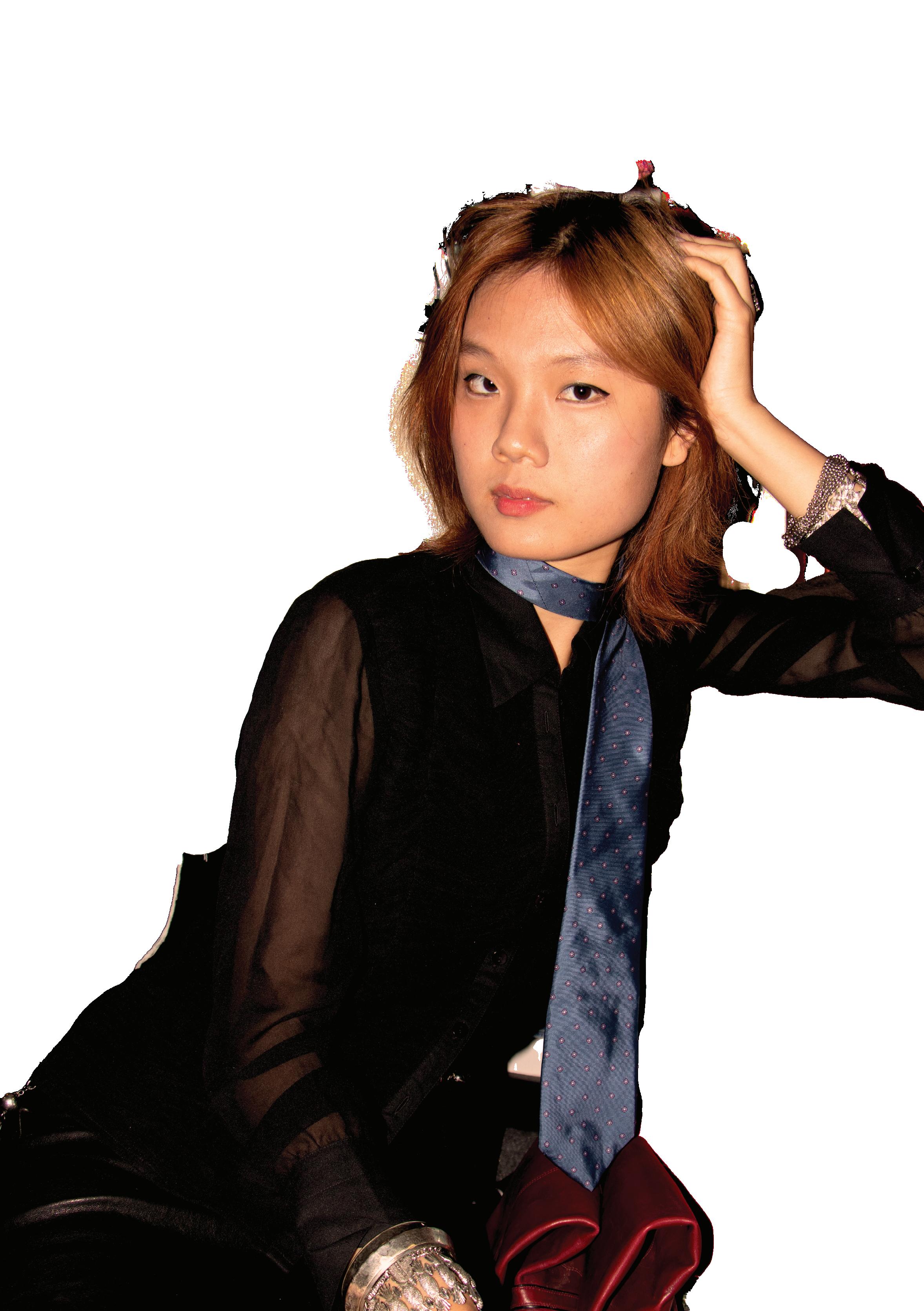
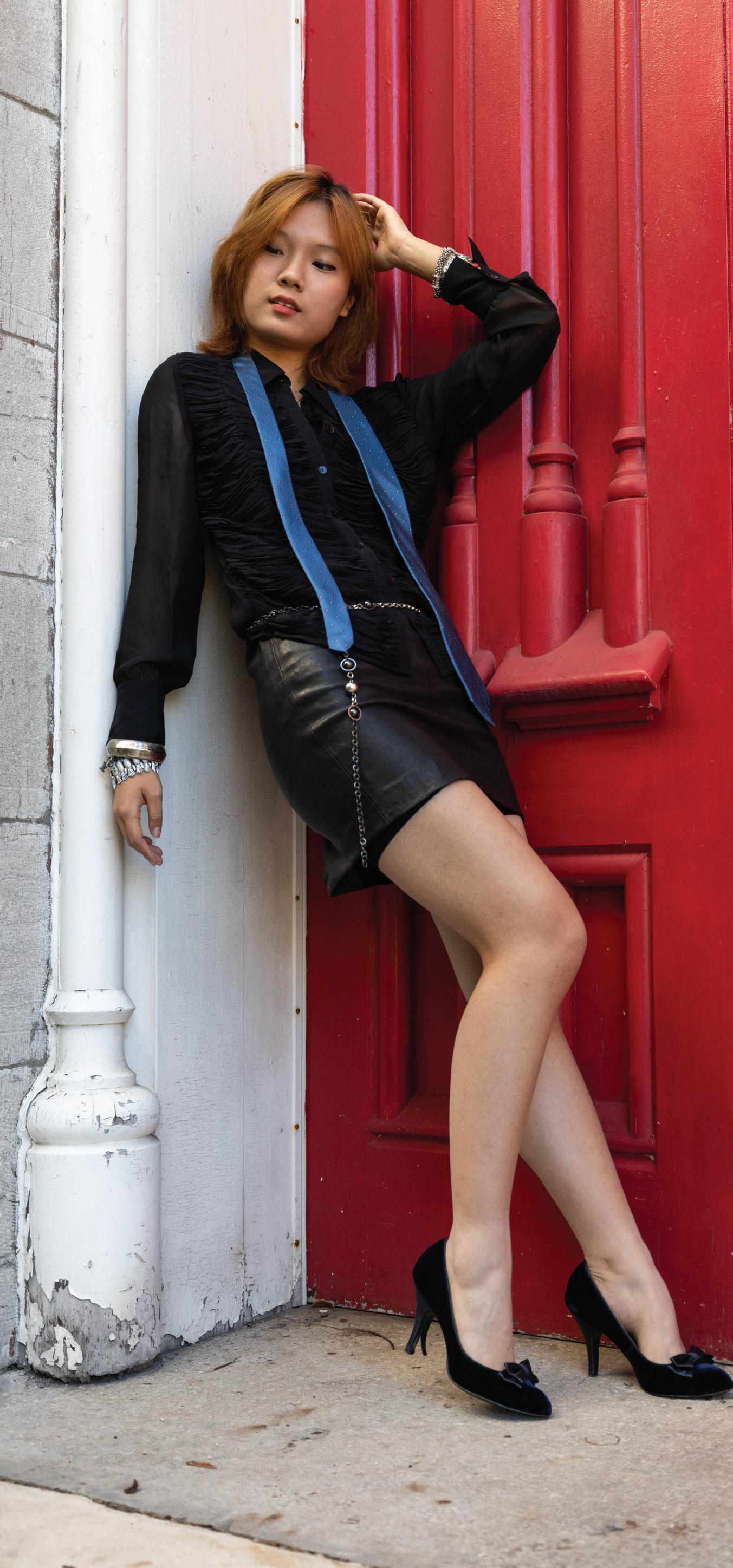
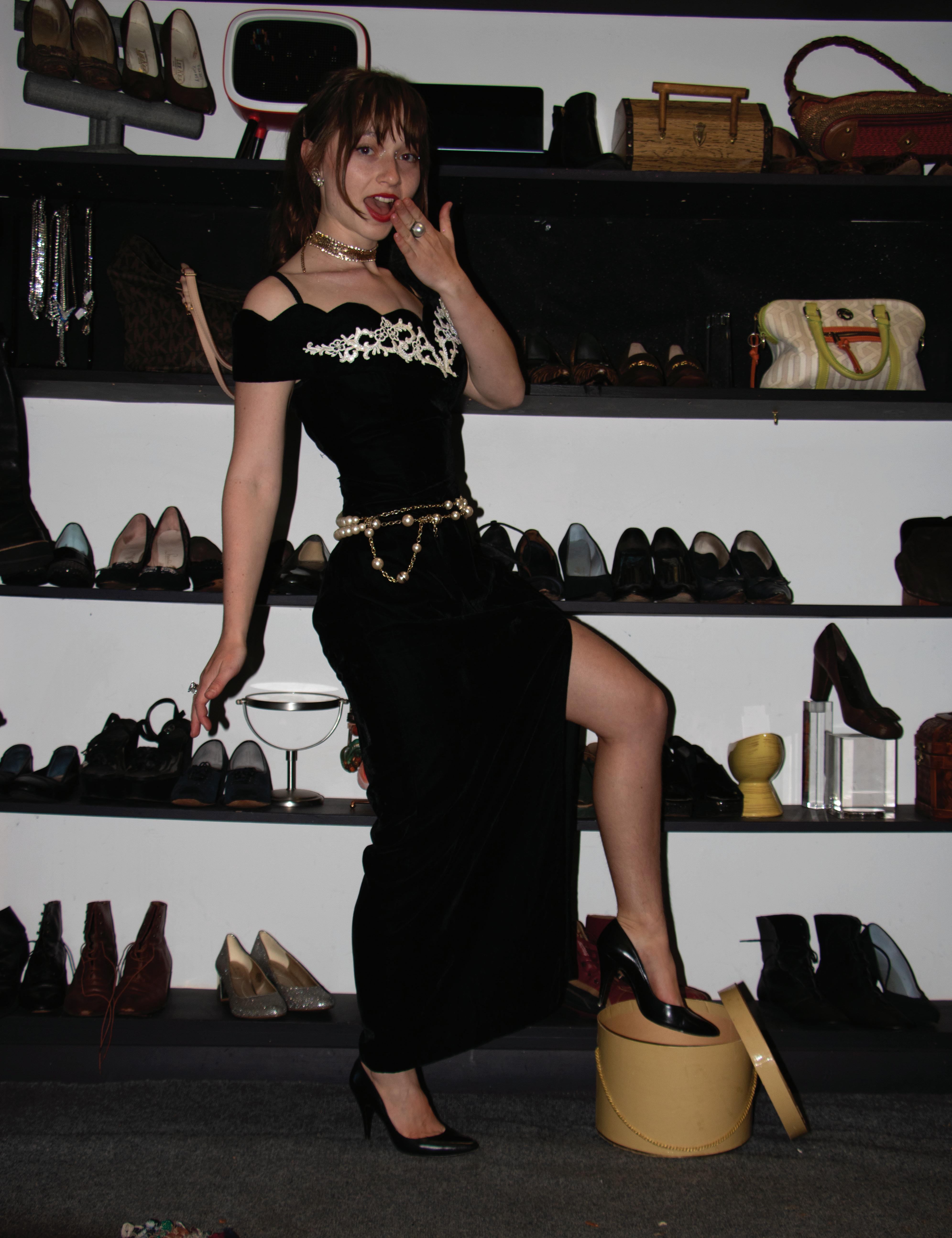
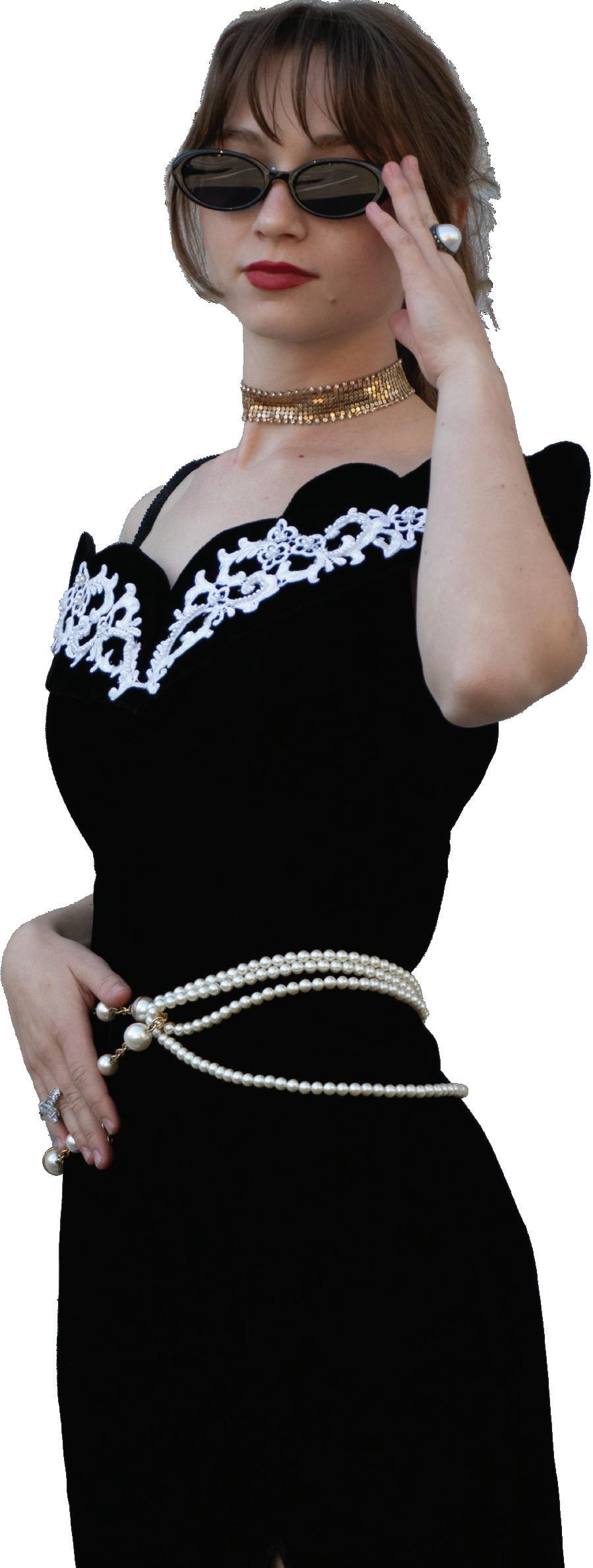
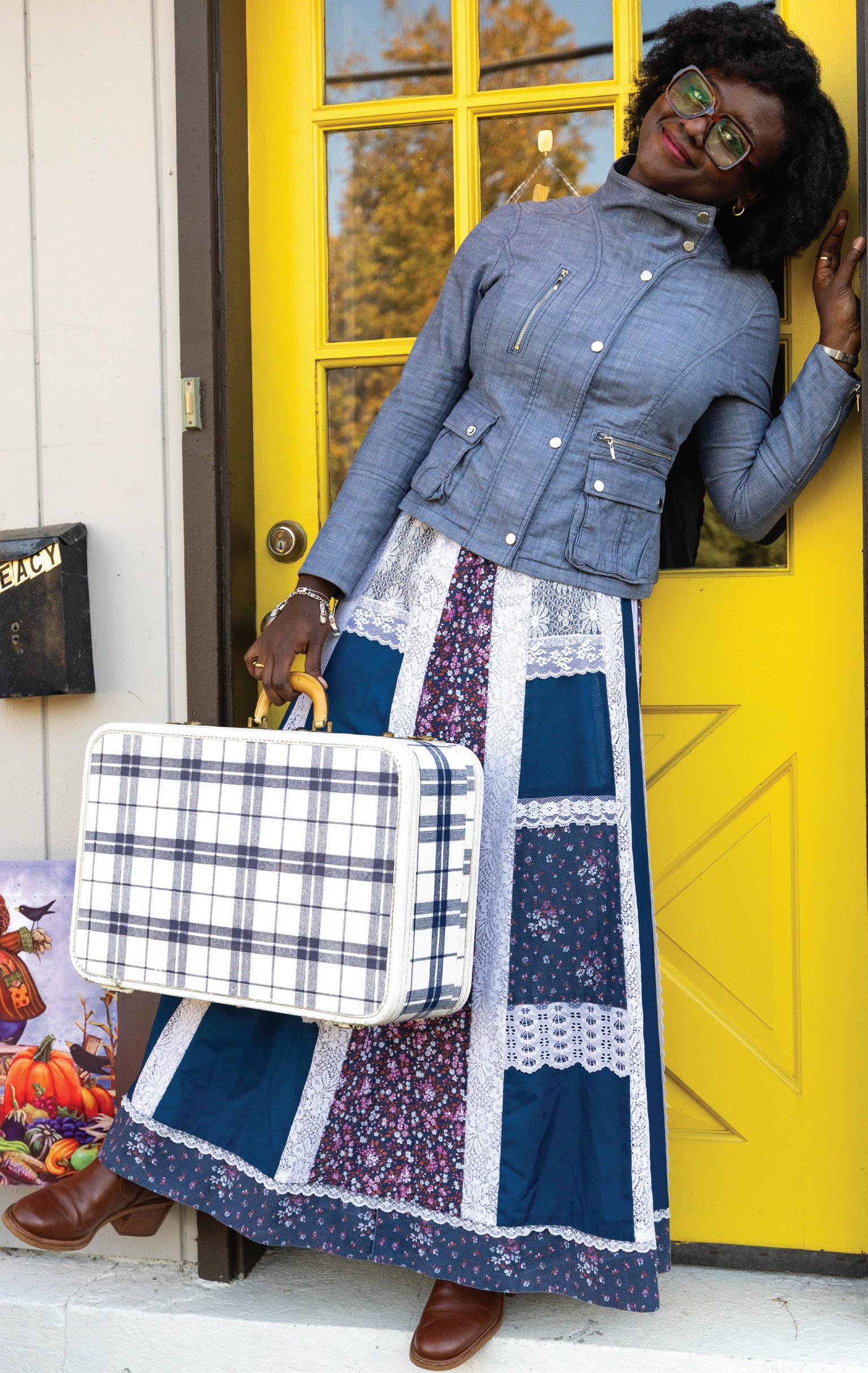
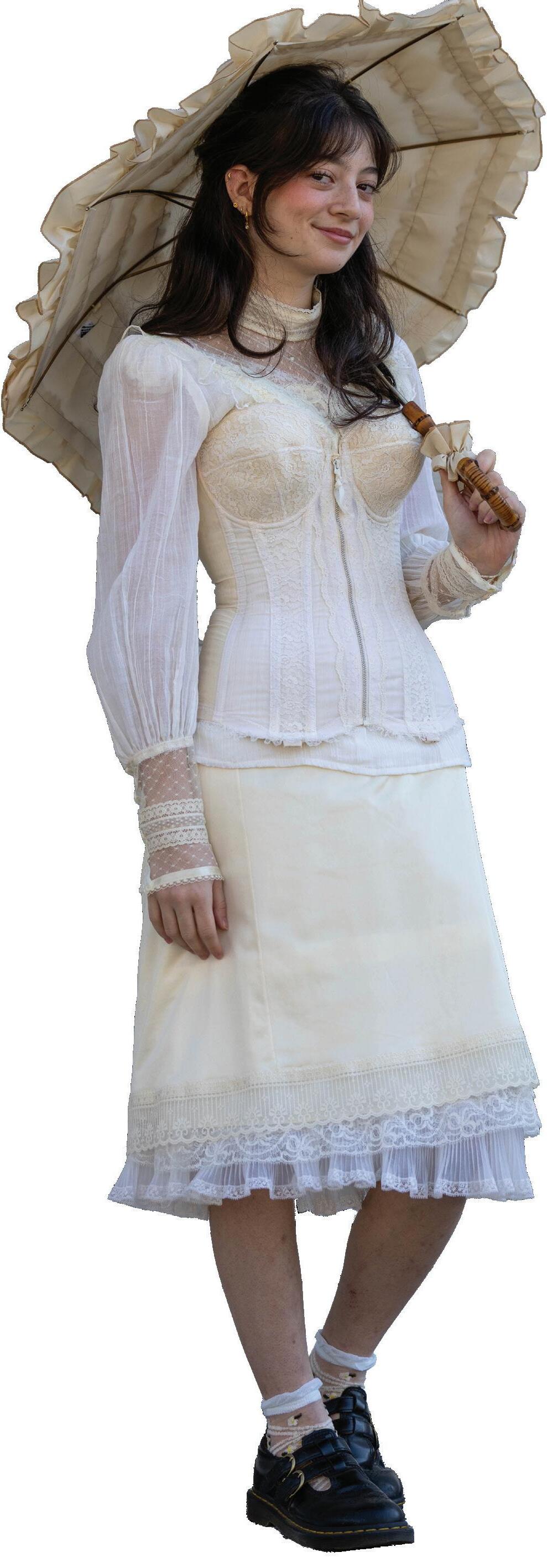
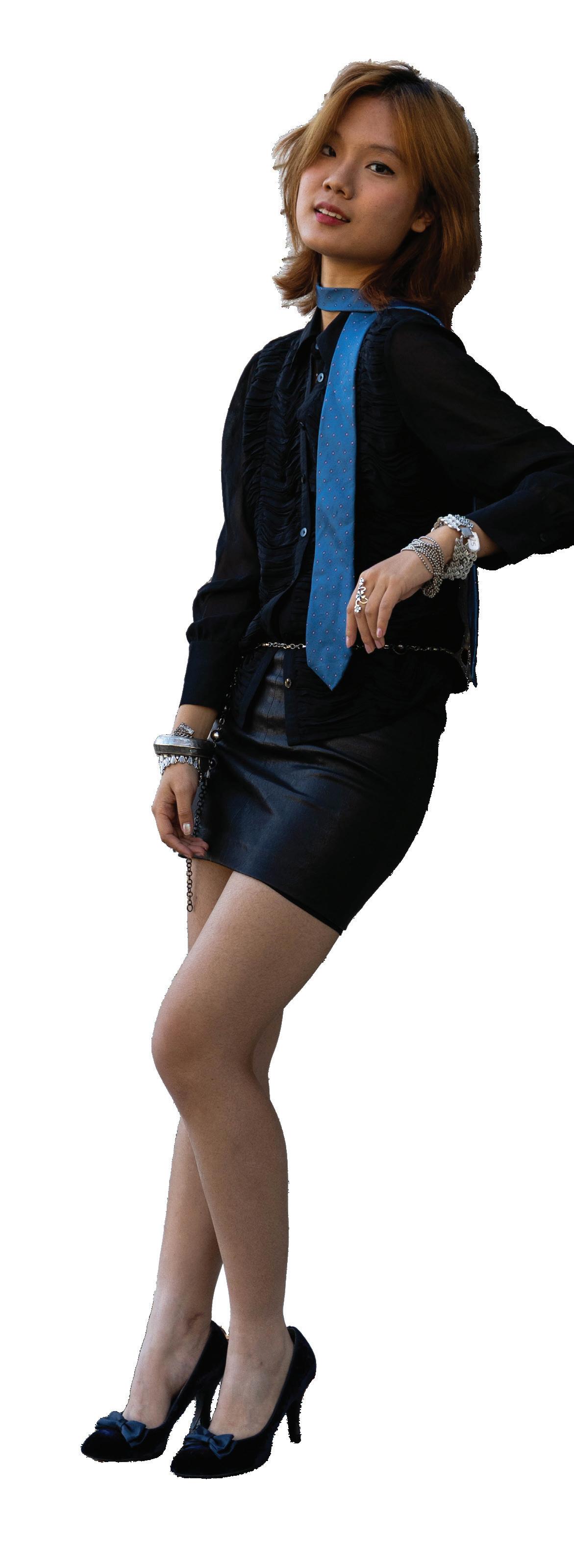
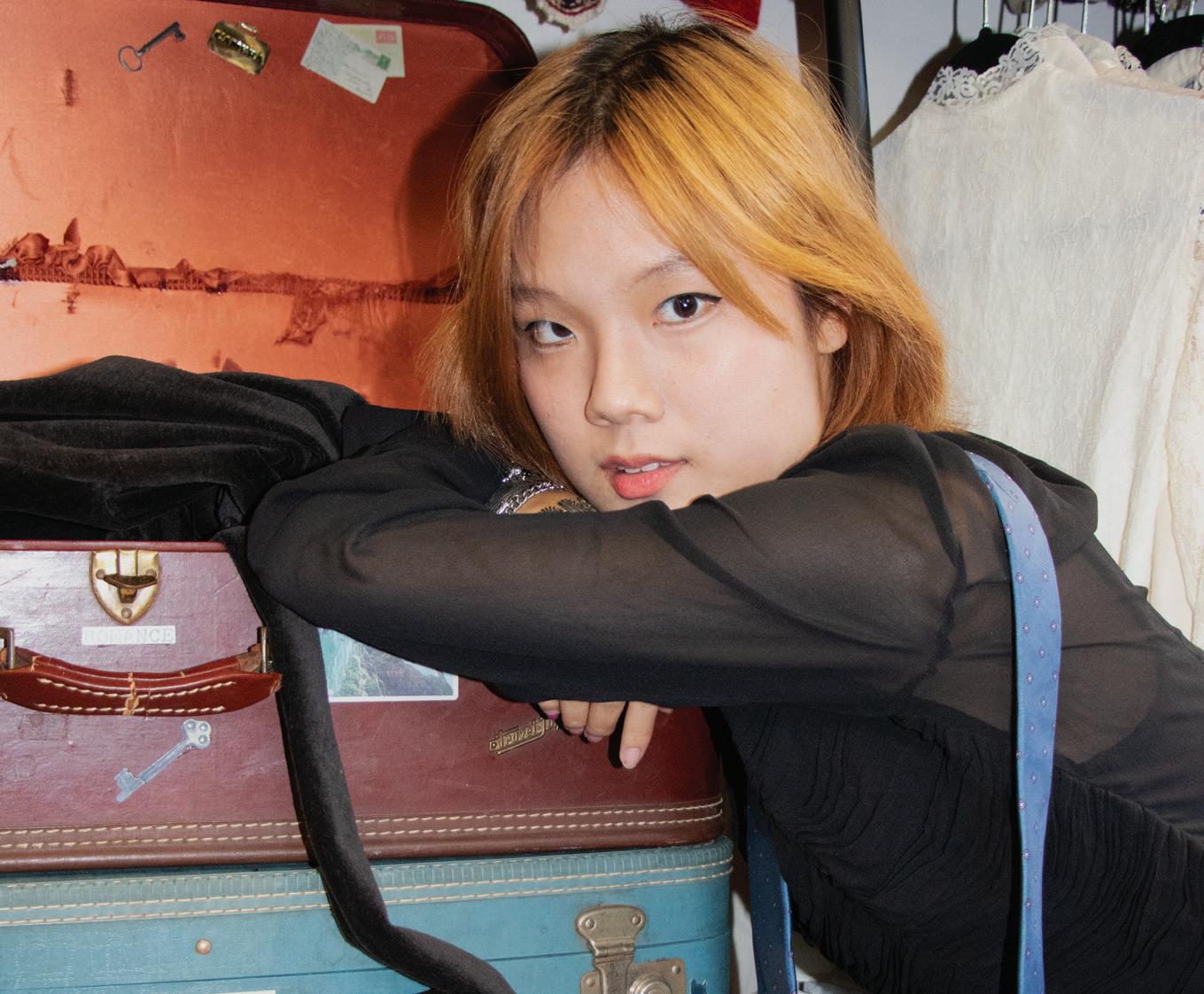
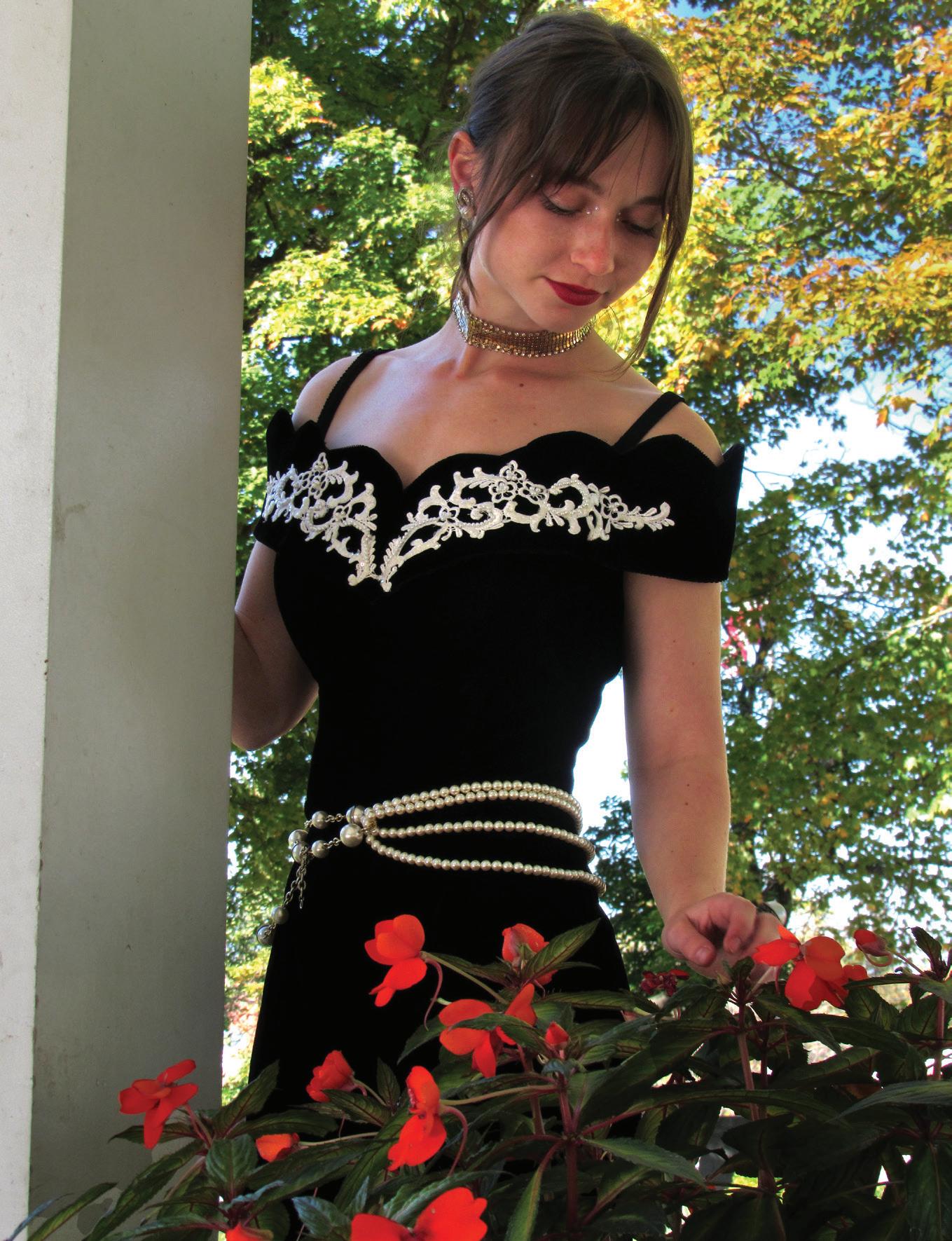
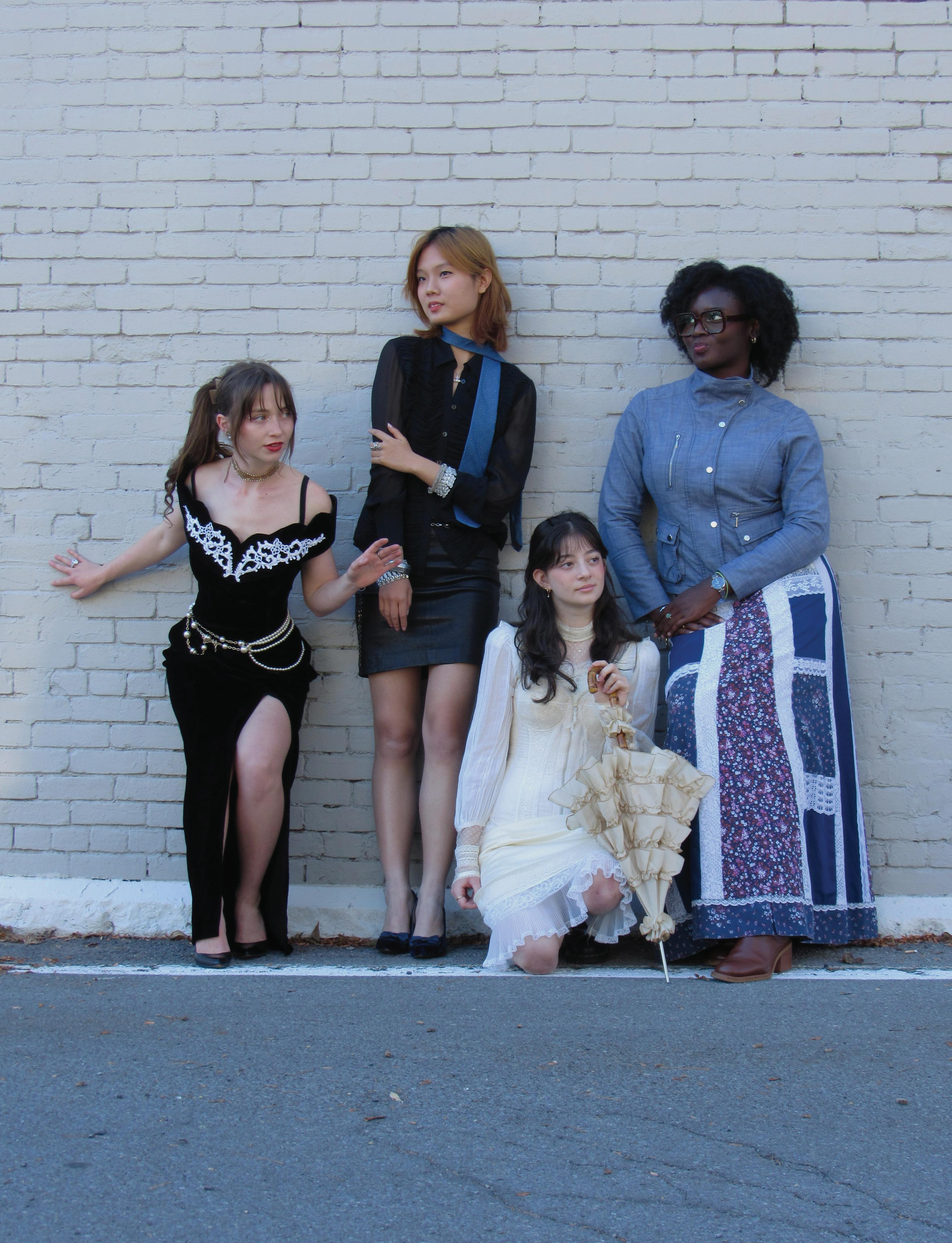
Our models embody several styles of dress, but the common thread among them is the confidence with which our models present themselves. Carlene, Signature Style staff, and the models collaborated to create looks that made everyone feel confident and make a statement, using exclusively pieces from Thrift-ish. We created an old Hollywood glam look reminiscent of Breakfast at Tiffany’s; a modern homestead inspired look; a British Regency era inspired look; and a businesscasual monochromatic outfit. Contrary to her maximalist tendencies, one of Mahanna’s favorite looks is actually an all black outfit; it is simultaneously utilitarian and punk, which is a combination she loves for long days when she is working. It harkens back to the nineties, when her dress code was strictly punk rock.
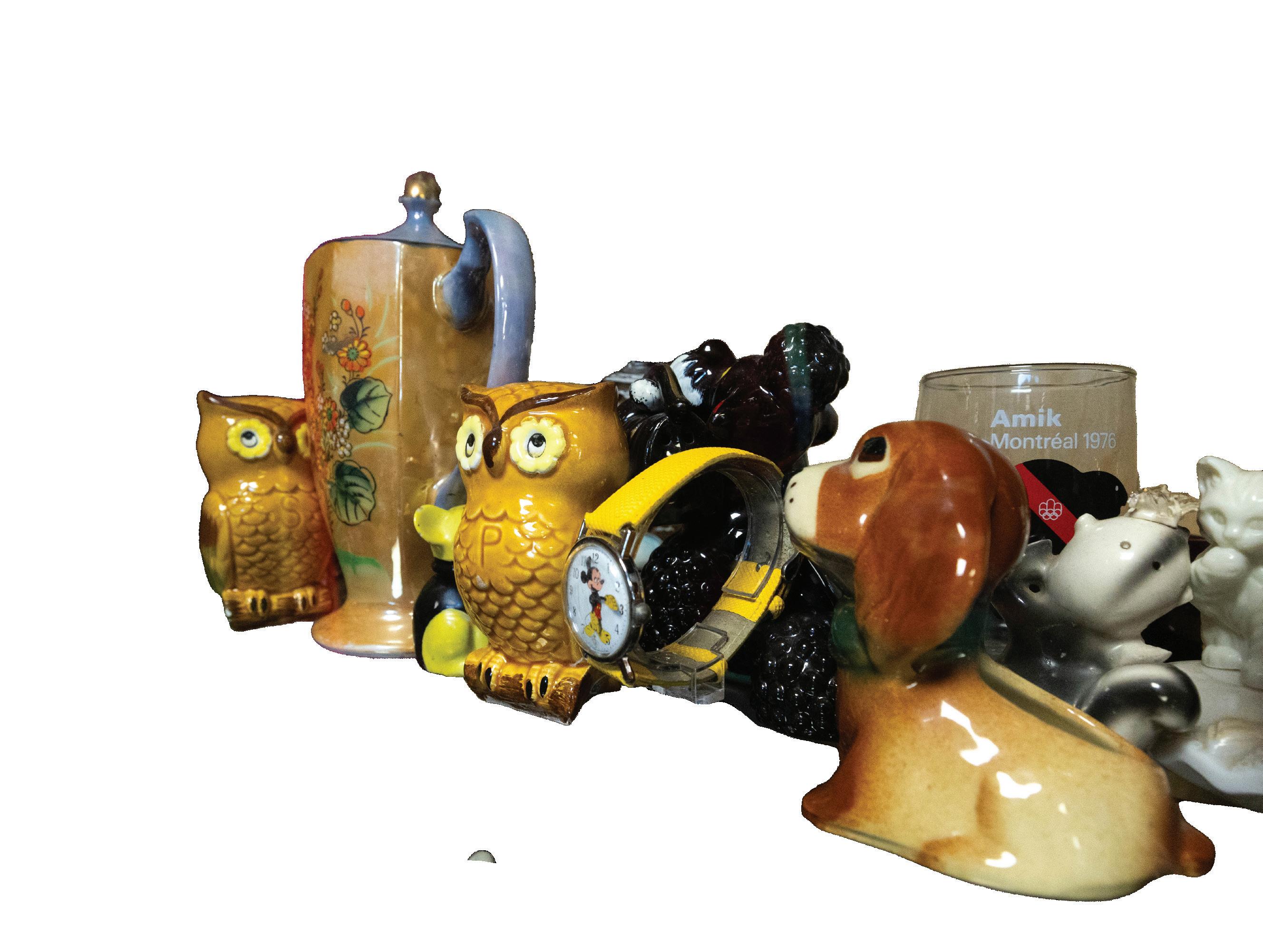
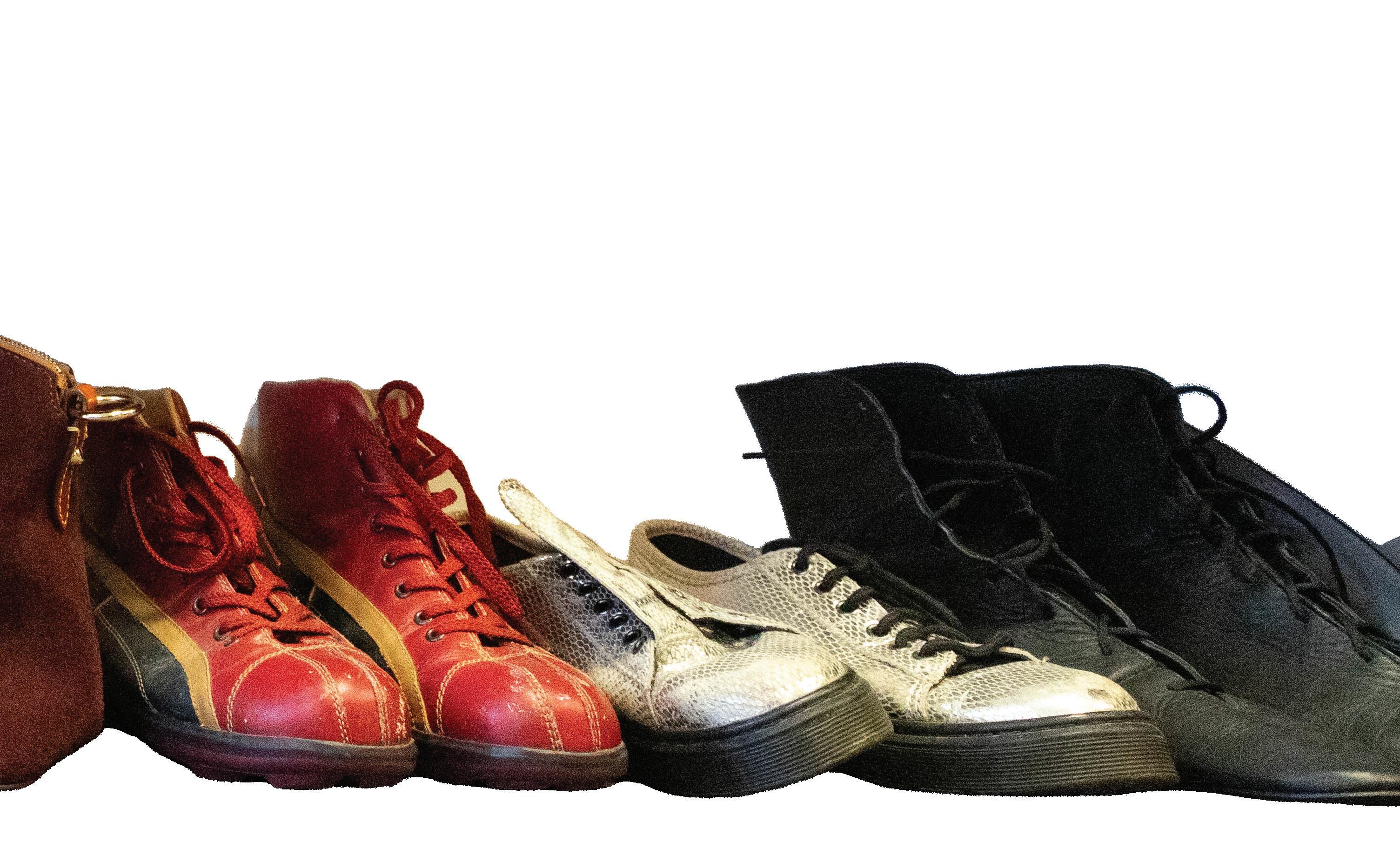
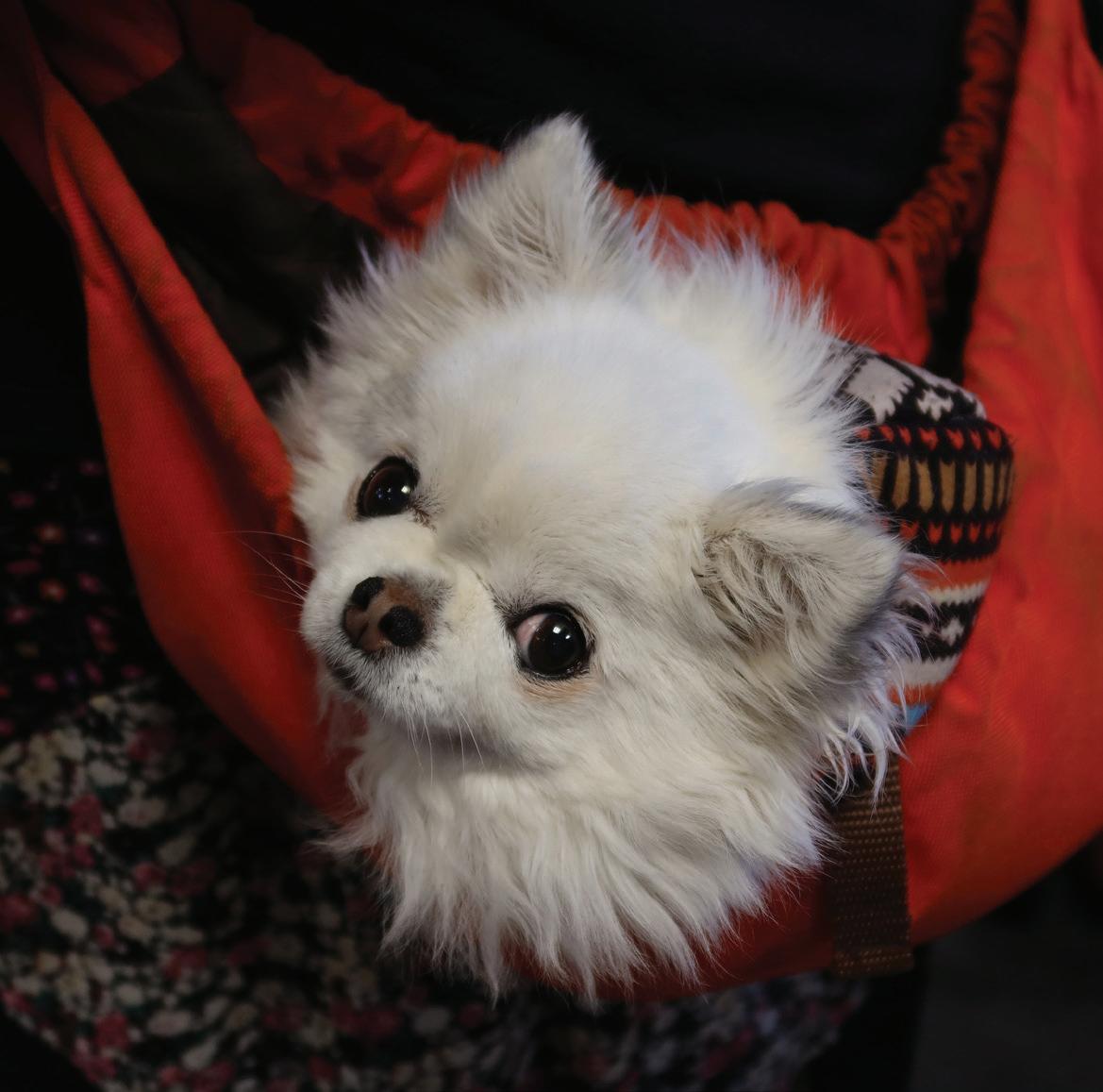
Now, Mahanna is self-employed, and Thriftish is her retirement gig that has become wildly successful. After earning several associate degrees and attending the Craft Fashion Institute, where she studied both the technical design process and the history of costume, she spent thirty-two years living in New York City, working careers in fashion advertising and product innovation, which was at times “soul-crushing.” She shifted gears and began doing creative recruiting as the Internet was gaining traction; this job involved finding designers and artists to produce creative work for advertisers and magazines. Although Mahanna’s professional career landed her in New York City, she returned to her hometown of Clinton, NY, eight years ago. Back then, she noticed a vacancy in the building across from her apartment in town. She took this opening in the market as a sign to start her business. I am sure we can all say that having a vintage retailer so close to campus is great. Carlene loves it when Hamilton students visit; so, next time you stop in, start a conversation with her and give her dog, Libby, a scratch on the head.

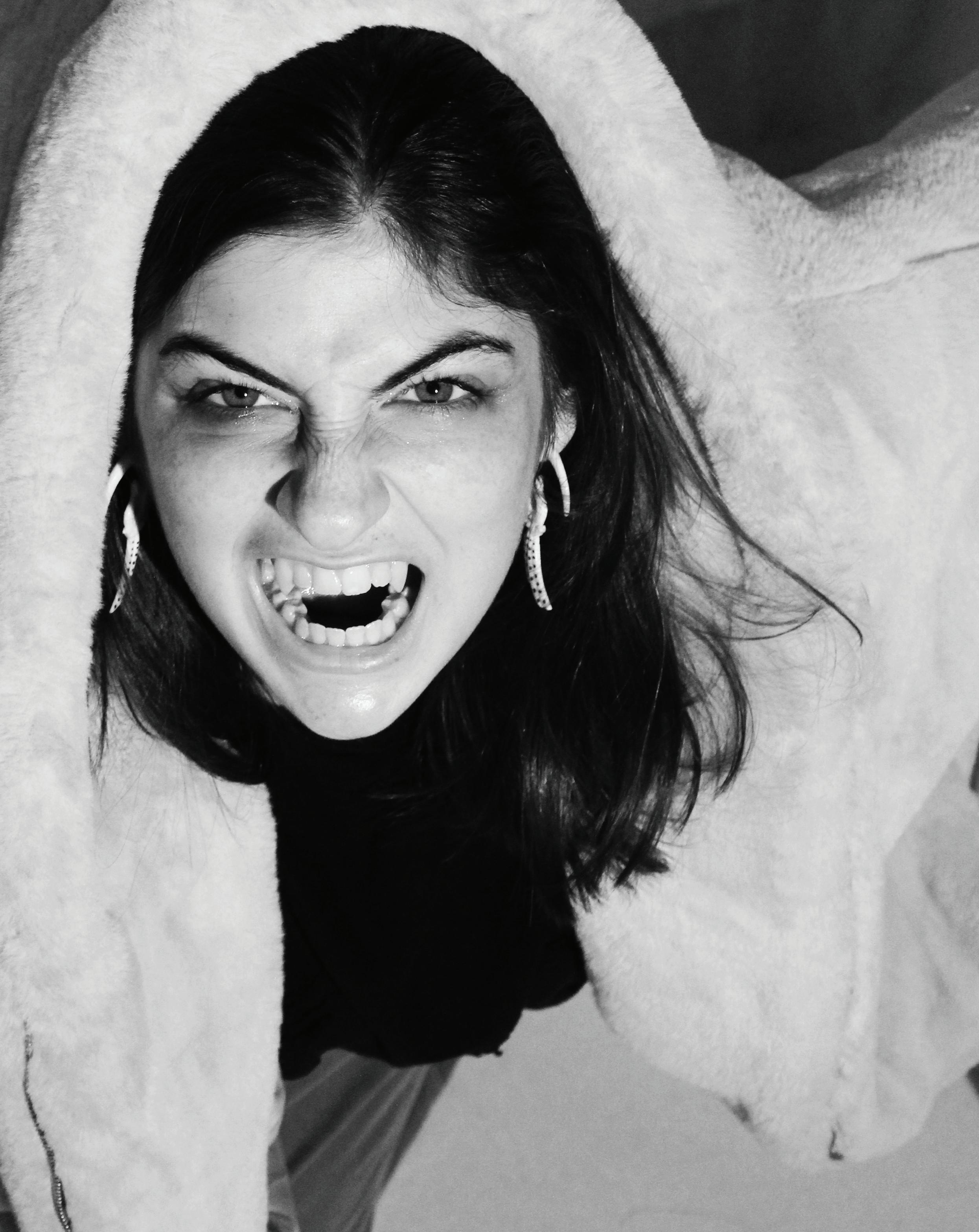
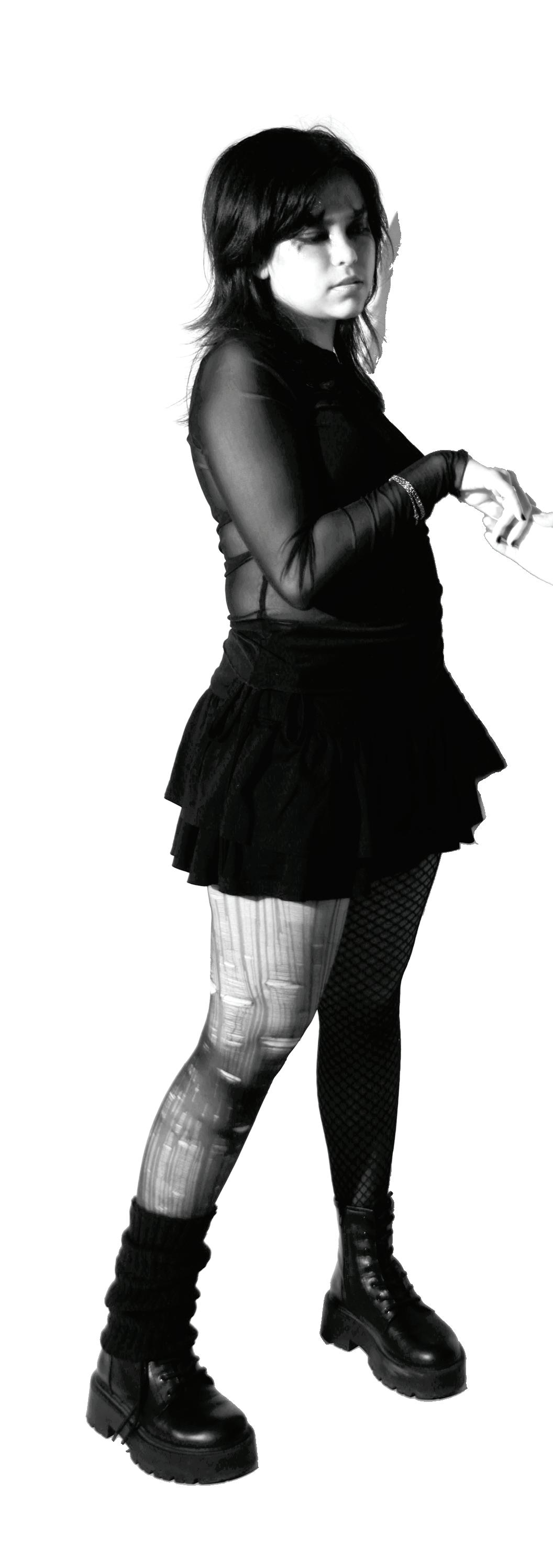
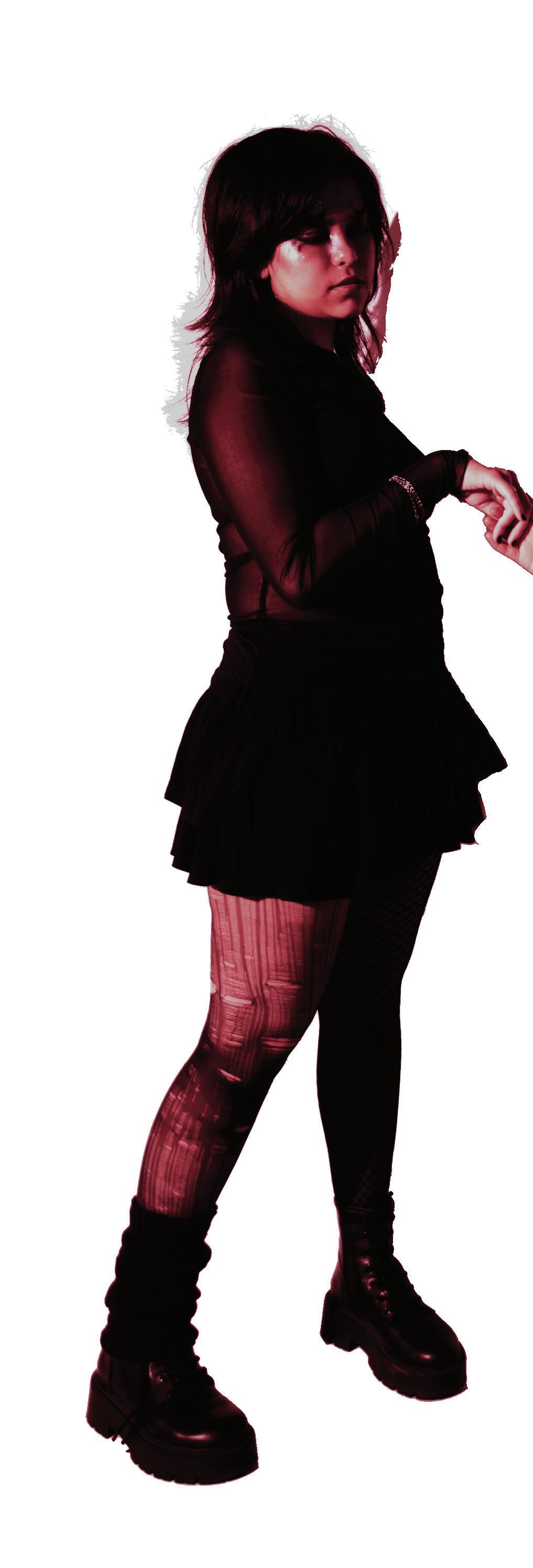
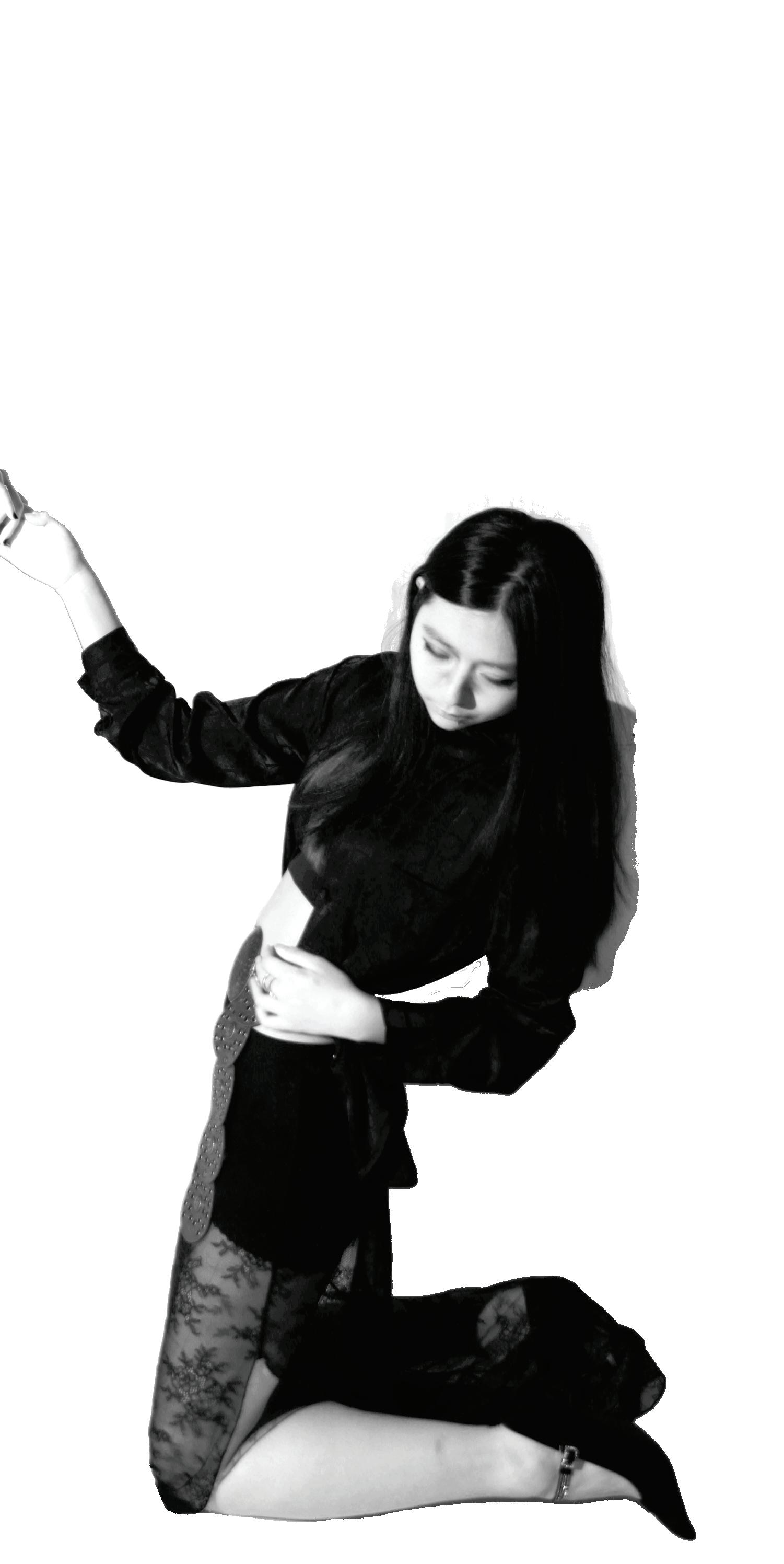
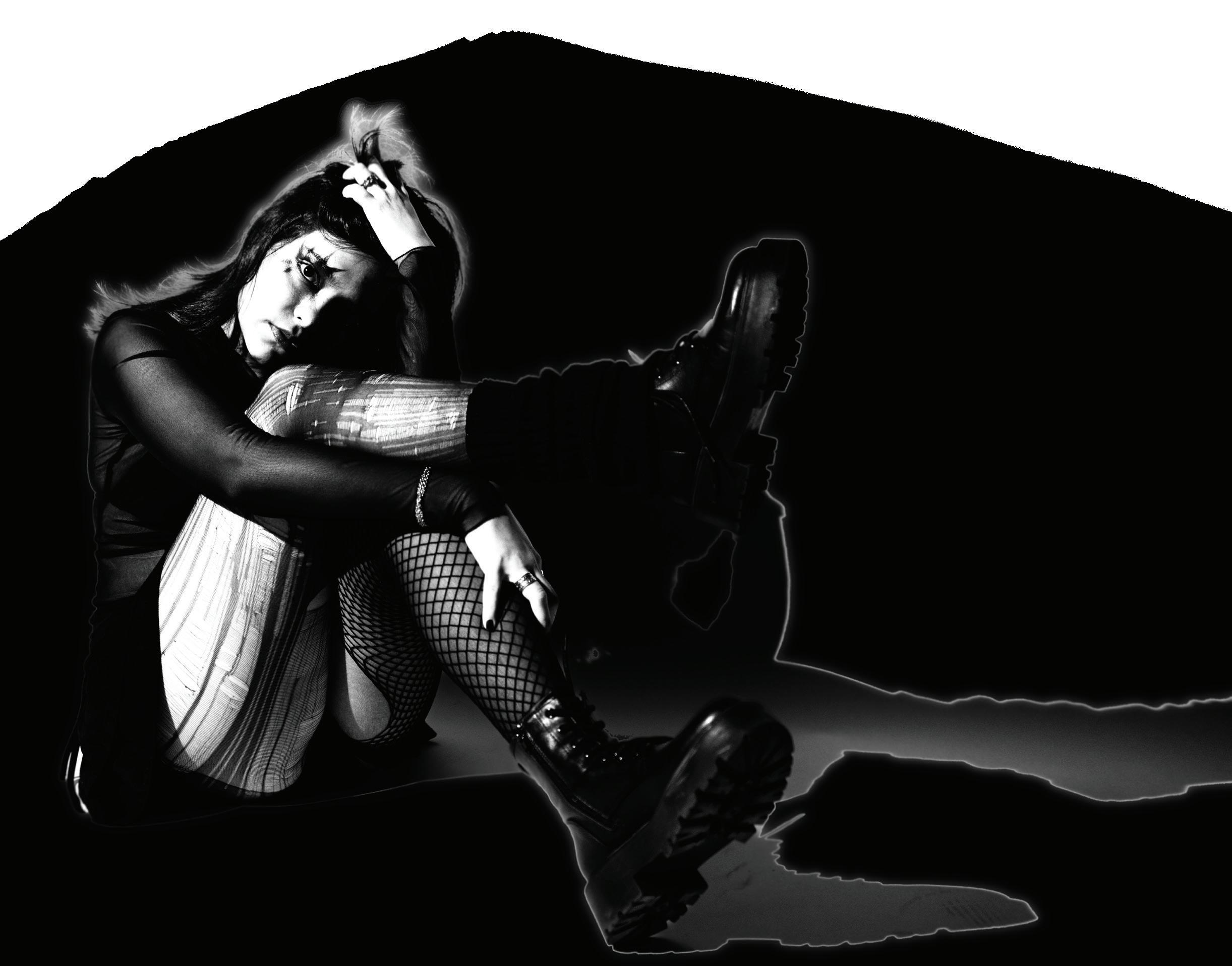
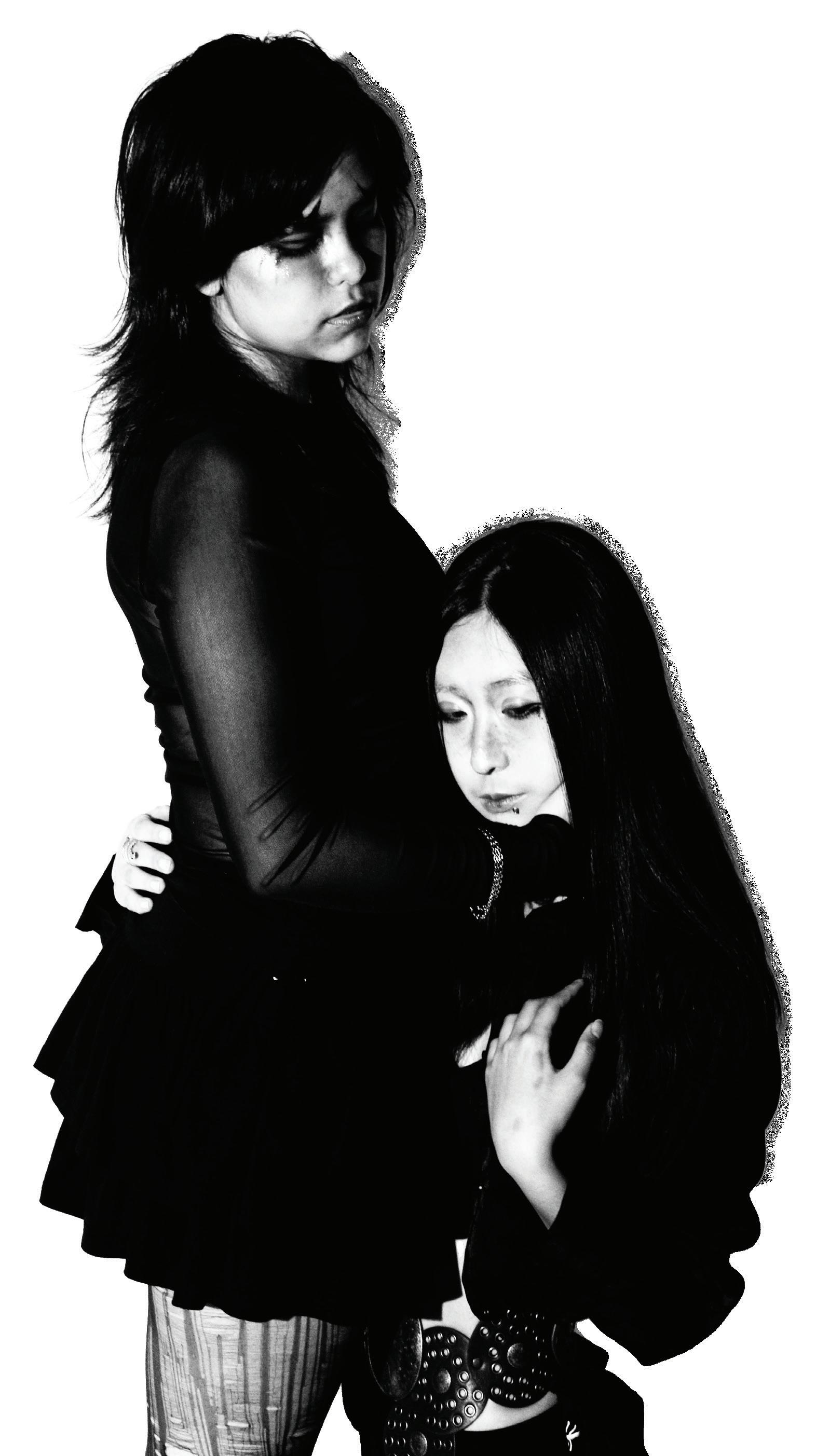
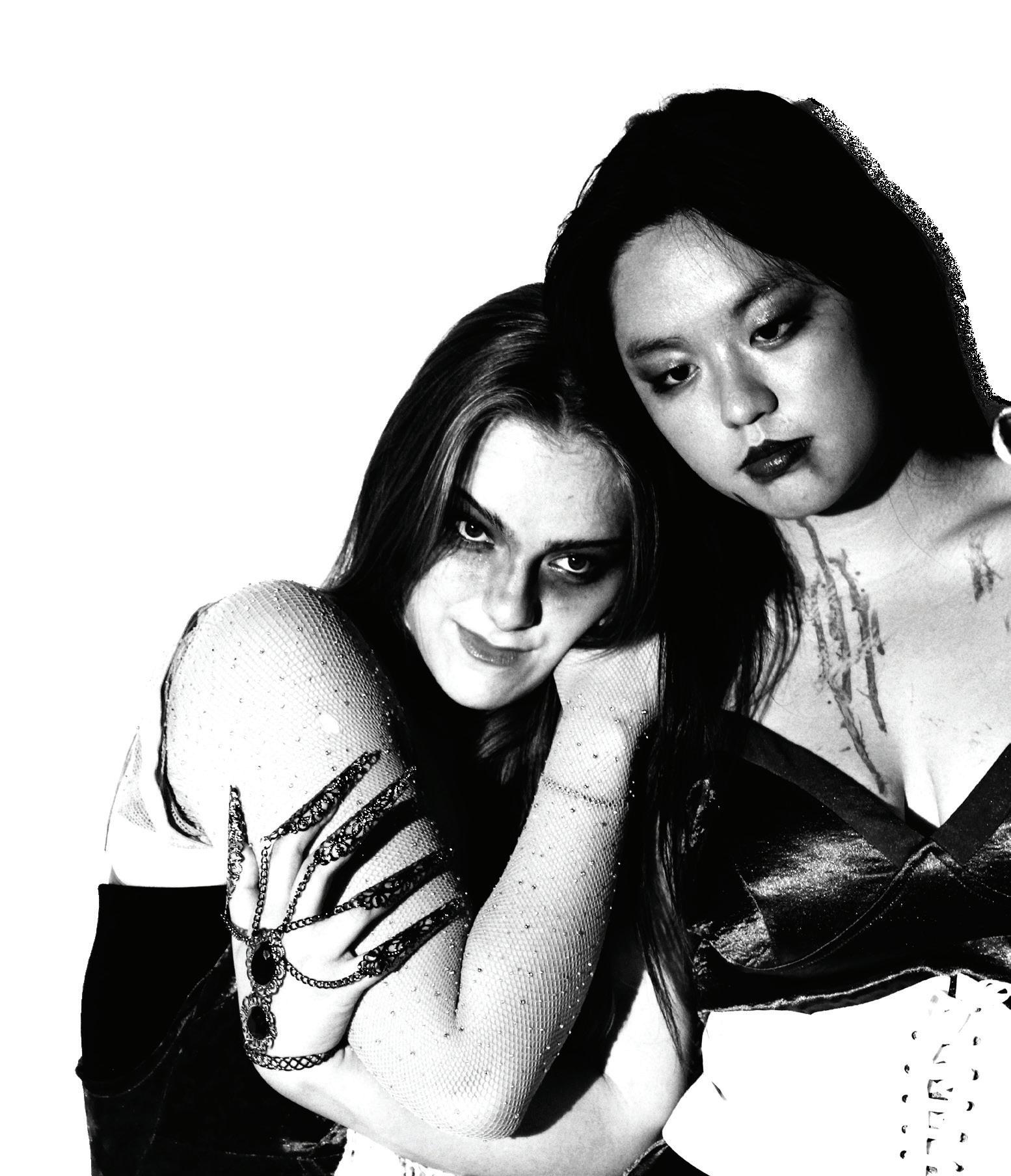
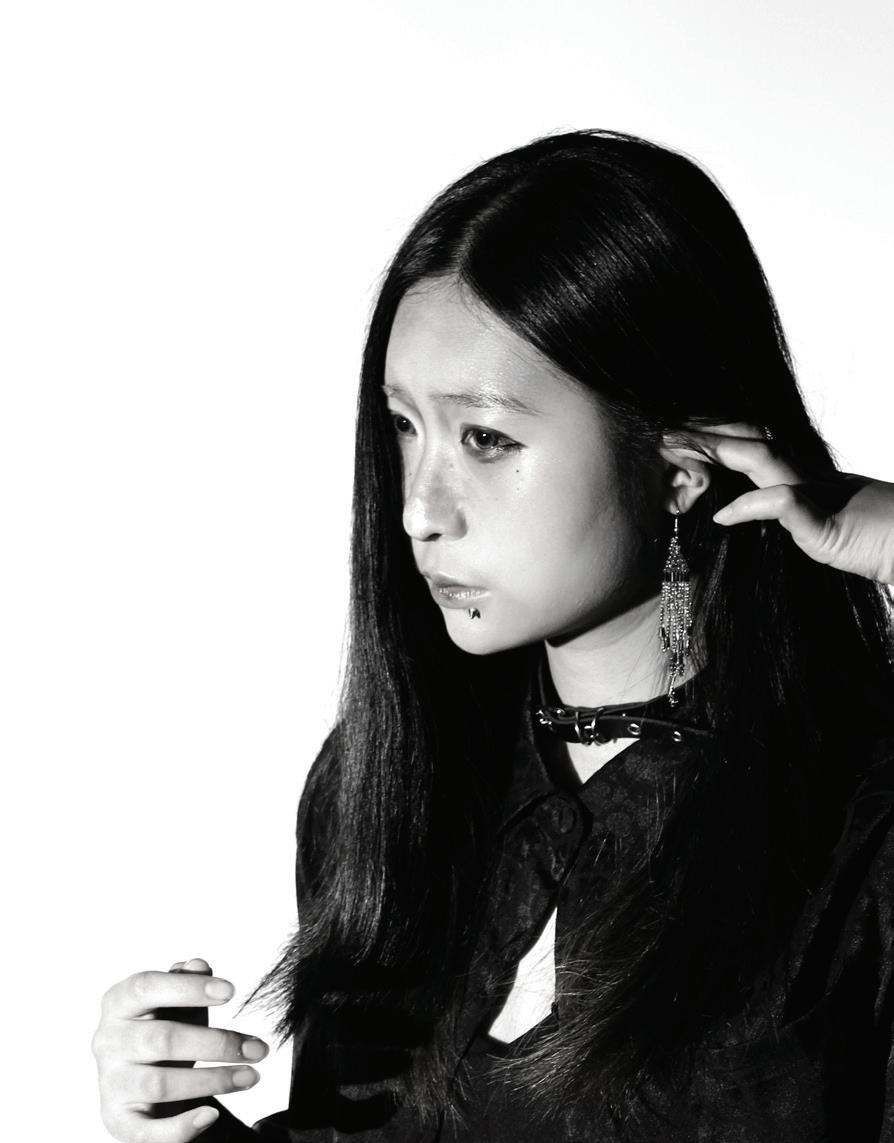
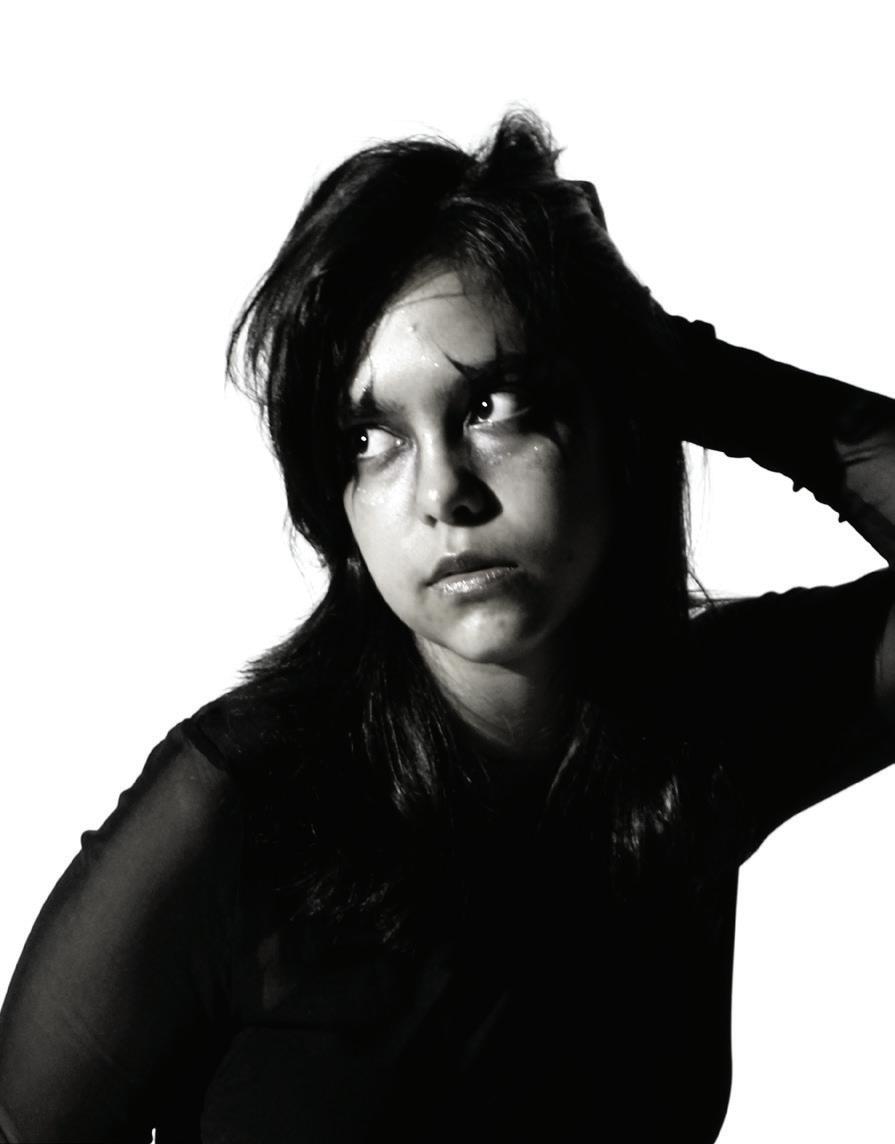
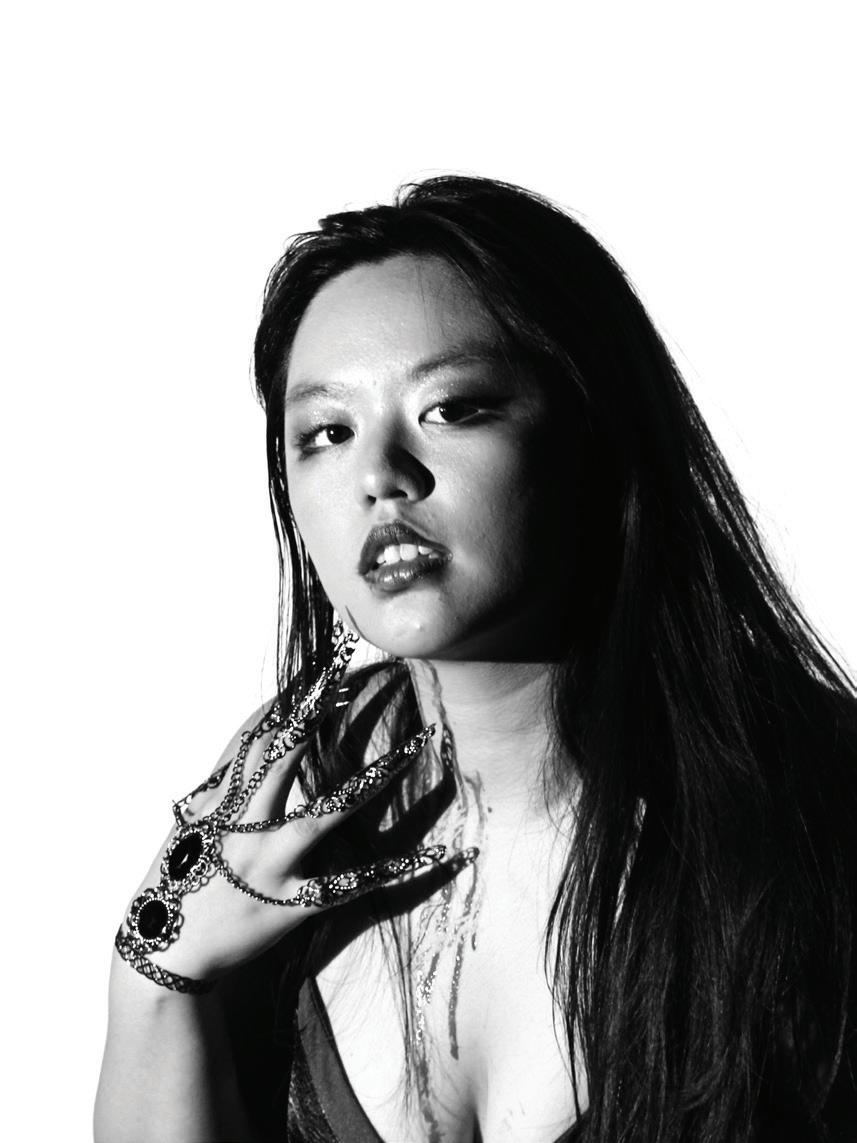
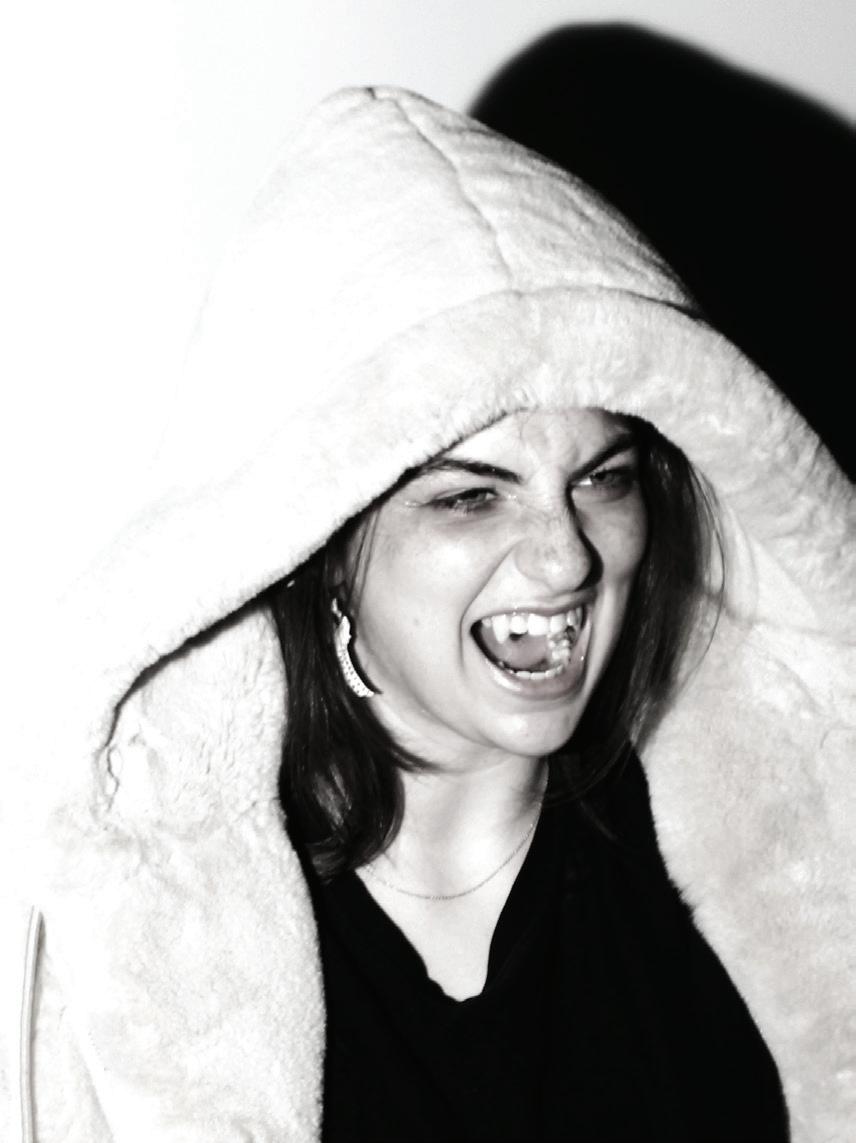
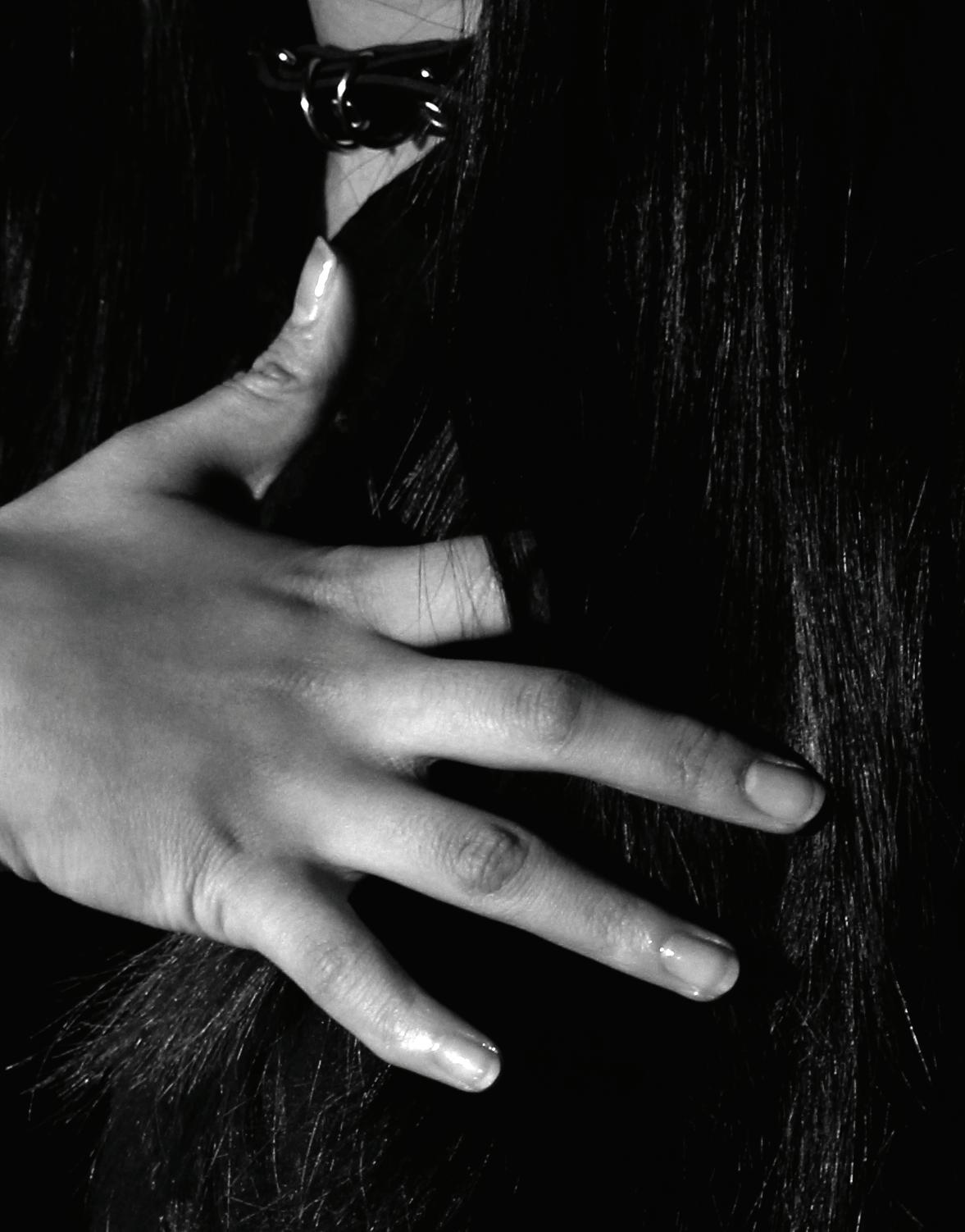
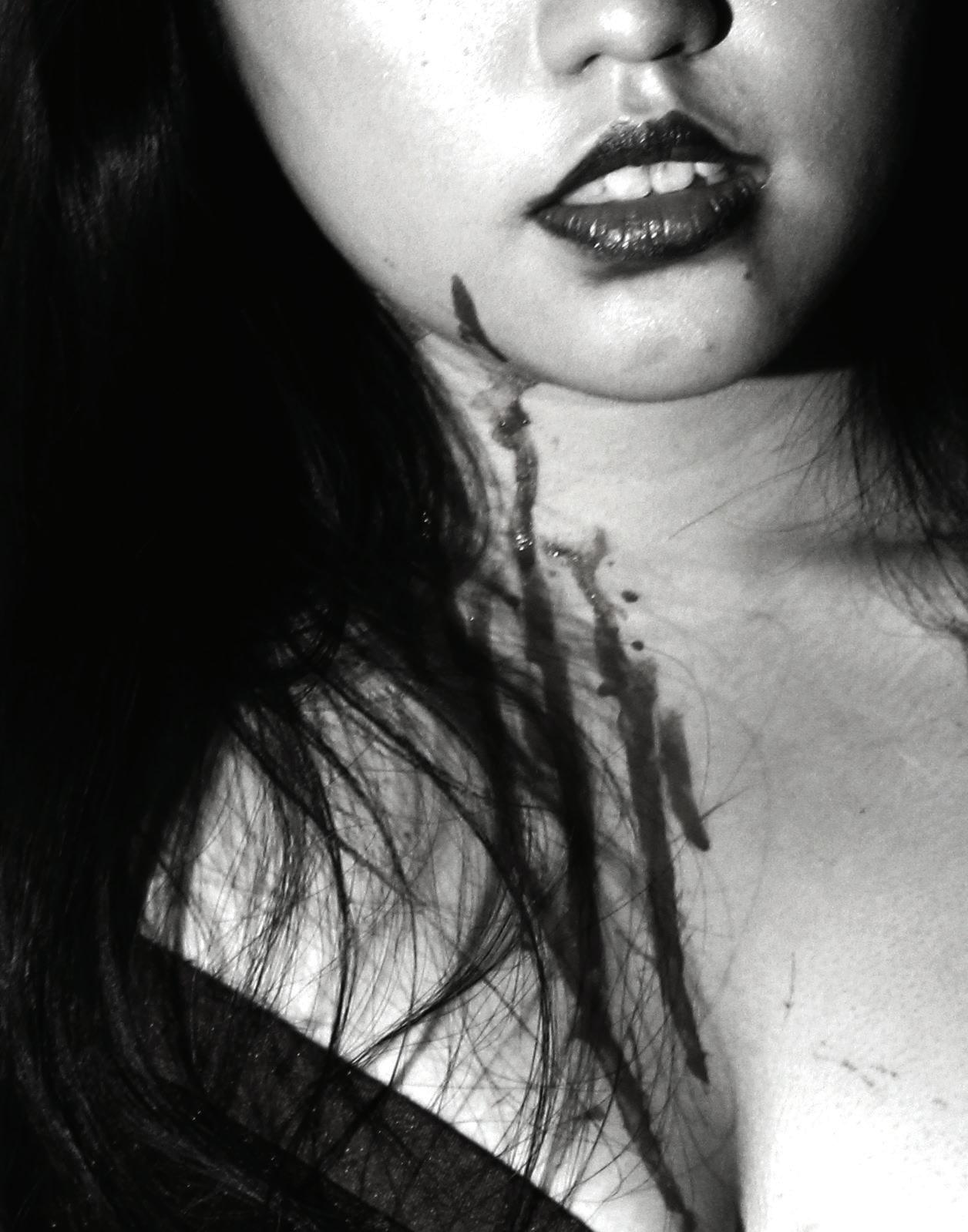
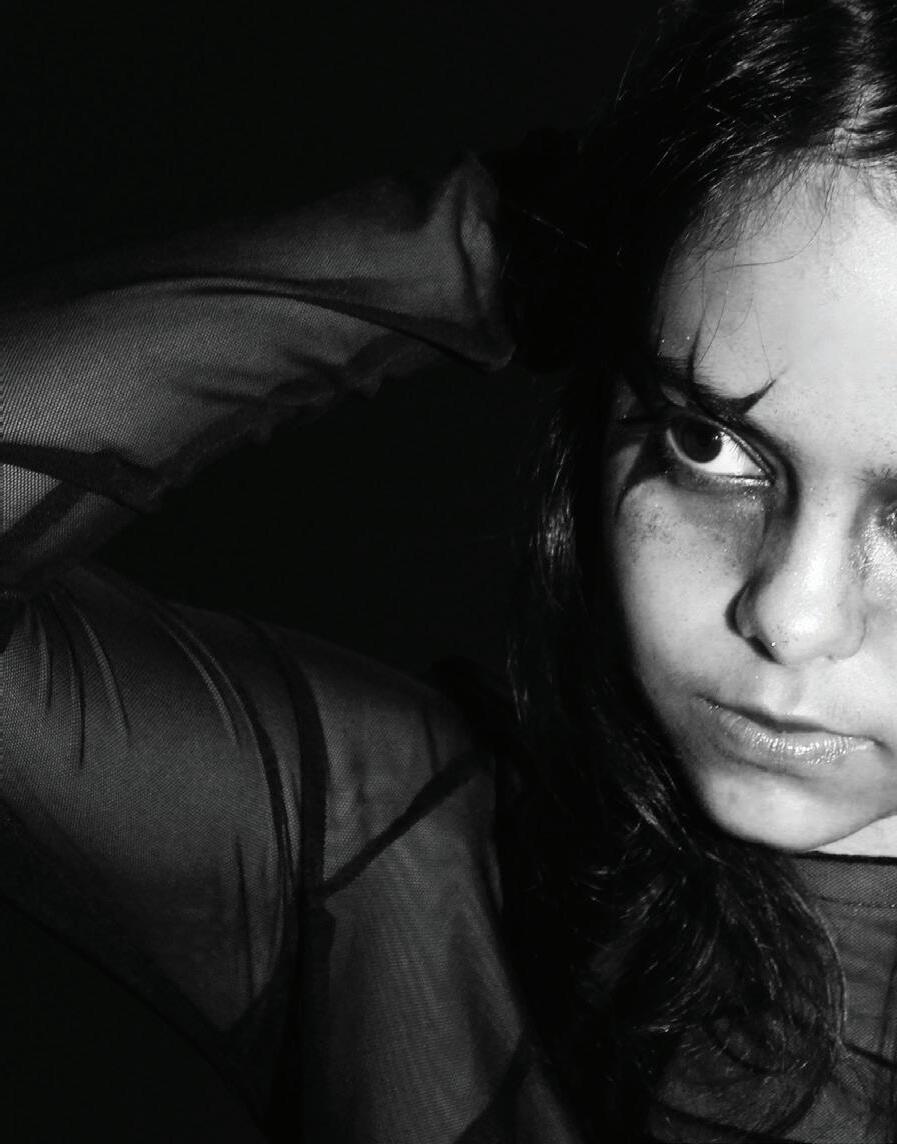
Monsters have always lived in the shadows of our imagination, representing everything we fear, reject, or do not understand. Yet in fashion, those same creatures are finding the spotlight.


Designers are increasingly turning to monsters as a source of creativity and power. From the eerie glamour of vampires to the sculptural strangeness of aliens, monsters are a source of inspiration for collections that challenge conventional beauty and redefine what it means to be stylish.
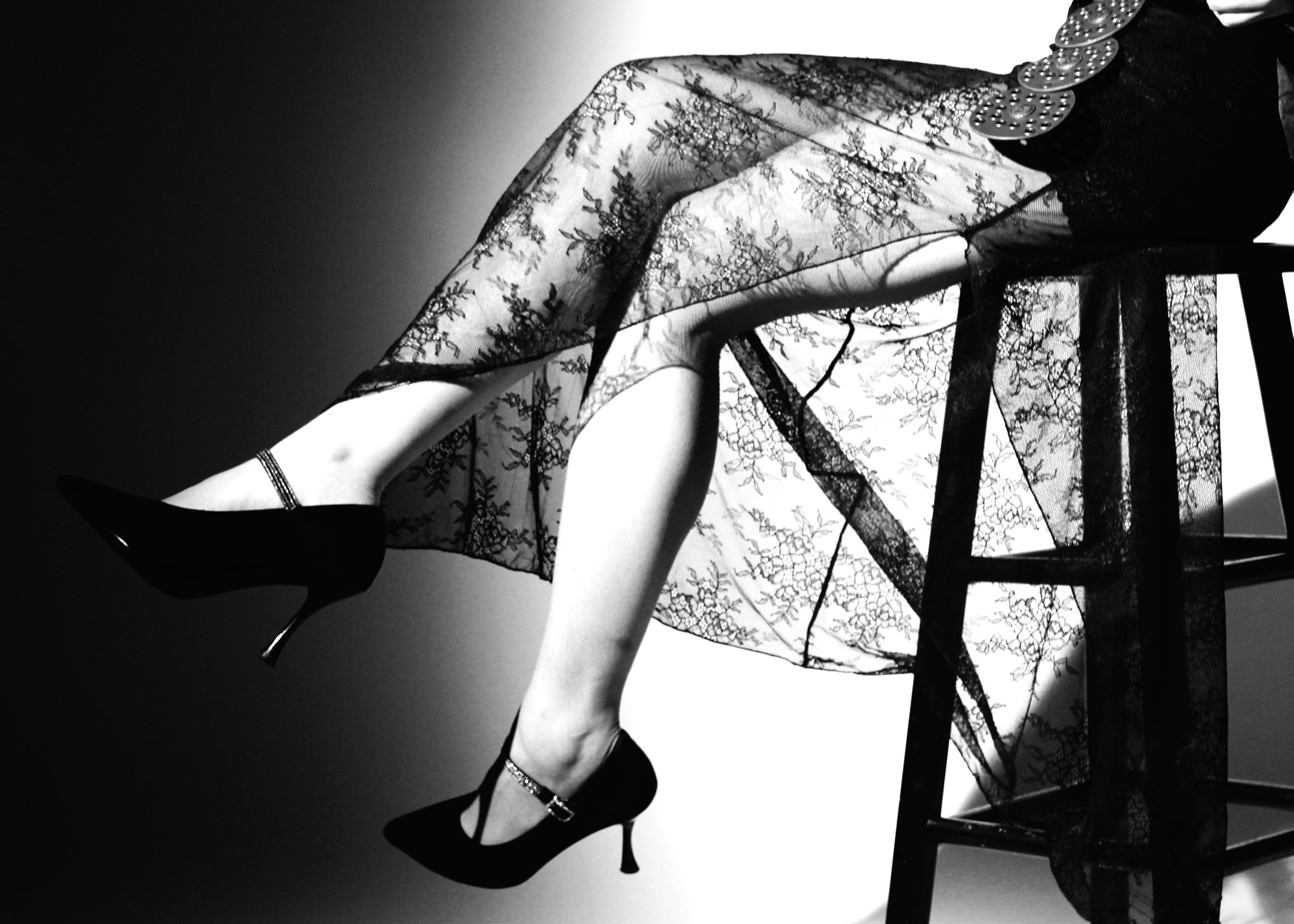


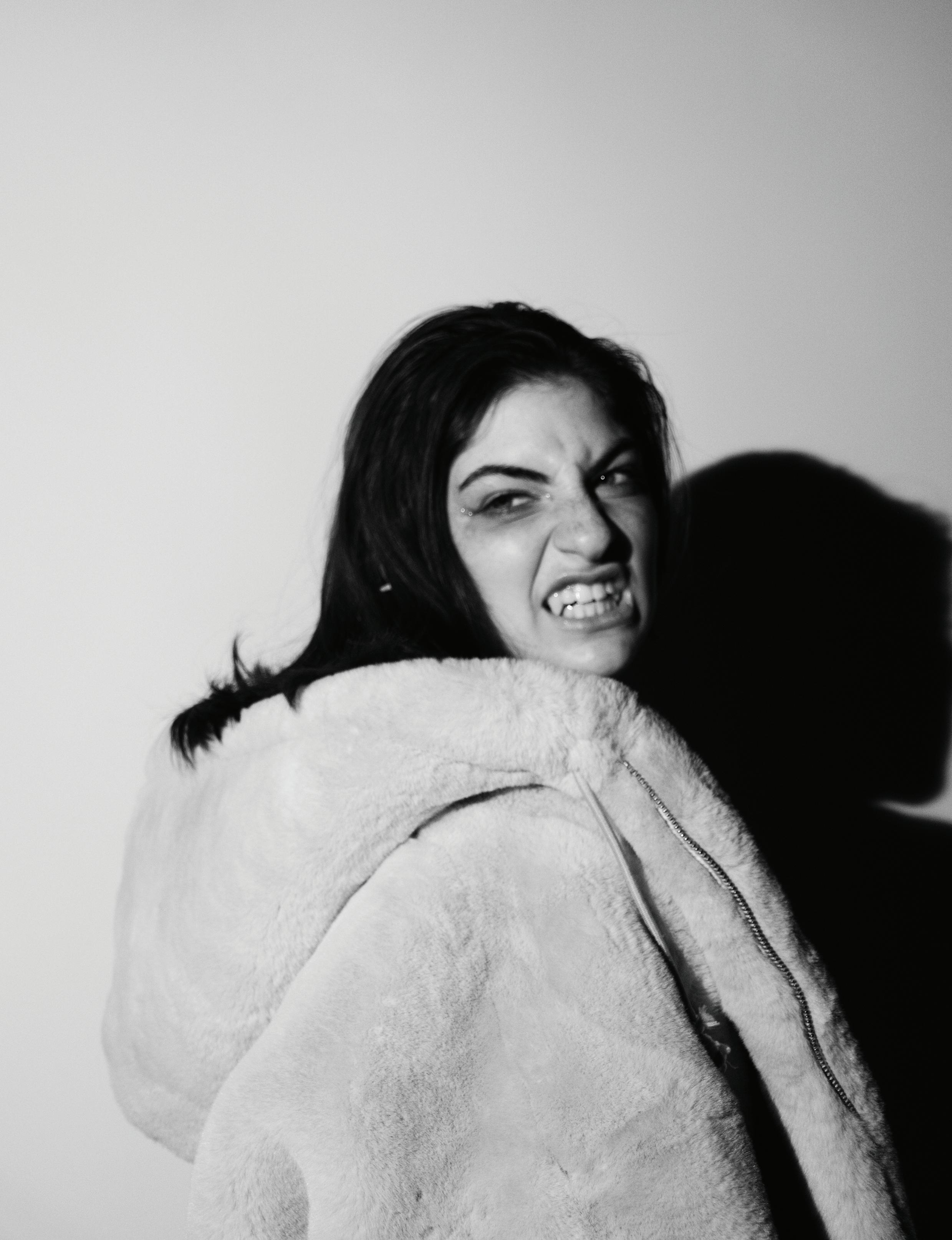
The fascination with monsters in fashion is not new. In the 1930s, Elsa Schiaparelli collaborated with surrealist artist Salvador Dalí on designs that played with grotesque imagery, such as the famous “Lobster Dress.” In the punk era of the 1970s, designers like Vivienne Westwood used torn fabrics, spikes, and bondage-inspired details to evoke a sense of rebellion and danger. Today, the monstrous continues to evolve, becoming more symbolic and conceptual. It represents individuality, transformation, and the freedom to exist outside of norms.
The vampire, for example, appears in sleek silhouettes, dark velvet, and crimson accents. Designers use these elements to convey both seduction and power.
The werewolf inspires raw textures, fur-like fabrics, and animalistic shapes to express primal energy.
Even the zombie finds a place on the runway, with distressed details and deconstructed tailoring reflecting a fascination with decay and rebirth.
Through each monster, a metaphor for human emotion and identity is artfully crafted.
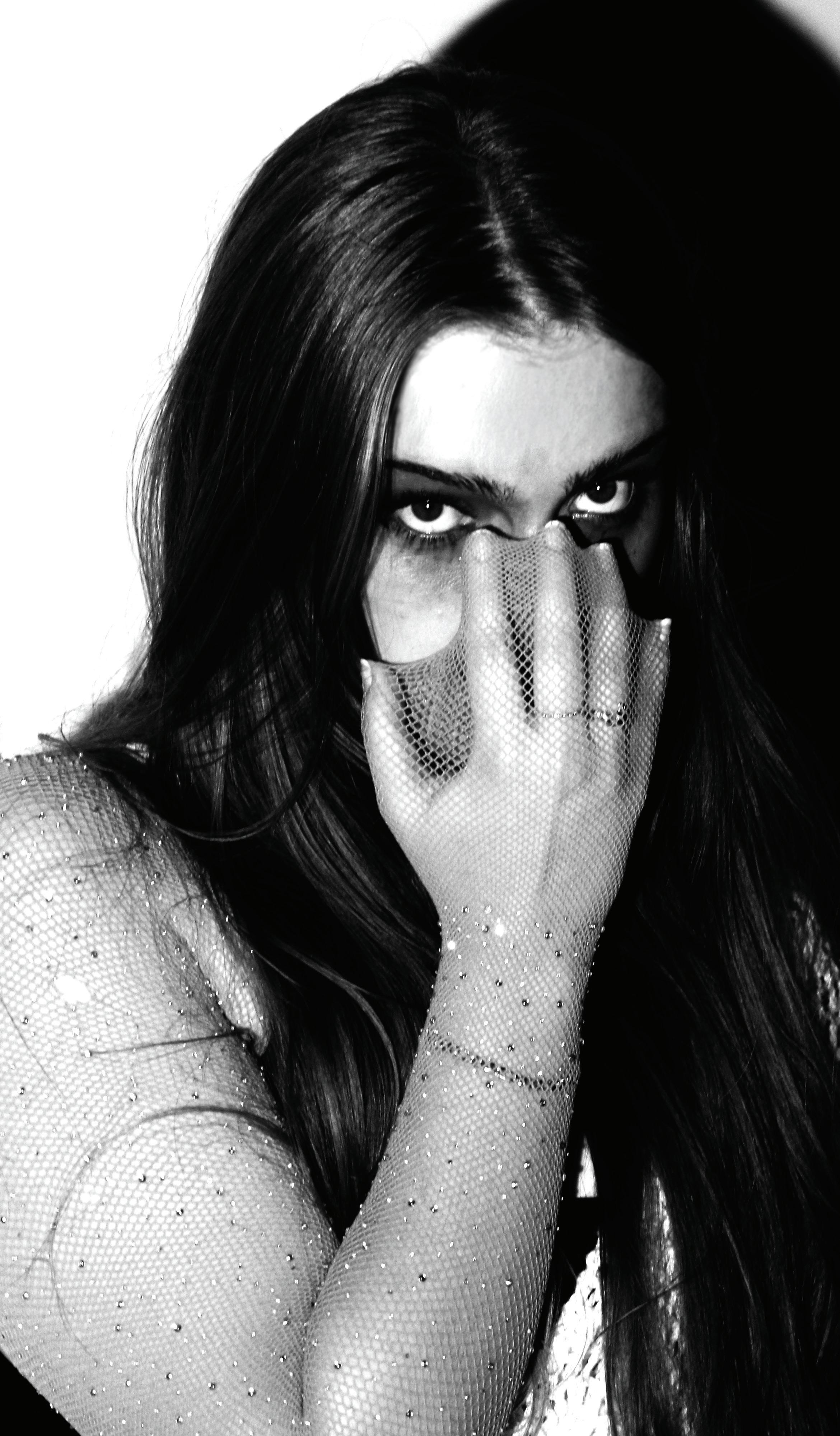
Contemporary designers such as Alexander McQueen and Iris van Herpen have made monstrous beauty central to their creative language. McQueen’s collections often blurred the line between human and creature, using exaggerated proportions and skeletal motifs to provoke both fear and admiration.

Van Herpen’s futuristic designs, crafted with 3D printing and innovative materials, suggest alien forms that challenge our idea of what a body can be. These designers remind us that fashion, like mythology, is a way of exploring transformation.
The appeal of monsters also lies in their rebellion against perfection. In a world obsessed with filters and polished imagery, the monstrous celebrates imperfection and otherness. It embraces asymmetry, distortion, and the unexpected. Streetwear brands have also joined this movement, using monster-inspired graphics and distorted faces to express resistance and individuality. The result is fashion that feels alive, unpredictable, and deeply human.
Ultimately, monsters in fashion are not about horror but about liberation. They invite us to confront the unique parts of ourselves that we hide. To wear something monstrous is to claim power over fear, and so the runway becomes a stage where the strange and the beautiful coexist. In embracing the monstrous, fashion reminds us that style daring to stand





written by Fiona Lui Martin ‘29
Period costuming is a crucial worldbuilding and storytelling tool that transports the audience from the present reality to the fictionalized past. With limited time, a costume designer conducts research, meets directorial demands, and creates countless clothes. Poor costuming, particularly in period pieces, disrupts viewer immersion and undermines credibility. However, when accomplished successfully, the end result is gratifyingly gorgeous. Nosferatu (2024) and The Great (2020-2023) exemplify two vastly different yet equally effective approaches to period piece costuming.
Set in 19th-century Germany and Romania, Nosferatu is a 2024 remake of Nosferatu: A Symphony of Horror (1922), which, in turn, is based on Bram Stoker’s Dracula. Fashion history aficionado and YouTuber Karolina Żebrowska commended Nosferatu’s costume department for remaining faithful to the year 1838, instead of fluctuating between different Victorian style eras, such as the more Gothic 1840s. Indeed, on The Art of Costume podcast, costume designer Linda Muir said she pored over a specific German magazine’s issues for not only the years and months up to 1838 but even a few after, so she would know what to exclude.
Historical accuracy aside, Nosferatu’s costumes convey characters’ socioeconomic class, distinctive taste, and emotional state. For example, the protagonist Ellen’s ethereal wardrobe reflects her otherworldly connection, consisting of a silver heartshaped locket, translucent funeral bonnet, luminous pearl drop earrings, velvet bows, floral headpieces, fingerless lace gloves, and floor-length nightgowns. Her colors are lilac, ivory, sable, powder blue, and jet black.
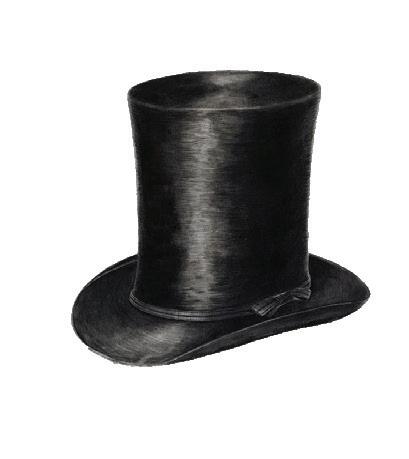
When it comes to class, the differences are in the details. For instance, Ellen’s husband Thomas owns one top hat. In contrast, her brother Friedrich has four of varying colors—not to mention, bejeweled buttons, shiny cravats, and fine wool. Likewise, his daughters and wife Anna are lavishly festooned in the latest fashions. Muir explained in a Dressed episode that Anna’s opulent attire operates as a visual representation that she is Friedrich’s “most precious thing.” Thus, her untimely demise and Friedrich’s subsequent unraveling become all the more tragic.
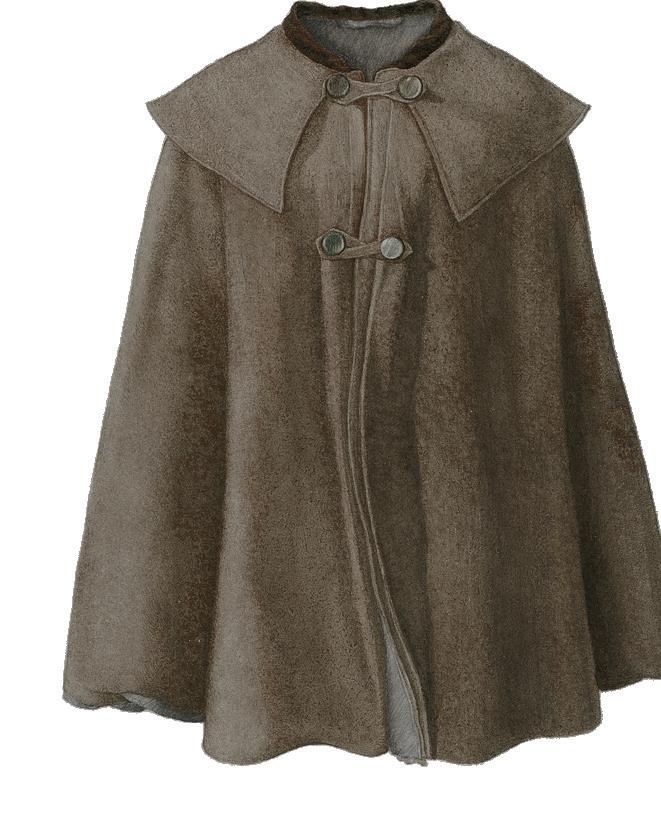
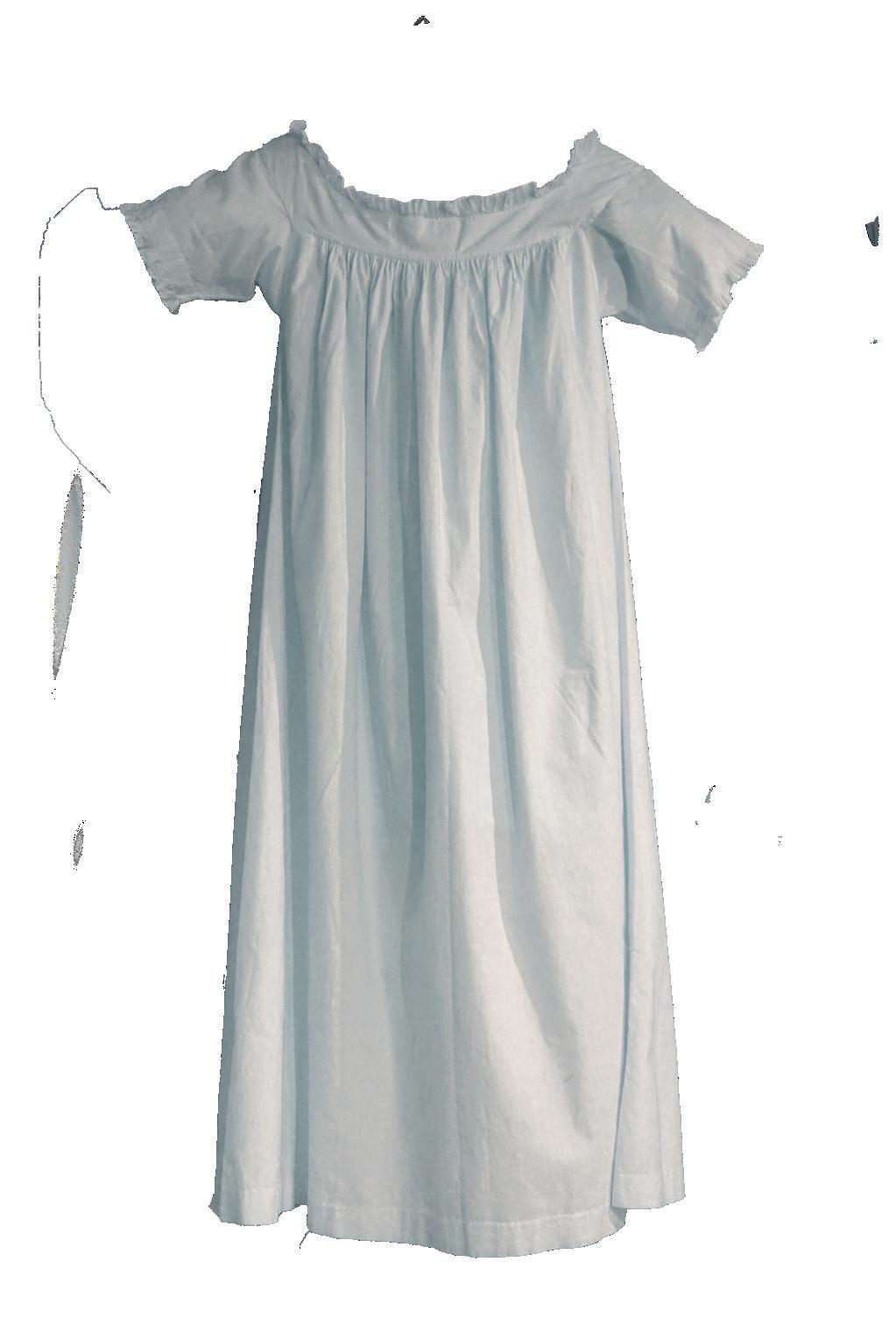

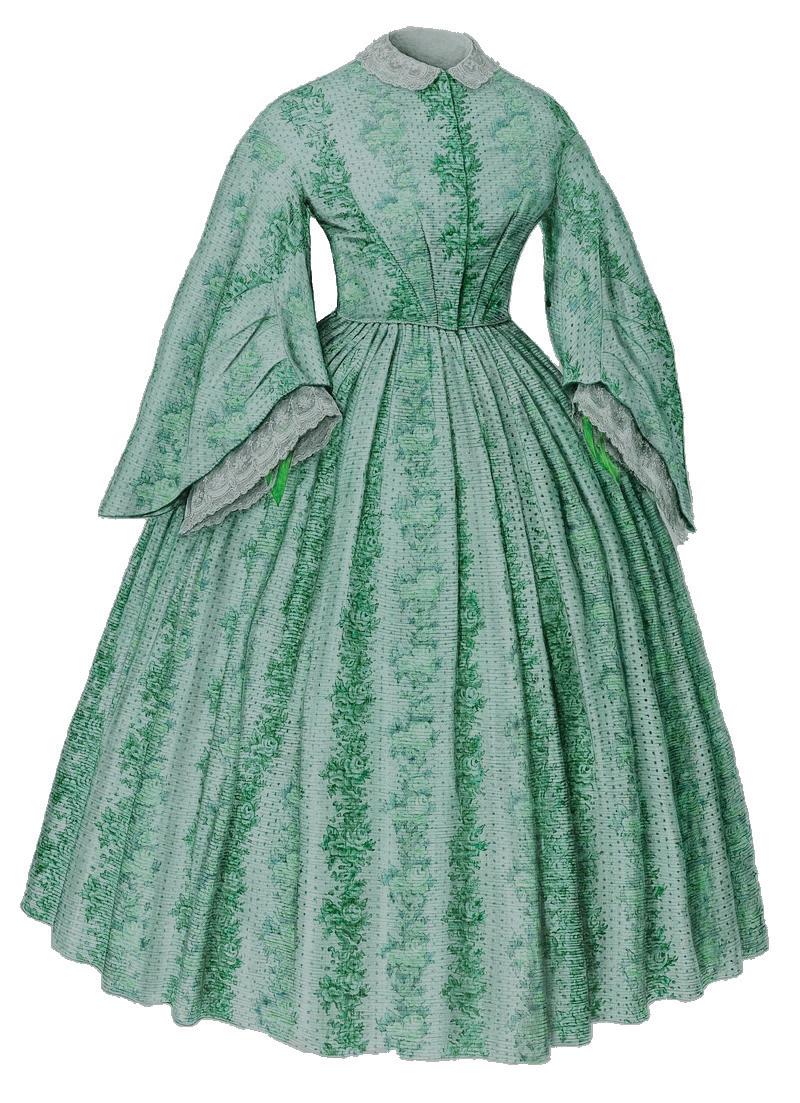
“The 1830s Gothic Fashion of Robert Eggers’ Nosferatu | Dressed | Ep 10.” YouTube, uploaded by Focus Features, 2 Jan. 2025, www.youtube.com/ watch?v=PHdVBjDm-UA
“Are Nosferatu (2024) Costumes Historically Accurate?” YouTube, uploaded by Karolina Żebrowska, 10 Feb. 2025, www.youtube.com/watch?v=XY_o5_blHcI
“Nosferatu Interview with Costume Designer Linda Muir.” YouTube, uploaded by The Art of Costume Podcast, 6 Nov. 2023, www.youtube.com/ watch?v=ZNtQTQ8nWNY
Huff, Lauren. “Best of 2020: Breaking Down The Great’s Stunning Costumes.” Entertainment Weekly, 15 Dec. 2020, ew.com/tv/best-of-2020-the-great-costumes/.
Long, Sharon. “’The Great’ Season Three’s Costume Designer Sharon Long Interview.” W Magazine, 18 May 2023, www.wmagazine.com/culture/the-greatseason-three-costume-designer-sharon-long-interview

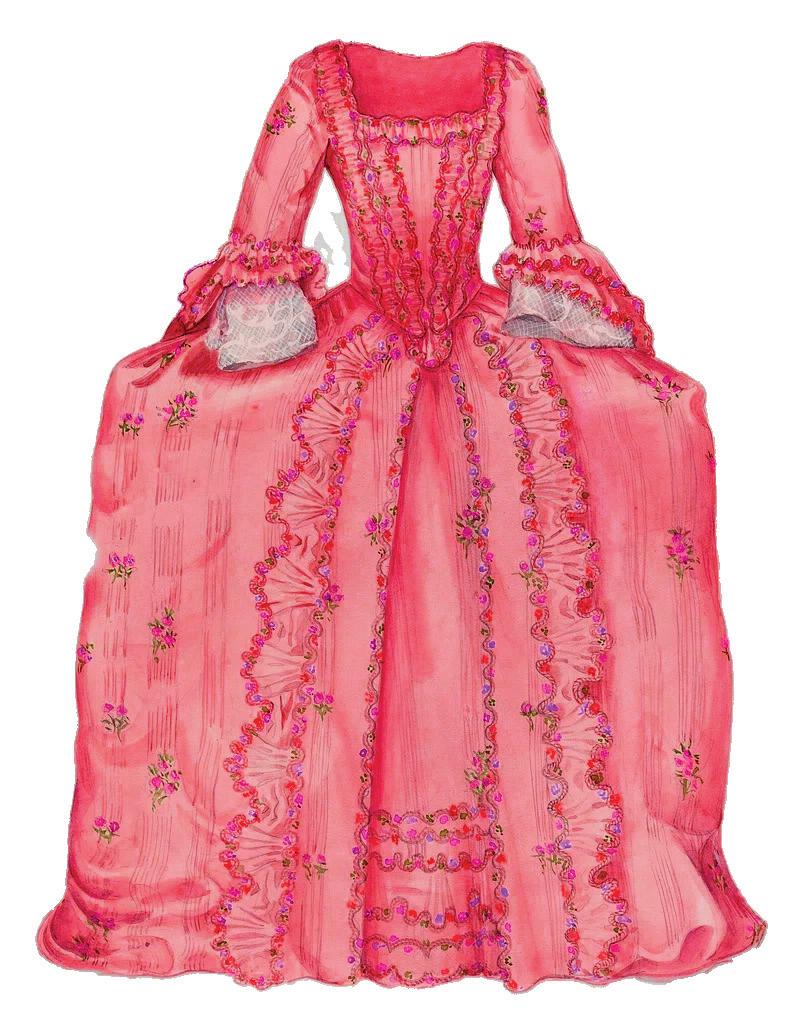
On the opposite end of the spectrum, Bridgerton, The Buccaneers, and The Great deliver historical drama with a modern twist. The Great (2020-2023) is a wonderfully wacky, irreverent romp through 18th-century Russia that loosely chronicles Catherine the Great’s unprecedented rise to power. According to Entertainment Weekly, season one’s costume designer Emma Fryer wanted the costumes to complement the “modern

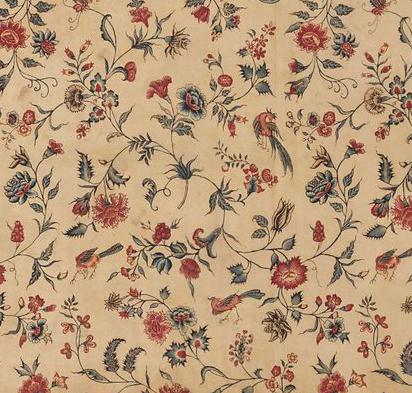
world… within the script.” So, she drew inspiration from references ranging from Rococo paintings to modern haute couture because, besides sticking to the 1700s silhouette, she had free rein to play as she pleased. Huzzah!
In the beginning, Catherine’s apparel abounds with nature prints, silk jacquards, delicate ruffles, and pastel colors that communicate her youthful whimsy and make her stand out among the ostentatiously ornamented courtiers. Catherine’s style mirrors her personal transformation from naive romantic to ruthless Enlightened despot. As her coup d’etat takes shape, the cut and colors of her clothes become bolder, darker, and more eye-catching until finally culminating in the season finale’s statement magenta dress.

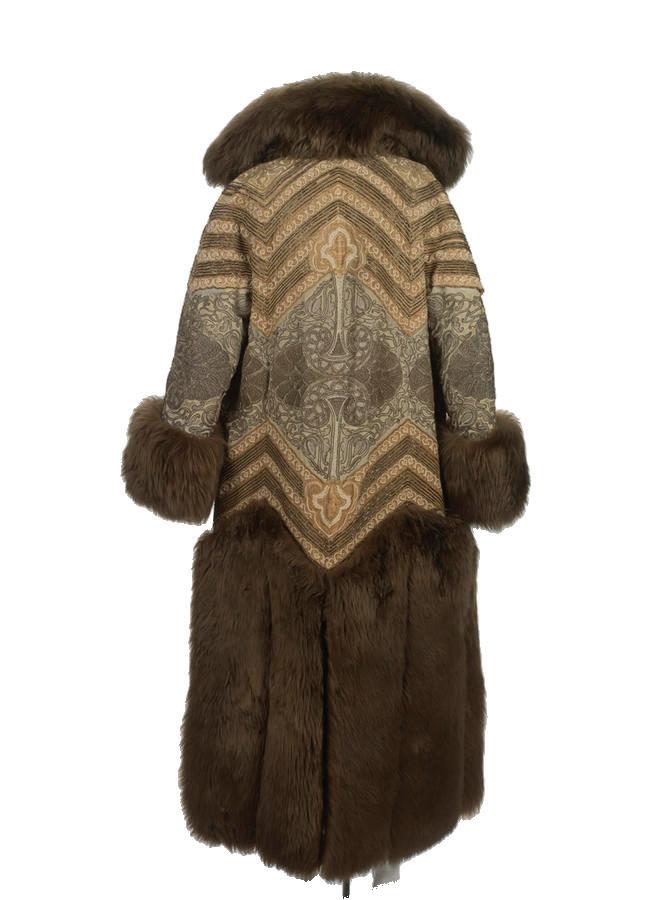
On the other hand, Peter—the frat bro foil to Catherine’s feminist intellectual—wears a mix and match of layered necklaces, bronze britches, faux fur, and black leather that express his hedonistic, volatile nature. Season two and three’s costume designer Sharon Long told W Magazine that Peter’s punk rock aesthetic was influenced by an old photo of Cat Stevens, suavely draped in a “fur-collared, very ‘70s long jacket without a shirt and some really tight jeans.”
Nosferatu (2024) and The Great (2020-2023) are worlds apart, in terms of genre, tone, era, and costuming. So, what’s the common denominator that makes “good” period costuming? Whether aiming for strict historical accuracy or opting for an ahistorical approach, Nosferatu (2024) and The Great (2020-2023) prove that a solid, thoughtful understanding and execution of the material is key. Their costuming, which neither distracts from the performances nor underdelivers on immersive detail, builds a rich visual language that never loses sight of the stories being told
Matera, Avery. “The Costumes On Hulu’s The Great Were Actually Really Painful To Wear.” Bustle, 2 June 2020, www.bustle.com/p/the-greats-costume-designer-onrecreating-royal-fashion-from-the-18th-century-22936526
Soo Hoo, Fawnia. “Elle Fanning Wears Dior-Inspired Imperial Gowns in Hulu’s The Great.” Fashionista, 19 Nov. 2021, fashionista.com/2020/05/hulu-the-great-ellefanning-costumes. (Note: although the article is cite d as “May 2020” in the URL, the published date is listed as Nov. 2021.)
Fryer, Emma. “Emma Fryer On Finding the Right Fabrics for Catherine’s Ascent and Peter’s Regal Madness for ‘The Great’.” AwardsDaily, 23 June 2020, www. awardsdaily.com/2020/06/23/emma-fryer-on-finding-the-right-fabrics-for-catherines-ascent-and-peters-regal-madness-for-the-great/
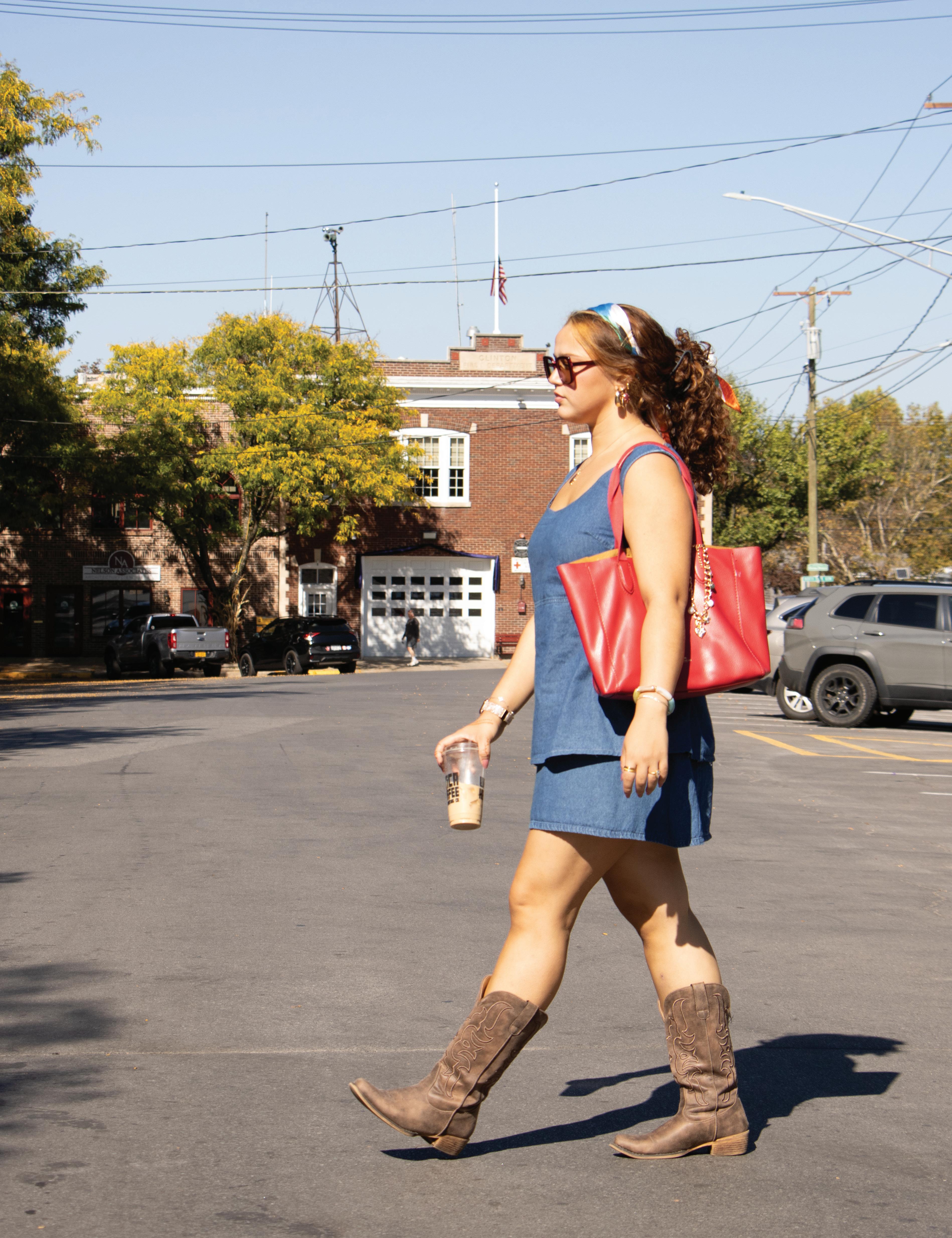
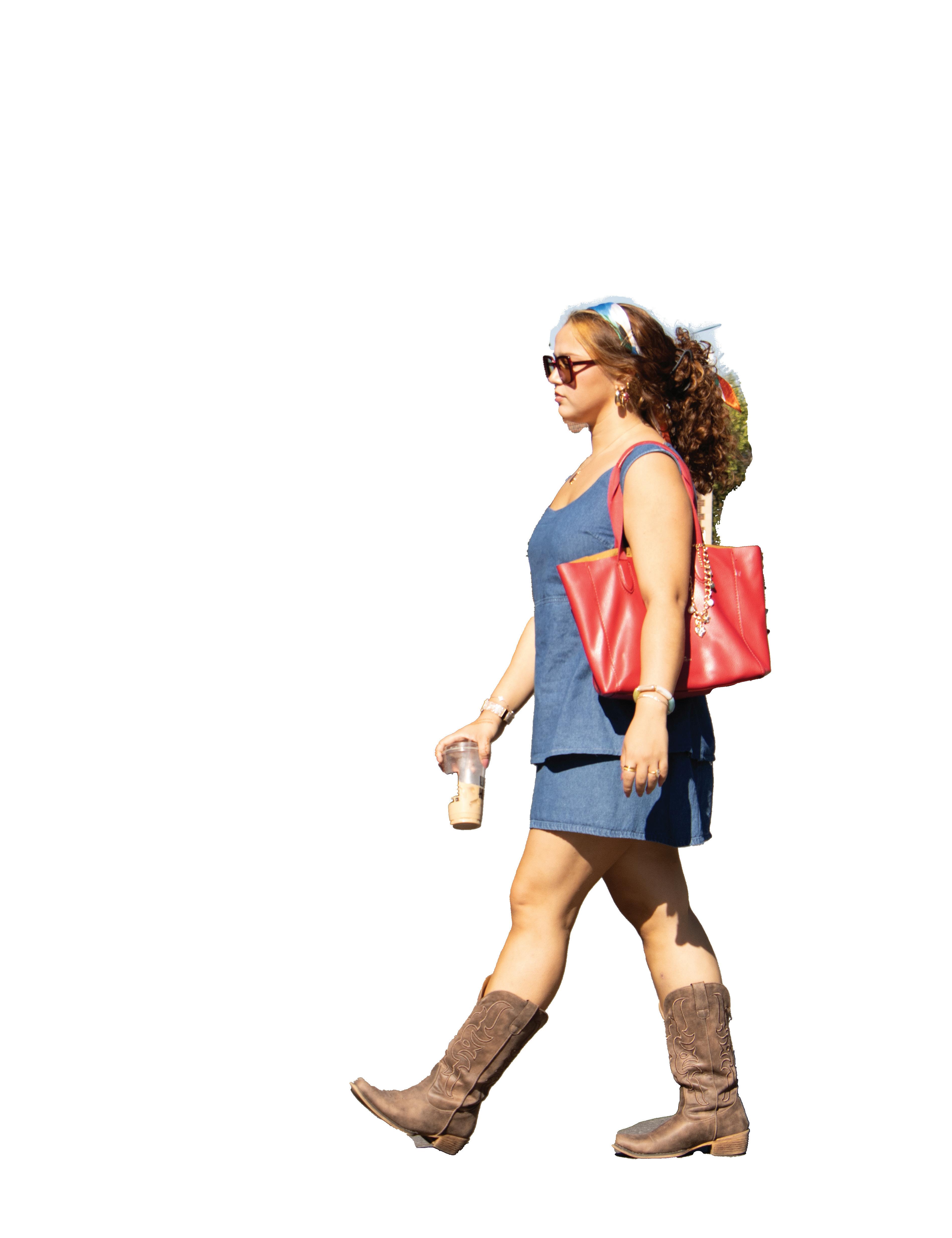
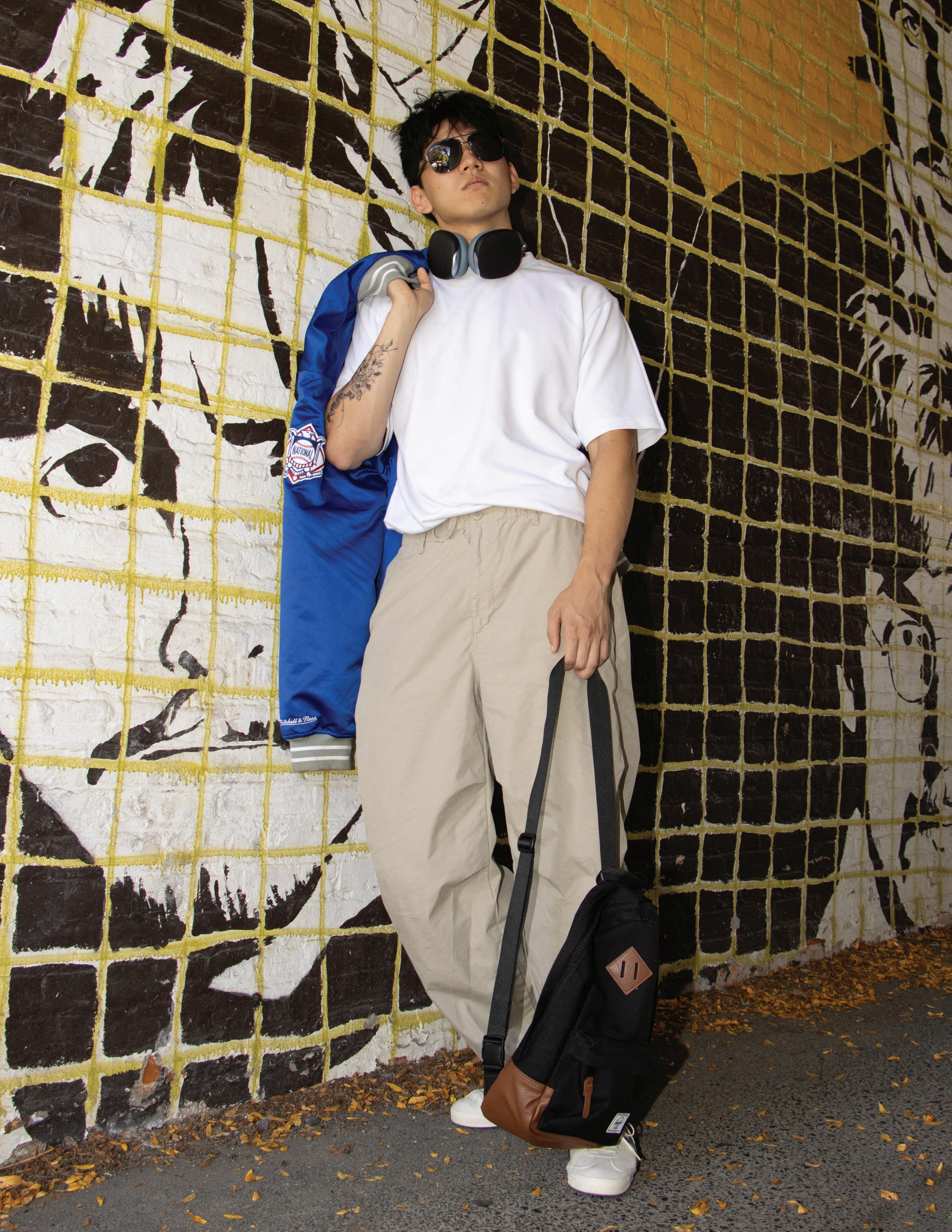
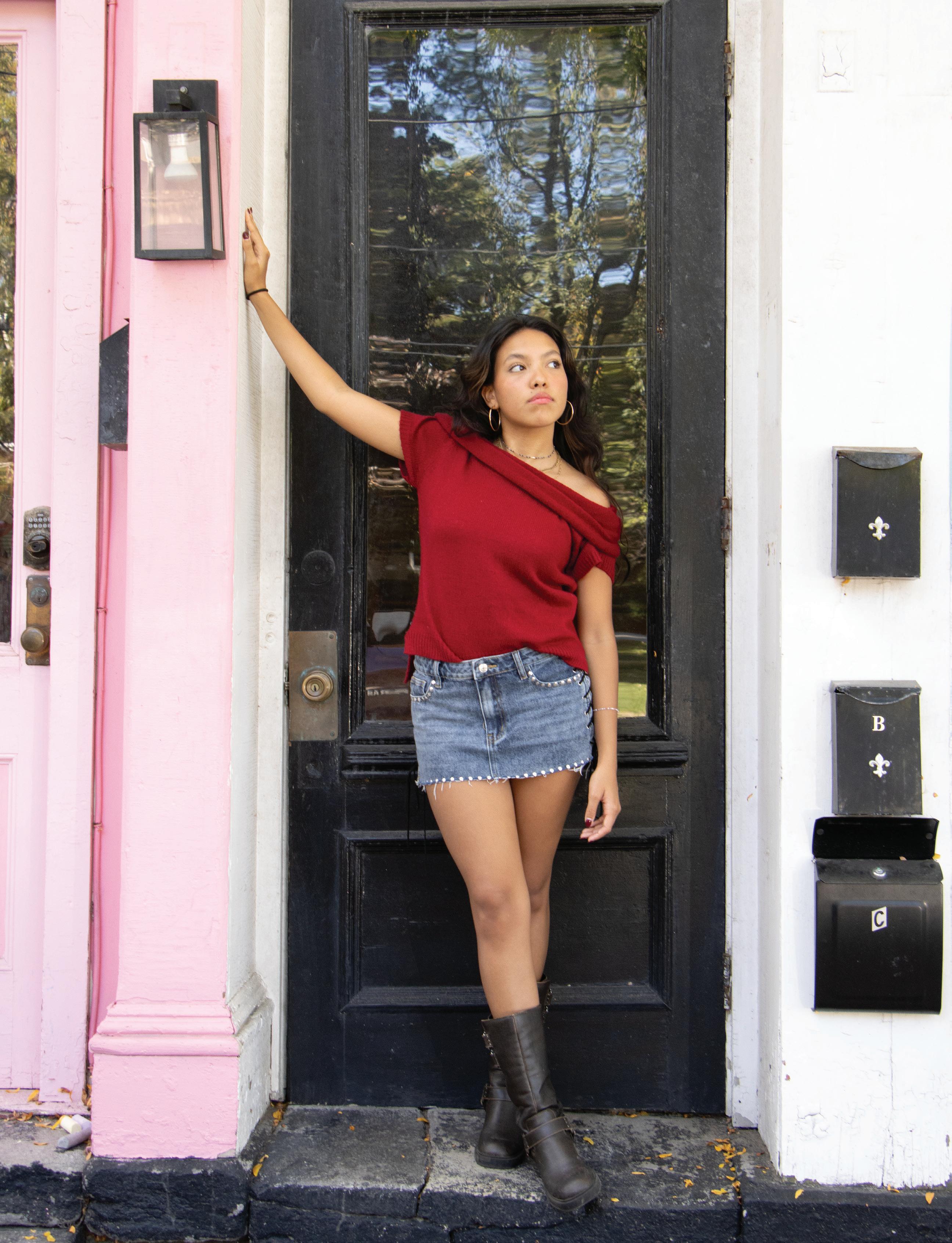


Street photography sits between art and daily life. It captures people as they are and reveals beauty in the ordinary. It is raw, spontaneous, and unfiltered, trading the control of a studio shoot for something that feels real. When fashion is placed in this environment, it transforms completely. The same outfit posed under perfect lighting might tell a different story when caught mid-step on a busy sidewalk or under the shifting light of an afternoon street corner. That is the power of street style: its fashion is alive, unpredictable, and connected to the habits of real life.
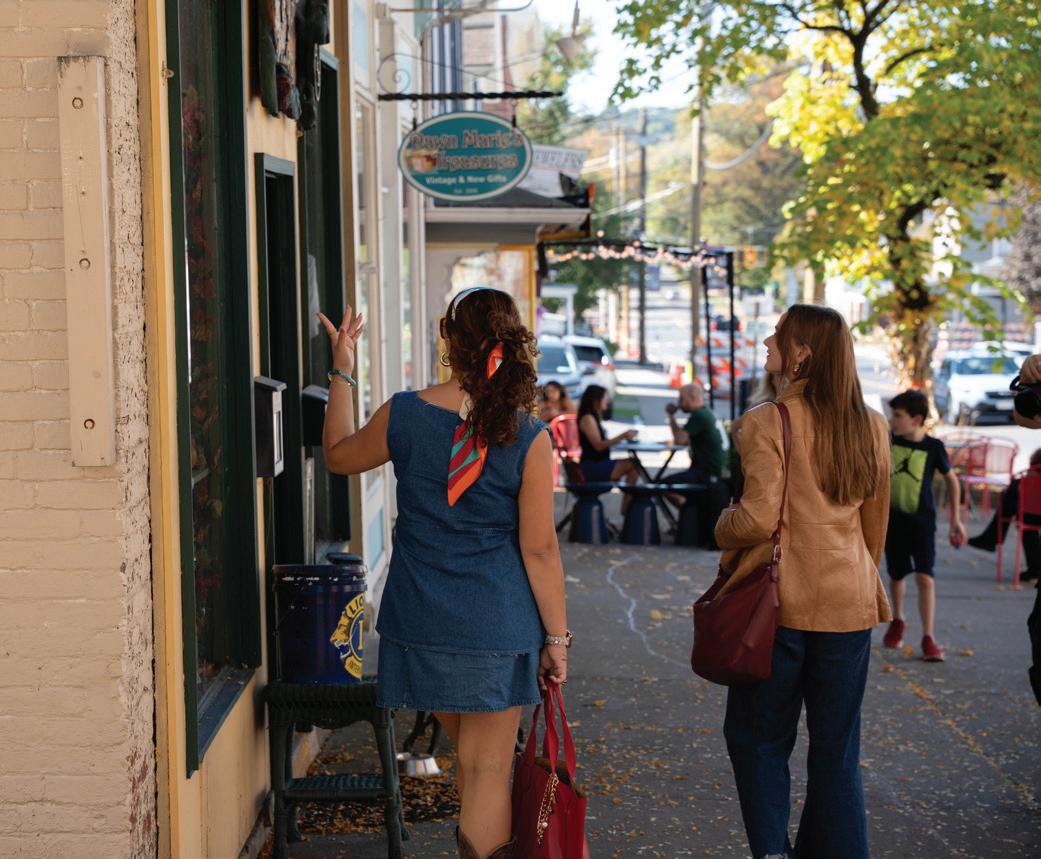
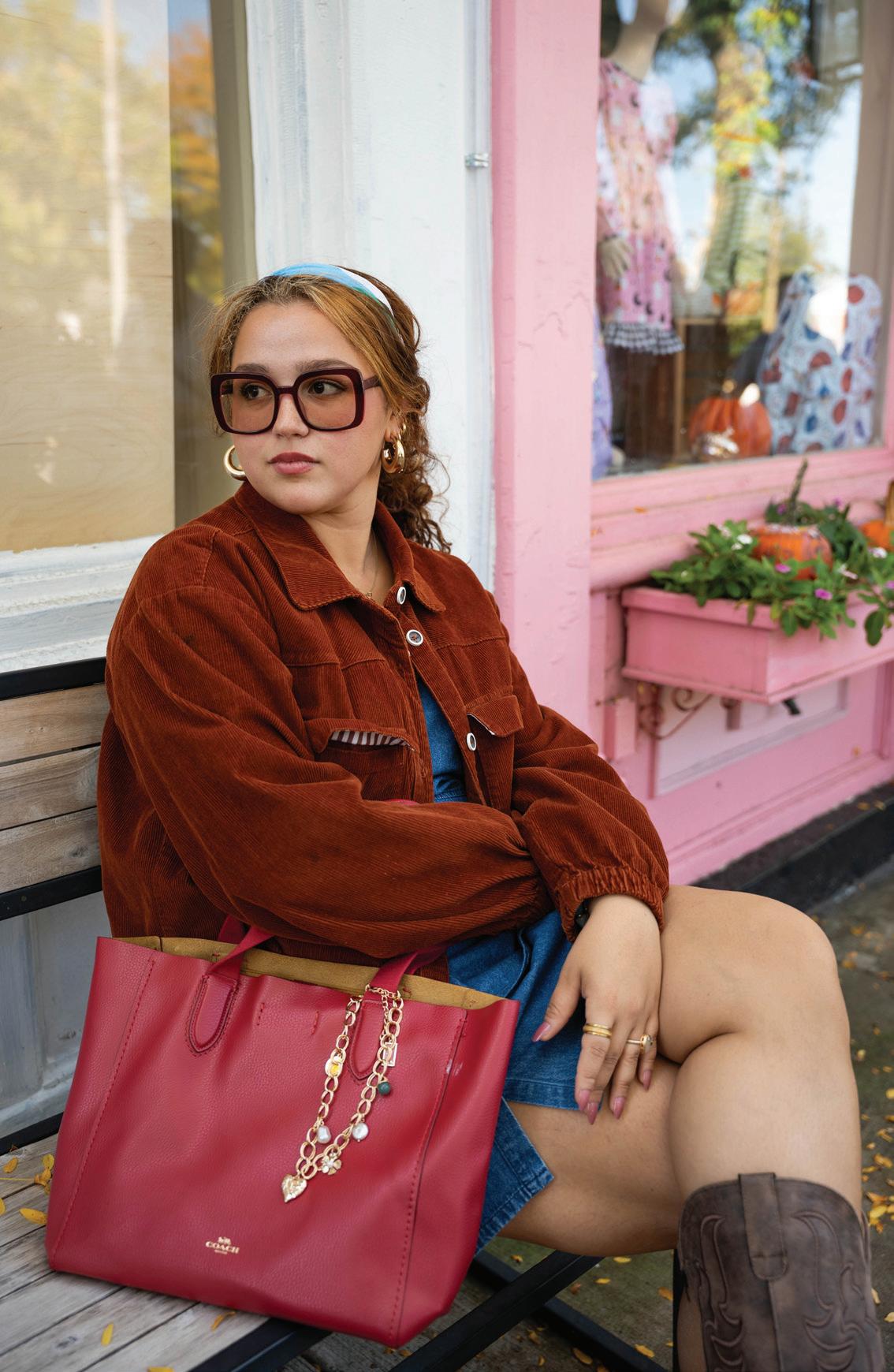
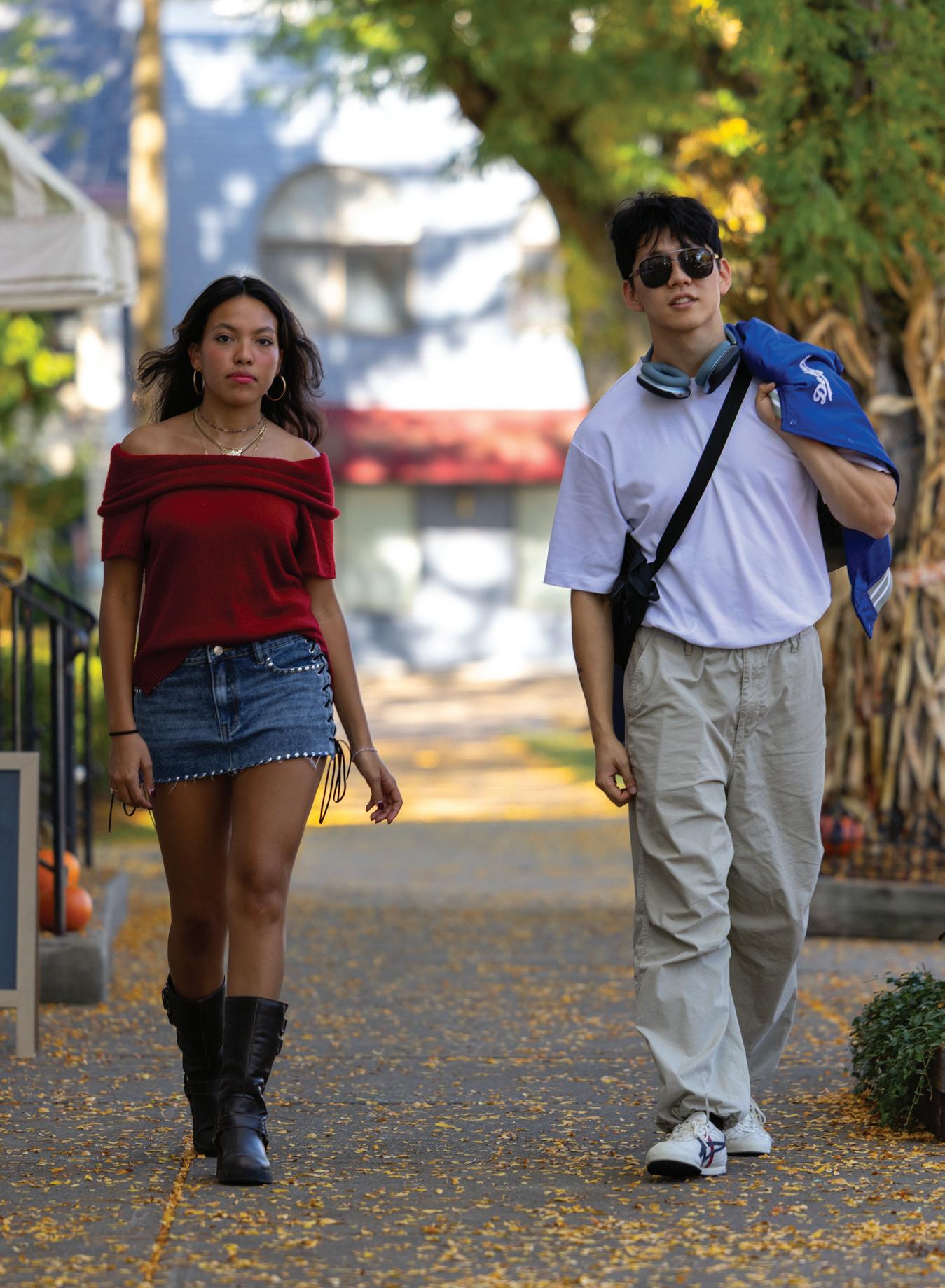
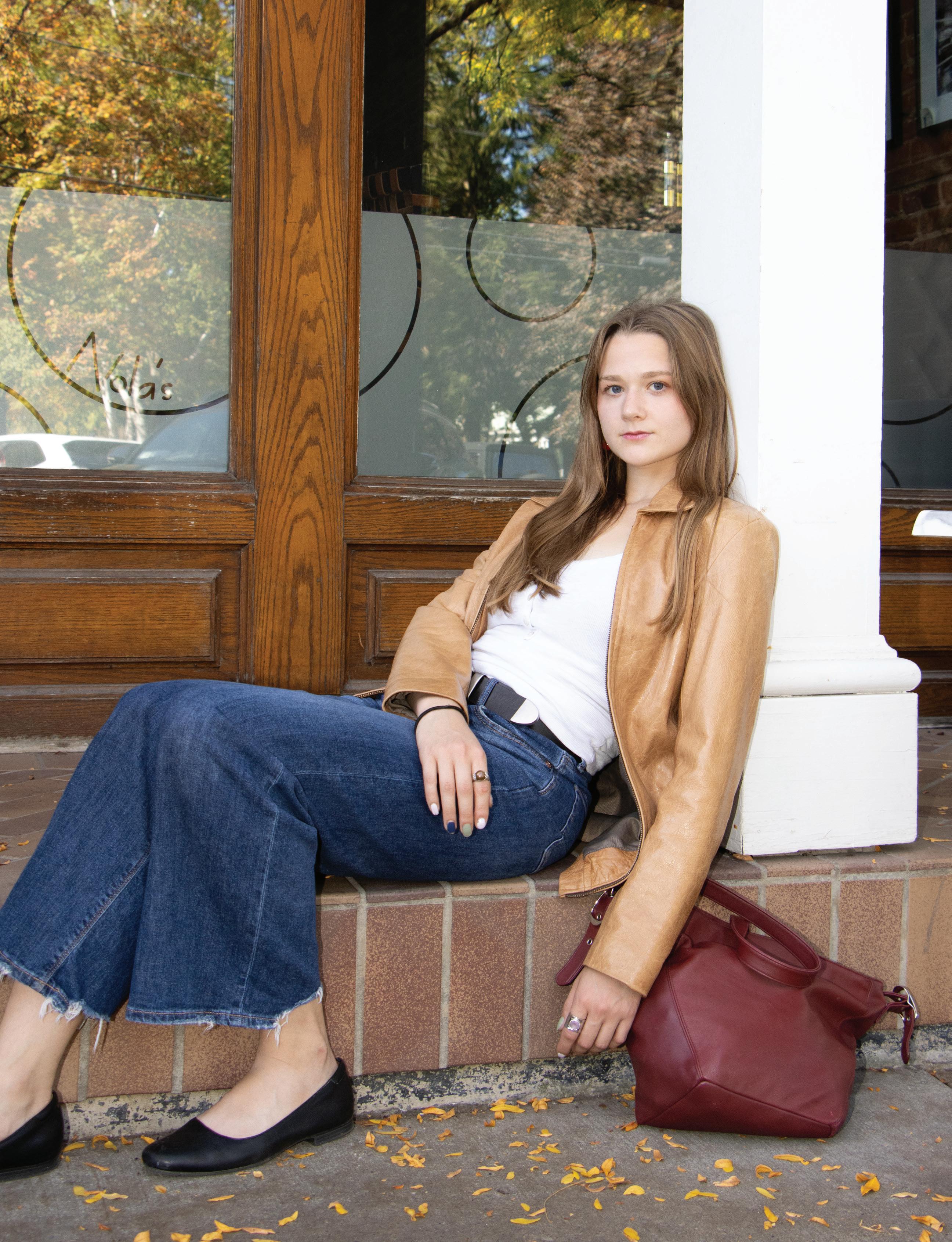
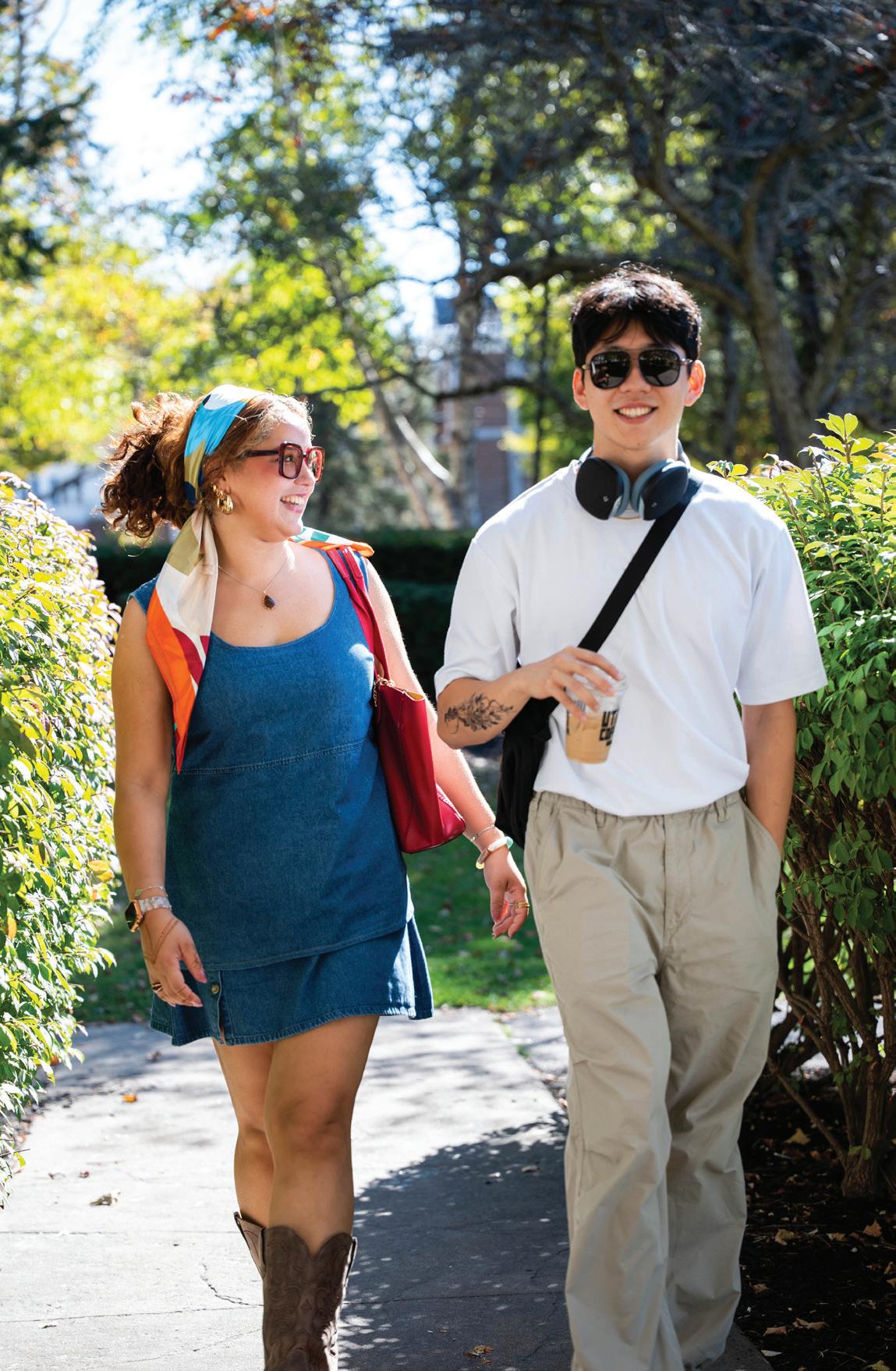
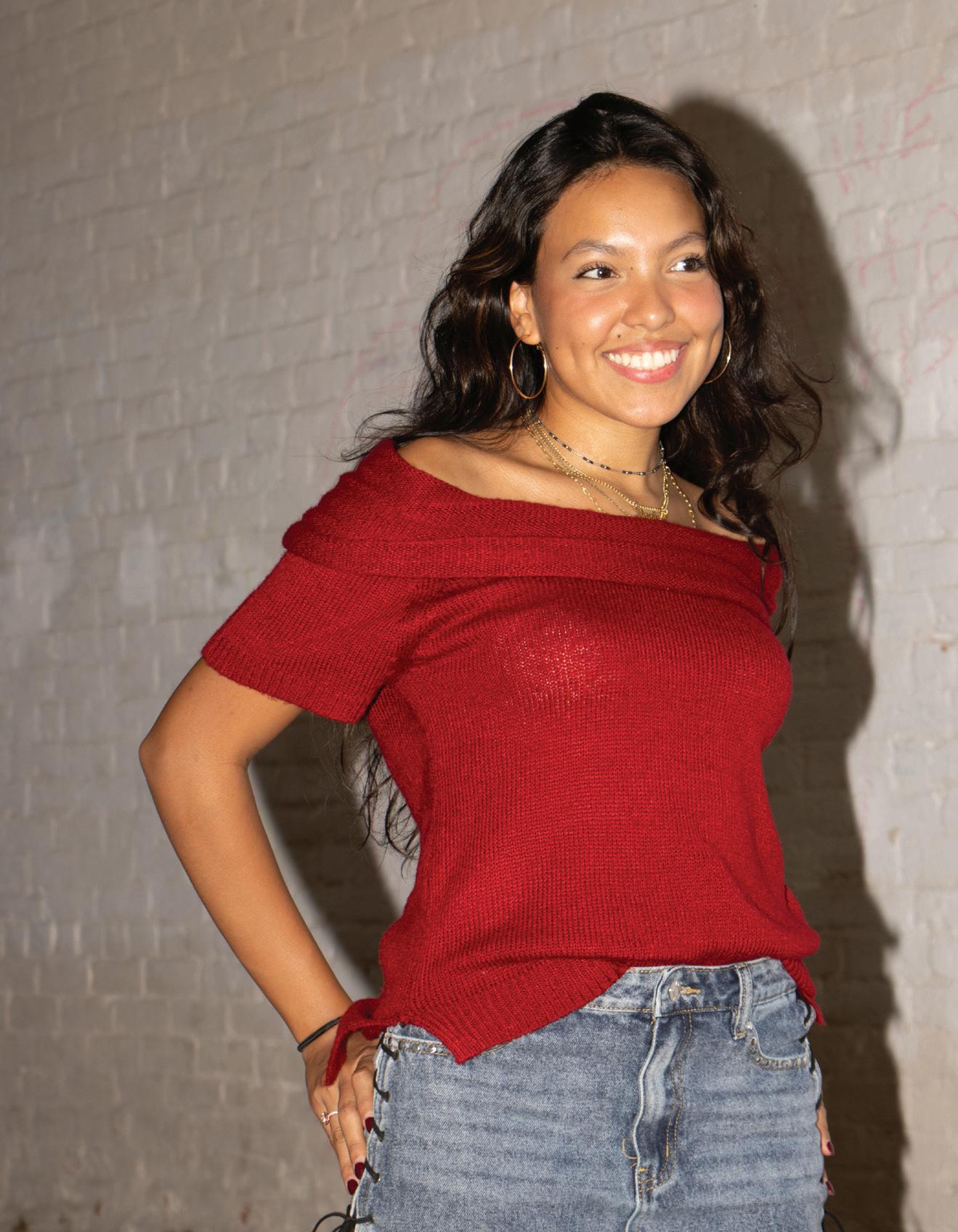
Photographer Liam Selendy describes street photography as “capturing and celebrating candid daily life, especially in urban areas where that daily life looks drastically different from person to person.” Growing up in New York City shaped his perspective. “It was so easy to ignore the thousands of stories happening around me,” he says. “Street photography allowed me to become less inwardly focused and connect more deeply with the city I lived in.” For Selendy, clothing plays a key role in that connection. “Fashion is a daily method of self-expression that reflects personality, class, interests. By dressing up the models, we were creating whole characters and getting a tiny peek into their lives through these photos.”
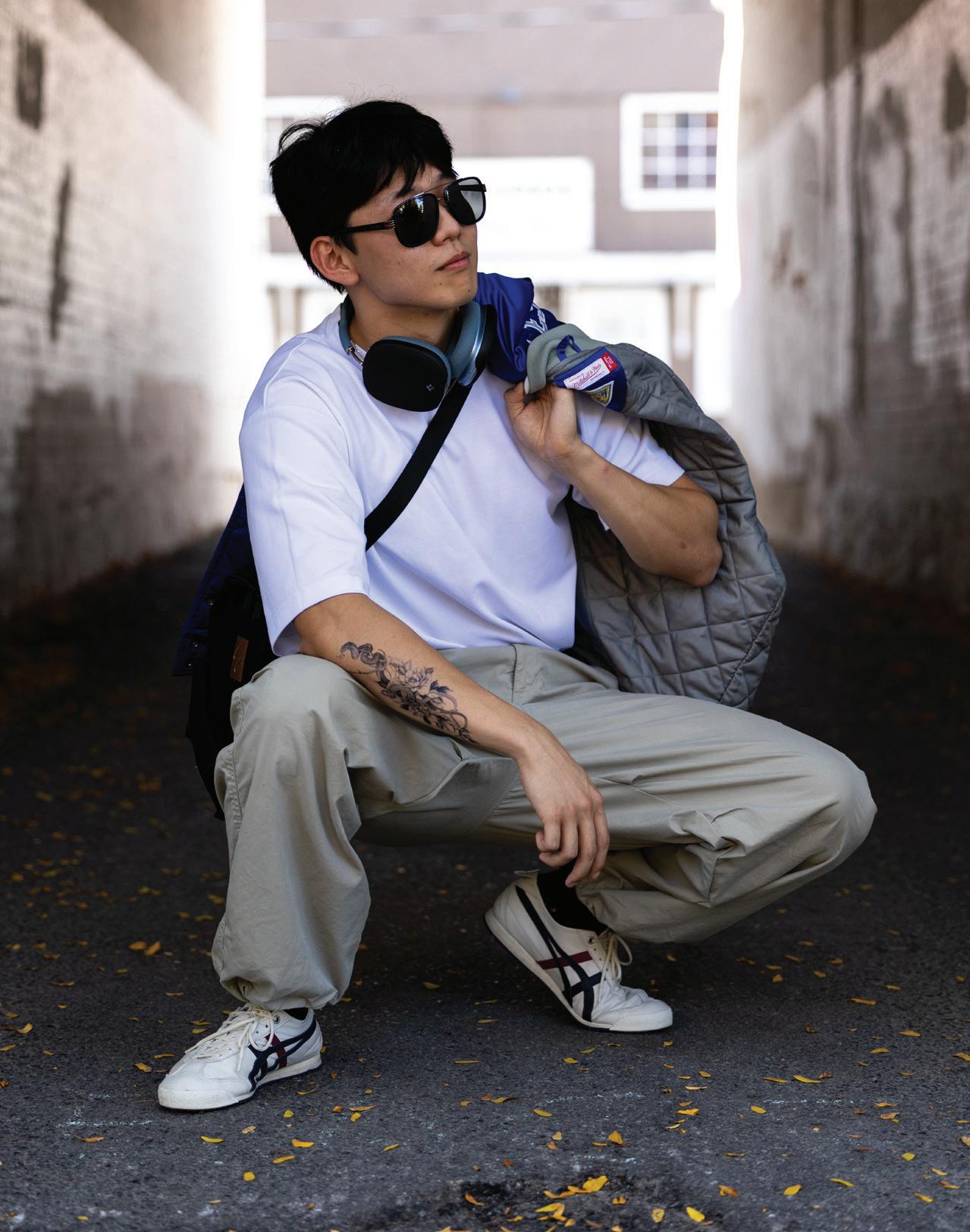
Photographer Gori Goto has a similar view, seeing street photography as a way to uncover the unnoticed beauty in ordinary moments. “It makes us realize something beautiful in our daily scenes, things we usually overlook,” Goto says. Shooting outside, for Goto, presents a kind of creative challenge. “There’s so much reflection from buildings. The lighting is complicated, but experimenting with angles is so much fun. I love using what is around me to make a picture stand out.”
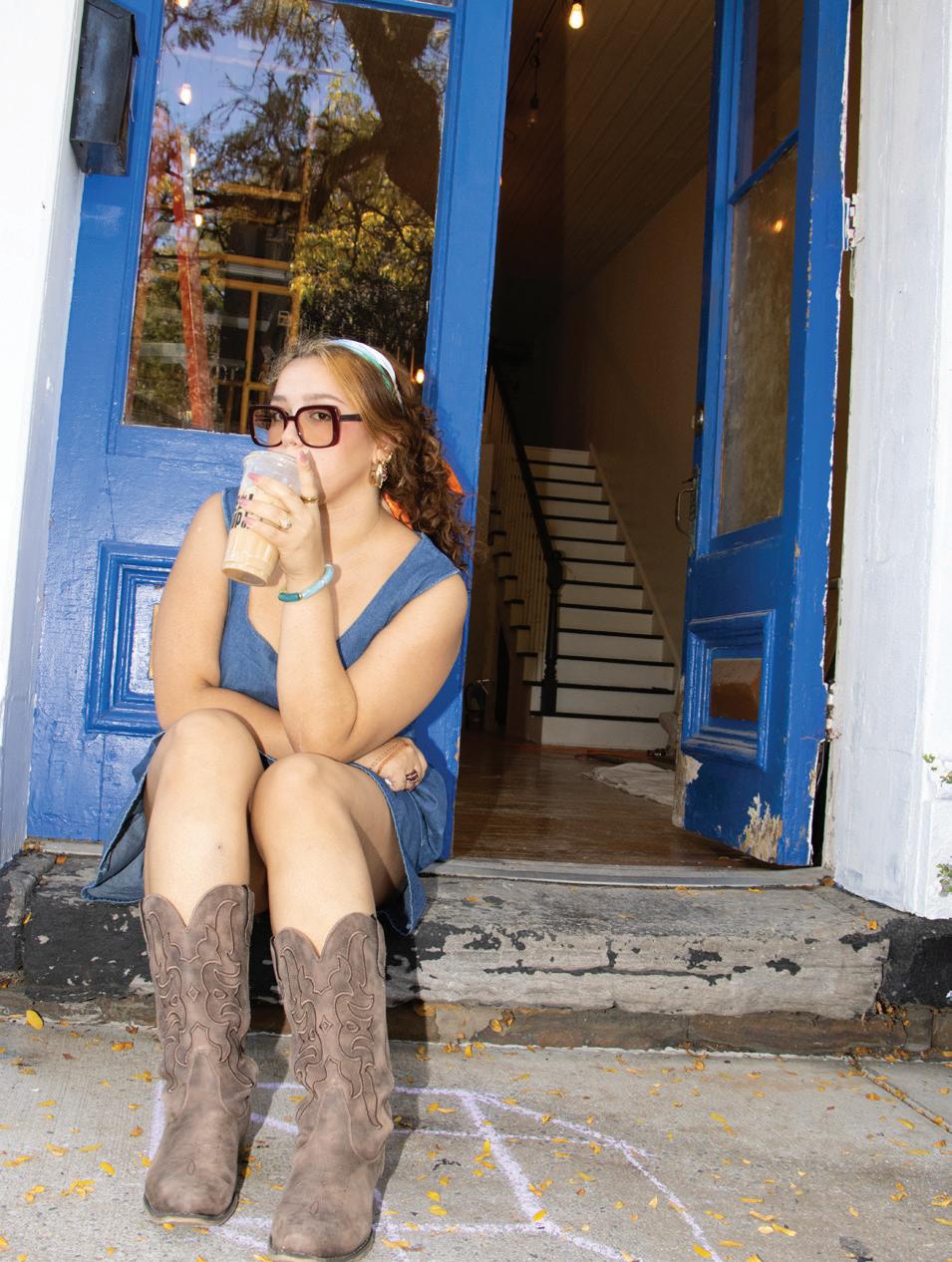


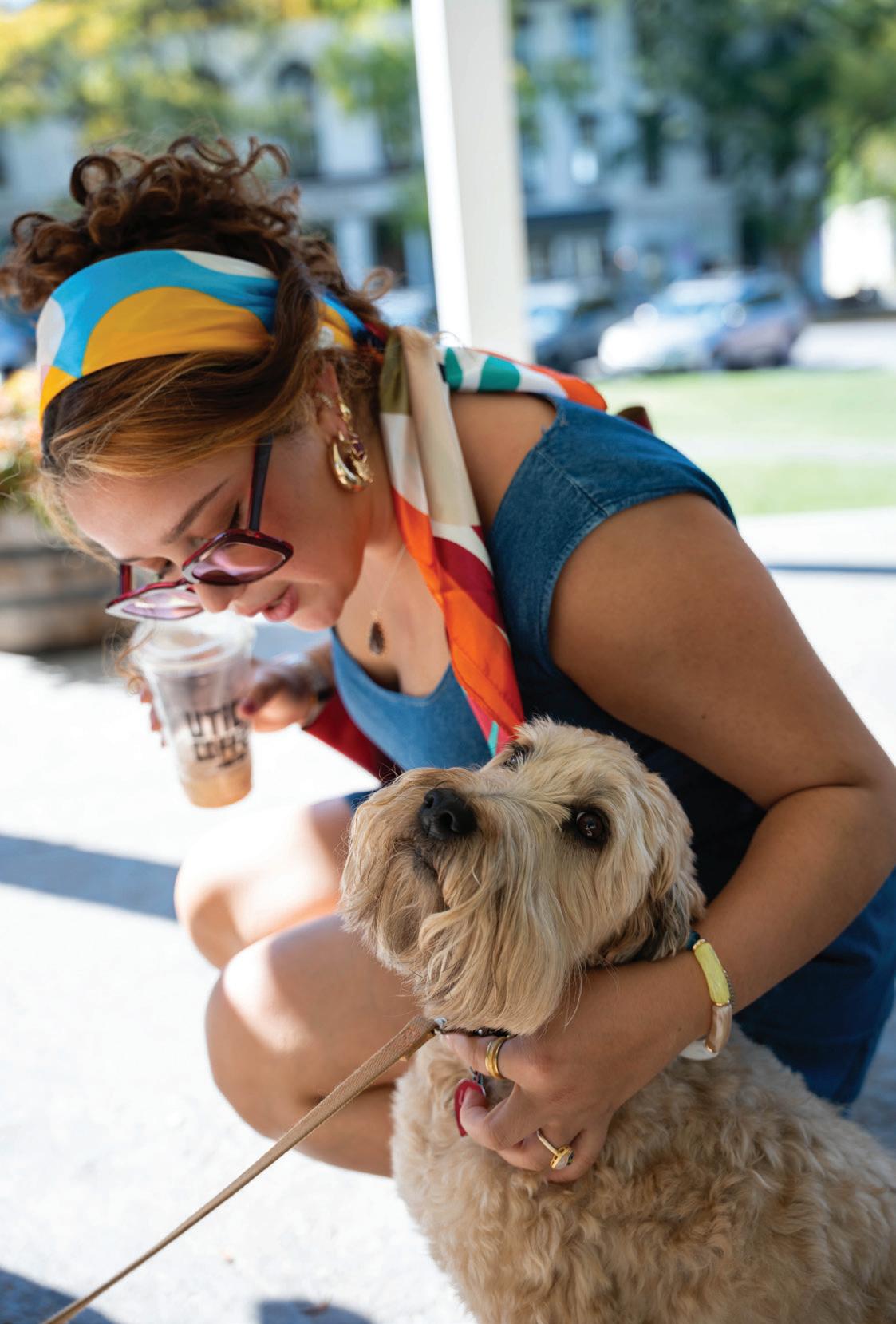
That instinct to adapt and to work with what the city gives you is what defines the genre.
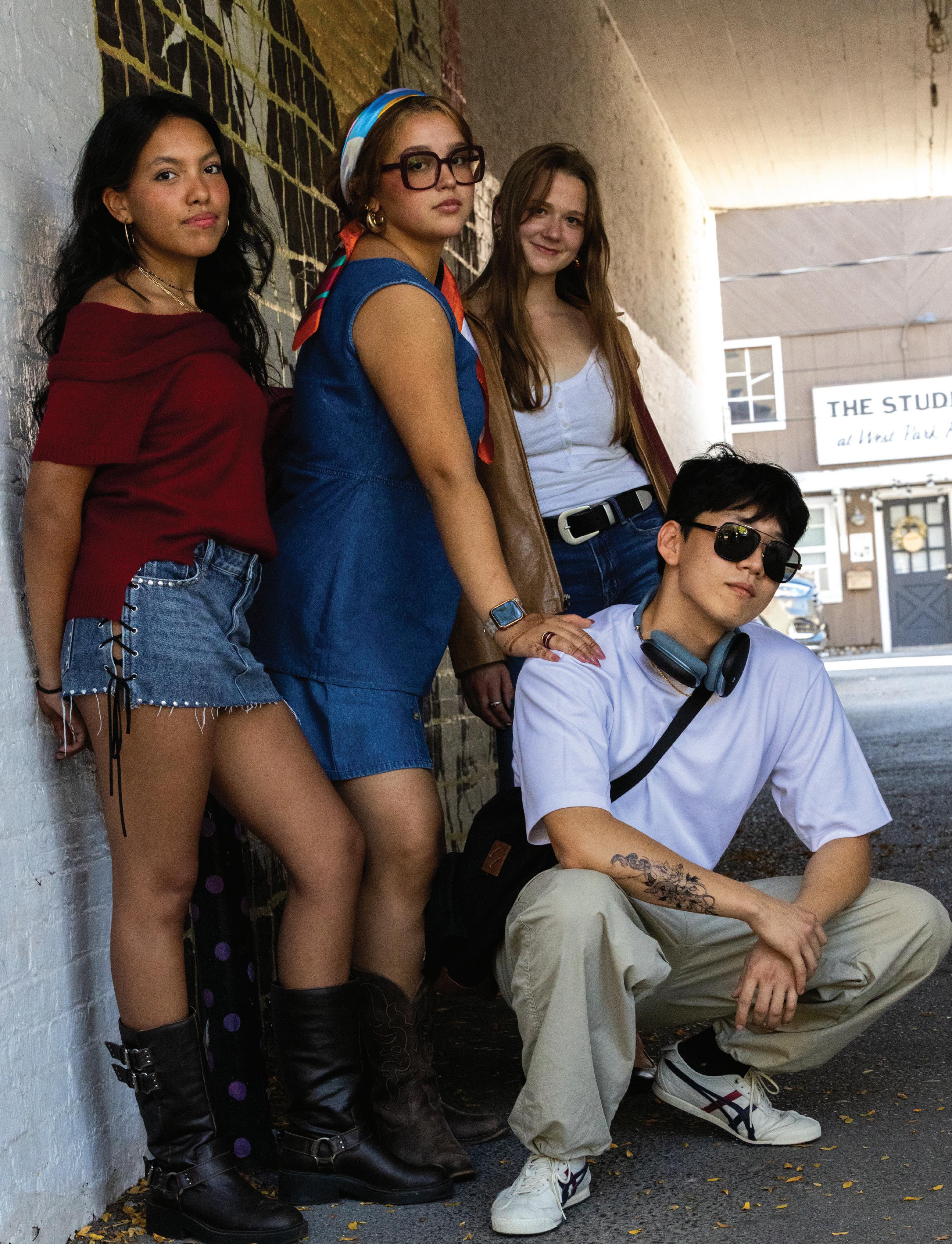
Street photography does not wait for the perfect setup. It embraces the shifting light, the unpredictable people, the noise, and finds something striking within it. For a young generation of photographers and fashion lovers, this realness is exactly what makes it exciting. We crave visuals that feel genuine rather than polished, images that show individuality instead of perfection. On campus and beyond, that attitude shows up everywhere.
Students treat fashion as a lived expression of identity. What someone throws on for class, what they thrifted over break, or how they layer a jacket on a cold walk across Martin’s Way all of it become part of a personal visual story. Street photography captures that story. It is not about models or trends, but about people in motion who wear their personalities out loud. Fashion, in this context, is not just about what we wear. It is about how we live in our clothes. Maybe that is the real beauty of street photography: it
reminds us that what we wear is part of how we move through the world.


written by Katrina Nelson ‘27
On the quiet campus of Hamilton College, Professor of Art Bhen
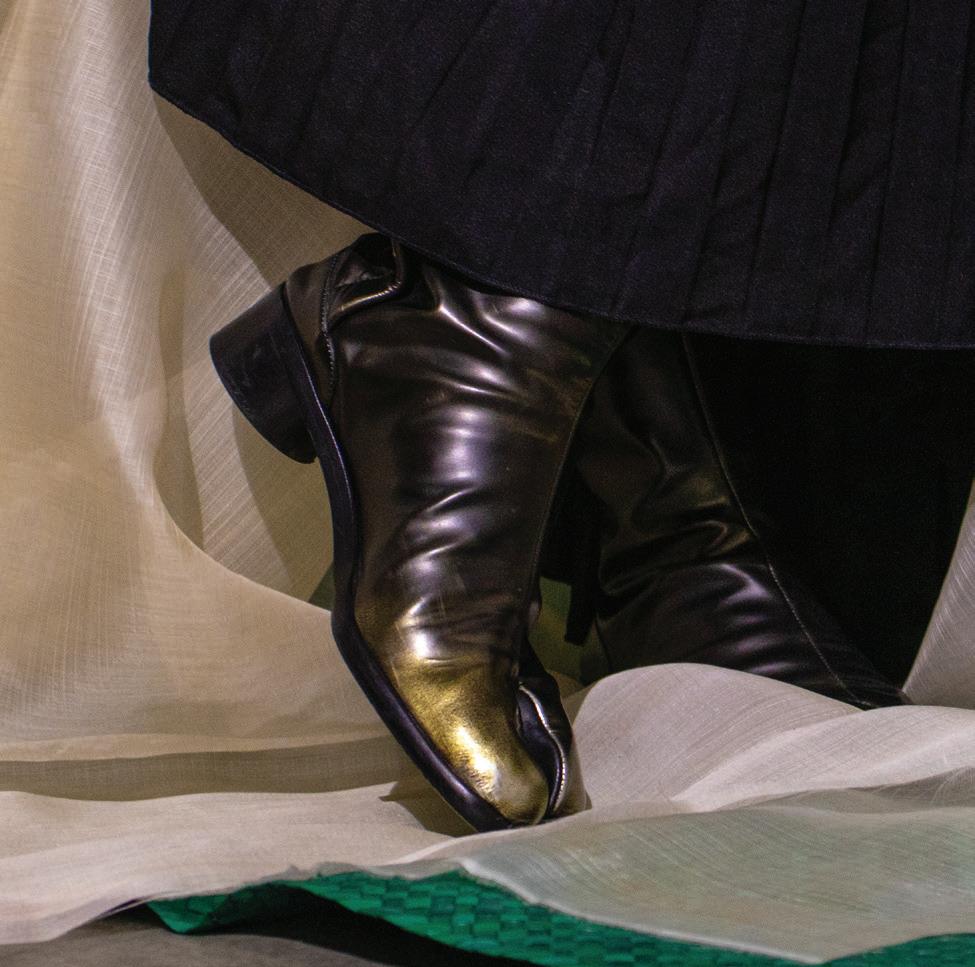
Alan stands out with his unique fashion sense. Beyond the sculptural silhouettes and intricate patterns, his clothing tells a story. From the pearl on his ring to every seam of his clothing, it all feels intentional. His wardrobe transcends fashion, becoming a living archive of culture.
Alan’s personal style exists at the intersection of avant-garde experimentation and cultural storytelling. Whether he’s wearing a flowing silhouette coded as “feminine” or bold architectural pieces, Alan treats fashion as a medium of freedom.
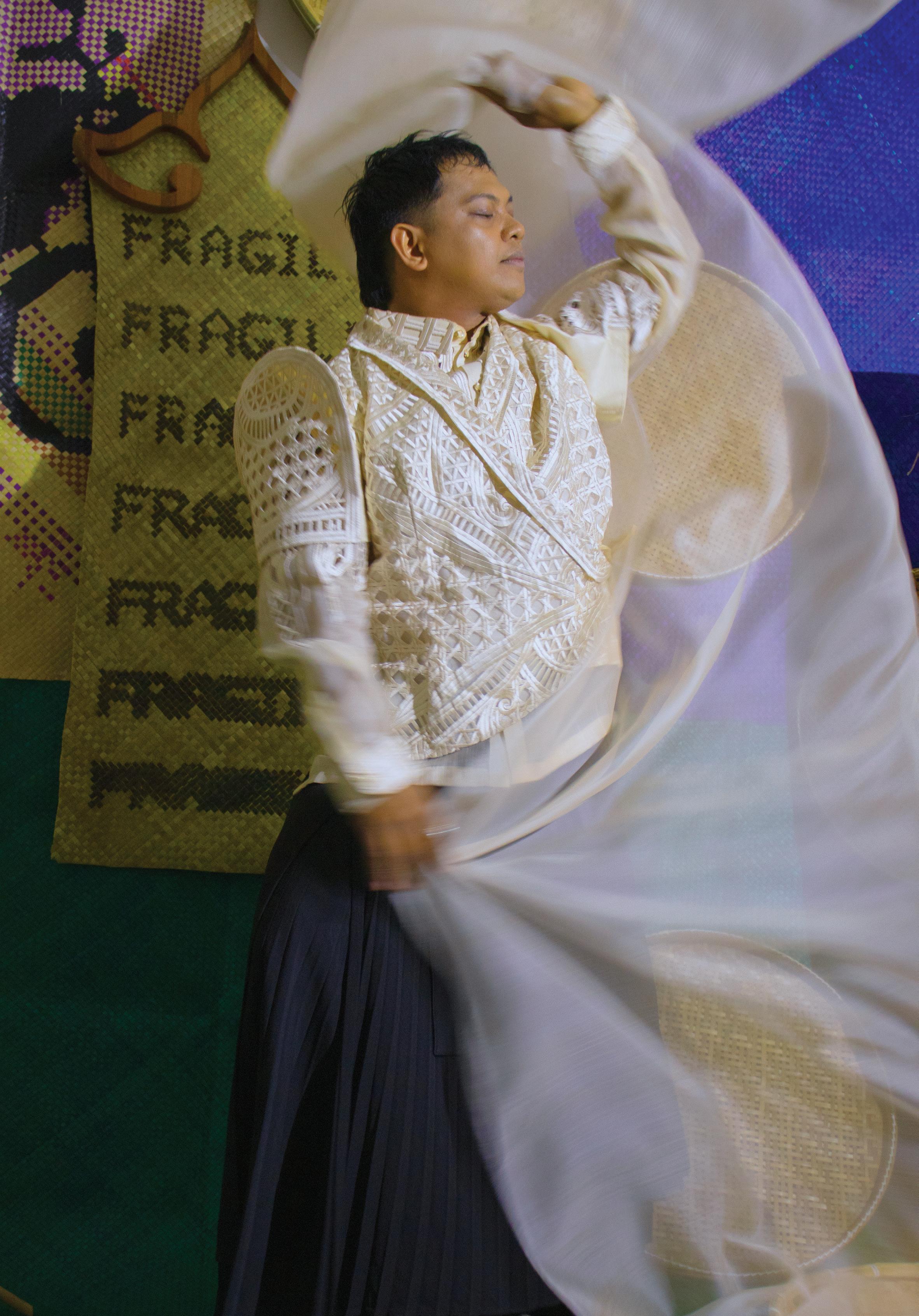
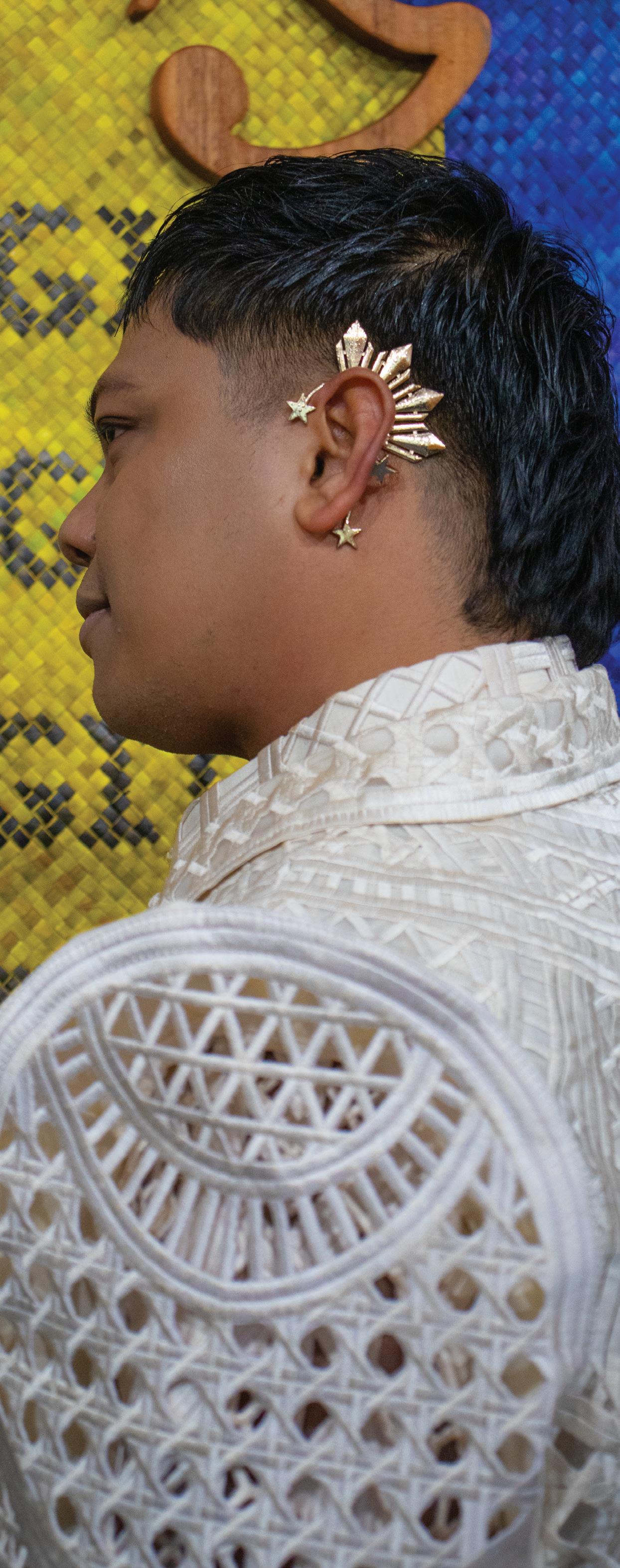
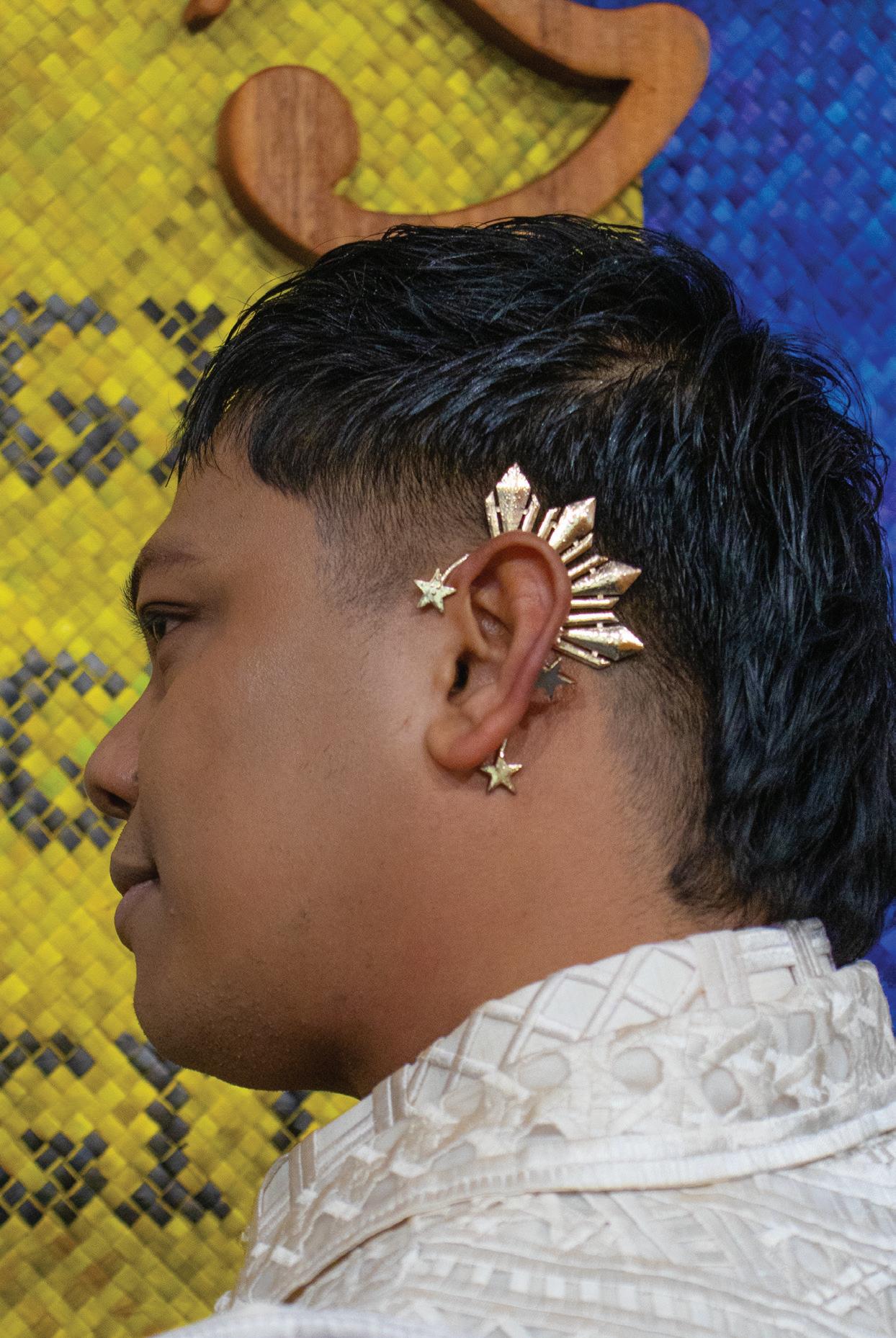
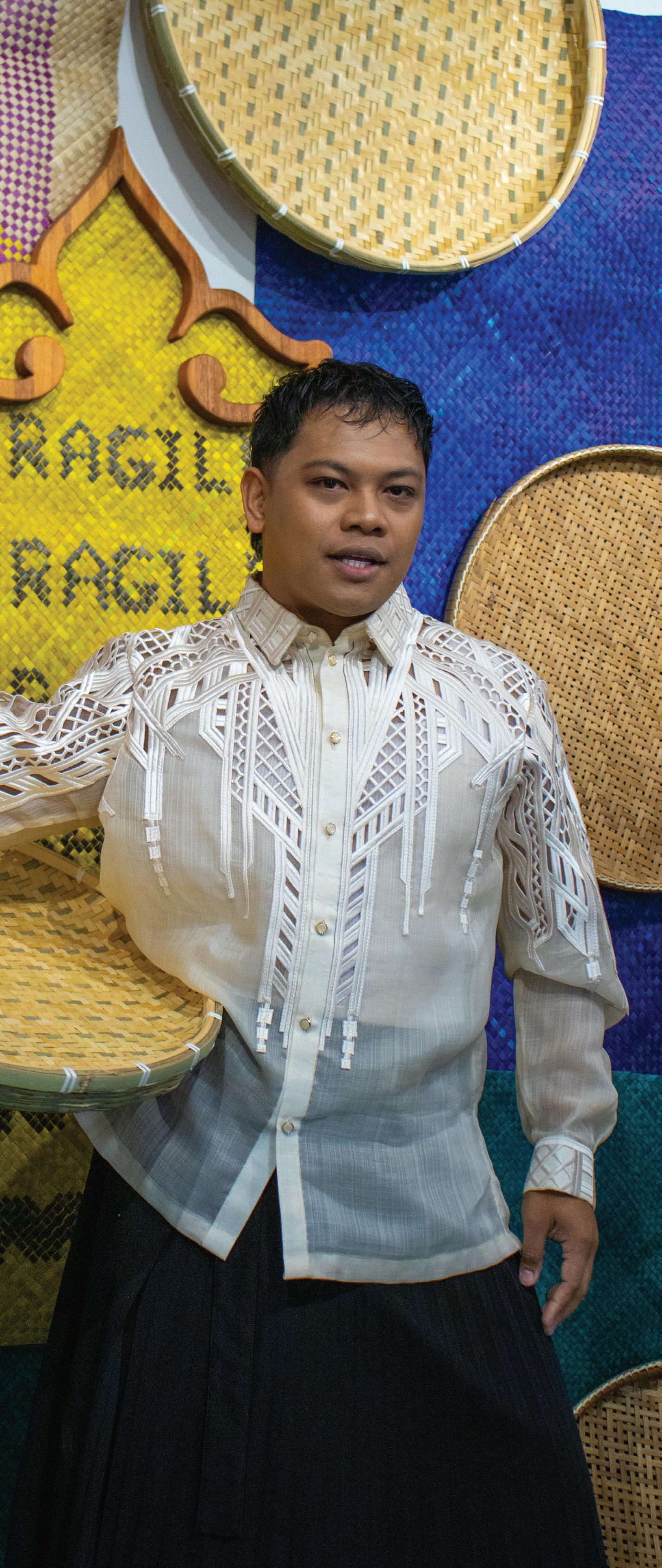
When we met with Alan, he styled an outfit that encapsulated his personal style. He wore a striking Filipino terno, a traditionally feminine top distinguished by its sculptural, butterfly-like sleeves. He pairs it with a barong, the sheer embroidered shirt traditionally worn by men. The combination reflected his ongoing exploration of gender in fashion, challenging the idea that style should be confined to binary norms.
His understanding of clothing is deeply historical, but not nostalgic. He points out that Filipino fashion has always evolved in relation to global influence, first through colonization, then through cultural exchange. During Spanish rule, the terno reflected European silhouettes. Under American imperialism, its design changed again, following Western trends. Presently, Alan sees these same dynamics at play with global fashion cycling, while local cultures reinterpret them through their own lenses.
Each detail in his outfit is personal and intentional. The ear cuffs, designed in collaboration with a jeweler, draw inspiration from pieces once worn by Miss Philippines Universe. The pearl he wore on his finger was collected by divers in the Philippines while he was there. Even the smallest accessories are imbued with cultural symbolism.
“Everything is intentional,” he says. “You move through the world with what you know. You remember your roots, even when you’re far away.”

Alan is recognized on campus and by other artists for his distinct sense of self, but this sense of clarity didn’t arrive all at once. Growing up in the Philippines, “I did not know art”, he explained. Even while engaging in dance and weaving for practical uses, art was not at the forefront of his mind.
After moving to Canada for school, Alan found himself at a crossroads. While he was trained in the traditional disciplines of Western fine art practices like painting, print-making, and sculpting, they began to feel hollow. The materials and methods that once inspired him started to fall flat. It was only when he began to think back to his childhood that things started to shift. He remembered weaving for chicken mats and learning traditional dances, being taught to preserve culture through everyday creative acts. These memories, once peripheral, became central to his artistic practice.
“Realizing that painting, sculpture making is not the only art… but the only art I was trained to do made me go back to the Philippines to re-study the history and restudy art form and connect to the indigenous peoples there.”
Reconnecting with indigenous Filipino artists helped him see art not as a fixed category but as a living thing, embedded in gesture, ritual, and material.
That idea deepened further during his work as a Fulbright scholar, when he returned to the Philippines to work with indigenous weaving communities. Immersed in island life with no internet and limited distractions, Alan experienced what it meant to be fully present within the rhythms of craft.
“You are present within that space, and that allowed me to be within that space, be within that community, and learn without any distractions.”
Living among mat weavers, he observed how art could emerge naturally from necessity, from repetition, and from care. The experience changed how he thought about both making and time. Even the act of weaving became a meditation on patience, on the slow work of building connection.
At the same time, returning to the Philippines was complicated. Despite his shared background with the people Alan sought to learn from, he often felt like an outsider. Building trust requires time, humility, and deep listening. Alan often spent days with the community members to fully immerse himself in the community that he learned from. The experience revealed how even familiarity can contain distance, and how those tensions can produce insight. The quiet slowness of weaving and the layers of social negotiation both became part of the fabric of his work.

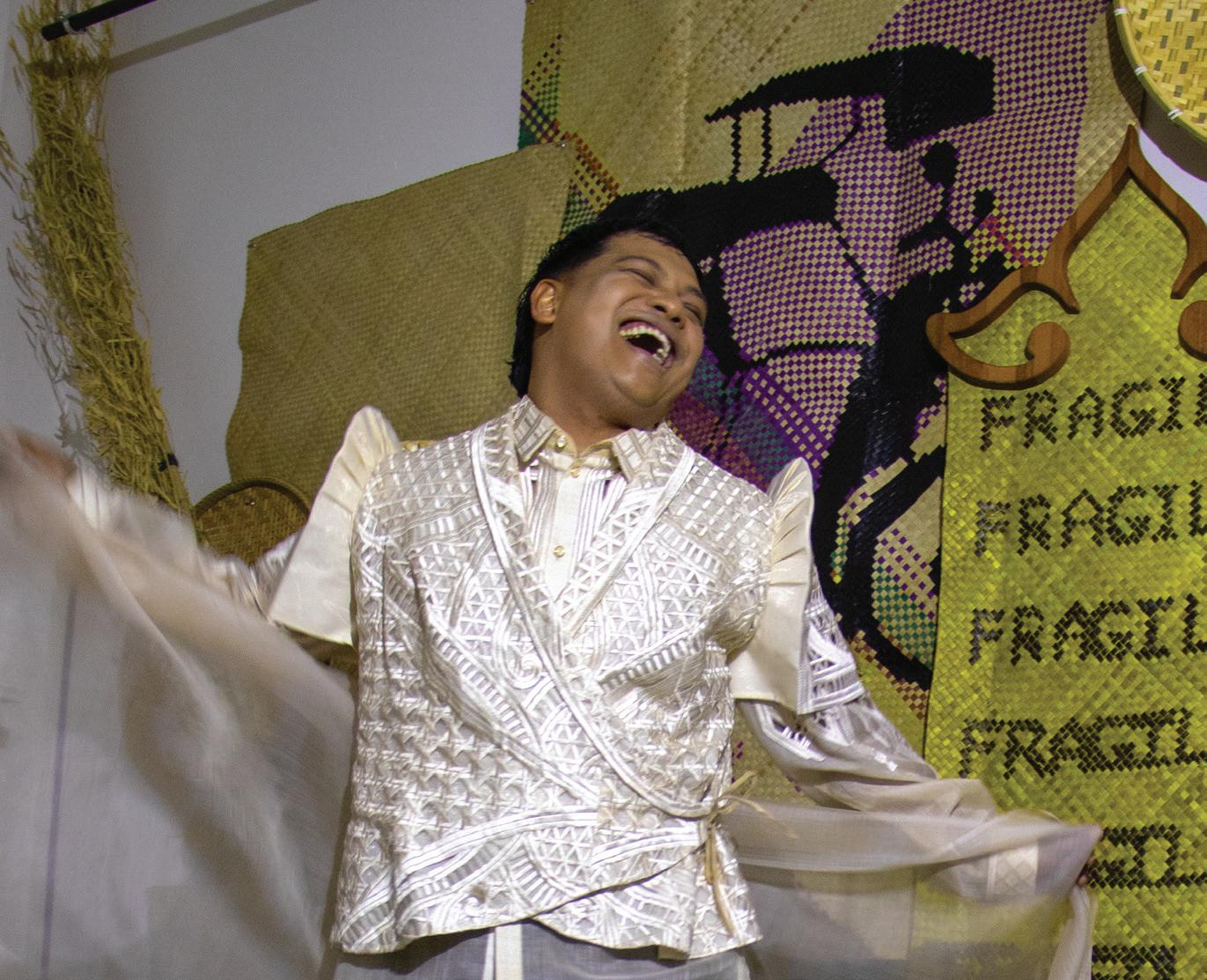
“Everything is intentional. You move through the world with what you know. You remember your roots, even when you’re far away.”
These themes shape Alan’s current work. His most recent project, Remittance, is an art display traveling across multiple continents. Through woven installations, he examines how migration transforms material culture and emotion. Boxes, packaging, and fabric become metaphors for care and distance, labor and love. The works speak to the complexities of movement and diaspora, recurring ideas in his creative vocabulary. In the classroom, Alan carries the same philosophy he brings to his studio. He emphasizes presence and care, encouraging students to treat art-making as an act of dedication. He believes creativity requires full attention and that the integrity of the process matters as much as the outcome. At Hamilton College, far from the dense art scenes of major cities, he encourages his students to approach isolation as space for introspection rather than absence.
Alan’s fashion is deeply personal, along with its conceptual rigour. He often describes himself as a loud person, and his clothing amplifies his energy. But beneath the bold silhouettes and intricate layering, there’s a sense of balance between excess and simplicity, helping to ground him. His garments are not costumes or statements; they’re systems of meaning.
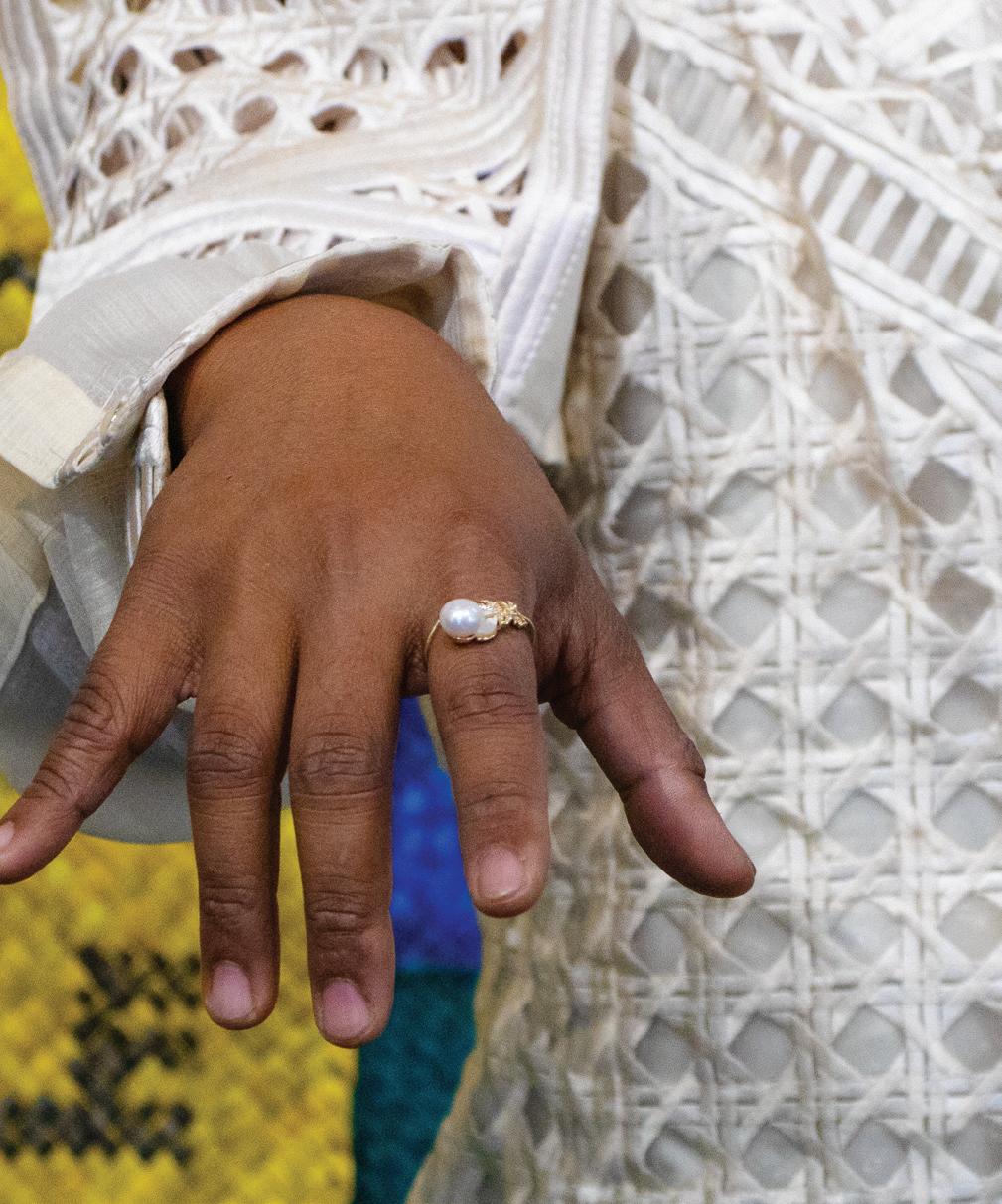
Across all his work, certain words recur: “migration, movement, diaspora”. They form the scaffolding of his practice, the structure on which his art and style are built. Through fabric, pattern, and form, What emerges from his wardrobe and his art is a meditation on intentionality. Every material, motif, and collaboration point toward the same question:
How do we move through the world while remembering where we come from?
For Bhen Alan, that question isn’t answered– it’s worn.

written by Daphne Leibowitz ‘29
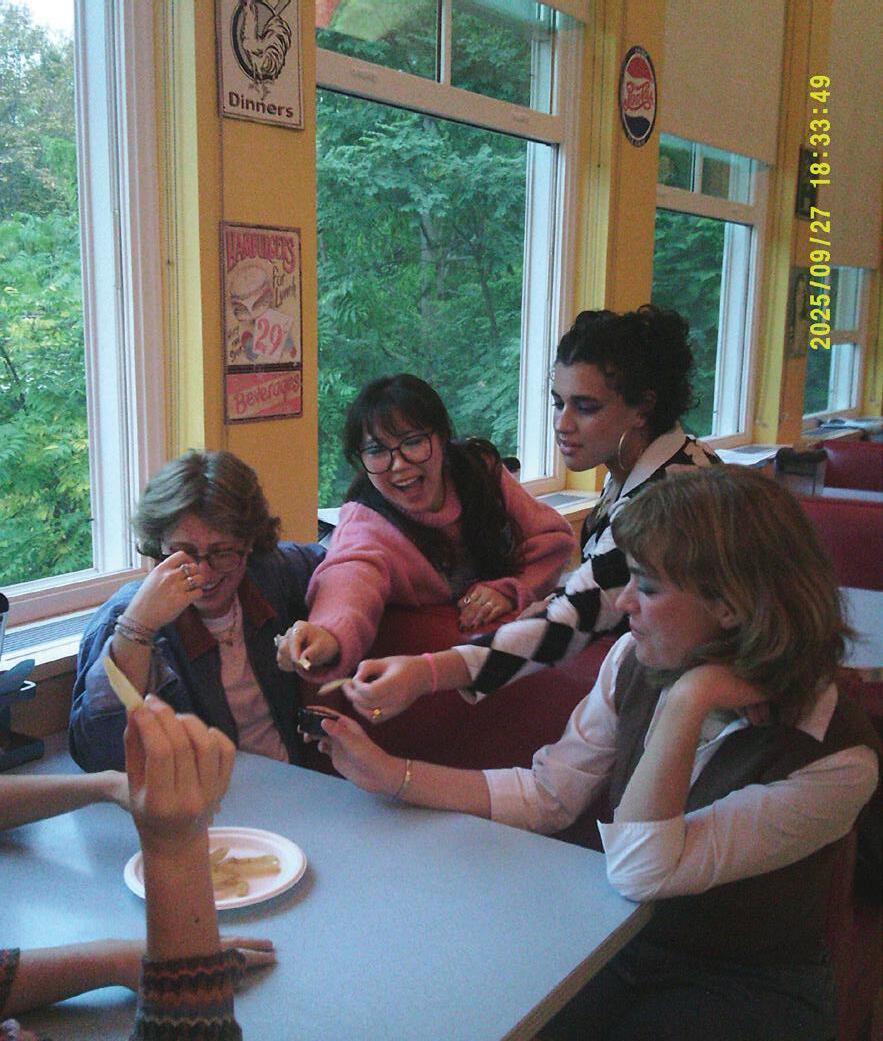


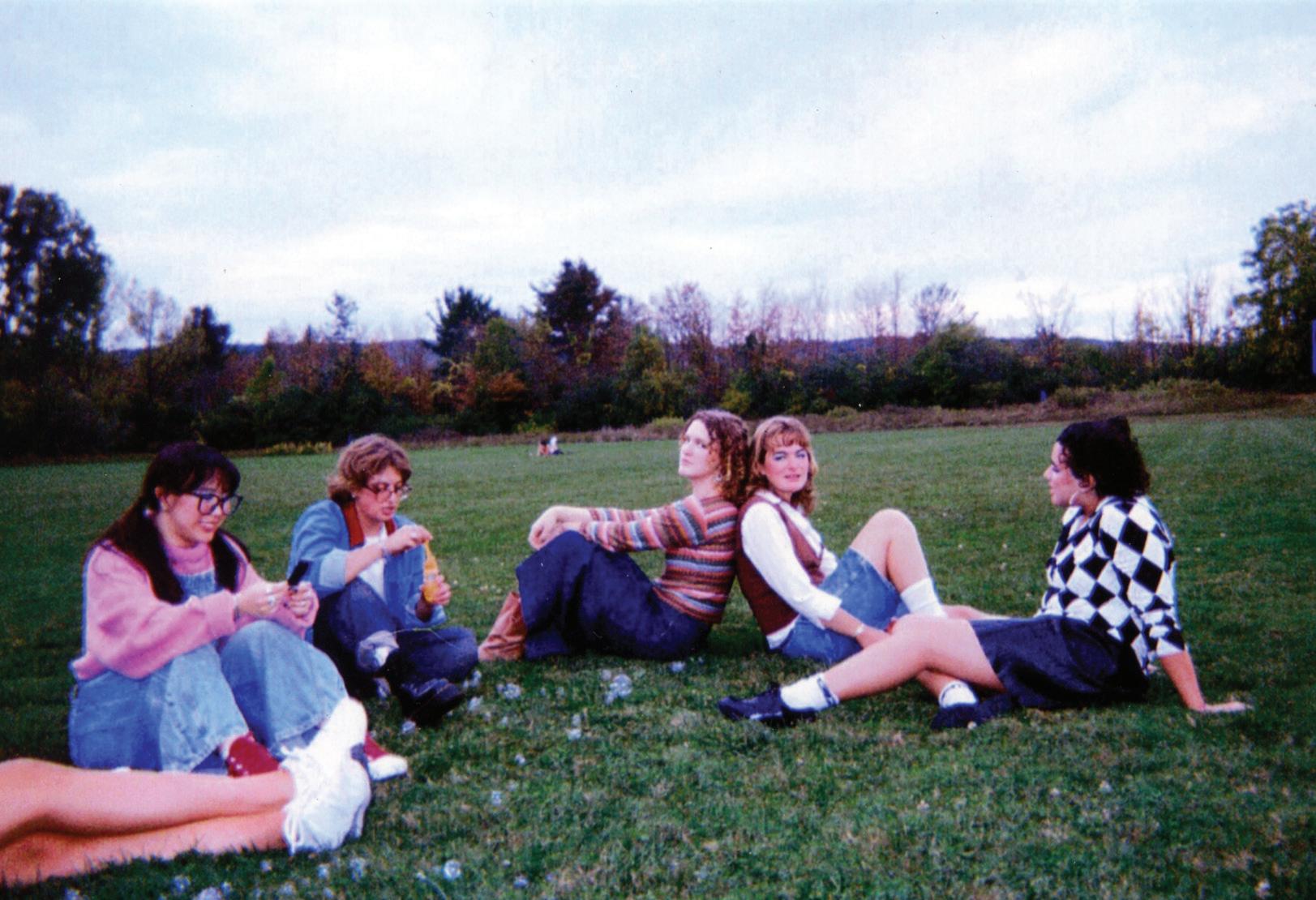
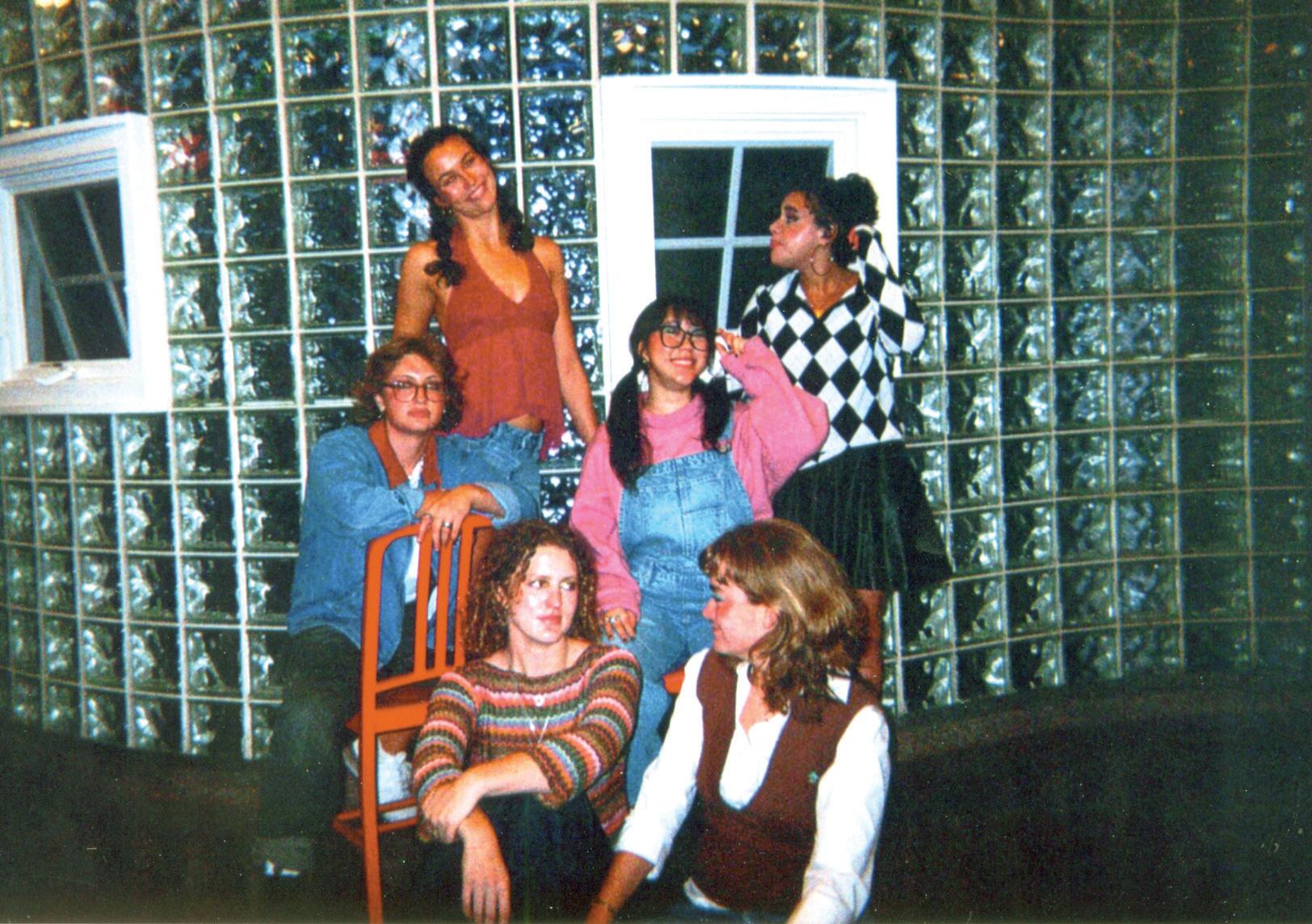
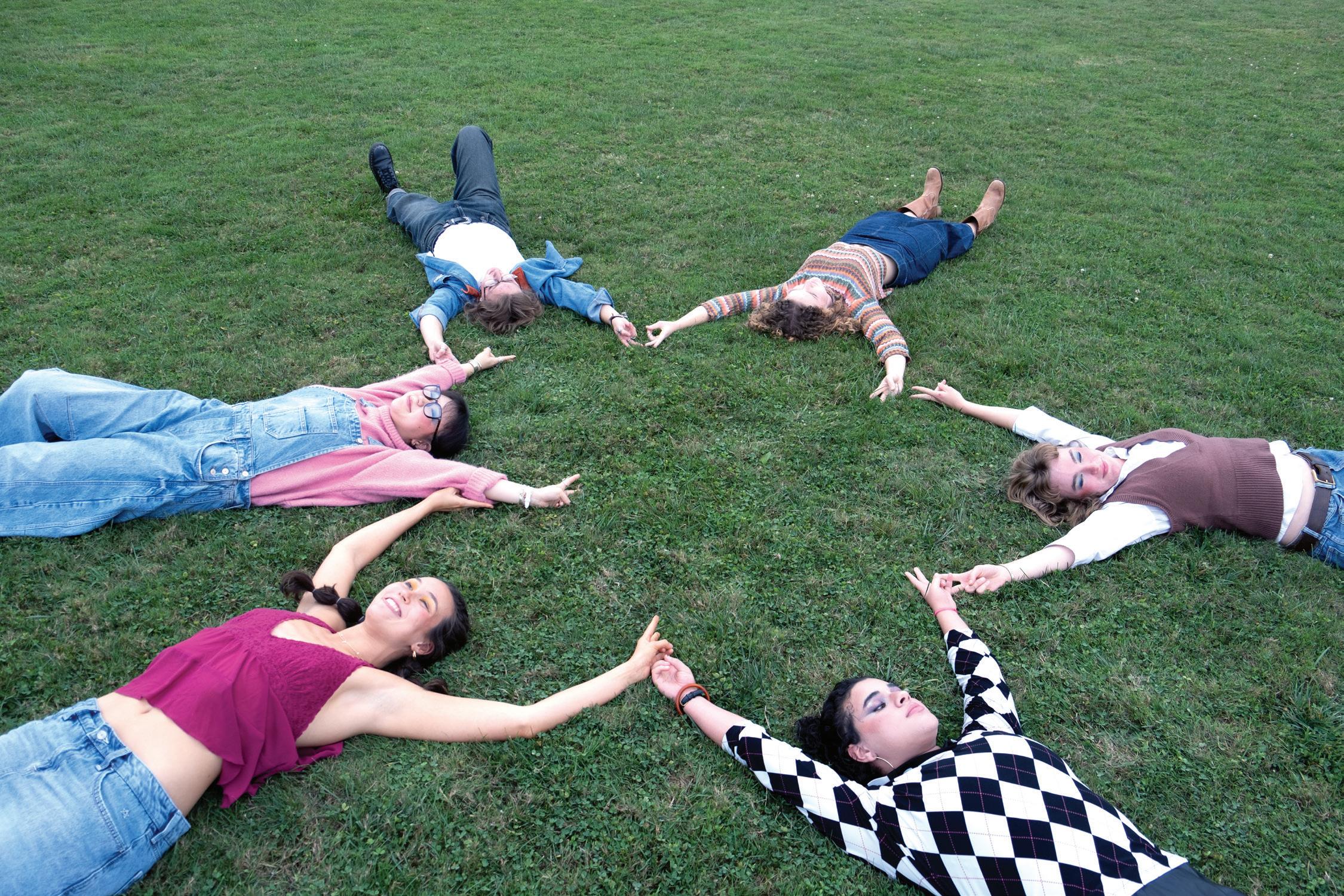
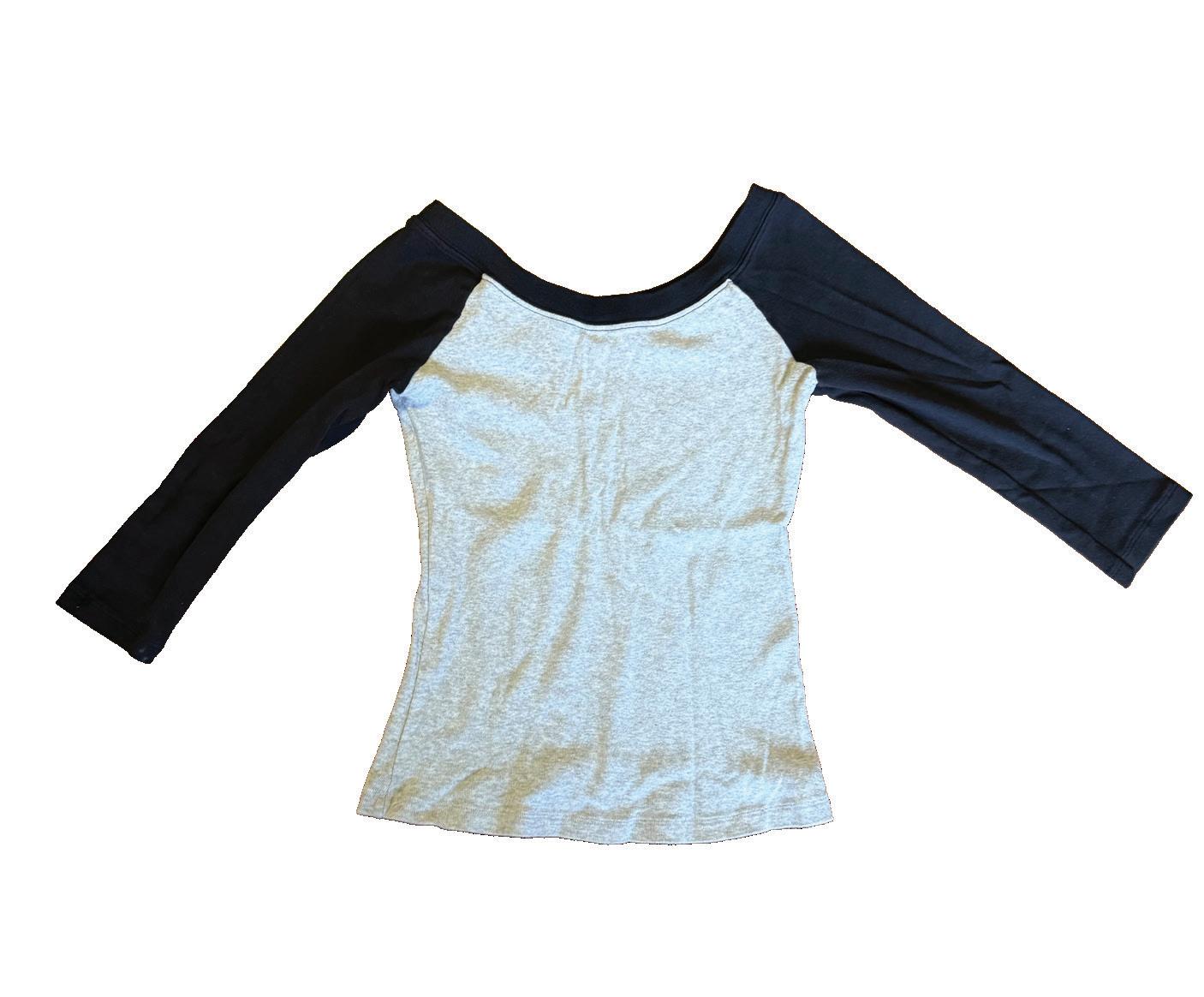
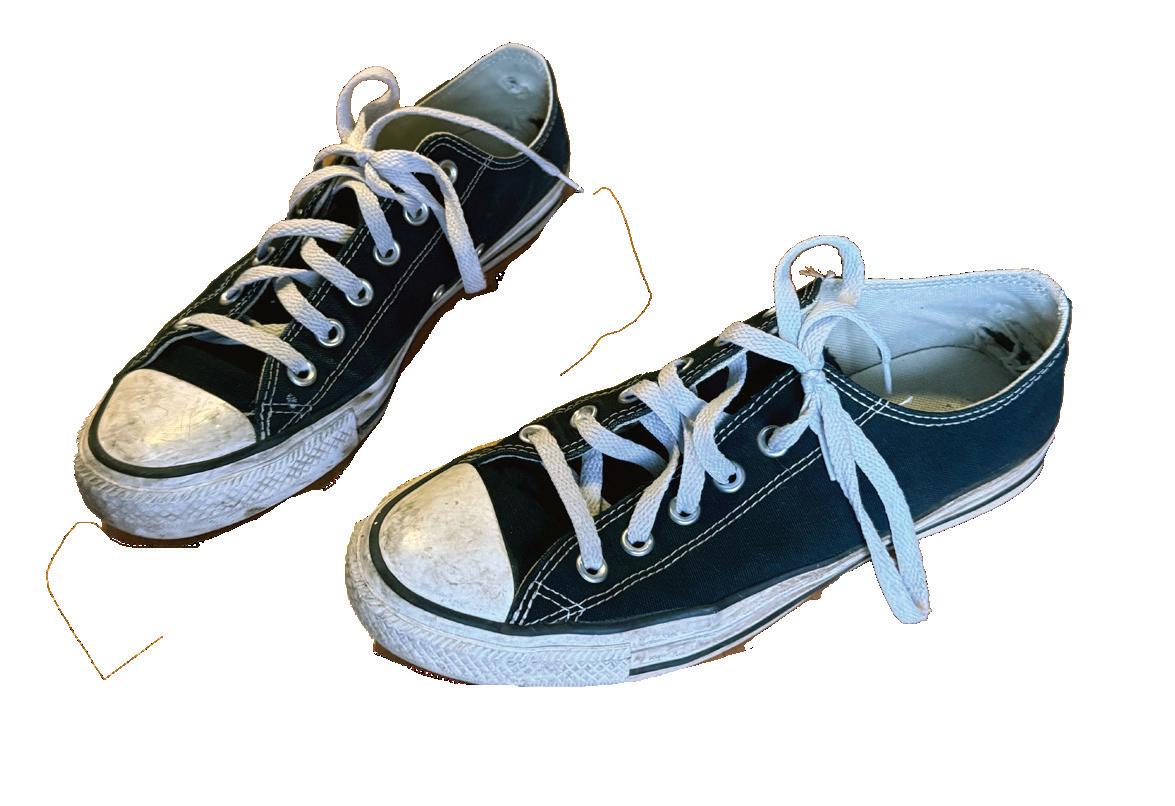
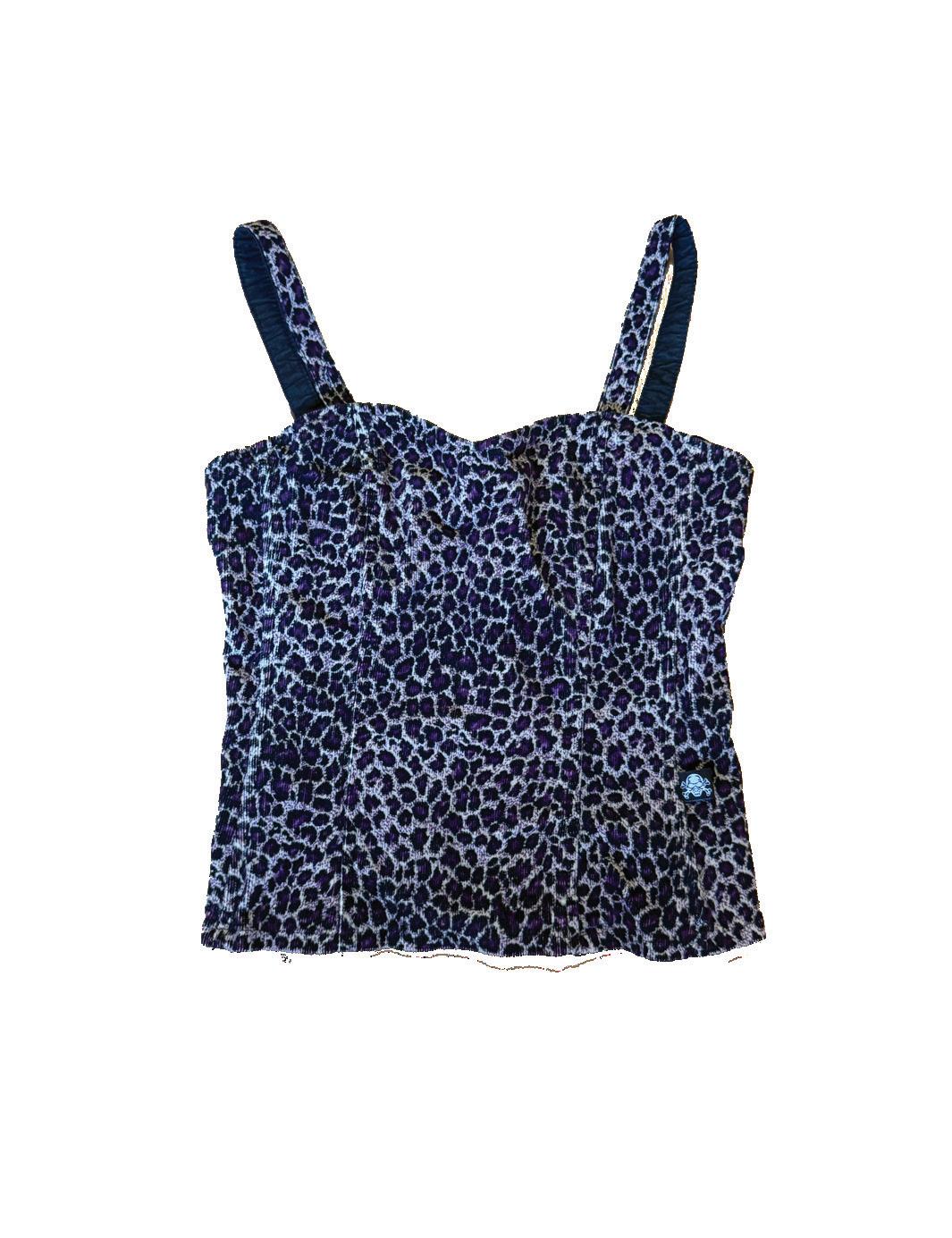
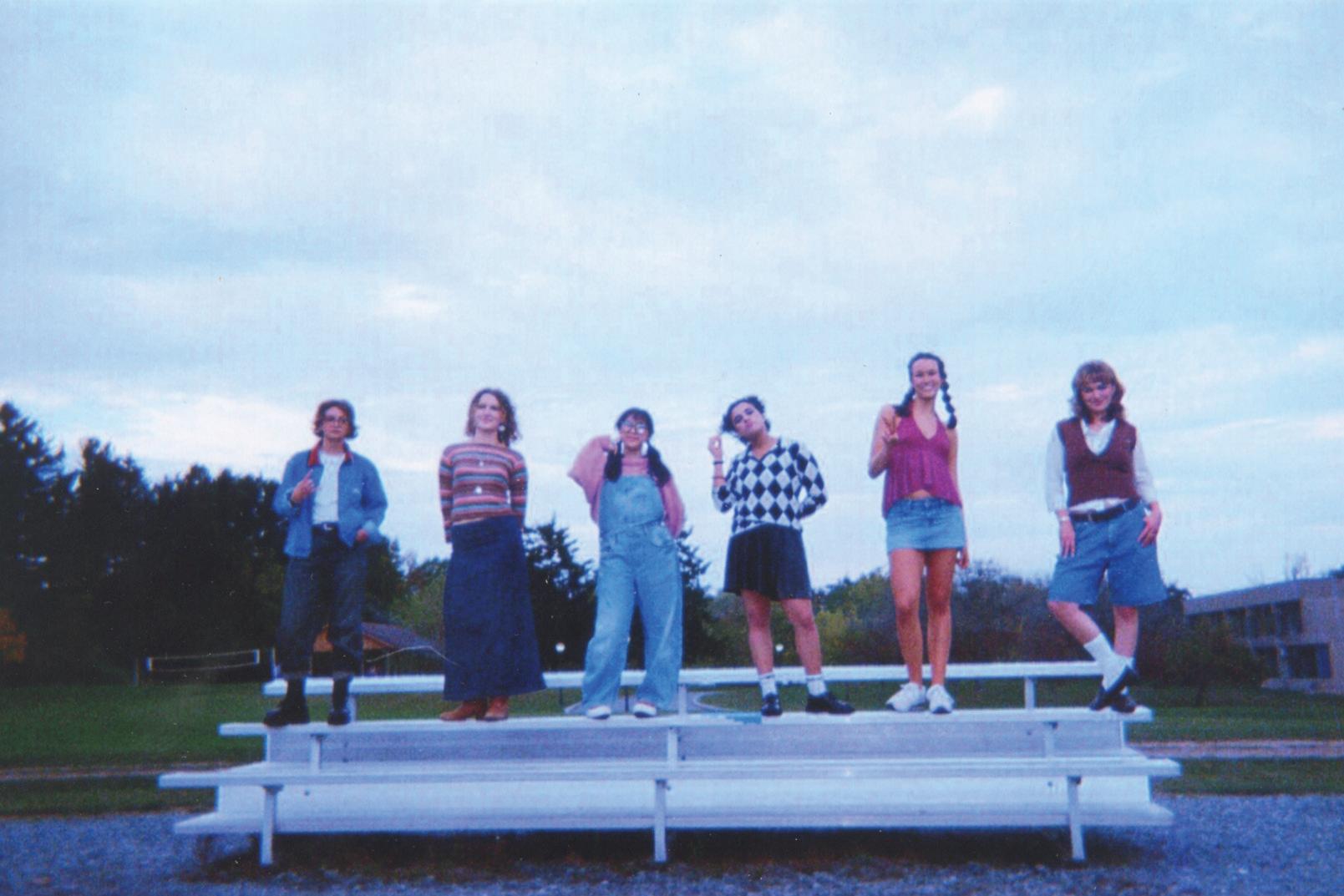
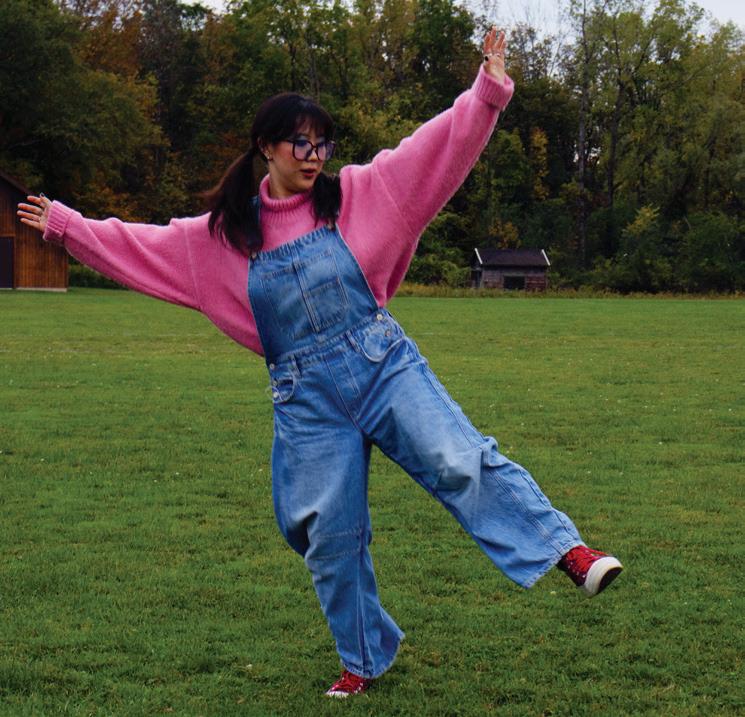
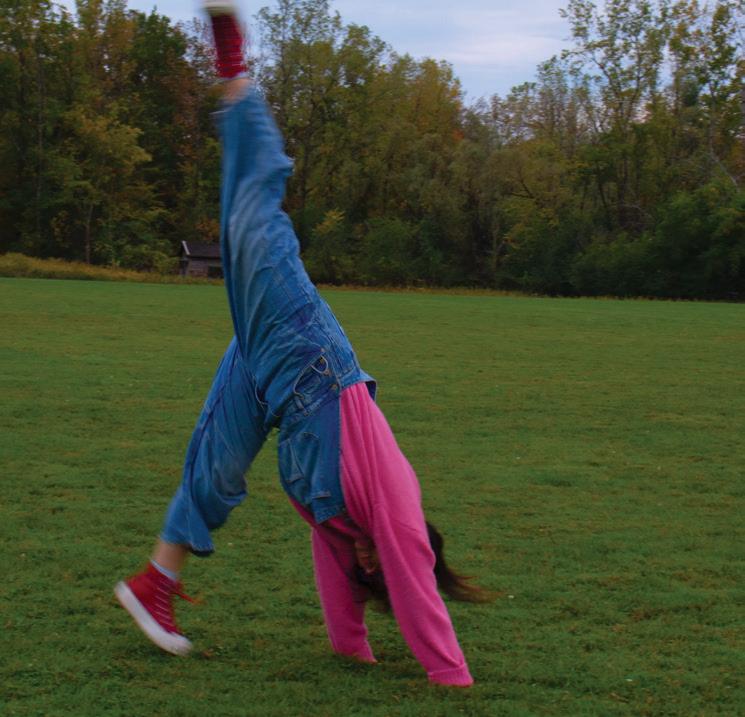
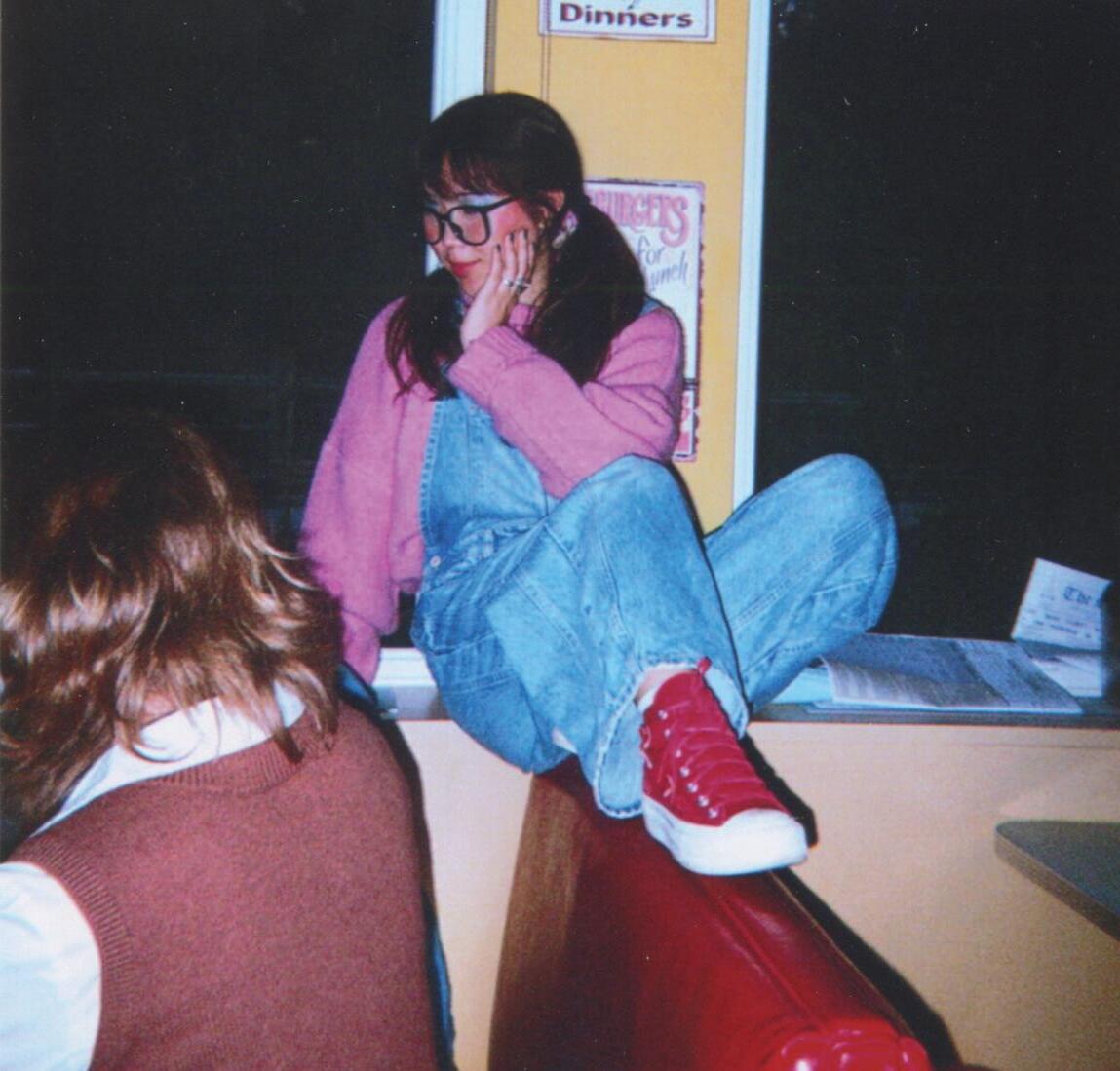
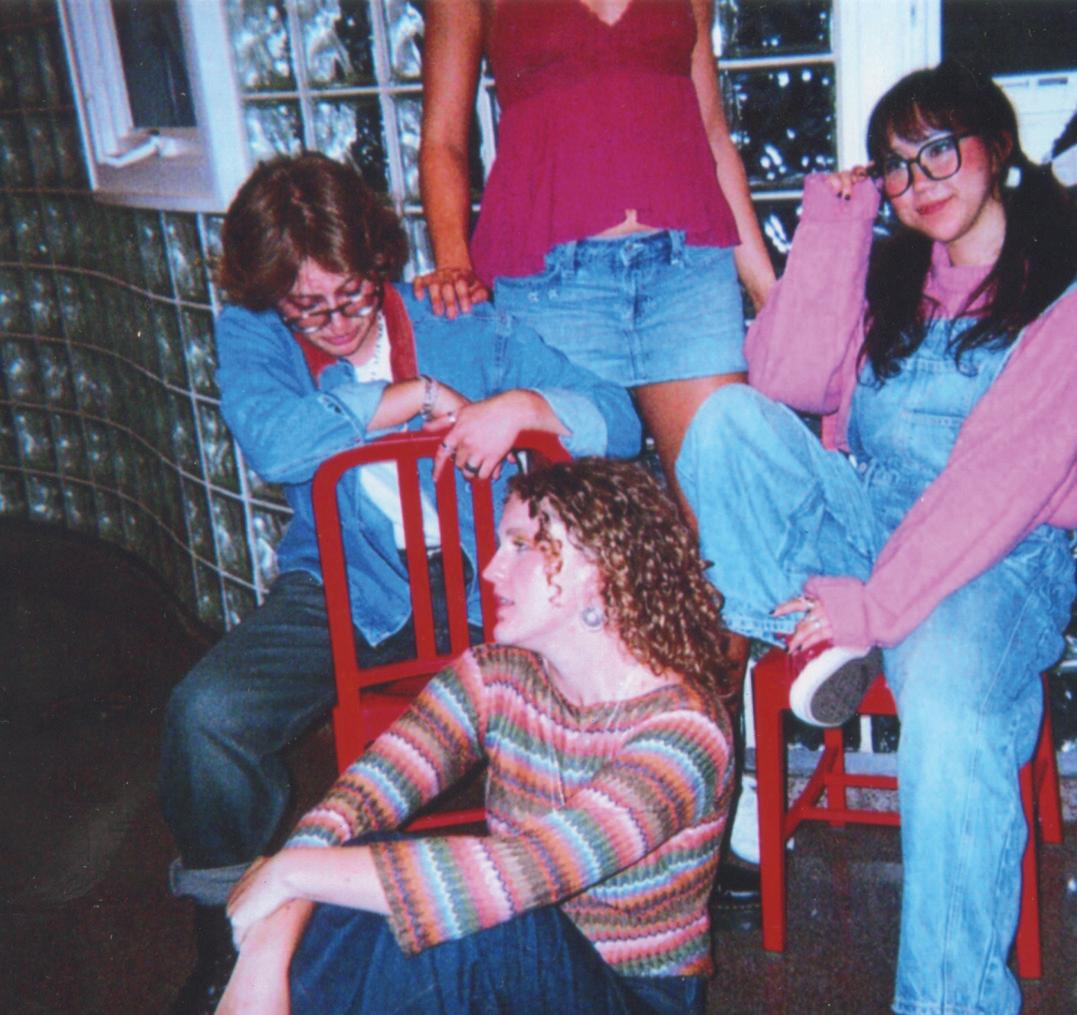
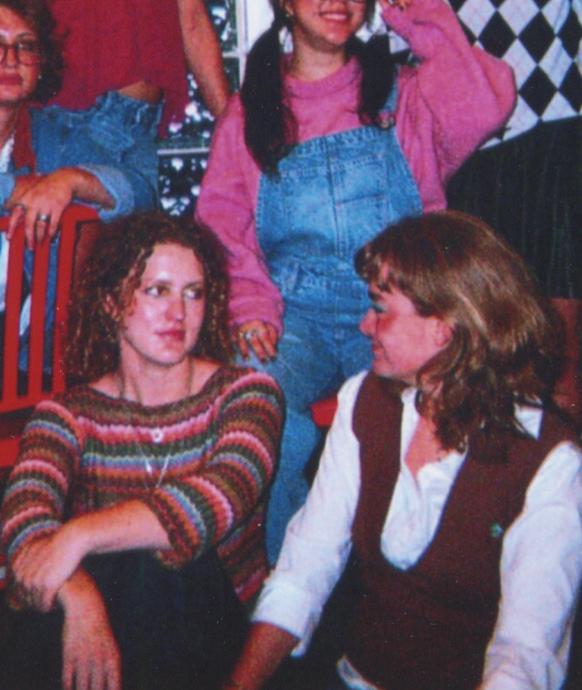
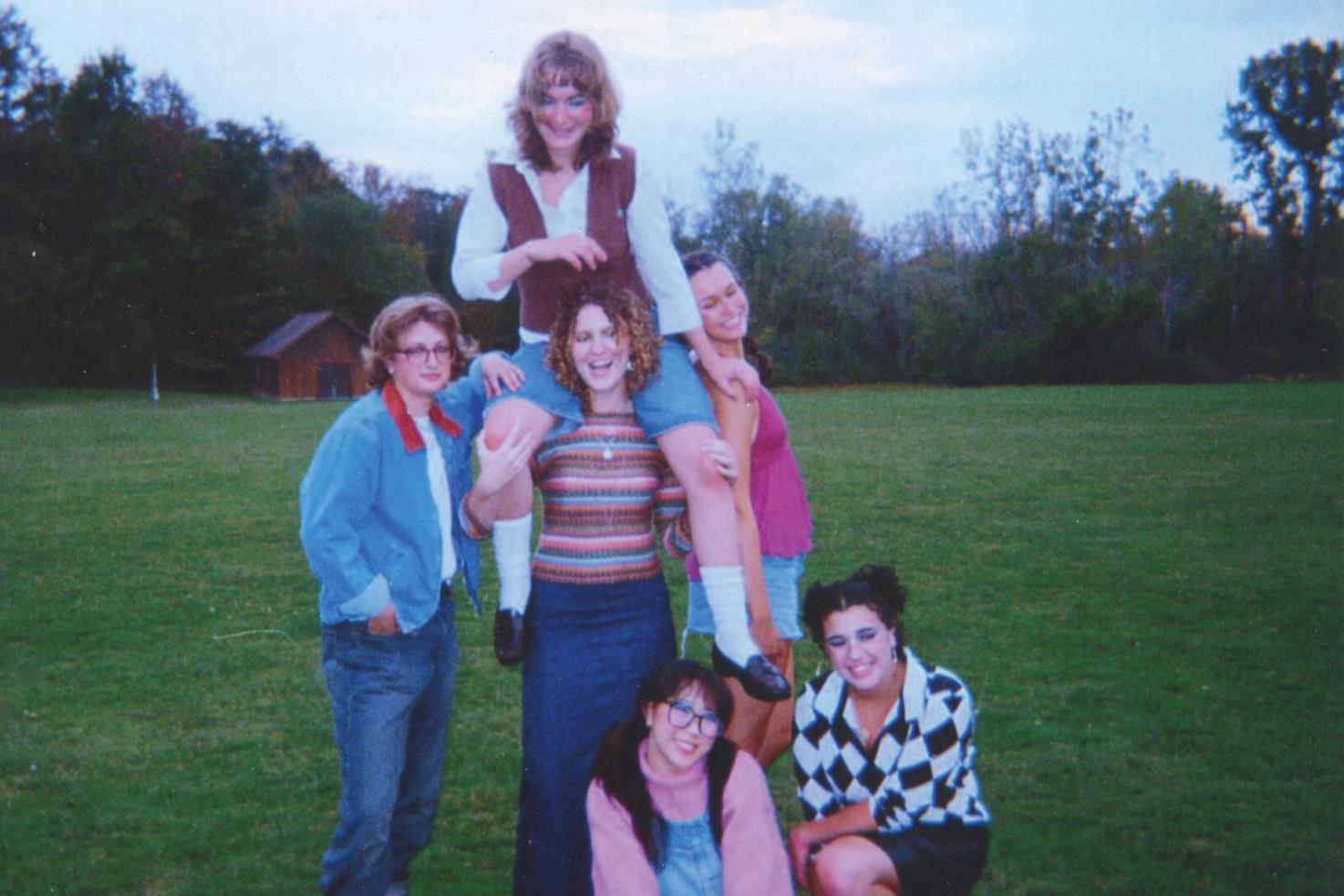
Perhaps our Hamilton College seniors can remember the late 2000s well enough to feel a sense of nostalgia for the throwback styles on these pages, but they missed out on wearing them during their kindergarten years. If this generation’s NOSTALGIA FOR THE 90s AND 2000s was taken more literally, we would see young adults walking around with binkies and bibs! Of course, the current trend isn’t to dress how you did as a baby, but instead to adopt the aesthetics of the time’s popular culture. In the case of dressing like it’s the 90s or 2000s, sitcoms are a key piece of popular culture that current fashion styling draws upon.
The 90s and 00s produced some of the most recognizable sitcoms to date. Whether it be Friends or How I Met Your Mother, most of us have watched or at least heard of these shows. The bright, block colors and baggy silhouettes commonly seen in the styling of Y2K-era sitcoms are similarly impossible to ignore. Staples of the period include argyle print, combat boots, and denim - articles we have seen bubbling back into the popular zeitgeist. While most of us weren’t around for the release or even running of these shows,

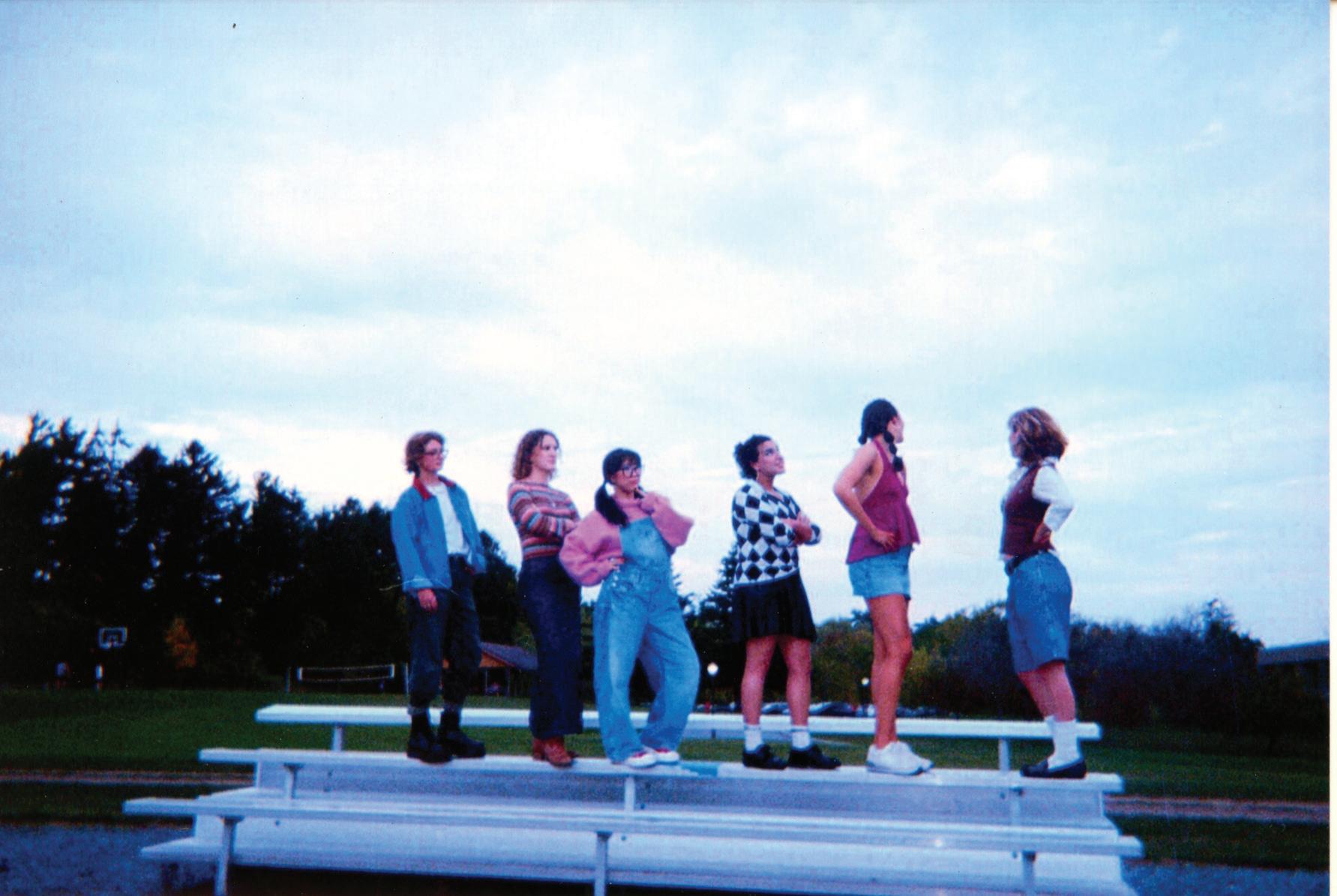
Sitcoms offer us comfort through their familiar settings and relatable characters. When the outside world is tumultuous and unpredictable, the world of sitcoms remains episodic. Many of the characters are familiar to us, often drawing upon recognizable stereotypes and reinforcing our notions about the world around us. This static, familiar environment presented to us in sitcoms puts us at ease when the real world is ever-changing. The pure friendship and lighthearted humor displayed in these shows are something that we all yearn for in life. Perhaps by emulating the fashion, our generation is trying to connect with the sense of comfort that sitcoms bring us.

A popular theory exists in the fashion world, dubbed the “20year rule,” that could also help explain the resurgence of ‘90s and ‘00s fashion. Strike Magazines suggests that this “rule” could be attributed to a simplified version of “Laver’s Law,” a fashion theory proposed in the 1930s that states fashion trends become “amusing” 30 years after their time and then become increasingly well-received as time goes on. In modern times, this law has been reworked into the “20-YEAR RULE,” A SIMILAR THEORY THAT STIP-
This shortening of the time it takes for fashion trends to recycle can be largely attributed to social media and fast-fashion companies that disseminate trends increasingly quickly. While the resurgence of sitcom-era fashion can be attributed to the predictions laid out by the 20-year rule, understanding college students’ specific fascination with this aesthetic requires further examination.
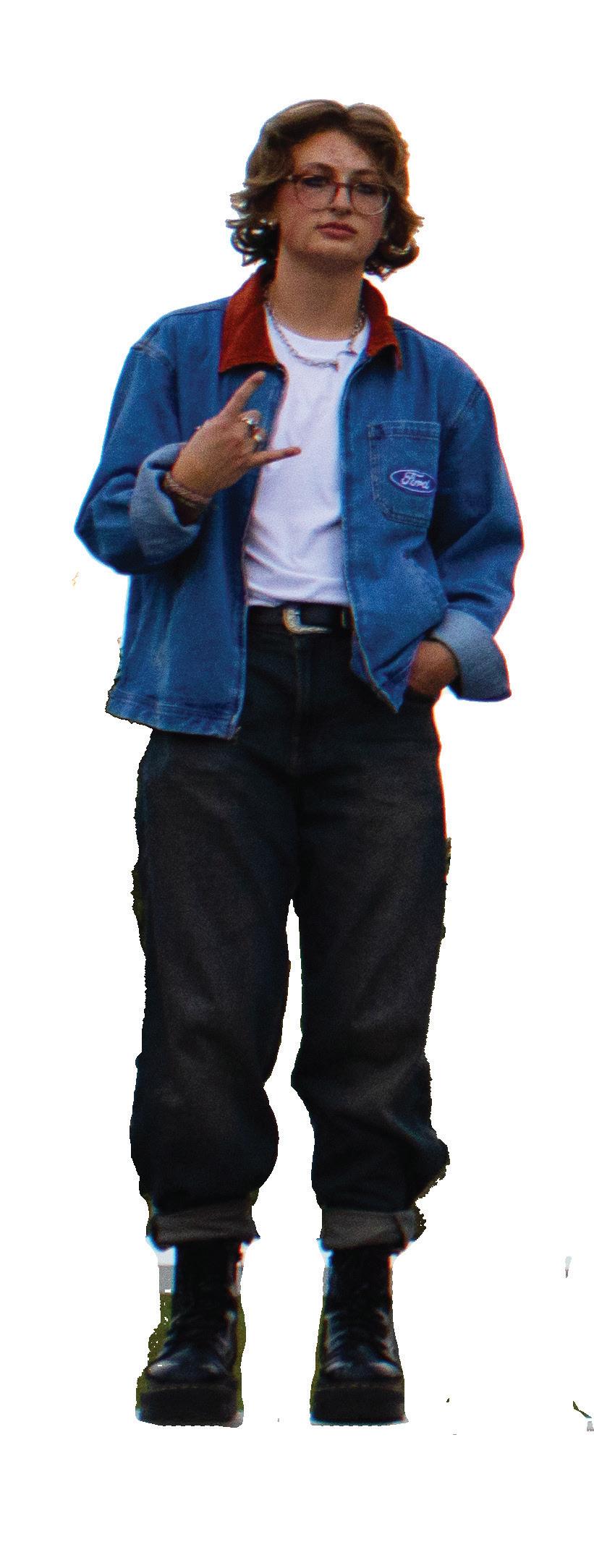
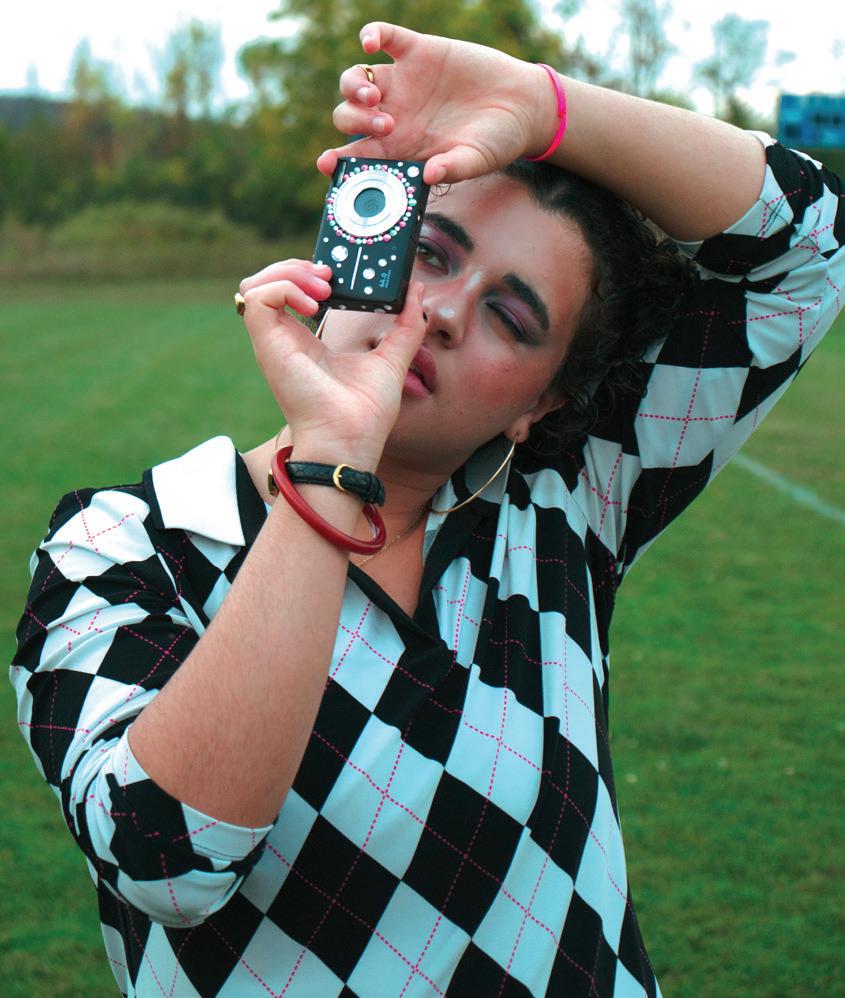
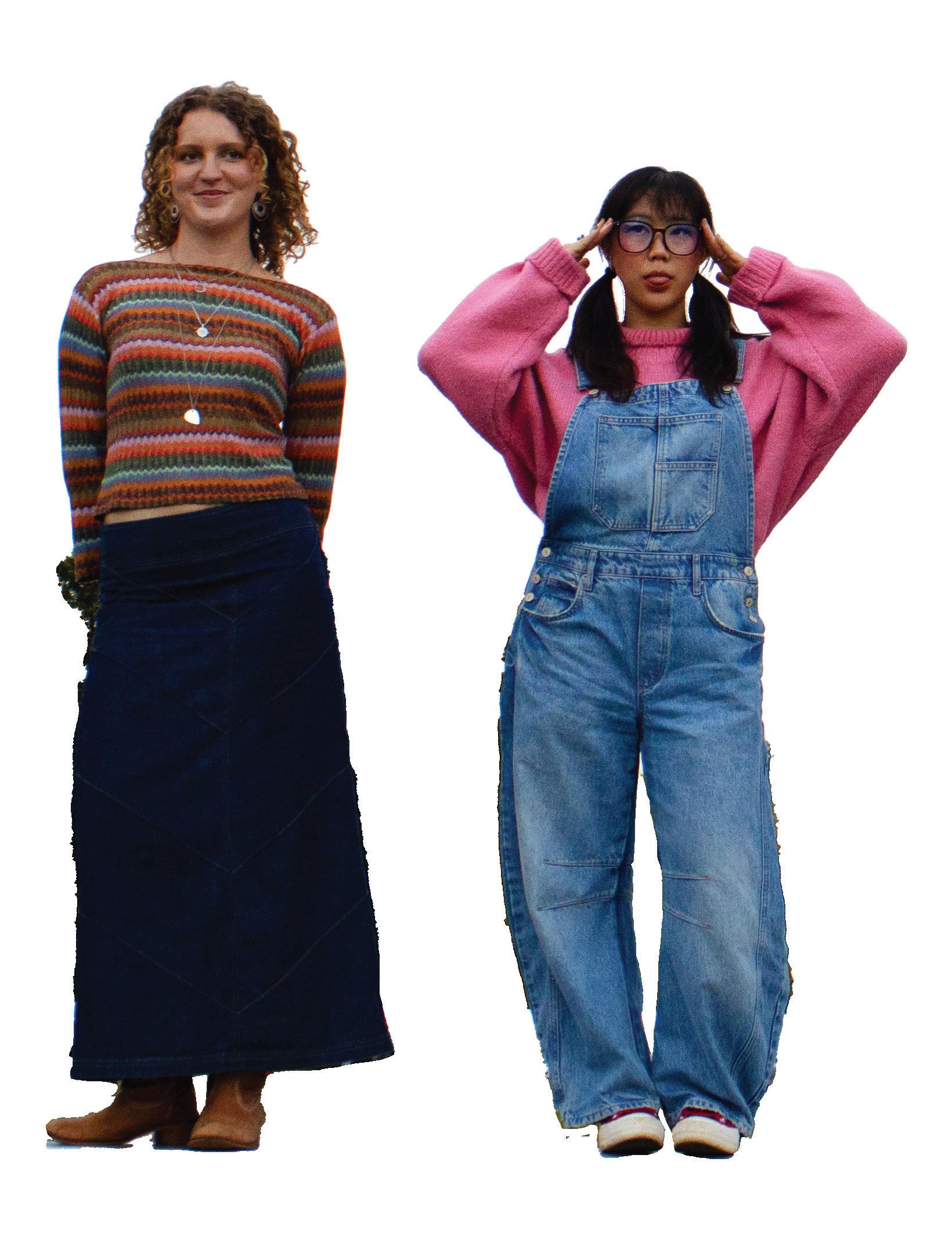
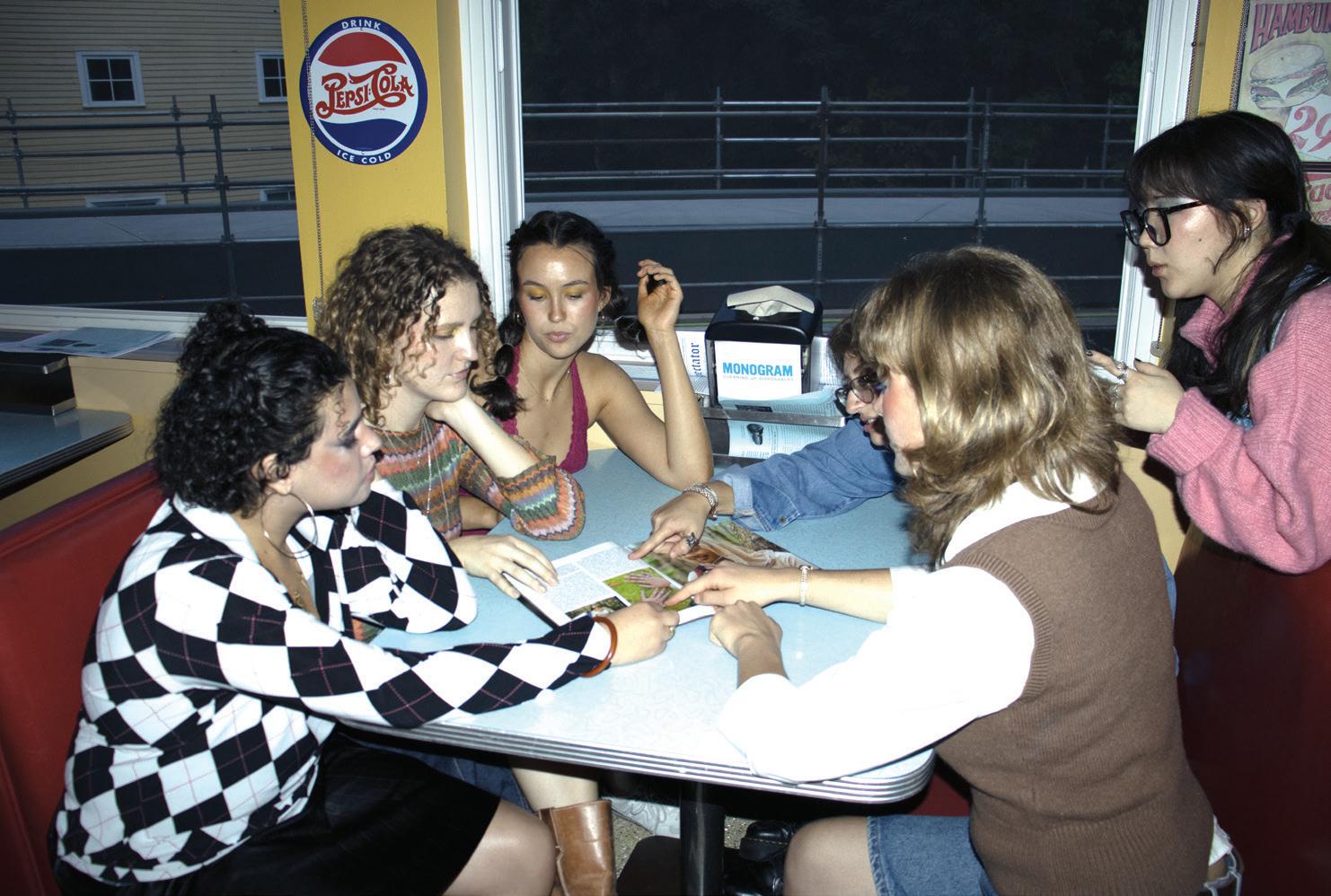
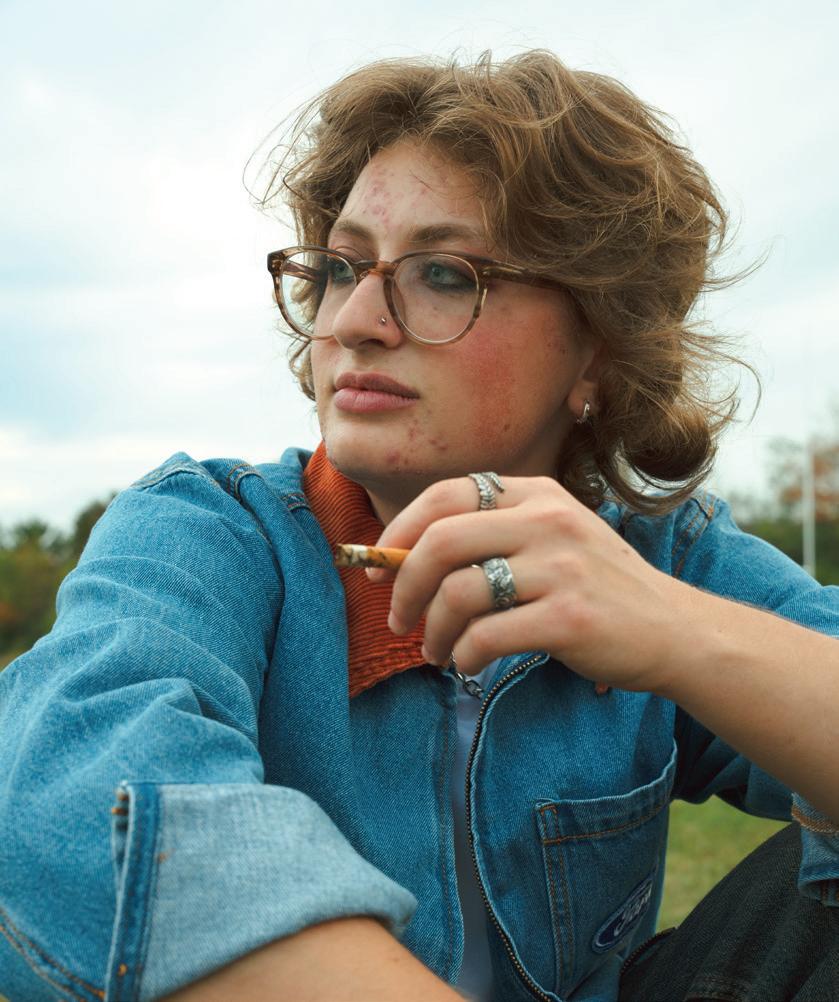
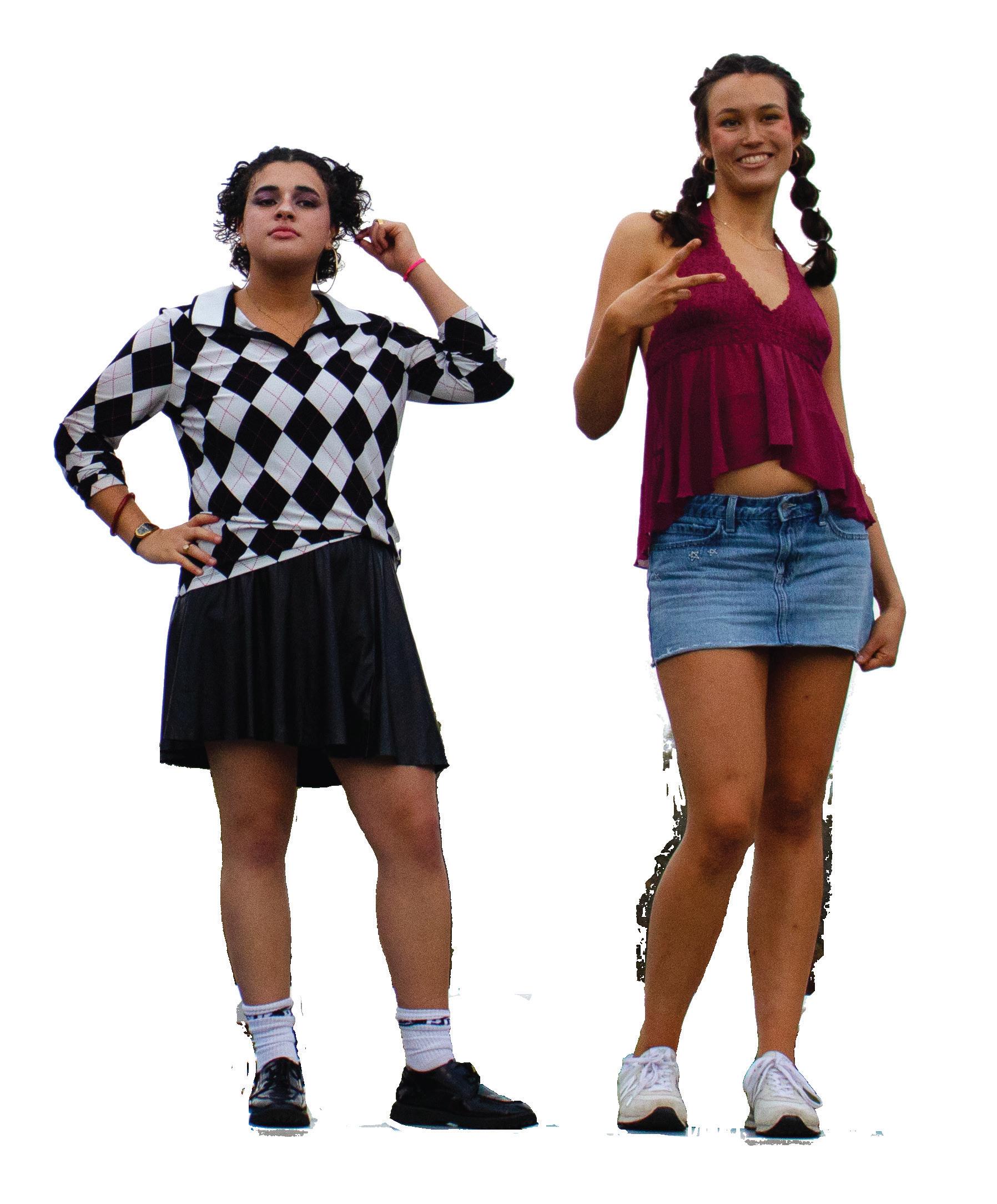
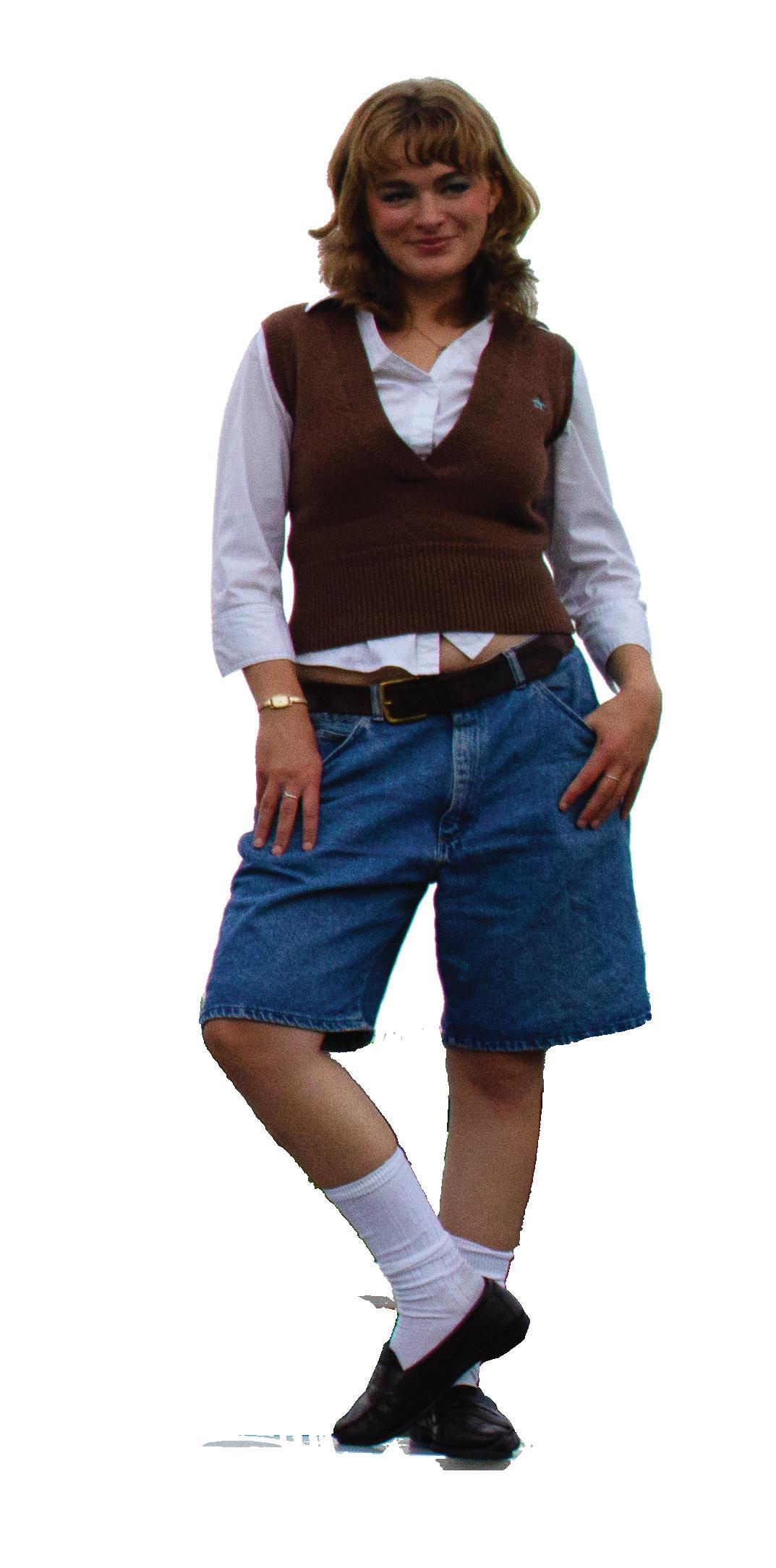
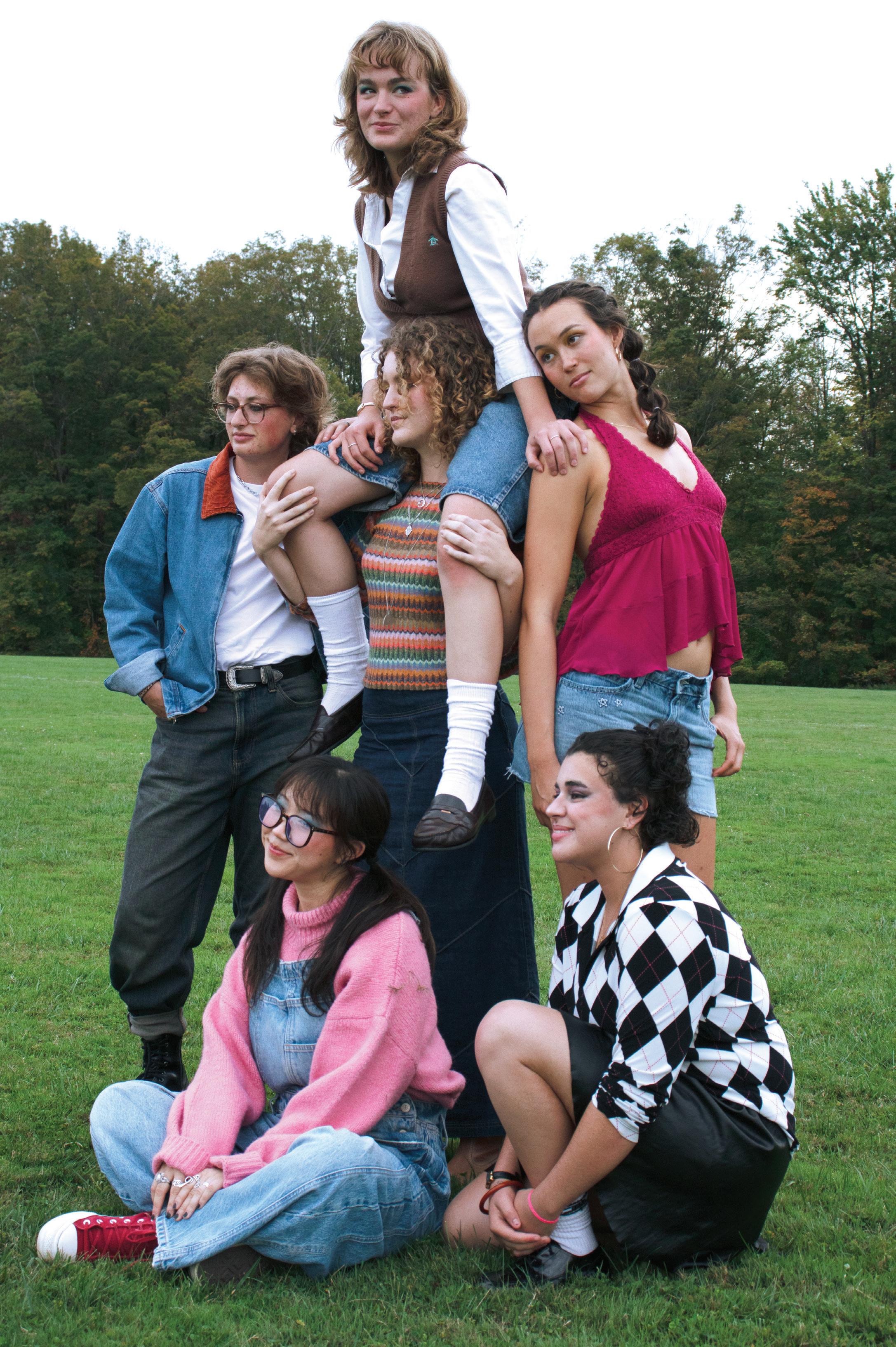
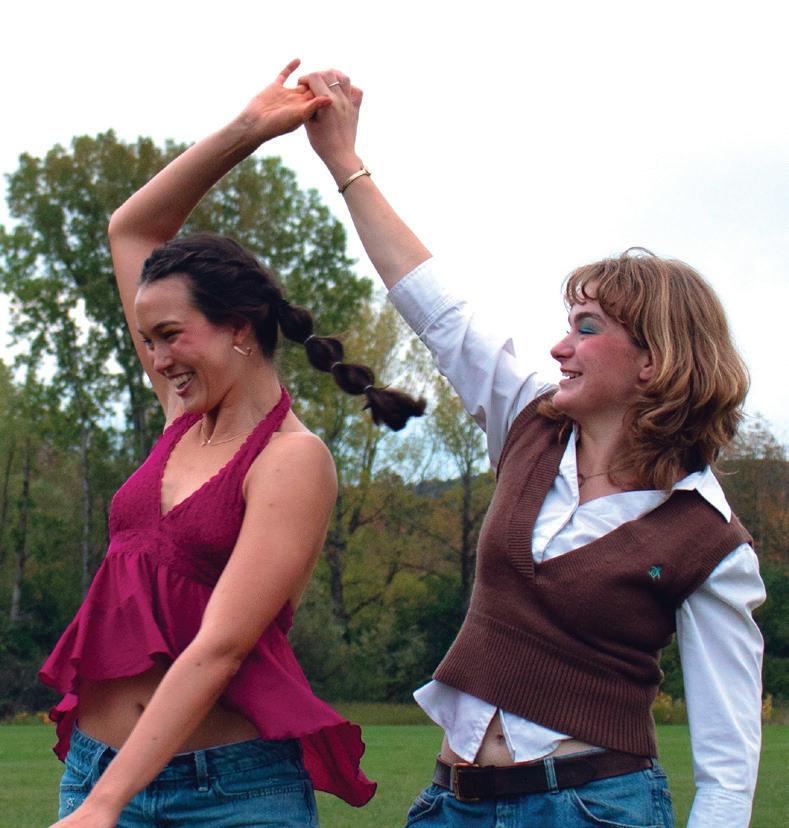
In a way, our lives at Hamilton College imitate those of sitcoms. Our structured days mimic the episodic structure of the sitcoms, with events and holidays sprinkled in to add excitement. Our tight-knit circles and strong sense of community are comparable to the friendships formed in these shows, too. We sort of exist in a bubble, largely cut off from the outside world while it is still somewhat accessible. Here, we hardly have to worry about the chaotic goings on of the outside world because we are insulated here on the Hill. Those feelings of comfort and security mirror the ones these shows bring us, so it seems fitting that the fashion styles are brought to college campuses as well.
OUR STRUCTURED DAYS MIMIC THE EPISODIC STRUCTURE OF THE SITCOMS, WITH EVENTS AND HOLIDAYS SPRINKLED IN TO ADD EXCITEMENT.









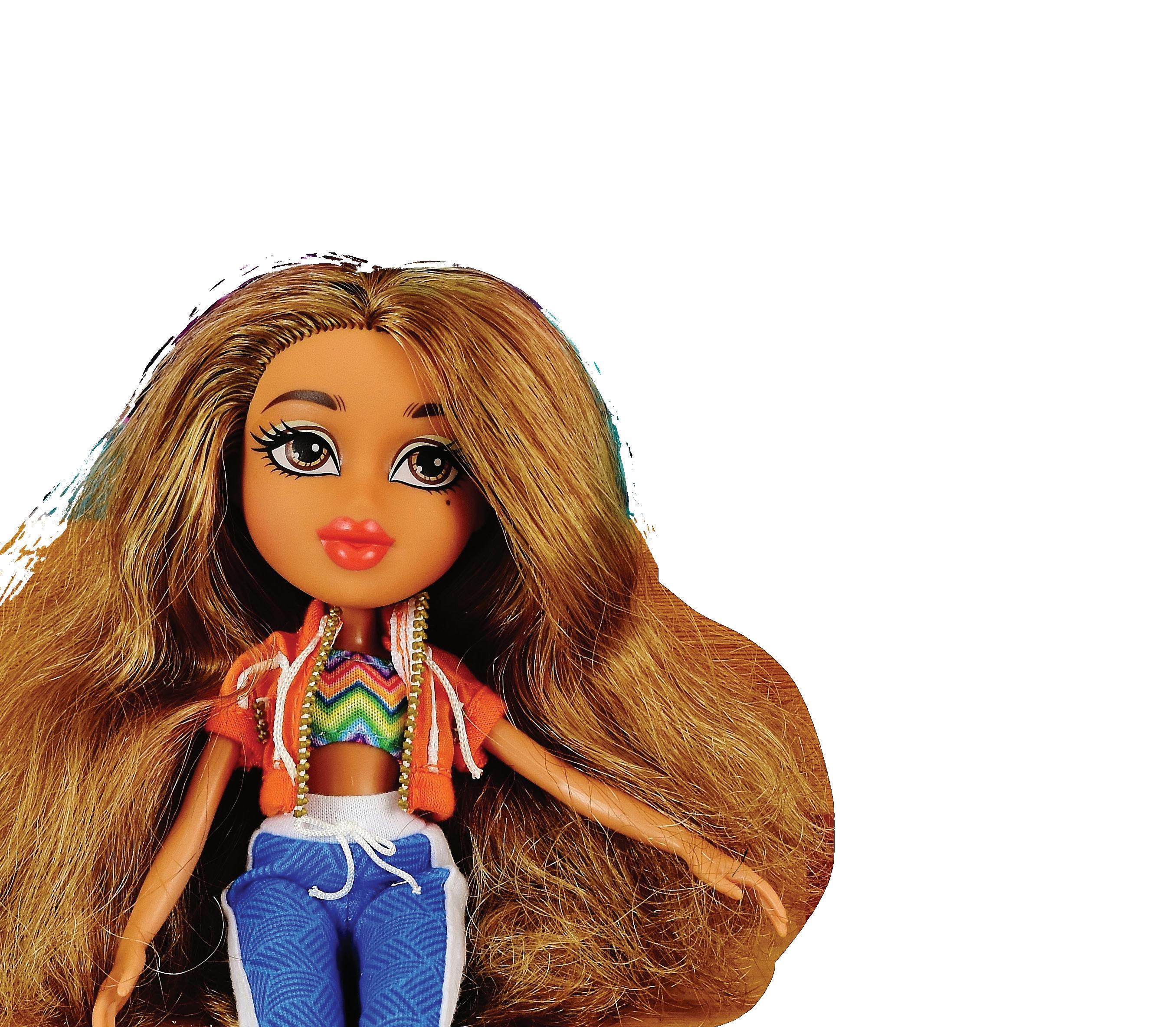
The ultimate fashion showdown. One doll represents classic, polished glamour, while the other embodies the bold edge of Y2K streetwear.
Despite offering these contrasting aesthetics, both Bratz dolls and Barbie dolls have promoted creativity and self-expression for young individuals, symbolizing independence and empowerment through fashion.
In 2001, former Mattel employee, Carter Bryant, released the first four Bratz dolls: Jade, Cloe, Yasmin, and Sasha. Marketed as “the girls with a passion for fashion,” these dolls were driven by the extensive revival of Y2K trends like low-rise jeans, fur-lined coats, and knee-high boots (Armson 2021). They transcended the vision of girl power by being edgier, sassier, and more stylish.
The core four dolls also provided more diverse representation, helping young girls see themselves within the Bratz they played with. According to W Magazine, some women were more drawn to Bratz dolls when they were young because they seemed to mirror the Black and Latinx women around them. While Bratz dolls sparked conversations about the importance of racial representation for young women, they also reflected more complex understandings of feminism. These dolls exuded unapologetic self-confidence, as their creators did not shy away from presenting them as bold, rebellious, and individualistic young women (Armson 2021).
In 2017, the craze of Bratz dolls led to the popular “Bratz Challenge” on YouTube. These videos embraced the Bratz makeup style; some would apply winged eyeliner and contoured lips, while others would paint enlarged eyes onto themselves, followed by the signature pouty mouth (Hazlehurst 2021). For many Instagram creators, the Bratz beauty aesthetic was a channel for self-expression, and they hoped to inspire others to do the same (Armson 2021). Still known today for their cool and electric energy, Bratz dolls continue to subvert dominant cultural norms and resist conformity.


Bratz’ rejection of the norm becomes even more striking when set against the image of Barbie, who has traditionally represented a more conventional version of femininity. Created by Ruth Handler in 1959, Barbie dolls have left an unforgettable mark on the world of fashion (Vintage Vandalism 2023).
Barbie’s perfected hairstyles, outfit variation, and wide variety of accessories have offered young individuals the chance to explore their creativity with fashion.
Barbie symbolizes the constantly changing landscape of style and has become a time capsule of fashion. In the ‘60s, she wore mod ensembles, sporting geometric patterns, daring colors, and miniskirts. In the ‘70s, she donned maxi dresses and bell-bottoms, embracing the hippie lifestyle. In the ‘80s, she wore shoulder pads and neon tones, while the ‘90s ushered in grunge-inspired looks and elegant evening gowns (Toybox 2023).
As Barbie exhibits a wide range of tastes and interests, from athletic wear to career-oriented outfits, she spreads the message to young individuals that there is a Barbie for everyone (Toybox 2023). Barbie’s sense of style communicates to others that there are endless possibilities and opportunities to embrace,
Armson, Briana. “The Unlikely History of Bratz.” Capsule 98, 2025, capsule98.com/features/history-of-bratz/.
Corbin, Lydia. “The Evolution of Barbie’s Impact Through Fashion.” Strike Magazines, 27 Sept. 2024, www.strikemagazines. com/blog-2-1/the-evolution-of-barbies-impact-throughfashion.
Hazelhurst, Beatrice. “A Brief Investigation Into the Complicated History of Bratz.” W Magazine, 1 June 2021, www.wmagazine.com/culture/bratz-dolls-anniversary-deep-dive-history.
“The Impact of Barbie on Fashion and Pop Culture.” Edited by ToyBox, ToyBox, 15 Nov. 2023, toybox.com.cy/blogs/news/ the-impact-of-barbie-on-fashion-and-pop-culture?srsltid=AfmBOooPZ+YjorD1MnyjV3yaXZd4J5vwZiBr7R-o8azxE6qjG5nwgoRtQ.
Rodriguez, Jasmin. “Barbie: The Fashion Icon Who Shaped Our Style.” Vintage Vandalizm, 13 July 2023, vintagevandalizm. com/blogs/news/barbie-the-fashion-icon-who-shaped-ourstyle.
written by Paige Hescock ‘27

both in fashion and life. This encouragement extends further as there are also Barbies that reflect renowned figures, like Amelia Earhart, Frida Kahlo, and Katherine Johnson (Strike Magazines 2024). Barbie’s influence has even reached top designers. Barbie collaborated with Versace, Christian Louboutin, and Diane von Fürstenberg to develop limited-edition, high-fashion dolls. While these partnerships have boosted Barbie’s status as a style icon, they have also helped designers to exhibit their innovation on a smaller-scale (Toybox 2023).
Despite the contrast between Bratz and Barbie dolls, their influence on young individuals illustrates that there is no single way to be fashionable, as both styles can coexist to create a personal aesthetic. Both of these dolls will continue to promote creativity, self-expression, and empowerment through fashion in the years to come.


Question 1
What’s your favorite season?
1 - Winter
2 - Spring
3 - Summer
4 - Autumn
Question 2
What color palette are you most drawn to?
1 - Soft pastels
2 - Monochrome
3 - Neon
4 - Neutral tones
Question 3
Where would you most like to live?
1 - Cottage in the woods
2 - Small, rural town
3 - House on the beach
4 - An apartment in a big, bustling city
Question 4
Where would you most like to travel?
1 - Tokyo, Japan
2 - Stockholm, Sweden
3 - Honolulu, Hawaii
4 - Rio De Janeiro, Brazil
Question 5
How clean is your room right now?
1 - Tidy and clean
2 - Moderately clean
3 - Kinda messy
4 - gulp…
Question 6
What is your favorite pattern?
1 - Gingham
2 - Checkered
3 - Floral
4 - Plain
Question 7
How often do you get complimented on your outfits?
1 - Always!
2 - Occasionally
3 - Rarely
4 - I’m chopped.
Question 8
What accessories do you wear?
1 - Bracelets/Watches
2 - Necklaces
3 - Sunglasses
4 - I NEVER wear accessories

signature style (vol. 23 / Fall ‘25) : Thrift”ish” / monsters / two case studies in period costuming / street photography / Faculty -spot light:Bhen alan / nostalgia through TV / bratz vs. barbies / style quiz