Estate Planning Insures Your Wishes are Carried Out
By Alicia Doyle Sunday Signal Staff Writer
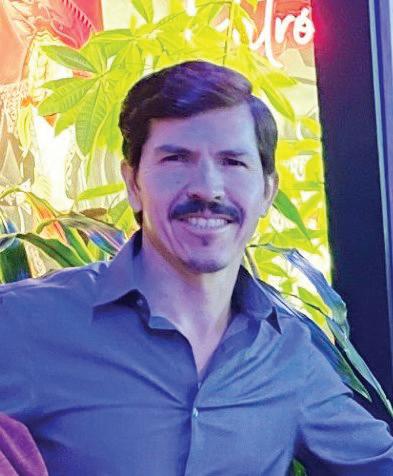
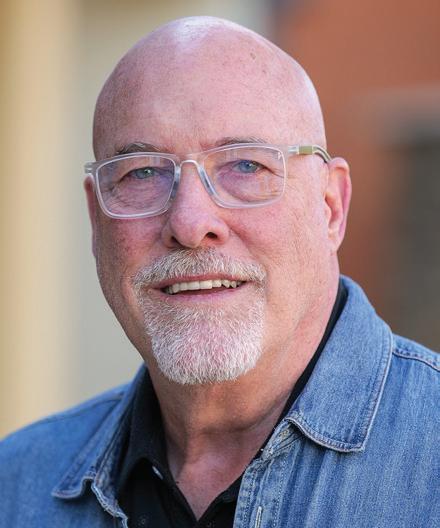
For many people, the concept of “estate planning” seems distant, something reserved for the wealthy or the elderly. But according to Sonia C. Lee, partner at Thompson Von Tungeln, that misconception is one of the biggest mistakes families can make.
“Estate planning isn’t just for the wealthy — it’s for anyone with assets, loved ones, or responsibilities,” Lee said. “It’s about control, clarity, and caring for those you love.”
A Firm Rooted in Experience
Thompson Von Tungeln — a professional corporation with locations in Valencia and Lancaster — has been helping families secure their futures for nearly half a century. Established almost 50 years ago, the firm opened its Santa Clarita office more than two decades ago. Its attorneys specialize in estate planning, trust, and probate law, but their expertise reaches far beyond wills and trusts.
“We take a holistic approach,” Lee explained. “That includes business, tax and civil litigation. Well-designed and drafted trust documents are critical, but they’re only one leg of the stool. Helping you keep more of what you earn through tax efficiency and protecting what you already have are equally important.”
What sets the firm apart, she noted, is its depth of credentials and experience. “We’re the only law firm in the area with two Board Certified Specialists in Estate Planning, Trust, and Probate Law,” she said. “We also have partners with substantial Wall Street experience in business, tax, and corporate law. That combination gives our clients comprehensive guidance across all areas of planning.”
Common Misconceptions
After nearly 50 years and more than 12,000 clients, Lee has identified three widespread myths that often lead people astray.
The first misconception is that a simple will is enough — and that it automatically prevents probate. “Nothing could be further from the truth,” she said. “In California, a will generally requires probate, which means significant costs, delays, uncertainty,
“Estate
planning isn’t just for the wealthy — it’s for anyone with assets, loved ones or responsibilities. It’s about control, clarity and caring for those you love,” said Sonia C. Lee, partner at Thompson Von Tungeln.
Second is the idea that estate plans only matter after death. In reality, much of estate planning focuses on life — especially unexpected illness or incapacity. As Lee explained, “One of the biggest risks and challenges is how to take care of yourself and your loved ones if you lose capacity but are still alive. Technology can keep us alive longer, but not necessarily healthy.”
The third misconception is that estate planning is only for the elderly or wealthy. “Even modest estates can benefit from clear instructions,” said Lee. “There’s no asset threshold when deciding who will help you if you become incapacitated. No one wants the state of California to make those decisions for you.”
Why Estate Planning Matters
In simple terms, Lee said, estate planning ensures your wishes are carried out and your loved ones are protected — both during life and after death.
“It helps you avoid expensive and drawn-out court proceedings,” she explained. “A good estate plan allows your assets to go to the people or causes you choose, the way and timing you prefer, while minimizing taxes and disputes. Most importantly, it gives
you peace of mind.”
A thoughtful plan, she added, covers “what if” scenarios — such as who will handle finances if you’re incapacitated, who will care for children or pets, or how your medical wishes will be honored.
When Should You Start?
Lee recommends beginning early, even as soon as adulthood. “Our partners make sure their own children sign what we call incapacity documents when they turn 18,” she said. “Families should start planning once they have children, but most clients come in between ages 55 and 75.”
Starting earlier allows more options for tax-efficient transfers and ensures continuity if something unexpected happens.
Risks of Not Having an Estate Plan
The consequences of leaving things to chance can be serious. Lee emphasized two major areas of risk: incapacity without authority and death without a plan.
Incapacity without proper documents can leave loved ones powerless. “Without an estate plan, doctors may make their own healthcare decisions for you,” Lee said. “Banks and insurers won’t allow anyone access to your accounts, and getting court per-
mission can be expensive and time-consuming.”
Passing away without a plan — known as dying intestate — hands control to the state rather than your family. “California law decides who gets what,” Lee said. “Your spouse might receive less than expected, or assets could go to estranged relatives.”
Probate can last “24 months or longer,” she added, involving public filings, statutory fees, and legal costs that eat into the estate. It can also lead to family disputes or even theft before the court appoints an official representative.
“A simple revocable living trust or basic documents can often avoid these issues entirely,” she said. “Planning gives everyone peace of mind.”
Understanding Probate
Probate, Lee explained, is the court-supervised process for settling a deceased person’s estate. It involves verifying the will (if one exists), paying debts and taxes, and distributing remaining assets.
“Probate is expensive, time consuming, public, complicated, and uncertain,” she said plainly. “A will guarantees probate.”
The process begins by filing a petition with the superior court, notifying beneficiaries and creditors, and even publishing public notices. Estates must inventory and appraise assets before paying debts and distributing what remains. “It’s all public record,” Lee noted. “A well-drafted and administered estate plan avoids it entirely.”
Avoiding Mistakes During Probate
Even for those who end up in probate, Lee said, mistakes can make matters worse. Common errors include hiring inexperienced attorneys, delaying filings, failing to notify heirs or creditors, distributing assets too early, and neglecting to secure important documents.
“Too often, people don’t realize how specialized probate law is,” she said. “They hire someone who doesn’t know the process, and it causes delays or errors.”
Another frequent issue arises when families create trusts but never fund them properly, leaving assets outside the trust. “A trust that isn’t funded isn’t helpful,” Lee warned. “Those assets still end up in probate.”
To avoid complications, she recommends working with an experienced estate attorney before incapacity or death. “Proper planning with updated benefi-
Estate planning “helps you avoid expensive and drawn-out court proceedings. A good estate plan allows your assets to go to the people or causes you choose, the way and timing you prefer, while minimizing taxes and disputes. Most importantly, it gives you peace of mind.”
— Sonia C. Lee, partner at Thompson Von Tungeln
ciary designations and powers of attorney can simplify — or even bypass — probate entirely,” Lee said.
Talking About Tough Topics
Discussing topics like wills, illness, or death can feel uncomfortable, but Lee believes the right approach transforms them into empowering conversations.
“I advise starting small and framing it positively,” she said. “You can say, ‘I want to make sure we’re all on the same page so there’s no confusion or stress later.’ It doesn’t have to be one long formal meeting.”
Her advice for families: choose a calm, private setting, not during a crisis; be transparent about your goals; listen to others’ concerns without judgment; focus on love and protection rather than money; and update plans regularly as family dynamics change.
“These conversations can actually strengthen family bonds,” she added. “And having an estate planning attorney guide you through them can reduce anxiety by providing structure and clear options.”
The Lawyer’s Role in Preventing Disputes
An experienced estate attorney serves as both legal guide and neutral mediator, according to Lee. “We listen to the facts, clarify what the law says, and draft clear, enforceable documents,” she explained.
Lawyers also help ensure proper asset titling, advise executors during administration, and mediate disputes before they spiral. “Our goal is always to honor the deceased’s wishes while preserving family relationships,” she said. “Proper estate planning really helps avoid conflict, but a good attorney can be indispensable either way.”
Lessons from the Field
Lee has seen firsthand how poor planning can
devastate families. In her 2023 blog series, Sonia’s Estate Planning Horror Stories, she shared real experiences (without names) to highlight common pitfalls.
“One of the most frequent mistakes is when parents add children onto property titles during their lifetime,” she said. “They think it’s an easy solution, but they don’t realize the tax consequences until it’s too late. It can be very expensive.”
Other issues arise from DIY kits or hiring nonqualified individuals. “People use online forms or ‘licensed document assistants’ who can’t offer legal advice,” she said. “Some companies lure clients with cheap trusts but are really selling high-commission insurance products. It’s terrible.”
The consequences can be heartbreaking. Lee recalled seeing children forced into conservatorships to care for incapacitated parents — situations that could have been easily prevented. “I’ve seen siblings walk away from each other for good because of poor planning,” she said. “Too much inheritance money gets wasted fighting in court.”
Taking the First Step
For those hesitant to begin the process, Lee encourages small, informed steps rather than avoidance. “We provide free estate planning seminars every month,” she said. “They’re a great place to start — they’re very informative.”
Contact Thompson Von Tungeln at (661) 9455868 to register for an upcoming session. Estate planning, Lee emphasizes, is not about preparing for death — it’s about protecting life, family, and values. “It’s one of the most important gifts you can give your loved ones,” she said. “You’re not just planning for the future — you’re giving peace of mind today.”
March Flips the Switch on Gardening Season
By Alicia Doyle Sunday Signal Staff Writer
As winter rains taper off and days stretch a little longer, March quietly flips the switch on gardening season in the Santa Clarita Valley. Local experts say this is the month to get your hands in the soil, scout for trouble early and set up your garden for a productive spring and summer.
John Windsor, a certified California nursery professional at Green Thumb in Santa Clarita, said March is all about groundwork — literally. “We generally recommend planting directly into the ground,” Windsor said. “The appropriate time for planting is any time after March 21.”
Before a single seed goes in, Windsor advises home gardeners to treat their soil like a clean canvas. “The following steps will insure a successful start for a new vegetable garden,” he noted. “The addition of fertilizer and organic material may be all that is necessary for an existing garden.”
His nine-step checklist is simple but thorough:
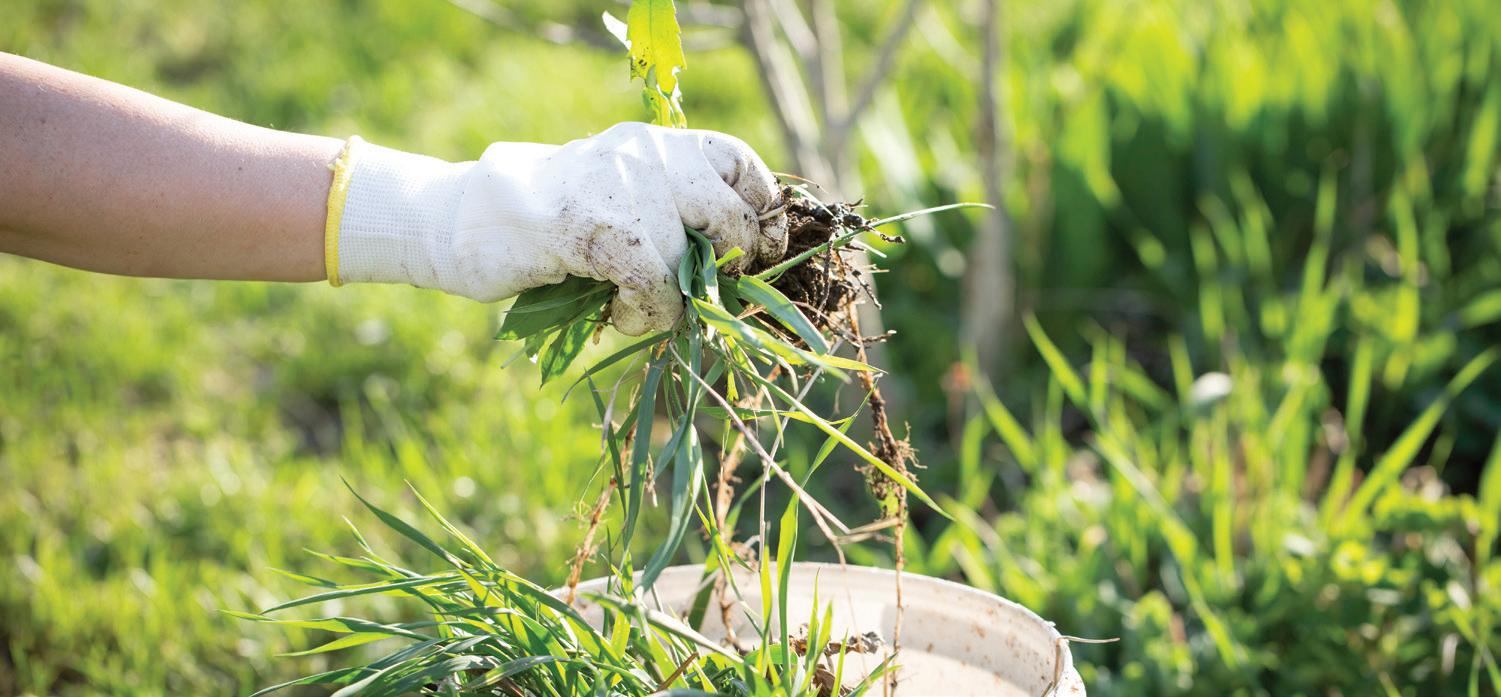
1. Weed removal (cutting, pulling, or spraying)
2. Remove rocks and debris
3. Rototill or dig with shovels (to loosen soil)
4. Rake and remove rocks and debris
5. Add fertilizer and organic material (As needed)
6. Rototill or turn with shovels (To mix all ingredients)
7. Rake smooth and level
8. Check irrigation
9. Plant or sow seeds
That attention to preparation doesn’t just benefit big backyard beds. For gardeners tucking in a single tomato or pepper start, Windsor shared a specific planting recipe.
Steven Fulton, founder of the Santa Clarita Native Plant Nursery, says that one of the big decisions to be made is if you want to start your seeds inside or out. PHOTO BY HABEBA MOSTAFA / THE SIGNAL
“The following recipe is useful when planting an individual plant,” he said.
1 cup pelletized gypsum tablespoon of granulized soil sulphur
1 tablespoon chelated iron
1 tablespoon of magnesium sulfate (Epsom salts)
½ cup all purpose natural fertilizer with beneficial bacteria, mycorrhizae fungus and Humic acid. Mixed into the planting hole, this blend gives young roots a nutrient-rich boost right from the start.
Container or Small Spaces
Container gardeners and those working with small spaces aren’t left out of the March momentum. Windsor recommends a homemade potting mix designed for raised beds or square-foot plots.
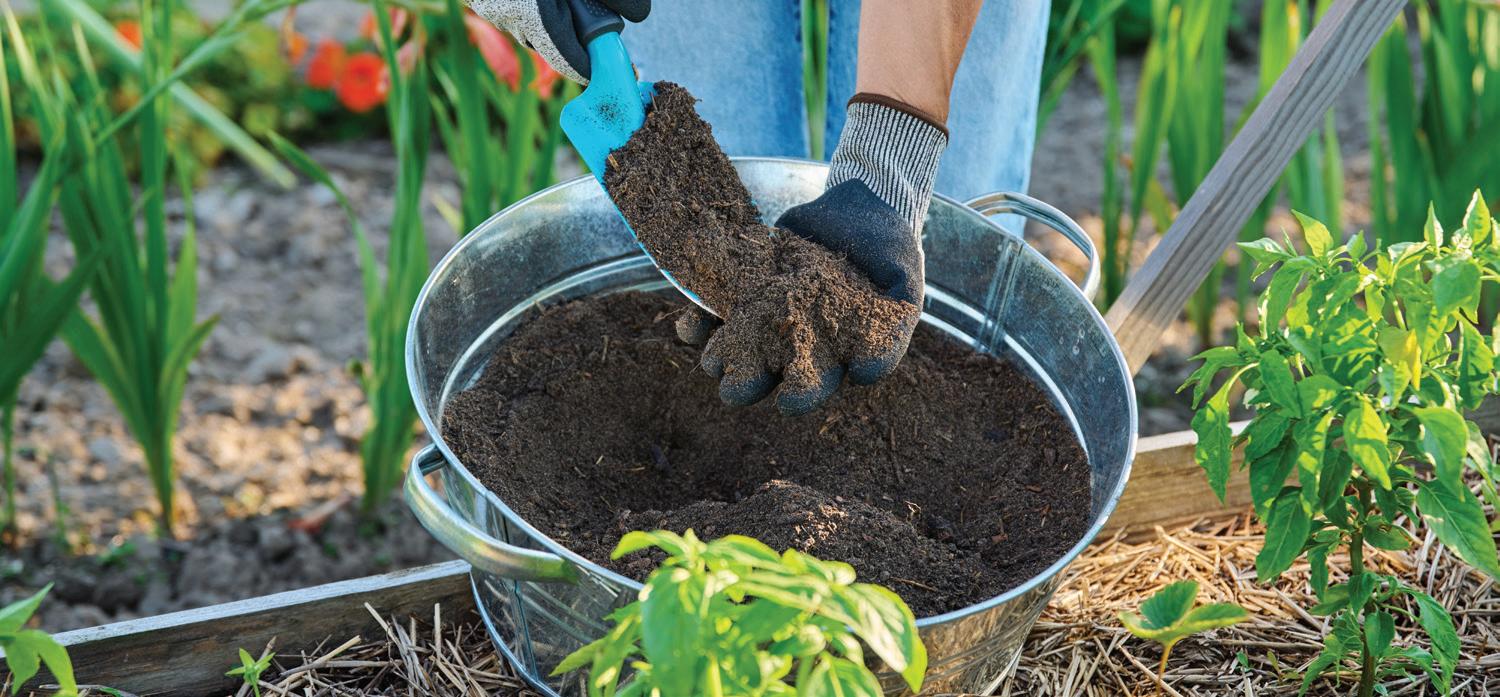
“The following is a homemade organic potting soil for use with square foot gardening or container gardening,” he said. “It is a mixture of 50% organic material and 50% of mineral material. This mixture will make approximately 15 cubic feet of soil and will fill an area 4 feet by 4 feet by 1 foot deep.”
His ingredient list reads like a recipe card for healthy soil life:
• One large bale of peat moss or Coconut Coir = 3 cubic feet
To that, Windsor layers in minerals and long-lasting nutrients.
“To this mixture the following nutrients should be added:
5 pounds pelletized gypsum
5 pounds of sul-po-mag
5 pounds of dolomite lime
5 pounds of soft rock phosphate or Azomite
5 pounds of organic fertilizer
He added an important footnote: “For the organic fertilizer, choose one that contains beneficial bacteria and mycorrhizae fungus, and humic acids.”
Focusing on Above Ground Issues
While Windsor focuses on building the soil, Steven Fulton, founder of the Santa Clarita Native Plant Nursery, turns his eye to what’s happening above ground once storms move on.
“After the rains we should do a quick scan for any weeds that may be popping up before they’re able to take root and spread,” Fulton said. “With most of the rain behind us we should consider application of an organic fertilizer. Also as the weather starts to warm, be on the look-out for pest and disease.” A slow walk through the yard in March, he suggested, can prevent bigger problems later in the season.
When it comes to timing, Fulton said locals still have a window to get plants established before the heat sets in, even though the ideal planting season has already passed.
“Early fall is the best time to plant most things in our area, however, you still have a few months to get things established before summer,” he said. That makes March a kind of second chance for gardeners who missed the fall planting season but still want to tuck perennials, shrubs or edibles into
the ground.
Seeds
For those starting from seed, Fulton urges gardeners to weigh the pros and cons of sowing indoors versus direct seeding outside. “Planting things from seed can be a little tricky,” he said.
“Starting indoors allow you to control conditions a little easier and get plants to a good start. But it has its drawbacks … You’ll need to harden them off before planting outside and it can be a little more time consuming.”
Some species simply don’t like being moved once they get going. “Also, plants with fast growing deep roots will want to go into the ground sooner than later and some plants have more sensitive roots so they may be a little more finicky when transplanting,” Fulton added.
Direct seeding into outdoor beds brings its own challenges. “Outdoors is pretty straight forward but success will vary,” Fulton said. “Some seedcoats are thicker than others and a pretreatment — scarification, cold stratification, etc. — is recommended. Birds and bugs may also consider your seeds a meal.” For new gardeners, that might mean starting a few seeds in trays under controlled conditions while also experimenting with a small patch of direct-sown seed in the garden.
Pruning and Plant Health
Pruning and plant health are also high on Fulton’s March checklist. “Now is a good time to prune any diseased branches,” he said. “Thinning will also help with airflow to prevent any disease.” Opening up crowded plants allows spring sunshine and breezes to reach the interior, cutting down on fungal problems as temperatures rise.
In water-conscious Southern California, choosing what to plant is as important as when. Fulton said many resilient species can go in the ground this time of year, with some caveats.
“Most drought tolerant plants are fine especially Desert and Riparian plants,” he explained. “Assuming the weather is starting to warm some plants such as Manzanitas, Ceanothus and Flannelbush should not be planted as the warm moist soil makes them susceptible to bacterial/fungal infection. There can be success with these but best chance will be fall.” For gardeners eager to add natives, he suggested focusing on species that tolerate spring planting well and saving more sensitive shrubs for the cooler months.
Not every March project has to be a full-yard makeover. Fulton encourages residents to treat this season as an invitation to explore. “A lot of things are coming into season get out and see
what plants catch your eye,” he said. “Visit local gardens and nature centers — Placerita Canyon Nature Center and the Demonstration Garden at Bridgeport Park a couple local places.”
For those short on space or time, containers can offer a satisfying, smallscale start. “There’s also a lot of native plants that do well in containers so if you’re not quite ready for a large scale project, there are options for containers that will attract hummingbirds and butterflies which I always find rewarding,” Fulton said.
Whether you are refreshing a long-established yard or planting your very first raised bed, Windsor and Fulton agree that March rewards those who are willing to prepare, observe and experiment. With a bit of weed pulling, soil building and thoughtful planting now, local gardeners can set the stage for a colorful, productive season that will last well beyond spring.
Steven Fulton, founder of the Santa Clarita Native Plant Nursery, recommends that gardeners get out and explore what plants will catch your eye. PHOTO BY HABEBA MOSTAFA / THE SIGNAL
Safety Happens in the Spaces Between Us
By Ken Striplin
Santa Clarita City Manager
Every day in the City of Santa Clarita, the safety of our streets is shaped by thousands of small decisions. A driver pauses to ensure the road is clear before exiting a driveway. A pedestrian waits a few extra seconds to make eye contact with a driver before stepping into a crosswalk. A cyclist signals a turn and checks over their shoulder before merging. Most of the time, these defensive choices go unnoticed because when everyone does their part, the system works. By emphasizing the importance of traffic safety, our goal is to maintain an efficient, safe system for everyone.
As City Manager, I spend a lot of time looking at big-picture systems, considering how infrastructure, enforcement
and education efforts work together to keep our community moving safely. When it comes to traffic safety, the most important system is the human one, which is why the City remains committed to leading with awareness, prevention and shared responsibility to help keep our streets safe.
Santa Clarita’s continued growth has brought increased activity to our roads, sidewalks, paseos and trails. Drivers, pedestrians and cyclists are interacting more frequently, particularly at intersections, crosswalks and driveways, which are locations where many preventable accidents take place. For drivers, safety begins with simply paying attention. Many pedestrian-involved collisions happen during routine movements, such as right turns on a green light, nonchalantly pulling out of a driveway or failing to come to a com-
plete stop at a sign. Slowing down, stopping fully and scanning for pedestrians before turning may add a few seconds to your trip, but those seconds can prevent devastating and often lifelong consequences.
Pedestrians also play an important role. Using marked crosswalks, obeying signals and remaining alert, particularly near intersections, allows drivers to better anticipate movement and react appropriately. Making eye contact with a driver before stepping into a crosswalk isn’t just a courtesy; it confirms mutual awareness and reduces uncertainty, lessening the chance of an accident. Predictability saves lives.
Distraction remains a common thread on both sides of the windshield. Whether it’s a phone in a driver’s hand or headphones blocking the sound of traffic for someone on foot, divided attention
reduces reaction time and awareness. Traffic safety isn’t about assigning blame — it’s about recognizing risk and making a conscious choice to reduce it.
The City continues to invest in safer streets through engineering improvements, clearly marked crossings, traffic calming measures and education efforts like our Heads Up! program. Our Sheriff’s deputies are focused on enforcement where it’s needed most, particularly in areas with higher pedestrian activity. That said, no amount of signage or enforcement can replace personal responsibility.
Let’s continue choosing safety in the everyday moments we share on our streets. Those small decisions truly make the biggest difference.
Ken Striplin is the City Manager for the City of Santa Clarita and can be reached at kstriplin@santaclarita.gov.
Go All-Out Green for St. Patrick’s Day
Green beer and decor may get all the attention, but for hosts looking to wow their St. Patrick's Day guests or astound their loved ones, a traditional Irish recipe can become an annual tradition. Celebrate the luck o' the Irish with this St. Patrick's Day Stew, a hearty, beefy meal loaded with chuck stew meat, potatoes, carrots, onions and, of course, stout beer.
Accompany the stew with Luck of the Irish cupcakes.
To find more recipes that put tradition center stage, visit Culinary.net.
1 teaspoon salt, plus additional to taste, divided
1/4 cup extra-virgin olive oil
6 garlic cloves, minced
4 cups beef stock
2 cups water
1 cup extra stout beer
1 cup red wine
2 tablespoons tomato paste
1 tablespoon sugar
1 tablespoon dried thyme
1 tablespoon Worcestershire sauce
2 bay leaves
2 tablespoons butter
1 large onion, chopped
4 carrots, cut into 1/2-inch pieces
3 pounds russet potatoes, peeled and cut into 1/2-inch pieces freshly ground black pepper, to taste
2 tablespoons chopped fresh parsley
Sprinkle beef chunks with 1 teaspoon salt. In large pot over medium-high
heat, heat olive oil.
Pat beef dry with paper towels and add to pot, working in batches to avoid crowding pot. Cook until browned on one side then flip and brown.
Add garlic cloves to pot with beef and saute 30 seconds, or until fragrant. Add beef stock, water, beer, wine, tomato paste, sugar, thyme, Worcestershire sauce and bay leaves. Stir. Bring mixture to simmer then reduce heat to low. Cover and simmer 1 hour, stirring occasionally.
In separate pot over medium heat, melt butter. Add onions and carrots; saute until golden, about 15 minutes. After beef mixture simmers 1 hour, add onions, carrots and potatoes. Season with salt and pepper, to taste. Simmer uncovered until beef and vegetables are tender, about 40 minutes. Discard bay leaves and spoon excess fat.
Sprinkle with parsley and serve.
Luck O’ the Irish Cupcakes
Recipe adapted from Delish
Prep time 30 minutes
Cook time 1 hour
Yield 12 cupcakes
Cupcakes
1 2/3 cups all-purpose flour
1 1/2 teaspoons baking powder
1/4 teaspoon baking soda
1/4 teaspoon kosher salt
1 cup granulated sugar
3/4 cup (1 1/2 sticks) unsalted butter, softened
3 large egg whites, at room temperature
1 tablespoon pure vanilla extract
1/2 cup full-fat sour cream, at room temperature
1/2 cup whole milk, at room temperature
Frosting:
1 cup (2 sticks) unsalted butter, softened
4 cups powdered sugar
3 tablespoons heavy cream
2 teaspoons pure vanilla extract 1/8 teaspoon kosher salt green food coloring
To make cupcakes Preheat oven to 350 F and arrange rack in center of oven. Line 12-cup muffin tin with paper liners. In medium bowl, whisk flour, baking powder, baking soda and salt.
In large bowl, using handheld mixer on medium-high speed, beat granulated sugar and butter until light and fluffy, 3-4 minutes. Add egg whites and vanilla; beat until smooth, about 2 minutes. Add sour cream and beat until combined.
Add half of dry ingredients to wet ingredients. Beat on low until incorporated. Add milk and beat to combine. Add remaining dry ingredients and
beat until combined.
Add batter to liners until three-quarters full. Bake 19-22 minutes, until slightly golden on top.
Remove cupcakes from pan and cool completely.
To make frosting In large bowl, using handheld mixer on medium-high speed, beat butter until fluffy. Add powdered sugar and beat until combined. Add heavy cream, vanilla and salt; beat until combined. Mix in green food coloring.
Transfer frosting to piping bag and pipe frosting onto cupcakes. (Family Impact)
PHOTOS COURTESY OF UNSPLASH
The Latest News on What’s Happening In Hollywood
By Tony Rizzo
Former Elvis Austin Butler got “Caught Stealing” back in August 2025, with Regina King, Zoe Kravitz, Matt Smith, Liev Schreiber, Vincent D’Onofrio, Griffin Dunne and Carol Kane. But he and his partners in crime only recouped $32.5 million of the film’s $65 million cost.
first major studio film since 2022, and it co-stars Ian McKellan and Daisy Ridley. Look out for it in November. However, there’s still no release date for his action/thriller “Day Drinker,” co-starring Penelope Cruz.
Sunday-Thursday, March 8-12, 2026
Then Butler made “Enemies” with Jeremy Allen White, but the film has no release date as of yet. He is also attached to a biopic where he’ll star as controversial cyclist Lance Armstrong, who isn’t a producer but will be involved in the project.
Is it already the season to be jolly? Do we really need another new “Christmas Carol,” this time with Johnny Depp as Scrooge? It’ll be his
Former Superman Henry Cavill has left the Man of Steel behind to star in Guy Ritchie’s action/thriller “In the Grey,” opposite Jake Gyllenhaal and Rosamund Pike. (The film is set to release on April 10.) Then he’ll take on the Sherlock Holmes role again for Netflix’s “Enola Holmes 3.”
In addition, Cavill will star as King Alfor in the sci-fi film “Voltron,” with Sterling K. Brown and Rita Ora, and as Conner MacLEOd in the $100-million fantasy film “Highlander” for Amazon MGM Studios. Russell Crowe, Dave Bautista, Karen Gillan, Djimon Houn-
DEPOSITPHOTOS
sou and Jeremy Irons will star alongside him. Somehow he just can’t get away from playing supermen!
“The Devil Wears Prada 2” trailer had 222 million views in its first 24 hours out, making it the most-viewed trailer in 20th Century Studios’ history. In addition to Meryl Streep, Anne Hathaway, Emily Blunt and Stanley Tucci reprising their roles, they’ve added Kenneth Branagh, Justin Theroux, Lucy Liu, B.J. Novak, Rachel Bloom, Sydney Sweeney and Lady Gaga. It opens on May 1!
Former Oscar winners Faye Dunaway (Best Actress for “Network”) and Catherine Zeta-Jones (Best Supporting Actress for “Chicago”) will be hitting the big screens again! Dunaway stars in “Prima,” alongside Jack Huston and Mira Sorvino, as well as the 2024 filmed-but-not-released supernatural romance “Fate” (with Harvey Keitel). Meanwhile, Zeta-Jones stars in the psychological thriller “Cupid” as an unorthodox marriage counselor, and the film will shoot in Natchez, Mississippi.
Zeta-Jones’ three-time Oscar-winning husband Michael Douglas recent-
Top Movies
March 2, 2026
1. GOAT (PG) Caleb McLaughlin, Gabrielle Union
2. Wuthering Heights (R) Margot Robbie, Jacob Elordi
3. I Can Only Imagine 2 (PG) Arielle Kebbel, Milo Ventimiglia
4. Crime 101 (R) Chris Hemsworth, Mark Ruffalo
5. Send Help (R) Rachel McAdams, Dylan O’Brien
6. How to Make a Killing (R) Glen Powell, Margaret Qualley
7. EPiC: Elvis Presley in Concert (PG-13) Elvis Presley
8. Solo Mio (PG) Kevin James, Jonathan Roumie
9. Zootopia 2 (PG) Ginnifer Goodwin, Jason Bateman
10. Avatar: Fire and Ash (PG13) Sam Worthington, Zoe Saldana
ly recalled the time when director Oliver Stone asked him, “Michael, are you doing drugs?” Douglas answered emphatically, “No, I am not doing drugs!” Stone qualified his accusation by adding, “Because you look like you’ve never acted before!” The film that they were working on was the drug-filled “Wall Street” (1987). Douglas won an Oscar for it, while Stone, who won for “Platoon” (1986) and “Born on the Fourth of July” (1989), did not! Maybe Oliver should have been a little more stoned!Jones, Christoph Waltz
Oscar winner Catherine Zeta-Jones (Upcoming in “Cupid”).
Why Older Adults Should Focus on Eye Health
As you age, it’s important to keep an eye on your vision. While some vision changes can be expected over time, others may signal something more serious, such as cataracts, glaucoma or age-related macular degeneration (AMD), which can result in vision loss, blurred vision and glare.
According to one study, one-third of all cases of cataracts, open-angle glaucoma and early AMD occur in those 80 years old or older.
“Older adults with diabetes are especially at risk of developing eye-related issues over time, including cataracts and glaucoma, as well as diabetic retinopathy,” said Dr. Grant Tarbox, senior executive medical director with HealthSpring, which offers Medicare plans across the country.
In fact, more than half of people with diabetes eventually develop diabetic retinopathy, according to the National Eye Institute. This is a serious condition that can cause blindness if left untreated.
Vision screening recommendations for older adults vary by organization based on health status and medical history. Nevertheless, if you have a vision benefit in your insurance plan, it’s a good idea to take advantage of it in 2026.
While Original Medicare doesn’t cover a routine annual vision exam, most Medicare Advantage (MA) plans, such as those offered by HealthSpring, do provide additional vision benefits, including annual screenings. These plans may even provide you with an incentive for getting an annual vision exam. To avoid surprise payments, always visit an optometrist or ophthalmologist in your network.
Many eye diseases don’t present symptoms in the early stages, making
screenings important. When conditions are caught and treated early, disease progression can be slowed. Both Original Medicare and MA plans generally cover treatment for various eye diseases. Beneficiaries may have to pay coinsurance or copays, depending on their coverage. Additionally, a Medicare Part D plan, which is often included in an MA plan, generally covers eye drops and other vision-related prescriptions.
“You should always ask your eye doctor to share information about your vision health with your primary care physician, including any prescriptions ordered, to better coordinate care,” said Tarbox.
In addition to screenings, you can support healthy eyes with lifestyle tweaks. Tarbox added that the same habits that benefit your overall health are also good for your eye health. This includes eating well, maintaining a healthy weight, washing your hands, not smoking, and taking medications as prescribed.
Additionally, because of the heightened risk of diabetic retinopathy, people with diabetes should undergo comprehensive annual eye exams and keep their A1C (a measurement of blood sugar), blood pressure and cholesterol levels under control.
For information on HealthSpring’s Medicare plans, visit www.healthsp ring.com.
“Although we can take our eyes for granted, having good vision is a critical part of maintaining our independence as we age,” Tarbox said. “Good vision can help prevent a number of adverse events, including falls or car accidents, allows us to manage our health and home, and even helps us connect with others.” (SPT)
Planning a home remodel is as much about your vision as it is your preparation. With a thoughtful plan, you can refresh your living space, stay on budget and enjoy the process without feeling overwhelmed.?
Consider these steps to get the process started:
1. Define your goals
Decide what you’re looking to accomplish with your remodel, whether it’s improved functionality, updated style, higher resale value or a combination. Make a simple list of “must-haves” and “nice-tohaves” so you can prioritize upgrades if costs start to climb too high.?
2. Set a realistic budget
Determine how much you’re comfortable spending then add a cushion of 10-20% for additional material costs and any surprises behind walls or under floors. Get rough price ranges for materials and labor, which allows you to adjust the scope of your project before the work begins, if necessary, instead of mid-project?
3. Gather ideas and inspiration
Collect photos, paint colors and product ideas in a single place, such as a digital folder or photo album on your smartphone. Pay attention to recurring themes in your inspiration — such as cabinetry, flooring and fixture styles and colors — so it’s easier to choose finishes when the time comes.
4. Lay out the project timeline
Think about the best time for your household to live through construction, especially if kitchens or bathrooms will be out of commission during the renovation. Talk with potential contractors about timing for each phase so you can plan for temporary living arrangements, if necessary.
5. Choose the right construction crew
Interview a variety of potential contractors, being sure to ask for references and verify licenses and insurance. Once you’ve narrowed your list, request
costs, timelines and payment schedules so expectations are clear before choosing a service provider and signing an agreement?
6. Finalize design details and materials
Make as many design decisions as possible before demolition, including choosing fixtures, appliances, flooring, tile, paint, hardware and other details. Ordering key items early can help avoid delays and keep the project on schedule once work begins.
7. Prep your home and family
Before construction begins, clear areas where work will be completed of furniture and decor, covering anything that cannot be moved out of the room with plastic sheeting. So everyone knows what to expect while your home is in transition, talk with family members about the impending noise and dust, and make necessary schedule changes to avoid interrupting work.
Visit eLivingtoday.com for more resources and
Landscaping Affects Home, Health and Bills
More and more homeowners are letting their gardens die out into dried-out, crispy dust bowls (which become populated with stringy weeds only after rain). Or they cover the space with gravel or cement blocks thinking it removes the problem and saves them money on their water bills. Unfortunately, quick fixes too often lead to worse consequences. Neglected and poor landscaping is a perfect example of solutions that can do more harm than good.
Green is Good
Plants add oxygen to the air, mediate humidity and moderate temperatures. This means when you let your lawn and garden areas die or you cover everything with stone, you are creating what are called “heat sinks.” Dead plants and bare soil absorb heat from our intense sun, as does cement and rock. The heat then radiates back into the air, heating up your house and the climate around your home. Picture increasing numbers of Santa Clarita homes pouring more heat into the atmosphere in addition to the existing reflected warmth from roads and parking lots. You may think global warming has nothing to do with you, but your landscape may actually be making it worse. And if that isn’t important to you, consider the fact you will be seriously increasing your air conditioning costs just to keep your home livable when a garden could have done much of the job for a fraction of the cost.
Until recently, Santa Ana winds used to blow from Halloween through early December. They now visit us year-round. If you have an all-gravel, stone, dead lawn or bare soil landscape, plan to be dusting your home year round. Oh, and that tiny grit will not only be covering all your furniture, you will be breathing it along with the rest of your family. Also, dried lawns and dead trees are very flammable should a cinder from a wildfire blow your way. Green stuff is good for your health and safety. Apart from how ugly and unwelcoming your home can look when the landscape is dull or neglected, you won’t be enticed to use your yard, either. You’ll be denying yourself a chance to calm your nerves and detach yourself from daily indoor stress and demanding technology. Plus, you’ll be
paying taxes on land that doesn’t even pay for itself. Add the wasted tax money to the cost of trying to keep your house healthy and livable — which will easily surpass the water bill you would be paying for a garden.
Gardens to the Rescue
But there’s good news. There is a wealth of “fixes” for today’s landscapes. Yes, you can still use whatever stone you want — or other non-living materials. Yes, you can have easy-care, home, health and eco-friendly gardens. You can even save on water bills without increasing other utilities. And you can have a gorgeous looking yard as a bonus.
Take another look at landscaping. In a world that’s growing more and more angry, stressed, unpredictable and out of control, you can carve out your own haven (and save on therapy bills). You can expand your living space outdoors where you can exercise, play games, invite over friends and family to relax, meditate, grow your own food, have fun with children and pets — and do so much more (cutting down extra travel/vacation expenses).
Now is a good time to start making these changes. How?
Put back the green. Then add your favorite colors! Blend non-living materials into productive, fun and useful spaces. Fill the in-between areas with colorful, drought-tolerant flowers, shrubs and groundcover plants, including useful or decorative small
patches of lawn, if you want. Add some splashes of colored gravel or a boulder or two for climbing, seating or just for artistic effect.
Turn your yard into an extension of your living space and irrigate it automatically with any of the many new gadgets that will keep your water use low and focused only where it is needed. Add trees for cooling shade. Cut a few flowers to put in a vase and save money on buying expensive bouquets. With the cost of just about everything going up, landscaping may seem like a poor choice in your spending priorities. But if living in a physically, emotionally, psychologically healthy environment is not at the top of your list, you may want to ask yourself what should be more important?
Our landscapes impact our lives. We can do something about them. At minimum we can make our homes and the lives we live in them better. At best, working together, we might help slow or even turn around some negative local effects of global warming. Either way, we can make a difference. Or we can turn a blind eye until things are no longer fixable. Which way do we have more to lose?
Yes, our landscapes do make a difference. Maybe even a critical, life or death difference. At the very least they’ll make a quality-of-life difference. So, why not take another look at your landscape to see how much of a difference you can make?
Why you need dental insurance in retirement.
Many Americans are fortunate to have dental coverage for their entire working life, through employer-provided benefits. When those benefits end with retirement, paying dental bills out-ofpocket can come as a shock, leading people to put off or even go without care.
Simply put — without dental insurance, there may be an important gap in your healthcare coverage.
When you’re comparing plans ...
Look for coverage that helps pay for major services. Some plans may limit the number of procedures — or pay for preventive care only.
Look for coverage with no deductibles. Some plans may require you to pay hundreds out of pocket before benefits are paid.
Shop for coverage with no annual maximum on cash benefits. Some plans have annual maximums of $1,000.
Medicare doesn’t pay for dental care.1
That’s right. As good as Medicare is, it was never meant to cover everything. That means if you want protection, you need to purchase individual insurance.
Early detection can prevent small problems from becoming expensive ones.
The best way to prevent large dental bills is preventive care. The American Dental Association recommends checkups twice a year.
Previous dental work can wear out.
Even if you’ve had quality dental work in the past, you shouldn’t take your dental health for granted. In fact, your odds of having a dental problem only go up as you age.2
Treatment is expensive — especially the services people over 50 often need.
Consider these national average costs of treatment ... $274 for a checkup ... $299 for a filling ... $1,471 for a crown.3 Unexpected bills like this can be a real burden, especially if you’re on a fixed income.
“Medicare & You,” Centers for Medicare & Medicaid Services, 2025. 2 “Aging changes in teeth and gums”, medlineplus. gov, 4/17/2022. 3 FairHealth, Inc. National average dental fees. Data current as of July 2025; subject to change.
DENTAL Insurance
from Physicians Mutual Insurance Company, Inc.
Get help with big bills!
Go to any dentist you want
Helps pay for over 400 procedures
No deductible, no annual maximum
“Absolutely love” “I absolutely love my dental insurance. My dental office files the claims, leaving me with very little balance to pay.” Dorothy P., TN
Reducing Your Sugar Intake
Too much sugar in your diet can weaken your teeth, leaving your smile vulnerable to cavities. Here are some sugar intake tips so you can prevent cavities and improve your oral and overall health in 2026.
Restore the balance If your diet has recently been filled with lots of sugar, now is the time to revive a balanced diet with a variety of healthy foods from each of the five major food groups. Fill your plate with whole grains, fruits, vegetables, lean proteins and low-fat dairy foods.
Sugary beverages should be served sparingly, as healthier options such as water and plain milk have far more nutritional value.
“Water is the best beverage for your teeth,” said American Dental Association Dentist Mirissa Price, D.M.D. “Not only does water help wash away cavity-causing bacteria and weaken the acids in your mouth, but water with optimal levels of fluoride strengthens your teeth against cavities.
Be picky if it’s sticky and watch out for starch You might think dried fruit is a healthy choice, but raisins and dried cranberries often stick to your teeth, giving the bacteria in your mouth more time to feast on the natural sugars. Meanwhile, starchy foods like chips and cakes often get trapped between your teeth where cavities also form. “If you choose these foods, pair them with water, and make sure to brush and floss thoroughly,” said Dr. Price.
Resolve to maintain your dental routine
Speaking of brushing and flossing, it’s important to keep up with your dental care routine no matter what your diet looks like. That means brushing your teeth twice daily with fluoride toothpaste and cleaning be-
tween your teeth once a day. Choose dental products with the ADA Seal of Acceptance and see your dentist regularly for valuable checkups.
Timing matters Instead of eating sweets on their own, pair them with meals or eat them shortly after mealtimes. During a meal, your mouth releases more saliva, which is another tool in the fight against tooth decay, canceling out acids and washing away food from teeth and gums. Saliva also contains minerals to repair weakened teeth. For snacks between meals, choose a healthy option like fruit, vegetables or cheese. “If you find yourself enjoying a sweet treat apart from a meal, chewing sugar-free gum with the ADA Seal of Acceptance after can increase saliva and may help counter acidity,” said Dr. Price.
Set a good example It’s no surprise that most kids also want to enjoy a sweet treat now and then, but remember that cavities are the most common chronic childhood disease. Provide children with foods and drinks that are healthy and low in sugar, remind them about regular at-home dental care, and set a good example by modeling all the tips above.
To learn more about how nutrition affects your teeth, visit MouthHealthy. org/nutritionsimpact.
“Making choices to keep your mouth healthy doesn’t stop you from enjoying good food,” said Dr. Price. “Finding a balance is key, and the start of a new year is a great time to focus on healthy behaviors to benefit your dental and overall health.” (SPT)
FINANCE
The First Year is the Most Dangerous
The driver’s license photo may be slightly awkward, but the milestone is unforgettable. For families, a newly licensed teen means independence, busy schedules and a new set of responsibilities.
Motor vehicle crashes remain one of the leading causes of death for U.S. teens, according to the Centers for Disease Control and Prevention (CDC). Data from the National Highway Traffic Safety Administration shows drivers ages 16-19 are nearly three times more likely to be involved in a fatal crash than drivers 20 and older, per mile driven.
The statistics are serious, but they’re also manageable.
“With the right preparation, teen driving doesn’t have to feel overwhelming,” said Susan Irace, manager, divisional claims at Mercury Insurance. “Experience is what young drivers are building. Parents can help shorten that learning curve with structure, technology and smart coverage decisions.”
Why the First Year Matters
Federal safety data shows crash risk is highest in a teen’s first year of independent driving. Night driving, teen passengers and distracted driving increase that risk — while seat belts, graduated licensing laws and supervised practice significantly reduce it.
In 2023, more than 2,800 teens ages 13-19 were killed in motor vehicle crashes nationwide, according to the CDC. However, teen crash rates have declined over time thanks to safer vehicles, graduated driver licensing programs and greater awareness of distracted driving.
Ways to Reduce Teen Driving Risk
The experts at Mercury Insurance
encourage families to focus on preparation rather than panic.
1. Coach Early and Often
• Log supervised driving time in different conditions — highways, rain, nighttime
• Create a simple written driving agreement outlining expectations
• Limit teen passengers during the first year
• Make seatbelts non-negotiable
2. Let Technology Help
• Choose vehicles with safety features like automatic emergency braking and blind-spot monitoring
• Use telematics or safe-driving feedback tools to reinforce good habits
• Activate smartphone “Do Not Disturb While Driving” settings
3. Review Insurance Before the Keys Change Hands
• Add teens to your insurance policy promptly
• Revisit liability limits to protect family assets
• Ask about good student and driver training discounts
“Insurance is about preparation, not fear,” Irace said. “When families combine active coaching with the right coverage, they’re setting their teen up for safer miles ahead.”
Preparation Turns Risks into Confidence
The first solo drive is a milestone, but preparation determines what comes next. By pairing common-sense coaching with today’s vehicle safety technology and thoughtful insurance planning, families can support independence while managing risk responsibly.
For more teen driver safety tips and coverage guidance, visit Mercury Insurance.com/resources. (Feature Impact)
Vaccination Schedules for Cats and Dogs
Preventative veterinary medicine is a cornerstone of pet health. Vaccinations are a major part of that care that protect pets from highly contagious and potentially fatal diseases. Vaccines tend to be the safest and most cost-effective ways to protect companion animals from preventable diseases.
be exposed to certain diseases due to geographical location or outdoor lifestyle.
Cats
FVRCP Kittens receive the feline viral rhinotracheitis, calcivirus, and panleukopenia generally between six and eight weeks of age. It is repeated every three to four weeks until around 16 weeks of age
Specific schedules will vary based on the type of pet and the advice of a vet, but there are standard protocols recommended by most professionals. Here’s a look at common core and non-core vaccinations, courtesy of The Spruce: Pets and PetMD. Core vaccinations provide immunity against the most dangerous and widespread diseases, while non-core are recommended for pets who may is spread through bite wounds. It is no longer considered core, nor available in North America.
FeLV Feline leukemia virus is noncore in low-risk adult cats but often is considered core for all cats less than a year old. Kittens will get the first FeLV vaccine between nine and 11 weeks of age, then a booster three or four weeks later. Adult cats who spend time outdoors should get this vaccine booster annually.
FIV Feline immunodeficiency virus
Dogs
Bordetella Also known as kennel cough, bordetella is a highly contagious respiratory infection. Dogs who spend a lot of time in social settings are recommended to get this vaccine, first between age six and eight weeks, and later as an annual vaccine.
Lyme Vets recommend that dogs who live in areas where Lyme disease is prevalent receive the Lyme vaccine at around age 10 weeks, and yearly thereafter.
DA2PP/DHPP/DAPP Canine distemper/adenovirus-2 is commonly given as one vaccine referred to by these acronyms. The first dose of this vaccine tends to be administered between six to eight weeks of age, then boosters again between 10 and 12 weeks, and 14 and 16 weeks of age. From then on, it is an annual vaccine.
Rabies Around the age of 14 weeks, dogs will get a rabies virus vaccine. The rabies vaccine will be an annual shot unless the vet administers the three-year vaccine.
Leptospirosis Leptospirosis is a bacterial disease caused by the leptospira bacteria. It affects dogs who come in contact with infected animal urine or contaminated water or soil. The leptospirosis vaccine will protect against the bacteria and symptoms.
Canine influenza This vaccine is recommended for dogs who go to daycare, boarding facilities, the groomer, or any places where they will spend time among other dogs. Various vaccinations are recommended for companion cats and dogs to keep them safe and healthy. Pet owners are urged to speak with their animals’ veterinarians to get pets on the right vaccination schedule. (MC)
With Apple’s latest smartphone lineup featuring the biggest physical redesign in years, you may be wondering if it’s time for a mobile device upgrade.
New rectangular camera housing on the iPhone Air and 17 Pro models designed to accommodate more advanced camera systems, and 4K video recording in the Pro models, among other fresh features, certainly make the idea of an upgrade appealing. But before purchasing a new device, first check out the results of Allstate Protection Plans’ Breakability Drop and Bend Tests. The independent evaluation used robotic testing equipment to evaluate how the iPhone Air and iPhone 17 Pro withstand everyday accidents.
Improved Drop-Ability
Facing the Allstate Protection Plan’s DropBot, which drops devices 6 feet onto a sidewalk, both iPhones showed improved durability when dropped back-down, but still suffered significant damage when dropped face-down.
Face-down drop tests: Both the iPhone Air and 17 Pro shattered after one face-down drop. While both models remained fully functional, the damaged Ceramic Shield 2 front displays were too sharp to use with bare hands. Both iPhones would need their front screens replaced to be usable again.
Back-down drop tests: The iPhone 17 Pro survived one back-down drop with only cosmetic damage, including minor scuffing on its camera housing and along frame edges. The iPhone Air cracked across its rear panel after one back-down drop but was otherwise fully functional. These results
are a big improvement from previous glass-back iPhone models, and most likely due to the models’ new Ceramic Shield rear panels.
No Bendgate 2.0
iPhone Air’s slim design raised concerns of another Bendgate, which plagued iPhone 6 and Samsung Galaxy S6 Edge devices. But BendBot, which applies controlled pressure to measure breaking points, discovered bending isn’t an issue.
• The iPhone 17 Pro bent at 200 pounds of pressure and was fully functional after Allstate’s bend test. The iPhone Air bent at 190 pounds of pressure and was also fully functional after the test. Though both models bent at fewer pounds of pressure than the iPhone 17 Pro Max (240 pounds), they were still well above industry standards.
• Though the iPhone Air is 35% thinner than the iPhone 17 Pro, it was nearly as durable in the bend test. This may be due to added reinforcement from its rectangular camera housing and titanium frame.
Damage Costlier than Ever
Smartphones have become the single device people use to capture, store and share their lives. In fact, 82% of Americans say their phone has replaced their digital camera, according to Allstate Protection Plans research. With the iPhone 17 Pro starting at $1,099 and repair costs reaching up to $749 without AppleCare, and the iPhone Air starting at $999 with repairs as high as $699, protecting these essential devices is more important than ever. Visit AllstateProtectionPlans. com to learn how to keep your new device protected from real-world
(SPT)
• Marvel at Alaska’s natural beauty in Denali National Park
• Visit Alaska’s the Alaska Wildlife Conservation Center
• Cruise Glacier Bay and Wrangell St. Elias National Park
• Travel through the legendary Inside Passage
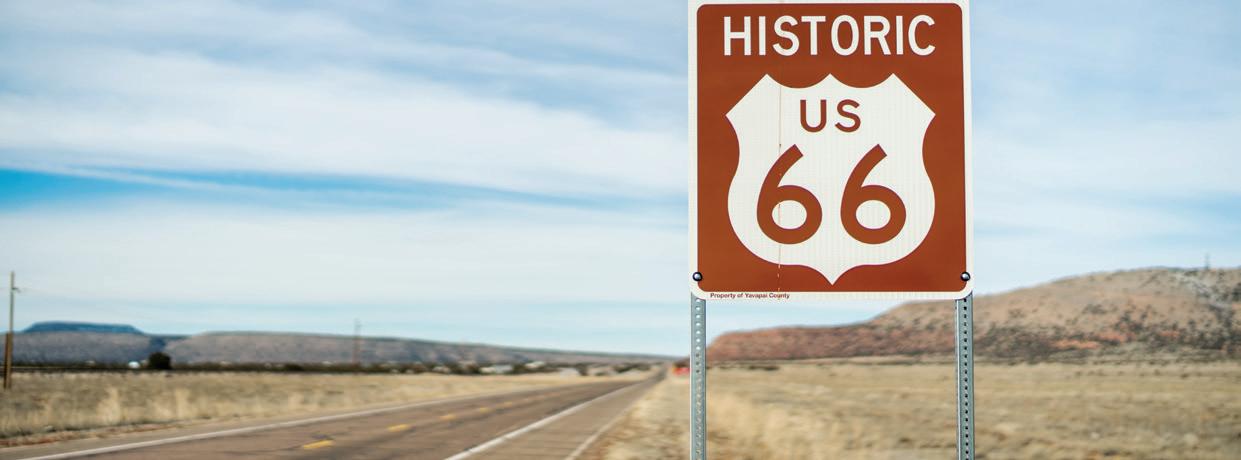
• Visit must-see sights like the historic starting point of Route 66 in Chicago, the famous Cadillac Ranch in Amarillo, and the “End of the Trail” sign in Santa Monica
• Explore natural wonders of the Grand Canyon, Petrified Forest National Park, and the Painted Desert
• Discover Seligman, known as the “historic birthplace of Route 66,” and visit the vibrant Hotel El Rancho in Gallup, where Golden Age movie stars once stayed
PUZZLES
SOLUTIONS
LA’s Mayor Fiasco
Thanks, Mihran Kalaydjian, for your lengthy, scholarly warning about the L.A. mayoral race and how it might affect us in God’s country (letters, Feb. 20). You left out one important fact about Nithya Raman, who is running against L.A.’s failed mayor, Karen Bass: She wants to turn L.A.’s golf courses into low-income housing. That idea is worthy of at least a lengthy jail sentence, which in L.A. would be zero. How many golfers from Santa Clarita Valley, and there are legions of us, have played or continue to play the emerald green fairways of Woodley, Balboa, Encino, Harding, Wilson, Hansen Dam, Roosevelt, or Rancho Park? That is a lot of beautiful real estate designed for one purpose: outdoor recreation. It would be insane to recommend Bass just because she is less nuts than Raman. Surely there is one common-sense, level-headed candidate among the millions of L.A. residents. Rick Caruso, a perfect pick, has already bowed out. I would like to see Supervisor Kathryn Barger run. She is the only sane one among the county’s supervisors. Plus, she has proven to be a great friend of the SCV.
Mihran is correct in saying the L.A. mayor has a profound and wide-ranging impact on the SCV. Let us pray it isn’t Bass or Raman. Larry Moore Valencia
Submit a Letter to the Editor Include name, address & phone. E-mail: letters@signalscv.com.
ETHICALLY SPEAKING
The Freedom of Self-Restraint
By David Hegg
Somewhere along the line, freedom went through a tragic redefinition. What once was understood and provided the basic foundation of our democracy has now become a primary cause of our societal demise. Why? Because, as our courageous forefathers understood, when they stood at Concord, facing the British soldiers who had come to seize their weapons, “freedom” was release from governmental tyranny, not permission for personal aggrandizement. They were seeking to throw off the chains of British tyranny, not looking for a reason to become unrestrained, self-enriching hooligans. Freedom always comes at a price, and with great responsibilities. Freedom isn’t free, and true freedom has never been understood as the tearing down of all reasonable restraints. Those who fought to end British domination understood their mission was two-fold. They first needed to extricate the nation from the monarchy of England. But that was only half of the battle. They also realized it was essential to replace the monarchy with a spectacularly American form of government. Clearly, the Revolution was not about enacting anarchy. Rather, the goal was to establish a governing model grounded in humanity’s divinely endowed, inalienable rights of life, liberty and the pursuit of virtue. Not one of those who heard the “shot heard round the world” thought freedom meant they could do whatever their passions desired. No! They understood freedom as an escape from governmental tyranny, not as the establishment of an ultra-libertarian society in which everyone was free to do what was right in their own eyes.
not mean that once “liberated,” we are free to act according to our deceitful and destructive passions. Liberty is merely the release from tyranny, not permission to act without proper restraint.
In the framing of our democratic republic, our founders recognized America would only last as long as the citizens prized what have always been understood as the cardinal virtues. They regularly measured themselves in the areas of self-control, love of neighbor, patience, integrity, industry, justice, fortitude, prudence, temperance and a number of other character traits that have forever been the stuff of ethical and useful citizenship. Yet, today we are watching as these hallmarks of honorable society are being jettisoned.
As the lead-up to the 250th celebration of our nation’s founding begins, we need to pause and take stock of where we are as a nation. The Revolutionary War was fought to throw off the yoke of a king who ruled with no thought of the people. It was fought so a government “of the people, by the people, and for the people” could become a reality.
Our Revolutionary War was not fought so we could become a people without moral and ethical restraint. American soldiers through the ages did not take up arms to protect our right to cast away virtue and love of country. They did not risk their lives so some could reduce political dialogue to the slinging of the “F” word to advertise disdain for opponents and erode the semblance of their own dignity. Too much of our political rhetoric has traveled to the gutter of ignoble trashtalking that only serves to prove that those speaking have lost their moral compass.
But, tragically, recent public demonstrations and declarations are proof that, for far too many, freedom is now permission to be vulgar, riotous and downright destructive of property, legal restraints and civility. Freedom has become the ability to do whatever they want, anytime they want, regardless of the danger it may pose. If those watching criticize and attempt to correct the outlandish behavior, they are labeled as freedom-hating bigots that must be marginalized. Freedom is being redefined by those whose greatest weapon is the reshaping of reality through language.
Another word we should consider is liberty. Liberty is emancipation, independence and opposition to suppression. But, here we must also define what it does not mean! Liberty does
I’m asking you to consider that freedom comes with necessity of restraint. Freedom isn’t the ability to do whatever you feel like doing, anytime you want to do it. Freedom is the responsibility to fight tyranny on every hand, while retaining the inner restraint necessary for this experiment in a pluralistic society to exist peacefully into the future. Simply put, internal compliance stemming from strong ethical convictions is always preferable to external compulsion. An America that thrives will be full of Americans who self-govern through ethical commitments to live virtuous lives. May God bless America, and may America live in a manner deserving of His blessing.
Local resident David Hegg is senior pastor of Grace Baptist Church. “Ethically Speaking” appears Sundays.
$600,000 MONTHLY GIVEAWAY
SAMALA
SHOWROOM AT CHUMASH
NEW MEMBER KIOSK GAME
BINGO NEON NIGHTS
MARCH 1, 8, 15, 22 & 29 2PM-11PM
Weekly prizes include a Chevy Silverado for the first four weeks and $100,000 in cash for the fifth week.
KOOL & THE GANG
March 6
PEPE AGUILAR
March 20
THE BAND PERRY March 27
JOIN THE CL U B AT CHUMASH
Play our New Member Kiosk Game to win up to $500 in Slot Free Play during your first visit.
MARCH 21 / 8PM
$30 Machine Buy-In with 8 regular session games paying $250. Four specials paying $200. Four party games paying $150.