


Editorial by Katy Micallef
Six years on and Dubai feels as fresh and exciting as it did back in 2021. Home to our first international event outside of Malta, the emirate holds a special place in SiGMA’s history books - a city that launched our global vision, and crucially, a port in the storm when other doors had closed. In a special visual feature we explore this journey. From our very first expo - a welcome return for delegates following a trying year of pandemic restrictions to the promise of greater things to come.
Our decision to hold an event during the Covid period was a bold move and a testament to how taking a leap can pay off. Alfaleads Group - our cover story for this issue also didn’t play it safe. In an interview with CEO Roman Manuylov, we explore the company’s evolution from arbitrage to international holding - a ten year journey that celebrates leadership, persistence and a star team behind the wheel. Read the full interview on page 32.
That spirit of transformation is echoed by Pekka Kelkka. In his interview he speaks passionately about how tech such as Blockchain, AI and Web3 is transforming the Middle East, with the UAE setting the pace for long-term economic sustainability opportunities and a multipolar world shaped by decentralised technology.
Across the region, the industry is diversifying rapidly, pushing beyond its traditional strongholds and embracing new markets, technologies, and opportunities. “The future is multipolar, and decentralised technology is accelerating that shift,” Kelkka says. “Collaboration will replace old hierarchies, and Western economies must learn to work with South and East rather than dictate terms.” More from page 26.
There are also cautionary tales to be told. We sat down with Dr Gege Gatt to learn more about his vision for humanity’s relationship with AI and democratic governance.
Dr Gege Gatt›s central question cuts through the noise: will we shape AI›s trajectory, or will we let it shape ours? By 2030, this technology will permeate every corner of our lives. The real issue is whether we do this proactively or passively. What hangs in the balance? The answers start on page 50.
As always, we’re deeply grateful to Eman Pulis, whose bold vision continues to drive us forward. Special thanks to designers Rocco and Zoya for their consistently sharp design work, to Matthew, Naomi, and Rami for transforming words into compelling stories, to Jacob and Yvonne for photography that transcends the ordinary, and to A’laa for making this publication accessible to an even broader audience through thoughtful translation.
Here’s to what’s next.



All rights reserved. Reproduction in whole or in part is strictly prohibited without prior consent in writing. Opinions expressed in this event guide are not necessarily those of the editor or publisher. All reasonable care is taken to ensure truth and accuracy, but the editor and publishers cannot be held responsible for errors or omissions in articles, advertising, photographs or illustrations. SiGMA magazine is published by S.G. Worldwide Media Company Ltd, 6 Agias Marinas Street, 4044, Germasogeia, Limassol, Cyprus



Hand delivered to various expos worldwide, executive lounges, embassies and government institutions. The event guide is also delivered by post to leading companies worldwide.
For information regarding promotion and advertising kindly email renee.m@sigma.world
Sales
Renee M. Decesare
Denis Dzyubenko
Elisa Martinotti
Marie Reyjal
Olha Kovaleska
Kian Sullivan
Pavel Piatkin
Sofia Pissoni
Chaimae Elabi
Kyle Mifsud
Translation Alaa ElBarbarie


\ Where standards meet blockchain
U.N advisor Pankhuri Bansal discusses how establishing standards-based crypto platforms will lead to a more efficient system of governance, compliance, and overall innovation.
\ Trust Architecture of Stablecoins
Dr Bhaskar Dasgupta, Chair of the Middle East Stablecoin Association on making innovation boring on purpose.
\ How the UAE is setting the pace
Blockchain, AI, and Web3 are transforming the Middle East. Pekka Kelkka shares his insights on how these technologies can be scaled responsibly.
\ Building financial bridges
Loretta Joseph discusses responsible progress, inclusion and how the future of digital finance can be both stable and transformative.
\ Malta Meets the Gulf
Malta’s Special Envoy to the Gulf, Zachary Borg on strategic priorities, emerging opportunities and practical pathways for trade, investment and long-term partnerships.
\ The fall and rise of society built on AI
Dr Gege Gatt shares his vision for humanity›s relationship with Artificial Intelligence and democratic governance.
\ The Purpose-led Economy
Raj Kapoor, founder and chairman of the India AI Alliance shares his perspectives on blending Blockchain, AI, and sustainability for inclusive growth.
\ One Bank to Unite All Access
Jonathan Low, founder and CEO of BipTap, speaks about building a groundbreaking omnibanking platform that blends traditional and crypto services.
\ Beyond the Corporate Ceiling
Seif El-Hakim speaks about leadership under pressure, the habits that hold standards in place, and the shift from proving to purposeful decision-making.
\ The AI Balancing Act
Shaik Hamdan explores how AI is transforming businesses and smart cities across the UAE.
\ Taming High Risk Environments
In this edition’s cover story, we spotlight Alfaleads Group as it marks a decade in the performance marketing industry. From its early days in arbitrage to its rise as an international holding, the company’s journey reflects bold strategy, disciplined execution, and a people-first culture. CEO Roman Manuylov shares candid insights into the decisions that shaped Alfaleads’ evolution, the leadership principles that guided its growth, and the risks taken along the way. He also reveals how building resilient teams, nurturing talent, and embracing change have helped the group scale globally while staying true to its entrepreneurial roots over the past decade.


It is my great pleasure to welcome you back to the emirate of Dubai for another edition of AIBC Eurasia. As we embark on our sixth chapter, it feels especially fitting that this event will also serve as the opening leg of our AIBC World Tour for 2026 — a global trifecta designed to unite the technology, blockchain, AI, and digital innovation ecosystems across continents.
A key highlight of this journey will be the tour’s flagship gathering, and the largest AIBC summit to date: AIBC World. Hosted in Rome from 02 to 05 November, this landmark edition will bring together influential global leaders and decision-makers, becoming a focal point for those shaping the future of the digital economy on a worldwide scale.
At the core of everything we do is our commitment to building a safer, more sustainable future for the industry. This means championing transparency, supporting robust regulatory frameworks that encourage innovation while safeguarding stakeholders, and fostering meaningful dialogue around ethical practices and longterm responsibility.
Over the coming days, you will enjoy a comprehensive programme of panels and keynote sessions addressing both today’s challenges and tomorrow’s opportunities. With two dedicated stages, exciting side events such as the inaugural opening of our Golf Tour, and more than two hundred and fifty carefully selected brands represented, this unique platform seamlessly blends high-level business with valuable networking.
Whether you are a startup taking your first steps, an established operator exploring new horizons, or an investor seeking the next breakthrough idea, this event is your gateway to fresh connections and exciting opportunities. Our success has always been driven by our community. I encourage you to make the most of these days: engage with the content, meet new partners, and immerse yourself in the cultural richness that the UAE has to offer. The road ahead looks promising - we hope you’ll join us.
“Blockchain allows rules, reporting, and risk thresholds to be modularly encoded into the ledger itself and dynamically applied to specific participants or transactions.”
\ Standards before systems
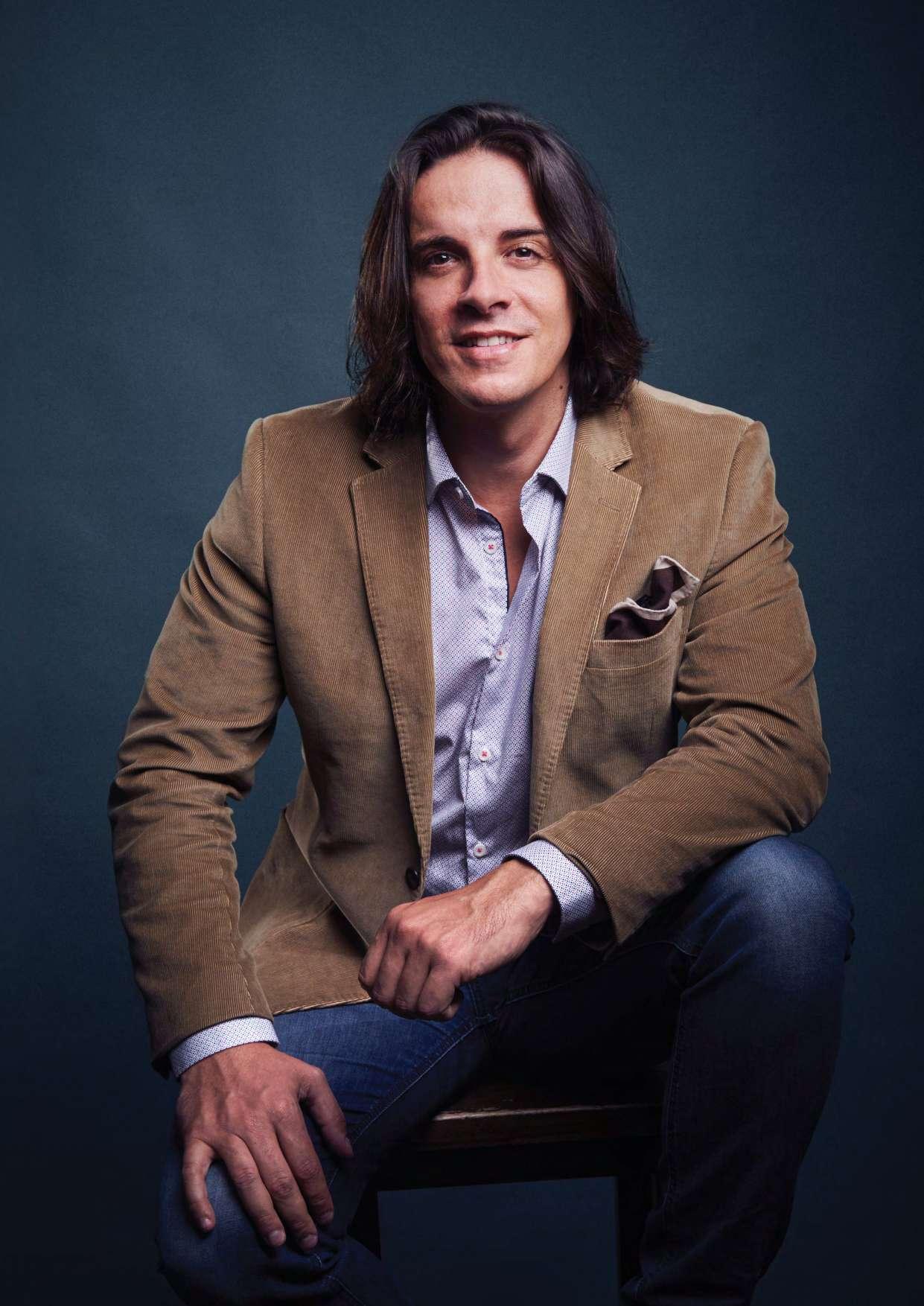
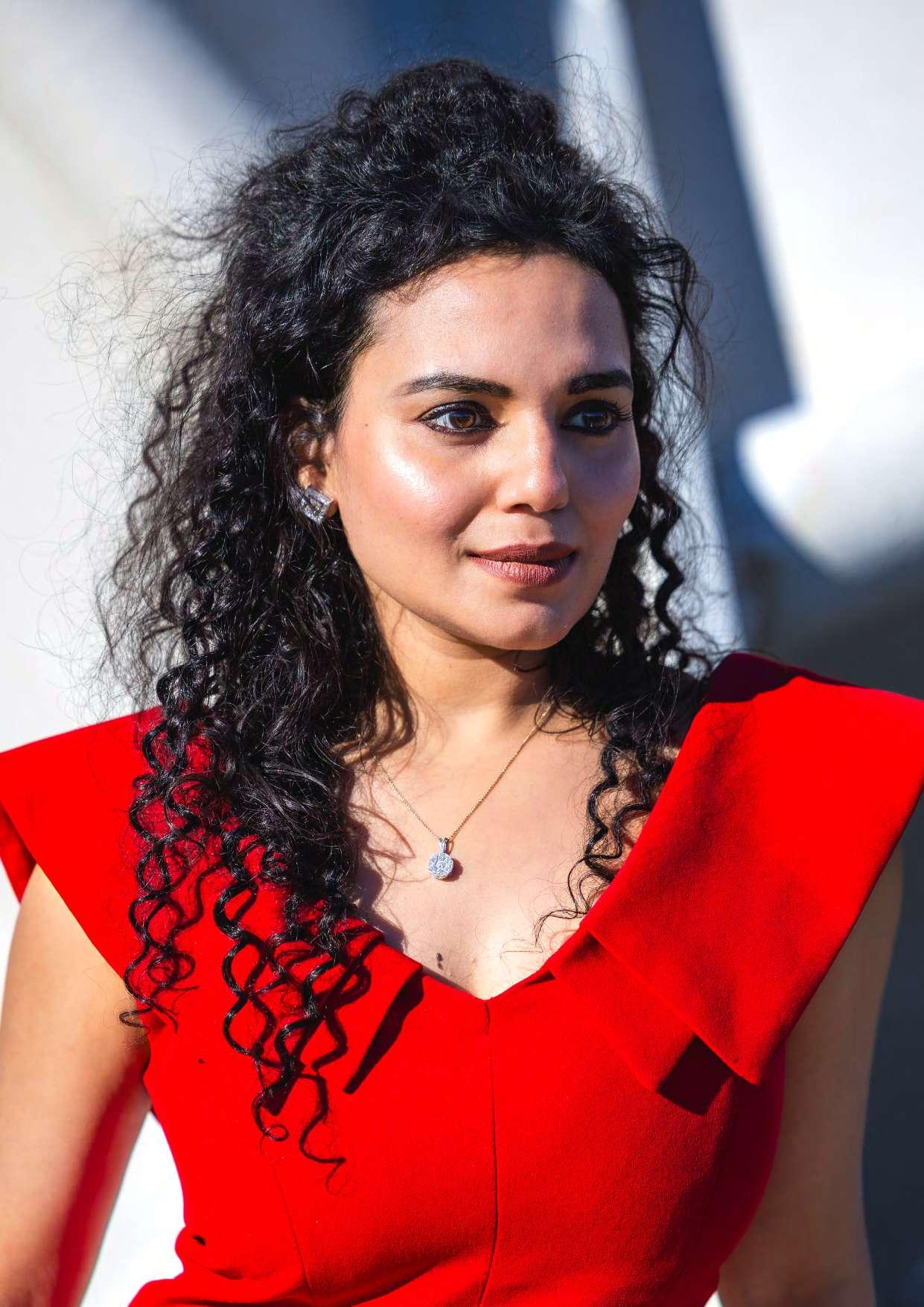
Among many voices within blockchain, the perspective offered by Pankhuri Bansal due to her experience at the United Nations is one of the most grounded voices. Rather than being viewed as a disruptive technology that has the potential to change everything, blockchain is being treated by UN/CEFACT as a foundational format of support for existing worldwide systems that help create trust, provide accountability, and have increased resilience.
According to Bansal, highly regulated markets are less concerned with how advanced a blockchain system appears and more focused on whether it can deliver consistent, auditable records and clear legal certainty. What matters most is the ability to verify activities and transactions in a reliable and legally recognised way. Blockchain’s real strength lies in its capacity to anchor recordkeeping and reporting to globally agreed semantic standards, such as the Buy Ship Pay Reference Data Model developed by UN/CEFACT. By structuring data in this shared and digital format, organisations can improve transparency, reduce risk, and build confidence among stakeholders operating across borders.
In an interview with Matthew Busuttil, Pankhuri Bansal, Blockchain Expert & Advisor at the U.N. & CEO, Blockom, discusses how establishing standards-based crypto platforms will lead to a more efficient system of governance, compliance, and overall innovation in global as well as Middle Eastern markets.
The standards-first philosophy applies equally to regulatory and customs reporting and, when combined with a Single Window by the regulators, provides a way for regulators to track the entire trade data chain or life cycle without having to centralise sensitive trade data. This process of tracing trade data improves accountability. Trade data sovereignty is still maintained through this process.
“Ultimately, blockchain is shaping global standards not by replacing existing UN/ CEFACT frameworks, but by reinforcing their principles of interoperability, legal clarity, and public-private collaboration.”
Bansal’s work on ISO standards across blockchain, AI, and the IoT reflects a broader shift in how organisations approach digital transformation. Rather than deploying technologies in isolation, the focus is on trusted integration across systems. This approach provides companies with a consistent and reliable foundation as they modernise their digital operations.
Digital identity is a clear example of this shift, particularly in regions such as the UAE. Government agencies can use verifiable credentials, smart contracts, and
compliance-by-design frameworks to deliver secure and scalable digital services. These tools support interoperability across departments while allowing regulators to maintain clear oversight. As a result, the region can establish common standards for digital services without compromising governance or trust.
Blockchain Technology and IoT provide examples of how these two disruptive technologies are beginning to transform the way we create and manage our data. By anchoring Sensor Data generated from the Internet of Things to Distributed Ledgers, we are creating Trust in our Data and providing Smart Cities, Smart Grids, and Supply Chain Integrators with data pipelines they can rely on when making critical decisions. At the same time, we are allowing AI to build on the increased trust in the accuracy and reliability of the Sensor Data and therefore increase the accountability of Automation.
Tokenisation completes this triad. When underpinned by standards for security, privacy, and interoperability, tokenised real-world assets can be introduced into regulated markets without undermining investor protection or market integrity.
Drawing on her experience at JP Morgan and Kinexys, Bansal is cleareyed about enterprise adoption. She indicates that the most common error that companies make is to try to recreate all of their legacy systems with new technology at once. There are legitimate reasons for maintaining core banking, settlement, and compliance system services, and trying to replace every one of them without implementing them in a planned manner creates entirely too much risk for any business to take.
The successful organisations will use the blockchain technology as an integration tool to support various high-friction activities such as reconciliation, approval processes, and reporting requirements. They will utilise existing APIs and middleware to create an environment where versions of distributed ledgers can communicate with each other and with their current systems to achieve an operationally beneficial outcome.
Governance and change management are equally critical to success. Legal, compliance, and operations teams should be involved from the outset to ensure the transformation is manageable and sustainable. Early engagement also helps build confidence among stakeholders and supports long-term adoption.
“The most important insight is that successful blockchain adoption is evolutionary, not disruptive.”
Middle East
In the Middle East, and particularly the UAE, blockchain’s most immediate public-sector value lies in targeted, policy-driven deployments. Government services are already being transformed through the use of digital identity and/or verifiable credentials, among other things, as they create efficiencies by
streamlining the process of accessing services and allowing users to have greater control over their data.
Another example of a high-impact area to use blockchain would be in trade and supply-chain documentation. The UAE, which serves as a central hub for global logistics, has already begun leveraging blockchain solutions to link the various types of certificates of origin, customs declarations, and compliance documents between all of the different government terminals, free-zone ports, and banks in the UAE, creating a secure and simplified process.
A number of government initiatives also underscore the importance of secure and efficient data exchange. These include the implementation of digital identity technologies, permissioned networks, and alignment with international standards to ensure that the move towards
unencumbered digital transactions occurs in a responsible rather than experimental manner.
\ Compliance as an enabler
Perhaps Bansal’s most compelling insight lies in her concept of regulatory composability, where compliance logic is embedded into platforms, enabling supervised innovation and more transparent governance.
Smart contracts can adapt to jurisdiction-specific rules while maintaining a unified ledger. This separation of business logic from compliance logic allows enterprises to launch new products without building bespoke regulatory silos, while regulators gain real-time, deterministic oversight.
In multi-jurisdictional environments such as the UAE and wider GCC, this model reduces friction across free zones, regulators, and trade corridors, creating ecosystems that are both flexible and auditable.
“Blockchain allows rules, reporting, and risk thresholds to be modularly encoded into the ledger itself and dynamically applied to specific participants or transactions.”
\ Correcting misconceptions early
Through her work at Blockom Consulting, Bansal regularly encounters organisations approaching blockchain as a technology upgrade rather than a coordination tool. Selecting platforms before agreeing on governance, legal enforceability, or business objectives leads to pilots that cannot scale.
Effective leadership reframes blockchain as shared infrastructure. By starting with clearly defined multi-party processes, agreeing rules upfront, and aligning with standards and regulations, organisations can deploy incrementally and pragmatically. The winners are not those chasing speed or novelty, but those quietly building trust and efficiency into their digital foundations.
\ Technology’s presence
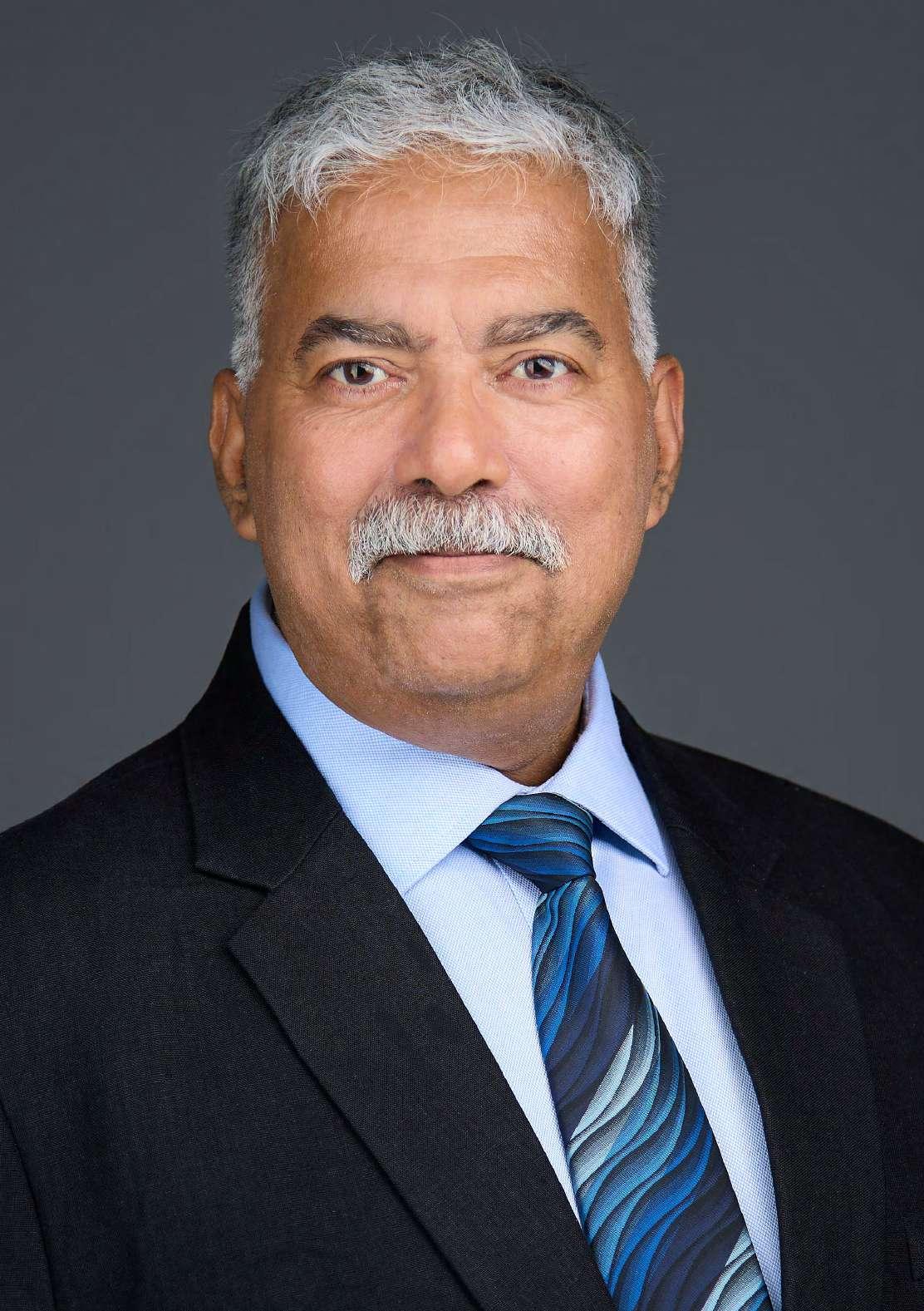
What interests Bhaskar Dasgupta most is not the next shiny product, but the moment technology collides with responsibility. He describes the past phase of innovation as “a gifted teenager. Brilliant, fast, and largely unsupervised,” and argues that this era is ending as money, identity, payments and governance move centre stage.
In this new phase, he insists, the real work happens when engineers and regulators finally admit they need each other. “Technology no longer wants applause. It wants permission to stay,” he says, framing durable adoption as a function of regulatory trust rather than pure technical superiority.
That perspective comes from someone who has spent years on both sides of the table, from senior roles at HSBC and UK Export Finance to heading market infrastructure and digital assets at Abu Dhabi Global Market )ADGM(. It has left him with a habit of looking past slide decks and pitch decks to ask who, in practical terms, carries the downside when things go wrong.
\ Incentives and culture
Asked about the lesson that still guides him, he returns immediately to incentives. “The most valuable lesson I learned early is that incentives matter
more than intelligence. And far more than good intentions,” he notes, adding that some of the worst outcomes he has seen came from smart, ethical people rewarded for the wrong behaviour.
For him, governance is “not about control. It is about choreography,” a line that reveals how he thinks about boards as alignment machines rather than compliance shields. Boards that obsess over strategy but ignore incentive alignment, he warns, are precisely where “risk quietly grows teeth,” often out of sight until it is too late.
Culture, in his view, begins where the presentation ends. “Culture is what survives after the PowerPoint has been closed and the meeting has ended,” he says, a standard he applies as an independent chair, risk committee head, and adviser across asset management firms, family offices, and venture capital groups in the UAE, India, and beyond.
\ Listening for discomfort
In the digital assets world, his first filter with founders is not technical depth but their relationship with discomfort. “If the first ten minutes are all upside and no fragility, alarm bells ring,” he admits, preferring those who describe failure modes calmly, explain controls plainly and refuse to hide behind jargon.
One of his favourite tests is whether a founder can explain the business model without mentioning the token. If they cannot, he suggests, “the product is probably thin,” with growth fuelled
by speculation rather than substance, and he is blunt that “growth without responsibility is not ambition. It is borrowed time with interest accruing.”
He also wants founders to be interesting people he can spend real time with. Calling himself “optimistically paranoid” and halfjokingly a “Chief Mischief Officer,” he is explicit that life is too short to spend on conversations that do not stretch his curiosity or sense of mischief.
\ Making money boring
Stablecoins, in his telling, are trying to make money boring again. He describes them as an attempt to make value “predictable. Reliable. Slightly boring,” removing friction from payments and settlement without adding anxiety about what a unit of account is worth on any given day.
At their best, he says, stablecoins behave like good plumbing, invisible when they work and only noticed in failure. Drawing on his training as an economic historian, he sees a partial return “to the time that money was backed by actual assets like gold or bullion,” but within modern digital rails where timing, certainty and reconciliation matter as much as collateral.
For ordinary users, the promise is fewer unwelcome surprises rather than more features. People want to know where their money is, who holds it, how it is protected and what happens on a bad day, and he stresses that “trust is built through dull things. Audits. Disclosures. Predictable behaviour under stress,” informed by his regulatory experience and his current role chairing the Middle East Stablecoin Association.
Dr Bhaskar Dasgupta, Chair of the Middle East Stablecoin Association and long-time regulator, investor and board adviser, speaks to Rami Gabriel about making innovation boring on purpose.
When he compares traditional finance with digital asset firms, his language becomes almost geometric. Traditional finance “understands gravity,” he says, knowing from experience how badly things can break, while digital assets “understand velocity,” obsessed with how fast things can move.
Traditional finance “fears chaos” and digital assets “fear sclerosis,” yet Bhaskar Dasgupta argues the bridge between them is simple accountability, grounded in a clear answer to his “warm body” question: who is responsible when something breaks, who carries the downside, and who can be held liable in practice, because while complexity is forgivable, ambiguity around money is not.
\ The UAE experiment
His current vantage point in Abu Dhabi shapes how he reads the UAE’s approach to digital assets. He credits the country with offering “clarity without panic,” noting that regulators engage early, listen carefully and signal expectations in a way that attracts serious builders and serious capital.
What remains, he suggests, is deeper market education and more cross-border consistency, because rules work best only when more than just lawyers understand them. He points to the close engagement with groups like the Middle East Stablecoin Association as evidence that the next phase is about scaling responsibly rather than experimenting noisily, something he watches closely as chair.
Looking ahead, his benchmark for success is almost anti-climactic. Stablecoins, he says, “become normal when nobody calls them stablecoins,” when treasury teams stop debating the technology, payments teams treat them as just another rail, and his members in the region make them, in his own choice of words, boring.
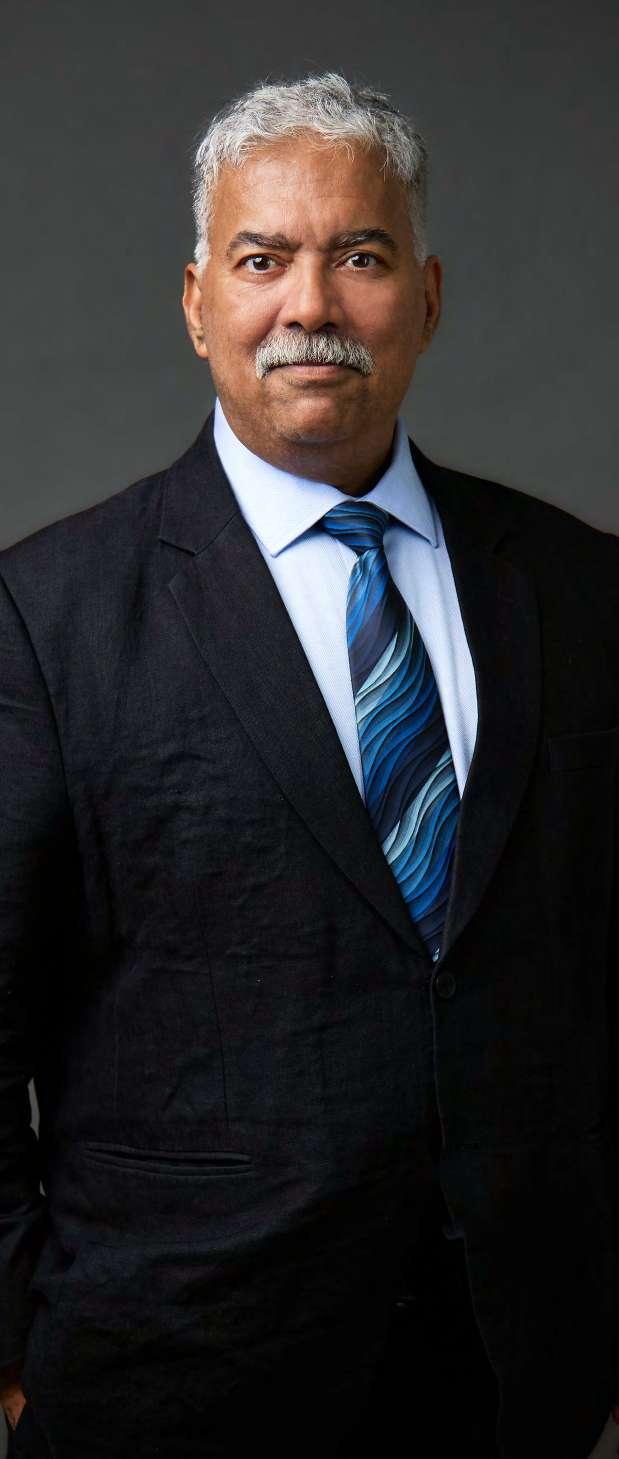
“Incentives matter more than intelligence. And far more than good intentions.”










Connecting all our 2026 SiGMA summit stops





\ SiGMA launches its Golf Tour debuting in Dubai, combining executive networking, competitive play and brand visibility. The initiative positions golf as a strategic platform for business, relationships and global industry connection.
\ Out of office
For today’s executives, golf offers something increasingly rare. Time, space and authenticity. SiGMA,
long recognised for redefining how industries connect, has acknowledged this shift and chosen to lead it. Away from offices and rigid agendas, deals are explored on fairways, trust is built between tee shots and relationships develop at a natural pace.
The launch of the SiGMA Golf Tour is a deliberate strategic move, positioning golf as a core element of SiGMA’s executive culture. It is about creating environments where meaningful interaction thrives, where competition sharpens conversation

and where shared experience replaces formal introduction.
This commitment is backed by action. SiGMA has invested in the Golf Tour as a long-term platform, including the appointment of a full-time Golf Manager tasked with shaping and expanding the tour globally. From selecting world-class courses to curating tournament formats and partner integrations, the role underscores that golf is no longer an add-on to SiGMA’s events, it is a strategic extension of them.


The inaugural edition of the SiGMA Golf Tour will take place in Dubai, a city that mirrors the tour’s ambition and global outlook. Known for its ability to bring together business, luxury and innovation, Dubai provides the ideal stage for the Golf Tour’s debut and signals the calibre of experiences to follow.
Launched alongside the AIBC Eurasia show, the tournament, taking place on day 0 at the Trump International Golf Club, is designed as a seamless extension of the wider event. Forty tee times have been secured, forming ten four-ball teams in a shotgun-start format that ensures energy, pace and interaction from the opening drive. Play will begin at 10:00 in the morning and continue through a full eighteen holes until early afternoon, allowing participants to engage deeply both in competition and conversation.
Brand presence is woven thoughtfully throughout the experience, with visibility at key moments on the course, including the opening and closing holes and the tournament entrance. A large on-site screen will display live scoring, highlights and curated content, adding an energetic layer that keeps players and guests connected throughout the day. The tournament will conclude with a post-play lunch and presentation, creating a natural transition from competition to conversation and reflection.
Dubai represents a statement of intent. It defines the standard for what the SiGMA Golf Tour is meant to be. Premium yet relaxed, competitive yet inclusive and firmly focused on executive-level connection.
SiGMA’s belief in golf as a networking platform is not theoretical. Previous golf side events have consistently demonstrated how powerful the format can be when it comes to building genuine relationships. At venues such as the Royal Malta Golf Club during SiGMA’s 2025 summit in Malta, executives found themselves engaging in conversations that simply do not happen in conference halls or exhibition spaces.
From early morning gatherings to relaxed post-round discussions, the rhythm of the day allowed connections to develop organically. Friendly competitions added energy, however it was the shared challenge of the course that opened the door to honest dialogue. Participants repeatedly spoke of the value in seeing peers outside their usual professional context, discovering common ground and
forming partnerships rooted in trust rather than transaction.
Seasoned attendees have noted that golf strips away hierarchy. Over four hours of play, titles matter less than integrity and adaptability. For SiGMA, these experiences confirmed that golf is a significant business tool when curated with intention.
\
The SiGMA Golf Tour has been designed to foster this kind of organic engagement at scale. Unlike traditional networking formats, the course encourages conversation without pressure, collaboration without agenda and competition without confrontation. Executives have time to talk, to listen and to connect in a setting that feels natural rather than orchestrated.
The post-tournament lunch plays an equally important role, offering space for presentations, closing remarks and continued discussion. It is here that conversations sparked on the course evolve into concrete ideas, partnerships and plans. For sponsors and partners, the Golf Tour provides a rare opportunity to engage with a highly targeted audience in an environment associated with quality, prestige and shared experience.
As the tour expands beyond Dubai into other global markets, it aims to establish itself as a recognised fixture in the executive calendar. Positioned as a sporting event and cultural platform that reflects how business leaders want to connect today.
The rise of the SiGMA Golf Tour reflects a broader shift in executive networking. As industries move away from rigid formats, experiences that engage both mind and body are taking centre stage. With 7 global stops correlating with all our 2026 summit stops, golf, with its balance of strategy, patience and social nuance, offers the perfect framework for this evolution.
As the sun rises over the Dubai greens and the first drives of the SiGMA Golf Tour take flight, it becomes evident that business no longer lives solely in boardrooms. With the Golf Tour, SiGMA once again leads by example, proving that when strategy meets sport, the result is an experience truly above par.
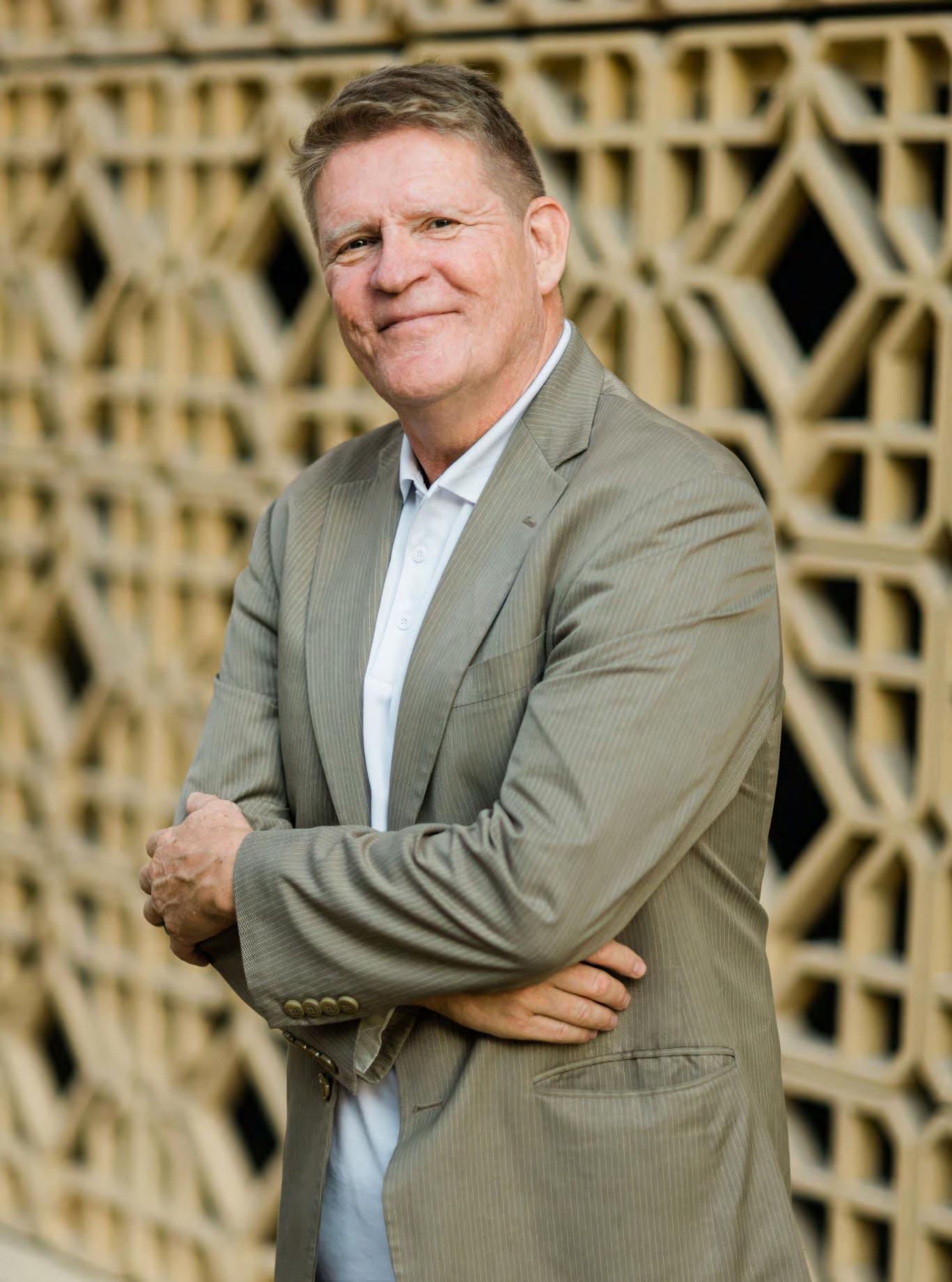
Blockchain, AI, and Web3 are transforming the Middle East. In an interview with Matthew Busuttil, Pekka Kelkka shared his insights on how these technologies can be scaled responsibly.
Kelkka, a seasoned advisor on blockchain and digital transformation, explained that Web3 should be viewed as a layered evolution rather than a complete departure from existing systems. He highlighted the importance of standards, regulation, and pragmatic adoption to ensure these technologies deliver tangible benefits for enterprises, governments, and society at large.
\ Standards before scale
According to Kelkka, the value of decentralising technology may ultimately depend on the establishment of global standards. Decentralised systems continue to face challenges for mainstream adoption, with crosschain communication and interoperable applications steadily improving but still lacking global framework standards. To fill that gap, several projects, such as Chainlink, are providing solutions that allow for reliable linkages between blockchain networks and data feeds from outside those networks.
Kelkka also states that “Without global standards, decentralised systems risk undermining user experience. Users will not tolerate complexity, friction, or degraded interfaces simply because a system is decentralised.”
In addition to the technological component, for widespread adoption, decentralised systems must provide the same or better usability as a Web2centric platform and be compliant with regulatory requirements. Kelkka reiterates that to have long-term adoption, user experience must dominate the decision-making process when designing a decentralised system.
\ Regulation moves upstream
Blockchain governance intersects directly with monetary systems, financial infrastructure, and central banks, making regulation far more complex than it was during the early Web2 era. Though most regulatory approaches to the creation of content over the Internet were focused on communications, Blockchain goes beyond that; it impacts the fundamental architecture of money itself. But Kelkka points out: “BlackRock's first tokenised fund launched in January 2024 shows how institutional capital is moving toward decentralised systems, not because they are ideologically driven but as a controlled, compliant extension of Traditional Finance.”
The implications for businesses are clear: large institutions are defining the playbook, and smaller players must observe to avoid being left behind.
\ Layering, not replacing
Kelkka is candid about the philosophical tension this hybrid approach introduces. Institutional participation inevitably introduces elements of centralisation into decentralised systems. Yet from a commercial standpoint, layering blockchain onto existing business processes is currently the most viable path forward.
SMEs and corporates can achieve immediate gains such as faster settlement, lower transaction costs, and enhanced transparency without abandoning traditional business models. Stablecoins illustrate this perfectly: asset-backed, price-stable, and accessible, they enable near-instant cross-border transactions at negligible cost, while conversion back into fiat currency requires just a few clicks.
“Businesses should layer decentralisation on top of what already works, not tear everything down,” Kelkka advises. “This allows companies to benefit immediately while preparing for broader, decentralised integration.”
\ Middle East momentum
Kelkka has worked in many parts of the Middle East region, having realised that these governance structures provide the Middle East with a unique advantage over other areas, specifically through their ability to centralise decision-making authority. Because centre decisionmaking powers are located within one location, such as within the U.A.E., the U.A.E. can deploy policies quickly in response to global and regional changing events. Additionally, the Middle East has an overabundance of oil wealth, which has allowed higher levels of investment in new innovative technology )for the Middle East( and has demonstrated leadership and understanding of long-term economic sustainability opportunities.
For example, various public blockchains, such as those in Dubai, follow a trend. For the most part, there is a significant amount of public monitoring and oversight of blockchains implemented; however, this has been
“Without global standards, decentralised systems risk undermining user experience. Users will not tolerate complexity, friction, or degraded interfaces simply because a system is decentralised.”

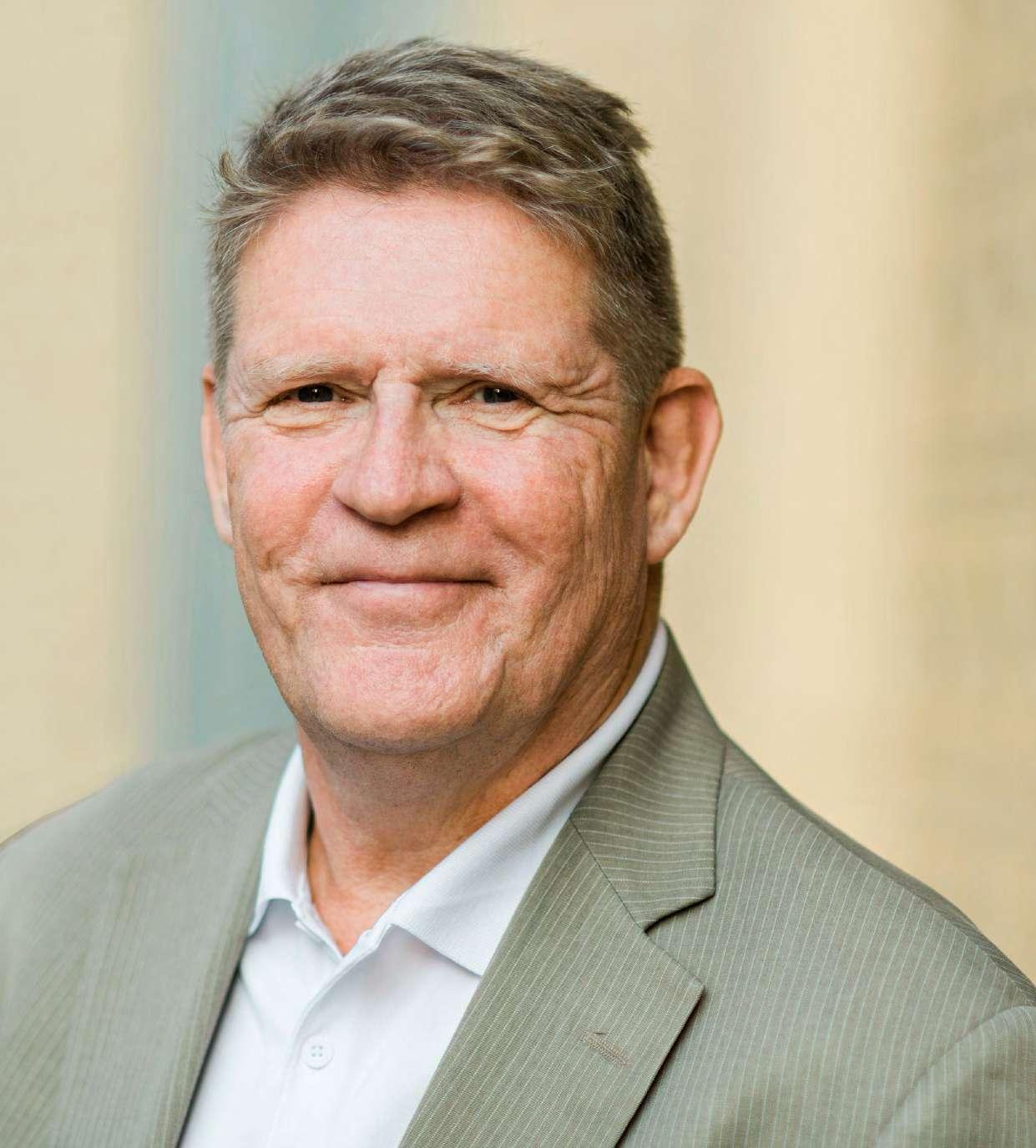
evolving to allow more experimental blockchain solutions to take place if there are beneficial outcomes to their usage in alignment with local social and economic goals.
Kelkka challenges the narrative that Europe lags. Instead, he argues that coordination is Europe’s main challenge. Fragmentation slows adoption, but recent efforts suggest acceleration is imminent.
He also foresees a multipolar world shaped by decentralised technology. South and East Asia, rich in resources and increasingly digitally sophisticated, are poised to bypass traditional Western gatekeepers. “The future is multipolar, and decentralised technology is accelerating that shift,” Kelkka says. “Collaboration will replace old hierarchies, and Western economies must learn to work with South and East rather than dictate terms.”
Fear remains the primary barrier to blockchain and Web3 adoption at the board level. Many leaders still view these technologies as speculative or transitional, but Kelkka emphasises that executives do not need to be technical experts; understanding how to apply them strategically is sufficient.
Development of decentralised identity and compliance mechanisms on the blockchain is progressing rapidly. These tools will pave the way for wider organisational adoption, allowing blockchain to integrate seamlessly into logistics operations, governance processes, and corporate workflows, while delivering enhanced efficiency, transparency, and reduced costs.
Marketing, Kelkka stresses, should follow operational success. Companies should first establish demonstrable benefits within trusted networks and partnerships. Early wins build credibility and trust with stakeholders, forming the foundation for broader public adoption.
Kelkka also highlights the role of blockchain in managing the rise of autonomous AI. As AI agents become increasingly independent, capable of decision-making and value exchange without human input, traditional oversight models will fail.
“Blockchain is about truth. AI struggles with truth. Together, they balance each other,” he explains. Public blockchains, governed by transparent smart contracts, can enforce rules, accountability, and verifiable truth, creating an ecosystem where AI operates safely without centralised intervention.
Within five years, Kelkka envisions a decentralised, blockchain-based internet where AI agents operate within code-enforced boundaries. He believes this convergence will define the next generation of digital infrastructure.


How Alfaleads Group Transformed Risks Into Strategic Growth
\ Alfaleads Group celebrates ten years in the industry. CEO Roman Manuylov discusses the company's evolution from arbitrage to international holding, sharing insights on leadership, risk management, and team building.
\ Is there a day from the past ten years that you find yourself coming back to most often — and what makes it so memorable?
I clearly remember our New Year’s corporate party six years ago. The entire team was together, celebrating the end of the year, while a small group of executives already knew this party might be our last. At that moment, all payment systems were blocked in one of our key regions. At the time, our business consisted of an affiliate network and several media buying teams working with Google and Facebook — and almost all of them were focused on the CIS.
What felt like a potentially fatal blow didn’t just help the company survive — it fundamentally reshaped us. We emerged as a very different organisation: a company with multiple business lines and a clear refusal to rely entirely on a single direction. Diversification became our most important strategic vector in all the years that followed. None of this would have been possible without the persistence, fearlessness, and deep expertise of our team that, at that moment, stepped straight into the fire.
\ When did you first feel like more than just a manager — when did you first feel like a leader?
Leadership is arguably the single most important quality a manager can have. Sometimes faith and faithlessness matter far more than expertise or big resources. Especially in our market, where open data is scarce and everything gets decided through personal conversations and face-to-face meetings.
You can grow leadership qualities and pull a team forward through a few core directions — developing expertise, building charisma, and fostering a sense of fairness and openness. Those are the traits I cultivate in myself, and the values we promote across the team.
When I took the helm of the affiliate network many years ago, and later the whole holding, I made a point of giving every employee a chance to step up and speak directly with the CEO. I generally encourage and nurture differing opinions within the company, while taking on the responsibility and authority to make the final decisions. Looking back, I think I’ve grown a lot in my ability to let go and delegate, giving colleagues the space to shine. I believe that shift affected not only me as a leader, but also me as a person.




\ Can you tell us about the boldest and most difficult decision you’ve made recently — and why it was so hard, even though it seemed obviously the right move?
I think the boldest decision we made last year was canceling the BiG conference. It’s not easy to make a call like that when there’s already $2 million of budget spent. The project was nearing execution, but a set of risks — many of which were out of our control — wiped everything out. For example, political unrest in Serbia and, because of that, a whole chain of potential issues: contractors failing to meet their commitments and venues for networking being shut down. Not only can the launch of a project become a problem, but so can its closure, especially when you’ve already poured a lot of money and investment into it. It feels like you have to try to recover those costs, but sometimes the smarter move is to stop investing and not wait for the investment to pay off.
\ How have the company’s values and culture helped you overcome crises and achieve success?
The company culture is built on the vision and personal qualities of the CEO and shareholders, and it is such a core part of our organisation that it often determines which projects take off and which don’t. It’s like doing something that goes against your own beliefs — those things rarely end up successful.
And culture also helps us filter people out — it drives bad apples away. Our DNA simply doesn’t accept talkers, slackers, or schemers.
Every time I step up with a microphone in front of the team on one of our anniversary days, I talk about our “realness.” There are no people among us without a moral compass, without drive, without that fire in their eyes. We are “real,” and that’s what lets us win year after year while still looking our partners in the eye. We’re proud of what we do.
\ Your company strives to be a trendsetter. What does that mean in practice for the business and for you as CEO?
There are two strategies for winners. The first is not to fall far behind the leaders — copying features and solutions your main competitor rolls out. This approach will never make you a leader, but it allows you to feel comfortable and remain successful.
The second strategy is the pursuit of leadership and major achievements. It’s hard to become a leader by repeating what others do. As a company, we’ve always aimed to be the strongest in traffic, management, marketing, and operations. With this approach, we attract like-minded people. If we do something without aiming for leadership, it’s simply not interesting to us.
At one point, we started hosting private events for top partners, focusing on strict selection rather than mass attendance. Over time, this approach became normal for the market. We’ve had many examples of solutions and approaches that later became industry standards — and today we see that not as a problem, but as a sign that we’re doing everything right.
\ What principles do you use to assess risk and make tough decisions — and how does the structure of Alfaleads Group help you take those risks and win?
We approach these questions as separate projects. We calculate potential, assess implementation complexity, review market best practices, and evaluate our own resources. This gives us a clear picture of both opportunity and risk.
At the same time, we always have differing opinions within the company. That allows us to look at ideas from multiple angles and keeps decision-making grounded. We have a system of counterbalances through top management and shareholders, where projects can be discussed, refined, approved, or stopped.
Although systems are important, we remain a company with a human face. Our team includes a lot of stars — people who directly influence results. Many of them have been with us for years, building deep expertise, training new colleagues, and maintaining a high level of decision-making. This balance between structure and people allows us to take risks and move forward confidently.
\ You mentioned stars within the team — how do you find them, or how do you grow them internally?
As always, the Pareto Principle works in a company — 20% of the effort produces 80% of the results. It’s the same with a team. The emergence of stars can be random, or it can be the result of focused work in that direction. By giving employees the chance to show what they can do, building a solid motivation and reward system, and giving them authority and access to senior leadership, you increase the odds of stars appearing in the team. Like in elite sports — the industry has its big names as well. And the biggest risk is growing a star and then letting them go to a more successful club. So development is only part of the job. Retention is often the more difficult process. It requires a highly qualified HR team and strong leadership. Just as easily as you can lose a star, you can also “crown” them yourself. And an employee with a crown is almost impossible to manage.
\ Looking back on 10 years of Alfaleads Group’s development, what is the main lesson you would highlight — what makes the company strong and resilient, and what helps you stay a leader in the industry?
Over these 10 years, we’ve learned that a company’s resilience is built on three pillars: people, culture, and the willingness to make tough decisions.
People who stay with the company for years develop expertise, train new colleagues, and uphold a high standard of work. A culture based on honesty, drive, and mutual trust creates an environment where the team is ready to take responsibility and act boldly. And finally, the ability to make difficult decisions — even when the stakes are high — allows us to stay agile and respond effectively to any challenge.
These principles make us stronger than any crisis, and they allow us not only to survive, but to set trends in the online entertainment market. As a result, our company has become exactly what we wanted it to be: resilient, bold, and backed by a team capable of achieving the impossible.


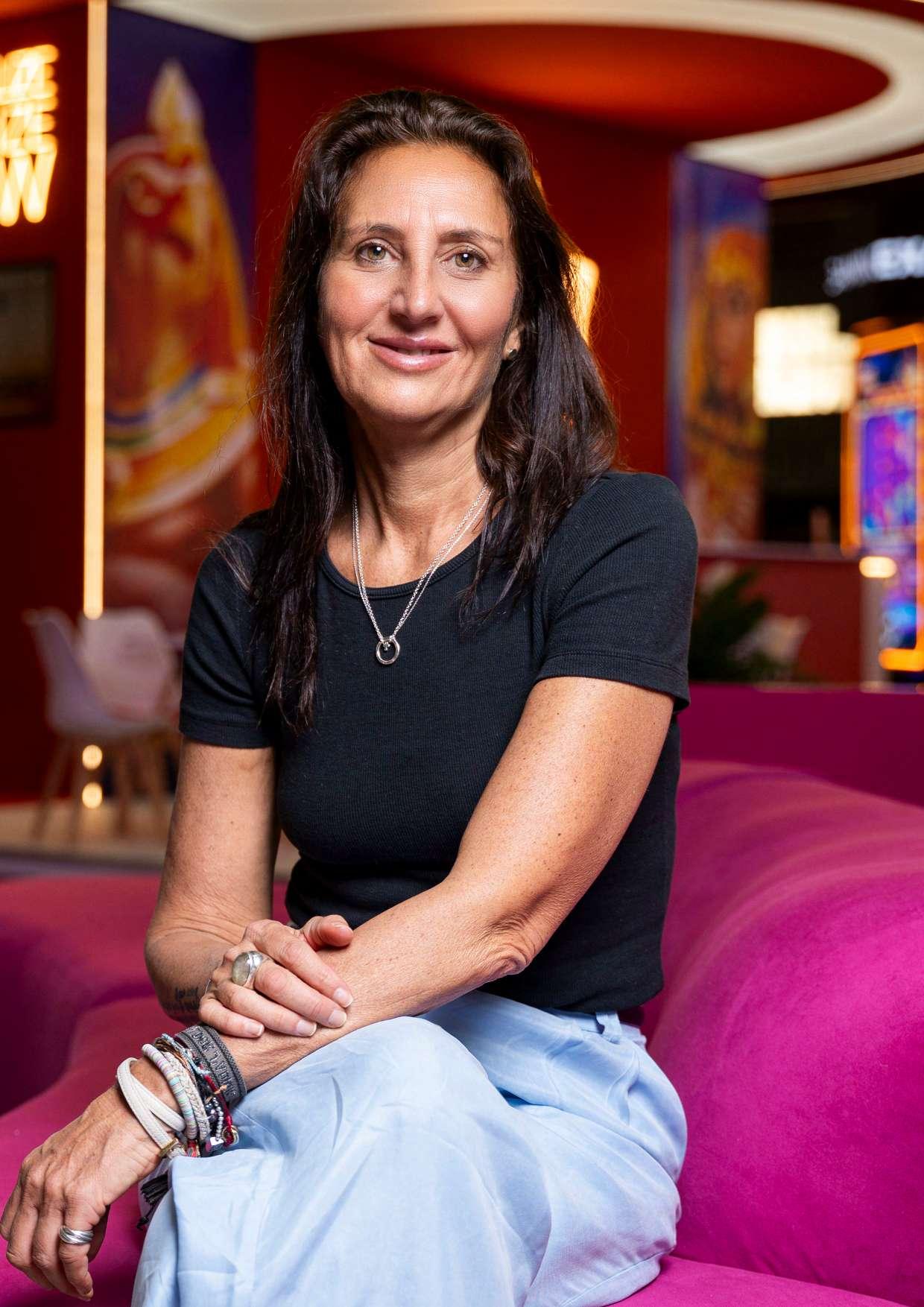
Naomi Day sat down with Loretta Joseph, a global leader in digital finance and regulation, to discuss responsible progress, inclusion and how the future of digital finance can be both stable and transformative.

\ Rewriting finance
“I started my life in a very, very different era,” Loretta Joseph emphasises, reflecting on her early days as a derivatives trader when “we used to use hand signals and we didn’t have mobile phones or computers.” From those analogue beginnings, she witnessed first-hand “what the cost of exclusion was.”
When she moved to India as Managing Director of a bank in 2004, the issue of access became strikingly clear. “When you’re not included in financial systems, you can’t do anything,” she says. Payments were slow, systems expensive, and “huge amounts of populations were locked out.”
Then came the Bitcoin white paper. “When I first encountered blockchain, I didn’t take it that seriously, but then I started to read, and I realised how transformational it could be for digital finance.”
It wasn’t the speculative promise of Bitcoin that caught her attention, but its principles of transparency, programmability and access. “That paper showed me what we could have in financial systems. Safe, open rails, lower costs, and the circle of opportunity for everyone. We democratise finance.”
After the global financial crisis, Joseph saw the fragility of a system built on trust that had been broken. “Everybody lost trust in the financial system. Were banks really the best people to protect people’s money? Probably not.”
It was here that her policy instincts met her market experience. “Innovation without rules creates fragility. Rules without innovation create stagnation,” she says. “So I’ve spent my career building bridges between the innovators and the financial systems as they exist today.”
That bridge-building took tangible form. She helped draft the Commonwealth Model Law on Virtual Assets, a framework adopted across 58 countries. “To be able to draft a law that can be adopted, adapted and enforced, from Nigeria to St Lucia, was one of the most memorable moments of my life.”
These frameworks, she explains, bring “trust into an ecosystem that hasn’t had a lot of trust in it.” After the collapses and scandals that have rocked the crypto world, Joseph’s focus has been to make “markets better and society better in general.”
“Innovation without rules creates fragility. Rules without innovation create stagnation.”
Despite the progress, Joseph is frank about the challenges that remain. The biggest hurdle, she says, is the lack of alignment with “different policy baselines.”
Regulators across the globe have different priorities, consumer protection, competitiveness, capital control, and too often, the standard setters themselves don’t talk to each other. “We’ve got the Financial Action Task Force defining virtual assets, IOSCO defining investor protection, and the Financial Stability Board talking about crypto assets with the same definition. It’s caused confusion globally,” she explains.
The result? “Everyone’s asking, are they a crypto business, a digital asset business, or a virtual asset business? The terminology drift creates cracks for regulatory arbitrage.”
For Joseph, the solution starts with “common taxonomies, minimal global floors, and mutual recognition between jurisdictions.” Regulators, she says, need “real-time supervision tech and data pipelines so everyone’s on the same page at the same time.”


\ Equality as infrastructure
As Chair of Women in GRC and Financial Crime Prevention, Joseph champions a more inclusive approach to building regulatory frameworks. “Diverse teams spot non-obvious risks. You need to design these systems for real users, not hypothetical ones.”
She’s particularly passionate about elevating voices from underrepresented regions. “A kid building a stablecoin in Nigeria should have as equal a chance as someone building one in Miami. We need board committees that are
“Digital finance should be boring, in the best way.”
more diverse, authorisations that are better, and supervision designs that future-proof frameworks.” she says.
That diversity isn’t performative. It’s practical. “You need fewer blind spots, stronger consumer outcomes, and frameworks that don’t exclude the very people we claim to serve.”
If blockchain was the spark, stablecoins are, in Joseph’s eyes, the “next frontier” of digital finance. “Everybody needs to treat stablecoins as the financial market infrastructure of the new age,” she says. “They’re not a curiosity anymore. They’re the transactional layer between cryptocurrencies and fiat.” Her new Model Law on Stablecoins spans 99 pages and establishes crucial foundations for the sector, including reserves, segregation of accounts, daily reporting and wind-down plans.
Emerging markets, she warns, must be cautious. “If Tether isn’t really one-to-one backed, and it goes down tomorrow, we’ll have a bigger collapse than the GFC.” For her, careful oversight and cross-border supervision are non-negotiable.
She remains cautious about Central Bank Digital Currencies. “They’re not interoperable and central banks have no business seeing what people do with their money.” She believes the future lies in a mix of public and private money, “figuring out the frameworks that let both coexist safely.”
After decades watching the sector evolve, Joseph believes we’re at a turning point. “We’re moving from speculative cycles to regulated digital market infrastructure,” she says. “Bitcoin will be held as reserves, stablecoins will support economies, and digital assets will just become part of the financial plumbing.”
That evolution demands smarter rules. “The Financial Stability Board says ‘same risk, same rules, same outcomes’. I say ‘similar risk, same rules, same outcomes.’ Because these products may look familiar but their risks are different.”
Joseph defined the next phase of digital finance in three clear ideas. Safety by design, “Segregation, multi-party controls, auditable code”, tech- neutral laws, “They need to move fast but stay flexible” and interoperability, “legal, technical and supervisory systems must finally align”
And her ultimate vision? “Digital finance should be boring, in the best way,” she says. “Reliable, affordable, democratic, and universal. That’s the goal.” The next wave of digital finance won’t be defined by hype or disruption, but by quiet reliability, the kind of stability that turns technology into infrastructure and ambition into access for all.
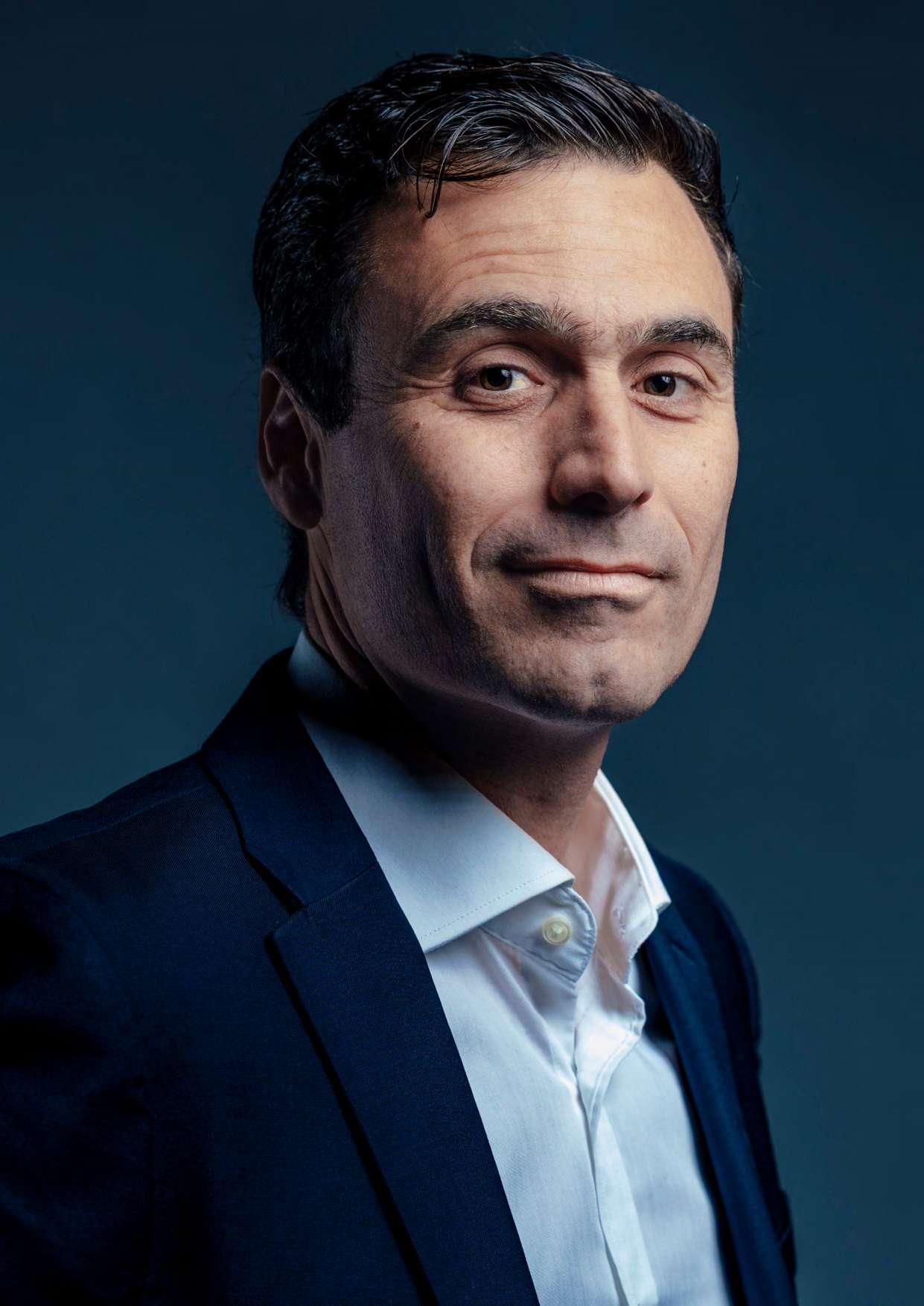

Naomi Day sat down with Malta’s Government Envoy to the Gulf, Zachary Borg, to discuss strategic priorities, emerging opportunities and practical pathways for trade, investment and long-term partnerships across rapidly diversifying Gulf economies.
\ Mandate momentum
Zachary Borg’s mandate as Malta’s Special Envoy to the Gulf is unapologetically results driven. He emphasises tangible outcomes over ceremonial diplomacy, “My priority is to turn Malta’s new Regional Framework Policy for the Gulf into measurable outcomes, deeper political and economic engagement, stronger connectivity, and a clear pipeline for trade and investment.”
Borg sees immediate opportunity in sectors where Malta already has regulatory credibility and international reach. “The most immediate opportunities for Maltese business are regulated digital sectors and enterprise tech, financial services and fintech, logistics and maritime services, tourism and hospitality, aviation and MRO, education, and climate aligned solutions including renewables and water,” he emphasises.
Strategic alignment underpins Malta’s engagement with the Gulf. Malta’s value proposition works best when it complements Gulf priorities rather than competing with them. The aim is to position Malta as a smart, flexible EU partner that can move quickly while offering access to European markets and regulation.
\ Opening doors
Borg’s role is hands-on at the forefront of Malta’s commercial engagement with the Gulf, where trust and regulatory clarity are crucial to success.“I act as a practical connector and facilitator, opening doors, aligning the right counterparts, and reducing friction for market entry,” he explains.
That facilitation extends well beyond first meetings. “This means structured introductions to partners and investors, and early engagement with regulators to ensure compliance and clarity from day one.” Borg works closely with Malta’s embassies in the Gulf, as well as Maltese agencies and industry bodies, ensuring companies receive coordinated support and credible execution. Market entry in the Gulf can be rewarding, however missteps can prove costly. Borg’s approach is designed to give Maltese firms clarity early, before relationships or reputations are put at risk.
\ Spotlighting partnerships
Borg has a focused understanding of the role of major international summits. “International summits only matter if we convert visibility into deals and long term partnerships,” he notes, highlighting the importance of turning networking into tangible commercial outcomes. He stresses that Malta must approach platforms like AIBC with precision and intent. “Malta should use AIBC to run a disciplined programme, targeted meetings with decision makers, clear sector messages, and a post event pipeline with ownership and deadlines.”
Just as importantly, these platforms are doublesided. “We should also use these platforms to bring Gulf partners to Malta for due diligence visits and

to showcase Malta as an EU base for regional expansion.” Borg envisions structured followups, with delegation visits and sector-specific briefings, ensuring that conversations translate into actionable opportunities.
\ Cross-border pathways
The Gulf’s diversification agendas create natural alignment with Malta’s digital and innovation strengths. Borg’s strategy is to focus on delivery rather than slogans. “Gulf economies are moving fast on digital transformation, so my approach is to position Malta as a trusted EU partner for pilots, regulation ready innovation, and cross border scaling.” Borg stresses cooperation that produces tangible outcomes with joint pilots, investment pathways, research links and talent mobility that benefit both sides.
In addition, Borg repeatedly returns to the role of small and medium-sized enterprises. “Malta’s SMEs are truly the backbone of Malta’s economy,” he says, noting that their size demands tailored engagement rather than generic advice. Over the coming year, SMEs can expect hands-on support, curated introductions, regulatory and market mapping, deal-driven delegations and disciplined follow-up from first meeting to contract.
Borg wants Malta-Gulf cooperation that lasts. Education, climate and energy collaboration, logistics and maritime connectivity and cultural exchange all feature prominently. In Borg’s vision, Malta’s engagement with the Gulf is structural, rooted in people-to-people and institution-to-institution links that deliver value for citizens and businesses on both sides.
“Position
Malta as a trusted EU partner for pilots, regulation ready innovation, and cross border scaling.”

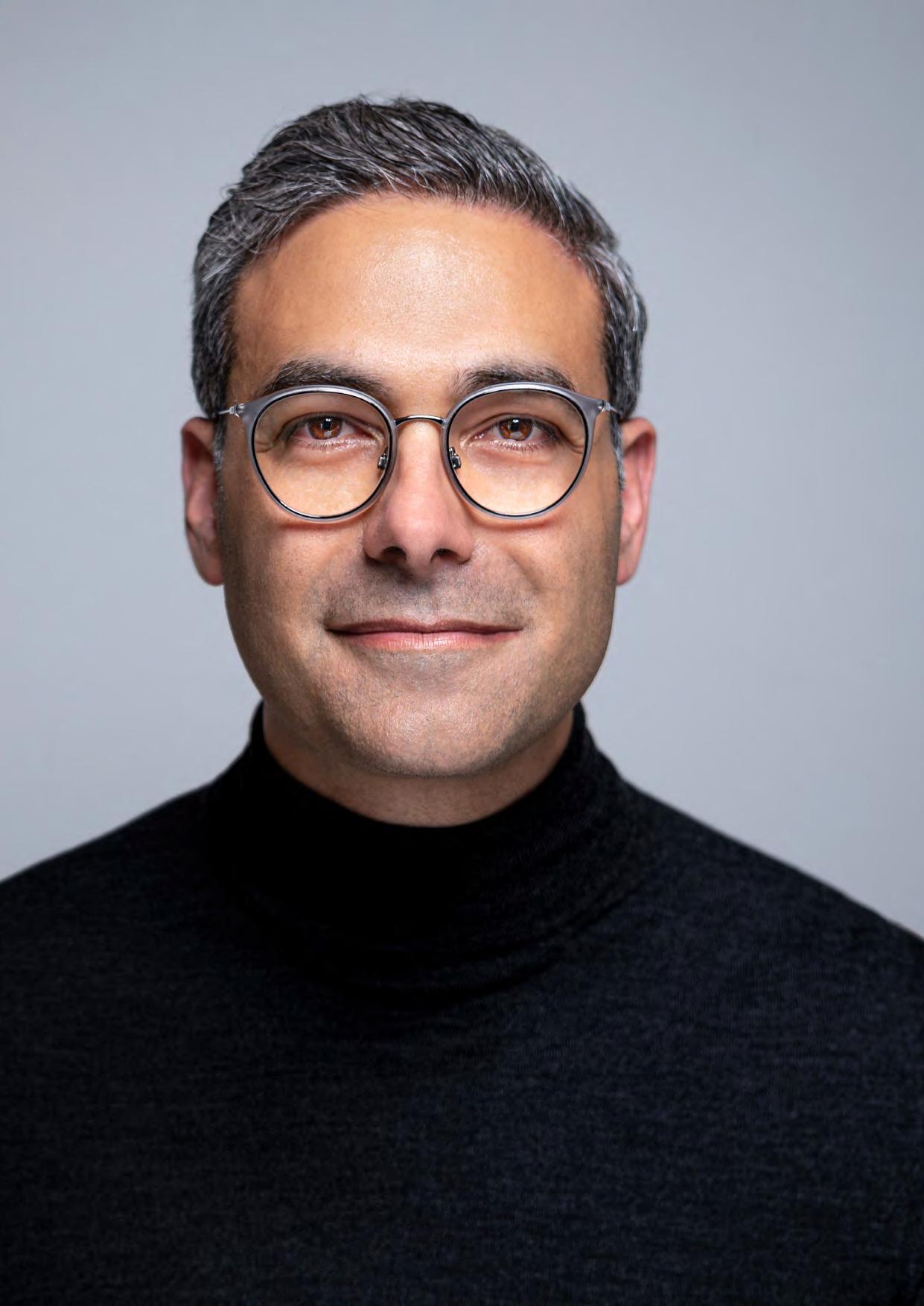
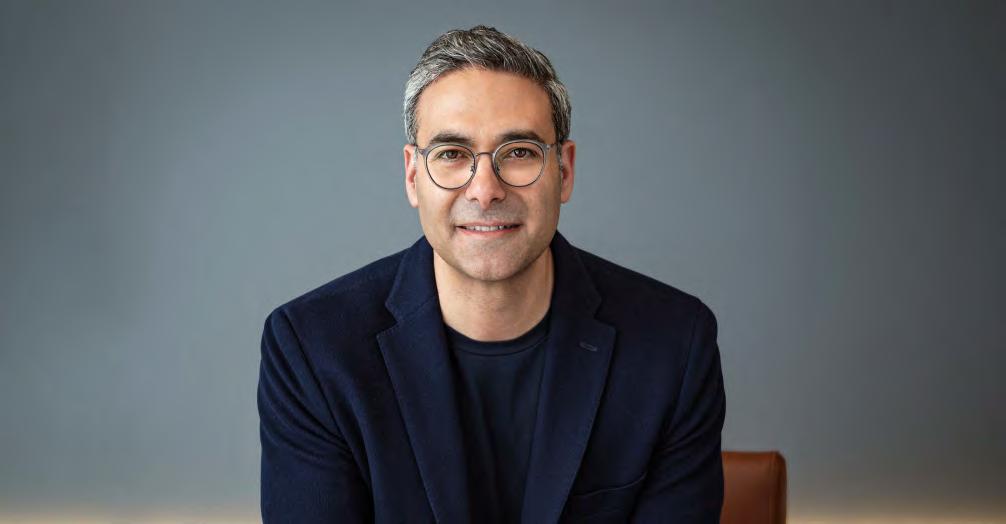
Dr Gege Gatt, CEO of EBO. AI and TEDx speaker, was interviewed by Rami Gabriel about his vision for humanity's relationship with Artificial Intelligence, democratic governance, and the urgent need to rewrite our social contract before technology reshapes us in ways we neither intended nor desire.


“We must ensure AI serves humanity as a tool of empowerment, not division or dehumanisation.”
Artificial Intelligence has stopped being just another tool. It now actively shapes how we think, behave, and identify ourselves. Dr Gege Gatt’s central question cuts through the noise: will we shape AI’s trajectory, or will we let it shape ours? By 2030, this technology will permeate every corner of our lives. The real issue is whether we do this proactively or passively. What hangs in the balance? Democratic values, human agency, and the social contract itself.
Where governance meets AI, we find ourselves on treacherous ground. Gatt spots two major threats. First, AI systems are manipulating information ecosystems. Second, algorithmic opacity is creeping into public administration. His warning is stark. "Democracy can be eroded by a manipulative mechanism which rewards falsehoods and deceptions in our online media environment," he shares.
His prescription involves transparent, accountable AI deployment across government services. Visible human oversight at every turn. He proposes a framework where every government AI system has designated human accountability, and citizens can appeal algorithmic decisions to actual people. Not bureaucrats hiding behind code. Real humans who answer for outcomes. "We cannot outsource moral and political judgment to machines," Gatt argues. Final decisions must sit with human legislators and judges who are given a public mandate. Europe offers something worth watching. The EU AI Act and Digital Services Act provide blueprints that other democracies could adapt. Gatt wants democracies to codify an AI Bill of Rights by 2030. Citizens would gain enforceable rights: explanation of algorithmic decisions, freedom from biased outcomes, and control over personal data. Think of it as making ethical AI assessment as routine as financial auditing, particularly for highstakes applications in policing, hiring, and healthcare.
Labour markets face both opportunity and genuine peril from AI. Gatt dismisses the simplistic robot apocalypse narrative. Activities accounting for up to 30 per cent of hours worked could face automation by 2030. But
most roles will transform rather than disappear. He identifies three effects happening simultaneously: displacement of routine tasks, skill complementarity creating demand for AI adjacent roles, and productivity gains generating indirect employment.
"The automation of tasks, which is unfolding now, occurs before the automation of jobs," Gatt explains. This gap represents a critical window. History suggests technology creates as many jobs as it destroys over time. But not for the same people. Not in the same places. The challenge becomes managing frictional unemployment whilst ensuring workers can transition into higher skill roles.
Industrial policy needs to smooth this transition. Gatt advocates investment in growth sectors: healthcare, green energy, and advanced manufacturing. Support automation in vulnerable industries whilst they adapt. His vision centres on a high-productivity, abundant economy where AI drives down the costs of essentials. Housing to healthcare. Energy education. "Nations need to fundamentally embrace AI and automation to increase the supply of essential goods and services, driving down costs and improving living standards," he argues. AI-driven modular
construction can deliver homes 50 per cent faster, he expressed.
But here's the rub. Without intervention, AI-generated wealth flows only to tech companies and advantaged nations. Inequality widens. Gatt explores remedies: universal basic income, data dividends, strengthened social safety nets, alongside worker retraining programmes. "The old struggle between labour and capital is upended when AI requires no wage and is available at near-zero marginal cost," he observes.
Education becomes both shield and sword in Gatt's framework. It’s a fundamental component for the protection against technological disenfranchisement.
As an enabler of AI's opportunities, he calls for a fundamental redesign of educational systems. Out with rote knowledge. In with cognitive flexibility, critical thinking, and adaptive learning. "Employability is now less about what you know, and more about your ability to learn over time," Gatt states, referencing philosopher Peter Serracino Inglott's emphasis on learning how to question and synthesise.
His proposal: give every student a personalised AI tutor by 2030. Technology demonstrated by Khan Academy and similar platforms could overturn factory model classrooms. These AI tutors would work alongside human educators, not replace them. Handle routine practice whilst teachers focus on higherlevel mentorship, critical thinking discussions, and socio-emotional learning. "A teacher plus AI team can outperform either alone, combining the empathy and inspiration of humans with the data-driven personalisation of AI," he argues.
Beyond formal education, lifelong learning must become normal. Gatt advocates public-private partnerships offering subsidised training.
Educational leave policies allowing mid-career upskilling. Accreditation of non-traditional learning pathways. Digital literacy needs to extend beyond workplaces into homes and communities. Citizens must understand how algorithmic systems influence them. "In the 20th century, societies pushed for universal literacy; in the 21st, we may need universal AI literacy," Gatt states.
Gatt proposes Human-centric AI anchors, technology designed around
human needs, values, and societal good. Explanations build trust without requiring exposure of every code. This philosophy demands and maintains a transparent, user involvement in design processes, and accessibility considerations. "Rather than hiding behind complexity, a trustworthy AI might provide a plain language rationale for an important decision," Gatt suggests.
Cultural preservation matters too. Gatt warns against AI homogenising creative styles or overshadowing human creators. But he acknowledges the potential to augment artistic expression and amplify minority voices. "The policy goal should be to use AI to augment human culture, not replace it," he argues. Algorithms tuned to ensure local creators and diverse voices receive visibility.
Human creativity and judgment must remain central to decision-making in cultural domains. Efficiency cannot be the only metric that matters. "Human flourishing, creativity, connection, purpose, is the ultimate metric of success," he declares. An AI might draft legislation. Fine. But elected officials must debate and enact it. Keeping humans in the loop affirms the intrinsic value of human experience itself.
By 2030, AI will be woven into society's fabric. This challenges us to uphold democracy, justice, and human dignity in ways we've never faced before. Gatt's vision demands thoughtful policy and ethical clarity. Reimagine the social contract to ensure shared benefits. Fortify governance with transparency and accountability. Manage economic transitions through opportunity creation and protection of vulnerable populations. Invest heavily in education and literacy. Insist on a human-centric design that preserves cultural richness.
"If we get it right, we can shape an AI-driven world where technology serves as a tool of empowerment and enlightenment, not division or dehumanisation," Gatt concludes. The path forward combines strategic vision with inclusive dialogue. Channel AI to augment human potential and well-being. The policies we craft today effectively write the values governing man and machine tomorrow. 2025 may be remembered not for AI outpacing humanity, but for humanity ensuring AI upheld enduring ideals of liberty, equality, and dignity for all.
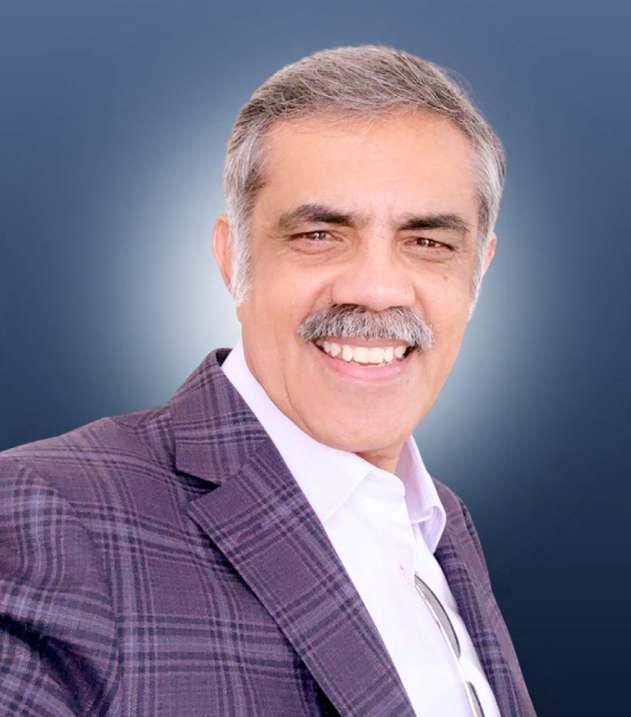
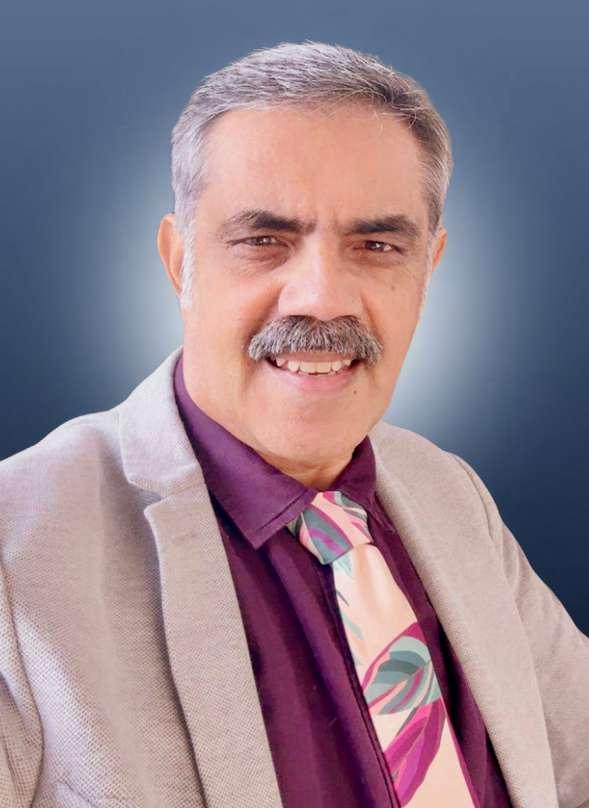
Raj Kapoor, founder and chairman of the India AI Alliance, talks with Rami Gabriel to share his perspectives on blending Blockchain, AI, and sustainability for inclusive growth.
India’s blockchain story has moved beyond speculation into substance. As Raj Kapoor puts it, “India’s blockchain story is no longer a white paper dream and is in fact a living, breathing movement.” That momentum is visible on the ground, with hundreds of startups and dozens of government pilots building on rails like India Stack, ONDC, and Aadhaar to solve problems that matter. The work now spans agricultural traceability, tokenised carbon credits, land records, MSME financing, and cross-border settlements, practical,
“If India gets this balance right, it will architect trust for the next trillion-dollar digital economy”.
scaled, and increasingly citizen-facing. “The real potential lies in how policy, public infrastructure, and private innovation now converge,” Kapoor says. “India has the rare opportunity to craft a blockchain model rooted in scale, inclusion, and trust, not imitation of the West, but creation of a new digital India paradigm.”
This is an impact-first building, not buzz-first. The challenge Kapoor poses is clear and timely: “Will India seize this moment to define the global benchmark
for responsible, interoperable blockchain ecosystems, or will it let regulatory hesitation dim its transformative glow?”
\ Regulatory Crossroads
“Regulation isn’t the enemy of innovation, ambiguity is,” Kapoor says and ambiguity still lingers. Frameworks like GIFT IFSC, tokenisation pilots, and digital identity schemes create room to build, but the absence of a whole digital asset
law keeps investors and founders cautious. The result is a market that knows its direction but wants sharper road signs. “If India gets this balance right, it won’t just regulate blockchain, it will architect trust for the next trillion-dollar digital economy,” he adds. The call is for principlesbased, technology-neutral rules that govern use cases rather than only currencies, so clarity becomes a growth engine, not a gate.
\ Impactful Innovation
Traceability is doing quiet, serious work. “In agriculture, states like Telangana and Maharashtra use blockchain to track farm produce from soil to shelf,” Kapoor notes, “giving farmers fair prices, curbing middlemen exploitation, and ensuring authenticity for export markets.” In education, DigiLocker-linked pilots at VIT, IIT Madras, and IIIT Bangalore are cutting out forged credentials and simplifying verification across borders. “Blockchain is quietly rewriting the rules of transparency and inclusion, enabling the unbanked to prove identity, access microloans, and own assets transparently.”
“India’s blockchain story is no longer a white paper dream, but a living, breathing movement.”
\ Sustainable Innovation
Tech Zero, for Kapoor, is a mindset, not a marketing line. “Tech Zero urges companies to decarbonize their digital footprints, adopt green computing, and embed ESG-by-design principles into every codebase, data centre, and blockchain protocol.” That shift takes sustainability out of CSR and into core business design, where carbon-smart models create value and resilience. He’s pragmatic and optimistic: “Tech Zero becomes both a moral compass and a market opportunity where sustainable code, ethical AI, and climate-positive blockchain can become national export strengths.”
Europe offers a useful mirror. “What Europe did well was make sustainability non-negotiable.
They said, "If you want to do business here, measure, disclose, decarbonize,” Kapoor says. For India, that means baking green into digital policy from day one and keeping compliance phased and capacity-aware, so MSMEs can adapt without being priced out. His caution is pointed: “Copy-pasting EU rules will choke MSMEs. India must avoid compliance first, innovation later.” It’s also where his guiding credo fits naturally: “Things don’t happen to me. I happen to things.” In practice, that means acting now, turning sustainability from a cost centre into a product India can scale and export.
Kapoor sees three shifts in view. “First, mainstream enterprise adoption… sectors like supply chain, BFSI, and public infrastructure will embed blockchain into core operations, not as pilots but as production systems.” Next, clarity will crowd in capital, aligning with GIFT IFSC, SEBI, and RBI to create room for tokenised funds and compliant exchanges. Finally, everyday visibility, from land records to microloans to verified credentials — will make the technology feel less like a niche and more like plumbing. “The next three years could define whether we become a blockchain powerhouse or a fast follower,” he says. “If the last three years were about proving blockchain’s potential, the next three will be about proving its purpose.”
Integrity, interoperability, inclusion; Kapoor returns to these as design choices, not slogans. “India’s next Blockchain and Tech Zero wave won’t be about who can build the flashiest platform. It will be about who can build the cleanest, compliant, and most trusted one.” That means trust-by-design, deep integration with national digital rails, energyaware architectures, and real ESG accountability. Tokenisation should serve utility, microloans, fractional assets, verifiable credentials, carbon finance — with norms aligned from day one. The test is simple and humane: “The ultimate success metric is not how many Tier-1 institutions deploy blockchain, but how many farmers, MSMEs, and small enterprises can use it affordably, in their language, and at their fingertips.”
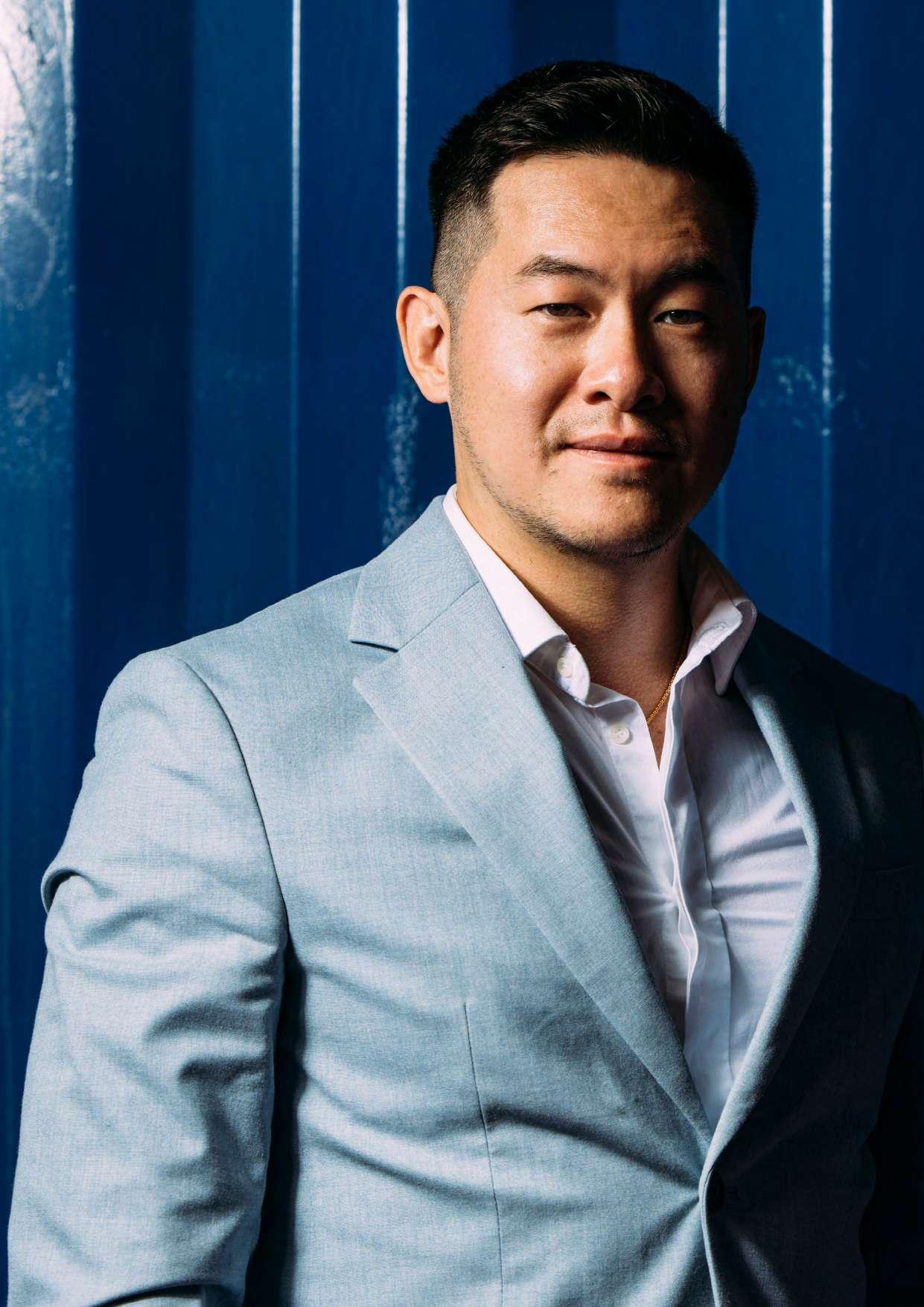

Jonathan Low, founder and CEO of BipTap, speaks with Rami Gabriel about building a groundbreaking omnibanking platform that blends traditional and crypto services, targeting underserved markets with seamless global banking solutions.

Jonathan Low’s vision for BipTap is to create the world’s first all-in-one digital omnibank: a platform integrating traditional banking, cryptocurrency exchange, cards, and accounts in one seamless experience. Unlike typical banks or crypto exchanges competing for market share, BipTap’s model is more akin to Airbnb’s disruption of hospitality.
The platform partners with banks globally, providing users access to banking services across more than 170 countries via UnionPay and Visa networks. The goal is to integrate with more than ten banks worldwide to cover nearly every country, excluding sanctioned regions. This global connectivity aims to overcome the traditional fragmentation in banking, which has made cross-border payments slow and costly.
Low’s approach targets industries and regions often overlooked by conventional finance, namely, gambling, forex trading, crypto, and adult entertainment sectors, while also focusing on underserved territories like Africa and Latin America. By offering a hybrid solution combining crypto and fiat services, BipTap bridges the gap where mainstream crypto adoption remains distant.
“We are not a bank ourselves,” Low explains, “we build modular architecture that allows users to connect to banks without handling KYC or holding funds ourselves, which reduces risk s ignificantly.” This sets BipTap apart, as most banks prefer to hold customers internally rather than offer integrated global access. The more banks BipTap connects, the larger its customer base grows, forging a mutually beneficial ecosystem.
Africa, Low says, has long been seen as a high-risk market with limited global banking support. Yet it represents a strategic region for BipTap’s mission. The platform aims to empower local banks in Africa by connecting them to global banking rails and enabling citizens to access international financial services without tax hurdles, even allowing people in high-tax countries to
open zero-tax accounts elsewhere. The challenge lies in bridging legacy banking infrastructure with modern demands. BipTap has developed a flexible and crucial modular APIdriven architecture that integrates banks easily without forcing them to overhaul core systems while working with a traditional bank in Laos.
The platform’s crypto wallet allows users to convert cryptocurrency to fiat instantly through liquidity providers, enabling immediate settlement and usable funds via linked cards. This model has supported clients like OnlyFans in South America, demonstrating its capacity for real-world, cross-border financial solutions.
Low emphasises collaboration and negotiation at governmental and banking levels as key to expanding market reach, citing partnerships in Africa and the UAE. “Our aim is instant borderless payments, allowing freedom to move money securely and privately,” he says, highlighting the importance of combining blockchain technology with global banking to serve real needs.
Low’s personal journey informs his business philosophy. After spending three years in a struggling phase, he rebuilt his life and career from the ground up over the last four years. Drawing strength from faith and authenticity, he stresses that rock bottom is often the beginning of new opportunities. “Reaching rock bottom is not the end; it is the start of something great, with purpose. True intention. And God. Everything is possible,” he says, capturing the spirit behind his leadership and resilience.
His guiding principle, shared in Forbes, encourages entrepreneurs to approach adversity not as an end, but as the foundation for growth with purpose and intent. This authenticity has helped Low secure partnerships at the highest levels, including global institutions and key financial players. “I aim to solve real-world problems globally and provide financial freedom,” he adds, reflecting a commitment that extends beyond technology to empowering individuals and communities.
Words by Gil Solomon Founder of Gil Solomon & Co.,

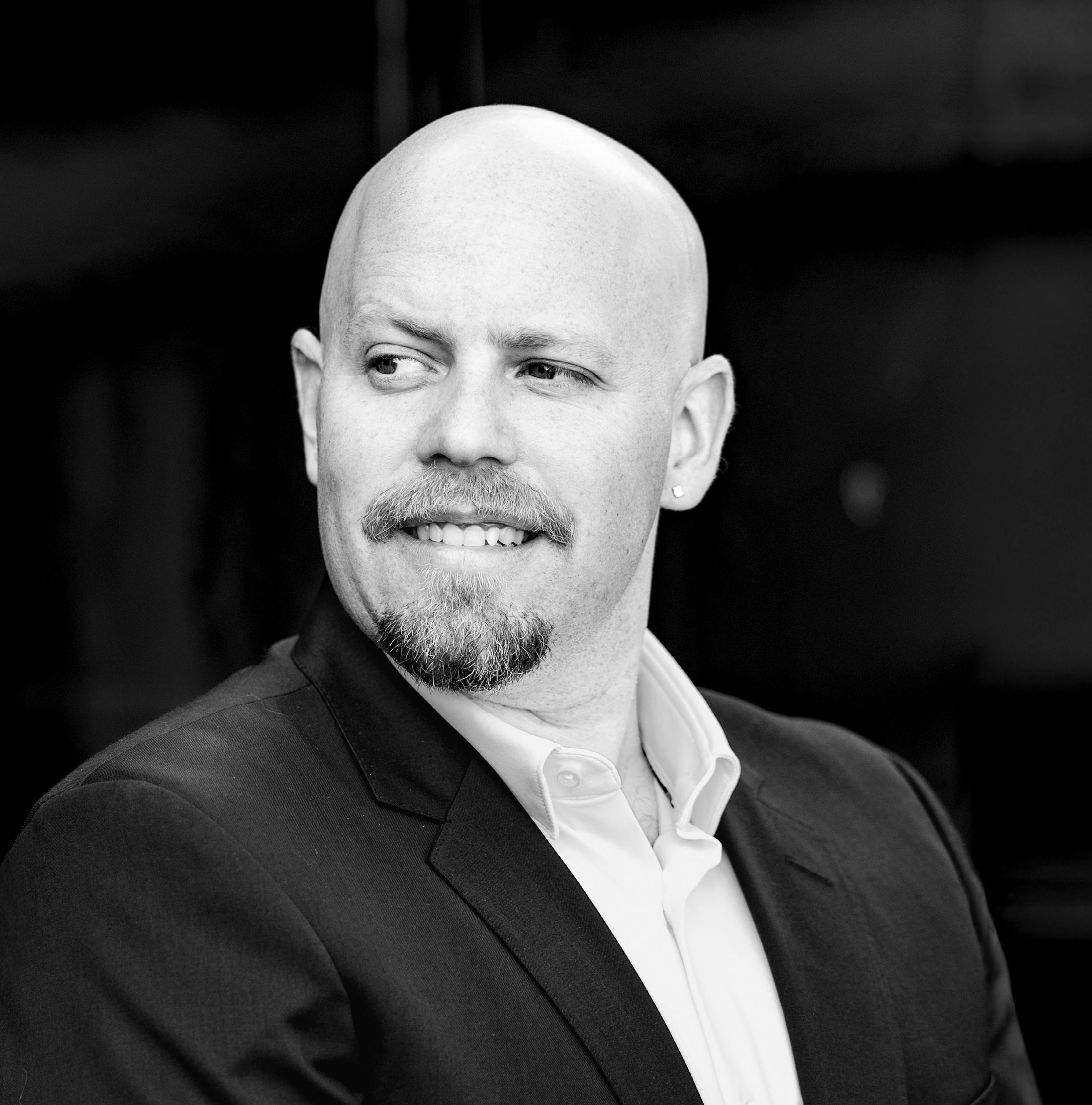
Generative AI )Gen-AI( has fundamentally altered the way startups are conceived, built, and scaled, and the way and pace at which founders can reach a proof of concept or a minimum viable product )the simplest version of a product that delivers core value and validates a key business or product hypothesis through real-world feedback(, each of which can be a basis for an early-stage investment. By now, we understand the revolutionary effect Gen-AI has on technology and product development and on what can be achieved with limited capital, small teams, and compressed timelines. For startups operating
“Generative AI )Gen-AI( has fundamentally altered the way startups are conceived, built, and scaled, and the way and pace at which founders can reach a proof of concept or a minimum viable product”
at the pre-seed and seed stages, Gen-AI has accelerated development cycles, reduced dependency on large teams, and enabled experimentation at a pace that would have been inconceivable only a few years ago.
Founders can move from idea to prototype within days and test and validate market assumptions with minimal upfront cost. Engineering, design, content creation, and even elements of customer support and analysis can now be augmented by AI-driven products. But this acceleration comes with a less obvious consequence. Gen-AI may create an illusion of maturity.
Products can appear more advanced than they truly are, and while software may develop and perform functions at a rapid pace, this can come at the cost of skipping phases that would otherwise contribute to the maturity of both the product and the team.
Gen-AI can be a powerful tool when used properly. In my firm, we advise multiple startups that began as sole founders who were able to demonstrate the potential of their ideas and products at an early stage and raise funding where, under similar circumstances and without Gen-AI, doing so would have required unreasonable
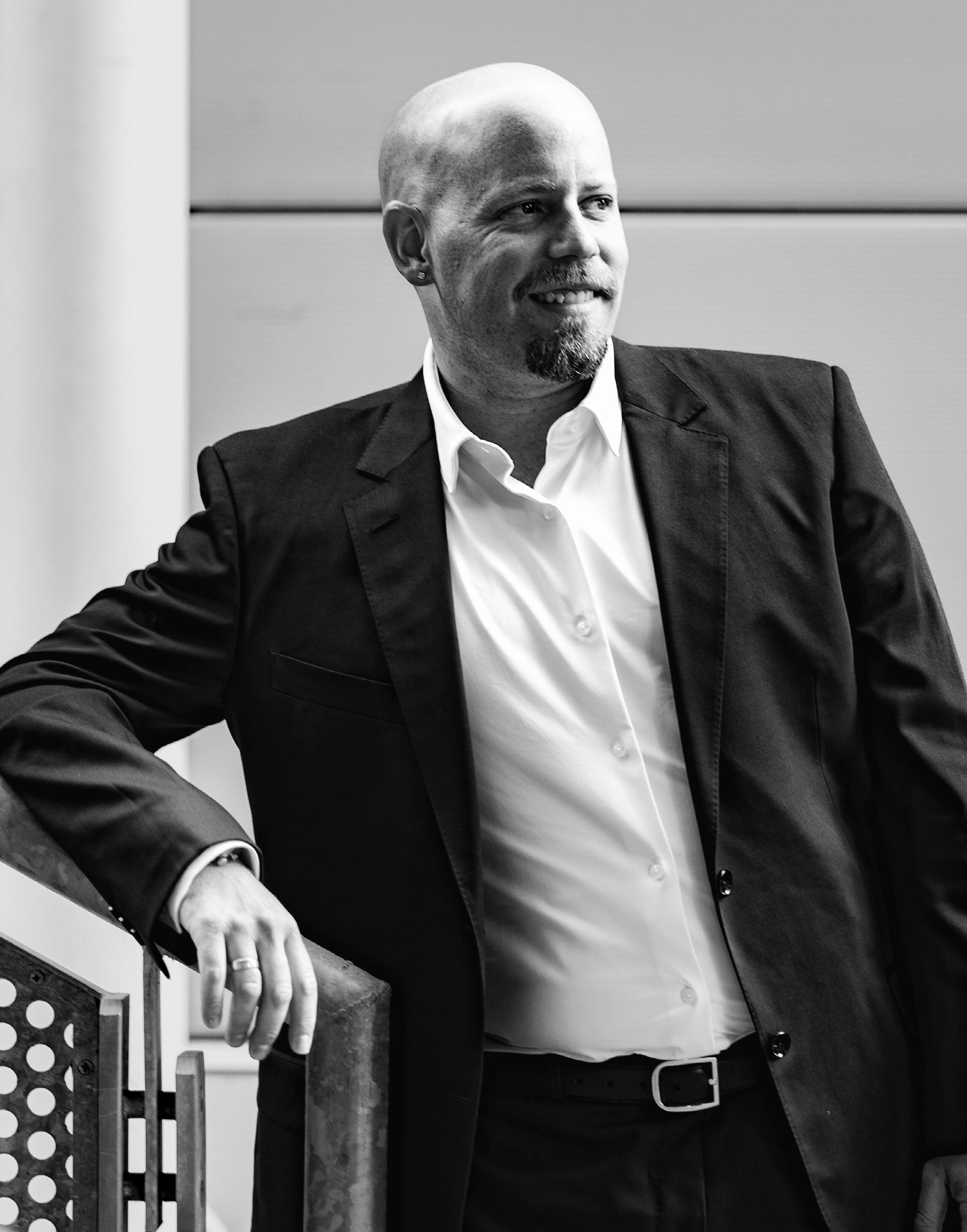

cost or would have been impossible, particularly for founders without a technical background. Gen-AI enabled these founders to demonstrate a proof of concept and, in some cases, even develop a minimum viable product, which was used to raise funds. These outcomes are becoming increasingly common, despite having been extremely rare only a few years ago.
The foregoing benefits, however, have associated risks. The price of irresponsible use of Gen-AI in the development process, particularly with respect to regulatory compliance, can be high. Traditionally, as products mature and before reaching the market, prudent entrepreneurs seek legal advice to assess regulatory risks and ensure compliance. Today, products are developed much faster, which can tempt entrepreneurs to launch quickly without adequate legal preparation.
The use of Gen-AI in product development also entails intellectual property infringement risks, as there is often no clear visibility into the sources of the data on which an AI model was trained or the origins of the content it generates. This uncertainty may lead to situations in which third-party intellectual property rights are infringed through the use of AI-generated output in products.
In addition, Gen-AI introduces confidentiality risks, as there is often no factual certainty as to whether, when, or how a model may train on information provided by users. A single change to a model’s terms of use, even one that appears innocent, may materially alter how data is handled and lead to compromised information. This occurred with one of the more well-known models in the industry, which changed its default data training settings by introducing an opt-out checkbox buried within a subsection of the settings menu, requiring users to actively opt out in order to prevent their data from being used for training purposes.
The risks increase further when external AI models are embedded into products and used in connection with the company’s data or the data of its users, particularly where such data is processed externally by tools and models over which the company has no real control.
This is no longer merely a regulatory concern. These days, almost every financing round we advise on that is not a SAFE investment includes specific attention to AI. Under the investment documents, startups are required to provide representations and warranties, which are legally binding confirmations of facts about the company at a specific point in time, typically the closing date. For companies that rely on Gen-AI, these representations require particular care. Questions of intellectual property ownership become more complex when code or content is partially AI-generated. Intellectual property representations require attention to training data sources, licensing boundaries, and model usage rights. Operational representations now implicitly cover dependency on third-party AI providers, exposure to unilateral changes in terms, and the resilience of the product if access is restricted or withdrawn. Gen-AI significantly increases legal exposure under these representations.
So how do we balance this? How do we avoid the pitfalls of Gen-AI while still enjoying its massive and numerous advantages?
We advise avoiding the sharing of confidential information with any AI model unless there is clear certainty, supported by the advice of counsel )even if obtained informally( verifying that the model will not use the data for training purposes and that such data will not be compromised. Furthermore, sharing proprietary data with AI tools where the company intends to claim intellectual property rights should be prohibited.
Compliance efforts should not be limited to regulatory aspects but also ensure compliance with customary representations expected in future investment rounds and the reasonable expectations of prospective investors.
Gen-AI is a powerful tool that, when used wisely, can significantly accelerate growth. At the same time, responsible use is essential, and obtaining expert advice from legal, regulatory, and technical professionals throughout the process is imperative.
“The use of Gen-AI in product development also entails intellectual property infringement risks, as there is often no clear visibility into the sources of the data on which an AI model was trained or the origins of the content it generates.”
UAE.
\ Trusting the algorithm
“As AI adoption accelerates globally, businesses face several pressing risks, including data privacy and IP breaches, biased models producing distorted outcomes, unchecked automation and a lack of clear governance frameworks,” says Shaik Hamdan, a leading AI and digital transformation consultant based in Abu Dhabi.
To tackle these challenges, Hamdan advises a proactive approach, “Implement robust AI governance policies, enforce strict data protection, conduct regular model audits for accuracy and fairness, and ensure transparency in AI decisionmaking processes.” Aligning initiatives with local regulations, such as the UAE Charter for the Development and Use of Artificial Intelligence, allows organisations to innovate confidently while maintaining public trust and compliance.
Much like the networks central to Henrik von Scheel's Industry 4.0 paradigm, Hamdan believes that governance frameworks and international cooperation are crucial. “Without robust frameworks, fragmented regulations could create compliance silos that stifle innovation,” he explains, noting the contrasts between GCC data sovereignty rules and Europe’s regulatory landscape. Adaptive, principles-based frameworks, like the UAE National AI Strategy 2031, enable ethical, human-centric AI deployment while international forums harmonise standards for high-risk applications, such as facial recognition.
\ People-powered AI
Smart cities exemplify AI’s transformative potential. From Abu Dhabi’s optimised traffic systems to Dubai’s predictive infrastructure maintenance, the integration of AI into urban ecosystems is reshaping daily life. While the technology promises efficiency at scale, Hamdan cautions against unchecked deployment, “Achieving this while maintaining trust, privacy and security requires a "human-in-the-loop" approach to prevent dystopian overreach.”
City leaders must embrace privacy-by-design principles, federated learning and explainable AI. “To build trust, deploy explainable AI )XAI( models that demystify decisions, such as why a mobility algorithm reroutes traffic, via public dashboards,” he advises, highlighting the importance of transparency. Security is equally critical. Zero-trust architectures and blockchain-based audit trails ensure that smart infrastructure is resilient to cyber threats.
Engaging citizens is also key. Hamdan advocates phased rollouts with public forums, using AI ethics toolkits and penetration testing to build trust. “By embedding ethics, transparency and security into every stage of AI deployment, cities can deliver smarter services without compromising people’s rights or safety,” he says.
There are numerous successful examples. Singapore’s Smart Nation initiative leverages AI for flood management with transparent, auditable models. Masdar City in Abu Dhabi optimises energy use using anonymised data aligned with UAE AI ethics principles. Dubai Police deploys AI for crime prediction under strict governance frameworks, while Barcelona’s bias-audited urban mobility projects cut congestion by over 20% while safeguarding digital rights. “These cases demonstrate that prioritising transparency, accountability, and ethics, through audits, open data, and stakeholder involvement, amplifies sustainability and trust across cities and sectors” notes Hamdan.
\ Ethical ambitions
For business leaders, Hamdan outlines a blueprint for AI strategies that are both profitable and principled. “ First align AI with core business outcomes such as amplifying revenue via personalised analytics, while also benchmarking against ethical principles such as fairness and inclusivity using tools like the AI Fairness 360 toolkit. ” he says. Assessing infrastructure readiness, investing in hybrid human-AI teams and incorporating scenario planning for potential biases are also essential, “Secondly, assess talent and infrastructure readiness, and invest in hybrid humanAI teams and scalable cloud ecosystems. Thirdly, incorporate risk foresight by conducting scenario planning for potential biases or failures and ensuring that strategies include rollback mechanisms.”
“AI-driven automation is a great equaliser and disruptor that is reshaping workforces by augmenting rather than replacing jobs.”



Green AI and ethical KPIs should complement financial metrics. “Measure success holistically, beyond ROI, track ethical KPIs such as trust indices,” Hamdan emphasises. Iterative roadmaps, starting small, scaling ethically and involving diverse stakeholders, have yielded efficiency gains of 15-20% for Abu Dhabi enterprises while building resilience in heavily regulated environments.
However, even as momentum builds, common pitfalls remain. “One pitfall is adopting AI for its own sake by piloting flashy tools without tying them to tangible KPIs. This leads to wasted costs and unused software. Another pitfall is neglecting data quality. Poor-quality data leads to poor-quality results. I have audited projects where biased datasets amplified inequities, eroding stakeholder trust,” Hamdan observes. Shadow AI, regulatory blind spots and scalability failures can derail adoption. He advises phased, data-centric integrations and awareness-driven iterative learning to transform these pitfalls into opportunities.
\ Securing tomorrow
Emerging technologies such as quantum computing and Web3 are poised to amplify AI strategies. “Quantum computing plays a pivotal role in overcoming AI's computational bottlenecks. Its superposition capability enables the rapid optimisation of complex models, such as supply chain simulations in Abu Dhabi's logistics sector, reducing training times from weeks to hours.” Hamdan explains. Web3 complements this by decentralising AI governance, ensuring tamper-proof auditability and democratised access.
Enterprises can adopt hybrid approaches, pilot quantum-AI integrations for high-value applications and leverage Web3 to create ethical, decentralised data marketplaces. “Start with interoperability roadmaps and invest in quantum-safe cryptography,” Hamdan advises, framing these technologies as tools for operational resilience in the exponential era.
\ Augmented futures
AI-driven automation is reshaping the workforce in profound ways. “AI-driven automation is a great equaliser and disruptor that is reshaping workforces by augmenting rather than replacing jobs,” Hamdan explains, echoing von Scheel’s Industry 4.0 vision. Predictive maintenance in manufacturing and automated anomaly detection in finance allow humans to focus on nuanced decisions.
Reskilling is critical. Inclusive training programs and AI co-pilots democratise expertise and reduce inequality. “This transformation cultivates agile, innovative cultures where probabilistic and collaborative decision-making drives productivity while honouring human ingenuity,” Hamdan emphasises.
From governance frameworks to ethical AI in smart cities, from growth strategies to future-proofing technologies, Shaik Hamdan’s insights reveal that AI’s promise is inseparable from trust, transparency and human-centric design. The key is not to fear AI, but to guide it responsibly, ensuring it serves both enterprise and society.
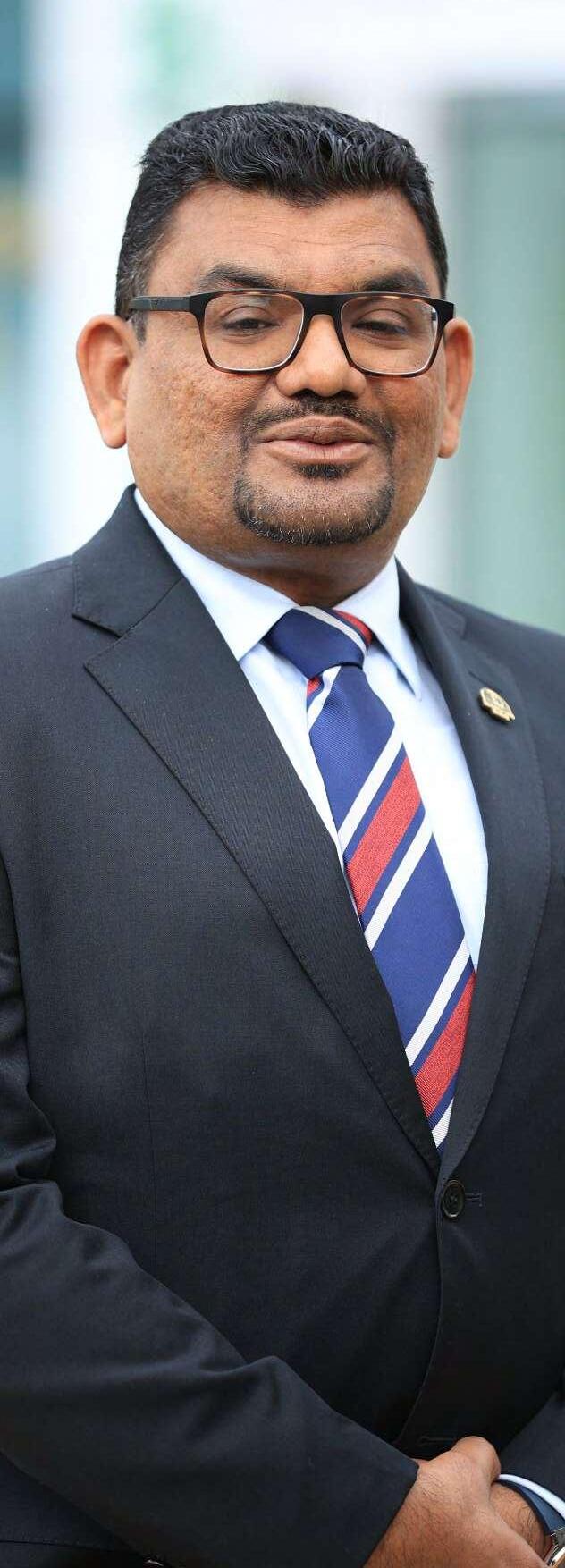
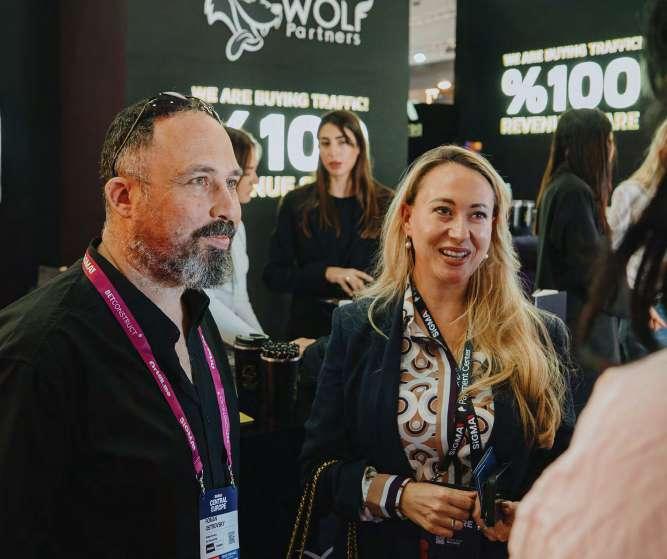



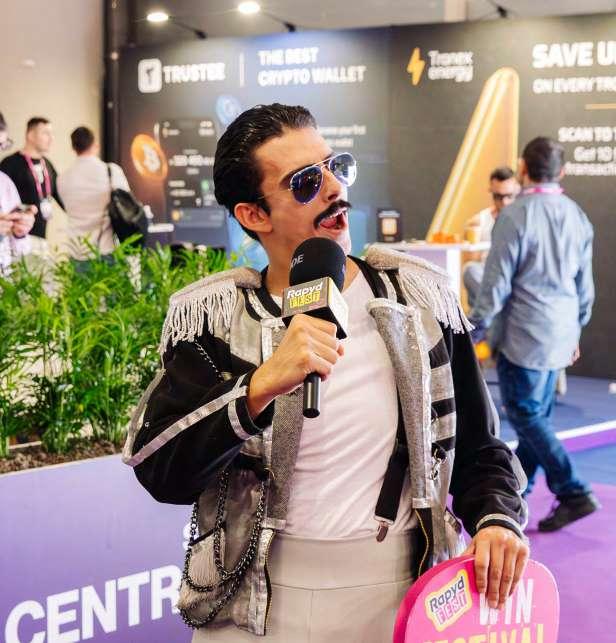






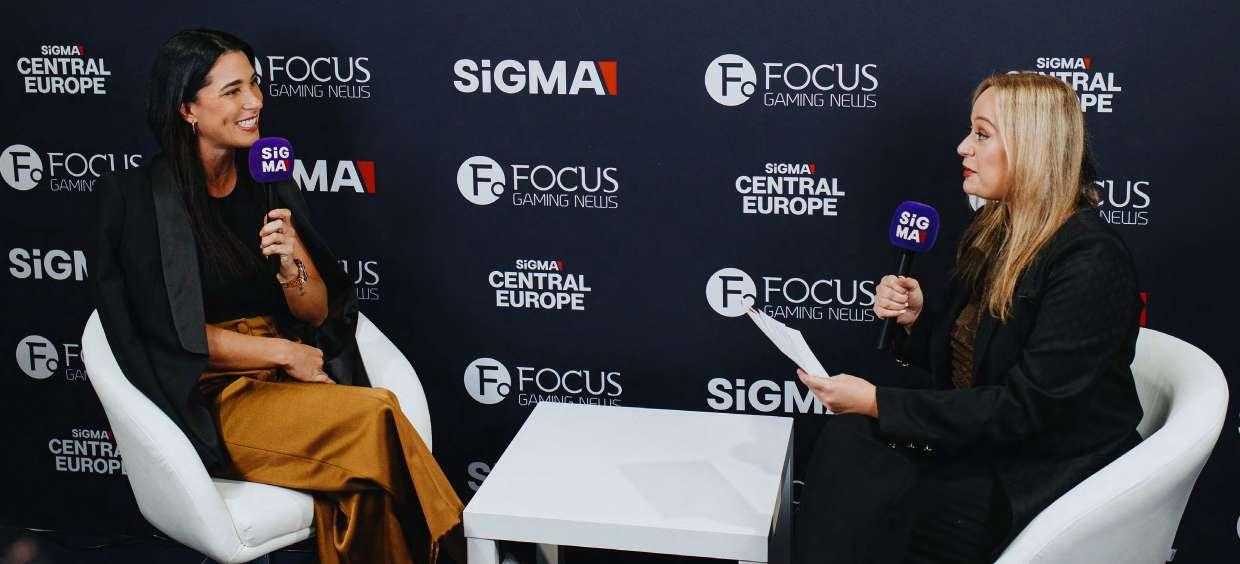








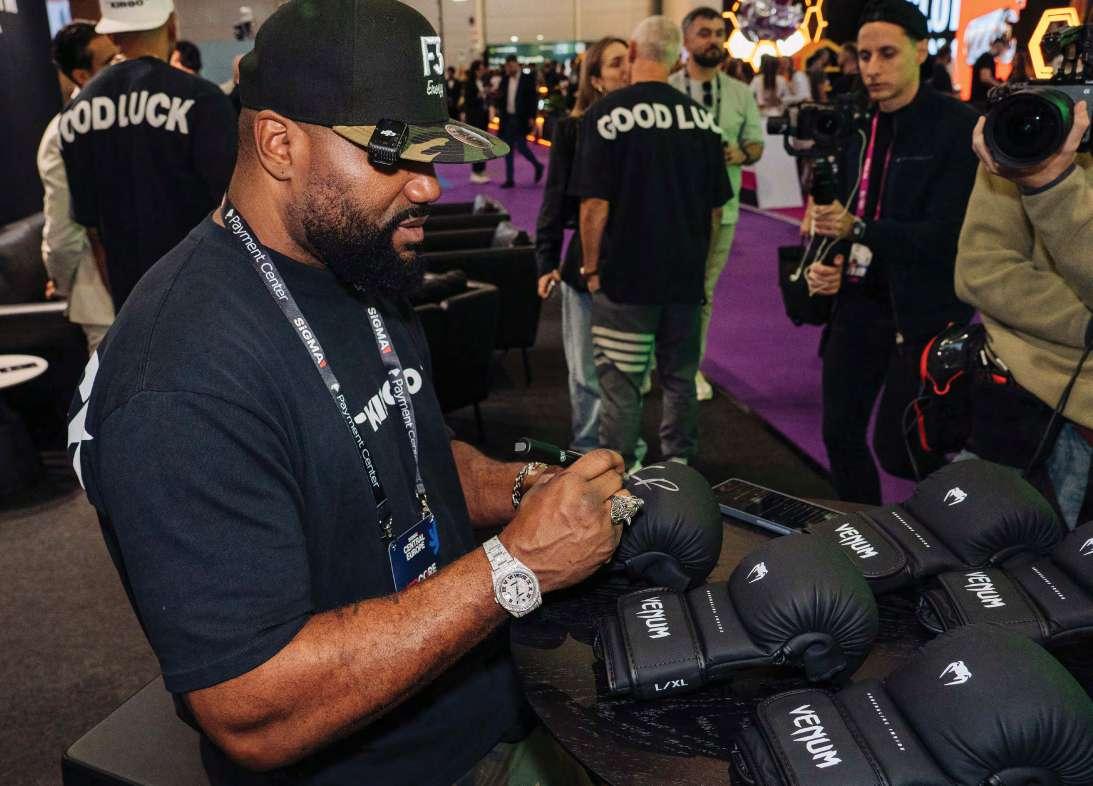
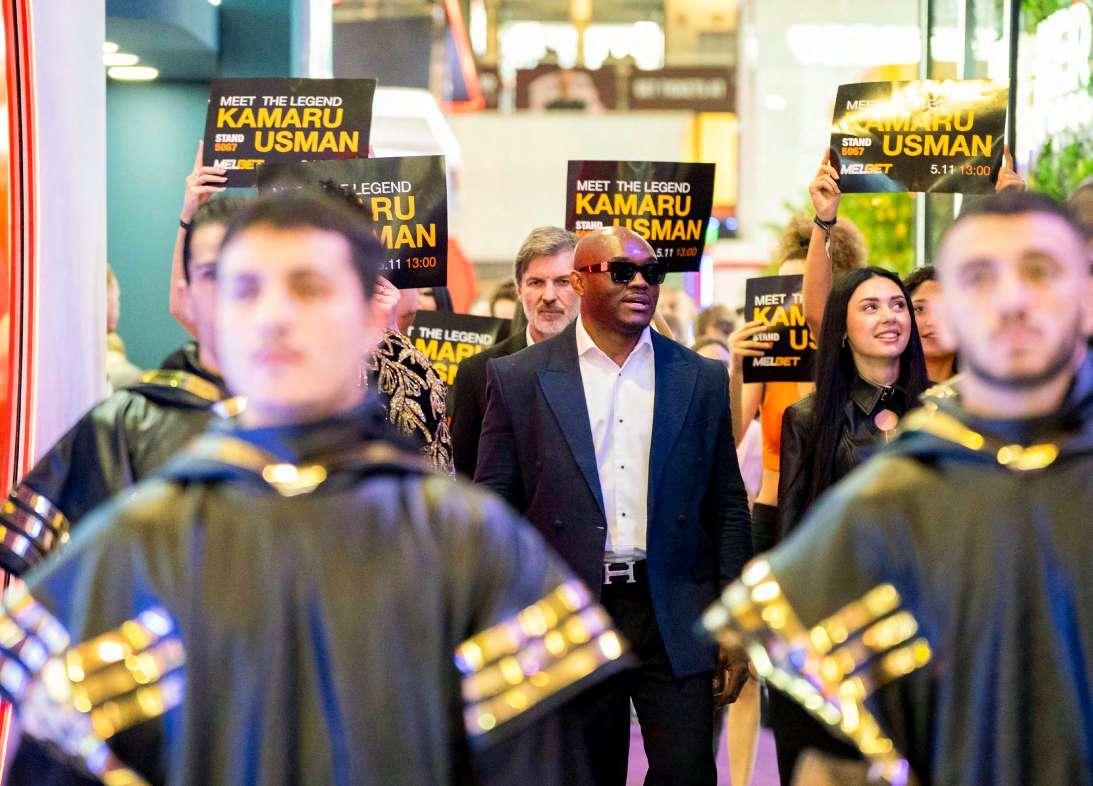









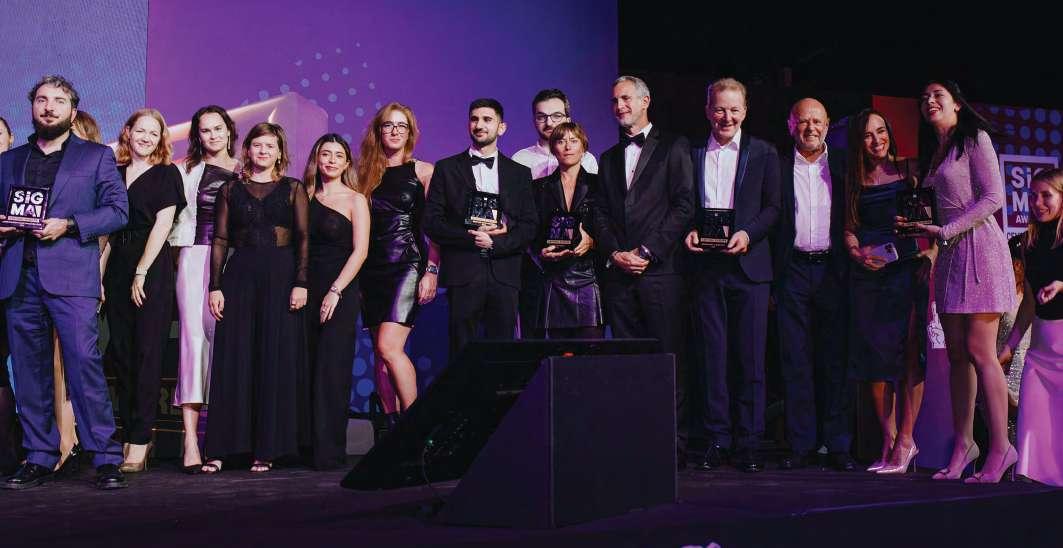





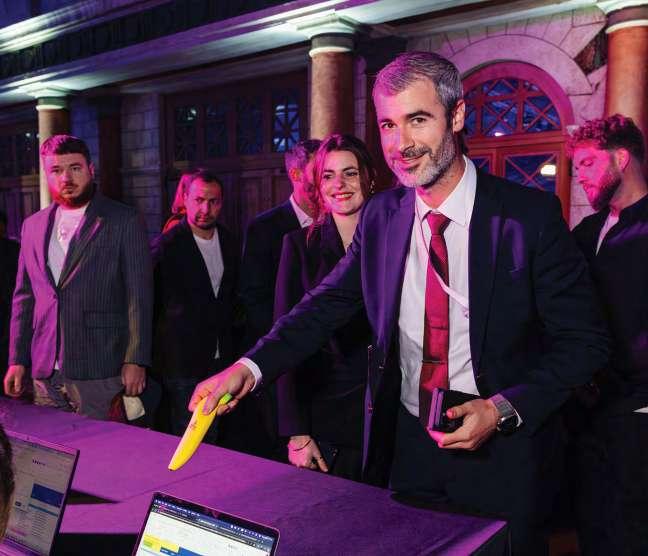





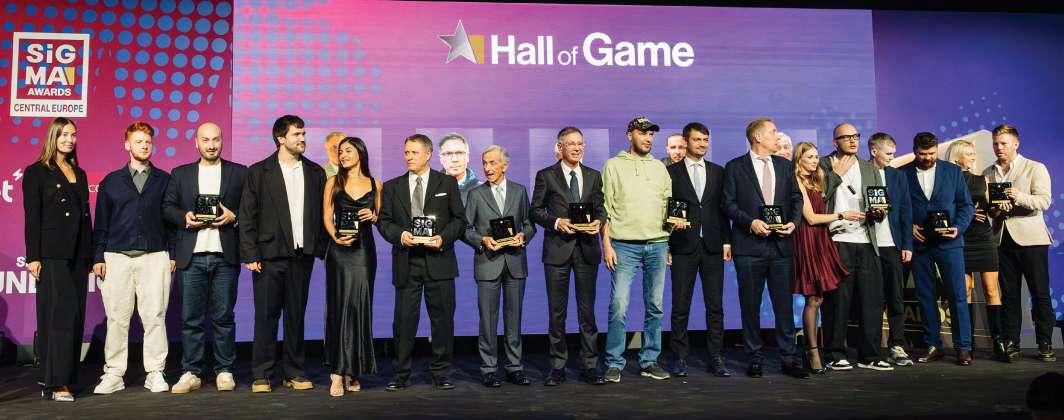
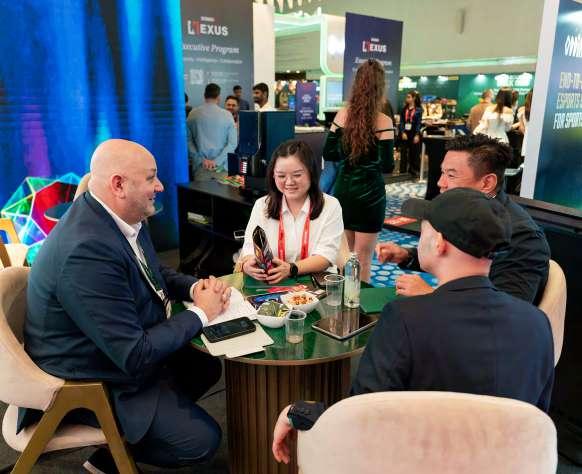

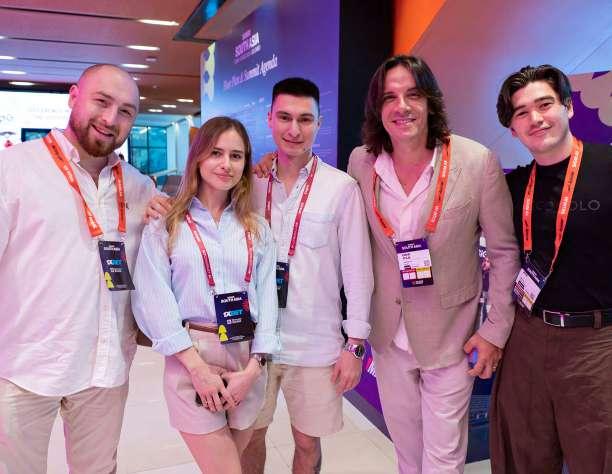



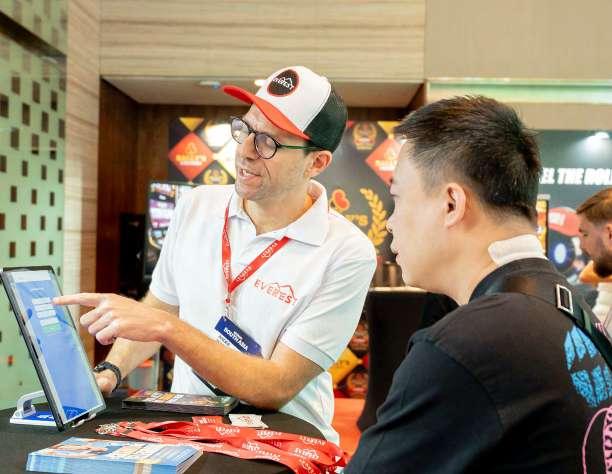
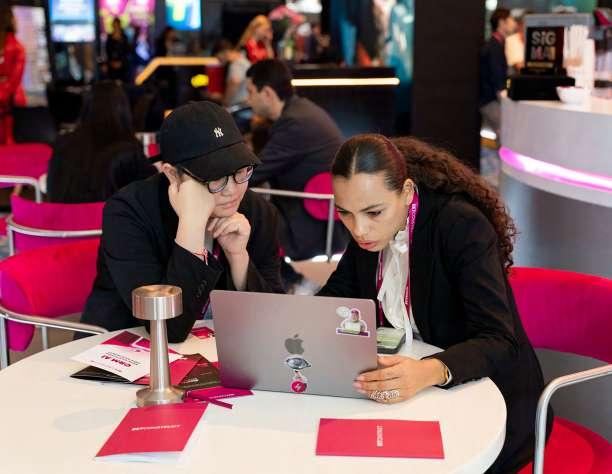
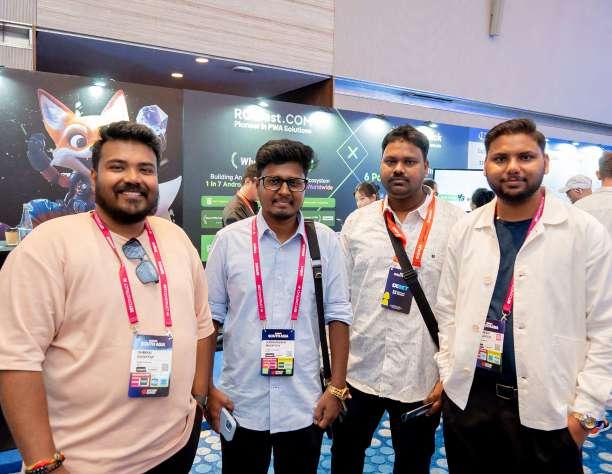
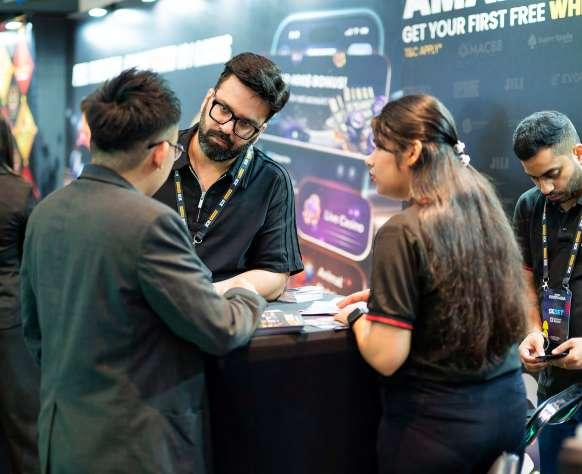
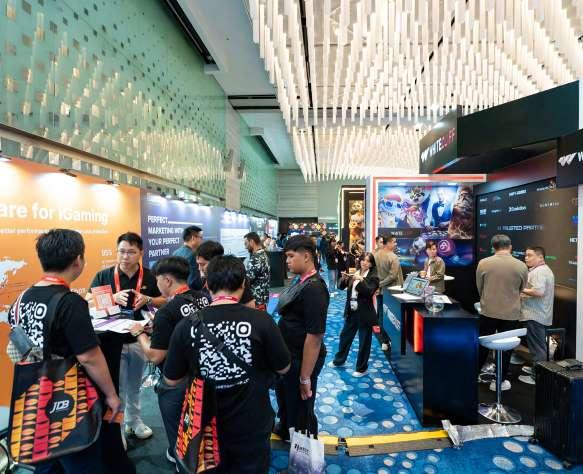
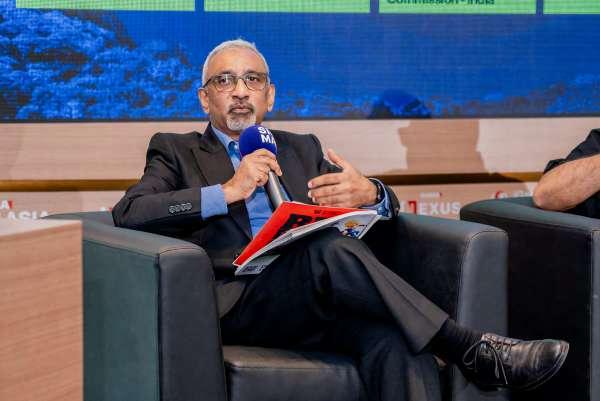
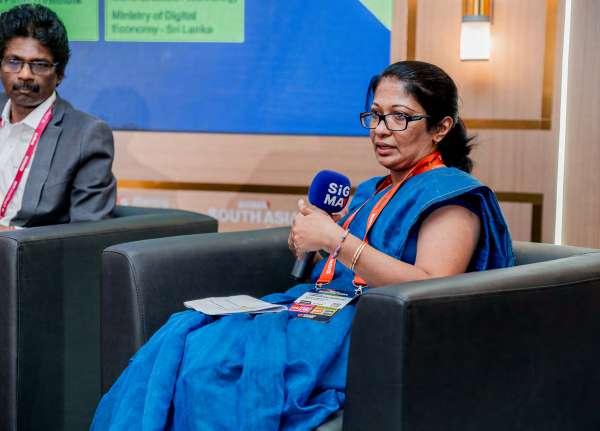
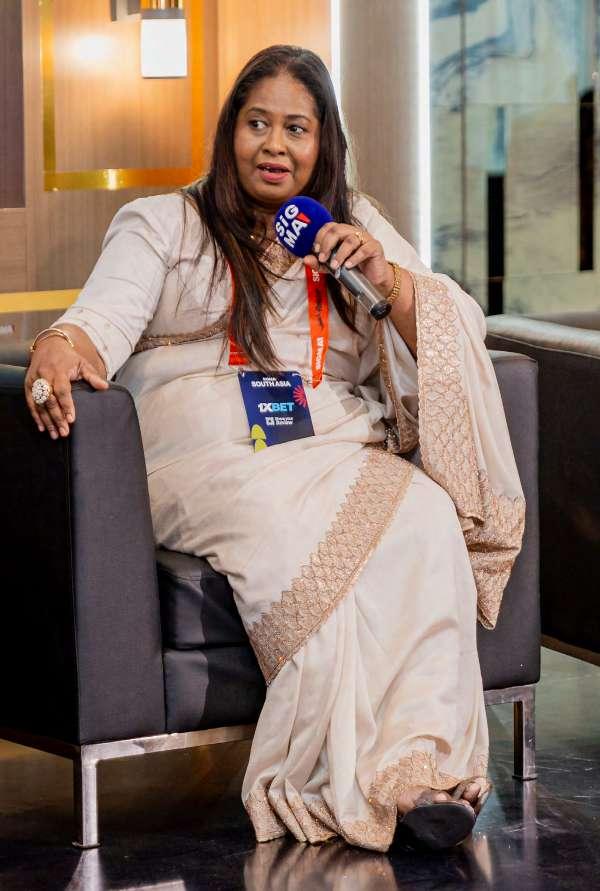
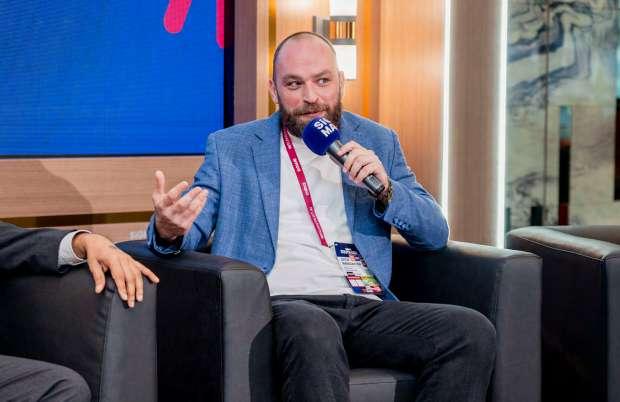
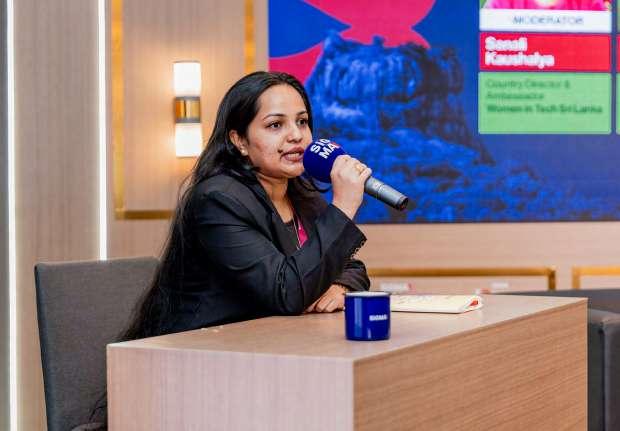

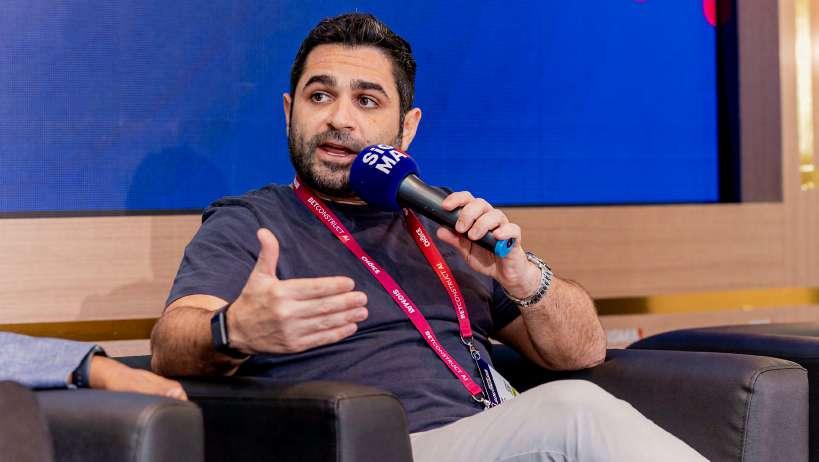
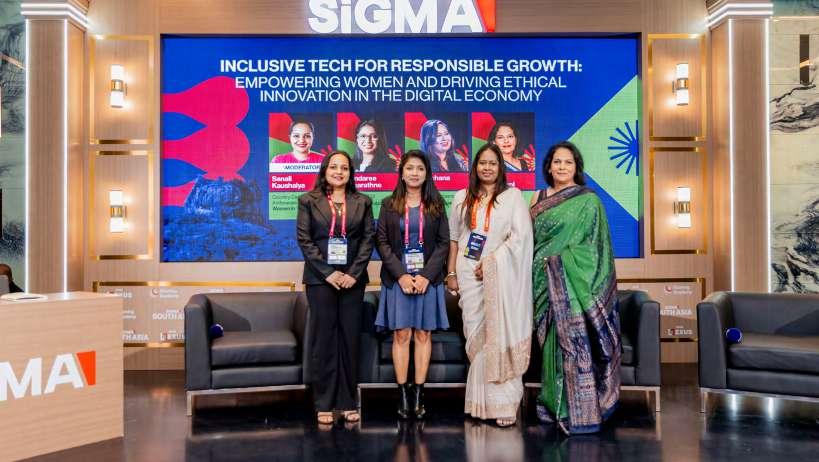
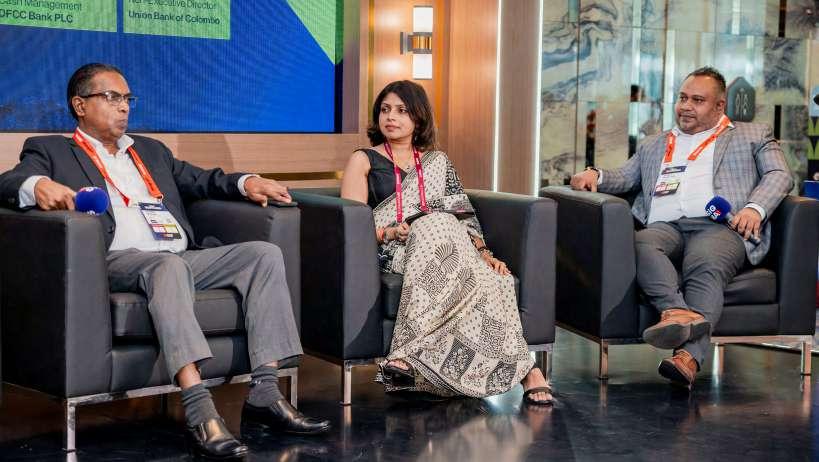








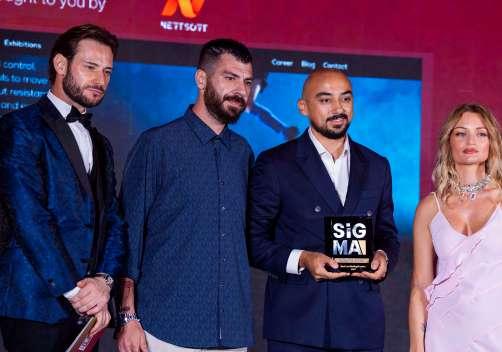

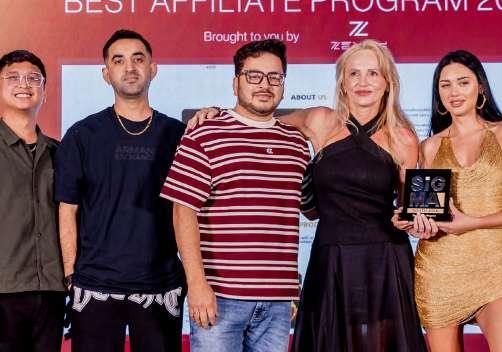





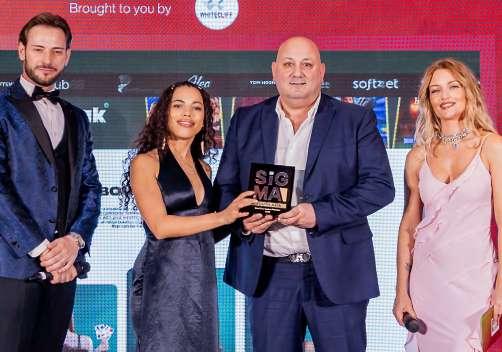








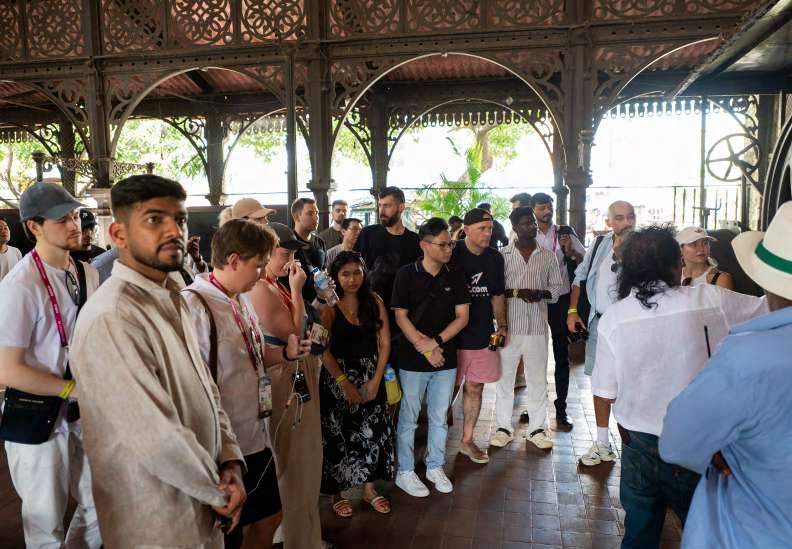



Naomi Day sat down with entrepreneur Dr. Sara Al Madani to explore how her philosophy, “Don’t love your job, job your love,” became a personal manifesto for freedom, purpose and truth.
\ Building from truth
Dr. Sara Al Madani has always thought of business as more of a language than a career path. From fashion to tech, food to finance, her portfolio reads like a map of curiosity, “Business has always been a love language. It’s how I express creativity, impact and freedom”, says Madani. That belief has guided her across industries and continents, driven by the pursuit of truth, “It was never about what I was doing. It was about why I was doing it. I love building things from scratch, giving them soul and watching them create change.”
That mindset marked a pivotal shift, “The alignment came when I stopped chasing trends and started building from truth. That’s when business stopped being work and became art.”
Sara rejects the idea of being defined by a single identity. “We were never made to be just one thing,” she says. “We’re here to experience, to explore, to discover who we are through many versions of ourselves. I don’t like being attached to one identity, that feels very egodriven to me. I want to try everything and see what truly feeds my soul.”
Each venture becomes a reflection of where she is in her creative and personal growth. It’s about building a life defined by curiosity, courage and the freedom to become everything she imagines.


\ The defining moment
The philosophy that would later become her mantra, “Don’t love your job. Job your love”, was born from one conversation that struck deep. “That line came straight from my own frustration with how people settle. I used to watch so many talented people force themselves to love jobs that didn’t love them back,” she recalls.
Then came a piece of advice from a close friend, Mohamed Hilal, CEO and Founder of the Mohamed Hilal Group and it changed everything. “One day, he said to me, ‘Don’t love your job, job your love.’ That moment hit me hard. It perfectly summed up everything I believe in.” To Madani, the phrase goes further than a catchy motto. It’s a movement. “It means take what you love and make it your work. Turn your purpose into your paycheck. It’s not about quitting everything overnight; it’s about remembering that passion is power. When you do what you love, you don’t burn out, you burn brighter.”
\ Choosing freedom
For many, the idea of following passion sounds risky, however for Madani, fear is the real danger. “Fear is the number one dream killer,” she says. “People think stability is safety, but true safety is freedom and freedom comes from alignment.”
Her advice to those who feel stuck in jobs they no longer love is to start small. “You don’t need to jump off a cliff, you just need to take the first honest step toward what feels alive for you. The universe rewards courage. Every time I’ve chosen truth over comfort, life has expanded for me. Stability is temporary, purpose is permanent.” That kind of courage does not mean recklessness. It means selftrust, learning to tune out the noise and listen to what your instincts are telling you.
\
power of rebuilding
Failure for Madani is something to be studied, embraced and rebuilt from. She speaks about her past setbacks as lessons that have reshaped her perspective. “I’ve failed publicly, been judged, underestimated, and even lost everything more than once. But every fall stripped away what wasn’t mine and showed me what was.”
Each setback, she explains, was an act of clarity. “Failure taught me humility, self-awareness, and power. It taught me that purpose doesn’t come from success, it comes from who you become when things fall apart.” Each failure became a blueprint for resilience and a reminder that reinvention is a form of immense strength, “That’s when I realised my mission isn’t just to build businesses, it’s to build humans. To show them their true powers.”
“I used to watch so many talented people force themselves to love jobs that didn’t love them back.”
\ Living the philosophy
Today, as an AIBC Event Ambassador, Dr. Al Madani is channeling that mission on a global stage. The partnership aligns perfectly with her belief that entrepreneurship should blend profit with purpose. “Being part of SiGMA for so many years has been such a gift. It’s more than an event, it’s a global family of thinkers, builders, and changemakers.”
Through SiGMA Group, she’s found a community that mirrors her values. “Every time I’m on that stage or in that room, I’m reminded that business can be both profitable and purposeful,” she says. “SiGMA Group gave me a platform to merge consciousness with commerce, to show that success isn’t just about money, it’s about meaning.”
At the core of everything Sara Al Madani builds is a deceptively simple principle. That fulfillment comes not from titles or recognition but from the act of creation itself. “Don’t wait for someone to give you permission to live your passion,” she says. “Give yourself that permission. Job your love.”
Her perspective reframes success as something deeply personal and expansive. It is not measured by stability, status or accolades, it’s measured by the sense of aliveness and impact that comes from creating something meaningful. In this mindset, it’s the freedom to chart your own path and to build a life aligned with what truly matters.
“Turn your purpose into your paycheck. It’s not about quitting everything overnight; it’s about remembering that passion is power.”
creative industries worldwide.


Vision and voice
When Nikolajs Malisevs joined Vitalentum, the company was brimming with technical talent. A team of brilliant AI engineers and developers who had built something remarkable. However, they were “missing someone who could not only explain the idea, but also bring it to the market, build communication and shape the brand,” Nikolajs explains. That’s where his background in marketing and the creative industries became vital. He was helping translate complex AI technology into a vision people could understand, believe in and invest in.
For Nikolajs, the breakthrough moment came during his first time pitching the idea at one of SiGMA Group’s global summits. “Two years ago, I spoke at the conference for the first time, and that’s when we really felt that we had more than just technology. We had a future,” he recalls. The conference became the turning point that transformed Vitalentum from a promising local project into a company with global ambition. That talk gave the team the confidence to think bigger and position Vitalentum as a player capable of shaping the future of AI-driven content.
\ Pitching a future
Vitalentum’s recent victory at the AIBC Startup Pitch was a validation of everything the team had been working toward. What made their pitch stand out was their ability to go further than simply presenting technology. Nikolajs explains, “We didn’t just show a technology, we presented a working ecosystem. Investors saw that Vitalentum is not just an idea, but a functioning machine that solves real problems of cost, speed, and content quality.”
Getting to that stage, however, was anything but straightforward. Nikolajs is candid about the process, “Our first pitch decks were terrible, but we kept working on them. What you saw on stage is probably the 35th version.” Every meeting with investors became a learning opportunity, teaching the team what questions mattered, what details sparked interest and where their message still needed clarity.
By the time Nikolajs stood on the AIBC stage, Vitalentum were showcasing a well-oiled, scalable system, a vision that could convince investors the future of AI content was already here.
\ Sparking the AI engine
The idea for Vitalentum’s AI-powered image platform traces back to 2018. “Our founder, Vitaliy Tikhomirov, came up with the idea of combining a social network and a stock photo platform for designers. After quickly launching an MVP with his own funds, it became clear that there weren’t enough resources to fully realise the idea, and the concept itself wasn’t in high enough demand.”
Early ventures into AI-generated NFT collections revealed a bigger opportunity. “We realised something
“The main value is shifting from ‘the ability to produce’ to ‘the ability to come up with the idea.’”
important: we had valuable technologies in our hands that could be used to build a social network for creators and fill it with high-quality AI imagery,” Nikolajs notes.
As experienced content creators themselves, the team faced a familiar frustration with the overwhelming amount of visuals that exist online. Yet when it comes to commercial use, options are narrow, expensive or difficult to source. Vitalentum tackled this problem head-on, blending creativity with technology. “Connect the real needs of creators, influencers, and webmasters with the technologies we knew how to build. An AI factory, filtering, upscaling, generation, and automation.”
\ Crafting content
According to Nikolajs, the creative industry is moving toward all-in-one solutions. “Businesses no longer want fragmented services, they want a single package that brings everything together. This is exactly the direction we’re taking. Unifying AI Images Stock, the AI Image Generator, and a wide range of AI Tools into one ecosystem.” Vitalentum is building a platform that can support creators at every stage, offering a seamless ecosystem where everything happens in one place.
In particular, video is emerging as the dominant form of communication. “Demand for short, dynamic videos will only grow. Just look at younger audiences, their consumption patterns, and the dominance of the TikTok economy. Companies that can mass-produce video content and adapt it to different creatives will own the market.” The shift is towards audiences increasingly expecting content to be fast, engaging and adaptable, and companies that can deliver at scale will have a competitive edge.
The way content is created is transforming alongside these trends. Nikolajs explains, “The main value is shifting from ‘the ability to produce’ to ‘the ability to come up with the idea.’” The process itself has become a fast, flexible cycle. In this new workflow, speed, adaptability, and iterative creativity are key and those who treat AI as a working tool rather than a toy will be the ones to thrive.
\ Freedom to create
Despite the rapid pace of innovation, Vitalentum places a strong emphasis on ethics and creative freedom. Nikolajs is candid about the issues the team sees in the current copyright landscape. “We don’t like what the copyright industry has turned into. When any visual image is treated as something that must be privatised; when Santa Claus is turned into an over-copyrighted corporate mascot; when music, which should inspire, becomes a source of endless restrictions and legal concerns; when the creative environment lives in constant fear of ‘you can’t use this, you’ll get banned.’” For creators, these restrictions can be stifling, limiting both inspiration and productivity.
Vitalentum’s approach is designed to put creative power back into the hands of the user. “Content is made faster, creativity isn’t blocked by paywalls, inspiration isn’t locked behind legal barriers, and everyone can use visuals and music the way they want, legally, freely, and without toxic limitations. We’re building an ecosystem where content

Join the Movement. Make a Di�ference.
Become a SiGMA Foundation sponsor and take part in real change. Involved Get
belongs to creators, not corporations.” By combining accessibility and legal freedom, Vitalentum aims to create an environment where creators can express themselves without fear, redefining what it means to work in a truly creative space.
And the appetite for Vitalentum’s solutions spans multiple sectors. Marketing agencies leverage the platform to generate visuals for campaigns, banners and A/B testing in hours instead of weeks. Designers and premium creators rely on Vitalentum as a personal “visual generator” for unique concepts and ready-touse materials. Influencers and content creators use the tools to produce stories, teasers and promotional content faster and at a higher quality. Even B2B clients, order custom image and video collections for campaigns, brand refreshes and social media content.
\ Expanding horizons
Global expansion is already underway. Priority regions include North America, Europe, Asia and the MENA region. “This win opened doors for us to new potential partnerships, investors, and major clients who understand that Vitalentum is building the infrastructure for the content of the future,” Nikolajs says.
Their roadmap reflects this ambition, focusing on strengthening B2B offerings and accelerating development of the all-in-one AI Studio, “We are not just keeping pace with the AI revolution, we’re helping shape its trajectory.”
From its humble beginnings, Vitalentum has grown into a global AI ecosystem, demonstrating that creativity, when combined with intelligent technology, can evolve in ways previously unimaginable. By giving creators the freedom to experiment, iterate and produce at unprecedented speed and scale, Vitalentum is redefining what it means to create in the digital age.
“We are not just keeping pace with the AI revolution, we’re helping shape its trajectory.”

Seif El-Hakim, former Samsung regional CMO and now a UAE entrepreneur and Alpha Talks host, speaks about leadership under pressure, the habits that hold standards in place, and the shift from proving to purposeful decision-making in a conversation with Rami Gabriel.
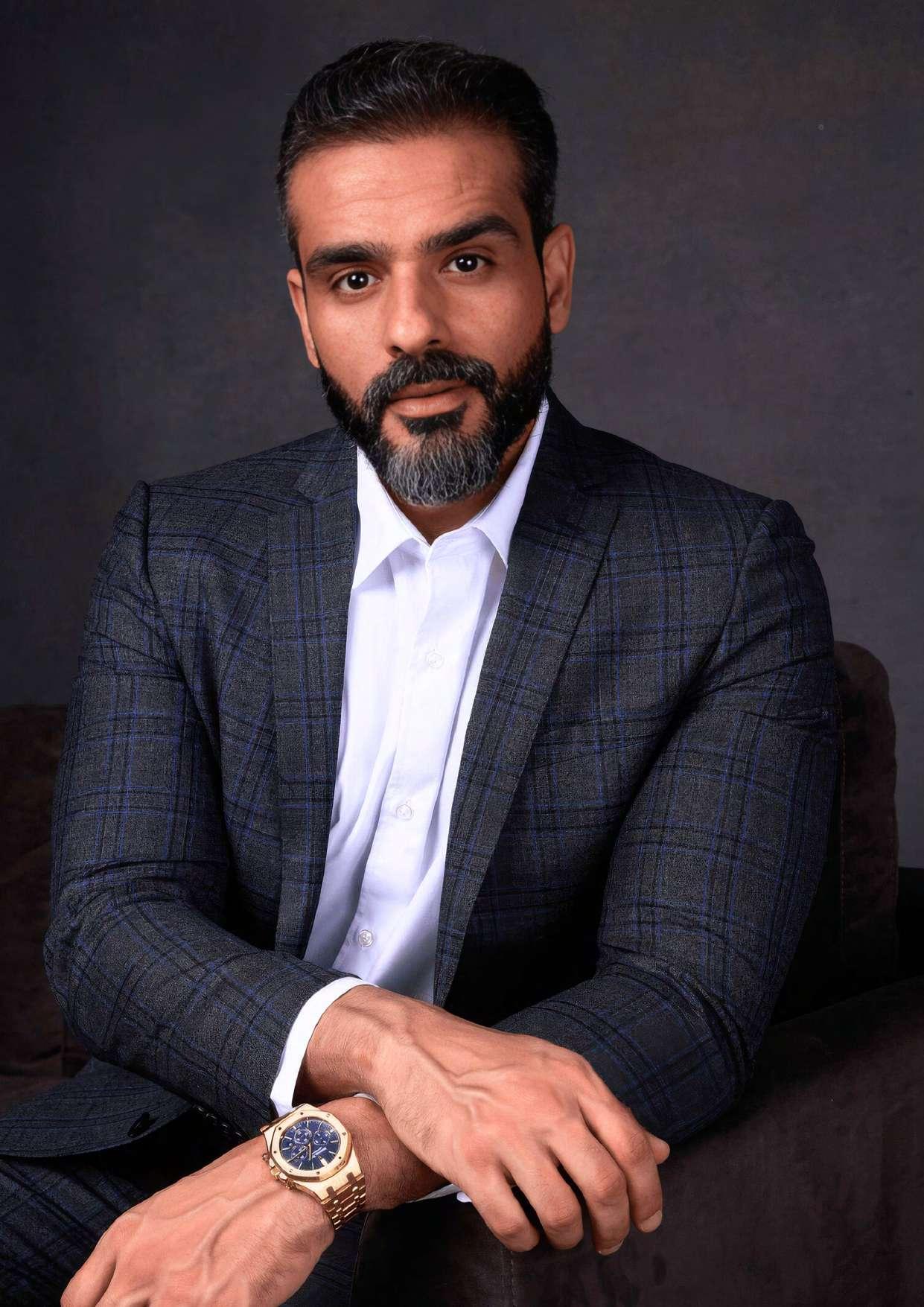
For most executives, a three-billion-dollar portfolio is the peak, or at least it looks that way from the outside. Seif El-Hakim describes it as a moment of clarity: the realisation that even the biggest job can still be lived under “someone else’s ceiling”. “Impact started to matter more to me than scale,” he says, and that shift is what made the UAE appear less like a move and more like the next logical step.
In his telling, entrepreneurship offered speed and ownership, but also something more personal: the chance to build, not just operate. “I realised I didn’t want to keep optimising systems- I wanted to build them,” he says, drawing a clean line between delivering results and creating a structure where decisions can compound into legacy.
Still, what sits underneath that is a simple preference: he wanted the consequence to be his. “If you created value, the market responded immediately,” he says of the UAE, and the sentence carries a kind of relief. “The UAE rewards builders,” he adds, almost like he is asserting a local law rather than making a point.
El-Hakim’s steadiness did not start in the office. As a Mr Olympia Top 10 athlete and national team fighter, he learned that the day you feel under-prepared is the day you get exposed. “At that level, there’s no room for excuses or emotions,” he says, and the point is not toughness for its own sake, but the discipline of turning up properly when nobody is clapping.
That same logic shows up in how he talks about leadership: fewer speeches, more repetition, more attention to what holds up over time. “You don’t rise to motivation — you fall to preparation,” he says, almost like a private rule he’s agreed to live by. He keeps coming back to preparation because it is measurable. In sport, he says, “every decision has consequences,” and accountability comes quickly because the results are public and unforgiving. There’s a blunt clarity to that, and it seems to have shaped how he operates in business, where outcomes can take longer to surface and responsibility is easier to dilute.
\ Proving to Choosing
Of the eight rules in Unleash the Alpha, he says the hardest was letting go of “proving” and embracing what he calls “self-dictated
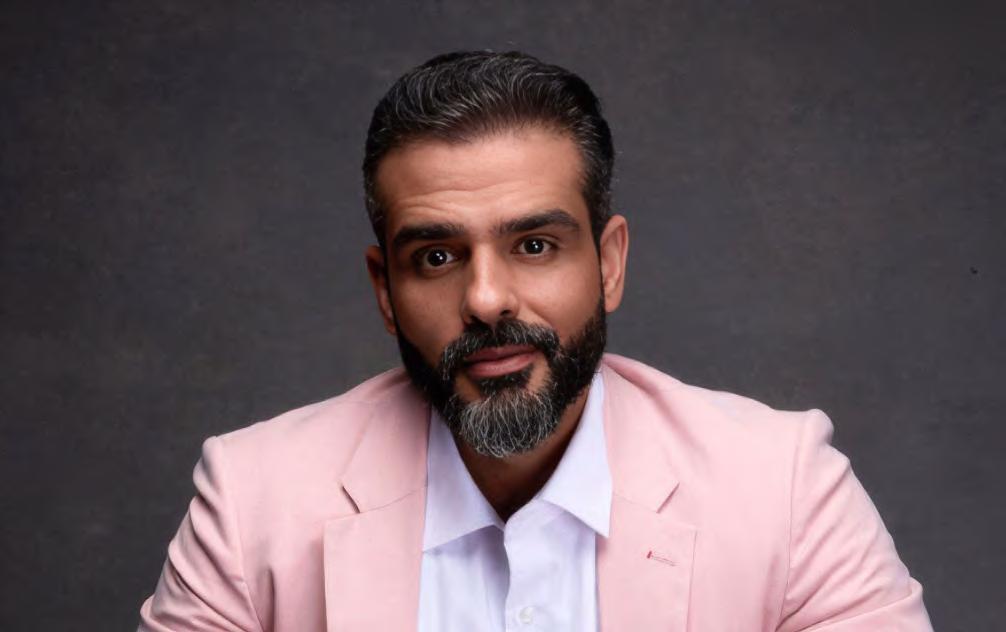
triumph”. For a long time, he ran on “Watch Me”, and he does not pretend that fuel is useless, because it did build discipline and resilience. But it also raises a difficult question: if the drive is always aimed at other people, who exactly is deciding what “winning” means?
“True Alpha maturity came when I stopped needing external validation,” he says, describing a shift from reaction to intention, from proving to choosing, and from winning battles to building legacy. He is clear that it was uncomfortable, because identity had to change, but he is equally clear on the outcome: calmer, more deliberate, more self-directed.
There is a practical edge to that, too, not just self-help language. When he talks about leadership, he says “emotion doesn’t scale, but systems do,” and it reads like a hard-won lesson rather than a slogan. You can almost hear the moment he decided he would rather be effective than be seen.
\ Revealing, not Performing
Even with more than 50 international awards, El-Hakim does not treat recognition as something to live inside. He describes it as feedback,
valuable for a moment, then put back in its place, because it reflects what has already happened. “Awards celebrate past performance, while leadership demands future focus,” he says, and his warning is plain: once reputation becomes the project, capability stops growing.
That habit of looking forward also explains how The Alpha Talks Show moved past 100 million views without being built around quick wins. He says the early choice was depth over popularity, more extended conversations, uncomfortable questions, and trust before reach. “Most shows try to impress. We chose to reveal,” he says, treating scale as the outcome, not the aim.
Awards, he adds, are “moments, not milestones”. He lets them register, then detaches, because the real risk is ego quietly lowering the bar. In the same tone, he talks about the show’s growth as something earned through patience and honesty, not chased, which is why the numbers feel less like the point and more like the receipt.

In a do or die situation, our first international event found safe haven in the most unlikely quarters - an emirate that doggedly sought optimism in the face of uncertainty. Our offices in Manila had closed, our first event for Asia was on hold, and our future hung by a thread. The world was reeling, travel came to a halt, and the thriving events scene we once knew seemed dead in the water.
The energy was electrifying in Dubai and it fuelled thousands of delegates hungry to get moving again after a stagnant year of hiatus. Our choice to

forge ahead paid off - the event received overwhelmingly positive feedback, leading to our return year after year. Now in its sixth edition, the Eurasia event has become a staple in our events calendar, a highly anticipated opening to each new year, and an unmissable platform for businesses seeking to showcase tomorrow’s solutions.
An early champion of Covid-19 vaccinations, the Emirates was especially vociferous in vaccinating its citizens, standing at the forefront in opening up its borders again. In 2021 it rebuilt its passenger network to 128 cities, and by the end of the year all of Emirates’ 133 Boeing 777
aircraft and nearly 60 of its A380 fleet were back in active service, connecting people and businesses to global opportunities - including our inaugural summit.
What started as a necessary shift has now become the foundation for our continued expansion, a silver lining that pushed us out of our comfort zone, making us stronger, more resilient, and adaptable than ever.
The summit attracts up to 15,000 attendees annually, and with the support of UAE authorities and the business community, these numbers are expected to grow. Dubai combines cutting-edge infrastructure,
visionary initiatives and a thriving entrepreneurial ecosystem. We’re bringing together top-tier blockchain and crypto companies, industry leaders, investors and policymakers to the region. The summit offers a unique opportunity to explore the latest in digital innovation and frontier technologies while connecting with the decisionmakers shaping the future of the global digital economy.
In the coming years, we’re investing in the future of the Gulf region — bringing international partners to the Emirates, creating new avenues for large-scale business cooperation, as well as deal and talent flow.
5,000 delegates

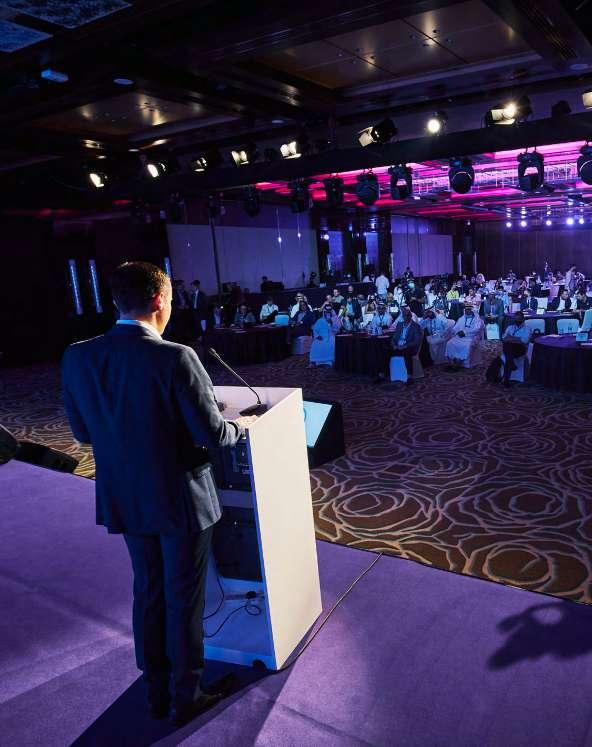
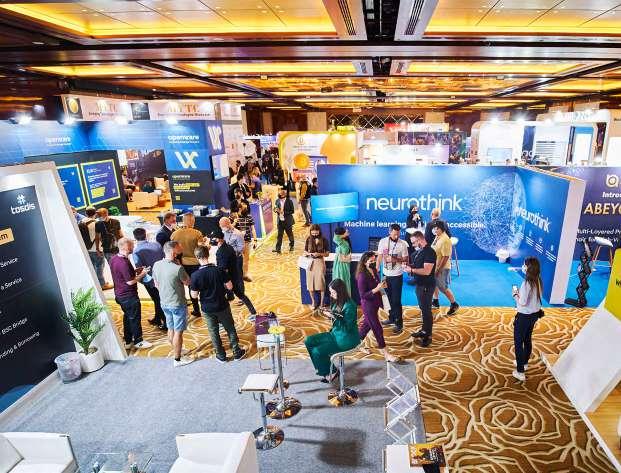
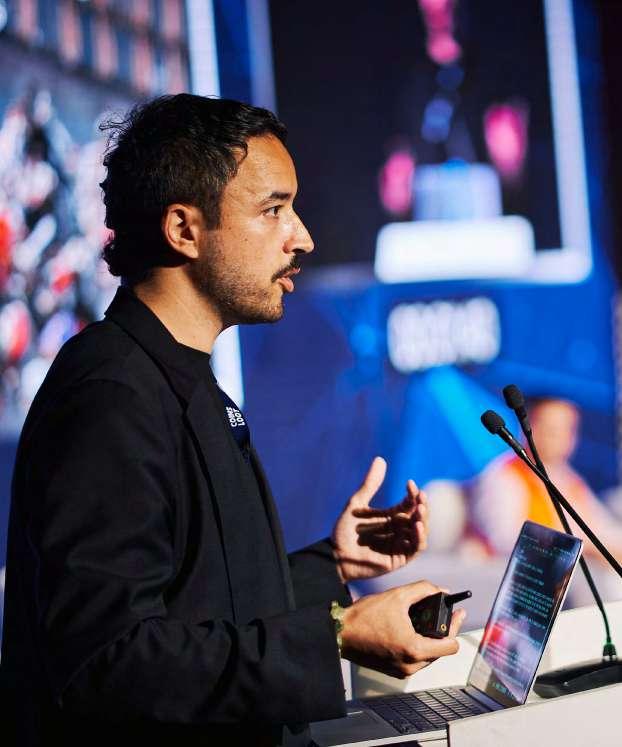
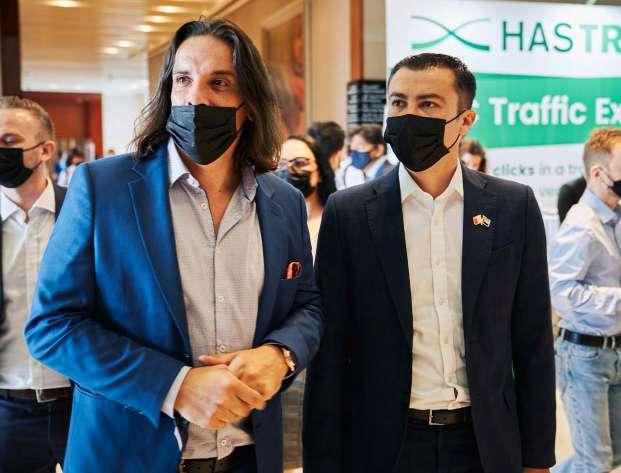
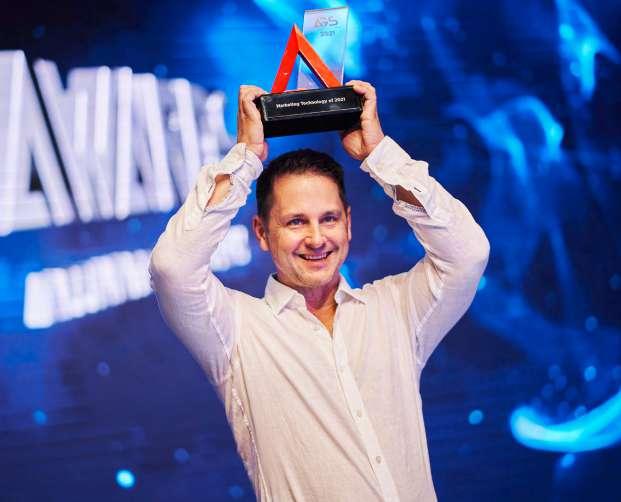

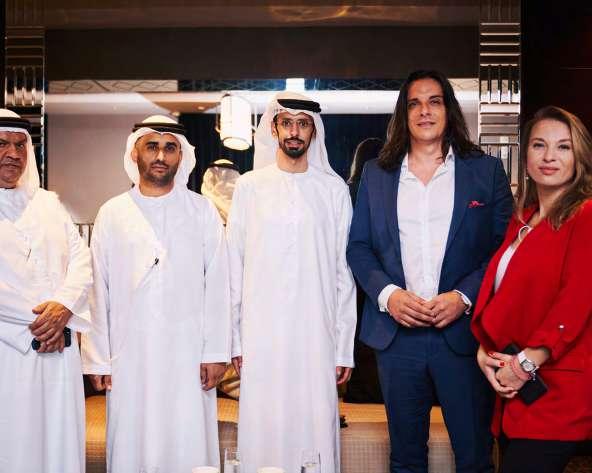
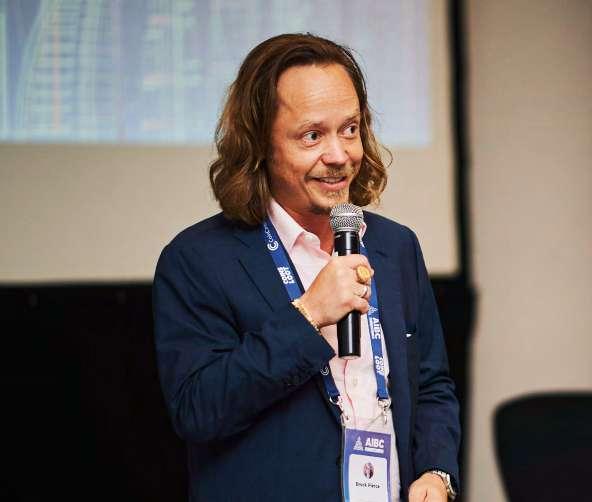
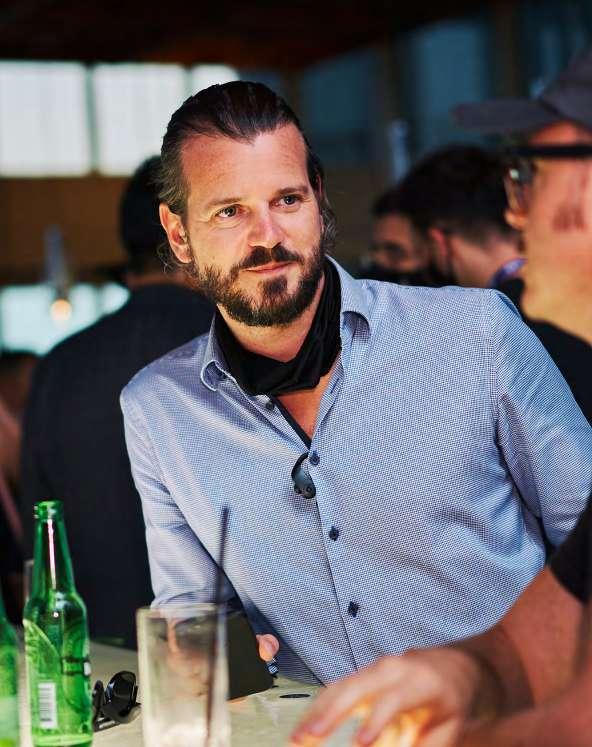
7,000 delegates


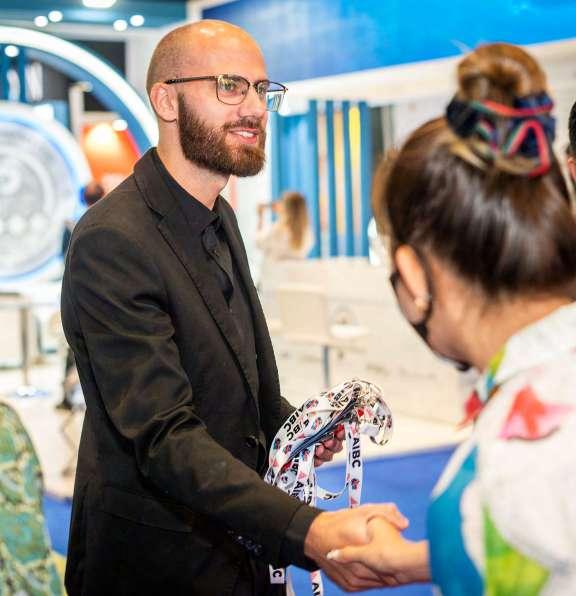
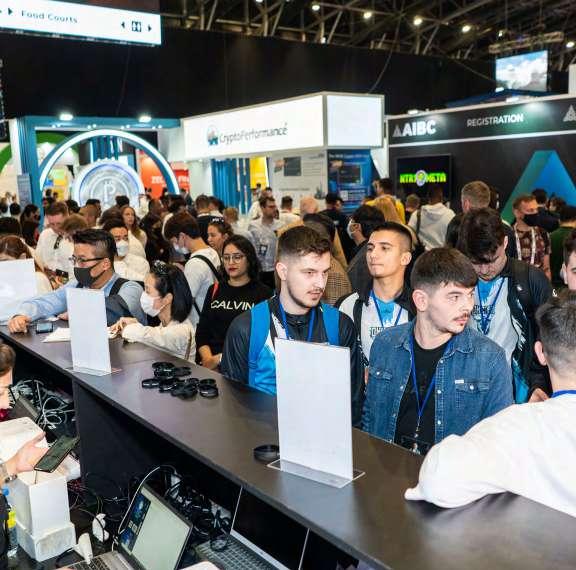
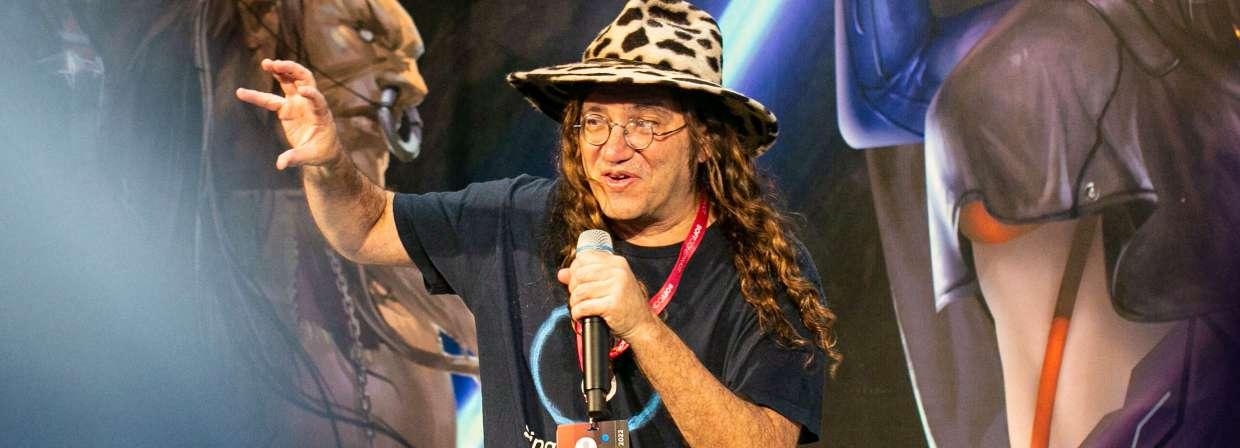
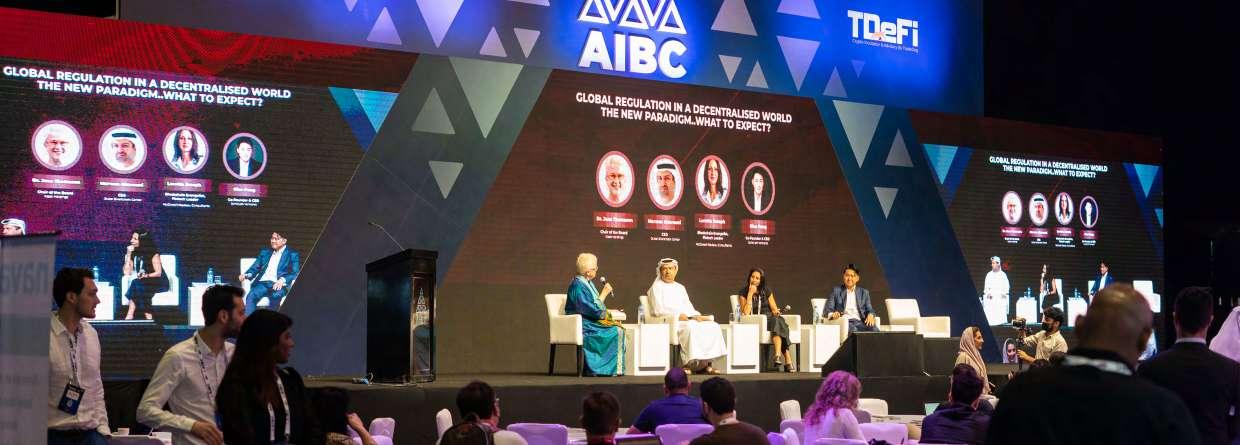

9,000 delegates






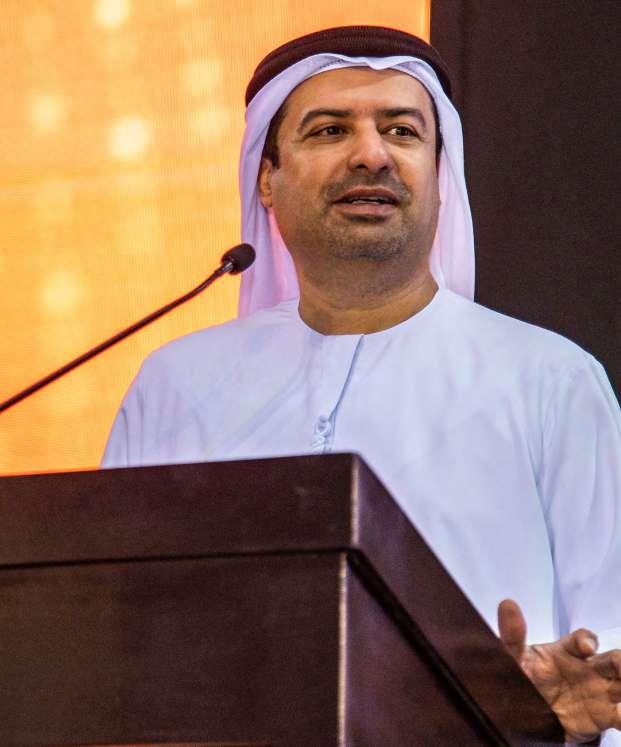
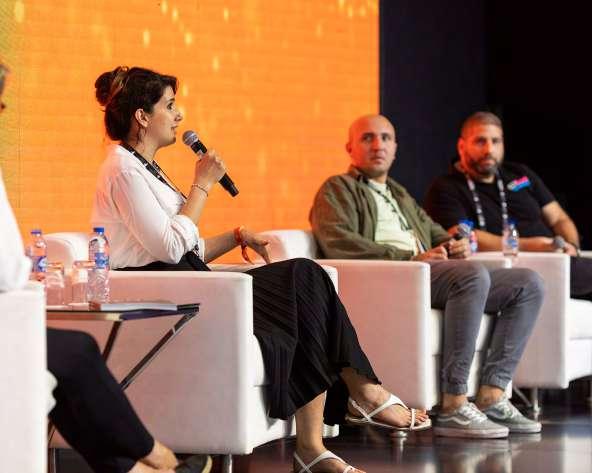

10,000 delegates









12,000 delegates
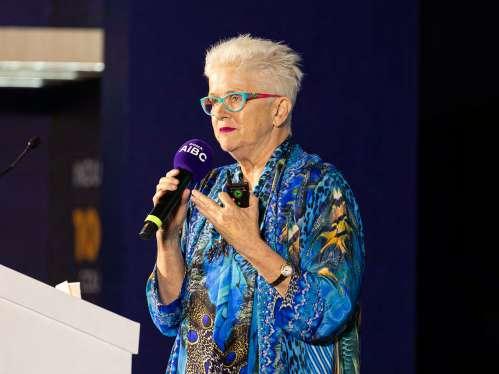


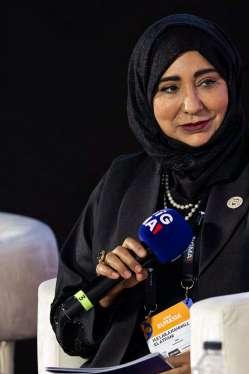
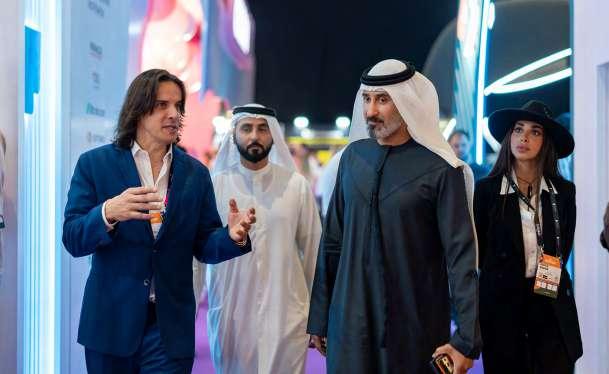



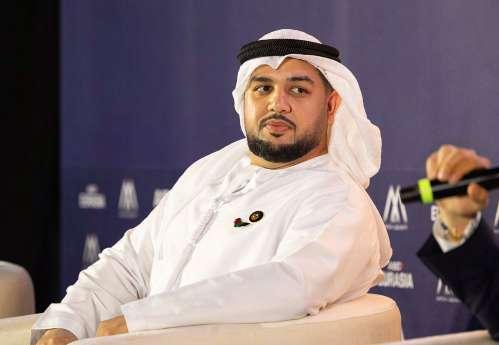
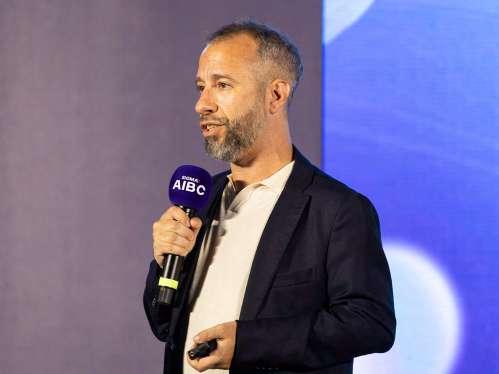
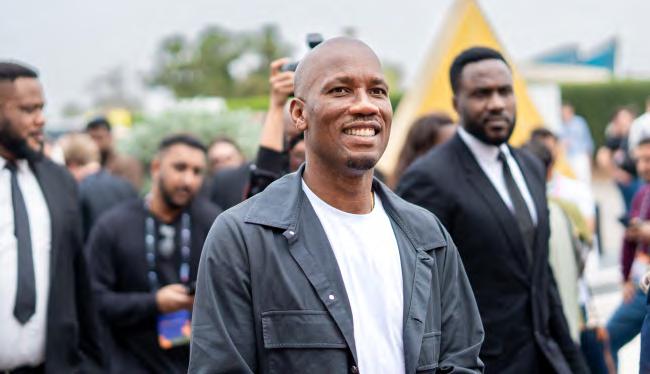
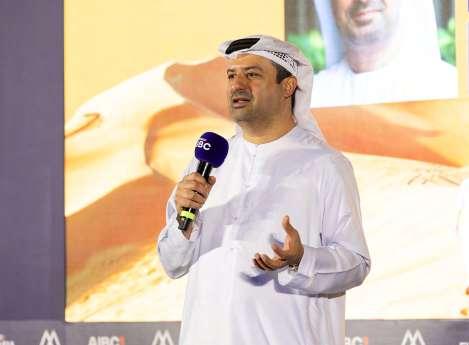
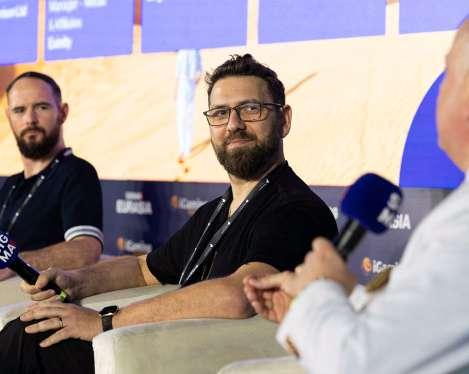
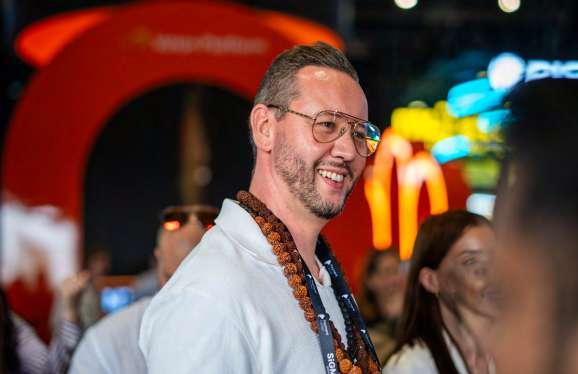

1xAffiliates is a global bookmaker with 17 years of experience. Every month, 1xAffiliates attracts over 3 million players, and the brand’s reliable reputation is confirmed by partnerships with FC Barcelona, Paris Saint-Germain, and Serie A.
Viktoriia V Event Manager
22 doesn’t chase trends. It builds them. With a network spanning 80+ regions and seven high-performance platforms under its belt, 22 a trusted partner that combines digital precision with ruthless execution. Real-time insights. Round-the-clock support. If you know, you know. And if you don’t — now’s the time.


Alea is a leading aggregator providing operators worldwide with seamless access to 17,000+ titles from 170+ top-tier providers through a single API. Built on secure, scalable technology, Alea simplifies integration, enhances operational efficiency, and empowers clients with clarity, control, and reliable aggregation solutions.
Alexandre Tomic Founder
Affstore is a global partnership program connecting businesses with established financial brands across multiple markets. Affstore focuses on long-term collaboration, scalable growth, and flexible commercial structures, offering tailored partnership conditions and strategic support designed to help partners expand efficiently and sustainably worldwide.
Pavel Churkin CEO Affstore



B-Api is an IT company that develops high-risk products. We can develop any solution according to your requirements, or offer ready-made platforms.
Timofei Matveichuk CEO

BitOK Inc. is a software company developing AML solutions for global crypto markets. BitOK provides a comprehensive suite of compliance tools, including blockchain analytics, crypto-transaction monitoring, automated risk-alert systems, and investigative solutions.
Aleksandra
Leonenko Head of PR
Alpha Global Enterprise is a next-generation ecosystem empowering leaders, scaling ventures, and shaping the future of business and impact. We unite strategy, media, AI, venture building, capital, and education into one system— helping founders and brands grow with clarity, scale with confidence, and perform at the highest level. We don’t support businesses.
Seif
El Hakim Founder / CEO

BCRAFT is a B2B software provider of custom transactional entertainment platforms for content and media brands. The technology stack covers core infrastructure, payments, CRM, analytics and localization, enabling partners to launch and scale high volume, real time digital experiences under their own brand across multiple regions and languages.
Maksim Gordijenko Chief Strategy Officer )CSO(


We’re BSW — a full-cycle tech team building custom platforms in just 4 weeks. We work with operators, founders, affiliates, and agencies who need scalable solutions without templates or long waits. Operating globally across LATAM, Africa, Europe, and the CIS, we provide 24/7 support and stay involved after launch to help grow your business.
Gleb Garusov CBDO


CleverAff is a program that helps partners turn traffic into real revenue with a high-performing technology provider. Enjoy transparent payouts, reliable support, and flexible terms made to grow your earnings. With over 10 years of experience, we make scaling your traffic simple and profitable. Partner with us to expand your reach and maximize your results.
Diana Cleveraff Senior Affiliate Manager
BridgerPay pioneers AI-driven payment orchestration with Bridger Retry™, connecting 1,000+ PSPs across 185 countries to reduce payment failures and accelerate global e-commerce growth. Its AI-powered retry logic boosts approval rates for travel, SaaS businesses, and more, through intelligent routing and worldwide reach.
Ran Cohen Co-founder & CEO

ClearSky Network is an international business group focused on online ventures, backed by more than a decade of experience and strong industry understanding. The group operates a specialized marketplace for the buy & sell of licences and entities, as well as supports licensing, regulation, structuring, banking & payments across high-risk industries and more.
Shai Ben Ami Director Of b2b&b2c
BizDev
Get in Touch




Creedo.Capital redefines payment solutions for businesses worldwide. Our platform offers unmatched flexibility, transparency, and innovation, ensuring your business stays ahead in a fast-paced digital economy. From small startups to enterprise giants, we provide the tools you need to succeed globally.
Creedo.Capital Payment Service Provider
DYG is a technology-focused digital solutions provider with over 25 years of experience, specialising in high-quality interactive content and system solutions. Supported by a skilled R&D team, DYG delivers scalable and reliable products for diverse markets, with deployments across 20+ countries worldwide. “Technology drives progress. Service creates value.”
Dora Lau Marketing Manager
Connpay is a group of licenced financial institutions )iPSP, PSP, PI( operating across the CIS and Europe, providing modern payment infrastructure for global businesses. We connect companies to a unified ecosystem of over 100+ payment solutions and 30+ currencies, covering card acquiring, APMs, payouts, merchant onboarding, and compliance support.
Ekaterina Pushkina HR Business Partner

DalaPay is an international payment service provider delivering seamless pay-in and payout solutions for businesses worldwide. With a strong focus on African markets, DalaPay supports multiple local and global payment methods, secure integrations, and reliable processing to help companies expand and manage transactions efficiently across diverse regions
Mykhailo Skrypnyk CEO



Elantil has reimagined how platforms should work from the ground up, being fully modular and extremely agile. Our crypto-native platform with multi-wallet and multi-currency capabilities and offers speedy supplier integration. Our customisable, non-opinionated, and scalable infrastructure gives you operational independence and freedom to grow and succeed.
CCO
Fast Track is a disruptive SaaS technology company, shaping the future of CRM. Fast Track provides a new way of working that enables teams to focus on innovation and growth. Serving hundreds of companies worldwide, Fast Track has offices in Malta, Sweden, Spain and the United States.
Jeroen
Bruyland Senior Solutions Consultant
Einpays is a global payment aggregator founded in 2021. We provide fast, secure, and seamless transaction solutions for iGaming, forex, and a wide range of online merchants. Our platform offers multiple alternative payment methods, robust fraud protection, and simple integration tools.
Irene Markou Head of Payments

Exotic is a fledgling online-business platform offering unified payment acceptance, client payouts, currency/crypto conversions and integrated e-commerce tools. Designed for merchants and buyers.



Future Grid Labs is a global technology company focused on platform development. We design and build scalable platforms, including White-Label, Turnkey and custom Source Code. We support businesses from concept to launch with reliable technology and stability.
Vir Singh Operations Manager

VIAVR.global is a technology company delivering immersive VR headsets and content solutions for partners and affiliates worldwide. The platform enables monetization, advertising, and engagement through high-quality VR experiences. At the exhibition, VIAVR presents its new premium brand, H Club, expanding opportunities within global partner ecosystems.
Victor Ignatyev CTO
FTD – worldwide affiliate network with in-house media buying and years of expertise. We offer: direct offers and no reselling, and create true win-win partnerships. We provide terms and support. Exclusive offers that no one else has! A true game changer.
Anastasia Seliverstova CEO
GR8 Tech is the provider behind the Platform for Champions, delivering high-performance technology solutions. With a geo-specific, client-first approach, GR8 Tech is trusted by leading brands worldwide to power their businesses.
Yevhen Krazhan CSO




Payment gateway & orchestration ) routing, cascading( provider. White label solution, PCI DSS level 1, 300 integrations available.
Milos Arambasic VP of Sales
HighHelp is an innovative payment aggregator that specializes in providing solutions for the CIS countries, Africa, and Latin America.We provide our
Mike DeSanto CEO

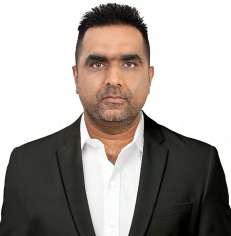
Inwizo is a modern financial technology platform. Partnering with us lets you shortcut your way to a complete payment setup. Getting card payments up and running can be a complicated task, especially if you are managing multiple areas. That’s where we come in.
Amir Babaev CBDO
ICE Super is a panel platform provider that gives you all-over the required solutions. We offer variation of websites and providers — everything in one place. Our platform covers every major requirement so you get full setup, support, and ready-to-run solutions through a single source.
Ajay Babbar CEO



Creative multi-channel agency focused on brand marketing solutions for digital entertainment and Affiliate brands. We turn creative ideas into structured campaigns that deliver measurable results: reach, engagement, conversions, and leads.
Stase Blitz CEO


Kukuruku aggregates digital entertainment brands into one platform. Players use a single login & wallet to access your brand. We remove the registration barrier, so you get instant deposits from active users. Lower CAC, shared traffic, and higher retention for operators.
Alex Kloki Product Owner
it.com Domains sells premium domain names under the it.com namespace. We focus on short, brandable names built for high-competition markets. Domains are managed like standard domains, with full DNS control, secure transfer processes, and corporate-grade administration. Details and availability at our booth.
Rolandas Japertas BD Lead, Premium Domains


Kingfin is the official affiliate program of the leading trading platform Olymptrade, with over 8 years of experience in the market. Kingfin offers RevShare up to 80%, CPA up to $250, Hybrid, and personalized options for partners.
Anastasia Andreeva Team Lead
Get in Touch kingfin.com



Limepay is a global payment service provider enabling businesses to operate seamlessly in dynamic markets. With one single integration, we connect companies to local payment methods, banks, e-wallets, and cards across Africa, Asia, and Oceania, offering secure, flexible, and scalable endto-end payment solutions.
Hattye Asuncion Head of Sales

MLB Partners & Affiliates is a direct advertiser in the digital entertainment industry, headquartered in Cyprus. With over 100,000 partners, we offer up to 50% revenue share from referred clients.
Anastasiia CMO of Affiliate project
Laaffic is a global leader in SMS, Voice, and WhatsApp OTP solutions, based in Singapore. Trusted by thousands, we combine cutting-edge technology with proven industry practices, delivering smooth experiences, lower customer acquisition costs, and steady growth. More than 5,000 global brands rely on Laaffic for superior business performance.
Anthony Shang Sales VP

MessageWhiz, powered by MMDSmart, is a performancedriven omnichannel messaging platform that helps marketing, CX, operations, and growth teams turn conversations into measurable outcomes. With smart routing and flexible integrations, brands worldwide deliver timely, reliable experiences across SMS, WhatsApp, RCS, Viber, Telegram, email, and voice.
Johanna Azoulay VP Sales & Performance Marketing



Nobles Studio: is a digital entertainment publisher serving the global gaming community. We produce premium, high-engagement content for a dedicated and influential audience. Through authentic storytelling, innovative video formats, and targeted media, we connect brands with passionate gamers in a trusted environment.
Nick Lobov
CEO
Next-On is a global payment provider delivering secure, high-performance processing for the digital entertainment industry. In 2026, Next-On launches NSCards: a card solution with unlimited deposits and withdrawals for VIP players & media buy cards for affiliate networks.
Tatiana Geletskaia CEO
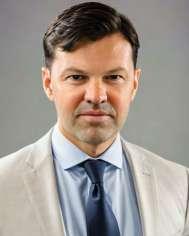


Paybis makes crypto simple. Paybis provides crypto tools to the world’s leading businesses. Trusted by the world’s leading businesses and over 5 million users since 2014, Paybis makes crypto simple, from on or off ramping, processing crypto payments and payouts or managing digital assets through secure wallets.
Konstantin Vasilenko Co-Founder CBDO
PassimPay is Crypto Payment Infrastructure for Business and Personal Use. PassimPay is an advanced cryptocurrency processing platform designed to meet the payment and financial management needs of both businesses and individuals.
Egor Frolov Head of Sales


Payment Center is a global payment provider helping merchants scale through localised solutions, intelligent routing, and AI-powered fraud protection. With $6B+ in annual volume and 500+ partners, our platform enables secure, compliant payments worldwide and drives growth through refined, market-specific payment experiences.
Alexander Aukhariev
CEO

Quantum platform is a highly performant, event-driven backend platform engineered for global scale. Built on Apache Ignite and an AWS-first architecture, it processes high-volume events with nanosecond-level precision while delivering exceptional speed, reliability, and scalability across international markets through its secure, multi-tenant design
Oliver De Bono
Co-Founder/CCO
Paykassma is a global payment aggregator offering 100+ local methods, fast deposits, automated payouts, and a unified dashboard. With coverage across Asia, Africa and LATAM, it delivers 99.9% payment success for trading, forex and more. 8+ years on the market, 150+ partners, 24/7 settlements — grow safely with Paykassma.
Margo CMO
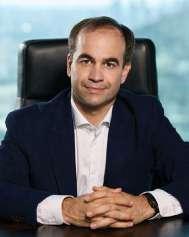
Payscrow is an international transaction and settlement infrastructure platform designed for global digital services. A single integration enables access to multiple local and cross-border methods. We focus on operational reliability, fast processing, and full transparency across the entire transaction and reconciliation lifecycle.
Maksim Moskvin CEO



Direct advertiser looking for traffic, 11+ years in the market, 6+ GEOs
Viktor Tsoi Head of Affiliate team
ReactivePay delivers fast, secure, and fully customizable payment technology. With 400+ integrations, the company powers acquiring, open banking, crypto processing, and AML automation—helping fintechs and PSPs launch and scale seamless global payment services.
Vladimir Kovalevskii CEO


SoftConstruct is an imagination-driven global tech company rooted in Armenia. Since 2003 we have strived to create an ecosystem that brings together products and projects, people, ideas, and possibilities, all united by the desire to reframe the limits and challenge existing patterns.
Leonid Kirakosyan CEO
We are a payment traffic aggregator for high-risk verticals such as gambling, betting, and fintech. We provide efficient real-time routing, high conversion rates, and reliable support for direct merchants and trusted providers.
Polina Sequoia COO
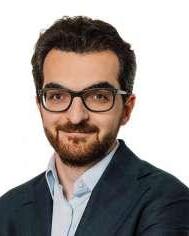
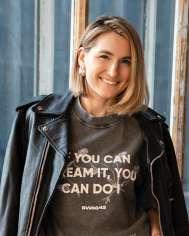
TaDa is an award-winning global content provider delivering immersive digital experiences. Through a unified platform, we offer a diverse portfolio of interactive products and advanced engagement tools in 25+ languages and 100+ currencies. Innovation and responsible design guide everything we create.
Andy Huang CEO

Texcell Messaging Limited specialises in global SMS and voice services, delivering high-quality, stable solutions across 200+ countries. Backed by top global operator partnerships, we ensure premium SMS performance and offer voice OTP and interactive solutions, serving as a reliable partner for enterprises’ global trade. Please visit www. texcellsms.com.
Zhang Mingxu CEO
Swag42 offers high-end corporate clothing and branded gifts with full-cycle EU production. Our in-house team creates custom merch with fast turnaround and global delivery. The catalog features 900+ items for gifting, events, and marketing.
Sandra Bondare Founder

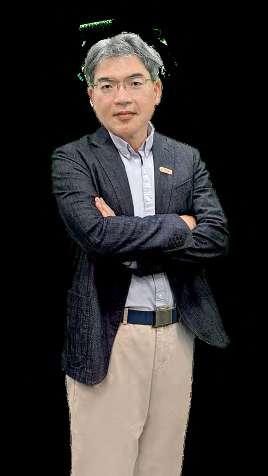
Tangem is a Swiss company providing secure, card-style crypto wallets. Private keys stay in a certified secure chip )EAL6+( and never leave the device. Recovery uses backup cards instead of seed phrases. NFC-enabled, battery-free, and portable, Tangem offers fast, simple, and safe crypto access for both beginners and advanced users.
Darya Karpukova Chief Commercial Officer



Your gateway to fast and secure payments. We deliver advanced payment technology and local payment solutions for diverse business sectors, ensuring smooth transactions and sustainable growth.
Tanya TheLocal Partnership Manager
The Power Plugin is the first marketing and engagement tool that allows operators to reward and retain their customers through the best and most exclusive prizes collection in the world.
Giovanni Falzone CEO & Founder



VamosPago transforms global payments with seamless, scalable solutions. Trusted by brands worldwide, we simplify transactions, support multiple currencies, enable instant payouts, and deliver localized payment experiences— ensuring smooth, reliable operations in every market.
Harsh Vardhan Vice President
15 Years of Experience. Geographic Expertise: Canada | Chile | Estonia | Finland | Iceland | Ireland | Liechtenstein | Luxembourg | New Zealand | Netherlands | Latvia | Spain.
Dmitry Arabuli CEO and CMO

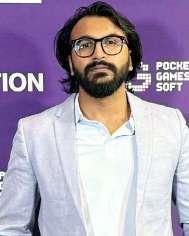


Crypto12 is a regulated digital asset platform licenced by the National Bank of Serbia and the Securities Commission, providing secure crypto on-and-off-ramp solutions, crypto processing, and compliant digital asset services for businesses and individuals.
David Veselinovic Founder
The Legends is a boutique marketing agency dedicated to empowering brands to reach their full potential. We craft tailored, data-driven strategies across affiliate marketing, media buying, CRM and creative services.
Nikoleta Hristova COO




WLDM is a US-based, research-driven agency helping enterprise brands solve complex visibility challenges. We blend SEO, GEO, data science and machine learning to evaluate semantic relevance and cosine similarity, building data-driven solutions that drive sustainable visibility across search engines and emerging AI.
Brie Moreau CEO & Founder

AllconfsBot users have a highly effective way to navigate through events, whether they are local or international With AllconfsBot, users can easily add events to their Google and Apple calendars, making it easy to stay on top of their schedules
allconfsbot.website
Founded in 2014, Bitmedia is a crypto-focused advertising platform connecting blockchain projects with a highly targeted audience across 7,000+ crypto websites, helping advertisers reach users effectively while enabling publishers to monetize their traffic.
bitmedia.io

BlockDelta is a Dubai-based talent and innovation consultancy serving blockchain, tech and AI since 2017. With a global 24/7 team and vast talent network, it helps scale early-stage projects into multi-million-dollar businesses through recruitment and strategic services.
blockdelta.com
Founded in 2017, The Blockopedia is a trusted digital media platform covering blockchain, crypto, NFTs, DeFi and Web3. It delivers unbiased news, expert analysis and clear insights, helping both newcomers and professionals understand complex technologies with accuracy and integrity.
theblockopedia.com

Business Enquirer delivers insights on leadership, strategy, and global business trends. As part of Enquirer Media Group, we connect decision-makers with in-depth analysis, interviews, and industry coverage across key sectors shaping the future of business.
busenq.com
CoinCheckup is a trusted crypto data platform delivering accurate, real-time market data, in-depth coin analysis, and advanced research tools. Built by experts, we empower investors and traders with transparent, reliable insights to navigate digital asset markets.
coincheckup.com

CoinGabbar is a trusted platform for cryptocurrency news, analysis, blogs, price predictions, and insights. We provide accurate, timely information to help investors and enthusiasts make informed decisions in the fast-moving blockchain space.
www.coingabbar.com
CoinCarp is a crypto market data platform founded in 2021, offering real-time, reliable data, analytics, news aggregation, and project databases for retail and institutional investors. With web and mobile apps, CoinCarp empowers users with accurate insights to navigate the crypto market confidently.
www.coincarp.com
Complete crypto market coverage with real-time coin prices, coins on 3000 charts and crypto market cap featuring over exchanges 100 more than
coincodex.com
Coinfea is a trusted source for crypto, Web3, and blockchain news, offering in-depth analysis, trends, and educational content. We help investors and enthusiasts stay informed and make responsible decisions in the evolving digital economy.
coinfea.com


Founded in 2016 by a dedicated team of crypto enthusiasts, CoinGape was created to share valuable insights and knowledge about the ever-evolving world of cryptocurrency. Our passionate group of professionals brings extensive experience in crypto news and journalism, ensuring that our content is both informative and trustworthy.
coingape.com
Coinpedia is an independent crypto media and information platform covering blockchain, digital assets, dApps and Web3. It shares news, trends, events, press releases, tracking tools and insights, delivering timely updates on cryptocurrency and the evolving blockchain ecosystem.
coinpedia.org


CoinsTelegram is a global Crypto & AI media platform delivering news, market analytics, research, expert insights and industry rankings. Partnering with leading entrepreneurs, investors and Web3 events, it helps shape narratives across the digital economy.
coinstelegram.com
Founded in 2013, Cointelegraph is a leading independent media outlet covering blockchain, crypto, AI, NFTs, and fintech. We deliver unbiased news, analysis, price data, and insights to educate readers on the fast-growing decentralized digital economy.
cointelegraph.com
C rypto.news is an independent media company founded in 2015, originally as BTCMANAGER. Based in Seychelles, we cover crypto markets, technology, business, and culture, delivering accurate, objective, and timely news to inform and educate readers worldwide.
crypto.news
Since 2017, Andrés has attended 300+ global crypto events, building a strong network of crypto OGs and podcast guests. With 1.5M+ followers, he leveraged his influence to turn Crypto OGs into a key connector for Web3 projects.
cryptoogs.com
CryptoNewsZ is a news publication covering cryptocurrency, ICOs, DApps, and blockchain. We deliver unbiased, wellanalyzed news, price insights, and interviews, providing timely .and reliable updates to the global crypto community
www.cryptonewsz.com
Cryptopolitan is a leading crypto news and analysis platform delivering breaking news, market intelligence, and in-depth research. We combine real-time reporting with institutionalquality insights to help traders, investors, and professionals make informed decisions.
www.cryptopolitan.com
IBH Media is a purpose-driven marketing agency that helps brands tell powerful stories, amplify their voice, and create meaningful impact. We transform brand narratives into compelling digital experiences that resonate and drive positive change.
www.ibhmedia.co
ICOHOLDER is a global crypto analytics and tracking platform with one of the largest databases, providing real-time, reliable market, pricing, blockchain, and social data. Our mission is to increase transparency across the crypto industry.
icoholder.com

At Incrypted, we are Ukraine’s leading crypto media outlet and one of Eastern Europe’s largest crypto communities. We deliver news, education, expert analysis, live broadcasts, project reviews, and market insights on crypto, blockchain, and Web3 in Russian and Ukrainian.
incrypted.com
INPUT Global is a strategic communications partner for forward-thinking brands. We position you where it matters most through PR, influencer partnerships, events, personal branding, and high-value industry connections. Operating across North America, EU, MENA, APAC, and LatAm since 2021.
input.global


We publish important news across premier media platforms with just a click, elevating your visibility and impacting the crypto and blockchain landscape.
keydifference.com
Luna PR is an award-winning global communications agency at the intersection of Web3 and modern finance. Since 2017, we’ve supported 750+ clients across blockchain, AI, fintech, and emerging tech, helping brands build credibility and global impact.
www.lunapr.com

NameCoinNews is an independent and fast-growing crypto news platform delivering fresh, unbiased updates on cryptocurrencies, ICOs, DApps, and blockchain. With expert analysis, price tracking, and interviews, it educates both .newcomers and experienced readers in the digital asset space
www.namecoinnews.com
The Alpha Talks is a podcast focused on wealth, entrepreneurship, and mindset, delivering bold, no-fluff insights to future leaders. Hosted by Seif El Hakim, it empowers individuals to build an Alpha mindset and elevate their personal and professional growth.
thealphatalks.show


Founded in 2017, The Coin Republic is a leading global crypto and Web3 media platform covering blockchain, DeFi, NFTs, and the metaverse. With 14,000+ articles published, we deliver data-driven, unbiased news and analysis to a worldwide audience.
www.thecoinrepublic.com
Unlock Blockchain is a media and intelligence platform by UNLOCK Company DMCC, delivering news, insights and analysis on blockchain in MENA and globally. It supports startups, investors and adoption through media, events, PR, content and community building.
www.unlock-bc.com


Web3.TV is a dedicated video platform built exclusively for Web3, blockchain, cryptocurrency, and decentralized finance. We provide a video-first destination where crypto markets, blockchain technology, and digital economies are explained clearly, visually, and in real time. Unlike general-purpose video platforms, Web3.TV is designed specifically for the pace, complexity, and audience of Web3.
web3.tv
ZEX PR Wire® is a PR distribution platform focused on client support, delivering instant visibility and expanded reach. It offers SEO-driven press releases, multimedia distribution, and a simple, cost-effective solution to boost brand awareness and industry influence.
zexprwire.com
Your feedback is important to us
We’re committed to providing you with a quality event experience. Help us up our game by taking our quick survey.
Thank you