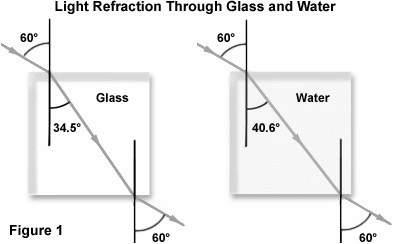
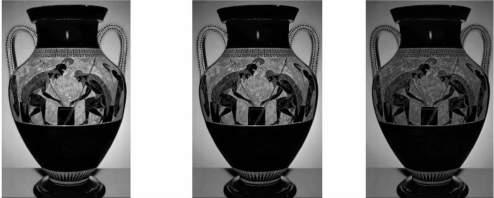
Objects specially sensitive to light : -Oil and tempera paintings, undyed leather, horn, bone and ivory, oriental lacquer. - 650 kilolux
Achieved through Daylight component & UV reduction Objects specially
-Metal, stone, glass, ceramics, jewellery,enamel, and objects in which colour change
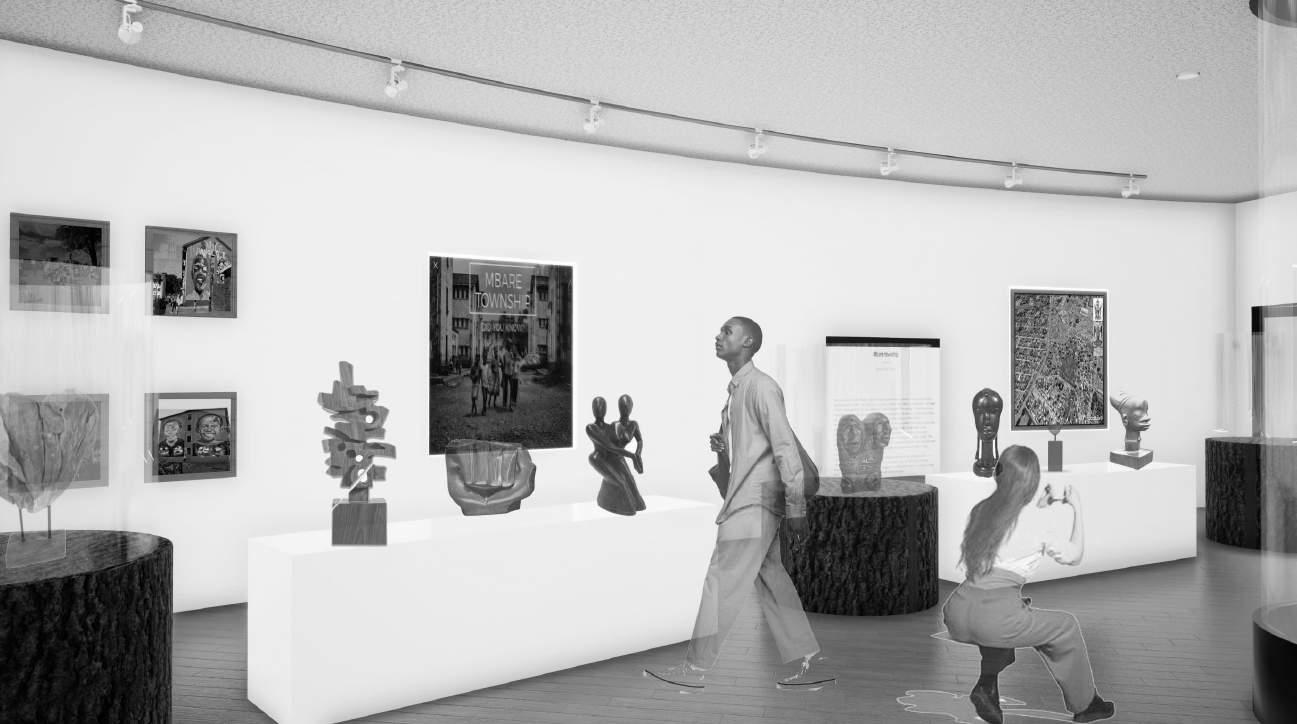
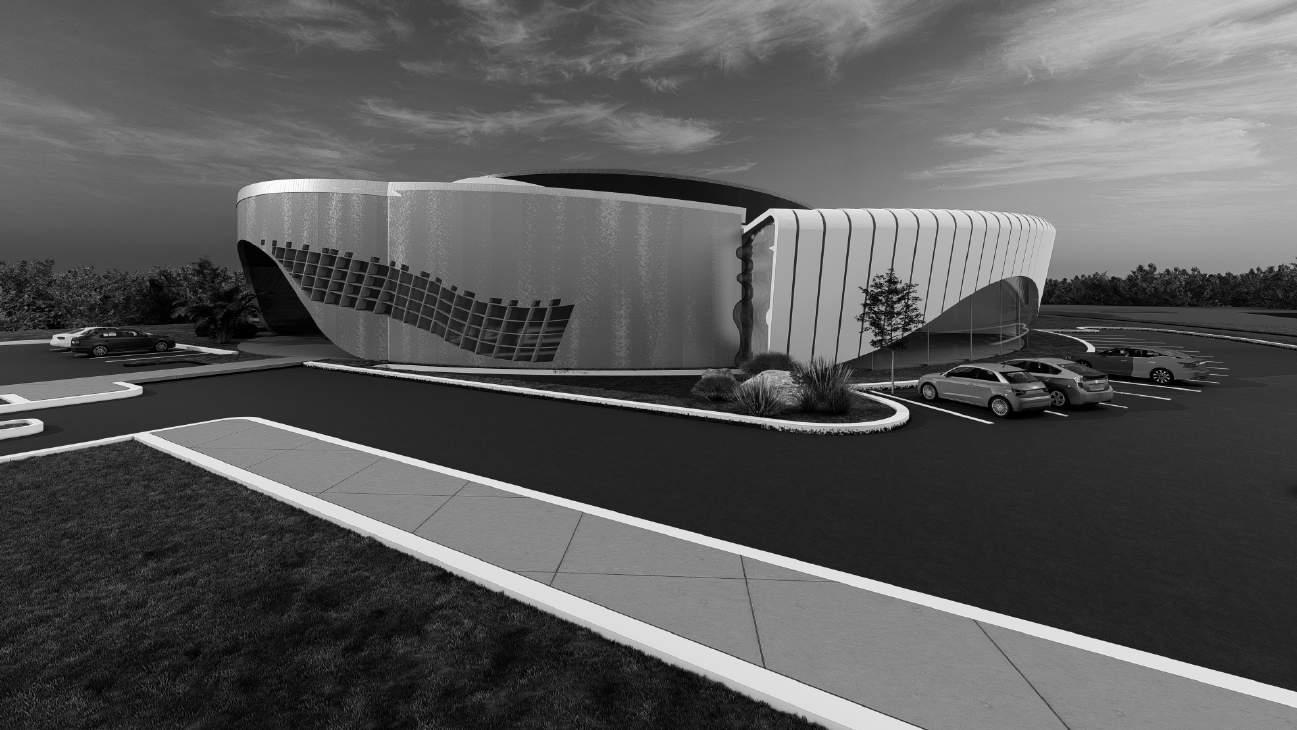
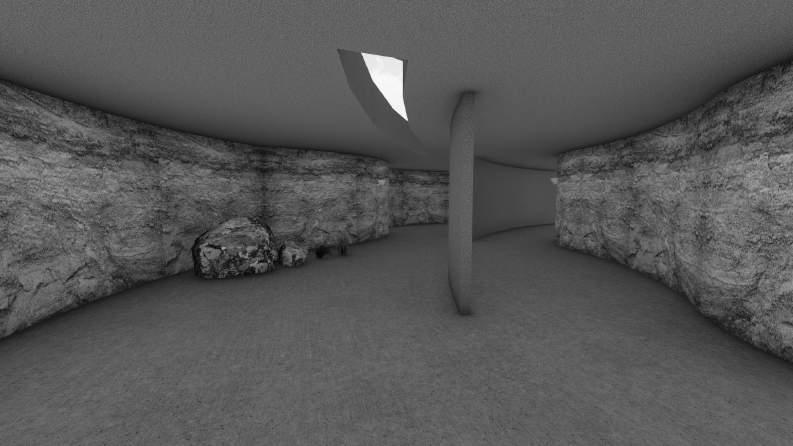
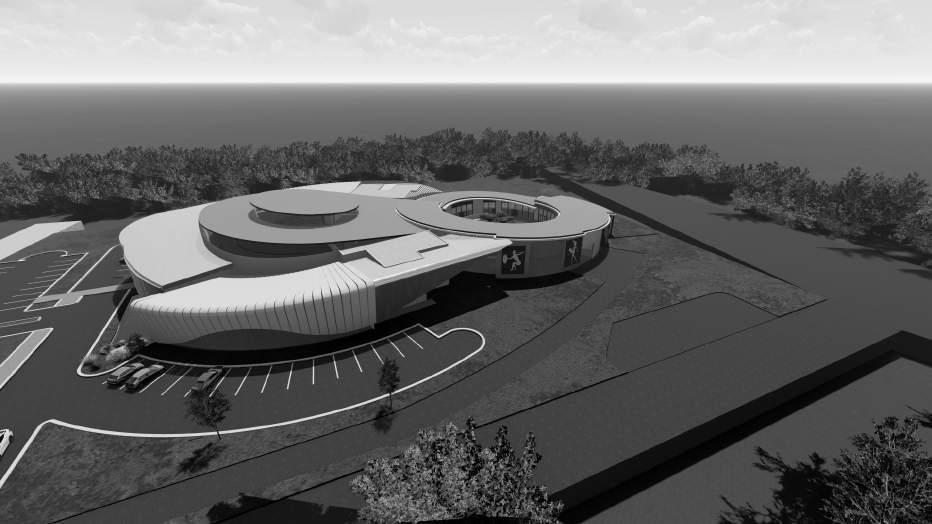
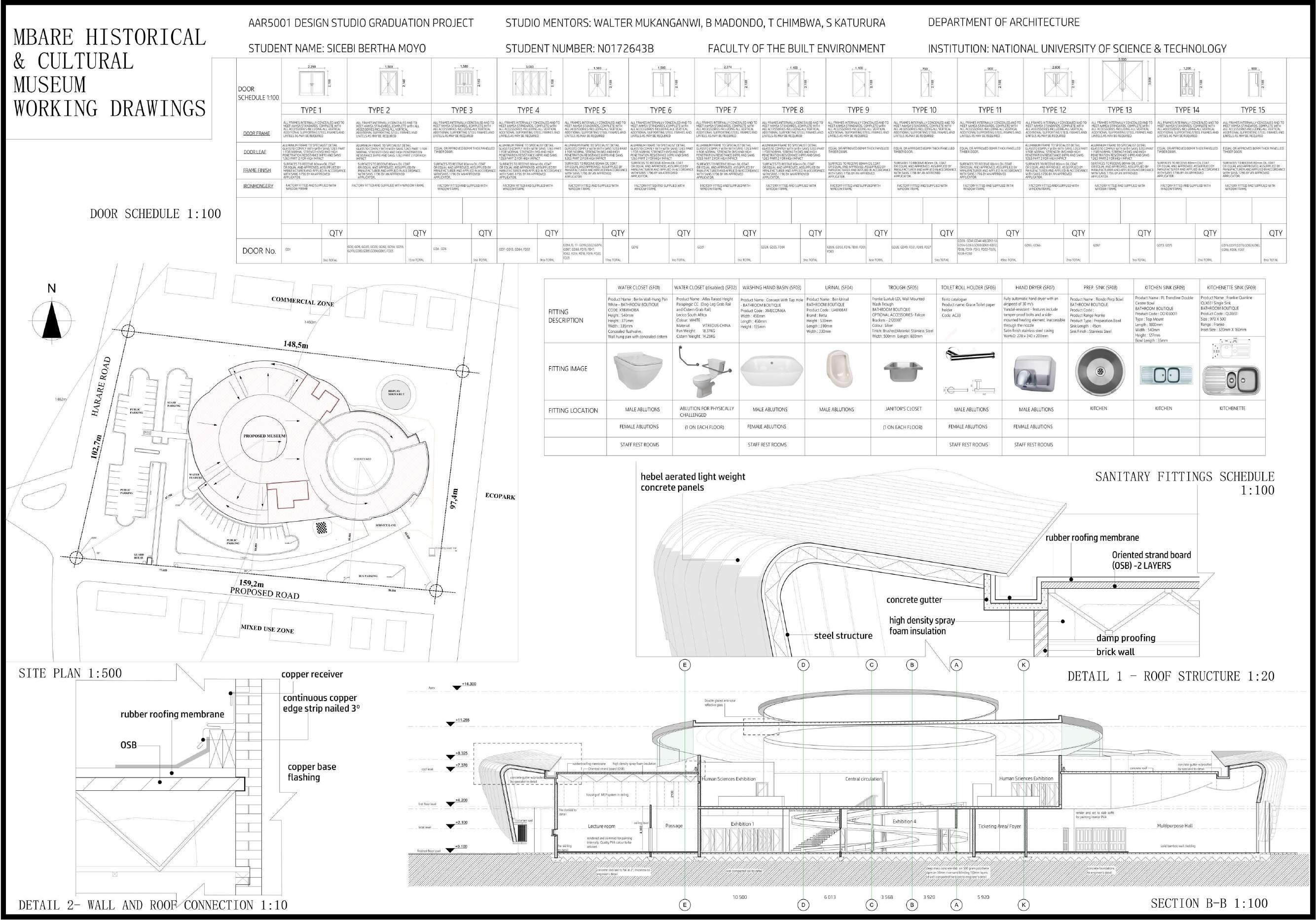
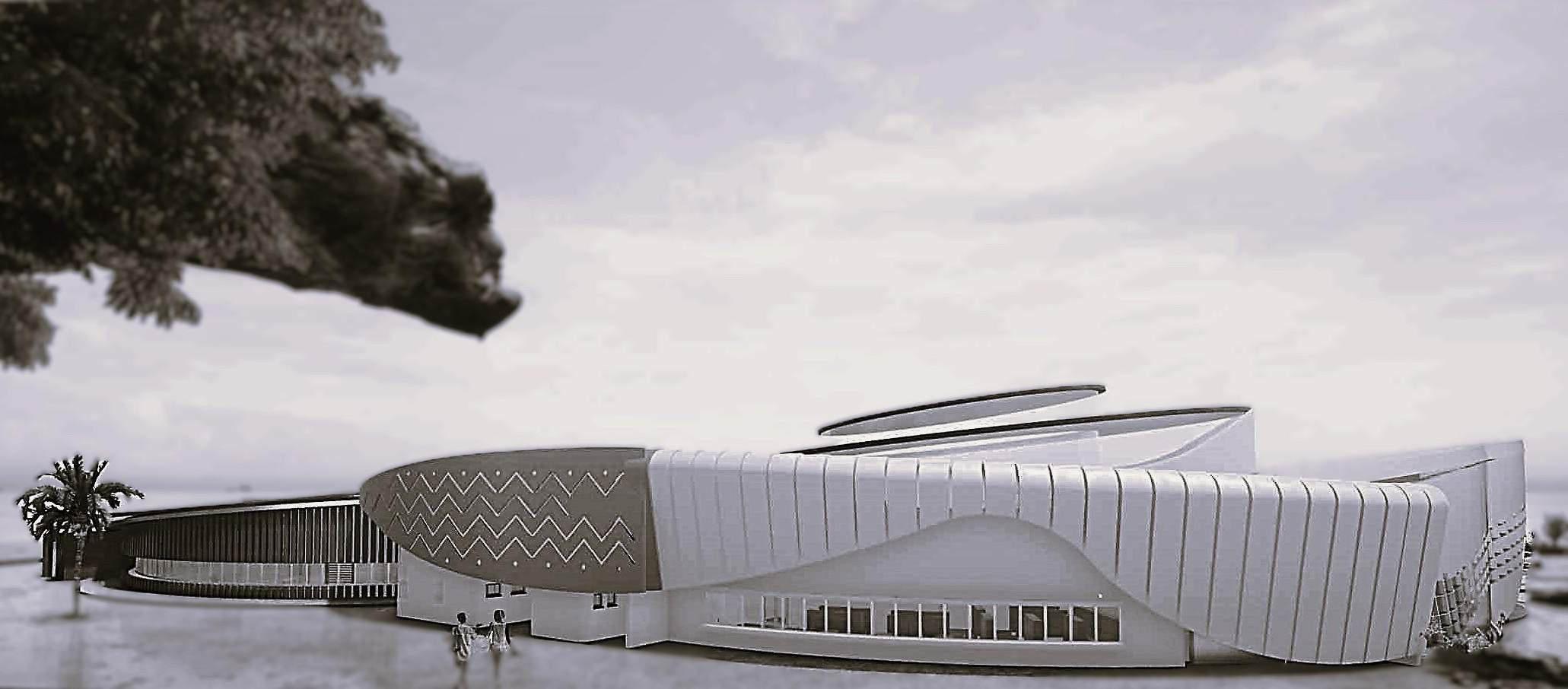
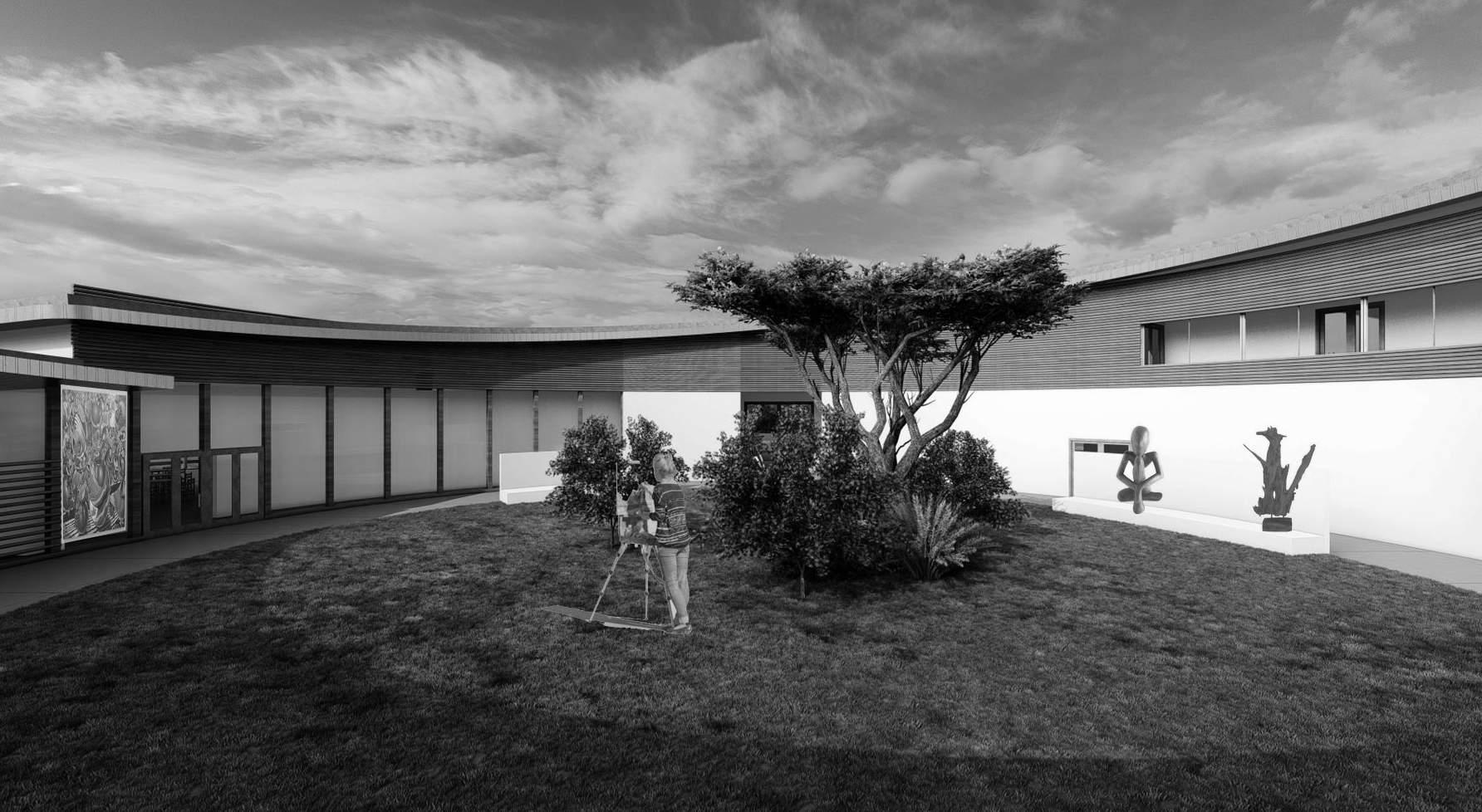
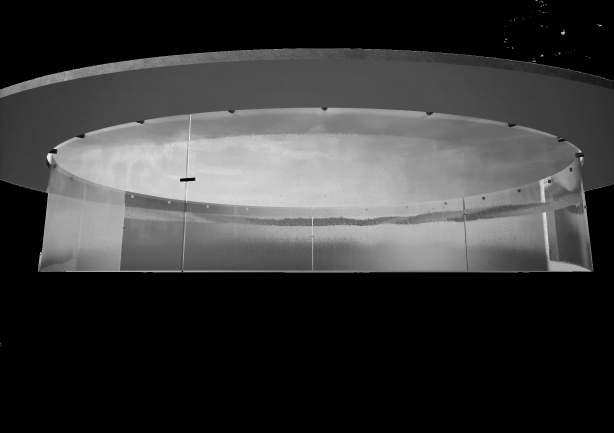
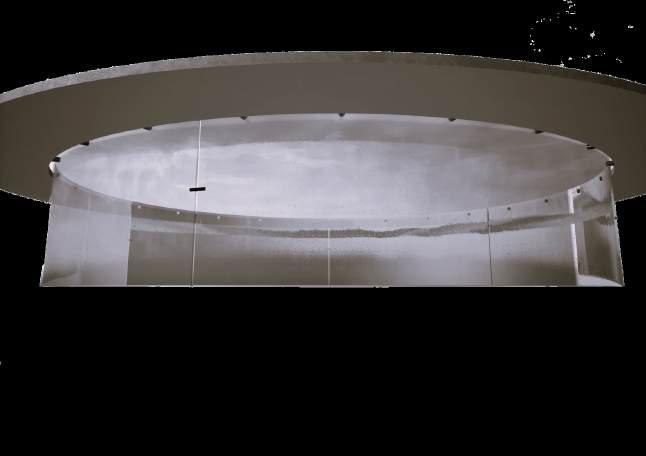
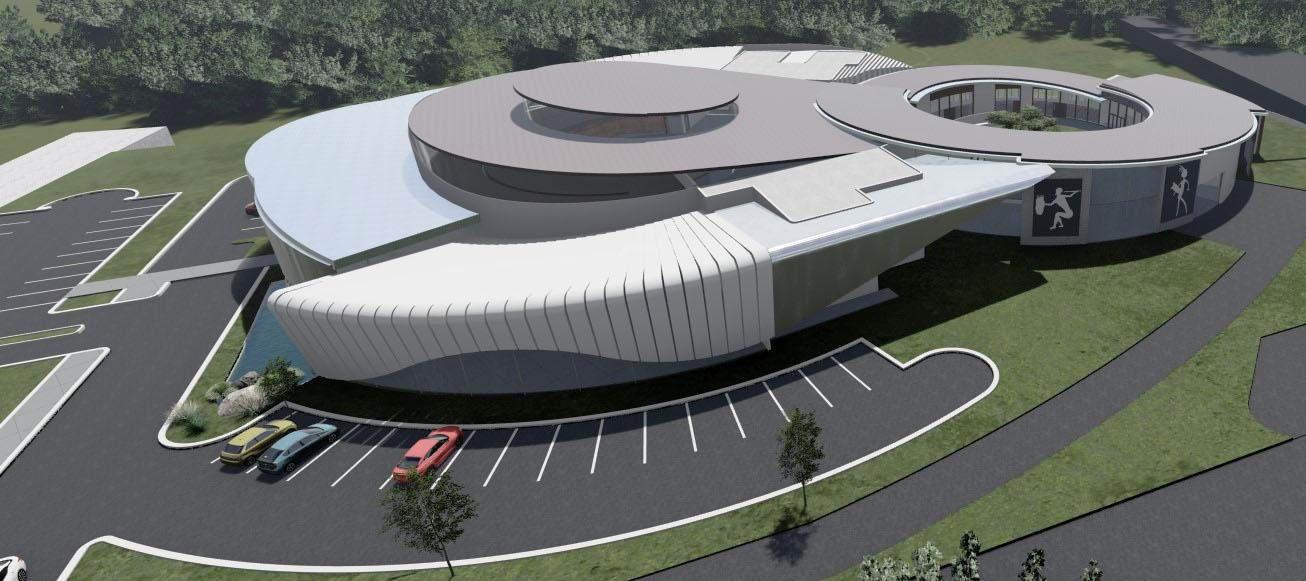
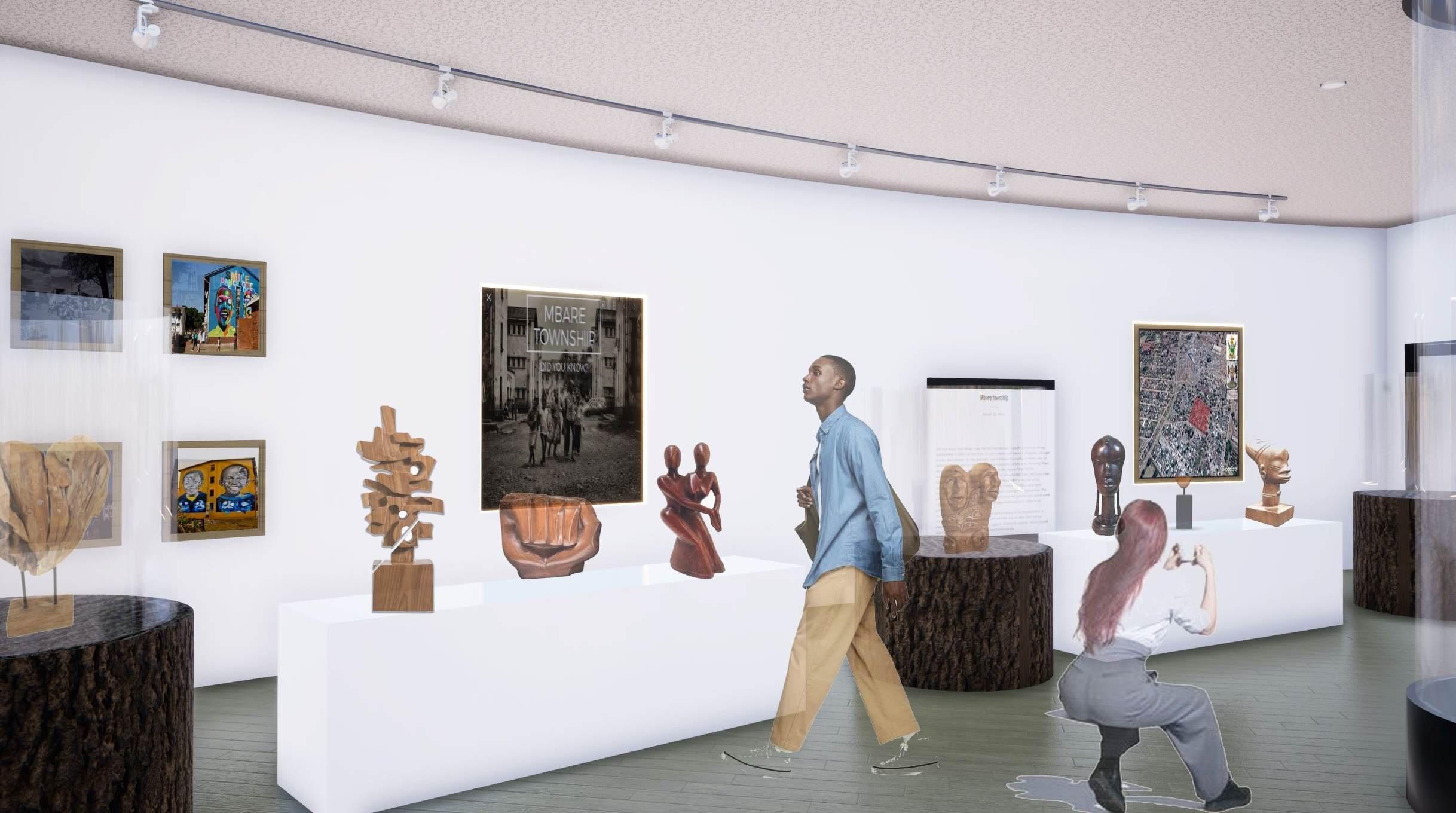
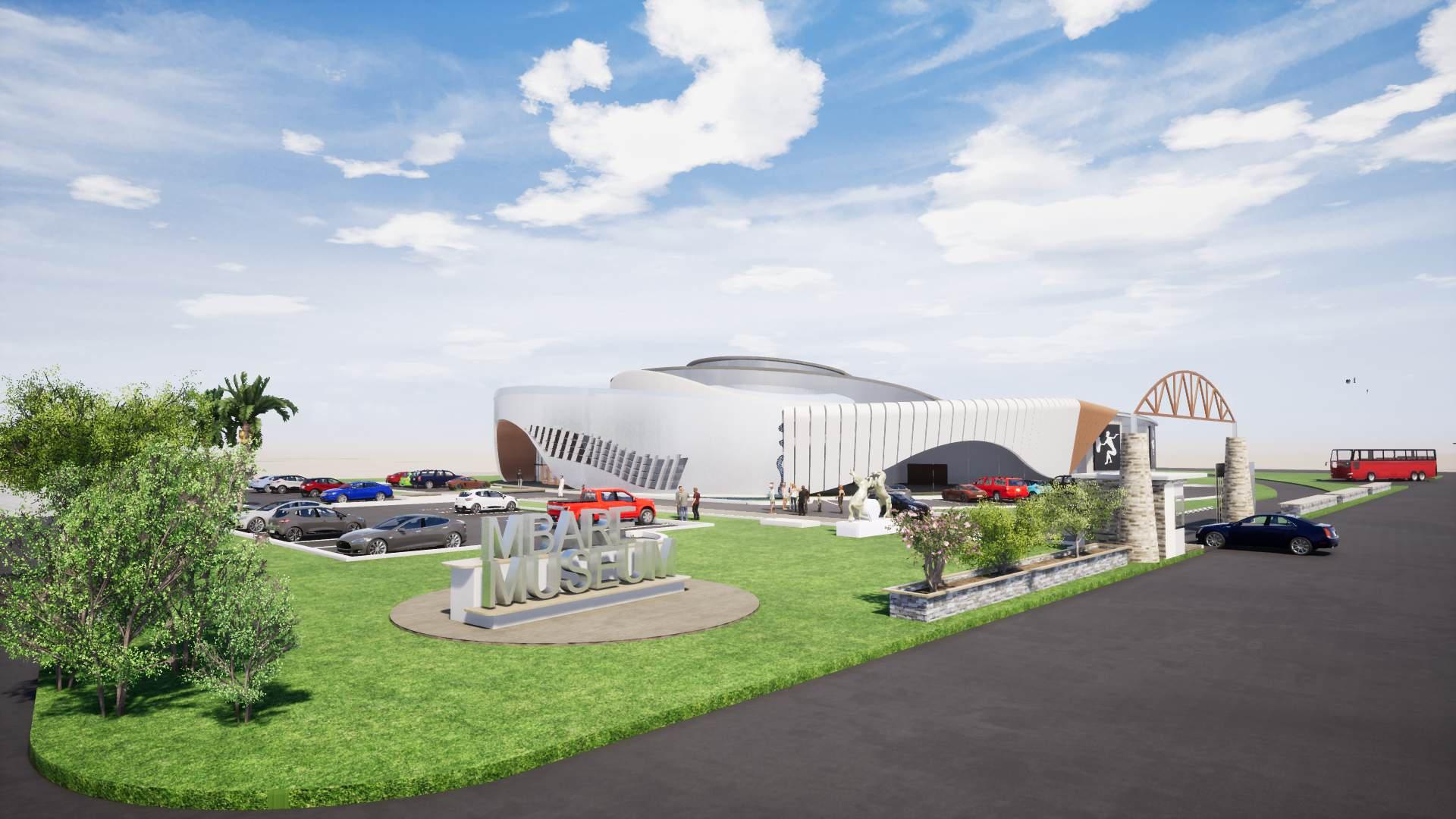
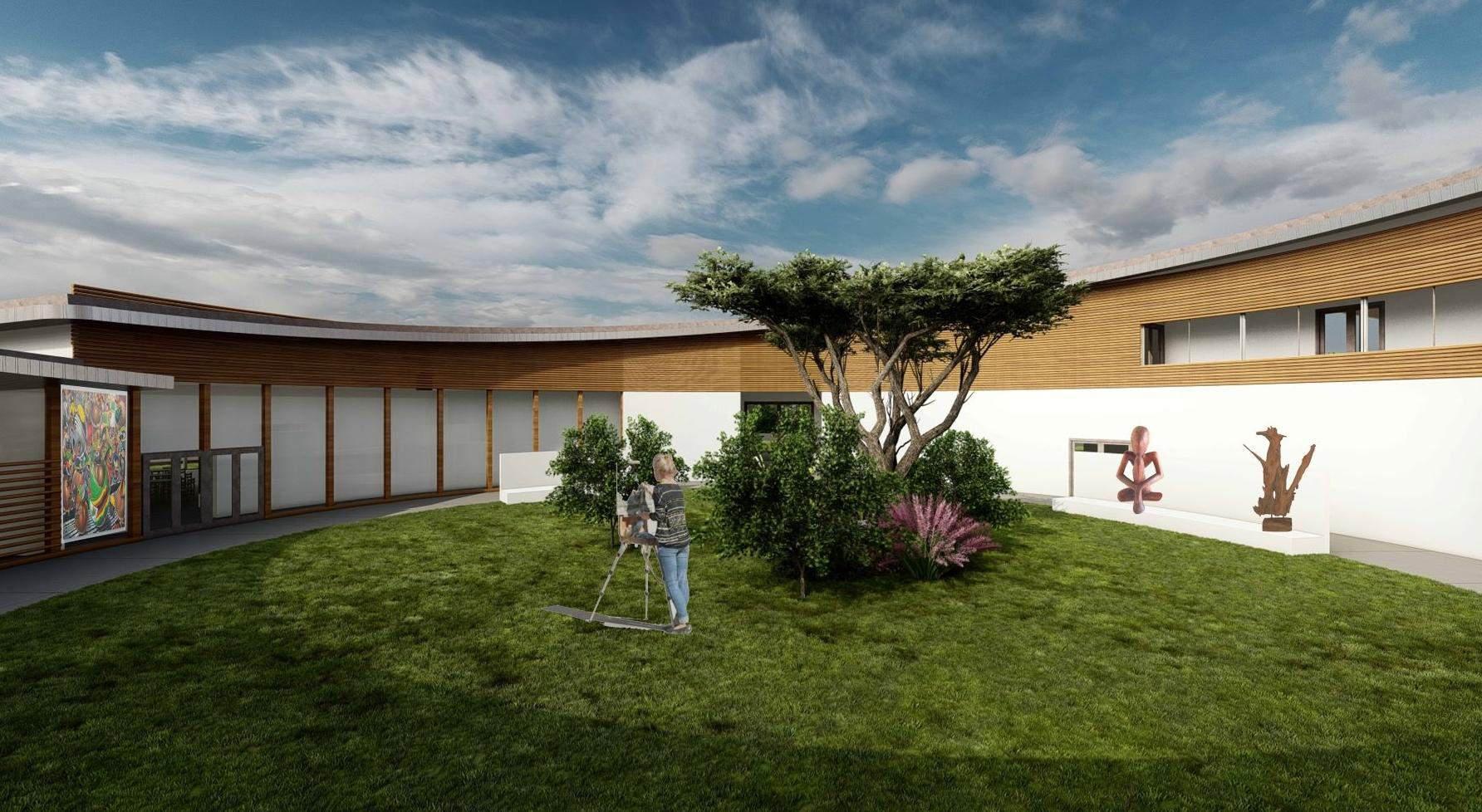
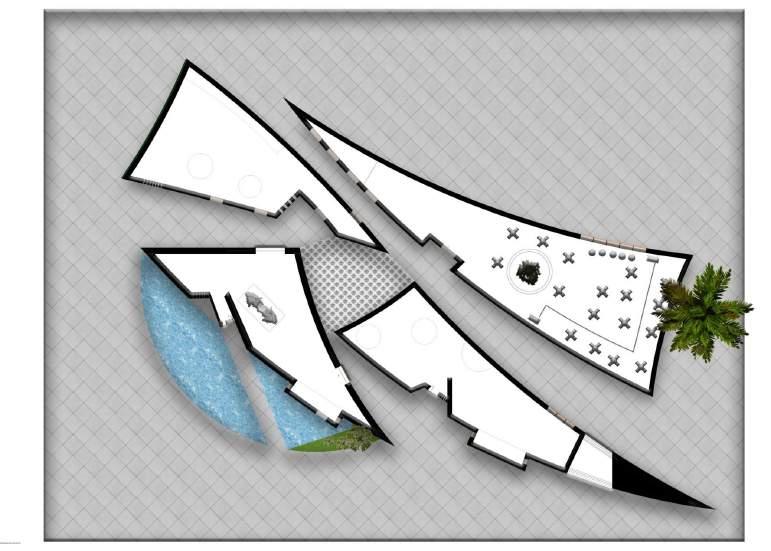
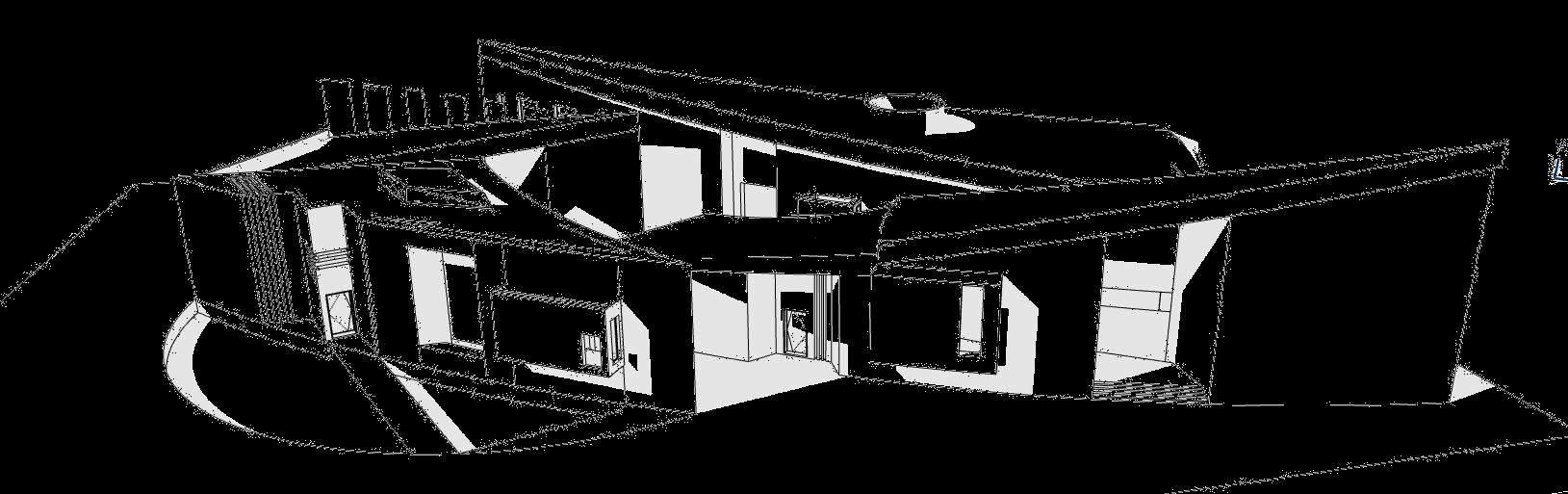
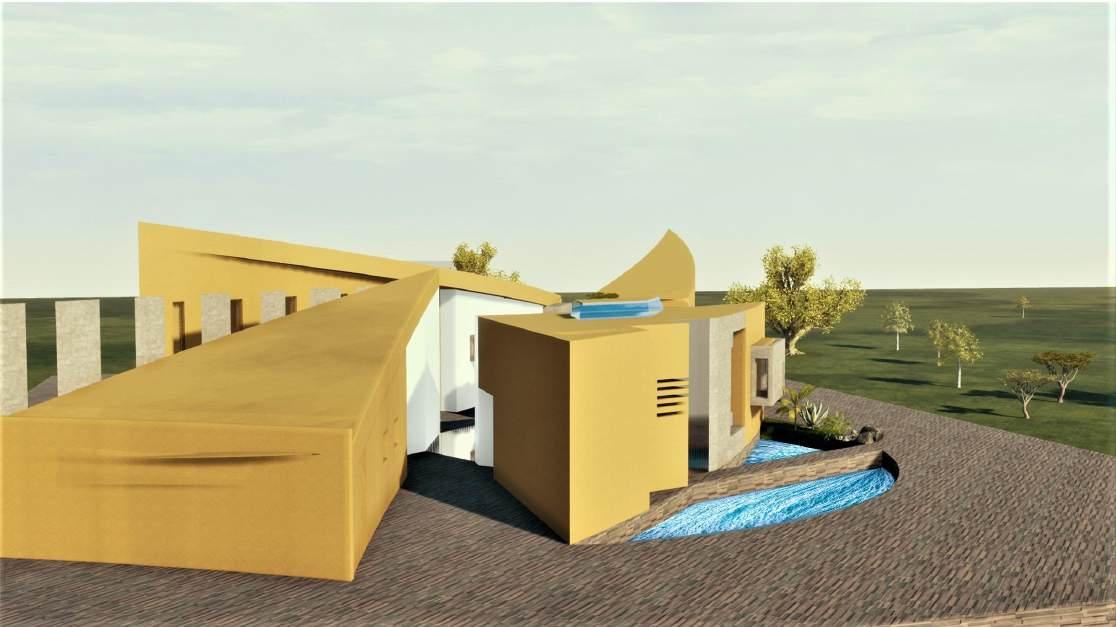
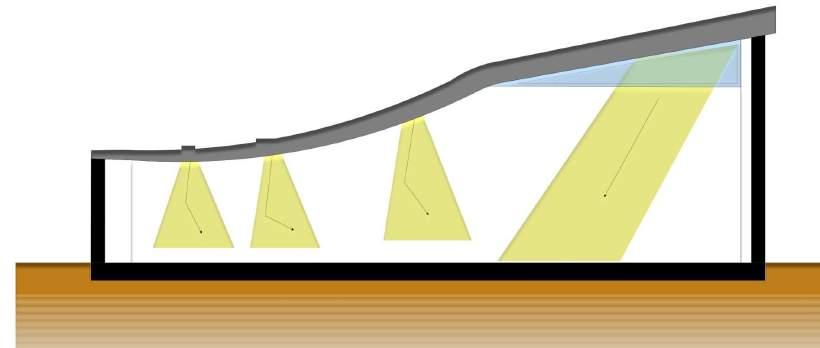
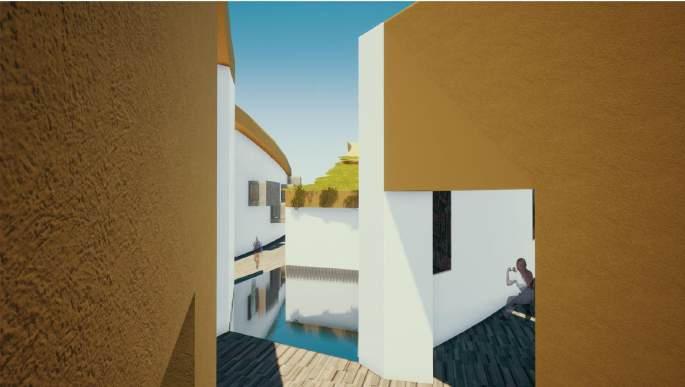
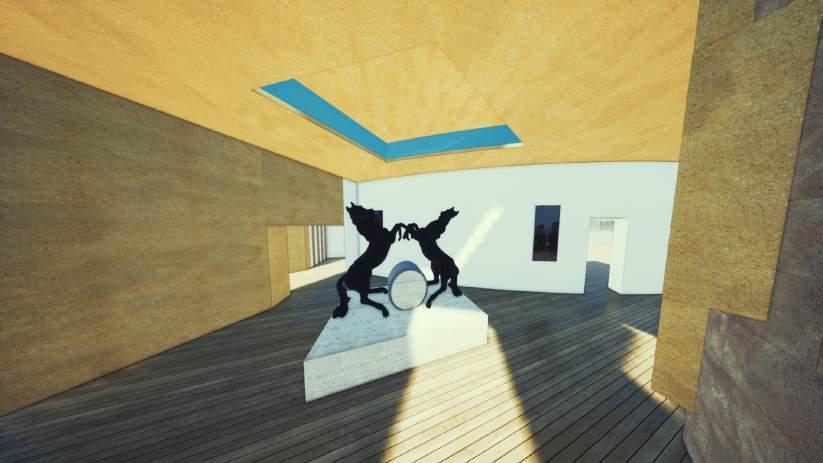
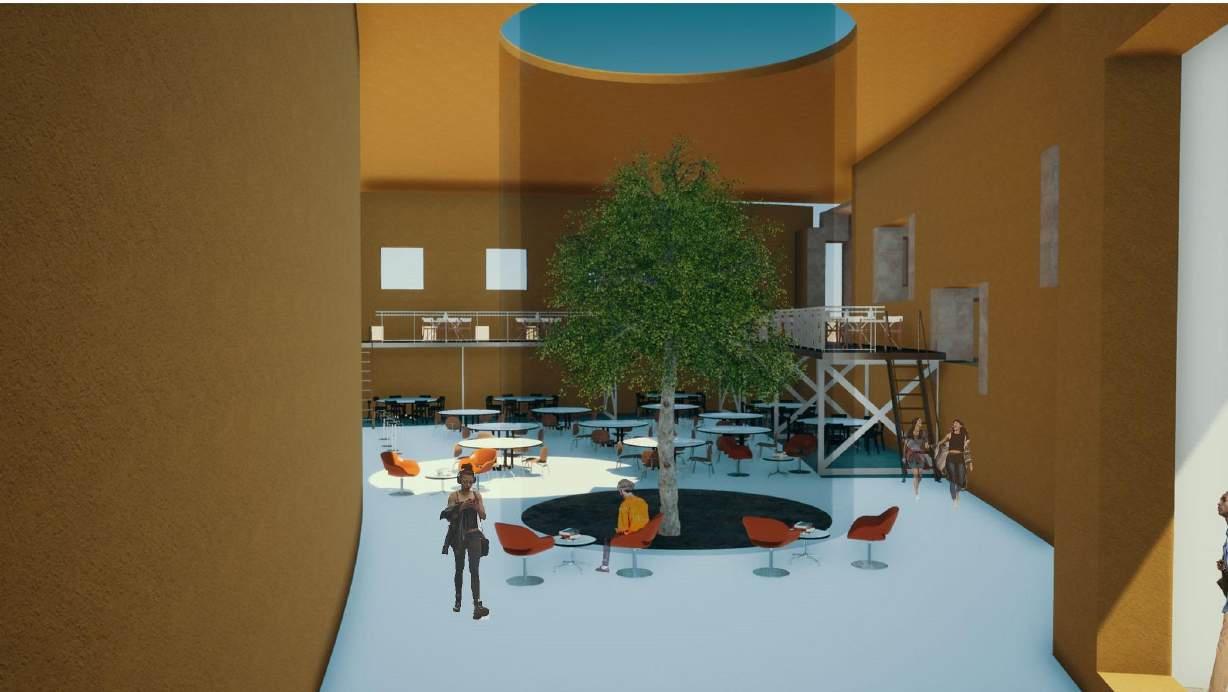
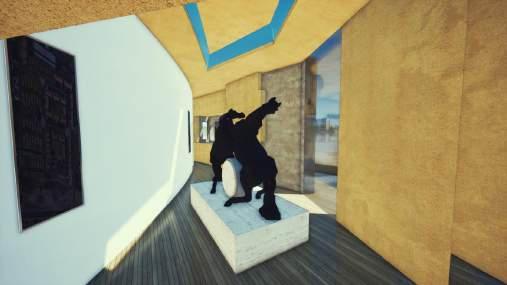
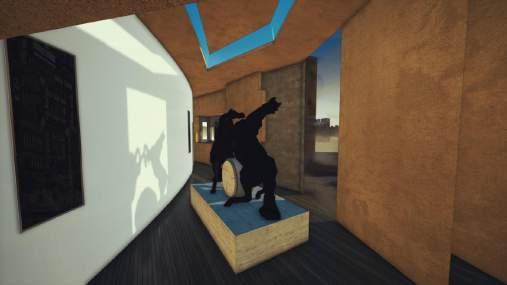
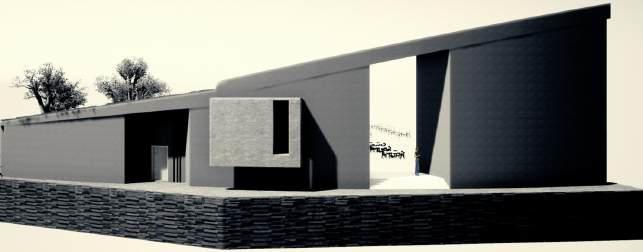
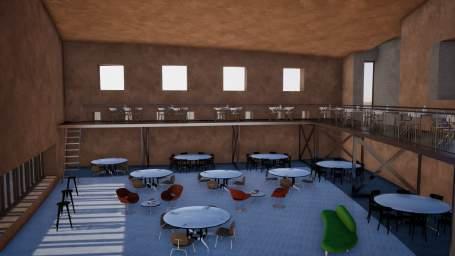
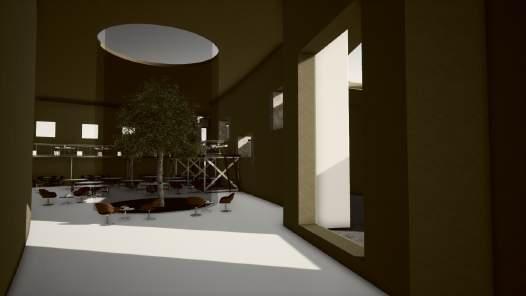
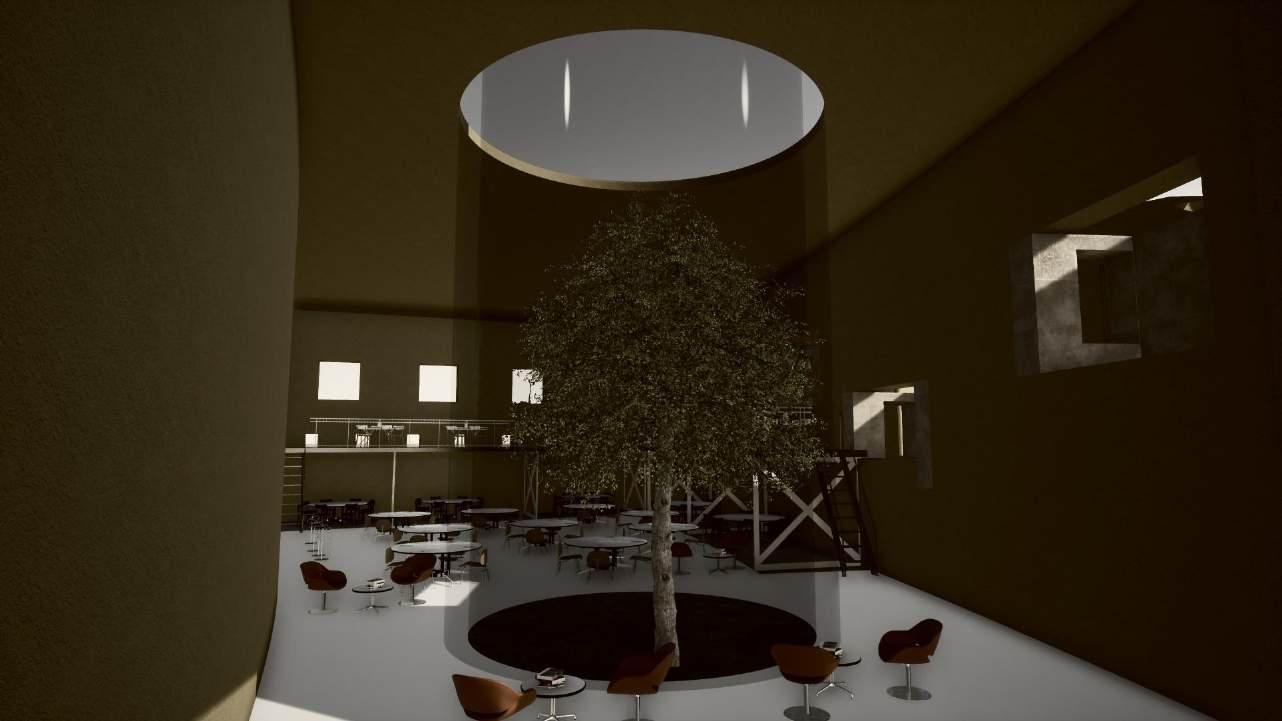
Environmental comfort in the P2 Mbare Cultural and Historical Museum (A/D+W) is achieved through controlled exhibition lighting, solarshading devices and varied roof heights that support stack ventilation. My lighting study, including calculations and research into specialised museum fixtures, ensured optimum visual conditions for artefacts.
Special Lighting Design Study
An inclination angle (α) of approx. 30° is most suitable for illuminating pictures. Shadows caused by the observer are also avoided. In museums, incandescent, fiber optic and HID are the most common light sources.
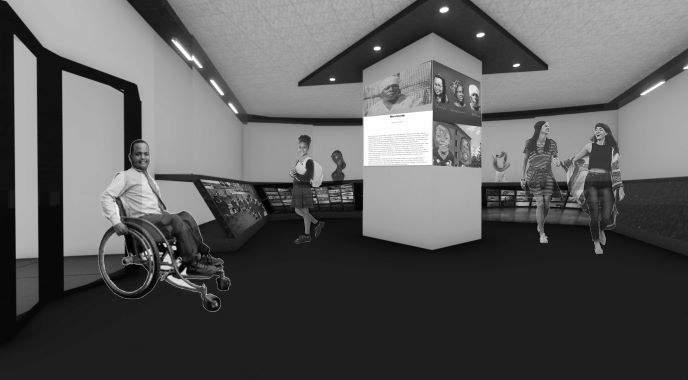
Inclusive Design approach
HEIGHTS - The design made sure that no two structures were the same. Varying widths and heights.
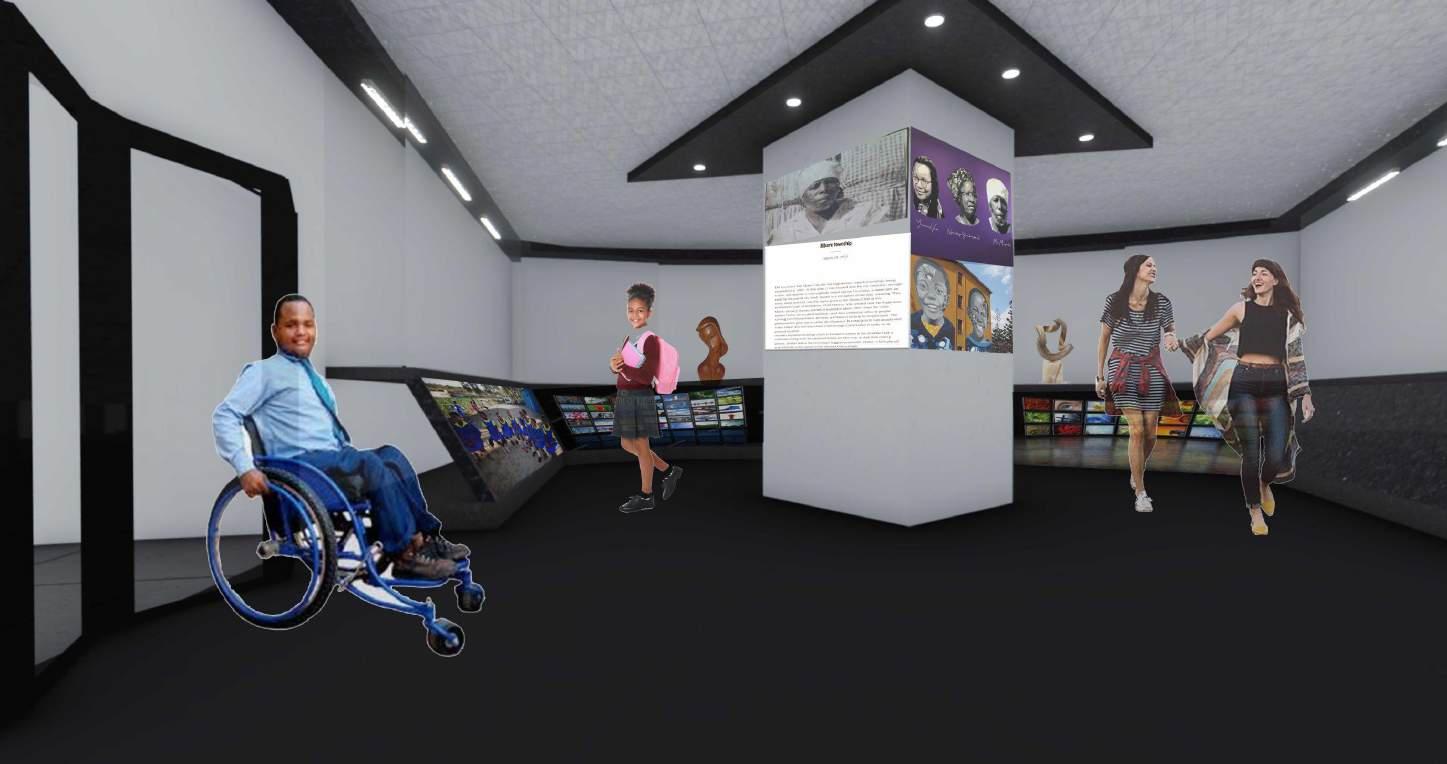
SOUND - To provide blind and deaf museum visitors with the same resources as others there was use of audio aids for the full experience (operated from the control room).
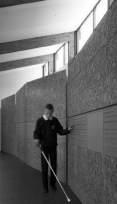
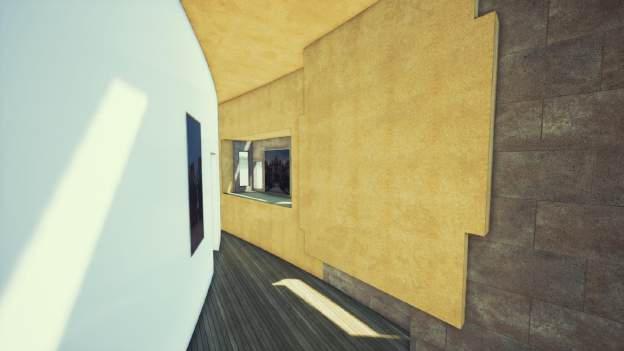
TOUCH - a cork-clad trail rail wall provides signifiers and tactile cues to guide the disabled around the museum. It weaves throughout the museum, the sensory wall helps visitors master their mobility and orientation skills. The Human Sciences exhibition also allows the disabled to experience the artefacts
through touch and not only vision. The floorplan was designed with a wide-axis circulation to accommodate a wheelchair, while a central ramp allows easy access to the first floor galleries.-The comforting wood-paneled interior assists those with cognitive disabilities respond to their surroundings.
THE COVID 19 CLINIC: THE HEALING TRICHOTOMY
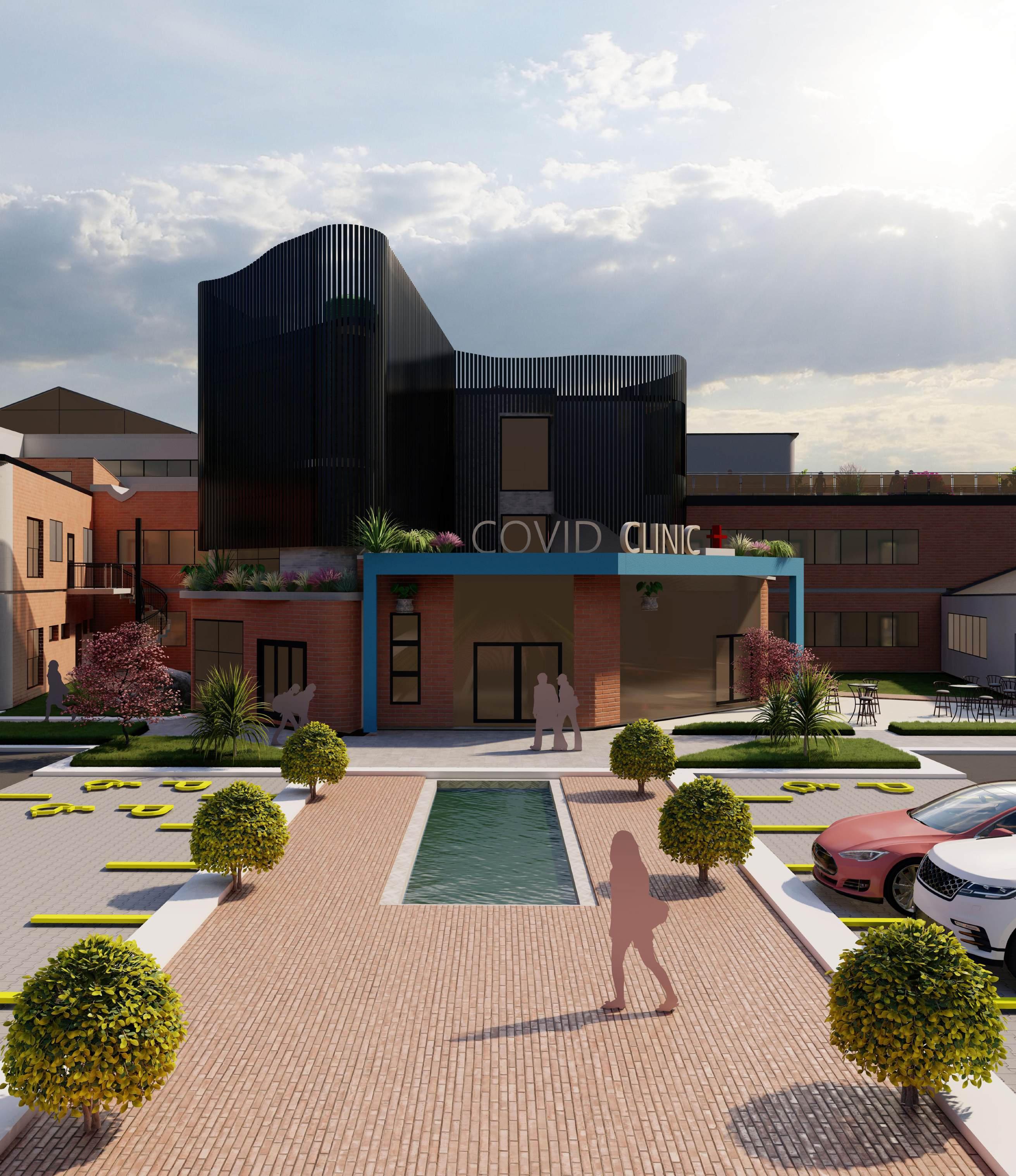
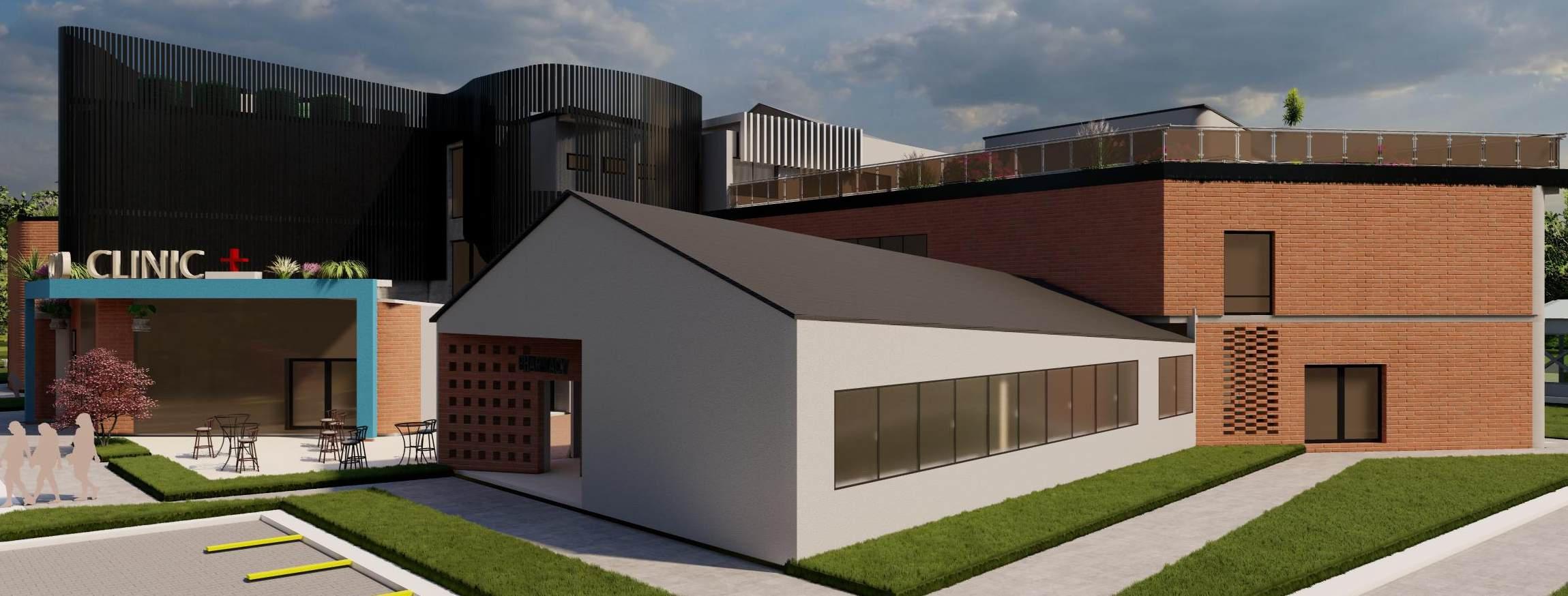
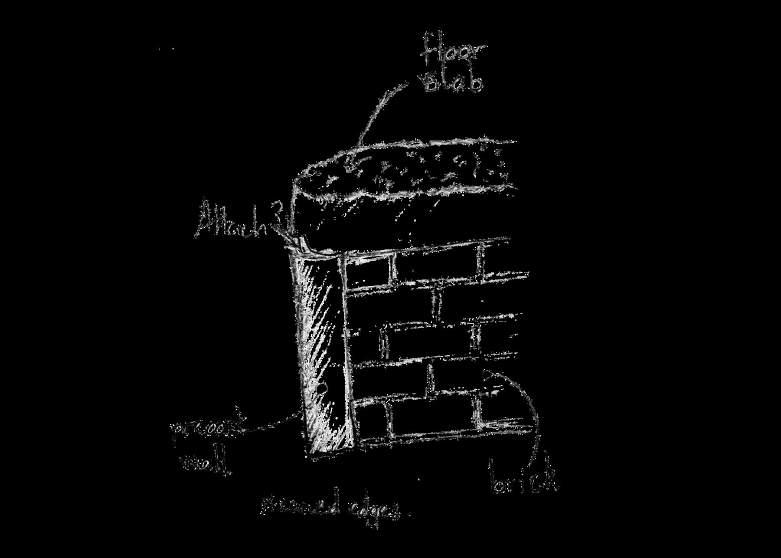
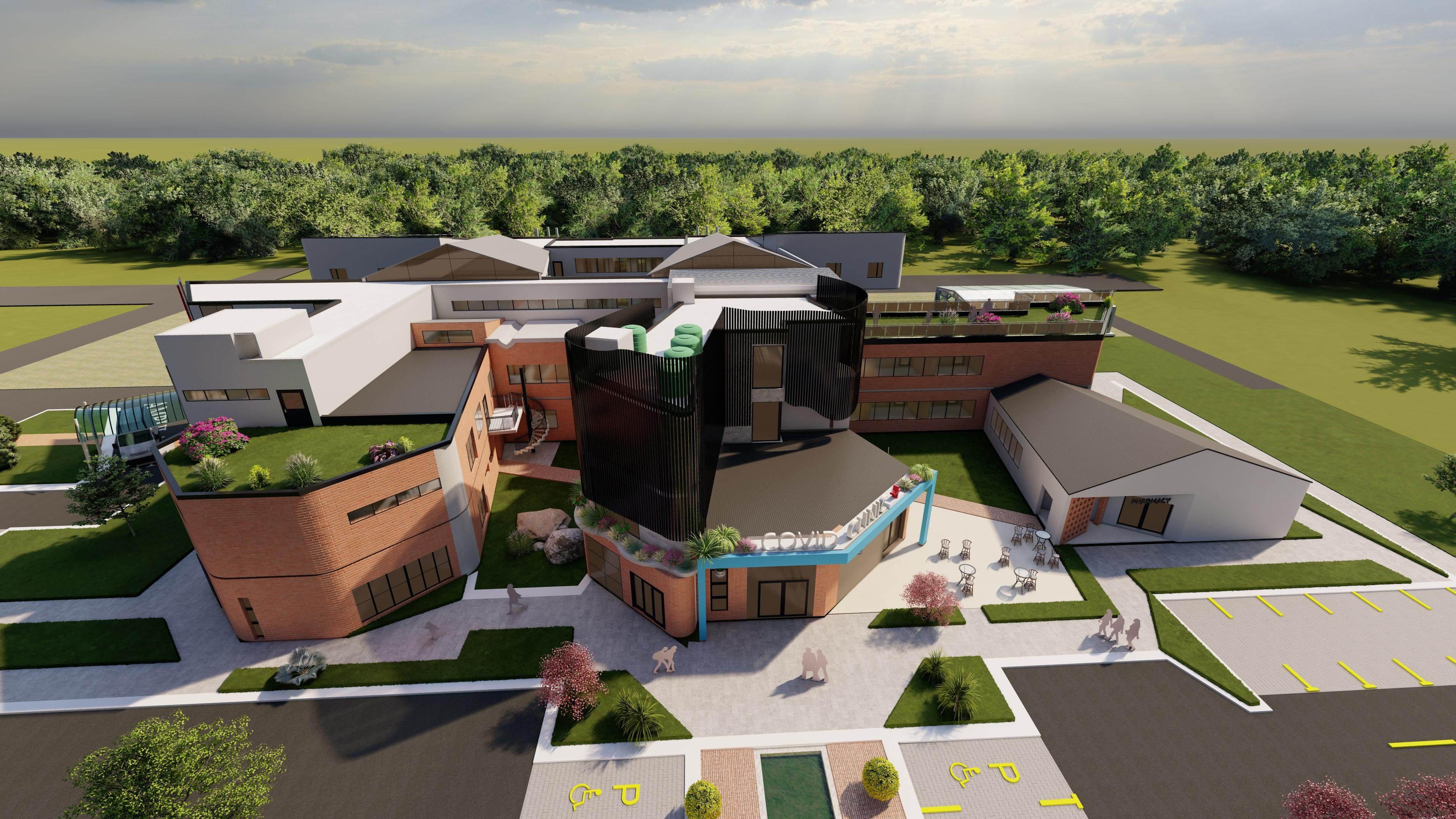
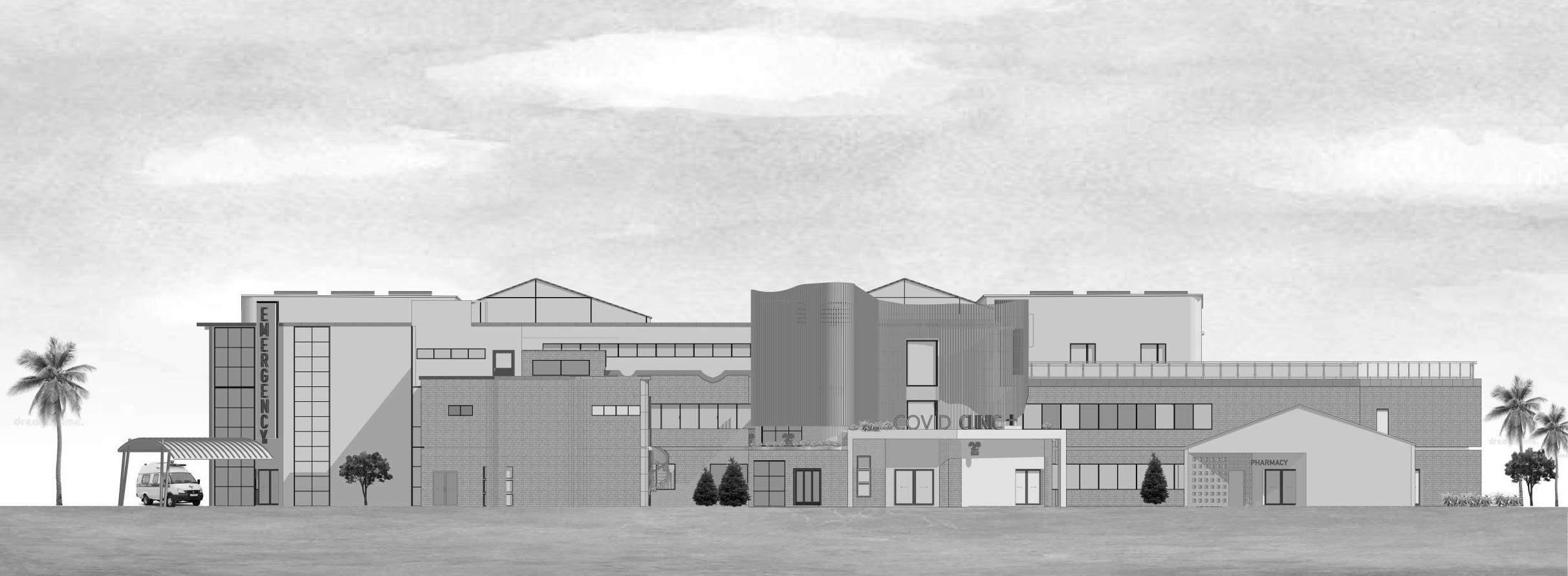
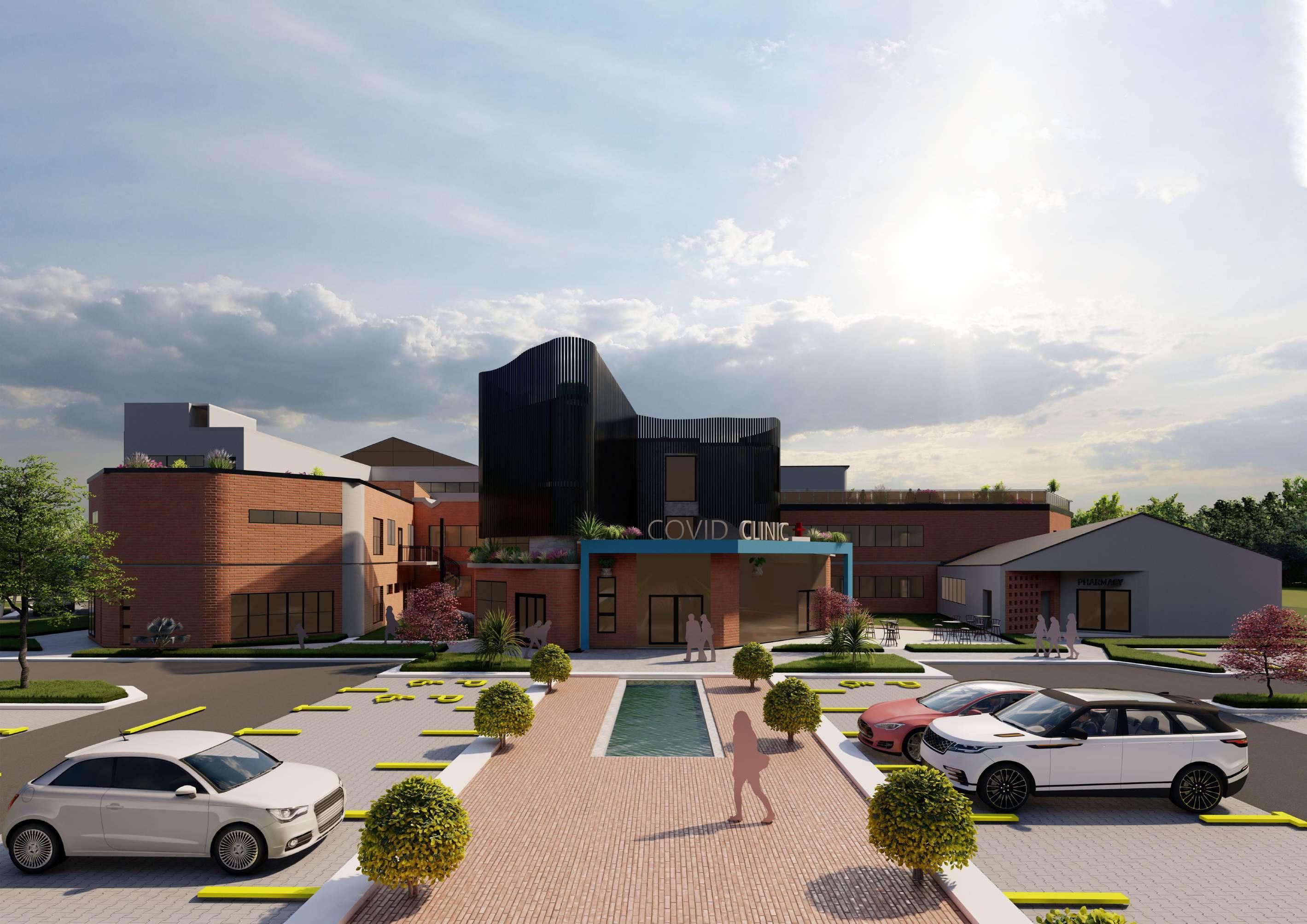
The Covid 19 Clinic, which aims to demonstrate the use of the BETA catalogue in design, addresses the impacts of the worldwide pandemic via a student design competition supported by the BETA firm, which provides bricks and other building materials in Zimbabwe. The medical facility meets various building requirements whilst using the brick building system which allows the BETA materials to be used extensively. A particular emphasis is placed on fire prevention.
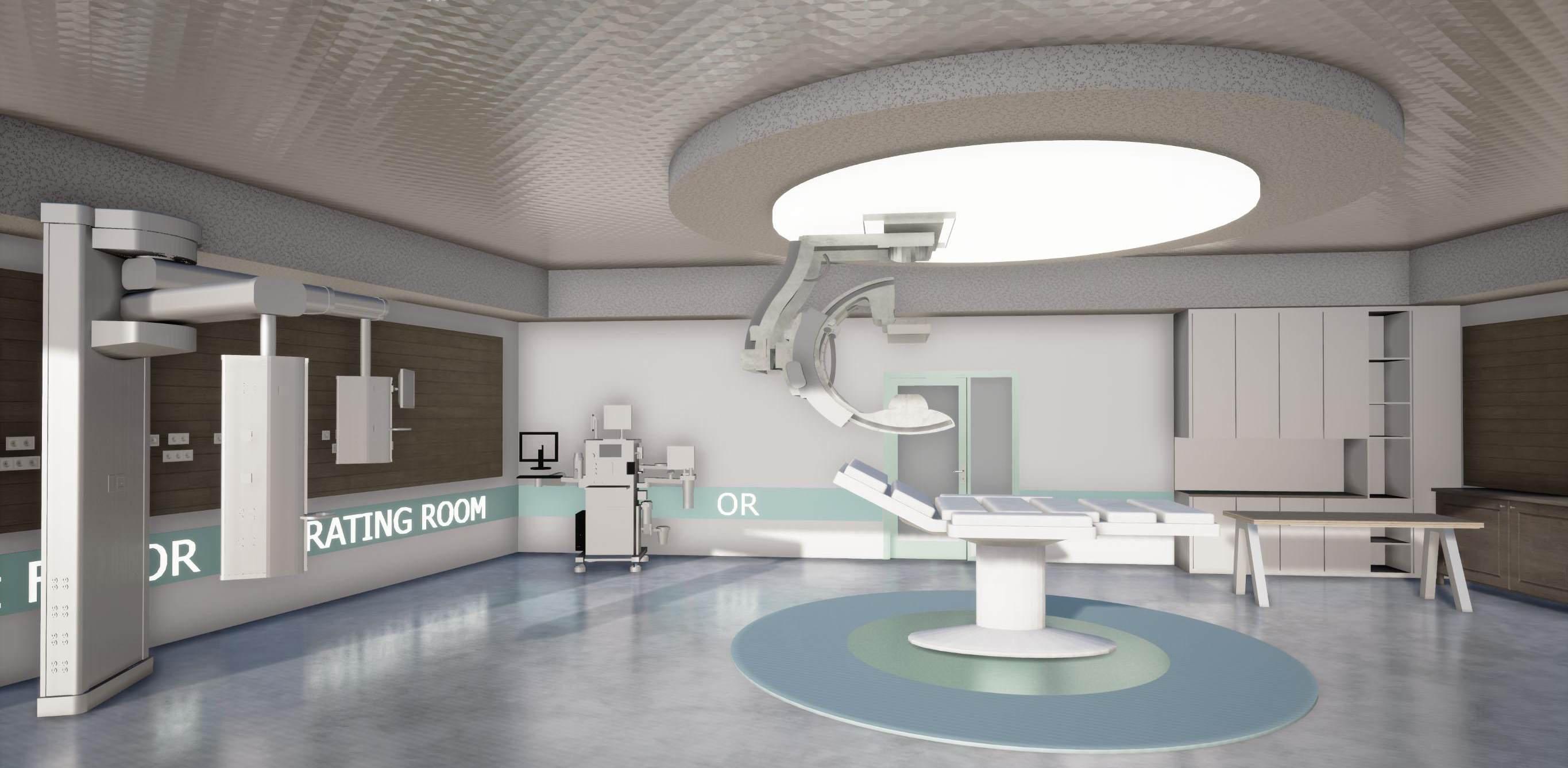
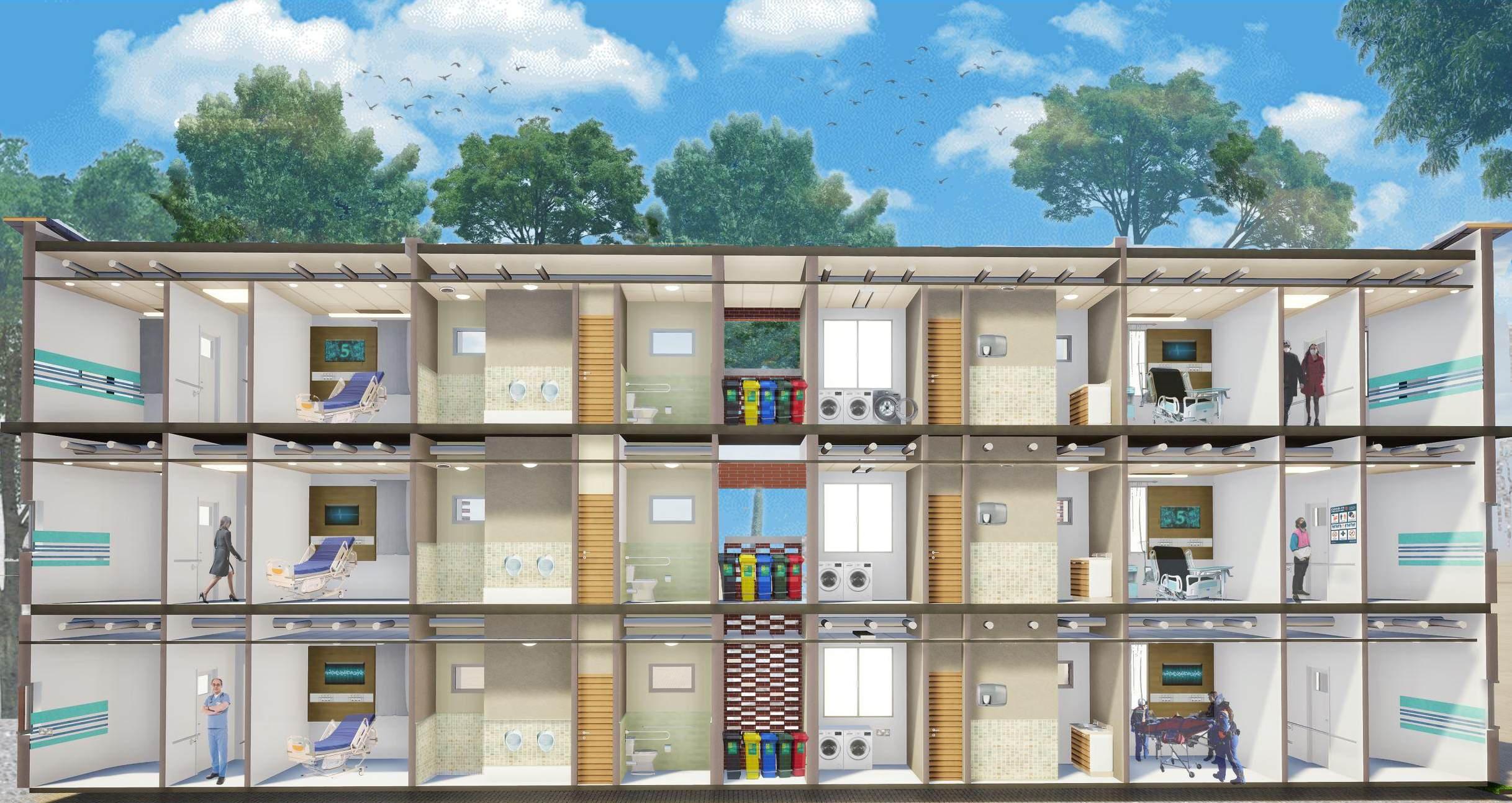
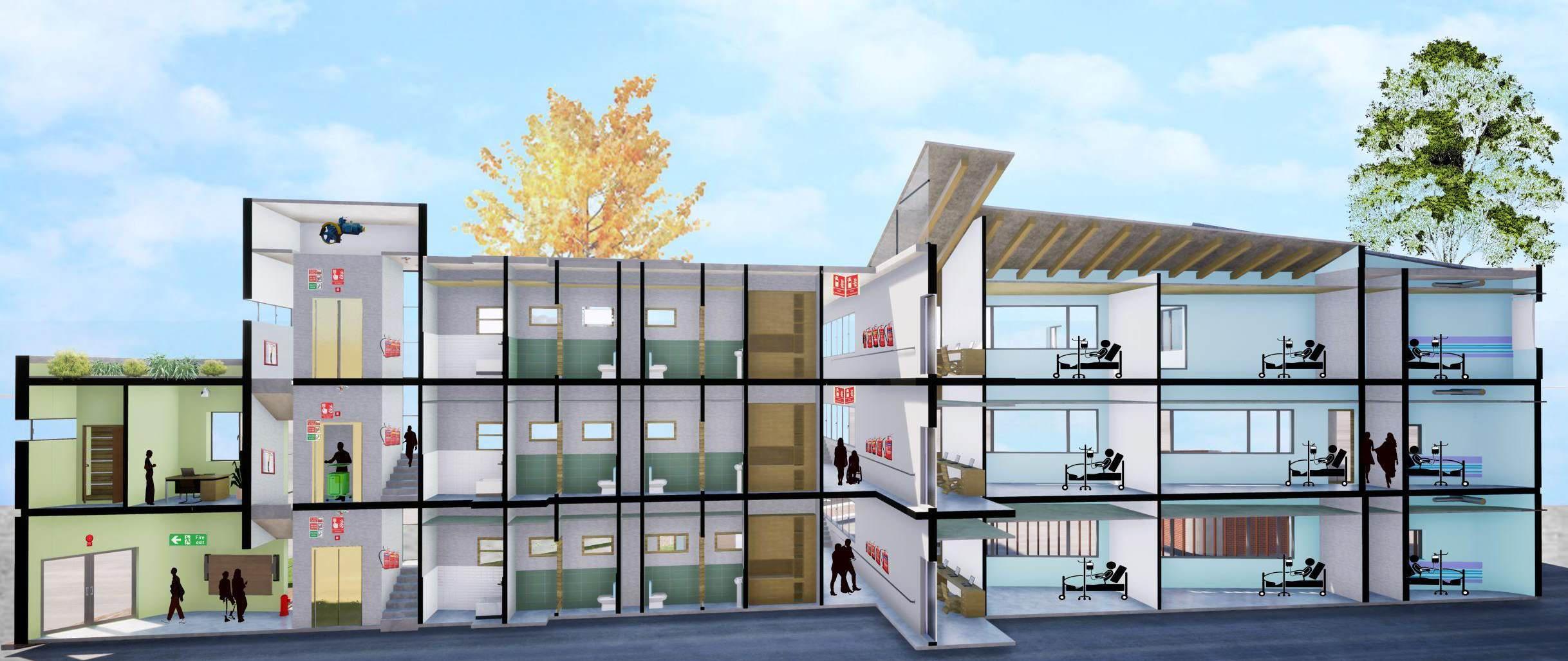
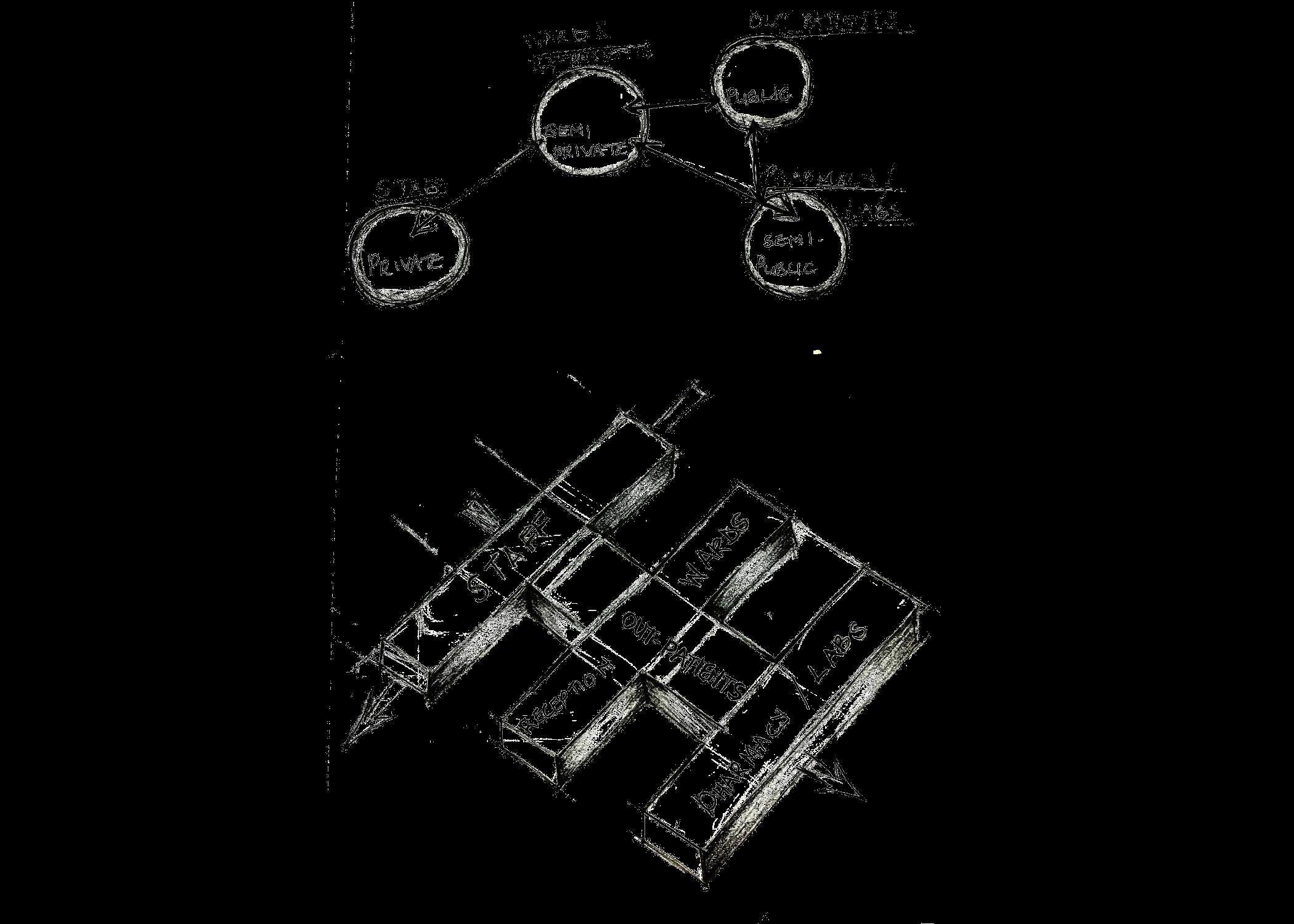
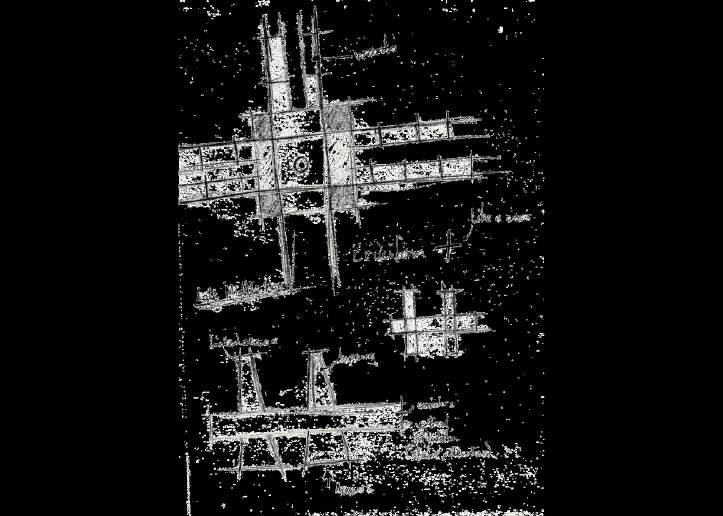
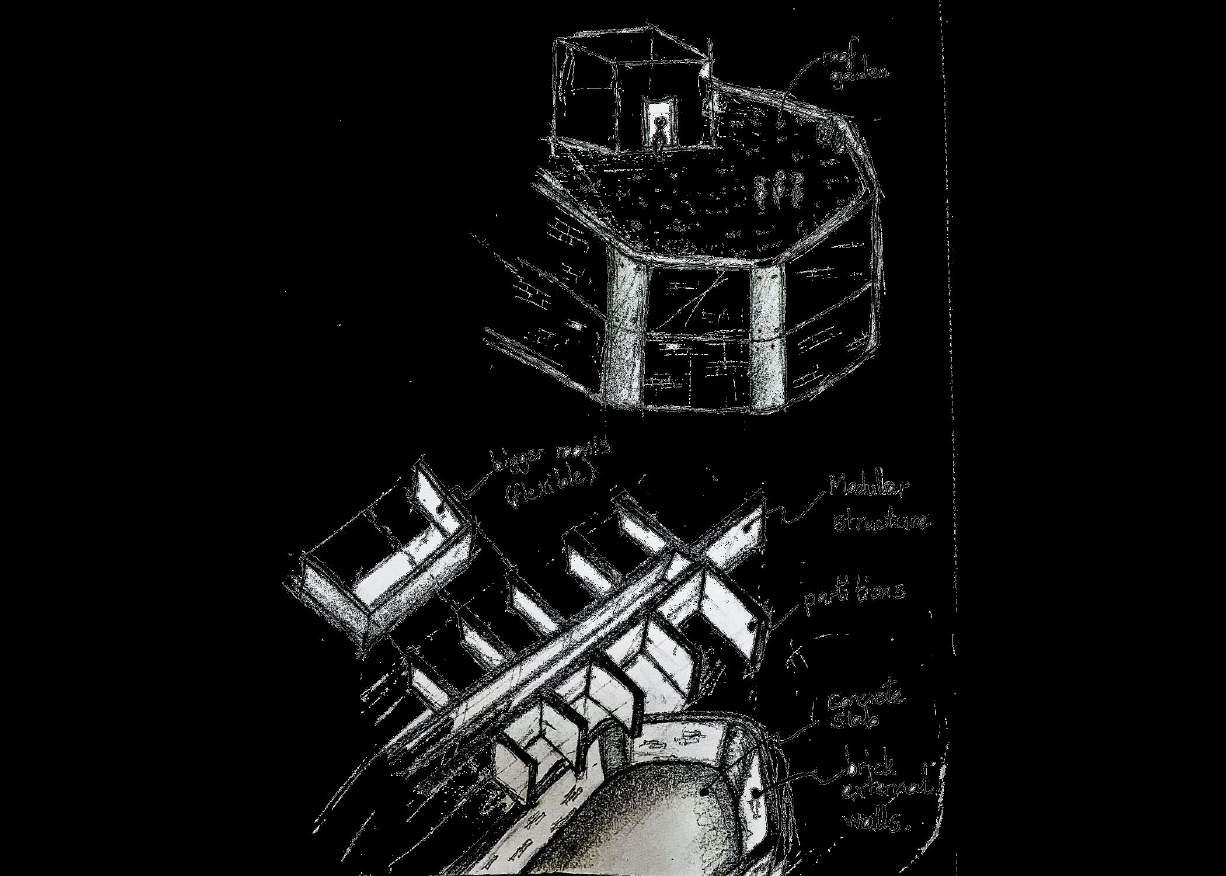
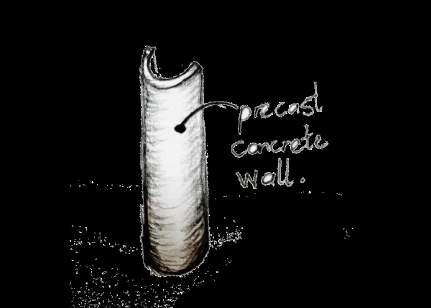
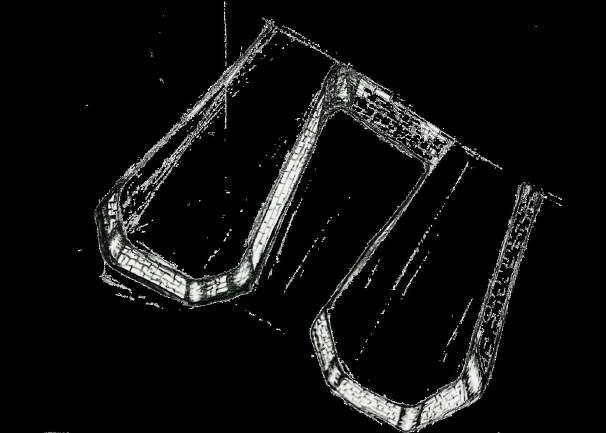
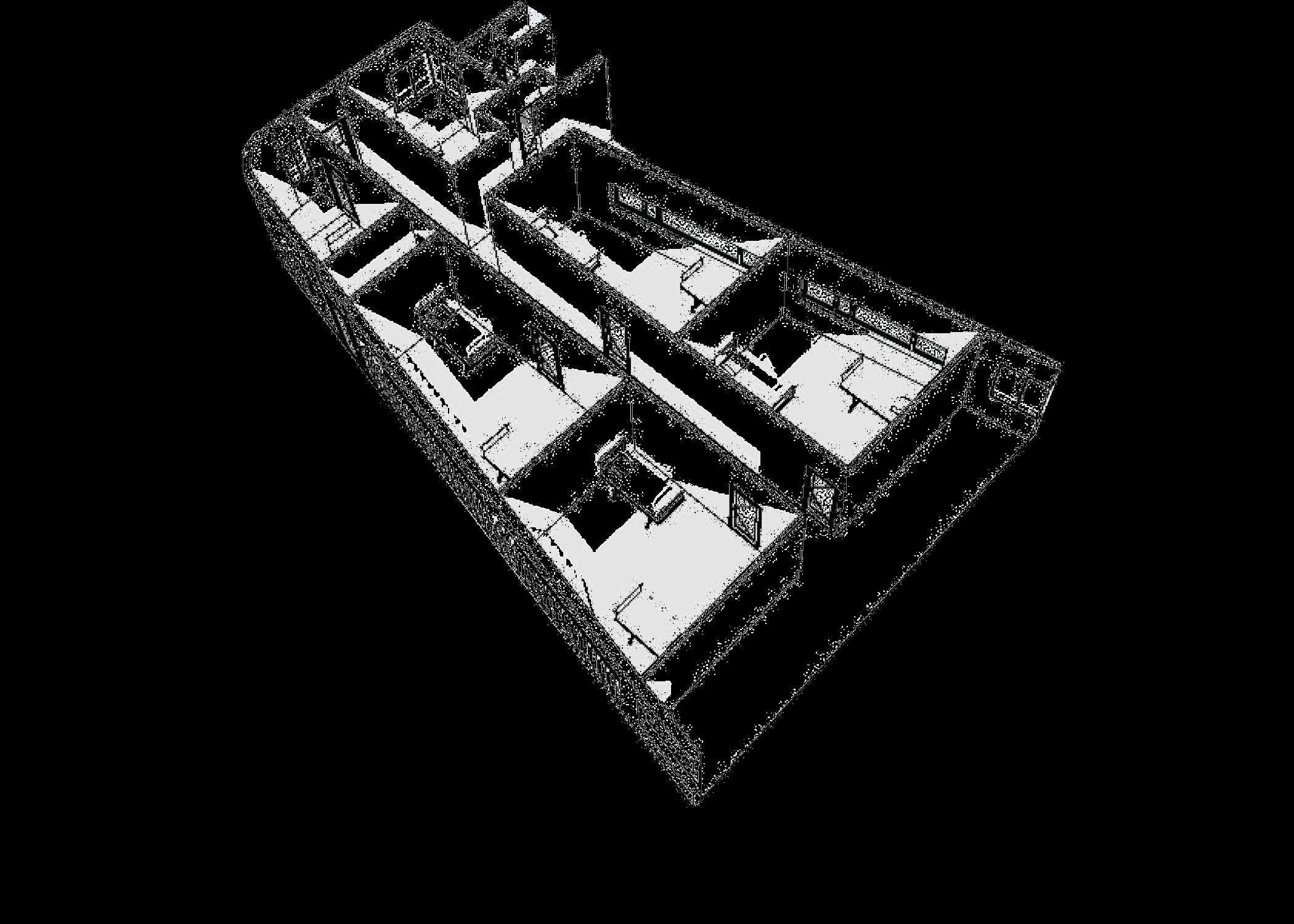
The Covid 19 Clinic design applies a clear conceptual strategy developed through bubble diagrams to organize clean, semiclean, and contaminated zones for infection control. These informed functional plans and 3D sections then coordinated ventilation paths and medical services in line with building by-laws. Brick and slab construction was selected for availability, durability, and its high thermal mass particularly in the Savanna climate. Adaptability was achieved through demountable partitions.
3 wings &
3 floors
Building
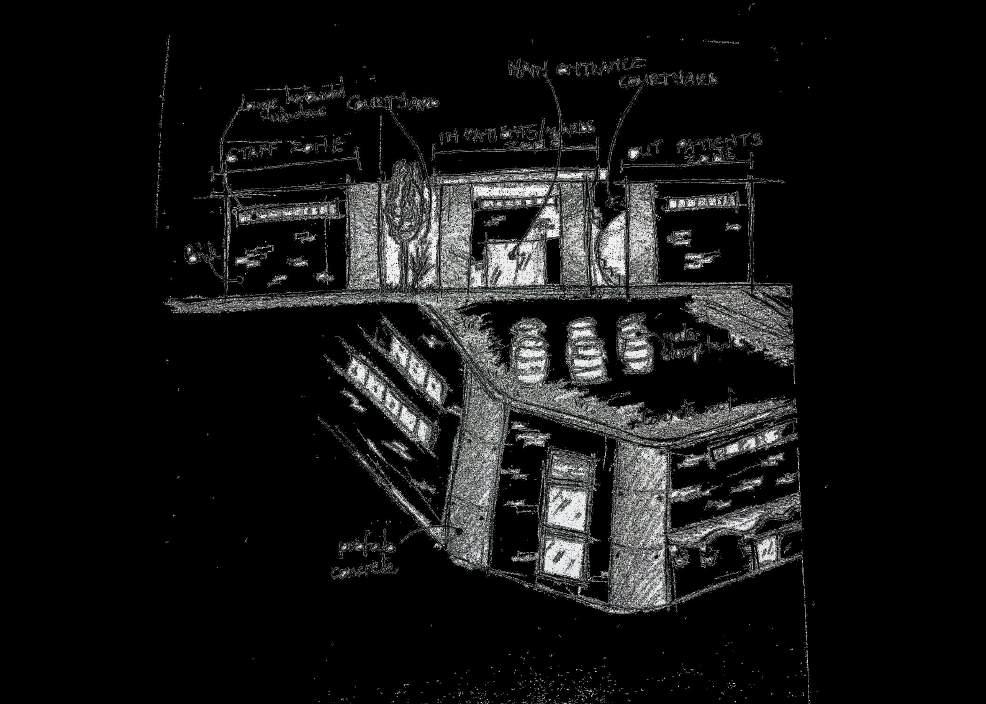
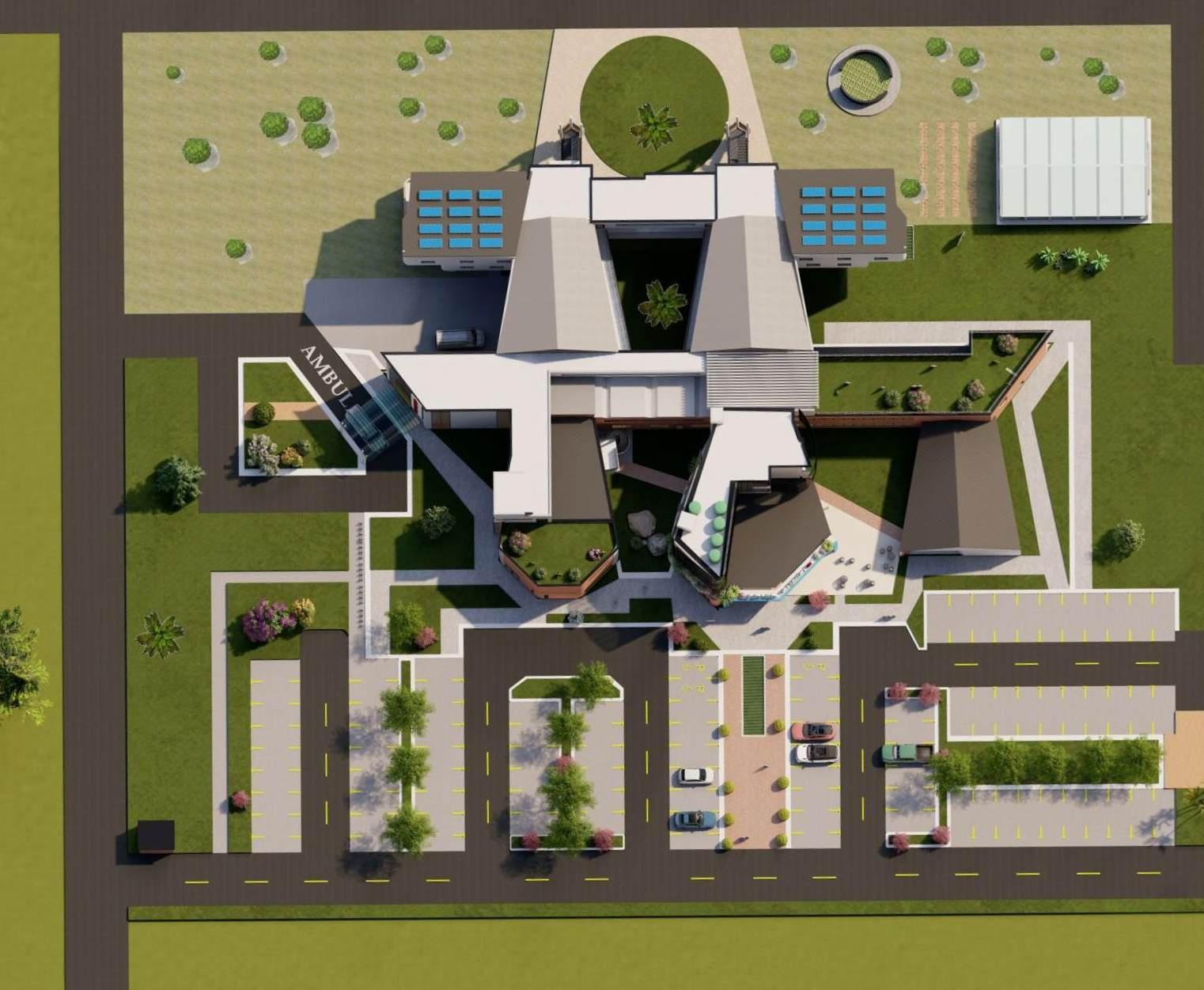
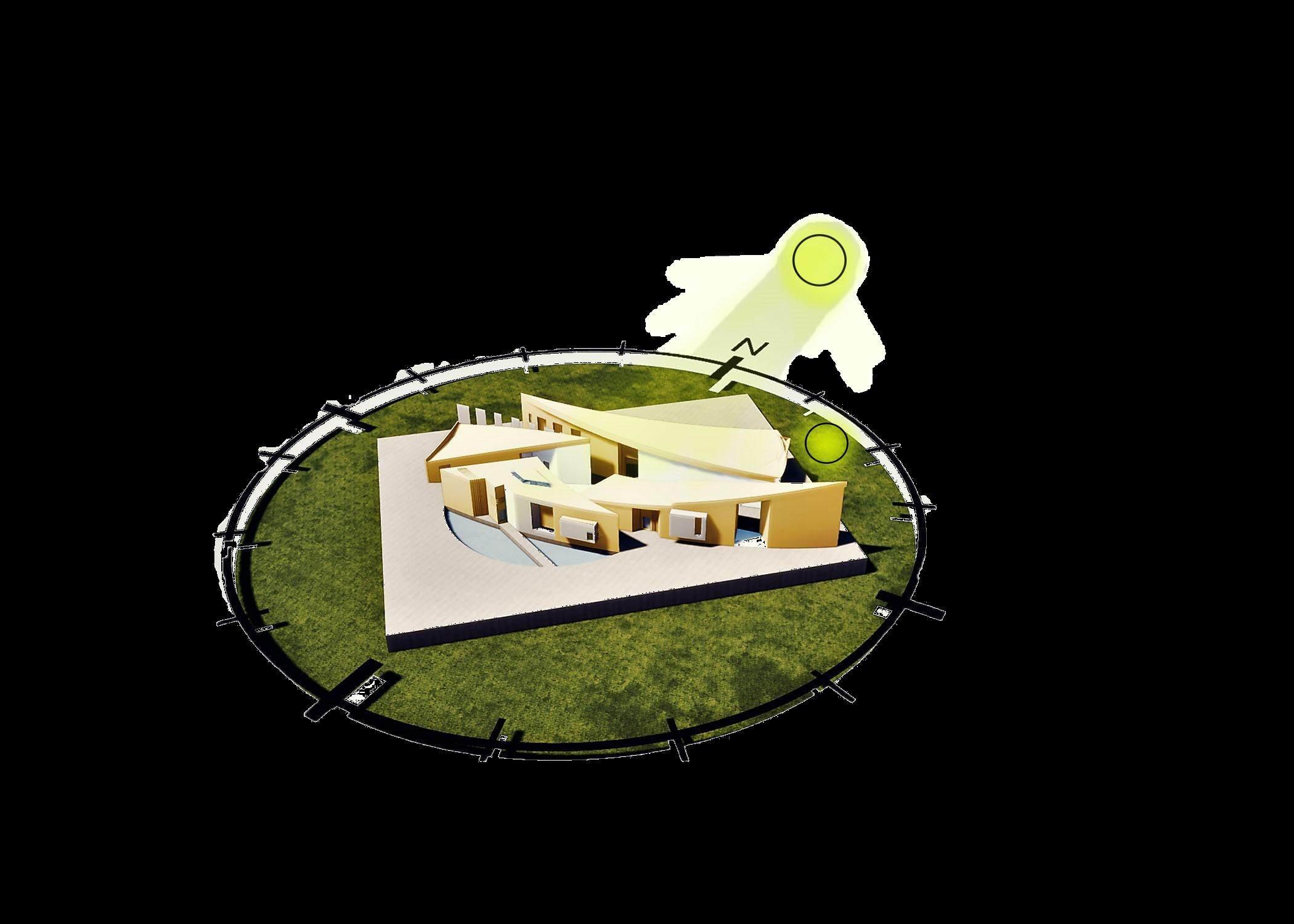
environmental strategies i.e. courtyards, large fenestrations, features which enhanced natural ventilation, daylighting, site planning by-laws (10m front line, 5m sides, and 3-storey accessibility standards, and healthcare service requirements. surge conditions, incorporating scalable medical gas lines, increased electrical loading, and solar backup systems to maintain operation during peaks. These combined influences shaped a contextually responsive, adaptable healthcare facility.
Internally, sensory spaces and carefully controlled colour and texture enhance atmosphere, demonstrating how artistic and cultural influences shaped the clinic’s therapeutic environment.
Bubble diagram
Design Development
Artistic influence
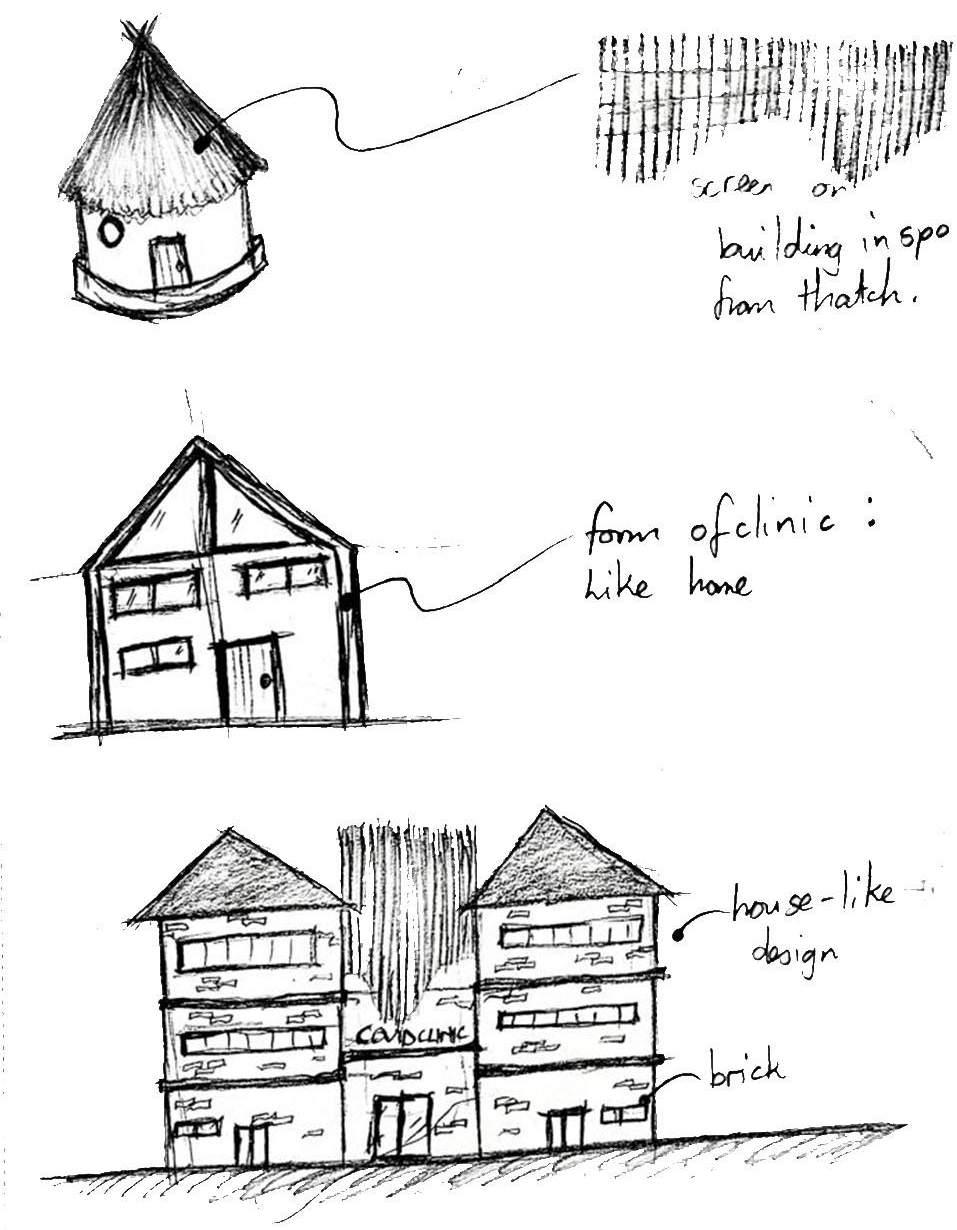
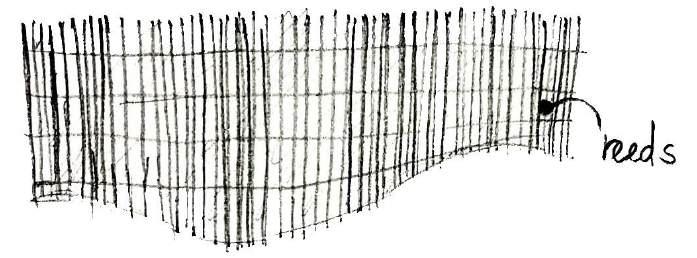
Perforated Brick Walls - I incorporated decorative yet functional perforations, allowing airflow and filtered light. Screen Wall - The screen façade reinterprets the layered, breathable quality of traditional thatch, using modern materials to evoke the same warmth, texture, and cultural resonance. I was looking at using woven reed panels with metal rods which are also painted for strength, durability and to achieve a darker colour.
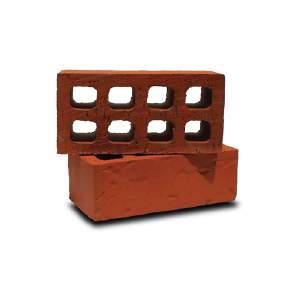
Beta Bricks catalogue used
● Beta Bricks are locally sourced as well as durable and low maintenance.
● They are also an affordable building material and are readily available.
● Face brick is widely used in Zimbabwe and so the material use integrates the clinic into the existing architectural landscape.
● Constructability - the clinic is simple to build and maintain using local skills and labour.
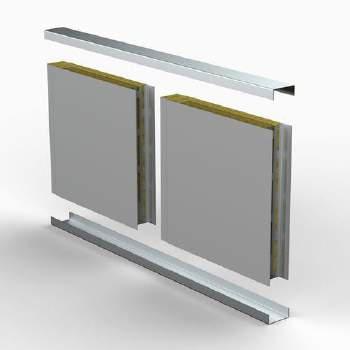
● High thermal mass walls - the brick absorbs heat energy which helps to moderate a building's temperature.
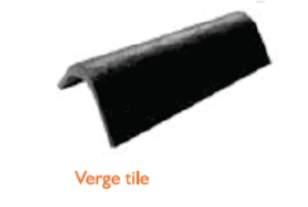
Verge tile for ridge capping
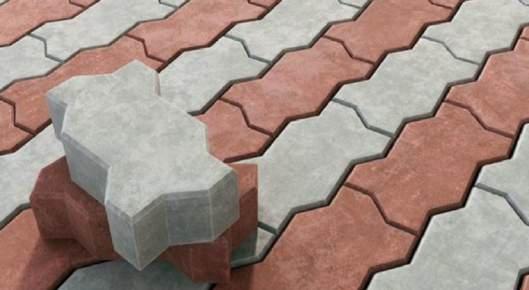
BETA concrete pavers
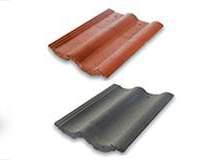
BETA dark concrete roof tile
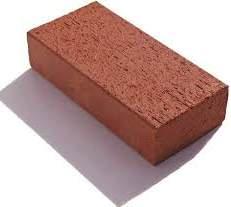
BETA brick pavers
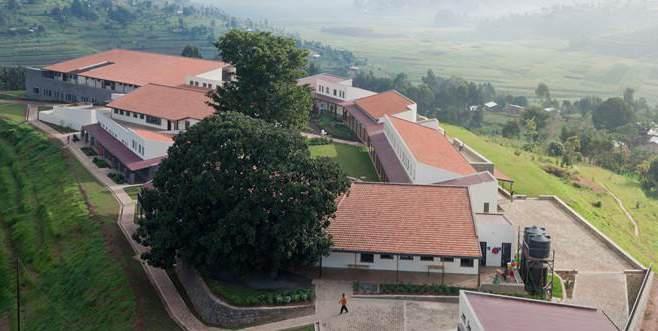
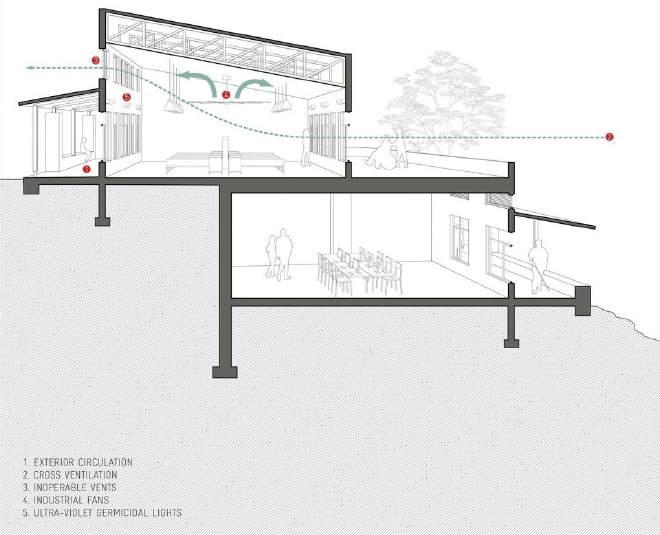
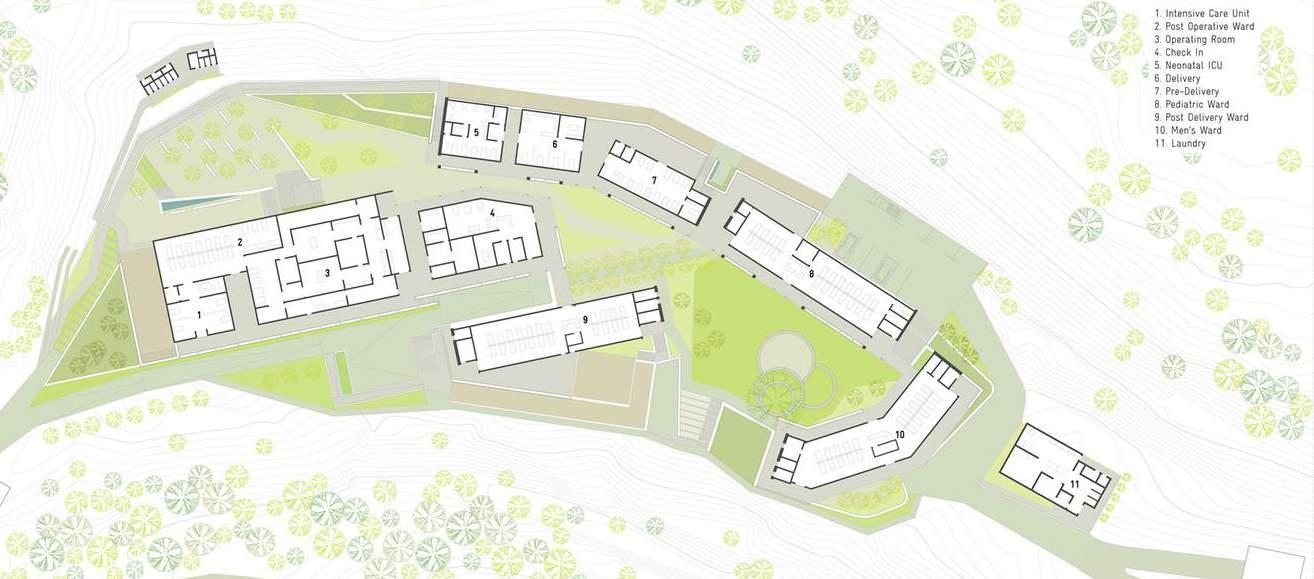
The design of Butaro reduces the transmission of airborne disease through the overall layout and natural ventilation. The section portrays this well.
Precedent Study: Butaro Hospital / MASS Design Group
I learnt from the courtyard layout and the high, large windows. The use of locally sourced material in the Butaro hospital informed my decision to use brick in the clinic
The lack of privacy in the large ward at Butaro hospital was something I sought to avoid in my design. I kept the wards quite private having on maximum two people in a room.
The Covid 19 Clinic proposal considered collaboration with engineers, contractors, and health specialists ensuring that design decisions were feasible, safe, and aligned with current construction methods. This approach ensures the building meets user needs while maintaining structural integrity, reflecting an integrated understanding of architecture, engineering, and construction in a contextually responsive and sustainable design.
Sustainable strategies balance energy efficiency, comfort, and functionality, producing a safe, healthy, and contextually responsive environment that supports patients, staff, and visitors in a pandemic-appropriate healthcare setting