CONTENTS
HOUSE CHAPFUWA
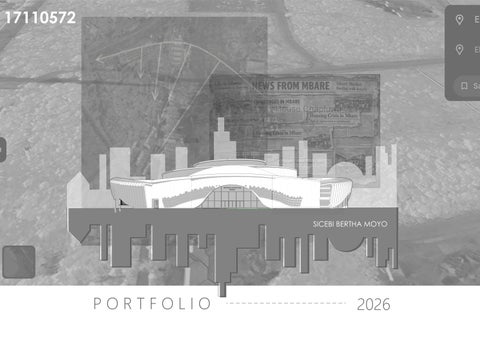
The Mbare museum was work done as the final graduation design project towards an architectural honours degree. A passion project fuelled by a love for both art and the local culture.
MBARE HISTORICAL/ CULTURAL MUSEUM
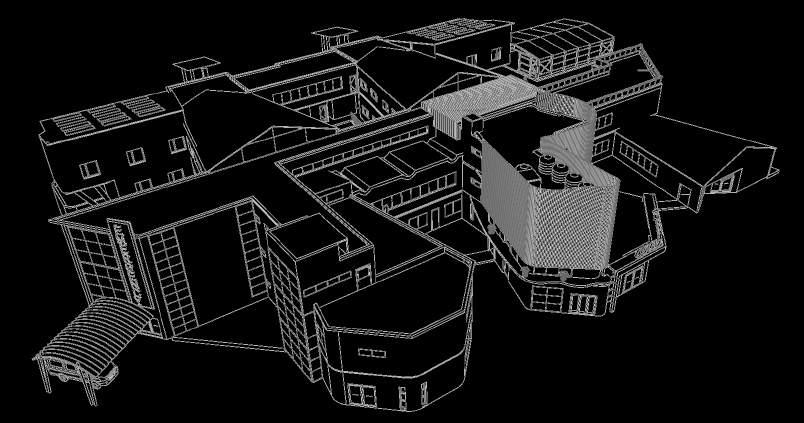
The global pandemic gave rise to this competition tasking students to design a Covid 19 Clinic using mostly Beta Bricks company materials (founders of competition).
THE COVID-19 CLINIC
ELOANA BROOK SUBURB, BULAWAYO, ZIMBABWE
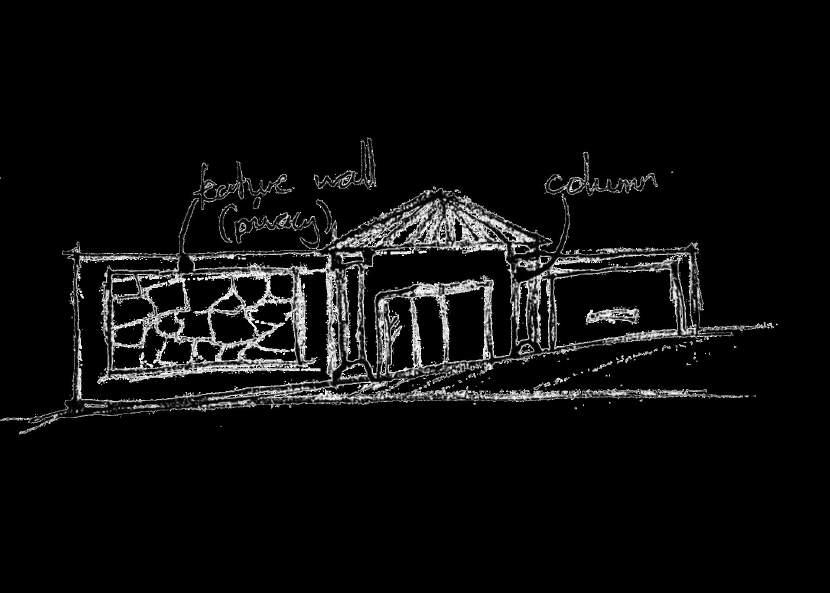
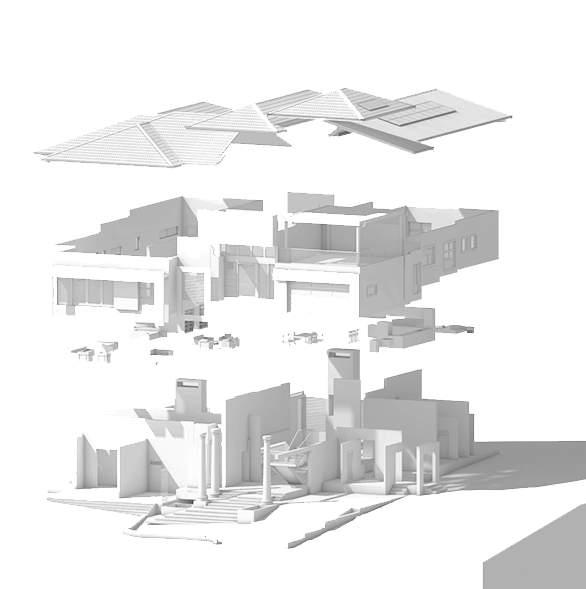
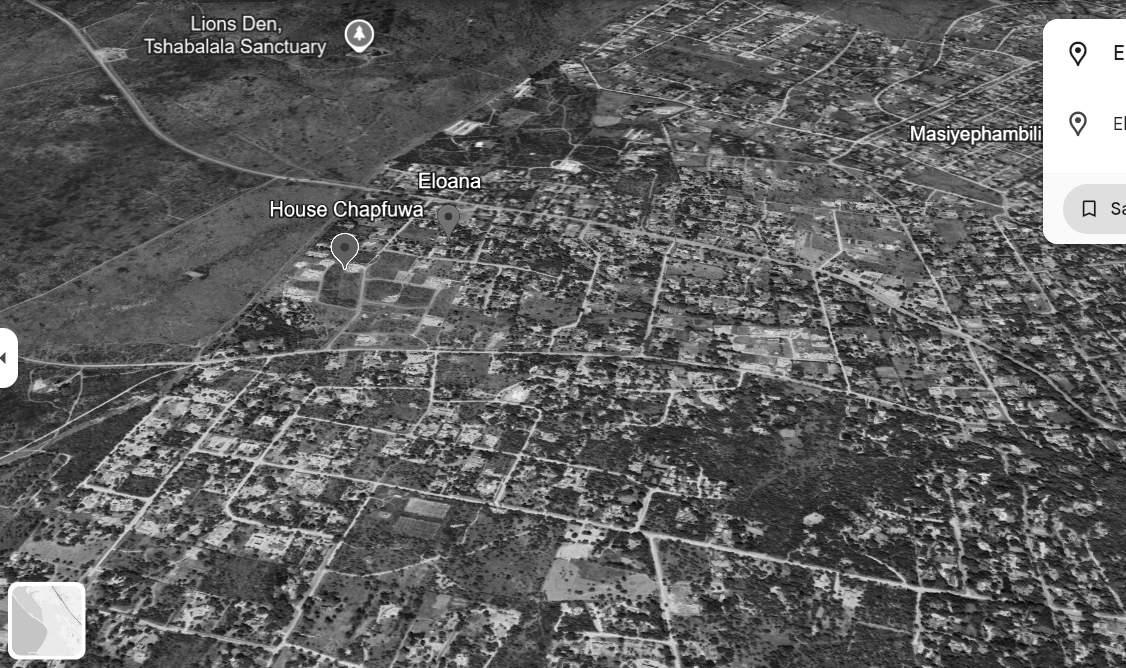
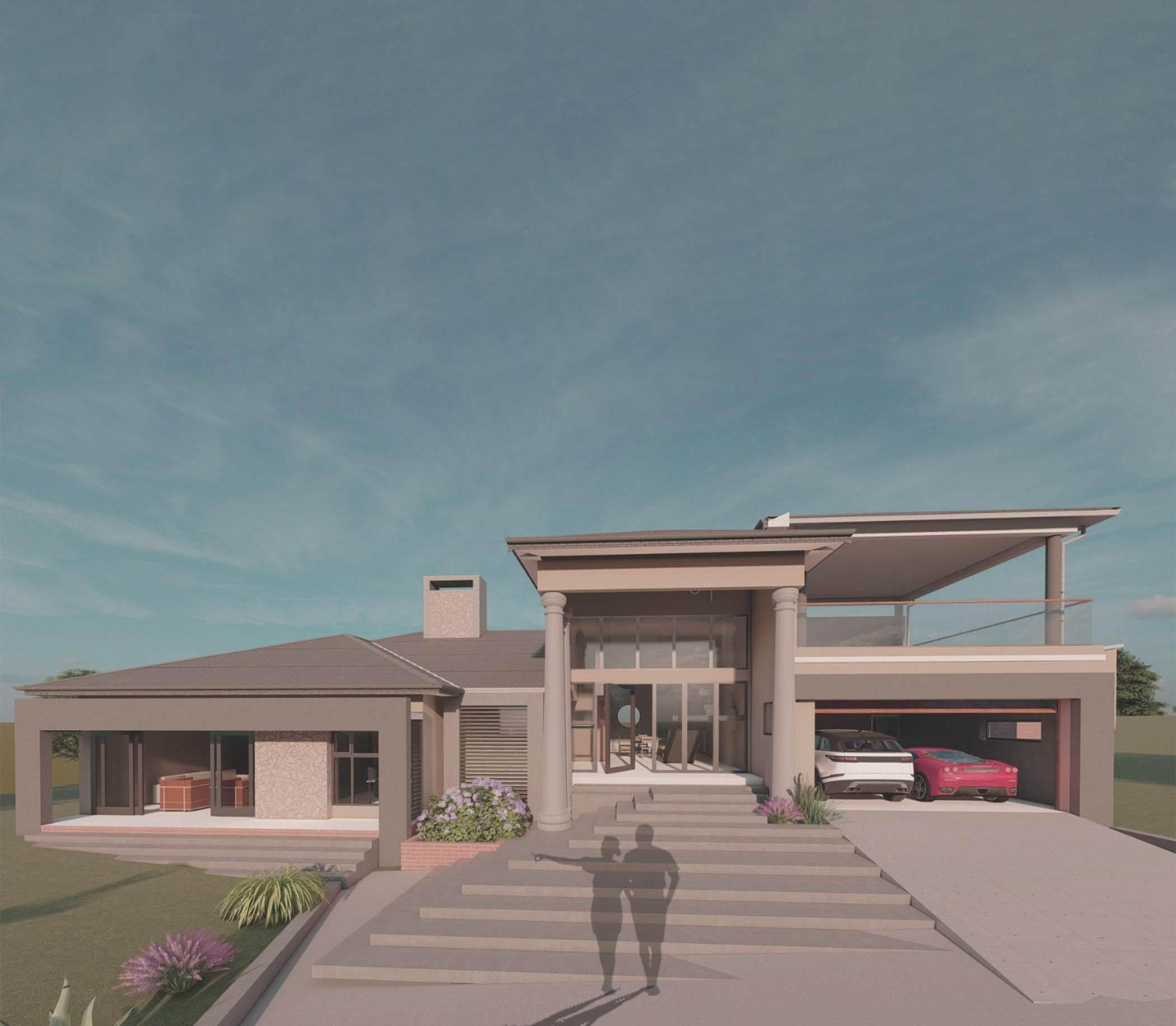
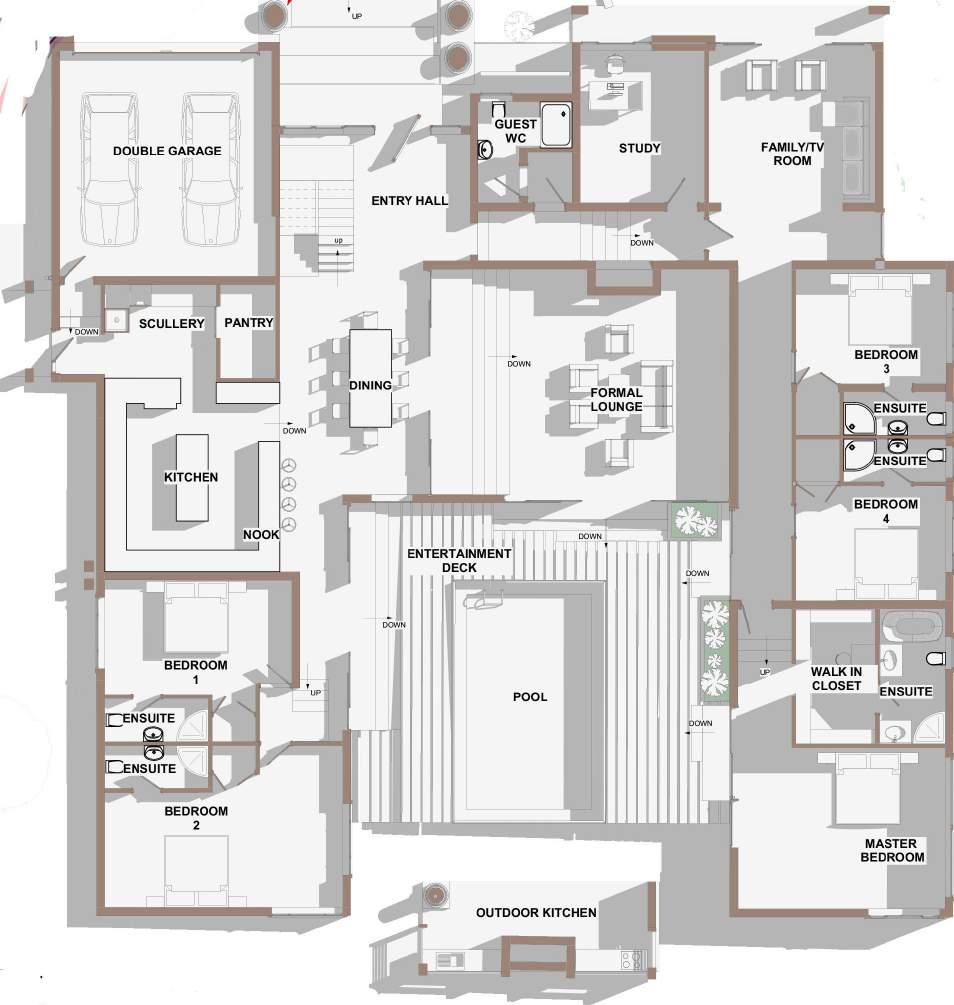
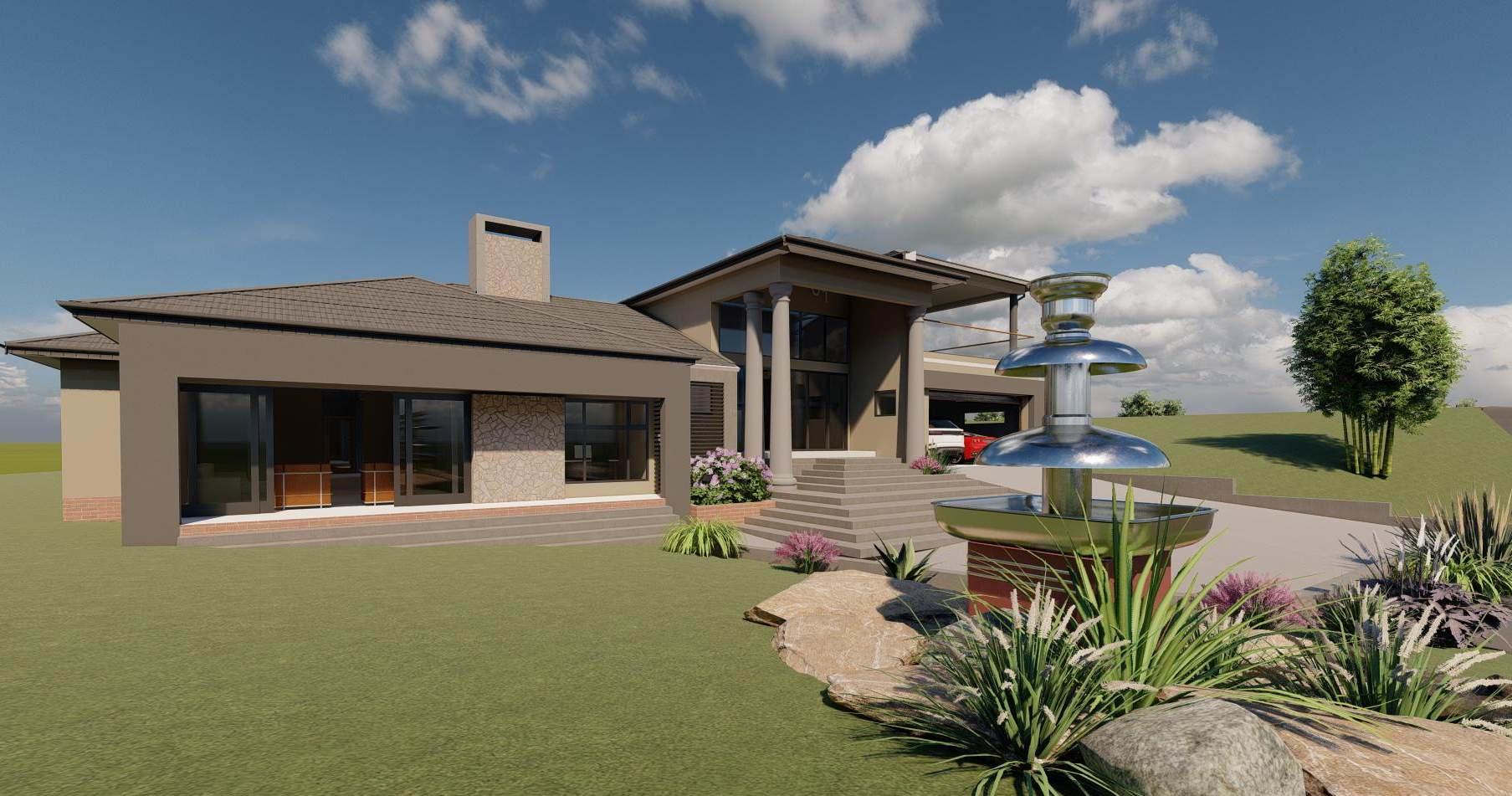
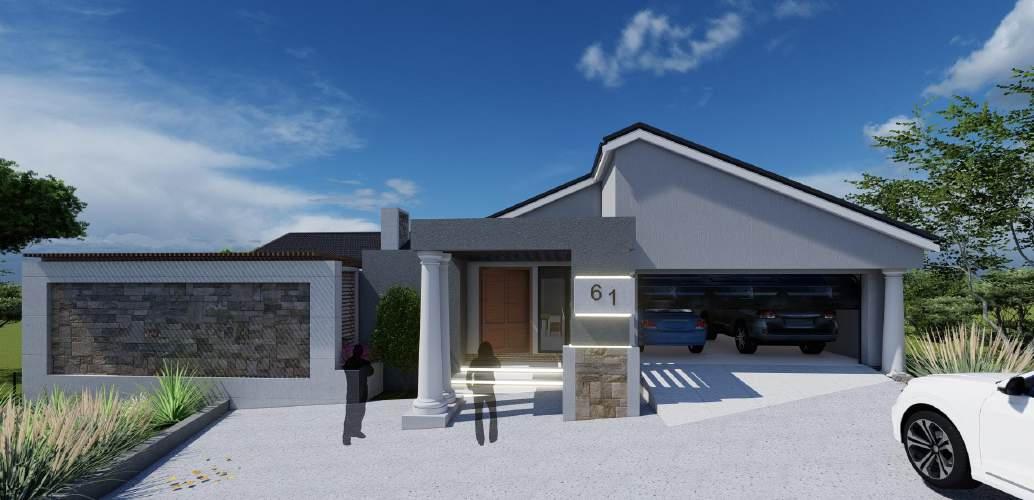
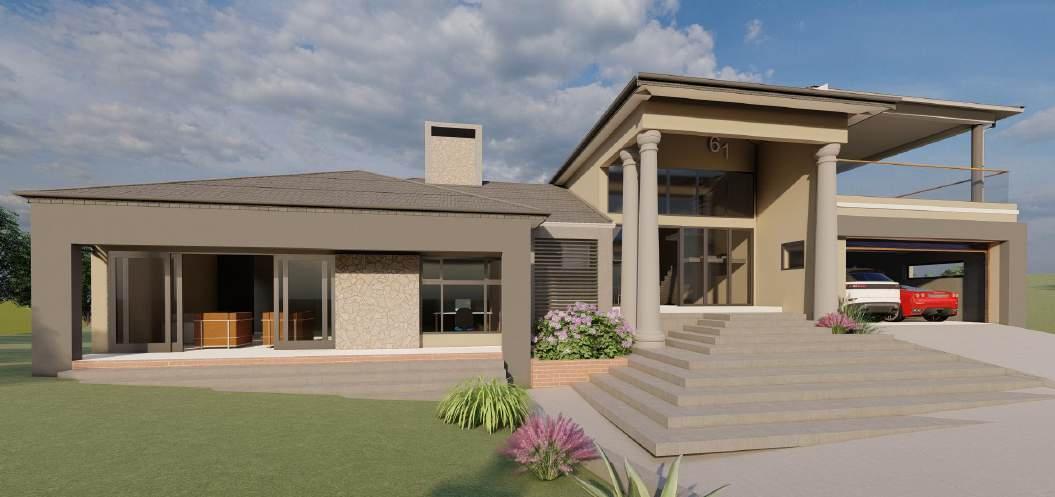
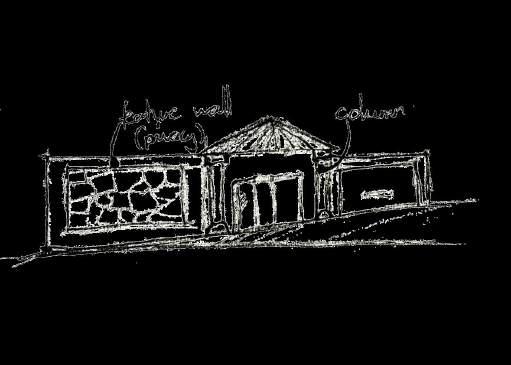
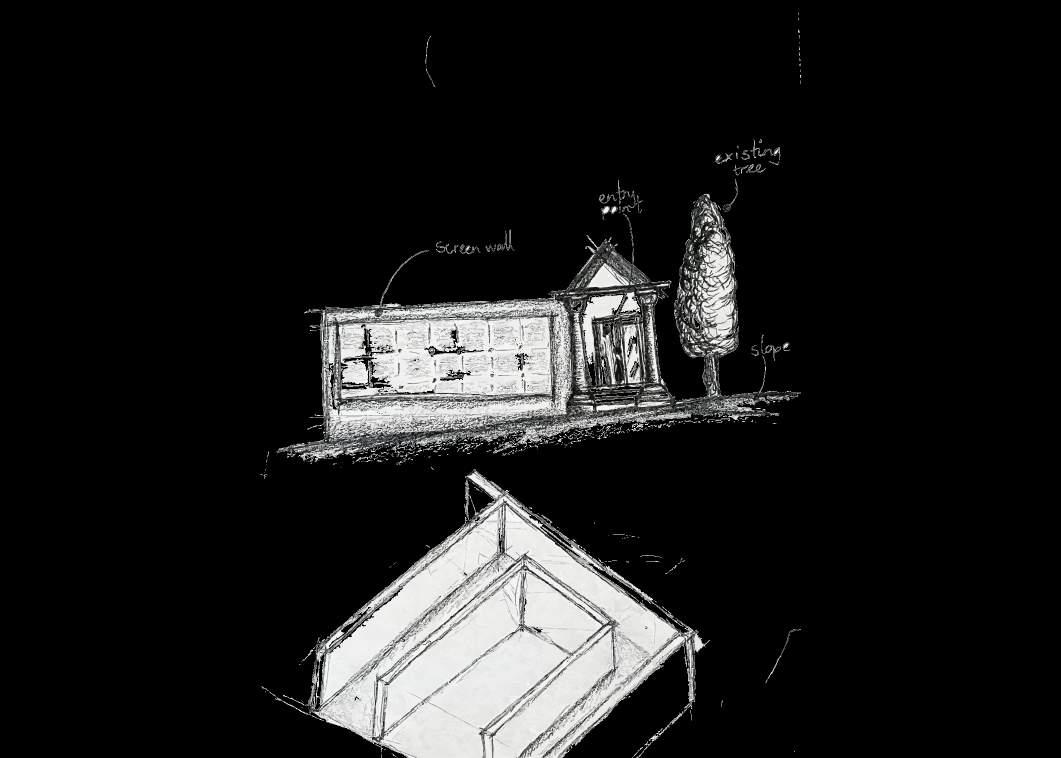
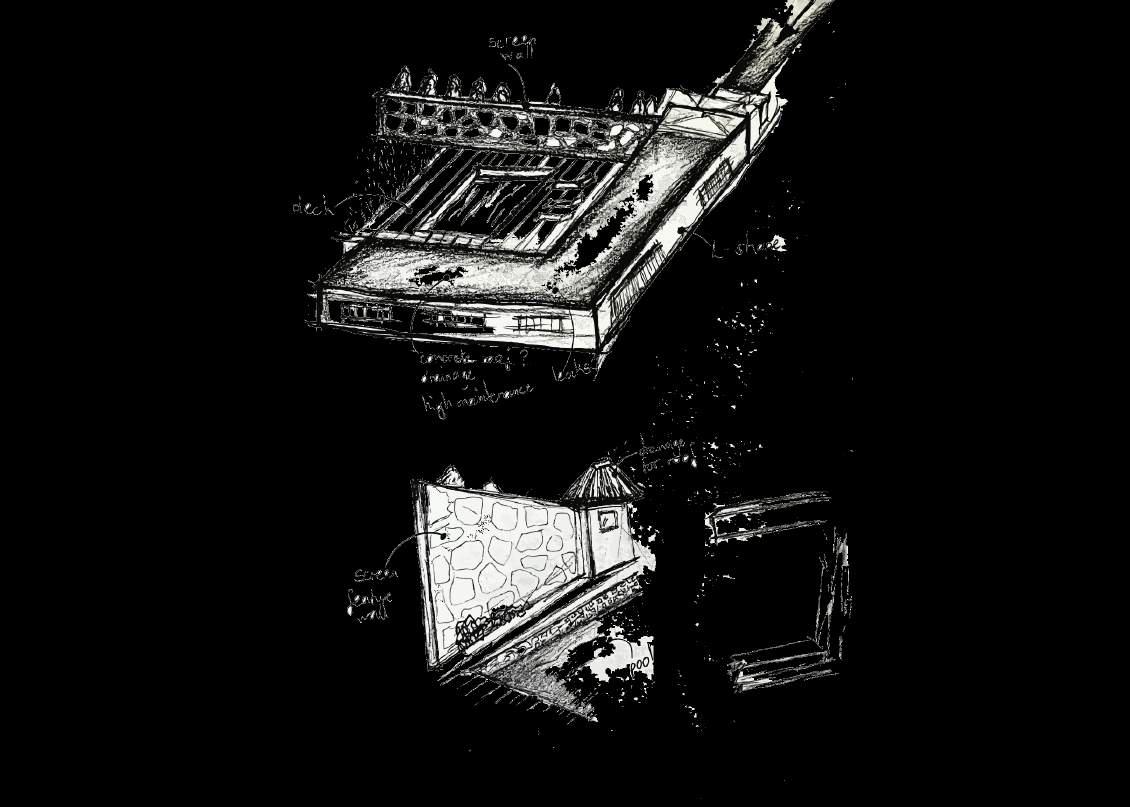
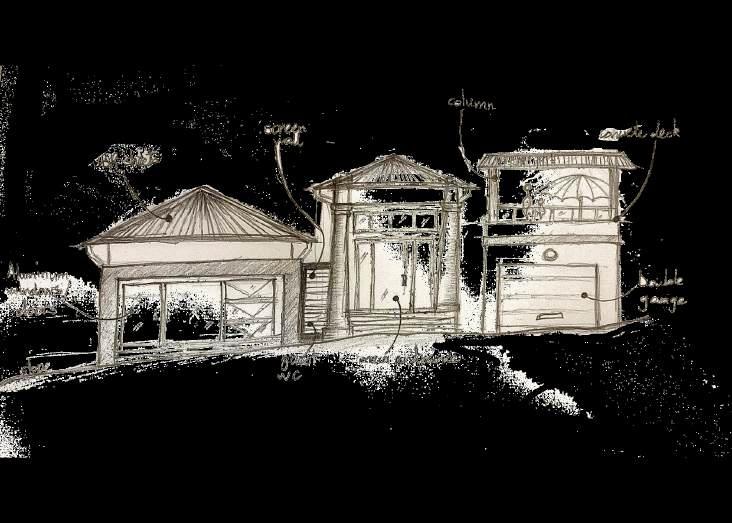
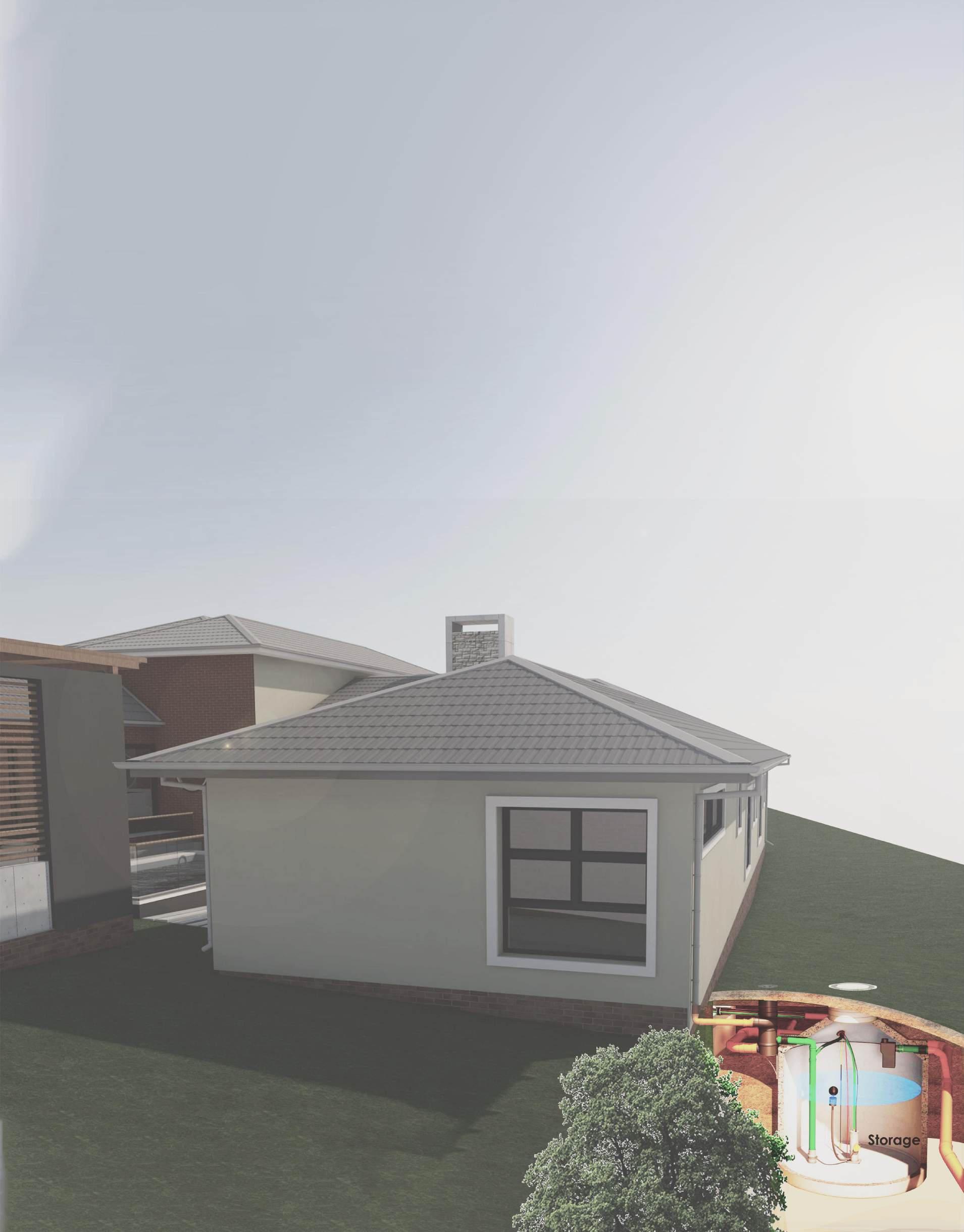
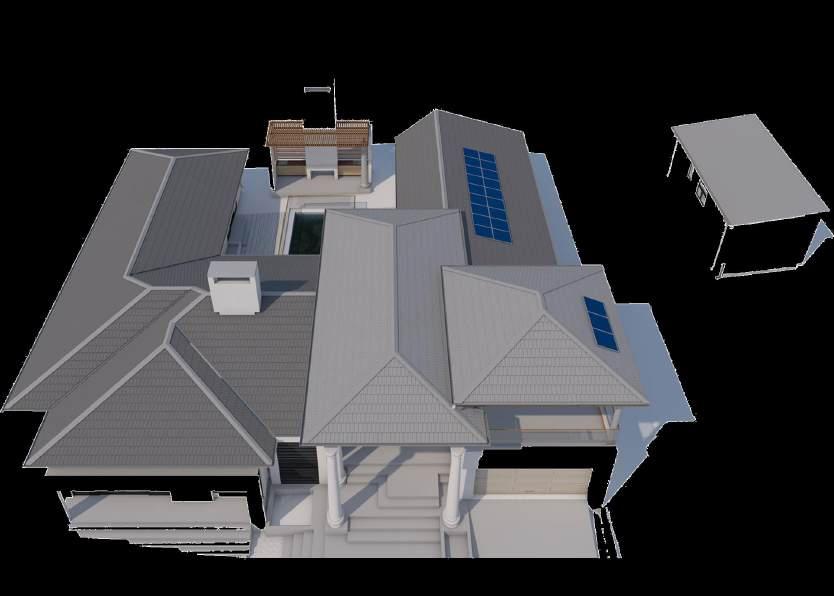
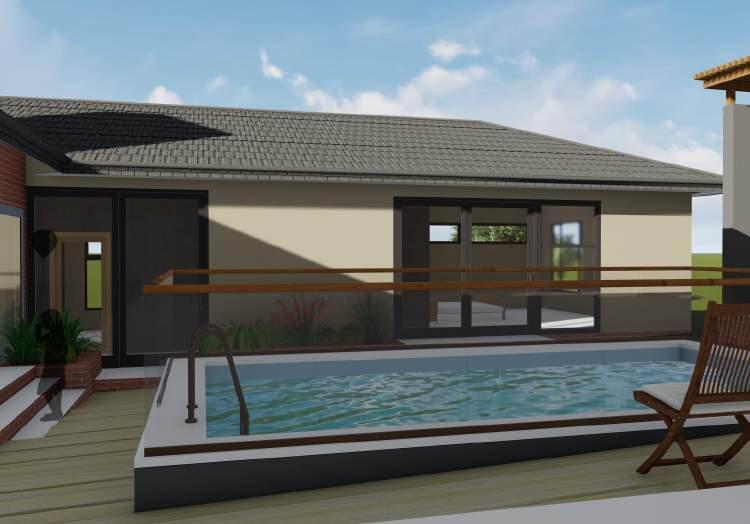
House Chapfuwa is a bespoke design for the Chapfuwa family in a medium density suburb in Bulawayo, Zimbabwe namely Eloana Brook. The single story structure boasts a double car garage with a terrace above it. It includes 5 bedrooms with all five having ensuites.
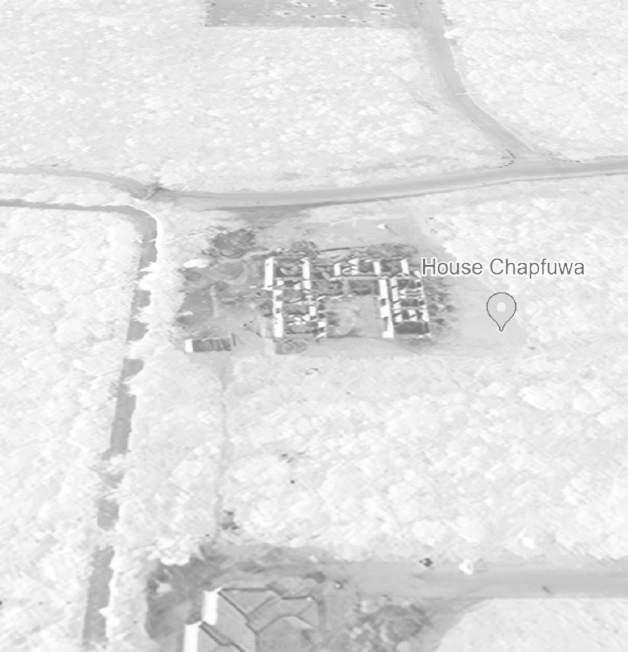
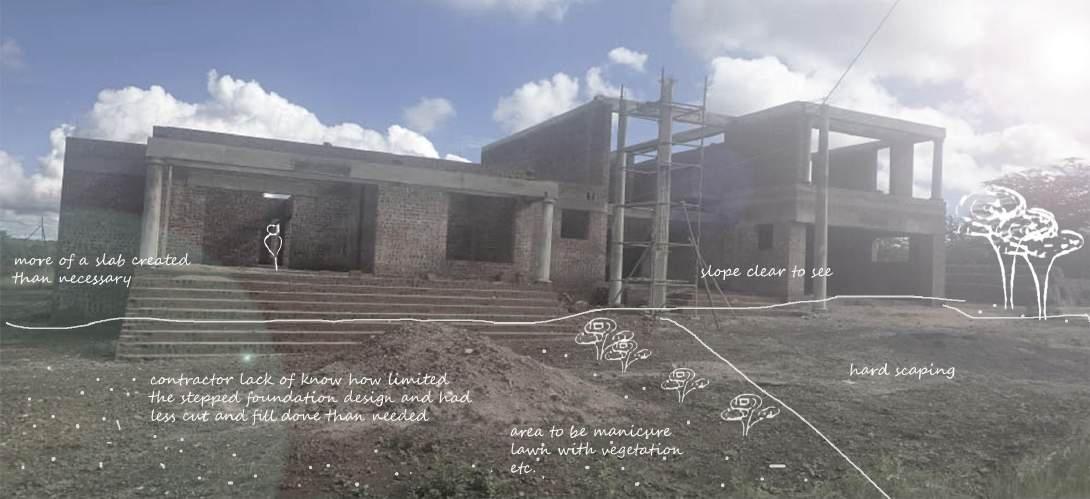
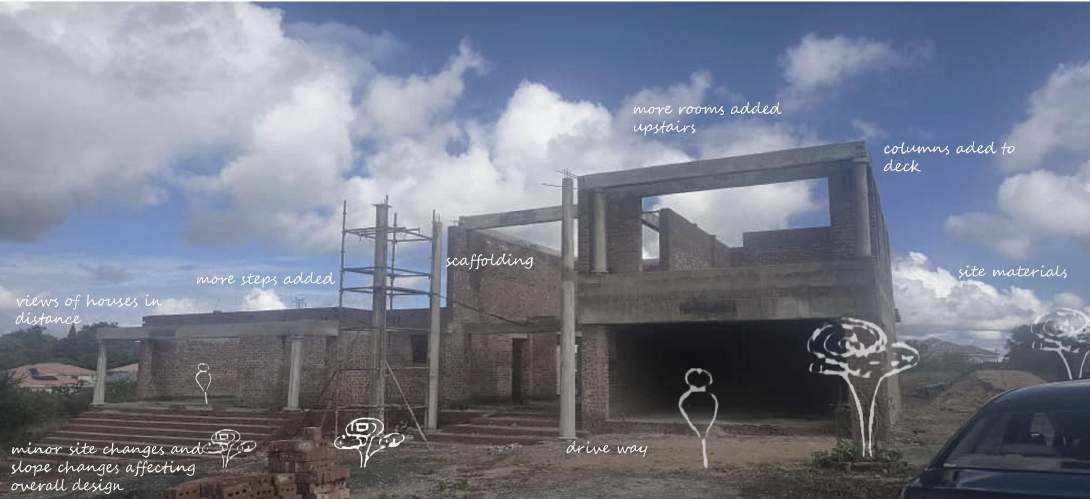
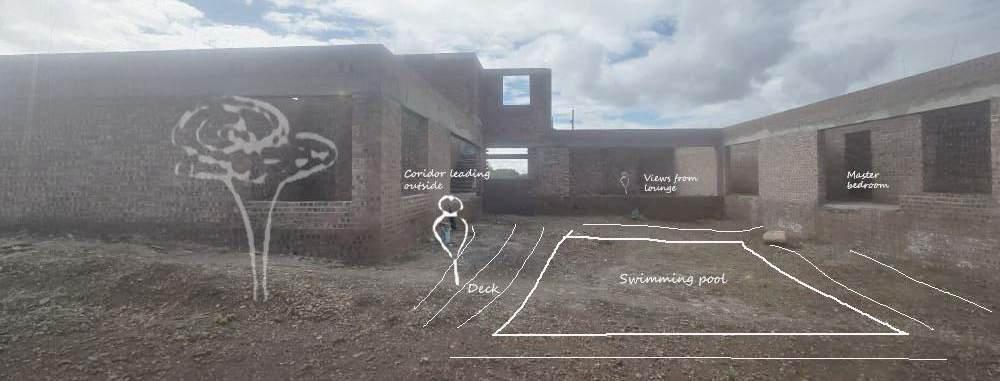
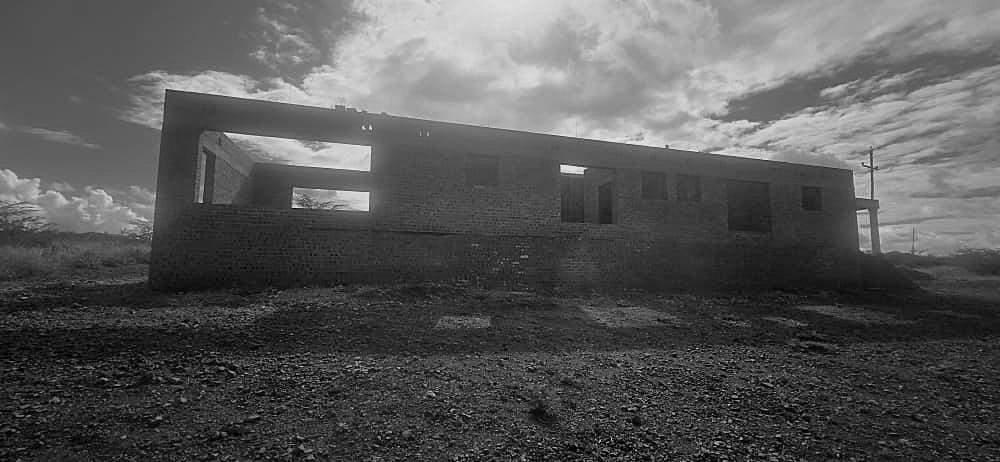
CLEARED SITE WITH CONTEXT UNDER CONSTRUCTION
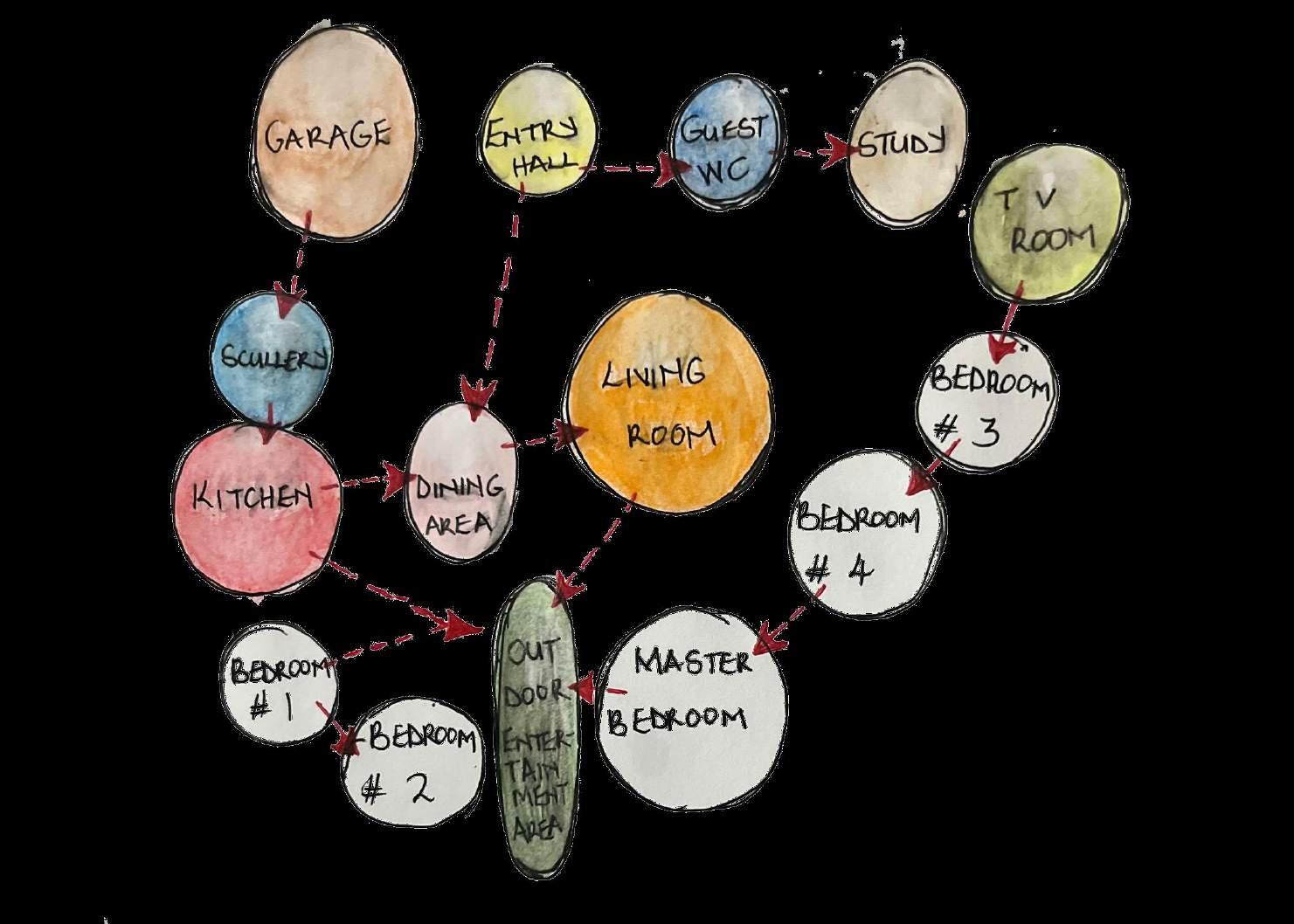
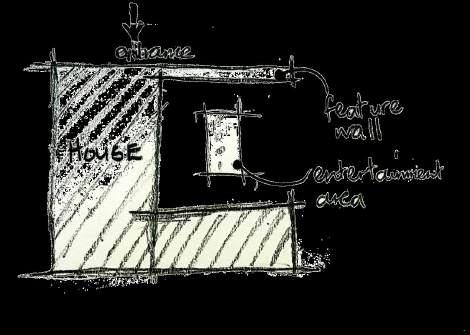
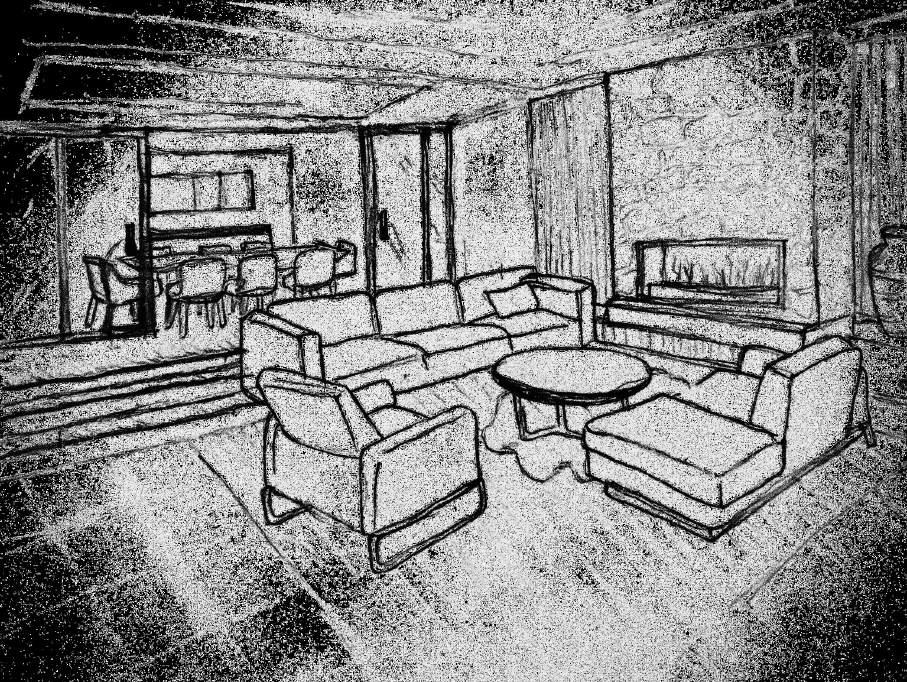
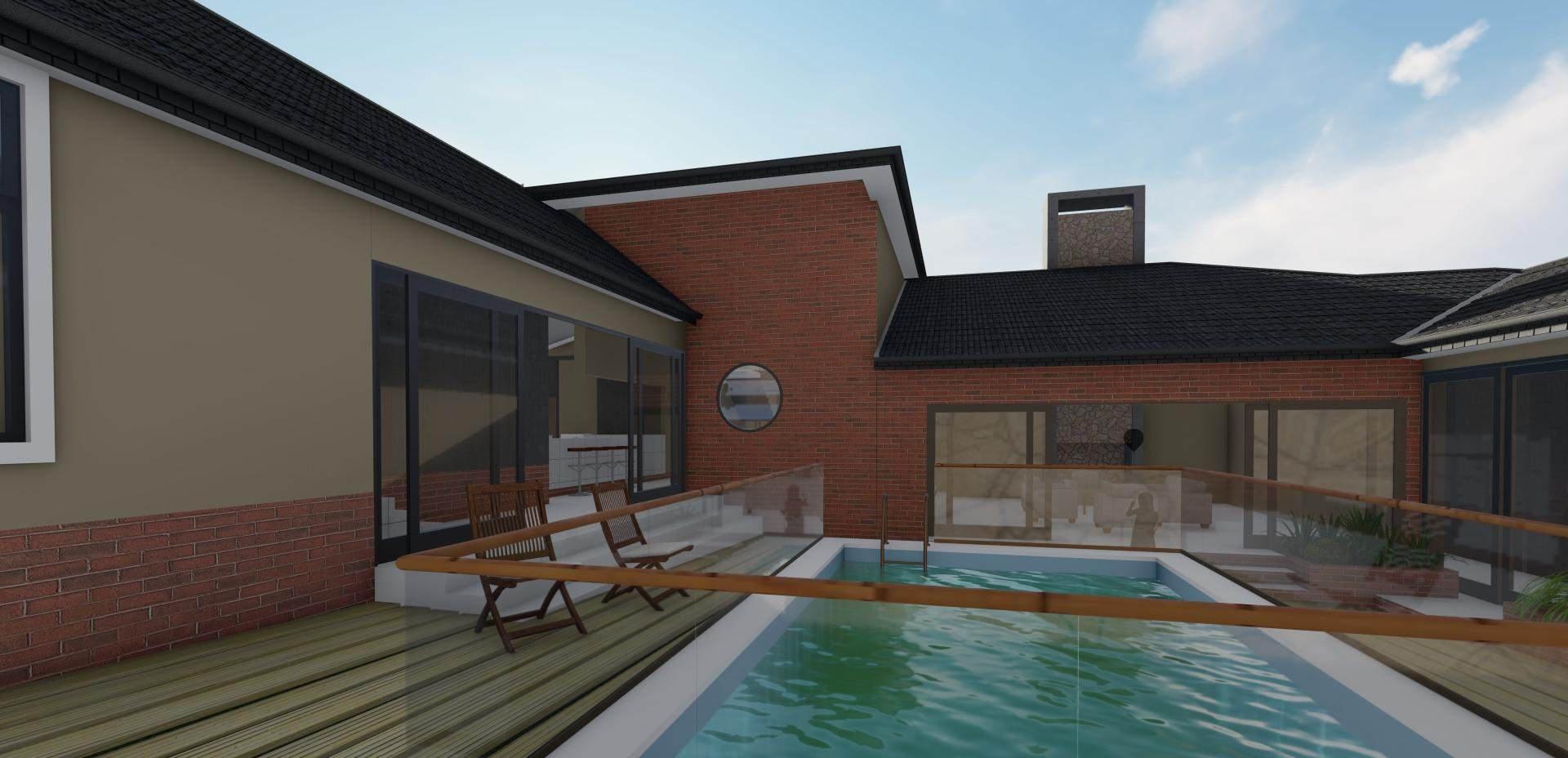
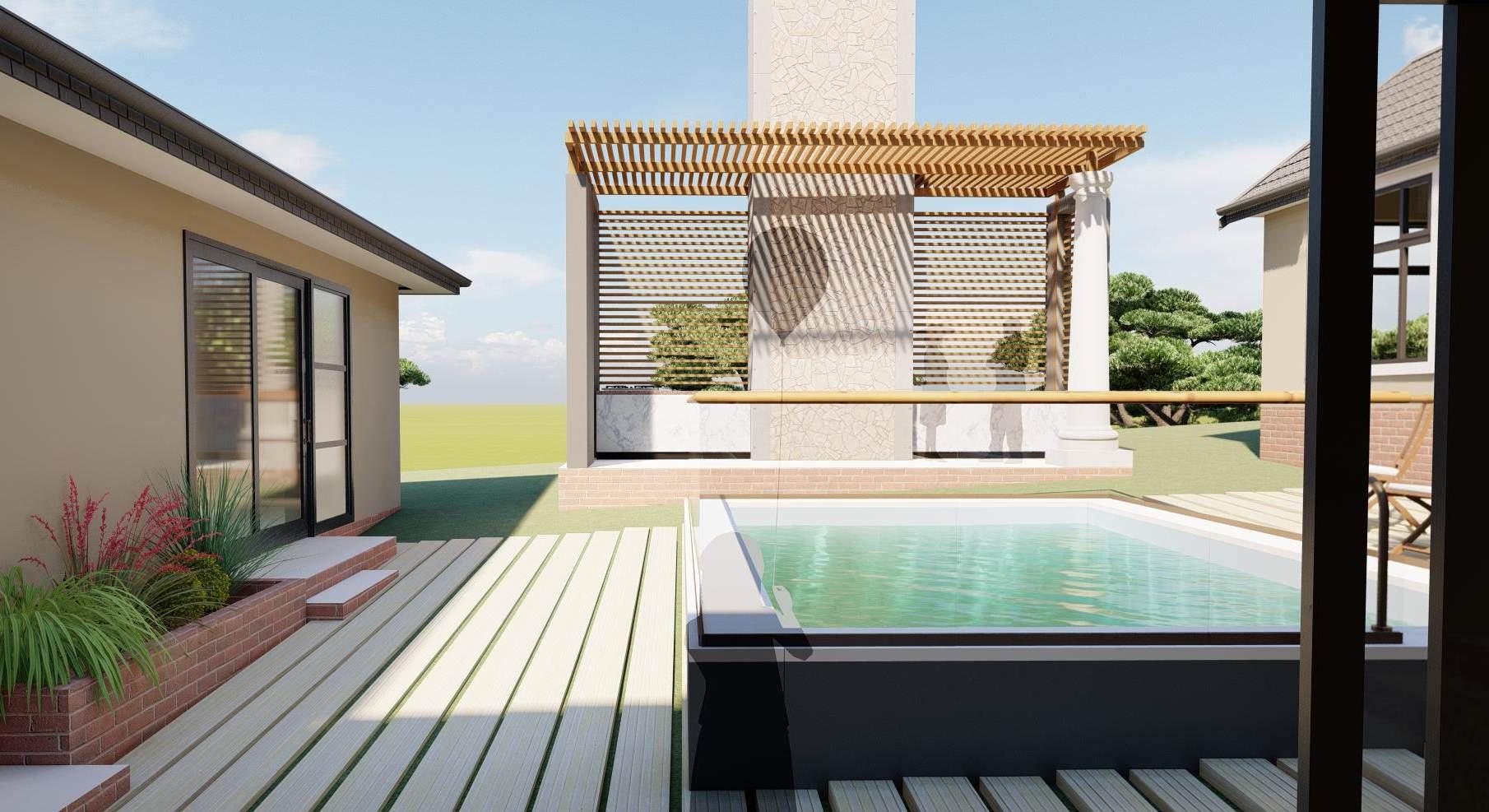
A spacious kitchen which was to Mrs. Chapfuwa's specification is included along with a dining area and lounge leading out to the courtyard which doubles as the entertainment area all on a slopey site which made for an interesting challenge and design solution.
Design Development
prepared the brief through site analysis, client consultation, and review of relevant precedents. studied both local medium-density Zimbabwean homes and international case studies on steep terrain to understand functional organisation, material strategies, and topographic responses. Client needs were aligned with the sloping site, climate, and local authority requirements. Input from engineers and suppliers informed structural and material decisions. These investigative methods ensured a context-appropriate, technically robust, and environmentally responsive brief.
Initial design
Facade
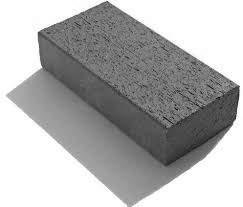
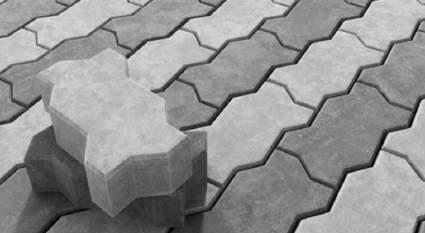
Pavers
The project blends cultural memory, client
and contextual pragmatism into a cohesive
and
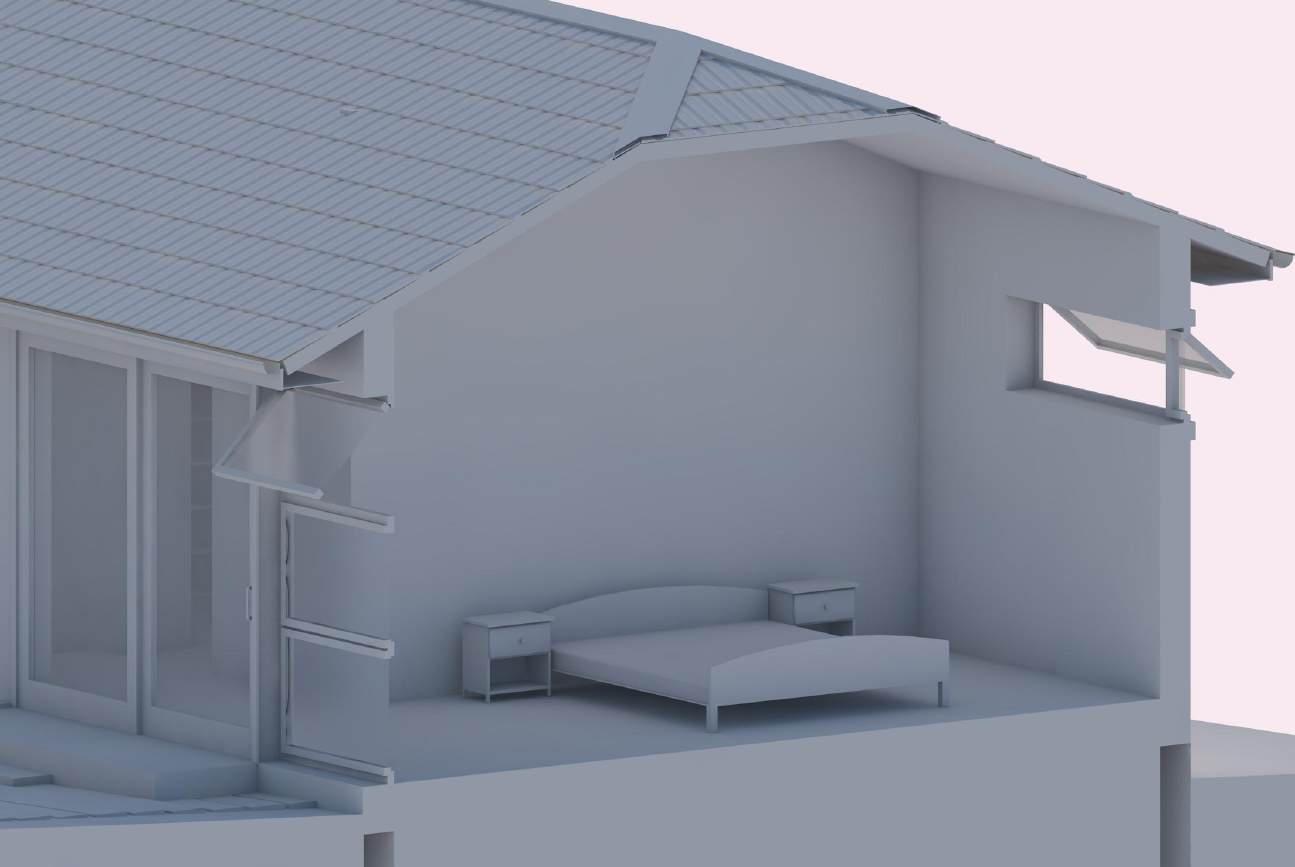
Passive design: Master Bedroom
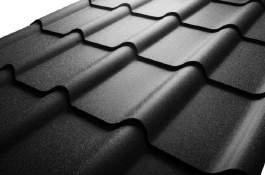
I evaluated alternative structural and constructional systems before selecting a stepped reinforced concrete foundation suited to the sloping site. Load-bearing brick walls and Marley roofing tiles were chosen for durability, climate suitability, and local availability. integrated structural principles with practical buildability, considering material properties such as thermal mass, strength, and low maintenance.
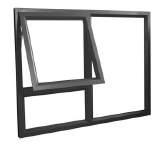
Window placement responded to prevailing winds and solar orientation to maximise daylight and natural ventilation while reducing heat gain. Thermal mass from brick masonry helped stabilise indoor temperatures. Building services were integrated early, with efficient plumbing routes, electrical planning for solar expansion, and ventilation strategies that minimise reliance on mechanical cooling.
Exploration of
I followed statutory procedures by coordinating architectural and structural drawings before submitting the design to Bulawayo City Council for approval. understood land regulations, building by-laws and health and safety requirements. Collaboration with structural engineers, suppliers and authorities demonstrated my knowledge of professional roles, procurement relationships and the processes needed to deliver a compliant project.
Site image
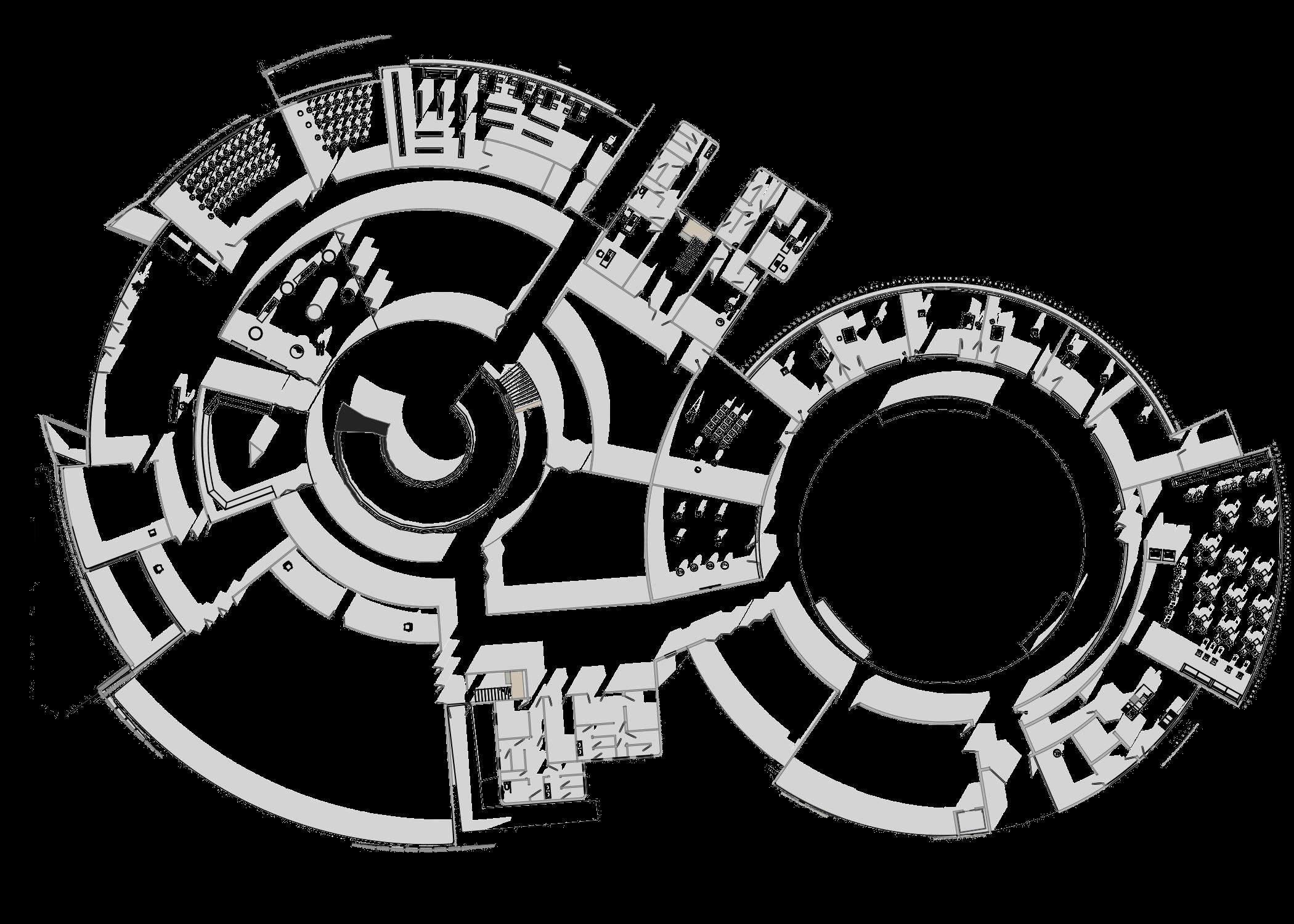
Ground Floorplan: NTS
1.Multipurpose Hall
2.Foyer
3.Museum shop
4.Entrance Hall
5.Exhibition 4
6.Exhibition 1
7.Exhibition 2
8.Lecture room 1
9.Lecture room 2
10.Library
11.Control room
12.Tour guides
13.Messengers
14.Ladies ablutions
15.Gents ablutions
16.Storage
17.Exhibition 3
18.Ladies ablutions
19.Gents ablutions
20.Ramp/stairs
21.Children eduhub
22.Tech Hub
23.Artist studios
24.Restaurant
25.Kitchen
26.Loading dock
27.Workshop
28.Gallery
MBARE MUSEUM
CULTURAL & HISTORICAL
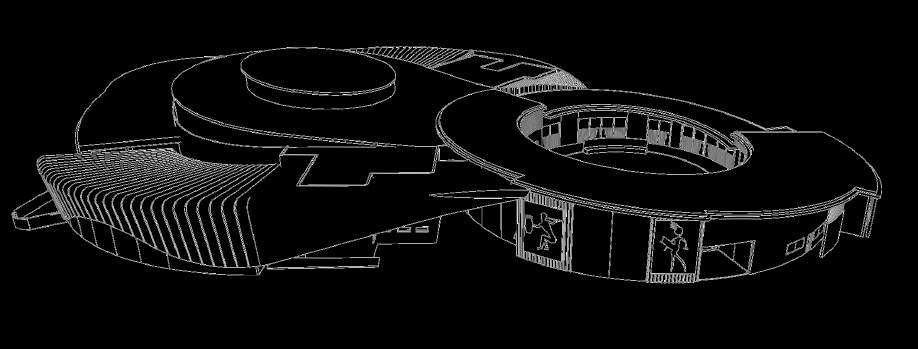
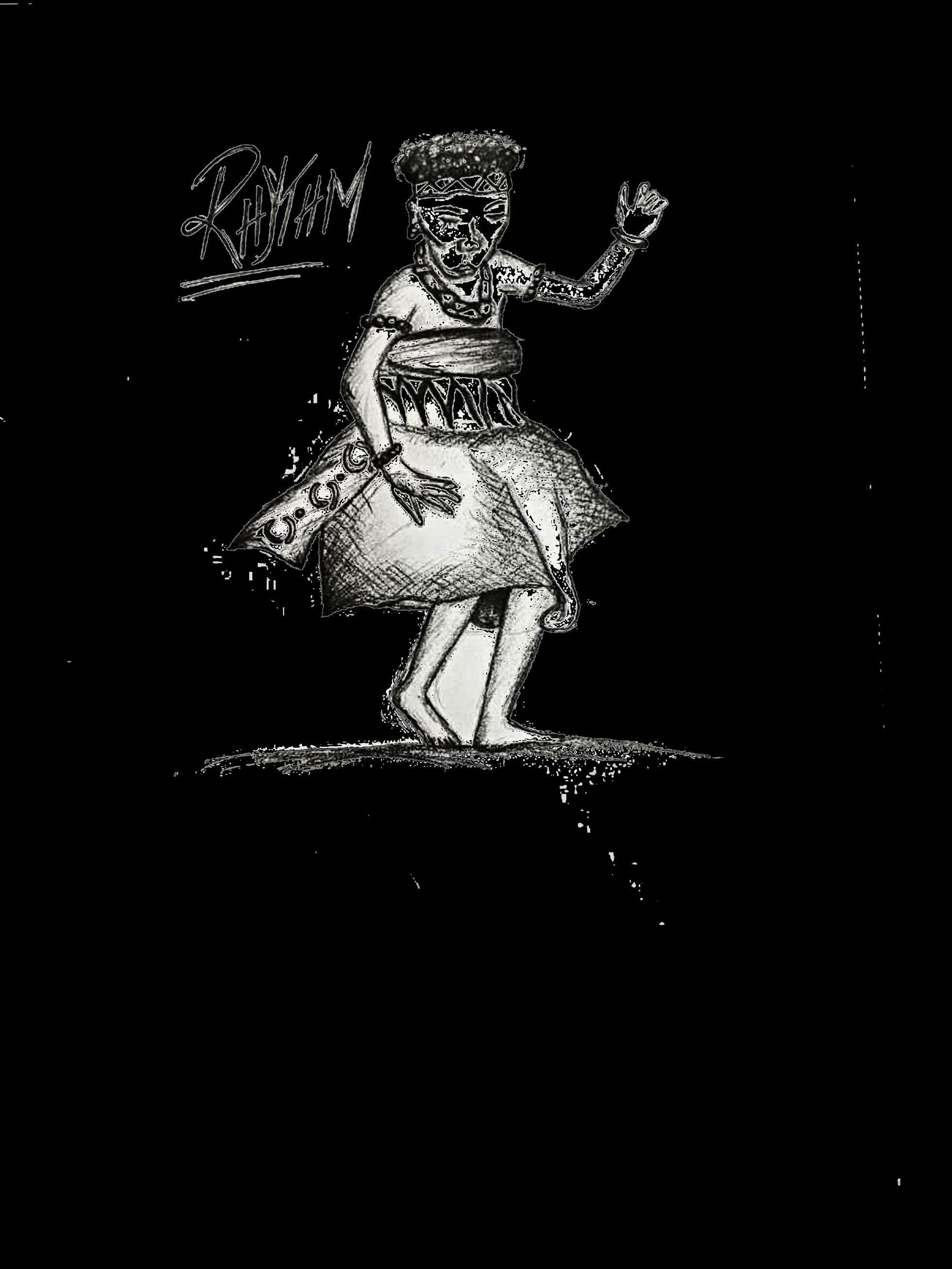
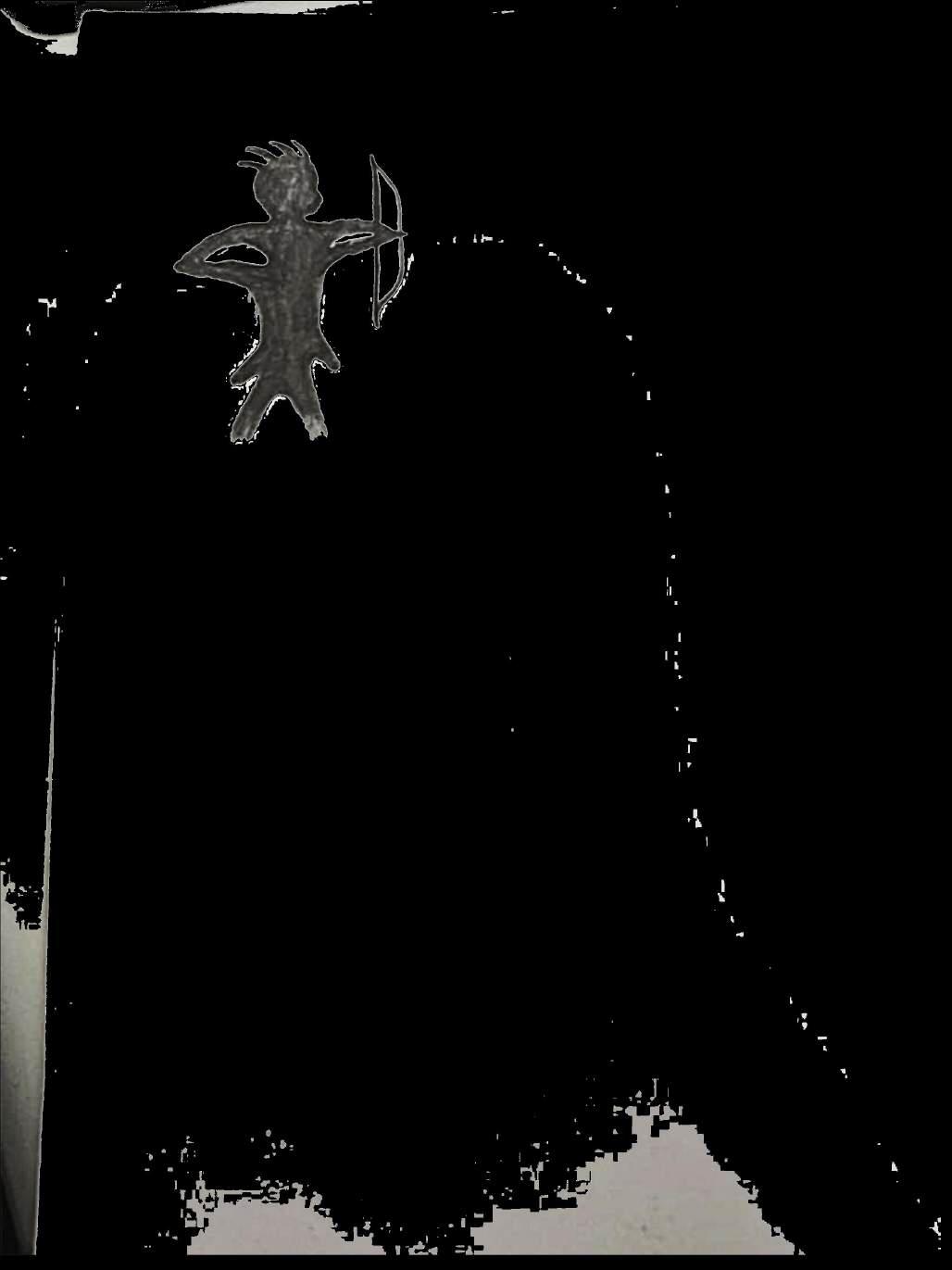
MEMORY CARVED IN MOVEMENT
The
is
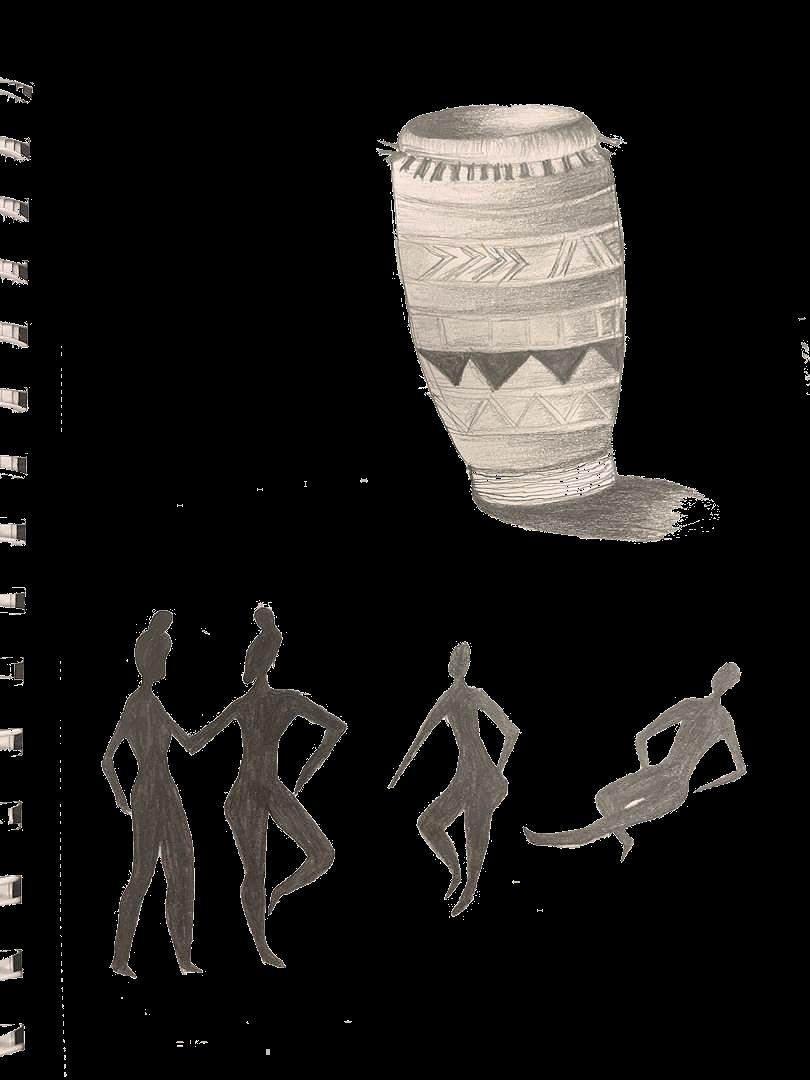
of Shona
COMMERCIAL ZONE
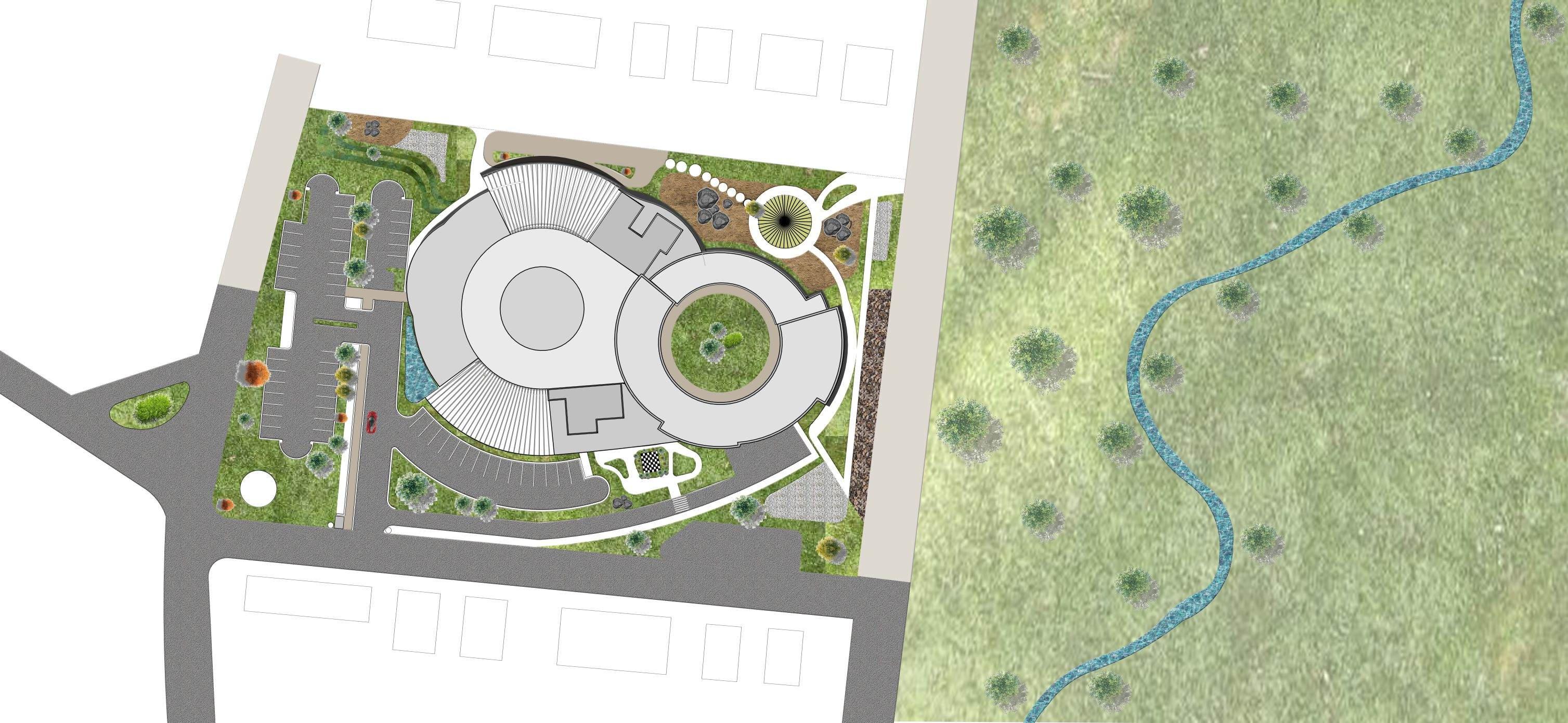
PLAN TO SCALE
MIXED USE ZONE
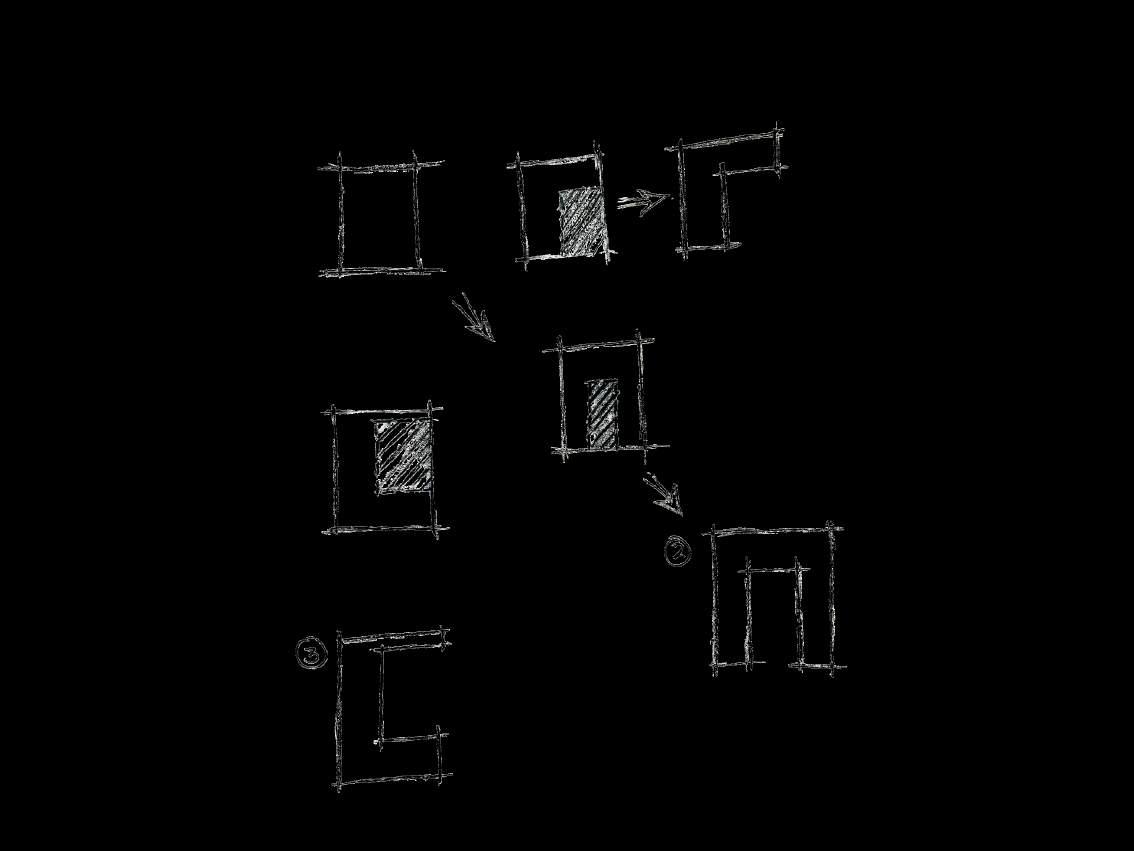
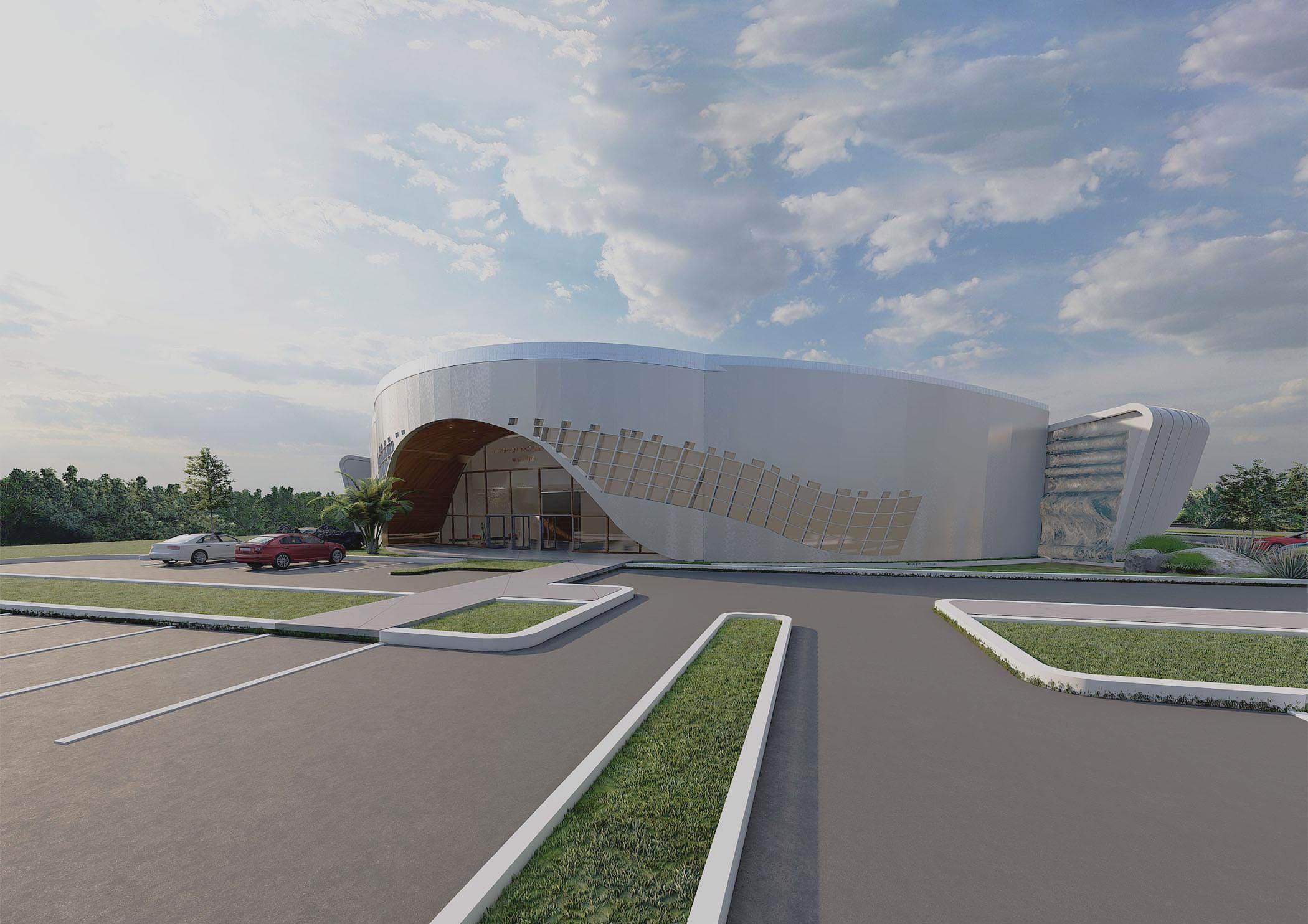
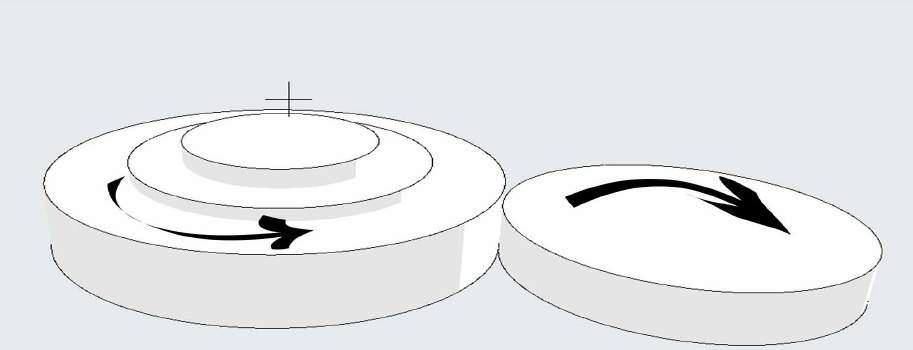
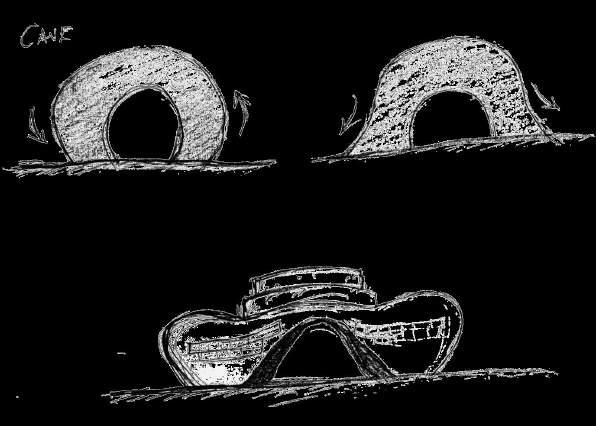
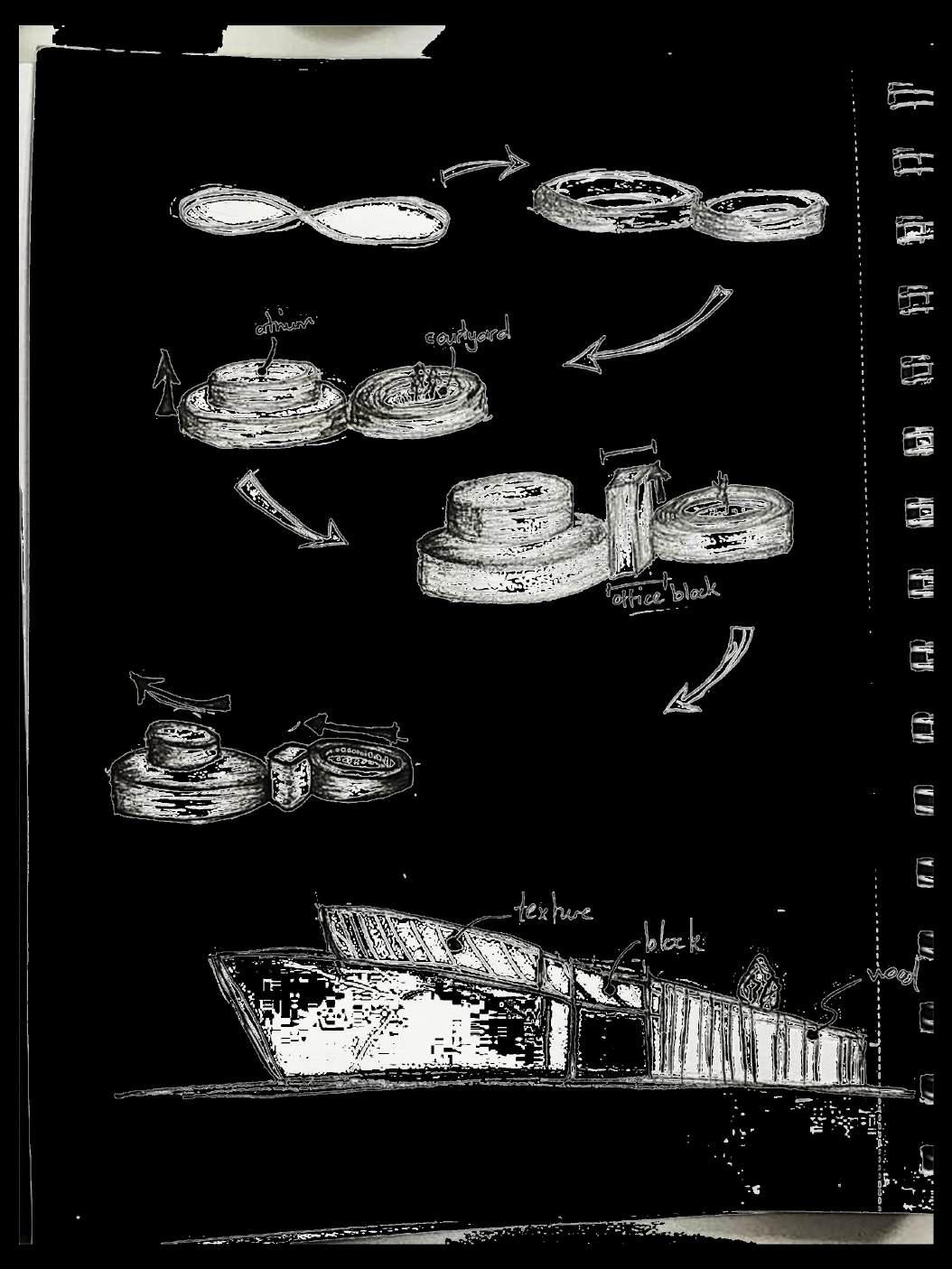
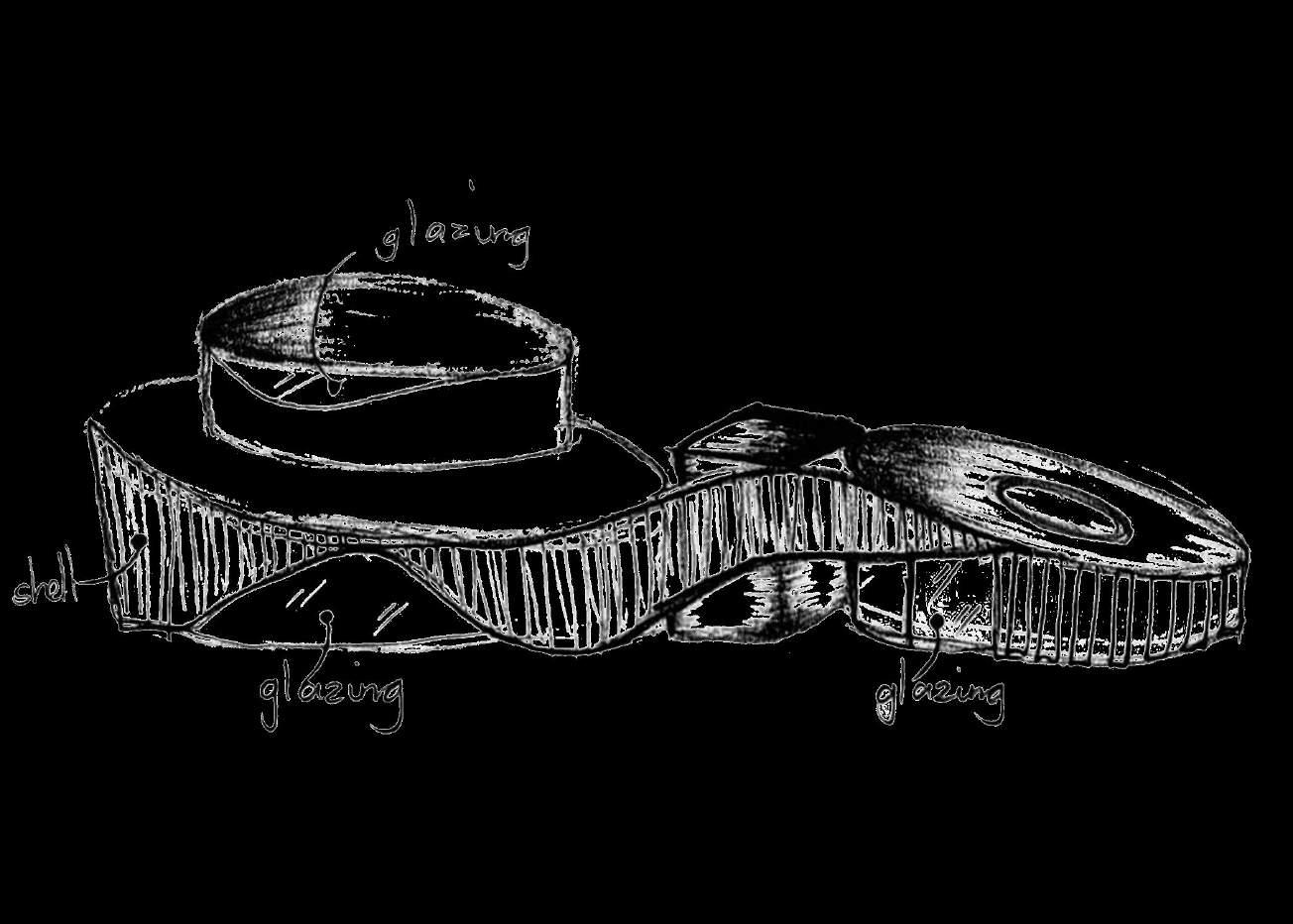
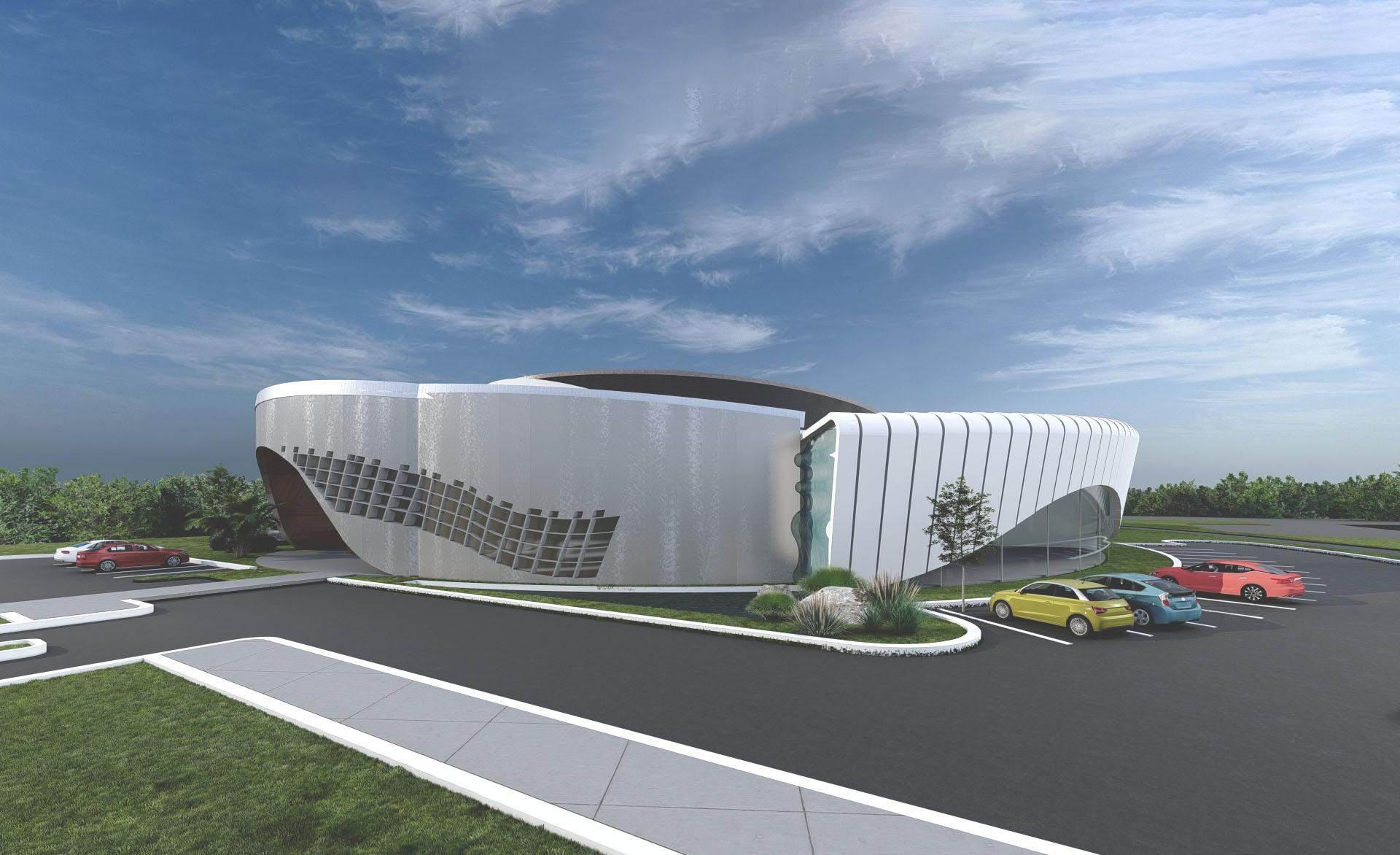
fluid form that would to trail the building way. to direct the user keeping the business and closed off. The indicate the change fluidity of Shona art through the design. the building design used by locals with tell a story.
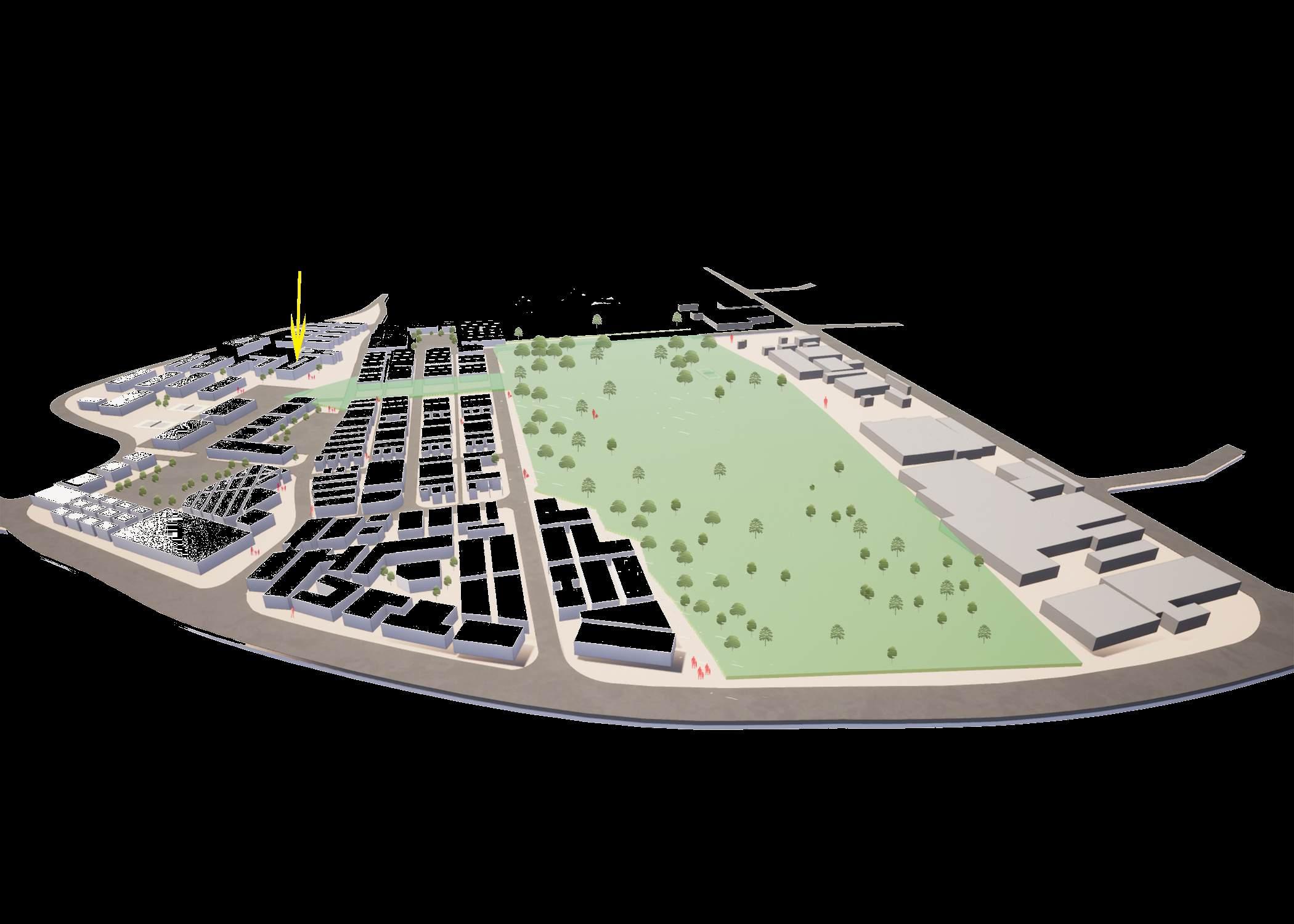
Harare Road has been cut off when approaching from Cripps Road as a result of attempting to pedestrianise the neighbourhood.
It has completely discontinued from the Northern direction hence there is a need to access the neighbourhood via Rememberance Road, leading into Cripps Roads and finally the small portion of Harare Road which still remains.
The (Harare Road) two way street takes in traffic which is headed for both the residential flats as well as the proposed museum and commercial zone.
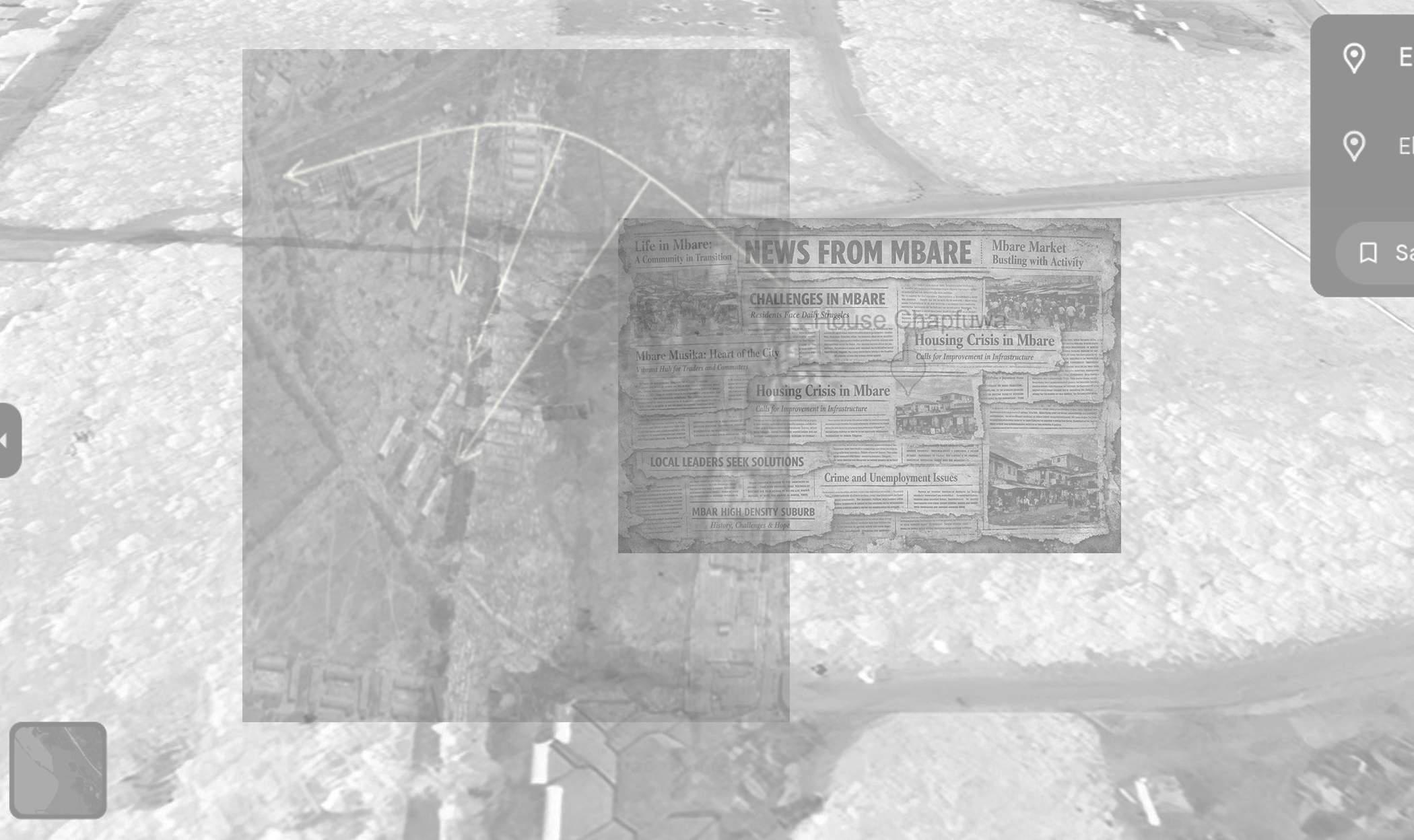
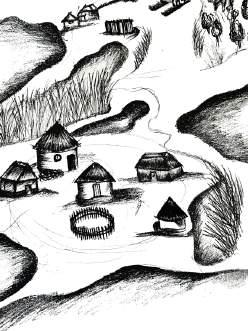
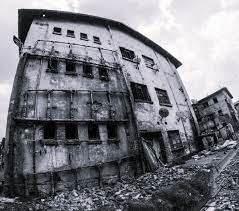
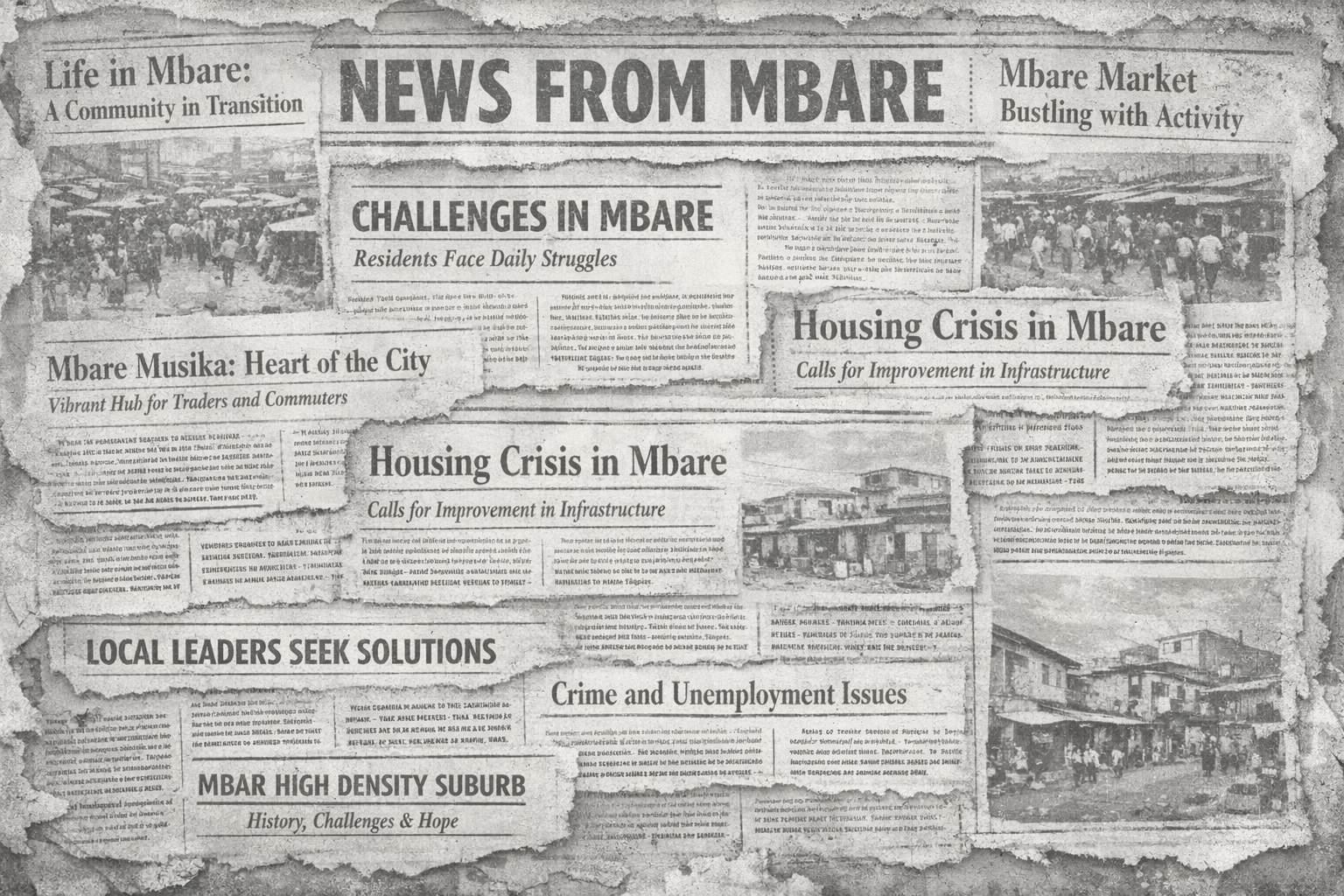
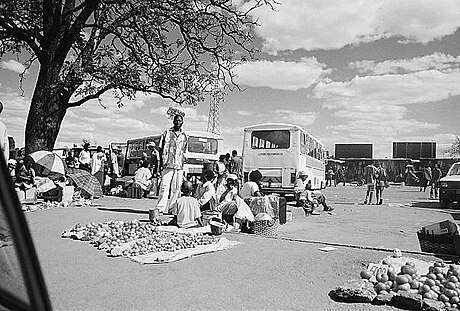
The proposed project is to be situated in Mbare suburb which is found within Zimbabwe’s capital city, namely Harare. It is the oldest high-density suburb in the country and is about 5km from the central business district (Pindula, n.d). It is known for its monumental history, its ‘larger than life character/ strange charm’ (I. Mabasa, 2014).
1907- First high density neighbourhood in Harare