Digital Marketing vs Traditional Marketing
Which One is Right for Your Business?
Discover how to choose the perfect marketing strategy for your business in today's multichannel landscape.

Discover how to choose the perfect marketing strategy for your business in today's multichannel landscape.
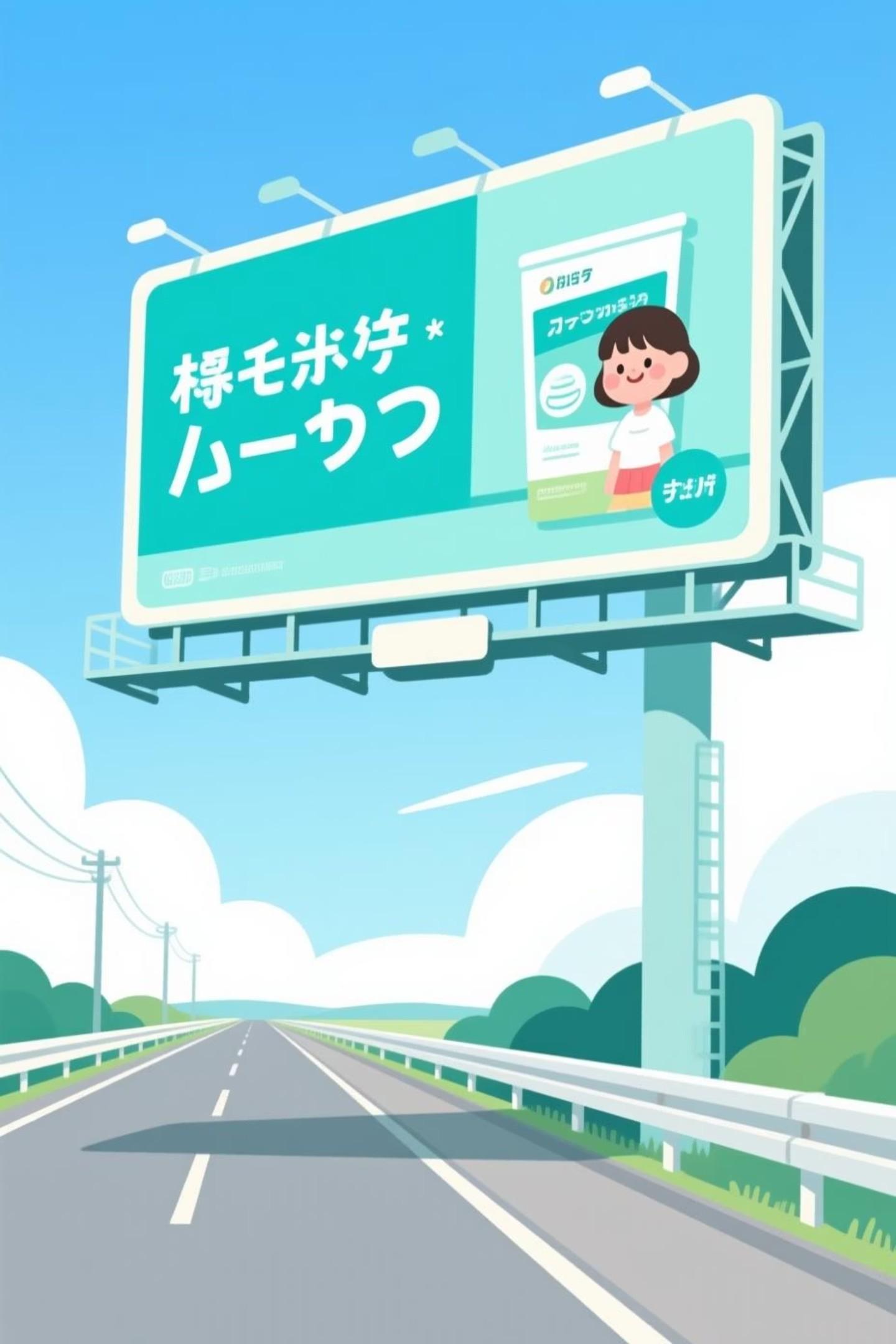
Traditional marketing encompasses offline channels that have built brands for decades: television commercials, radio spots, newspaper ads, billboards, direct mail, and telemarketing. These methods reach broad audiences through physical and broadcast mediums.
Reaches mass audiences in geographic areas with established trust and credibility among older demographics.
Local Connection
Builds strong community presence and familiarity, especially effective for neighborhood-based businesses.
High production costs, slow feedback loops, and difficulty measuring precise ROI make optimization difficult.

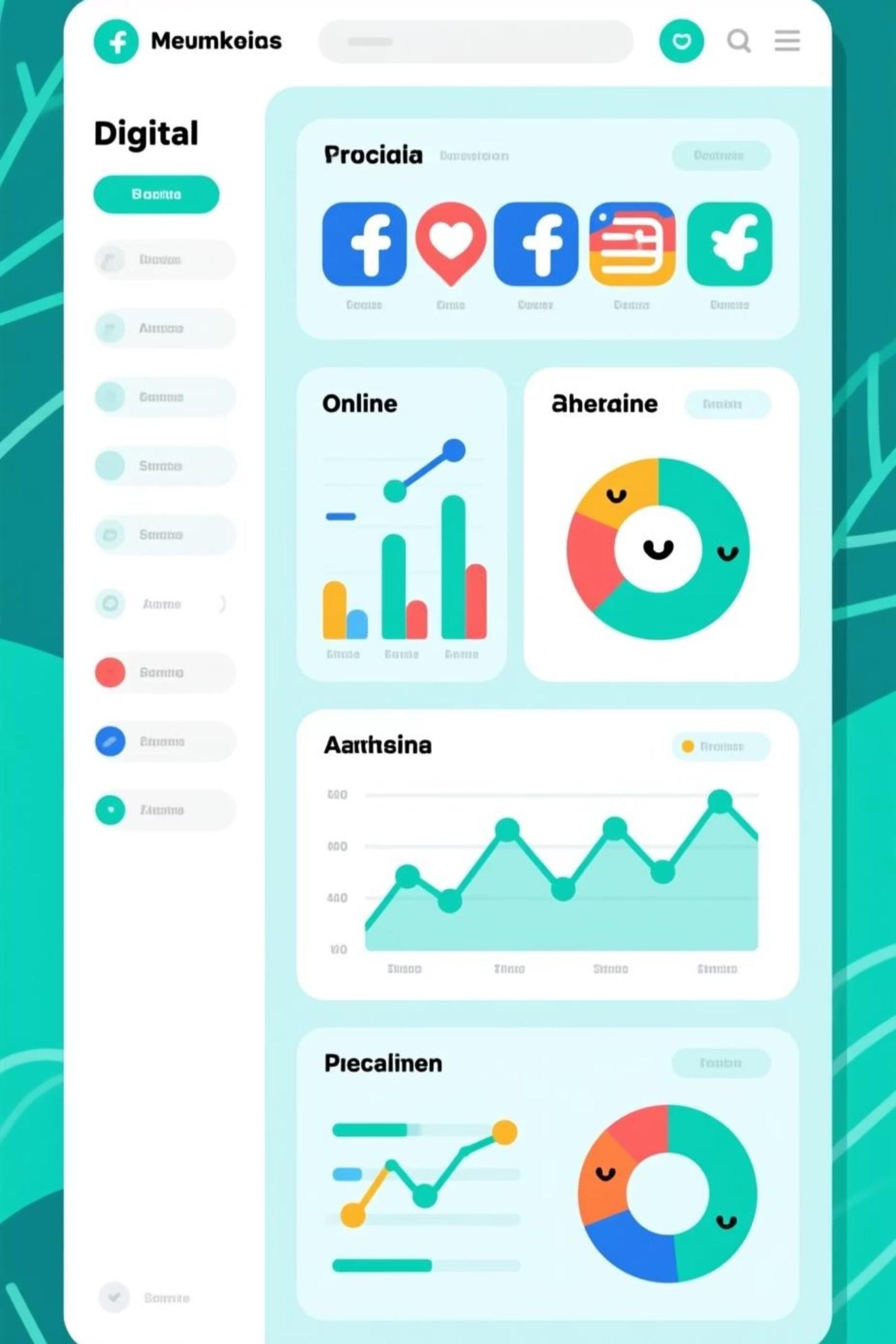
Digital marketing leverages online channels to reach audiences: social media platforms, search engine optimization, email campaigns, pay-per-click advertising, and content marketing. This approach enables real-time connection with customers wherever they are online.
Reach specific audiences by demographics, interests, and behaviors. Tailor messaging for maximum relevance and engagement.
Track performance instantly— clicks, conversions, engagement metrics—enabling rapid optimization and smart decisionmaking.
Privacy regulations, technical skill requirements, and ad-blocking technology mean messages can be easily skipped or ignored.
Traditional Marketing
Digital Marketing
• Mass reach across broad audiences
• Geographic focus within specific regions
• Limited customization options
• One-size-fits-most approach
• Hyper-targeted by demographics and interests
• Behavior-based audience segmentation
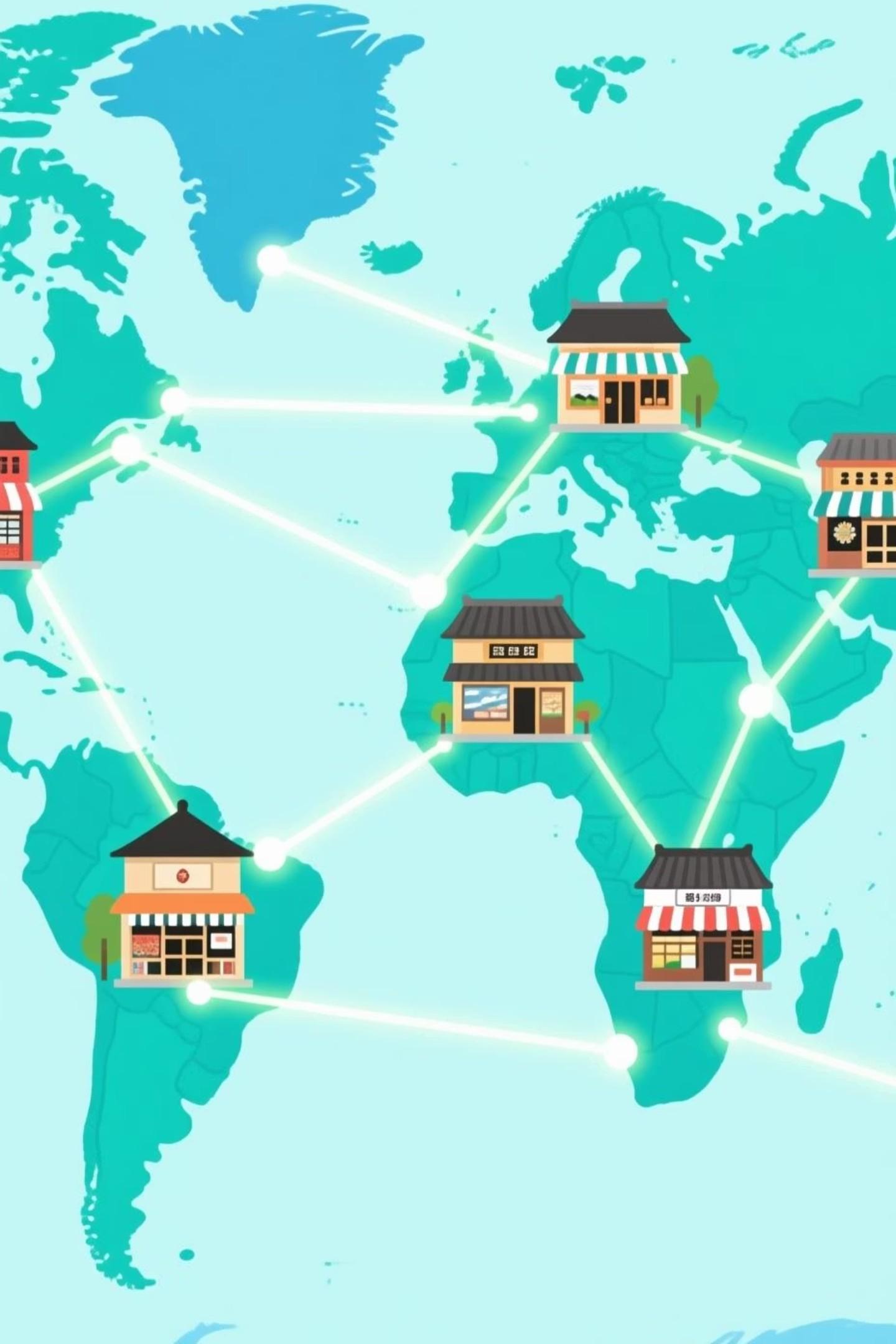
• Global reach with local flexibility
• Personalized messaging at scale
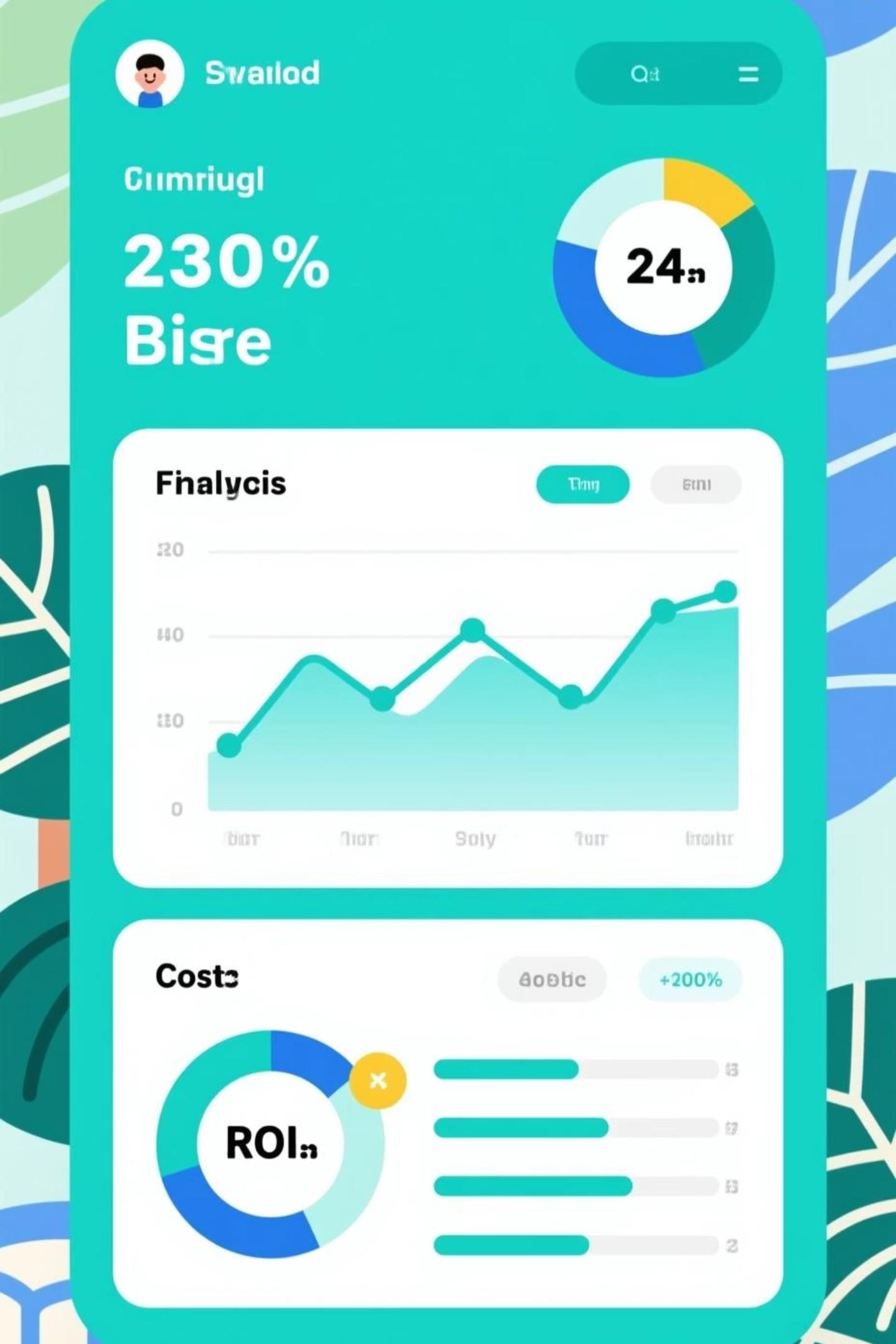
Understanding how your marketing investment translates to results is critical for business growth and budget decisions.


Expensive production and placement costs for TV spots, billboards, and print media. ROI measurement remains challenging and indirect, relying on surveys and estimates rather than data.
Flexible budgets with pay-per-click and performance-based models. Detailed tracking reveals exact clicks, conversions, and engagement metrics for transparent ROI calculation.
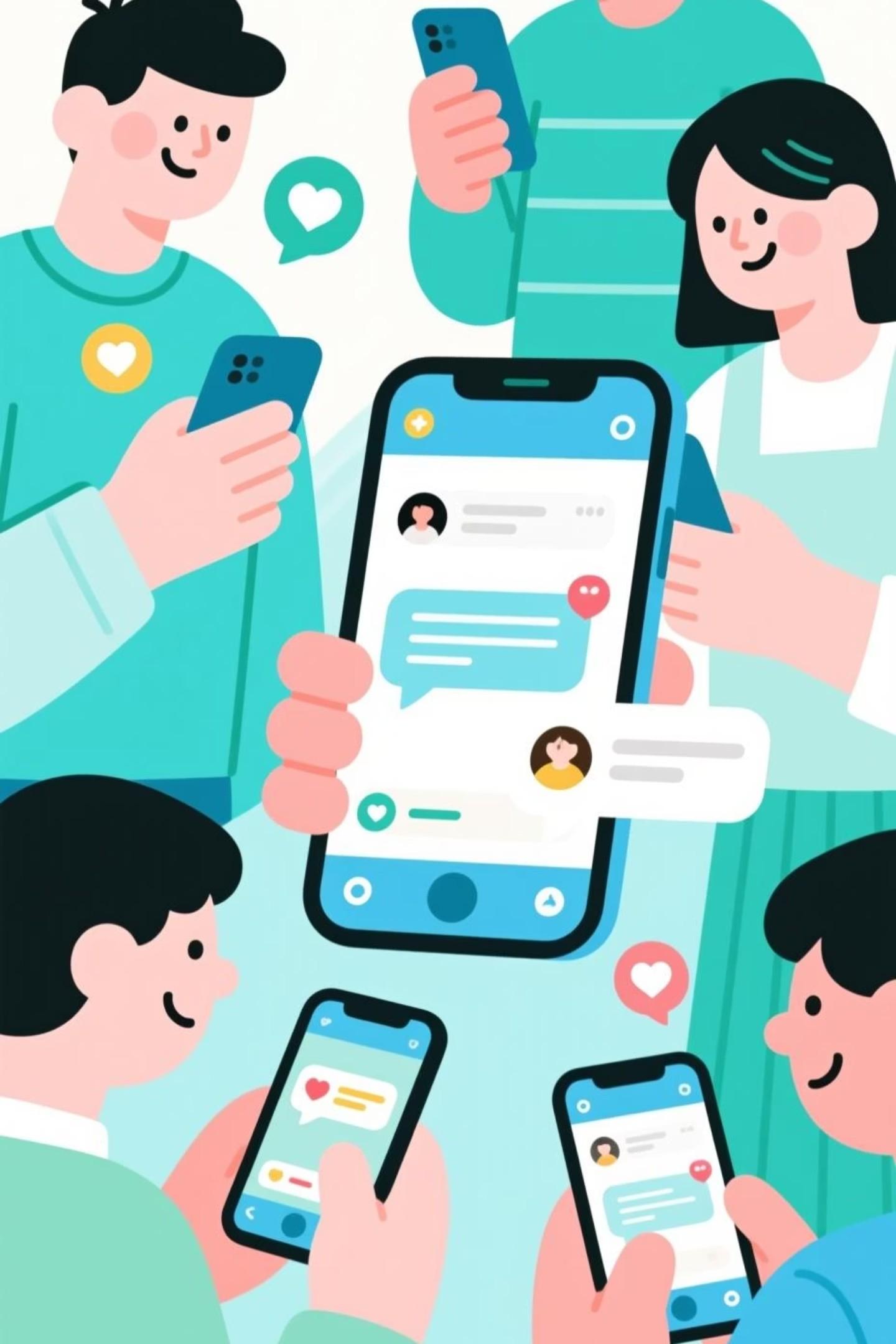
How your audience connects with your brand depends fundamentally on the communication model you choose.
Audiences passively receive messages through broadcasts and print. Limited opportunity for real-time dialogue or immediate feedback loops.
Users actively engage—liking, commenting, sharing, and providing instant feedback. Creates community and builds stronger brand loyalty through dialogue.

These three businesses demonstrate how strategic marketing choices drive remarkable growth: 1
In a digital-first market, this company invested $2M in bold offline billboard campaigns. Result: $2M new annual recurring revenue, proving traditional methods still resonate with the right audience.
3
Through targeted digital content marketing and strategic online campaigns, Gong scaled from $20M to $200M ARR. Digital precision and scalability enabled exponential growth.
Tesla combines digital campaigns with experiential events and direct customer engagement. This blend builds both brand awareness online and deep loyalty through memorable offline interactions.

Strategic moments call for traditional approaches when: Targeting Less TechSavvy Audiences
Your primary demographic trusts and engages with traditional media —TV, radio, newspapers, and print materials remain their trusted information sources.
You need strong community awareness and trust, especially for neighborhood businesses, local services, or regional expansion initiatives.
You have substantial budgets and need broad reach for product launches or brand awareness campaigns targeting general populations.

Digital strategies win when you need:
Precise Targeting with Quick Pivots
You require laser-focused audience segmentation and the agility to adjust campaigns in real-time based on performance data and changing market conditions.
Budget constraints demand efficiency. Digital's pay-per-click and performance models ensure every dollar is tracked and optimized for maximum return.
Your target market is younger, digitally native, or geographically dispersed. Digital channels meet them on platforms they actively use daily.
The most successful businesses don't choose between traditional and digital—they strategically combine both for maximum impact.
Merge traditional's trusted broad reach with digital's precision targeting for comprehensive market coverage.
Success comes from connecting with customers in the channels they trust —both online and offline environments matter equally.

Align your marketing mix with where your customers spend time—online channels and offline touchpoints both matter.
Continuously track results across all channels. Use data insights to reallocate budget toward highestperforming strategies.