Marty Callahan 8th Degree Black Belt
July
1, 2024
Student says, “Master, I am very discouraged. What should I do?” Master says, “Encourage others.”
Our exam was last month. Students may become anxious about taking the exam and then, if they don’t get the rank they were hoping for, they may become discouraged and want to quit. But becoming discouraged and quitting is not the right response to failure. The correct response is to bolster your spirit, learn what you need to get better at, and apply yourself with twice or more of the effort that you used before. It’s okay to be disappointed but it’s not okay to be discouraged and it’s certainly not okay to quit because you failed at attaining the rank you wanted. Failure is an essential part of the Hero’s Journey. Within failure is truth. Look for what you need to learn and then go to work on it. As Master Funakoshi often said, “Keep training.”
July and August Calendar
• Thurs. to Sun. July 4th to 7th Independence Day Closure
• Fri. and Sat. July 19th and 20th Sensei Edmond Otis 8th Degree Black Belt and Sensei Kevin Warner 7th Degree Black Belt – visit and teach classes
• Sat. August 24th Pioneer Park Classes and Sensei Callahan’s 75-55 Party (75th Birthday and 55 years of training)
Welcome to our new and returning students: Johnny Giroux, Zacharia Butler, Onnie Tuidraki, Cason Hollis, Cadence Barker, Amayntha McGlothlin
Here’s what’s in it this month’s Shoka Magazine:
• Sensei Otis and Sensei Warner – what a combination!
• How to Survive Fire Season
• Survey – What Parents Want Most for Their Kids
Yours truly,
Marty Callahan, Chief Instructor, 8th Degree Black Belt, Speaker Award Winning Author of The Hero’s Journey Act I – The Separation
Shotokan Karate Leadership School®
3082 Marlow Road B1, Santa Rosa, CA 95403
707-575-1681-ph, 707-861-0092-txt
SHOTOKAN KARATE LEADERSHIP SCHOOL®
Sensei Edmond Otis 8th Degree Black Belt
Sensei Kevin Warner 7th Degree Black Belt
We are very pleased to announce the visit of Sensei Edmond Otis along with our frequent Guest instructor, Sensei Kevin Warner. They will both be here the weekend of July 19th and 20th. Sensei Otis has a unique background. He is the Chief Instructor of Shotokan International Alliance and is an internationally known peak-performance coach, health educator, and licensed psychotherapist. Sensei Warner is a former international competitor and a member of the Advisory Committee of Shotokan International Alliance. Both instructors will be here to teach classes and talk to you about the various ways that karate training can improve your life. So, you don’t want to miss this. We strongly recommend that you sign up in advance and avoid being turned away at the door.
Friday, July 19th
5p Shoka / BBSL All Ranks & All Ages
6p All Brown and Black Belts, All Ages
7p Talk by Sensei Edmond Otis
“The Three Karate Strategies Everyone Can Use Every Day – and Everywhere”
Saturday, July 20th
9a Shoka / BBSL All Ranks Age 7 and up
10a All White, Yellow and Orange Belts, All Ages 10:30a to 12:30p Santa Rosa Invitational Karate Tournament
Mark your calendars now!
Marty Callahan 8th Degree Black Belt
How to Survive Fire Season
“Warriors are not what you think of as warriors. The warrior is not someone who fights, for no one has the right to take another life. The warrior, for us, is the one who sacrifices himself for the good of others. His task is to take care of the elderly, the defenseless, those who cannot provide for themselves, and above all, the children, the future of humanity.”
-Sitting Bull, Hunkpapa Lakota Indian Chief
The martial arts are about life and death. As martial artists we study everything that might affect our life in a positive or negative way and fires are one of them The Point Fire in northwestern Sonoma County near Lake Sonoma is the first of the year and a real wake up call.
Here is what ChatGPT has to say about it.
Surviving fire season in California requires preparation, vigilance, and quick action. Each year, residents face the risk of wildfires due to the state's dry climate, strong winds, and abundant vegetation. Here are key steps to ensure safety and preparedness during this perilous time.
1. Create a Defensible Space: One of the most effective ways to protect your property is to create a defensible space around your home. This involves:
• Clearing Vegetation: Maintain a zone of at least 100 feet around your house free of dry leaves, dead plants, and other flammable materials. This helps prevent the fire from spreading.
• Tree Trimming: Keep trees and shrubs pruned and away from structures. Remove dead branches and ensure that there is enough space between tree canopies.
• Fire-Resistant Landscaping: Consider using fire-resistant plants and materials in your landscaping. Gravel, stone, and fire-resistant plants can help slow the spread of a fire.
2. Hardening Your Home: Making your home more resistant to fire involves both small upgrades and significant renovations:
• Roofing: Use fire-resistant roofing materials. Class A materials, such as asphalt shingles, metal, and clay tiles, provide the best protection.
• Vents: Install ember-resistant vents to prevent embers from entering your home and igniting it from within.
• Windows: Use double-paned or tempered glass windows to reduce the chances of them breaking due to heat exposure.
• Decks and Fences: Use non-combustible materials for decks and fences and keep them clear of flammable debris.
3. Emergency Kits and Plans: Being ready to evacuate at a moment’s notice is crucial:
• Go Bag: Prepare an emergency kit, or "go bag," that includes essentials such as water, non-perishable food, medications, important documents, clothing, flashlights, batteries, & a first-aid kit.
• Family Communication Plan: Establish a communication plan with your family. Designate a meeting place and ensure everyone knows emergency contact numbers.
• Evacuation Routes: Familiarize yourself with multiple evacuation routes from your home and community. Road closures can occur quickly during a fire.
4. Stay Informed: Keeping informed about the fire conditions in your area can be lifesaving:
• Alert Systems: Sign up for local emergency alerts and notifications. Many counties in California offer text and email alerts.
• Weather Updates: Regularly check weather forecasts and fire warnings from reliable sources such as the National Weather Service.
• Social media: Follow local fire departments and emergency management agencies on social media for real-time updates.
5. During a Fire: If a fire is approaching, there are immediate steps you should take:
• Stay Calm and Evacuate: If you receive an evacuation order, leave immediately. Delaying can put you and your family at greater risk.
• Protect Your Home: If you have time, close all windows and doors to prevent drafts that could draw in embers. Turn off gas lines, propane tanks, and pilot lights.
• Stay Low: Smoke inhalation is a significant risk. If caught in heavy smoke, stay low to the ground where the air is clearer.
6. After a Fire: Returning home after a wildfire requires caution:
• Check for Hot Spots: Smoldering debris can reignite. Be vigilant and use water to douse any remaining flames.
• Health Precautions: Wear a mask to protect against inhaling dust and ash and avoid stirring up ashes and dust.
• Inspect Utilities: Before using gas and electricity, ensure they are checked by professionals to avoid leaks or electrical fires.
Conclusion
Surviving fire season in California demands preparation, awareness, and swift action. By creating defensible spaces, hardening your home, preparing emergency kits, staying informed, and knowing what to do during and after a fire, you can significantly increase your chances of staying safe and minimizing damage. Remember, the key is to be proactive and ready long before the threat of a wildfire looms.
Survey Details What Parents Want
Most for Their Children
Healthline
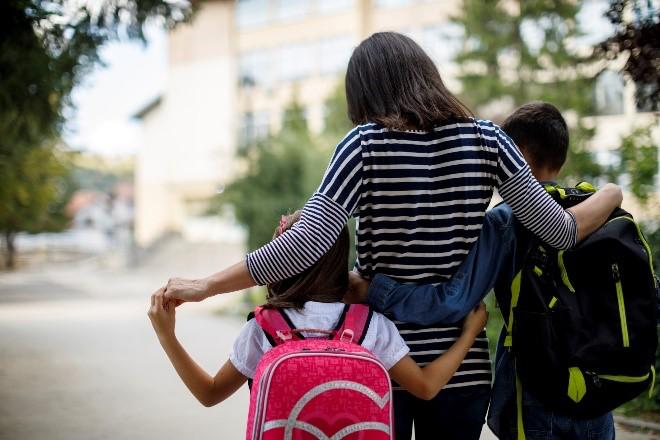
• A new survey is shedding light on parents’ concerns and hopes for their children.
• Parents were most concerned about their children’s mental health, financial stability, and job satisfaction.
• Marriage, having children, and going to college were not as high on the parental wish list.
Parents are concerned about their children’s mental health, financial stability, and job satisfaction, but they are less concerned about other markers of life success such as marriage, having children, or going to college, a new survey from the Pew Research Center suggests.
In the survey of 3,700 parents, 4 in 10 said they were extremely or very worried about their children struggling with anxiety or depression, with their kids being bullied being their next biggest concern.
On the other side of the spectrum, parents were least concerned with their children getting in trouble with the police 67% said they were “not too” or “not at all” worried while 54% said they were not worried about their kids getting pregnant or getting someone pregnant as a teen.
Kids’ happiness and satisfaction reign supreme
Since mental health presented such a significant concern among parents, it’s perhaps unsurprising that a vast majority of parents (88%) say their children’s financial stability and job satisfaction as adults are very or extremely important to them, the survey found. This compares to 21% and 20%, respectively, who say it’s essential their kids get married or have children when they grow up.
Among other values, parents also rated most highly that their children were honest and ethical (94% said it was extremely or very important) over other factors like sharing the same religious beliefs (35%) or political beliefs (16%).