
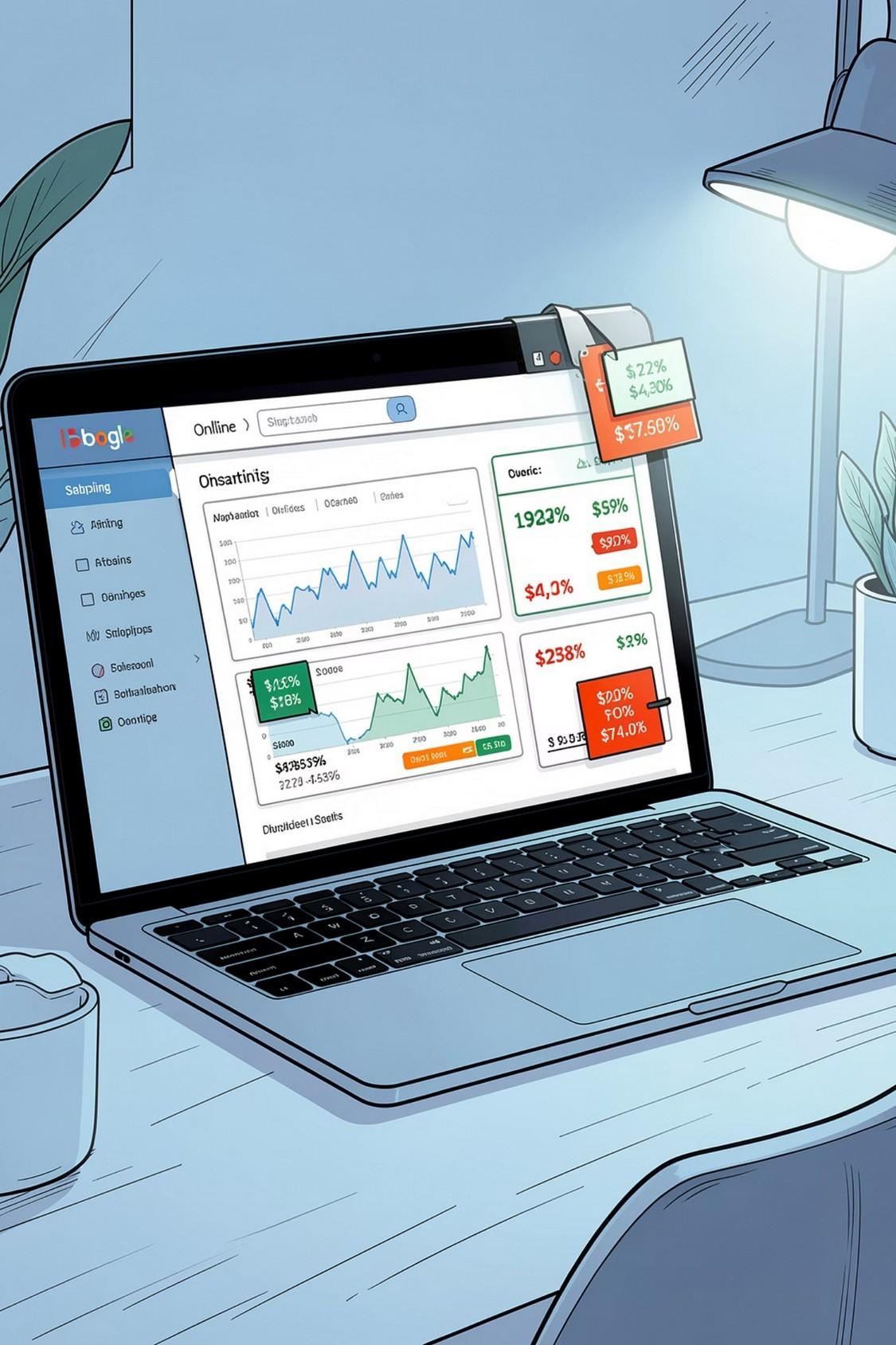
The Ultimate Shopping Tip Blog Master Your Savings in 2026
The retail world is moving faster than ever. AI-driven pricing, flash sales, and endless choices can leave even savvy shoppers feeling overwhelmed. This guide gives you the strategies, tools, and mindset to shop smarter — and save more — in 2026 and beyond.


The New Retail Landscape: Faster, Smarter, More Dynamic
Retail has fundamentally changed. AI algorithms now adjust prices by the hour, micro-flash sales pop up without warning, and directto-consumer brands flood the market with competitive options. The result? More opportunity — but also more complexity.
⚡ Dynamic Pricing
Prices can shift multiple times per day based on demand, inventory, and your browsing behavior. What you see now may not be the best price in an hour.
�� Decision Fatigue
With thousands of options at every click, the abundance of choice paradoxically makes shopping harder. A smart playbook cuts through the noise.
�� Proactive Edge
Passive browsers pay full price. Shoppers who track, compare, and time their purchases consistently come out ahead — often by 20–40%.
Core Principles for Smart Shopping
Before diving into tactics, anchor yourself in four foundational principles. These aren't just tips — they're a mindset shift that transforms how you approach every purchase, big or small.
1
Be Proactive
Shift from passive browsing to active tracking. Set alerts, monitor trends, and engage with deals on your terms — not the retailer's.
Plan Your Purchases
2
3
Leverage Data
Use price history, review patterns, and return rate data to judge true value — not just the sticker price in front of you.
Differentiate urgent needs from planned buys. Planned purchases can be timed to sales cycles, dramatically reducing cost.
4
Think Total Cost
Factor in shipping, returns, warranty terms, and even privacy costs. The cheapest upfront price often hides the most expensive total cost.
Tactical Advantage 1: Price History & Smart Alerts
Why Price History Matters
A "50% off" label means nothing without context. If the original price was artificially inflated, you're not saving — you're being manipulated. Price history tools reveal the real story behind every deal.
Ask yourself: Has this price been lower? Is this a seasonal peak? Is the "original" price legitimate?
Setting Up Smart Alerts
• Install price-tracking browser extensions like Honey, CamelCamelCamel, or Keepa
• Set threshold-based alerts for specific prices — not generic "price drop" notifications
• Combine product-level alerts with category-level alerts for seasonal items (e.g., winter jackets, summer electronics)
• Review alert history monthly to refine your price targets based on real market data
Tactical Advantage 2: Multi-Source Comparison & Seasonal Cycles
The lowest sticker price is rarely the best deal. Smart shoppers compare across marketplaces, brand sites, and third-party sellers — then layer in timing strategy for maximum savings.

Compare Across Channels
Check Amazon, the brand's direct site, Walmart, and specialty retailers. Factor in shipping costs, taxes, and return difficulty for the true total cost — not just the listed price.
Know Your Seasonal Windows
Electronics drop around Black Friday and new model releases. Outdoor gear clears end-of-season. Clothing rotates quarterly. Build a personal purchase calendar to wait for optimal timing.
Track Your Regular Categories
Maintain a simple calendar of your recurring purchase categories. Knowing when your items historically go on sale eliminates guesswork and impulse buying at the wrong moment.
Tactical Advantage 3: Mastering Returns & Warranties
A great price means nothing if you're stuck with a defective product and no recourse. Returns and warranties are often overlooked — but they can make or break the true value of a purchase.

Always Read the Returns Policy First
A low price with a 7-day no-return policy is a hidden risk. Free, extended return windows effectively reduce the cost of trying a product risk-free.
Understand Warranty Clarity
Does the warranty cover parts, labor, or both? Is it manufacturer or seller-backed? Vague warranty terms often signal poor product confidence.
Factor in Replacement Costs
For high-ticket items, calculate the cost of a potential replacement. A slightly higher upfront price with a solid warranty may be the smarter long-term bet.
The Hidden Cost Formula
Before clicking "Buy Now," mentally calculate:
• Listed price • + Shipping & taxes
+ Return shipping (if applicable)
− Value of return window flexibility •
Warranty coverage value
= Your True Total Cost
The Deal Hunter's Checklist: Spotting Real Savings
Not all discounts are created equal. Use this four-point checklist before any significant purchase to separate genuine deals from marketing illusions.

Baseline Check
Verify recent market prices — check 30, 60, and 90-day history against the advertised "original" price. If the baseline is similar to the sale price, it's not a real deal.
Bundle Value
Assess whether added extras — free shipping, loyalty points, gift cards — genuinely improve the offer or are just window dressing to justify a mediocre discount.
Markup Check
Identify if the price was artificially inflated before the discount was applied. A product listed at $200, marked up to $400, then "slashed" to $200 is not a sale — it's a trick.
Signup Perks
Measure the real cash savings from email signup discounts or loyalty programs against any required commitments. A 10% coupon is worthless if it locks you into overpriced future purchases.
Why Weekly Shoppers Win: Building a Save-More Routine
Consistency is the ultimate shopping superpower. Weekly engagement with your favorite retailers builds pattern recognition, unlocks personalized rewards, and creates a structured system that beats impulse buying.


Pattern Recognition
Frequent exposure helps you spot seasonal cycles, clearance waves, and promotional behavior before the general public does. You'll know a real deal when you see it.

Retailer Rewards Habit
Weekly visits and engagement can trigger personalized offers, abandonedcart discounts, and loyalty tier upgrades. Retailers reward active, predictable shoppers with better deals.

Beat Impulse Buys
A structured routine filters out lowvalue offers and emotional reactions. When you have a plan, you're far less likely to fall for urgency tactics like "Only 2 left!" or countdown timers.

Pro Tip: Dedicate 15 minutes each Sunday to review your alerts, check your purchase calendar, and scan weekly deals. This small habit compounds into thousands in annual savings.
From Chaos to Control: Your Smart Shopping Transformation
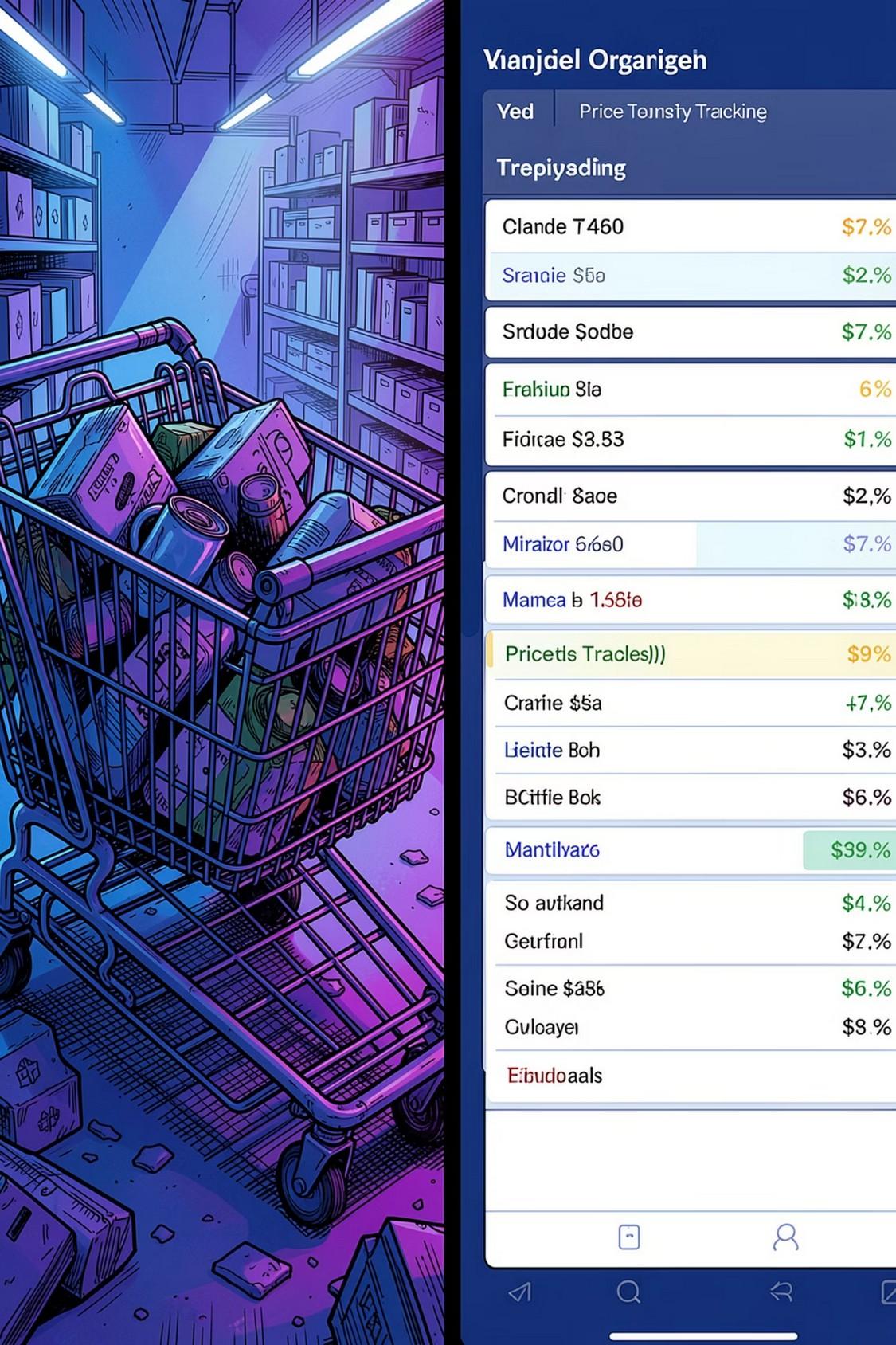
The difference between shoppers who save and those who don't isn't luck — it's a system. The image above captures the journey: from an overwhelming, reactive shopping experience to a calm, data-driven approach where you're always in control.
�� Before
Impulse purchases, unclear pricing, missed sales windows, buyer's remorse, and no visibility into whether you got a good deal.
�� After
Price alerts firing at the right moment, seasonal timing mastered, total cost calculated, returns planned — and confidence in every purchase decision.
Your 2026 Shopping Revolution Starts Now
You now have the complete playbook. The strategies in this guide — from price tracking and seasonal timing to returns mastery and routine building — will consistently deliver better prices and higher satisfaction. The only thing left is to start. 01
Adopt a Proactive Mindset
Make data-driven decisions on every purchase. Never buy on impulse when a price alert or seasonal window could save you 20–40%.
Build Your Routine
Set up price alerts, create a purchase calendar, and dedicate weekly time to track and compare. Consistency is your competitive advantage.
Master Total Cost Thinking
Always evaluate shipping, returns, warranties, and long-term value — not just the sticker price. The smartest shoppers think in totals, not headlines.
"The best deal isn't the lowest price — it's the right price, at the right time, with the right protections."