






































































Driving
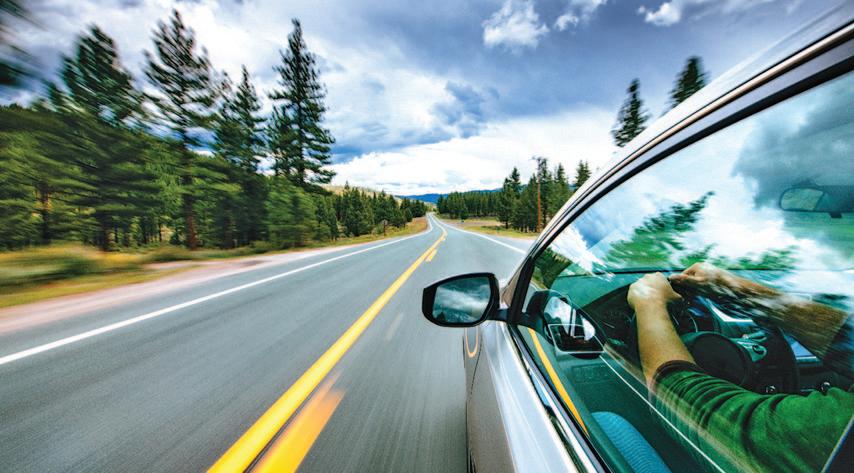
to a reliable vehicle. However, soon after the “new car smell” of that freshly minted license wears off, motorists may realize that many roads can be chaotic and populated by erratic drivers. Defensive driving strategies can help any motorist feel safe on the road, and it can help anyone to revisit a defensive approach from time to time. What is defensive driving?
The insurance firm Progressive notes defensive drivers employ techniques that can reduce accident risk. These techniques promote alertness, a recognition among drivers of the significance of controlling what they can, and a commitment to always expect the unexpected. The crux of defensive driving is realizing not everyone else drives well. Aggressive drivers are hazards, as are those who are distracted behind the wheel. Driving defensively serves to mitigate some of these hazards. All good kids like milk? There are various defensive driving techniques, and various driving schools or organizations may promote their own. Harold L. Smith was a World War II veteran who founded the Smith System® driving school in 1952. Smith felt that driving schools only taught how to mechanically operate vehicles, not how to drive safely to avoid accidents. Smith’s system uses the




mnemonic “all good kids like milk,” which refers to:
• Aim high in steering: Look ahead a minimum of 15 seconds to scan the road. At 60 miles per hour you want to look a quarter-mile ahead. This helps you make timely decisions.
• Get the big picture: Keep a minimum following distance by picking a fixed object ahead and making sure you’re at least seven seconds away. In addition, scan mirrors every few seconds.
• Keep your eyes moving:

Avoid focusing on one object for more than a few seconds. Driving on autopilot or under “highway hypnosis” is dangerous.
• Leave yourself an out: The “space cushion” terminology is something you may have heard. You always want to anticipate potential hazards and ensure a way to avoid them; otherwise, you
may be forced to make a quick, and potentially dangerous, decision.
• Make sure they see you: Drivers who can’t see you may make their own maneuvers thinking the coast is clear. Try to make eye contact with other drivers, use headlights, your horn, and signal your intentions. Take a defensive driving course
You can follow the Smith method outlined here or enroll in a defensive driving course to further hone your skills behind the wheel. Also, it may be worth it to check with your insurance provider to see if taking a defensive driving course will qualify you for a discount on your automotive policy.
Defensive driving is important, as it can keep drivers and their passengers safe and potentially prevent accidents and injuries.











The days when buying a used car was akin to a game of chance are largely a relic of the past. Though it’s still possible that used car buyers could end up with a lemon, the pre-owned vehicle market has changed dramatically and for the better over the last couple of decades.
One of the more notable changes surrounding used vehicles over the last 20 years is the rise of certified pre-owned cars and trucks, or CPOs. The COVID-19 pandemic affected sales of

CPOs in 2020, but the vehicle transaction experts at Cox Automotive™ report that more than a quarter million CPOs were sold in May of 2019.
First-time car buyers or those accustomed to purchasing new vehicles can learn more about CPOs before buying their next cars or trucks. Such knowledge may help them make the most informed decision possible before they sign on the dotted line and drive their next vehicle off the lot.
What sets CPOs apart from other used cars?
The auto industry data aggregator Black Book notes that CPOs tend to have low mileage and clean accident histories. It’s possible,
though unlikely, that vehicles that don’t meet such criteria could be designated as CPOs.
Another significant difference between CPOs and
more traditional used cars is that the former tend to be sold with extended manufacturers’ warranties. Certified pre-owned vehicle buyers also may be offered
perks similar to those offered to new car buyers, such as free roadside assistance or complementary satellite radio service, for a predetermined period of time.
While it may seem like a no brainer for used car buyers to purchase CPOs, the consumer advocacy experts at Consumer Reports suggest that the decision is more complicated. Analysts at CR have suggested that the biggest advantage to CPOs is their extended warranties, which can be expensive. Having a vehicle inspected by a private mechanic consumers trust prior to purchase may be a better way for budgetconscious car buyers to allocate their funds than
purchasing a CPO simply because of its extended warranty. If the mechanic gives the vehicle a clean bill of health, consumers can then rest easy knowing they exercised their due diligence and did so without having to pay for a potentially costly extended warranty. Ultimately, the decision is up to buyers, who can conduct a cost analysis to determine just how much they might save (or not save) when purchasing a CPO or a noncertified used vehicle.
Certified pre-owned vehicles are an option car buyers can consider prior to purchasing their next car or truck.

























































Modern
reasons people often give for not vacationing is that travel costs too much. A 2024 summer travel report from Deloitte Insights found that after two years of strong gains in the travel sector, Americans were planning fewer trips in 2024 than a year prior, with travelers indicating the high cost of travel as their reasons for staying home. A driving vacation, otherwise known as a road trip,
can reduce the cost of travel and may amplify the fun. These tips can make for a safe, enjoyable and memorable trip.
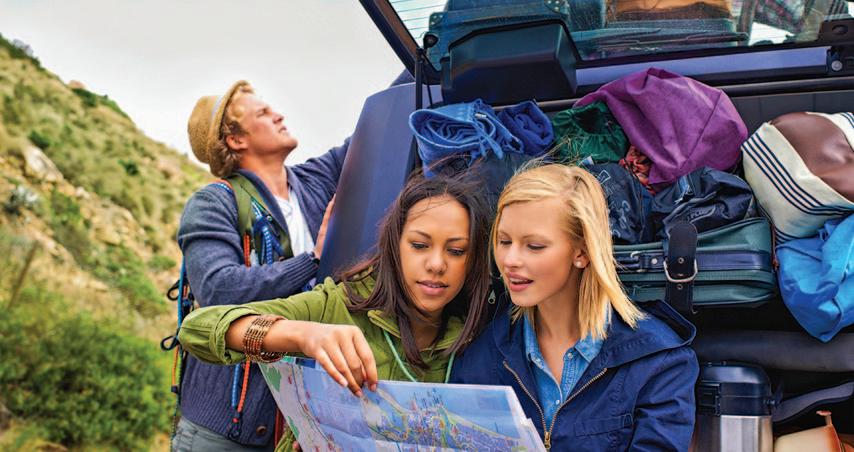
• Get a vehicle checkup. If you’ll be relying on your personal vehicle, then it is best to ensure that everything is in good working order. The National Highway Traffic Safety Administration offers a Recalls Look-up Tool to check to see if your vehicle has any critical safety issues. It’s also best to make sure that tires are in good shape and filled to the manufacturer’s recommended pressure. Double check all fluids and get an oil change if it is close to the time of service.

travel, particularly during weeks when children are off from school. It’s important to book campgrounds or other lodging well in advance if you’re planning to visit popular places like national parks and other tourist-heavy areas.
• What’s the destination? Some people find that road
trips are fun even without a predetermined destination in mind. A handful of smaller stops can make for a fun, spontaneous trip. Maybe you want to drive a classic roadway like Route 66? Or take to a scenic coastal roadway like the Pacific Coast Highway or Route 1 along the eastern seaboard? Choose a destination that suits your budget.
• Consider a travel club
membership. Membership in programs like AAA or AARP enable members to get discounts on various travel services, such as car rentals or hotel stays. Members may be eligible for percentages off on meals at popular restaurant chains.
• Be realistic about mileage goals. Some drivers may be on autopilot and fall into commuting habits of trying to get from point A to point B in the least amount of time. Slowing down to take in the scenery can make a trip more enjoyable. AARP also says to be mindful of the personal needs and abilities of drivers. Sharing the load of driving can make it possible to cover more miles in less time.
Membership in these programs may help to save money.
• Plan early. Spring and summer are popular times to
• Hit a few quirky or local attractions. The best way to see the country is to take in what’s unique along the way. Although a stop at a popular fast food chain might save time, it won’t offer the same memories as visiting a local haunt or roadside attraction.





















Car buyers looking to save money can turn to preowned cars when they first start shopping around. Preowned cars aren’t what they were a few generations ago. Many are backed by similar warranties as new vehicles, and can be very reliable and affordable options.
According to U.S. News and World Report, the average transaction price for a new vehicle is around $50,000. For many, that kind of expense is simply out of reach. The average price for a preowned vehicle is about $27,000, marking a considerable difference. The majority of used vehicles available at dealerships are lease turn-ins. Car and Driver says the average lease term for a vehicle is 36 months. And most lease terms limit the number of miles a driver can put on the vehicle to anywhere from 10,000 to 15,000 per year. Buyers who are purchasing
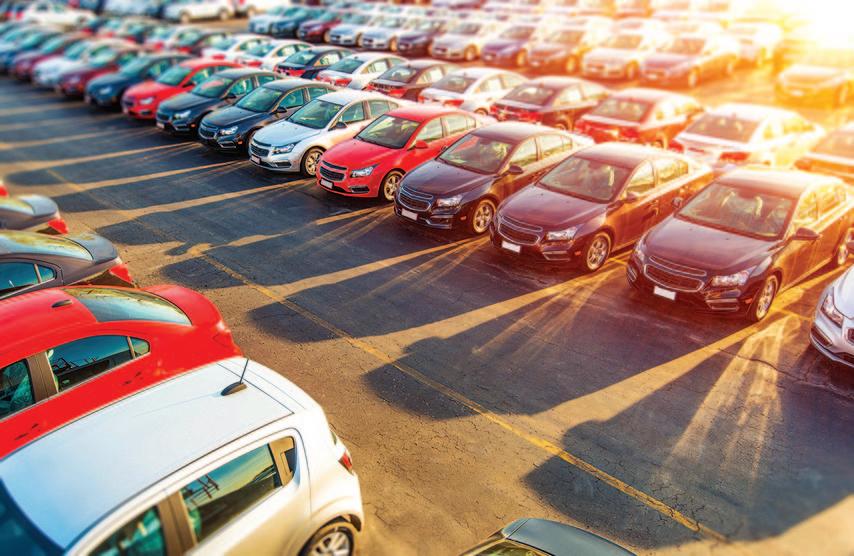
preowned vehicles that are lease turn-ins may find young vehicles that have low mileage for relatively affordable prices. It is important to have a strategy in place when
buying a preowned vehicle. These tips can help customers navigate the ins and outs of the preowned market.
• Establish your budget. As with any other major pur-
chase, determine just how much you can afford to spend. Edmunds says it’s a good idea to cap your car payment at 10 percent of your take-home pay. If you are on a tighter budget and anticipate extra work to get
the used vehicle road-ready, reduce that percentage even more.
• Consider more than one brand. Although you may have a brand preference, be flexible. Certain brands like Honda, Toyota and Subaru may cost more because they are fan favorites. Expand the possibilities to find a vehicle with the features you desire that also comes in on budget.
• Compare prices. Prices may be affected by where the vehicle is located. Typically you’ll spend the least if you buy from a private seller. Dealerships who offer certified preowned vehicles often command the most money, but these vehicles tend to be backed by certifications and limited warranties.
• Get a copy of the vehicle history report. A vehicle history report can tell you a lot about the vehicle. Kelley Blue Book says a VHR can
list how many people owned the vehicle; indicate if the vehicle has been involved in an accident; reveal if the mileage shown on the odometer is accurate; if the vehicle has been kept up-todate with inspections; and if the vehicle is considered a lemon. A VHR will not indicate the overall condition or wear-and-tear level.
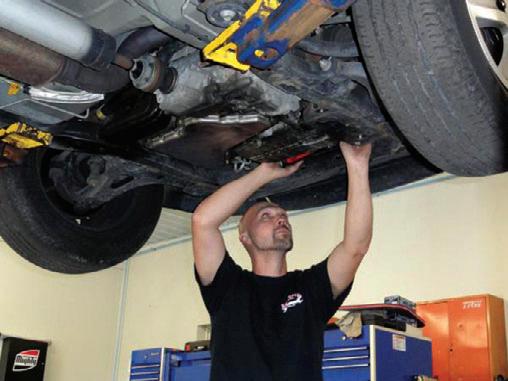
• Test drive with a mechanic. If possible, bring a mechanic along on a test drive or when you first check out the vehicle. He or she can provide expertise and help you avoid a potential misstep when buying.
• Gauge comfort and looks. Just as you would before purchasing a new vehicle, determine if a preowned car or truck fits your style, needs and comfort levels.
Buying a preowned vehicle takes a little extra work, but it can be worth it in cost savings.

















Driving a car or truck is part of daily life for most people. Commutes to work or school, leisure trips or time spent behind the wheel as part of a profession compel people to drive each and every day. Although most trips to the office or the store are uneventful, the risk that something may go awry is present any time a person gets behind the wheel, and drivers need to plan accordingly.
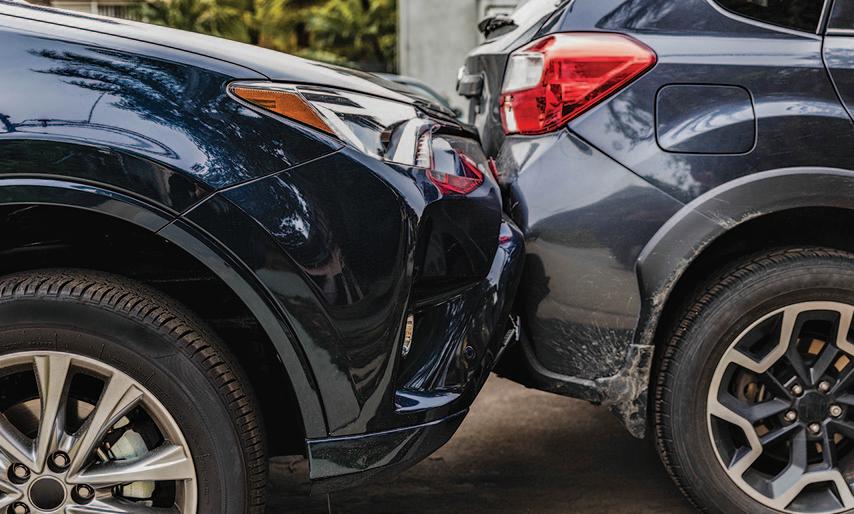
The National Center for Statistics and Analysis says there were approximately 16,200 automotive accidents per day in the United States in 2022, the most recent year for data. This number has steadily risen over the last decade and may be attributable to a number of factors, including increased vehicle usage. Though accidents occur every day, drivers can take steps to
reduce their risk of being involved in one.
Stick to the Speed Limit
Speed limits are posted on roadways for a reason. Exceeding speed limits significantly increases the risk of getting into an accident, and many accidents are directly related to speeding.
Slowing down can make roadways safer.
Eliminate Distractions Smartphones, GPS devices, passengers, pets in the car, or anything that causes a person to take his or her eyes off of the road, even for mere seconds, can increase the risk of being in an auto accident. Accident Care and Treatment Center, Inc. says distracted driving is the primary cause of car accidents each year. Smartphones are a modern distraction, and keeping phones turned off and out of reach can keep drivers safer.

Change Your Perception
It is important to think of a car or truck as what it truly is: 3,000 pounds or more of fast-moving metal that can cause a lot of damage. Those who do not drive responsibly, or feel they are invincible
behind the wheel, could be on a crash course for an auto accident. Treating a vehicle with respect is a must.
Leave a Space Cushion
Tailgating and aggressive driving maneuvers that do not leave an adequate distance between vehicles can compound the problem of accidents. Travelers in-
surance company urges drivers to stay at least three seconds behind the vehicle ahead of them, and longer for those driving heavier vehicles. The timing also should be extended when weather conditions are bad.
A significant cushion enables drivers to stop safely or maneuver around to avoid an accident.








Improve Visibility
A cracked or dirty windshield or dim headlights can diminish visibility. Being able to see and be seen when on the road is a major contributor to accident risk reduction.
Brush up on Skills
Newly minted licensed drivers and older drivers may need a driving skills refresher course. Oftentimes learning how to avoid accidents comes down to experience and defensive driving techniques. Those who feel they may need a little extra practice can enroll in a course. An additional upside is that such a course also can help reduce insurance premiums.
Know Your Limitations
Geico notes the risk of a fatal crash is three times higher at night than in the day for every mile driven. Although it may not be possible to avoid nighttime driving entirely, limiting it, particularly for those who have challenges seeing at night or in dim conditions, can help reduce accident risk. The same can be said for staying off of roads in inclement weather.
Don’t Drive Impaired Driving while under the influence of drugs (both illegal and prescription), alcohol and/or other substances greatly increases accident risk. Various strategies can help drivers reduce their risk of being involved in auto accidents.


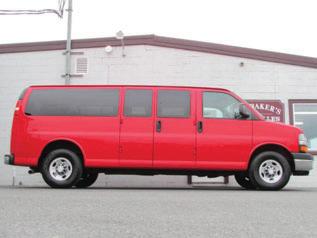
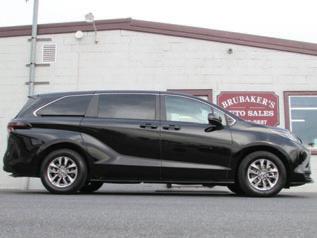
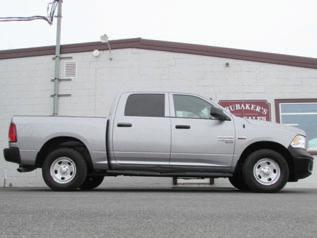
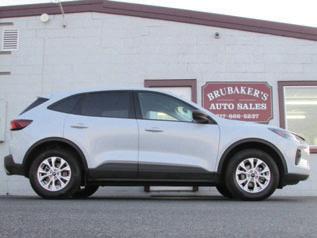
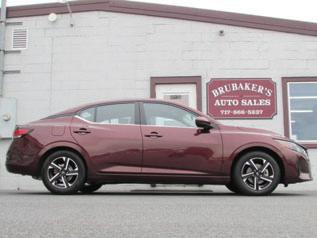
A number of factors are involved in keeping a vehicle functioning and looking good. Ensuring a vehicle interior is clean and tidy is easily overlooked, but such efforts can improve the driving experience.
Drivers who want their cars and trucks to look their best should not forget their vehicle interiors. Drivers unsure where to start can spruce up their vehicle interiors in the following ways.
• Remove any trash. Wrappers, receipts, empty water bottles, and other items can quickly pile up inside a car, especially for drivers who have young children. Routinely go through the vehicle to gather and remove debris.
• Vacuum the interior. Start off with a can of compressed air and blow out dust and any other dirt that has accumulated in tight crevices. Then use a highpowered vacuum to conduct a thorough cleaning. Pay attention to the seams of car
seats, door handles, armrests, floor mats (and under them), underneath child safety seats, and the trunk or cargo area. If you don’t have a vacuum with a lot of suction, utilize one at a do-it-yourself car wash location.
• Scrub floor mats. Drivers with rubber mats can remove them and make a mild cleaning solution of a few drops of dish soap and warm water. Use a soft-bristled brush to clean the mats.
Upholstered mats can be shampooed using a carpet cleaner. Then rinse and hang to dry. All mats should be completely dry before being returned to the vehicle.
• Clean the upholstery. Seats can get dirty and dingy over time. For cloth vehicle seats, use a proper spray or foam upholstery cleaner. All-purpose cleaner can work on vinyl seats, but leather seats require a special leather soap and conditioner. Avoid products with silicone, which can stain your clothes and may make interior surfaces too slippery.
• Address glass surfaces. Turn your attention to the windshield, windows and mirrors. You can use a storebought glass cleaner on
these surfaces and a lint-free cloth. Avoid products containing ammonia, which may damage tinting on windows.
• Consider lingering odors. If the interior of the car has an odor, the cabin air filter may need to be changed, or there may be water entering the vehicle somewhere and creating a musty smell. Seek out any problems and address. A car air freshener can further improve the interior smell.
A thorough deep cleaning can be done at least once a month to keep a vehicle’s interior fresh and clean. However, keeping up with interior cleaning and maintenance by doing small jobs regularly will reduce the need for routine deep cleaning.
Whether you buy a new or used vehicle, it pays to know how to bargain. Car dealers are generally masters at it. You can be, too, if you follow these tips.
• Be knowledgeable
Do your homework before you enter the dealership. Research the value of the car, review as many car value reports as possible and compare prices across the board. That way, you will know whether the car you have your eye on is priced too high.
• Be timely
Go at a good time. The best time to bargain is during a major sales event or at the end of the month or quarter when prices are extremely flexible. Stop by when the
salespeople have more time to talk, usually early in the morning or late at night.
• Be quiet Silence is your best weapon in the negotiation process. Explain that you are interested in buying the car and then let the dealer talk. Do not start off the conversation with a number. Let the dealer do that and go from there. Never say more than you need to, as silence can often lead to concessions.
• Be respectful Respect is everything when it comes to bargaining. You won’t get the price you want if you act hostile, take

an accusatory tone or refuse to budge. Listen to what the dealer has to say and respond with grace, tact and appreciation when necessary.
• Be patient Don’t expect to seal the deal in a few minutes. It takes time to work up to a satisfying price. Take your time to work through the negotiation process carefully, else you could wind up paying far more than you wanted to.
• Be strong Don’t crumble under the pressure to buy. Know what you can afford and stick to it.































8 - Wednesday, April 8, 2026 - Say You Saw It In “The
Urban environments beckon millions of people. In addition to being home to various industries, city centers tend to feature museums, shopping, sightseeing, and much more.
Although public transportation might be the simplest way to get into and around a city, some metropolitan areas feature inadequate public transit systems, leaving visitors with no choice but to drive.

Driving in metropolitan areas is unlike driving in suburban or rural locations. City driving presents a unique set of challenges. These tips can help drivers unaccustomed to being behind the wheel in urban environments.
Expect slower speeds
Driving on city streets is
unlike driving on open highways or suburban roads. A greater number of vehicles leads to more cramped, slow-moving roads. Furthermore, there likely will be more traffic signals, which will do their part to slow down traffic even further.
Watch for pedestrians
Pedestrians typically have the right of way. Urban areas have an abundance of walkers, cyclists and others crossing intersections and sharing the road. It’s important to be mindful of your surroundings because one never knows when a pedestrian might dart out.
Avoid rush hour
If possible, avoid driving in cities during rush hours, which occur twice per day. Lunchtime also can be busy. According to DrivingTests.
org, rush hour peaks between 7:00 and 9:00 a.m. and 4:00 and 6:00 p.m. Drivers who venture into the city during these times likely will be met with gridlock and even slower travel.
Know where you’re going
Utilize GPS systems and check maps and addresses before departing to have a good idea of the destination. Cities have many streets and one wrong turn can get you stuck in more traffic. Some cities employ one-way streets, so watch where you’re going. Pay attention to signs as well, as they may indicate no left turns at certain hours.
Be patient
The extra commotion and traffic can be tiresome.
Leave plenty of extra time to get to your destination so


that you’re not exacerbating your stress by worrying that you’re going to be late. Get sufficient rest and don’t drive hungry, as hunger can lead to anxiety.
Plan for parking
In addition to knowing the route, get a good idea of where to park the car in the metropolitan area. Cities have unique parking regulations, including metered parking. Plus, popular points of interest may draw many visitors competing for a limited number of on-street parking spots. It may be worth it to park in a private or public lot/garage. Spot Hero, Secure-a-Spot and ParKing are just a few of the parking assistance apps that enable drivers to find and secure parking in advance.