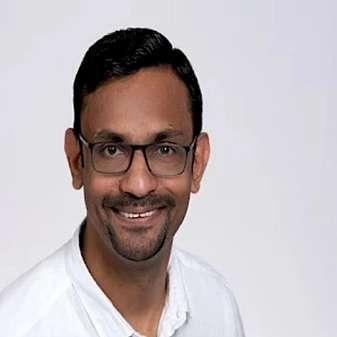
In Conversation with Indranil Sen Gupta, Professor of Practice, Department of Economics
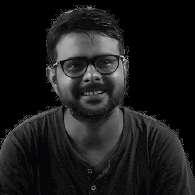
In Conversation with Dr. Vikram Kapur, Head, Department of English
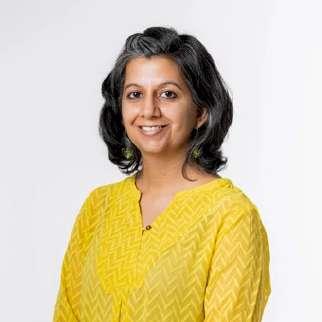
Vision for the Interdisciplinary Humanities and Social Sciences BA (Research) Program Centre of Excellence for Himalayan Studies (CHS)
Message Editor from the
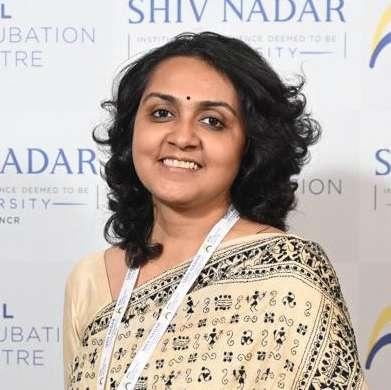
Paulami Ghosh
Senior Manager- Academic Engagements, School of Humanities and Social Sciences
How time flies!
Here we are with the fourth edition of the newsletter, celebrating a year of ideas, engagement, and growing community participation. The past three months have been especially eventful for the School, with many engagements—most notably the Dean’s invitation to deliver the inaugural India–Kuwait Lecture in Kuwait City on “India’s Sustained Growth in a Challenging Global Environment.” Faculty members also received prestigious recognitions, including the Prince Claus Fund award and the Charles Wallace India Trust Visiting Fellowship, while our campus buzzed with book launches, book talks, seminars, workshops, publications, conferences, and conclaves featuring eminent experts.
We have strengthened institutional and industry ties through strategic visits and new partnerships. We continue to identify fresh areas of cooperation, while memoranda of understanding with SEWA and Canon, and an upcoming collaboration with Trinity Laban, open exciting pathways for research, training, and community engagement. This quarter has also been abuzz with student-led initiatives like CIRCA, Iqtisadiyyat, and Confabulations, showcasing creativity, critical inquiry, and leadership.
“Education is not preparation for life; education is life itself.” — John Dewey
In this issue, we will feature two new sections. “Exchanging Experiences” highlights students’ internship reflections, offering concrete lessons and career insights. Another feature traces journeys to prestigious scholarships— Road to Rhodes—illuminating the preparation, perseverance, and mentorship behind these successes. Together, these pieces foster conversations that encourage reflection on the changing job market and the multiple trajectories available to our graduates.
We hope this edition informs, inspires, and sparks dialogue. Please share your feedback and suggestions— we value your AWAAZ in shaping future issues.
Happy reading!
Message Dean’s Desk from the Professor
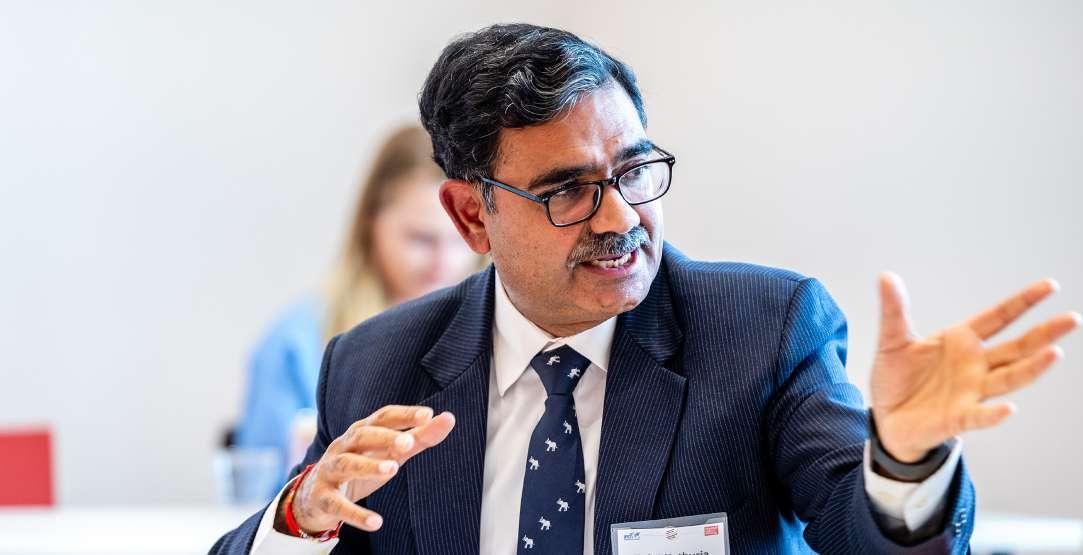
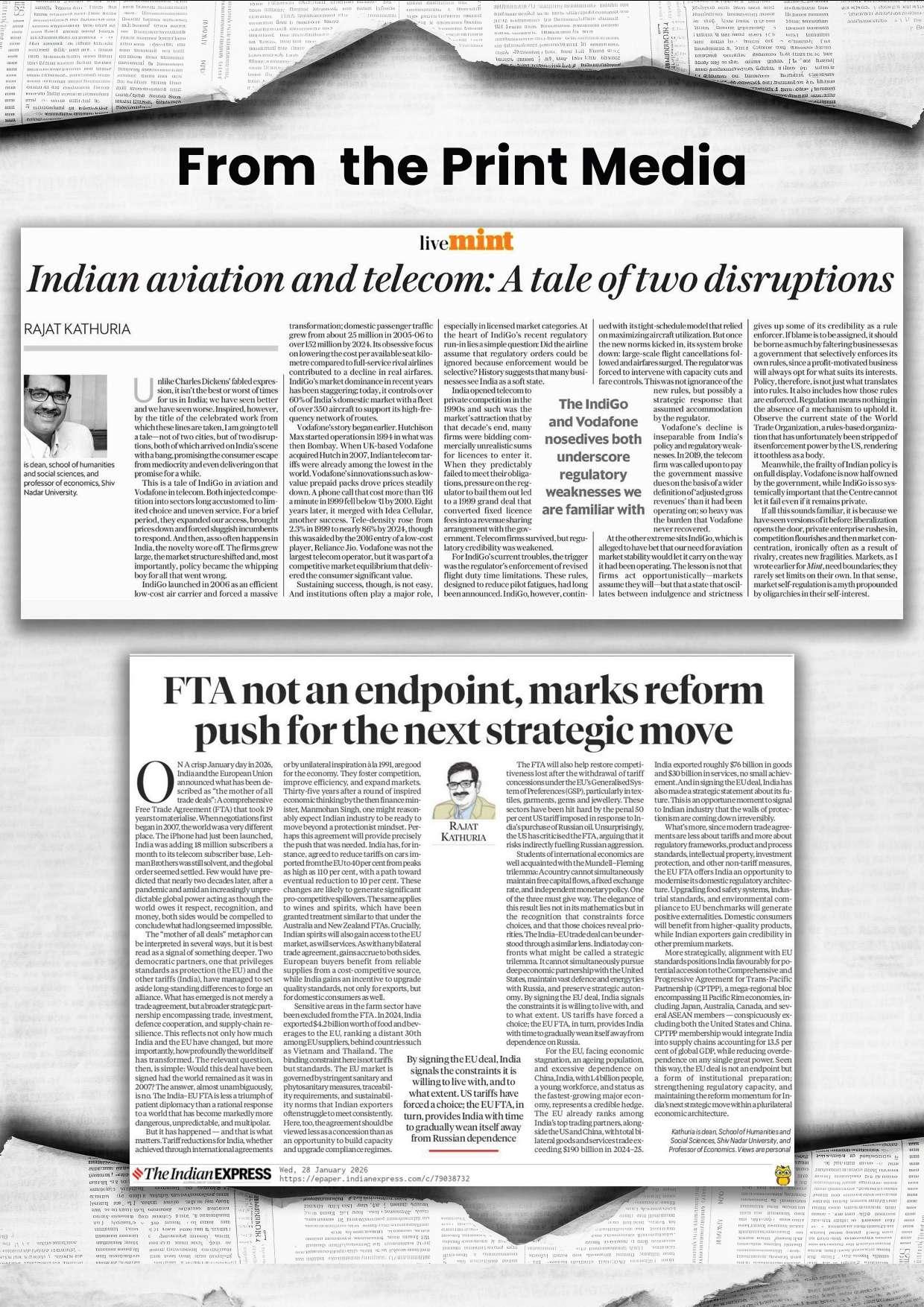
Rajat Kathuria Dean, School of Humanities and Social Sciences
The past quarter has reaffirmed a simple truth that institutions endure not by design alone, but through honest leadership and committed engagement. In that sense, the legacy of Shiv Nadar continues to find expression in the work of the University and, in large part, in what we are doing at the School of Humanities and Social Sciences (SHSS).
In an environment marked by uncertainty, the role of a university is not merely to impart knowledge, but to prepare minds that can interpret change and exercise judgement when outcomes are unclear. Much of what we do, in general, and in this quarter in particular, reflects this orientation.
We have forged new partnerships with industry and strengthened our engagement with communities even as we continue to work hard to connect scholarship with practice. Faculty effort continues to combine rigour with relevance, while our conferences and workshops have brought different perspectives into conversation, without necessarily requiring agreement.
What is particularly heartening is the rising confidence and maturity of our students. They are engaging more deeply, asking difficult questions, and learning to work with uncertainty rather than avoid it. Institutions, as we know, can sometimes take comfort in process. The real test, however, lies in whether process serves a purpose. That is a balance we remain mindful of and it is reflected in our work.
As Meer Taqi Meer observed, yahi jaana ki kuchh na jaana, haaye / so bhi ik umr mein hua maloom.
There is an underlying humility in this thought. The pursuit of knowledge does not conclude. Instead it reveals how much remains to be learnt and understood. In that sense, research at best informs us that the journey is long, and perhaps unending. With or without Artificial Intelligence.
This edition of Aawaaz brings together some of these strands of work and reflections. We hope you find it engaging. As always, we would value your feedback as you read through the many achievements of the School in the pages that follow.
New Collaborations
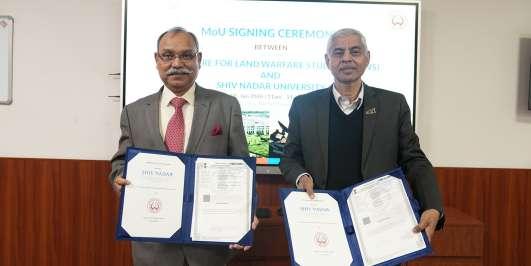
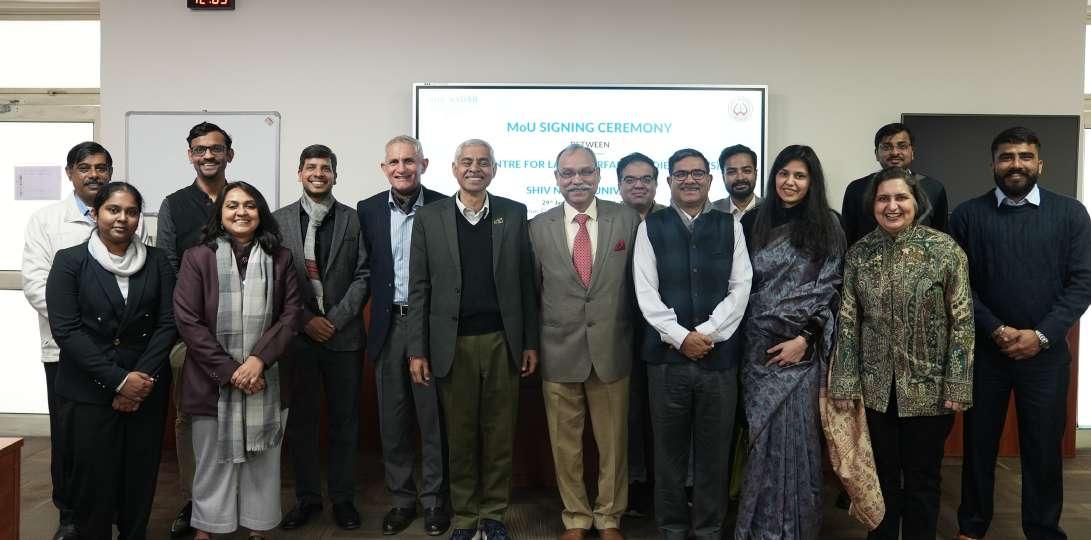
Shiv Nadar University and Center for Land Warfare Studies formalise a MoU on January 29, 2026
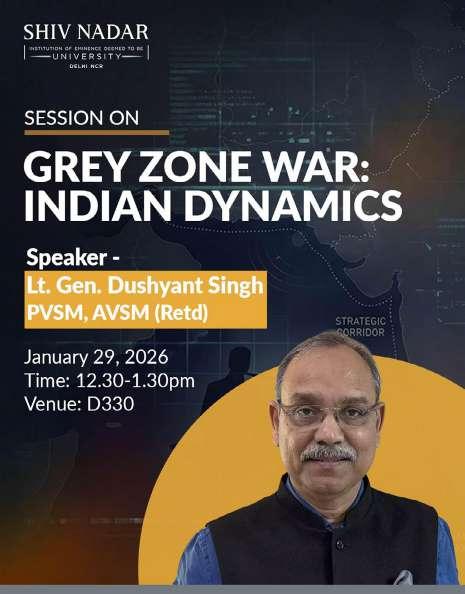
On January 29, 2026, Shiv Nadar University and the Centre for Land Warfare Studies (CLAWS) formalized a partnership with a Memorandum of Understanding signed by Lt. Gen. Dushyant Singh, Director General of CLAWS, and Dr. Suneet Tuli of Shiv Nadar University.
The ceremony was attended by Professor Rajat Kathuria, Dean of the School of Humanities and Social Sciences; Brig. Steve Ismail, Dean of Student Affairs; department heads Dr. Punarjit Roychowdhury and Dr. Atul Mishra; and faculty members including Dr. Kapil Patil, Dr. Shraman Banerjee, Dr. Komal Malik, Dr. Ojasvi Khare, Dr. Devendra Kumar, Dr. Rakesh Ganguly, Shivani Bisht, Dr. Roshan Khaniejo, and Paulami Ghosh. CLAWS is an independent think tank registered under the Societies Registration Act, 1860, engaged in literary, scientific, and charitable work. Its prominence in strategic studies is underscored by the Chief of the Army Staff serving as Patron.
The MOU establishes a framework for collaboration on projects of shared interest, with a focus on strategic studies of national and international significance. Through joint research, academic exchanges, and knowledge-sharing activities, the partnership aims to combine CLAWS’s defence and strategy expertise with Shiv Nadar University’s interdisciplinary research strengths. Expected outcomes include enhanced academic and applied research, collaborative events, and policy-relevant outputs that bridge theory and practice.
This agreement marks a significant step toward sustained cooperation to address contemporary challenges in security and warfare studies.
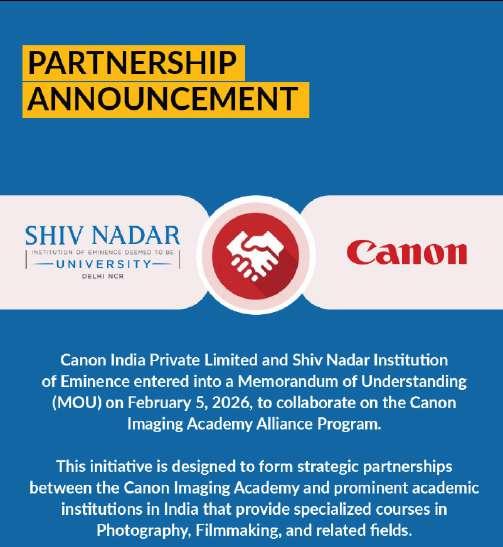
CANON partners with Shiv Nadar University, Department of Art, Media & Performance
CANON INDIA PRIVATE LIMITED and Shiv Nadar Institution of Eminence entered into a Memorandum of Understanding (MOU) on February 5, 2026, to collaborate on the Canon Imaging Academy Alliance Program. This initiative is designed to form strategic partnerships between the Canon Imaging Academy and prominent academic institutions in India that provide specialized courses in Photography, Filmmaking, and related fields. As part of this partnership, Canon will offer institutional purchase benefits on Canon products as well as to individual faculty, staff, and students.
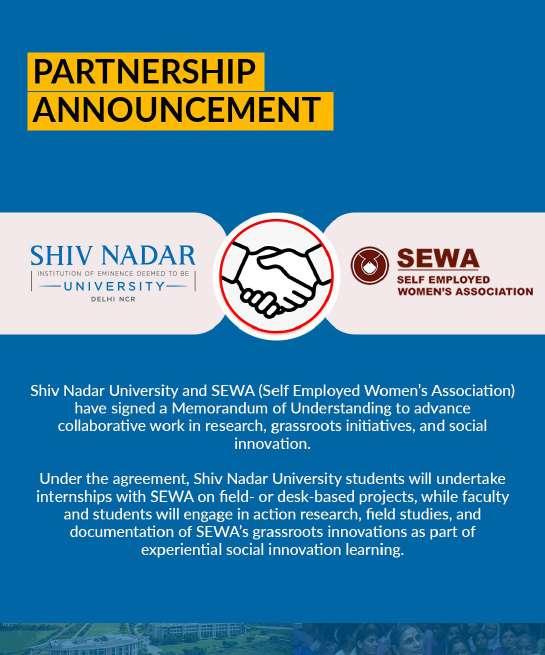
SEWA and Shiv Nadar University
Shiv Nadar University and SEWA (SelfEmployed Women’s Association) have signed a Memorandum of Understanding to collaborate on initiatives that support skill development, education, and the empowerment of women. SEWA is a grassroots trade union and movement founded in 1972 that empowers informal-sector women workers through membership-based organizing, cooperative enterprises, microfinance, and vocational training; it has pioneered models for economic self-reliance, social security, and gender justice across India. Both institutions share a commitment to transformative social impact—SEWA by strengthening livelihoods and community resilience at the grassroots, and Shiv Nadar University by building human capital, research capacity, and socially relevant solutions—making them influential actors in India’s inclusive development landscape.
Accolades
At the School of Humanities and Social Sciences, faculty maintain active collaboration with alumni well beyond their classroom years.
In one such instance, Hemant Sreekumar, Assistant Professor in the Department of Art, Media and Performance and our alumnus Gitanjali Poluru, who serves as his Research Assistant, have been awarded INR 18 Lakhs in funding from the DASSAULT SYSTEMES FOUNDATION for their project titled “Experential Sonic Architechture: VR-Integerated Design to Understand the Role of Architechtural Geometry in Healing/ Pleasant Human Experiences.”
This project represents the first approved initiative from the School of Humanities and Social Sciences, funded by La Fondation, reinforcing SHSS’s integration into SDC’s research efforts.
Dr. Kapur has been named a joint winner of The Letter Review Prize for Books for an excerpt from his novel-in-progress, Gandhi Colony. The prize, an international competition covering poetry, fiction, non‑fiction, and book excerpts, attracts writers from across the globe. His recognition on this stage highlights the intellectual vitality of the School of Humanities and Social Sciences.
He also received the Grand Prize for his novelin-progress at the Eyelands Book Awards in Greece, selected from submissions representing 33 countries. As part of this award, his book will be translated into Greek and published in Greece — a significant international milestone.
Adding to these achievements, Dr. Kapur has been awarded a fellowship for a summer residency at Hawthornden Castle in Scotland, one of the world’s most prestigious creative writing residencies, which has hosted writers such as Ian Rankin, Philip Pullman, and Kate Atkinson. Before him, Dr. Sambudha Sen won the residency in 2022.
Hemant Sreekumar (Assistant Professor, Department of Art, Media and Performance) (Alumna, Department of Art, Media and Performance)
Gitanjali Poluru
Dr. Vikram Kapur (Head, Department of English)
Dr. Divya Kannan (Department of History and Archaeology)
• Dr. Kanna’s ongoing project “Between Conscience and Code: Missionary Women, Colonial Law, and the Age of Consent in Nineteenth-Century India” was selected as the winner of the 2025 Journal of Women’s History Scholars Research Grant.
• Awarded the Charles Wallace Visiting Fellowship, Institute for Advanced Studies in the Humanities, University of Edinburgh 2025
Dr. Subhashim Goswami (Associate Professor and Head, Department of Sociology)
Dr. Subhashim Goswami has been awarded the Charles Wallace India Trust Visiting Fellowship 2026 at Queen’s University Belfast. As per the terms of the fellowship, Dr. Goswami will be affiliated with the School of History, Anthropology, Philosophy and Politics at QUB for a period of three months, from 1st of April to 30th of June 2026.
Dr. P.C. Saidalavi (Assistant Professor, Department of Sociology)
P.C. Saidalavi, along with Nidhin Donald (Humboldt University) and Joel Lee (Williams College, Massachusetts), won this year’s American Academy of Religion’s International Collaborative Research Grant to organise a workshop at the International Centre for Ethnic Studies, Colombo.
Dr. Kapil Dhanraj Patil (Assistant Professor, IRGS)
Dr. Kapil Dhanraj Patil, Assistant Professor, IRGS Research Grant Award, Awarded a Grant-in-Aid from the American Institute of Physics (AIP), Washington DC, USA in support of ongoing research. The grant will help access archives in the U.S. and Europe in thecoming year.
Anupam Roy (Assistant Professor, Department of Art, Media and Performance)
Awarded the Prince Claus Fund. The Prince Claus Fund is an independent foundation dedicated to culture and development. Anupam Roy is a multidisciplinary artist based in India whose practice spans drawing, painting, photography, poetry, poster making, graffiti, raw video documentation, journalistic documentation, and performance. His work arises from experiences and observations across rural Bengal—where he was born—metropolitan Delhi— where he lives and works—and regions of Central and Northeastern India, where he has engaged in regional political inquiry and propaganda praxis. Conceptually, his investigations examine the limits of contemporary representational politics in visual culture, with a focus on subaltern subjects and their precarious positions within the contemporary capitalist system. https://princeclausfund.nl/awardees/anupam-roy
Engagements
Professor Rajat Kathuria Dean, School of Humanities and Social Sciences
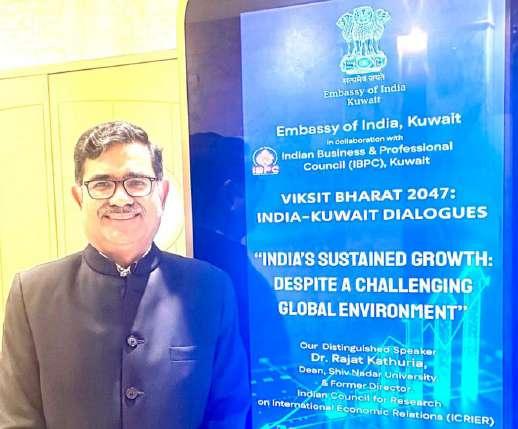
Professor Kathuria was invited to deliver the inaugural India–Kuwait Lecture in Kuwait City on “India’s Sustained Growth in a Challenging Global Environment.”
The initiative—and the lecture series to follow— owes itself to Ambassador Paramita Tripathi’s inspiring vision to deepen India–Kuwait intellectual exchange. The Indian Business & Professional Council (IBPC), led by Dr. (CA) Kaizar Shakir and their outstanding team, welcomed the India delegation with exceptional warmth and humility.
The audience included Kuwaiti business leaders, sovereign-wealth professionals, and diaspora members, all curious about India’s sustained ~7% growth, the demographic dividend of roughly 700 million people under 35, and ways Kuwait can engage in India’s transformation. For Kuwait, India is more than an investment destination: it’s a trusted partner for deploying sovereign capital beyond hydrocarbons into infrastructure, digital innovation, manufacturing, and clean energy. For India, Kuwait remains a key energy partner, host to over a million Indians, and a strategic ally for Kuwait Vision 2035.
The India–Kuwait corridor rests on decades of trust and a shared conviction that our futures are linked. Nurturing that trust will make deeper partnership inevitable.
Professor Siddharth Mallavarapu IRGS
Professor Mallavarapu gave a special address at the invitation of the Bengal Chambers of Commerce and Industry on 12 December 2025 (4367 jpg) and participated in the deliberations on ‘The Future of International Governance Projects’ in Florence at the European University Institute workshop earlier this year (6372 jpg). Merely for the record, I also had a guest lecture at Miranda College on 8 October 2025 and at SRM University, Amaravati on 31 October 2025.
Professor Rajeswari S Raina Professor, IRGS
Presentations & Events - “Gender and Climate Change: From Vulnerability to Leadership” on February 13, 2026, Indian Institute for Human Settlements (IIHS), Bengaluru.
Dr. Jabin Jacob Assistant Professor, IRGS
Episode 5 of “Documenting China’s Borderlands,” recorded in New Delhi with Jabin T. Jacob (郑嘉宾) (Shiv Nadar University Institute of Eminence, India), Shruti Jargad 章
双提 (Australian Strategic Policy Institute), and Constantino Xavier (Center for Social and Economic Progress, India), looks at the many facets of China’s increased presence in the Himalayan region.
Link: https://lnkd.in/gn2UzhhK
Dr. Medha Assistant Professor, IRGS
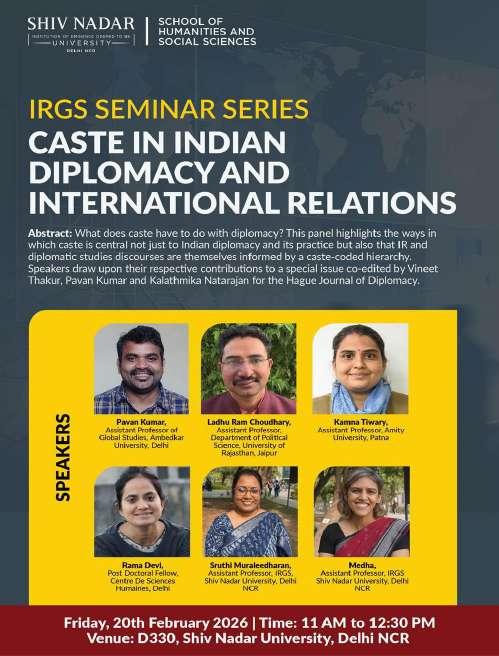
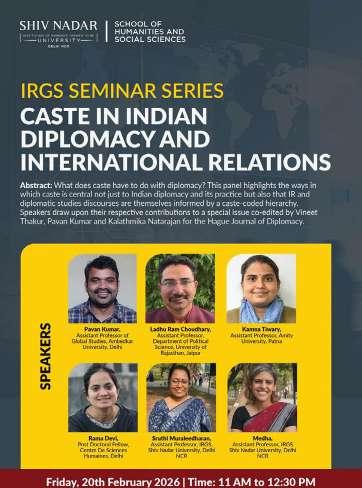
Presentations & Events - “Caste in Indian Diplomacy and International Relations” on February 20, 2026, Shiv Nadar Institution of Eminence.
Book Launch and Discussion
Dr. P.C. Saidalavi (Assistant Professor, Department of Sociology)
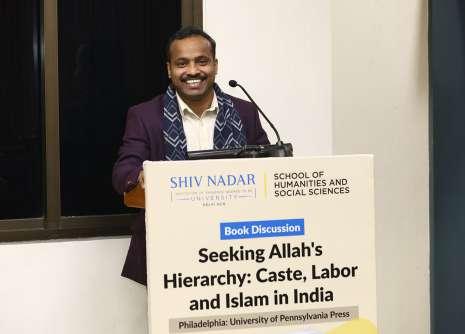
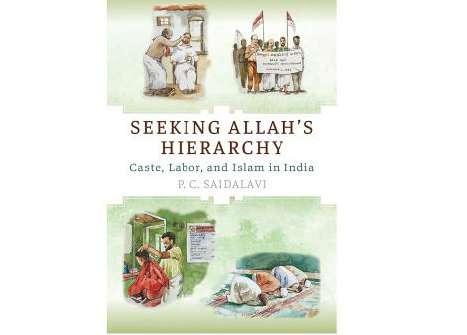
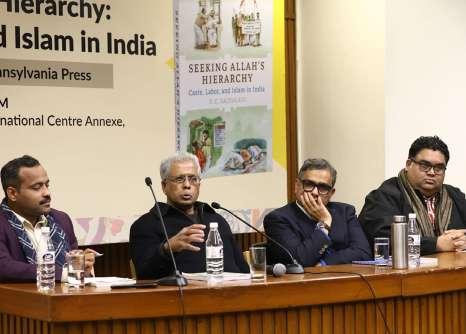
On Friday, 23 January 2026 the School of Humanities and Social Sciences of Shiv Nadar University hosted a Book Discussion on the Book Titled: Seeking Allah’s Hierarchy: Caste, Labor and Islam in India, authored by P.C. Saidalavi, Assistant Professor in Sociology. Shiv Nadar University and published by Philadelphia: University of Pennsylvania Press at the India International Centre, New Delhi.
The session was chaired by Dr. Subhashim Goswami, Associate Professor and Head of Sociology at Shiv Nadar University, who delivered the welcome address and introduced the day’s discussants: Hilal Ahmed, Professor at the Centre for the Study of Developing Societies, and Soumyabrata Choudhury, Associate Professor at the School of Arts and Aesthetics, Jawaharlal Nehru University, New Delhi.
Seeking Allah’s Hierarchy is an ethnographic study of a Muslim barber community in South India that examines how members negotiate social rank through Islamic piety, genealogy, morality, and wealth. The book demonstrates that a distinct Muslim hierarchy exists and operates according to its own norms. It argues that the process of Islamization in South Asia cannot be reduced to simple conceptual templates or uniform patterns of religious practice. By moving across multiple time frames, the study complicates the caste question on the subcontinent, highlighting the specific forms of hierarchical practice among Muslims despite the egalitarian ideals of their faith.
Dr. Chinmaya Lal Thakur (Assistant Professor, Department of English)
a. Delivered an invited/special lecture on “Sartre, Agyeya, and the Politics of World Literature” at the Amity Institute of English Studies and Research, Amity University, Noida on the 13th of January 2026. Most senior students there, especially the UG 4th year and MA 1st year students, appreciated the lecture and asked very interesting questions.
b. Published the review of Afterbody, a collection of poems by Medha Singh, in Gutter Magazine, Number 33. Gutter Magazine is the leading journal of creative arts and cultural politics in Scotland. https://www.guttermag.co.uk/reviews/afterbody
Dr. Hemanth Kadambi (HoD, Department of History and Archaeology)
a. completed excavations at the archaeological site of Maski in Karnataka, in December 2025. He is the Director of excavations on the Maski Archaeological Research Project, an international archaeological project in collaboration with Stanford University, USA, McGill University, Canada, and the Karnataka Department of Archaeology, Museums and Heritage. Hemanth has submitted a brief report to the Karnataka Department of Archaeology, Museums and Heritage and the Archaeological Survey of India, as part of the latter’s Indian Archaeology-a review, which is an annual report of all archaeological activities in the country.
b. Hemanth was a panel discussant at the History Literature Festival (HLF), a public forum held in Hyderabad in February 2026 which discussed the medieval archaeology of the Deccan empires. He was in conversation with Dr. Uthara Suvrathan, archaeologist, Azim Premji University, Bangalore, and Anirudh Kanisetti, author of Lords of the Deccan.
Dr. Meera Visvanathan(Associate Professor, Department of History and Archaeology)
Dr. Meera Visvanathan, engaged in a discussion with Kunal Kamra on the complexities of civilization’s historical timelines, exploring the markers of progress and development across different cultures titled “How Old is Our Civilization,”. Together, they examine key milestones, societal structures, and the interplay between ancient civilizations and modernity. Through this dialogue, they aim to challenge conventional narratives, prompting listeners to reflect on the implications of civilization’s age on contemporary society and its values.
You may watch the episode here:https://lnkd.in/deKxq22r
Dr. Atul Mishra (Associate Professor & Head, IRGS)
a.“Rediscovering the Golden Road: Foreign Policy for a Civilizational State” on November 30, 2025, 10th International Relations Conference of the Symbiosis School of International Studies at SYMBIOSIS INTERNATIONAL UNIVERSITY, Pune.
b.“IR Theory for Practitioners”, December 15, 2025, SSIFS, New Delhi
c.“Security Paradigms: Realism to Responsibility”, January 12, 2026, 6th Disarmament and International Security Affairs Fellowship programme of the Sushma Swaraj Institute of Foreign Service, Ministry of External Affairs, New Delhi
d.“India and Europe in a Multipolar World”, January 27, 2026, Council for Strategic and Defense Research & St. Anthony’s College (University of Oxford, UK), New Delhi
Dr. Vasundhara Bhojvaid
Assistant Professor in Sociology
Dr. Vasundhara Bhojvaid is part of a five year project starting in 2026 on “The social perception of health risks linked to airborne dust.” The project is funded by French National Centre for Scientific Research (CNRS), Paris and led by Prof. Frédéric Keck, Senior Researcher and Director of Laboratory of Social Anthropology, CNRS. The project will engage with the perception of air quality in Tucson (Arizona), Dakar (Sénégal), Paris, Berlin, Hong Kong and Delhi. The project team is composed of historians, social anthropologists, and natural and climate scientists. Dr. Vasundhara Bhojvaid will be looking into the Delhi initiative of the project.
Dr. Teja Varma Pusapati
Associate Professor in English
a. She and Dr. Tara Puri (University of Bristol) have been granted a 2025-2026 Research Development International Collaborative Award by the University of Bristol for their project ‘Encountering Nature in the 19th Century’.
b. She presented a paper on imperial extraction and Victorian authorship at “Transnational Encounters in/through South Asia: Victorian Routes of Influence and Affect”, an international symposium hosted by the AHRC-funded Victorian Diversities Research Network at the Indian Institute of Technology, Hyderabad, 8-9 January 2026.
Dr. Kapil Dhanraj Patil (Assistant Professor, IRGS)
On December 19, 2025, publications: a. “Cooperation, or Control? Scientist-Diplomats, the IAEA, and the Global Nuclear Order” (book chapter co-authored with Maria Rentetzi, Friedrich-Alexander-Universität Erlangen-Nürnberg, Nürnberg, Germany and Irina Federova, Friedrich-AlexanderUniversität Erlangen-Nürnberg, Nürnberg, Germany). In Maria Rentetzi (ed.). The Missing Interaction: Science and Diplomacy in Early Cold War. Turnhout: Brepols Publishers (2025), pp. 249-276. December 19, 2025
b. “Too Strict or Too Lax? The IAEA and the Evolution of Nuclear Safety Standards” (book chapter co- authored with Maria Rentetzi, Friedrich-Alexander-Universität Erlangen-Nürnberg, Nürnberg, Germany). In Maria Rentetzi, Angela N.H. Creager and M. Susan Lindee (eds.). Negotiating Radiation Protection in the Nuclear Age. Pittsburgh: University of Pittsburgh Press (2025), pp. 203-230.
Dr. Anirban Ghosh (Assistant Professor, Academic Writing)
Anirban Ghosh’s article titled “The Love That Eats: Dogs, Flesh, and the Surplus Life of India,” examines the recent debates surrounding stray dogs and their implications for life in India. In the piece, Anirban delves into the complexities of humananimal relationships, exploring how societal attitudes towards stray dogs reflect broader issues of compassion, neglect, and urban living.
The article analyzes various perspectives on stray dog populations, highlighting the tension between animal welfare and public safety. It also considers the cultural significance of dogs in Indian society, probing the unique bonds that exist between humans and canines in urban spaces. This exploration invites readers to reflect on the ethical responsibilities we hold towards our non-human companions and the implications of our choices for communal life. Hope you find it thought provoking and engaging! Link: https://lnkd.in/gbCdRZjZ
Dr. Ravi Nandan Singh (Assistant Professor, Department of Sociology )
a. presented a paper titled “The work of crematorial dissolution of the dead in North India” at the Death Care and Work in Asia Conference. The event was hosted by The Chinese University of Hong Kong from October 31 to November 2, 2025 Ravi Nandan Singh coordinated a significant translation initiative in collaboration with Dr. Sumbul Farah and Dr. Saumya Malviya to make milestone sociological essays accessible in Hindi. Undertaken for the Indian Sociological Society upon the proposal of Prof. Maitrayee Chaudhuri and Prof. Manish Thakur, the project involved selecting three key essays on sociology in India and preparing a covering write-up, individual introductions, and full translations for each. Singh personally translated Veena Das’s Masks and Faces: An Essay on Punjabi Kinship (Contributions to Indian Sociology, 1976). The volume also includes J.P.S. Uberoi’s Five Symbols of Sikhism, translated by Dr. Malviya, and Roma Chatterji’s Folk and Indian Aesthetic, translated by Dr. Farah. The translated texts can be accessed here on the website of the Indian Sociological Society: https://insoso.org/resourcesinindian/
Presentations & Events - “Caste in Indian Diplomacy and International Relations” on February 20, 2026, Shiv Nadar Institution of Eminence. Dr. Sruthi Muraleedharan (Assistant Professor, IRGS)
Campus BUZZZZZZ
Economics Workshop
December 17, 2025
The Firms, Markets, and Growth Workshop held on 17 December 2025 at Shiv Nadar University, Delhi NCR, brought together leading scholars, policymakers, and researchers to discuss how firms respond to policy, markets, and technology, and how these responses shape economic growth and inclusion. The event offered an engaging platform for dialogue and exchange across academia and policy.
The workshop opened with a keynote by Prof. Rajat Kathuria, who traced the evolution of antitrust thinking from its early foundations to current challenges in the digital economy. His talk highlighted why firms remain central to economic progress while also raising concerns about market power and competition. Prof. Irma Clots-Figueras followed with evidence from India on the economic consequences of re-electing incumbent politicians, showing how political continuity influences development outcomes and firm level activity.
The first session also featured Dr. Ritam Chaurey’s work on social learning among manufacturing firms in Bangladesh. His research showed how firms adopt new technologies by observing peers, underlining the importance of networks and information in improving productivity.
The second session focused on infrastructure and firm behavior. Dr. Bharti Nandwani discussed how rural roads in India improve market access and reshape firm decisions, highlighting the role of connectivity in regional development. Prof. Partha Chatterjee complemented this by examining the size distribution of firms in India. He showed a strong concentration of firms in the middle.
He argued that the abundance of semiskilled workers encourages imitation rather than innovation, as firms adapt existing technologies. He also noted that while entry and exit occur at all firm sizes, the pace is particularly high among midsized firms, making this segment especially dynamic.
In the afternoon, discussions turned to inclusion and finance. Dr. Kanika Mahajan presented work on firm size and female employment, highlighting how scaling up firms can help reduce gender gaps. Dr. Vidhya Soundararajan examined how credit supply shocks affect resource allocation and real outcomes.
The final session explored innovation and banking. Dr. Pavel Chakraborty discussed how R&D tax incentives shape product quality and diversification, while Dr. Yogeshwar Bharat analyzed banking reforms and their local economic effects.
Overall, the workshop fostered rich discussions, cross-disciplinary learning, and networking among participants. It highlighted the central role of firms in driving growth, innovation, and inclusion, and emphasized the importance of sound policy design in shaping economic outcomes. The event concluded with a lively networking session, reinforcing the collaborative spirit and intellectual exchange that defined the day.
Macroeconomic Conference
January 16 -17, 2026
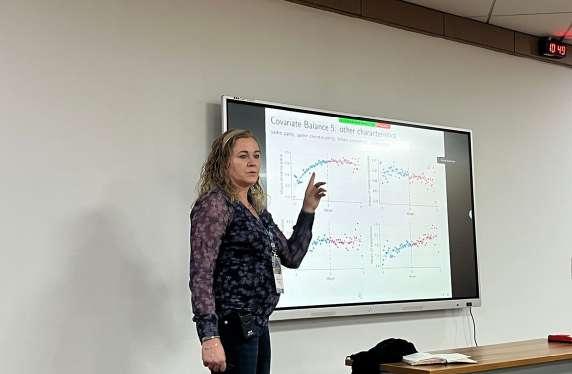
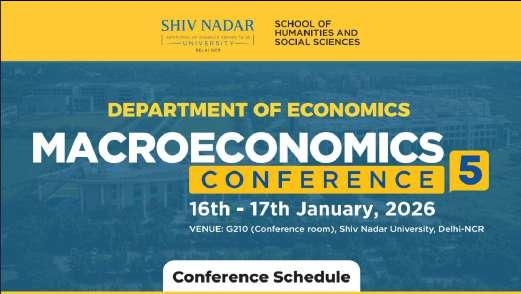
The 5th Macroeconomics Conference, held on 16–17 January at Shiv Nadar University, hosted by the Department of Economics brought together an inspiring community of scholars and researchers from across the globe. The two-day event served as a vibrant platform for intellectual exchange on pressing questions in macroeconomics, public policy, and development.
The conference featured keynote addresses by Professor Amiyatosh Purnanandam (University of Texas at Austin) and Professor Jean Imbs (NYU Abu Dhabi), whose insightful talks set the tone for thoughtful and rigorous discussions. Their perspectives on finance, macroeconomic dynamics, and global economic linkages stimulated engaging dialogue among participants.
A diverse range of high-quality papers was presented and discussed, covering contemporary issues in macroeconomic theory, empirical research, policy design, and development economics. Eminent academicians from leading institutions contributed as presenters and discussants, ensuring rich feedback and scholarly engagement.
Overall, the conference reinforced Shiv Nadar University’s commitment to fostering cutting-edge research and meaningful academic collaboration, while strengthening networks among researchers working on key macroeconomic and development challenges.
CIRCA 2026: Conference on International Relations and Critical Assessments
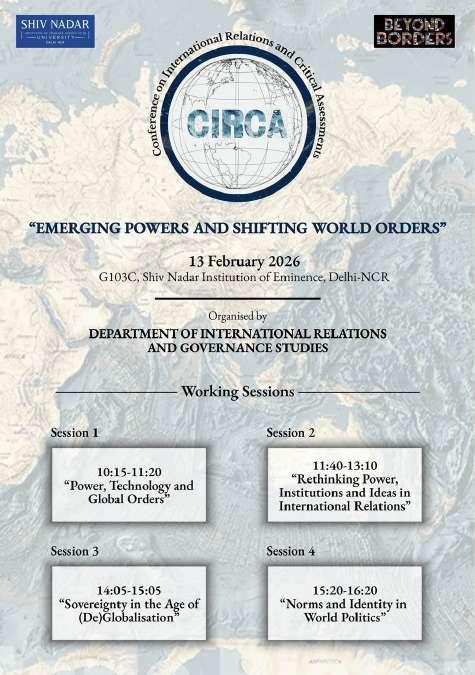
CIRCA 2026: Conference on International Relations and Critical Assessments, IRGS flagship student conference, organized by Beyond Borders, the official club of IRGS.
CIRCA 2026 – entitled “Emerging Powers and Shifting World Orders” – brought together undergraduate, master’s, and doctoral researchers to engage in critical discussions on contemporary debates in International Relations and global politics. The Programme featured thematic sessions on power and technology, institutions and ideas, sovereignty in a changing global order, and norms and identity — chaired by IRGS faculty and supported by an expert academic panel. CIRCA 2026 was opened with Welcome Remarks from Shiv Nadar University Vice-Chancellor Professor Ananya Mukherjee.
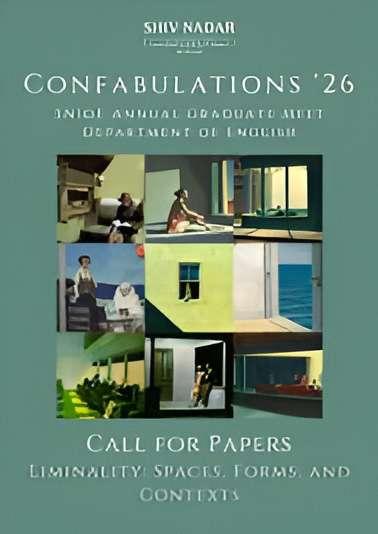
Confabulations ‘26: Annual Graduate Meet, Department of English | Feb 6-7, 2026
The School of Humanities and Social Sciences hosted a session titled Grey Zone War: Indian Dynamics, on January 29, 2026.
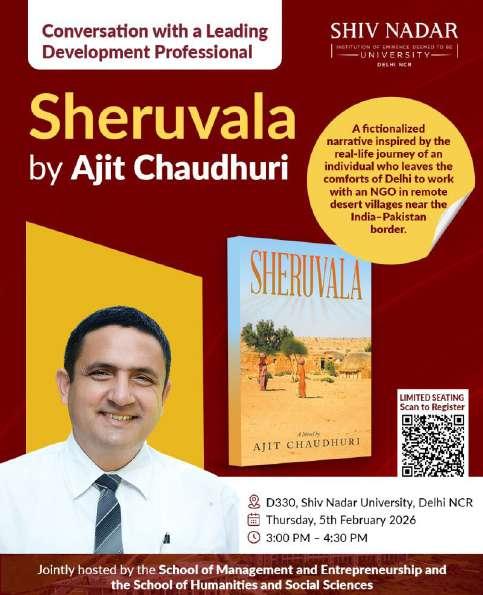
Book discussion, #Sheruvala, a narrative forged from his time with the #Urmul Trust in the remote villages near the India-Pakistan border—bringing a rare authenticity to the literature of conflict and resilience.
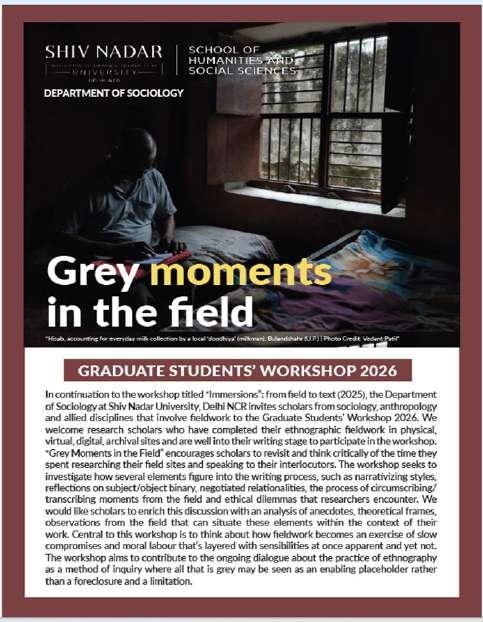
The Department of Sociology, School of Humanities and Social Sciences, hosted the Graduate Students’ Workshop 2026: “Grey Moments in the Field”on February 27th & 28th 2026.
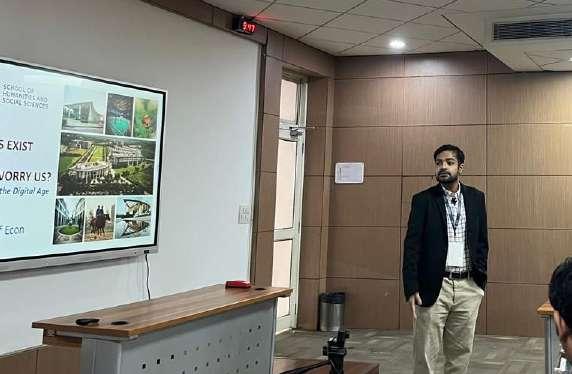
1st Workshop on Microeconomic Theory 2026, was held on 27 February 2026 at the University. Following the inauguration ceremony, the invited speakers delivered talks and paper presentations by researchers from various institutions.
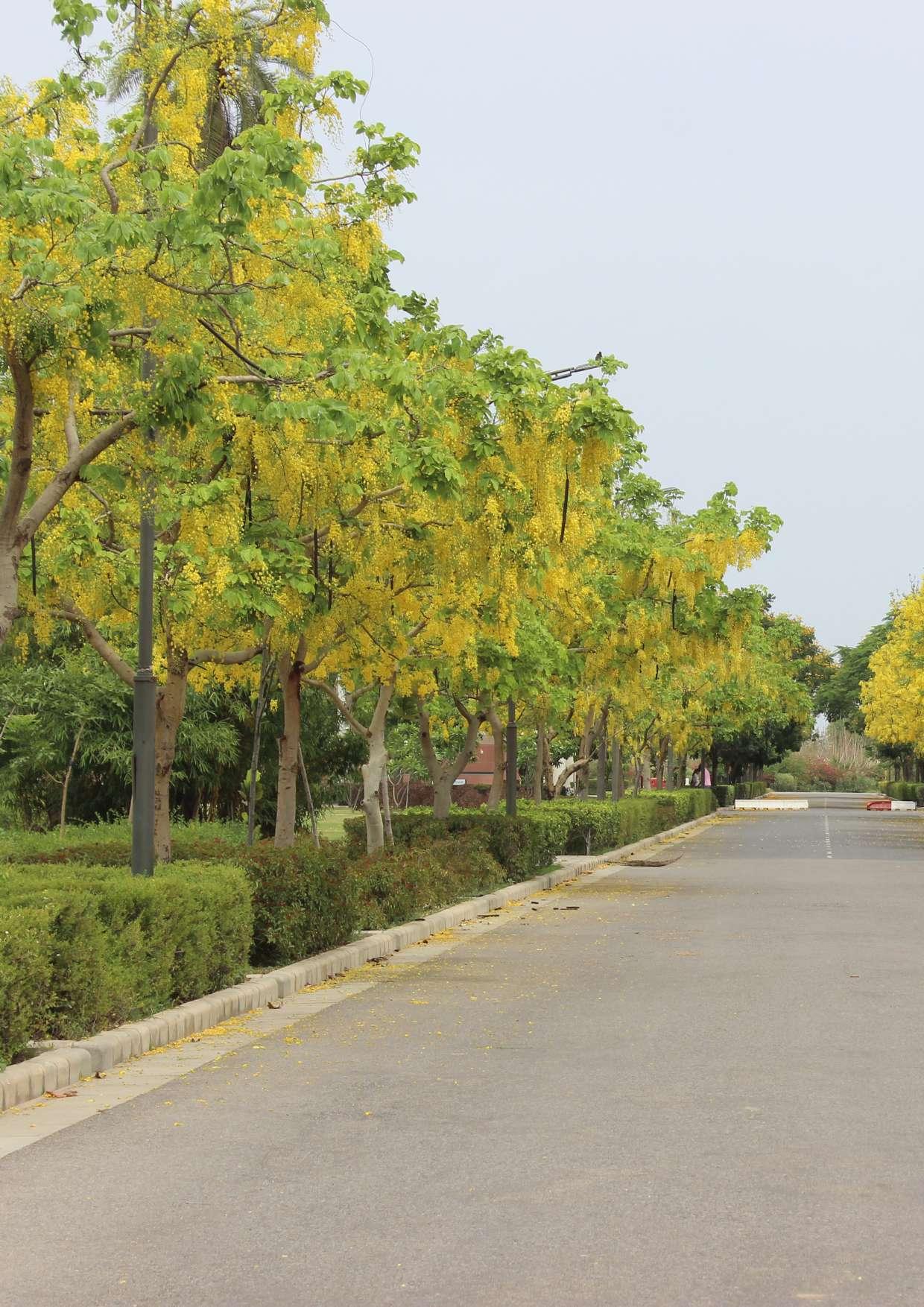
“The earth laughs in flowers.” -Ralph
Waldo Emerson
Iqtisadiyyat is the annual inter-college conference dedicated to economics and finance, organized by students of the Department of Economics. Established in 2016, this tradition provides a platform for scholarly exchange and intellectual advancement. The name “Iqtisadiyyat,” meaning “Economics” in Arabic, aptly captures the essence of the event.
This year, the conference was scheduled on February 8, focusing on the theme “The Cost of Conflict.” This theme encouraged participants to explore the intricate economic implications of conflicts worldwide, fostering engaging discussions and the sharing of valuable insights.
The conference brought together participants from a wide array of colleges throughout the NCR region, creating a vibrant atmosphere for engaging discussions and spirited competitions. Attendees were encouraged to explore critical issues and share their perspectives, contributing to the broader conversation in economics and finance.
The day commenced with a welcome address from the Head of the Department, Dr. Punarjit Roychowdhury fostering a sense of enthusiasm and unity. This was followed by a keynote address from Ms. Yamini Aiyar, who shared insightful perspectives on the relationship between economics and policy.
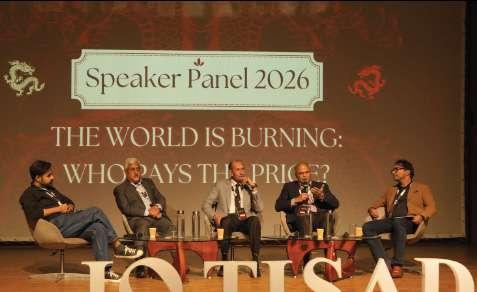
In the latter half of the event, a thoughtprovoking panel discussion entitled “The World is Burning- Who pays the Price?” featured distinguished speakers such as Mr. Sunil Barthwal, Lt. Gen. DS Hooda (Retd.), Dr. Happymon Jacob, and Mr. T. K. Arun. This insightful exchange was skillfully moderated by Dr. Punarjit Roychowdhury. The session provided a platform for deep discussions on the economic burdens of conflict, ensuring that all attendees engaged in a meaningful way.
Among the highlights of the event were competitions like Foedus Factum and Trade of Thrones, which challenged participants to creatively apply their knowledge and skills.
Congratulations to Team Iqtisadiyyat for their collaborative spirit in the pursuit of knowledge and awareness in economics, successfully bridging the gap between theoretical understanding and practical implications.
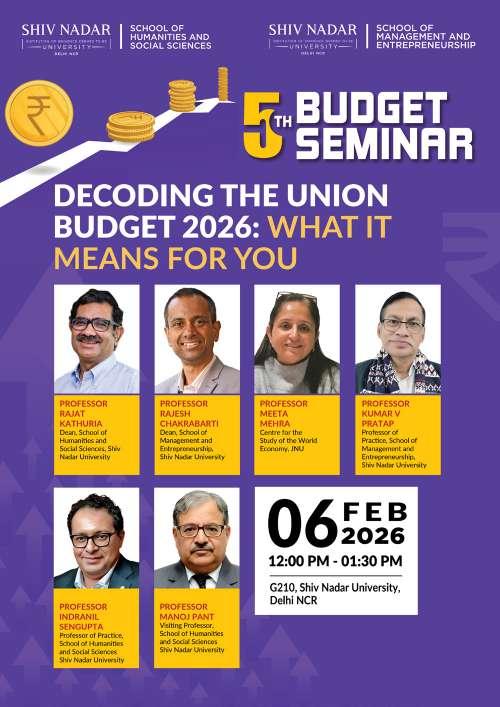
The 5th edition of the Budget Seminar titled Decoding the Union Budget 2026, was jointly hosted by the School of Humanities and Social Sciences (SHSS) and the School of Management & Entrepreneurship (SME). The seminar brought together leading voices from policy and academia to discuss the economic direction outlined in the Union Budget. The panel featured Professor Rajat Kathuria, Professor Rajesh Chakrabarti, Professor Meeta Mehra, and Professor Kumar V. Pratap, with the session moderated by Professor Manoj Pant.
The discussion placed the Budget within a relatively strong macroeconomic backdrop, marked by steady growth, a declining fiscal deficit, and moderate inflation. While acknowledging this stability, the panel reflected on whether the current moment calls for incremental consolidation rather than dramatic reform.
Key announcements were examined critically, including the proposal to monetise Central Public Sector Enterprise (CPSE) land through Real Estate Investment Trusts (REITs). While the idea was seen as conceptually sound, concerns were raised about implementation challenges, scale, and the readiness of public land assets for such structuring. Attention was also drawn to the need to align growth strategy with environmental regulations and carbonemission commitments, particularly in the context of infrastructure expansion.
The sharp rise in public capital expenditure was noted, alongside questions about whether overall infrastructure investment is sufficient to meet India’s long-term growth ambitions. The proposed high-speed rail corridors also generated debate, particularly around financial viability, cost overruns, and the broader economic justification for such capital intensive projects.
Overall, the seminar offered a balanced, analytical perspective on the Union Budget 2026, encouraging a focus on sustainability, productivity, and execution rather than on headline announcements alone.
5TH BUDGET SESSION
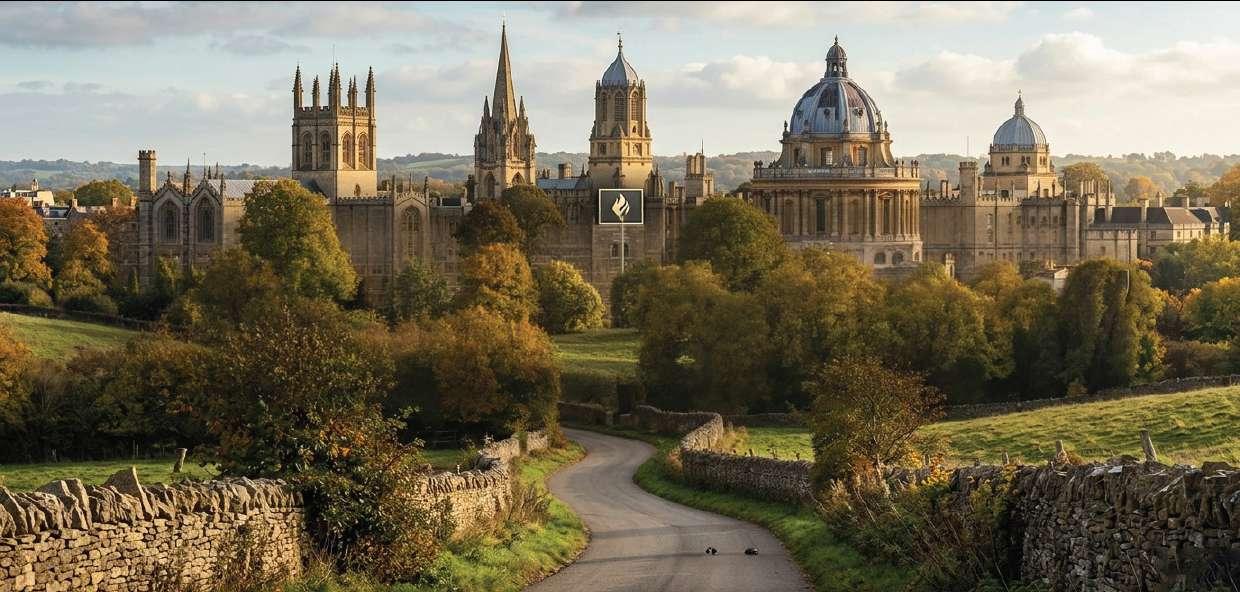
The Rhodes Scholarship is one of the world’s most prestigious postgraduate awards, offering outstanding students the opportunity to study at the University of Oxford while joining a global community of scholars committed to leadership and public service. In recent years, an increasing number of students from our university have been applying for the Rhodes Scholarship, reflecting both rising ambition and stronger preparation across disciplines. Two of our recent finalists—both of whom progressed to the final round—share practical advice: start early and build a clear, values driven narrative about your goals; seek regular feedback from mentors and peers on both your written materials and interview skills; pursue meaningful extracurricular or community work that demonstrates sustained impact rather than short-term activity; and practice articulating how your academic interests connect to broader social challenges. Their experience shows that careful preparation, authentic storytelling, and consistent mentoring significantly improve a candidate’s chances.
Kavyaa Kannan B.Sc. (Research) in Economics
Class of 2026
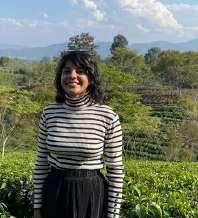
I went into the Rhodes Scholarship process unsure whether my profile was strong enough, and initially only applied because my friends urged me to give it a shot. There is a common joke that to get far with Rhodes you need to have founded a successful NGO or won a Nobel Prize at an improbably young age. This is untrue. What I did not expect, apart from reaching the final round, was that the entire process would become an intense exercise in reflection. The application and interviews forced me to confront my academic goals, and to think carefully about how I position myself intellectually and ethically. From the pre-application stage itself, I was required to reflect closely on my interests. Choosing between the MPhil in Economics, the MSc in Economics for Development, and the MSc in Economic and Social History meant articulating what kind of economics I wanted to pursue even before submitting the form. The process made clear that clarity of academic purpose matters, and that such clarity often
emerges only through discussion and preliminary research on the training offered by different programmes at Oxford.
The written components of the application were diverse. While the CV encouraged listing every experience, the personal statement required a single narrative thread. Writing it helped clarify my long-term goals, but also revealed the limits of what application materials can capture. I had to be precise about which social problems interested me and why my academic interests were closely tied to them.
These questions became more explicit during the interview stages. Although the preliminary interview was described as “technical,” most questions revolved around how I justified my intellectual choices. Discussions of heterodox economics, data cleaning, and empirical work became conversations about methods and disciplinary boundaries. I was asked why I did not plan to pursue degrees in sociology or education, given my stated interests. I explained that my engagement with these disciplines shaped my desire to pursue economics, and why that trajectory made sense to me.
The penultimate interview placed interdisciplinarity at the centre. With panelists from economics, history, and literary studies, the questions pushed me to think about everything I was reading. I discussed RCTs, Shah Rukh Khan’s relevance to economics and coursework on caste and climate change. I was honest about ideas I
had not yet fully understood, particularly about my thesis.
The final interview shifted between technical academic questions and broader questions of ethics and leadership. Throughout the process, authenticity mattered more than optimisation. Being well rounded, genuine, and intellectually engaged was important, as was being well read and aware of current events, since much of the evaluation was conversational and rehearsed responses didn’t help. Being attentive to panelists and allowing conversations to develop naturally made the interviews feel more like discussions. The social event also acted as a buffer, and it is not often that one encounters a quantum physicist discussing economic history over chai!
Although I did not qualify for the scholarship in the end, the experience was positive. I had the opportunity to interact with people across disciplines, and those conversations were the most rewarding part of the process. There are also no fees involved in applying, so there isn’t anything to lose in the process. (Feel free to reach out to me if you apply!)
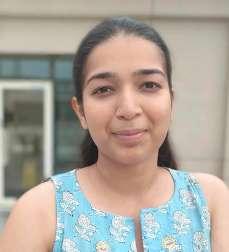
Nishant Misra B.Sc. (Research) in Economics Class of 2026
I personally feel that samples do more harm than good. That’s about it for the first round. The first interview is designed to test you on the more “academic” dimensions of your CV and personal statement. That said, the scope of this interview is defined by what you submit. For instance, I argued against a distinction between the academic and the personal in my statement. So, I was questioned accordingly and some of my personal beliefs were interrogated in the first interview too. The next round is either a semi final or a final round, on the committee’s discretion. The final interview is more about you as a person and they will evaluate you based on a combination of what you know and how well you are able to articulate and defend it. The panel is also far less specialised than the first round. Further details on the interviews would take up too much space I feel (please feel free to get in touch).
Honestly the best thing to take away from my experience is an extensive list of things not to do when applying to Rhodes. Like, I’m sure I did something right too, but those are probably things you know you have to do anyway. First off, you need 4 or 5 referees. At least one referee should be able to certify your character. You cannot have more than two character referees. Next, for your SoPs, it’s probably best to try and weave some sort of narrative out of the CV you submit. I can provide the documents I submitted for anyone who feels those might help, although
Much more importantly, armed with the wisdom of hindsight and all that, I can tell you things to avoid. The later rounds of the scholarship selection are chiefly “personality tests”. And, they’re looking for a fairly specific kind of personality. On the political front, they’re looking for some kind of liberal undercurrents and I would venture to say that anyone willing to compromise on their beliefs should take care not to come across as too radical. That said, a lot of the process is also designed to pick out any disingenuity in your application. Second, they’re also looking for composure. So, an impassioned advocacy of your beliefs may also at times throw the committee off and they may decide you’re too much of a firebrand to fit their image. The experience is still very fun and gets you started on the process of applying, which I’m sure is a good thing. I personally didn’t prepare too much and honestly, leading a decently active university life does much of the groundwork for you.
My research experience, for instance, ensured my referees, two of whom were supervisors, could write on my co-curriculars. There’s a few recordings of webinars the Rhodes people will share with you upon the commencement of your application and you might want to watch some of them. I watched the webinars on writing the SoP and then the final interview which did give me some sense of what to expect.
Exchanging
Internships are an essential component of contemporary pedagogy, bridging classroom learning with real-world application and enriching students’ educational experience by developing professional skills, networks, and practical judgement. In today’s fastchanging job market, internships help students test career interests, translate theoretical knowledge into practice, and build the soft skills—communication, teamwork, problemsolving—that employers increasingly value. At the school, students across diverse domains have benefited from these opportunities: from industry placements that honed technical expertise and project management, to socialsector internships that deepened empathy and community engagement; from education roles that refined pedagogical practice, to policy attachments that clarified research methods and public-policy processes. These varied experiences not only enhance employability but also inform classroom discussions, inspire capstone projects, and contribute to a more experiential, reflective, and socially attuned curriculum.
Sivani Siravuru
2nd Year, B.Sc. (Research) in Economics and Finance
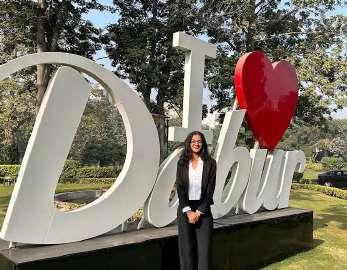
Internship at Dabur, Delhi NCR
I chose the Dabur D-Trendsetters Programme because it offered an unique opportunity to understand how a well-established FMCG brand connects with younger consumers while staying true to its roots. The programme helped me learn how brands study trends, consumer behavior, and digital engagement in a practical way. Working on real brand-related tasks improved my research, analysis, and creative thinking skills. What stood out most was how interactive and engaging the experience was, making learning feel relevant and hands-on.
Before the programme, I mostly saw FMCG brands from a consumer’s perspective. After completing D-Trendsetters, I now better understand the thought process, strategy, and effort that go into building and sustaining a trusted brand. Overall, the experience was insightful and helped me gain clarity about my interest in marketing and consumerfocused roles within the FMCG sector.
Jerish Solomon
2nd Year, B.Sc. (Research) in Economics and Finance
Internship at Dabur, Delhi NCR
I’m Jerish Solomon Stud, pursuing a major in Economics and Finance. I recently landed a fantastic chance via our university to participate in Dabur’s D-Trendsetters internship. What stands out most is gaining precious knowledge from experienced brand managers who’ve spent years mastering their craft.
Right now, I’m involved with the Hajmola team, as they’re preparing to roll out fresh products in the next few quarters. Coming up with creative marketing approaches has been a tough but exciting task, really stretching my imagination. On top of that, this role has completely reshaped how I view consumers in India.
Deeptha Vasanth 4th Year Year, B.Sc. (Research) in Economics and Finance
Internship at Goldman Sachs Bangalore
I chose the Goldman Sachs internship because I wanted to experience what it’s like to work in a prestigious, highexpectation environment and learn how top teams think and execute. Before starting, I assumed the internship would be mostly about doing assigned tasks and proving technical skills. In reality, what stood out most was the culture of constant learning. I had several coffee chats with people across different teams, and those conversations helped me understand how strong professionals approach problems, communicate clearly, and improve through feedback.
My work involved a mix of analysis and execution, from supporting the portfolio reporting processes to building structured outputs like manager selection reports. I also got exposure to workflow improvement, where even small process changes could make a big difference in how smoothly work gets done. After the internship, my perspective shifted toward efficiency as a mindset. I started applying the same thinking to my own life, streamlining repetitive tasks and building better systems for how I work.
Shashwat Naik
3rd year, Bachelor in Design Internship at NCERT, New Delhi
I chose to pursue an internship at NCERT to gain first hand exposure to design within a public-sector educational institution and to understand how design decisions impact learning at scale. It was also a recommendation given by Dr. Prakash Kumar.
During the internship, I worked on redesigning and focussing on improving existing educational kits used in Indian schools. The objective was to redesign the outer packaging of subject specific kits such as Geography and English to make them safer, more ergonomic, and more appealing for school children. The original kits, while functionally rich, faced usability issues such as excessive weight, unsafe corners, and inconvenient opening mechanisms.
Ojasvi 3rd year, Bachelor in Design Internship at NCERT, New Delhi
I chose to pursue this internship as it felt like a valuable opportunity to gain experience working within the public sector, especially in an institution as prestigious as NCERT. I was able to secure this opportunity through a recommendation by Dr. Prakash Kumar.
During my internship in the Department of Educational Kits (DEK), I worked on multiple projects such as designing brochures, infographics, and other communication material. I also contributed to redesigning the boxes for their existing educational kits, which helped me understand how design decisions directly impact usability and learning.
This experience gave me handson exposure to two areas I am deeply interested in—product design and visual design. I learned how to design with clarity, structure, and intention, while keeping a diverse academic audience in mind.
This internship strengthened my confidence and inspired me to create design that is meaningful, functional, and socially impactful.
Abinaya Rajesh
3rd year, B.A. (Research) in English
Internship at SEWA - Self Employed Women’s Association Ahmedabad
My journey began on the day I received the acceptance email from SEWA for the internship. While I explored their work, I realised that this opportunity would enable me to apply my writing skills in real-life settings. I was a nervous intern entering unfamiliar territory, navigating a new language and a new workspace, but a simple gesture, such as handing me a glass of water, made me feel welcome.
In listening to the voices of the women, I realised that the essence of SEWA was not just about the training, but forging a path for the women to find themselves. This resonated deeply with me, as I became more open-minded and learnt to trust myself. Furthermore, SEWA has taught me to be resilient and self-reliant through their professional feedback. Overall, they have transformed me from an anxious individual into a person comfortable in her own skin.
Antara Joshi
3rd year, B.A. (Research) in International Relations and Governance Studies
Internship at SEWA - Self Employed Women’s Association Ahmedabad
Self Employed Women’s Association is a women’s union that works closely with informal women workers across Gujarat and beyond. I was there to write case studies, but most days felt like sitting in on stories that kept surprising me. One moment it was about filling forms or learning to use a phone, the next it was about travelling alone for the first time, teaching hundreds of women, or being called to speak at meetings they were once scared to enter.
What made SEWA different was the women’s eagerness to learn. They really wanted to be independent, not just for themselves but for other women too. A sister (or Ben, as they’re called) would figure something out, laugh about getting it wrong, and then teach ten others. That’s when you could see the change. Being around that kind of effort changes how you pay attention. It makes you listen and think more carefully and appreciate how much quiet work goes into independence. It’s the kind of experience that leaves you smiling later, without fully knowing why.
Navadharshni K
3rd Year, B.A. (Research) in English
Internship at Navsahyog Foundation, Bangalore
My internship at Navsahyog Foundation was motivated by an interest in understanding how structured educational initiatives can contribute to sustainable social development.
I chose this internshipdue to the organization’s emphasis on integrating life skills within formal learning frameworks. During the internship, I contributed to the development of curriculum components on financial literacy and environmental awareness, focusing on their relevance to everyday contexts. I also supported content that emphasized the role of sports and physical activity in promoting discipline, teamwork, and overall well-being. In addition, I was involved in video production, editing, and design, assisting in the creation of visual and digital materials for educational outreach.
Prior to the internship, I viewed education primarily as academic instruction. Following the experience, I came to understand it as a comprehensive process that supports capacity development,
critical awareness, and informed participation. The internship provided valuable insight into institution-led, impact-oriented educational practices.
In Conversation with
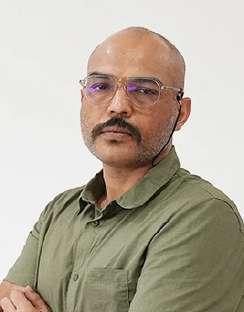
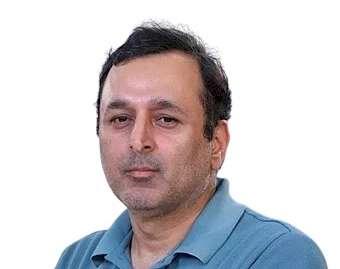
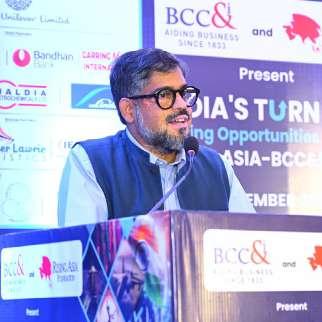
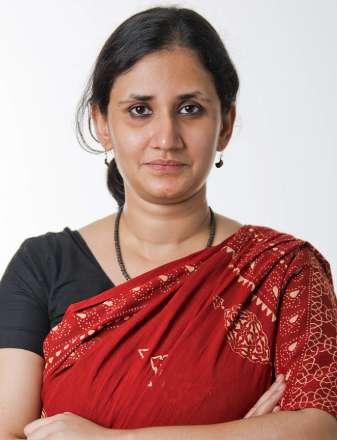
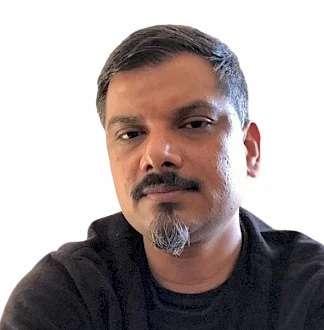
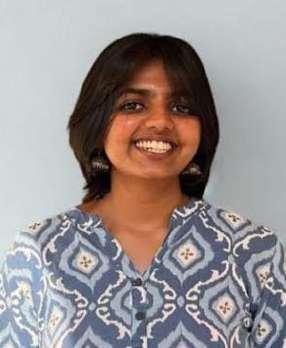
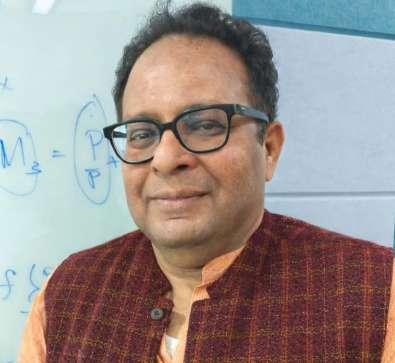
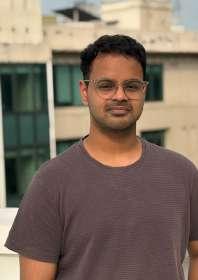
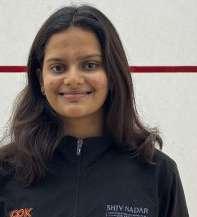
Indranil Sen Gupta Professor of Practice, Department of Economics
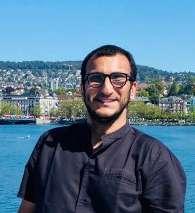
Indranil Sen Gupta is a Professor of Practice in the Department of Economics at Shiv Nadar University and serves as the Placement Coordinator for the master’s batch. He holds a Ph.D. from Jawaharlal Nehru University and brings extensive industry and research leadership experience to academia, having formerly been Head of India Research at CLSA and Co-Head at Bank of America. His expertise spans macroeconomic analysis, financial markets, and applied quantitative methods, and he is committed to preparing students for careers in government, industry, and research. In his placement coordinator role he leverages deep professional networks to connect students with internships and job opportunities, mentors candidates through recruitment processes, and helps design curriculum elements that align academic training with market expectations. Known for a pragmatic, mentorship-driven approach, Mr. Sen Gupta actively supervises student projects, contributes to seminars and public engagement, and ensures the department’s programs remain closely tied to real-world economic practice.
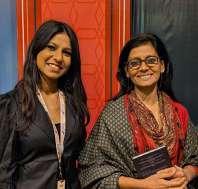
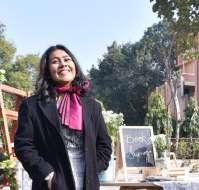
Swarna Avyacta, an Economics alumna from the Class of 2025 and currently a research assistant to Professor Kathuria, interviewed Mr. Sen Gupta to learn how the employment landscape may change in the coming years and to help students prepare accordingly.
If we compare the employment landscape of 30 years ago with today, what changes stand out to you in terms of career pathways?
The good news is that there are far more. We had to choose between doing PhD at home or abroad, sarkari careers in the IAS/IES, RBI, LIC and PSU banks and journalism. Today, there is a far wider scope in financial markets, consulting, corporates and data sciences.
At the same time, the not so good news is that the supply from national schools has jumped. In our time, there were just 2 - the Delhi School of Economics and JNU - producing 150-200 economics Masters a year. I reckon there are now over 10 new national schools, including our own SNU.
As a Placement Coordinator and former Head of India Research at CLSA and Co Head at Bank of America, what key gaps do you observe between students’ academic preparation and current industry expectations?
I think economics curricula, and this is a global phenomena, concentrate on rigorous mathematical theorisation. This is absolutely essential for logical consistency in further research.
That said, outside the campus, economists, in central banks, governments and markets, grapple with a volatile world. As a result, we have to ‘nowcast’ the future almost real time, using some statistics, a bit of econometrics and a lot of intuition born out of learning by doing. Similarly, communication of economic ideas, outside the classroom, is by a well-written draft in English, with a few tables and charts, rather than mathematical proofs.
The present market is often characterised by an excess supply of graduates relative to available opportunities. In your view, how should students position themselves in such an environment to remain relevant and competitive?
I assess that we economists have sufficient openings as we are fortunate to be in a subject that is much in demand in the government and the markets apart from academia.
Which other subject offers a Nobel for its academia, 1-2 cabinet level positions in every country and relatively highly paid jobs in financial markets?
Do you believe that employability today is driven more by credentials or by capabilities? How has this balance evolved over time?
I think what employers look for the most is ‘hunger’. In our world of increasingly contractual jobs, only the performers survive. So, everyone wants to hire someone who has the fire in the belly to fight. So, capability is credential. A good degree lands one a good job. But it is performance that ensures one keeps it.
With increasing emphasis on cross-functional roles, how important is it for students to move beyond their core discipline? What kinds of complementary skills should they actively develop?
It is critical to be open to new ideas. I think it is best to specialise in a particular area as one’s stock in trade for a few years. And then look to other opportunities to grow.
The coming world is about creativity rather than routine. In the past, the highest paid in a company was it’s factory manager. Today, it is often the R&D scientist whose innovations keep the firm afloat.
In markets where I am from, human capital is the only capital. If one can think of ideas before others and make money, one can name one’s price. As head of research in an i bank, I saw my job as acquiring talent and retaining it!
How does interdisciplinary learning come into play for this? Should we connect the two?
I think inter disciplinary learning is very important. In the real world, for example, economic decisions are as much based on economic logic as on political compulsions and personalities of policy makers. It is very important to be able to appreciate the multi dimensionality of life.
In fact, our SNU education equips students well for this. I was told by a leading MNC recruiter that the main reason they hire from us is that our students adapt fast due to our inter disciplinary approach.
How have employer expectations changed with respect to skill sets, adaptability, and workreadiness, especially in roles traditionally associated with Humanities and Social Sciences? Social sciences, and economics, have traditionally been a ‘public’ good. We study society to create a better ‘ought’ world.
That said, the advent of markets enables economics to be a ‘private’ good as well. In this case, we take the ‘is’ world and use the same knowledge to make forecasts that make money for our client/employer and us.
For example, in face of inflation, the traditional economist will research on how the RBI can bring it down. The market economist will advise her/his
client on how to make money - say, short bonds/ rate sensitive equities, buy FX - on the basis of her/his expected central bank reaction.
How has the orientation of careers shifted from long-term, linear growth to more dynamic and flexible trajectories?
We are obviously moving to a world of high innovation in which sectors will rise and fall, ways of doing things keep changing. To succeed, we have to keep adapting ourselves.
In my generation, there are many who stuck to one career: in the IAS, RBI, banks, academia, the Fourth Estate. In fact, I am a relatively rare example of a rolling stone who switched from a government job to markets and now to teaching! This luxury of stability may not be available to those who are, say, 40 years old and younger. Sure, it will be challenging to move out of comfort zones. But the price of not doing so may well be stagnation, even unemployment.
Could you share your insights on how government and private sector job dynamics have evolved in the domain of Economics?
The use of Economics is totally different. In the government and the RBI, where I was, we economists use our subject to make our country better. In the private sector, especially markets, we use it to make money for our client and by extension, ourselves.
It is very important to ask oneself what motivates one: the social recognition of public service or the year-end bonus. And I have personally realized that priorities can change at various stages of life.
Recruitment processes today are often highly competitive and multi-layered. What strategies or mindsets do you think students should adopt to navigate these processes more effectively? Demonstrate your hunger! Every interviewee comes with a degree and well rehearsed answers. You have to kindle the interviewer’s interest by showing you are offering something more. Cocurricular achievements - debate, drama, music, painting, sports - matter.
Demonstrate initiative. Knowledge about the role, about the organisation that is hiring, about the interviewer shows interest in the job.
Finally, show your ‘soft’ skills. Your intelligence quotient has got you the degree for the interview. But this is true of the whole competition. It is the emotional/social quotient that you exhibit that will clinch the job.
Finally, always be properly dressed. After all, what you wear, what colours your clothes are, all convey your personality to the interviewer.
From an industry-readiness perspective, what practical experiences or exposures do you believe add the most value to a student’s profile during placements?
A relevant internship obviously helps. As corporate internships are relatively rare, I advise Economics and SHSS students to apply for those offered by various ministries, RBI/SEBI, research institutes, ICSSR/ICHR etc.
MBA and Economics students should also apply for internships offered by global investment banks at their websites, not only in India but also the Middle East.
Finally, a research paper, may be from a term paper, especially if presented at a conference, also demonstrates initiative.
I encourage students in financial markets courses to write a trade note - recommending buying/ selling a stock or bond or currency. This signals that you can hit the ground running if hired as a research associate with an I-bank or a fund.
In Conversation with
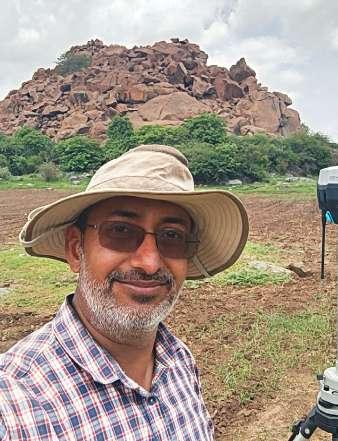
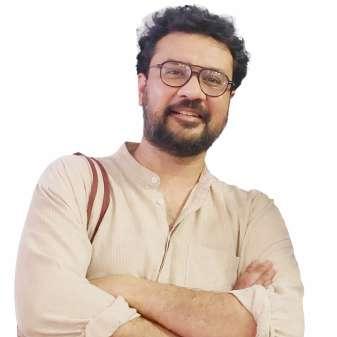
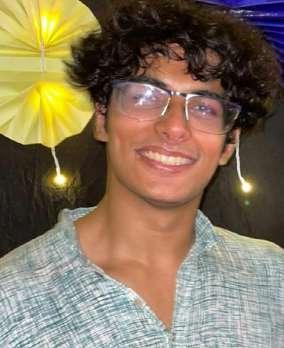
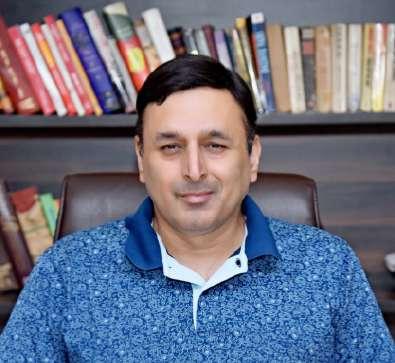
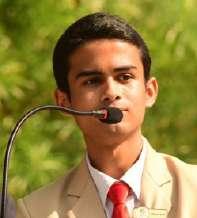
Dr. Vikram Kapur Head, Department of English
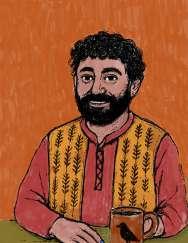
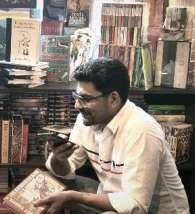
Dr. Vikram Kapur is an accomplished author and a respected academic leader who previously served as the Head of Department for English at Shiv Nadar University. Through his commitment to scholarship and teaching, he has helped nurture critical thinking, creativity, and a deep appreciation for literature among students and colleagues alike. As an author, his work reflects a thoughtful engagement with language, ideas, and storytelling—bringing the richness of literary expression into both the classroom and the wider literary world. His journey exemplifies how academic leadership and writing can complement each other, inspiring learners to explore texts with clarity, confidence, and curiosity. Swarna Avyacta interviewed him for the newsletter. During the interview, Dr. Kapur shared thoughtful reflections on literature, learning, and how language shapes perspectives. His answers reflected both his academic experience and his passion for storytelling, truly inspiring the audience.
Would you say the department balances being traditional and groundbreaking?
I would say yes. While we have traditional literature courses, we also offer courses in creative writing, translation and digital humanities. Furthermore, we have brought in new courses dealing with artificial intelligence and the representation of the non-human in literature. So it is a mix of the traditional and the cutting edge.
How does the department preserve canonical foundations while simultaneously embracing new critical approaches and contemporary texts?
We understand that the new simply adds another layer to the old. Furthermore, to get to know how you have arrived at where we are, you have to know where you came from. New critical approaches and contemporary texts remain in conversation with everything that has come before them. Many times they are reactions to them. Hence, it is important to know what they are conversing with or responding to.
Could you elaborate on the key areas of specialisation within the department that extends beyond creative writing?
Digital humanities, translation, nineteenth century literature, South Asian writing, postcolonialism, world literature, women’s writing, cultural studies, linguistics.
Could you highlight any unique or innovative courses introduced recently and how do invited scholars, writers, or industry professionals actively contribute to broadening students’ perspectives within the department?
I mentioned the courses in artificial intelligence and the representation of the non-human. There is also a new course in Text as Data. Furthermore, last year we had Professor Sam North come in as visiting professor. He taught courses in Screenwriting and The New Story.
commitment to research. There are a number of courses that have no examinations and the evaluation is based entirely on research papers. Furthermore, even our B.A. students write a research thesis in their fourth year. That does not happen in too many universities.
In comparison to English departments at other universities, what do you believe sets the department apart in terms of pedagogy, curriculum design, or academic culture?
You can see that from the diversity of courses offered, the various specialisations, and the
Could you share some highlights from your recent scholarly or creative work?
Well, this year I have been fortunate. I have won one of the most prestigious fellowships in creative writing which is the Hawthornden fellowship. Furthermore, a novel excerpt was the joint winner of the well-respected The Letter Review Prize for Books. And the novel manuscript won the Grand Prize at the Eyelands Book Awards in Greece. That is an international competition which drew writers from 33 countries. Thanks to the win, the novel will be translated into Greek and published there. There have also been other, smaller moments.
What vision do you hold for the future of the English department, and how would you like students and readers of this newsletter to perceive its role within the university? It has been an excellent department dedicated to research and will continue to be so. Its accomplishments in this academic year, though, may be difficult for it to top as adepartment. Other than the three international awards I won, Dr Pusapati won a major international award for her book while Dr Mandhwani was a finalist for one. Then there have been some wonderful journal publications. And the year isn’t over yet.
Students’ Evolving Views on Interdisciplinarity
SNIoE’s interdisciplinary approach—bringing together diverse fields, methods, and perspectives— was the foundation for a survey exploring students’ views on interdisciplinarity within the School of Humanities and Social Sciences (SHSS). The Interdisciplinary Survey gathered responses from students across disciplines and years to capture their initial understanding, shifts in perception, expectations, the opportunities they found most impactful, skills developed, and additional qualitative feedback.
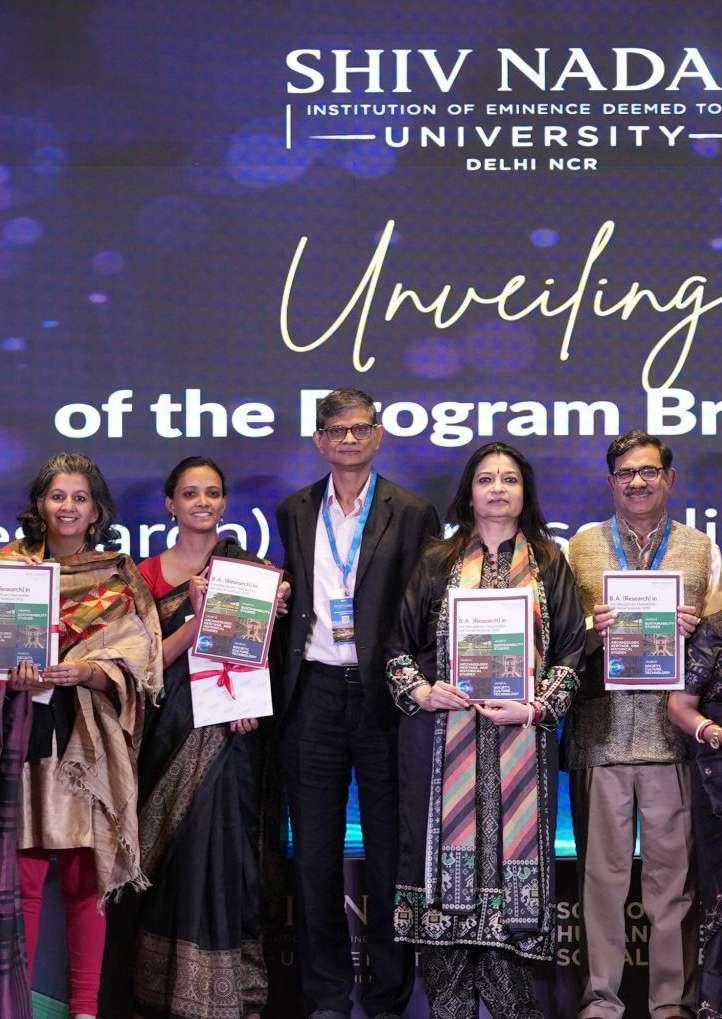
One student’s shift from Physics to English— enabled by the university’s flexibility and strong undergraduate research opportunities—vividly demonstrates SHSS’s support for academic exploration and personal growth. This anecdote highlights how the School’s emphasis on undergraduate research can reshape students’ trajectories.
In summary, the SHSS Interdisciplinary Survey shows that although students arrive with varied understandings of interdisciplinarity, their perspectives deepen through participatory learning and targeted opportunities. The findings confirm that SHSS’s focus on mentorship, research, and curricular flexibility not only builds skills but also inspires students to pursue diverse academic paths; direct student testimonials further underscore the transformative impact of an interdisciplinary education at SNIoE.
Survey Results
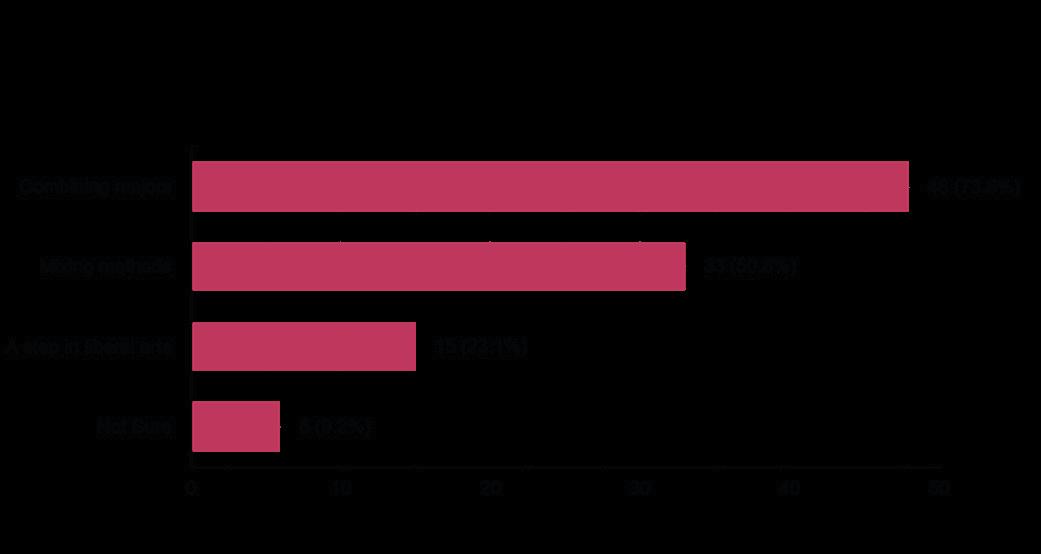
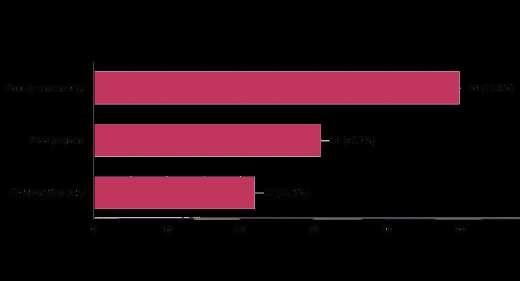
The survey began by examining students’ initial understanding and evolving perceptions. Respondents were asked how they perceived interdisciplinarity before joining the university. While answers varied, the results showed clear trends: 73% defined interdisciplinarity as “combining majors,” 50.8% as “mixing methods,” 23.1% as a step within the liberal arts, and 9.2% reported that they were “not sure.” Although some uncertainty existed, the findings suggest that students increasingly came to recognize the broader relevance of interdisciplinarity after joining the university.
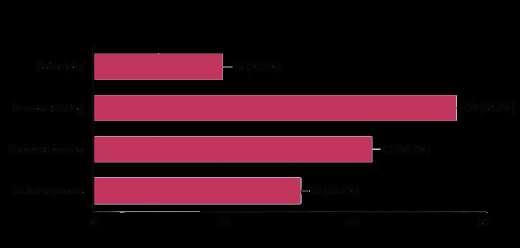
Students’ expectations from an interdisciplinary education varied, with “better job prospects” at 30.8%, “broader thinking” at 86.2%, “research access” at 66.2%, and “global exposure” at 49.2% among the most prominent outcomes.
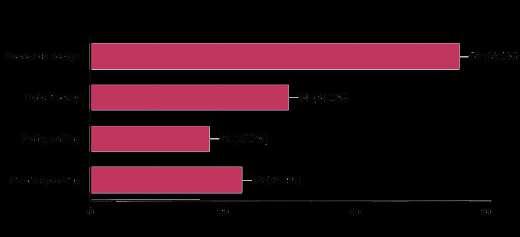
As students progressed through their time at the university, the survey highlighted experiences at the university that influenced their viewpoints. A significant majority—76.9%— believed that faculty mentorship played a role in shaping their perspective. In addition, 47.7% pointed to peer projects, while 33.8% noted that fieldwork or industry exposure offered something valuable. Together, these responses underscore the importance of collaborative learning environments and guided academic support in strengthening students’ interdisciplinary engagement.
As an overall judgment of skills that one gained from doing interdisciplinary subjects, as seen through responses of students, where 86.2% students believe their research design skills were gained alongside 46.2 % at data literacy, 27.7% at policy writing and 35.4% at Public speaking.
Vision for the Interdisciplinary Humanities and Social Sciences (IHS) BA (Research) Program:
The IHS program has been envisioned to equip students to understand and address the local and global challenges facing us today. It is also aimed at keeping pace with the changing landscape of higher education and concerns across market sectors and industries. The need of the hour is to move beyond narrow silos and prepare graduates in foundational skills that cut across various domains of knowledge such as sustainability, culture, policy, and technology, to name a few.
Unlike conventional liberal arts degrees, the IHS program centres its training on interdisciplinary domains of knowledge throughout the four years of undergraduate study. Students can choose from three major pathways or specialisations—Sustainability Studies; Society Culture, Technology; and Archaeology, Heritage and Historical Studies—while receiving core training in subjects drawn from the humanities, social sciences, natural sciences, and digital technologies. A distinguishing feature of the program is its extensive experiential learning components including an AI companion module that exposes students to questions of law, creativity, and ethics. This module reframes AI as a core competency for humanities and social science professionals.
The program aims to train graduates who will be confident to interpret and analyse texts, data, understand cultural contexts with empathy, engage with policy and government organisations, and adapt to emerging technologies.
The survey was conducted by Abhipsa Munsi, a 2nd year student of Sociology major at the School.
Program Co-Chairs
Dr. Divya Kannan Department of History
and Archaeology
Dr. Vasundhara Bhojvaid Department of Sociology
Centre of Excellence for Himalayan Studies (CHS)
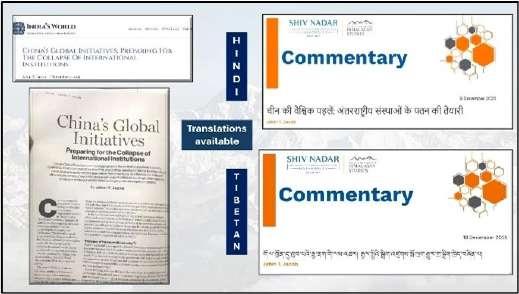
From November 2025 to February 2026, the Centre for Himalayan Studies published 37 articles. These included 6 Issue Briefs and 6 Commentaries, along with 25 Commentaries translated into Tibetan, Nepali, Hindi, Urdu, Chinese, and Punjabi.
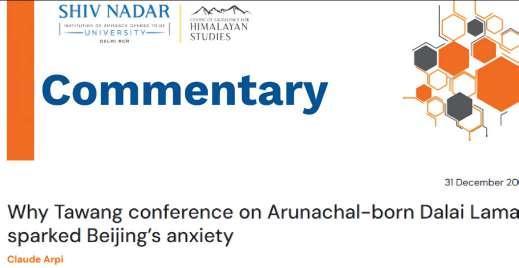
Claude Arpi, in a Commentary, examined the legacy of Tsangyang Gyatso, the Sixth Dalai Lama, arguing that China’s strong reaction to the December 2025 Tawang conference reflected Beijing’s unease with his continuing regional influence and the succession question of the 14th Dalai Lama.
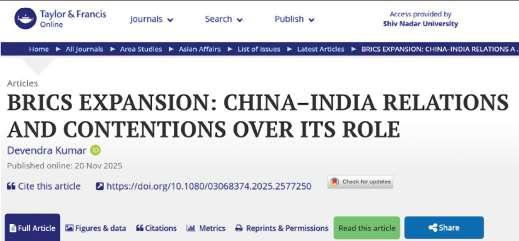
Devendra Kumar, CHS Associate Fellow, authored a journal article in Asian Affairs analysing the implications of BRICS expansion for China–India relations, situating emerging frictions within broader debates on institutional influence and strategic alignment. He also authored an article in Deccan Herald analysing the significance of the second global Buddhist summit for India’s Buddhist diplomacy in the context of India-China competition in the domain.
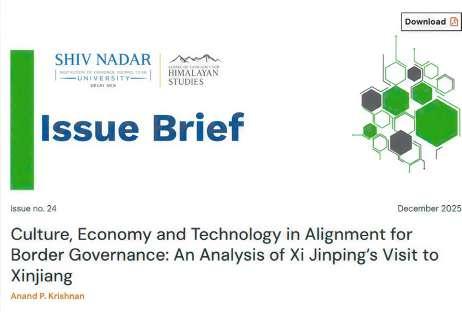
An Issue Brief by Anand P. Krishnan, CHS Fellow, analysed Xi Jinping’s September 2025 visit to Xinjiang, examining how cultural integration, economic strategy, and technological development are being aligned within China’s evolving border governance framework.
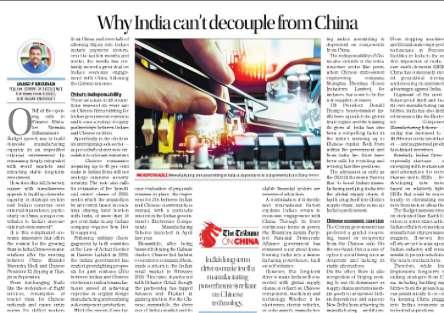
Anand P. Krishnan also wrote for The Tribune, arguing that despite renewed “China+1” diversification efforts amid the US–India trade deal, India cannot quickly reduce its dependence on China due to structural constraints in its manufacturing sector.
Jabin T. Jacob, CHS Director, published an article in International Affairs: Politics, Economics, Law, examining the limits of regional cooperation in the absence of strong bilateral ties. Using the Shanghai Cooperation Organization as a case study, the article highlights persistent Sino–Indian tensions and contradictions within the Russia–India–China trilateral that complicate the organisation’s trajectory.
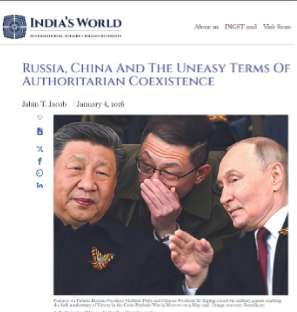
In the January issue of India’s World, he wrote an article examining the evolving Russia–China partnership, shaped by Western pressure on Moscow and Beijing’s growing leverage in the relationship. He highlighted the economic imbalances, political tensions, and historical mistrust that coexist with strategic cooperation.
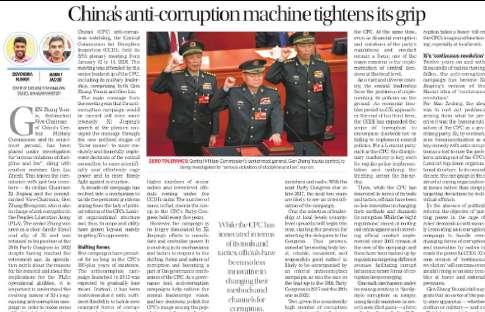
Devendra Kumar and Jabin T. Jacob also wrote for The Tribune examining the intensification of China’s anti-corruption campaign, arguing it has shifted from a political tool to an institutionalised governance mechanism across the military and civilian sectors.
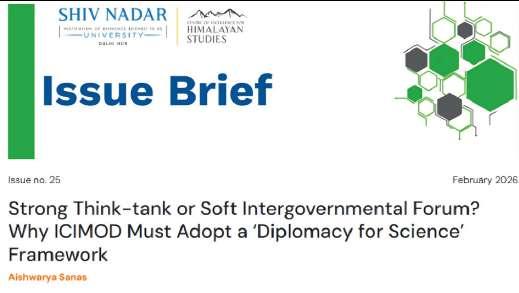
IRGS Department doctoral scholar Aishwarya Sanas wrote for the Centre for Himalayan Studies an Issue Brief titled, “Strong Thinktank or Soft Intergovernmental Forum? Why ICIMOD Must Adopt a ‘Diplomacy for Science’ Framework,” where she examines the regional organization’s role in Hindu Kush–Himalaya environmental governance, arguing that its project-driven, politically neutral approach limits deeper regional cooperation, and proposing instead, a diplomacy-for-science framework to strengthen transnational governance.
The Buzz around the School
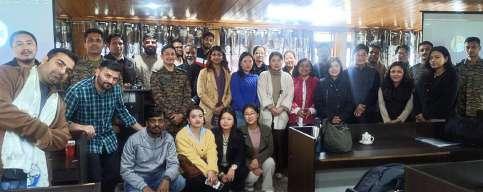
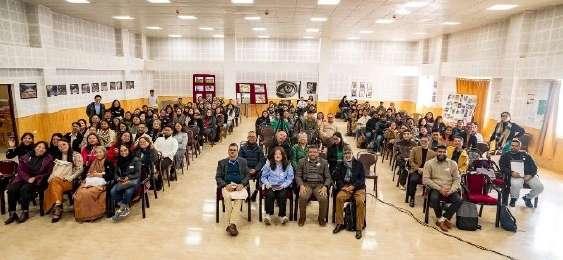
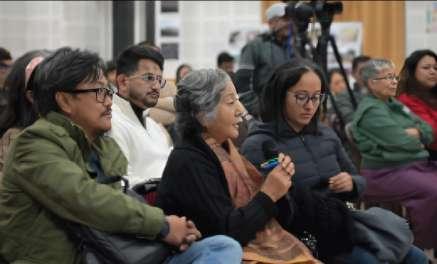
On 3 December, the Centre for Himalayan Studies and Sikkim University, jointly organised a seminar in Gangtok on sustainability, governance, and historical memory in the Himalayas, marking the culmination of a year-long fieldwork by CHS Post Doctoral Fellows. The seminar also featured presentations by doctoral scholars from Sikkim University.
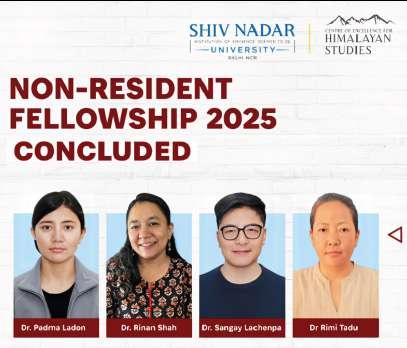
Conclusion of the First CHS Post-Doctoral Fellowship Cohort (2025)
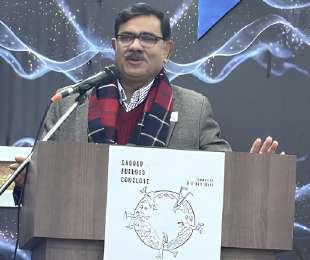
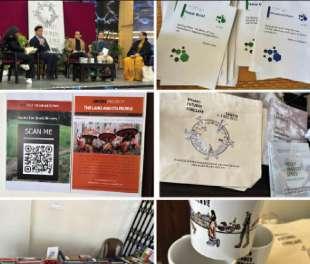
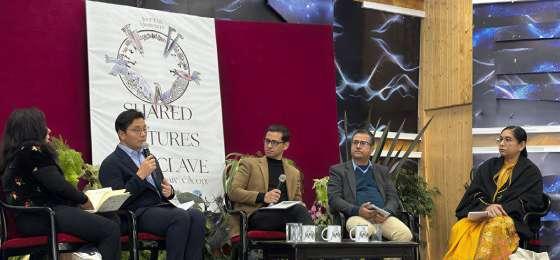
This was followed by the Shared Futures Conclave held in Gangtok on 4 and 5 December, jointly organised by CHS, Reading Himalaya, and Sikkim University.The School Dean, Prof Rajat Kathuria delivered the opening remarks. The Conclave brought together researchers, policymakers, community representatives, and practitioners to discuss climate resilience, disasters, urbanisation, tourism, water, and governance in the Sikkim–Darjeeling Himalaya. CHS Post-Doctoral Fellows Sangay Lachenpa and Rinan Shah participated as panellists, contributing to discussions on borderland governance, water security, and climate-related risks.
The first iteration of the CHS Post Doctoral Fellowship formally came to a close on 31 December 2025. Over the past year, fellows conducted rigorous research and extensive fieldwork across Sikkim, Ladakh, Darjeeling, and Arunachal Pradesh, resulting in around 15 Issue Briefs and 10 commentaries, with individual monographs forthcoming. The programme advances CHS’ mandate to collaborate closely with researchers in the Himalayas and to build a wider network of specialised scholars of the Himalayas in India and beyond, and in line with SNIoE’s global outlook and research partnerships.
Seminars, Talks and Conferences: Department
of Art, Media and Performance
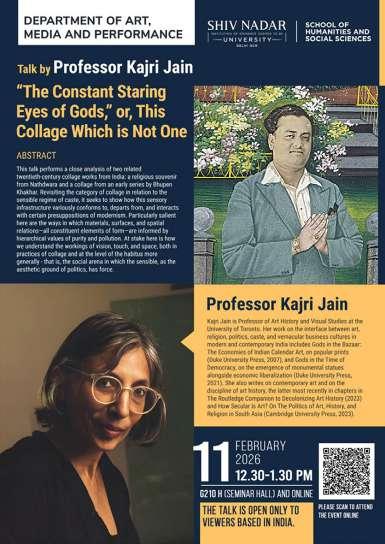
Talk: Conducted a hybrid talk by the art historian, Professor Kajri Jain (University of Toronto) on 11 February 2026.
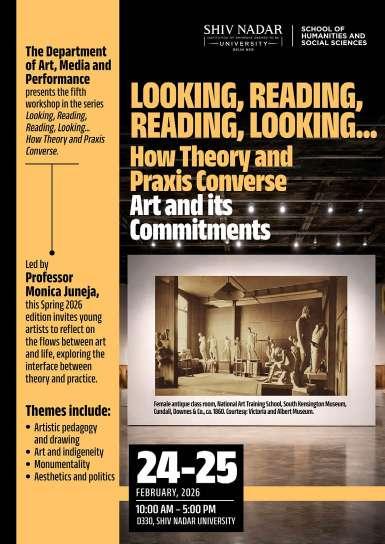
Workshop: Conducted its fifth workshop in the series, ‘Looking, Reading, Reading, Looking... How Theory and Praxis Converse’, called ‘Art and its Commitments.’ on 24 & 25 February 2026. The participants, drawn from the Department’s Masters of Fine Arts program as well as other fine art programs, presented on a range of themes bringing theory and practice into conversation. They were supported by interlocutors such as Professor Dr. Monica Juneja, Professor Manuela Ciotti, Dr. Andreas Lipowsky, and Latika Gupta, among others, who brought their research and reflections to bear upon these themes.
Department of Design
Department of Economics
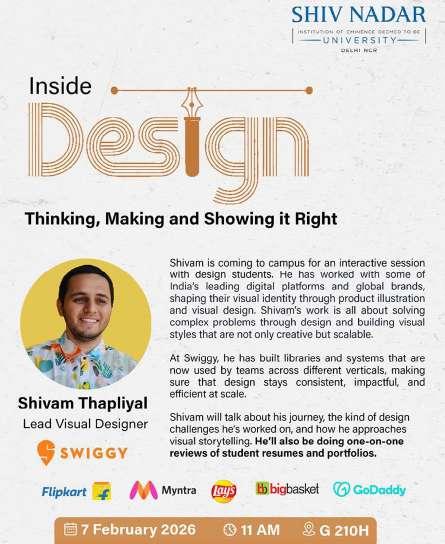
Workshop: Conducted a Design Workshop titled “Inside Design: Thinking, Making, and Showing it Right” with Shivam Thapliyal, Lead Visual Designer at Cashfree on February 7 and 8.
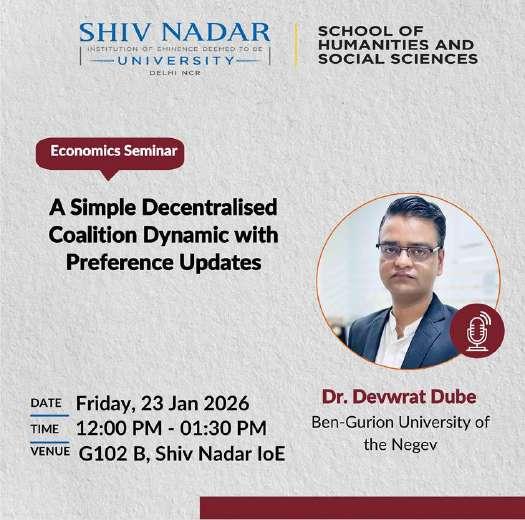
Seminar: Titled” A Simple Decentralised Coalition Dynamic with Preference Updates” was taken by Dr. Devwrat Dube, Ben-Gurion University of the Negev on 23 January 2026.
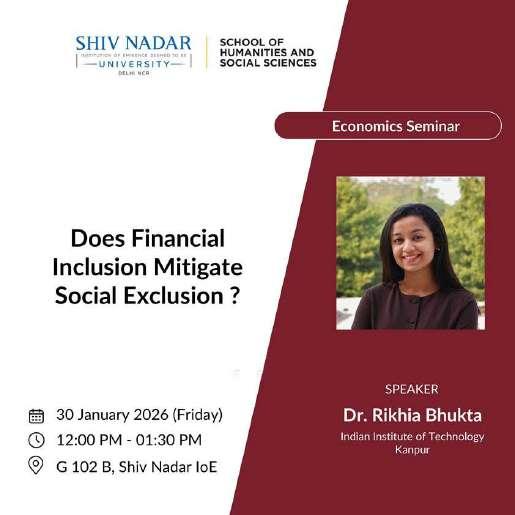
Seminar: Taken by Dr. Rikhia Bhukta, IIT Kanpur on 30 January 2026, titled ‘Does Financial Inclusion Mitigate Social Exclusion?’.
Department of English
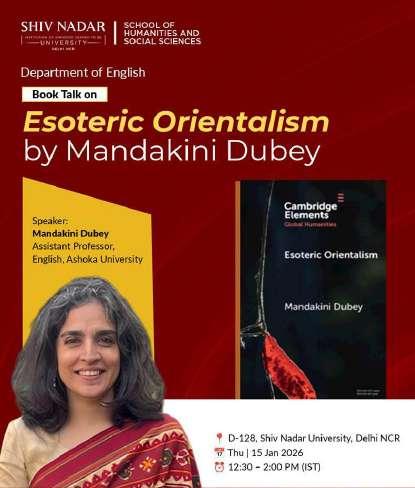
Book Talk: Dr. Mandakini Dubey, Ashoka University, had a book talk on her recently published monograph Esoteric Orientalism (Cambridge University Press, 2025) on 15 January 2026.
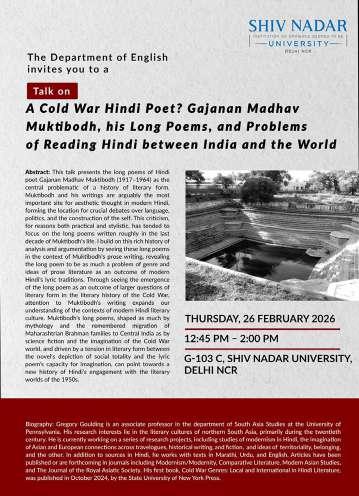
Talk: Presented by Dr. Gregory Goulding (University of Pennsylvania), titled: A Cold War Hindi Poet? Gajanan Madhav Muktibodh, his Long Poems, and Problems of Reading Hindi between India and the World was conducted on 26 February 2026.
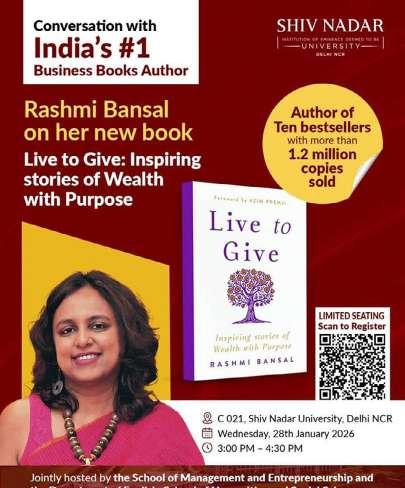
Session: The School of Management and Entrepreneurship and the Department of English, SHSS hosted an exclusive session with Rashmi Bansal, India’s #1 Business Book Author to discuss her latest work, Live to Give: Inspiring stories of Wealth with Purpose on 28th January 2026
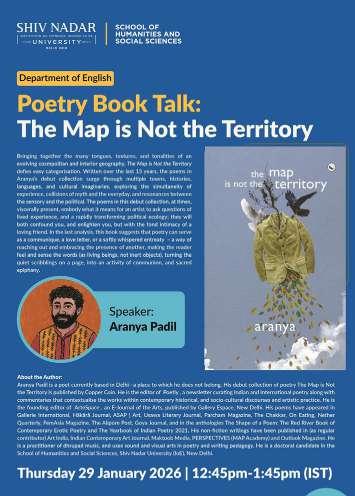
Book Talk: Titled “The Map is Not the Territory” was taken by Mr. Aranya Padil on 29th January 2026.
Department of History and Archaeology
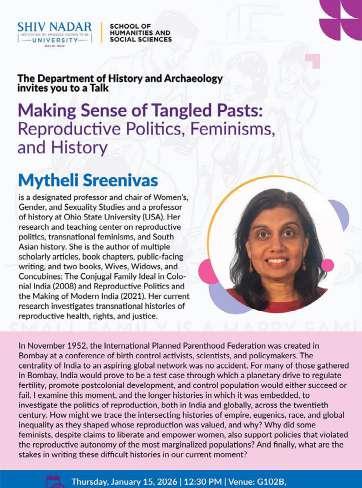
Talk: Hosted a talk titled ‘Making Sense of Tangled Pasts: Reproductive Politics, Feminisms, and History’ by Professor Mytheli Sreenivas, Ohio State University on 15 January 2026.
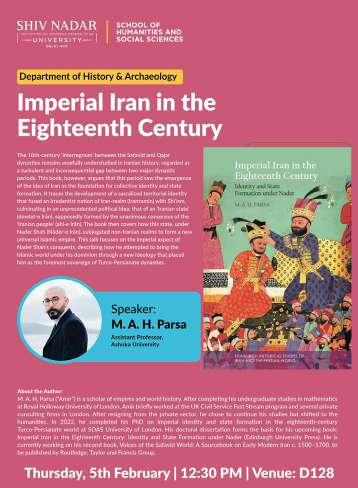
Book Talk: Hosted a book talk by Mr. Mohammad Parsa (Associate Professor, McGill University), titled ‘Imperial Iran in the Eighteenth Century’ on 5 February 2026.
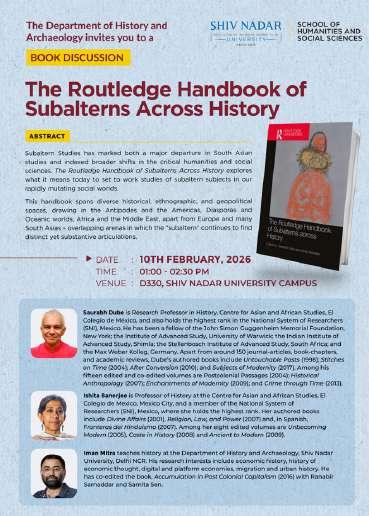
Book Discussion: To mark the publication of The Routledge Handbook of Subalterns Across History, Professor Saurabh Dube and Professor Ishita Banerjee (Centro de Estudios de Asia y África, El Colegio de México) presented in the discussion with Dr. Iman Mitra (Shiv Nadar University, Delhi-NCR) as the discussant. It was conducted on 10 February.
Department of International Relations and Governance Studies
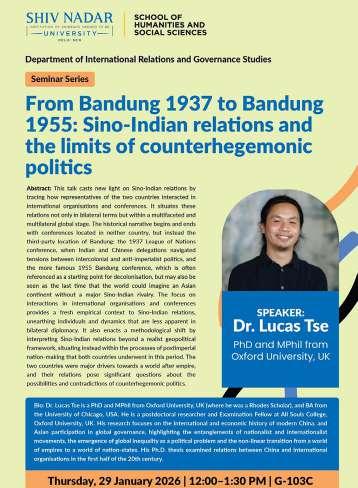
Talk: Hosted a talk on 29 January 2025. Dr. Lucas Tse (Oxford University) spoke on “From Bandung 1937 to Bandung 1955: Sino-Indian Relations and the Limits of Counterhegemonic Politics”.
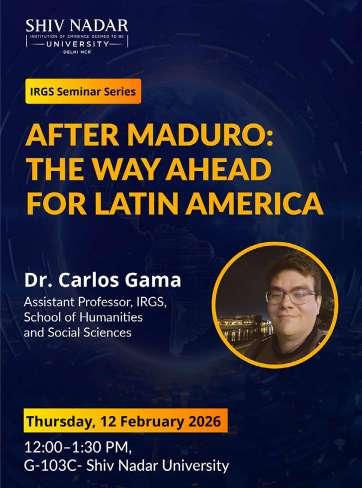
Seminar: On 12 February 2026, Dr. Carlos Frederico Pereira da Silva Gama spoke on “After Maduro: The Way Ahead for Latin America”.
Seminar: On 20 February 2026, the department hosted a panel discussion on “Caste in Indian Diplomacy and International Relations.” The panel examined how caste-coded hierarchies subtly inform institutional behaviour, scholarly frameworks, and the lived realities of practitioners. The discussion drew on contributions to a special issue co-edited by Vineet Thakur, Pavan Kumar, and Kalathmika Natarajan for the Hague Journal of Diplomacy.
Department of Sociology
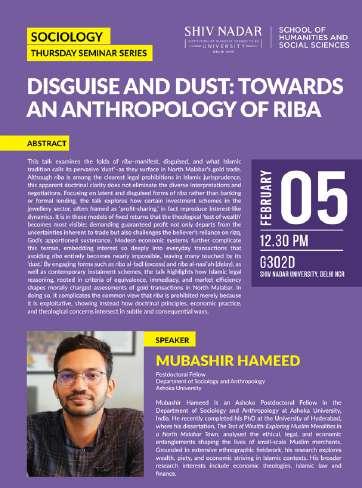
Seminar: Hosted “Disguise and Dust: Towards an Anthropology of Riba” by Dr. Mubashir
Hameed, Postdoctoral Fellow, Department of Sociology and Anthropology, Ashoka University on 05 February 2026.
Conference Presentations by the students of the Department of Economics:
Soumik Saha
• 10th PAN-IIM World Management Conference, held at IIM Ranchi, Ranchi (November 2025)
• Research Scholars’ Day, organized by IIT Kanpur, Kanpur (February 2026)
Binay Shankar
• Research Scholars’ Day, organized by the Indian Institute of Technology Kanpur, Kanpur (February 2026)
• 6th Annual Conference in Economics and Finance, held at BITS Pilani, Hyderabad Campus (January 2026) — Best Paper Award
• 19th ISDSI Global Conference Doctoral Colloquium, held at International Management Institute, Kolkata (2025) — Best Paper Award
Anshika Mathur
• Global Labor Organization – Journal of Population Economics (GLO-JOPE) Conference, Bonn, Germany (2025, presented virtually)
Sourish Mustafi
• XXXVth Annual Conference on Contemporary Issues in Development Economics, held at Jadavpur University, Kolkata (January 2026)
• 20th Annual Conference on Economic Growth and Development, held at the Indian Statistical Institute, New Delhi (December 2025)
Rajeev Parashar
• Japan Economic Policy Association Conference, organized by the Japan Economic Policy Association, Nagoya, Japan (November 2025)
• International Research Conference, organized by the Central Bank of Sri Lanka, Colombo, Sri Lanka (December 2025)
• Vietnam Economist Annual Meeting, organized by the Vietnam Economist Network, Thai Nguyen, Vietnam (December 2025)
• Young Scholars’ Conference, organized by the Centre for Economic Studies and Planning, Jawaharlal Nehru University, New Delhi, India (October 2025)
• India Management Research Conference, held at the Indian Institute of Management Ahmedabad, Ahmedabad, India (December 2025)
• Management Doctoral and Researcher’s Colloquium, held at the Indian Institute of Foreign Trade, Kolkata, India (December 2025)
• Annual Economics Conference, held at Ahmedabad University, Ahmedabad, India (January 2026)
• Young Scholars’ Seminar, held at the Delhi School of Economics, University of Delhi, New Delhi, India (February 2026)
• SERI-D Annual Conference, organized by SERI, Ahmedabad, India (March 2026)
• Annual Economics Conference, held at the Indian Institute of Management Calcutta, Kolkata, India (March 2026)
Vivek Gupta
• 21st Macroeconomics and Finance Conference (MFC), held at the Indira Gandhi Institute of Development Research, Mumbai (December 2025)
• 20th Annual Conference on Economic Growth and Development, held at the Indian Statistical Institute, New Delhi (December 2025)
• Fifth Macroeconomics Conference, held at the Shiv Nadar Institution of Eminence, Delhi NCR (January 2026)
• RBI Workshop on Open Economy, Macroeconomics and Economic Integration in Emerging Market Economies, held at the Centre for Development Studies, Thiruvananthapuram (January 2026)
“The flowering of trees is a reminder that life always finds a way to begin again.”
-
Paulo Coelho
Publications
Faculty Publications
Dr. Atul Mishra, Associate Professor & Head, IRGS
Publications
a.“Why nations must call out Trump’s transgressions”, January 15, 2026, Hindustan Times.
b.“Tech-tonic shift: Is AI untheorizable?”, February 7, 2026, India’s World.
Interview
“Expert’s Take: What Are India’s Prospects In The Emerging New World Order?”, February 4, 2026, India’s World.
Dr. Carlos Frederico Pereira da Silva Gama, Assistant Professor, IRGS
Publications
a.“The Diffuse Unilateralism of Trump’s Venezuela Intervention”, January 4, 2026, E-International Relations.
b.“Regime change in Venezuela and the crisis of global order”, January 12, 2026, 360 Info
c.“A new “golden age” for global chaos”, January 26, 2026, 360 Info.
Presentations & Events
a.“After Maduro: The Way Ahead for Latin America”, February 12, 2026, Shiv Nadar Institution of Eminence
b.“Imperialist World Order and the Limits of Development”, February 17, 2026, O.P. Jindal Global University, Sonipat.
Dr. Jabin Thomas Jacob, Associate Professor, IRGS, Director, Centre of Excellence for Himalayan Studies
Publications
a.“Russia, China and the Uneasy Terms of Authoritarian Coexistence”, January 6 2026, India’s World.
b.“China’s anti-corruption machine tightens its grip” (co-authored with Devendra Kumar, Centre for Himalayan Studies, Shiv Nadar Institution of Eminence), February 16, 2026, The Tribune.
Interview
“Documenting China’s Borderlands Podcast – Episode 5: The Himalayan Rim”, December 10, 2025, Borderlands Podcast (The National Bureau of Asian Research).
Dr. Ravi Nandan Singh, Assistant Professor, Department of Sociology
Publications
published a chapter titled “Pratyabhijna/Recognition” in the book Decolonial Keywords: South Asian Thoughts and Attitudes. The volume is edited by Renny Thomas and Sasanka Perera and published by Tulika Press in 2026.
c. Ravi Nandan Singh published a comment essay titled “Grey Plains of Indian Sociology” in the Sociological Bulletin. The piece serves as a commentary on Irfan Ahmad’s review essay, “Towards a Genealogy of Indian Sociology: Knowledge as Nationalism, Nationalism as Knowledge.” The article was published online first in 2026.
Dr. Sreejata Paul, Assistant Professor, Department of English
Publications
a. Published a book review: “Ecoceanic: Southern Flows edited by Tarun K. Saint and Francesco Verso.” Global South Literary Studies, Latest Articles (2026): n.p. https://doi.org/10.1080/30684 781.2025.2594687.
b. Published a book chapter: “No Country for Sex Workers, Then or Now: Srijit Mukherji’s Begum Jaan (2017) and Its Many Imagi-Nations.” In Nation, Nationalism and Indian Hindi Cinema, edited by Goutam Karmakar and Pippa Catterall, n.p. London: Routledge, 2025.
Dr. Chinmay Sharma, Assistant Professor, Department of English
Publications
a. His essay ‘Show the Guru Cheating’ was published in The Journal of Hindu Studies. https://academic.oup.com/jhs/advance-article-abstract/doi/10.1093/jhs/hiaf016/8313571?redirectedFrom=fulltext .
b. His short story ‘Stuck in the Middle’ was published in The Manchester Review. https://www. themanchesterreview.co.uk/?p=13127.
Students Achievements
Simar Bhasin
Simar Bhasin, a Ph.D. student in the Department of English has recently published an article in the prestigious journal American Studies in Scandinavia. The essay explores the possibilities and challenges of migration as portrayed in the short stories of Jonathan Escoffery. Link: https://lnkd.in/ gfYV53wQ.
This marks Simar’s second significant Scopus indexed publication since she began her doctoral research at Shiv Nadar University in July 2023.
Anshika Mathur
Anshika Mathur, a Ph.D. scholar with the Department of Economics presented her paper that she wrote with Dr. Punarjit Roychowdhury , Head of Department - Economics, in the 20th Annual Conference on Economic Growth and Development at ISI-Delhi on 18th Dec, 2025.
Rumela Chatterjee
Rumela Chatterjee, a Ph.D. student in the Department of Sociology, collaborated with Soumyadeep Guha on a compelling article for Frontline. This piece explores the deep-seated exhaustion of urban life in India and investigates how certain difficulties have become a part of our everyday reality.
Together, they prompt readers to reconsider the concept of leisure and explore ways of living that go beyond market-driven pursuits. Additionally, Rumela shares valuable insights from her field site, Kannauj, adding depth and a personal touch to the discussion.
Shashwat Naik and Anusha Gupta
Shashwat Naik and Anusha Gupta, 3rd year, Bachelor’s in Design presented their paper at the International Conference on Emotion and Sensibility (ICES), Korea. Their research paper “ Qualifications and disqualification of GenAI in the designing of visual narratives” written under the guidance of and co-authored by Dr. Subhajit Chandra was awarded the Best Oral Presentation, recognizing its contribution to contemporary design research.
The study examines the role of GenAI as a creative tool in communication design through the development of two graphic narratives, Batya and The Taken One. While GenAI has proven effective in generating visually precise outputs and offering creative alternatives, the research highlights its limitations in sequential visual storytelling.
During the design process, several AI-generated frames failed to align with the creator’s original intent, mind map, and narrative flow. Issues in composition, structure, mood, and emotional sensibility often led to unintended narrative shifts, requiring manual intervention by the designer. The findings emphasize the gap between machine generated visuals and human sensibility, particularly in conveying atmosphere and context.
The study advocates for more intuitive GenAI systems that can better understand creator intent and narrative logic, improving reliability in visual narrative design.
Varshita Dhanda
Varshita Dhanda, who completed her BA Research in English at SNU between 2020 and 2024, has published her UGSRP thesis “Navigating Linguistic Shifts: An Empirical Exploration of Internet-Driven Semantic Changes in College Students” in Jadavpur Journal of Languages and Linguistics. https://archive.org/details/jjll-8.1.
Aryaa Singh
Aryaa Singh, first year student of the MA English, published an article in Feminism in India in January 2026.
Our PhD student, Megha Mazumdar, has had two significant achievements since this year began.
a. She presented a paper titled, “The Mourning Delay: Death, Letters, and the Emotional Cartography of Empire between Britain and India,” at the ‘Victorian Diversities Research Network’ Symposium, titled, “Transnational Encounters in/through South Asia”, organised by Indian Institute of Technology (IIT), Hyderabad, India and the Victorian Diversities Research Network, held at IIT Hyderabad, India on January 8-9, 2026.
b. Got elected as a member for the Association Board of the ‘British Women Writers Association’ (BWWA) on the 3rd of February. The BWWA seeks to bring more women/womxn from the margins to the center of literary history by promoting scholarship on and the teaching of long 18th- and 19th-century British women writers in diverse global and cultural contexts (https:// britishwomenwriters.org/association/association/).
Gauri
Gauri, 3rd year BA English student, presented a case study at the 14th International Conference on Management Cases (ICMC) in November 2025. The case abstract for the same was published in Cases Integrating Perspectives on Strategy, Innovation, and Sustainability. Gauri’s contribution to this case study was presenting the case as a story, alongside illustrating it.
Isha Kansal, 2nd year student of MA English, undertook a range of activities in the last few months. The details are as follows:
a. SNU’s Campus Ambassador for Teach For India (TFI): She has been engaging with students from different departments at SNU to raise awareness about the fellowship. She attended classroom visits in Delhi organised by TFI and gained insights into how the organisation operates in the field of education.
b. Team Lead at the Dehradun Literature Festival (November 14-16, 2025): Over the past six months, she has worked as one of the organising members for the Dehradun Literature Festival. This role involved interacting with various authors, literary figures, actors, and artists.
c. Copy-Editing Intern at Penguin Random House, India: She completed a winter internship from December to January at Penguin Random House, India, where she worked on the book “Everybody Loves a Good Drought” by Palagummi Sainath.
d. Chief Editor at The Freewheeler: She has taken on the role of chief editor for the English Department’s magazine.
e. City Leader for Kommune, Dehradun: She serves as the city leader, representing Kommune, India in her city, Dehradun.
Khushi Mohunta
Khushi Mohunta, a student in the second year of the MA class, had three significant co curricular achievements recently.
a. Khushi’s poem, “The Marriage Contract,” was published in Madras Courier (the first newspaper to be published in Madras Presidency, British India) on 20 December 2025. https://madrascourier.com/art-and-poetry/ the-marriage-contract/.
b. The vignette, “Nothing is Forever,” was published in Fulcrum (an independent liberal monthly magazine published in Bombay from July 1975 to August 1976) on 12 January 2026.https://www.instagram.com/p/DTaF6w4DFha/?igsh=MXhseTNyMHQ2dnV1cw==.
c. Khushi participated as a Guest Delegate at the Jaipur Literature Festival 2026 on 18 January 2026 to present her poem, “Chai ki Rajneeti: A Domestic Democracy,” at the ‘Brewing Poetry’ session organized by Taj Mahal Tea. https://www.instagram.com/p/DTpxRB1iQDb/?igsh=cGNuczU0aHV4NWFq.
Aranya Padīl
Aranya Padil’s, PhD Scholar, Sociology, has engaged deeply with the legacy of the legendary bilingual poet Arun Kolatkar, most notably by convening the inaugural “Kolatkari Barsi.” This seminar, held on the poet’s death anniversary, featured readings and commentaries by cultural theorists and associates, fostering a growing community of writers centered on “urban poetics.” His scholarly work further explored this theme through the publication of the academic paper “’Sensitive Witnessing’: Vital Materialities and More-than-human Urban Assemblages in Arun Kolatkar’s Kala Ghoda Poems” in a special issue of Nidan: International Journal of Indian Studies (Vol. 10 No. 2, 2025).
Aranya was invited by the poetry collective “Osmosis” to discuss his own new book of verse, The Map is Not the Territory. His contributions to wider cultural discussions continue through his role as the founding editor of ArteSpace, a quarterly e-journal published by Gallery Espace, and through his regular critiques, profiles, and analyses of contemporary social issues in Outlook Magazine.
Jauhar
Jauhar, In a collaborative study published in the journal Religion (2026), Mahammad Ali Jauhar (PhD Scholar, Department of Sociology) and Eda Kandiyil Ahmad Faseeh (University of Hyderabad) examine the transformative power of narrative at the Golconda Fort. Their paper, titled “‘If Baba calls you, no one can stop you’,” [Religion, DOI: 10.1080/0048721X.2026.2622784] highlights how affective storytelling and spiritual narratives actively reconstruct the visitor experience, imbuing the heritage site with renewed cultural.
Sandra Elizabeth Joseph
Sandra Elizabeth Joseph, PhD Scholar, Sociology has joined the team at the Society for Cultural Anthropology (CULANTH) as a Contributing Editor for their podcast section, AnthroPod. Concurrently, acting as a host for the New Books Network (NBN), she facilitated critical dialogue on environmental politics by interviewing Dr. Javiera Barandian (UC Santa Barbara) regarding her 2026 monograph, Living Minerals: Nature, Power and Trade in the Race for Lithium. In addition to her audio work, Sandra contributed to the online art journal ArteSpace in November 2025 with a narrative profile titled “Saturated Waterscapes in Paula Sengupta’s Oeuvre,” which explores the intersection of history and contemporary printmaking.
Padma Rigzin
Padma Rigzin, PhD Scholar, Department of Sociology has published the article ‘Translating the Snow Leopard into a Fictitious Commodity’ in the journal HIMALAYA, in its first issue in 2026. The article can be accessed here: https://journals.ed.ac.uk/himalaya/article/view/9389
Vedant Patil
“Vedant Patil, third year Ph.D. scholar from the Department of Sociology opened his film installation for the public titled ‘Spillage to Spoilage’ on 1 Feb 2026 at Bikaner House, New Delhi, presented as part of Sustaina India Fellowship’s group exhibition Bitter Nectar.” This art installation is drawn from Vedant’s doctoral research in the department on production, circulation and distribution of milk in Delhi NCR”
Dr. Swarati Sabhapandit
Dr. Swarati Sabhapandit is appointed as Assistant Professor at the School of Development, Azim Premji University, Bengaluru. Dr. Sabhapandit is IRGSs first ever student to receive the Ph.D. degree.
Publications
a.“Who Counts, Who Knows, Who Decides but Caste?” (co-authored with C. P. Rajendram, National Institute of Advanced Sciences, Bengaluru)
November 29, 2025, The Wire
b.“Whose Life Counts? Anjel Chakma’s Death and the Idea of India Today”, January 4, 2026, The Wire
Harsha Yadav
Presentations & Events
“Tawhid Against the Empire: Islamic Diasporic Movements and the Ontological Critique of Global Capitalism”, February 7, 2026, ISA RC-22
Sociology of Religion Mid Term Conference, organised by International Sociological Association (ISA) and South Asian University, New Delhi
Dr. Rishabh Kachroo
Dr. Rishabh Kachroo Is selected as a Max Weber Fellow (Postdoctoral) at European University Institute (EUI), Florence, Italy. Dr. Kachroo is IRGSs second-ever student to receive the Ph.D. degree.
Publications
a.“Re orienting the Lens: A Reflexive Account of Entering STS”, November 24, 2026, STS Network
b.“What the air-pollution advisory from India’s health ministry hides”, November 27, 2026, The Wire
c.“Gagged Campuses, Hollowed Classrooms: The Universities in India Today”, January 4, 2026, The Wire Presentations & Events
“Re‑orienting the lens: A reflexive account of entering STS”, December 16, 2025, First STS India Network Conference on Co-Shaping of Science, Technology and Society in India, O.P. Jindal Global University, Sonipat
Subhash Bhambhu
Book Review
“Emerging from the Shadows: Essays on Disarmament by Indian Women” (Manpreet Sethi and Kanica Rakhra, Routledge, India, 2025, 206 pp), January 7, 2026, Strategic Analysis (Taylor & Francis Online) Presentations & Events
a.“Reterritorialization of Orans: Ecological Sediments of Colonialism”, January 22-24, 2026 “The Global Souths of the World: Struggles and Resistances of Reterritorialization” Workshop, organized by ISA Global South and Puerto Rican Endowment for the Humanities (Humanidades Puerto Rico), San Juan, Puerto Rico., USA.
Aishwarya Sanas
Publications
a.“Report of the second Inter-Polar Conference : connecting the Arctic with the Third Pole – Hindu Kush Himalaya” in Current Developments in Arctic Law, Vol. 13 (2025), pp. 96-115. December, 2025
b.“Strong Think-tank or Soft Intergovernmental Forum? Why ICIMOD Must Adopt a ‘Diplomacy for Science’ Framework”, January, 2026, Centre of Excellence for Himalayan Studies.
Khushi Puranik
Khushi Puranik, B.A. (Research) in International Relations, Class of 2026
a.Winner of Yadupati Singhania Memorial Squash Open in the Woman’s category November 18-22, 2025, Prayagraj
b.Photographic essay “Between Then and Now” published by DoubleSpeak magazine overseen by prof. Sreedeep Bhattacharya (as part of ART342 course), December 29, 2025
Mannat Bhatia
Mannat Bhatia, B.A. (Research) in International Relations, Class of 2025
Selected as a youth representative (representing the Delhi State contingent) to present youth- driven ideas before Prime Minister Modi, Union Minister Mansukh Mandaviya and Minister of State Smt. Raksha Nikhil Khadse, at the Grand Finale of the Viksit Bharat Young Leaders Dialogue 2026 January 9-12, 2026, Bharat Mandapam, New Delhi. Currently, Ms. Bhatia is a Research Intern at the Ministry of Youth Affairs & Sports, Government of India.
Ojasw Tiwari
Ojasw Tiwari, B.A. (Research) in International Relations, Class of 2027 Article “Towards ASEAN Centrality: India-China Cultural and Strategic Diplomacy” (co-authored with Kotchaphop Kornphetcharat, Fudan University, Fudan, China), February 03, 2026, THE GEOSTRATA
“Between every two pines is a doorway to a new world.”