MATHEMATICS Department of

Functional Analysis
Geometry
Algebra
Number Theory
Complex Networks
Mathematical modelling
Mathematical Finance
Optimization
Machine learning
Statistics

Assistant Professor, Department of Mathematics
Modeling Interlinkages Among Sustainable Development Goals and their Indicators: A Data-Driven Approach Using Copulas and Stochastic Systems
ANRF ARG-MATRICS Grant: 2026-2031; 30Lacs
This project models interlinkages among Sustainable Development Goals using network analysis, copula modelling, and stochastic differential equations to identify synergies and trade-offs, capture joint dependencies, and forecast indicator trajectories under uncertainty. Using UN and World Bank data, it aims to deliver evidence-based policy recommendations and scholarly contributions
Associate Professor, Department of Mathematics
Dr. Grover’s term as a young associate of the Indian Academy of Sciences was extended for another two years from 2025 to 2027.
Awarded ANRF SERB Core Research Grant as a Co-PI (with Professor TSSRK Rao) in 2024-2027.
Awarded SNU award for Excellence in Research in 2026
Associate Professor, Department of Mathematics
Grants and Accolades
Awarded JB Shukla Award, Indian Mathematical Society, 2024
Awarded DST-DAAD Joint Research Grant with University of Bonn, Germany (20232025) on Project: Game-theoretic approach of modelling and Estimating the impact of human migration behaviour on malaria endemicity in Sub-Saharan Africa
Grant Amount Rs 14+ Lacs
Professor, Department of Mathematics
Grants and Accolades
Awarded JC Bose fellowship( 3rd time) in 2024; Rs 90 Lacs
Dr. Samit Bhattacharyya
Associate Professor, Department of Mathematics
Dr. Charu Sharma
Assistant Professor, Department of Mathematics
Investigating the Effects of Sleep Deprivation on Academic Performance and Personalized Learning Strategies in High Education Undergraduate Students
Cintana Alliance Grant 2025-2026, $8000
The project aimed to evaluate the prevalence and patterns of sleep deprivation among undergraduate students across three universities: UAG, Galala and SNIoE We are investigating the impact of sleep deprivation on academic performance and cognitive function to identify personalized learning strategies
Professor TSSRK Rao
Department of Mathematics
•ANRF SERB Core Research Grant in 2024 -2027.
•Editor of AMS proceedings Linear Algebra, Matrices and Their Applications


Energy Environment remediation
Sustainable Chemistry and Materials
Innovative medicinal molecules
Drug design
Protein-molecules/drug interactions
Sensing molecules
Biomolecules
Advanced Functional Materials
Ray’s research group activity
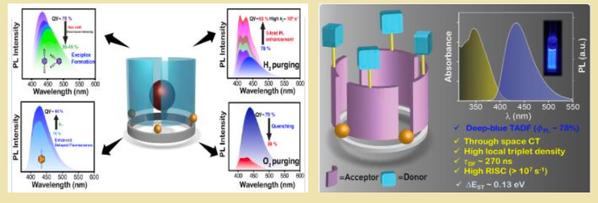
Cyclic Emitter for H2-gas driven superradiance (Communs. Chem. 2026, 9,152 (Nature portfolio).
Cyclic emitter (J. Phys. Chem. Lett. 2025, 16, 7848–7853) (Nature Indexed).
White Light Emitter (J. Phys. Chem. Lett. 2024, 15, 3135–3141.) (Nature Indexed).
Triplet-harnessing Photo-switch (Data security & Solar Energy Storage) (J. Phys. Chem. Lett. 2024, 15, 3191–3196) (Nature Indexed).
Thermally enhanced triplet harnessing (J. Phys. Chem. Lett., 2018, 9,2733-2738.) (Nature Indexed)
Bi-Luminescence for data security (J. Phys. Chem. Lett., 2018, 9, 3808-3813.) (Nature Indexed)
TEDE emitters for thermal sensing (10-350 K) (Patents & J. Phys. Chem. C 2024, 128, 8750–8758)
Raktim Deka & Manoj Upadhyay, PhD student awarded with Postdoctoral fellowship at Chalmers University of Technology (Sweden) & IISC Bangalore.
Harshini Dhara and Athish Pranav (BS Chem) awarded with Master & PhD program at Ruhr-Universität Bochum (Germany) and New York university (Dubai)
ANRF grant (Rs 60 Lakhs)
Our interdisciplinary research, focusing on materials for energy and health, spans fundamental and applied sciences. We use experimental and computational techniques to study molecular materials with unusual physicochemical and biological properties. We explore multifunctional properties, such as ferroelectric, piezoelectric, and thermoresponsive, in purely organic materials for applications in flexible, wearable, biocompatible, sustainable, and economical portable devices. We also employ polymorph-driven and structurebased drug design approaches to tune the potency of biologically active molecules and to identify potent drugs to inhibit diseases such as tumor growth, diabetes, Alzheimer’s, and hair loss.
Representative Publications: Awards & Recognitions:
NPG Asia Mater, 2026, 18, 4.
SERB-DST Grants 2024-27; 2019-22; 201518
Mater. Adv., 2026, 7, 3177.
SNIoE-FGIR 2023-25
Sci Rep, 2025, 15, 45462. FRSC, Royal Society of Chemistry
Mater. Adv., 2024, 5, 7495. Research Excellence Award by SNIoE, 2021.
Mol Pharma. 2022, 19, 1008.
ACS Appl. Elect. Mater. 2021, 3, 3633.
Co-Editor, J. Appl. Crystallogr.
Editorial Board Member, Scientific Reports
J. Phys. Chem. C., 2020, 124, 27413.
Editorial Board Member, J. Mol. Struct. Chem. Commun., 2019, 55, 9610. Advisory Board Member, CrystEngComm. Cryst. Growth & Des. 2018, 18, 1126.
Emerging Investigators, CGD-ACS, 2019

Project Title I: C-H
functionalization using Ni(II) complexes of amidoquinolone, amido-oxazoline, biguanide, and supramolecular porphyrin assembly
Project Title II: Water oxidation using Ni(II) complexes as molecular catalyst
Functionalization of unactivated strong C(sp3)-H bond under mild conditions by direct means is extremely difficult for the synthesis of biologically and pharmacologically important organic compounds. Under project I, Ni(II) complexes of amido-quinoline, amido-oxazoline, biganide, and supramolecular porphyrin ligands were synthesized. This ligand systems are oxidatively robust, and Ni(II)- amidooxazoline carries enantioselective C-H halogenation with high TON. In project II, Ni(II) amido-quinoline complexes successfully catalyzed water oxidation as molecular catalysts. In the case of the binuclear Ni(II) N-heterocyclic carbene complex, FE-SEM and XPS analysis indicate the coexistence of the molecular complex and Ni(O)OH on the FTO surface.
Dalton Trans., 2025, 54, 503; Inorg. Chem. Commun., 2025, 180, 114979; Org. Chem. Front., 2025, 12, 4924; Inorg. Chem. Front., 2026, 13, 389; Catal. Sci. Tech., 2026, 16, 1477
Funded by SERB-DST: CRG/2022/001576 dated 4th January, 2023
Research Group PI: Dr. Ajoy Kapat
Biomedical Application: Photopolymerisation Reaction in Tooth Cavity
Research Lab: Radical Chemistry & Catalysis Laboratory

Research Group PI: Dr. Ajoy Kapat
Natural Product Based Drug Design
Research Lab: Radical
Chemistry & Catalysis Laboratory
To address the pressing demand for sustainable energy, we develop dye-engineered oligomers in which precisely organized chromophores enable exciton coupling, efficient light harvesting, and effective charge transfer and separation for artificial photosynthesis. A modular synthetic strategy allows the incorporation of diverse electroactive dyes, facilitating panchromatic light absorption, an essential requirement for these systems.
Selected References:
1. B. Gole et al. Chem. Commun., 2026, DOI: 10.1039/d6cc00572a.
2. B. Gole et al. Org. Chem. Front., 2026, 13, 1986
3. B. Gole et al. J. Org. Chem. 2026, 91, 3037.
4. B. Gole et al. Chem. Commun., 2025, 61, 8071
Synopsis of research work:
Solvent–solute interactions play a crucial role in steering chemical reactions in solution. We aim to understand how structure, dynamics, and intermolecular interactions in pure and multicomponent environments influence reactions, and how microscopic structure and dynamics correlate with macroscopic bulk properties of chemical systems
Research areas: Excited state proton transfer and electron transfer dynamics, Structural dynamics of deep eutectic solvents, ionic liquids, Time-resolved absorption and fluorescence, MD simulation
Selected Recent Publications:
Journal of Chemical Physics, 2025, 162, 114506.
Journal of Molecular Liquids, 2026, 451, 129445.
Journal of Chemical Sciences, 2026, 138, 21
Journal of Physical Chemistry B, 2026, 130, 16, 4397. Dalton Transactions, 2026, 10.1039/D6DT00274A
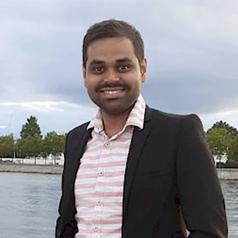
Electrocatalysis for sustainable energy generation
Single- and diatom-catalyst systems: Tuning interfacial properties and activity for CO2 and O2 reduction using electronic structure and orbital engineering.
Electrocatalysts for water splitting: Designing earth-abundant metal-oxide catalysts for water splitting reactions.
Machine Learning: Developing Catalyst Design Principles.
Representative publications:
1) ACS Appl. Mater. Interfaces 2026, 18, 13913–13922.
2) J. Mater. Chem. A, 2026,14, 11395-11408.
3) ACS Appl. Energy Mater., 2024, 7, 7854-7863.
4) Nanoscale, 2024, 16, 18859-18870
5) Angew. Chem. Int. Ed.; 2023, 135, e202311113.
6) ACS Catal. 2022, 12, 4818–4824
7) ACS Energy Lett, 2020, 5, 885-891.
Dr. Nidhi Malhotra
Assistant Professor
In this project, we investigate how lipid-protein interactions regulate membrane protein stability and assembly in selective protein removal. We identified residuelevel “molecular anchors” governing assembly, and demonstrated how their disruption causes structural instability and loss of function. Current efforts focus on exploring strategies to re- engineer protein complexes for functional recovery
Publications:
• Patel I., Malhotra N*; The Journal of Physical Chemistry B, 129 (47), 2025, 12186-12199.
• Sahu D., Patel I., Lakshman K., Mapa K., Malhotra N*, THE FEBS Journal, 293 (8), 2026, 2178-2204.
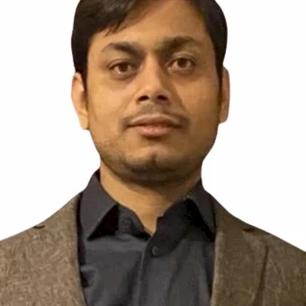
Assistant Professor, Department of Chemistry, SoNS, and his research group
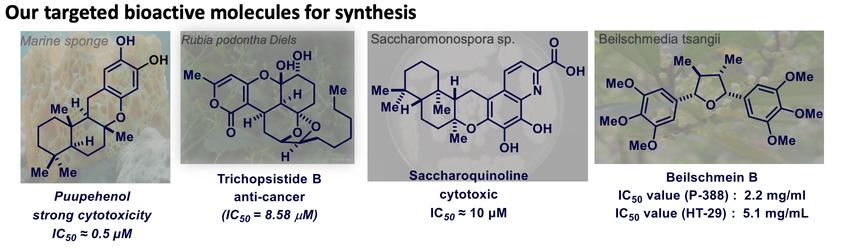
Natural product synthesis and asymmetric catalysis are two closely connected pillars of modern organic chemistry, especially in research areas such as drug discovery, chemical biology, and biochemistry. Their importance comes from both fundamental understanding and practical applications. A few of our ongoing target molecules are highlighted below
Publications:
1. Zehra, B.; Halder, S.; Ghosh, S. ES Chem. Sustain., 2026, doi: dx doi.org/10 30919/cs2161
2. Sardar, A.; Halder, S.; Singh, D.; Zehra, B.; Patranabish, T.; Dubey, K.; Ghosh, S. Org. Lett. 2026, 28, 4137
3. Samsonowicz-Gorski, J.; Ghosh, S.; Tsuji, N.; Leutzsch, M.; Breitenbruch, G.; Nothling, N.; Kraft, P.; List, B. J.Am. Chem. Soc. 2025, 147, 39011−39019.
4. Sardar, A.; Ghosh, S. Prayogik Rasayan 2024, 08, 51–55
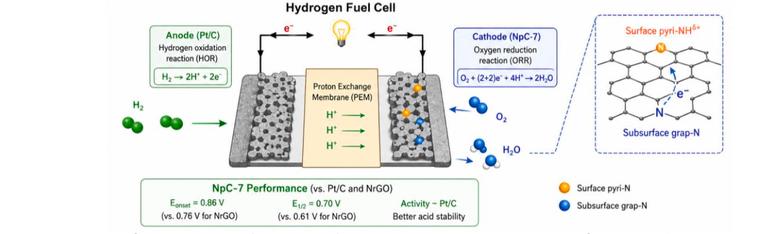
Synopsis of research work – Protonation of pyridinic-N sites deactivates N-doped carbon catalysts under acidic ORR conditions. We report an N-doped porous carbon (NpC-7) with surface pyri-N and subsurface graphitic-N, which electronically stabilize active sites. This architecture restores activity, enhances O2 adsorption, and achieves near-Pt/C performance via a (2+2)e− pathway.
Reference: Santosh K. Singh et al., Small, 2026 (Just Accepted)
The Single Molecule Fluorescence Laboratory (SMFL) has constructed a state-of-the-art multimodal spectroscopy-microscopy setup to study the molecular mechanisms of gene regulation by therapeutically important, small noncoding RNAs from bacteria and viruses. This work is supported by a prestigious DBT-Wellcome trust funded project.
Dr. Devendra Kumar Ramanujan fellow
Nano Physical Spectroscopy Group
Research:
*Ultrafast spectroscopy *Quantum dots
*Perovskite nanocrystals *Photophysics/chemistry
Representative publications:
1. J. Phys. Chem. Lett. 2025, 16, 13206-13214
2. J. Phys. Chem. Lett. 2025, 16, 7134−7139
3. ACS Energy Lett. 2025, 10, 2978−2985
4. J. Phys. Chem. Lett. 2024, 15, 14, 3728–3732
5. Adv. Opt. Mater. 2024, 2302898
6. J. Phys. Chem. Lett. 2024, 15, 8, 2169–2176
Immunology
Regeneration biology and Tissue engineering
Plant Biology
Epigenetics
Systems Biology
Neuroscience
Metabolism and Aging
Cell Biology
Cancer biology
Microbiology
Ecology
Associate Professor, Department of Life Sciences
β-lactam antibiotics target the peptidoglycan cell wall biosynthetic pathway in bacteria and in response bacteria have developed various resistance mechanisms. In this study, we investigated the cell wall recycling pathway and its role in antibiotic resistance in Caulobacter crescentus. These findings are crucial for understanding antibiotic resistance mechanisms in bacteria.
Publication: https://doi.org/10.1128/mbio.02975-24
Ms. Modi received ANRF Travel Grant to present this work at Swiss Microbiology Conference in Interlaken, Switzerland ,2025
Dr Rohini Garg has been selected as INSA Associate Fellow 2026 for her extensive research experience as an independent PI in the understanding regulatory mechanism of plant development and responses to environment. She has more than a decade of experience in advancing basic and applied plant sciences using high-throughput sequencing, molecular genetics, and epigenomic analysis. Her work represents deep experimental expertise interacting with the most modern computational approaches, allowing her to investigate plant development, stress responses, and genome regulation at unprecedented resolution.
Undergraduate Student
First prize in SUMMIT meeting. He synthesized MXene quantum dots, optimized nucleic acid coating strategies on these nanomaterials, and performed cellular uptake assays in plant systems and keratinocyte cells to evaluate nanoparticle-mediated delivery efficiency.
Understanding tissue regeneration biology using planaria as model organism
Projects undertaken by: Akansha Pal and Dr. Ashish Gupta
Synopsis of research work – TIP60, a chromatinmodifying acetyltransferase, is essential for planarian regeneration. Functional depletion of SMED-TIP60 disrupts stem cell maintenance, proliferation, woundresponse gene expression, and positional reprogramming, causing regeneration failure. These findings establish TIP60 as a critical regulator linking chromatin dynamics to injury-induced transcriptional programs and tissue restoration.
Ramalingaswami Fellow
Project Title: Lactobacillus based sustained delivery of indole to counter Type 2 diabetes mellitus through regulation of the AhR signaling pathway.
The project aims to explore how genetically engineered Lactobacillus strains can be used to prevent and treat Type 1 and Type 2 Diabetes mellitus.
Arumugam G., a final-year thesis student, won Best Presentation awards at NCURB 2025 and SUMMIT 2026. He will soon begin a prestigious internship at the University of Oxford, UK.
Mitiksha Gupta, a PhD student, is currently in Japan on the LOTUS Fellowship, advancing this project through international collaboration.
Associate Professor, Department of Life Sciences
Grant: CSIR-ASPIRE Grant
Title: Deciphering the role of Hsp110 molecular chaperone in cell division arrest and septin ring dynamics during Endoplasmic Reticulum Stress, (Rs 26,00,000 for 3 years)
Award: Dr Koyeli Mapa delivered a lecture titled "Differential stress response by submitochondrial compartments during proteotoxic stress" and was awarded the best oral presentation award at the International Symposium on Mitochondria, Cell Death and Human Diseases: Frontiers in Cancer Research held at JNU, Delhi on 17-18 February 2025
Achievements:
1. Dr Koyeli Mapa joined as an invited Member of the Subject Expert Committee for Life Sciences - III: Health Sciences for the Prime Minister Early Career Research Grant (PMECRG) program of Anusandhan National Research Foundation (ANRF).
2. Reviewed research grant of the Israel Science Foundation (2025).
Associate Professor, Department of Life Sciences
Organised the first India-EMBO lecture course at SNIoE in June 2024.
Awarded SERB-CRG grant (INR 5783360; 2024-2027).
Received award from Springer Nature and SNU for outstanding contribution to Research and Sustainability (2025).
Associate Professor, Department of Life Sciences
Organised the Cancer Workshop at SNU in March 2025.
Organized Biotechnology for Young Learners in Oct 2024.
Awarded CSIR-ASPIRE grant (INR 24,00,000) 20242026)
PhD Scholar Department of Life Sciences
Associate Professor, Department of Life Sciences
Role of ANKZF1 in mitochondrial stress management
In this work, we have shown that one of the key components of the Ribosome Quality Control (RQC) pathway, ANKZF1, is crucial for clearing stress-damaged mitochondria by LC3-mediated mitophagy. This study was published in Cell Death Discovery in 2025. doi: 10.1038/s41420-025-02638-y
In a subsequent study, we have shown that ANKZF1 localises to mitochondria, and this localisation is negatively regulated by its N-terminal segment. This study was published in the FEBS Journal in 2026. doi: 10.1111/febs 70526