

If you build it, they will come.
Ray Kinsella [Kevin Costner], a baseball fan and farmer in Iowa, hears voices along with a vision of a baseball diamond, urging him to build a baseball field in his backyard, in the 1989 movie – Field of Dreams.
That struck a chord with Mr. Shiv Nadar. The University was thus envisioned, and its foundation was laid in the year 2011 by the Shiv Nadar Foundation, a philanthropic trust established by Mr. Shiv Nadar, founder of HCL in the serene environment of Chithara Village Panchayat under Dadri Tehsil, Gautam Buddha Nagar District.
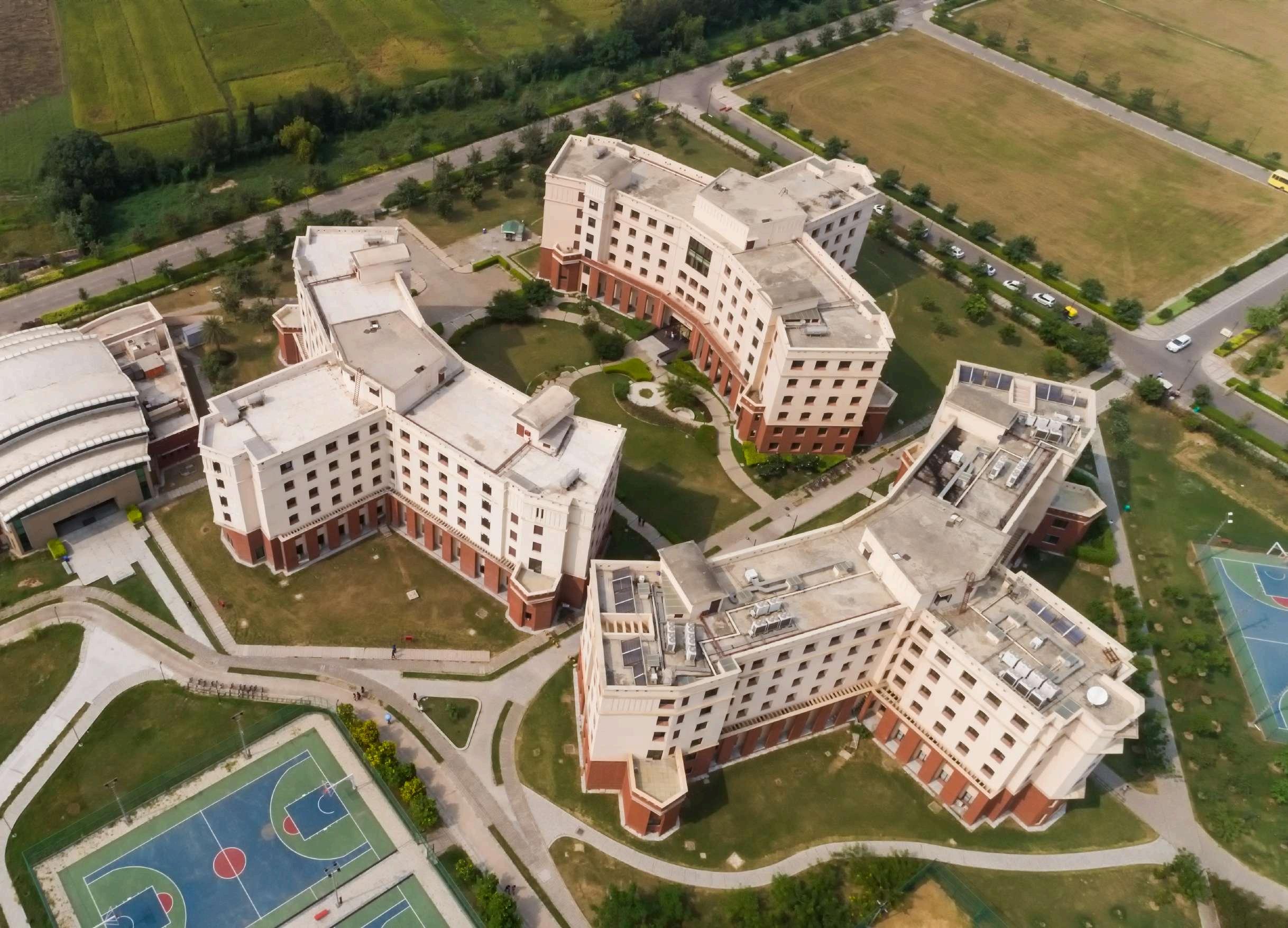
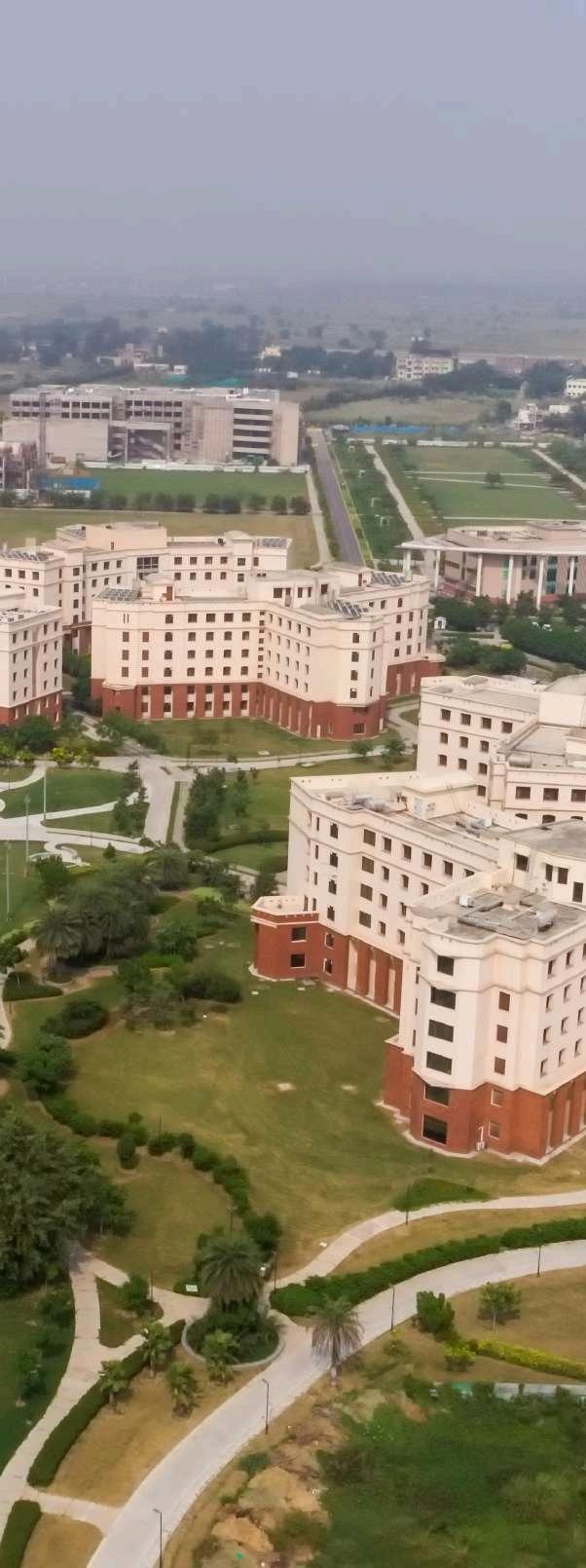
. The University, today, stands tall on a 286 acres campus and is the youngest University in the country to be accorded the status of the ‘Institution of Eminence’ by the Government of India in 2021.
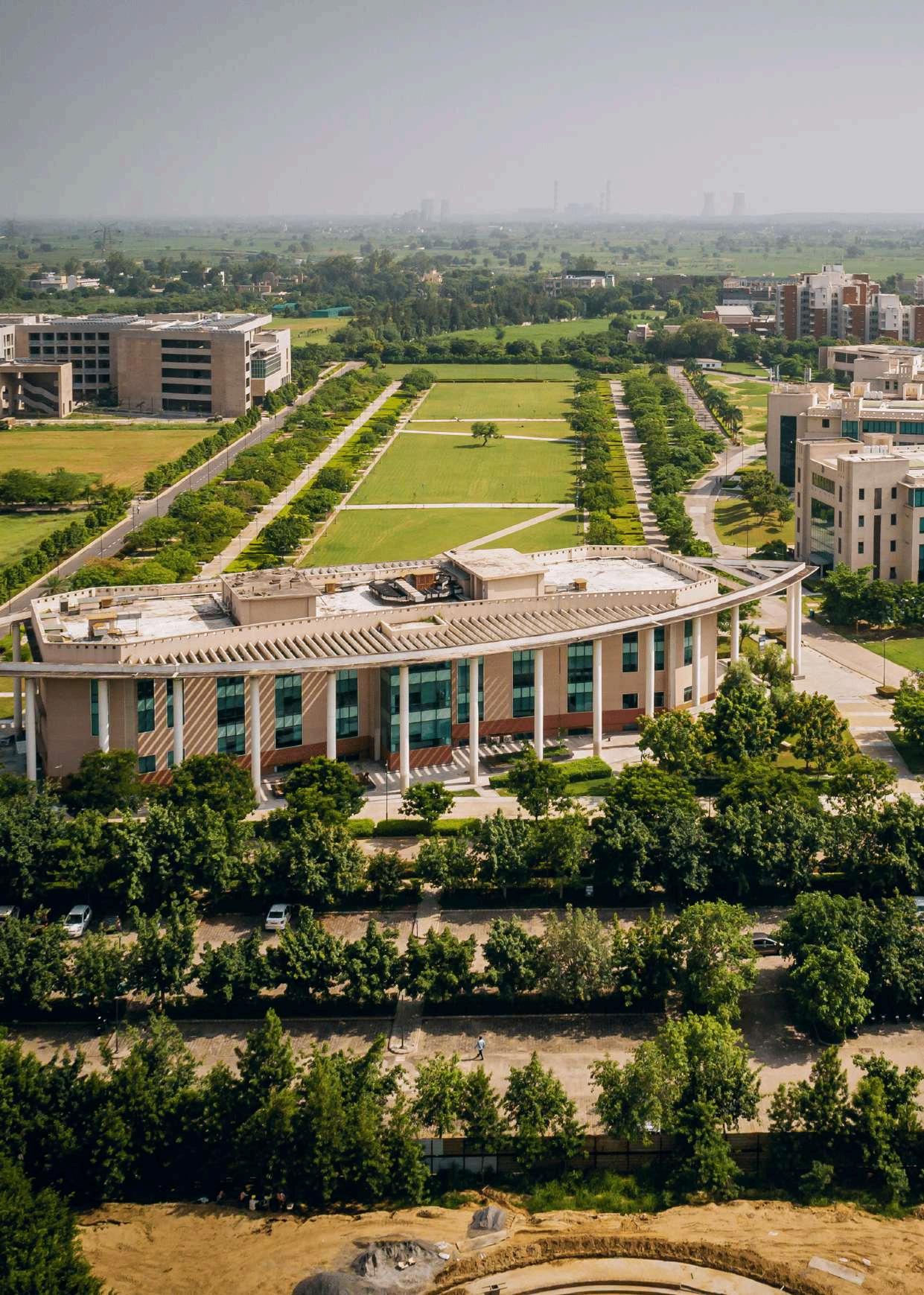
Little more than a decade back, Dadri was a sleeping town in western Uttar Pradesh. The land around was predominantly a wetland with distant farmlands. The place is historically significant what with Bishrakh, the birthplace of King Ravana on one side, Dankaur and the Dronacharya temple housing the statue of Dronacharya made by Eklavya on the other, Bulandshahr, a place that has seen the history of modern India take shape and Khurja, an example of empowerment through vocational skills, the Khurja pottery is in the vicinity.
It was here that Mr. Nadar chose to give shape to his dreams. It is not often that a founding team member doesn’t have a story to tell. Be it the lone academic block from which they operated; the railway track and dusty roads they had to cross to get to the University; or how they spotted a deer, blackbucks, a nilgai, or the numerous birds on the campus. They were there come rain or shine.
It was this extraordinary vision of Mr. Shiv Nadar and the tireless efforts of the team that invited students from all over the country to this one-of-a-kind university and experience Shiv Nadar IoE's worldclass facilities, not to forget the best faculty. Live the ethos, that is Shiv Nadar IoE.
From a count of 295 students graduating in 2015 (Shiv Nadar IoE’s first batch), a total of 906 students will be awarded degrees in 2025.

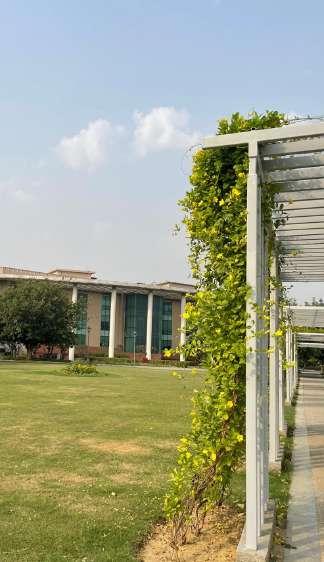
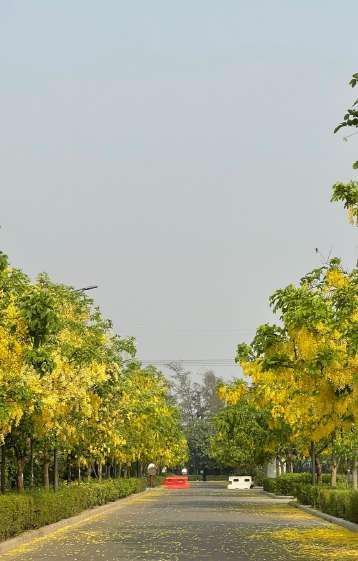
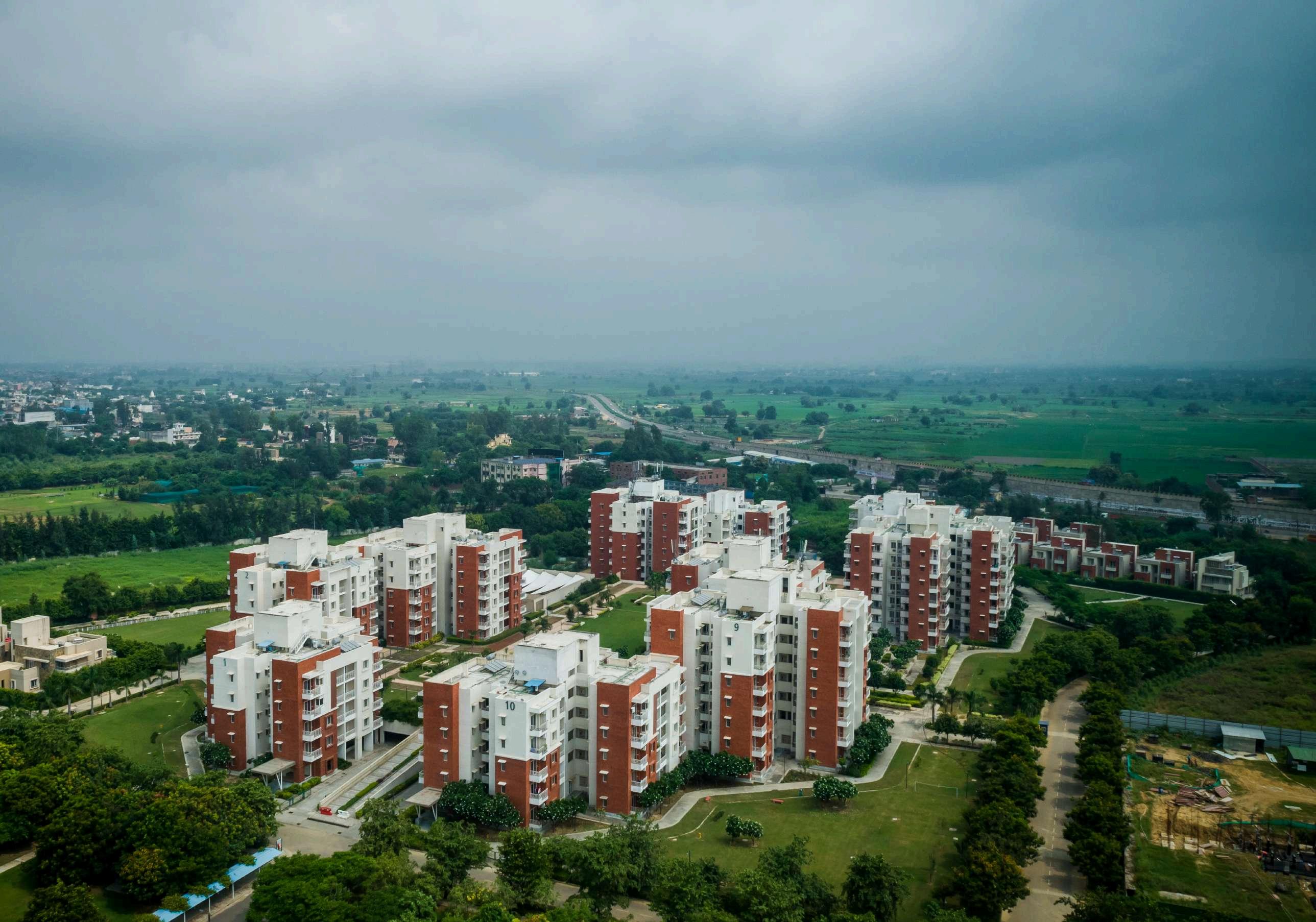
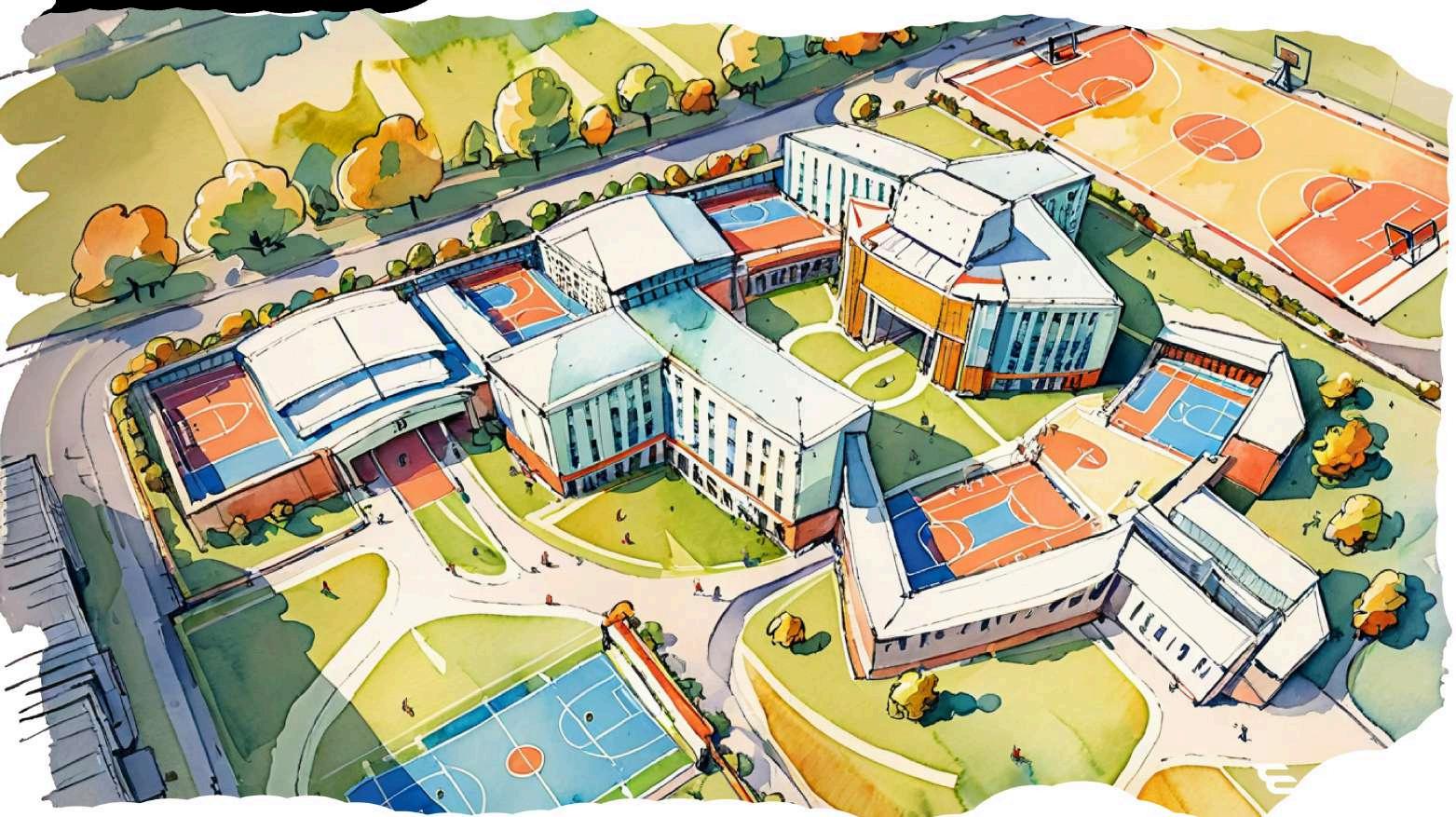
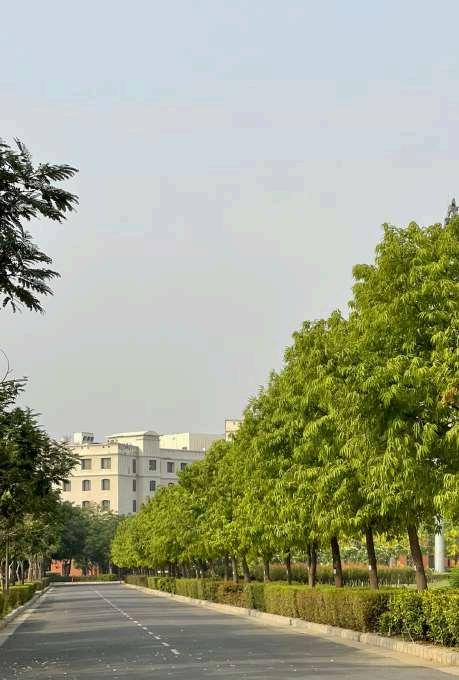
The Central Vista is the heart of the campus. It connects the various hotspots on campus.
The lush green garden, bordered by the canopies, provide the perfect spot to rejuvenate oneself after a long day
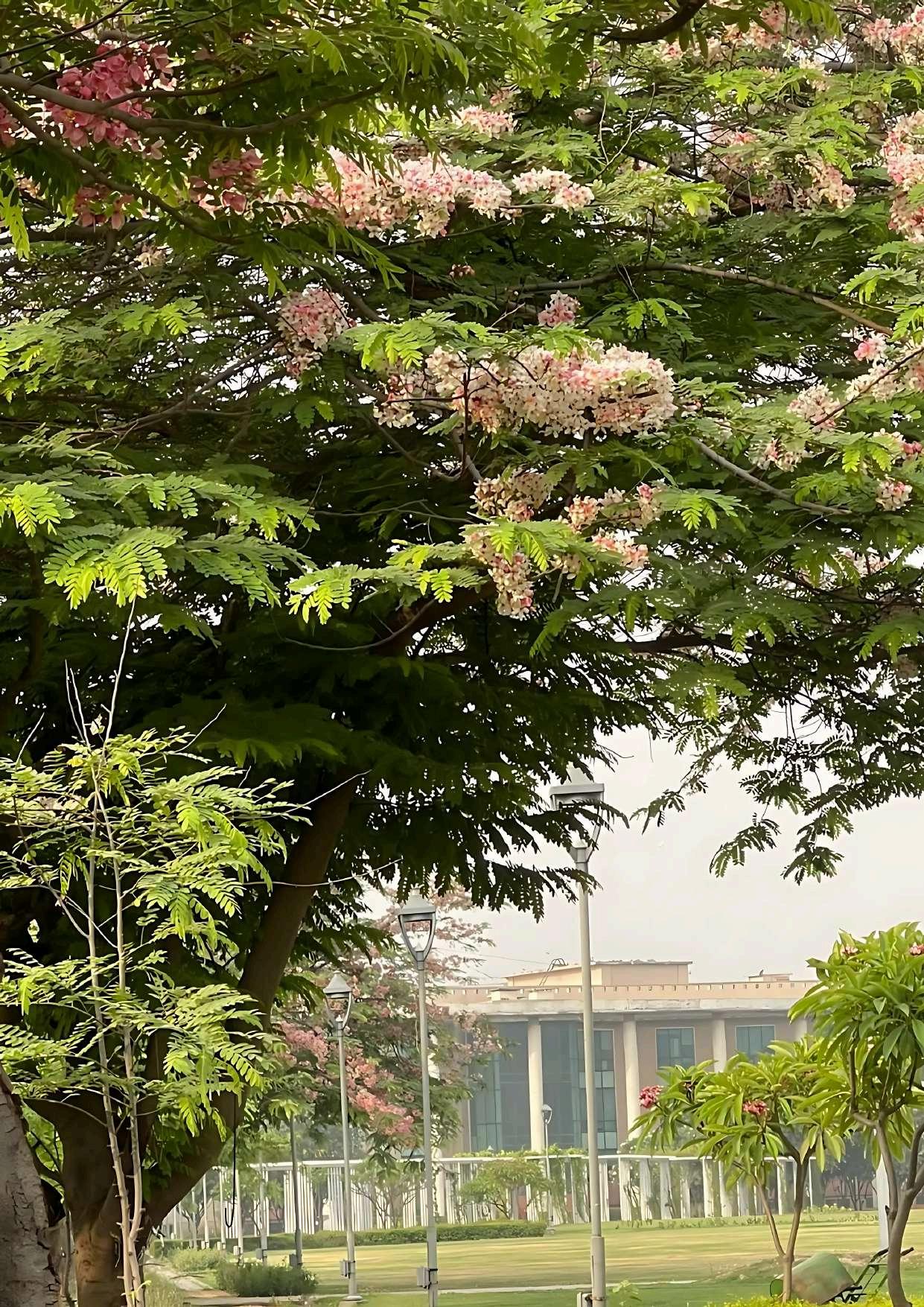

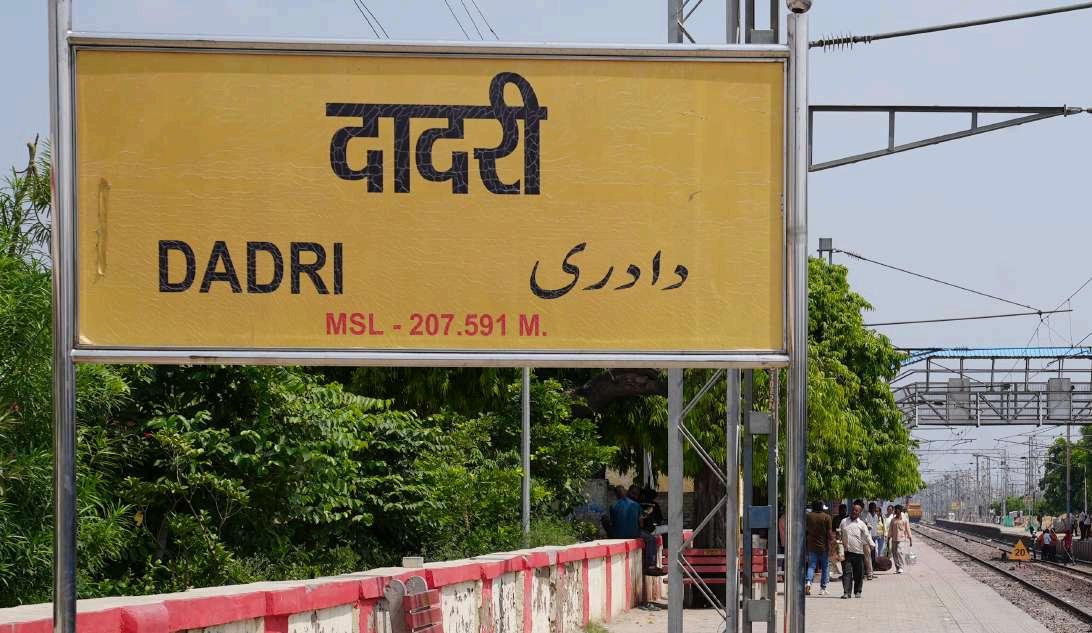
Dadri nestled in the fertile plains with Ganga flowing in the north and Yamuna in the south, the town in UP’s Gautam Buddha Nagar District holds an inalienable narrative in the regions history, culture and identity.
Once known as Bhatner—the "land of the Bhatis" the town of Dadri was part of a princely past, when Bhati Gurjar chiefs ruled over what are now bustling regions of Noida, Greater Noida, and Ghaziabad
According to local accounts, the area was established in the early 18th century by Raja Dadar Rao, whose most famous descendant was Rao Umrao Singh Bhati of Bulandshahr A key figure in the Revolt of 1857, Rao Umrao Singh led a fierce resistance against British colonial forces.
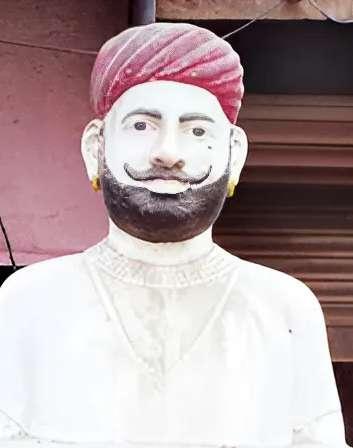
Rao Umrao Singh Bhati
He organised a group of revolutionaries who stormed British government buildings, ousted colonial officers, and declared the stretch between Aligarh and Bulandshahr a liberated zone in May 1857. Folklore traces his lineage directly back to Raja Dadar Rao
In retaliation, the British publicly hanged 105 Gujjars from a mango tree in Bulandshahr—an area now known as Kala Aam.
Today, Dadri is evolving rapidly, but large swathes of its land are still recognised as wetlands, home to blackbucks, nilgais, and a vibrant population of migratory birds from as far as Siberia and Europe.

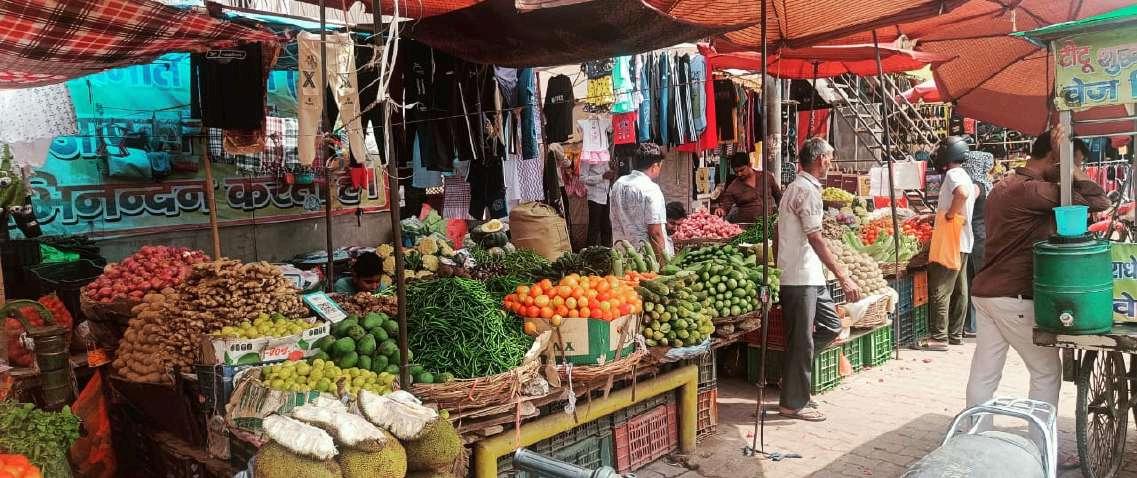
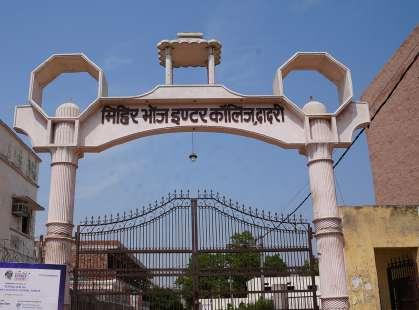
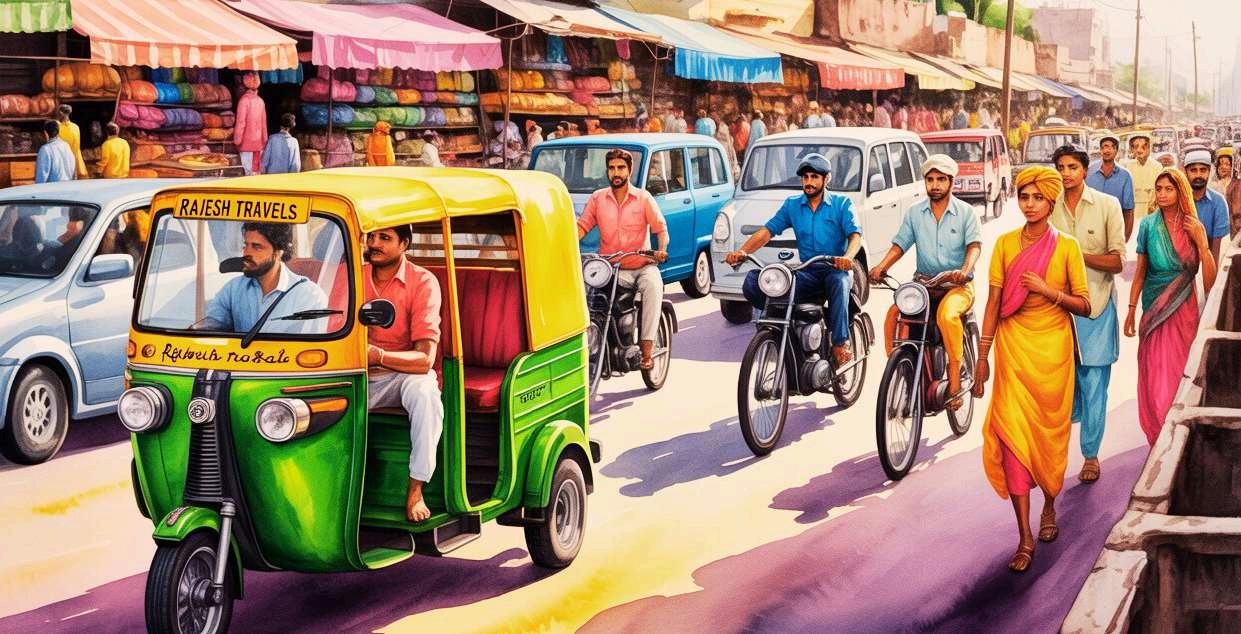
The Dadri Market, which has been a cornerstone of the community for over a century, remains a bustling center of activity. “Up until a decade ago, even people from Noida and Greater Noida would make the journey to Dadri market as it was the only place where you could find just about anything, especially hardware,” says one local.
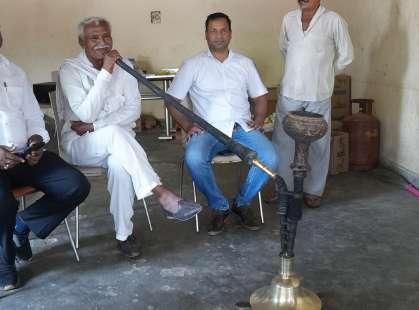
Dadri is also known for wild date palms, the everpresent hookah, and a love for the game of Kabaddi.
While Dadri’s industrial growth is slowly making it a thriving town, its roots in farming and milk supply continue to run deep. In the past, when personal transport was scarce, villagers relied on trains to deliver milk to nearby towns and cities Even today, these trains run twice a day, and some villagers continue to use them to supply milk.
Today, Dadri is on its way to becoming one of North India’s most important urban centers Adding to its modern identity is the NTPC power plant, India’s only coal- and gas-fired thermal power facility. With an installed capacity of 2.63 GW, it ranks among the largest thermal power plants in the country, underscoring Dadri's role in powering both history and progress.
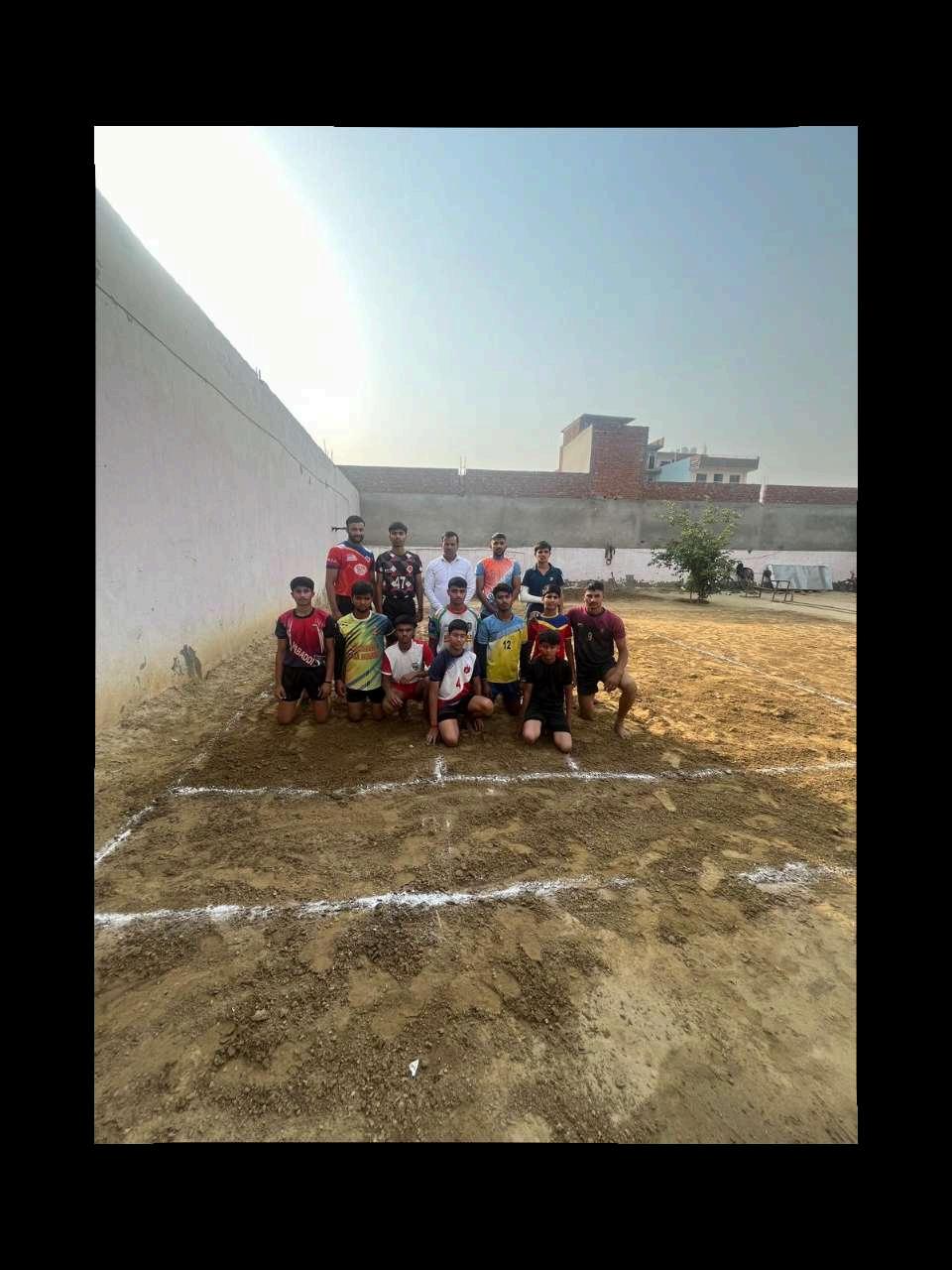
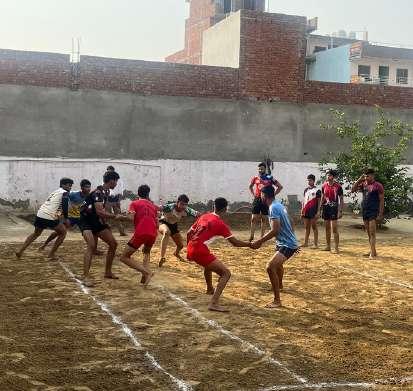
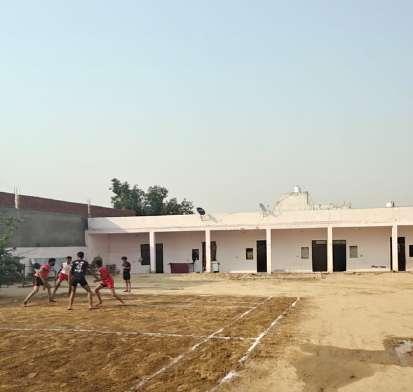
Kabaddi in Dadri goes beyond the playground. For many youths, it’s a path to opportunity and employment. One such village is Chithera in Dadri, where Vikram Singh Bhati, a former army man, started the Fauji Kabaddi Academy seven years ago. Vikram, who served in the army for 19 years, says, “I’ve been playing Kabaddi since I was a child. I got into the army through the sports quota. When someone succeeds in our village, it inspires many others ”
Thanks to his academy, 11 youngsters from the village have gone on to play Kabaddi at the national level, while 45 have represented their state. The sport has also opened doors to careers beyond the mat—around 10 players have joined the Indian Army and the Indian Air Force through the sports quota, and several others have been recruited into the Delhi and UP police forces.
In Chithera, Kabaddi now rivals cricket and wrestling in popularity, becoming not just a game but a gateway to opportunity.
Dadri has long stood at the heart of one of Asia’s oldest trade routes the Grand Trunk Road. With over 2,500 years of history woven into its path, this town has witnessed the flow of commerce and culture, and continues to thrive on that enduring legacy.
Benefiting from its strategic location near major highways, rail lines, and the Eastern and Western Dedicated Freight Corridors, Dadri has emerged as a central hub in logistics. Today, it is home to one of Asia’s largest Inland Container Depots (ICD), spread across 110 hectares and managed by the Container Corporation of India Limited (CONCOR).
Dadri is set to become the largest logistics hub in the country as the Uttar Pradesh government plans for the development of a Multi-Modal Logistics Hub (MMLH), with an investment of ₹7,064 crore. The hub will function as a world-class dry port, streamlining the movement of goods and raw materials.


Dadri where farming and dairy remain the primary livelihoods—proudly boasts a literacy rate that not only meets but exceeds the national average The tehsil’s literacy rate is 82.94%, significantly higher than the national average of 72.98%. When broken down by gender, the numbers are even more striking: male literacy stands at 89.64% (above the national average of 80 88%) and female literacy at 75.01% (well above the national average of 64.63%).
As of 2025, Dadri Tehsil's estimated population stands at 13.31 lakh and the sex ratio is 846 females per 1,000 males.
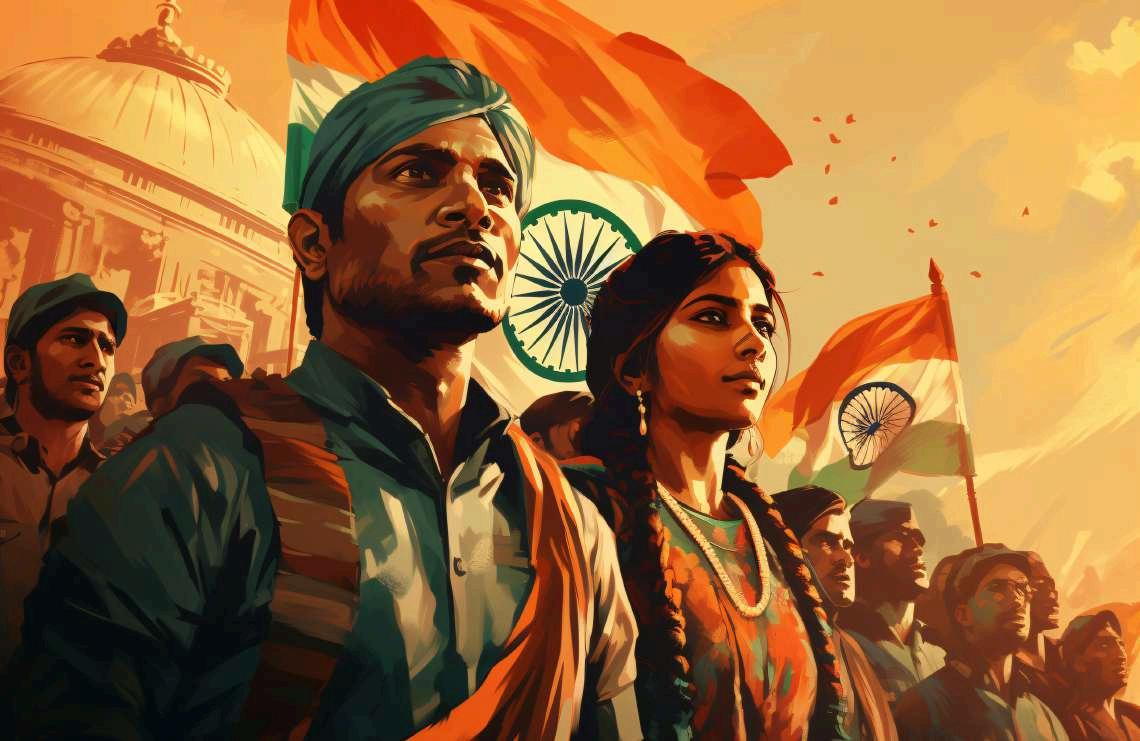
Dadri’s past, often overlooked in textbooks, was once the soil of rebellion. The villagers of Dadri, with their indomitable spirit, rose up against the British and left a lasting mark in the pages of history.
The First War of Independence in 1857 also known as the Indian Rebellion or the Sepoy Mutiny was a turning point in the fight against British colonial rule What began in May 1857 as a military mutiny quickly spread across the country, reaching the heartlands of Uttar Pradesh, including Ghaziabad.
One of the key battles took place along the banks of the Hindon River on May 30 and 31, 1857. Rao Umrao Singh, a Gurjar king from Bulandshahr and ruler of the Dadri Riyasat, led a group of rebel soldiers and villagers from Bulandshahr and Gautam Budh Nagar in a courageous resistance against the British East India Company. He was joined by local heroes Rao Roshan Singh and Rao Bishan Singh.
In response to the resistance, the British retaliated with force burning villages, destroying havelis, and executing 84 people from Dadri, labeling them “ringleaders” of the uprising

The Grand Trunk Road, one of South Asia’s oldest and most significant highways, carries a rich history. Its origins trace back to the Mauryan Empire, when it connected the mouth of the Ganges to the northwestern frontiers of the subcontinent. Sher Shah Suri later upgraded it as the Sadak-e-Azam, establishing a more robust network for military and trade movement In the 19th century, the British rebuilt and renamed it the Grand Trunk Road, transforming it into a key artery for their colonial empire. Stretching from Kabul in Afghanistan, the road passes through Pakistan, enters India via Punjab, and continues across Uttar Pradesh, Bihar, and Bengal before terminating in Chittagong, Bangladesh. Known in ancient times as Uttarapath, this historic route has long facilitated the movement of people, goods, armies, and ideas, shaping the cultural and economic fabric of the Indian subcontinent for over two millennia.

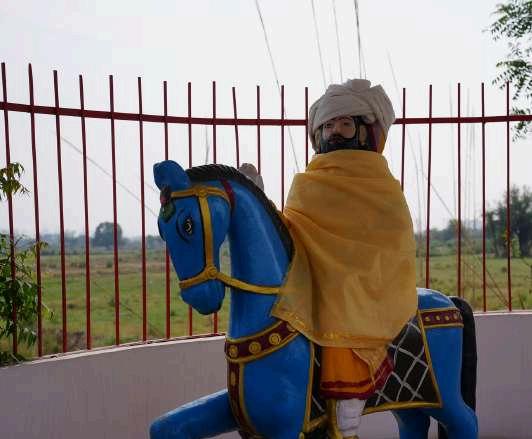
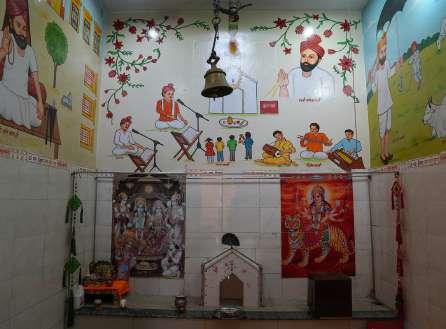
In Chithara, a village in Dadri, and the surrounding areas, there are several Baba Mohan Ram temples where he is worshipped with great devotion. His devotees regard Baba Mohan Ram as a saint, a rishi, a fakir, a satguru, and an incarnation (avatar) of Lord Krishna. Baba Mohan Ram’s bhajans and aarti are very popular in village temples. The Gujjars and other communities worship him with deep devotion His temples serve as centers for worship and devotional folk songs.

Started in 1981 by the late Darshan Dayal Singhal, the iconic sweetmeat shop in Dadri Singhal Sweets attracts customers not only from the surrounding areas but also from Noida, Greater Noida, and even Delhi.
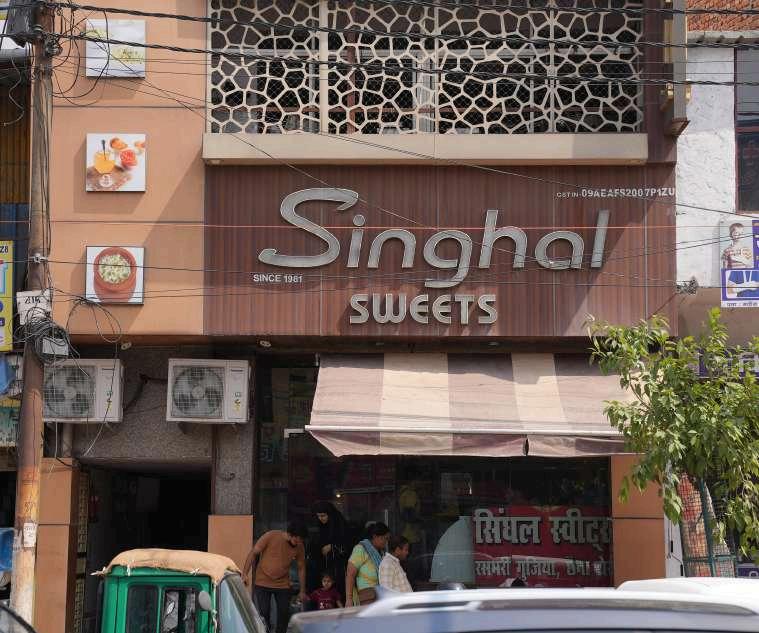
Originally a small, local sweet shop, it is now run by the third generation of the Singhal family and is celebrated for its commitment to quality, tradition, and authentic Indian sweets With outlets in Sikandrabad and Dadri, the Singhal family now plans to open another location in Ghaziabad. What truly sets Singhal Sweets apart is the trust and love it has earned over the decades People return not just for the sweets, but for the consistency, care, and flavor they know they can count on every single time.

To uplift the community and give back to the people of Dadri, Shiv Nadar Foundation launched the Dadri Development Project (DDP) on September 21, 2021, with the same vision that drives our university. These initiatives are designed to make a real difference in the lives of Dadri's residents. Some of the key programs under DDP are:
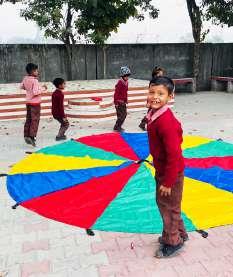
Khelo Dadri is redefining the sports ecosystem around the university by engaging over 10,000 participants through inclusive and skill-based sports programming. The initiative integrates Sports for Development sessions that foster learning and fitness among children, alongside Sports for Excellence coaching that has propelled emerging athletes to win 191 medals at district, state, and national levels. Complementing these efforts, the Shakti self-defenceprogram empowers individuals particularly young girls with physical, mental, and situational resilience, promoting holistic well-being and self-confidence.
Suposhit Dadri focuses on improving the nutritional health of pregnant women, lactating mothers, and adolescent girls, with a special emphasis on increasing Iron and Vitamin D levels. The initiative aims to strengthen government platforms like Godbharai and Annaprashan, promote healthy eating habits, reduce Vitamin D deficiency and anemia, build the capacity of frontline workers, and enhance the health ecosystem to address nutritional deficiencies.
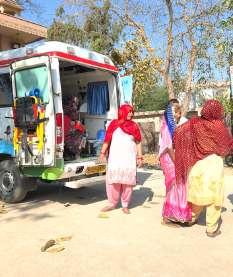
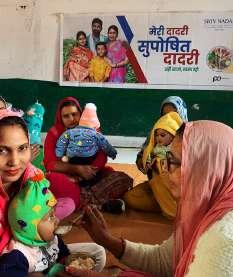
Arogya Dadri promotes awareness, early diagnosis, and management of Non-Communicable Diseases (NCDs) and Maternal and Child Health (MCH). It strengthens Health & Wellness Centres (HWCs) to enhance healthcare delivery, aiming to shift the community's perception of HWCs beyond just maternal and child health facilities Through health camps and awareness programs, Arogya Dadri works to establish HWCs as the primary point of care for all genders and age groups.
The Didi’s Kitchen (Didi Jan Rasoi) initiative aims to establish three fully functional women-led community kitchens by involving 150 SHG women, empowering them through technical, financial, and entrepreneurship training while enhancing access to affordable and hygienic food for the community.
The Shilp Shakti initiative has supported 166 women through continued vocational and soft skills training, which will enable them to establish micro-enterprises, increase their incomes, and access market linkages, financial assistance, and government entitlements.
Ujjwal Dadri initiative on “Awareness on Substance abuse” is a coordinated effort aimed at informing and educating community members The primary objective is to enhance knowledge and understanding of key health issues, while encouraging individuals to take proactive steps to safeguard their well-being in these areas.
Nirmal Datawali initiative aims to address the challenge of sanitation as well as waste management through a multifaceted strategy including awareness campaign within communities, deployment of personnel for waste collection as well as street & drainage cleaning, setting up of waste bins and incinerators at strategic locations and conducting basic civil work to clear water logging.
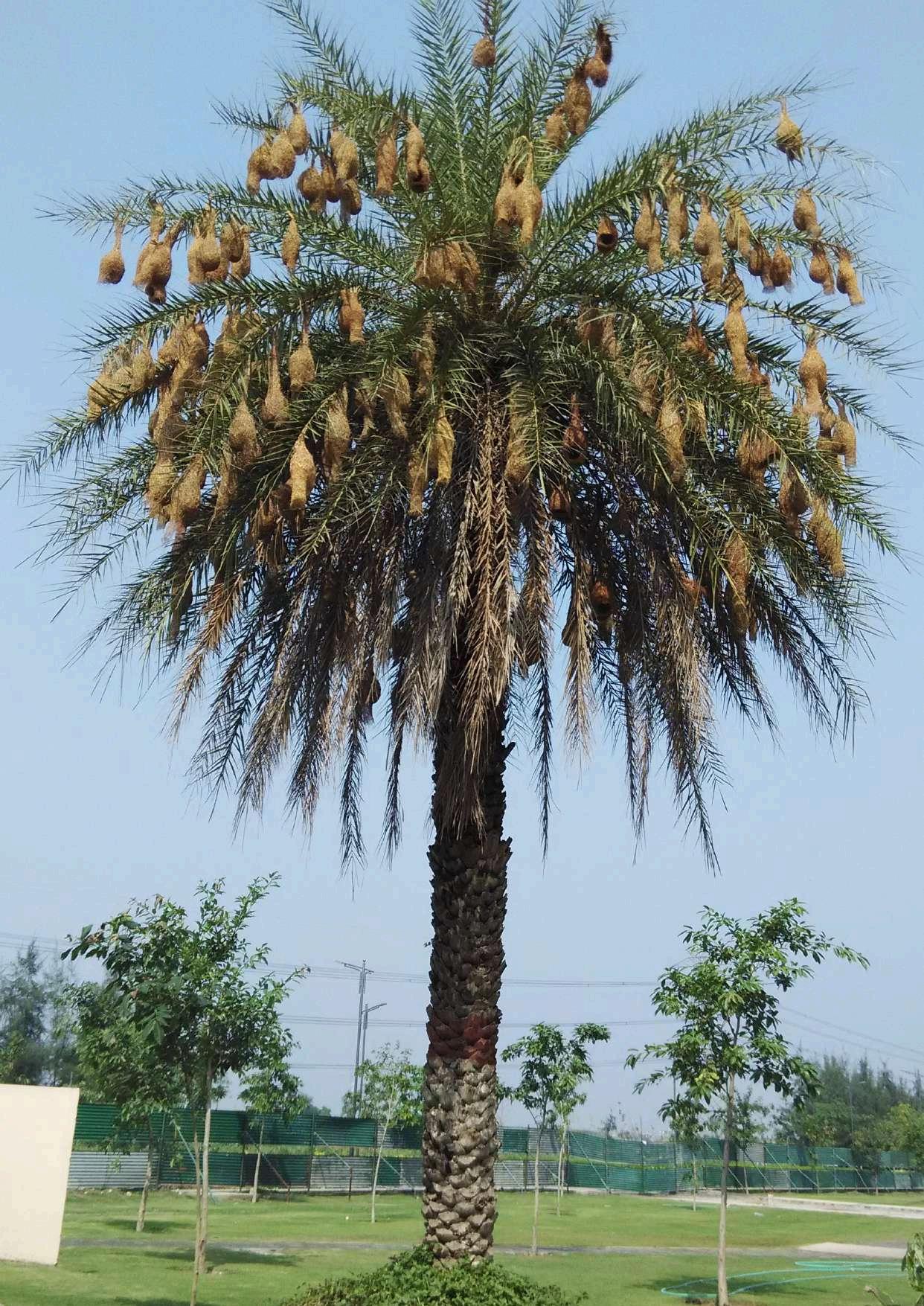
The delicate nests of Baya weavers swaying on wild date palms, a moment of still beauty captured in 2015
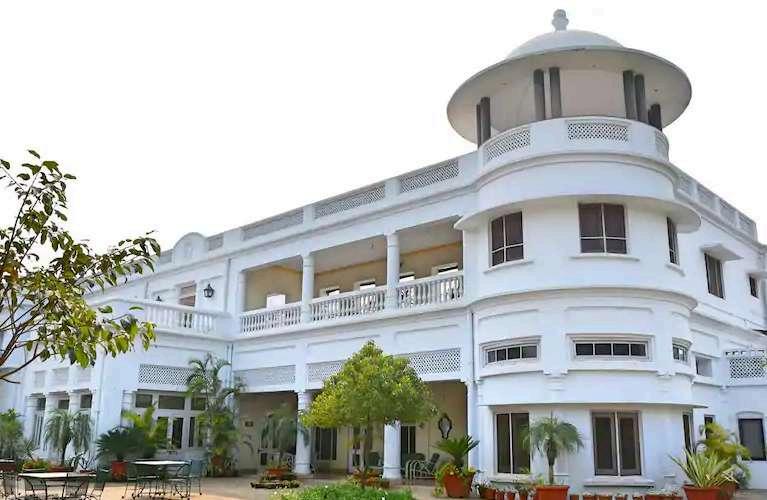
The history of Bulandshahr begins even before 1200 B.C This region is near to the capital of Pandavas – Indraprastha and Hastinapur. After the decline of Hastinapur, Ahar which is situated in the north-east of Bulandshahr district became an important place for Pandavas. With the passing of time the King Parma made a fort on this part of the region and a king named Ahibaran laid the foundation of a tower called Baran (Bulandshahr). Since it was perched on a highland it came to be known as the high city, translated from the Persian language as Bulandshahr.
The ancient ruins found at places Bhatora Veerpur, Ghalibpur etc are symbolic of the antiquity of Bulandshahr. There are several other important places in the district from where statues of the medieval age and objects of ancient temples have been found. Even today several historical and ancient objects such as coins, inscriptions etc. are preserved in Lucknow State Museum Frederic Salmon Growse, a British civil servant of the Indian Civil Service (ICS), hindi scholar, archaeologist, and collector, served in Bulandshahr between 1878 and 1884 and is credited with the construction of a number of buildings using local designs and craftsmen.
The District of Bulandshahr is in the Meerut region of Uttar Pradesh located between Ganga and Yamuna rivers thereby making it a flood plain and also one of the most fertile regions. However, rains are scarce in this region now and the canal that earlier connected the wetland, is dry for most part of the year That has changed the vegetation of the region.
The river Ganga in the east separates this district from Moradabad and Badaun districts and in the west river Yamuna separates the district from the state of Haryana and Delhi In the north of the district is Ghaziabad and in the south east are the borders of Aligarh district.
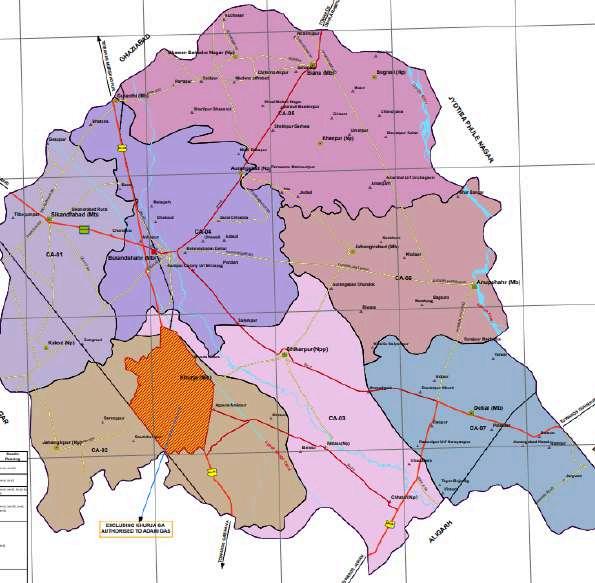
In 1857, during the first war of independence, Bulandshahr joined the country against British rule.
The first popular alarm of the freedom struggle was sounded in the Bulandshahr district by the nationalist, brave. Pandit Narayan Sharma carried the message from Aligarh, on 10th May 1857 to Bulandshahr The Gujjars of Dadri and Sikandrabad area began destroying inspection bungalows, telegraph offices and government buildings as they were symbols of foreign rule. The government institutions were looted and burned to ashes.
The present-day Kala Aam memorial records the violence following that event, as thousands of brave revolutionaries were imprisoned by the British and hanged from a mango tree located at a crossroad. The tree was eventually cut down. This memorial reminds people of the mass slaughter of countless martyrs. Bulandshahr is located 30 km away from the University in the north.


The District Gautam Buddha Nagar was formed in the year 1997 by carving out the portions of Ghaziabad and Bulandshahr. District Gautam Buddha Nagar includes Dadri and Bisrakh blocks carved out of Ghaziabad, while Dankaur and Jewar blocks have been carved out of Bulandshahar district 18 other villages from Bulandshahr have also been carved out and have been included in Dankaur and Jewar.
The area of this district has a very glorious past, which has a root in Tretayug (Ramayan Kaal) as Bisrakh is said to be the birthplace of Ravan’s father, Viseswa Rishi and Ravan himself In Dwapar Yug (Mahabharat Kaal)- Dankore was the Dronacharya s Ashram, where the Kauravs and the Pandavas took their training in AstraShastra. Eklavaya, a disciple of Dronacharya also hails from this place.
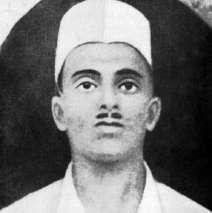
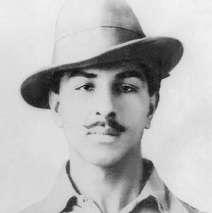
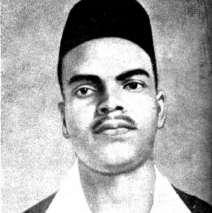
Not only that. People from this land were actively associated with the national freedom struggle Shri Gopi Chand, Shri Ram Nath, Shri Harsharan Singh etc are a few names. Even Bhagat Singh, Sukh Dev and Rajguru hid in the village named Nalgara on Noida-Greater Noida Express way during the freedom struggle. They planned bomb attack on assembly from Nalgara




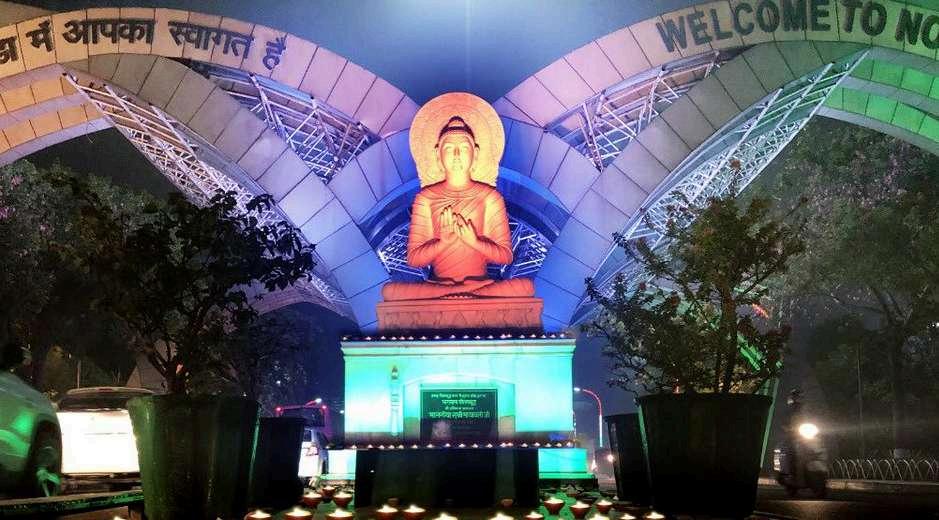
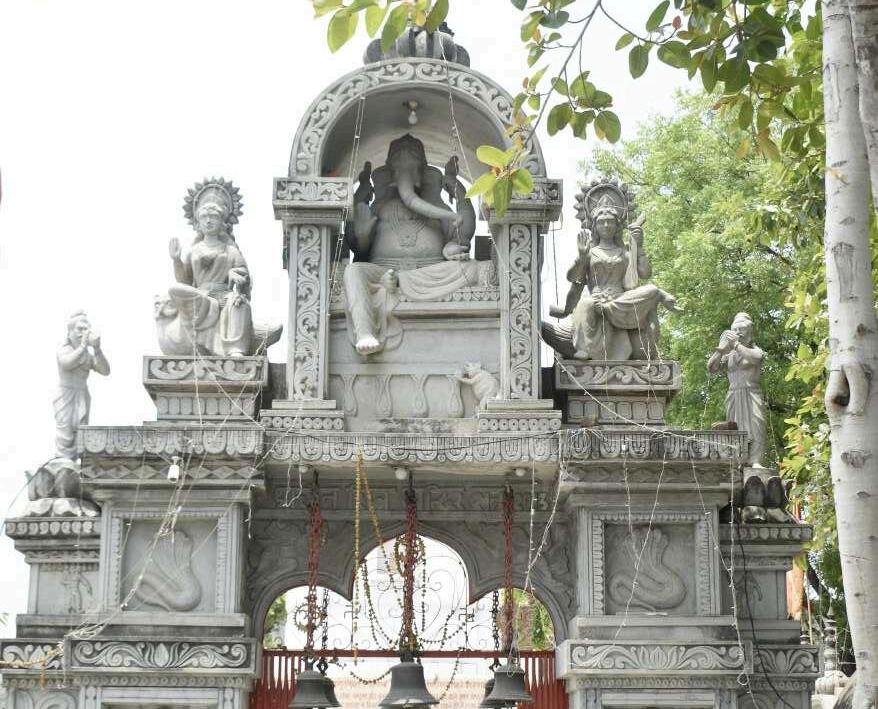
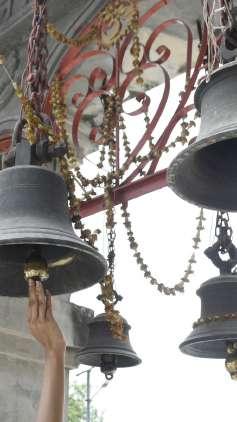
Bisrakh is a small village, in the Gautam Budh Nagar district which adjoins the urban center of Noida, and which still retains an ancient layout consisting of narrow lanes, dirty and potted roads It is the headquarters of the administrative center of Bishrak Block in western Uttar Pradesh
According to a local legend, the name of the village has been derived from the name of Vishravas, father of Ravana, who was a famous sage of ancient times; he lived and worshipped Lord Shiva in this village. Ravana who was born in this village had spent his early childhood here.

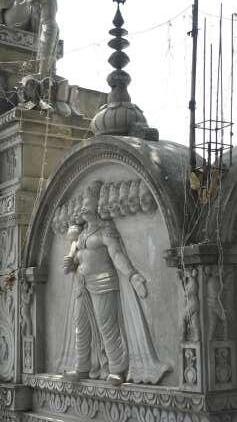
Vishravas had found a linga in the forest area and had established the Bisrakh Dhaam (abode of God) with the linga deified therein where he offered worship.
During the Dussehra festival, which celebrates Rama's victory over Ravana, when the several parts of the country burn the effigies of Ravana, in Bisrakh, the nine days of Navratra ending in Dussehra are observed as a period of mourning. The villagers offer prayers during those days for peace to the soul of Ravana and perform Yagna. Locals believe that if Ramlila were to be performed in the village, it would trigger the wrath of Ravana on the villagers.

Khurja got its name from the Urdu word Kharija, meaning ‘condemned or cancelled’. Back in time when Khurja got its name, it was considered to be a wasteland as there were many swamps and agriculture was impossible. However, today, views about this city are very different. This ceramic town is in the district of Bulandshahr, situated 45 km from the University. As one drives down the road to Khurja, one cannot miss the numerous chimneys of the pottery factories doting the skyline. The world famous Indian Khurja pottery is manufactured in this city Most of the country’s ceramics are supplied from Khurja. The history of Khurja pottery dates back almost 600 years when potters’ families moved from Delhi to Khurja during the reign of Mohammad Tughlak.
When in Khurja, hop into any local sweet shop and try its famous sweet, Khurchan, which is made with layers of condensed milk delicately set on top of each other.


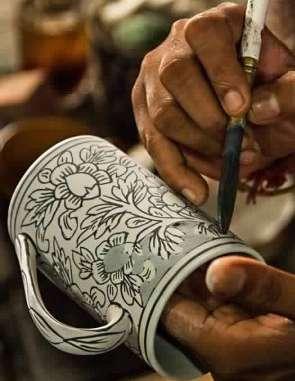
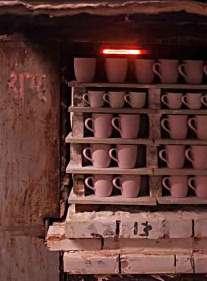

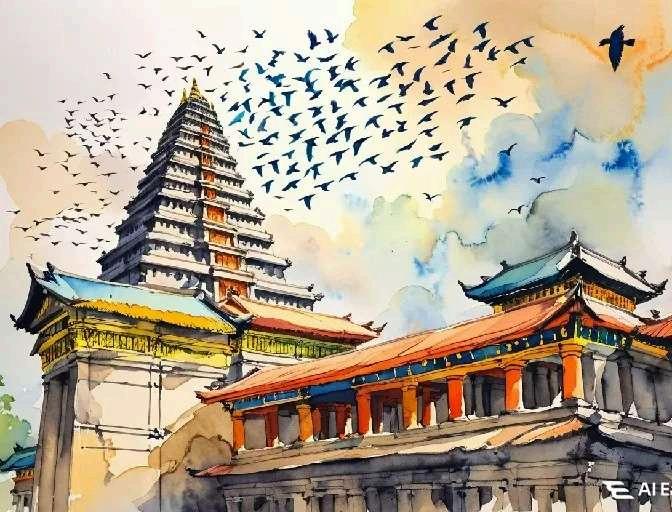
The historic town of Dankaur is located 30 km away from Shiv Nadar IoE. The place is famous for the Dronacharya Temple situated there This Hindu temple houses the statue of Guru Dronacharya at the centre of its premises.
Dronacharya's ashram was in Dankore. Kauravas and Pandavas trained here in AstraShastra Eklavya, a disciple of Dronacharya also hails from this place. If one asks for any wish from this statue, it will come true The idols of other gods and goddesses are also placed, and there is a cowshed inside it too.

Dankaur holds religious significance due to its association with the Mahabharata era, believed to be linked to Guru Dronacharya

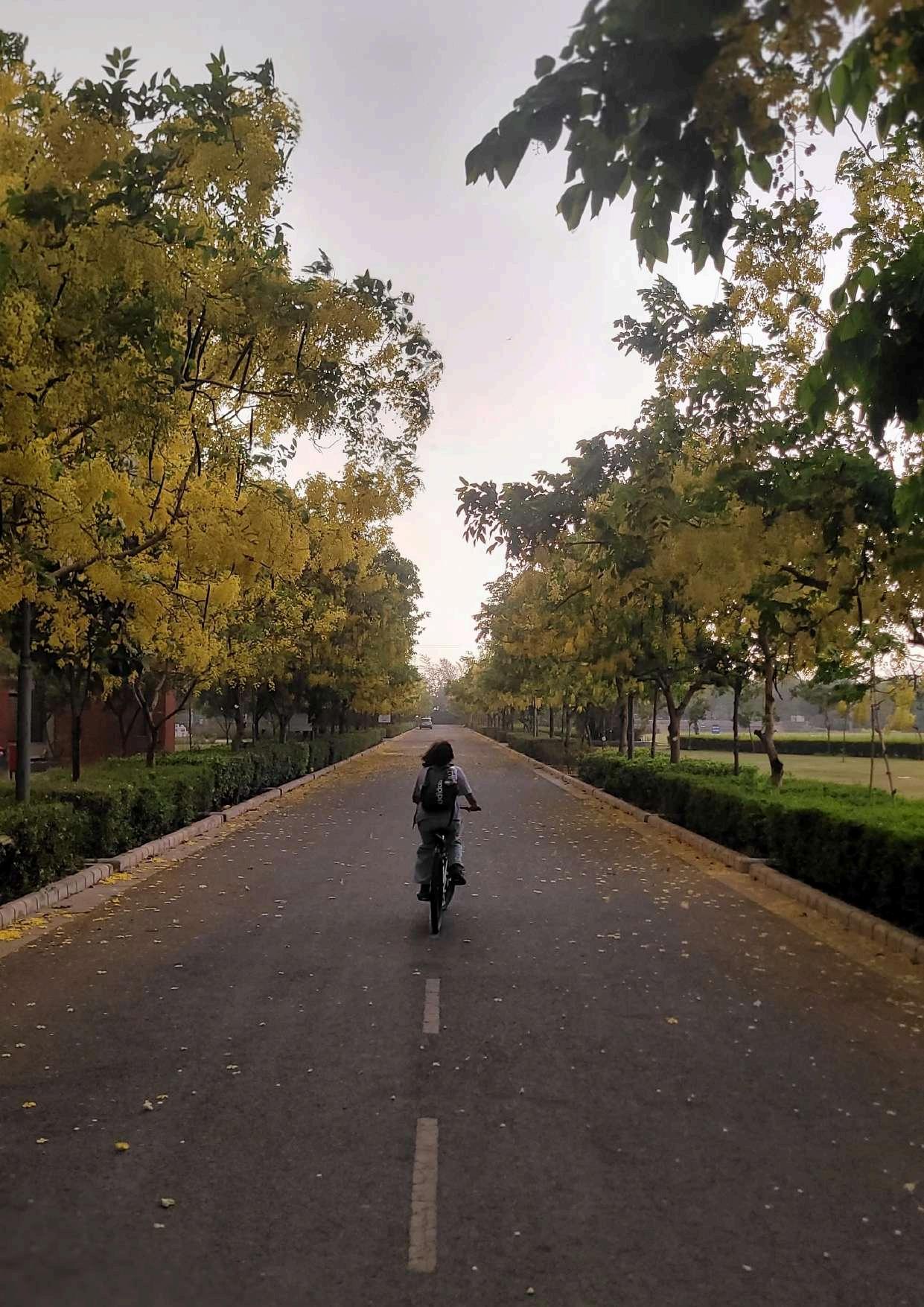
The Shiv Nadar University campus, purposefully located away from the chaos of the cities, has been awarded the status of a ' green campus ' not just for its rich flora and fauna, but also for the University's proactive initiatives to meet the UN’s sustainable development goals and ensure energy efficiency with a minimal carbon footprint



Plant Species
Individual trees comprising a 1.85 acre date palm groove
Plants on Campus have medicinal value
GHG emissions reduction between 202324 and 2022-23
(till March 2024)
Renewable energy generation rise in between 2019-20 and 2023-24
All Buildings are certified by the Indian Green Building Council (IGBC) or Leadership in Energy and Environmental Design (LEED)
STP 884kld: This is a modular plant ( 200+200+100) which treats sewage water from the academic and hostel Blocks

A total 158 kwp roof top solar panels have been commissioned at all campus rooftops.
The current unit generation per month has stabilized at 189720 units p.m (average) valued 9.11 % units of university energy consumption
To save electricity and reduce the cost of electricity, we have taken several initiatives and the drive is still on.
33kv substation installed in September 2017. As the power uptime is above 99%
Installed Motion sensor in all the toilets in the academic blocks and the hostels.
Conversation of conventional CFL/T5 light fixture to LED fixture in the hostel area is almost complete.
Battery operated urinal sensor has been converted into electrical operated sensor which saves the consumption of battery.
Solar water heaters are installed in selective hostels that supplies hot water to the hostels.
Timer/ daylight photo sensor is used for external lighting operation.
Trial run of the BLDC (Brass Less Direct Current) ceiling fan is currently underway in the campus. The wattage of this fan is 30W W R T 70Watt of conventional fan.


Organic Waste Compost plant has been installed on campus to produce manure from food waste of all the cafeterias and mess. Approximately 200+ kgs of manure is produced per day.
We are an ISO 14001 and ISO 45001 certified campus. We have also been awarded the GOLD certification status by the Indian Green Building Council which means that all our buildings have been built keeping the environment in mind. The buildings have been built in such a way that it has sufficient light and ventilation, thereby reducing the consumption of electricity.
A Total of 10441+ Kg of carton boxes have been recycled into stationery products through our Service Provider
We have a lake on campus which gets fresh water through the drains installed in the various gardens on campus as well as through treated Sewage Treatment Plant water.

Over the past nine years, the University has grown beautifully with the planting of more than 18,000 trees, covering a developed area of 90 acres
For the past three consecutive years, the University has proudly received the "Best University Garden in Greater Noida" award Most recently, at PUSPOTASAVA-2025, the University earned an impressive 45 awards for its outstanding horticultural achievements
Out of the 18,638 total trees, 13,548 have been geotagged, reflecting our scientific and systematic approach to ecological conservation
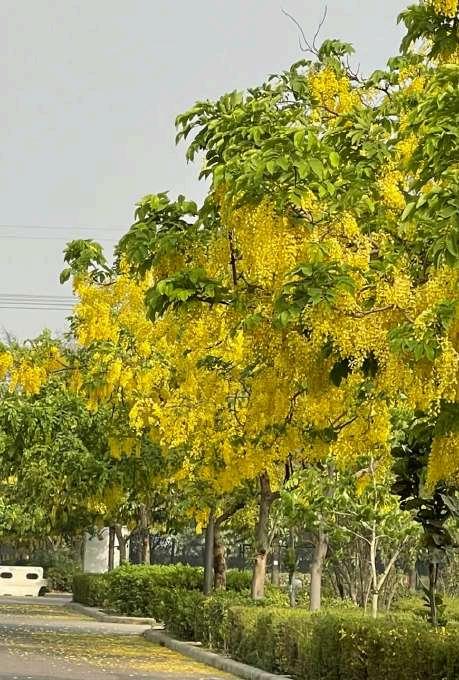
Tree’s Name
Aegle marmelos
Terminalia pendula
Artocarpus heterophyllus
Commiphora wightii
Elaeocarpus serratus
Ficus benghalensis
Monoon longifolium/ polyalthia longifolia
Madhuca longifolia var. latifolia
Magnolia champaca
Mangifera indica
Pterocarpus santalinus
Bauhinia blakena
Schleichera trijuga
Delonix regia
Cassia fistula
Neolamarckia cadamba
Plumeria alba
Mimesope elangi
Olea europaea
Podocarpus macrophyllus
Syzygium aromaticum
Cinnamomum tamala
Ficus Elastica Variegata
Adansonia digitata

Common Name
Stone Apple बल
Buttontree करधई
Jack Fruit कटहल
Guggul गगल
Ceylon Olive ा
Banyan Tree बढ़, बरगद
Ashok अशोक
Indian Butter Tree मआ
Golden Champa चा
Mango आम
Red Sandalwood रचदन
Kachnar
Kusum
Gulmohar
Amaltash
Kadam
Champa
Molshri
Olive tree
Buddhist pine
Clove
Tejpat
Variegated Rubber Plant
Kalpa Tree (कप व)

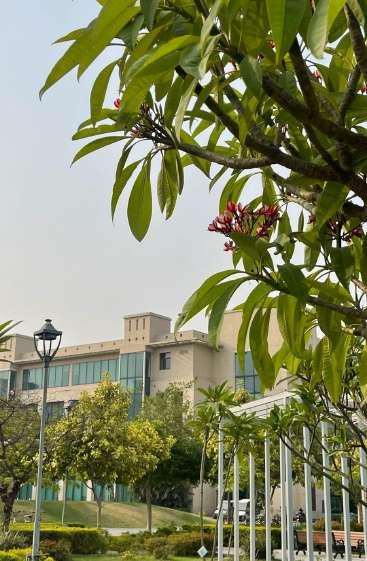
The Shiv Nadar IoE campus is one that provides not just intellectual stimulation but also peace and quiet. Find yourself surrounded by nature at its finest
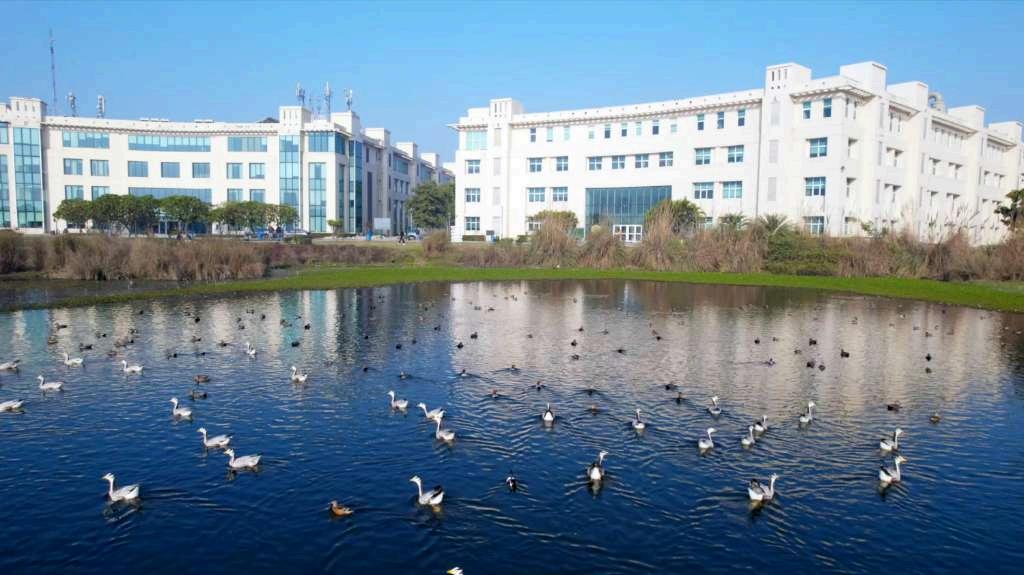
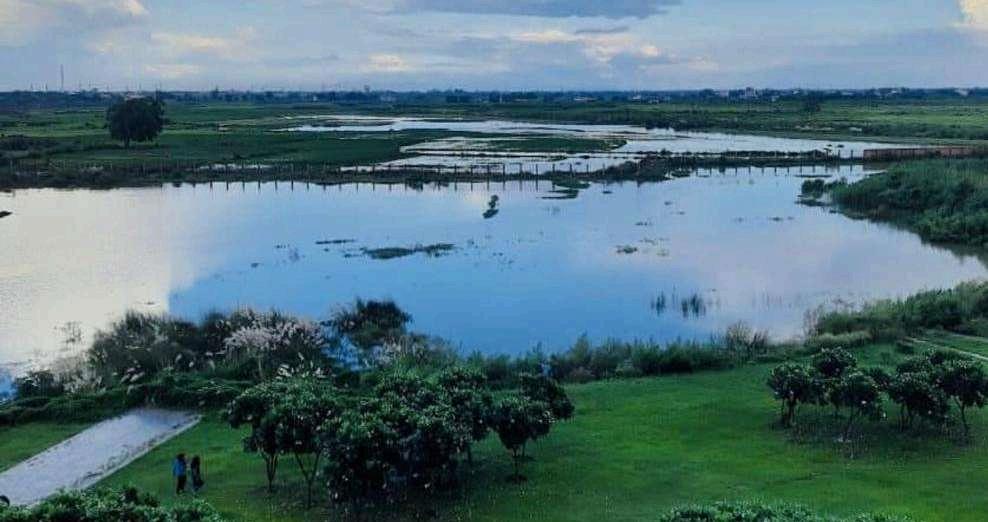
The Shiv Nadar IoE, Delhi NCR campus, a paradise for birds, is endowed with different habitats. The campus lake is part of the Dadri wetlands, also called the Bil Akbarpur wildlife habitat. It attracts aquatic birds throughout the yearresident and migratory (maximum during the winters). The University has even named its newsletter after one of the prominent resident birds, Whistling Teal. The lake is rich in fish and aquatic plants such as Nitella, Chara, and Hydrilla, and various other phytoplanktons which provide food for the winged visitors On the fringes of the lake, Alternanthera philoxeroides grows gregariously throughout the year It encroaches the water body and provides a good insect population as feed for birds.
The Shiv Nadar IoE lake is home to species of birds which are endangered, near threatened, or vulnerable in IUCN category.
These include Common Pochard, Sarus Crane, and Woolly-necked Stork (vulnerable species), Ferruginous Duck, Painted Stork, Black-headed Ibis, Blacknecked Stork, and Oriental Darter (nearthreatened species), Alexendrine Parakeet and Egyptian Vulture (extinct species).
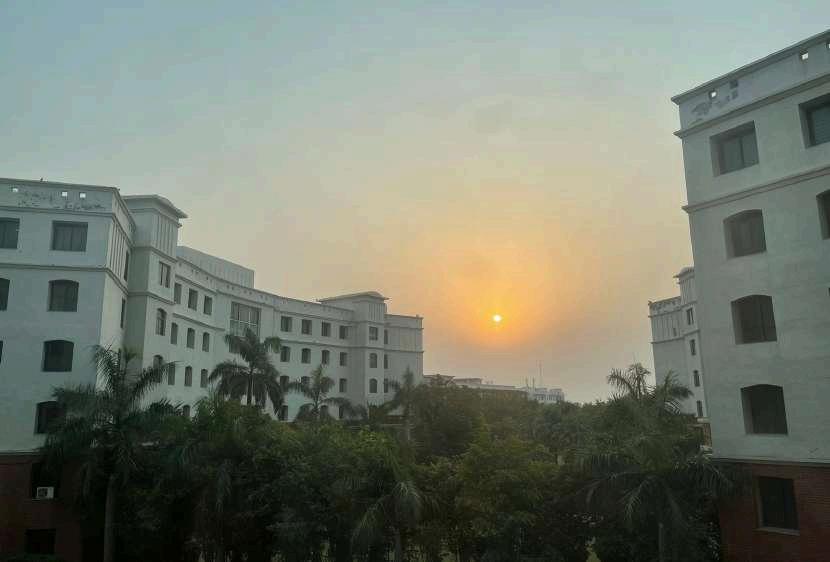
The lake provides a serene view of the sunrise and students often flock the lake in the morning to catch a view. It also provides breath-taking views of the horizon and its expanse. It is a place where students and faculties alike can be found chatting the night out, watching the many stars and the moon, and if autumn, play hide and seek with the clouds.
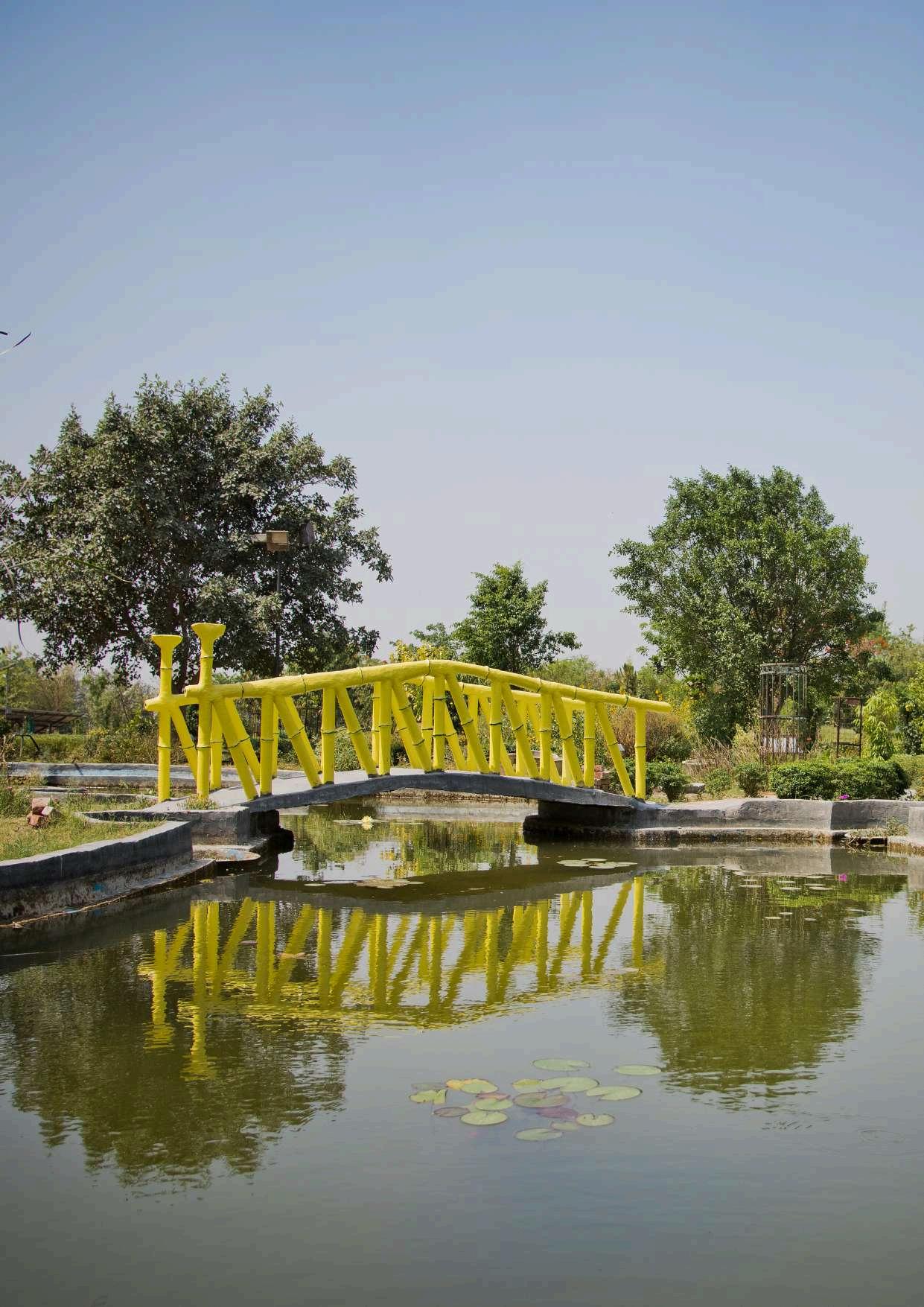
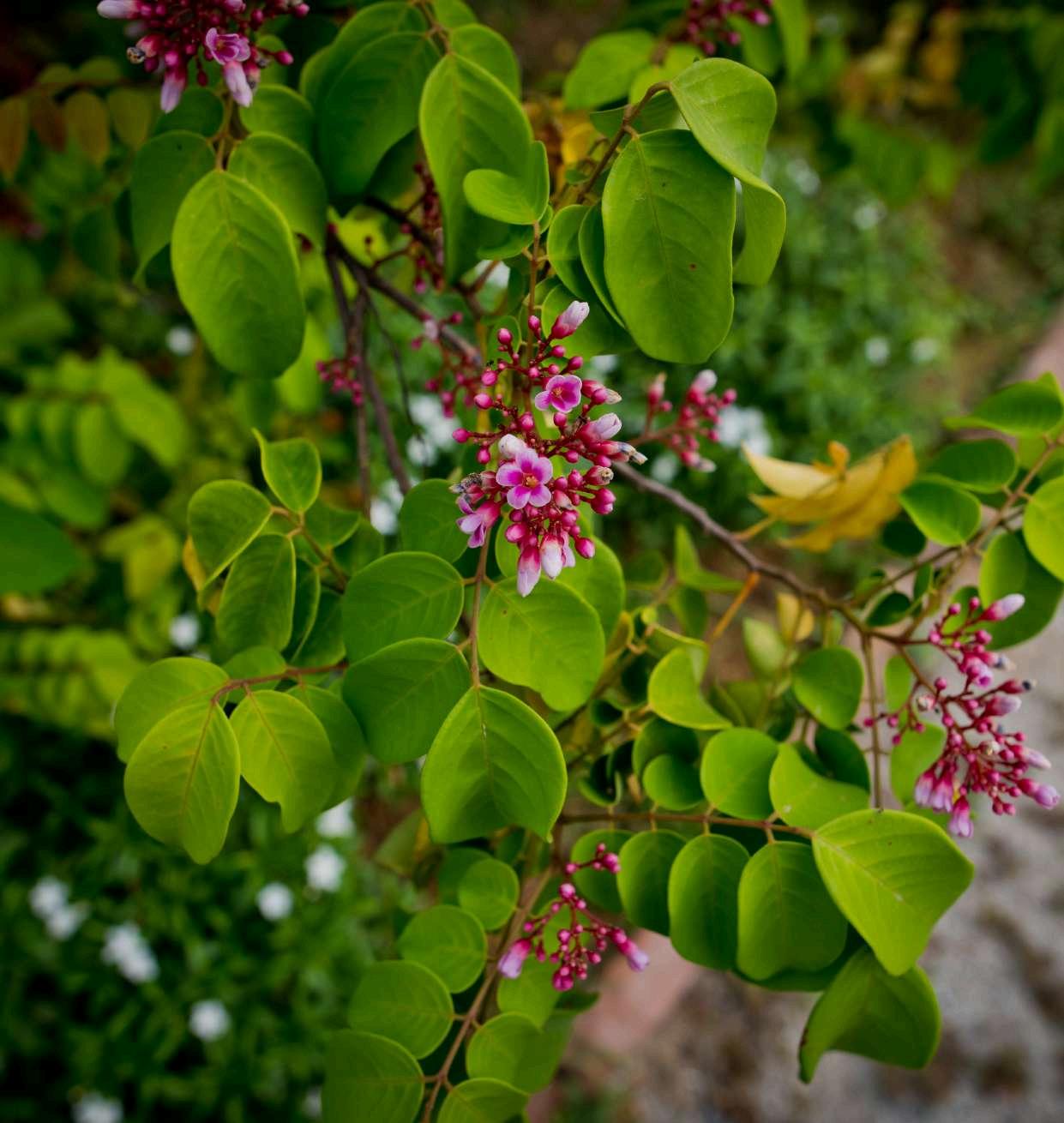
The Shiv Nadar IoE thematic Botanic Garden was conceptualized, designed and established by Prof. Jyoti Sharma, CESE, in an area of 10.65 acres, near the eastern boundary of the university. The Garden is first of its kind in northern India where a large assemblage of plants belonging to specific themes have been created The garden has more than 600 plant species, including rare ones from mountains and tropical humid areas which are difficult to grow in the warm tropical climate of NCR. It is astonishing to see them not only growing but also flowering and fruiting. One such plant is Almond.
The Thematic Botanic Garden comprises of 11 theme gardens:
Medicinal Plants Garden (150 species),
Endangered and RET Plants
Garden (3 species),
Palm Garden (33 species),
Gymnosperms Garden (29 species),
Ficus Garden (26 species),
Hydrophytic Plants Garden (26 species),
Butterfly Garden (111 species),
Bamboo Garden (9 species),
Fruit Plants Garden (94 species),
Spices Garden (39 species), and
Xerophytic Plants
Garden (88 species)
It is a unique concept where plants of economic importance and vulnerable from the conservation point of view are grouped together based on their uses or taxonomic groups. This plays a crucial role in the conservation of their unique germplasm for education and research purposes. It provides the opportunity to observe plants that are becoming rare due to various anthropogenic factors. For example, in the Fruit Plants Garden, fruits of Barhal, Khirnee, or Kaith can be found These used to be commonly available some 30-40 years ago, but are no longer seen in the market.
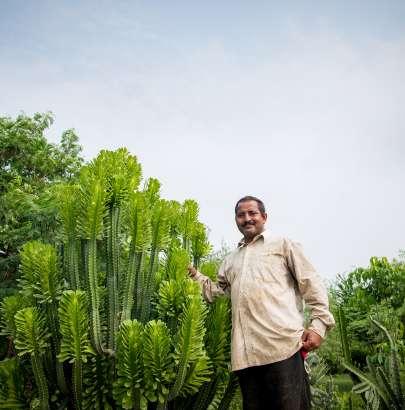
A visit to this Garden provides the chance to sight commonly consumed fruits growing on plants, including the fruits of Almond, Apple, Avocado, Dragon fruit, Peach, Plum, Loquat, Orange, and Malta or Walnut It gives the visitor an opportunity to explore rare and uncommon plant species which otherwise are not observed in any of the Botanic Gardens, except in their native range of cultivation. Hemraj, the primary gardener who takes care of this Thematic Garden, is extremely enthusiastic He has been taking care of the 600 plant species every day since its inception. He enjoys and loves what he does. He knows the names of all the plants in Hindi and English. His knowledge of the garden can leave you amazed. He is ever willing to take anyone on a tour around it. He is the wind beneath the wings of the garden. Mr. Hemraj also took a session on planting a sapling for the Dadri Development Project (DDP) students last December
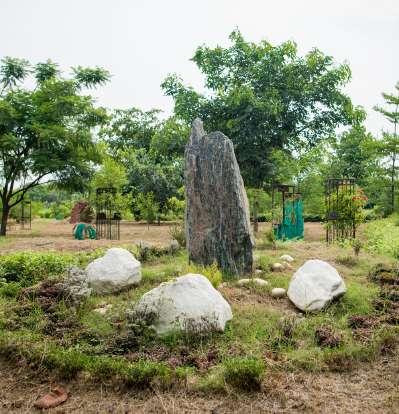

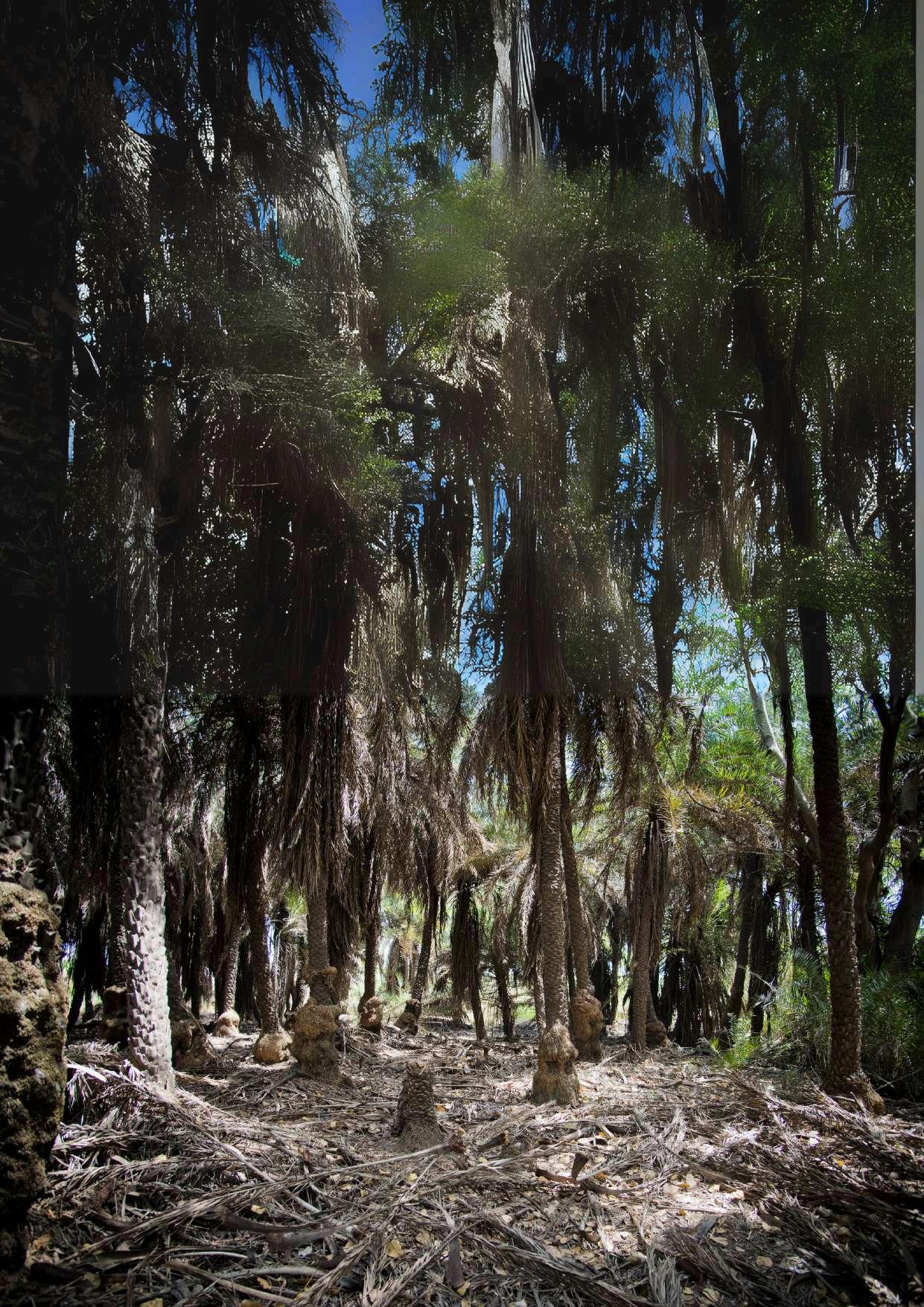
A unique feature of the Shiv Nadar IoE campus is that it’s dotted with several date palm trees, either individually or in groups. The largest date palm grove, also known as the Sacred Grove, comprises more than 900 individual date palm trees. It covers an area of 0.75 hectares on the eastern side, located near the dargah on the road extending from the Indoor Sports Complex According to the elders of Chithera Village, the trees are 300–400 years old. The area has relics from Mughal invaders some say nomads who came from the West and camped here in the wetland area. The seeds of the date palm that they left along their camping trail later grew into date palm trees and are now spread across North India, including the University campus and the surrounding areas. The date palm trail across this stretch is still visible.
The date palm groves form a unique ecosystem They play an important role as a keystone species, providing shelter, habitat, and food to several wild plants and animals. Some of the plant species found in the Sacred Grove, like Vasaca (Justicia adhatoda), Ratti (Abrus precatorius), and the sandpaper plant (Petalonyx thurberi), are no longer found elsewhere in western Uttar Pradesh. These species were probably part of the local flora a long time ago but have disappeared over time due to various anthropogenic factors.
There are many stories about the Sacred Grove. One such story, as told by locals, is that there used to be a deity inside the grove possibly Chamunda Devi the relics of which can still be seen if one ventures deep into the grove. People from the surrounding villages worshipped the deity, hence the name: Sacred Grove.
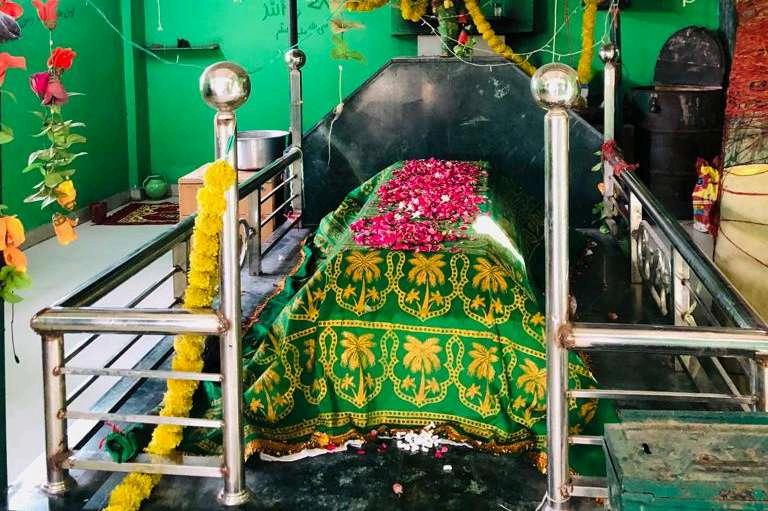
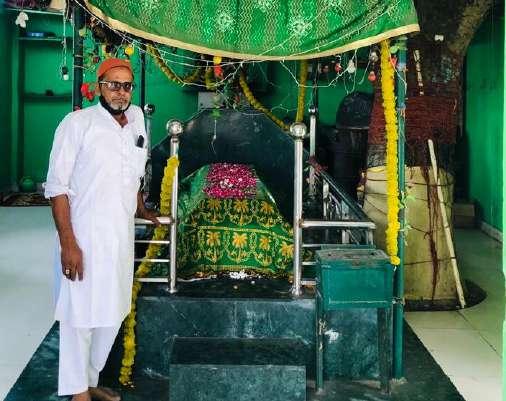
A walk down the avenues of the campus toward the southeast, between the Botanic Garden and the Indoor Sports Complex and opposite the Sacred Grove, leads to a dargah. This dargah is dedicated to the Pir Syed Kamal Shah. Other dargahs associated with the same pir can be found in four nearby villages: Pot, Chithera, Dham Dadri (also popularly known as Manikpur), and Thafera
Locals say the dargah is centuries old. Malkan Saifi, 59, is the mullah of the dargah and visits it every Thursday morning
He says that three generations of his family have been visiting the dargah, and he himself has been offering prayers there for the past 12–13 years.
By profession, he is a contractor. Before the University was established, the dargah was surrounded by fields on both sides, and irrigation water was sourced from the nearby wetlands Mr. Saifi organises Qawwali performances and a Bhandara every year in March on the holy night of Shab-e-Barat, ten to fifteen days before the start of Ramzan.
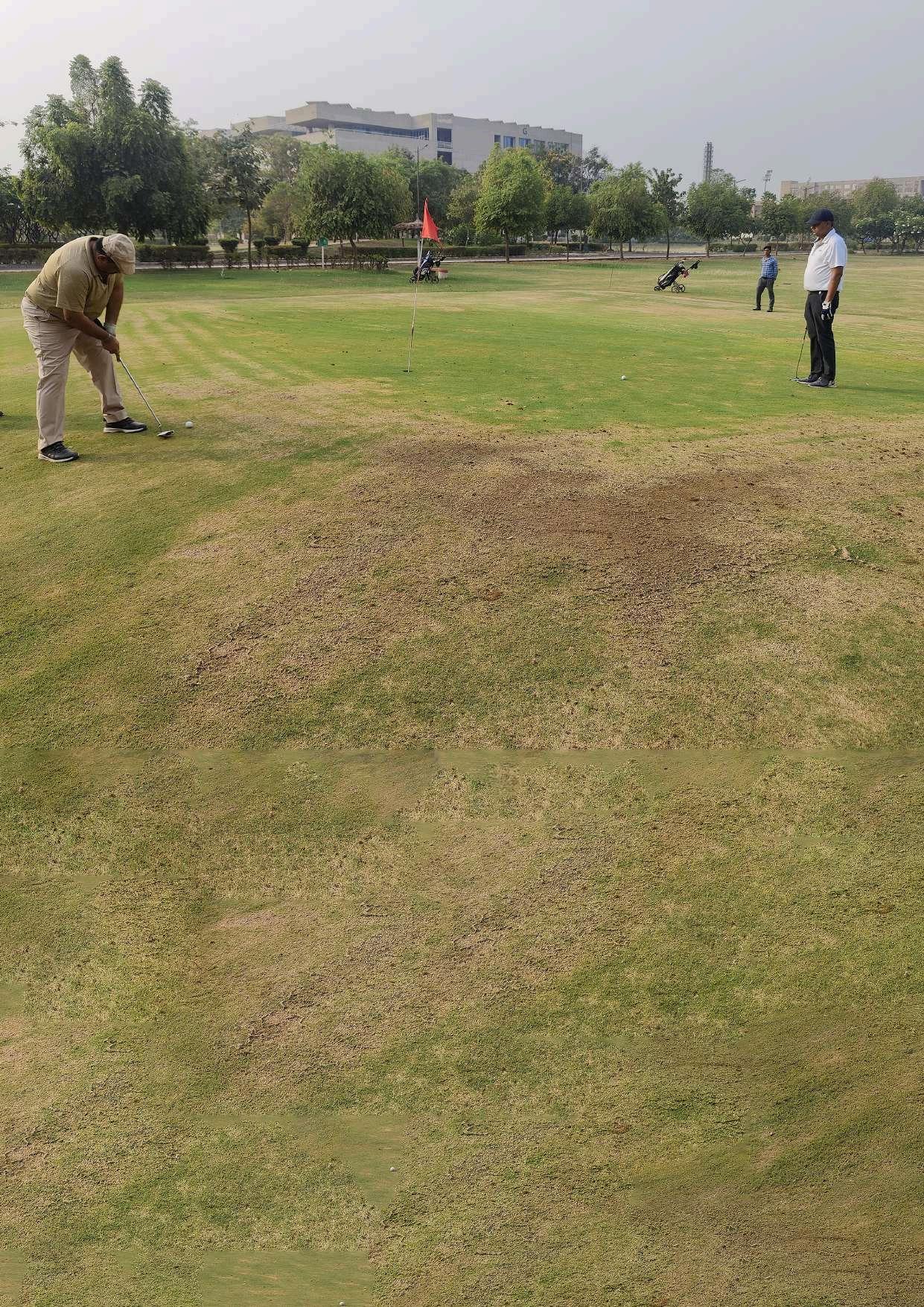
Shiv Nadar IoE is perhaps the only university in the country that houses a golf course The area is maintained by gardeners under the guidance of Wing Commander (Retd.) Anand Sharma. It is thanks to the efforts of this avid golfer who is also the Head of Administration at the University that we are able to tee off on campus
Mr. Sharma doesn’t just play golf; he also designed the entire course. The gardeners worked under his supervision to create the lush green layout. While designing it, Mr. Sharma would practice shots on the ground to observe where most balls landed, and accordingly placed features such as hazards, greens, and teeing grounds. He used Google Maps to map out the course, which was brought to life solely by the University’s gardeners without any help from external agencies. The golf course initially had only one hole; today, it features ten.
Mr. Sharma also coaches students on weekends, including two national-level golfers from Shiv Nadar IoE. He enjoys connecting golf lessons to life. As he once said, “You can make three right shots, but there’s always a chance the fourth might go wrong.” The golf course is located in front of Shiv Nadar IoE’s Health and Wellness Center.
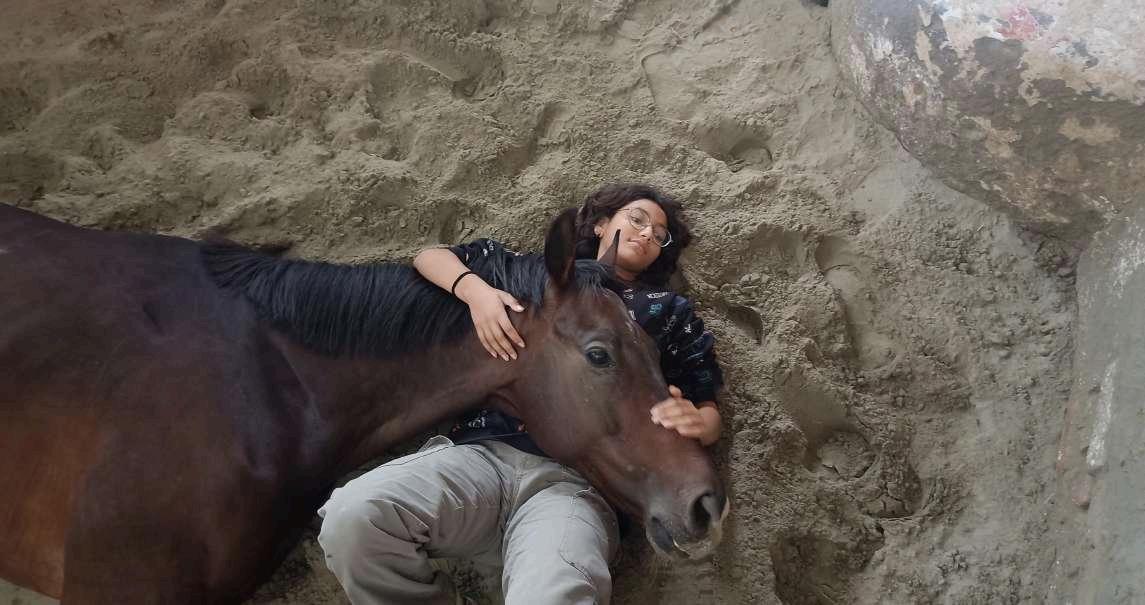
Nestled in a quiet corner of Shiv Nadar University’s vibrant green campus lies the stables —a serene haven now home to five horses: Sultan, Shamsher, Archetype, Mildred, and Ruh.
Each horse brings its own charm to this sanctuary, turning the stables into a living story of care, recovery, and quiet companionship. Sultan, a chestnut gelding, is brave, energetic, and playful. Shamsher, a sturdy dark bay gelding, has an old injury that keeps him from being ridden, but he enjoys galloping freely Archetype, a light bay gelding, is powerful and spirited, and shares a close bond with Mildred, a sweet-natured young chestnut mare who loves food and calm company. Ruh, the oldest and fastest, is a light bay mare who leads the herd with quiet confidence.
In 2020, five horses were found in desperate condition in Jaipur. Their previous caretaker, overwhelmed by the crisis, could no longer provide for them Weak, malnourished, and near collapse, the horses were brought to Delhi by a group of compassionate individuals and the University stepped in to adopt them.
“When they arrived on campus, the horses could barely stand. Their legs were wobbly, they were dizzy, bleeding, and some were even passing out I remember we would give them 40 bottles of glucose a day, constant massages, and round-the-clock attention,” recalls Khan Sahib, the devoted caretaker and an ex-Risaldar Major from the 61 Cavalry Regiment
Under Khan Sahib’s guidance, the Riding School opens each morning for early riders, and in the evenings, students come by to walk or spend time with the horses. The newly formed Equestrian Club now offers students a chance to explore riding as a sport, adding a unique and peaceful dimension to life on campus.