India In Semiconductor Race Page 19

all over again, or a New

Washington’s Deck with Mushfique A World Without Journalism Is A World Without Truth
Page 10
Book Discussion Pathways of Autocratization: The Tumultuous Journey of Bangladeshi Politics
Elections abound: democracy deficit continues


as it is today, in terms of free and fair elections,” US Ambas-
See Page 6
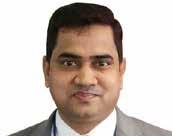
In recent weeks the United States has found itself navigating delicate diplomatic waters with India, as tensions have Modi’s Election: US-India Delicate Diplomacy
See Page 7
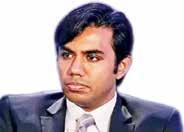
SAP ANALYSIS
Between September 2023 and October 2024, more than a billion voters will cast their ballots in elections in the Maldives, Bangladesh, Pakistan, India and Sri Lanka.
While that might be seen as sign of the health of South Asian democracy, the ruling parties and their leaders have often employed dubious means to remain in power through these elections.
A credible election is contingent upon some widely accepted international norms.
At the most basic level, voters should have the freedom of choosing their leaders, voting rights should be equal, electoral management should be open and transparent, and citizens should enjoy constitutionally guaranteed freedom of expression, media freedom, an effective
judiciary and post-election accountability.
In the larger canvas of democracy which Churchill explained as ‘worst form of government, except for all the others’; there are arguably minimum standards for elections to be considered fair and transparent. Otherwise, it is hard for the will of the people to be reflected in the elections’ outcome.
For many years, elections in Maldives have been seen as a proxy contest between Indian and Chinese interests.
In this latest election, Mohammed Muizzu, who holds a PhD in Civil Engineering from University of Leeds, won on a platform of ‘India Out’.
Since his inauguration, Muizzuhas clearly demonstrated a preference in favor of China.
As long as Muizzu is in power, China can expect to wield significant influence over the Maldives and its three hundred and fifty thousand square miles exclusive economic zone. Meanwhile, there remain concerns about judicial independence and other institutional weaknesses in the Maldives.
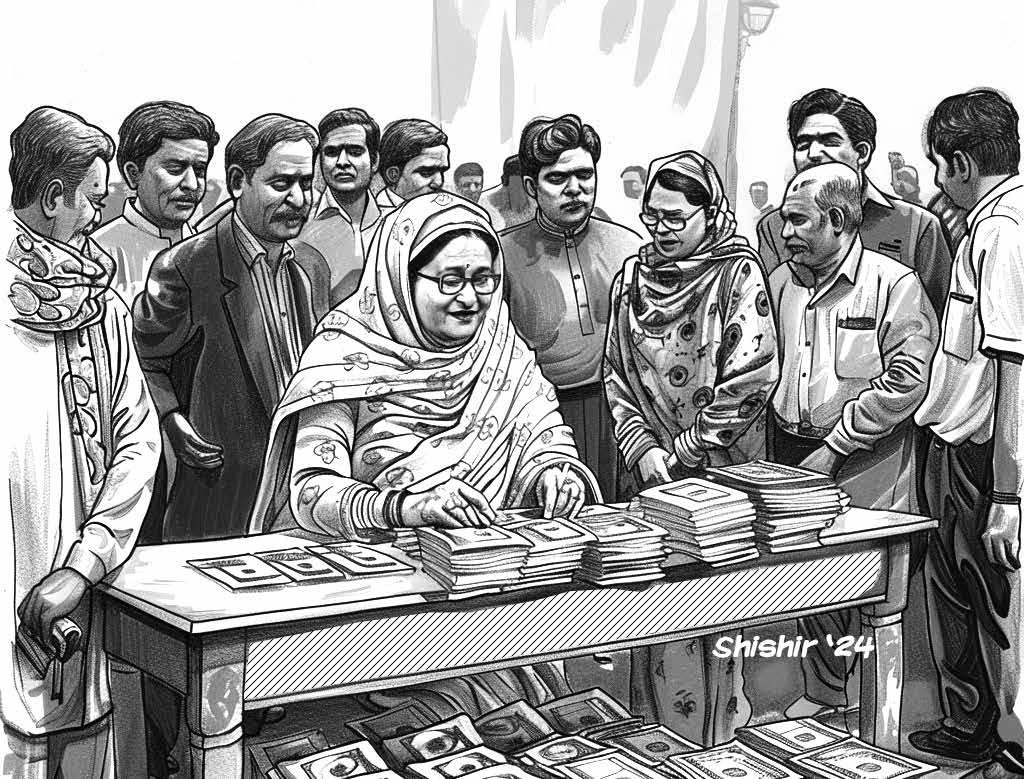
In Bangladesh, Sheikh Hasina has maintained a facade of legitimacy through an election in which she faced no real competition. Her principal political opponents remain either under house arrest or in exile. Bangladesh’s courts prevent its media from broadcasting opposition leaders’ speeches.
Academics have long argued that Bangladesh’s judiciary has been weaponized and remains firmly under the control of Prime Minister Hasina.
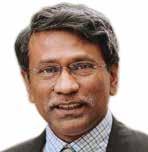
Bangladesh’s 2024 election, held on 7 January, delivered a predictable
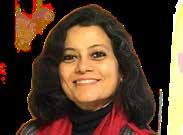
Although India does not face any impending existential threat, internal and external challenges in various forms re-
Nepal and India are intricately intertwined nations, with deep-rooted connections
saperspectives.net Vol 2, Issue 4 | Jun - Aug 2024 | Price $7
See Page 21
Maldives’ Fragile Democracy: The Judiciary’s Failings
Page 12
See Page 3
William B. Milam
Pakistan joined the long list of South Asian nations holding an election this year. Unlike the others, Pakistan’s election, held on February 8 this year, defied Pakistan’s election: Déjà vu
start?
See Page 11 See Page 16 See Page
14
Pieter Friedrich Asanga Abeyagoonasekera
Sultan M Zakaria
Dr. Pramod Jaiswal
“Ten years from now, India is going to be a vibrant democracy,
In 1993, President Ranasinghe Premadasa, tragically killed by the Tamil Tigers, became the
“Justice delayed is democracy denied.” This timeless adage, often attributed to William Gladstone, aptly captures the current
span-
Indian Democracy Is On a Precipice, But America Responds By Pretending It’s Thriving
See Page 9
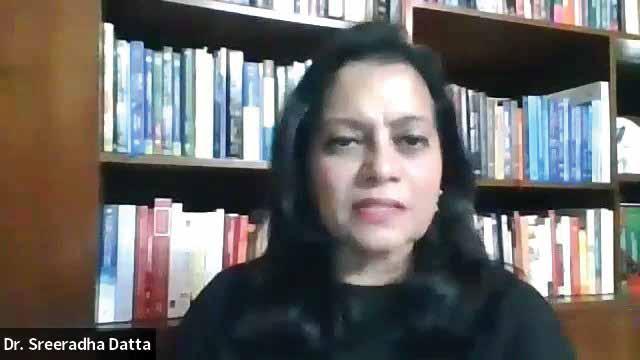
Dr. Sreeradha Datta
India’s National Security Calculus in the Coming Decade
Sri Lanka 2024 Presidential Election and Foreign Policy Challenges
Unraveling the Geopolitical Triangle: Nepal’s Dance between India and China
See Page 4
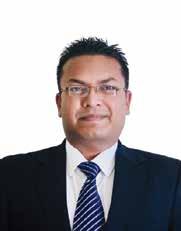
Ali Riaz
victory to Sheikh Hasina and her party, Bangladesh Awami League (BAL). The How Sheikh Hasina pulled a non-inclusive election?
Mushfiqul Fazal Ansarey
Article
EDITORIAL

Ambassador (Ret`d) William B. Milam Editor
Mushfiqul Fazal Ansarey Executive Editor
Jon Danilowicz Editor at Large
Sultan Mohammed Zakaria Associate Editor
Abdur Rahim Staff Writer
MD Iftakhar Hossain Creative Editor
Patrons:
Dr. Abu M Haque MD Fazle Elahi Bhuiyan Giash Ahmed Mohamad M R Bhuiyan Zahid Khan
Office:
1015 15th St NW, Suite 600 Washington DC, 20005
NY Office: 72-24 Broadway, STE 3F Jackson Heights, NY 11372
Phone: +1 (202) 990-8051
Email: info@saperspectives.net abdurr@saperspectives.net saperspectives.net
South Asia Perspectives is a quarterly opinion based magazine, which offers a print and electronic platform for scholarly commentaries, interviews, book reviews, discussions and debates on the society, politics, democracy and human rights, economy, international relations of South Asia and the region.
In focusing this issue of SA Perspectives on South Asia’s current election season, we have also highlighted the challenges facing the Biden Administration as it seeks to balance its stated support for democracy and human rights with the pursuit of broader regional interests.
It should come as no surprise to those who follow South Asia that democratic institutions and practices remain fragile despite the outward trappings of elections.
In particular, Washington’s response to flawed elections in Pakistan and Bangladesh has elicited criticism from across the political spectrum and has seemingly opened the door for its rivals to expand their influence.
The United States also appears uncertain how to balance growing concerns about the health of India’s democracy with its determination to strengthen ties with New Delhi as part of a broader Indo-Pacific strategy to check China’s rise.
As if these challenges were not enough, developments in South Asia are also sharing the stage with crises in Europe and the Middle East while coinciding with America’s own electoral calendar.
Certainly, this will be the lesson that autocrats within and outside the region will take from recent developments.
These tyrants will be emboldened to ignore future U.S. entreaties about the importance of democracy and human rights and will view threats of punishment as being empty.
While the U.S. may think that a more “realistic” approach to the region will yield diplomatic benefits, it is likely to find these gains to be illusory as the region’s autocrats continue to gravitate towards those who share their contempt for democratic values. After all, like seeks like.
If any good can come of these developments, it may be that those fighting for democracy and rights will realize that they need to focus more of their efforts on mobilizing internal support for their cause rather than holding out hope that some external actor will swoop in on their behalf.
Finally, while much of the focus of recent months has been on elections, the coming year will likely see South Asian states grapple with serious economic challenges that may provide the ultimate spark for political change.
Pakistan’s election: Déjà
vu all over again, or a New start?
William B. Milam

Pakistan joined the long list of South Asian nations holding an election this year. Unlike the others, Pakistan’s election, held on February 8 this year, defied our expectations.
the Army had lost confidence in Khan, and that was made clear, which led to a general belief (and hope on the part of many) that the Army would make sure that his party, the PTI, did not win the election. Contrary to all predictions, however, Khan’s PTI won a majority of seats even though Khan did not win one. For the first time in memory, the army was not able to steer an election the way it wanted it to go. This dealt a blow to the PML-N, the party of Khan’s primary competitor, Nawaz Sharif, but it was not fatal.
pushed back successfully on government policies.
tious and armed set of extremists and other independent actors (the government appears to have lost the primary principle of governance–the monopoly on violence), and an inherently weak and deteriorating economy that has been unable to pay for what it consumes for several decades and lives on external credit.
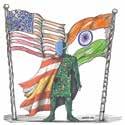
The United States also appears uncertain how to balance growing concerns about the health of India’s democracy with its determination to strengthen ties with New Delhi as part of a broader Indo-Pacific strategy to check China’s rise.
In Bangladesh, the unfree and unfair election expected by all observers, and even by the jailed opposition, was exactly what happened, and the country continued on its path to full-fledged authoritarian rule.
In India, the month-long election going on now looks pretty certain to reelect Modi and the BJP.
In the Maldives election in April, there was only mild surprise that a party favoring closer relations with China won a peaceful election. In Sri Lanka, if the election is held as scheduled in October, I suspect there will be no great surprises as to the winner.
It meant, however, that Sharif had to share power with other major, and not so major, parties, in a multi party government in order to have a majority in the parliament and control of the government.
I have long believed that Pakistan is a country flirting with failure because it is governed (managed would be a better word) by two competing power sources, the Army and Pakistani Civil Society. It is a hybrid government, but the Army was always the more powerful part. It was driven by a dogma that civil society could not understand and manage Pakistan’s security interests. These security interests, of course, centered on Pakistan’s traditional enemy, India, and only a powerful military in charge of Pakistan security could keep India at bay.
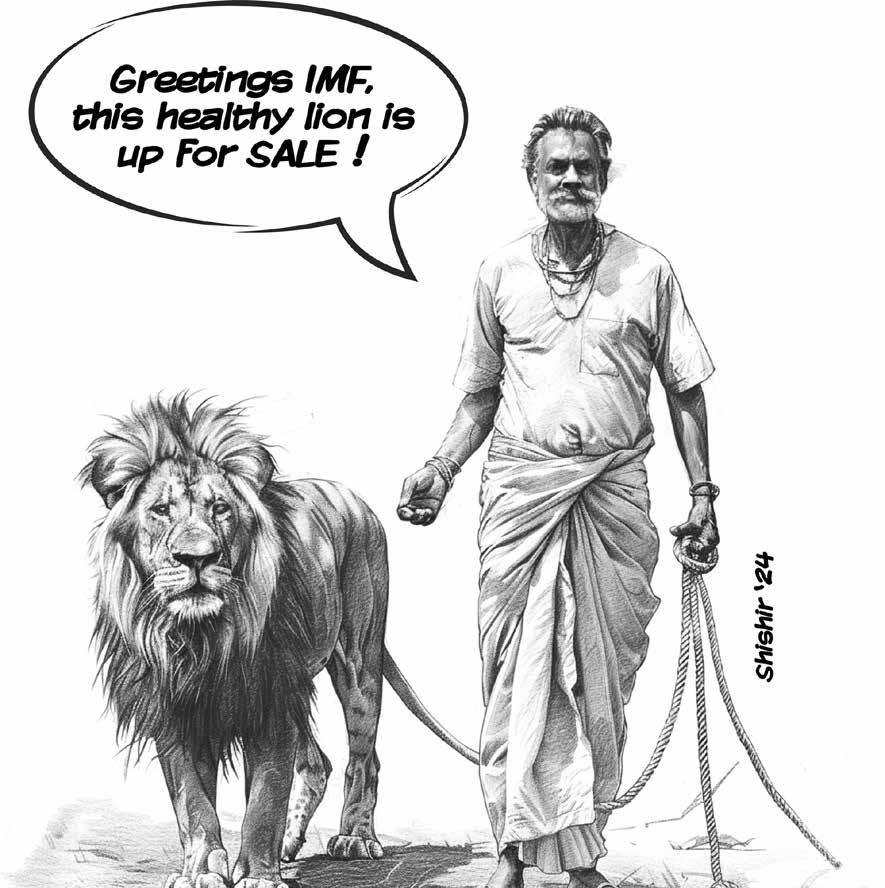
Today’s headline is that Pakistan is again going with its begging bowl to the IMF for another loan, and probably another faux reform program, the conditions of which Pakistan never manages to fulfill as far as I can tell. My computer tells me that Pakistan has had 22 such programs with the IMF (my Pakistani friends tell me that the number is actually 24). So, the economic situation could be accurately described as “déjà vu all over again.”
My friend suggested that the proper perspective for analyzing Pakistan was “a glass too large” By that, I think he meant that, in world or regional affairs Pakistan tends to try to punch well above its weight without laying the foundations for producing the resources it needs to do so.
With its Presidential elections rapidly approaching and with the normal turnover of senior officials to be expected in an election year, it is unlikely that the United States will undertake any major diplomatic initiatives in South Asia in the coming months.
This required a different Prime Minister, Nawaz’s younger brother Shabaz. Clearly, this is not an ideal solution as it risks,, more than one, and possibly many more than one, hand on the steering wheel, either figuratively, two parties vying for control, or literally, Nawaz and Shabaz vying for dominance, either of which makes consistent precise policy much less likely. The control that Nawaz and Shabaz were allegedly seeking appears to be verging on chaos.
I came to these conclusions partially because my tenure in Pakistan coincided with the government of General Musharraf and I came to know the Pakistani military and its thinking very well.
The economic problems are symbolic of deeper and fundamental structural social and political problems. I asked a friend, an expert on Military affairs, recently why the Army, which has always been the ultimate decider of policy, allowed Pakistan’s economy to be so dysfunctional. It seemed to me that the Army would have a significant interest in a strong resilient economy; after all, doesn’t the army have a strong interest in a strong country that could stand toe to toe with India. Her answer was that the Army has no ownership or investment in the State.
But I think that the Army’s illusion that the Pakistan glass is large has encouraged its poor economic decisions as well as the expectation that the major powers will continue to look the other way at the repeated economic and financial failures. The specter of default has hovered on the horizon for years, and beckons more strongly with every financial crisis.
But Pakistan’s election in February took a surprising and possibly serious twist which no one, to my knowledge, predicted or expected.
The interdisciplinary magazine aims to inform general readers, policy makers and analysts on contemporary and emerging issues and policy challenges encompassing countries in the region. It also captures different voices of South Asian diaspora community living in the United States and beyond. Editor’s Note on how to analyze Pakistan. He reminded me and other attendees at a conference that for decades scholars had been analyzing Pakistan either from the perspective of “a glass half full,” which means that the country is dysfunctional but will avoid failure and muddle through as a result of being kept afloat by allies, or “a glass half empty,” which means its down hill spiral will ultimately end in failure.
For those who consider themselves “realists,” these developments highlight the folly in pursuing a values-based foreign policy. They will claim that the U.S. decision to look the other way as the democratic aspirations of millions of South Asia’s citizens were thwarted was inevitable as Washington sought to counter China’s rise by enlisting as many regional allies as possible.
This will give the region’s autocrats time to consolidate their post-electoral control while the democratic forces regroup and plan their next moves.
Readers will remember that the Pakistan election was postponed by a political crisis occasioned by Prime Minister Imran Khan losing a parliamentary vote of confidence and being bounced from office. He had won the 2018 election because the Army supported him and made sure he did win. The Army has traditionally been able to steer elections the way they want them to go. But during his tenure as PM,
This failure of the Army to get its way politically raises the thought that, perhaps, its political grip on Pakistan is weakening. It is unclear what, if anything, would replace it, and whether this would be a positive or a negative development in the management of Pakistani society. Pakistani friends of mine are taking this as a sure sign that the Army is weakening as a political force in Pakistan. And this seems to be demonstrated in recent days by the increased power and voice of the judiciary which has
So the question arises as to whether a weakened military, weaker primarily in the estimation of the Pakistani people, would provide impetus to forces of reform and repair to the social and political fabric of Pakistan. Or whether it will just accelerate the creeping but toxic social and political dysfunction that Pakistan has been undergoing for decades now. There is an argument that it was the military that slowed, and continues to slow, the political and economic deterioration of Pakistan. But I am not a partisan of that argument.
What else except this hybrid form of government can explain the horror stories emanating from this fragmented, very troubled country which add to the impression of a fragile and unstable state.
When I look at Pakistan, I see a crumbling society which increasingly sees a government/military that cannot defend it from the many threats from a frac-
The Army, which demands and gets an outsized portion of Government revenues, has no interest in building an economy that can provide those revenues. Pakistan has a tax system that resembles the poorest of the poor countries in Africa. I asked a well- known Pakistani economist recently what the current ratio of tax to GDP is in Pakistan.
His answer was 9 percent. I had asked the same question about 10 years ago and the answer was, as I remember, 12 percent, and I have read that it was 14 percent in the mid 1980s..
So, things continue to deteriorate while the Army looks on, fat and happy.
This brings to mind the explanation one dear departed friend of mine had
Elections always have consequences. In most cases these consequences are visible well before the election. In some cases, the consequences surprise, however. In the case of Pakistan, the surprise of a weakened military may be a pipe dream, and even if it is weakened the Pakistani military may not be up to the task of national reform and recovery, and the political parties demonstrate no capacity and less interest in stopping the slide into state failure.
2 3 SAP SAP
About the Author: Ambassador (Ret’d) William B Milam is the Editor - South Asia Perspectives. PresidentRight to Freedom. Senior Scholar - Wilson Centre. Former US Ambassador to Bangladesh and Pakistan.
How Sheikh Hasina pulled a non-inclusive election
Ali Riaz
Bangladesh’s 2024 election, held on 7 January, delivered a predictable victory to Sheikh Hasina and her party, Bangladesh Awami League (BAL).
The newly minted parliament is by all intents and purposes a one-party show as there is no opposition to be reckoned with.
In fact, the BAL and its leaders who contested as ‘independents’ secured 94.33% of seats in the 300-member parliament.
Despite global attention and repeated calls by the Western countries, especially the United States, to hold a free, fair and inclusive election, the regime succeeded in orchestrating a non-inclusive election.
The question is how the election was designed to keep the opposition at bay.
The 2024 election engineering had four elements: disqualifying the opposition leaders; founding “King’s parties” and trying to split the main opposition Bangladesh Nationalist Party (BNP); crackdown on the BNP; and weaponizing the judiciary.
Disqualifying the opposition leaders
The opposition parties which were demanding that Sheikh Hasina resign and appoint a neutral administration to oversee the elec-
ified from taking part in the elections.
Every Thursday after 5.00 p.m., I will meet the law secretary to ensure issuance of directives — where and what exactly are needed — for the judges, to ensure conviction [of the opposition leaders].”
didates to join. After October 28, 2023 thousands of BNP leaders including 8 central leaders were arrested.
They were offered an opportunity while they were in jail.
tion made it clear time and again since early 2022 that they were going make good on their threat.
Their demands began to gain more support in the summer 2022 when the country faced an economic crisis, especially the rising cost of fuel and daily necessities, and the foreign reserve began to dwindle fast.
Opposition parties start-
an initiative to gather data on the cases of leaders and activists from the BNP and another opposition group, the Jamaat-e-Islami Bangladesh party (JEI).
The memo of the meeting stated, “On the issue of elections, the government is under international pressure.
By any means, the government has to win the election.
This clearly showed that the government was trying to use any means at its disposal to keep the BNP away from the election even if the party decided to join at the last moment.
Founding of “Kings’ Parties” to split the BNP
In the months ahead of the election, three political parties were given registration by the Election Commission: the Trinomool BNP; the Bangladesh Nationalist
‘‘Jailed BNP leaders were offered release on condition of contesting polls’ -said then Agriculture Minister Abdur Razzak on 16 December in an interview with media.
A BNP Vice-President, who was arrested after 28 October and was charged with violence, secured bail, joined the AL, and got an AL ticket to contest. He won the election.
Crackdown on the BNP
BNP leaders and grass-
ed to organize rallies throughout the country. By summer 2023, it became evident that the government had decided that it would cripple the BNP so that it could not appear as a formidable opposition.
On July 6, a deputy inspector general (DIG) of police met with other senior police officials in Dhaka and authorized
BNP and Jamaat have to be declared disqualified for the election.
All BNP and Jamaat leaders who are expected to contest elections are accused in some cases.
If their trials, convictions, and punishments are ensured quickly [by September 2023], they will be declared disqual-
Movement (BNM); and Bangladesh Supreme Party (BSP).
These were meant to serve as the platform for the BNP leaders who would defect to join the election.
State machineries, in particular the intelligence agencies, were used to coerce and cajole potential BNP can-
party office. This crackdown reached the zenith on 28 October 2023.
A BNP rally was dispersed by force even before the gathering started. The authorities cut off internet services in the area of the rally. The rally was reportedly peaceful, but the police used violence that took place on the fringe away from the rally as an excuse to swoop in even before the rally formally started.
Within days thousands of BNP leaders were arrested. The crackdown was described the Human Rights Watch as ‘violent autocratic crackdown’.
Weaponizing judiciary
Through the summer of 2023, the courts started to hold additional hours of session, going into the night, to hear the cases against the BNP leaders.
These cases were frivolous at their best. Bangladeshi media call these cases ‘ghost cases.’
Either the incident of violence didn’t take place, or the person charged wasn’t there.
Such cases were filed before the 2018 election as well. These courts went on an overdrive after 28 October.
Between 29 October and 28 December, in 60 days, 1500 BNP leaders were convicted based on police testimony only -- in most cases independent witnesses were not brought to testify. An instruction went to the police that they could not change their initial report of the case.
Beyond the four strategies
essential because since 2022, the US, EU and a few other western countries had insisted not only on a free and fair election but also an inclusive one.
The BAL was hoping that founding Kings’ parties, and coercing or cajoling the BNP leaders to join these parties and participate in the election, would make the election participatory.
As the election became nearer, these steps were not achieving desired successes.
The BAL embarked on a different path – allowing its own leaders to contest as ‘independents’. This was contrary to the party bylaws.
Yet, it went ahead. Of the 382 independents contested in 221 seats more than half of them were AL leaders, including 28 who were sitting MPs, and some former Minsters.
Despite these efforts, on the election day, it appeared that voters have decided to vote with their feet.
Media coverage throughout the day showed empty polling booths all around the country.
have described the claim of a 41% turn out as not only inflated but also ridiculous.
Voter turnout in the last free competitive election, held in 2008, was 87.13%. In the 2001 election, it was 74.97%. The turn out shows that even the supporters of the AL did not show up at the polling booth, as the result was already a forgone conclusion.
The role of external actors
While the domestic factors and the machination of the government played the key role in setting the stage for a non-inclusive election, the role of external actors facilitated the process.
In particular, this was true of India, the principal backer of the Hasina regime since it came to power in 2009. Ahead of the 2014 election, India directly influenced the electoral process by ensuring the Jatiya Party led by former President Ershad joined the election while all other opposition boycotted.
Ahead of the 2024 election, it became evident that a divergence between the USA and India
The long-lasting impact of the election is that it has transformed the country into a personalistic autocracy... In personalistic autocracy policy choices reflect the whims of the ruler.
dialogue between two major parties to reach a solution.
India, on the other hand, insisted that pushing Hasina for an inclusive election would ensure a victory of the opposition BNP (and its ally Islamist Jamaat-i-Islami).
The Indian establishment considered a BNPled government in Dhaka is a ‘security threat’, given its alleged past support to the insurgents in India’s Northeastern states and ‘militant Islamists’ within Bangladesh.
India further insisted that US efforts to promote democracy in Bangladesh would push Hasina towards China.
The US has tacitly expressed its concerns regarding growing influence of China in South Asia, including Bangladesh. Bangladesh joined the Belt and Road Initiative in 2016 and has developed a ‘strategic relationship’ with China.
Chinese influence and leverage grew in the past decade even as the Hasina government had received support from India.
The divergence between Washington and New Delhi was finally settled in favor of India’s position. After the election, the US State Department and the British Foreign Office described the poll as “not free and fair,” but this pronouncement fell far short of the actions that prior US statements seemed to indicate it would take.
What happened by this election?
ances, cyberspace has been controlled through a law called the Digital Security Act 2018, and media have been brought under control through ownership and veiled threats.
The victory of the AL and Sheikh Hasina was delivered in 2018 by a combination of the civil administration, law enforcing agencies, the Election Commission (EC) and the party activists.
As such, the 2024 election was destined to continue this trend, unless the opposition could stop this on the track.
The fragmented opposition was not up to the task. Ahead of the election, the opposition parties ramped up their rhetoric against the government, but it appeared that they were unprepared to face the onslaught of the regime. Besides, there was a lack of plan B if the government did not heed their demands.
The long-lasting impact of the election is that it has transformed the country into a personalistic autocracy.
As is in any personalistic autocracy, Sheikh Hasina is not constrained by her party or any other institution. She is ‘virtually indistinguishable from the regime [she] rules.’ In personalistic autocracy policy choices reflect the whims of the ruler.
roots activists have faced criminal cases and were being arrested in large numbers for years.
The number of arrests increased significantly as the party started to organize rallies around the country after August 2022.
On several occasions ahead of rallies in Dhaka, police ransacked the
These four strategies pursued concurrently created an environment of fear and established total control of the government over the situation.
But these failed to ensure inclusiveness and participation.
For the BAL this was
The EC said at noon (four hours after polling started) that there had been an 18.5% voter turnout; at 3 pm it was raised to 26.37%.
While at the end of the day the CEC initially claimed that it was 28%, this was immediately retracted at the prodding of his colleagues and raised to 41%.
Experts and observers
had emerged.
Demanding a free and fair election, the US repeatedly warned that an election which did not meet these criteria would not be acceptable.
In May 2023, the United States announced a policy of allowing it to withhold visas from Bangladeshis who undermined the electoral process and called for a
The 2014 election Bangladesh resulted in a de facto one-party state which was later cemented through the 2018 election.
Since then, opposition parties have been weakened through persecution, civil society have been decimated through legal and extralegal measures, state apparatuses have been unleashed to create a culture of fear by wanton extrajudicial killings and enforced disappear-
a
of
4 5 SAP SAP
About the Author:
Dr. Ali Riaz is a political scientist with research interests in South Asian politics, democratization, violent extremism and Bangladeshi politics. He is
Distinguished Professor
Political Science at Illinois State University, a Nonresident Senior Fellow of Atlantic Council and the President of the American Institute of Bangladesh Studies (AIBS).
OP-ED
Indian Democracy Is On a precipice, But America Responds
By Pretending It’s Thriving

“Ten years from now, India is going to be a vibrant democracy, as it is today, in terms of free and fair elections,” US Ambassador to India Eric Garcetti said at a Council on Foreign Relations event in New Delhi, India on May 9, 2024.
Ambassador Garcetti’s remarks, offered in larger context of a conversation where he framed India’s connection with the United States as a “dating” relationship in which the two countries may have already “moved in together” but very clearly “don’t want to get married,” were tailored for wooing Indian audiences but conveyed startling ignorance of the nature of democracy. Adolf Hitler, it is infamously said, was democratically elected.
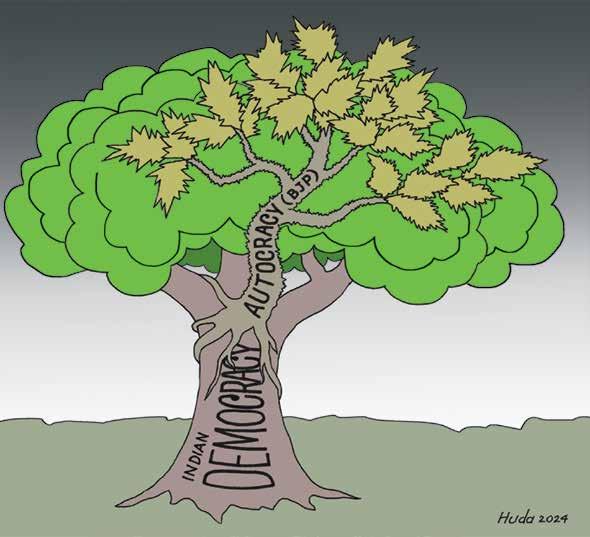
The health of a democracy is judged on much more than whether or not voters are allowed to check a box once every few years, and Indian democracy, aside from presumed “free and fair elections,” is on the brink of extinction.
Despite Garcetti’s claim to intimacy with India due to traveling there at 14 and again as a university student, he seems unaware that legislators in the country have — apparently without any repercussions — repeatedly and openly distributed chicken and liquor to voters as recently as this year and distribution of cash, liquor, and drugs to voters traces at least far back as 2014, the year the Bharatiya Janata Party (BJP) attained the national power it still
— currently ranks India as the 11th most dangerous country in the world in which to be a Christian. For the previous four years, India was the 10th most dangerous country for Christians. Conditions did not improve there, but merely worsened in other countries. Notably, on this list, India places below countries like China or even Saudi Arabia.
son” and Christianity as a “slow poison.”
This mentality is grooming a genocidal attitude, already manifested in 2023 in Manipur, towards India’s religious minorities.
Modi’s Election: US-India Delicate Diplomacy
Mushfiqul Fazal Ansarey
killings, arbitrary arrests, and restrictions on press freedom.
retains. Yet his diplomatically crafted outlook also suggests he is either ignorant — or, more likely, deliberately turning a blind eye — to the disastrous perspective on the future of Indian democracy proffered by most international bodies, including his own US State Department.
The April 2024 US State Department’s “Country Report” on human rights in India is damning. Documenting “significant human rights abuses,” the report expands on extrajudicial killings, arbitrary arrests, misuse of an anti-terror law to target human rights activists, minorities, and journalists, and more. India responded by rubbishing the entire thing. Following that, Garcetti wove his narrative about the US-India romance.
Looking at democracy from the perspective of values rather than simply voting systems, it has been on a steep decline in India since even before the BJP took power.
The Sweden-based Varieties of Democracy Institute (V-Dem) has rated India as an “electoral autocracy” since 2008, noting that the descent into such has included “gradual but substantial deterioration of freedom of expression, compromising independence of the media, crackdowns on social media, harassments of journalists critical of the government, as well as attacks on civil society and intimidation of the opposition.”
India, “with 18% of the world’s population, accounts for about half of the population living in autocratizing countries,” states V-Dem. Autocratic countries are defined by the National Geographic Society as places where “one ruler has absolute control and decision-mak-
ing power,” in this case the BJP’s Prime Minister, Narendra Modi.
Every other major global watchdog has continued to rate India’s democracy abysmally.
That takes us to the ideological basis underlying the BJP, which is the background behind both incessant calls for genocide of
Yet Ambassador Garcetti, pleading his diplomatic take, talks of India remaining a “vibrant democracy” in the next decade. Indeed, it could be one, but only if Hindutva — that is, the currently predominant ideology of Hindu nationalism — fades away.
Reporters Without Borders places India at 159 out of 180 countries, highlighting how, with “violence against journalists, highly concentrated media ownership, and political alignment, press freedom is in crisis in ‘the world’s largest democracy’.” The Economist Group’s “Democracy Index,” in 2023, listed India as a “flawed democracy” below countries like Brazil. Freedom House, in 2024, ranks India as “partly free,” listing it at only a 66 out of 100 “freedom level,” noting, “India’s Freedom in the World score has steadily declined for much of the last decade, dropping 10 points since 2013.”
Meanwhile, Open Doors USA — the most prominent international watchdog for Christian persecution
minorities in India as well as overall concerns about the health of democracy in the country.
The BJP, which is the political wing of the Rashtriya Swayamsevak Sangh (RSS) paramilitary, is founded on an ideology of exterminating non-Hindus from India on the premise that only Hindus are true patriots of the nation.
After Modi, behaving like the priest of the nation, inaugurated a controversial temple to the Hindu deity Ram, there are now talks of rewriting India’s Constitution as one for a “Hindu Rashtra” — Hindu Nation — instead of a secular republic. In the midst of all this, BJP leaders and sympathizers are officiating calls to wipe out non-Hindu Indians, in some cases even describing Islam as a “fast poi-
If these trends continue, will democracy in India survive? This is not a diplomatic question. Yet, is diplomatic language the need of the hour?
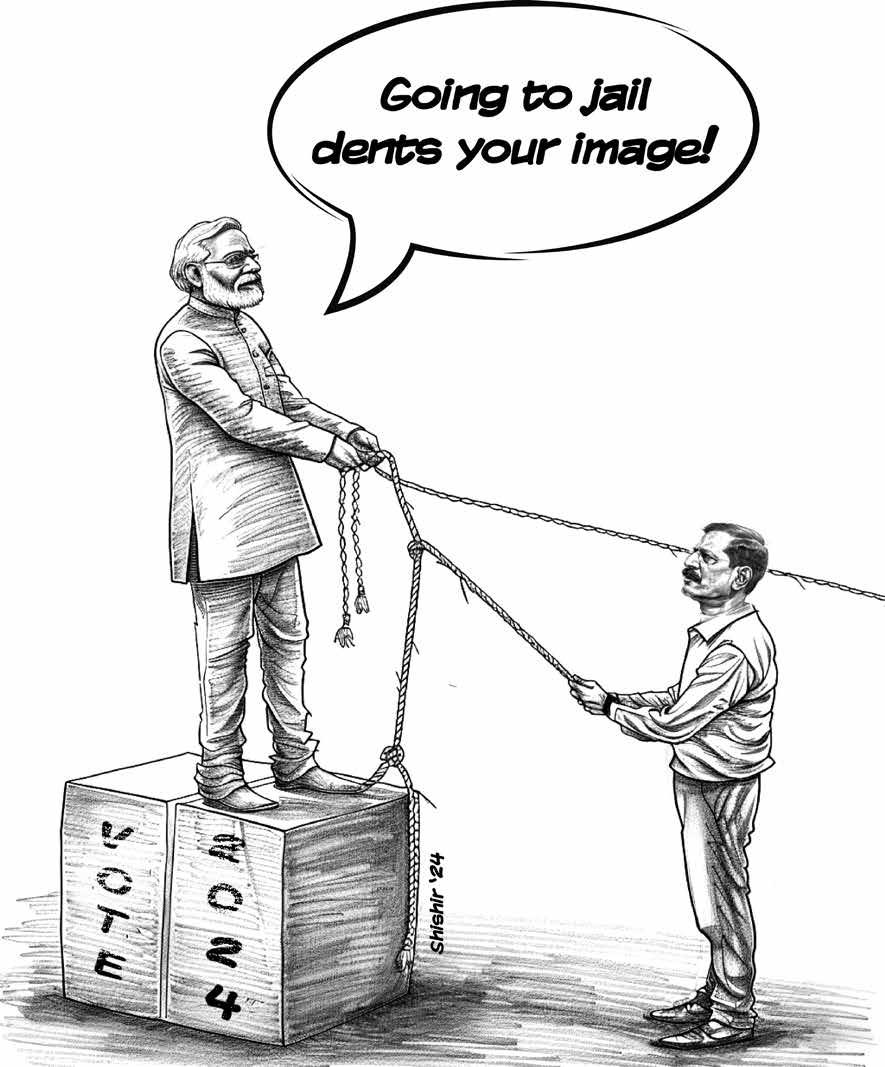
Recently, the United States has found itself navigating delicate diplomatic waters with India, as tensions have risen over issues surrounding democratic principles, human rights, and sovereignty. The State Department’s recent comments regarding the arrest of Delhi Chief Minister Arvind Kejriwal and the freezing of the Congress Party’s bank accounts have ignited a diplomatic spat, further exacerbated by gratuitous accusations against the US from Russia. Additionally, journalists, including the author have faced online harassment for asking probing questions, highlighting the precarious state of press freedom in India. Amidst these challenges, Prime Minister Modi’s inflammatory rhetoric against Muslim communities and the alarming human rights situation in India, as highlighted in the US State Department’s recent annual report, have added fuel to the fire.
statement emphasized the principle of sovereignty and raised concerns about setting unhealthy precedents in diplomatic relations between democracies.
Furthermore, the online harassment targeting journalists, including the author, for asking critical questions about India’s political landscape underscores the importance of press freedom and the need to protect journalists from intimidation and threats. This troubling trend not only stifles open dialogue but also undermines the fundamental tenets of democracy.
In addition to diplomatic tensions with India, Russia’s unfounded accusations of US interference in Indian elections add another layer of complexity to the geopolitical landscape. The US has firmly denied these allegations and emphasized its commitment to respecting India’s sovereignty. However, the mere existence of such accusations underscores the volatile nature of international relations in the region.
marks have been widely criticized by human rights organizations, including Amnesty International, which has highlighted the
During a recent press briefing, I had the opportunity to question Robert S Gilchrist, a senior official from the US State Department’s Bureau of Democracy, Human Rights, and Labor, about the situation in India. I asked about the alarming human rights vi-
respective interests, the promotion of democratic values, protection of press freedom, and respect for human rights remain essential pillars of the relationship. Upholding these principles is not only crucial for bilateral relations but also for fostering stability and prosperity in the region.
About the Author:
Pieter Friedrich is an independent journalist and author of several books, most recently Saffron America: India’s Hindu Nationalist Project At Work in the United States.
The State Department’s reaffirmation of its commitment to fair and transparent legal processes in India underscores ongoing concerns about democratic backsliding and political turmoil in the country. State Department spokesperson Matthew Miller emphasized the importance of upholding democratic principles and urged India to ensure a fair and timely legal process for all individuals, including political leaders like Kejriwal. However, India’s response has been sharp, with the summoning of US diplomats and warnings against perceived interference in its internal affairs.
The Foreign Ministry’s
Journalists, including the author, have faced harassment for asking probing questions, highlighting the precarious state of press freedom in India.
Moreover, Prime Minister Modi’s inflammatory rhetoric against Muslim communities has exacerbated existing tensions and raised concerns about the protection of minority rights in India. His re-
alarming human rights situation in the country.
The US State Department’s recent annual report on human rights practices in India further corroborates these concerns, citing issues such as extrajudicial
olations documented in the Department’s report and inquired about the US Government’s response to these issues. Gilchrist reiterated the US Government’s commitment to upholding human rights and emphasized the importance of regular consultations with India on these matters. He underscored the need for India to uphold its human rights obligations and expressed hope for meaningful engagement between the two countries on these issues.
These recent developments underscore the complex dynamics shaping US-India relations and the broader geopolitical landscape in the Indo-Pacific region. As both countries navigate diplomatic tensions and assert their
About the Author:
Mushfiqul Fazal Ansarey is the Executive Editor of South Asia Perspectives.
Pieter Friedrich
6 SAP
OP-ED
Analysis 7 SAP

Although India does not face any impending existential threat, internal and external challenges in various forms remain its core preoccupation. India’s national security concerns lies lie in the overlap between internal and external security because of their interconnections alongside the blurring of lines between traditional and non-traditional security. Accordingly, this review of India’s national security calculus is through four varied lenses.
Firstly, the long-standing issues remain a high priority. This would primarily include border issues with China and Pakistan. India will have to deal with an increasingly assertive China, and its intermittent attempts to raise the bilateral tension through physical acts of hostility at strategic border locations. India’s inability to successfully wean itself off economically will limit its maneuverability contours. With Beijing’s growing prominence in the Indian Ocean Region, maritime security, including keeping the sea lanes of communication open, poses a red flag too.
Differences with Western neighbour Pakistan will also ensure the preoccupation of security forces. Given the constant fluidity and evolving dynamics of the South Asian region, it would be unrealistic to assume a secure and friendly neighborhood. The emerging economic crisis in the neighbourhoodneighborhood provides some leverage for India in the immediate context but it does not foreclose longer and deeper negative consequences for India or the region. The growing Chinese engagement in the region continues to raise the security threat perception.
The other long-standing security issue remains the underlying domestic communal tension. While there is a belief that ‘the threat of Hindu funda-
India’s National Security Calculus in the Coming Decade
Dr. Sreeradha Datta
mentalism is also as real as the minority backlash’ the simmering scope for domestic conflicts remains, especially one arising out of religious extremism. Although violence relating to Left Wing extremism incidents extremism incidents has been on the decline, the challenge is far from over.
Secondly, India’s security calculus will be weighed in through its ability to combine hard power and deft diplomacy for creating to create strategic advantages. Institutional mechanisms and military preparedness would be necessary tools to address India’s security perception.
It is with this hard and soft strength that India will be able to deal with a host of new and dynamic security matters that India is forced to deal with including the ongoing war between Russia and Ukraine and its impact and implication for India. Similarly, the heightening of hostility between Israel and Palestine casts its shadow on Indian economic and political security.
Apart from its diplomatic efforts, India’s ability to projecting power and protecting the nation’s regional interests will depend on two large aspects of its security apparatus.
A modern military capble of deterring and defending the country from external threats and internal challenges will be of utmost priority in its national security calculus. While India has initiated reforms in this sector and an indigenized defense production Atmanirbharta program, innovations and emergent technologies will have to be the cornerstone of an efficient armed force. Nuclear weapons will continue to play an important role in India’s security calculus. Assessing the credible minimum level required for India’s national security remains crucial.
Indeed while PM Narendra Modi highlights the significance of the adoption of the human-centric approach while supporting innovation and digital technology, this sector has opened up new domains of contention in domestic quarters as well as in the domain of cyberspace and outer space.
The third facet of security calculus would consist in examining the challenges that India faces as it advances into the coming decade. India’s long-standing issues are combined with unprecedented challenges of the
ic growth. Safeguarding against economic shocks, vulnerabilities in cyber, space, maritime, and information domains, safety and protection of Indians living and working abroad would be some of the other aspects of India’s security challenges. B)Indian capability towards developing immunity against the external environment - one that is now seeing prolonged global economic downturn, growing turmoil in Middle East, and Ukraine crises all of which has made India vulnerable to changes and shocks in the global arena. These prolonged crises have laid
faith in multilateralism, it will need mechanisms for greater influence in global institutions beyond the rhetoric. While the global engagement in the Indo-Pacific and India joining the QUAD has lent to this, the shifting balance of power in Asia is an evolving dynamic to grapple with. In this context, the emerging new contours of the EU’s strategic partnership with India will be a crucial component to India’s security calculus.
A growing mutual recognition of each other’s strategic importance, recognizing India’s regional presence beyond China has potential to develop into meaningful engagement.
A modern military capable of deterring and defending the country from external threats and internal challenges will be of utmost priority in its national security calculus. While India has initiated reforms in this sector and an indigenized defense production Atmanirbharta program, innovations and emergent technologies will have to be the cornerstone of an efficient armed force.
changing global order and India’s own tensions of capability and performance both in the domestic and international spheres.
A)With a rapidly growing economy predicted to surpass Japan’s $4.31 trillion GDP in another year, India’s economic growth has been substantial. Much of the veneer would fade in the face of mounting pockets of poverty, growing unemployment and lack of human security. The large number of farmer suicides across the country is a case in point of the lopsided econom-
bare the challenges of energy security. Despite its thrust on renewable energy, dependence on oil and gas imports and coal is a costly reality for India. One that has become more complicated in the transition to electric vehicles and the importance of critical materials like lithium and cobalt.
Finally, India’s aspirational element that goes beyond impending threats has to be factored in. As its heft is growing, this is becoming a major feature in India’s security calculus. Despite India’s renewal of
Aspiring to be a balancer in the global balance of power system, some of its bilateral ties with big powers will be a critical factor. How India manages its bilateral this with the bigger players like the US, Russia Japan and its ability to leverage them will be a key factor in its national security calculus. Arguably, India’s sustained economic growth, ability to maintain political stability and continuing to showcase its technological prowess, will enhance its international standing, however, the major tension in India’s security calculus is between India’s capabilities, especially material, and potential needs.
About the Author:
Dr. Sreeradha Datta is the Professor, Jindal School of International Affairs,O.P Jindal Global University. Non-Resident Senior Fellow, ISAS-NUS. Singapore.
9 SAP
8 SAP
OP-ED
A World Without Journalism Is A World Without Truth
Commemorating the World Press Freedom Day, the SAP Executive Editor Mushfiqul Fazal Ansarey talked to Asia Coordinator of Committee to Protect Journalists (CPJ), Beh Lih Yi.
Mushfique:
Why is journalism essential for the functioning of a society, and what are the consequences of a world without journalism?
Lih Yi:
Journalists have a vital role in any functioning democracy. Not only do journalists keep us informed about what’s going on in societies, they also hold public officials accountable by, for example, tracking how governments are spending taxpayers’ monies. This is especially crucial at a time when we are grappling with so much disinformation. A world without journalism is a world without truth.
Mushfique:
CPJ has been actively advocating for journalists’ safety during elections. Considering the threats faced by journalists in India, how do you perceive the working conditions for journalists in the country, particularly amidst the intensity of the current environment?
Lih Yi:
India is holding the world’s largest election and it is absolutely crucial journalists can report freely and safely without any fear of reprisal. Journalists in India are reporting in an environment which has seen critical websites censored and journalists targeted under security laws in recent years.
So far in this poll, we have seen a journalist assaulted in an election rally and another told her election accreditation would not come through. Ahead of the election, journalists in India told us they feared political unrest, harassment and censorship during this crucial period.
At CPJ we have been working to ensure jour-
nalists can report safely during elections - be it in Bangladesh, India or the United States - because independent reporting helps voters make informed choices.
Mushfique:
Turning our attention to other countries in South Asia, how do you assess the state of press freedom in Bangladesh and Afghanistan?
Lih Yi:
The state of press freedom in Bangladesh and Afghanistan remains extremely challenging. It is particularly dire for journalists in Afghanistan, who have faced arbitrary detentions, assaults and worsening censorship since the Taliban takeover in August 2021. Female Afghan journalists face widespread restrictions on doing their jobs.
In Bangladesh, journalists face physical and digital threats for doing their jobs. What is particularly concerning is the growing trend of transnational repression. We have seen family members of exiled Bangladeshi journalists being harassed and targeted back home. This must stop.
Mushfique:
What gives you the most optimism regarding the future of press freedom?
Lih Yi:
I’m optimistic because I firmly believe in the indispensable role of journalism in our society. Even in the most difficult environment, in conflict zones or disasters, I see journalists remain so committed to telling the world what is going on and continuing to hold truth to power. That gives me hope.
Mushfique:
In Bangladesh, what specific challenges do journalists encounter in exercising their freedom of the press, and what steps can be taken to address these challenges?
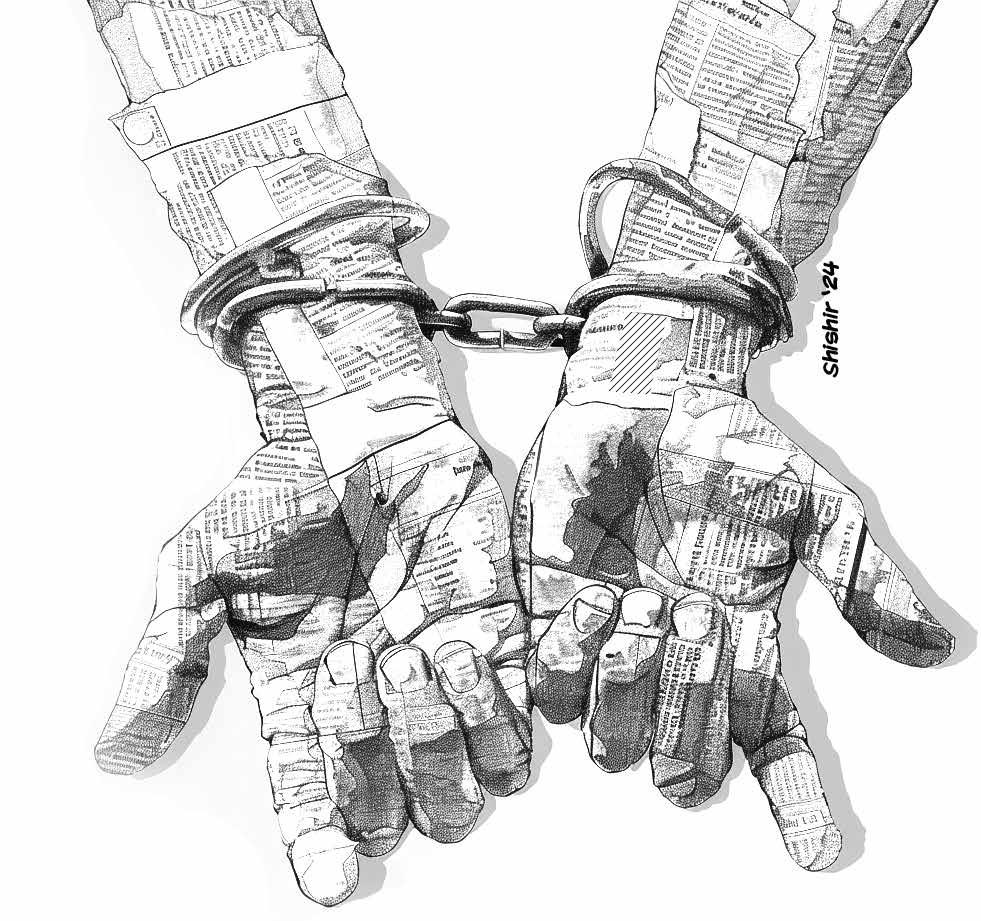
There is rising criminalization of journalism in Bangladesh. Bangladeshi journalists have faced arbitrary detention, legal harassment, censorship and the digital security law being weaponized against them simply because of their reporting. At this year’s national election in January, at least 18 journalists were assaulted or harassed while covering alleged election irregularities and violence.
In many cases, the perpetrators who are involved in attacking journalists have not faced justice. The government of Prime Minister Sheikh Hasina must end this appalling record of impunity when it comes to violence against journalists in Bangladesh.
Mushfique:
What are your views on the Data Protection Act in Bangladesh? Additionally, what are your thoughts on the IT regulations in India and the Online Safety Bill in Sri Lanka, both of which are being utilized to restrict free speech?
Lih Yi:
The draft data protection law in Bangladesh grants the government unfettered access to personal data in cases of “national security” or “prevention of offenses,” which could compromise the privacy of journalists. It is important to view this draft law within the context of the growing criminalization of journalism in the country.
Sri Lanka 2024 Presidential Election and Foreign Policy Challenges
Asanga Abeyagoonasekera
popular candidate is Anura Kumara Dissanayake (AKD) from National People’s Power (NPP), which sprang from the earlier Marxist political party, the JVP.
Lih Yi:
The I.T. regulations in India and Online Safety Act in Sri Lanka both provide
sweeping powers to censor journalistic content online. In the run-up to the elections in India, the I.T. regulations were used to block prominent Hindi language news channels Bolta Hindustan and National Dastak.

CPJ is closely monitoring the potential use of the newly enacted Online Safety Act against the media in Sri Lanka, a country characterized by widespread surveillance of journalists, particularly those of the Tamil ethnic minority, as well as long-standing impunity for crimes against journalists during the country’s 26-year civil war.
Mushfique:
Thank you for your great works and we look forward to meeting soon.
Lih Yi:
Same here! Thank you!
“Washington’s Deck with Mushfique” is an insightful interview series hosted by SAP Executive Editor Mushfiqul Fazal Ansarey.
This segment features prominent experts and journalists from Asia, specially from South Asia; offering a deep dive into the experiences of journalists, foreign policy narratives, and critical issues affecting South Asia. Audio and video recordings of these interviews are available on SAP’s social media platforms, including YouTube, Twitter, and Facebook.
In 1993, President Ranasinghe Premadasa, tragically killed by the Tamil Tigers, became the only president to be assassinated in office in Sri Lankan political history. Premadasa was a hard-liner with his own foreign policy script -- giving India a tough time and shutting the Israel embassy in Colombo were a few of his actions that had consequences.
Premadasa started his presidential tenure in January 1989 by compelling the Indian Peace Keeping Force (IPKF) to leave Sri Lanka, fulfilling an election pledge. President Premadasa took office with dual challenges. First, he faced a full-scale insurrection in the South by the JVP, which claimed thousands of innocent lives, including many prominent political leaders who took pro-India positions supporting the Indo-Lanka accord. Second, was the Tamil Tiger war against the Sri Lankan government.
Months after taking over as president, the southern insurrection was crushed with brute force, and the LTTE war was managed to an extent. Premadasa assumed power committed to stabilizing the domestic security challenge and, with an ‘India-Out’ campaign, to send the Indian troops home and revisit the Indo-Lanka accord.
Premadasa did not want Mr. Dixit India’s High Commissioner to remain, a polite request by the new president that New Delhi accepted by replacing him with L. N. Mehrotra. Thirty-five years after Premadasa’s presidential campaign, a similar environment was created in Maldives. Indian troops were removed by the current president, Mohamed Muizzu, who assumed power through a successful ‘India-Out’ campaign.
Today, Premadasa’s son Sajith Premadasa is one of the front runners in Sri Lanka’s presidential race. The other
The NPP’s popularity has increased following the people’s uprising in 2022. AKD has created a narrative that appeals to younger voters, setting him apart from rivals in the two mainstream parties.
NPP is seen as not corrupt since the party has never held power, is only limited to a few parliamentary seats, and has never played a significant political role, even as an opposition.
NPP’s popularity is also due to people’s economic hardship, as the public blames the policy blunders of the two mainstream parties for the bankruptcy of the economy. However, the bigger question is whether AKD and his team lack the experience to govern the country.
Many see stability as more of a priority than any other factor. Therefore, Sajith’s political party, Samagi Jana Balawegaya (SJB), stands out given its role as the opposition who stood against corrupt Rajapaksa rule, and with experienced politicians who have previously served at various political appointments to fulfil the task.
There is also a considerable risk that the traditional voter base will take when voting for a Marxist party. Wickremasinghe, the incumbent president who was appointed (not elected) after the peoples uprising, faces a challenge to get re-elected due to the hybrid nature created by himself with the Rajapaksa, who have been identified as corrupt and as the leading cause of the economic crisis.
This was further validated when the Sri Lankan Supreme Court determined the past Rajapaksa policy decisions as the cause of the nation’s economic situation and bankruptcy. The October election is an uphill climb for a Rajapaksa family member; they still failed to nominate their candidate and will piggyback on Wickremasinghe.
With elections a few months ahead, foreign dignitaries
ber. Ms. Sun is reported to have passed a message that Sri Lanka ‘should not attach special status to any country’, hinting to US and India.
have multiple visits, including Donald Lu, U.S. Assistant Secretary for South and Central Asian Affairs, and Ms. Sun Haiyan, the deputy minister of the Central Committee of the International Department of the Communist Party of China. The US and China have stressed the importance of continuing bilateral relations post-election in a bid for support.
Donald Lu spoke of the Sri Lankan government’s commitment to a Free and Open Indo-Pacific, the principal
The Sri Lankan Government’s rejection through a ‘Moratorium’ to accept Chinese research vessels was a welcoming gesture to the US and India. The challenge will continue in Sri Lankan waters since neighboring Maldives signed a MOU with China for close collaboration on hydrographic research. Just as Donald Lu wished for Sri Lanka to accept the norms and values of a Free and Open Indo-Pacific, Chinese deputy minister Sun Haiyan, sought to bring Sri Lanka towards China’s Belt and Road
In the past, China has learned the hard way by a failed bet on the Rajapaksa family, and there is a certainty that it will not be repeated. The new leadership will have no other choice due to the significant Chinese influence already in Sri Lanka to support the BRI and accommodate China.
Finding a strategic balance between the US, China, and India will be the top priority for the next government as it seeks to implement its foreign policy agenda.
U.S. goal. In their meeting, Sri Lankan Foreign Secretary Wijewardane, highlighted for Lu ‘the measures taken by the Government to improve governance, rule of law, financial oversight as well as to combat corruption, and foster reconciliation’. Wijewardane and Lu discussed bilateral security cooperation, especially in the maritime sphere, focusing on maritime safety and security to safeguard naval trade. One of the challenges Sri Lanka faced in the marine domain was from the Chinese vessels requesting permission to conduct research, identified by India and the US as a dual-purpose activity of collecting data for submarine warfare.
Earlier, as a major initial BRI partner, Sri Lanka had lavishly accepted large scale loans. The string of Chinese debts on these white elephant projects yielded little to no income.
About the Author:
Asanga Abeyagoonasekera is an Author, International Security and Geopolitics Analyst and Strategic Advisor from Sri Lanka. He is a Senior Fellow and the Executive Director of the South Asia Foresight Network (SAFN) at the Millennium Project in Washington DC. He is a Technical Advisor to the International Monetary Fund (IMF) in Washington DC, where he contributed to Sri Lanka’s IMF Governance Diagnostic Report 2023. initiative.
While Donald Lu praised the Sri Lankan government’s success in the IMF program, Sri Lanka is still far from restructuring its obligations, where considerable debt requires Chinese assistance to restructure. China will use its infrastructure-backed loans to their advantage while attempting to strategically carve out a path with the new leadership in Octo-
10 SAP
Washington’s Deck with Mushfique
11 SAP
OP-ED
Beh Lih Yi, Asia Program Coordinator Committee to Protect Journalists (CPJ)
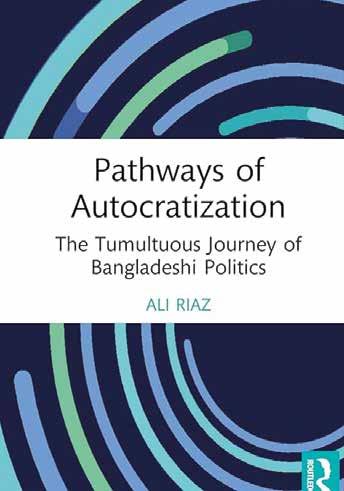
Pathways of Autocratization: The Tumultuous Journey of Bangladeshi Politics
SAP Staff Writer
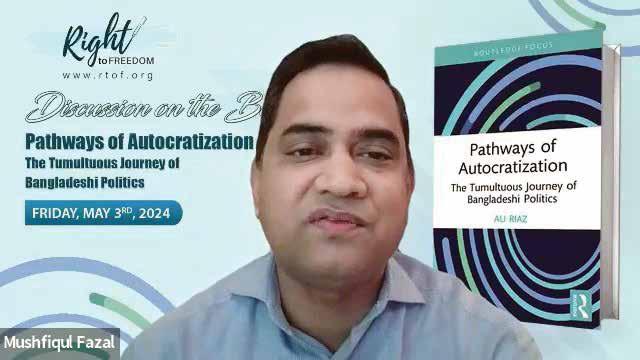
A Washington-based nonprofit, Right to Freedom(R2F) organized a Book Discussion webinar on ‘Pathways of Autocratization : The Tumultuous Journey of Bangladeshi Politics’ on May 3, 2024 (Routledge Publishers).
Dr. Ali Riaz, the author and Distinguished Professor of Government and Politics at Illinois State University,the theme of the book which is the interplay of actors and institutions in the transition from democratic to autocratic regimes.
Panelists Michael Kugelman, South Asia Director at the Wilson Center, Dr. Sreeradha Datta, Professor at Jindal School of International Affairs, and Dr. Ahmed Shafiqul Huque, Professor of Politics at McMaster University, shared insights on broader regional implications, comparing situations in Bangladesh with those in other South Asian countries..
They also discussed the role of the opposition, the state of democracy, and how external powers influence political dynamics within these countries.
R2F President Ambassador (Ret`d) William B. Milam made welcome remarks while R2F Board Member Jon Danilowicz moderated the webinar.
The Executive Director of R2F introduced the author and the panel speakers. Below is the brief summary of the discussion.
Dr. Ali Riaz:
Dr. Riaz provided a comprehensive overview of his book’s themes, focusing on the autocratization process in Bangladesh. He
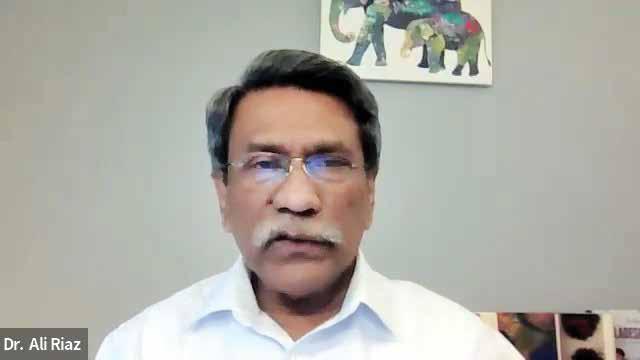
highlighted the inadequacies in the existing literature, which he found too focused on institutional changes, often overlooking the ideological shifts and external influences that have played significant roles in Bangladesh’s political regression.
He argued that regimes transitioning towards autocracy not only alter their institutional frameworks to consolidate power but also manipulate ideologies to legitimize their authority.
Dr. Riaz stressed the importance of understanding the role media plays in these regimes, both as targets of repression and as tools for regime legitimization.
Furthermore, he discussed the significant impact of external actors like India and China, suggesting that their geopolitical interests have indirectly supported the erosion of democracy in Bangladesh. Dr. Riaz’s analysis extended beyond local factors, incorporating the complex interplay of global influences that affect Bangladesh’s political landscape.
Michael Kugelman:
Michael Kugelman expanded the discussion by drawing parallels between
strong media support for Modi and the disarray within the Indian opposition, factors that he compared to the political scene in Bangladesh.
He argued that while both countries have seen autocratic tendencies, the context and popularity of the incumbents significantly influence the electoral processes and outcomes.
Furthermore, Kugelman discussed the broader regional implications, especially how the United States views India’s and Bangladesh’s political developments, highlighting a perceived inconsistency in U.S. foreign policy towards South Asia, particularly in its handling of democratic backsliding.
“The anxiety and discomfort in Washington is about India’s illiberal slide will remain in place, if not get stronger, as Modi will continue most likely with his Hindu nationalist agenda.
political developments in Bangladesh and India.
He provided insights into the electoral dynamics in India, predicting Narendra Modi’s likely victory
in upcoming elections and discussing its implications for both domestic policies and international relations.
Kugelman noted the
And I think that for the US, the biggest concern would be the repressive aspects of Hindu nationalism. If Modi were to move toward declaring India to be a Hin-



du Rashtra, that might be seen with some concern. But the bigger US, concern would relate to the repressive acts aspects of this because it has the potential to go transnational and impact the US directly.
And we saw this with the alleged Indian orchestrated assassination of the Sikh separatists in Canada, which, of course, is a critical US ally, and, of course, the alleged Indian plot to kill a Sikh separatist in the US.
It’s this fear of Indian transnational repression that I think worries US officials the most, and that fear will certainly remain in place if Modi were to return to power.
They’ll be thinking about legacy and the need to show strength both at home and abroad. And abroad, that includes projecting the capacity and willingness to take out threats, no matter how far away, that pose dangers to India.”
Dr. Sreeradha Datta:
Dr. Datta focused on the critical role external actors play in Bangladesh’s political arena, particular-
rity and civil liberties. Dr. Huque criticized the role of the military and bureaucratic elites in Bangladesh, who often align with autocratic regimes for personal or institutional gain.
Dr. Huque’s remarks underscored the complex interdependencies between various state apparatuses and the autocratic regimes, illustrating the multifaceted challenges to reversing such trends.
ly emphasizing the influence of India and China.
She questioned the effectiveness of these countries in facilitating democratic corrections in Bangladesh, given their vested interests.
Dr. Datta also explored the potential outcomes if external support were withdrawn, suggesting that the current government’s stability might be less secure without such backing.
Her analysis critically assessed the lack of a proactive opposition in Bangladesh, highlighting their failure to articulate a clear, alternative vision for the country’s future.
This, she argued, contributes to the persistence of the status quo, wherein a single party dominates the political landscape, often at the expense of democratic norms and values.
Dr. Ahmed Shafiqul Huque:
Dr. Huque delved into the broader concept of autocratization, comparing Bangladesh’s situation with global trends where similar processes are observable.
He discussed how autocratic leaders manipulate political systems to their advantage, often at the cost of democratic integ-
He highlighted the challenges faced by civil society in such environments, where repressive measures stifle dissent and limit the scope for democratic engagement.

Book Discussion 12 13 SAP SAP
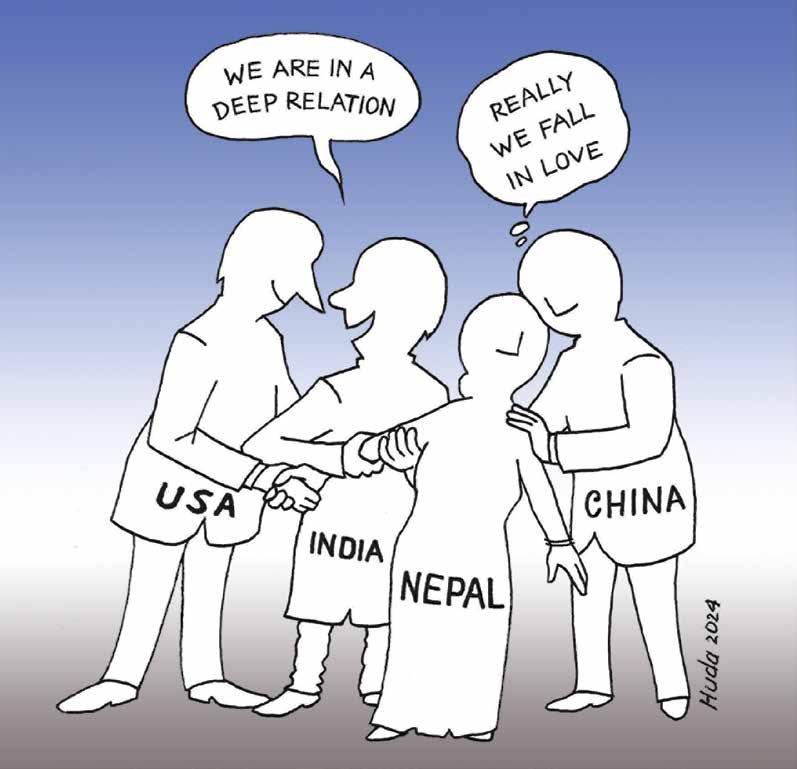
Unraveling the Geopolitical Triangle: Nepal’s Dance between India and China
Nepal and India are intricately intertwined nations, with deep-rooted connections spanning across civilization, history, socio-cultural dynamics, economics, geostrategic positioning, and political landscapes.
India has been a significant player in Nepal’s major political transformations, including the overthrow of the Rana regime in 1951, the establishment of democracy in 1959, its reinstatement in 1990, the integration of Maoists into mainstream politics through the Comprehensive Peace Accord in 2007, and various other pivotal moments.
As the geopolitical dynamics of South Asia evolve, Chinese interests in the region, particularly in Nepal, have undergone a notable shift.
Historically, China’s engagement in Nepal primarily revolved around safeguarding its security interests, particularly concerning issues emanating from Tibet, and pursuing economic gains through bilateral trade.
However, in recent times, China has exhibited a growing ambition to challenge In-
well as the development of the Tribhuvan Highway,
projects spanning convention centers, hospitals, highways, and various other sectors, contributing to Nepal’s infrastructural and socio-economic advancement.
dia’s dominant position in Nepal by expanding its influence within the country.
Concurrently, China aims to counter the increasing presence of the United States in South Asia, including Nepal. Consequently, China
India’s initial aid to Nepal was facilitated through the Indian Aid Mission, established in 1954. Contrastingly, the first “Agreement between China and Nepal on Economic Aid” was inked in October 1956. Over the years, India has emerged as a significant development partner
Nepal’s premier and oldest highway. Additionally, India has played a pivotal role in the establishment of Tribhuvan University, Nepal’s premier and largest educational institution, alongside numerous initiatives encompassing roads, irrigation systems, power, water supply projects, among others.
From the mid-1980s
In a notable development, China has conducted a feasibility study to link Kathmandu, Pokhara, and Lumbini in Nepal with its Qinghai Railway, which currently connects Beijing and Shigatse via Lhasa. This initiative comes at a time when India is actively engaged in extending its railway connectivity to
lish an electrified rail line connecting Raxaul in India with Kathmandu, helping in the project.
This surge in railway development projects underscores the strategic interests and infrastructure competition between India and China in Nepal, with each vying to enhance connectivity and strengthen ties with the Himalayan nation.
Meanwhile, China has been actively expanding its air connectivity network in Nepal. Currently, Nepal enjoys air connections to several major Chinese cities including Beijing, Shanghai, Lhasa, Guangzhou, Kunming, Chengdu, and Xi’an. In contrast, the number of Indian cities with direct air links to Nepal is relatively limited, primarily comprising Delhi, Kolkata, Mumbai, with occasional flights to Varanasi and Bangalore.
With the recent inauguration of two new international airports in Pokhara and Lumbini, there is anticipation that more Chinese cities will establish air connections with Nepal in the near future, further bolstering bilateral ties and tourism exchanges between the two countries.
The enduring cultural and people-to-people bonds between India and Nepal stand as a cornerstone of their relationship, a dimension that China cannot easily supplant.
ties. Media reports suggest that China played a significant role in facilitating the merger of the leftist Communist Party of Nepal-Unified Marxist Leninist and Communist Party of Nepal-Maoist Center, underscoring its growing influence and involvement in Nepal’s political landscape.
India stands as Nepal’s largest trade partner, accounting for 62 percent of Nepal’s total trade in the fiscal year 2019/20, while China follows as
in April 2019, China has granted Nepal access to four Chinese seaports located in Tianjin, Shenzhen, Lianyungang, and Zhanjiang, as well as three land ports in Lanzhou, Lhasa, and Shigatse, facilitating third-country imports for Nepal. These initiatives signify efforts by both nations to deepen their economic ties and foster mutually beneficial cooperation.
The competition between China and India extends into the security sector as well, shap-
al Police Academy and various other military infrastructure and training systems in Nepal.
Similarly, China’s assistance to Nepal, particularly in the security sector, has increased significantly since February 2001. This assistance aims to curb ‘pro-Tibetan’ activities in Nepal, as Nepal hosts the second-largest population of Tibetan refugees globally, a matter of concern for China.
Notably, in October
Nepal is poised to experience heightened geopolitical competition between India and China in the foreseeable future, especially with the growing interest of other global powers such as the United States.
na in the foreseeable future, especially with the growing interest of other global powers such as the United States.
The US’s ambition to bolster its influence in the Indo-Pacific region through initiatives like the Indo-Pacific Strategy underscores its expanding role, with implications for countries like Nepal.
The resurgence of the United States’ engagement in Nepal’s altered geopolitical terrain has intensified the rivalry between China and India. China perceives India’s efforts to involve the US in South Asia, including Nepal, as a strategy to counter its influence.
This perception adds another layer of complexity to the strategic dynamics in the region, accentuating the competition among major powers for influence and leverage in Nepal and beyond.
has departed from its erstwhile ‘pro-establishment’ stance and embraced a more proactive and interventionist approach in Nepal.
Nepal caught between India-China Competition
for Nepal, contributing to various critical infrastructural projects.
Noteworthy investments include the construction of six airports, with Tribhuvan International Airport being the foremost and largest international airport, as
onward, the Chinese government has also actively engaged in supporting Nepal’s development through grant assistance under the Economic and Technical Cooperation Program. This assistance has facilitated the execution of mutually beneficial
six key points along the India-Nepal border.
These include Raxaul, Jogbani, Jayanagar, Nautanwa and New Jalpaiguri in India with Birgunj, Biratnagar, Bardibas and Nepalgunj in Nepal respectively. In April 2018, India proposed to estab-
Nevertheless, China has been increasingly active in Nepal, organizing numerous social and cultural events through China-funded NGOs, media outlets, and study centers. These initiatives aim to promote Chinese language and culture, fostering closer people-to-people connections. Similarly, akin to India, China has adopted a proactive approach in engaging with Nepal’s political par-
the second-largest, contributing to 14 percent of Nepal’s trade. In terms of bilateral development assistance, India ranked third by disbursement in the fiscal year 2019/20, preceded by the United States and the United Kingdom, while China held the fourth position.
Moreover, there exists a competitive dynamic between China and India regarding investment in Nepal, with overlapping sectors of interest.
To bolster their economic engagement and enhance trade volumes, China and Nepal have established six trade points along their shared border.
Additionally, through the Agreement on Transit and Transport inked
ing the strategic ties and military-to-military relations between Nepal and India.
These relations are deeply rooted in history, with Nepalese Gurkhas having participated in major operations undertaken by the Indian Army since India’s independence.
The Chief of Army Staff (CoAS) of the Nepal Army holds an honorary position as CoAS of the Indian Army, and vice versa. India has been a longstanding provider of military aid to Nepal, dating back to 1962, with approximately 70 percent of this assistance provided in the form of grants.
Additionally, India has supported the construction of the Nation-
2018, China augmented its military support to Nepal by 50 percent to enhance the Nepal Army’s disaster management capabilities and bolster Nepal’s United Nations Peacekeeping Missions. Moreover, in response to joint military exercises between India and Nepal, China initiated the ‘Sagarmatha Friendship’ joint military exercise, marking a significant milestone in bilateral defense cooperation. This move represented a departure from Nepal’s past military exercises with India and the US exclusively.
Conclusion
Nepal is poised to experience heightened geopolitical competition between India and Chi-
About the Author: Dr.
is a Research Director at Nepal Institute for International Cooperation and Engagement. He has been a regular and visiting faculty at different universities of Nepal and China.
He is Visiting Fellow at Sandia National Laboratories, Cooperative Monitoring Center, Albuquerque, New Mexico, US; Senior Fellow at the Institute of Peace and Conflict Studies, New Delhi and Researcher at South Asian Studies, Institute of Asian Studies, Chulalongkorn University, Bangkok.
14 15 SAP SAP
Dr. Pramod Jaiswal
Pramod Jaiswal
OP-ED
Maldives’ Fragile Democracy: The Judiciary’s Failings
“Justice delayed is democracy denied.” This timeless adage, often attributed to William Gladstone, aptly captures the current state of democracy in the Maldives. In a nation where azure waters and luxury resorts mask a turbulent political landscape, the judiciary stands as one of the most compromised state institutions, playing a role in the country’s democratic decline.
The judiciary is not Maldivian democracy’s only problem for it is grappling with several key concerns.
Political instability remains rampant, with frequent changes in government through contentious means. Freedom of expression is severely restricted, with journalists and activists facing harassment and violence.
Electoral integrity is questioned due to allegations of vote rigging and voter intimidation. Human rights violations, including arbitrary arrests and torture, persist.
However, it is the compromised judiciary that poses the most serious challenge to democracy and public life in Maldives for it undermines the rule of law, enabling and perpetuating other democratic deficits, including human rights violations.
Marred by political interference and corruption, the Judiciary is effectively rendered as an instrument of power rather than justice.
The recent acquittal of
suspects in high-profile attacks on journalists starkly illustrates this malaise.
In November 2023, the Criminal Court acquitted the last two suspects in attacks on journalists that had shocked the nation.
Civil society groups had long criticized these trials for their delays and alleged political interference. According to Human Rights Watch, these acquittals are emblematic of a broader pattern where
2008 constitution established the Judicial Service Commission (JSC) to oversee judicial appointments and discipline.
However, the JSC itself has been plagued by political influence. According to a report by the European Union Election Observation Mission, the selection and promotion of judges remain heavily influenced by political affiliations rather than merit.
Former President Abdulla
According to Amnesty International, Nasheed’s trial was emblematic of a judiciary wielded as a tool of political retribution.
For the Maldives to revive its democratic aspiration, it must reclaim the judiciary’s independent role. Key reforms should include establishing transparent criteria and competitive processes for judicial appointments.
eed were acquitted.
The prolonged delays and eventual acquittals in these cases reflect a judiciary unable to deliver justice due to external pressures.
According to the Committee to Protect Journalists, these outcomes highlight a judiciary that bends to political will rather than upholding justice.
The judiciary has also been used to disqualify and imprison political opponents.
The 2015 prosecution of former President Mohamed Nasheed on terrorism charges was criticized by most independent observers for lacking due process.
According to Amnesty International, Nasheed’s trial was emblematic of a judiciary wielded as a tool of political retribution.
step is for the Executive to respect boundaries and the principle of separation of powers by refraining from interfering in judicial matters, thereby upholding the judiciary’s independence and integrity.
The judiciary’s lack of independence is not just a legal problem; it is a profound threat to democracy in the Maldives.
As long as justice can be swayed by political power, the very foundation of democracy remains precarious.
It is imperative for Maldivian society, with support from the international community, to undertake these critical reforms. Only then can the Maldives hope to transform its judiciary from an instrument of power into a true guardian of justice.
In the words of Chief Justice Earl Warren, “Justice must be rooted in confidence, and confidence is destroyed when right-minded people go away thinking: ‘The judge was biased.’” For the Maldives, rebuilding this confidence is not just a necessity but a democratic imperative.
India is Broken: A People Betrayed, Independence to Today
Staff Writer
Indian American Economist Ashoka Mody embarks on a deep and rigorous examination of India’s political and economic evolution from 1947 to the present. This meticulously researched book presents a compelling narrative that chronicles the country’s transformation from a nascent independent state brimming with optimism to what Mody perceives as a profoundly fragmented modern nation.
His critical analysis spans several decades, charting the pivotal events and policies that have shaped India’s socio-economic landscape.
Historical Perspectives and Analysis
tive is the profound disillusionment with India’s economic progress. He argues convincingly that the initial promise of establishing a socialist economy aimed at reducing inequalities was never fully realized. Instead, subsequent governments have often implemented poli-
elite, leading to increased inequality and social discord.
Integration of Cultural and Social Insights
A distinctive feature of Mody’s work is his integration of cultural ele-
macroeconomic decisions and political changes. This method not only enriches the narrative but also provides a more nuanced understanding of India’s complex social dynamics, connecting economic policies directly with their human consequences.
Contemporary Leadership and Democratic Erosion
The latter part of the book provides a critical examination of Narendra Modi’s tenure as Prime Minister. Mody discusses how Modi’s centralization of power and the erosion of democratic norms pose serious risks, steering India towards what he de-
stitutions.
Writing
Mody approaches India’s complex history as a series of interconnected stories, each illuminating a different aspect of its economic and political life. This method allows readers to grasp how historical events and decisions have shaped the current landscape without getting overwhelmed by technical details. Each chapter builds upon the previous one, crafting a coherent and engaging narrative that captures the essence of India’s challenges and transformations.
Impact
justice is not served, especially when powerful interests are at stake.
The roots of judicial compromise can be traced back to the autocratic rule of Presidents Ibrahim Nasir and Maumoon Abdul Gayoom.
Under Gayoom, whose three decade rule ended in 2008, the executive tightly controlled the judiciary. The 1998 imprisonment of opposition leader Mohammed Nasheed was a case in point.
Despite the adoption of a new constitution in 2008, which aimed to establish an independent judiciary, the legacy of executive dominance persists. The
Yameen, convicted of corruption and sentenced to 11 years in prison in 2022, was released shortly after the 2023 presidential election.
This release, facilitated by President-elect Mohamed Muizzu, underscores the judiciary’s susceptibility to political maneuvering.
As Human Rights Watch notes, Yameen’s release was widely perceived as a politically motivated act, undermining the rule of law.
In another egregious example, the suspects in the 2014 forced disappearance of journalist Ahmed Rilwan and the 2017 murder of blogger Yameen Rash-
For the Maldives to revive its democratic aspiration, it must reclaim the judiciary’s independent role. Key reforms should include establishing transparent criteria and competitive processes for judicial appointments.
Reforming the Judicial Service Commission to minimize political influence is crucial. Providing ongoing legal education and training to judges, emphasizing human rights and constitutional law, would enhance their competence and impartiality.
Additionally, independent bodies that oversee judicial conduct and investigate allegations of misconduct impartially would strengthen accountability.
Ensuring judicial proceedings and decisions are accessible to the public fosters trust in the judiciary. However, the most crucial
About the Author:
Sultan Mohammed Zakaria is an associate editor os South Asia Perspectives (SAP). He is a writer, educator, and researcher with more than a decade of experience in studying democratic governance and geopolitics in the South Asia region.
Zakaria’s expertise lies in democratic deficits, human rights and citizenship education, and geopolitics of South Asia.
The book is organized into four distinct sections, each dedicated to a different era in India’s post-independence history. Mody begins with the early years of what he terms “Fake Socialism,” moving through periods of intense political upheaval and economic turmoil and concluding with the recent phase of “Hubris” under the administration of Narendra Modi. Mody’s detailed account of the Nehruvian era and its impact on subsequent economic policies sets the stage for understanding the complex interplay of leadership decisions that have influenced India’s trajectory.
Mody uses a chronological approach, delving into the implications of each prime minister’s policies and their long-term effects on the nation. His critique is not limited to economic policies but extends to political decisions that have perpetuated systemic failures and corruption, which, according to Mody, have reduced India’s potential for real progress. Economic Disappointments and Political Dynamics
Central to Mody’s narra-
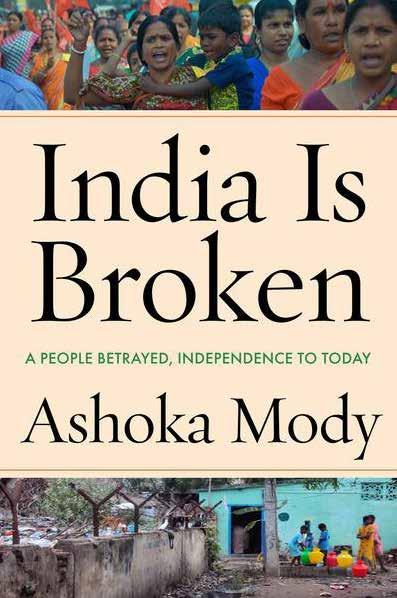
cies that exacerbated disparities and hindered sustainable economic growth.
Mody is particularly critical of the phases of economic liberalization that, rather than democratizing opportunities, have predominantly benefitted the
ments into the broader economic and political narrative. Through references to Indian cinema, literature, and personal vignettes, he paints a vivid portrait of how ordinary Indians have perceived and been impacted by
scribes as an “electoral autocracy.”
This section is particularly provocative, offering a timely critique of current political trends and their implications for the future of India’s democratic in-
“India is Broken” serves as a reality check against India’s lofty narratives. He does not shy away from pointing out that India’s singular economic failure is failure to create well paid jobs. In Mody’s words, India’s persisting moral failures are in its globally uncompetitive education, gender inequality, broken social justice system, rampant environmental degradation, and political degradation. In sum, Ashoka Mody’s “India is Broken” is not just a historical account; it is a compelling critique and a significant contribution to the literature on Indian political economy. The book, perhaps, calls to action for policymakers, scholars, and citizens alike to recognize and rectify past mistakes in hopes of steering India towards a more equitable and prosperous future.
It also serves as a cautionary tale for those in the region and beyond seeking to emulate the Indian model or cultivating New Delhi as a partner.
“ Dying rivers could choke not just the economy but an entire way of life. - Ashoka
16 SAP
OP-ED
Sultan Mohammed Zakaria
Mody
17 SAP
SAP Book Review

India in semiconductor race
The Lower Trenton Bridge in New Jersey often shows a neon sign, ‘Trenton Makes, The World Takes.’ That summarizes every burgeoning economy’s lofty vision to be on top of the world.
It would be surprising if the most populous nation on earth and member of the top five economy, India does not join the race.
Long before moon landing, India has been eyeing to be a big shot in the semiconductor industry. In that journey, May 24, 2022; could be called the golden moment of India’s semiconductor industry as the United States and India declared the initiative on Critical and Emerging Technology (iCET).
The vision of the initiative is to elevate and expand ‘strategic technology partnership and defense industrial cooperation between the governments, businesses, and academic institutions of our two countries’ as per the White House fact sheet.
In late February this year, Narendra Modi okayed $15 Billion chip plant investment, a milestone in India’s vision of joining the
proud clout of big-scale semiconductor producers. Moving on, the partnership of Powerchip Semiconductor (PSMC) of Tawian and Tata Electronics of India is looking forward to producing 50,00 wafers per month; thanks to the big investment.
The semiconductor industry is at the heart of the next decades’ global power dynamics. This industry’s critical role spans every
industry, from consumer electronics to military applications. No wonder why China is trying to outrace, with $47 Billion investment since 2014, competitors and achieve self-sufficiency.
China’s quest for outpacing others in semiconductor is rooted in its Military-Civil Fusion (MCF) strategy as it wants to be the most advanced military in the world by 2049. 19 SAP
The US tech partnership with India is crucial to this journey and the US made it clear at the outset that its vision is shaped by democratic values and respect for universal human rights.
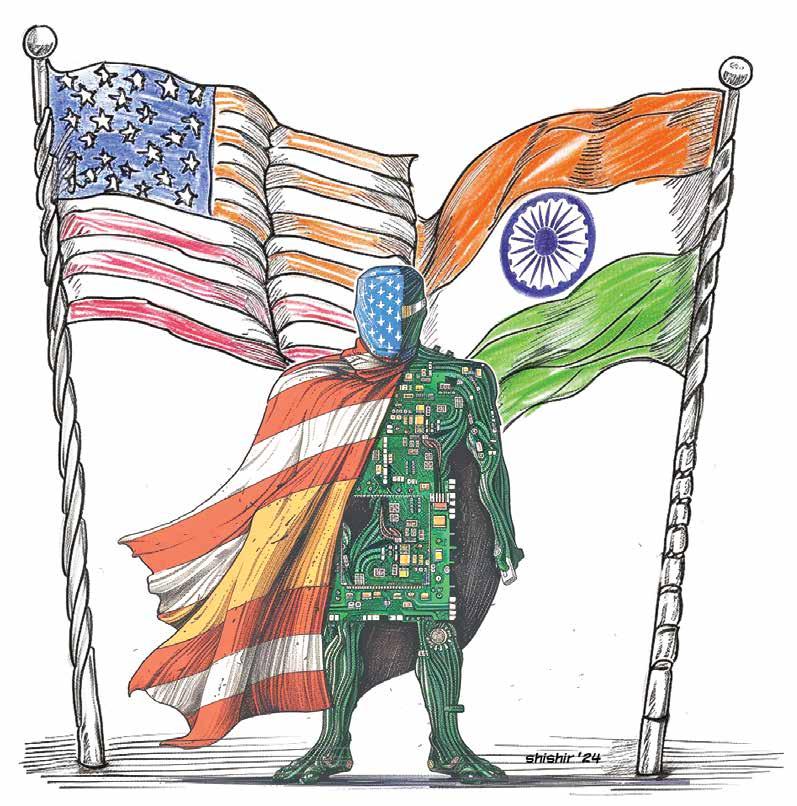
Being the next-door neighbor, India has much to worry about that quest while possibly be happy for the iCET as US companies are expanding in India.
Tech giant Apple is targeting quarter of its production in India by 2025 while Chip Design giant Qualcomm has put 1.77 billion rupees for an expanded Chennai operations focused on wireless technology.
Washington D.C based think tank ITIF report shows India has around 20 percent of the world’s chip design talents.
With the new flow of investments, it is estimated that there would be 20,000 more jobs in the advanced technology sector.
While giants like TSMC, Samsung and Intel look forward to dominating advanced sub-28 nm chips, India’s short-term focus is on 28-nm or larger legacy chips. This would give the country an economic boost as the country spent $15.6 billion in 2022 importing semiconductors, doubled from its previous year.
At the same time, it would propel India’s ambitious goal of becoming chip-hub in the semiconductor ecosystem.
The US tech partnership with India is crucial to this journey and the US made it clear at the outset that its vision is shaped by democratic values and respect for universal human rights.
is a staff writer of South Asia Perspectives (SAP).
Article
Abdur Rahim
18 SAP
About the Author:
Abdur Rahim
UNGA President Calls for Reform in Multilateral System including the UN UN peacekeepers can face non-deployment for rights violations
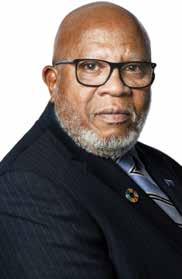
involving embattled Israel and Hamas as “very unusual,” the General Assembly President said that the U.N.’s inability to craft a ceasefire is “not a failure” on its part.
“We have two parties, there’s a conflict raging between two parties. One is a sovereign state, Israel, and is a member of the United Nations. The other is a group called Hamas. It’s not a state. It is not bound by the U.N. Charter. The U.N., of course, brand is peace and security.
humanity’s capacity for innovation and collaboration, while also pointing out the persistent inequalities and geopolitical tensions that hinder progress.
The President lamented the current state of global conflicts, with 54 active disputes, particularly in Africa, exacerbating the struggle to meet the SDG -2030 Agenda and the Paris Agreement.
He called for a renewed commitment to multilateralism, rooted in the
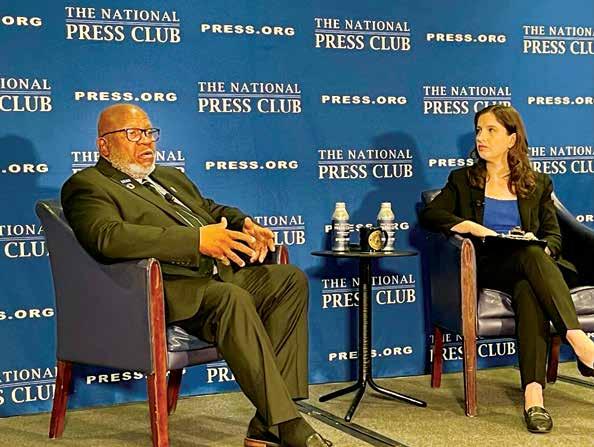
Addressing the National Press Club Headliners on May 6; the President of the United Nations General Assembly, Dennis Francis, emphasized the urgent need for unity and reform in the global, multilateral organizations like the UN.
Amid growing skepticism about the effectiveness of global institutions, Mr. Francis advocated for comprehensive reforms, particularly in the Security Council and the General Assembly.
He emphasized the importance of the UN’s specialized agencies and peacekeeping efforts, which provide essential support and hope to millions worldwide.
Describing the situation
That’s at the core of what we do,” he explained.
Since the war between the two started in October 2023, there has been pressure on the U.N. to urge Israel to end its military posturing in parts of Gaza, but the international organization lacks the authority to do so, Francis said. “The U.N. cannot and may not impose its will on any government.”
Mr. Francis further highlighted the duality of the modern world, where rapid advancements in science and technology coexist with pervasive poverty, conflict, and climate crises.
He cited the swift development of COVID-19 vaccines as
foundational principles of the UN Charter and the Universal Declaration of Human Rights.
Reflecting on his tenure, Mr. Francis reaffirmed his dedication to fostering trust and solidarity among UN Member States.
He highlighted recent initiatives, including the General Assembly’s first-ever Sustainability Week, and looked ahead to the upcoming Summit of the Future.
This summit aims to forge a new global consensus on international cooperation, with transformative outcomes expected in areas like global governance, digital access, and environmental preservation.
Elections abound: democracy deficit continues
After page 1
If allegations of human rights violations against UN peacekeepers are substantiated then they can face non-deployment and repatriation in peacekeeping missions, said Stéphane Dujarric, spokesperson for the UN secretary general, when he was asked about a recent DW investigative documentary which revealed that Bangladesh and Sri Lanka had sent officers who are implicated in extreme human rights violations, such as torture and extrajudicial killings, on UN peacekeeping missions.
The spokesperson made the remark at UN noon briefing on Wednesday when UN permanent correspondent Mushfiqul Fazal Ansarey drew attention to the DW report and sought to know if the UN chief is aware about these violators of human rights.
Spokesperson Dujarric said they watched the DW documentary and the UN colleagues in the peacekeeping department interacted and gave a statement to the producers.
“But, you know, we want to restate very clearly that the [UN] secretariat is committed to deploying personnel that meet the highest standards of efficiency and integrity, including respect for and commitment to human rights, and has established the relevant procedures and mechanisms under the policy on human rights screening of UN personnel,” he added.
Ansarey later raised questions regarding the screening process as the countries sending troops
on peacekeeping missions are themselves responsible for the screening. He asked how a regime, which itself are extreme human rights abusers, can identify who is an abuser and who is not.
Dujarric said there are three parts to the screening. One involves self-certification; the other one involves the certification by the sending country, and there’s another procedure followed by the office for human rights, the High Commissioner’s Office for Human Rights.
“Over the years, I can tell you that there have been cases where we were informed of allegations of past human rights violations committed by uniformed personnel from a small number of countries deploying in our peacekeeping missions,” he said.
The spokesperson said when such cases occur, our peacekeeping colleagues take appropriate action in accordance with their screening policy and other relevant frameworks, including in consultation with troop-contributing countries.
And sometimes it can result in uniformed personnel not being deployed or even being repatriated by the UN if allegations are substantiated, he added.
Prior to the January 2024 elections, opposition leaders were jailed on frivolous charges and activists were burdened with hundreds of court cases.
Some estimates claim that only ten percent of the electorate voted, displaying a lack of trust in the ballot.
Sheikh Hasina’s election has implication beyond the country’s borders. Bangladesh has become a center stage of global power competition. On one hand, the United
New Delhi ultimately convinced Washington ‘not to engage too much in Dhaka.” After the disputed election, President Biden wrote to Sheikh Hasina and congratulated her on a fourth ‘electoral victory’.
Pakistan’s ruling elite were able to maintain the status quo, with the military engineering its preferred electoral outcome, albeit after a much more challenging post-election period than they had anticipated.
This reflected a significant challenge mount-
India was in a delicate situation since Sheikh Hasina was her favorite candidate while Washington made restoration of democracy in Dhaka a foreign policy priority.
States has relentlessly advocated for a free and credible election. Knowing fully well that a fair election would certainly oust Sheikh Hasina, China and Russia advised the U.S. not to interfere in Dhaka’s elections.
India was in a delicate situation since Sheikh Hasina was her favorite candidate while Washington made restoration of democracy in Dhaka a foreign policy priority.
Some former Indian diplomats claim that
ed by previously ousted Prime Minister Imran Khan, who retains massive popularity.
Khan was barred from participating in elections because Islamabad’s court found his second marriage was null and void.
For their part, Pakistani voters turned out in large numbers, forcing the military-backed interim government to implement various mechanisms to have their preferred candidate Shahbaz Sharif emerge victorious. Previous Prime Minister Nawaz Sharif, whom the
military ousted before for committing ‘corruption,’ declared victory before election results were announced.
Routinely called the ‘largest democracy in the world’, India has seen itself demoted by many to the ranks of a ‘partial democracy’ while Prime Minister Narendra Modi defiantly hails it as ‘Mother of Democracy’.
Much of the external criticism relates to backsliding in freedom of press and freedom of religion in India.
Modi has been criticized for attacks on domestic and international media as well as those against India’s 200 million strong Muslim community, who he has termed “infiltrators.” Modi ally Amit Shah has gone further, equating the mi-
nority population with roaches.
When elections are held in a heavily controlled environment, it is highly unlikely that the people can freely exercise universal suffrage.
Under this controlled environment, while the outward trappings of elections may be observed, the outcomes of the polls are never seriously in doubt.
Underlying restrictions and manipulation of electoral processes only exacerbate the situation.
Weakened institutions may be weaponized for the ruling elite’s interests, resulting in democratic backsliding.
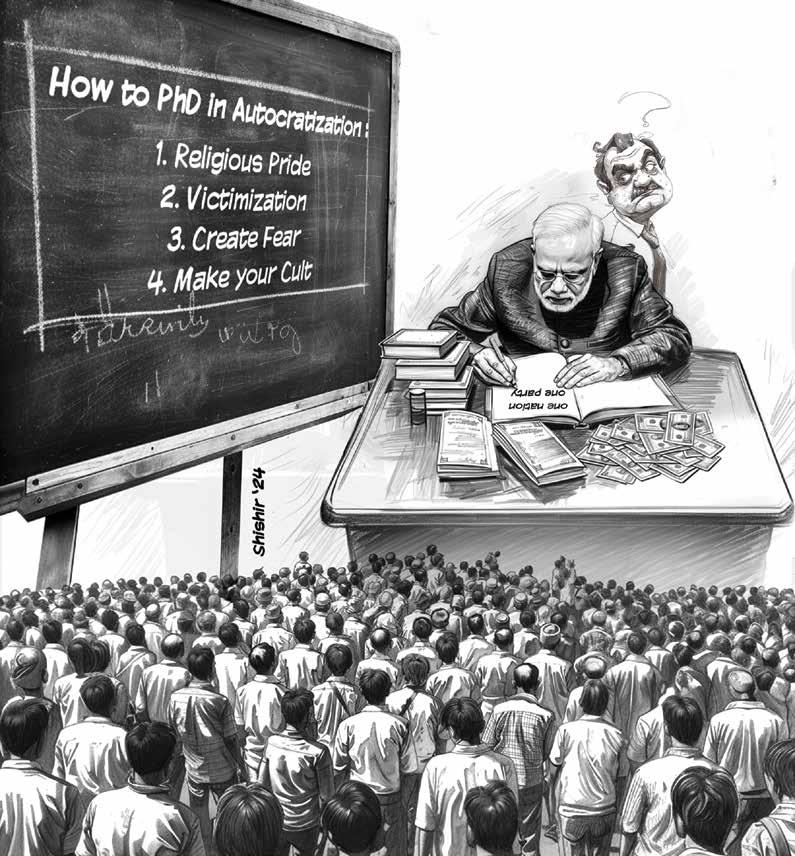
20 SAP
a testament to
President of the UN General Assembly, Dennis Francis, speaking at the National Press Club Headliners event in Washington. Photo: Mushfiqul Fazal Ansarey/SAP
21 SAP
SAP ANALYSIS
SAP Staff Writer
UN Spokesperson Stéphane Dujarric taking questions at a briefing.
Photo: Mushfiqul Fazal Ansarey/SAP

UN: Revise ‘Pact for the
Future’ to Focus on Rights
Countries Should Prioritize Economic Justice, Healthy Environment
United Nations member countries should use negotiations on the “Pact for the Future” to commit to strengthening human rights, including promoting economic justice and protecting the right to a healthy environment, Human Rights Watch said.
The UN Pact for the Future, currently being negotiated, is expected to be adopted at the Summit of the Future, a special UN meeting slated for September 2024. Among the issues being discussed by the 193 UN member countries are economic policy reforms and how to realize the right to a clean, healthy, and sustainable environment, as well as the emphasis that should be placed on human rights generally.
“The Pact for the Future shouldn’t become another UN document that gets adopted and then ignored,” said Louis Charbonneau, UN director at Human Rights Watch. “Governments should commit to action to end widening economic inequalities that deny billions of people their rights and a climate crisis that’s taking a mounting toll on lives and livelihoods around the globe.”
Many governments that recognize the importance of sustainable development often ignore that human rights are key to achieving this goal, Human Rights Watch said. They need to confront climate change and responsibly manage new technologies. And while most governments acknowledge the importance of complying with international humanitarian law in conflicts, they disagree on how to address atrocities against civilians in Gaza, Sudan, and Ukraine.
Although the final text will be non-binding, the pact presents a critical opportunity to affirm a vision of human rights that can help bridge some of the sharp divisions between governments on these and other issues. In
practices with human rights, supporting efforts to achieve a global tax treaty, combating illicit financial flows, and reducing governments’ debt burdens.
the process, governments should strengthen the ability of the UN system to deliver on the UN Charter by protecting and promoting peace and security, development, and human rights.
Some governments were disappointed with the initial draft of the pact due to what they considered its scant attention to human rights, diplomats told Human Rights Watch.
A number of countries are seeking to strengthen the human rights language in the draft pact. However, China, Russia, Cuba, Iran, and others have sought to weaken, dilute, or delete references to human rights.
Western governments are partly to blame for leaving space to those critical of a human rights approach, Human Rights Watch said. Their selective application of human rights undermines the credibility of such an agenda, particularly for countries in the Global South. While the United States and other Western countries justifiably condemn Russia’s atrocities in Ukraine, for example, many of them have not shown the same resolve concerning Israel’s atrocities in Gaza. While the European Union says it champions human rights protection globally, it opposes efforts at the UN to make the international tax system fairer for developing countries.
All governments’ assertions in support of human rights would resonate more powerfully if they applied them consistently, including in their own countries and with their friends and allies, Human Rights Watch said.
Rather than dismissing the views of countries in the Global South on international financial reforms, Global North states should support much-needed changes to the international financial architecture. Those include aligning international financial institutions’ policies and
The concept of a “human rights economy,” which has been championed by the UN High Commissioner for Human Rights, Volker Türk, offers the potential to meet the legitimate demands of Global South countries through a more holistic approach to human rights.
Governments should also ensure that the pact reaffirms the centrality of human rights in confronting the climate crisis. They should explicitly endorse the right to a clean, healthy, and sustainable environment, recognized by the UN General Assembly in 2022, while emphasizing the urgent need for phasing out fossil fuels through a just transition that is consistent with human rights. Fossil fuels are the primary driver of the climate crisis, and all stages of their use have been linked to severe human rights harm.
The pact should also highlight the importance of civil society and the rights to freedom of speech, association, and peaceful assembly. The upcoming UN Civil Society Conference in Nairobi, Kenya on May 9-10 is an opportunity for the UN leadership and delegations overseeing the drafting process to hear from hundreds of civil society representatives from around the world.
The drafters should listen carefully to civil society priorities for the Pact for the Future and its two annexes, the Global Digital Compact on “shared principles for an open, free and secure digital future for all” and the Declaration on Future Generations. Outreach to civil society organizations in the drafting process has so far been haphazard.
“Instead of standing by while governments trample on human rights, or selectively condemning abuses by their adversaries while ignoring those of their friends, UN member countries should commit to ending repression wherever it occurs and improving everyone’s lives,” Charbonneau said.
Courtesy: Human Rights Watch, May 7, 2024
Human Rights Practices: Burma
The human rights situation in Burma deteriorated during the year as the conflict between the military regime and opposition forces escalated.
Deposed State Counsellor Aung San Suu Kyi, President Win Myint, and other leading members of the deposed civilian government and the National League for Democracy party remained in detention. Significant human rights issues included credible reports of:
Unlawful killings, including extrajudicial killings; enforced disappearance; torture or cruel, inhuman, or degrading treatment or punishment by the regime; harsh and life-threatening prison conditions; arbitrary arrest or detention; serious problems with the independence of the judiciary; political prisoners or detainees; transnational repression against individuals in another country; arbitrary or unlawful interference with privacy; punishment of family members for alleged offenses by a relative; serious abuses in a conflict, including reportedly unlawful or widespread civilian harm, enforced disappearances or abductions, torture, and physical abuses or punishment; unlawful recruitment or use of children in an armed conflict by the regime as well as some ethnic armed organizations; serious restrictions on freedom of expression and media freedom, including violence or threats of violence against journalists, unjustified arrests or prosecutions of journalists, censorship, and the enforcement of or threat to enforce criminal
libel laws; substantial interference with the freedom of peaceful assembly and freedom of association; restrictions on religious freedom; restrictions on freedom of movement; inability of citizens to change their government peacefully through free and fair elections; serious and unreasonable restrictions on political participation; serious government corruption; extensive gender-based violence; crimes involving violence or threats of violence targeting members of national and ethnic minority groups; trafficking in persons, including forced labor; laws criminalizing consensual same-sex sexual conduct between adults (although those laws were rarely enforced); prohibiting independent trade unions and significant restrictions on workers’ freedom of association, including violence and threats against labor activists; and some of the worst forms of child labor. The government did not take credible steps to identify and punish officials who may have committed human rights abuses. Some ethnic armed organizations and Peoples Defense Force groups or members committed human rights abuses, including killings, disappearances, and physical abuse and degrading treatment. This included a number of abuses of civilians in connection with the armed conflict.
23 SAP
Rights Perspective
Courtesy: 2023 Country Reports on Human Rights Practices by US State Department
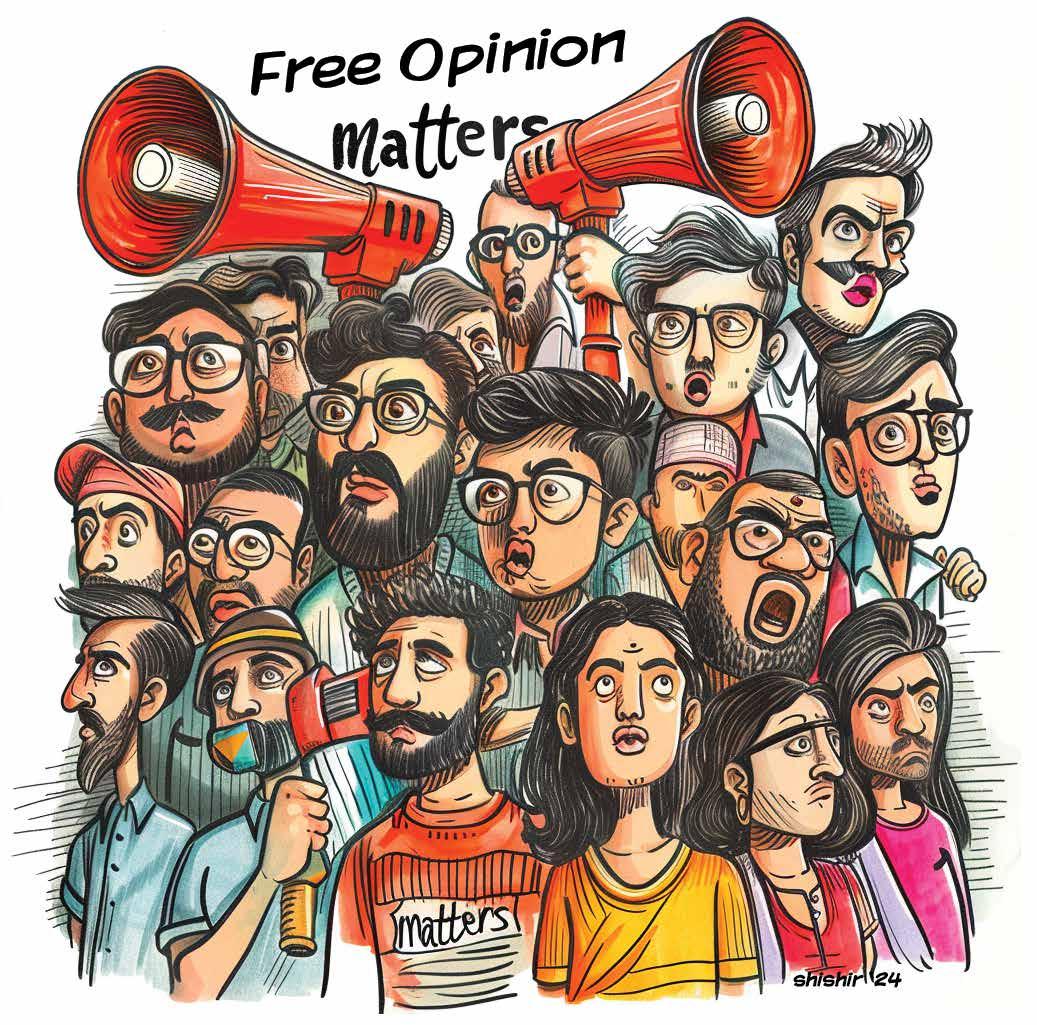
visit: saperspectives.net