Kia ora e te whānau
Welcome to our Course Booklet. This booklet has been written to provide students and whānau with information to assist with course selection. At Manawa Tapu we are proud of the quality and range of subjects available to students and the dedication and expertise of our teaching staff. We have traditional academic programmes, practical hands-on courses and many vocational possibilities, particularly at senior level. Careful course planning is an essential element of student success and our subject teachers, Manaaki teachers and deans are available to help guide you with these important decisions.
As a Catholic college, Religious Studies remains compulsory at all year levels. This is at the direction of the Catholic Bishops of Aotearoa. Our Special Catholic Character is the very reason for our existence as a school and our Religious Studies programme follows the Tōu Tātou Whakapono Our Faith curriculum. The curriculum is carefully constructed to be appropriate to the needs of each year level and covers a broad range of topics.
We acknowledge that every student’s pathway is different and that learning comes in many different forms. For all students, Age Quod Agis, is an important motto – Whatever we do, we do to the best of our ability. This is the sentiment of Ako, taking every opportunity to learn. We know that students will change their minds as they grow and that we don’t all have it all figured out straight away. This is very much part of the learning journey. Sometimes, trying new things means deciding that they are not right for us. We encourage students to be Wāhine Toa and be curious and courageous in expanding their horizons.
On a practical note, it is important to realise that the optional courses offered in this booklet will go ahead subject to sufficient students selecting them and each year our timetable is constructed anew from the student choices. Our aim is to make this work out for everyone as well as possible, but in reality, sometimes a course doesn’t work out perfectly for a student. Here at Manawa Tapu, not taking a subject one year does not always prevent a student from picking it up the next year. If you are in this situation, it is best to talk to the subject specialist teacher.
We wish you well as you work to choose your course. May the excitement of learning encourage you! Remember we are here to help, please just ask.
Karawhuia! Go for it!
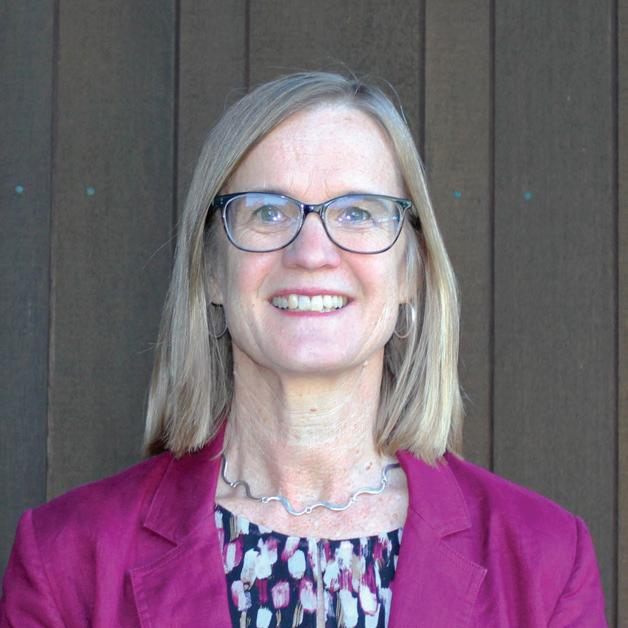
Barb Costelloe Tumuaki / Principal
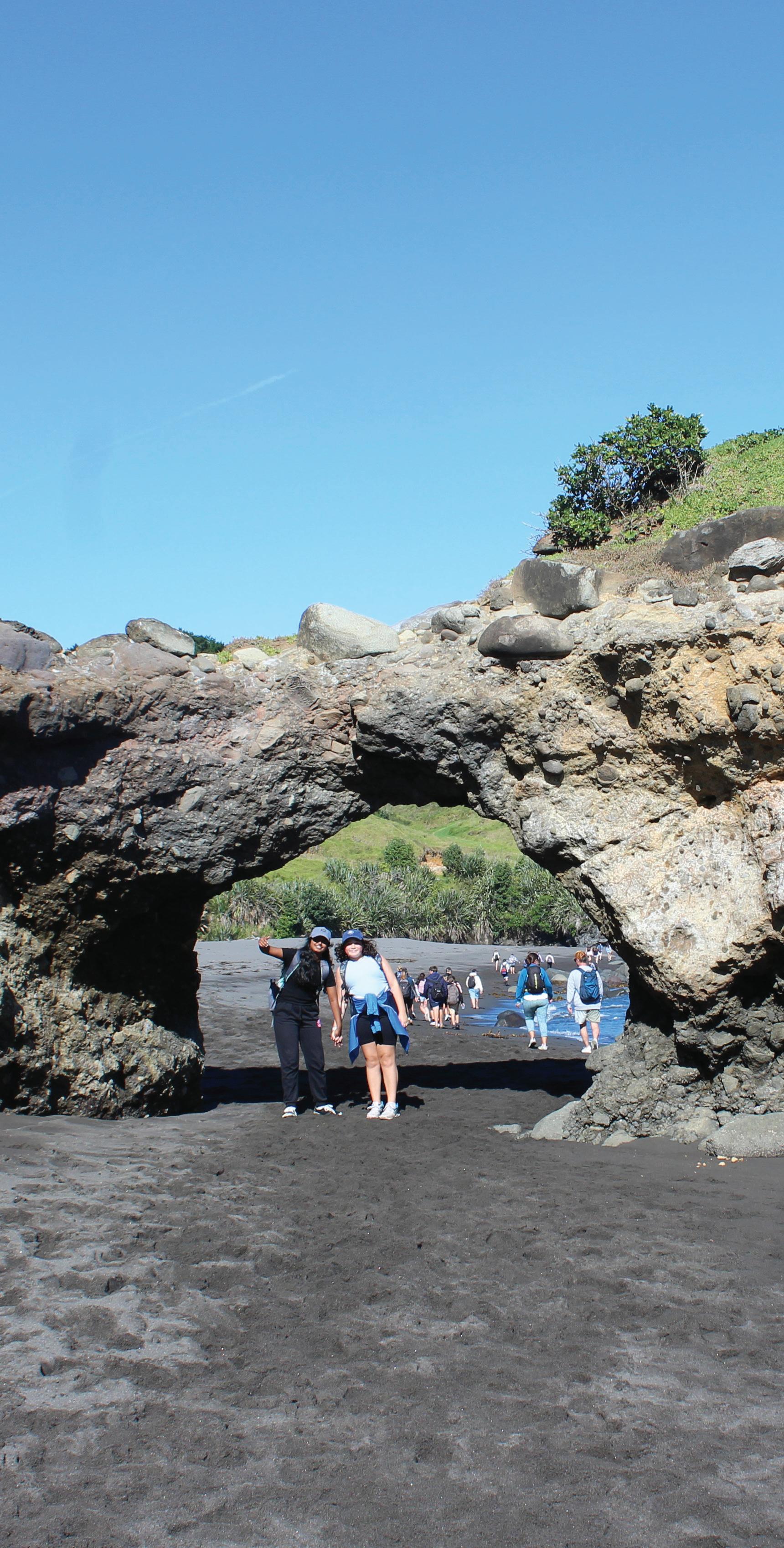
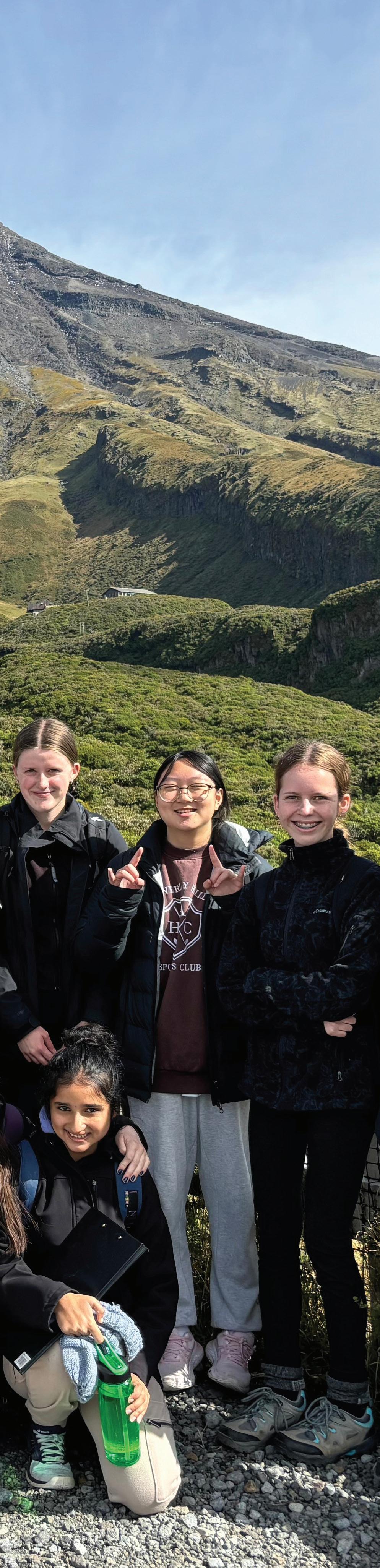
"Year 9 is an exciting step forward as students begin to shape their own learning journey. Alongside a strong foundation of compulsory core subjects, students have the opportunity to explore their interests through a wide range of option courses. With the flexibility to try new areas in the Arts, Languages, and Technology, Year 9 is all about discovering passions, building confidence, and developing skills for the years ahead."
The below courses are compulsory for all Year 9 students
Religious Studies Science
Alongside their compulsory courses, Year 8 students must choose four courses from the Option Courses below for their Year 9 module classes next year. They will have two options for the first half of the year, and then two options for the second half of the year.
Students must choose at least one Technology option, one Arts and/or Languages option.
Technology
• Design & Visual Communication
• Digital Technology
• Food Technology
• Textiles Technology. Arts
• Art
• Drama
• Music. Languages
• Spanish
• Te Ao Māori.
Social Studies
For further information regarding the Options, please contact our Leaders of Learning:
• Leader of Technology (Acting): Mrs Cronin - ecr@shgcnp.school.nz
• Leader of Arts: Mrs Steelebst@shgcnp.school.nz
• Languages Lead: Ms Jordandjo@shgcnp.school.nz
Leader of Learning (Acting): Emma Cronin - ecr@shgcnp.school.nz
Product and Spatial design using drawing techniques, visual communication, illustration and architectural techniques.
Design & Visual Communication
Digital Technology
Food Technology
Textiles Technology
Animation Project including Claymation, earth characters, and platformer game.
Tasty cooking of snacks & light meals and the theory behind food safety and confident kitchen skills.
Botanical Project including creating textiles, artworks, embellishments and sewing.
Leader of Learning: Bridie Steele - bst@shgcnp.school.nz
01. ART
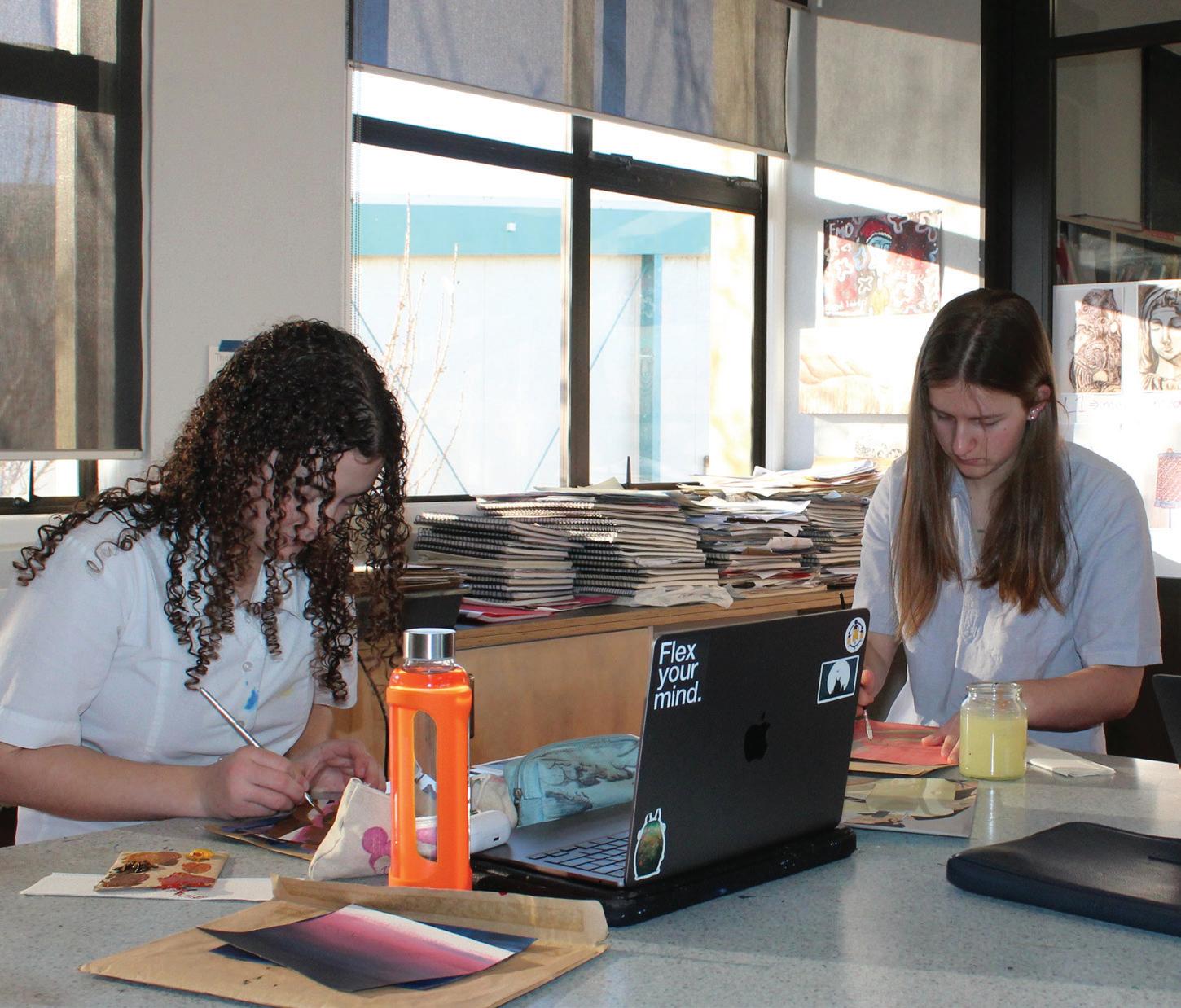
Painting, drawing, sculpture, printmaking, photography & art history.
02. DRAMA
Group performances: devise, and musical theatre.
03. MUSIC
Musicians, compositions, improvising, performance, and electronica.
Leader of Learning: Taryn Gadsby - tga@shgcnp.school.nz
Speaking, culture, games, reading, films, and roll-play. ¡Hasta Pronto!
Language, culture, stories, waiata, games, and kapa
The below courses are compulsory for all Year 10 students
"Year 10 provides students with the chance to deepen their learning and continue shaping their own educational pathway. While they build on the core knowledge gained in Year 9 through a set of compulsory subjects, students also have the opportunity to explore two option courses that reflect their interests, strengths, or future goals. These rich and varied courses help students grow in confidence, develop new skills, and prepare for the challenges and opportunities of NCEA in the years ahead."
Alongside their compulsory courses, Year 9 students choose two courses from the Option Courses below for their classes next year.
Arts
• Art
• Drama
• Music.
Social Sciences & Languages
• Financial Capability
• Spanish
• Te Ao Māori. Technology
• Design & Visual Communication
• Food & Hospitality Studies
• Textiles Technology.
Leader of Learning: Bridie Steele - bst@shgcnp.school.nz
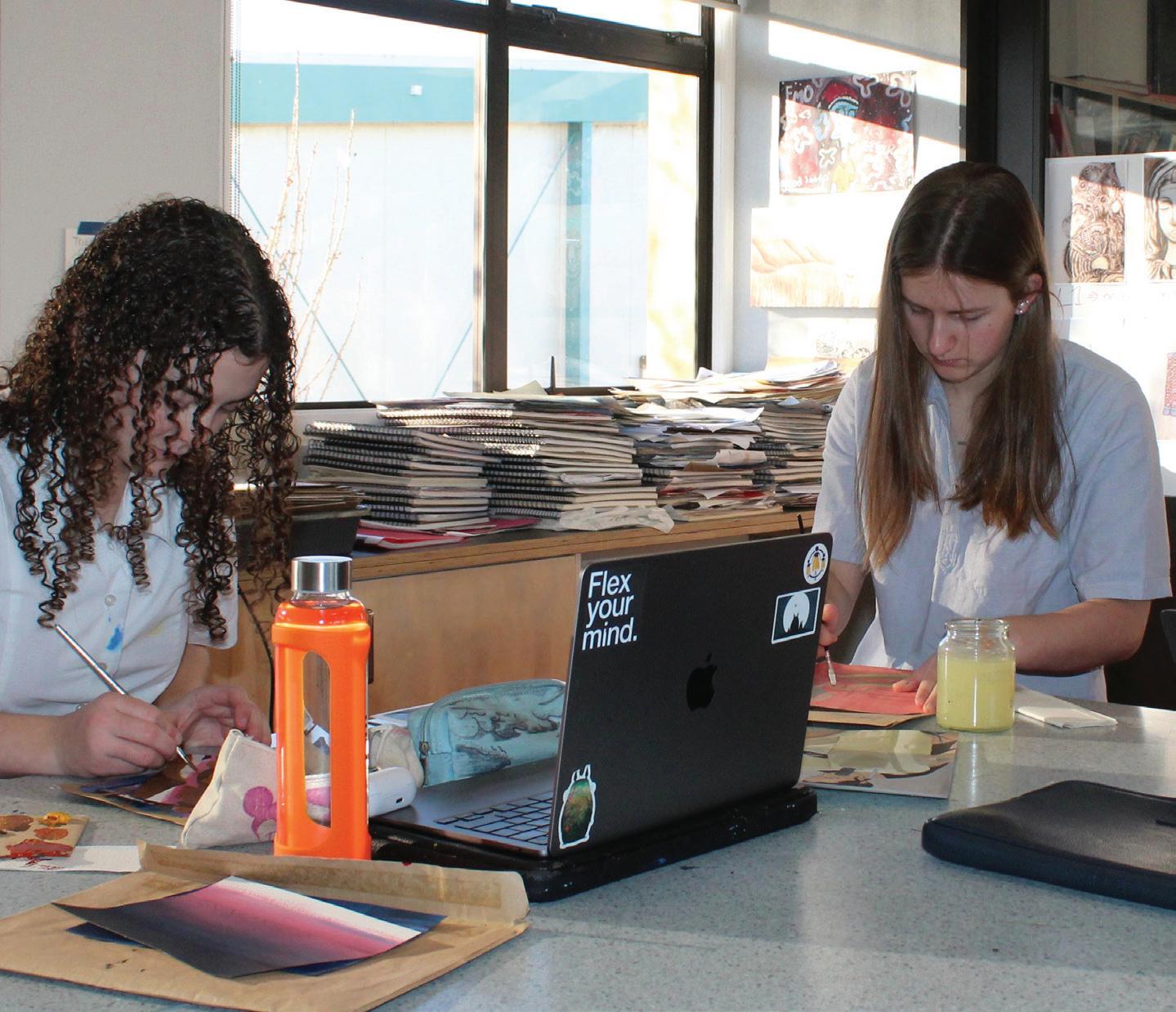
Students will experiment with a range of media and study local, national, and international artists to inform the creation of their work. A focus on drawing and painting tools, colour theory, and understanding different painting techniques will help prepare students for NCEA Level One.
An opportunity for ākonga to increase their stage confidence and develop dramatic skills by exploring a range of theatrical forms and styles, applying these to performance. Ākonga will learn to develop both the physical and vocal aspects of performance while collaborating with others. The focus will be on group work, with a challenge later in the year to present individually and explore horror make-up in short films.
Music is both a performing art and a universal language, making it a practical and knowledge-based course. Creativity will be encouraged across a range of skills and topics, with students working according to their individual abilities. Opportunities to extend skills will be offered, and participation in extra-curricular activities will be encouraged. Topics covered will include the history of music, various genres, silent movies, musical theatre, music technology, Queen, ‘Marley & Metallica’, creating and performing music, music theory, and more. Music allows students’ creative sides to flourish through pathways that suit their skills and knowledge.
Leader of Learning: Taryn Gadsby - tga@shgcnp.school.nz
Students will explore different types of income (salaries, wages, commissions) and the tax associated with them (PAYE). They will examine spending and saving habits, including the psychology behind spending (e.g. impulse buying, advertising, supermarket layout), and learn how compound interest works. Borrowing topics such as credit cards, mortgages, hire purchase, and ‘buy now, pay later’ will also be covered. Students will gain an understanding of consumer rights and the Consumer Guarantees Act. This course focuses on lifelong learning with minimal homework or formal assessment.
Financial Capability
Spanish Te Reo Māori
Students will develop communication skills through speaking, listening, reading, and writing. Topics will include familiar areas such as food, shopping, clothing, free time activities, and health. Students will begin to use language in the present, past, and future tenses.
This course builds on the language skills and cultural knowledge developed in Year 9, laying a strong foundation for NCEA Level One Te Reo Māori. Students will continue to grow their proficiency in listening, speaking, reading, and writing while deepening their understanding of tikanga Māori. Key topics will include whānau connections, social events, travel, food, Māori arts, and pastimes.
Leader of Learning: Emma Cronin - ecr@shgcnp.school.nz
This course is ideal for students interested in design. Students will design and build a model shop for Devon Street, including a style board for a unique interior and a contemporary façade. They will then design a light inspired by stars to illuminate their environment with patterns.
Finally, students will present their design on a website using graphic design principles. This multidisciplinary subject nurtures courageous, critical, and innovative thinkers, allowing students to develop their own diverse style and bring imaginative ideas to life.
In Food and Hospitality Studies, students are empowered to transform original ideas into real food products, progressing from design and production to hospitality service. Students gain confidence working with ingredients, techniques and equipment, while building whanaungatanga (relationships) through shared culinary experiences.
Projects encourage students to give back and show manaakitanga (care) by preparing food for their hāpori (community), including a traditional Founders’ Day morning tea for school staff -showcasing their understanding of hauora (wellbeing). Through explorations of sustainability, culture and health, students develop responsible and thoughtful food practices.
By the end of the year, students will have applied their culinary and creative skills to make meaningful contributions that reflect aroha (compassion), mahi toi (creativity), and a strong sense of whanaungatanga (connection).
Design & Visual Communication
Food & Hospitality Studies
Textiles Technology
In Textiles Technology, students will begin by developing a pair of pyjama pants or shorts, focusing on practical sewing skills. The second project will be design-based, where students respond to a design brief challenge to create a fit-for-purpose outcome.
The final project will involve designing and creating an outcome using hand embroidery techniques and digitally printed images on fabric. Students will learn a range of hand embroidery techniques and be introduced to digital textiles.
This course is practical, fun, and challenging, with a focus on developing creativity and problem-solving skills. Students will become creators of fashion and textiles rather than consumers.
National Certificate of Educational Achievement
Currently, Level 1, 2, and 3 NCEA will each require 60 credits at that certificate level, or above.
There is also a Literacy, and Numeracy co-requisite, which sits outside of the 60-credit qualification total. These co-requisites are worth 20 credits in total. No NCEA certificate can be awarded without this co-requisite being achieved.
You only need to meet the 20 credit Literacy and Numeracy co-requisite once.
NCEA LEVEL ONE
60 Credits Required
Students need to achieve 60 credits at Level 1 NCEA or above and also have achieved the 20 credit Literacy and Numeracy co-requisite.
NCEA LEVEL TWO 60 Credits Required
Students need to achieve 60 credits at Level 2 or above.
Level 1 co-requisites must also be met.
NCEA LEVEL THREE 60 Credits Required
Students need to achieve 60 credits at Level 3 or above.
Level 1 co-requisites must also be met.
When students perform consistently above the Achieved level, their results can be ‘endorsed’ to reflect that high achievement. This endorsement can be overall (Certificate Endorsement) or per course (Course Endorsement).
Students must achieve 50 Merit Credits or more total at each NCEA level to gain a Merit Certificate Endorsement for that level.
Similarly, students must achieve 50 Excellence Credits or more to earn an Excellence Certificate Endorsement.
Students must achieve 14 Merit Credits or more within a certain course to earn a Merit Course Endorsement for that course. Of these 14, at least 3 credits must be internally assessed, and 3 credits must be externally assessed.
Similarly, students must achieve 14 Excellence Credits or more within a course to earn an Excellence Course Endorsement for that course.
University Entrance (UE) is the minimum requirement to go to a New Zealand university from school. To be awarded UE, you need to have achieved:
• NCEA Level 3.
• 14 credits at Level 3 in each of three approved subjects.
• 10 Literacy credits at Level 2 or above.
• 10 Numeracy credits at Level 1 or above.
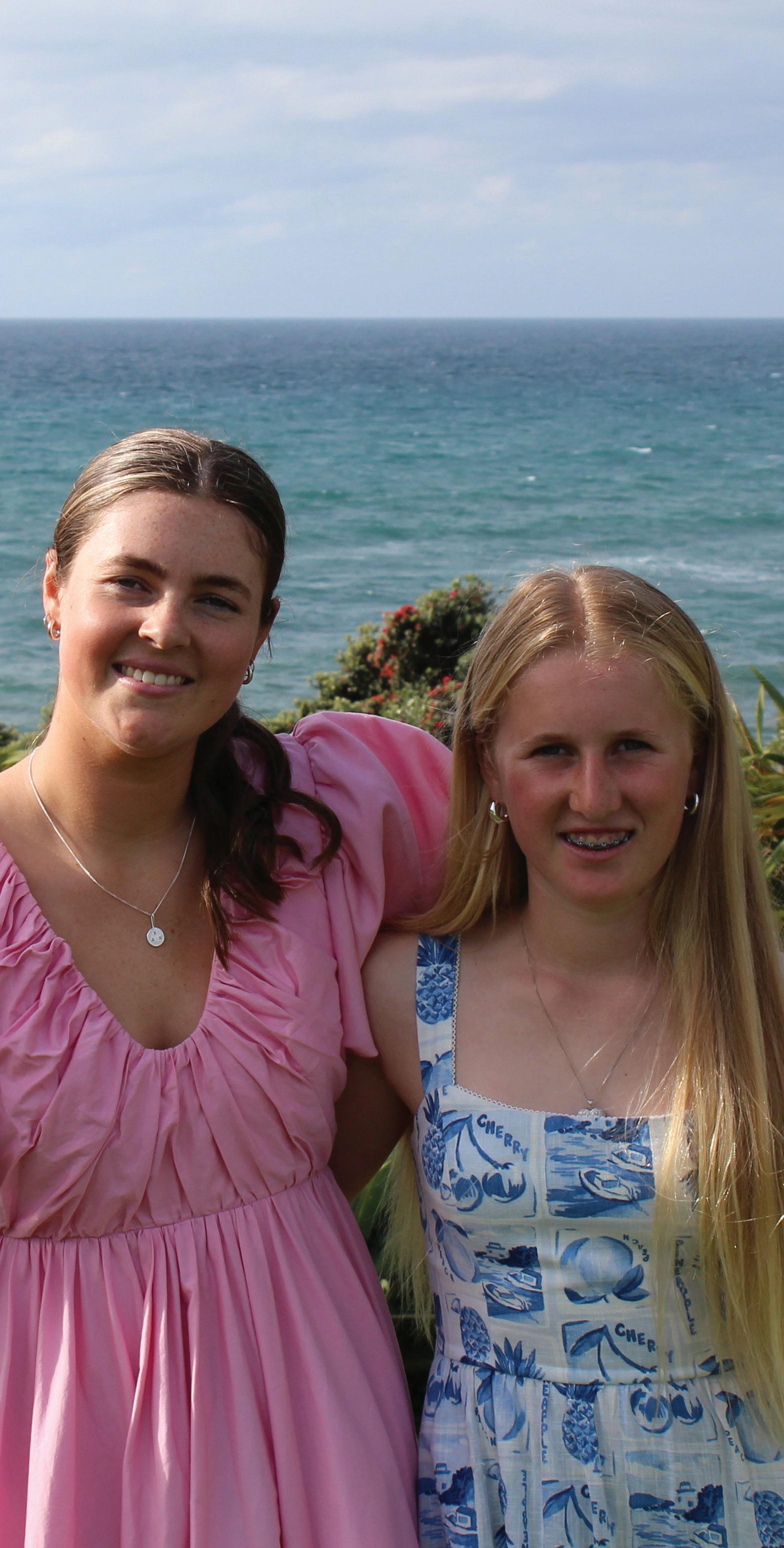
"Year 11 marks the beginning of NCEA and is a key stage in each student’s learning journey. With Religious Studies as the only compulsory subject, students have the flexibility to choose five additional courses that align with their strengths, passions, and future goals. Whether preparing for academic challenges ahead, exploring creative or practical pathways, or building foundational skills for the workforce, students are encouraged to make informed choices that reflect who they are and who they aspire to be. Year 11 is about taking ownership, building independence, and stepping confidently into the next phase of learning."
Year 10 students choose five courses from the Option Courses for their classes next year. The only compulsory course in Year 11 is one of the Religious Studies options. All courses offer at least 15 credits unless stated otherwise.
Mathematics
Physical Education
Religious Studies
Science
Social Sciences & Languages
Technology
DESIGN & VISUAL
Leader of Learning: Bridie Steele - bst@shgcnp.school.nz
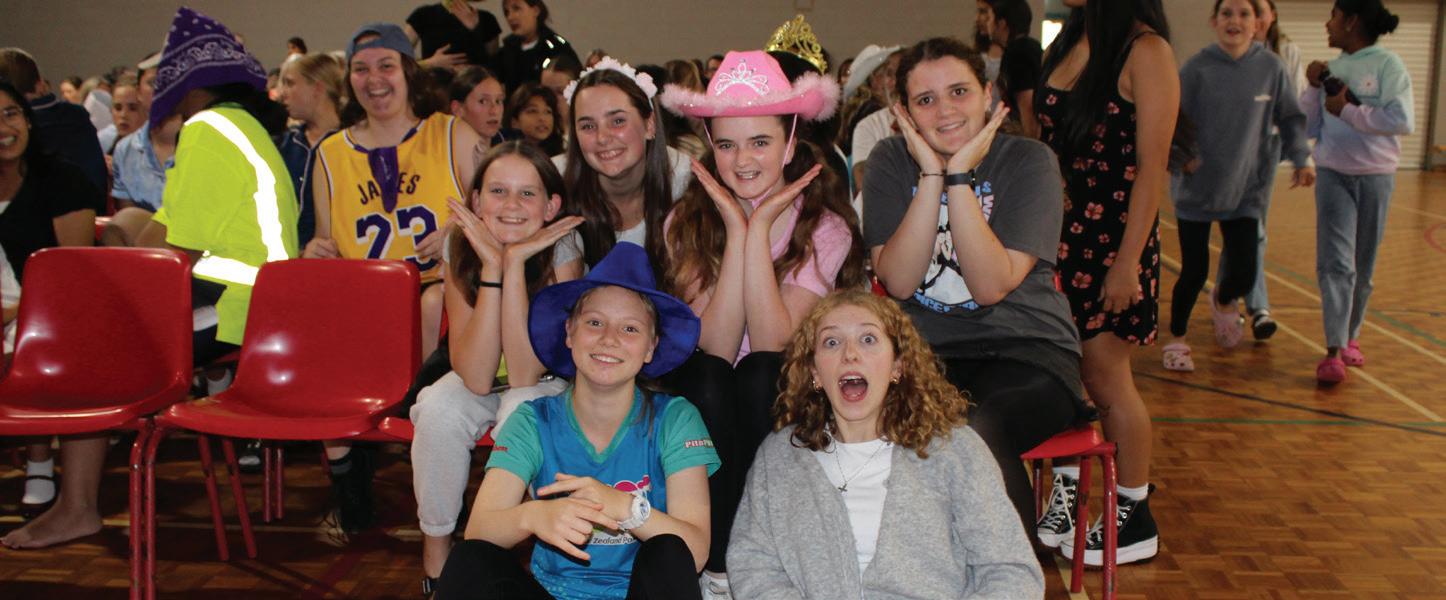
In Visual Art, students will study national artists to inspire their own body of work. Drawing from Aotearoa’s diverse and rich cultural environment, students will visually express and reflect on their connection to their surroundings. They will learn to work independently, develop a strong work ethic, and consistently meet deadlines. Artwork will be created through studies and experimentation. This course consists of three standards over the year and provides opportunities to work with a variety of drawing and painting media.
Students typically begin the year with a production, which serves as a valuable team-building experience. This involves working collaboratively as a whole class, not only being directed but also contributing creatively as a cast. Subsequent smaller group practicals will focus on refining performance techniques and may progress from devising original work to interpreting given texts. These practicals require commitment and motivation to be actively involved. The new NCEA structure includes two internal and two external assessments, none of which are written examinations. There are no prerequisites for Drama, although consistent class attendance is recommended.
Music is both a performing art and a theoretical subject. Creativity will be encouraged across a range of skills and topics, with students supported to work to their strengths and develop areas where they may feel less confident. Extra-curricular involvement will be encouraged, and opportunities to extend skills will be offered. Students will be guided to develop their own musical interests, with the goal of growing as musicians. Assessments will be tailored to align with each student’s individual musical journey.
Leader of Learning: Jeremy Taylor - jta@shgcnp.school.nz
A wellbeing programme for students in Years 9 to 13, designed to equip them with tools, strategies, and life skills to navigate life’s challenges. Based on the principles of Te Whare Tapa Whā, the curriculum focuses on hauora and is tailored to meet the developmental needs of students at each age and stage.
The programme supports the holistic development of students, fostering resilience, emotional intelligence, and a positive mindset. Through a blend of mindfulness practices, physical activities, and social-emotional learning, Empower Me aims to create a nurturing environment where every student feels valued and empowered.
Leader of Learning: Abigail Rilkoff - ari@shgcnp.school.nz
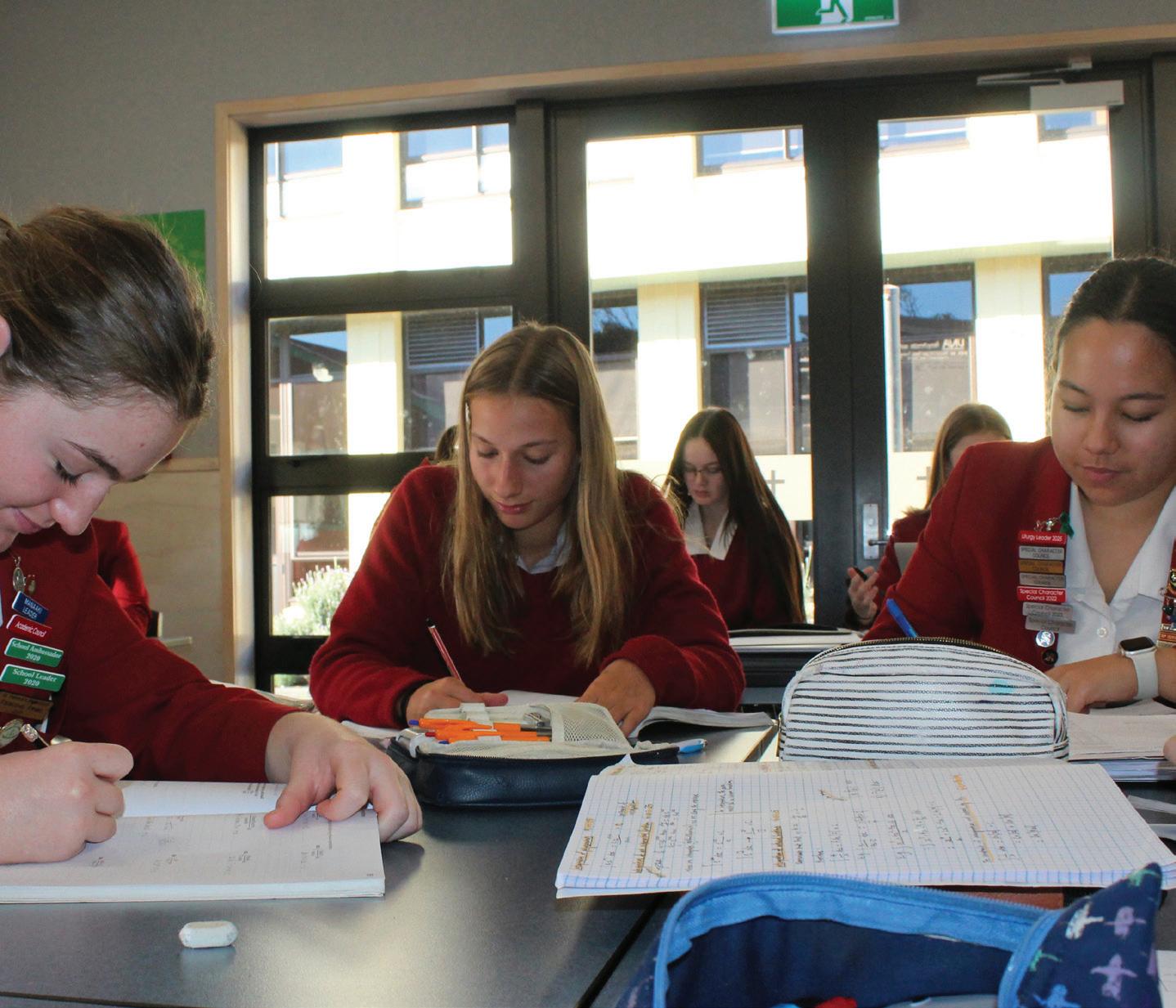
Students studying Level 1 English will explore the world around them through a range of literature, including short stories, poetry, novels, plays, and film. They will sharpen their critical thinking, analytical skills, and creative expertise, while gaining confidence in using their voice effectively. The course supports the development of general language proficiency through listening, speaking, reading, and writing. Level 1 English provides essential literacy and communication skills that students can carry into other courses and the workforce.
English Literacy
This course places a stronger emphasis on developing literacy skills rather than covering the full English curriculum. Students will have the opportunity to earn 10 internal Achievement Standard credits through two assessments, working at a slower pace to allow for deeper understanding. Selecting this course will not prevent students from taking Level 2 English in the following year.
Additional support will be provided to help students prepare for the Literacy Common Assessment Activity. To support student success, the course is taught at a more gradual pace and tailored to individual learning needs. This is a teacher-nominated course only. For any queries, please contact the Head of English.
Leader of Learning: Spencer Page - spa@shgcnp.school.nz
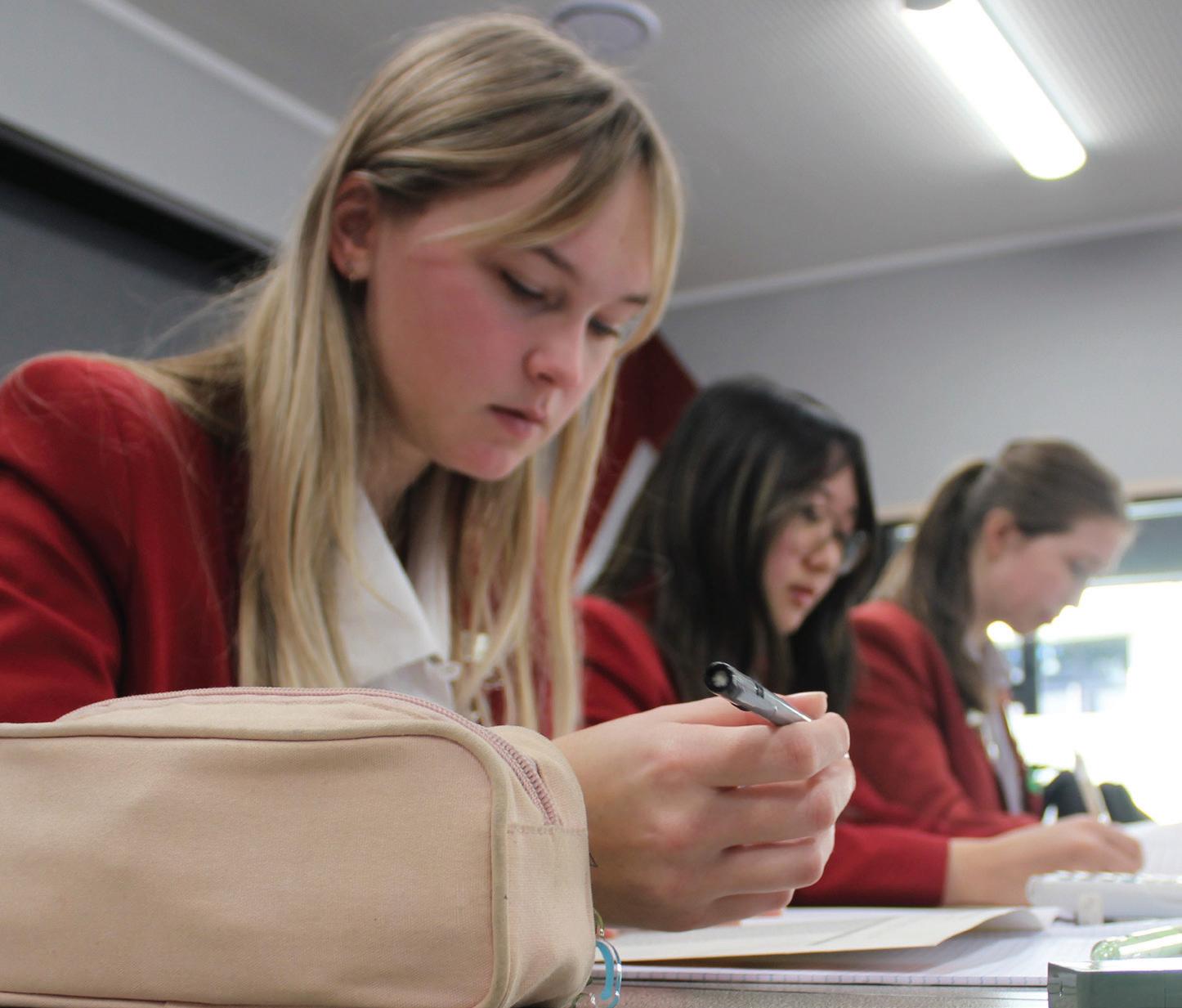
The Mathematics programme offers students skills in algebra, graphing, trigonometry, measurement, statistics, and probability. In addition to preparing students with the mathematical knowledge required for everyday life, the course equips them with techniques necessary for success in Level 2 and Level 3 Mathematics.
This course places a stronger emphasis on developing numeracy skills rather than covering the full mathematics curriculum. Students will have the opportunity to earn 10 internal Achievement Standard credits through two assessments, focusing on number, measurement, trigonometry, interpreting statistical graphs, and writing statistical reports.
Additional support will be provided to help students prepare for the Numeracy Common Assessment Activity. To support student success, the course is taught at a more gradual pace and tailored to individual learning needs. This is a teacher-nominated course only. For any queries, please contact the Head of Mathematics.
Leader of Learning: Narelle O’Byrne - noy@shgcnp.school.nz
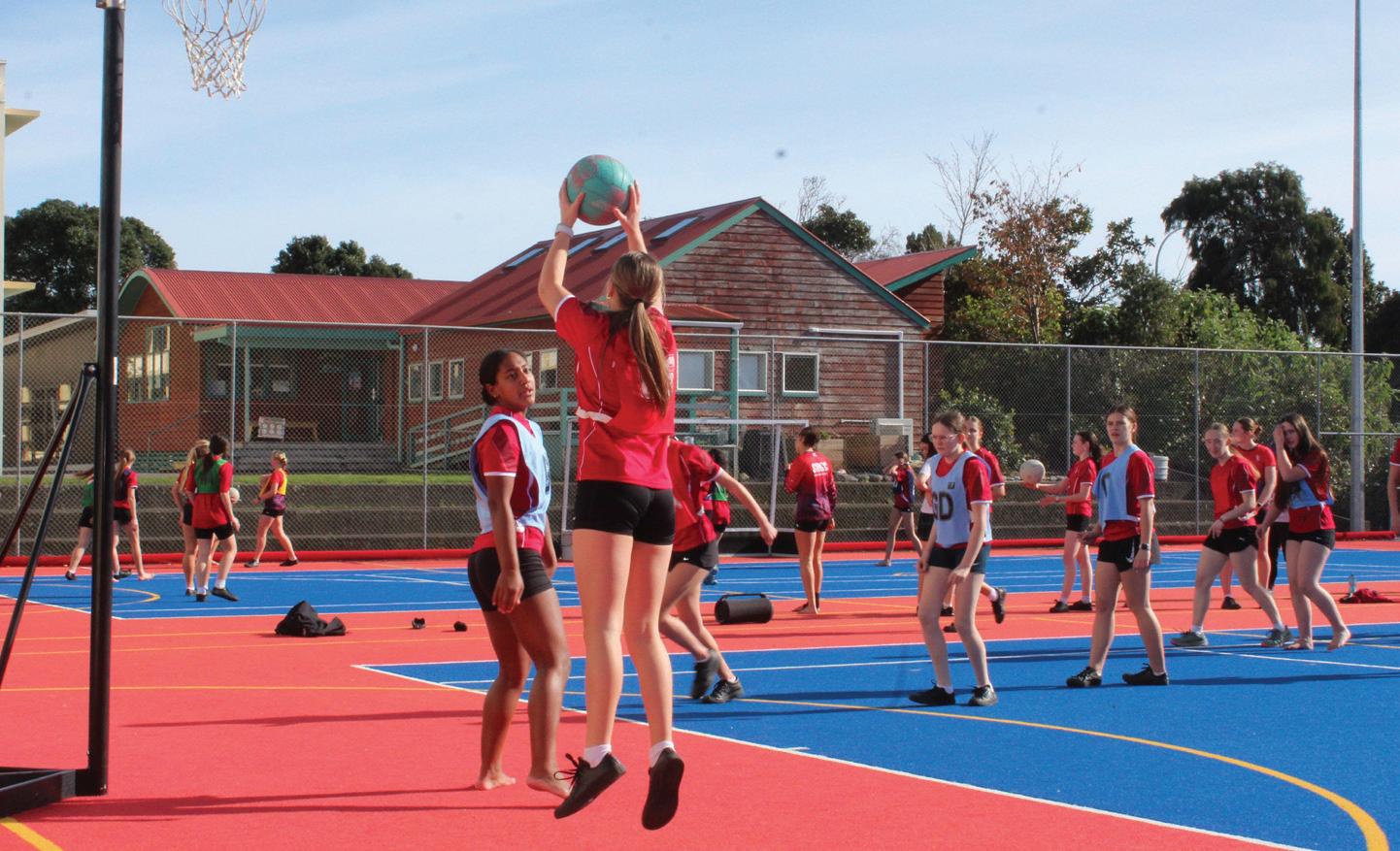
Level 1 Health Studies focuses on understanding what it means to live well — for oneself, whānau, and community. Students will explore key areas such as mental health, food and nutrition, and relationships and sexuality, all through the lens of hauora — a Māori philosophy of holistic wellbeing that includes physical, mental, emotional, social, and spiritual dimensions. Through this course, students will:
- Learn how values such as tiakitanga, manaakitanga, and whanaungatanga support wellbeing.
- Explore how culture, identity, and social justice shape health.
- Develop strategies to manage change, build resilience, and foster healthy relationships.
- Understand that wellbeing is influenced not only by personal choices but also by environment, society, and systems.
Health Studies encourages critical thinking, empathy, and action. It helps students grow in confidence, strengthen their sense of self, and make a positive difference in their communities.
Level 1 Physical Education offers students a dynamic and engaging experience beyond the classroom. Students will:
- Participate in a diverse range of activities such as Quick Rip, Golf, Cricket, Salsa, and Boxing, and evaluate how these movements affect overall hauora.
Health Physical Education
- Understand kotahitanga (team unity) and develop it through Waka Ama and TOPEC team-building challenges. Learn, practice, and improve skills in Lacrosse and Ki-o-Rahi, applying these effectively in games.
- Gain knowledge of the body and enhance sports performance through practical analysis of anatomy, exercise physiology, and bio-mechanical principles.
Leader of Learning: Pauline Koorey - pko@shgcnp.school.nz
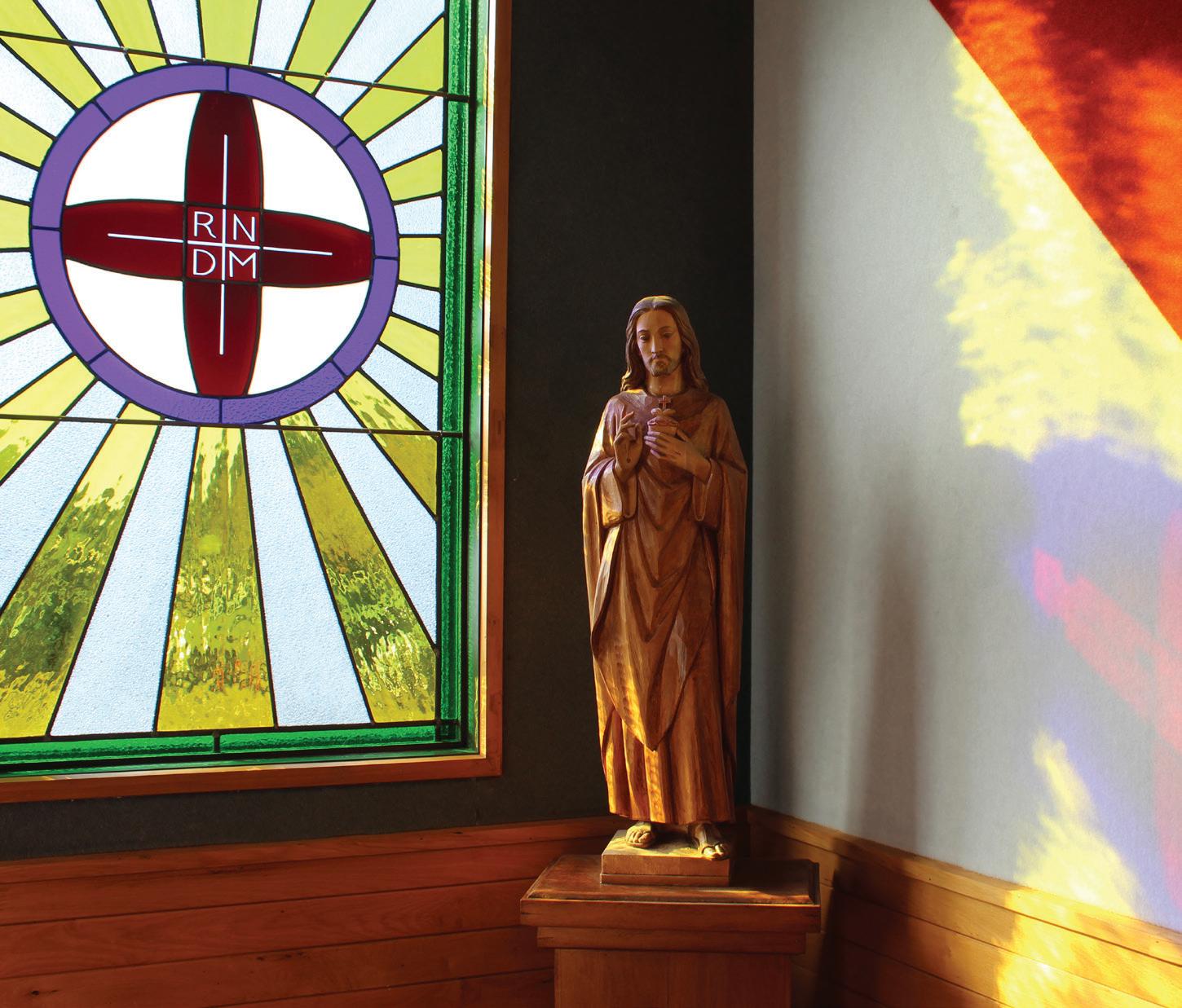
Religious Studies is a course for all students in Years 11–13, reflecting the Special Catholic Character of Manawa Tapu and embracing Gospel values and the charism of the Sisters of Our Lady of the Missions.
At Level 1, students will develop their knowledge and understanding of the Catholic faith and practices through the study of Scripture and Tradition, Church History, Theology, Human Experience, and Social Justice.
Religious Studies Religious Studies
Alternative
This course offers a mixture of the two available internal Achievement Standards and some Unit Standards, if appropriate to the individual student. Students will be working at a slower pace. Selecting this course will not prevent students from taking either the Level 2 Religious Studies or the Level 2 Environmental Religious Studies course in the following year.
This is a teacher-nominated course only. For any queries, please contact the Leader of Learning Religious Studies.
Leader of Learning: Linda Dickson - ldi@shgcnp.school.nz
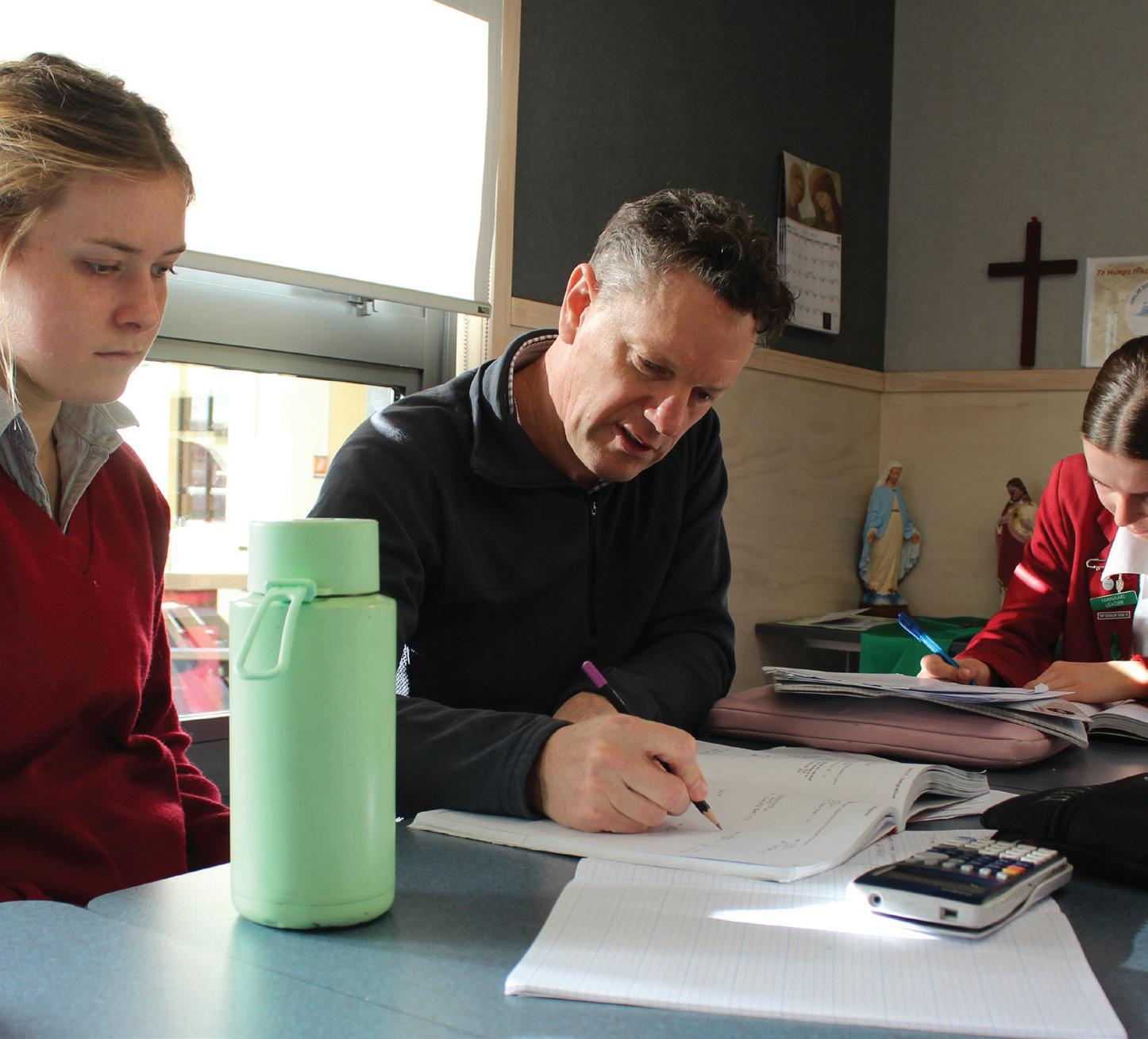
In Science, students will learn to ask meaningful questions, suggest possible explanations, and test these ideas to determine their validity. Science provides a process for exploring the physical and natural world, helping students understand major contemporary issues, make informed decisions, and assess the credibility of information.
In Year 11 Science, students will study human disease and genetic inheritance, conduct scientific investigations in chemistry, and explore energy systems. Key skills include experimental design, data collection, and interpretation. Students will use scientific language, symbols, and graphs to explain concepts in both the physical and living worlds.
This course is highly recommended for students intending to take Biology, Chemistry, or Physics at Level 2 and 3, or for those interested in careers related to health sciences, marine science, ecology, environmental studies, agriculture, horticulture, engineering, or tertiary study in the sciences.
Leader of Learning: Taryn Gadsby - tga@shgcnp.school.nz
Commerce introduces students to the economic world through practical experiences such as running a business and understanding the factors that influence business operations. Students will examine real-world case studies, visit local businesses and organisations, and gain insights from authentic sources.
They will plan and explore what is involved in running a business through the Year 11 Market Day, gaining understanding of the diverse aspects business owners must consider. The course also explores the broader role of businesses in communities and the financial interdependence that shapes the economy. Students may begin Commerce in Year 11 without having taken it in Year 10.
Geography explores how people live, how places change, and how humans interact with the environment. In Year 11, students will study both human and physical geography, including:
• The location of global biomes and cities, and the reasons behind these patterns.
• Demographics, including population distribution, wealth, and poverty.
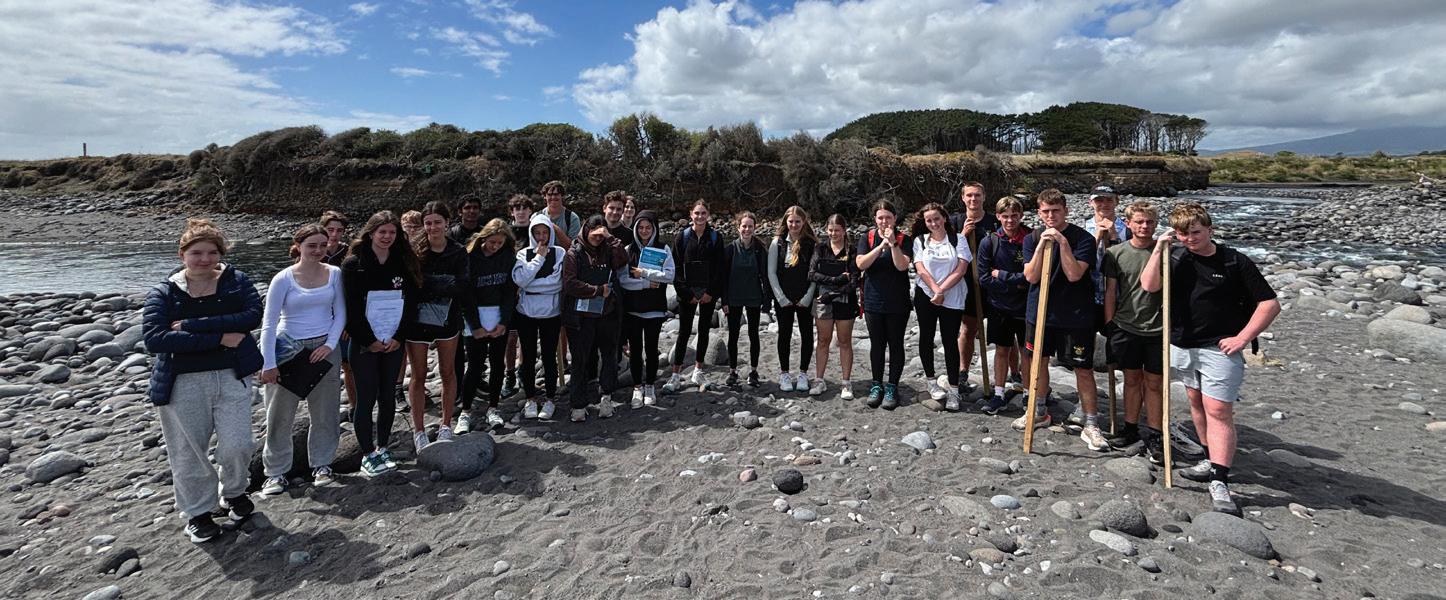
• Field data collection to understand te taiao — the natural environment — including micro-climates within Te Papakura o Taranaki.
• Global challenges such as sea-level rise, migration, and inequality.
Geography helps students see the bigger picture. They will use digital tools, explore current events, and learn how decisions are made, becoming thoughtful and informed global citizens.
Commerce
Geography
History
Spanish
Te Reo Māori
Students will study significant events that have shaped lives and collective memory, such as the Holocaust, the Black Death, and New Zealand disasters. The course emphasises student agency, allowing students to select a topic of personal interest from a range of options.
Students will explore the Black Civil Rights Movement and how figures like Martin Luther King Jr. created change through nonviolent methods. They will think critically about sources, learn about historical perspectives, and develop empathy.
History is not just about facts and dates — it teaches students about events, places, and people that have shaped the world, while developing skills in evaluating information, conducting research, and writing with detail.
Commerce
Geography
History
Spanish
Te Reo Māori
Leader of Learning: Taryn Gadsby - tga@shgcnp.school.nz
Learning Spanish introduces students to new ways of thinking and interpreting the world, equipping them with the knowledge, skills, and attitudes needed to live in a diverse global society. While learning another language, students will also gain tools and strategies to deepen their understanding of their own language.
They will become more effective communicators by developing receptive skills (listening, reading, viewing) and productive skills (speaking, writing, presenting).
This course is designed to extend students’ language skills across listening, speaking, reading, and writing, while continuing to explore and understand tikanga Māori. Students will engage with a range of topics relevant to both contemporary and traditional Māori contexts, strengthening their ability to communicate confidently in te reo Māori.
For students involved in Kapa Haka or with a strong interest in Māori performing arts, there may be opportunities to undertake Te Ao Haka standards, providing an additional avenue for achievement and cultural expression.
Te Reo Māori is on track to become a University Entrance subject at Year 13, and this course represents an important step in that pathway. Students who continue their learning through the senior years will be well-prepared for future academic and cultural opportunities.
Leader of Learning: Emma Cronin - ecr@shgcnp.school.nz
Design & Visual Communication
Food & Hospitality Studies
Design and Visual Communication is an ideal choice for students interested in design. Students will apply design thinking to a chosen product or architectural opportunity, investigating, sketching, exploring, developing, and modeling their ideas with consideration for both aesthetics and functionality. Final designs will be presented in an exhibition using graphic design principles and digital modeling.
This multidisciplinary subject nurtures transferable skills in critical and innovative thinking, allowing students to develop their own diverse style. The course is tailored to support and extend individual learning.
At each year level, students will deepen their understanding and challenge their thinking. Design is a universal language with global impact, and as students progress, they can explore pathways in architecture, business, construction, creative industries, engineering, and industrial or graphic design.
Food and Hospitality Studies offers a balanced blend of hands-on practical learning and engaging theoretical exploration. Students investigate the relationship between kai (food), culture and innovation.
They will also develop essential skills in creative thinking and problem solving while gaining experience in food preparation and sustainable food systems. This course encourages ākonga (students) to explore how food impacts wellbeing, community and the environment. Through collaborative authentic projects, students will investigate food safety, nutrition, and service practices, while considering tikanga (customs and protocols) and mātauranga Māori (Māori knowledge) in the context of kai (food) production and hospitality.
As hospitality becomes a growing focus, students build transferable skills that prepare them for meaningful pathways into cookery, catering, food science, and manaakitanga-based (hospitality, care and respect) service industries.
Ngā ara whai muri (Future pathways) include:
- Hospitality
- Culinary Arts
- Food Technology
- Hauora (Health and wellbeing) & Nutrition
Textiles Technology
- Tourism & Manaakitanga (hospitality, care and respect).
Design & Visual Communication
Food & Hospitality Studies
Leader of Learning: Emma Cronin - ecr@shgcnp.school.nz
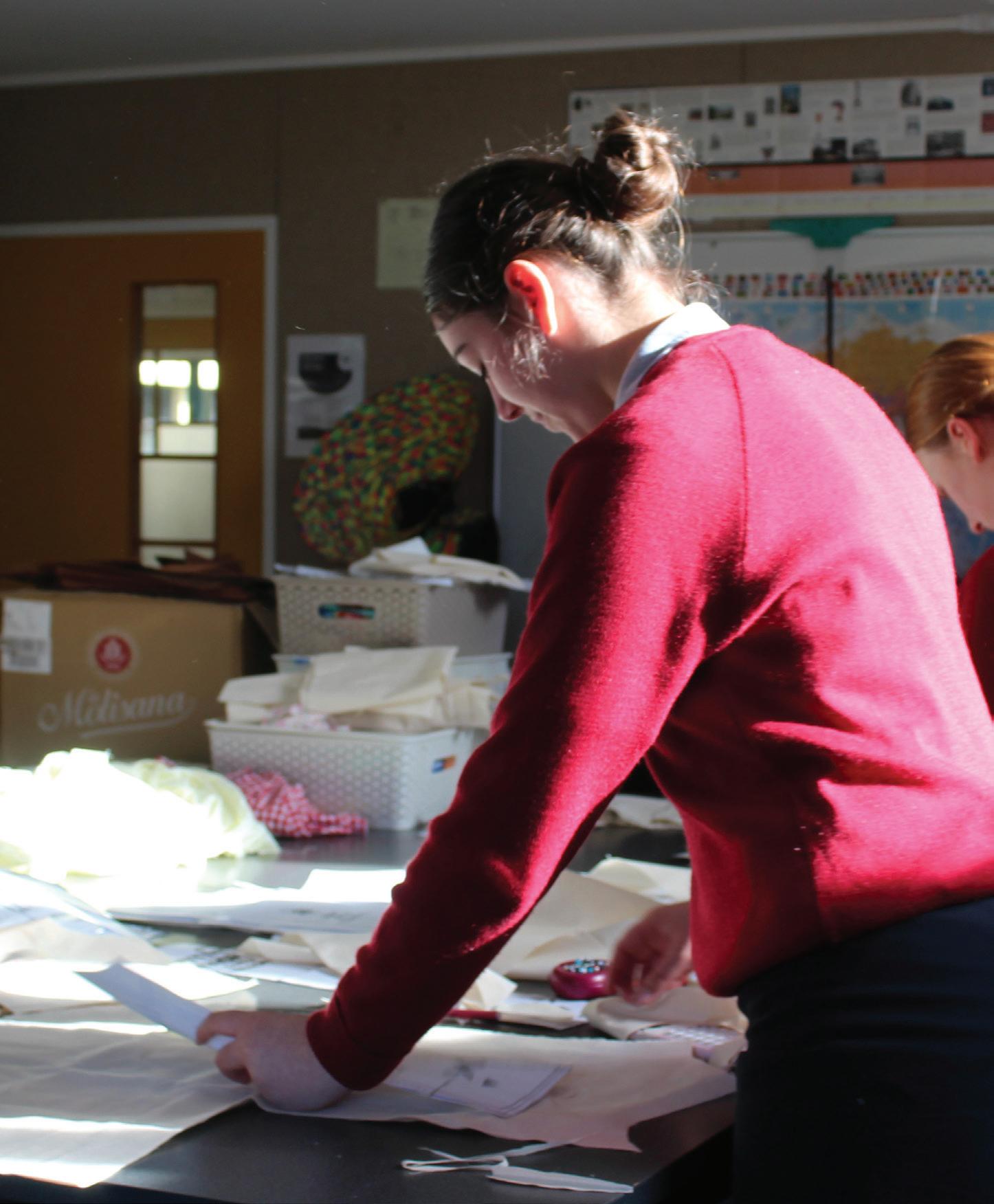
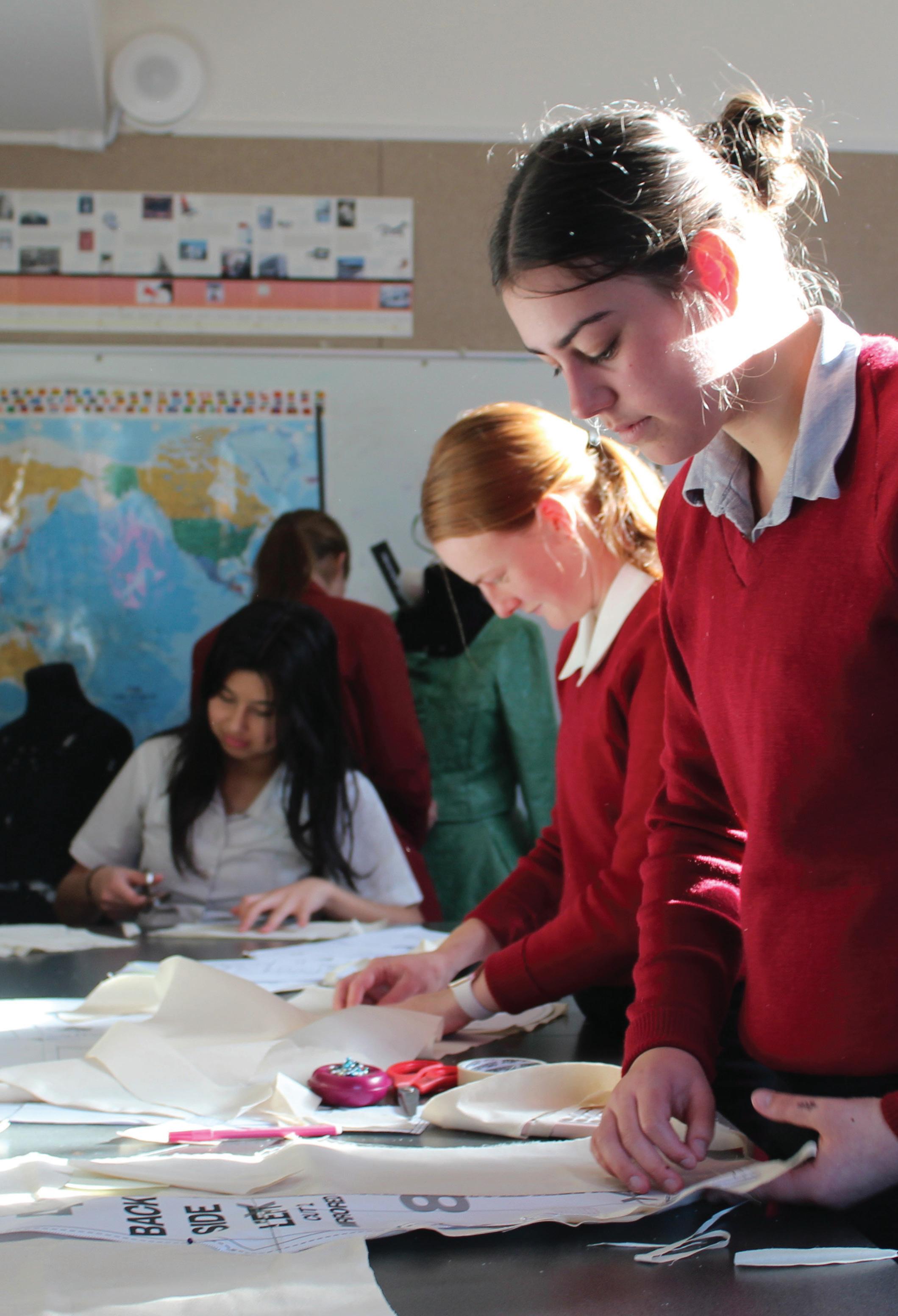
In Textiles Technology, students will use textile materials in innovative ways to engineer solutions to authentic problems. They will become creative and conscientious designers who understand how their practice impacts the world around them. The course is divided into two flexible projects, which can be negotiated according to students’ interests and strengths.
Textiles is an essential part of cultural identity and plays a significant role in society. Through this course, students will explore how clothing and fabrics are influenced by and impact culture, history, and social trends. They will learn about eco-friendly materials, ethical practices, and sustainable textile design. The fashion and textiles industry is vast and diverse, offering career opportunities in design, business, merchandising, marketing, journalism, tailoring, and other creative industries.
Graduates with skills in this field are in demand in the global fashion industry.
Textiles Technology
"Year 12 continues each student’s NCEA journey, offering the opportunity to build on previous success and take their learning to the next level. With Religious Studies as the only compulsory subject, students select five additional courses that reflect their evolving interests, goals, and strengths. Whether students are aiming for university entrance, a vocational pathway, or a blend of both, Year 12 is a time to deepen subject knowledge, refine skills, and continue shaping a direction for the future. It’s about growing confidence, taking on greater academic responsibility, and preparing for the final years of secondary school and beyond."
Year 11 students choose five courses from the Option Courses for their classes next year. The only compulsory course at Year 12 is one of the Religious Studies options. All courses offer at least 15 credits unless stated otherwise.
DRAMA, MUSIC, PAINTING, PHOTOGRAPHY.
English
OUR MODERN WORLD, THE POWER OF WORDS.
FINANCE, MATHEMATICS, MATHEMATICS WITH STATISTICS.
HEALTH, PHYSICAL EDUCATION.
Compulsory (one)
Religious
RELIGIOUS STUDIES & RELIGIOUS STUDIESENVIRONMENTAL.
BIOLOGY, CHEMISTRY, HUMAN/ ANIMAL BIOLOGY, PHYSICS.
ACCOUNTING, BUSINESS STUDIES, GEOGRAPHY, HISTORY, MEDIA STUDIES, TOURISM, SPANISH, TE AO MĀORI.
INTERNAL & EXTERNAL COURSES. TIME-BASED WORK EXPERIENCE, GATEWAY WORK EXPERIENCE.
DESIGN & VISUAL COMMUNICATION, FOOD & HOSPITALITY STUDIES, TEXTILES TECHNOLOGY.
If University Entrance Literacy (Reading & Writing) credits are offered, these are indicated using the following icons. The number of credits will be indicated in the smaller number attached.
Any preferred prior learning that is recommended by a teacher before signing up to a course is indicated at the bottom of each course. If a student does not currently have the preferred prior learning, they must meet with the Leader of Learning for that course before selecting it in their option choices.
All students wishing to do Pathways must have a conversation with the Leader of Pathways to indicate their course preference prior to signing up.
Leader of Learning: Bridie Steele - bst@shgcnp.school.nz
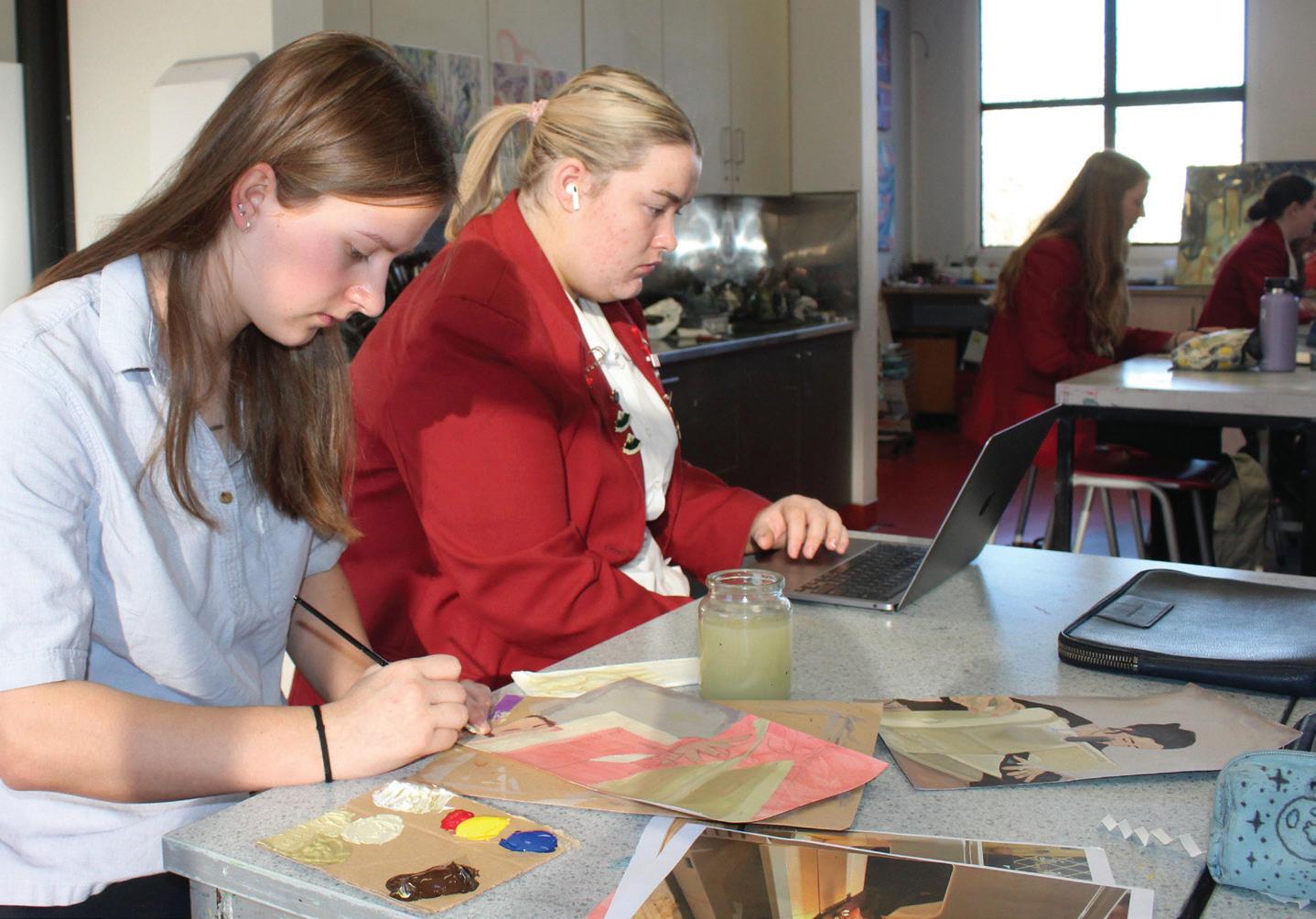
Level 2 and 3 Drama are often combined, offering students a range of collaborative experiences that enrich their learning. Students will work primarily in mixed-level groups early in the year, exploring theatre forms and techniques through scenarios tailored to group needs. Participation in competitions such as the Sheilah Winn Shakespeare Festival and Theatre Fest provides additional motivation and opportunities to perform on public stages in various locations.
Watching performances, from professional productions to student work, is essential for developing a deeper understanding of drama. Students will explore a variety of performance types, including both scripted and devised pieces. The course has a practical focus, with limited written components used for verification.
There are no prerequisites for taking Drama, although consistent class attendance is recommended.
Both a performing art and a universal language, making it a practical and knowledge-based course. Creativity is encouraged across a range of skills and topics, with students working according to their individual abilities.
Opportunities to extend skills are offered, and participation in extracurricular activities is encouraged. Senior Music includes the strands of ‘Making Music,’ ‘Music Studies,’ and ‘Music Technology.’ Within these areas, students are supported to develop their own interests and skills, with the goal of growing as musicians. Assessments are designed to align with each student’s unique musical journey.
Leader of Learning: Bridie Steele - bst@shgcnp.school.nz
Success in Painting requires strong skills in time management, organisation, and planning. Students will study both established and contemporary artistic practices. Through the exploration of artist models, students will develop their own individual style and methodology.
Students will select and investigate artist models to inform and drive their creative ideas. The course includes an internally assessed body of work and the completion of a large canvas worth 8 credits. The external assessment consists of a two-panel folio, worth 12 credits.
In NCEA Level 2 Photography, students will study both established and contemporary photographic practices. Ideas will be inspired by the world around them, with students encouraged to use environmental, political, social, and cultural influences to challenge, reflect, and comment through their art.
Following photoshoots, most work will be completed using digital software such as Adobe Lightroom and Adobe Photoshop. Strong skills in time management, organisation, and planning are essential for success in this course. Two internal assessments will take place in the first half of the year, totaling 8 credits.
The external assessment is a two-panel digital folio, completed in Term 3 and worth 12 credits.
Leader of Learning: Jeremy Taylor - jta@shgcnp.school.nz
Empower Me is a wellbeing programme for students in Years 9 to 13, designed to equip them with tools, strategies, and life skills to navigate life’s challenges. Based on the principles of Te Whare Tapa Whā, the curriculum focuses on hauora and is tailored to meet the developmental needs of students at each age and stage.
The programme supports the holistic development of students, fostering resilience, emotional intelligence, and a positive mindset. Through a blend of mindfulness practices, physical activities, and social-emotional learning, Empower Me aims to create a nurturing environment where every student feels valued and empowered.
Leader of Learning: Abigail Rilkoff - ari@shgcnp.school.nz
This course introduces students to the world around them through the study of visual texts. By analysing film and short texts, students will explore how visual and verbal language can be used to communicate ideas effectively. The course supports the development of general language proficiency through listening, speaking, reading, and writing.
Level 2 English provides essential literacy and communication skills that support success across other curriculum areas and are highly valued by employers. It is also a common prerequisite for many tertiary courses.
Preferred Prior Learning (PPL)
Achieved Achievement Standards 91924 and 91926.
This course allows students to explore the world through literature, including short stories, poetry, novels, plays, and film. Students will sharpen their critical thinking, analytical skills, and creative expression, while gaining confidence in using their voice effectively. The course also supports the development of general language proficiency through listening, speaking, reading, and writing.
Our Modern World The Power of Words
Level 2 English provides essential literacy and communication skills that support success across other curriculum areas and are highly valued by employers. It is also a common prerequisite for many tertiary courses.
Preferred Prior Learning (PPL)
Achieved Achievement Standards 91924 and 91926.
Leader of Learning: Spencer Page - spa@shgcnp.school.nz
This course is designed to equip students with the knowledge, skills, and confidence to make informed financial decisions at each stage of life. Topics include household budgeting, personal financial goal setting, insurance, savings, and debt management.
This course is suitable for students intending to study any of the three Mathematics courses available at Level 3. Students will cover standards in algebra, calculus, and trigonometry, as well as inference and probability from the statistics strand.
Prior Learning (PPL)
Achieved the Level 1 External Achievement Standard 91947.
This course focuses on statistics and is primarily composed of internal Achievement Standards. In the latter part of the year, students will sit one external Achievement Standard.
The course provides a pathway to Level 3 Statistics.
Leader of Learning: Narelle O’Byrne - noy@shgcnp.school.nz
Level 2 Health builds on the foundations of Level 1, encouraging students to explore the complex and interconnected factors that influence wellbeing personally, interpersonally, and across society.
This subject empowers students to think critically, act ethically, and understand the deeper social, cultural, and environmental influences on health.
Students will:
• Examine how values such as tiakitanga, manaakitanga, and whanaungatanga support the wellbeing of individuals, whānau, and communities.
• Explore models of hauora like Te Whare Tapa Whā and Fonofale, and how these reflect diverse cultural perspectives.
• Investigate current health issues and consider how factors like equity, fairness, and exclusivity impact wellbeing.
• Learn how social justice and health promotion can create positive change in communities.
• Develop skills to analyse health-related messages, challenge assumptions, and take action to support collective wellbeing.
This course encourages students to view health not just as a personal responsibility, but as something shaped by the world around them including systems, relationships, and culture. It is ideal for those who want to make a difference, understand others, and grow their leadership in wellbeing.
This Level 2 Physical Education course covers a variety of practical topics relating to sport and physical activity, including:
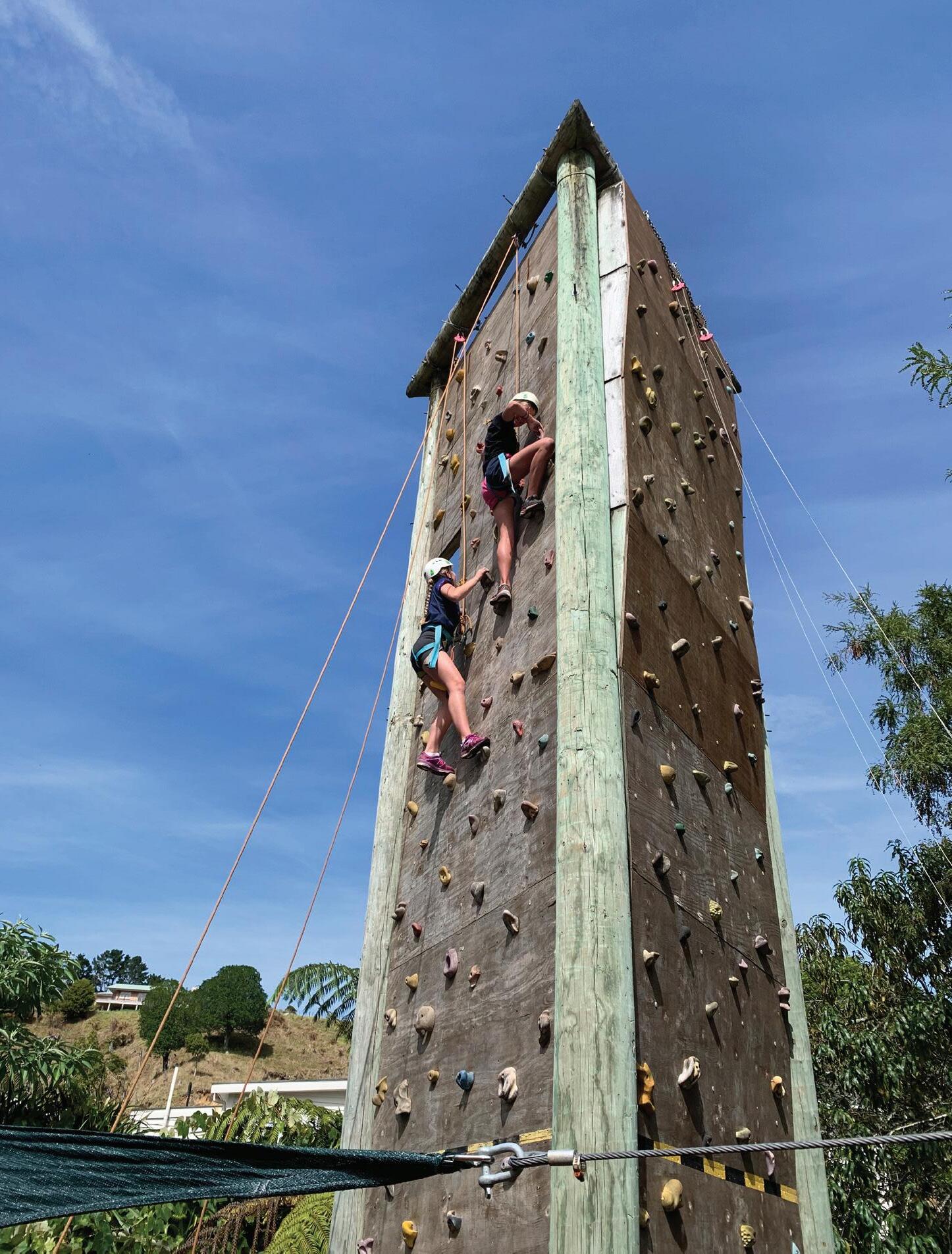
• A purely practical unit where students will learn, develop, and refine their physical and tactical skills in a selected sport, then apply these skills in an assessed game setting. Past examples have included Ki o Rahi, rock climbing, and the Tough Gal Challenge.
• A unit focused on event organisation, where students plan and implement an activity for their class or peers. This may include an overnight expedition, a day trip, or a similar experience for the group.
• An exploration of training for physical events, where students learn about methods and principles of training. They will design an individualised programme and apply it over 4–5 weeks in preparation for the Tough Gal Challenge in Ngāruawāhia (an overnight trip).
• A focus on skill improvement and bio-mechanics. Students will learn about the body’s bones, joints, muscles, and bio-mechanical principles, then apply this knowledge to develop or teach a skill—such as coaching volleyball or learning to surf.
Leader of Learning: Pauline Koorey - pko@shgcnp.school.nz
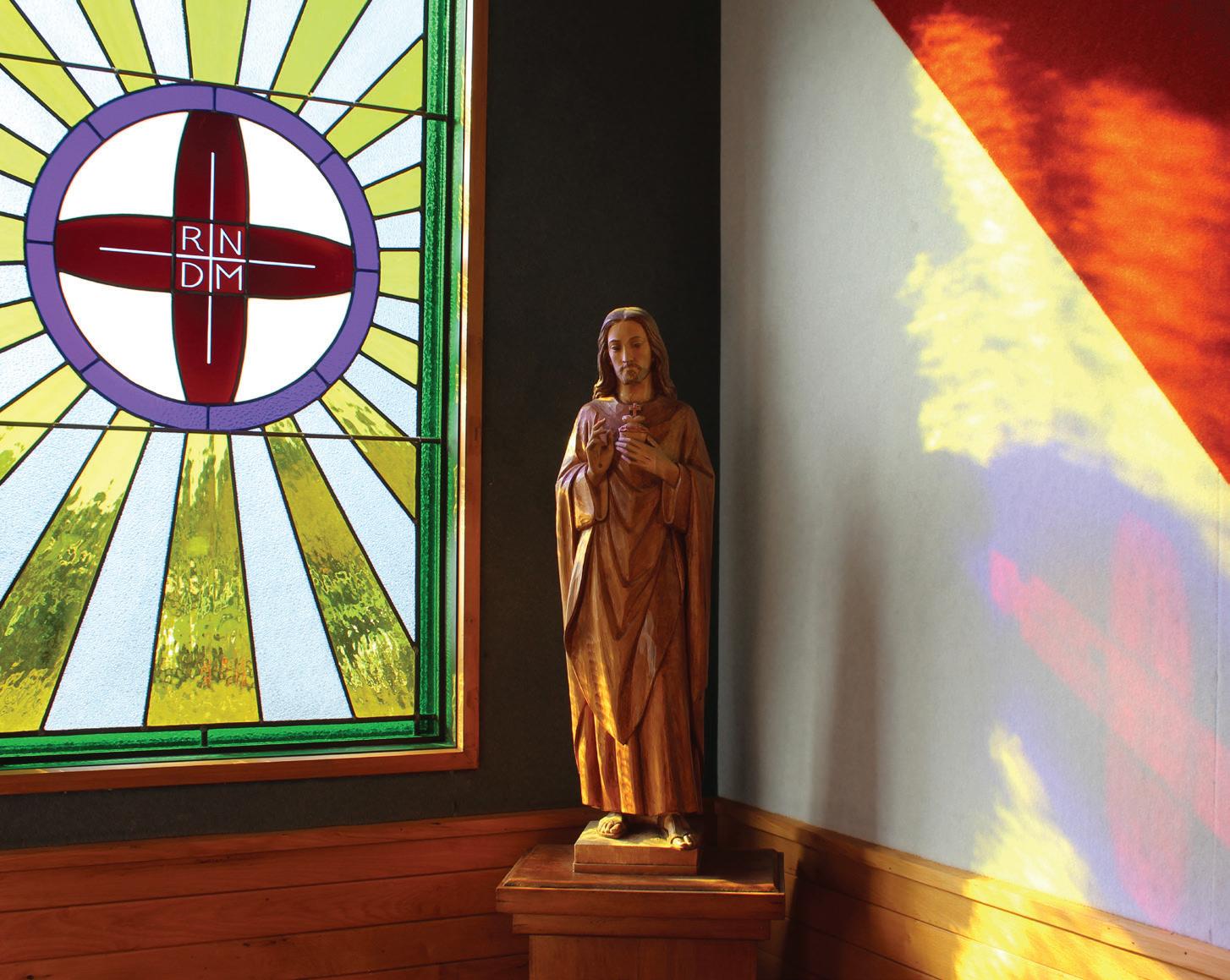
A course for all students in Years 11–13, reflecting the Special Catholic Character of Manawa Tapu while embracing Gospel values and the charism of the Sisters of Our Lady of the Missions.
At Level 2, students will continue to develop their knowledge and understanding of the Catholic faith and practices through the study of Scripture and Tradition, Church History, Theology, Human Experience, and Social Justice.
This course focuses on Catholic Social Teachings and how students can apply these in authentic contexts. Students who choose this course will engage in hands-on, practical experiences that reflect the school’s Special Catholic Character. These experiences of kaitiakitanga include maintaining the Sacred Space, organising the annual SHGC Clothes Swap, and continuing the Sacred Heart Toy Story project.
These rich learning experiences help students develop skills in teamwork, empathy, service, commitment, time management, personal responsibility, and participation. This course offers a combination of Achievement Standards and Unit Standards.
Leader of Learning: Linda Dickson - ldi@shgcnp.school.nz
In Biology, students will explore how all living things are interconnected and how they work together to sustain life on Earth. The course covers rapidly evolving scientific knowledge, including how DNA functions, how organisms operate, and how ecosystems require protection.
Students will gain an understanding of how organisms coexist, how they function at the DNA, cellular, and organ levels, and how ecosystems connect the living and non-living world. They will also learn to interpret biological issues presented in the media.
Key skills include environmental data collection in Taranaki, microscope work, analysing public biological information, and communicating scientific ideas. This course is ideal for students with a strong curiosity about how organisms—including humans—function and interact with their environment. It supports pathways in health, agriculture, environmental science, policy, research, and education.
Preferred Prior Learning (PPL)
Completed Level 1 Science.
In Chemistry, students will explore the composition of matter and gain a deeper understanding of how substances interact and change. The course covers the properties of substances, chemical reactions, and how chemistry provides solutions in fields such as medicine, construction, and energy.
Students will study chemical structure and bonding, reactivity, and the practical applications of substances, including organic compounds. Skills developed include laboratory investigations, chemical identification, concentration calculations, data analysis, and scientific communication.
This course is suited to students interested in how substances behave and change, and how chemistry can improve everyday life. It supports careers in health, science, research, forensics, environmental science, policy, and education.
It is highly recommended that students have completed Level 1 Science before taking this course.
Biology
Chemistry
Human/Animal
Biology
Physics
Leader of Learning: Linda Dickson - ldi@shgcnp.school.nz
This course focuses on human and animal biology. Students will explore how animals, including humans, adapt to various environments and how they interact to survive. Topics include human biology, health, disease, and current biological issues in the media.
Key skills include environmental data collection in Taranaki, research and analysis of public information, and clear scientific communication. This course is ideal for students with a strong interest in animals and how they function within ecosystems. It supports pathways in nursing, agriculture, environmental science, and education.
This is an internally assessed course and is not recommended for students intending to pursue Health Sciences (e.g. medicine, physiotherapy, dentistry) at university. The Year 12 Biology course is more suitable for those pathways, as it includes a broader biological base covering cells and genetics.
In Physics, students will explore the fundamental principles that govern the physical world. Following in the footsteps of scientists like Marie Curie, Ernest Rutherford, and Albert Einstein, students will develop problem-solving skills and a deeper understanding of phenomena ranging from subatomic particles to planetary motion.
The course includes introductory content in mechanics, waves, electricity, and nuclear and atomic physics.
Students will learn how scientific ideas evolve through experimentation and modeling. Key skills include mathematical analysis, practical experimentation, and the use of language, symbols, graphs, and diagrams to explain real-world phenomena.
This course is ideal for students with a strong curiosity about how the world works and who enjoy challenges and learning new skills. Physics supports a wide range of careers in research, innovation, science, technology, policy, and education.
Level 2 Physics is recommended preparation for Level 3.
Leader of Learning: Taryn Gadsby - tga@shgcnp.school.nz
Accounting
Geography
History
Media Studies
Tourism
Spanish
Te Ao Māori
Through the lens of an accountant, students will learn how financial information is developed and reported to support effective decisionmaking. The course includes the use of Xero accounting software and a presentation exploring business decisions related to sustainability.
Students will prepare financial statements and use analytical tools to evaluate business performance.
Business Studies is designed for students interested in how New Zealand businesses operate. In this course, students will have the opportunity to develop a business with support from the Young Enterprise Scheme. They will conduct market research, apply business knowledge to solve problems, and gain insight into the factors involved in managing larger businesses.
Accounting
Business Studies
Leader of Learning: Taryn Gadsby - tga@shgcnp.school.nz
Geography helps students understand how natural and cultural environments are created, interact, and relate to real-world issues. Level 2 Geography builds on Level 1 knowledge but is also accessible to students new to the subject.
Key topics include:
- Field research, including a visit to the Hangatahua/Stony River.
- Urban patterns, such as analysing homicide distribution in Chicago.
- A contemporary New Zealand issue: forestry slash in Te Tairāwhiti.
- Large natural landscapes, with a choice of the Amazon Basin, Hawai‘i, or the Colorado Basin—exploring their origins and human impact.
Students will use digital tools, explore current events, and learn how people make decisions. This subject builds awareness and helps students become thoughtful, informed global citizens.
Geography
History
Media Studies
Tourism
Spanish
Te Ao Māori
YEAR 12 SOCIAL SCIENCES & LANGUAGES CONTINUED
In Year 12 History, students will examine the perspectives and actions of groups that used violence, such as the IRA, al-Qaeda, and ISIS, and contrast these with non-violent protest movements in New Zealand.
Students will research significant events often surrounded by conspiracy theories or misinformation, such as the Moon Landings, political assassinations, or the death of Princess Diana.
For internal assessments, students will have the opportunity to select topics that interest them. The course also includes a study of the Salem Witch Trials, focusing on the history of witch hunts and the social factors that contributed to widespread hysteria.
Students will develop transferable skills such as critical thinking, independent research, communication, and empathy.
Accounting
Business Studies
Geography
History
Media Studies
Tourism
Spanish
Te Ao Māori
Leader of Learning: Taryn Gadsby - tga@shgcnp.school.nz
Media Studies encourages students to explore and understand the media-saturated world around them. The course examines how and why media products are created, while providing opportunities for students to express their creativity. These are essential skills for evaluating reliability and perspectives within media.
Students who enjoy learning about the world and creating media—such as magazines or short films—will find this course engaging. The Year 12 programme includes the study of representation, media ethics, genre, and the creation of a media product.
This course supports pathways into media production and creative industries such as journalism, public relations, television, film, video, and social media. It also provides valuable skills for industries with media components, including advertising, websites, and customer relations.
Tourism offers students the opportunity to explore the skills and knowledge relevant to the travel and tourism industry at local, national, and global levels. The course includes opportunities for field trips and visits to experience tourism beyond the classroom.
Students will gain an understanding of destinations in New Zealand and abroad, explore different roles within the industry, and examine types of tourists and tourism. The course also investigates the environmental impact of tourism in both local and global contexts.
Learning Spanish introduces students to new ways of thinking and interpreting the world, equipping them with the knowledge, skills, and attitudes needed to live in a culturally diverse society.
While learning Spanish, students will also gain tools and strategies to deepen their understanding of their own language. At this level, students will use a wide range of vocabulary and language features to understand and produce more complex language. They will learn to talk about events, express and justify opinions, and make comparisons and contrasts.
Students will expand their understanding of how to use past, present, and future tenses, listen to a variety of Spanish accents, and read a range of Spanish texts in preparation for external exams.
Accounting
Business Studies
Geography
History
Media Studies
Tourism
Spanish
Te Ao Māori
Leader of Learning: Taryn Gadsby - tga@shgcnp.school.nz
This course offers a rich and practical learning experience that blends Te Reo Māori Achievement Standards, Te Ao Haka Achievement Standards, and Manaaki Marae Unit Standards. Students will continue to develop their te reo Māori through speaking, listening, reading, and writing, while also gaining skills in Māori performing arts and marae-based practices.
The Manaaki Marae component focuses on tikanga and kawa related to hospitality and leadership within a marae setting, equipping students with knowledge and skills valuable in both cultural and vocational contexts. This course does not contribute to University Entrance but provides an important pathway for students seeking to strengthen their identity, cultural capabilities, and connection to te ao Māori.
It is especially well-suited to students involved in Kapa Haka or those aspiring to leadership roles within Māori communities.
YEAR 12 SOCIAL SCIENCES & LANGUAGES CONTINUED
Leader of Learning: Emma Cronin - ecr@shgcnp.school.nz
01. DESIGN & VISUAL
Design and Visual Communication is ideal for students interested in design. Students will apply design thinking to a chosen product or architectural opportunity, investigating, sketching, exploring, developing, and modeling their ideas with consideration for both aesthetics and functionality. Final designs will be presented in an exhibition using graphic design principles and digital modeling.
This multidisciplinary subject nurtures transferable skills in critical and innovative thinking, allowing students to develop their own diverse style. The course is tailored to support and extend individual learning. At each year level, students will deepen their understanding and challenge their thinking.
Design is a universal language with global impact, and as students’ progress, they can explore pathways in architecture, business, construction, creative industries, engineering, and industrial or graphic design.
It is highly recommended that students have completed Level 1 Design and Visual Communication before taking this course.
Preferred Prior Learning (PPL)
Completed Level 1 Design and Visual Communication.
02.
Food and Hospitality Studies offers a balanced blend of hands-on practical learning and engaging theoretical exploration. Students investigate the relationship between kai (food), culture and innovation.
They will also develop essential skills in creative thinking and problem solving while gaining experience in food preparation and sustainable food systems. This course encourages ākonga (students) to explore how food impacts wellbeing, community and the environment. Through collaborative authentic projects, students will investigate food safety, nutrition, and service practices, while considering tikanga (customs and protocols) and mātauranga Māori (Māori knowledge) in the context of kai (food) production and hospitality.
Design & Visual Communication
Food & Hospitality Studies
Textiles Technology
As hospitality becomes a growing focus, students build transferable skills that prepare them for meaningful pathways into cookery, catering, food science, and manaakitanga-based (hospitality, care and respect) service industries.
Ngā ara whai muri (Future pathways) include:
- Hospitality
- Culinary Arts
- Food Technology
- Hauora (Health and wellbeing) & Nutrition
- Tourism & Manaakitanga (hospitality, care and respect).
Design & Visual Communication
Food & Hospitality Studies
Leader of Learning: Emma Cronin - ecr@shgcnp.school.nz
03. TEXTILES TECHNOLOGY
Textiles Technology
YEAR 12 TECHNOLOGY CONTINUED
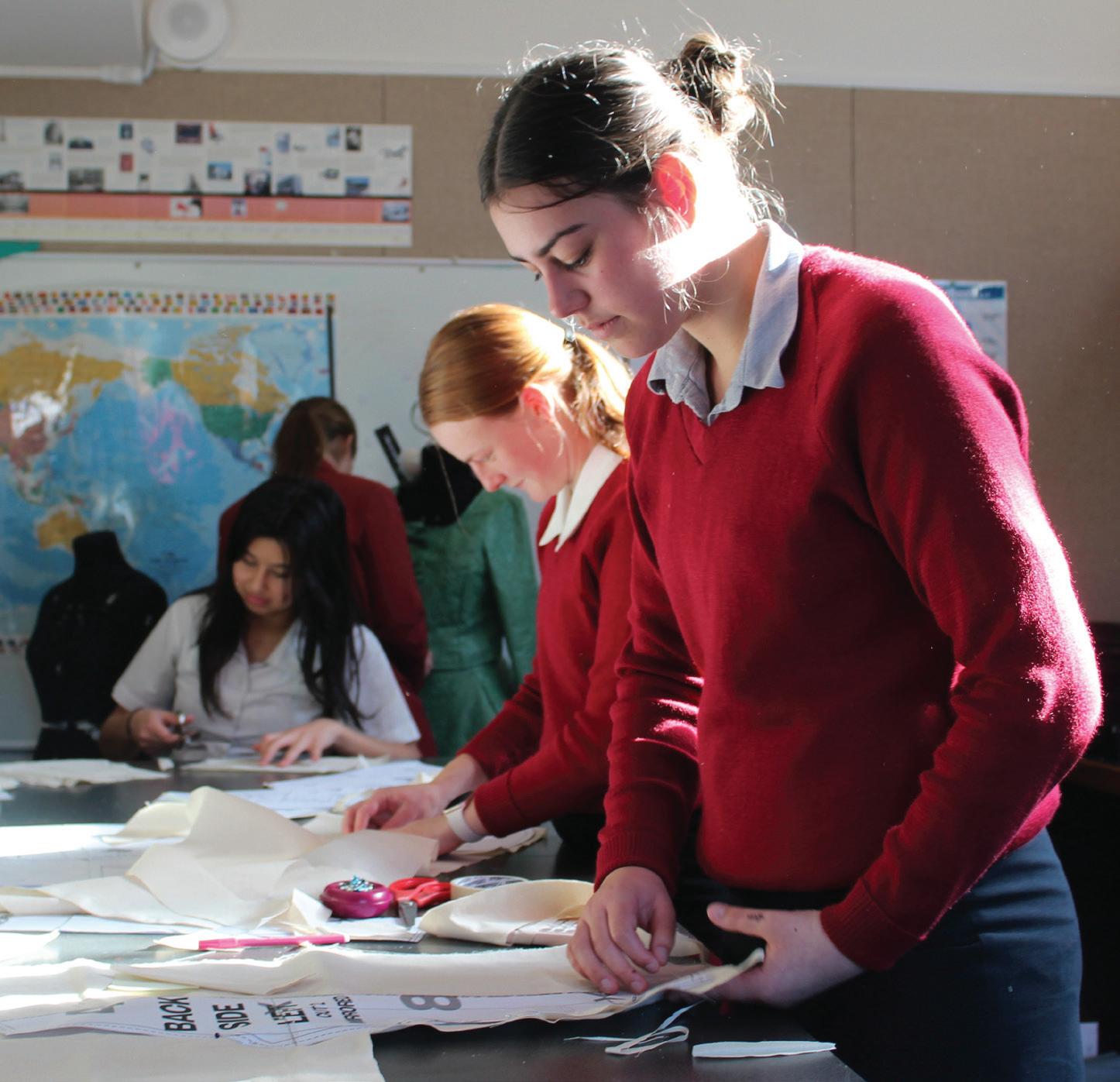
In Textiles Technology, students will use textile materials in innovative ways to engineer solutions to authentic problems. They will become creative and conscientious designers who understand how their practice impacts the world around them. The course is divided into two flexible projects, which can be negotiated according to students’ interests and strengths.
Textiles is an essential part of cultural identity and plays a significant role in society. Through this course, students will explore how clothing and fabrics are influenced by and impact culture, history, and social trends. They will learn about eco-friendly materials, ethical practices, and sustainable textile design.
The fashion and textiles industry is vast and diverse, offering career opportunities in design, business, merchandising, marketing, journalism, tailoring, and other creative industries. Graduates with skills in this field are in demand in the global fashion industry.
Preferred Prior Learning (PPL)
Completed Level 1 Textiles.
Leader of Learning: Warwick Foy - wfo@shgcnp.school.nz
Pathways is designed to give students the opportunity to explore their interests and potential career options in a low-stakes environment. If students discover that a chosen pathway is not the right fit, this is seen as a positive outcome rather than a failure.
The programme provides learning opportunities not typically available in mainstream classes and supports students in identifying the pathway that best suits them. While qualifications are essential, work-readiness is vital for all careers. Pathways aims to demonstrate the relevance of school learning to future training and employment.
The programme also supports students in their transition to adulthood—emotionally, spiritually, and in building confidence, self-esteem, and awareness of the opportunities available to them. Students can choose from External Courses, Internal Courses, and two types of Work Experience:
Internal Courses
These are on-site courses sourced from external providers and facilitated by experts. Some may include an off-site component. Examples include:
• Health
• Early Childhood Education (ECE)
• Tourism
• Business
• Te Kura.
External Courses
Time-Based Work Experience
Gateway Work Experience
These are off-site courses that may run from half a day to two days per week. They are facilitated by industry experts and cover a wide range of options, including:
• Sport & Fitness
• Hospitality
• Police
• Hairdressing
• Makeup
• Automotive
• Barista
• First Aid
• Customer Service
• Outdoor Education
• Agriculture.
Internal Courses
External Courses
Time-Based Work Experience
Gateway Work Experience
YEAR 12 PATHWAYS CONTINUED
Leader of Learning: Warwick Foy - wfo@shgcnp.school.nz
This option allows students to gain work experience in a flexible, lowstakes environment with an employer of their choice. It provides a chance to explore whether a particular career path is suitable.
This is a more structured and realistic work experience opportunity. Students receive support to transition into employment or tertiary education in their chosen field. Industry learning and assessment are included.
If a Pathways opportunity results in students missing regular classes, it is essential that they work with their teachers to create a plan for managing their workload.
Note: Not all Pathways options are available at every year level.

"Year 13 is the final stage of a student’s school journey and a time to make purposeful decisions about the future. With Religious Studies as the only compulsory subject, students choose five additional courses that reflect their passions, strengths, and next steps—whether that be tertiary study, trades, training, or employment. This year is about leadership, independence, and commitment, as students take ownership of their learning and work toward achieving personal excellence. Year 13 is a time to consolidate learning, maximise achievement, and prepare with confidence for life beyond school."
Year 12 students choose five courses from the Option Course below for their classes next year. The only compulsory course at Year 13 is one of the Religious Studies options. All courses offer at least 15 credits unless stated otherwise
DRAMA, MUSIC, PAINTING, PHOTOGRAPHY.
FLIPPING THE SCRIPT, LITERATURE & LIFE.
MATHEMATICS WITH CALCULUS, MATHEMATICS WITH STATISTICS.
OUTDOOR EDUCATION, PHYSICAL EDUCATION.
Compulsory (one)
RELIGIOUS STUDIES & RELIGIOUS STUDIESFAITH IN ACTION.
BIOLOGY, CHEMISTRY, HUMAN/ ANIMAL BIOLOGY, PHYSICS.
ACCOUNTING, BUSINESS STUDIES, GEOGRAPHY, HISTORY, MEDIA STUDIES, TOURISM, SPANISH.
INTERNAL & EXTERNAL COURSES. TIME-BASED WORK EXPERIENCE, GATEWAY WORK EXPERIENCE. TE ARA PŪMANAWA - OFFSITE DAYS, ONSITE DAYS.
DESIGN & VISUAL COMMUNICATION, FOOD & HOSPITALITY STUDIES, TEXTILES TECHNOLOGY.
Leader of Learning: Bridie Steele - bst@shgcnp.school.nz
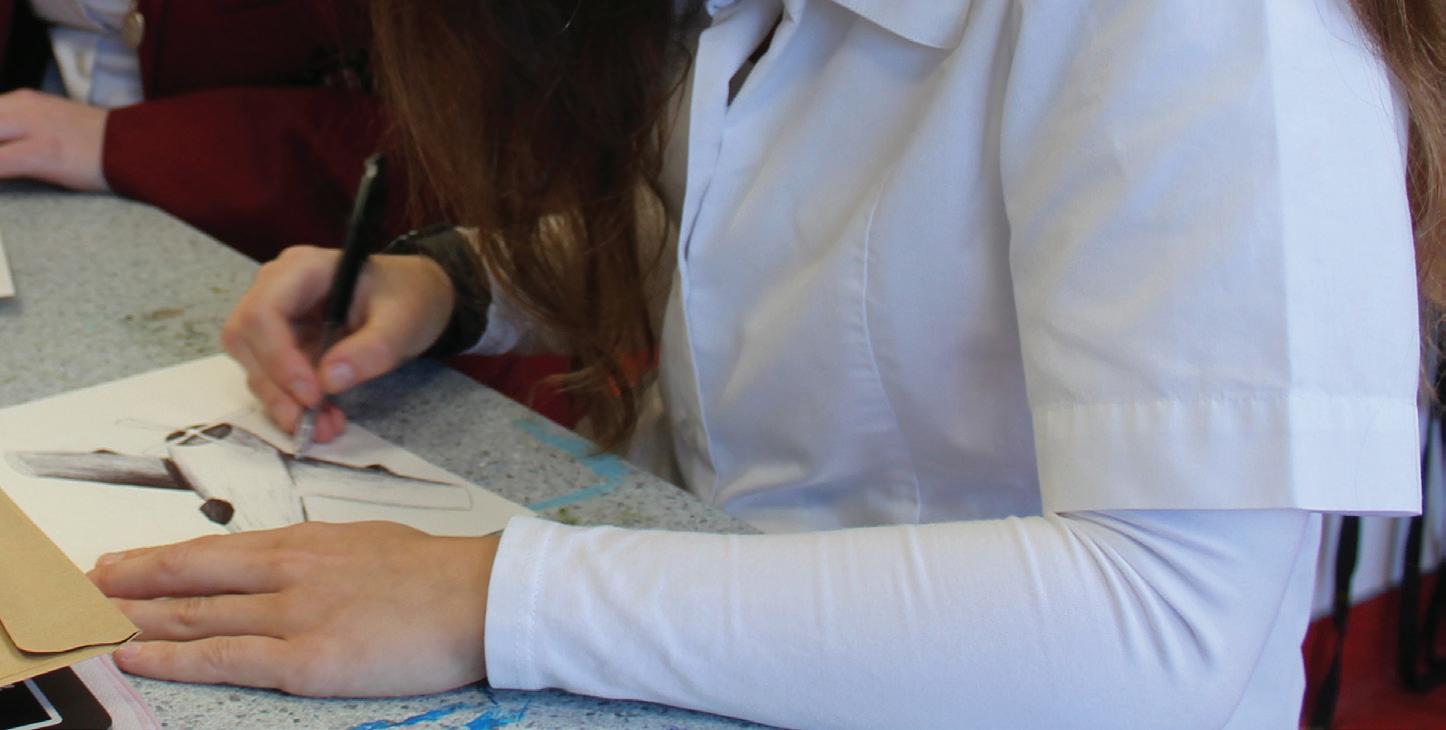
Level 2 and 3 Drama are often combined, offering students a range of collaborative experiences that enrich their learning. Students work primarily in mixed-level groups early in the year, exploring theatre forms and techniques through scenarios tailored to group needs. Participation in competitions such as the Sheilah Winn Shakespeare Festival and Theatre Fest provides additional motivation and opportunities to perform on public stages.
Watching performances—from professional productions to student work— is essential for developing a deeper understanding of drama. Students will explore a variety of performance types, including both scripted and devised work. The course has a practical focus, with limited written components used for verification.
There are no prerequisites for taking Drama, although consistent class attendance is recommended.
Music is both a performing art and a universal language, making it a practical and knowledge-based course. Creativity is encouraged across a range of skills and topics, with students working according to their individual abilities.
Opportunities to extend skills are offered, and participation in extracurricular activities is encouraged. Senior Music includes the strands of ‘Making Music,’ ‘Music Studies,’ and ‘Music Technology.’ Within these areas, students are supported to develop their own interests and skills, with the goal of growing as musicians. Assessments are designed to align with each student’s unique musical journey.
Leader of Learning: Bridie Steele - bst@shgcnp.school.nz
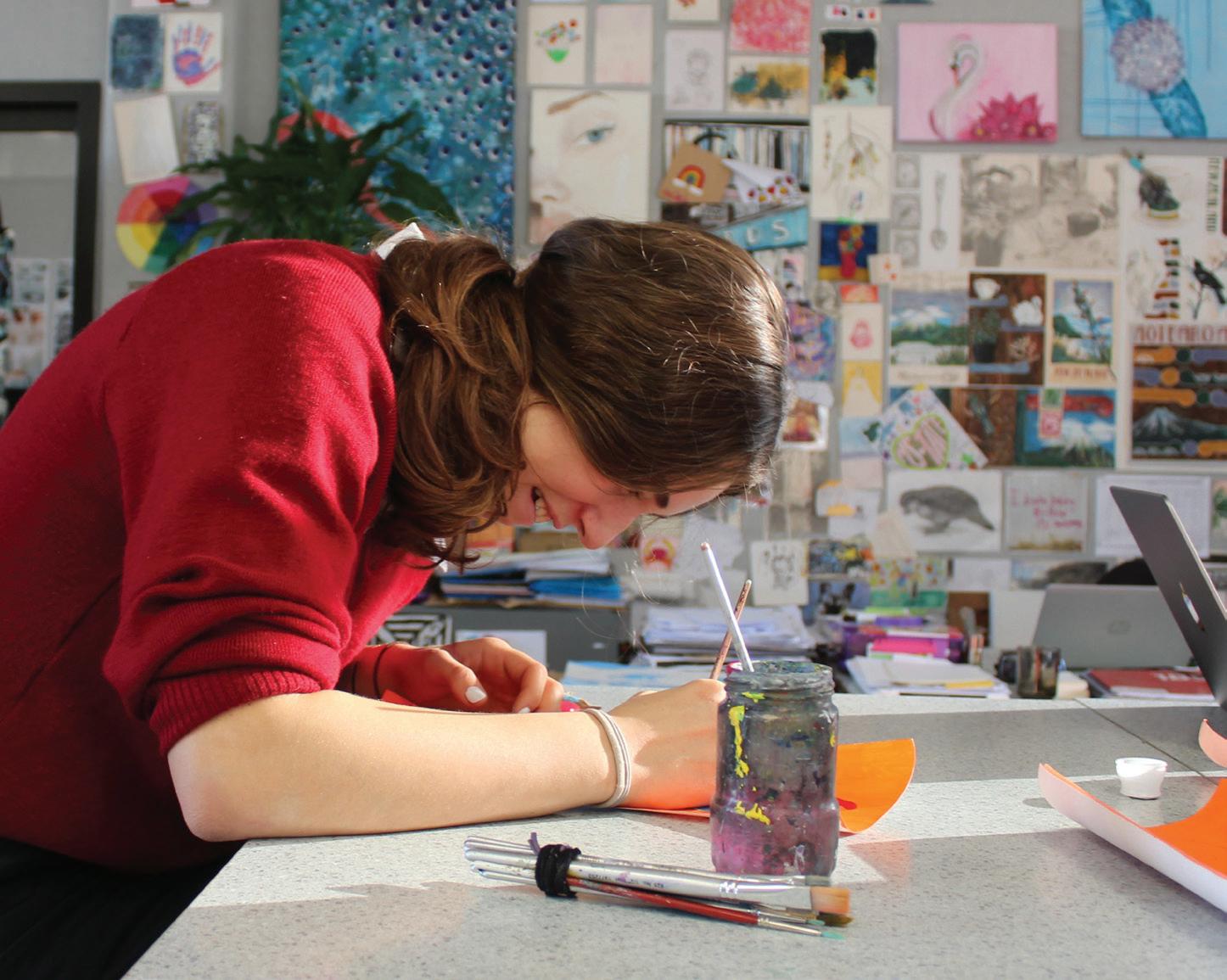
Success in Painting requires strong skills in time management, organisation, and planning. Students will study both established and contemporary artistic practices to develop their techniques and concepts. They will select and investigate specific artist models to support and influence their ideas, allowing their strengths, individual style, and methodology to emerge.
Level 3 Painting involves the development of a body of work across the year. The course includes two internally assessed standards worth 8 credits and a three-panel folio for external assessment worth 14 credits.
In NCEA Level 3 Photography, students will study both established and contemporary photographic practices. Ideas will be inspired by the world around them, with students encouraged to use environmental, political, social, and cultural influences to challenge, reflect, and comment through their art.
Following photoshoots, most work will be completed using digital software such as Adobe Lightroom and Adobe Photoshop. Strong skills in time management, organisation, and planning are essential for success. Two internal assessments will take place in the first half of the year, totaling 8 credits. The external assessment is a three-panel digital folio, completed in Term 3 and worth 14 credits. Students interested in Scholarship Photography will receive more information at the beginning of Term 2.
Leader of Learning: Jeremy Taylor - jta@shgcnp.school.nz
Empower Me is a wellbeing programme for students in Years 9 to 13, designed to equip them with tools, strategies, and life skills to navigate life’s challenges. Based on the principles of Te Whare Tapa Whā, the curriculum focuses on hauora and is tailored to meet the developmental needs of students at each age and stage.
The programme supports the holistic development of students, fostering resilience, emotional intelligence, and a positive mindset. Through a blend of mindfulness practices, physical activities, and social-emotional learning, Empower Me aims to create a nurturing environment where every student feels valued and empowered.
Leader of Learning: Abigail Rilkoff - ari@shgcnp.school.nz
This course invites students to critically examine the world around them through a range of visual and short texts. Students will sharpen their critical thinking, analytical skills, and creative expression, while gaining confidence in using their voice effectively. The course supports the development of general language proficiency through listening, speaking, reading, and writing. Level 3 English provides essential literacy and communication skills that support success across other curriculum areas and are highly valued by employers. It is highly recommended for students intending to attend university, particularly those pursuing degrees rich in written and verbal communication.
This course follows a flipped classroom model, allowing students enrolled in 3 + 2 Pathways courses to manage their own learning. Course materials and homework activities can be completed independently, while assessment and teacher conferencing are prioritised during class time.
Preferred Prior Learning (PPL)
Achieved Achievement Standard 91101 and at least one Level 2 English External Standard.
Flipping the Script Literature & Life
This course explores the world through increasingly complex literature, including short stories, poetry, novels, plays, and film. Students will sharpen their critical thinking, analytical skills, and creative expression, while gaining confidence in using their voice effectively.
The course supports the development of general language proficiency through listening, speaking, reading, and writing. Level 3 English provides essential literacy and communication skills that support success across other curriculum areas and are highly valued by employers. It is highly recommended for students intending to attend university, particularly those pursuing degrees rich in written and verbal communication.
Preferred Prior Learning (PPL)
Achieved Achievement Standard 91101 and at least one Level 2 English External Standard.
Mathematics with Calculus
Leader of Learning: Spencer Page - spa@shgcnp.school.nz
This course is suitable for students intending to study engineering, science, or economics at university, or for those with a strong interest in mathematics.
Calculus focuses on refining algebraic techniques and understanding the mathematics behind the physical world through differentiation and integration.
Preferred Prior Learning (PPL)
Completed Level 2 Algebra (91261) and Level 2 Calculus (91262)
02. MATHEMATICS
Mathematics with Statistics
R 4 W 4 Or
This course is designed for students pursuing further education in health sciences or social sciences such as psychology and sociology. Statistics focuses on writing statistical reports, conducting experiments, and learning about various probability distributions.
Preferred Prior Learning (PPL)
Completed Level 2 Inference (91264) and Level 2 Probability (91267)
Level 3 Outdoor Education requires a high level of attendance and commitment both in and out of class. The course includes several overnight and multi-night camps throughout the year, which students are expected to plan and implement.
A positive attitude toward the outdoors is essential. Students will participate in activities such as mountain biking, water sports, tramping, overnight camping, rock climbing, bush survival, and shelter building. The course places students in situations that develop leadership, communication, and resilience. This course offers Unit Standard credits only.
Level 3 Physical Education covers a variety of practical topics related to sport and physical activity. Students will:
• Participate in a practical unit focused on Golf and/or Badminton, or a sport of their choice. They will learn, develop, and refine physical skills, then apply them in a competitive game setting.
• Examine safety management issues in outdoor activities and develop strategies to minimise risks. This learning will be applied during a twoday, one-night mountain biking trip on the Timber Trail.
• Recap training methods and principles, and study sport psychology. Students will apply this knowledge to improve their performance through a personalised training programme, preparing for a physical activity event such as the Taranaki 6-Hour Adventure Race or a triathlon.
• Evaluate the role and value of physical activity in their lives, challenge assumptions about its importance, and devise strategies for lifelong wellbeing. Assessment will be delivered as a presentation based on their experiences.
Leader of Learning: Pauline Koorey - pko@shgcnp.school.nz
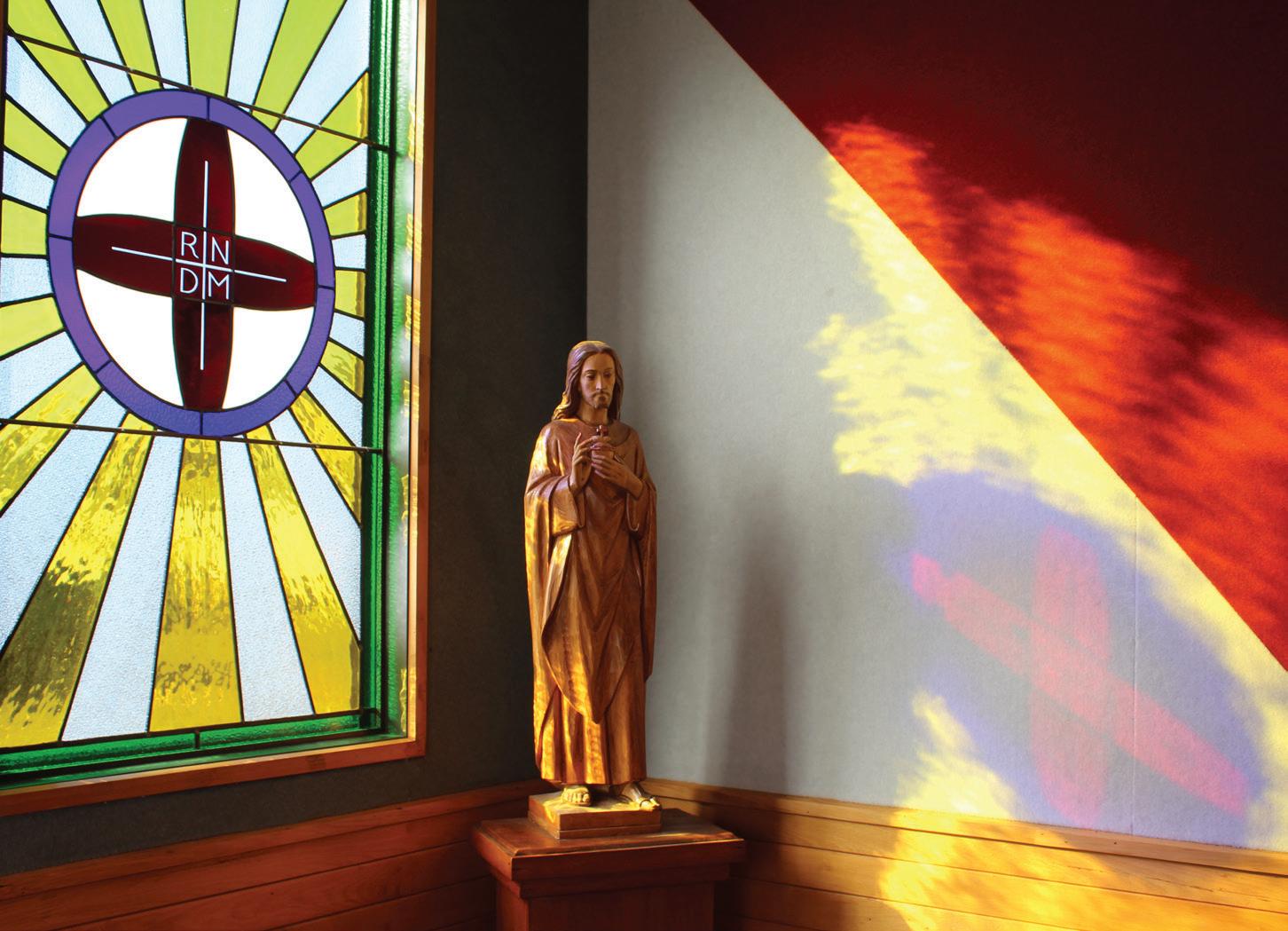
Religious Studies is a course for all students in Years 11–13, reflecting the Special Catholic Character of Manawa Tapu and embracing Gospel values and the charism of the Sisters of Our Lady of the Missions.
At Level 3, students will continue to deepen their understanding of the Catholic faith and practices through the study of Scripture and Tradition, Church History, Ethics, and Social Justice.
This course focuses on faith in Action focuses on Catholic Social Teachings and their application in authentic contexts. Students who choose this course will engage in hands-on practical experiences that reflect the school’s Special Catholic Character.
Activities include volunteering in the student-led canteen, weekly visits to Tainui Rest Home, running the Pre-Loved Uniform Shop, and organising junior socials. The course also responds to other community needs that arise throughout the year.
These experiences help students develop skills in teamwork, empathy, service, commitment, time management, personal responsibility, and participation.
This course can be taken alongside Religious Studies but does not contribute to University Entrance.
Leader of Learning: Linda Dickson - ldi@shgcnp.school.nz
In Biology, students will explore how living organisms are interconnected and how they function, change, and interact with their environment. The course covers rapidly advancing scientific knowledge, including the use of DNA, biological processes, and the impact of environmental factors.
Students will gain an understanding of how organisms coexist and interrelate, how the human body responds to change, and how biological issues affect society. Key skills include animal data collection and interpretation, analysing trends in biological systems, problem-solving, and scientific communication.
This course is ideal for students with a strong curiosity about life and living systems. It supports career pathways in health, agriculture, environmental science, policy, research, and education.
Biology
Chemistry
Human/Animal
Biology
Physics
In Chemistry, students will explore the composition of matter and how substances interact and change. The course provides a deeper understanding of chemical properties and reactions, including those relevant to medicine, construction, and energy development.
Students will investigate reactions in aqueous solutions, electron transfer processes, and organic compounds. Skills developed include laboratory investigations, chemical identification, concentration calculations, spectroscopic data analysis, and scientific communication.
This course is suited to students interested in how substances behave and change, and how chemistry can improve everyday life. It supports careers in health, science, research, forensics, environmental science, policy, and education.
Biology
Chemistry
Human/Animal
Biology
Physics
Leader of Learning: Linda Dickson - ldi@shgcnp.school.nz
This course focuses on human and animal biology. Students will explore how animals, including humans, adapt to various environments and how they interact to survive. Topics include human biology, health, disease, and current biological issues such as the use of drugs like Ozempic.
Key skills include data collection and interpretation from plant or animal investigations, research and analysis of public information, and structured scientific communication. This course is ideal for students with a strong interest in animals and ecosystems. It supports pathways in nursing, agriculture, environmental science, and education.
This course is internally assessed and does not meet University Entrance requirements. It is not recommended for students intending to pursue Health Sciences or Veterinary Science at university. The Year 13 Biology course is more suitable for those pathways.
In Physics, students will explore the fundamental principles that govern the physical world. Inspired by scientists such as Marie Curie, Ernest Rutherford, and Albert Einstein, students will develop problem-solving skills and gain a deeper understanding of phenomena from subatomic particles to planetary motion.
The course includes in-depth content in mechanics, waves, electricity, and nuclear and atomic physics. Students will learn how scientific ideas evolve through experimentation and modeling. Key skills include mathematical analysis, practical experimentation, and the use of language, symbols, graphs, and diagrams to explain real-world phenomena.
This course is ideal for students with a strong curiosity about how the world works and who enjoy challenges and learning new skills. Physics supports a wide range of careers in research, innovation, science, technology, policy, and education.
Leader of Learning: Taryn Gadsby - tga@shgcnp.school.nz
The Year 13 Accounting course is designed for students preparing for a career in accounting or the business world. Students will learn how to prepare financial statements and use accounting information to support decision-making. Topics include business partnerships, job costing, and cash flow management.
Business Studies is ideal for students interested in running an enterprise, supported by the Young Enterprise Scheme. The course also explores how global businesses operate.
In Year 13, students will analyse human resource issues and solve complex problems faced by businesses in global markets. Contexts will be selected to align with student interests and needs. Students will develop skills in problem-solving, teamwork, risk-taking, resource management, and business planning.
Level 3 Geography challenges students to explore and examine global issues in depth. It builds on knowledge from Levels 1 and 2 but is also accessible to those new to the subject. Key topic choices include:
• Global pattern – Maritime Piracy.
• Research – North Taranaki coastal processes.
• Contemporary issue – Illegal migration in the Mediterranean region.
• Contemporary event – Planning processes of Rhythm and Vines and the TSB Festival of Lights.
• Tourism in Rotorua.
Geography equips students with the tools to address real-world challenges and prepare for future careers in areas such as climate change, sustainable development, urban planning, and geospatial technology.
Accounting
Business Studies
Geography
History
Media Studies
Tourism
Spanish
Leader of Learning: Taryn Gadsby - tga@shgcnp.school.nz
The Year 13 History course offers a flexible curriculum tailored to student interests and future pathways. The course begins with a study of the Nuremberg Trials and the development of international law, exploring how justice systems respond to major global events.
Students will then choose topics for internal assessments, such as the New Zealand legal system (e.g. the David Bain and Teina Pora cases) or major turning points in world history (e.g. the dropping of the atomic bomb, the execution of Marie Antoinette, or the Cold War).
The course develops skills in research, organising ideas, and writing with insight. Highlights have included visits to the District Courts and the Wellington Humanities Trip. University Entrance can be achieved through internal standards. Two external standards are available, and students may choose to complete one or both.
Media Studies encourages students to explore and understand the mediasaturated world around them. The course examines how and why media products are created and provides opportunities for students to express their creativity.
Students who enjoy learning about the world and creating media—such as magazines or short films—will find this course engaging. The Year 13 programme includes the study of media perspectives, representation (e.g. Gloriavale), genre, and the creation of a media product. Up to 20 credits are available.
Media Studies supports pathways into media production and creative industries such as journalism, public relations, television, film, video, and social media. It also provides valuable skills for industries with media components, including advertising, websites, and customer relations.
This course introduces students to the role and impact of tourism at local, national, and global levels. Students will develop skills and knowledge relevant to the travel and tourism industry, with opportunities for field trips and visits to explore tourism beyond the classroom.
Students will research tourist destinations in New Zealand, Australia, and the Pacific Islands, examining natural and constructed attractions, activities, events, accommodation, transport, and visitor services. The course allows for flexible pacing and accommodates Pathways placements.
Accounting
Business Studies
Geography
History
Media Studies
Tourism
Spanish
Leader of Learning: Taryn Gadsby - tga@shgcnp.school.nz
07. SPANISH
YEAR 13
SOCIAL SCIENCES & LANGUAGES CONTINUED
Learning Spanish introduces students to new ways of thinking and interpreting the world, equipping them with the knowledge, skills, and attitudes needed to live in a culturally diverse society.
At this level, students will continue to develop strategies for interpreting texts and responding critically to ideas, enabling them to comment on contemporary global issues.
They will listen to a range of Spanish accents and read a variety of Spanish texts in preparation for external exams.
Preferred Prior Learning (PPL)
Completed Year 12 Spanish
Leader of Learning: Emma Cronin - ecr@shgcnp.school.nz
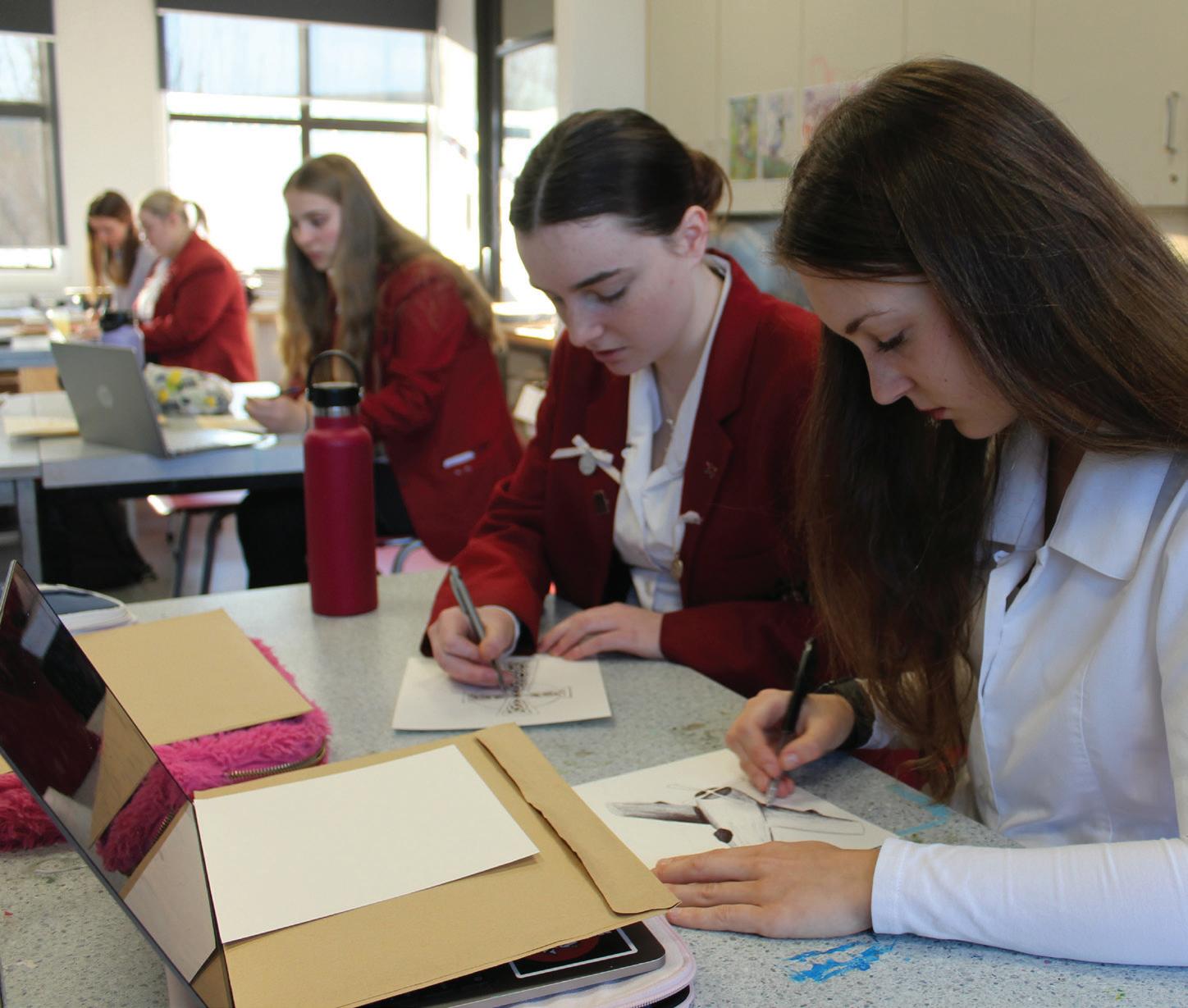
Design and Visual Communication is an ideal course for students interested in design. Students will apply design thinking to a chosen product or architectural opportunity. They will investigate, sketch, explore, develop, and model their design, considering both aesthetics and functionality.
Design & Visual Communication
Food & Hospitality Studies
Textiles Technology
Final work will be presented in an exhibition using graphic design principles and digital modeling. Through this process, students will become creators of objects and spaces, seeing their world change through design.
This multidisciplinary subject nurtures transferable skills in critical and innovative thinking, allowing students to develop their own diverse style. The course is tailored to support and extend individual learning. At each year level, students are challenged to deepen their thinking and refine their skills. Design is a universal language with global impact, and as students progress, they can explore pathways in architecture, business, construction, creative industries, engineering, and industrial or graphic design.
Leader of Learning: Emma Cronin - ecr@shgcnp.school.nz
Food and Hospitality Studies offers a balanced blend of hands-on practical learning and engaging theoretical exploration. Students investigate the relationship between kai (food), culture and innovation.
They will also develop essential skills in creative thinking and problem solving while gaining experience in food preparation and sustainable food systems. This course encourages ākonga (students) to explore how food impacts wellbeing, community and the environment. Through collaborative authentic projects, students will investigate food safety, nutrition, and service practices, while considering tikanga (customs and protocols) and mātauranga Māori (Māori knowledge) in the context of kai (food) production and hospitality.
As hospitality becomes a growing focus, students build transferable skills that prepare them for meaningful pathways into cookery, catering, food science, and manaakitanga-based (hospitality, care and respect) service industries.
Ngā ara whai muri (Future pathways) include:
- Hospitality
- Culinary Arts
- Food Technology
- Hauora (Health and wellbeing) & Nutrition
- Tourism & Manaakitanga (hospitality, care and respect).
Design & Visual Communication
Food & Hospitality Studies
Textiles Technology
YEAR 13 TECHNOLOGY CONTINUED
In Textiles Technology, students will use textile materials in innovative ways to engineer solutions to authentic problems. They will become creative and conscientious designers who understand how their practice impacts the world around them.
The course is divided into two flexible projects, which can be adapted to suit students’ interests and strengths. Students will explore how clothing and fabrics are influenced by and impact culture, history, and social trends. They will also learn about eco-friendly materials, ethical practices, and sustainable textile design.
Textiles is an essential part of cultural identity and plays a significant role in society. The fashion and textiles industry is vast and diverse, offering career opportunities in design, business, merchandising, marketing, journalism, tailoring, and other creative industries. Graduates with skills in this field are in demand in the global fashion industry.

Internal Courses
Leader of Learning: Warwick Foy - wfo@shgcnp.school.nz
Pathways is designed to give students the opportunity to explore their interests and potential career options in a low-stakes environment. If students discover that a chosen pathway is not the right fit, this is seen as a positive outcome rather than a failure.
The programme provides learning opportunities not typically available in mainstream classes and supports students in identifying the pathway that best suits them. While qualifications are essential, work-readiness is vital for all careers. Pathways aims to demonstrate the relevance of school learning to future training and employment.
The programme also supports students in their transition to adulthood—emotionally, spiritually, and in building confidence, selfesteem, and awareness of the opportunities available to them.
Students can choose from External Courses, Internal Courses, and two types of Work Experience:
These are on-site courses sourced from external providers and facilitated by experts. Some may include an off-site component. Examples include:
• Health
• Early Childhood Education (ECE)
• Tourism
• Business
• Te Kura.
External Courses
Time-Based Work Experience
Gateway Work Experience
These are off-site courses that may run from half a day to two days per week. They are facilitated by industry experts and cover a wide range of options, including:
• Sport & Fitness
• Hospitality
• Police
• Hairdressing
• Makeup
• Automotive
• Barista
• First Aid
• Customer Service
• Outdoor Education
• Agriculture.
Internal Courses
External Courses
Time-Based Work Experience
Gateway Work Experience
YEAR 13 PATHWAYS CONTINUED
Leader of Learning: Warwick Foy - wfo@shgcnp.school.nz
This option allows students to gain work experience in a flexible, lowstakes environment with an employer of their choice. It provides a chance to explore whether a particular career path is suitable.
This is a more structured and realistic work experience opportunity. Students receive support to transition into employment or tertiary education in their chosen field. Industry learning and assessment are included.
If a Pathways opportunity results in students missing regular classes, it is essential that they work with their teachers to create a plan for managing their workload.
Note: Not all Pathways options are available at every year level.
Internal Courses
External Courses
Time-Based Work Experience
Gateway Work Experience
YEAR 13 PATHWAYS
CONTINUED
Leader of Learning: Warwick Foy - wfo@shgcnp.school.nz
Te Ara Pūmanawa is a full-time programme designed for students who are eager to begin working but are not yet ready to leave school. It replaces the conventional school programme while allowing students to remain enrolled.
The purpose is to provide a structured and supportive environment that prepares students for life beyond school—whether they are transitioning to tertiary education, entering the workforce, or acquiring essential life skills.
Monday, Tuesday & Thursday
On these days, students will participate in external programmes such as:
• WITT 3+2 Courses
• WITT Trades Academy Courses
• Gateway (Workplace learning programme)
• Work Experience
• STAR Courses
• Other approved courses or experiences.
These offsite courses are delivered by NCEA-accredited providers, enabling students to earn credits toward nationally recognised certificates, qualifications, and NCEA.
Wednesday & Friday
These days focus on developing life skills through a core programme that includes:
• Catholic Social Teachings and Service through Religious Studies
• Financial Literacy
• Cooking
• Wellbeing (Mental, Emotional, and Physical Health).
Students will also have the opportunity to focus on specific areas based on individual needs and work toward additional NCEA credits if required.
• Students must be enrolled in courses on all three Offsite Days through the Pathways programme.
• Mr Warwick Foy, Leader of Pathways and Careers Advisor (wfo@ shgcnp.school.nz), facilitates enrollment and coordination.
• Full commitment to both Offsite and Onsite Days is required.
Te Ara Pūmanawa offers a comprehensive approach to transitioning from school to the next phase of life, combining practical experience with essential life skills training in a supportive and flexible learning environment.