KATE BREAKEY
To the Dark and Endless Sky
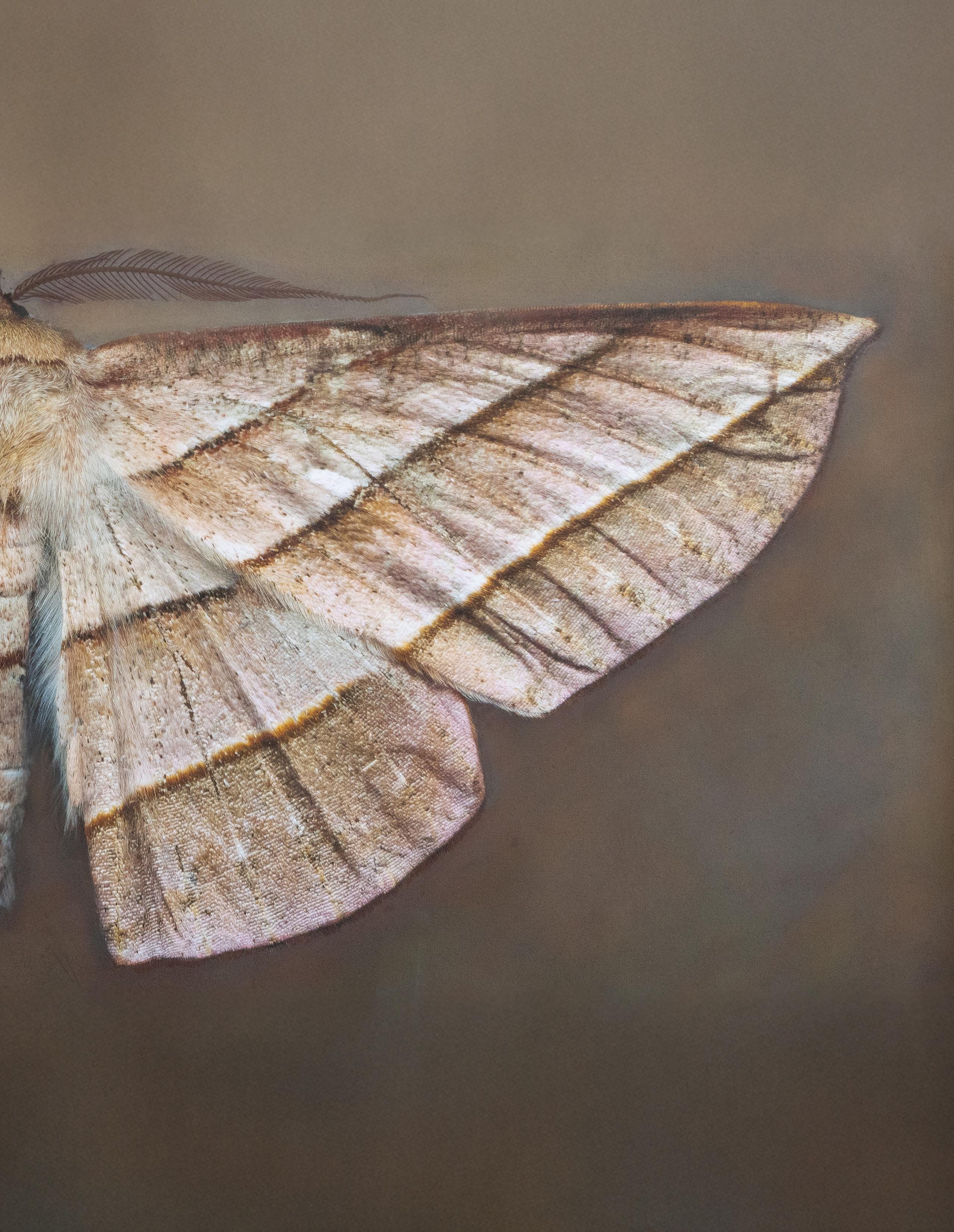


april 2 - may 23, 2026
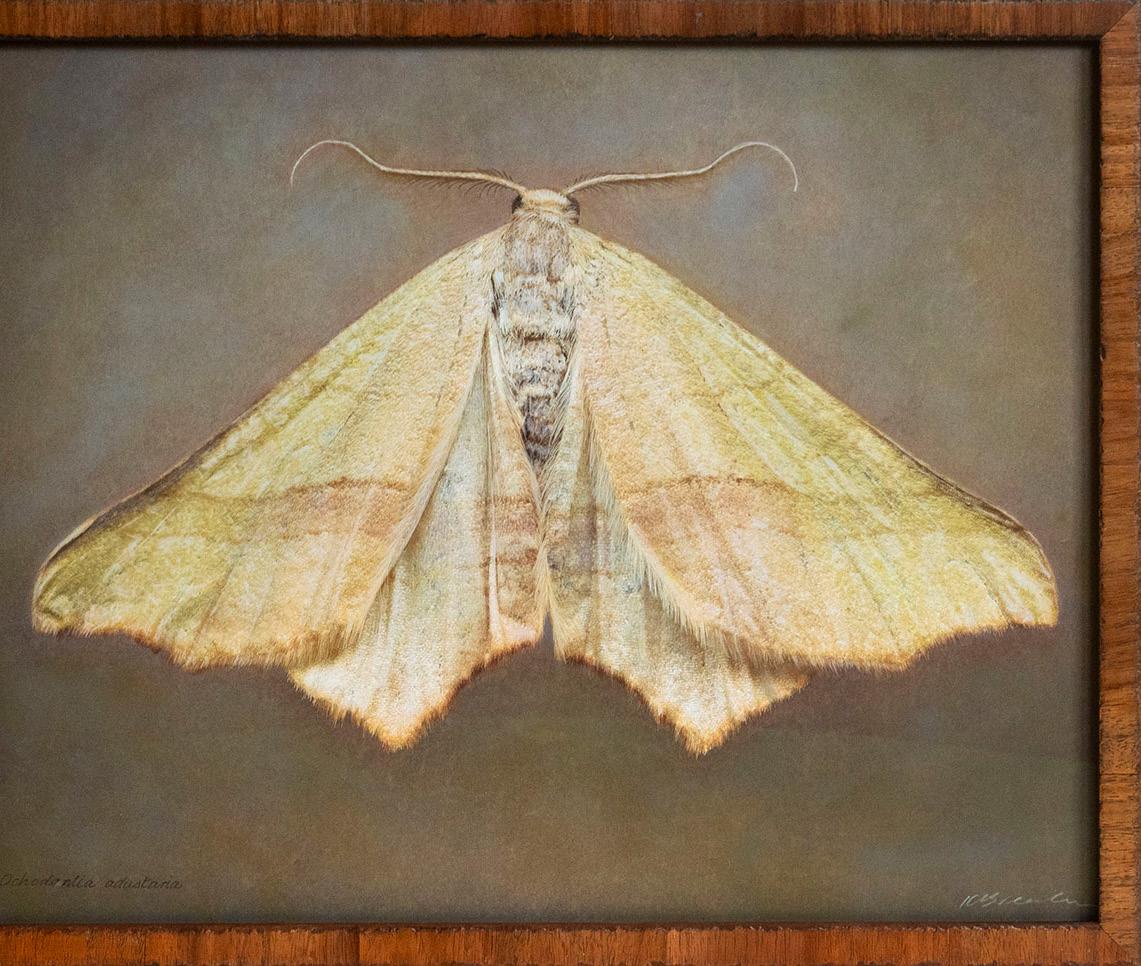
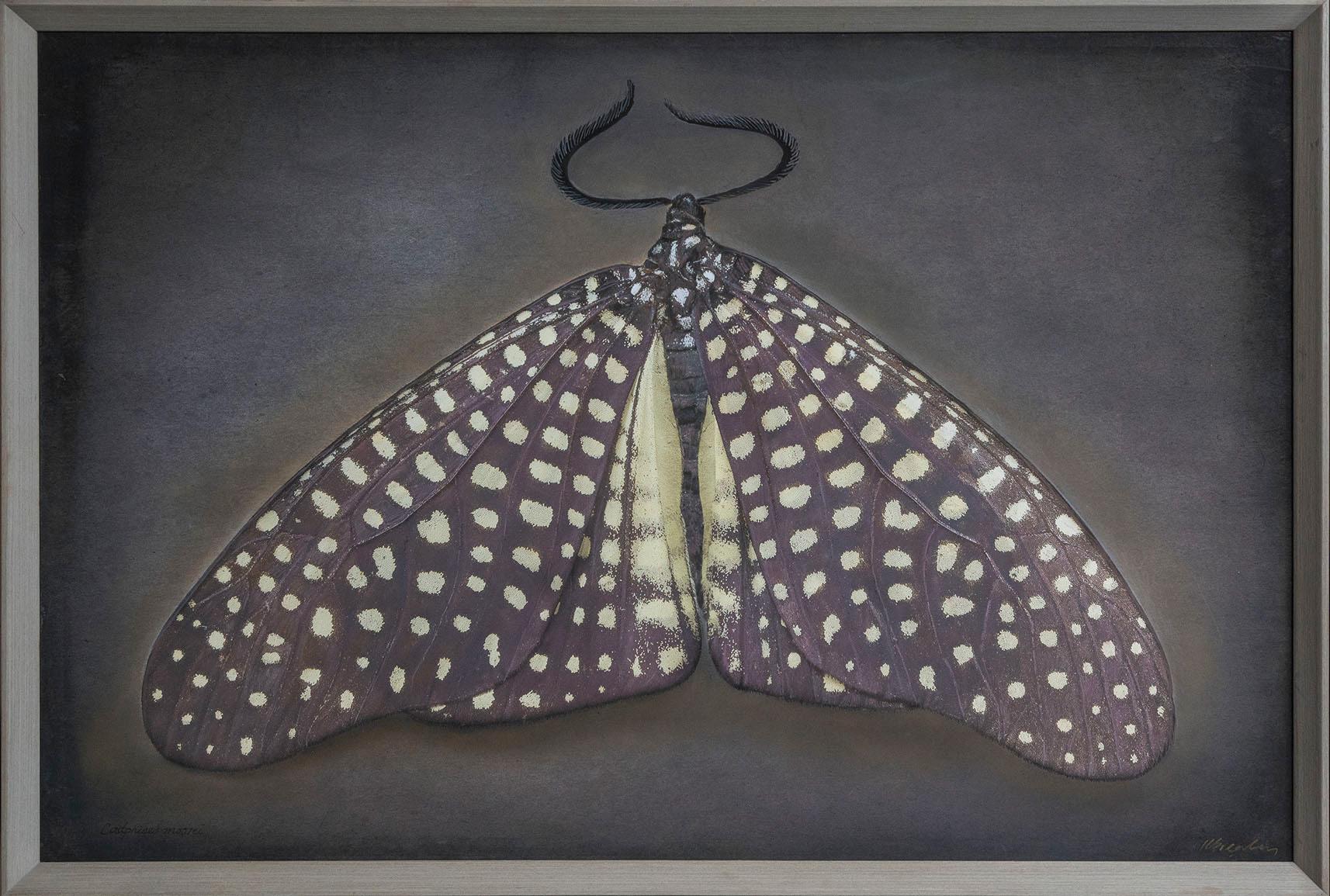
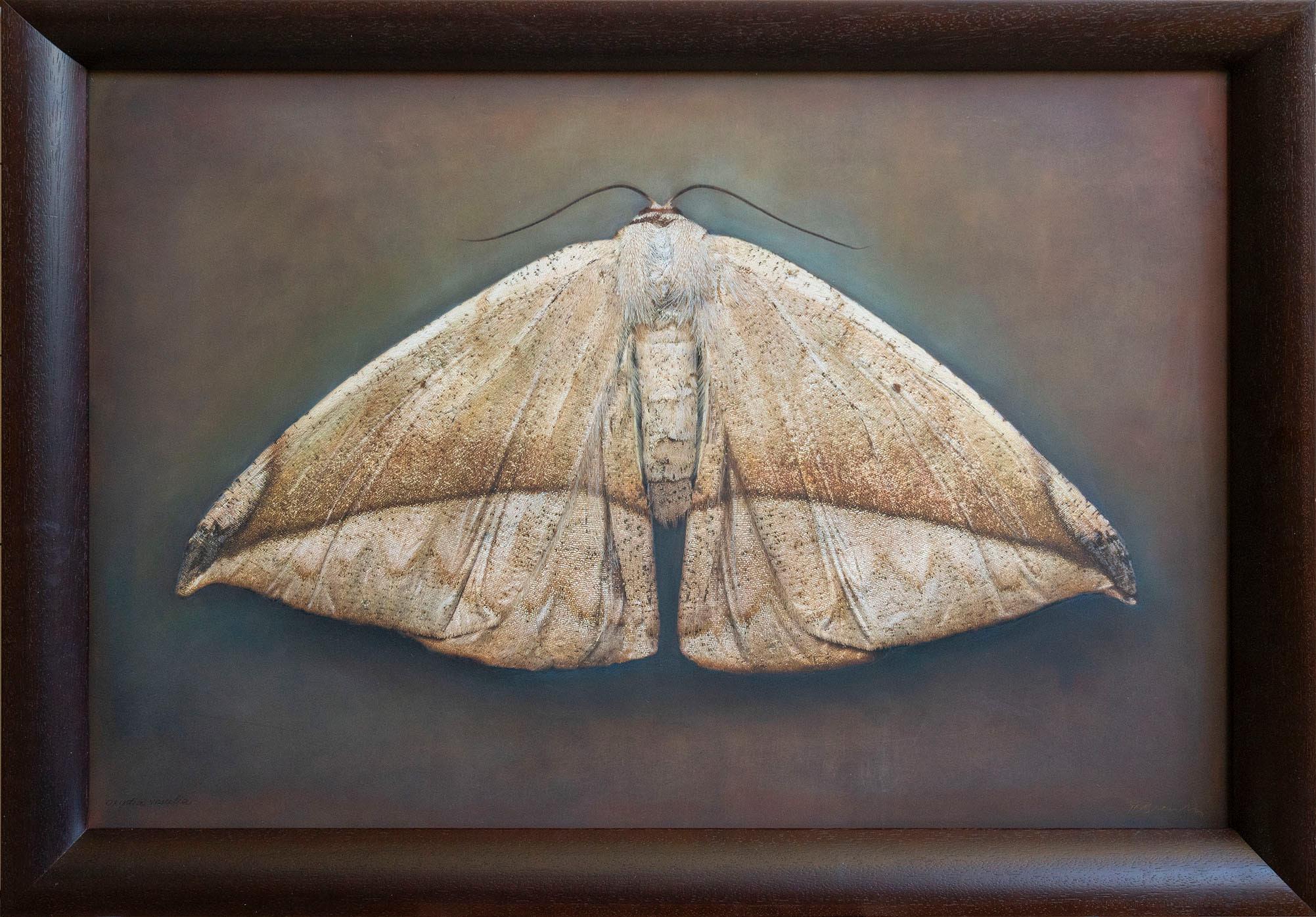
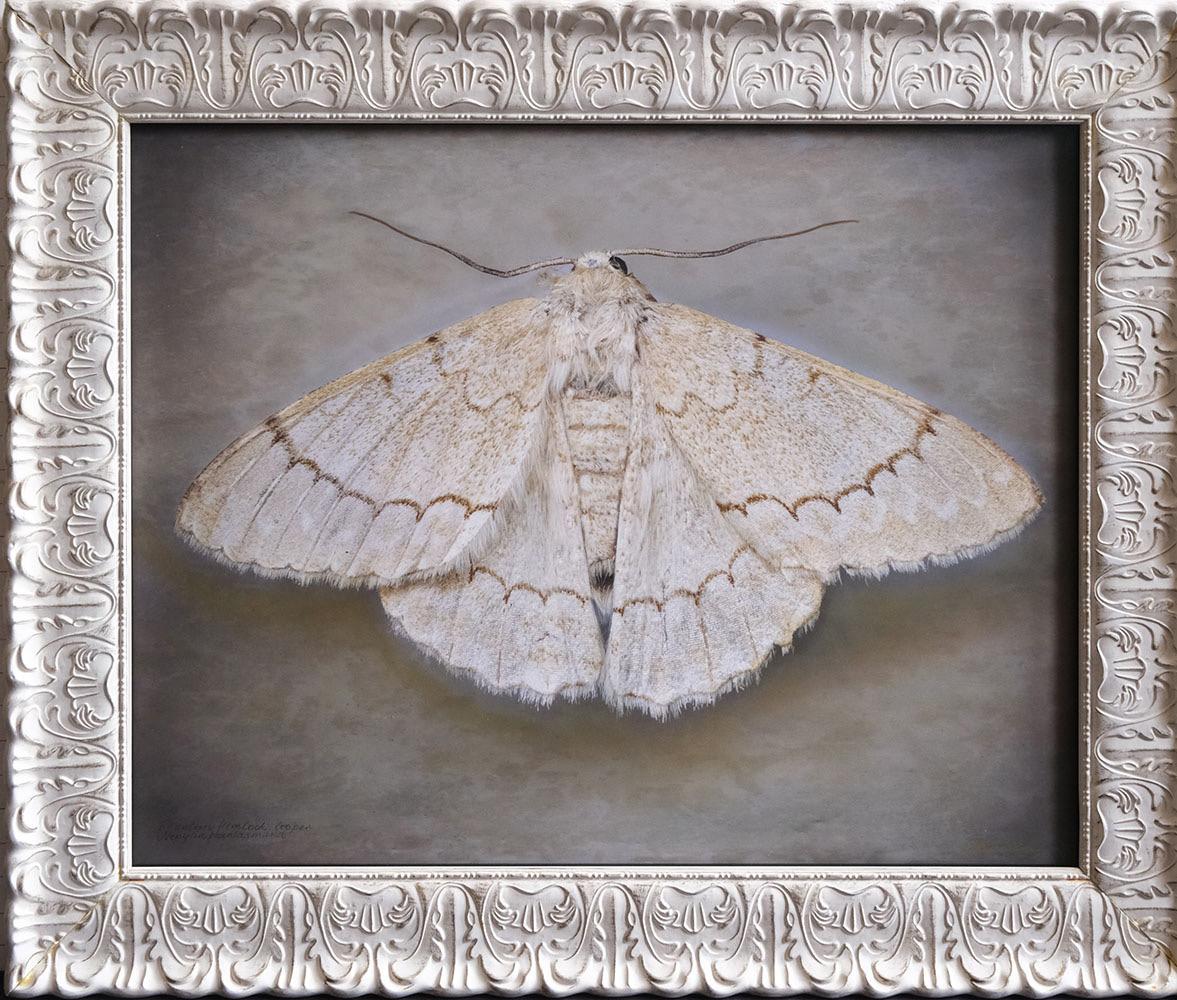
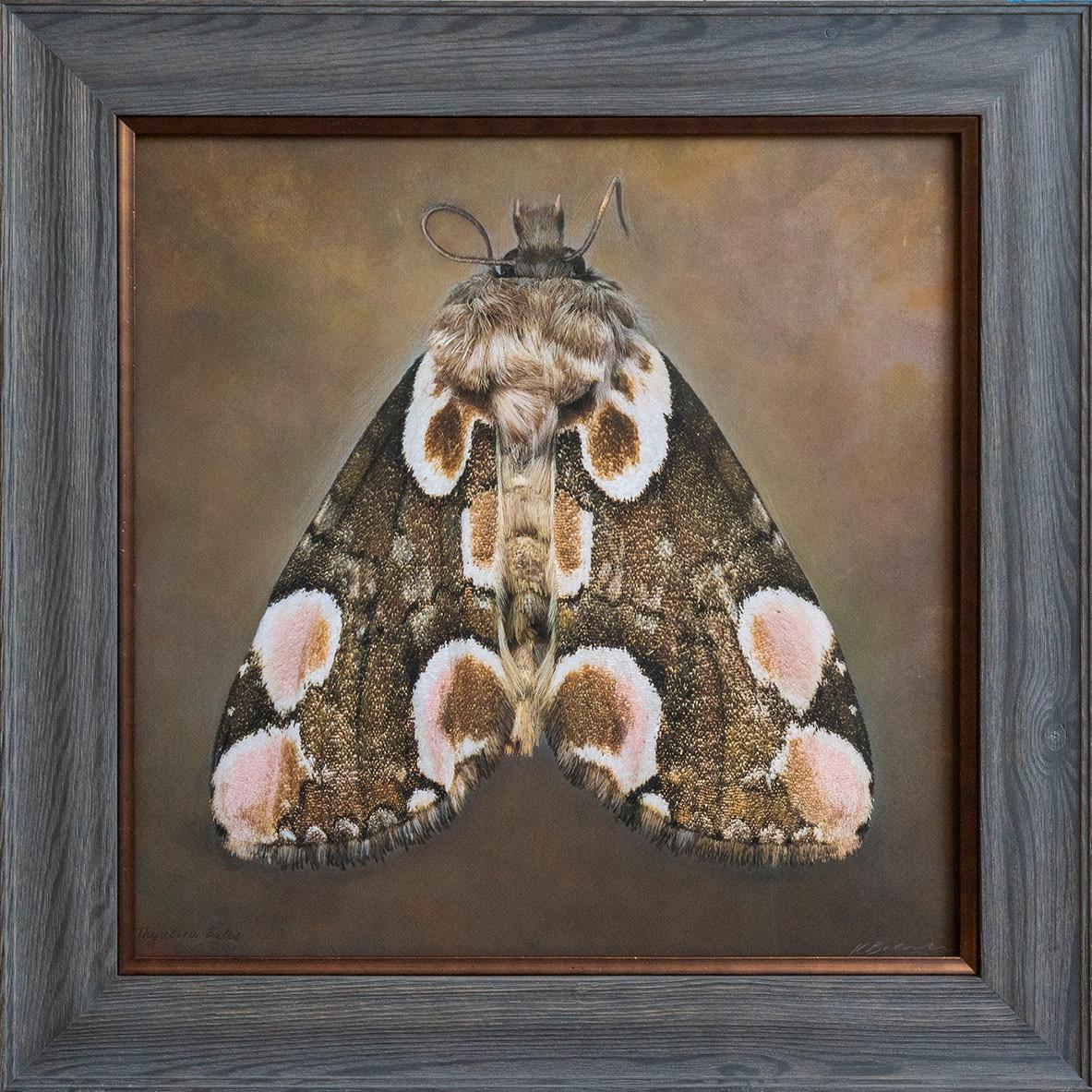
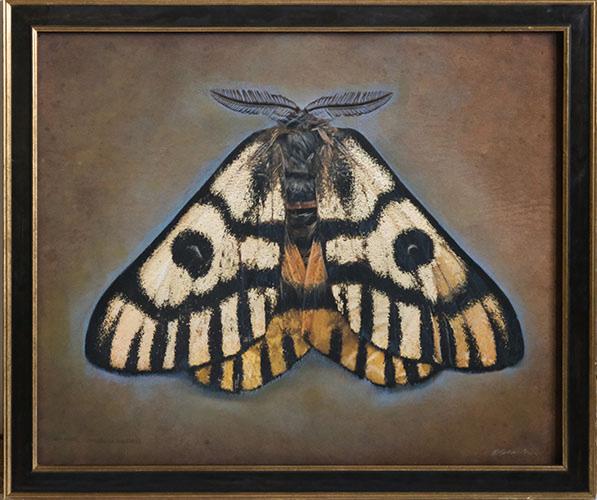
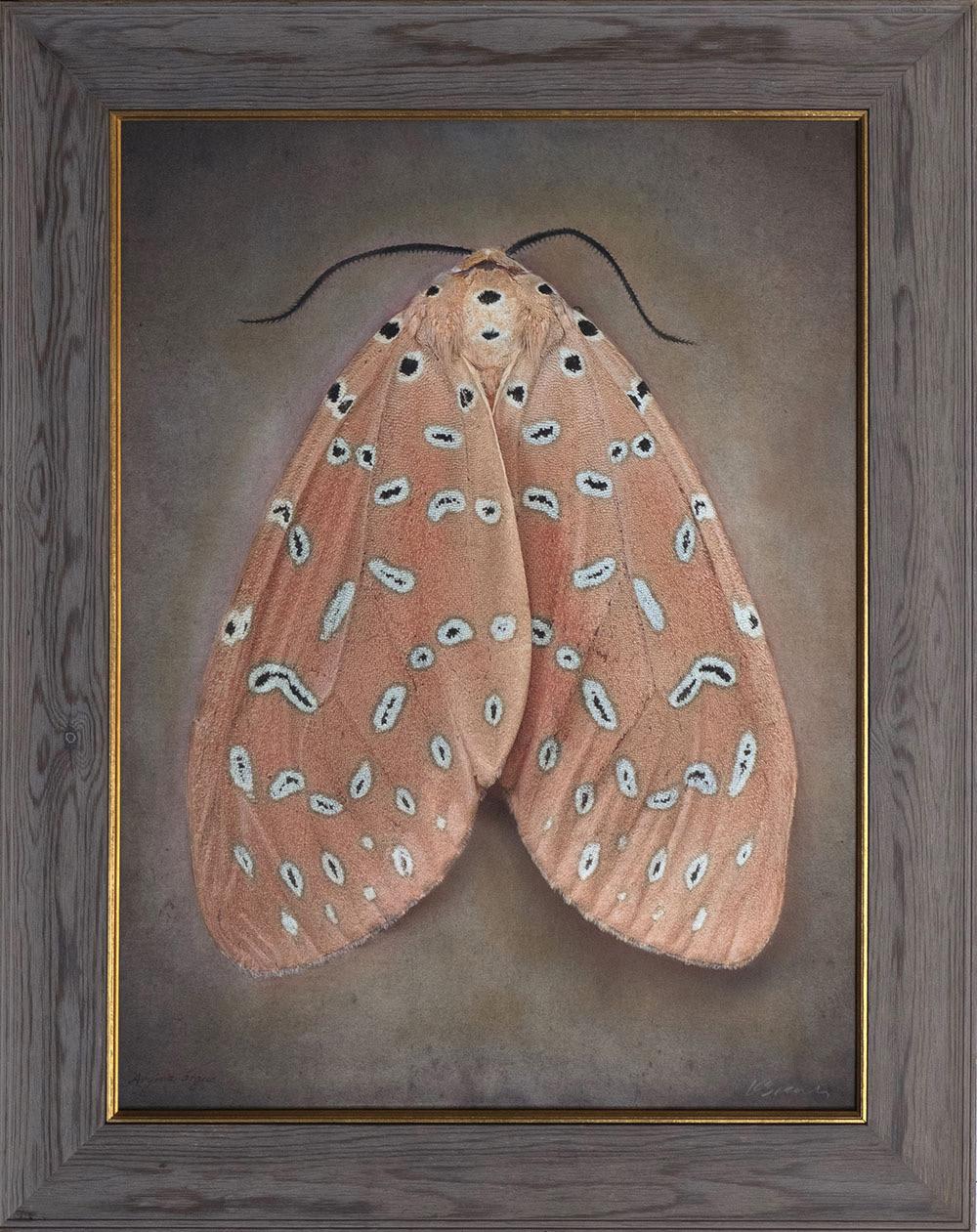
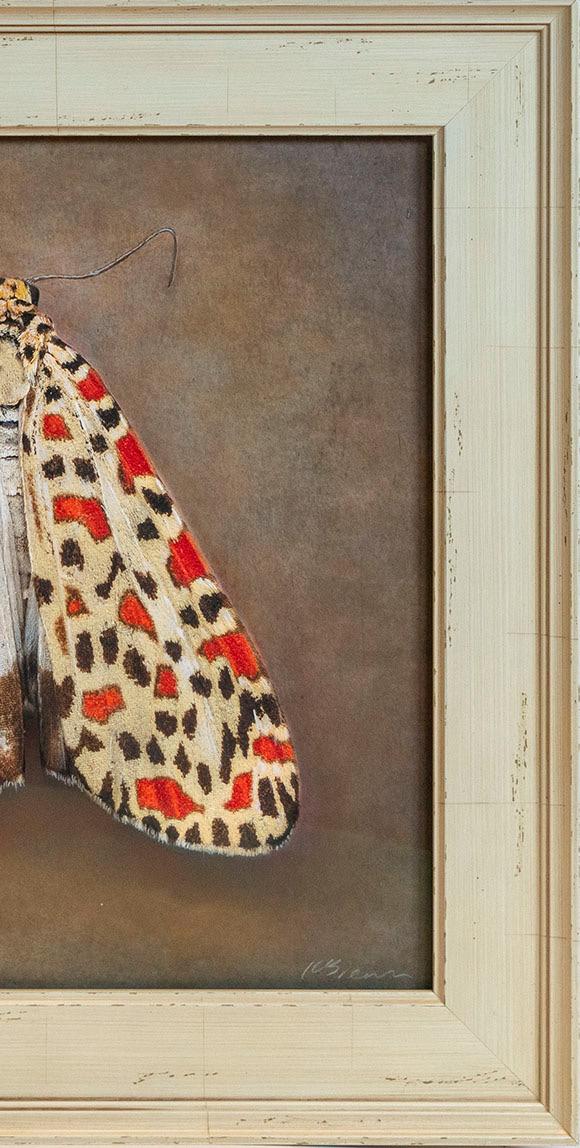
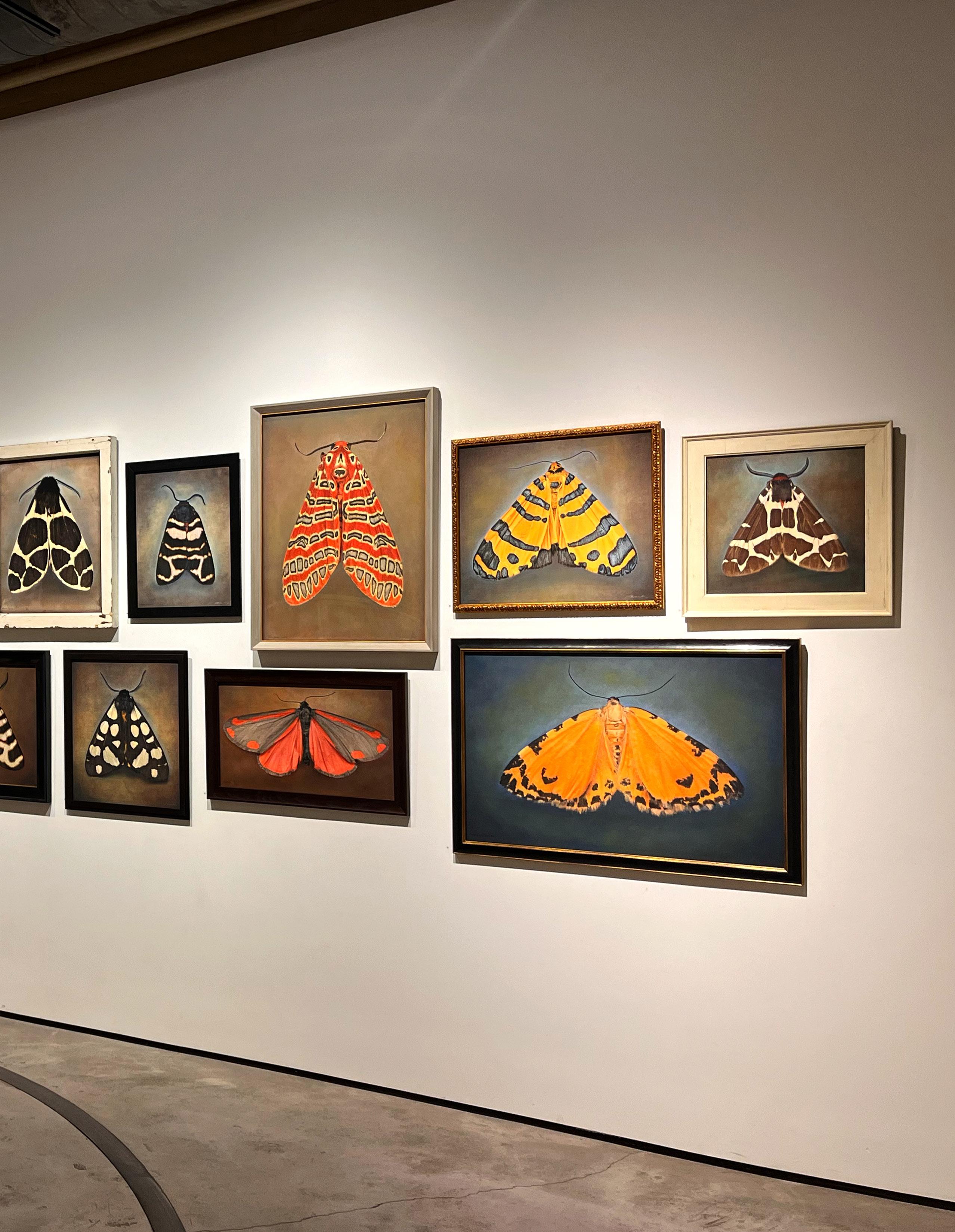
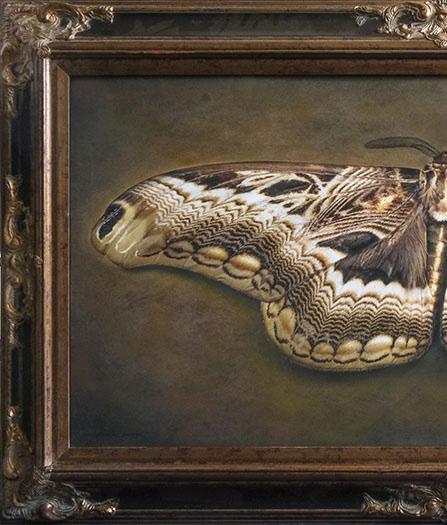
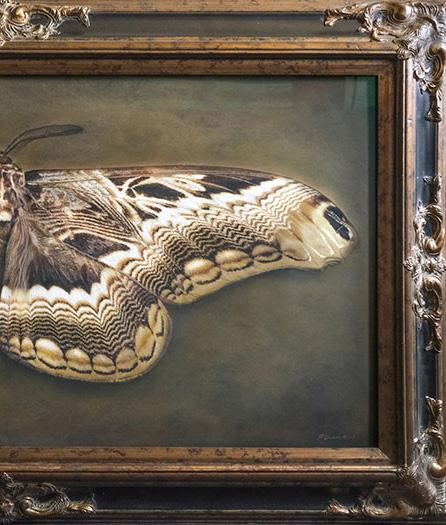
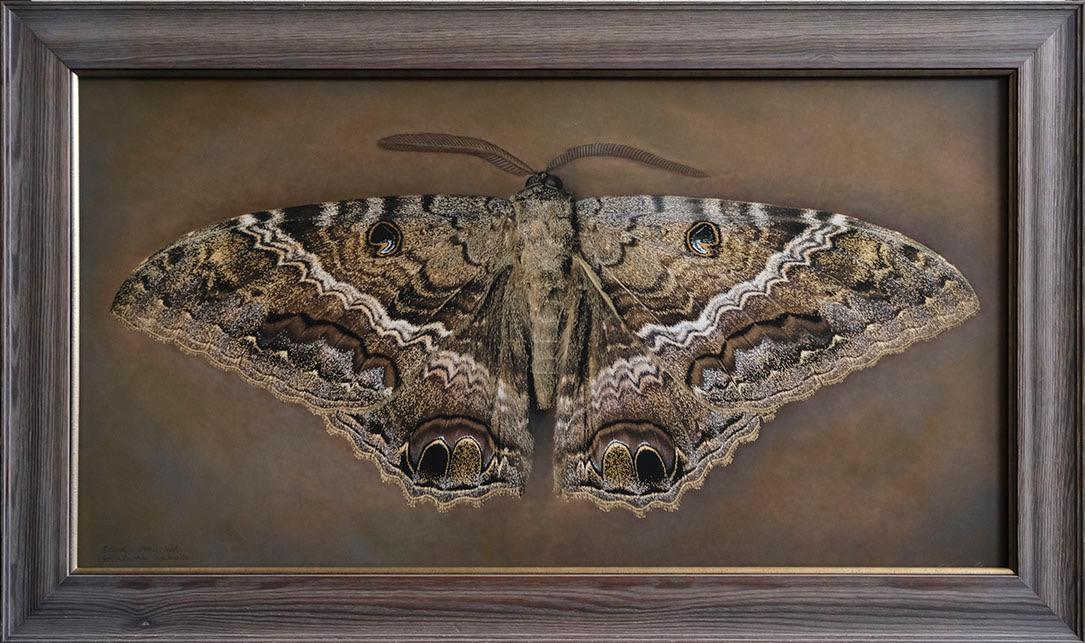
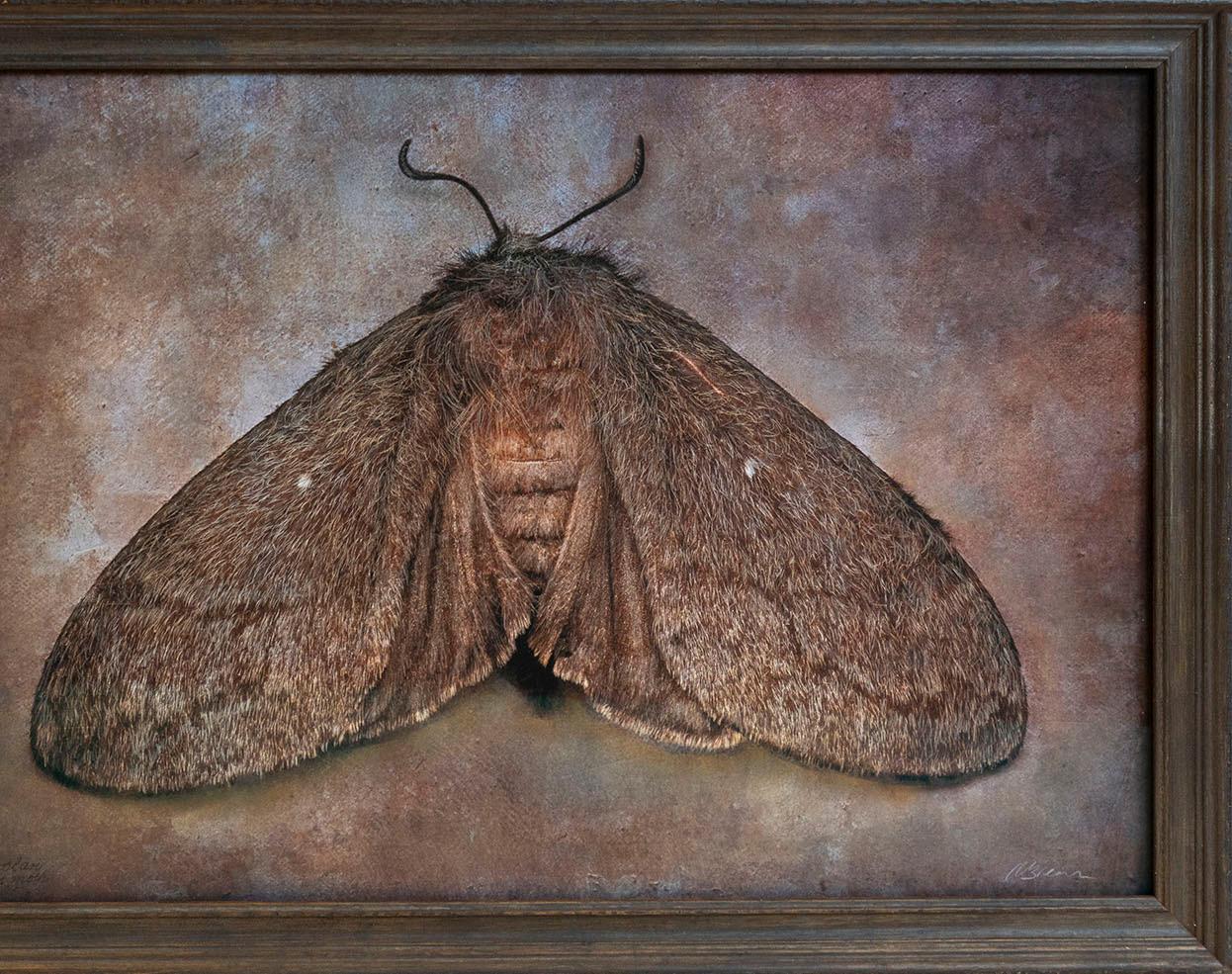
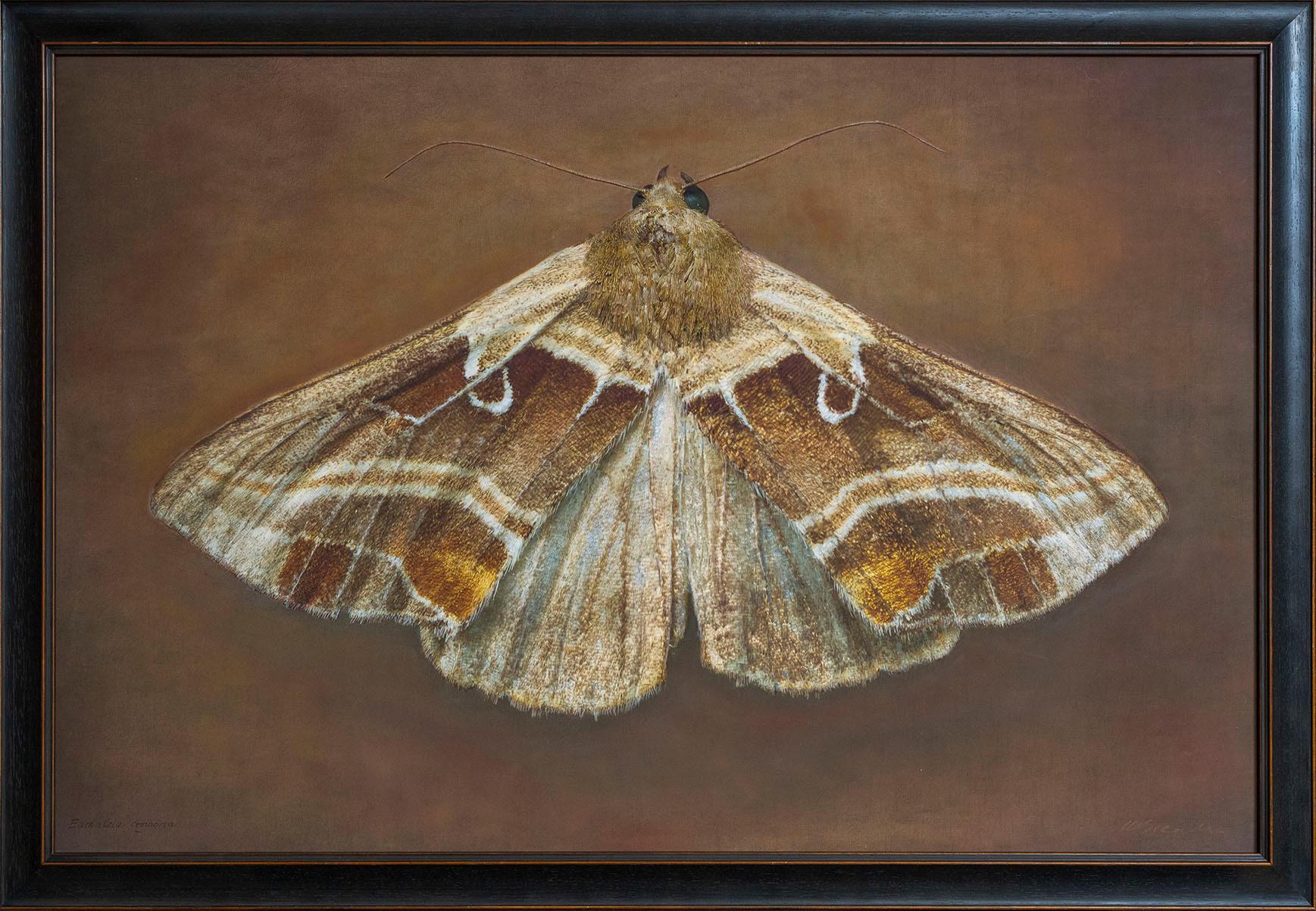
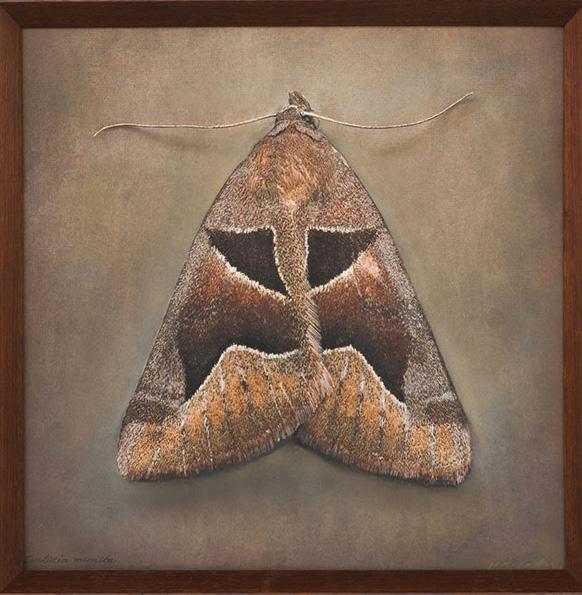
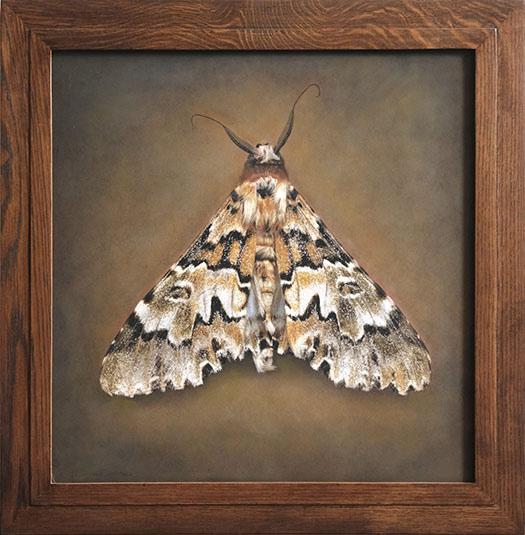
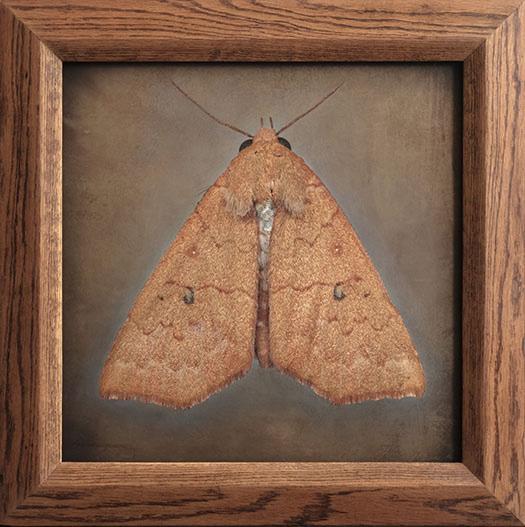
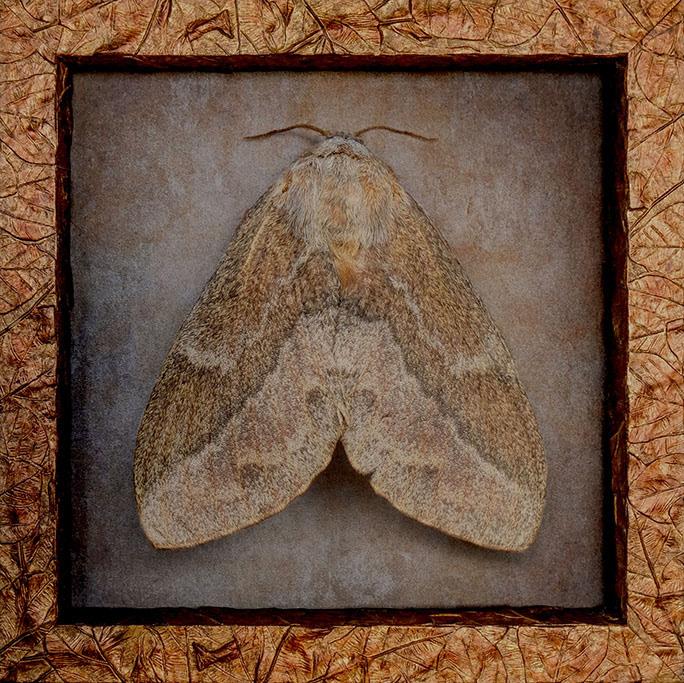
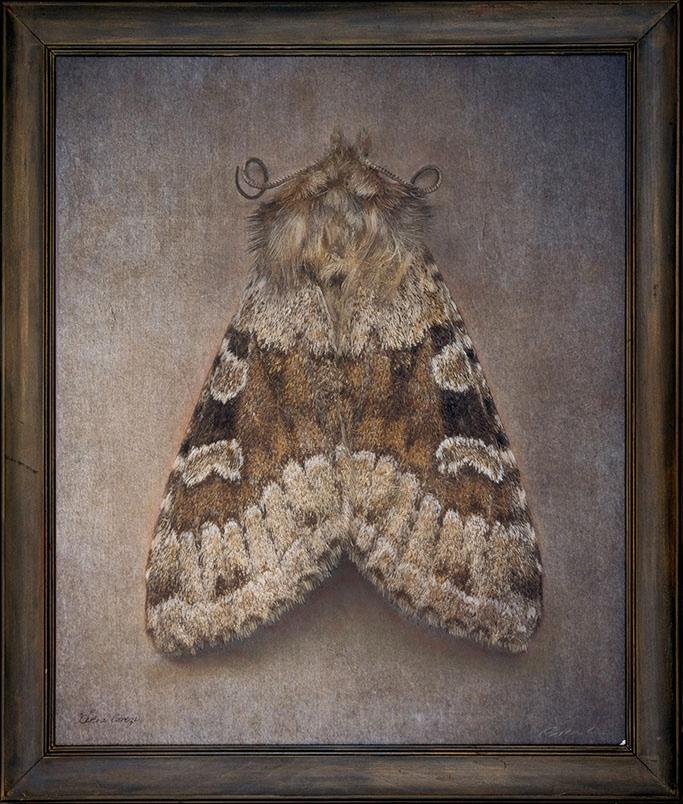
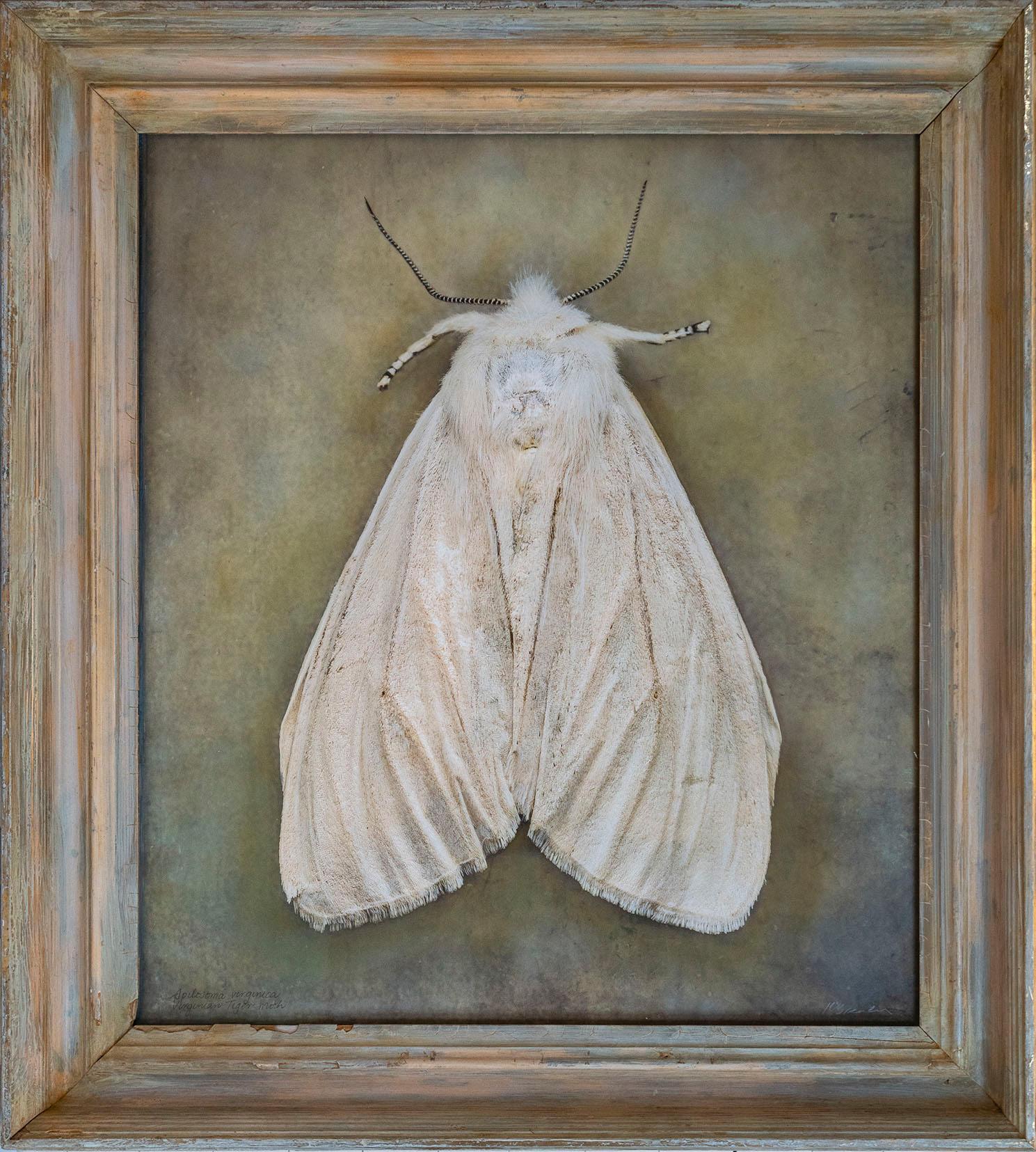
My fascination with moths began long ago, perhaps because they go unnoticed and are somewhat unloved. They are primarily nocturnal and often drab—not as colorful or iconic as butterflies—but they are staggeringly beautiful if you look closely enough. There are 160,000 known species (10 times more than butterflies), ranging from almost invisibly tiny to the size of a human hand. Fossil remains suggest that insects (including the ancestors of moths) have been on Earth for 480 million years, approximately 1,600 times longer than our species has. Homo sapiens have been here for roughly 300,000 years.
There have been five mass extinctions on this planet. The last one was the dinosaurs’ extinction after a meteor hit Earth, triggering an ice age. This gave rise to mammals, eventually ‘us’.
The ‘Sixth mass extinction’ is underway, and is human-driven. Seventy-five animal species become extinct every day as a result of our unsustainable use of land, energy, and water, and the resulting habitat loss. The rate of climate change, associated with global warming, the spread of invasive species, and infectious diseases, has made the necessary adaptation impossible. At this rate, half of all species on Earth could become extinct by 2100. Birds, bees, bats, and insects are dying off at an alarming rate. This decline is devastating for many reasons, including its impact on pollination, as 75% of all plants, including the food crops that feed the world’s population, rely on pollination. Ironically, we are inadvertently causing the extinction of the very creatures we depend on. This is due to our woeful ignorance and inability to recognize how inextricably interconnected and dependent we are on the natural world. We constantly, thoughtlessly, upend this delicate balance with pesticides and pollution and wonder why we no longer hear birdsong or the chirping of frogs. We have yet to experience the ultimate consequences, which are unthinkable.
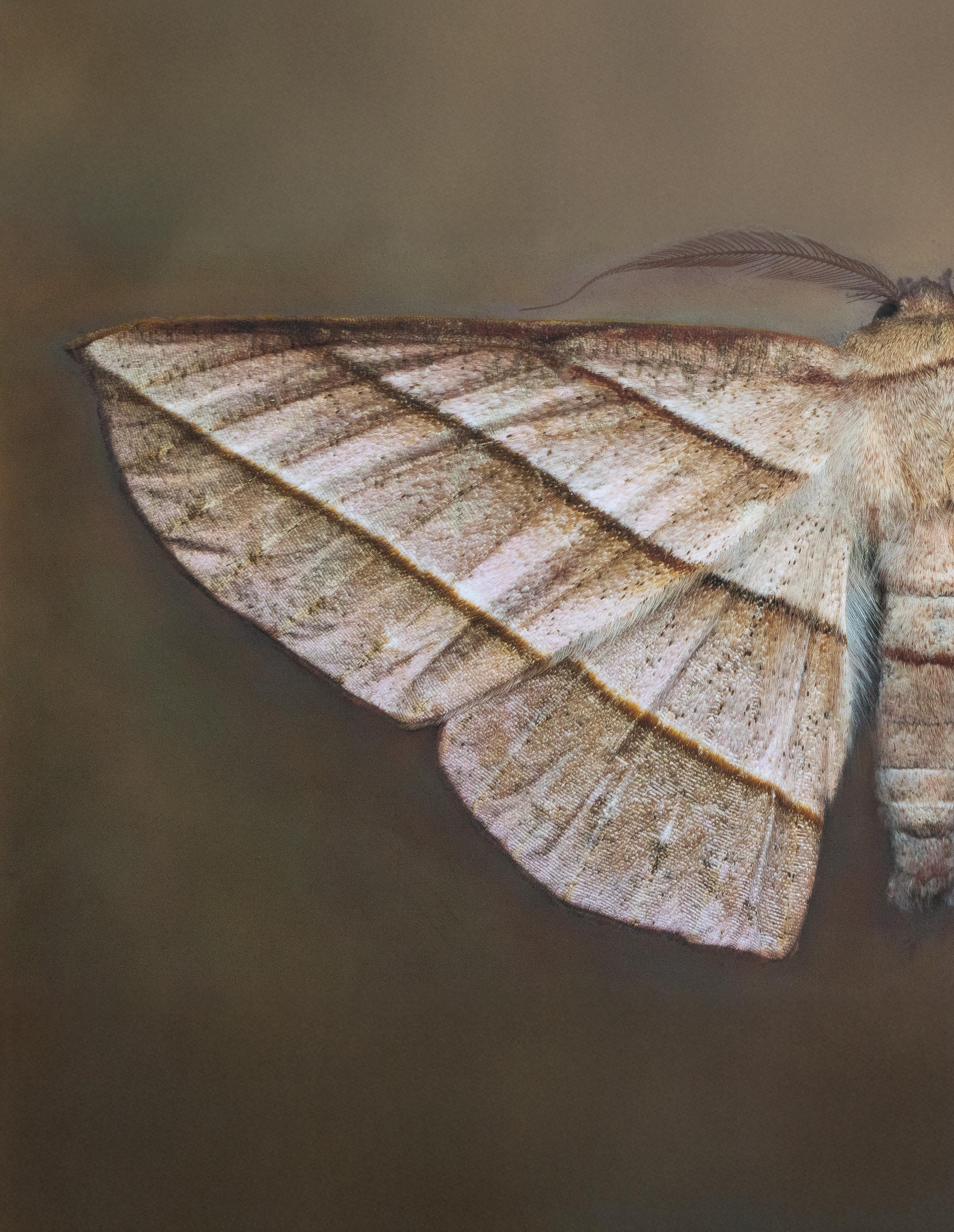
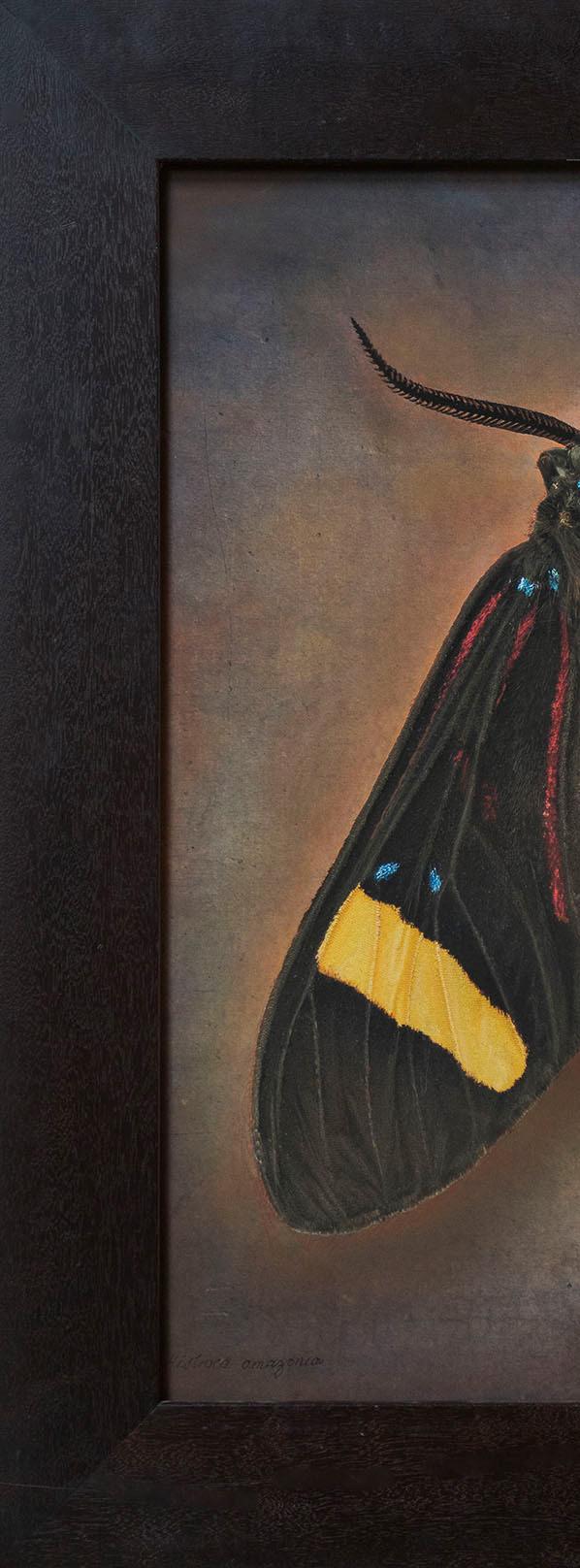
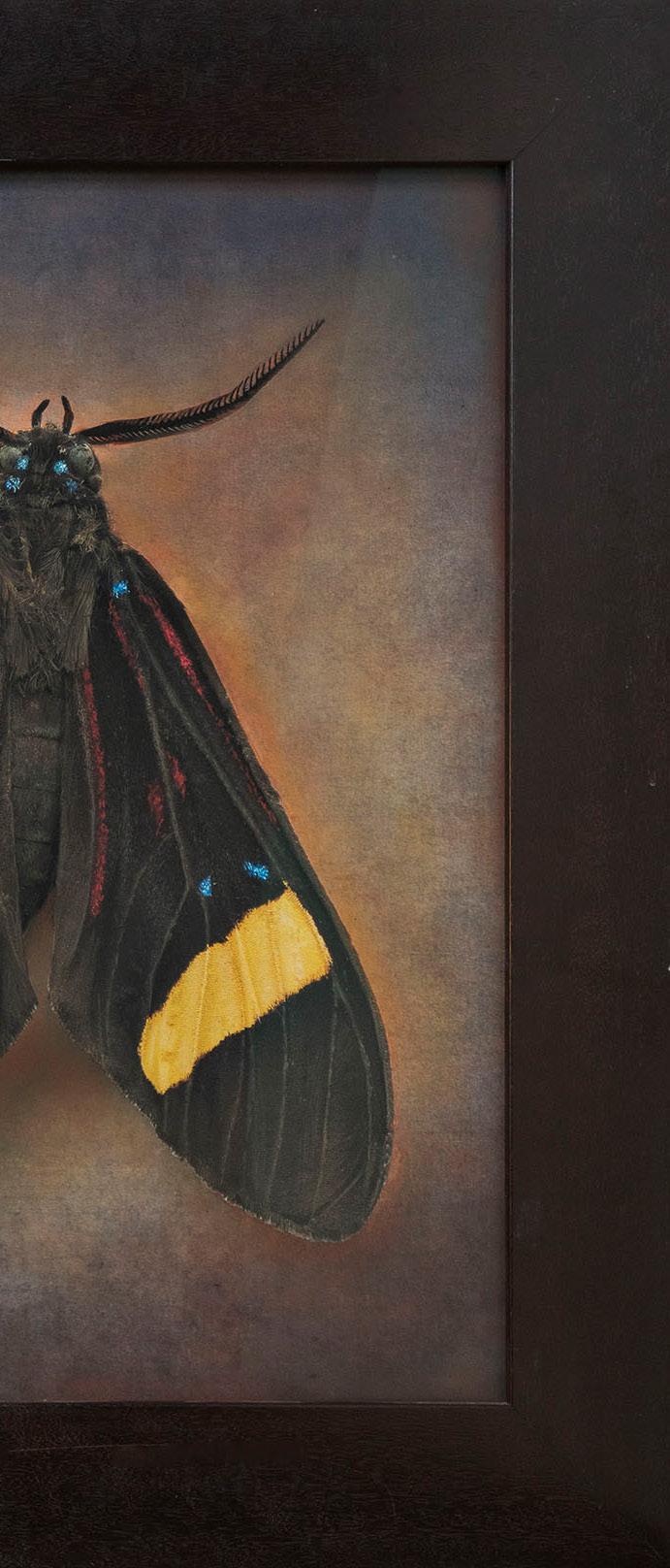
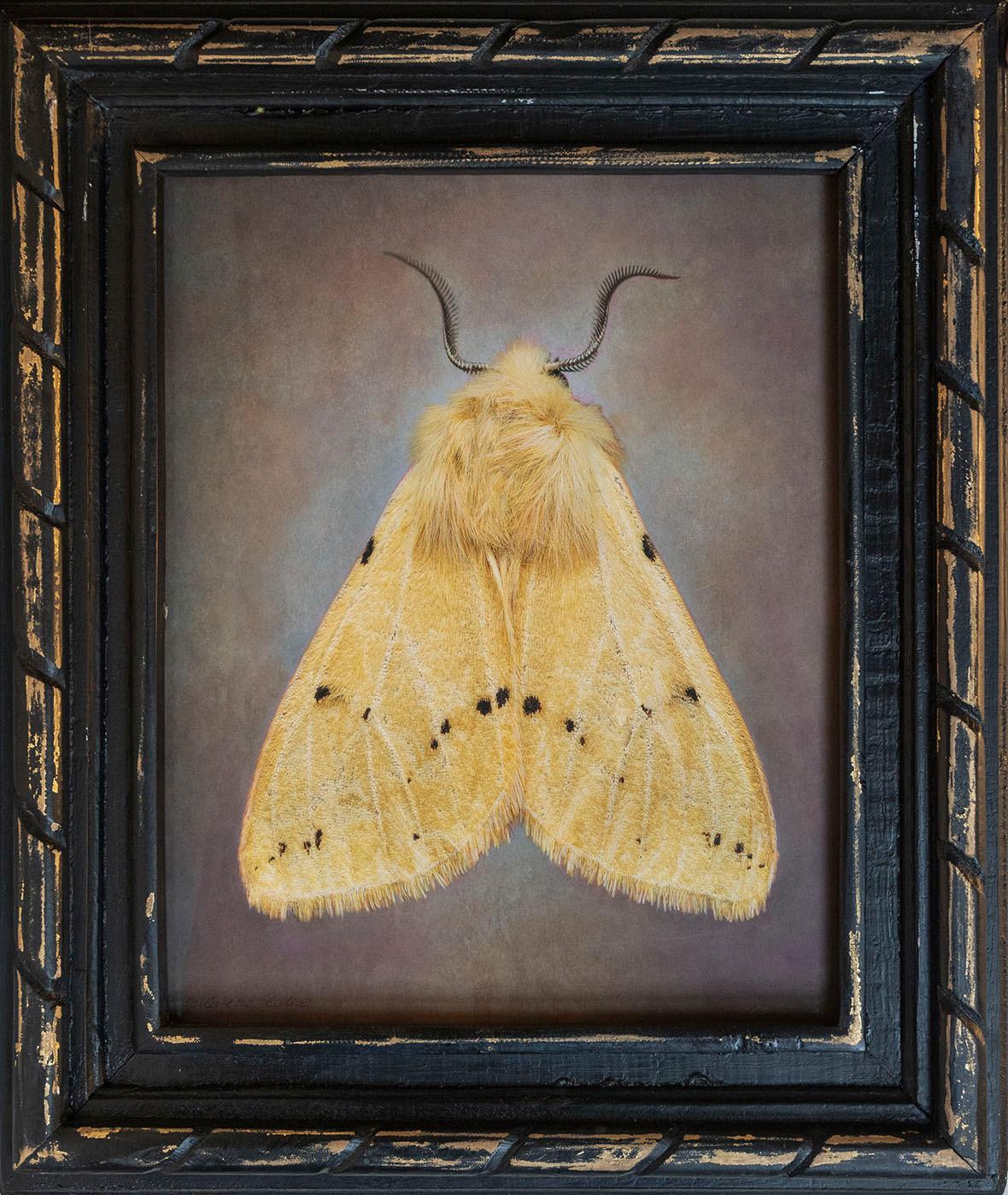
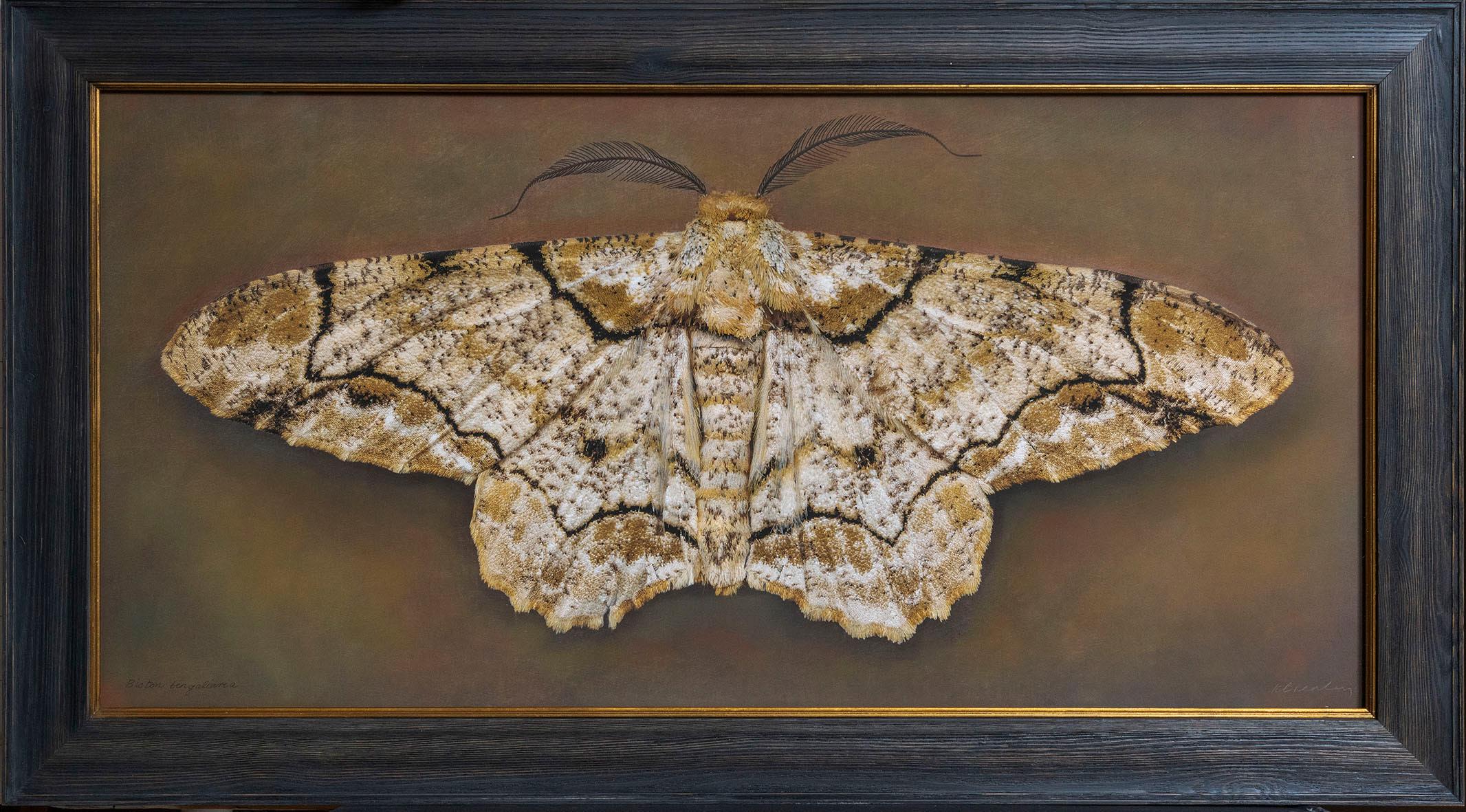
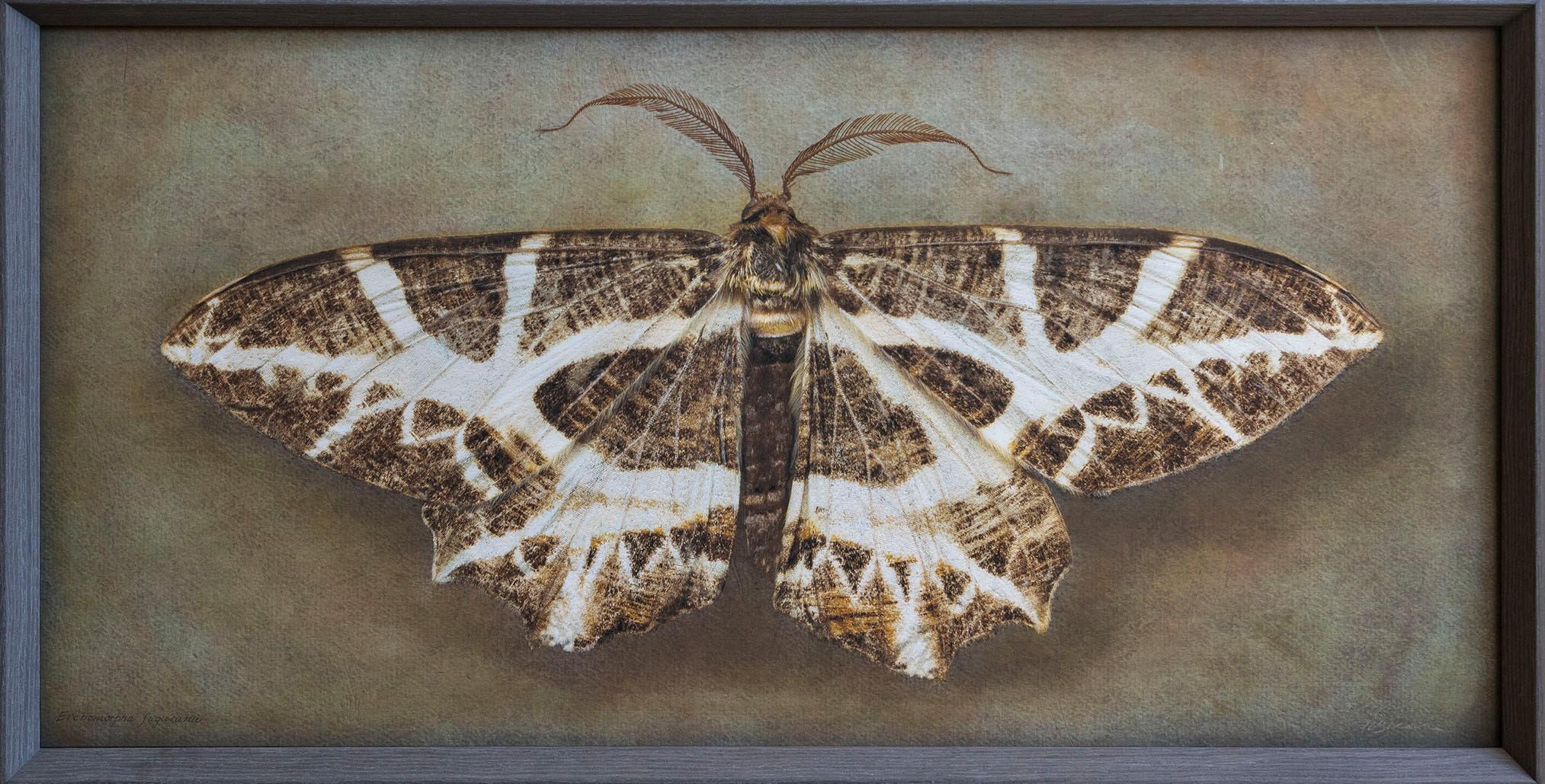
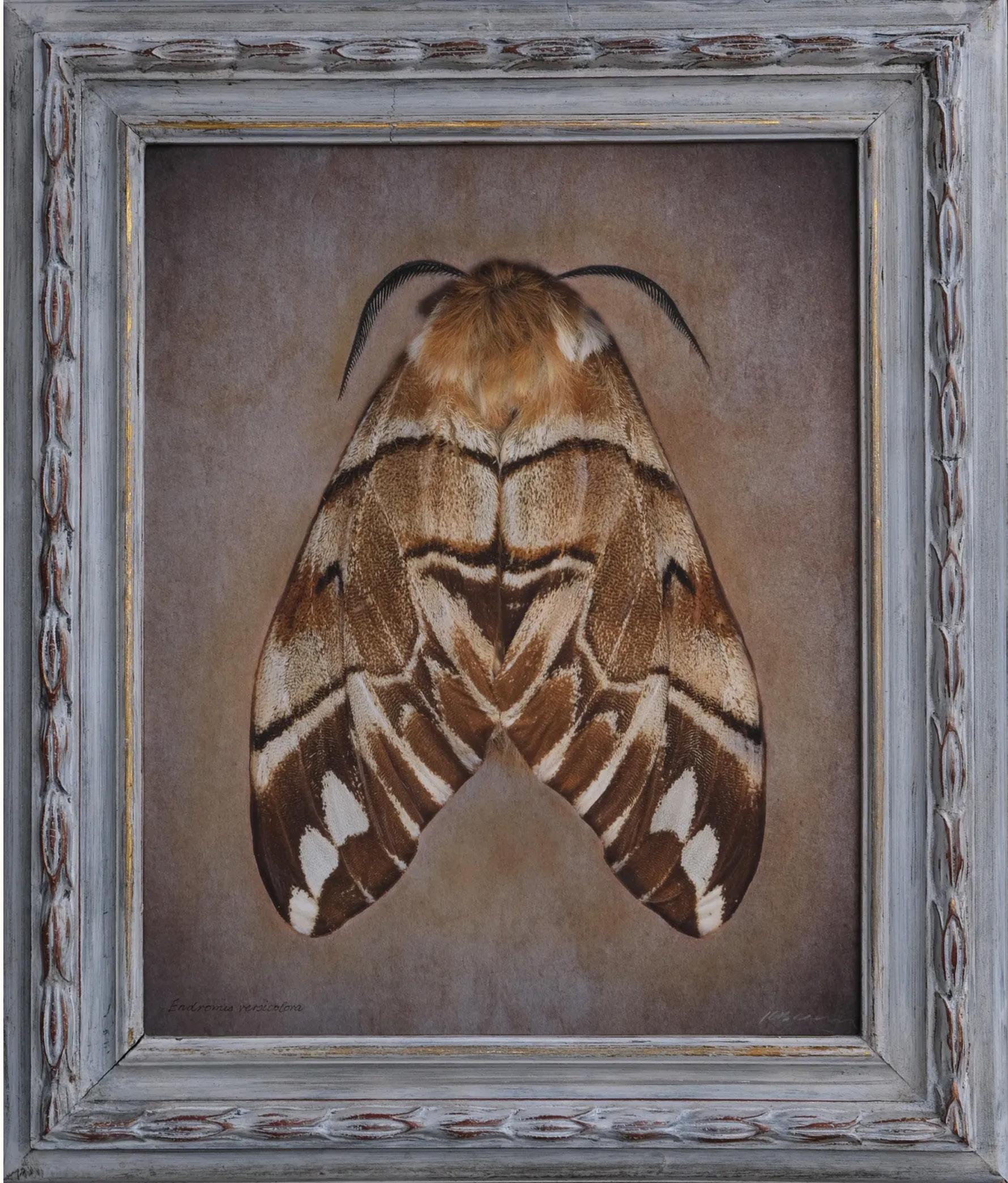
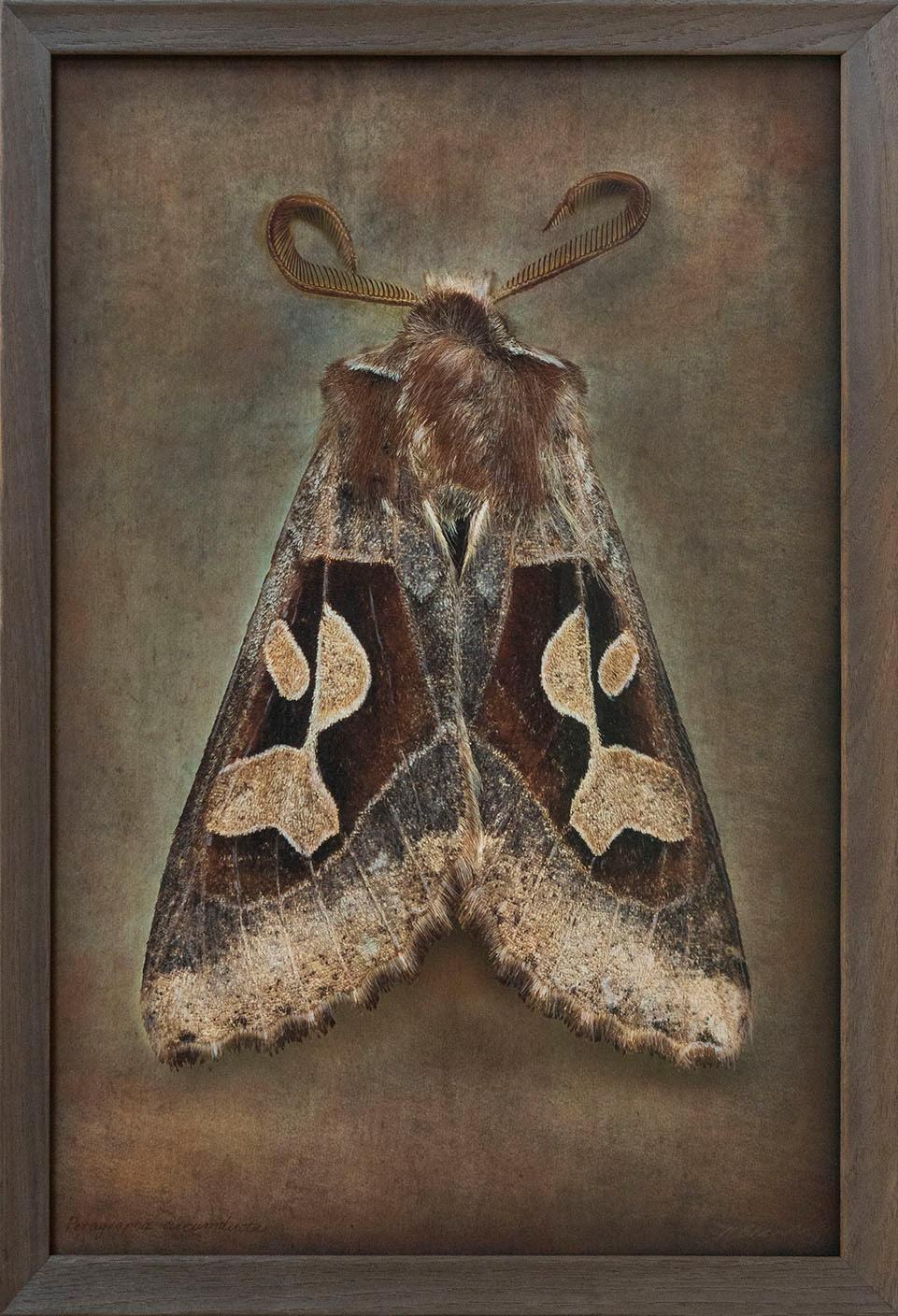
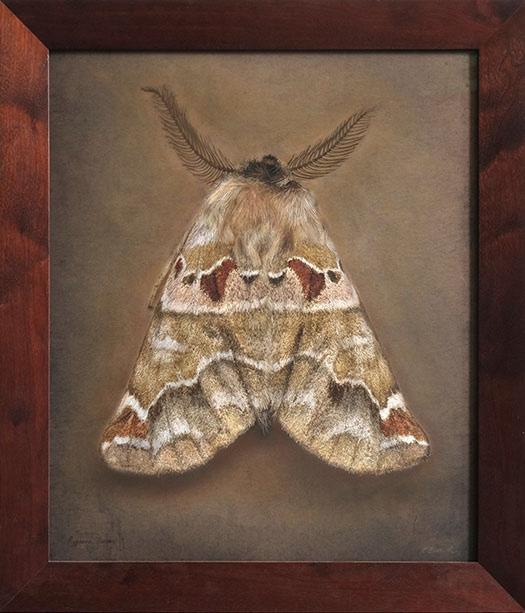
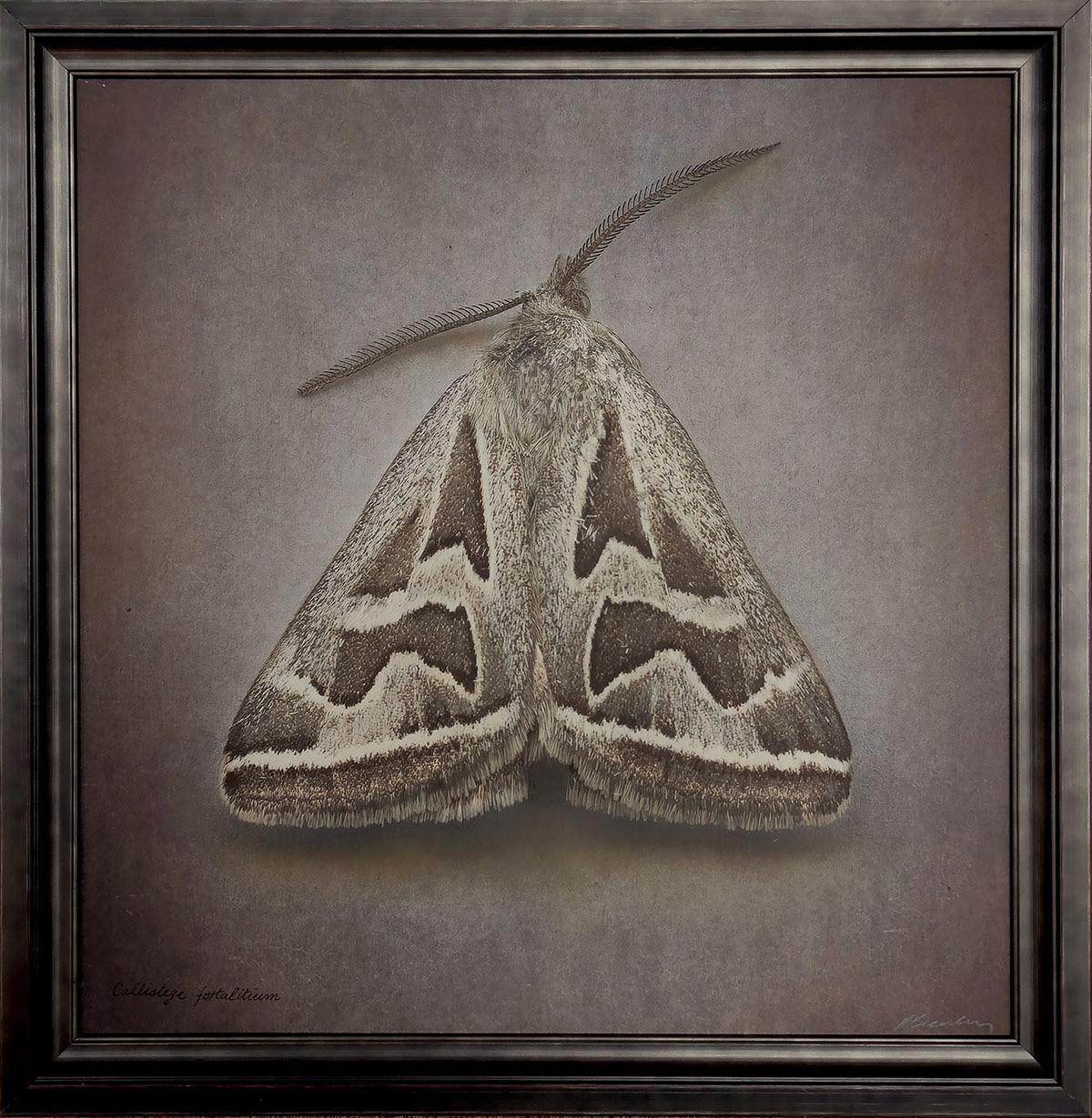
Moths have many extraordinary characteristics. Feathered antennae are unique to moths and are net-like apparatuses designed to catch the scent that females release (called pheromones). One pheromone molecule can be caught floating on the wind from miles away. Having detected this molecule, male moths will fly as far as 30 miles to find a female.
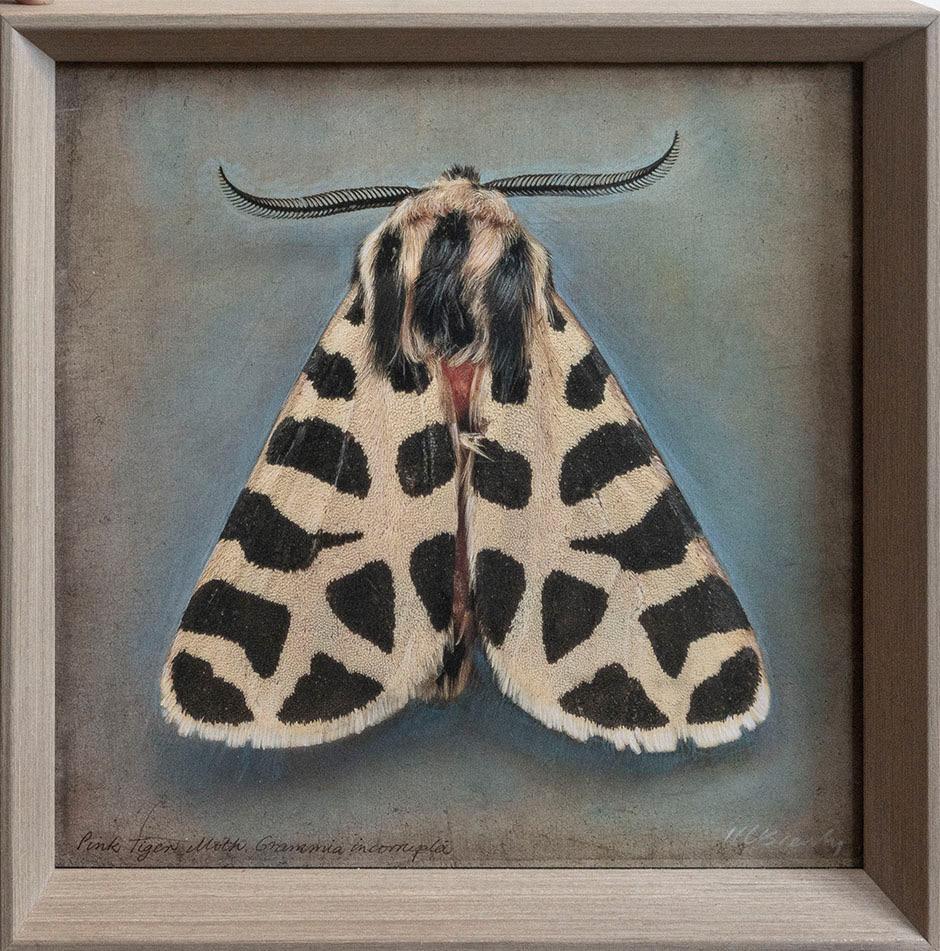
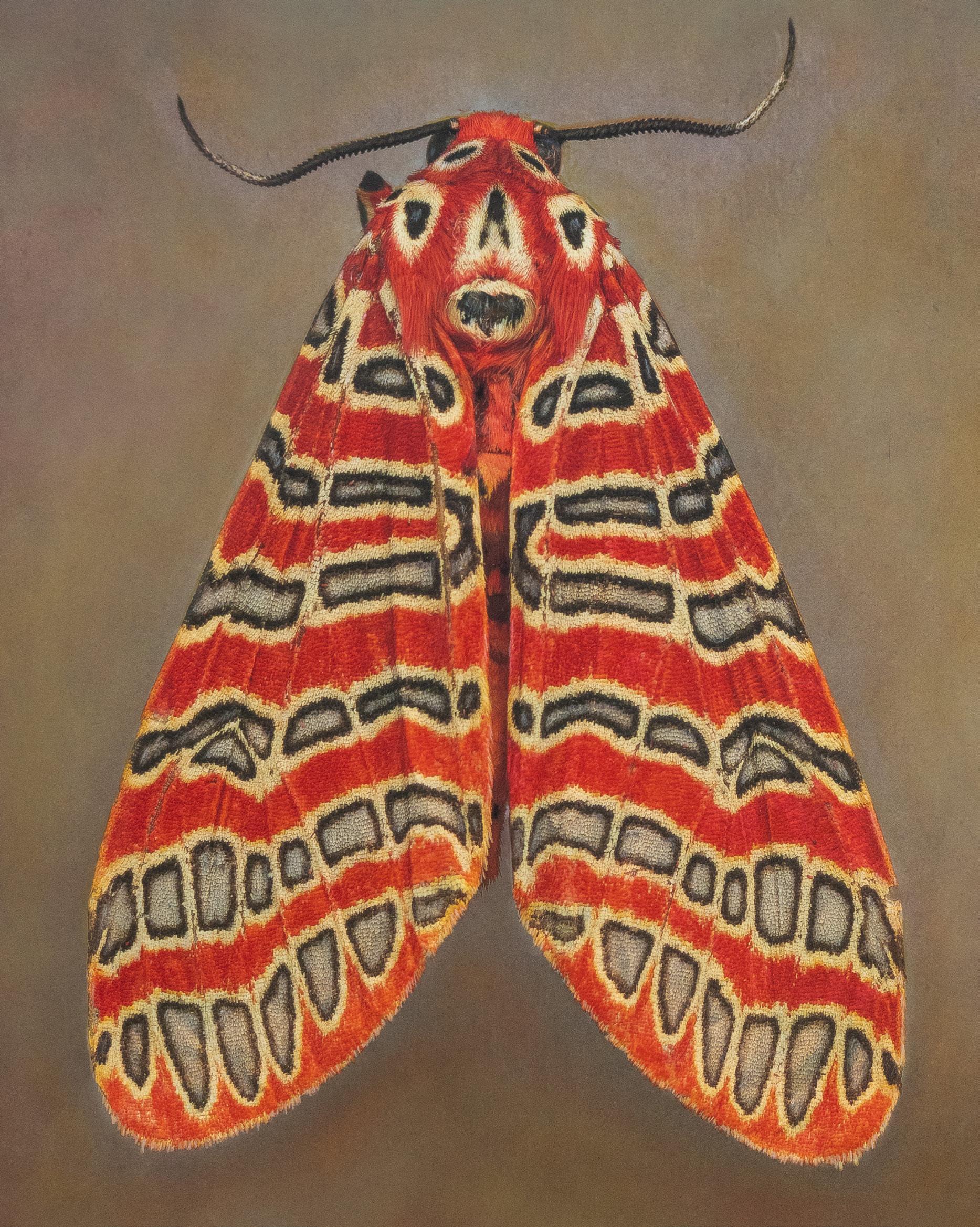
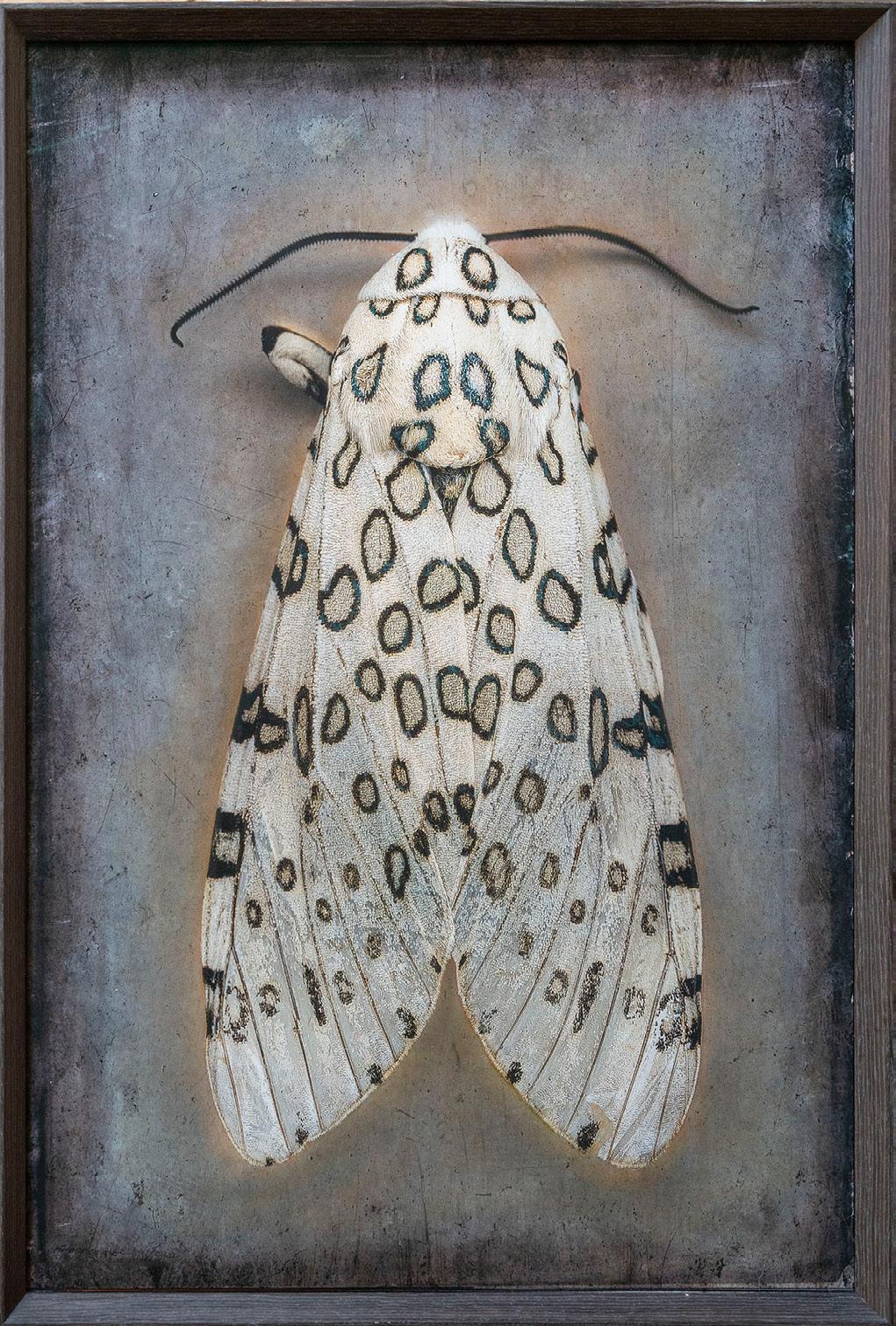
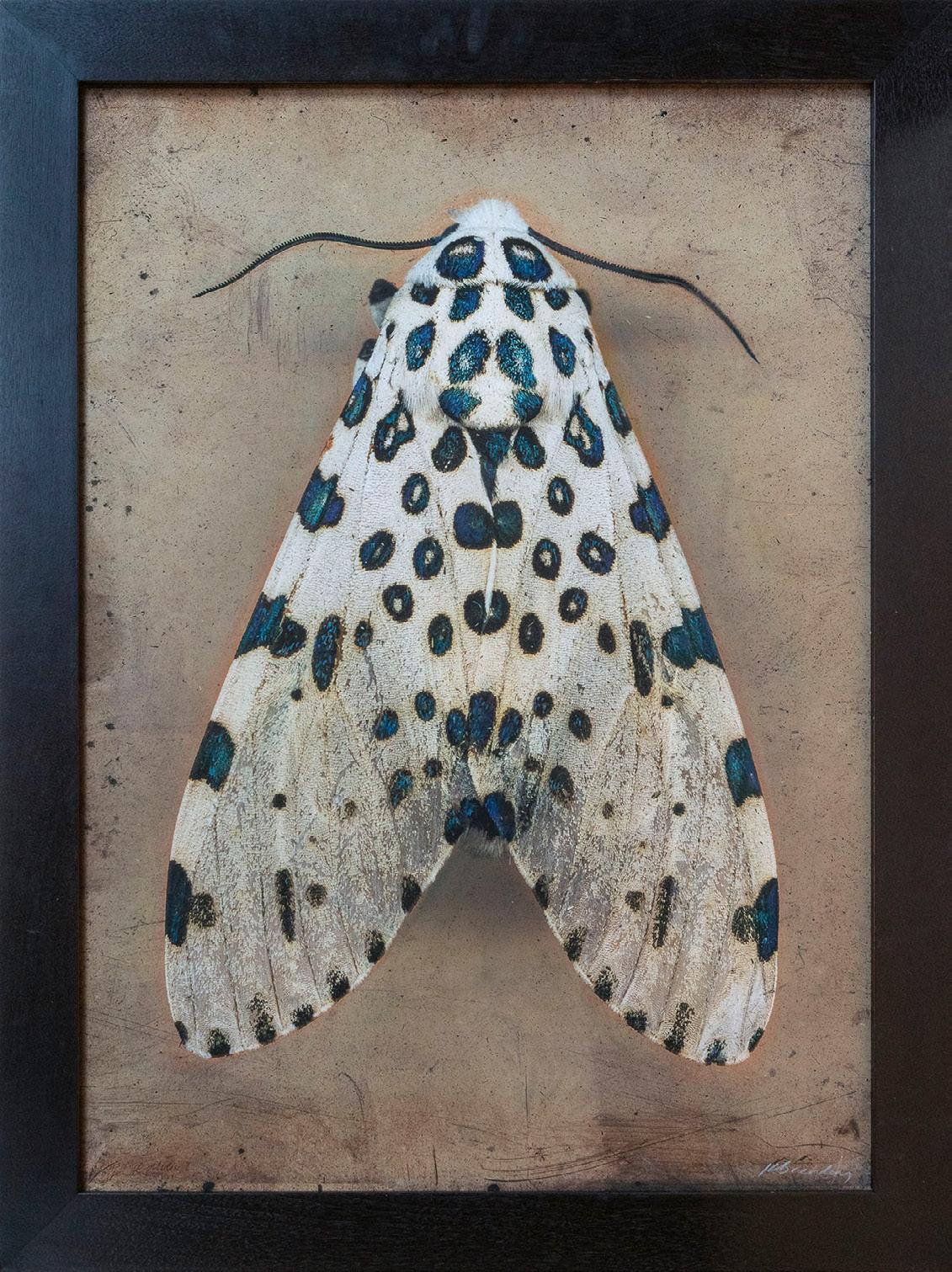
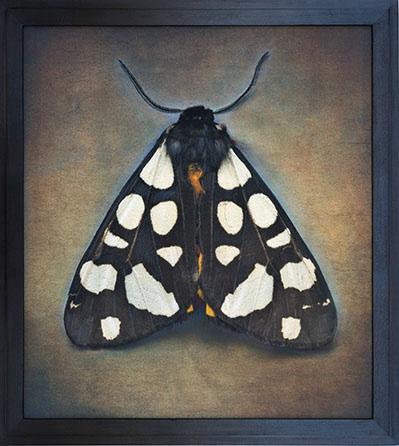
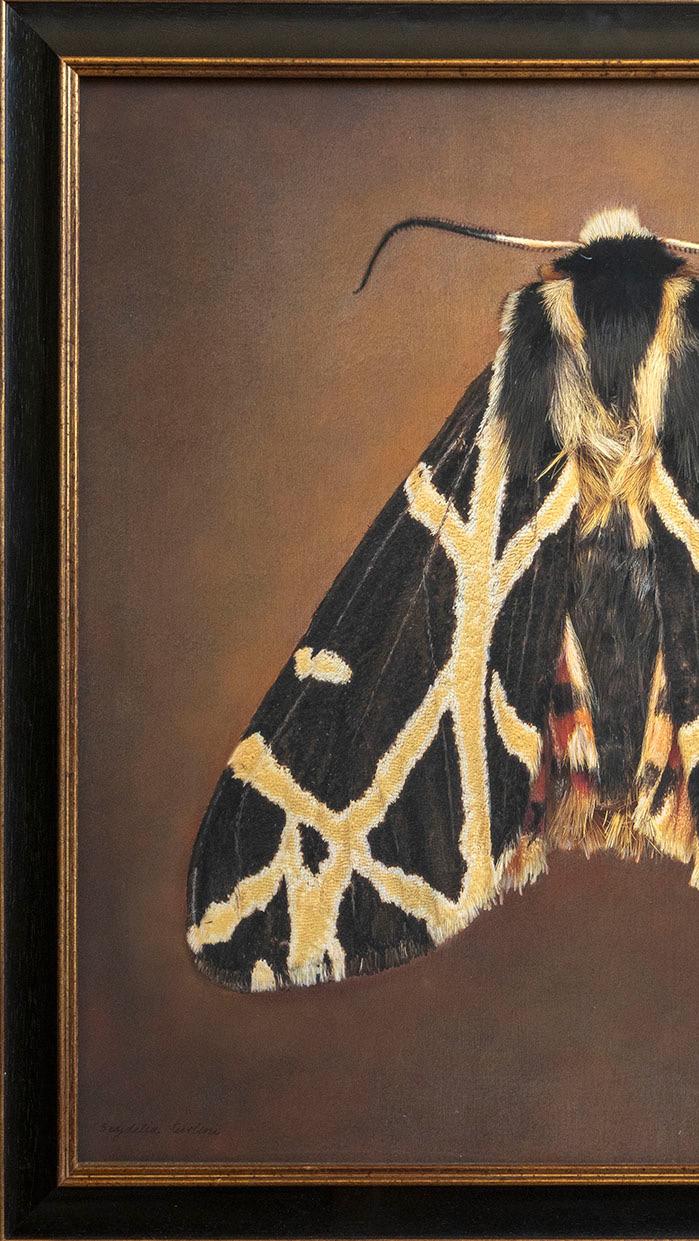
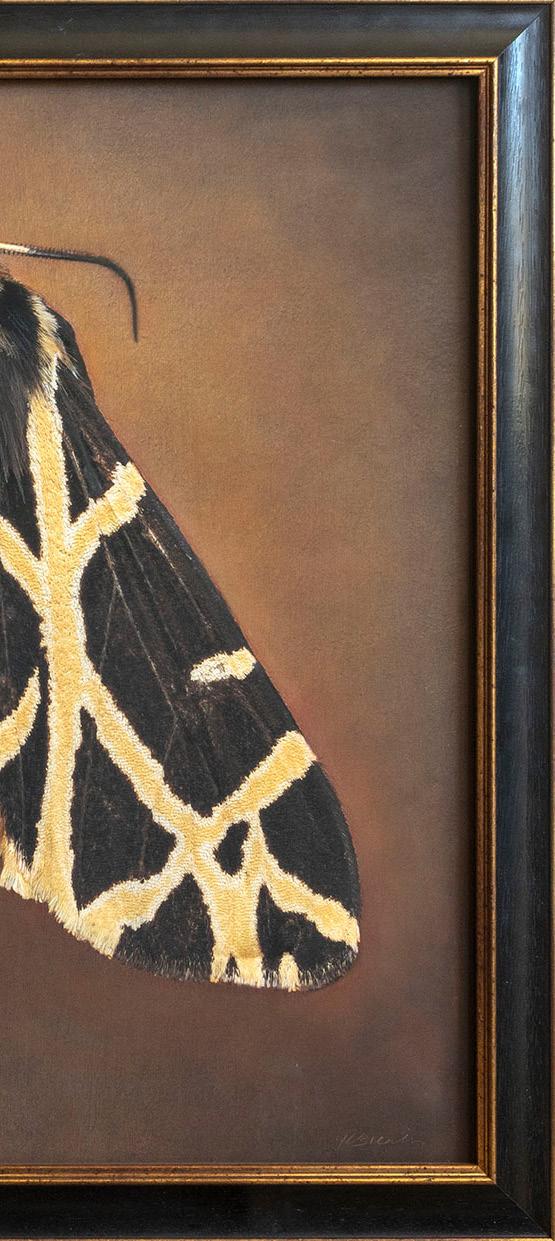
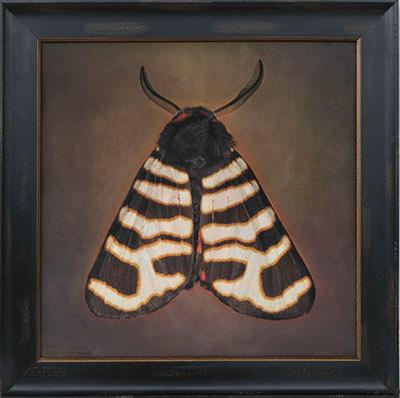
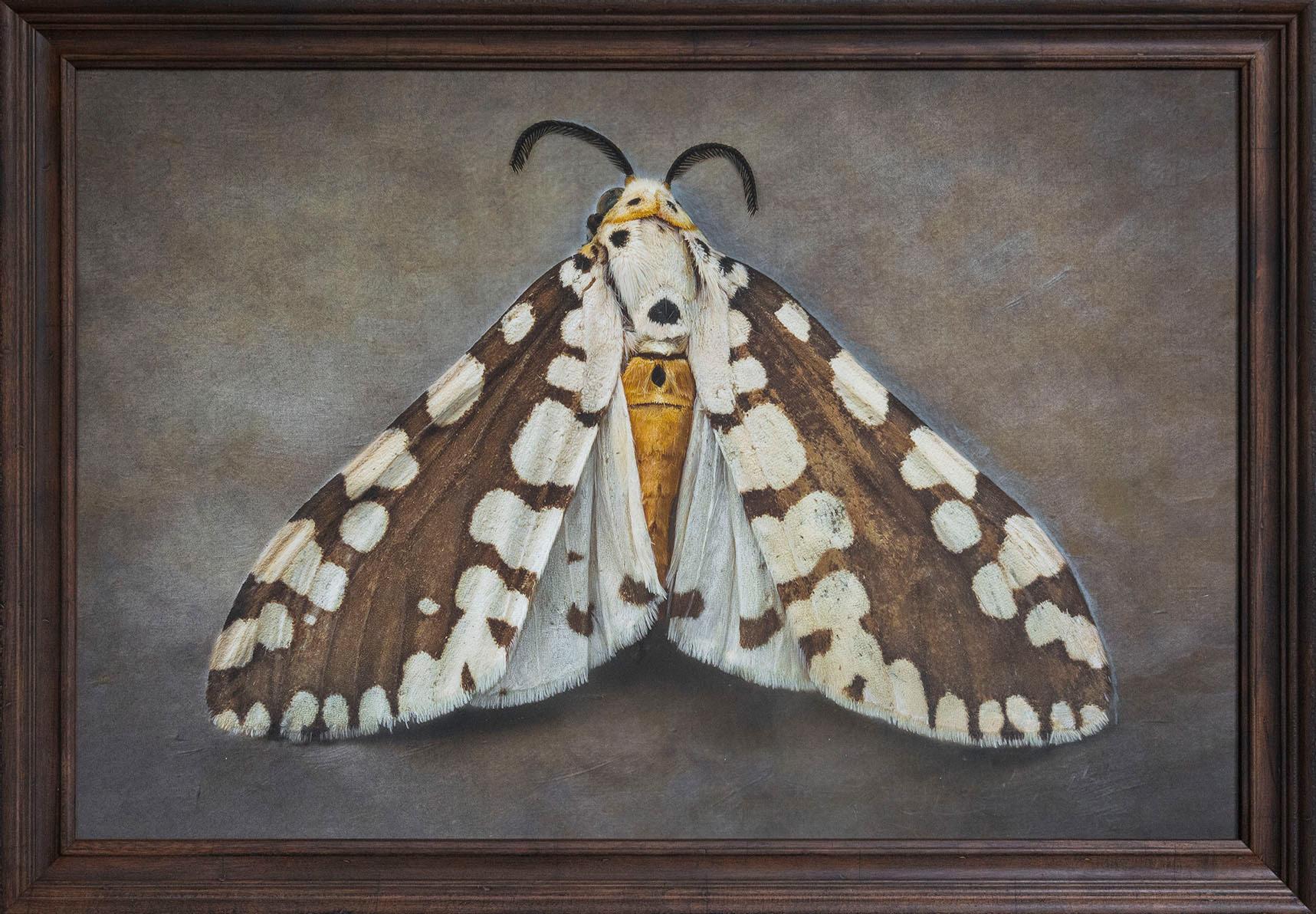
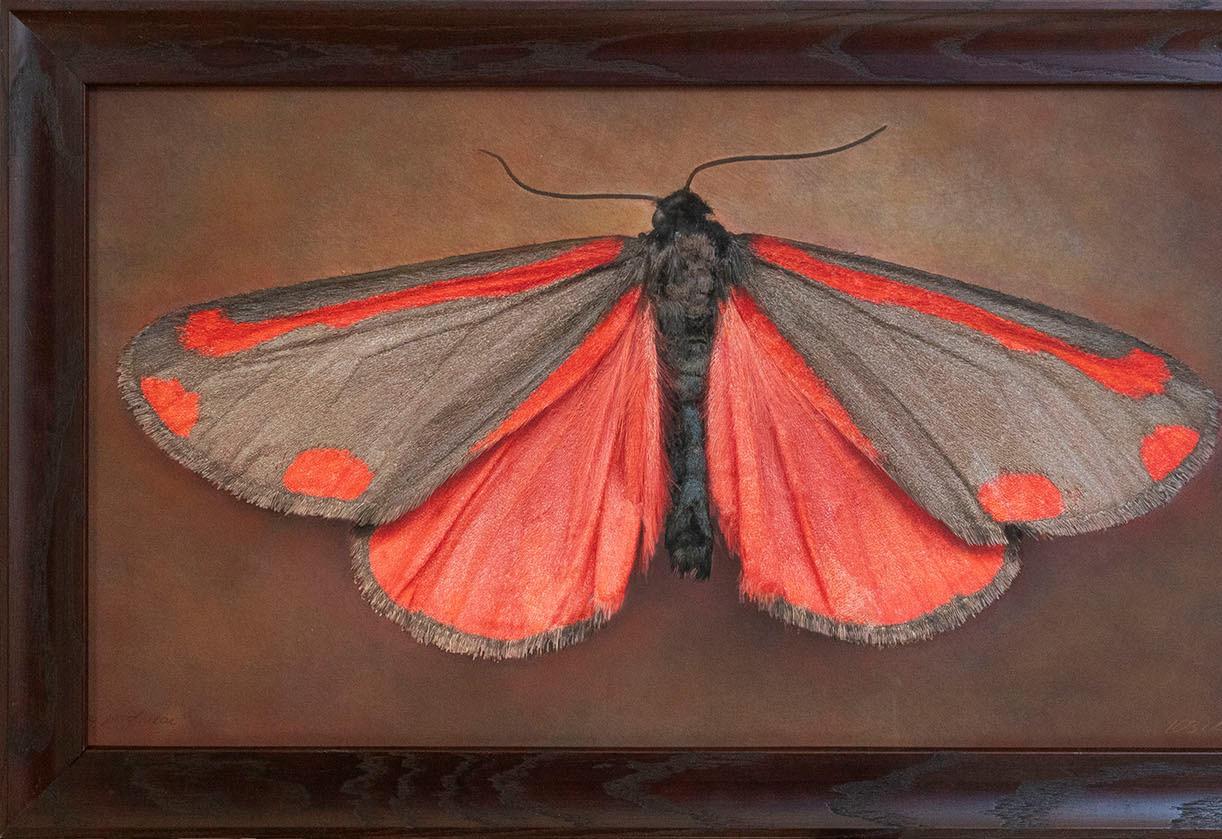
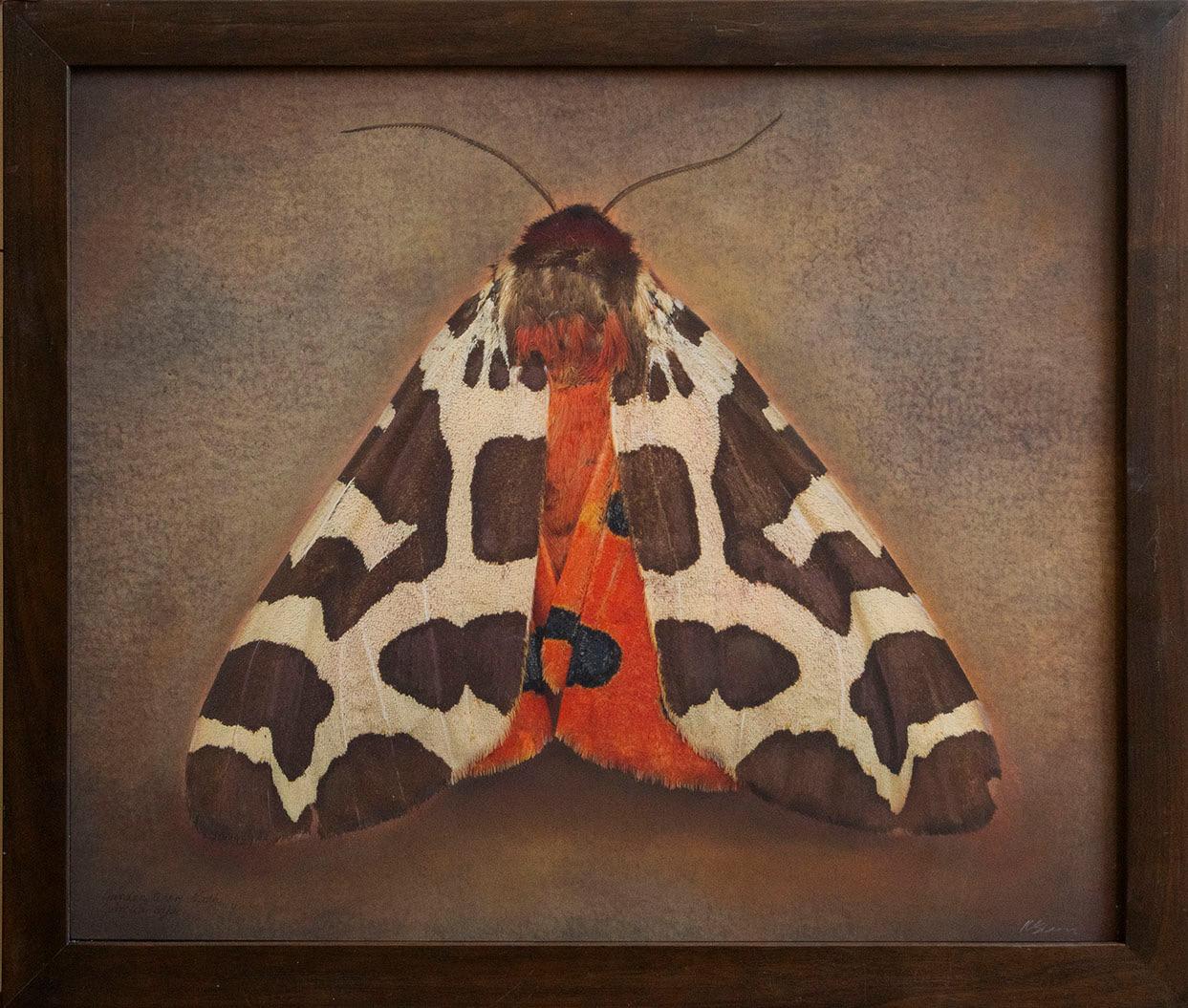
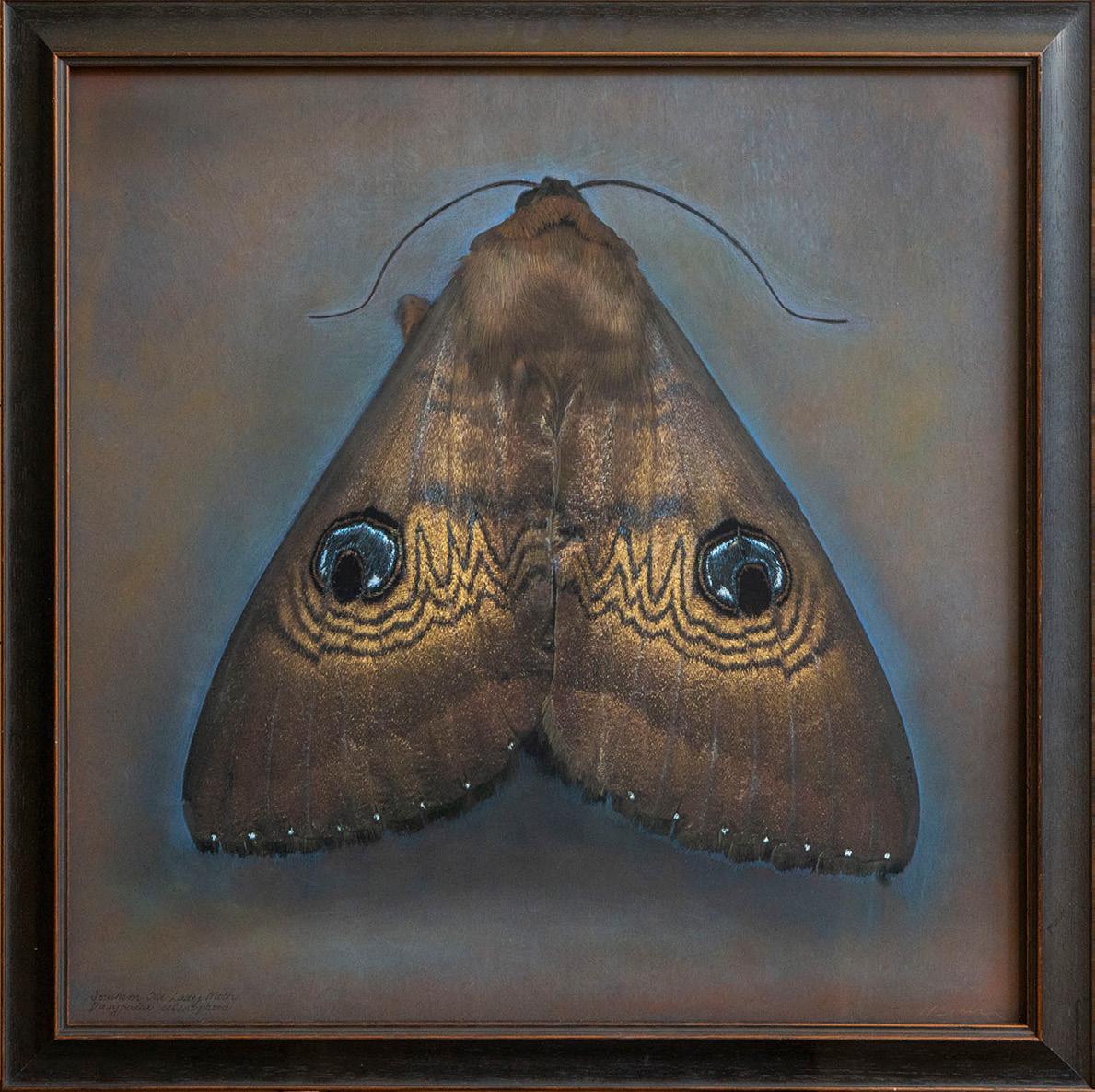
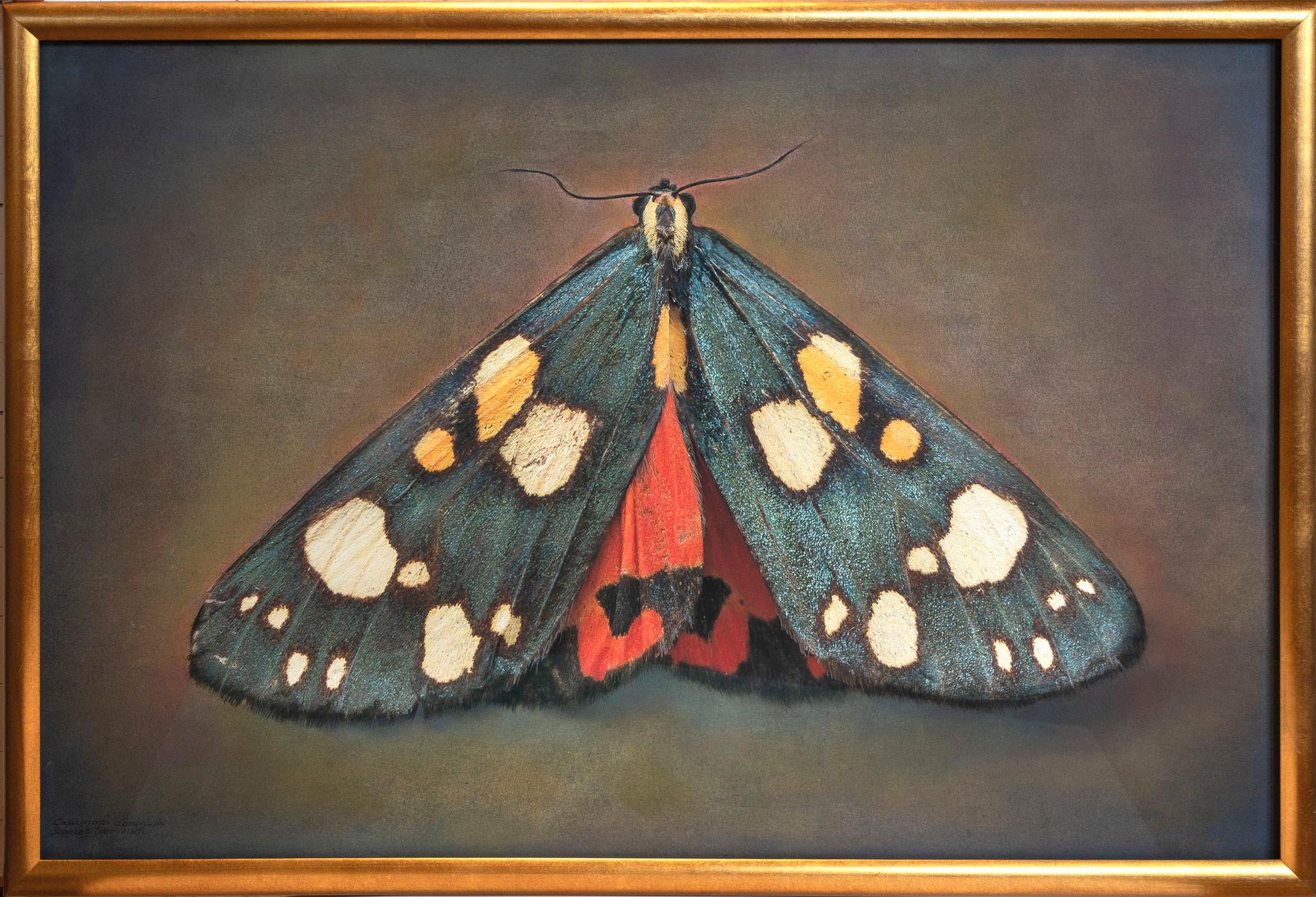
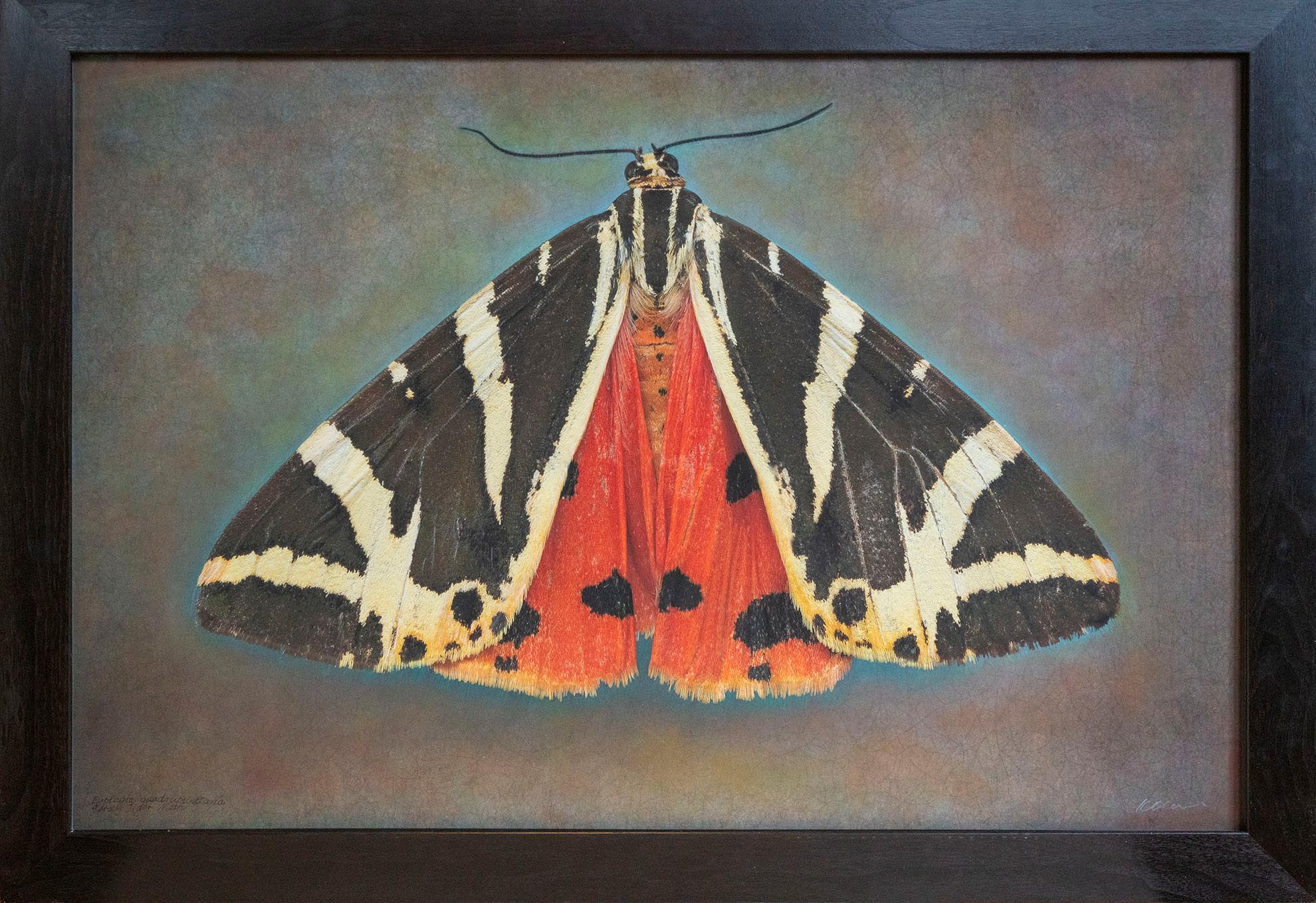
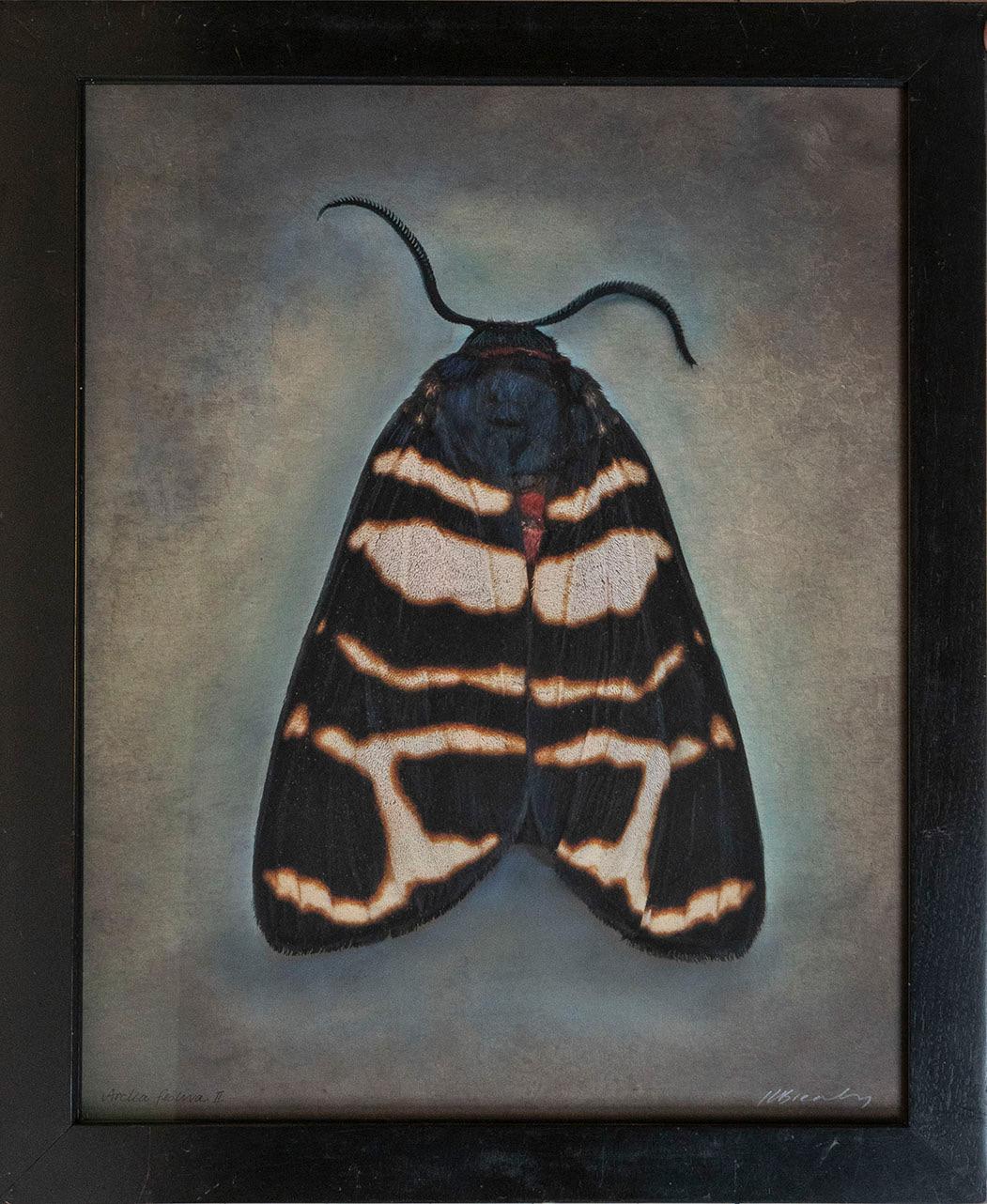
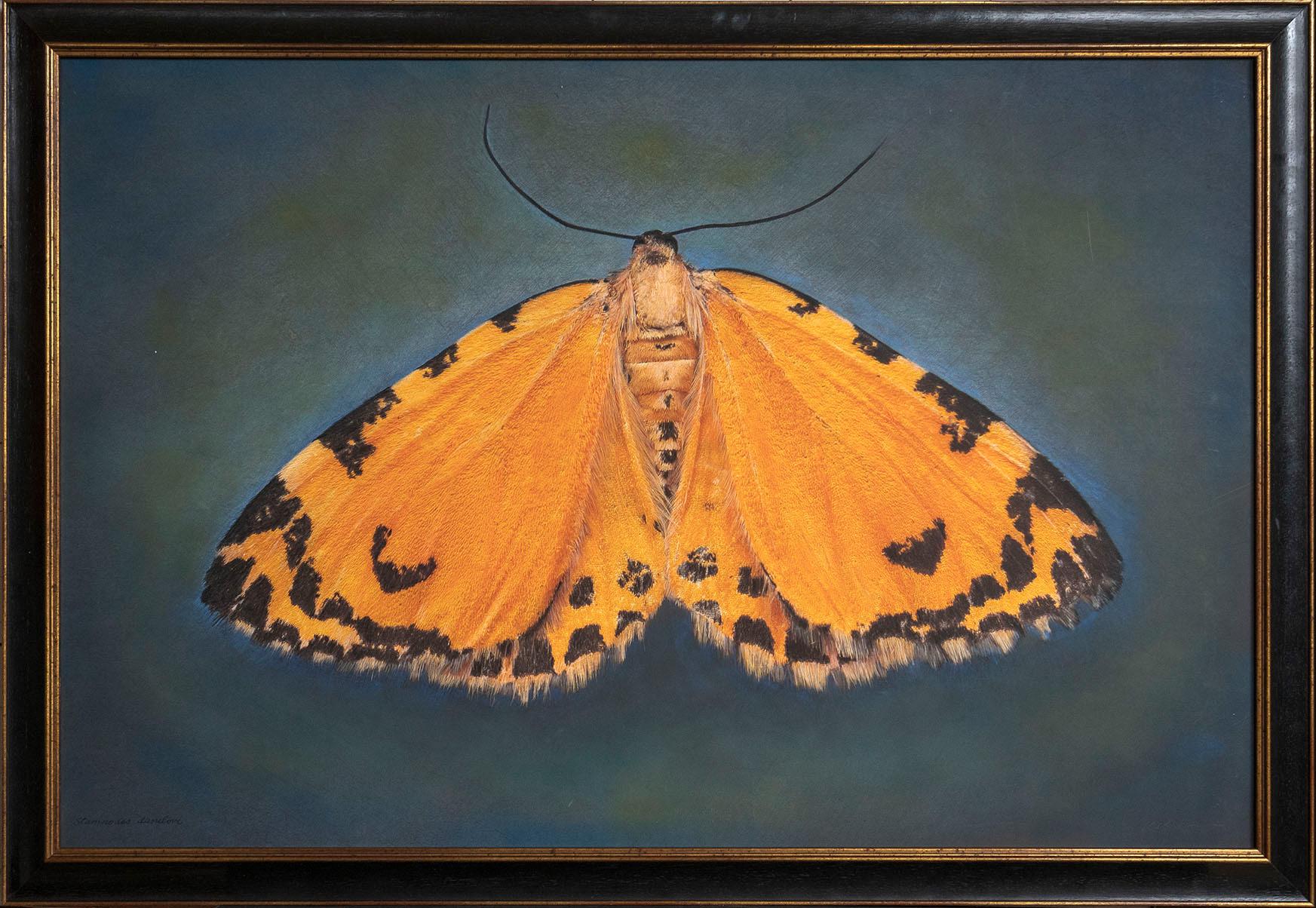
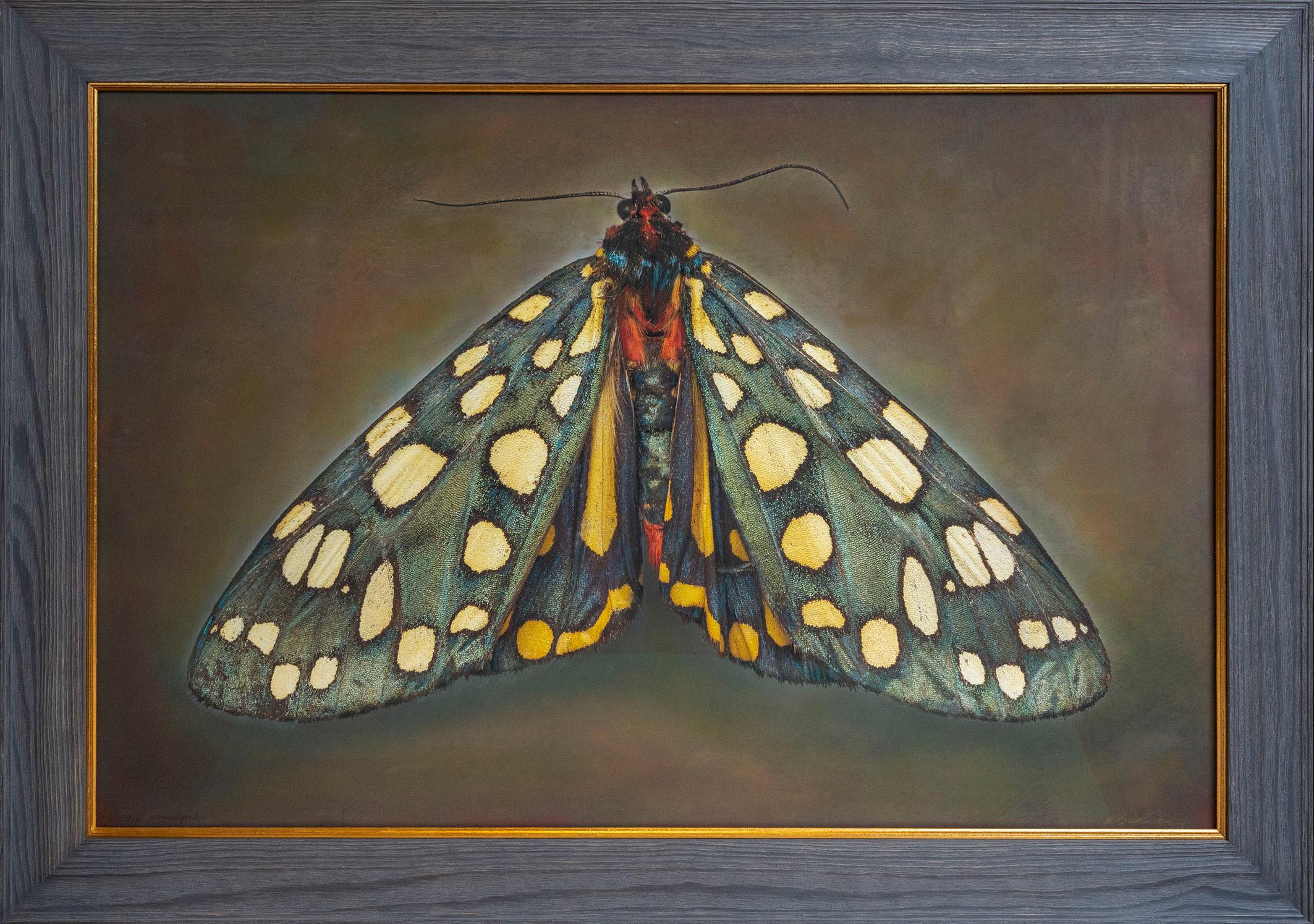
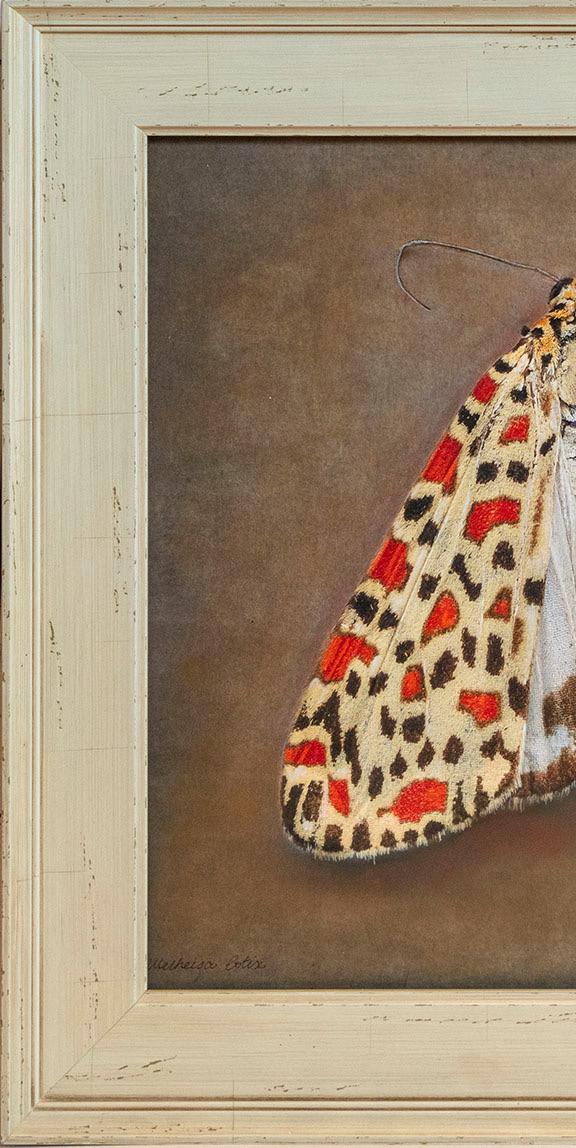
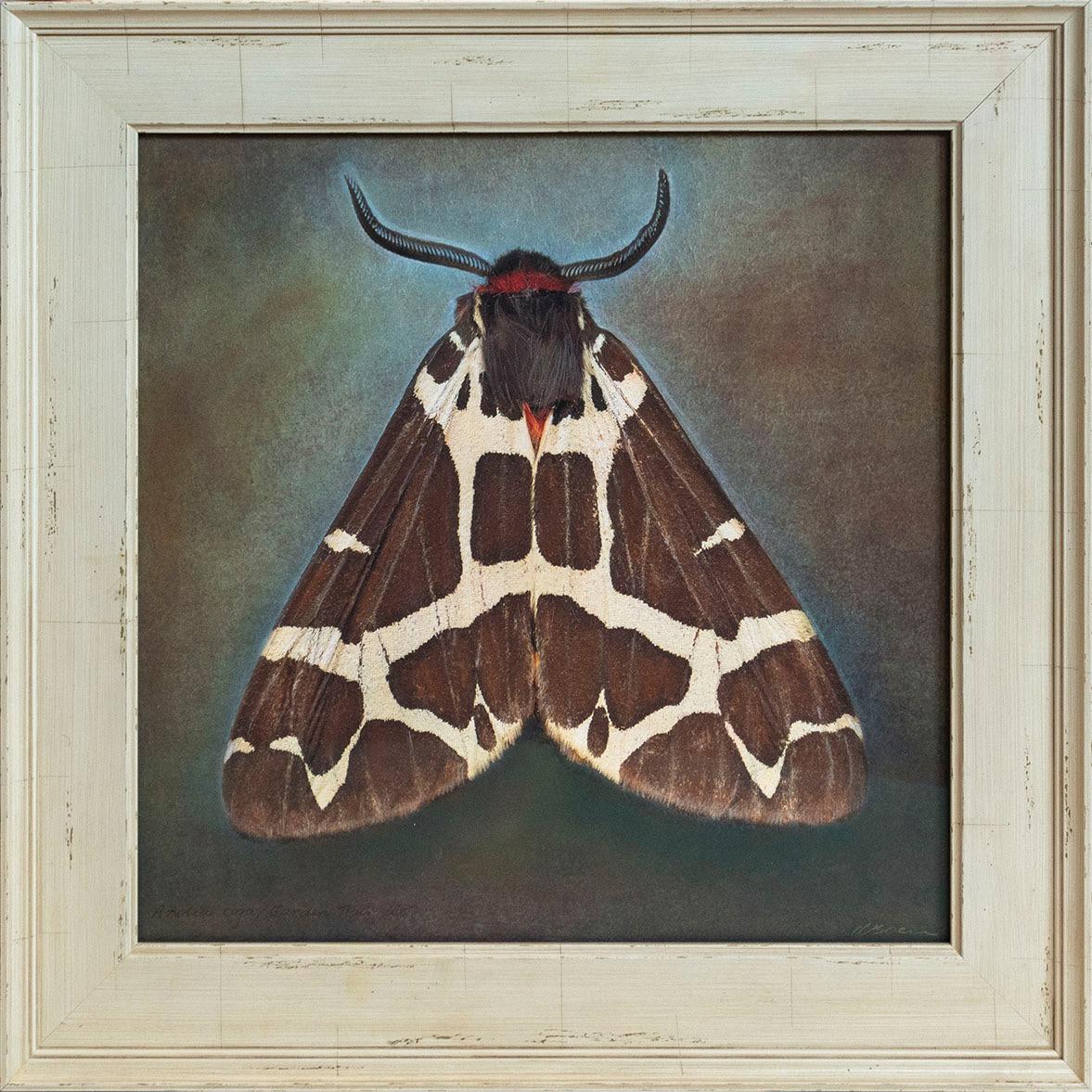
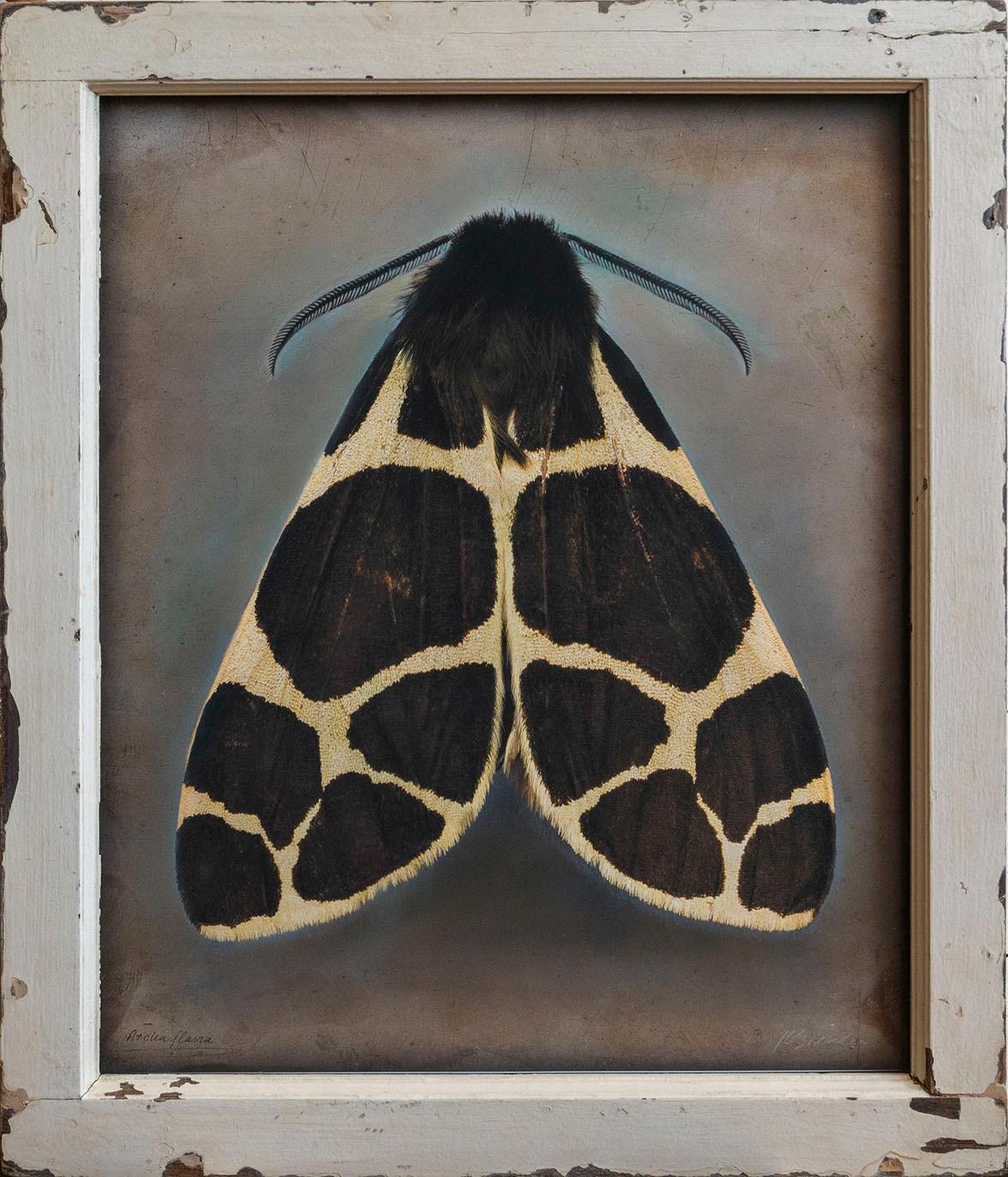
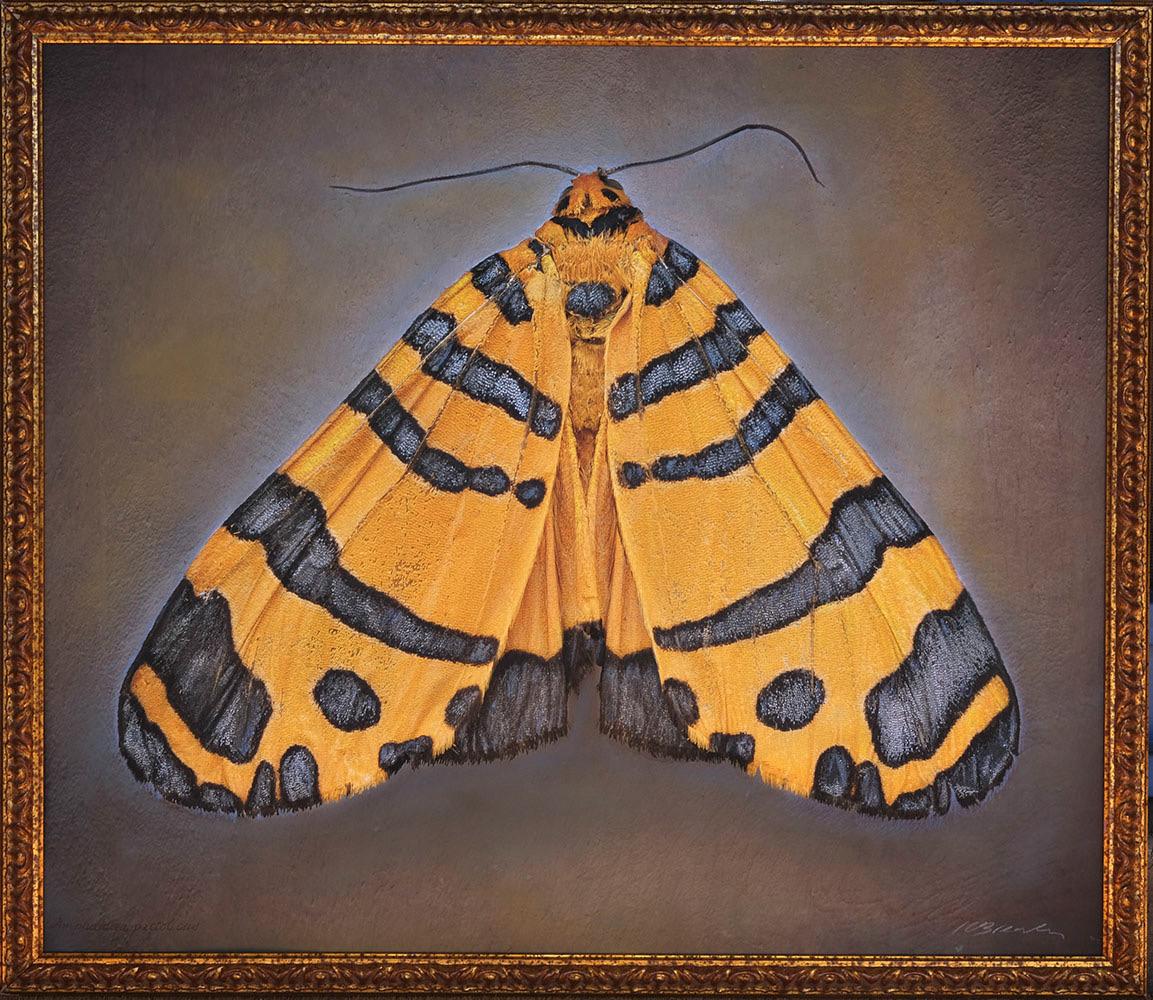
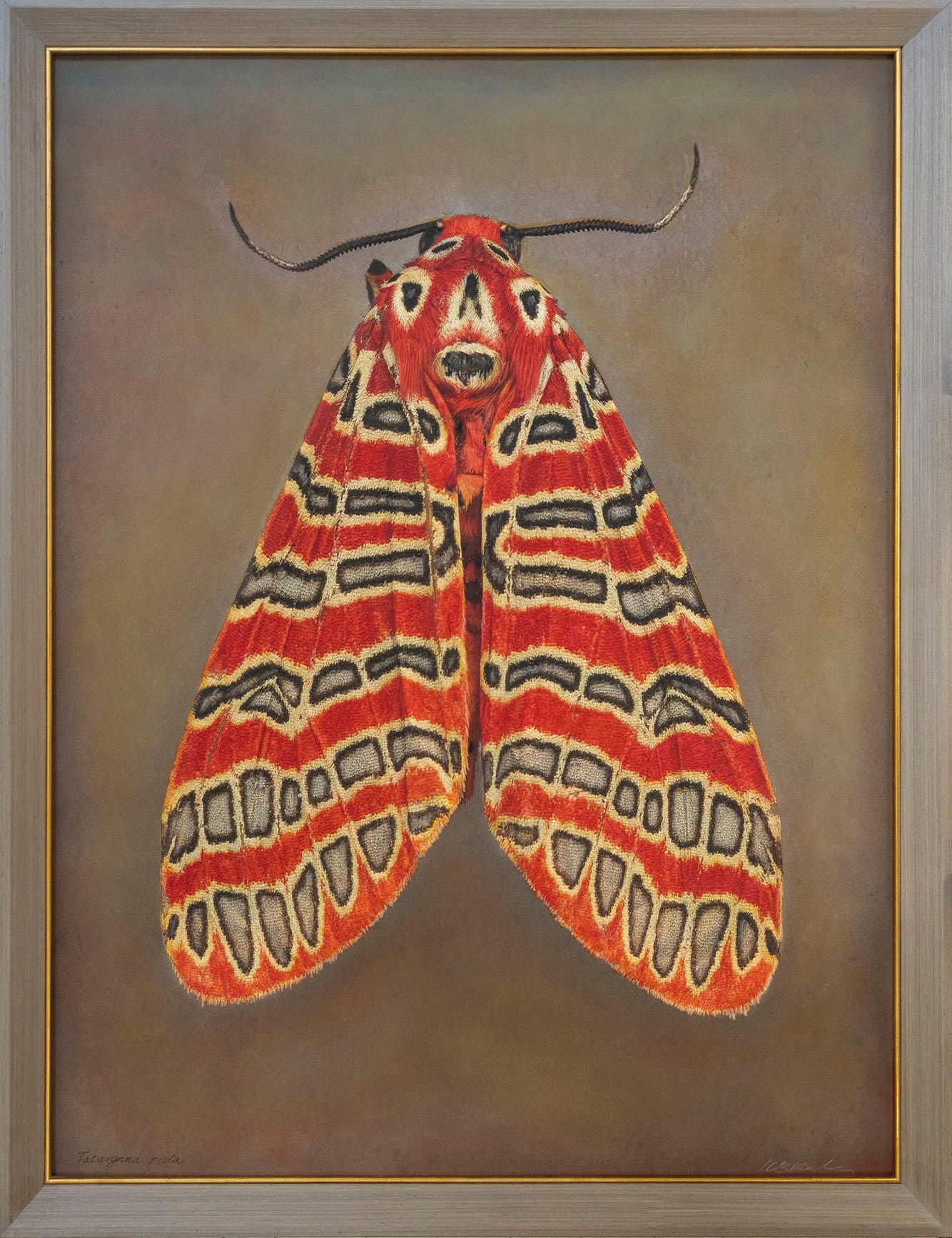
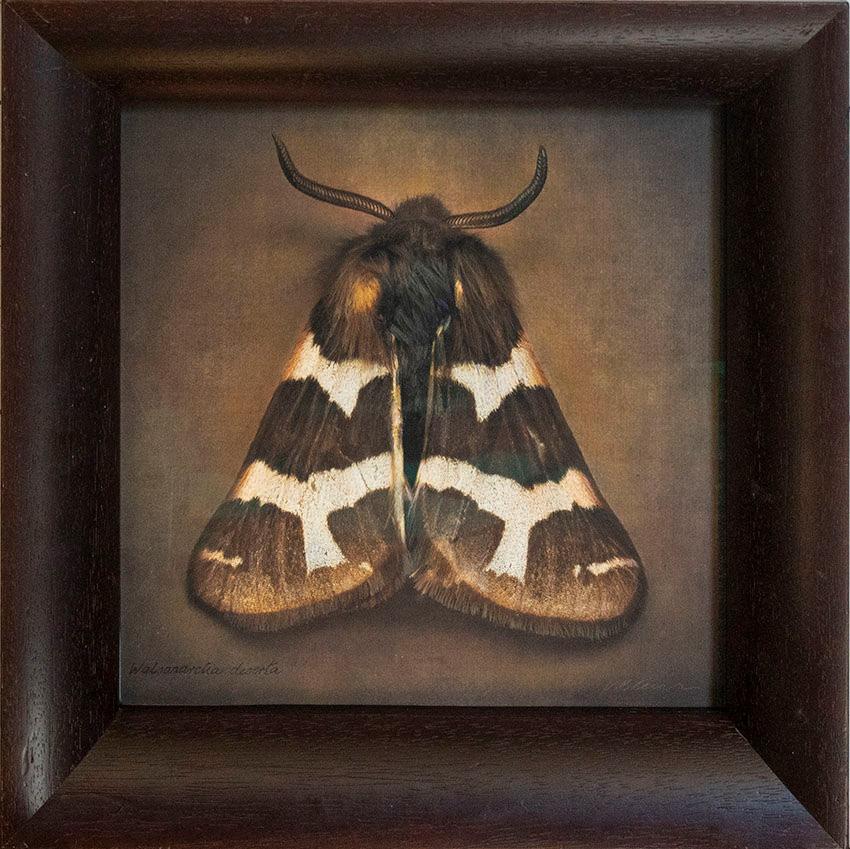
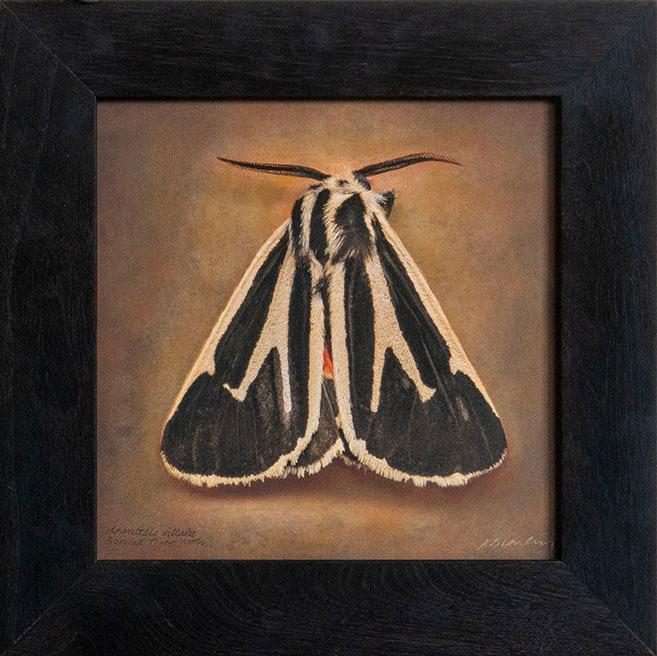
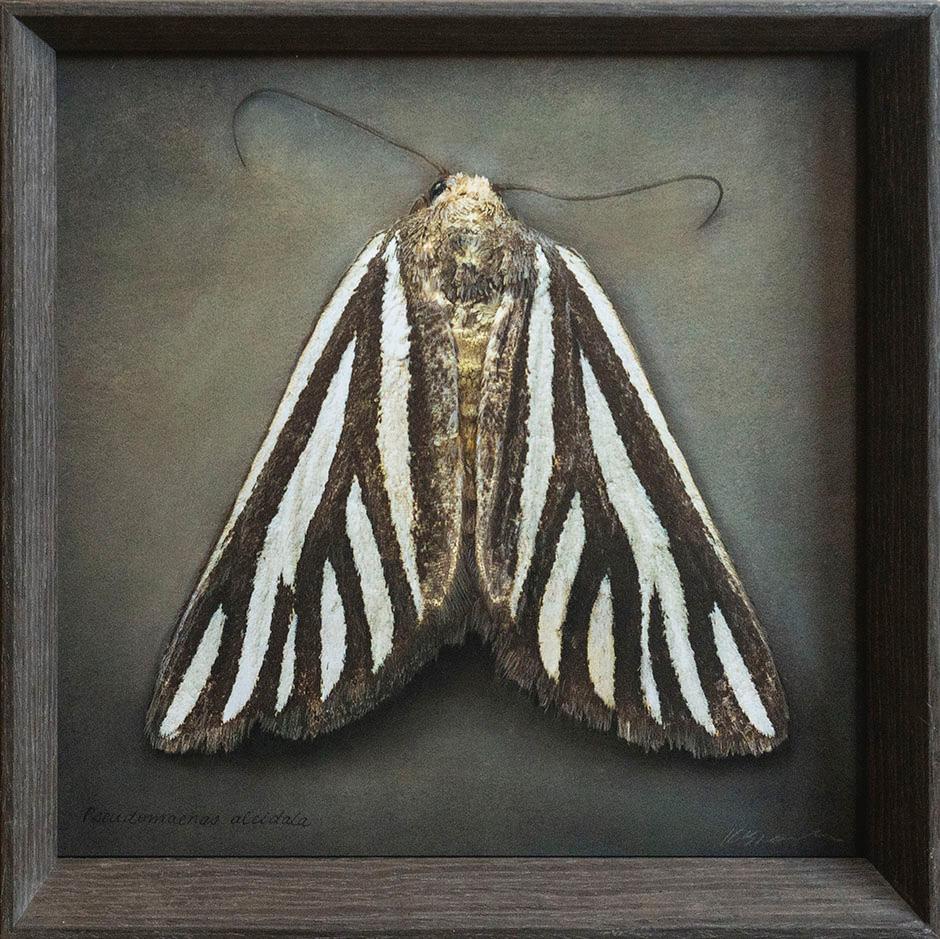
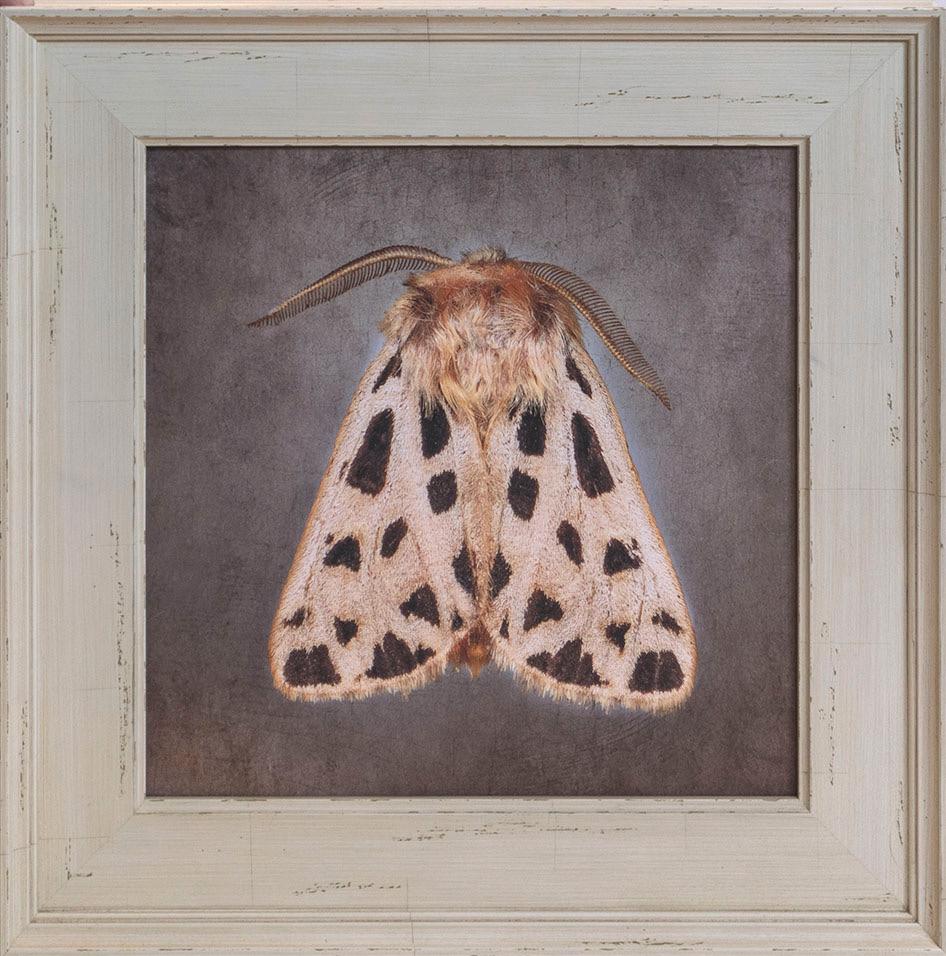
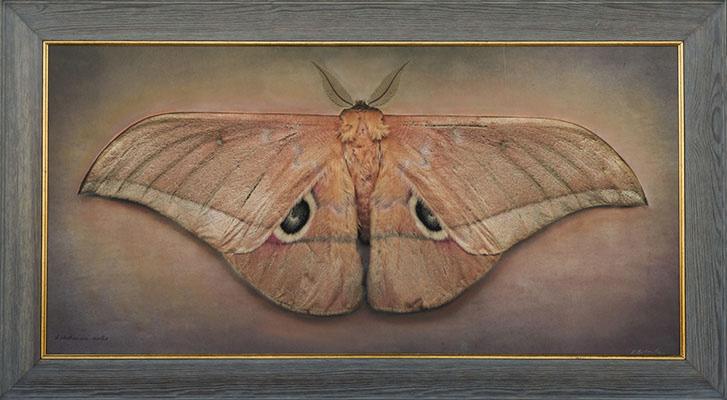
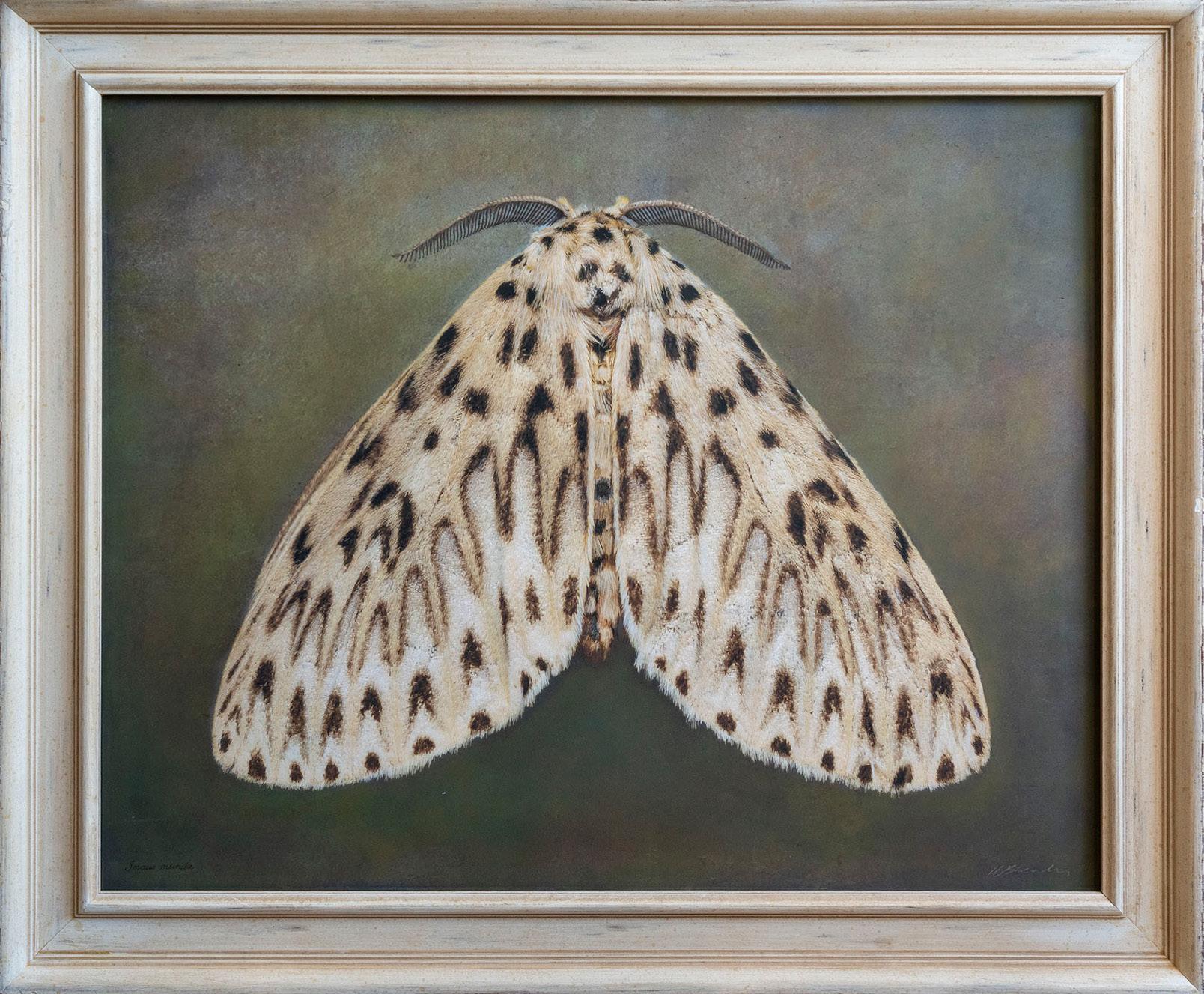
Tiger moths have evolved bold patterns that signal to predators that they are poisonous or taste bad. Some also have giant ‘eye-like’ markings, an optical illusion that makes them appear to be owls and scares off small birds. Among their predators are bats that can’t see these visual deterrents, so some moth species emit sounds that interfere with the echolocation bats use to hunt them.
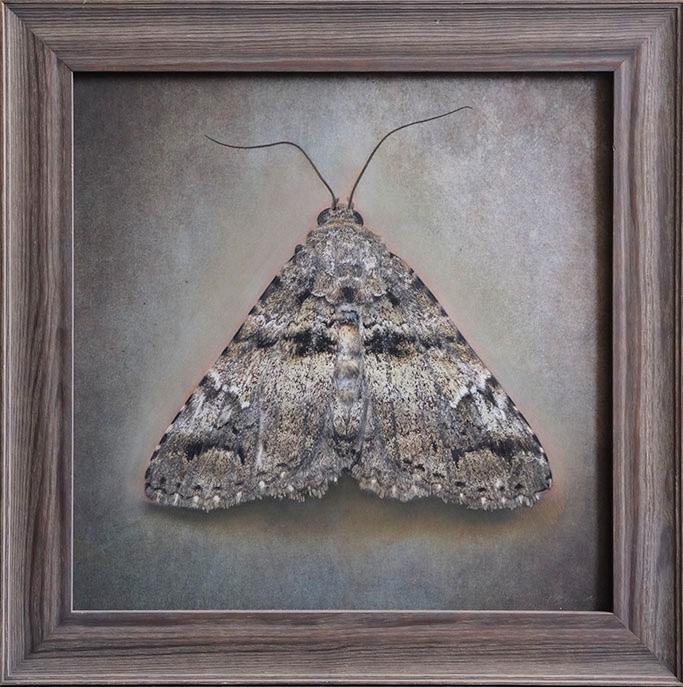
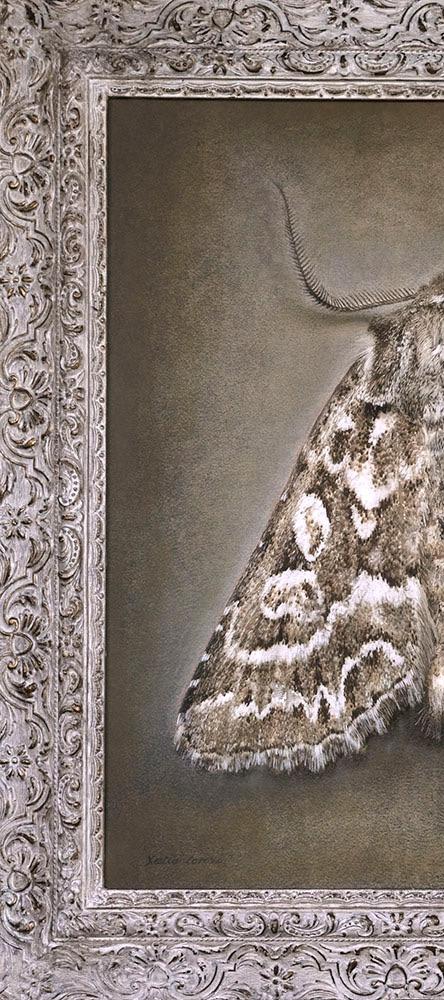
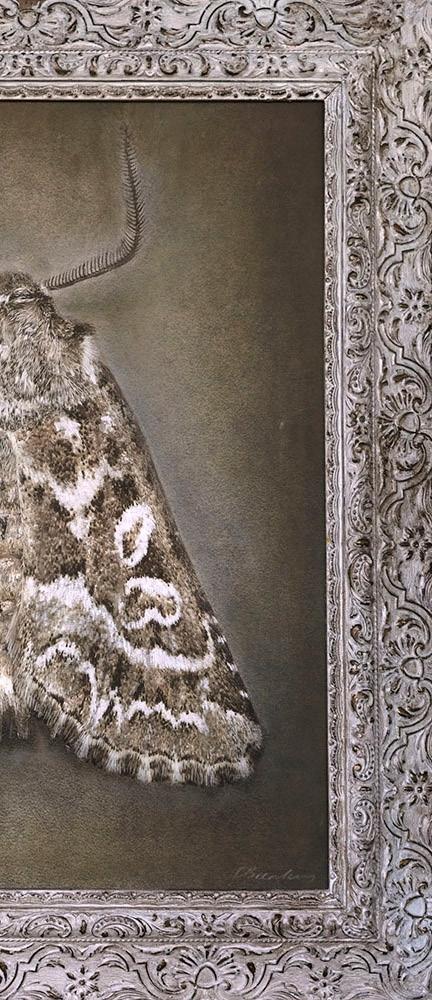
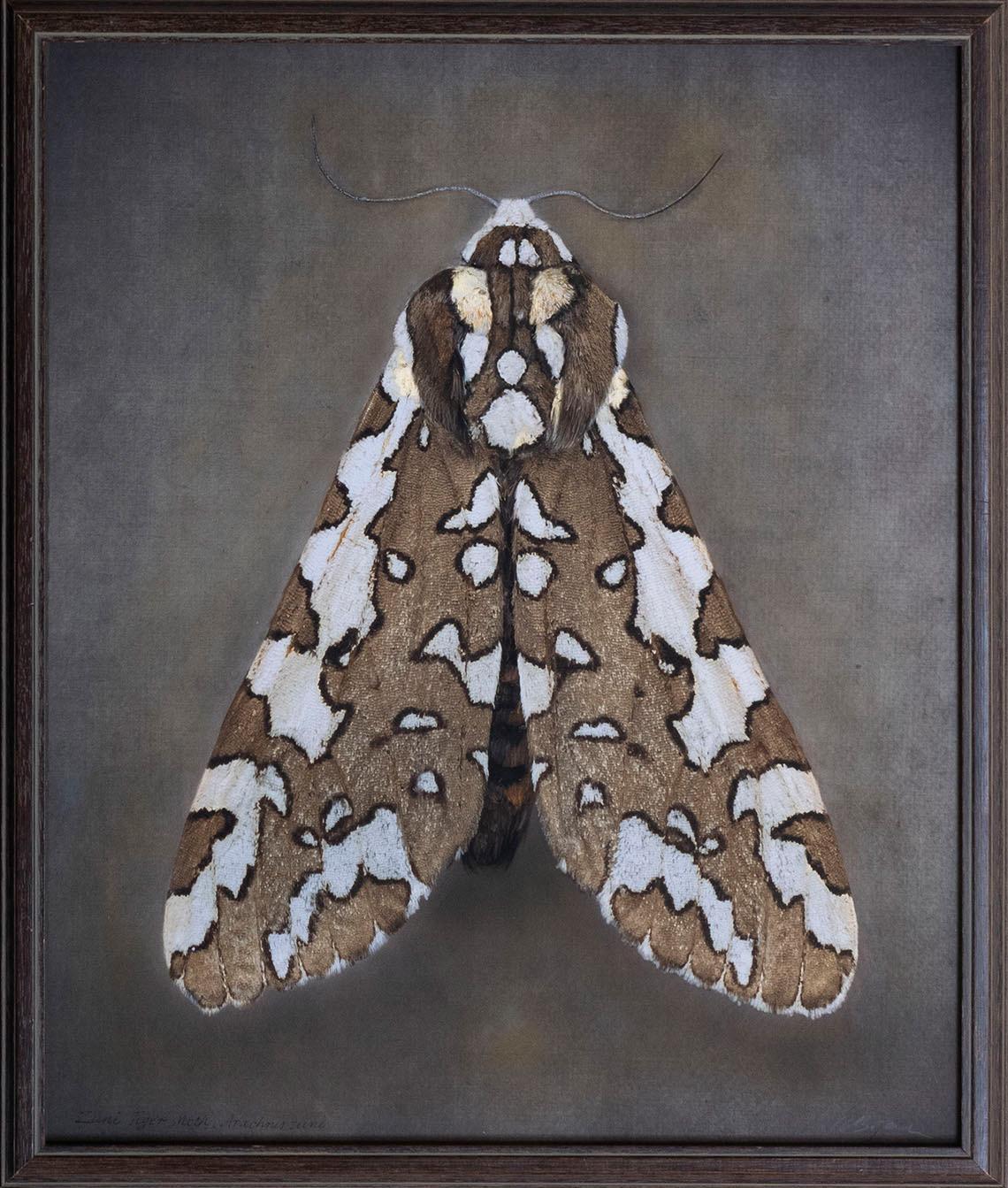
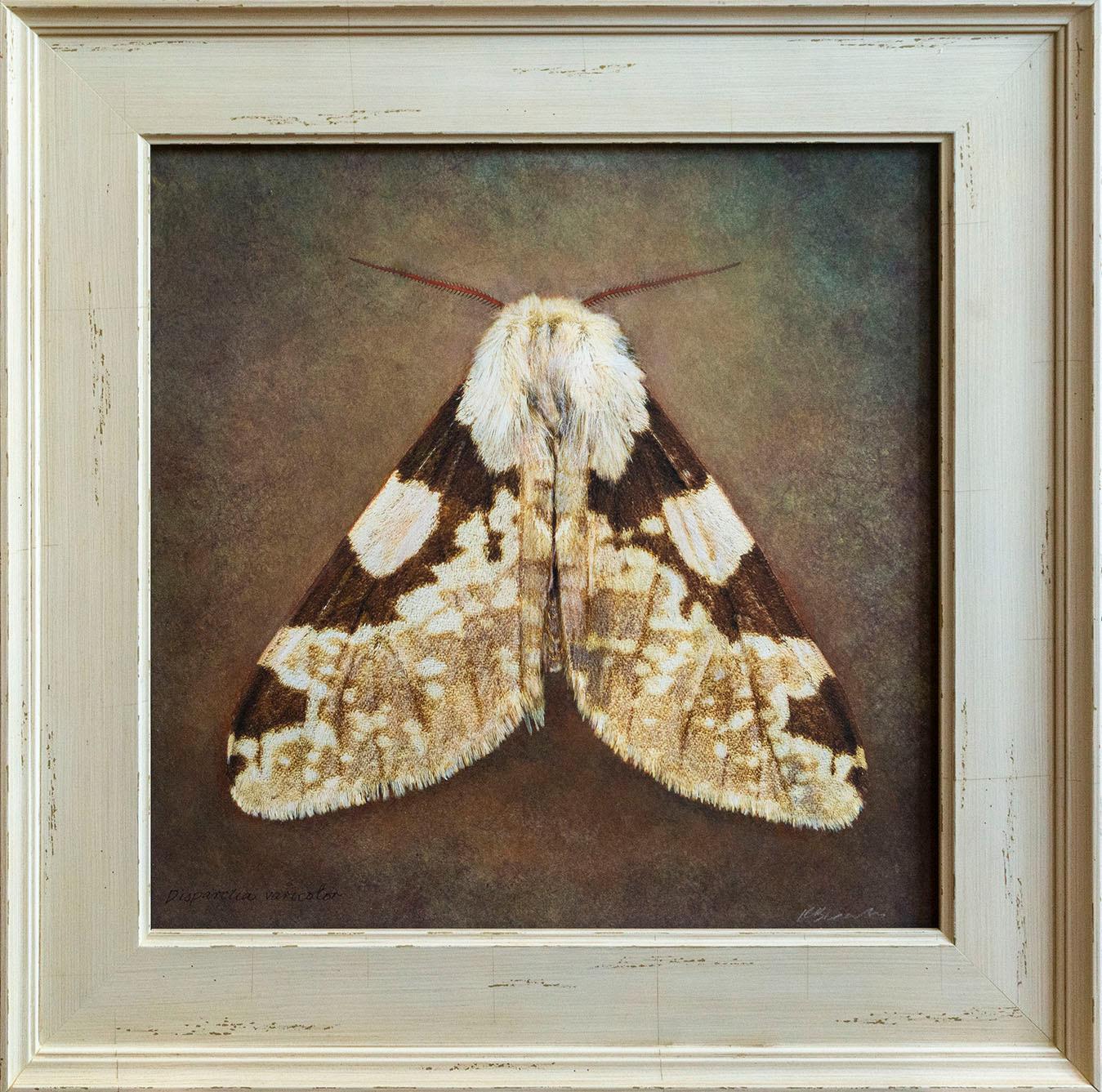
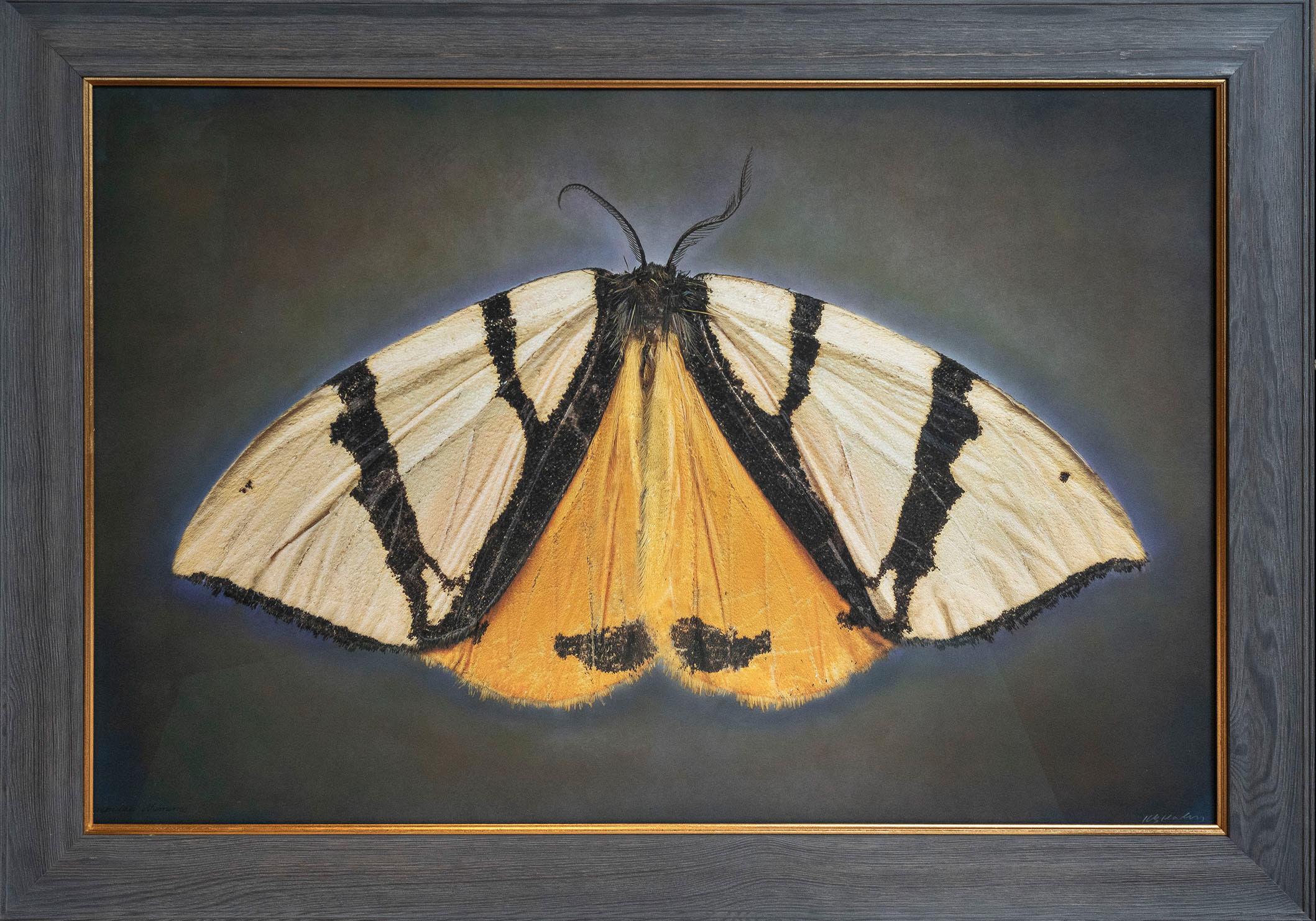
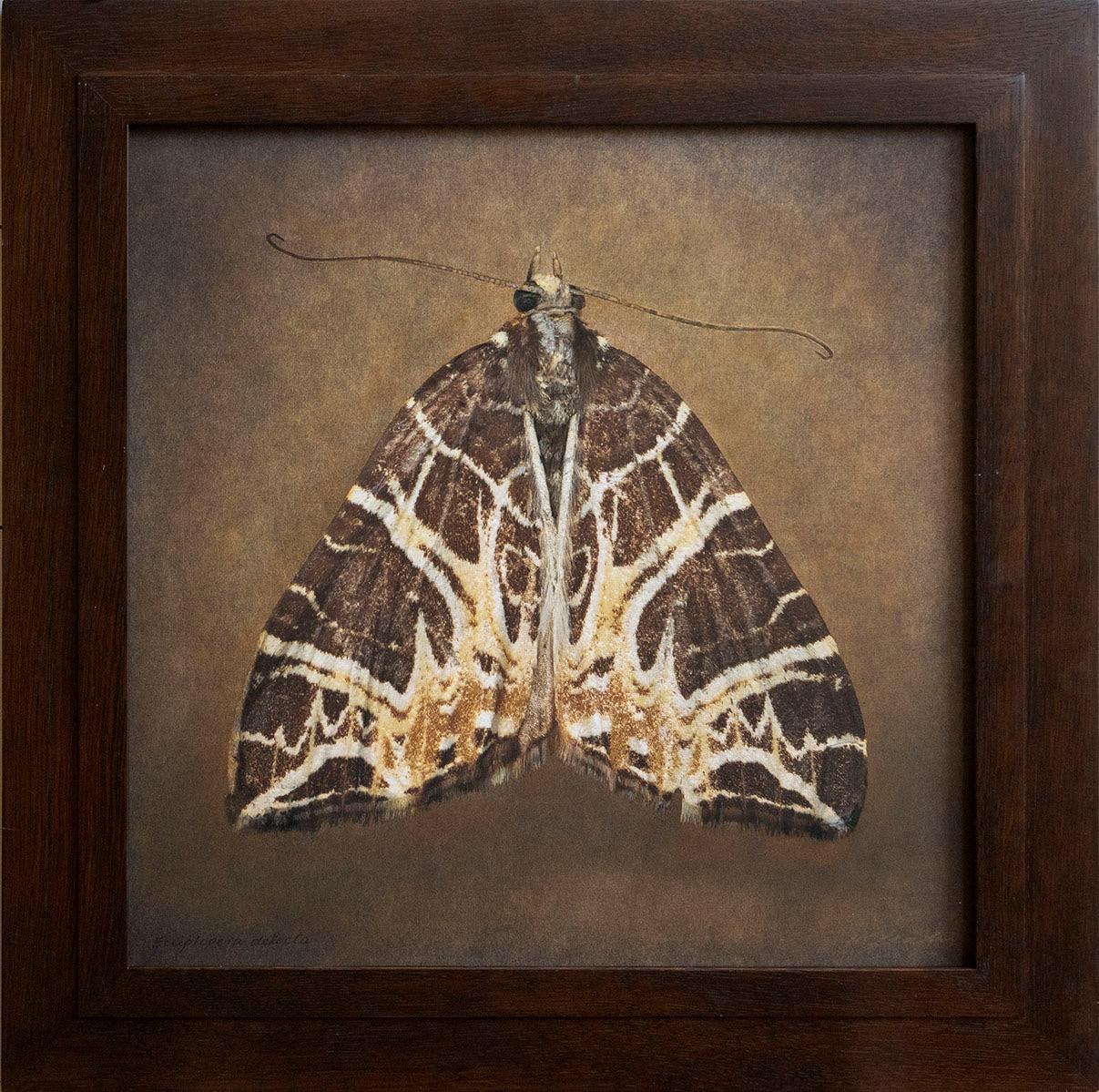
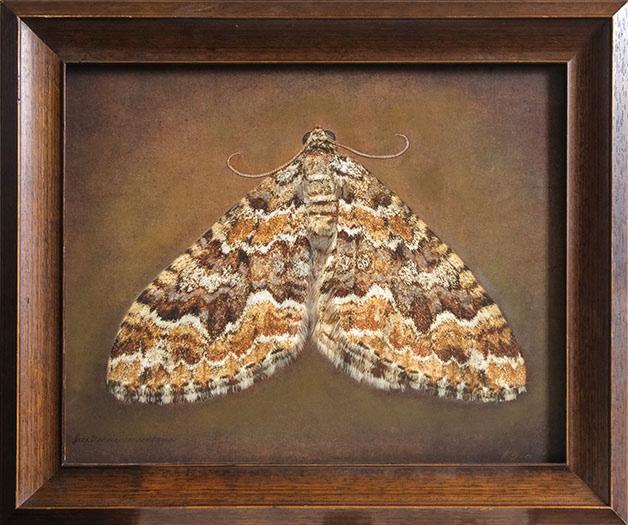
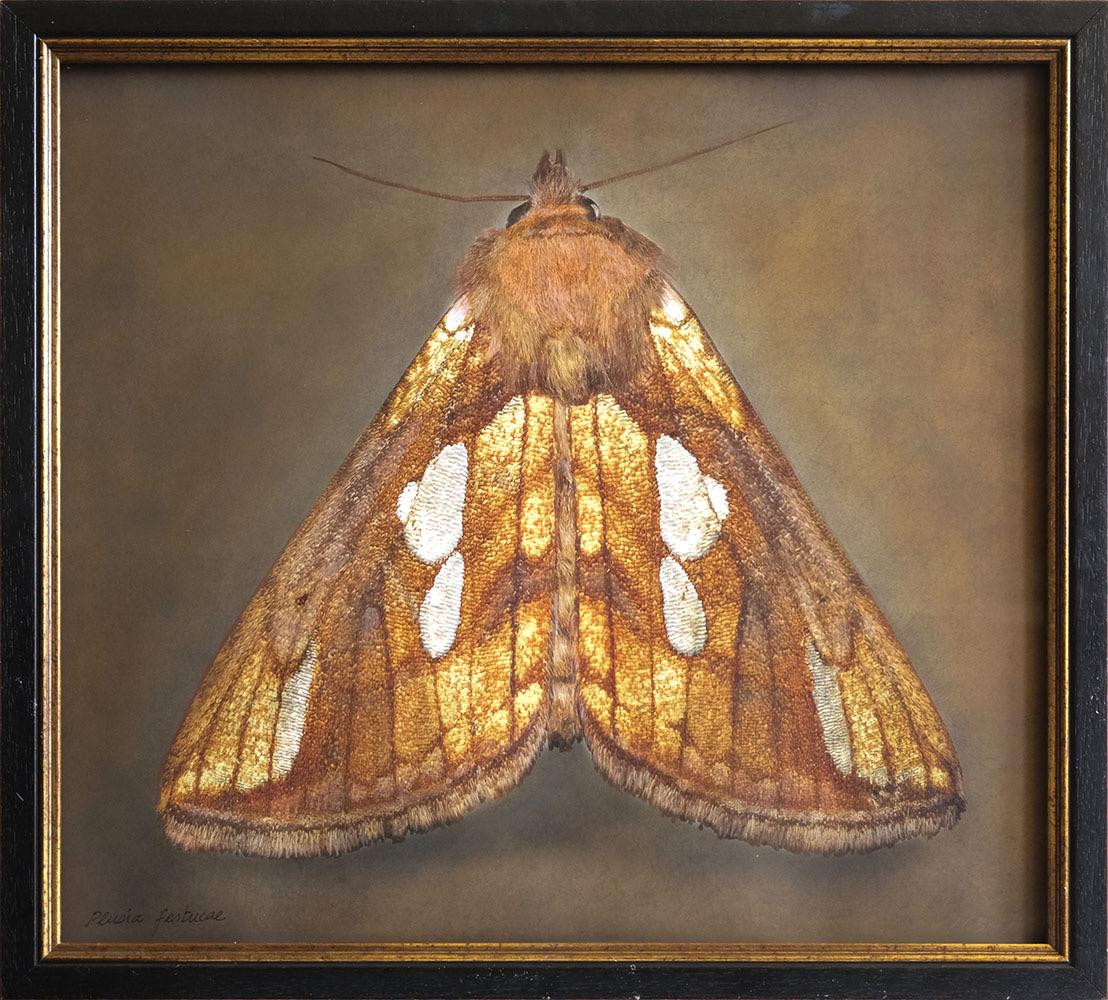
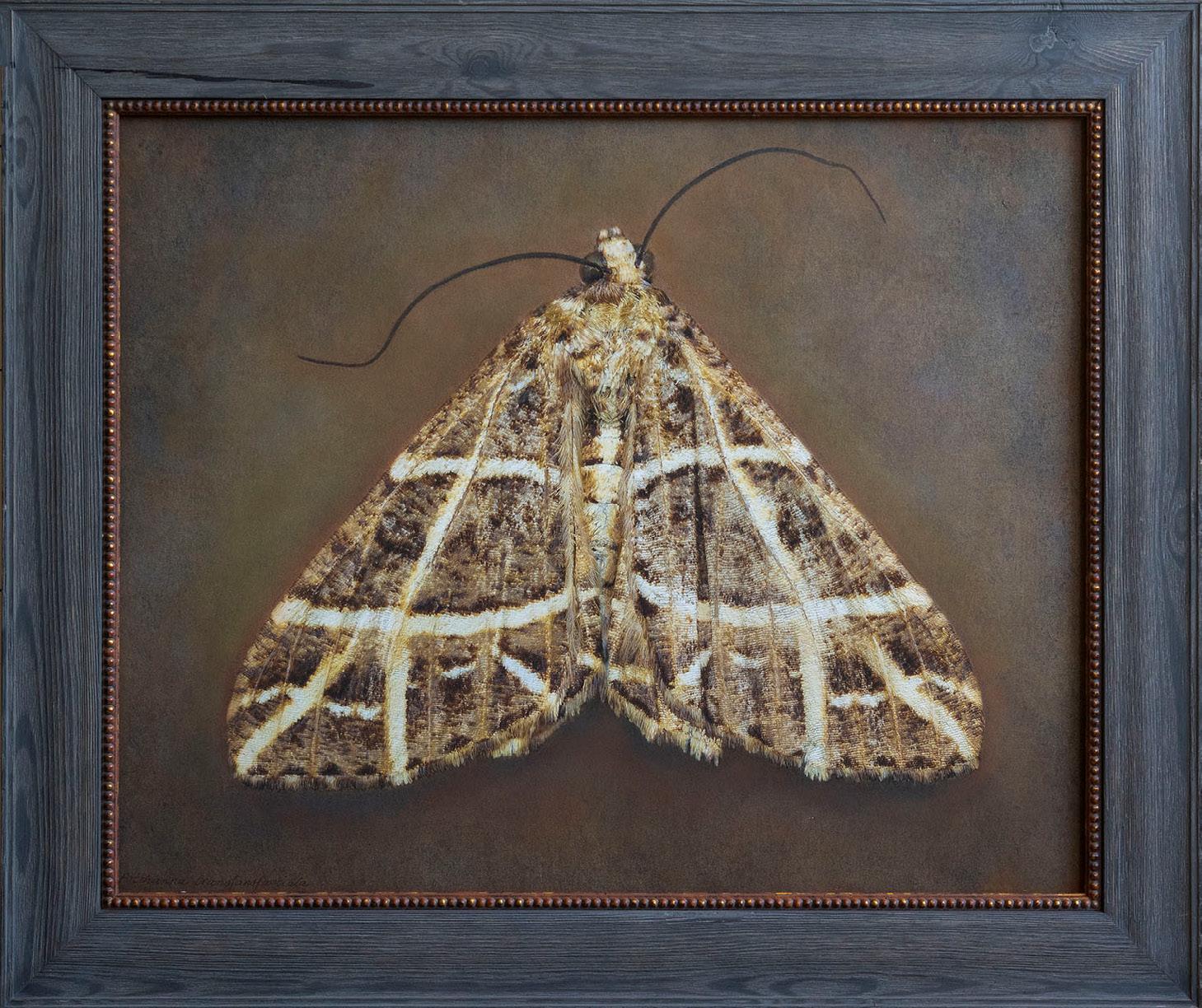
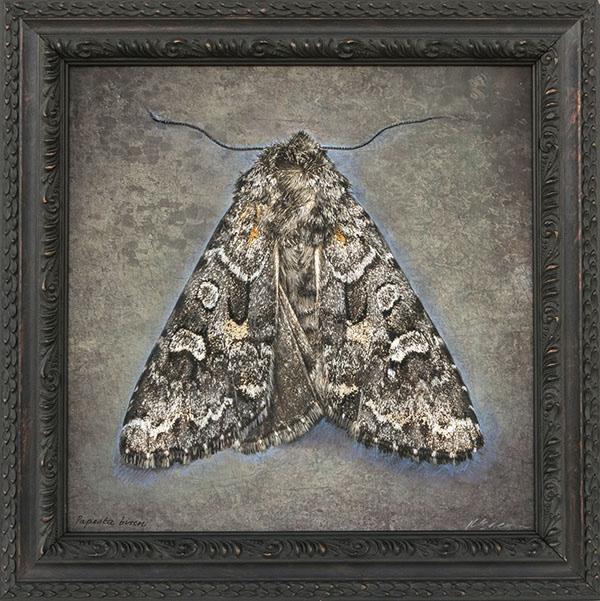
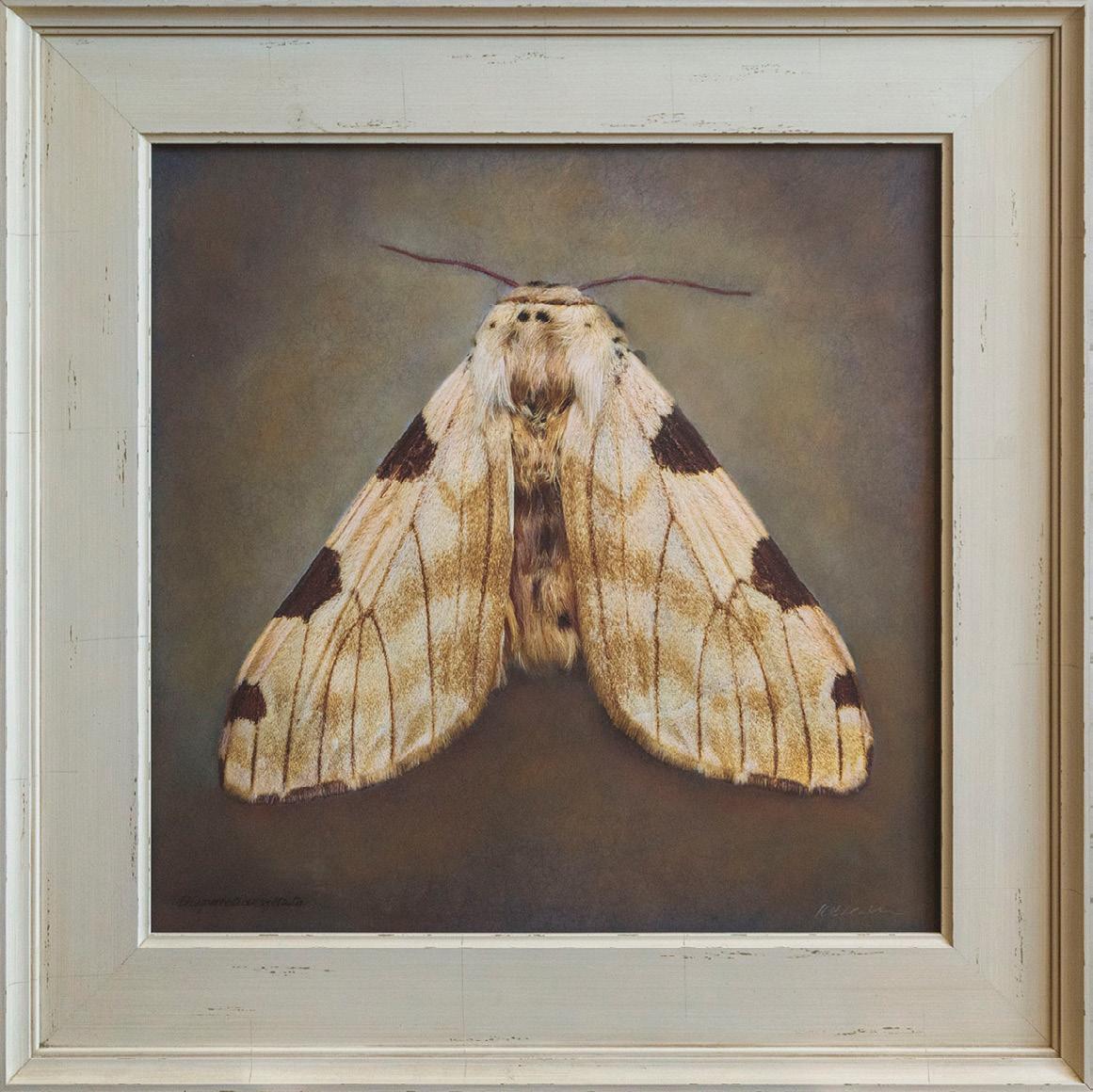
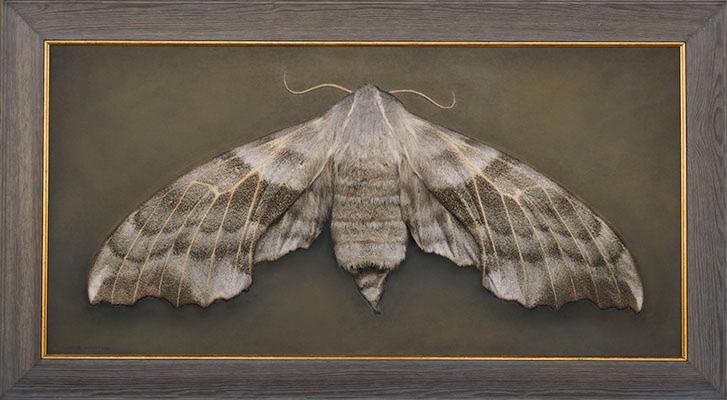
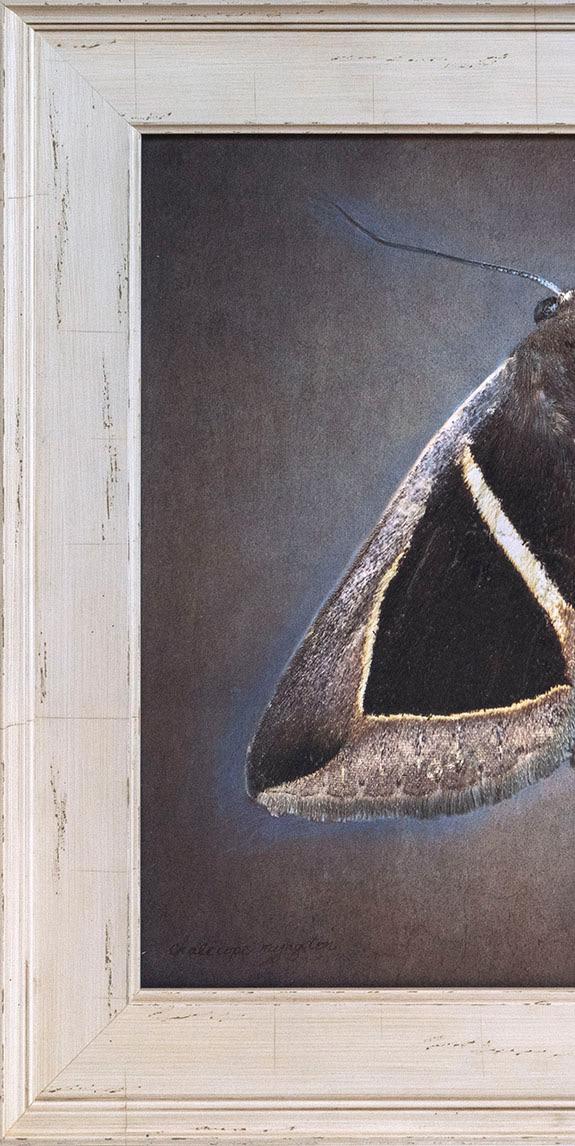
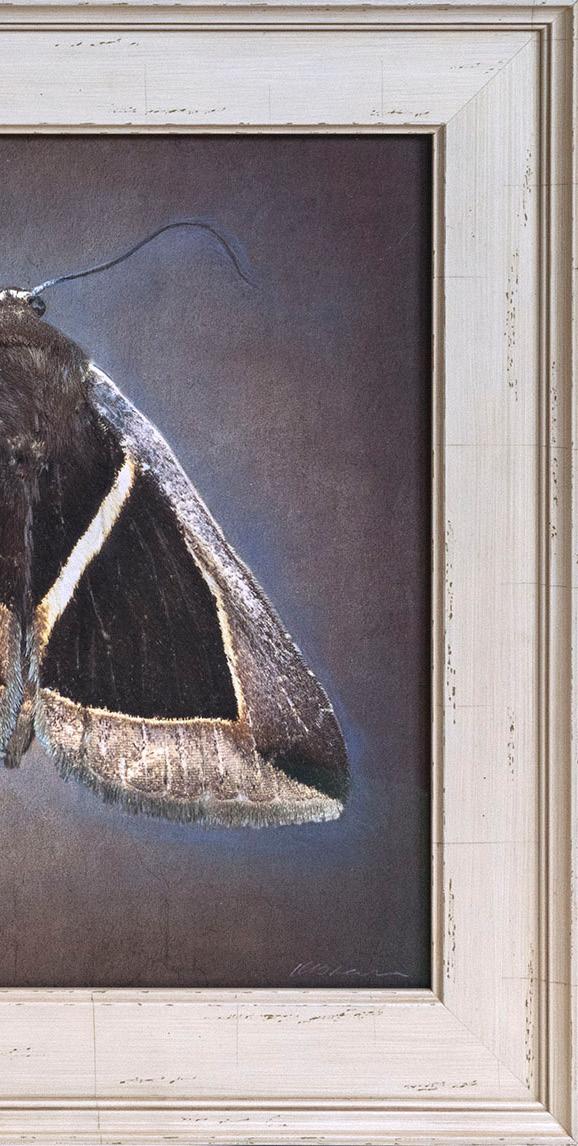
Another survival strategy is to become invisible by blending in. Many moths look like bark, leaves, or lichen. This method of camouflaging is known as ‘background matching. Similarly, triangular markings break up the moth’s shape into less moth-shaped sections.
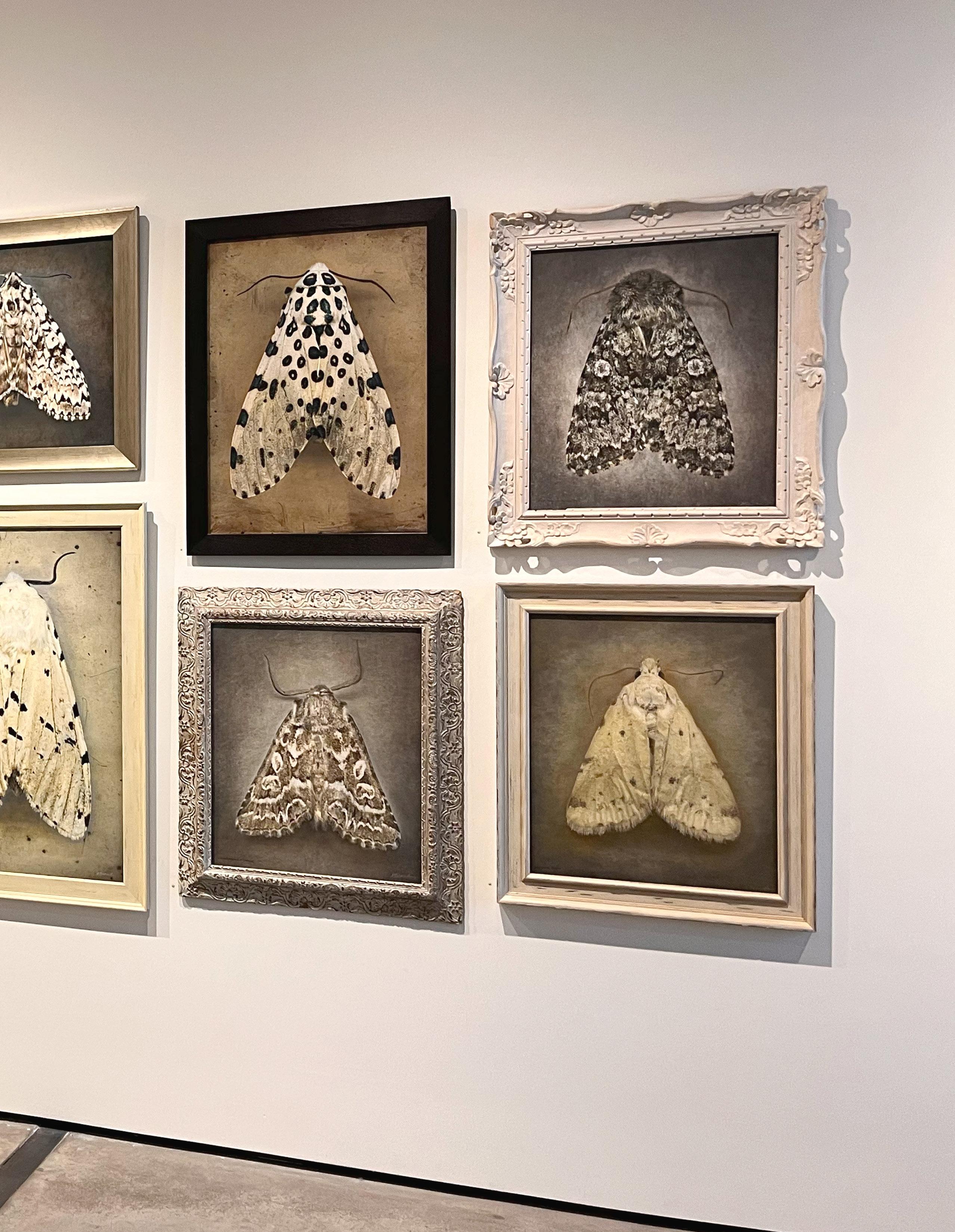
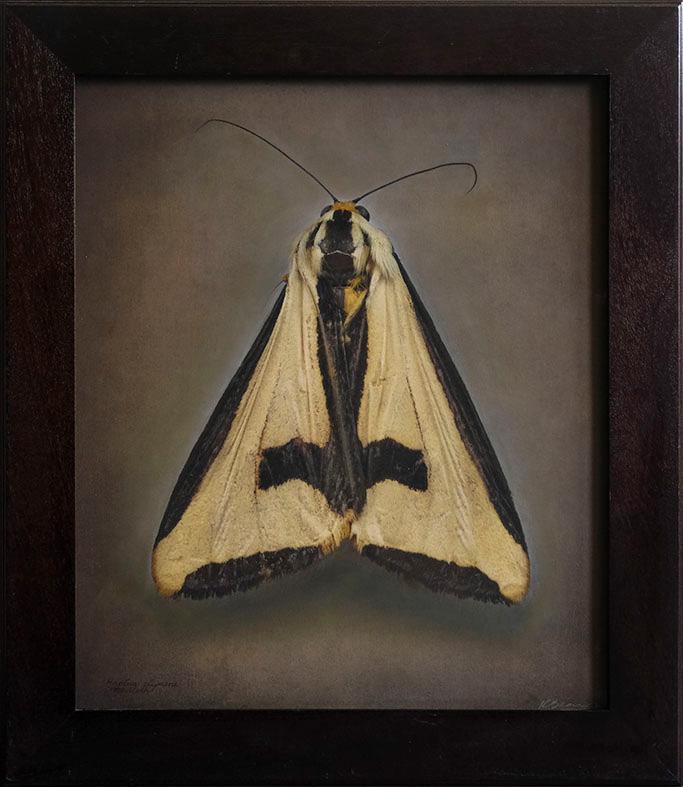
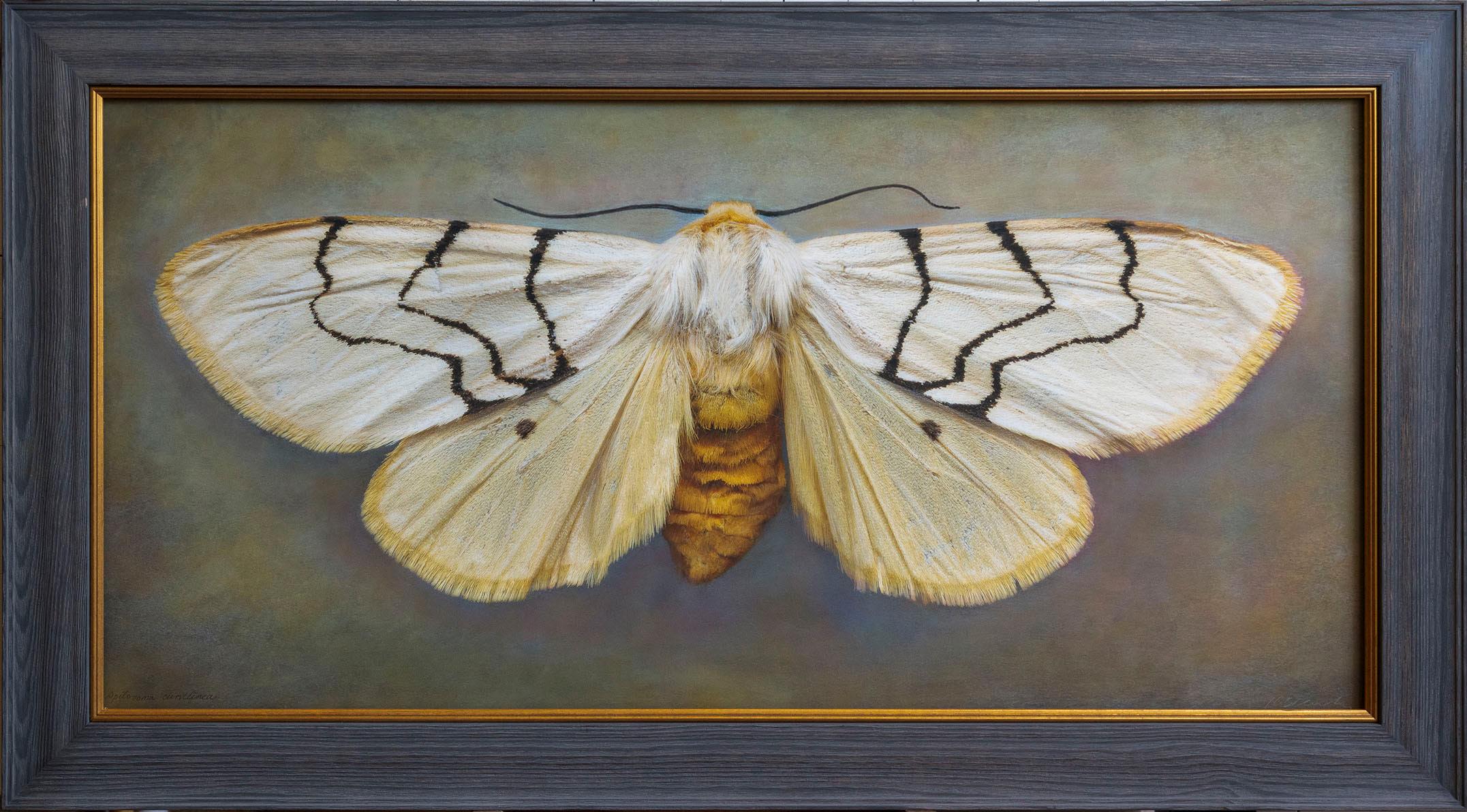
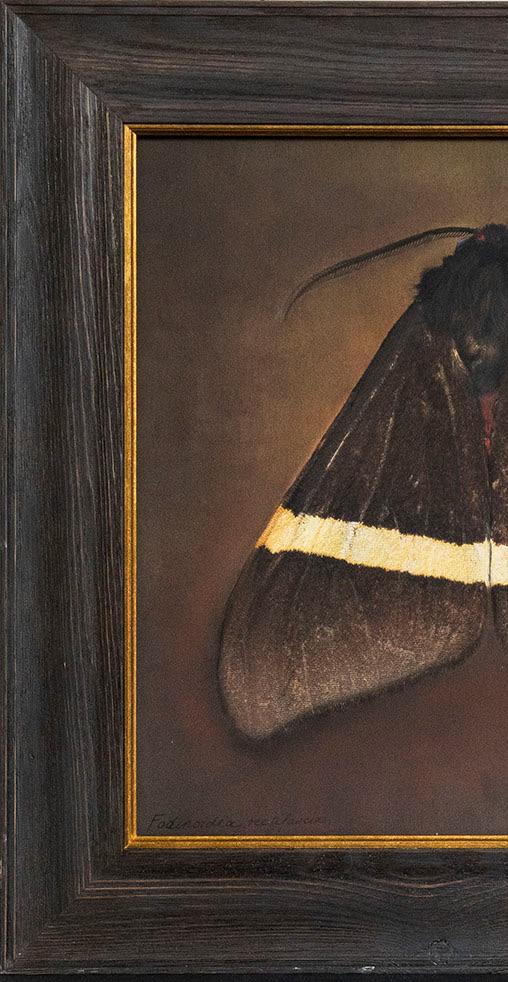
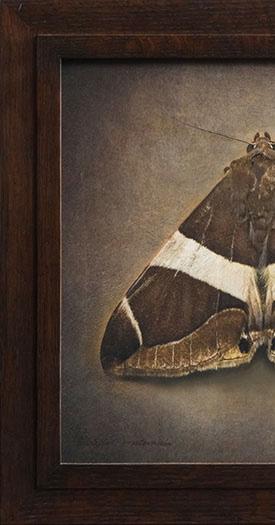
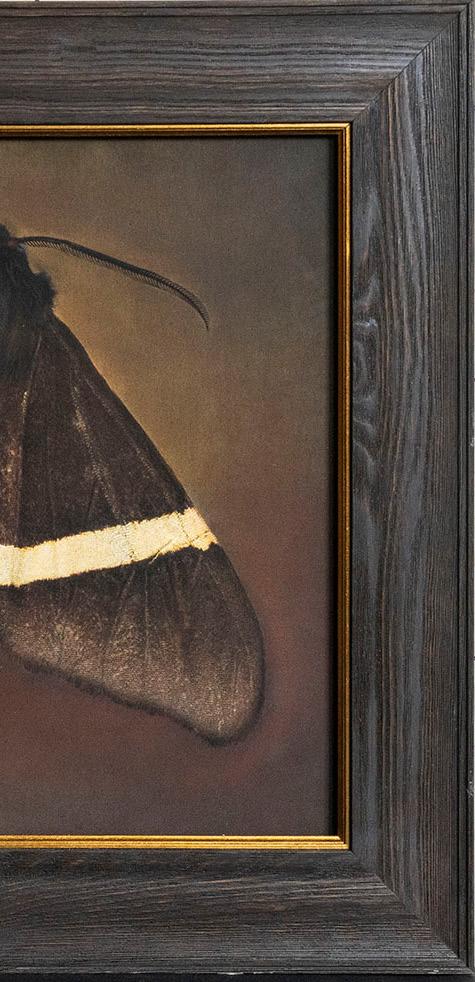
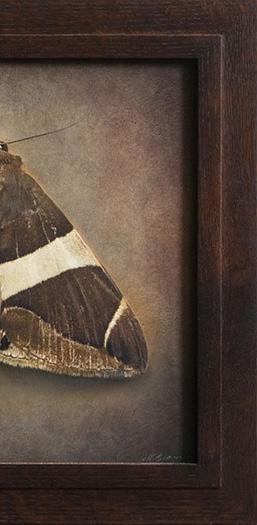
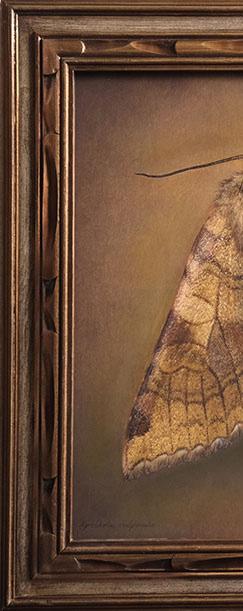
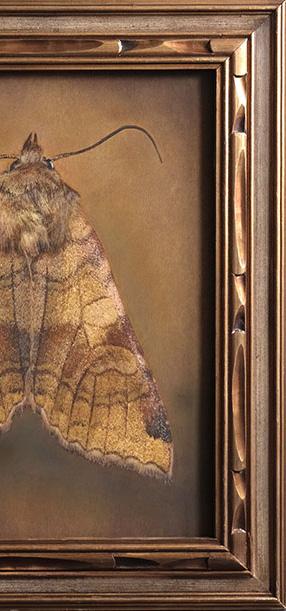
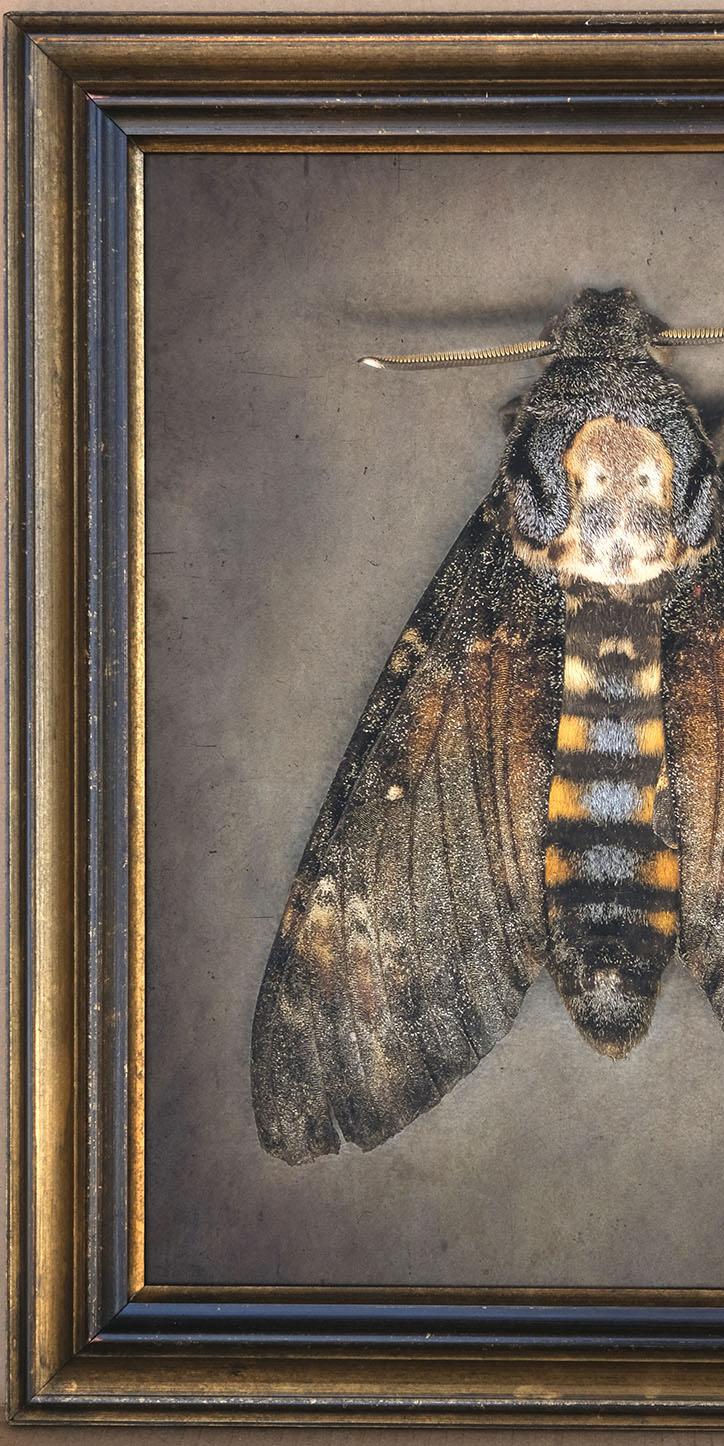
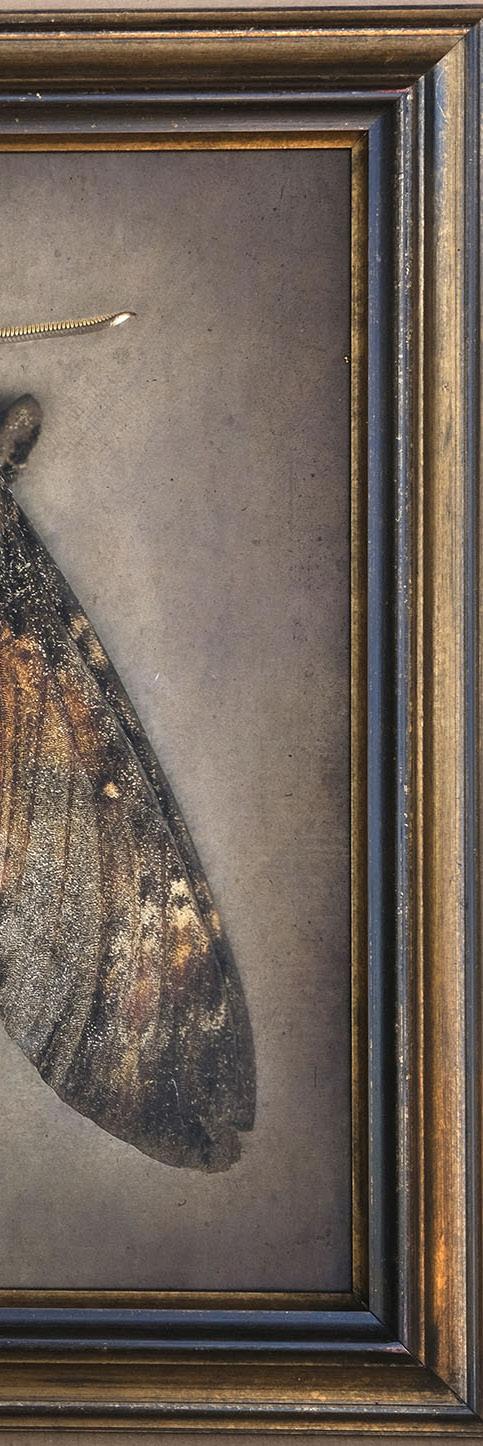
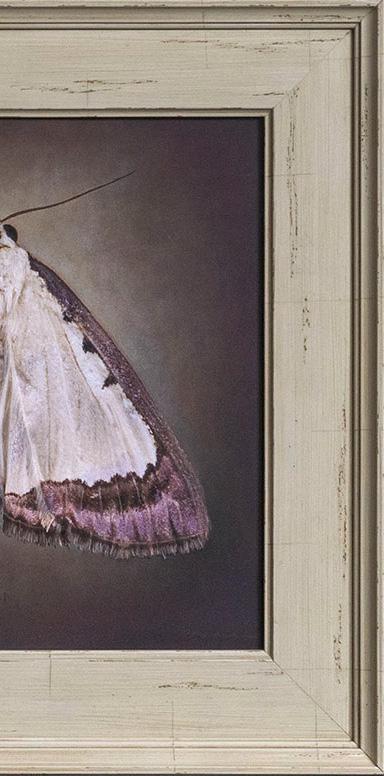
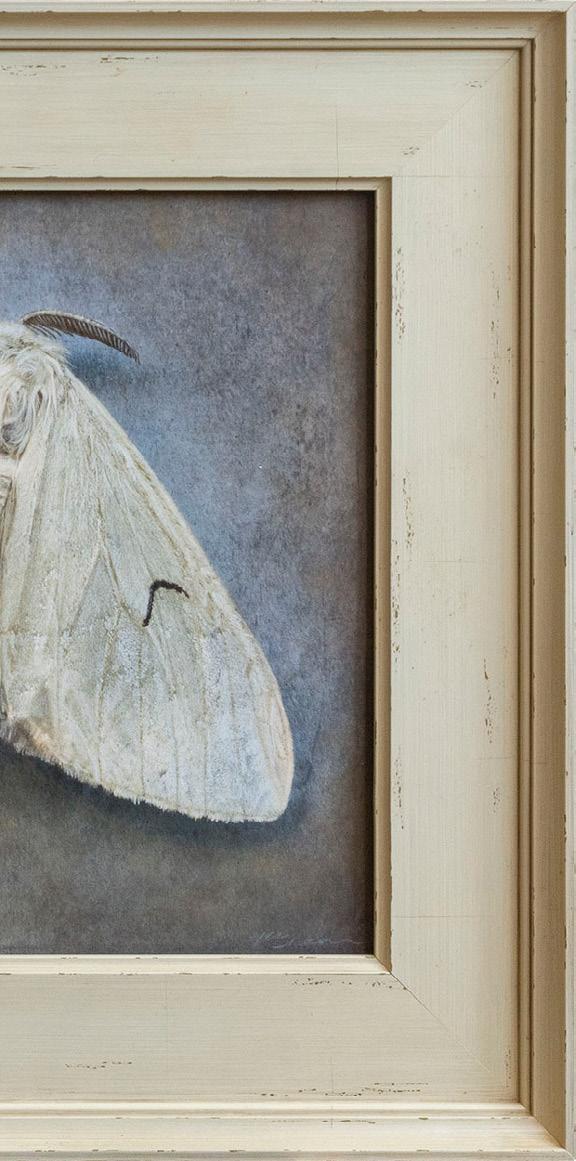
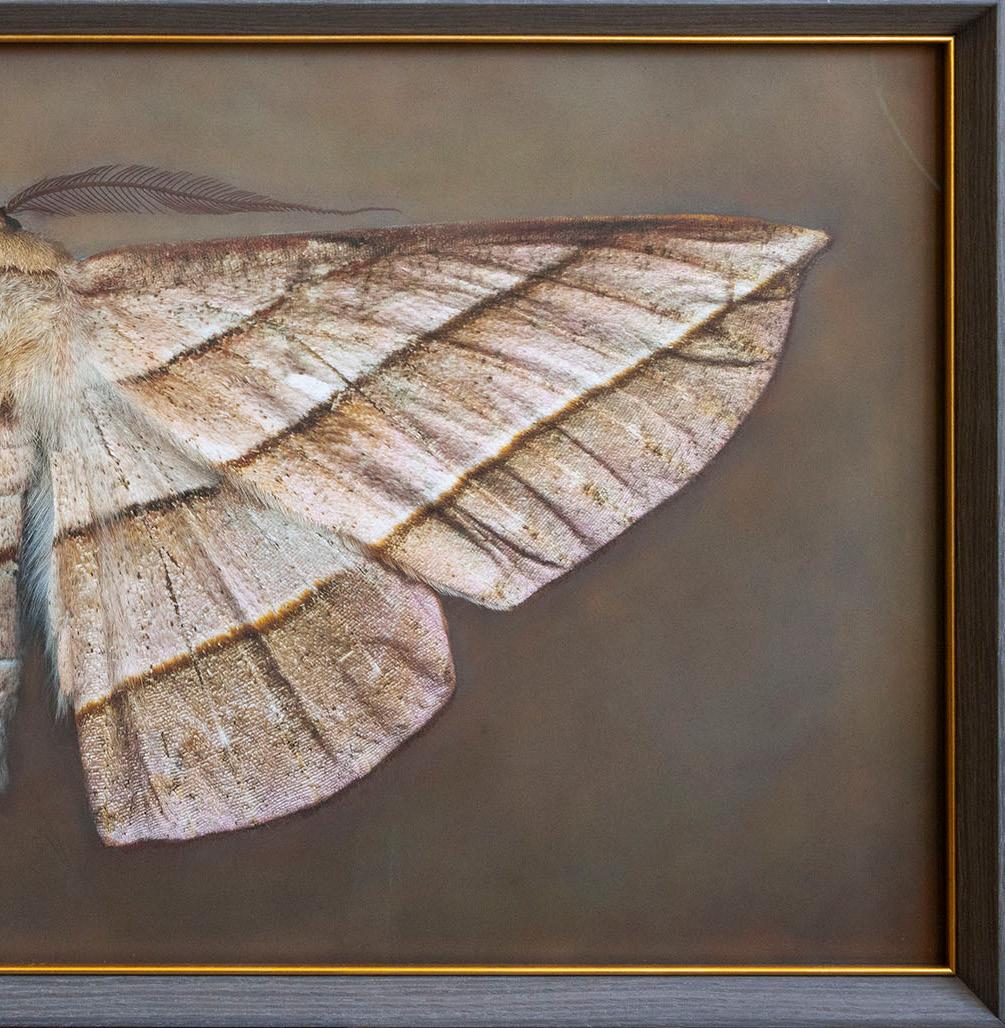
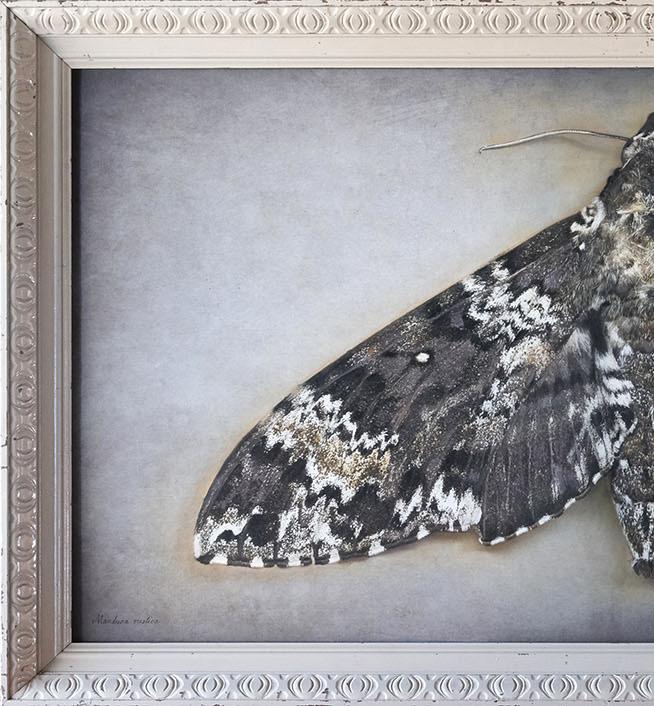
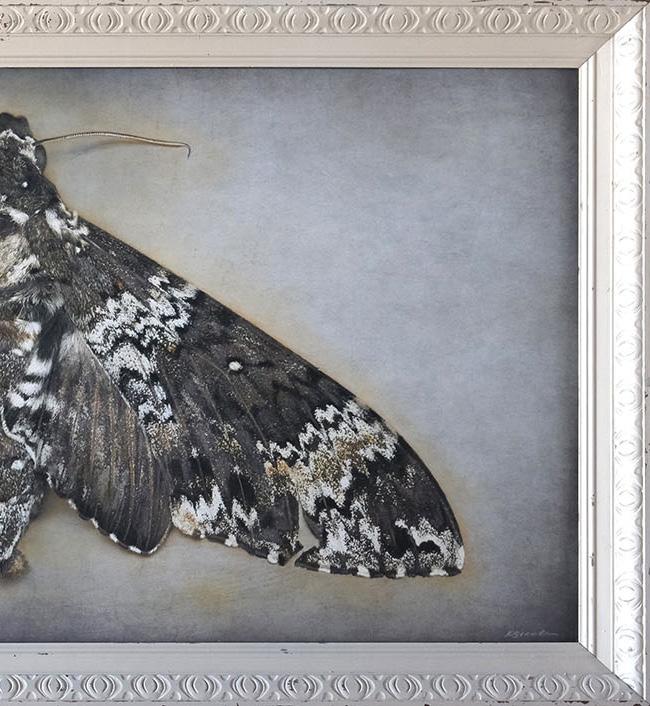
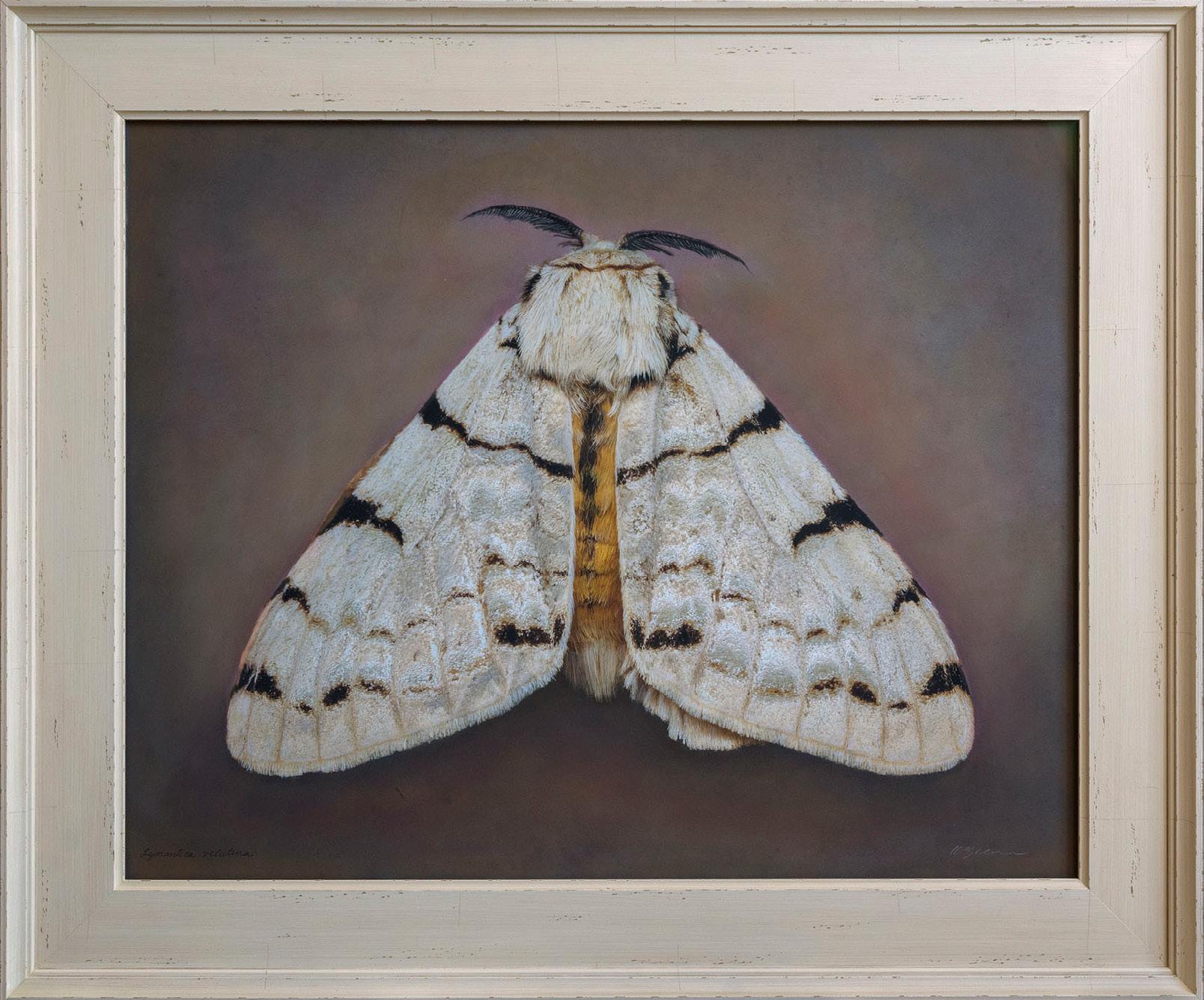
I’ve made these moth’s portraits monumental so I can see nature’s most exquisite details. When you look at those little creatures, know they may soon be gone forever.
-Kate Breakey
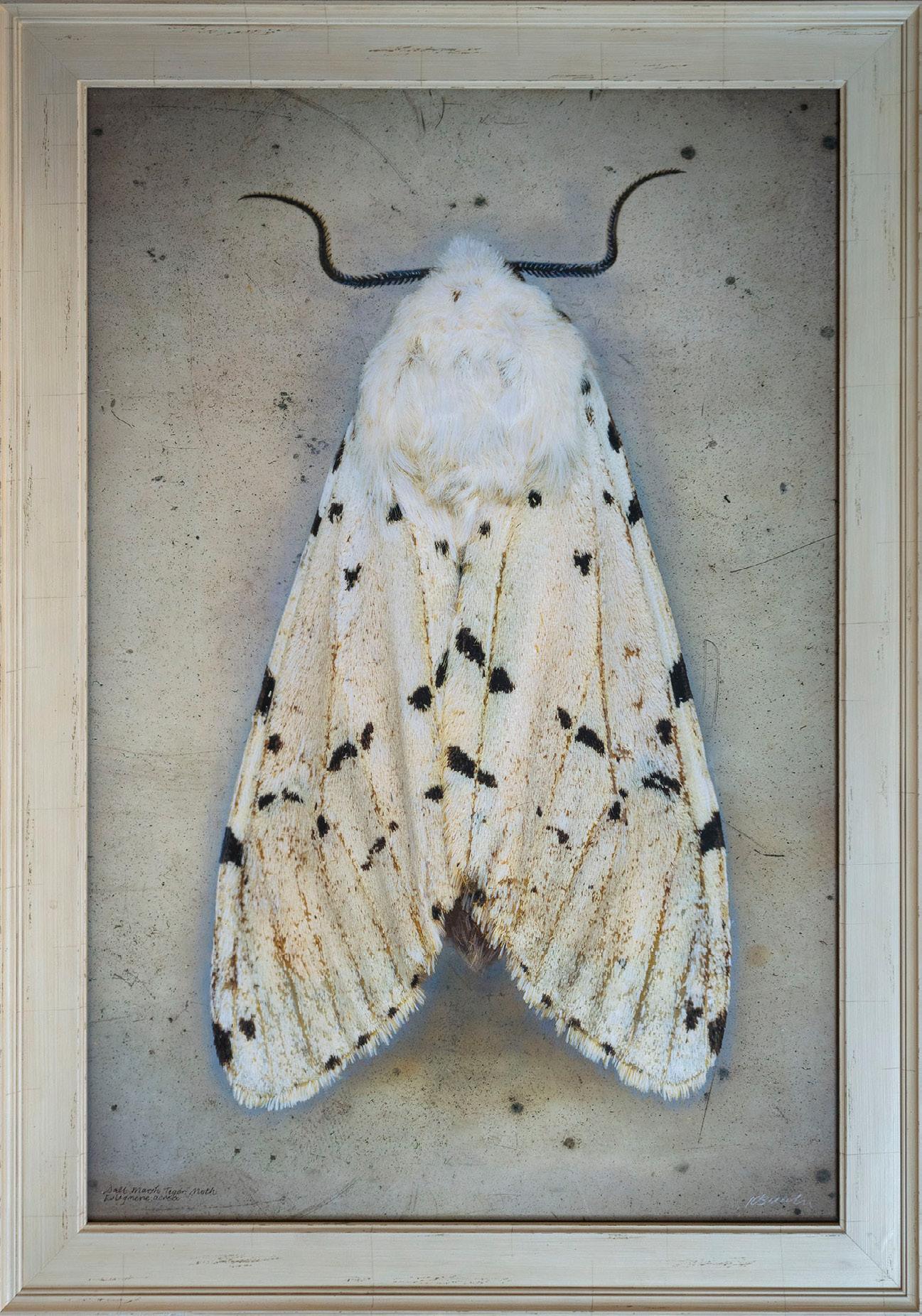
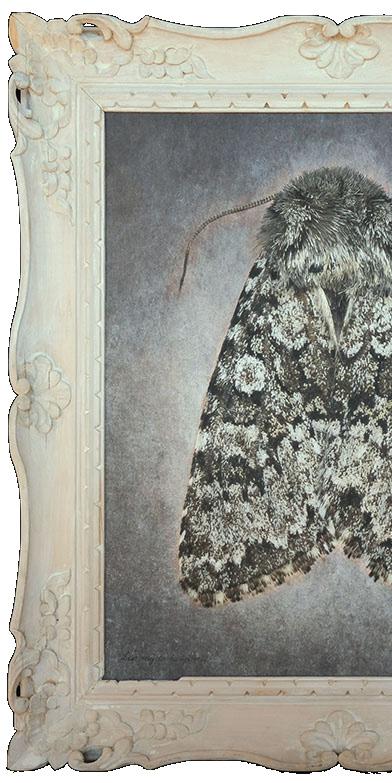

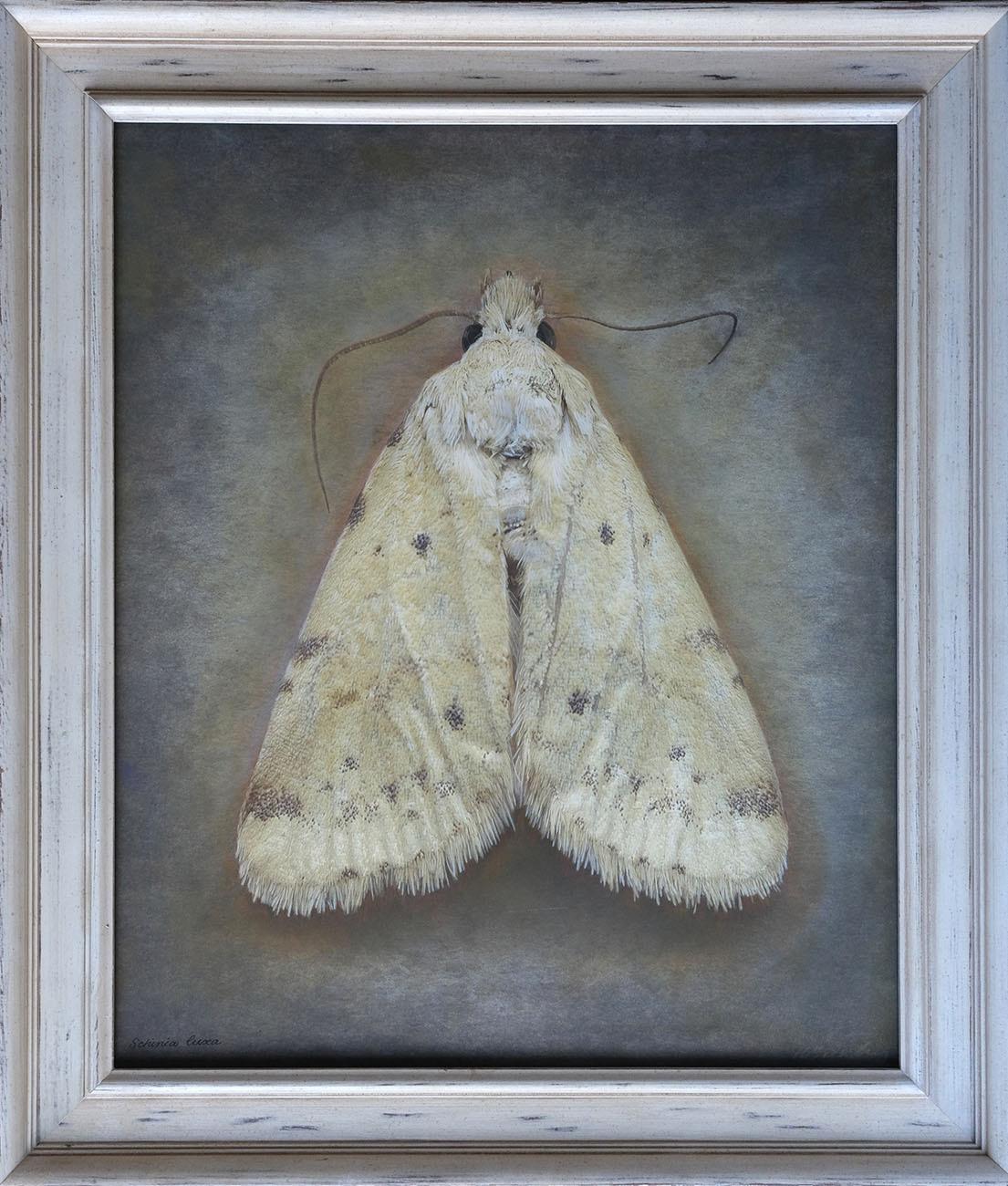
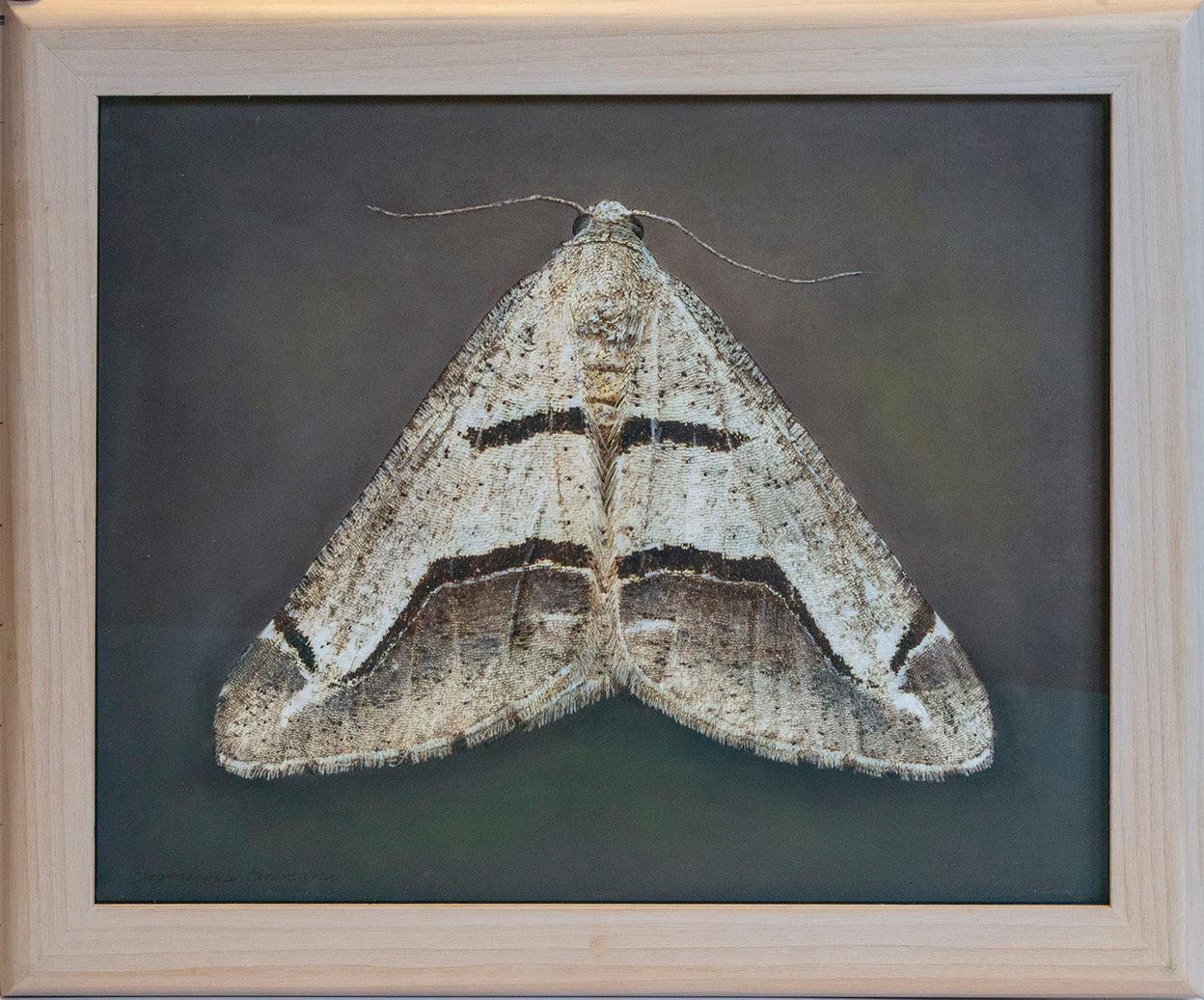
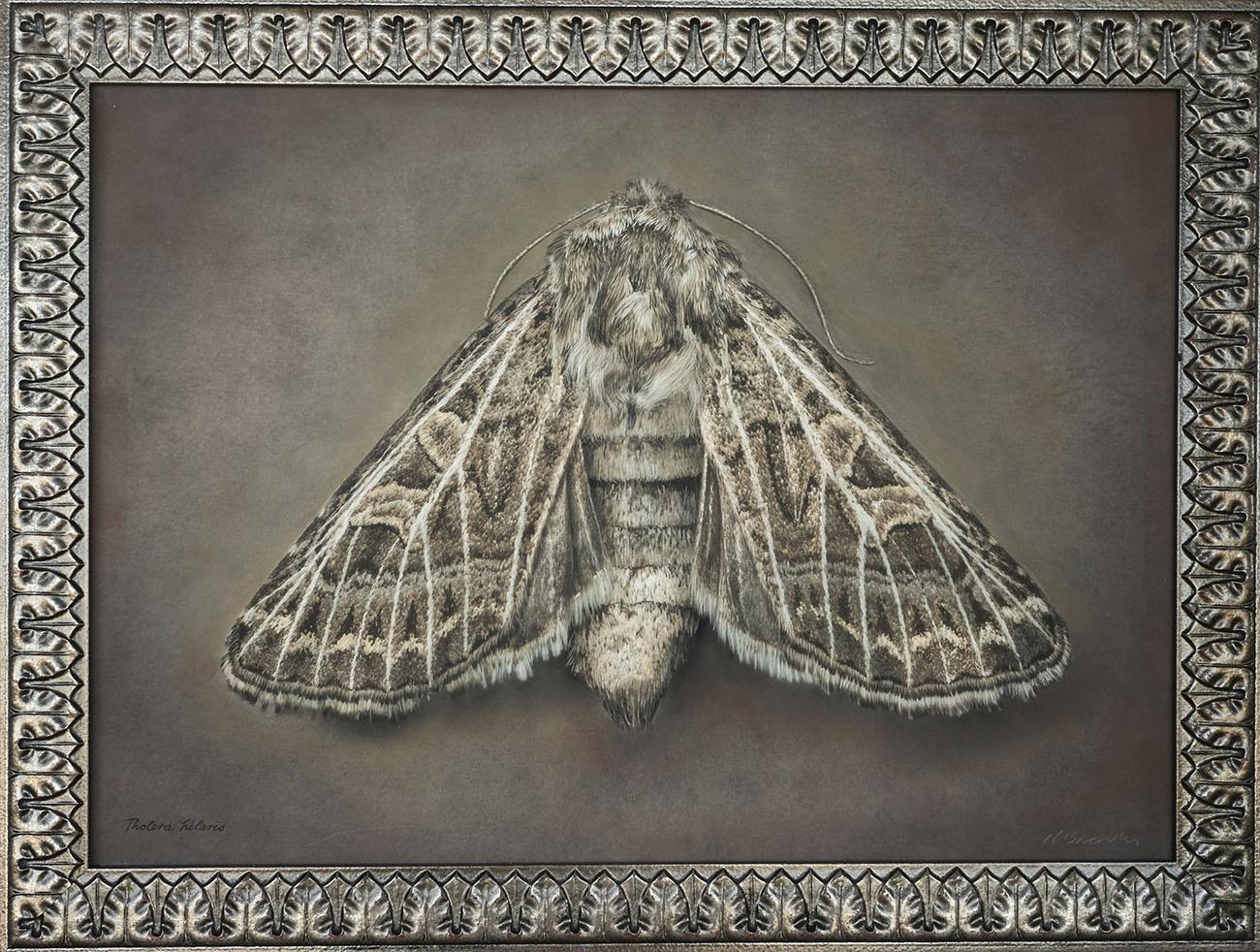


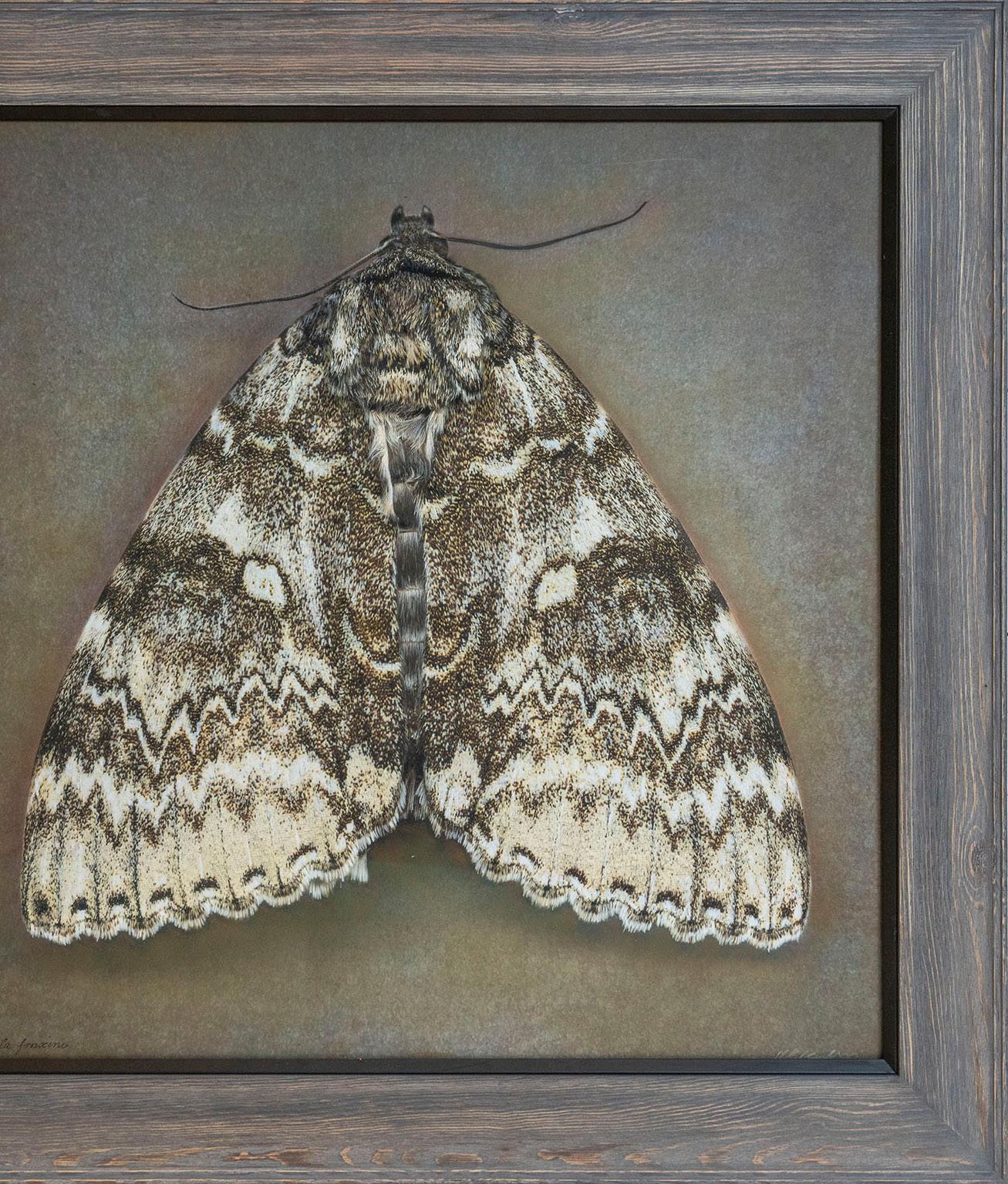
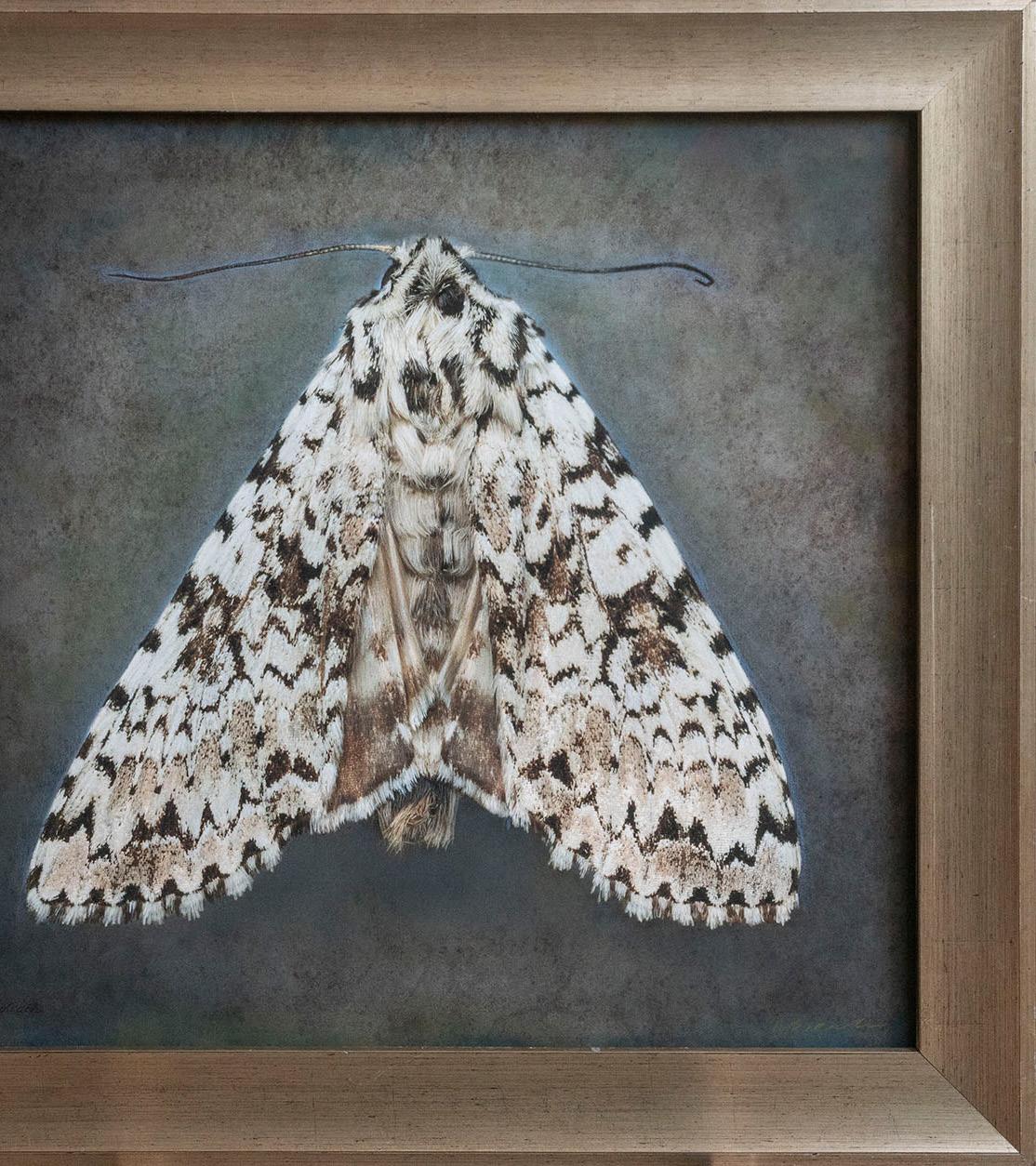
Clockwise from top left:
Digrammia tancrearia
Edition 2/20
13” x 15”
Catocala fraxini
Edition 2/20
24” x 22”
Polia goliath
Edition 2/20
24” x 24”
Tholera hilaris
Edition 1/20
18” x 25”
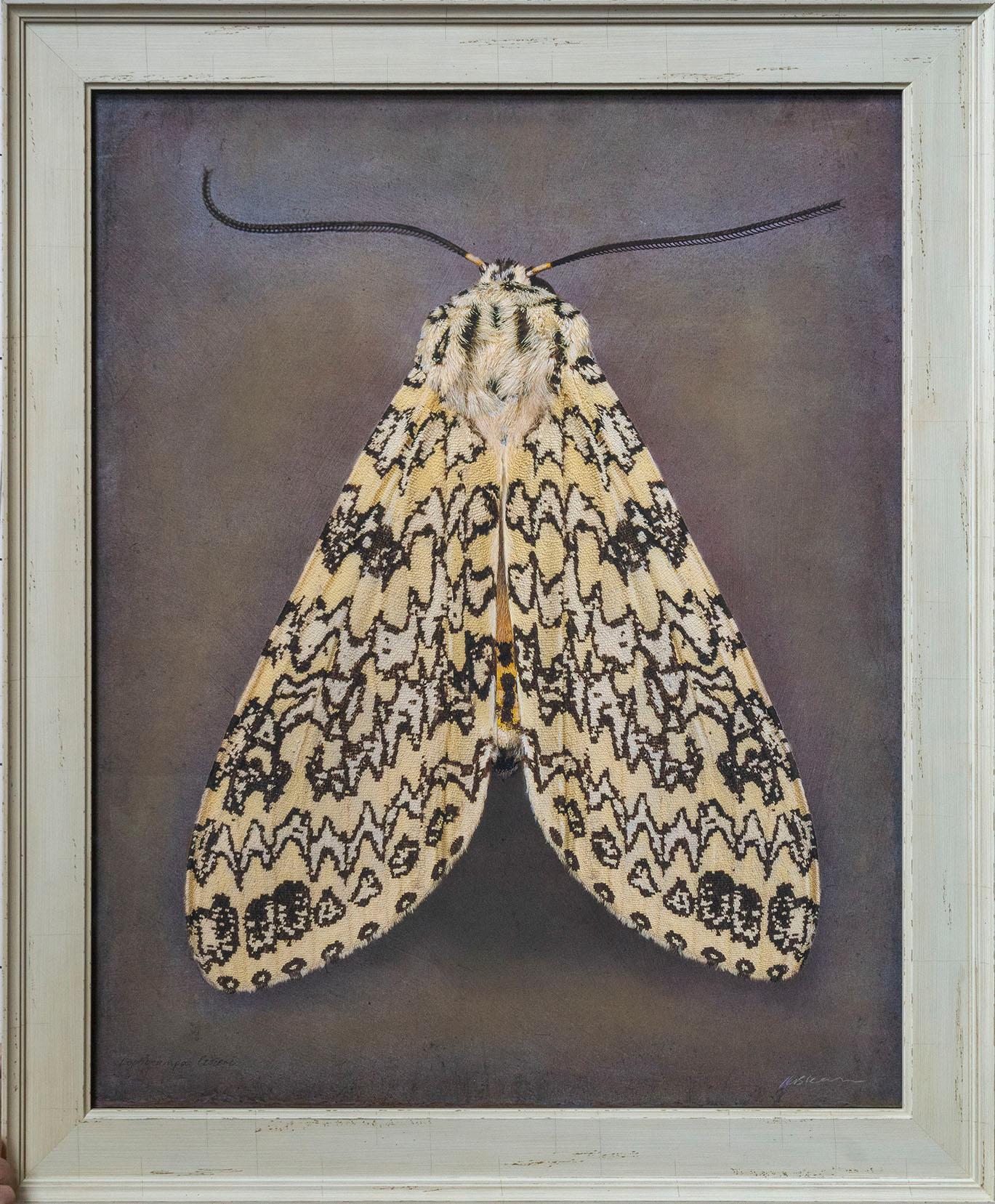
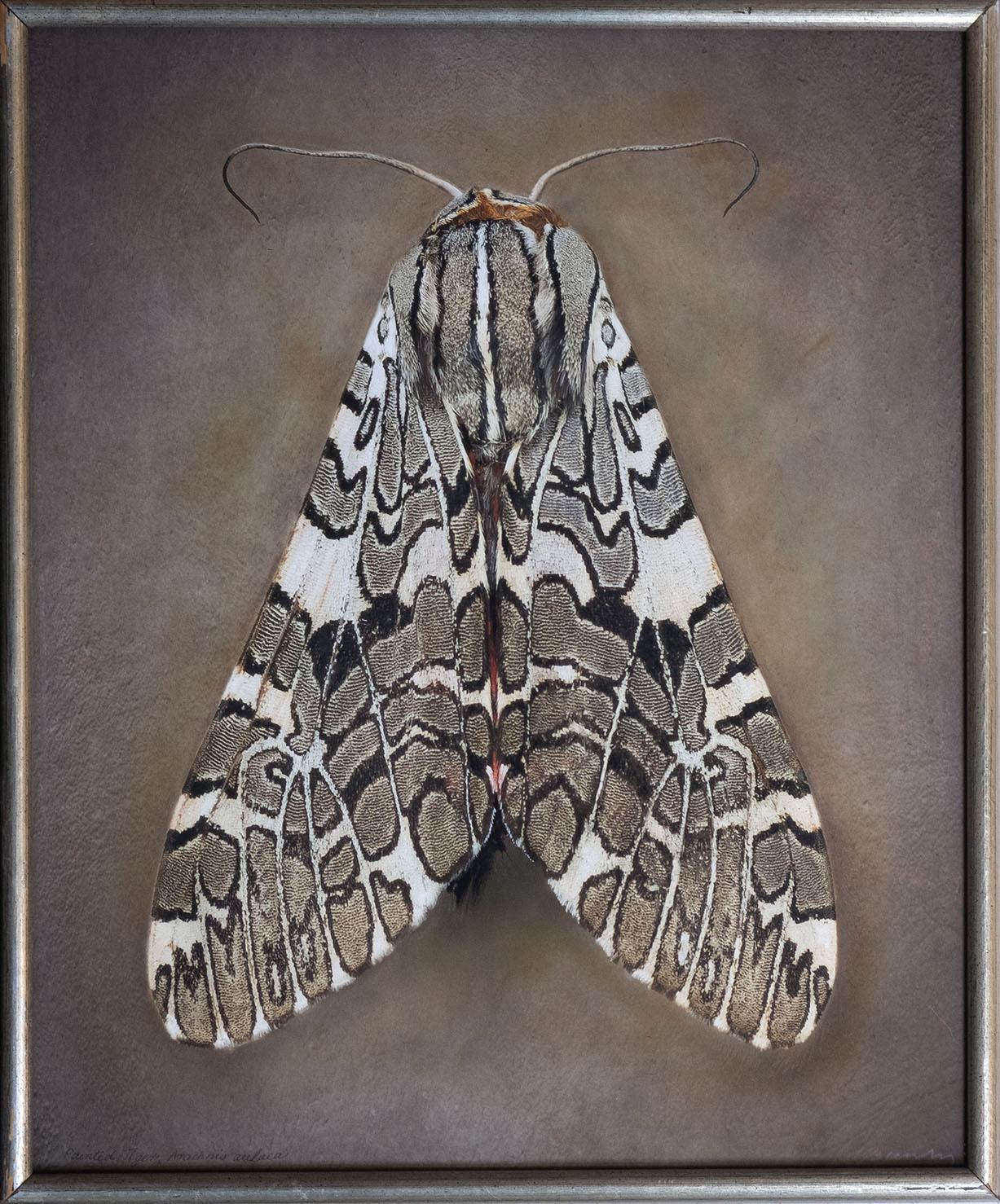
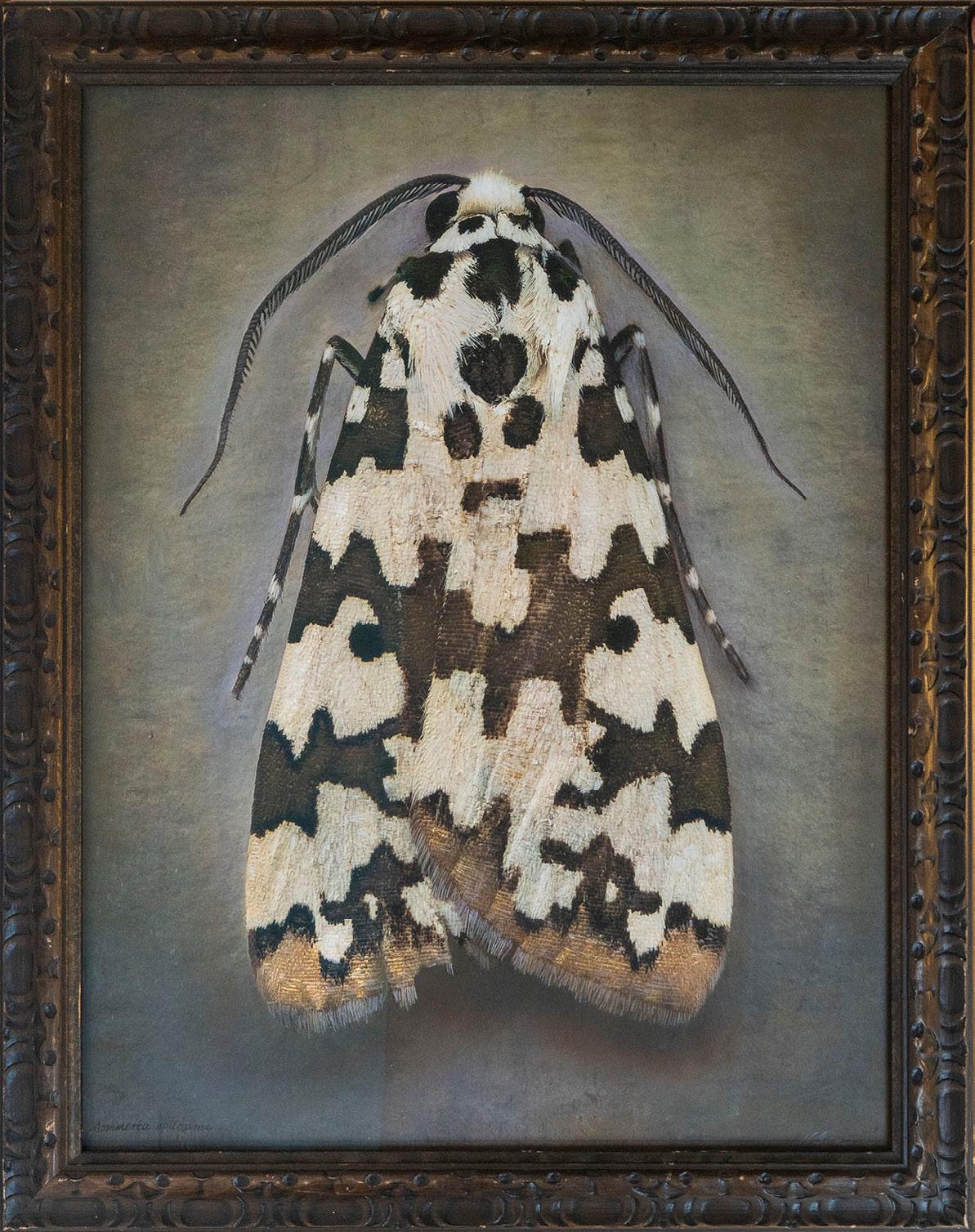
Hypercompe permaculata • Edition 3/20 • 25” x 20”
Hypercompe scribonia - Giant Leopard Moth II • Edition 4/20 • 36” x 24”
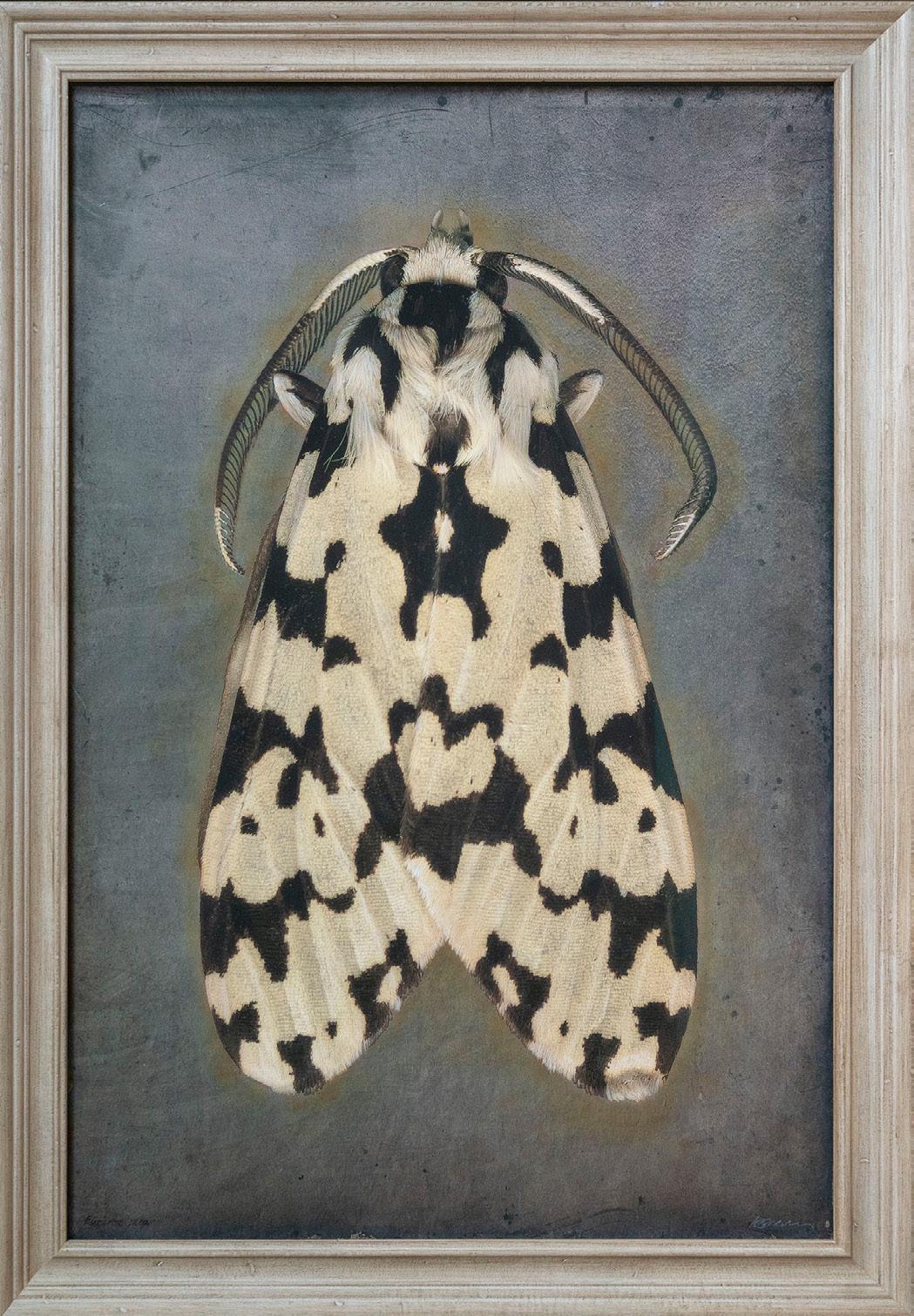
Eucereon pica • Edition 4/20 • 24” x 36”
Hypercompe scribonia - Giant Leopard Moth I • Edition 5/20 • 30” x 22”
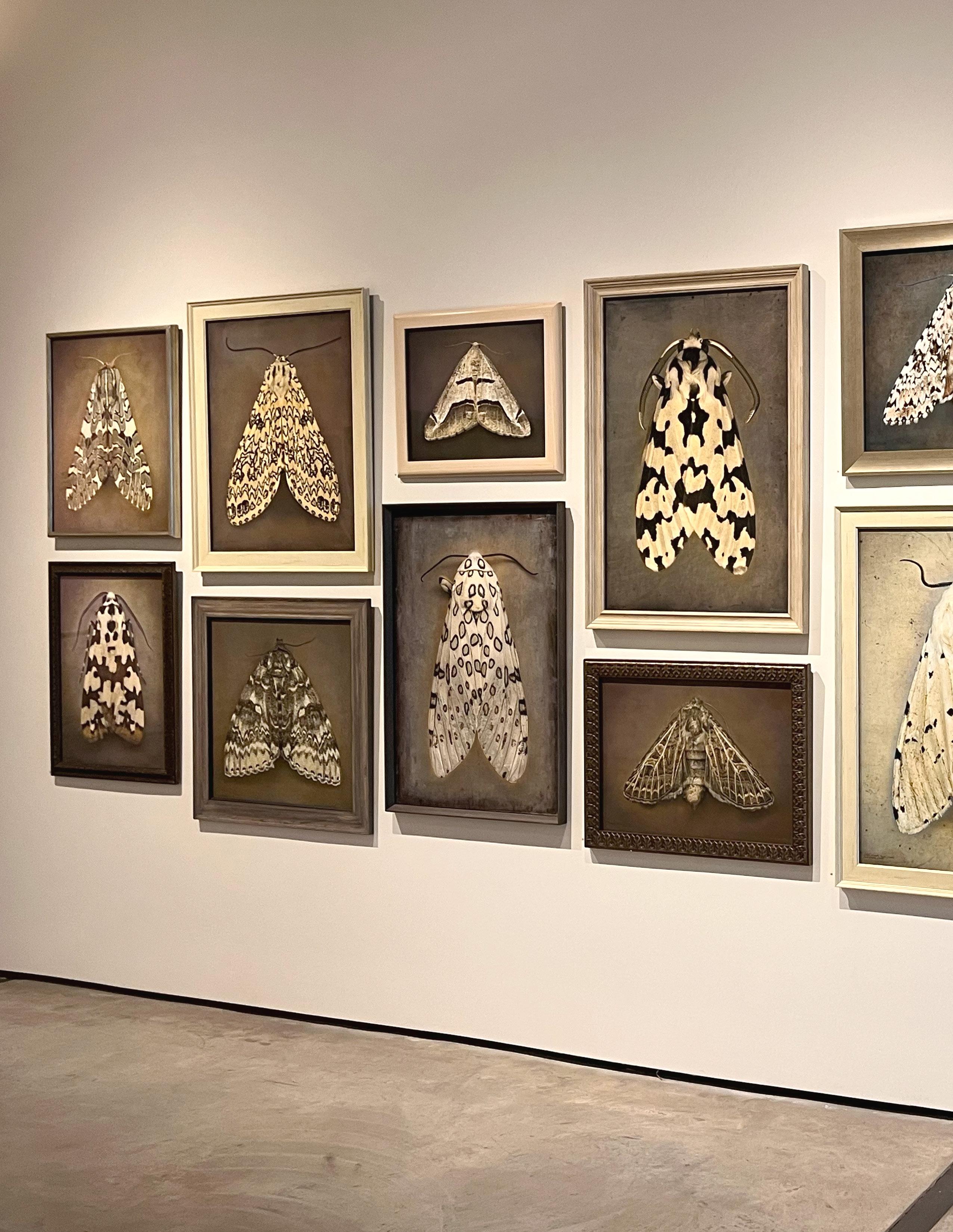
marginalia • Edition 3/20 • 24” x 36”

•
6/20 •

Clockwise from top left:
Ecliplopera delecta
Edition 1/20
17” x 17”
Fodinoidea rebtifascia
Edition 1/20
15” x 15”
Bastilla praetermissa
Edition 1/20
17” x 17”
Watsonarctia deserta
Edition 1/20
12” x 12”
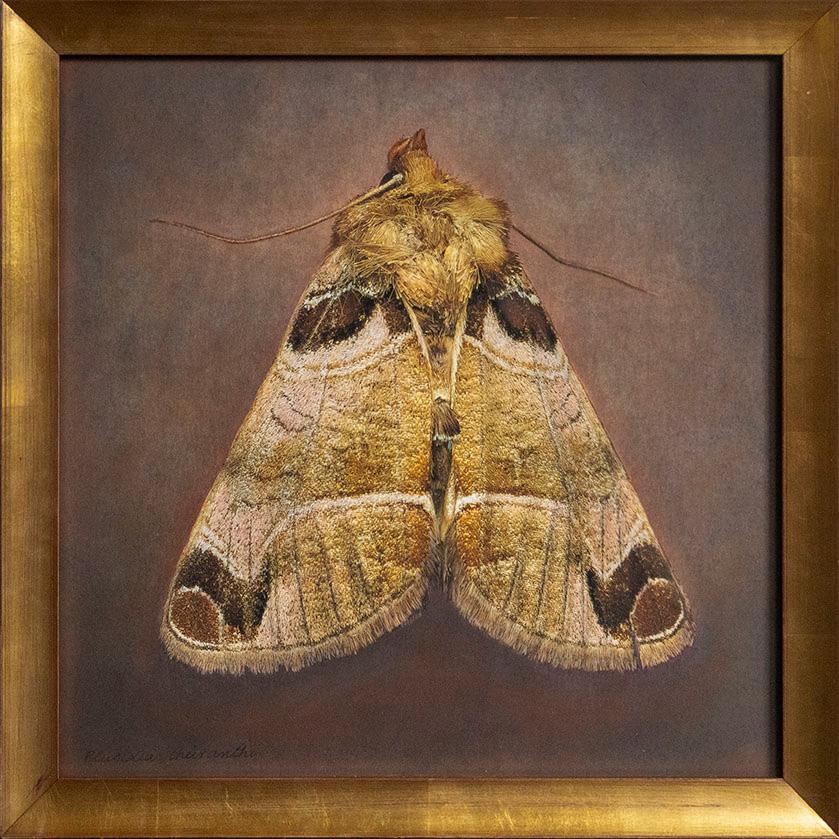
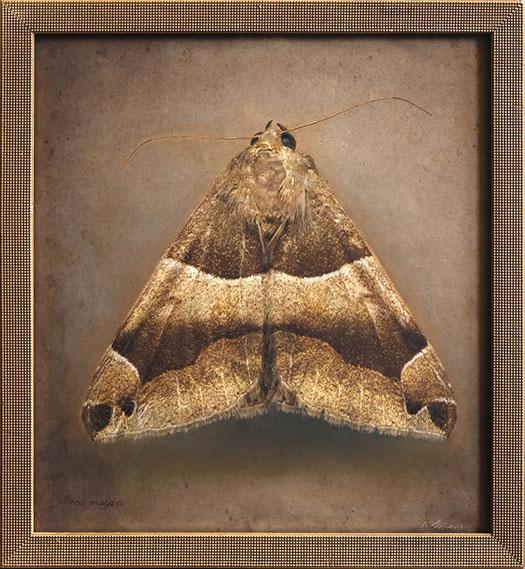
• Edition 1/20 • 18” x 22”
mayeri • Edition 1/20 • 16” x 17.5”
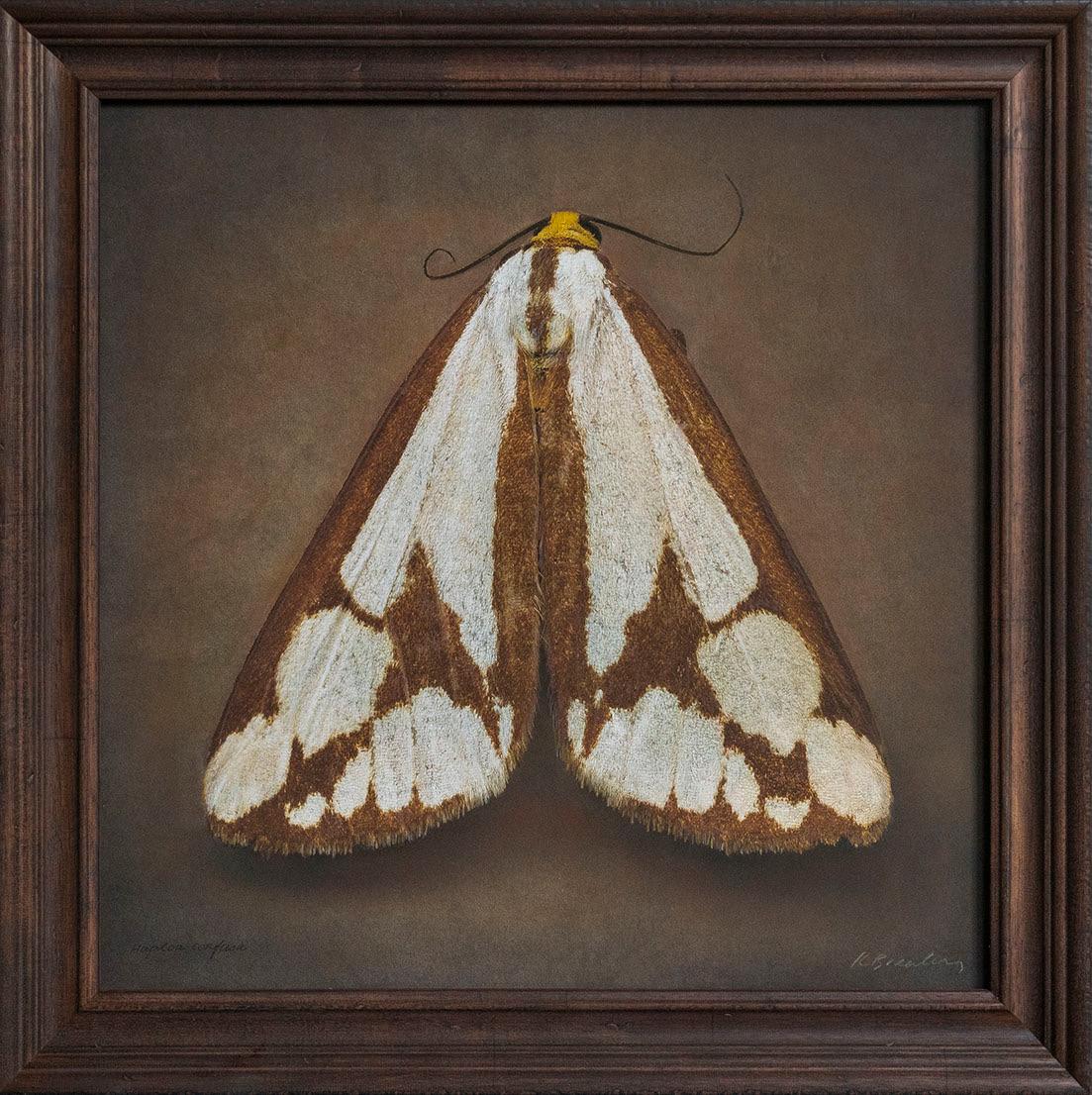

consentaria • Edition 1/20 • 16” x 20”


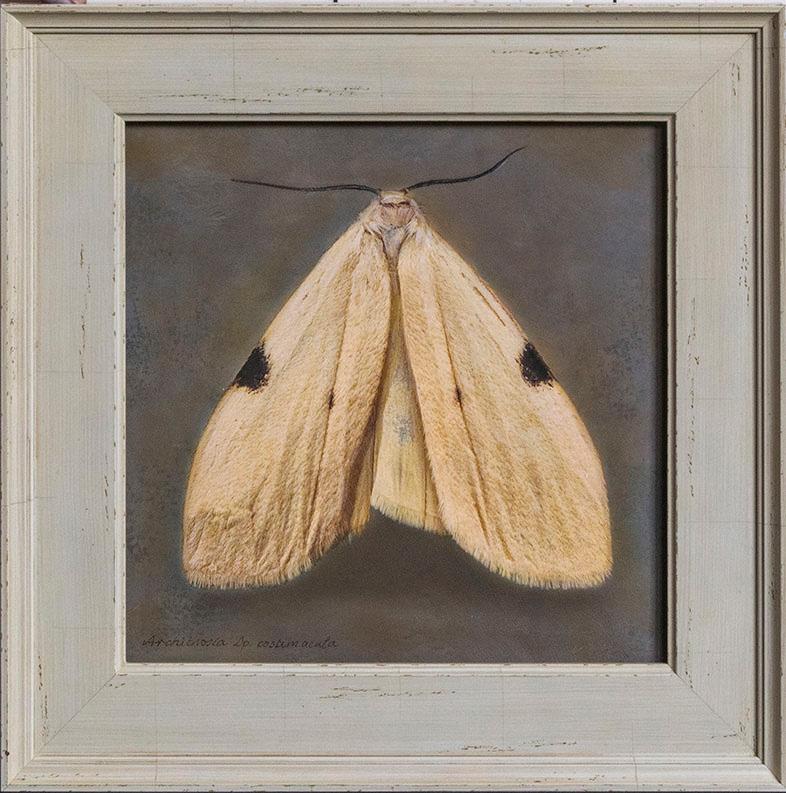
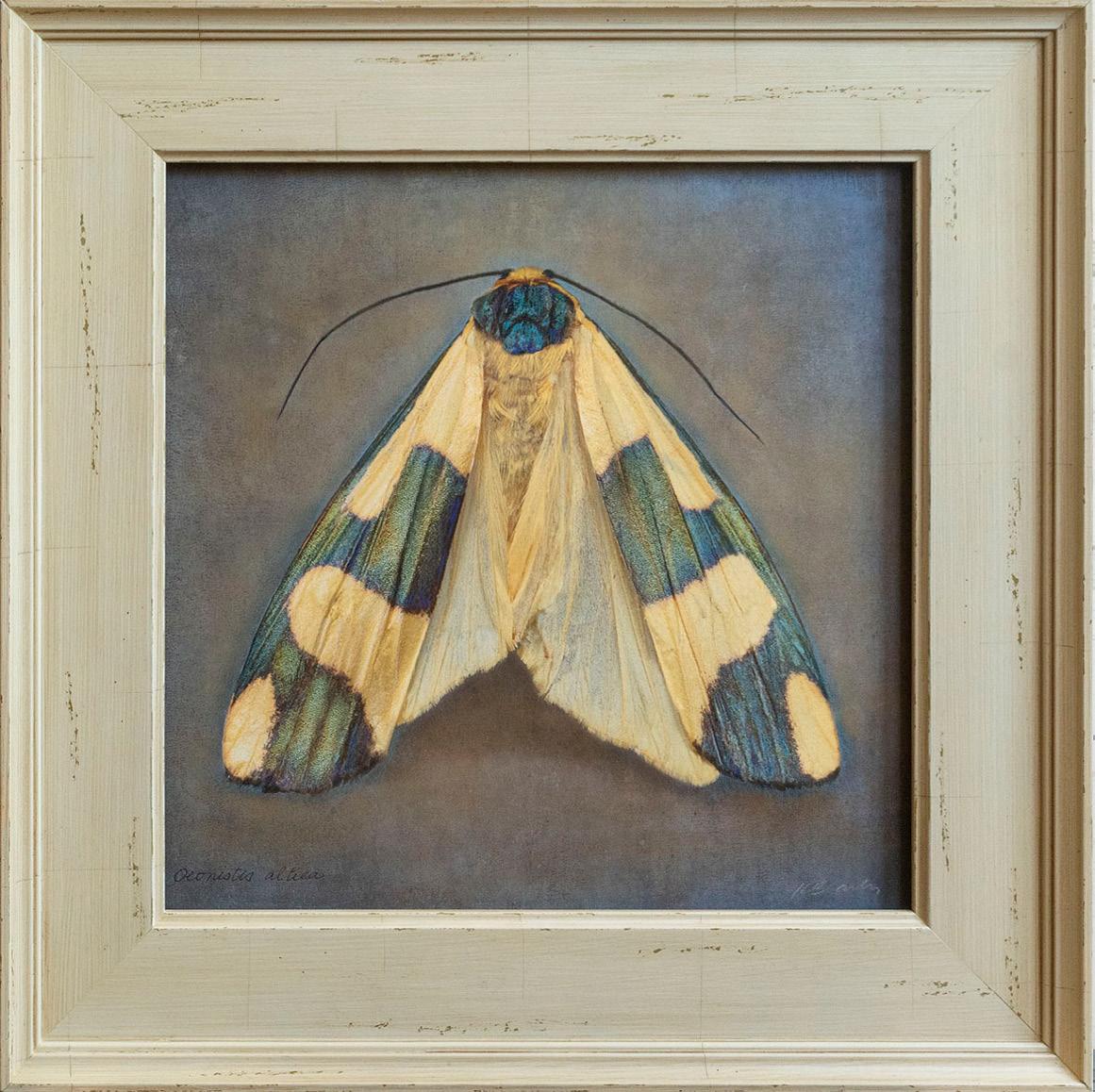
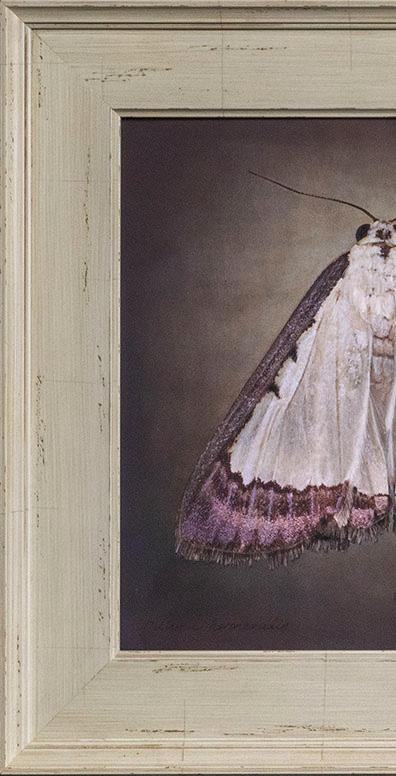
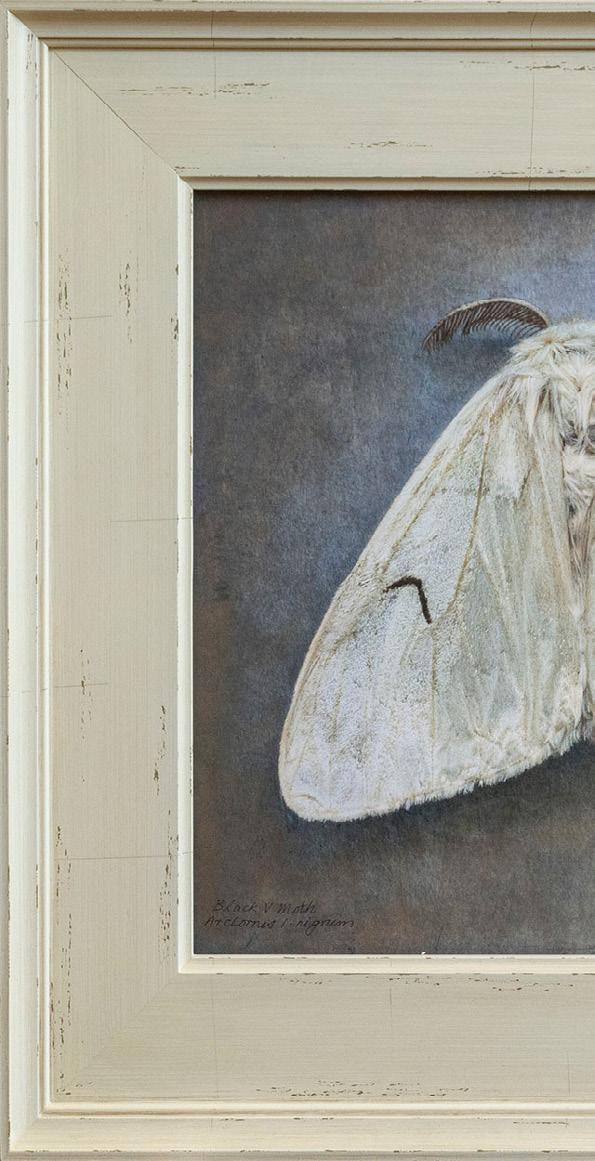
1/20 •
2/20 •
1/20 •
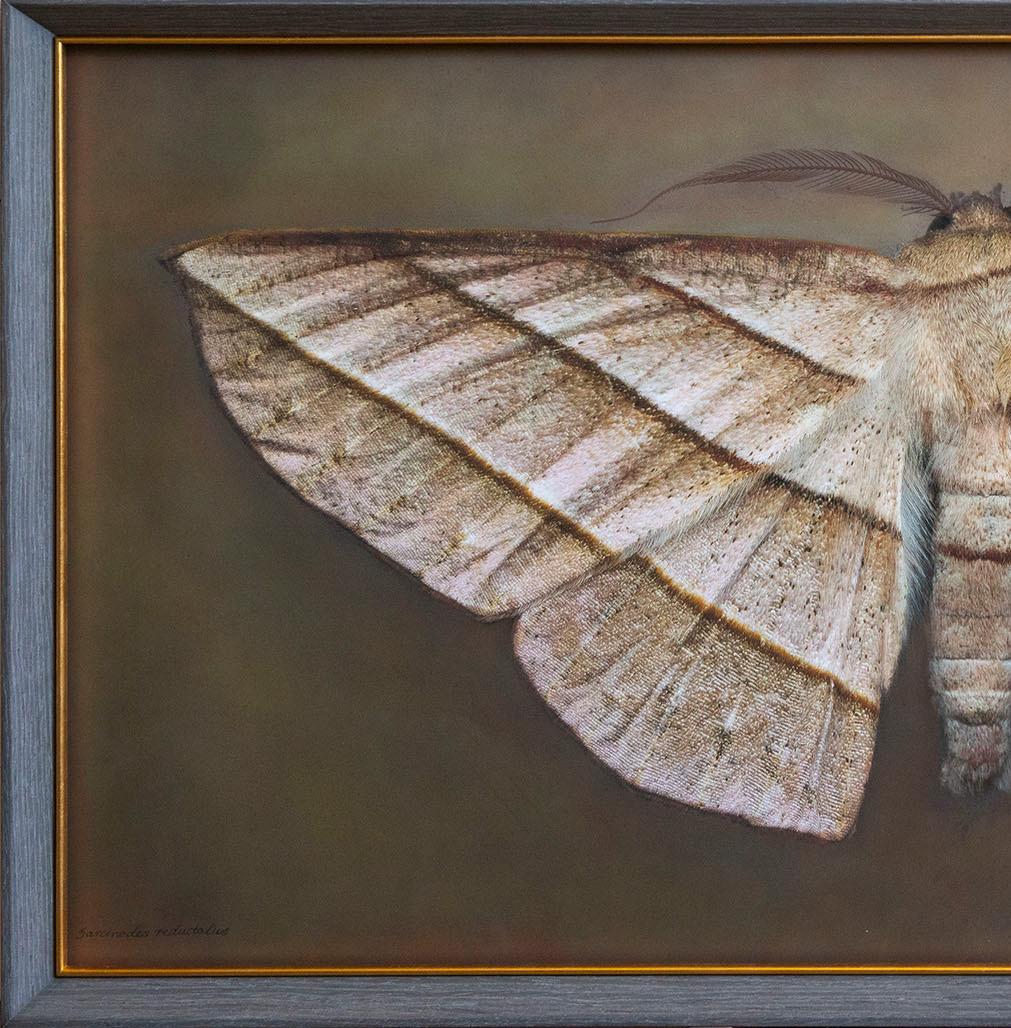
Sarcinodes reductatus
2/20
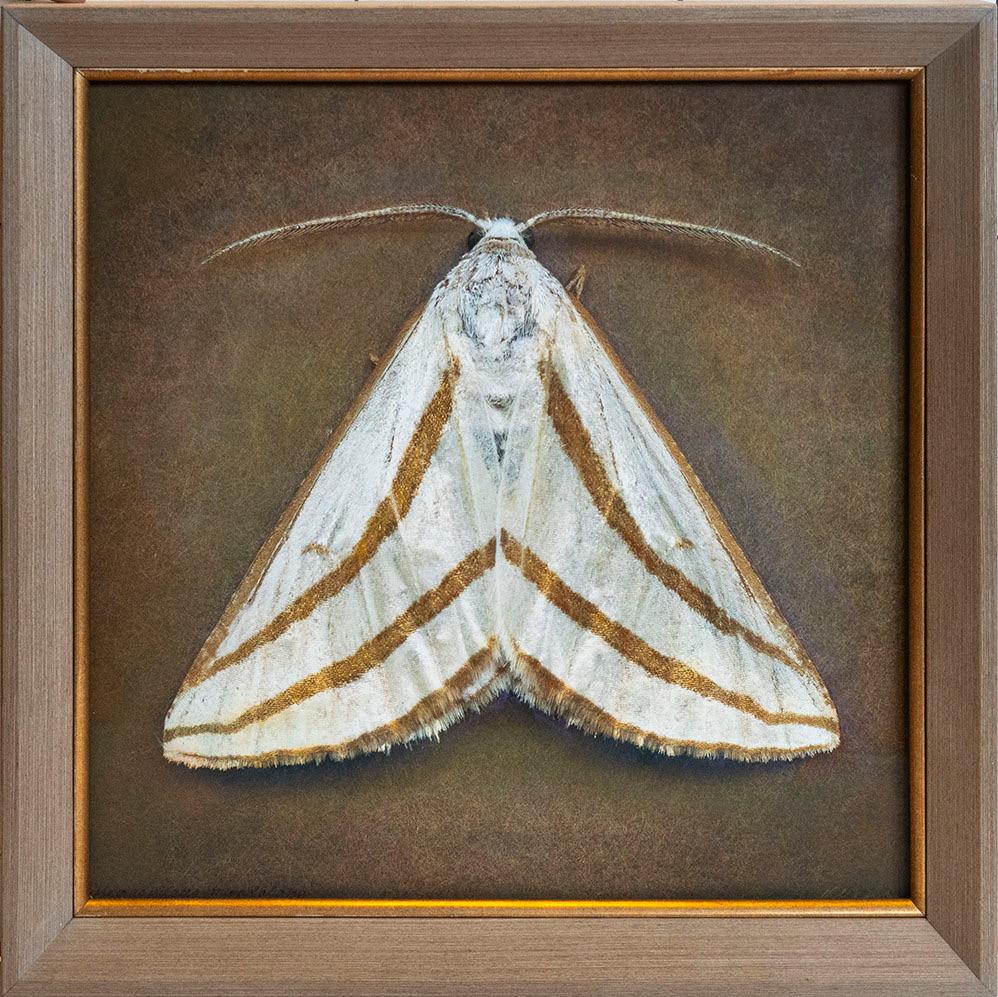
mundataria • Edition 1/20 • 16” x 16”